

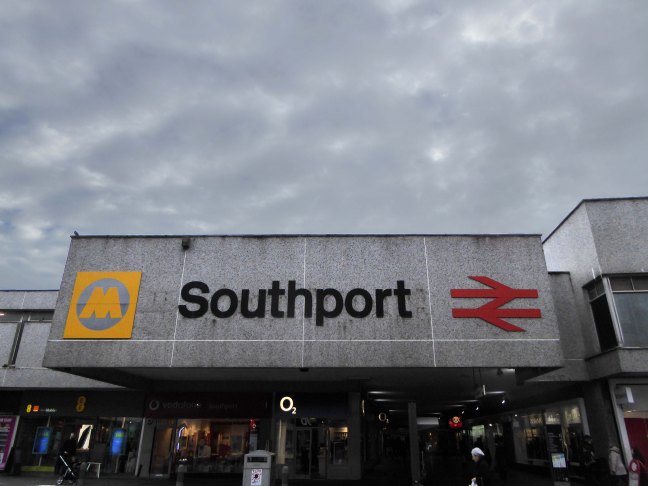
Beginning with our arrival at Southport Railway Station – noting the striking internal structures.
The redevelopment of the station in the 70s, along with the attached retail elements was the work of Richard Seifert & Partners.
The applied mosaic identical to that used on the architect’s Hexagon Tower.
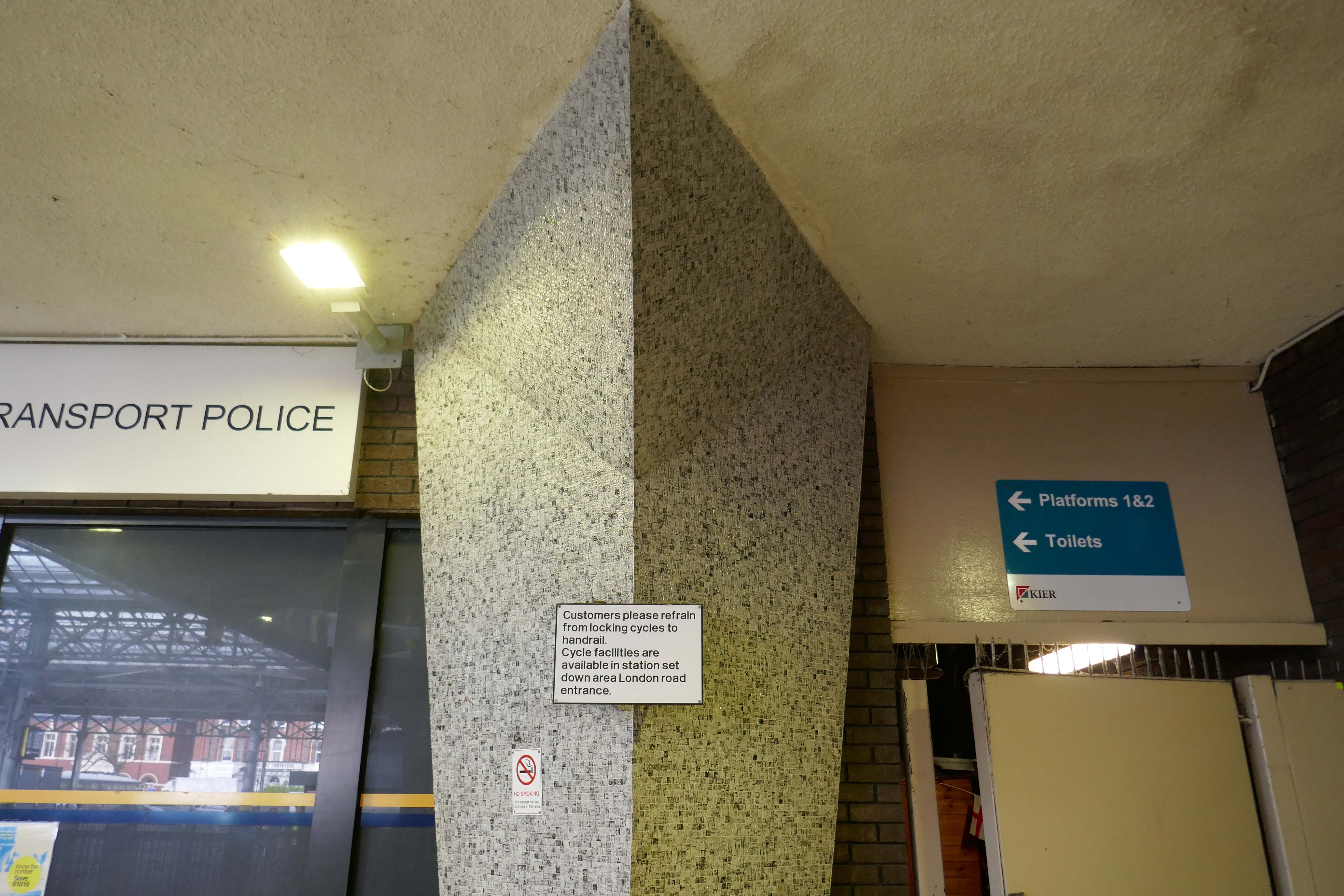
The Liverpool, Crosby and Southport Railway line was extended on 5 August 1851 to the current station which opened as Southport Chapel Street. At its largest, Chapel Street station had eleven regular platforms and two excursion platforms. Now six truncated platforms are in use – platforms 1-3 for Liverpool trains & 4-6 for Manchester, the rest having been demolished and the land used for car parking. In 1970 the former terminal building was replaced with a shopping centre.
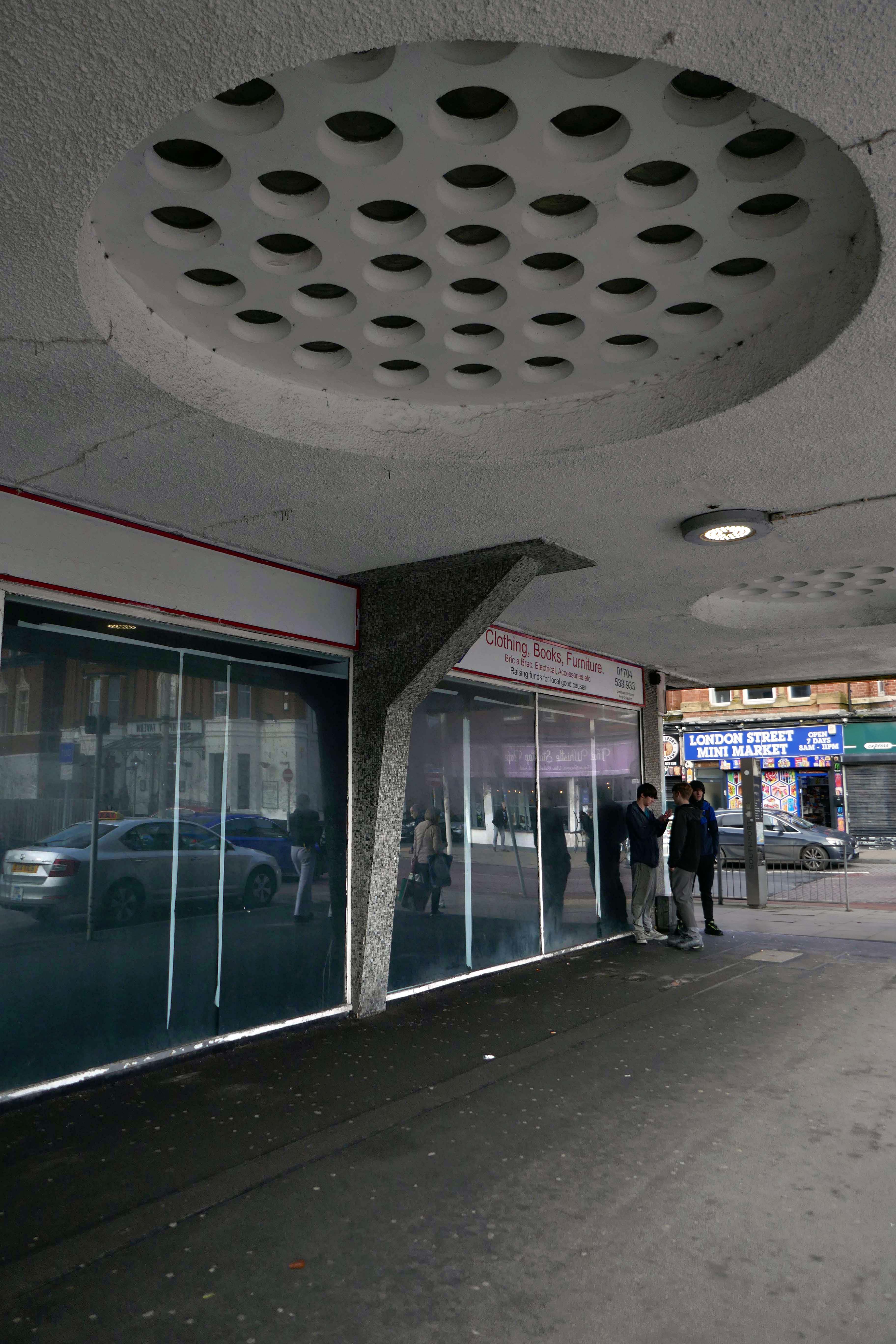
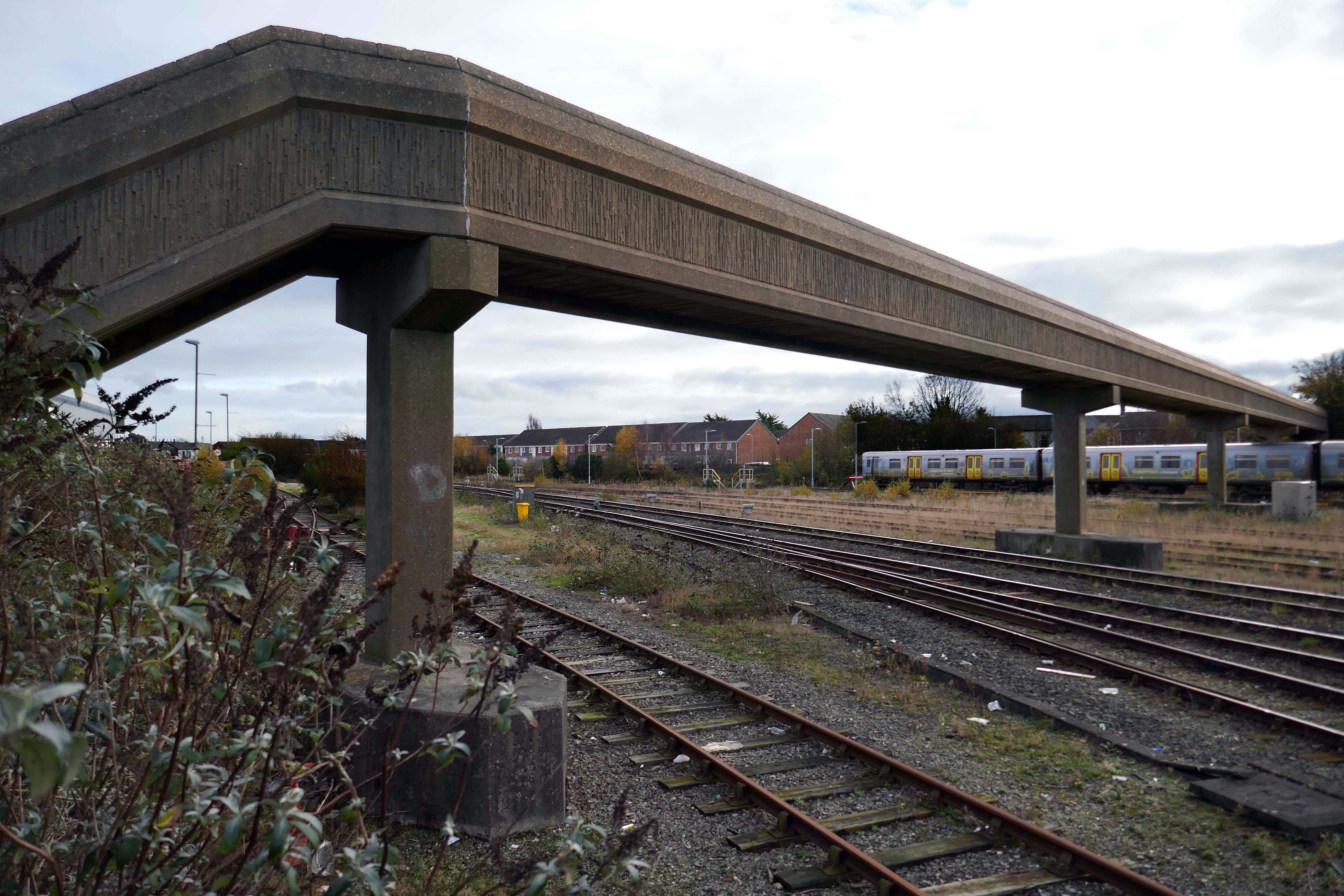
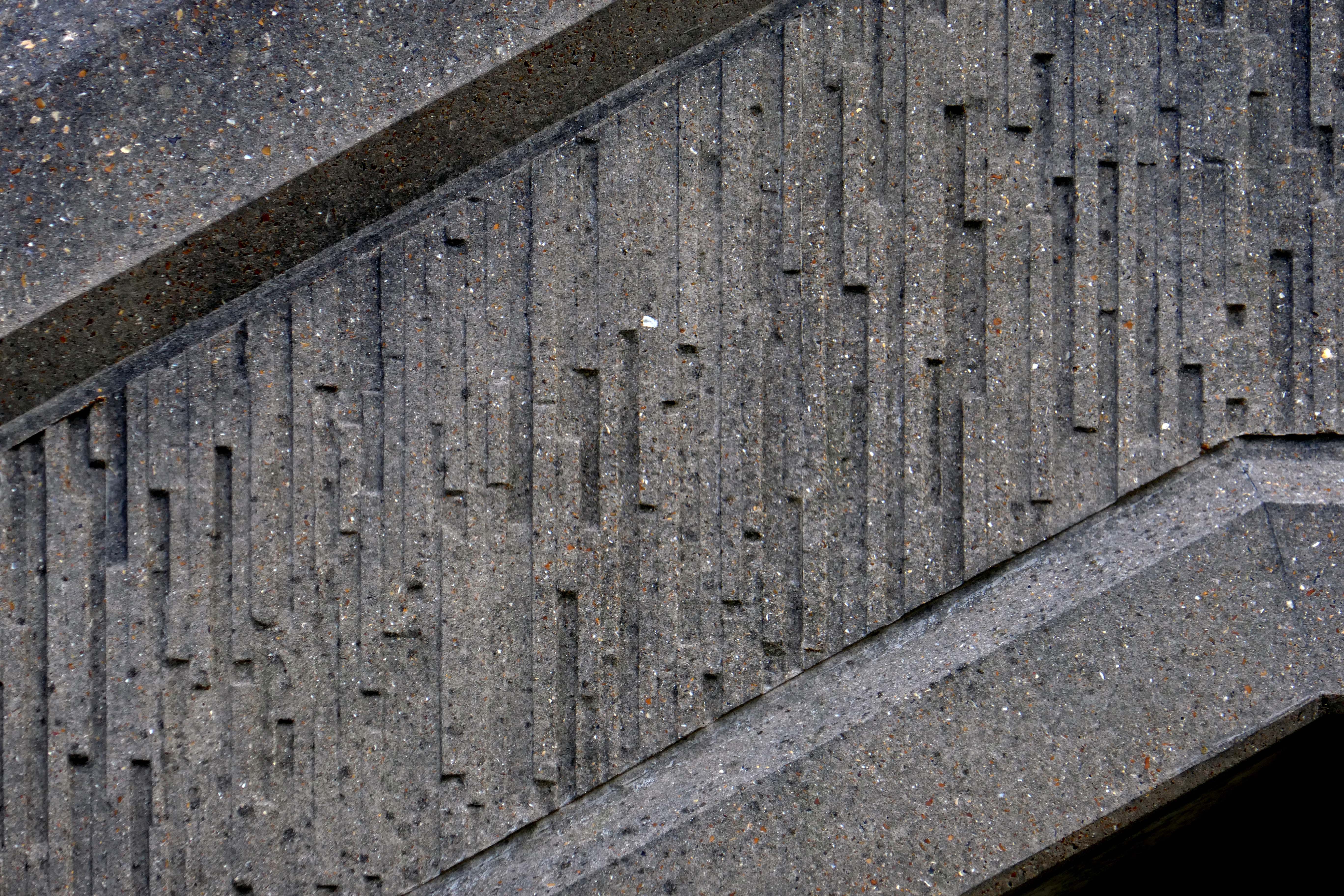
Exit the station to your right and proceed right along London Street to the concrete footbridge
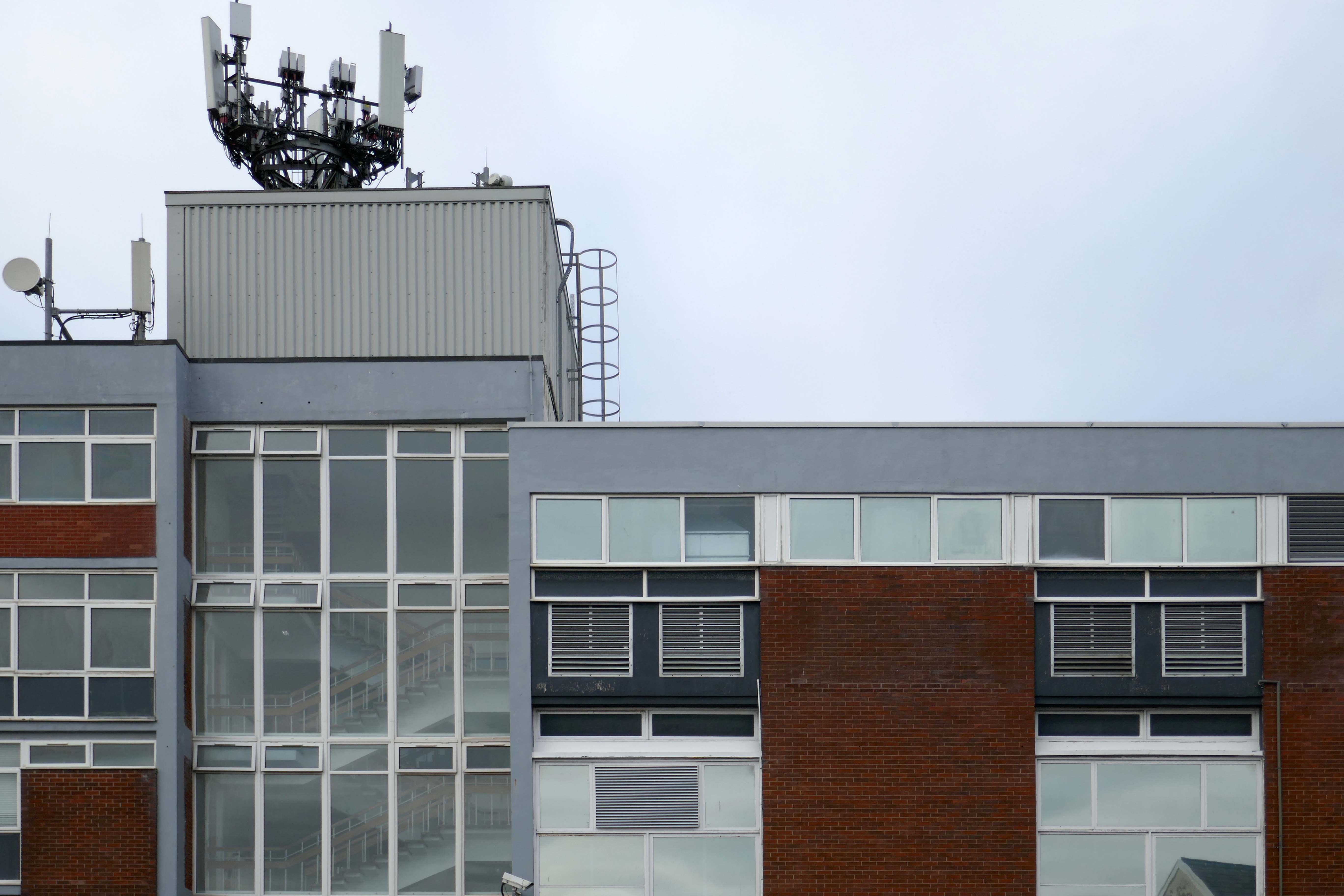
Backtrack along London Street turning right into Haweside Street, where we find the Telephone Exchange.
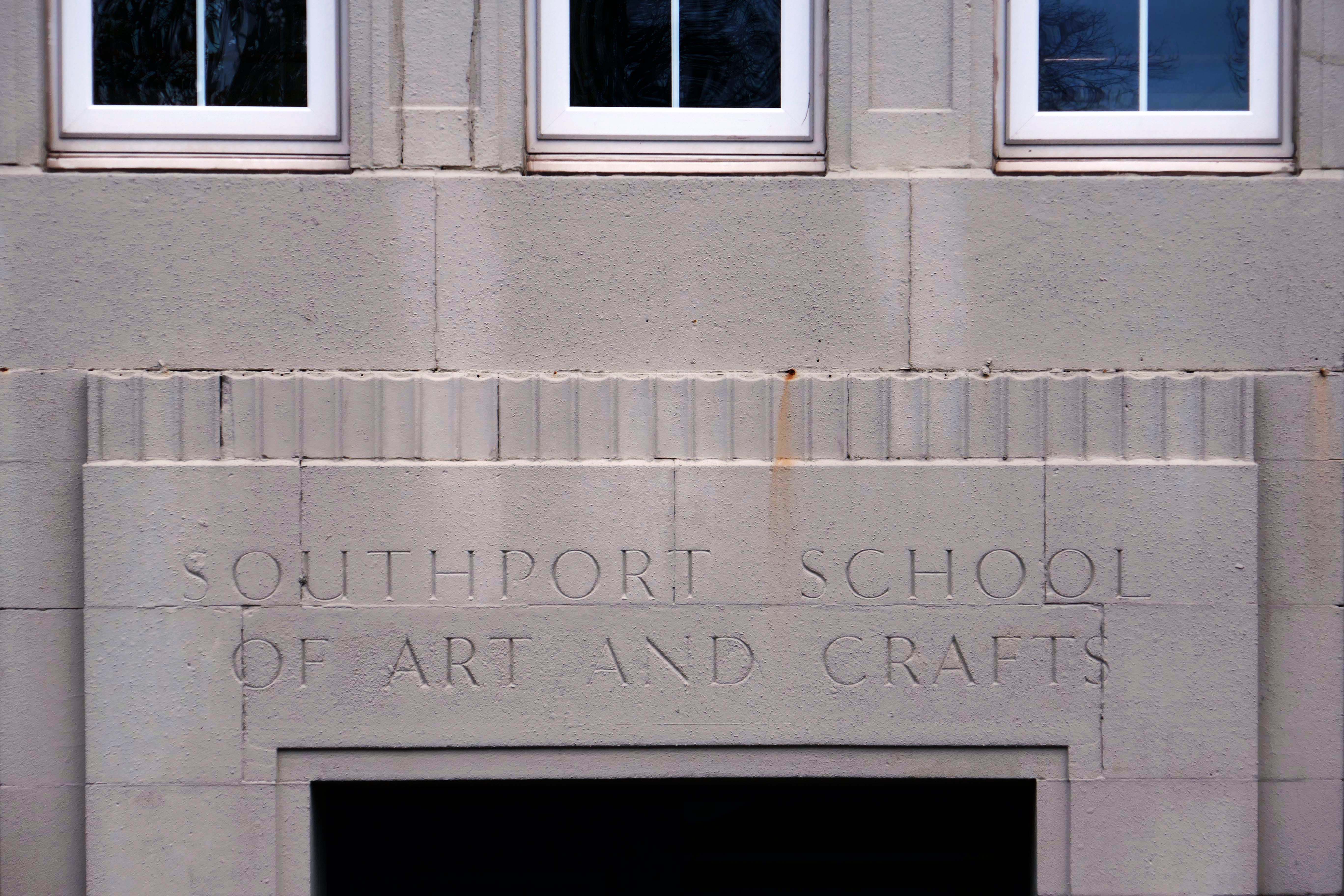
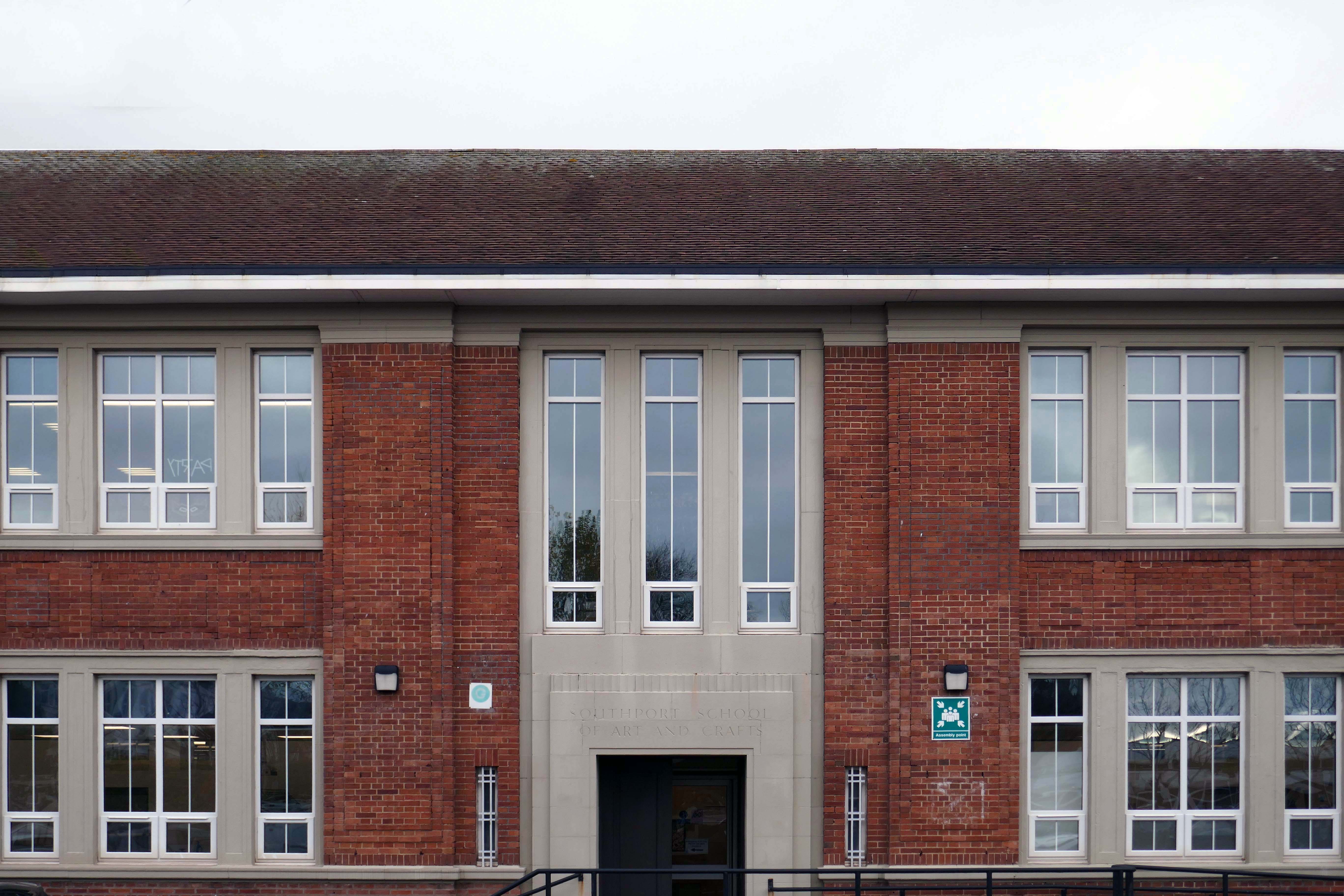
Next to the Southport College buildings of formerly the Southport School of Arts and Crafts, former students include Frank Hampson and Marc Almond.
Architects Cruikshank & Seward 1935
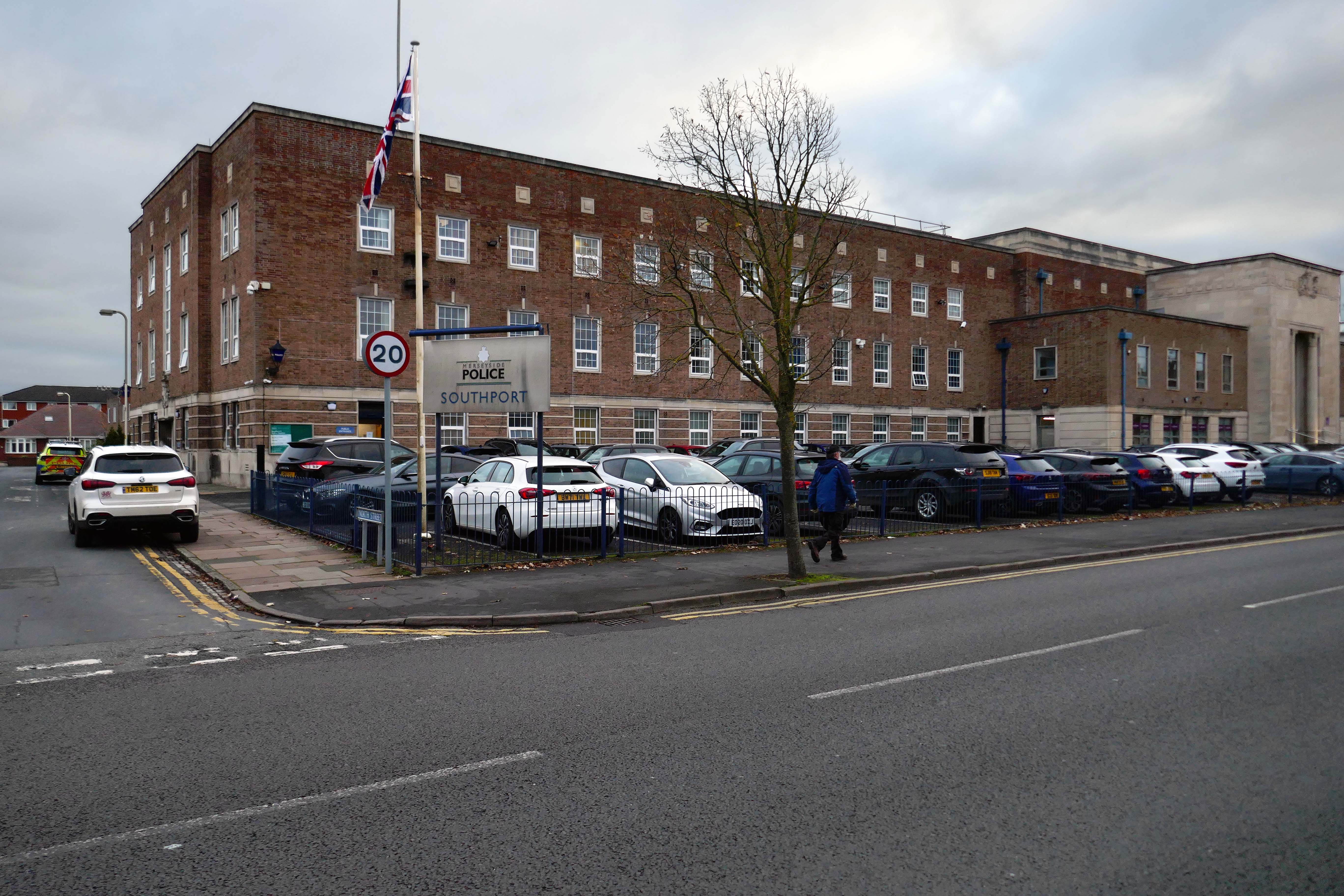
Turn right into Hoghton Street and left onto Manchester Road where we find the Fire Station part of a body of buildings which includes the Police Station and Magistrates’ Courts, the approved designs were unveiled on 19th May 1936.
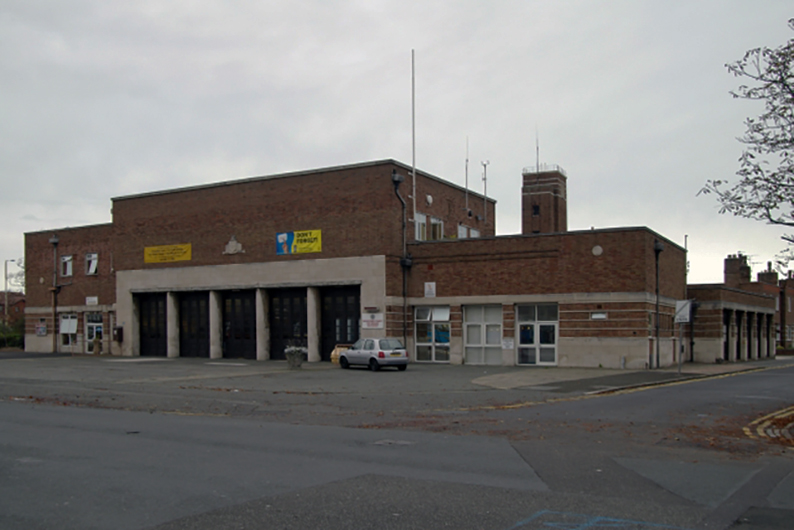
Photo – Kevin Hale
The original fire station was demolished and this iteration constructed.
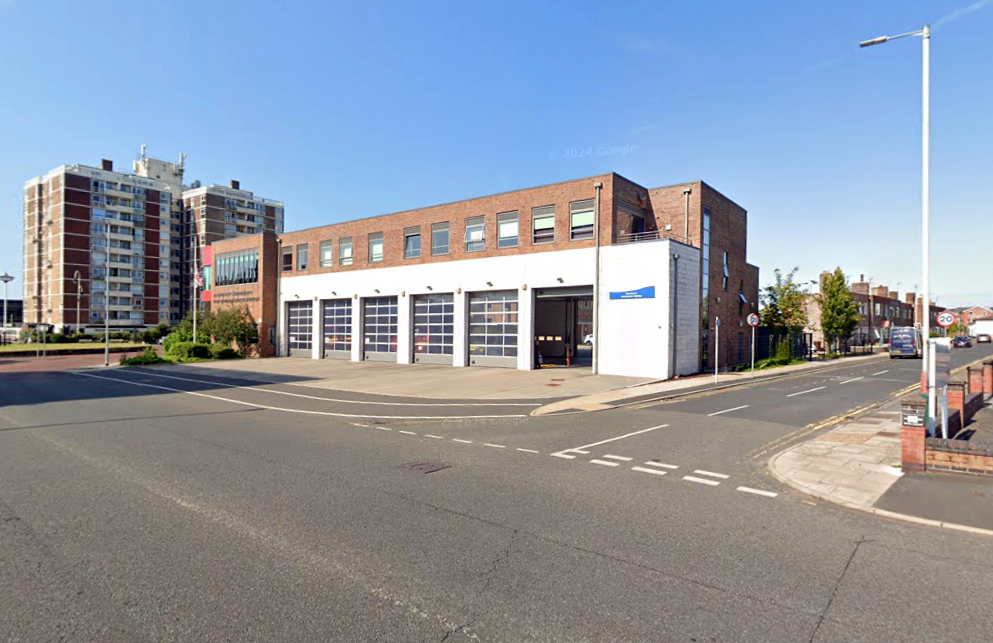
Architects – SN Cooke, I Wynne Thomas & R Dickinson of Birmingham. The complex was constructed from 1938-40 by Messrs Tyson Limited of Liverpool.
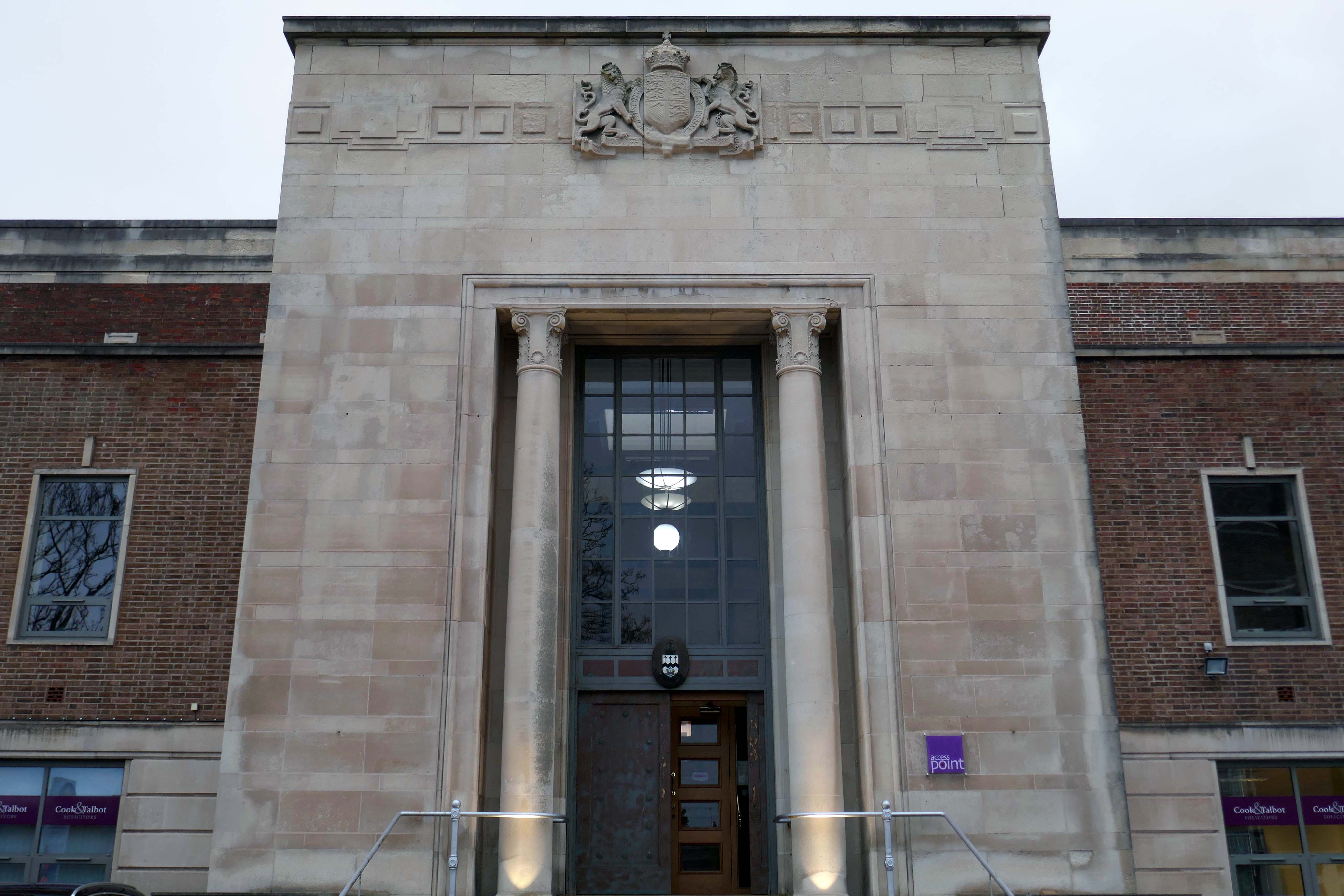
The magistrates’ courts opened in February 1941 without a formal ceremony due to the country being at war, and also concerns that the building might be requisitioned for the war effort. An extension was added to the front west corner of the magistrates’ court building in the 1970s and all the windows were replaced in the late 1980s/early 1990s.
The former courts are now home to Access Point.
There is also a group of contemporary houses on Court Road.
Around the block we arrive at Sandown Court – my extensive research shows the flats were a location for the Norman Wisdom film What’s Good For the Goose, a saucy serving of seaside slap and tickle.
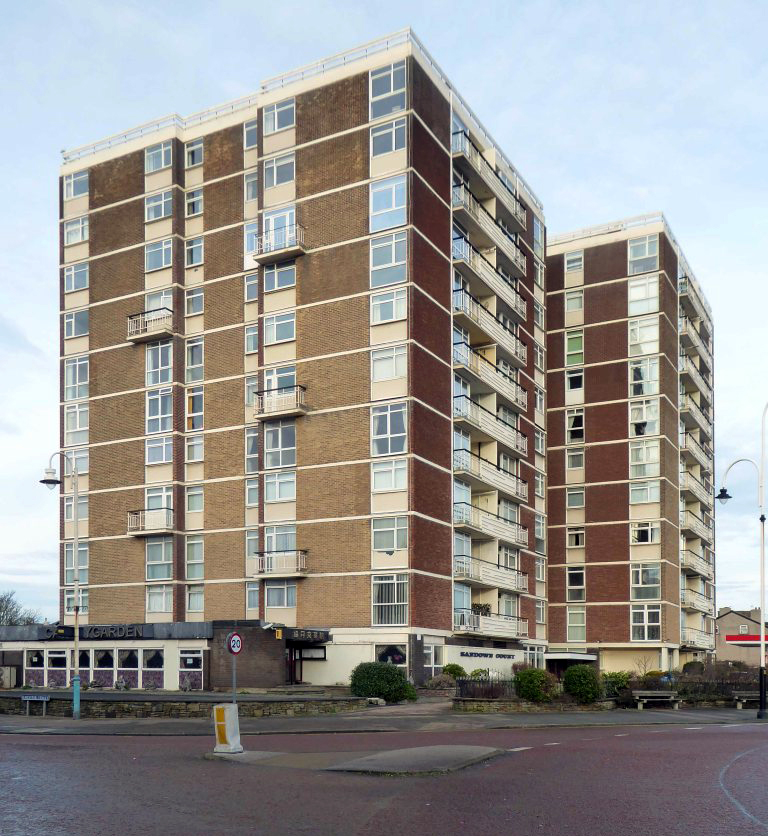
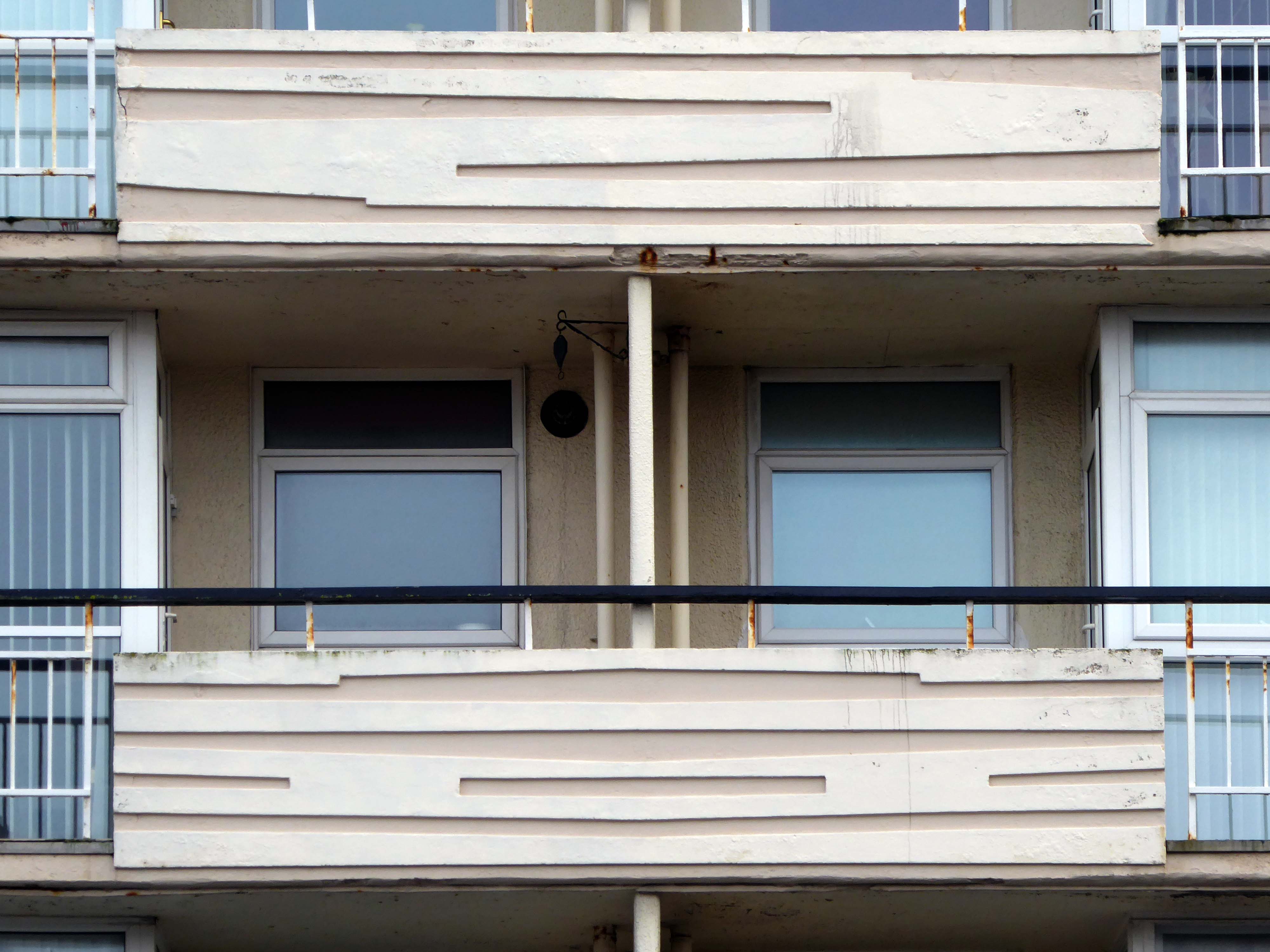
Across the roundabout another residential tower.
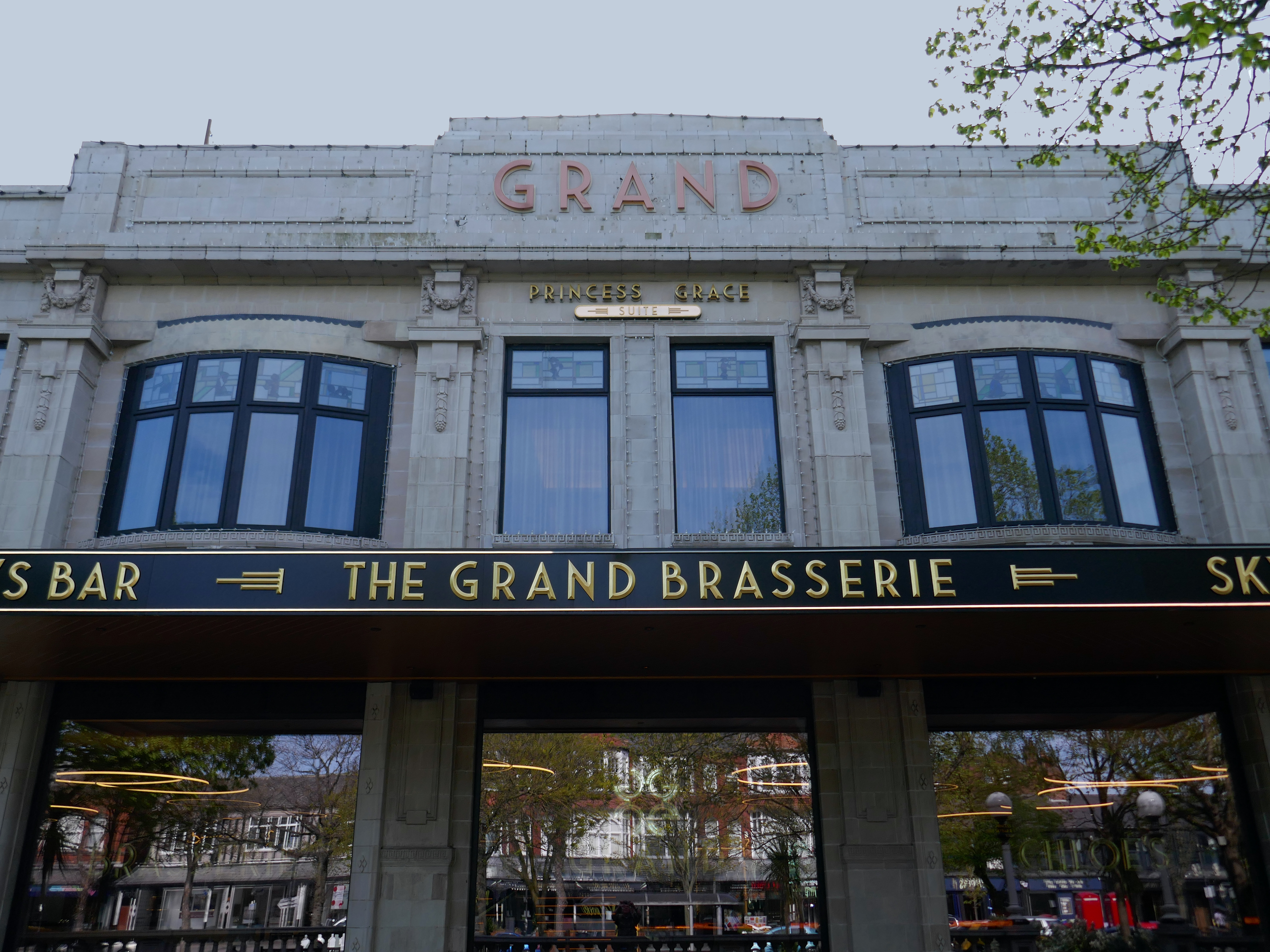
Heading back along Lord Street to The Grand a Grade II listed building – originally built in 1923 as a garage and car showroom, it was converted into a luxury cinema in 1938 by architect George E Tonge. The Grand Cinema opened on 14th November 1938 with Arthur Tracy in Follow Your Star.
The Grand Cinema closed on 2nd July 1966 with Sean Connery in Thunderball and Peter Cushing in Hound of the Baskervilles. It was then converted into an independent bingo club, it was last operated as the Stanley Grand Casino, and from 2007 became the Mint Casino, but this was closed by May 2016.
It currently operates as The Grand Brasserie
Dress to impress
We have a ‘smart casual’ dress code in our bars and restaurants at The Grand, so we kindly ask that you refrain from wearing caps, ripped jeans, sportswear, trainers, or shorts after 6pm.
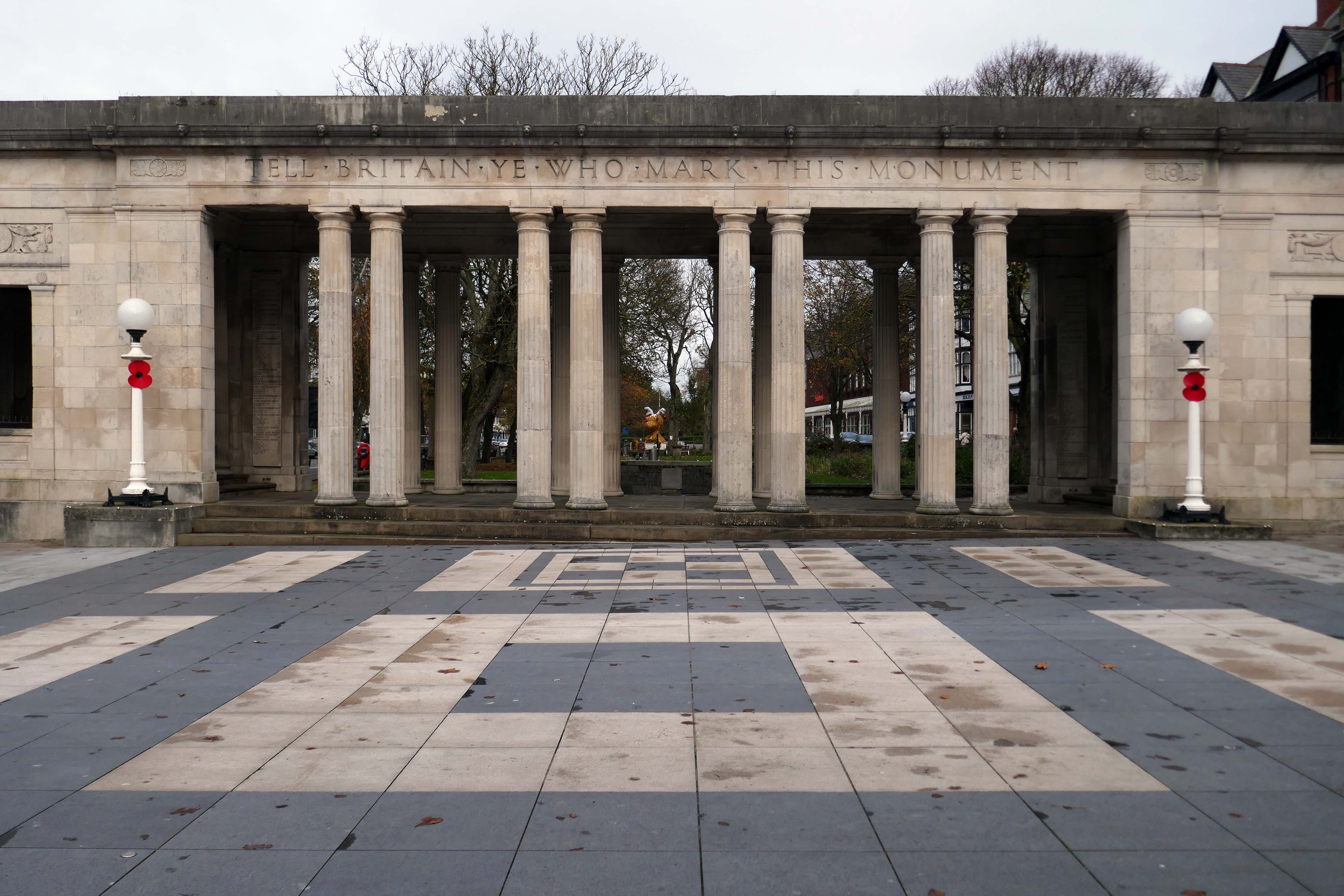
Next to the substantial War Memorial.
The memorial was designed by the local architects Grayson and Barnish, and the carving was executed by Herbert Tyson Smith. It was unveiled in 1923 by the Earl of Derby. Following the Second World War and subsequent conflicts further inscriptions and names have been added. The memorial is designated Grade II* listed building.
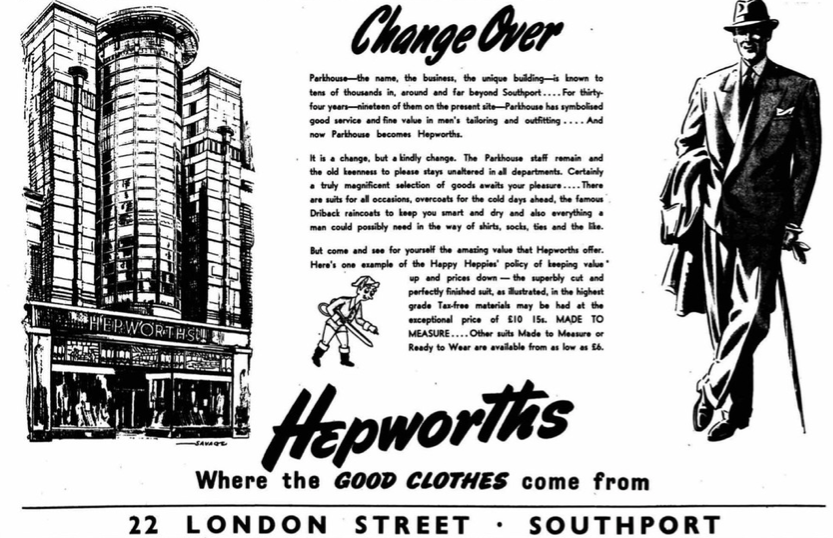
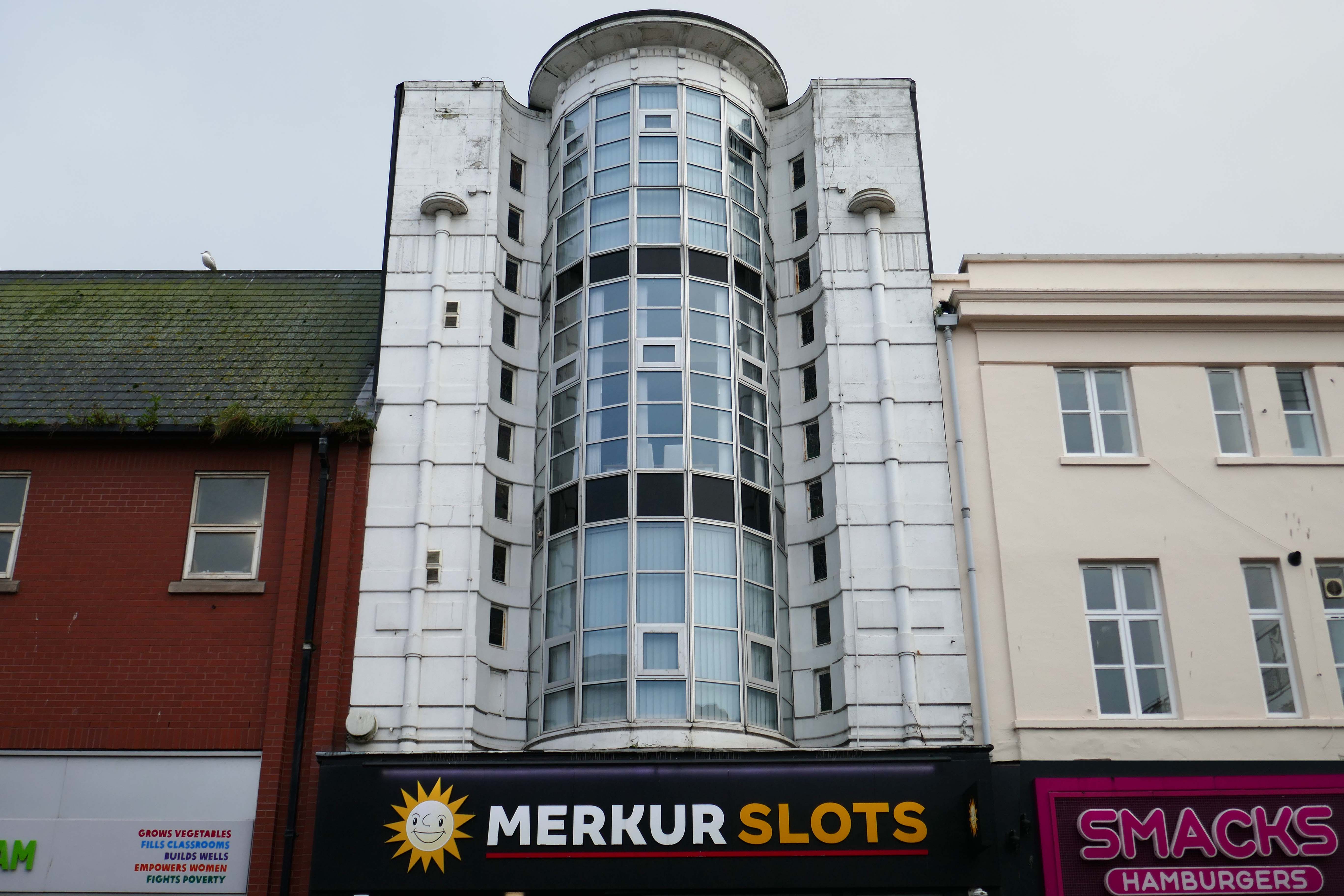
Turning into London Street we encounter this Art Deco delight – This newspaper advert is from the Formby Times, dated 21 October 1950, when the building had been taken over by Hepworths. According to them it opened about 1931 as Parkhouse, men’s tailors, later Hepworths. By 1958 it was a hairdresser’s – Andre Bernard, which lasted at least until the 1970s.
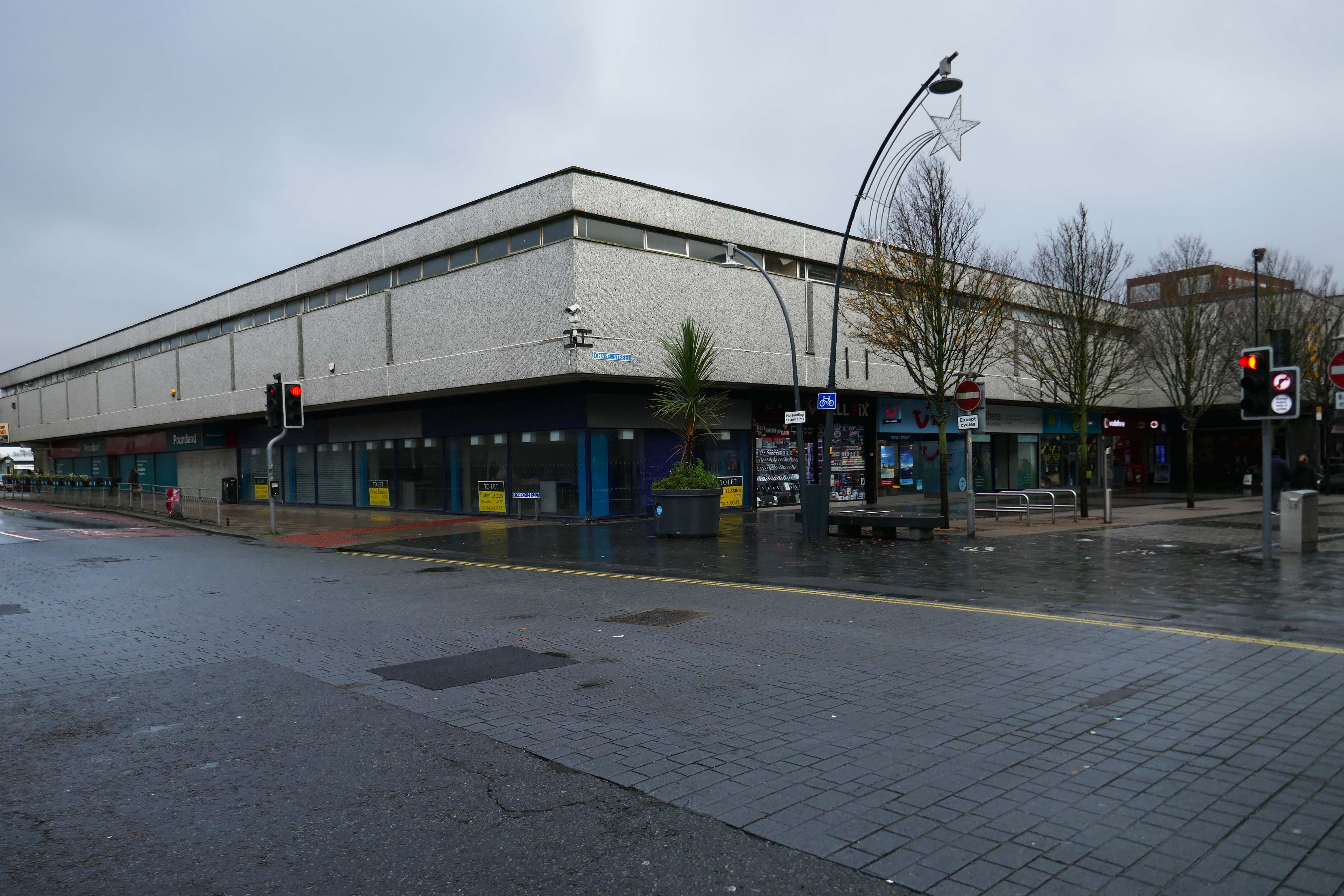
Back at the railway station we can see the shops which embrace it.
Architects Richard Seifert & Partners 1970
The following the pedestrianised retail area – we pass the Marks & Spencers next to a formidable slate frontage, and inevitably a Burton’s.
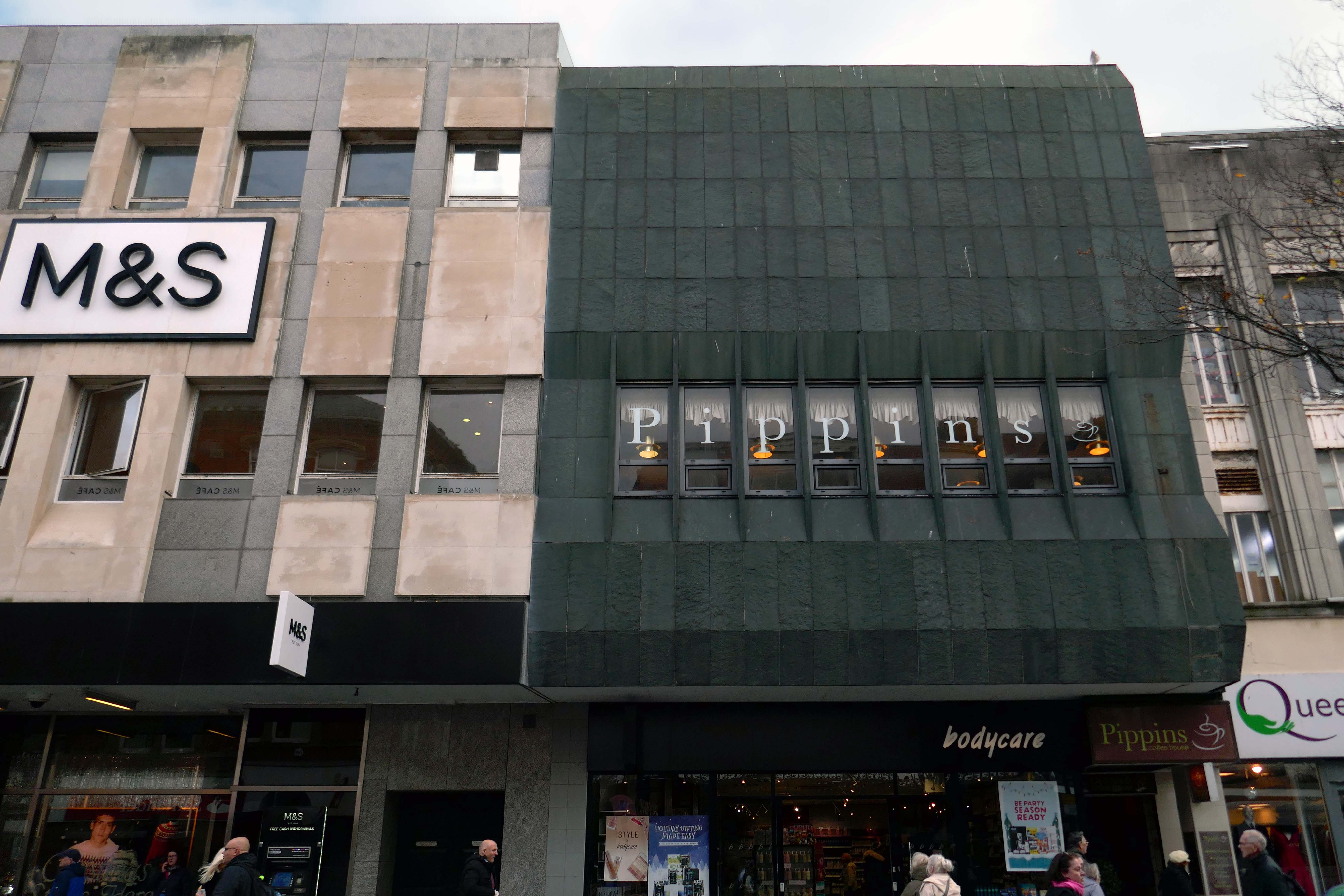
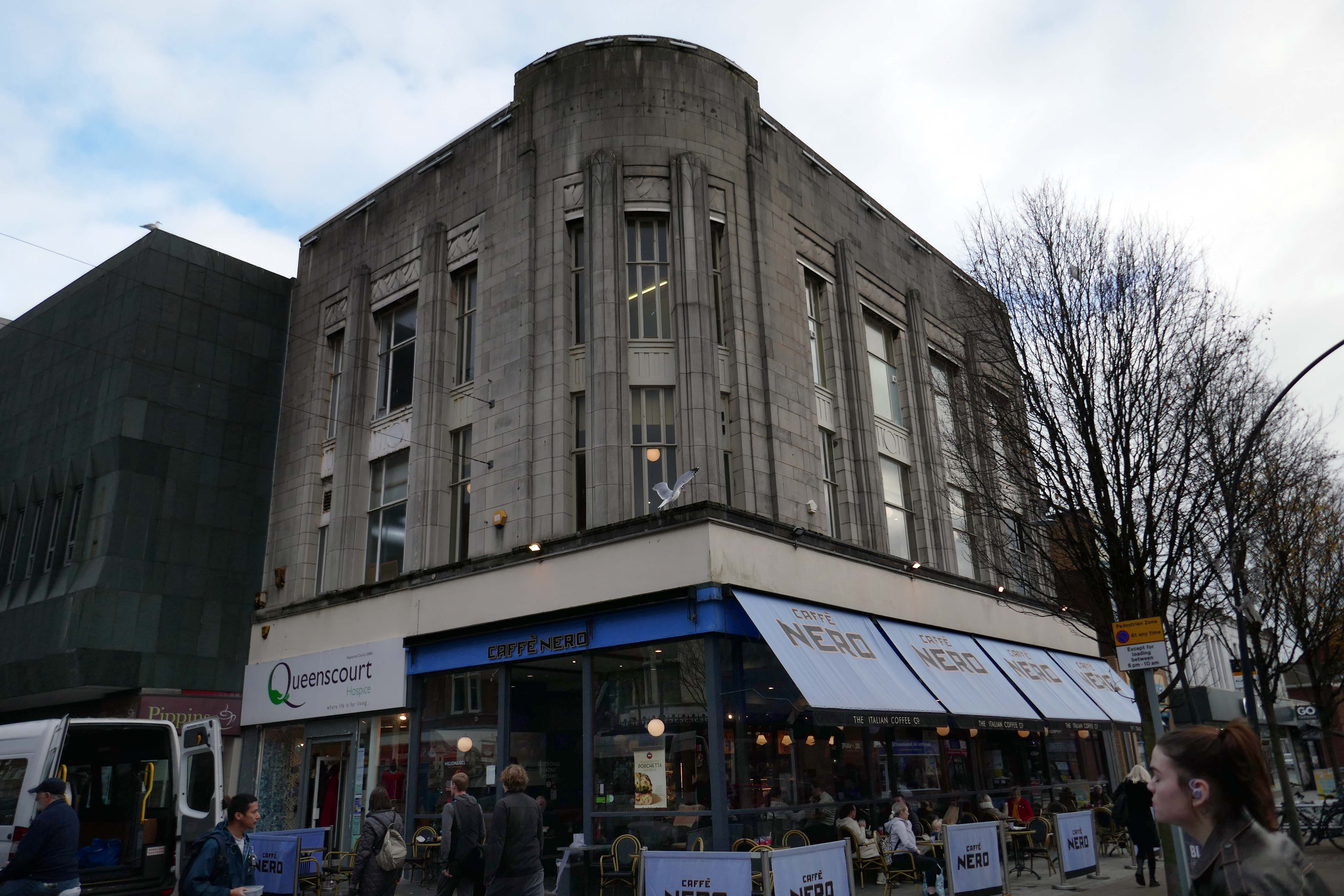
Southport Co-operative 1930 architect – WA Johnson
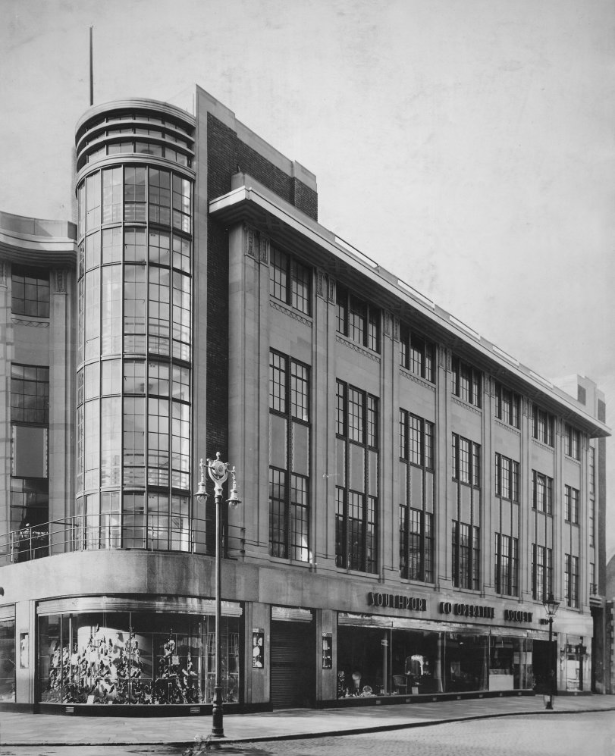
Ribapix
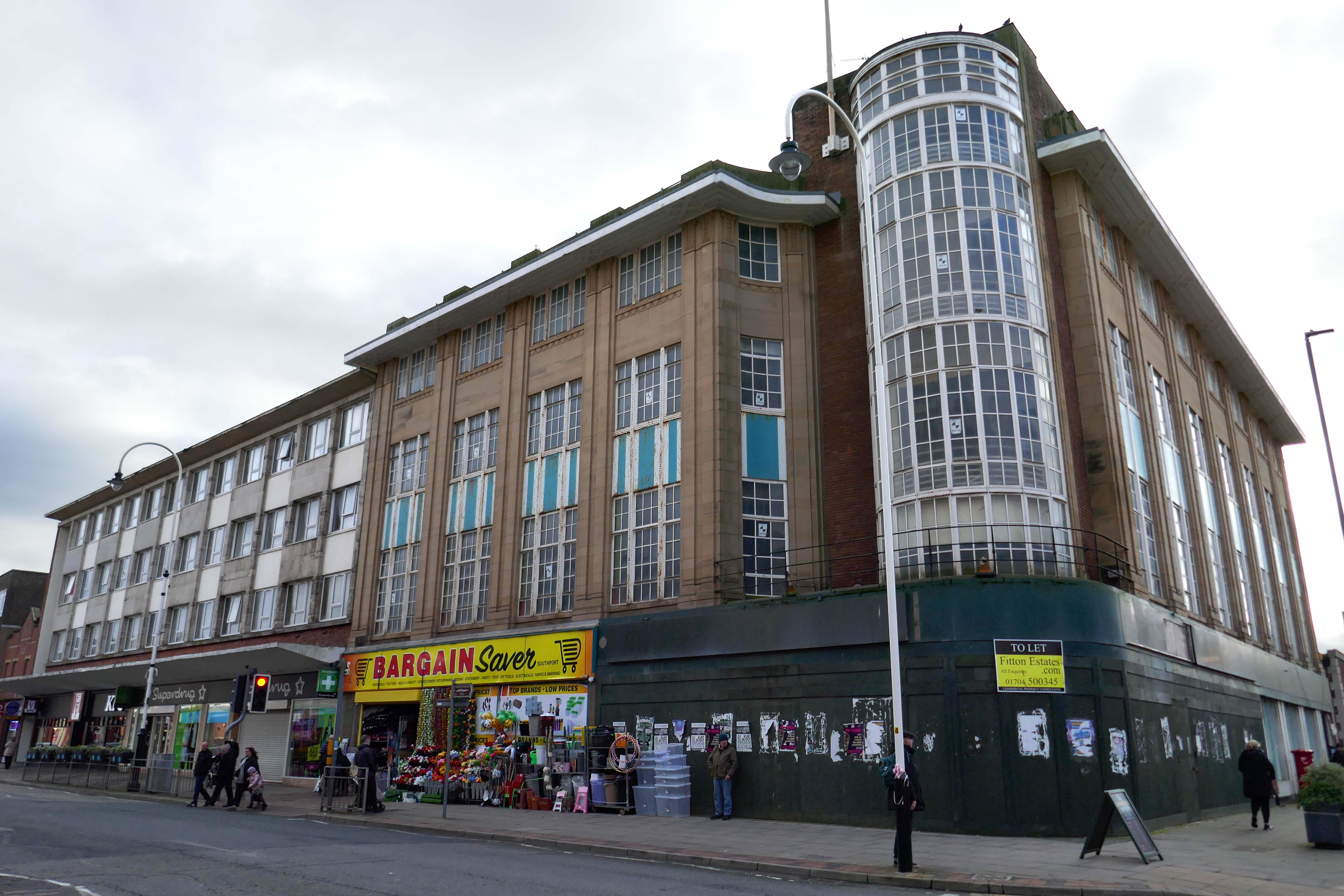
Turn right into Eastbank Street and back to Lord Street.
Garrick Theatre 1932 architect – George Edward Tonge
The Garrick Theatre was sold to the Newcastle upon Tyne based Essoldo Cinemas chain in January 1957 and the follow-spot box was converted into a projection booth. It opened as a cinema on 21st January 1957 with Elvis Presley in Love Me Tender and Maureen O’Hara in Miracle on 34th Street. It was briefly re-named Essoldo in the late-1950’s, but the Garrick Theatre name was soon re-instated. There were occasional stage shows, but these were not a success and from May 1962 it screened films only. During 1963 bingo was introduced on Sundays and Fridays. On 16th November 1963 it was closed as a cinema with the film Tom Jones starring Albert Finney. It was converted into a Lucky 7 Bingo Club – from 1984 a Top Rank Bingo Club and finally Mecca. It was closed in March 2020 due to the Covid-19 pandemic.
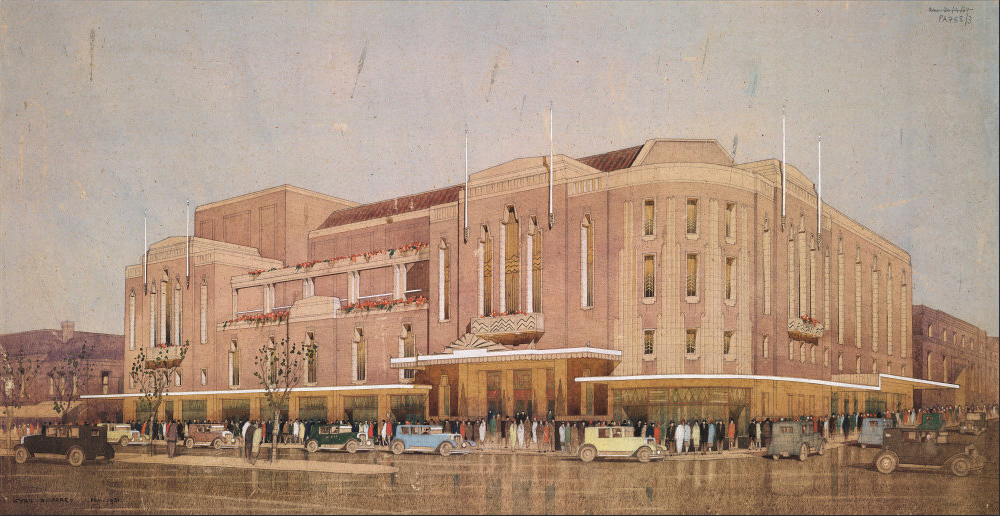
Ribapix artist Cyril Arthur Farey
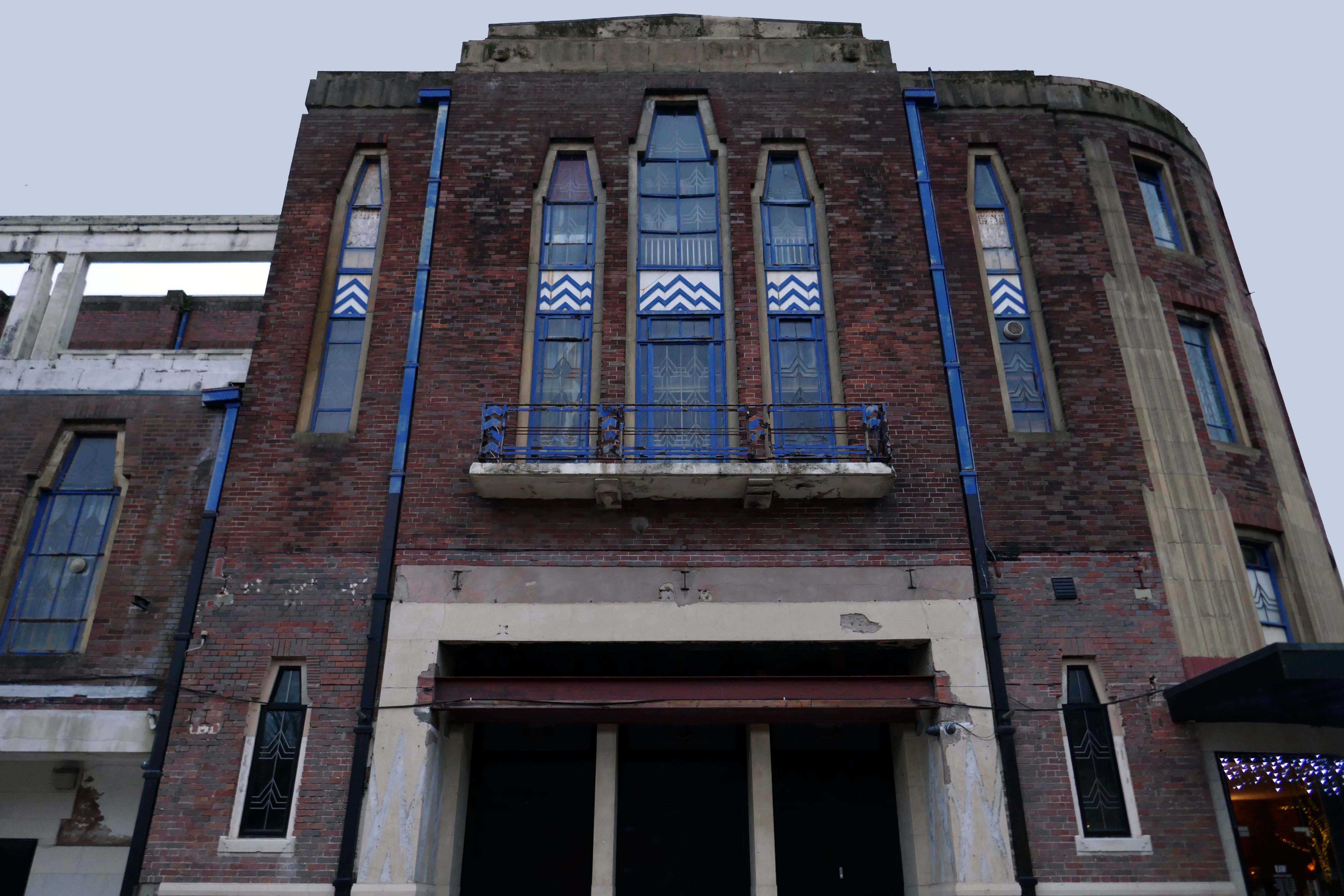
Redevelopment of the grade two-listed Garrick building on Lord Street in the town centre will include 12 apartments. Change of use plans for the venue, submitted by developer Garrick Southport, and approved by Sefton Council’s planning department, also include a pool, retail units, gym, box office, and a bar and restaurant.
A theatre area and performance space are at the heart of renovation plans for the mixed-use scheme.
Back along Lord Street, turning left into Nevill Street – site of the former Thorps Café.
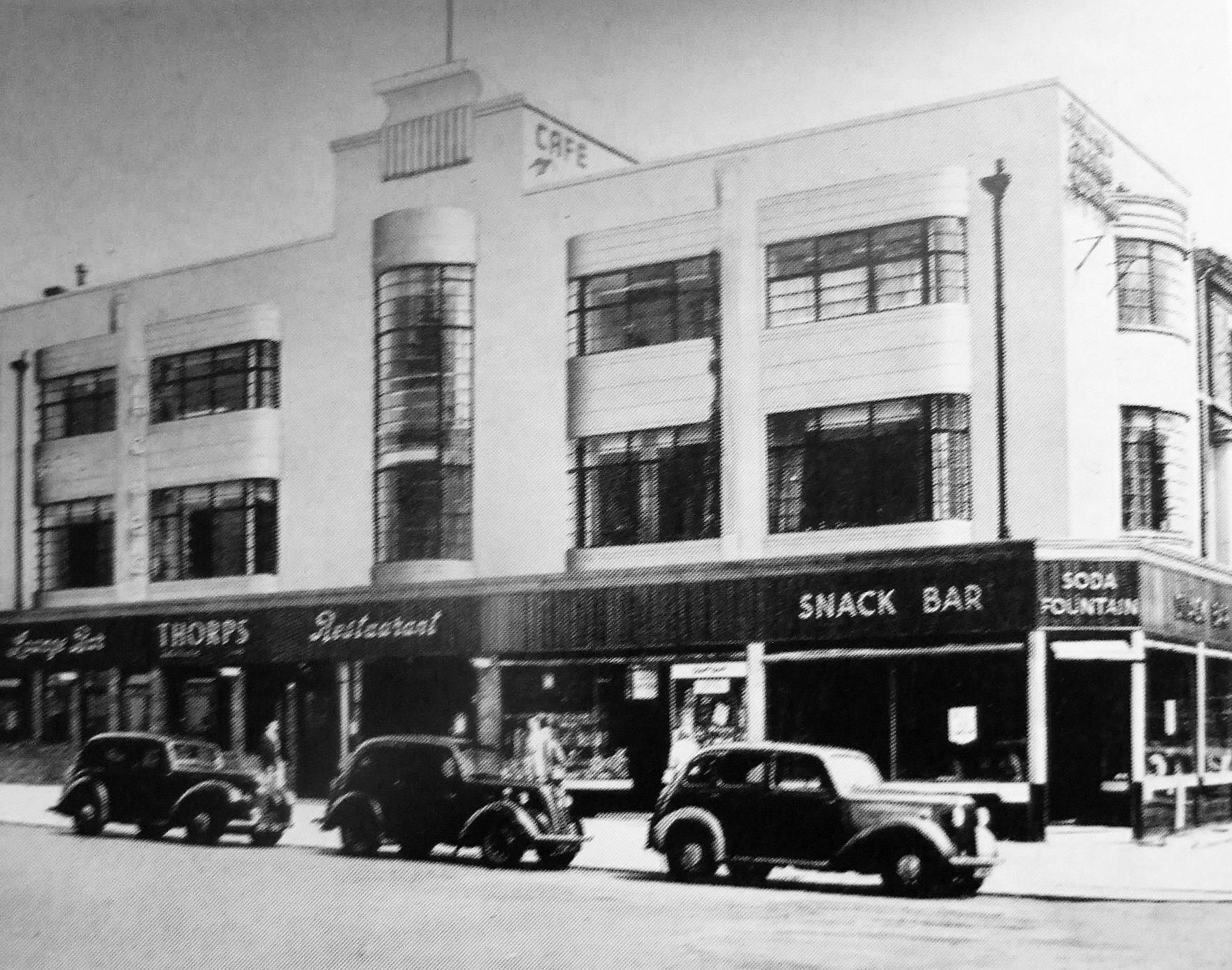
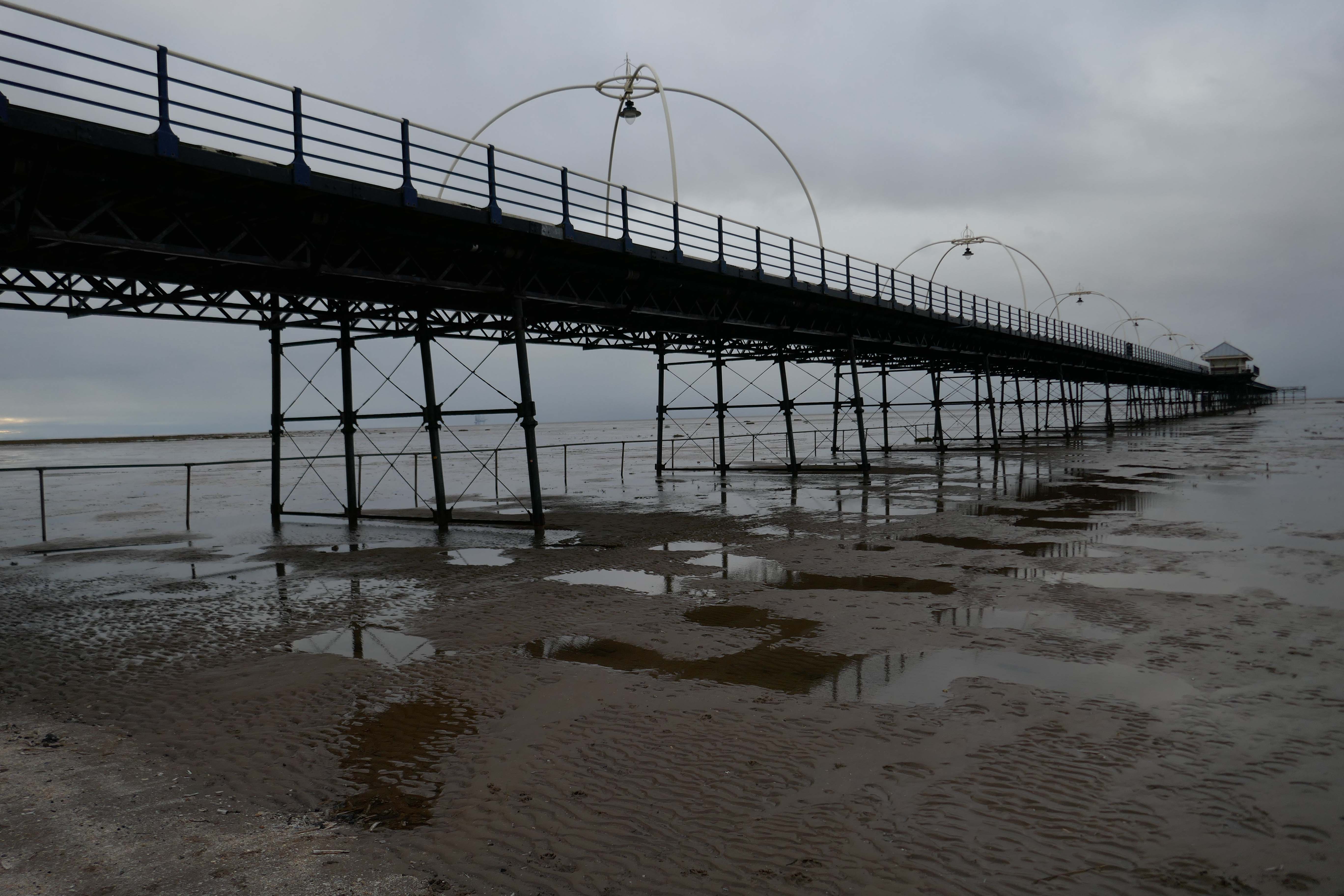
Onwards to Southport Pier and Funland.
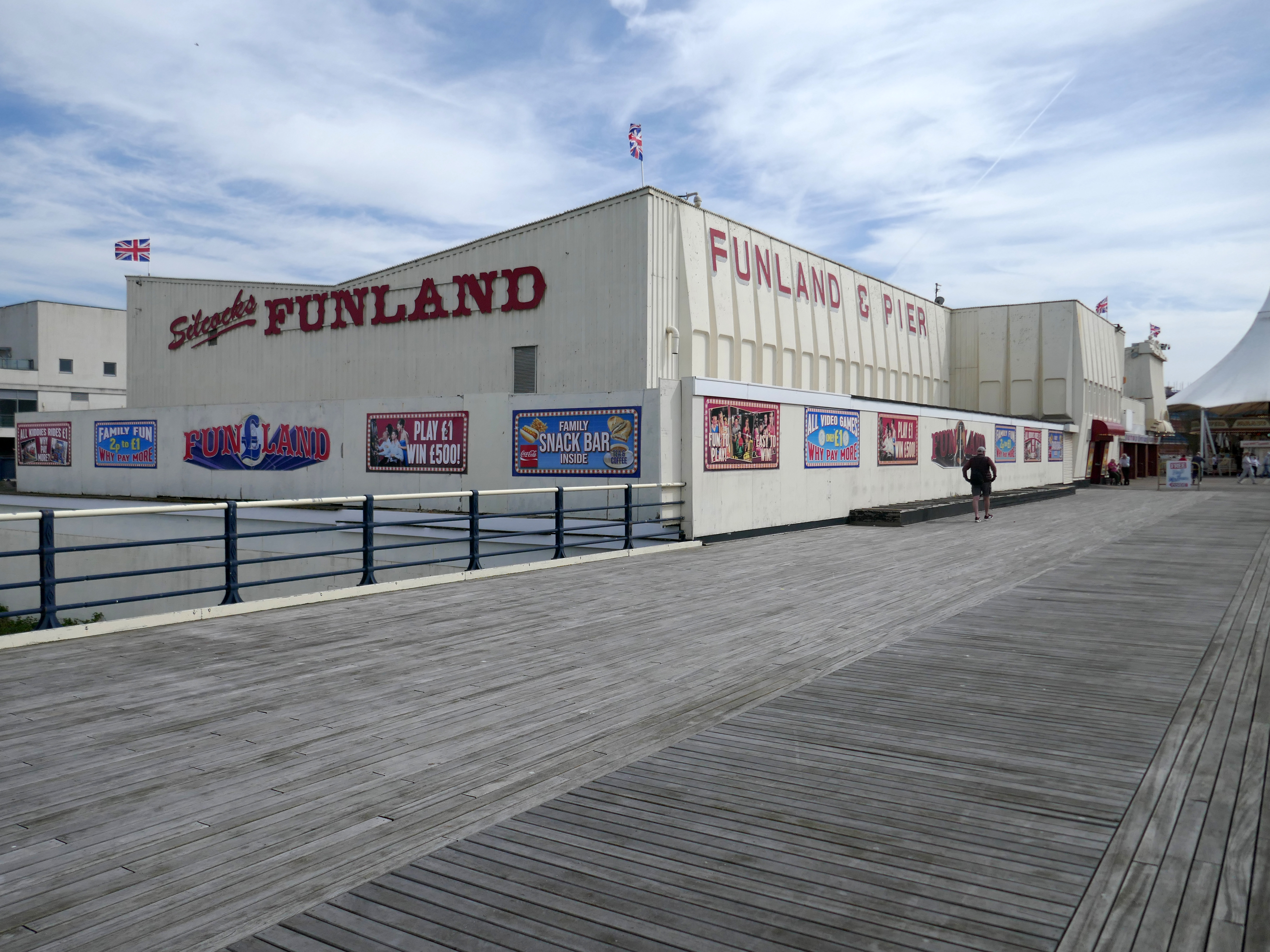
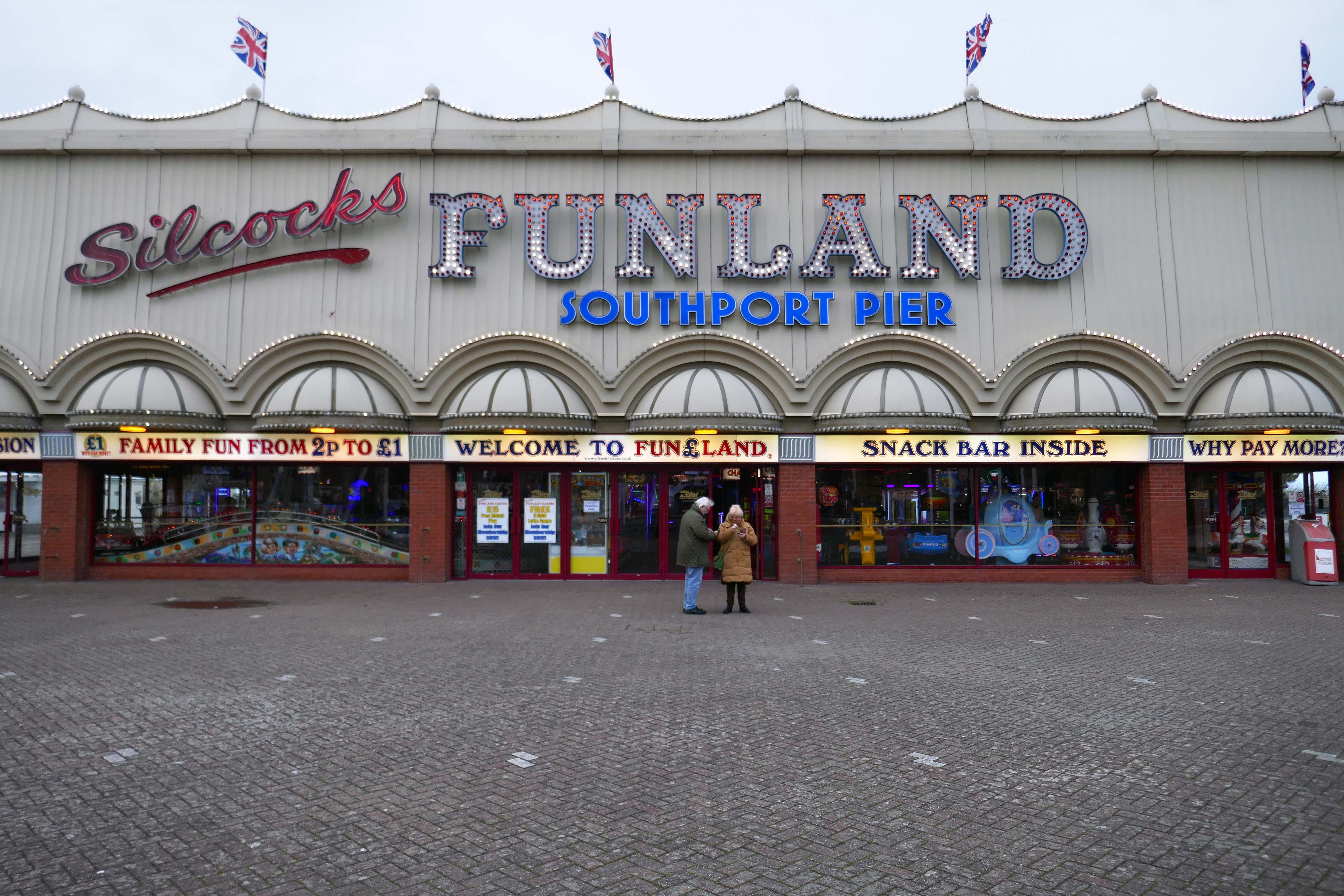
Southport Pier opened in August 1860, it is the oldest iron pier in the country. Its length of 1,108 m makes it the second-longest in Great Britain, after Southend Pier. Although at one time spanning 1,340 m, a succession of storms and fires during the late 19th and early 20th centuries reduced its length to that of the present day. Grade II listed building, first listed on 18 August 1975.
Sadly lost from Lord Street the ABC Regal Cinema 1938 William Riddell Glen.
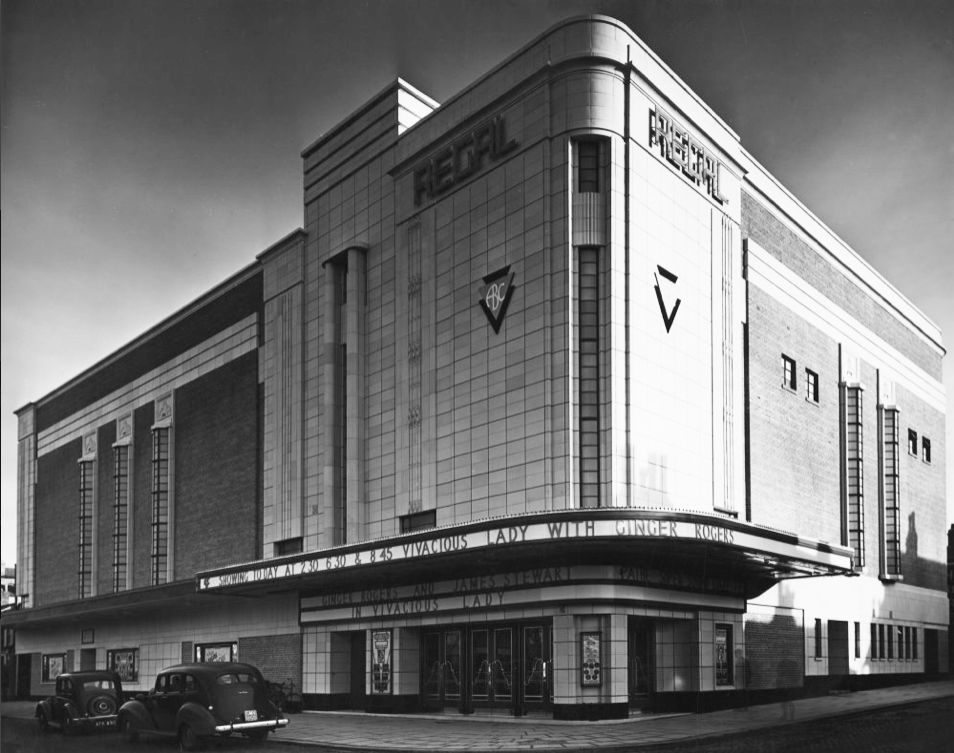
Ribapix – John Maltby
 Modern Mooch