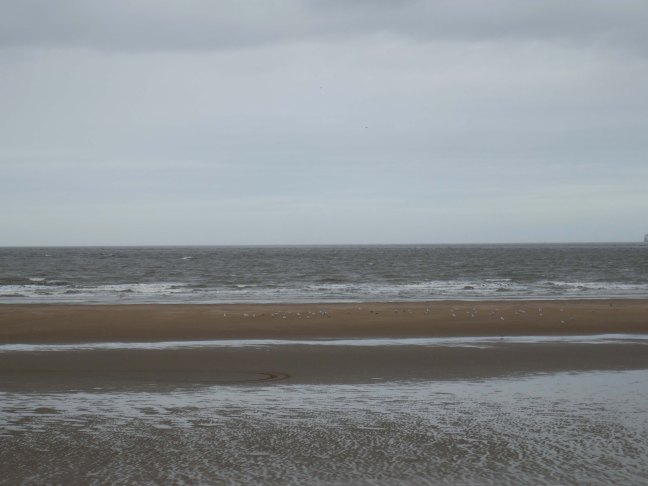
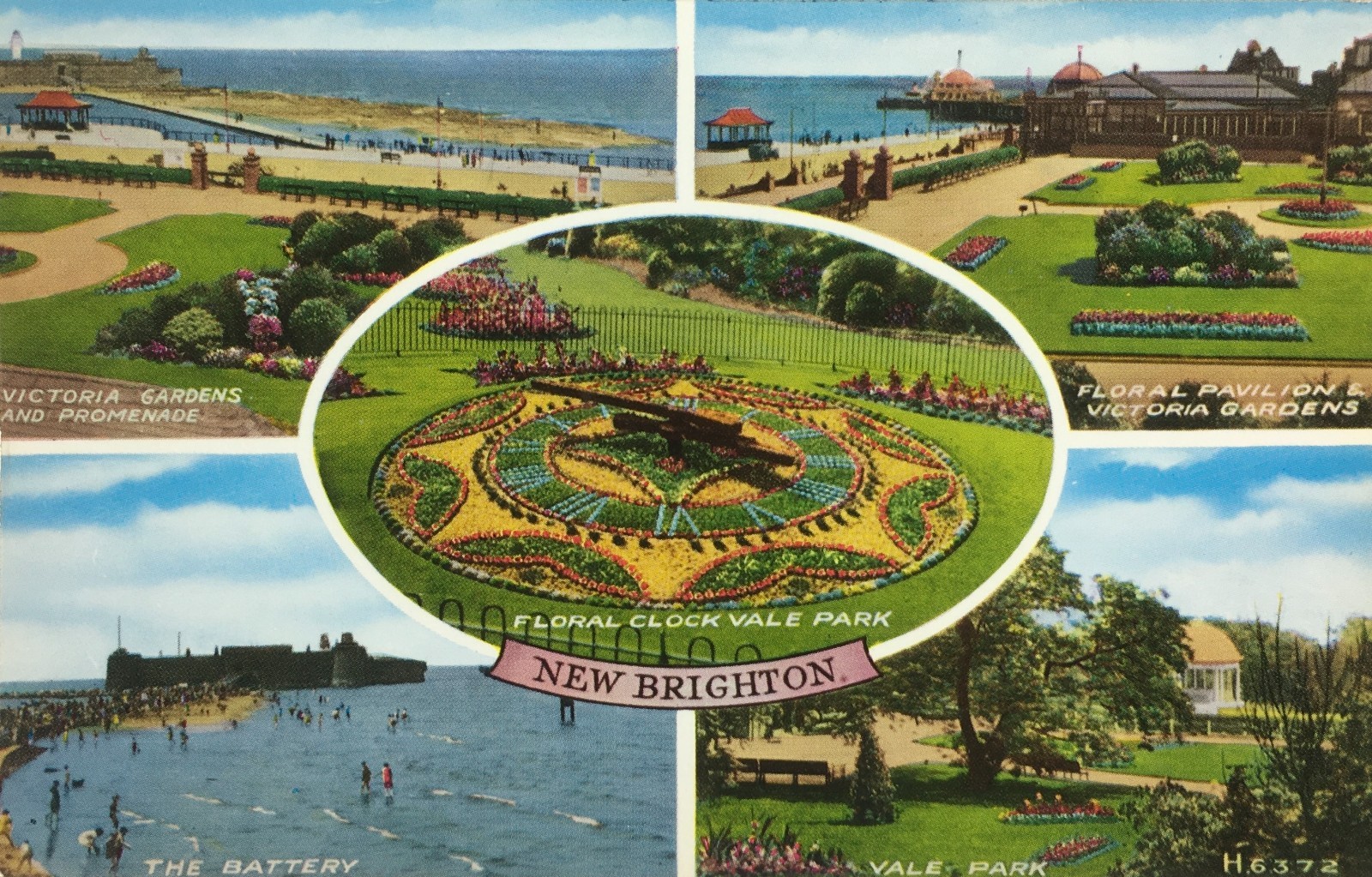
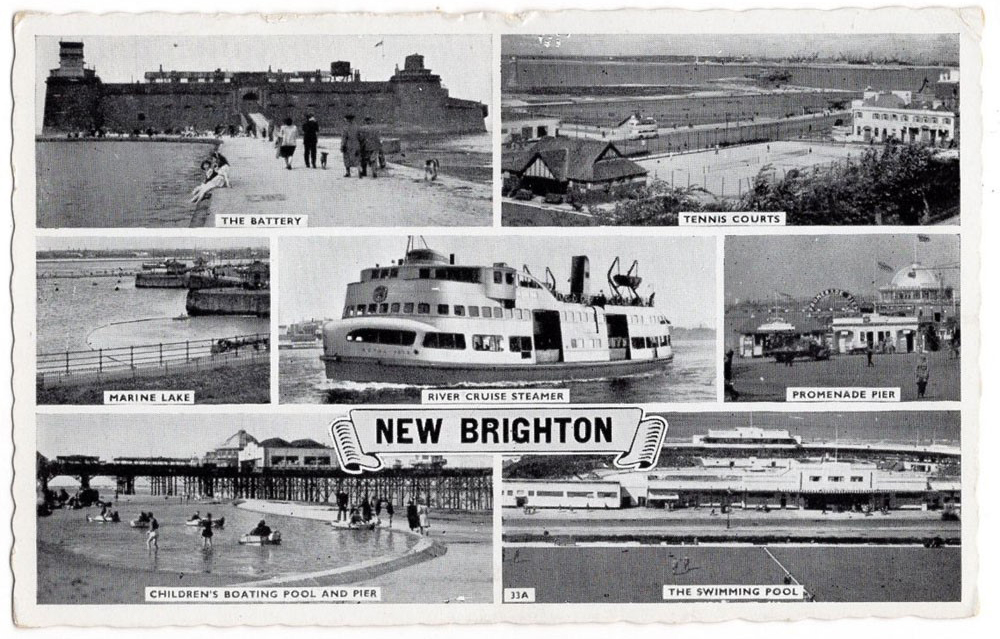
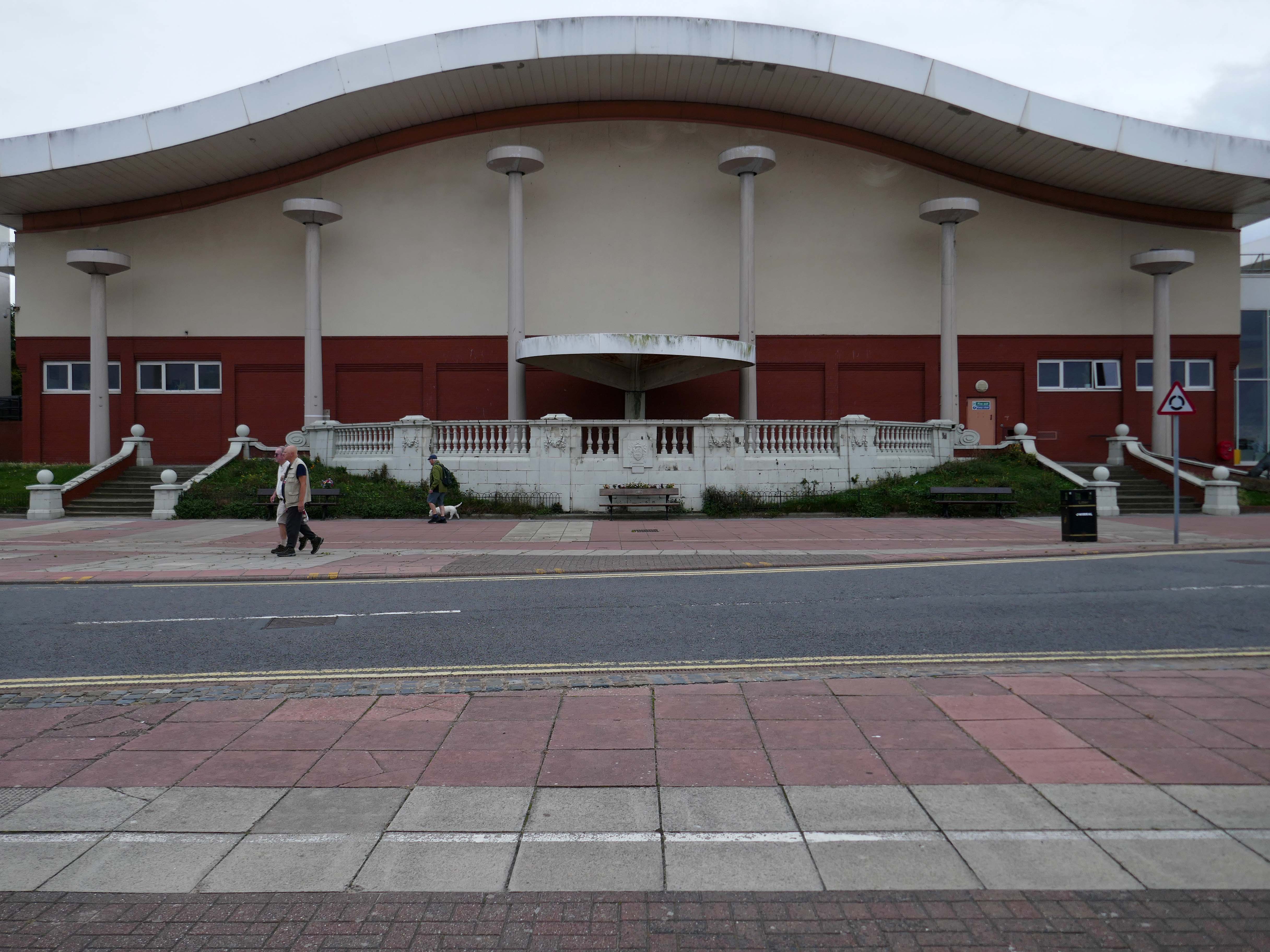
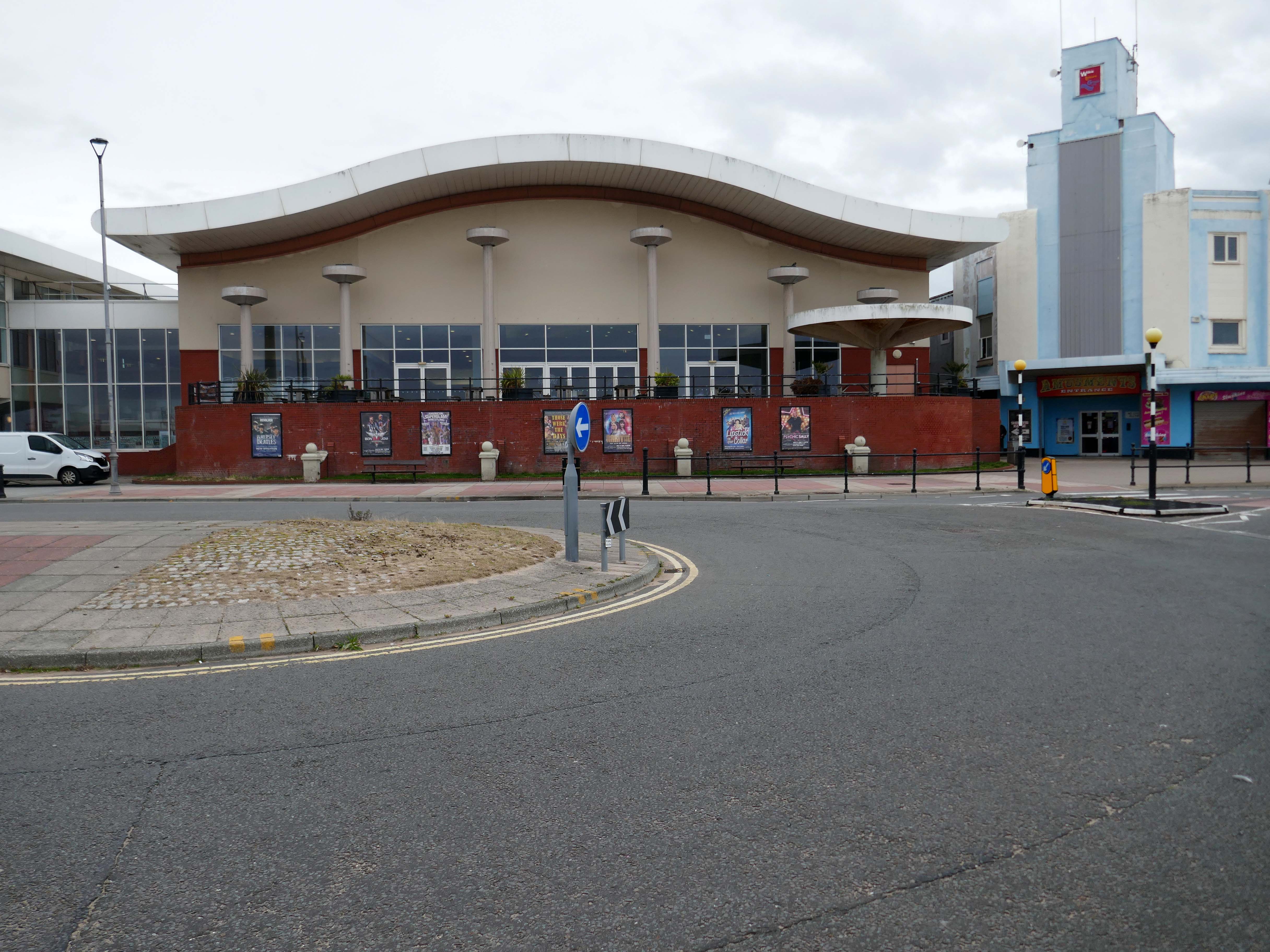
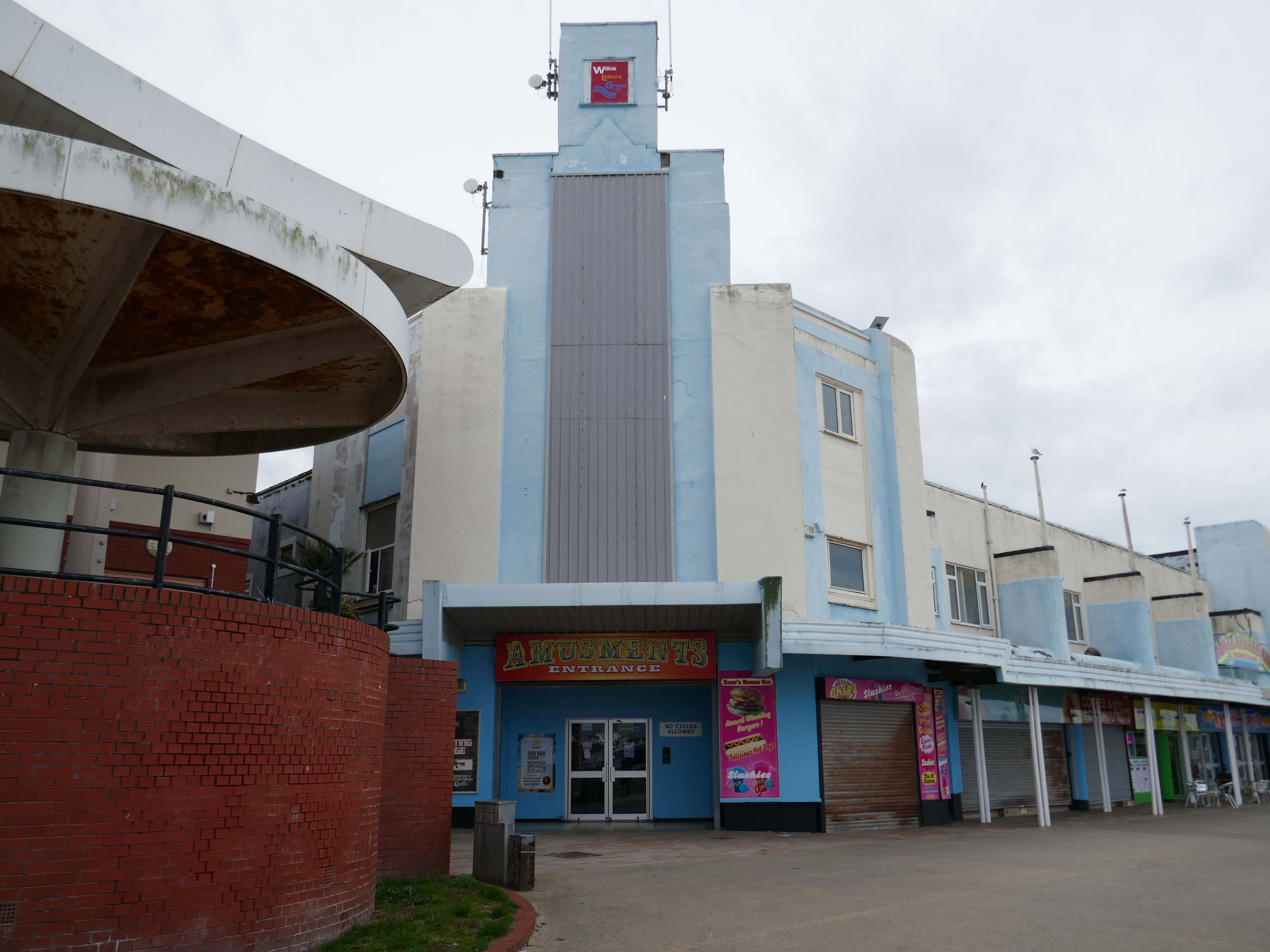
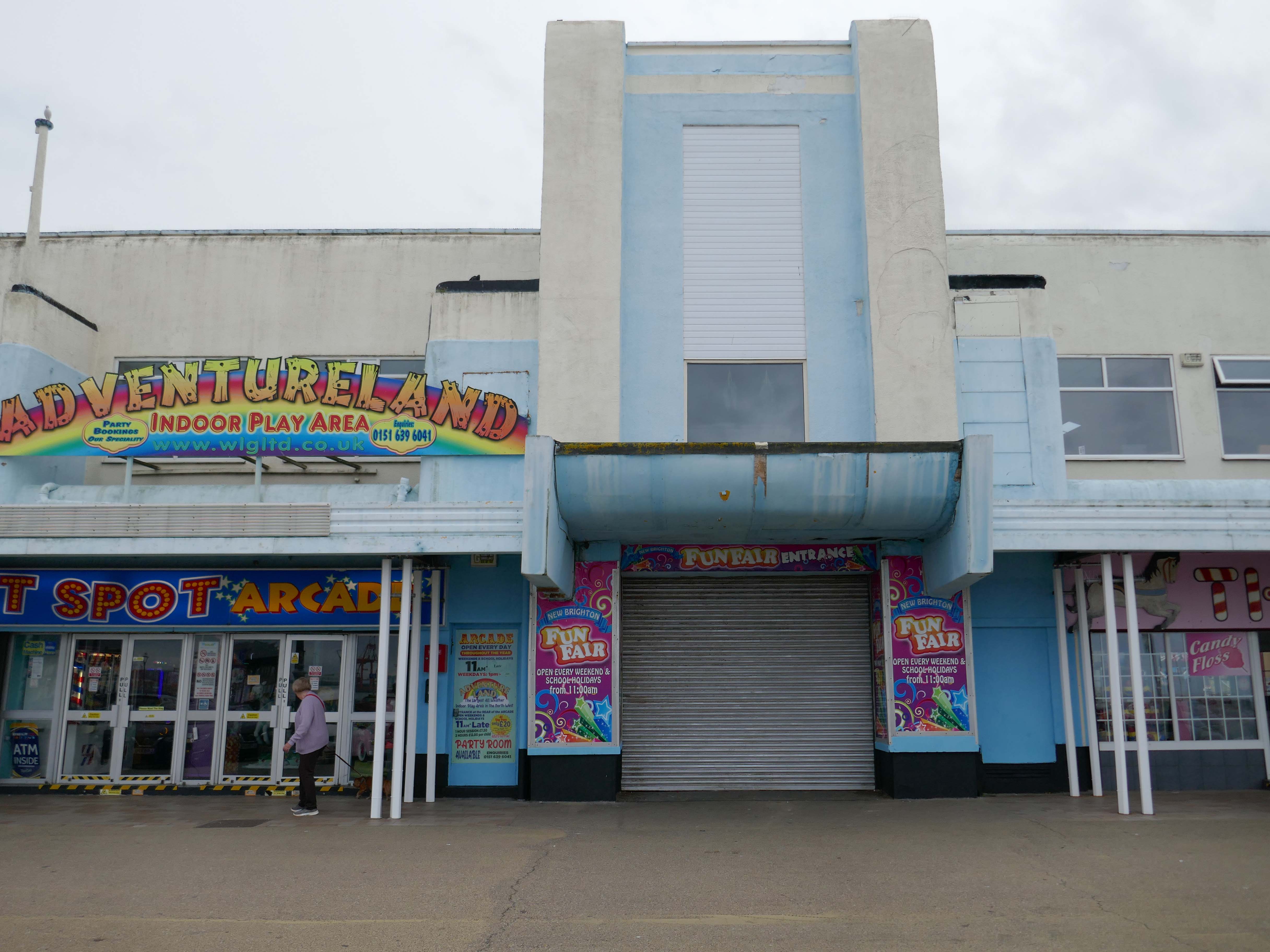
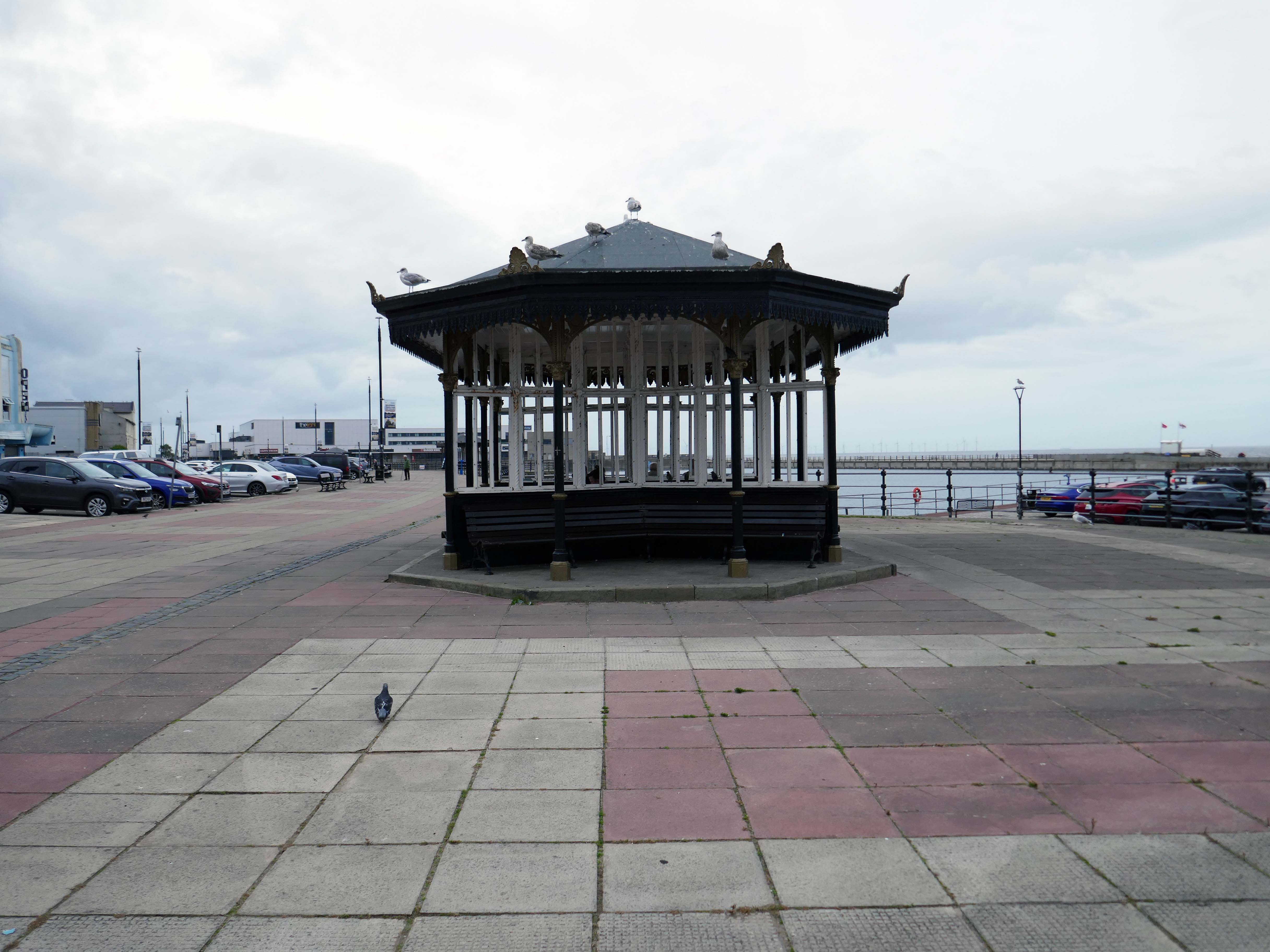
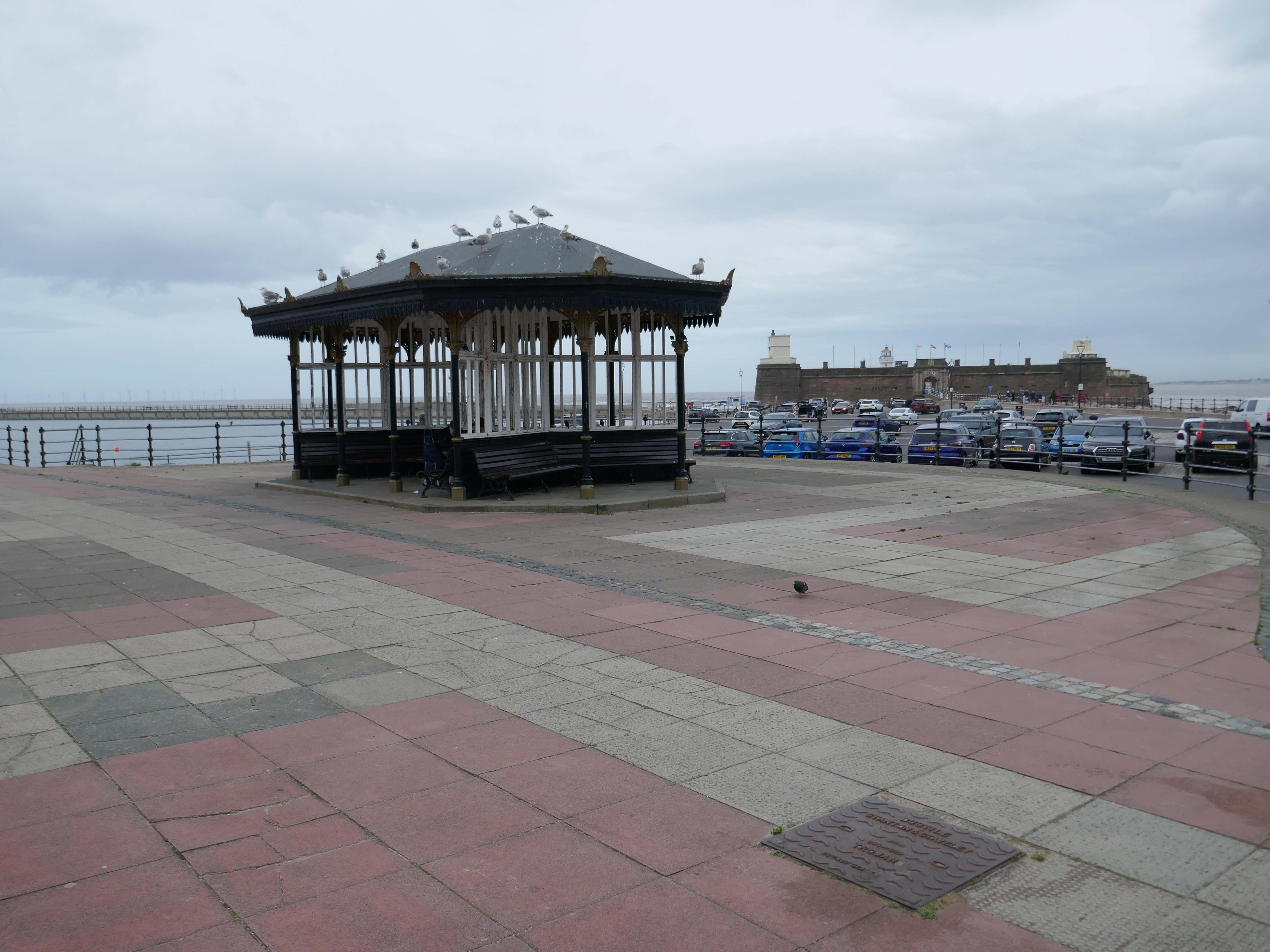
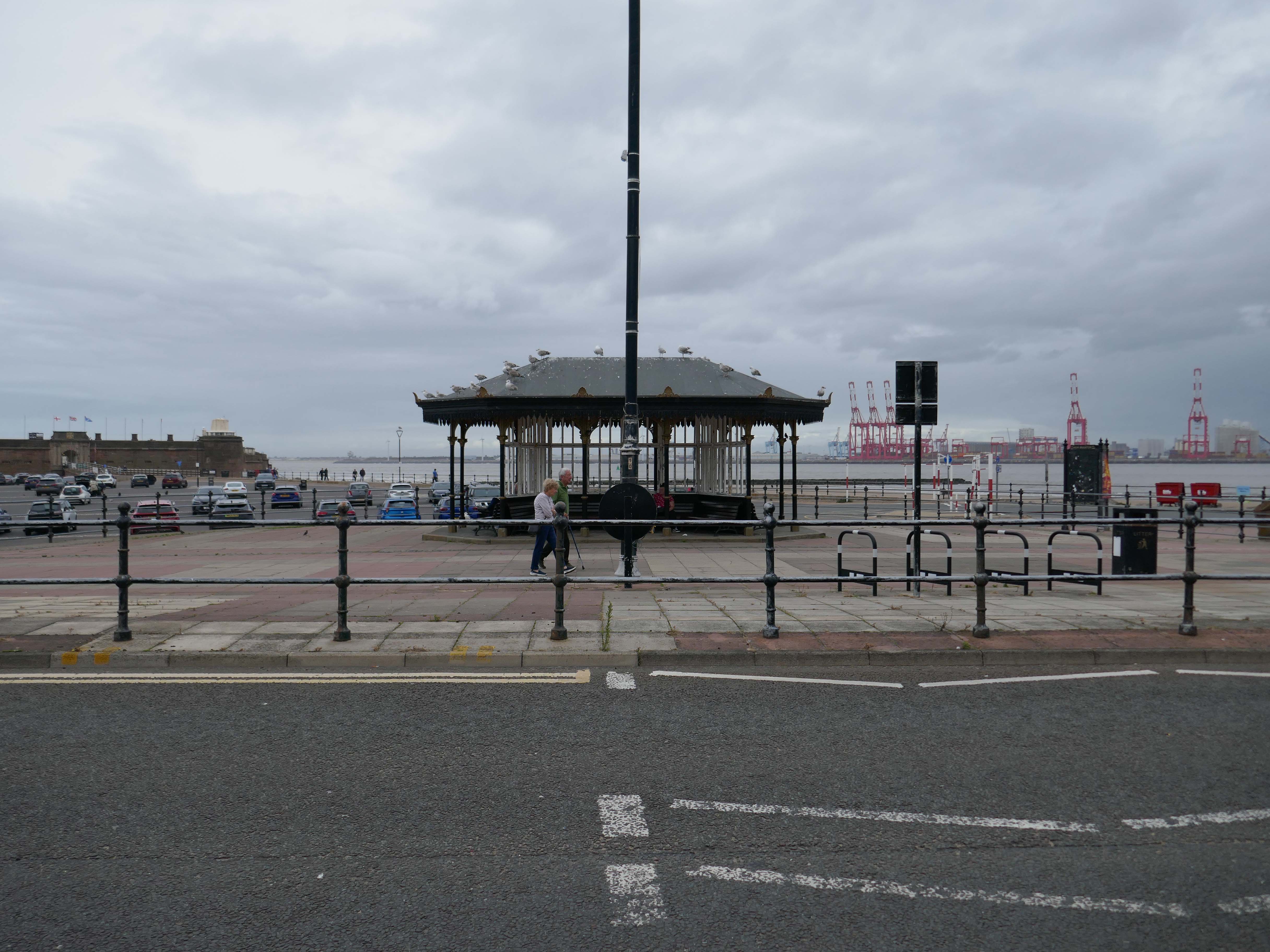
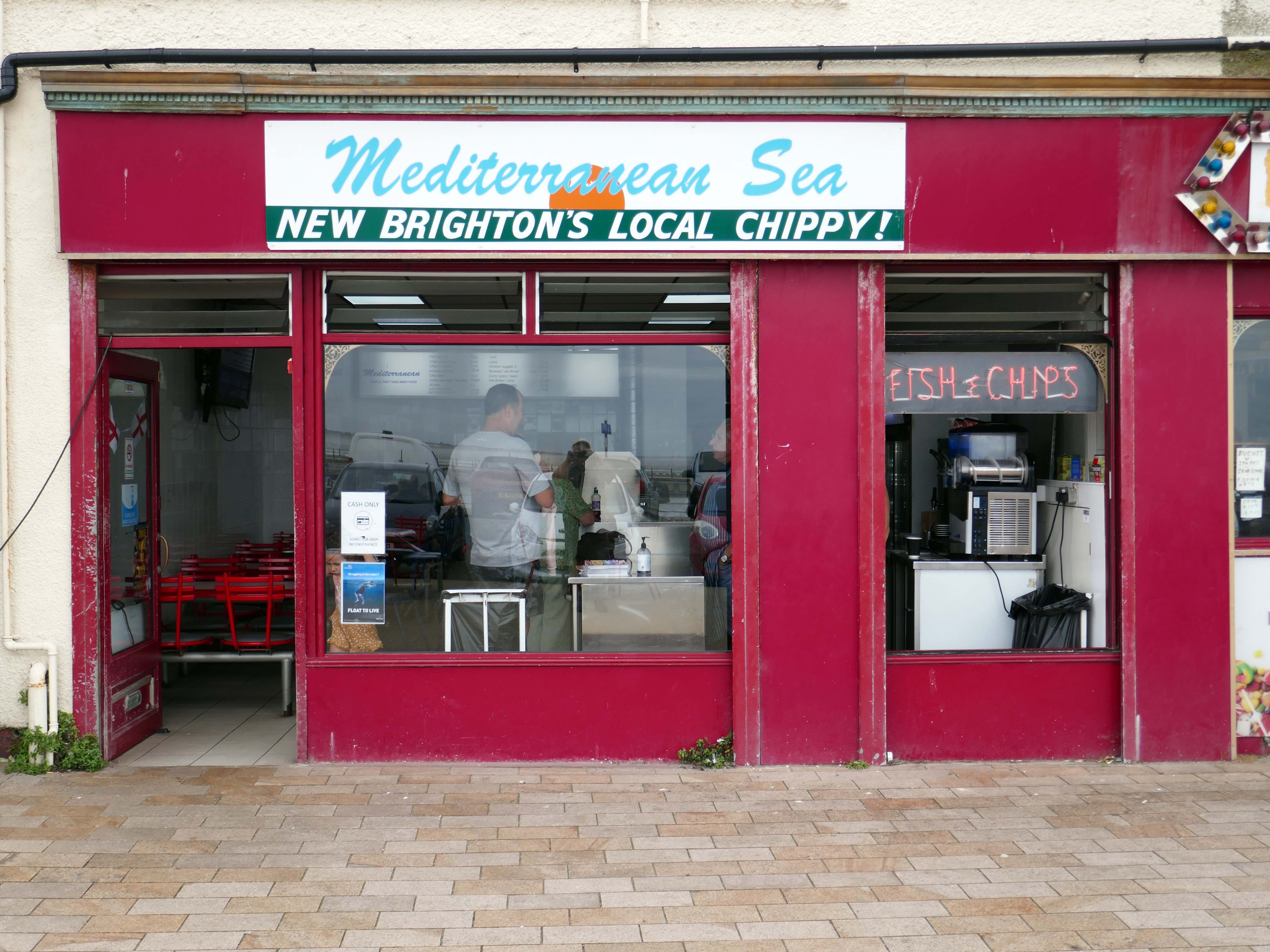
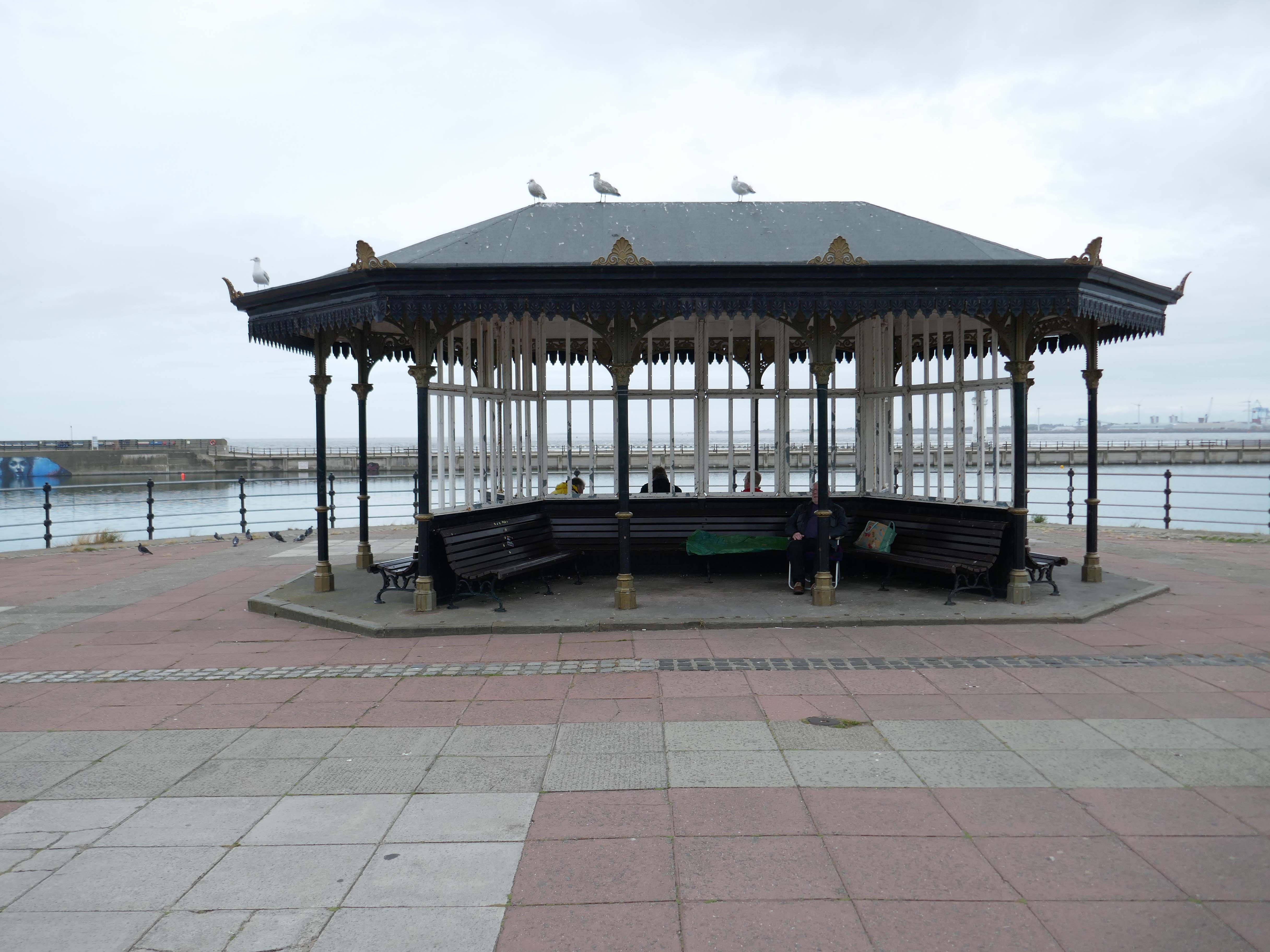
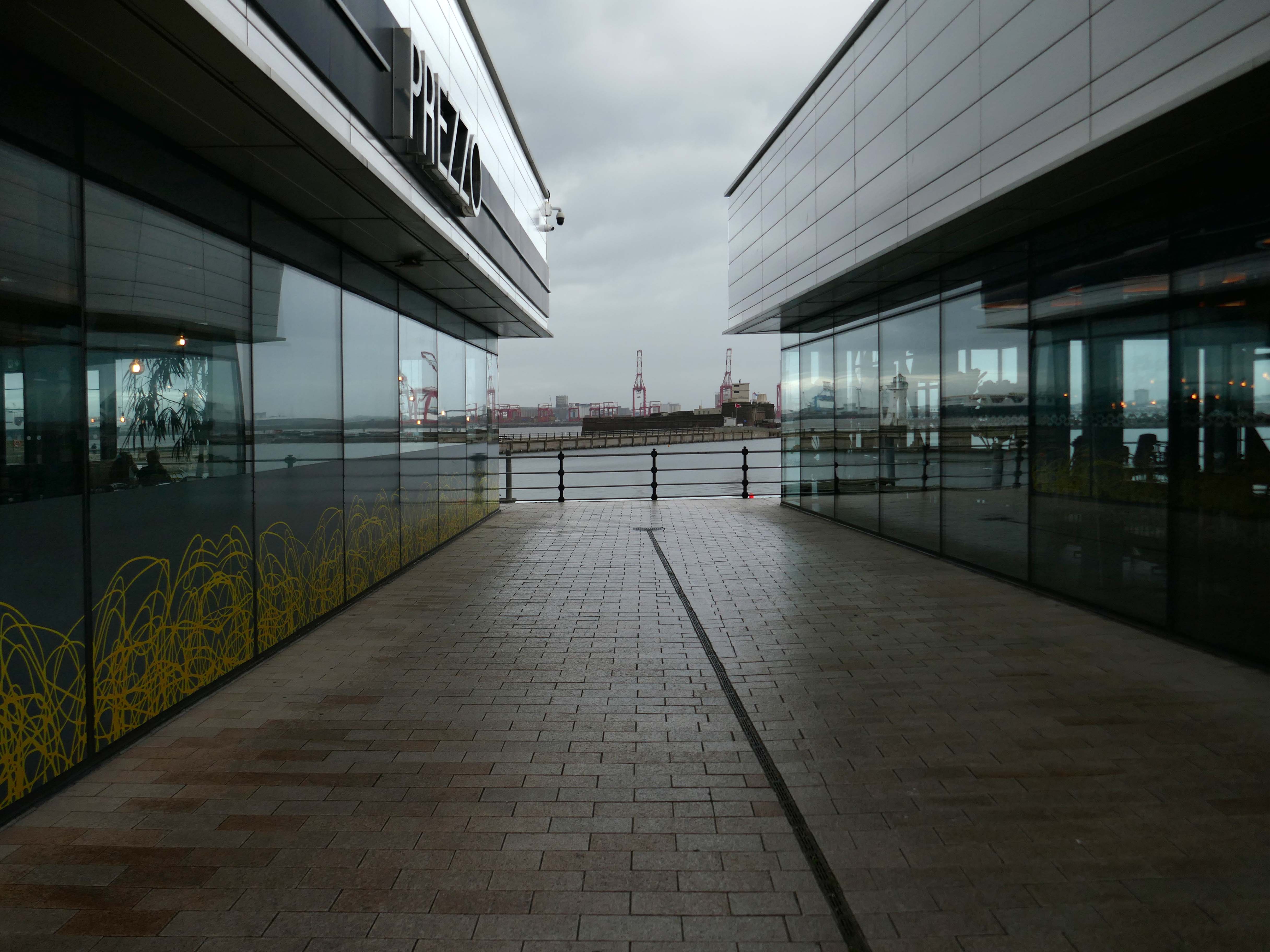
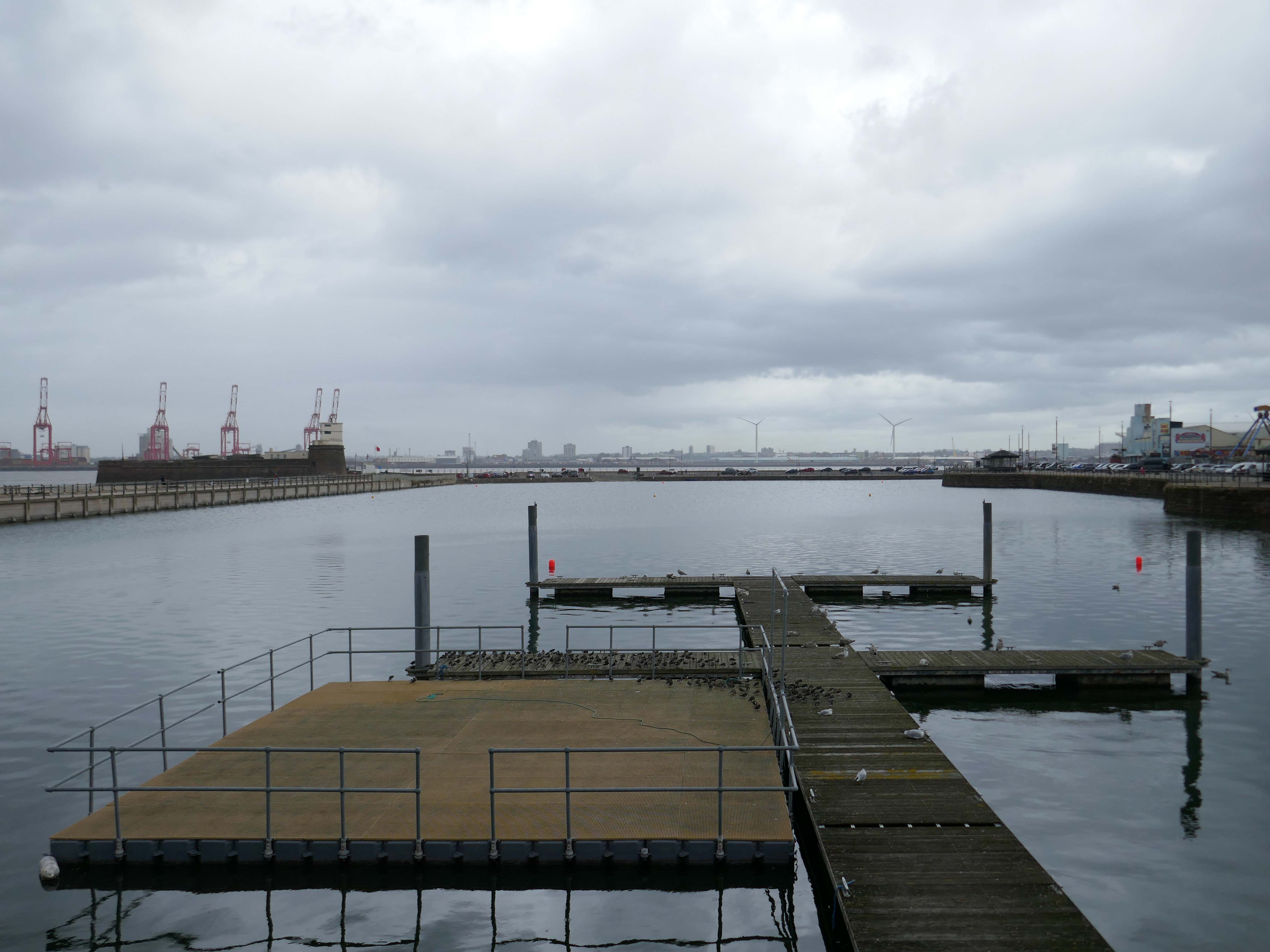
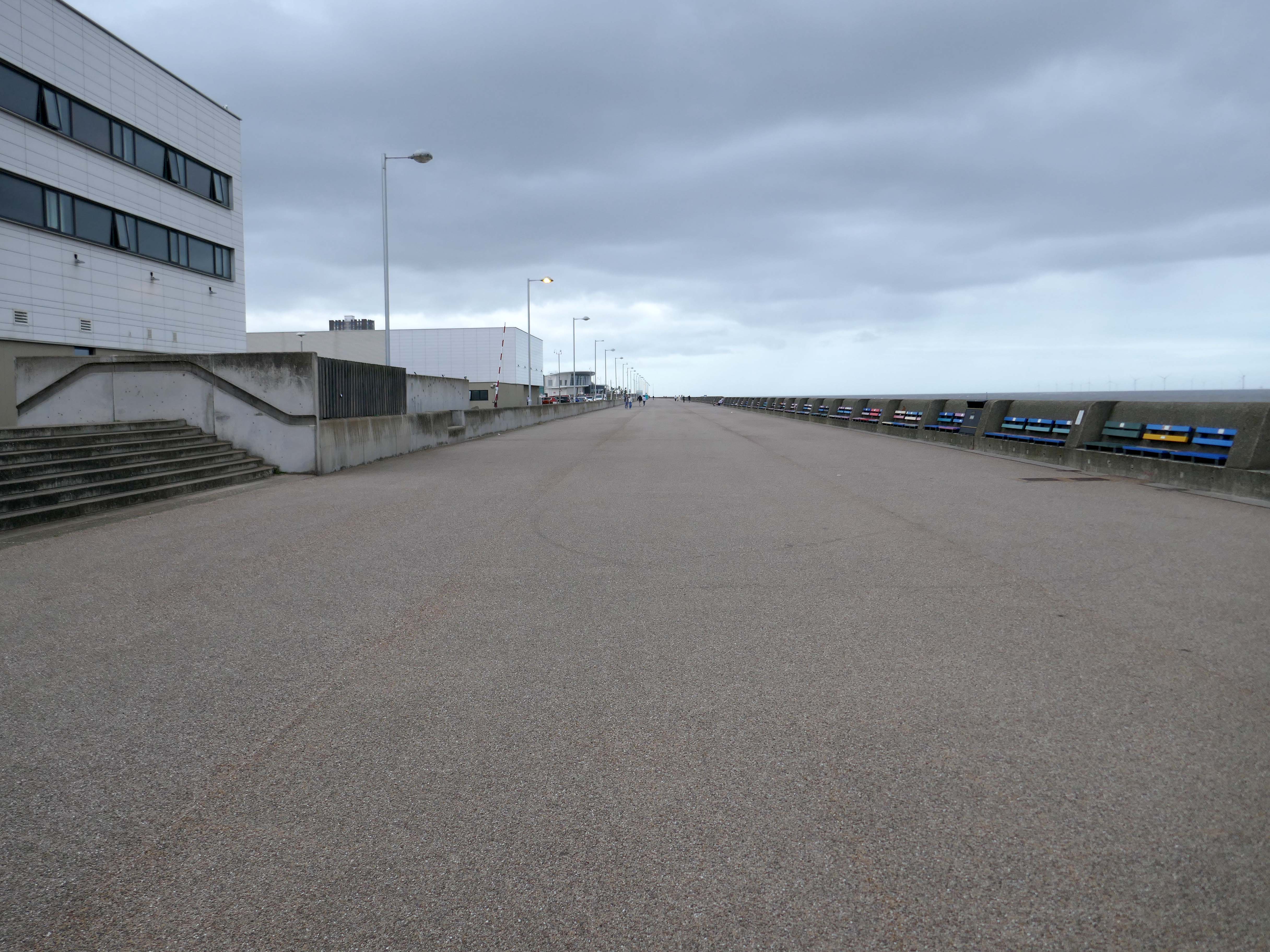
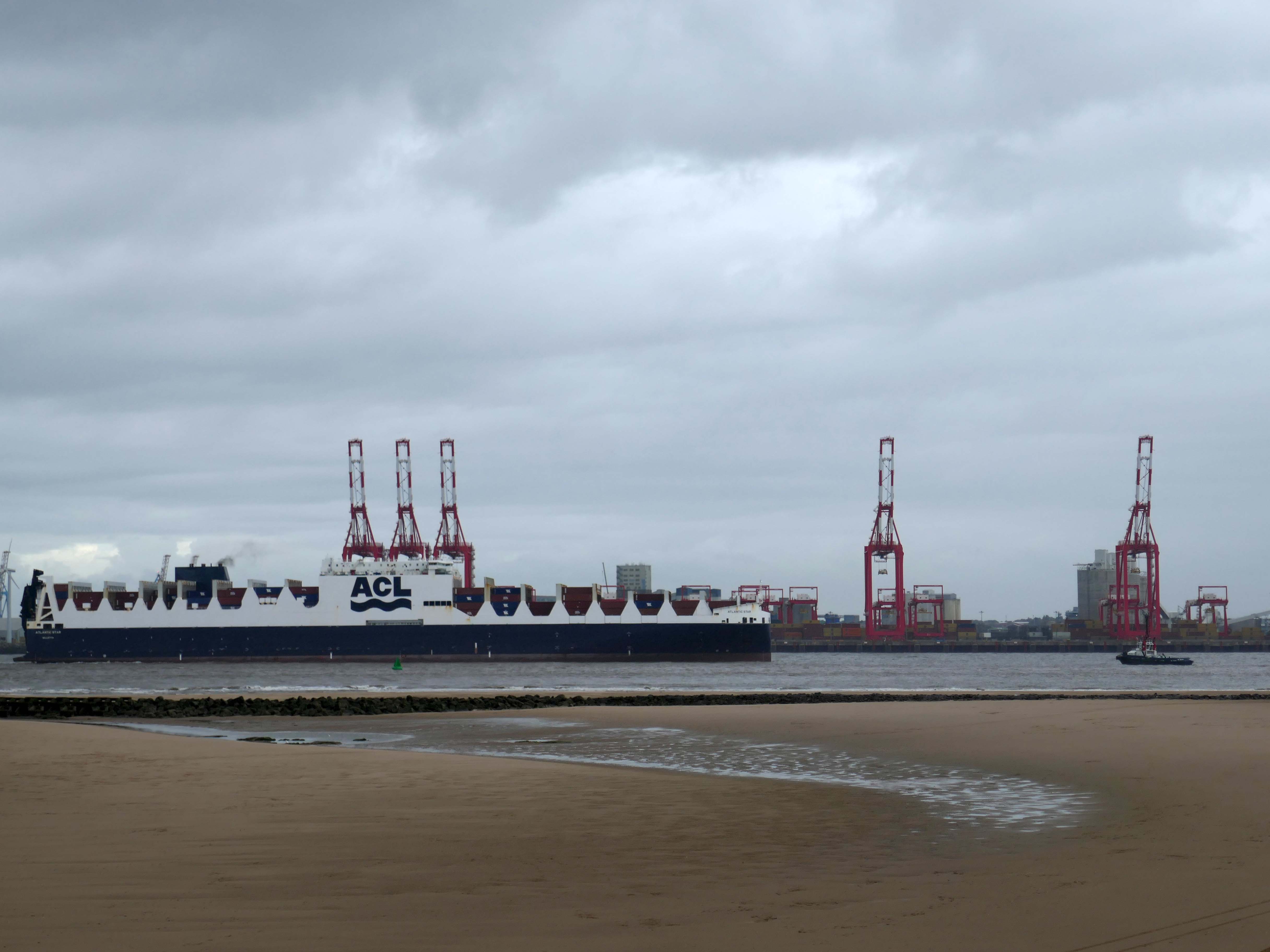
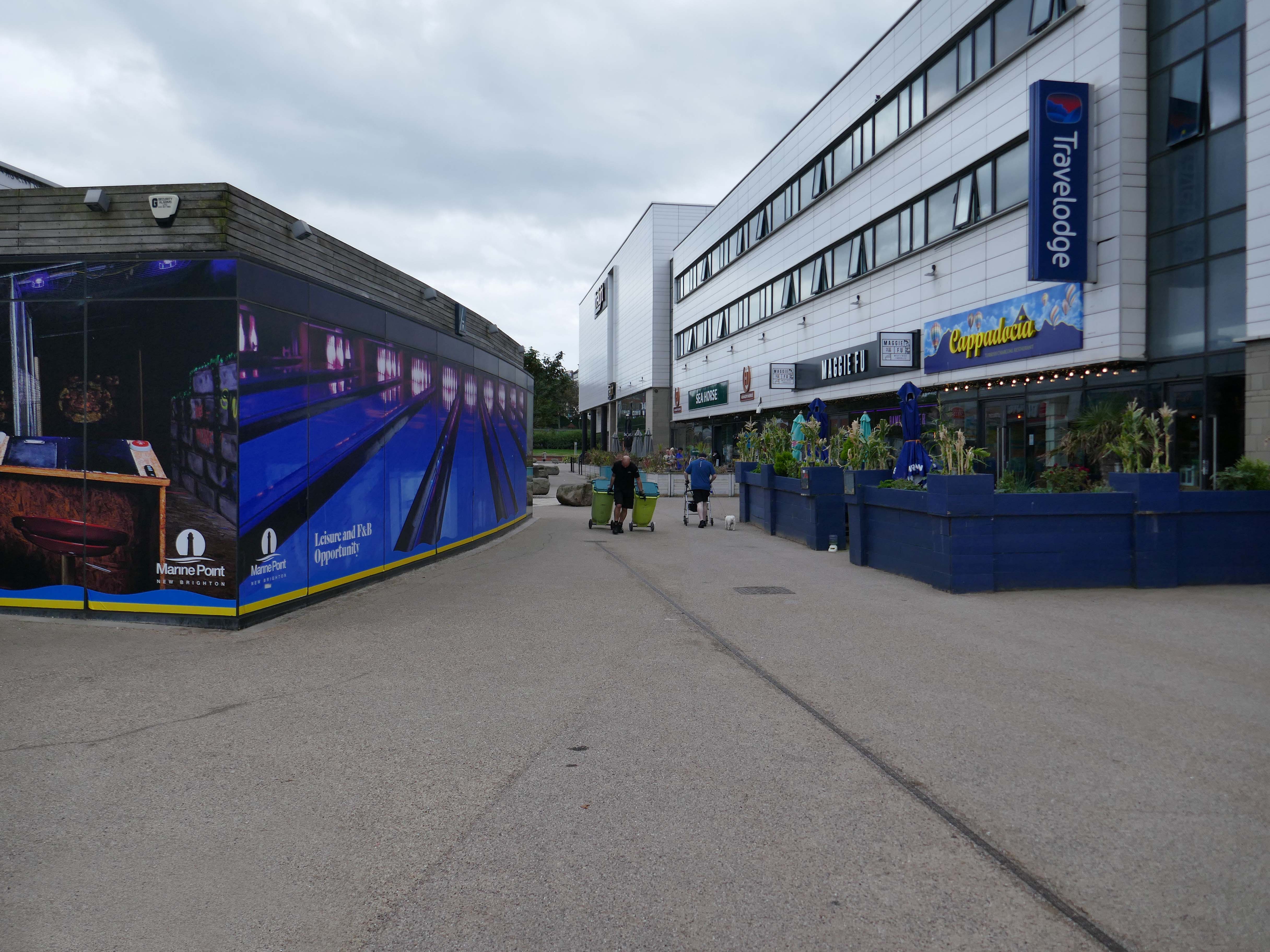
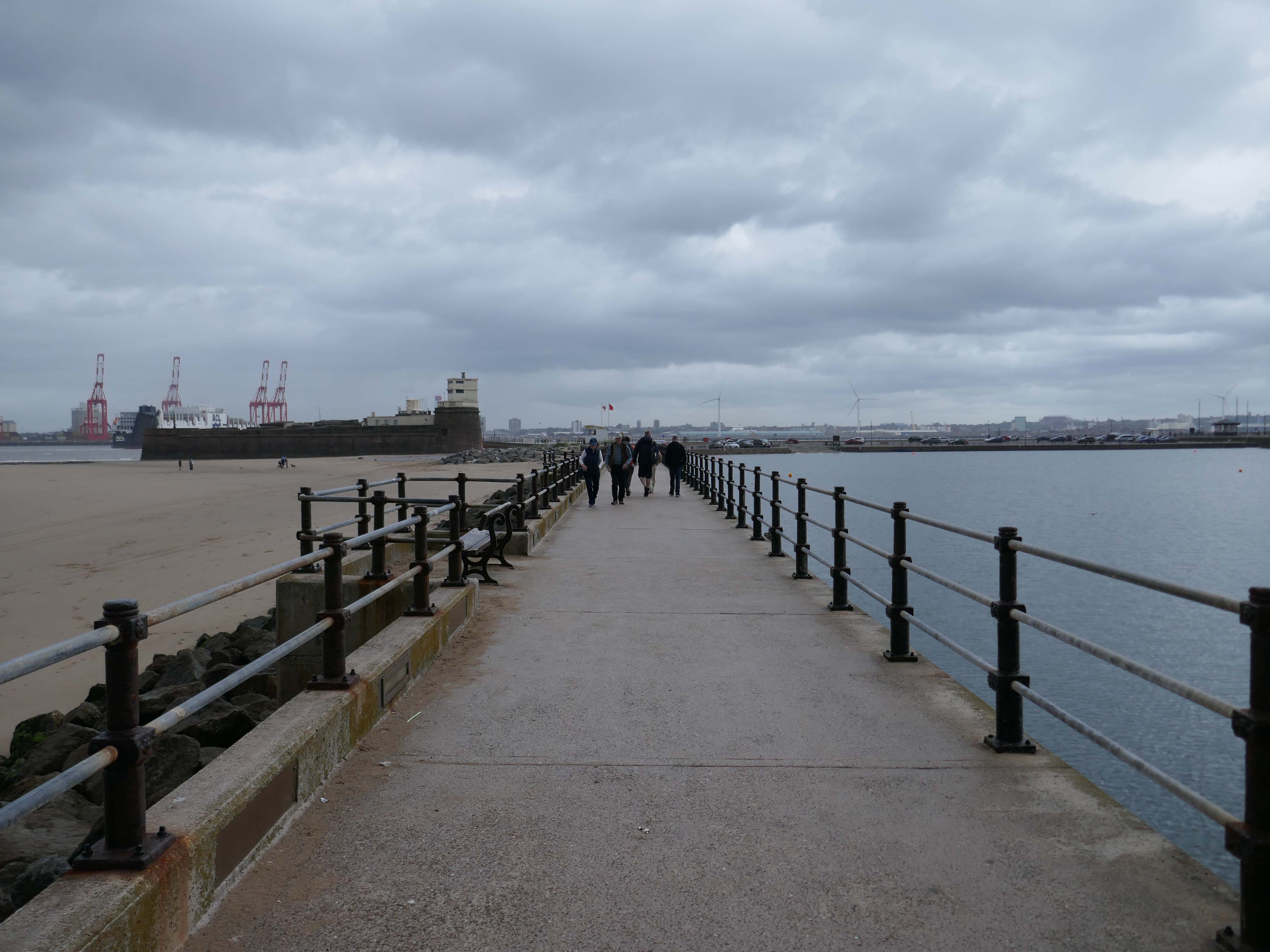
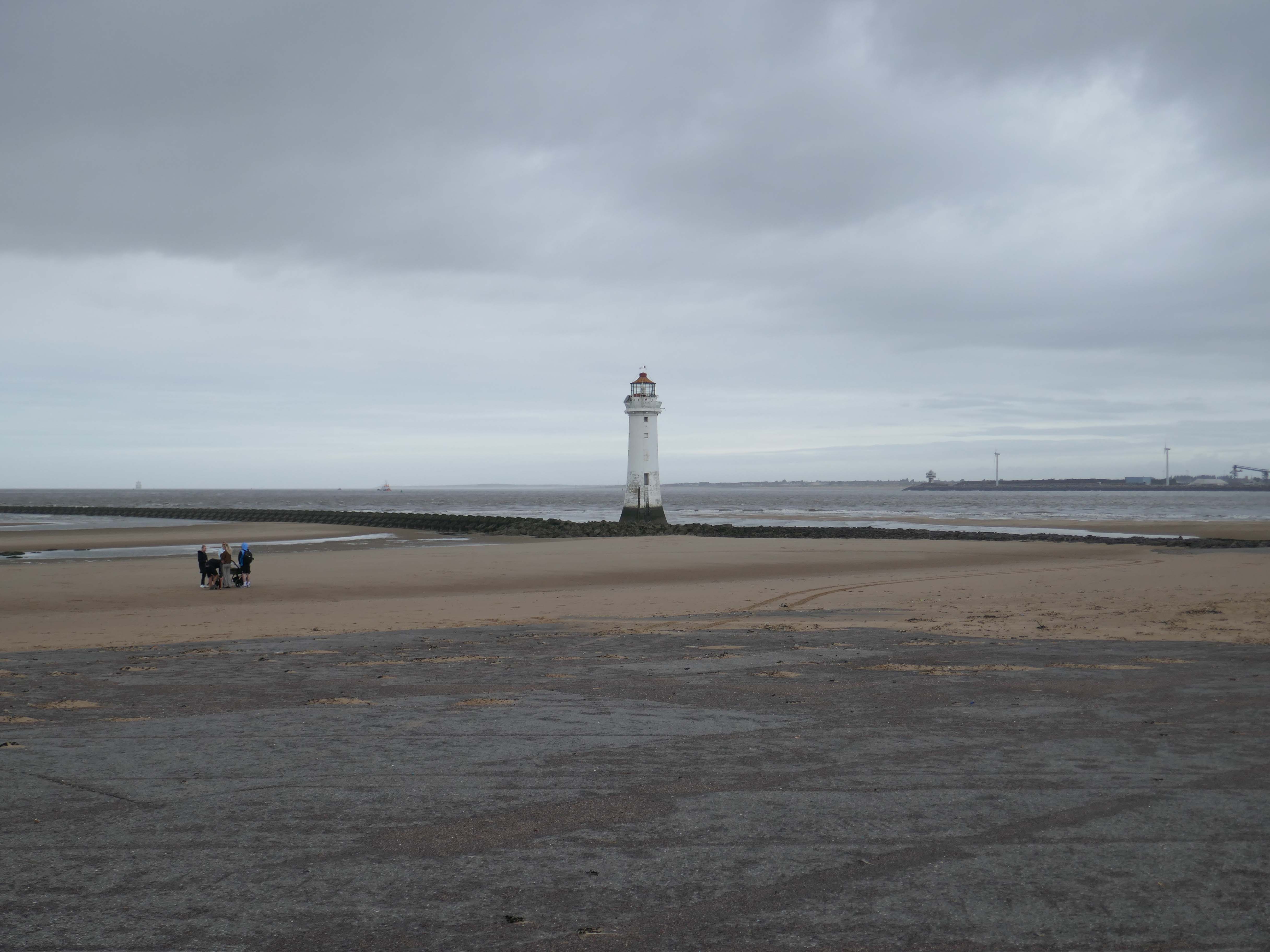
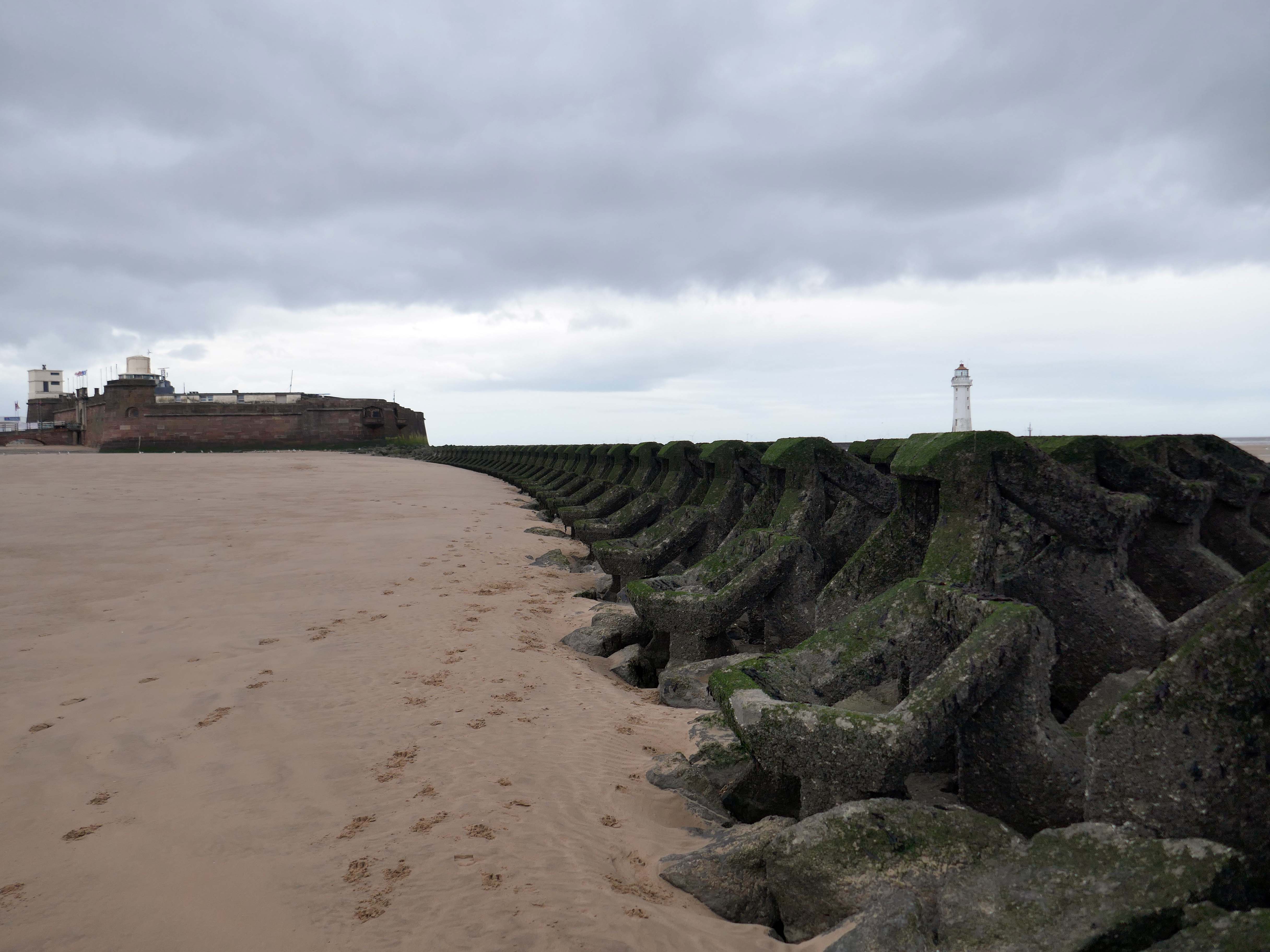
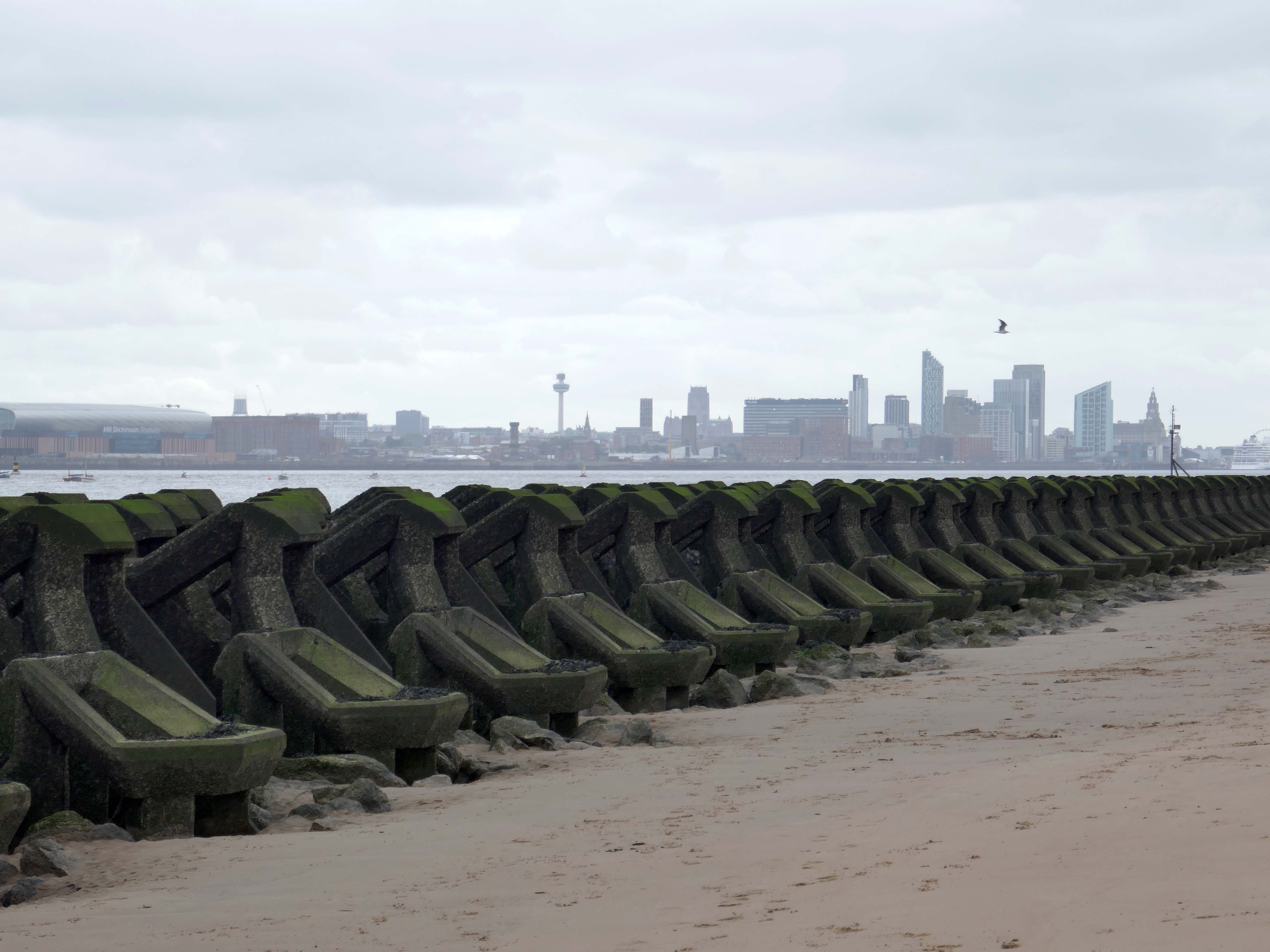
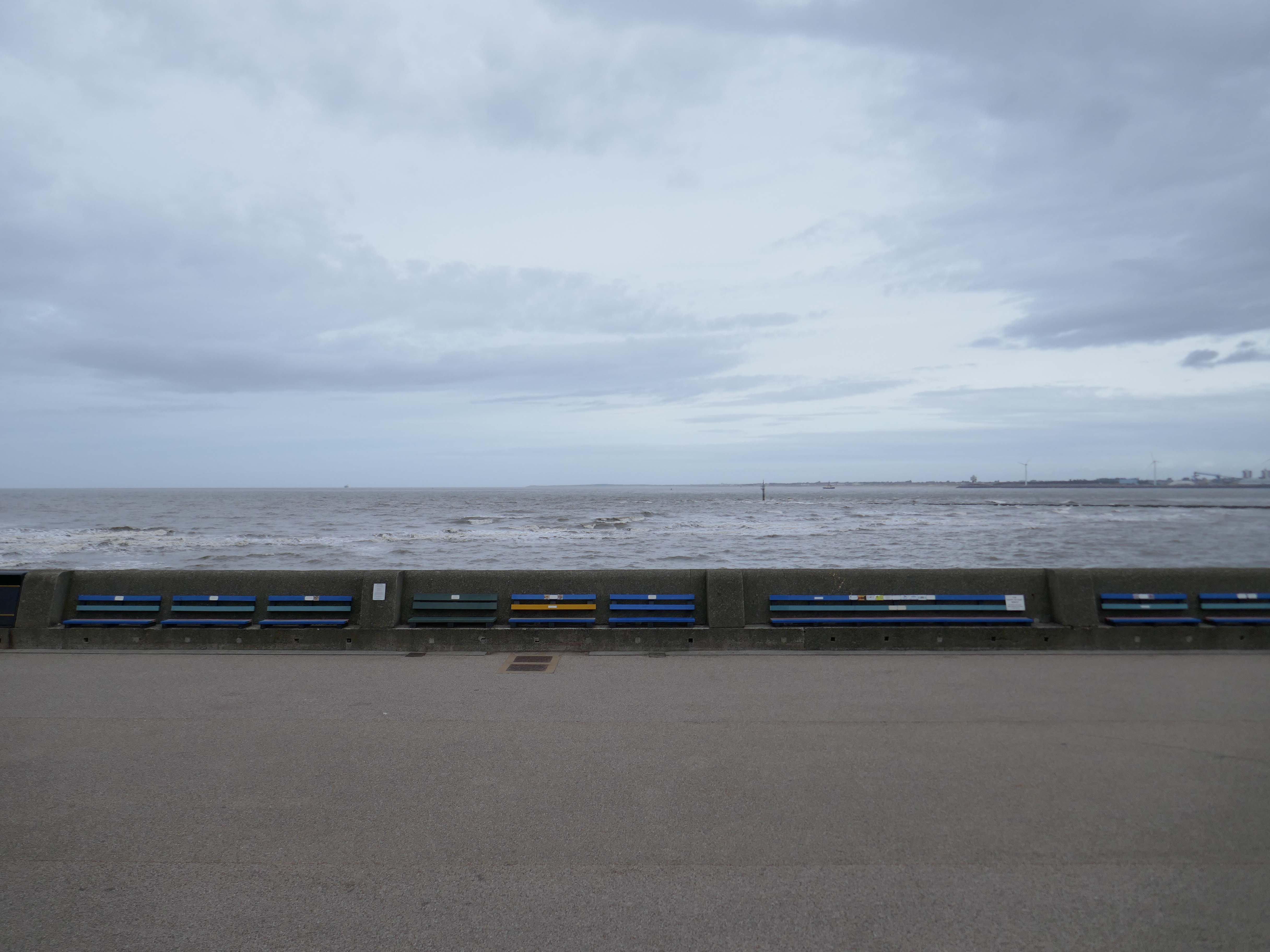
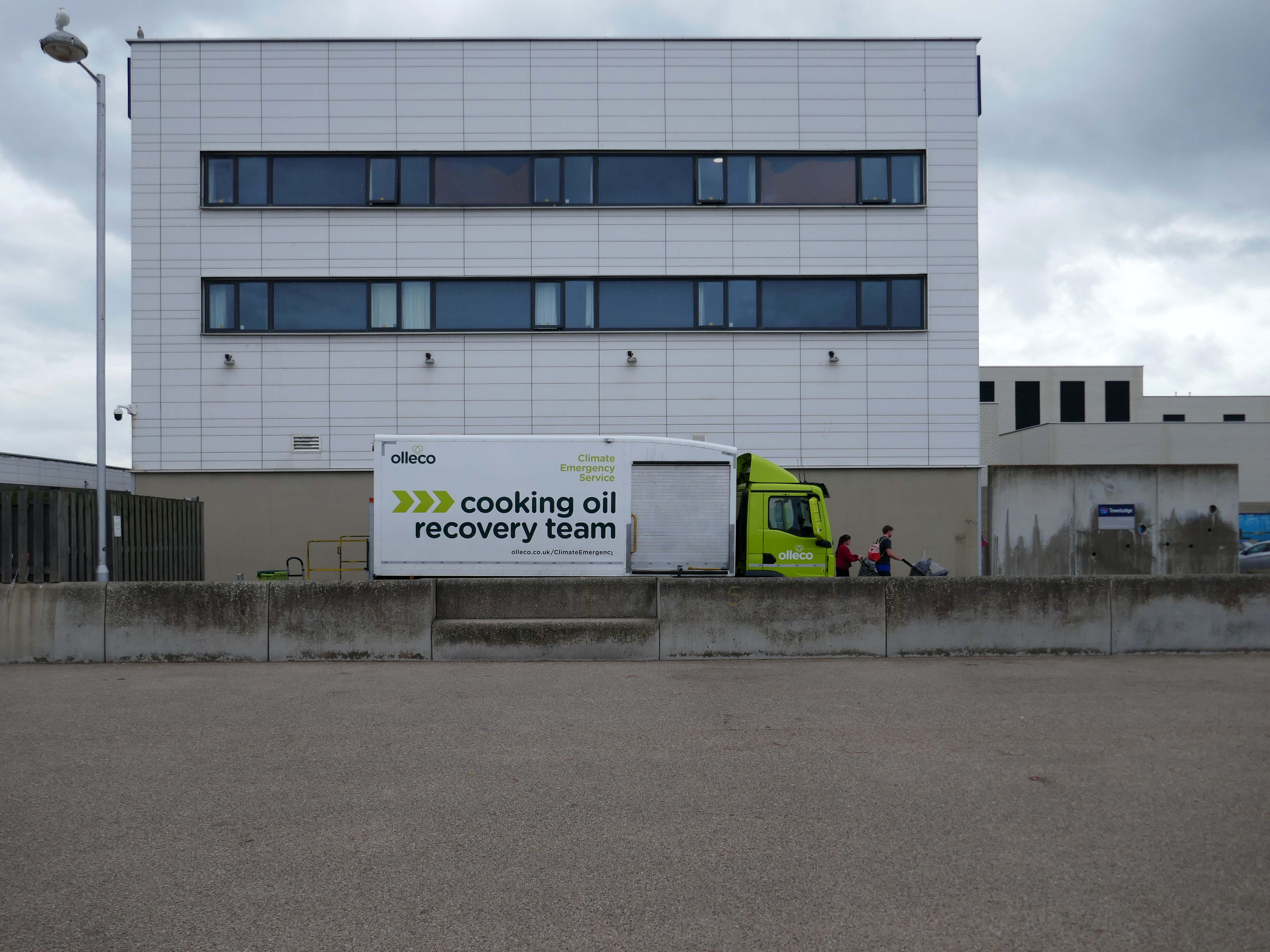
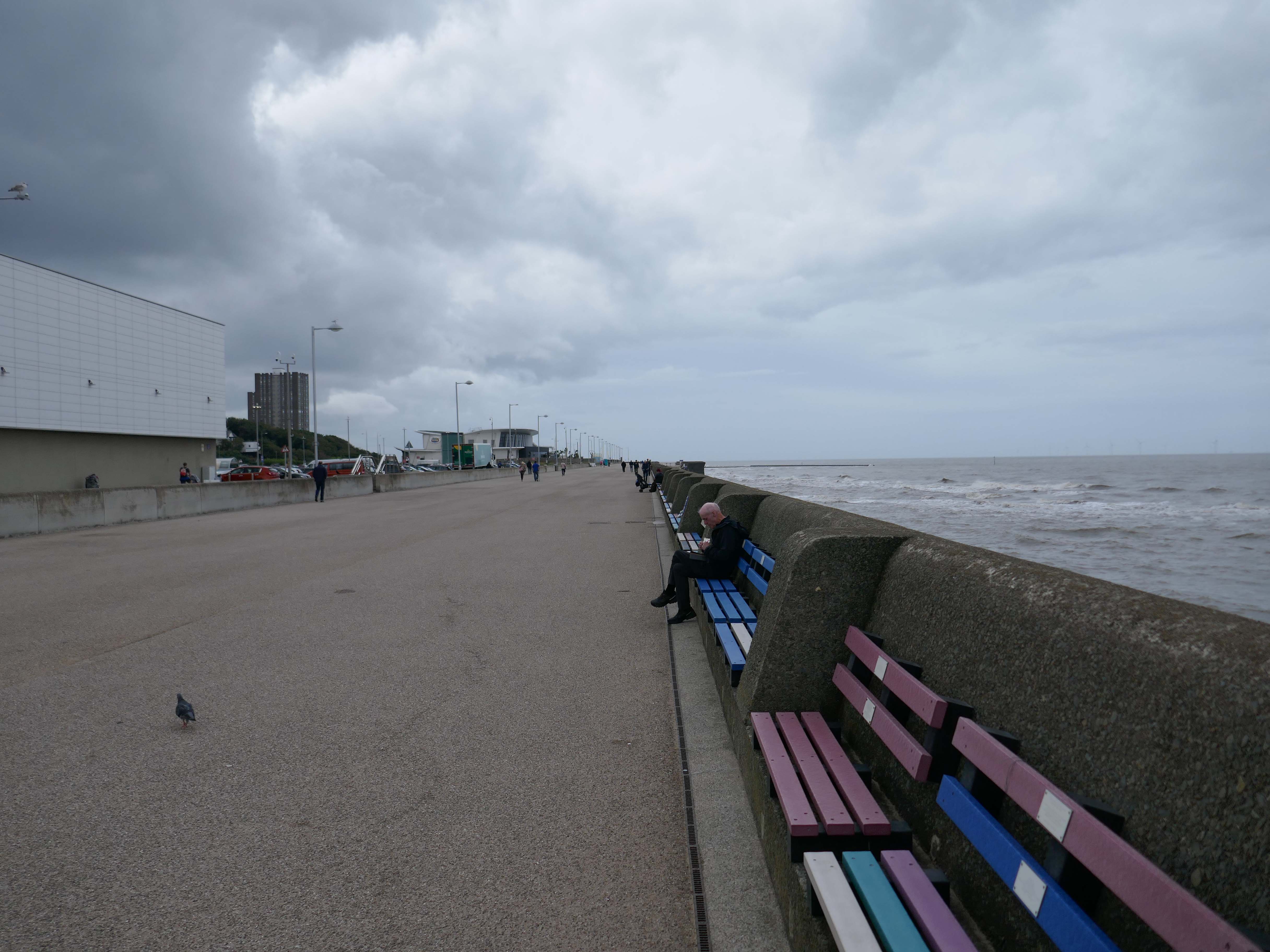
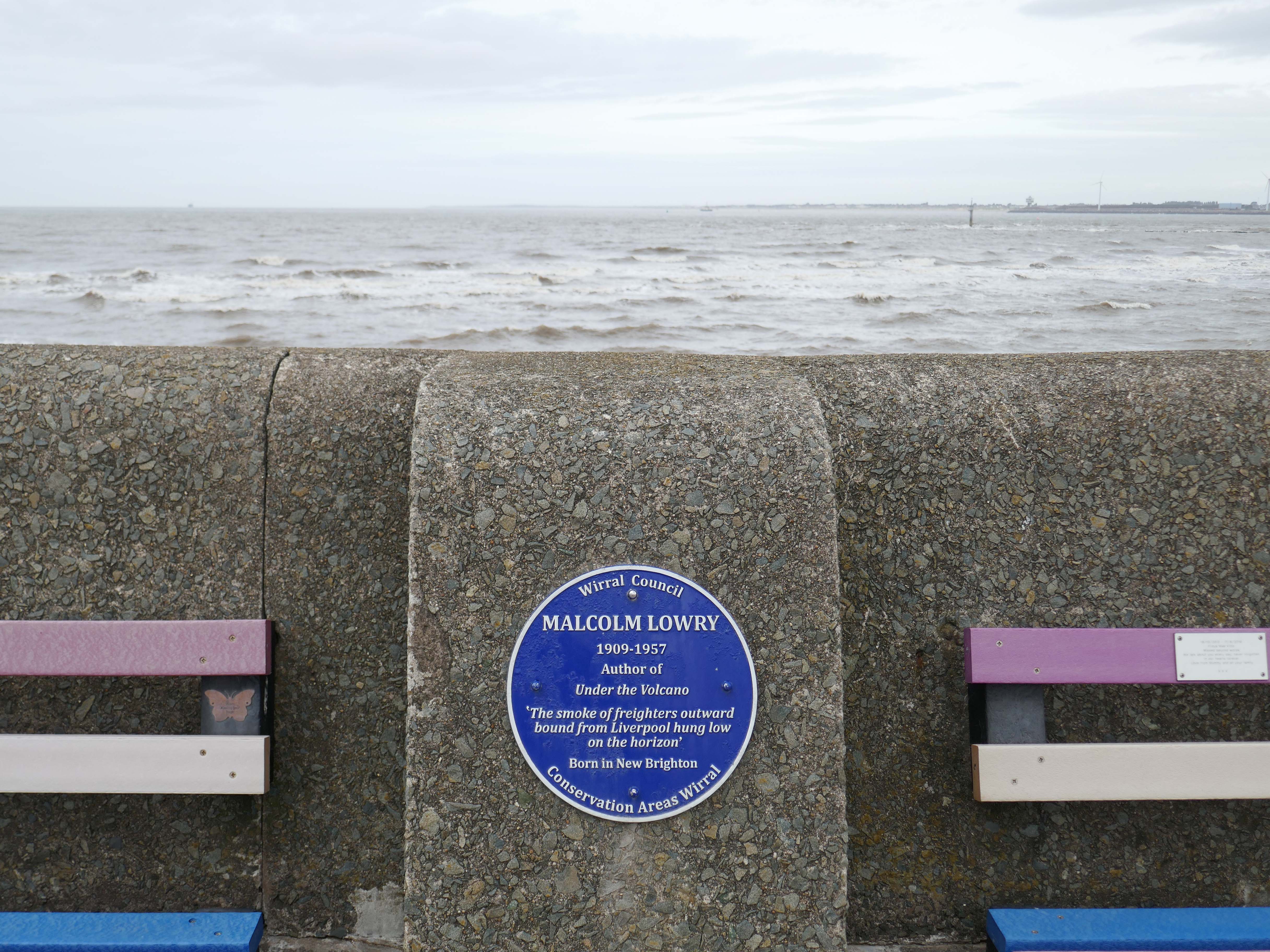
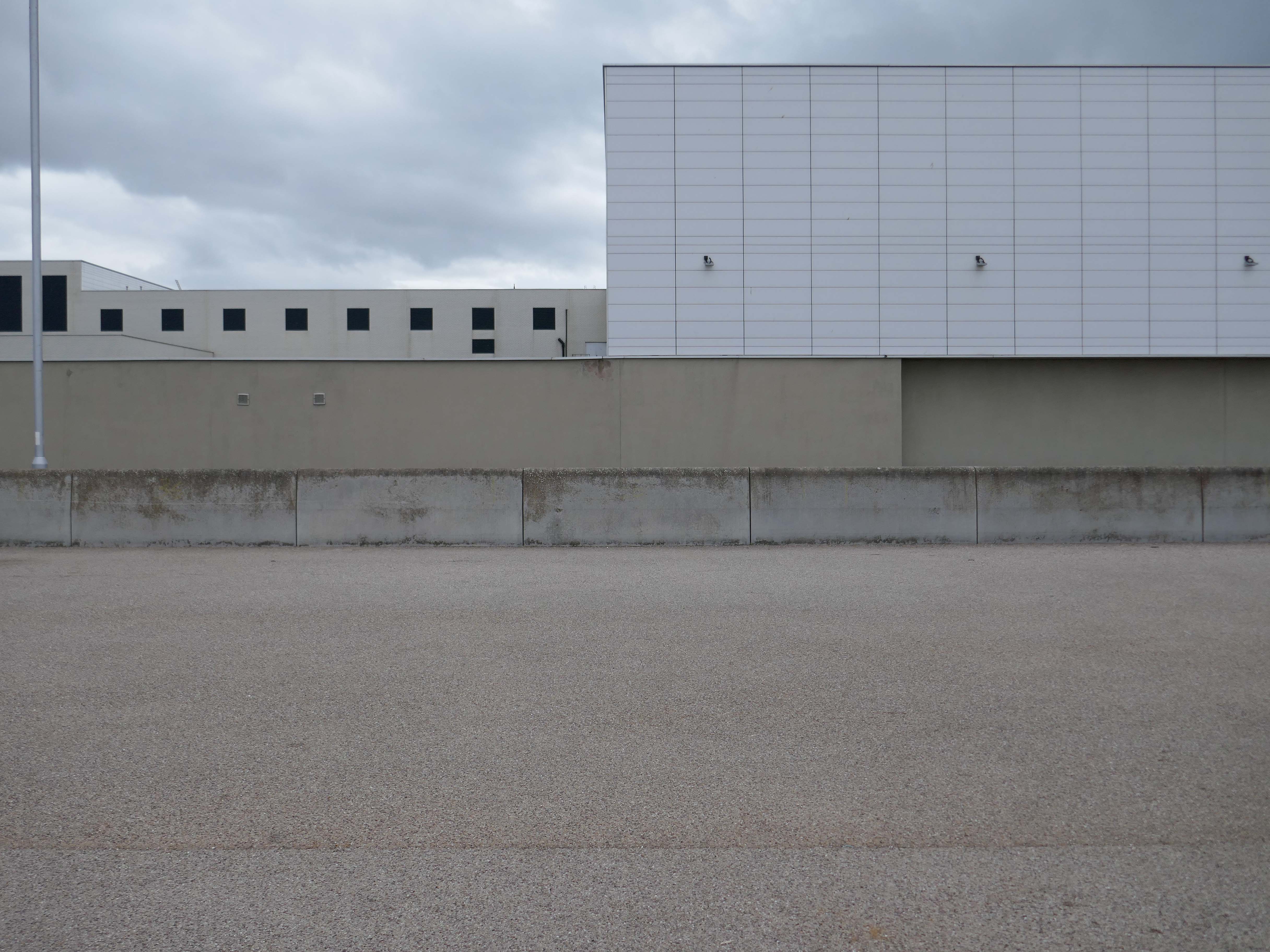
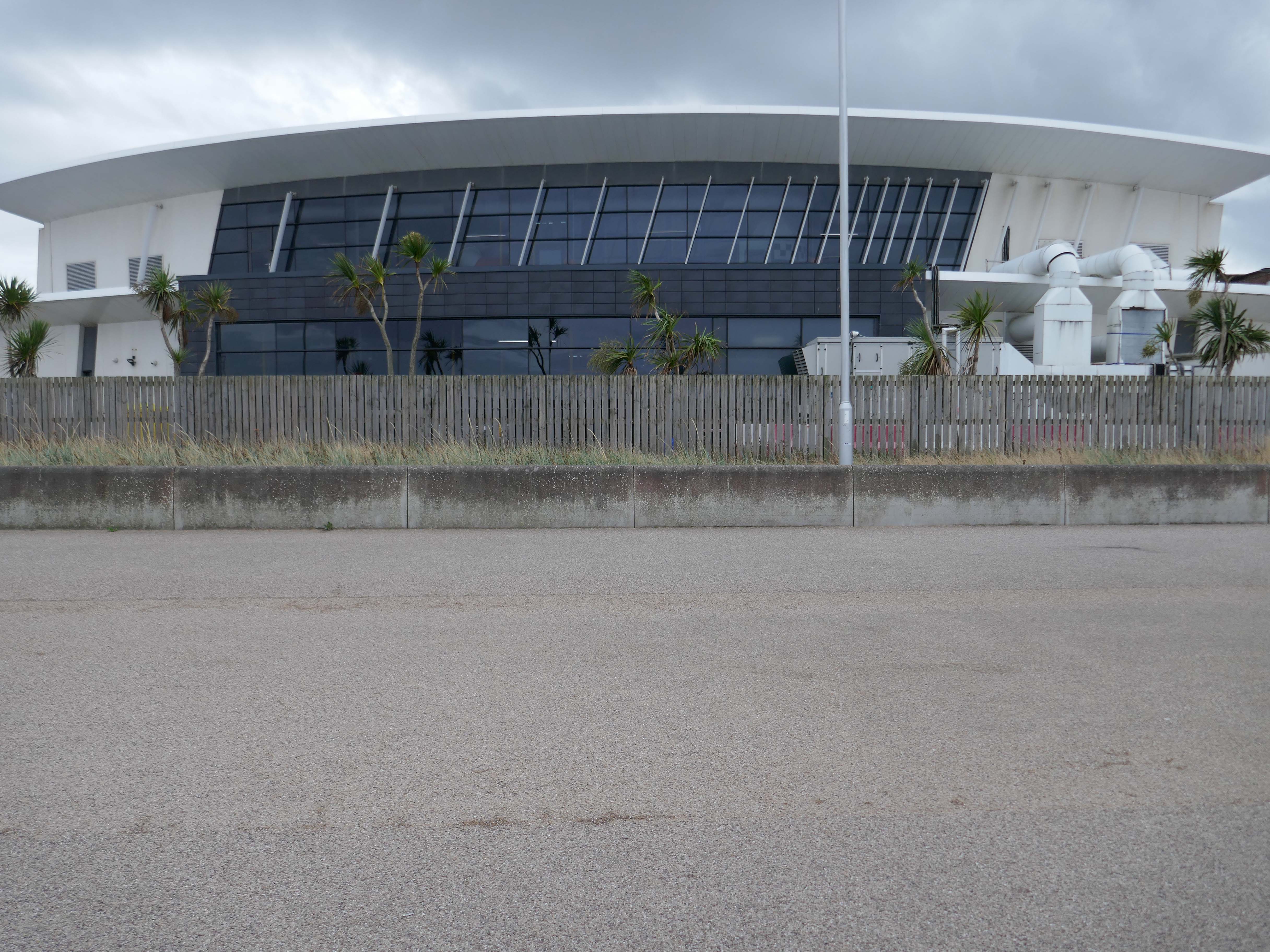
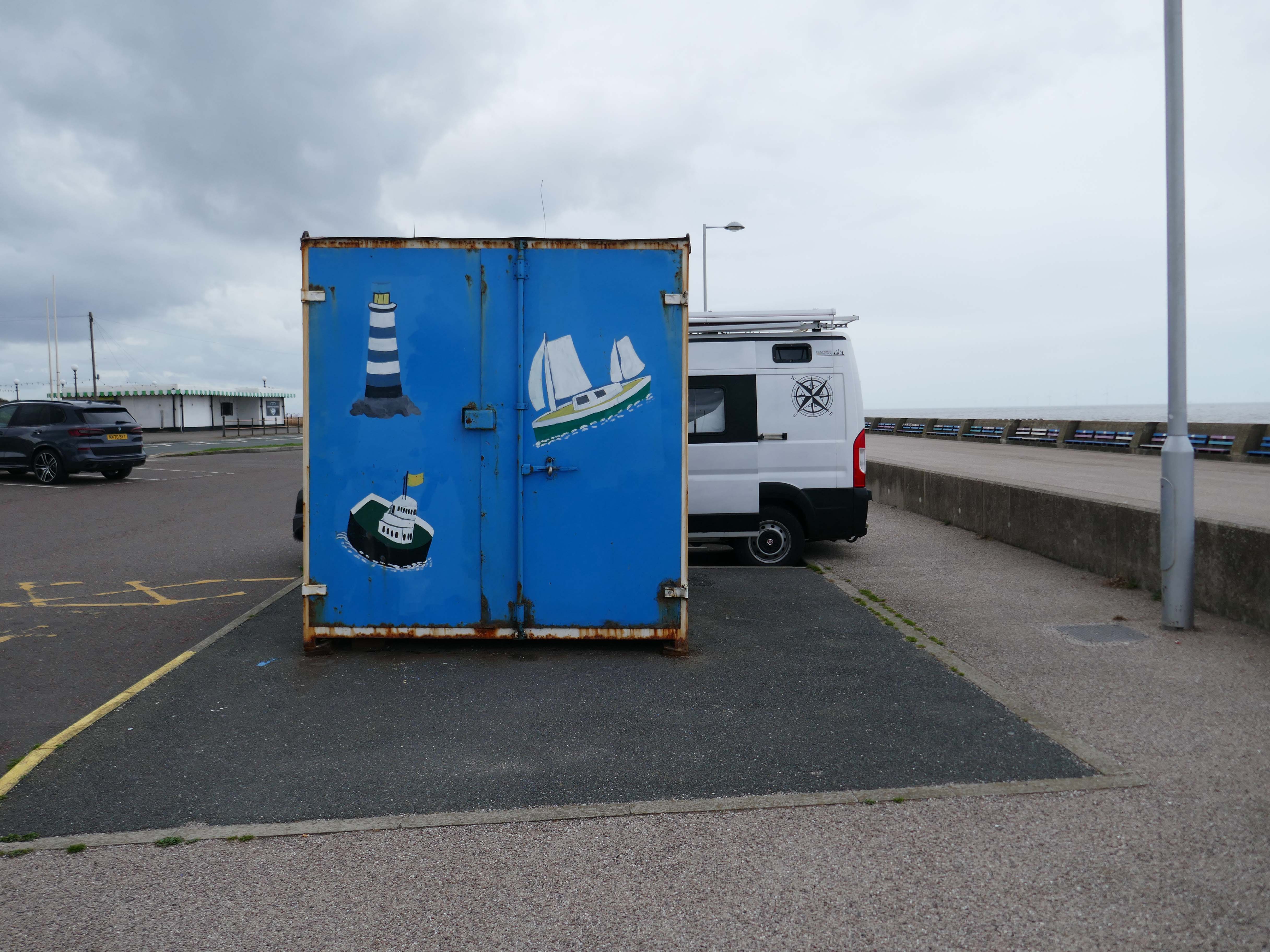
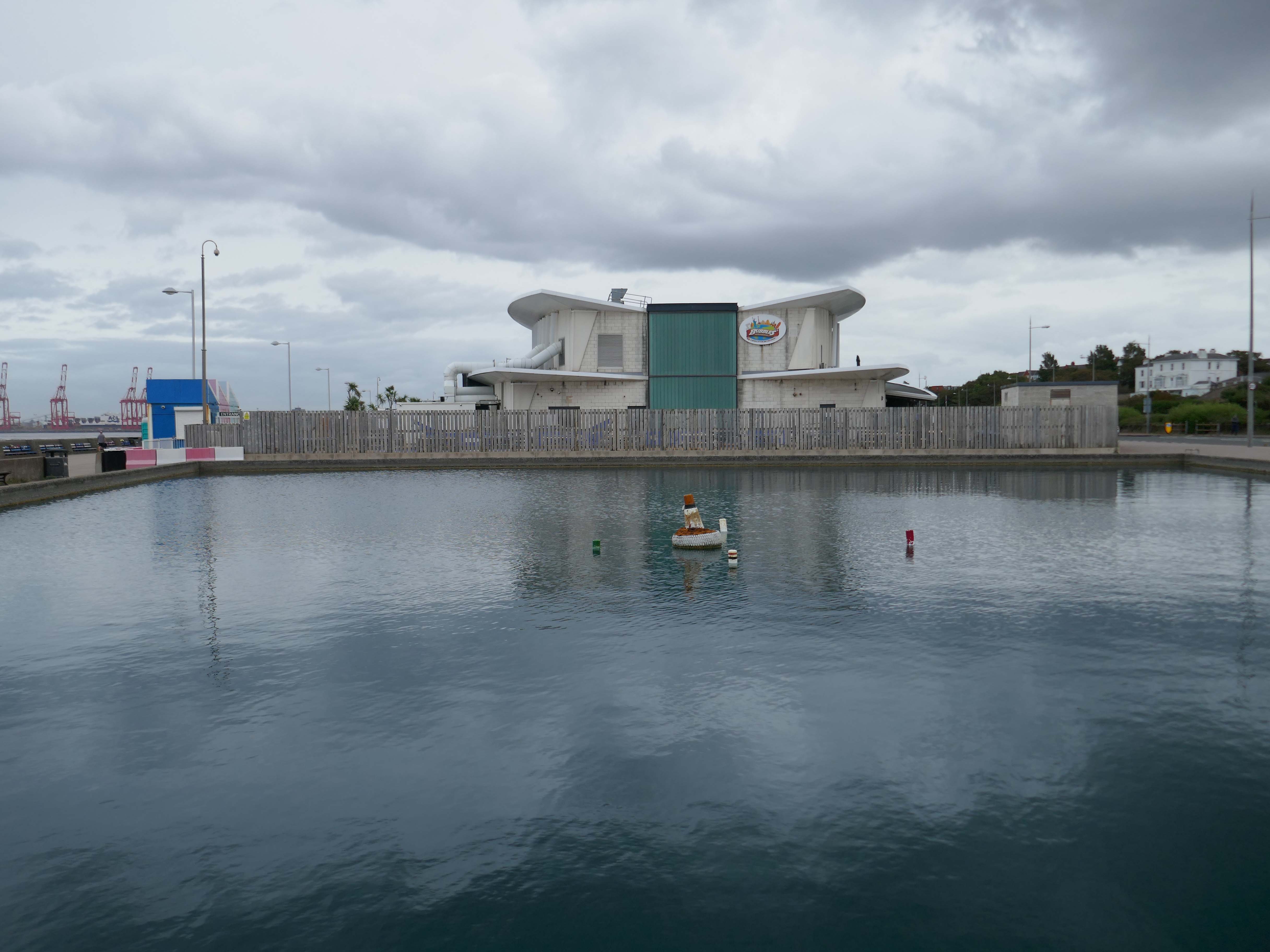
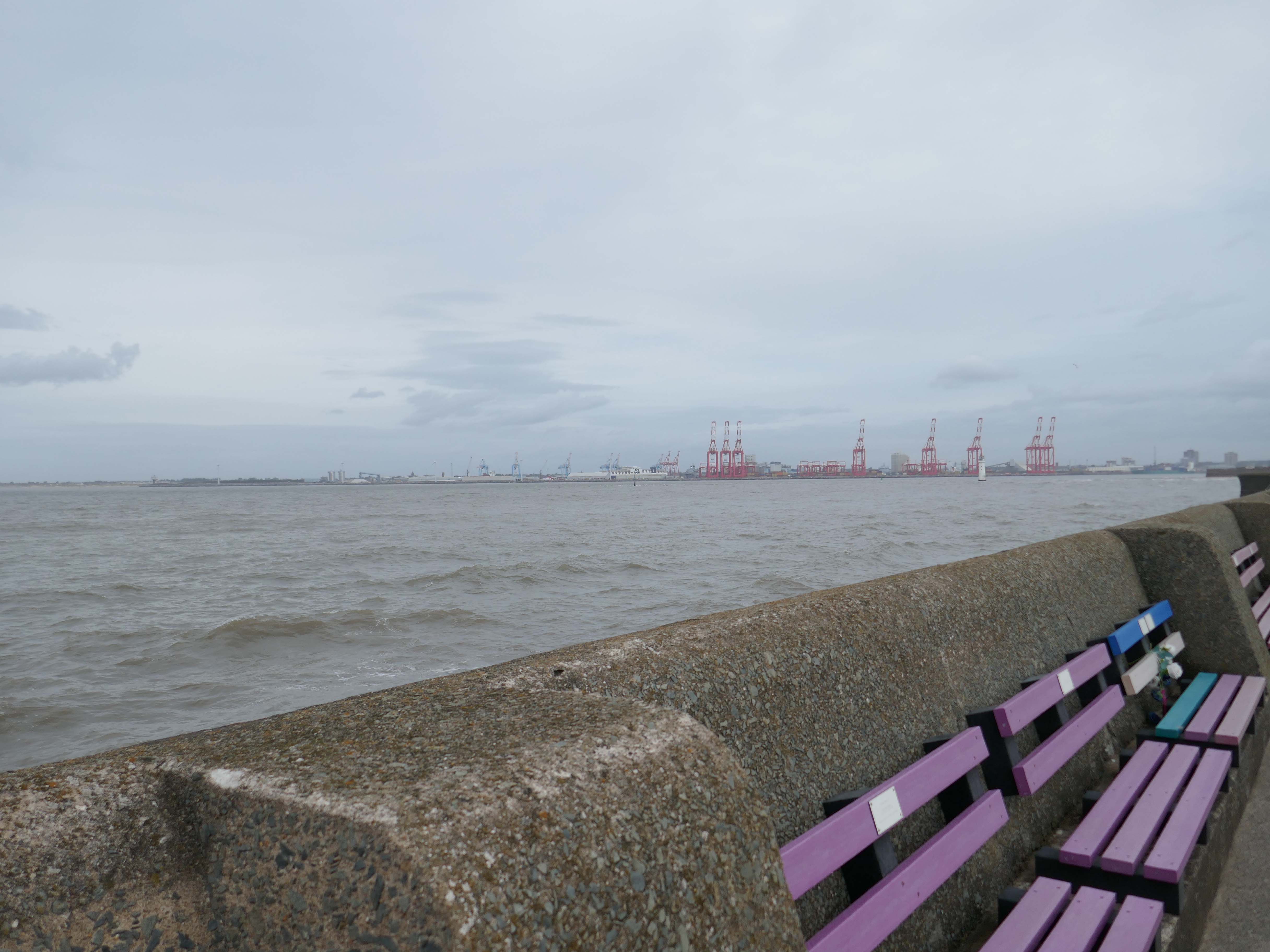
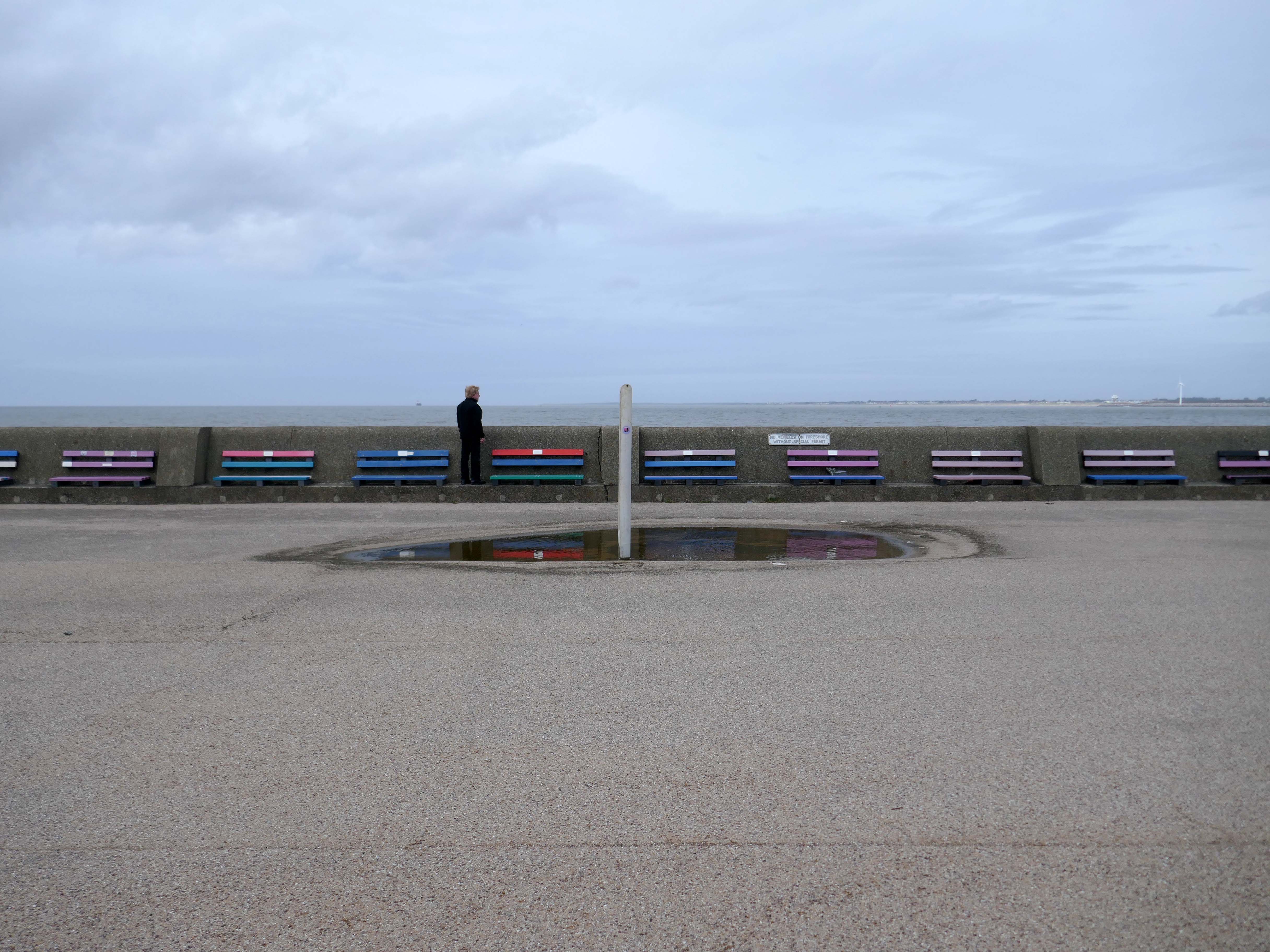
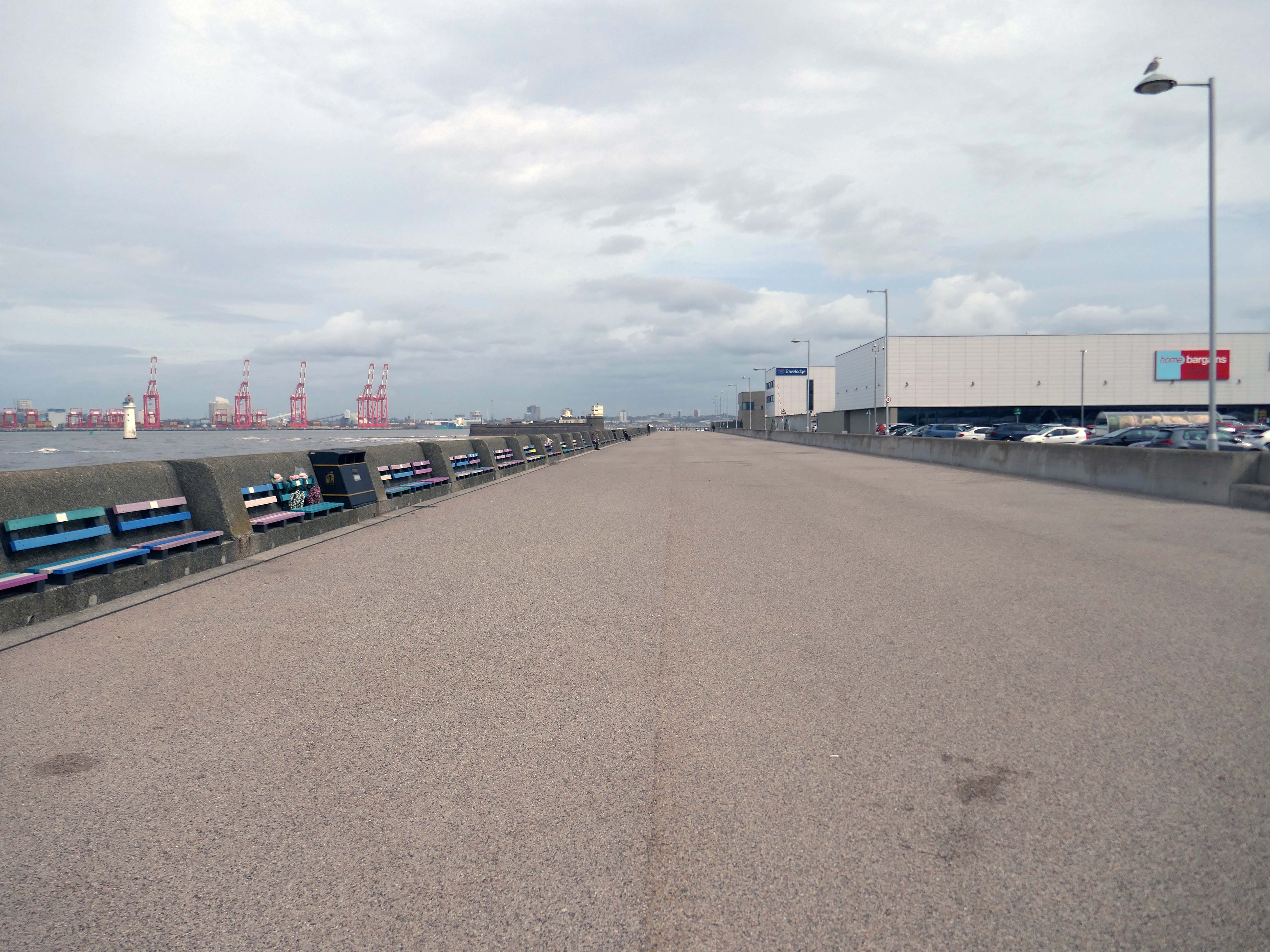
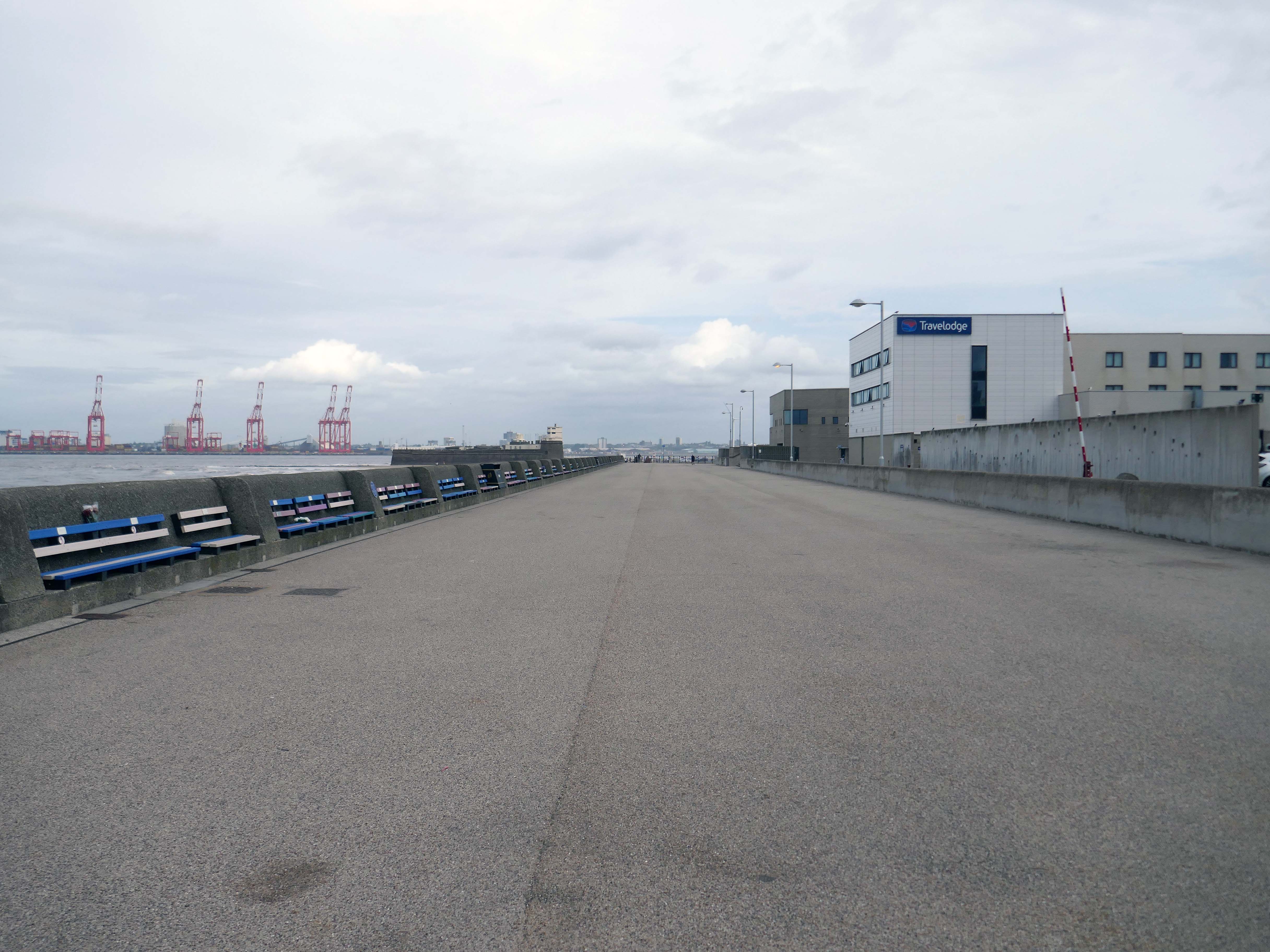
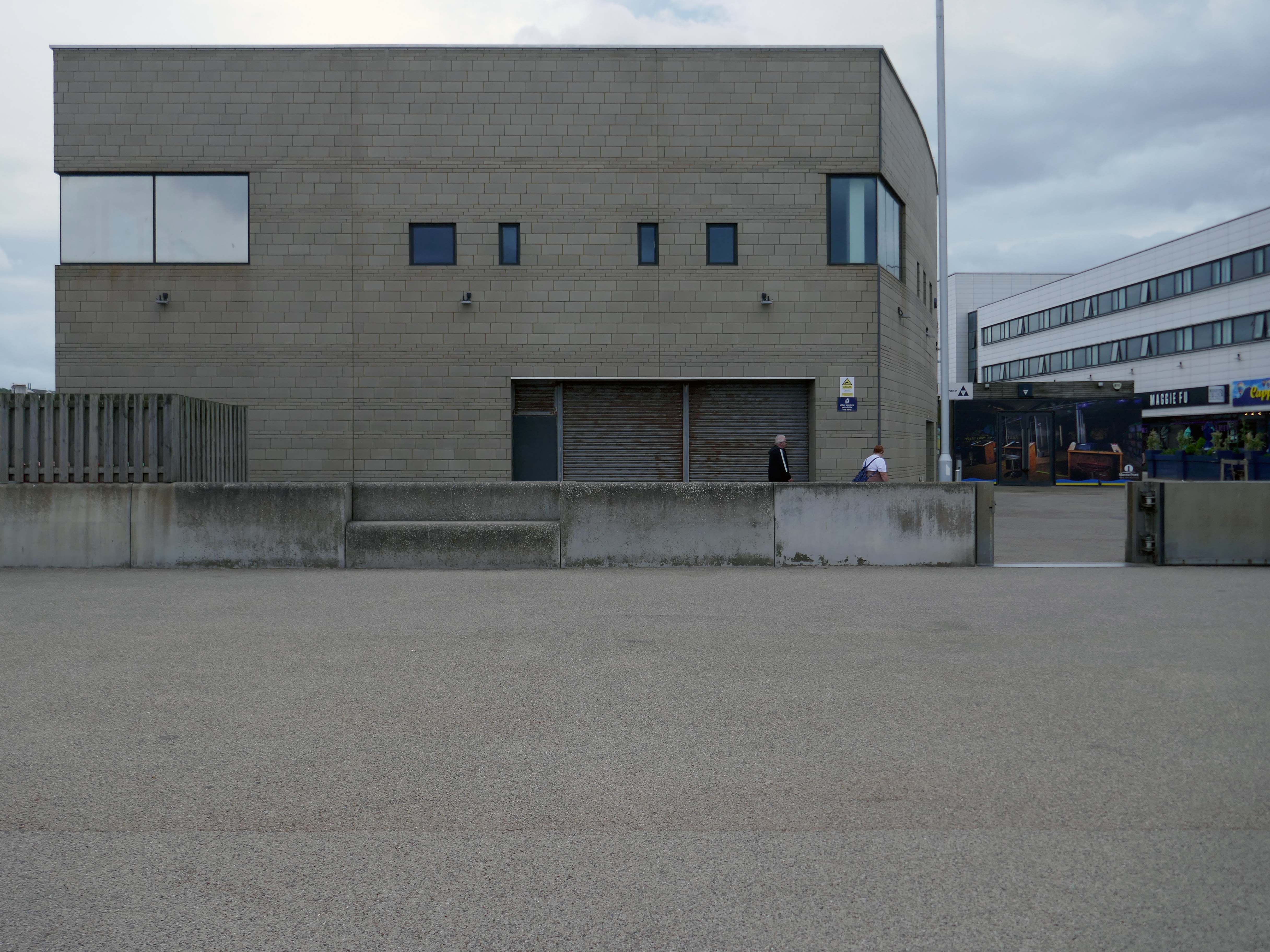
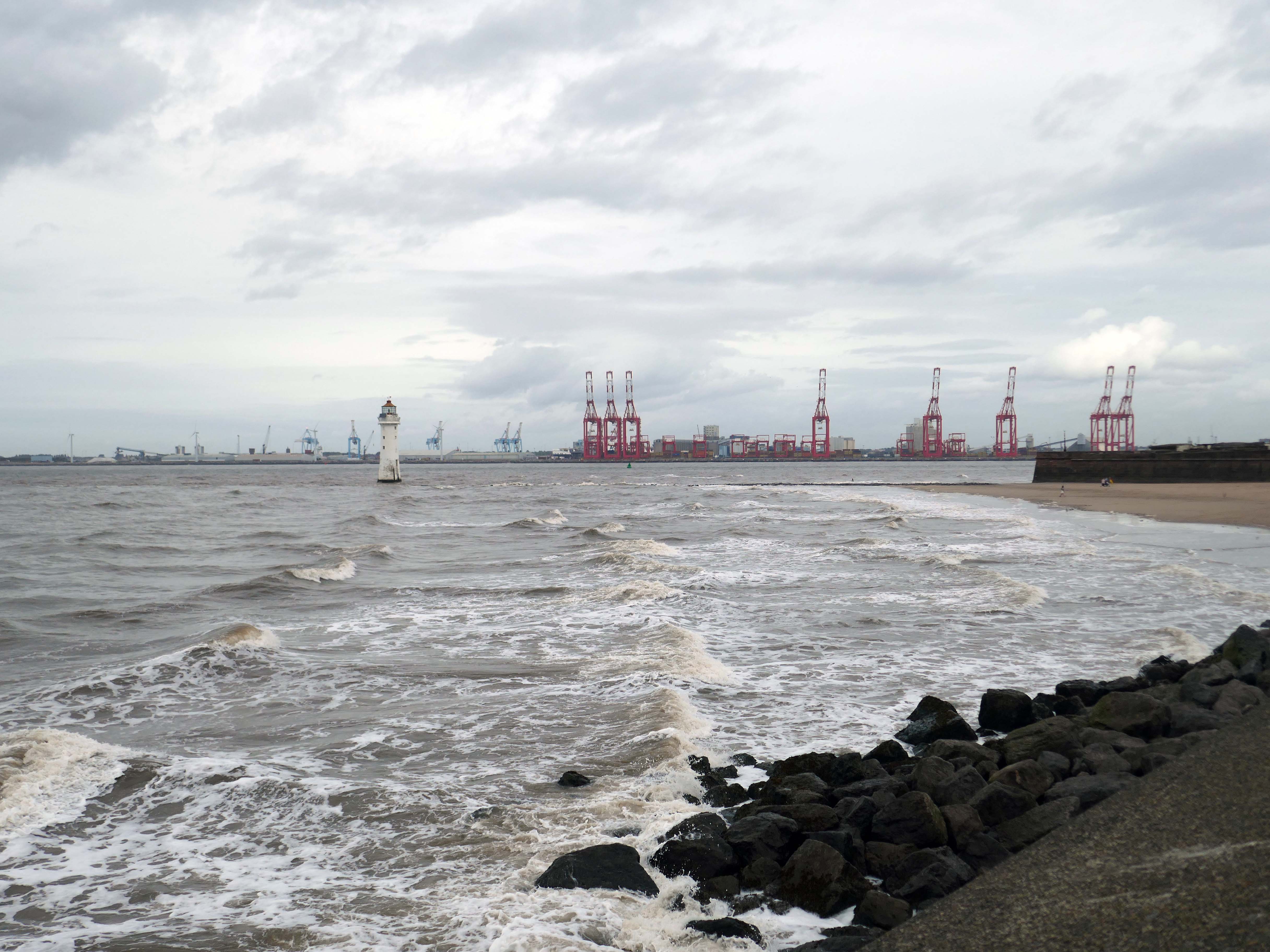
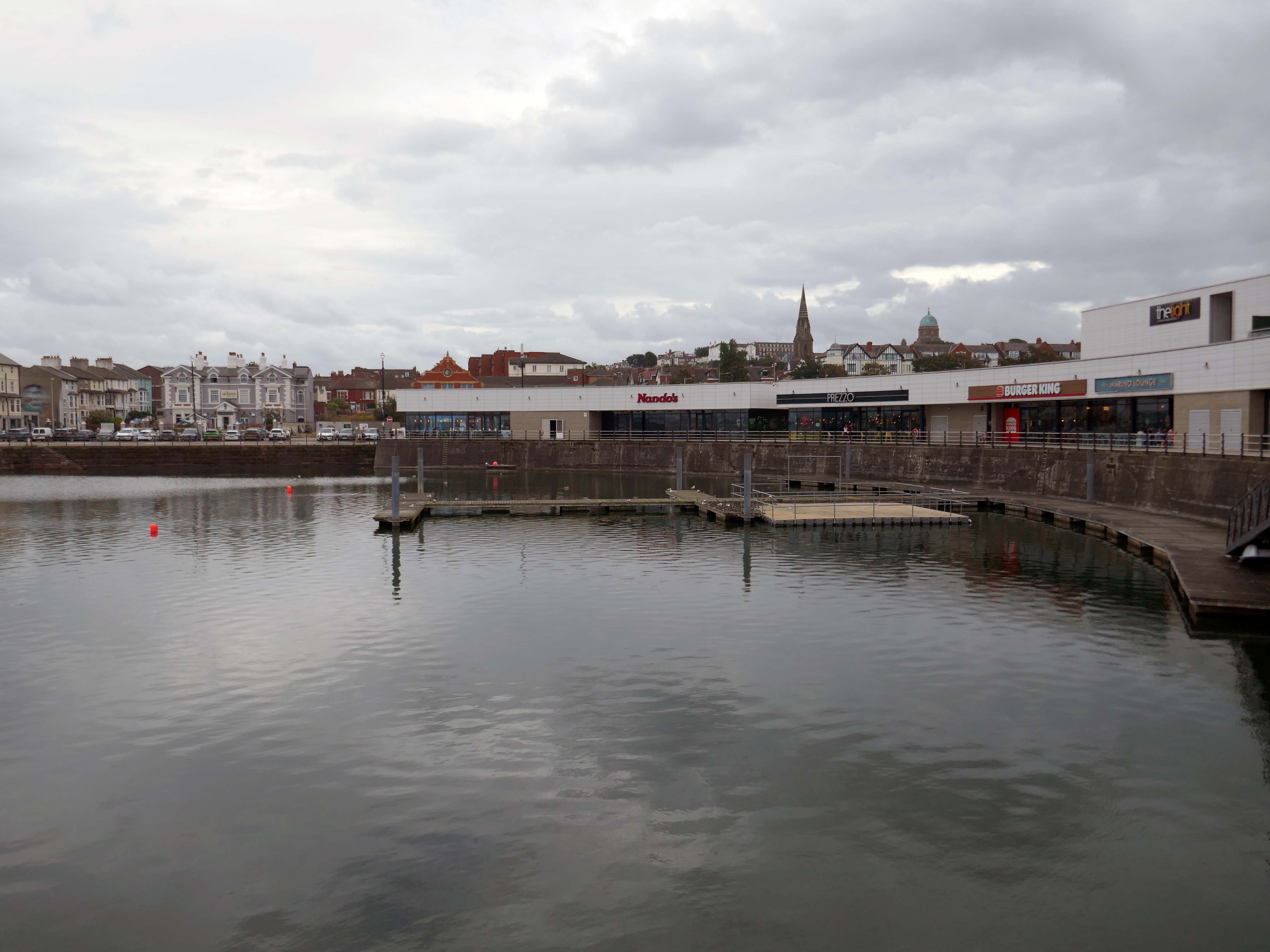
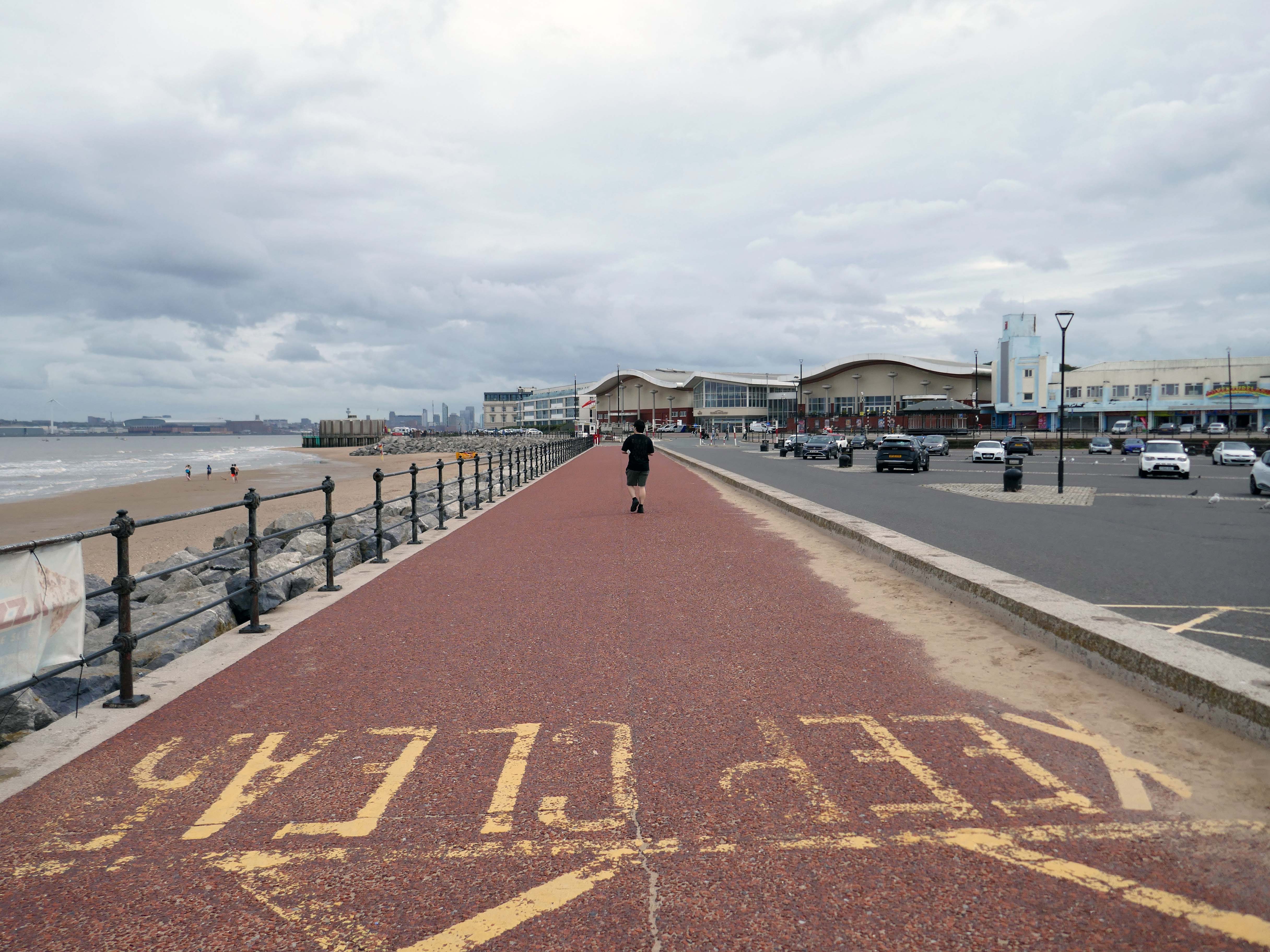
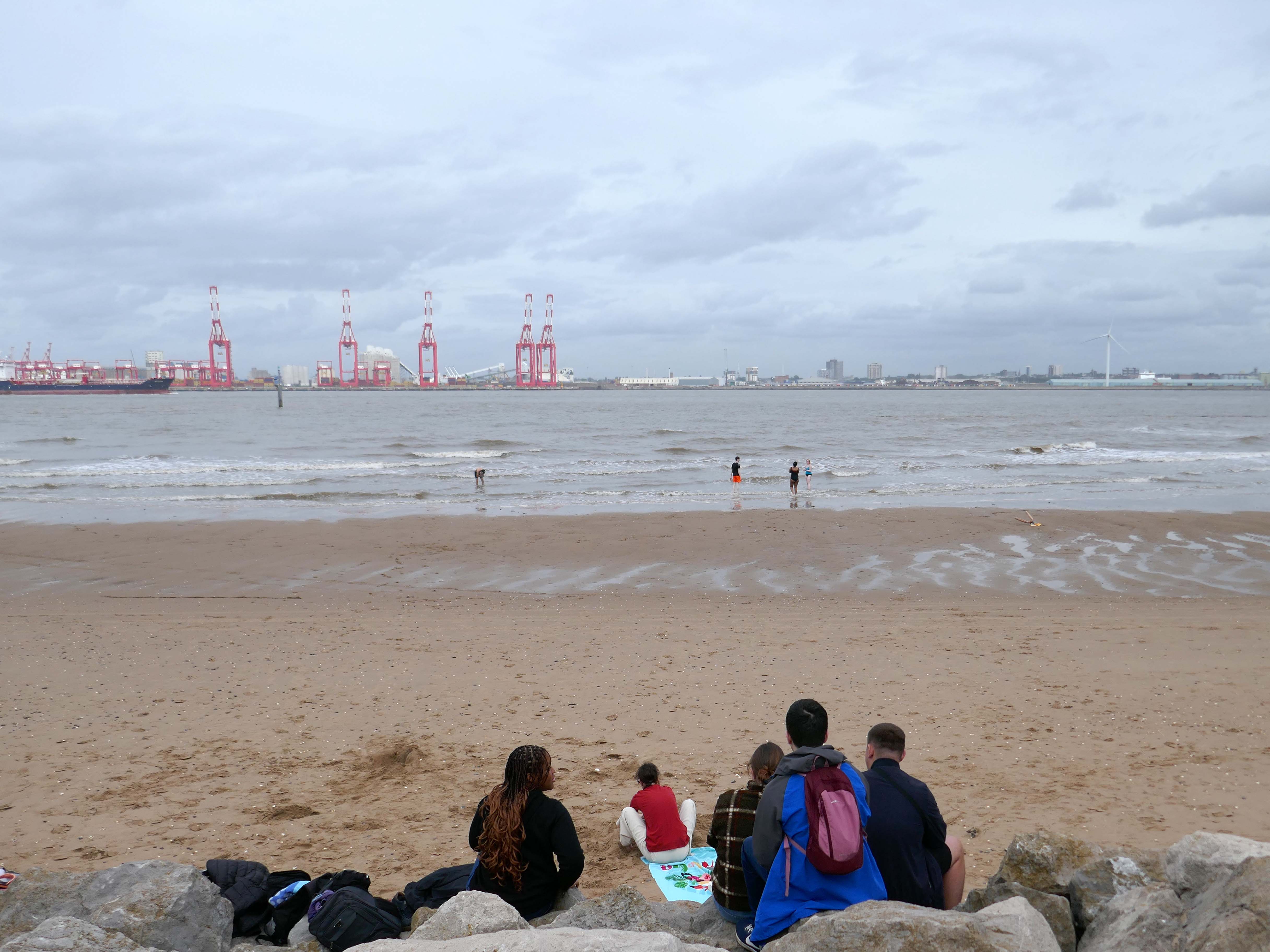
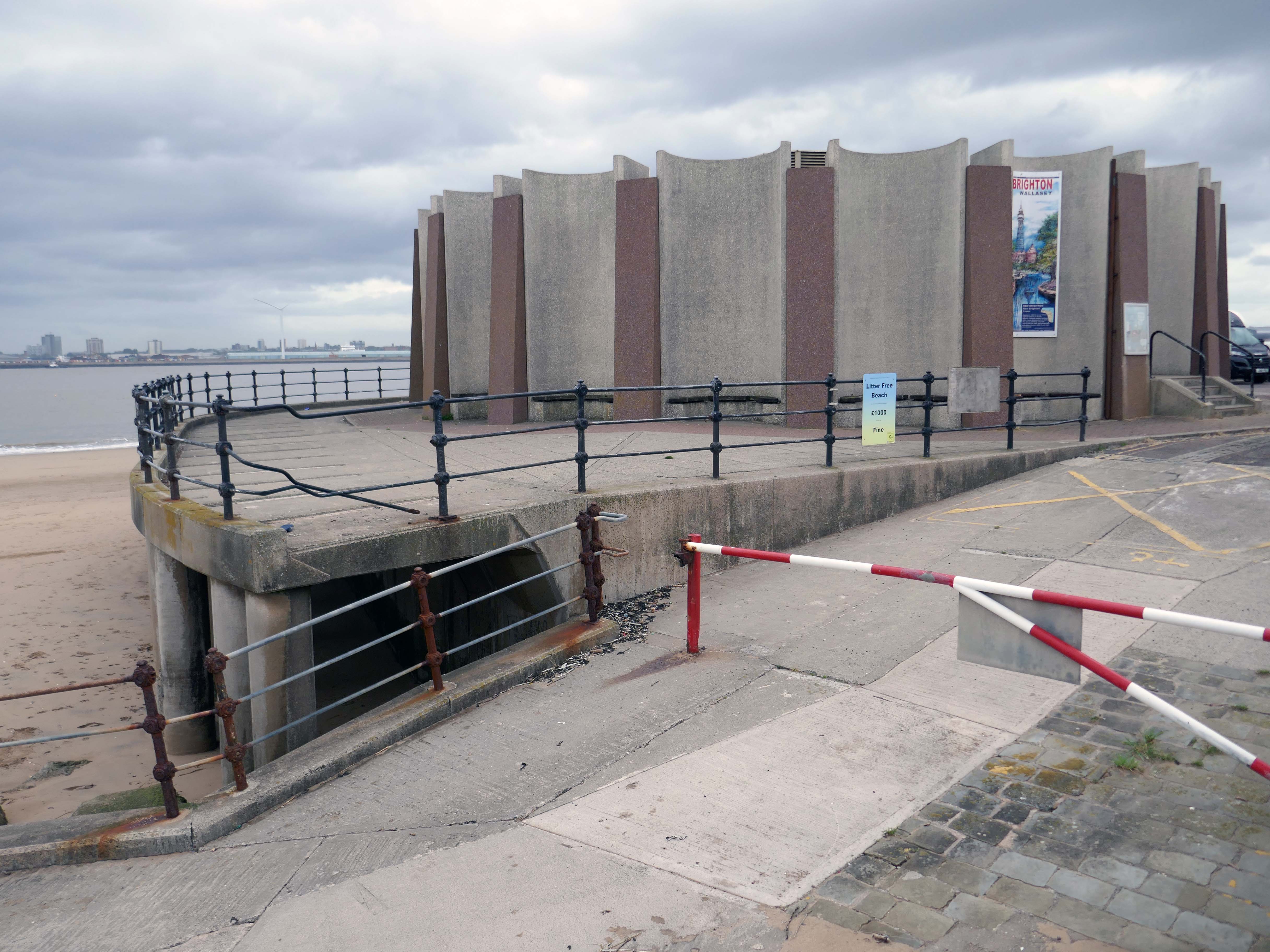
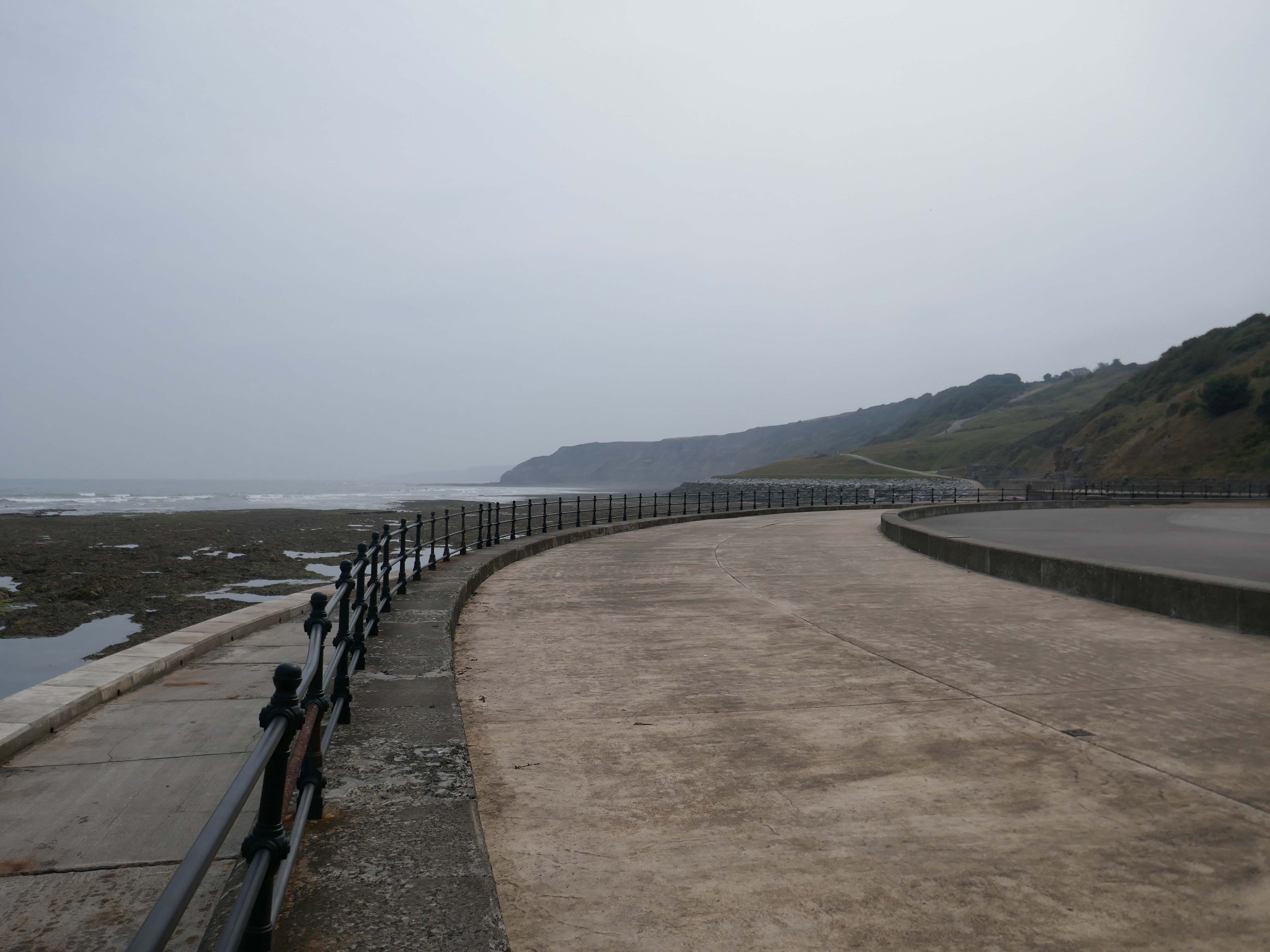
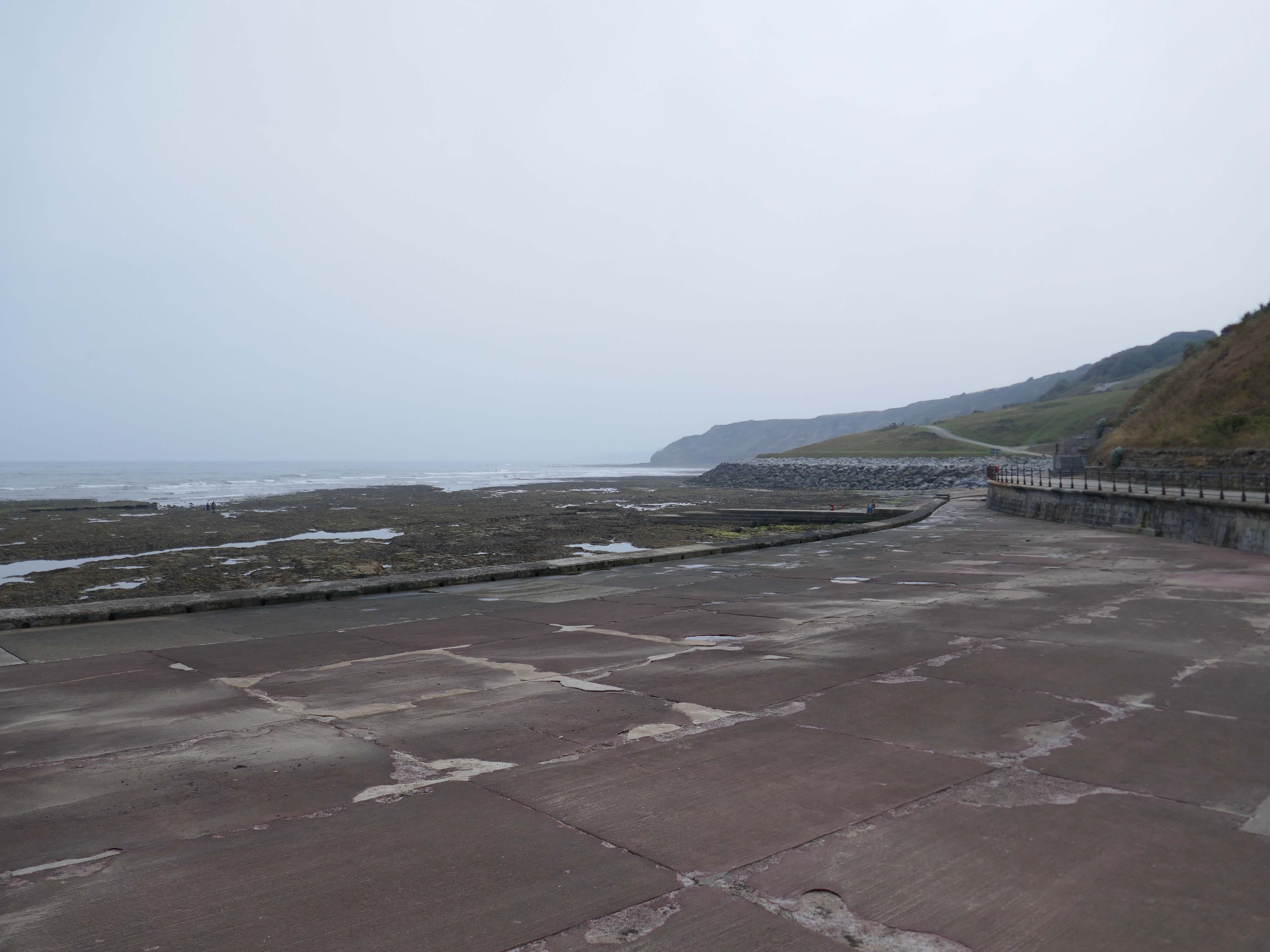
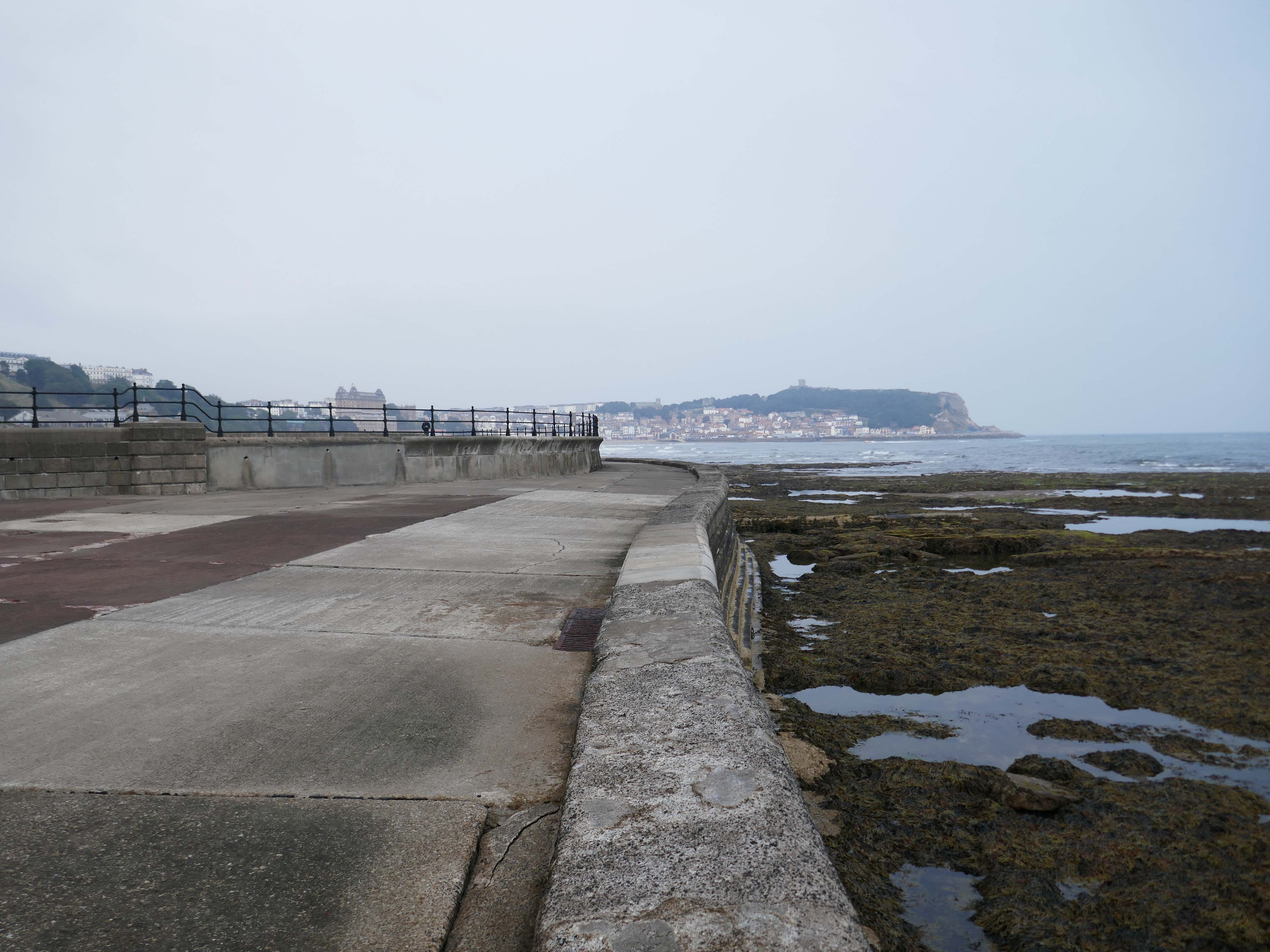
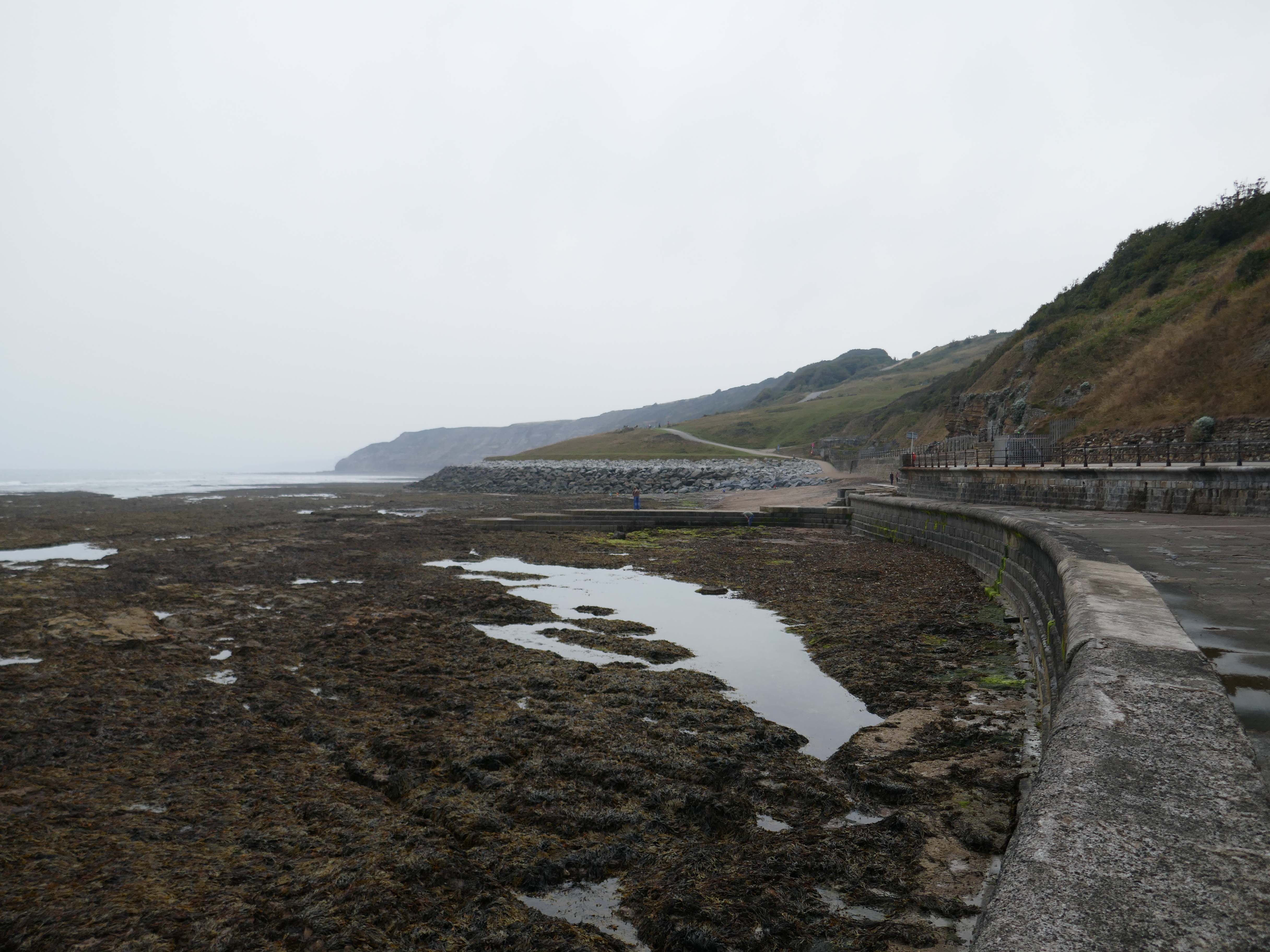
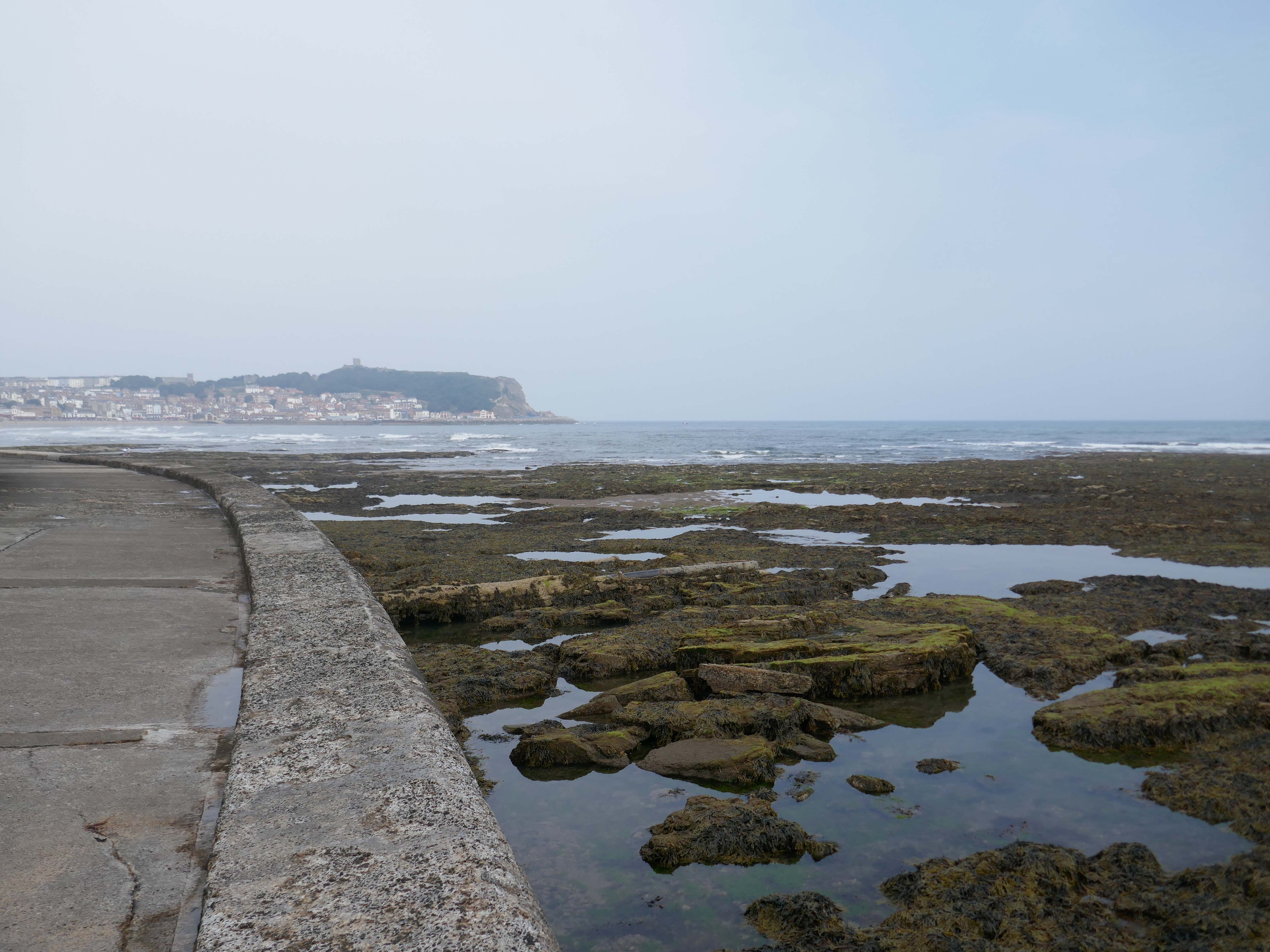
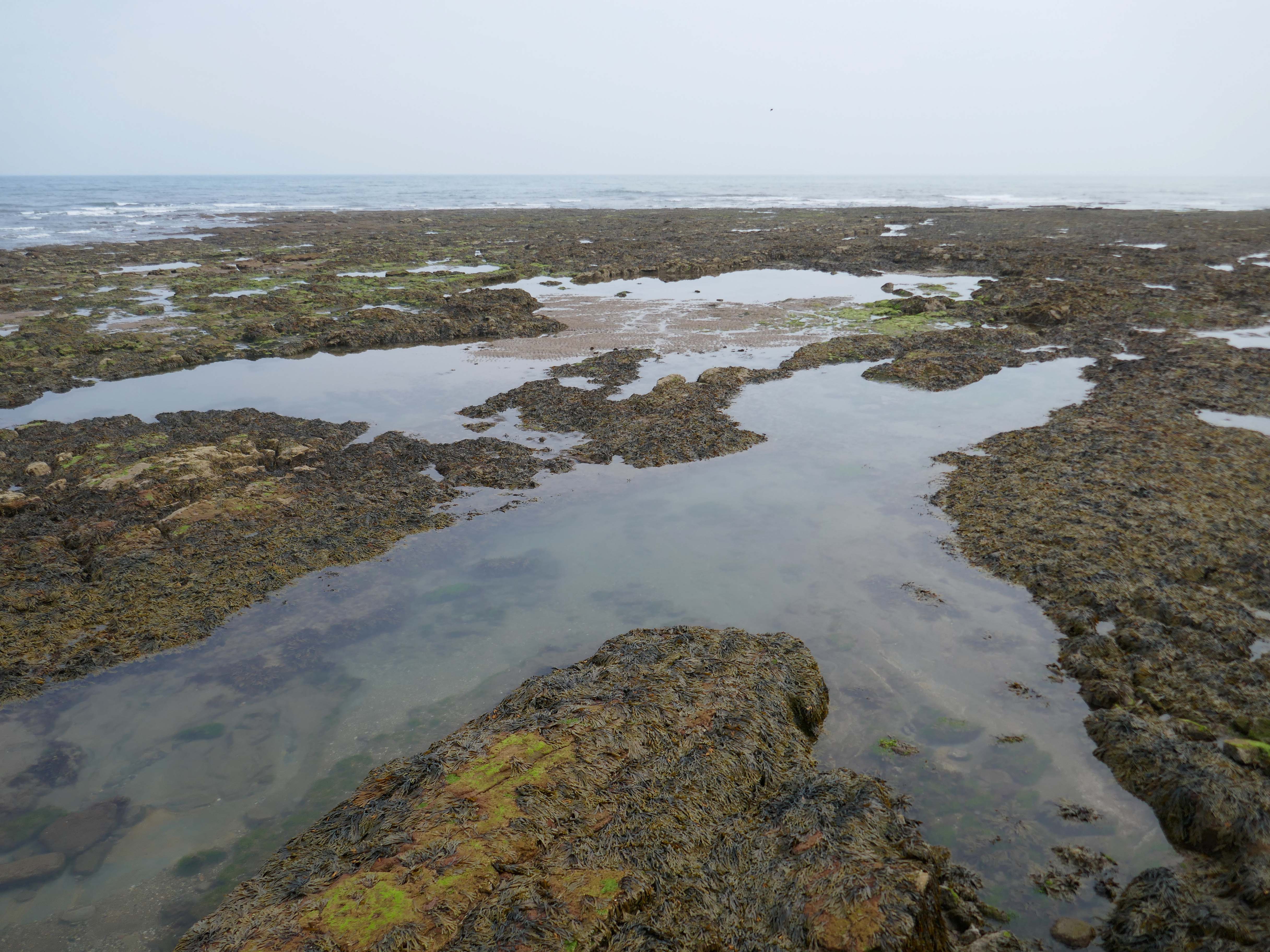
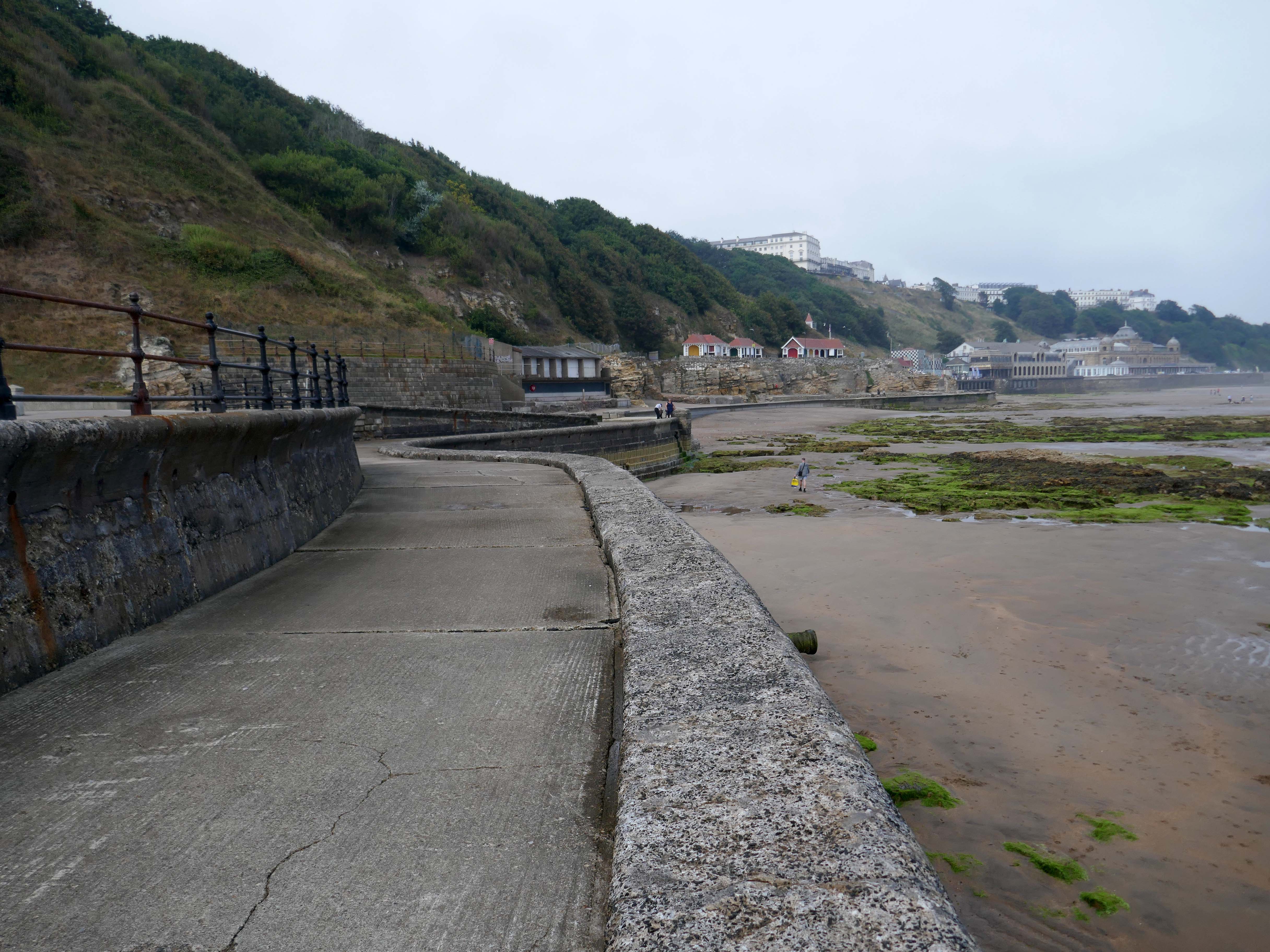
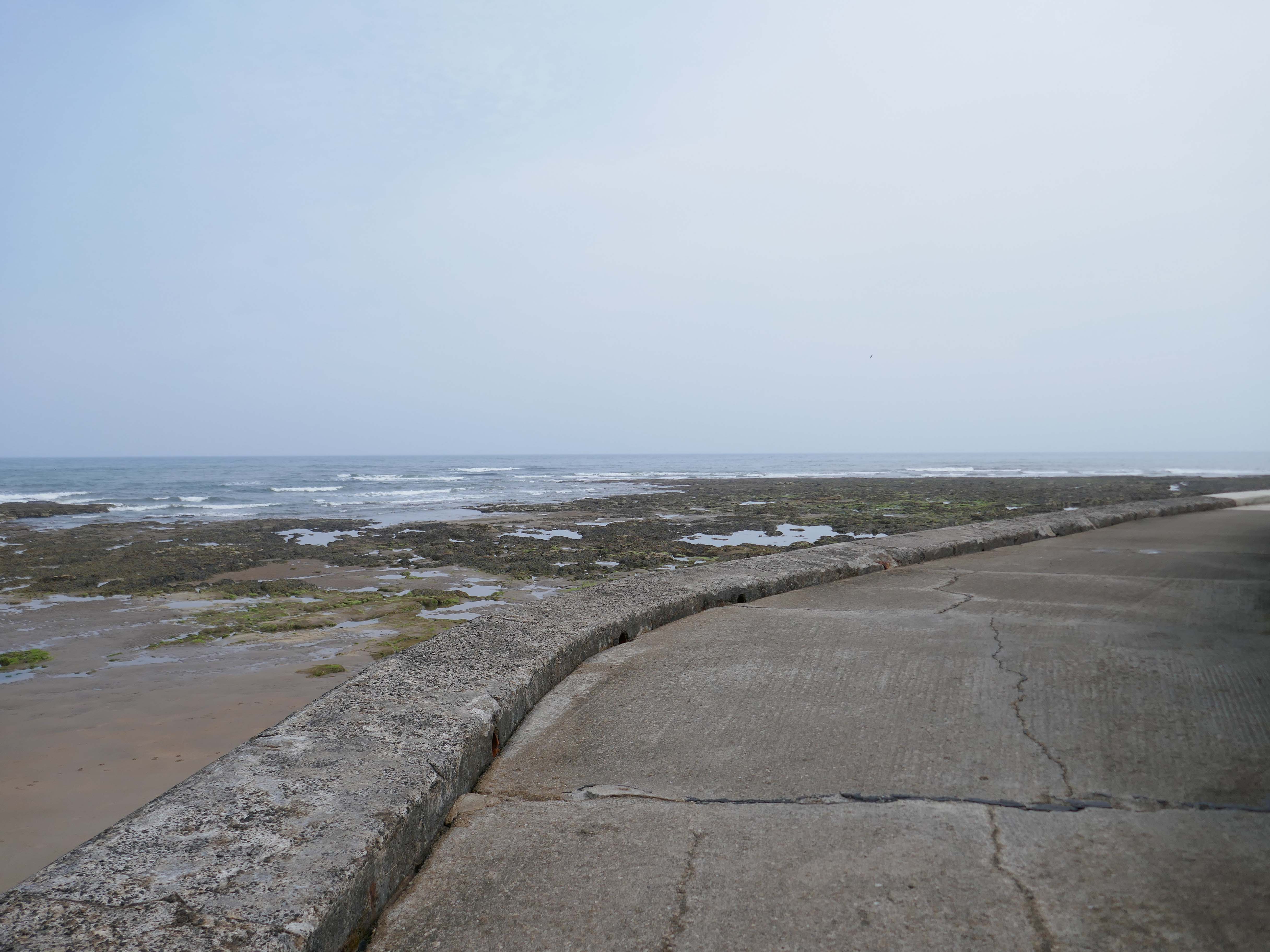
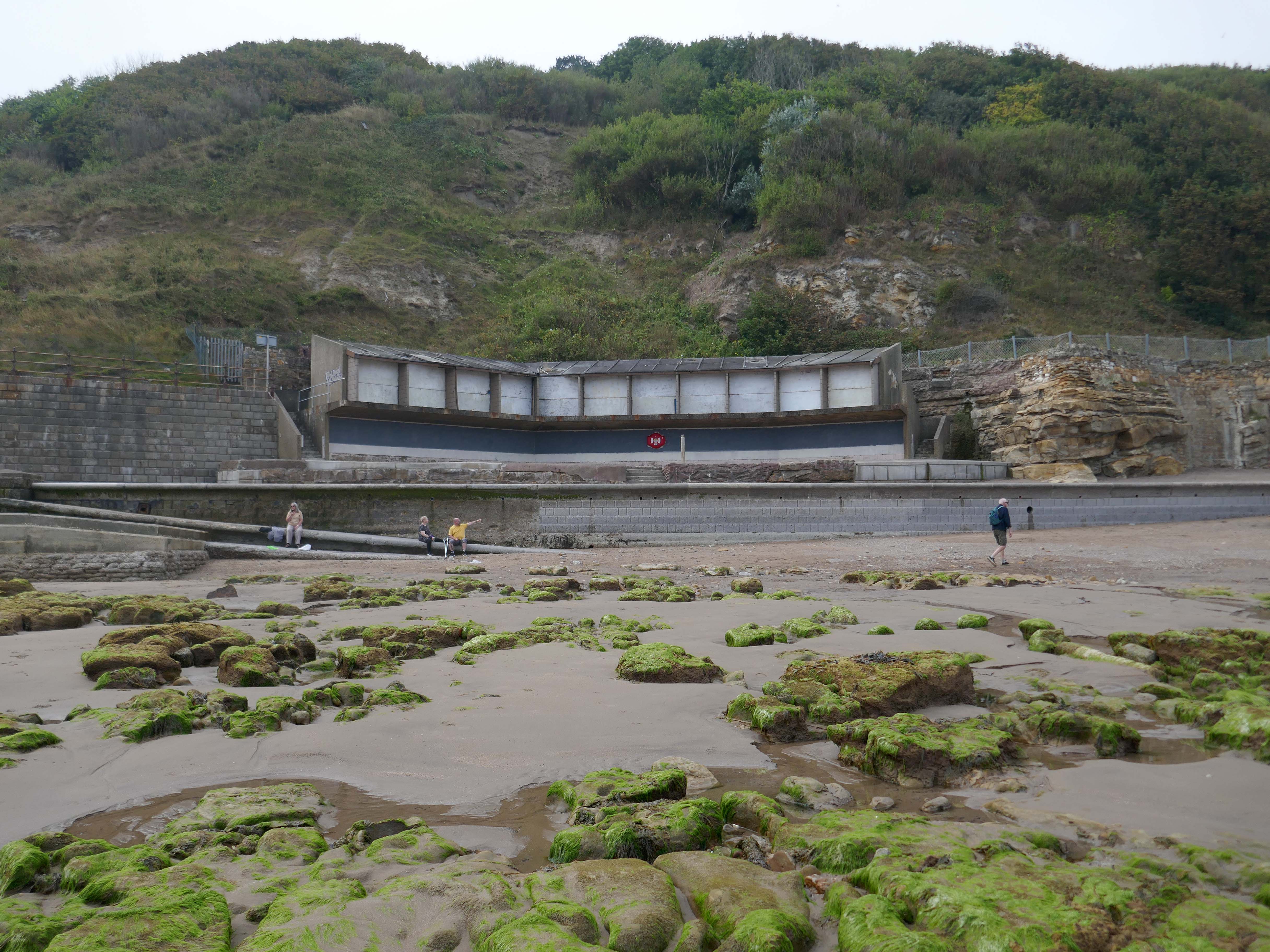
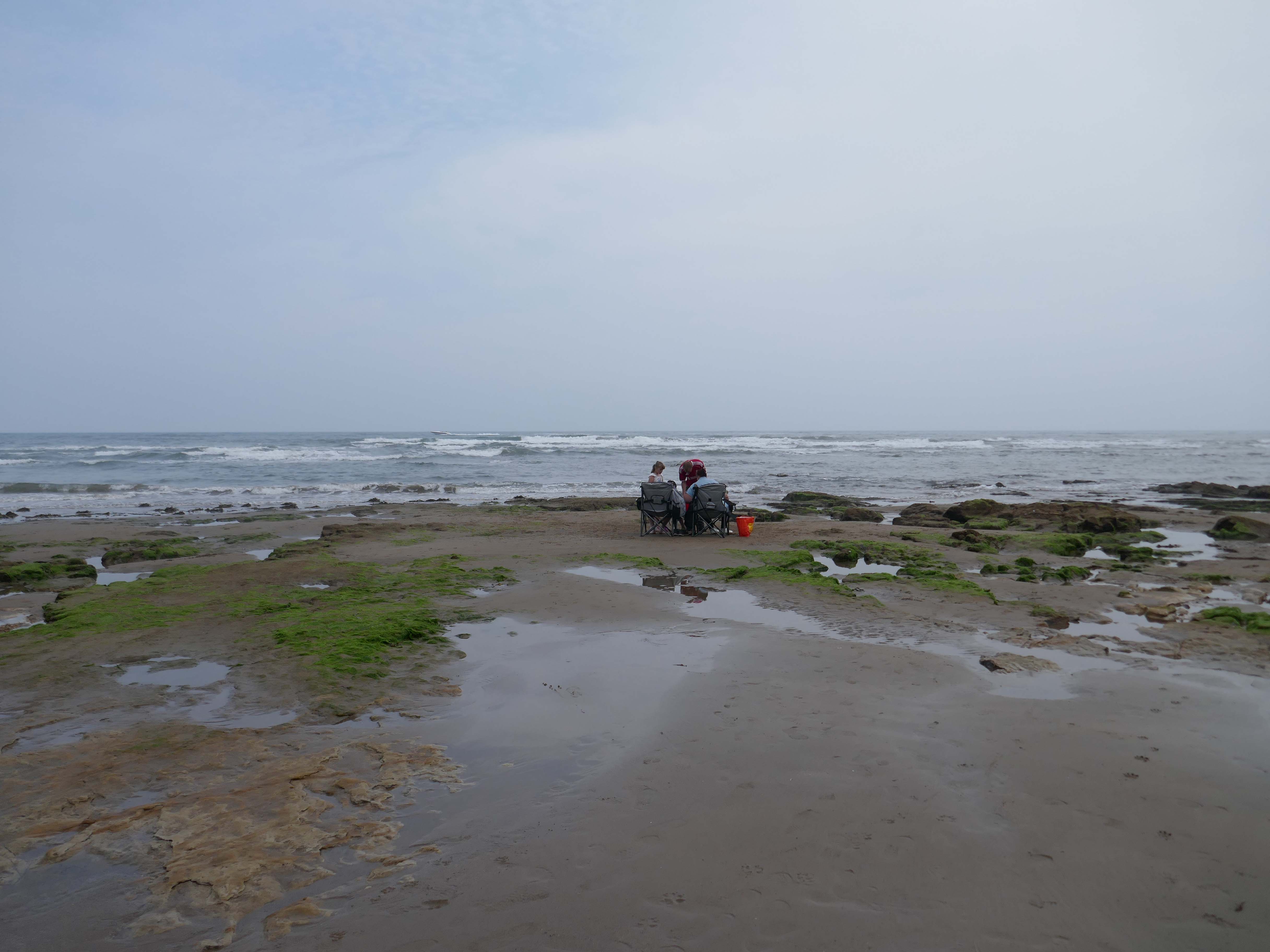
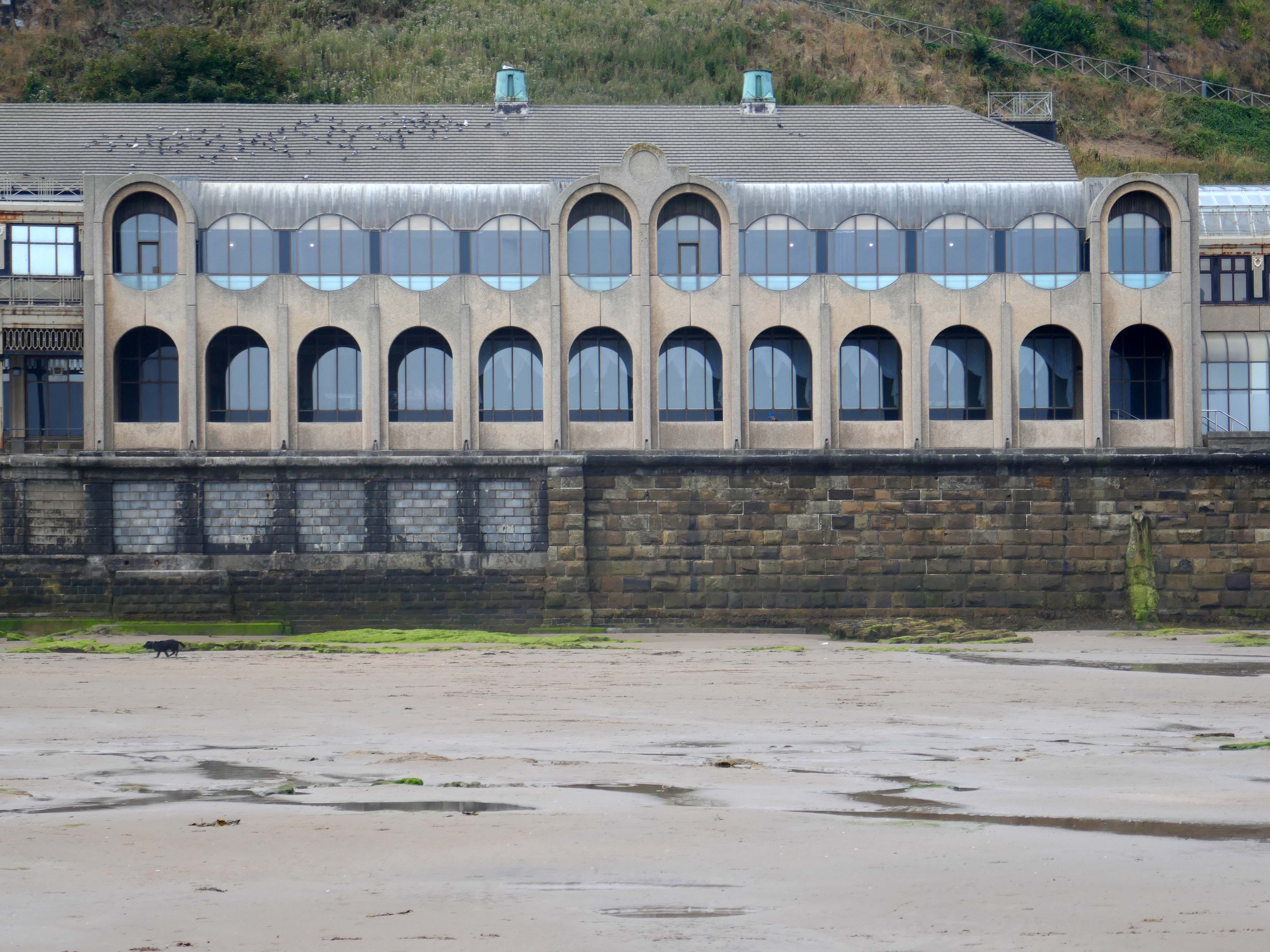
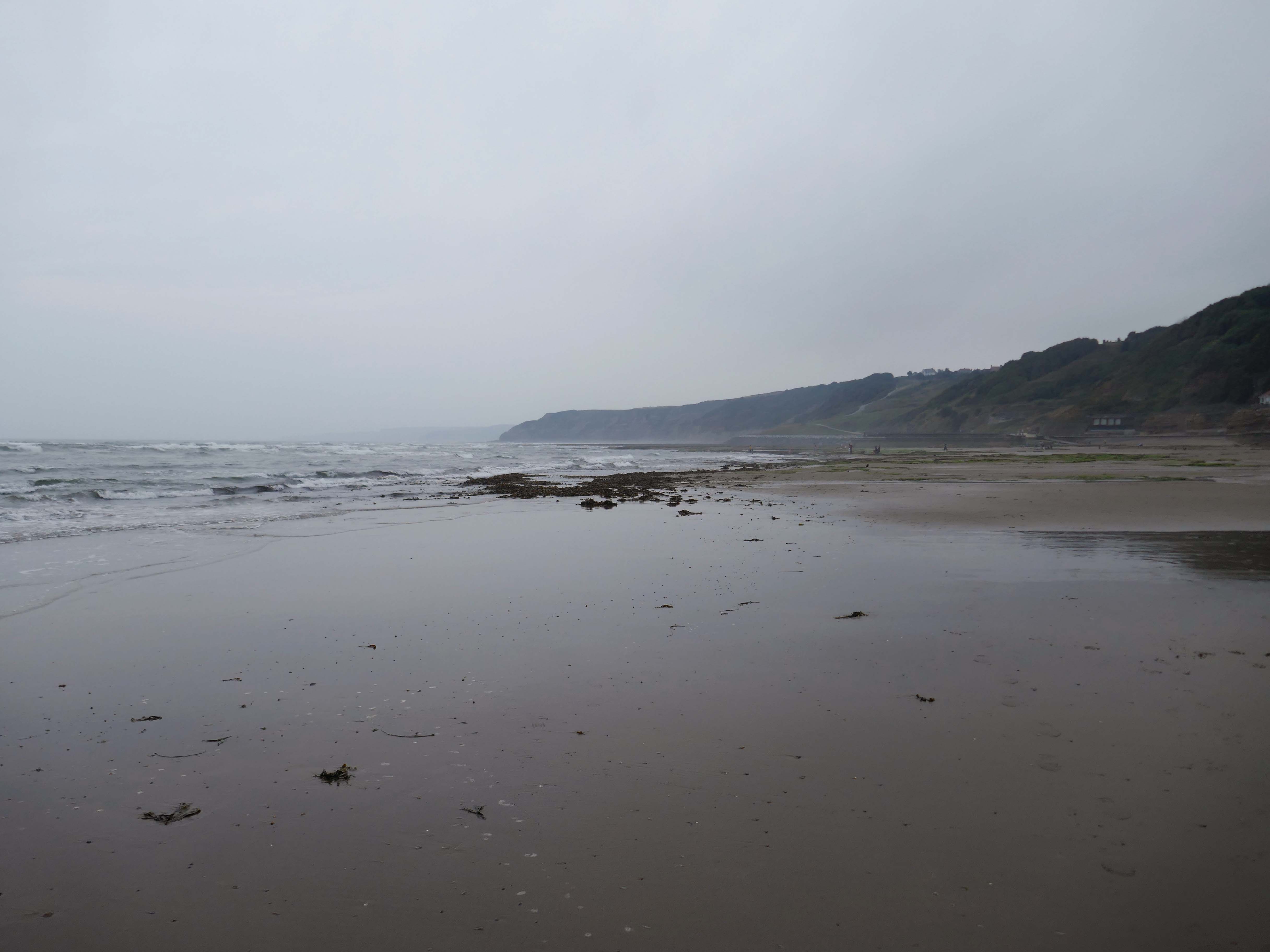
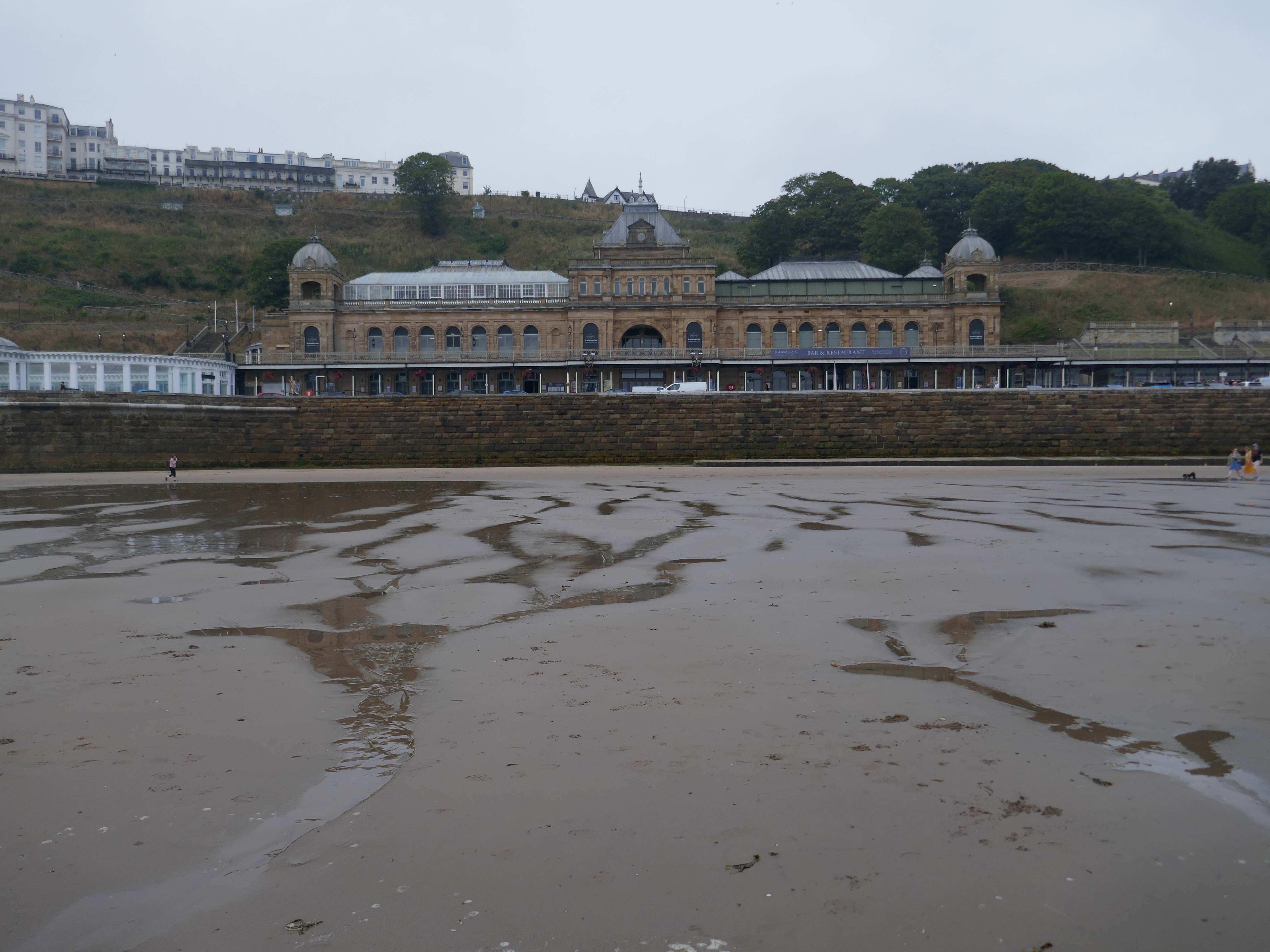
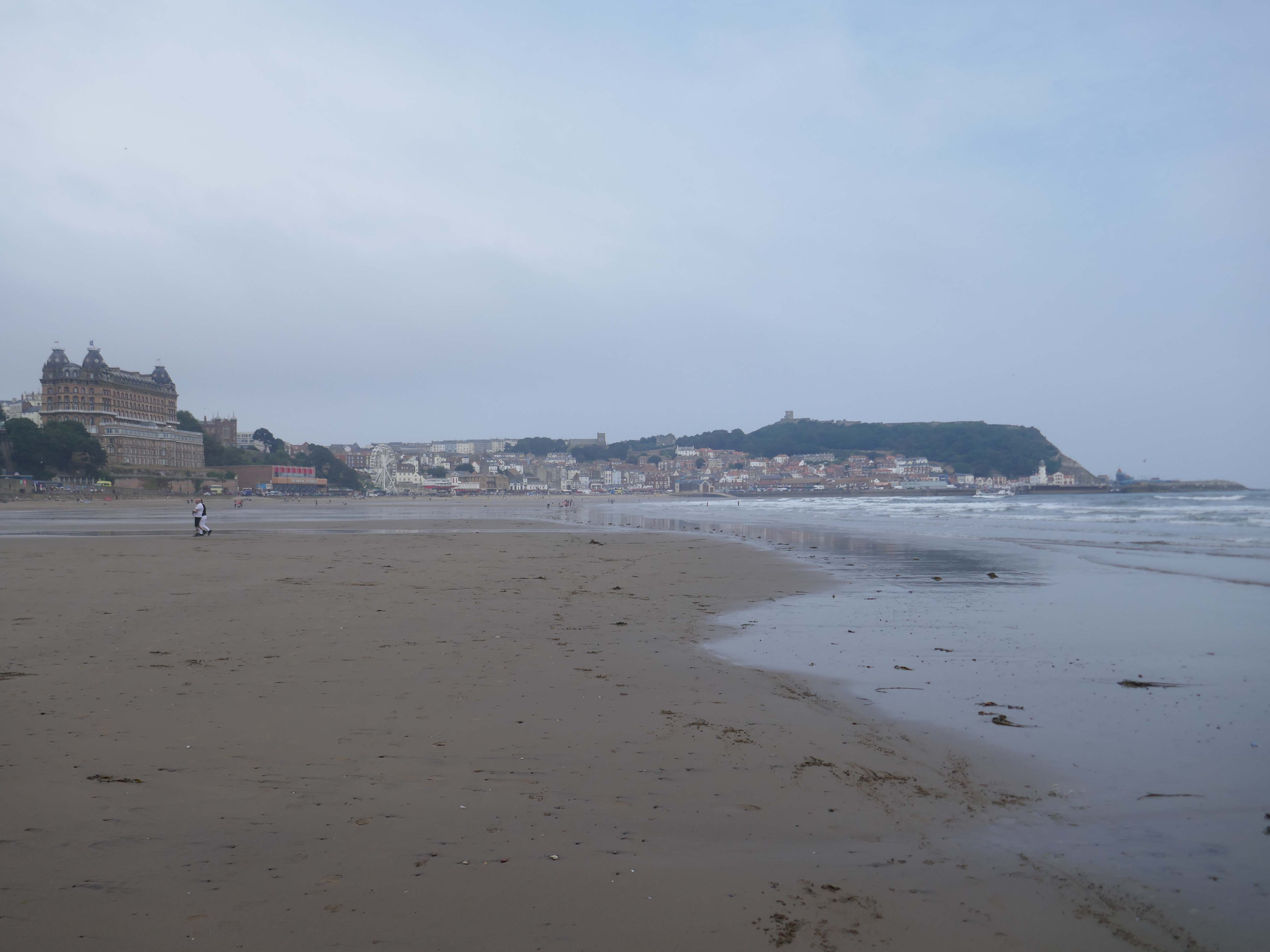
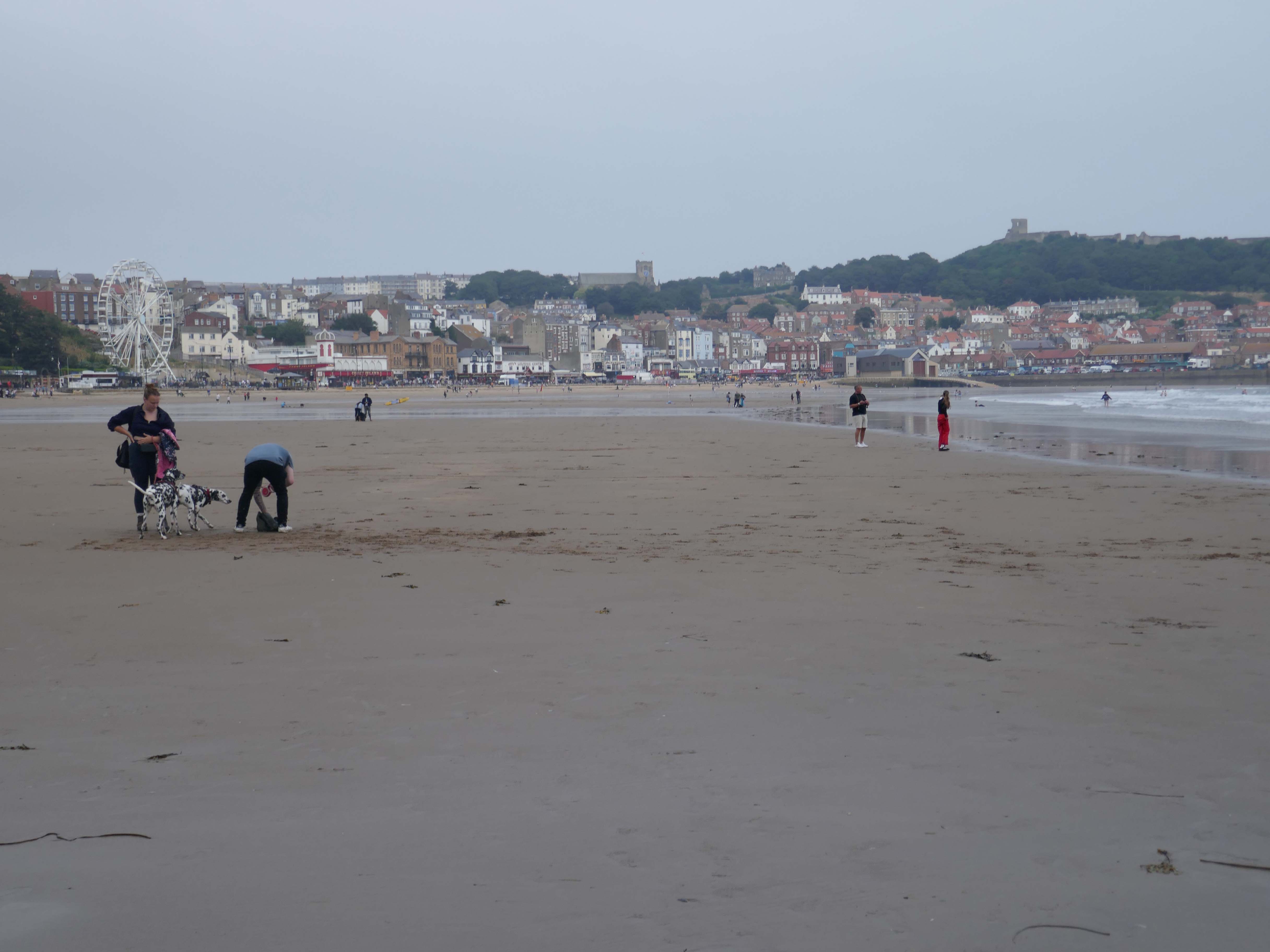
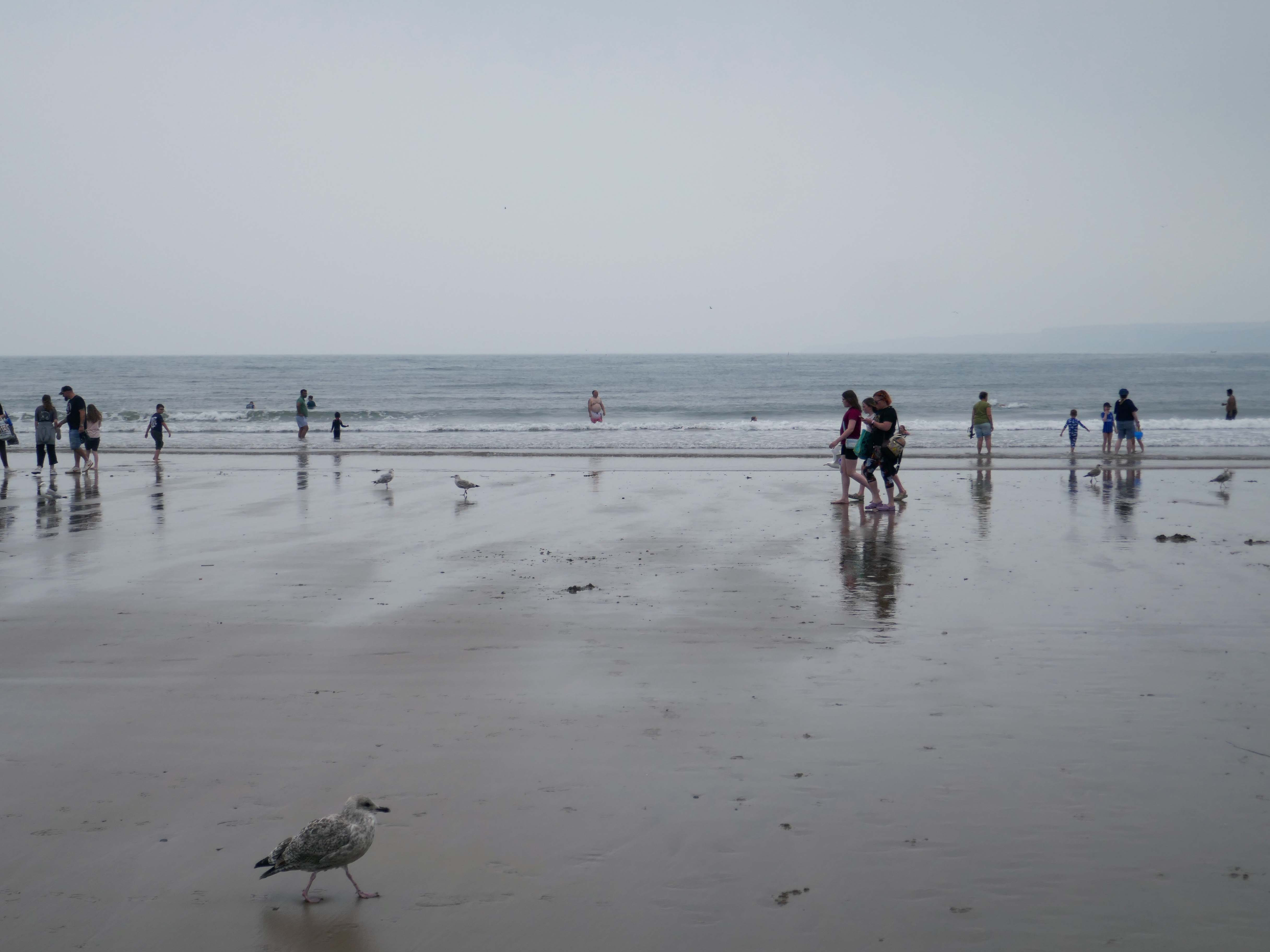
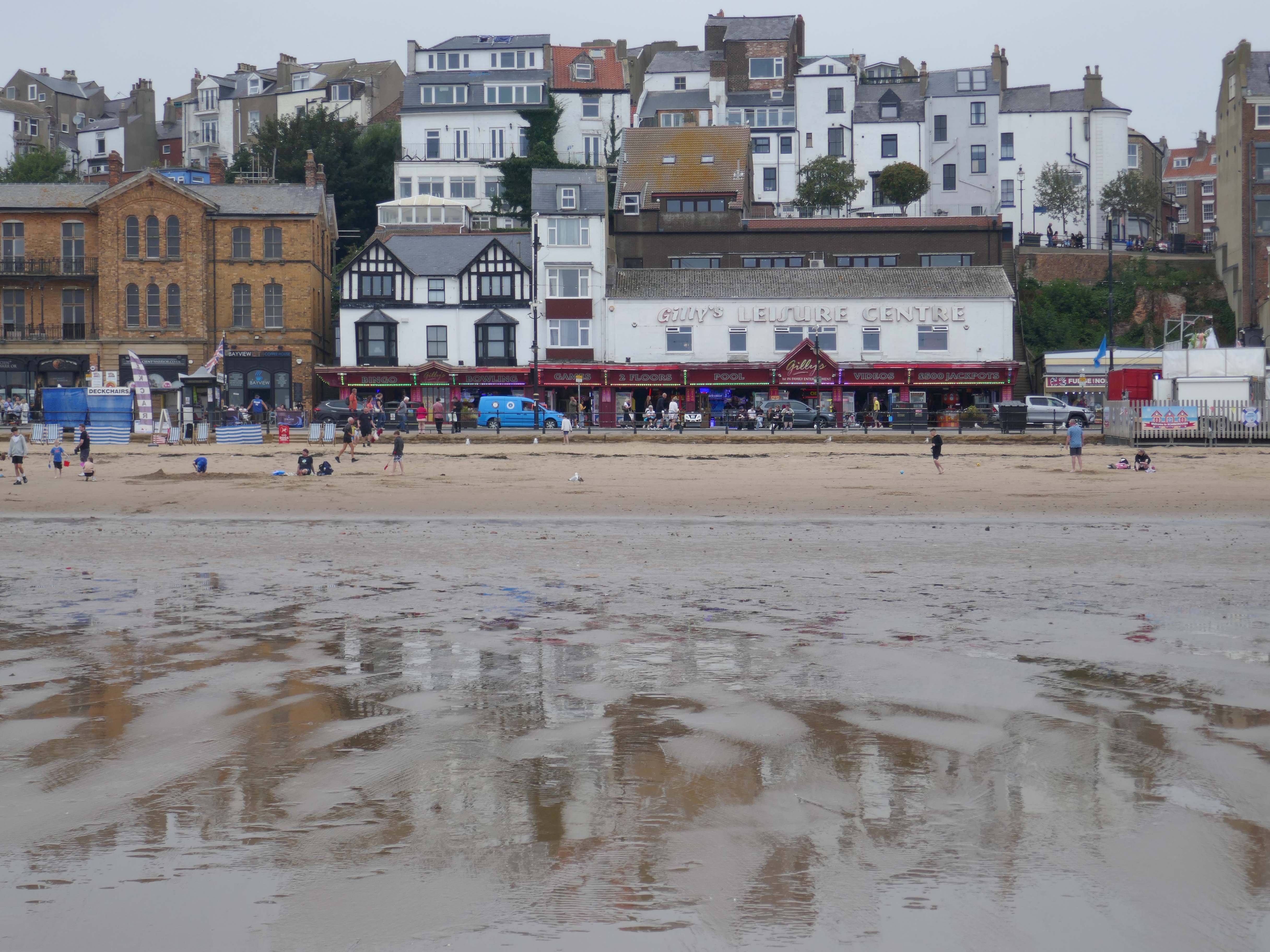
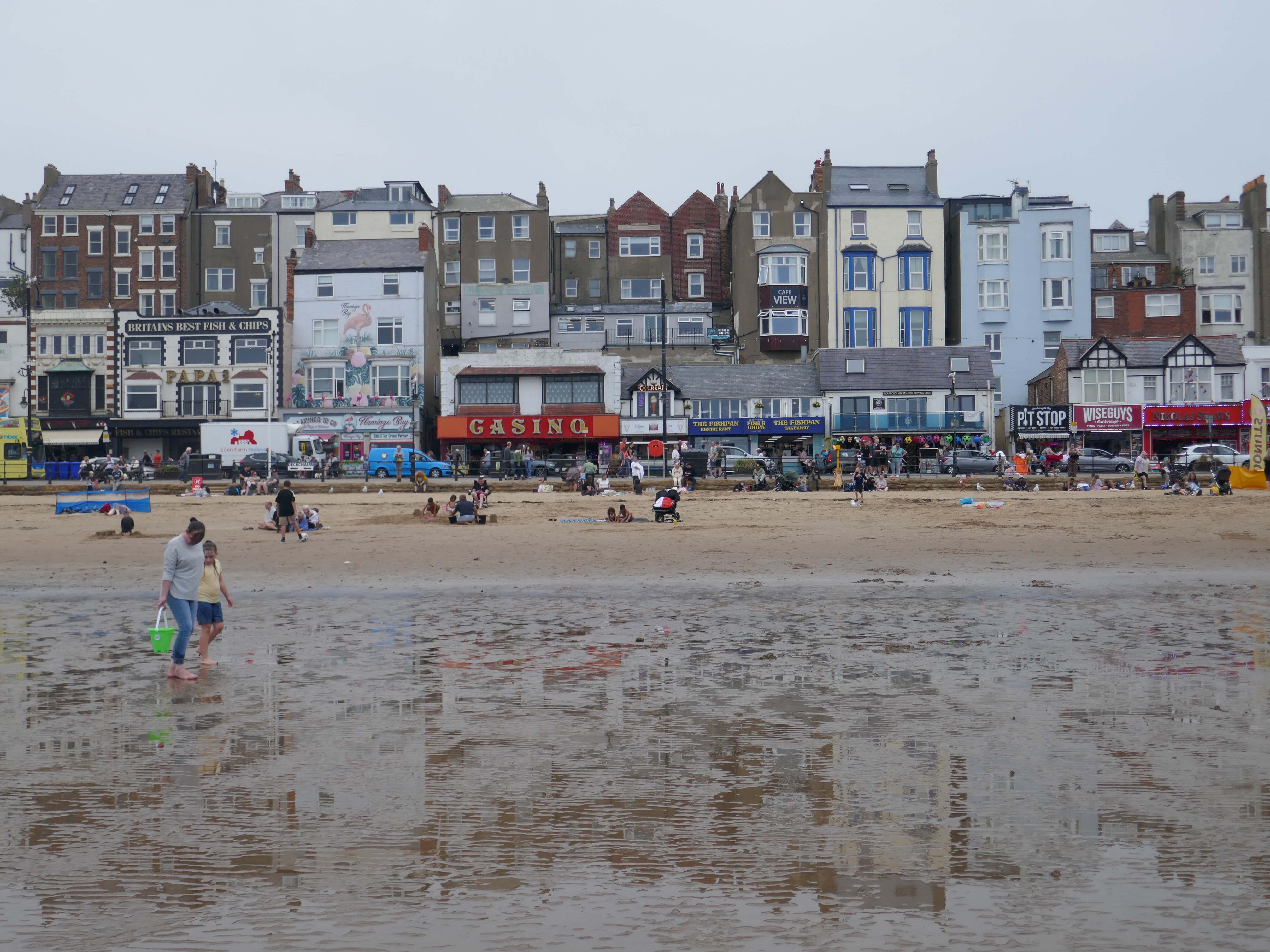
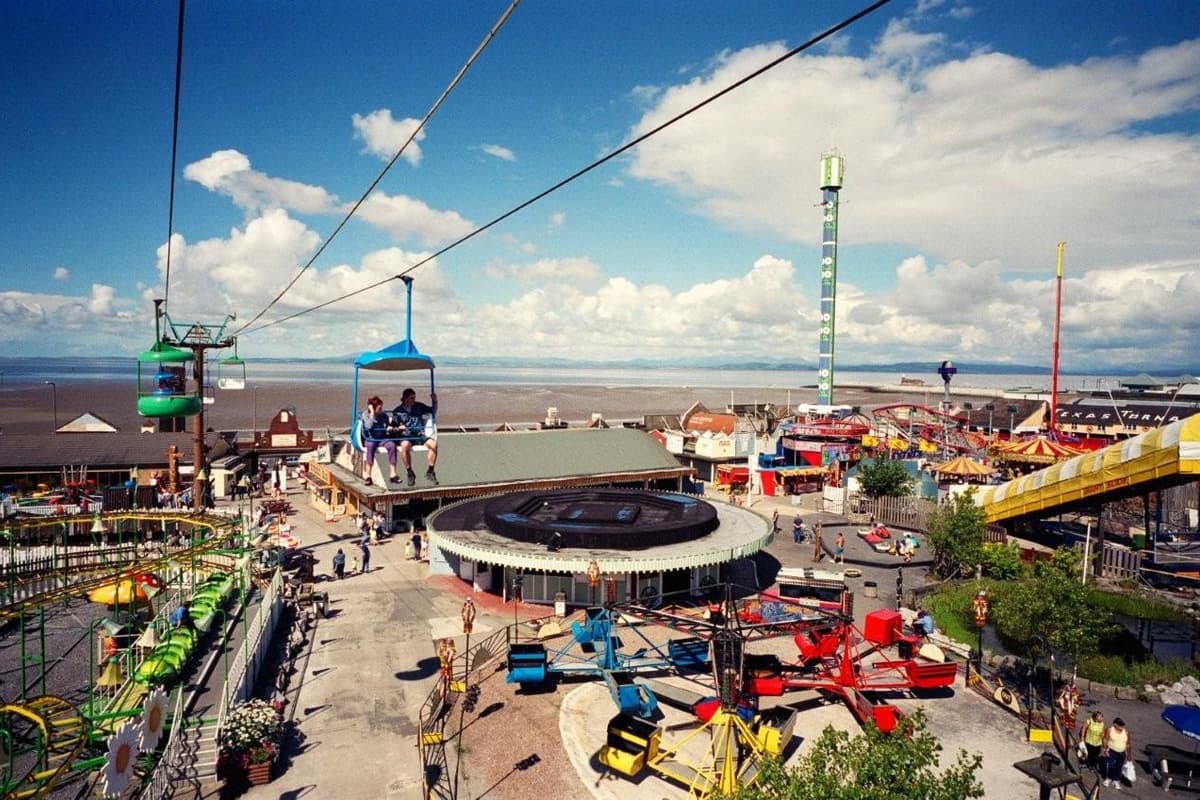
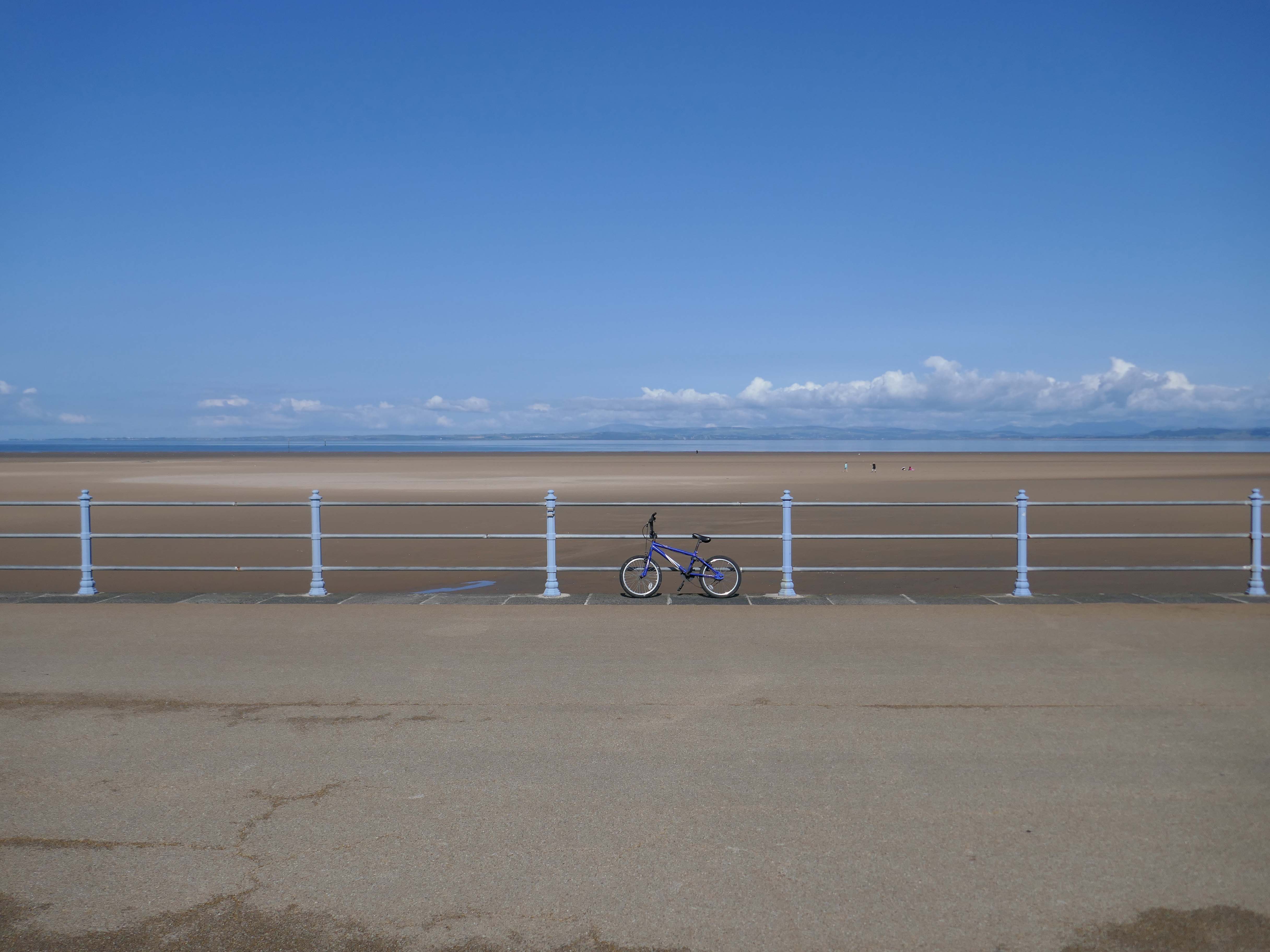
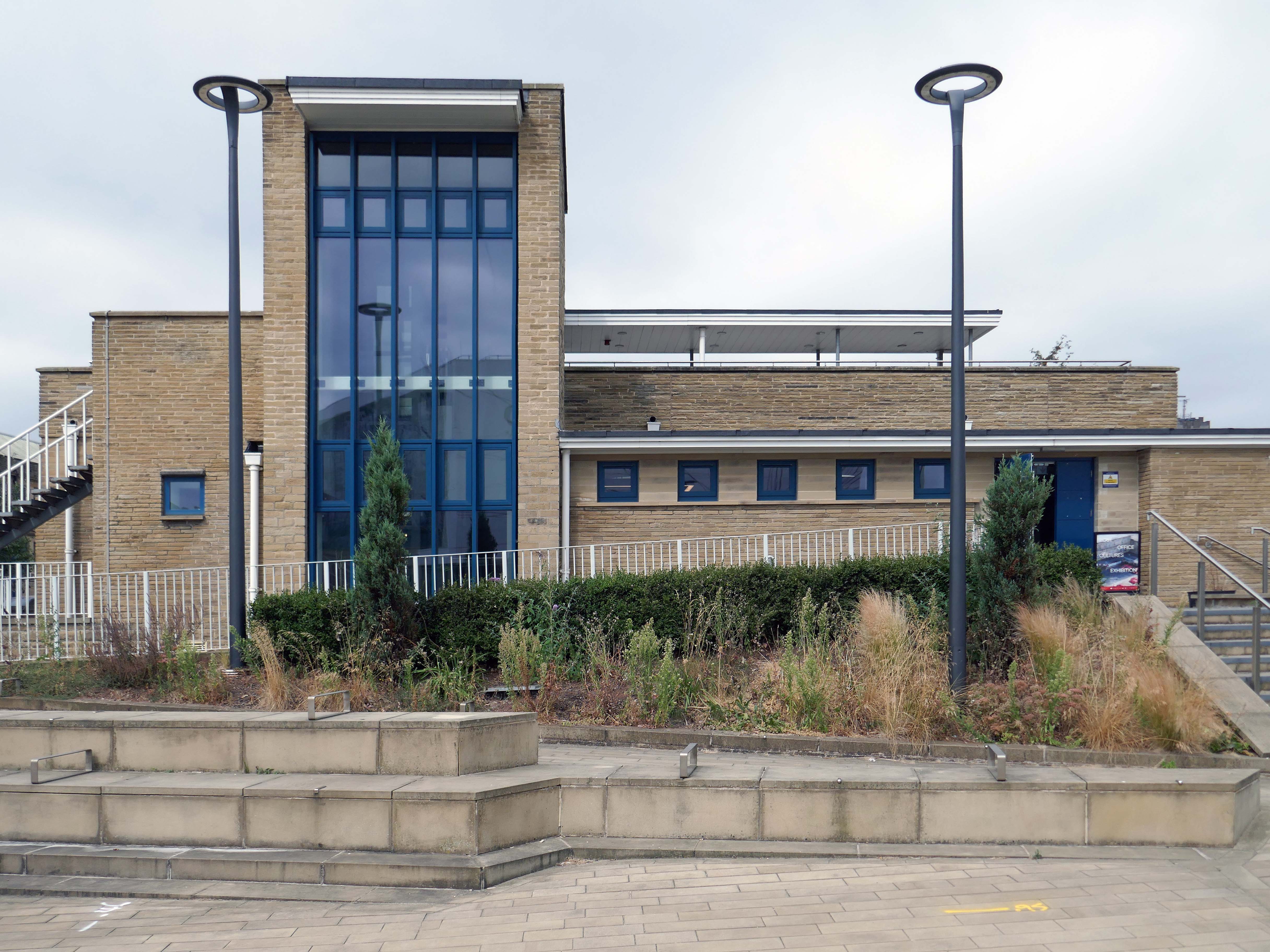
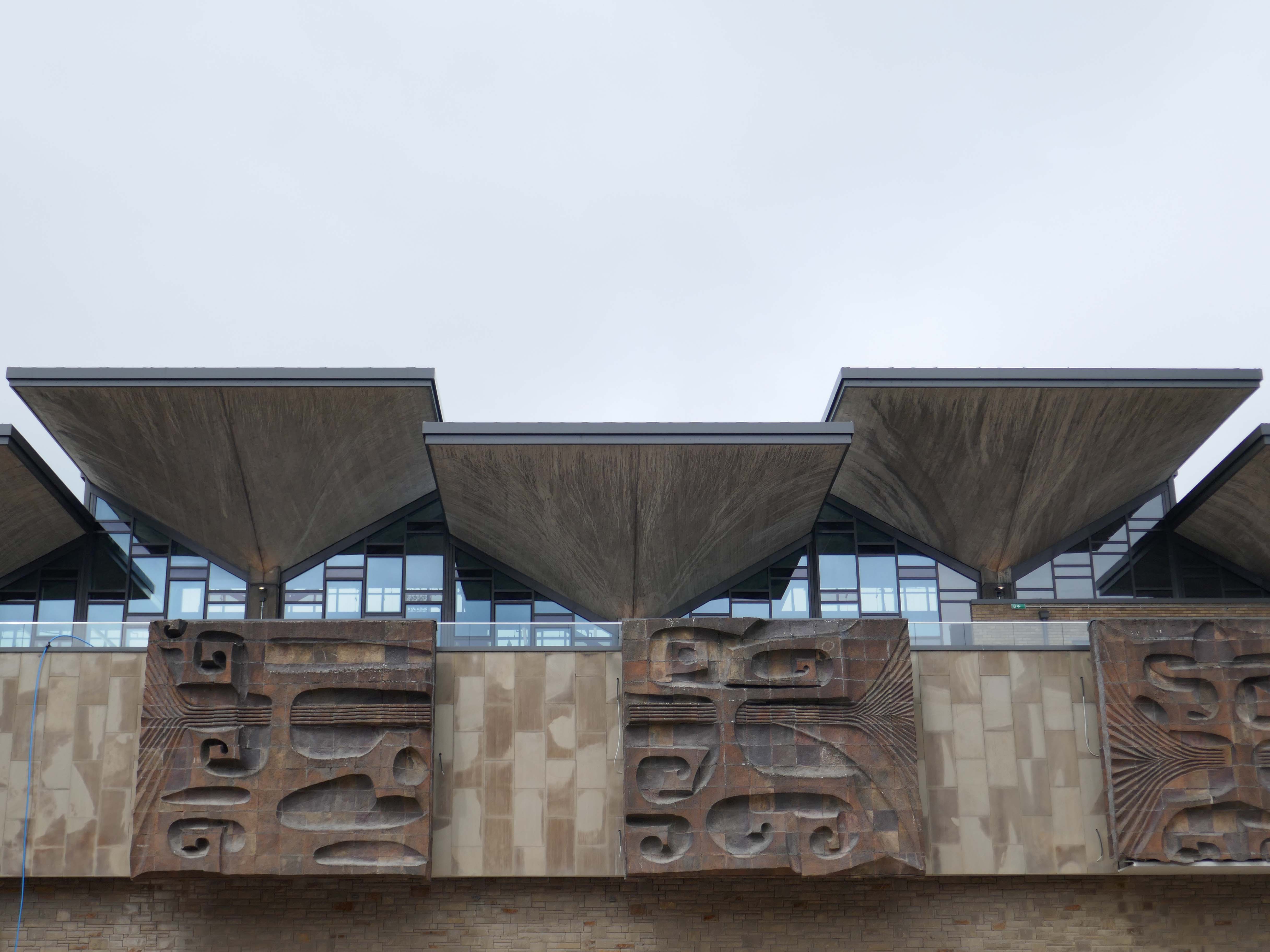
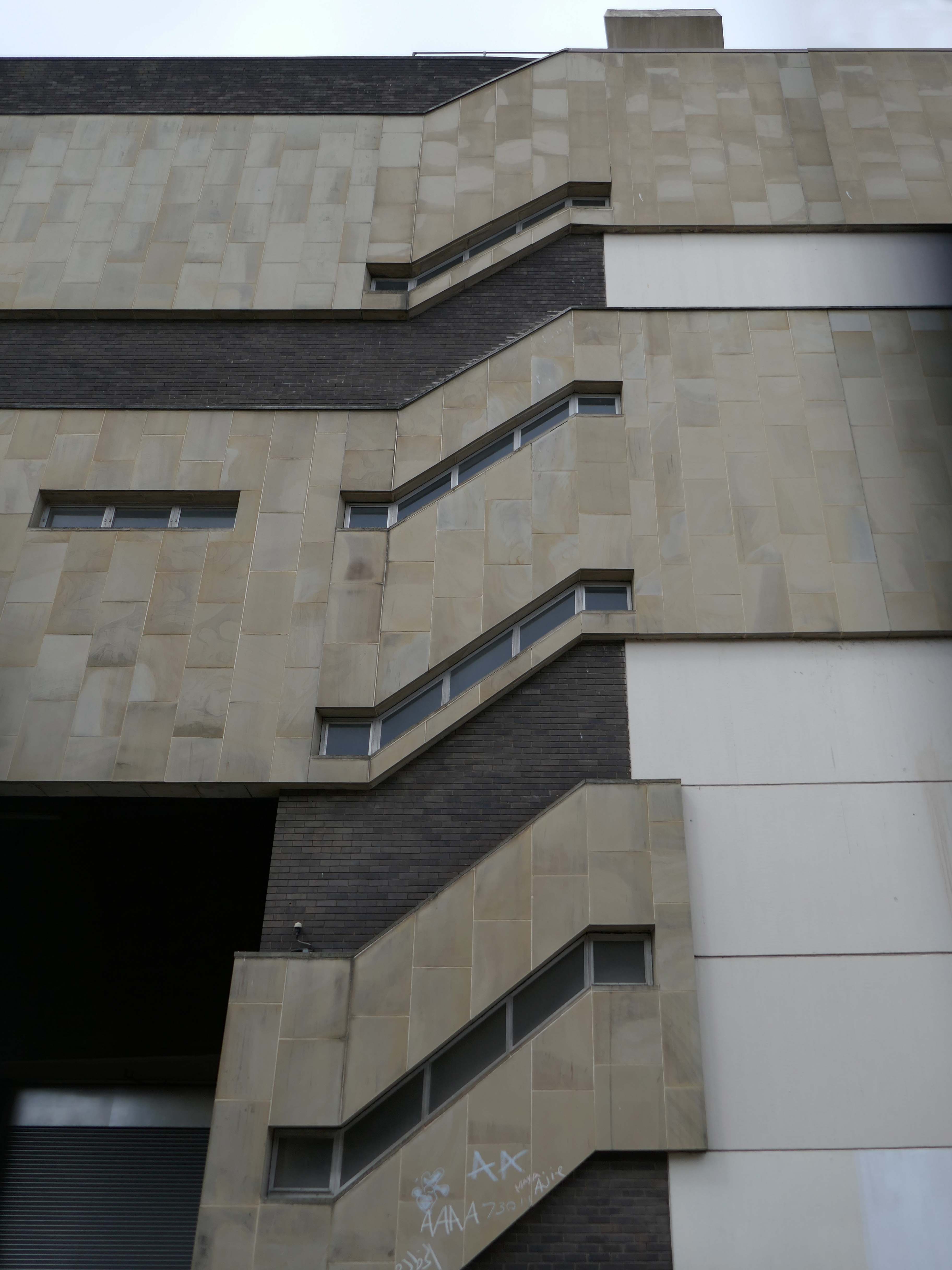
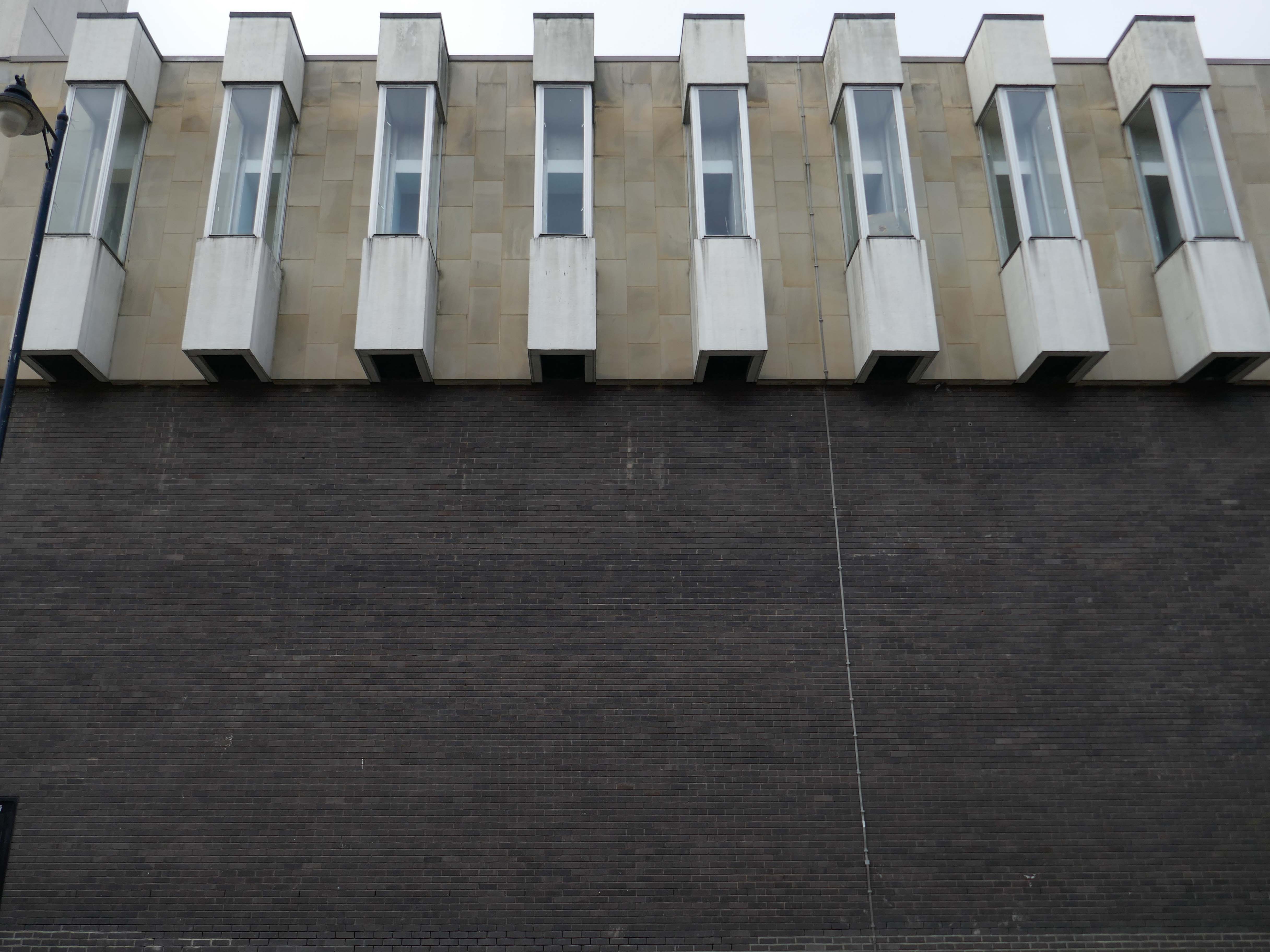
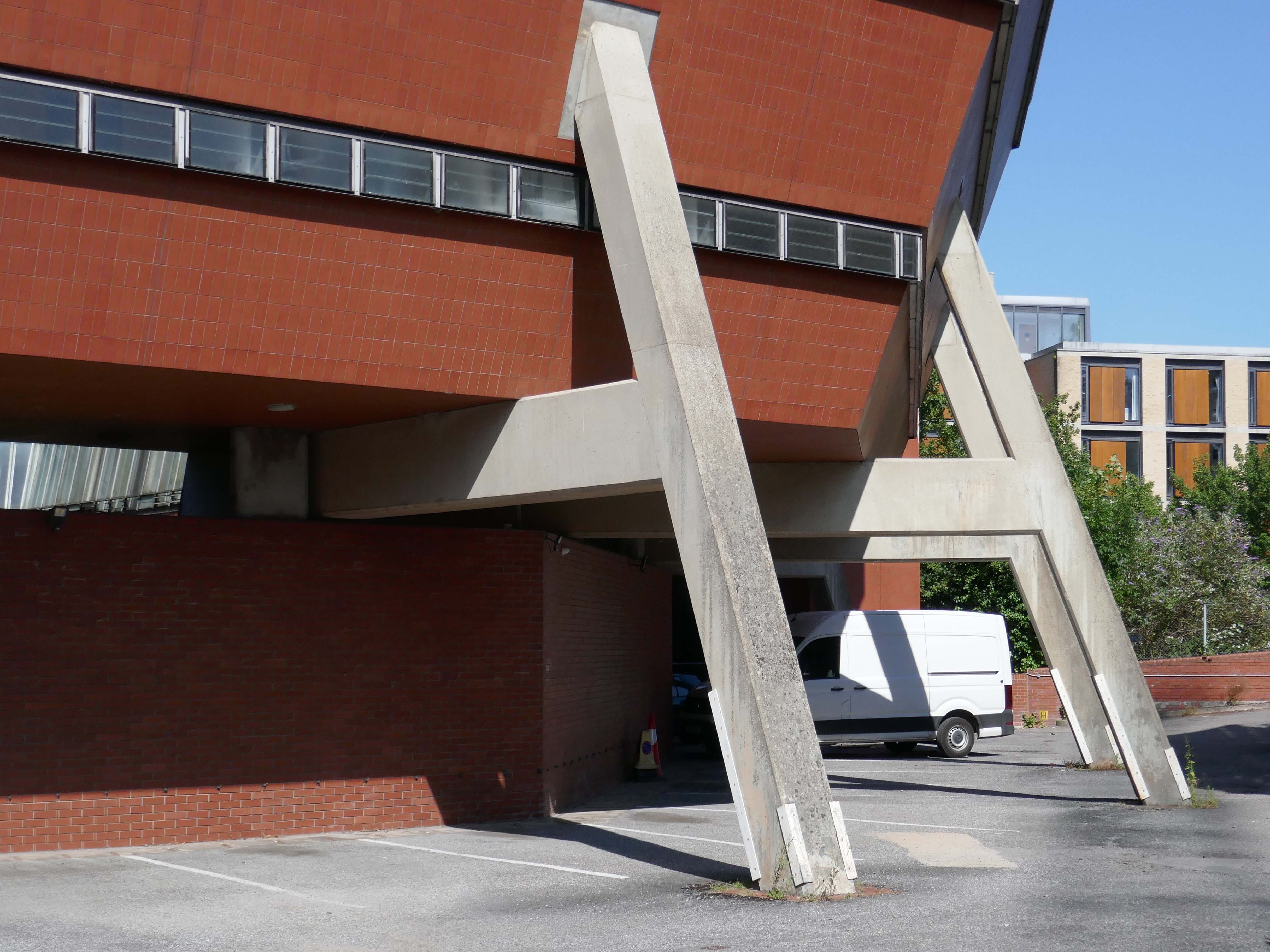
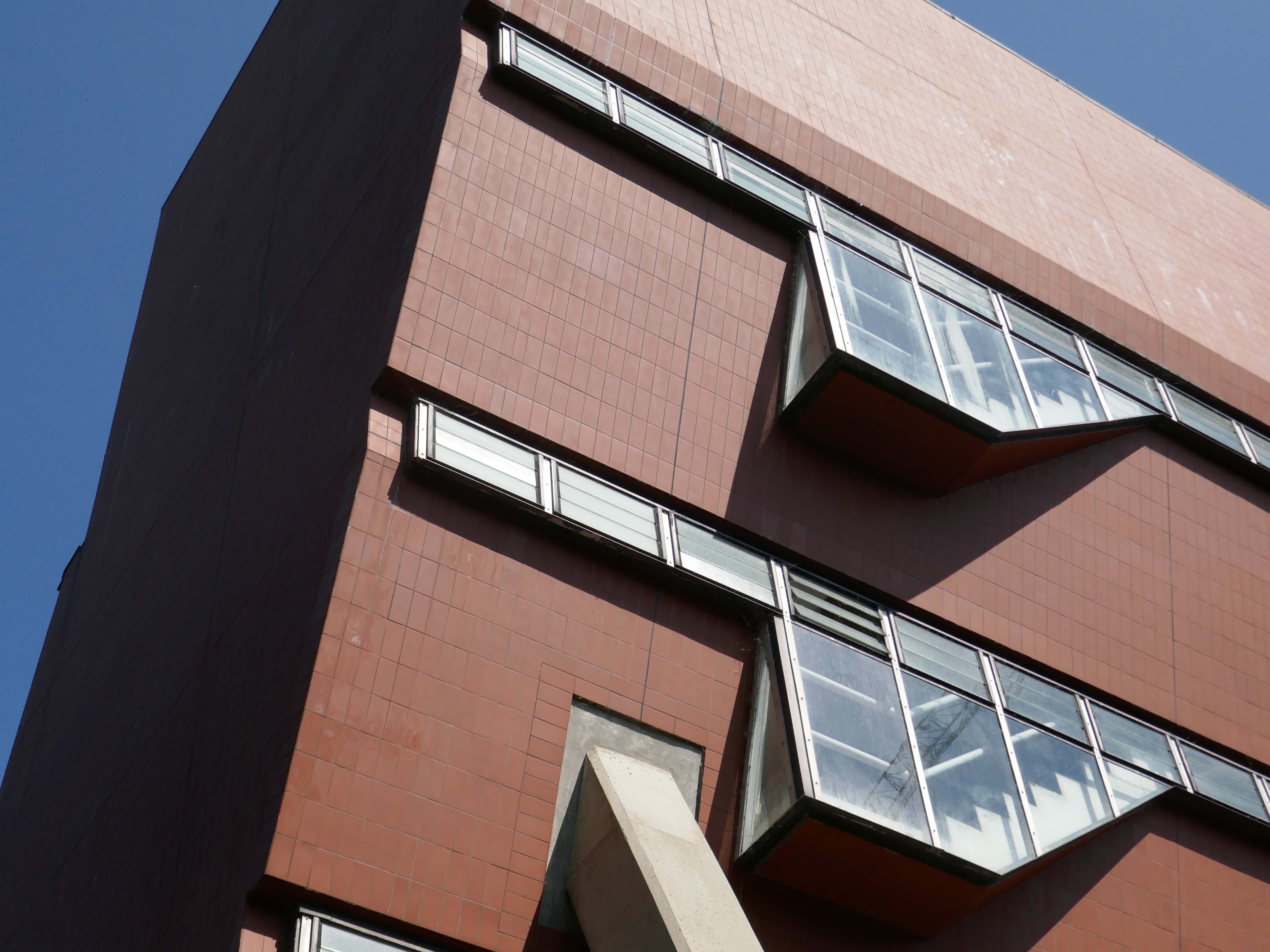
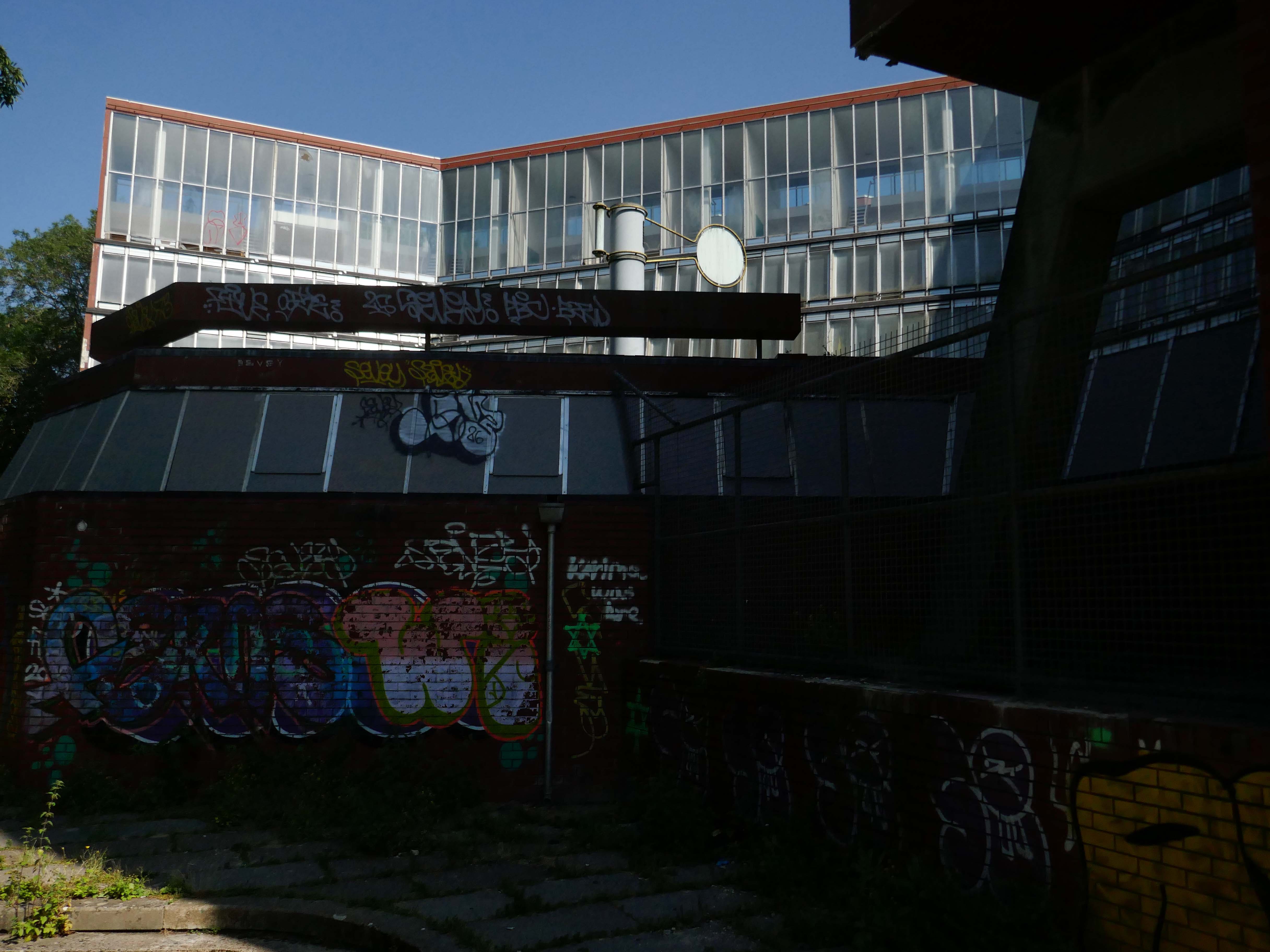
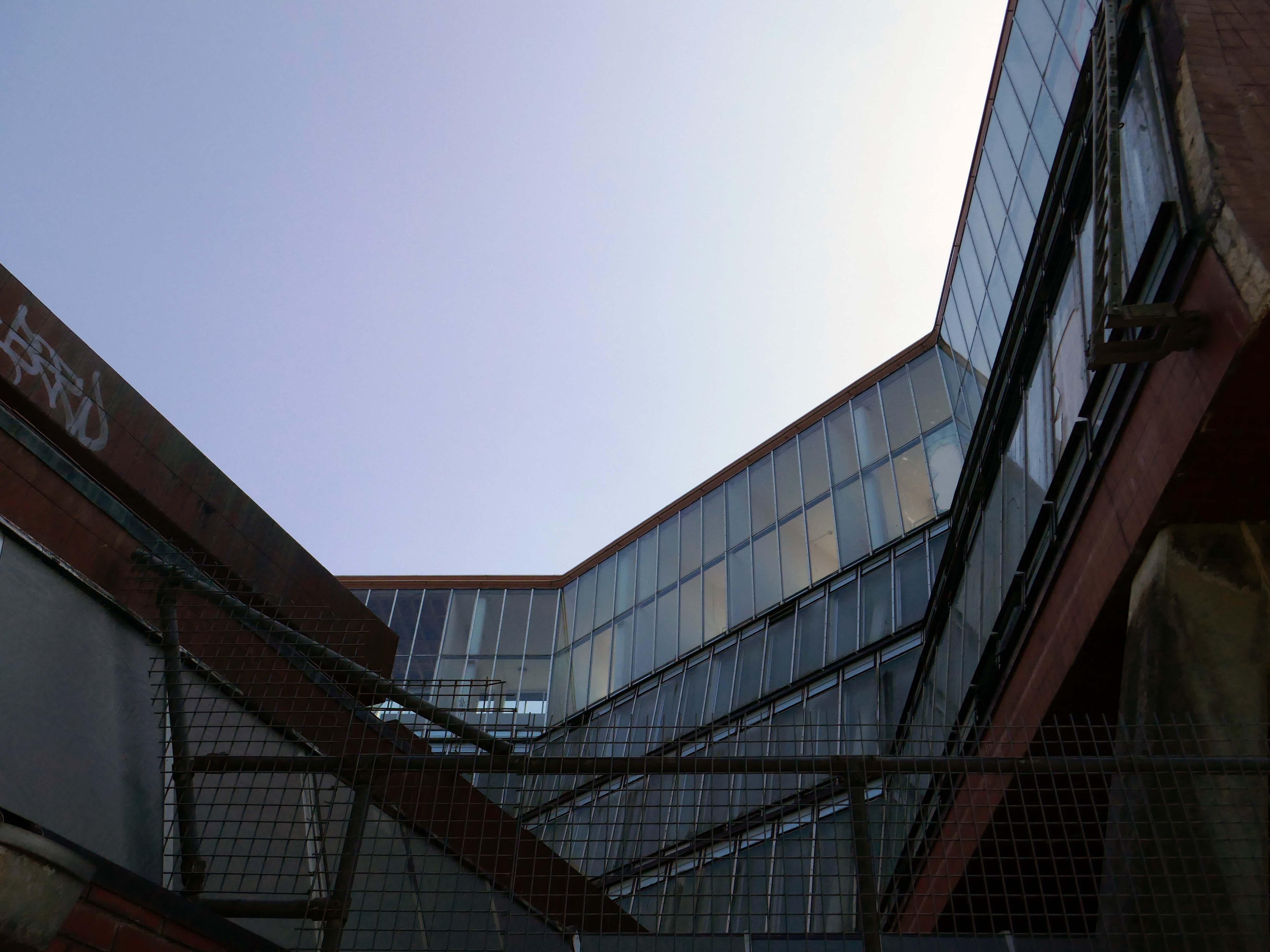
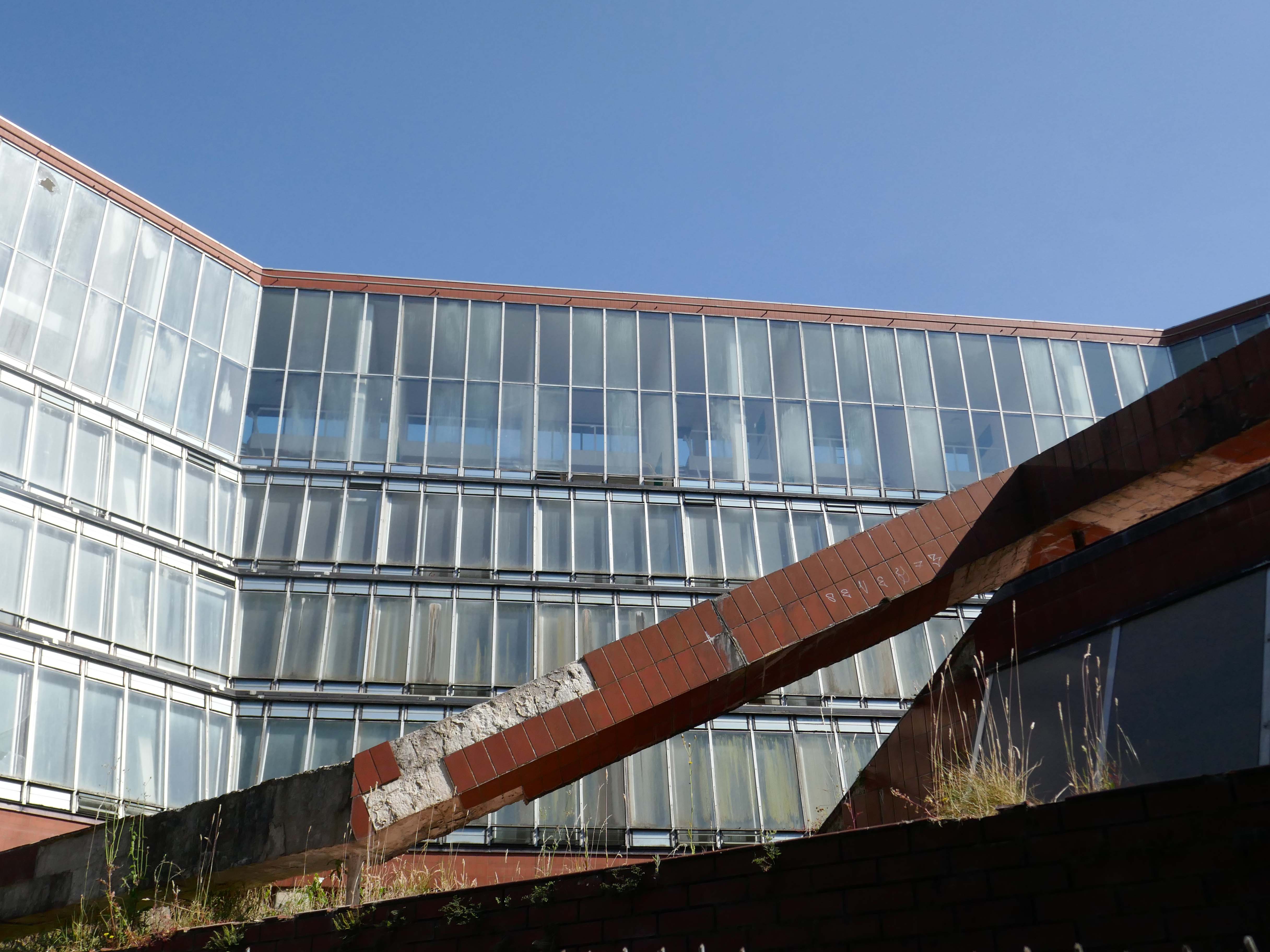
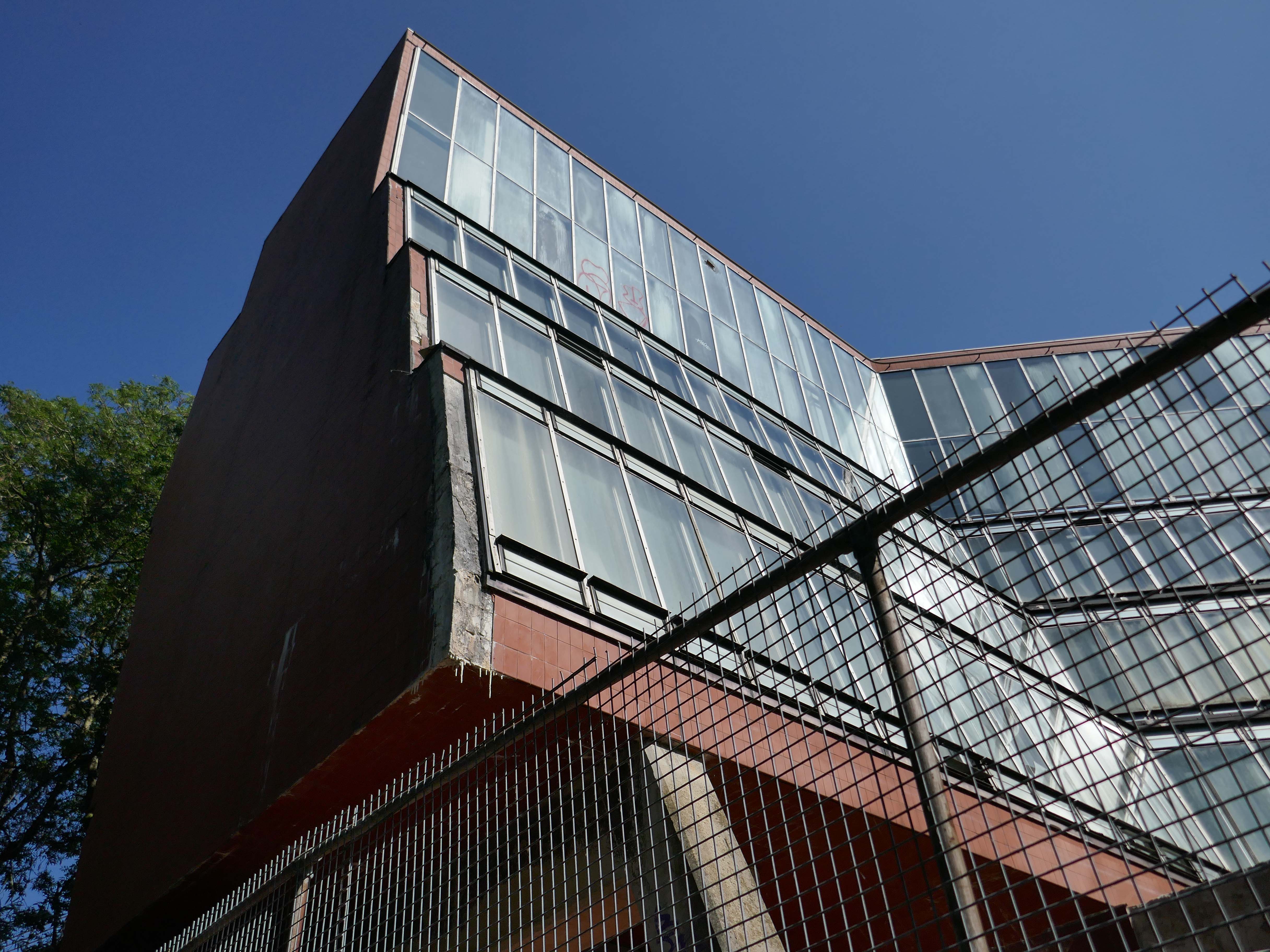
New Brighton in late summer – a little sun, a handful of visitors, and offshore breeze.
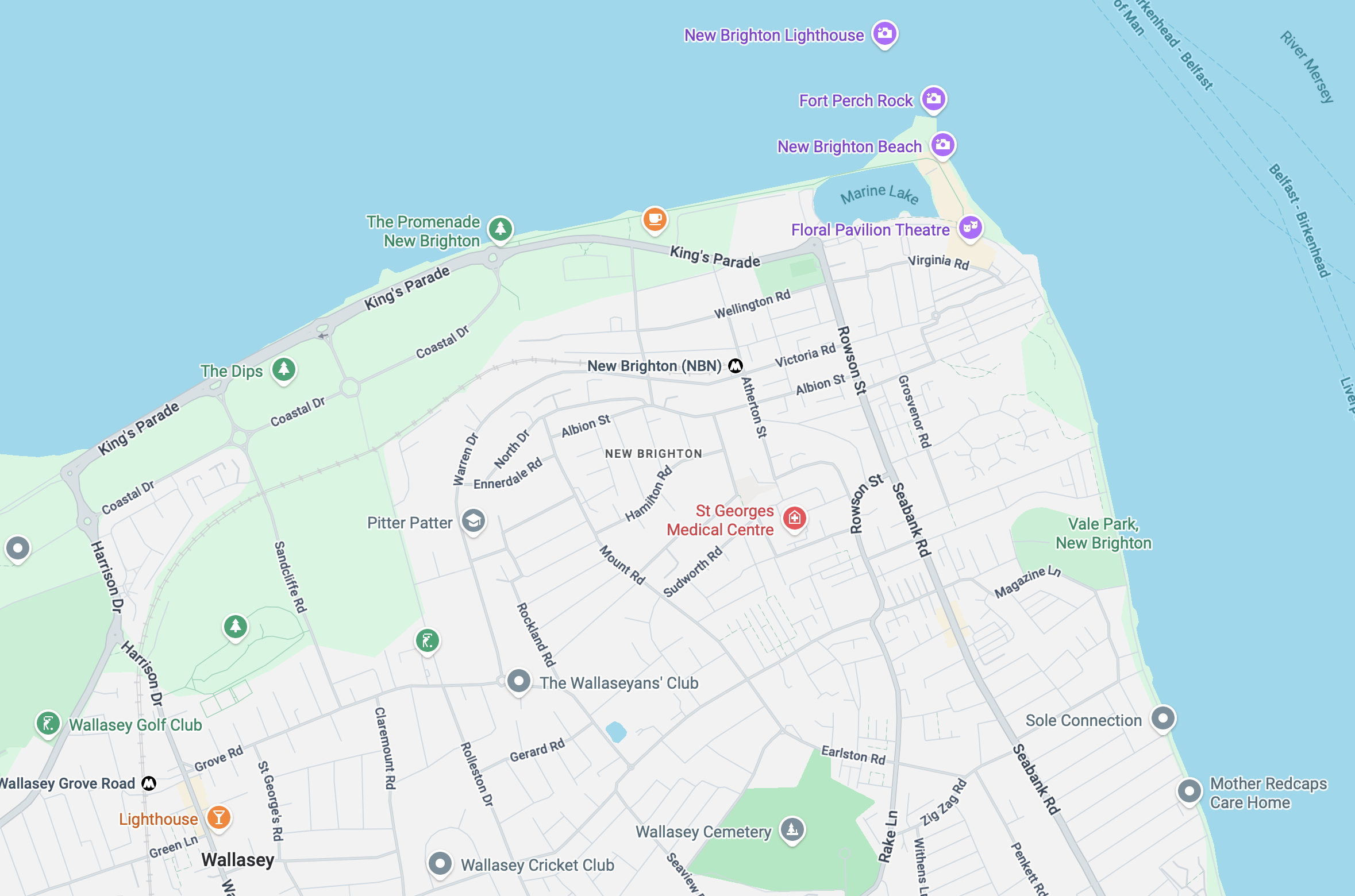
In 1830, a Liverpool merchant, James Atherton, purchased 170 acres of land at Rock Point, which enjoyed views out to sea and across the Mersey and had a good beach. His aim was to develop it as a desirable residential area and watering place for the gentry, similar to Brighton, one of the most elegant seaside resorts of that Regency period, hence the name “New Brighton”. Substantial development began soon afterwards, and housing began to spread up the hillside overlooking the estuary.
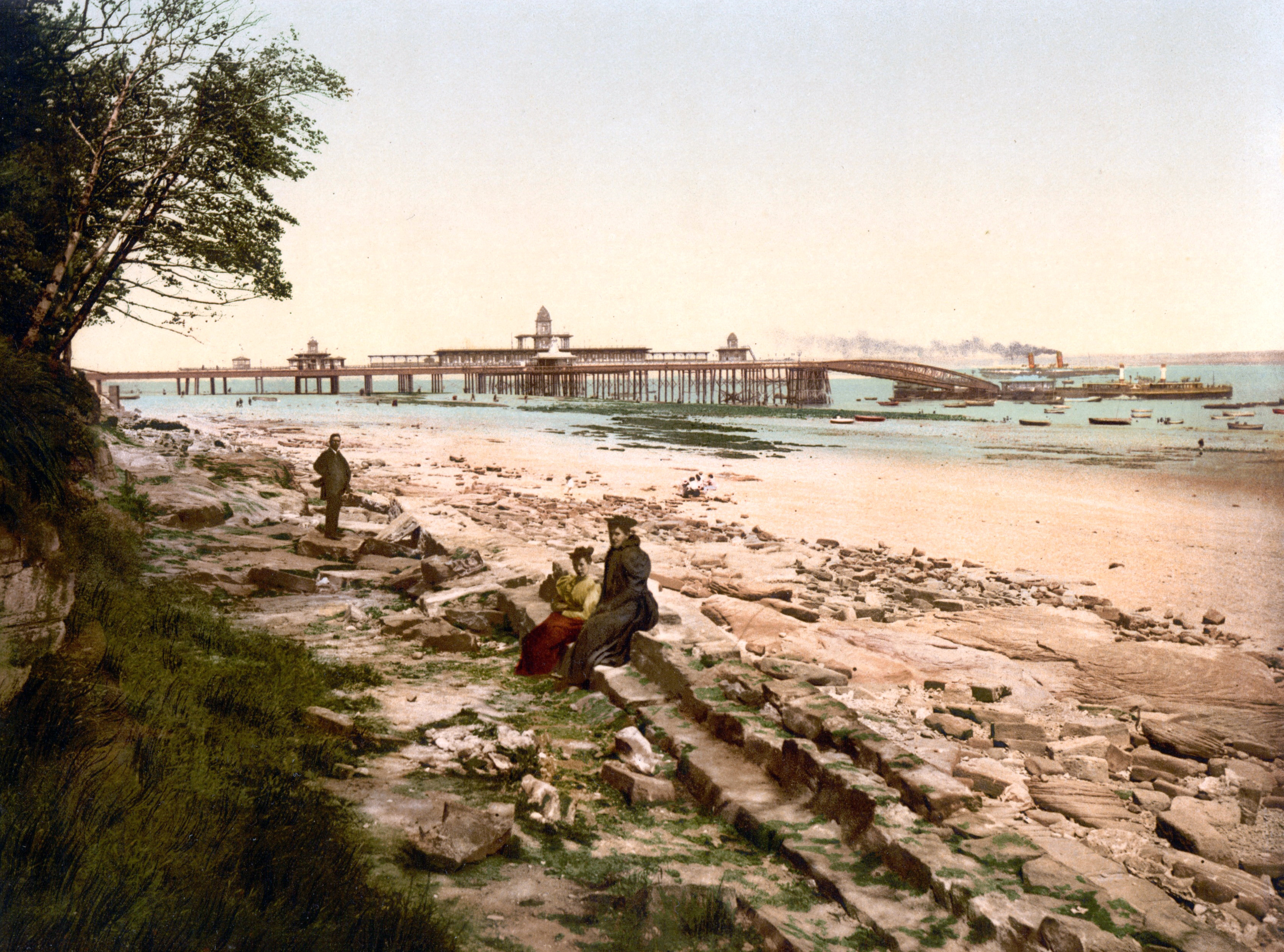
During the latter half of the nineteenth century, New Brighton developed as a very popular seaside resort serving Liverpool and the Lancashire industrial towns, and many of the large houses were converted to inexpensive hotels. Designed by the noted architect of seaside structures Eugenius Birch, the New Brighton Pier opened in 1867.
The promenade from Seacombe to New Brighton was completed by 1901.
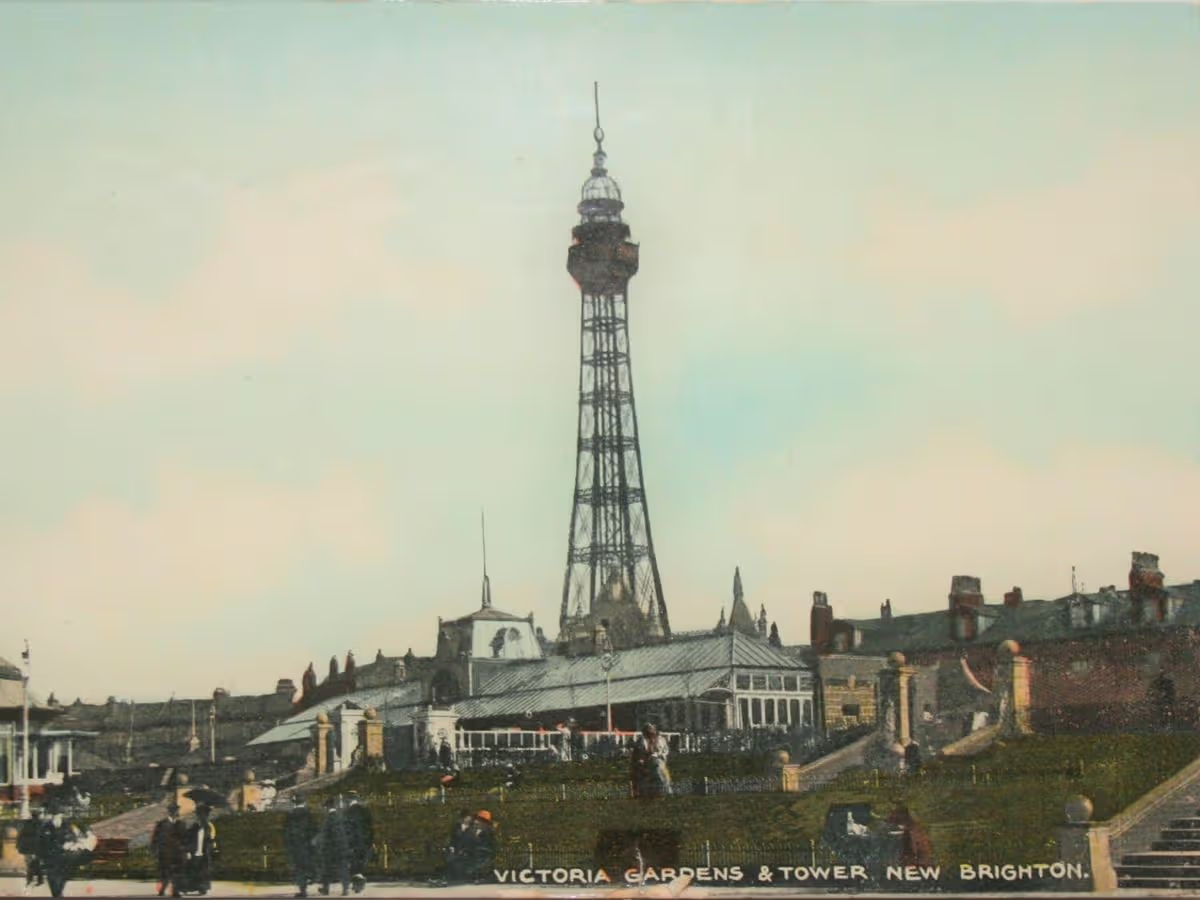
The New Brighton Tower, the tallest in the country, was opened in 1900 but closed in 1919, largely due to lack of maintenance during World War I, and had been dismantled by 1921.
After the Second World War, the popularity of New Brighton as a seaside resort declined dramatically. However, the Tower Ballroom continued as a major venue, hosting numerous concerts in the 1950s and 1960s by local Liverpool groups such as The Beatles, and international stars.
The Tower Ballroom continued in use until it was destroyed by a fire in 1969.
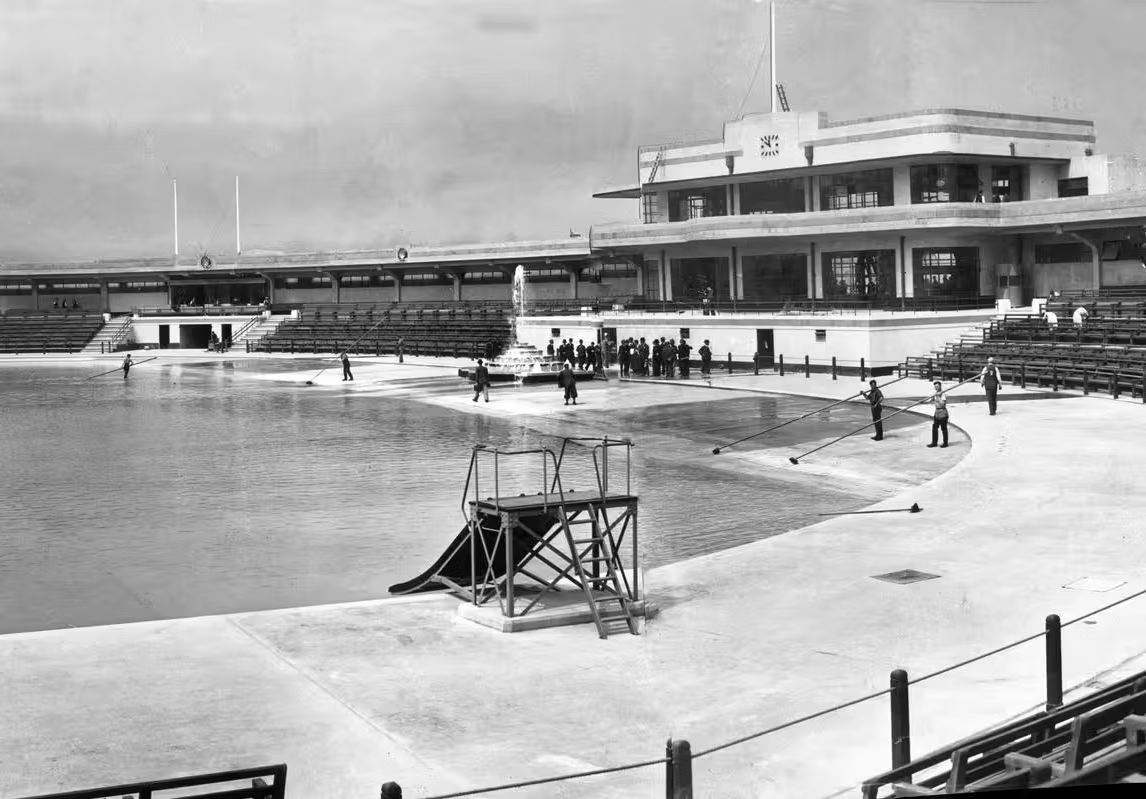
New Brighton’s Art Deco Lido, was opened on 13 June 1934 by Viscount Leverhulme. When it was built, it was the largest lido in Britain, at a cost of £90,000, designed byWallasey County-Borough Engineer L St. G Wilkinson
The saltwater pool survived until 1990, when it was damaged during a storm and later demolished
The New Palace and Adventureland on the famous Promenade at New Brighton, Wirral, offers a tremendous range of family fun-filled entertainment and activities.
The traditional family amusement arcade, The Bright Spot, has something for everyone including state of the art video driving, adventure and shooting simulators, dance games, plus the always popular slots and ‘pushers’, as well as mini-bowling and toy-grabbers.
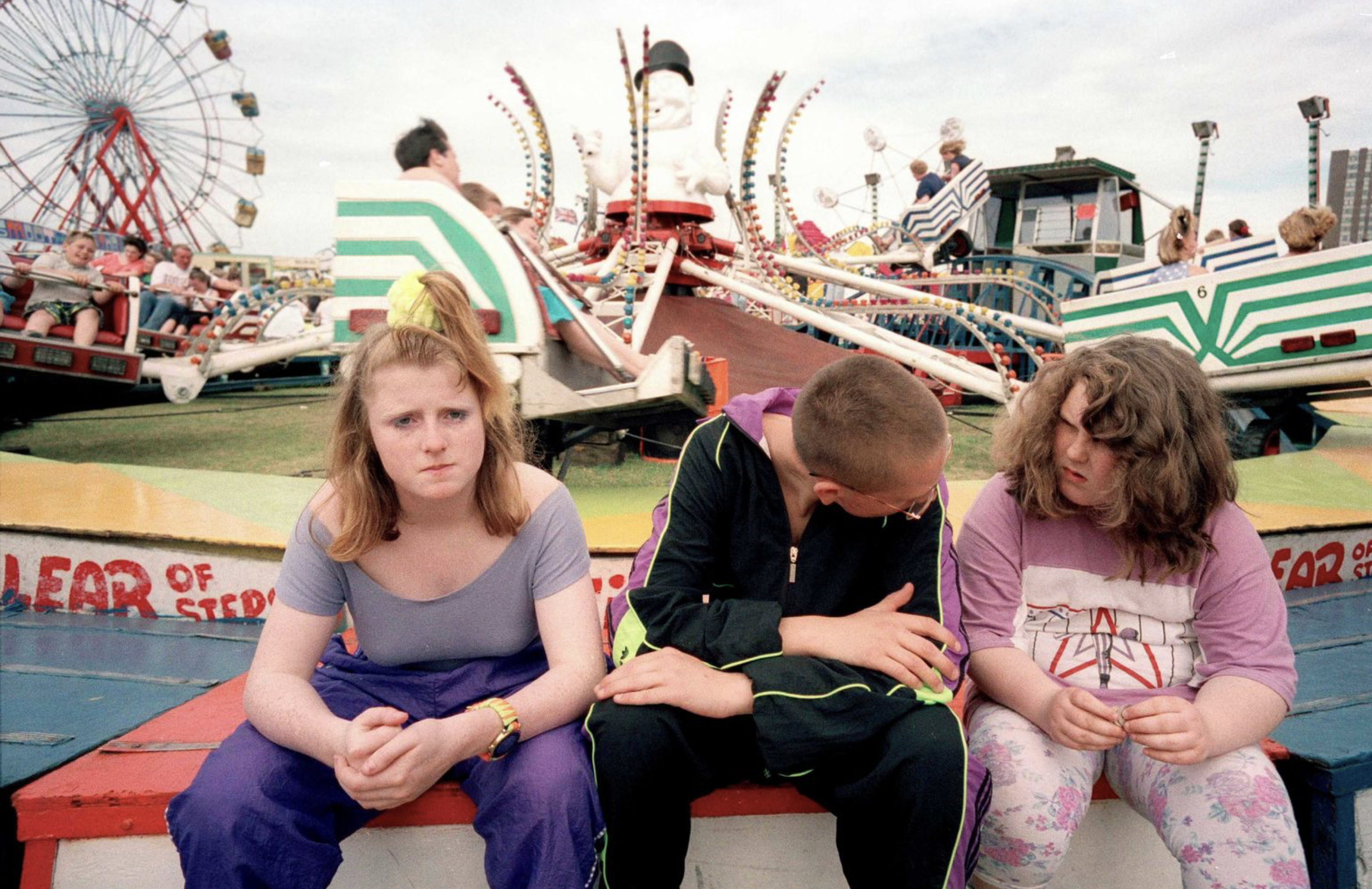
Special mention must go to long time New Brighton resident Photie ManTom Wood.
Opened in 1971, the site consists of about five hundred acres
Technological changes, such as containerisation, caused the loss of numerous jobs on the docks. In the 21st century, the dock handles mainly containers, oils, timber, fruit and vegetables, grain and animal feed.
Designed by John Foster Jr, construction of the present tower began in 1827 by Tomkinson & Company using blocks of interlocking Anglesey granite using dovetail joints and marble dowels.
The lighthouse was in continuous use until it was decommissioned in October 1973, having been superseded by modern navigational technology.
In 1803 Liverpool merchants concerned about a possible invasion by the French during the Napoleonic wars put forward the idea of a fort at New Brighton. Naturally there weredisputes about how it was to be financed and consequently construction didn’t get under way until 1826.
It was completed three years later. It was built out of red sandstone blocks on a base of sandstone rocks, confusingly known as the Black Rocks.
Designed by a Captain John Sikes Kitson of the Royal Engineers, it had room for 100 men plus officers with adequate provisions and armaments. It had eighteen guns, sixteen of which were thirty two-pounders and they faced the Rock Channel that was the main entrance for shipping to the Mersey at that time. The ships passed nine hundred yards from the guns and the fort soon became known as the “Little Gibraltar of the Mersey”.
The fort was decommissioned by the War Office 1956 and passed through various hands until it was sold to the Darroch family who are the current custodians.
Almost a year on and I’m back again and you’re still here.
Still awaiting the wrecking ball and a rubble trouble future.
Back in 2025 the reports of your demise were premature.
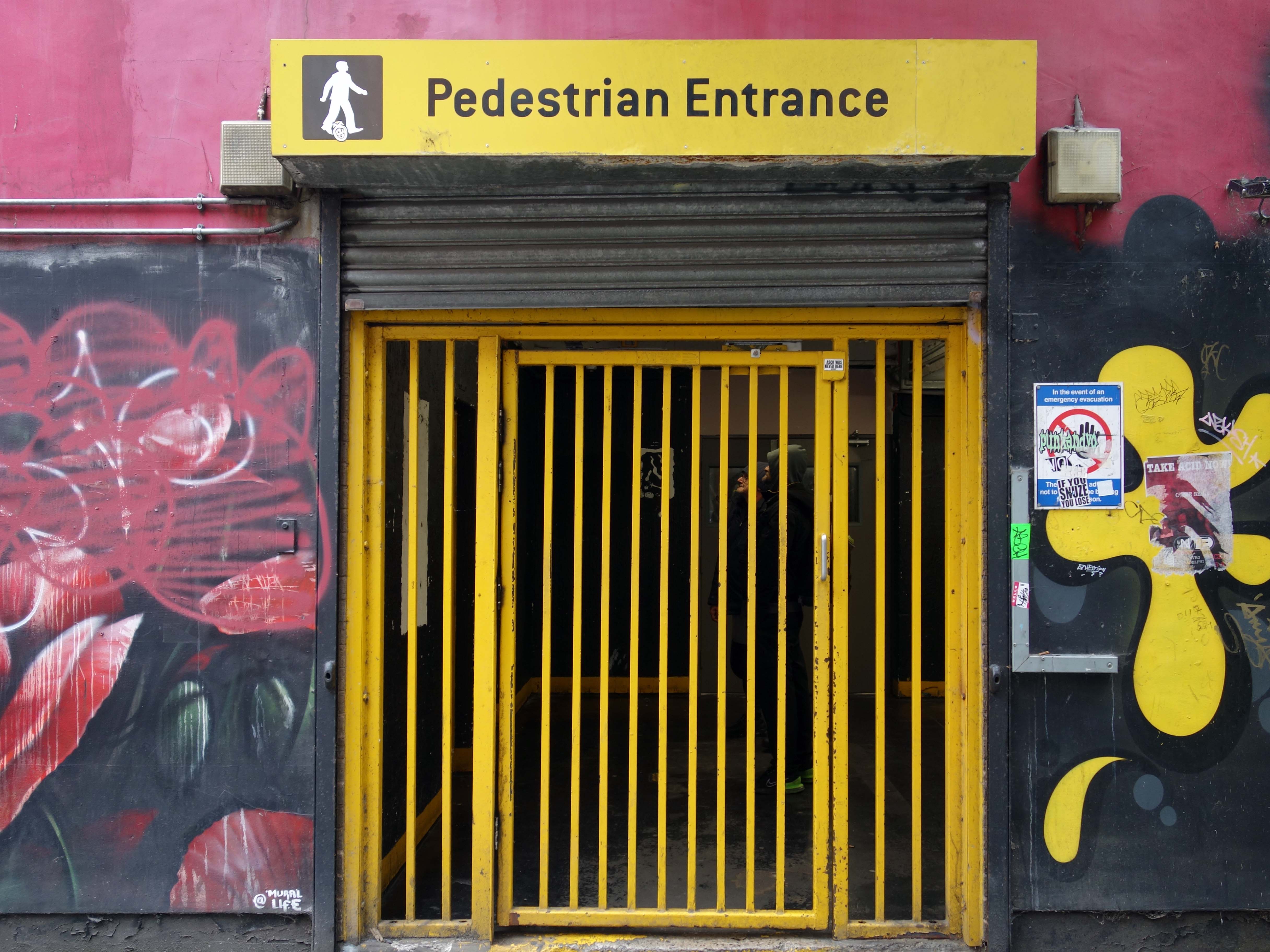
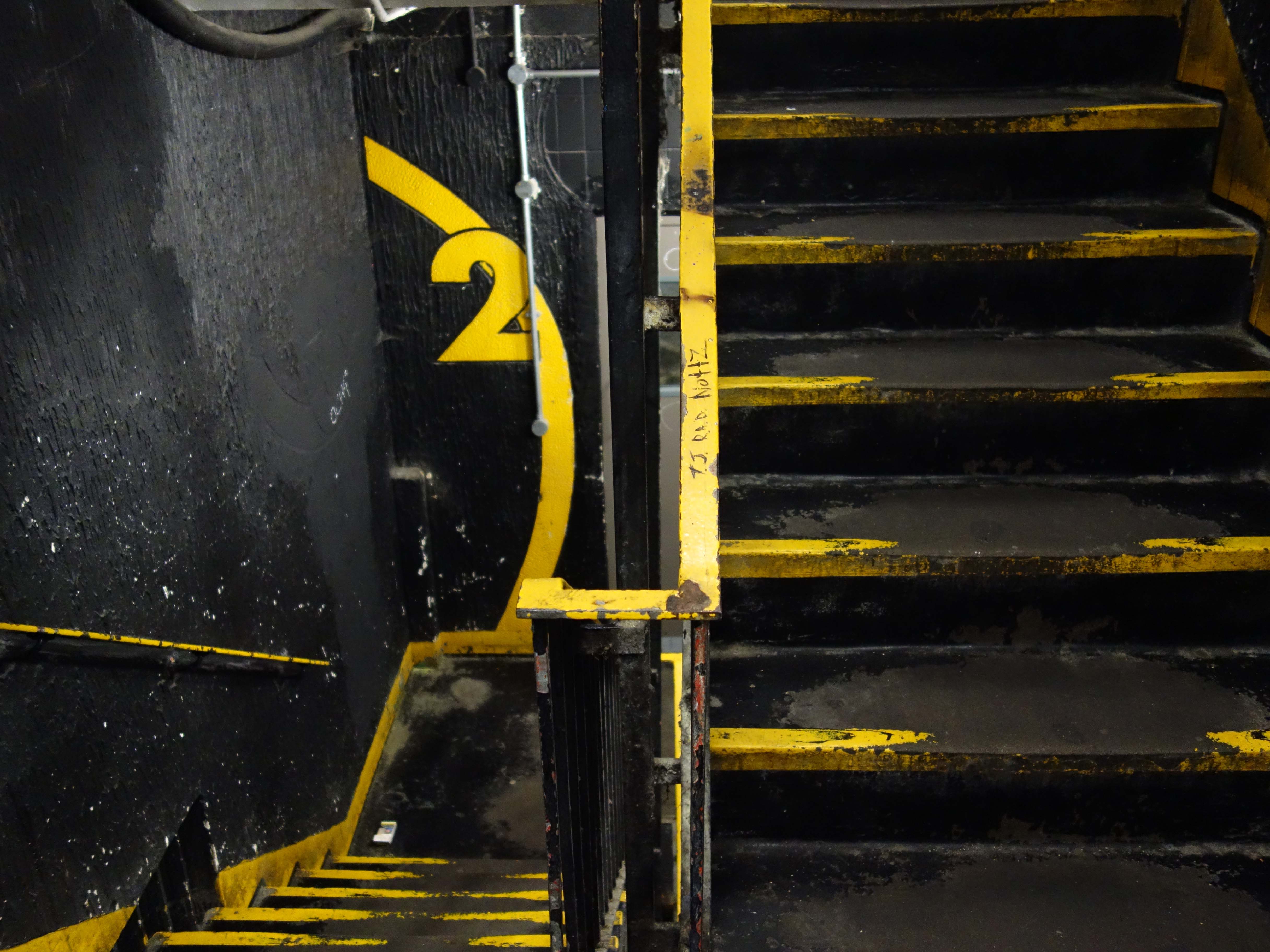
Back in 2023 you were, even then, tired and ready to go home – to car park heaven.
It’s 2026, are we to bury you or praise you?
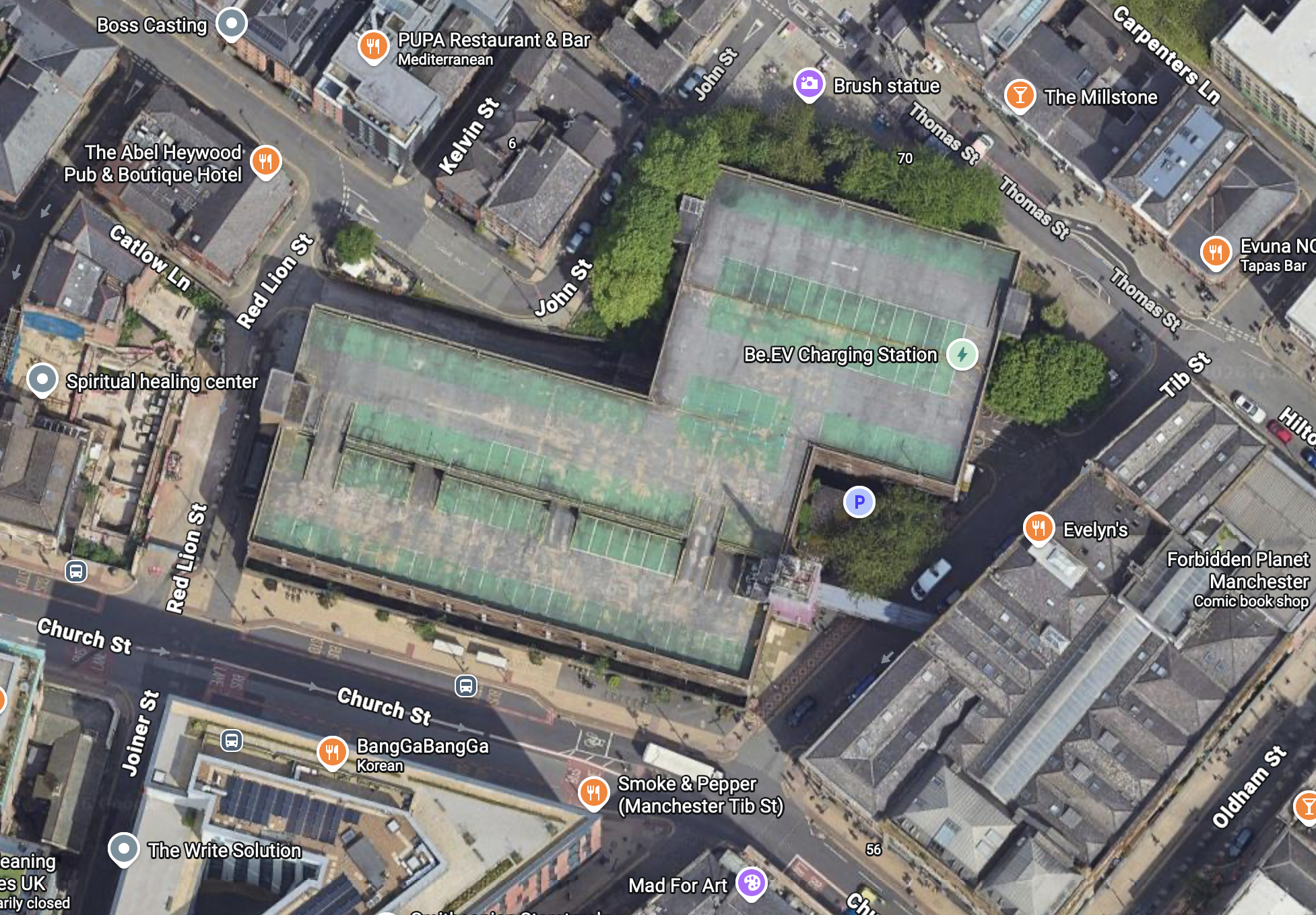
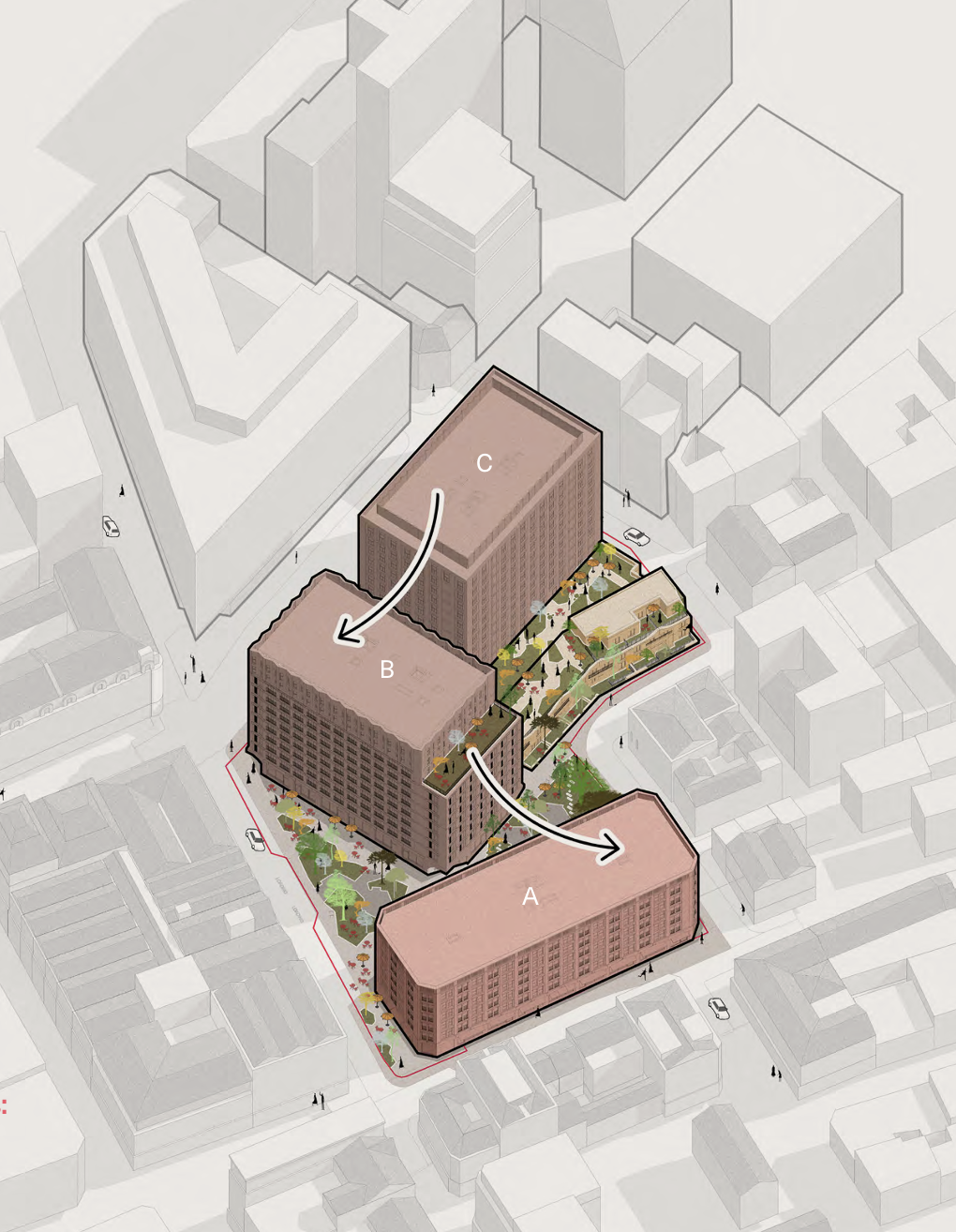
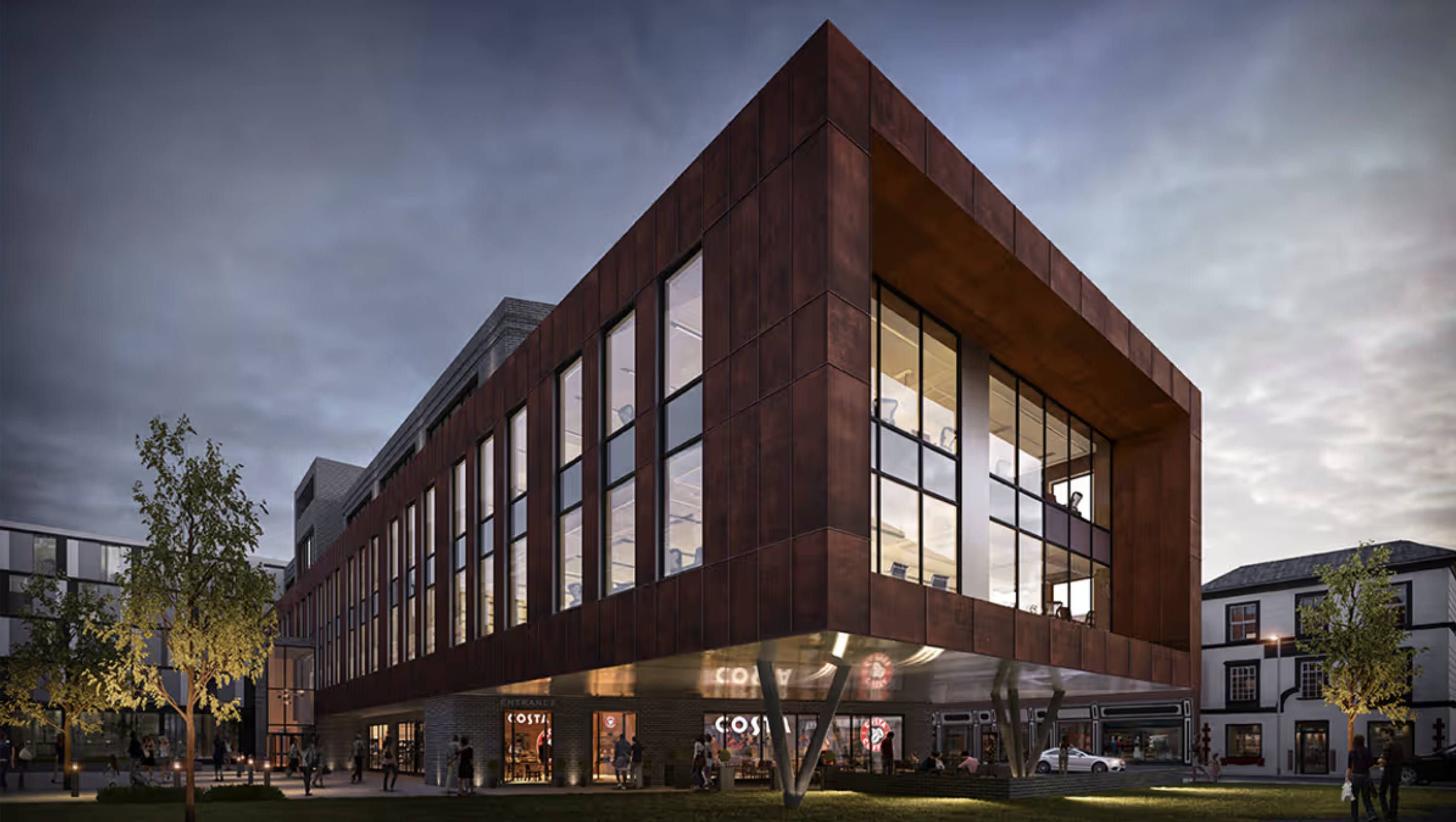
Fresh plans have been unveiled for one of the Northern Quarter’s most significant redevelopment projects, with the latest proposals for the long-awaited transformation of the Church Street multi-storey car park now entering a second round of public consultation.
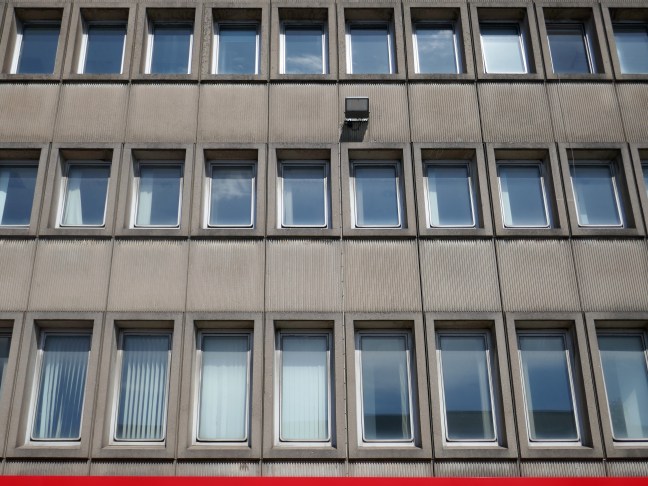
The council-owned car park, which has occupied the site since 1970, has long been viewed as one of the area’s least-loved landmarks, and in recent years has found itself frequently at the centre of antisocial behaviour in the area. Developer Glenbrook is now proposing to replace it with a new mixed-use neighbourhood featuring around three hundred homes, including 20% affordable housing, alongside commercial units, public squares, green spaces and a community hub.
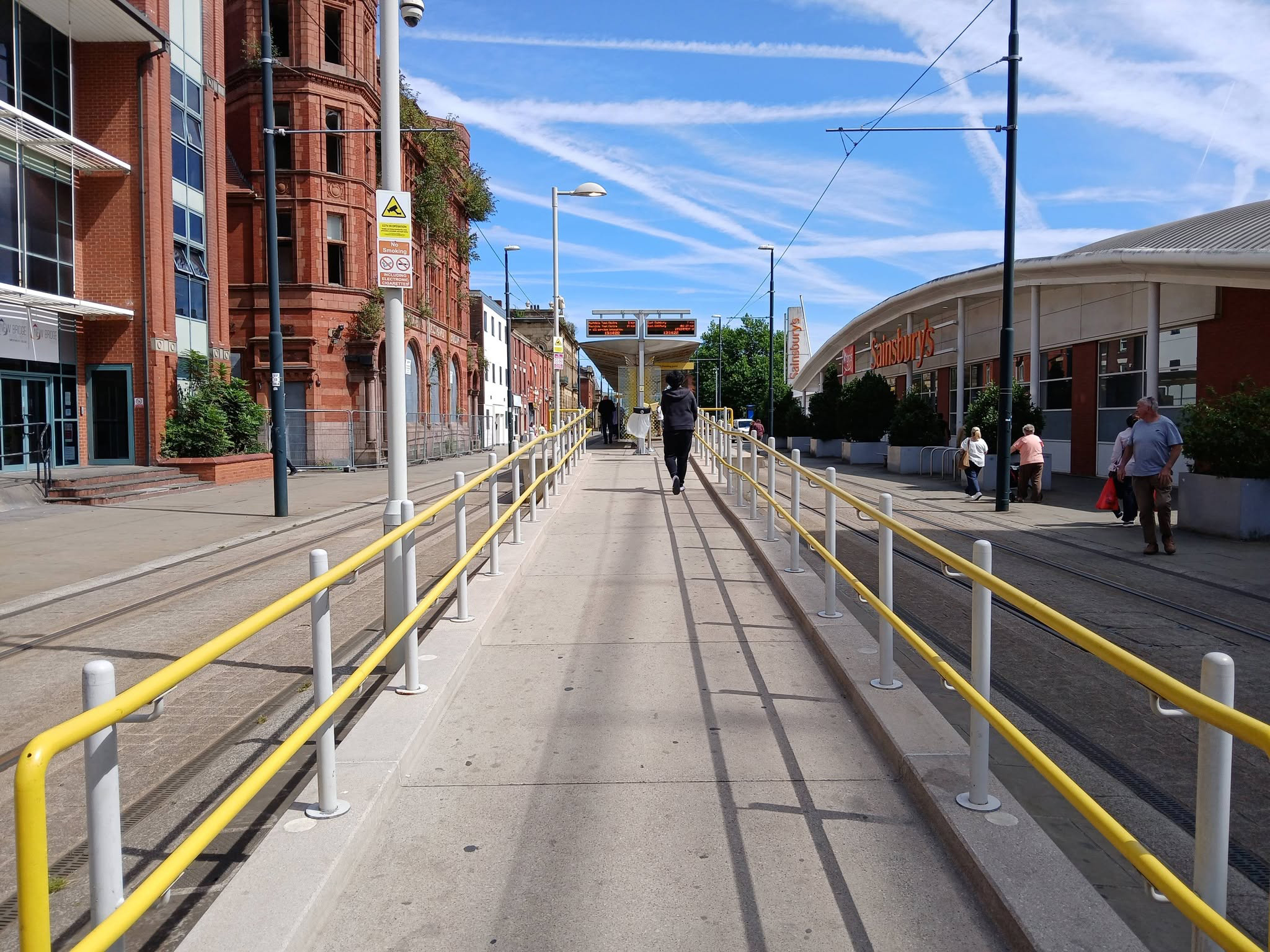
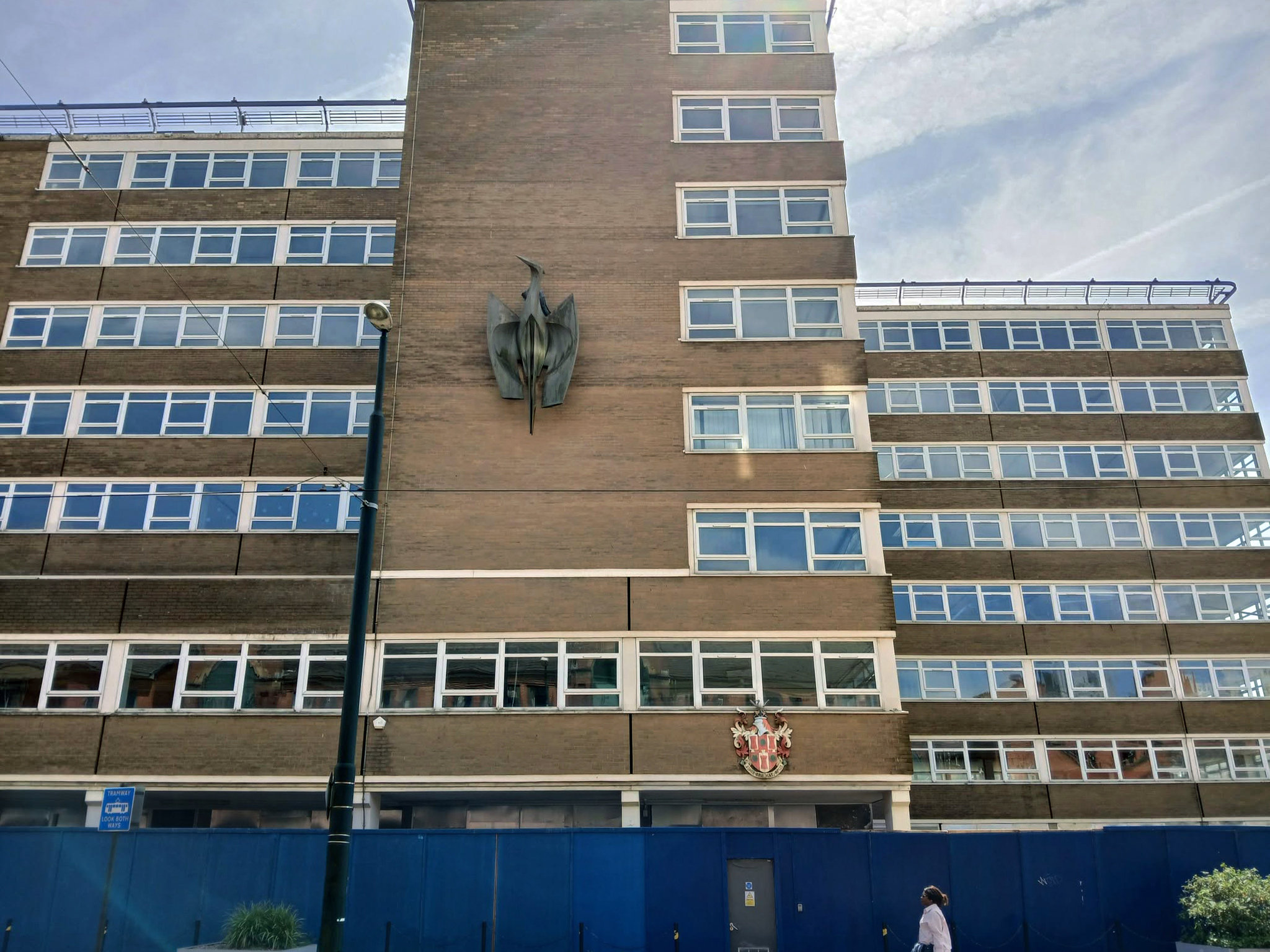
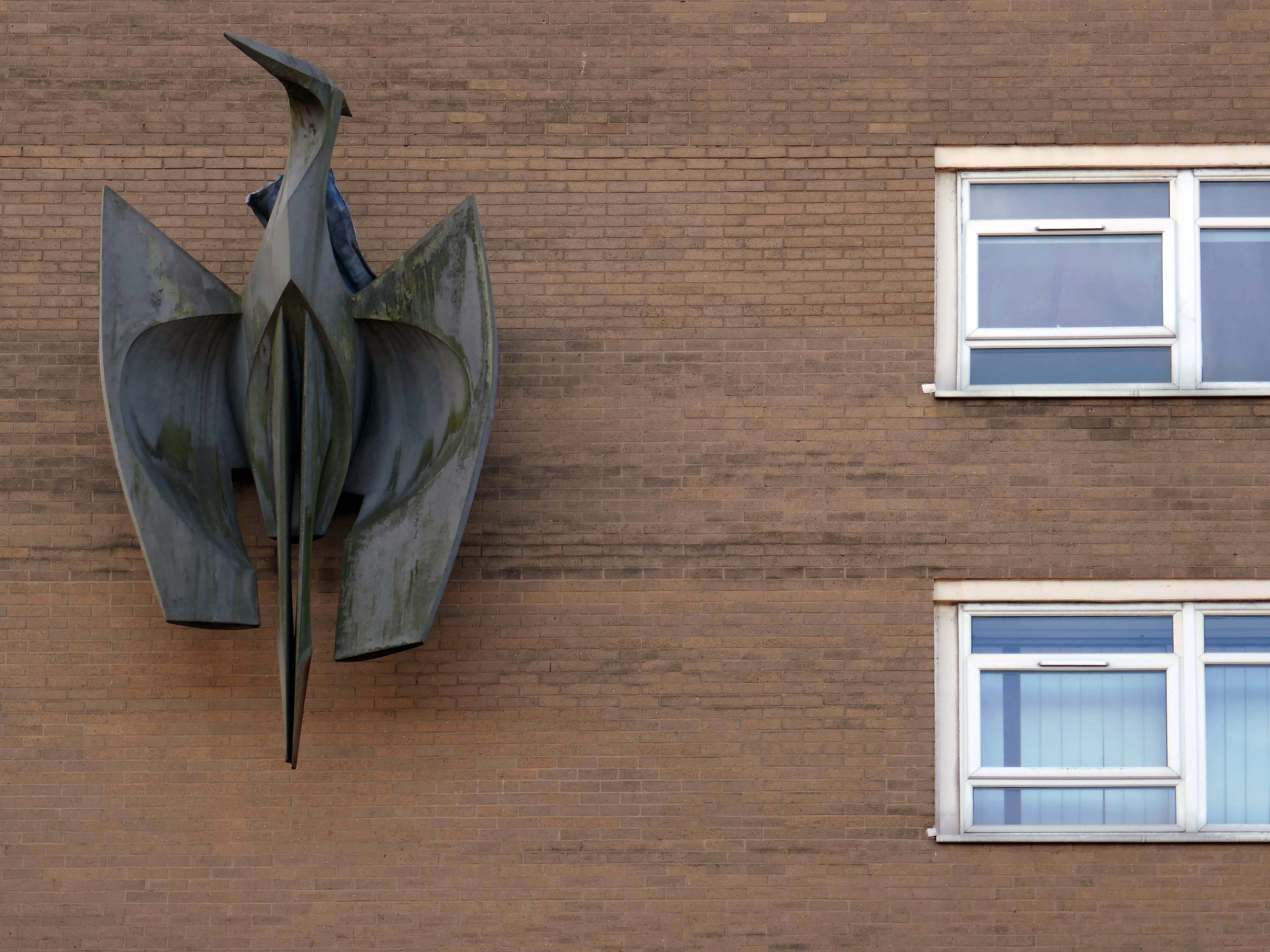
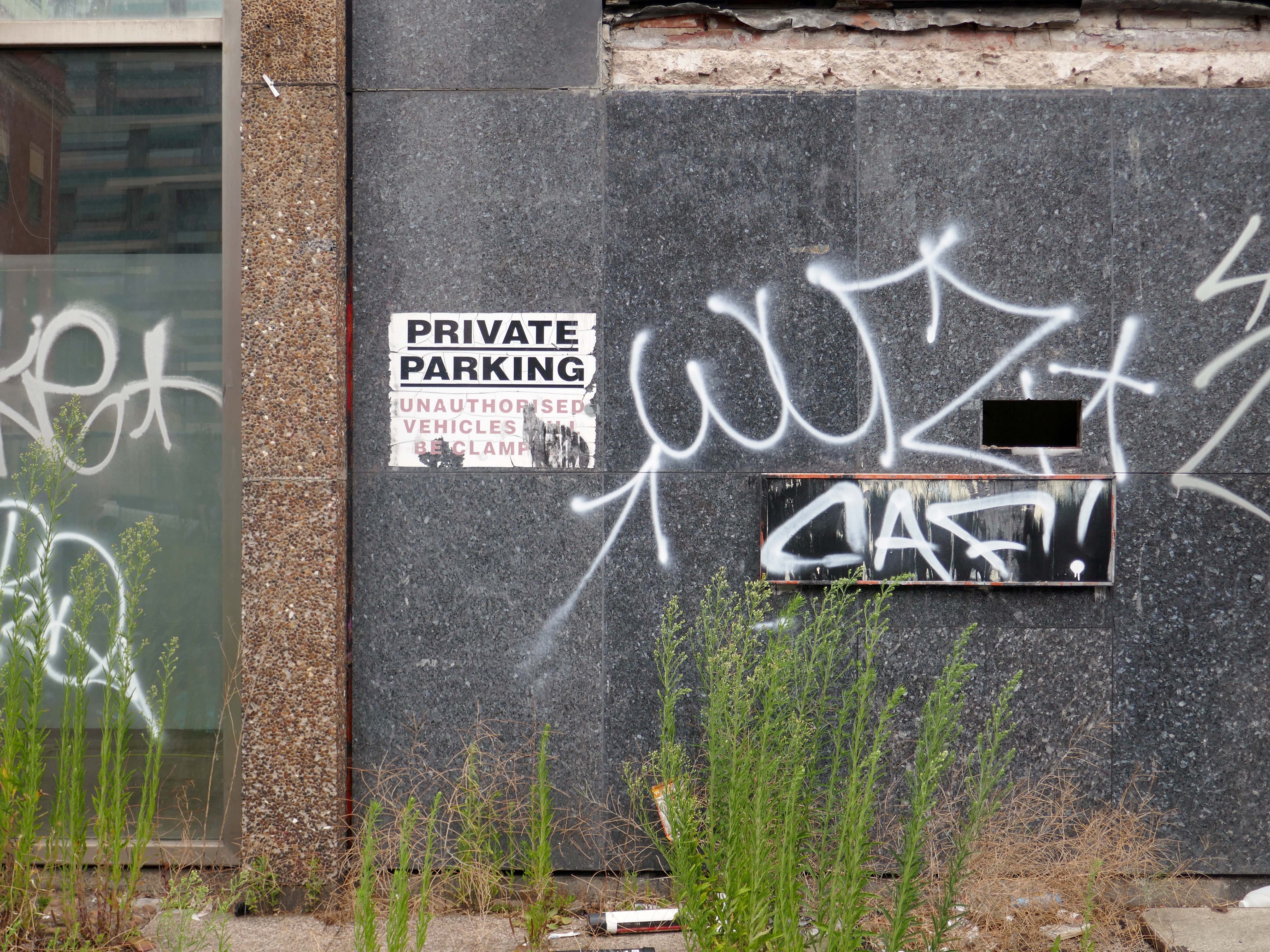
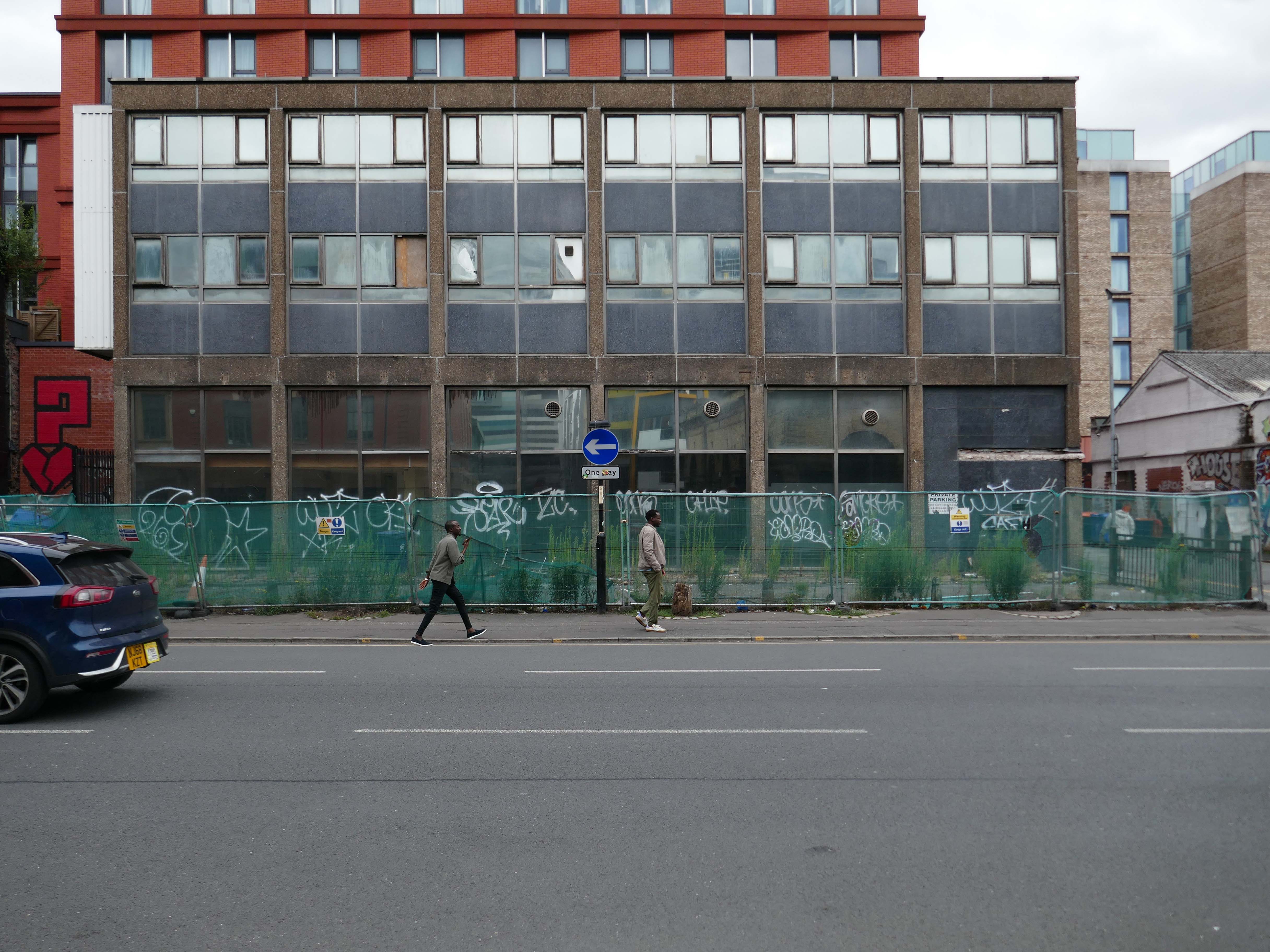
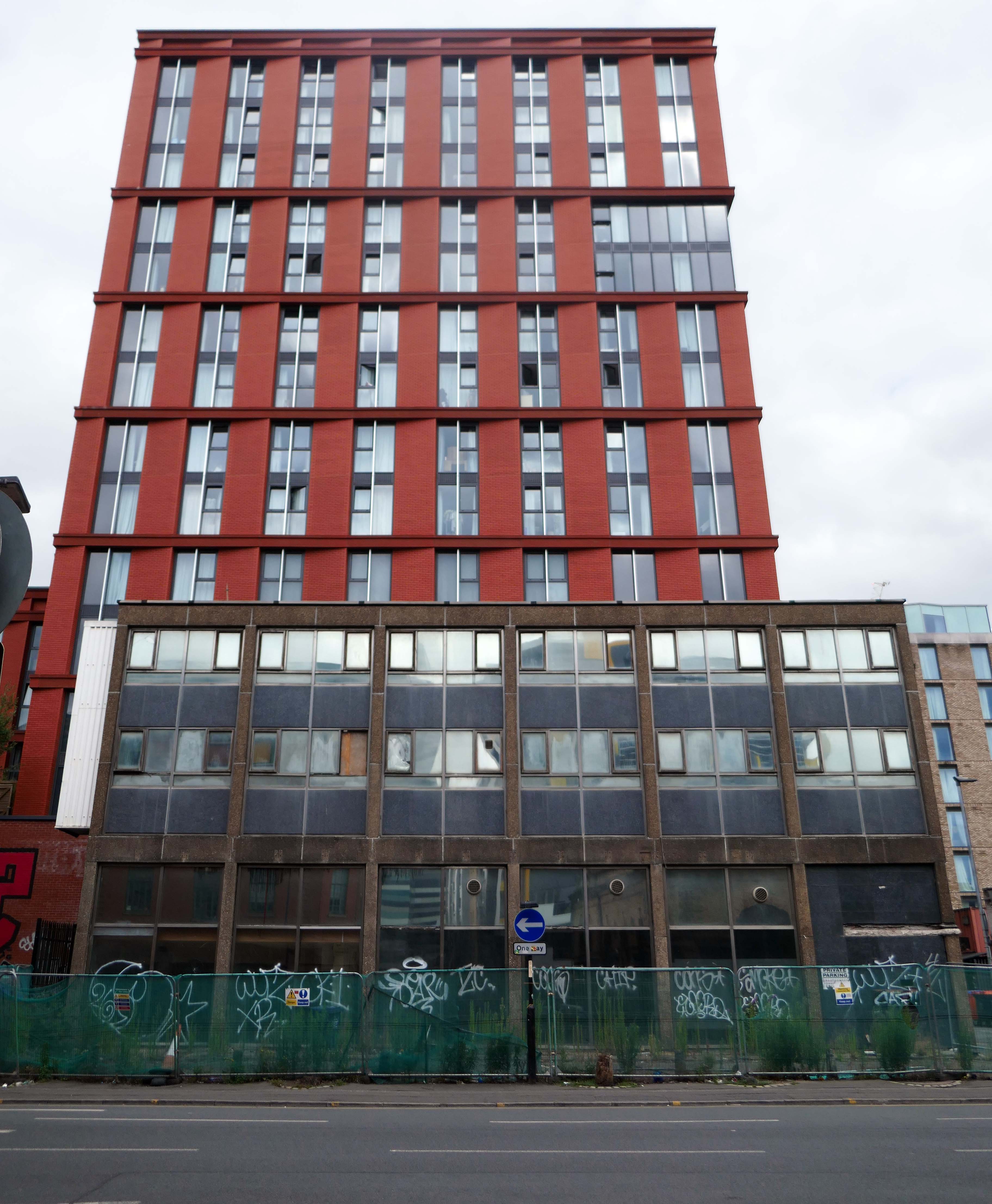
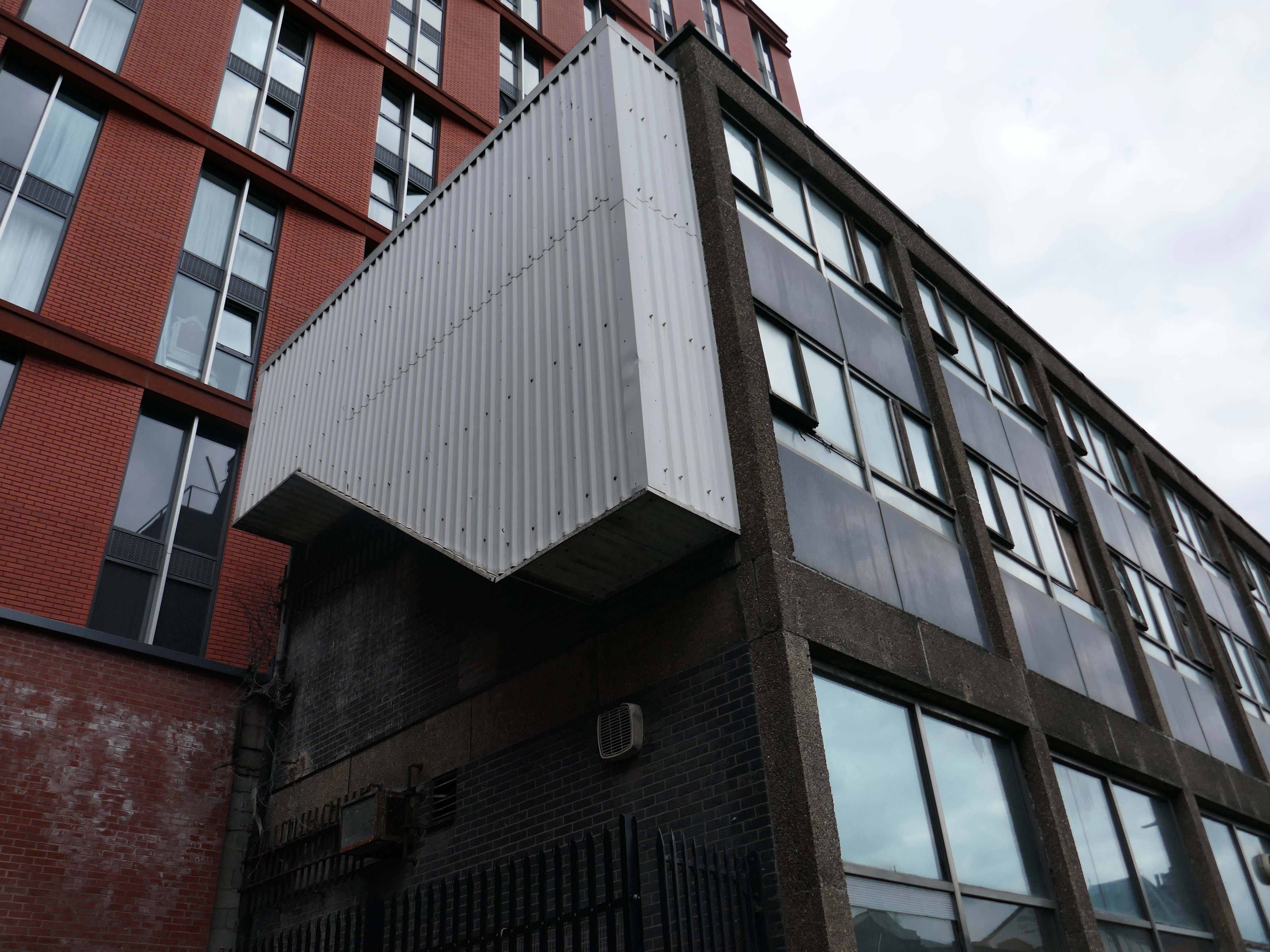
Back tracking toward Phoenix House – with its implausible heron.
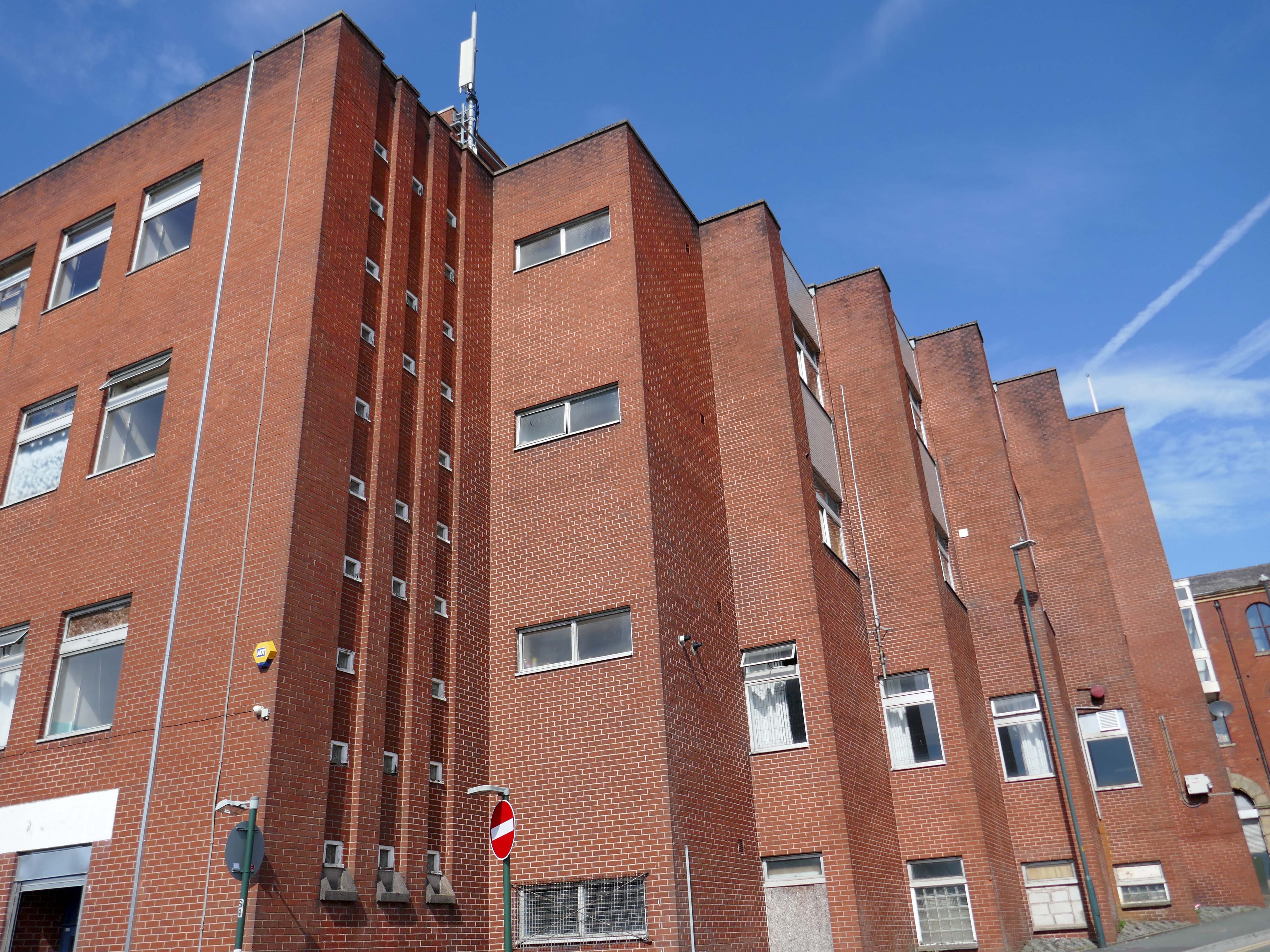
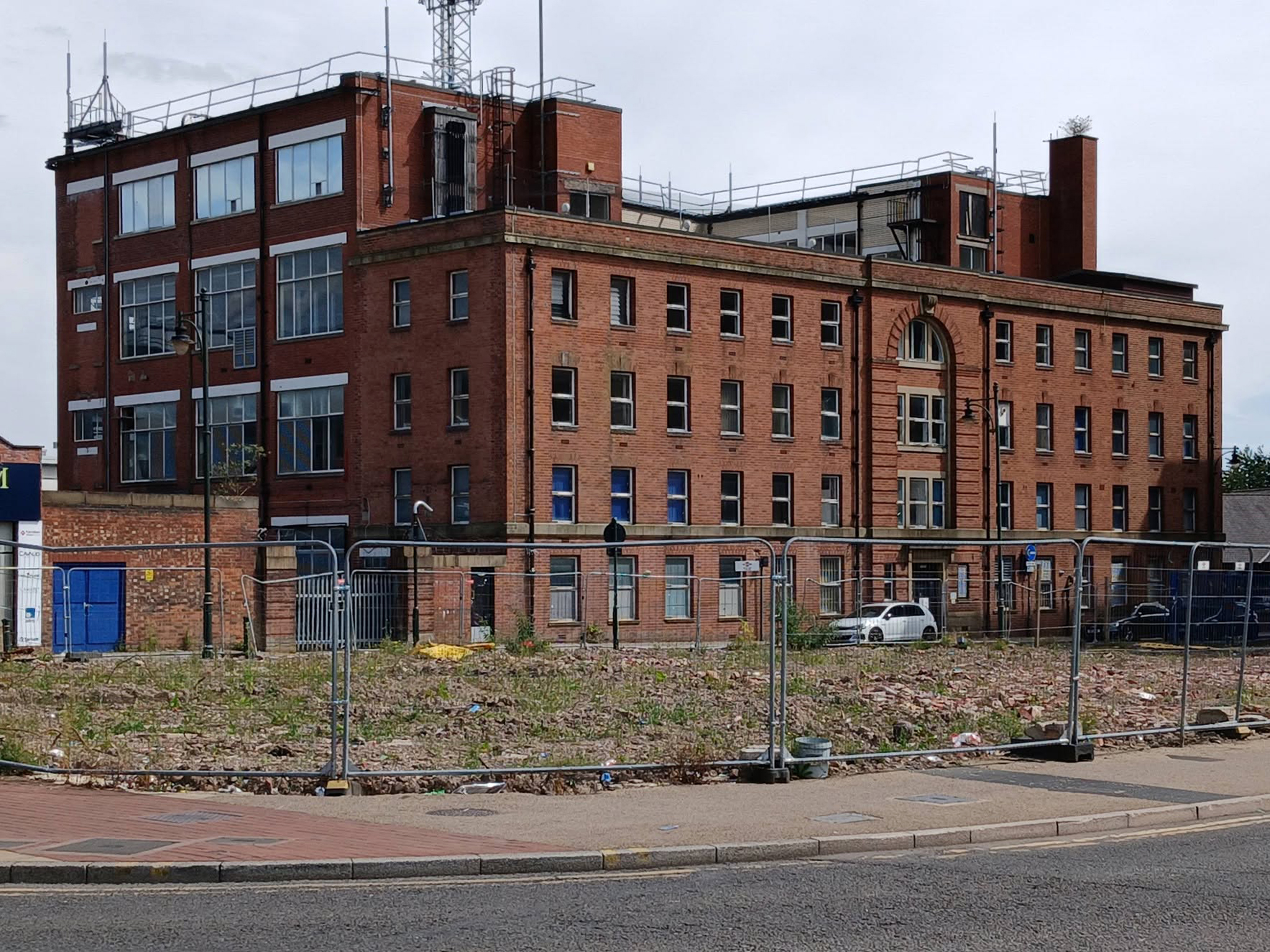
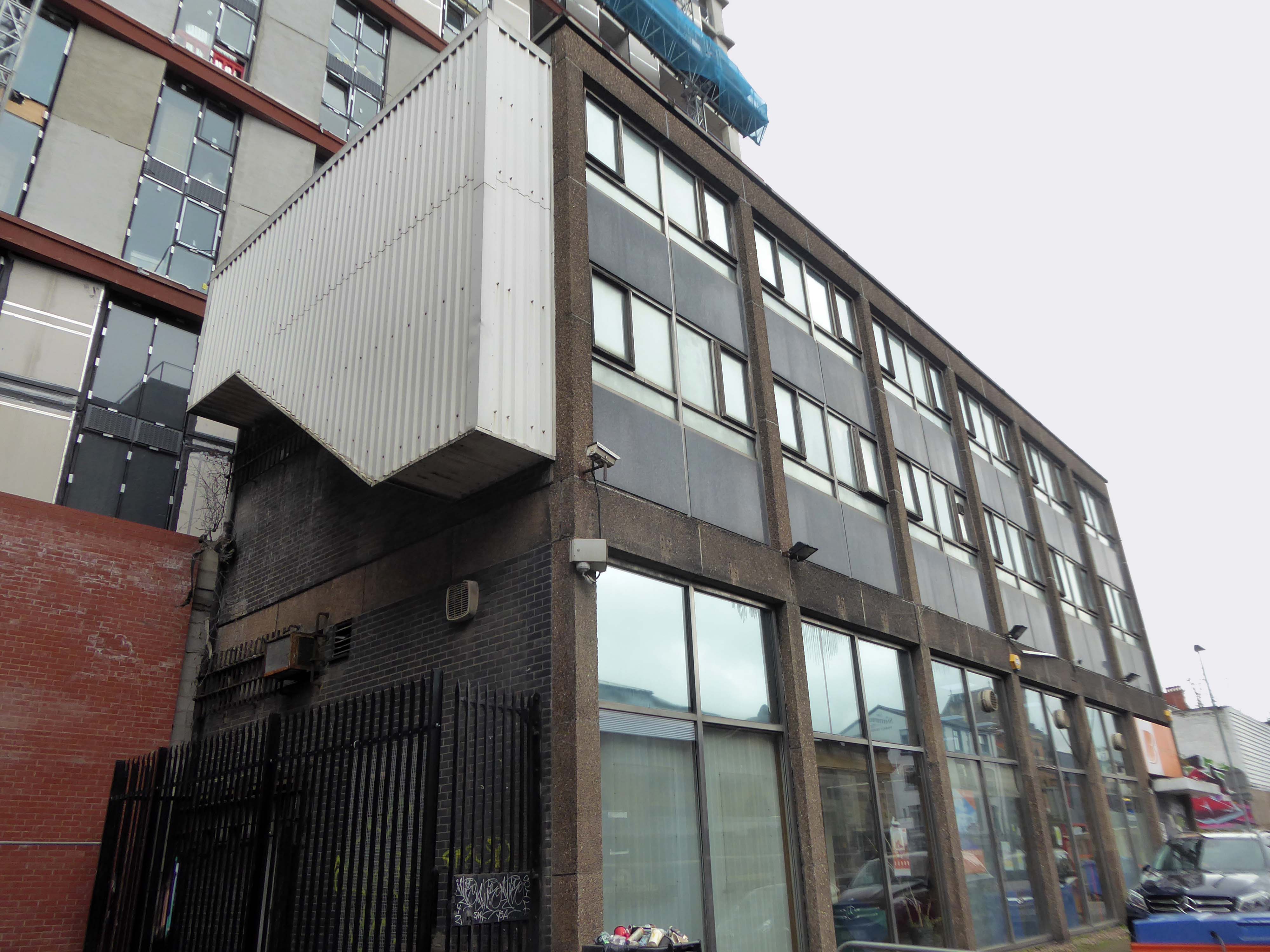
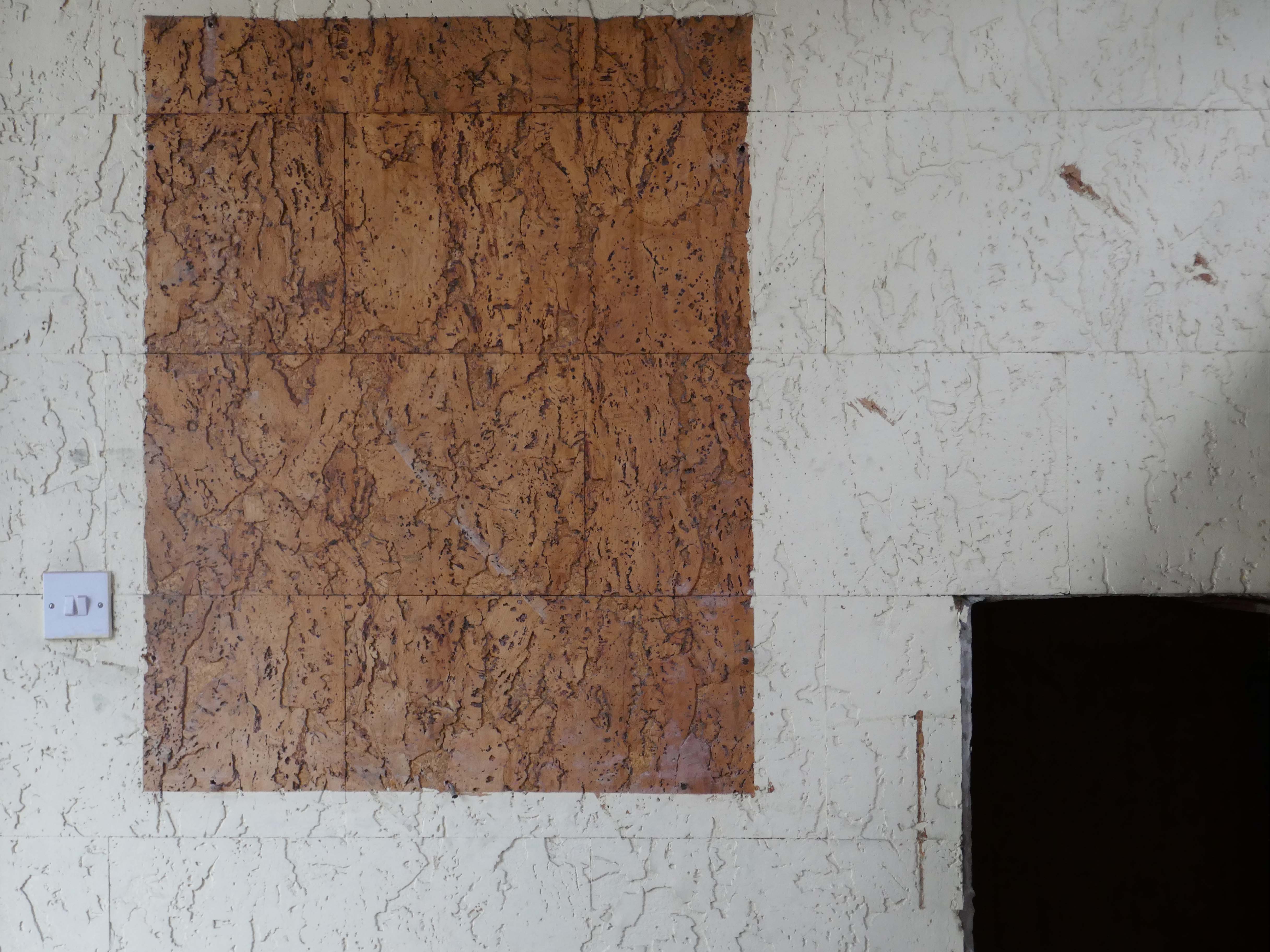
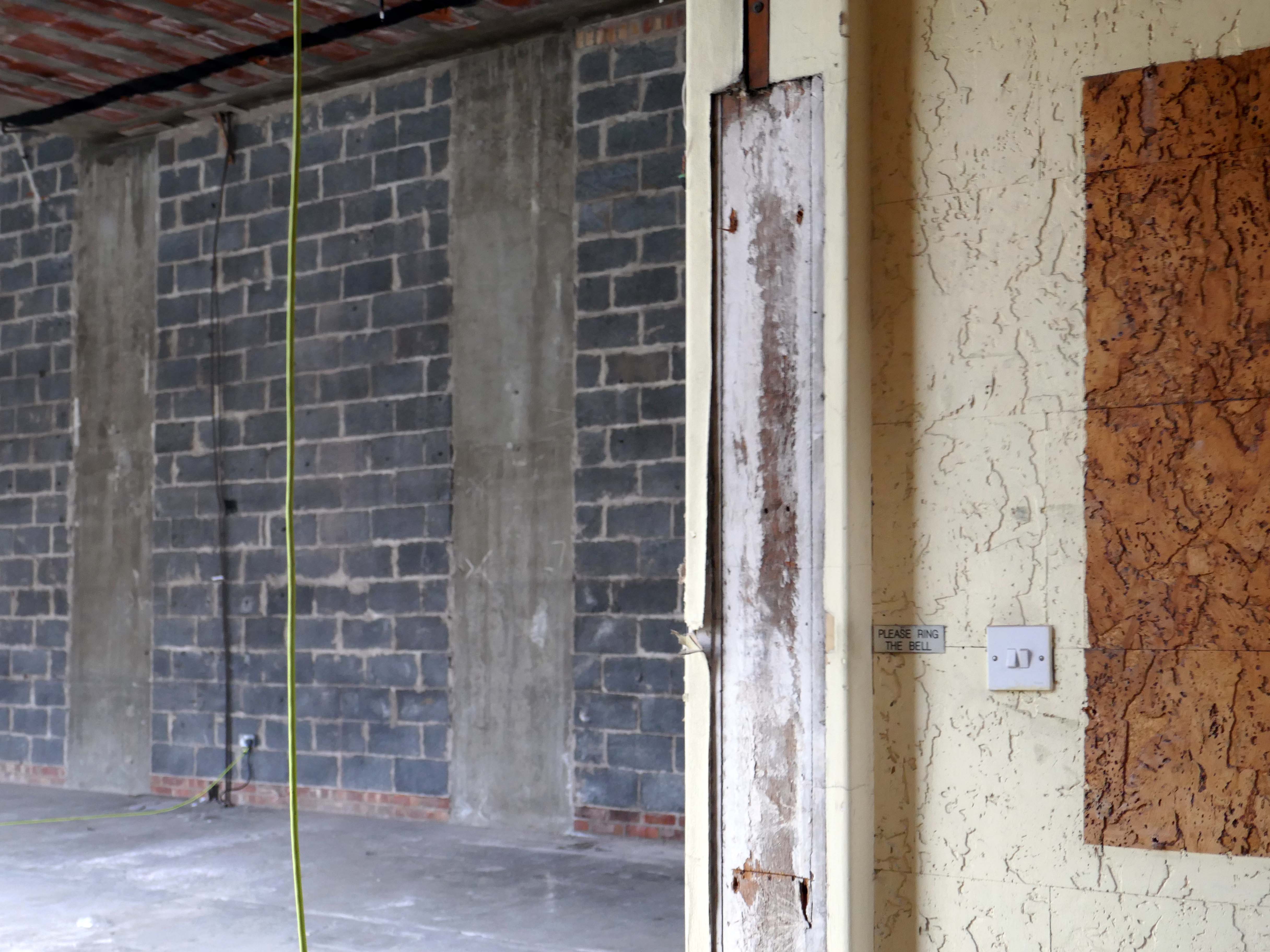
It’s been four years since the Department of Work and Pensions left their Union Street office and eighteen months since plans were submitted to turn it into eighty two flats.
However, apart from hoardings being installed around the building, there doesn’t appear to have been much movement at the site – at least not legally.
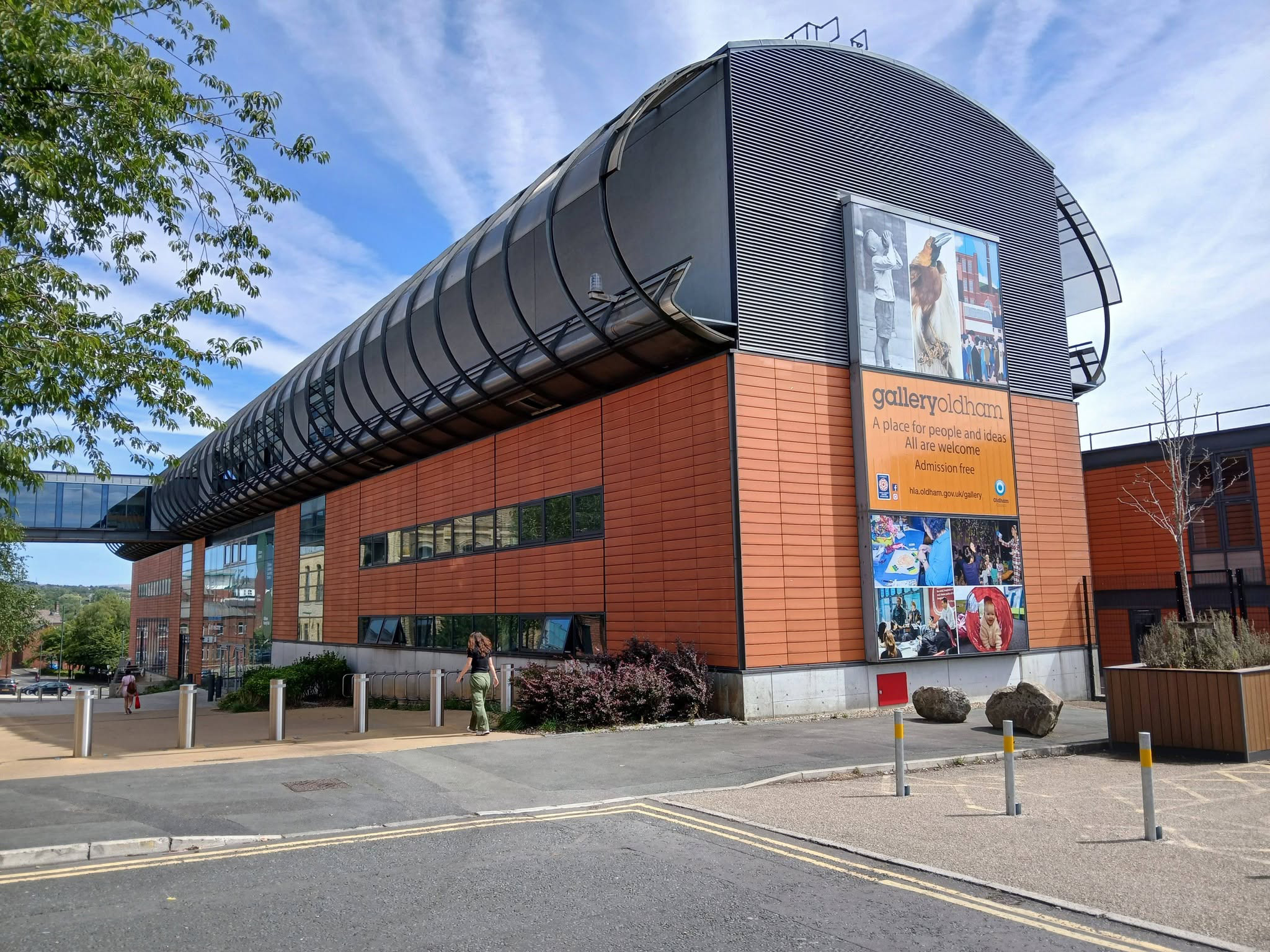
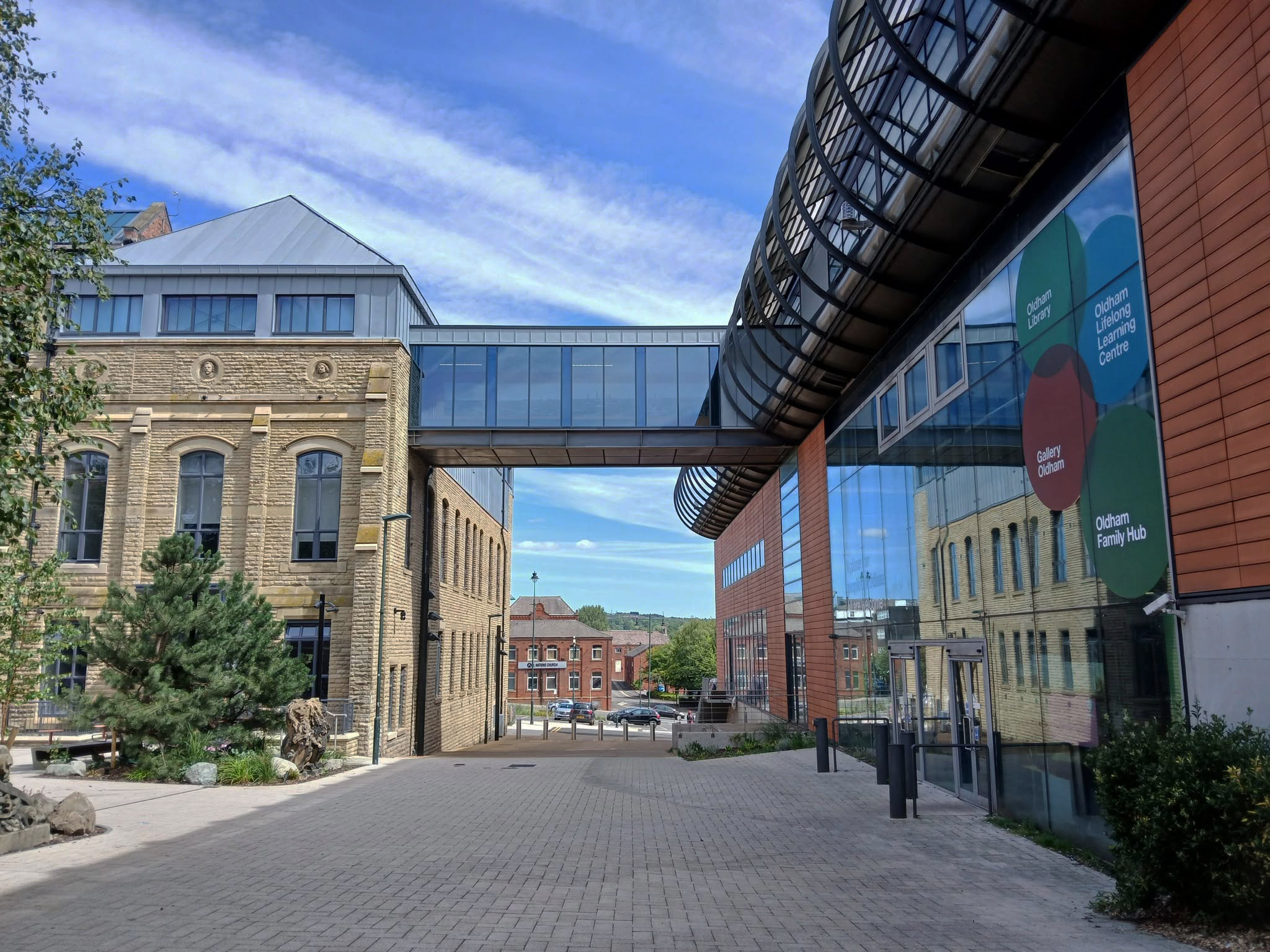
Linking to the older Library and Art Gallery 1883 T Mitchell with sculpture by JJ Milson.
Today the building has been restored to include the Council Chamber and Mayor’s Dining Room, public exhibition spaces and a new home for Oldham Theatre Workshop.
The Old Library is one of the earliest examples of an ashlar faced, in-situ formed concrete multi story building.
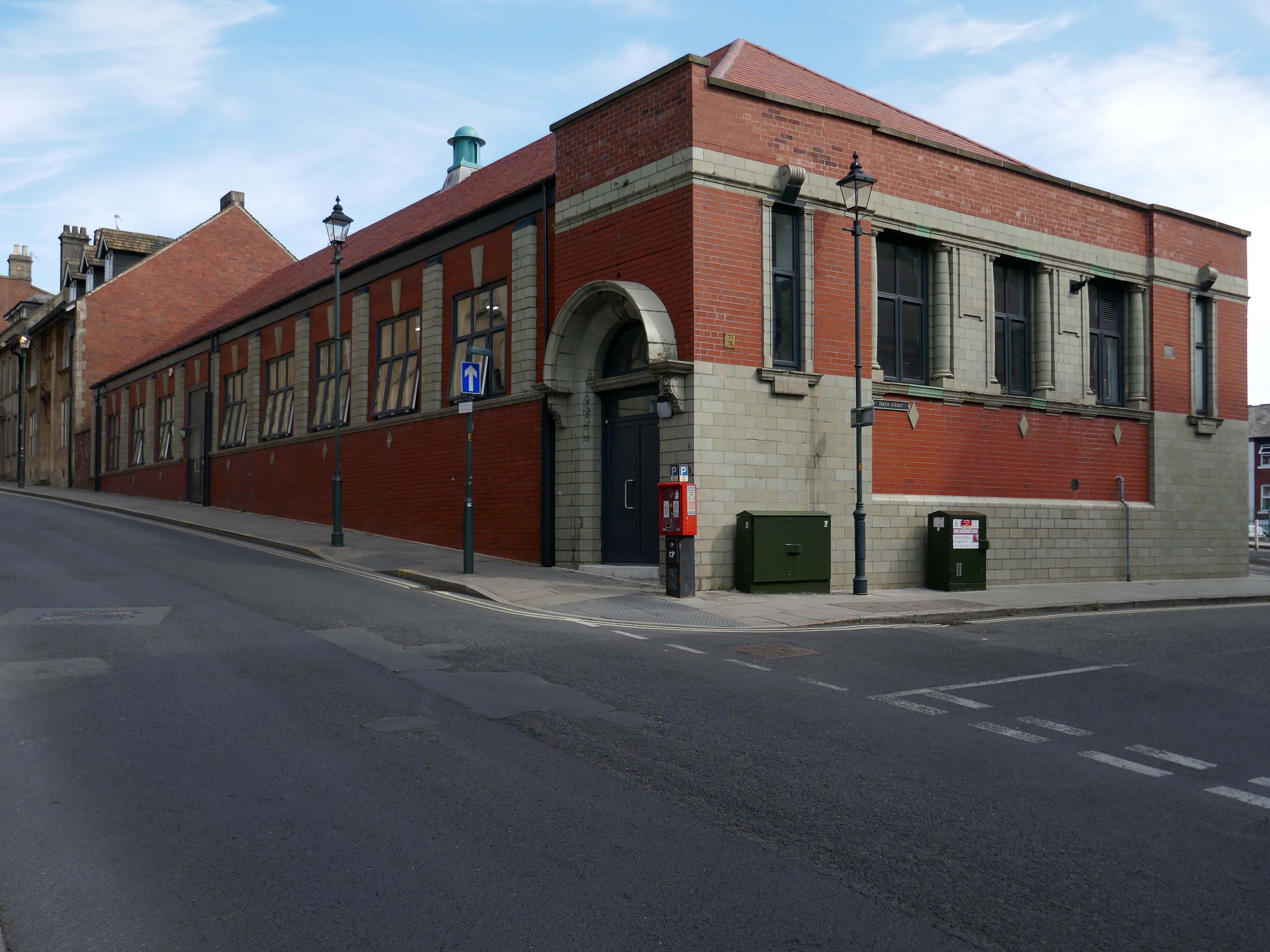
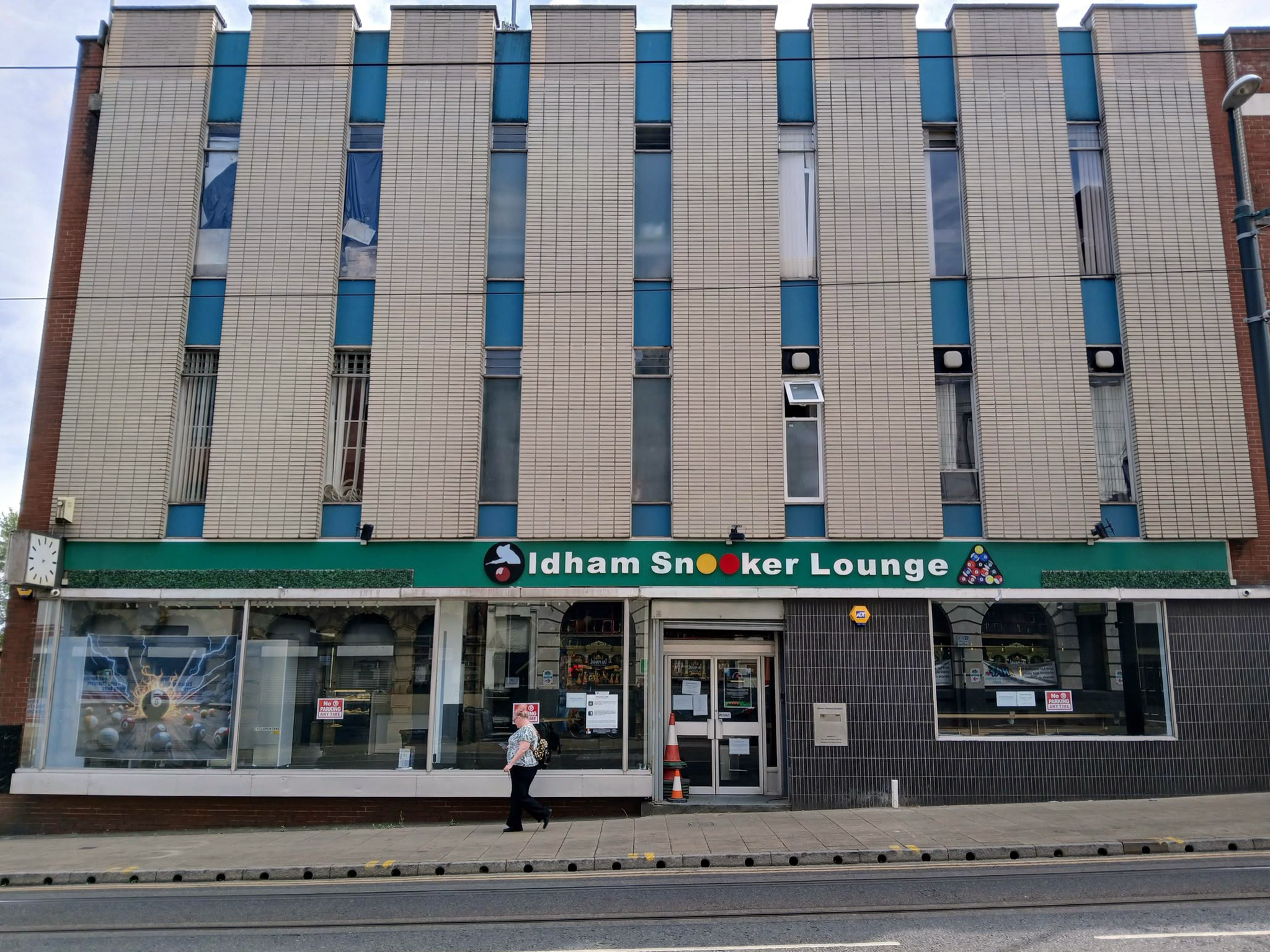
Take a turn up Greaves Street and here’s a faience clad Victoria Housea former Billiard Club 1912 Winder & Taylor – subsequently the hall was used as council housing offices and a college before becoming vacant.
Oldham Boxing moved into the building in 2011.
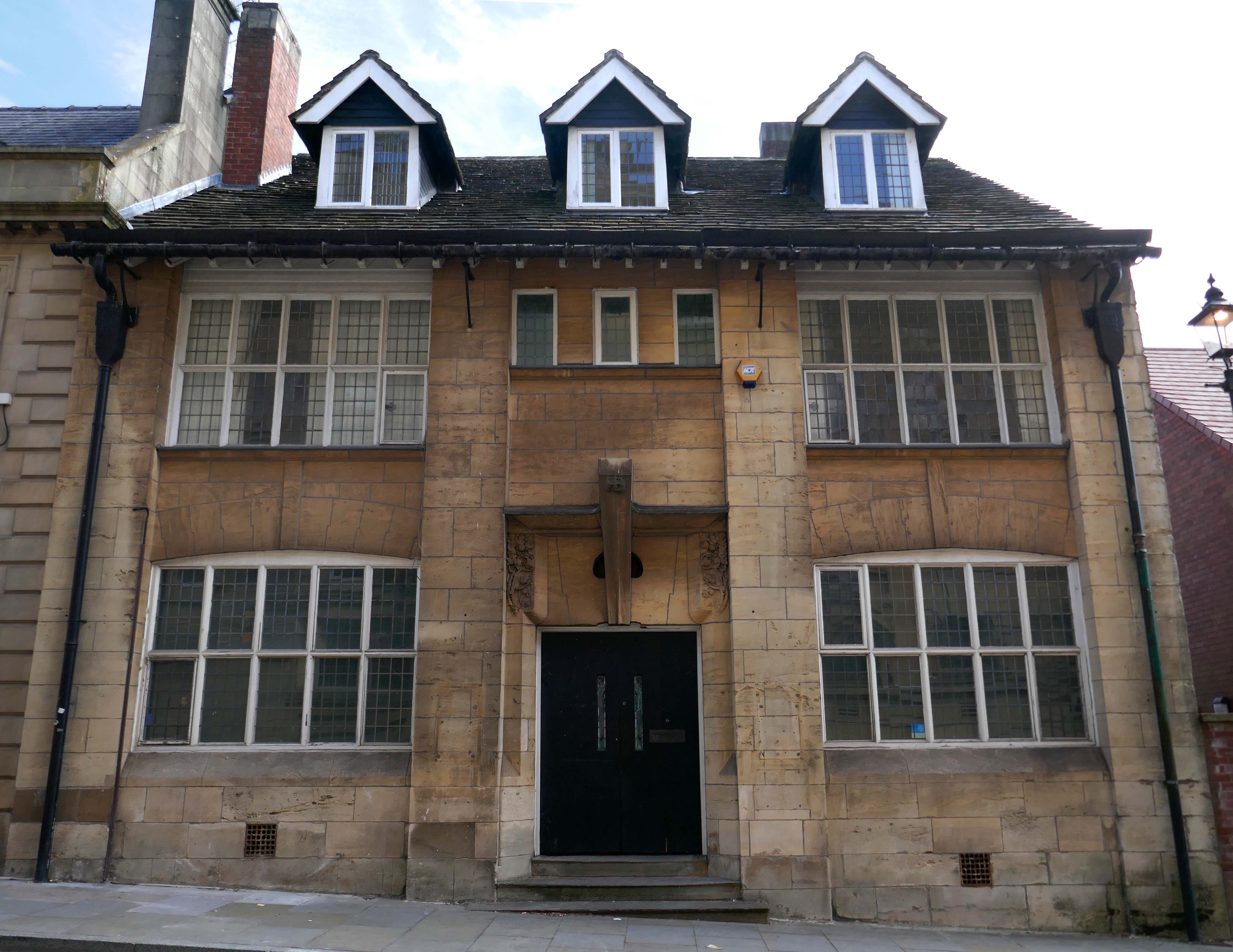
Next door a Ponsonby And Carlile Solicitors Office 1902 Edgar Wood – Grade II Listed.
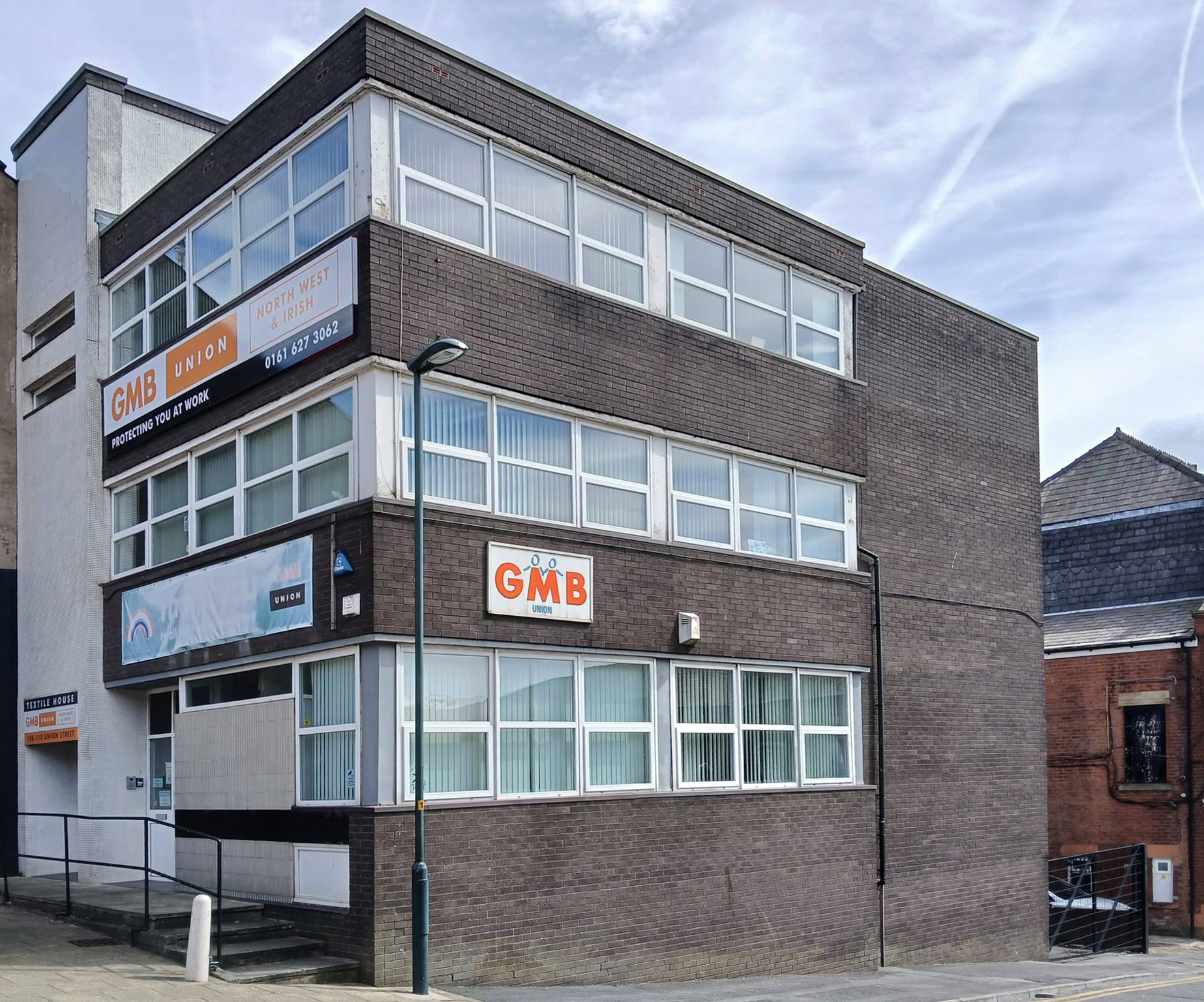
Back now onto Union Street and the GMB Offices.
Onwards to the former Oldham Evening Chronicle
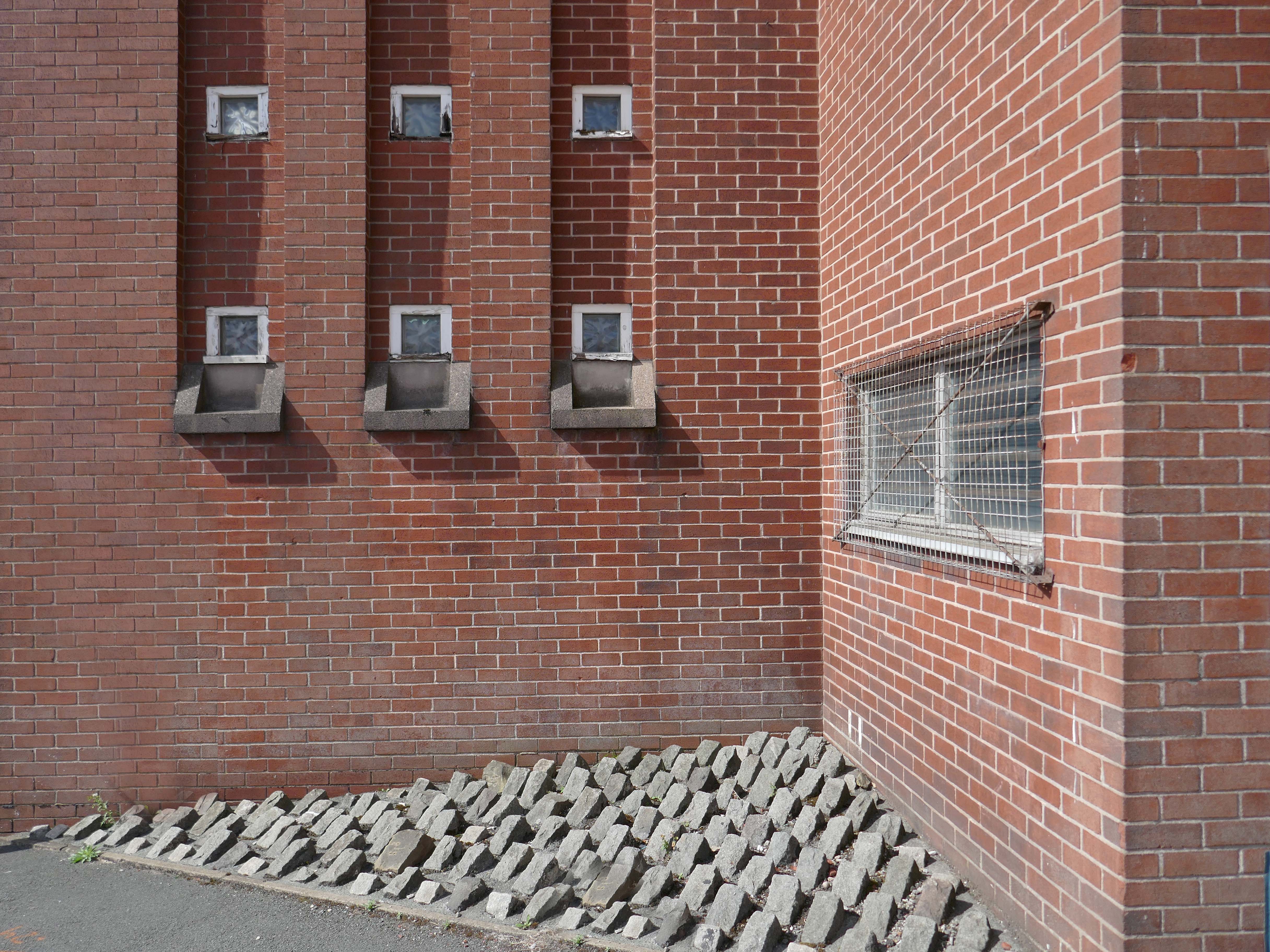
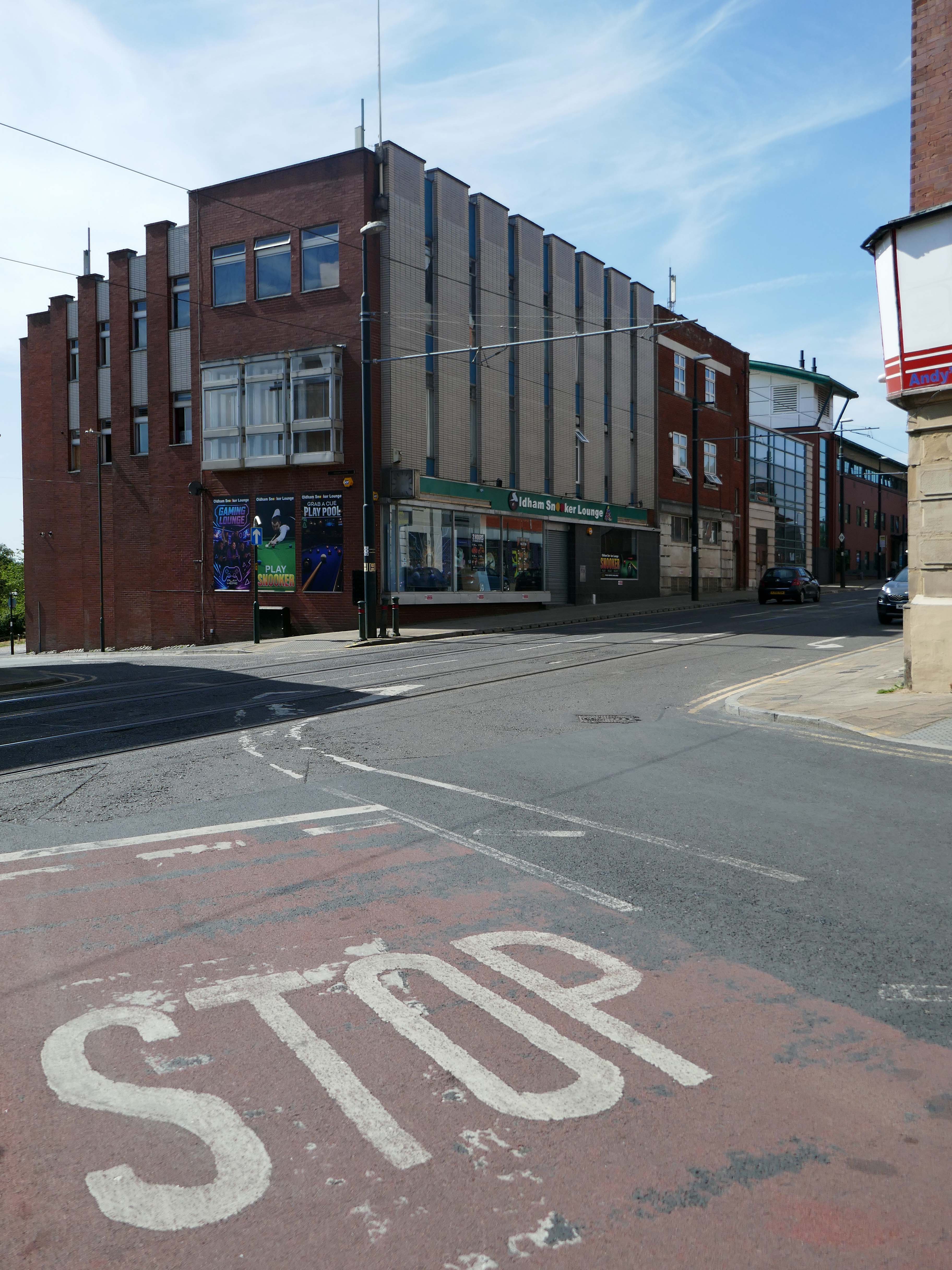
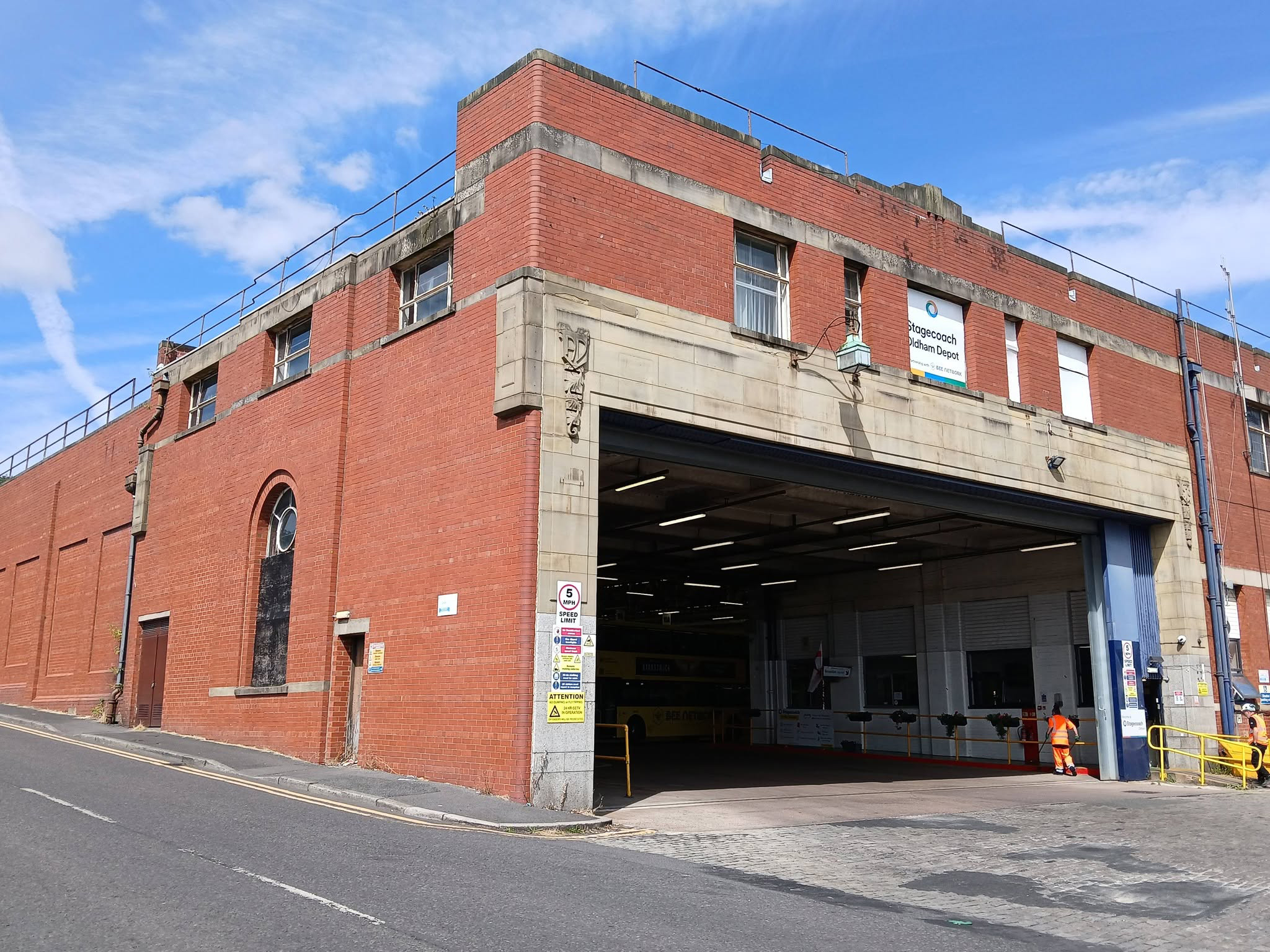
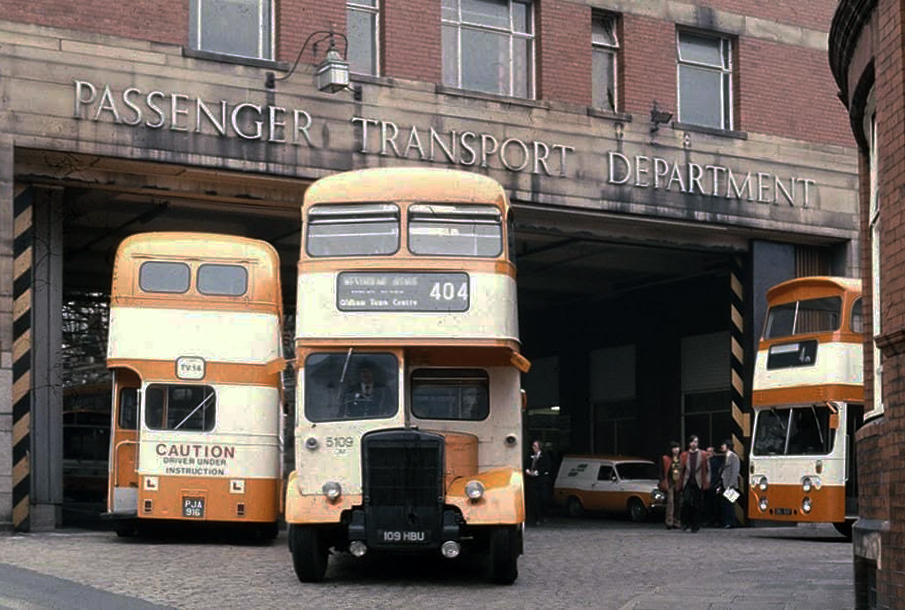
Down the hill and left to the Walshaw Street Bus Depot 1936
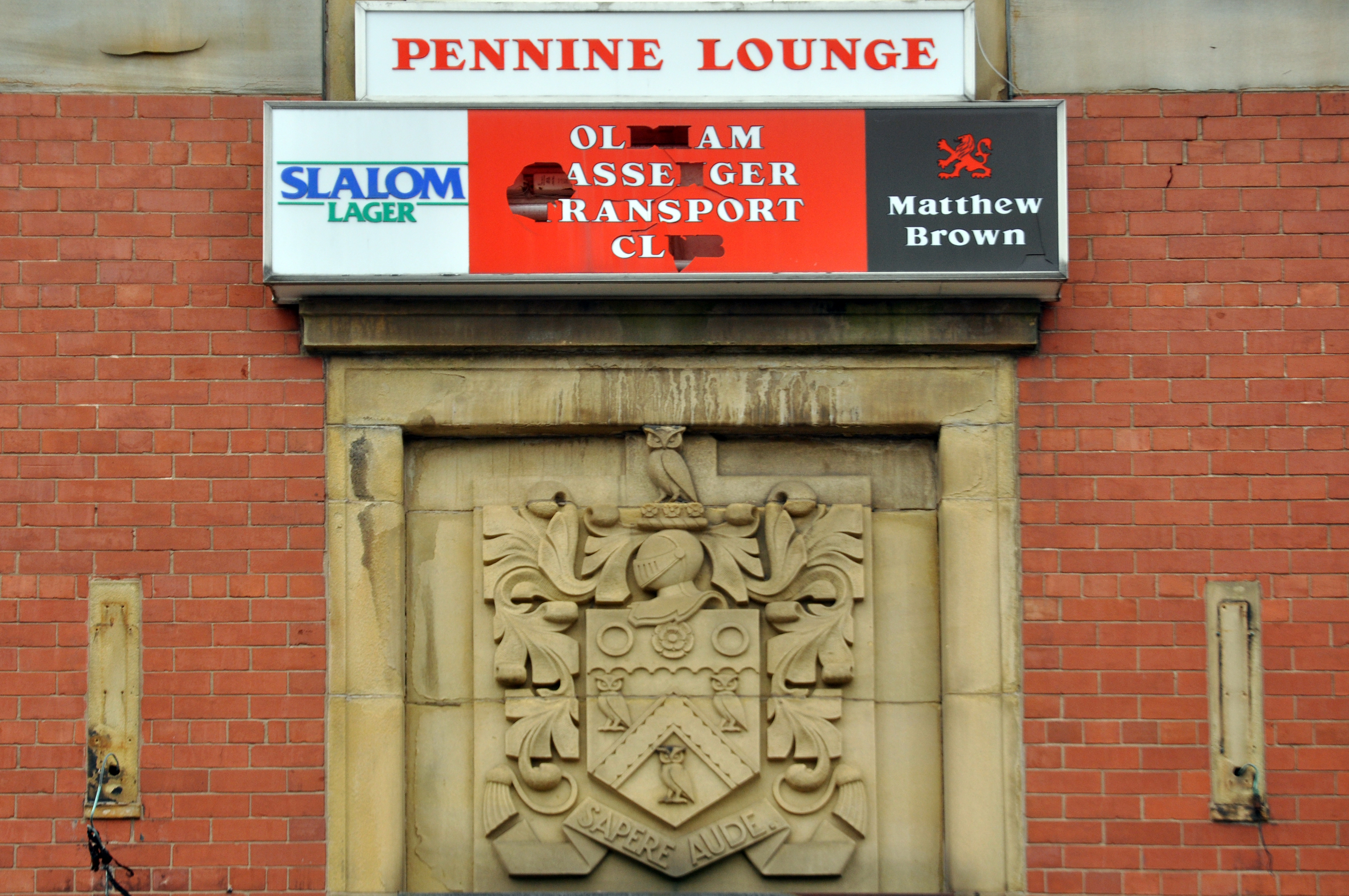
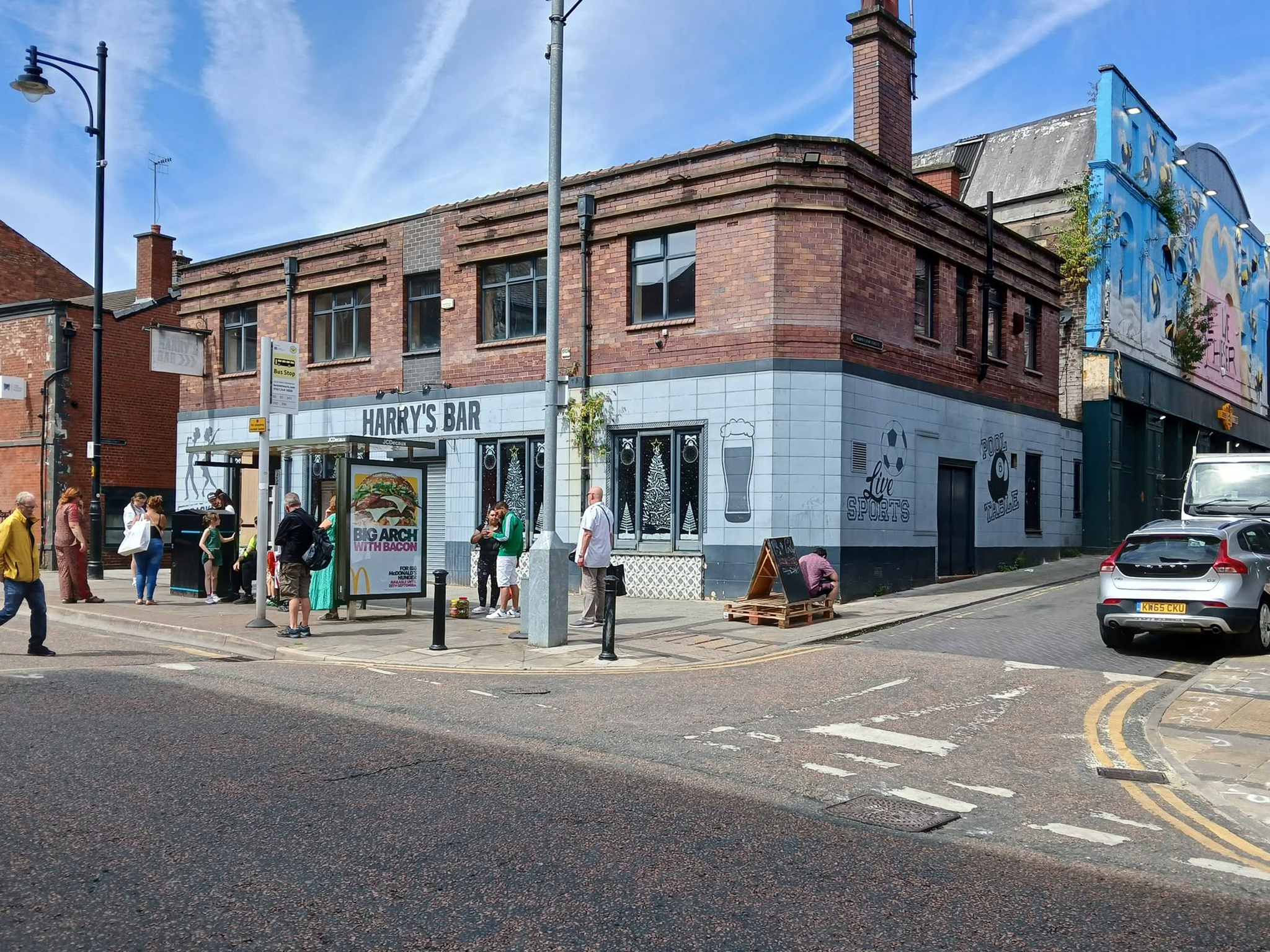
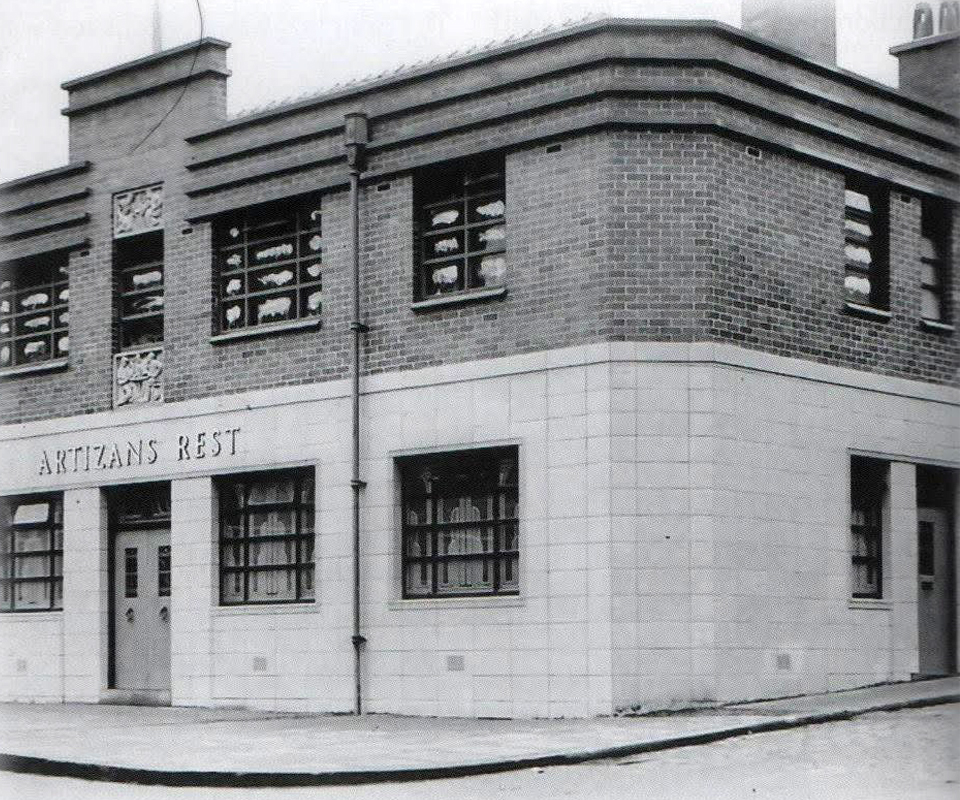
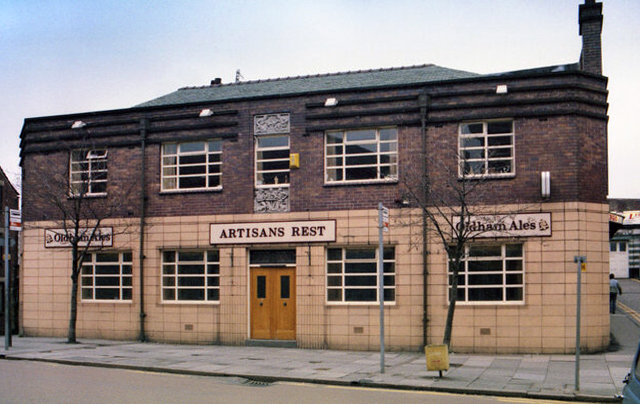
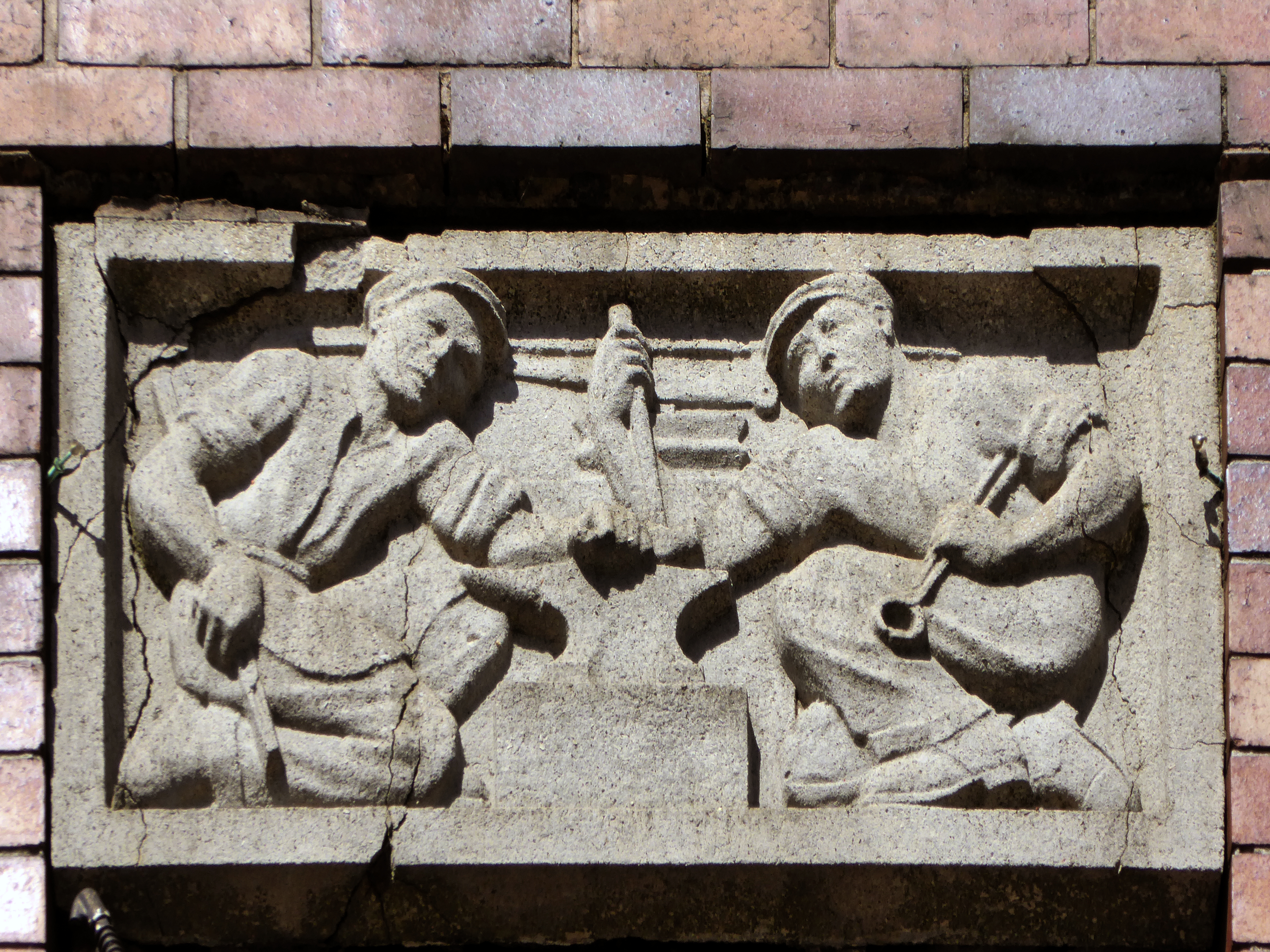
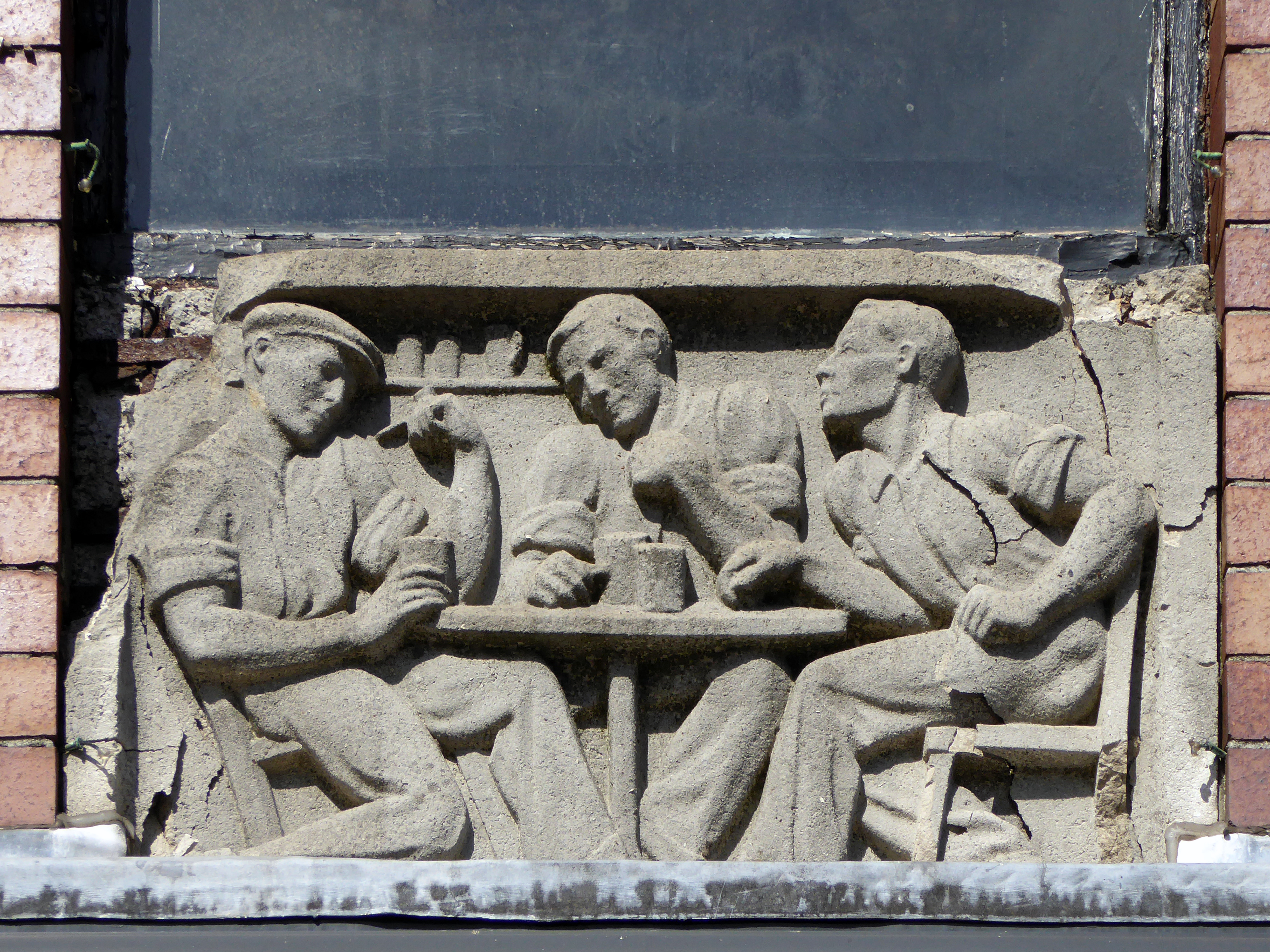
Next we head up Yorkshire Street to Harry’s Bar – formerly The Artizans Rest 1937.
Architects: CT Taylor – Roberts & Bowman.
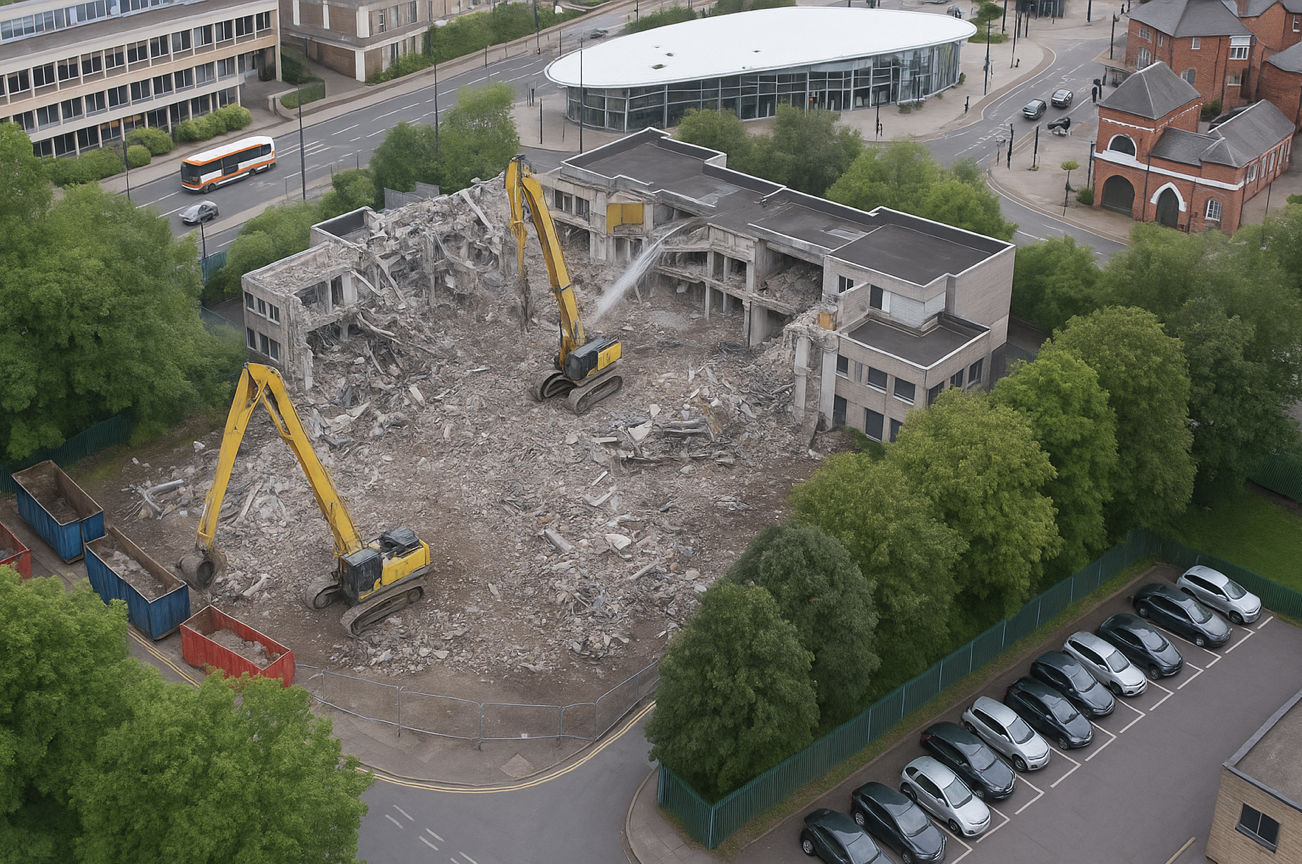
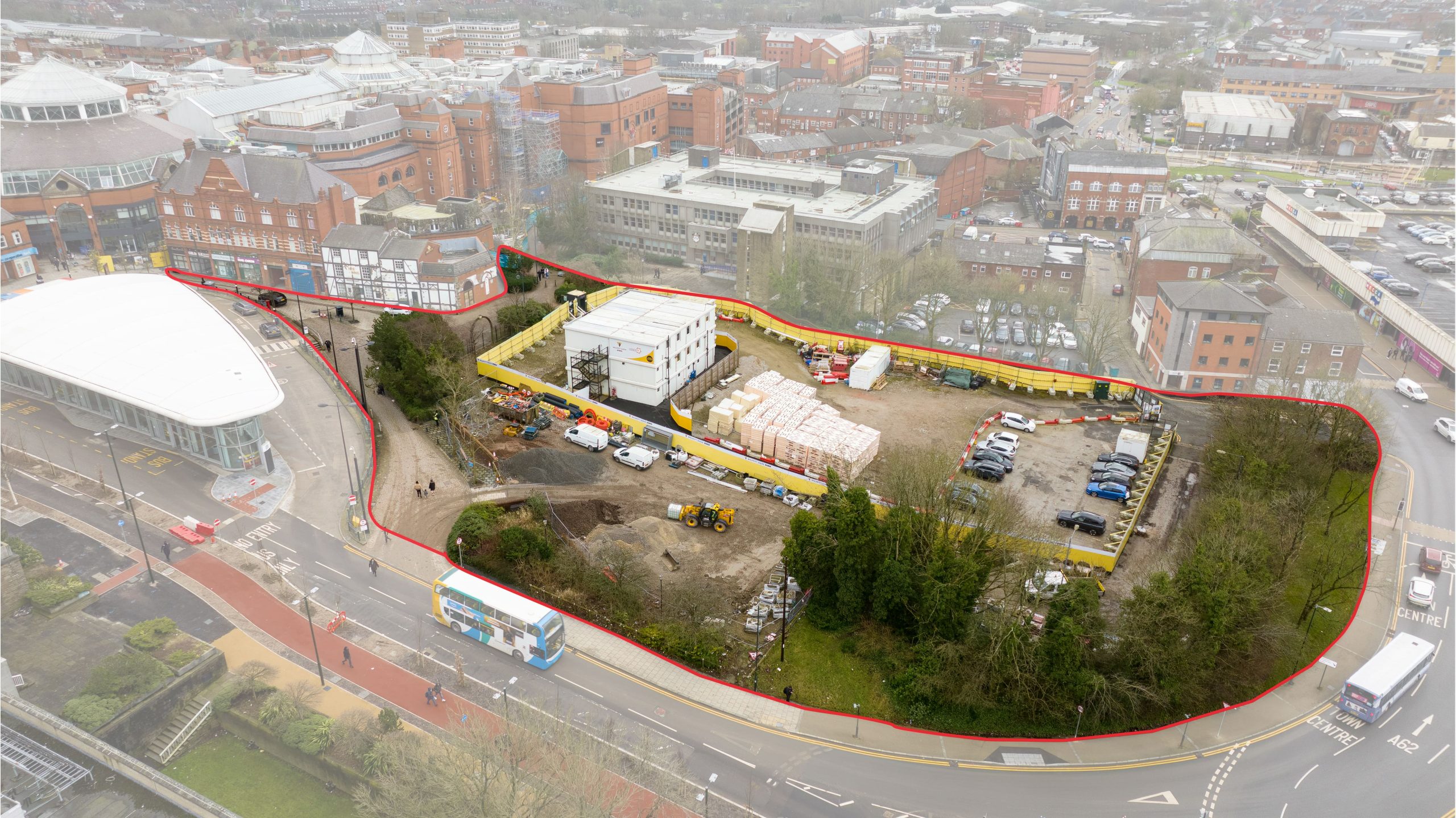
In 2025, it was revealed by the Manchester Evening News that Oldham council planned to buy the building and demolish it with the price tag for the project reported to be £1m. The money comes from a £2.5m pot of regeneration finding given to the local authority by the government.
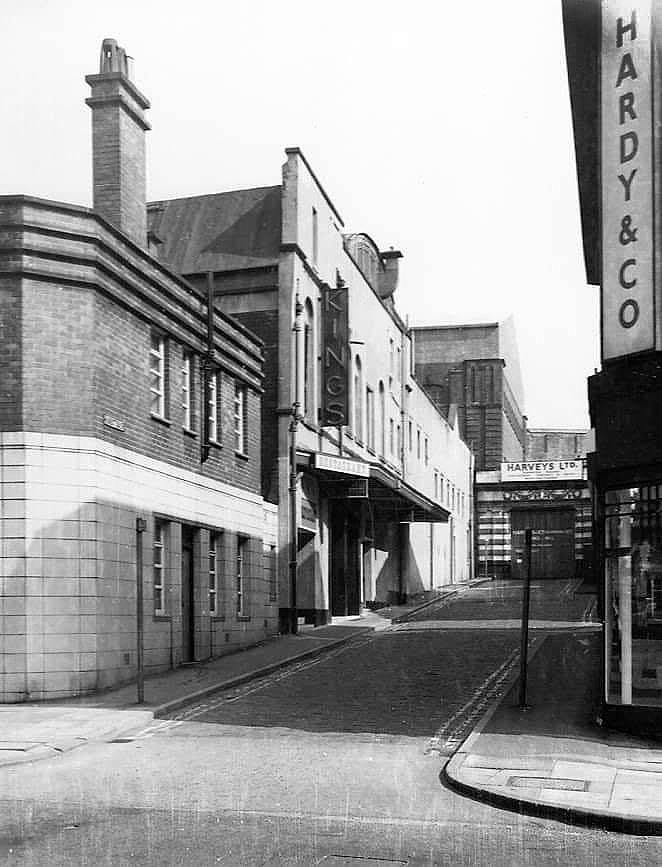
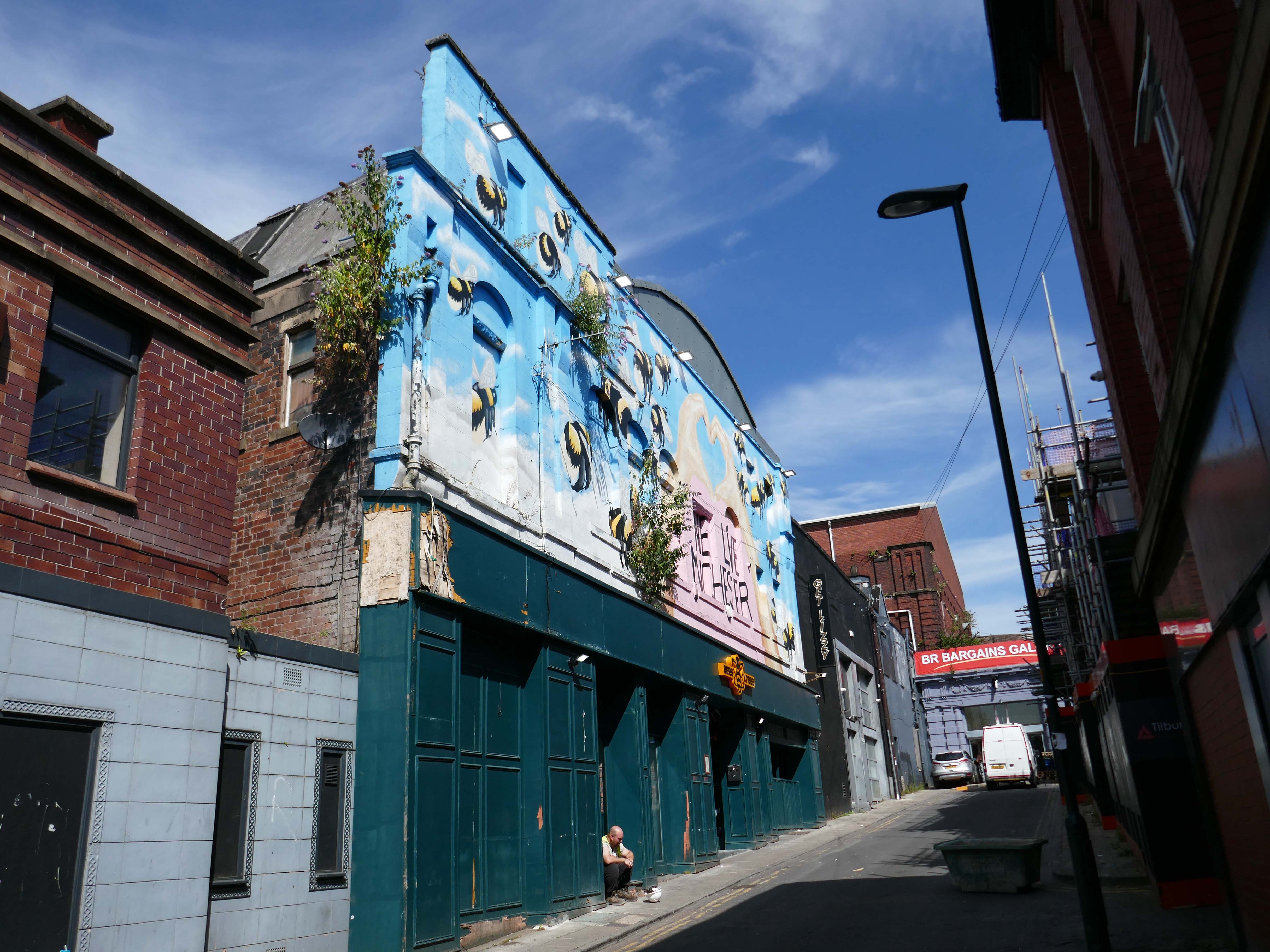
Just around the corner is the former Kings Picture Hall – currently Bees Knees.
Located in the town centre, directly opposite the Coliseum Theatre. The King’s Picture Hall was opened 18th September 1911. In October 1912 a café was opened in the building adding a further amenity to the cinema. In 1929 it was equipped with a British Thomson Houston sound system.
The King’s Picture Hall was closed on 25th June 1966 with Ryo Ikebe in Battle in Outer Space and Randolph Scott in Comanche Territory.
On 2nd July 1966 it was converted into a bingo club.
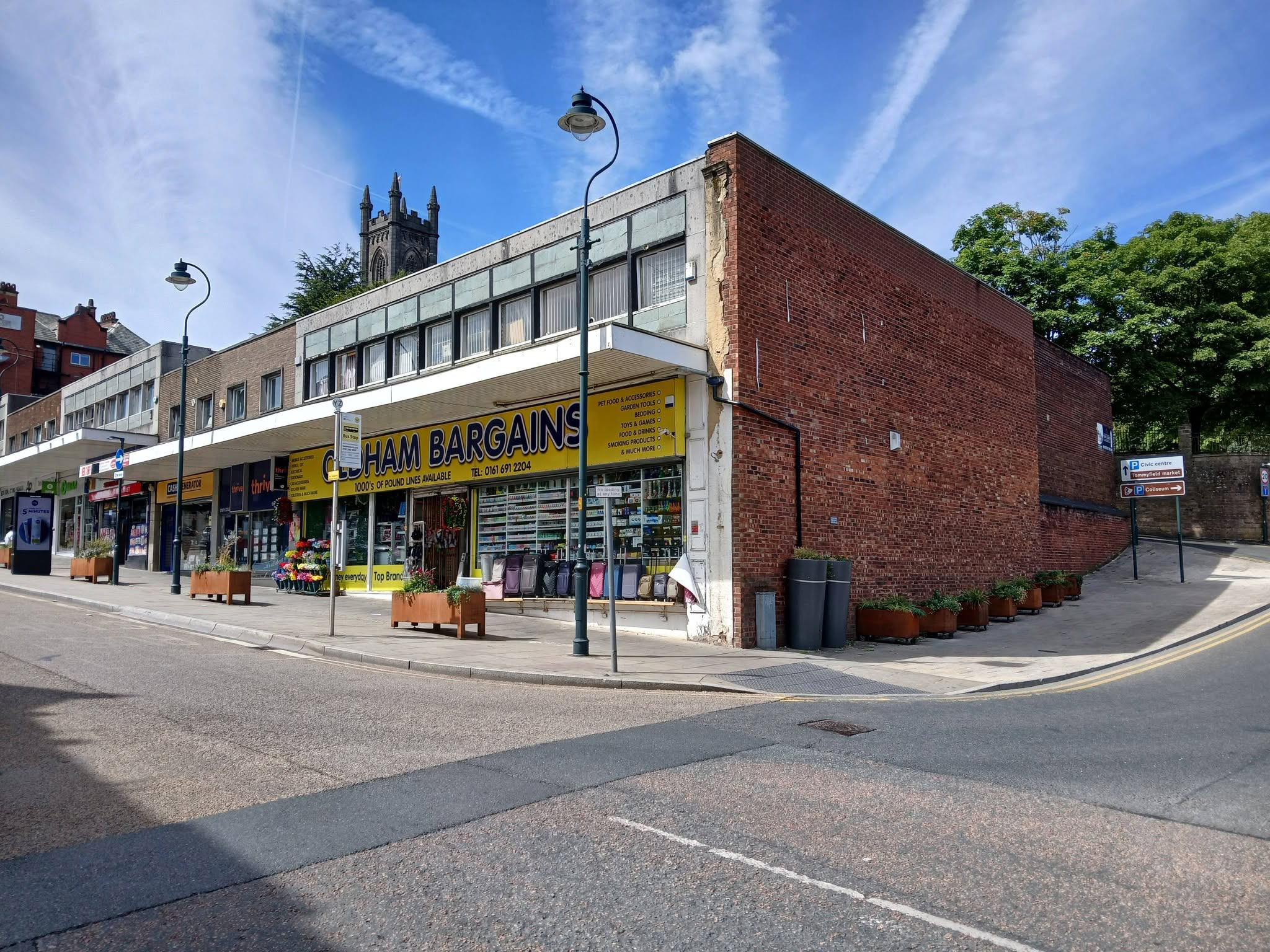
A stand of shops – stepped the accommodate the incline, partially clad in Westmorland Slate.
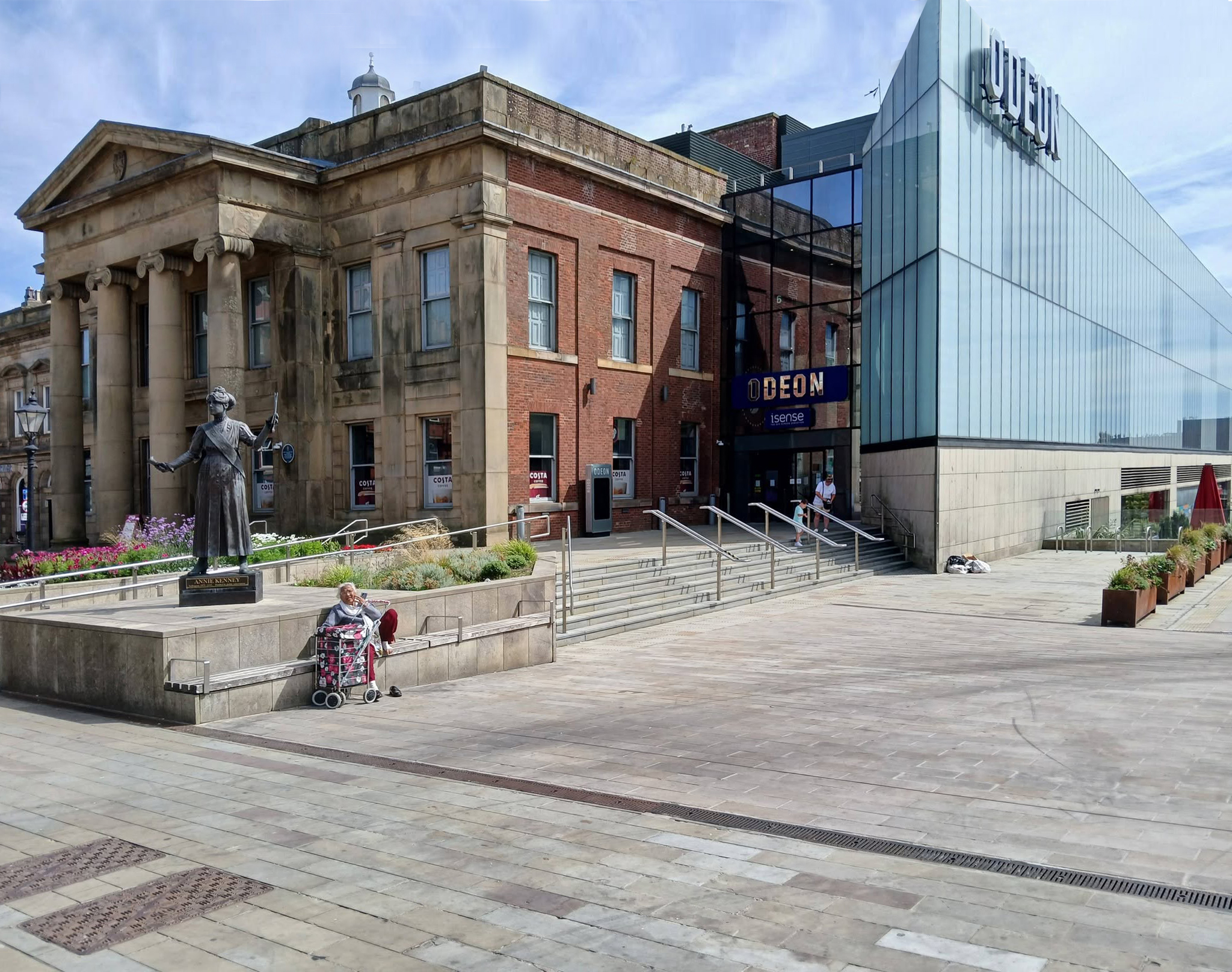
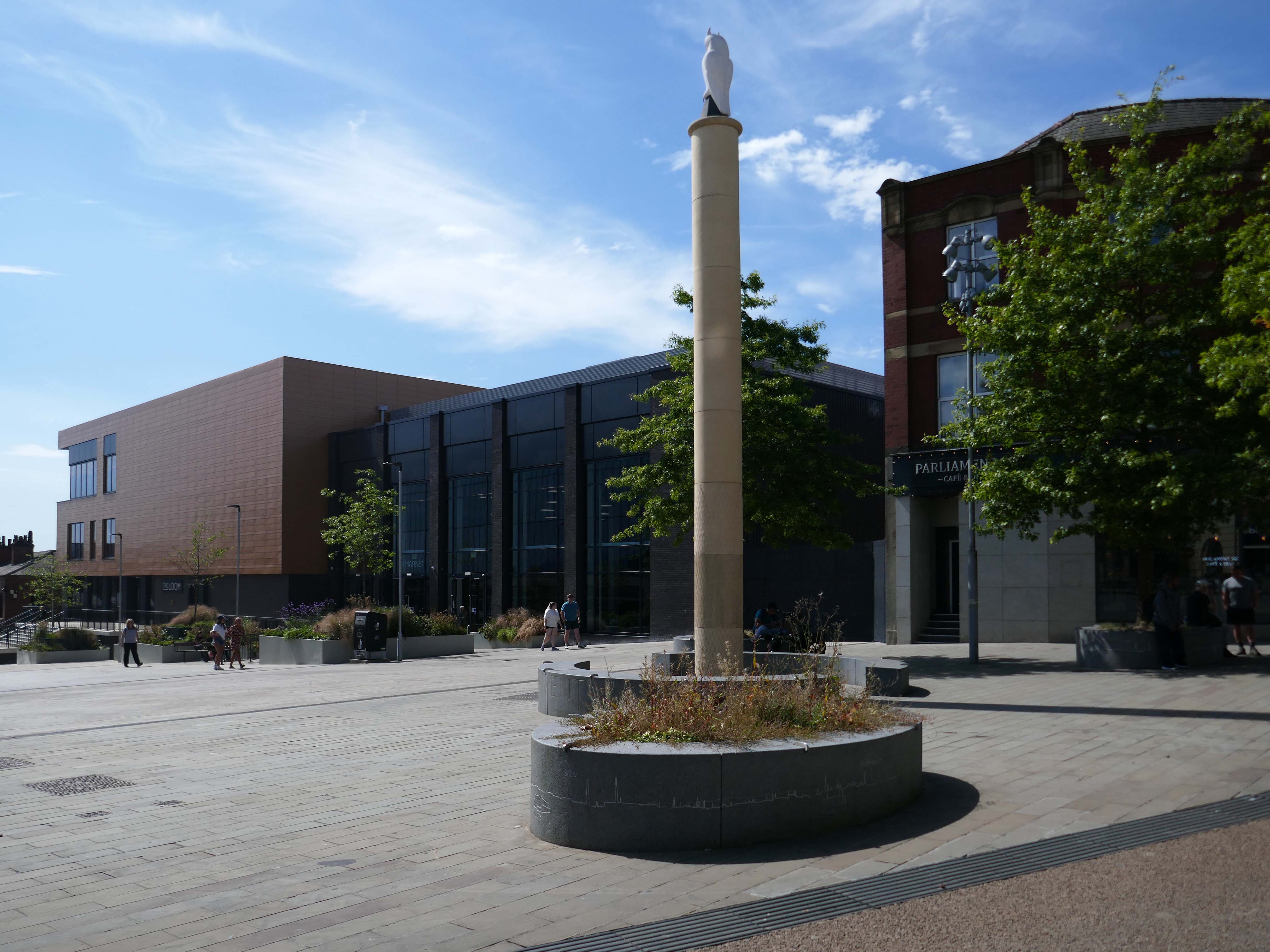
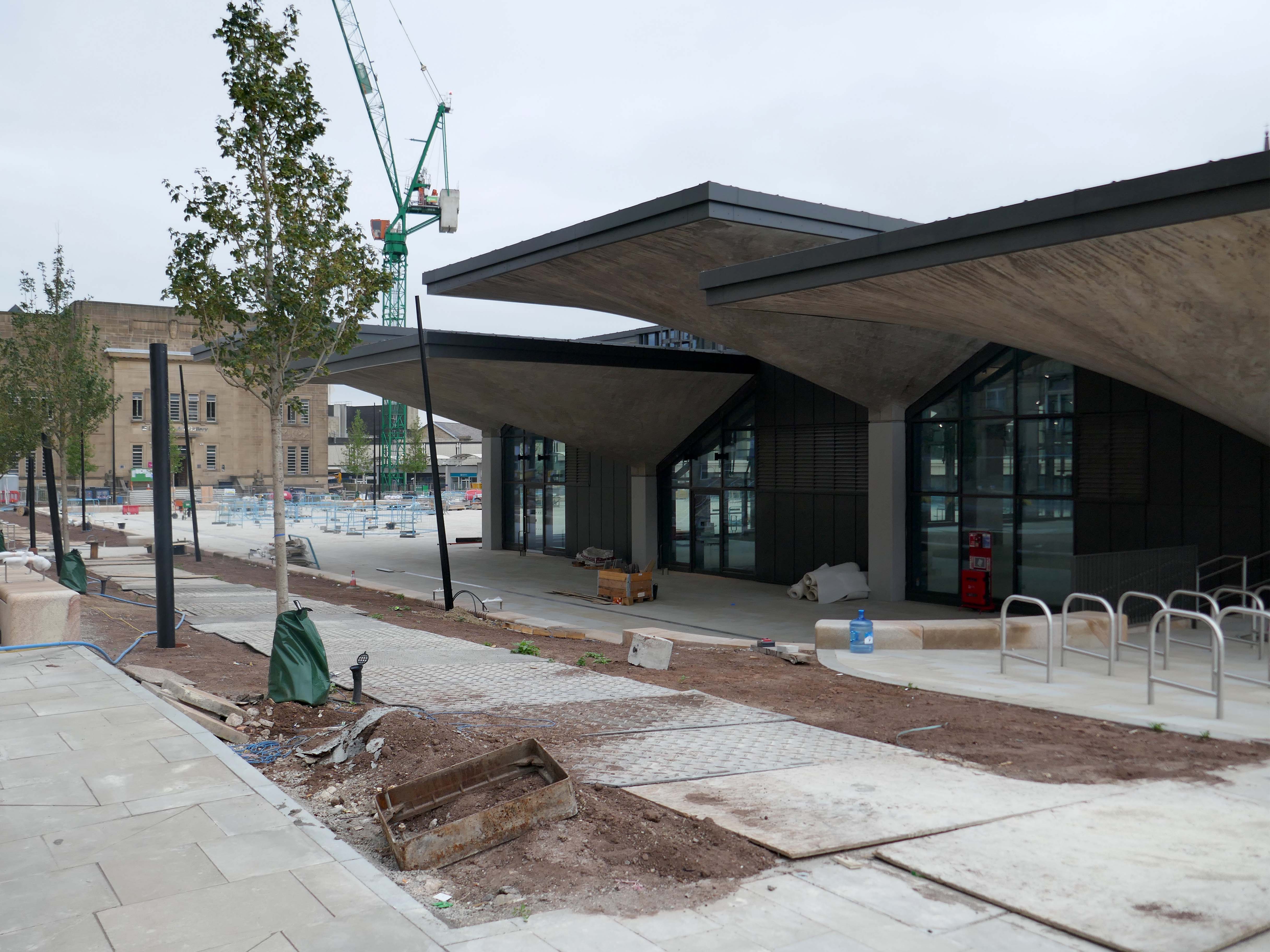
Oldham Town Centre now has a new high-quality public space – Parliament Square
Six new restaurant units will be located within the Old Town Hallalongside a brand new 800-seat, seven screen ODEON cinema.
BDP 2017
A stunning glass extension to the side of the Grade II-listedbuilding provides access to the various levels of the cinema and is also the frontage to the new restaurants.
George Woodhouse of Bolton 1841, extended by Edward Potts of Oldham 1879-80.
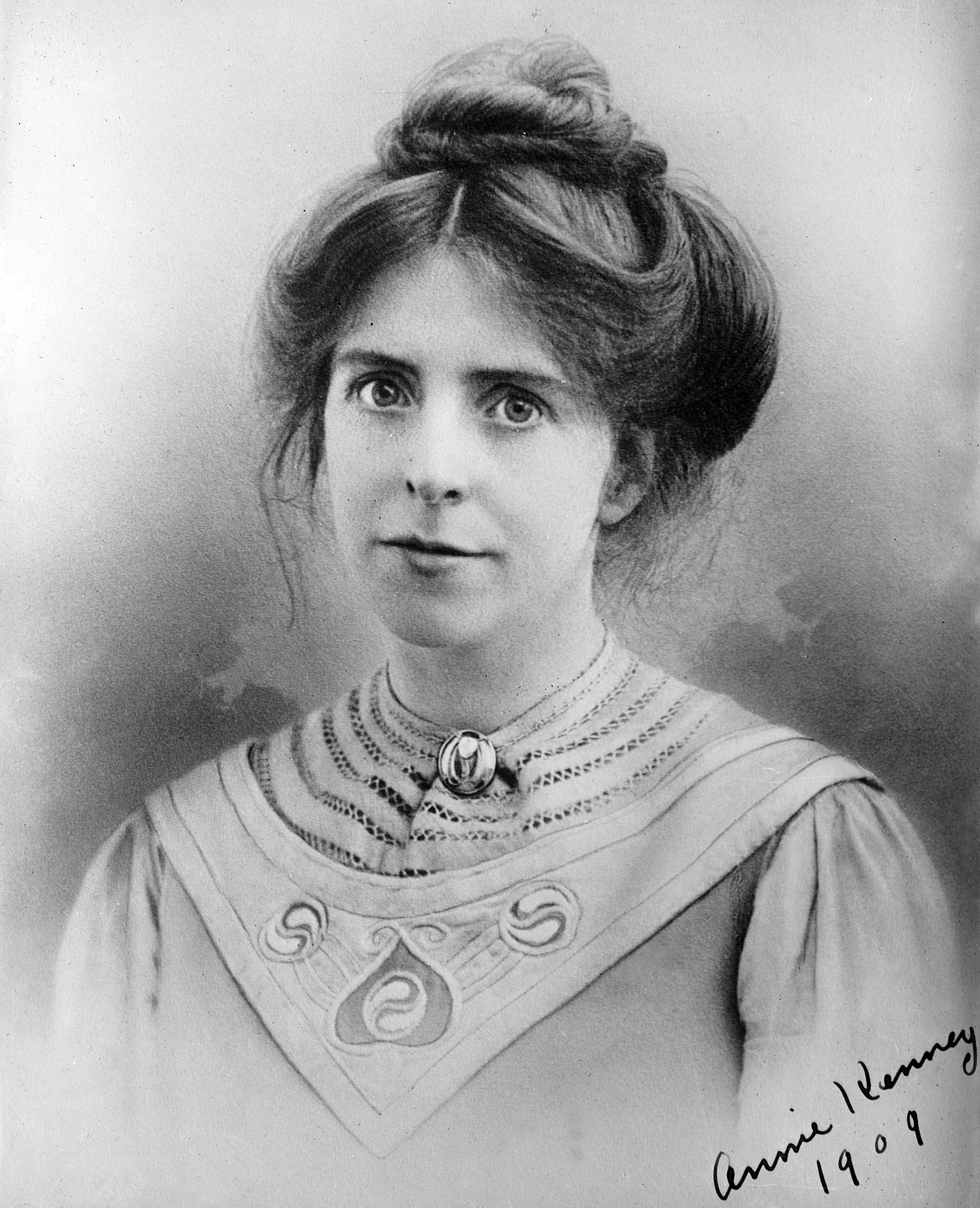
To the left is a statue of Springhead born Annie Kenney – political activist, socialist feminist and suffragette, modelled by Denise Dutton, unveiled 14 December 2018.
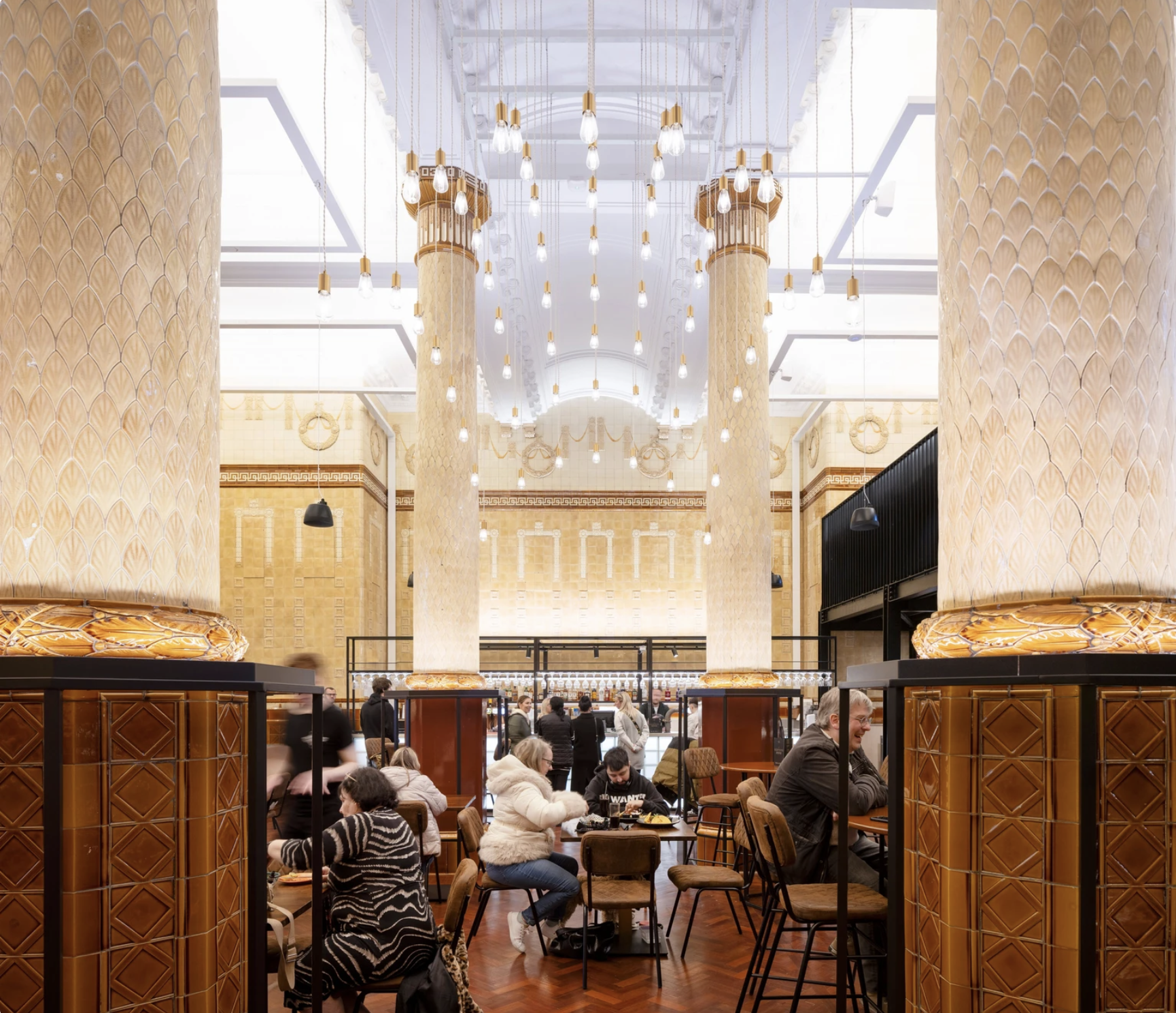
The Egyptian Room Food Hall project extends BDP’s partnership with Oldham Council and the rejuvenated Grade II listed Old Town Hall building in Oldham town centre, the main transformation of which was also designed and delivered by BDP.
The Loom is a brand new events space next to Oldham’s new indoor market on Parliament Square in the town centre. The gala-sized event space can fit up to one thousand standing guests, seven hundred seated, or five hundred dining, or can be split-off into smaller rooms for exhibitions, gigs, or theatre performances.
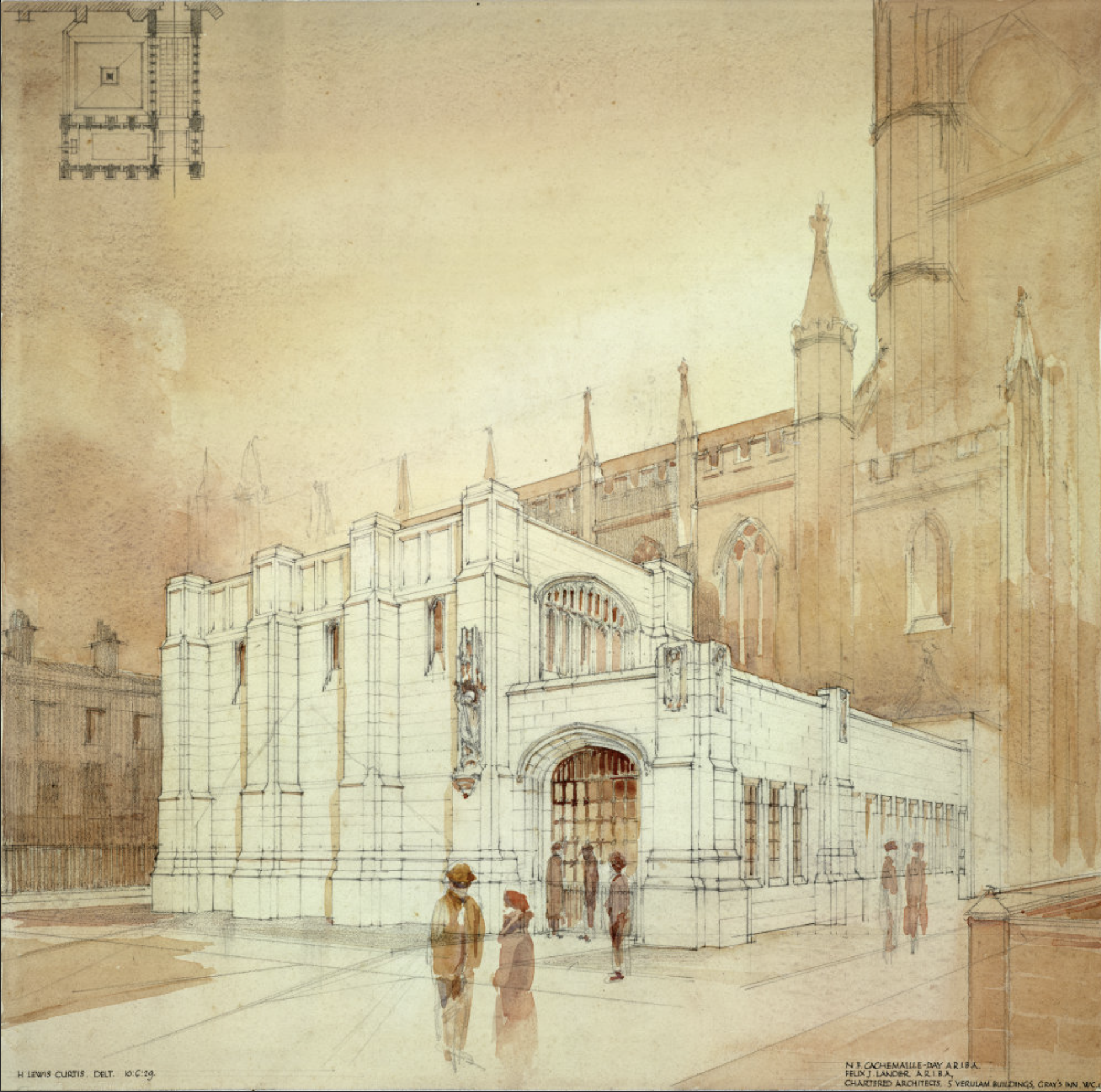
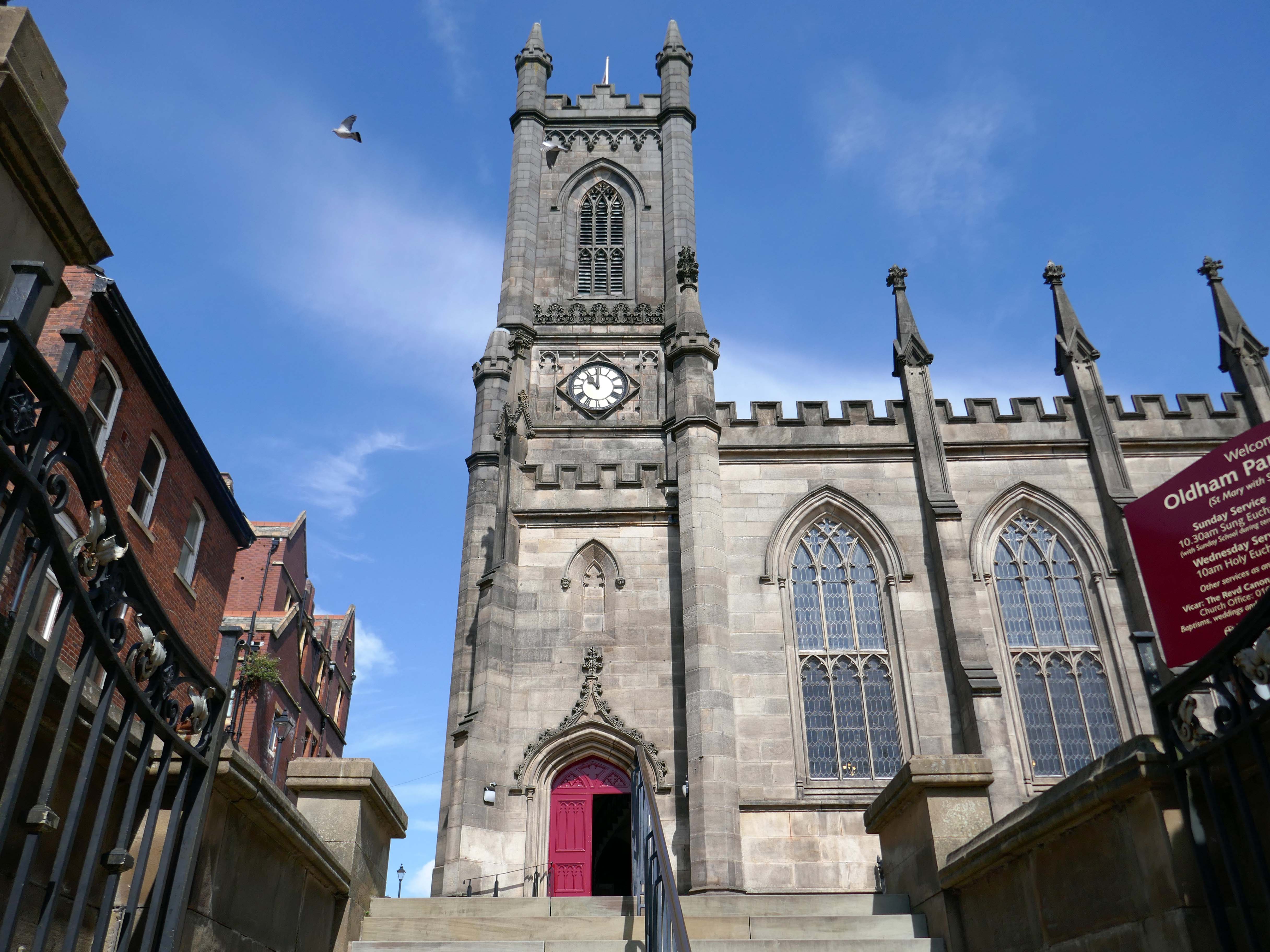
Design for a war memorial chapel, St Mary’s Church 1920.
Architect: Nugent Francis Cachemaille-Day.
Artist: H Lewis Curtis.
Image: RIBA pix
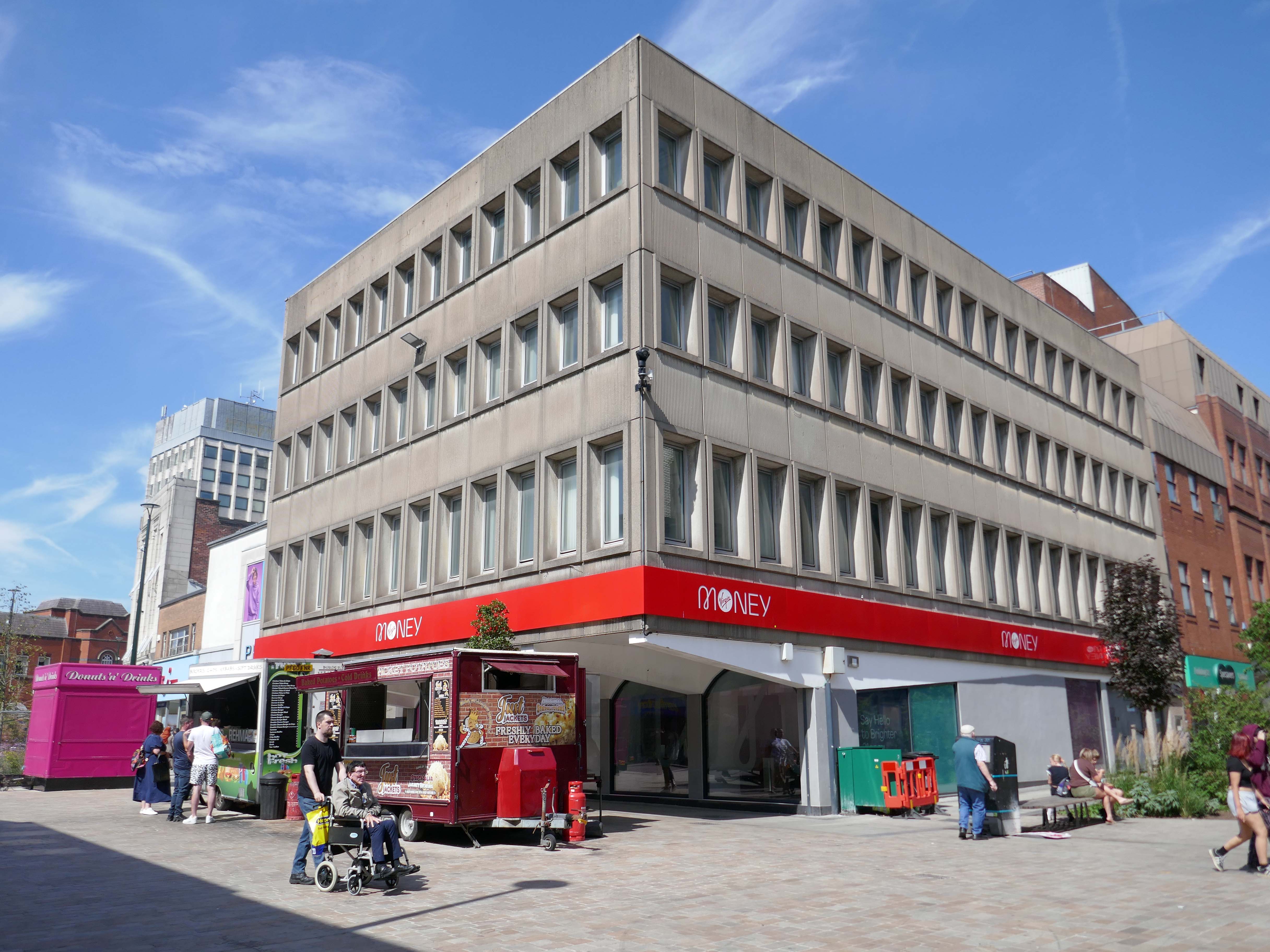
Next to the former Yorkshire Bank 1970 John Brunton& Partners.
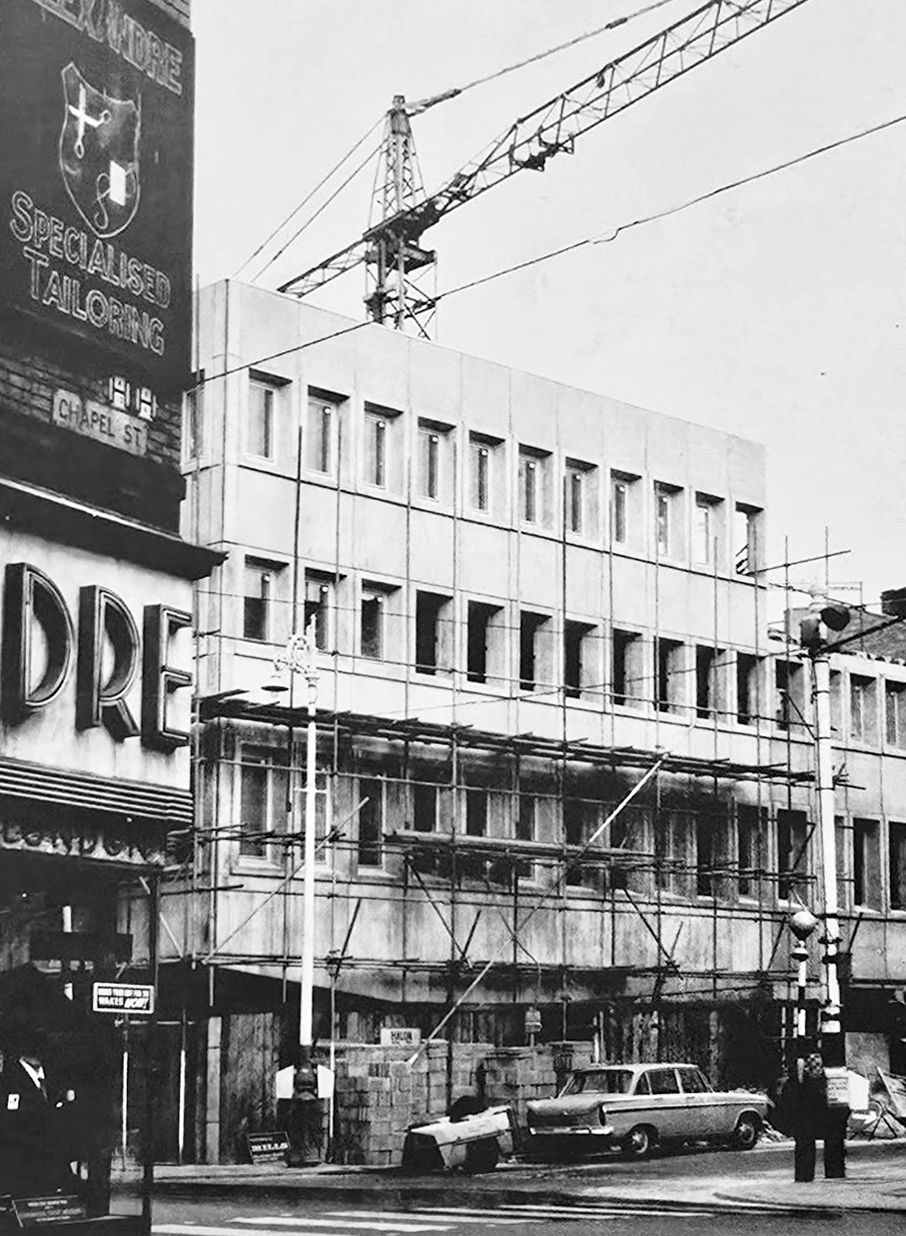
Under construction 1970
Image: Kayla Chadwick
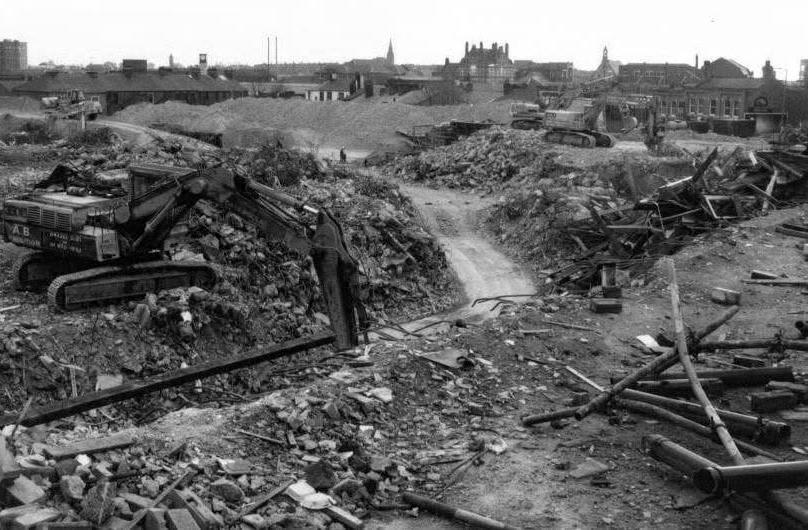
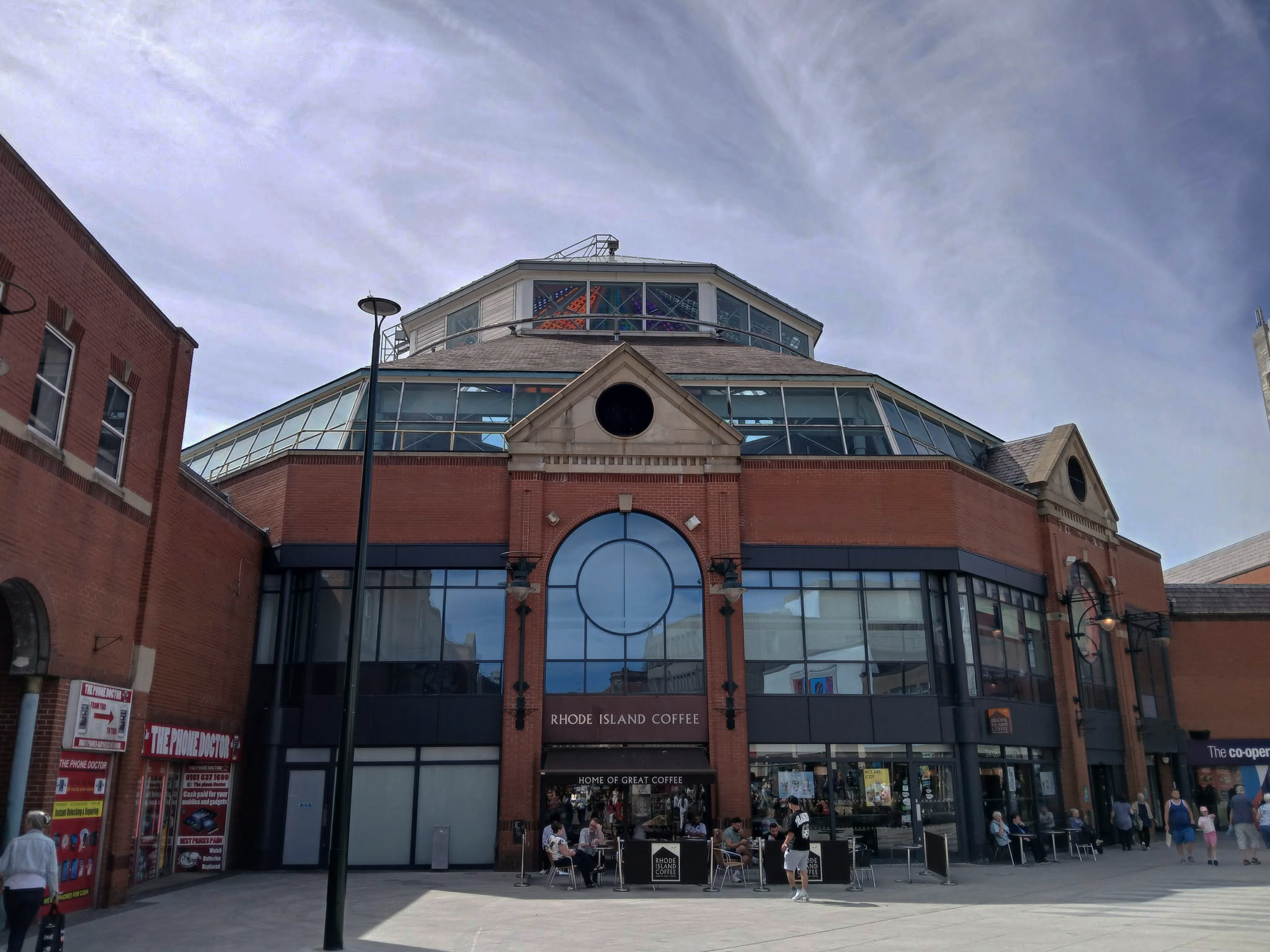
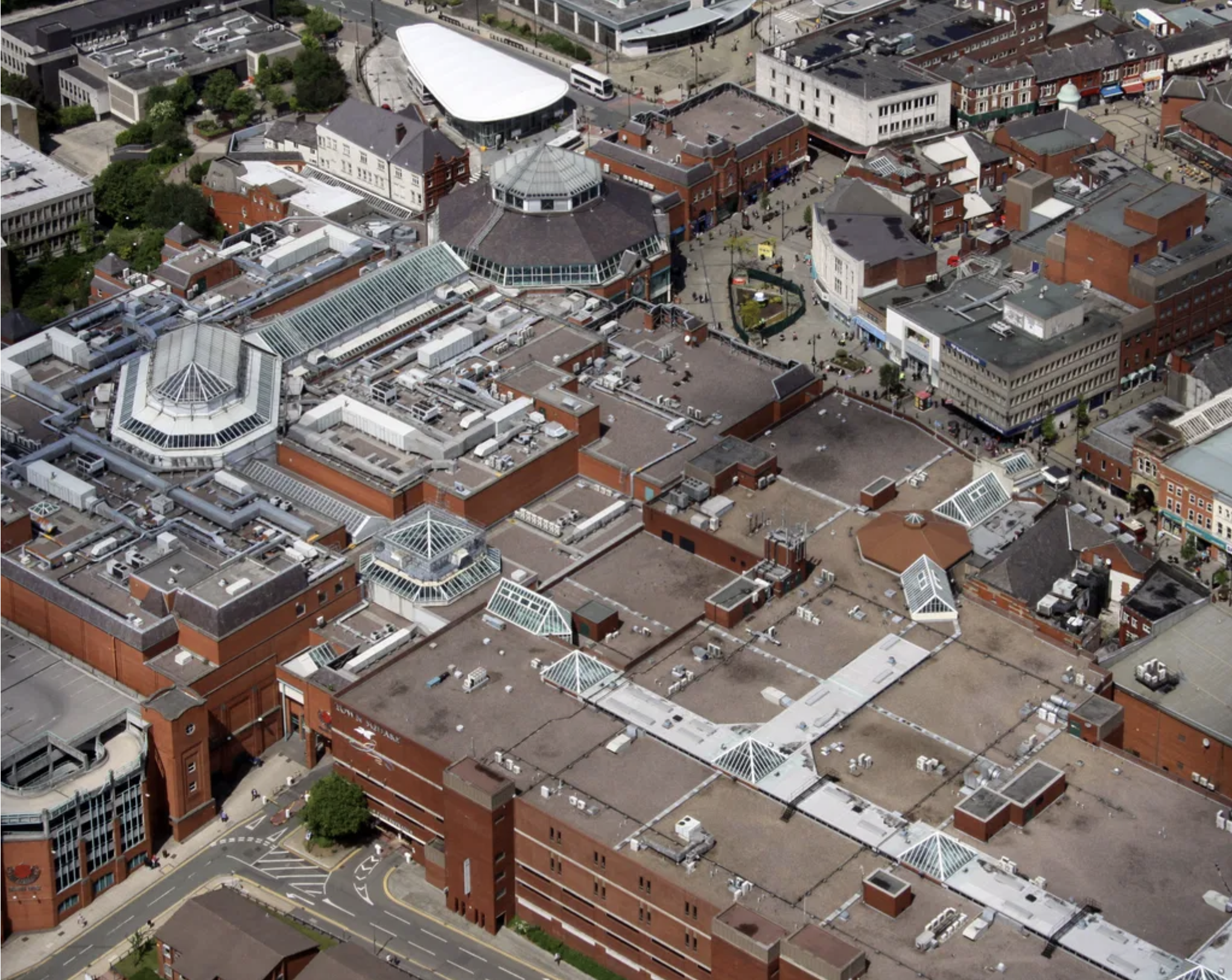
Down to the Spindles Shopping Centre 1991
Originally the site of St Peter’s Shopping Centre architect Richard Seifert
St Peter’s House – housed Oldham Area Health Authority Administrative Offices
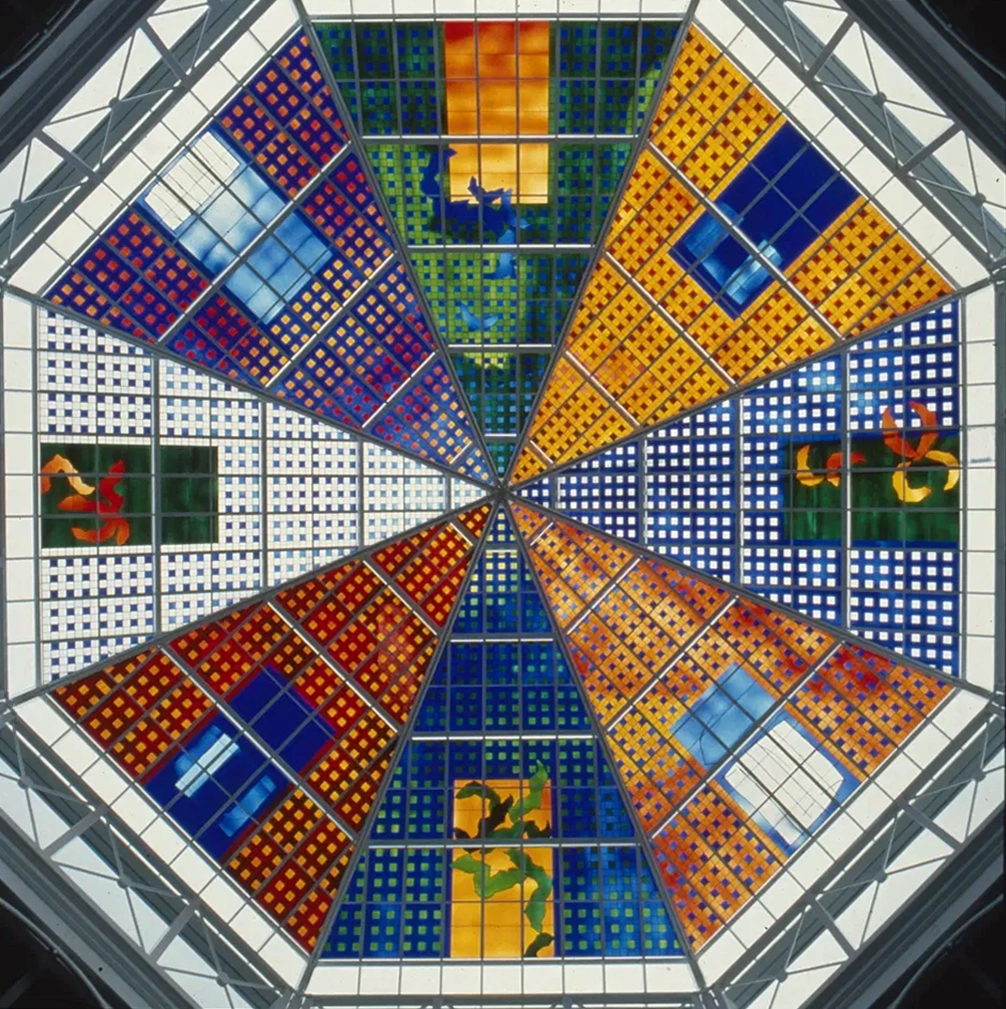
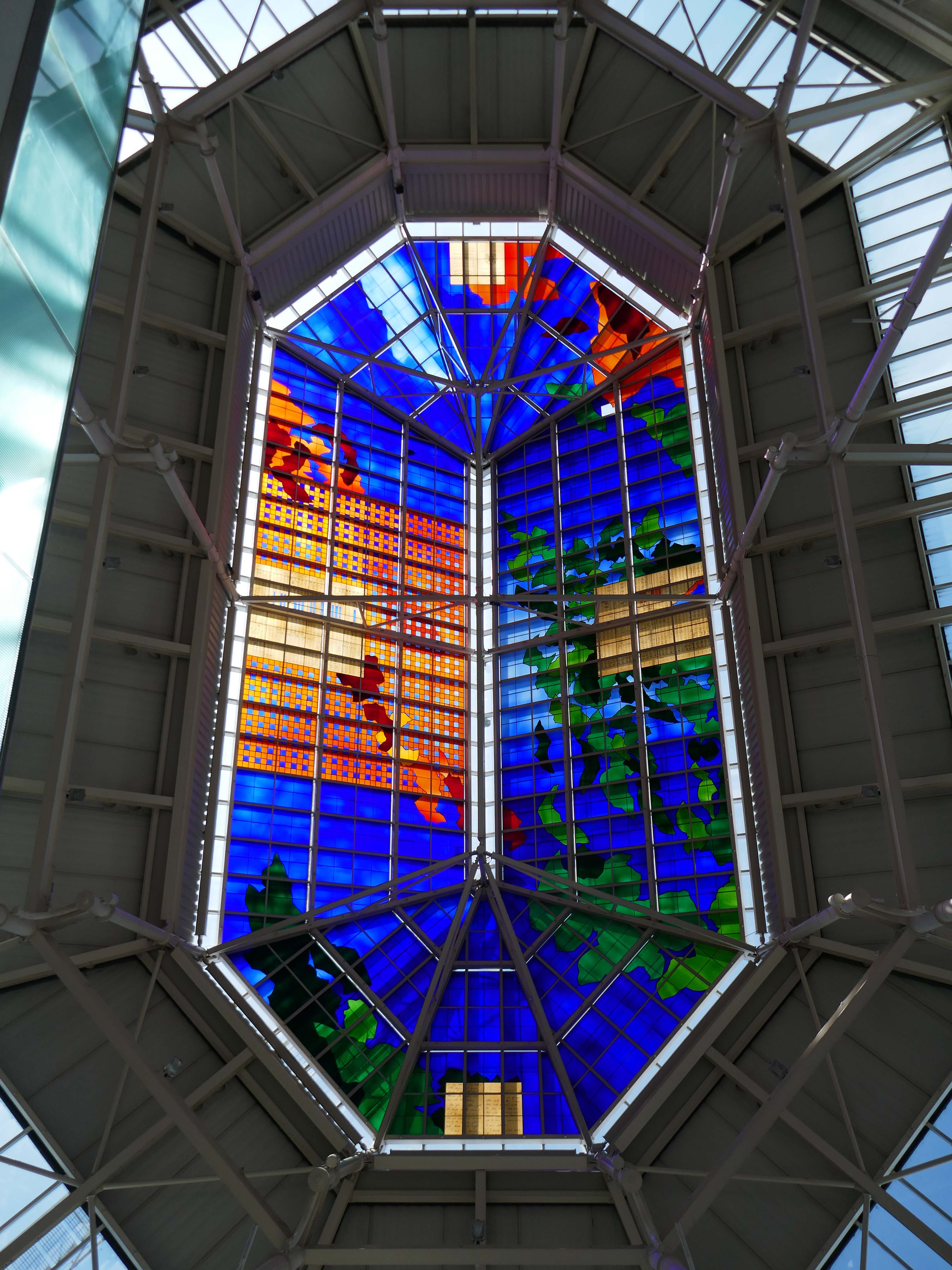
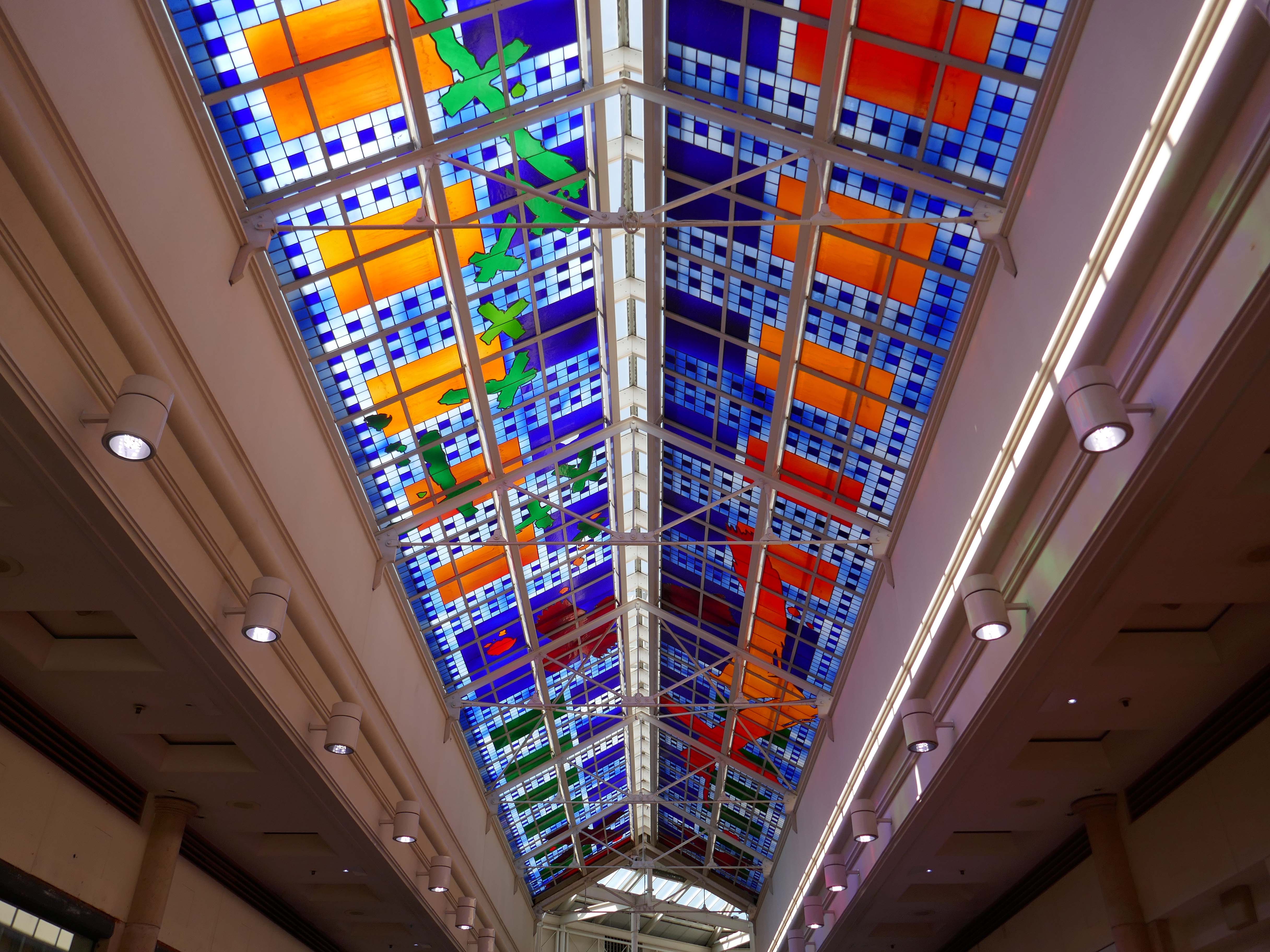
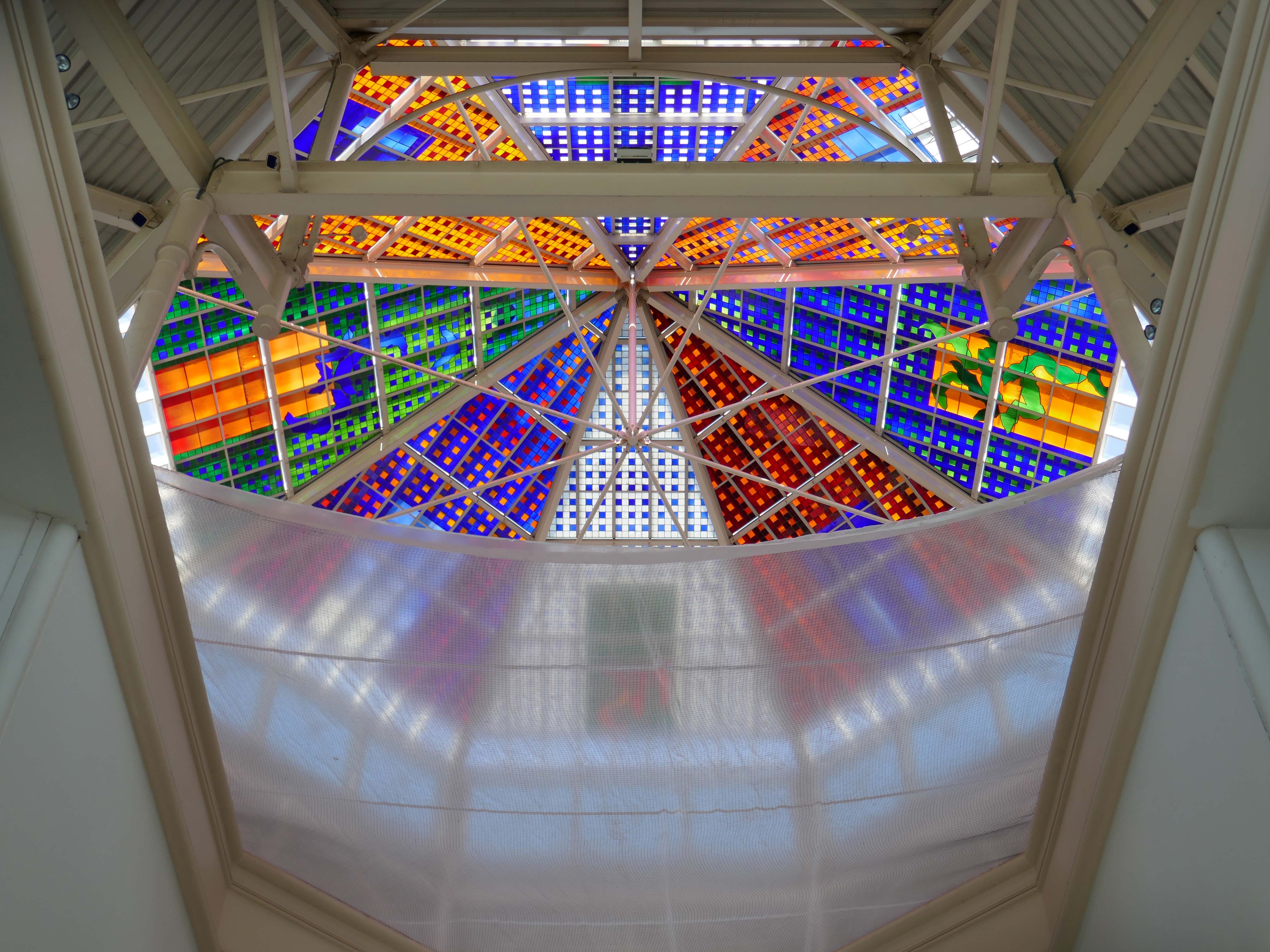
Between 1990 and 1993, Brian Clarke designed a series of three interrelated roof lights in stained glass for the Spindles Shopping Centre in his hometown of Oldham, Lancashire. Among the largest stained glass windows in Europe, and some of the largest public artworks in the UK, these panels connect the main public areas of the principal shopping centre in the town.
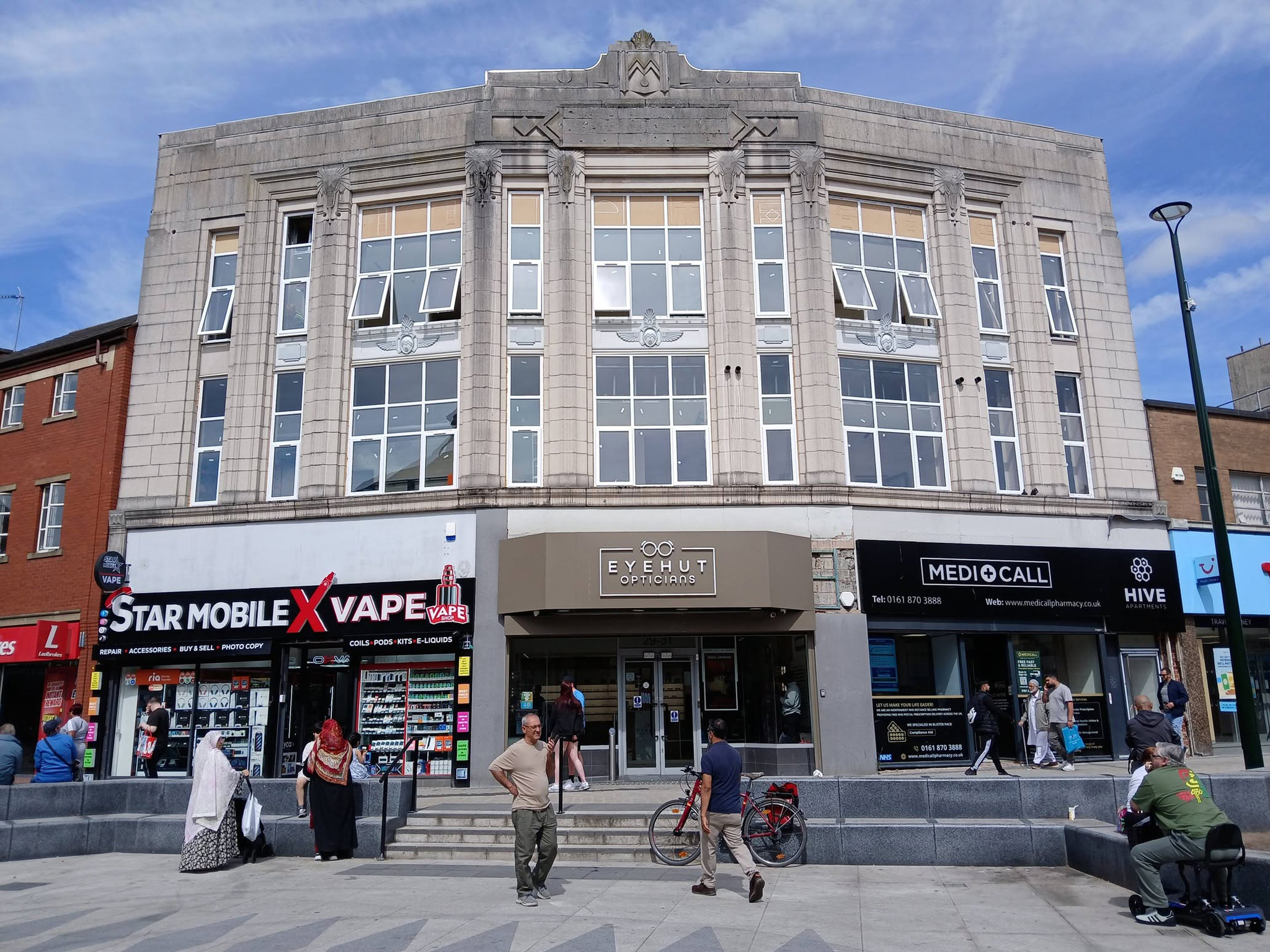
No town walk would be complete without a former Burton’s.
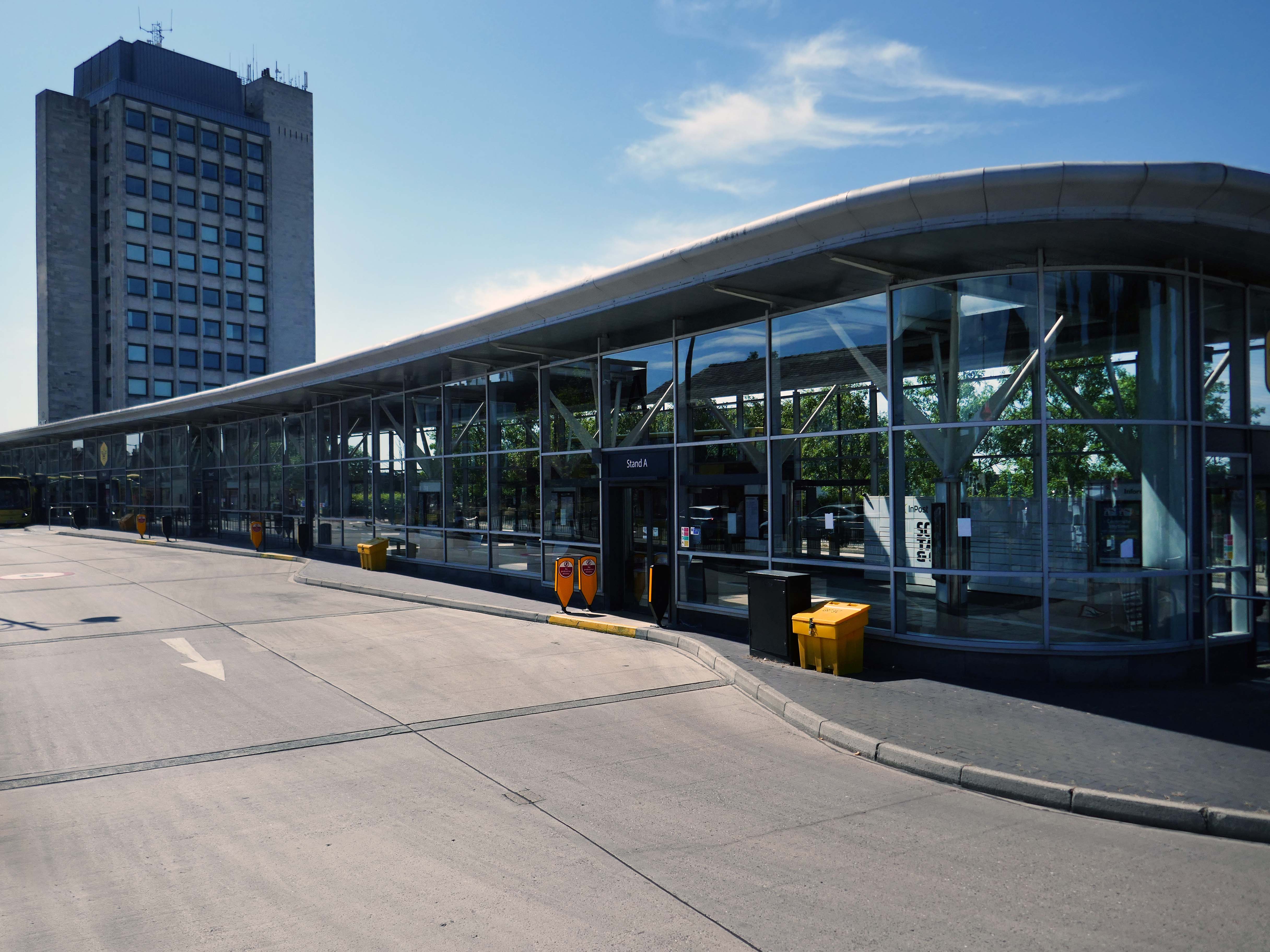
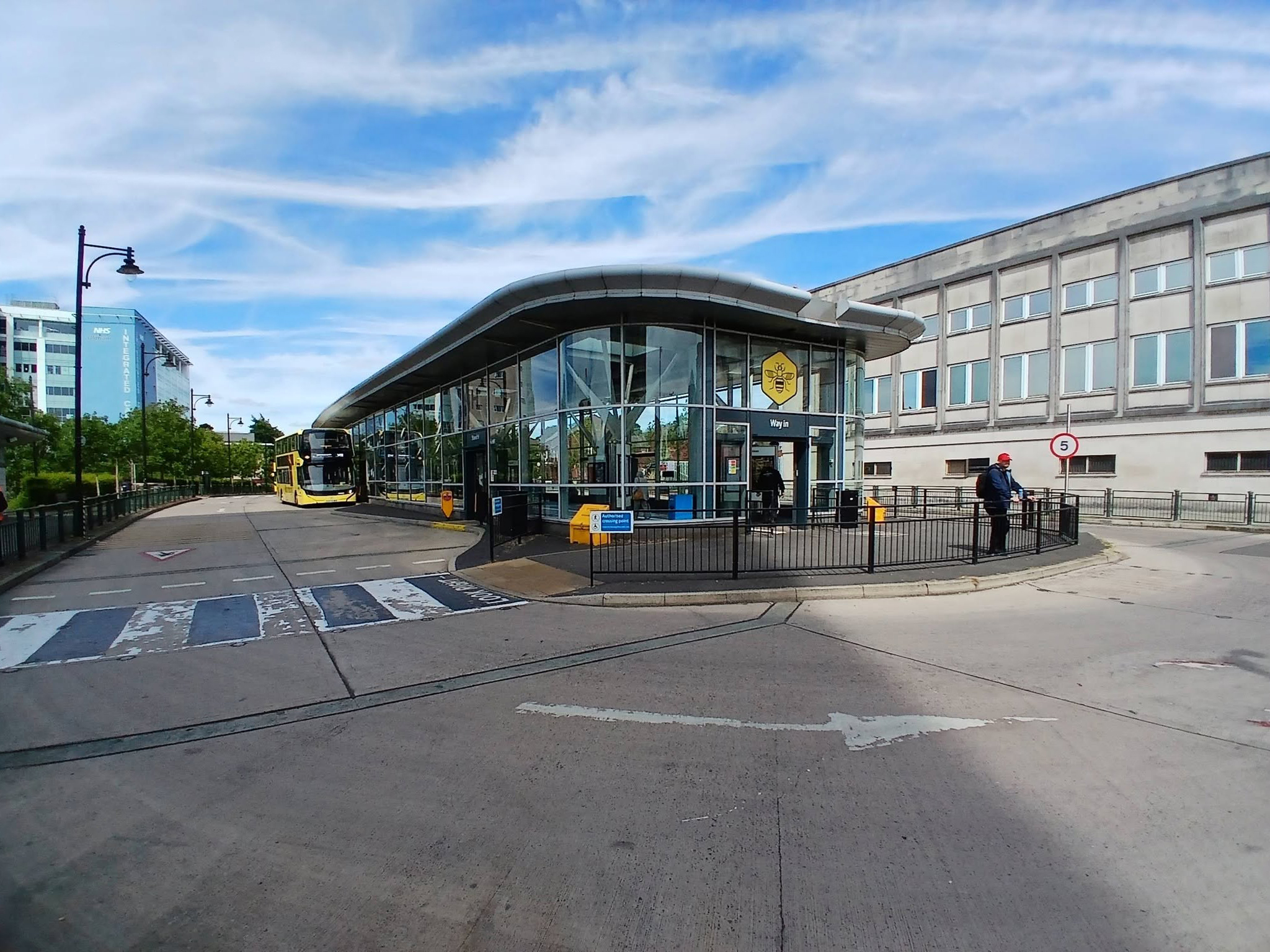
Next to the Bus Stations 2008 Austin-Smith Lord situated either side of the Civic Centre.
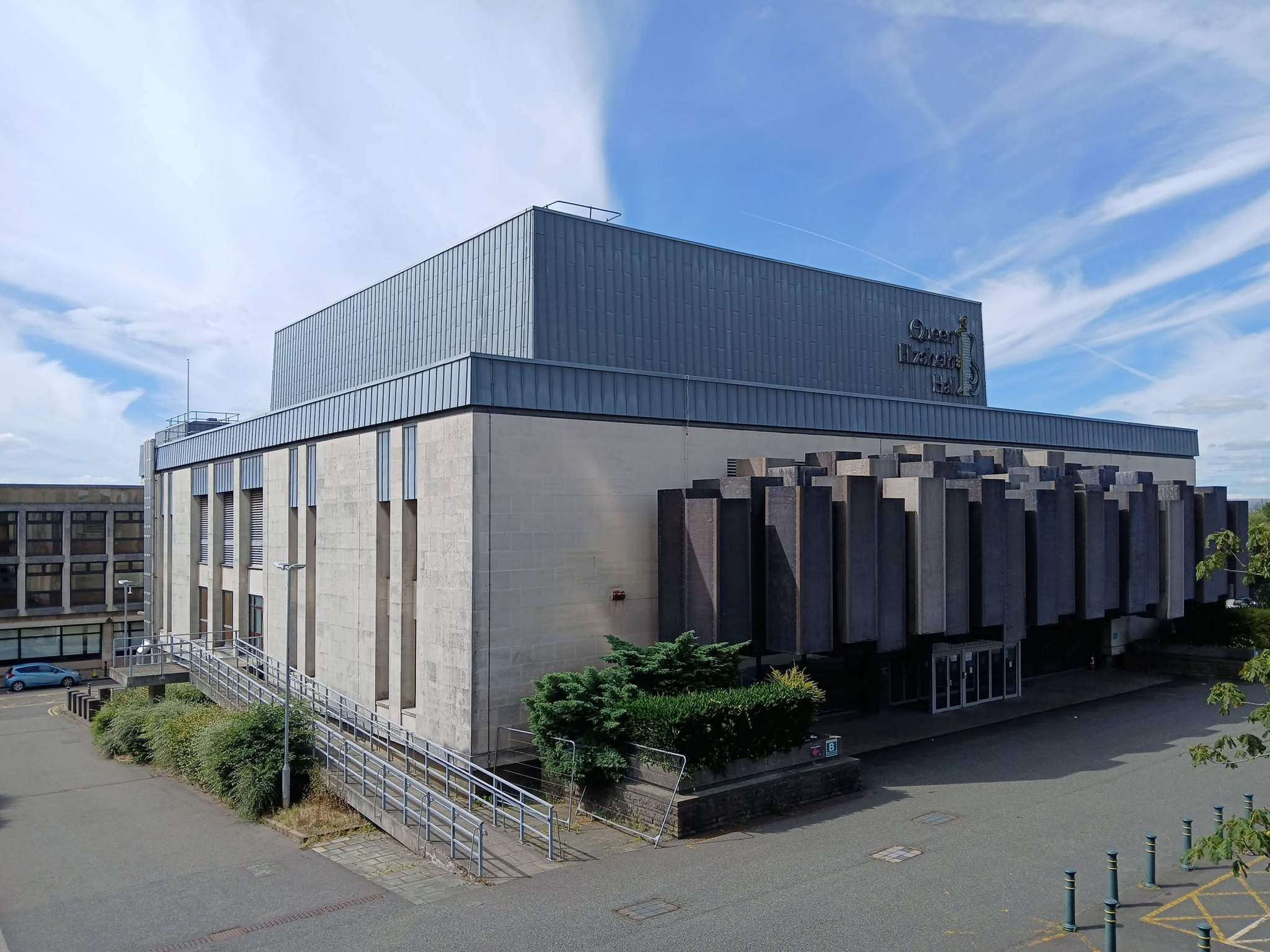
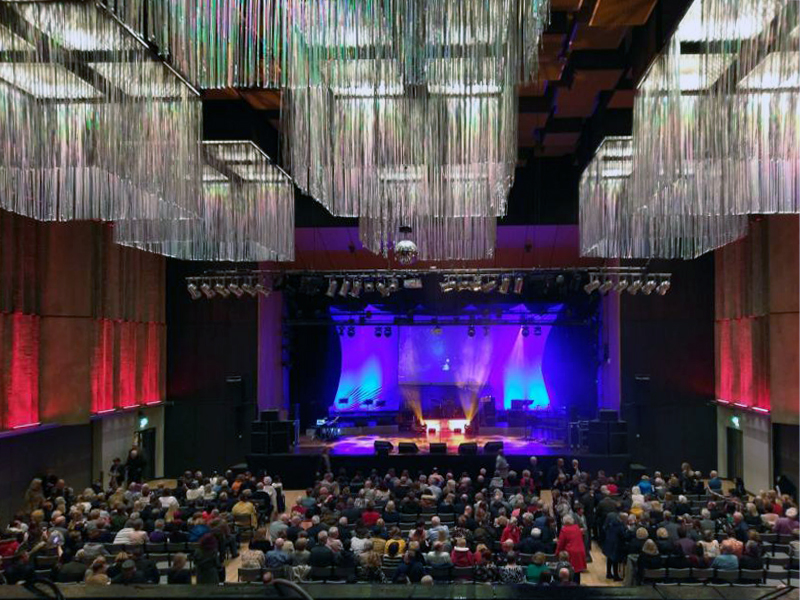
The Queen Elizabeth Hall in Oldham will soon open its doors for the last time before it permanently closes to the public and is prepared for demolition.Since being condemned for containing Reinforced Autoclaved Aerated Concrete – RAAC in 2023, its days have been numbered.
Now the old theatre is part of plans to bring 2,000 new homes into the town centre in a partnership between Oldham Council and the developers Muse.
Chris Connor as Elvis at the Oldham Queen Elizabeth Hall.
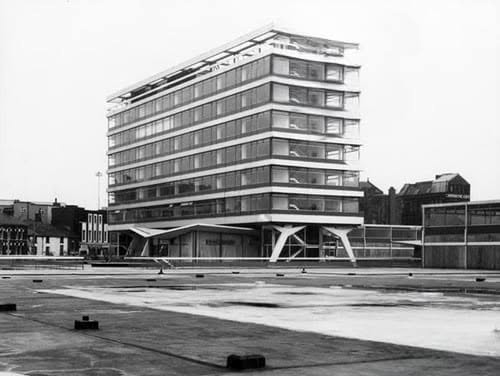
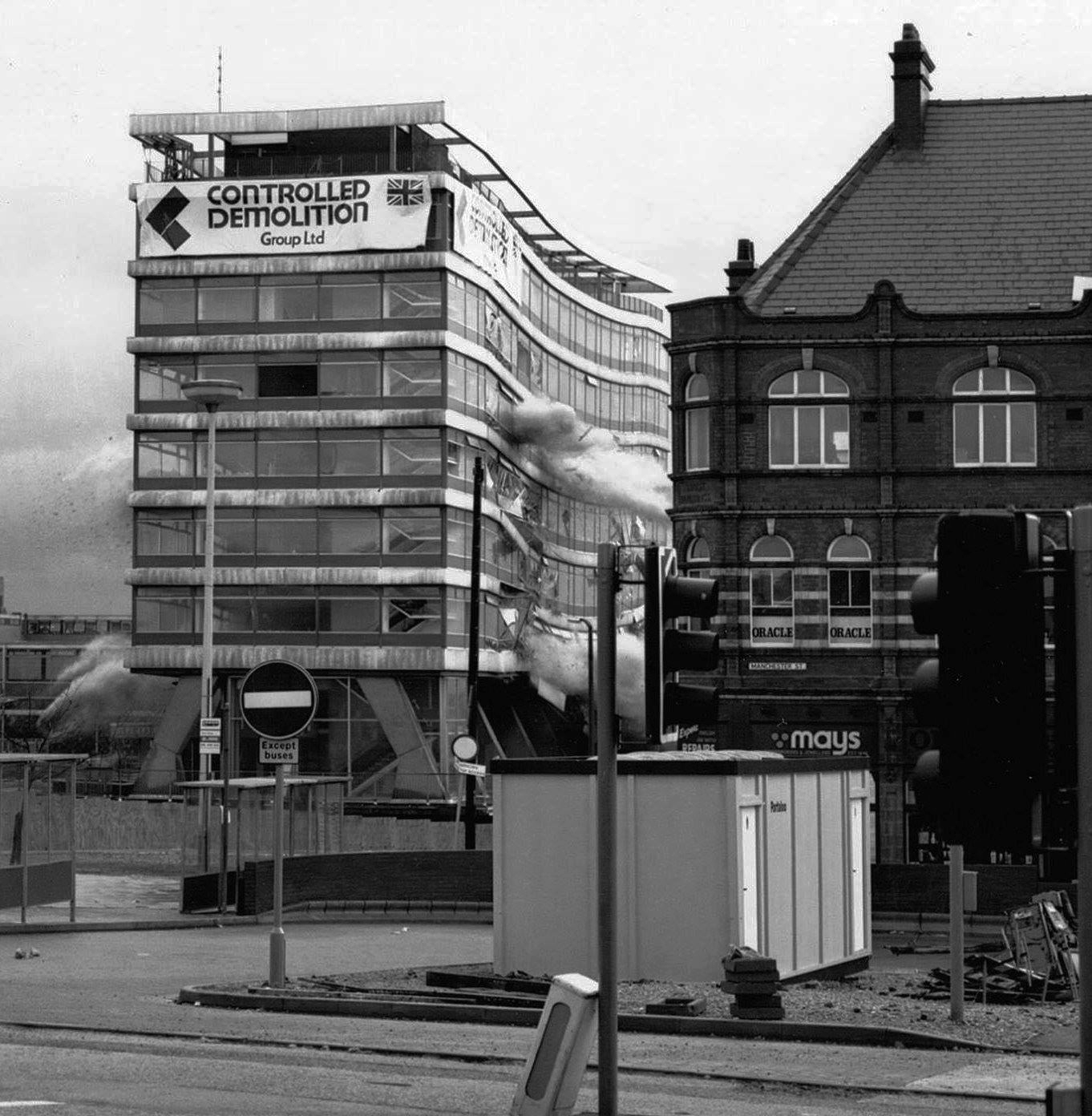
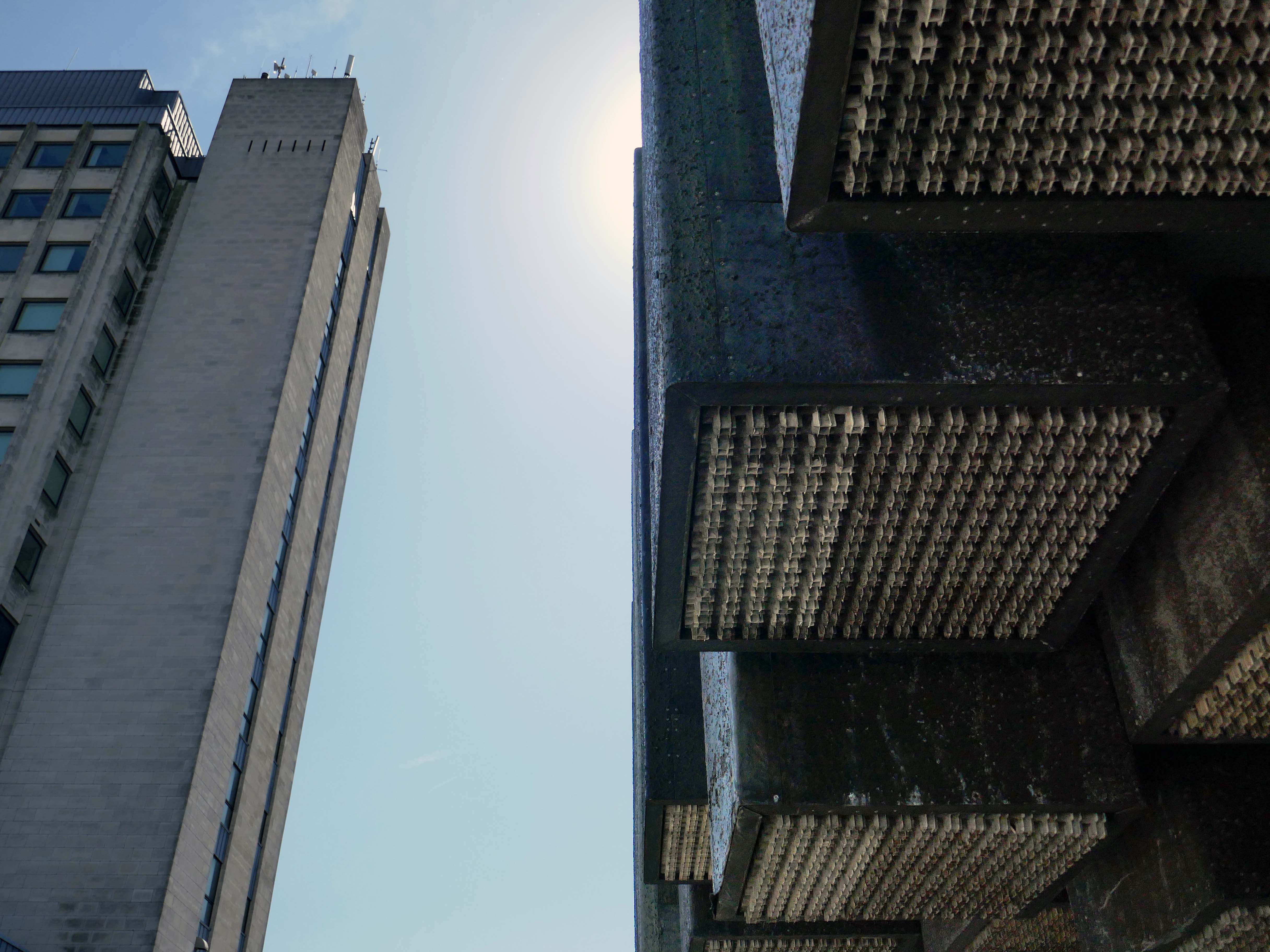
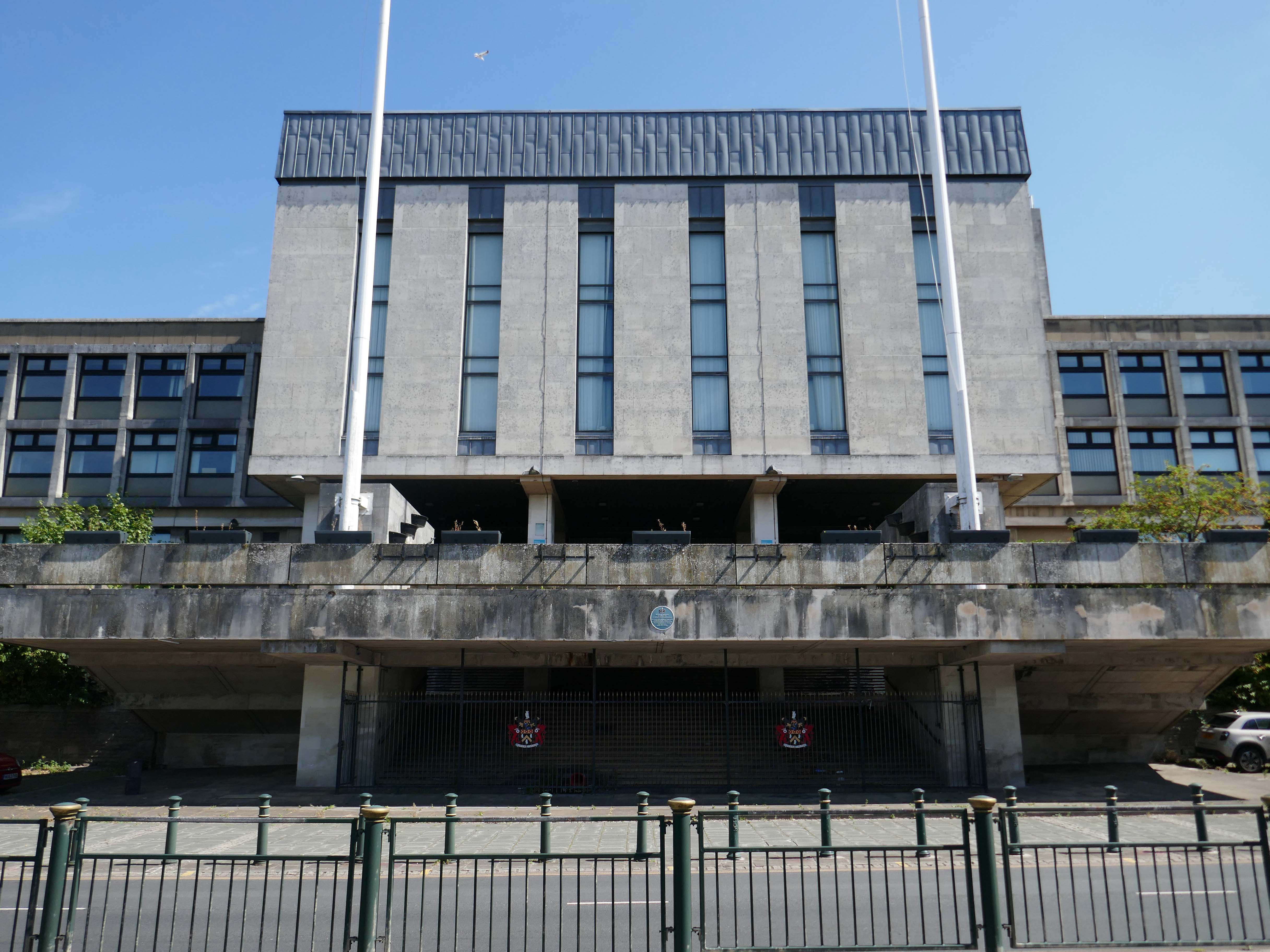
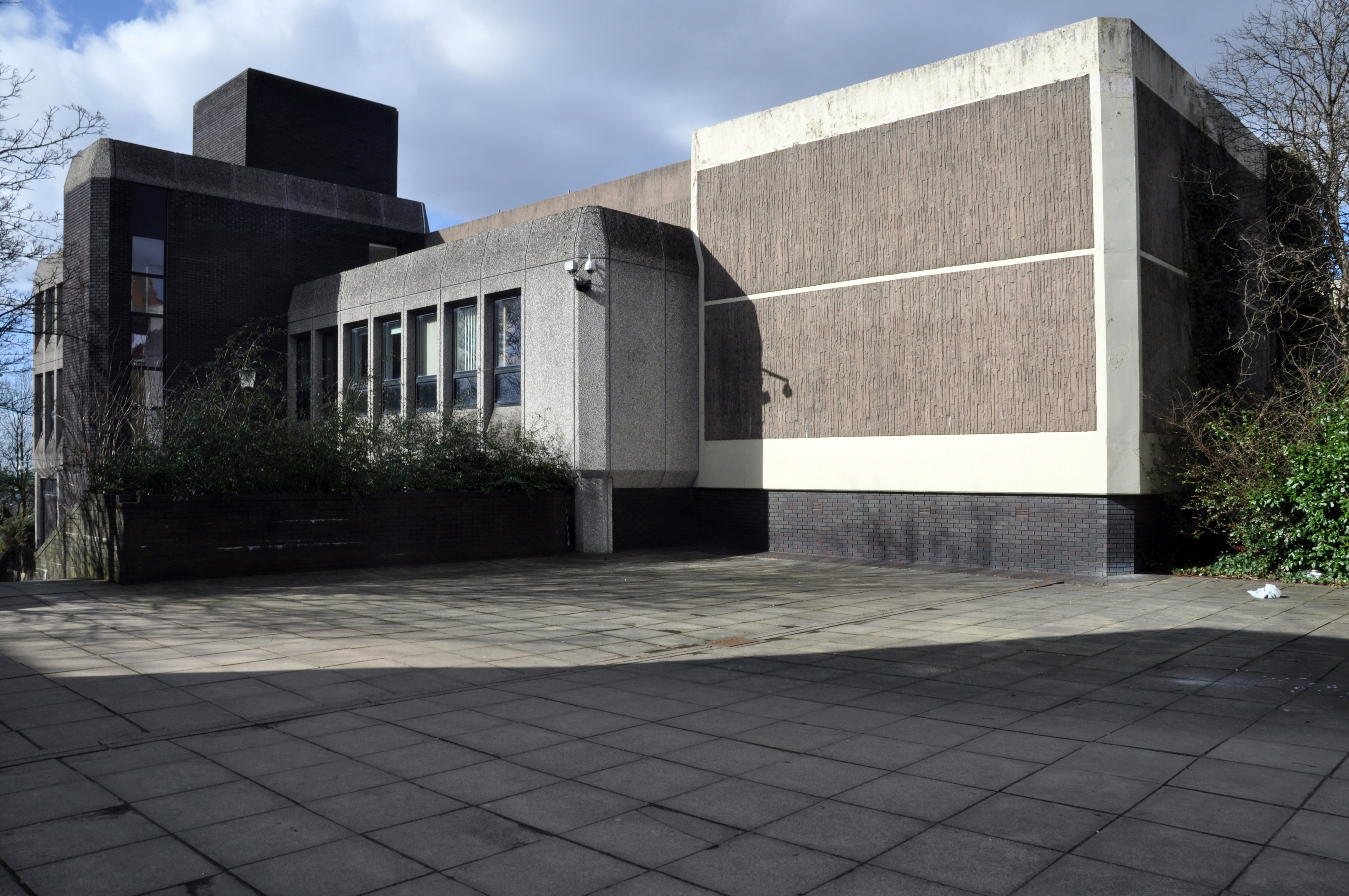
Surrounded on two sides by the Civic Centre – the lower parts are by Richard Seifert & Partners 1962, the fourteen storey Tower and Hall 1974-78 are by Cecil Howitt & Partners.
Plans are underway at the civic centre, the largest site in the regeneration project, to create a vibrant community providing eight hundred and thirty eight homes rising up to fifteen-storeys with mixed-use commercial spaces on the ground floor. This development will integrate seamlessly with the surrounding neighbourhood, particularly the nearby Former Magistrates’ Court site. The Civic Tower at the edge of the site will be retained and redeveloped as a hotel in a later phase.
Where have the Magistrates’ Courts gone?
Architects: Leach Rhodes Walker 1977.
Demolished in 2019 to make way for further redevelopment.
The proposals for the Former Magistrates Court site include two hundred and nineteen new homes with the tallest block ten-storeys and a green route connecting Manchester Chambers with King Street. The designs have been developed to ensure a unified neighbourhood with a common design language and seamless movement between other sites.
Oldham Council and Muse intend to work in partnership over the next 15 years to develop the sextet of council-owned brownfield sites across the town centre.
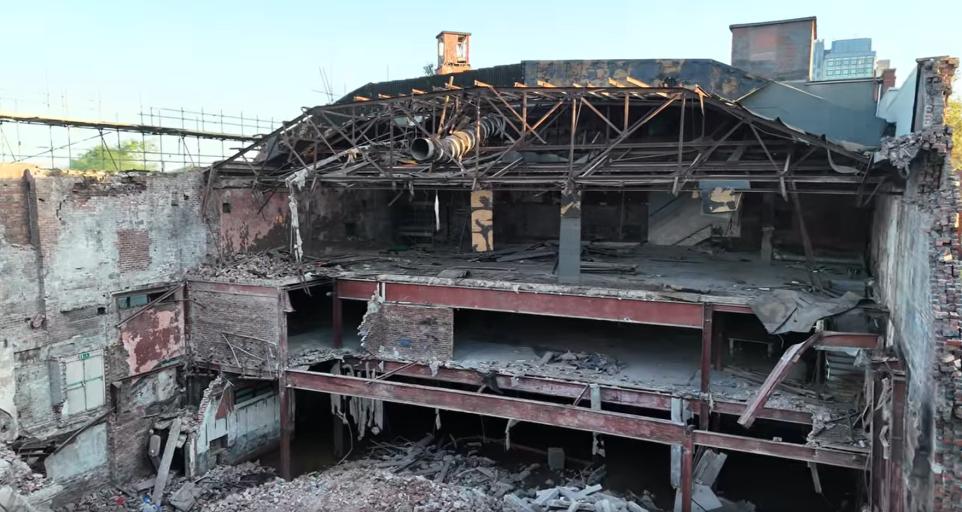
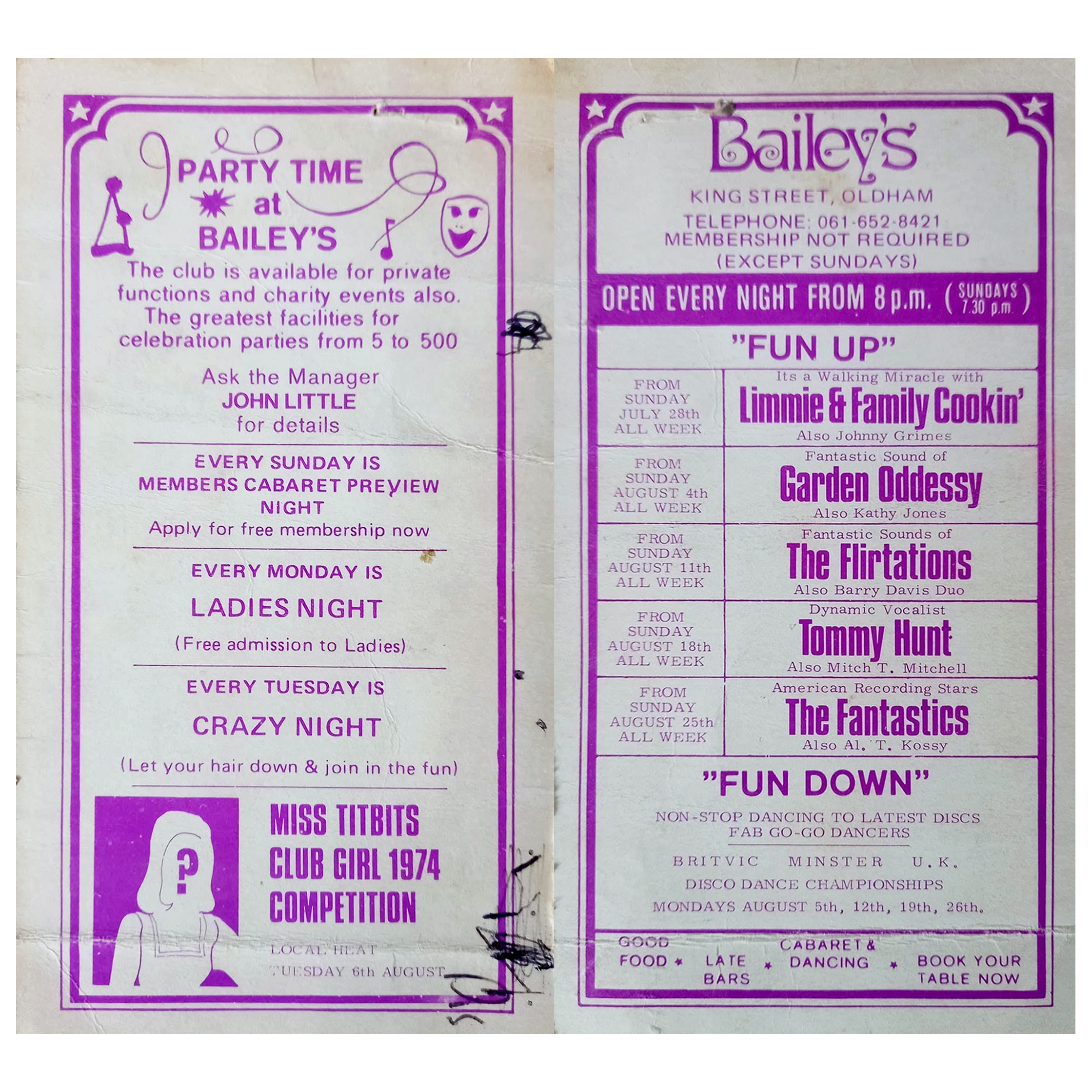
Viewed across the site where Bailey’s used to be – aka Romeo & Juliet’s, Butterflies, Astoria ballroom and Bowling Alley, Froggies and Riley’s.
The site originally started out as the Grand Theatre, a performance space designed by London architects Thomas Taylor and Ernest Simister who also designed Chadderton Town Hall.
In 1937, Gaumont Super Cinemastook over the building, gutted the auditorium and transformed it into stalls and one circle seating totalling 1,842 to open their 1930s cinema.
In 1991, the Chronicle reported on a mysterious haunting which was thought to have taken place in Butterfly’s nightclub in Oldham.
Before Butterfly’s had been a nightclub the building had been used for many purposes, and in 1939 was known as the ‘Grand Theatre.’ The building was undergoing renovations when Mr Lloyd was killed. ‘Witnesses said that Mr Lloyd was crushed underneath the beam which he was trying to guide down with a rope.’
However, Derek Lloyd’s theory of the origin of the ghost was not accepted by everyone at the time. Due to the fact the ghost appeared to be wearing a white T-shirt, people believed it was unlikely to be the spirit of a 1930s man. In response, Derek argued that ‘my father always had his sleeves rolled up at work because he suffered from a skin complaint.’
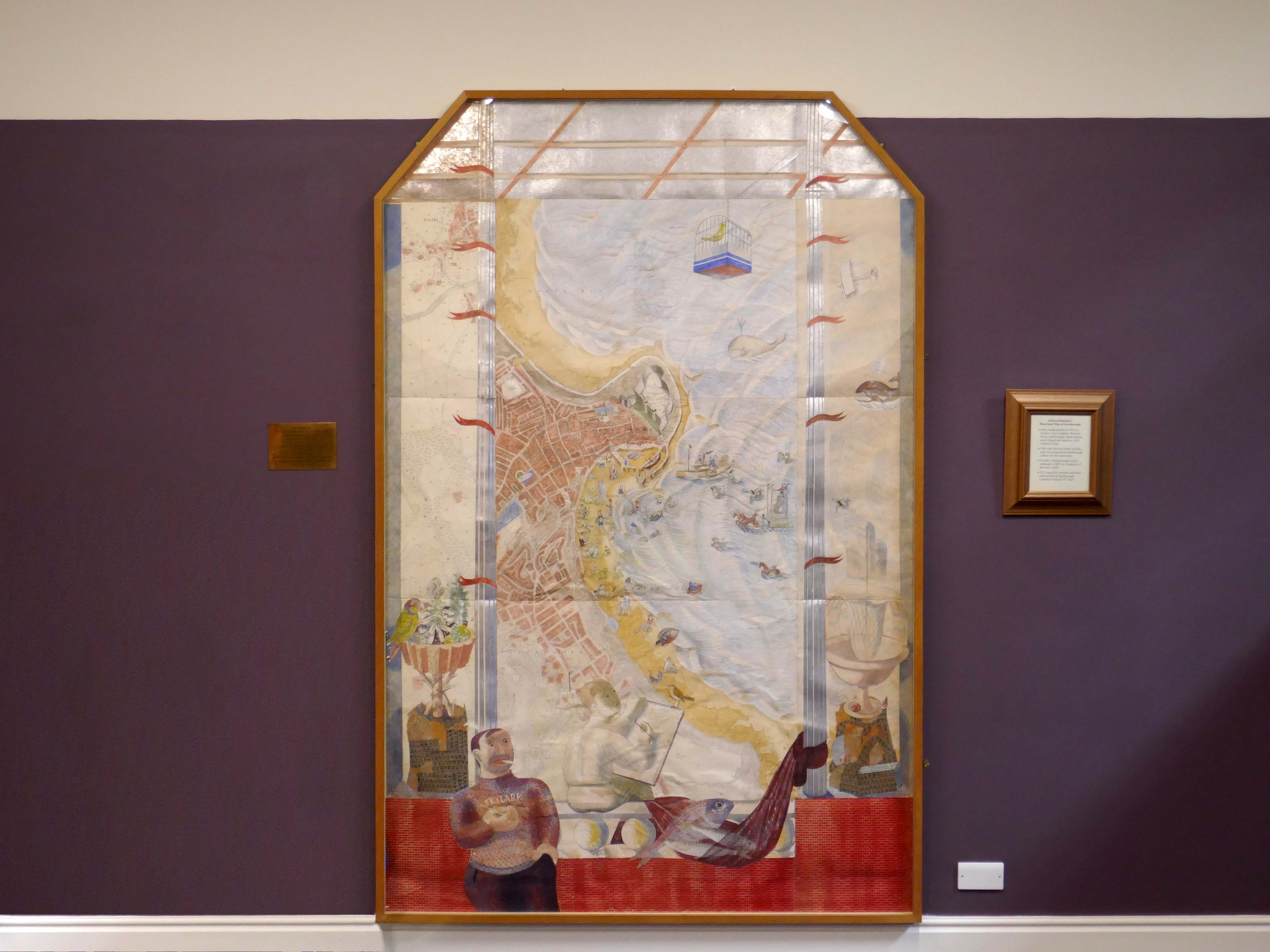
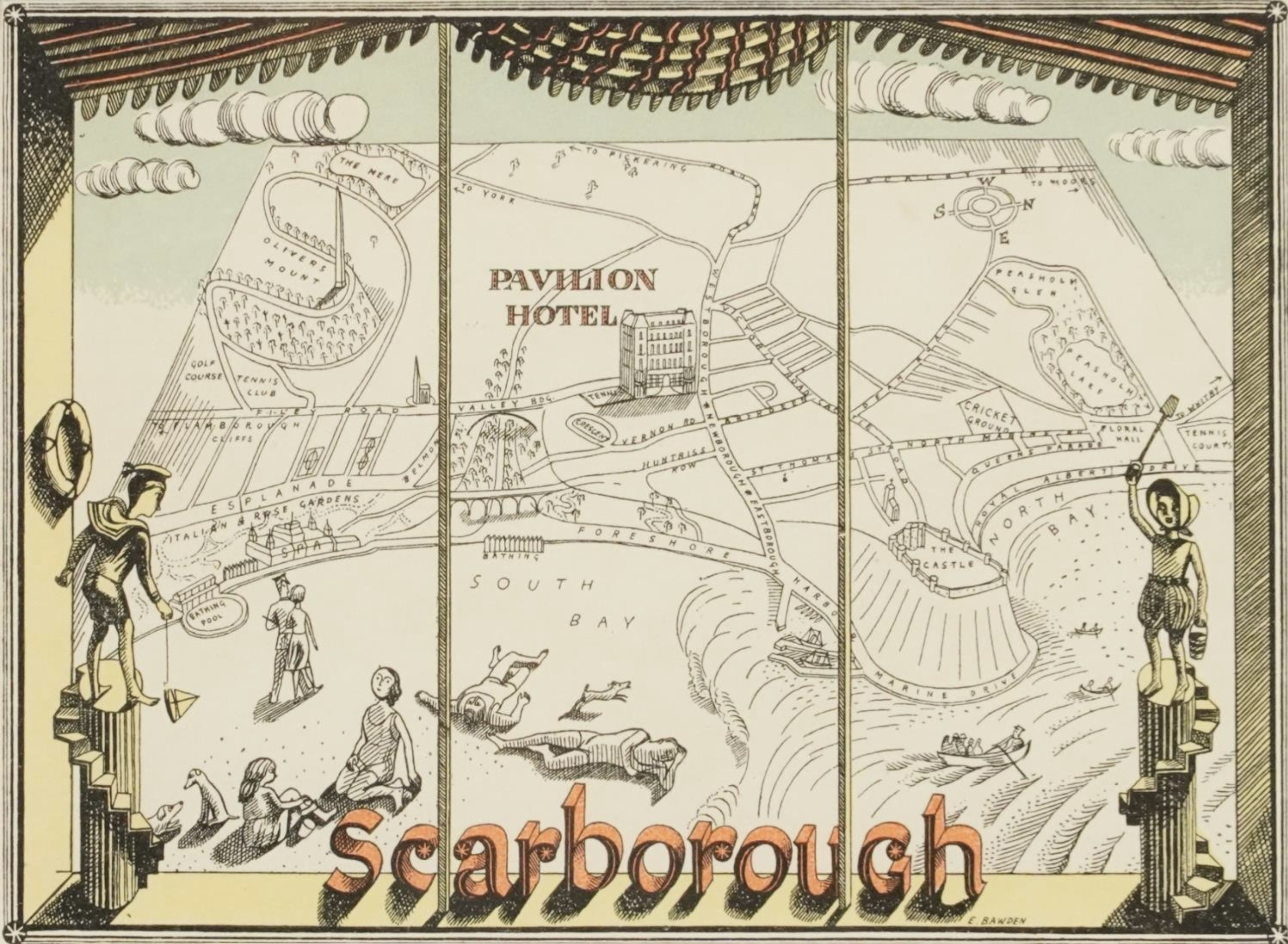
I discovered Edward Bawden myself. I saw some illustrations of murals in the Illustrated London Newswhich had been carried out by Bawden at Morley College. The principal subject was a lodging house with a classical pediment and with the front walls taken out, so that the life in the house was shown from the basement to the attic. I found it delightful. I managed to find out where he lived, and I went to see him. I rang his bell; waiting on the steps I looked across the road and recognised the building that was the subject of the mural. At length a young and seemingly timid man came to the door; “There is your mural”, I said. He told me that I was the first person to spot his subject. He took me on a bus to see the paintings on the walls of Morley College.
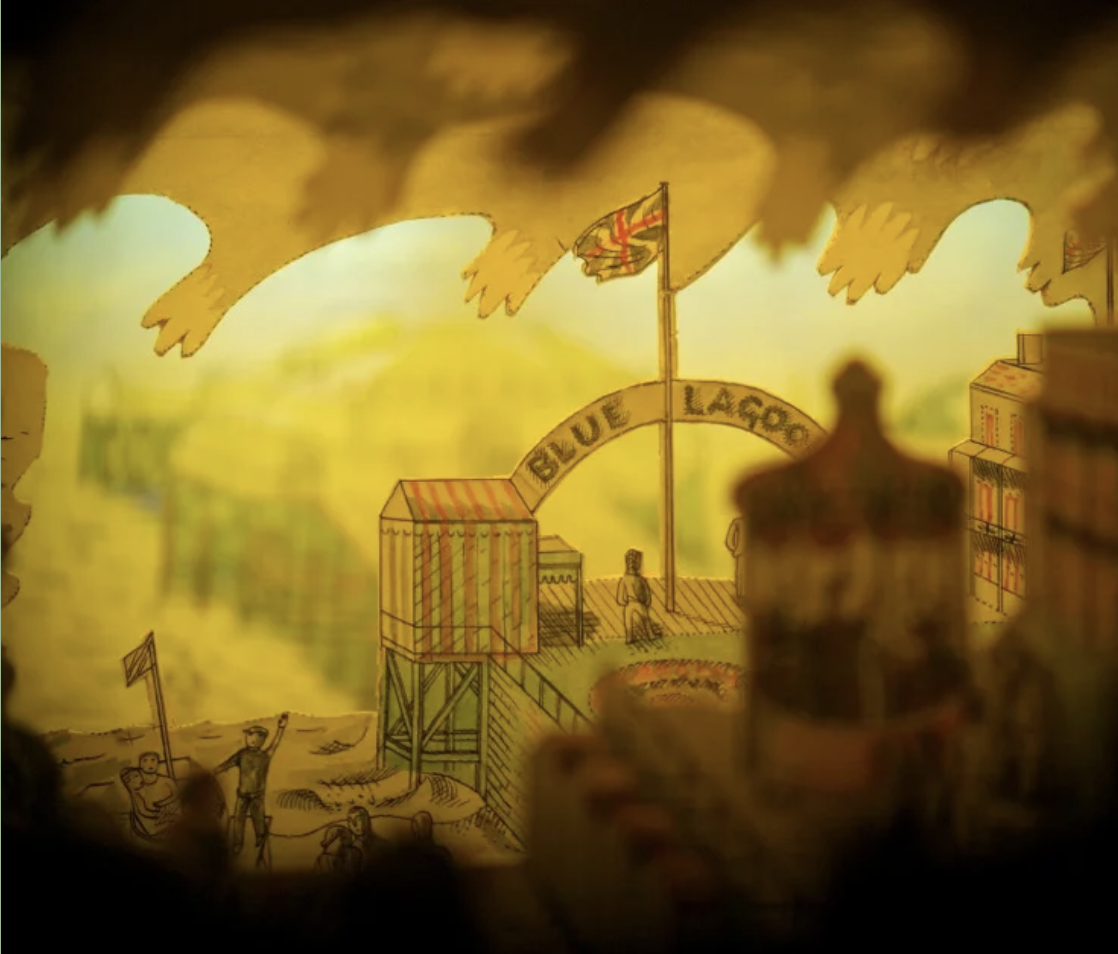
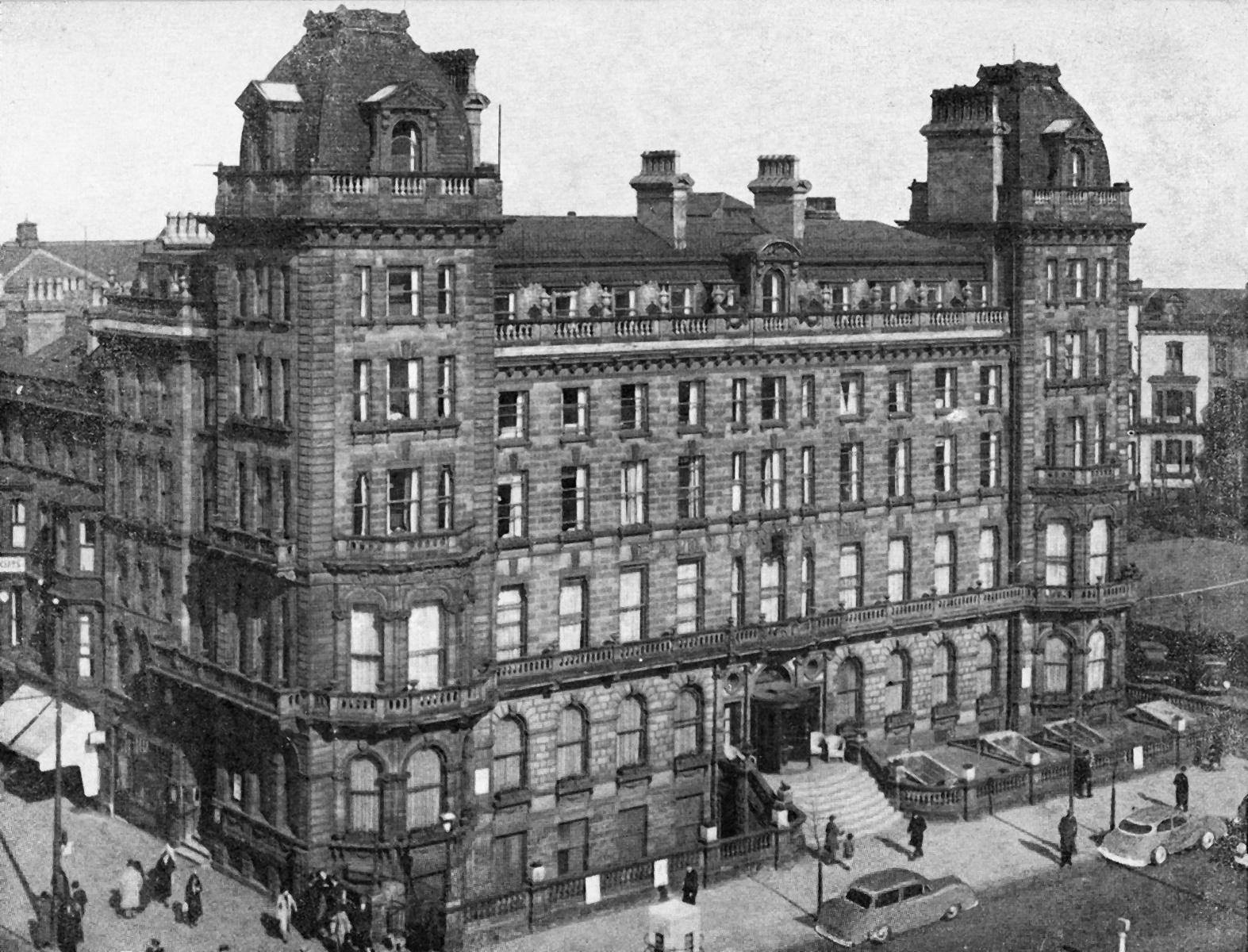
The outcome was that he designed a wine list for the Pavilion Hotel, decorated a large ordnance map of Scarborough – (which when I left the hotel I gave to the children’s public library and also made an amusing perspective peepshow, which is still in my possession – Pavilions by the Sea was published in 1977.
The peepshow is on display on the first floor of Scarborough Art Gallery, where it still enchants children and adults alike.
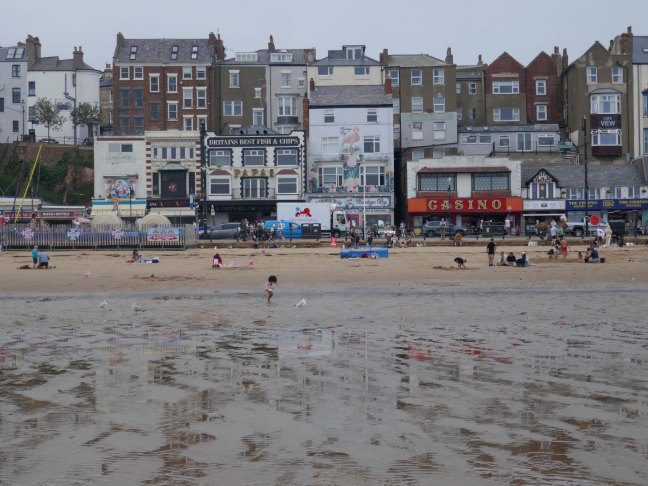
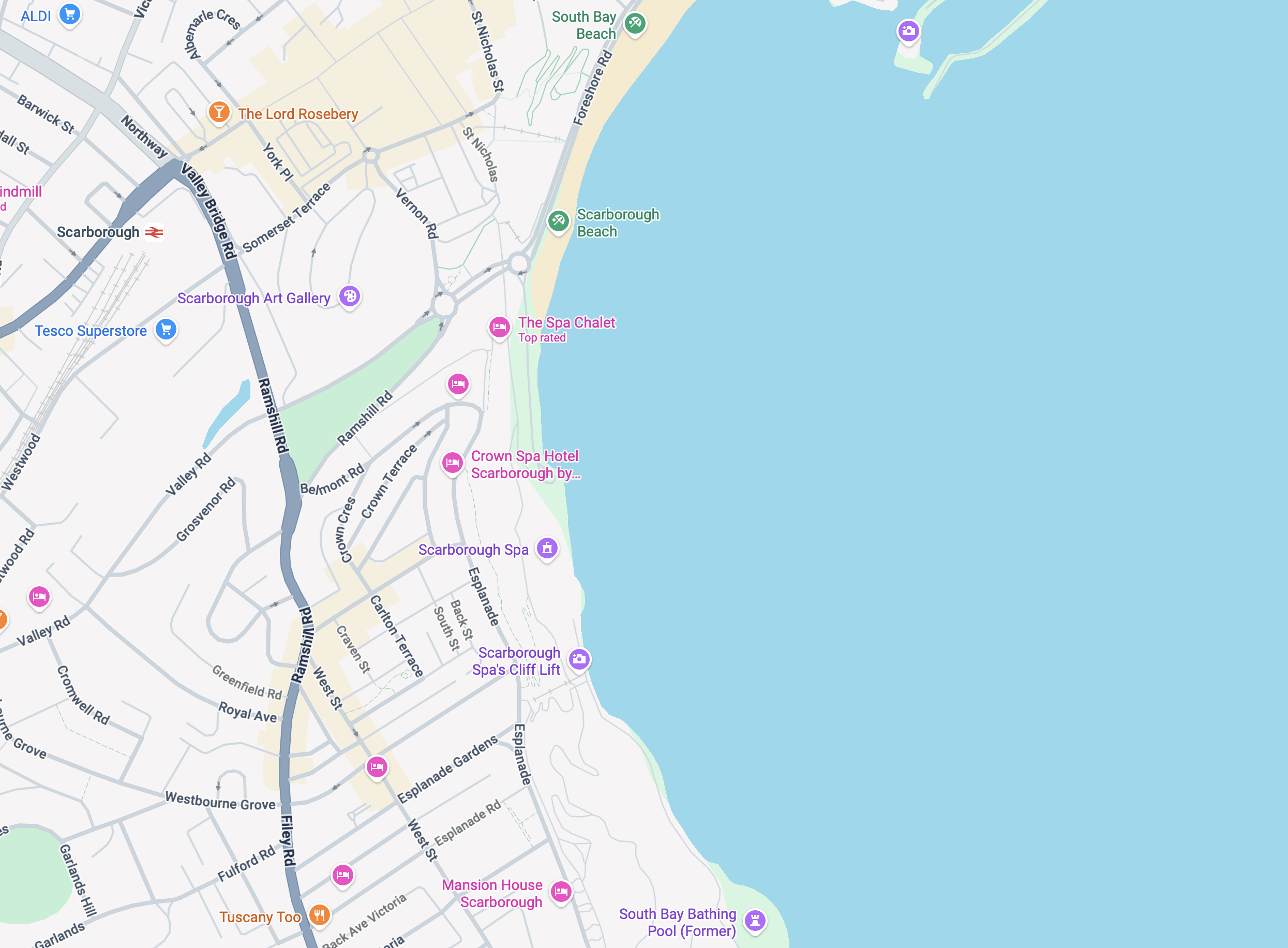
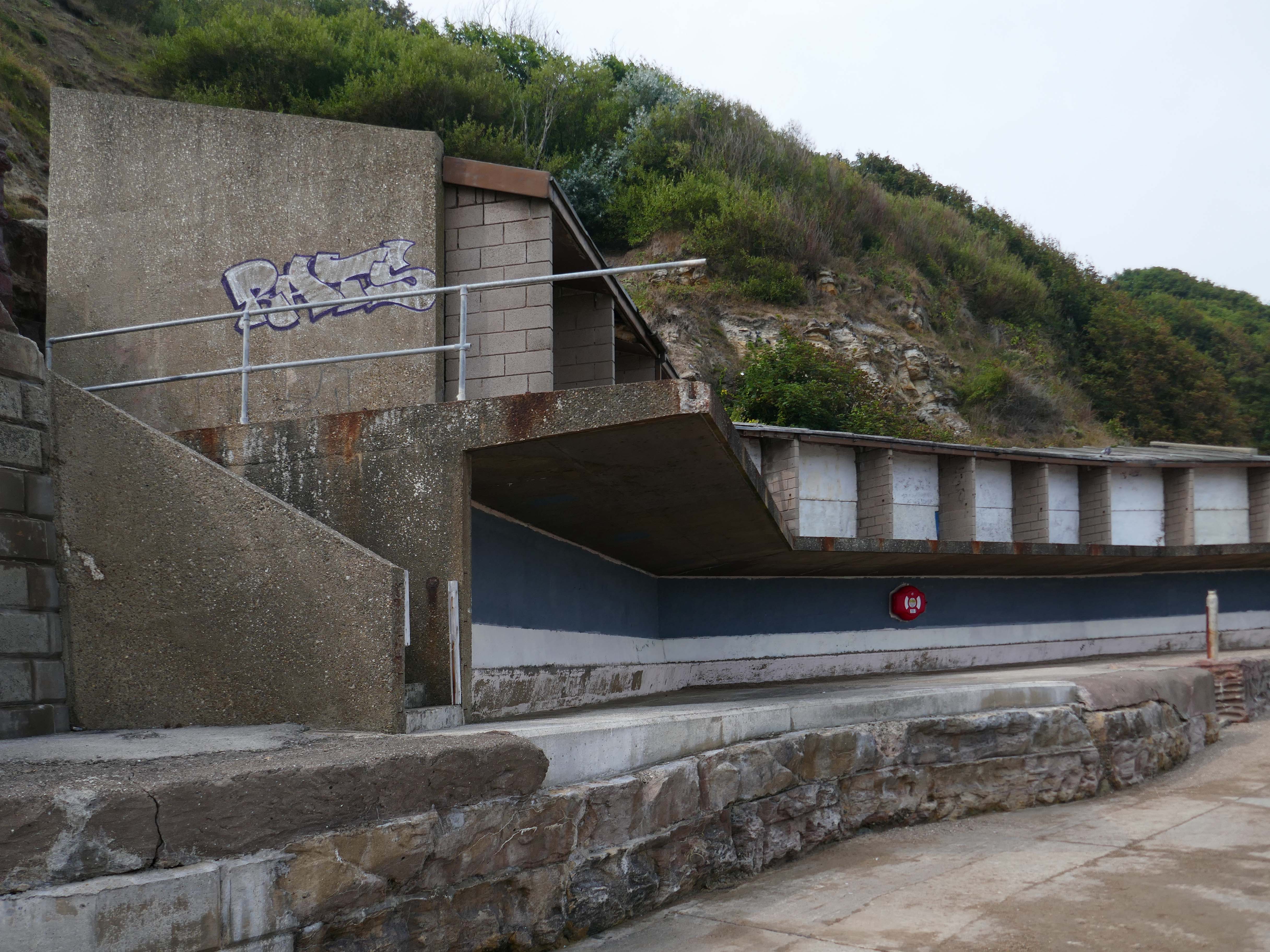
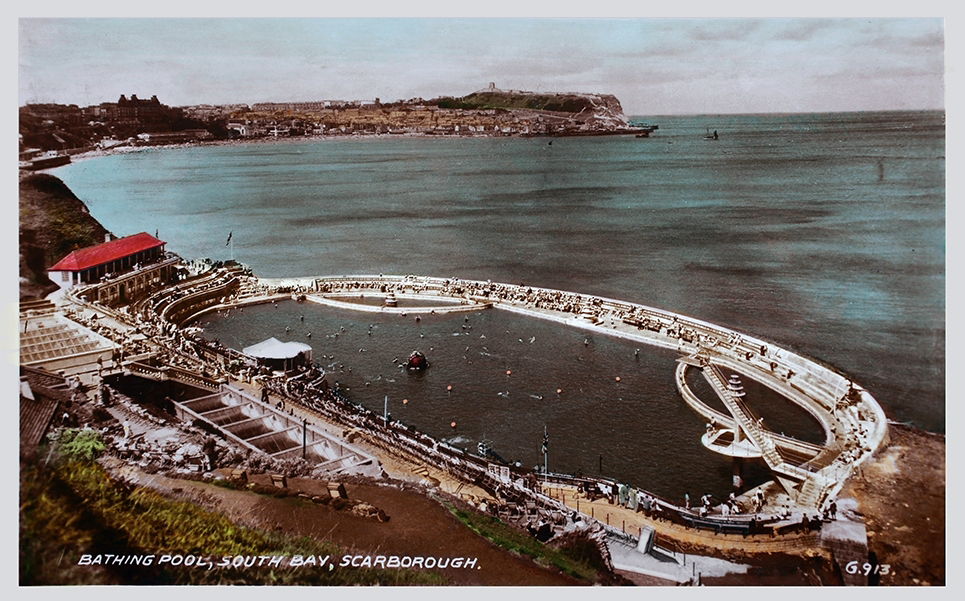
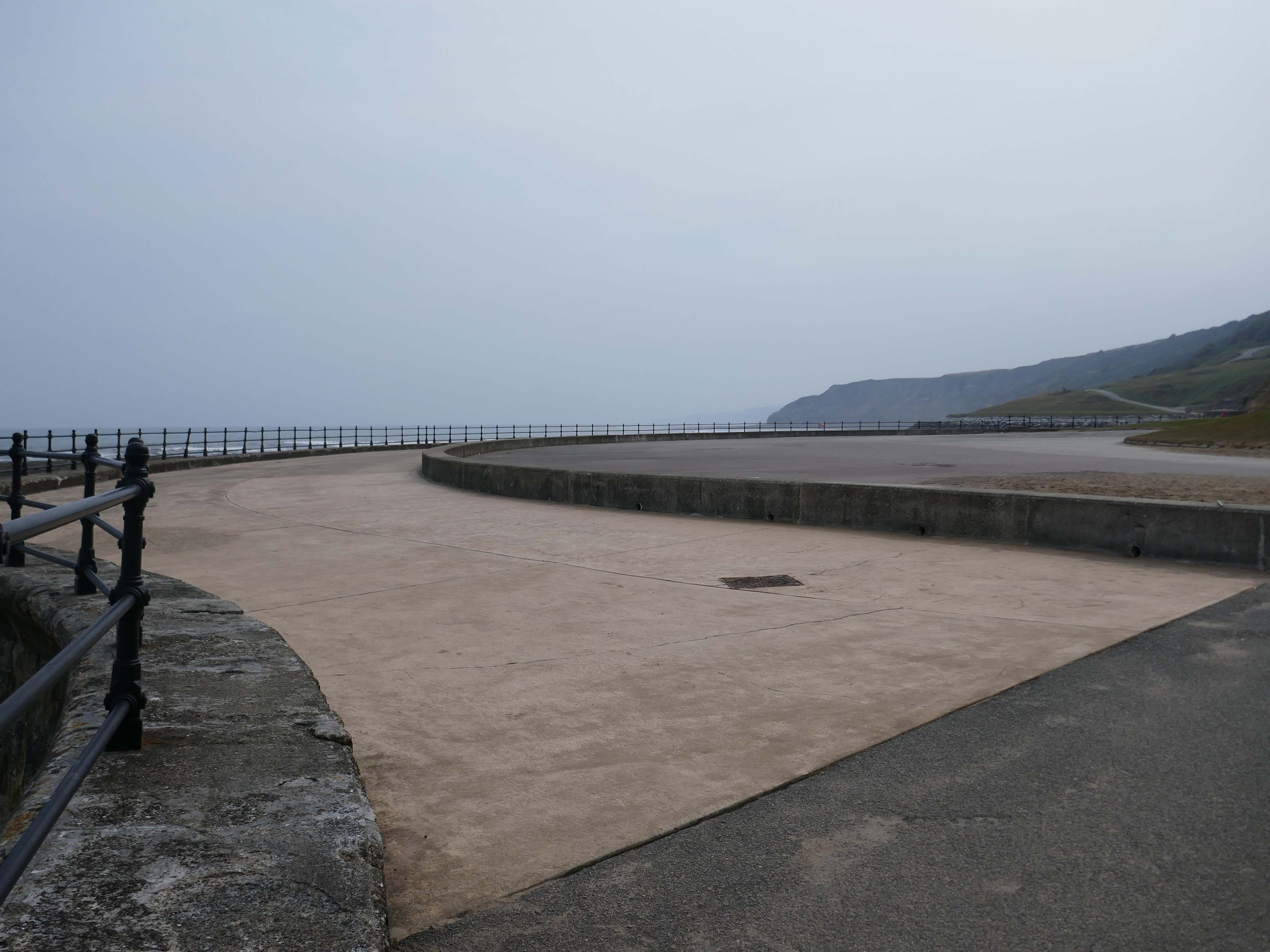
Thence to the former South Beach Bathing Pool designed by Scarborough’s former Borough Engineer, Harry W Smith.
Construction began shortly before the outbreak of WWI, and was taking place in December 1914, when Scarborough was bombarded by German ships. Workers were able to shelter, coincidentally, behind the new wall they had recently constructed for the pool.
Built in the Art Deco style, it measured 330ft long and 167 ft wide, and was filled naturally by fresh sea water, propelled into the pool by the tide each day – officially opened in 1915.
The Scarborough Spa – boldly stands over the bay, beaches, and harbour, providing unrivalled views. With a lengthy and impressive past, it is a popular venue for touring performers and meetings, conferences, and training sessions.
The Spa dates back to the C18 when a mineral spring there became a place of fashionable resort. Originally there was just a timber embanked terrace to the shore. Later, in the early C19 a castellated building was raised. In 1858 Sir JosephPaxton designed the new ashlar faced Spa pavilion raised on terrace with arcaded ground and first floor articulated by pilaster strips, seven bays, with projecting pilastered corner towers with balustraded parapets.
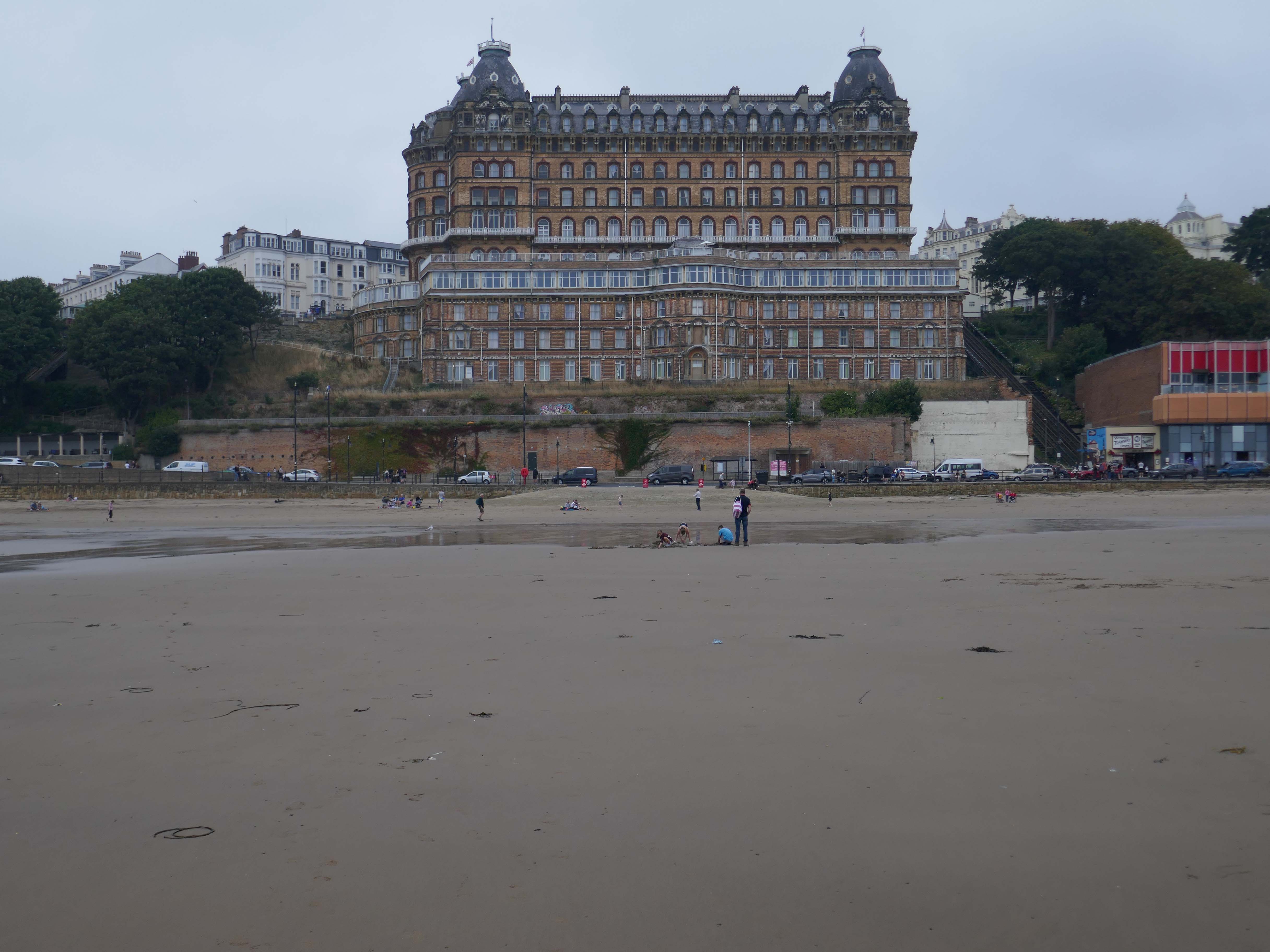
Grand Hotel was chosen as one of Historic England’s seven wonders of the English seaside, as featured in the Daily Mail
Located in the town centre and built in 1863, the Grand Hotel Scarborough takes pride of place overlooking the town’s picturesque harbour and South Bay. This stunning Victorian building is an instantly recognisable landmark, and stands out amongst other hotels in Scarborough.
We’ve stayed here a few times and we’ve never had a problem with our room. If you dont like lifts theres a lot of stairs but we like to keep fit anyway. Fridge was a bonus. Hairdryer, towels, three loo roll, towels, fan, iron, ironing board Good stock of tea and coffee, nice clean kettle. Paid for a room with a window and got unexpected sea view which was fab to wake up to. Gorgeous main area, singers on at nine, stayed in room thirteen no ghosts lol.
Will defo come again – thank you Grand Hotel.
Samantha K
Absolutely disgusting, the rooms was very dirty, full of dust, the room hasn’t been cleaned since the last person stayed as there body shape was still in the bed, bathroom had toothpaste all in the sink and the shower was absolutely filthy. Curtains are hanging off. Carpets are dirty. The food is very bad, cheap and under cooked. And most the food on the menu wasn’t even available. When speak to the staff I got verbal abuse from them and the chef told my partner to “f off”.. it’s just horrible experience. Do not wish this on anyone. You go outside to loads off homeless doing drugs and been drunk also. I actually ended having to leave and book an alternative accommodation.
Architect: Cuthbert Brodrick – 1863-67 an immense structure in red brick with tawny terracotta dressings, four storeys, basement, and storey at eaves cornice level, and two storey attic
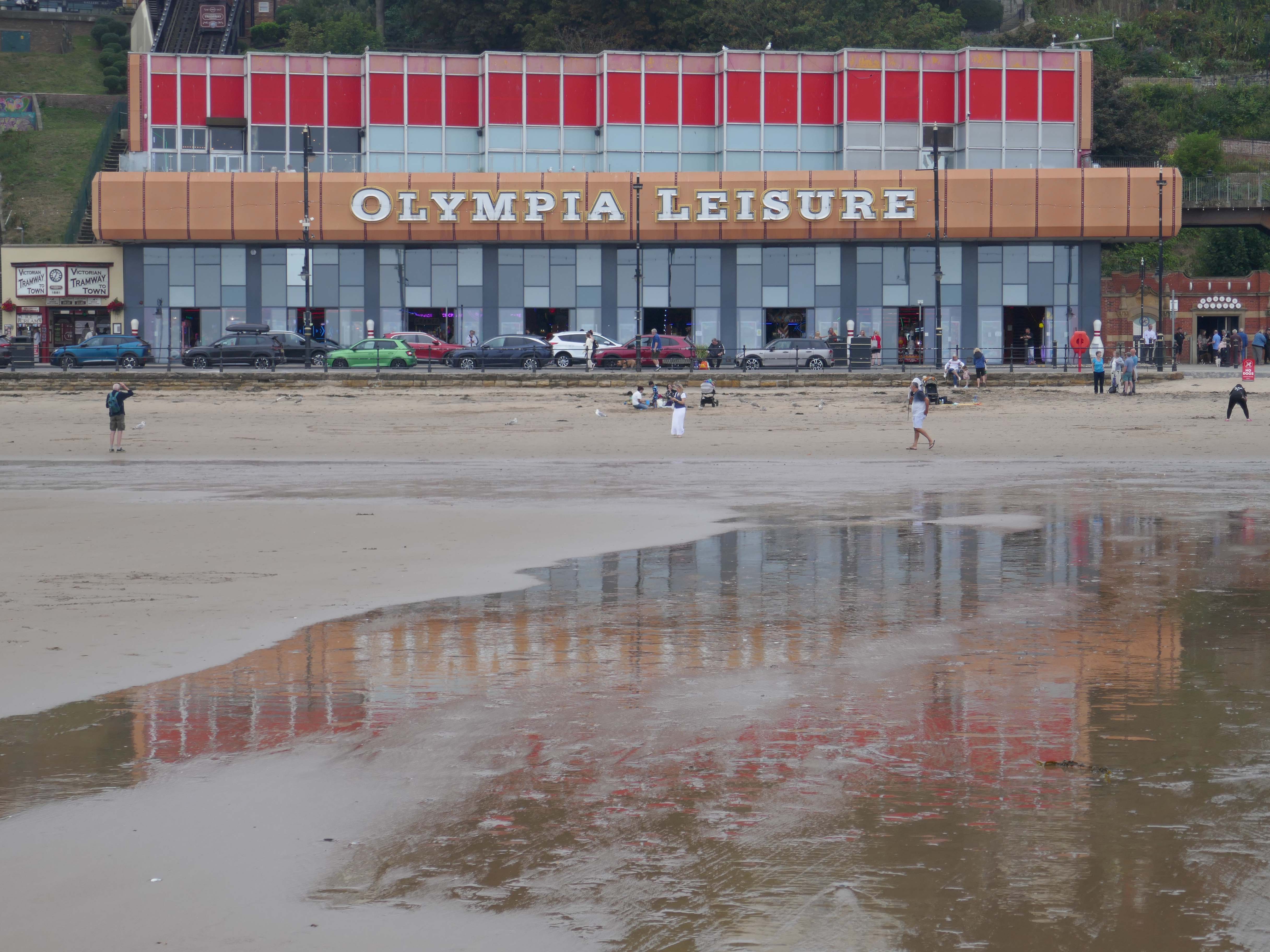
This is the place to be, either to meet friends, make friends or just book a Party event for friends and family. With twelve lanes our Ten Pin Bowling Alley, with its modernised interior and updated scoring system is a fantastic place to relax.
We have fabulous balcony views of Scarborough’s Seafront and Bay and a Smoking Area. It’s the perfect venue for an office or workplace party, student celebration, holiday activity, or just a regular get together of friends.
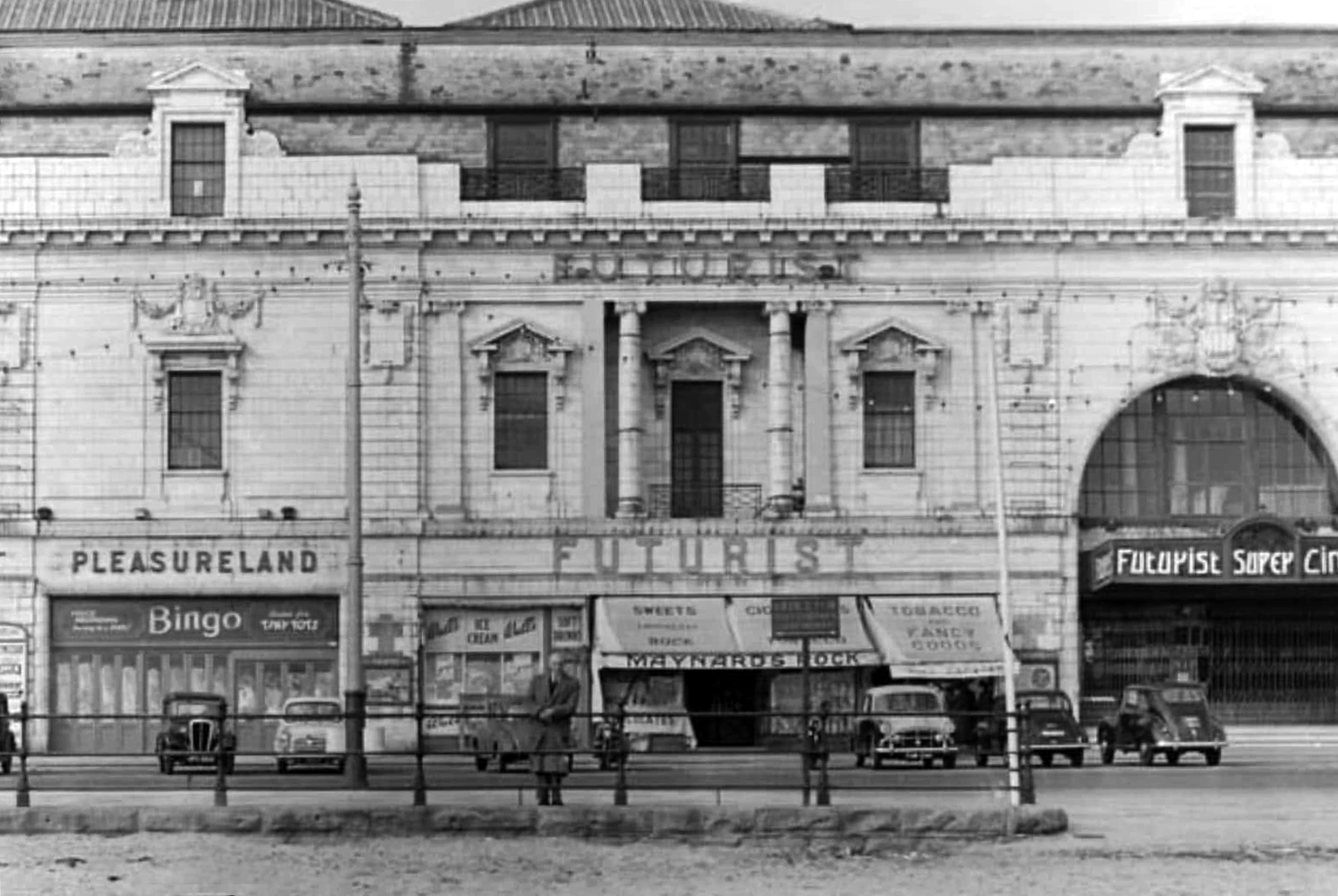
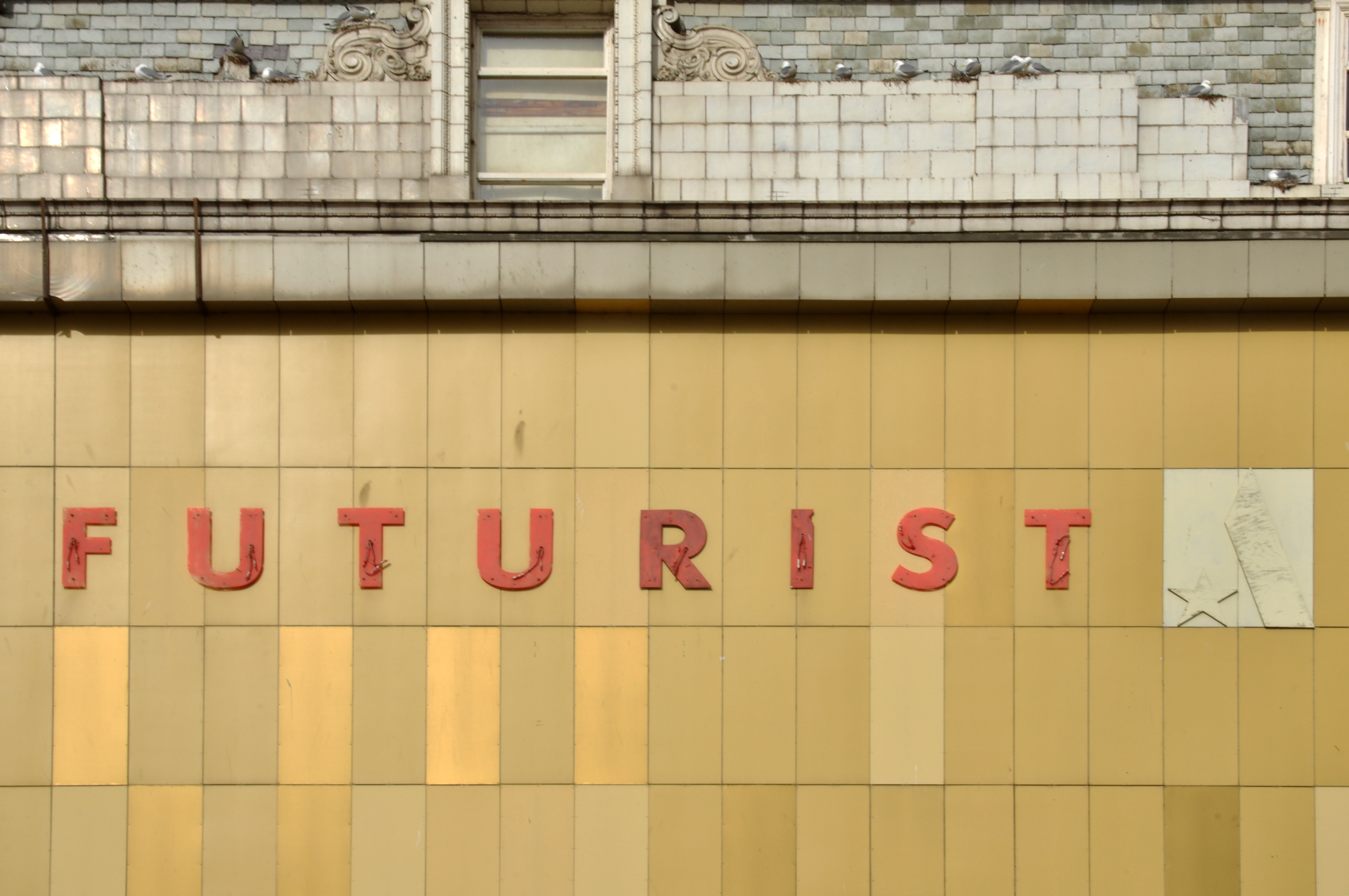
Formerly the site of the Futurist Theatre
The Futurist Theatre was built to the design of Scarborough architect Frank Tugwell and opened on 27 June 1921 as a cine-variety theatre operated by William Catlin.
Originally it boasted a grandiose, ornate façade of robust, self-cleaning white glazed Carraraware tiles, the design of Henry Doulton.
This was later obscured during spring 1968 by a facelift of rectangular plain yellow cladding.
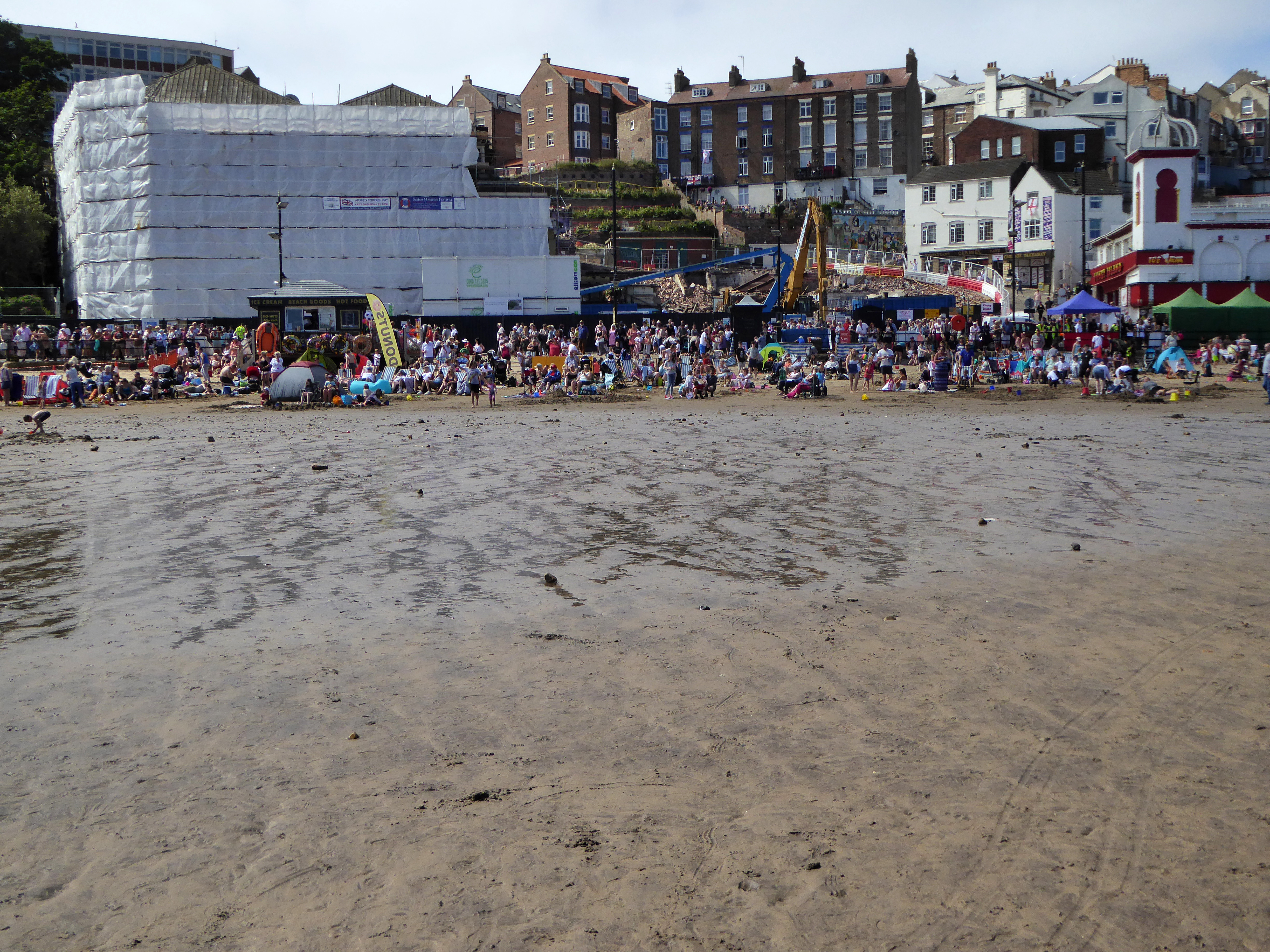
Demolition of the building began in June 2018 and was completed in August 2018.
The demolition and associated land works cost local taxpayers £3.91 million.
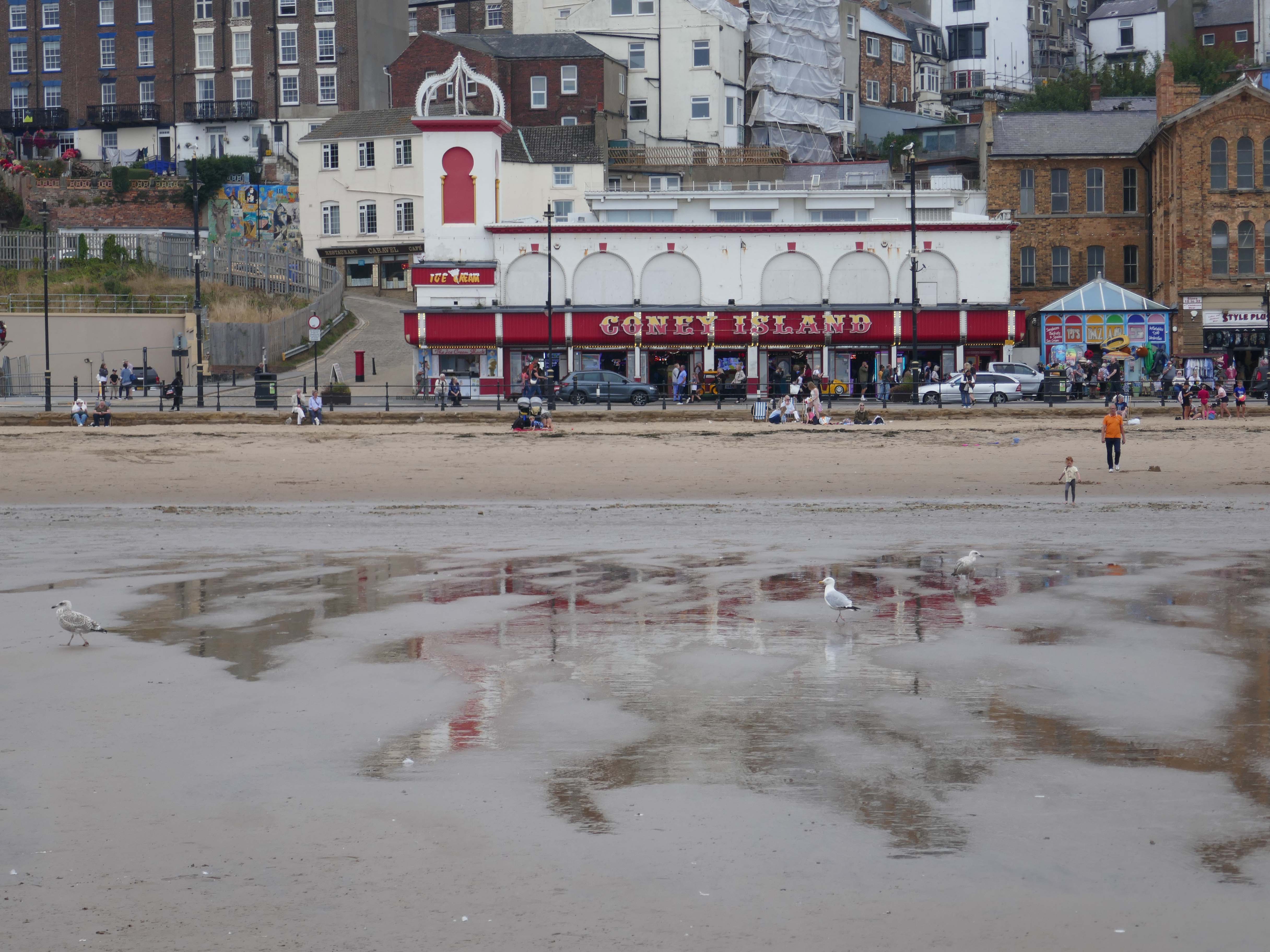
Coney Island is a popular amusement centre located on Foreshore Road in Scarborough, offering a vibrant dose of classic seaside entertainment. It’s known for its unique architectural style and cool retro vibes that captivate visitors. This lively spot provides a welcoming atmosphere for all ages looking for fun by the coast.
Step inside Coney Island and discover a fantastic array of arcade games, ranging from exciting racing simulators where you can ‘drive’ sports cars and motorbikes, to a decent selection of both older and newer games. Beyond the flashing lights and sounds of the arcade, the centre also features a bowling alley, perfect for some friendly competition. Guests appreciate the ease of exchanging notes for coins at the desk, ensuring continuous play.
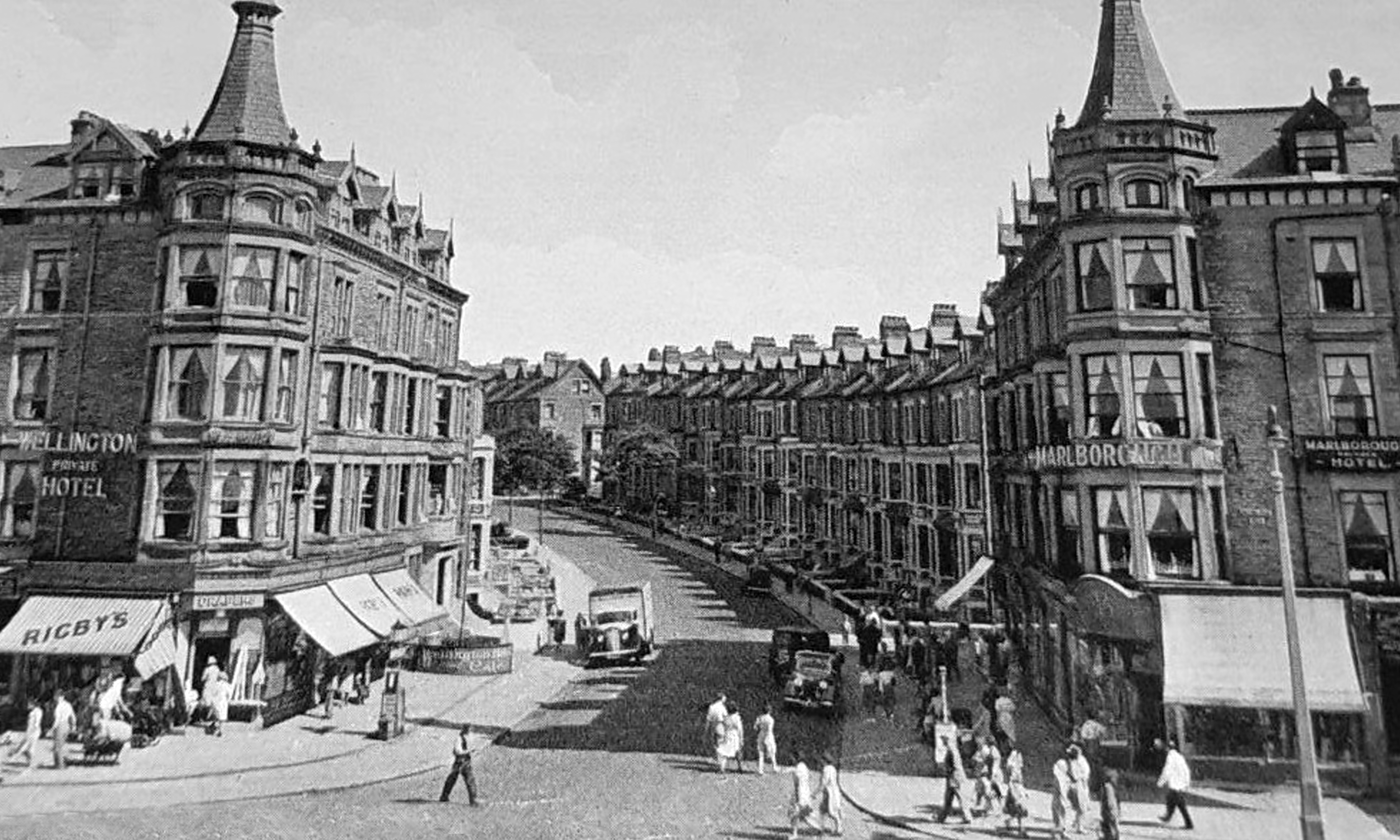
It was a sunny day in August so I went to take a look around.
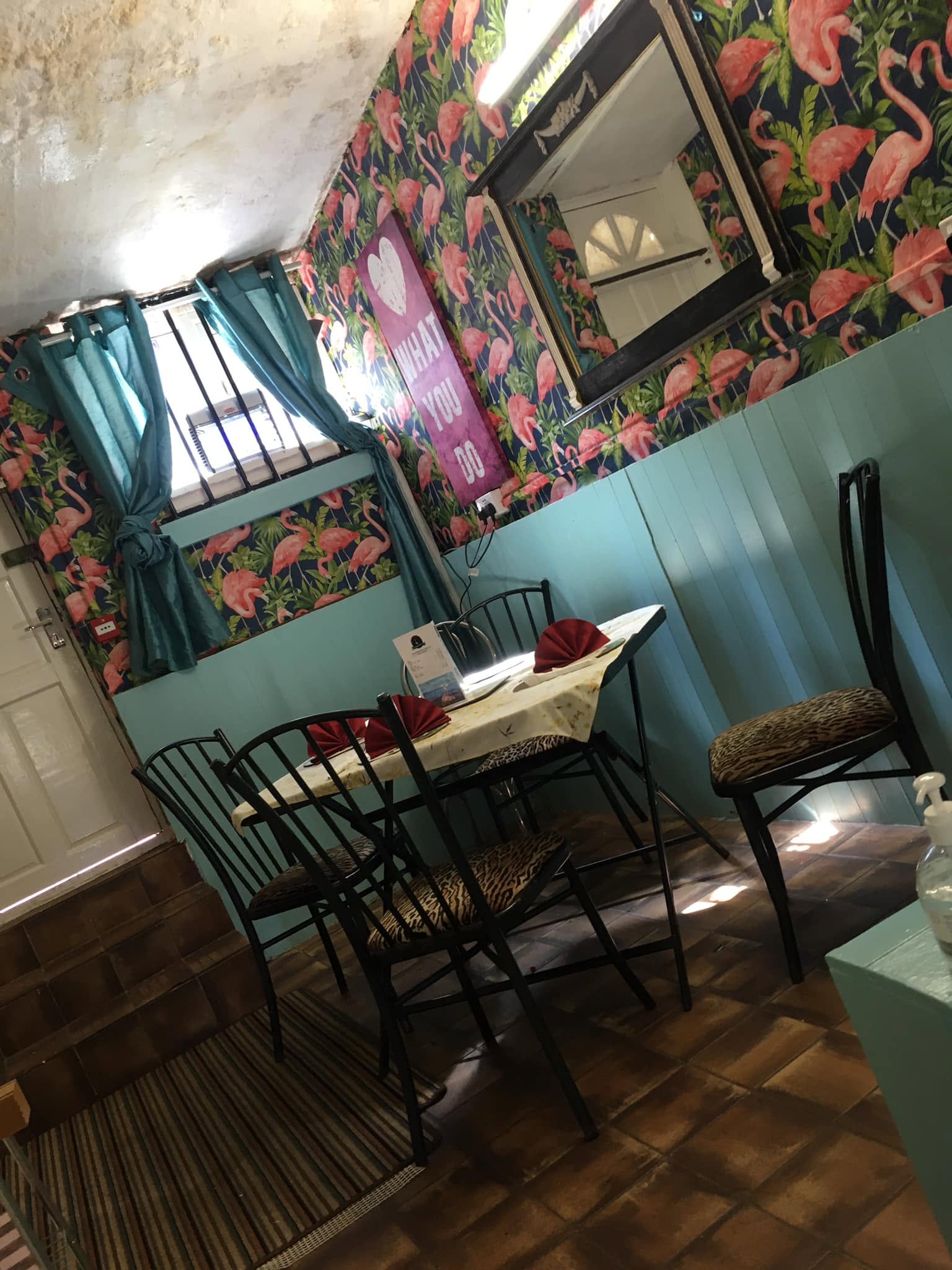
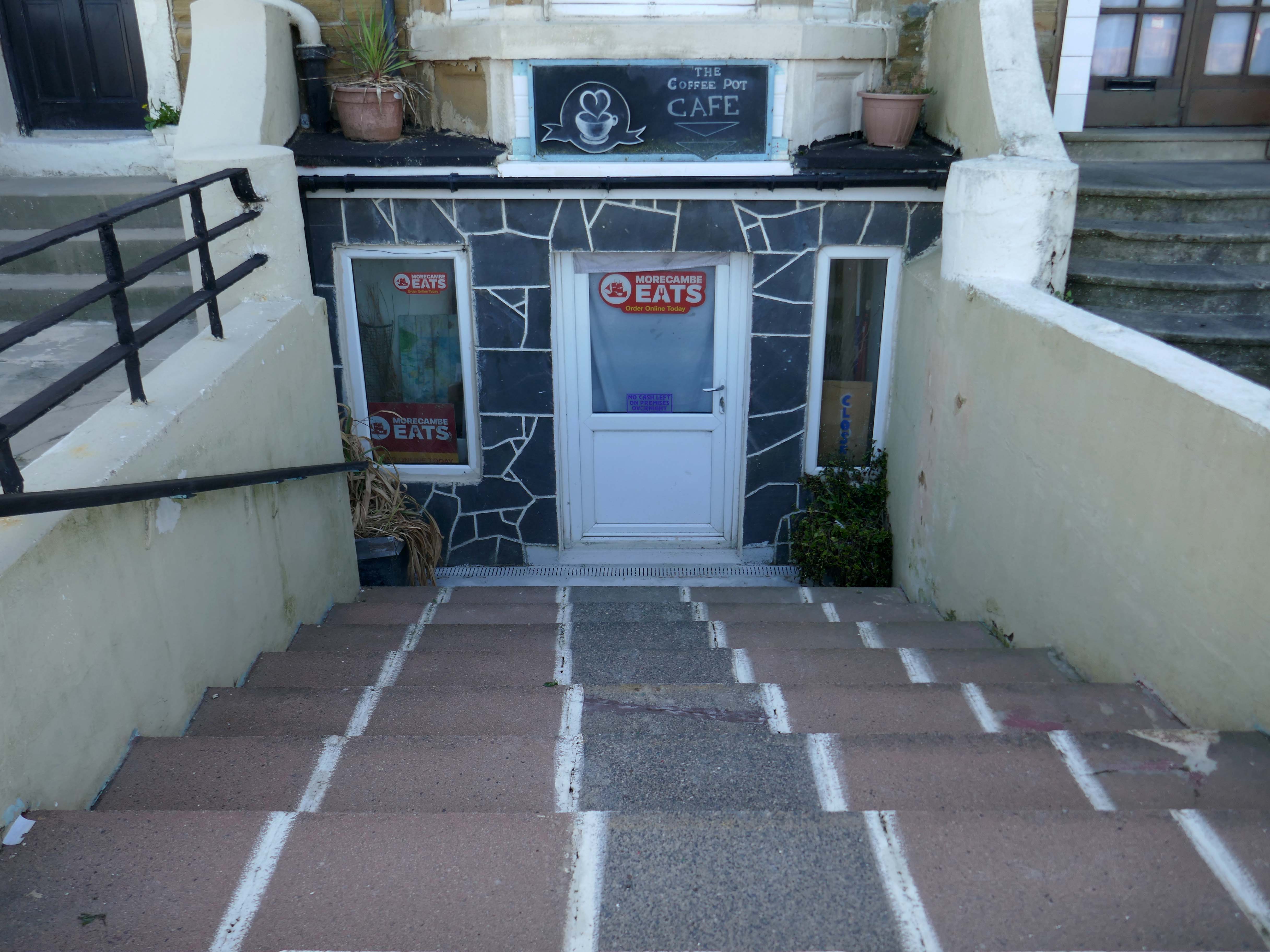
Come along to the Coffee Pot – 93 Marine Road
All day breakfast, burgers, panini, hot dogs and much more.
Outside seating on this lovely sunny day, come try us out.
Permanently closed.
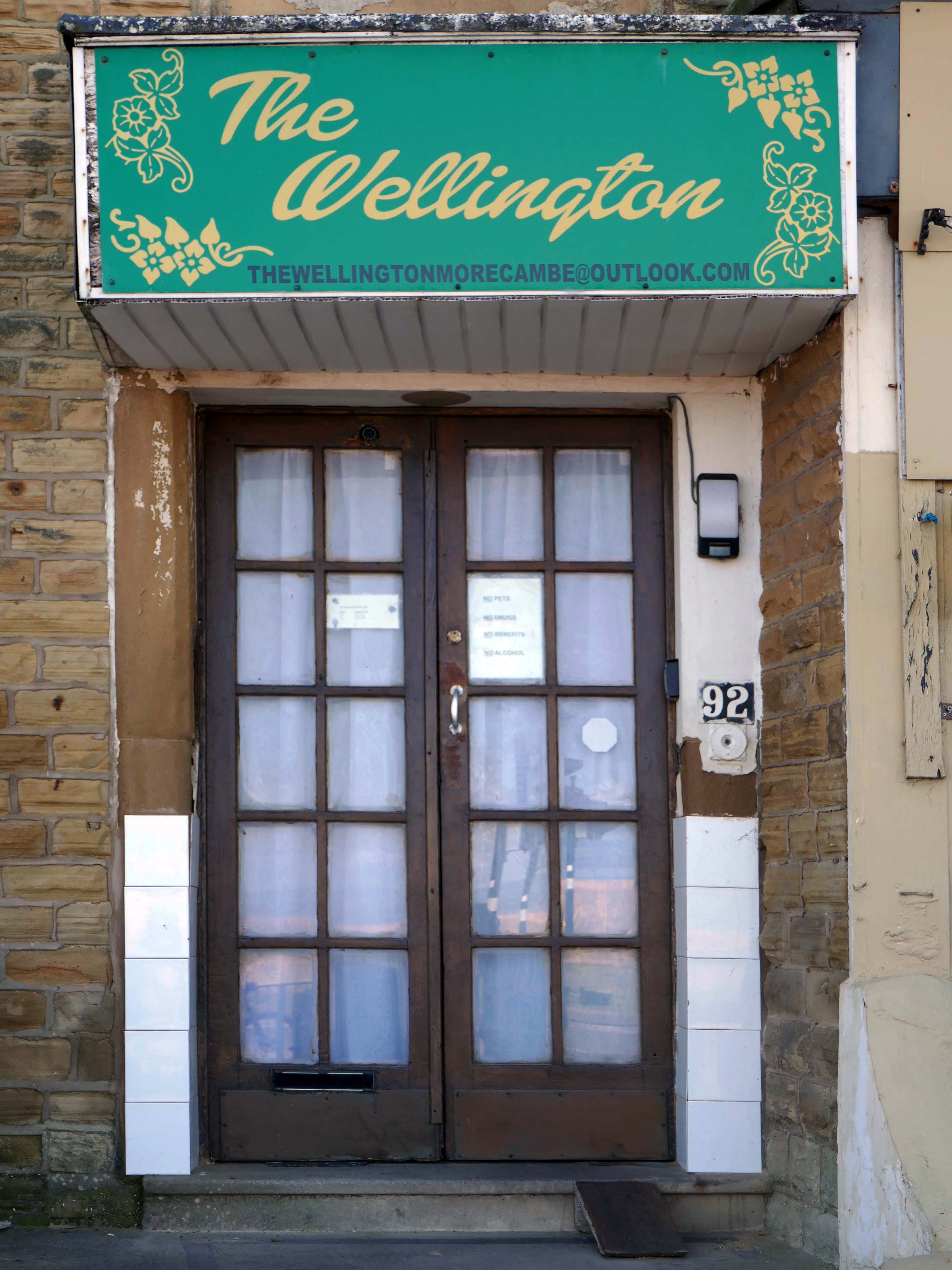
Offering sea views, The Wellington Hotel & Holiday Flats is an accommodation set in Morecambe, the accommodation offers a 24-hour front desk and free WiFi is available throughout the property.
The aparthotel is fitted with one bedroom, a fully equipped kitchenette with a microwave and a fridge, and one bathroom with a shower and a hair dryer.
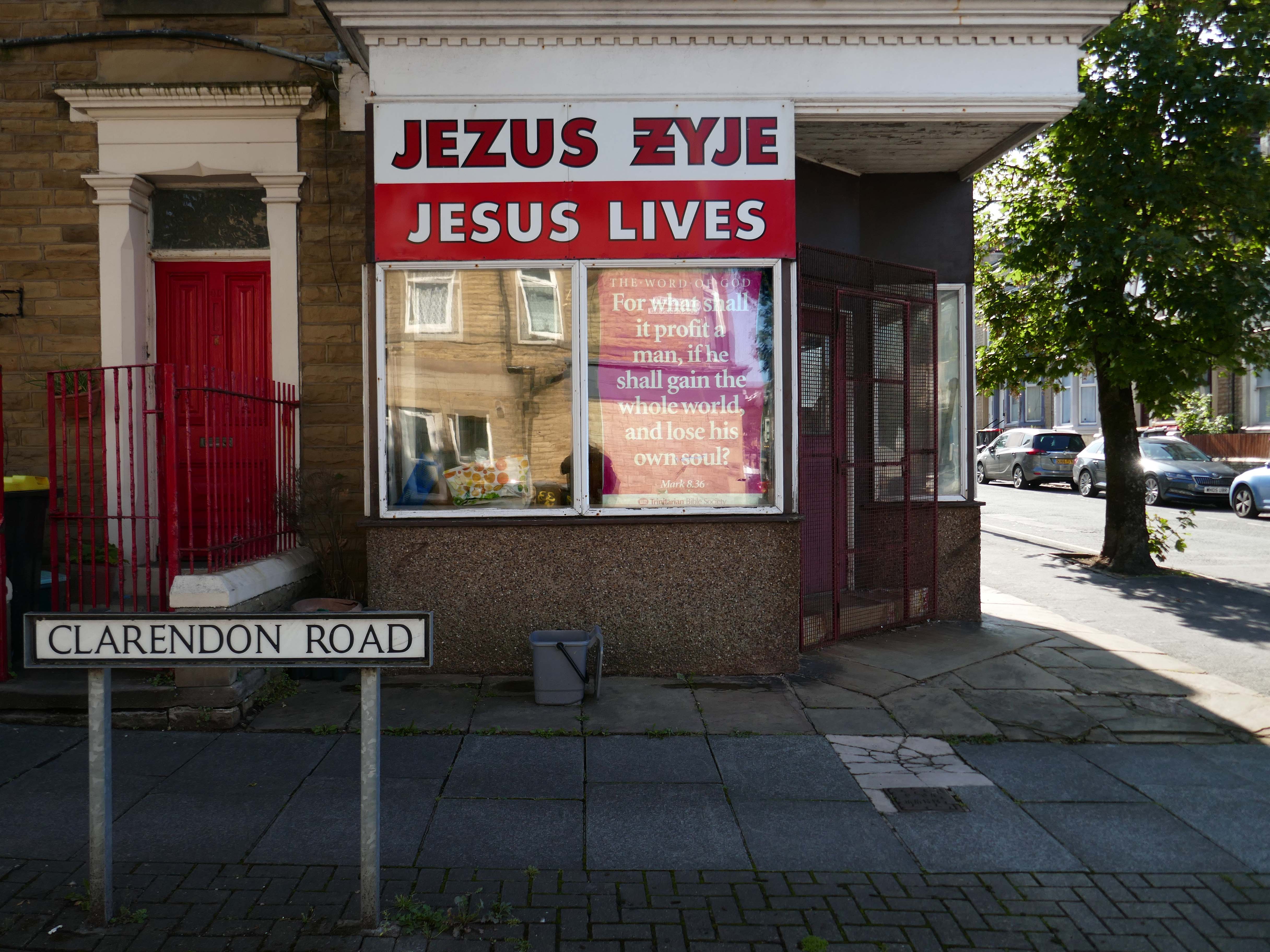
Olive Tree Ministries – serving the Polish Community.
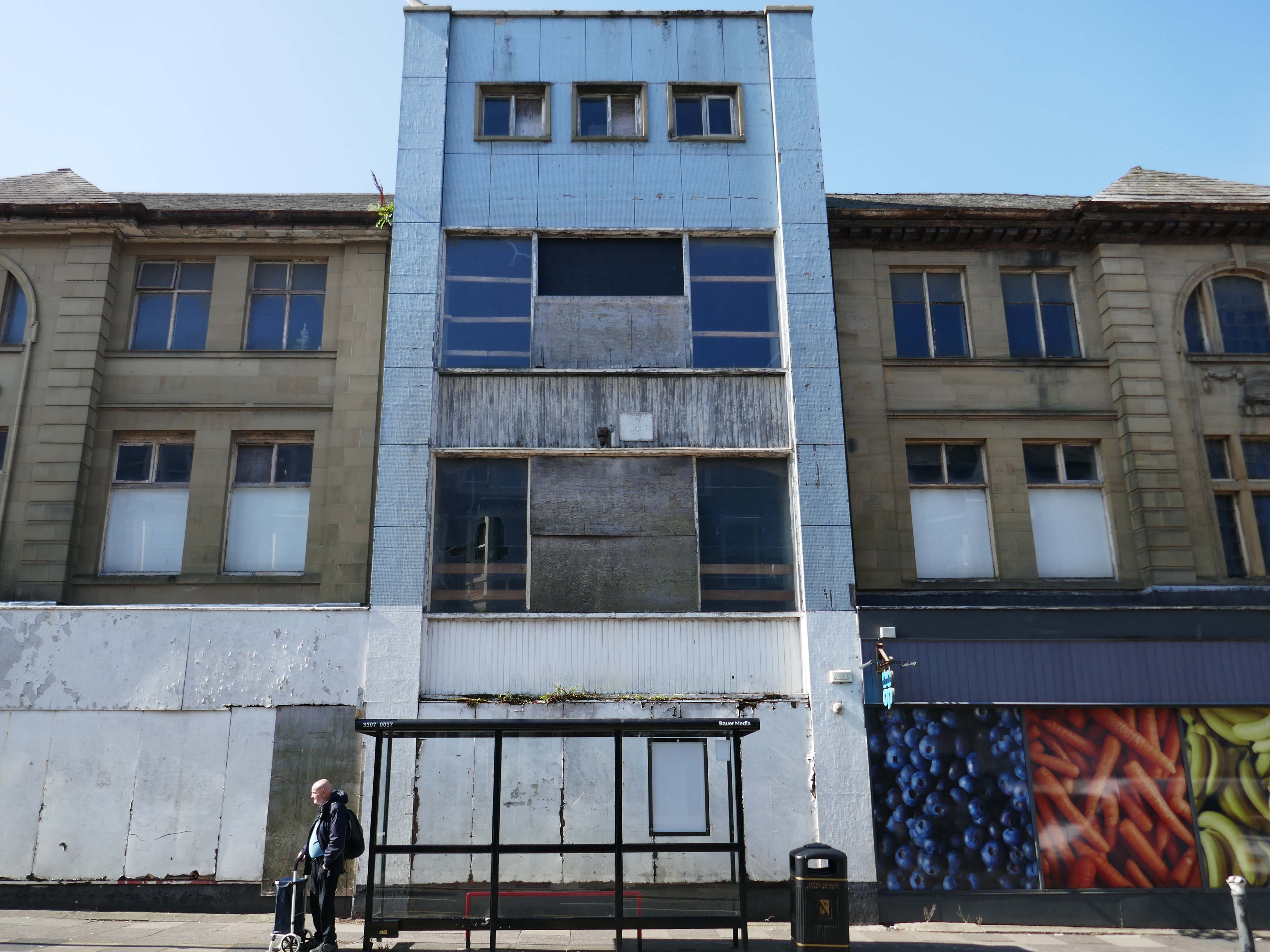
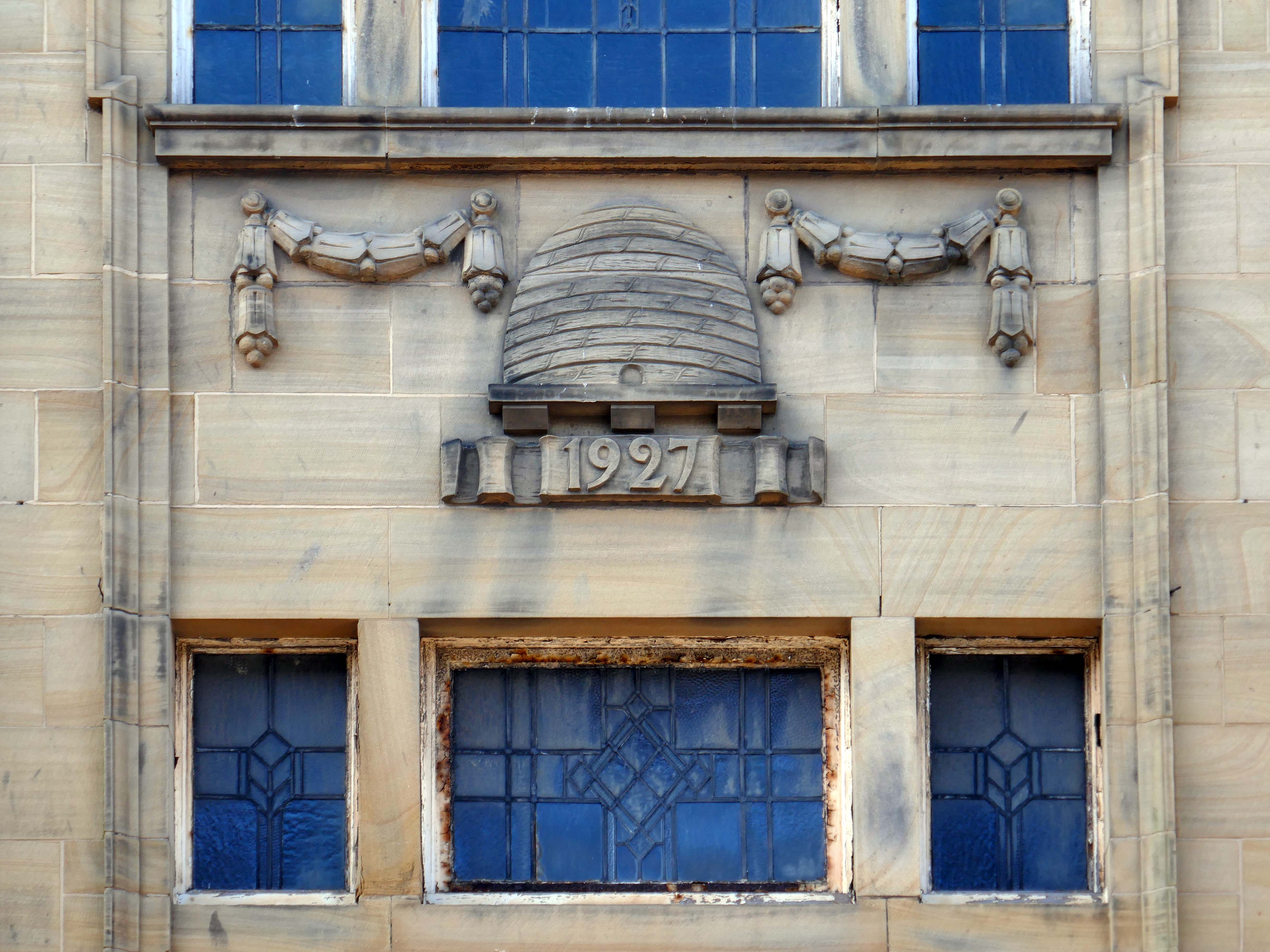
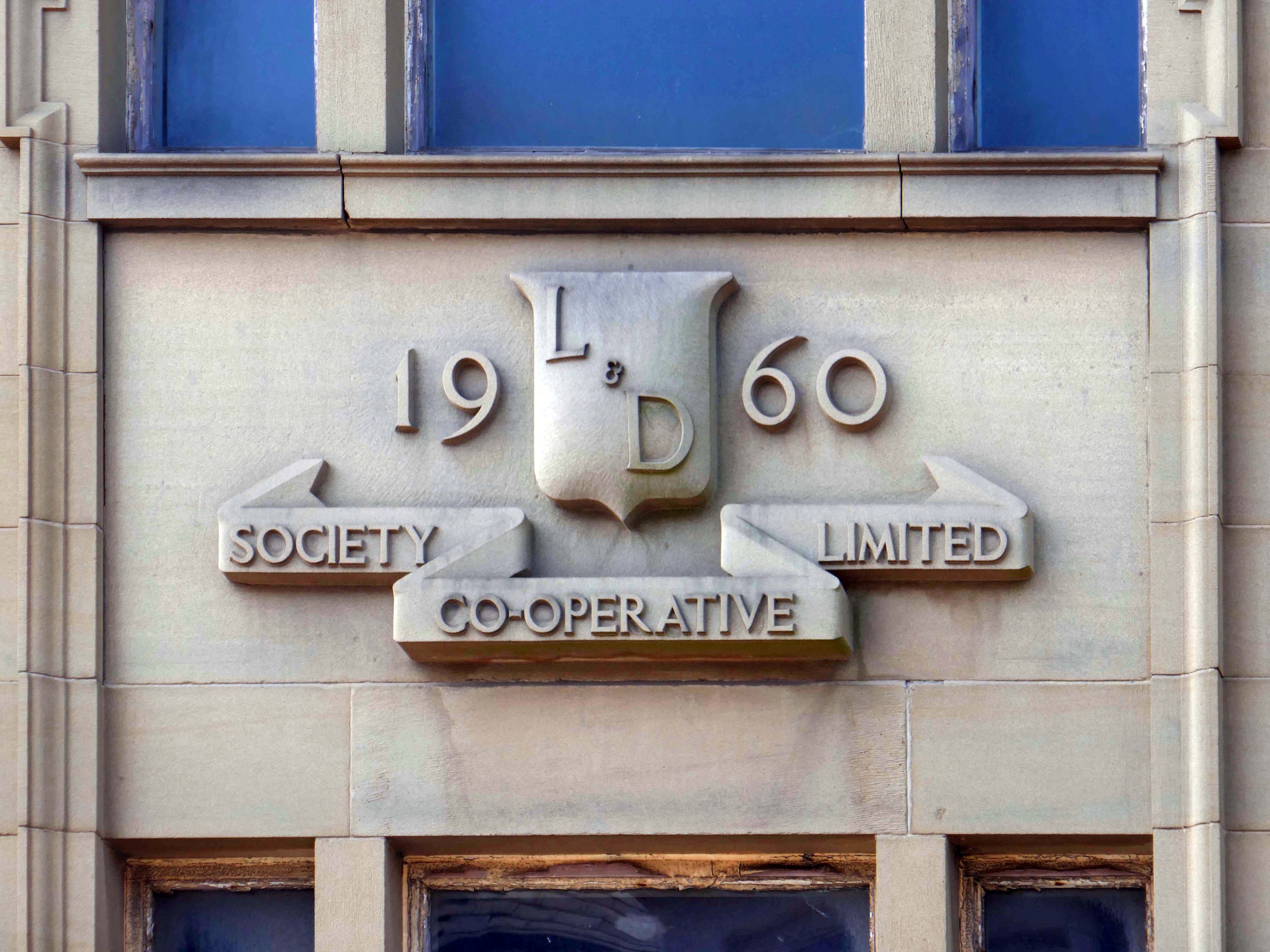
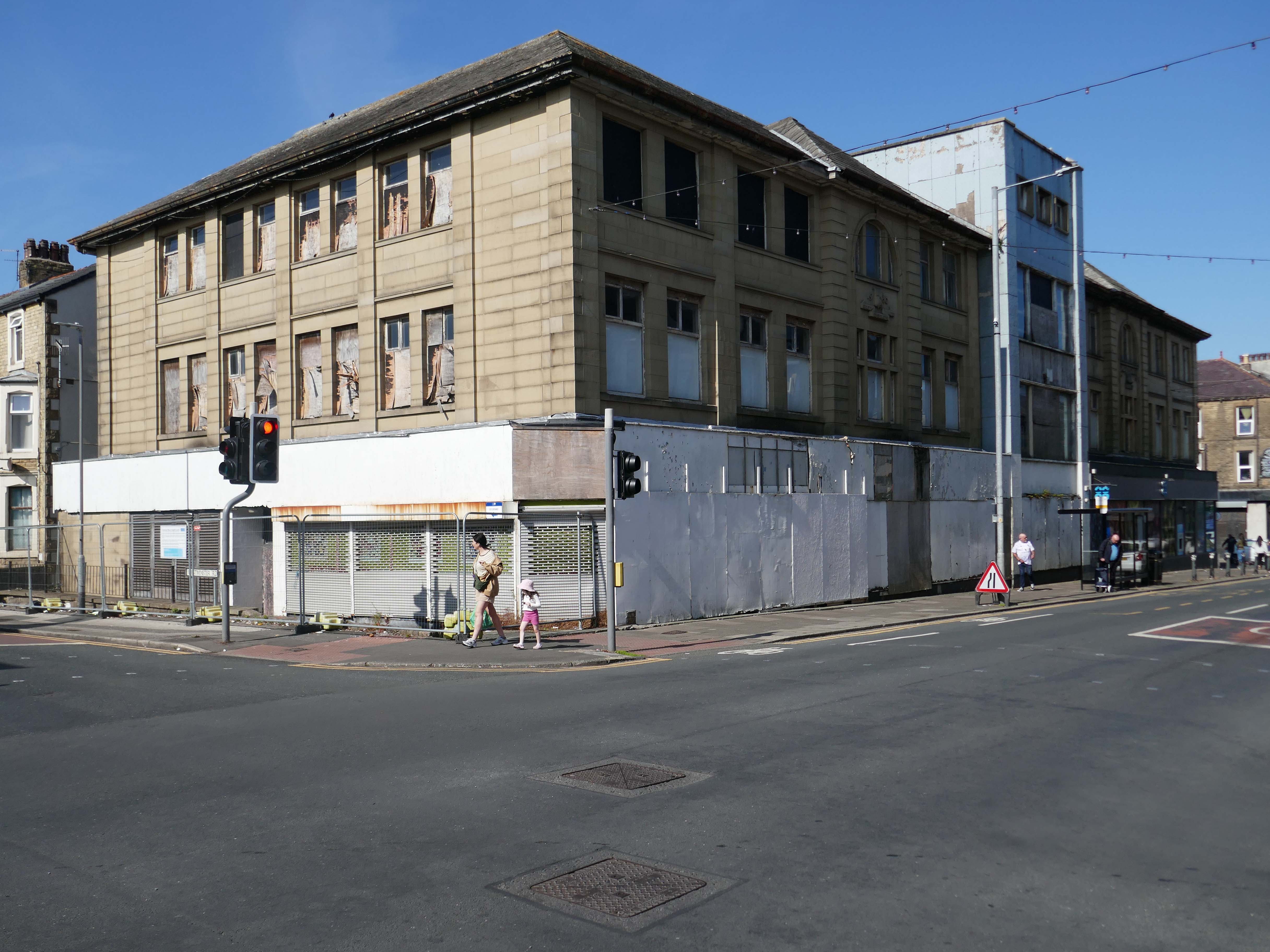
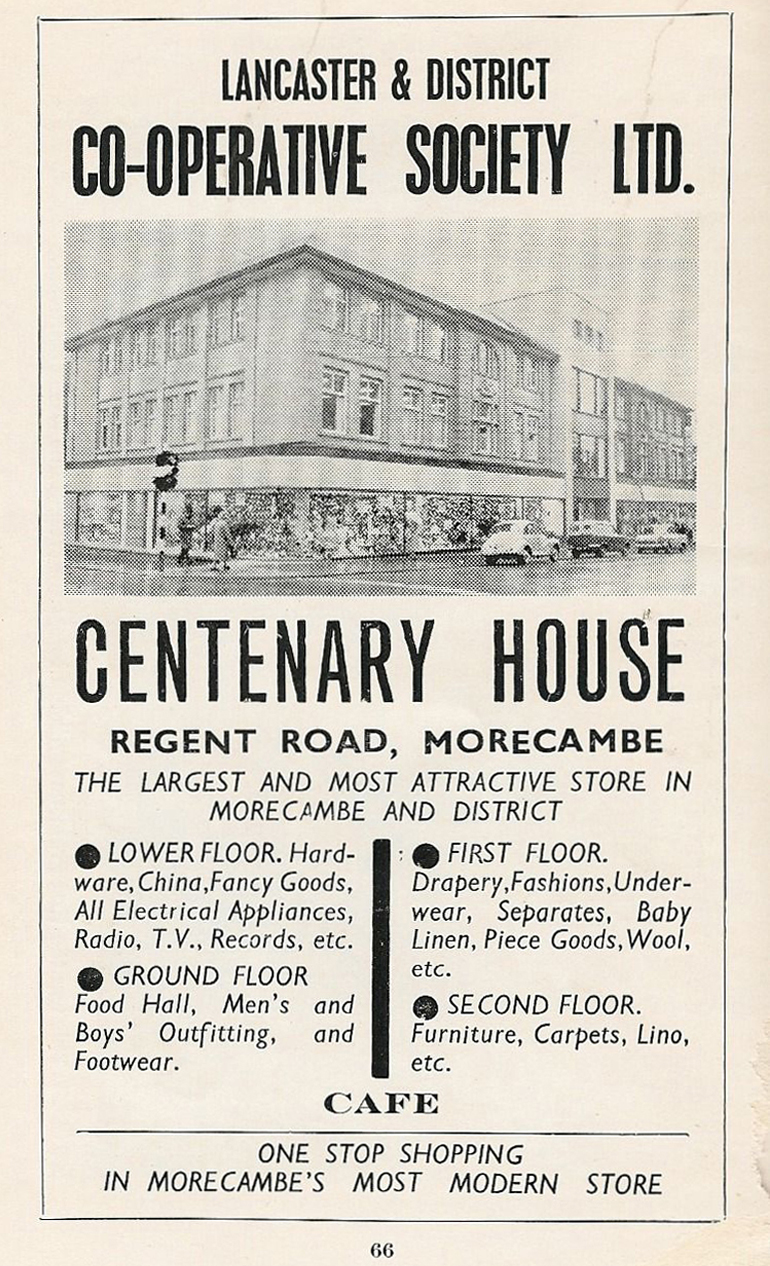
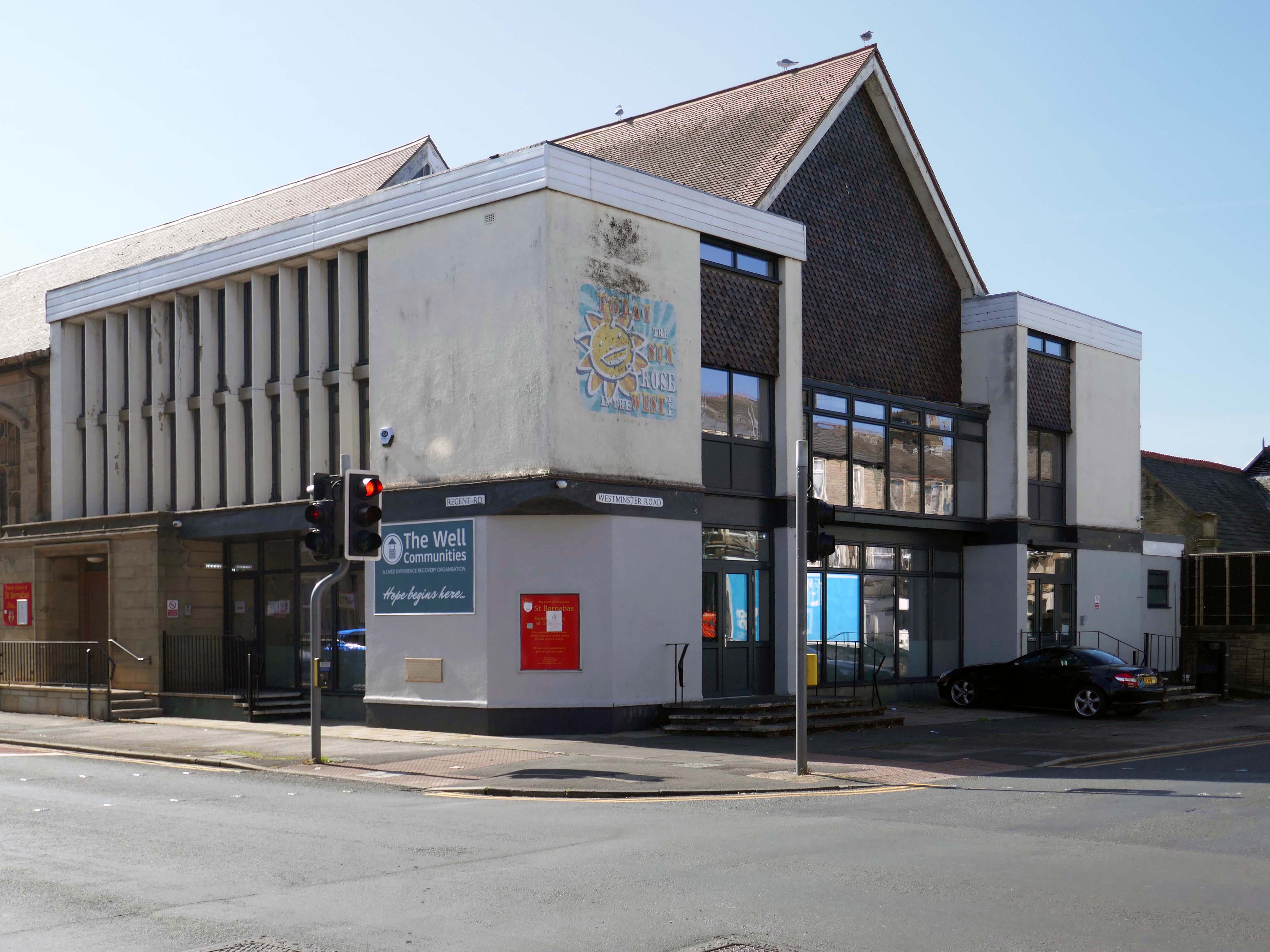
Lancaster City Council’s ambitions to bring back to life the site of a former department store have moved one step closer thanks to the award of a government grant worth nearly £750,000.
Bought by the city council as part of the West End masterplan, the intention is to refurbish the building’s upper floors to provide affordable housing, retaining the Co-Op late shop that occupies one-half of the ground floor.
The Well Communities is a peer-led recovery organisation built on support, inclusion, and lived experience. For more than a decade, we’ve helped people across North Lancashire and Cumbria overcome drug and alcohol challenges, rebuild confidence, and move toward healthier, more hopeful lives.
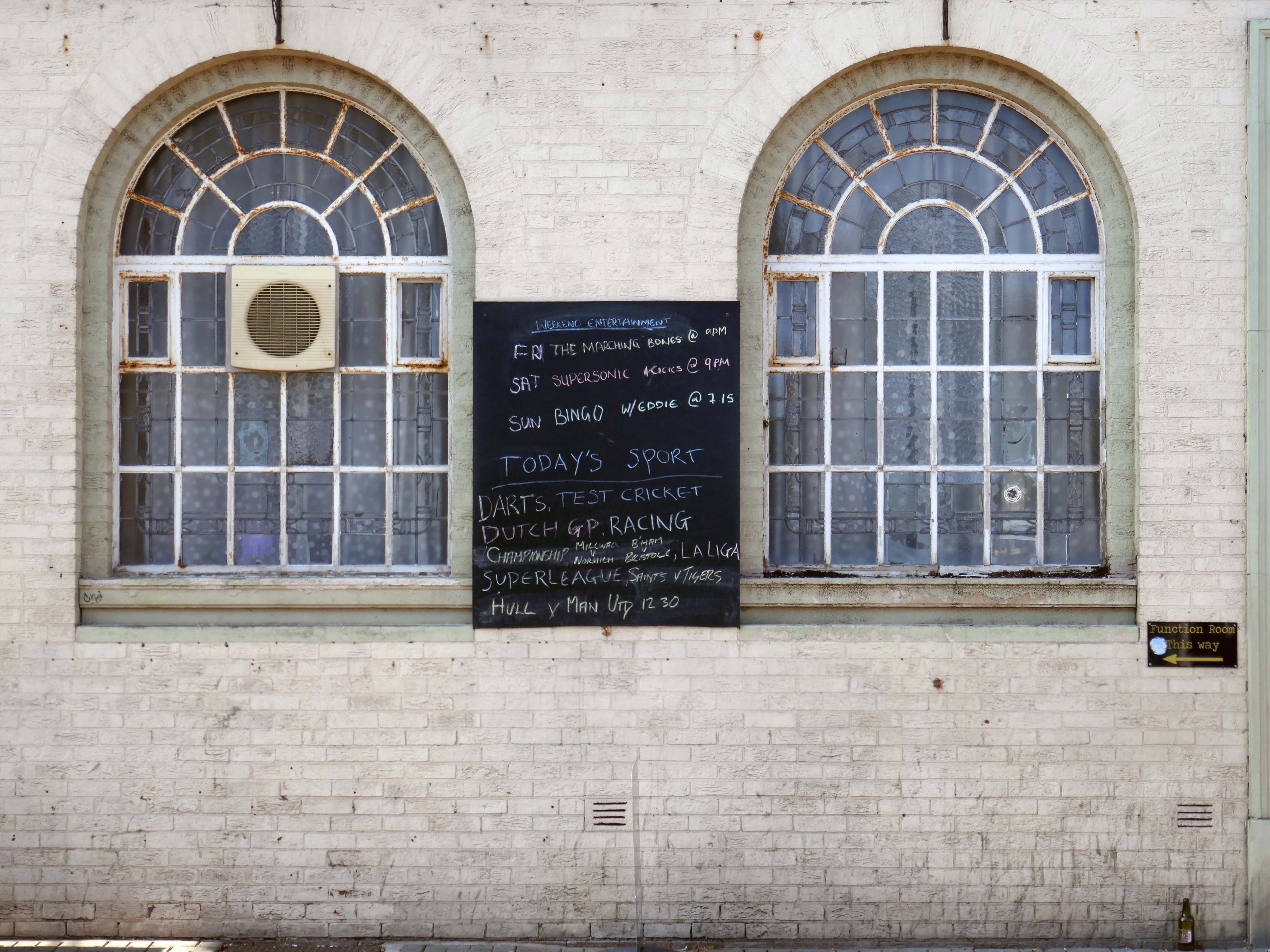
This is by far the best, friendliest and cheapest pub I have been to in the fifteen years I have lived in Morecambe.
Initially they owned the Ranch House on the promenade but moved to the Exchange – then called the Imperial, some years ago. Rob and Debbie completely turned the place around, barring all the undesirables and introducing live music every weekend. Rob has kept the ale prices down which is reflected by the numbers of regulars and visitors it attracts.
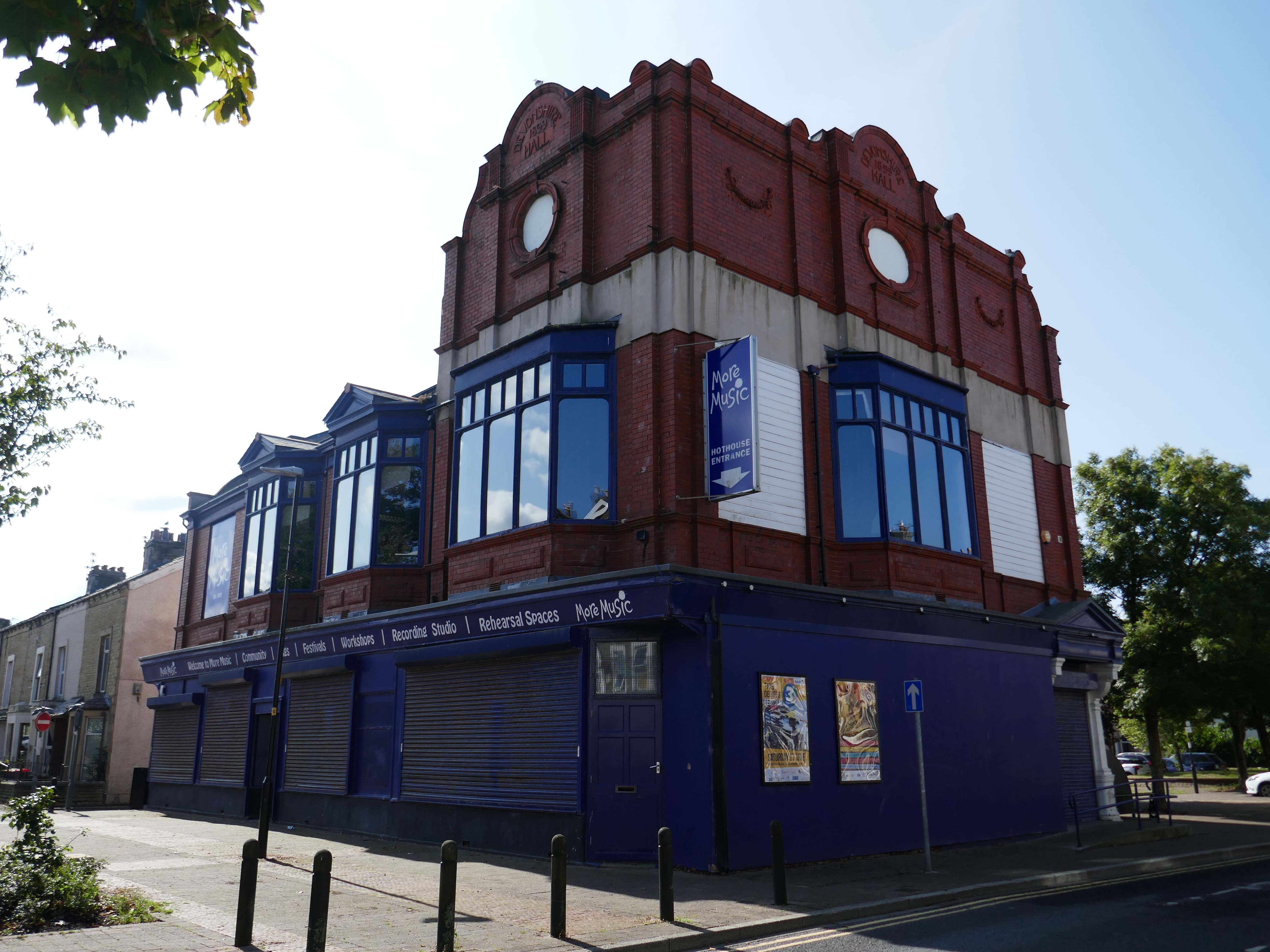
More Music is a music and education charity based in the West End of Morecambe, with 30 years of experience delivering workshops, training, performances and festivals across the district, region and beyond. More Music seeks to build confidence and spirit in individuals and communities through the arts, especially music. More Music is an Arts Council National Portfolio Organisation.
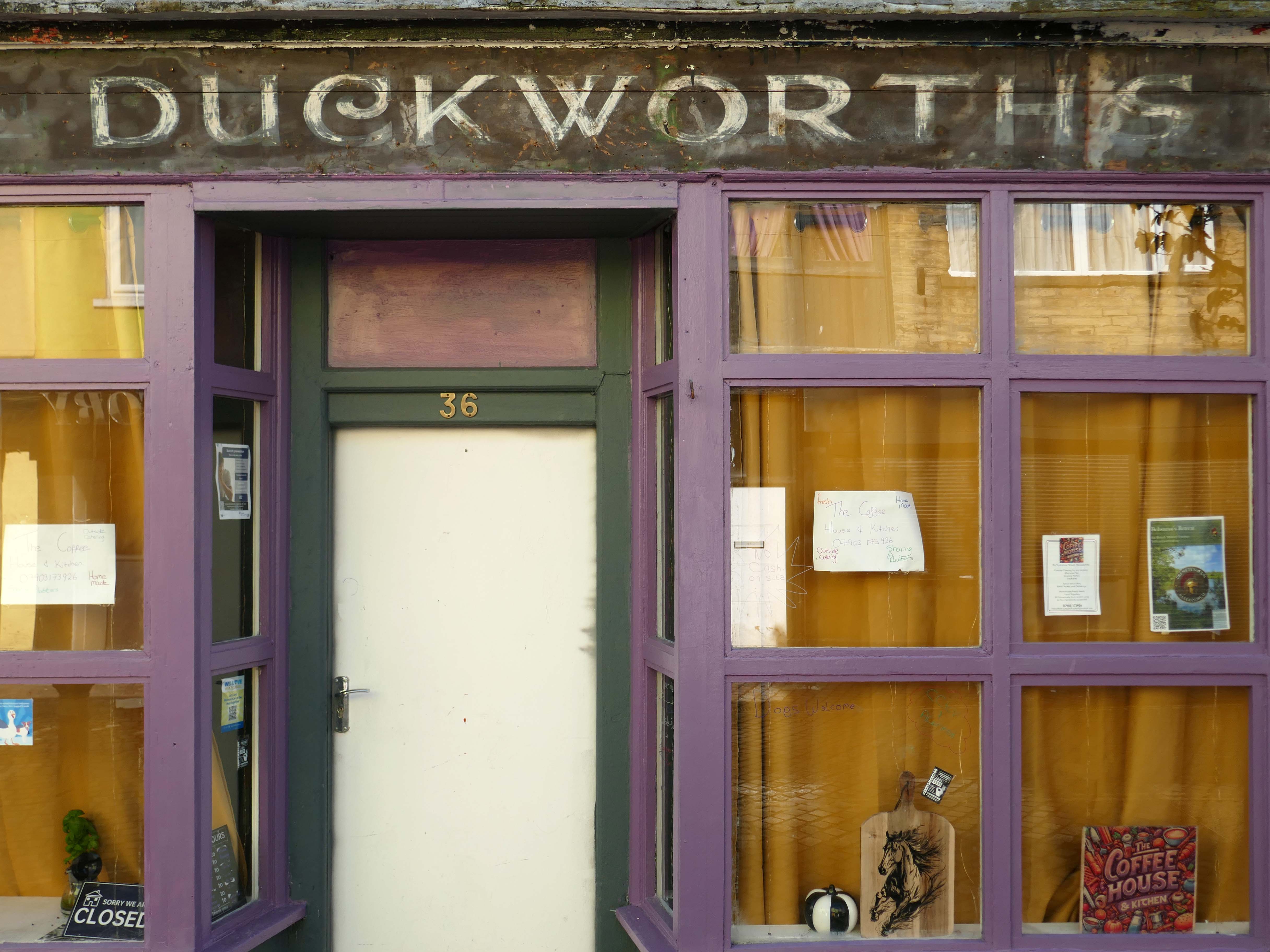
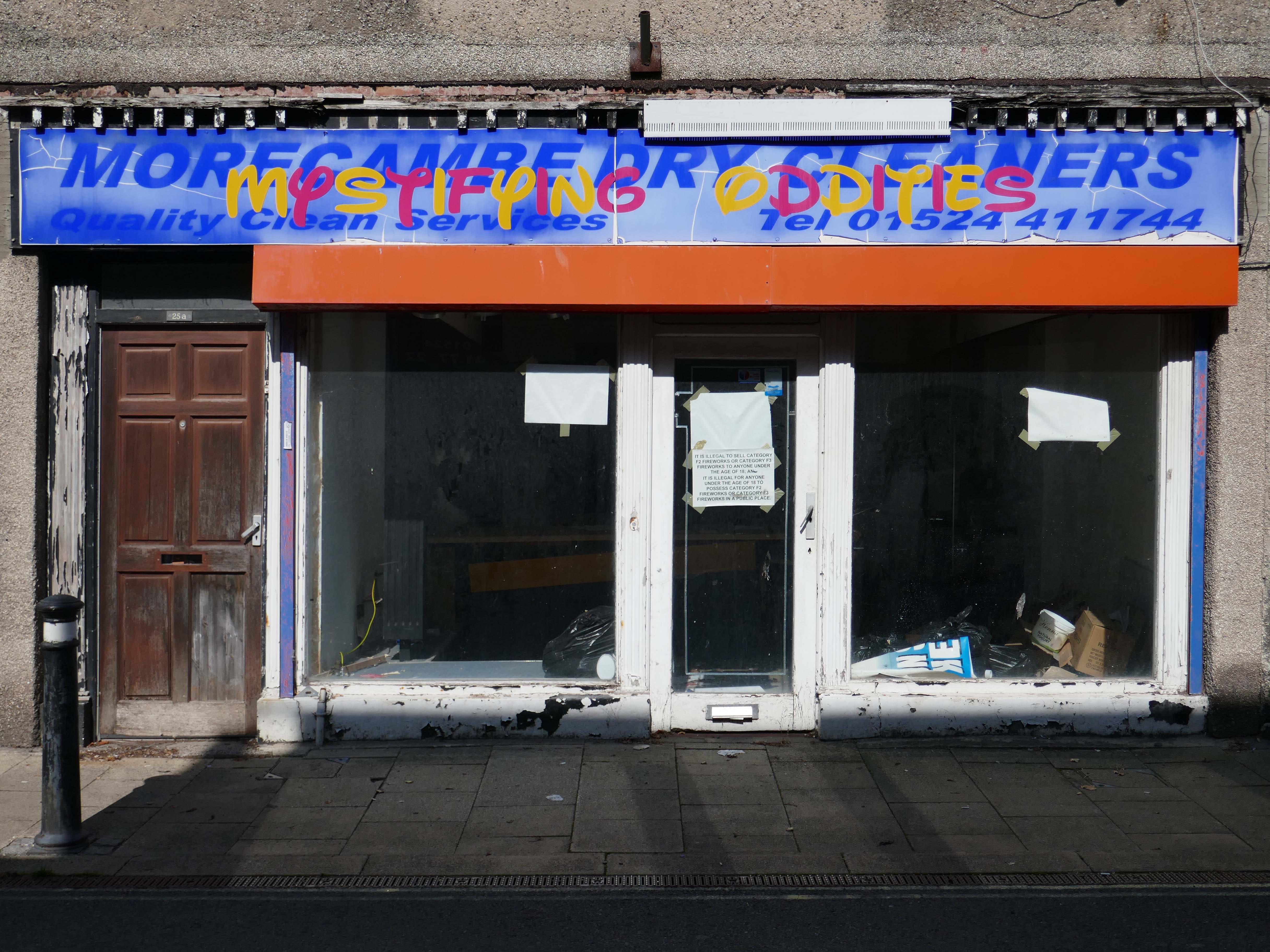
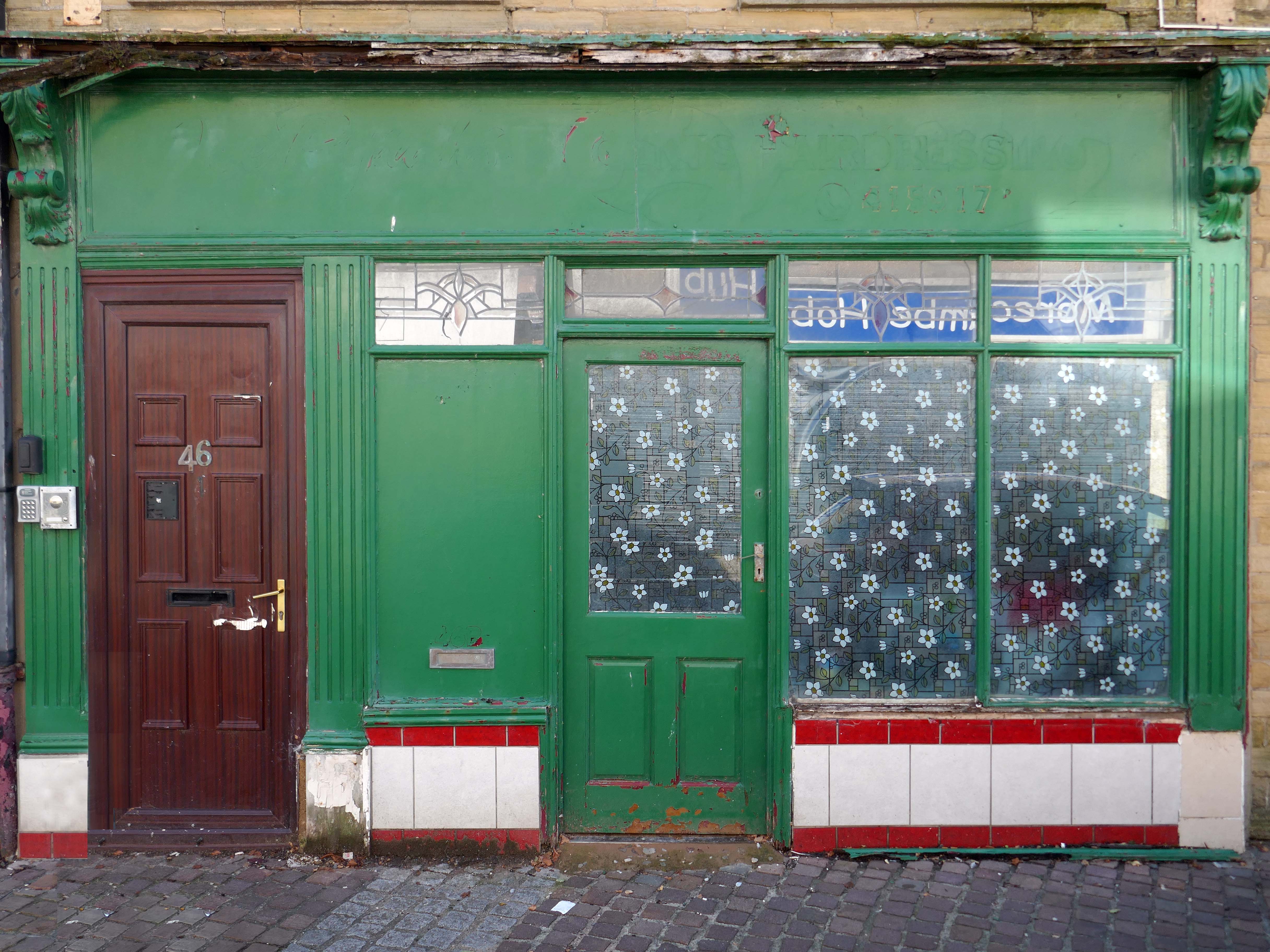
Action is needed to tackle empty shops and rundown buildings in Morecambe’s West End, councillors have said.
Coun Whitaker “Do you agree that we need to stop the rot and the domino impact of more boarded up properties which residents are getting really fed up of? We need to prioritise getting boarded up properties back into use, as business or arts opportunities. Hopefully, we can make the West End a good arts hub when the Eden Project arrives?”
Coun Bottoms replied: “Yes, there are lots of ideas and lots of talk at these meetings. But there is no real vision or strategy. That’s what we need to move things forward. We need positive action, not just words.”
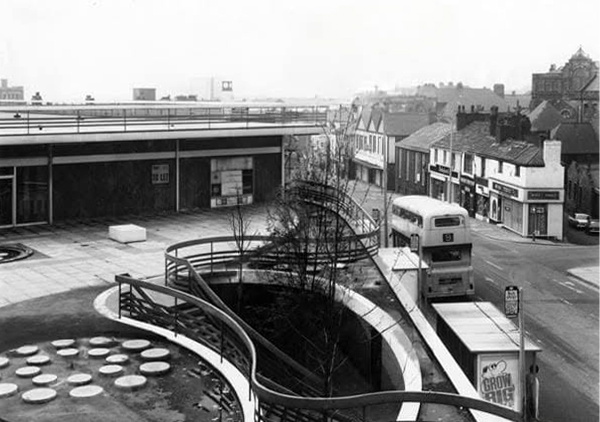
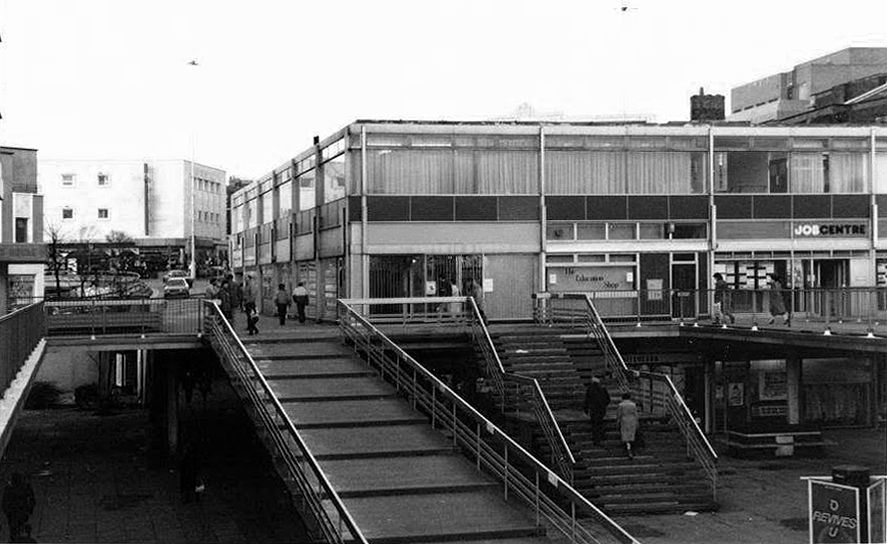
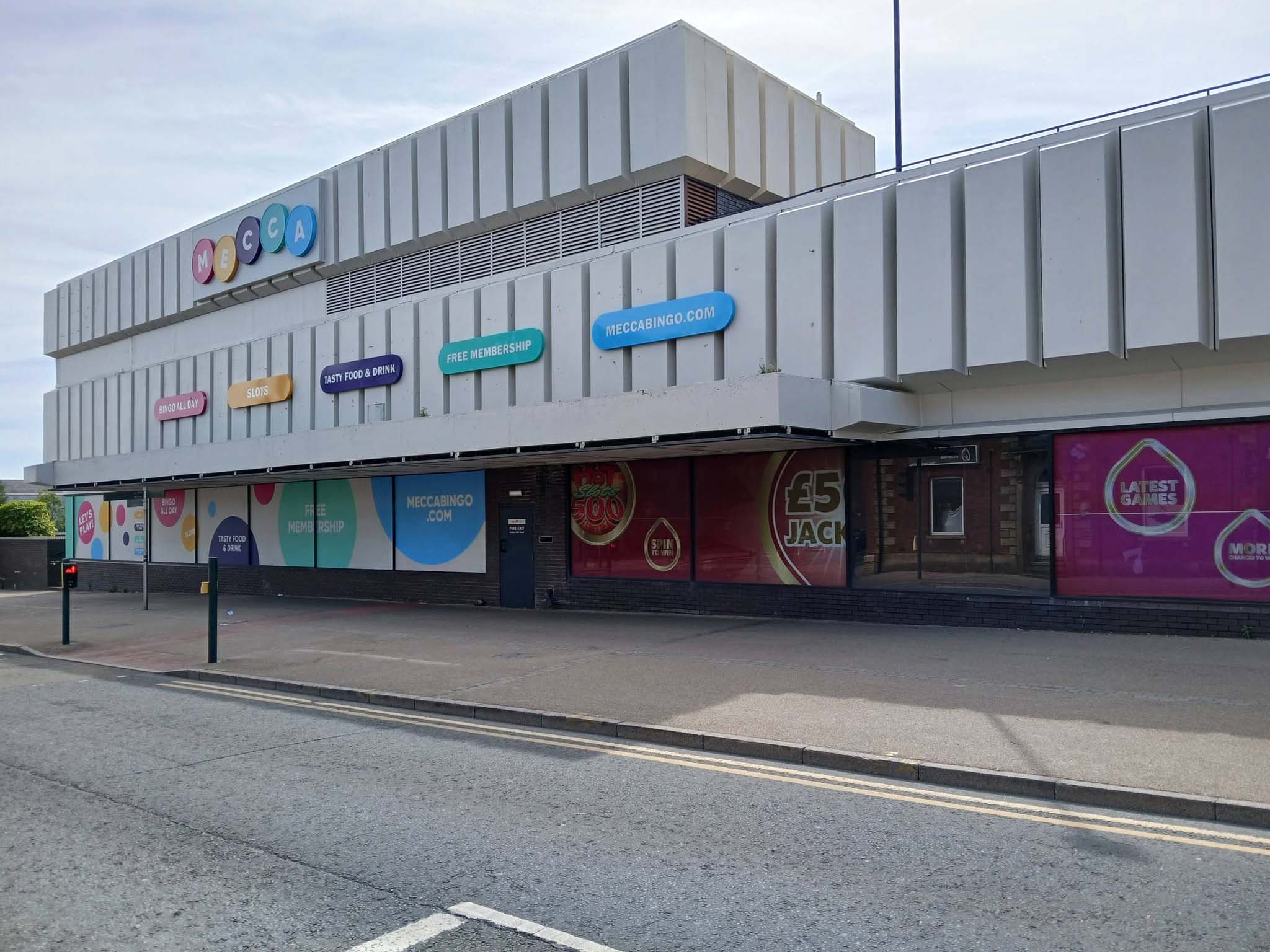
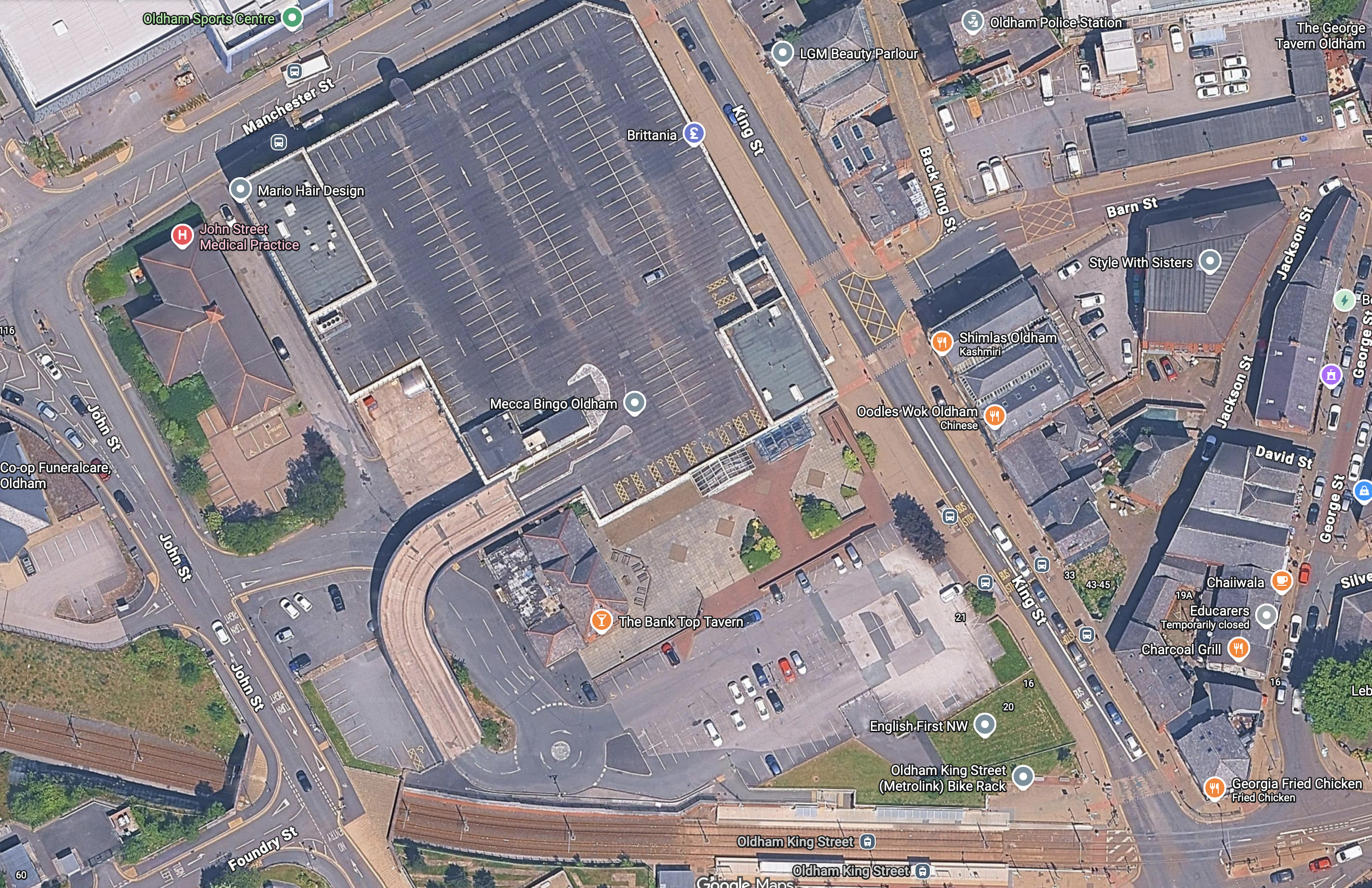
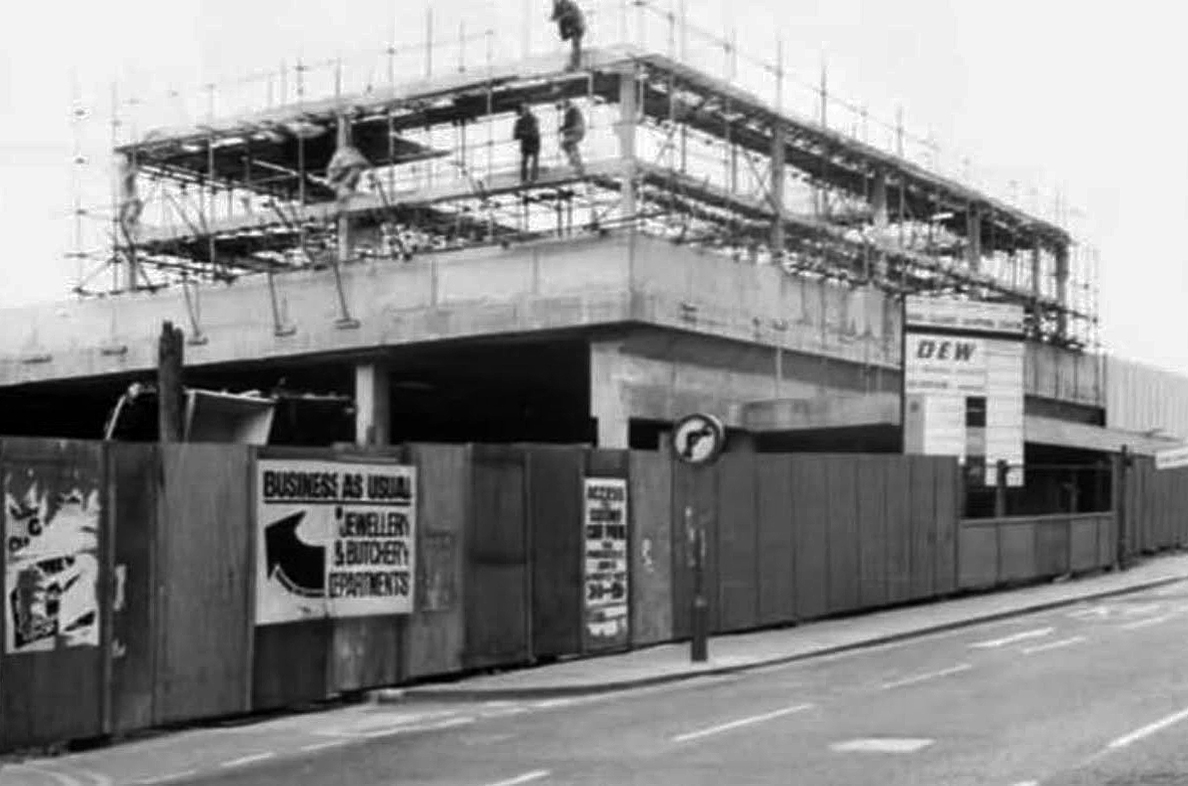
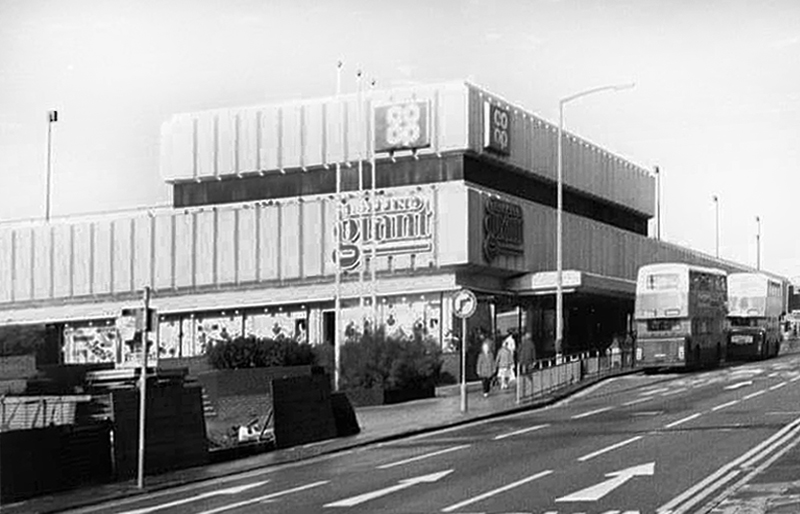
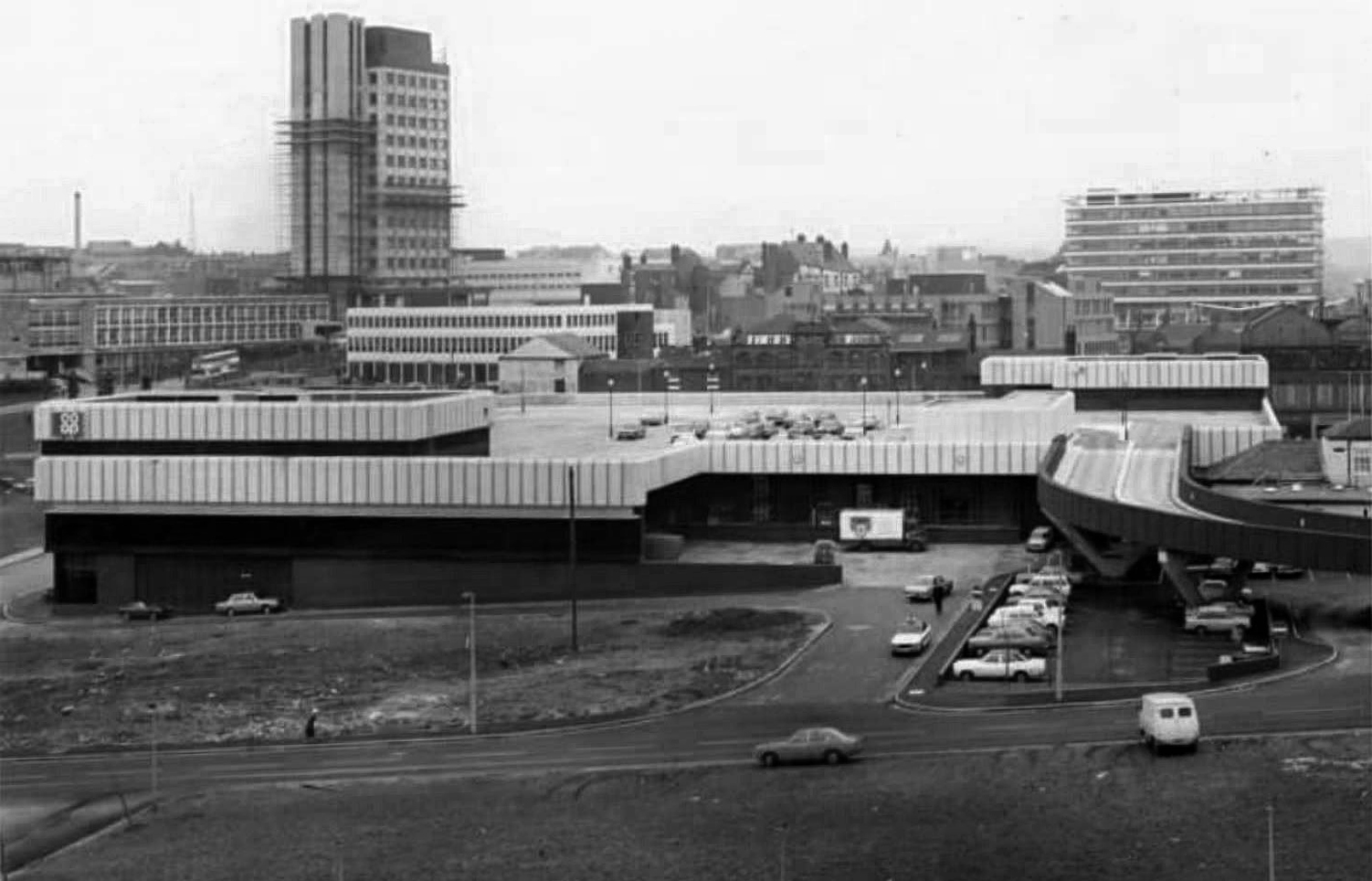
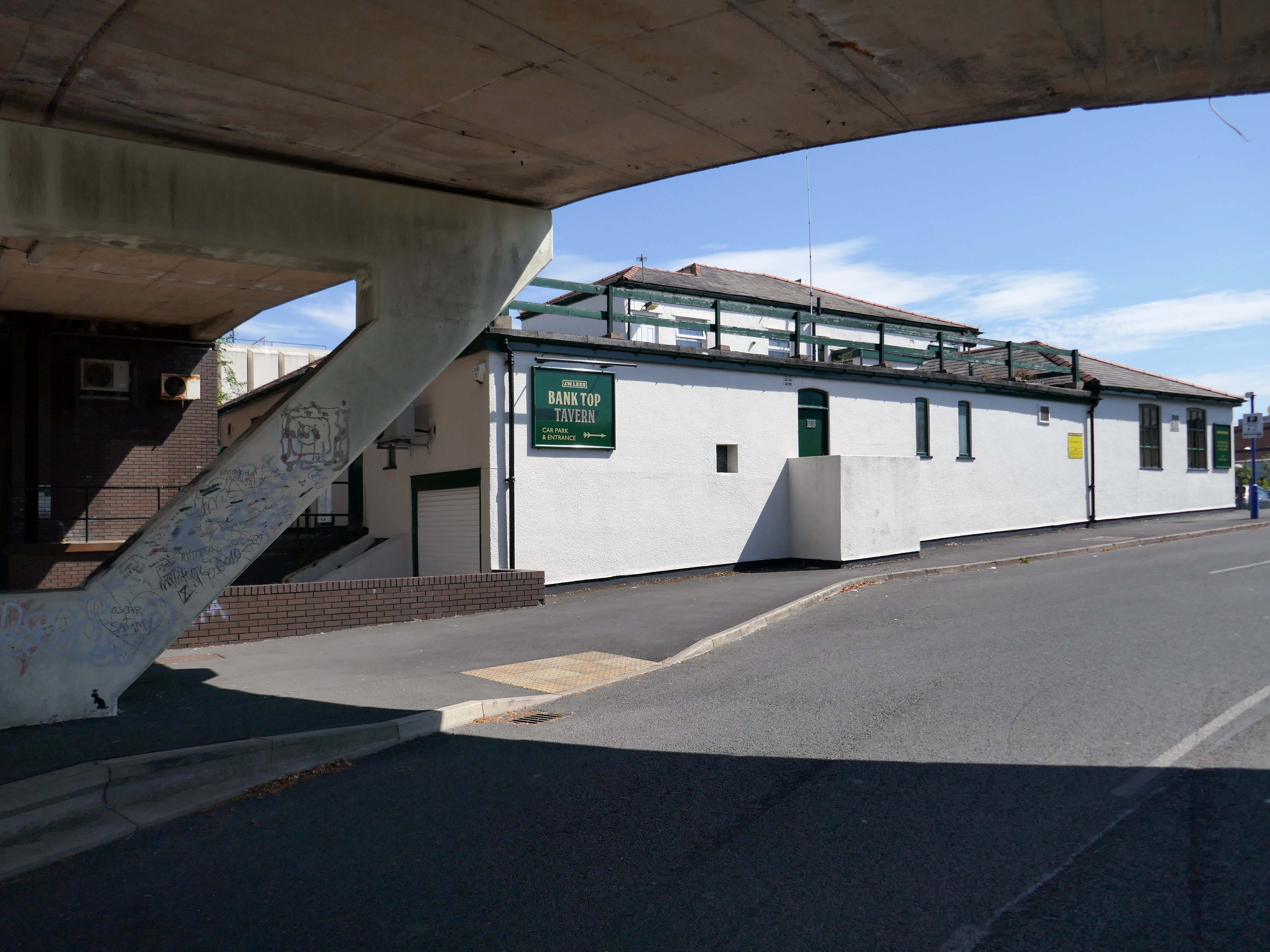
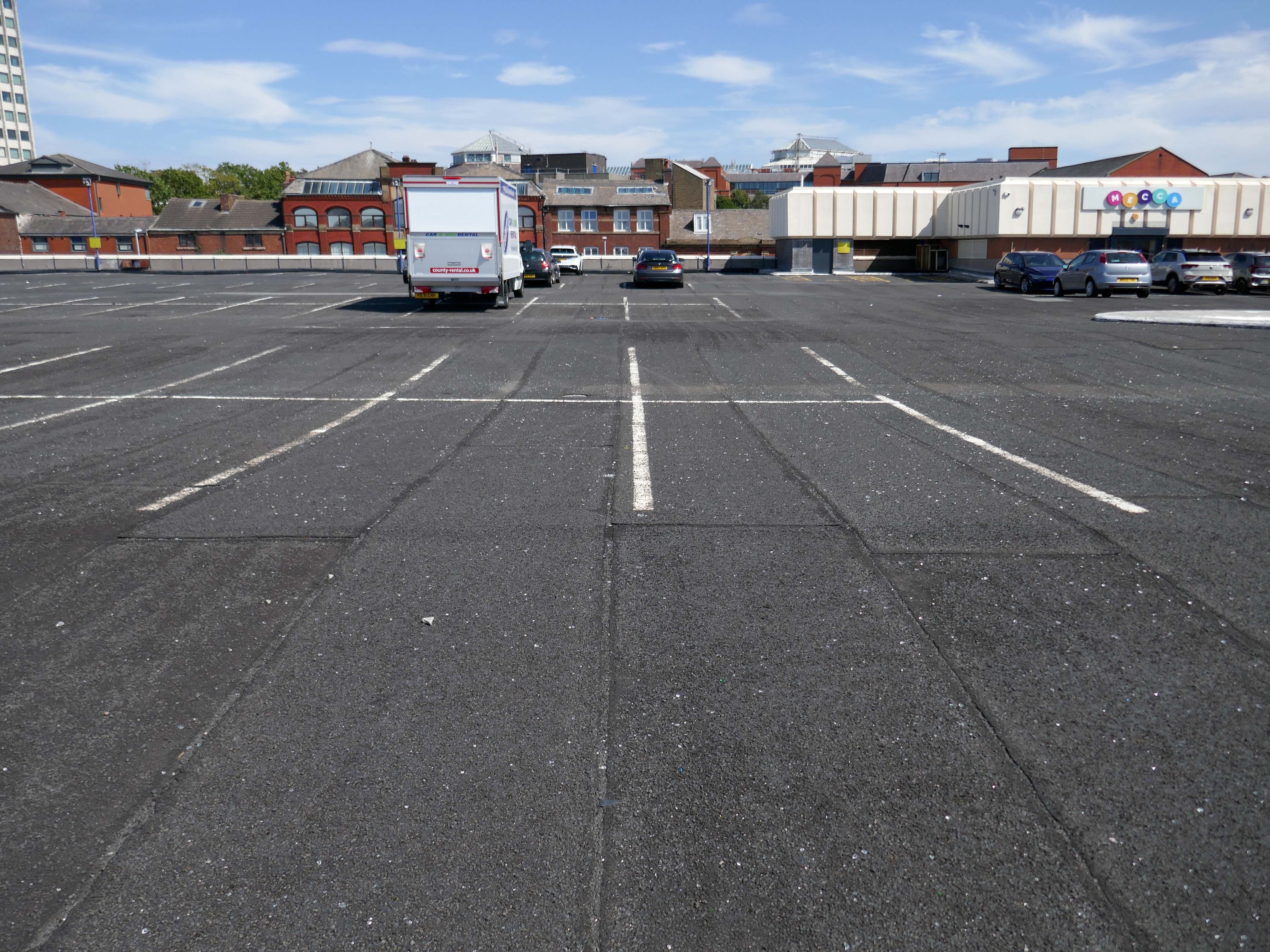
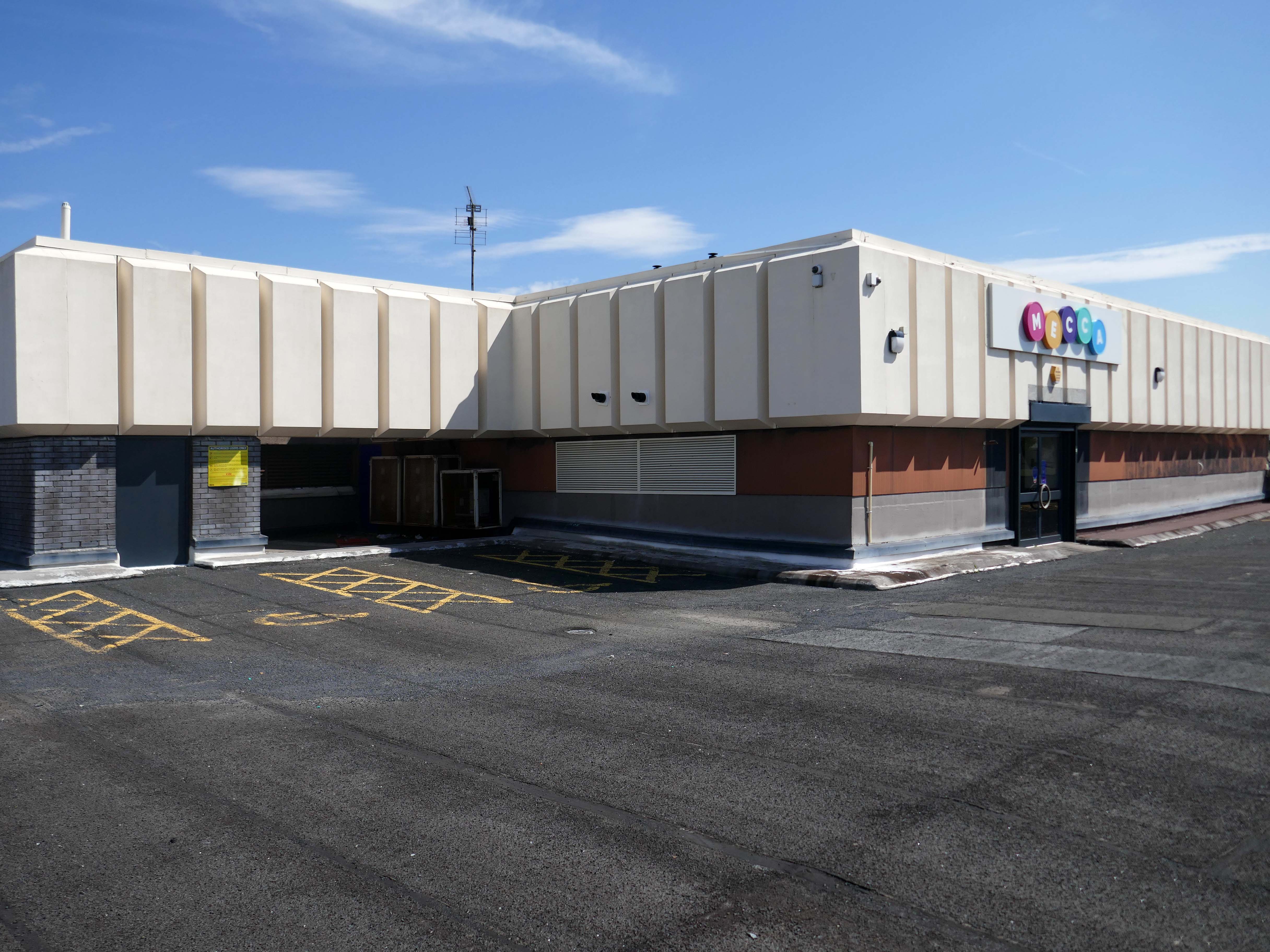
Dominating Oldham for most part of the decade was Co-op’s Shopping Giant. It was a great place where you could stock up on your groceries and buy non-food items. It boasted its own Handybank, had a separate chemist opposite the main store and a fast food restaurant – qv Food and Drink section. Cars parked on the roof and at ground level with access via trolley-friendly escalators.
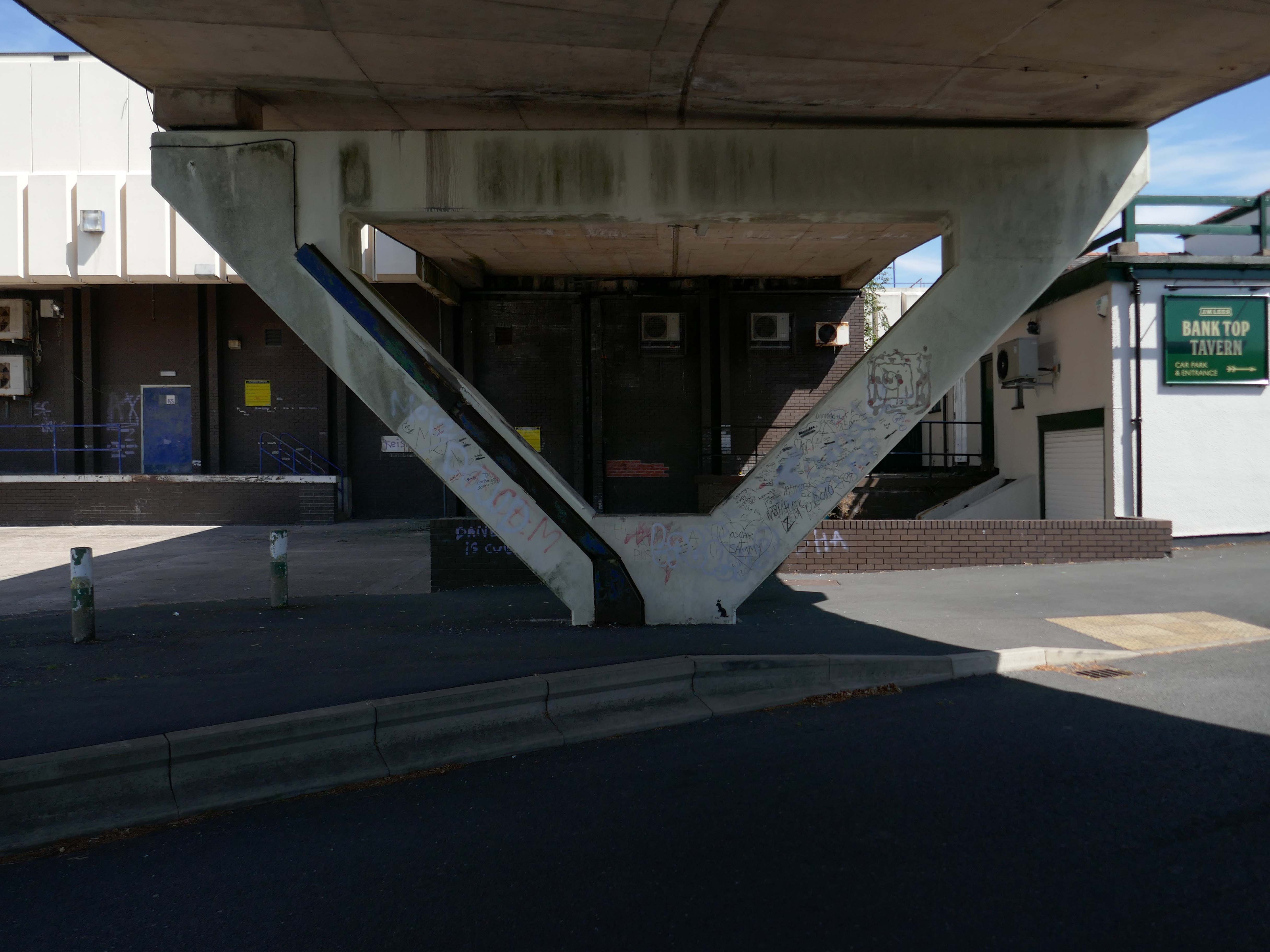
Other delights included Mario’s salon – on Manchester Street underneath the main store, and an ice cream stand by the entrance nearest the Bank Top Tavern.
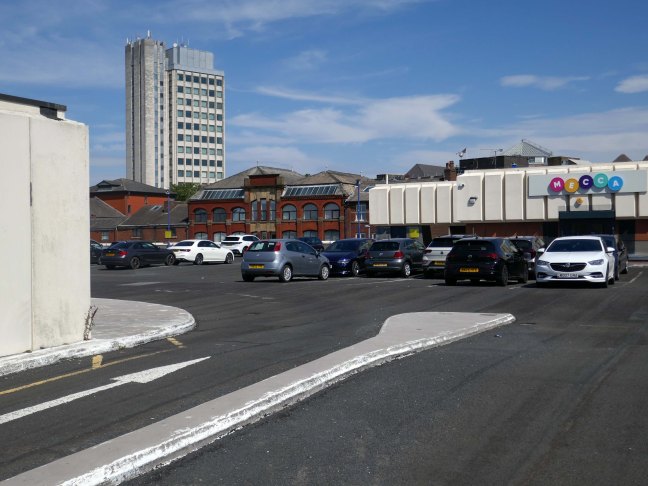
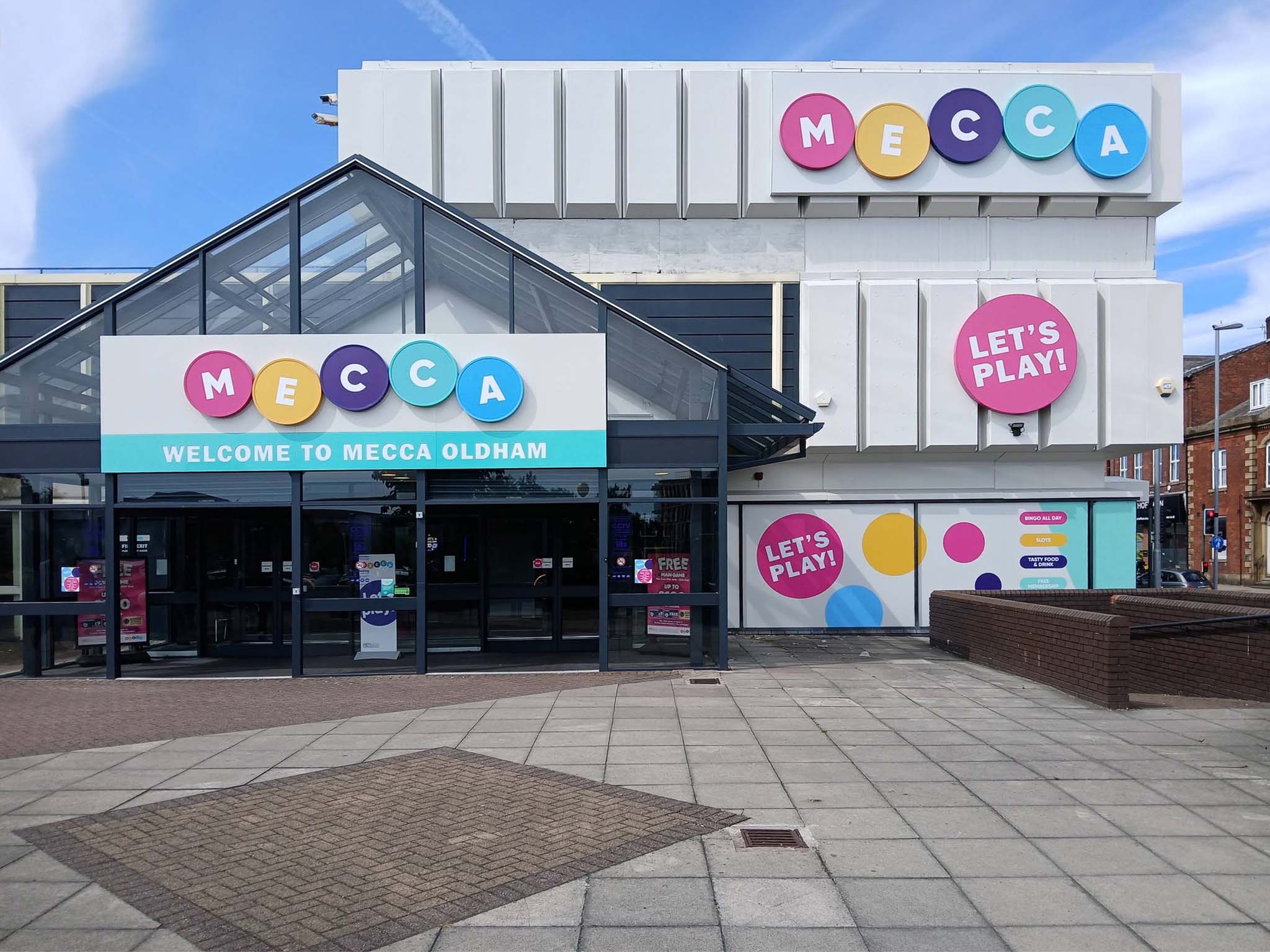
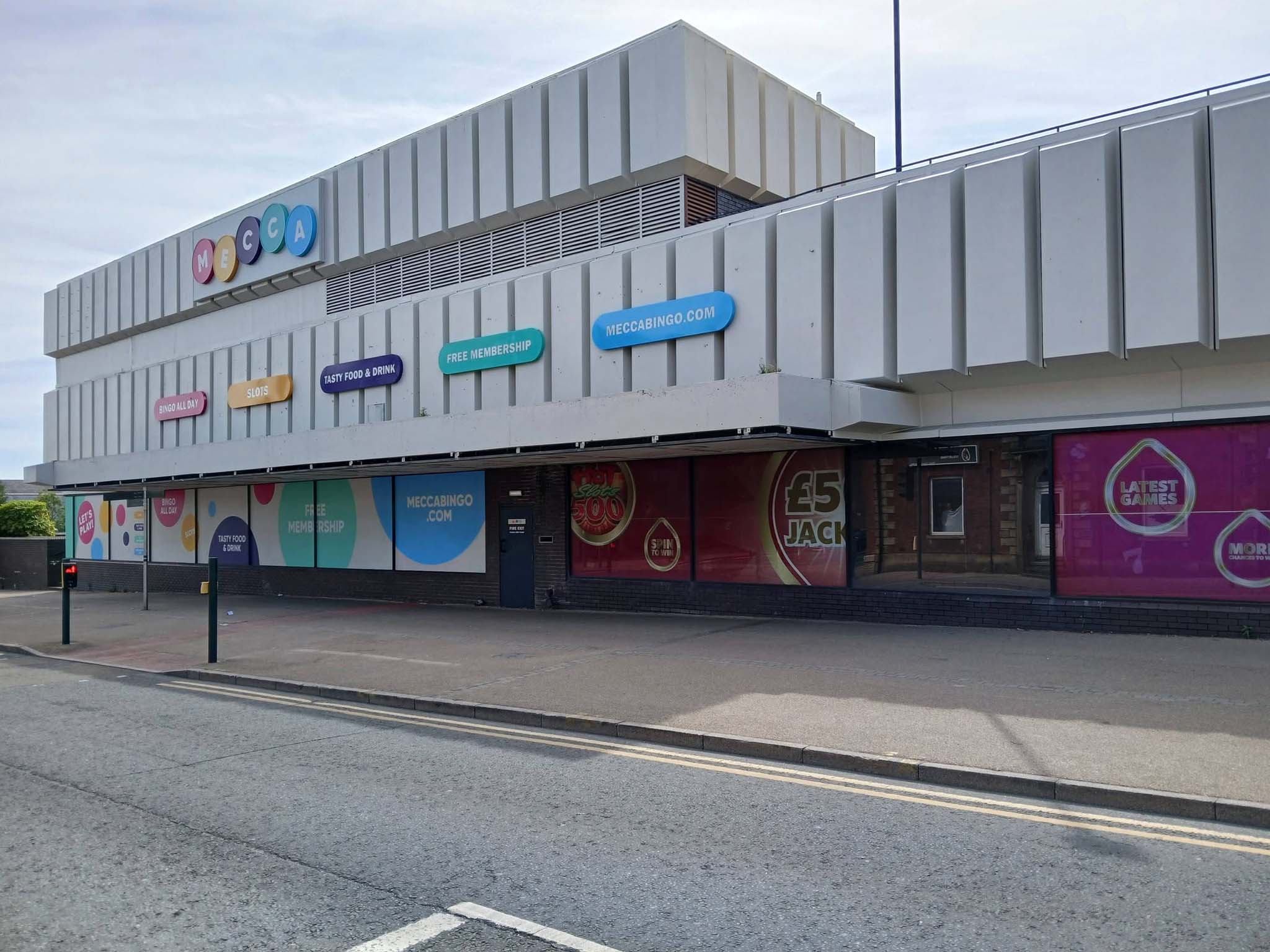
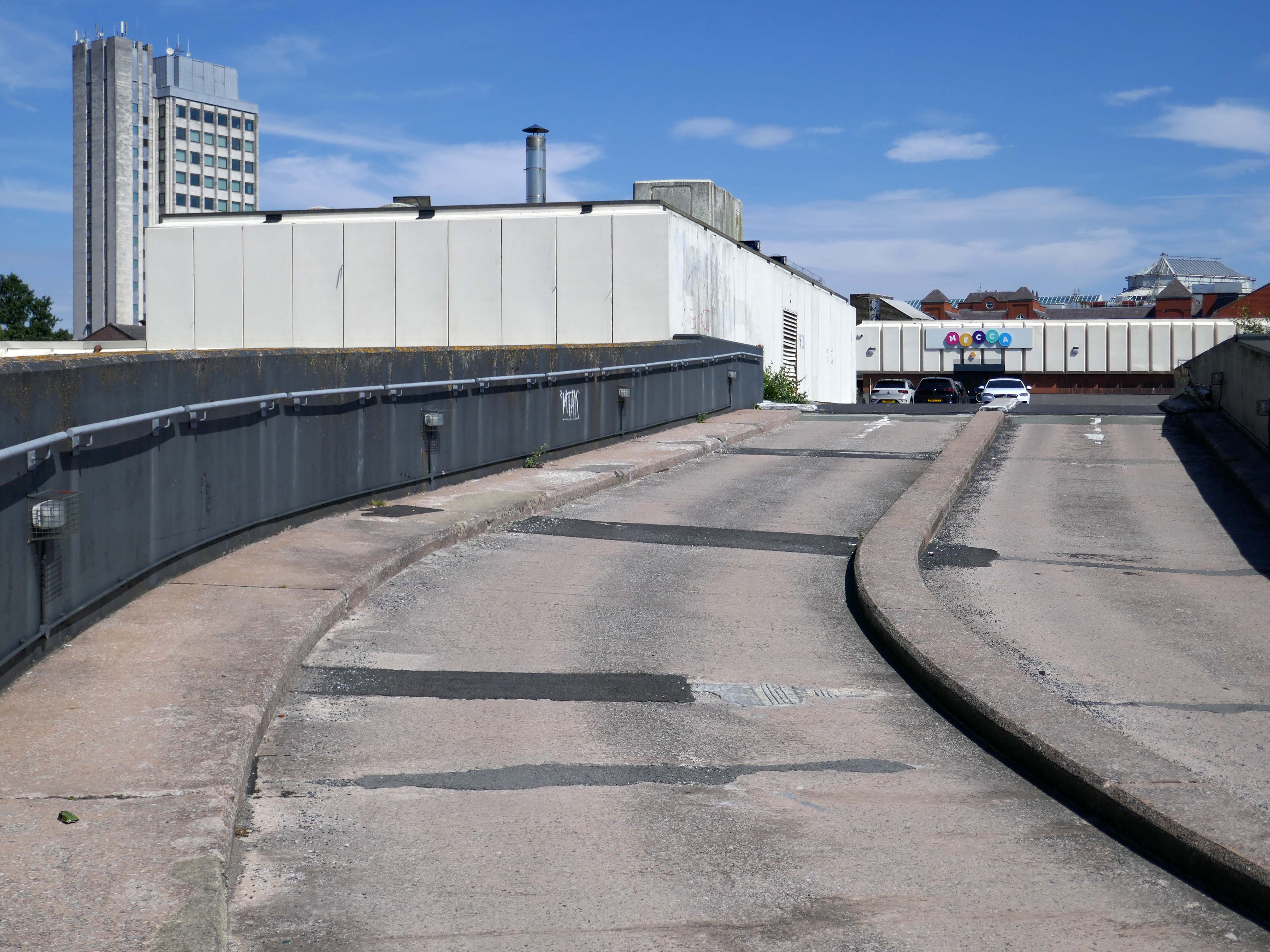
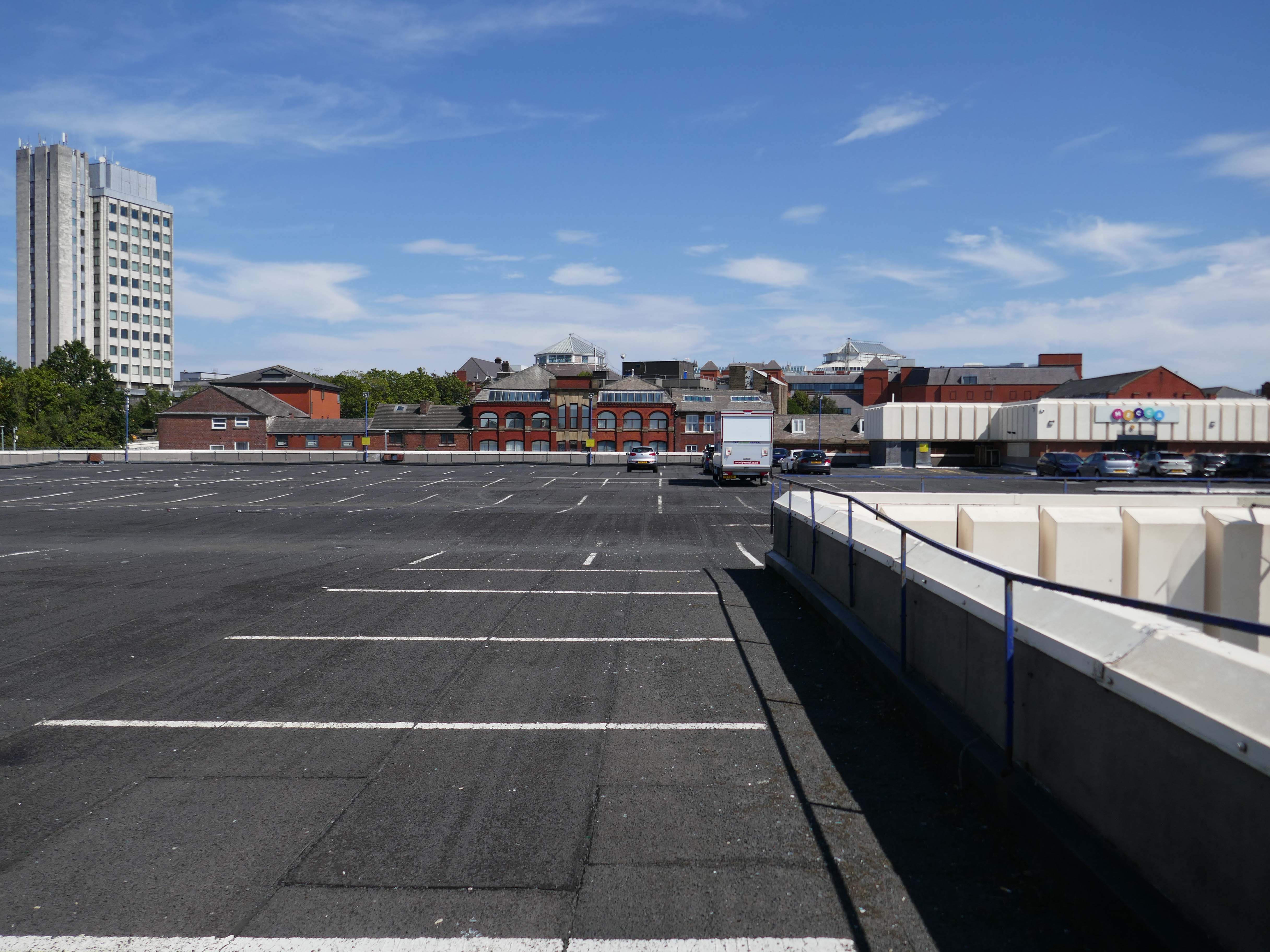
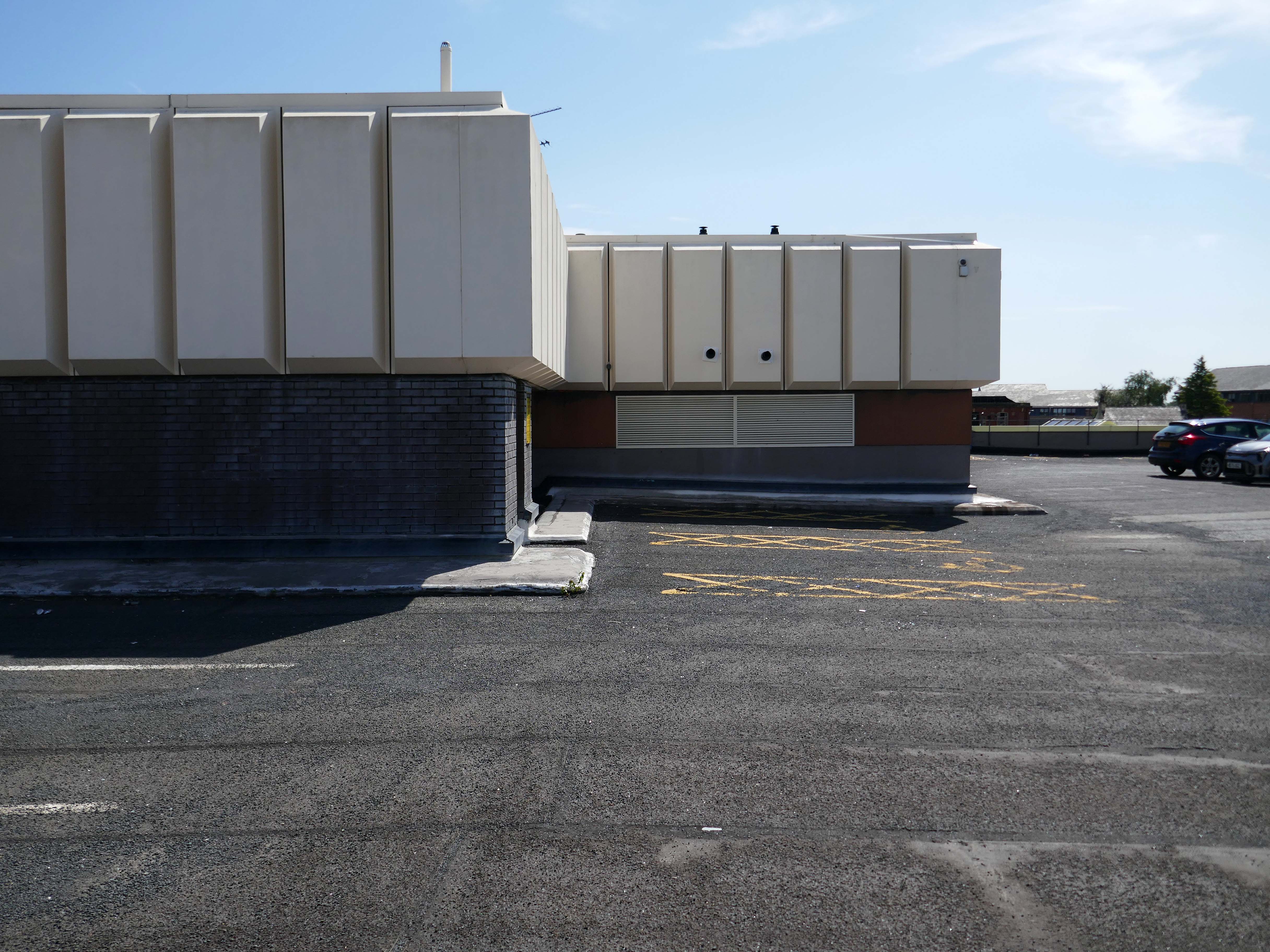
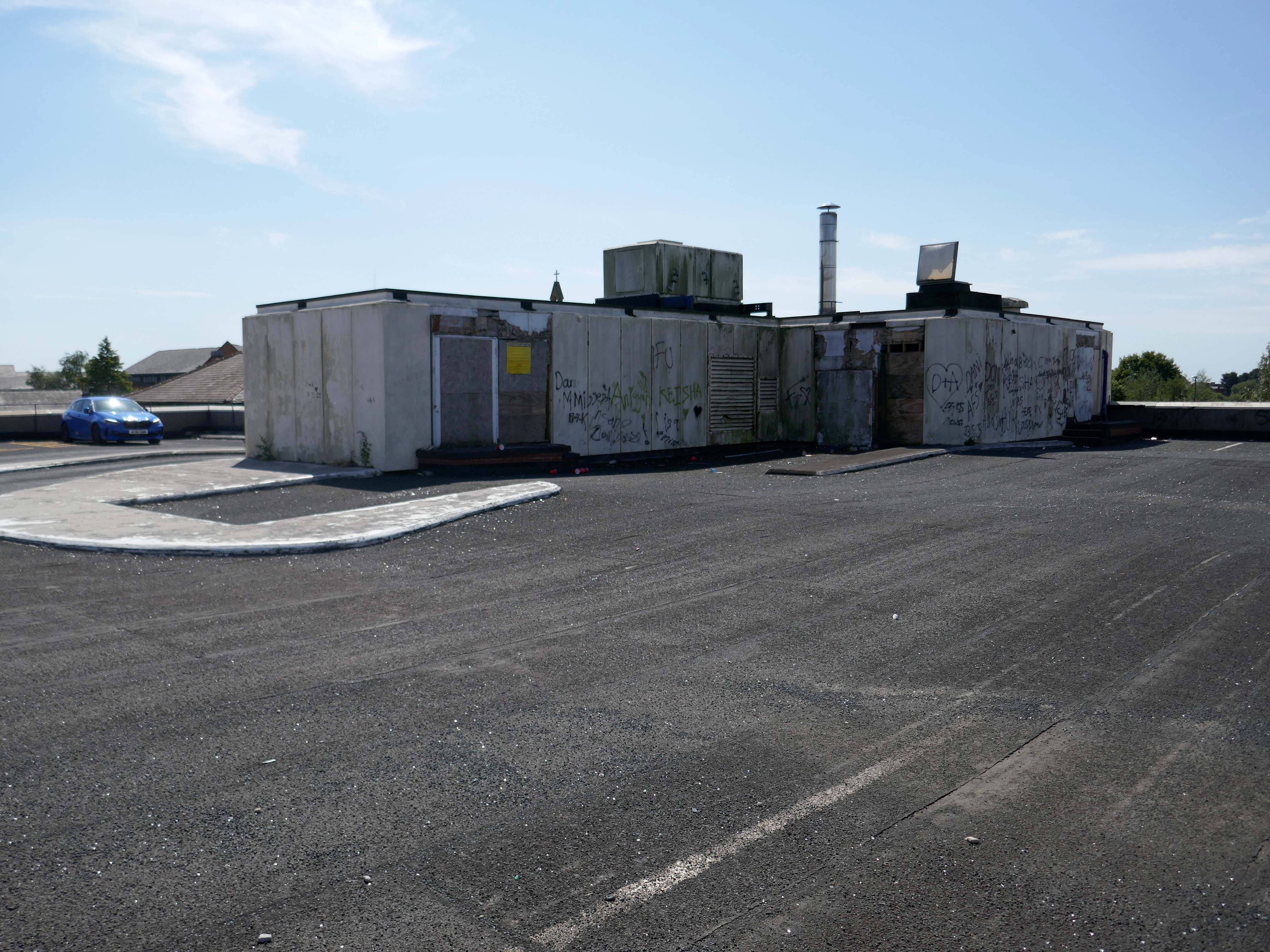
Nothing, like everything lasts forever – so you became the Mecca Bingo Hall.
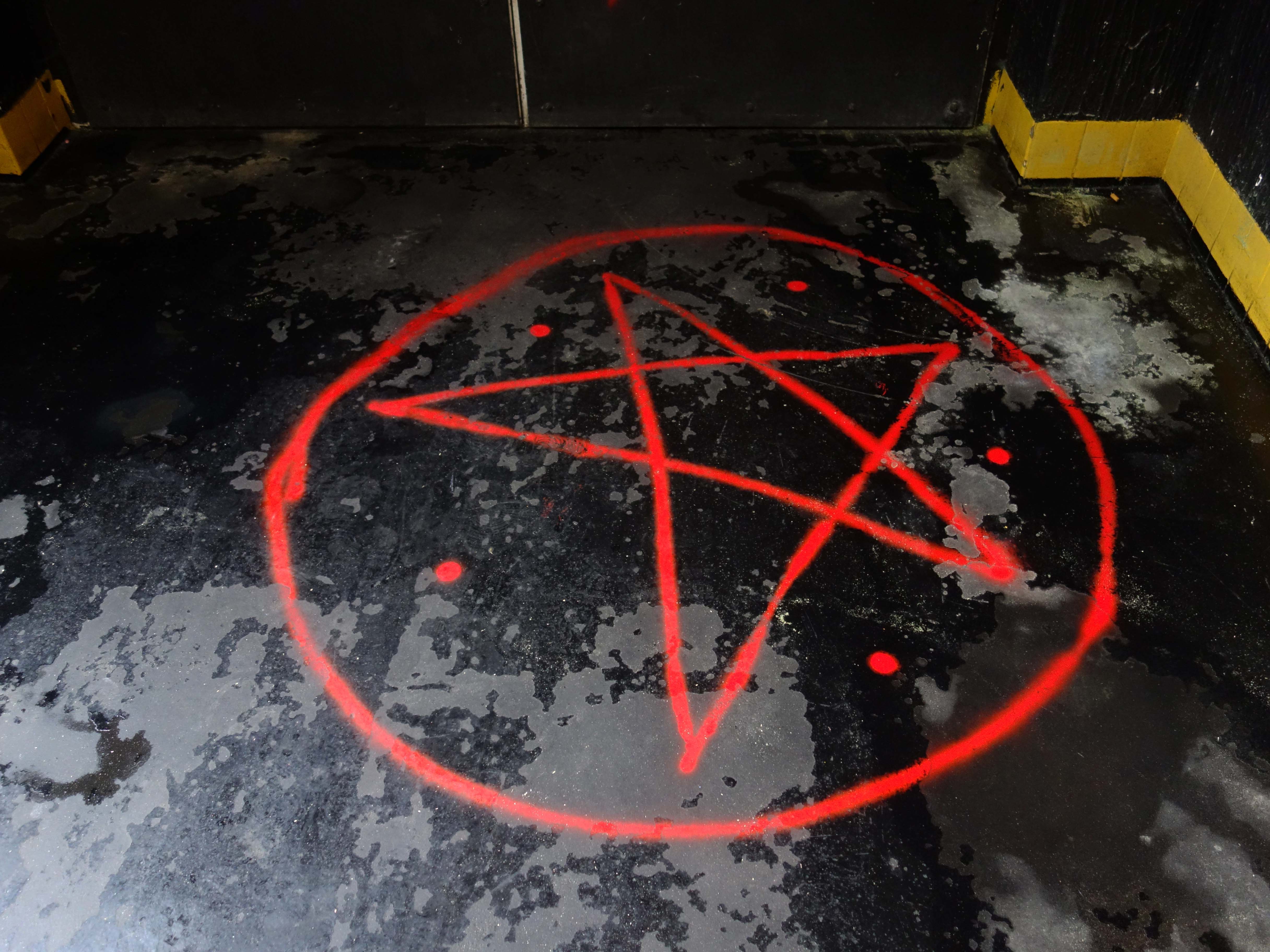
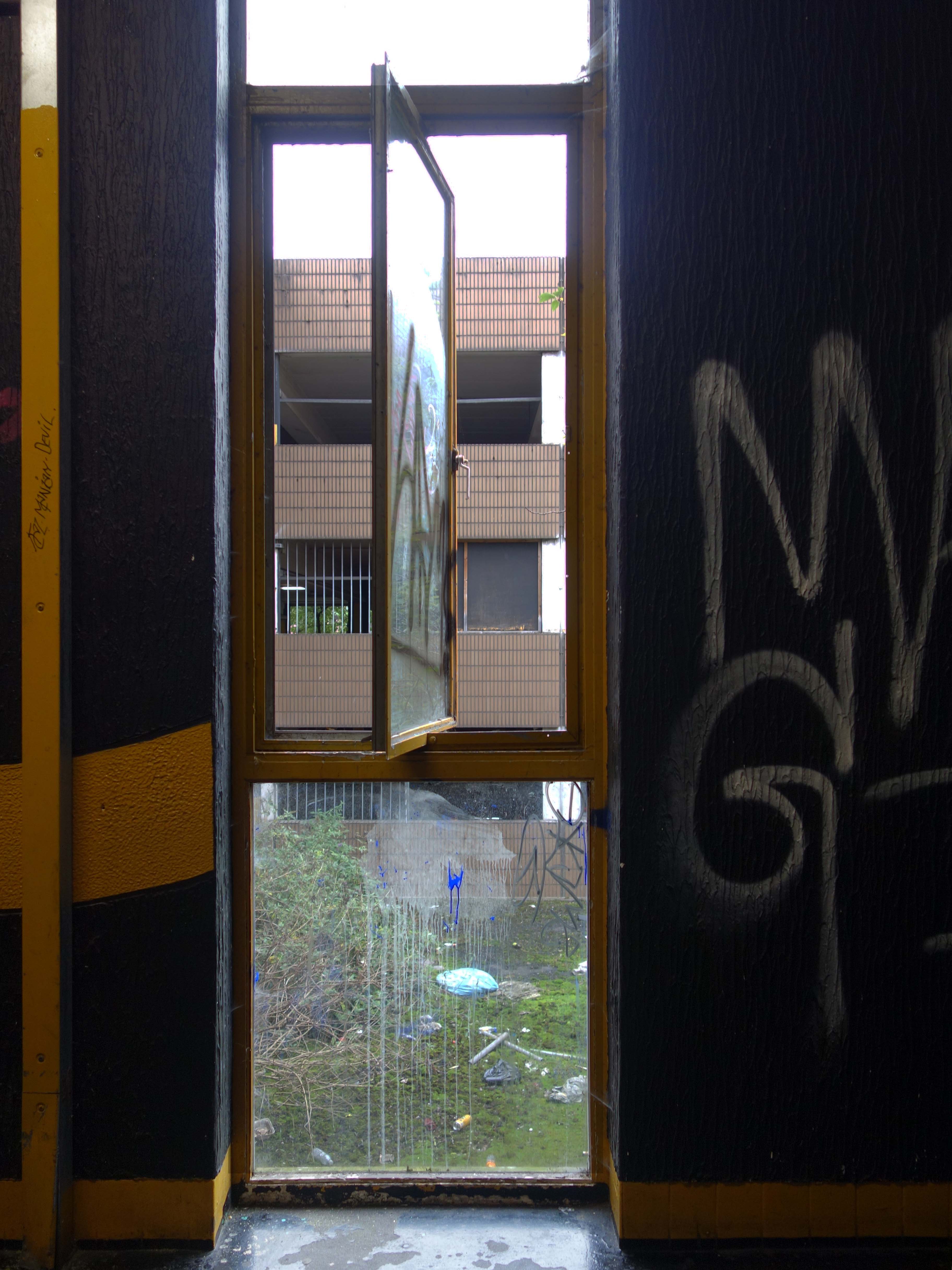
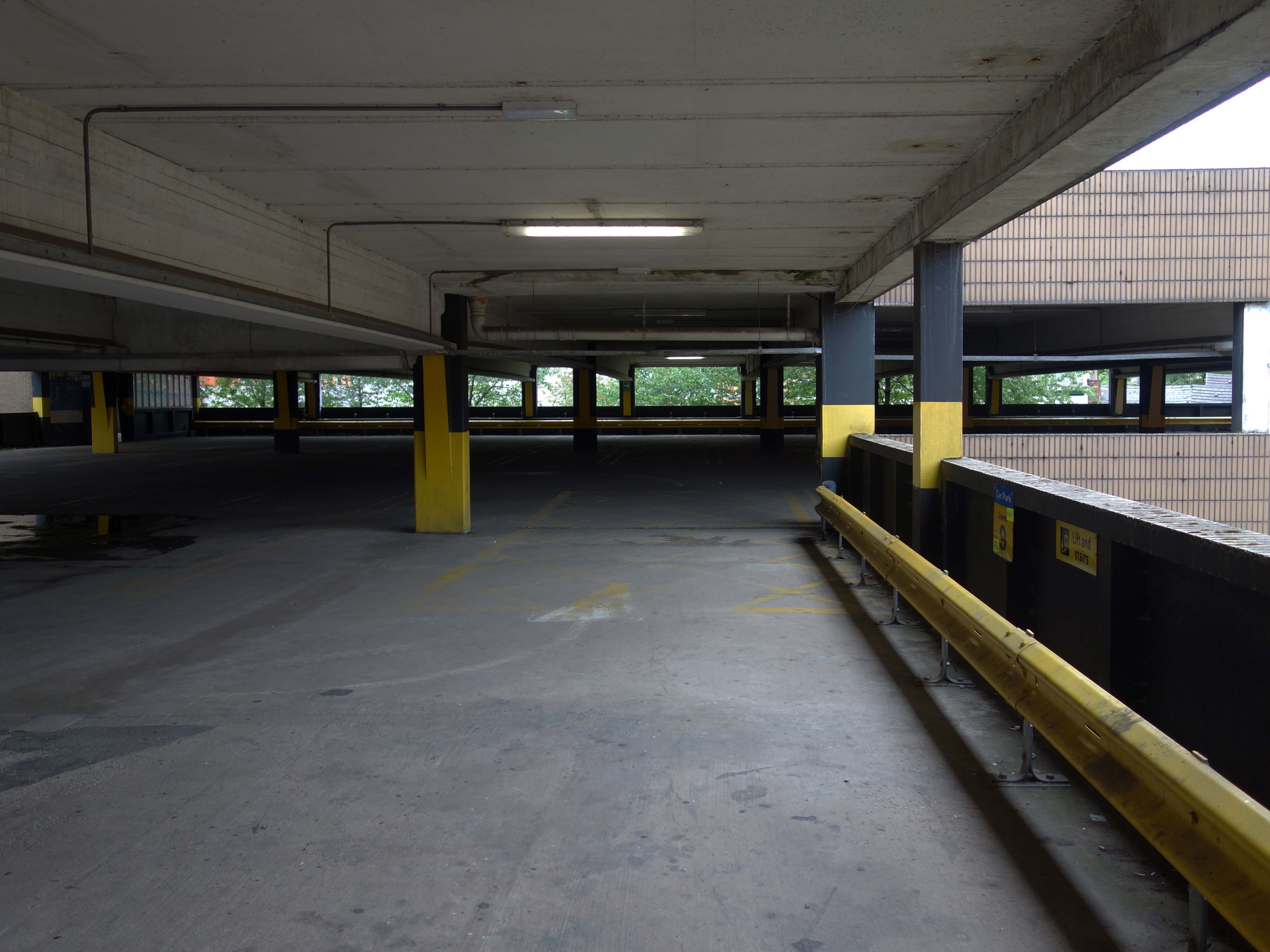
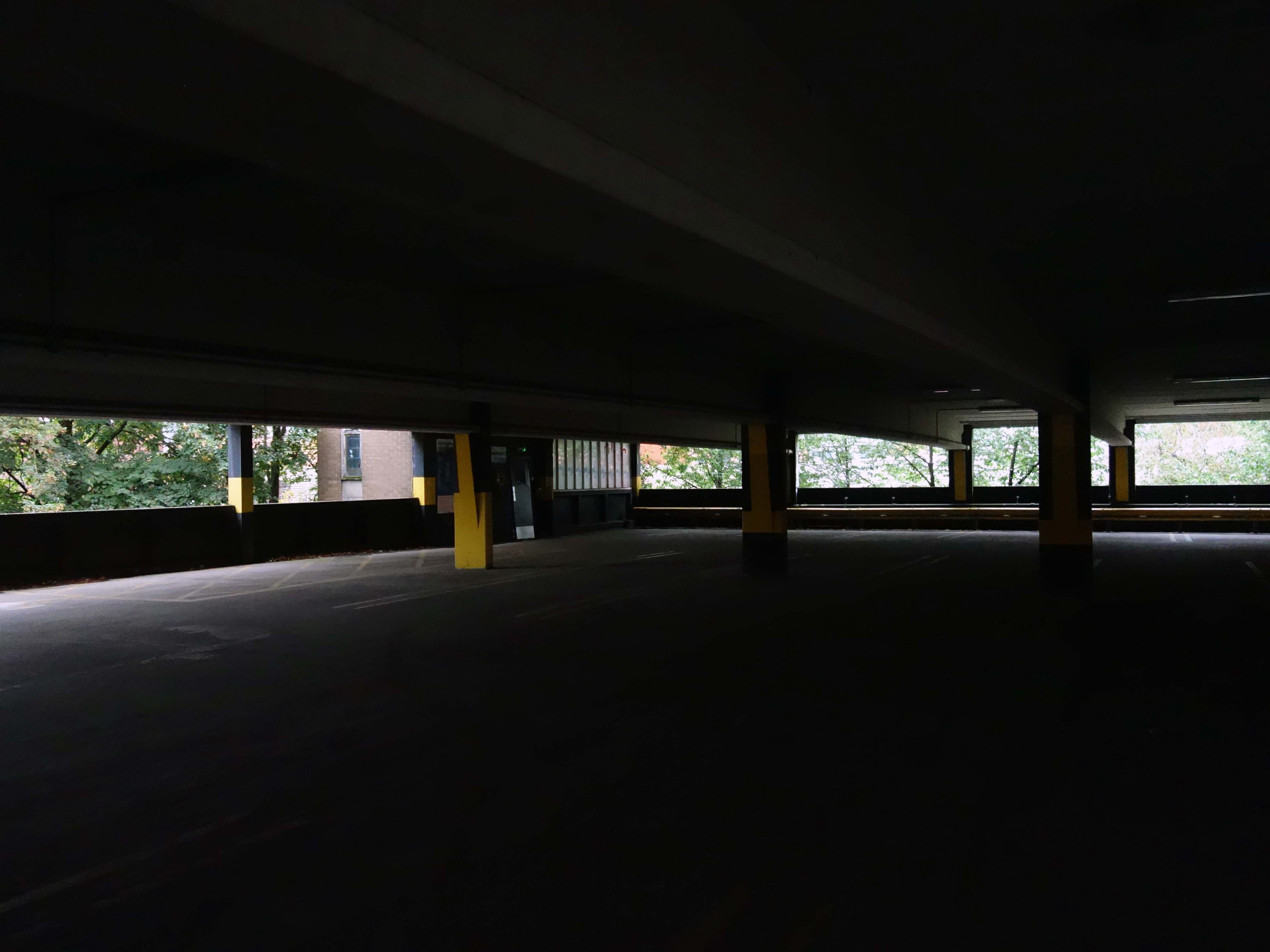
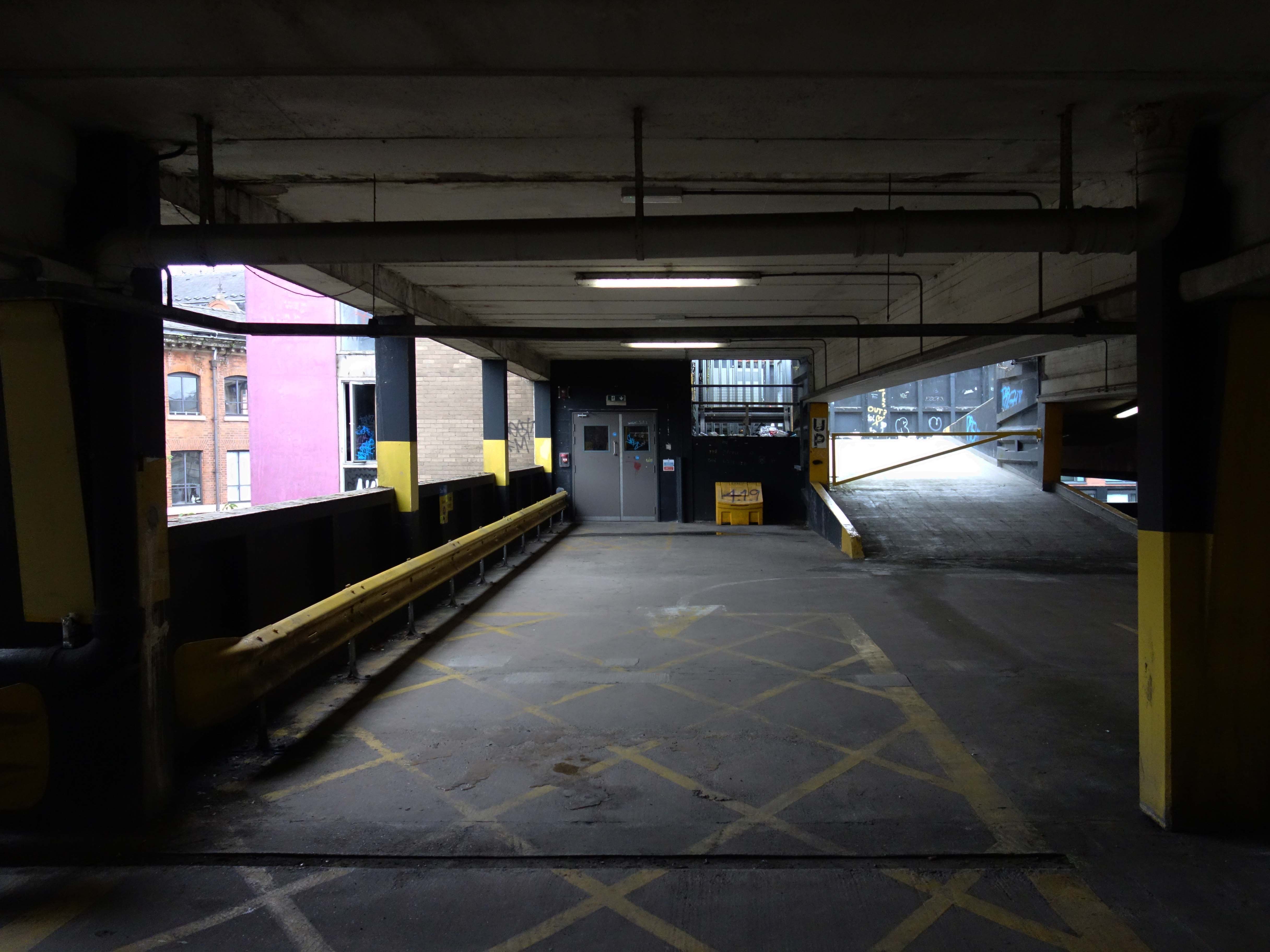
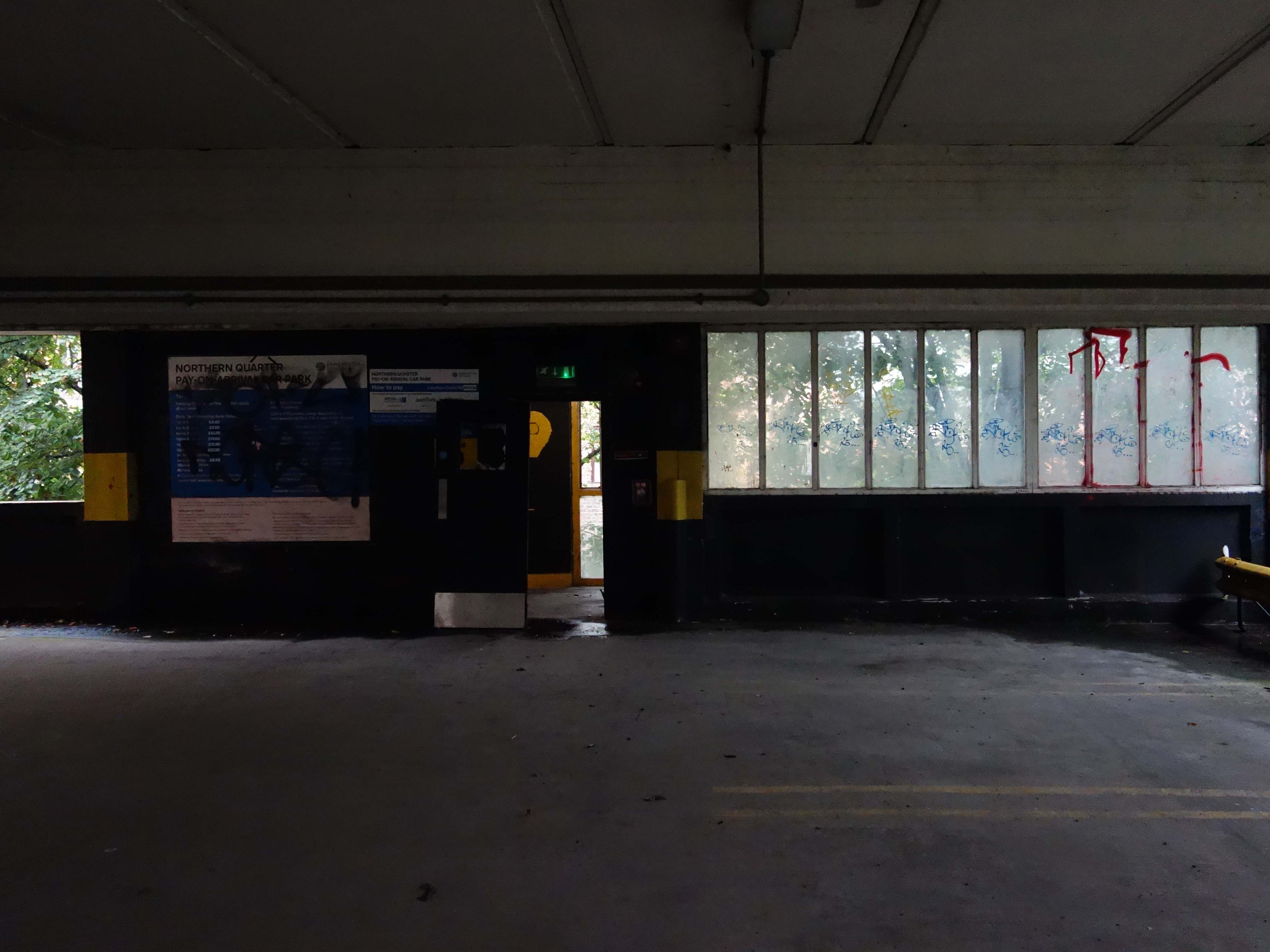
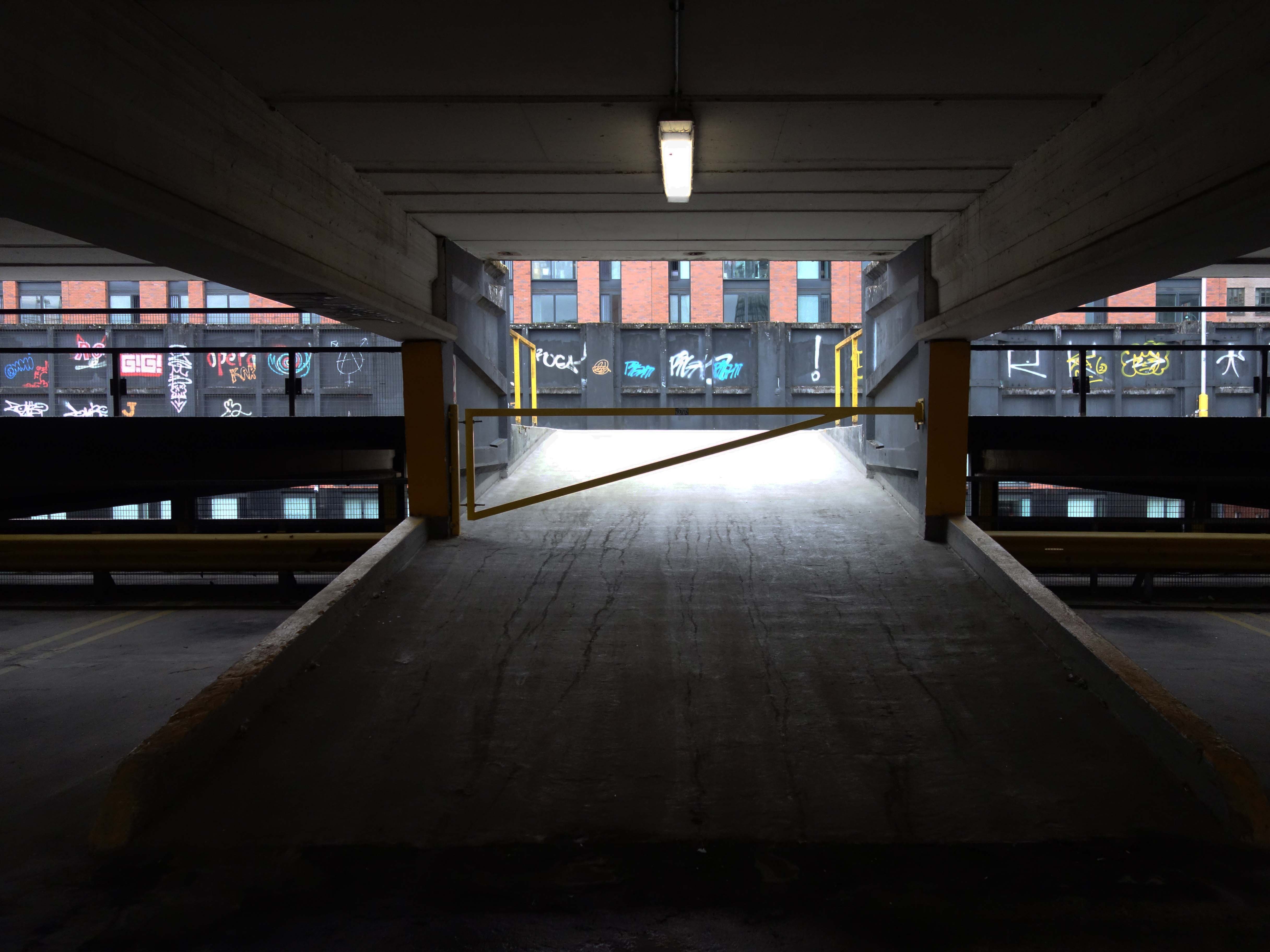
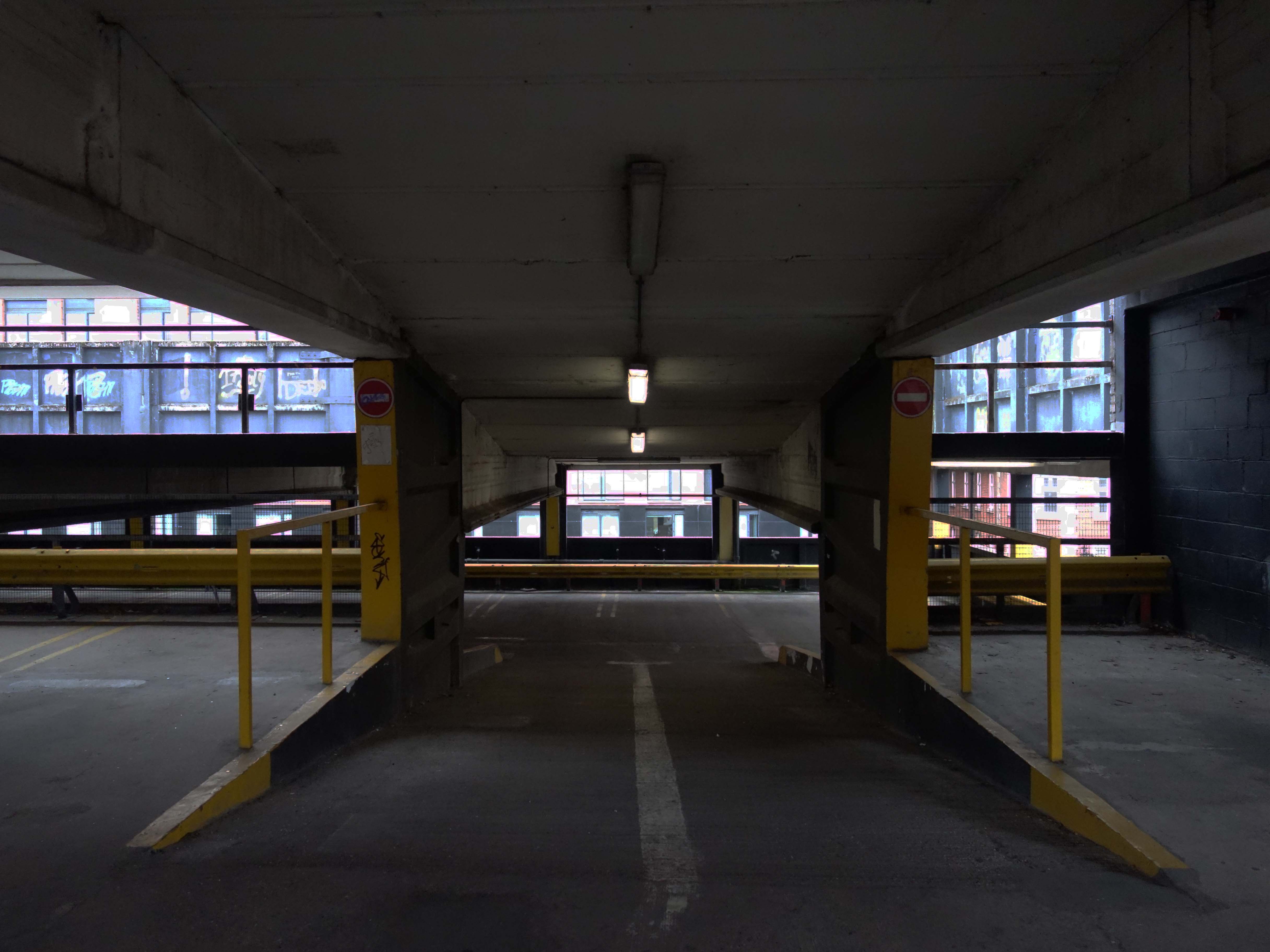
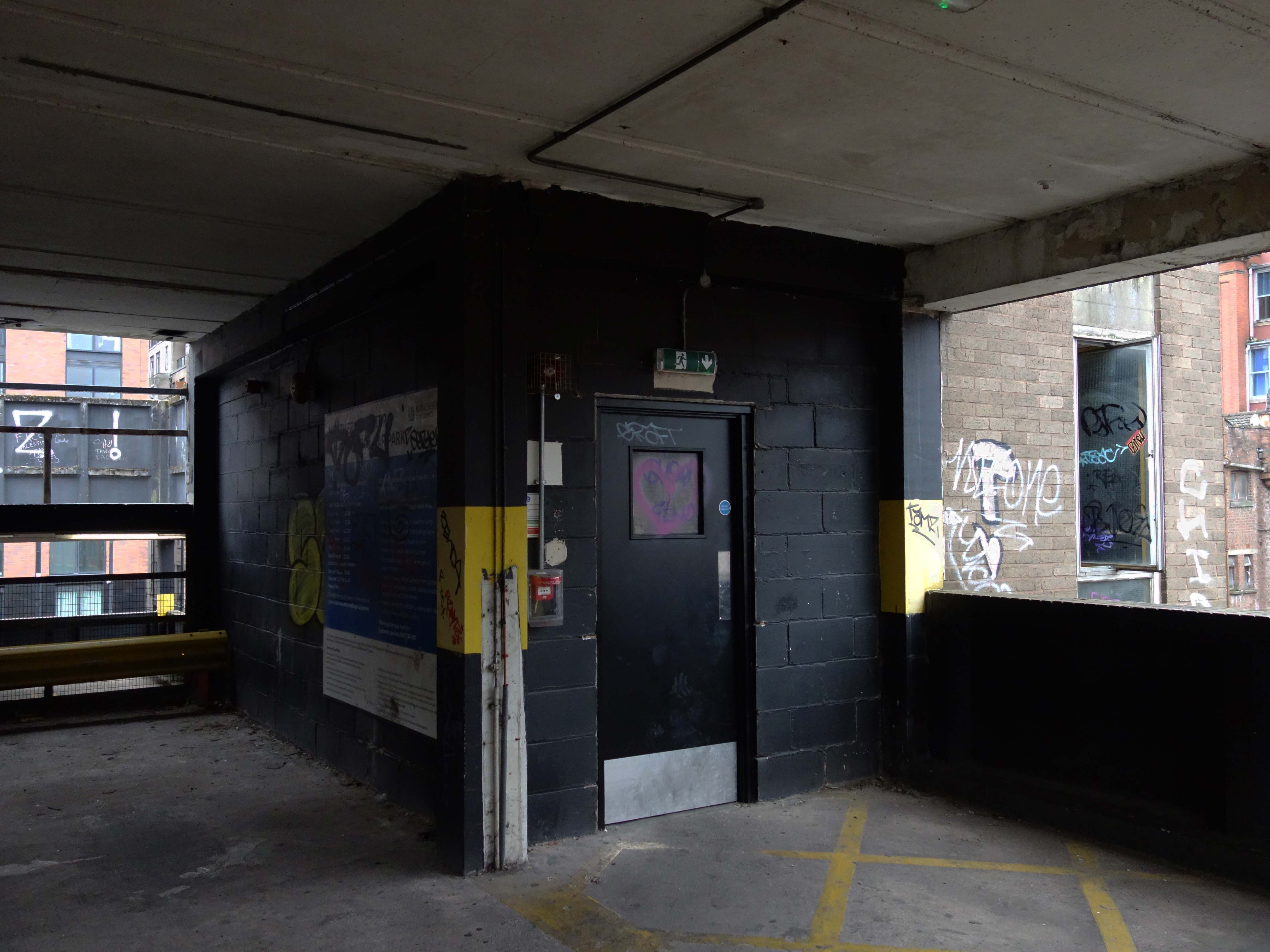
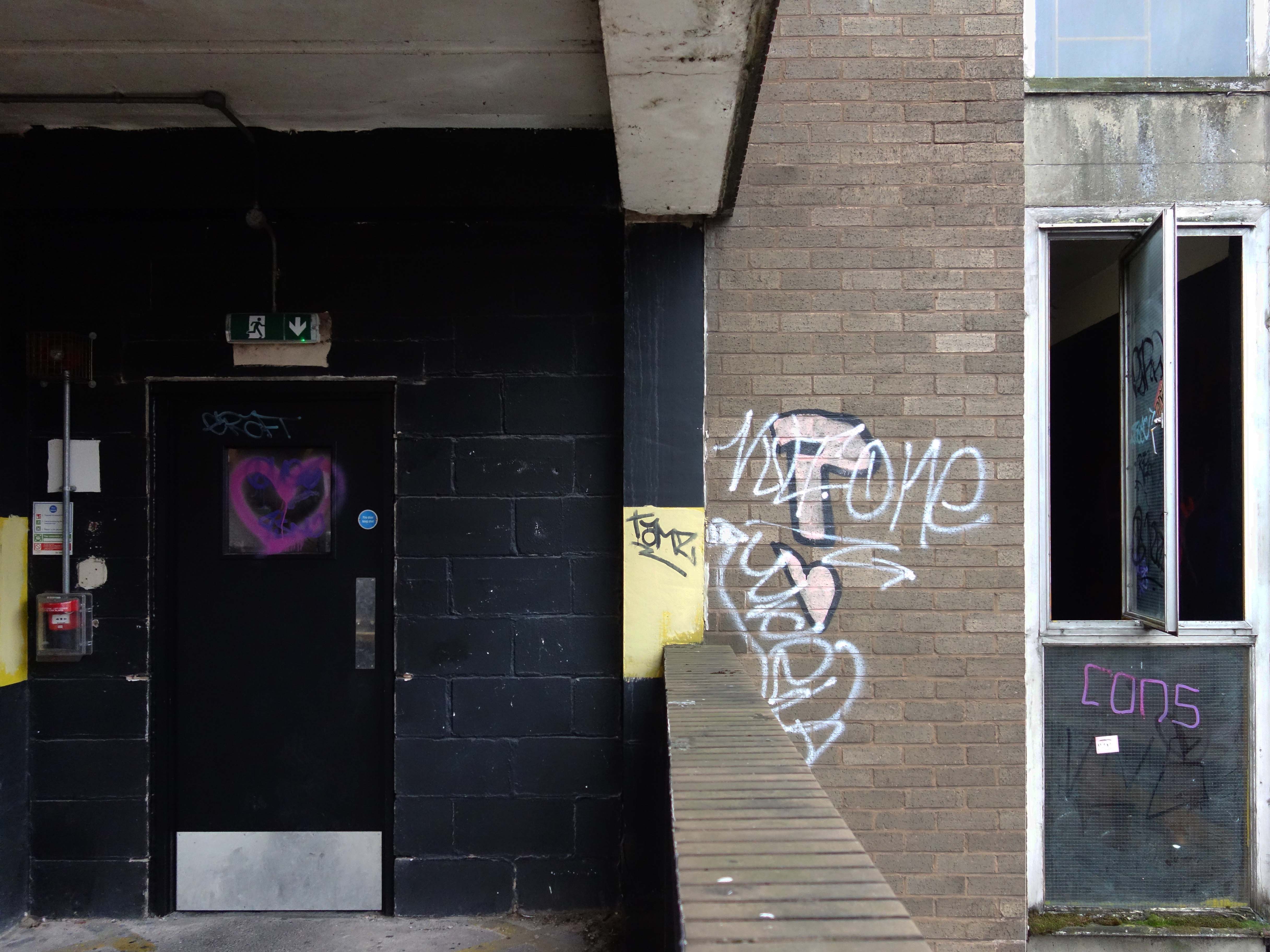
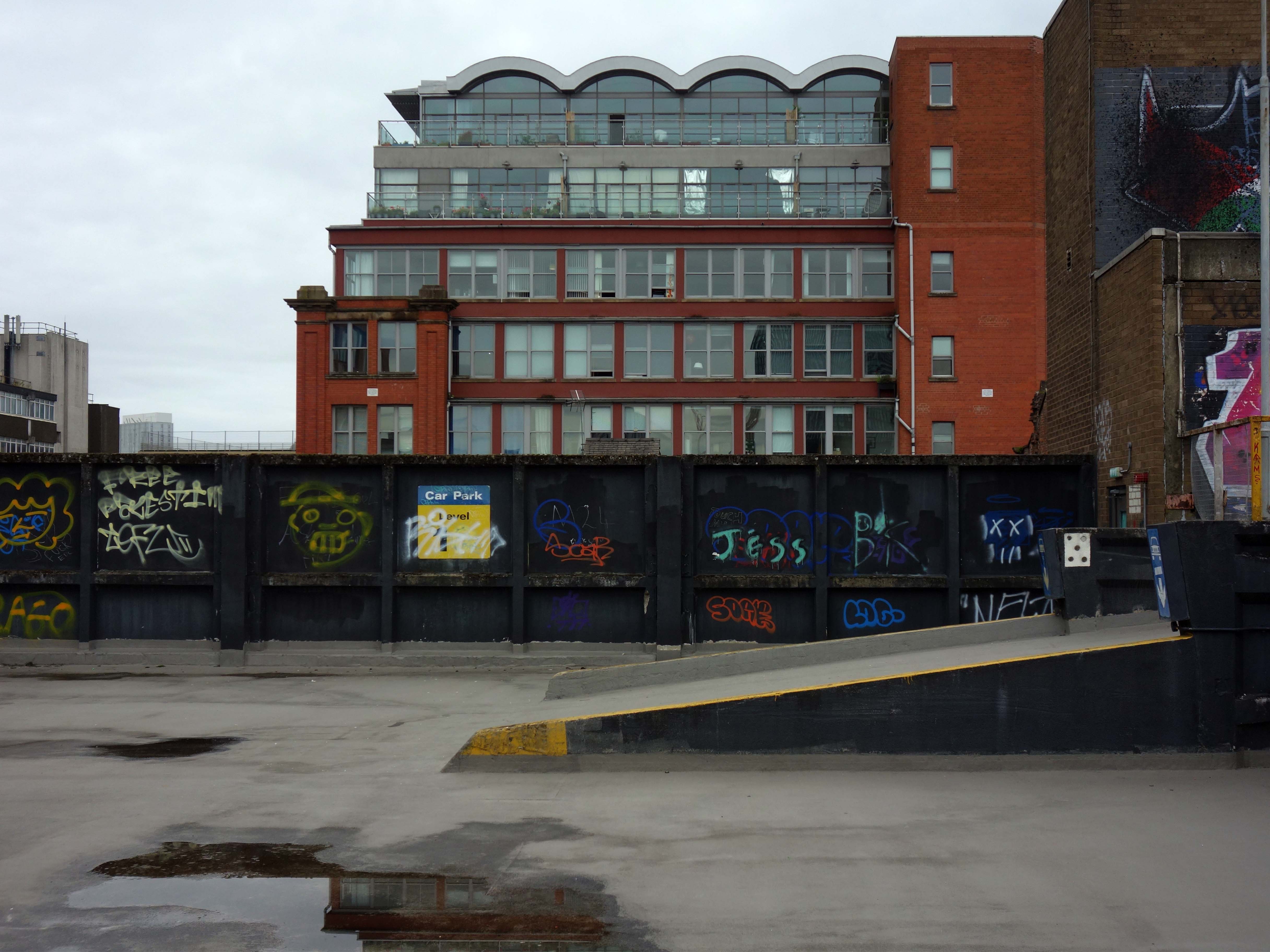
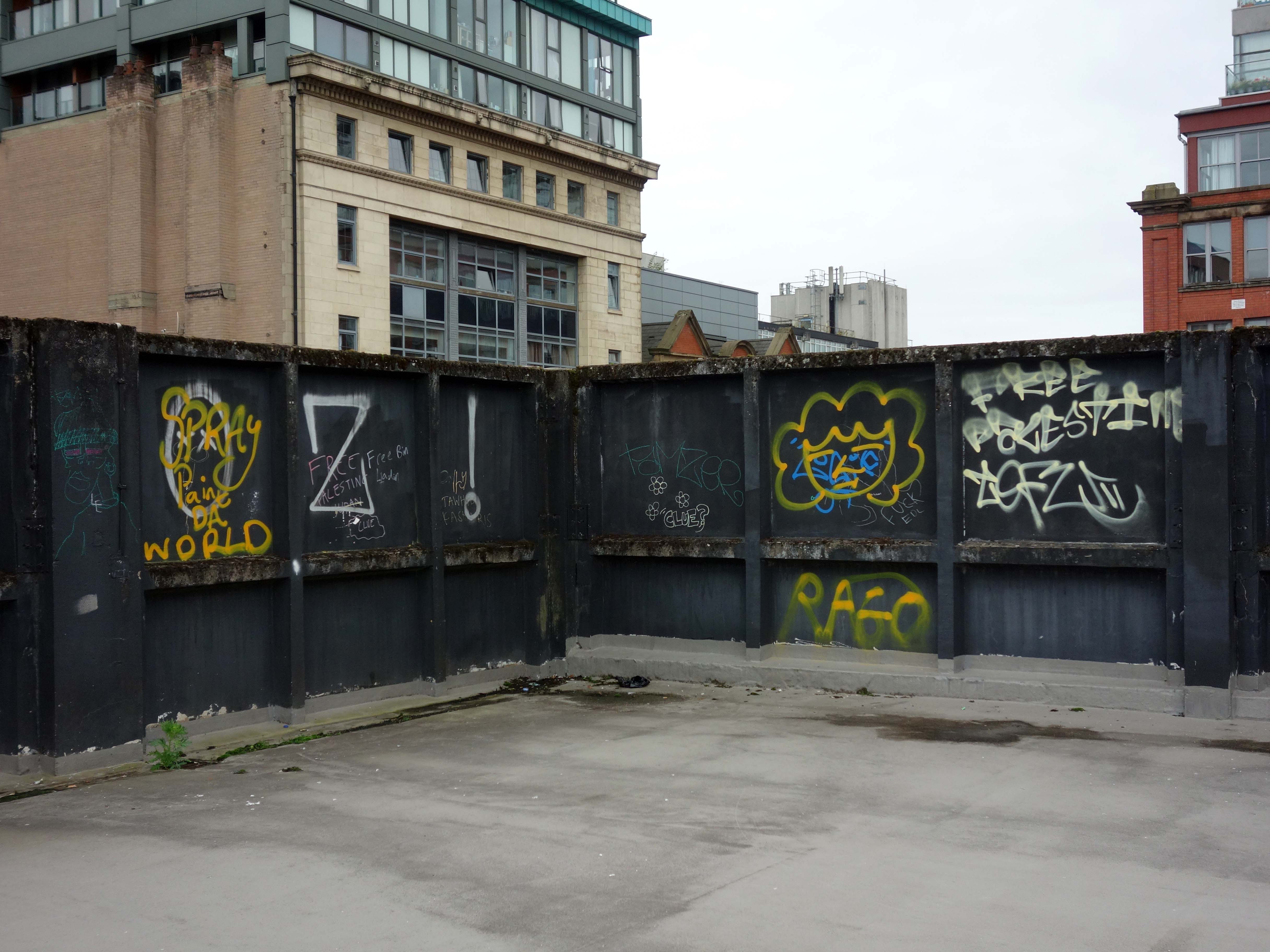
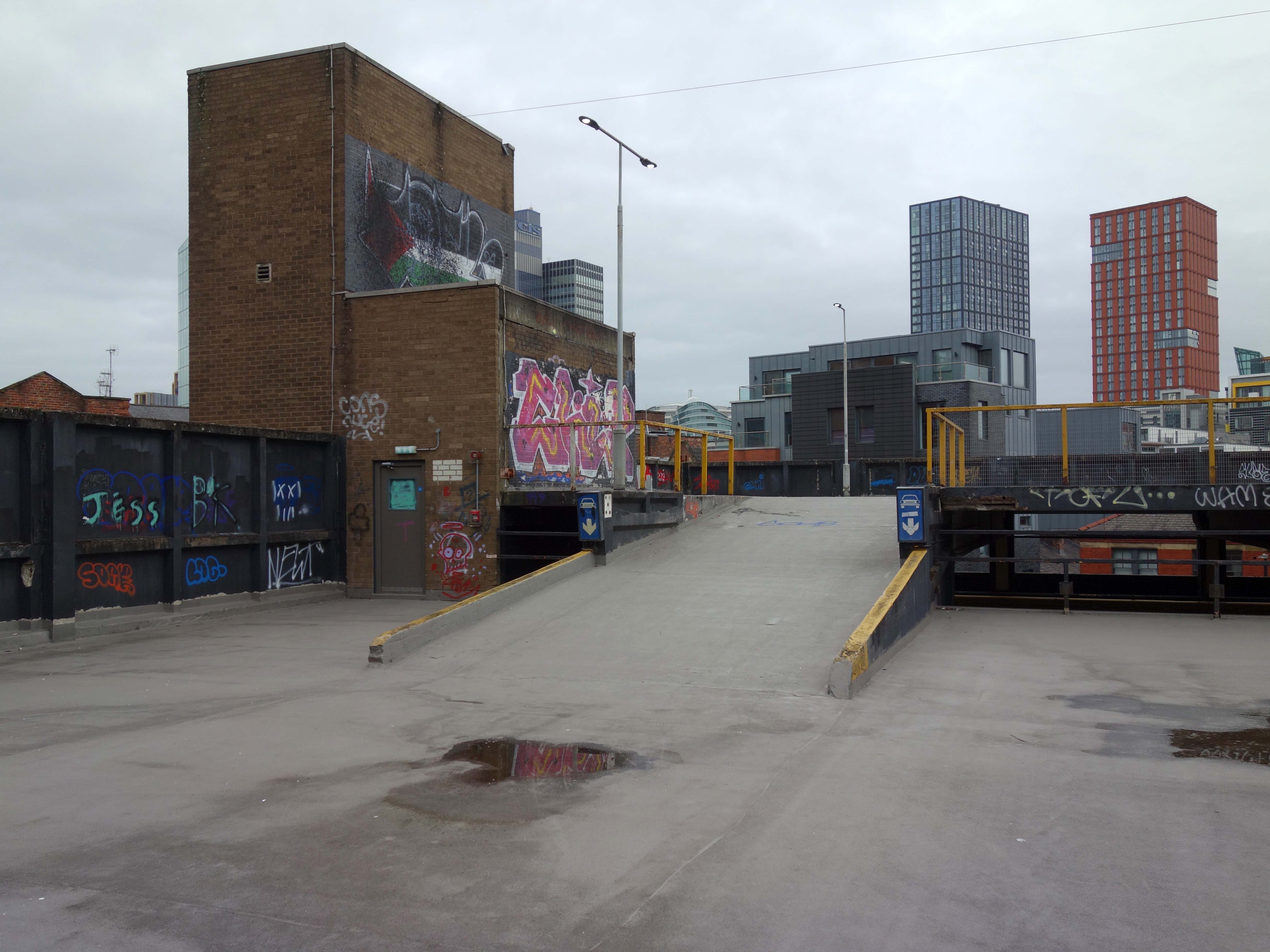
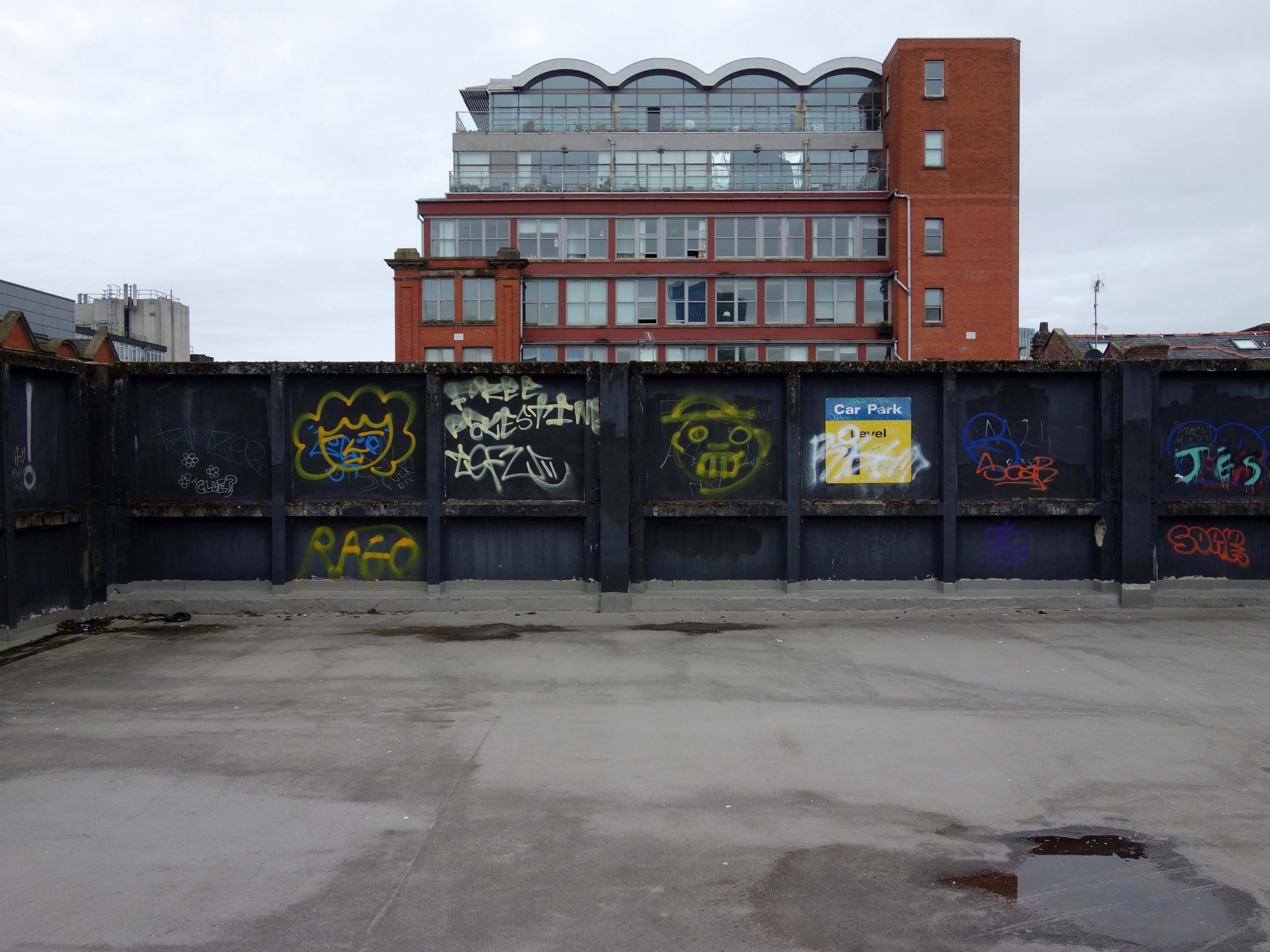
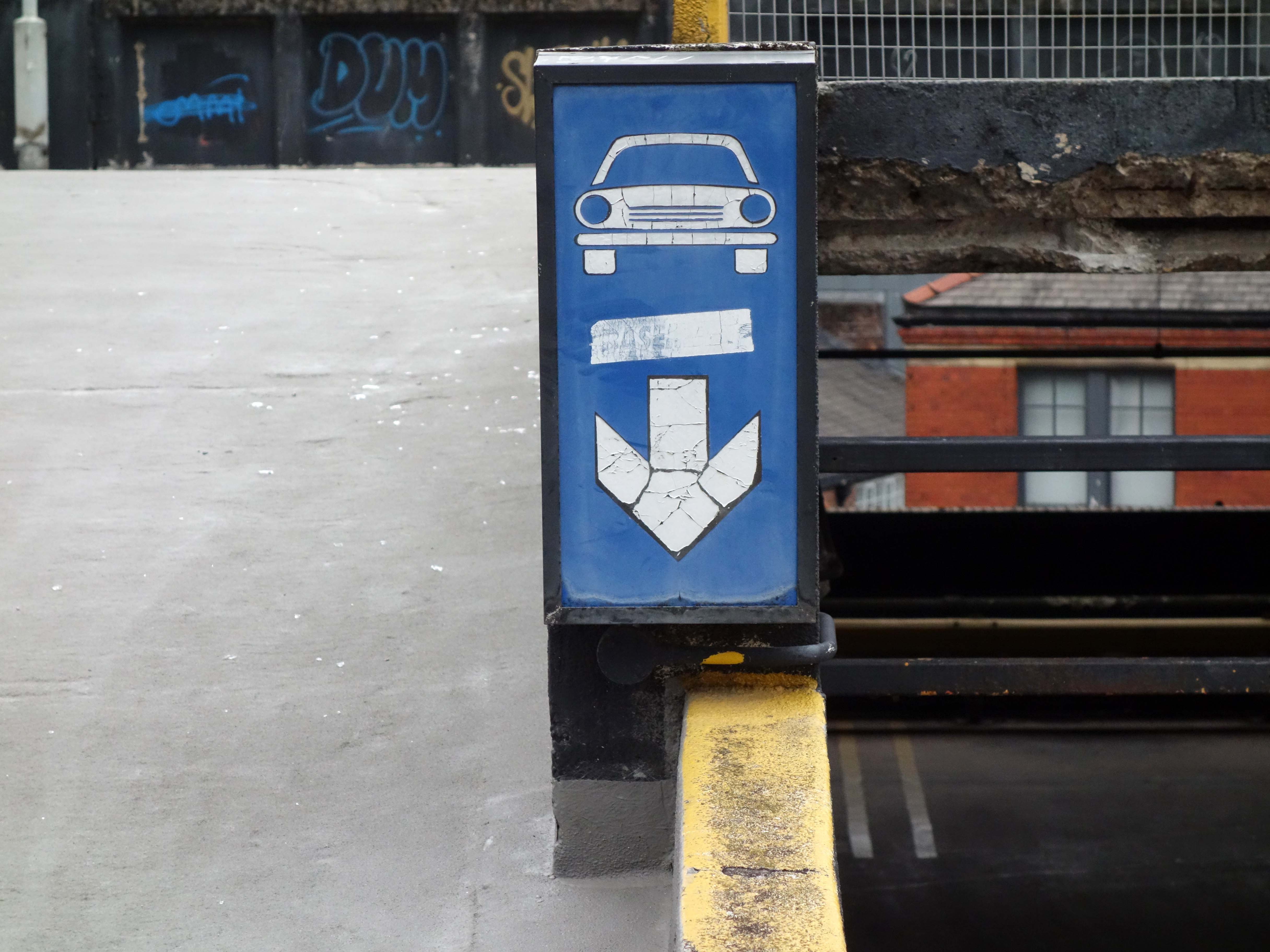
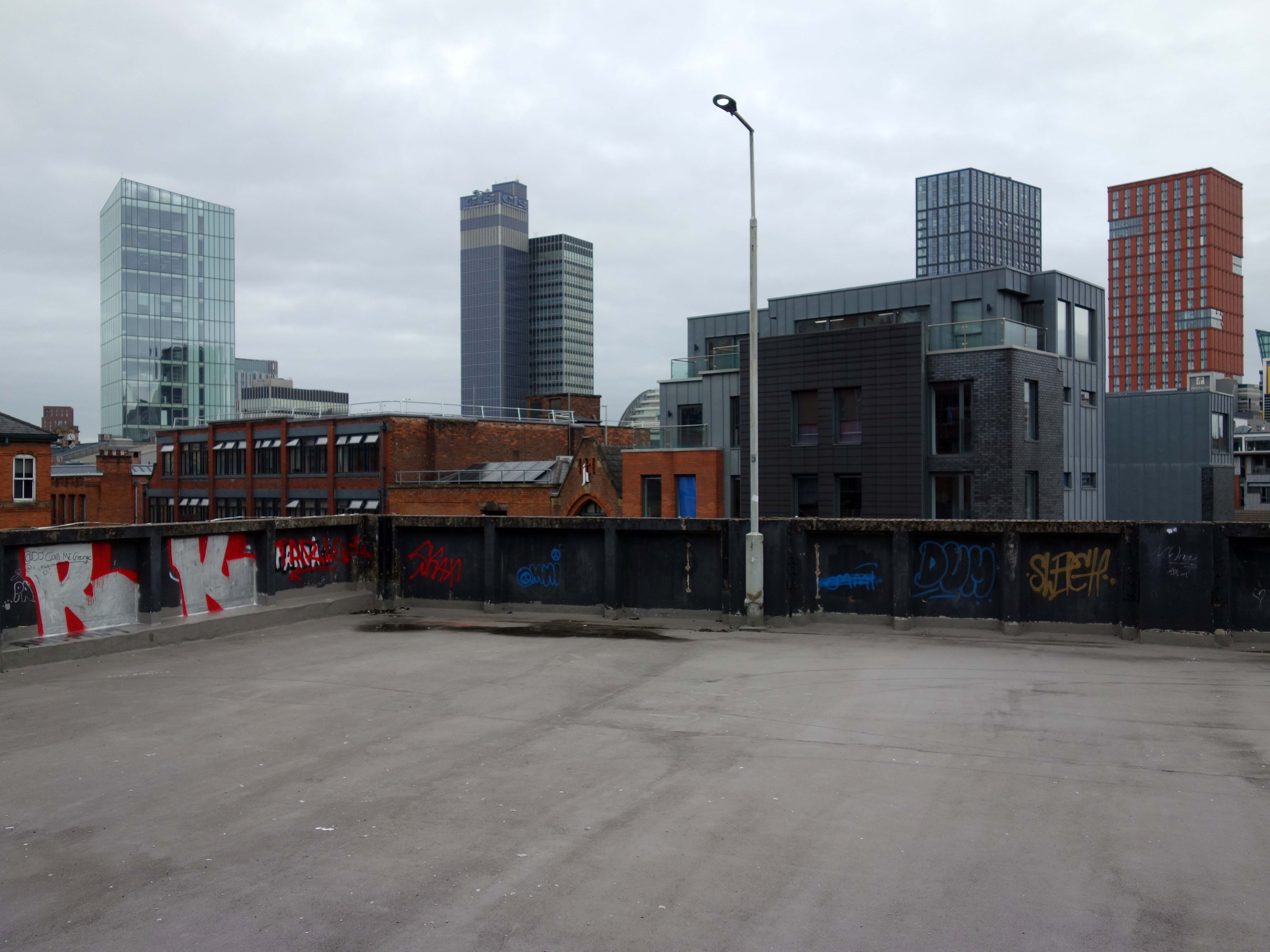
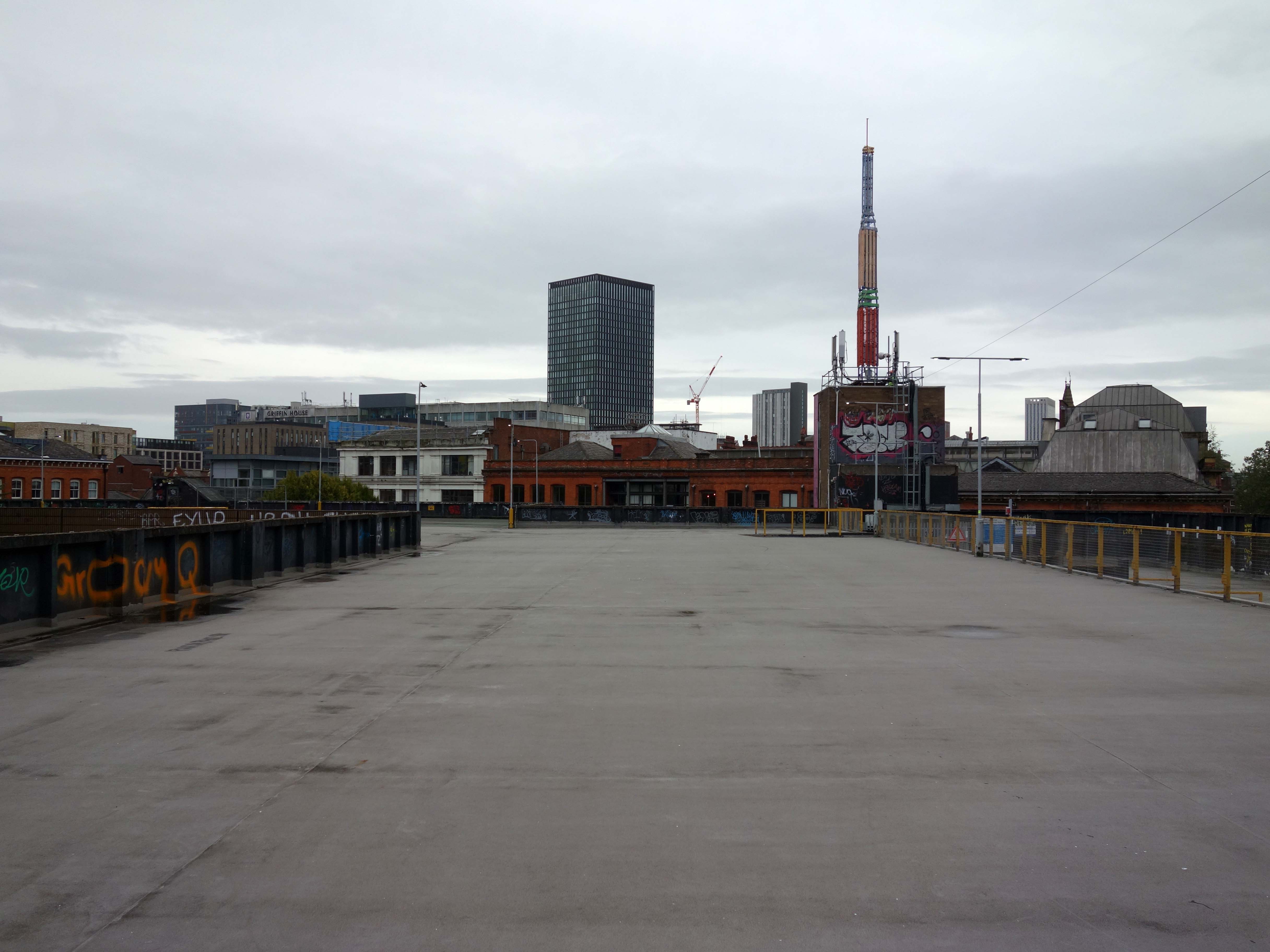
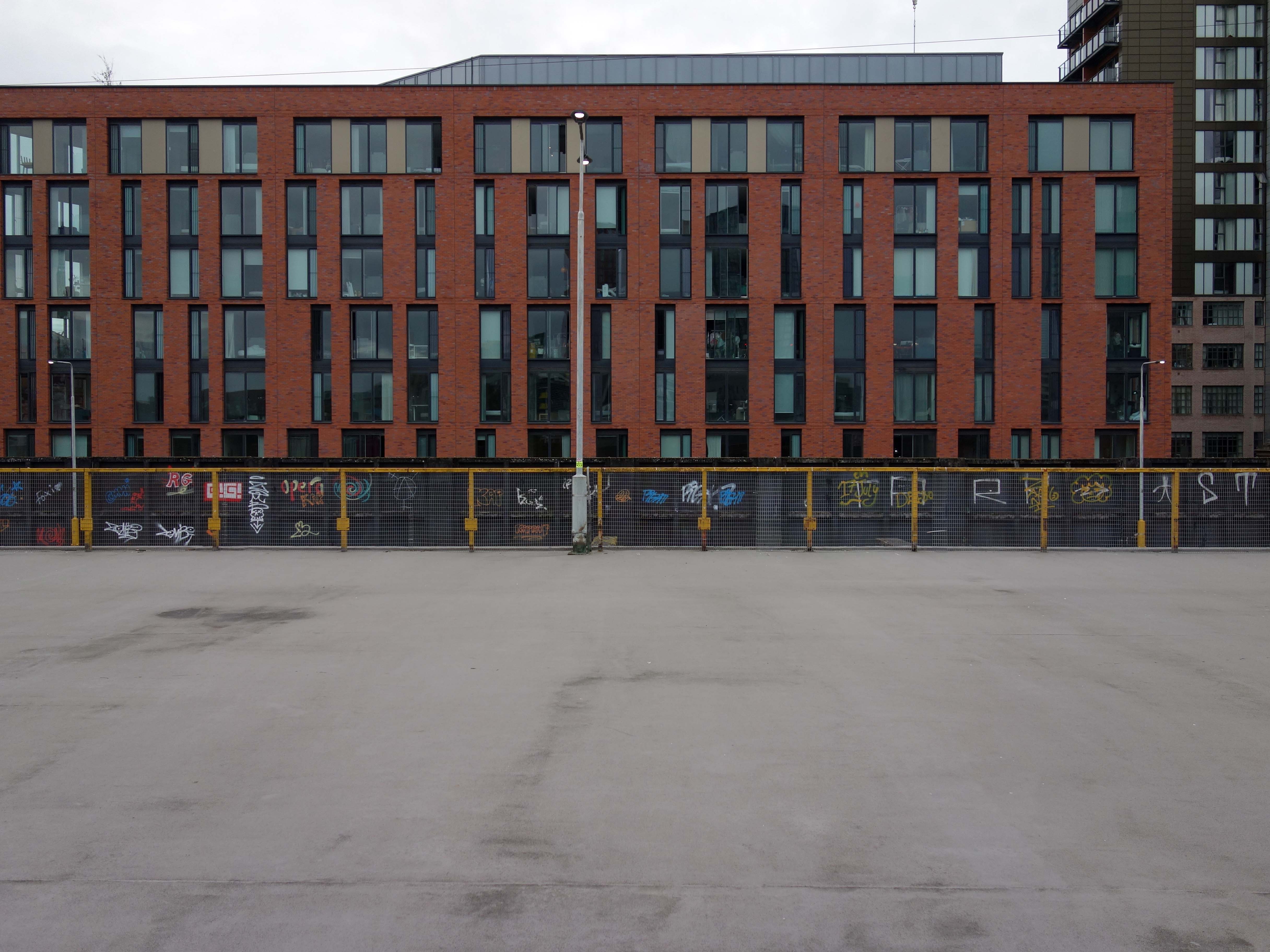
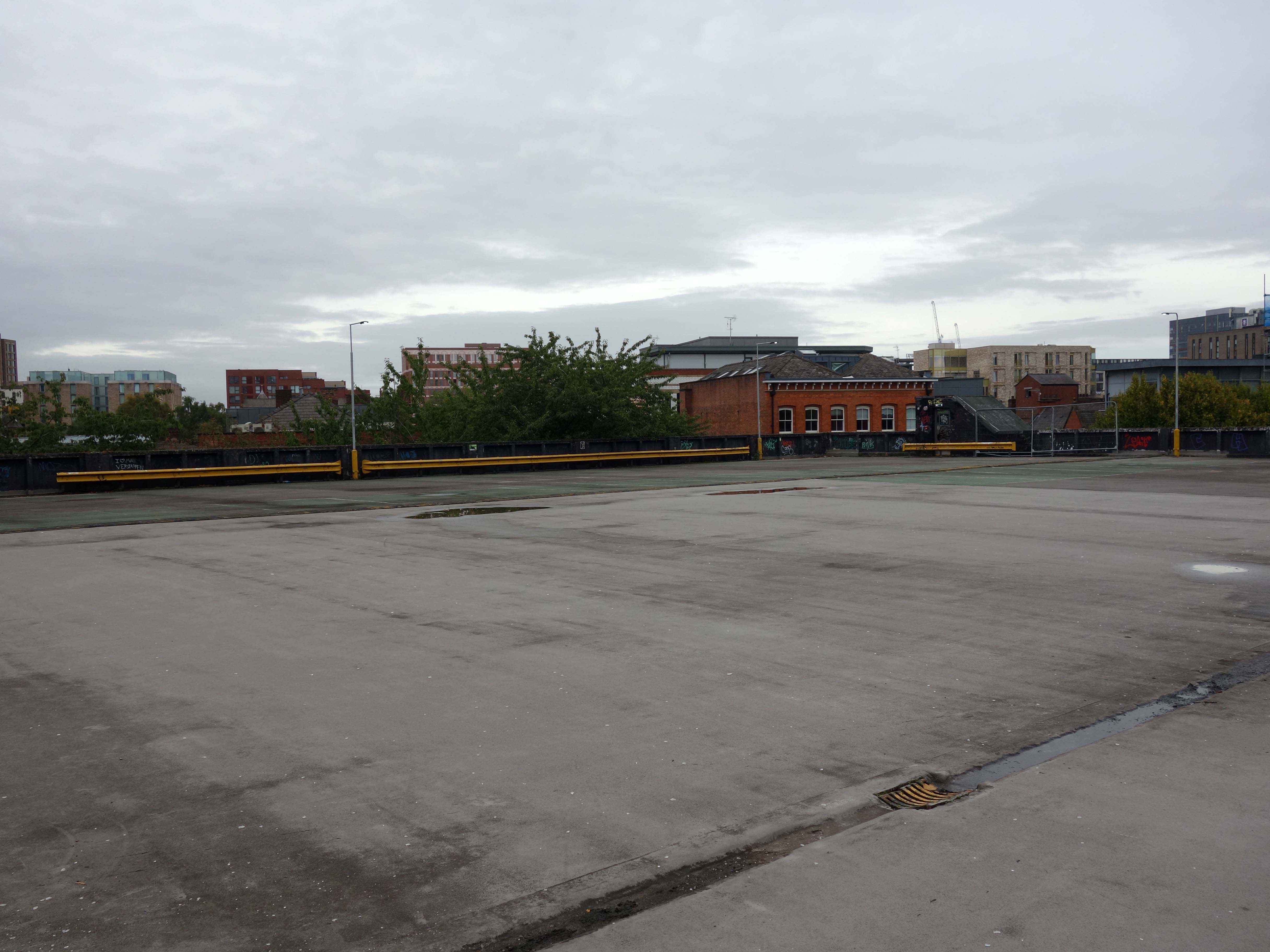
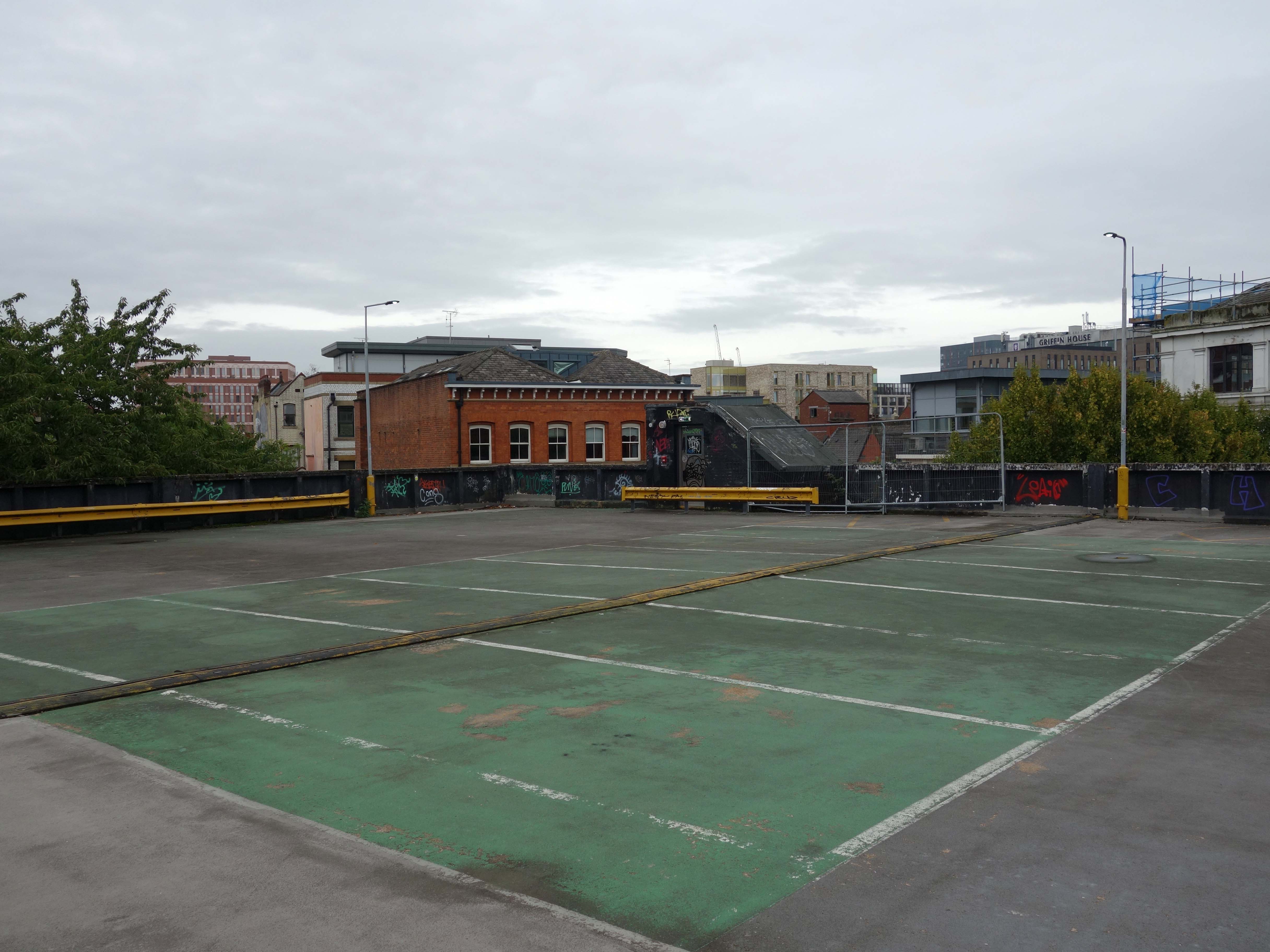
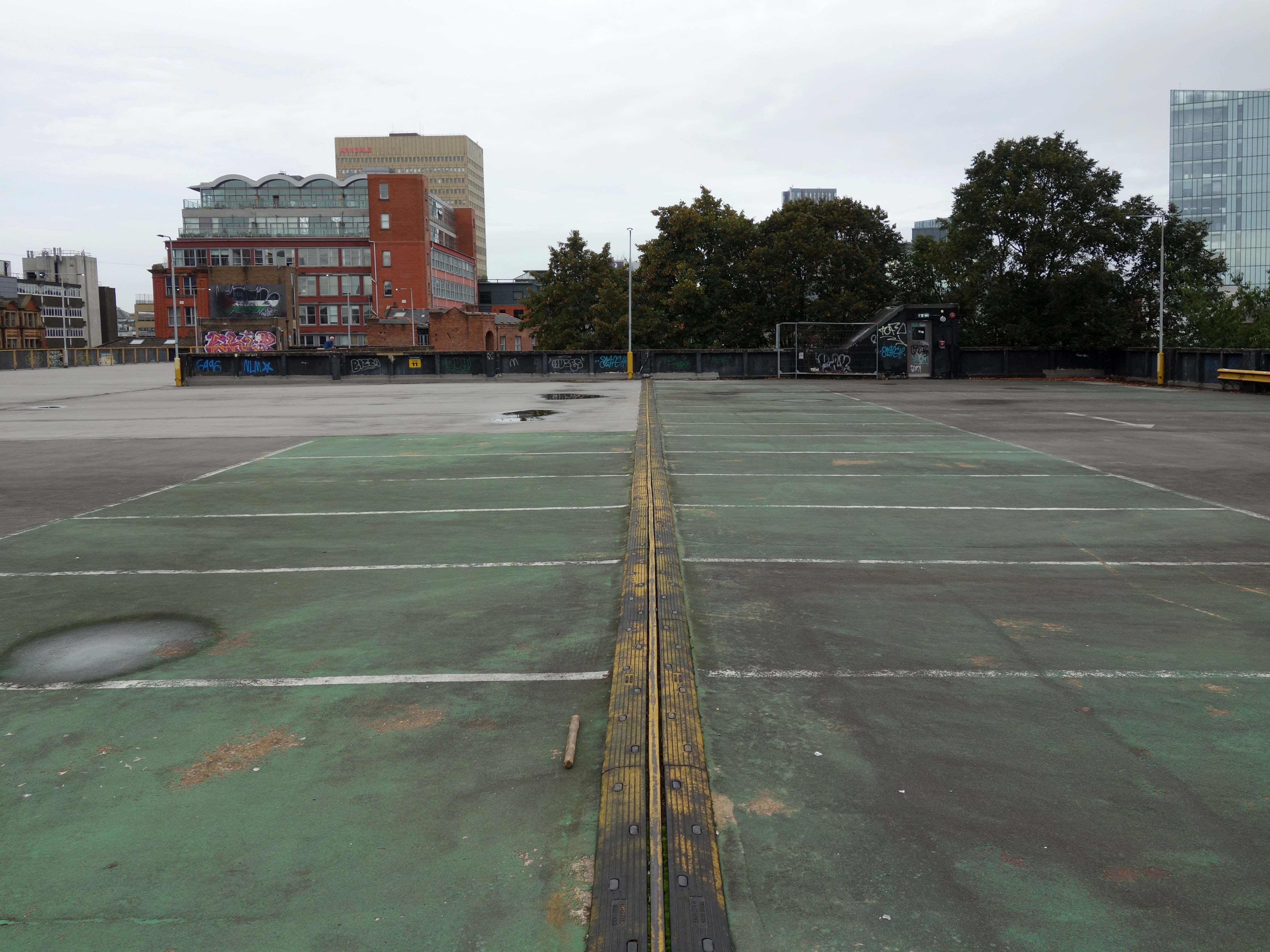
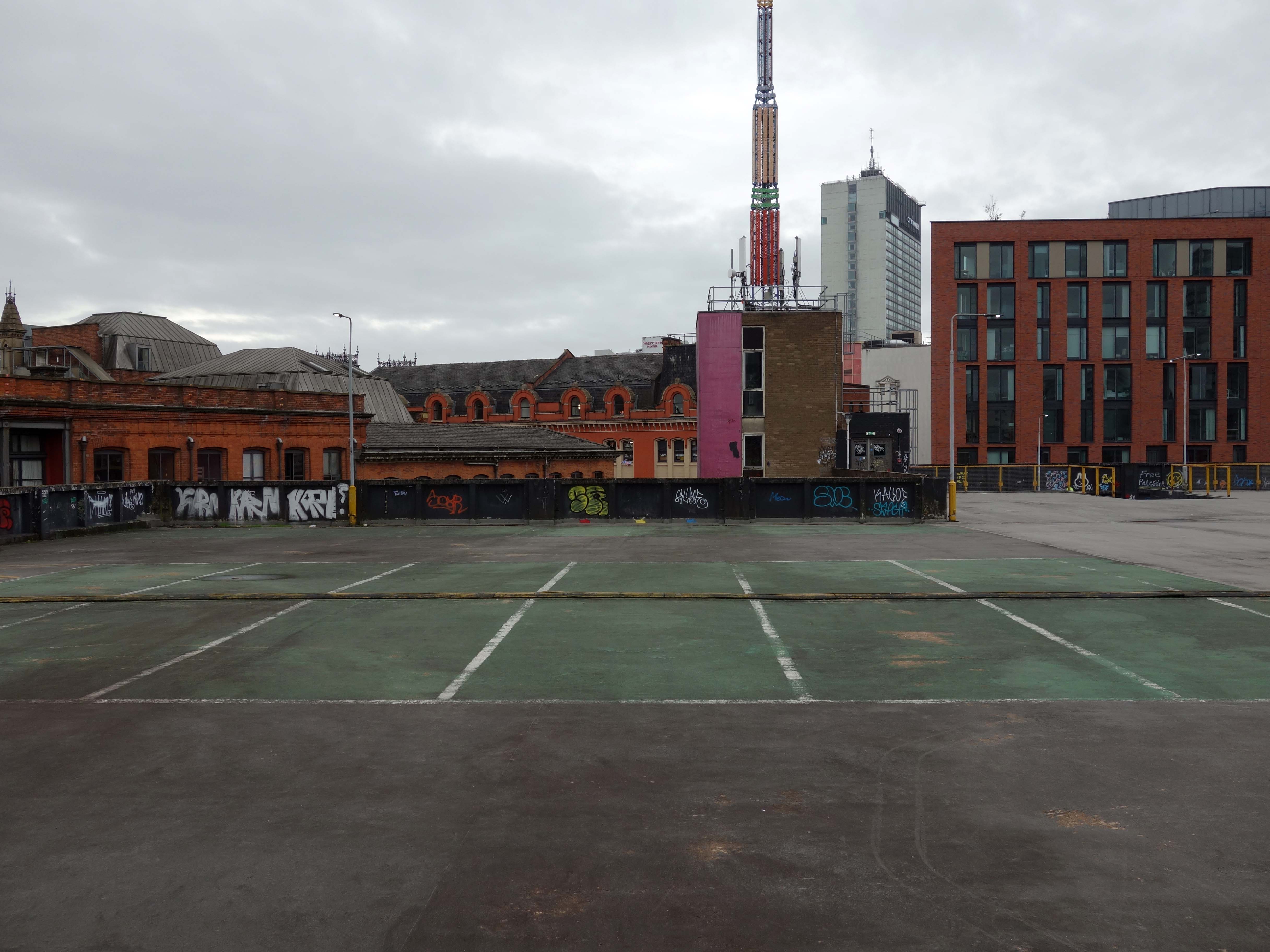
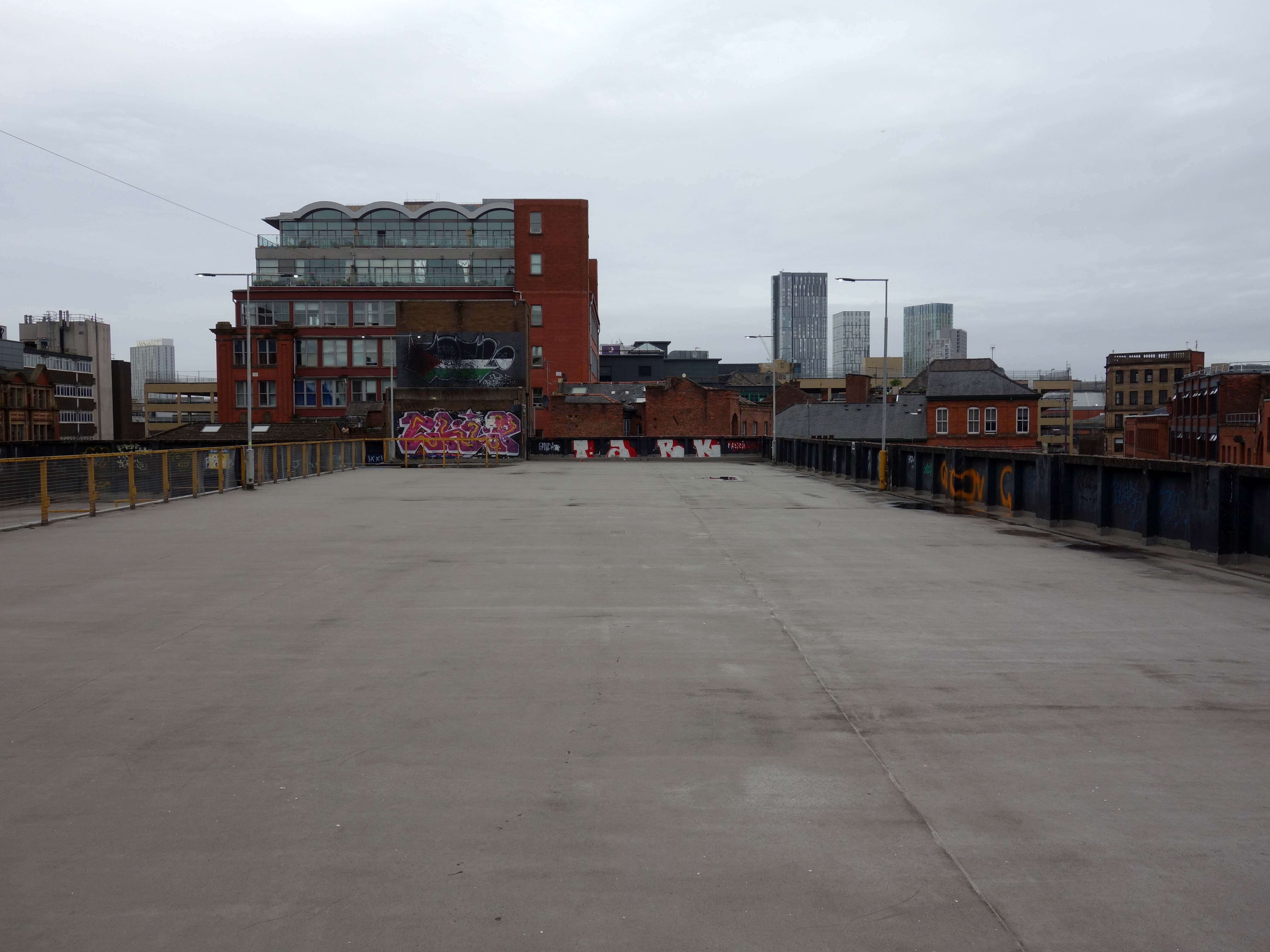
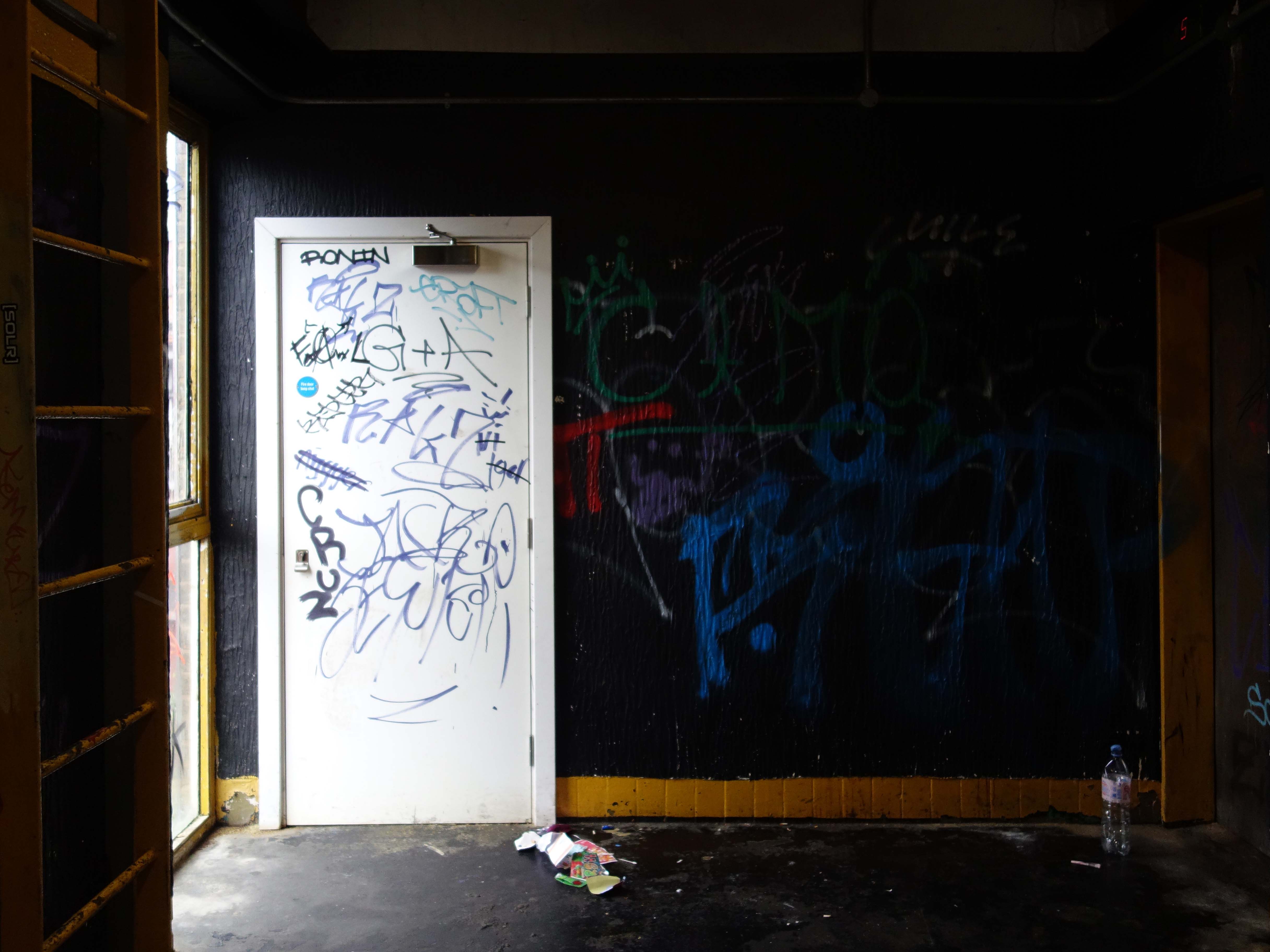
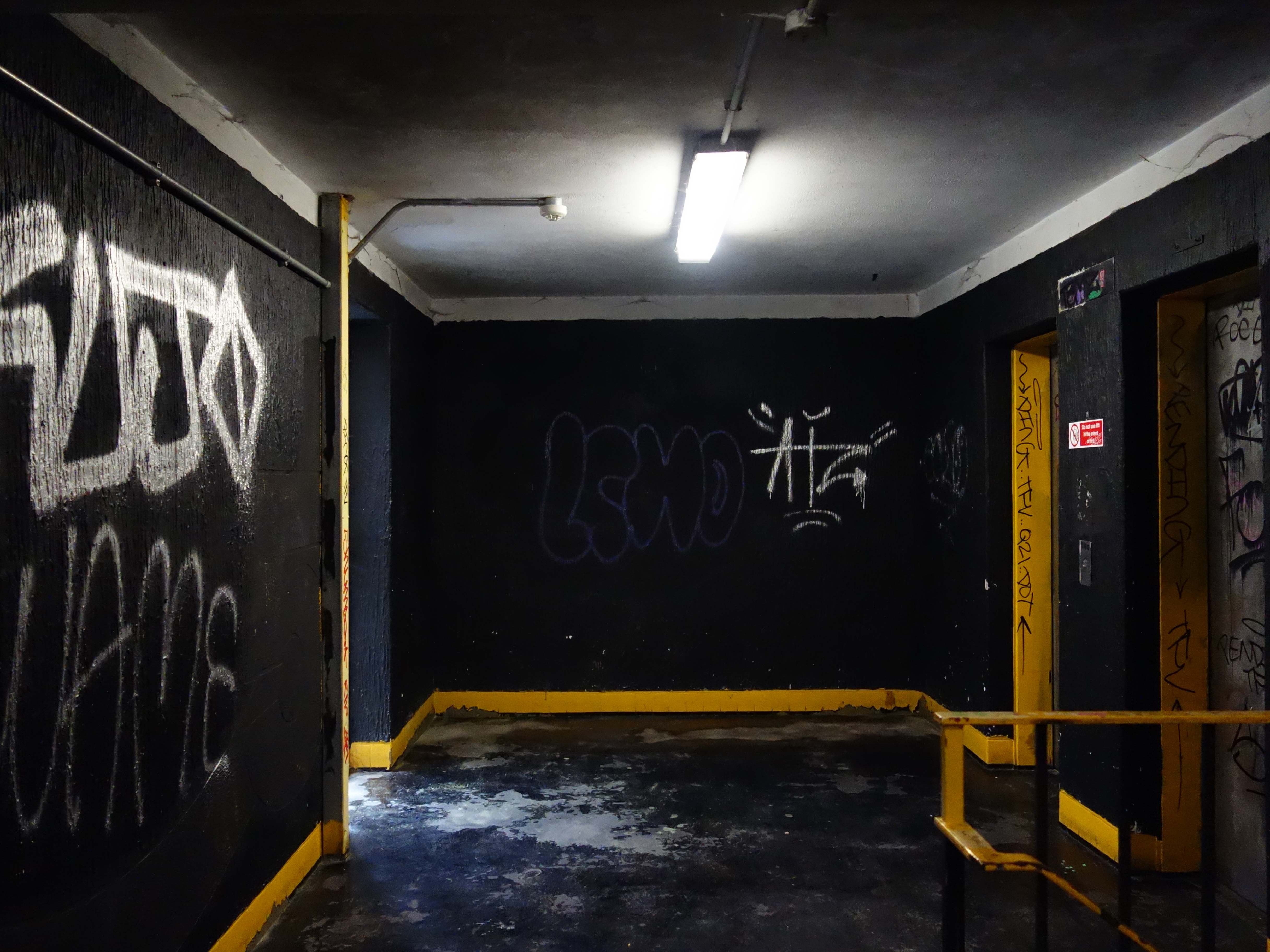
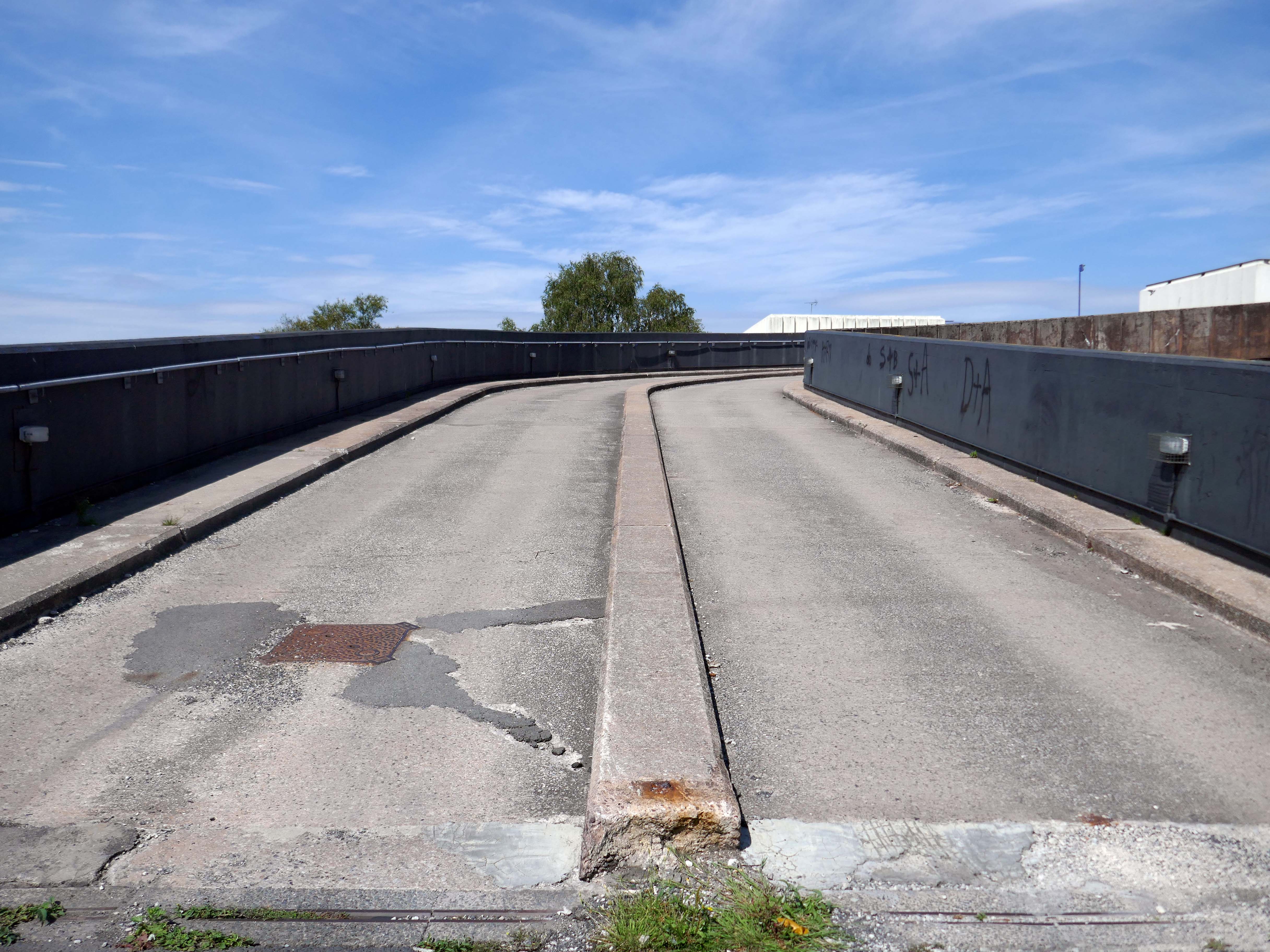
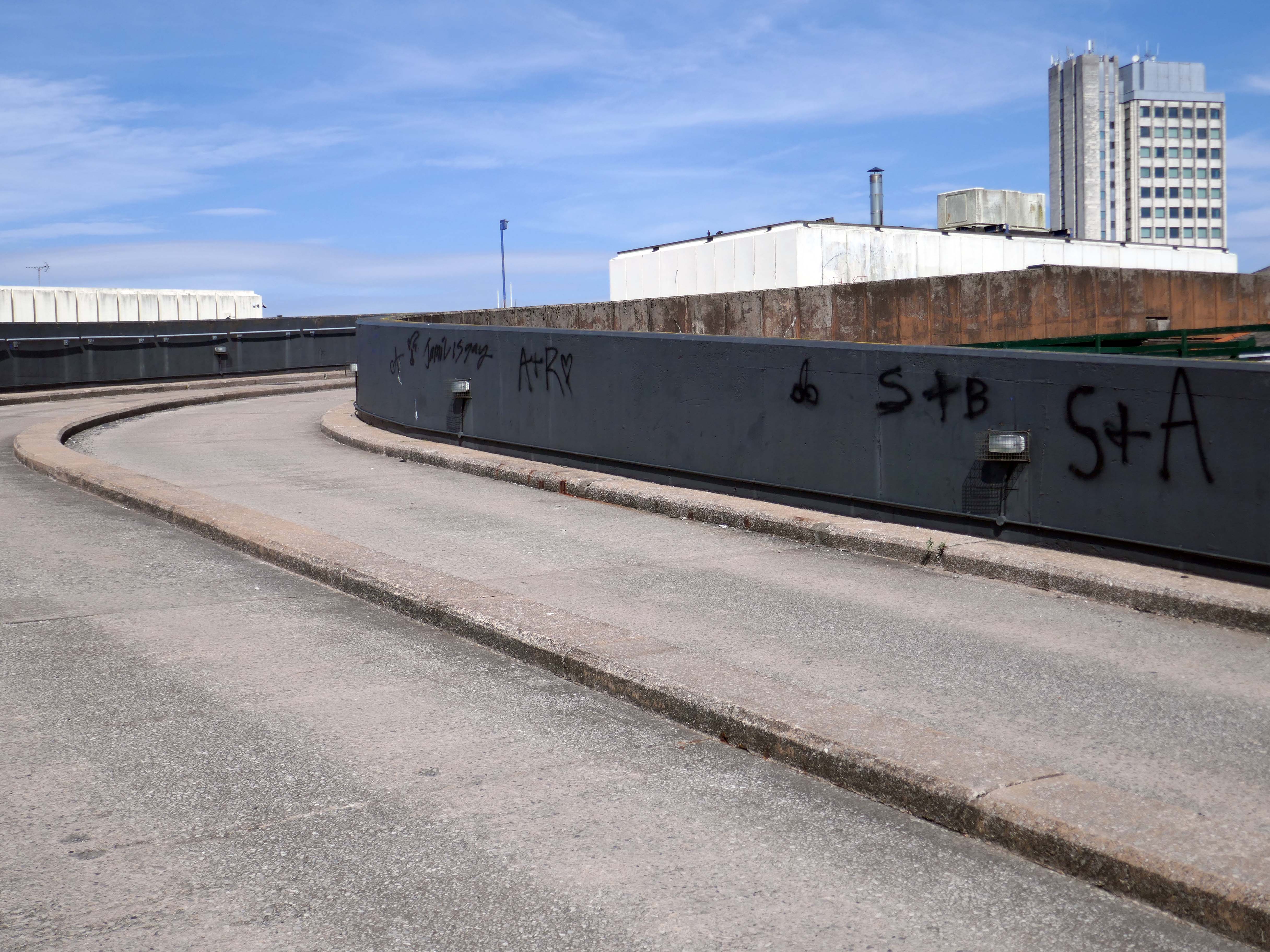
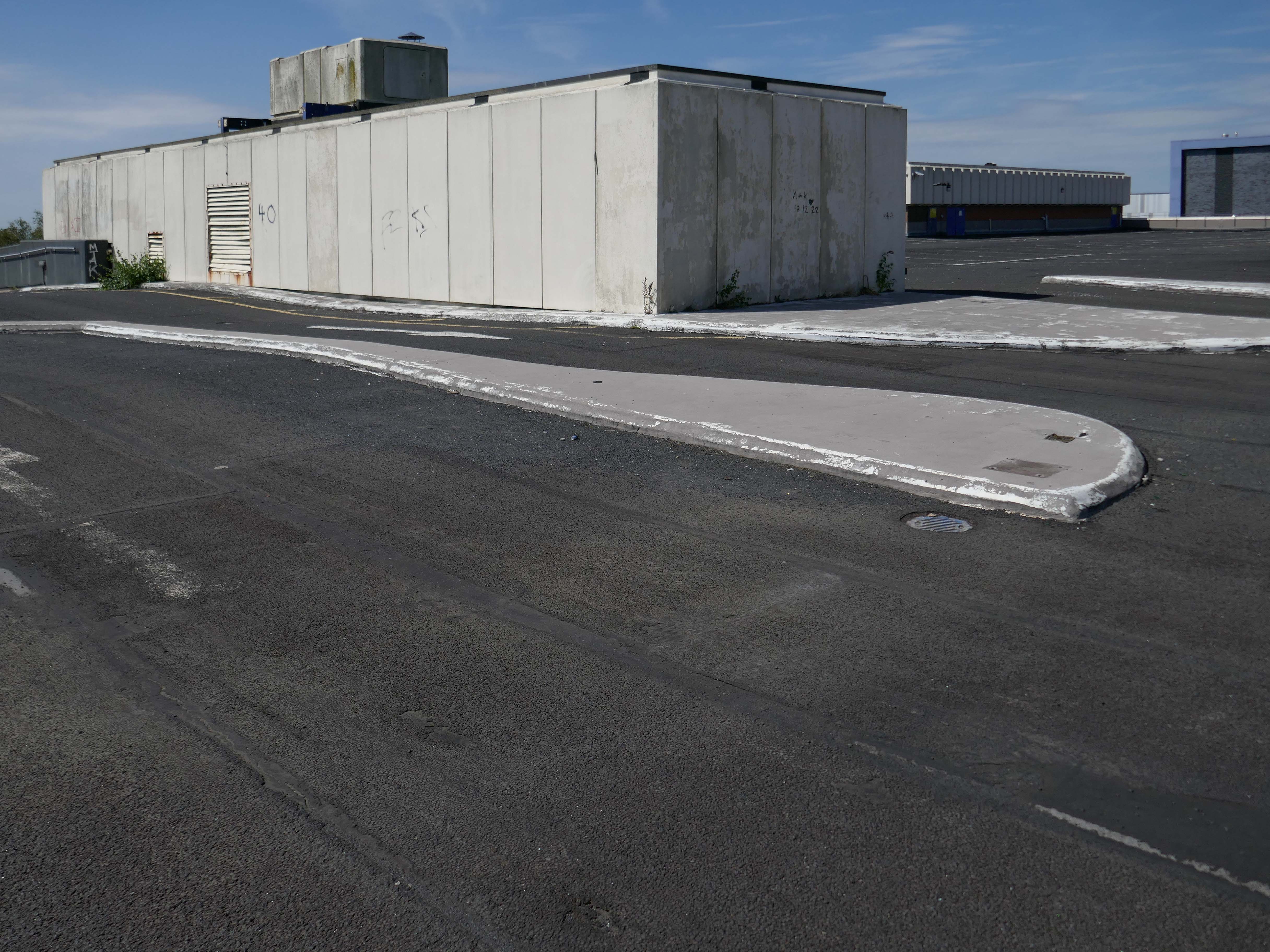
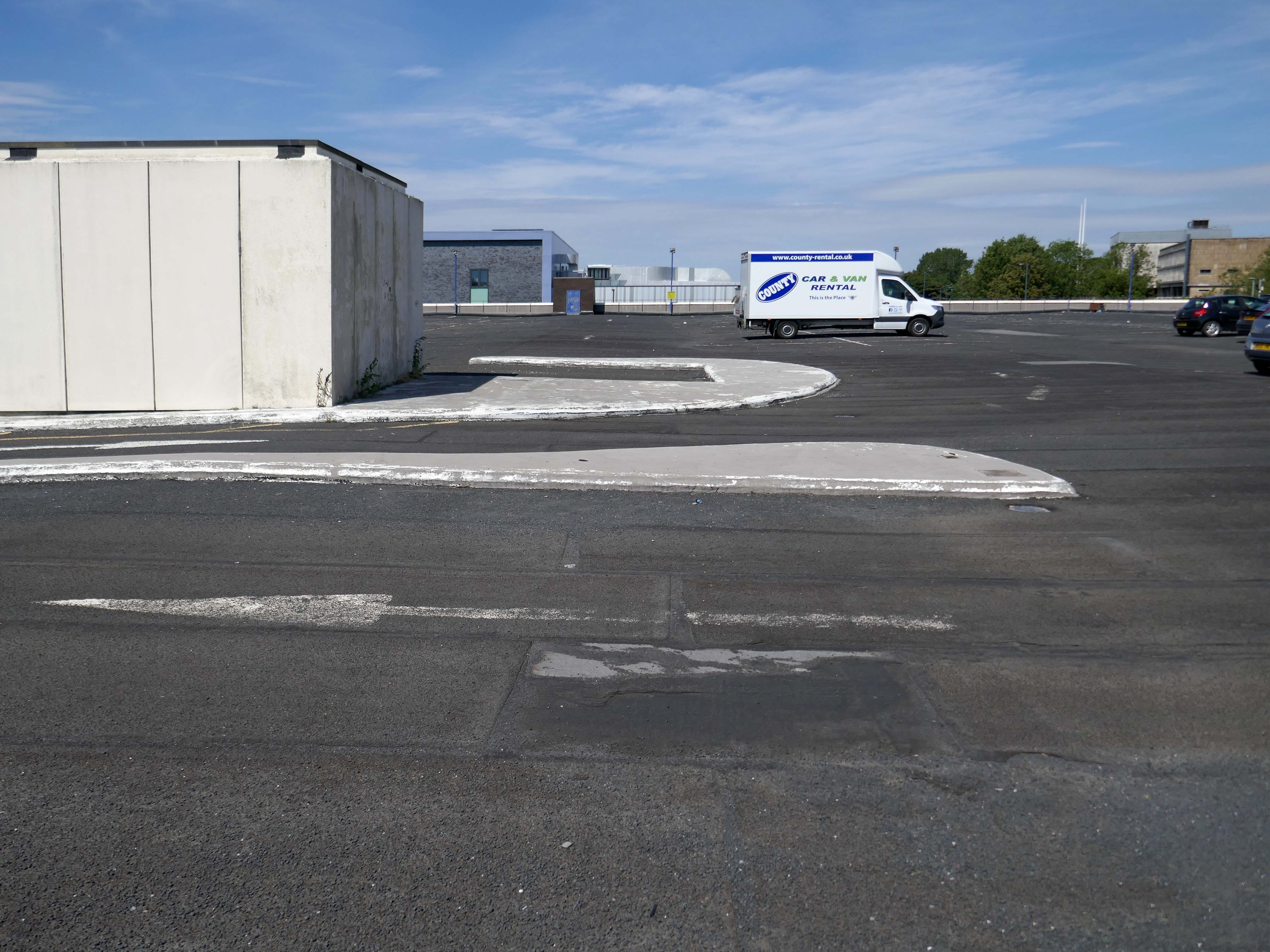
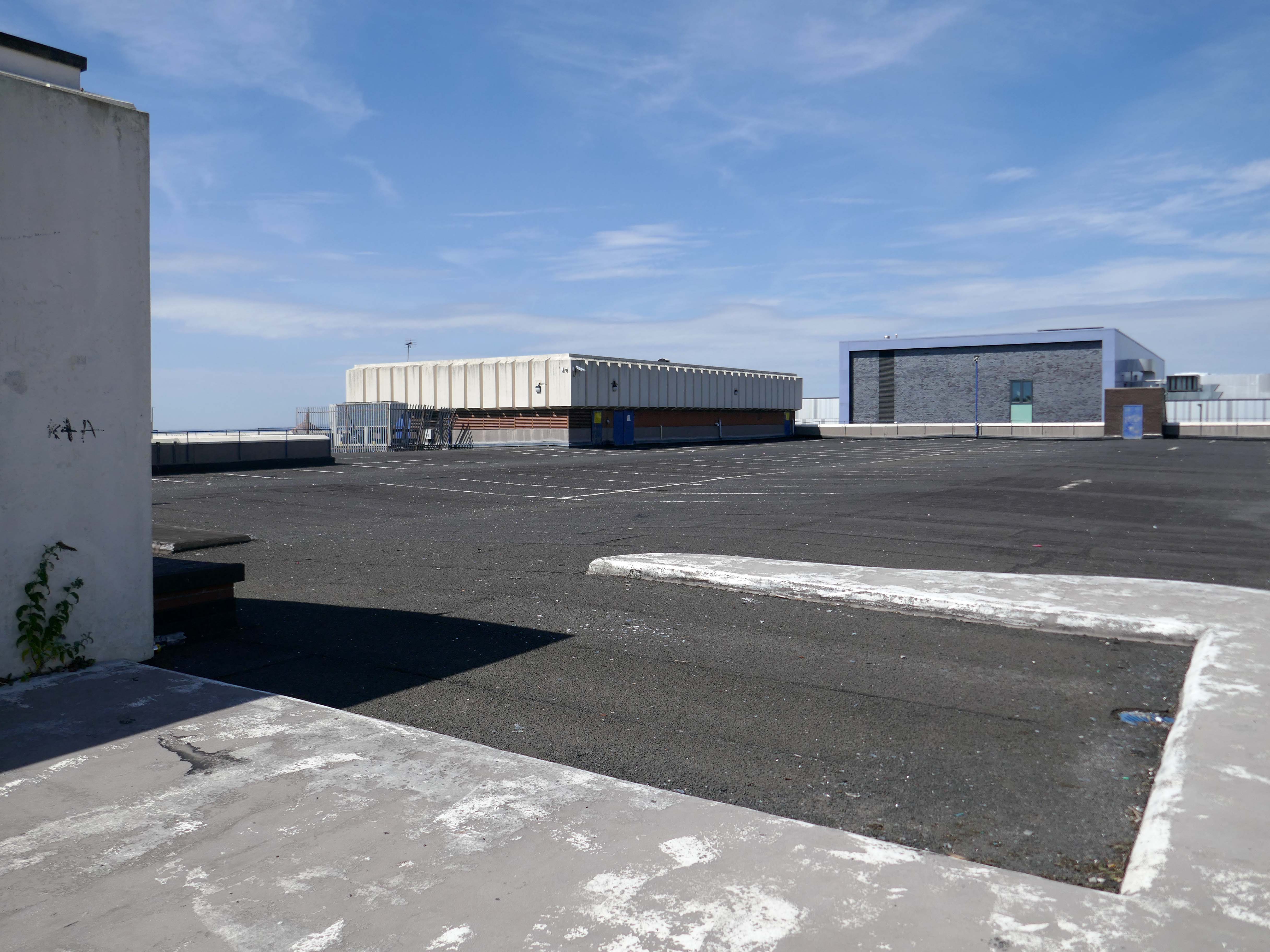
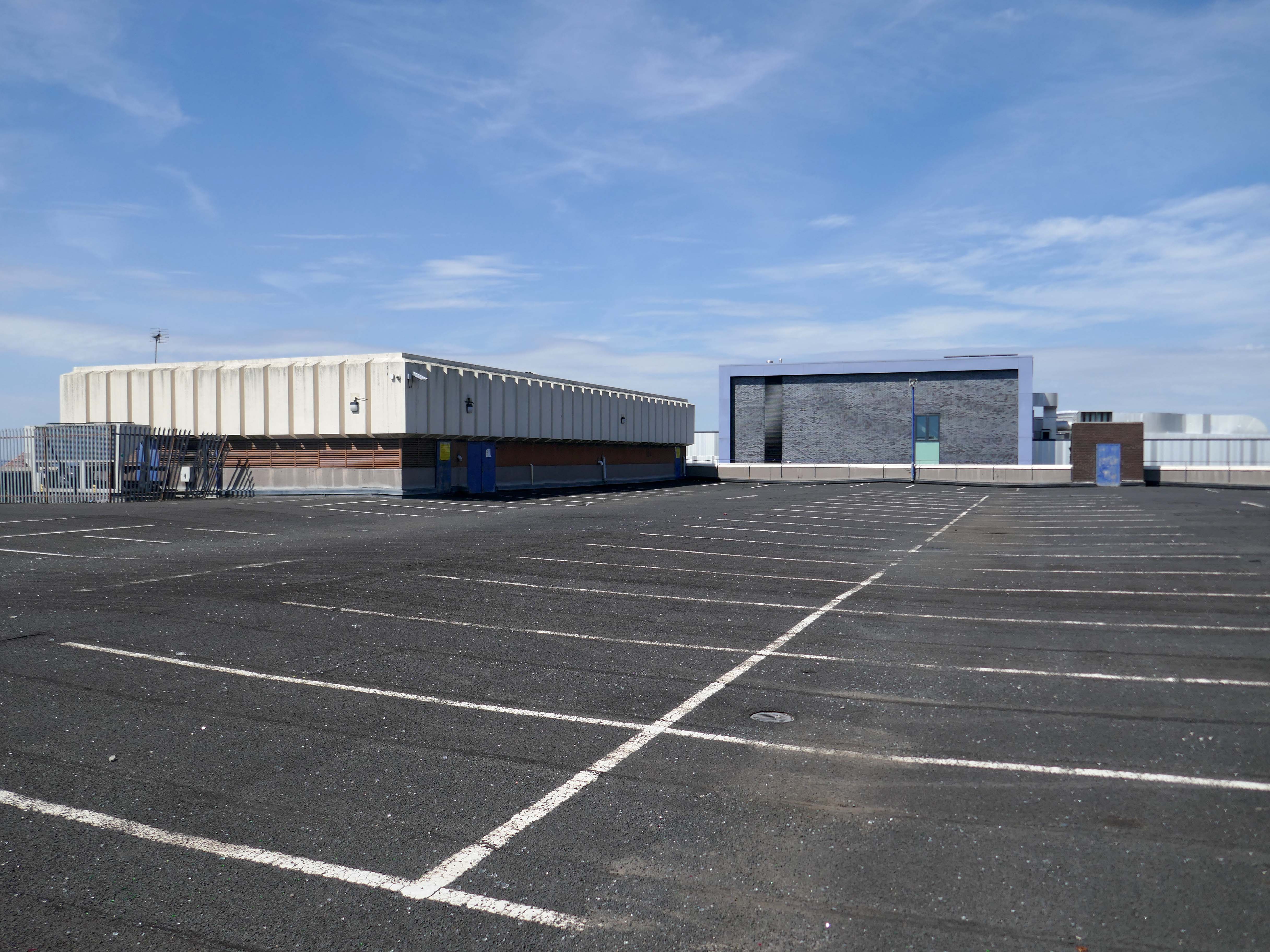
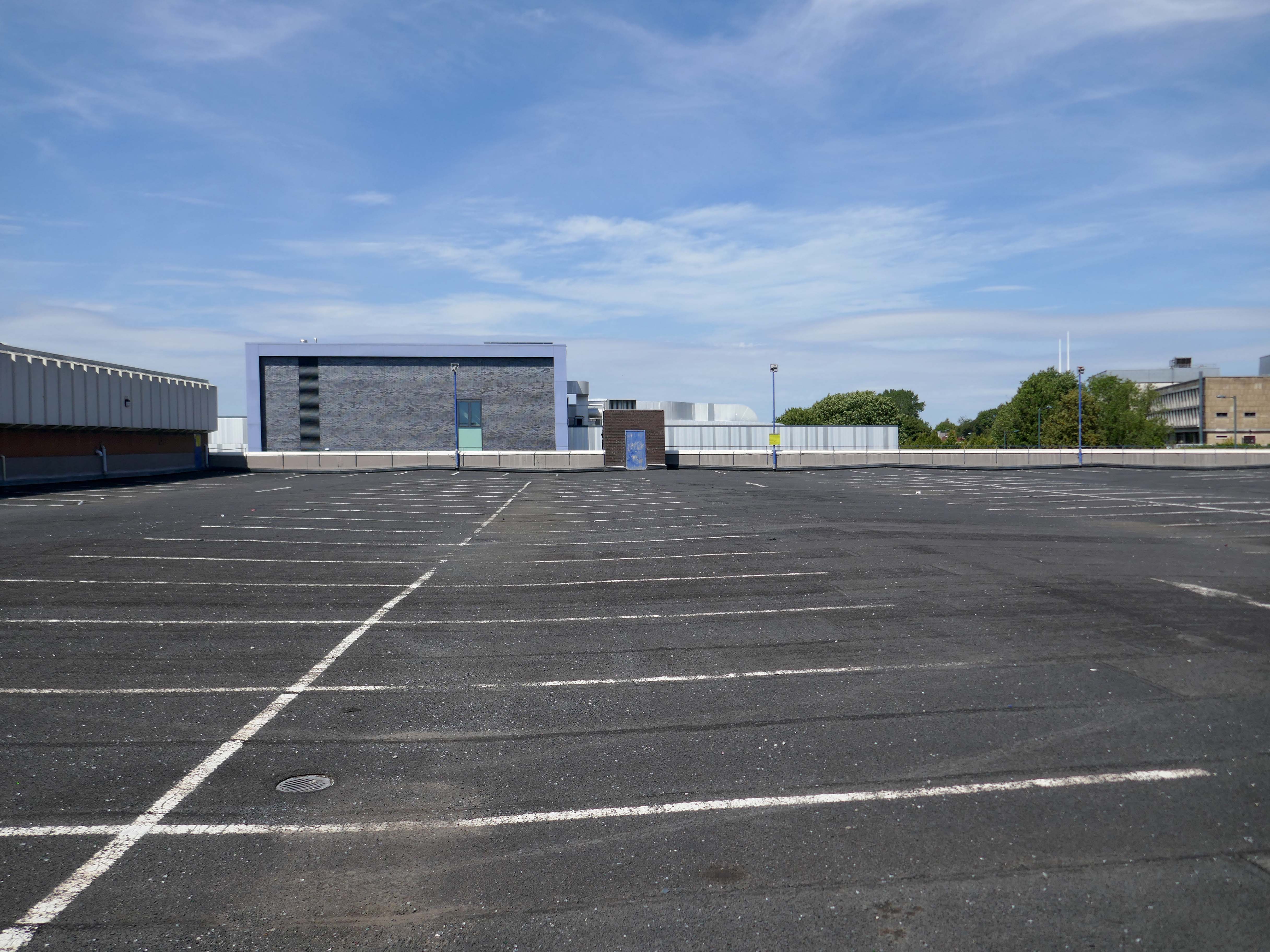
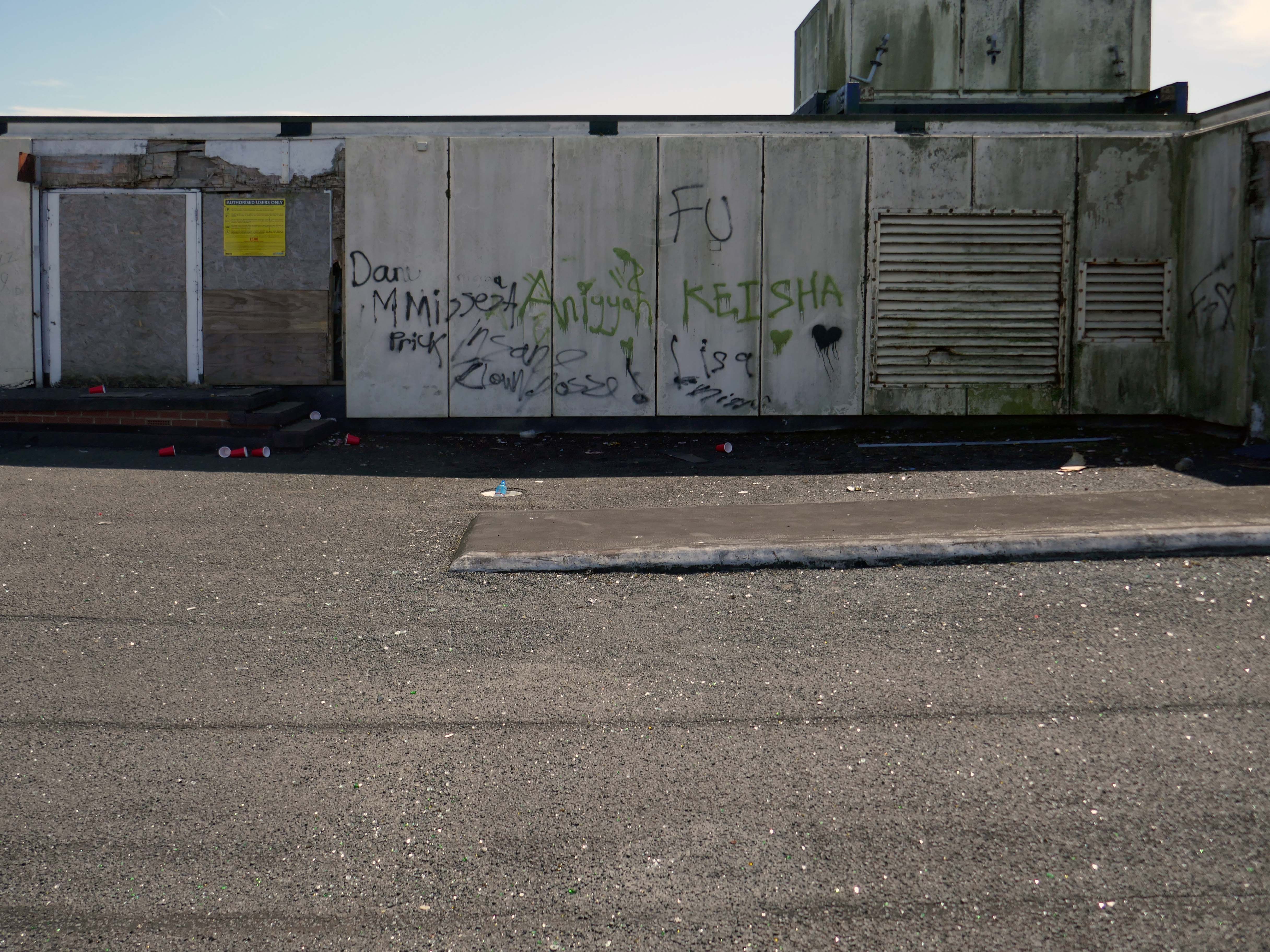
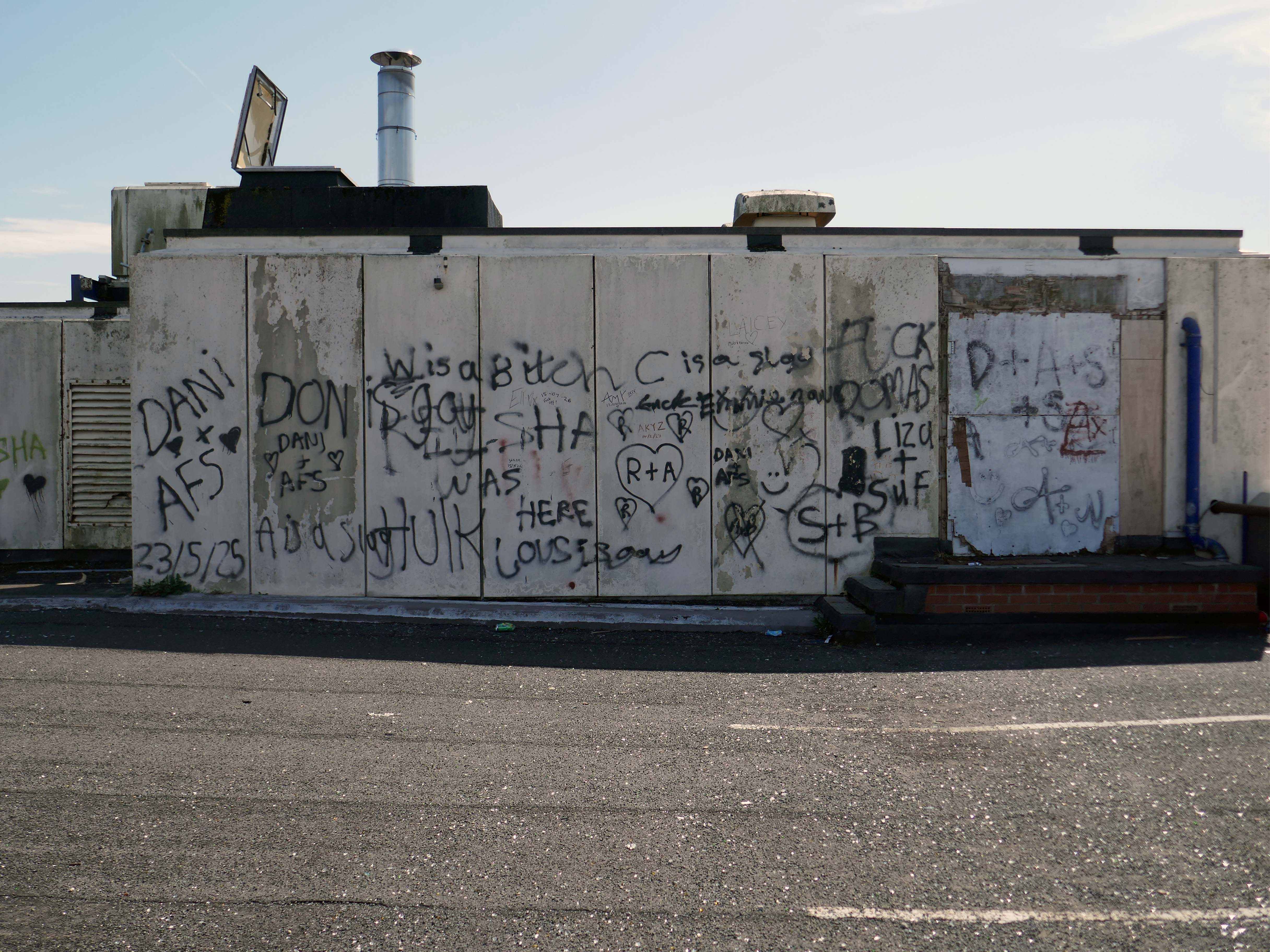
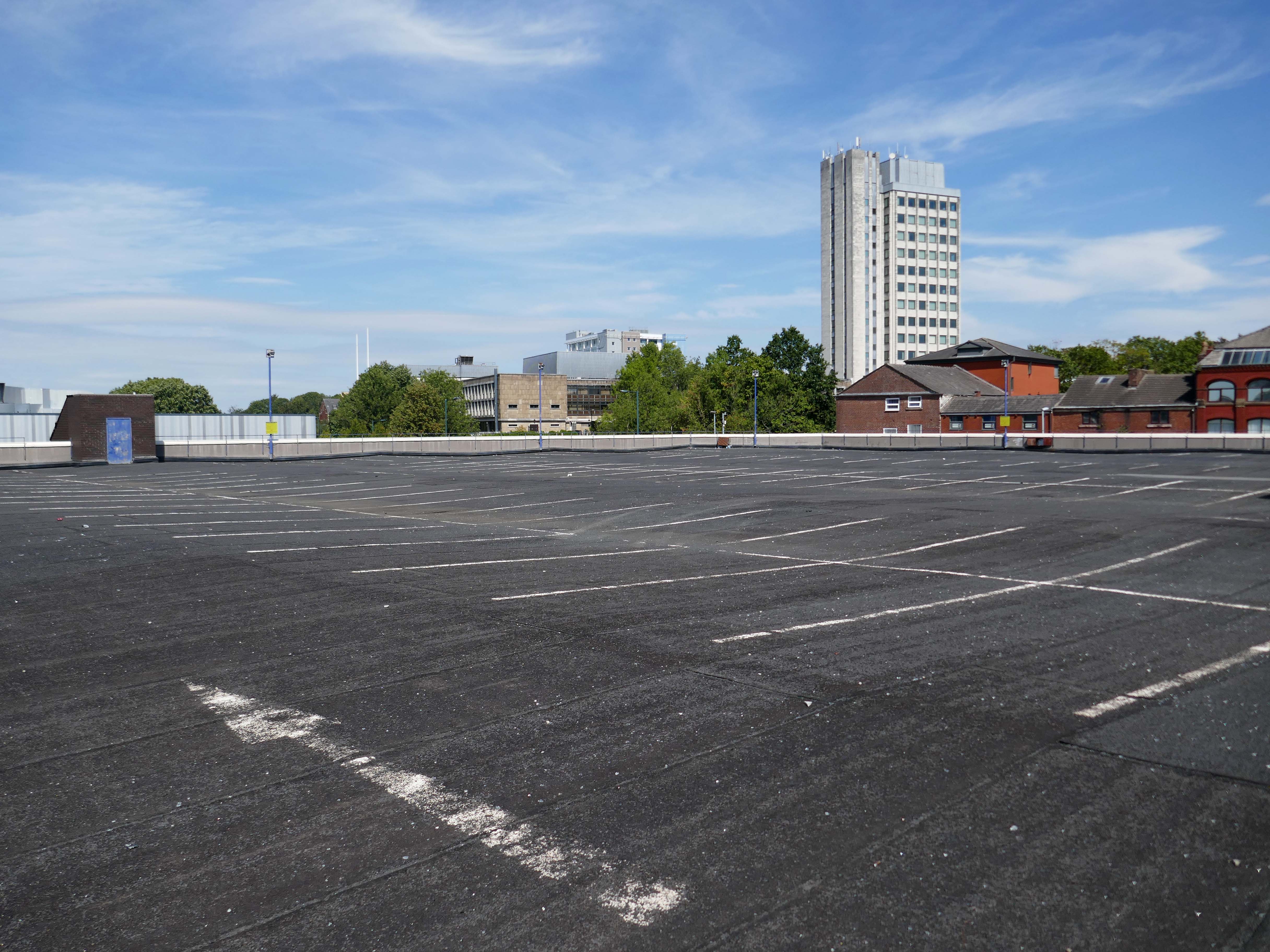
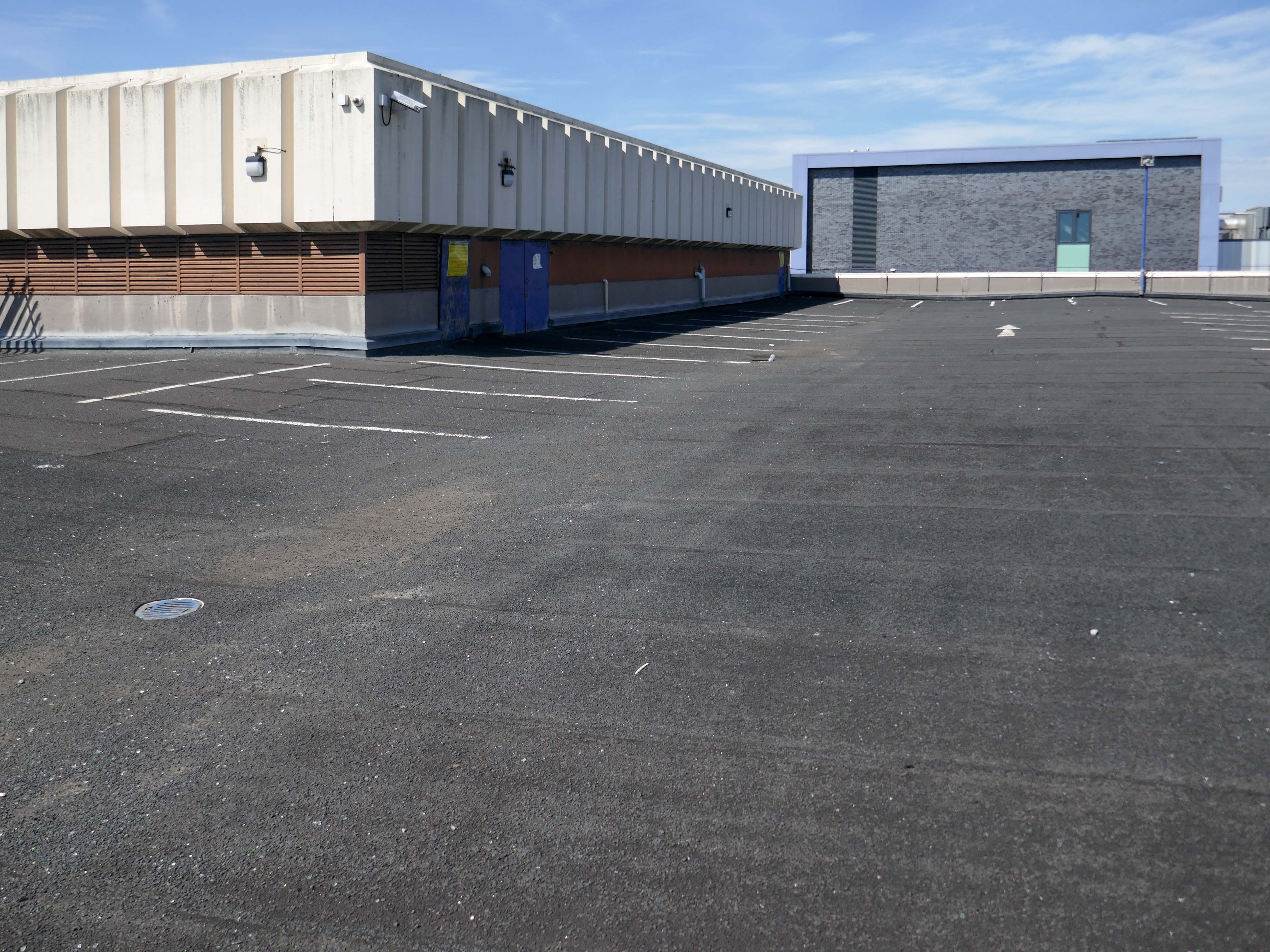
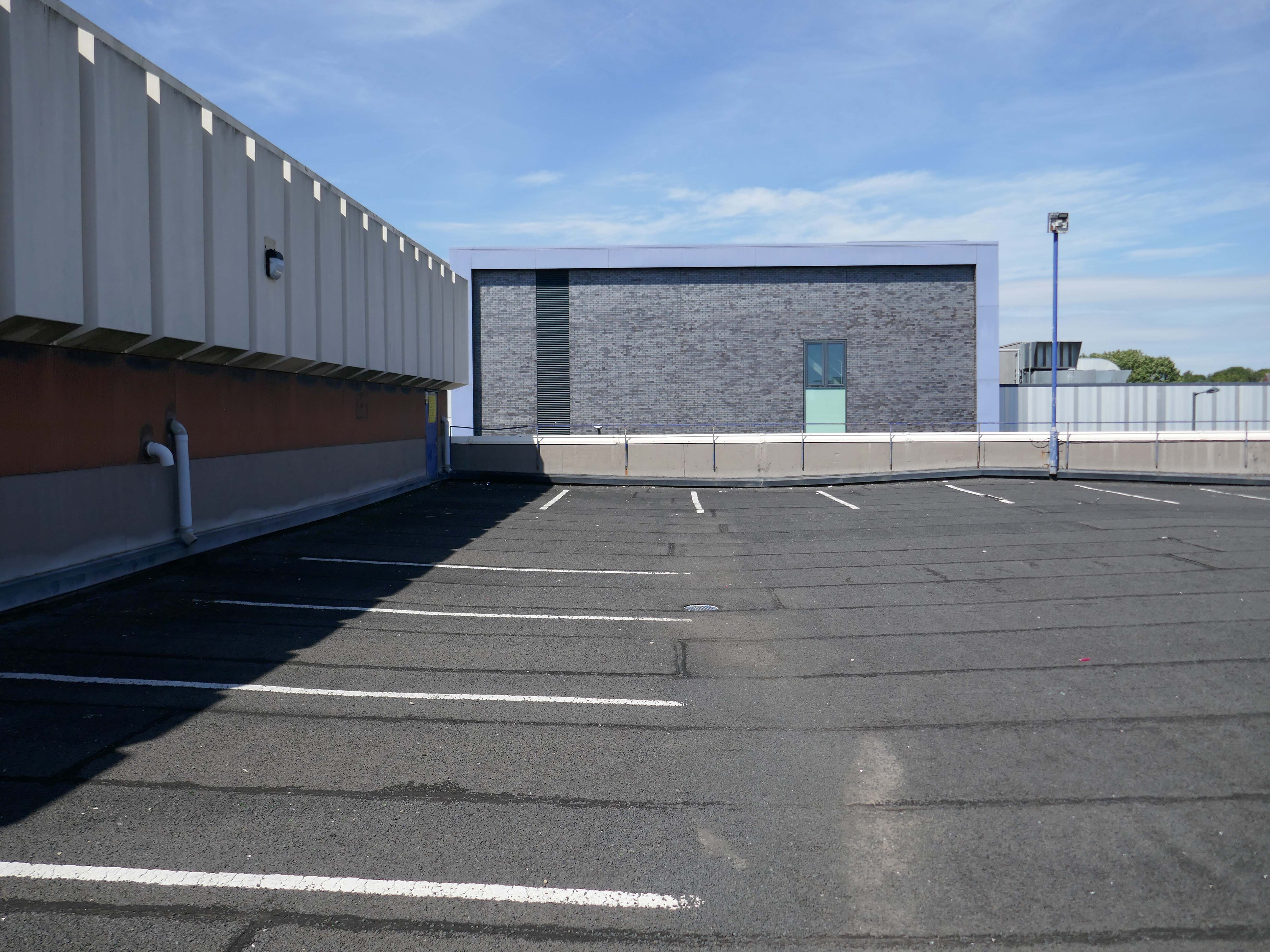
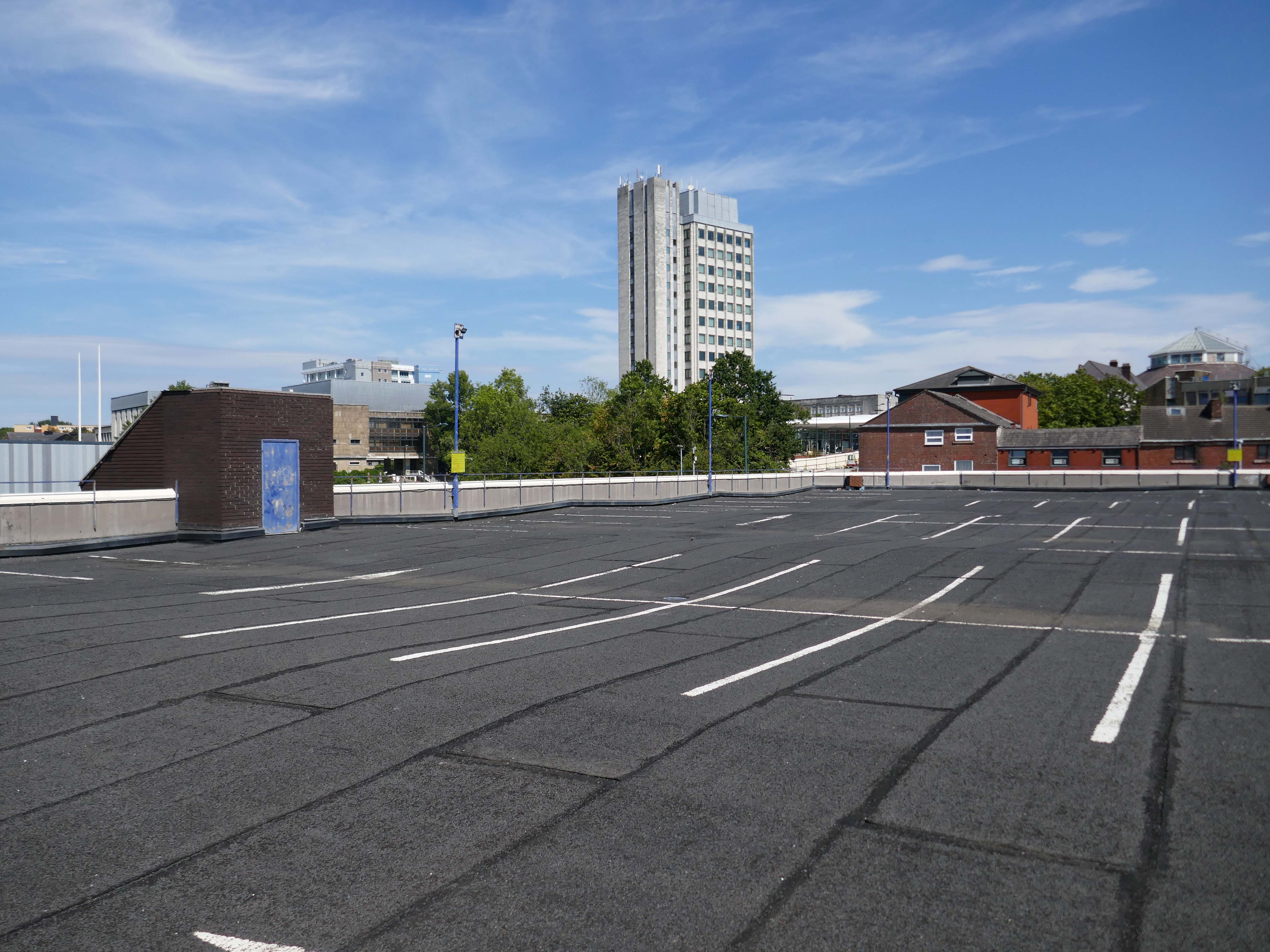
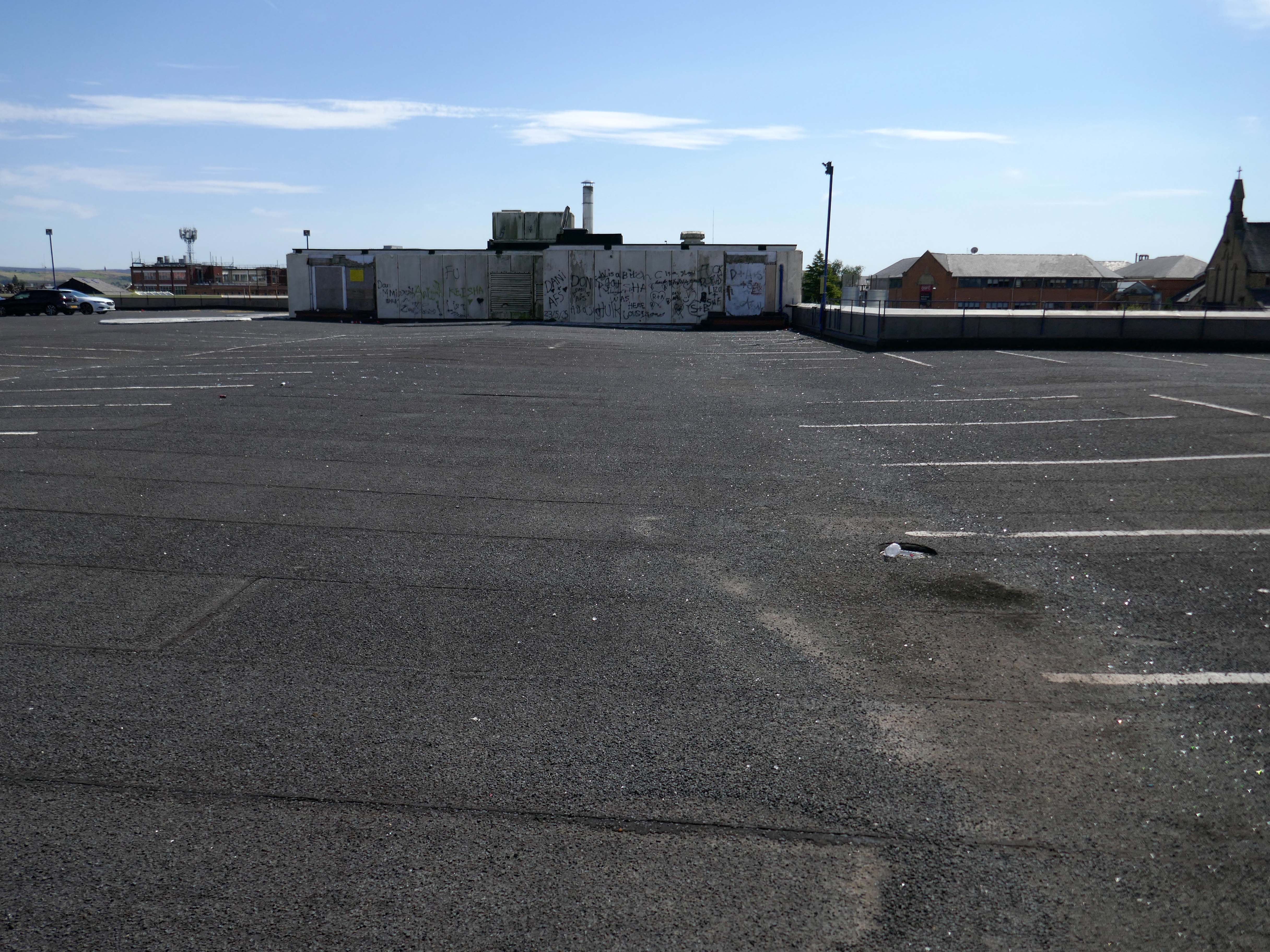
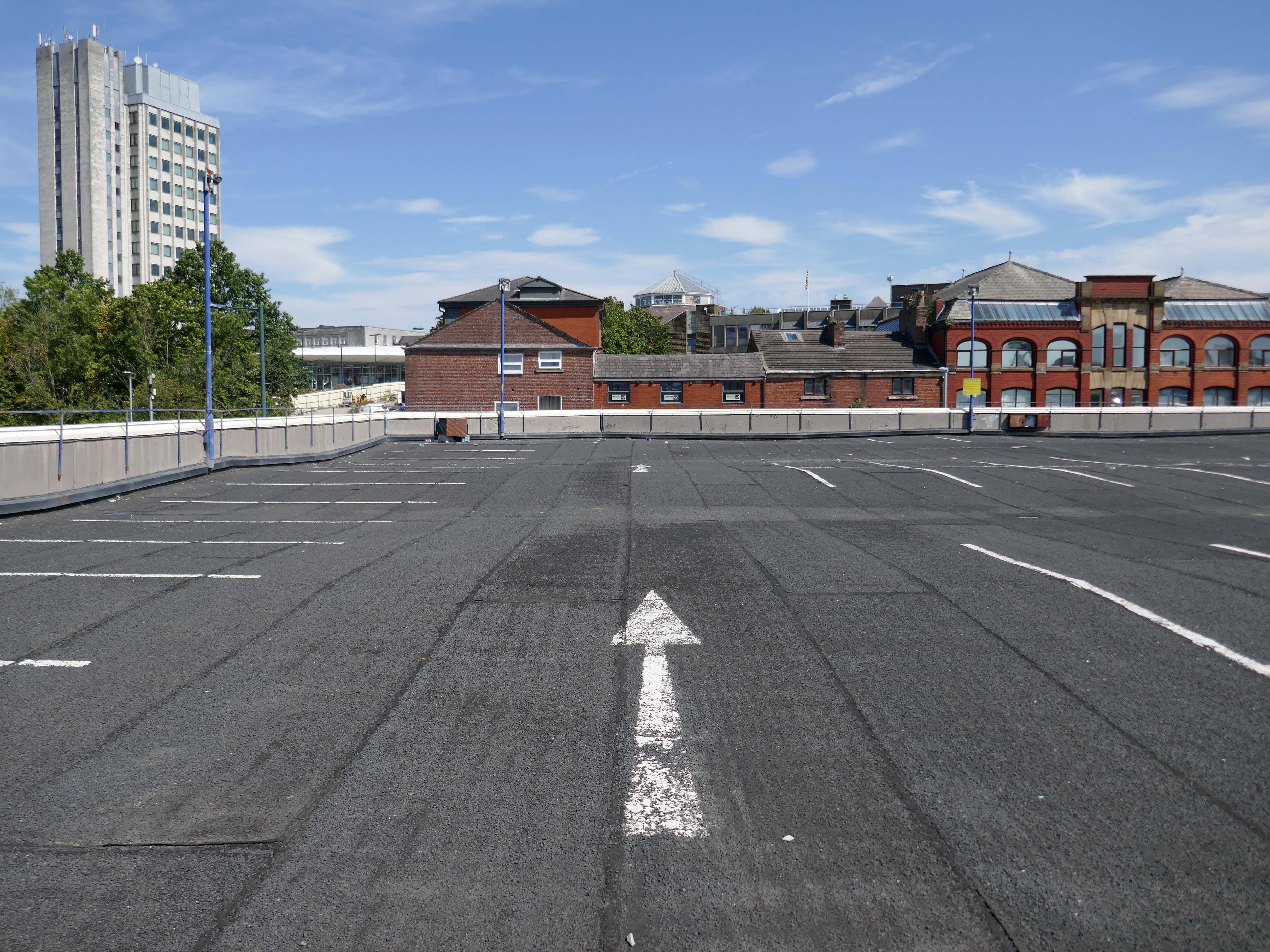
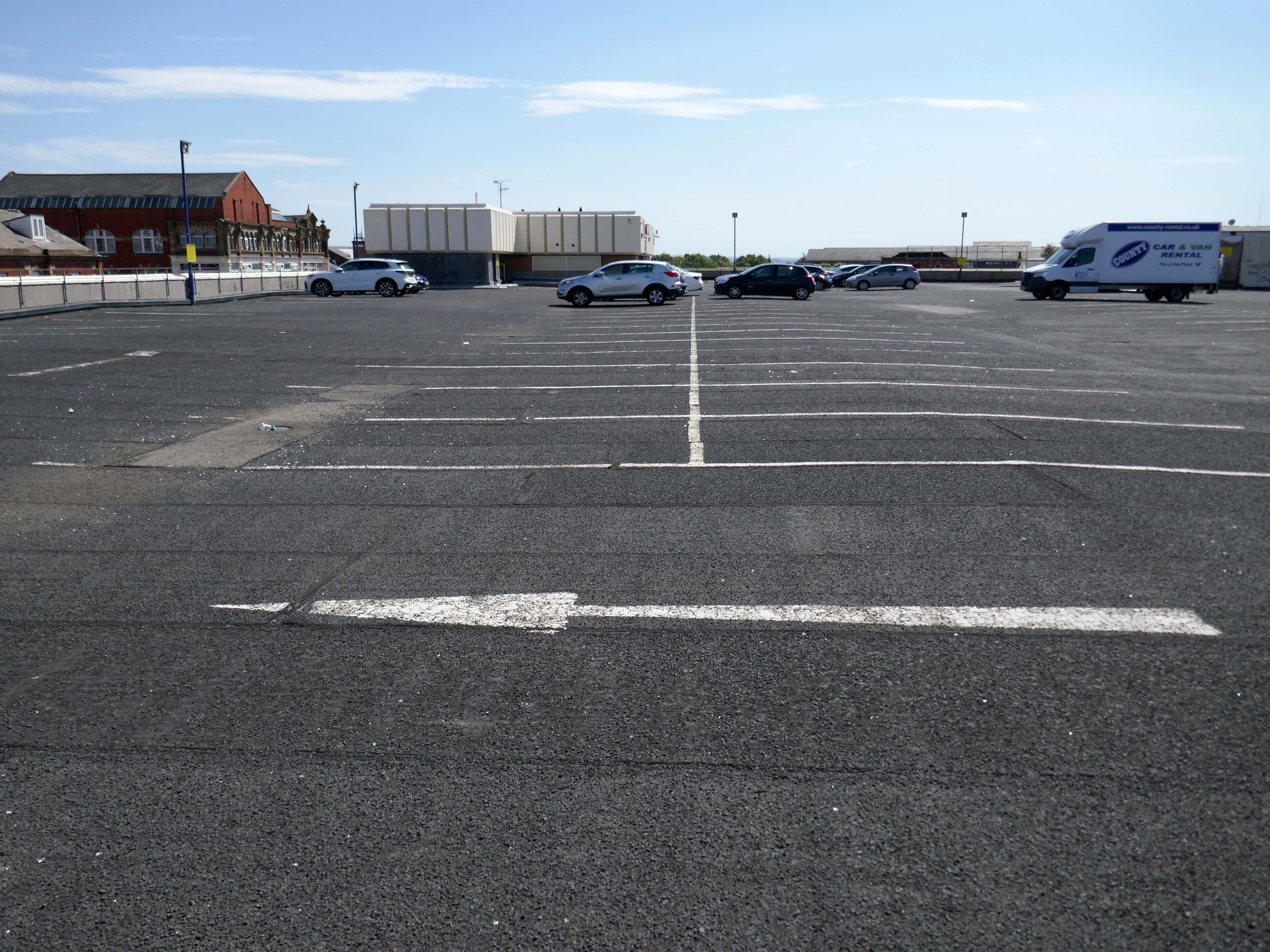
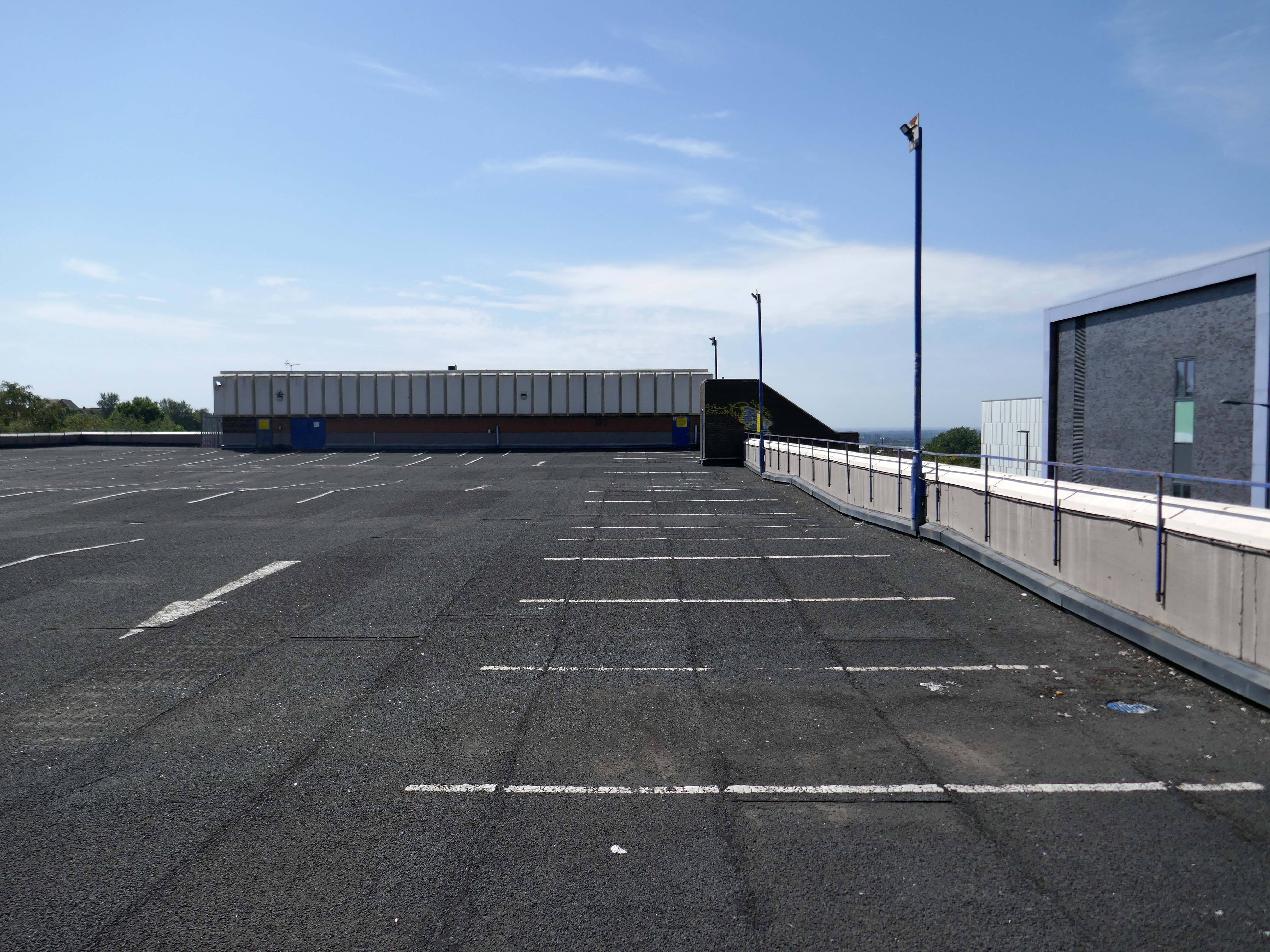
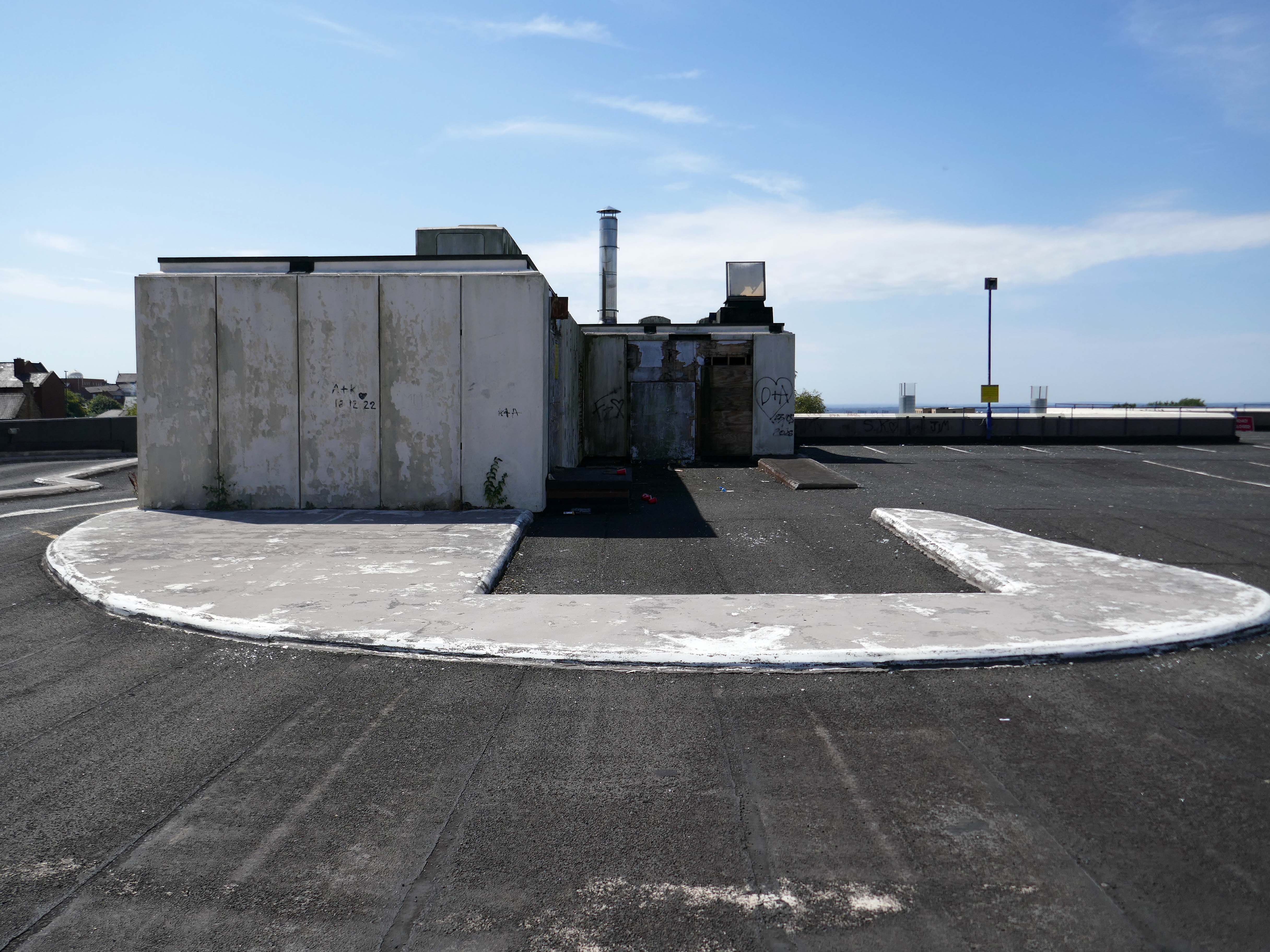
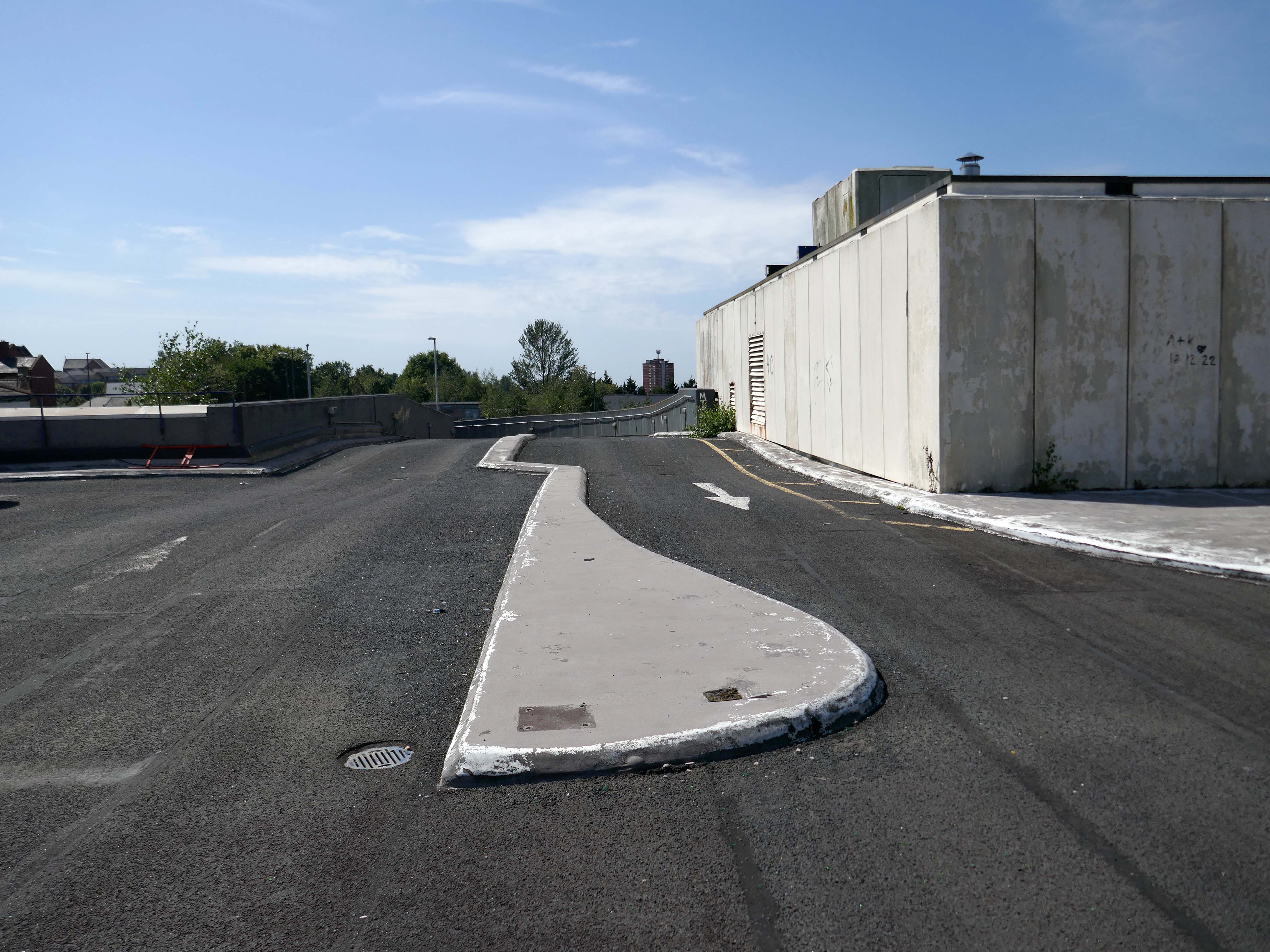
Being something of a car park aficionado I couldn’t resist walking up the ramp to take a look around.
To the right is the tower of the Civic Centre, it was designed by Cecil Howitt & Partners, and the topping out ceremony was held on 18 June 1976.
Plans are underway at the Civic Centre, the largest site in the regeneration project, to create a vibrant community providing 838 homes rising up to 15-storeys with mixed-use commercial spaces on the ground floor. This development will integrate seamlessly with the surrounding neighbourhood, particularly the nearby Former Magistrates’ Court site.
The Civic Tower at the edge of the site will be retained and redeveloped as a hotel in a later phase.
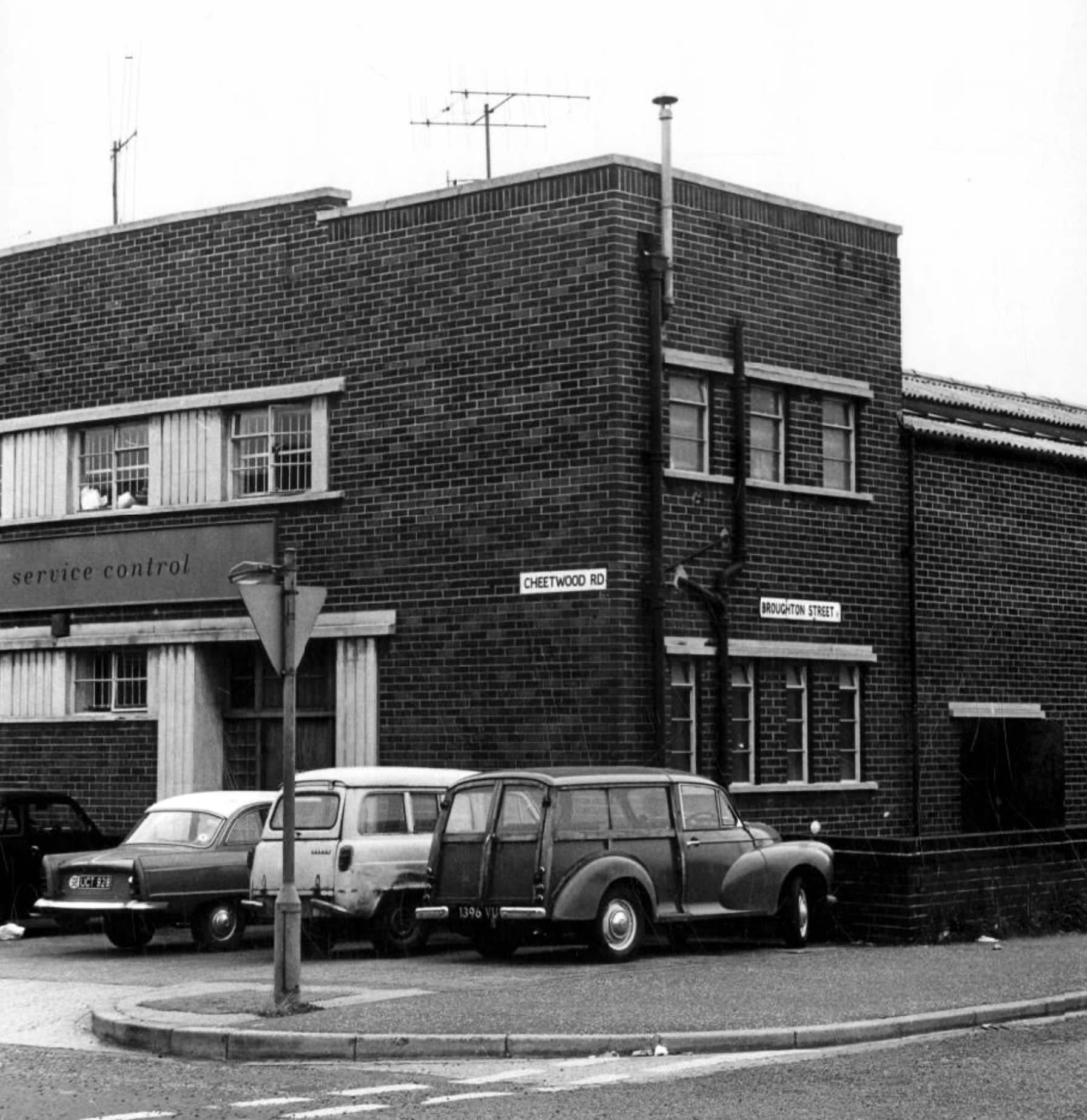
On this occasion I am concerned with the tight little rectangle formed by Cheetwood Road, Broughton, Alison and Sherborne Streets.
Cheetwood Road is a postwar construction, a straight route replacing the meandering Cheetwood Lane. The road is lined with low level functionalist brick, steel and concrete industrial units.
Having fallen into disrepair they are now being renovated and reused.
In the early Twentieth Century the area was a mix of semi-derelict Victorian housing and industry.
Corner of Sherborne Street 1905
Cheetwood Lane 1917
The huge Holt’s Cheetwood Hotel has since been demolished, lasting until c1990.
Cheetwood Lane 1920
Images: Thomas Baddeley
Progress House 1969 – Domtar Howard Smith Ltd Paper Manufacturers.
Norweb Electricity
Images: Louis H Price Manchester Local Image Collection.
So here we are on Friday 7th August, taking yet another look.
The whole area and beyond is now the centre of a plan for regeneration.
Salford City Council and Manchester City Council have developed a joint Strategic Regeneration Framework to transform the Strangeways and Cambridge areas.
This plan addresses long-standing challenges such as counterfeit crime, poor-quality buildings, and flood risk, while creating opportunities for new homes, businesses, and green spaces.
The Strangeways and Cambridge strategic regeneration framework sets out a vision to deliver around 7,000 homes in buildings up to 30 storeys and 3.1m sq ft of new or improved commercial space across 320 acres spanning both Manchester and Salford.
HMP Manchester & Jury Street: A catalytic neighbourhood at the heart of the SRF. Home of the existing HMP Manchester with potential for long term change subject to the relocation of the prison.
Derby Street: An intensified business district, supported to ensure the long-term preservation and evolution of the business base in the area.
Copper Park: A regional destination, multi-functional open space delivered to create positive amenity and biodiversity in response to future flood risk.
Overbridge: Gateway to Copper Park from the city centre, an area of significant residential potential – up to 2,000 homes – but with important economic assets and heritage.
Cheetham Park: A new urban-suburban residential neighbourhood of up to 1,000 homes, building on the heritage of the Victorian Cheetham Park and the nascent residential community around it.
Dutton Street: The Dutton Street area is a natural extension of the city centre. Subject to the existing Great Ducie Street SRF, it is identified as residential-led mixed use area – up to 4,000 homes – where significant development and investment is already evident. This part of the SRF could accommodate 1.75m sq ft of new commercial space
Lord Street: A transitional neighbourhood, connecting the residential-led change in Dutton Street with the economic focus of Derby Street to the north, and with Red Bank and Victoria North to the east.
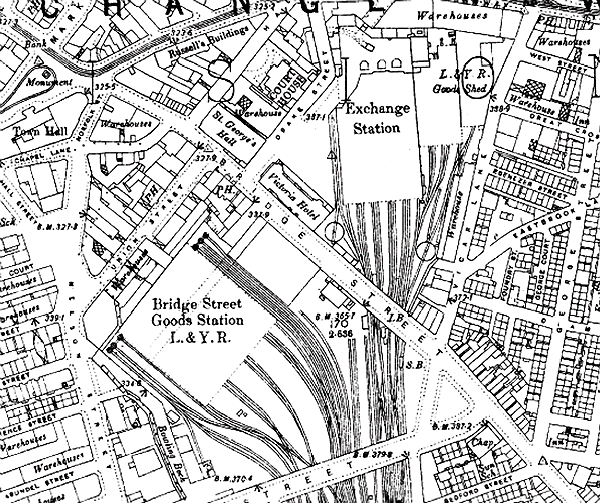
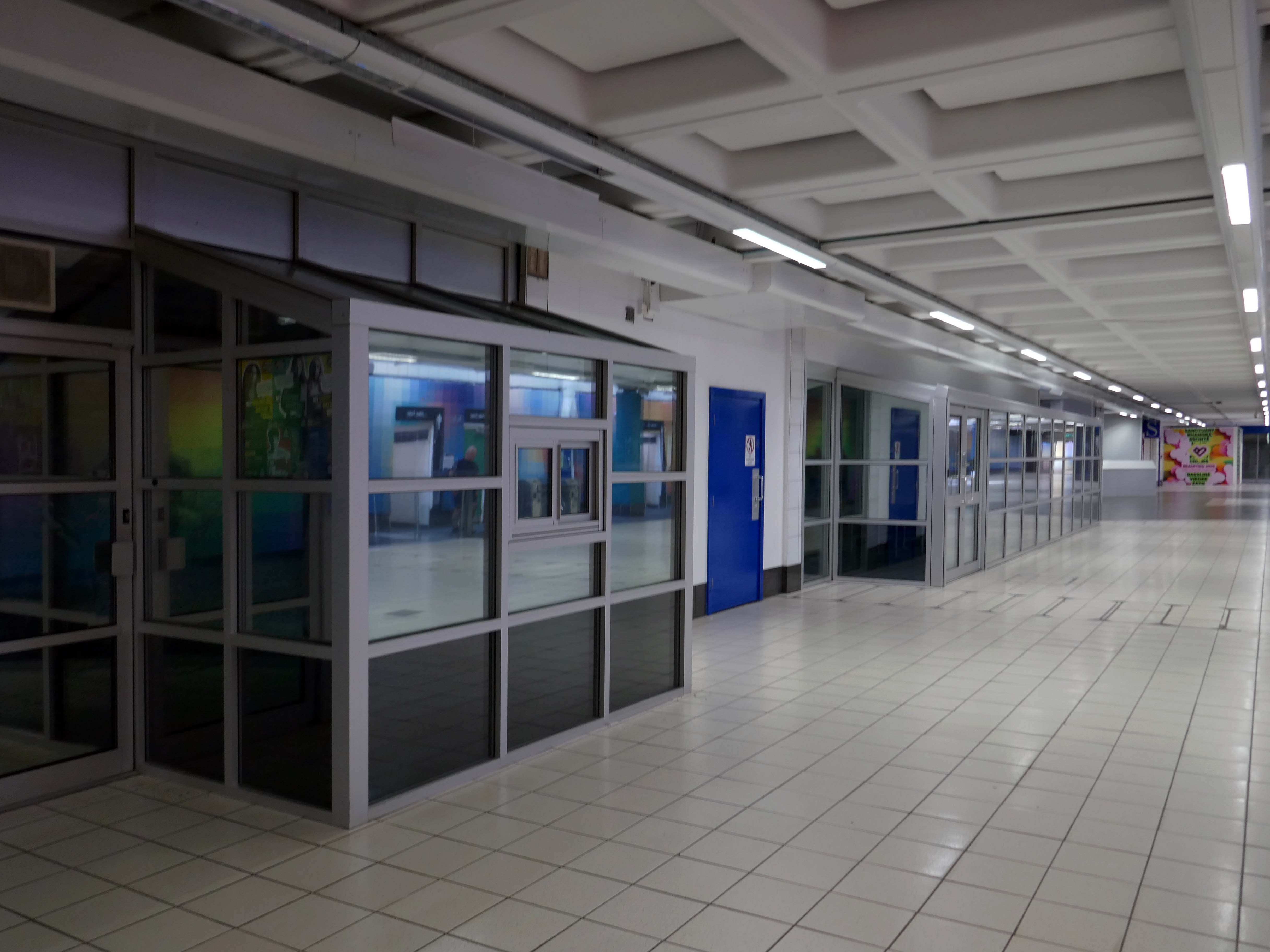
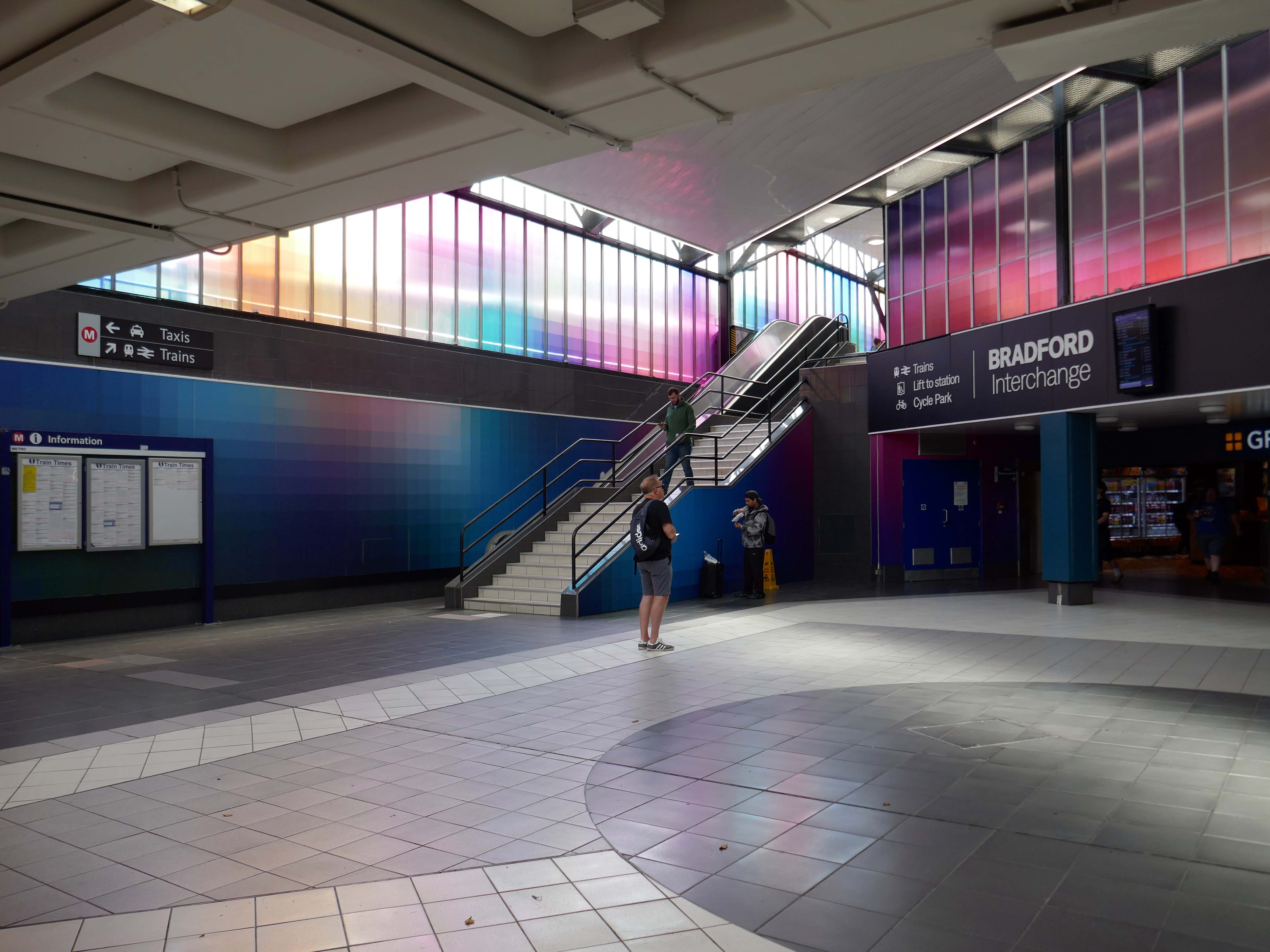
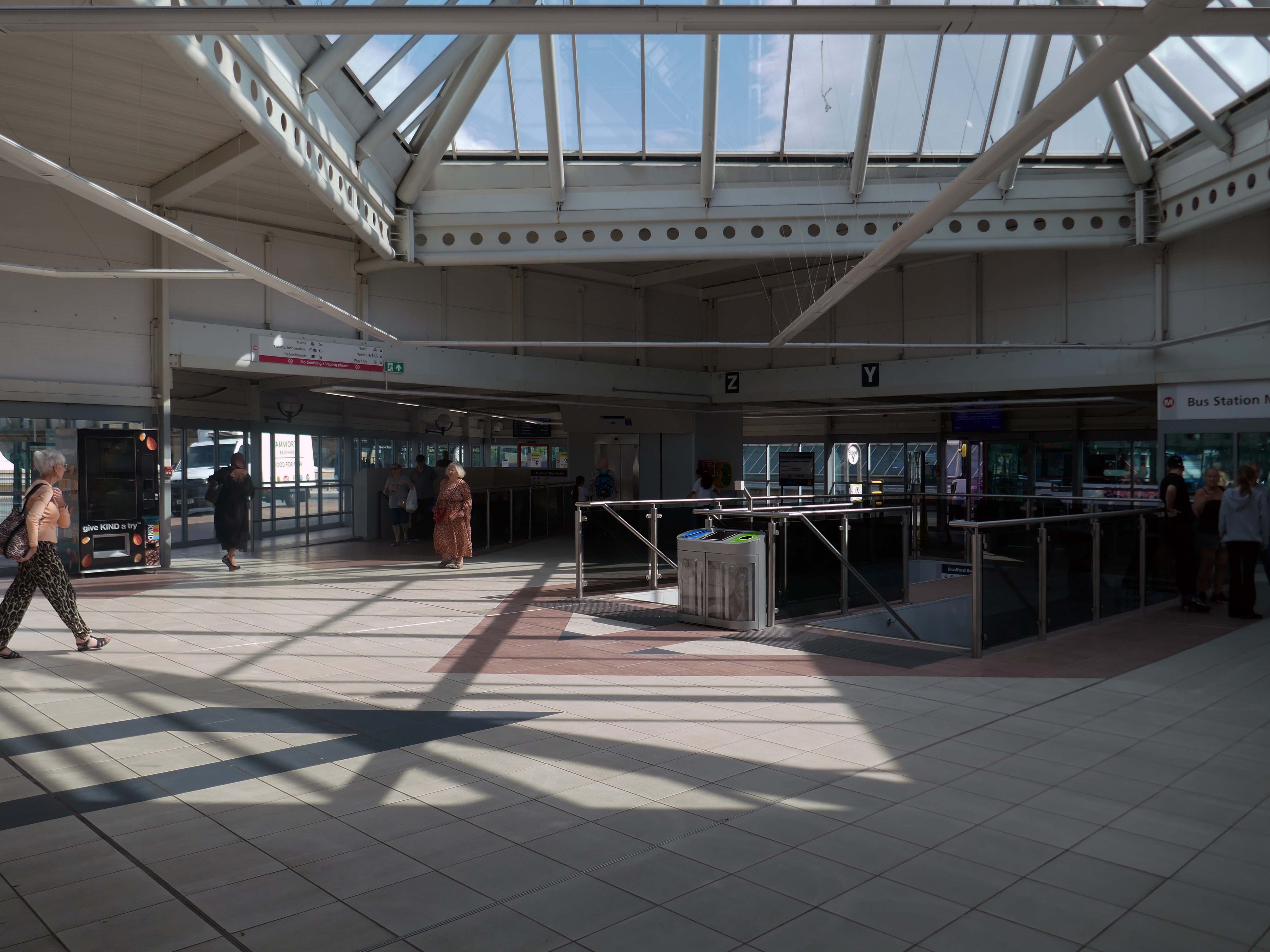
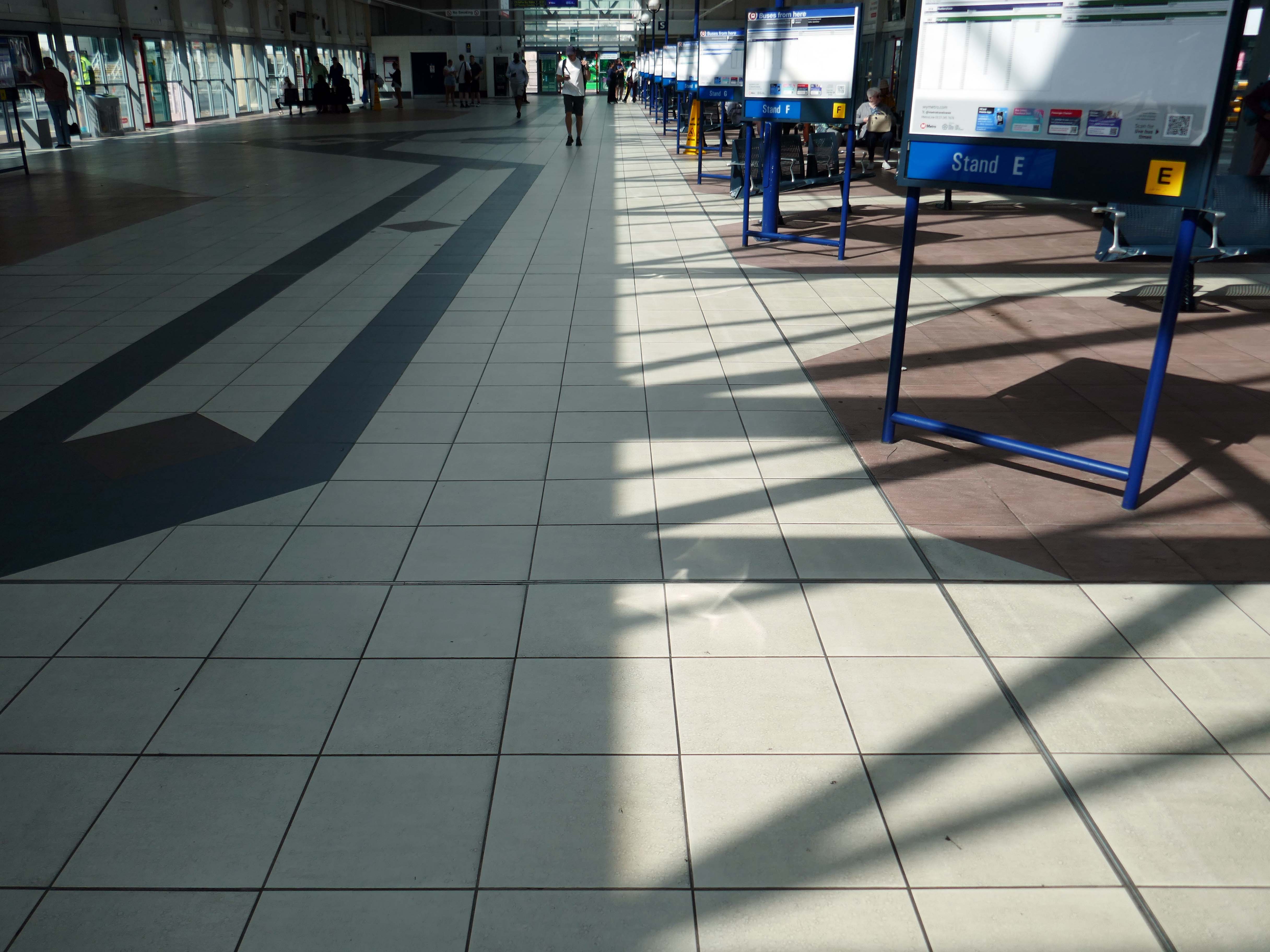
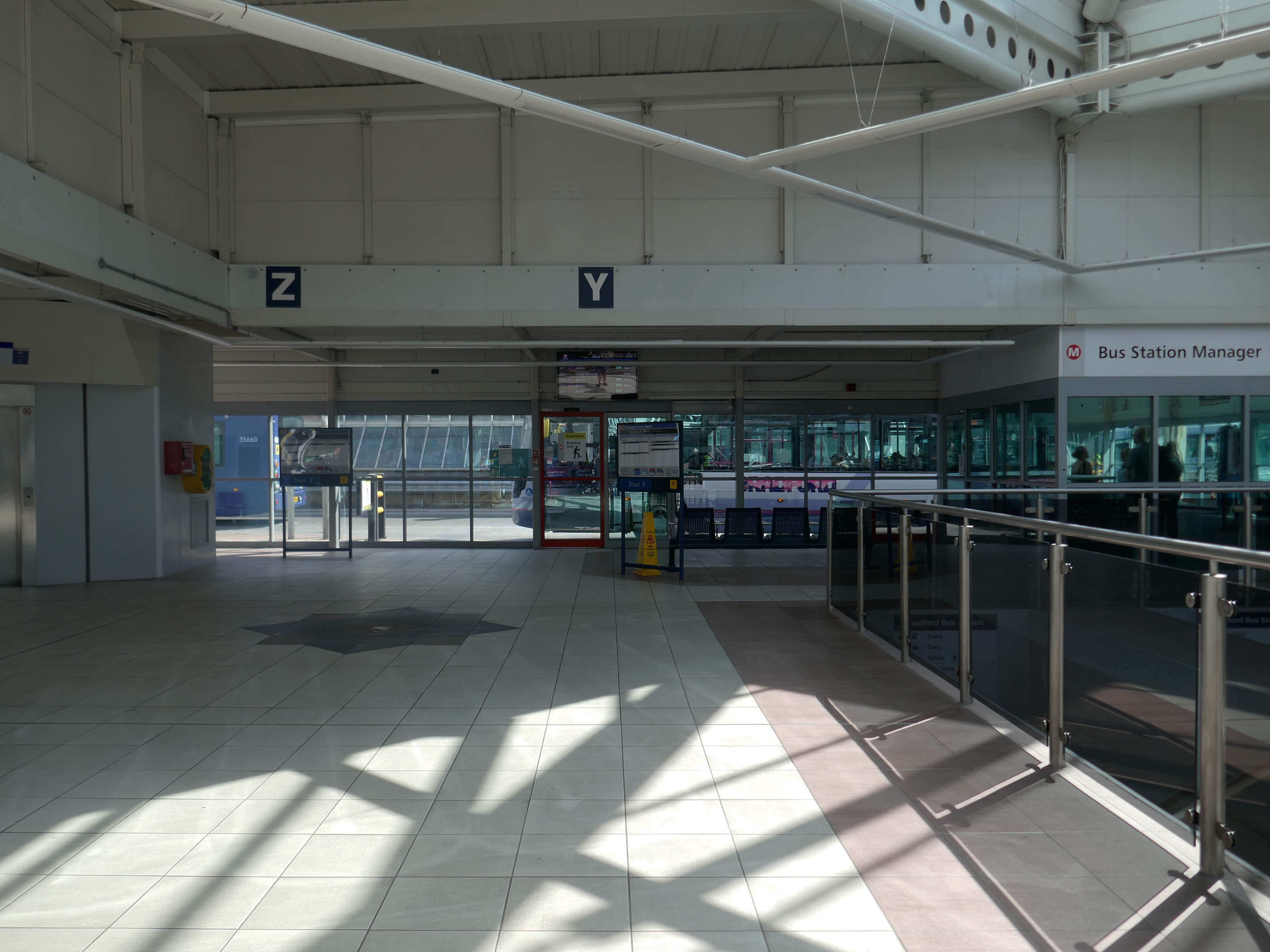
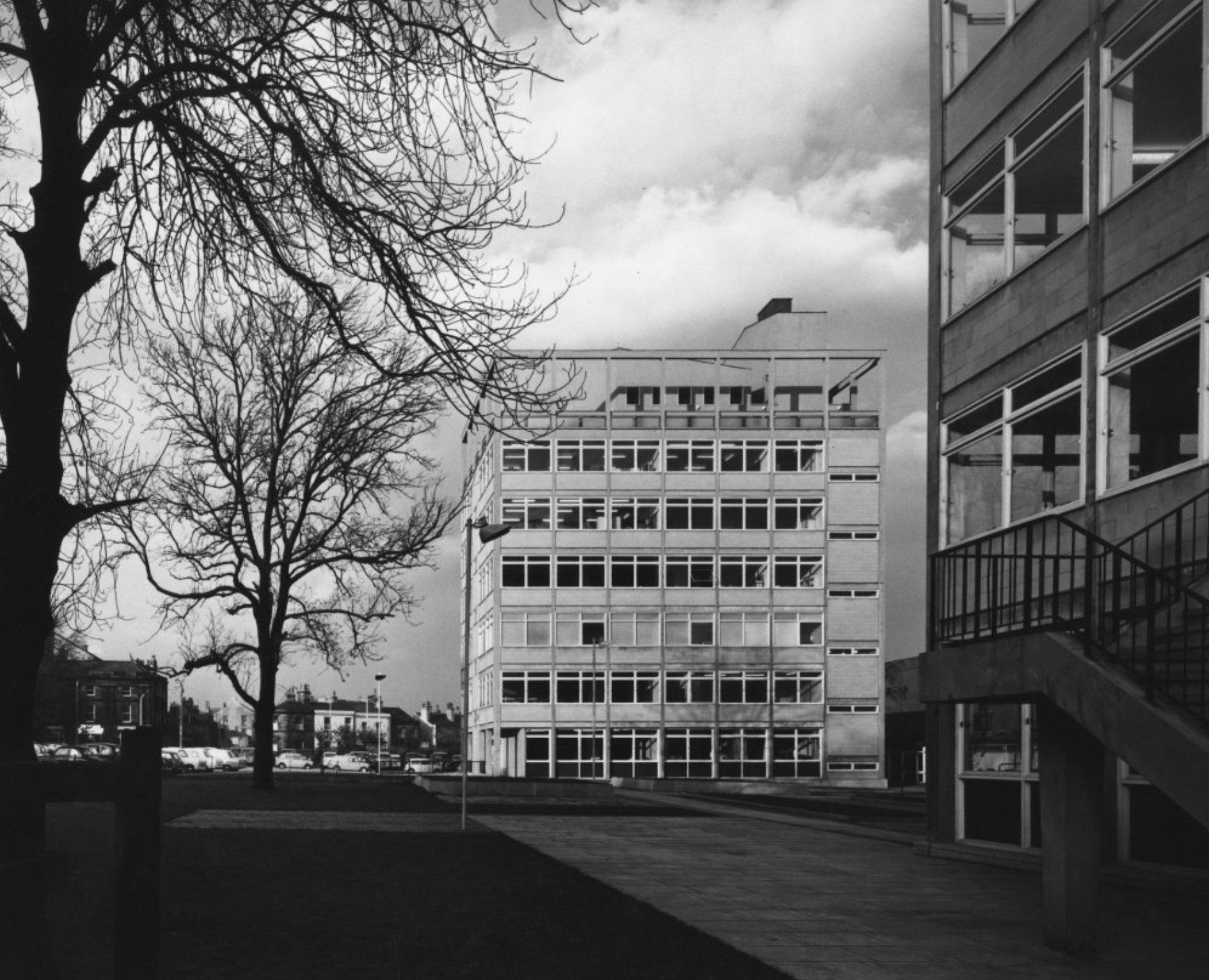
The original railway station, named Bradford Exchange, was opened by the joint efforts of the Lancashire and Yorkshire Railway and the Great Northern Railway on 9 May 1850. The railway station with its 10 platforms was deemed too large and was again rebuilt, this time on a different site slightly further south.
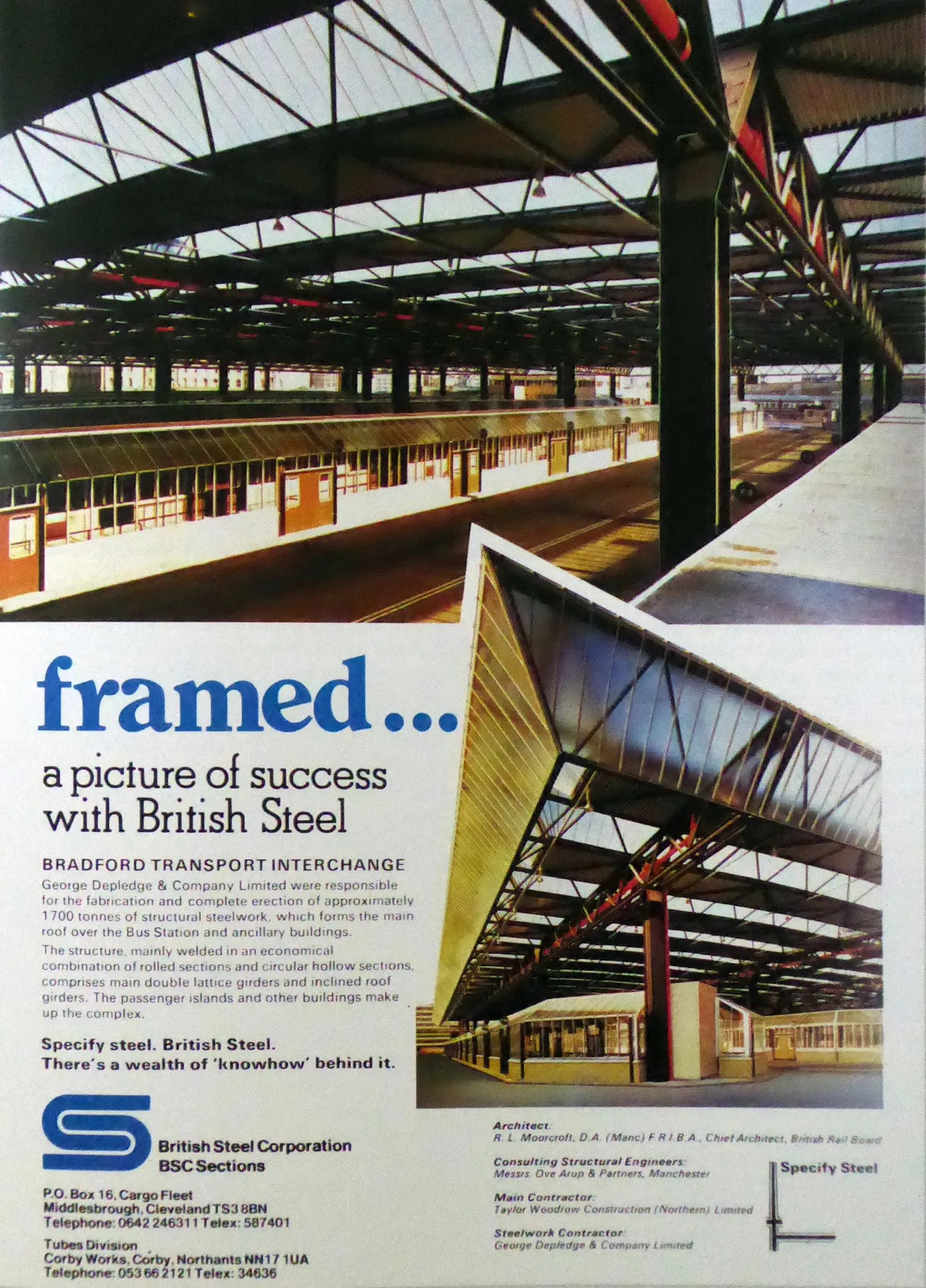
The Interchange was designed in 1962, it was hailed as a showpiece of European design when it opened in 1971.
Architects WC Brown Borough Architect and RL Moorcroft BR.
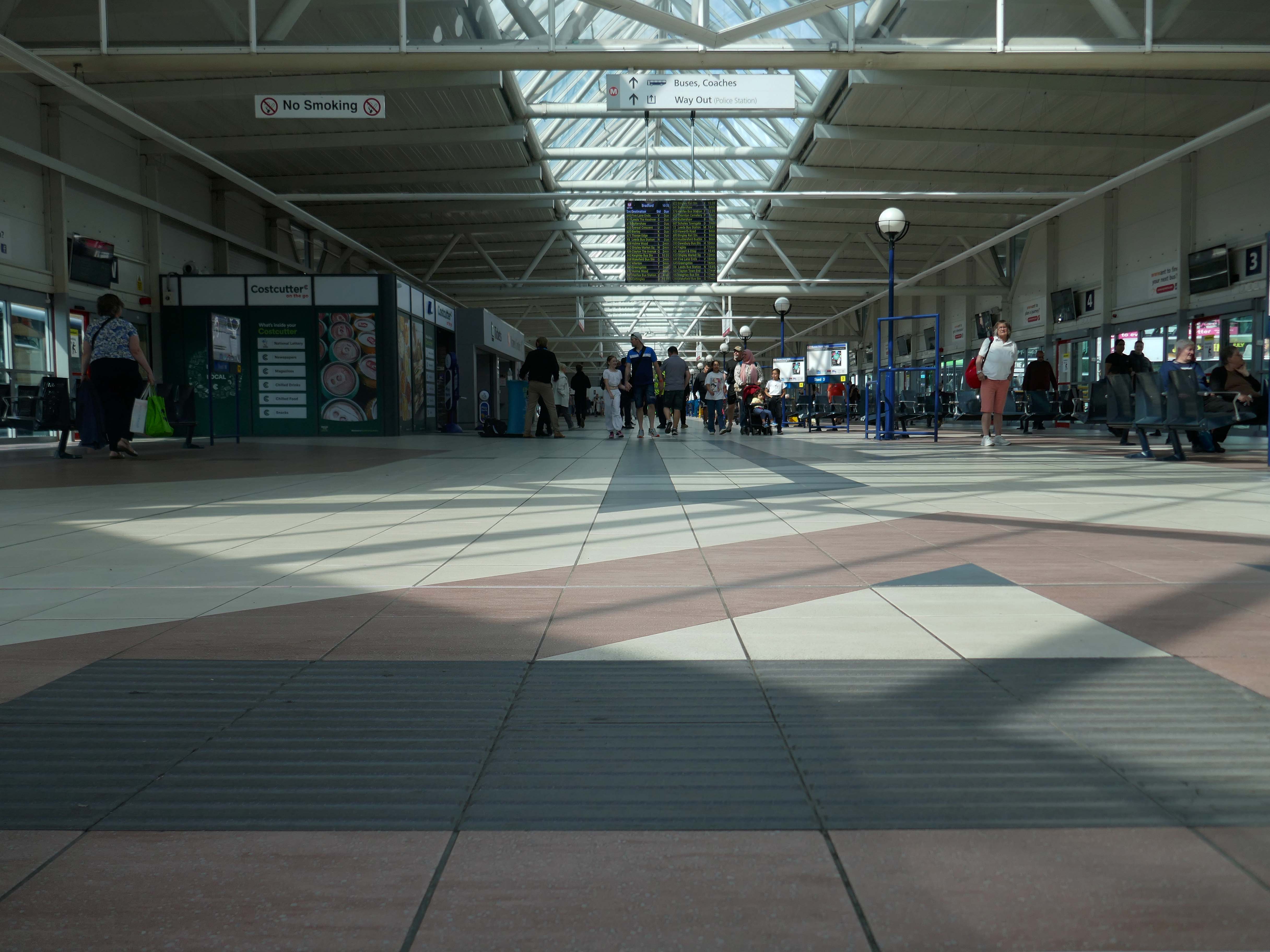
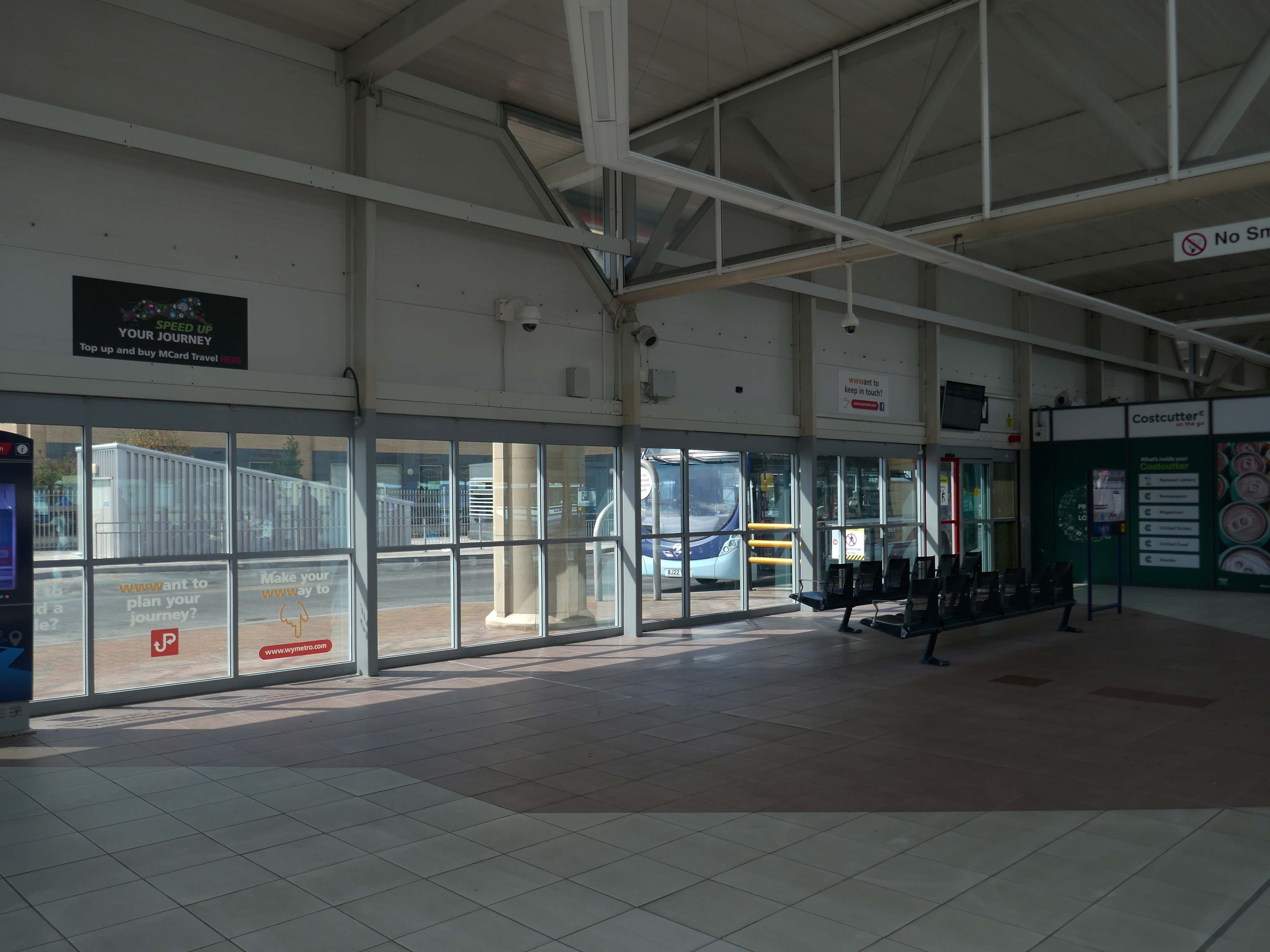
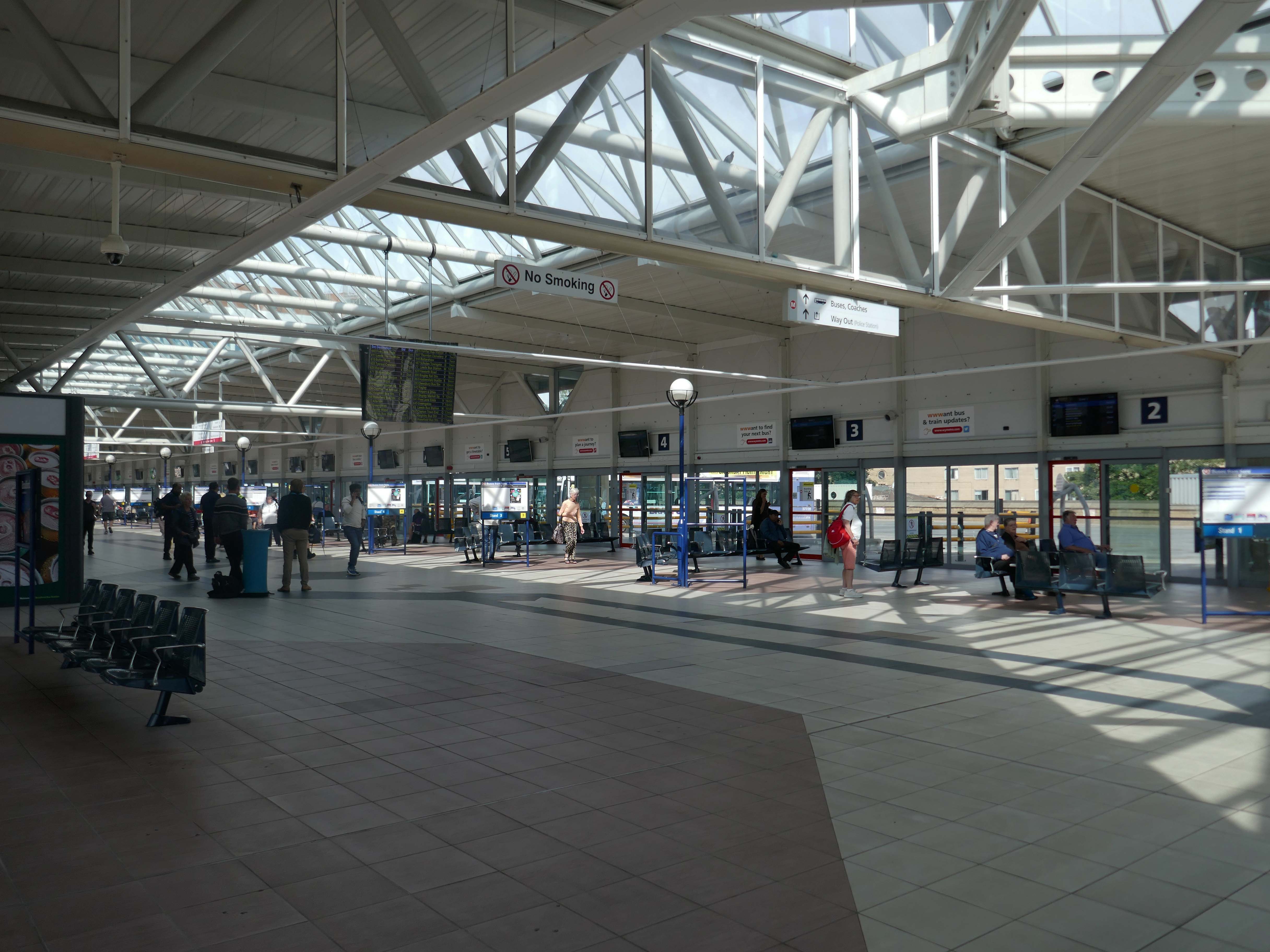
The bus station featured a large ridge and furrow design of overall roof, which was subsequently demolished in 1999 to allow for a rebuilding of the bus station, which was opened in 2001.
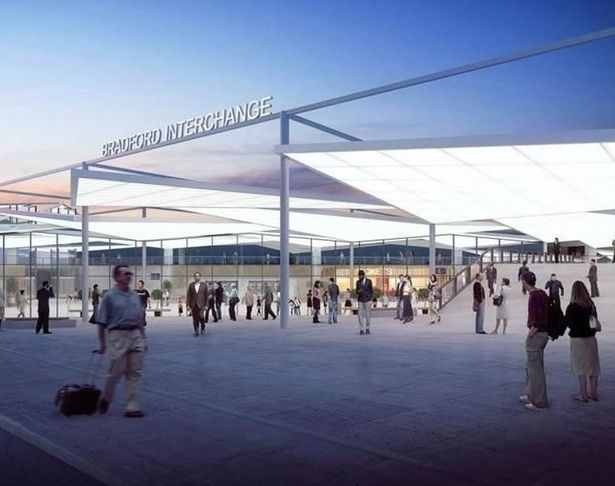
Further down the line, the plans of 2020 are yet to be realised.
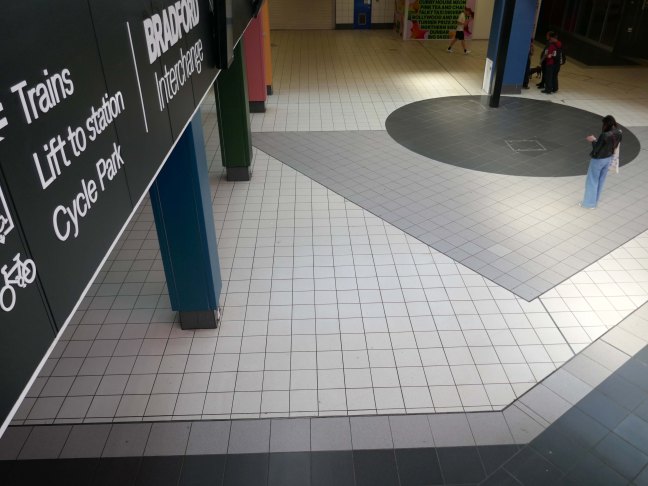
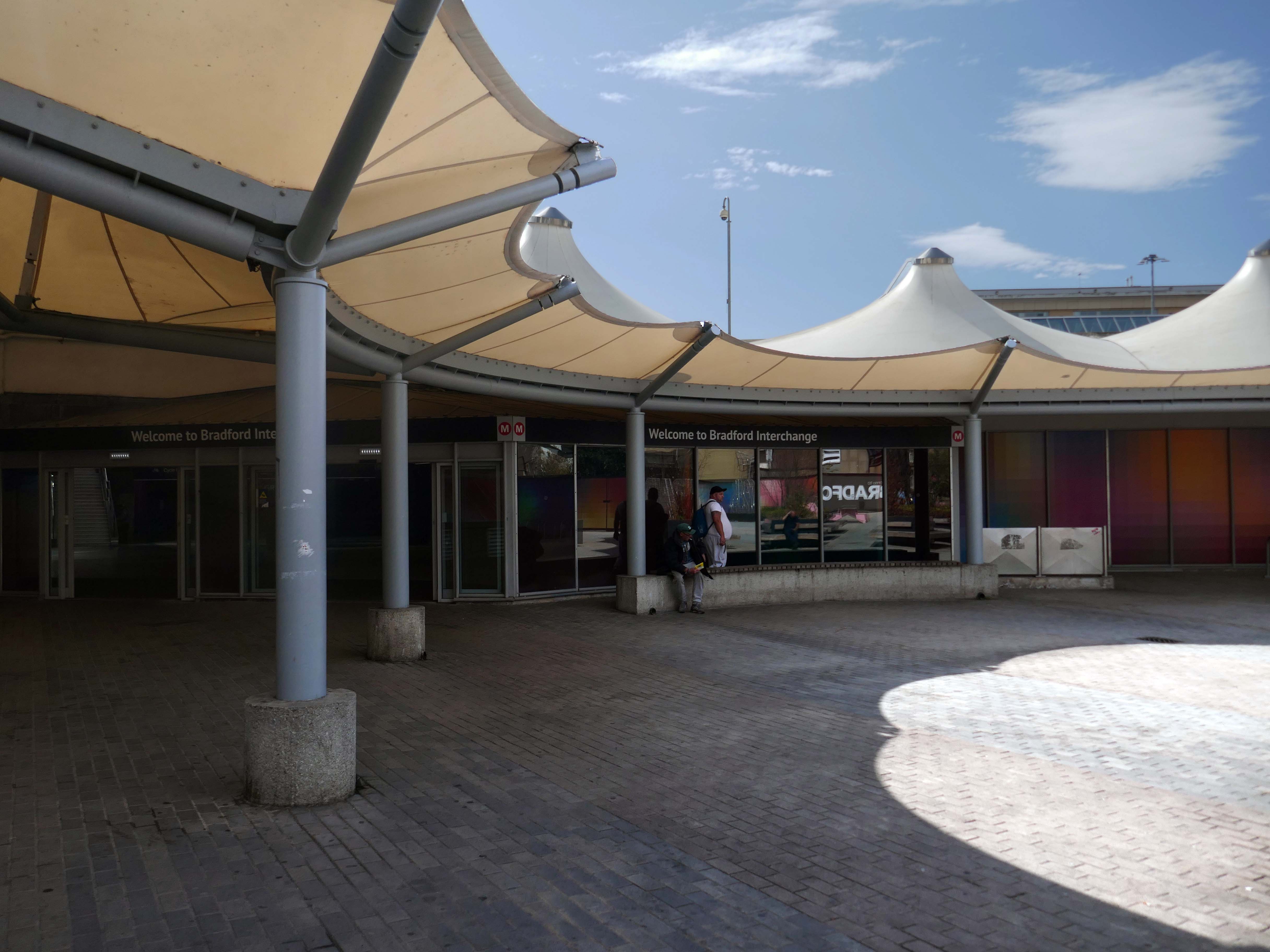
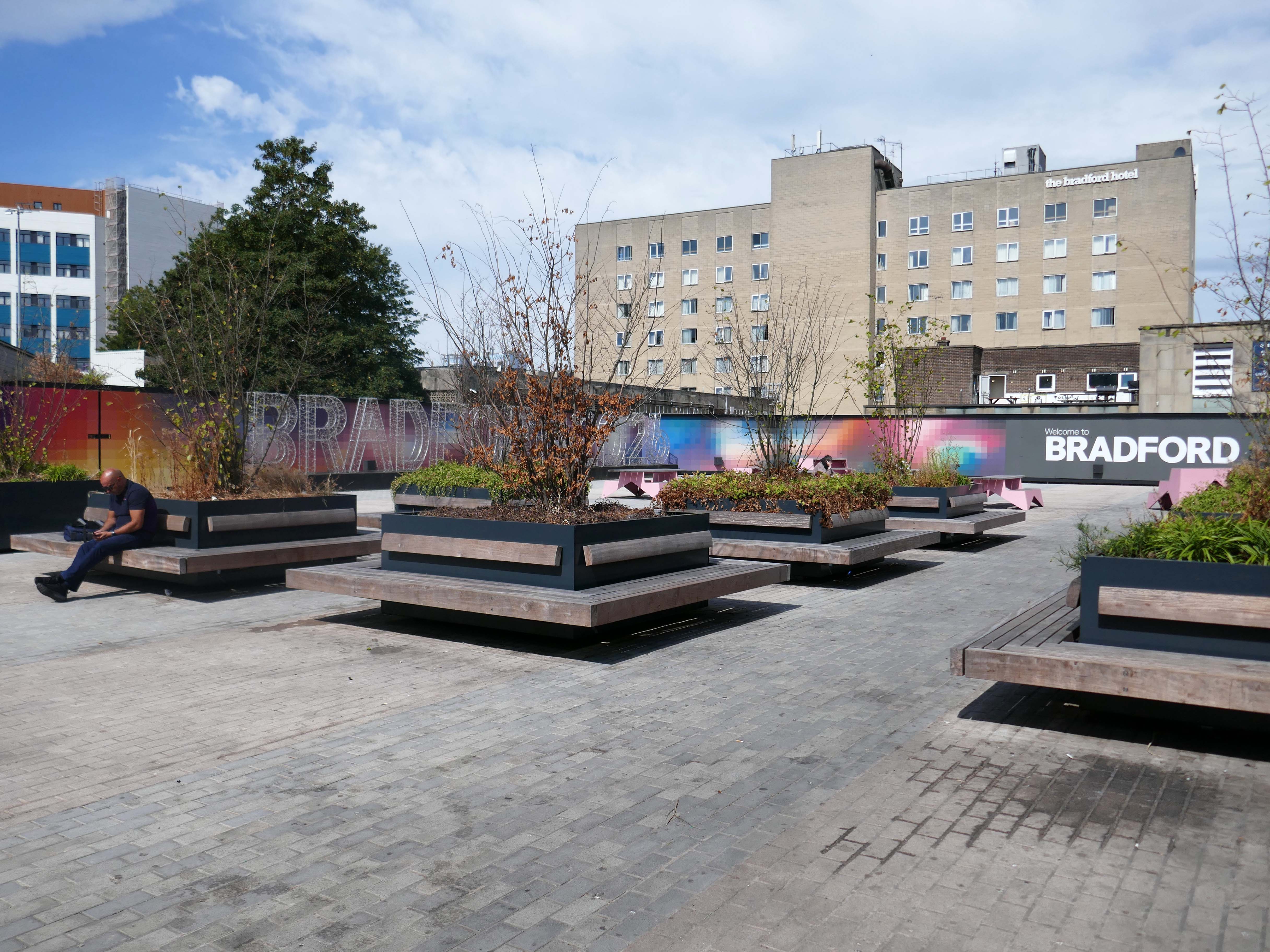
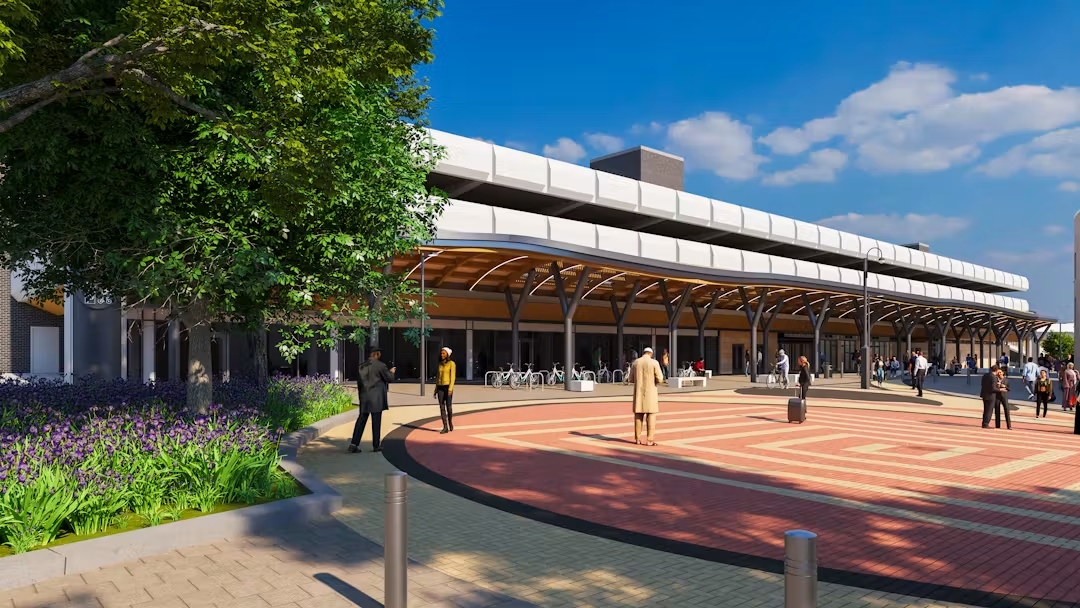
So the curved and tented canopy is still in place, with the addition of seating in the newly landscaped plaza area – designed by Fereday Pollard.
The area has replaced the former taxi rank and drop-off point, and has new paving, seating and planters.
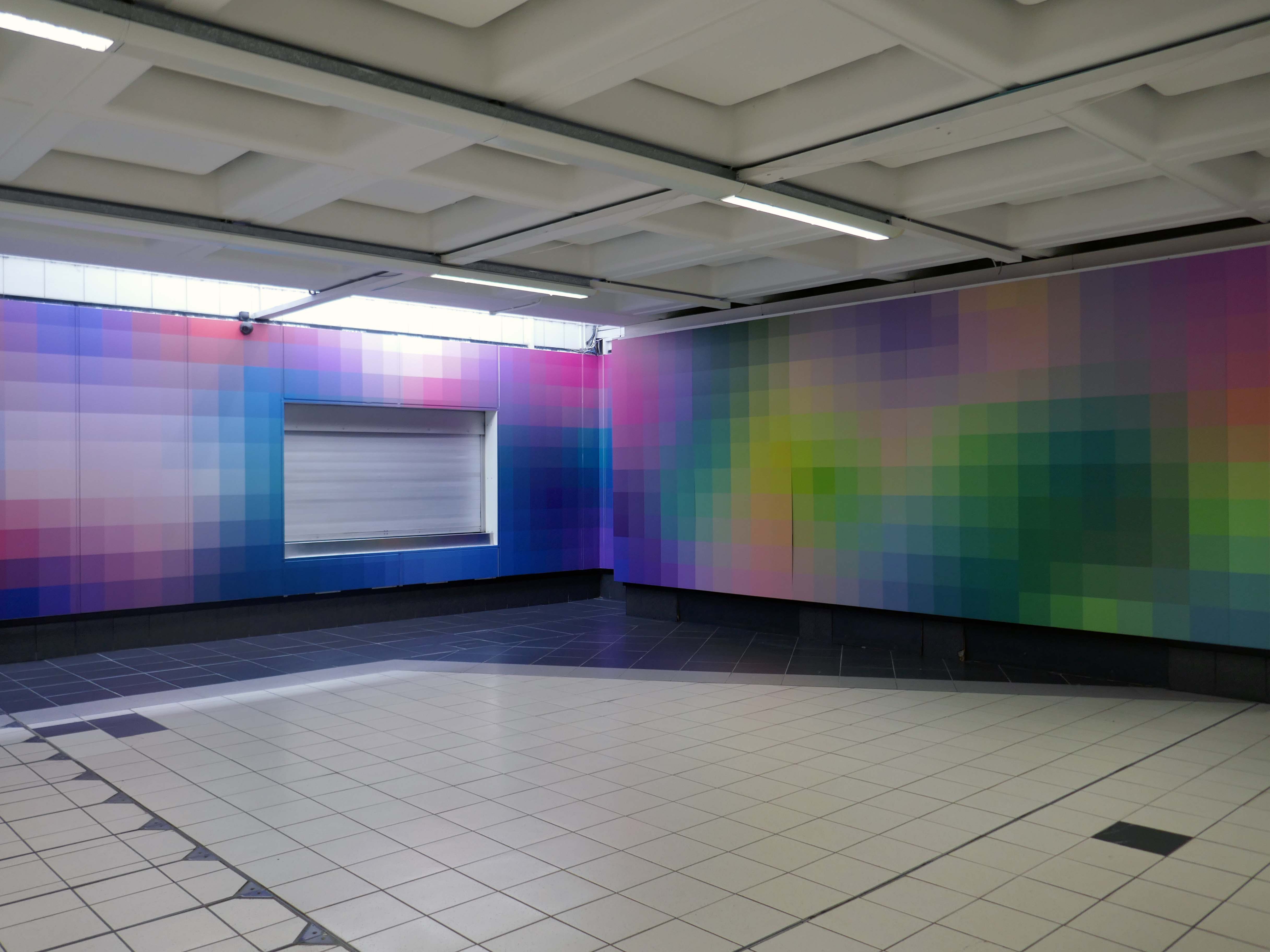
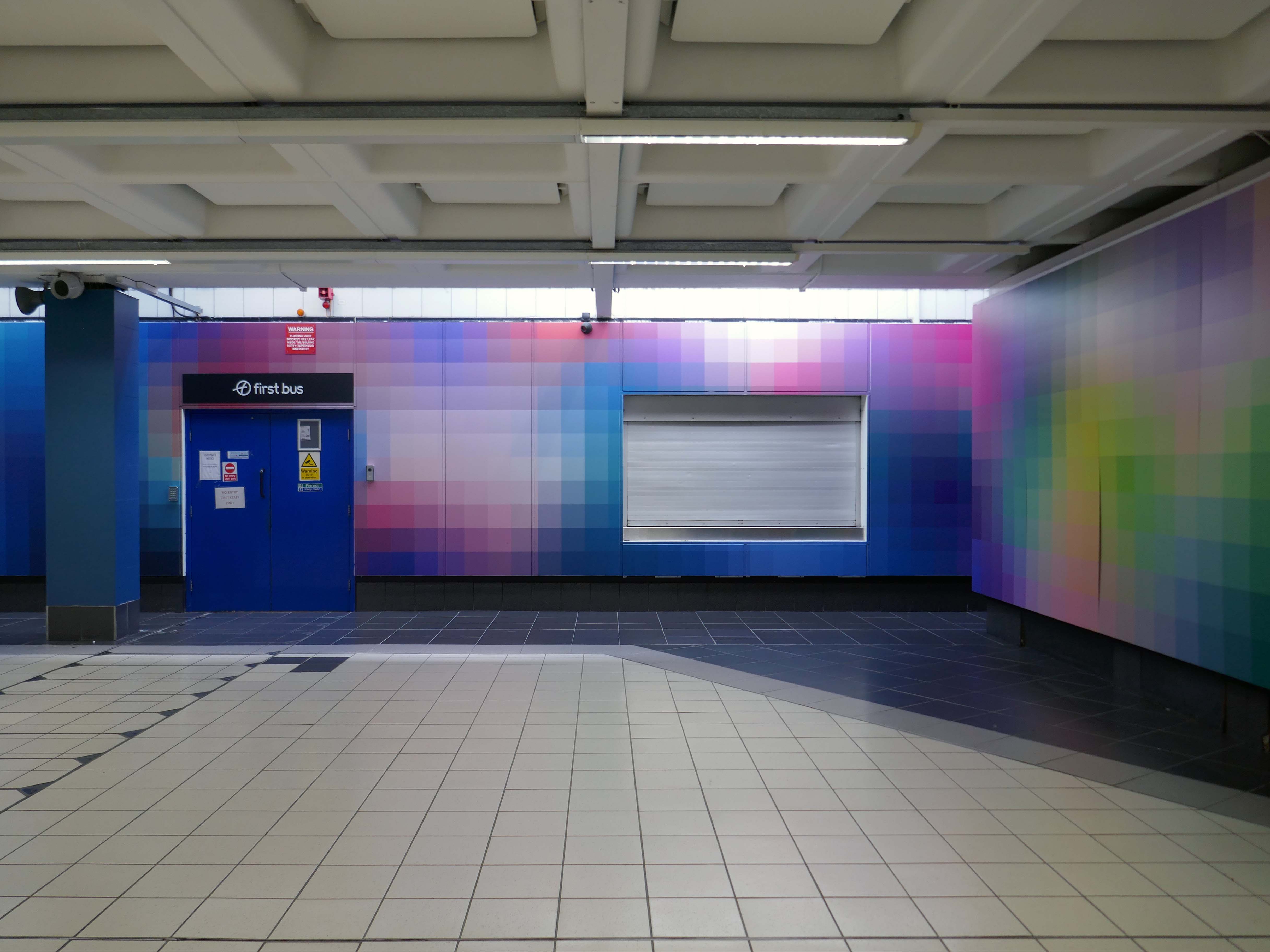
Designs include a new pocket park, plaza and interiors, all formed as a high quality welcoming visual amenity whilst repairing the disparate components which form the backdrop of the proposals. In the plaza, a kaleidoscope of colours is complemented by a grid of generous planters with integrated seating and vibrantly coloured furniture to create a celebratory and flexible meeting space. The ‘Colours of Bradford’ introduce clarity and joy, with the new plaza serving as an extension to the station concourse, allowing meeting and dwell space to interact with the city and onward journeys. Reinforcing the moor to meadow narrative of our original scheme, the new pocket park creates a pollinator park, encouraging and promoting a connection with the wider surrounding landscape of Bradford and combined with the Tower of Now, pays tribute to the rich and varied cultures found in Bradford.
Fereday Pollard
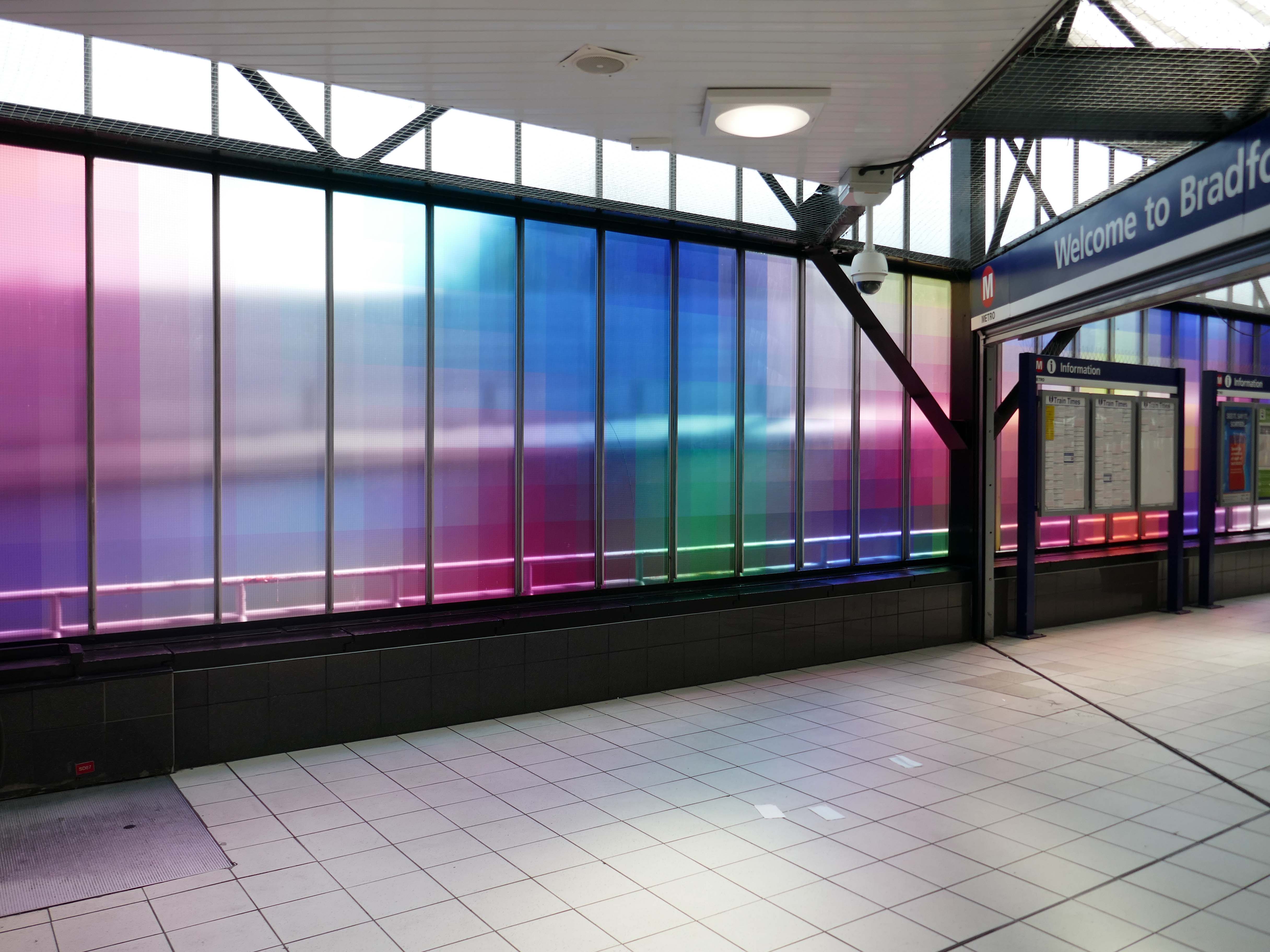
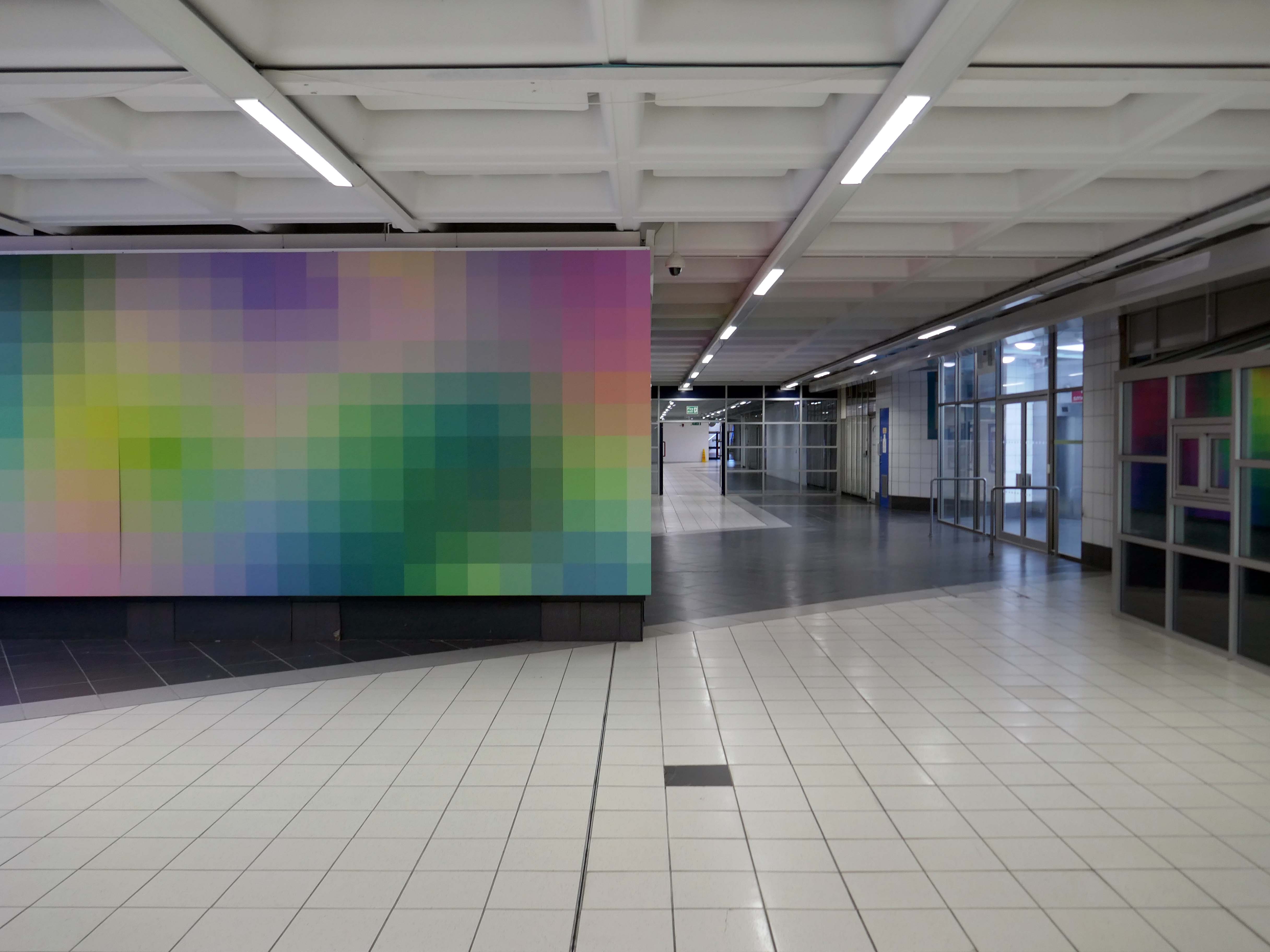
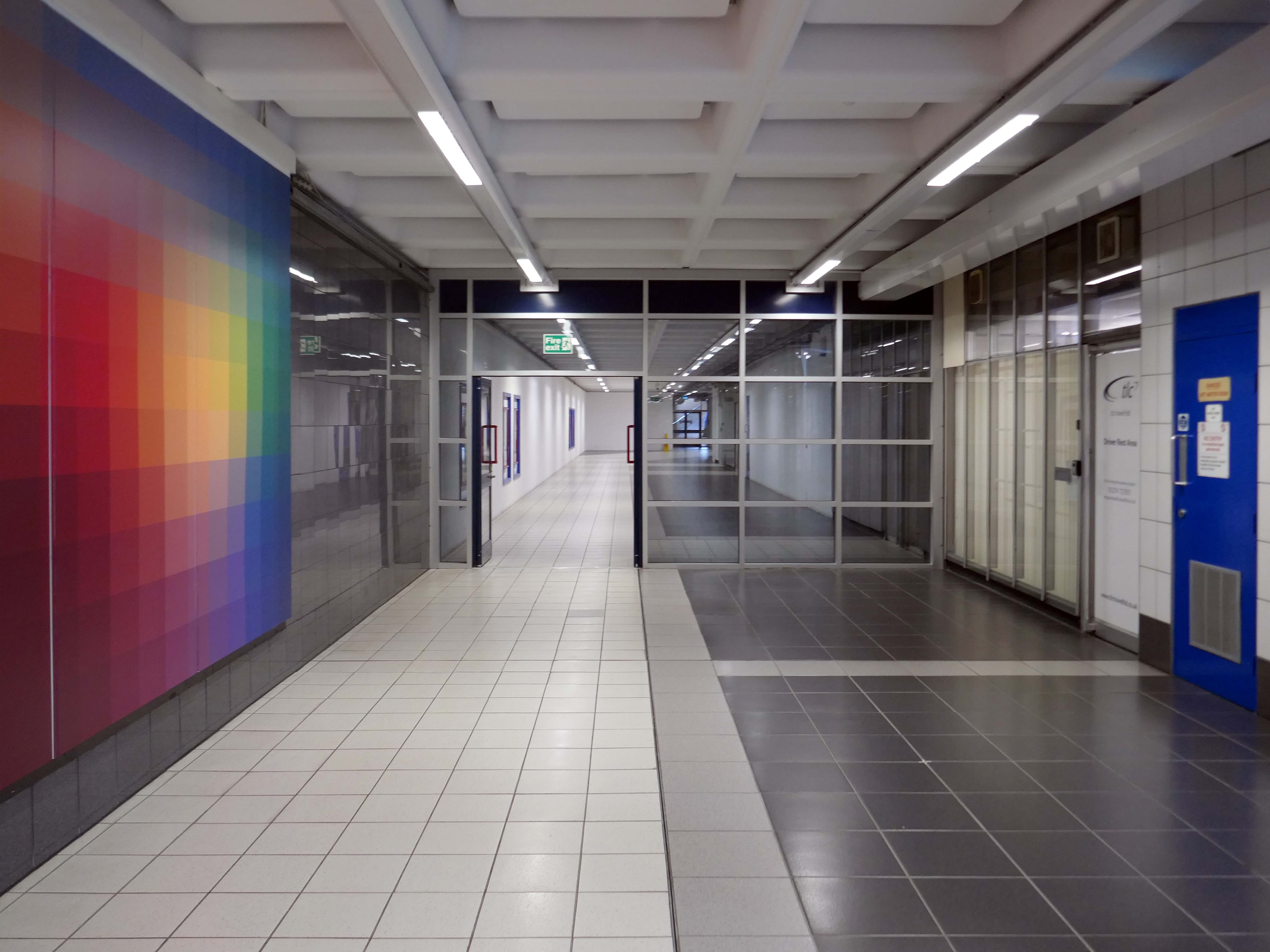
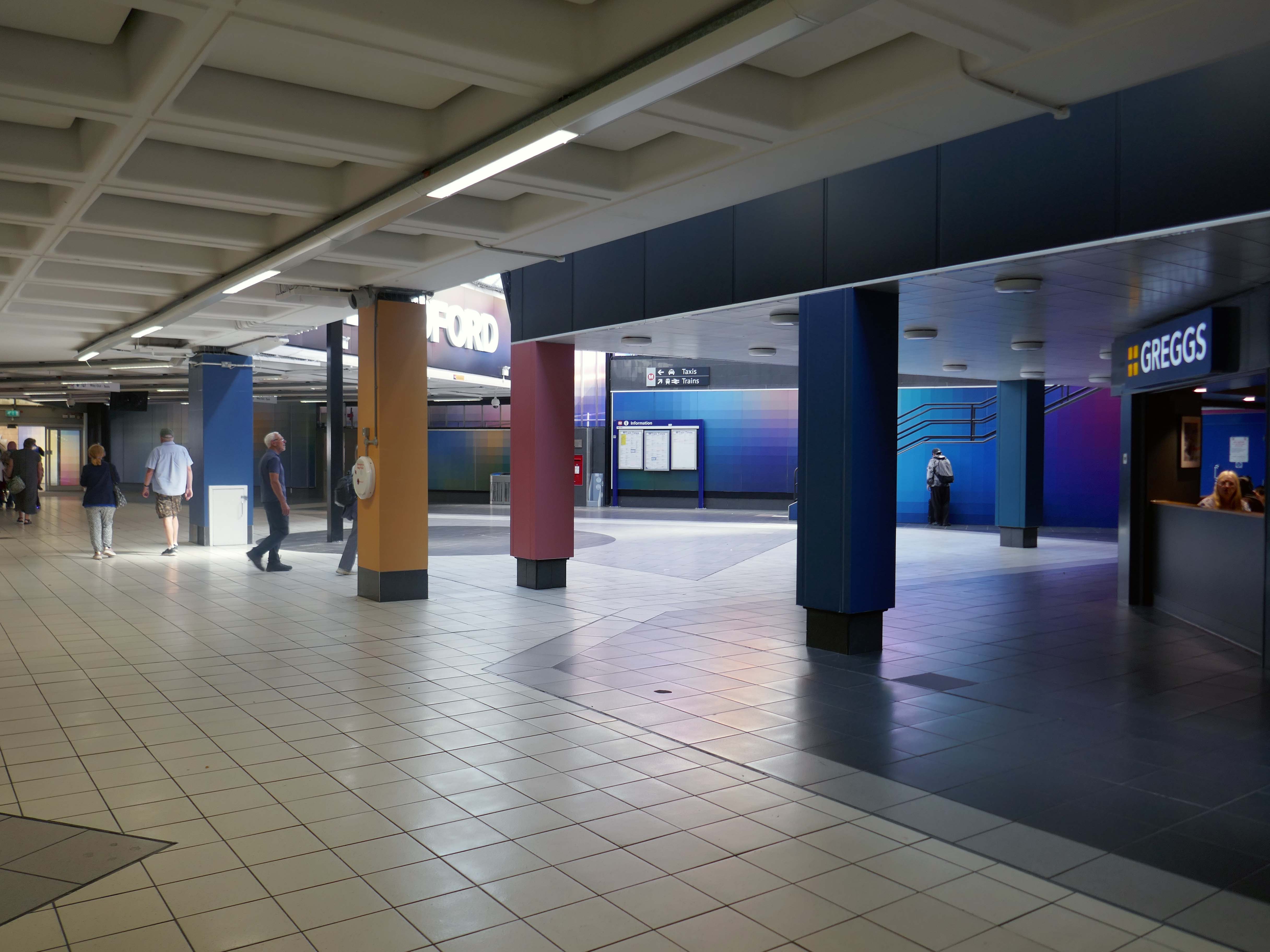
With Bradford awarded the UK City of Culture 2025, and an expected 15 million visitors during its year of celebrations, the city is ready for its moment in the spotlight. As part of these exciting developments, Bigg Design and Fun Makes Good are transforming Bradford’s main bus and rail interchange with super-scale, multi-surface artworks that will create an exciting, welcoming gateway to the city.
Their design work not a million miles from the prints and paintings of Richard Paul Lohse.
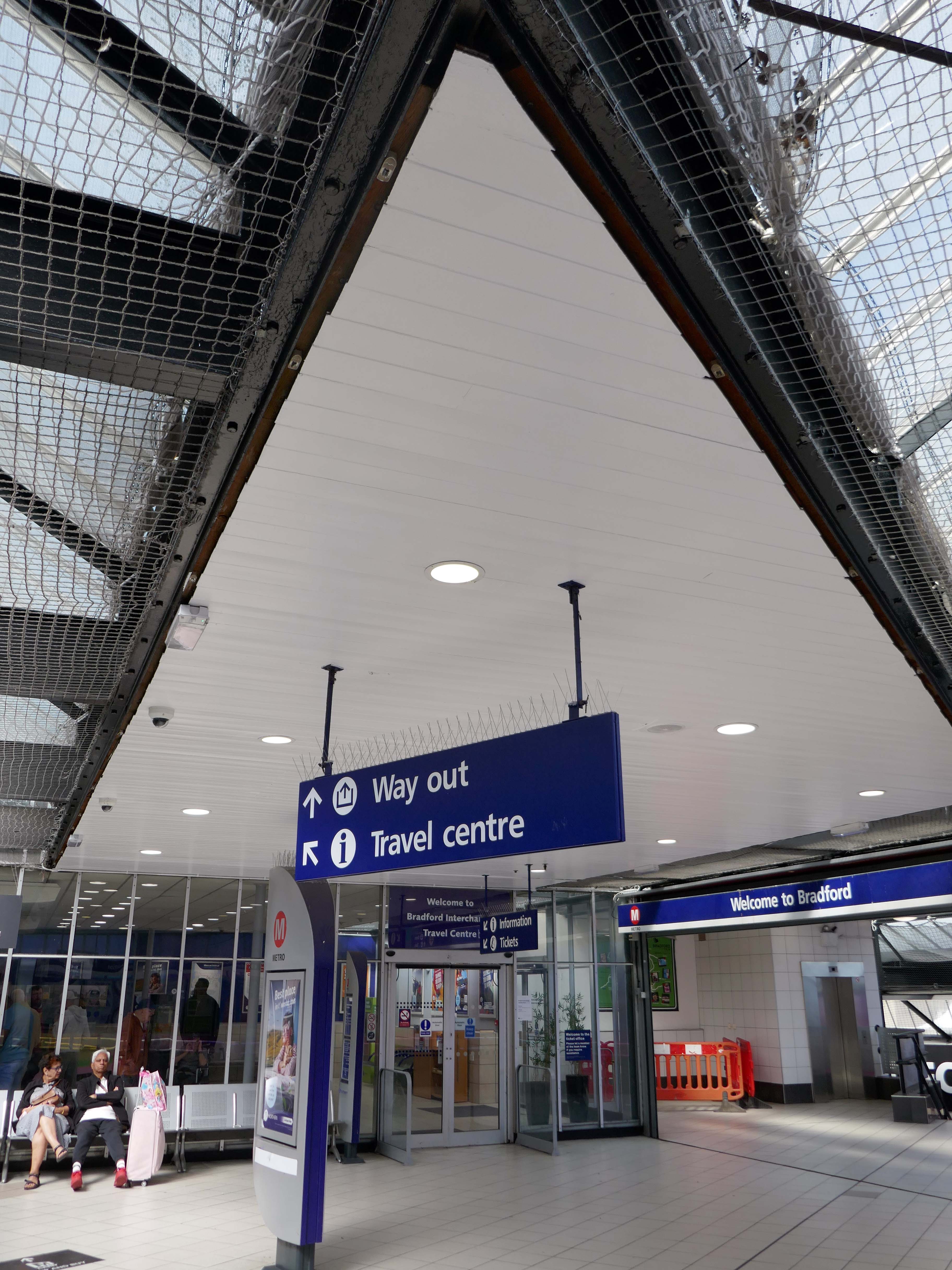
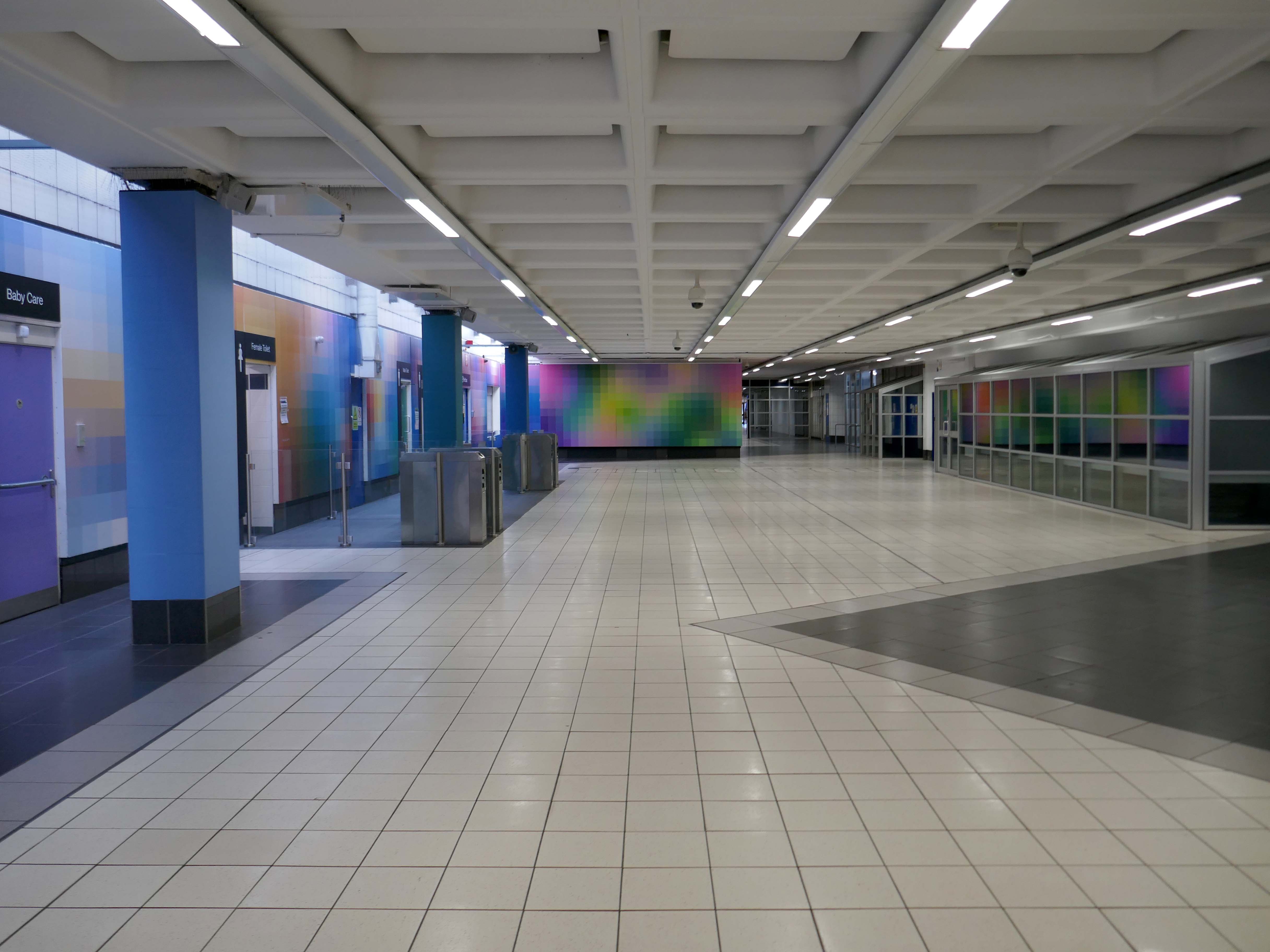
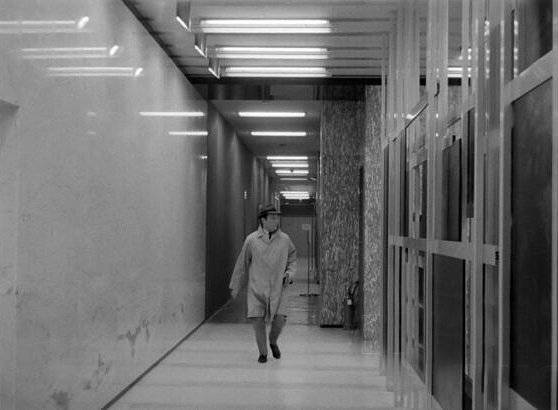
For me, this lower concourse always seems to have echoes of Jean-Luc Godard’s film Alphaville.
There are no special props or futuristic sets: instead, the film was shot in real locations in Paris, the night-time streets of the capital becoming the streets of Alphaville, while modernist glass and concrete buildings – which in 1965 were new and strange architectural designs, represent the city’s interiors.
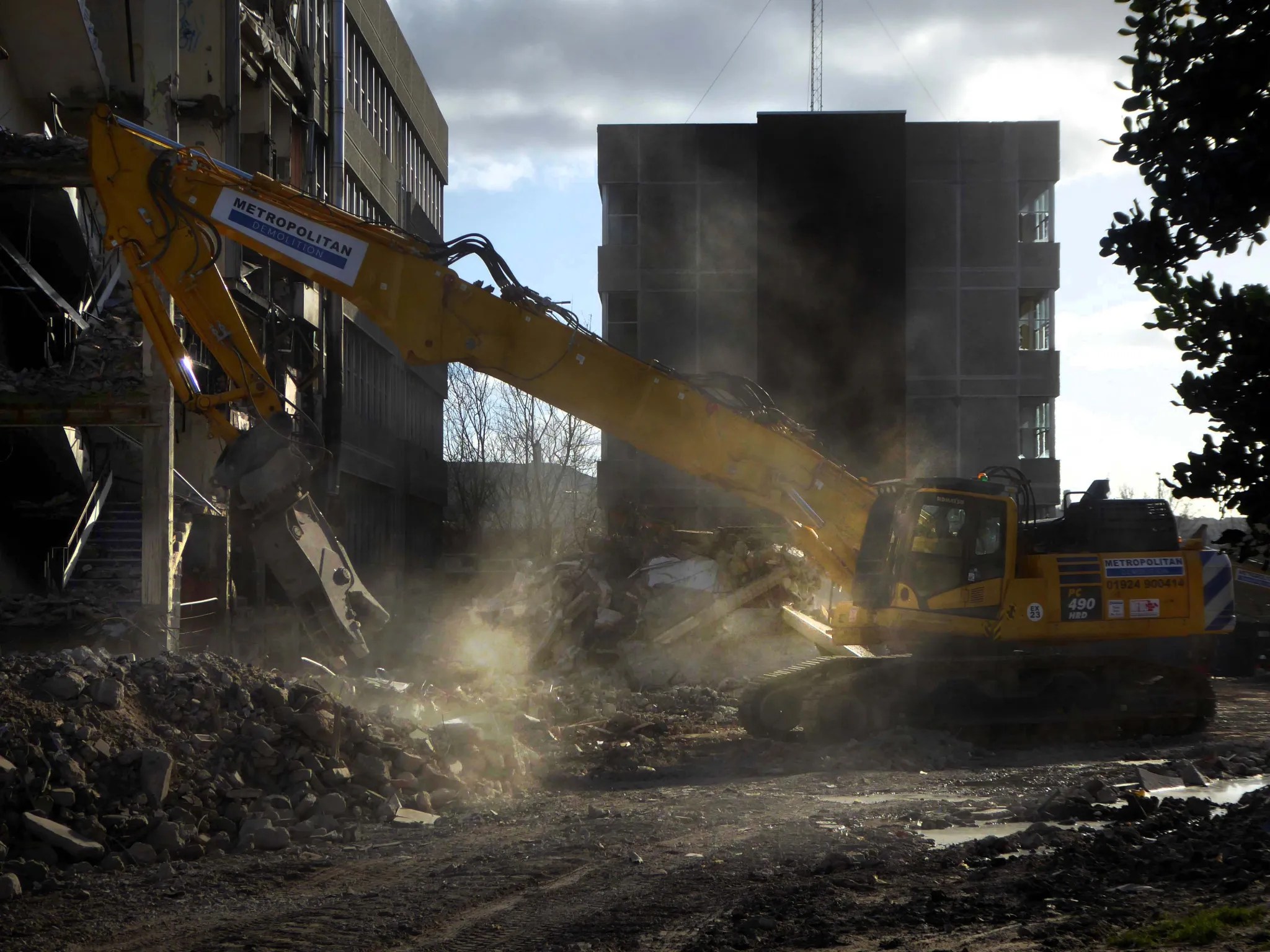
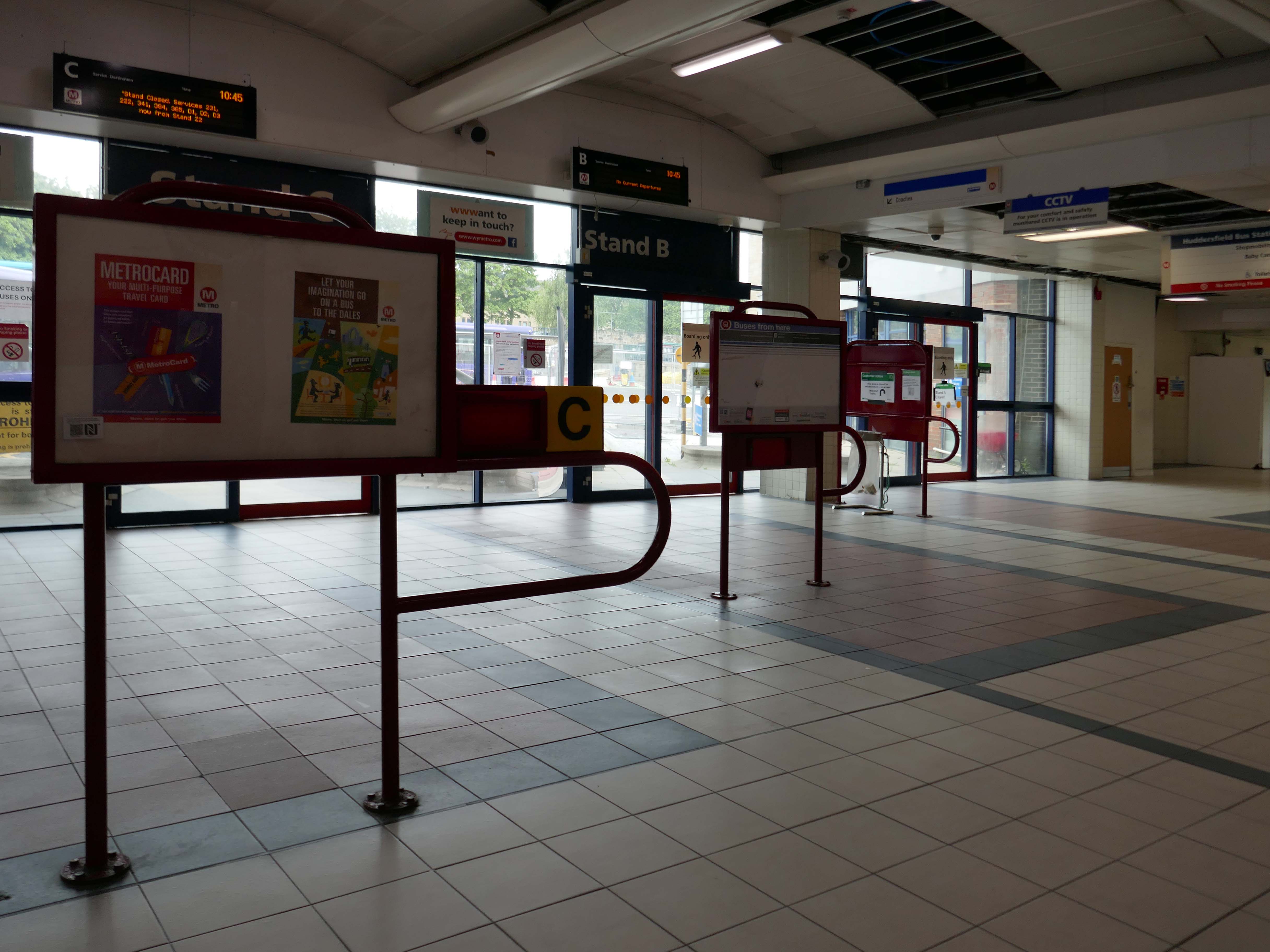
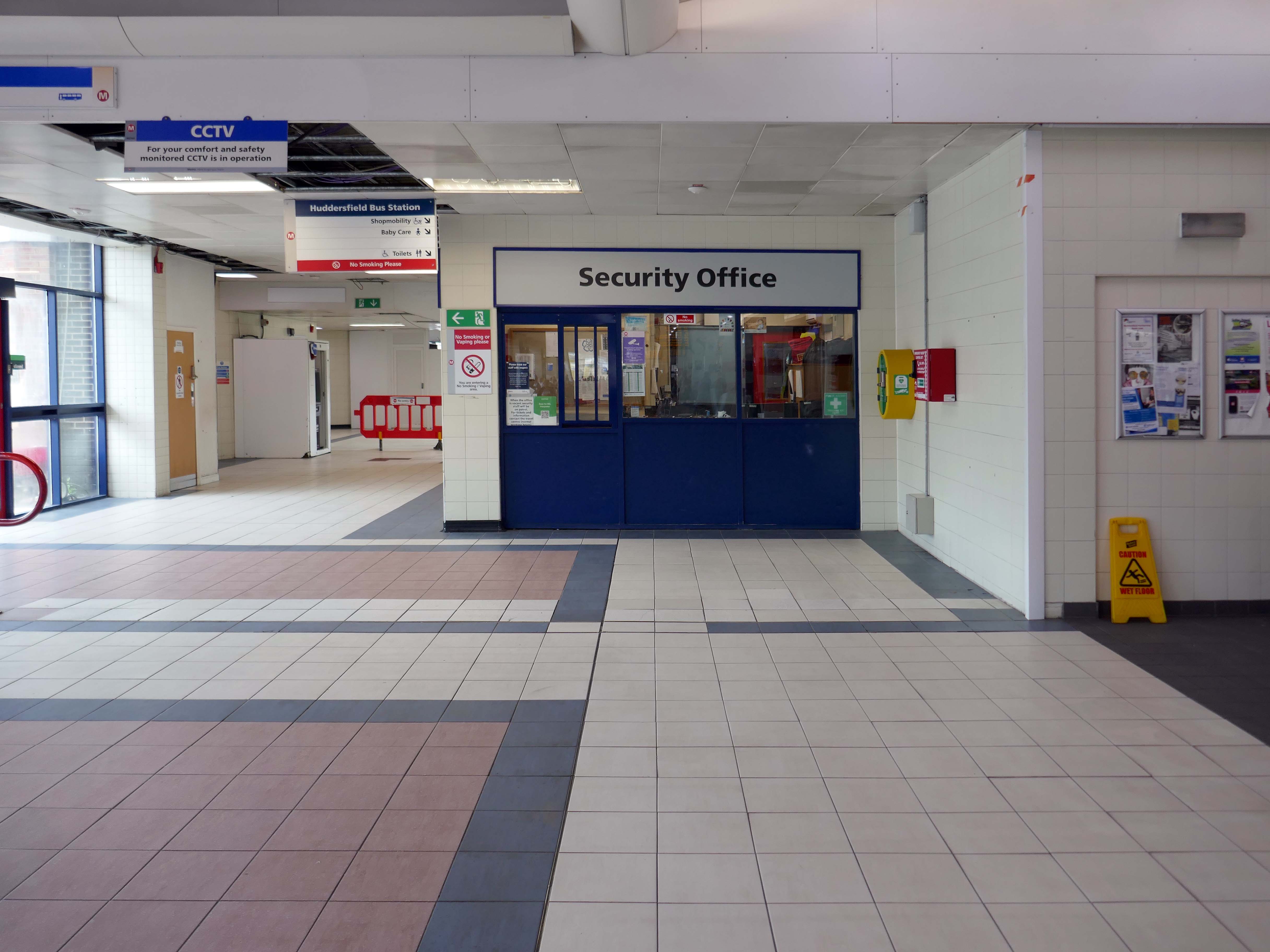
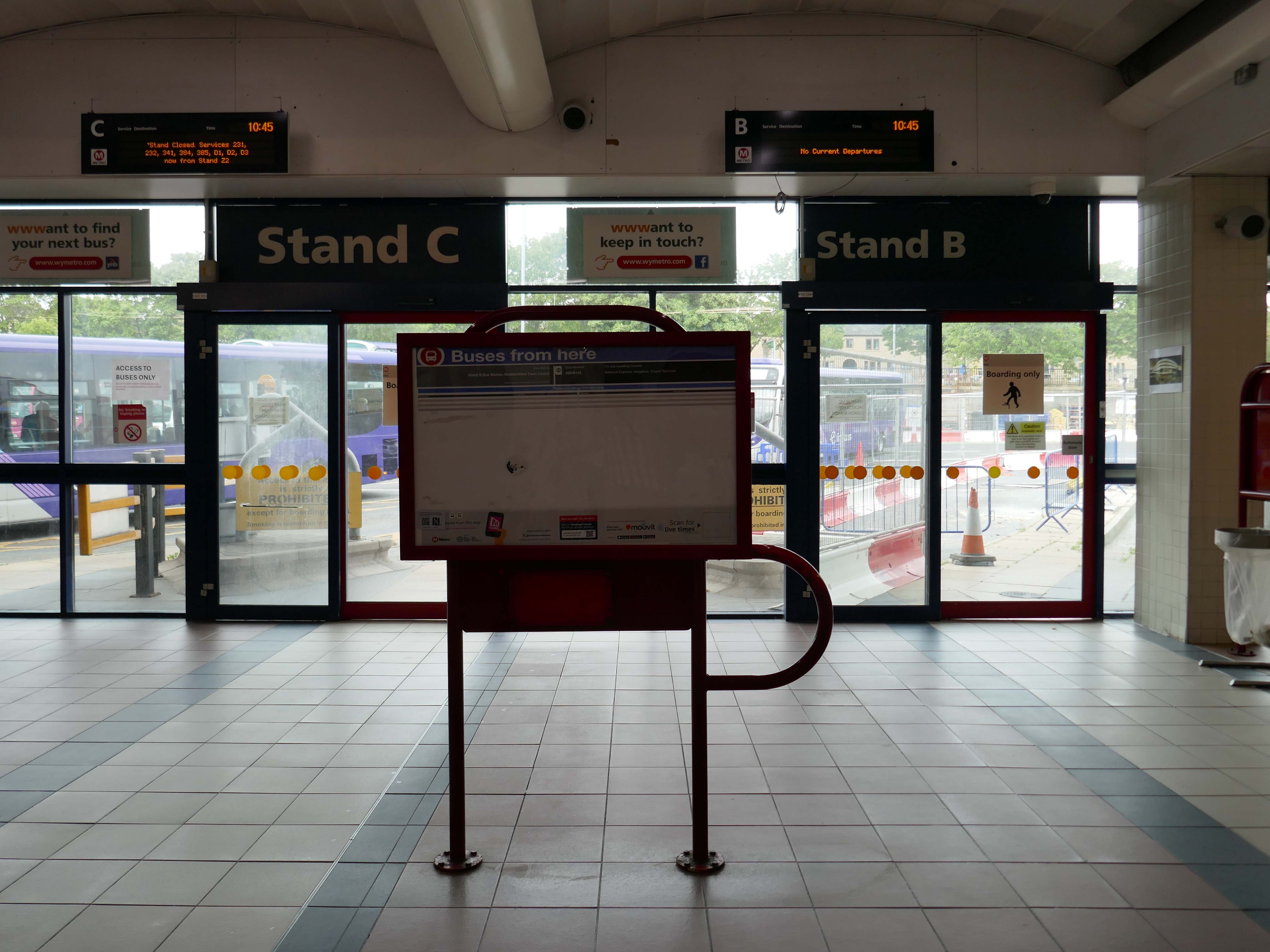
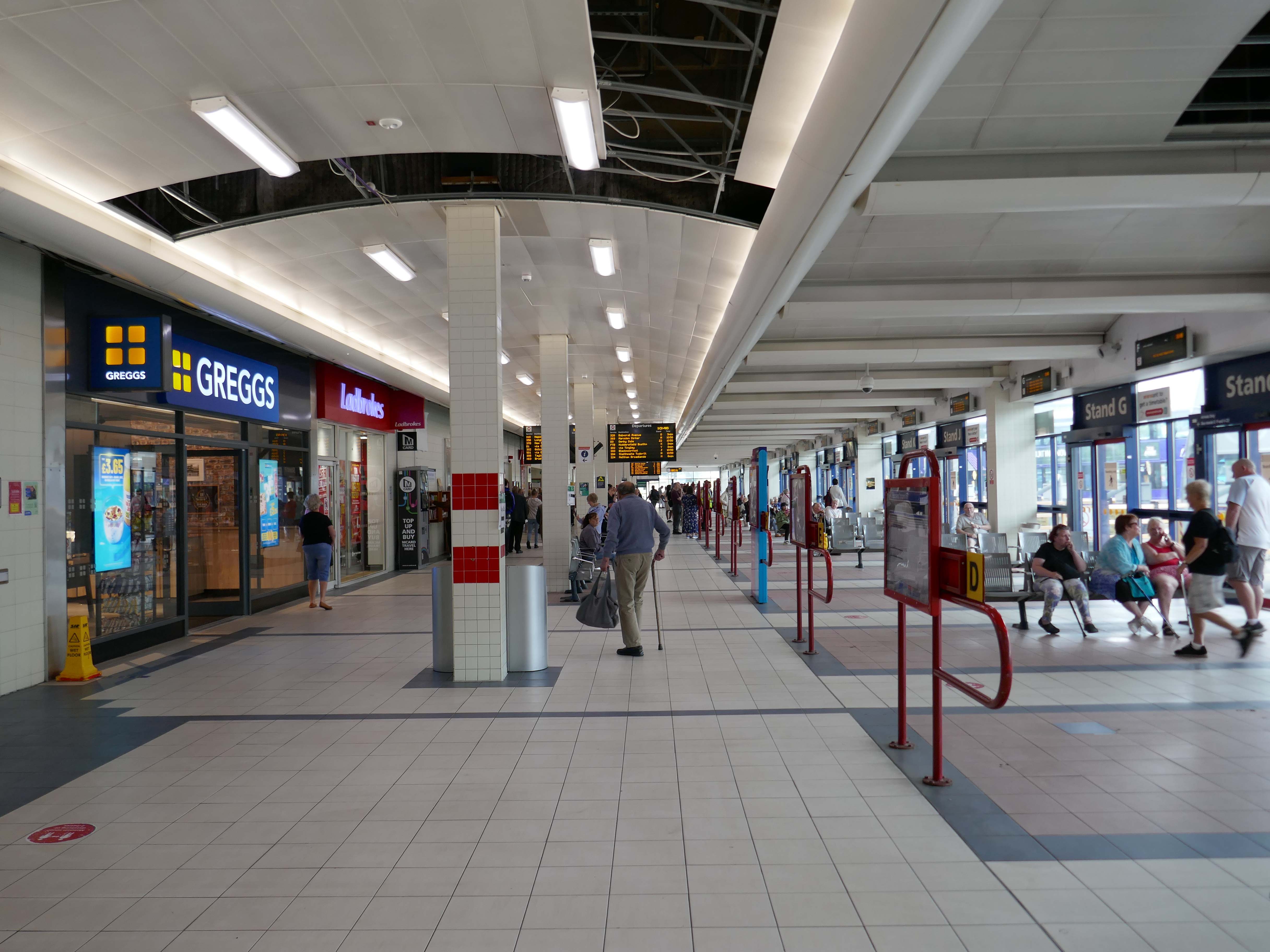
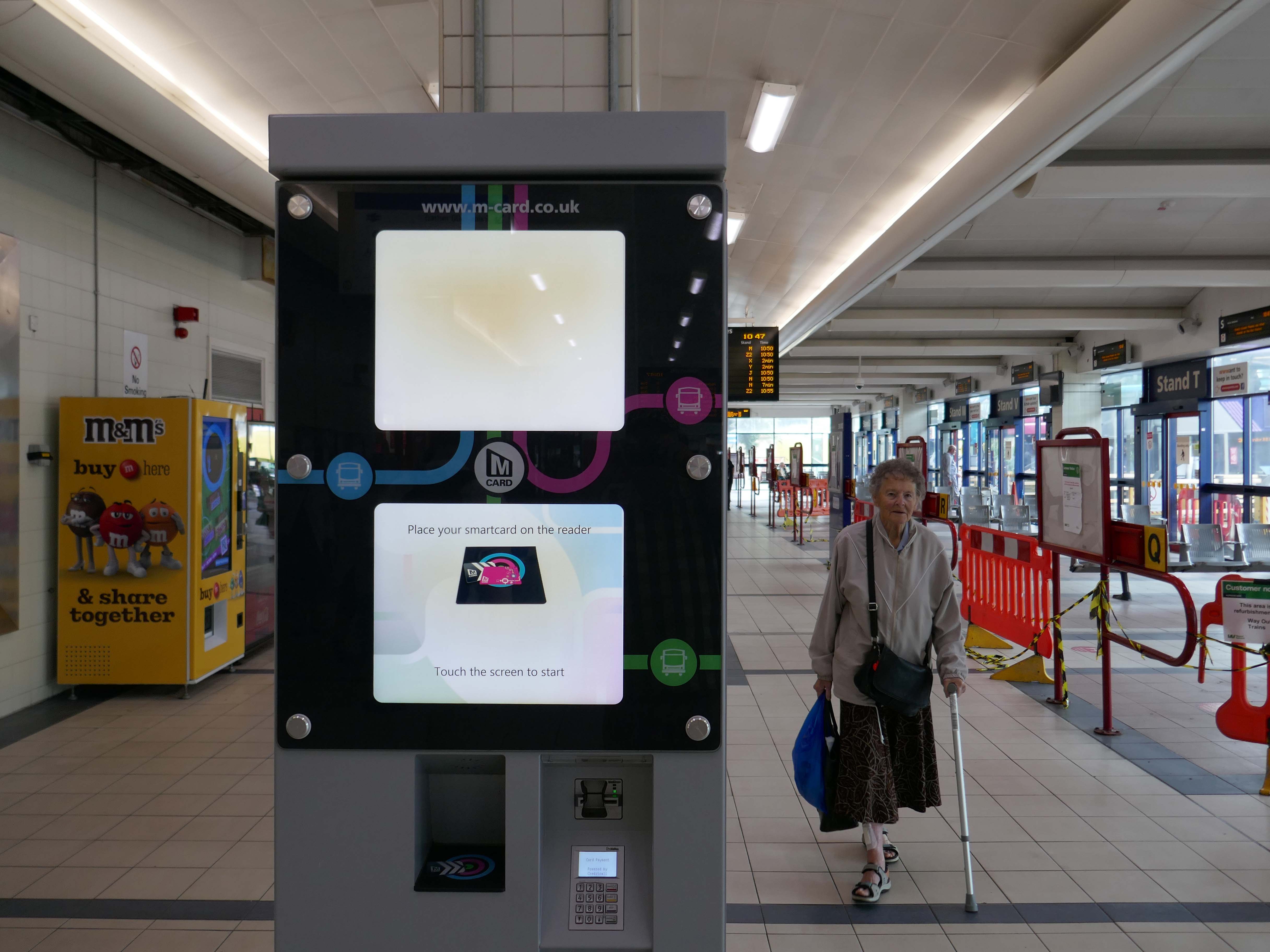
We are transforming Huddersfield Bus Station into a fully accessible facility.
Work is underway on the £28 million facility, which is funded by the West Yorkshire Combined Authority and Kirklees Council.
I was informed by the seriously erudite Christopher Marsden, that the bus station and car park were the work of Derek C W Vane: Borough Architect 1972-1974.
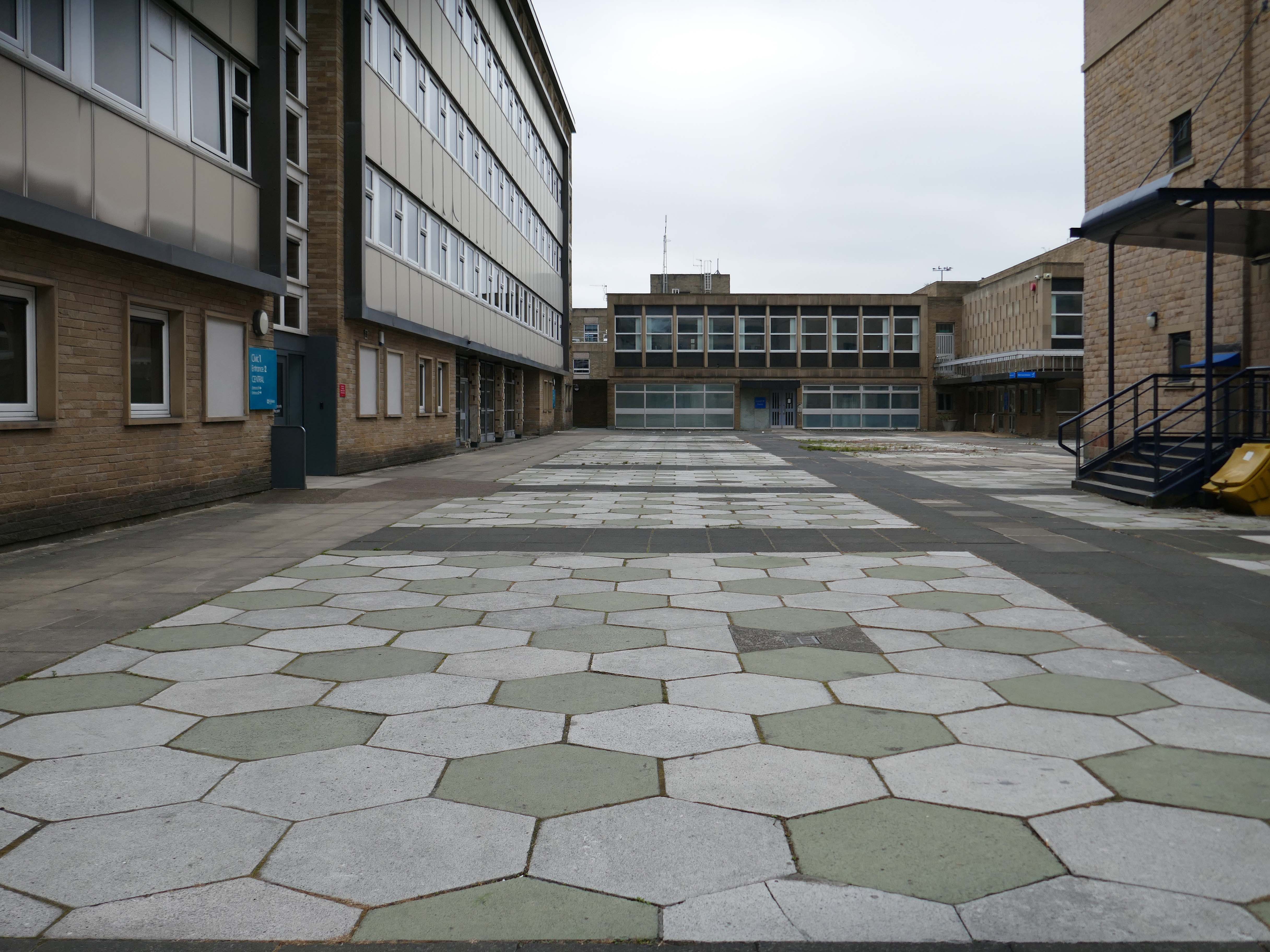
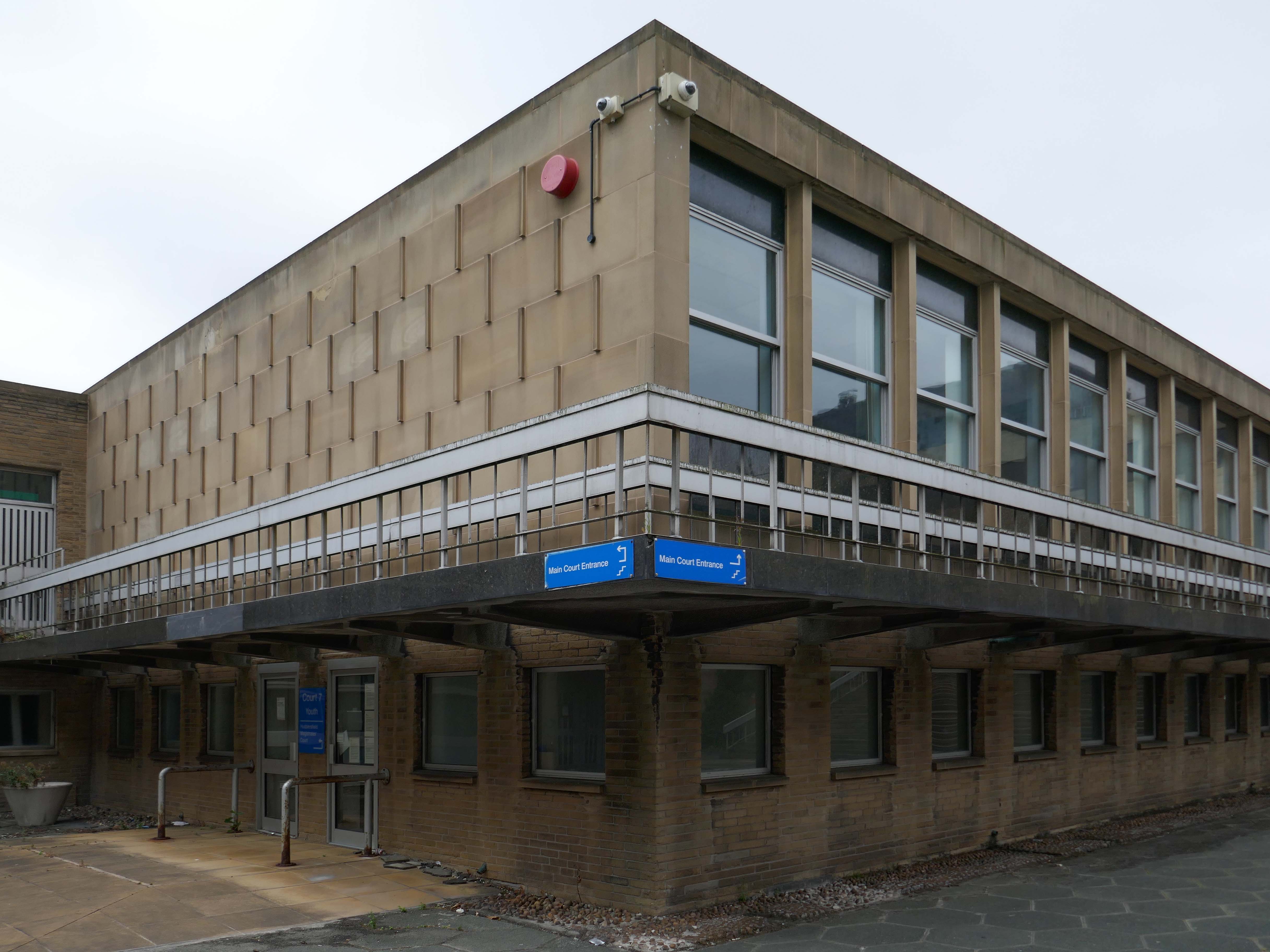
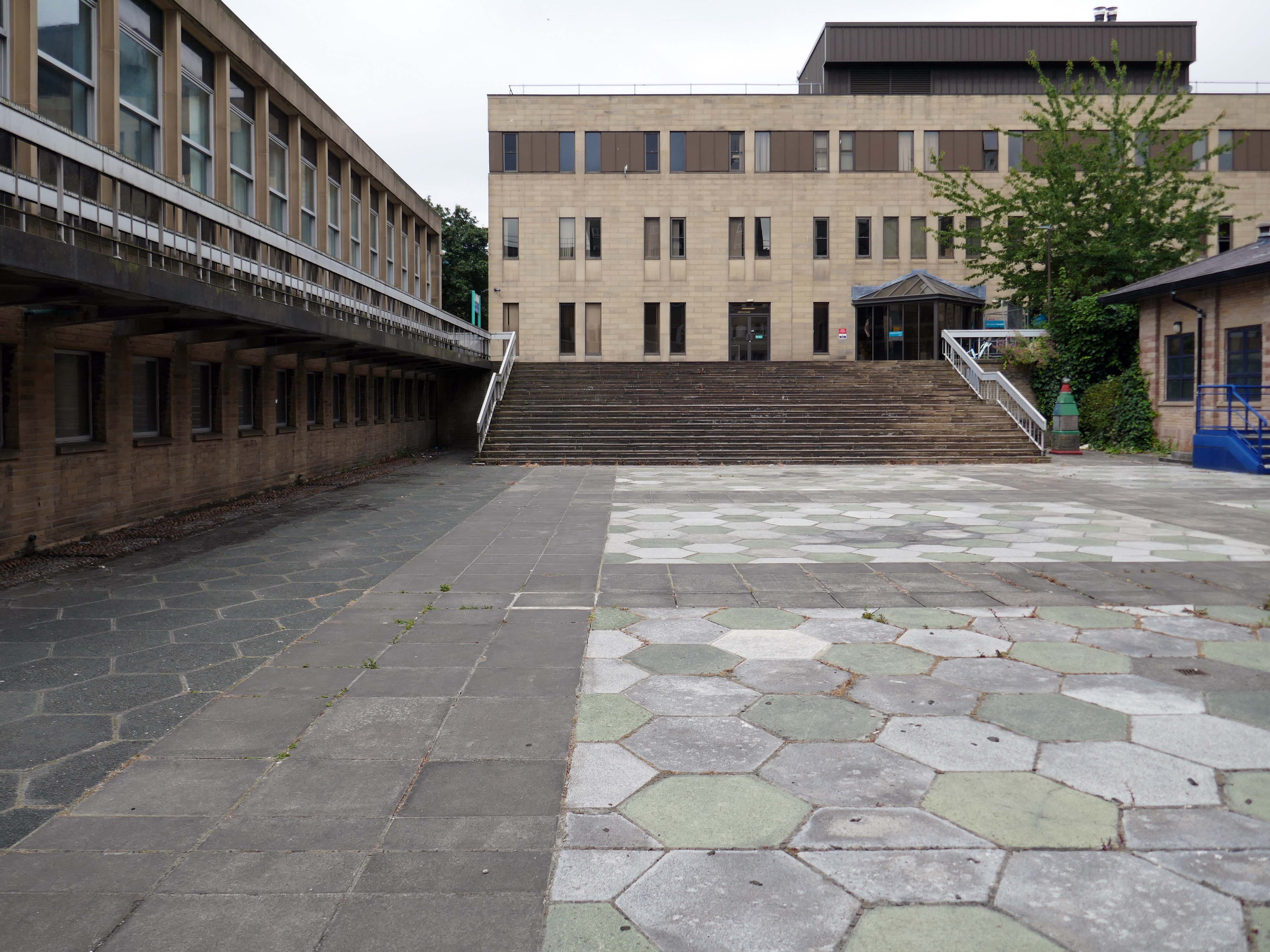
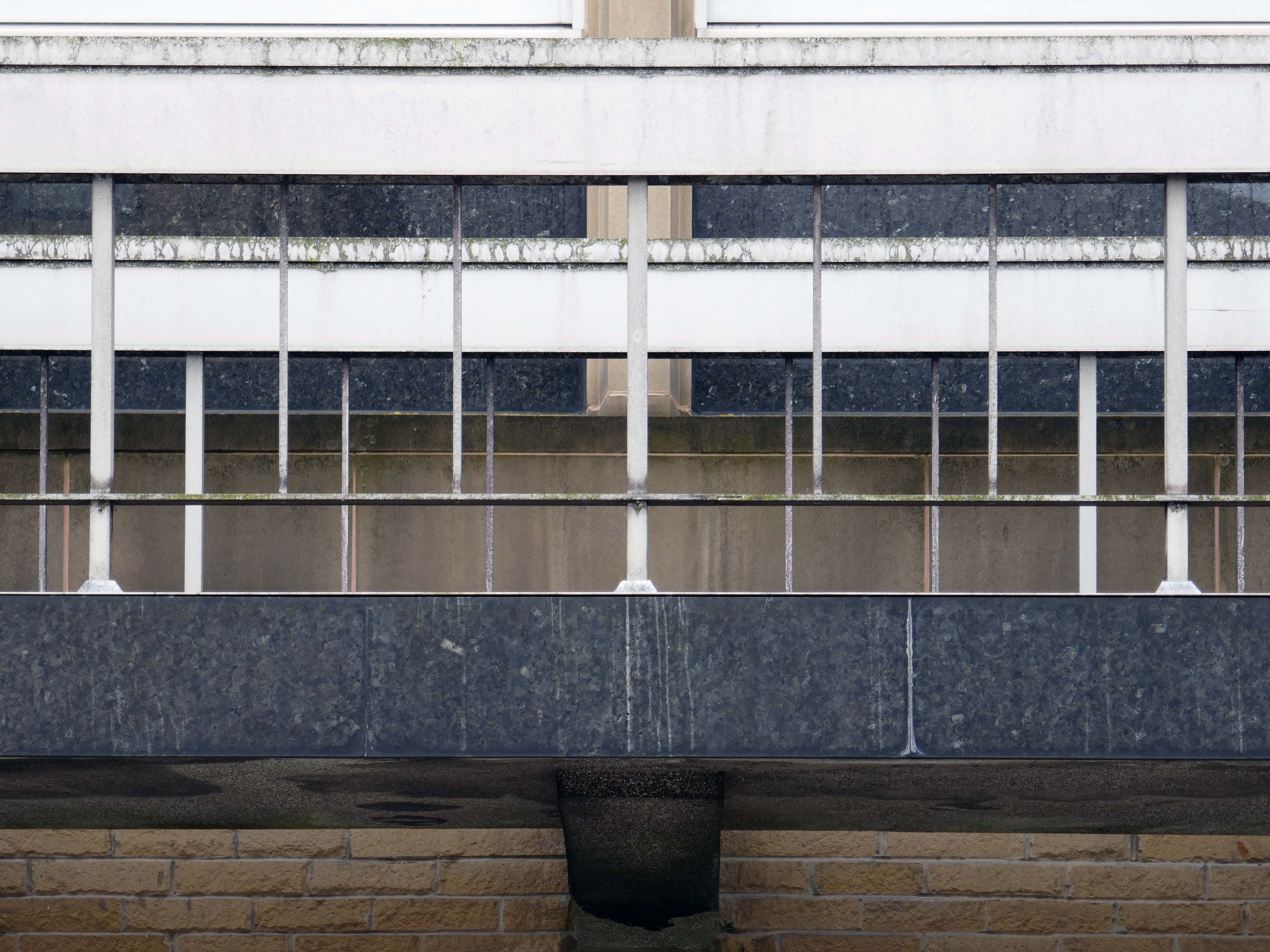
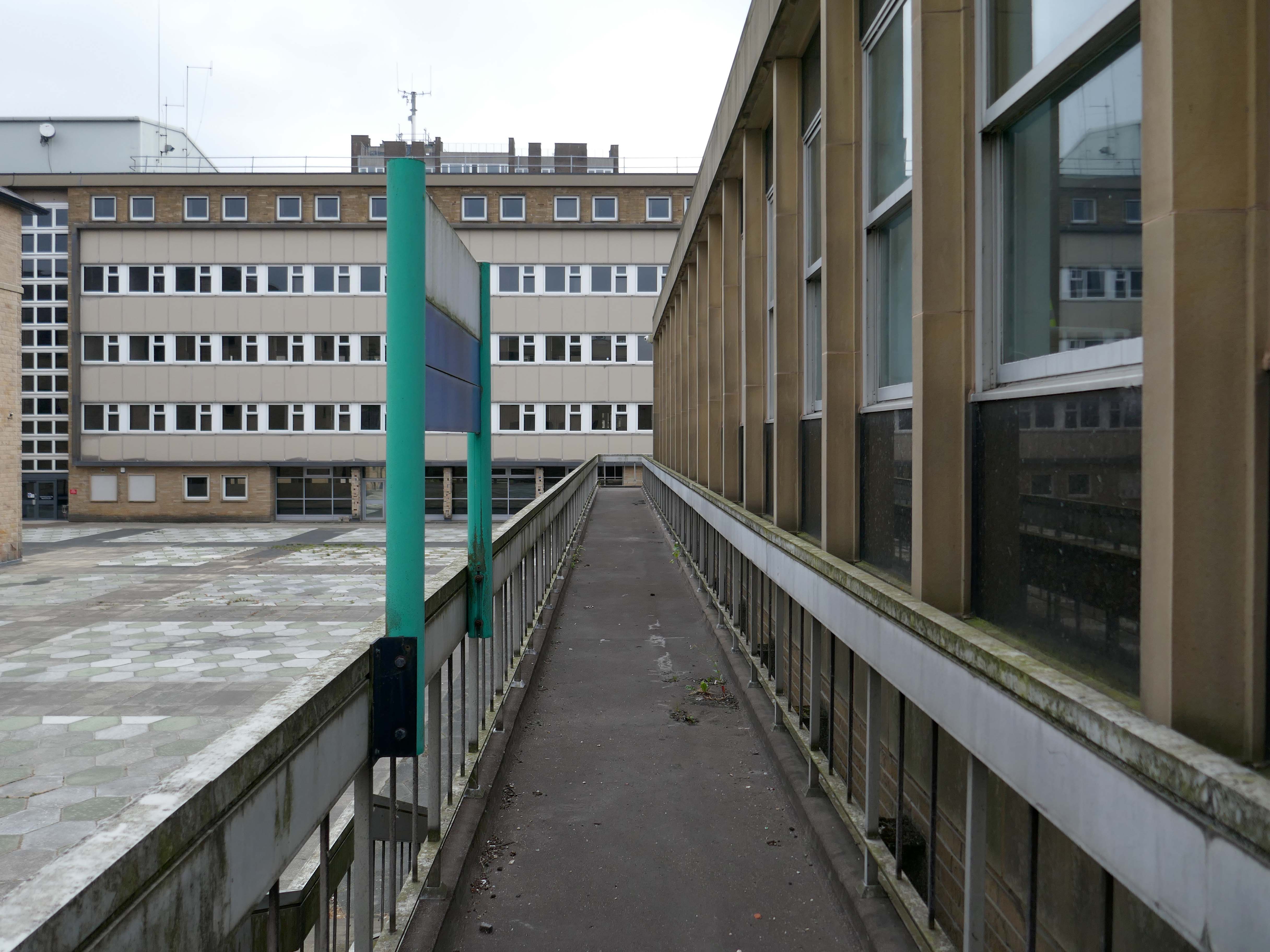
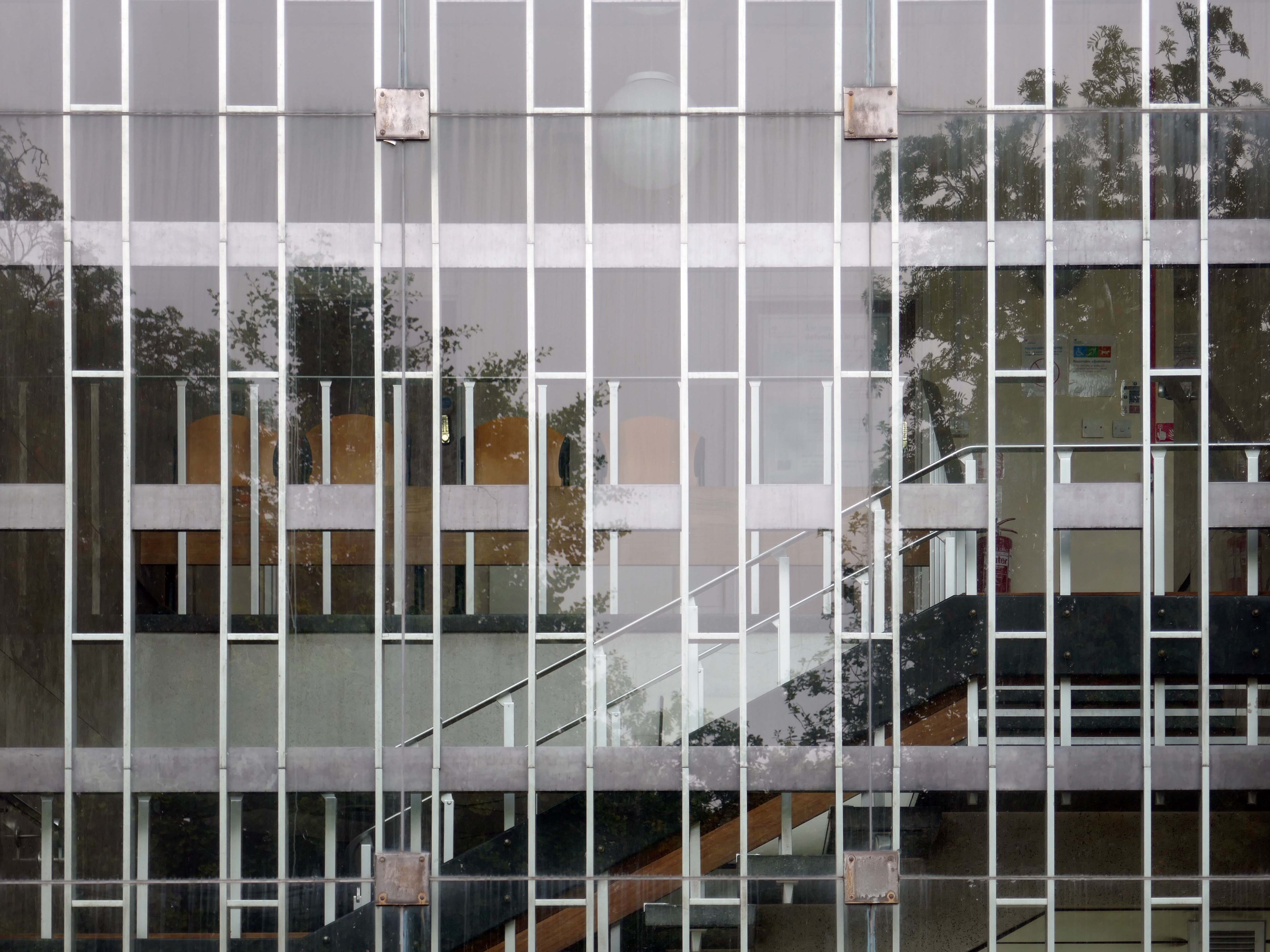
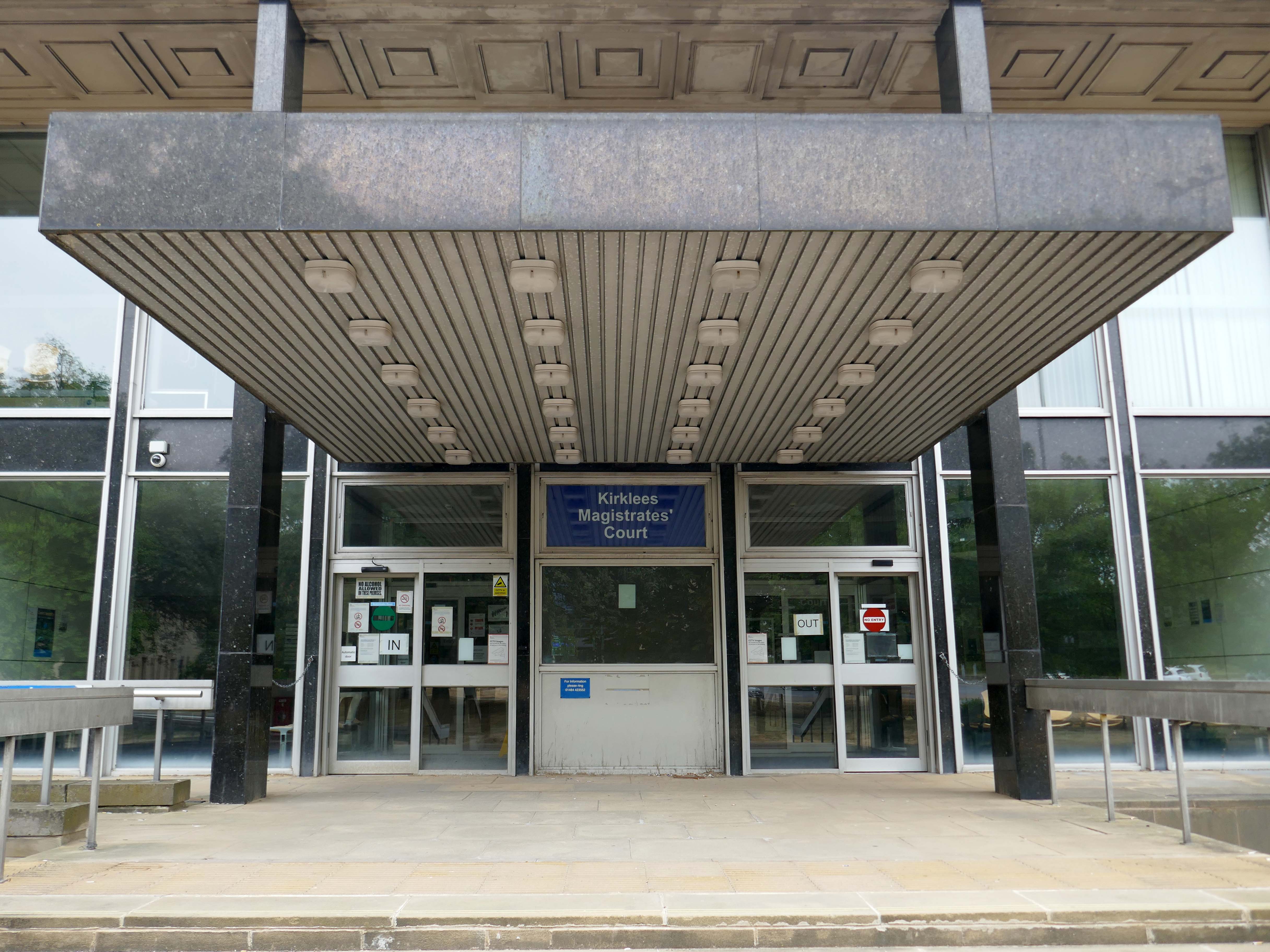
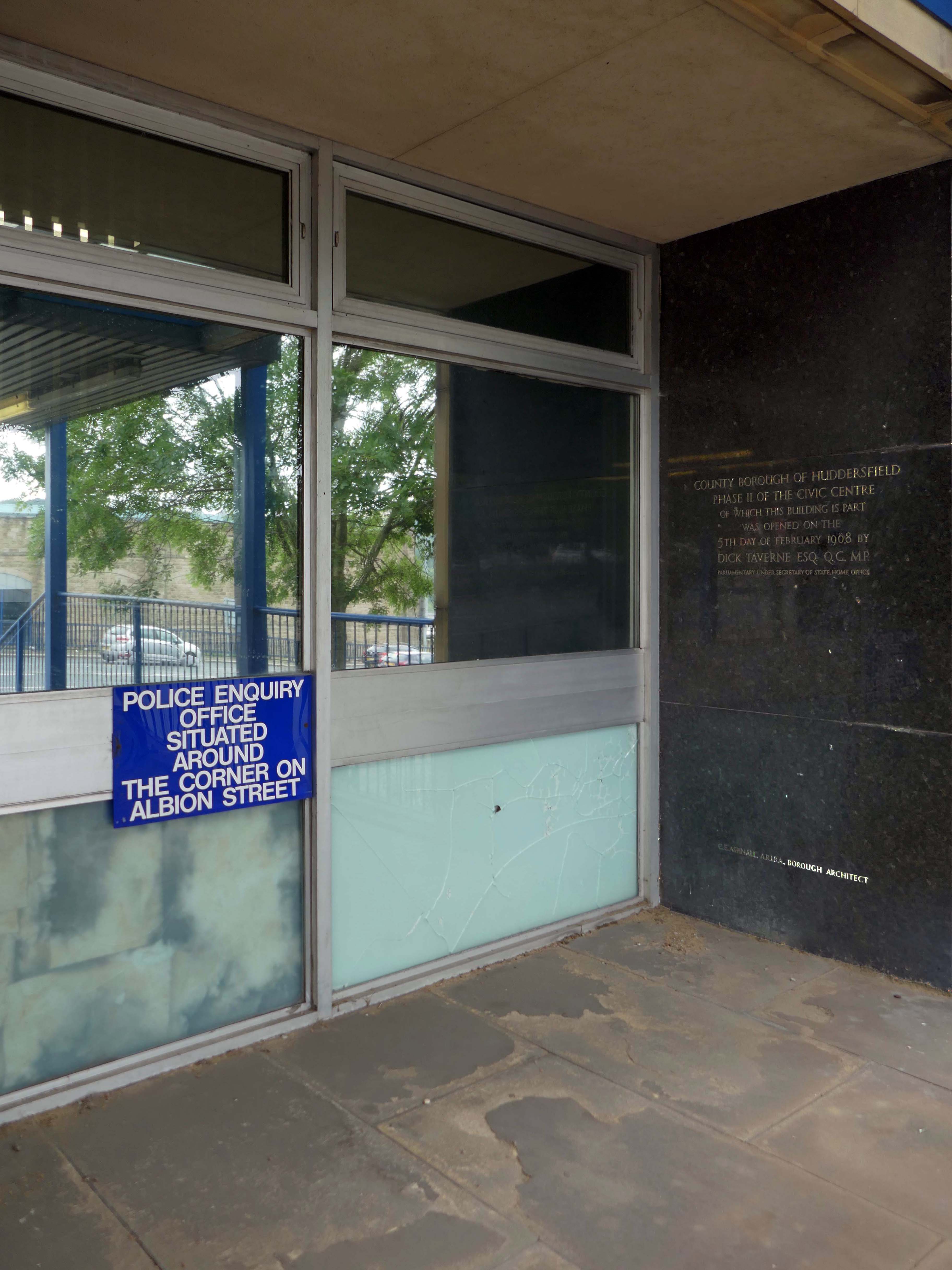
We then cross over the road to the Civic Centre, with its gold leaf facade, and the perennially empty piazza, which along with the Magistrates’ Courts and Police Station, was the work of the Borough Architects team – led by Charles Edmund Aspinall.
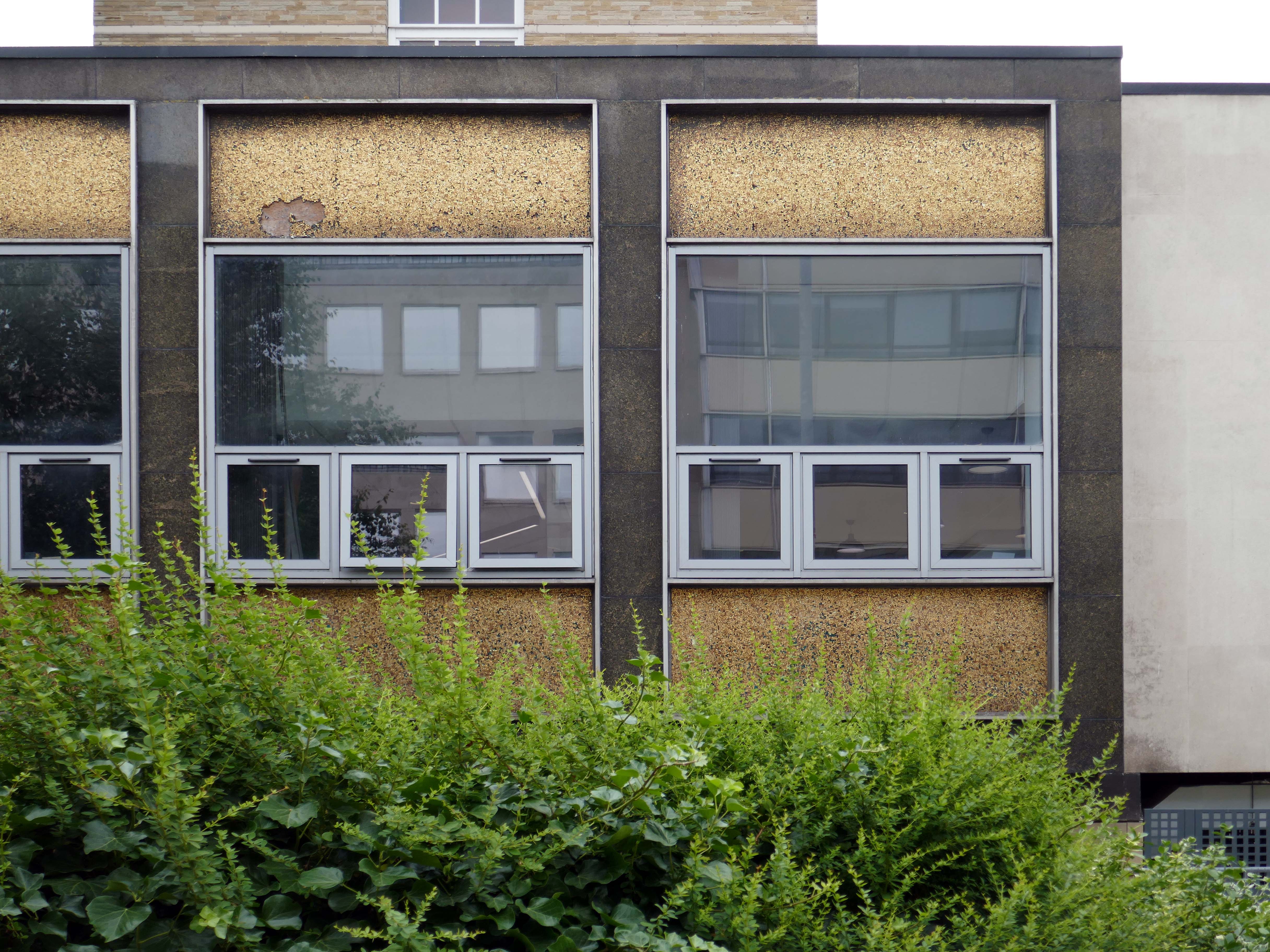
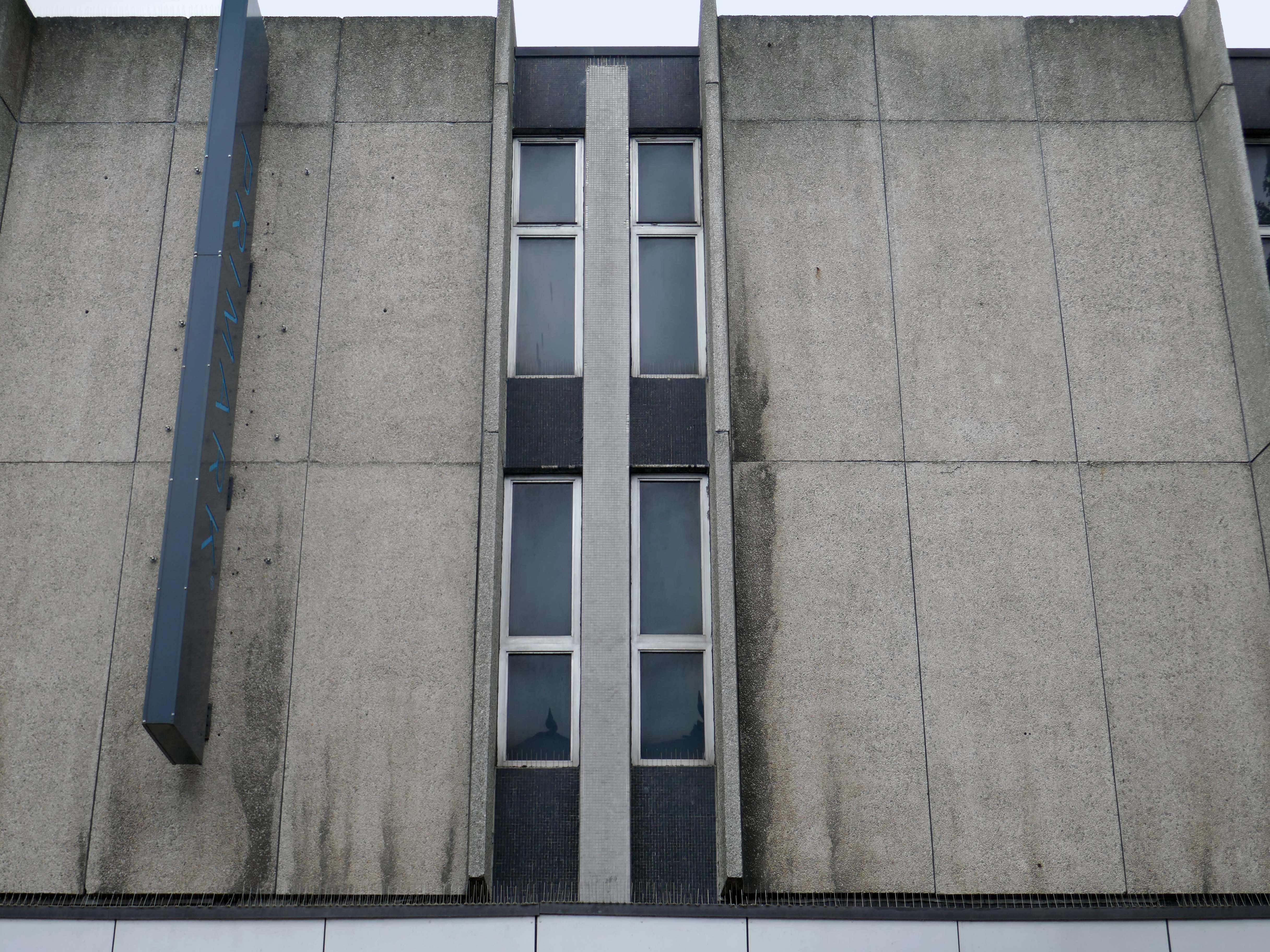
Exsilite panels set in the stone faced columns – a brand name for a synthetic, moulded, artificial marble.
Exsilite is made by fusing grains of silica and pigments to form a slab that simulates onyx marble.
Exsiliteis a Latin word meaning – spring/leap/burst forth/out, leap up, start up, bound; emerge into existence.
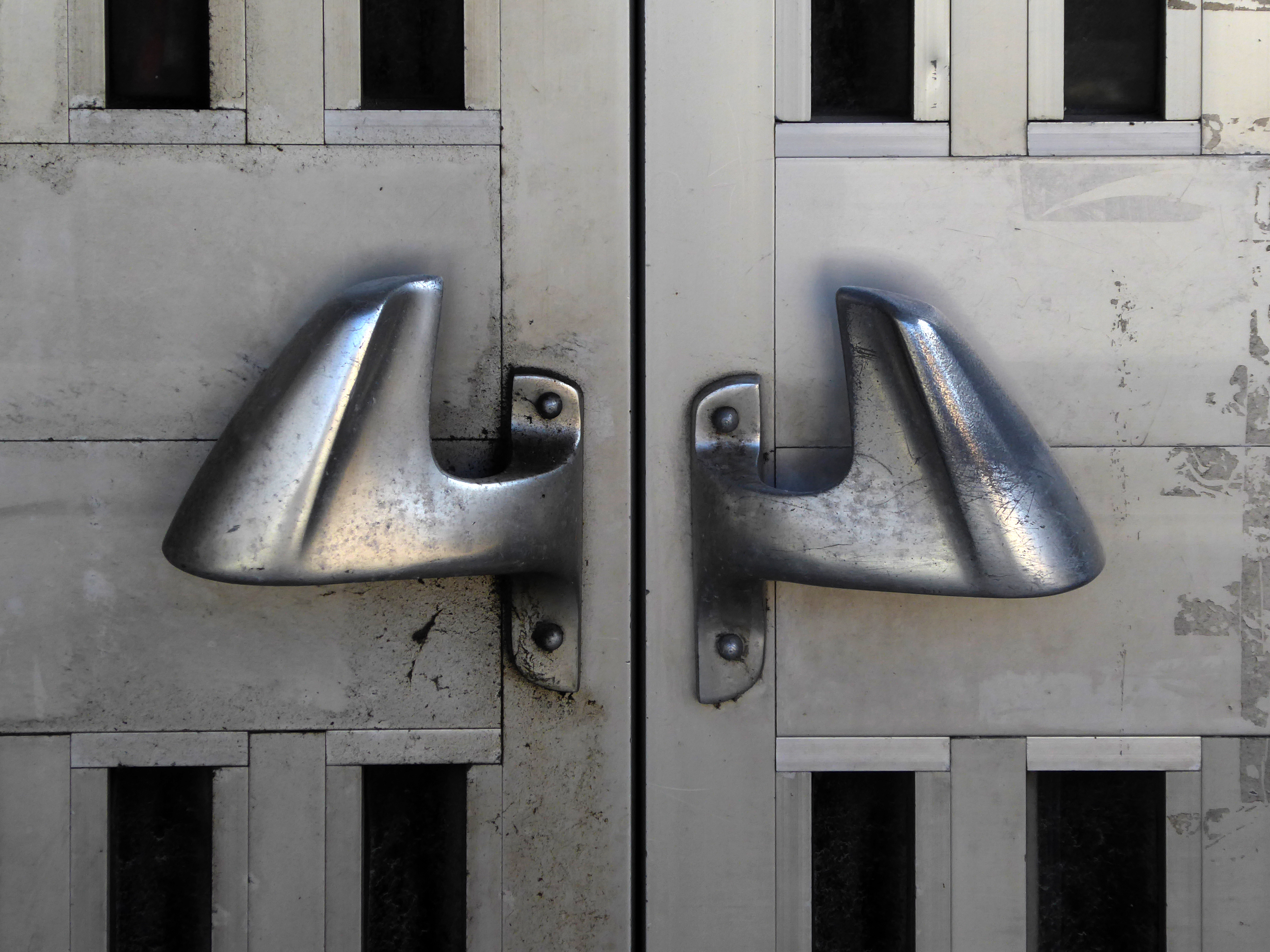
It is to be note that the doors and distinctive handles from the Courts to the Piazza have been removed.
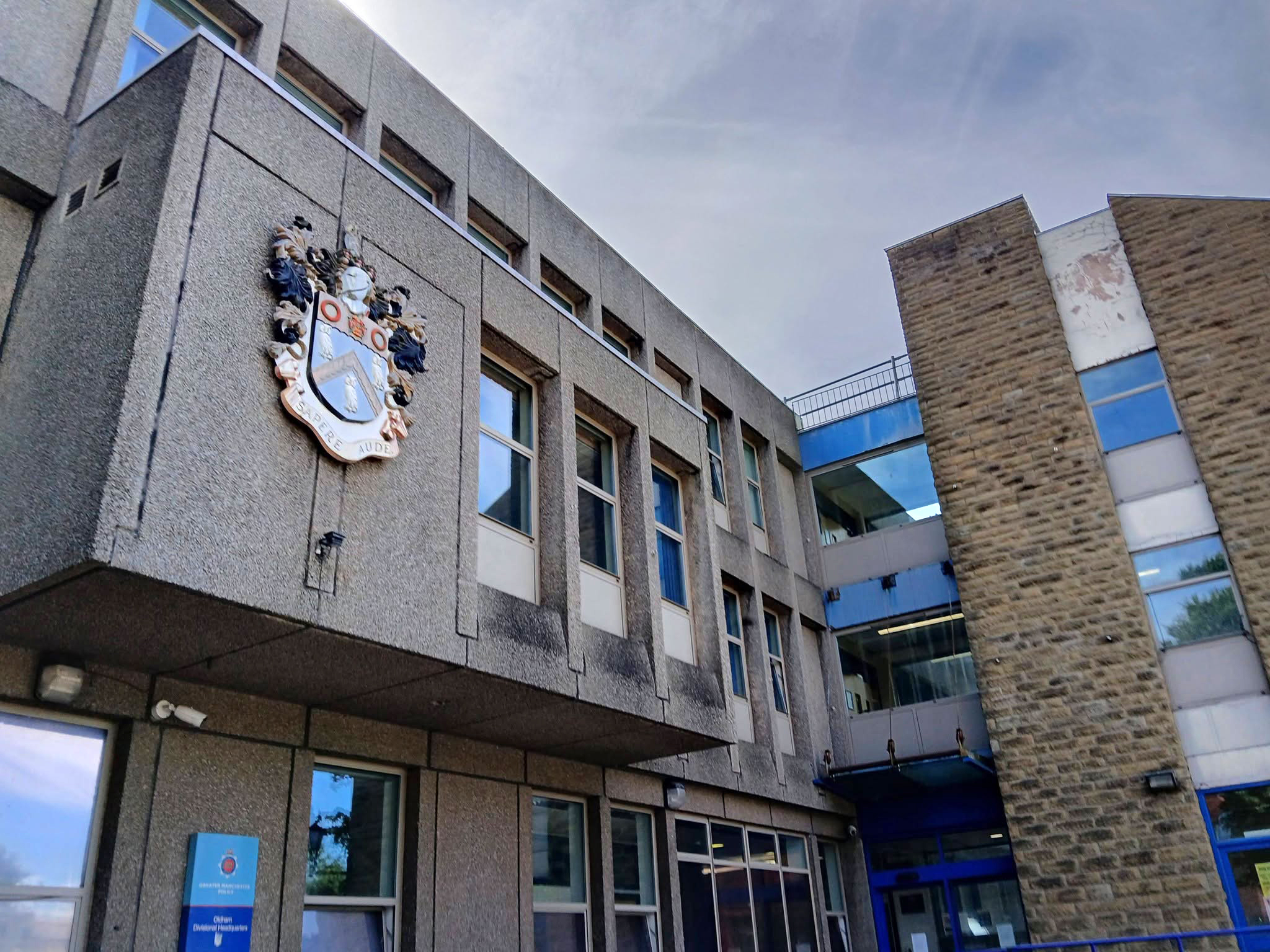
The Police Station is to be vacated on completion of the new Police Station.
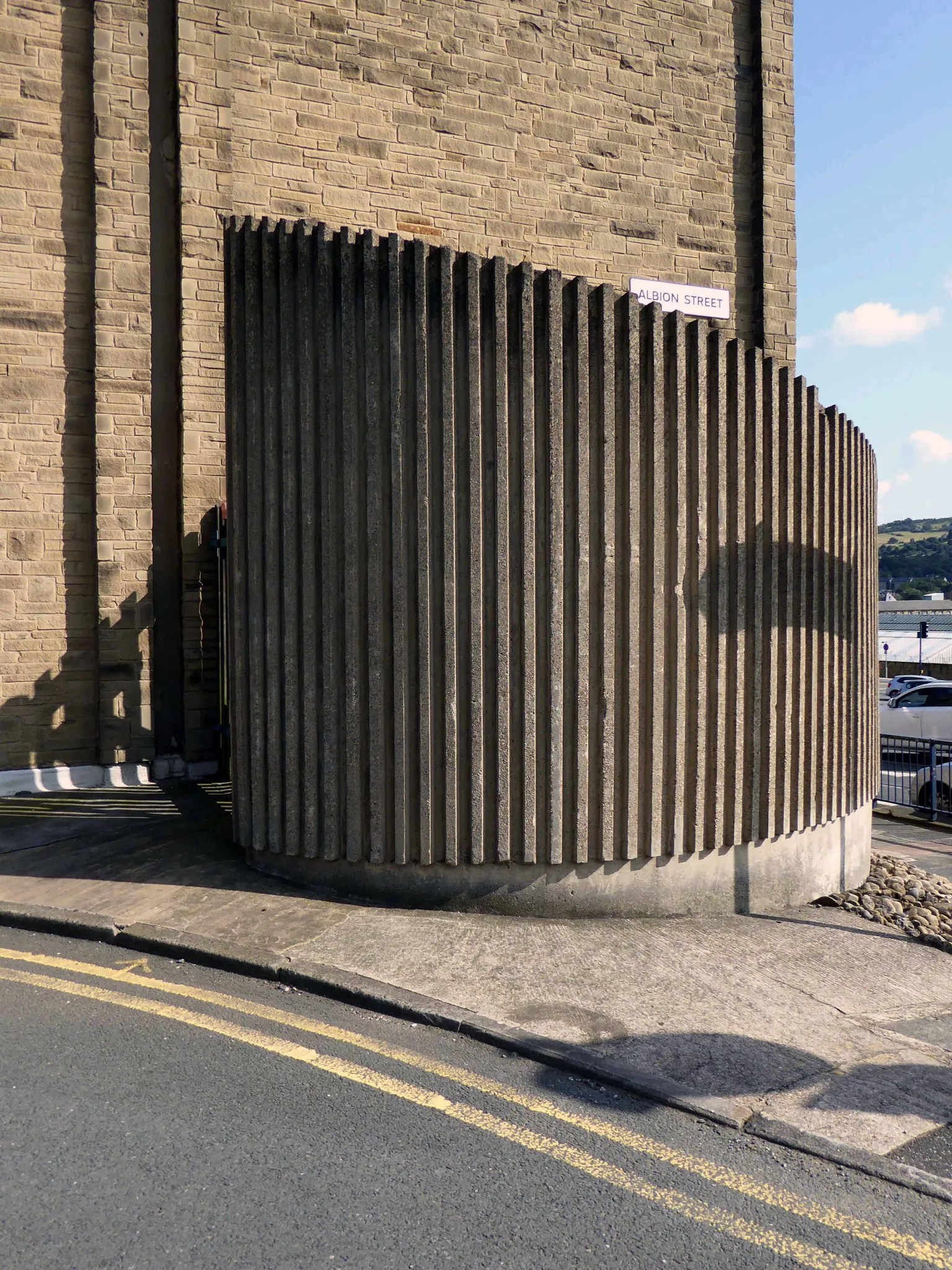
Next to the curved and ribbed concrete wall, concealing an electrical sub-station.
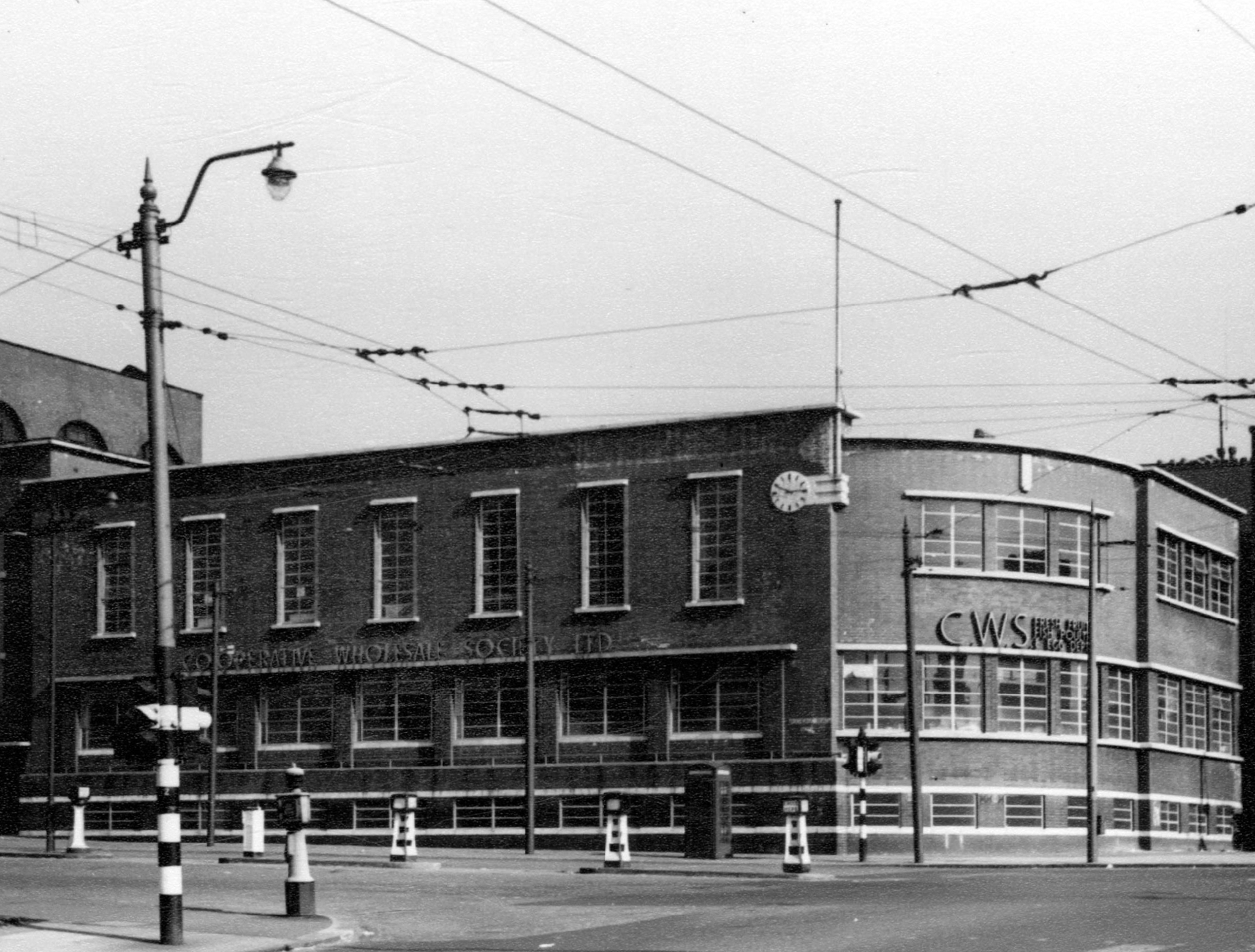
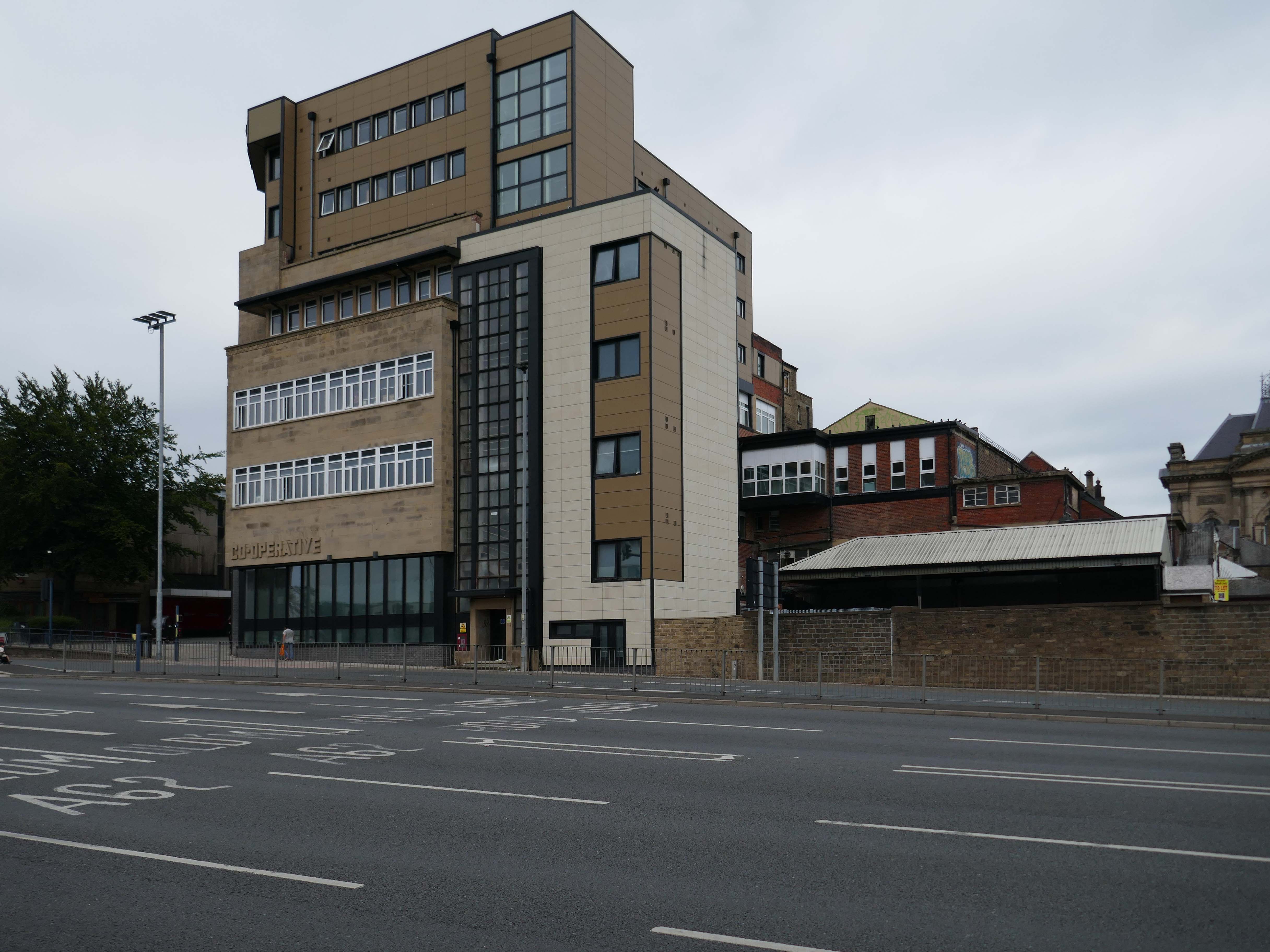
Further on down the road the former Co-operative store 1936 JW Cropper.
On opening day, the Examiner said the Co-op gave:
The town of Huddersfield a store that is entirely modern in design and equipped on the most up-to-date lines-a store of which the townspeople generally, and co-operators in particular, can be proud.
It has subsequently been seriously disabused by insensitive refurbishment and extension.
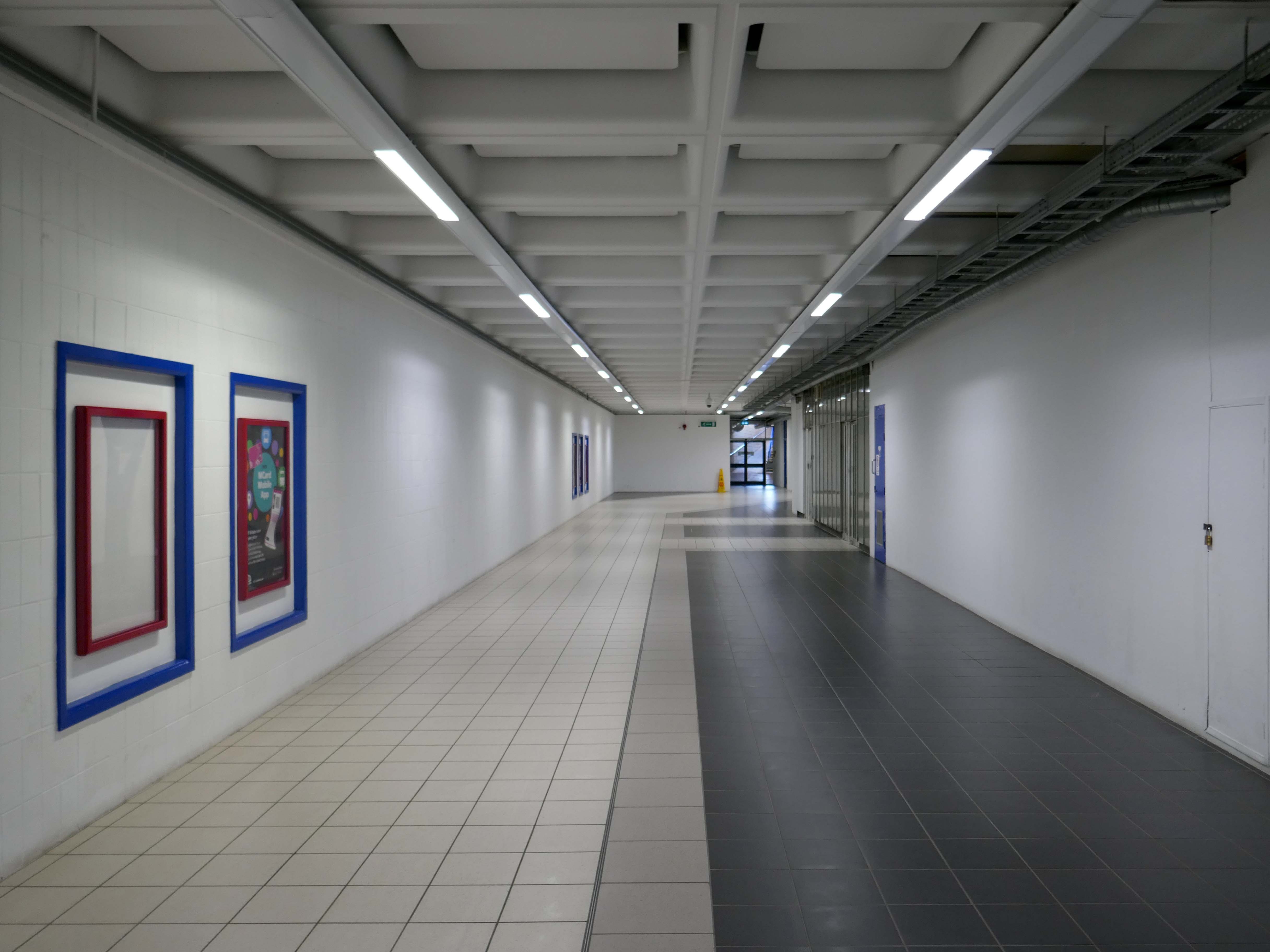
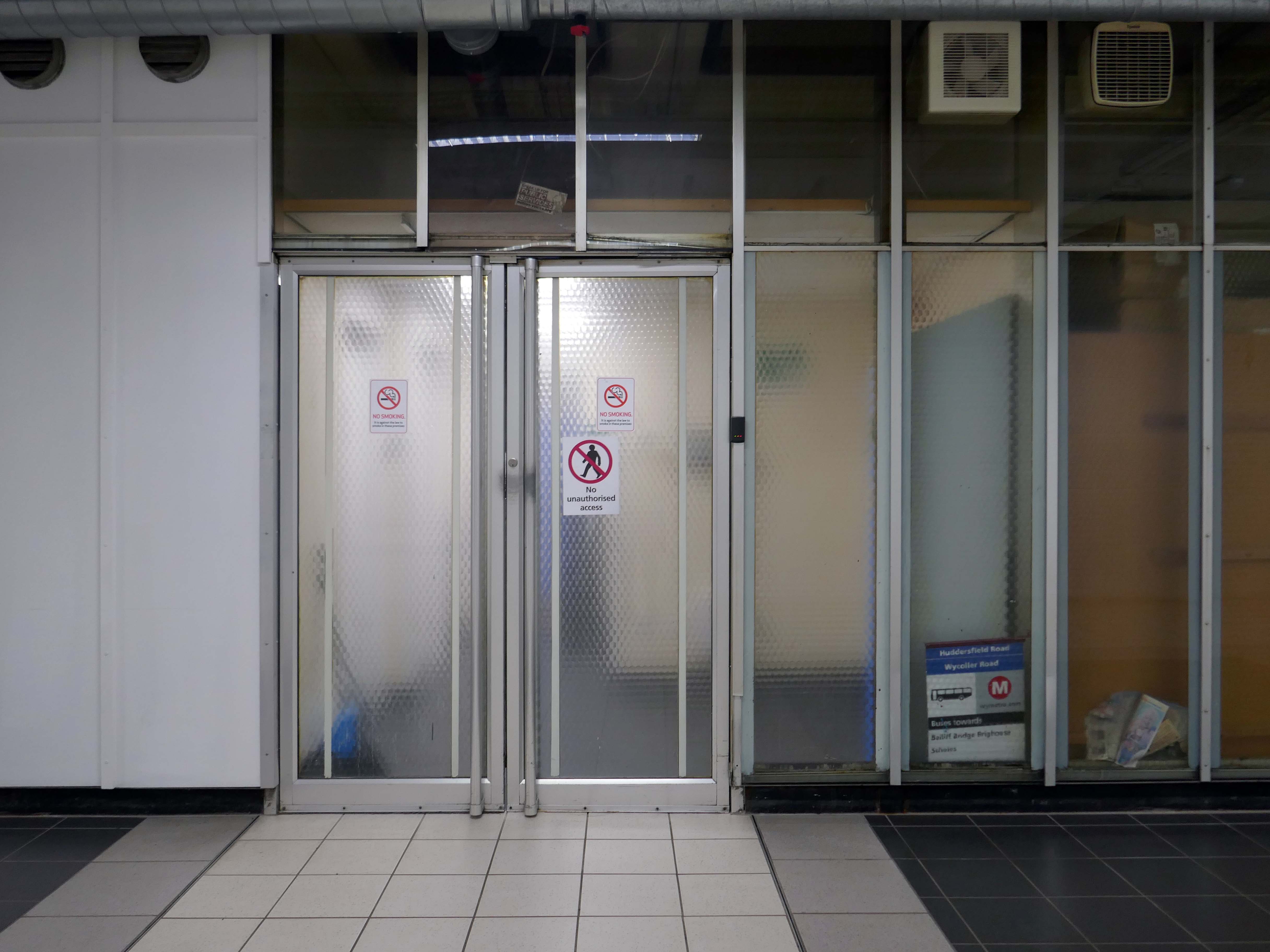
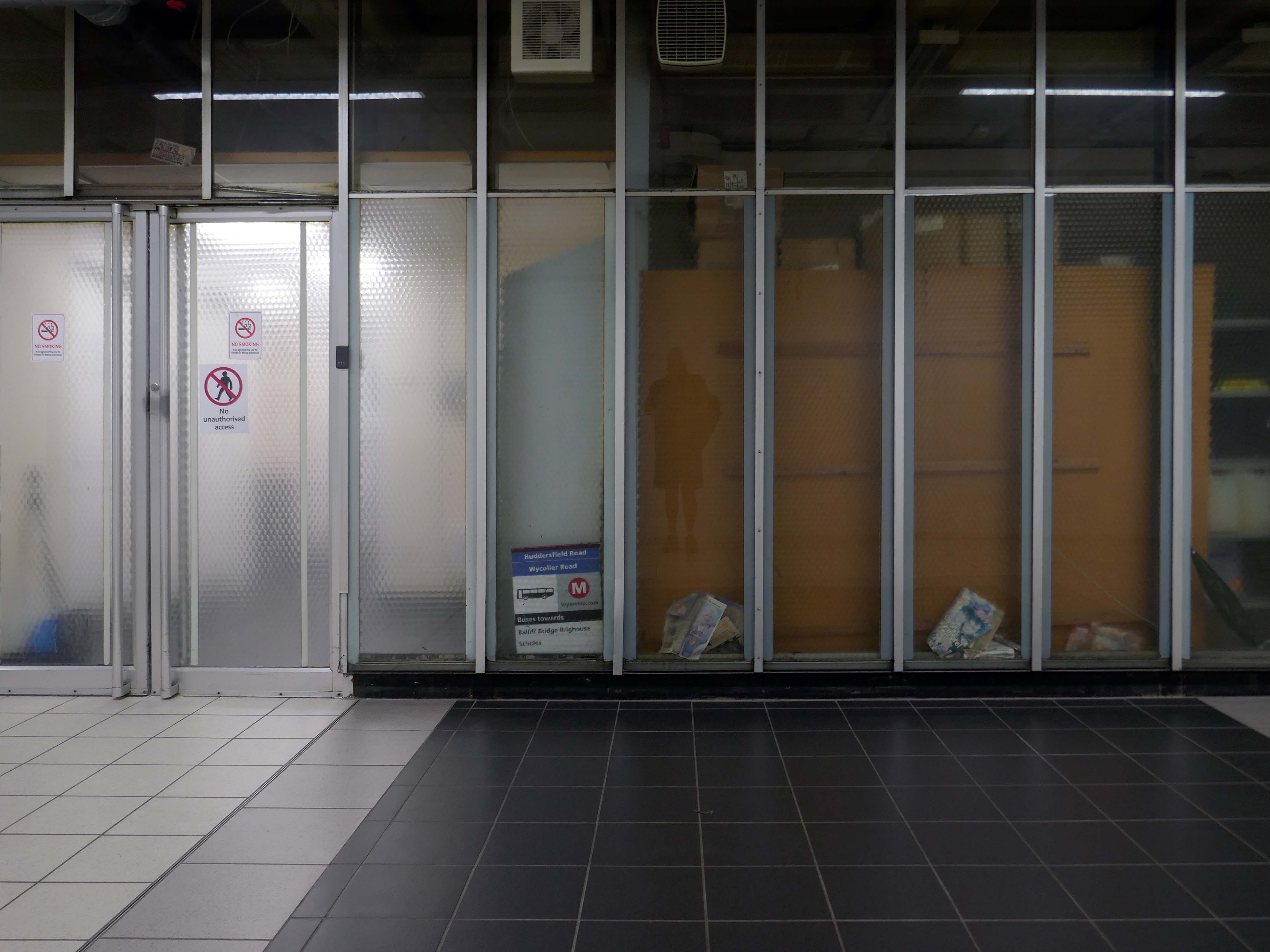
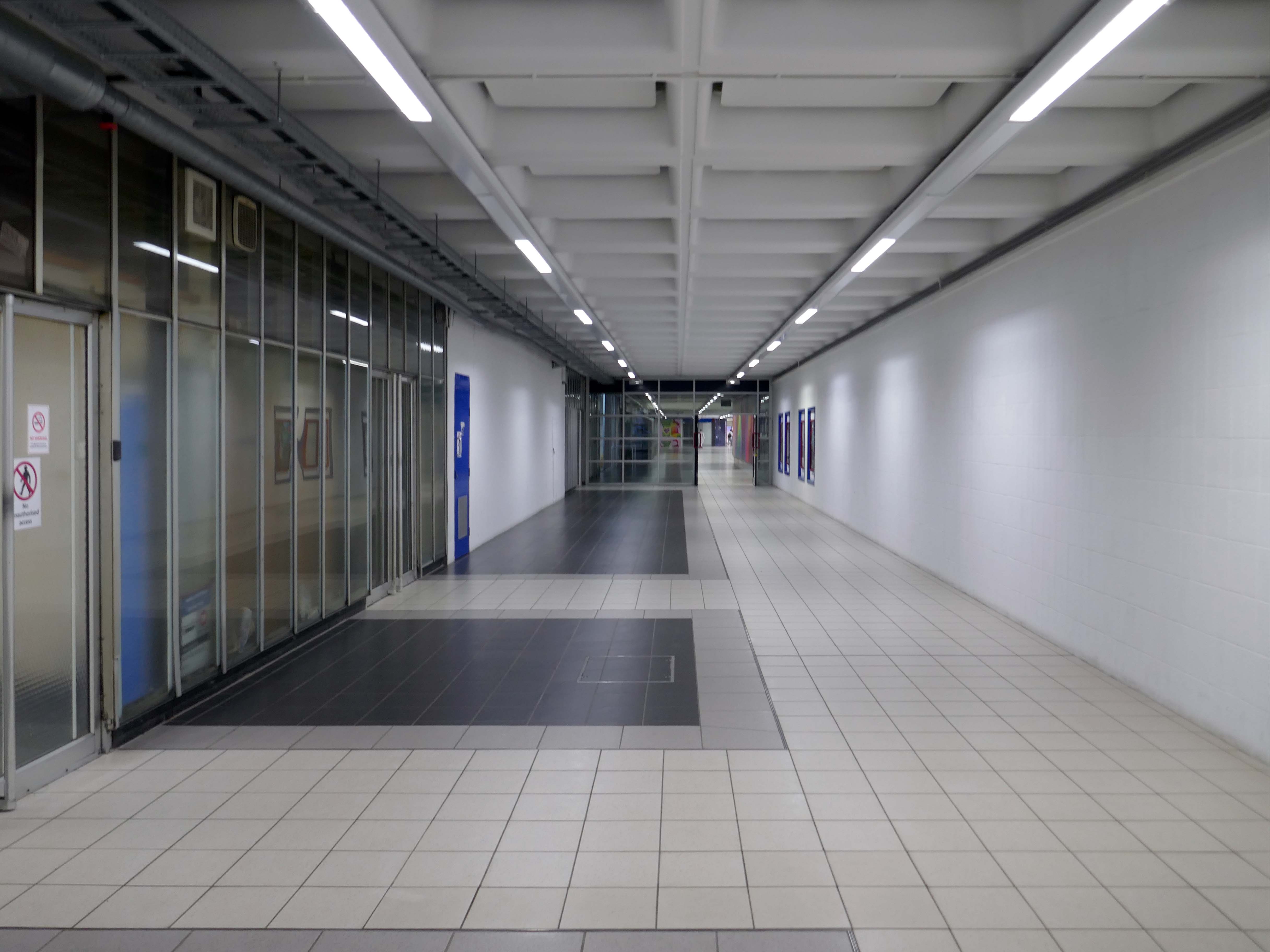
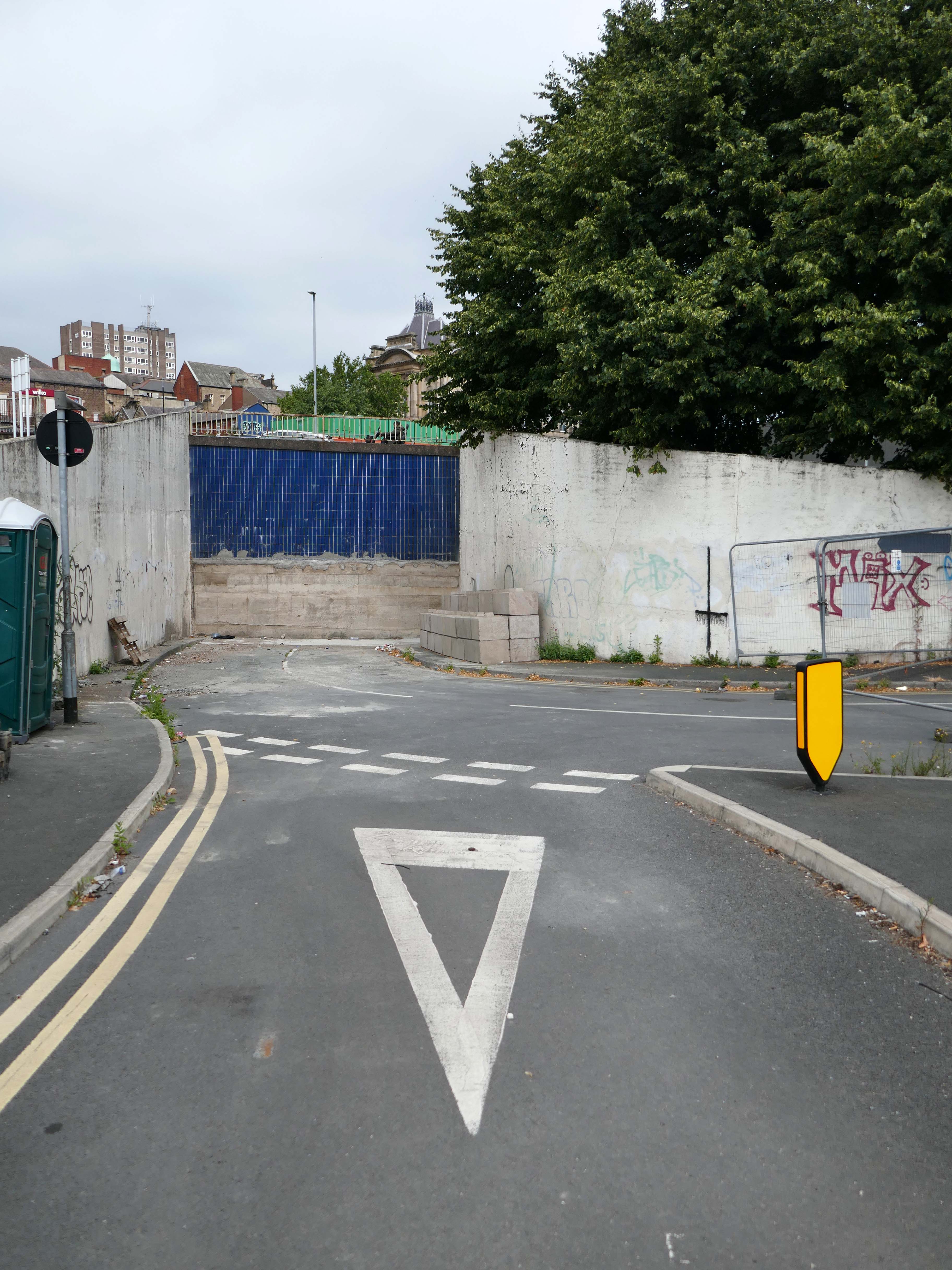
We cross over to view the access road to the service area of the market – now closed.
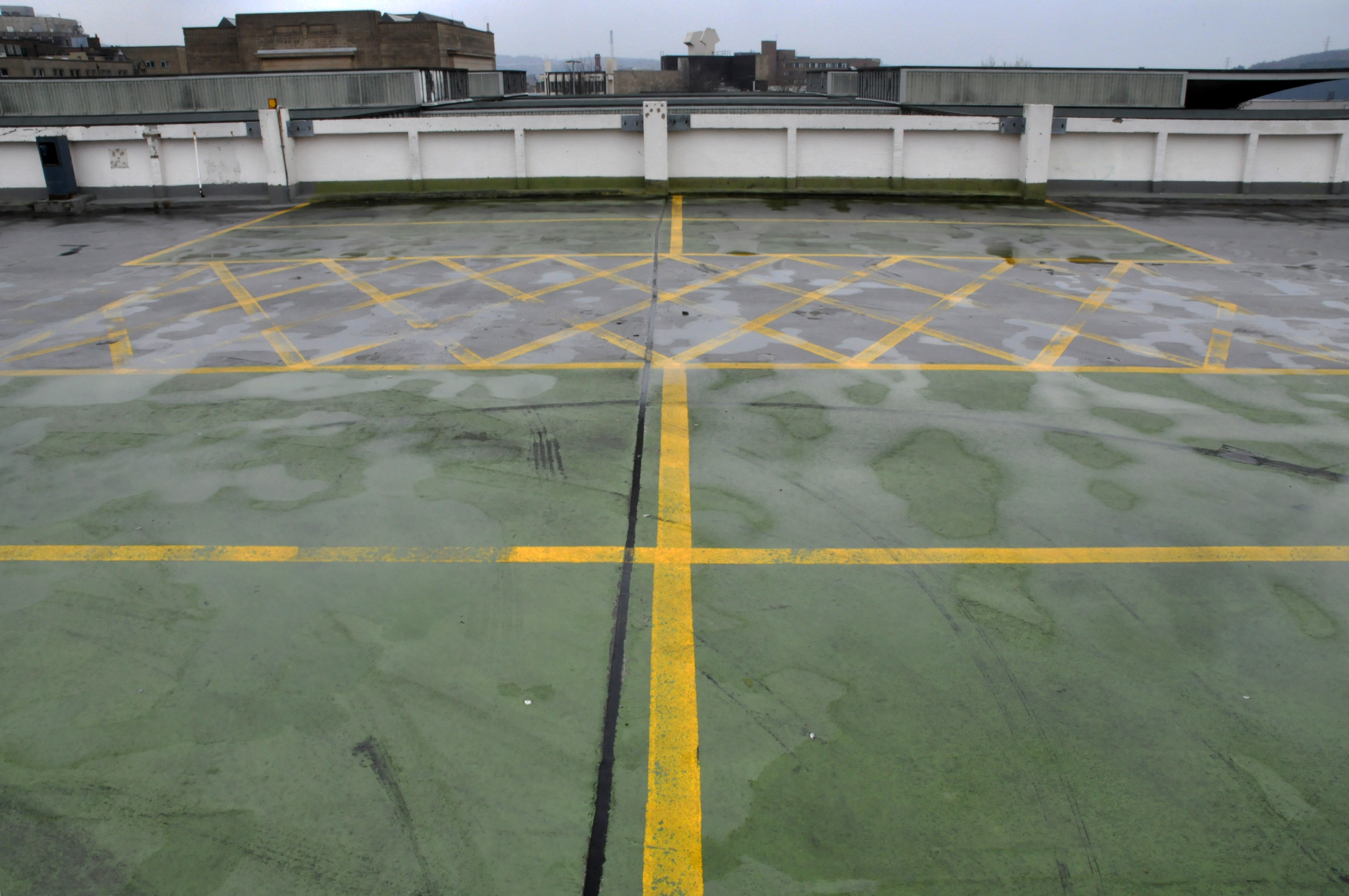
It was formerly topped off by a multi-storey car park – since demolished.
Then onward to the Grade II Bath House at Broadbent’s Engineering in Huddersfield.
1955, by Abbey Hanson architects – designing architect Andrew Buck, project leader Geoffrey Rowe.
The building is a very rare, possibly unique example of a purpose built bath house for foundry workers
* Its continuing function as a bath house has preserved its original purpose in both its layout and its fixtures and fittings as well as its design
* The design of the building manifests inspiration from both W Dudok and Frank Lloyd Wright, and achieves a high standard of accomplishment in its interpretation of contemporary architectural influences
* The use of local stone for external walls distinguishes it from brick built pithead baths of similar style, and the imaginative use of finishes lends further distinction
* The interior survives almost entirely intact, with original wash basins, shower and tap fittings, lockers, floor and wall surfaces, doors and light fittings.
One of Huddersfield’s hidden architectural gems has been transformed into an attractive and unusual gallery-cum-coffee house and restaurant, destined to become a popular public space for meeting, eating and art appreciation. But among the attendees at a special unveiling event there were men who remembered its original function – as a bath house where scores of foundry workers could shower away a day’s grime.
Up around the the bend and here we are at the Grade II listed Queensgate Market, 1968-70 to the designs of the J Seymour HarrisPartnership, with Leonard and Partners as consultant engineers.
Another feature of Huddersfield Market which sets it apart from other post-war market buildings is its incorporation of works of art. Fritz Steller was a German-born refugee architect who had settled in Stratford-upon-Avon. He pioneered the production of large scale ceramic art, having been interested in the use of a wide variety of materials in sculpture. The development company Murrayfield had a policy of incorporating public art into their schemes, and the project manager of J Seymour Harris, the architects for the Huddersfield development, was Gwyn Roberts, a friend of Steller. One of the Borough Councillors at Huddersfield was Clifford Stephenson, an enthusiast for public art and particularly for modern ceramic sculpture. This combination led to the appointment of Steller to produce designs for the new market hall. The size of the panels necessitated the construction of a special kiln for their firing, and experimental mixes for the composition of the clay which was resistant to acid rain and chemicals.
Straight ahed to the service entrance at the rear of ThePiazza.
The council wants to demolish the Piazza buildings as soon as possible.
Phase 3 was originally to be the Queen Street plot but Greenhead College’s plans for a new education building on the site failed to secure Government funding. Since then the council has been looking at alternatives – including a hotel, residential or offices – but now believes a new multi-storey car park could be the best way forward.
Phase 5 was to have been a £90 million events and concert venue with a multi-storey car park attached but that is no longer affordable. A review of the venue is underway and the council now thinks a “flexible multi-purpose” venue is the way forward. It would have a fully-seated capacity of 1,200 or 2,000 with a standing floor and seated balcony.
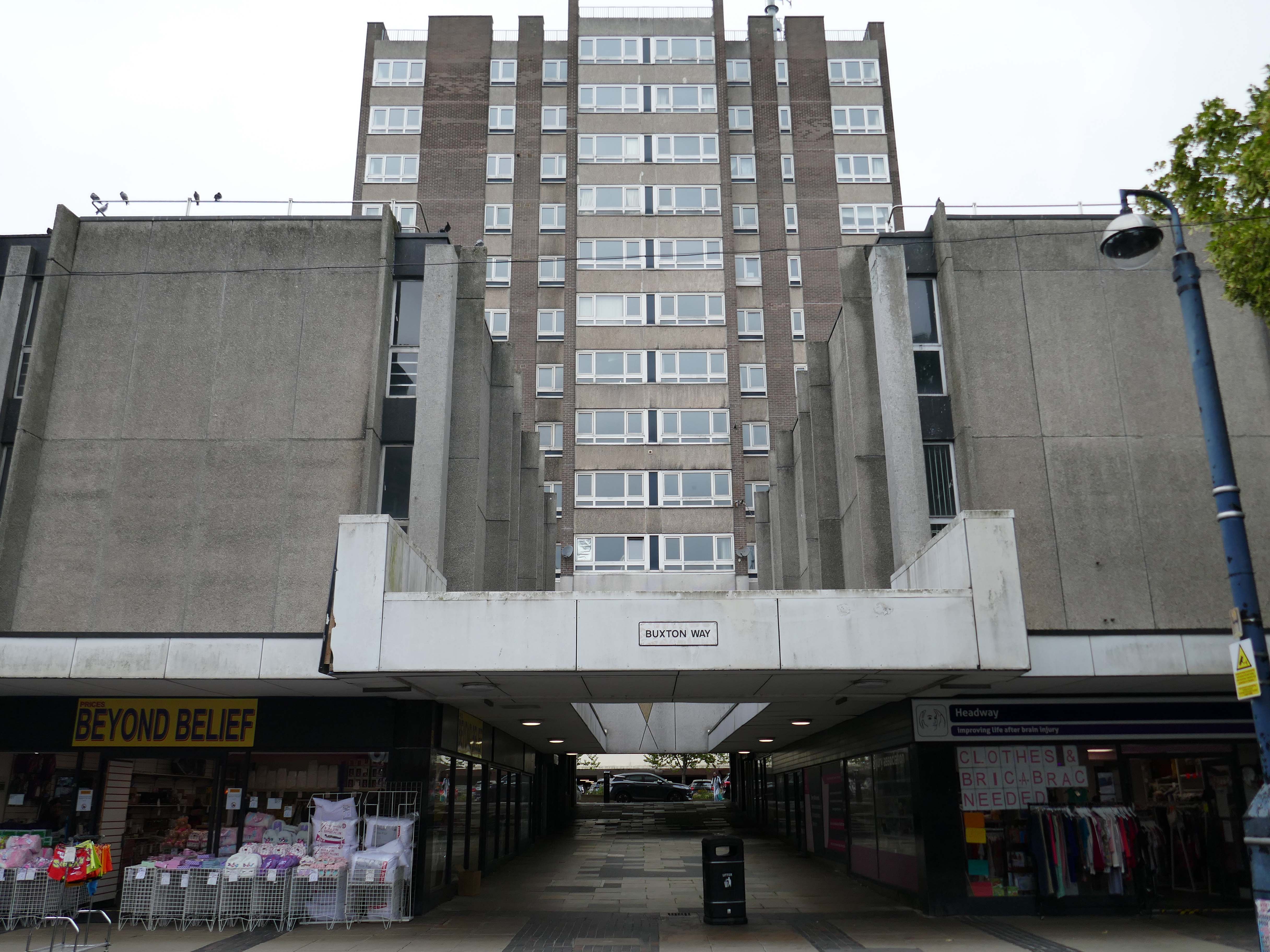
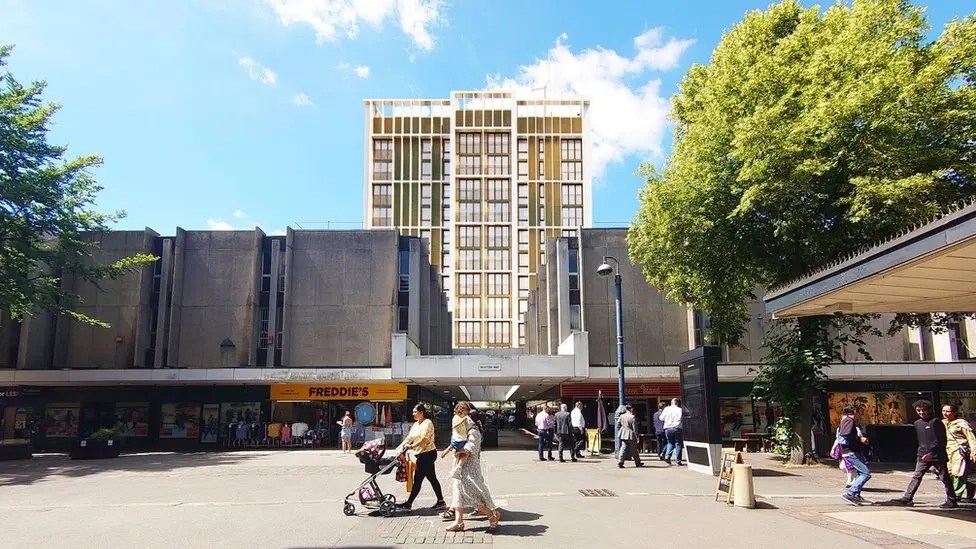
Turning our back on the market and away to Buxton House 1968.
Kirklees Council’s plans for the £16 million re-development of a Huddersfield town centre block of flats have collapsed.
Buxton House, between New Street and Albion Street, failed to meet modern fire safety standards and the council moved tenants and bought out owners and leases, pending a full-scale refurbishment.
Planning permission was granted in July 2024 to re-model the tower block to create forty one, one and two-bedroomed flats along with five studio flats with construction set to start in November 2025.
However, it has now been revealed that the council has failed to find a contractor and the scheme is on hold indefinitely.
The flats are part of a larger retail development by Bernard Engle & Partners.
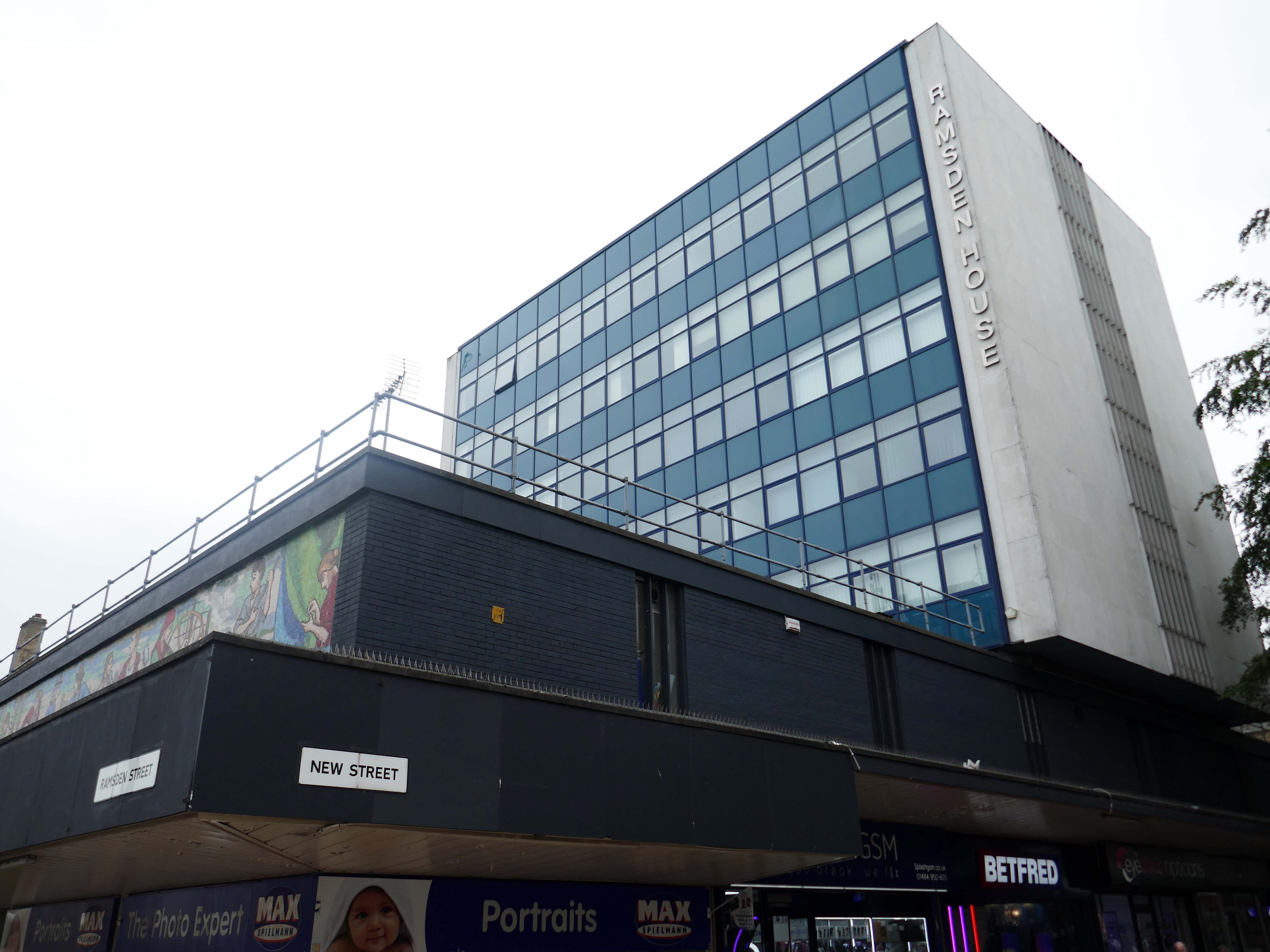
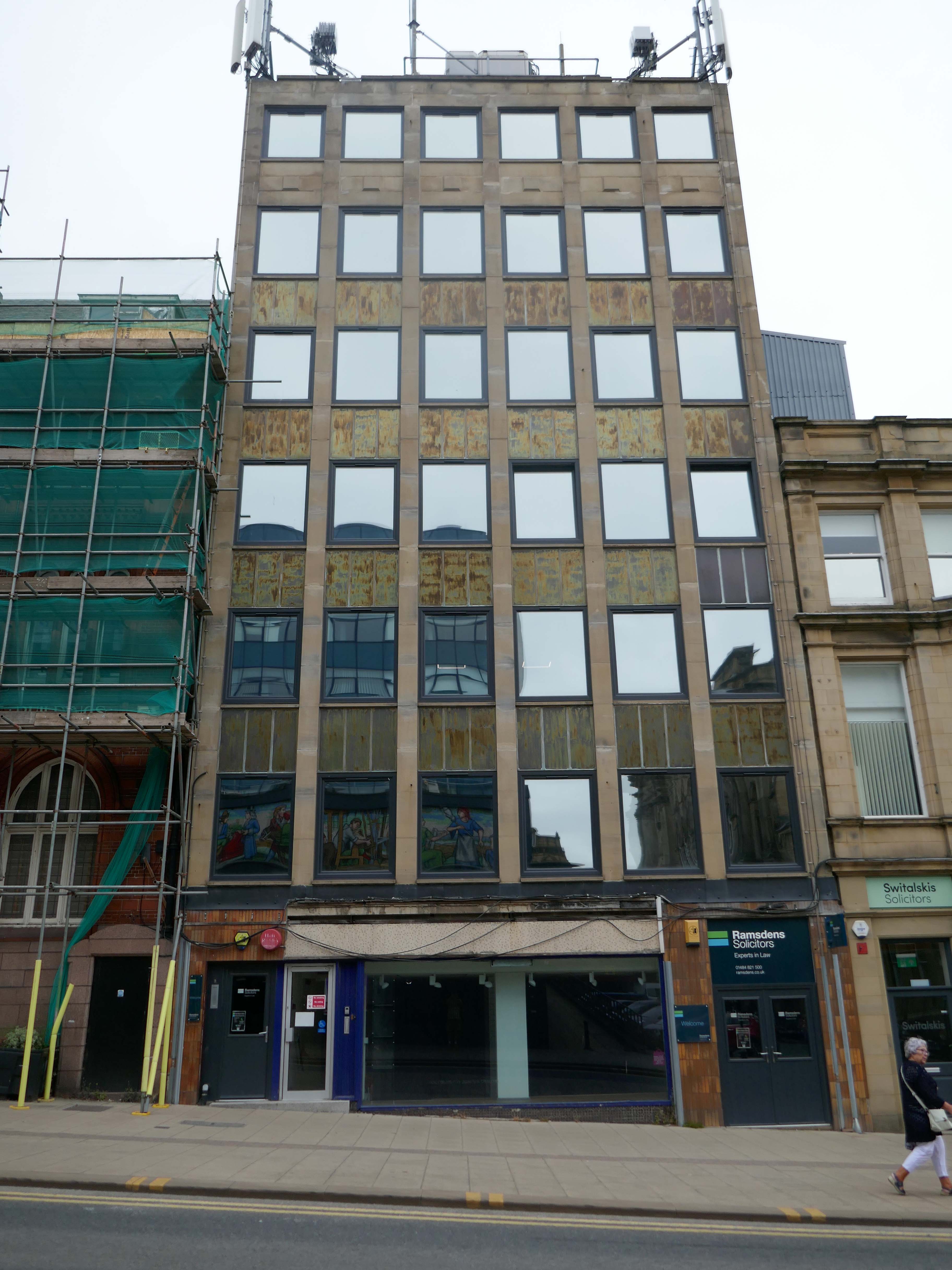
Across the way Ramsden House a slab on a podium, part of the Murrayfield Redevelopment 1968 J Seymour Harris Partnership.
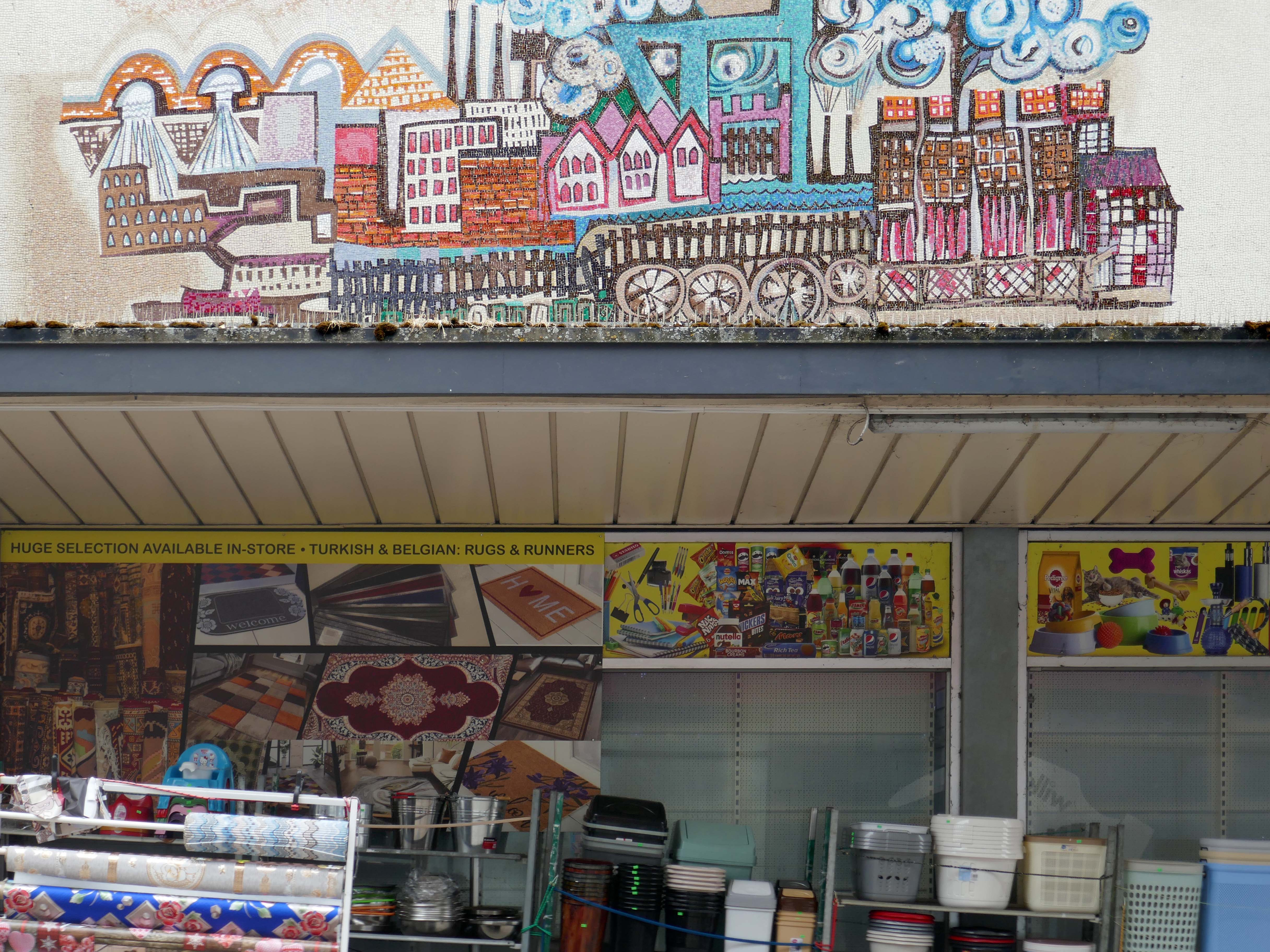
This block was the first and only phase of four that’s still intact. It’s a slab and plinth project with underground servicing marble finishes and two art mosaics that relate to the town. The Ramsden Street elevation mosaic depicts ‘Development of the woollen industry from a cottage craft to the beginning of the industrial revolution’ designed by Huddersfield artist, Harold Blackburn.
Princess Street bears ‘Facets of the Local Scene’ by Mural Consultants Ltd.
Across the way Whitfield’s Department Store 1963 Ralph Hudson.
The longstanding furniture & piano dealers, Whitfield’s expanded from numbers five and seven with this six6 storey tower.
Influenced by a tour of modern European retail premises the company chairman supplied the architect with photos of ideas.The glossy metallic finish reflects the excitement of the notion of an Ercol show room on the fourth floor and G-Plan on the fifth. Pianos were on the first floor and TVs & radio and their servicing were in the basement. Welcome to stylish living sixties style!
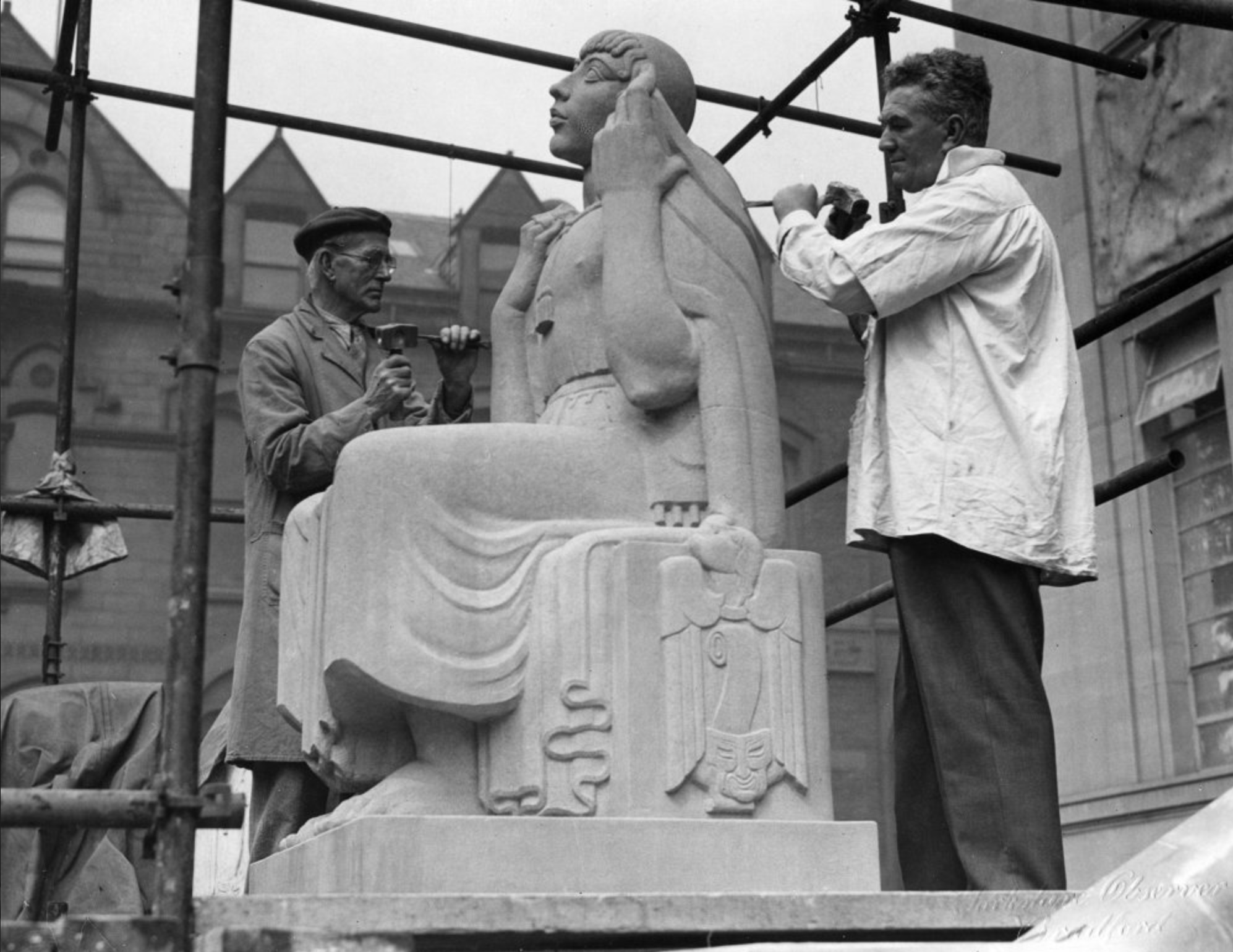
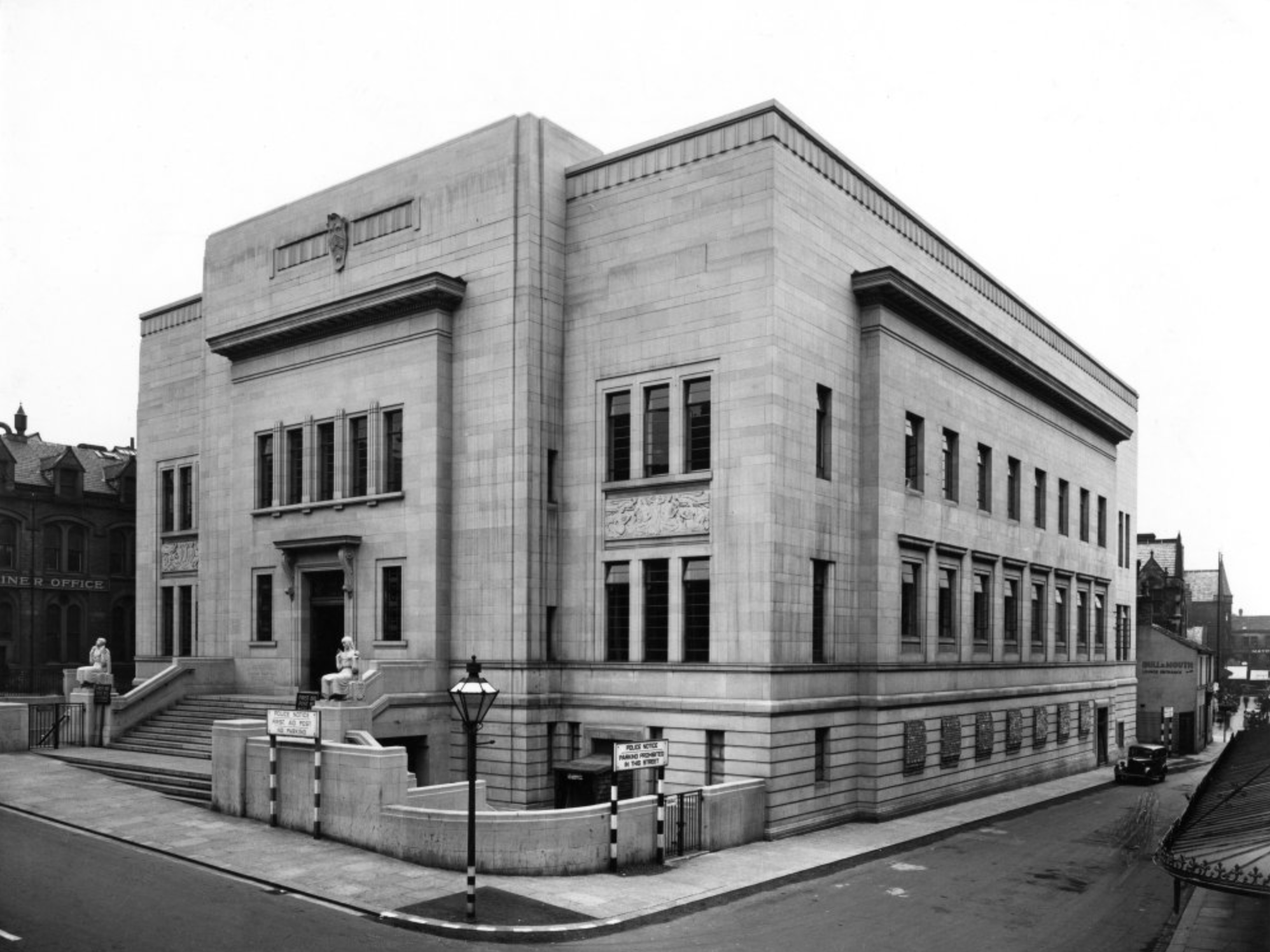
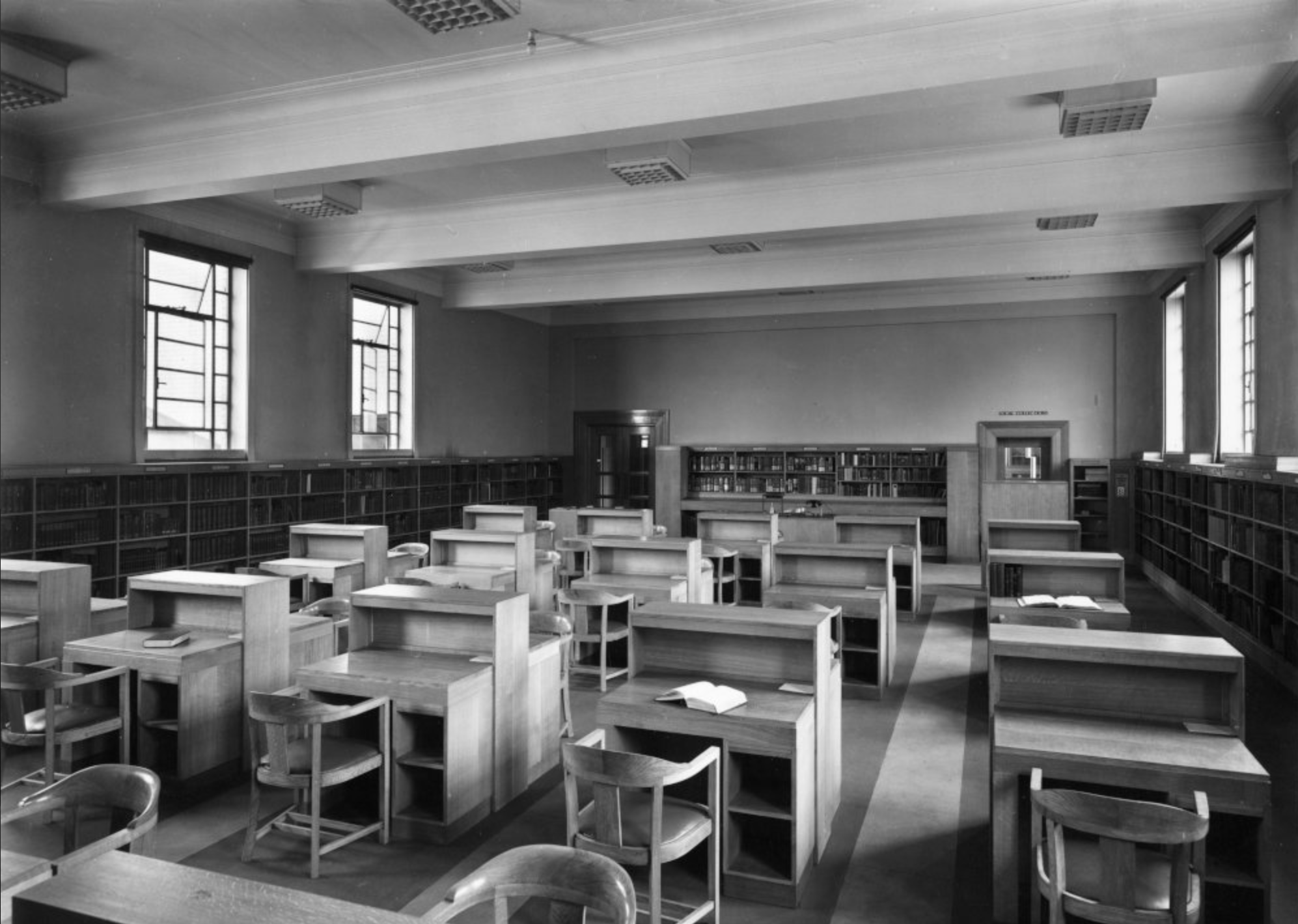
Public Library 1940 Architect: EH Ashburner&James Arthur Woodford.
James Woodford at work – on the right, sculpting figure representing the Spirit of Literature
Reference Library.
Image – Charles Pickard 1940.
The food hall and library is due to open in summer 2026 but more problems have been uncovered with the former library and art gallery which will become the new museum. Internal works are underway and more asbestos than expected has been found and an extra £1 million has been needed to pay for removal.
The council has also found several other “significant issues” that also needed to be resolved.
It could be mid-2029 before the museum is ready to open.
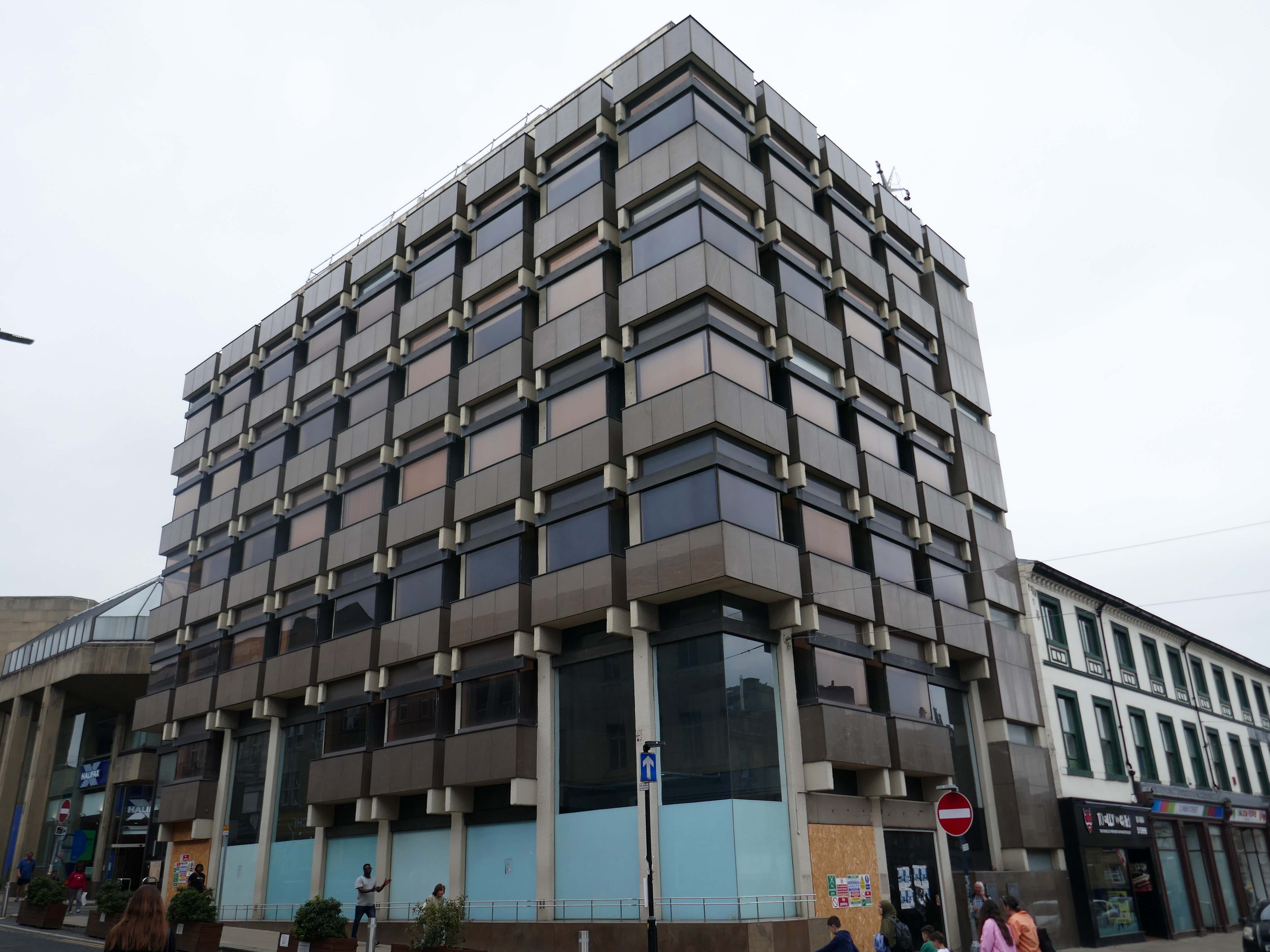
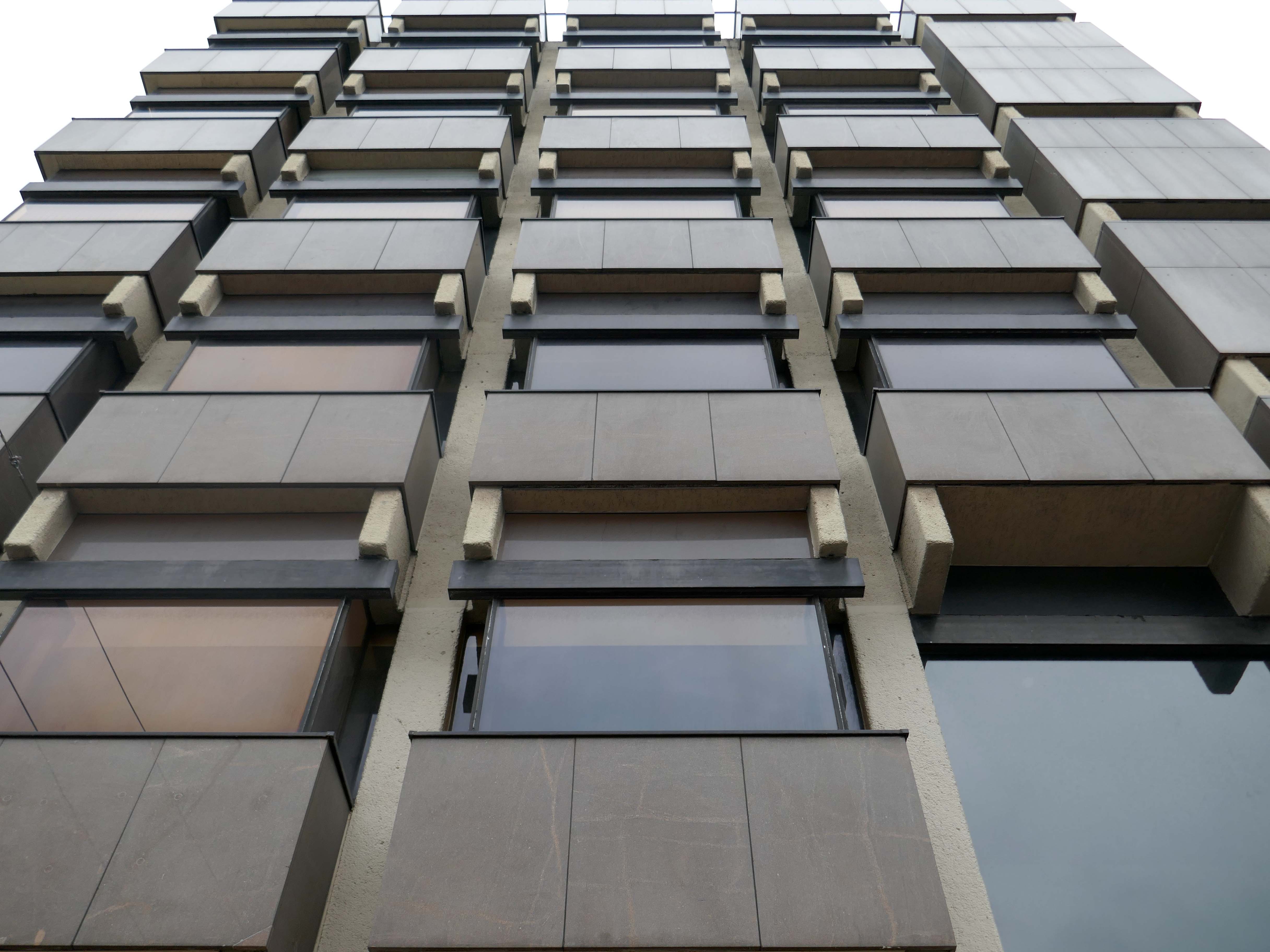
Off we go to the MidlandBank – then HSBC then not a bank at all, 1970 Peter Womersley with Roger Shaw of Kitson & Partners.
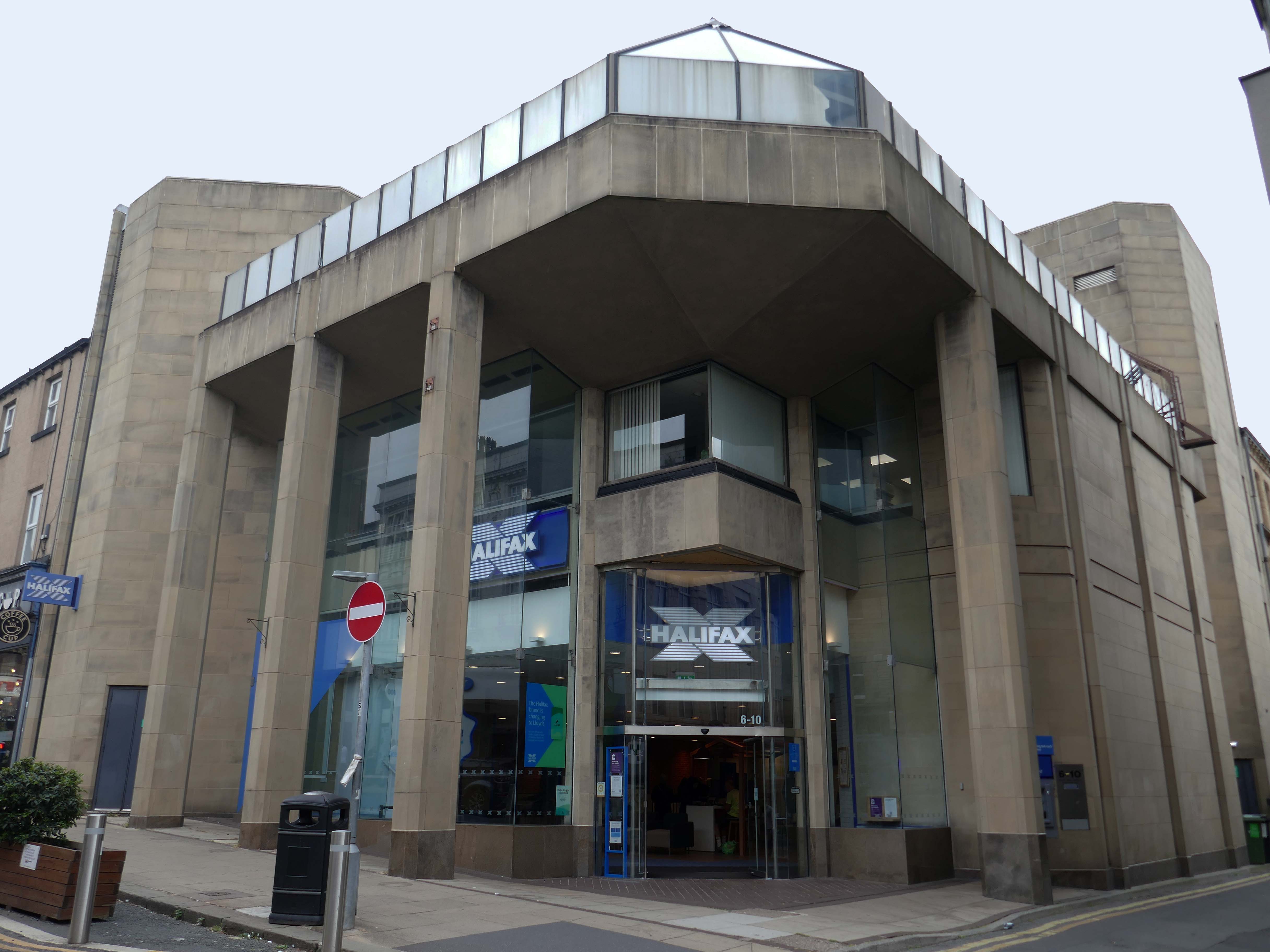
Next door the Halifax Building Society 1981 Abbey Hanson Rowe.
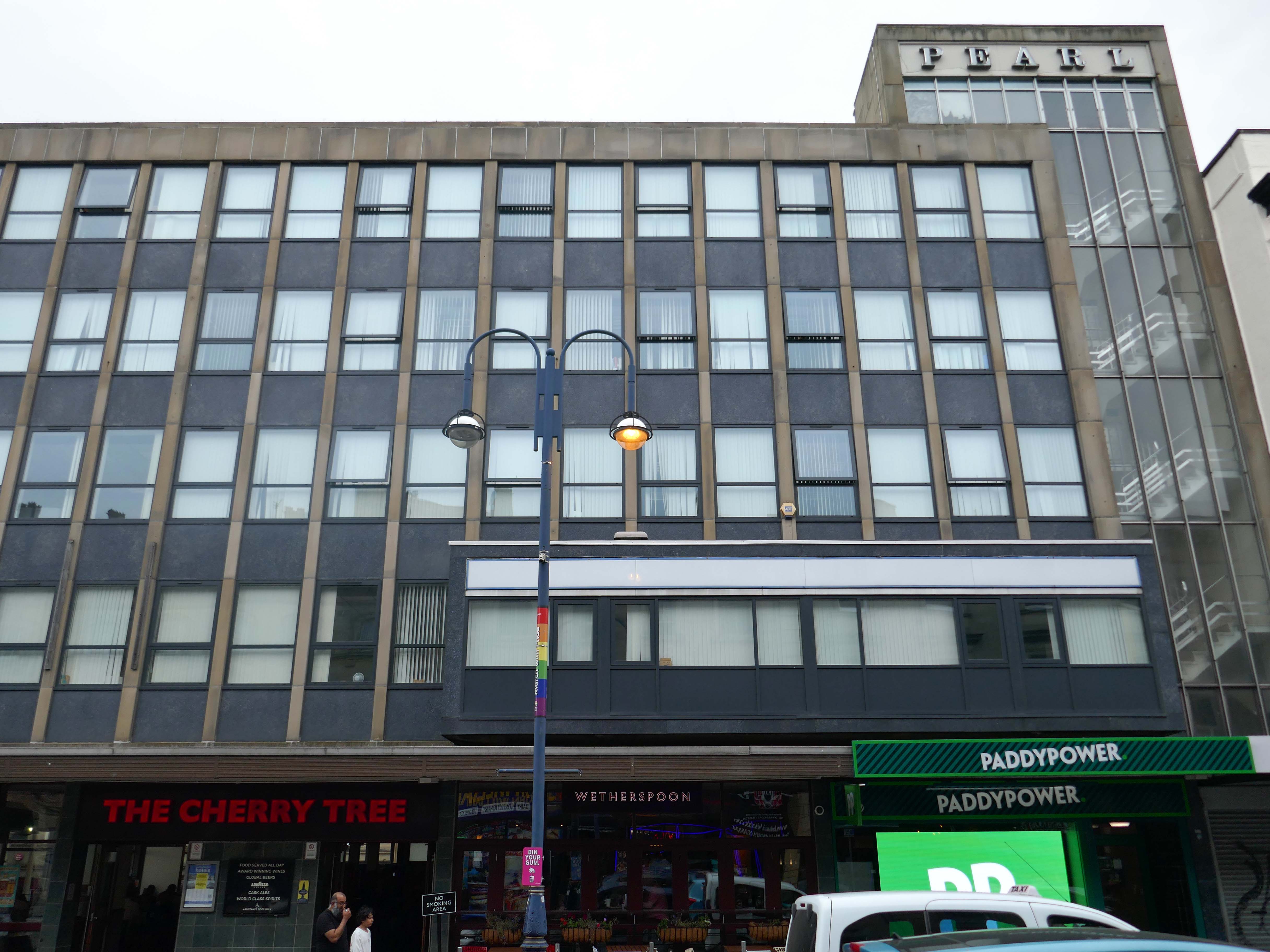
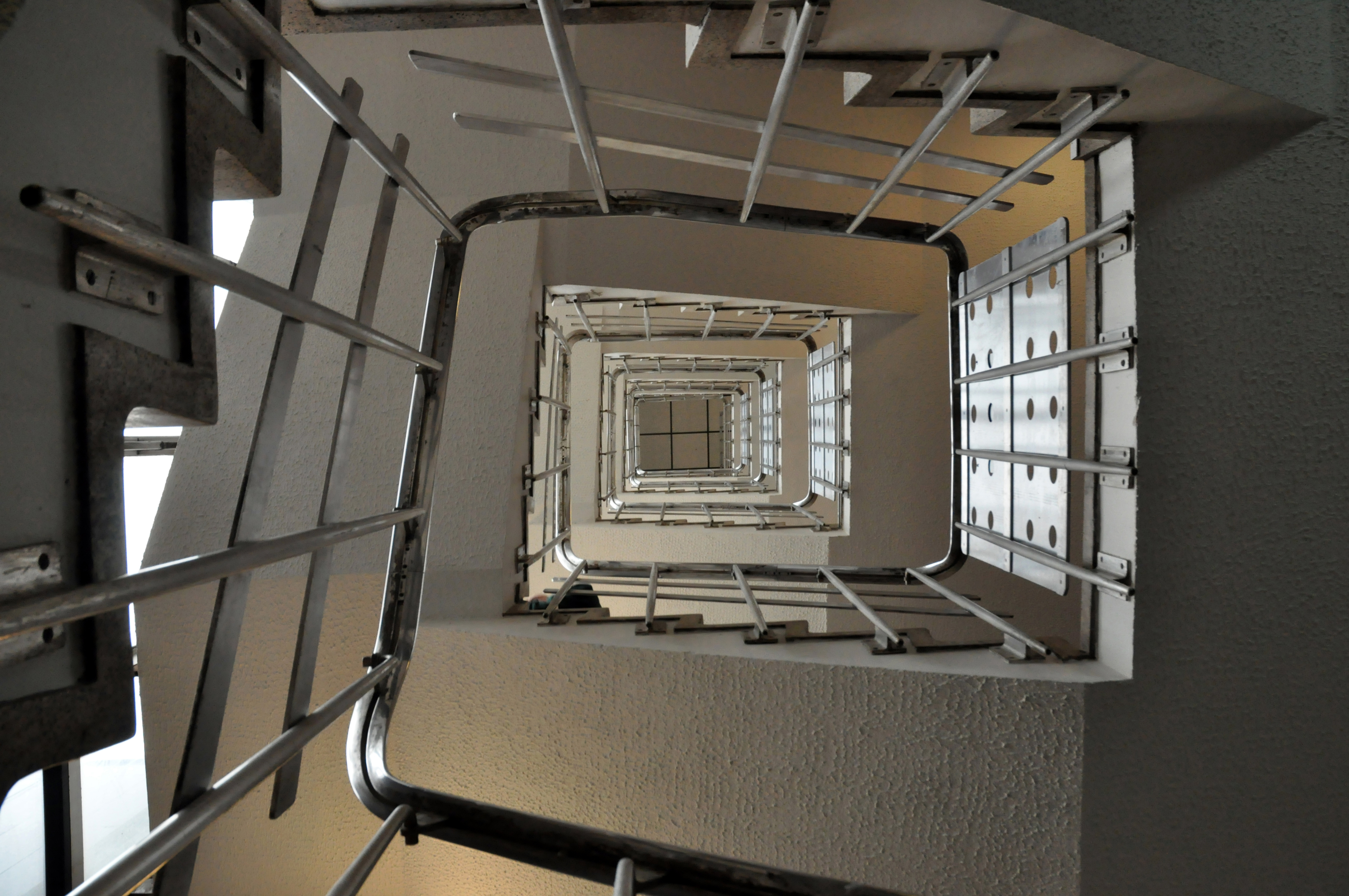
back to the main drag and the Pearl Assurance Building 1963 Elsworth Sykes & Partners.
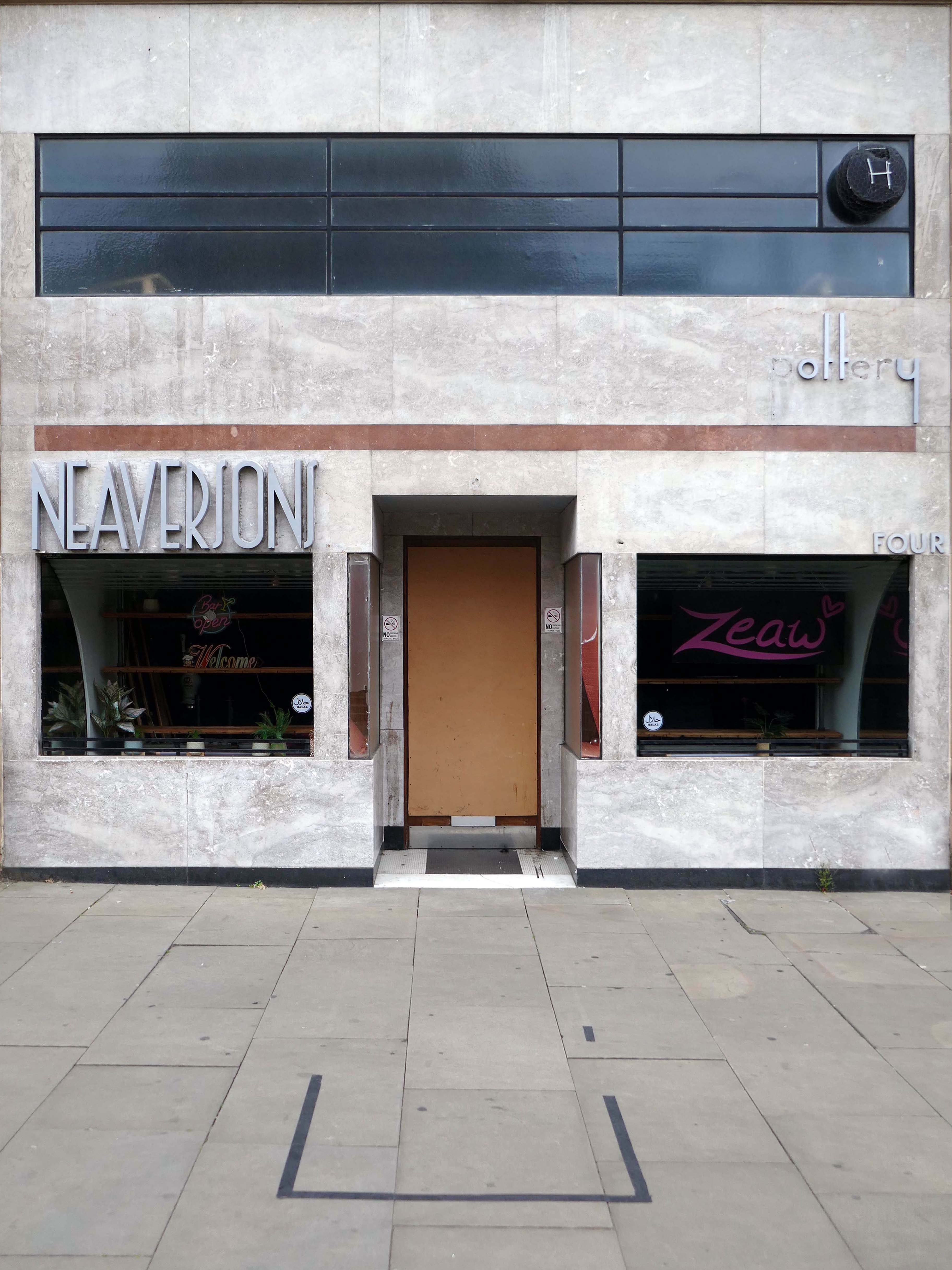
The nipping down the lane to Neaversons1935 with two Moderne fascia elevations by shop fitters Sharp & Law of Bradford, Grade II Listed as part of the Kirkgate Buildings.
Once selling bijou household goods, following occupation by several bars and cafes, currently empty.
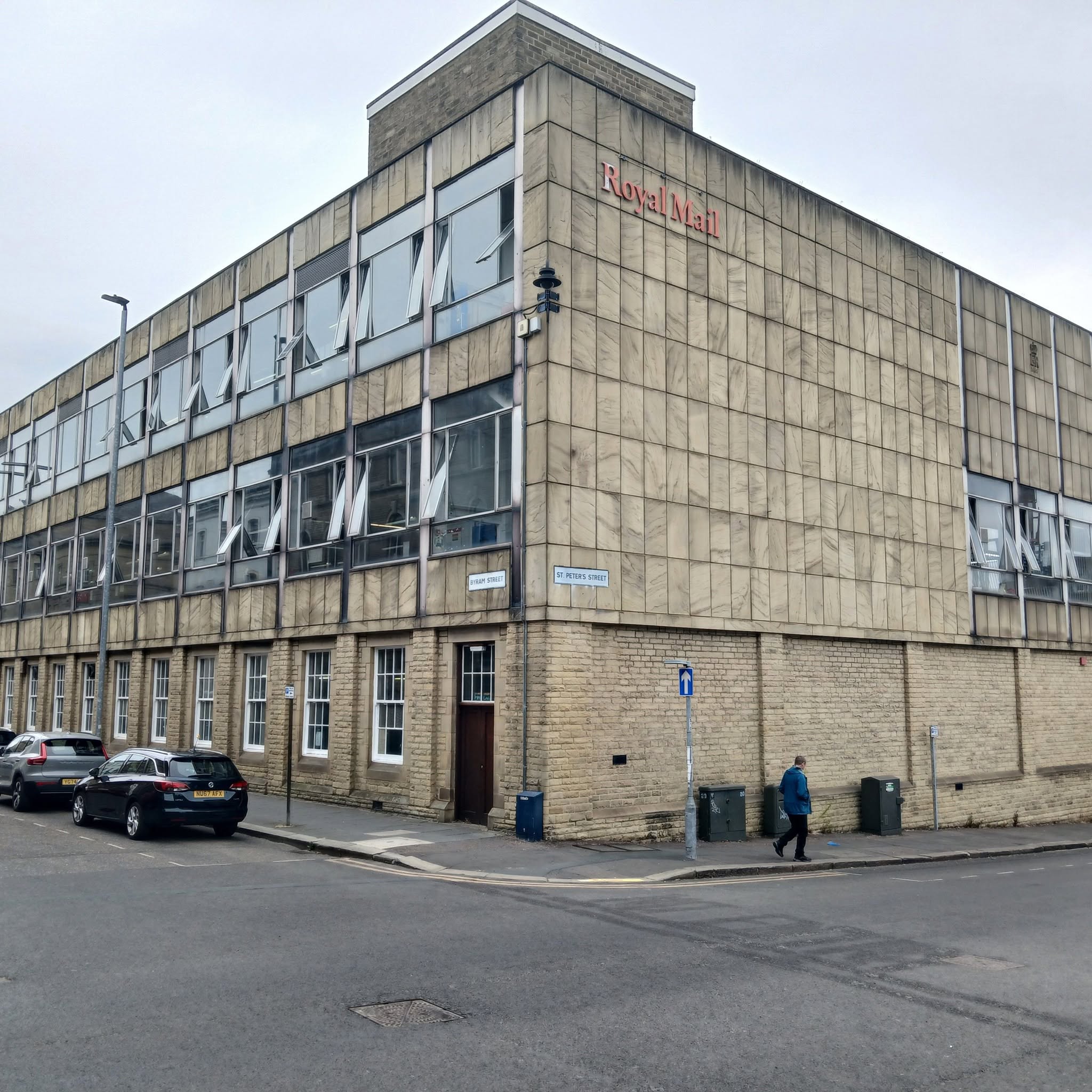
Finally just in time to catch the last post at the Royal Mail Sorting Office – Post Office extension 1968 Office of Public Works.
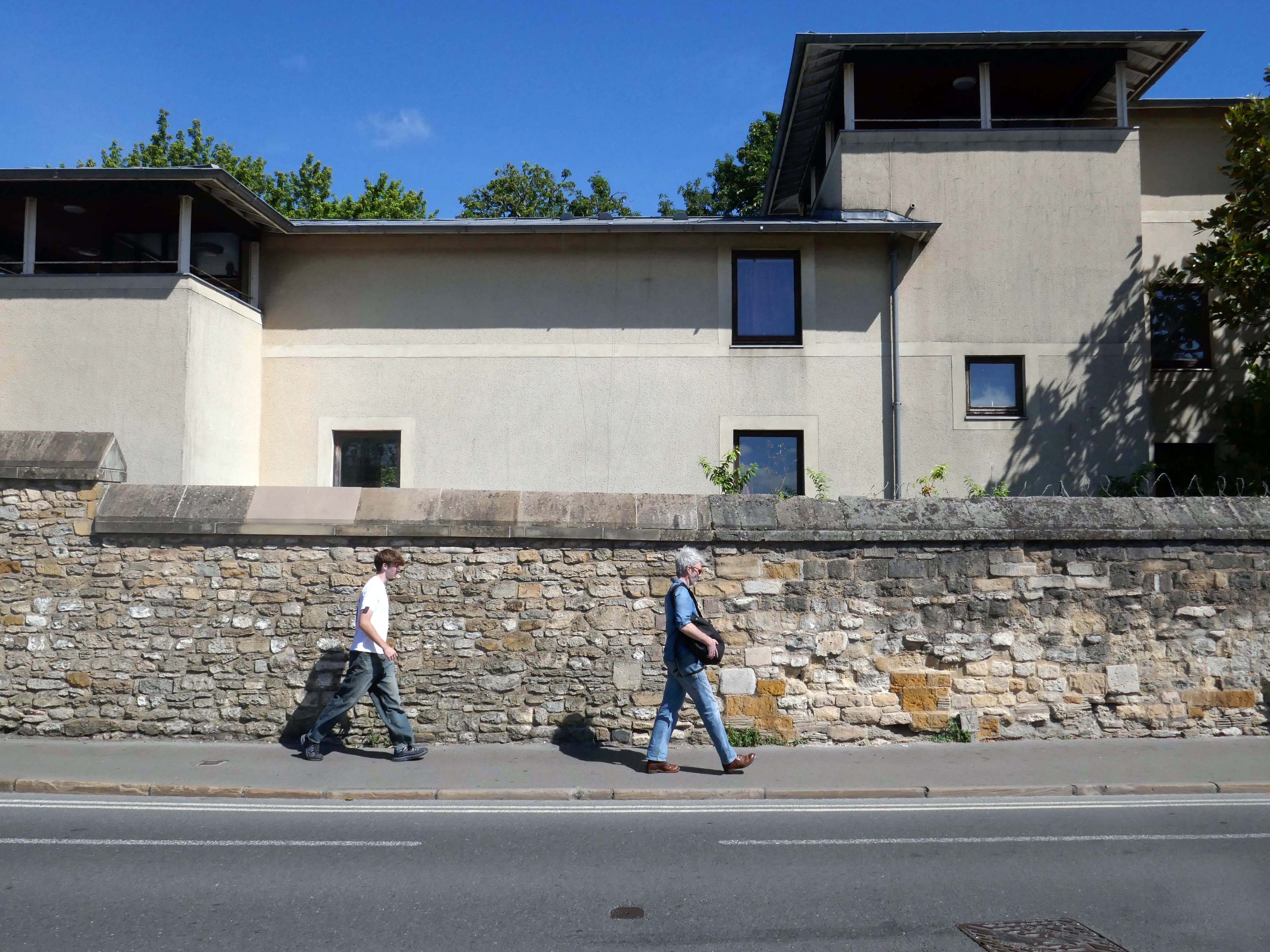
I was walking from the railway station, a map of Oxford folded in my back pocket.
Having no real notion of anything really, I simply followed my intuition and ended up here.
Worcester College was founded in 1714 by the benefaction of Sir Thomas Cookes, 2nd Baronet 1648–1701 of Norgrove, Worcestershire, whose coat of arms was adopted by the college. Its predecessor, Gloucester College, had been an institution of learning on the same site since the late 13th century until the Dissolution of the Monasteries in 1539.
Founded as a men’s college, Worcester has been coeducational since 1979.
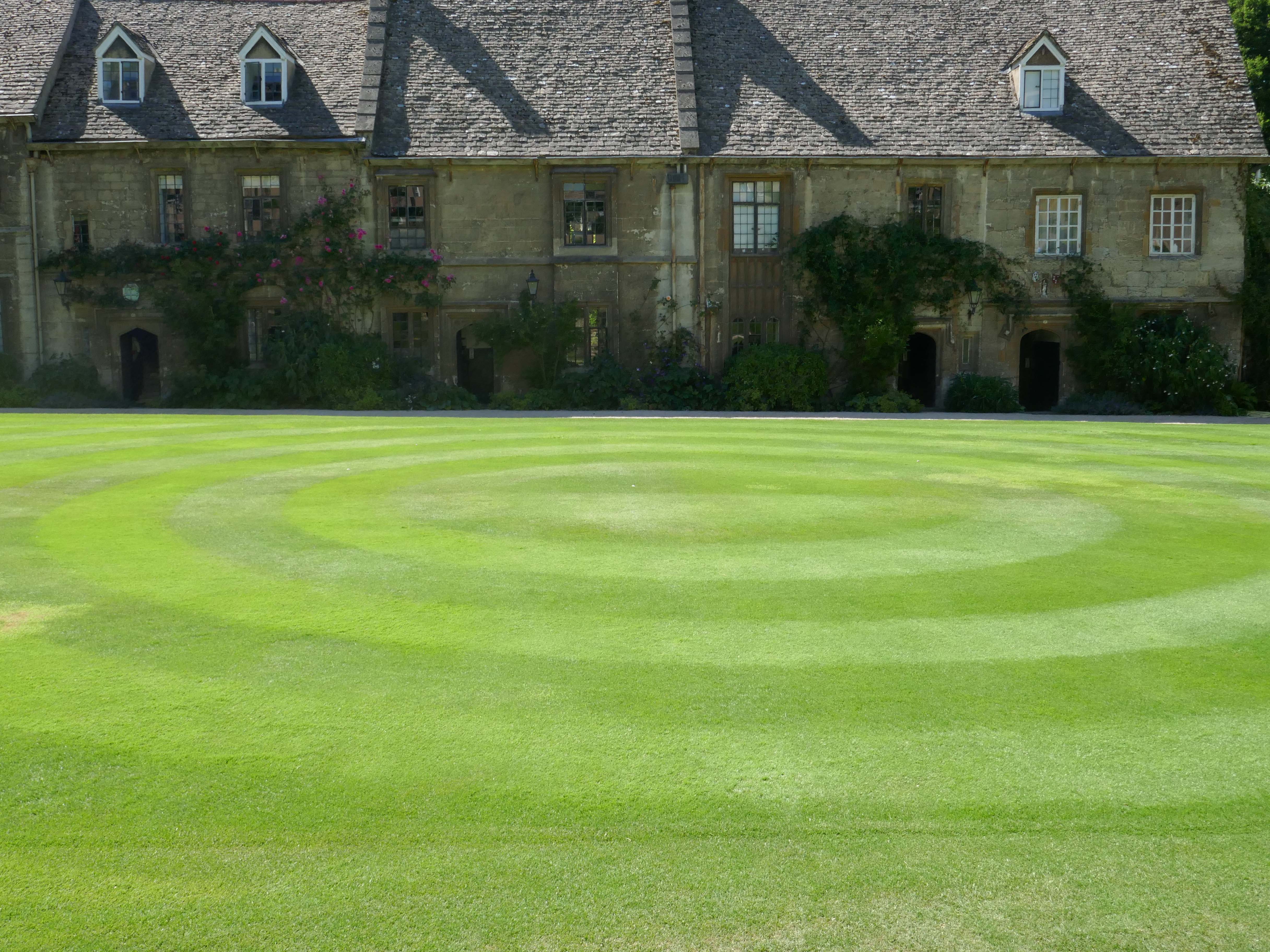
This Mediaeval terrace is thought to be the oldest surviving domestic building in the city, known as the cottages – forming one side of the Quad.
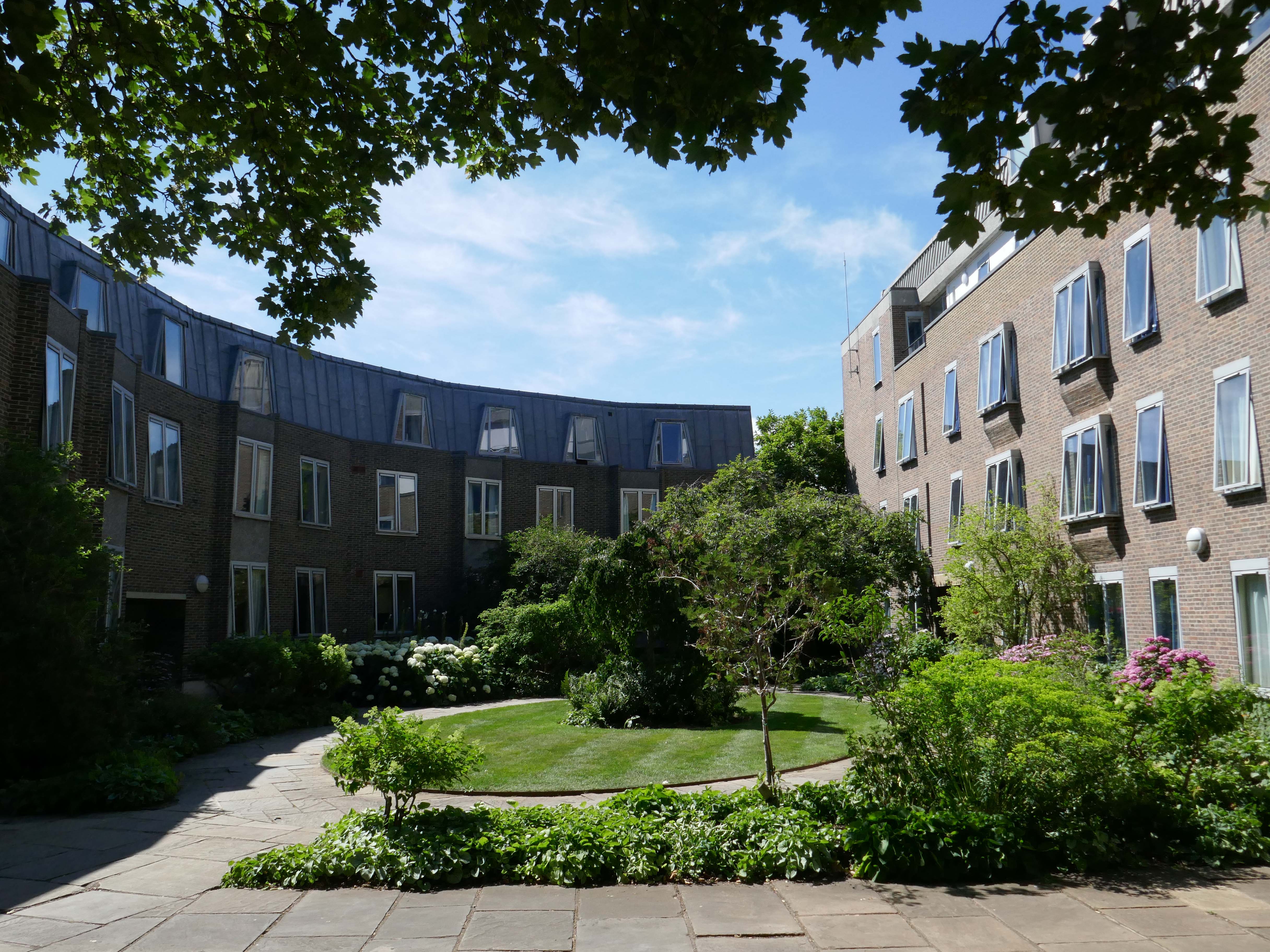
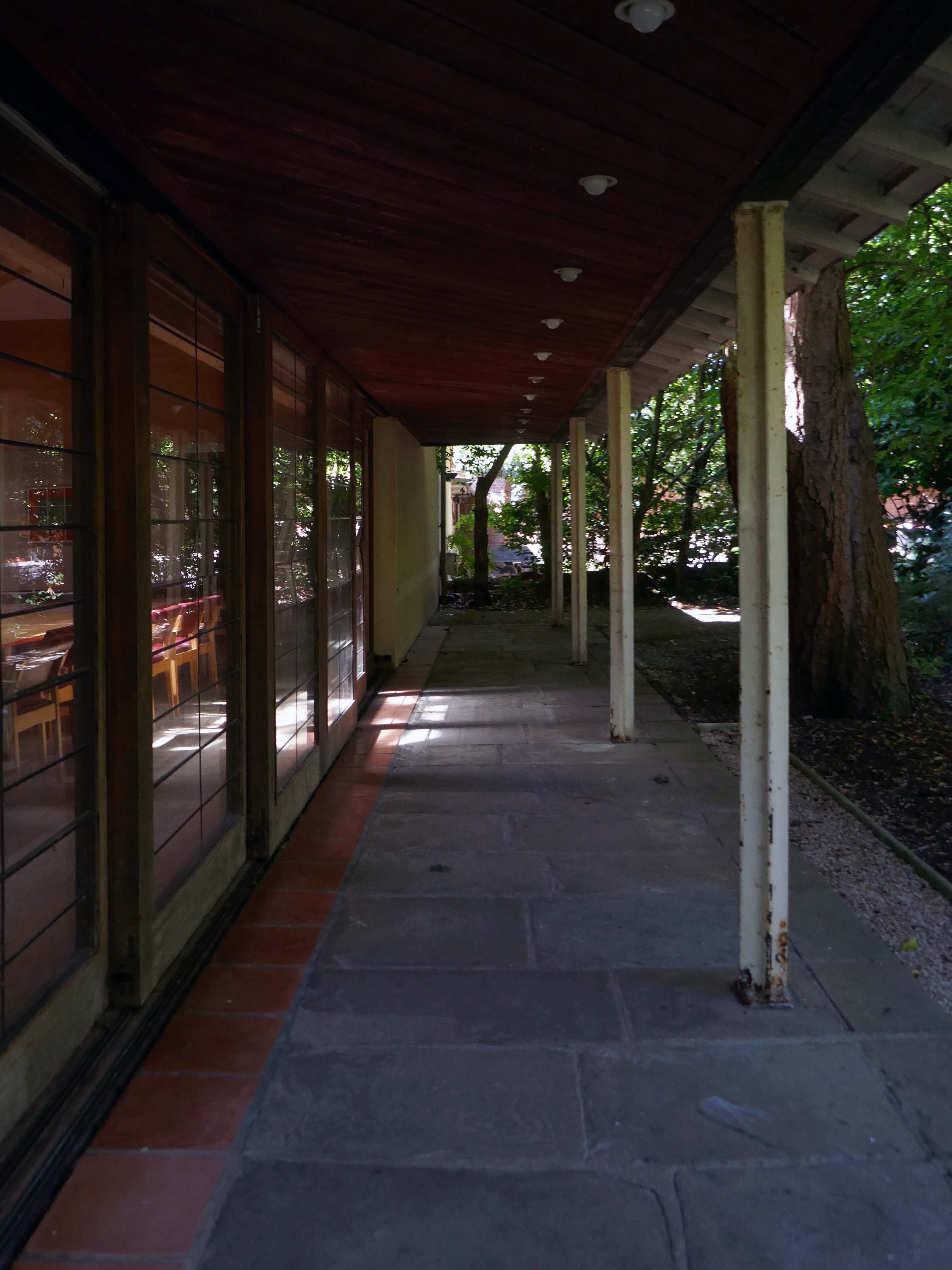
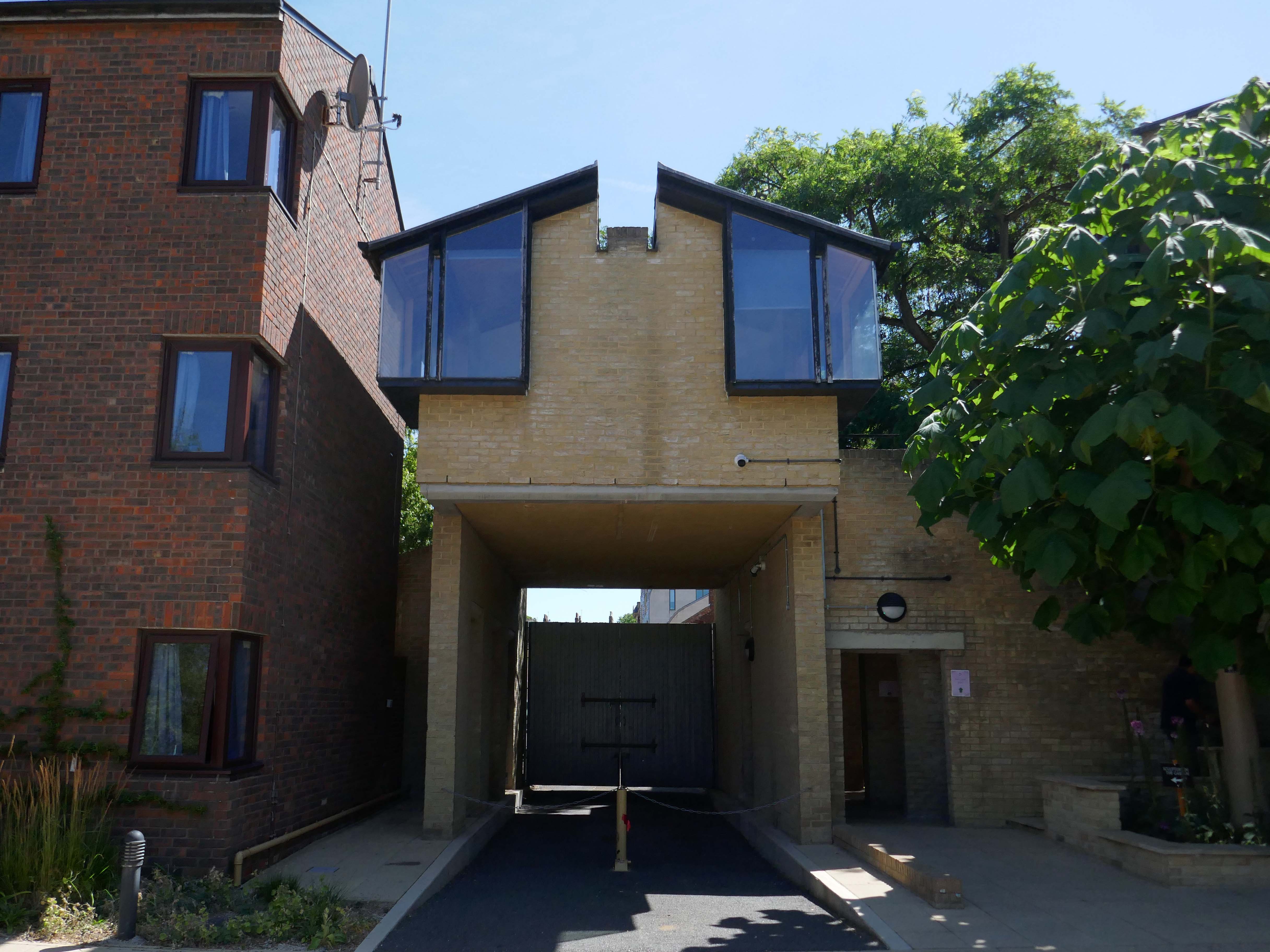
This is the Casson Building – undergraduate accommodation.
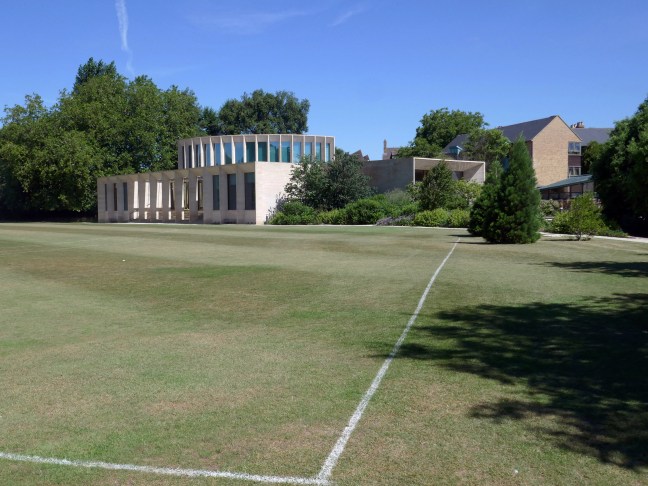
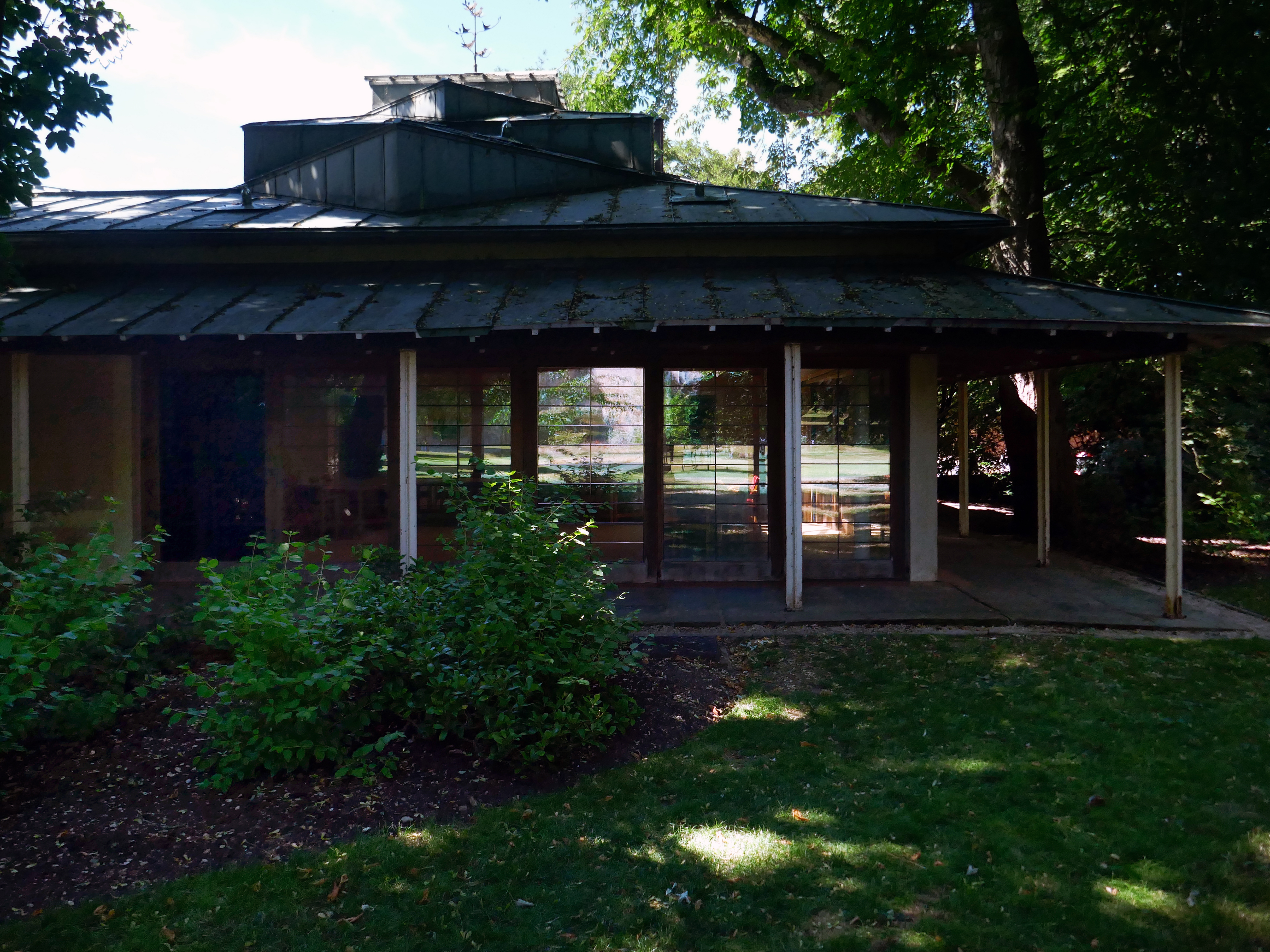
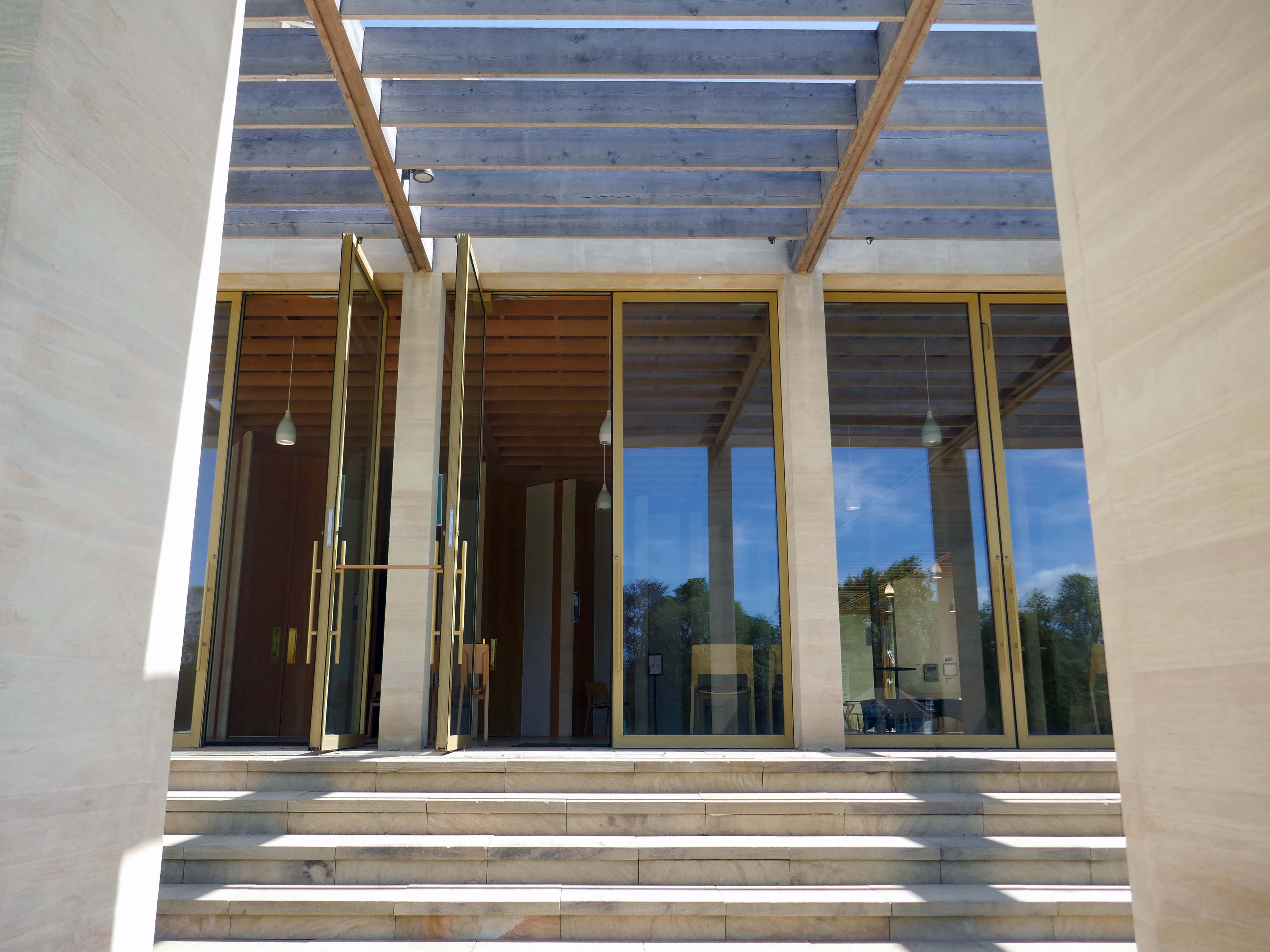
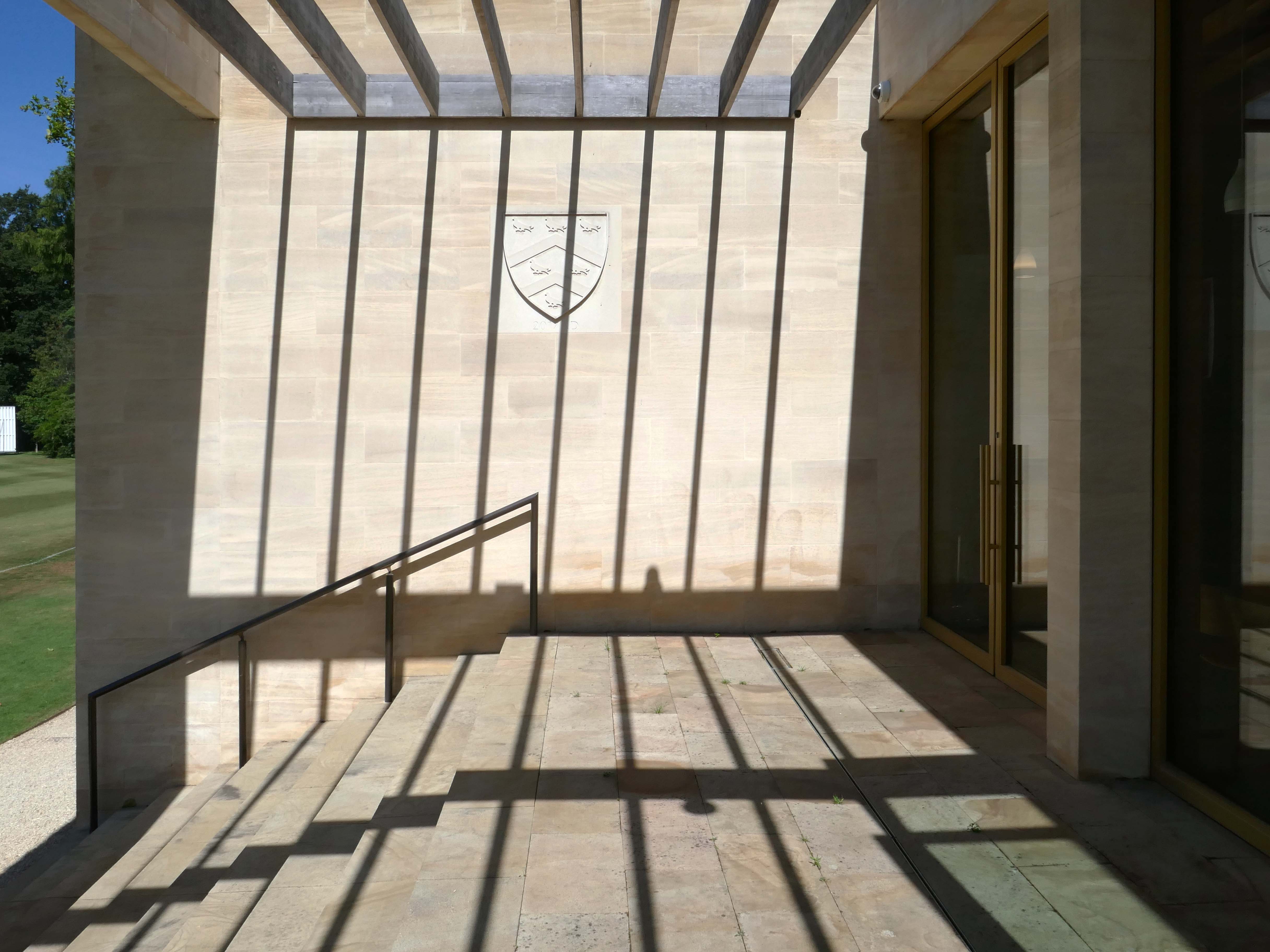
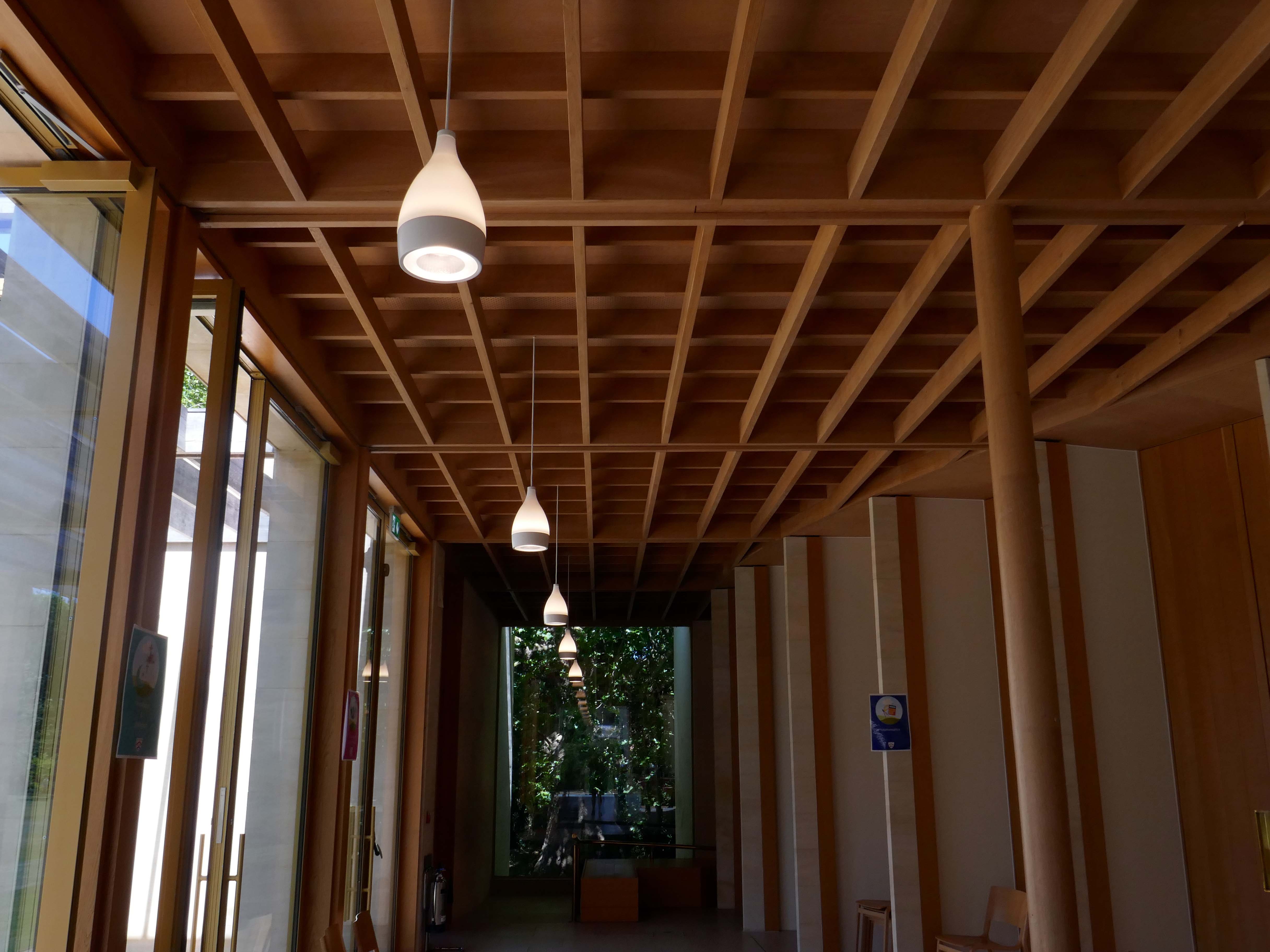
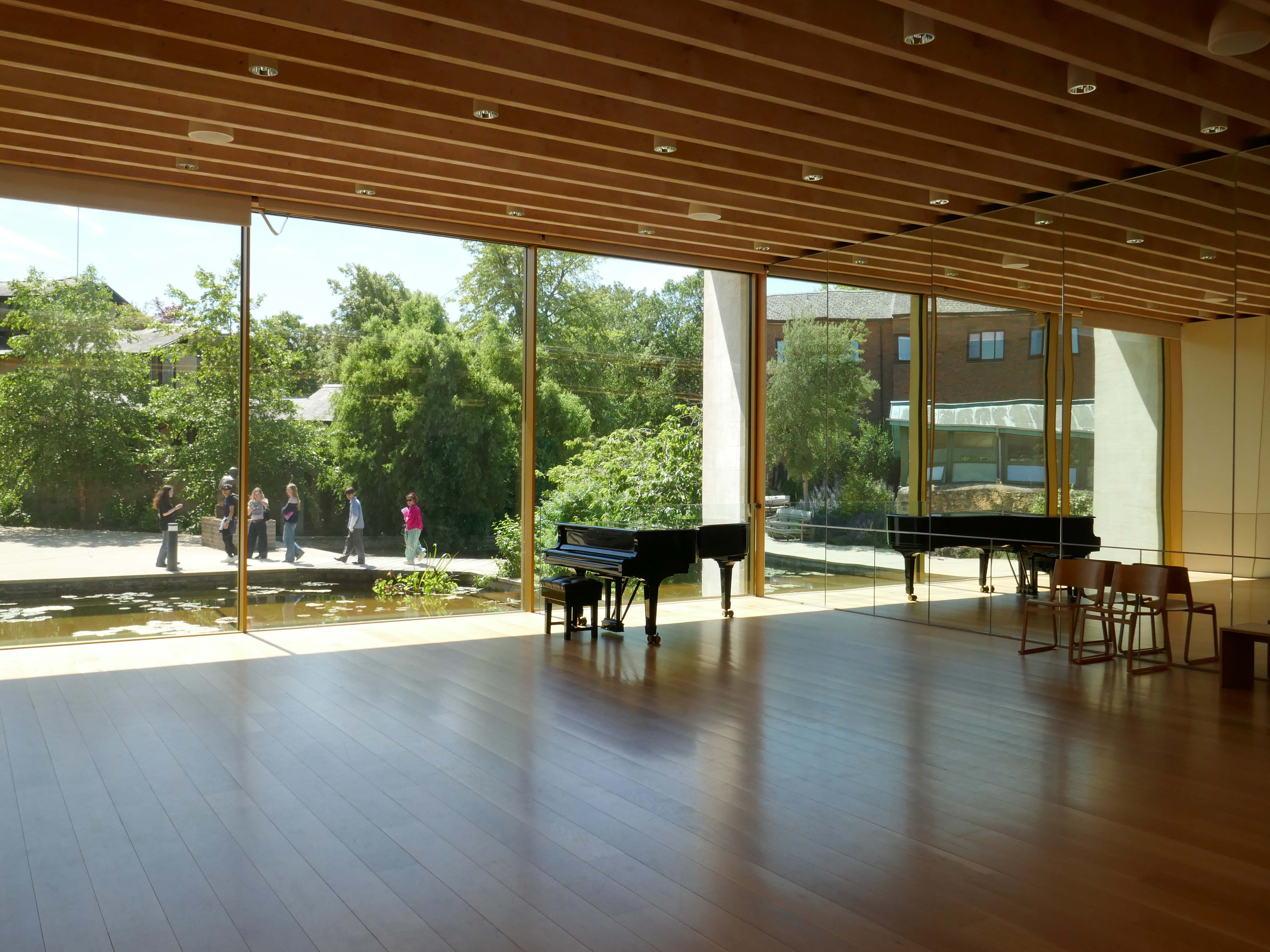
The Linbury Building is a dedicated conferencing and private dining venue enjoying a beautiful natural setting among mature trees and landscaped lawns.
Accommodating up to one hundred guests for receptions or forty eight on a fully-catered basis, the Linbury Building offers the perfect venue for your mid-sized event. Set among the College’s award-winning gardens, the Linbury allows you to enjoy our unique natural setting thanks to floor-to-ceiling glazing which can be retracted to create an al fresco space in the summer.
With its own bespoke furniture made from English oak and College-crested leather chairs, the main conferencing space can be adapted into a wide variety of configurations, from seminar, cabaret or theatre to private dining and drinks receptions. The adjacent foyer area is a perfect space for delegate registration, break-out coffee and pastries or buffet lunch service.
John Davan Sainsbury – Baron Sainsbury of Preston Candover 1927 – 2022 was a British businessman and politician. He served as the President of Sainsbury’s, and sat in the House of Lords as a life peer and member of the Conservative Party
Robert Alfred Maguire 1931–2019 was an influential British modernist architect and leading thinker in the British liturgical architectural movement of the Church of England. Maguire and Keith Murray formed an architectural practice in 1959.
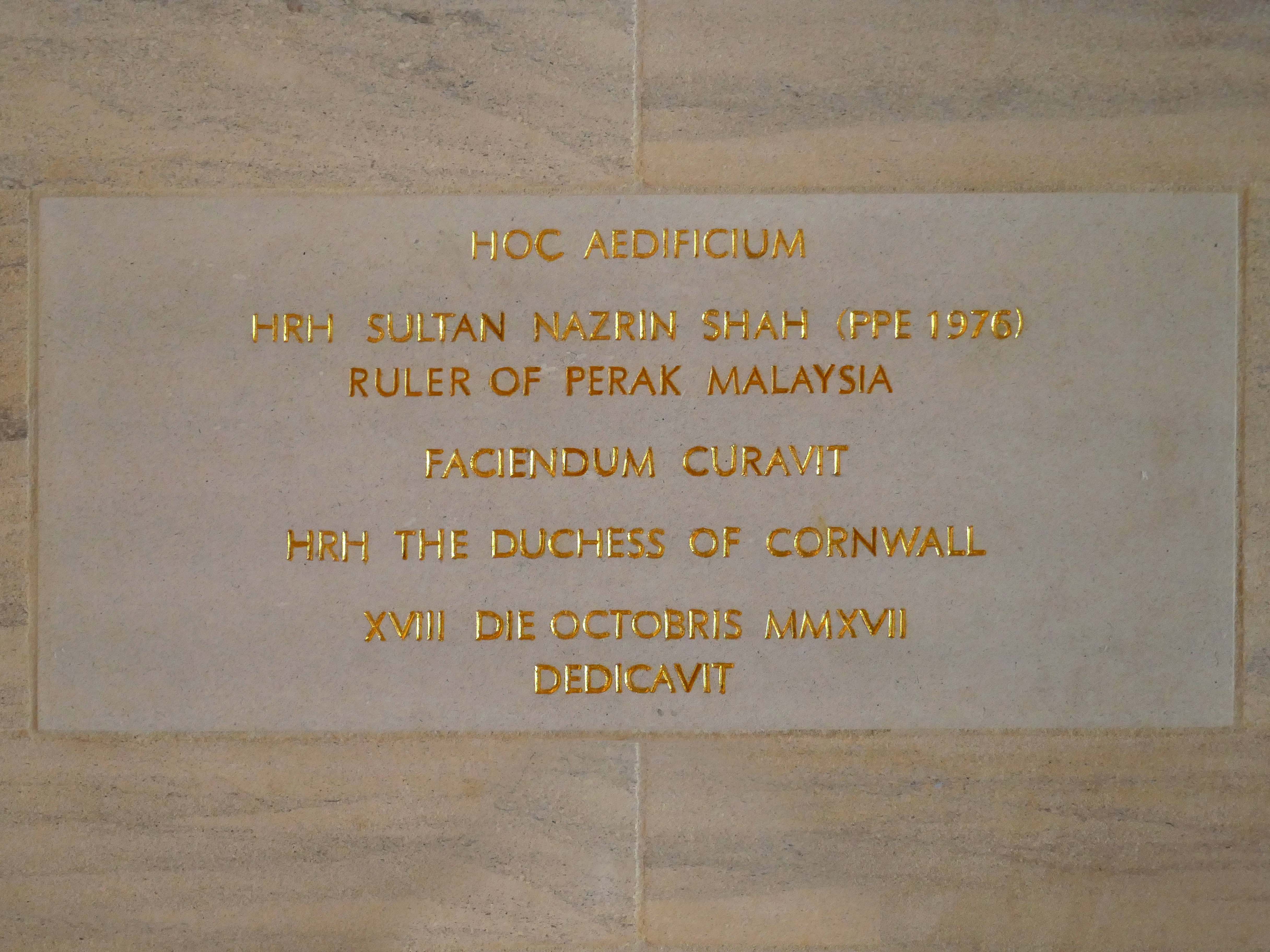
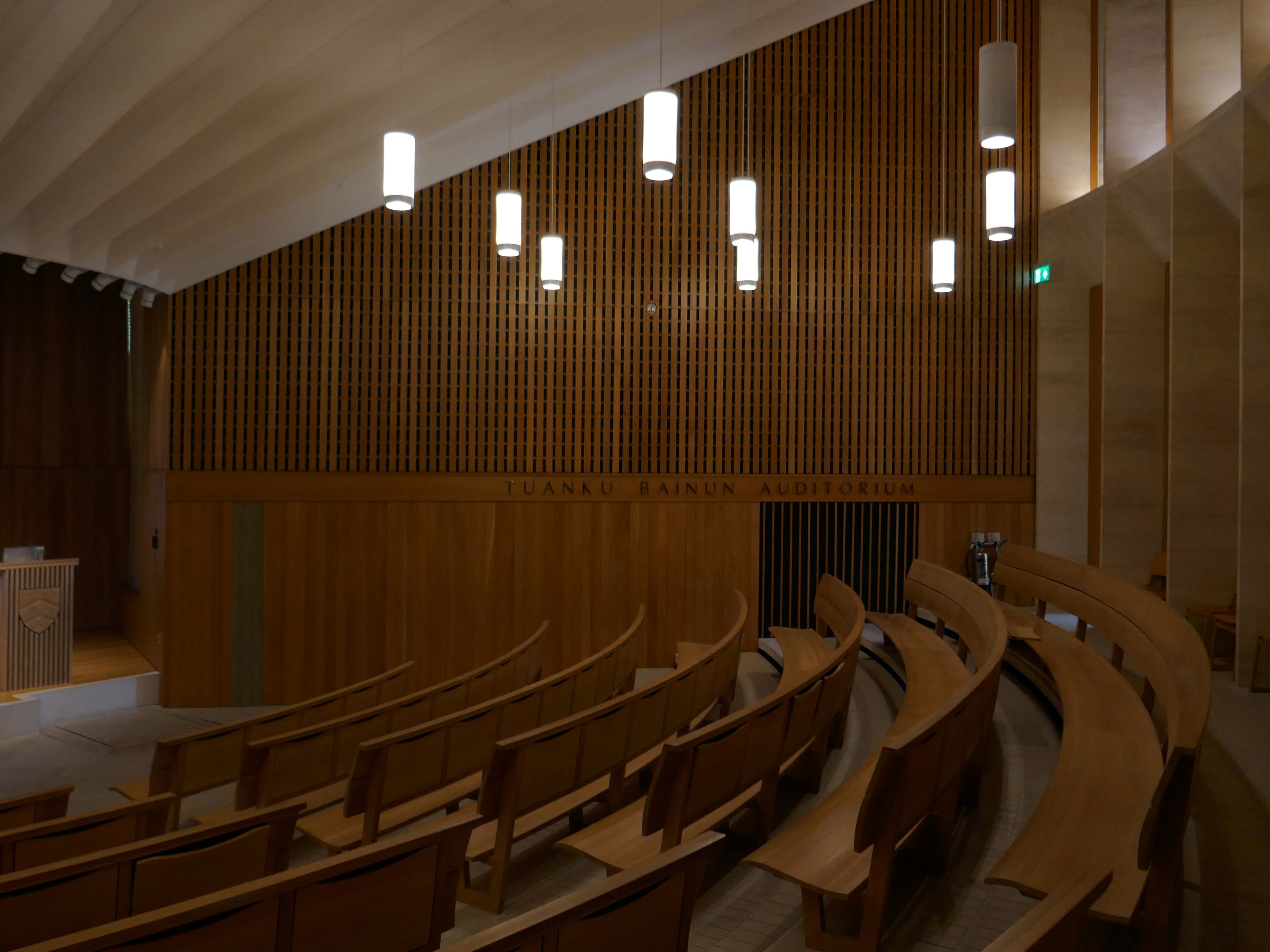
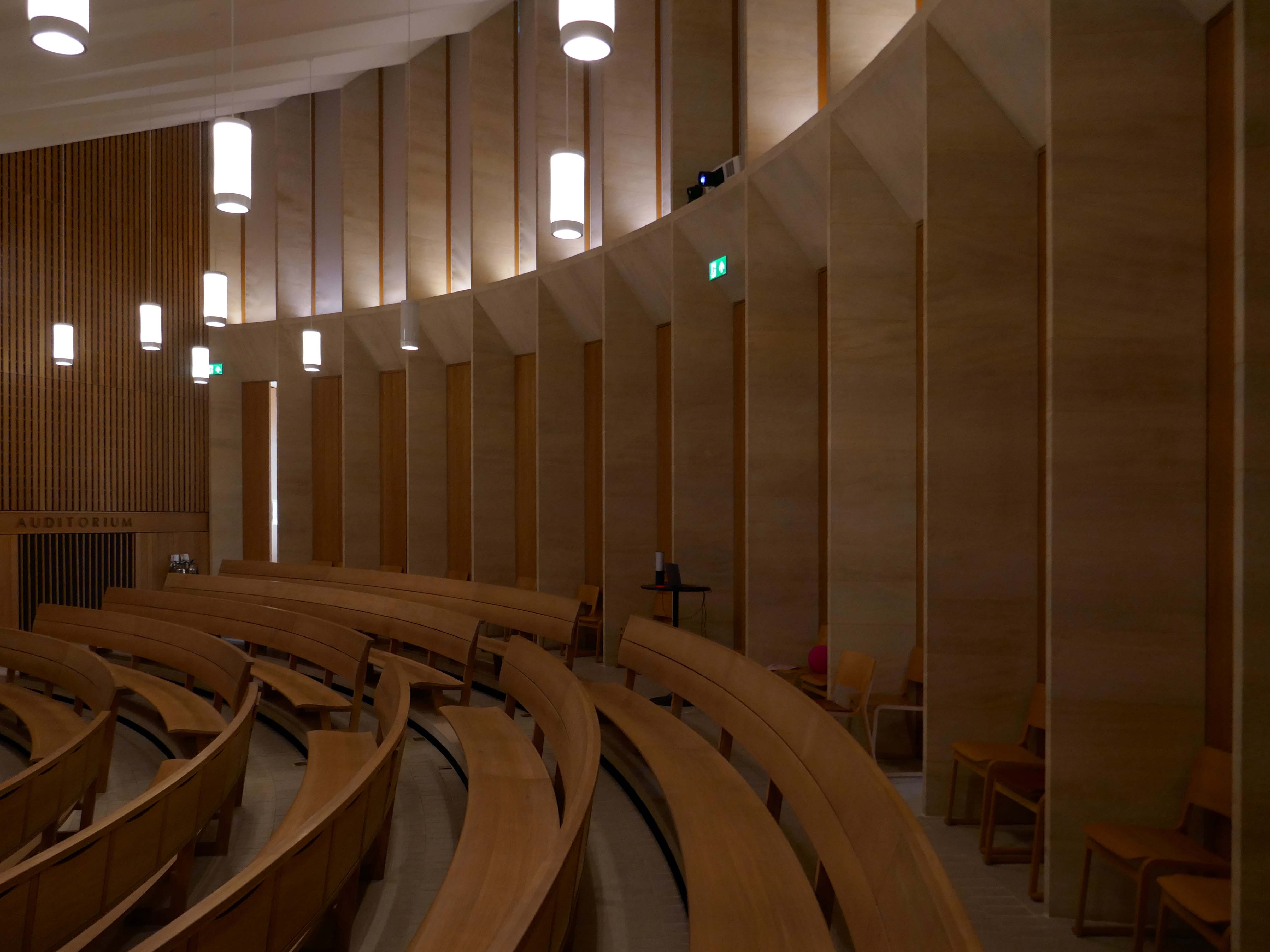
Nazrin Shah ascended the throne of Perak in 2014. As Sultan of Perak, he has been a strong advocate for education, Islamic moderation, and national unity. He has served as deputy king under Sultan Muhammad V of Kelantan, Sultan Abdullah of Pahang, and Sultan Ibrahim of Johor.
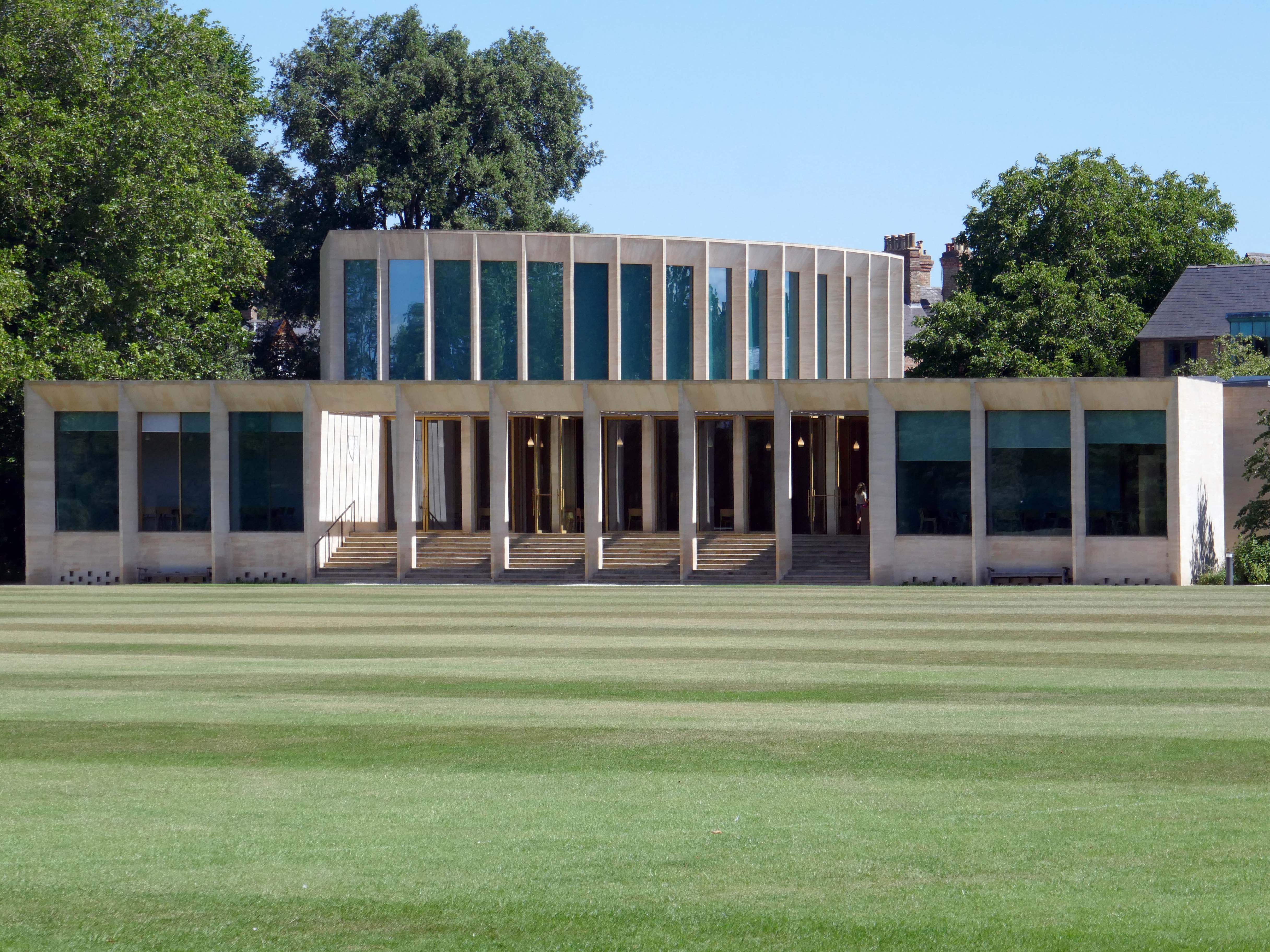
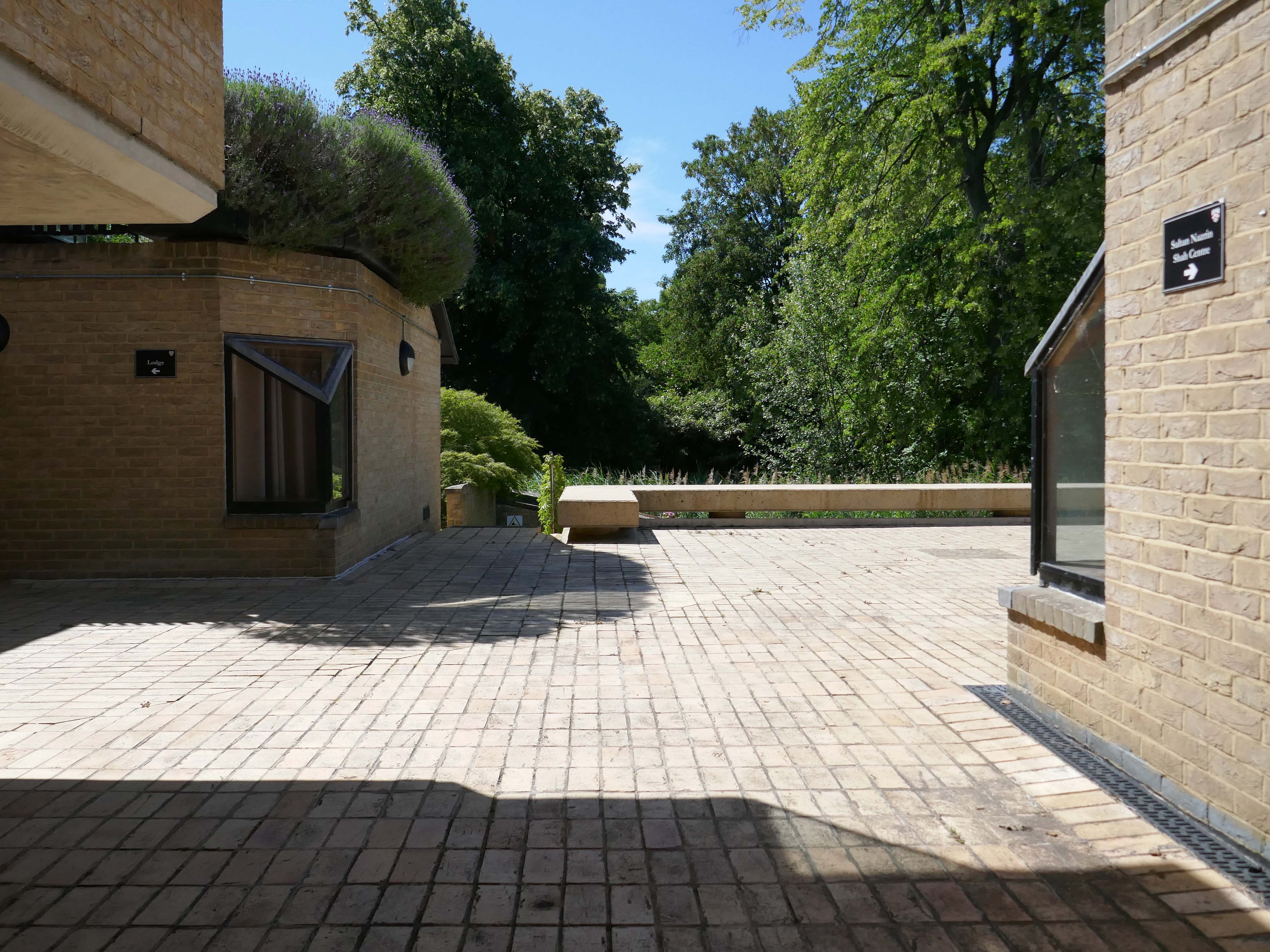
The Sultan Nazrin Shah Centre is a new building of 2017 housing a large lecture theatre, a student learning space, seminar rooms and a dance studio. The project is not simply the provision of new facilities, but also the development and enhancement of the setting of this significant part of the College site. Whilst the relationship between the new buildings and the listed parkland is important, it is only one part of a complex arrangement.
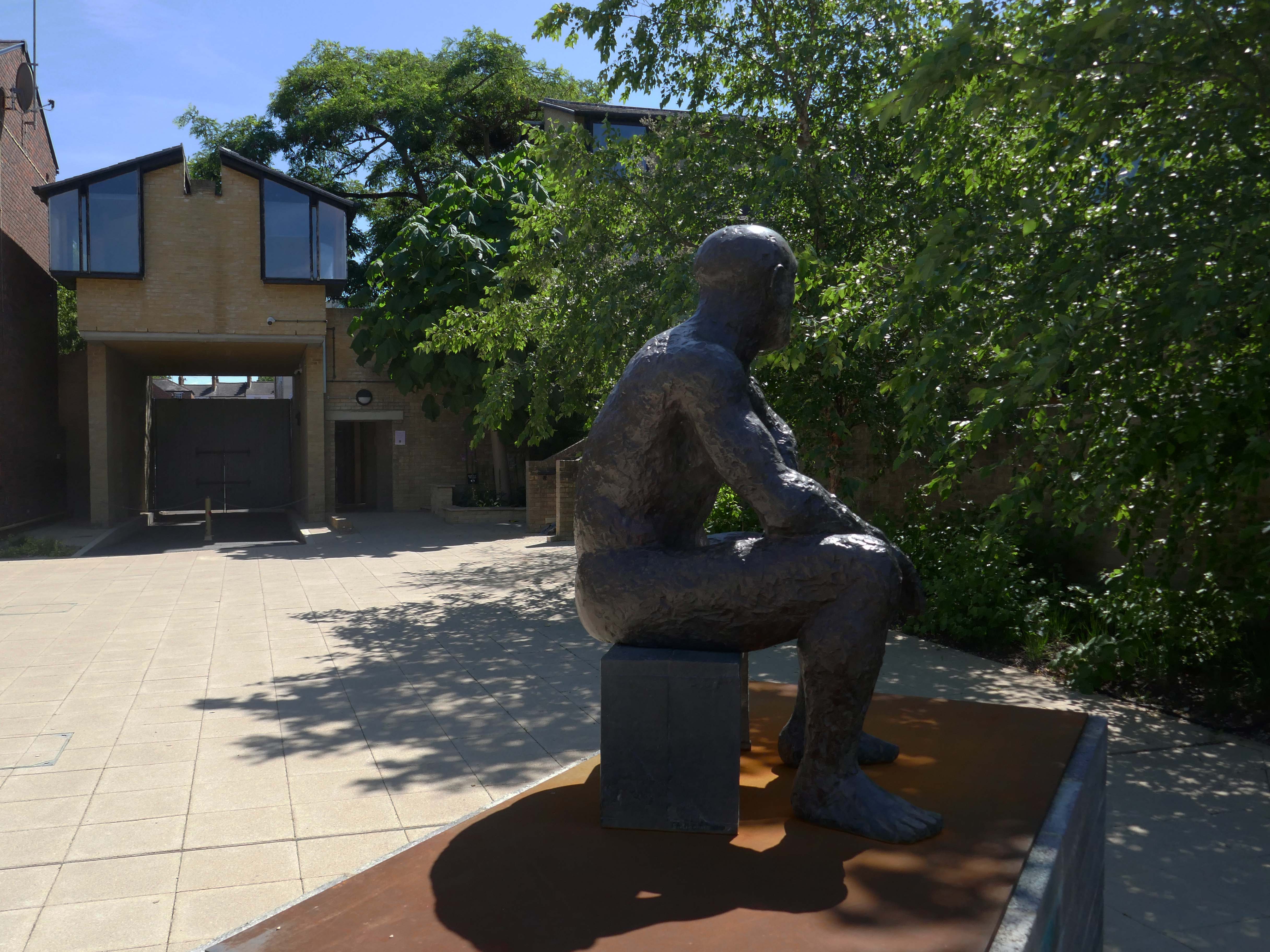
Elizabeth Frink’s sculpture Seated Man II – on loan from Yorkshire Sculpture Park, in accordance with the wishes of the artist’s late son, Lin Jammet, 2020.
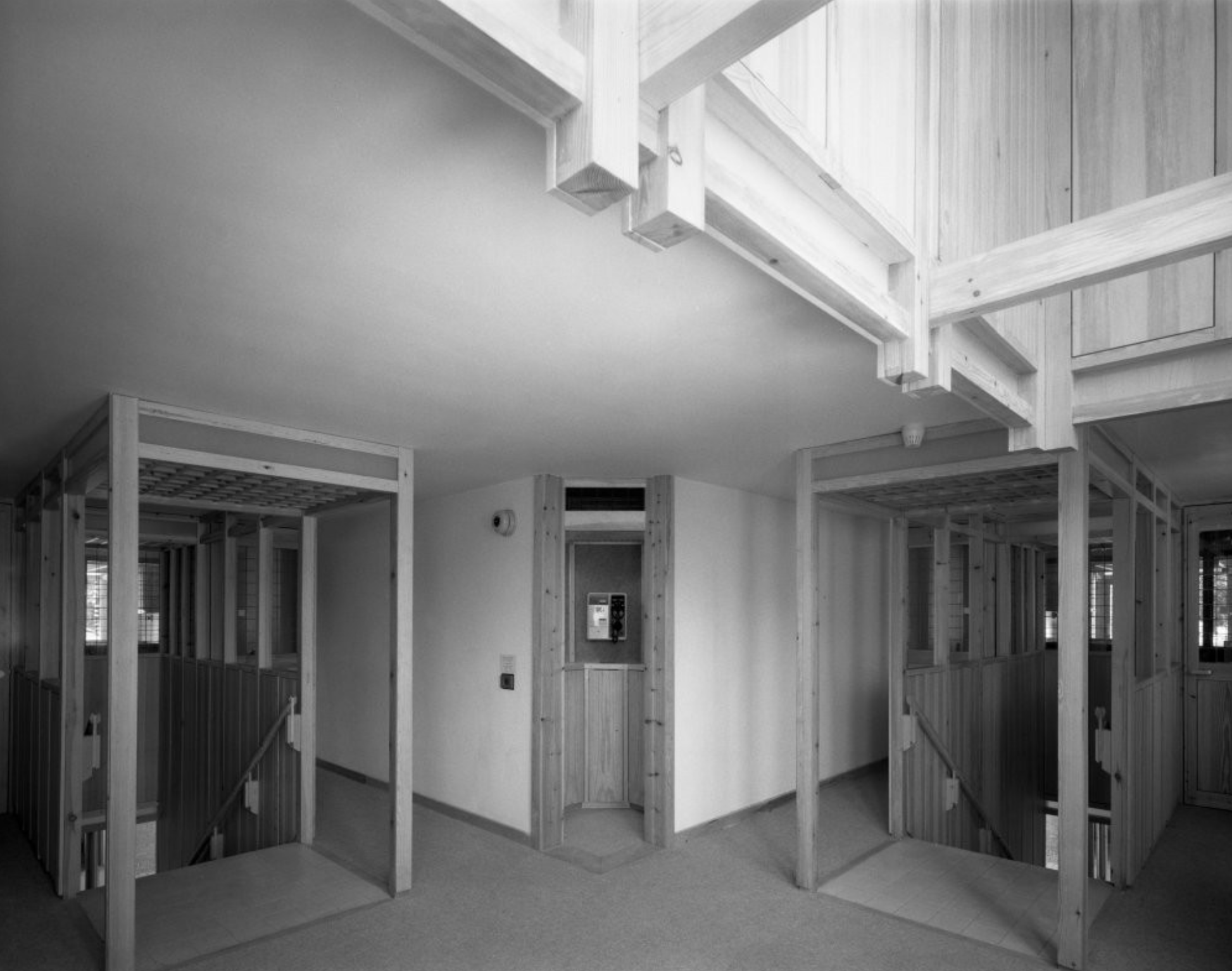
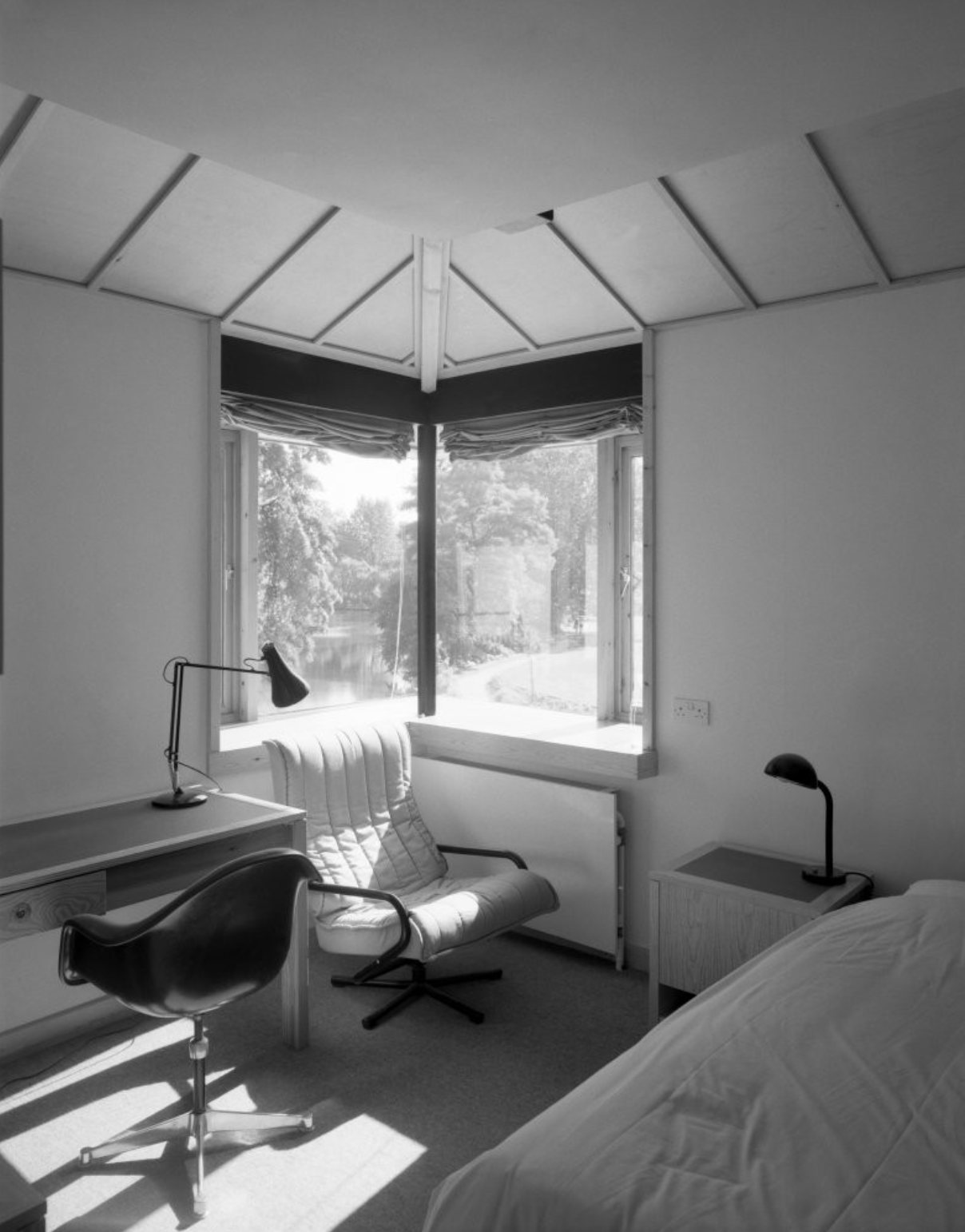
He overlooks The Sainsbury Building student accommodation – 1983 Architect: Richard MacCormac
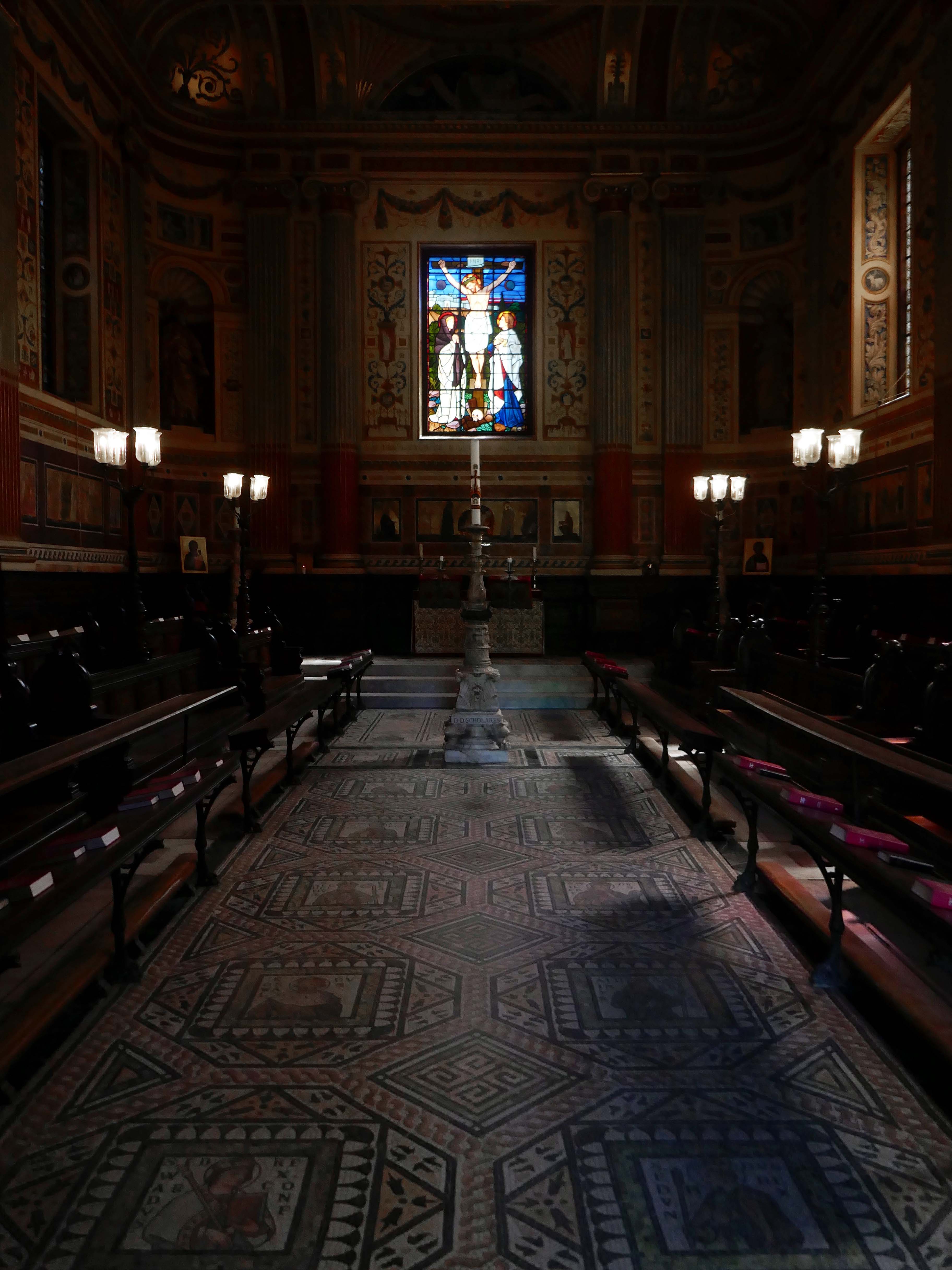
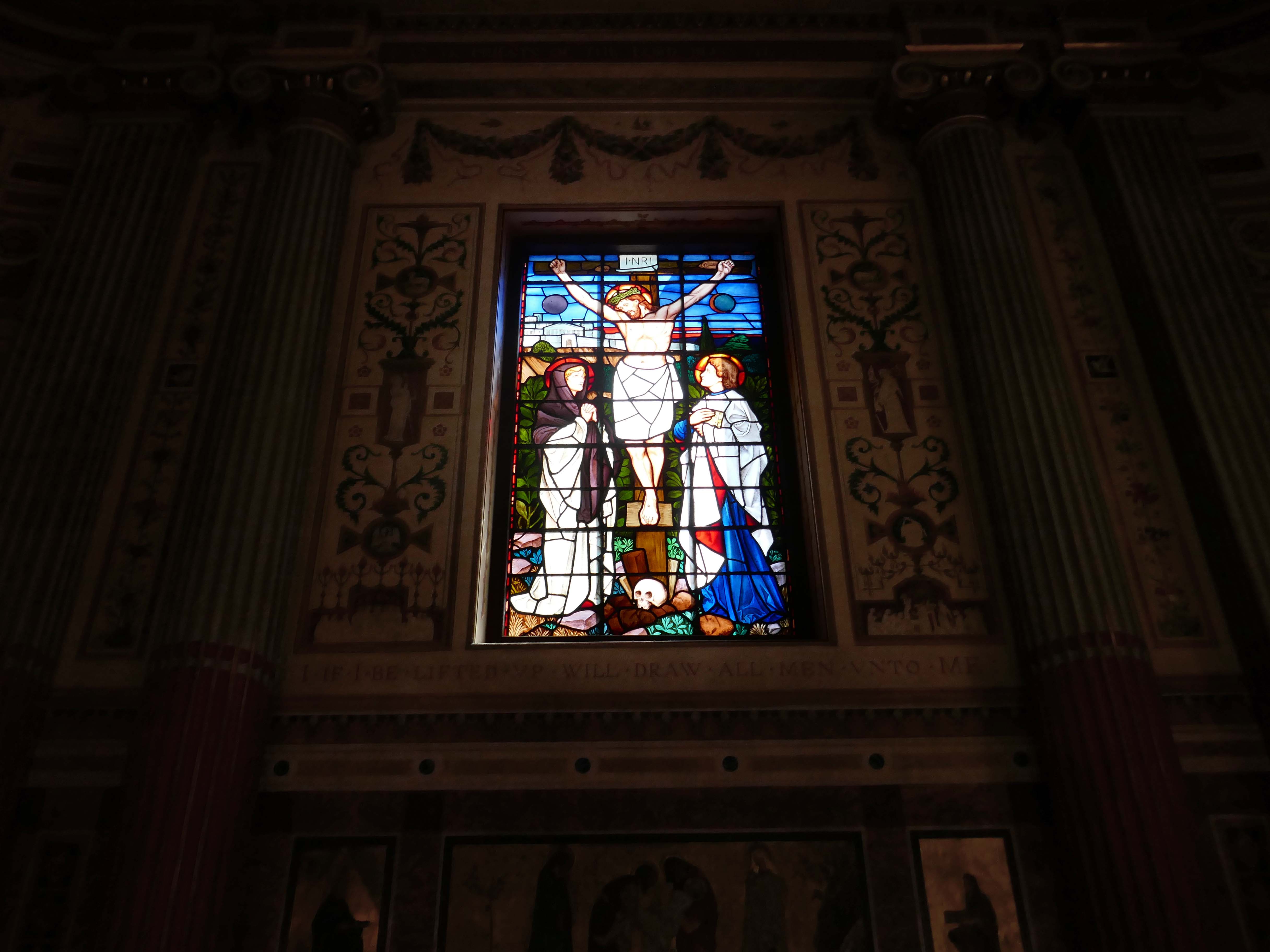
The College Chapel was built in the 18th century. George Clarke, Henry Keene, and James Wyatt were responsible for different stages of its lengthy construction 1720–1791, owing to a shortage of funds. The interior columns and pilasters, the dome, and the delicate foliage plastering are all Wyatt’s work. His classical interior was insufficiently emphatic for the tastes of militant Victorian churchmen, and between 1864 and 1866 the chapel was redecorated by William Burges.
It is highly unusual and decorative; being predominantly pink, the pews are decorated with carved animals, including kangaroos and whales, and the walls are riotously colourful, and include frescoes of dodos and peacocks. Its stained glass windows were to have been designed by John Everett Millais, but Burges rejected his designs and entrusted the work to Henry Holiday.
Wikipedia
My first visit to Oxford and the centuries wide cornucopia of architectural styles and fashion.
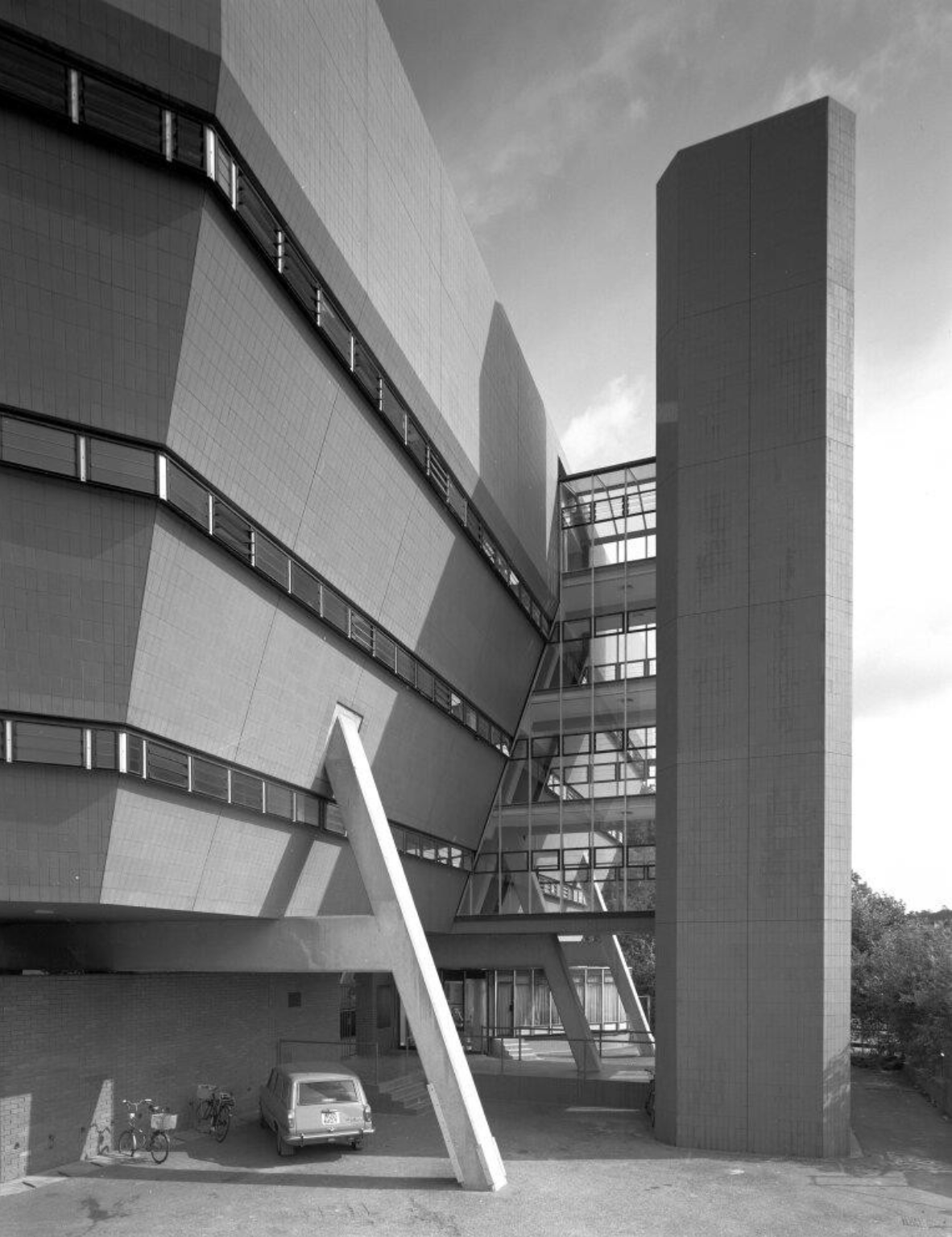
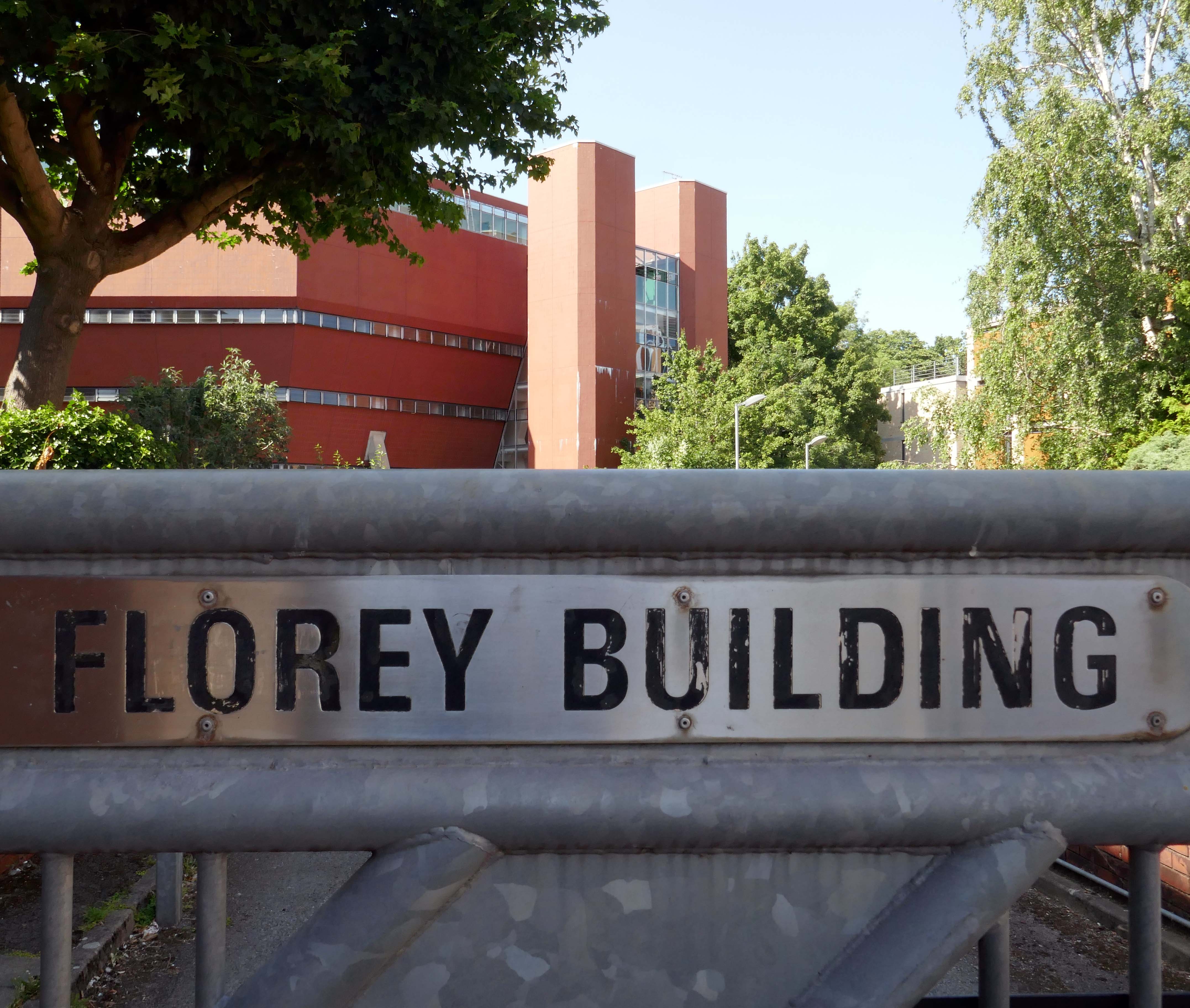
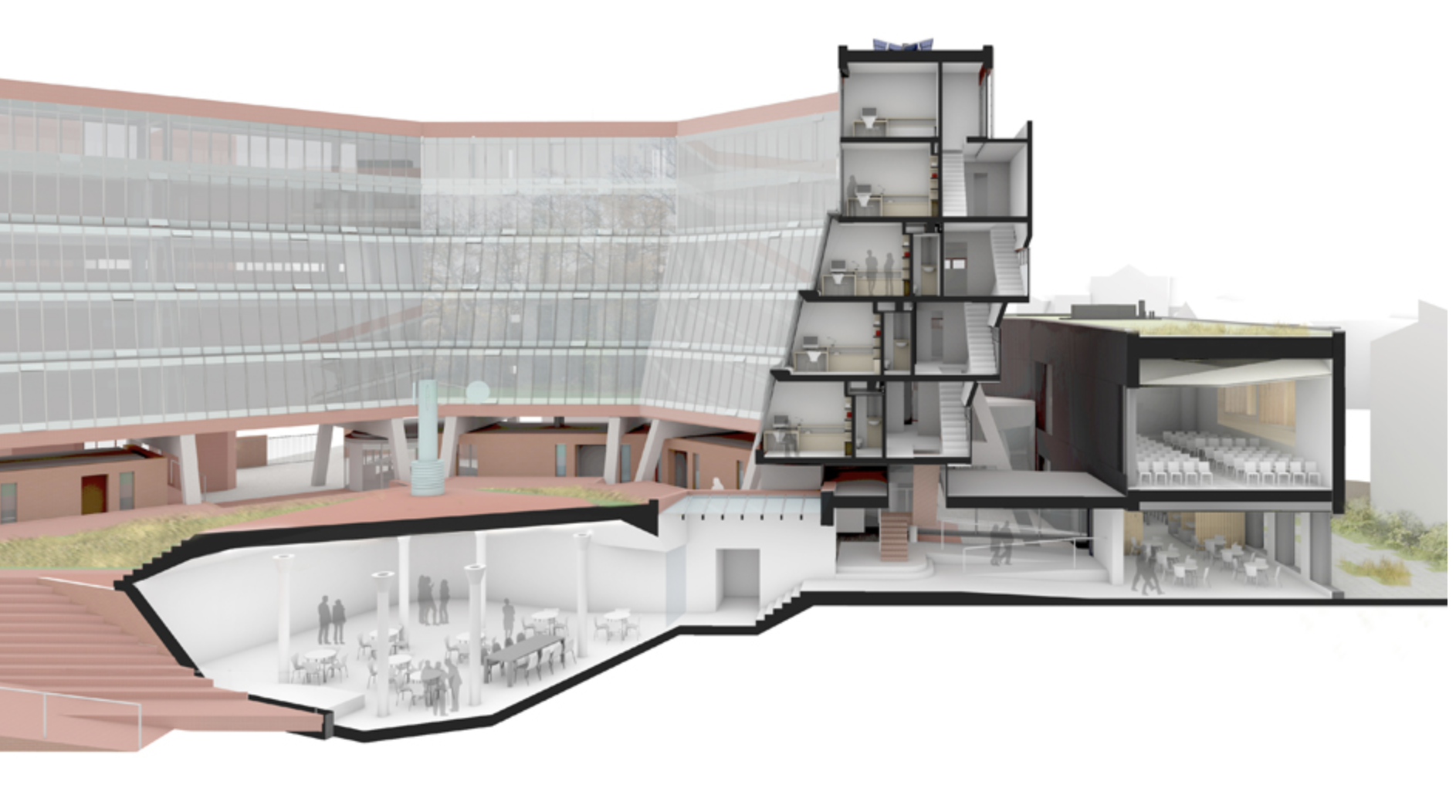
Designed by James Stirling and Partners in 1966-1967 for Queen’s College, Oxford, and built 1968-1971, with Roy Cameron as associate, and Frank Newby of F J Samuely and Partners as engineer.
RIBA pix 2005 Jeremy Harrison
Listed at Grade II* for the following principal reasons:
* as a highly significant work by Sir James Stirling, one of Britain’s foremost post-war architects;
* as the last of a triumvirate of university buildings that are without doubt amongst Stirling’s most significant works in England;
* as a highly creative re-working of a familiar formal language, executed with masterful handling of form and colour, characteristic of Stirling’s style;
* for the high degree of survival of the original plan form, fixtures and fittings, which have been little altered since the building’s completion, including but not limited to the bedrooms, porter’s lodge, and breakfast room;
* as a distinctive and popular piece of post-war university architecture.
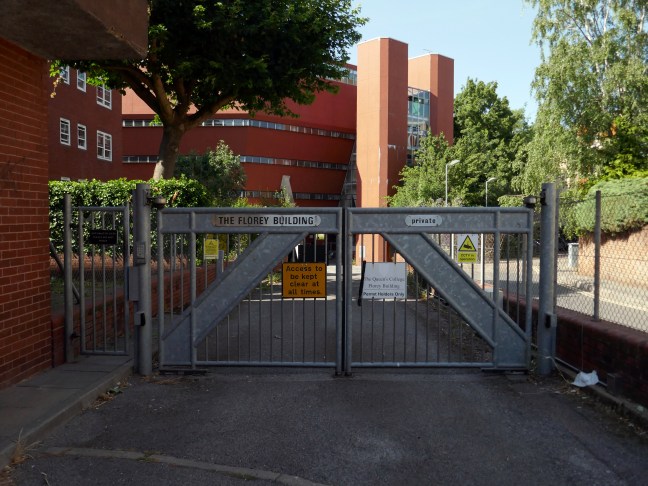
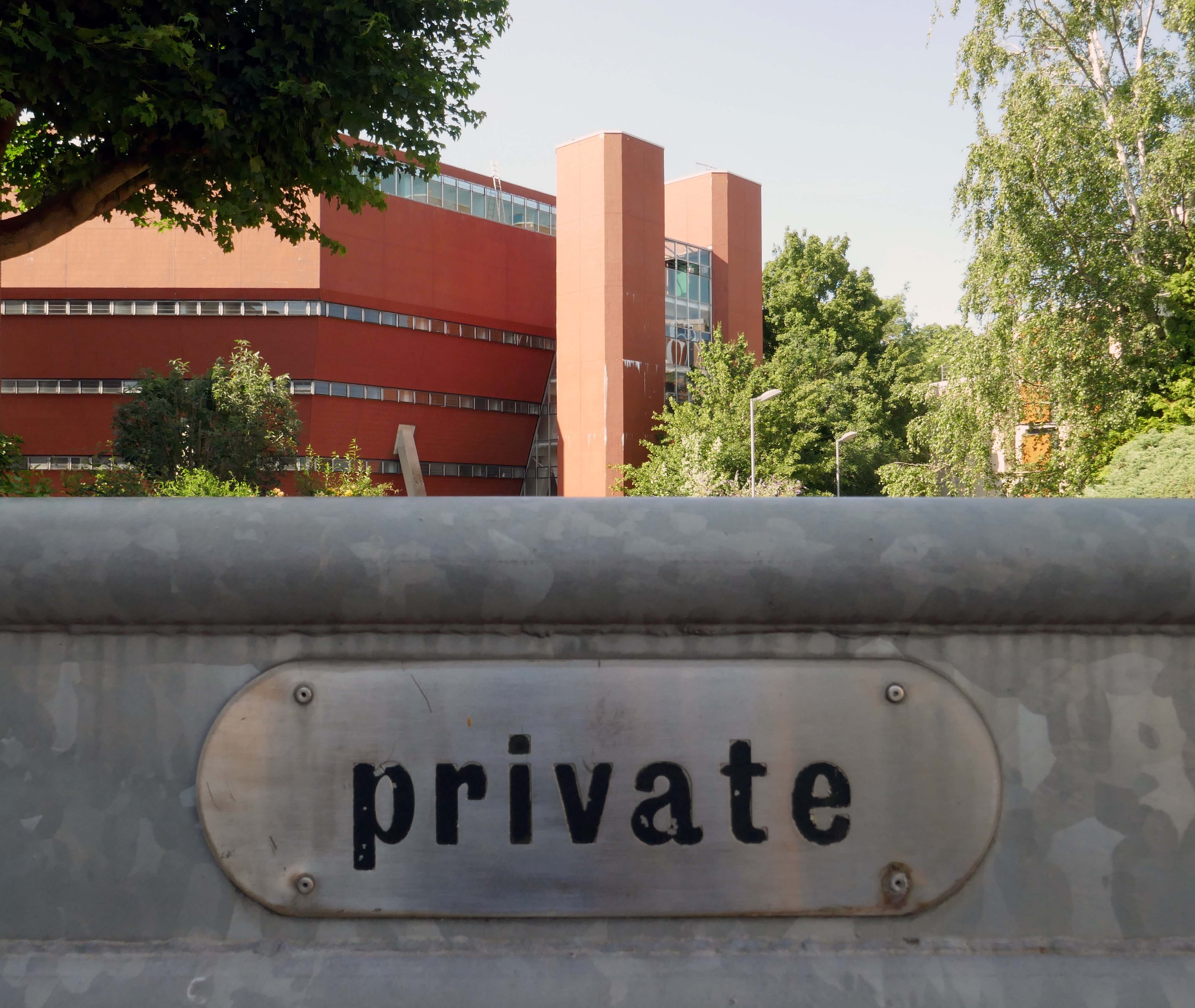
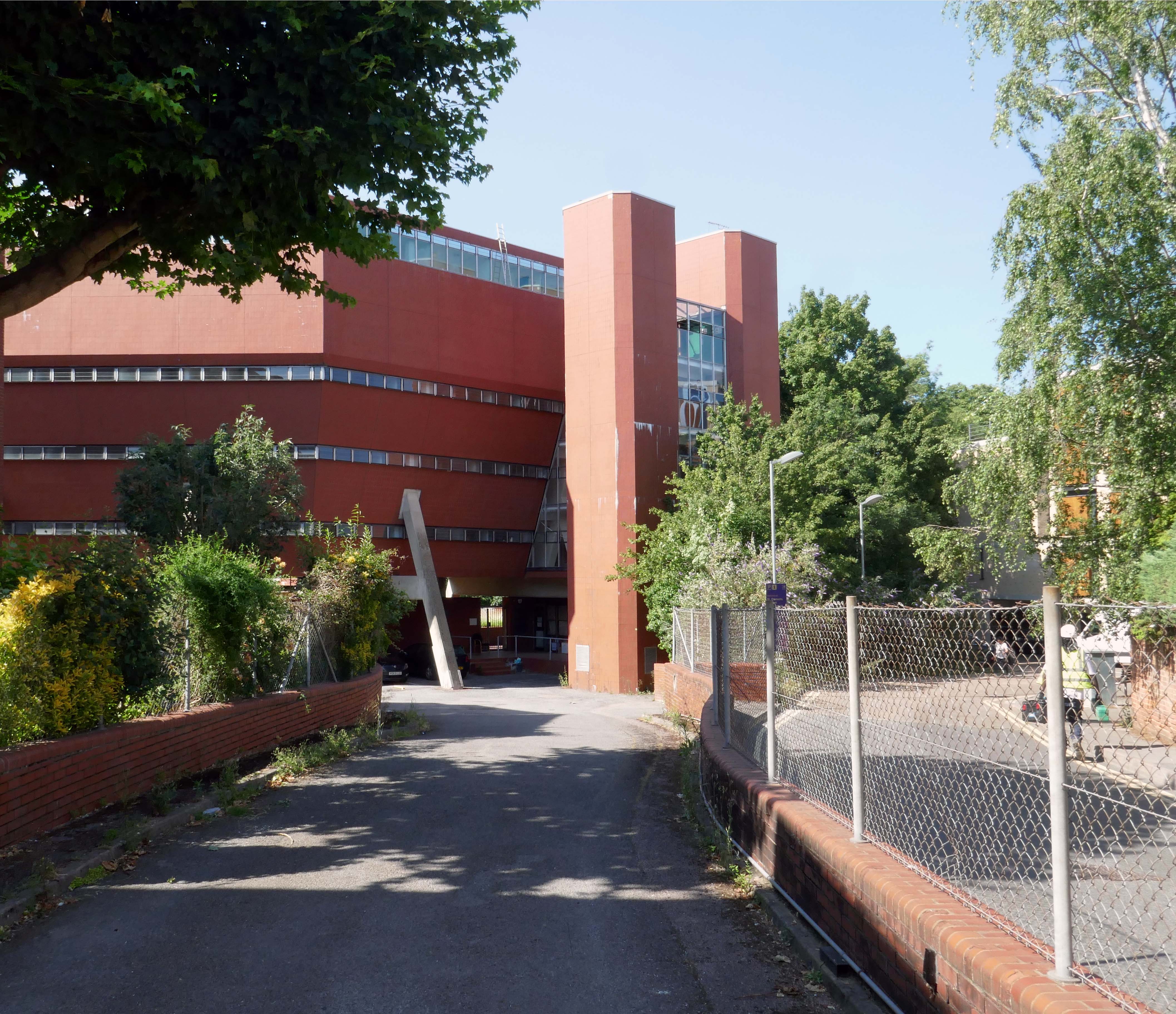
On the day of my visit the building was secured and in a state of semi-dereliction, mothballed by the owners TheQueens College Oxford.
There have been plans and a competition for refurbishment:
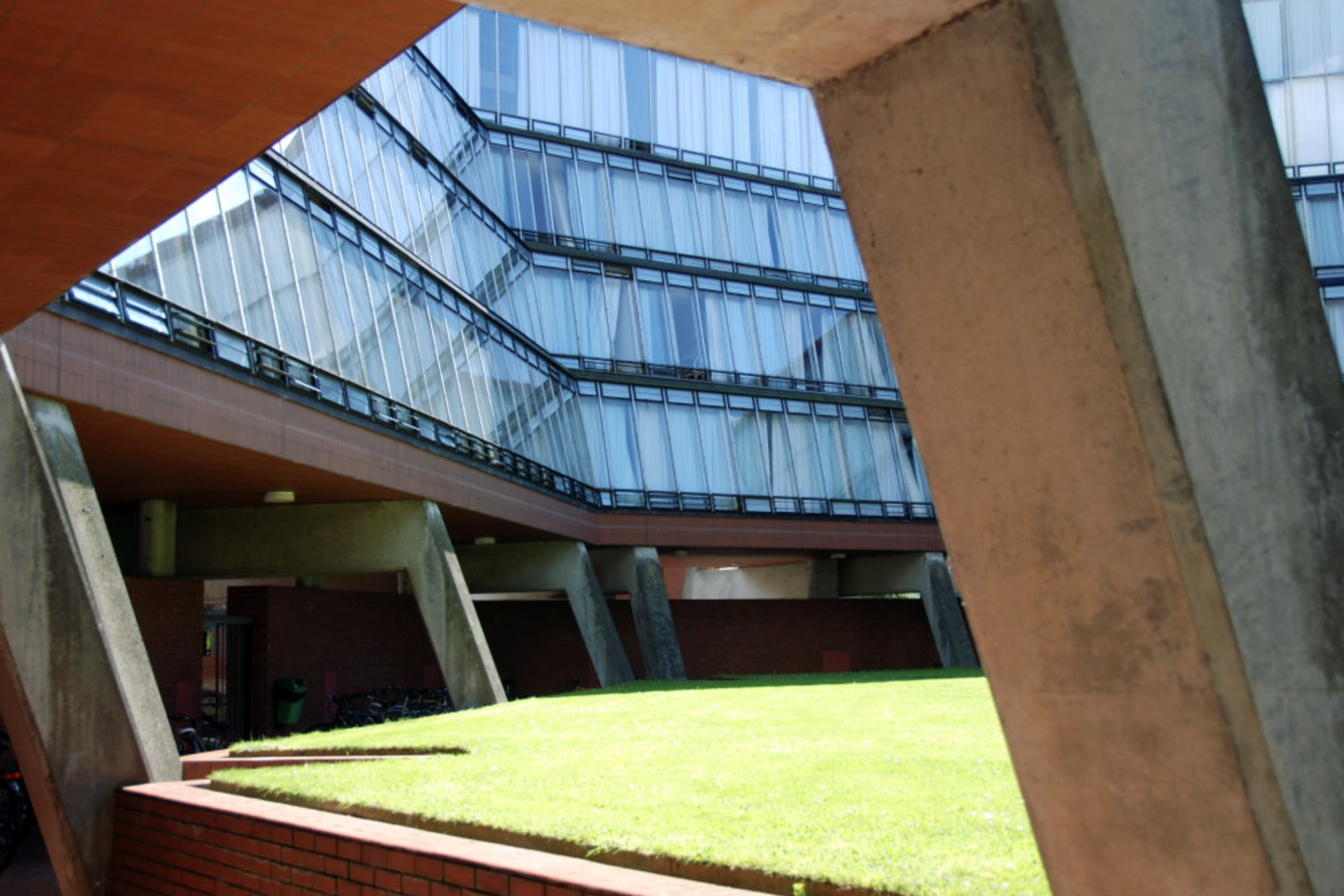
Perhaps the most charismatic of James Stirling’s surviving buildings; the Florey Building is hugely admired worldwide for its boldness and heroism.
Despite some practical and infamous failings, the Florey has a cult presence in Oxford: a modernist’s riposte to a city defined by traditional architectural masterworks.
The Queen’s College Fellows seek a dedicated team who are inspired by Stirling’s exhilarating vision. The challenge: to use advances in technology to update the building, provide modern facilities and achieve exemplary energy design.
The competition has now concluded — 27th February 2014
The Queen’s College, Oxford is delighted to announce that the team led by Avanti Architects has won the design competition to update the Grade II listed Florey building, widely regarded as an emblem of modernism. Avanti will now work to develop their scheme for the project and determine construction priorities.
The plans however were poorly received:
Alas the proposal for Florey lets down the practice, the college and most importantly Jim Stirling and the Modernist corpus, with a design that all but wrecks the essence of this unique building.
Alan Berman – founding partner at Berman Guedes Stretton
These proposals must be thrown out and consigned with distaste to the dustbin as a gross violation of Stirling’s intentions.
If permitted, they would constitute the comprehensive betrayal, by alteration, of one of the internationally most important buildings of the 20th century.
Thomas Muirhead – Stirling’s friend and former colleague.
Furthermore there has been a history of criticism of the building:
At the official opening in 1971, the Queen Mother was rumoured to have said it was the ugliest building she had ever seen.
College bursar AA Williams described it as – a structure revolting and inhuman in its hideousness and defective in practically every aspect of its functioning.
Just a year later, students were complaining that it leaked, was noisy, too hot in summer, too cold in winter, they couldn’t stand up straight in the showers, and there were no baths.
Lord Florey, the pioneer of penicillin after whom the building is named put up the money, and was almost the architect’s sole supporter in the college.
This culminated in a legal battle, an intense dislike of the building throughout the college, a reluctance to spend anything but the minimum on maintenance, and decades later, to the possibility of demolition.
Oxford Mail.
So with little institutional love and a soupçon of general loathing, we are left with a Listed building in limbo.
Happily Leicester University are taking care to care for their Stirling building.
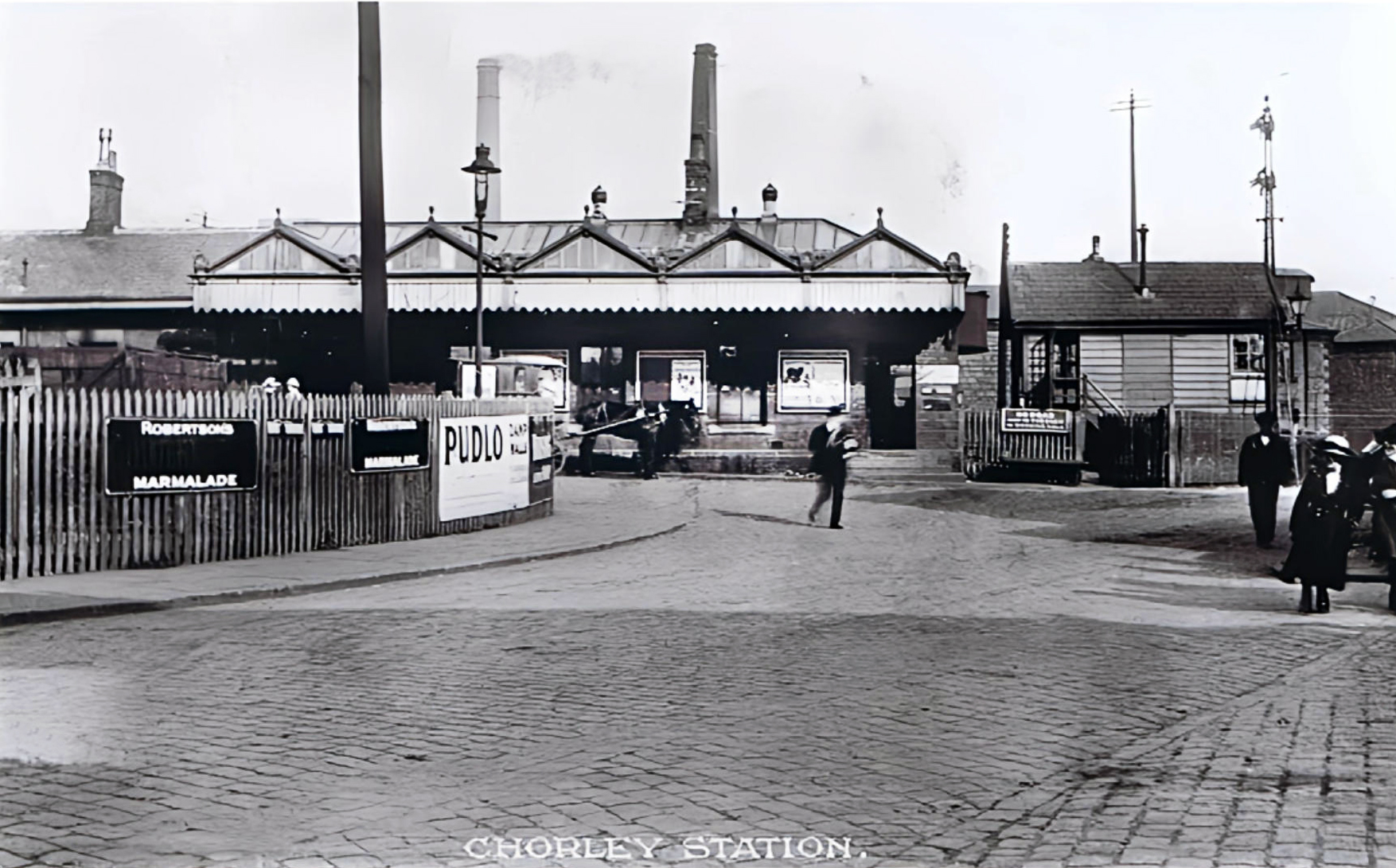
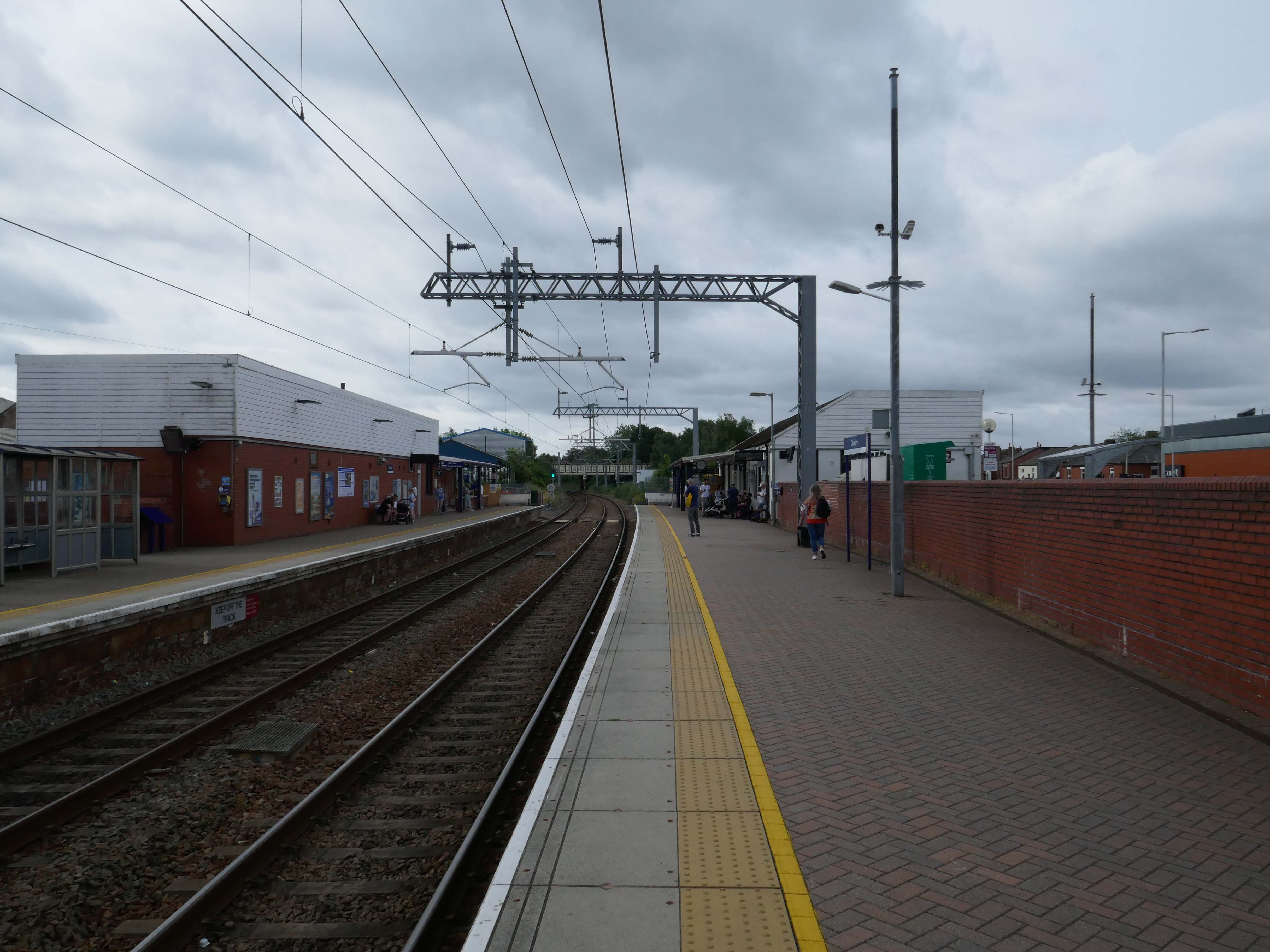
The current railway station is a modern version from the 1980s that was built on top of the original station – it is entirely functional, but more than somewhat undistinguished.
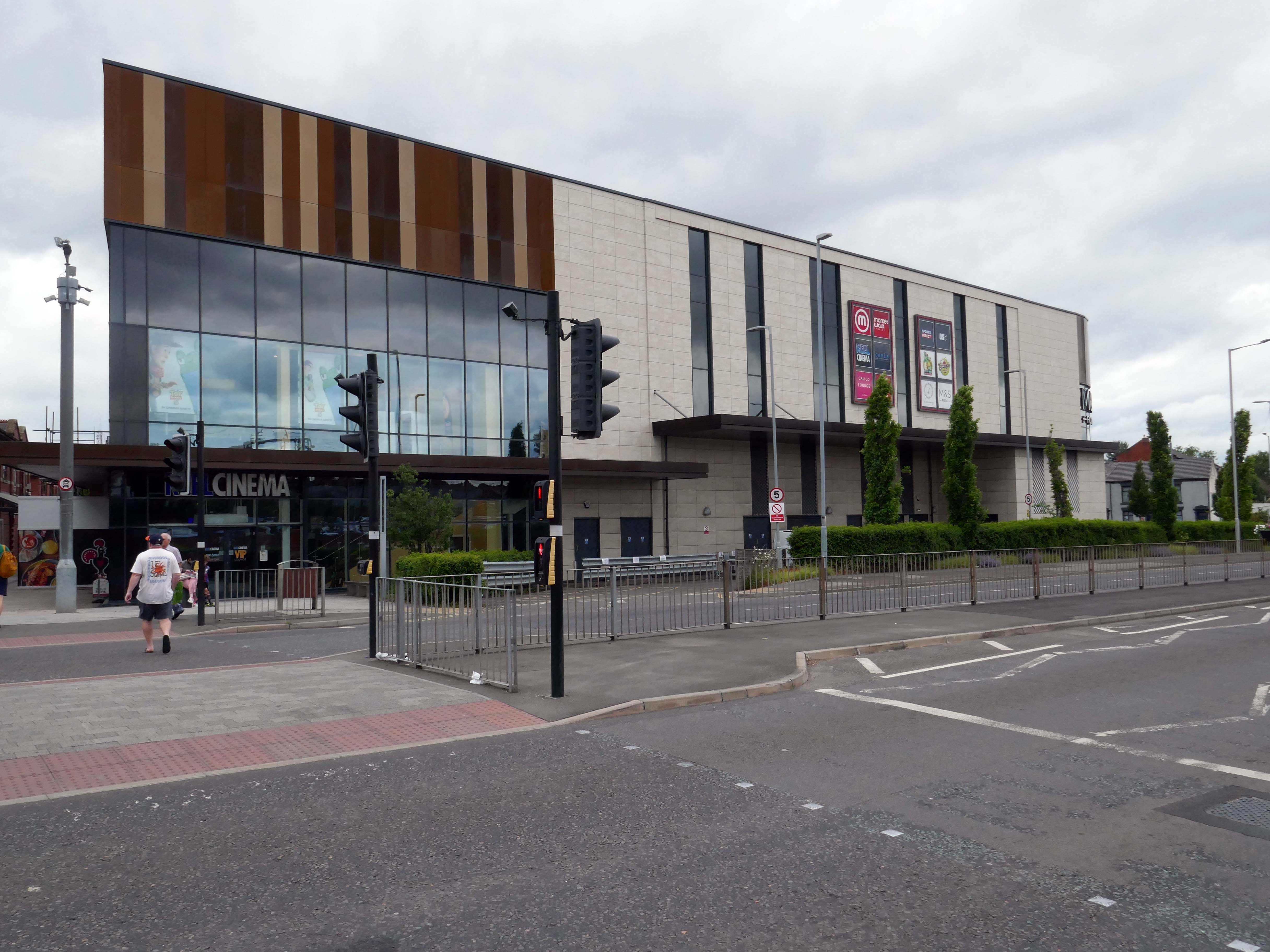
Whether it’s fashion, gifts, everyday essentials or an entertaining day out that you’re after, Market Walk has it all. With over thirty shops along an outdoor parade, plus entertainment and hospitality venues, there’s something for everyone.
AEW Architects were appointed by Chorley Council in 2015 as Architects for the Market Walk Scheme.
The Council’s aspiration was to breathe life back into the town centre by enhancing Chorley’s retail and leisure offer and refocusing Chorley’s centre as a destination for local residents and surrounding towns. The development needed to entice new, and retain existing, businesses in the town. Aesthetically, the development also needed to be a landmark for, and create a modern gateway into, the town – driving footfall towards Chorley’s commercial centre.
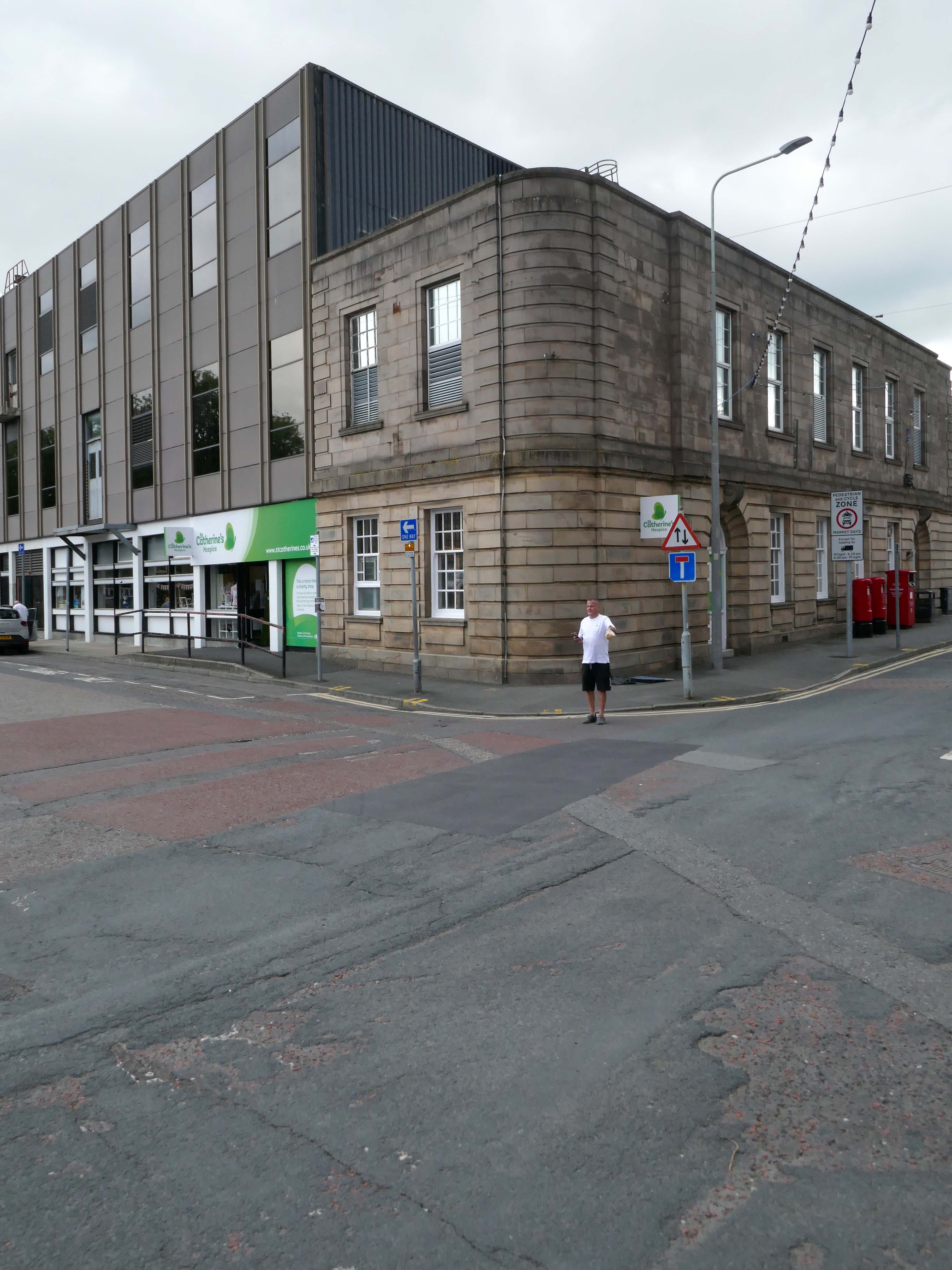
Next door is the Bus Station, opened in February 2003 replacing the previous structure.
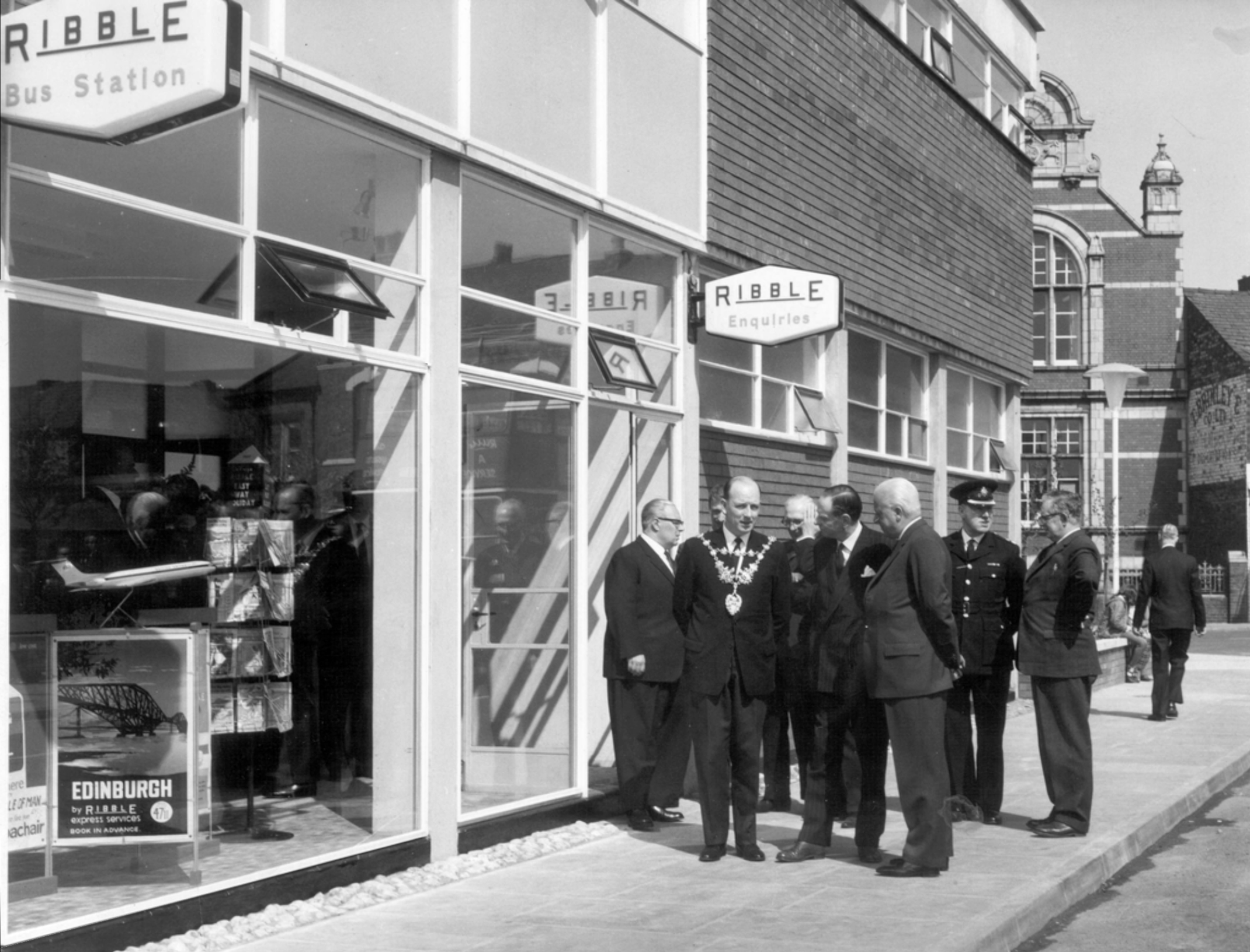
Opening of the previous Bus Station – Ribble the area’s operators, before the Stagecoach arrived.
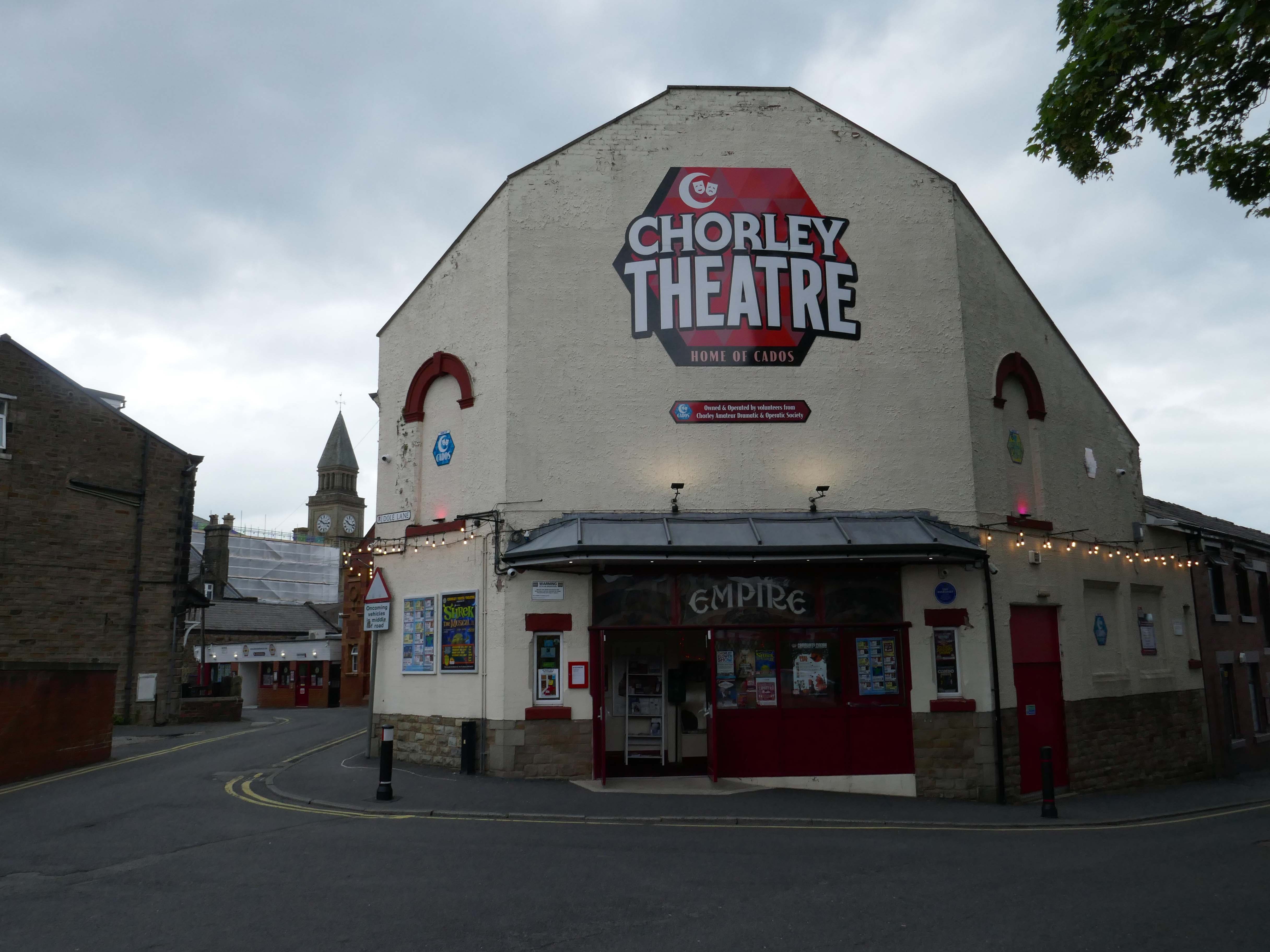
Opened on on 3rd September 1910, one of the nation’s longest continuously running cinemas.
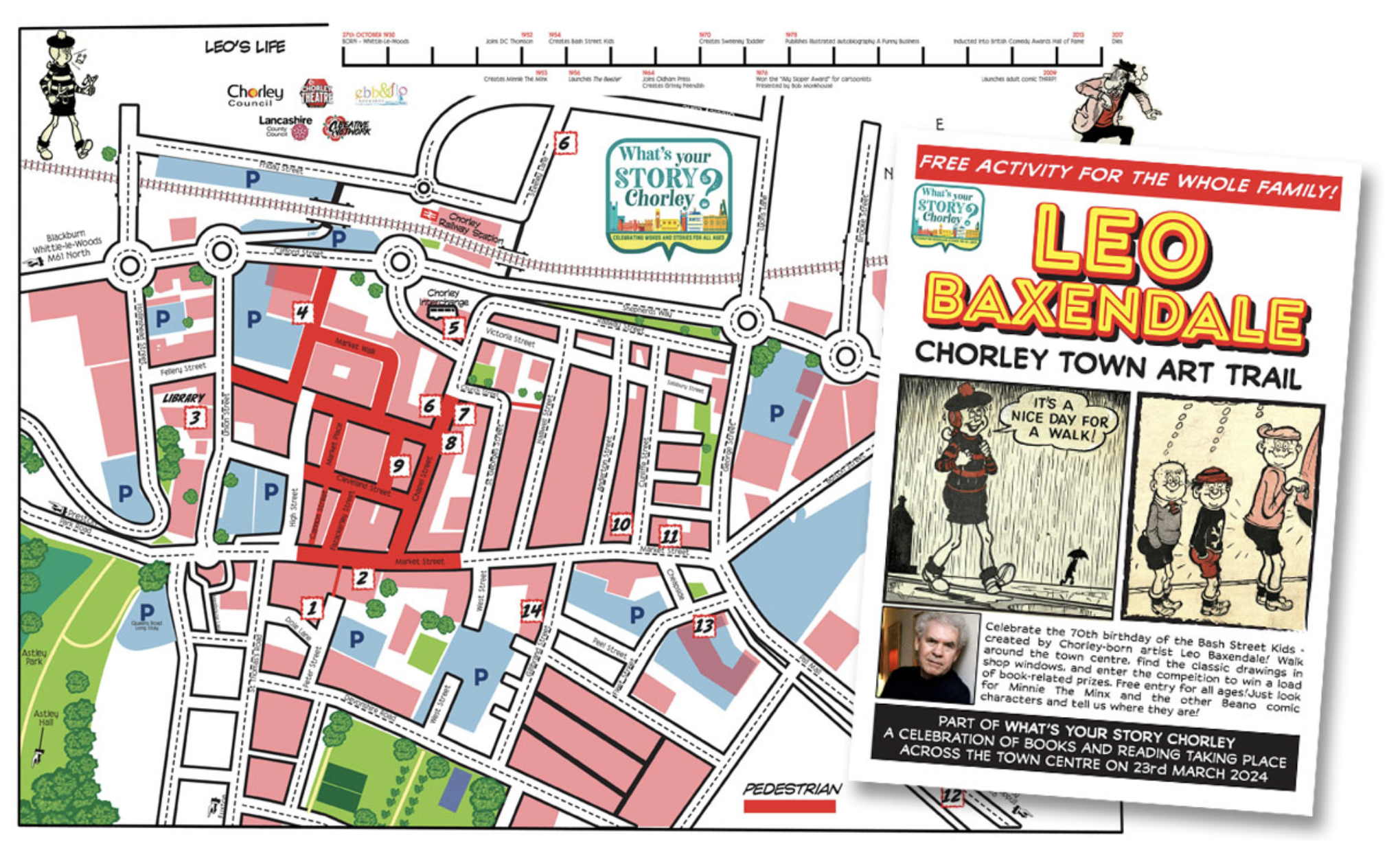
I spent some time chatting to the chatty guardian of the booking office, I learnt that the recently installed blue plaque commemorates the areas links to esteemed Beano artist Leo Baxendale.
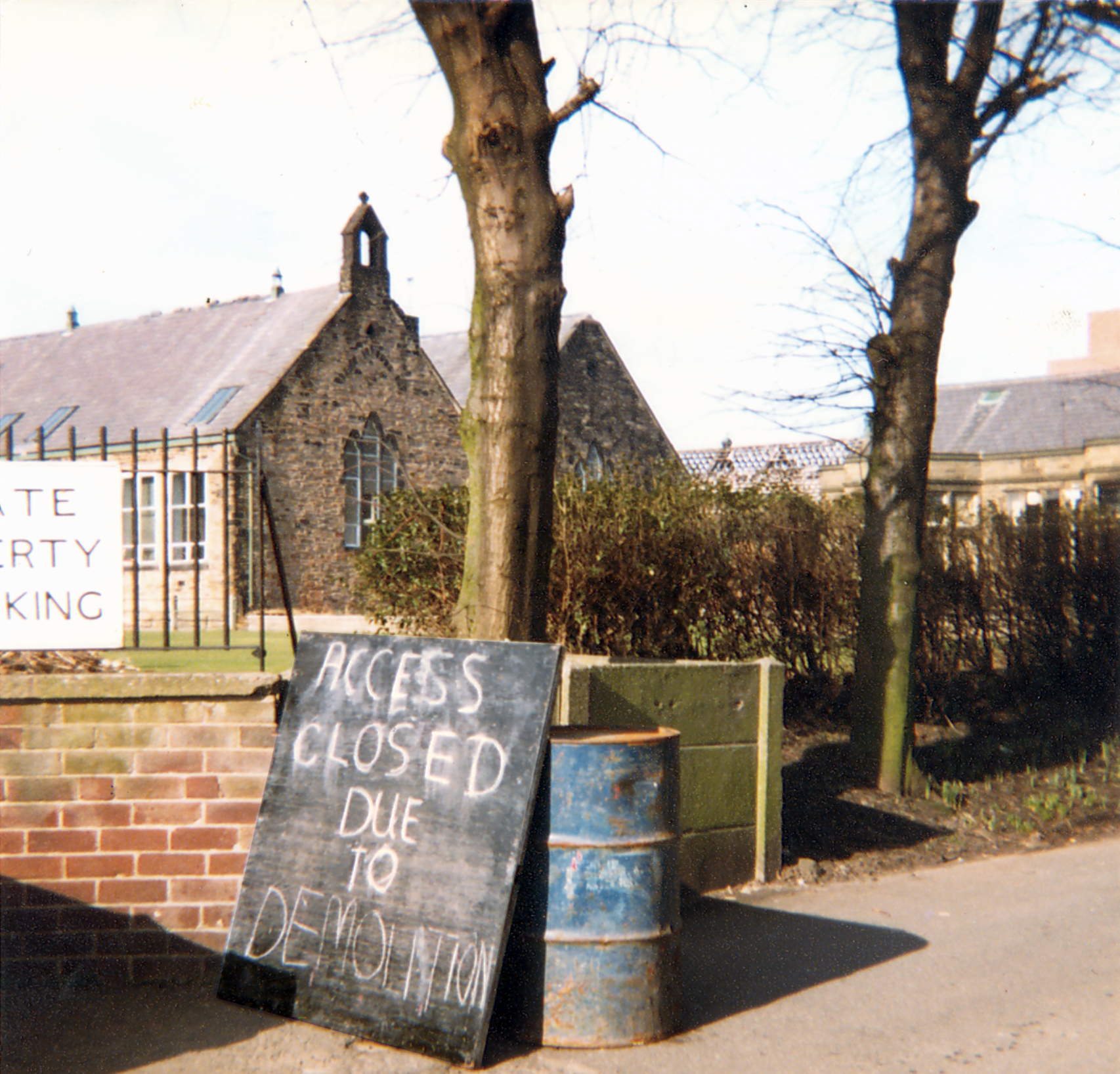
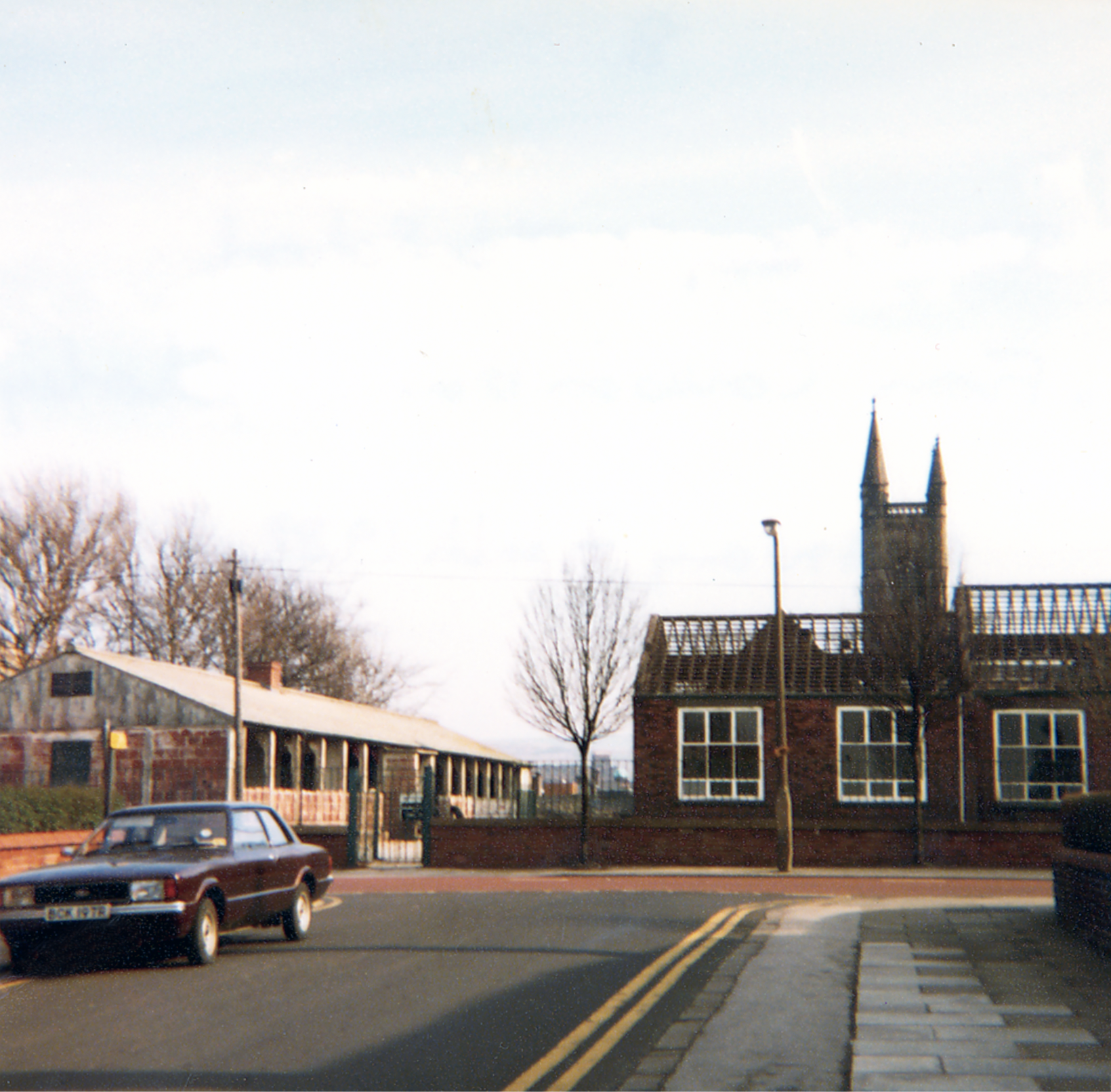
Leo attended St Mary’s School which was sited opposite the theatre, he had a miserable time there, an experience which formed the basis for the famed Bash Street Kids.
He may well now chuckle to himself in comic book heaven, knowing that the school was demolished in 1982.
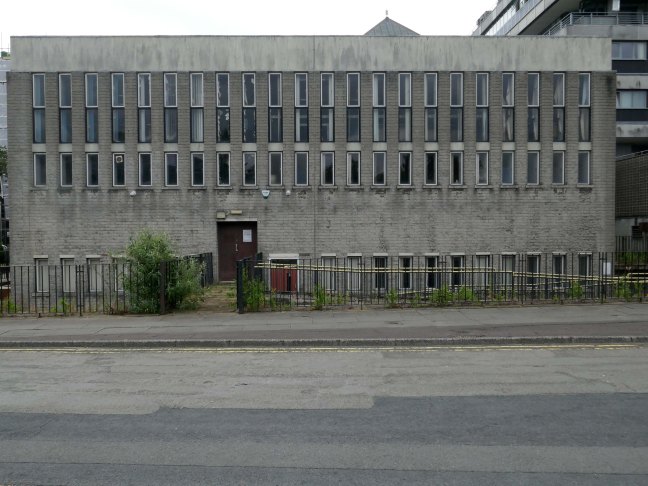
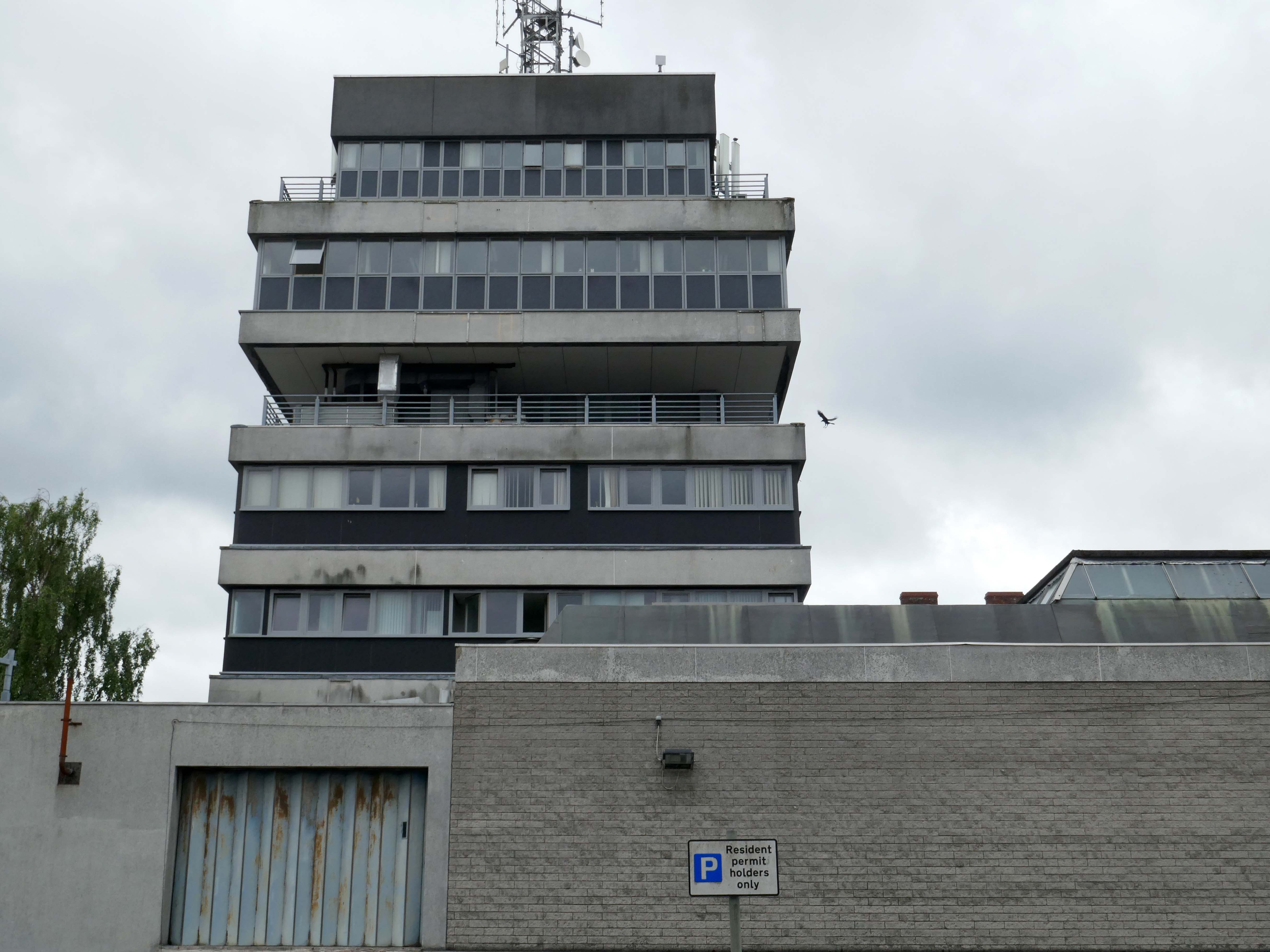
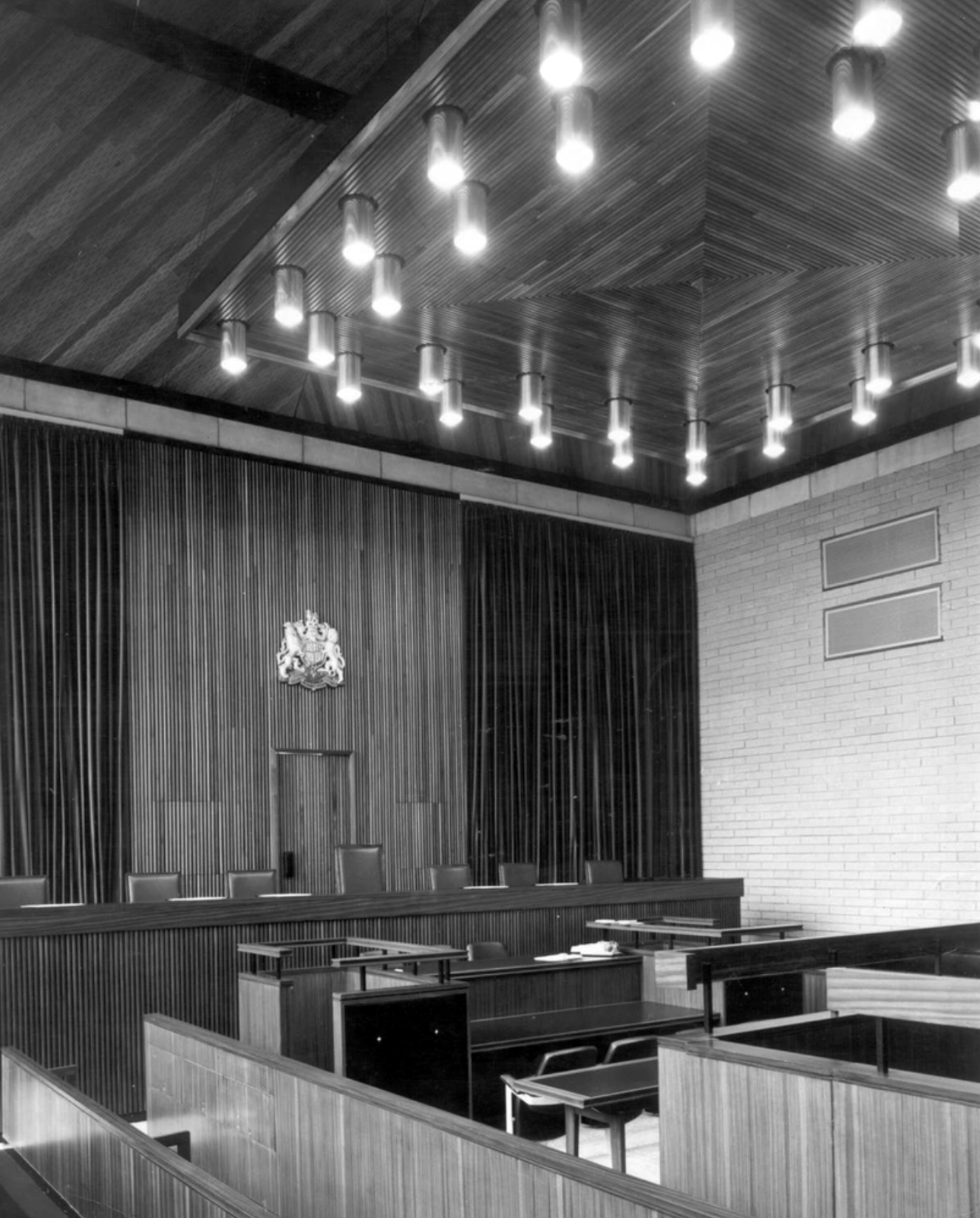
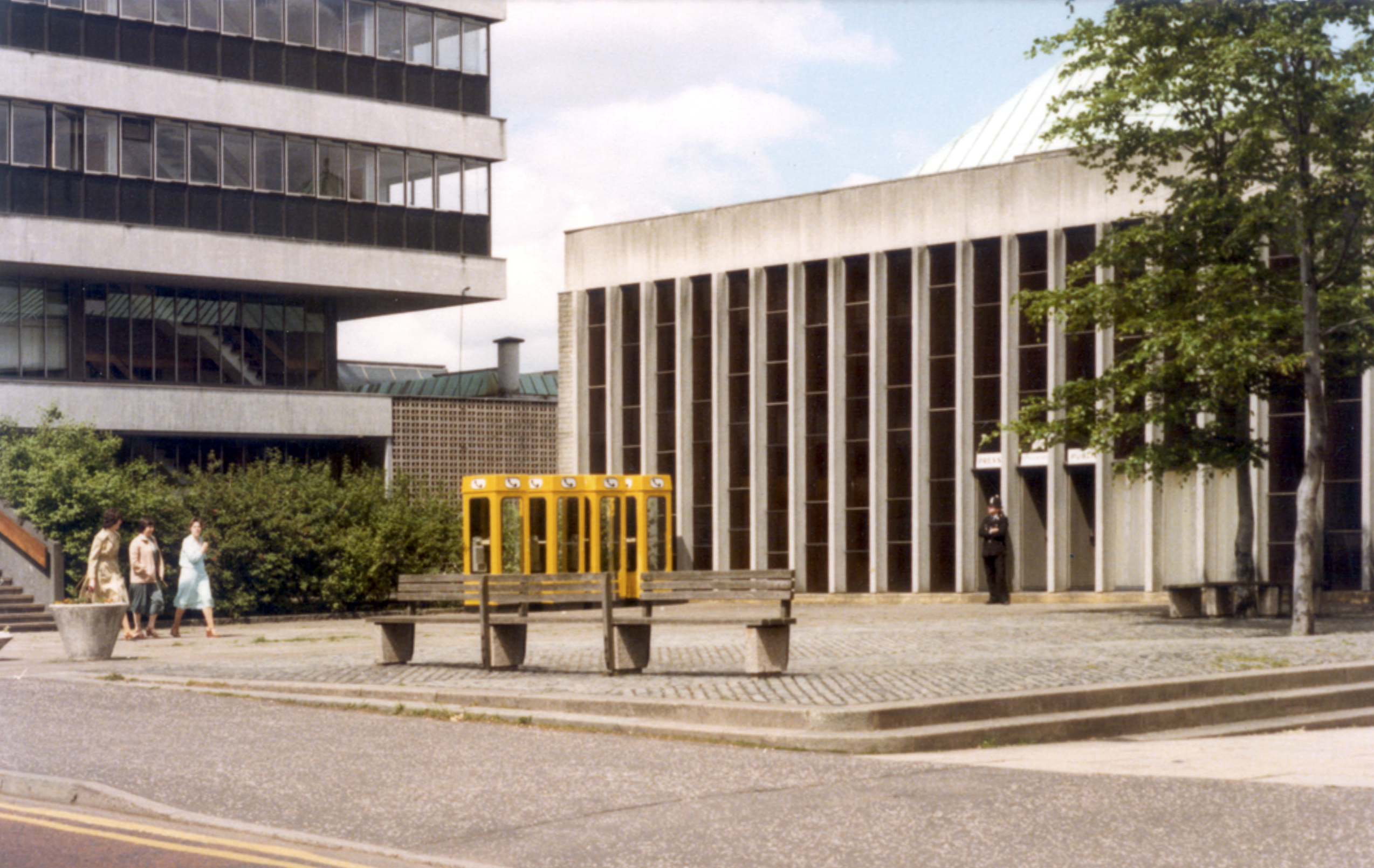
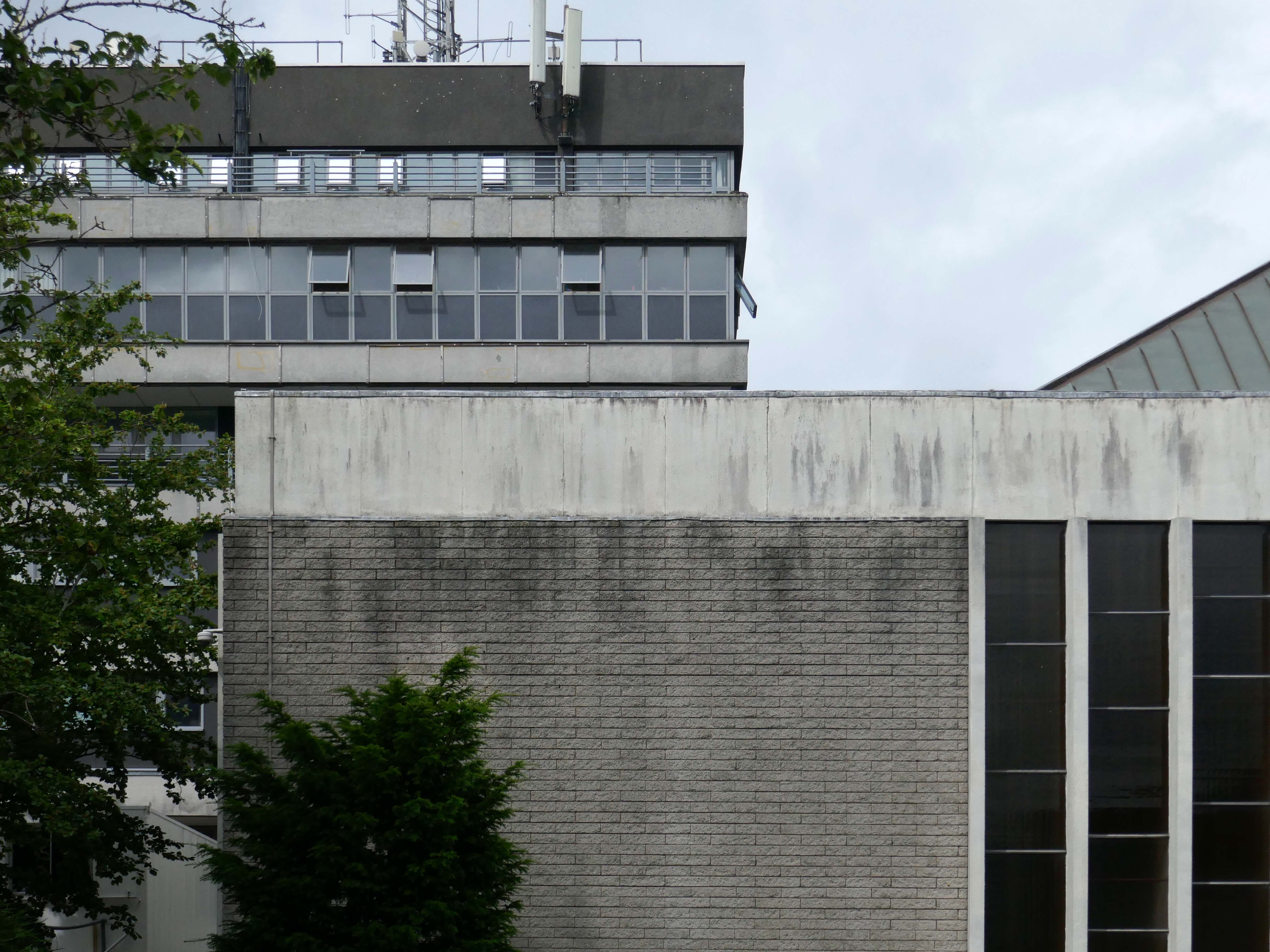
The design team was Roger Booth, Lancashire County Architect; CA Spivey, Assistant County Architect; DB Stephenson, Design Architect; and DG Edwards, AG Gass, responsible for the detailed design and construction. The seven-storey in-situ concrete framed main block was the last bespoke police station to be built in Lancashire, following this the department developed a systemised concrete construction method which was deployed across the county. The dramatic cantilevers gave the new building a stature and presence that signalled authority. The lower levels were accessed by ramps and provided space for police vehicles. To enter the police station one ascended a set of external stairs across a pool that once contained koi carp – fittingly, one boy described the new building as a ‘fishtank’ upon its completion. The magistrates’ court was finished externally in a grey brick and carried the signature pyramid rooflights that were synonymous with the Department.
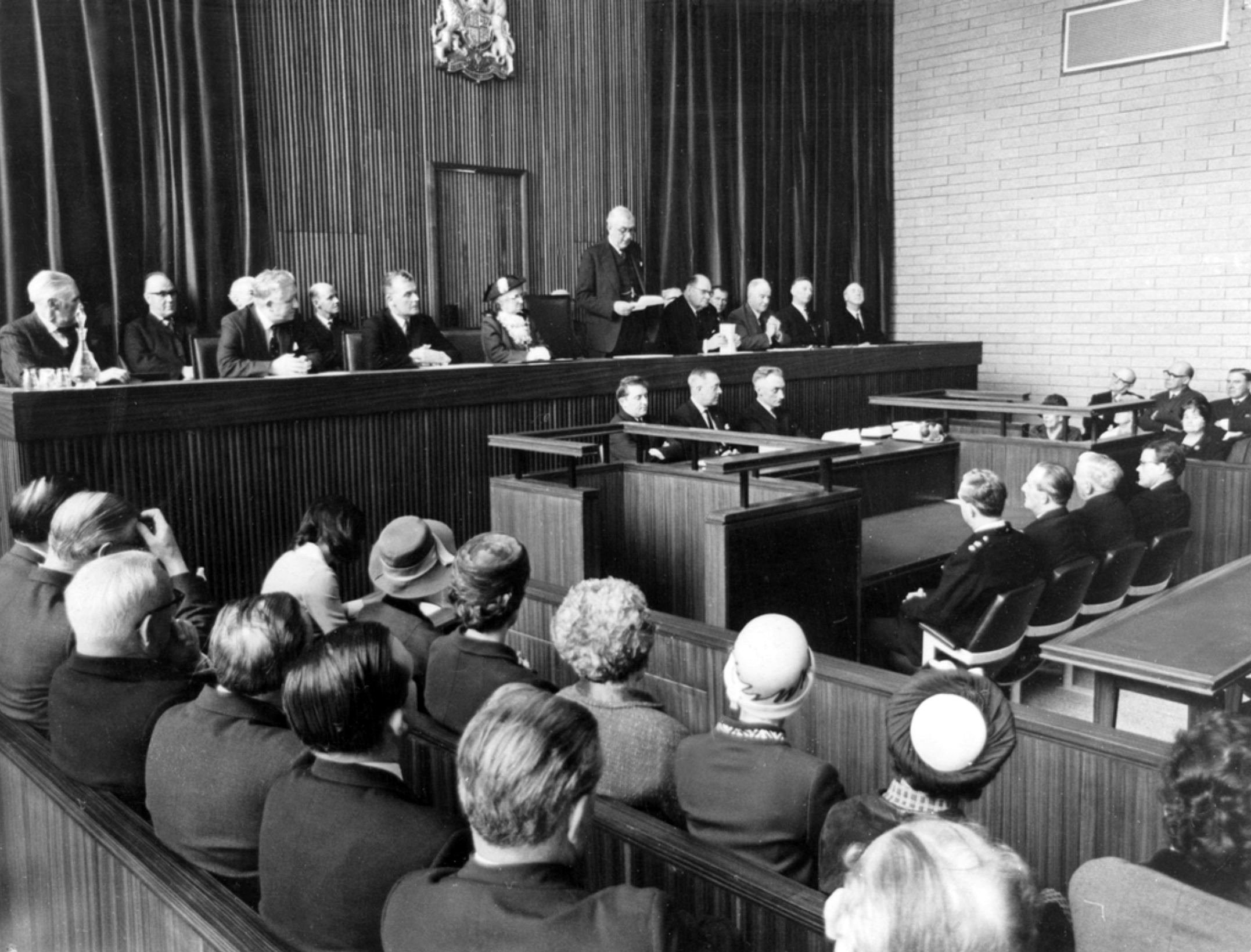
Next door its partner in crime the Magistrates Courts.
Opened in 1968.
The courts are up for sale – offers in the region of £800,000 – the property has planning permission for an eleven storey apartment building with fifty two flats, three ground floor retail units and roof terrace.
The disused court building was last sold in 2022 for £300,000, according to the Land Registry.
Designs for the scheme were drawn up by FWP Group.
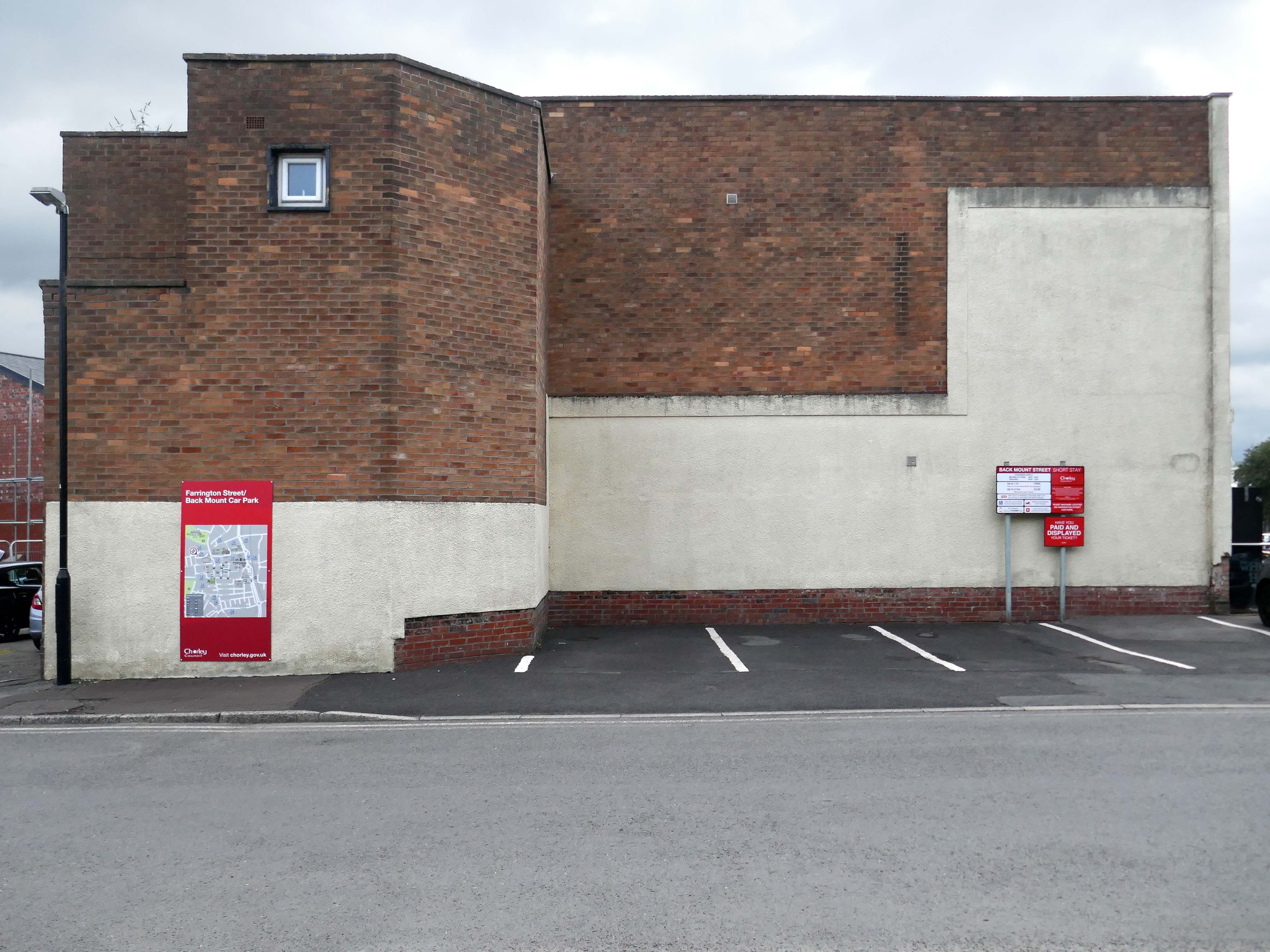
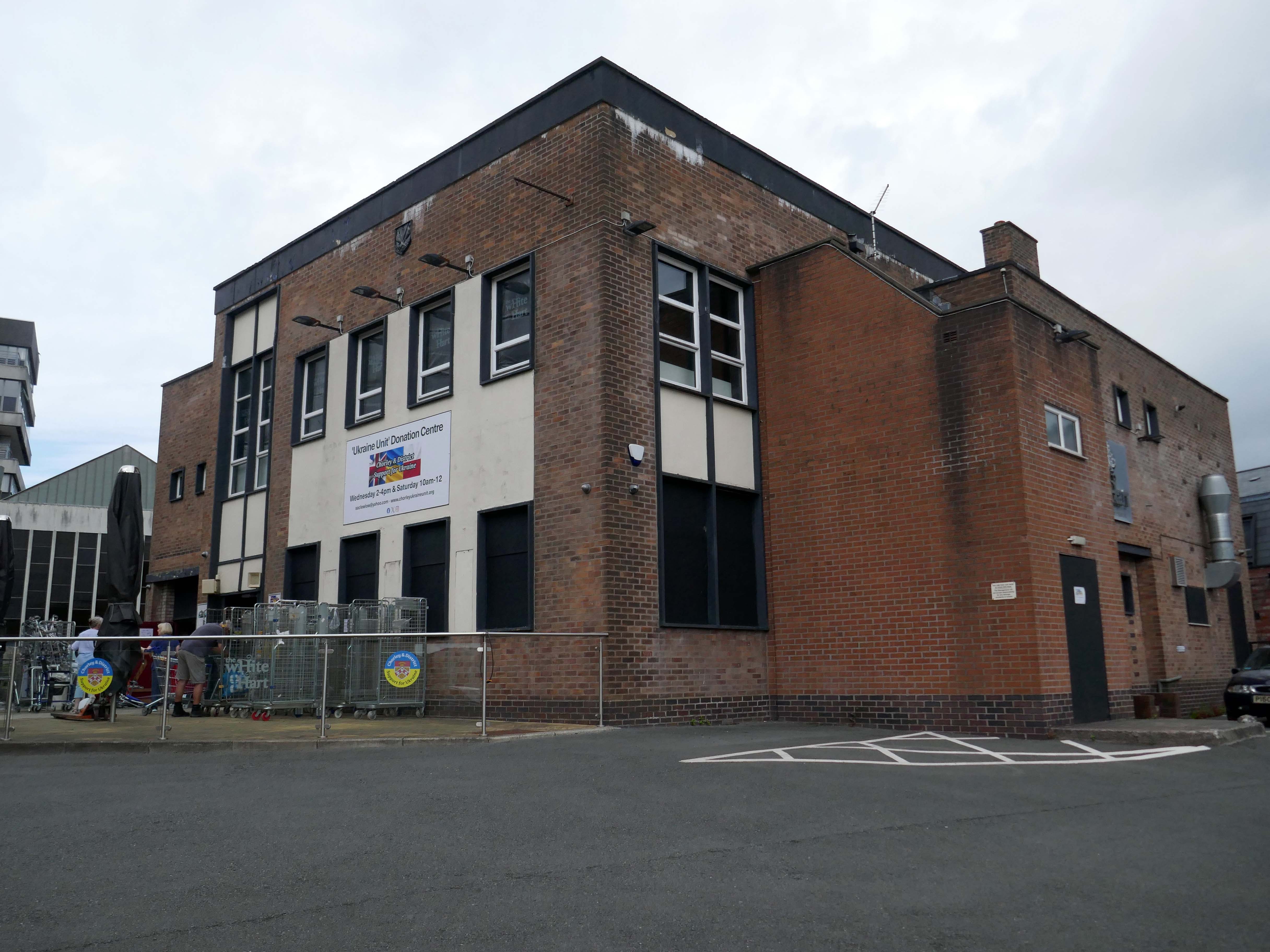
Next door is a pub no longer a pub.
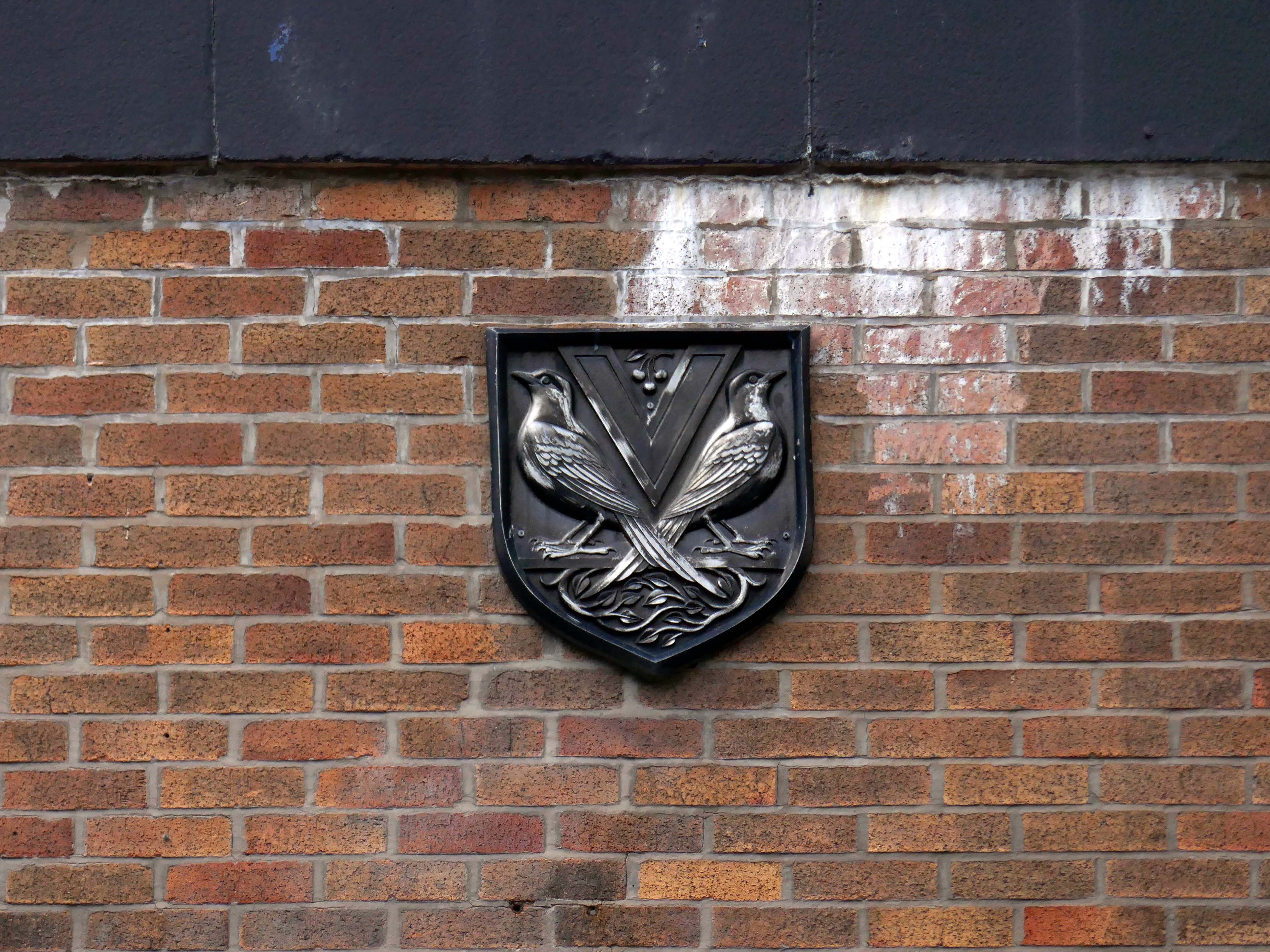
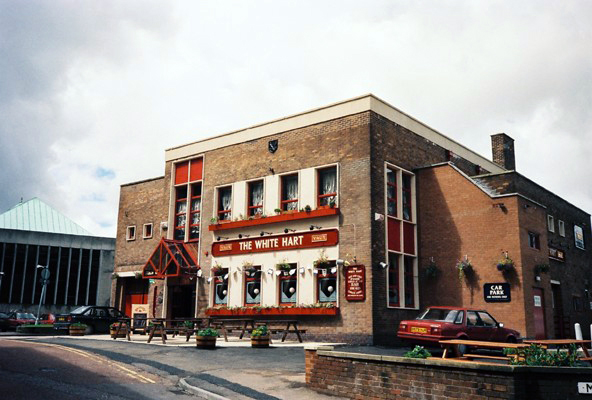
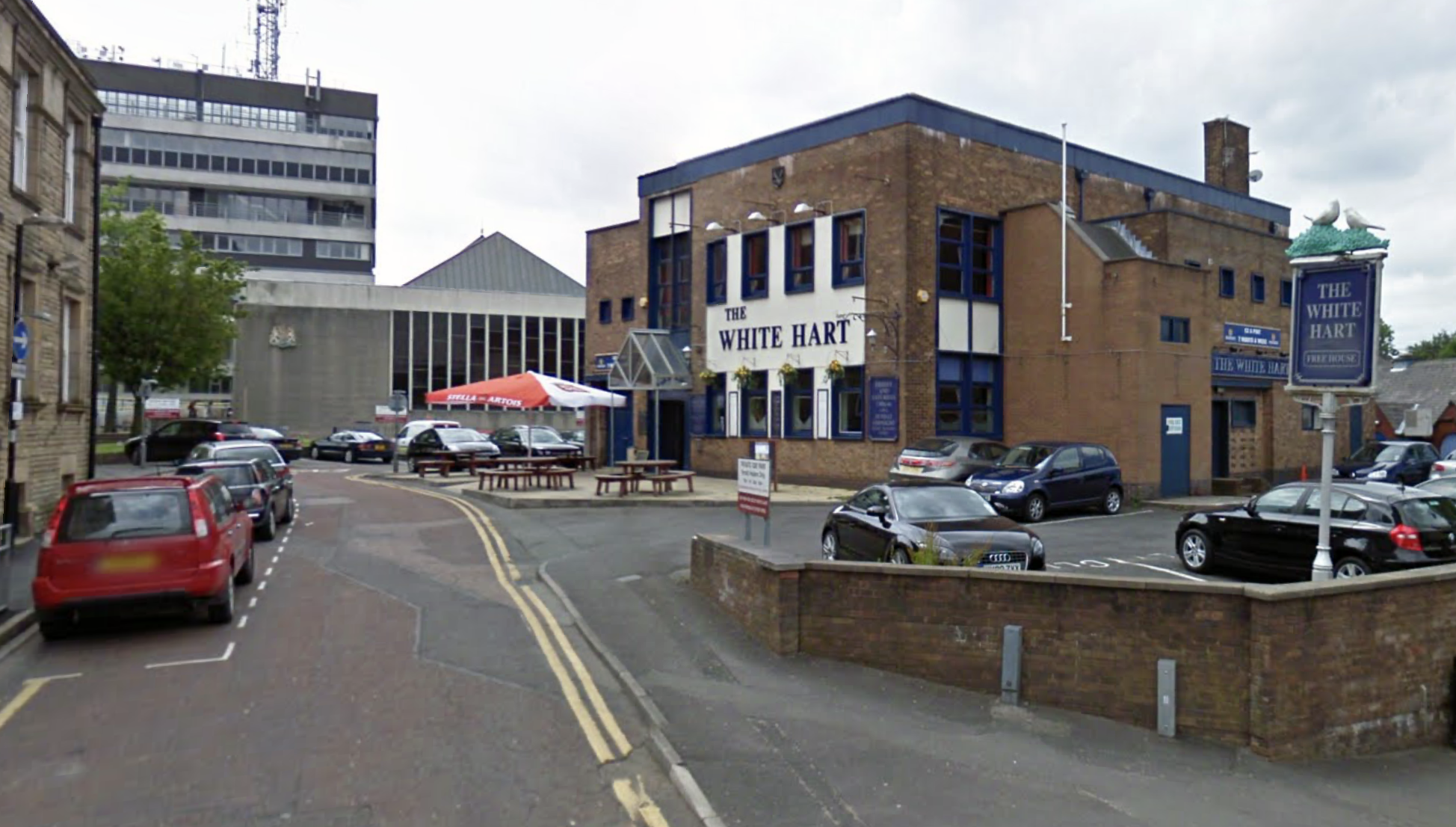
Once upon a time a Vaux Brewery house the White Hart – implausibly renamed the Snooty Fox for a brief period.
The pub was decent enough inside with a large room which was empty on our Friday dinner visit, the pub was a Vaux tied house so we were well pleased as we had not done many of them.
We had a drink of Vaux bitter which went down well.
Our group was created in February 2022 to try and help raise awareness of the crisis in Ukraine and to help organise and coordinate local efforts to send support from across the Borough of Chorley in Lancashire. We have since grown into a major hub for donations.
Across Chorley & District multiple educational facilities, community groups and organisations reacted and began to spread awareness and collect donations. In order to sift and sort a lot of local donations, a unit has been loaned by Chorley Council. A large percentage of the region’s aid has come into this unit and we are regularly packaging aid and supplies in preparation for the next leg of the journey to Ukraine, whether it’s transported there by us or other charitable organisations.
Our philosophy is that if we can all do a little bit, together we can make a big difference.
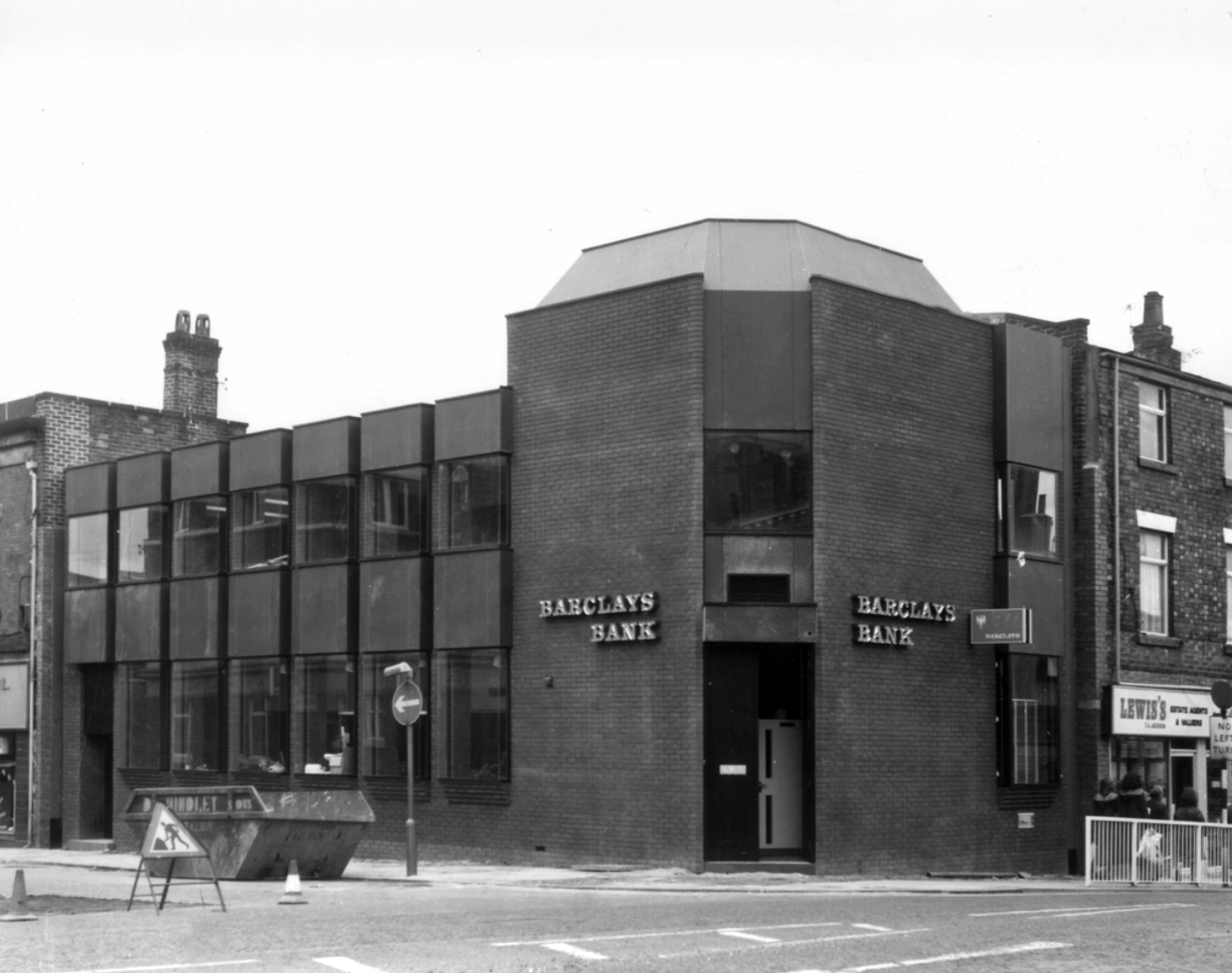
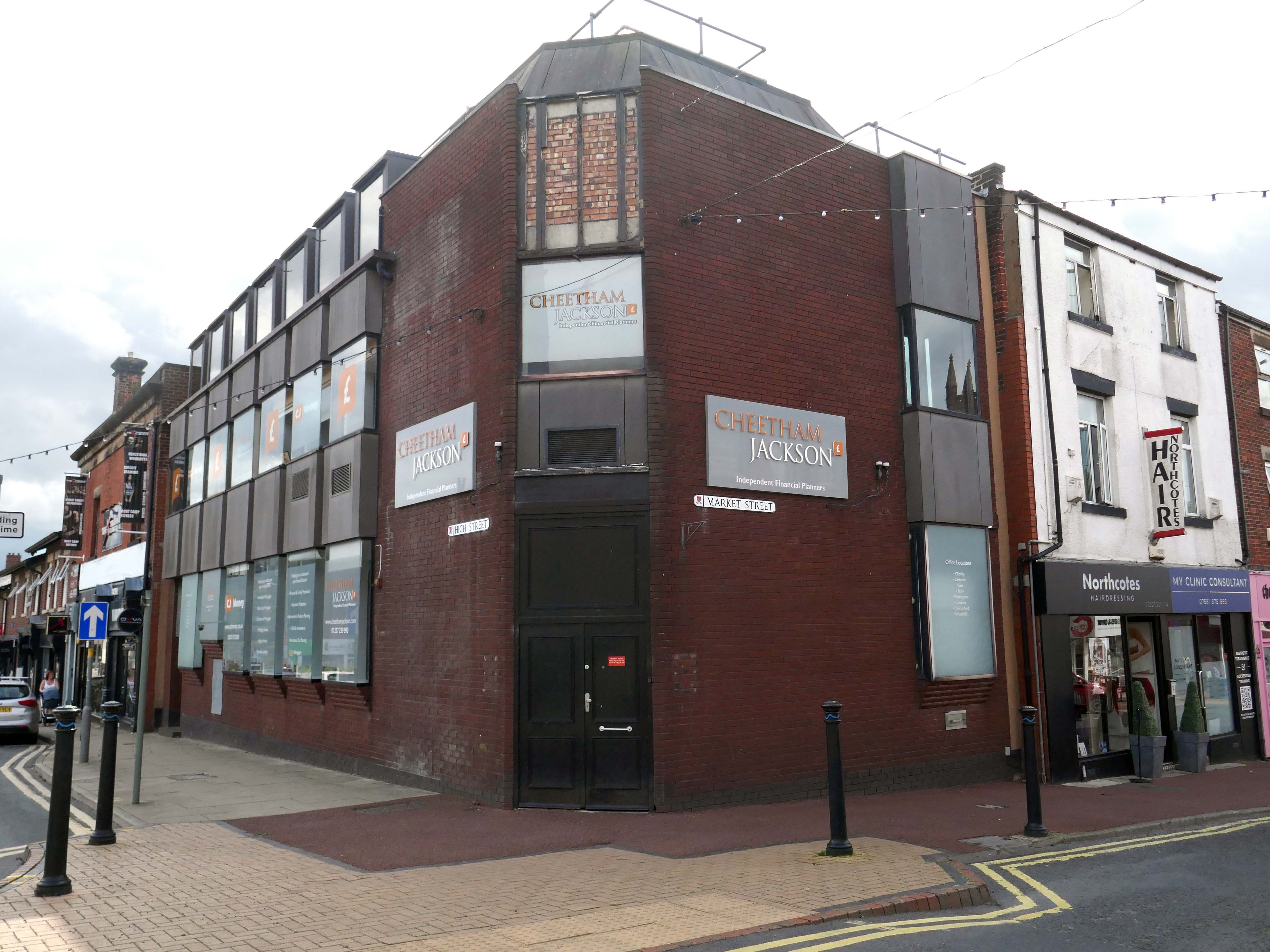
Bouncing back to what was and never shall be no more Barclays Bank.
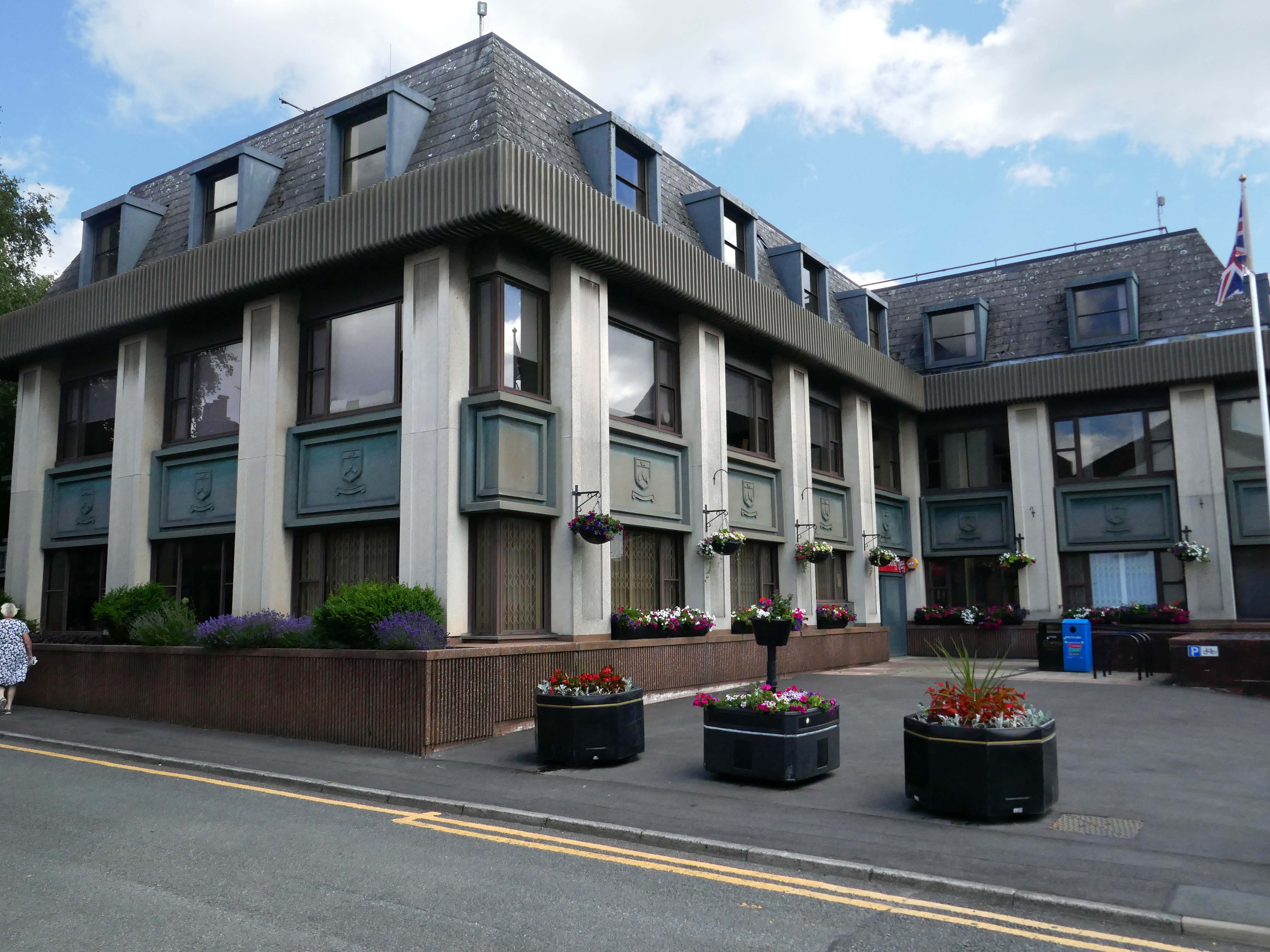
Almost finally we find ourselves at the Council Offices 1982.
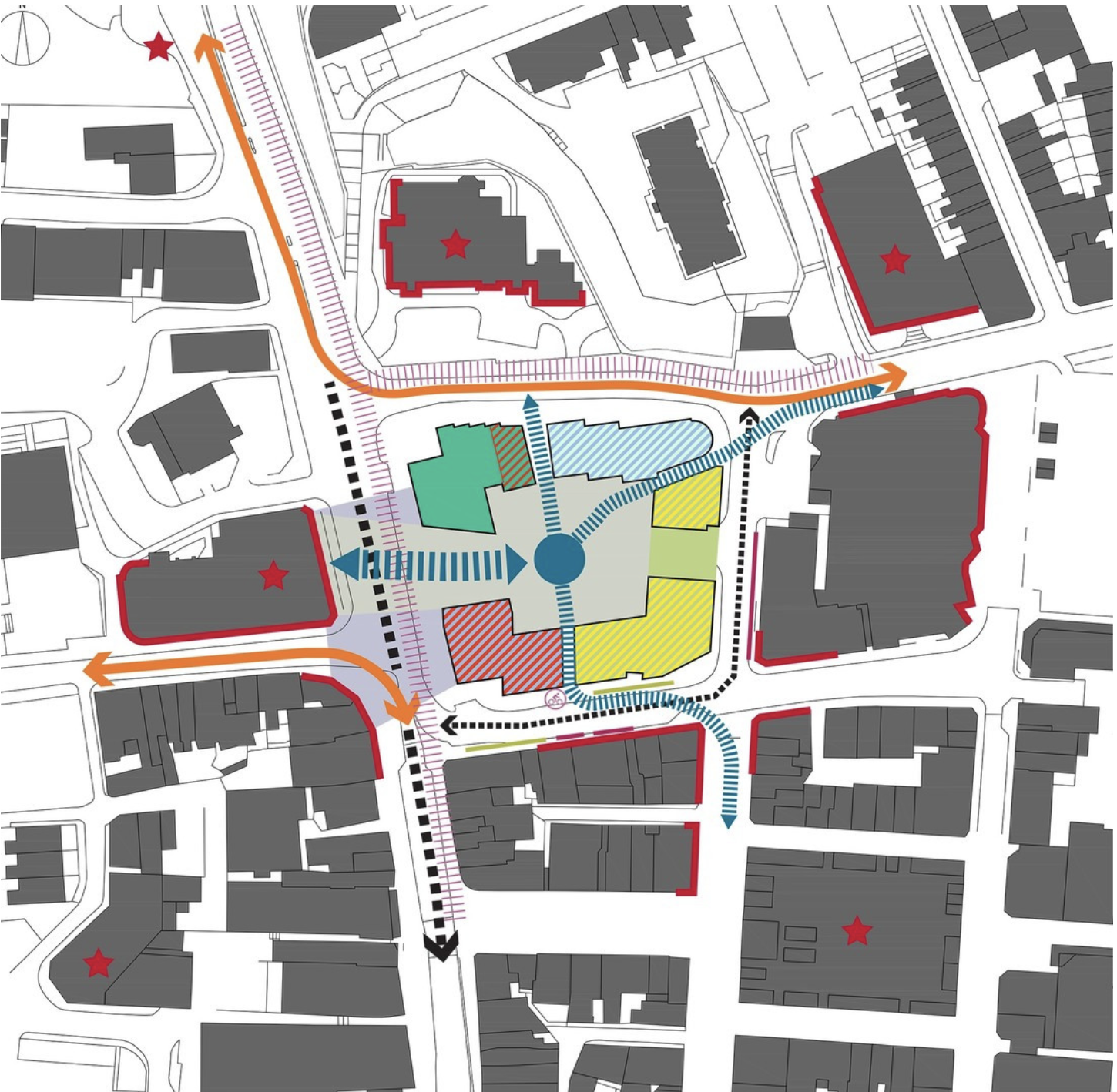
You will be delighted to hear that Chorley Council has a Masterplan
Self Architects generated a high level Masterplan for this prominent site. The scheme proposes a boutique hotel, offices, restaurants/bars, along with apartments, aiming to transform the town centre by intervention to enhance the overall vision by:
Establish a series of formal/informal public spaces
Diagonally link public spaces
Greening pedestrian streets
Reducing dominance of cars
Improving evening economy
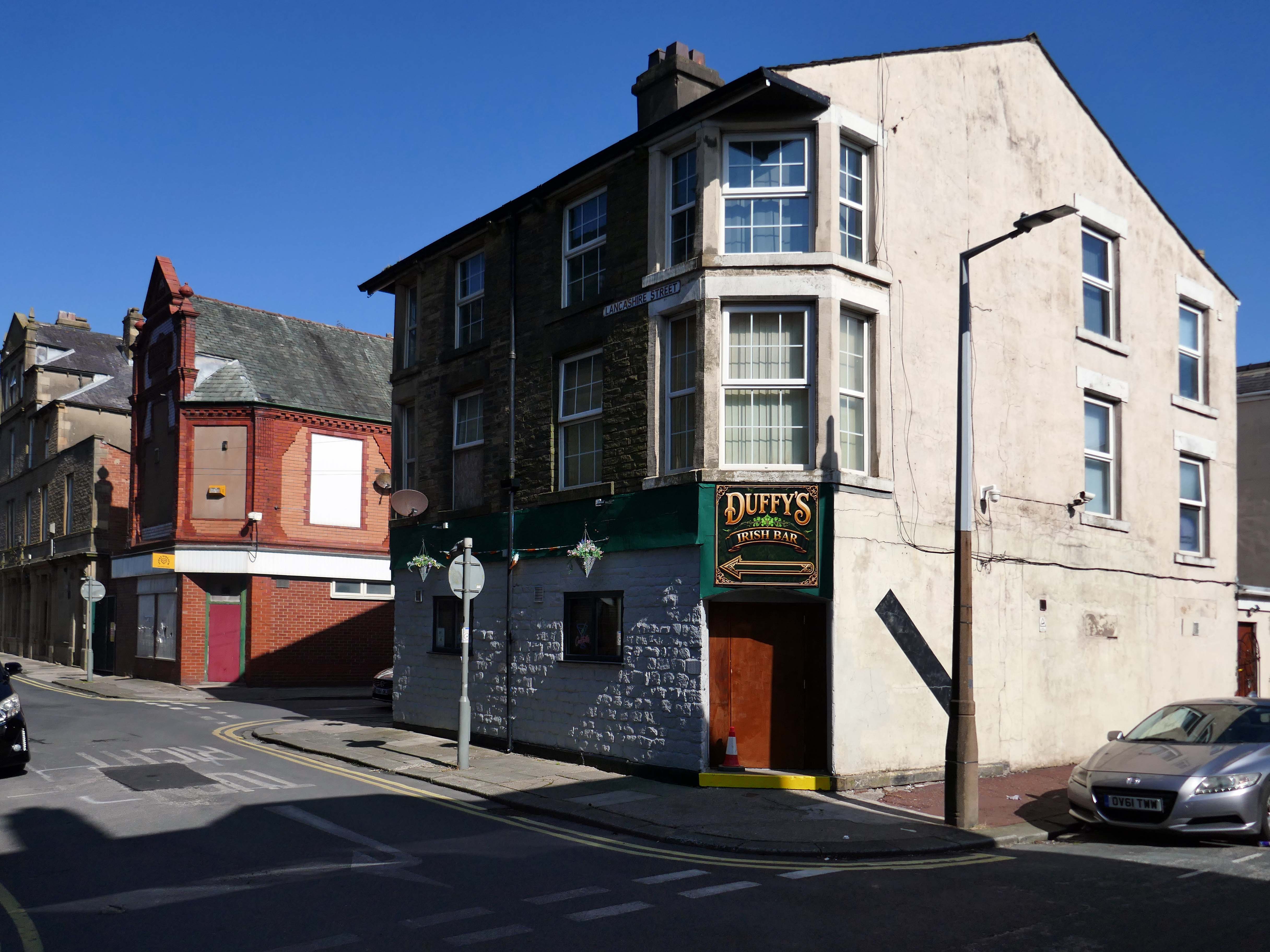
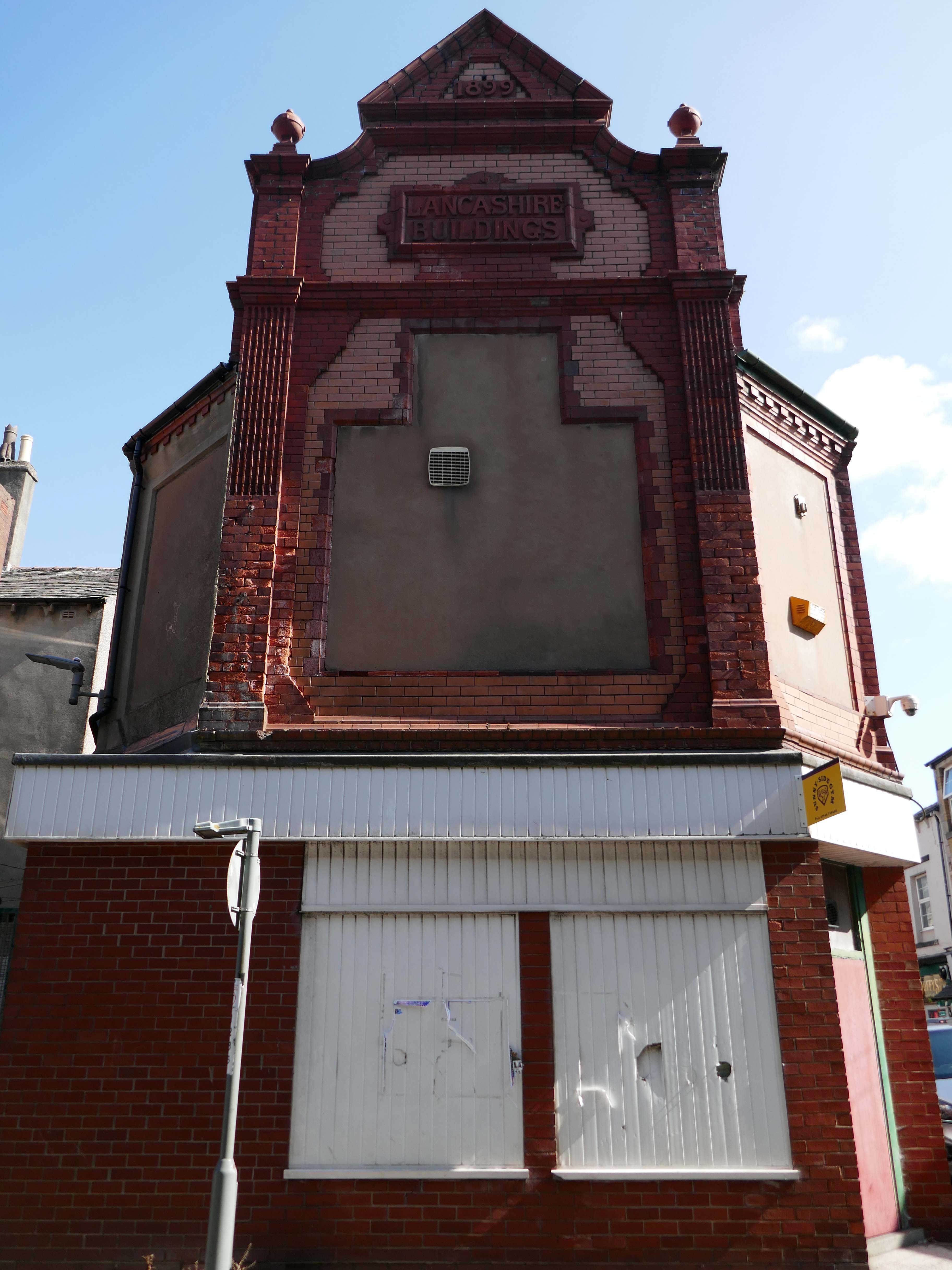
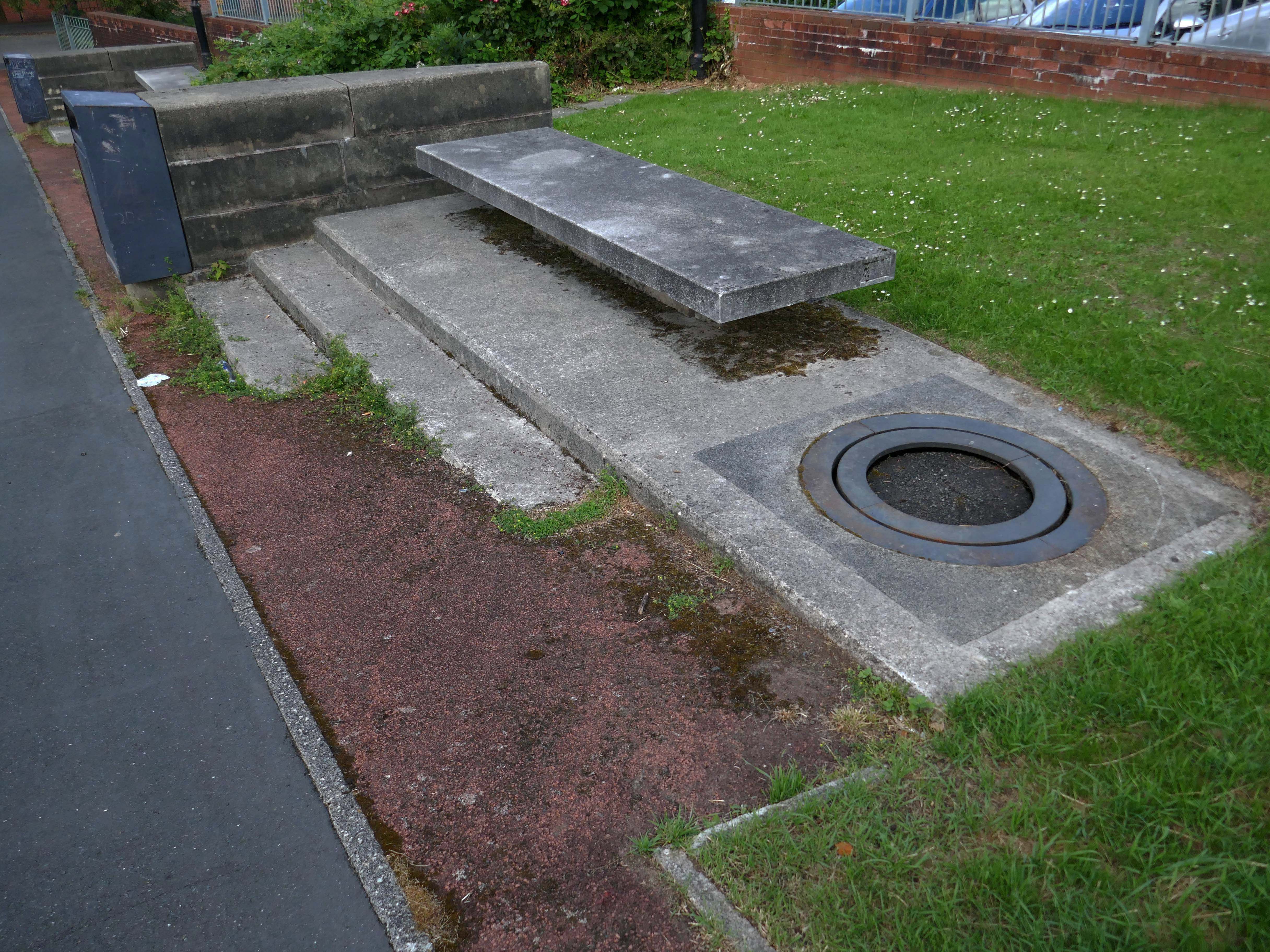
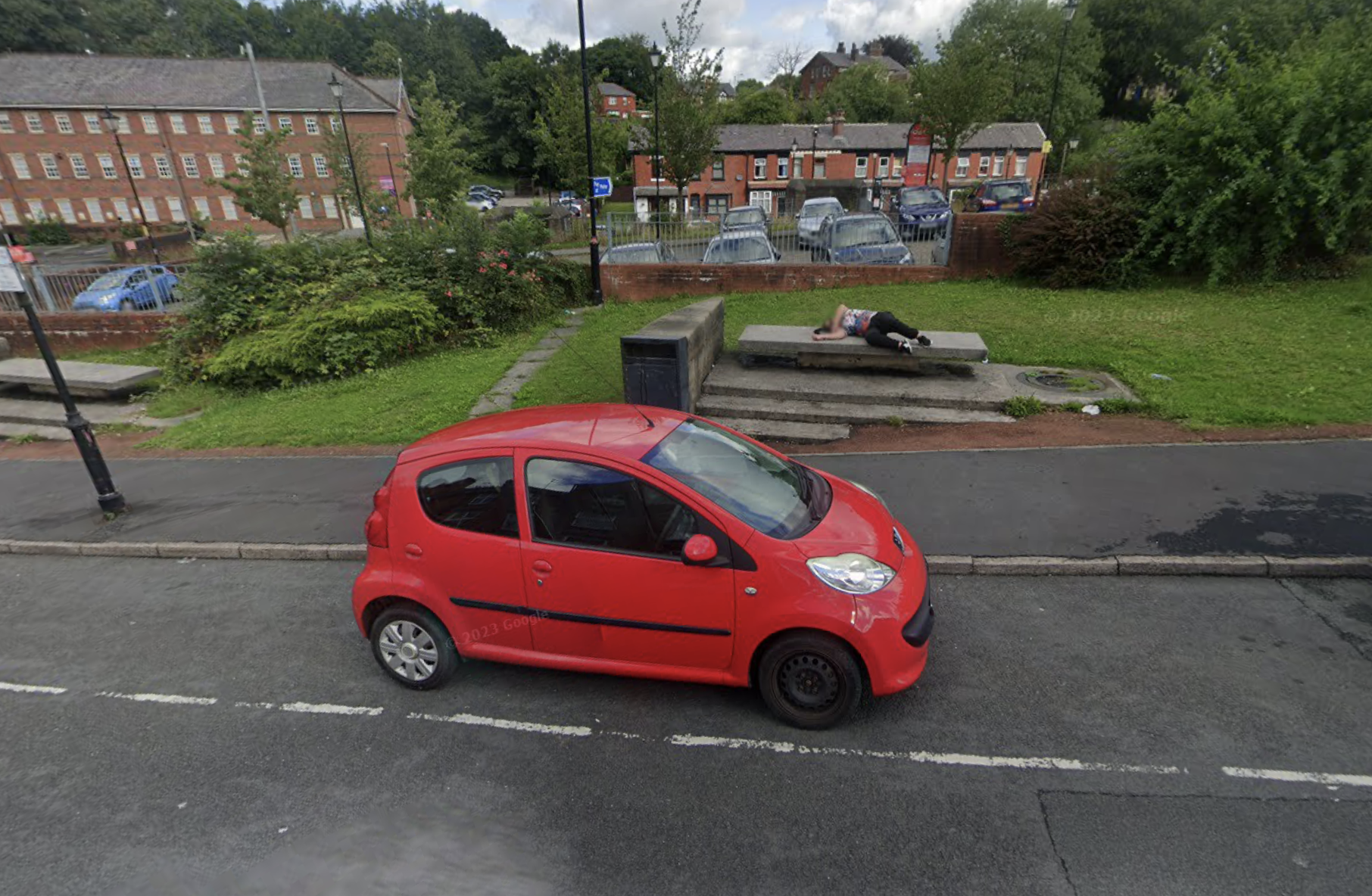
Having a moment or two on my hands I ventured to the land beyond beyond – the land of the concrete bench, bin and planter combo.
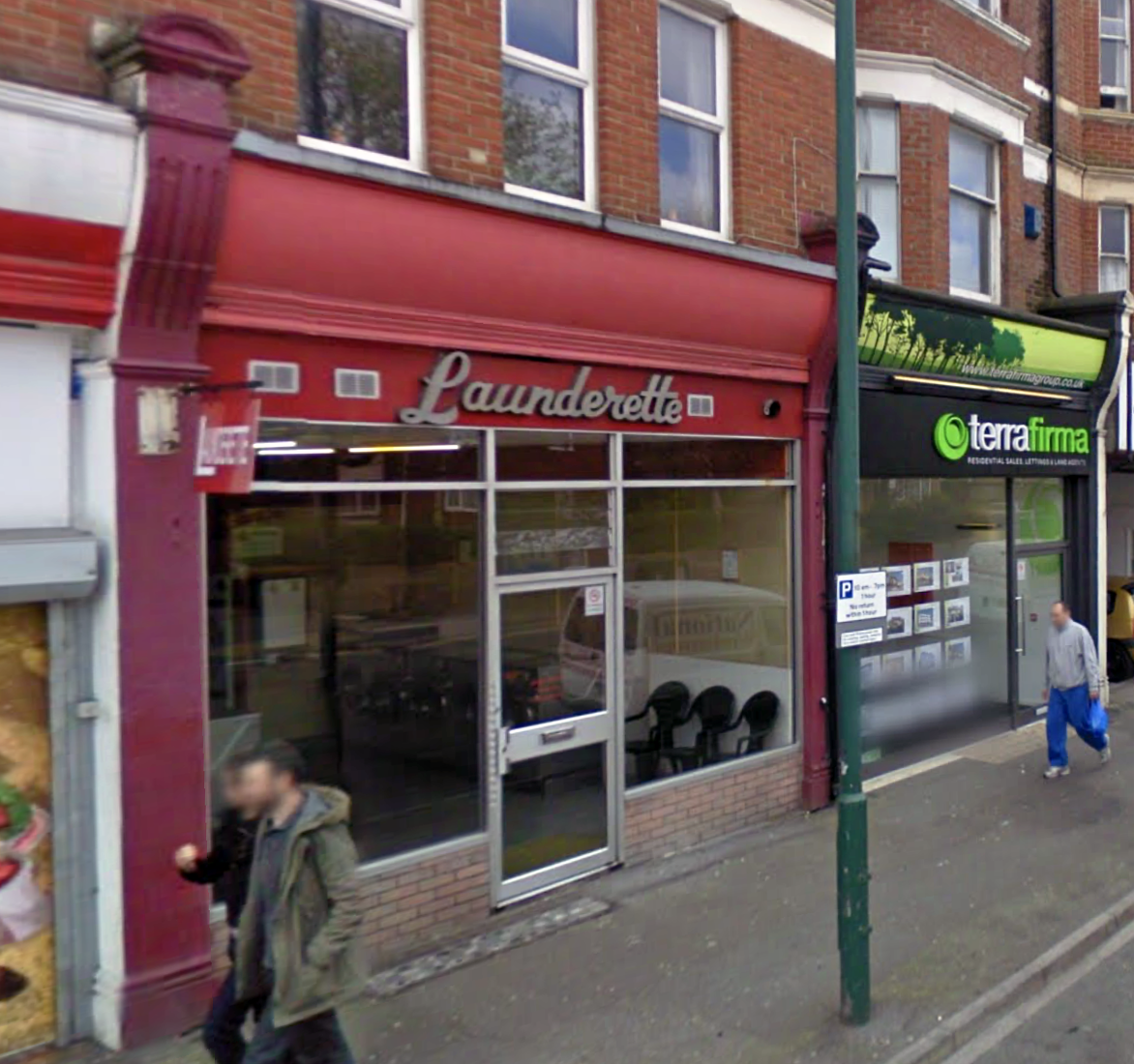
Seen here in 2011 via Google – with clear windows and delightful signage.
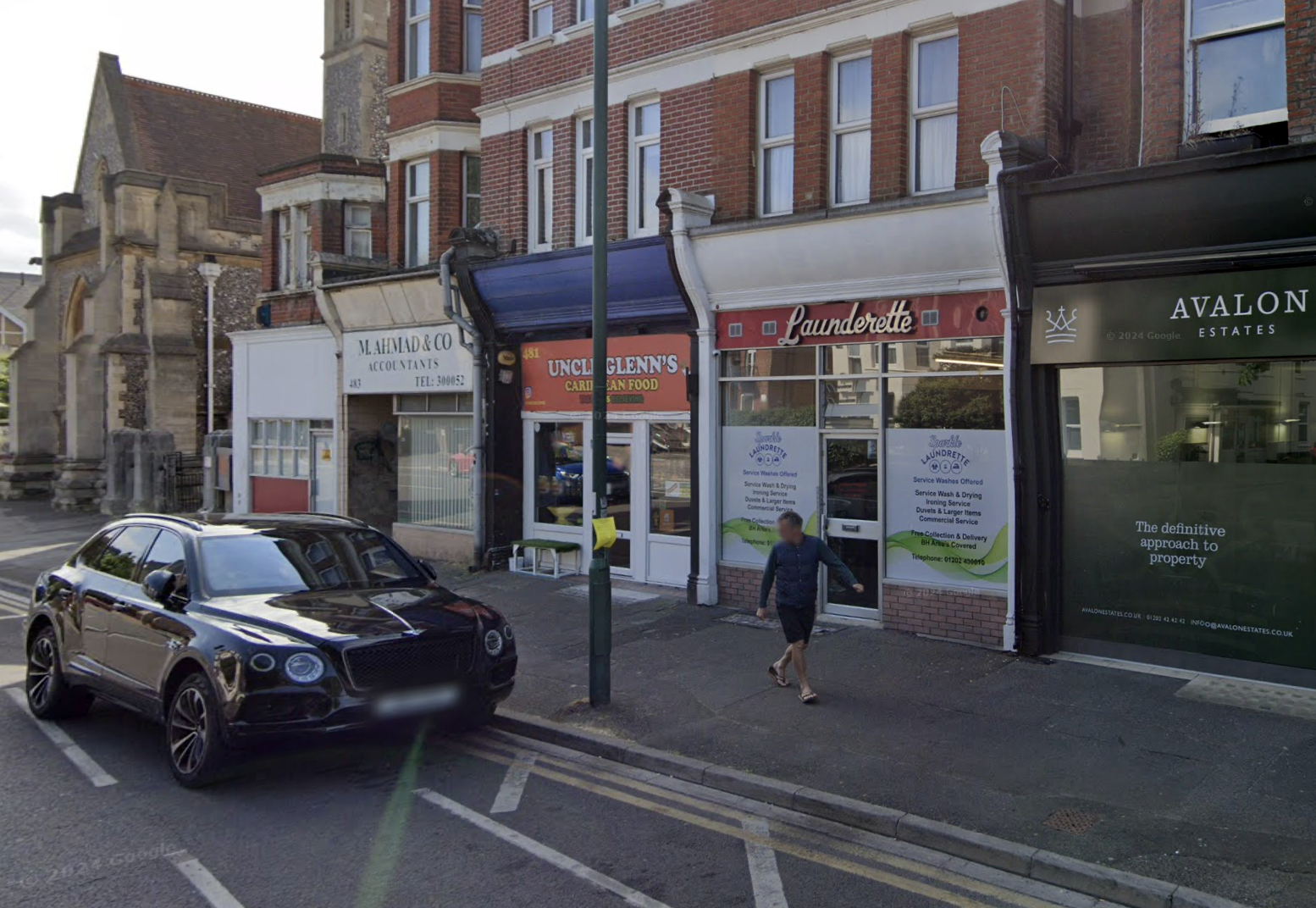
2024 with vinyl covered windows and sign intact.
By the time of my visit in May 2026 – the sign and the Bentley were no more.
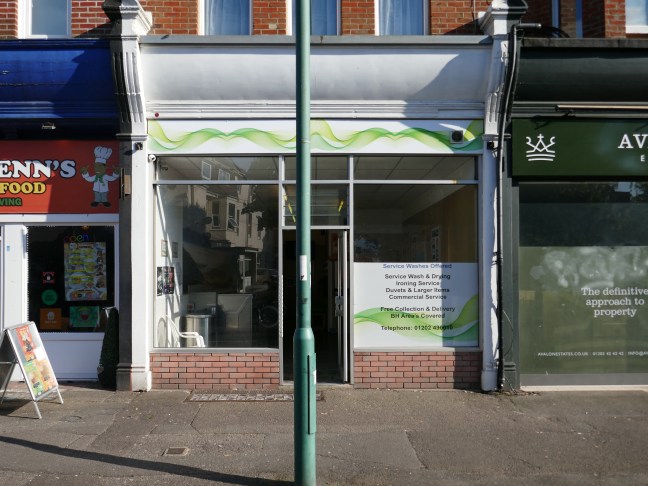
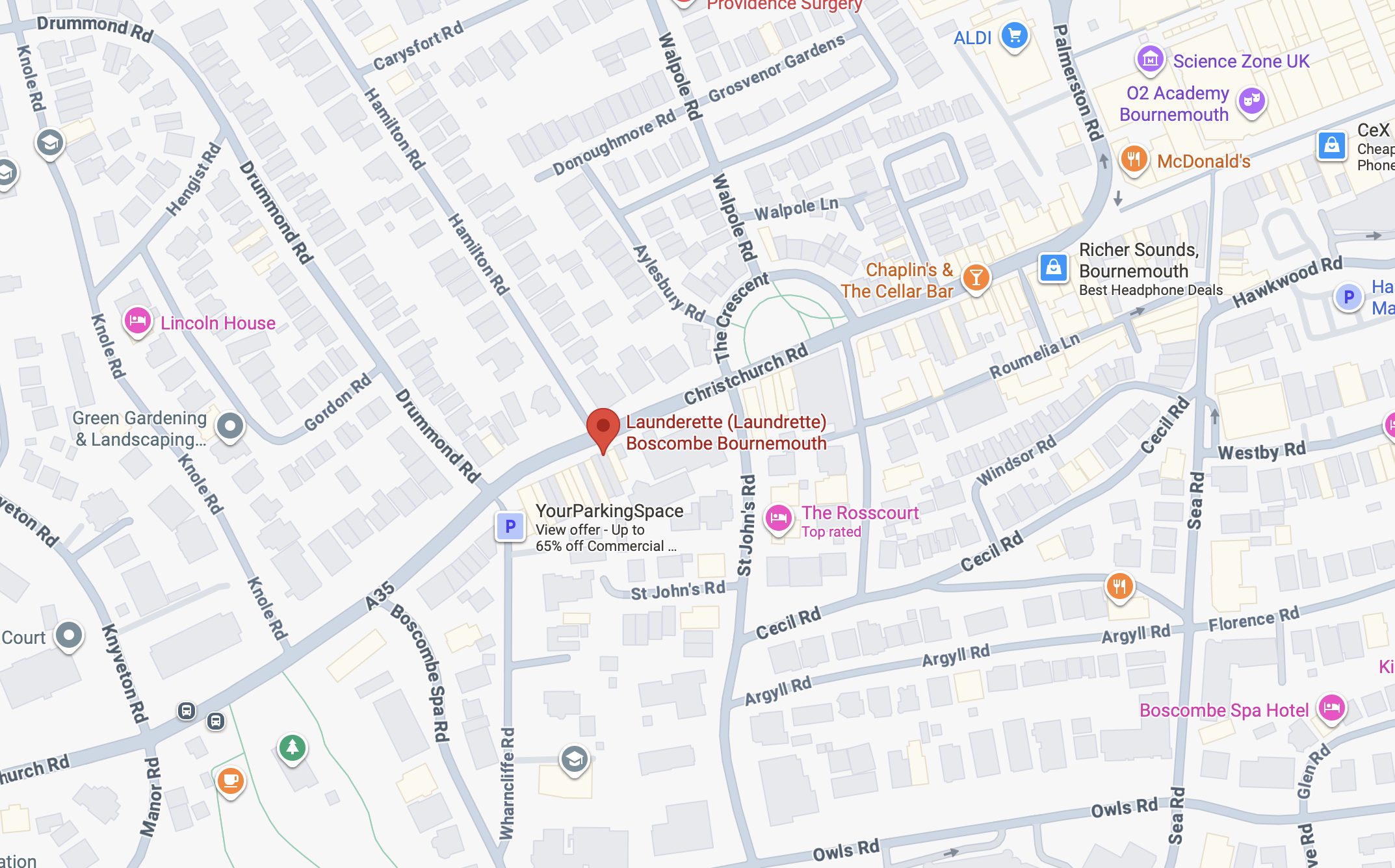
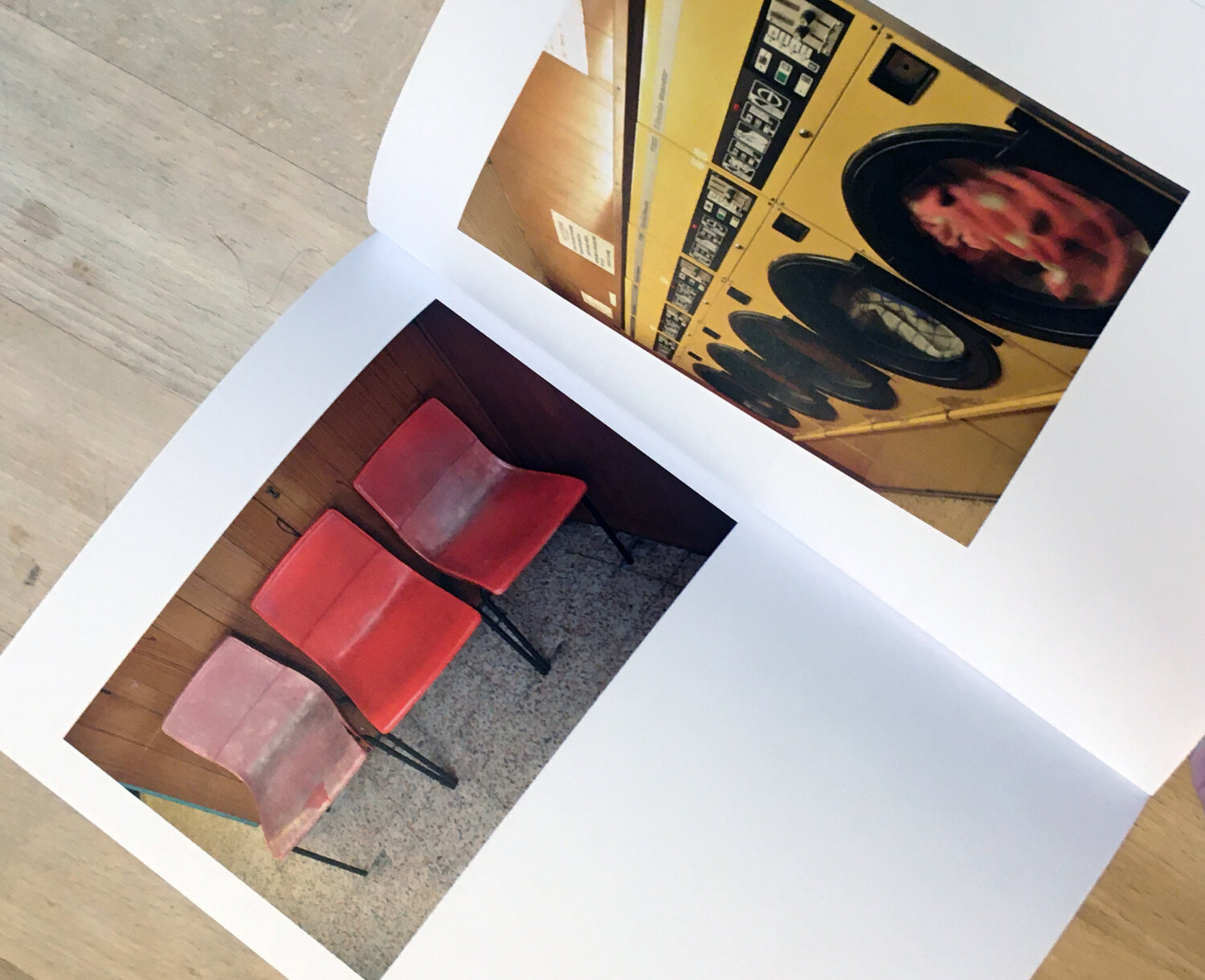
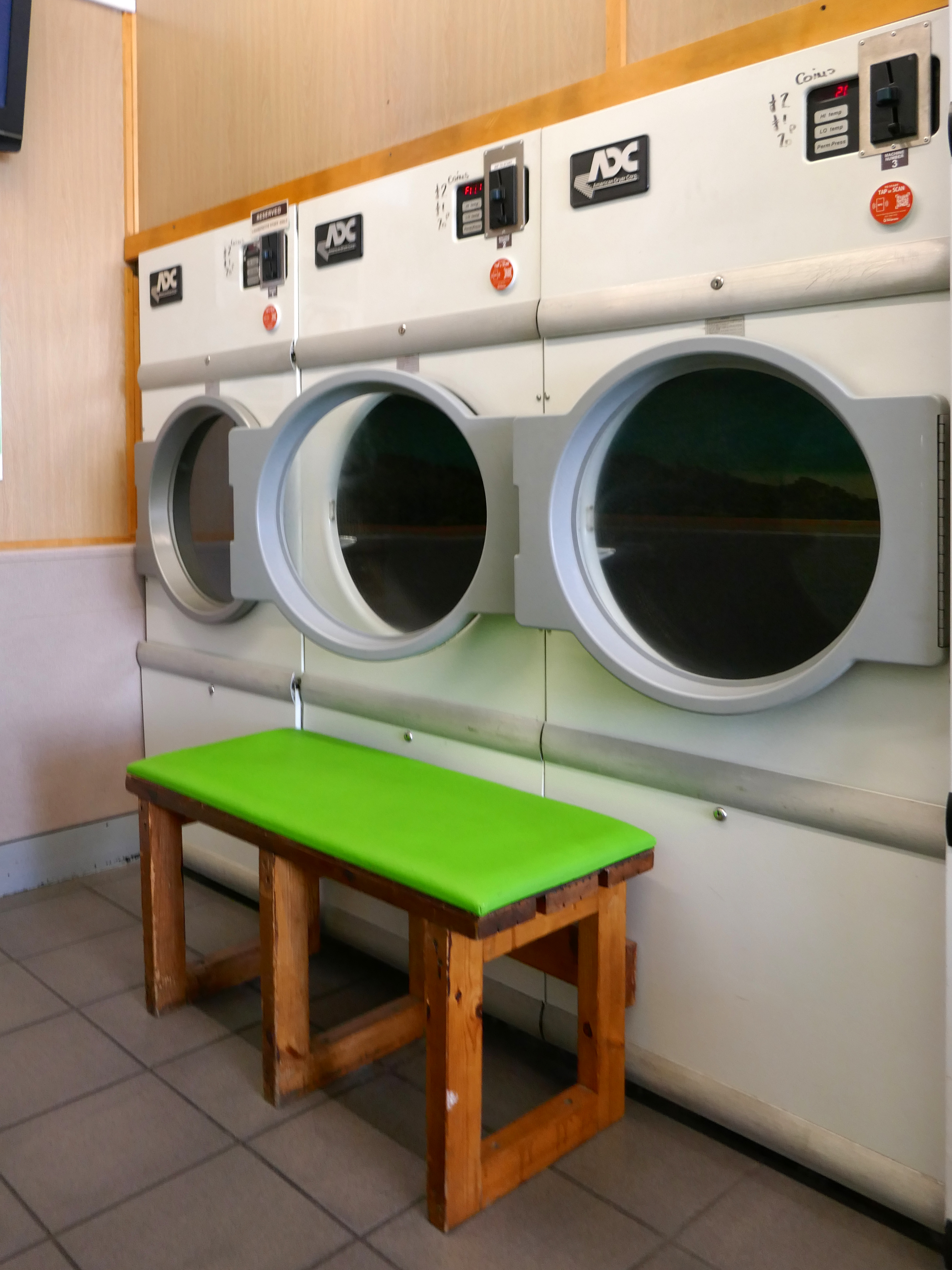
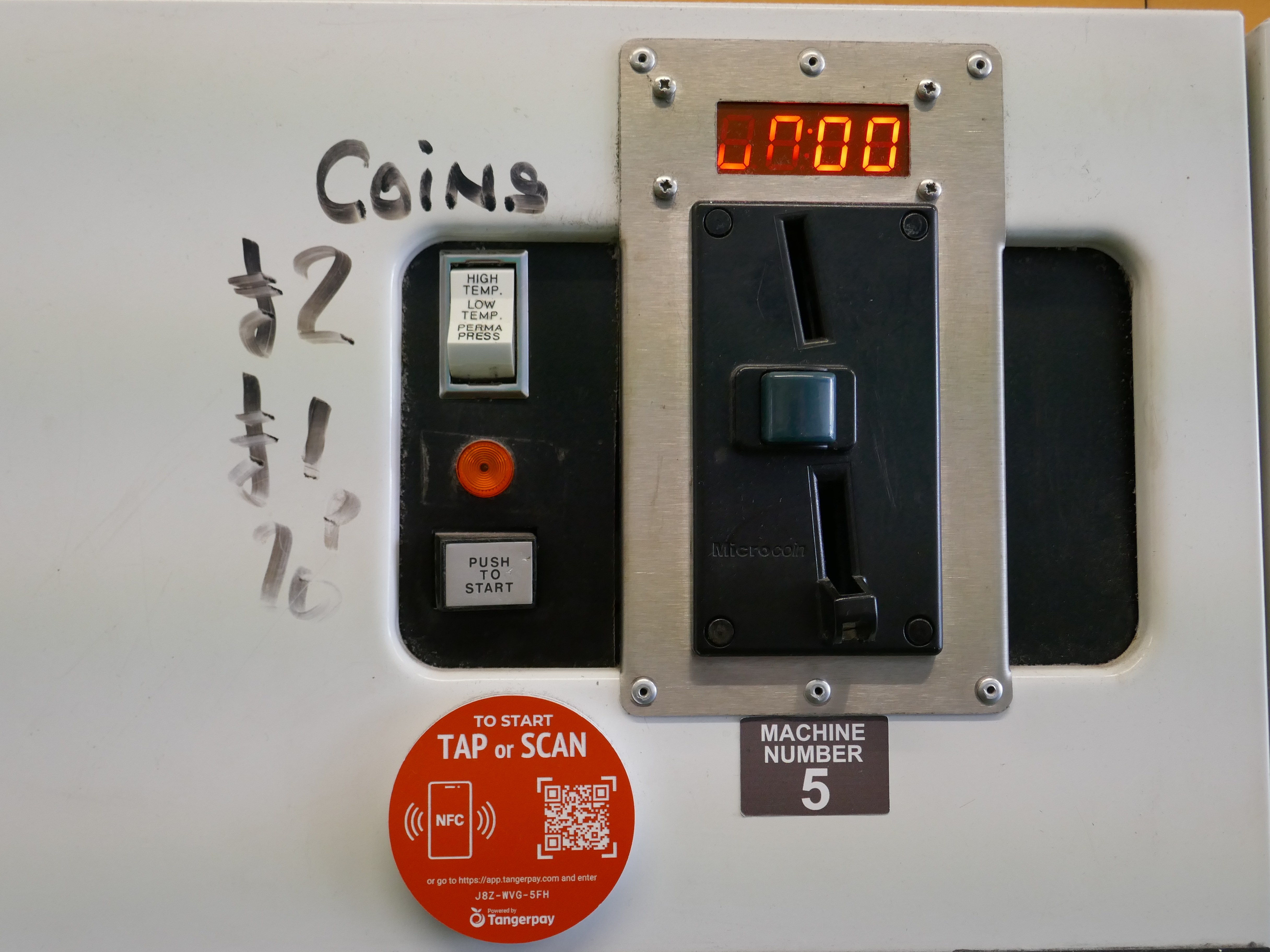
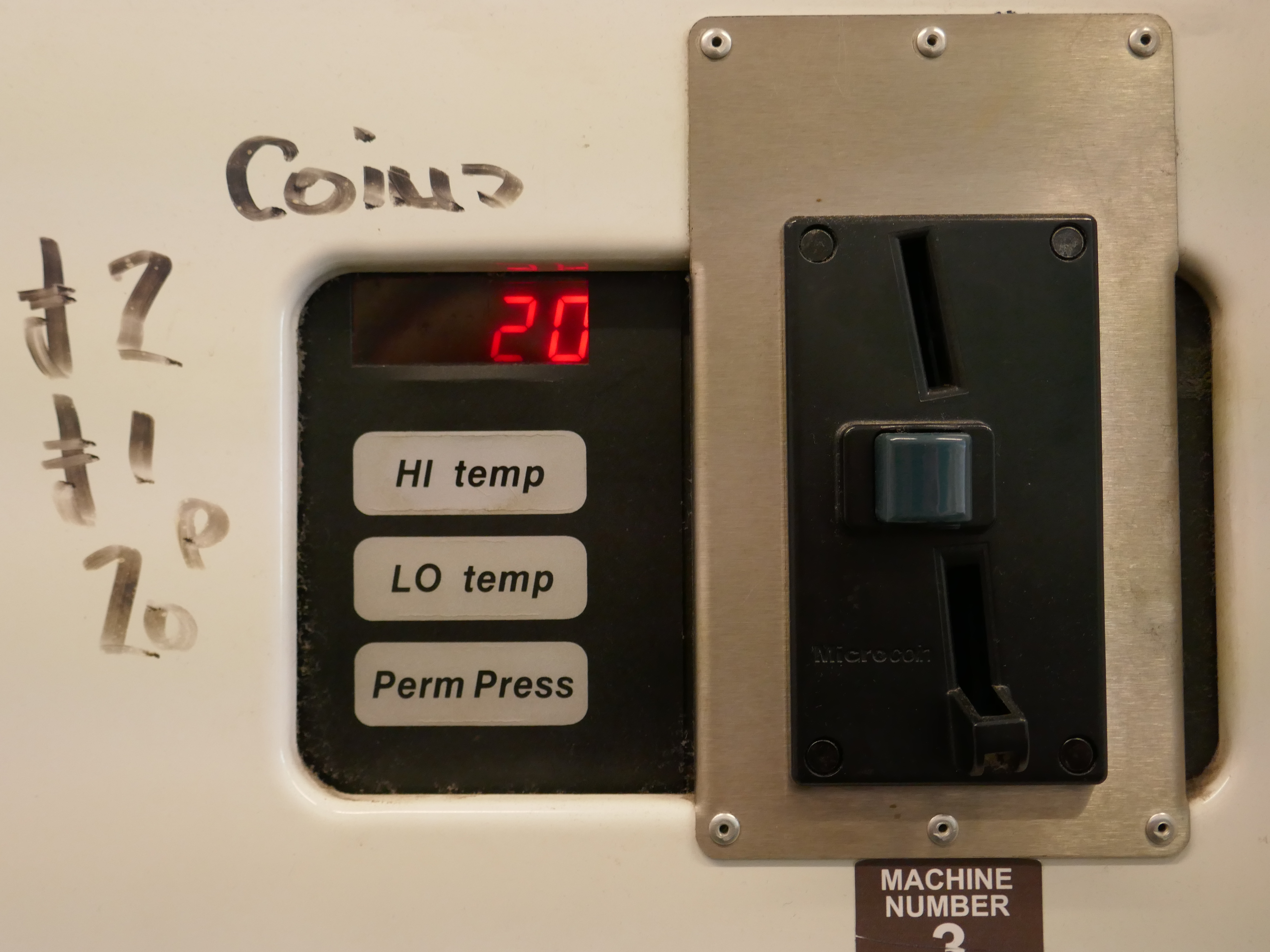
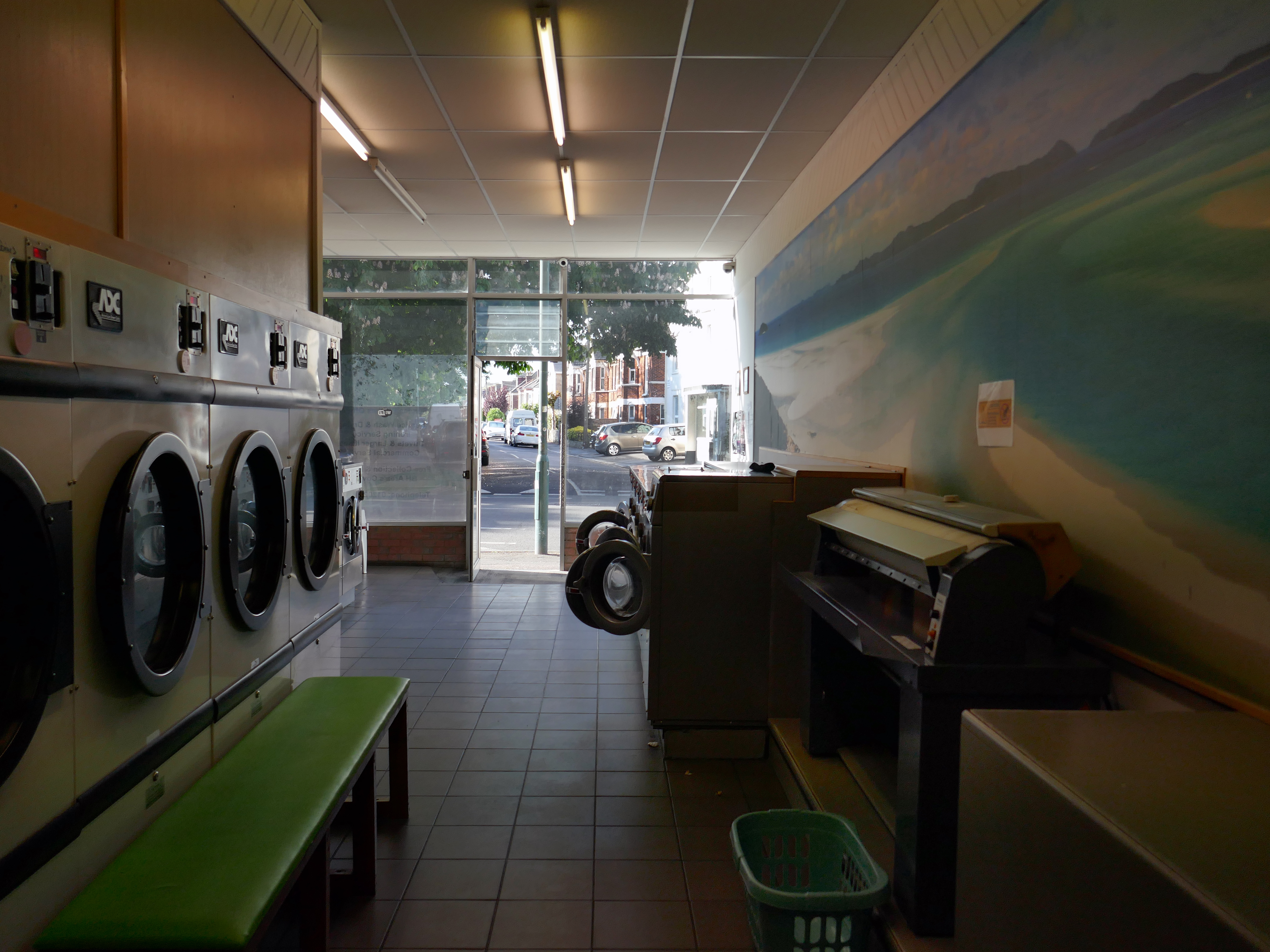
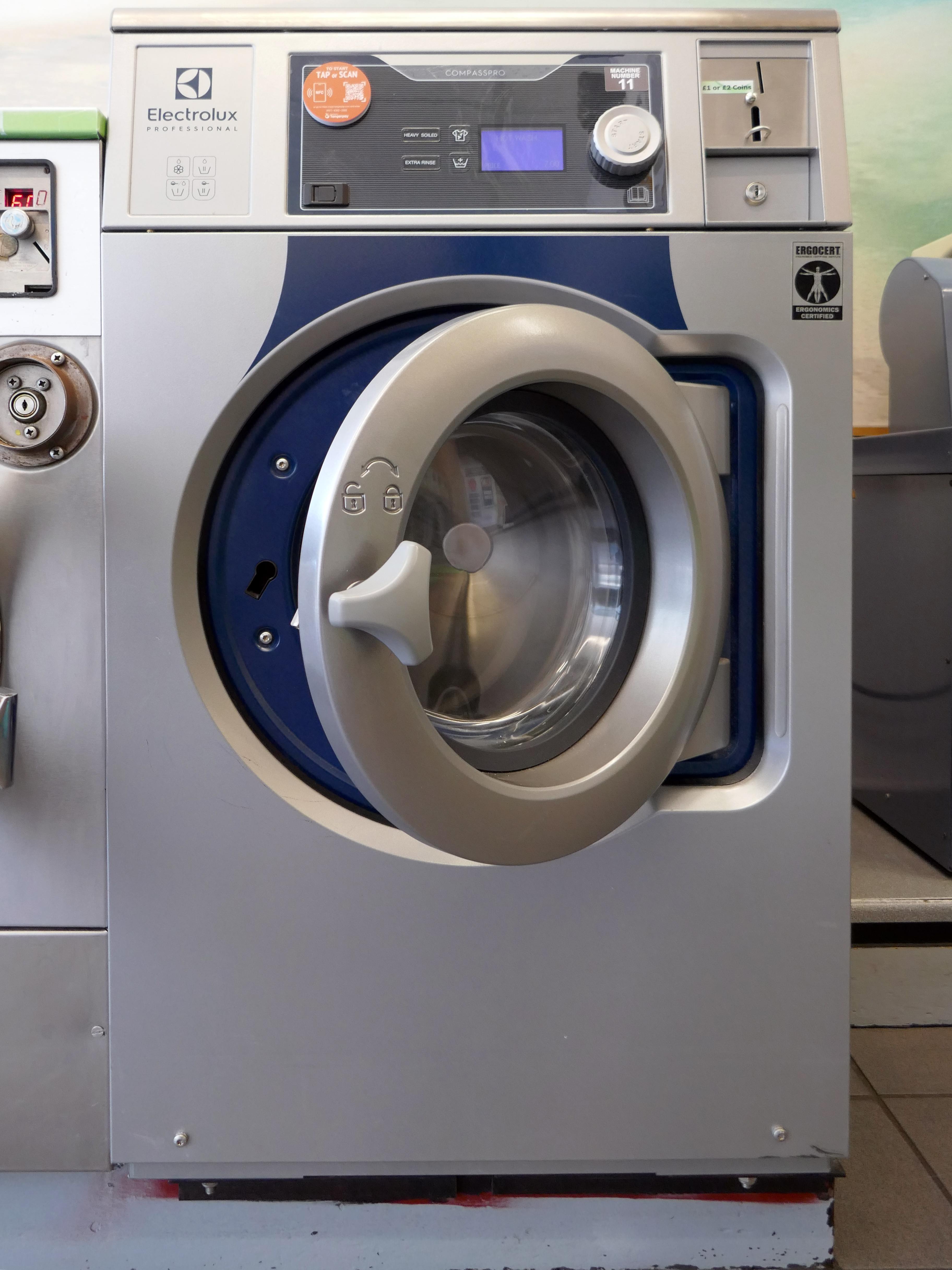
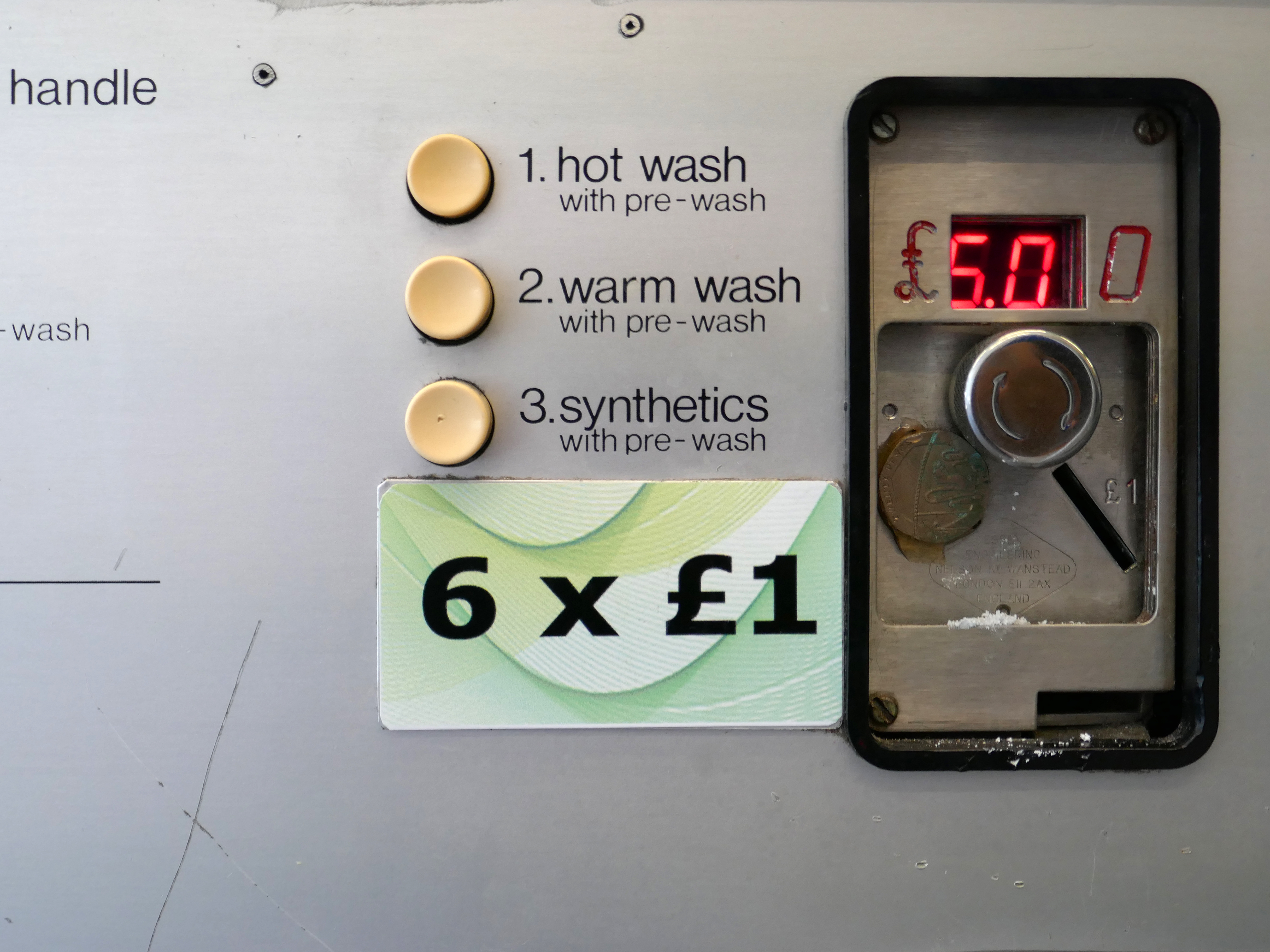
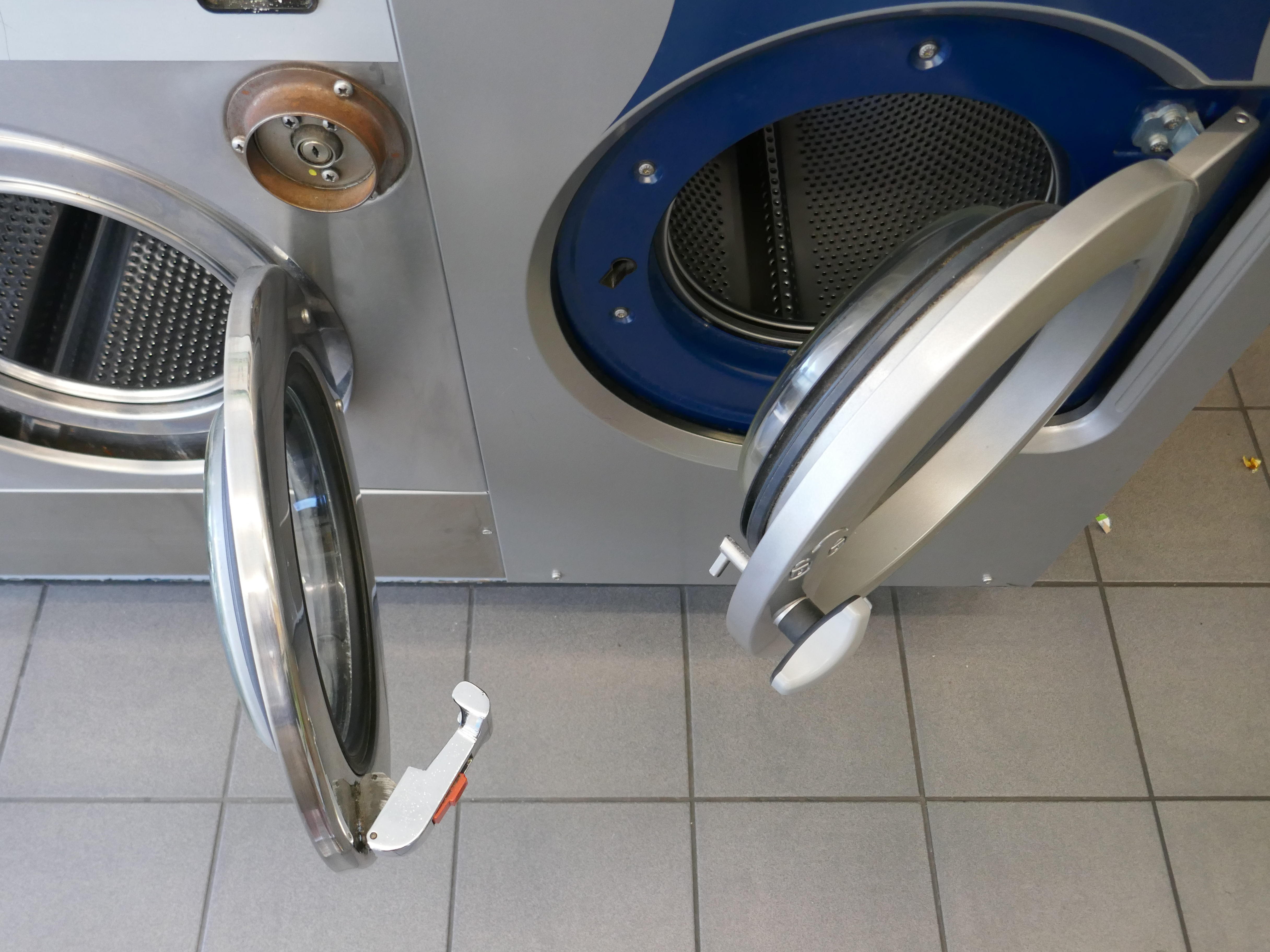
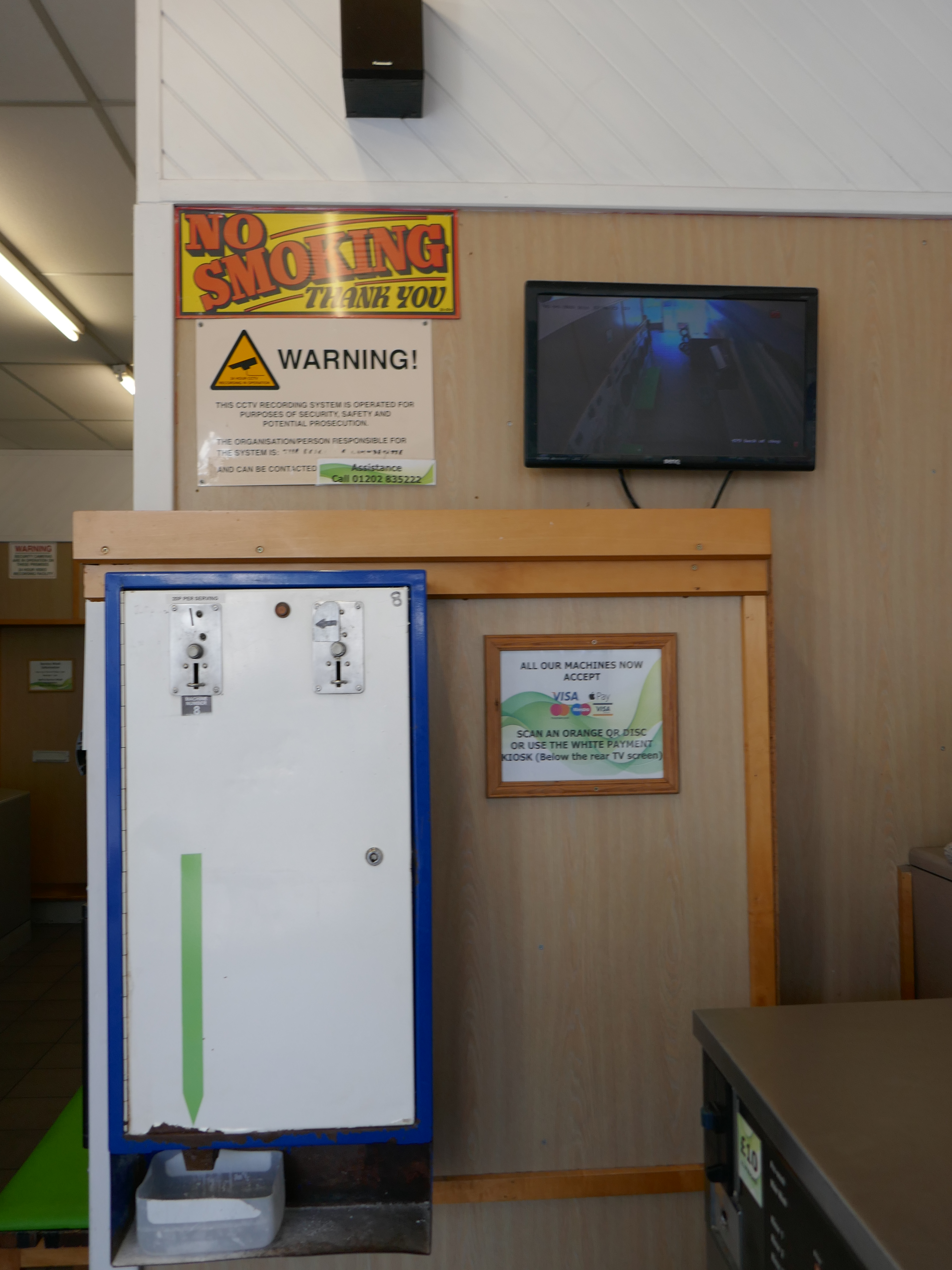
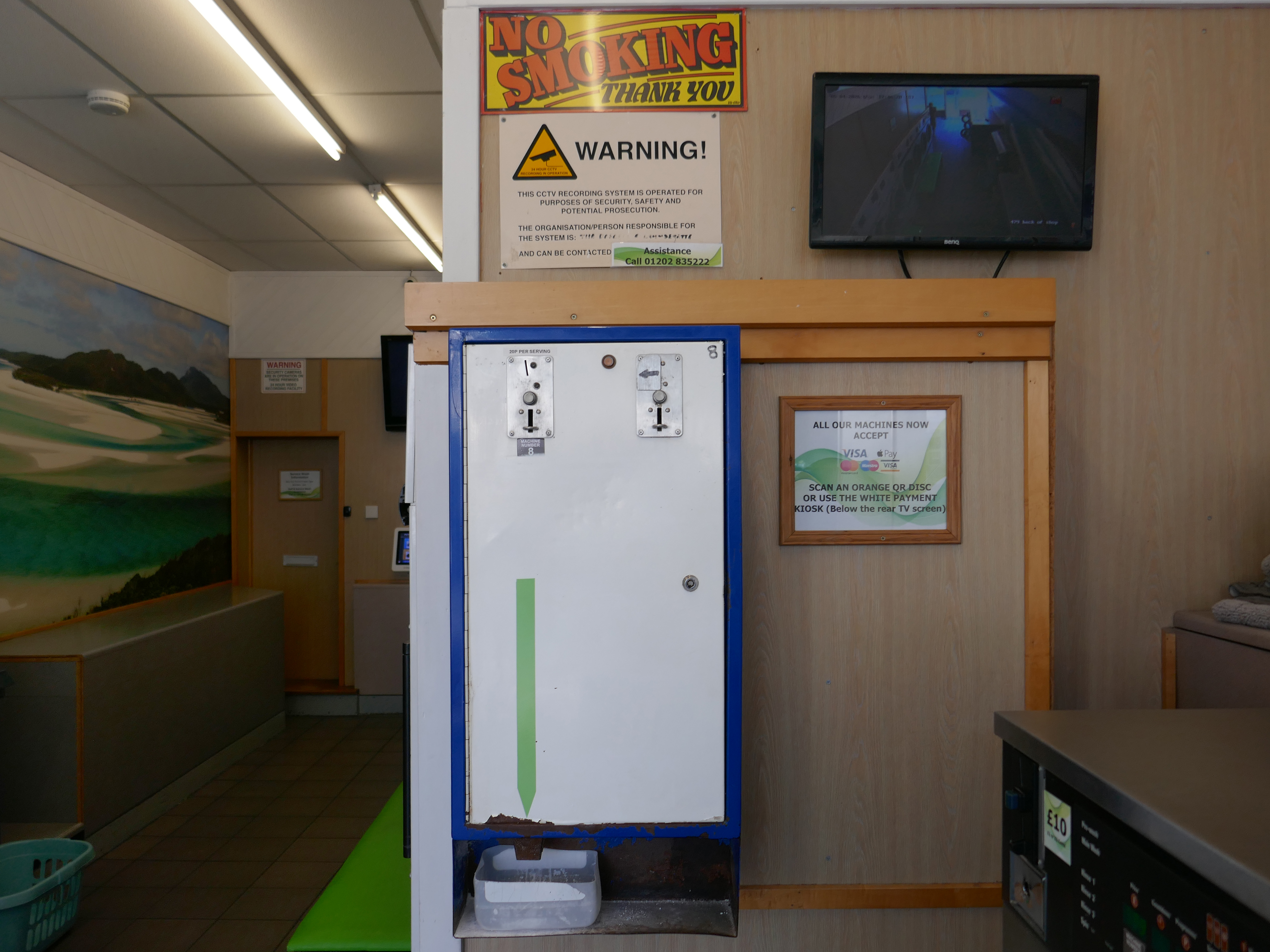
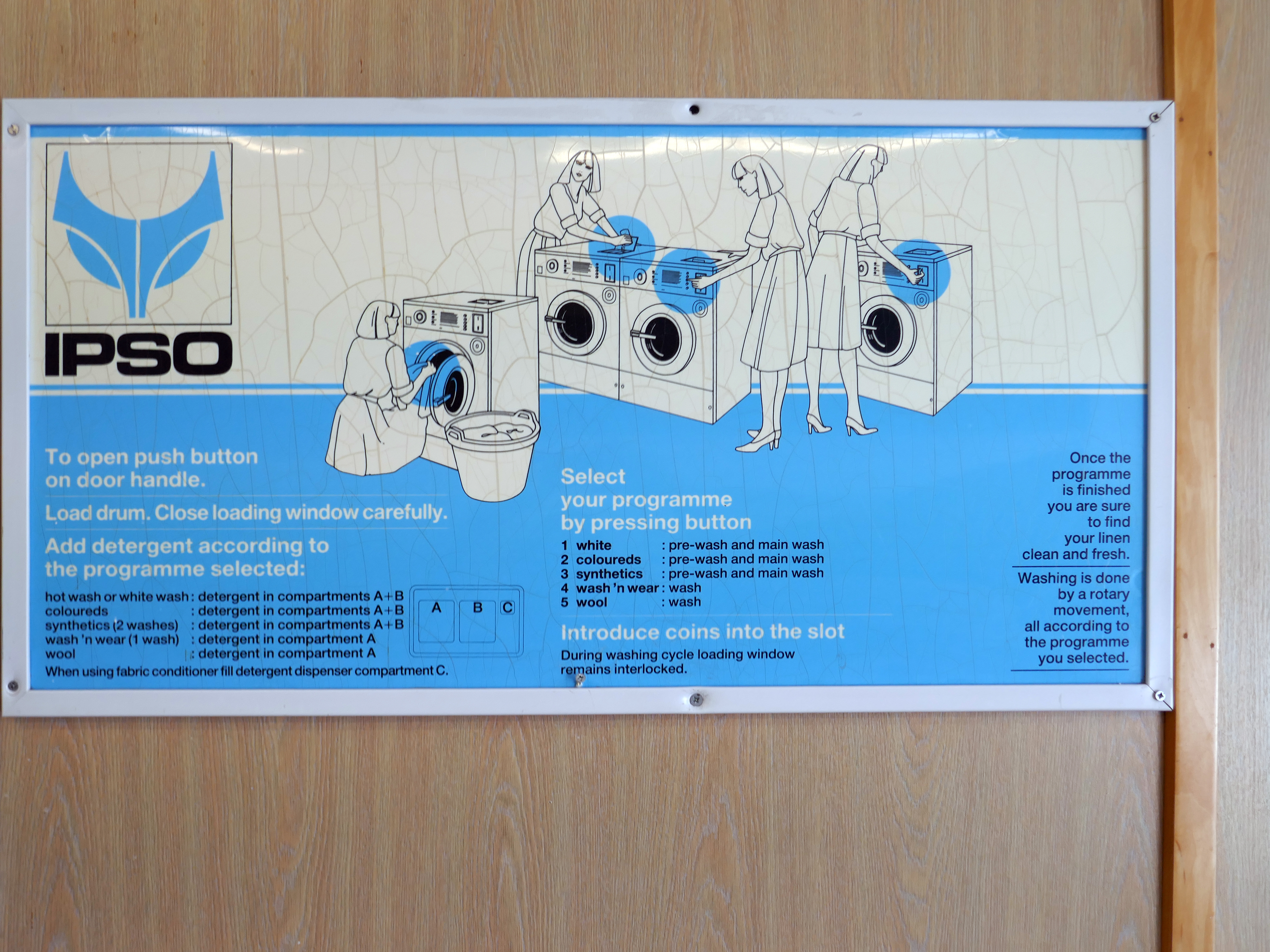
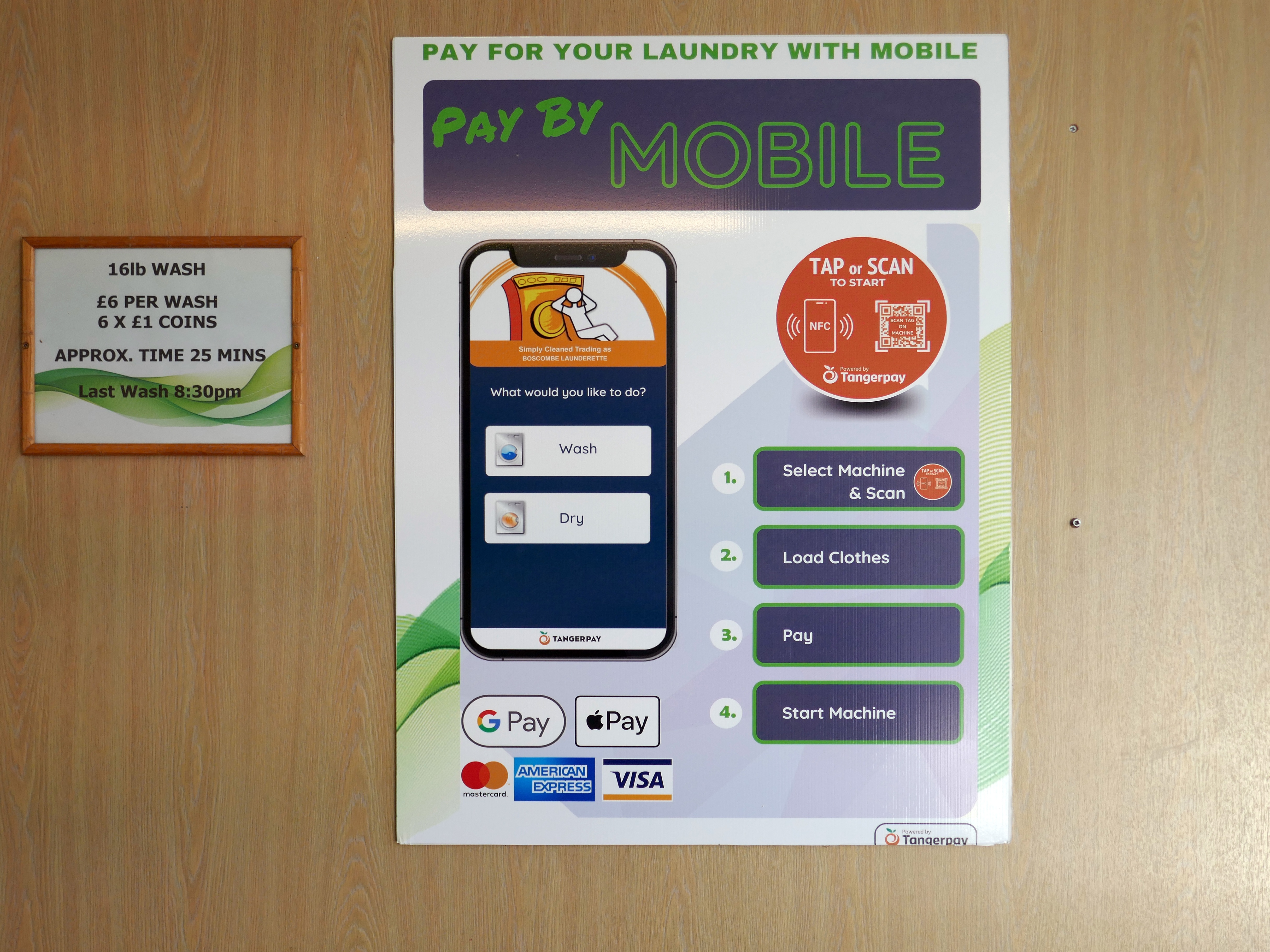
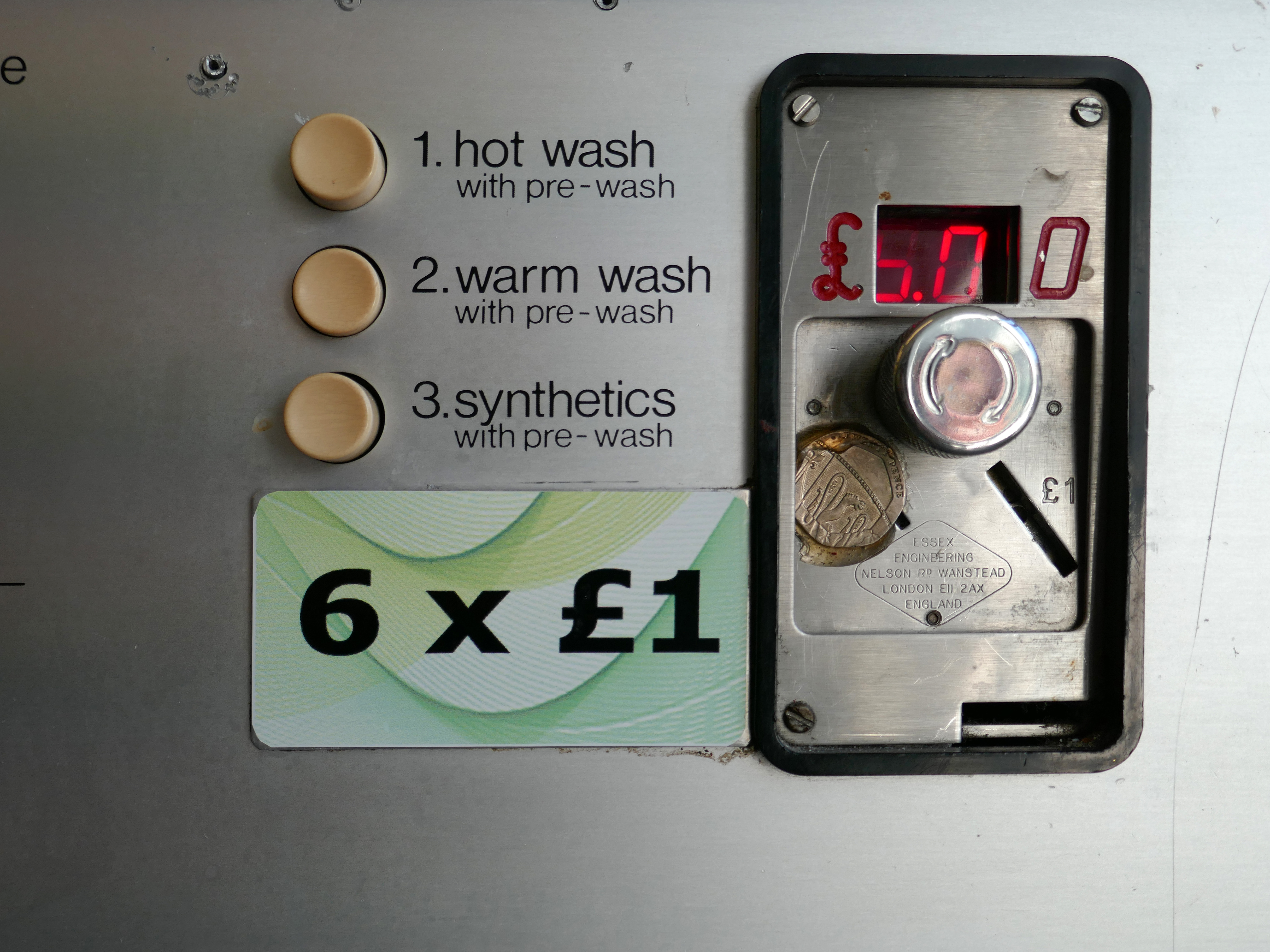
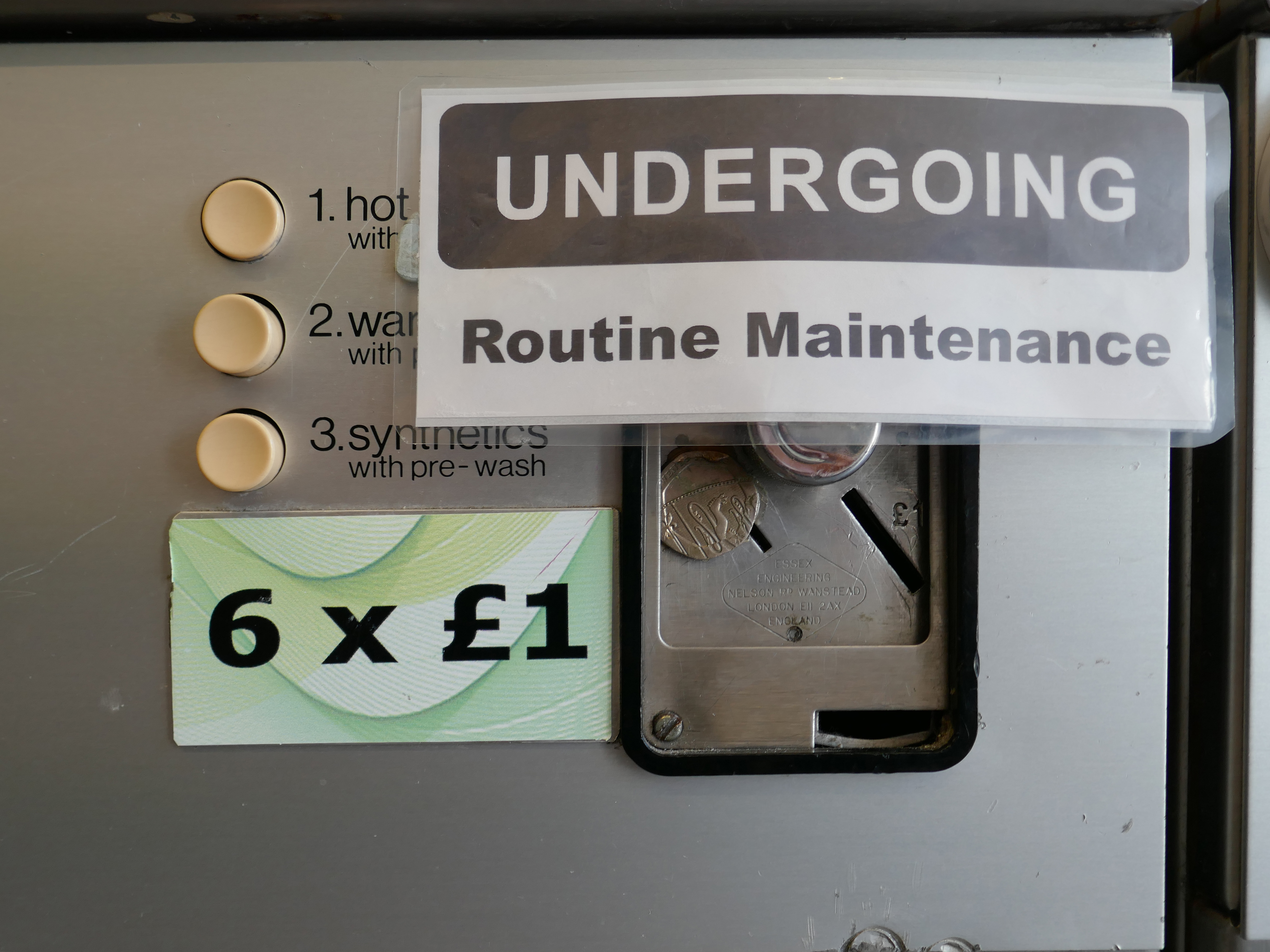
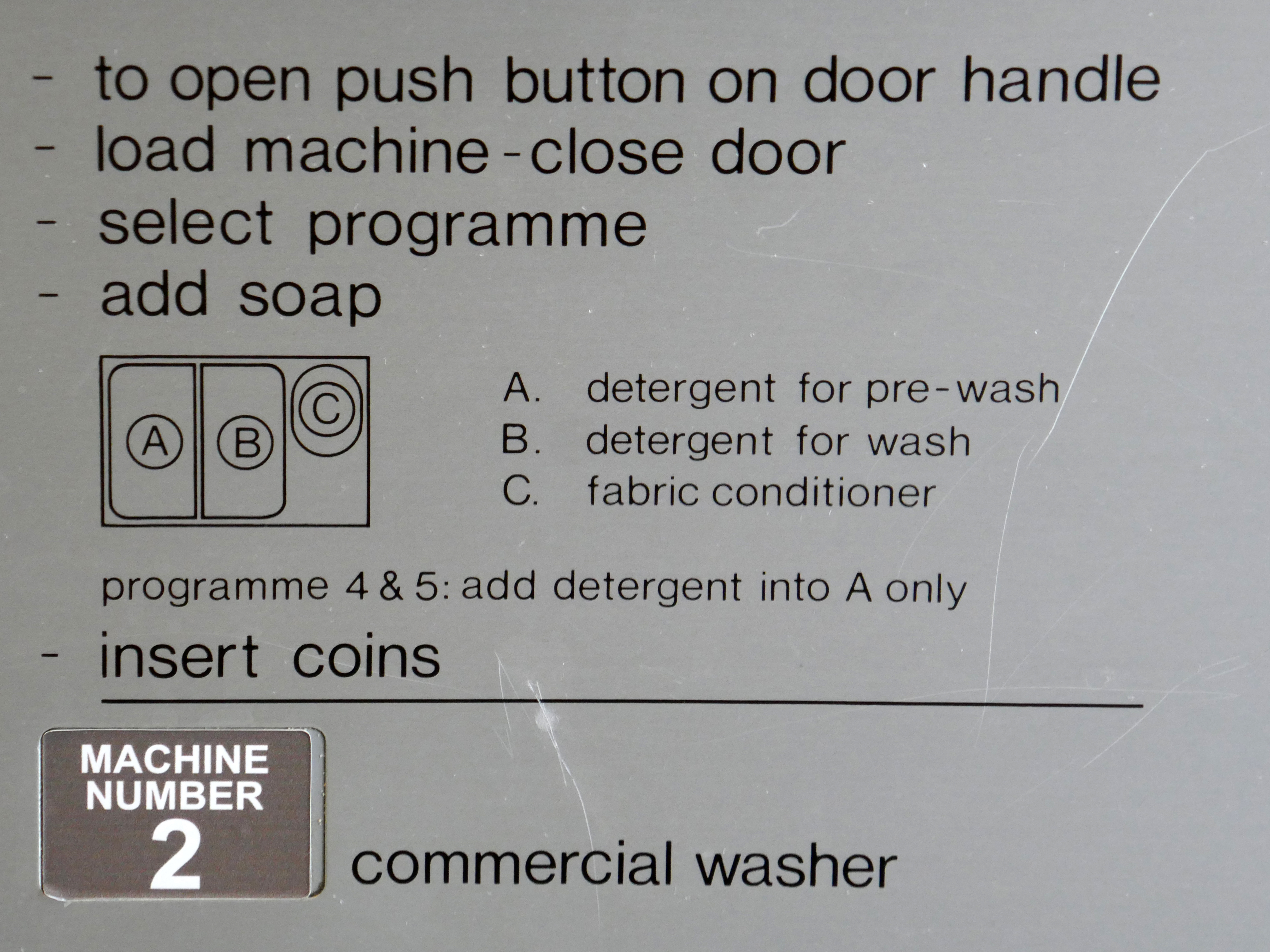
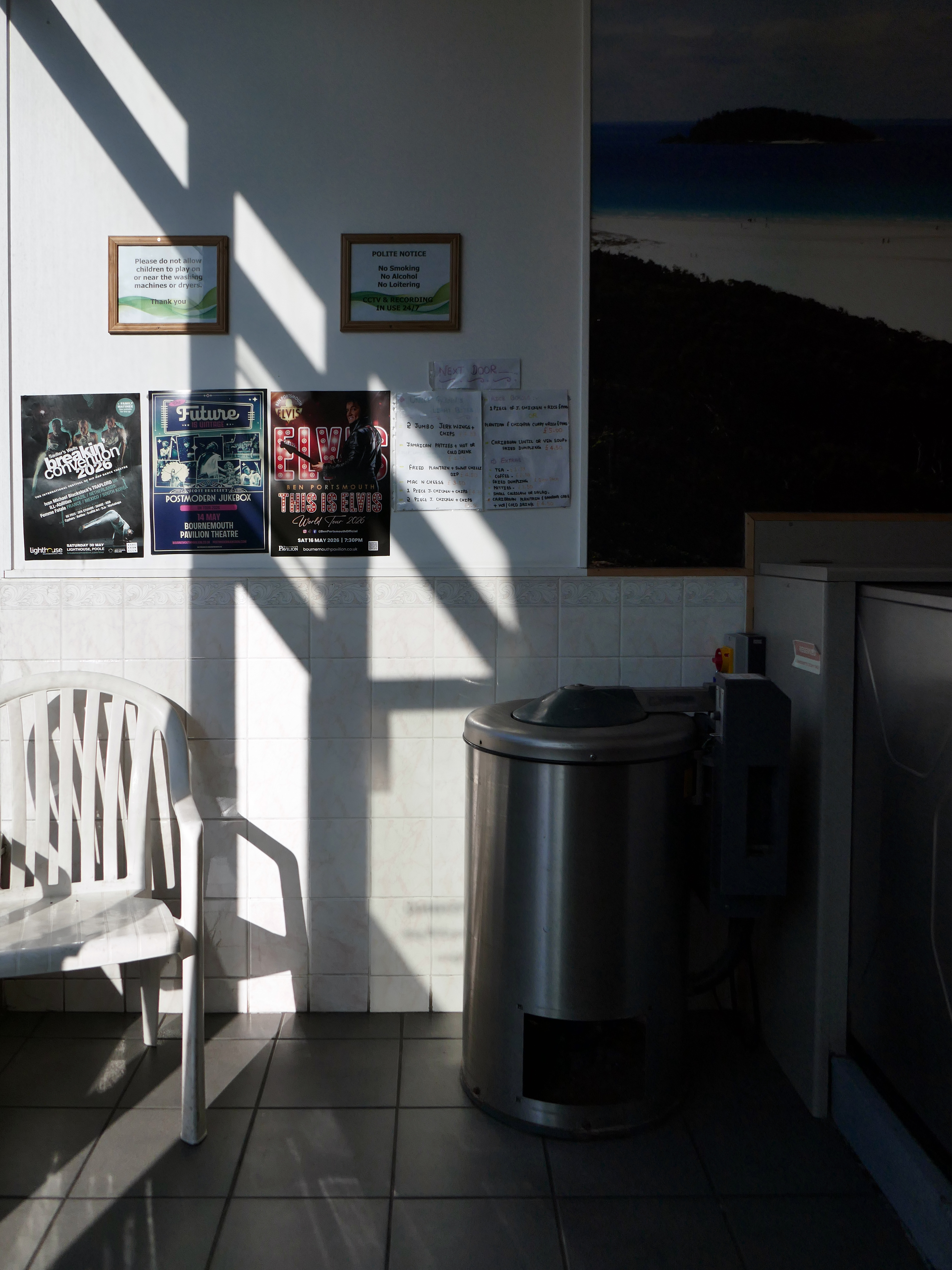
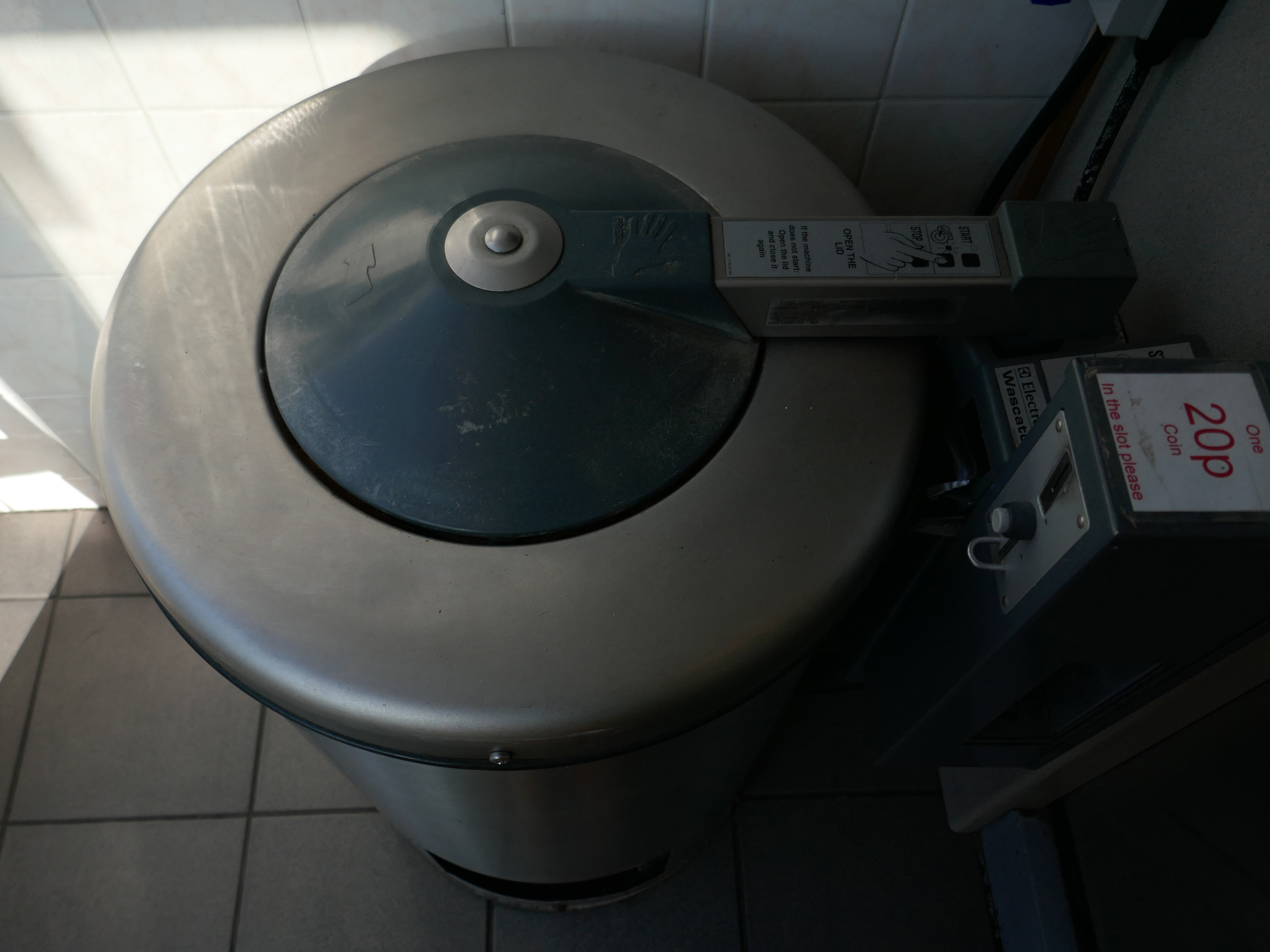
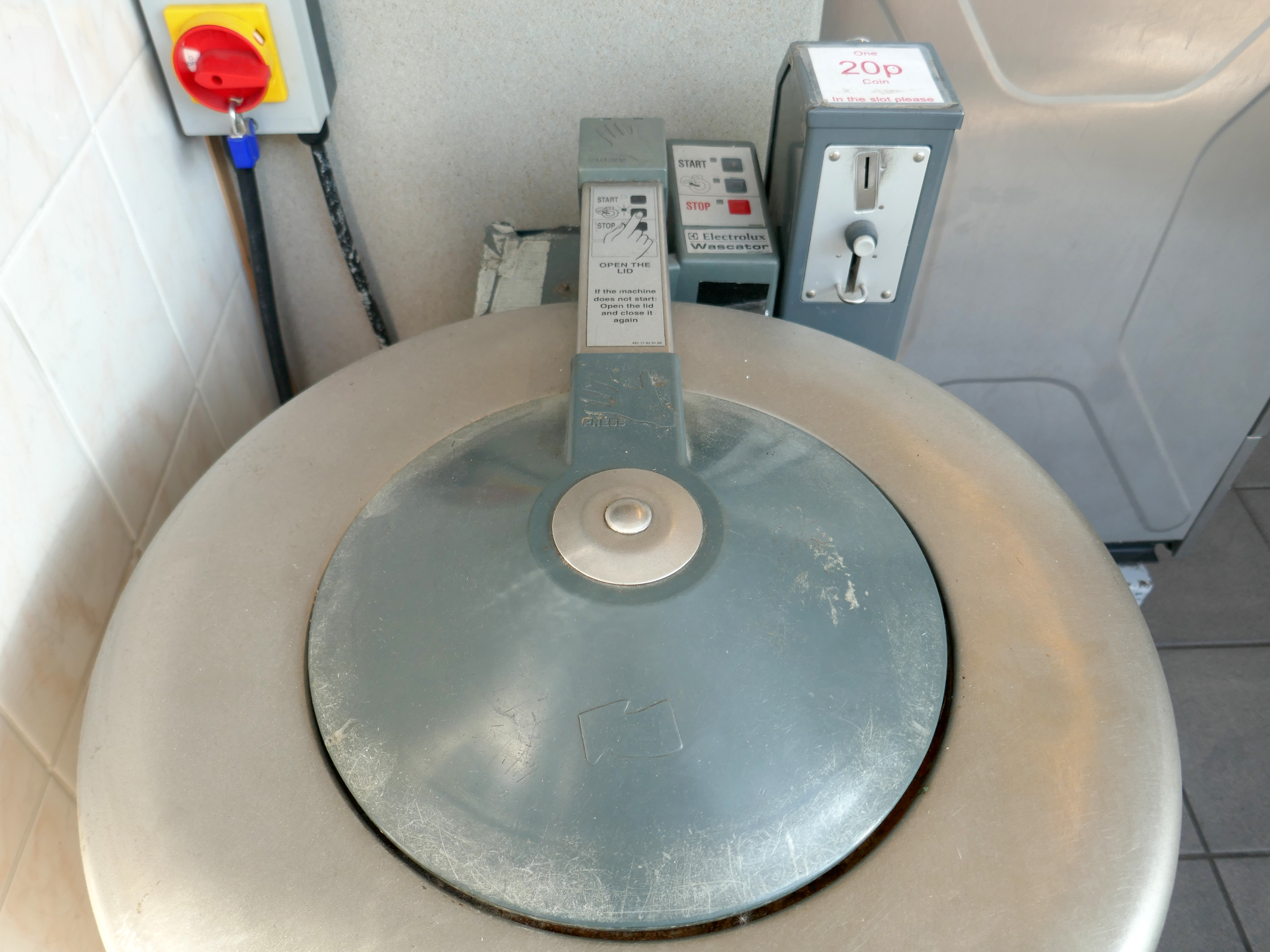
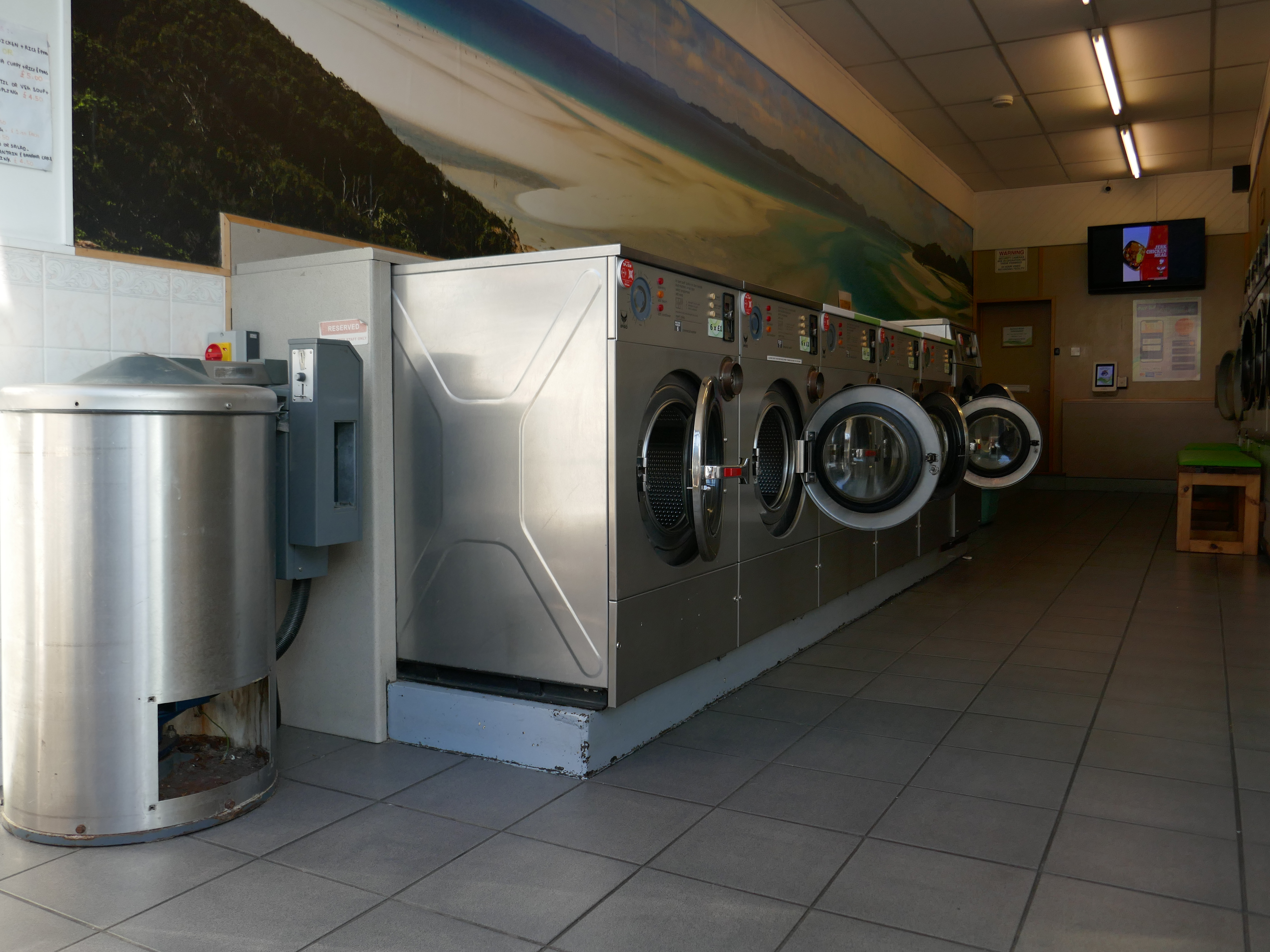
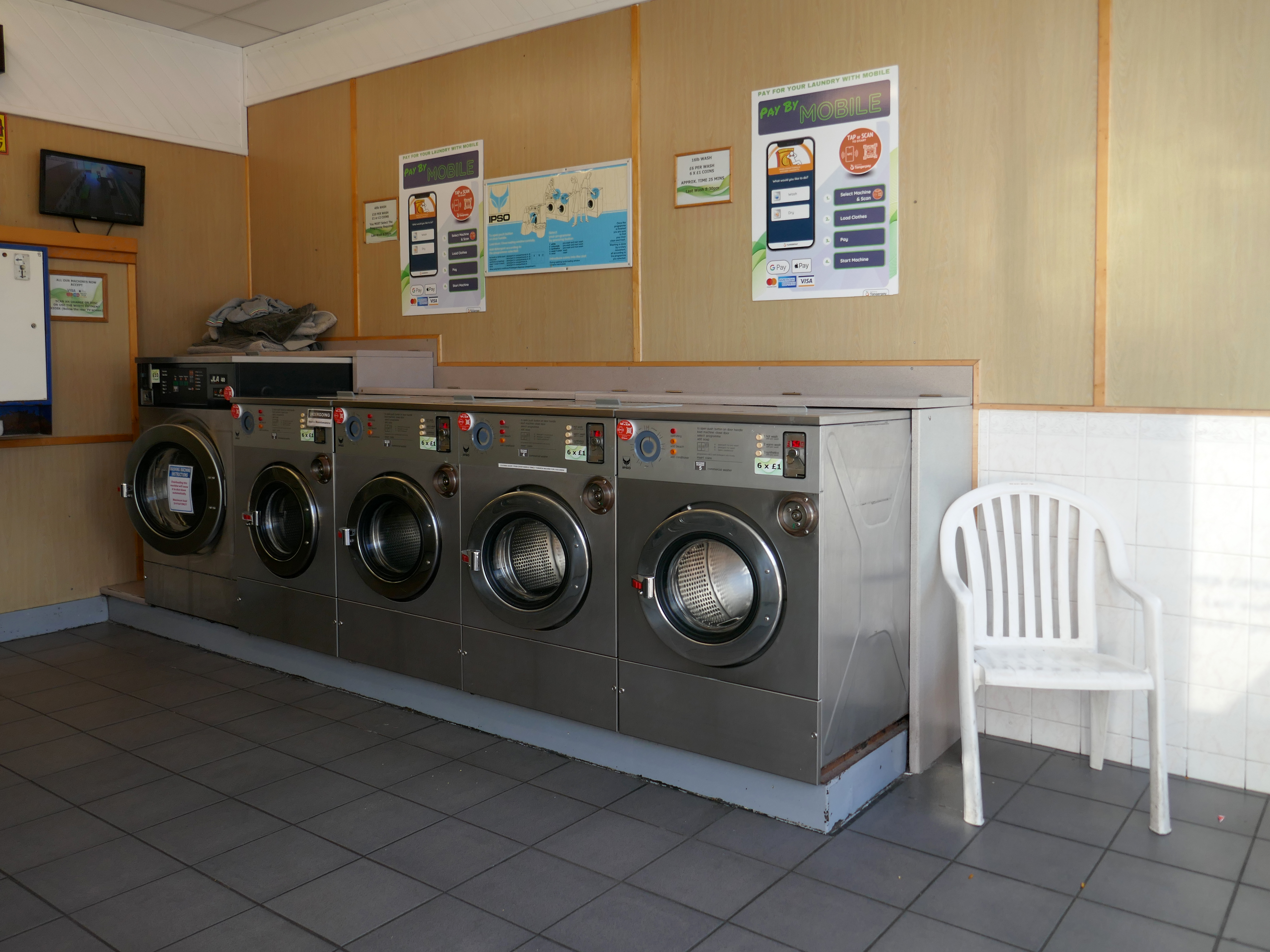
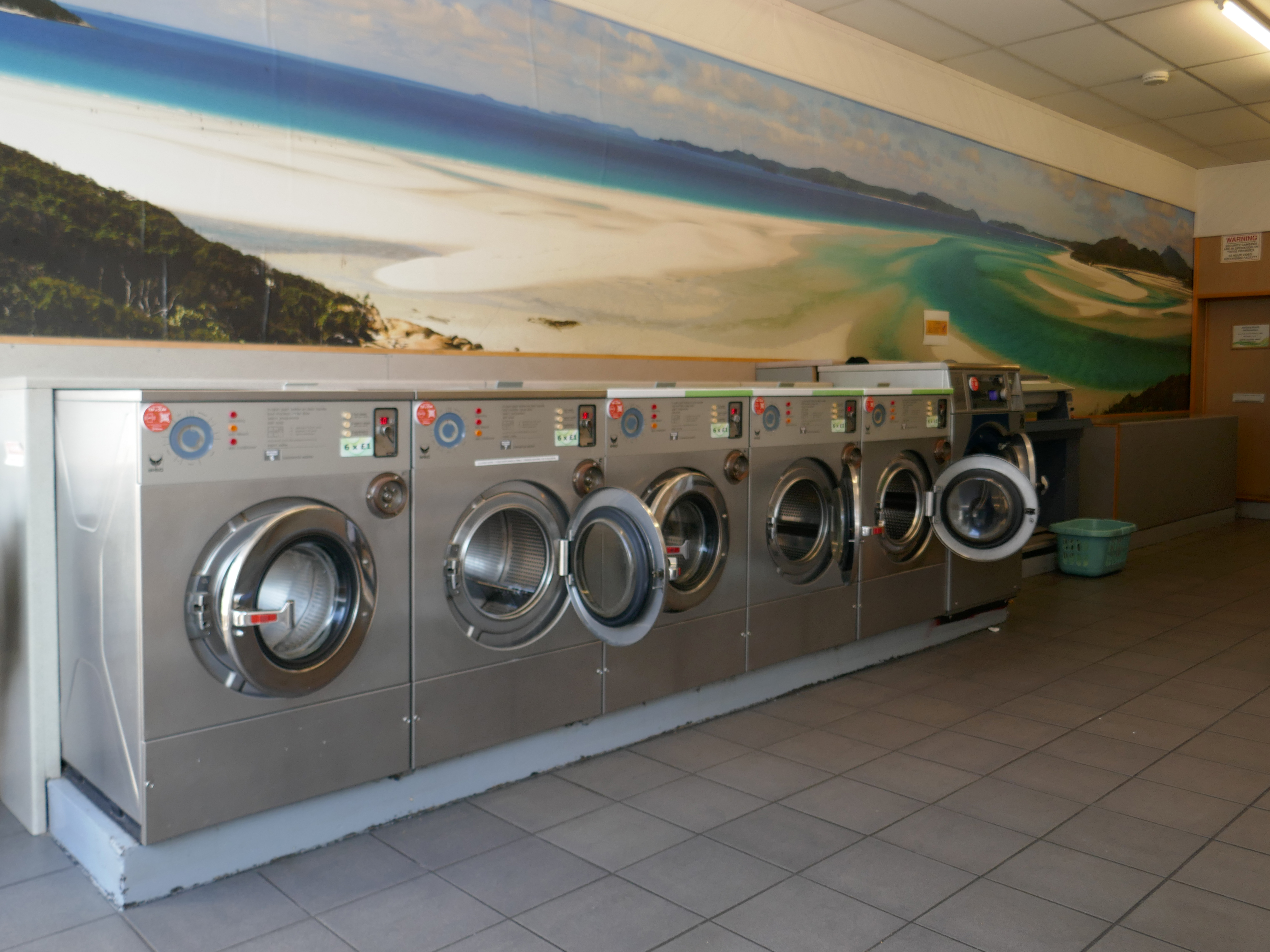
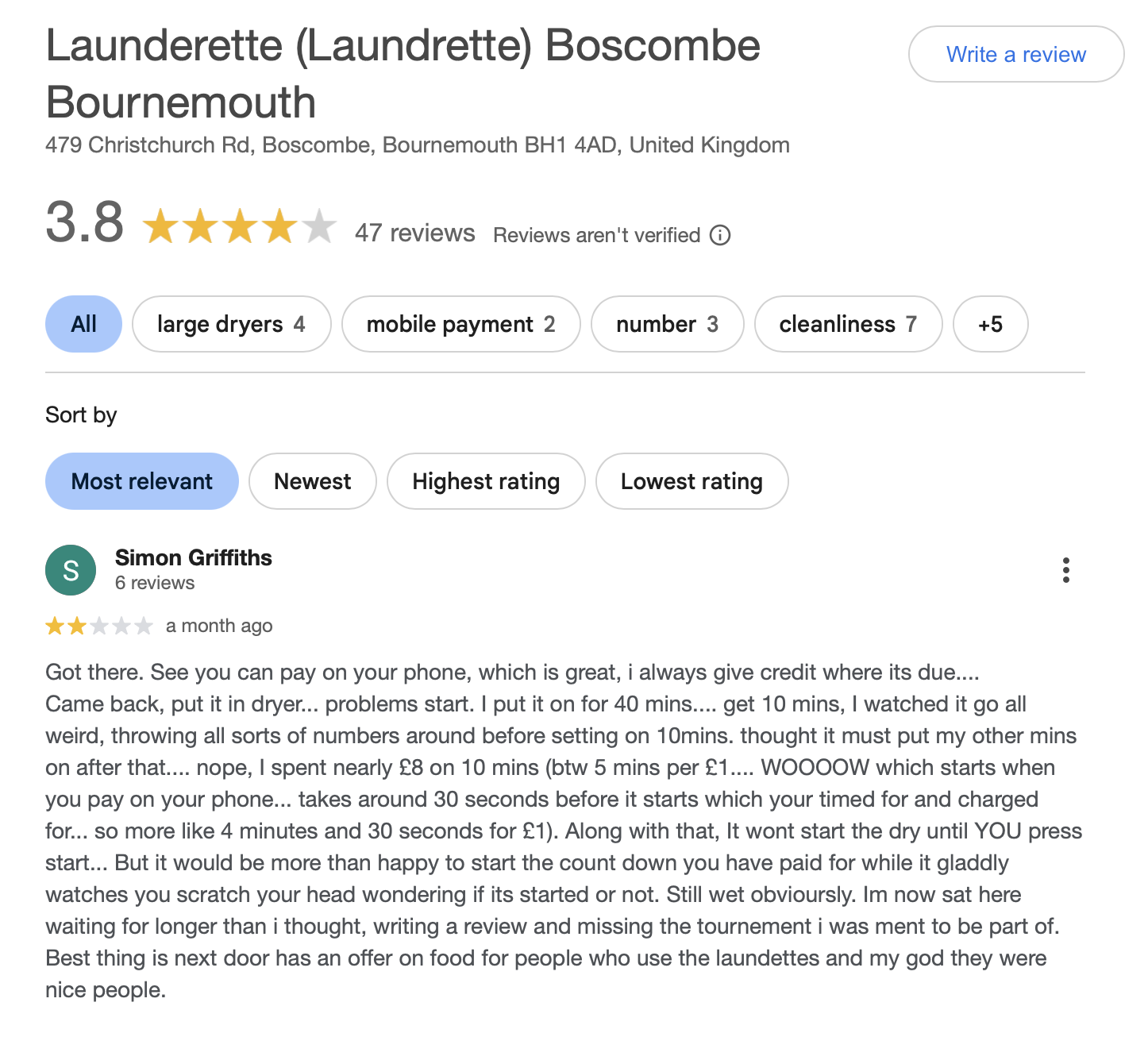
This is my most recent wander into a washateria following something of a lay off. Having previously published a launderette book and calendar way back when.
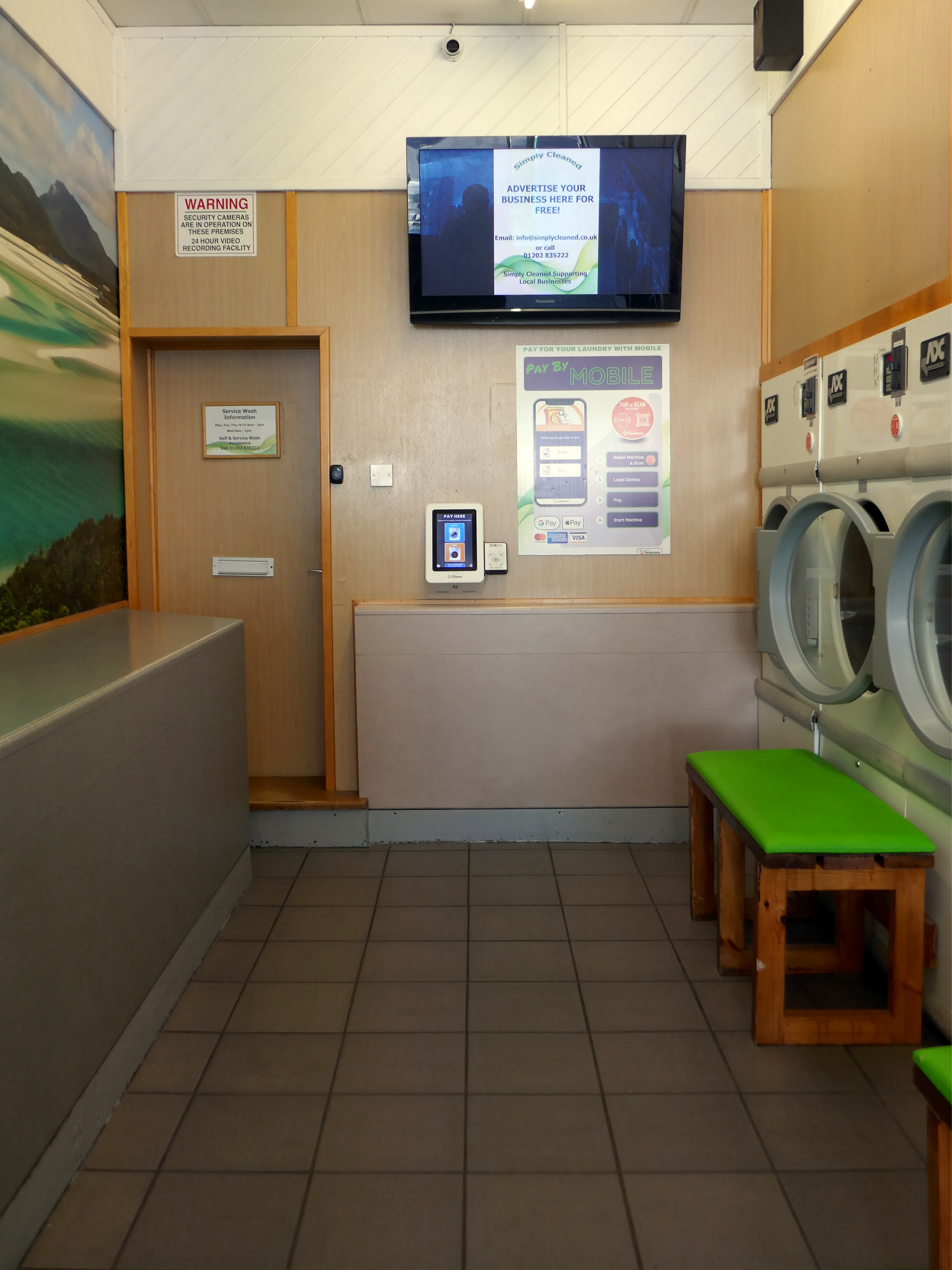
So once again we enter that familiar bubble of bubbles, whirrs and washing.
Tim Rushton and m’self were cycling from Fishguard to Aberystwyth, as we have in previous years, taking the train from Stockport and setting off on our way through Pembrokeshire and beyond. Modern pilgrims crossing the ancient pilgrim’s route.
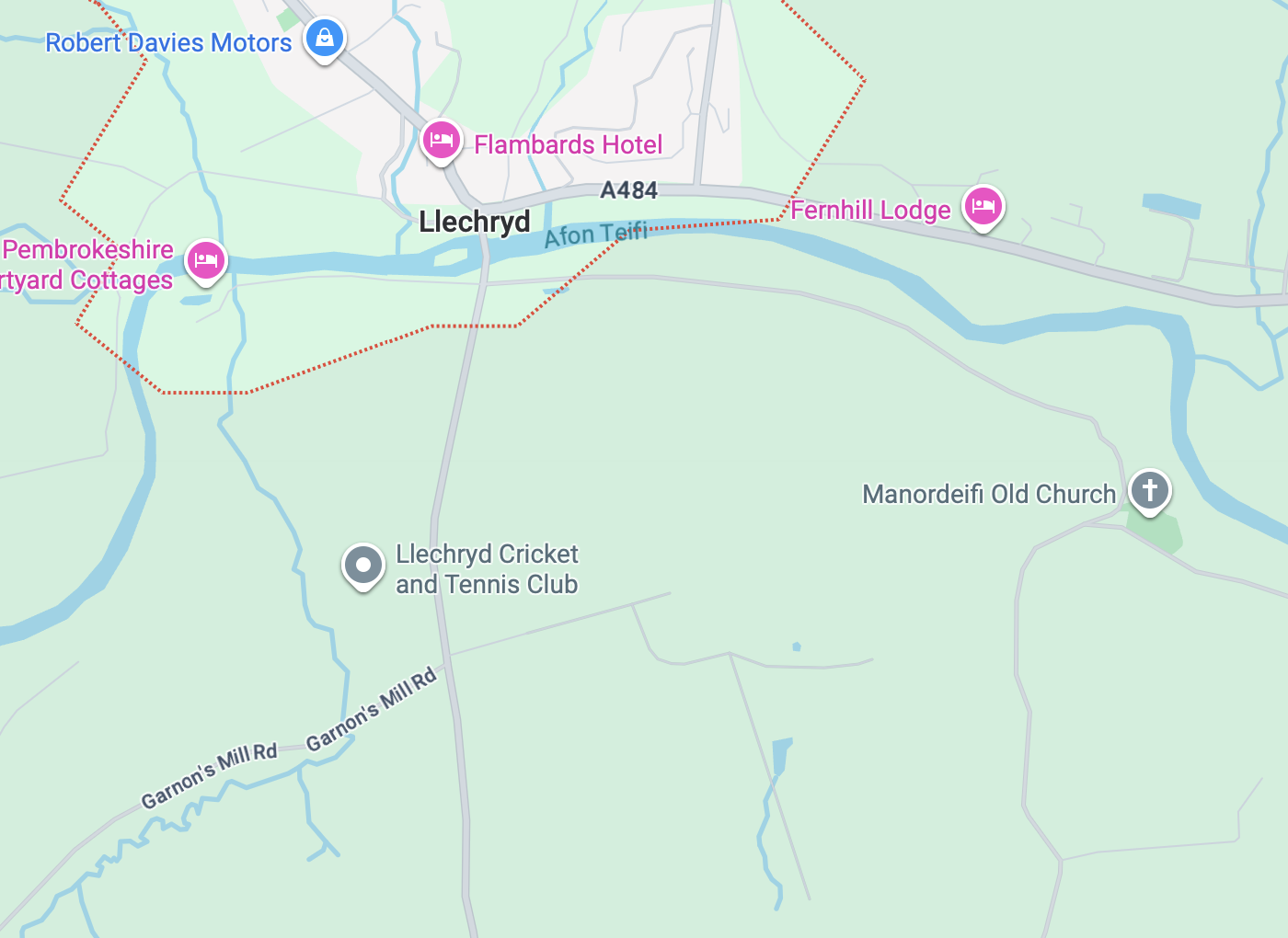
This was the second day of our tour, from Aberteifi to Lllandysul.
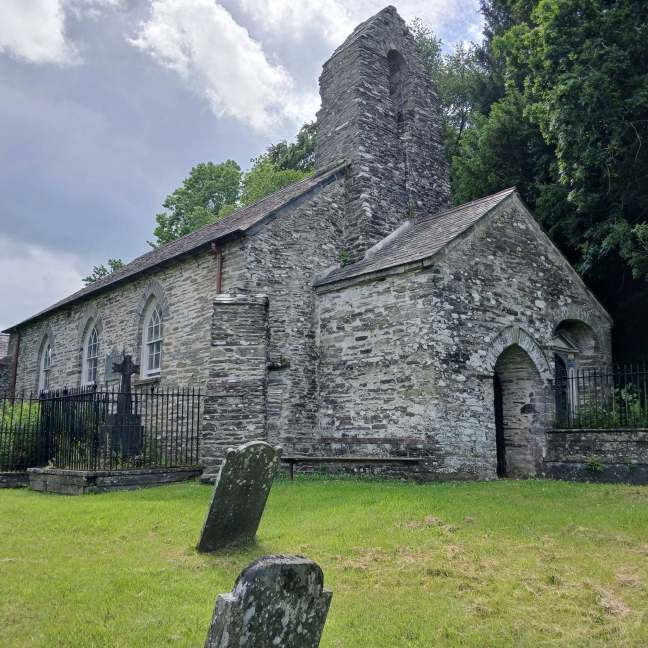
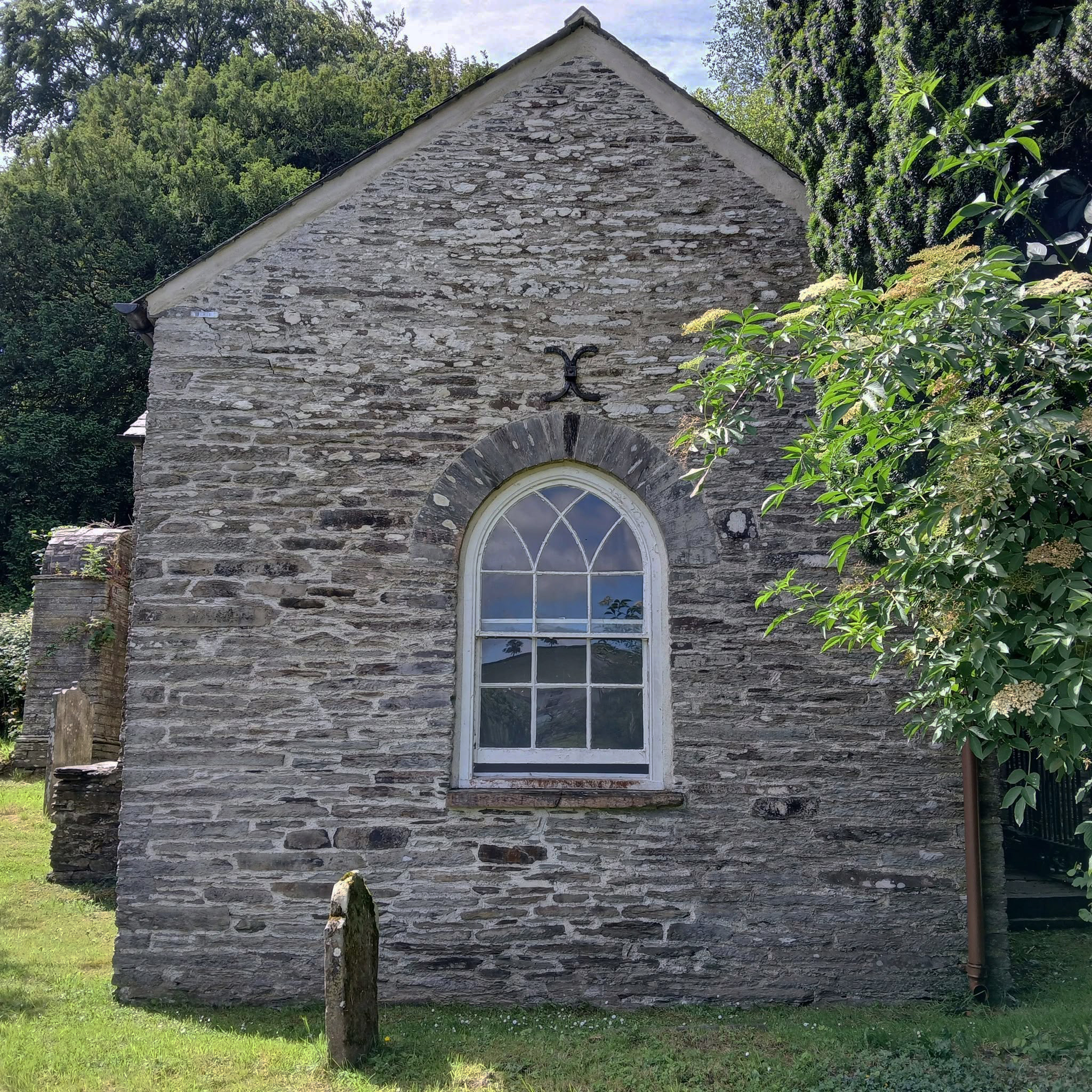
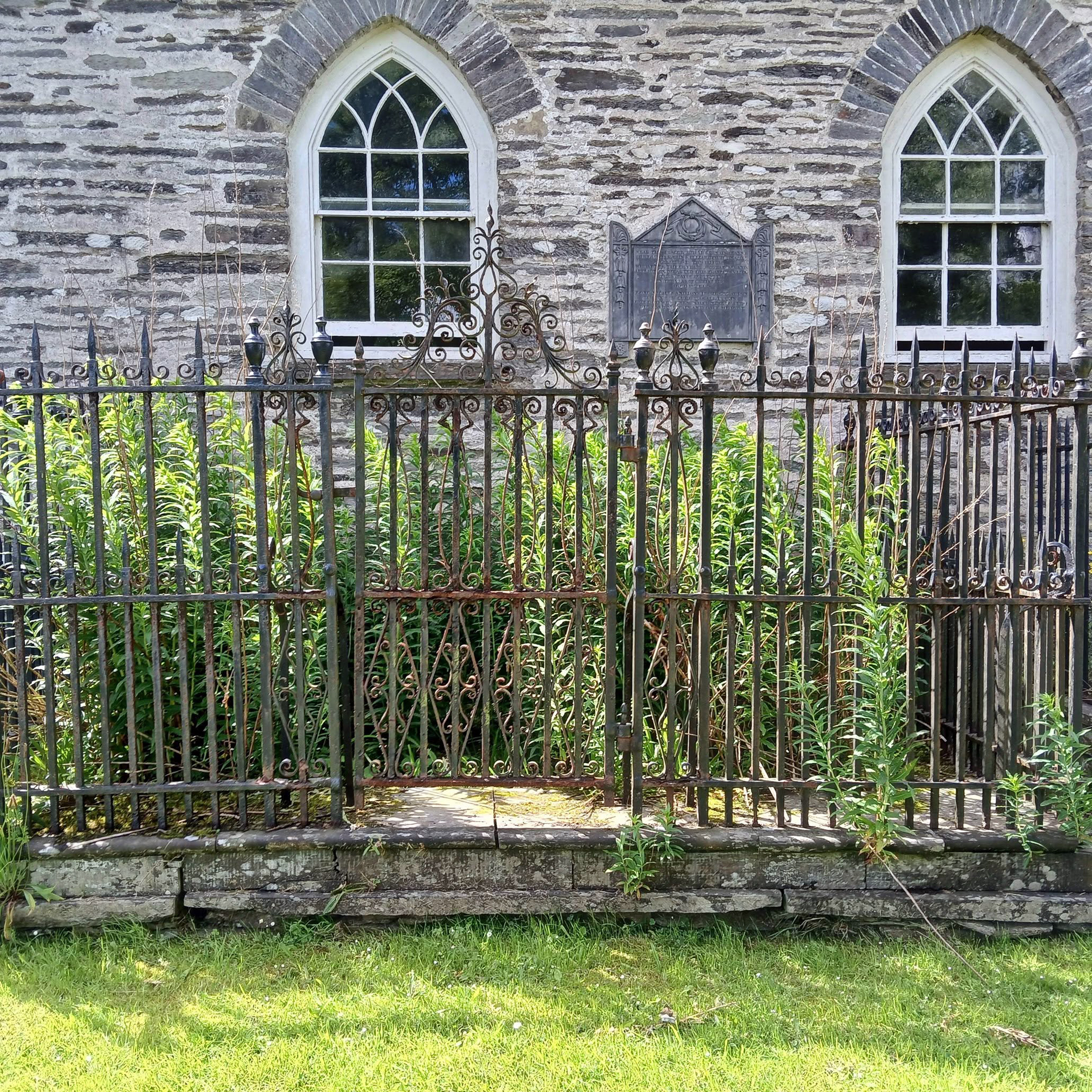
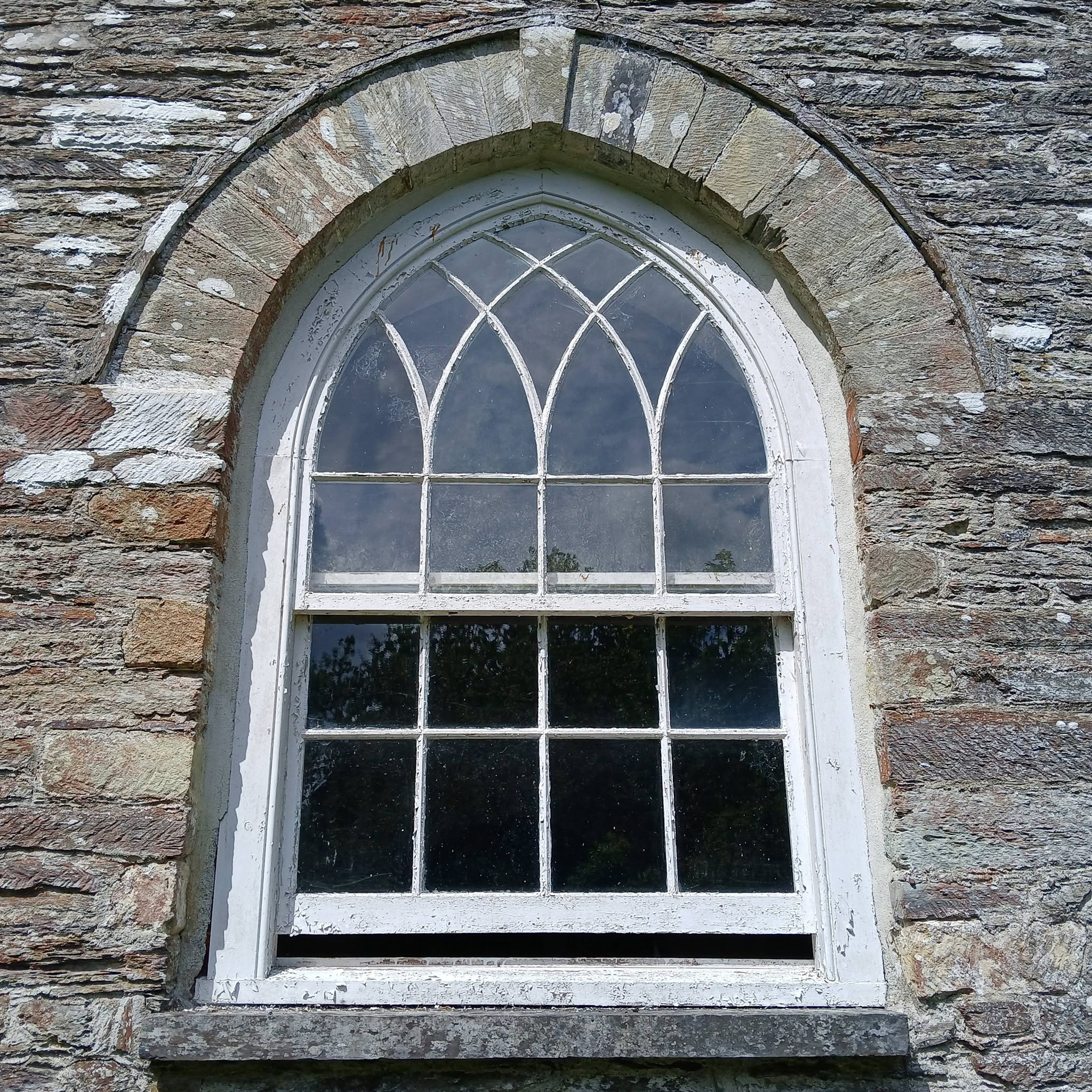
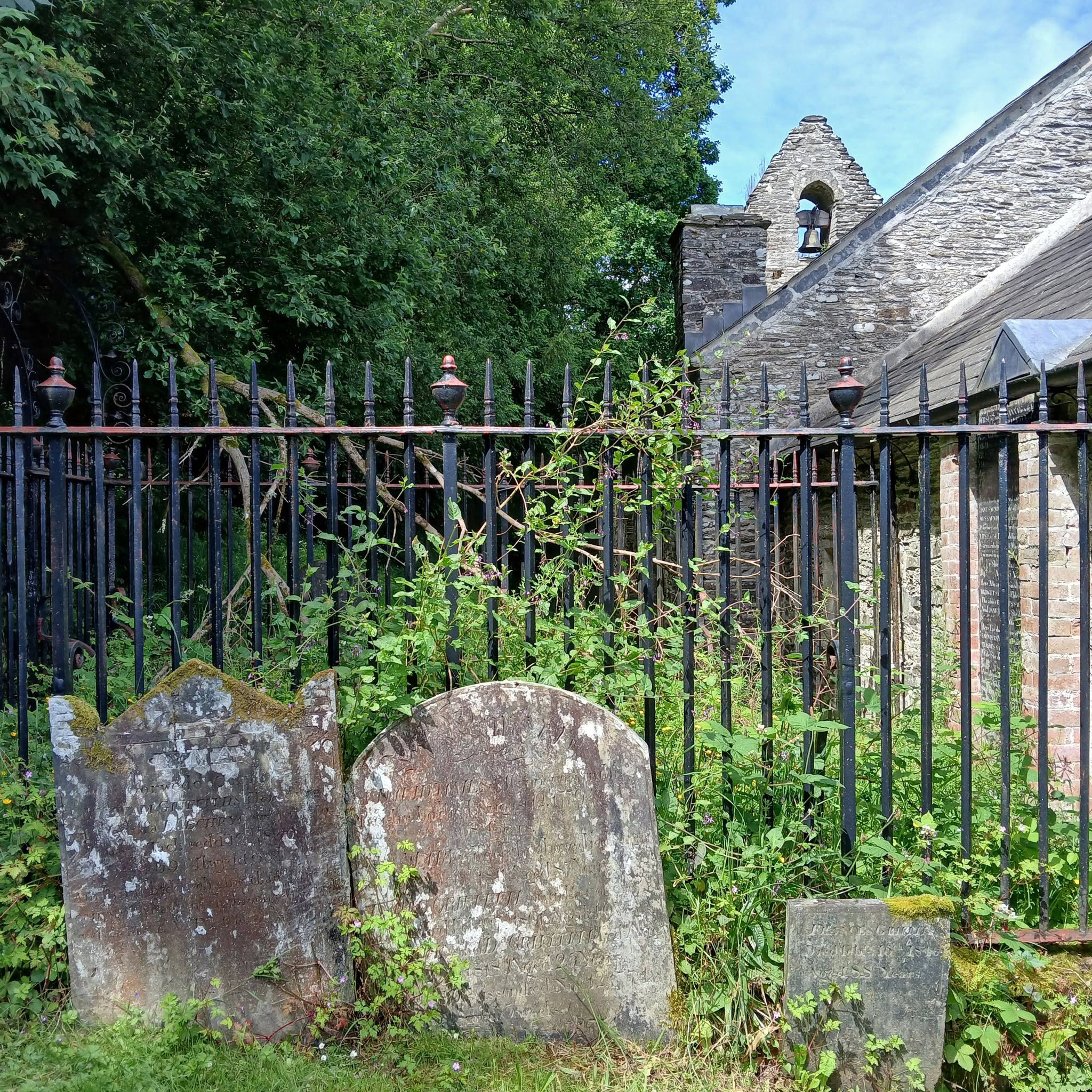
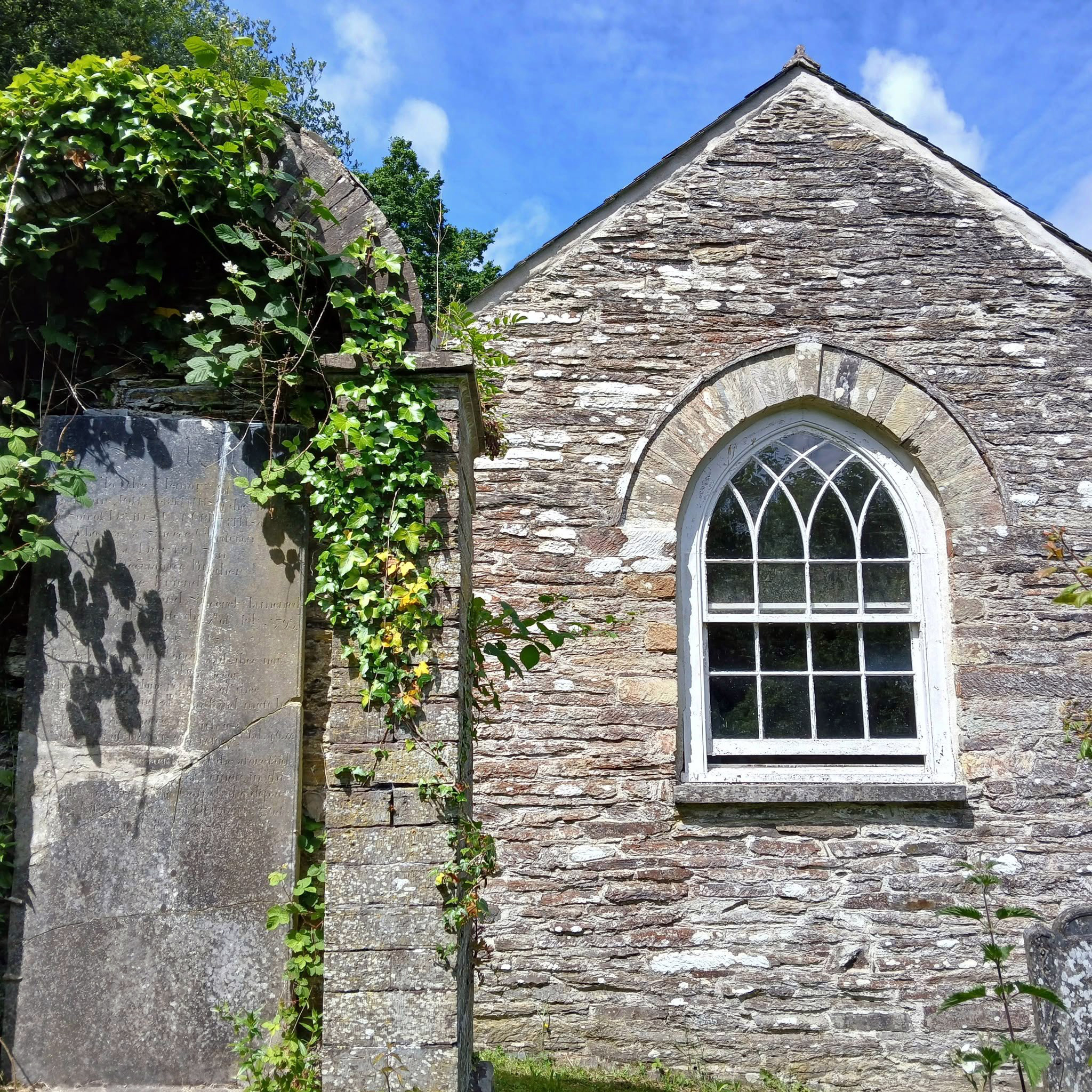
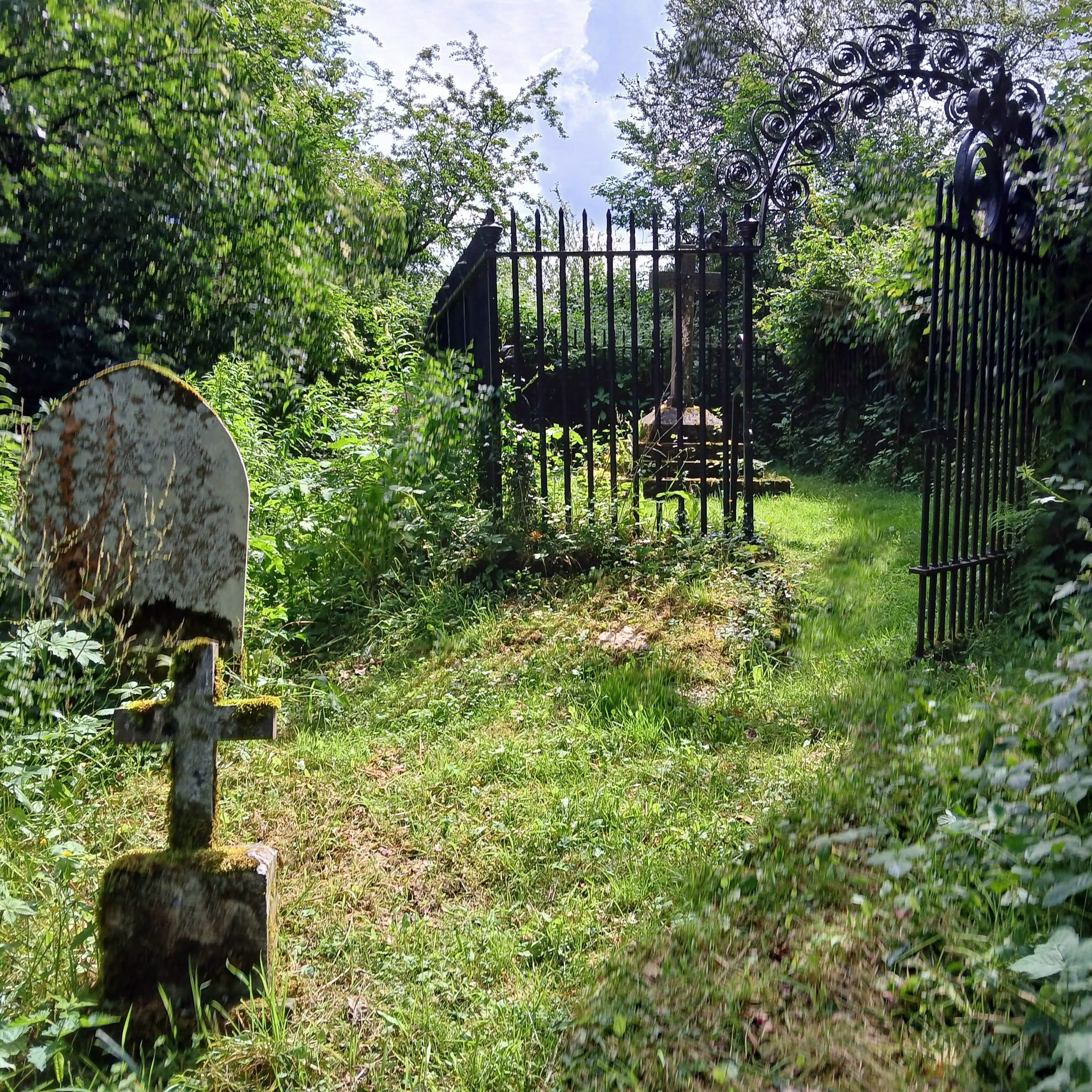
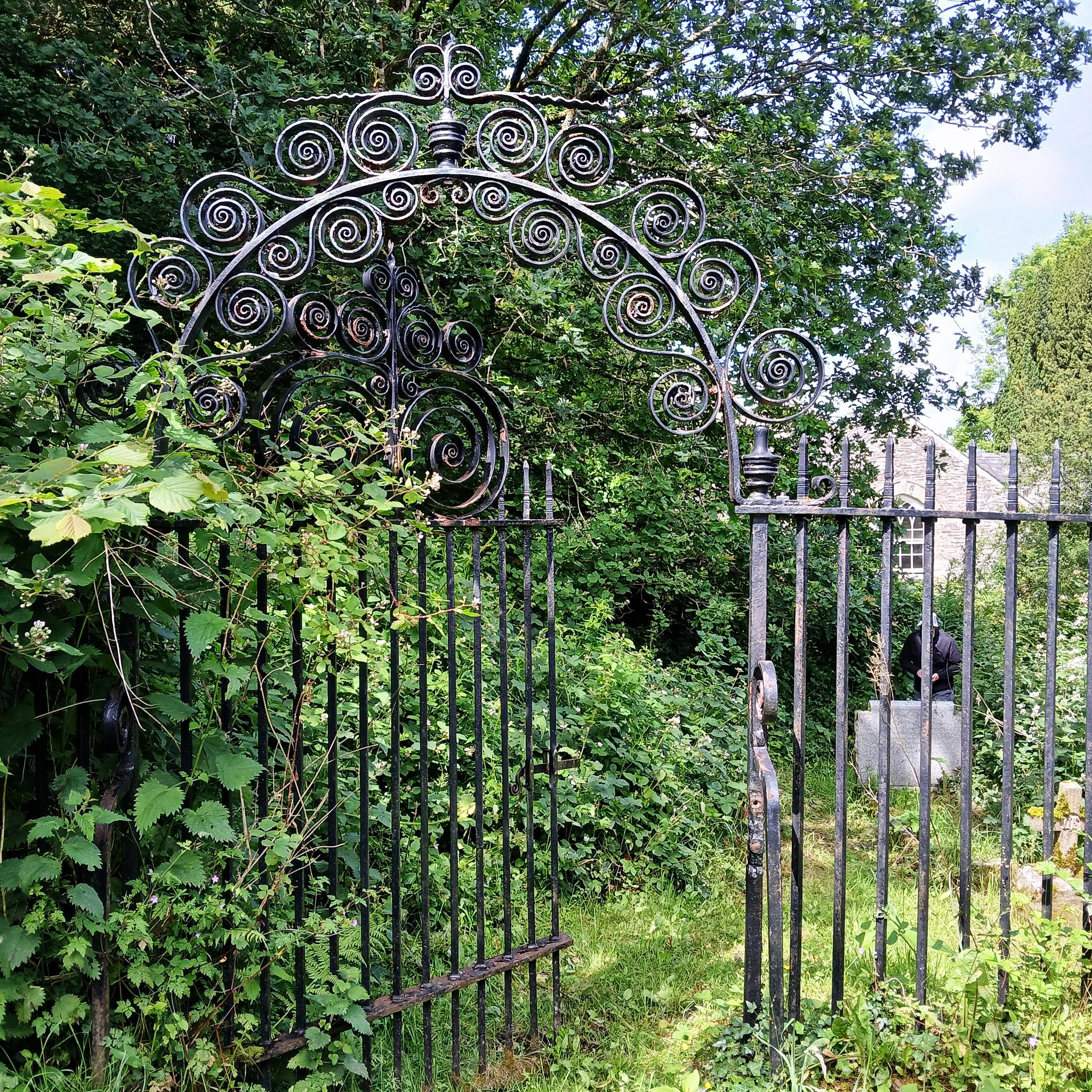
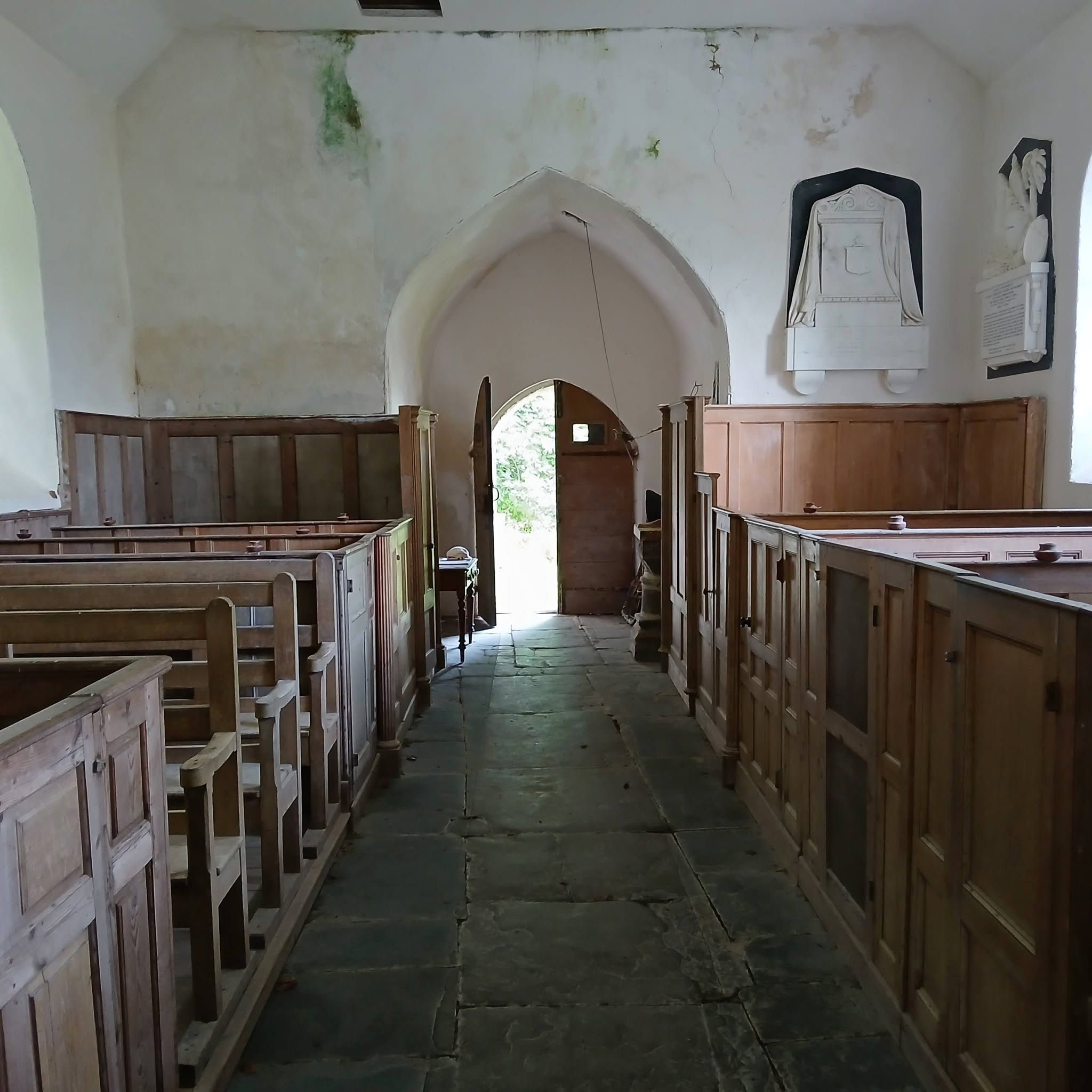
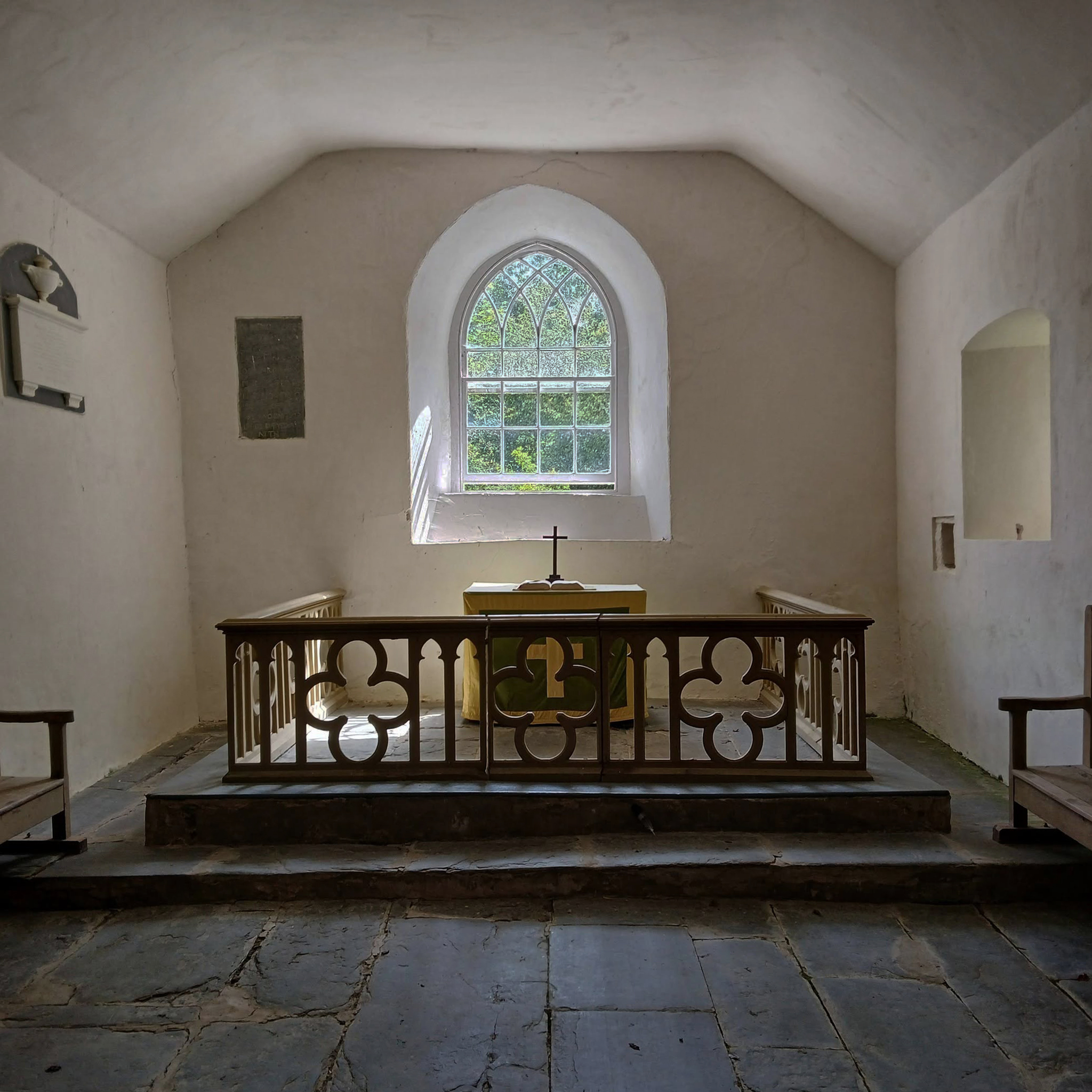
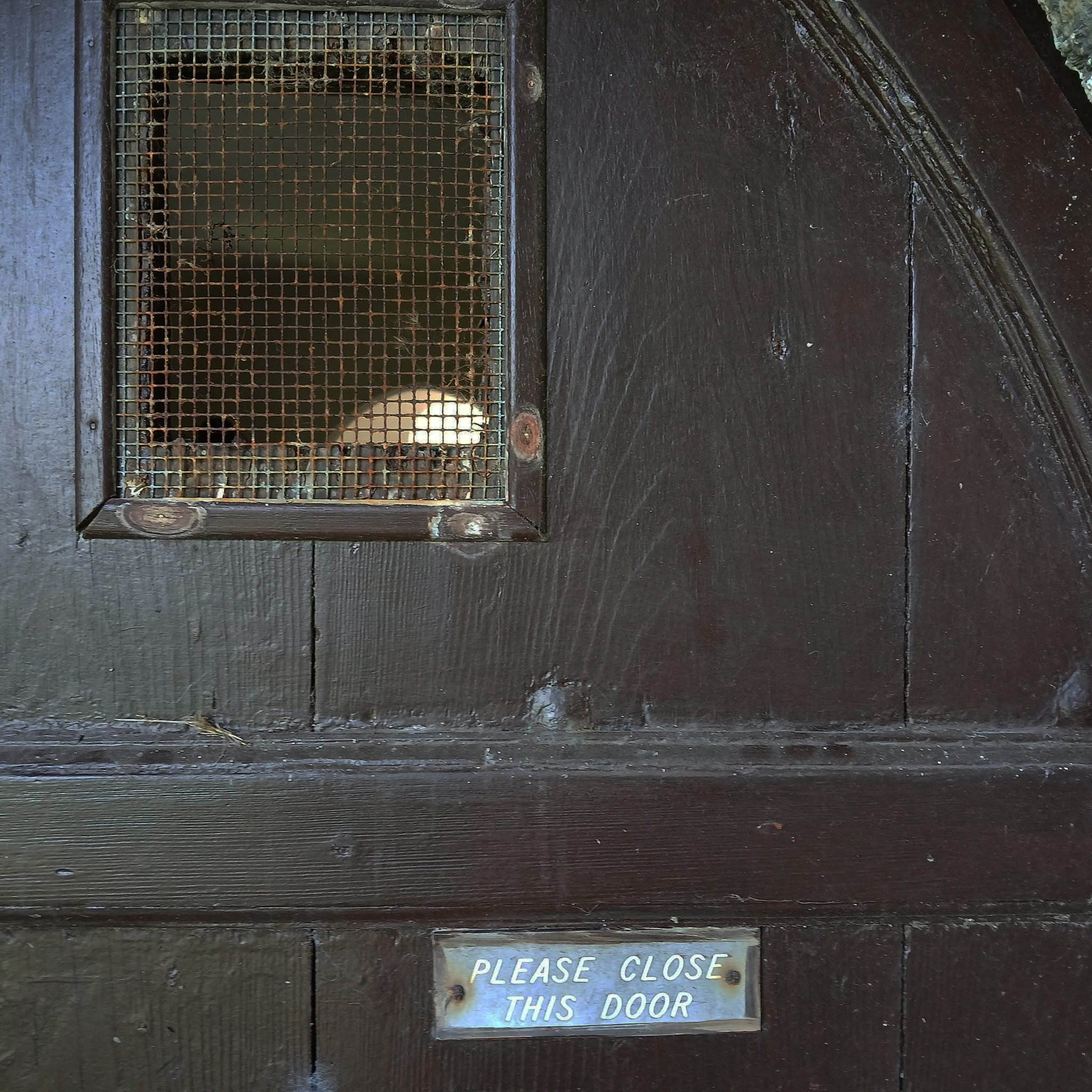
At the end of a long lane that follows the Afon Teifi we saw this low stone church, tucked beneath the rising landscape to the right.
We both share a love of architecture and vernacular churches in particular – Tim, illustrated below, has produced a book on Welsh Chapels.
So we stopped to take a look around.
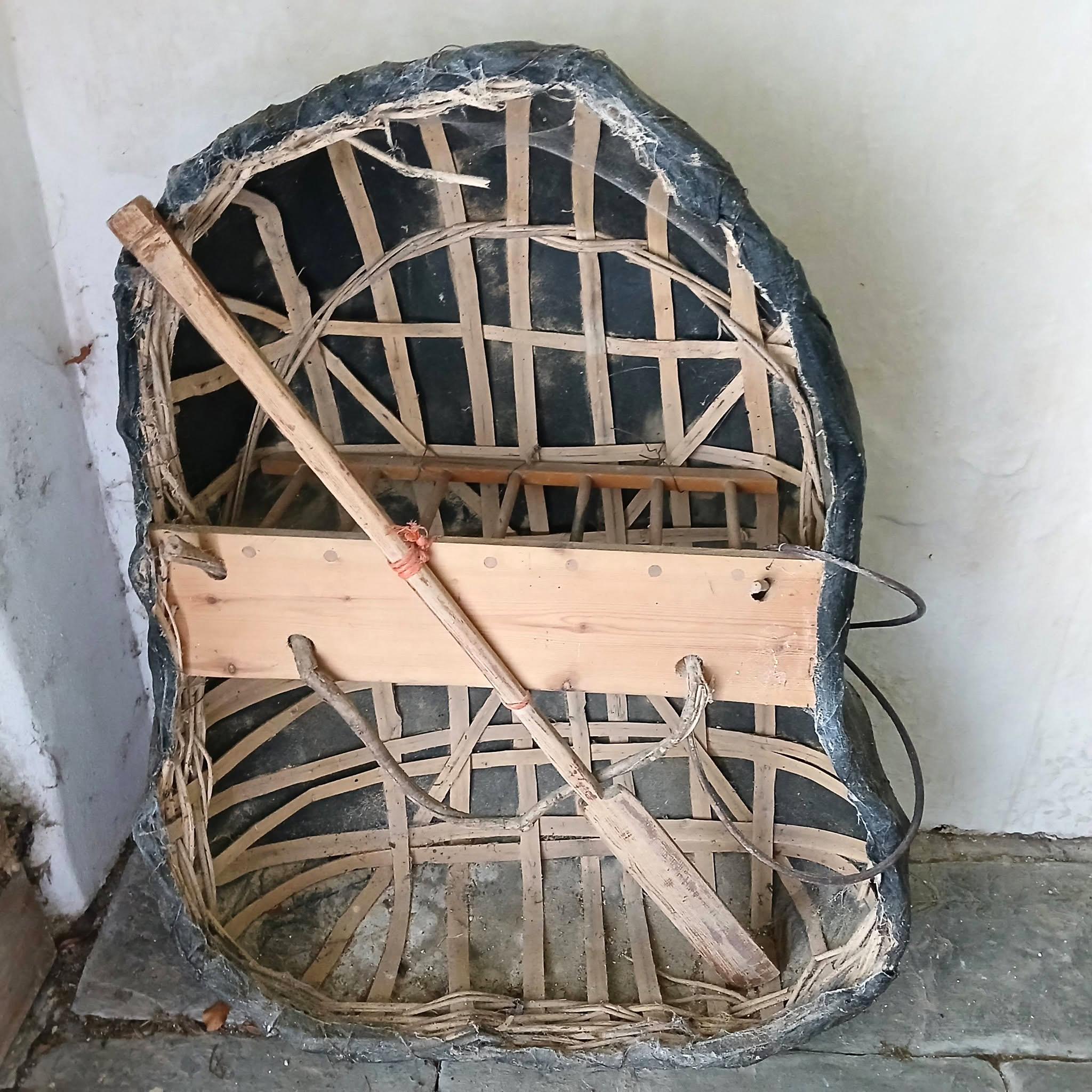
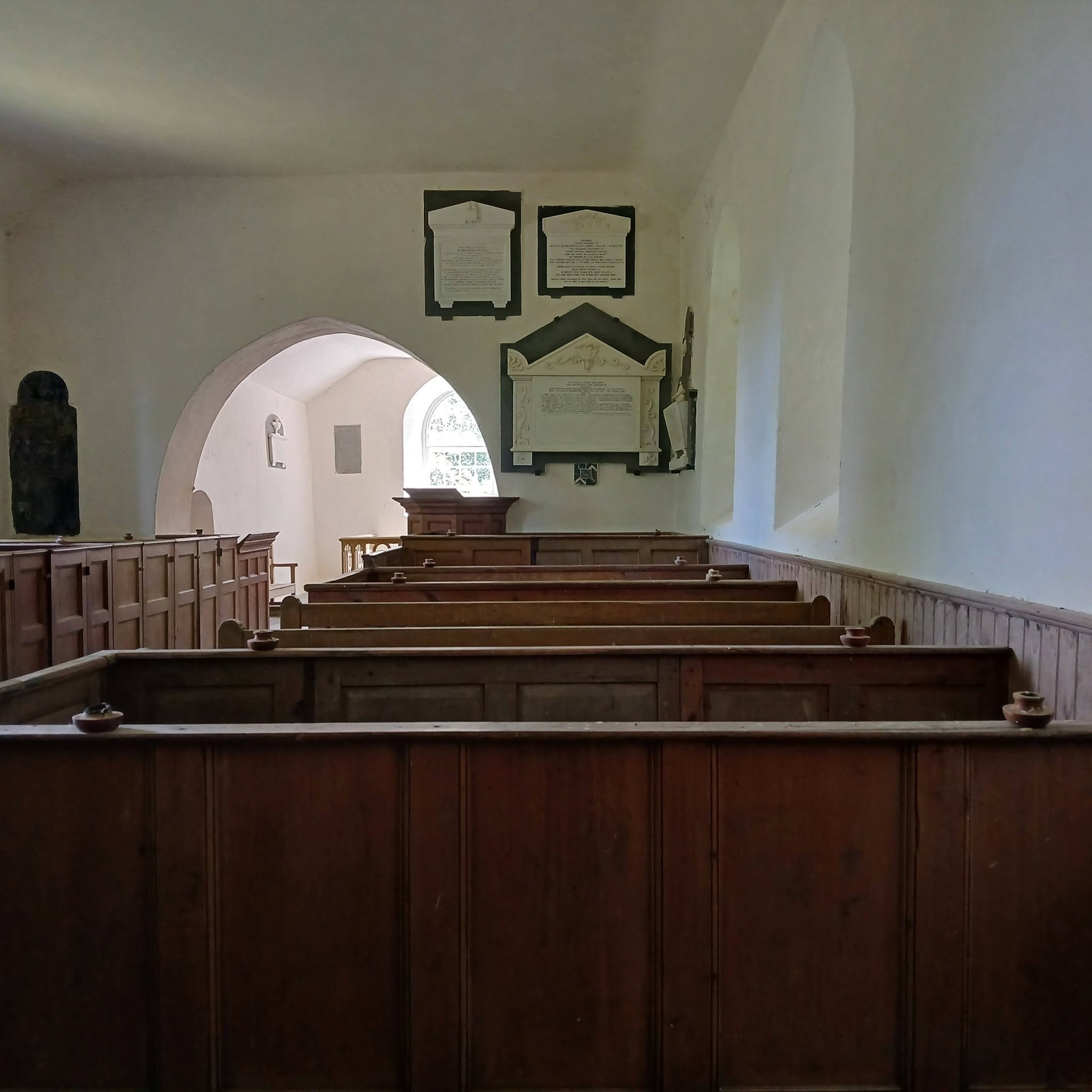
Old St David’s lies on the pilgrimage route to the cathedral of the same dedication and next to the Teifi River. Frequent flooding led to a new church being built on the other side of the river in the 19th century. It also explains why the church has its own coracle, which once ferried worshippers to and fro during a flood. Unfortunately, the church is still prone to flooding, most recently in September 2021.
This is a reproduction as the original was stolen.
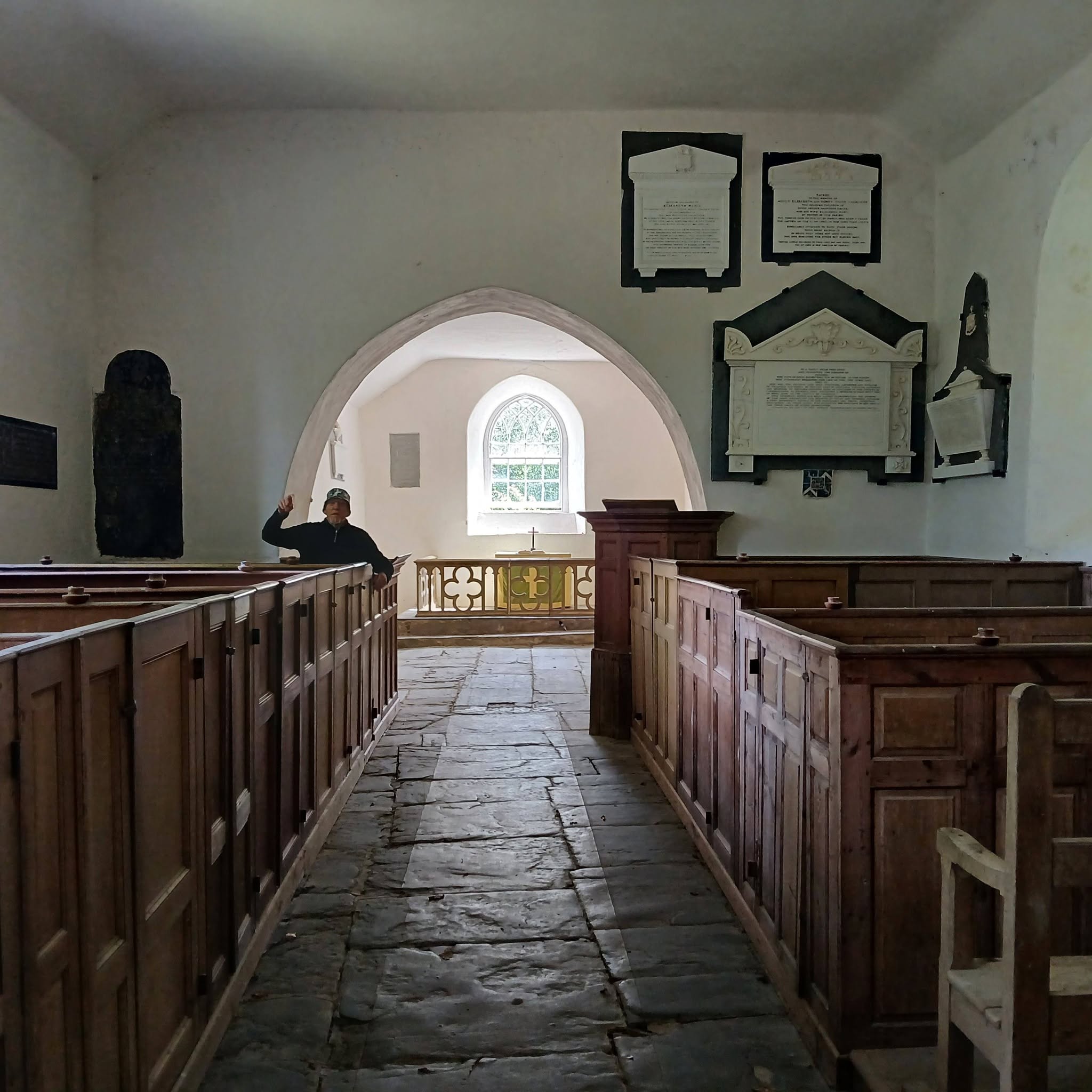
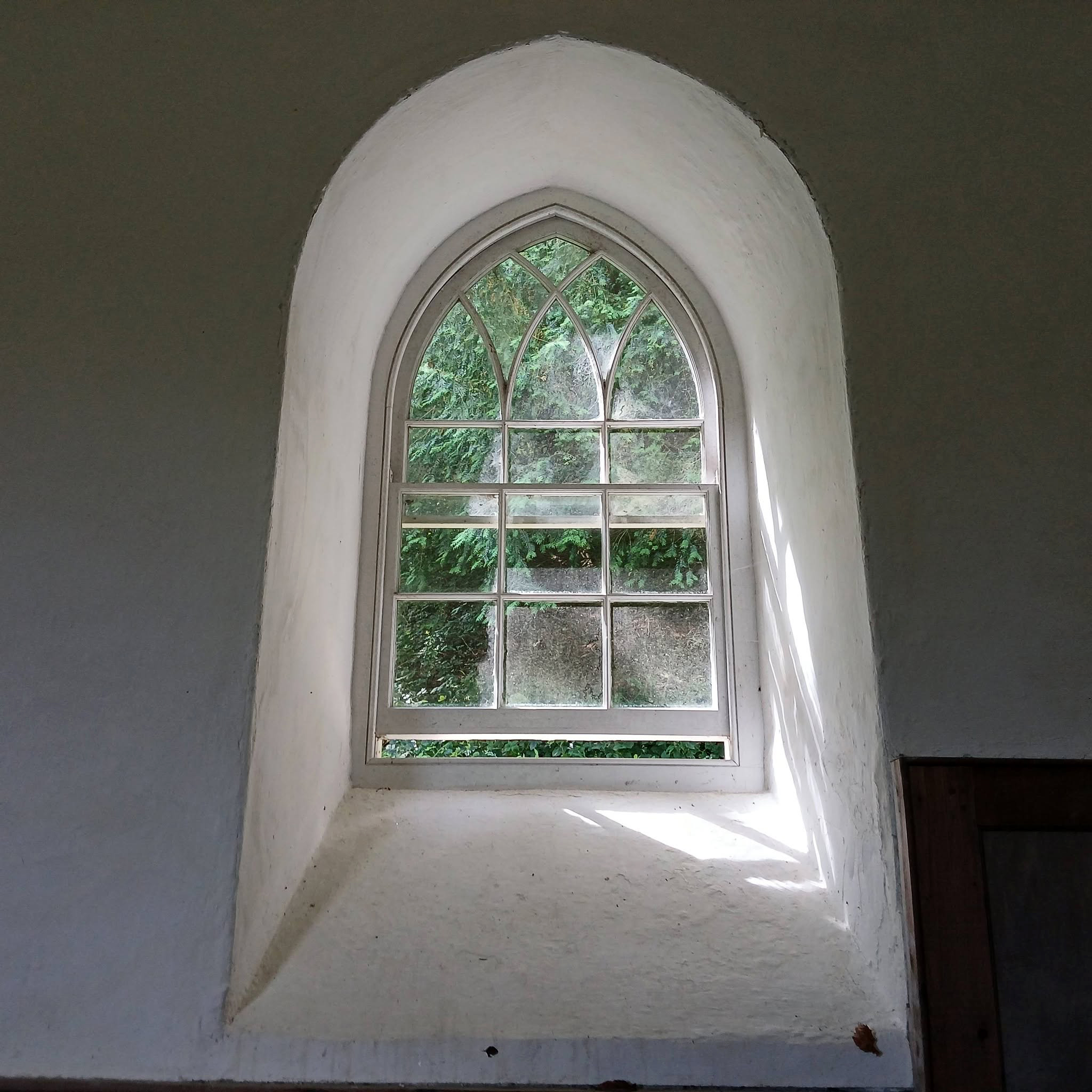
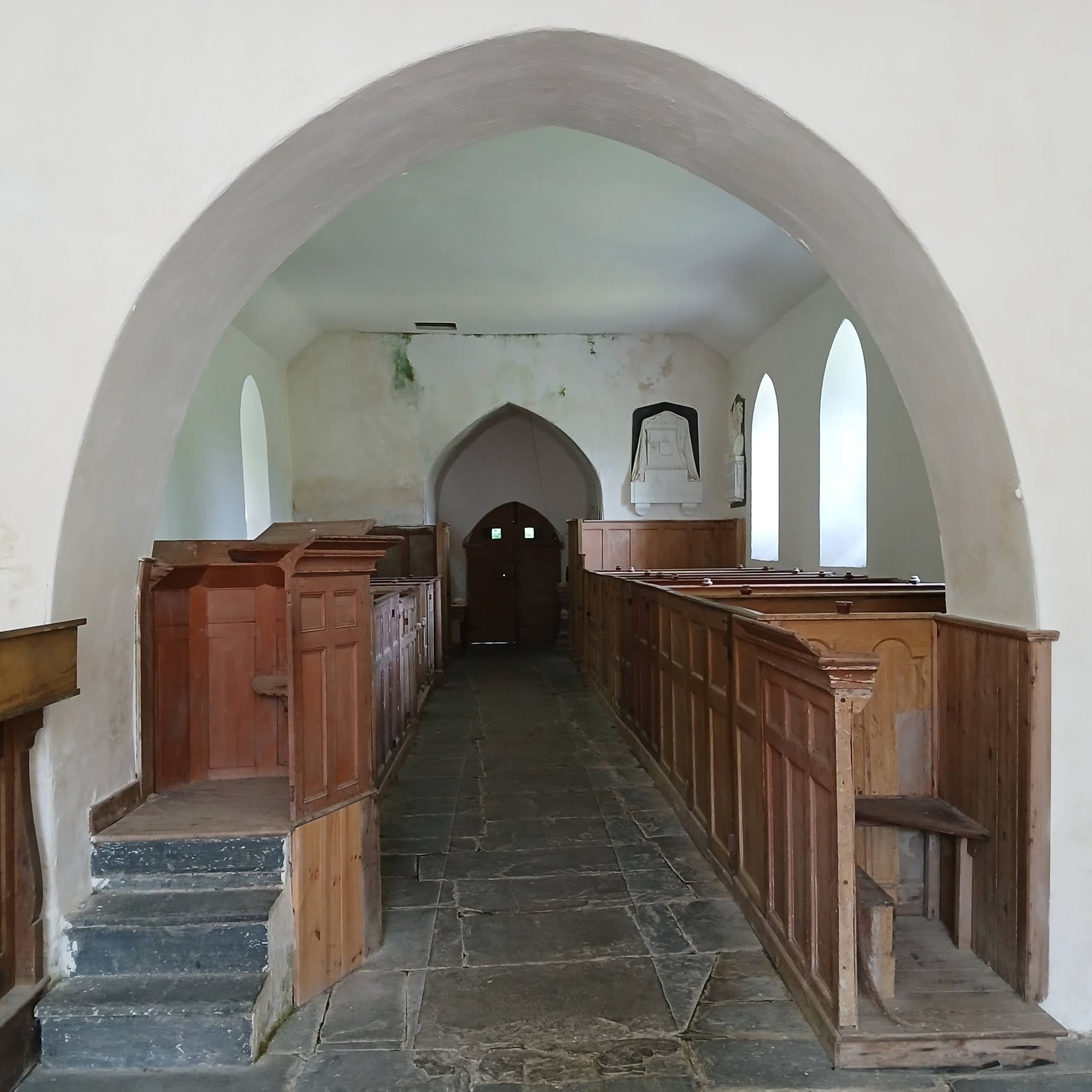
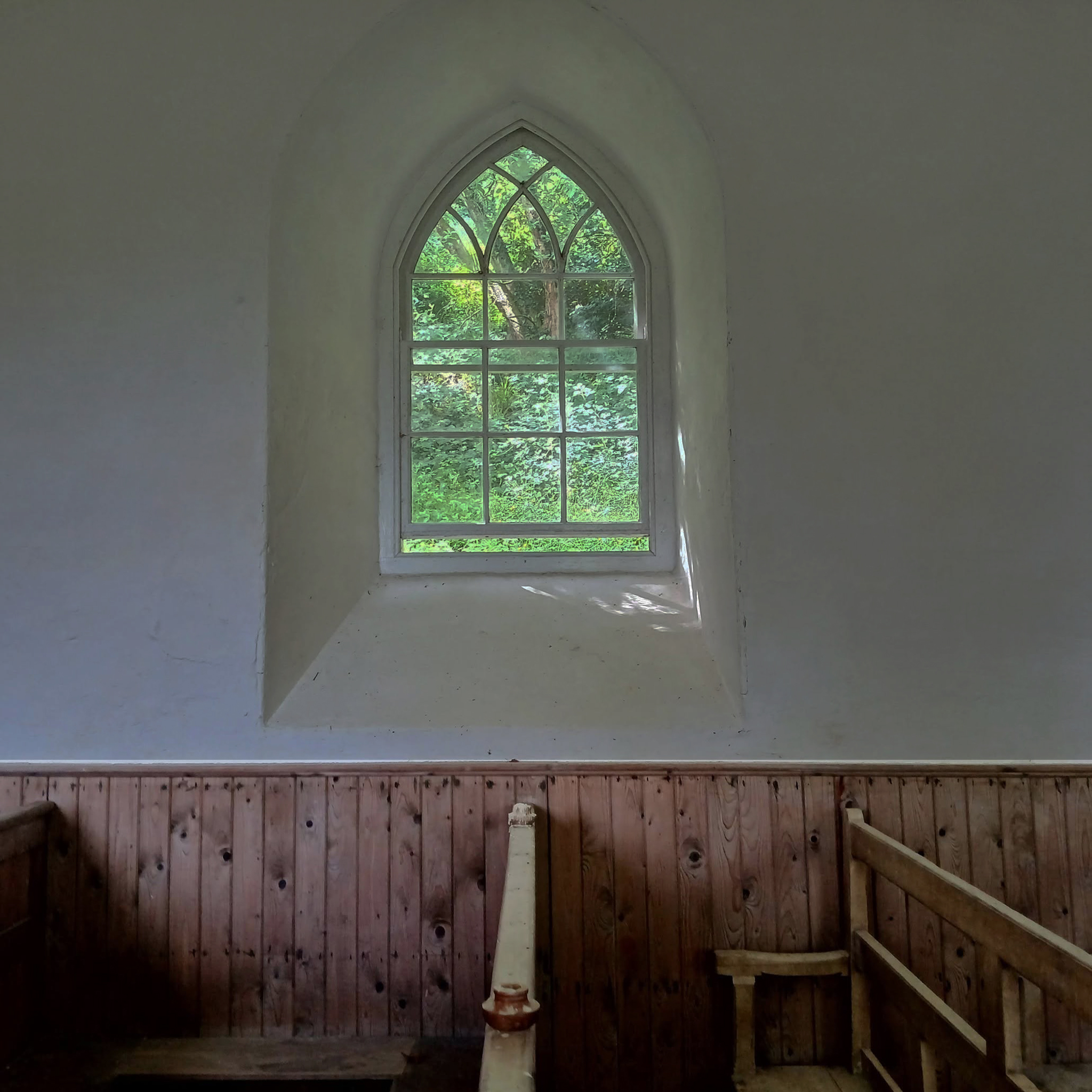
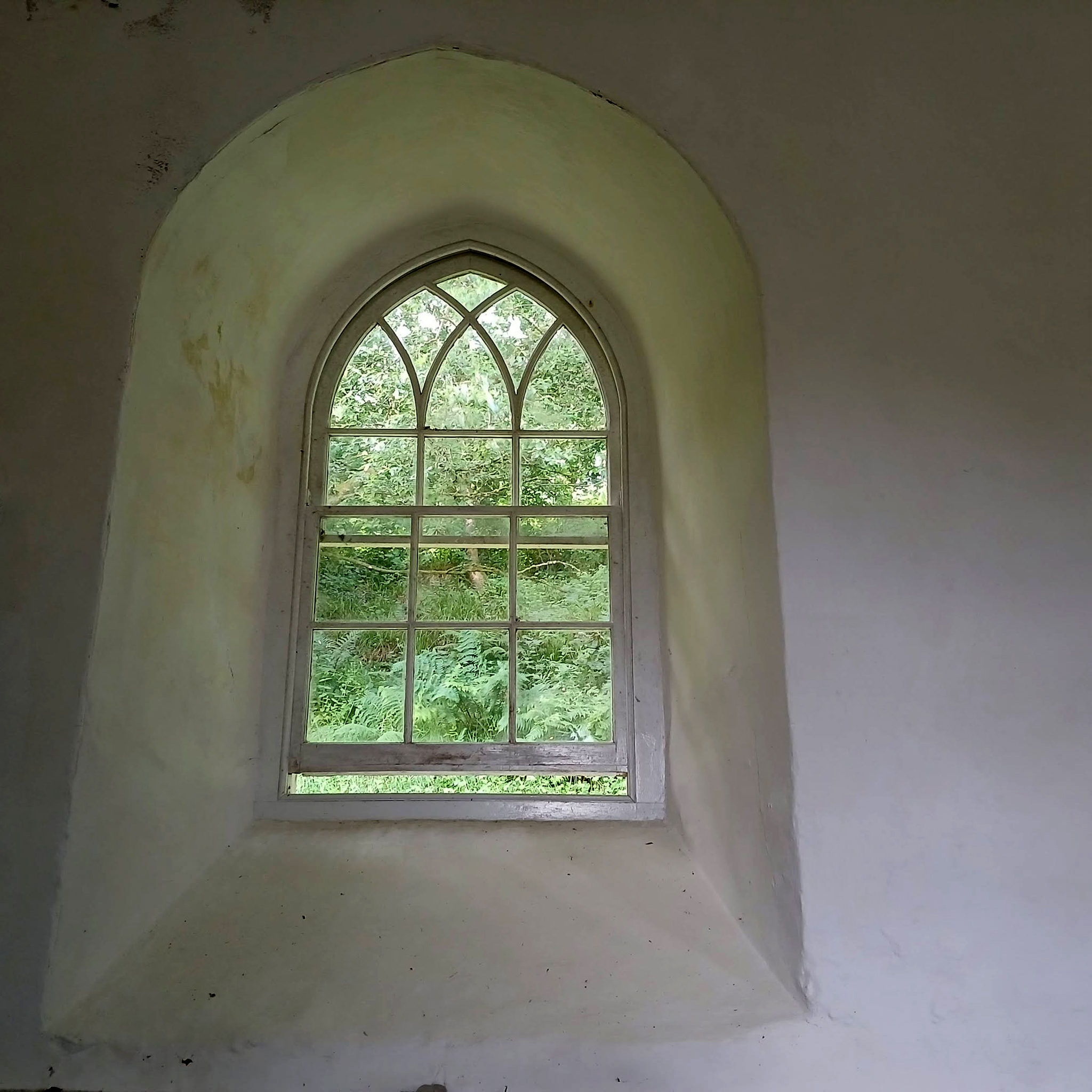
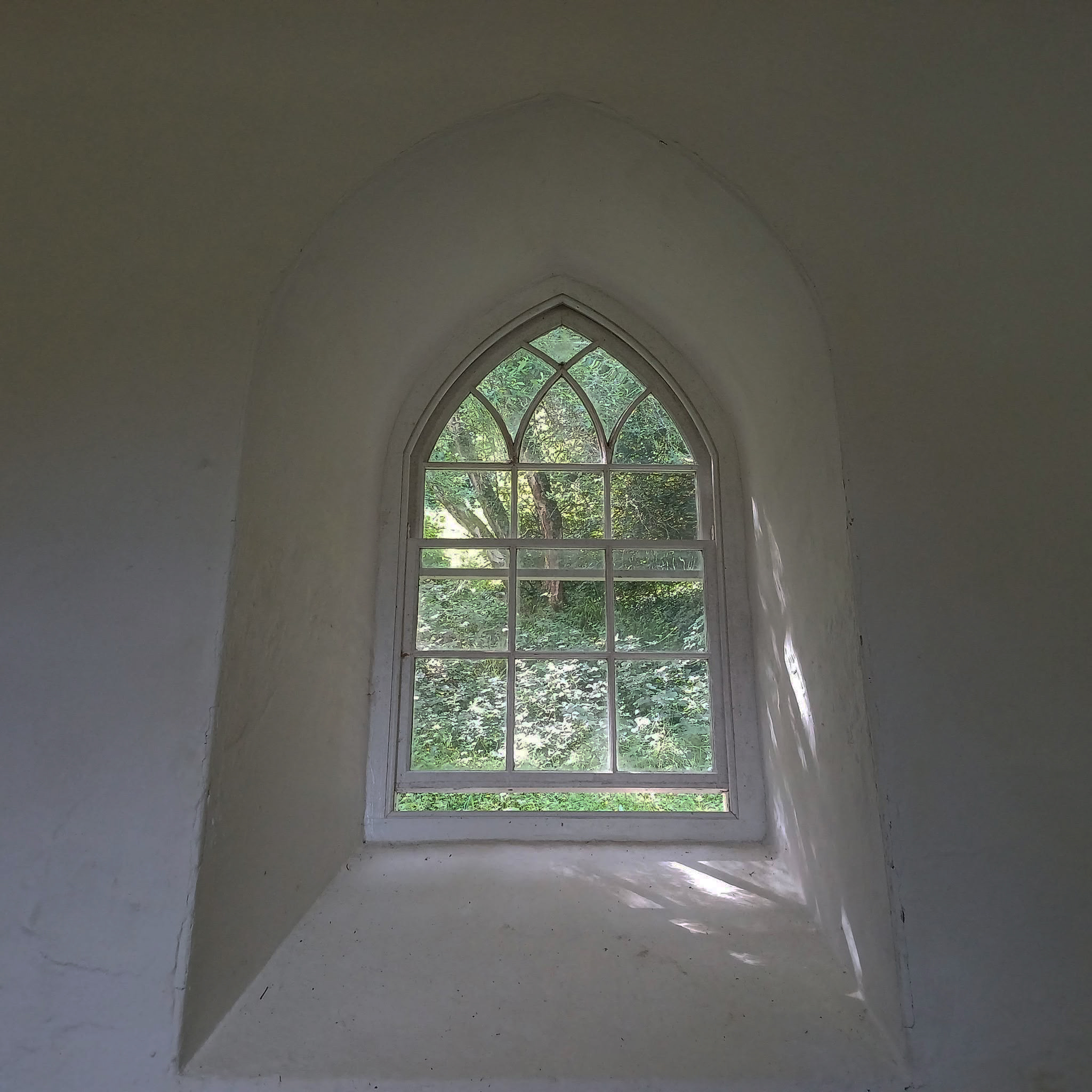
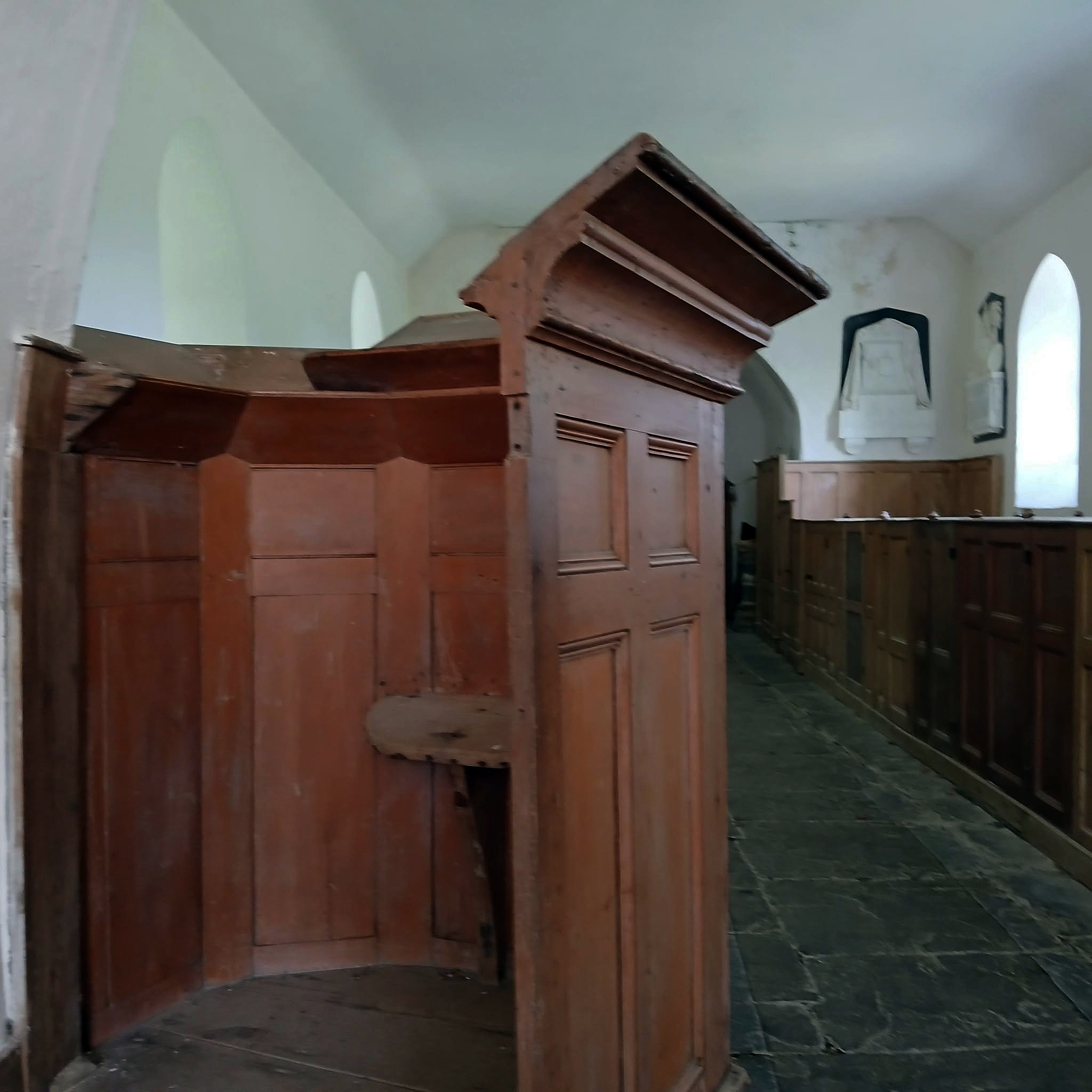
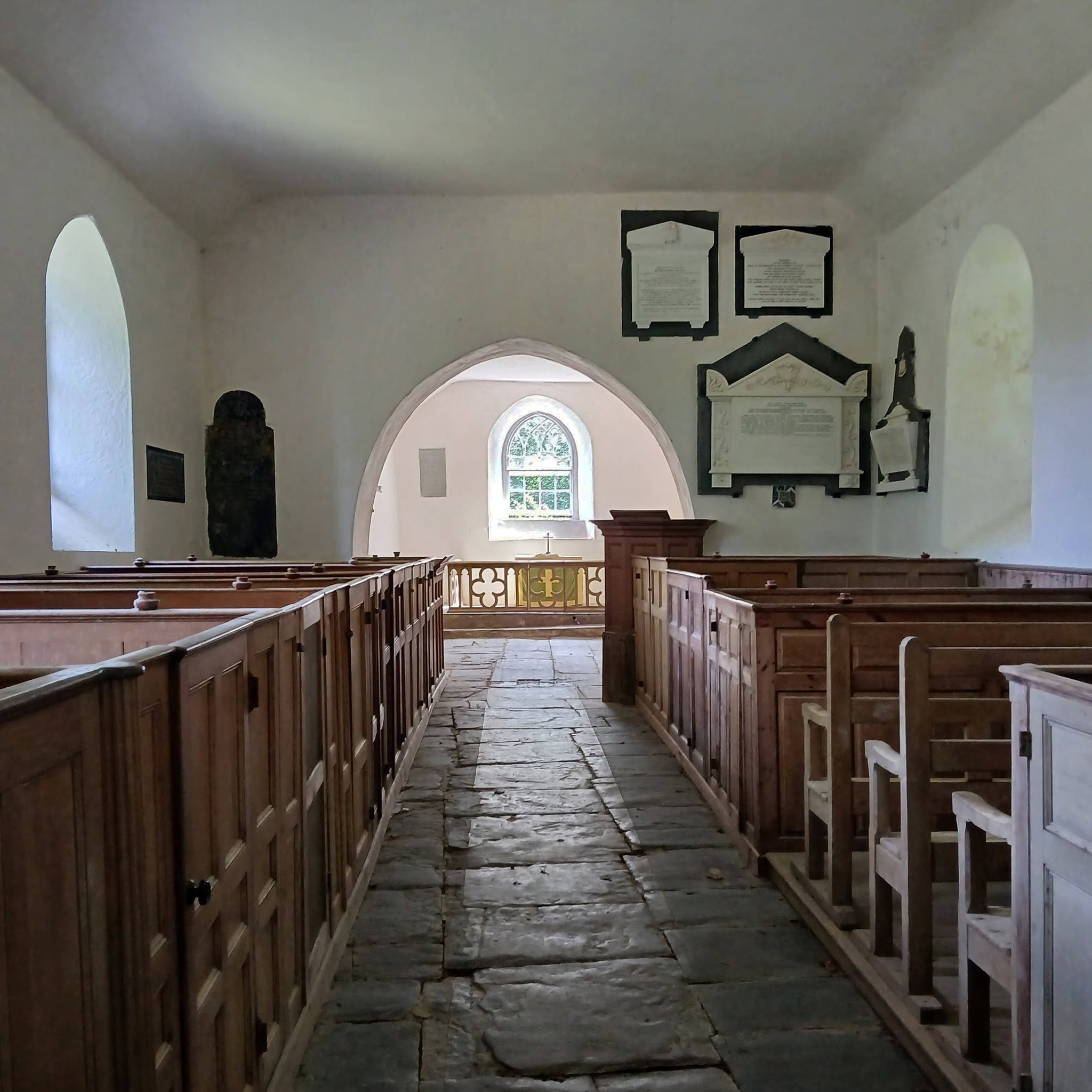
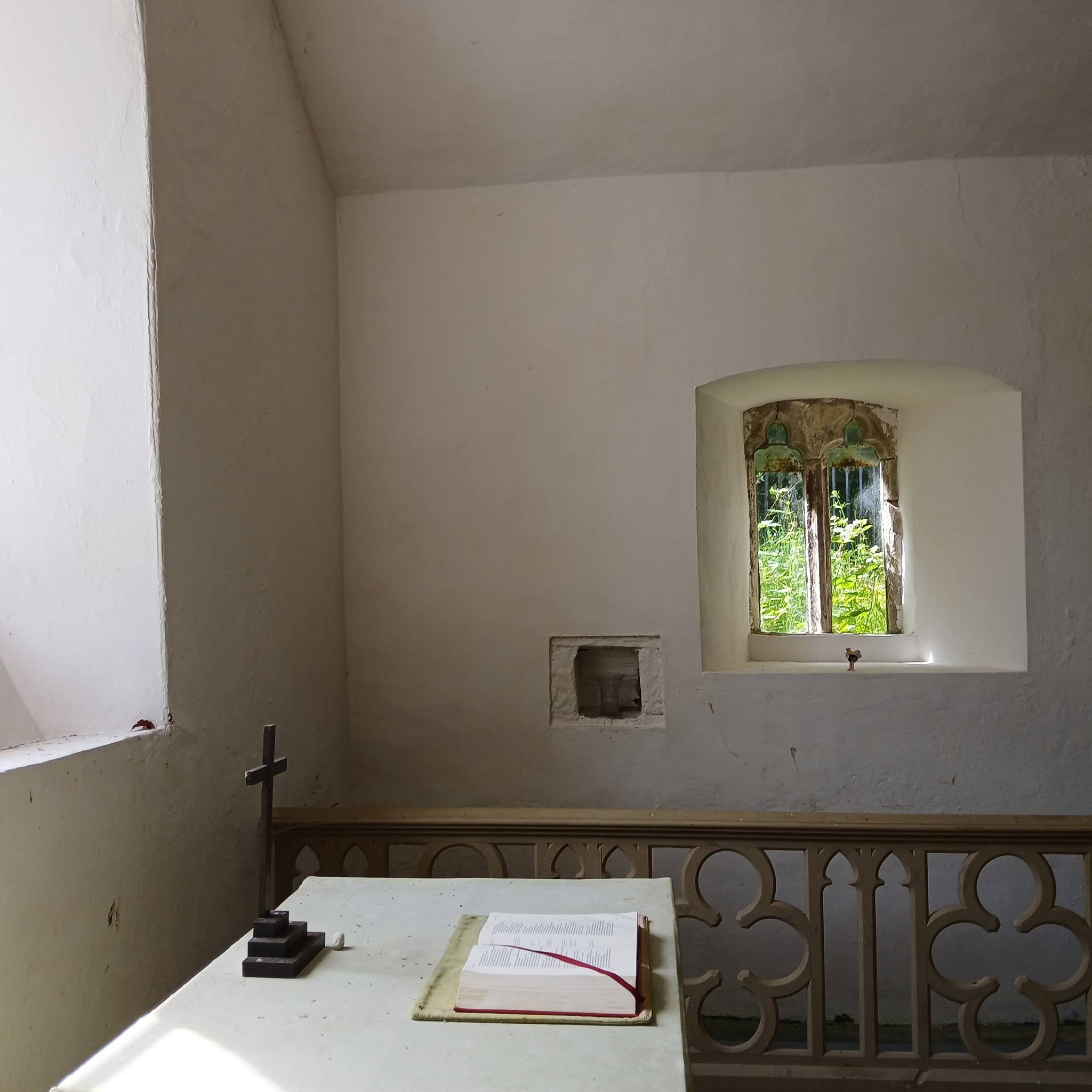
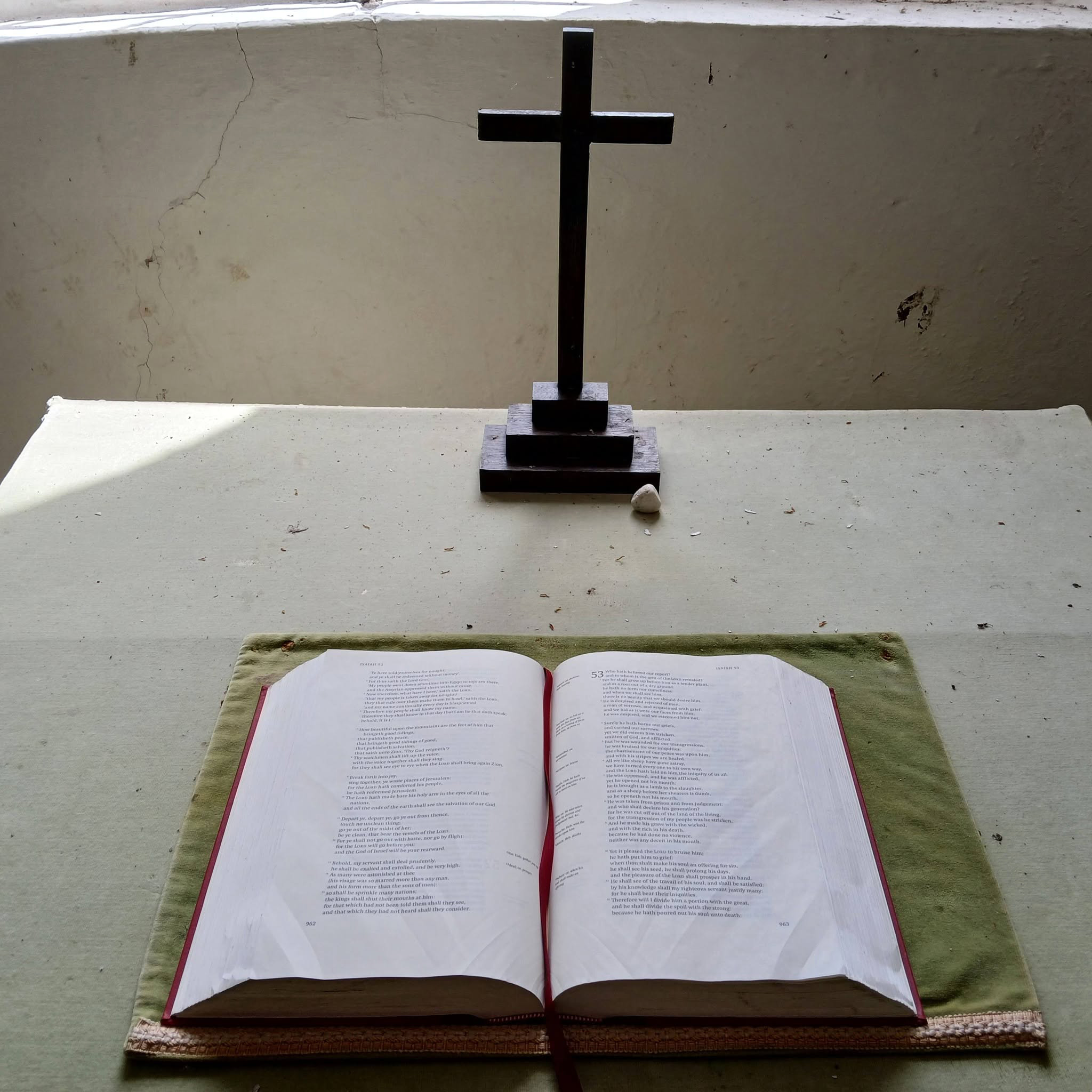
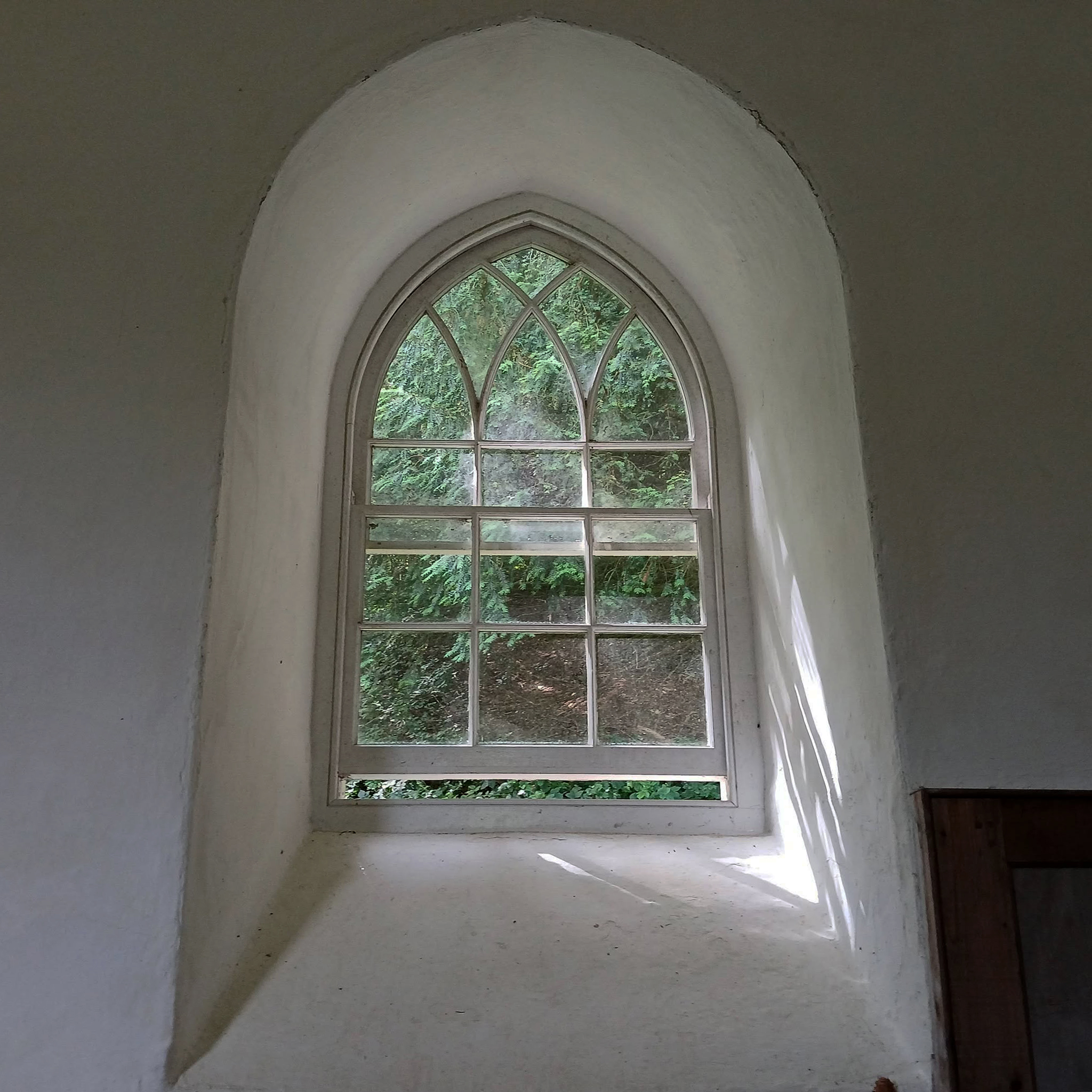
The church you see today is a 13th-century building, remodelled in 1847 to the elegant Georgian Gothick interior. This style was already out of fashion in more urban parts and by 1899, the church had fallen out of regular use.
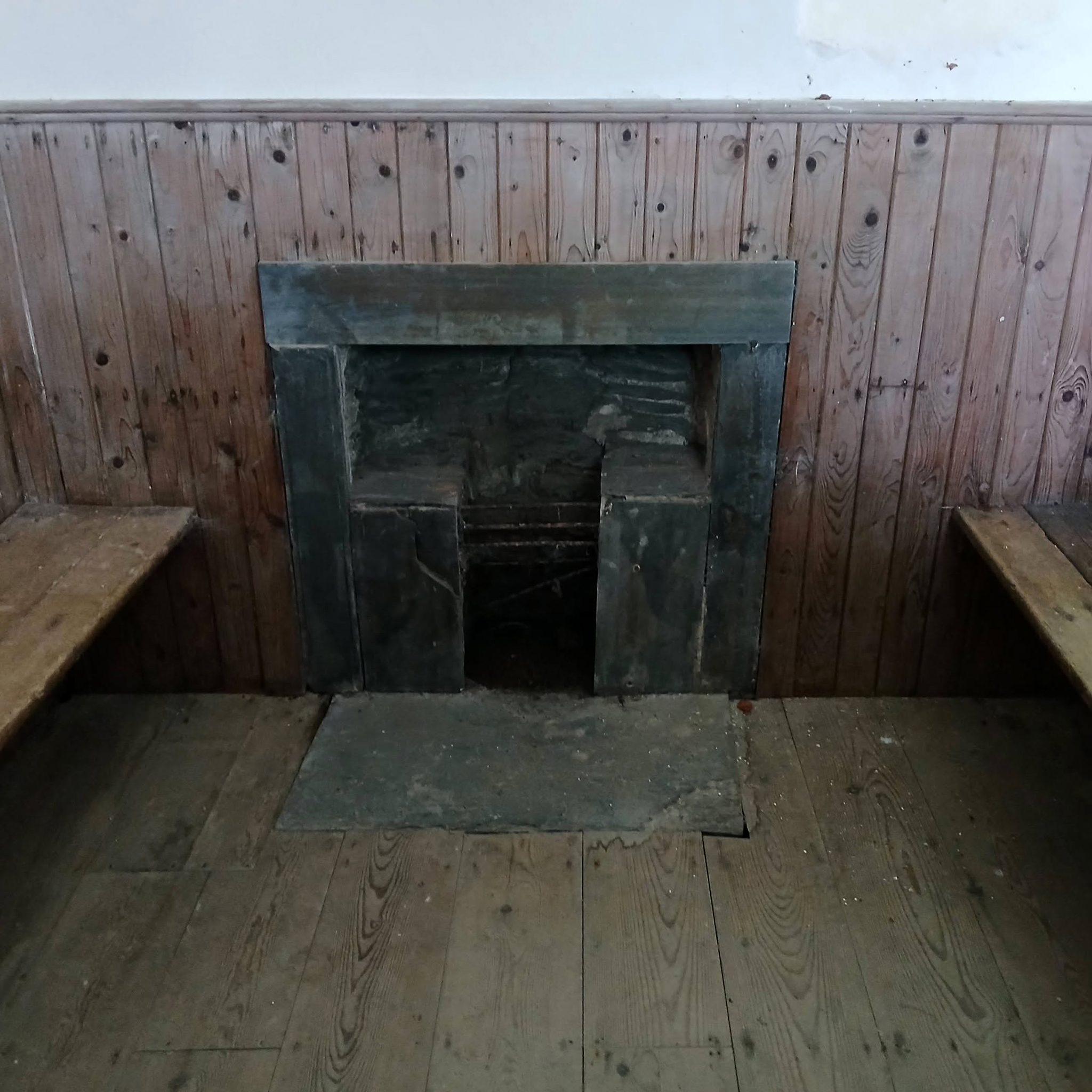
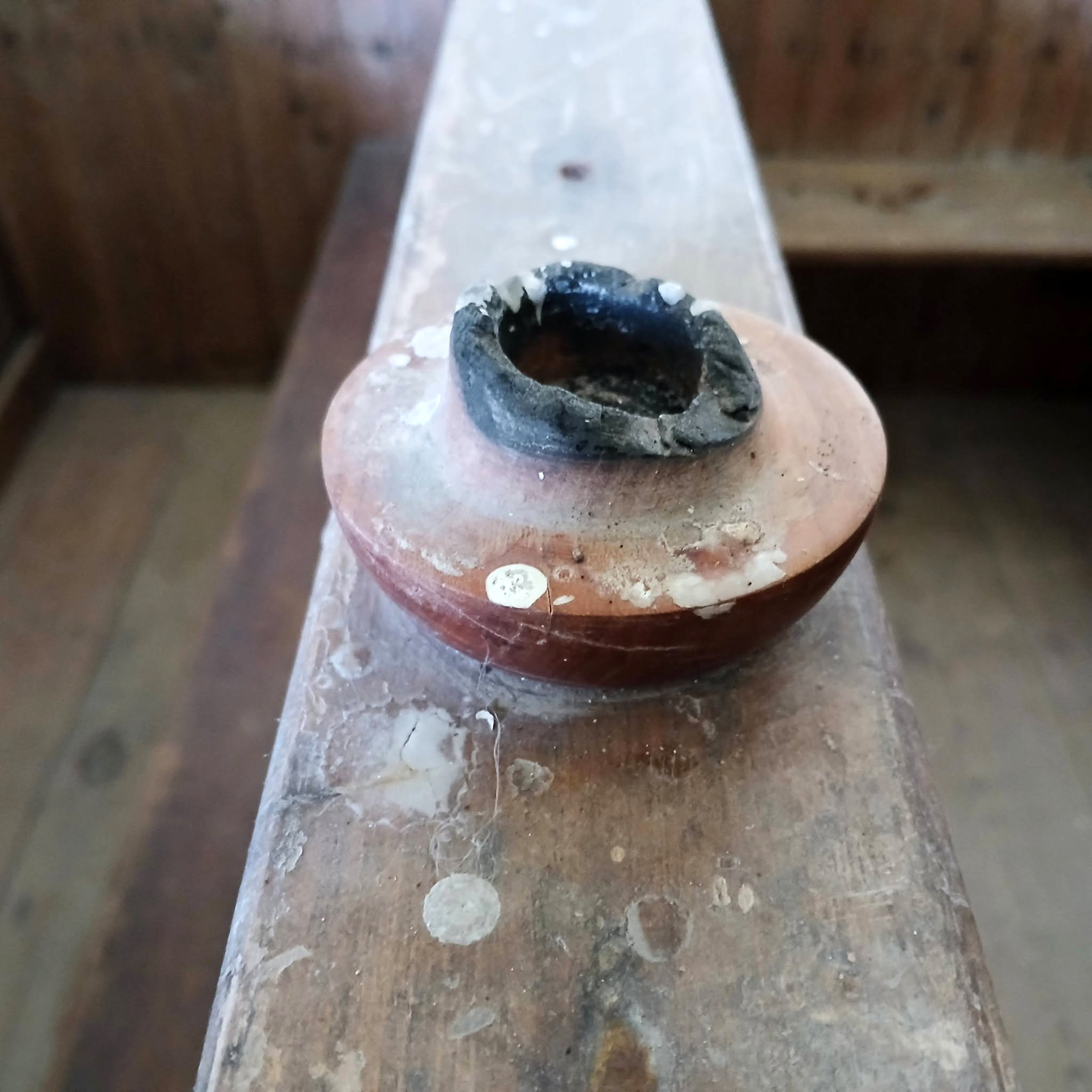
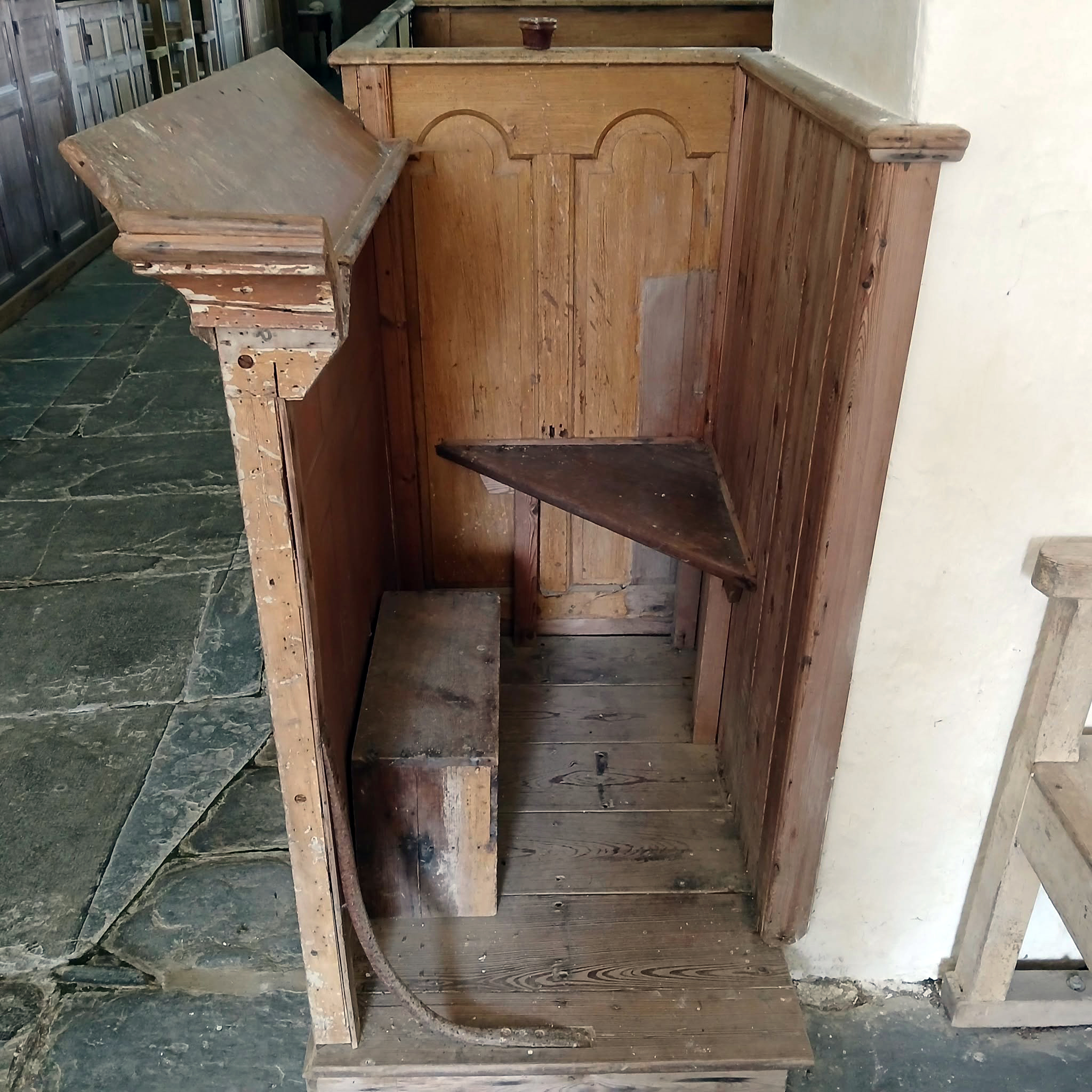
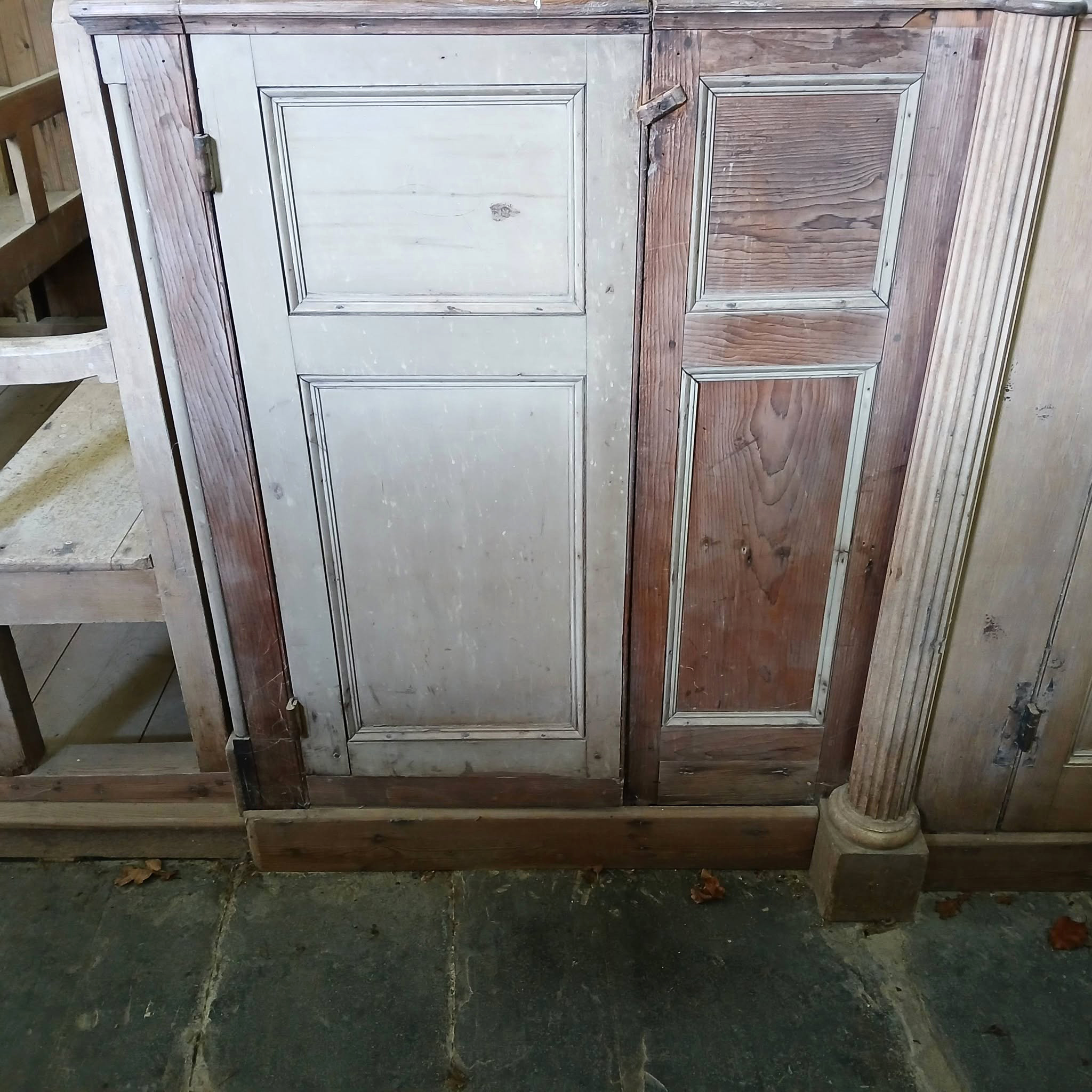
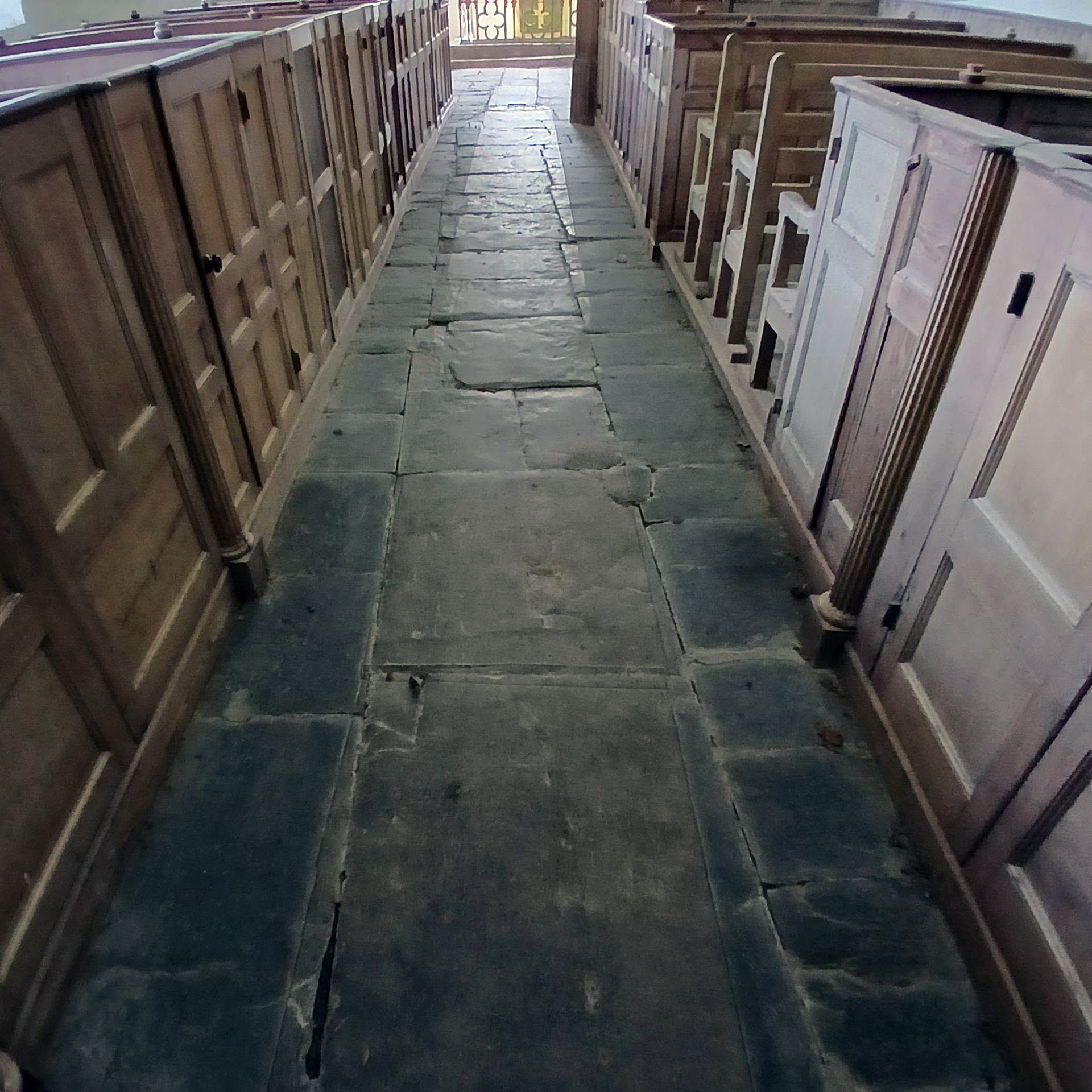
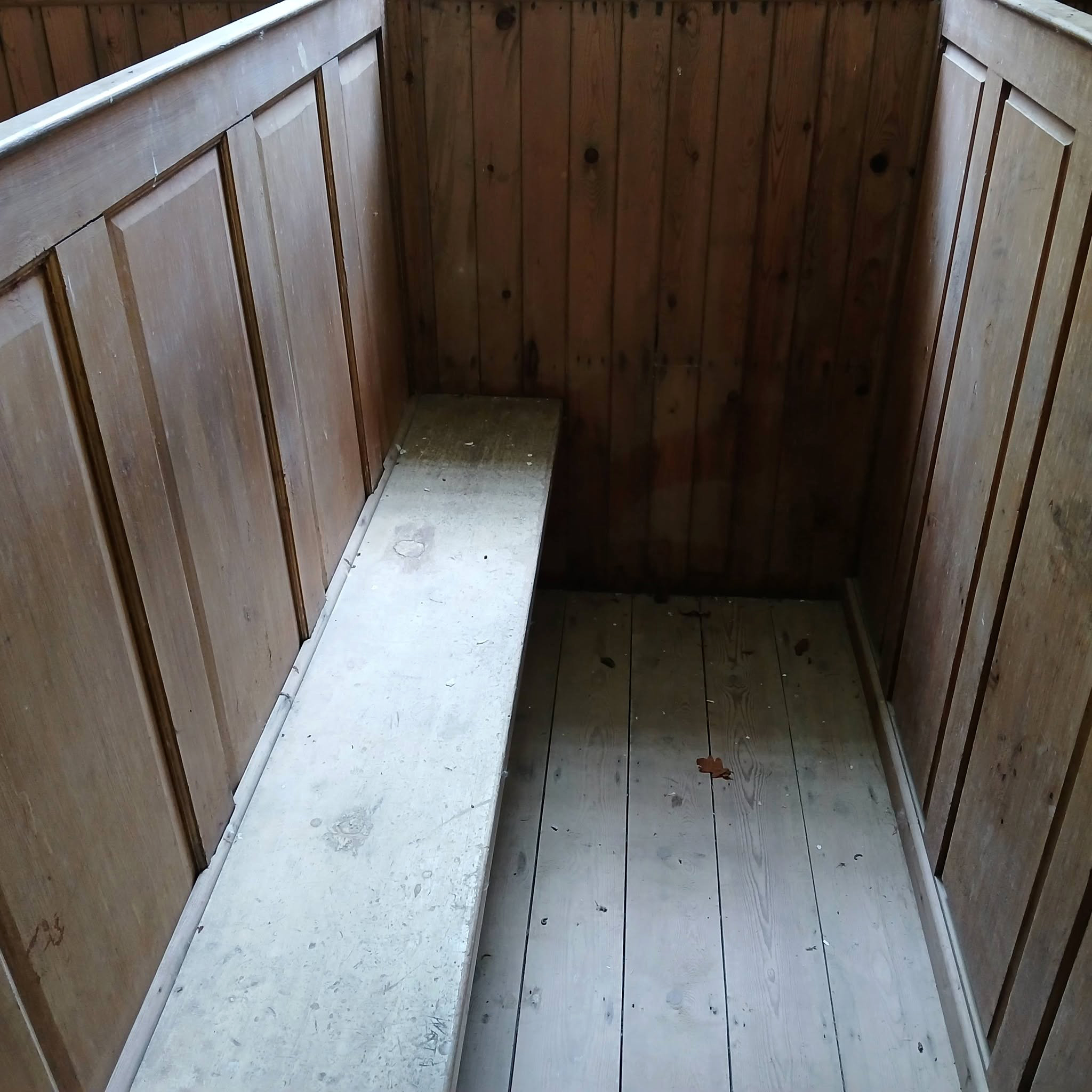
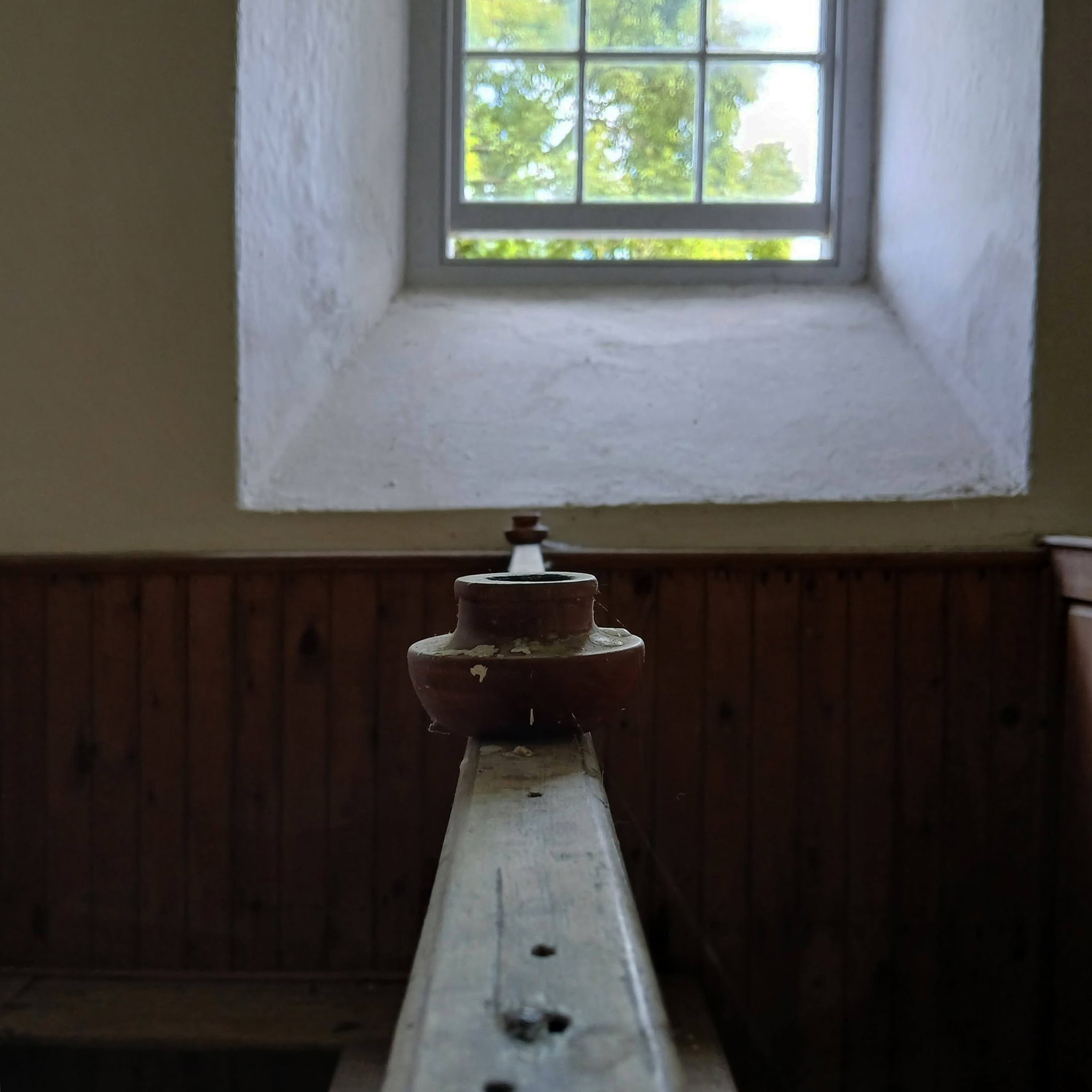
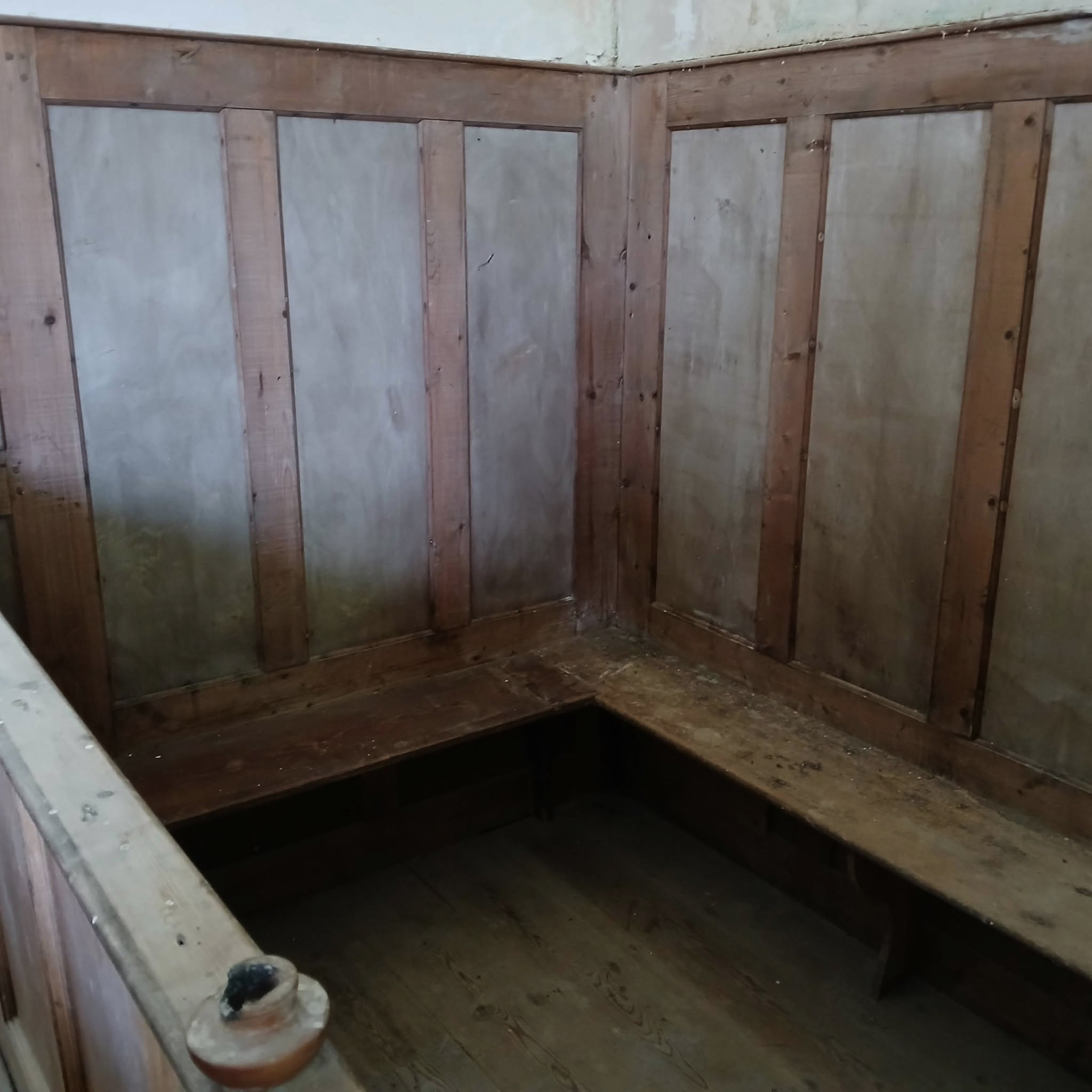
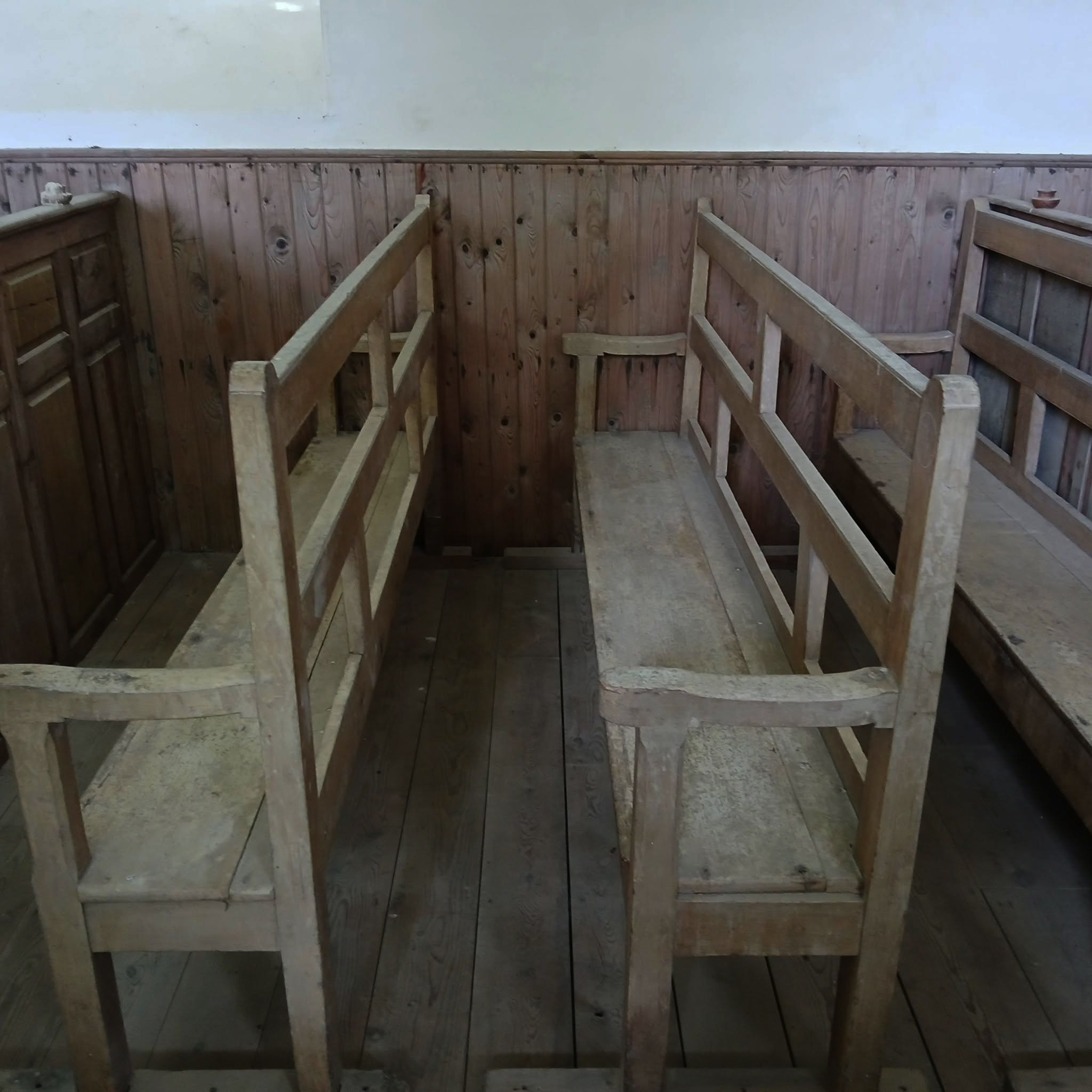
The nave walls are lined with a set of 18th-century box-pews; some have fluted columns, drawers with brass handles, and some even have their own fireplaces.
The square font, which you’ll find right inside the west porch, dates to the 13th century and is the only survivor from the early church. Its underside is fluted and its sides are carved with quatrefoils.
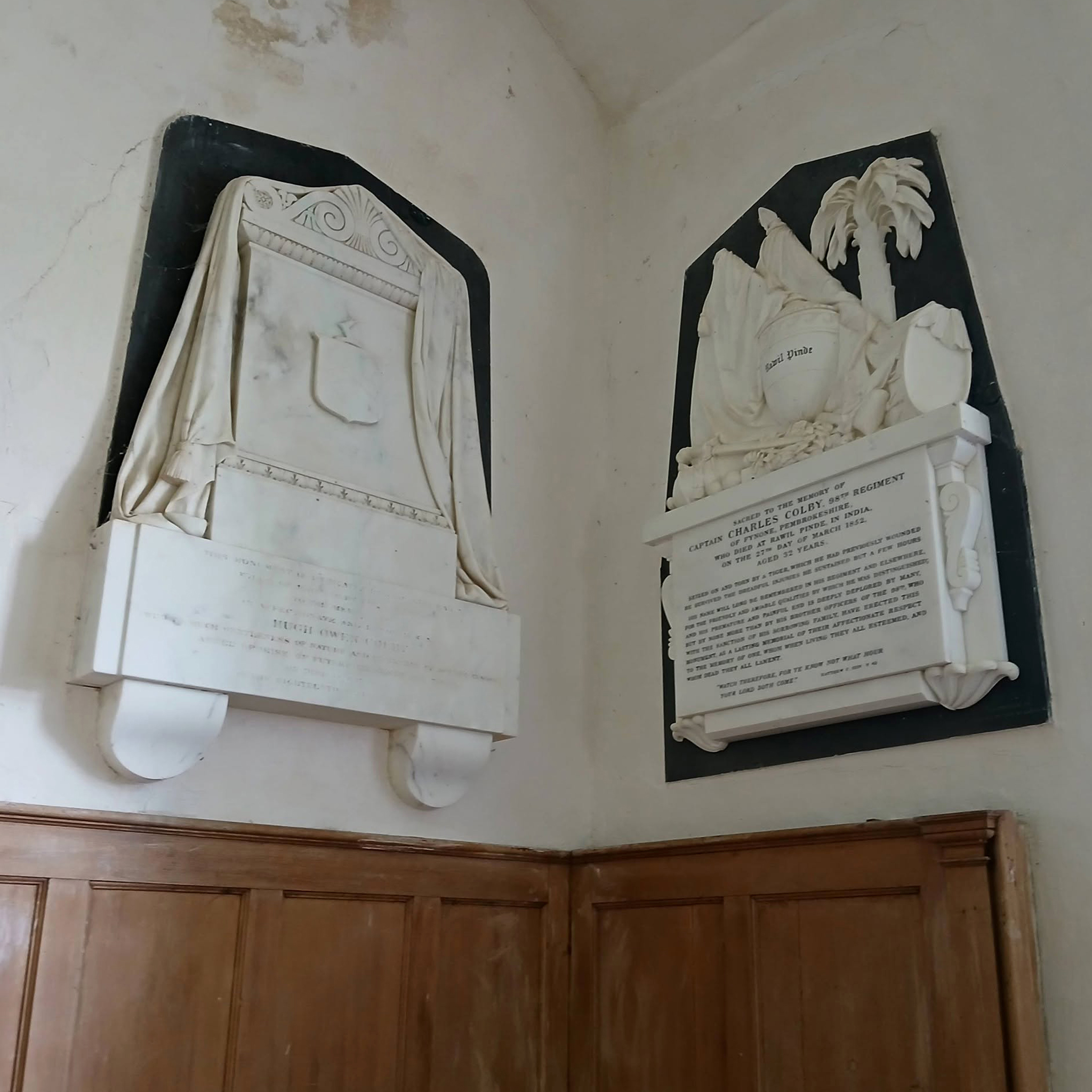
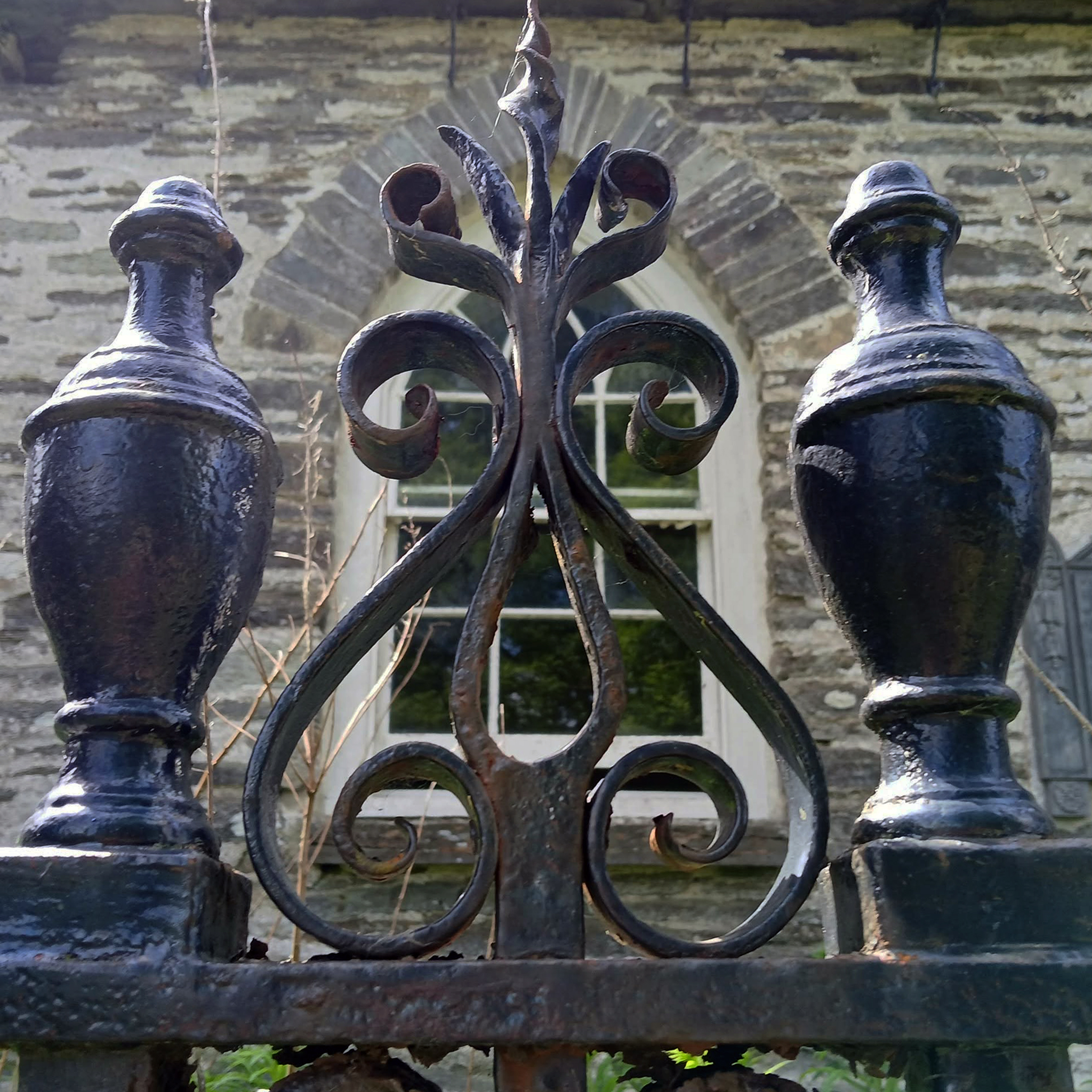
Don’t miss the memorial to Capt. Charles Colby, who was stationed to Rawalpindi – now in Pakistan in about 1850. On a day off, he went hunting on an elephant, and was unfortunately mauled by a tiger. His plaque bears an urn with the inscription ‘Rawil Pinde’ and a carved palm tree.
Many thanks to the Friends of Friendless churches for ensuring that the church remains open and maintained.
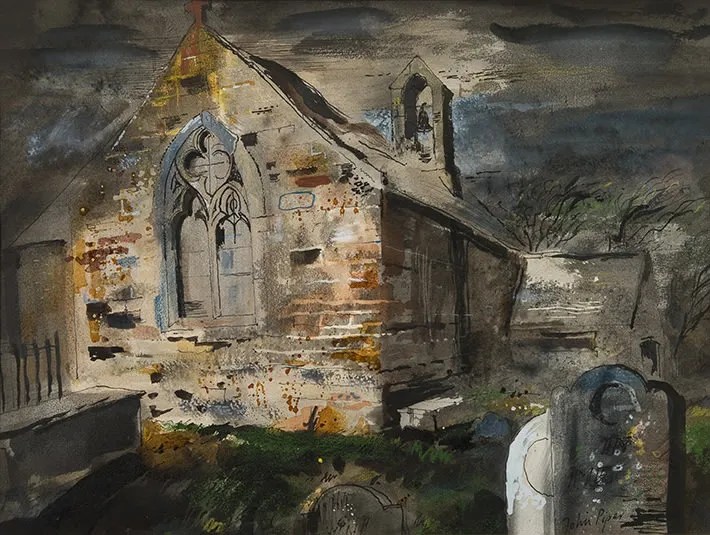
As a postscript – the appreciation of these wonderful Welsh churches must be due in part to John Piper.
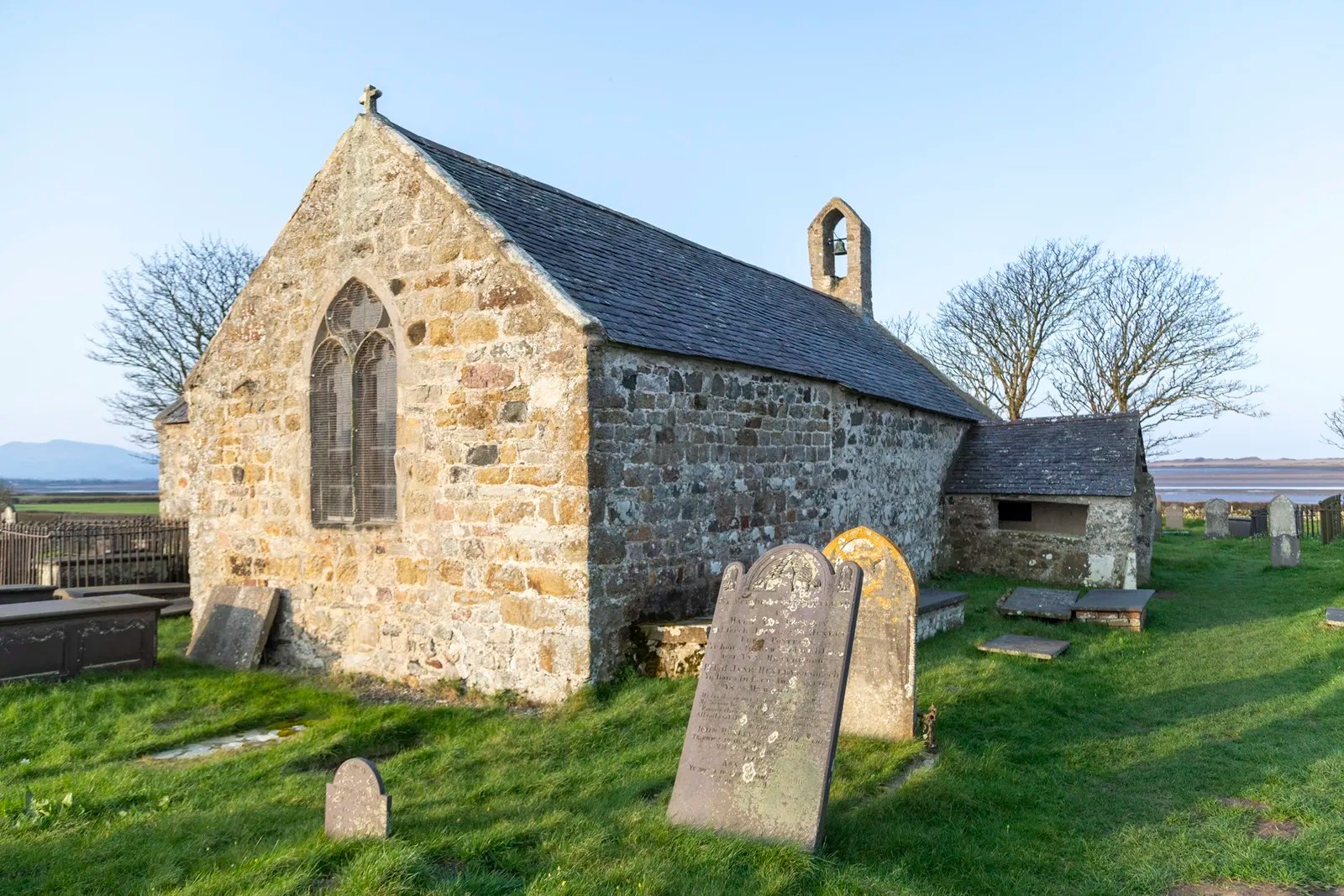
Jerwood Foundation was recently alerted to a renewed recognition of John Piper’s painting The churchyard, in Jerwood Collection, after it appeared as an illustration accompanying an online article. The image was immediately recognised by a reader as depicting St Baglan’s Church, near Caernarfon, viewed from a familiar angle.
John Piper, a founding member of Friends of Friendless Churches in the 1950s, painted many historic churches across the UK. Although St Baglan’s has been under the charity’s care since the 1970s, this rediscovery offers a valuable insight into Piper’s early engagement with sites that would later become key rescue projects. The recognition helps to piece together the history of how some of the charity’s earliest churches were identified, recorded and preserved.
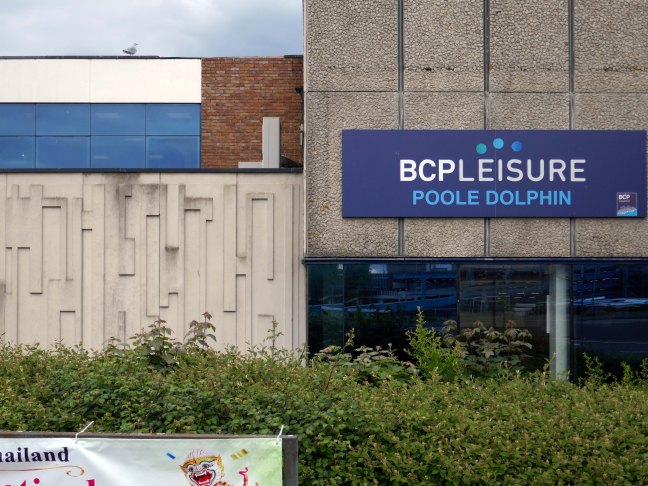
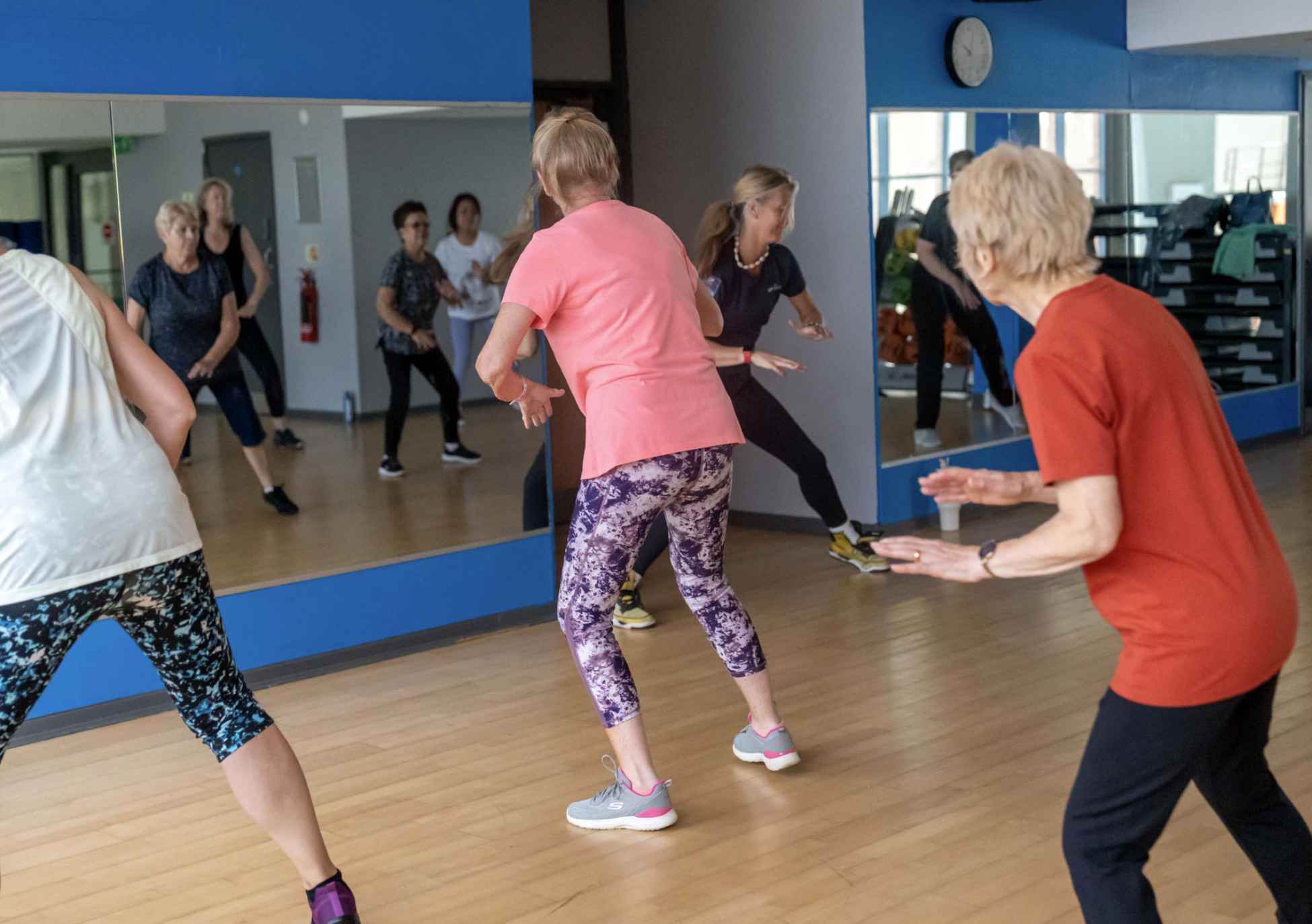
Poole Dolphin Leisure Centre offers a modern gym with sixty stations, four pools including a main, teaching and diving pool, plus award-winning swimming and diving lessons. Enjoy casual swims, fitness sessions and a wide range of group classes for all ages. After your workout, relax in our sauna and experience fitness, fun and wellbeing all in one place.
I can’t speak for the facilities, or their general cleanliness, I don’t swim or have much time for leisure.
Walking around looking at things, taking pictures, chatting and such is my lifestyle choice and preoccupation.
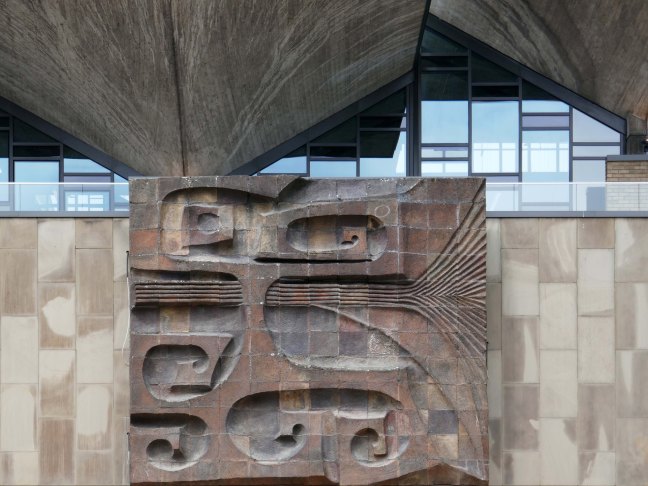
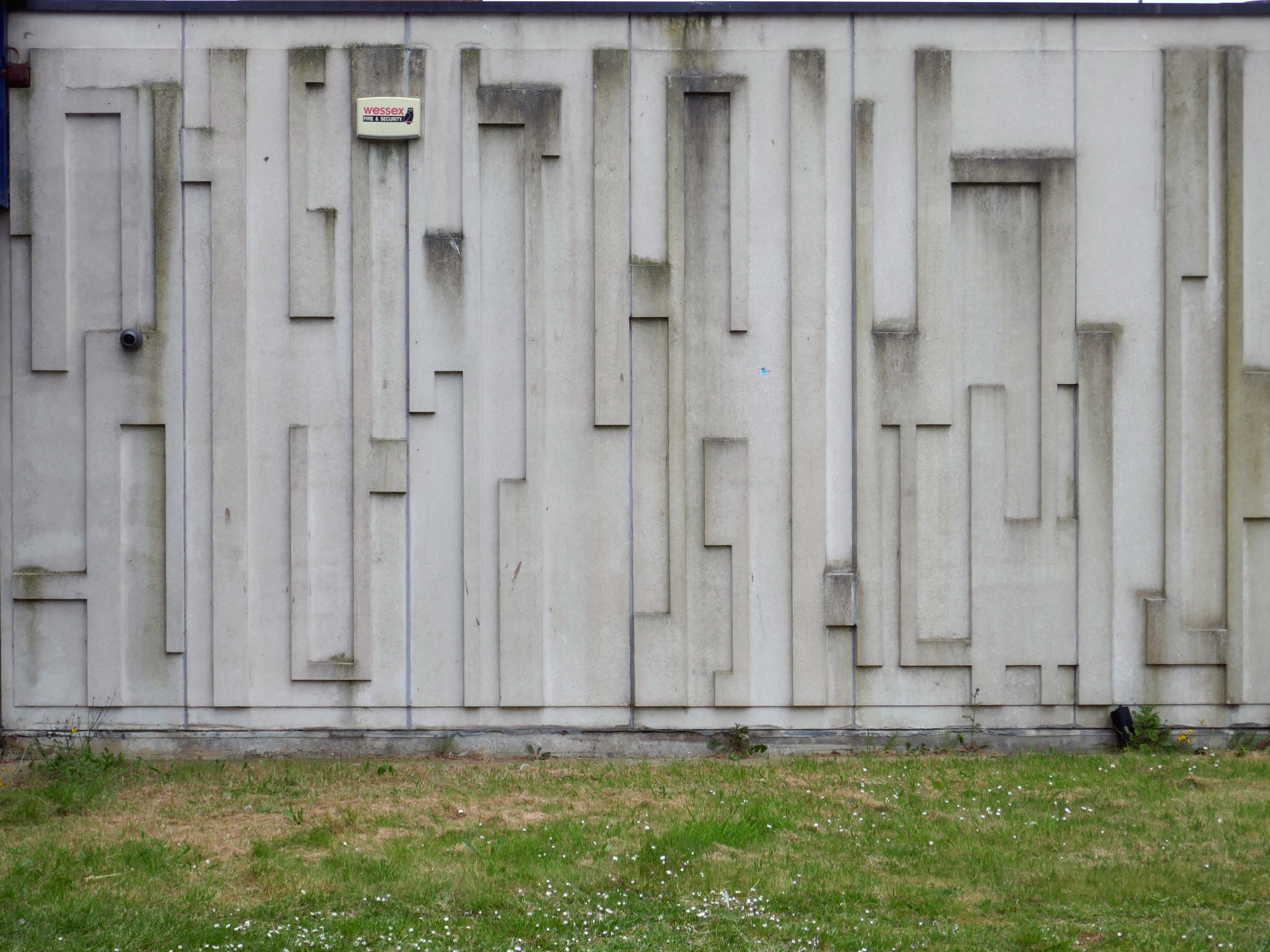
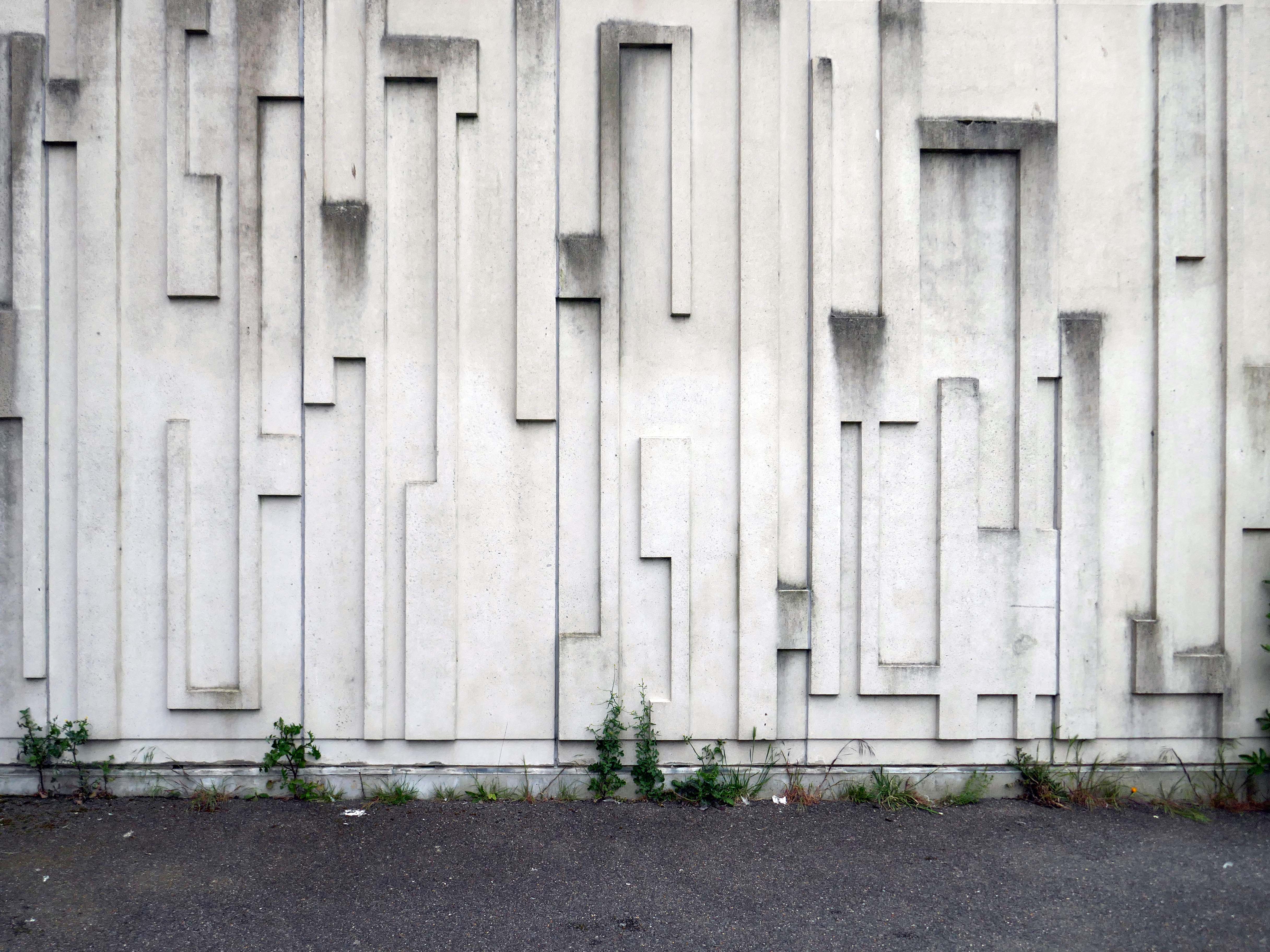
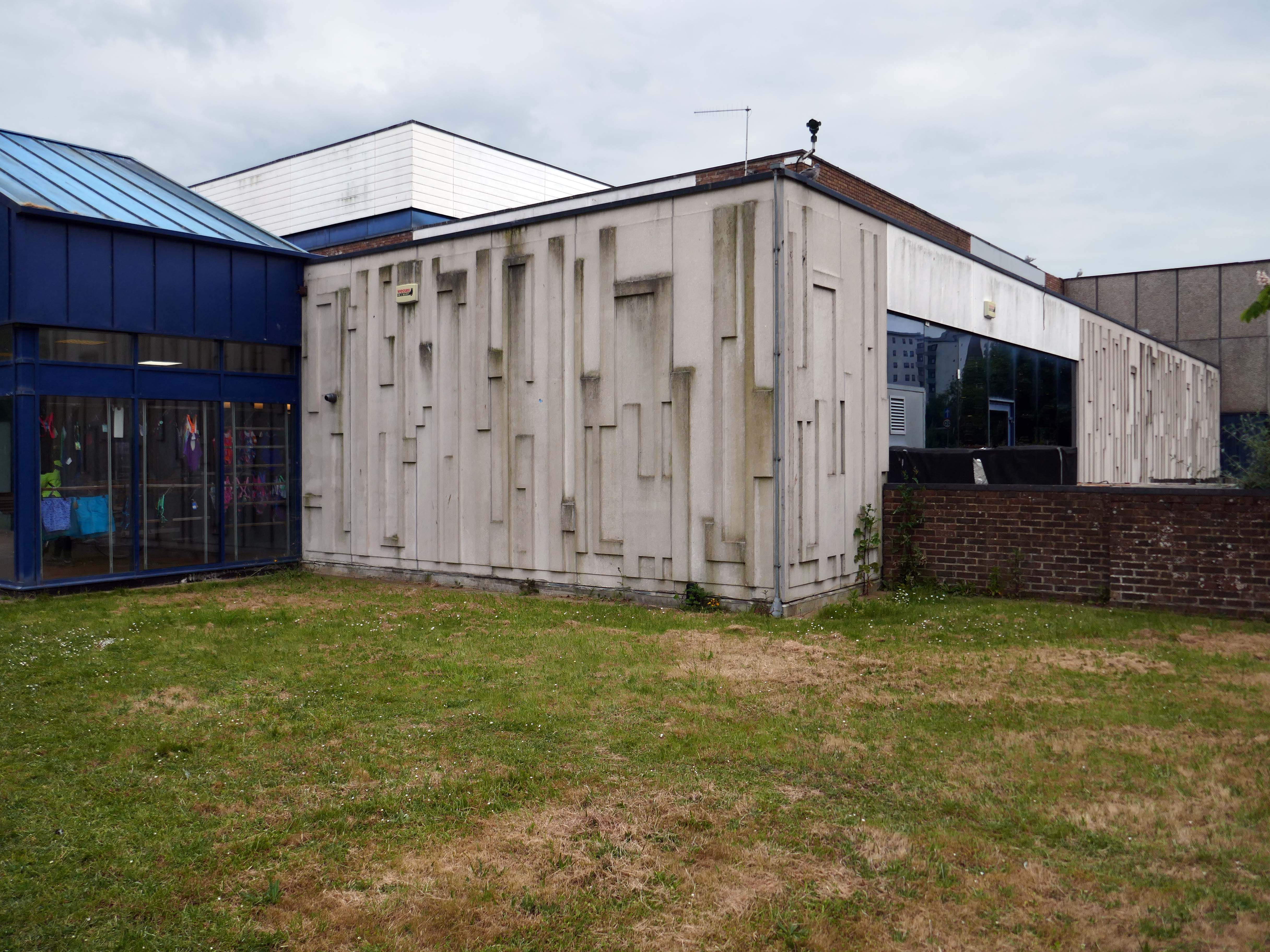
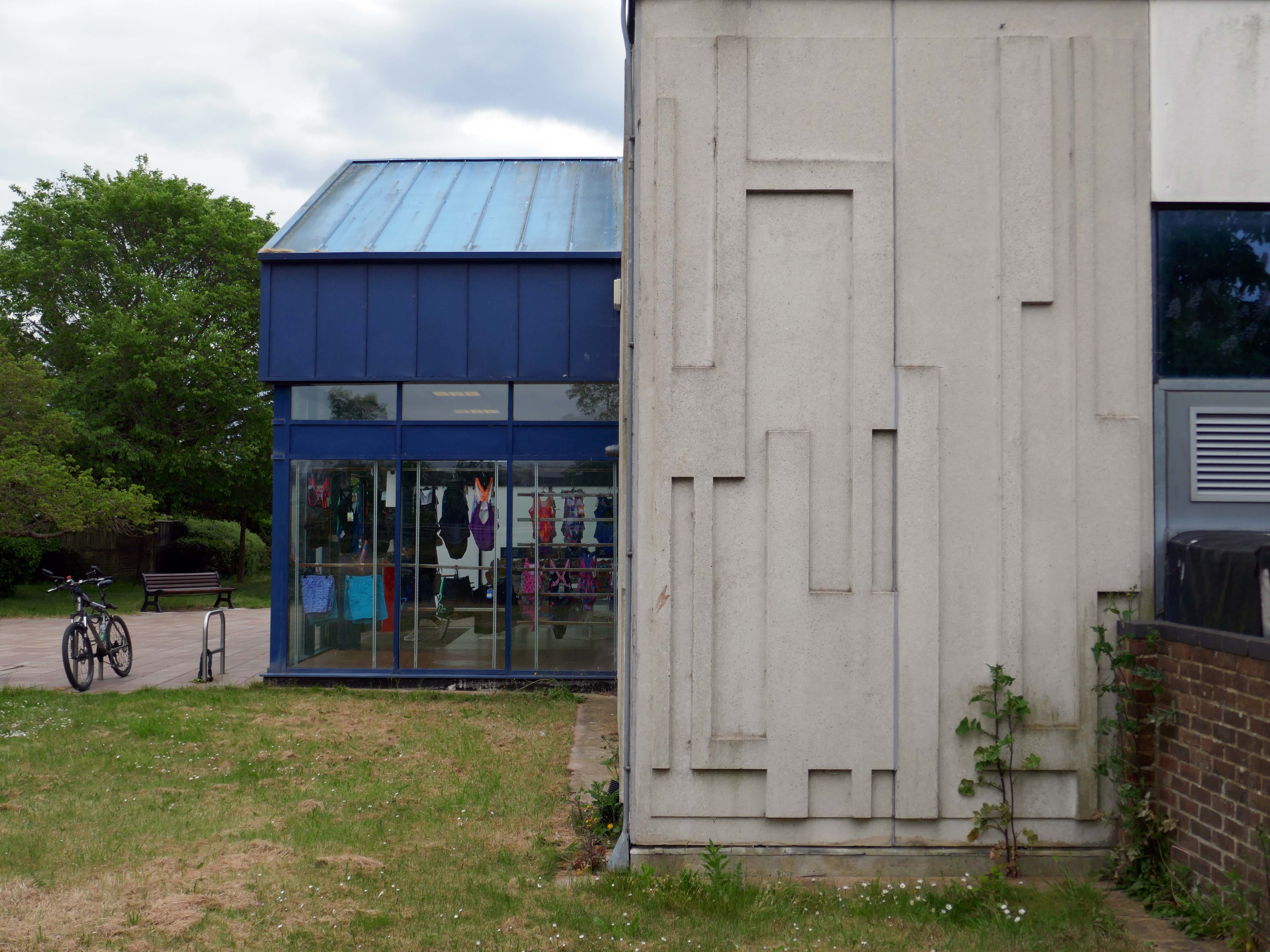
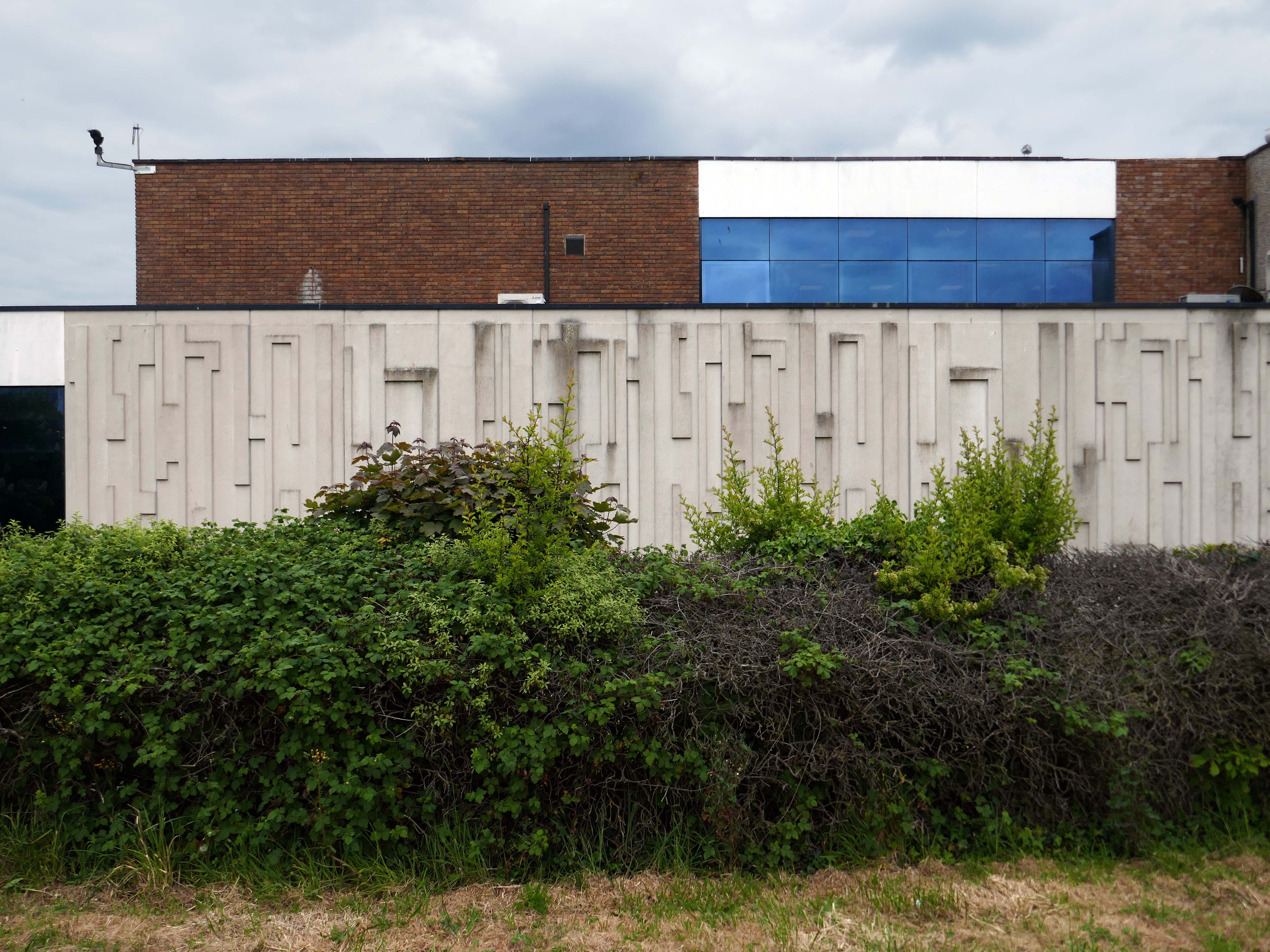
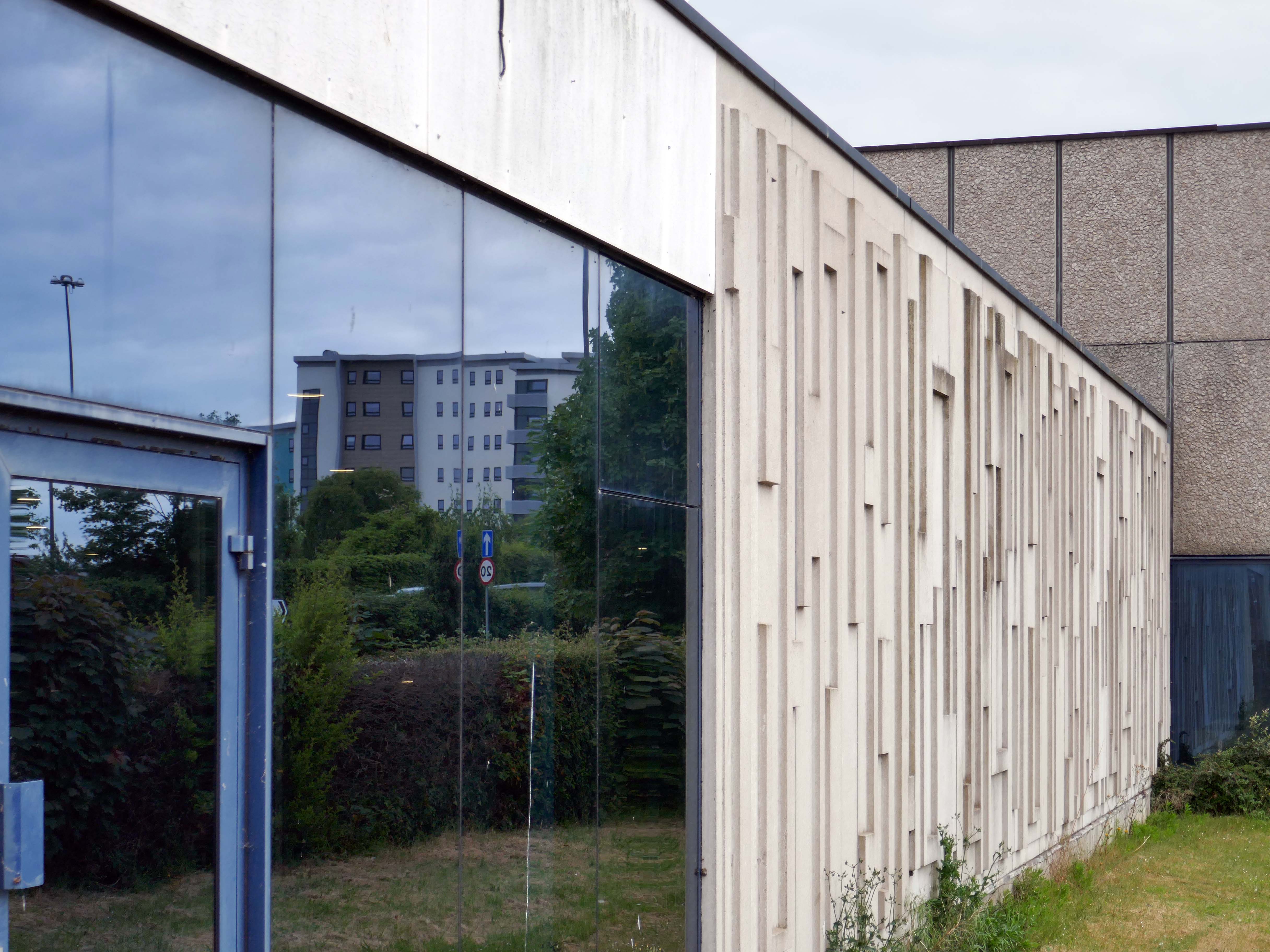
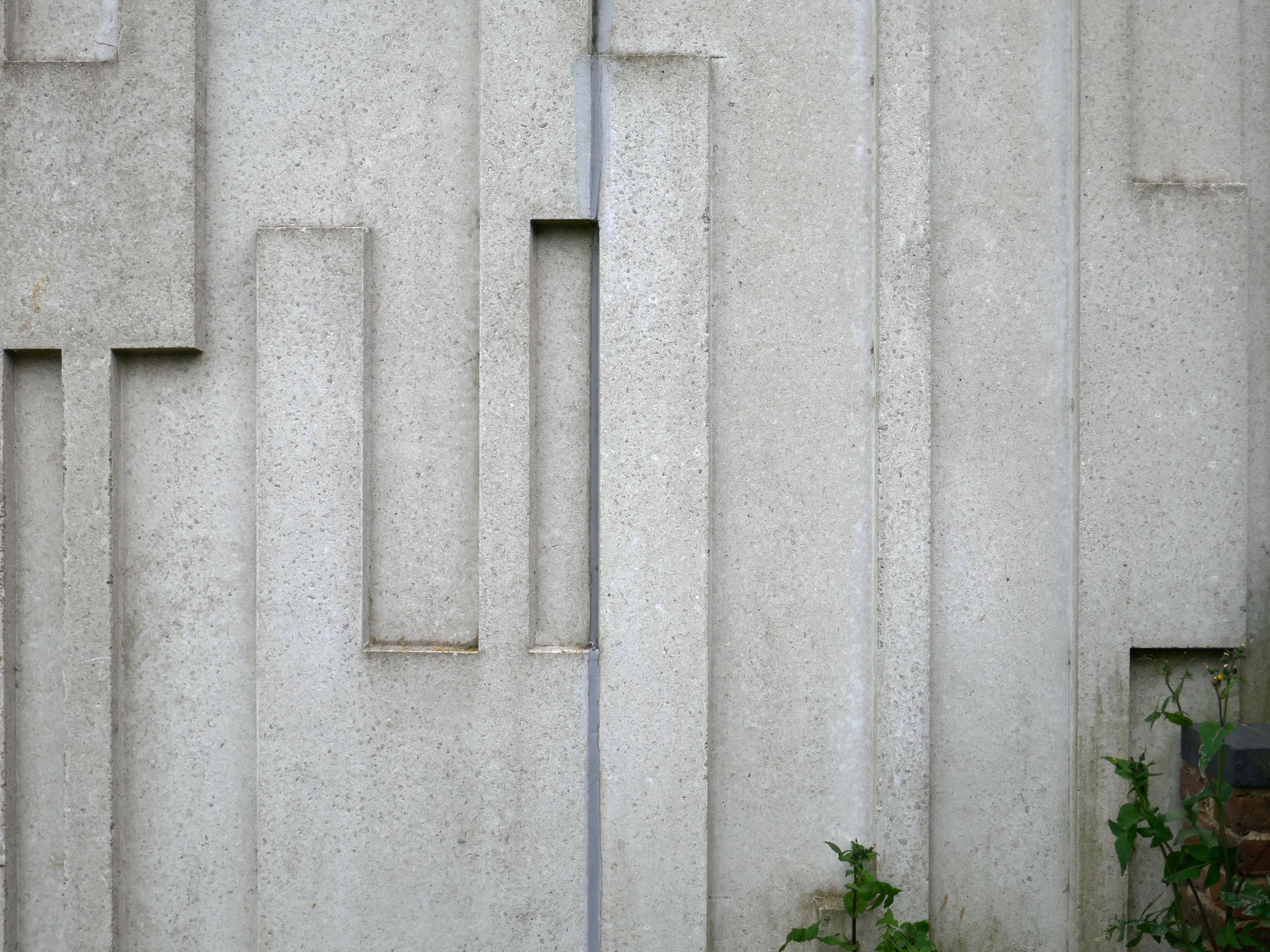
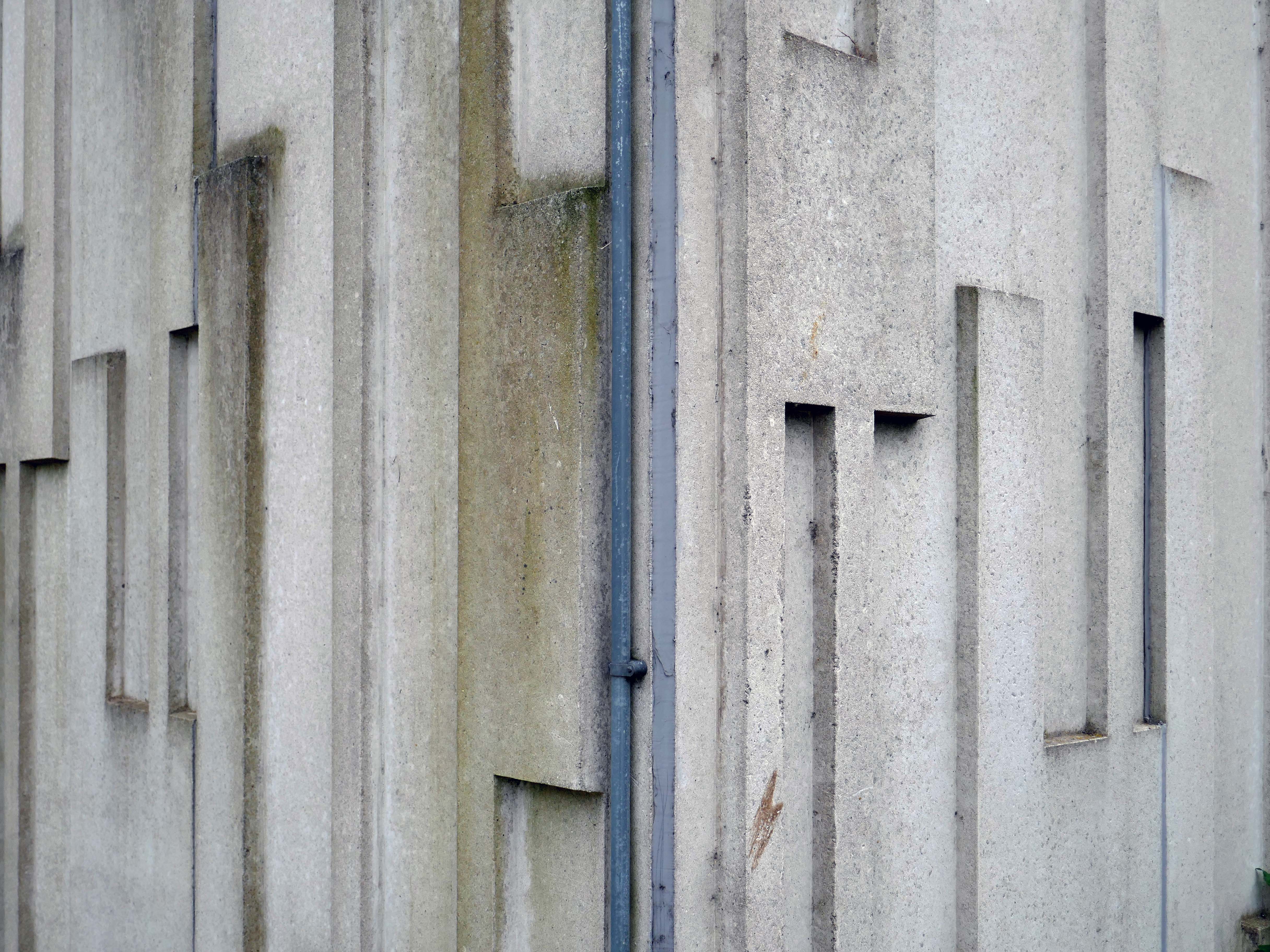
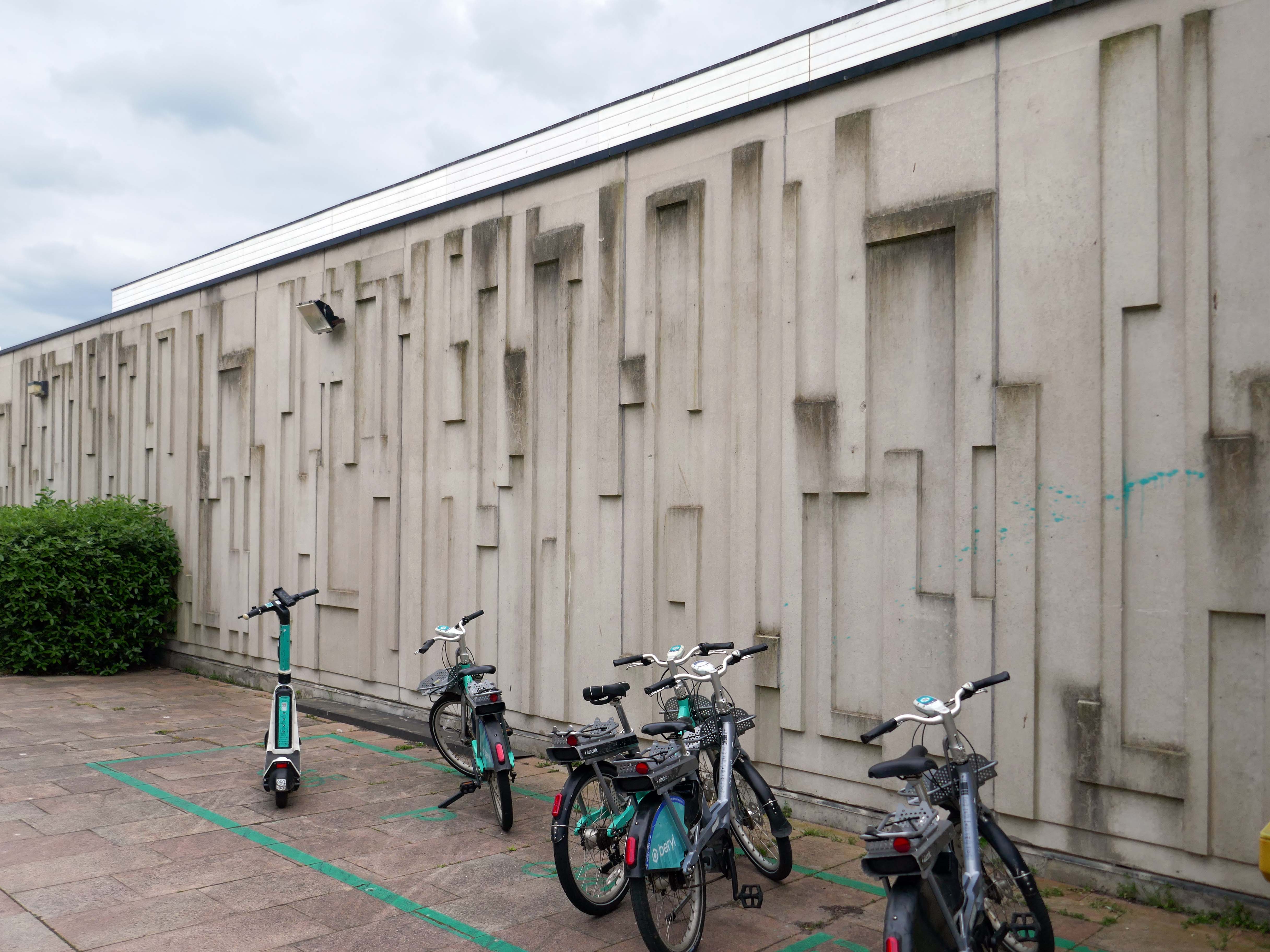
So here’s a snapshot of the centre’s exterior, with particular attention paid to the concrete relief.
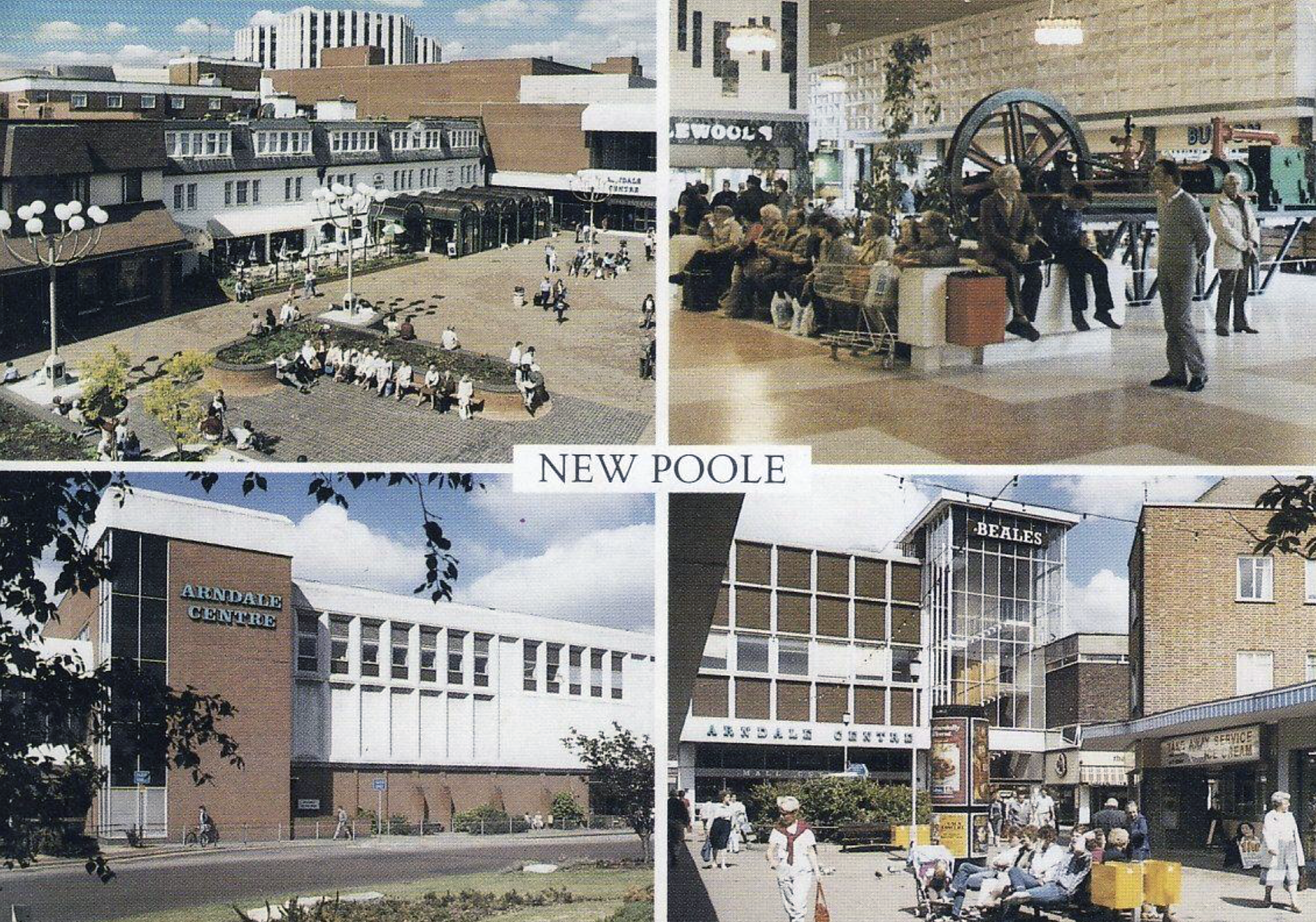
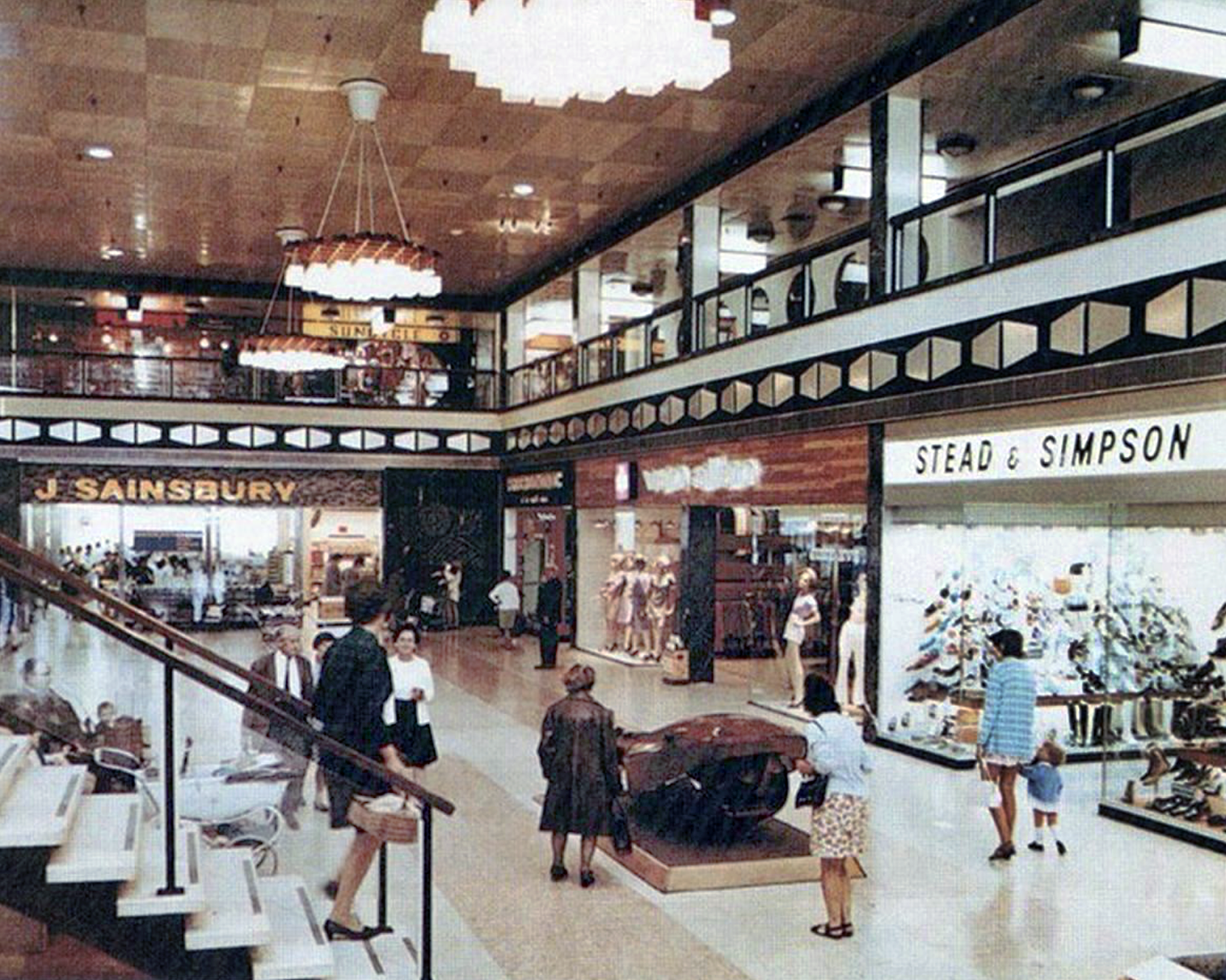
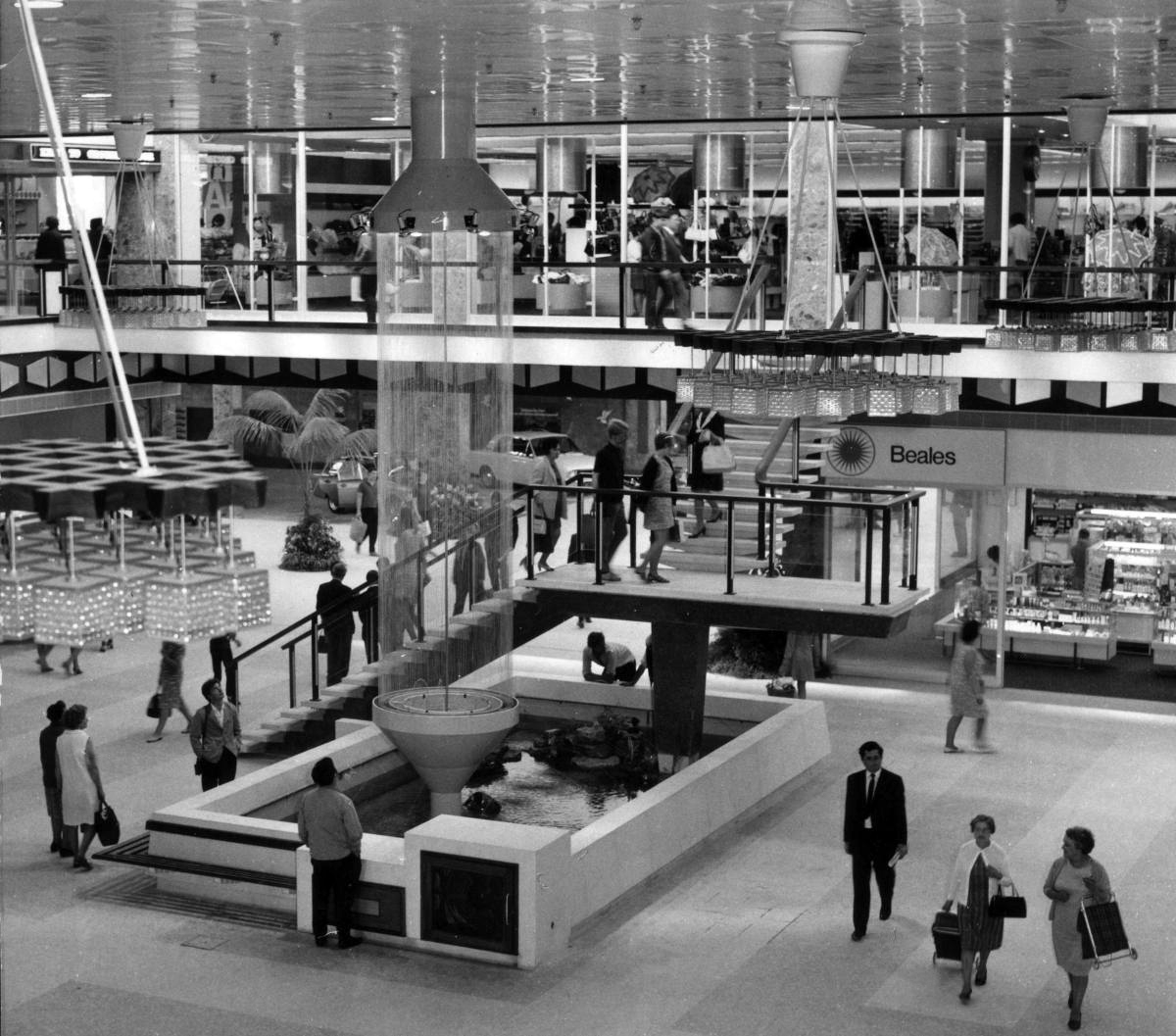
As an aside the nearby Dolphin Shopping Centre was once known as The Arndale.
In 1957 discussions began about creating a covered in shopping centre in the heart of Poole town centre, in a similar vein to those popular at the time in America. In 1963 property developers were invited by Poole Corporation to present schemes to develop this shopping centre as part of a redevelopment of the town.
The winning scheme was for a two million pound redevelopment by the Arndale Property Trust on land at High Street, Seldown Lane and Kingland Road] known as the Ladies Walking Field. One of the main reasons Arndale won was that their proposal incorporated a fully enclosed shopping centre. The scheme was to be designed by Leslie Jones and Partners in association with Geoffrey Hopkinson; Poole Borough Architect and Chief Planning Officer, the structural engineers were to be Bowden Sillett and Partners and the main contractors were to be Sir Lindsay Parkinson and Company.
The transformation of Poole Town Centre started in June 1966 when work began on a new road layout and construction of the shopping centre commenced in March 1967 when the then Mayor of Poole, Alderman Ron Hart, dug the first turf.
In 1989 an eight million pound refurbishment programme was carried out on the centre, which emerged with a new name ; The Dolphin Shopping Centre.
In February 2025, reinforced autoclaved aerated concrete RAAC was found at the shopping centre. The final Beales department store in the UK will close at the end of May 2025.
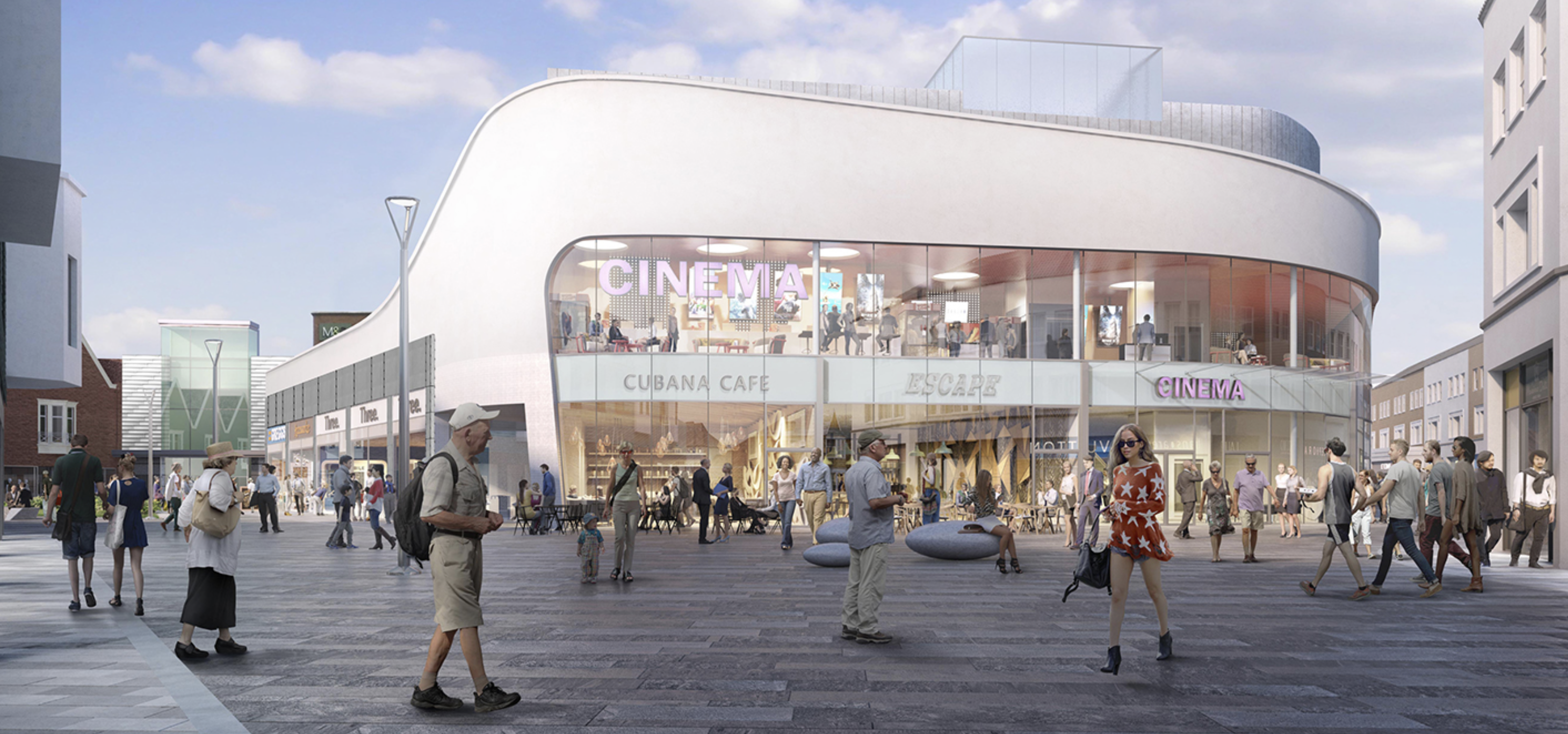
To ensure the shopping centre remains popular and well occupied, the owner LGIM Real Assets is investing in the redevelopment of the internal malls and various retail buildings within the site. Designed by tp bennett, a programme of refurbishment is underway with the aim of delivering a more exciting and modern retail experience to help attract shoppers and retailers. The scheme includes new stores for H&M, New Look and JD Sports as well a new mixed-use leisure development, with a multiplex cinema, restaurants and a refreshed public realm.
It will be a huge transformation and there is a real local desire for it.
Part of wider improvement works in Poole, it is hoped that this major investment will enhance the customer experience, and reinforce the centre as a popular, family-friendly retail and entertainment destination.
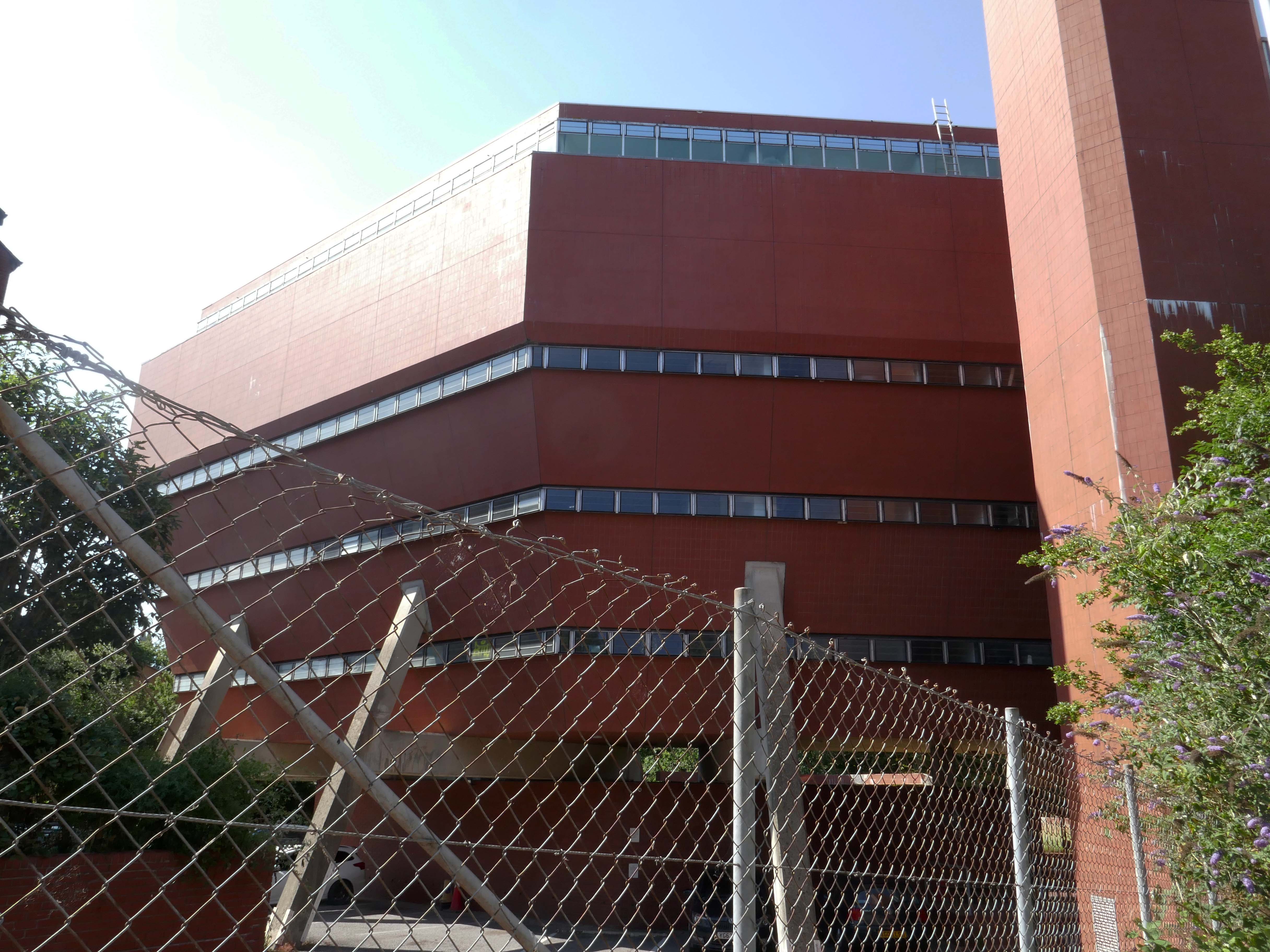
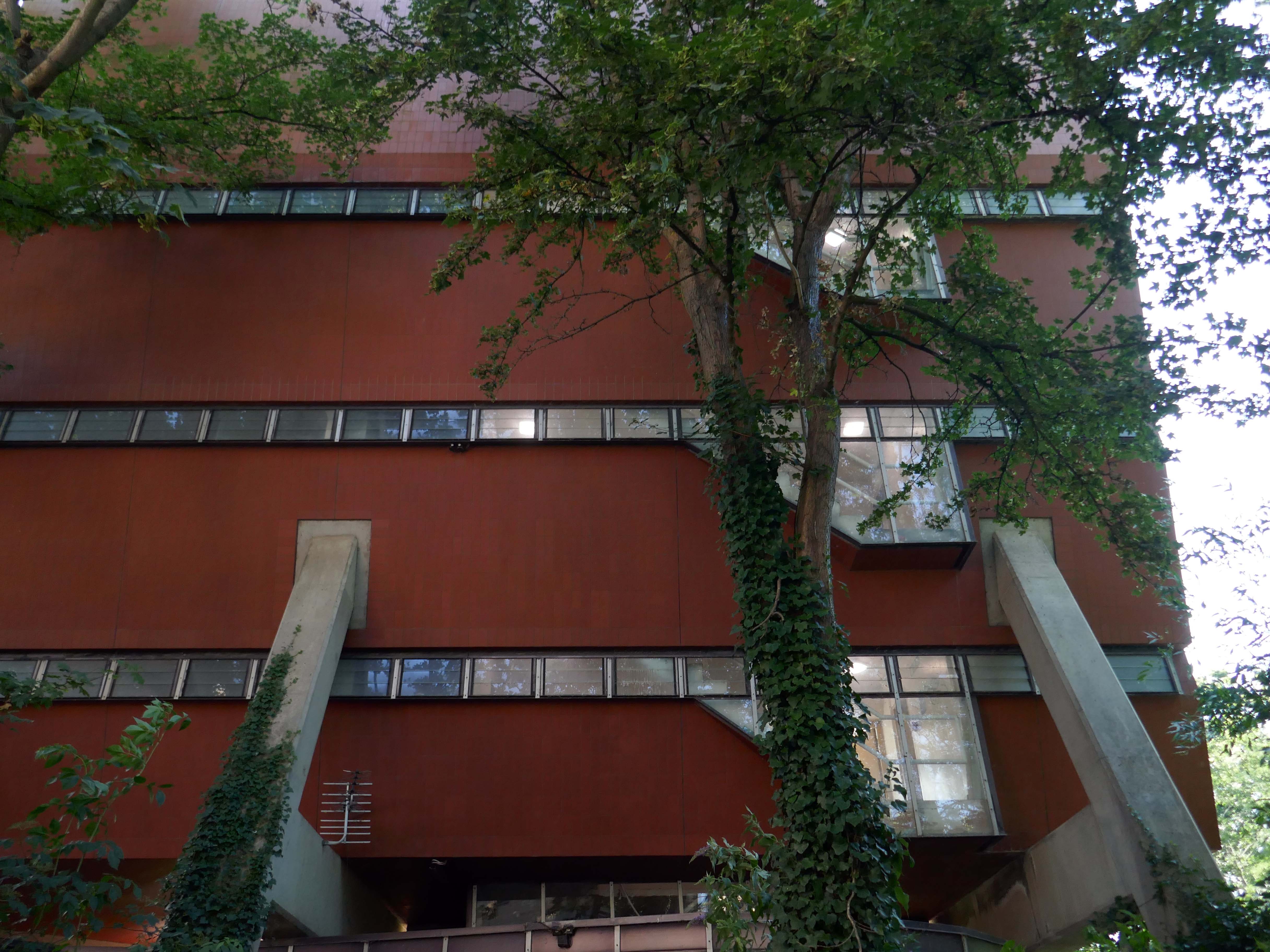
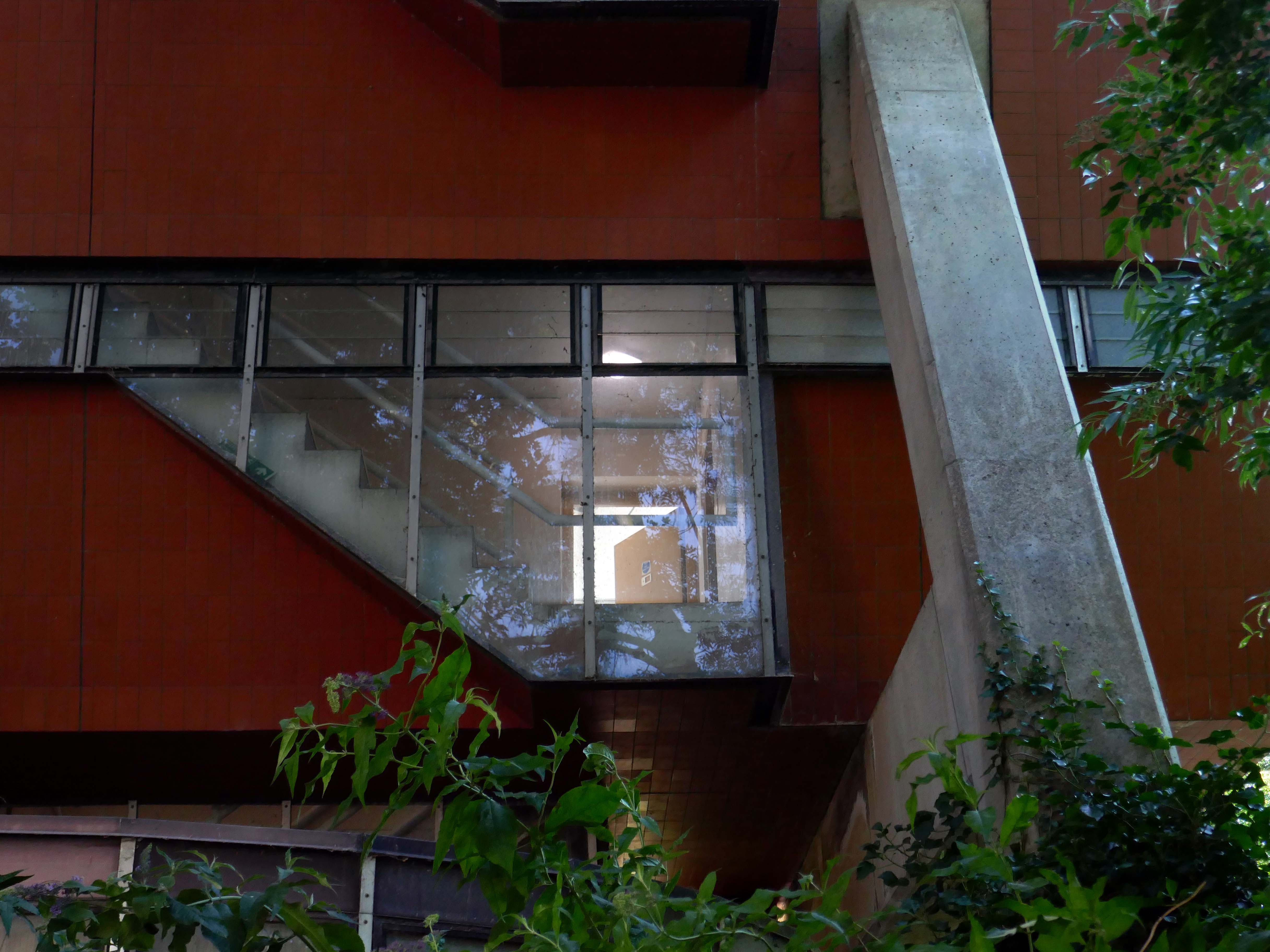
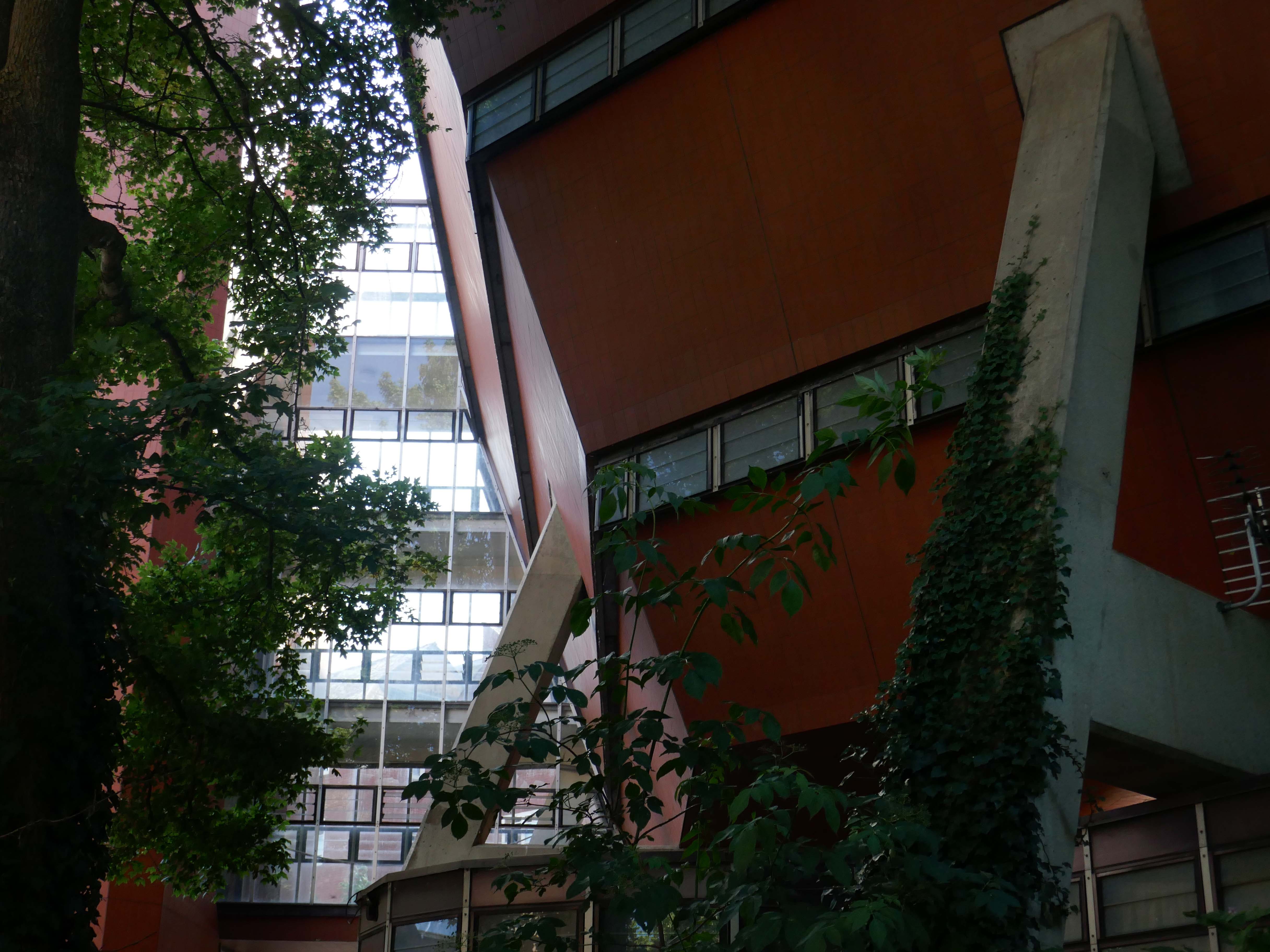
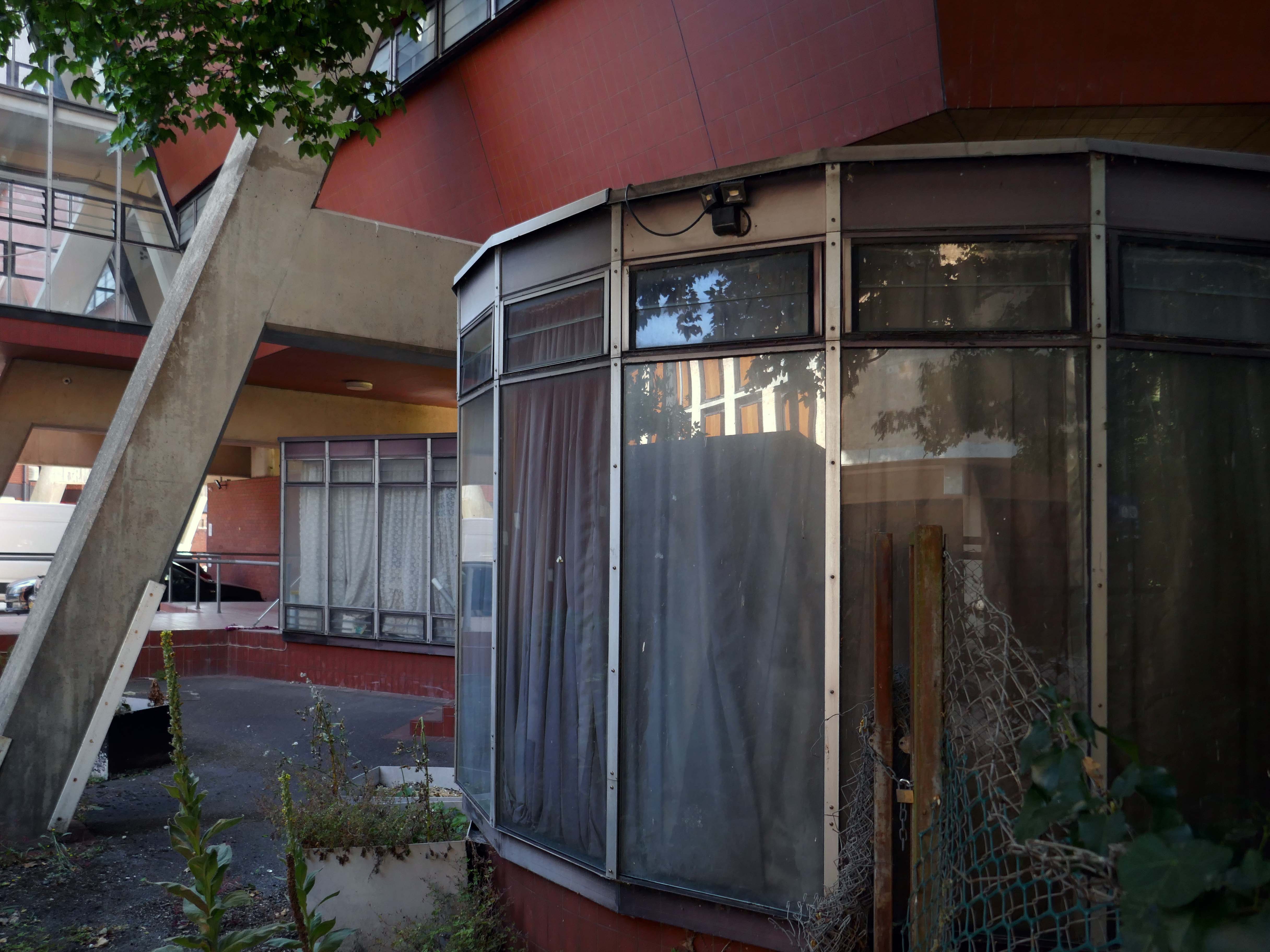
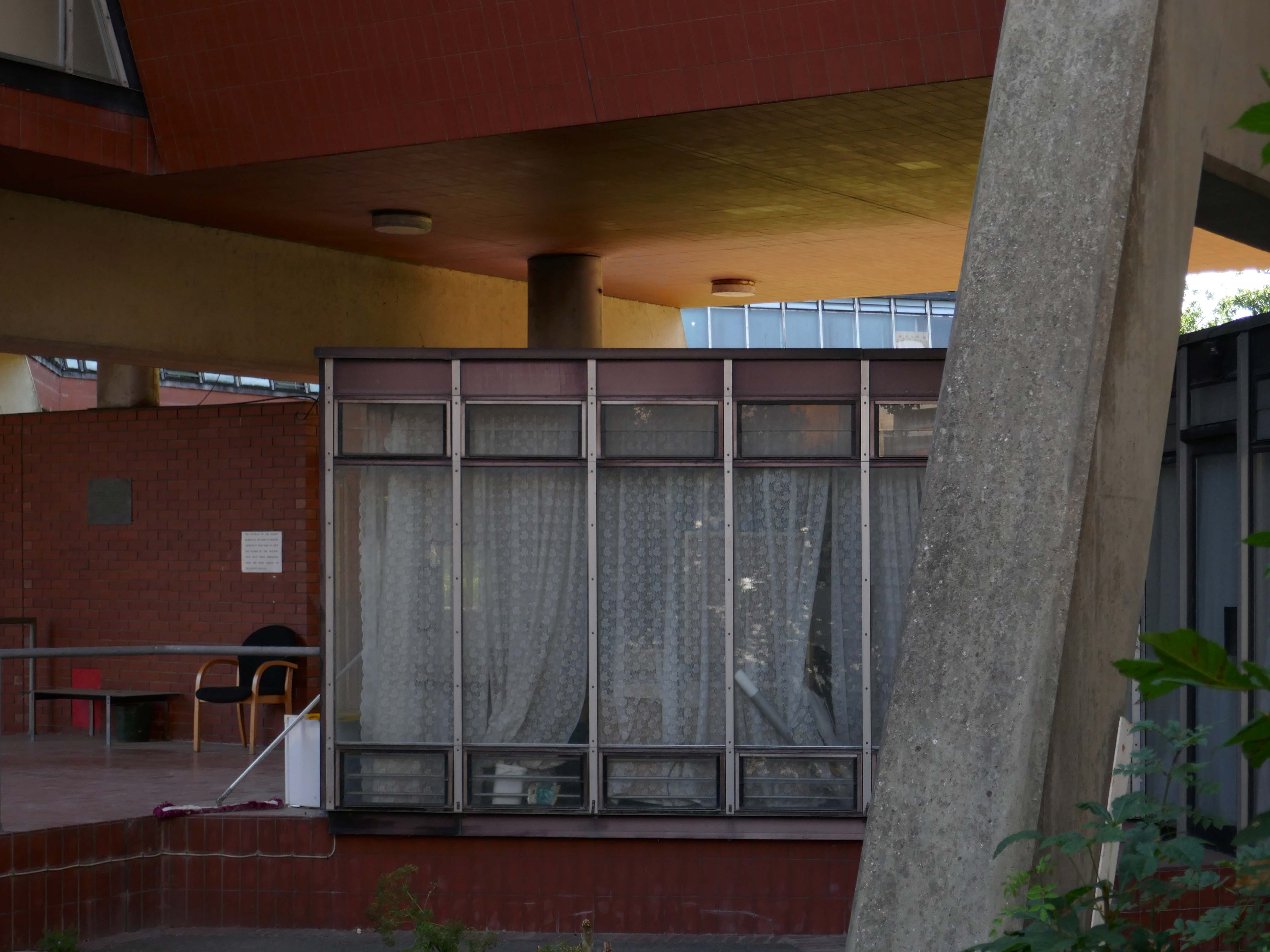
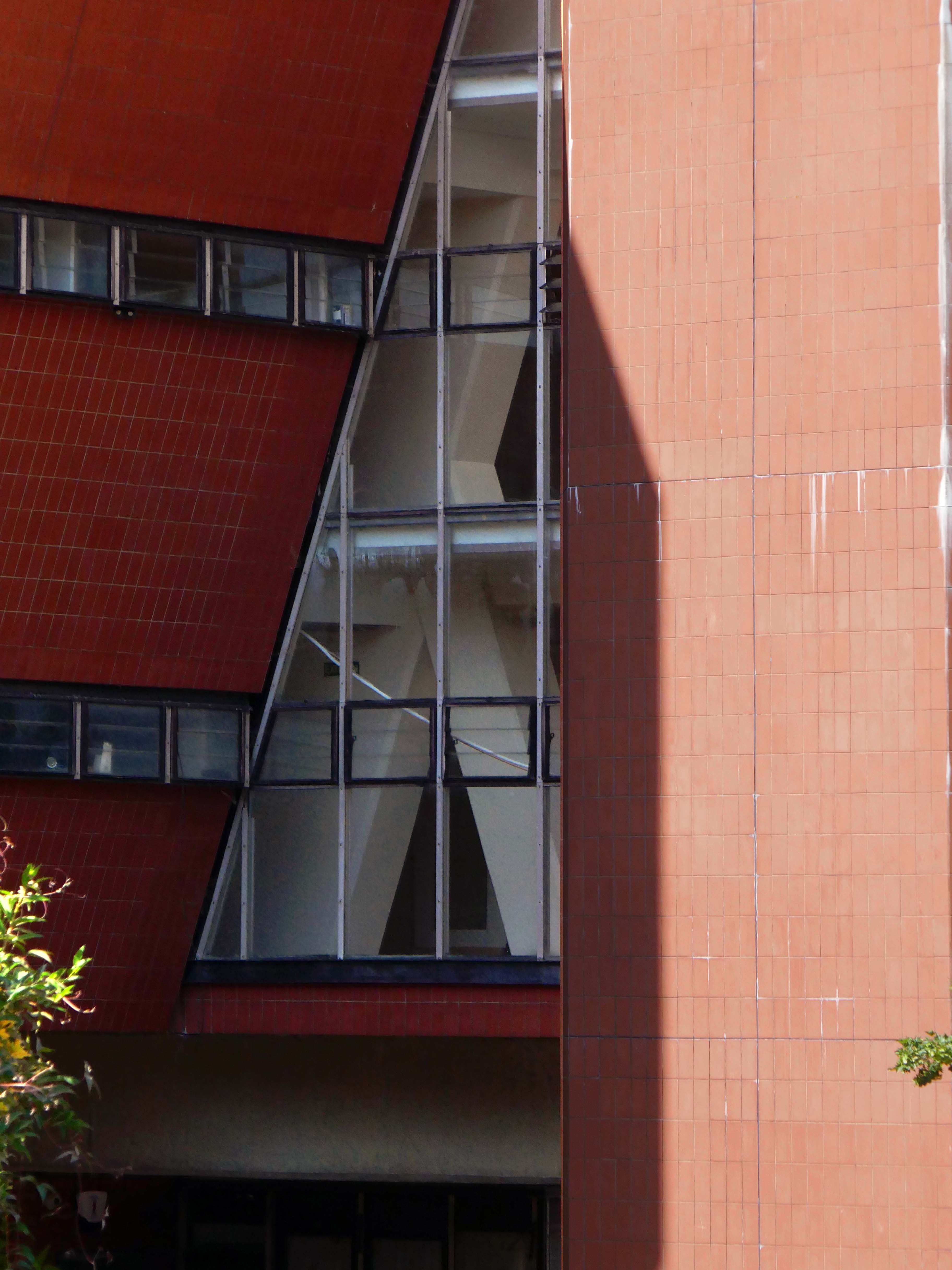
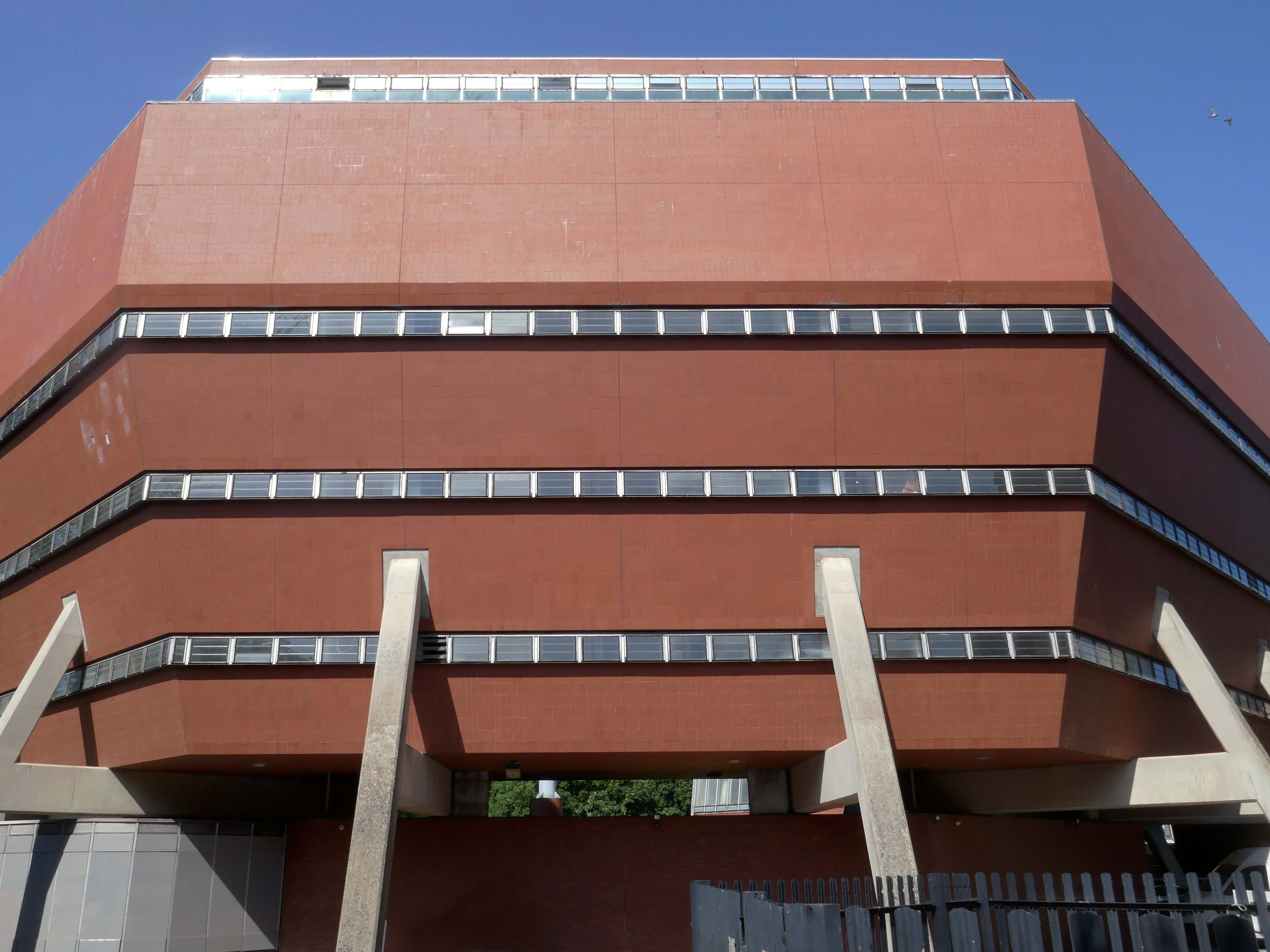
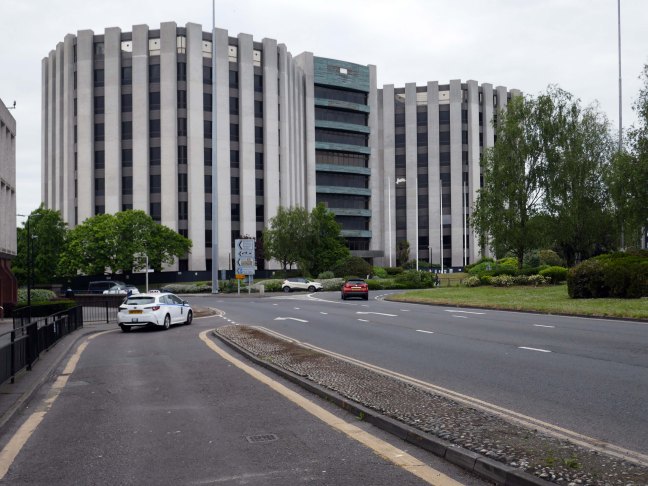
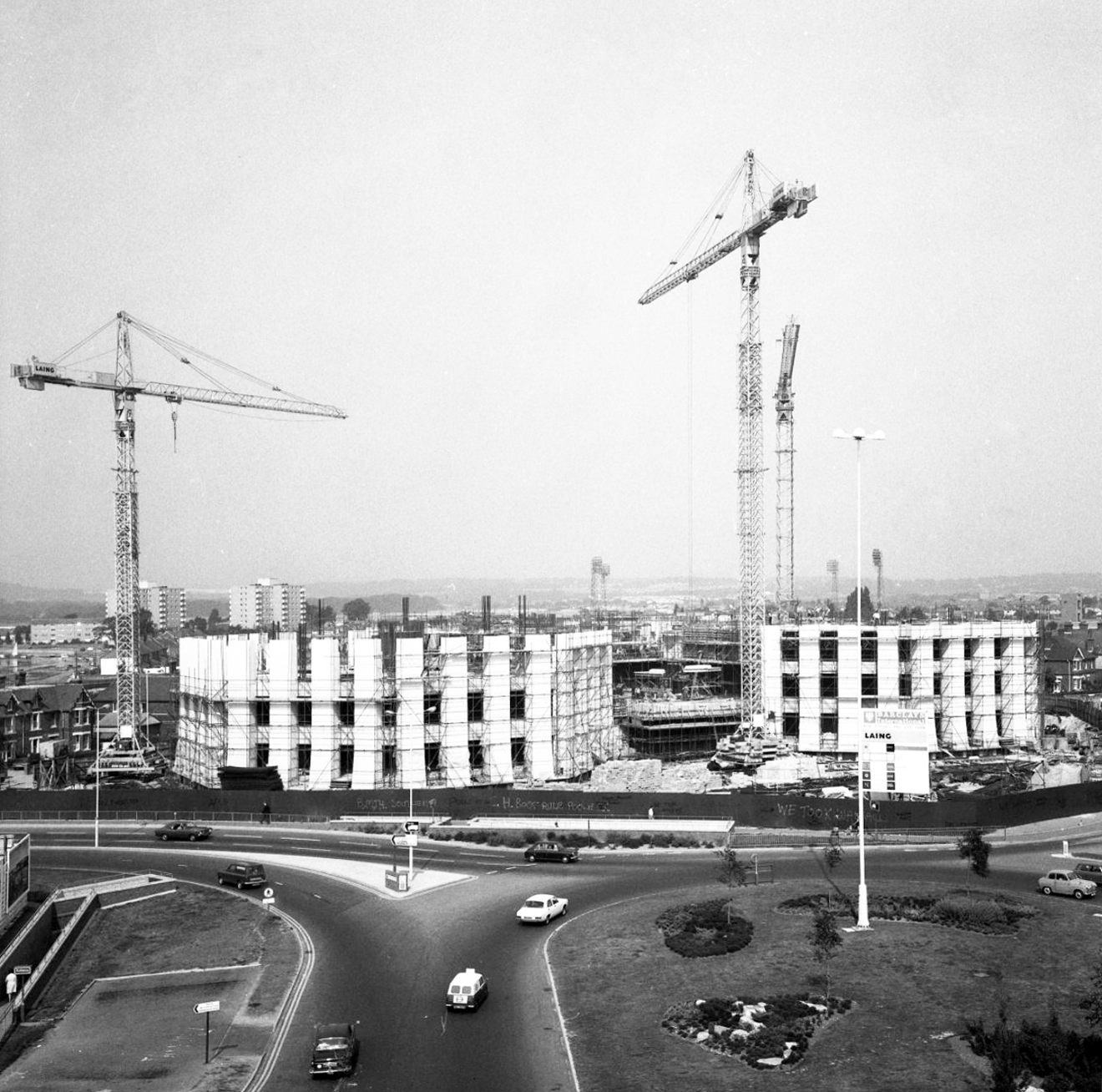
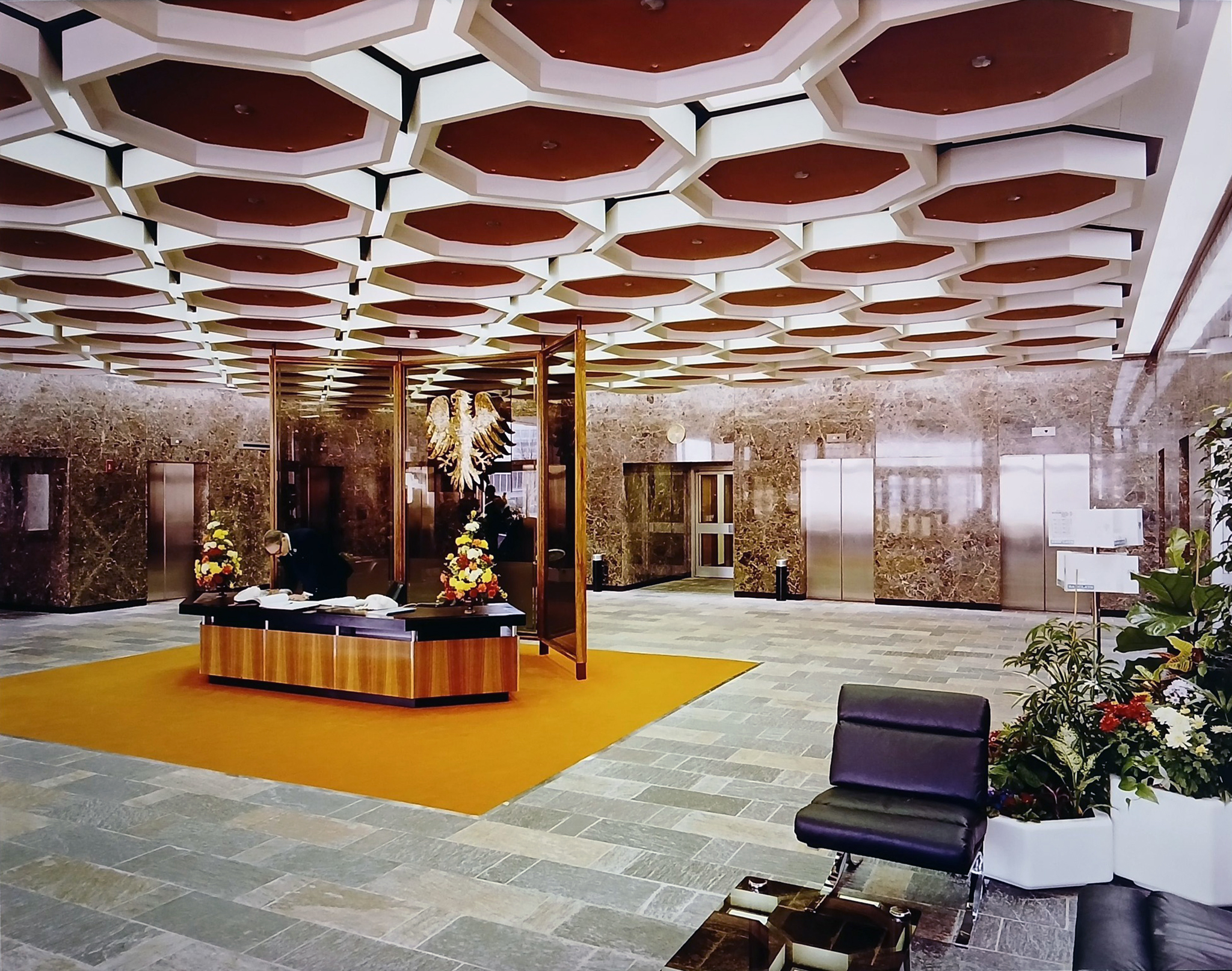
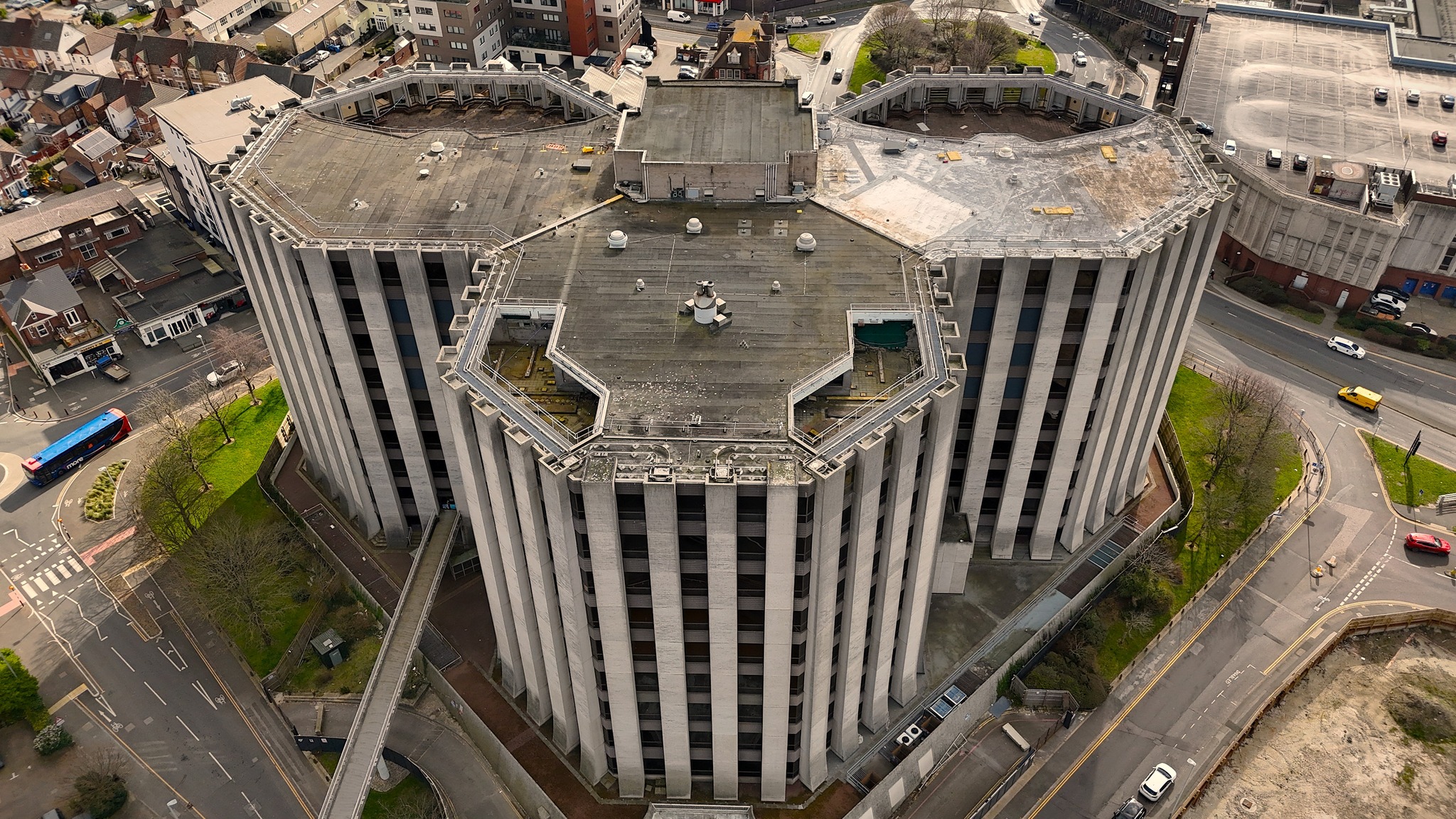
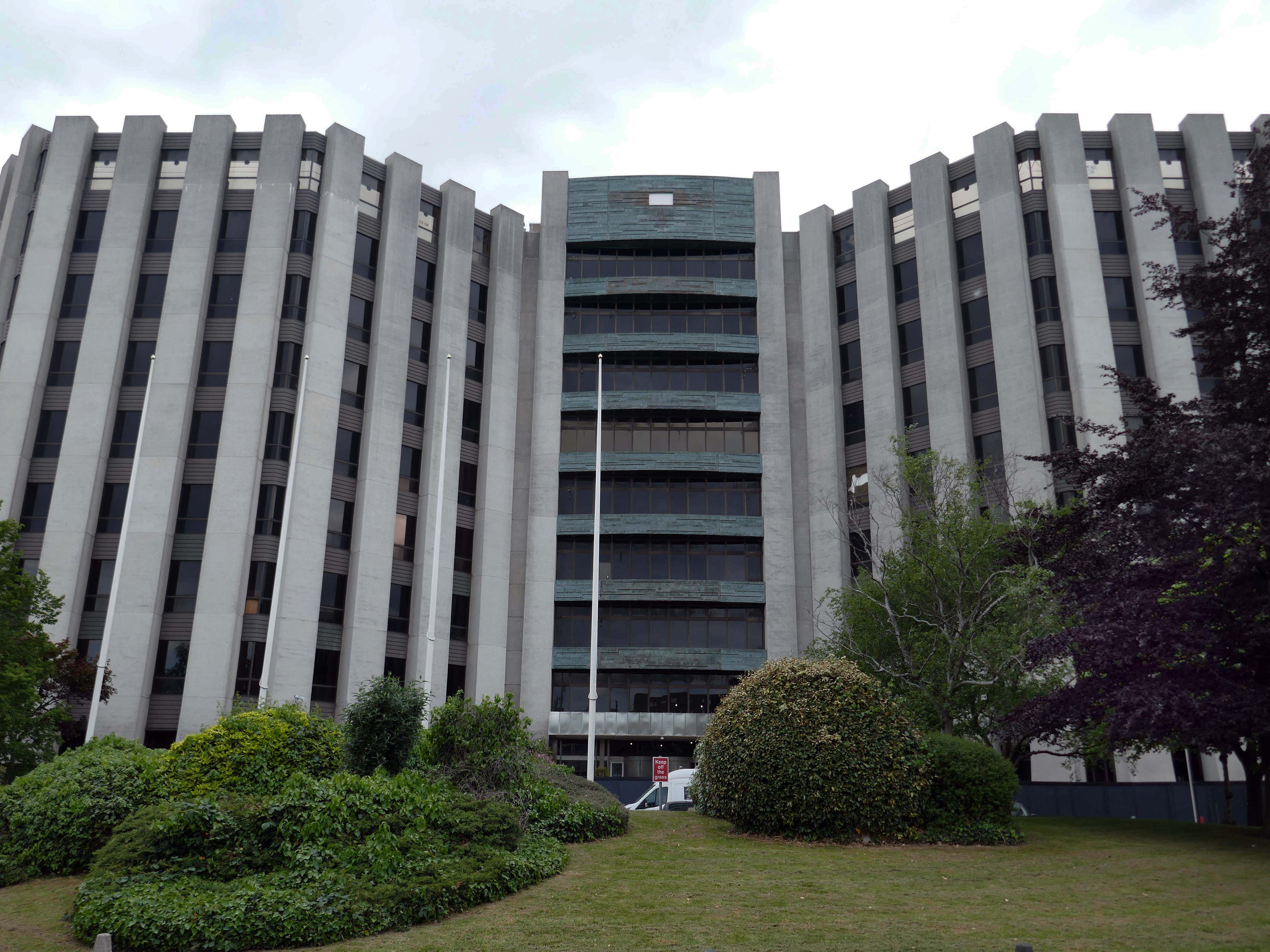
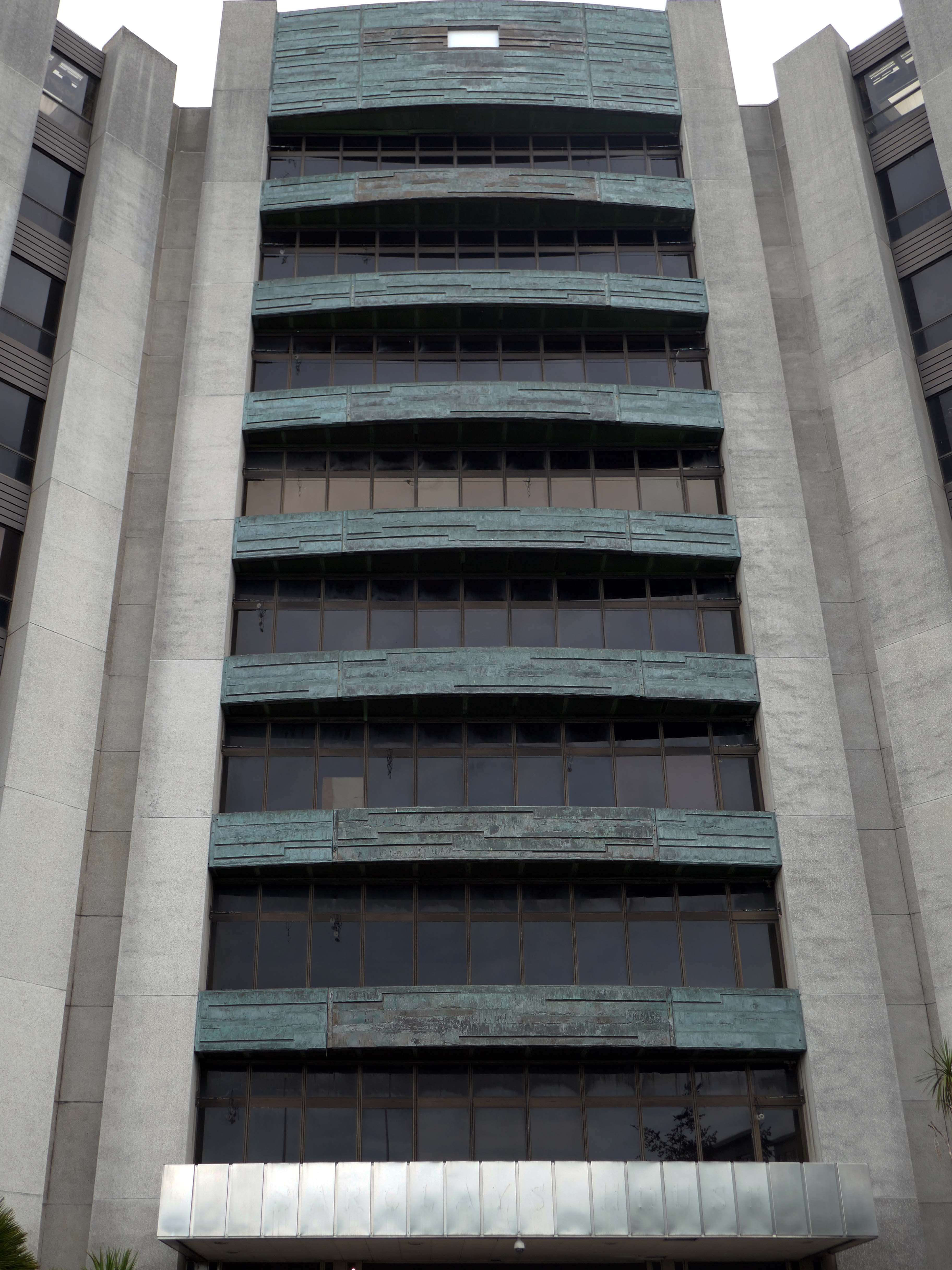
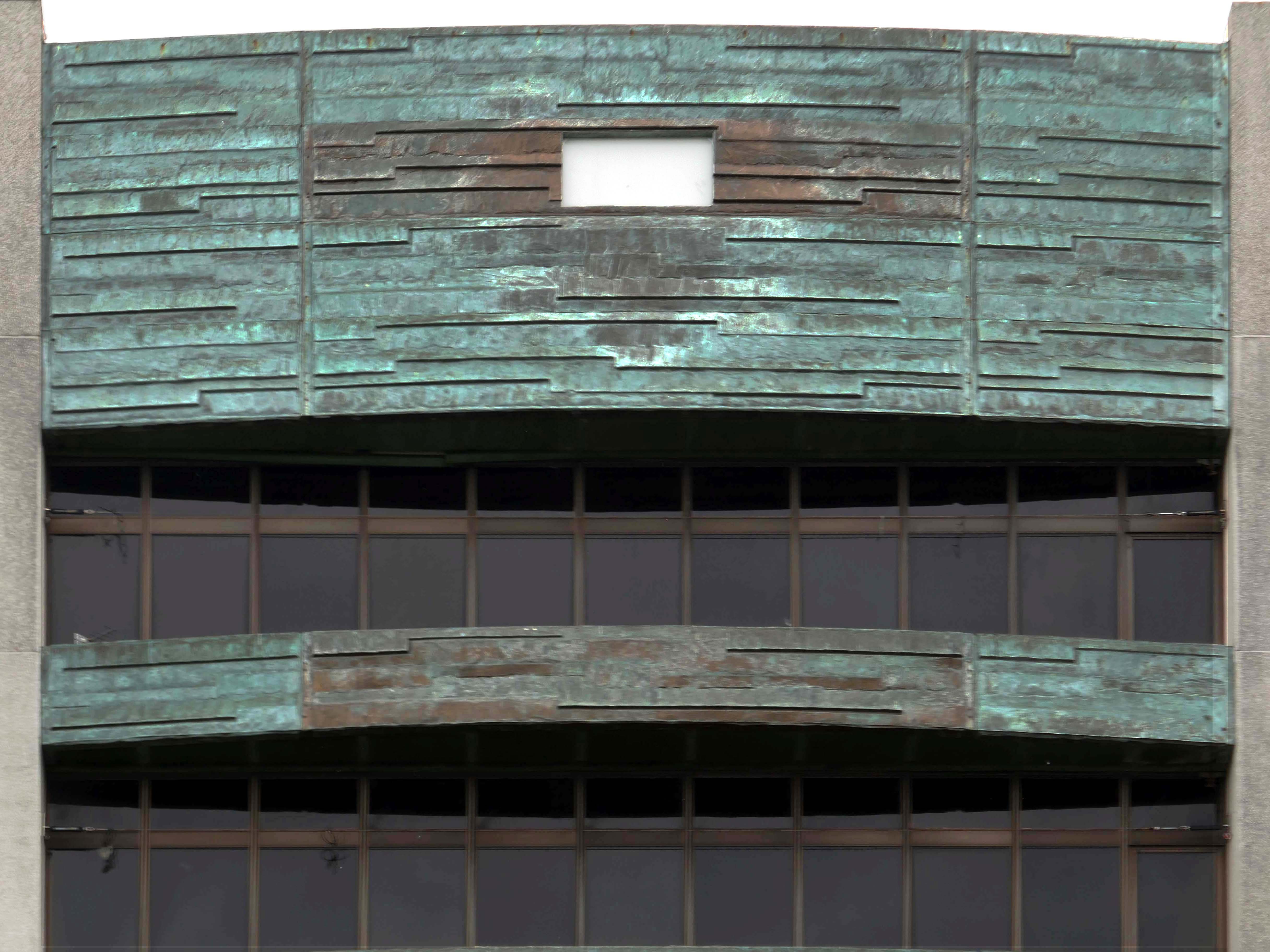
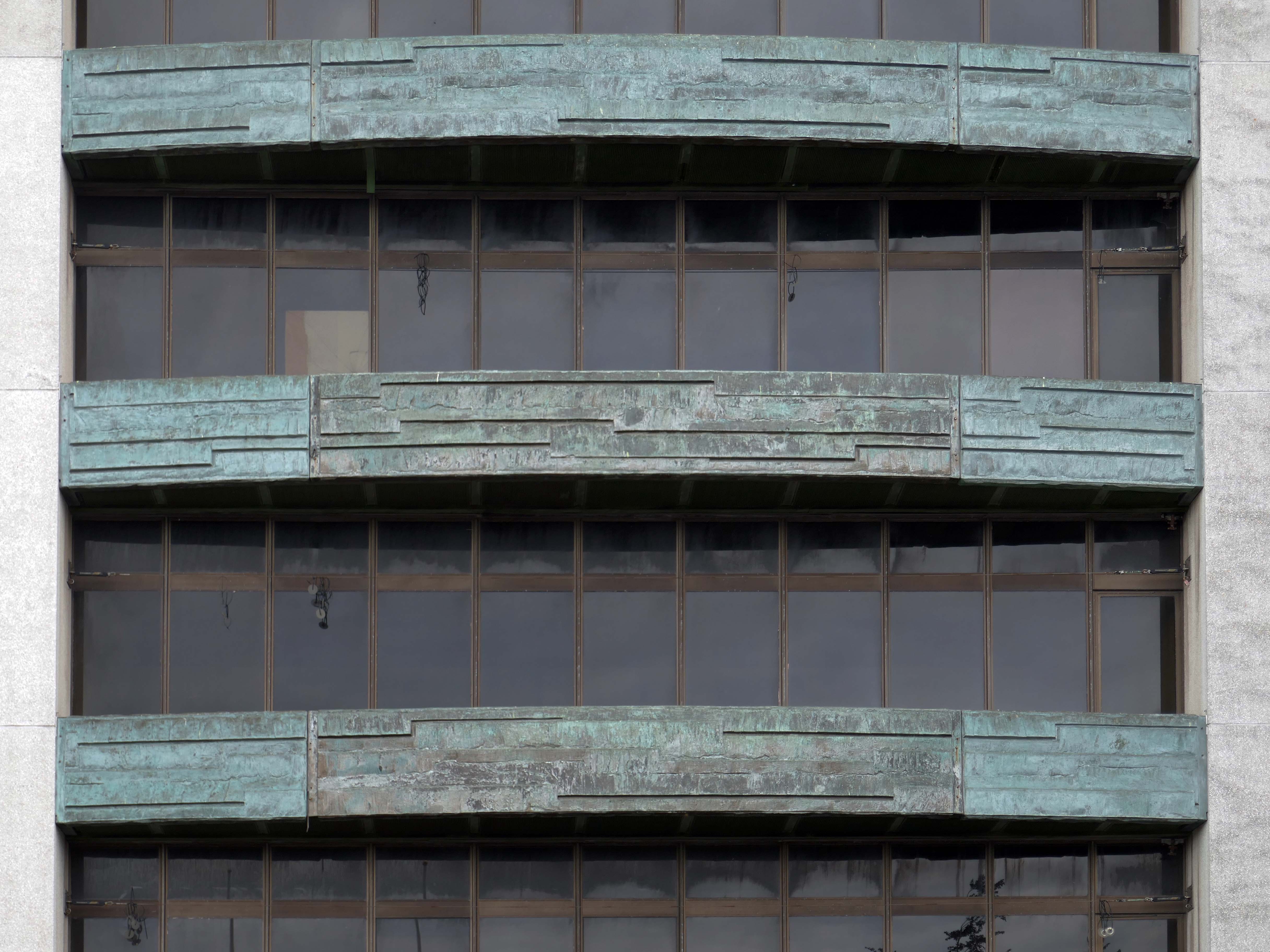
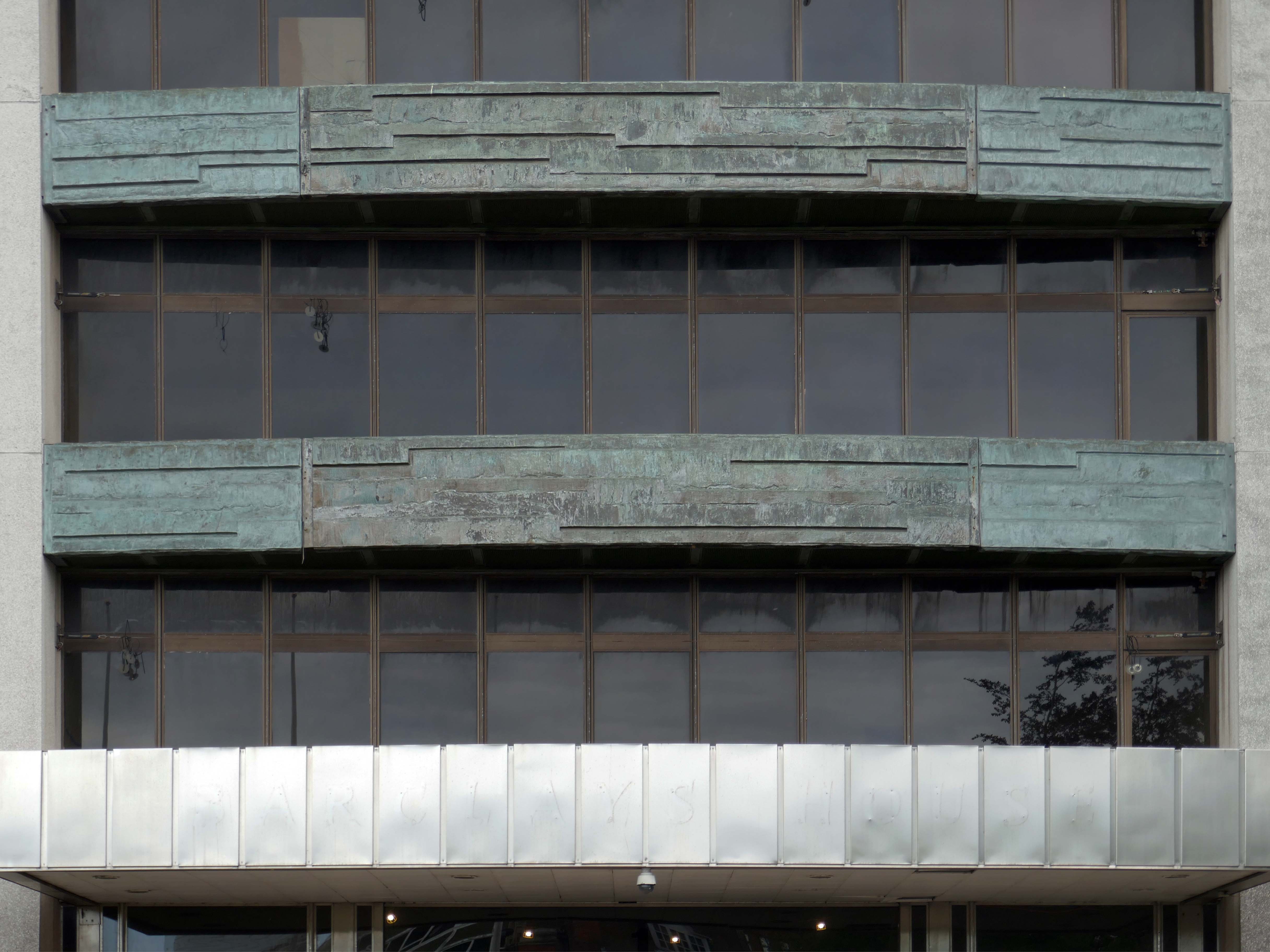
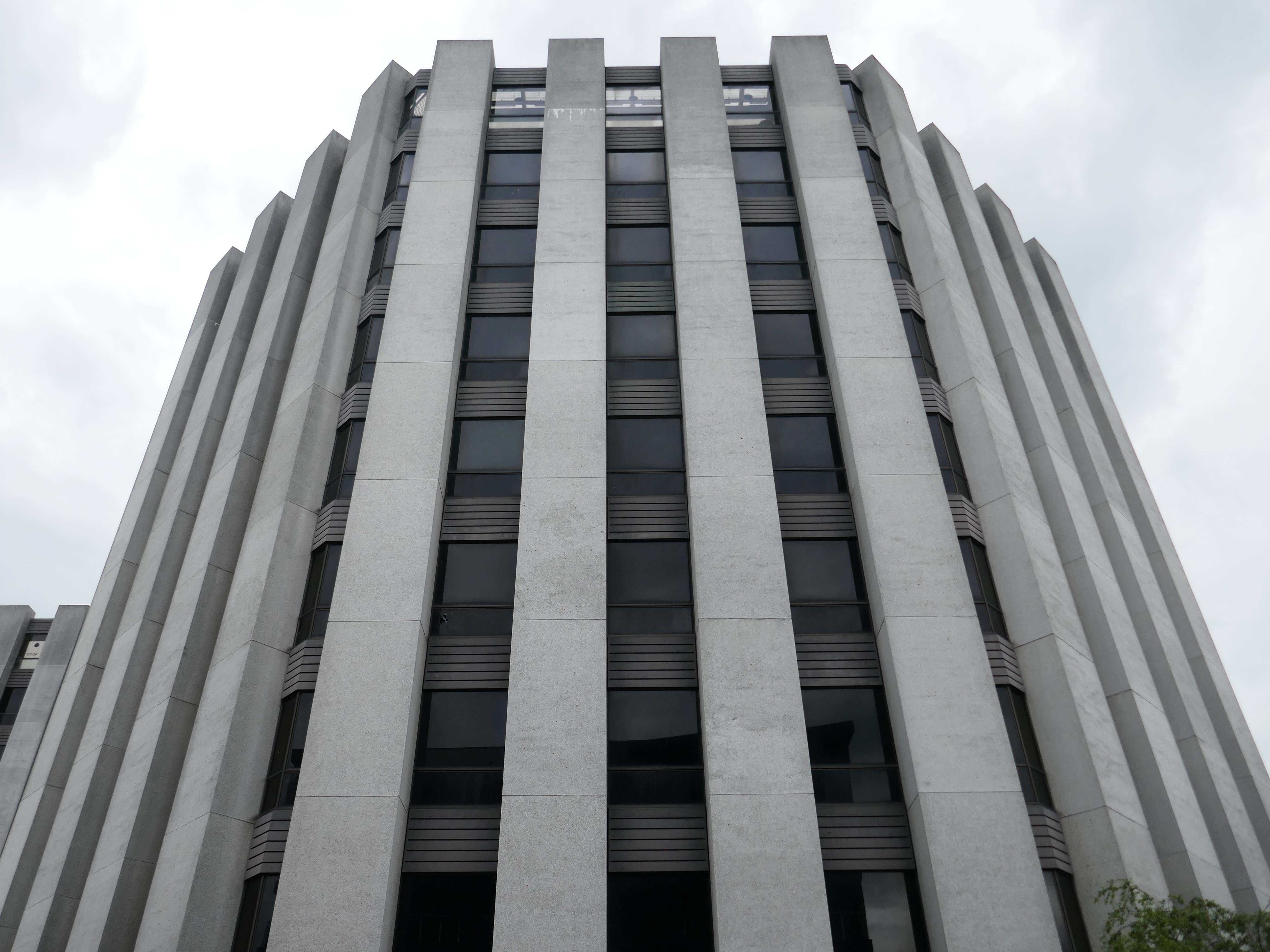
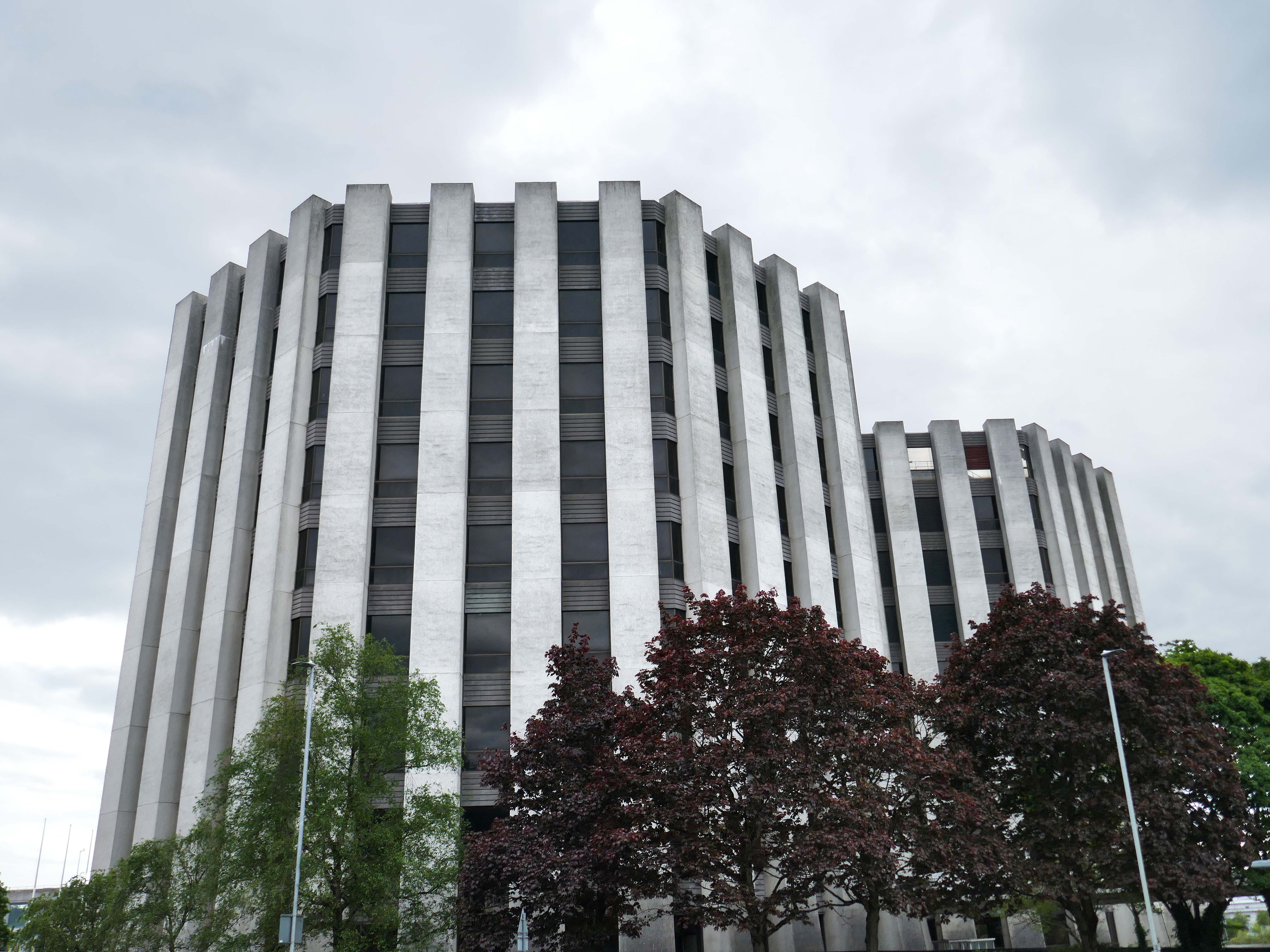
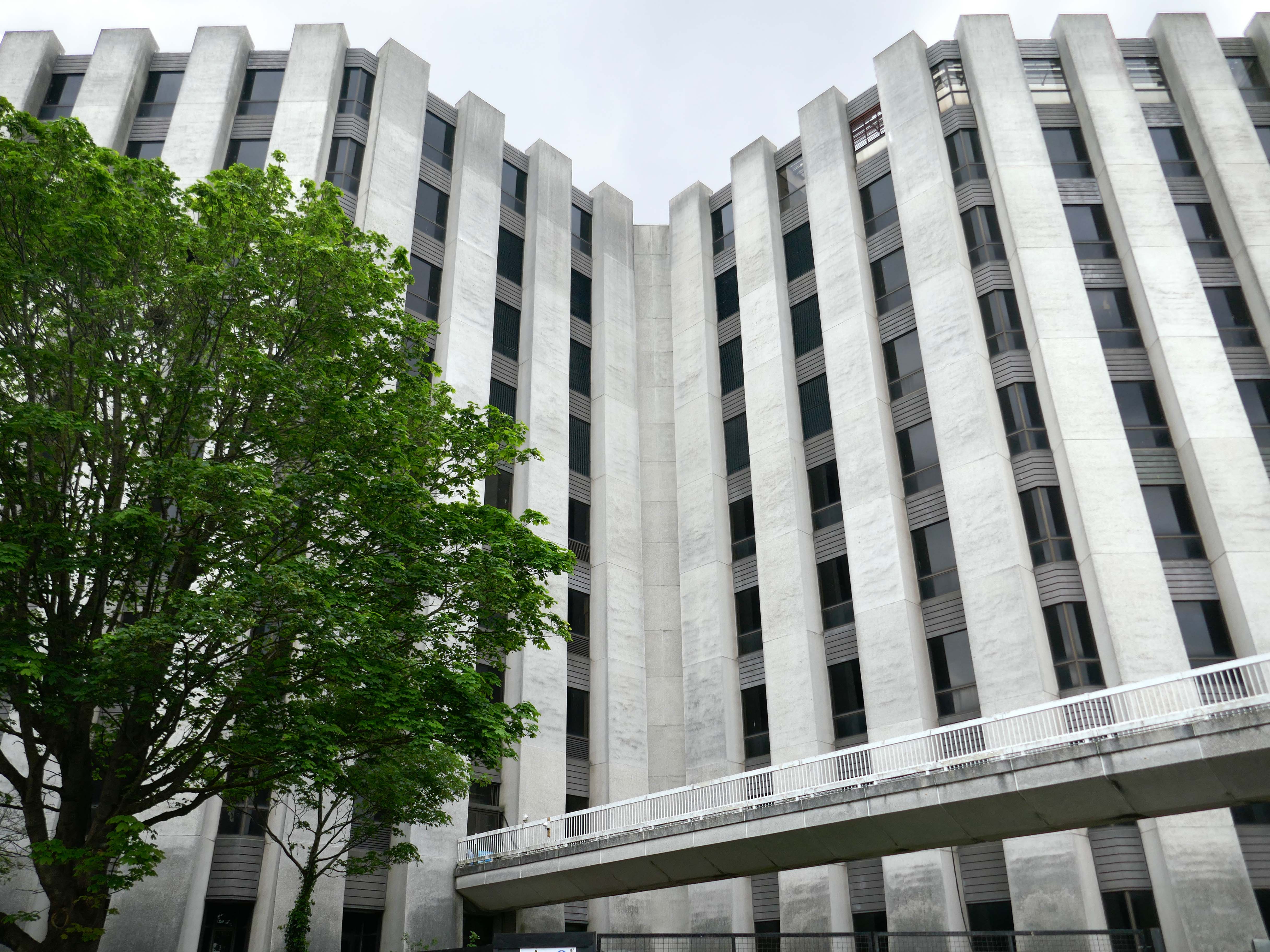
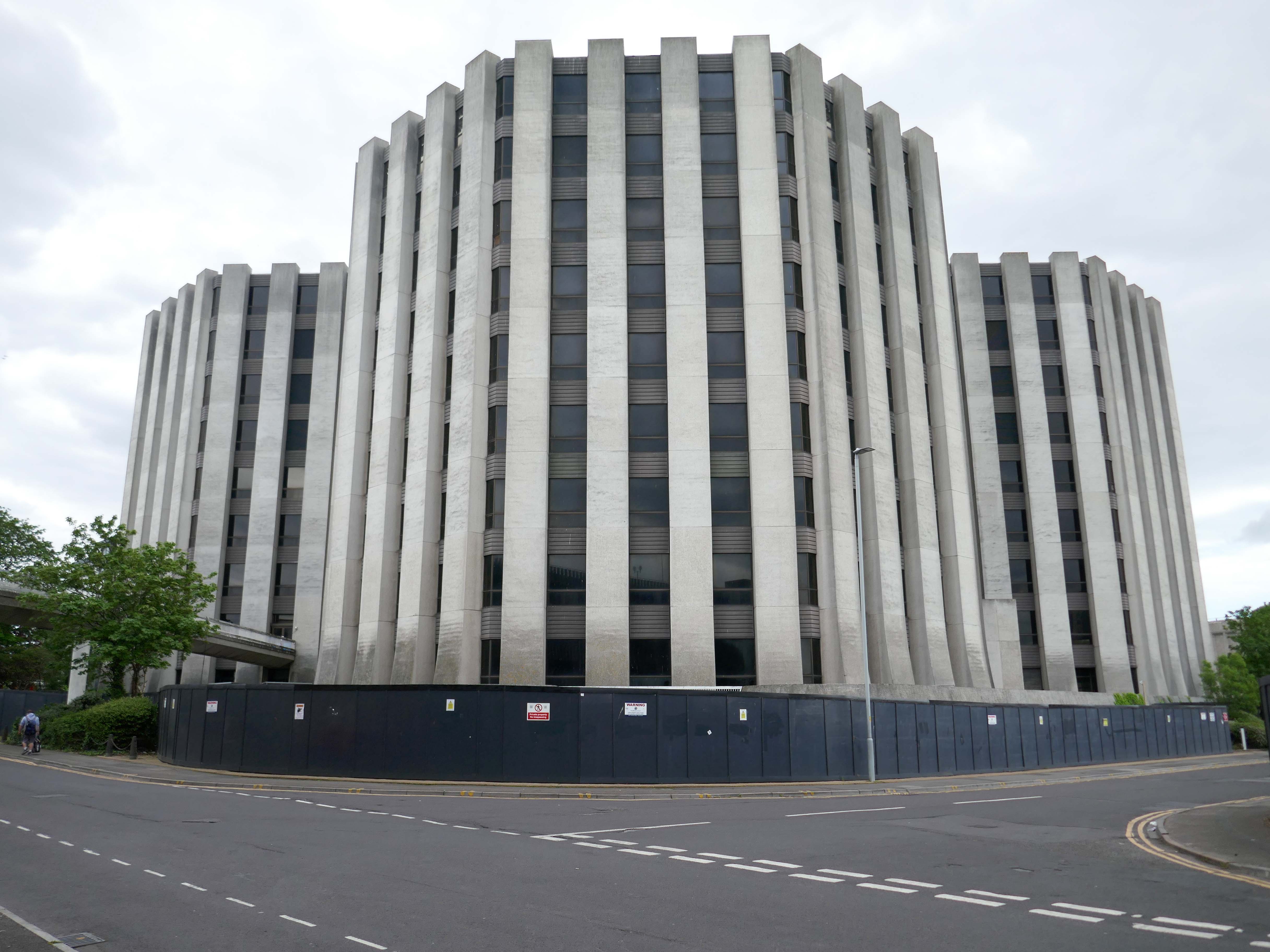
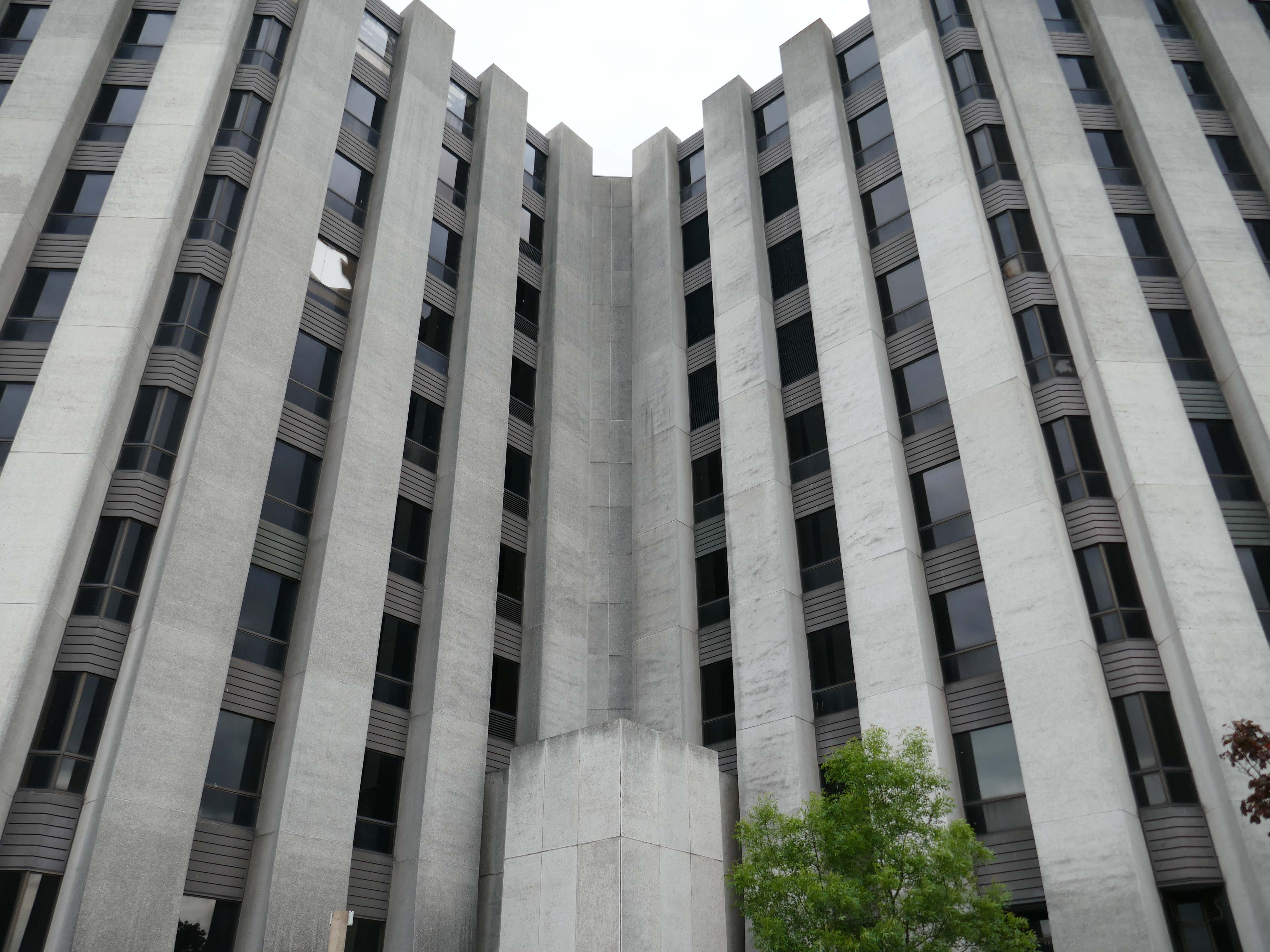
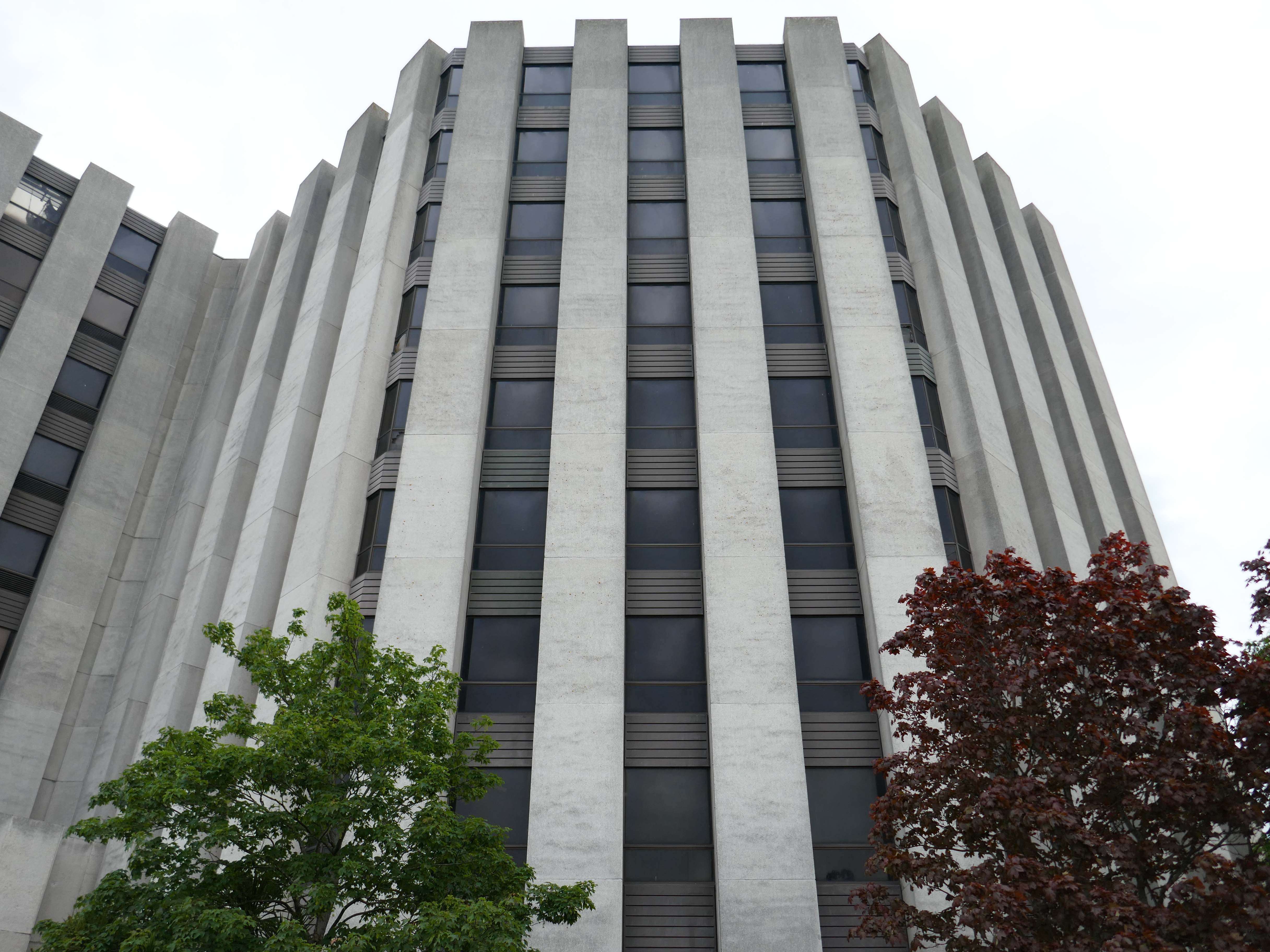
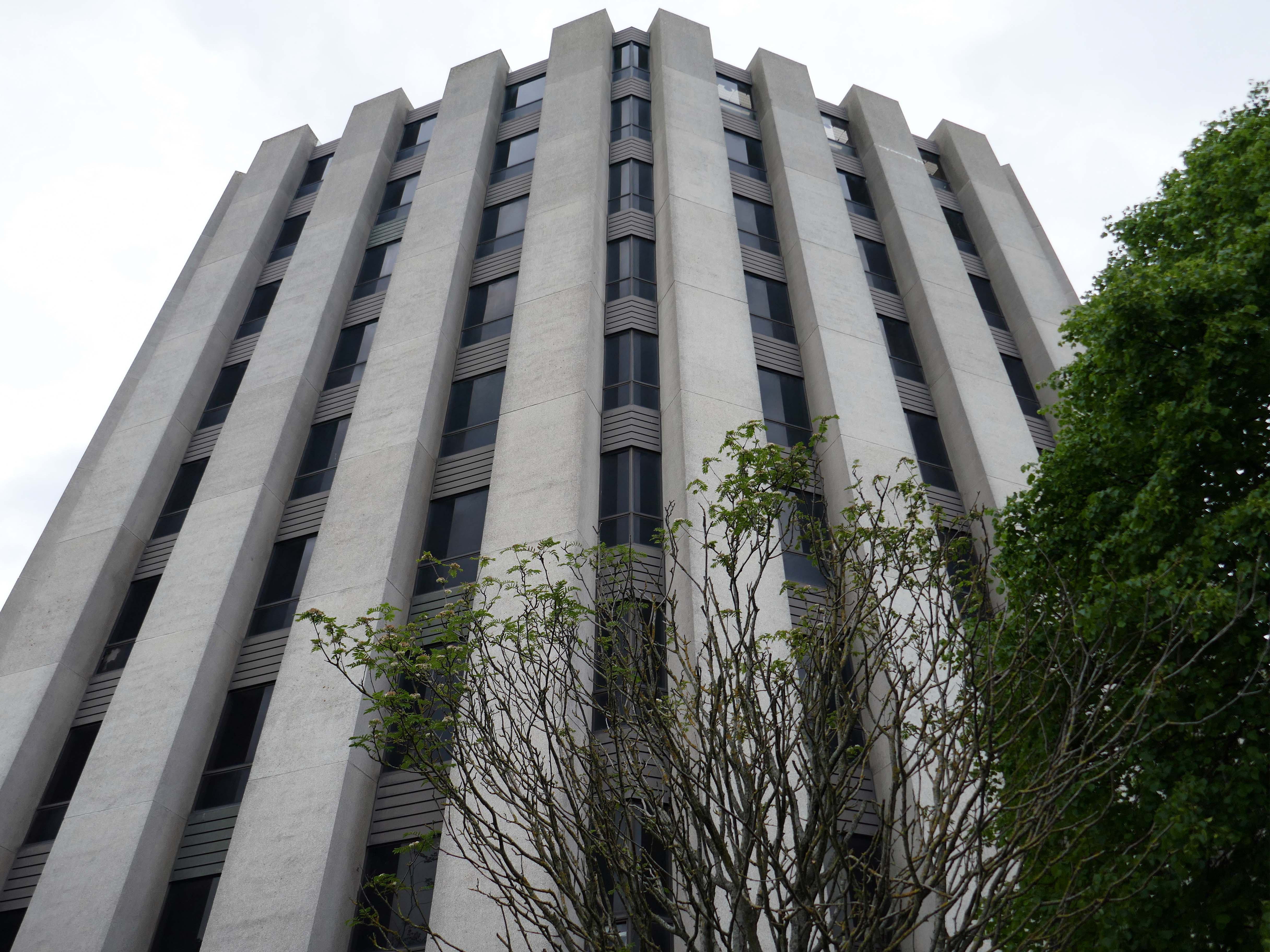
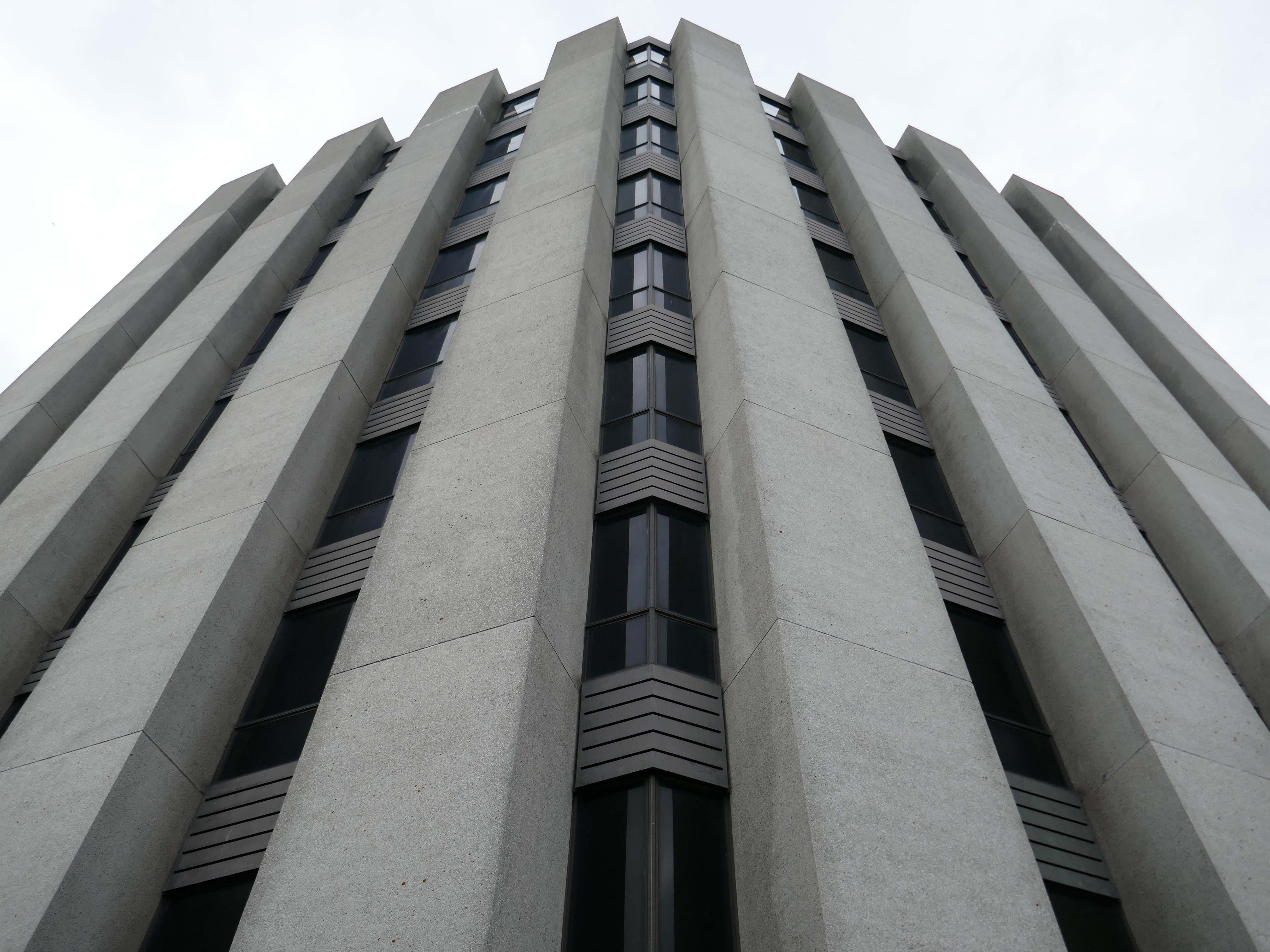
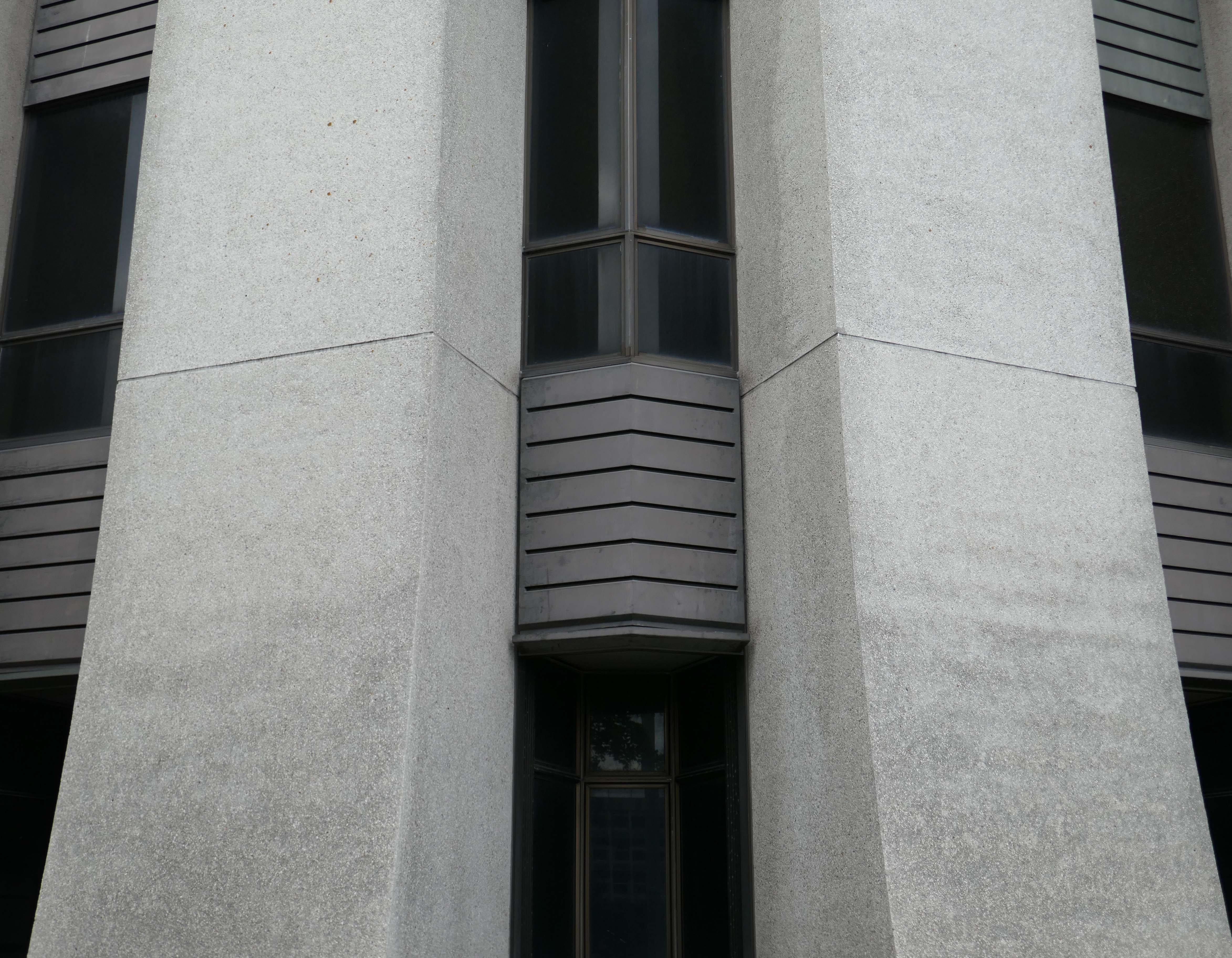
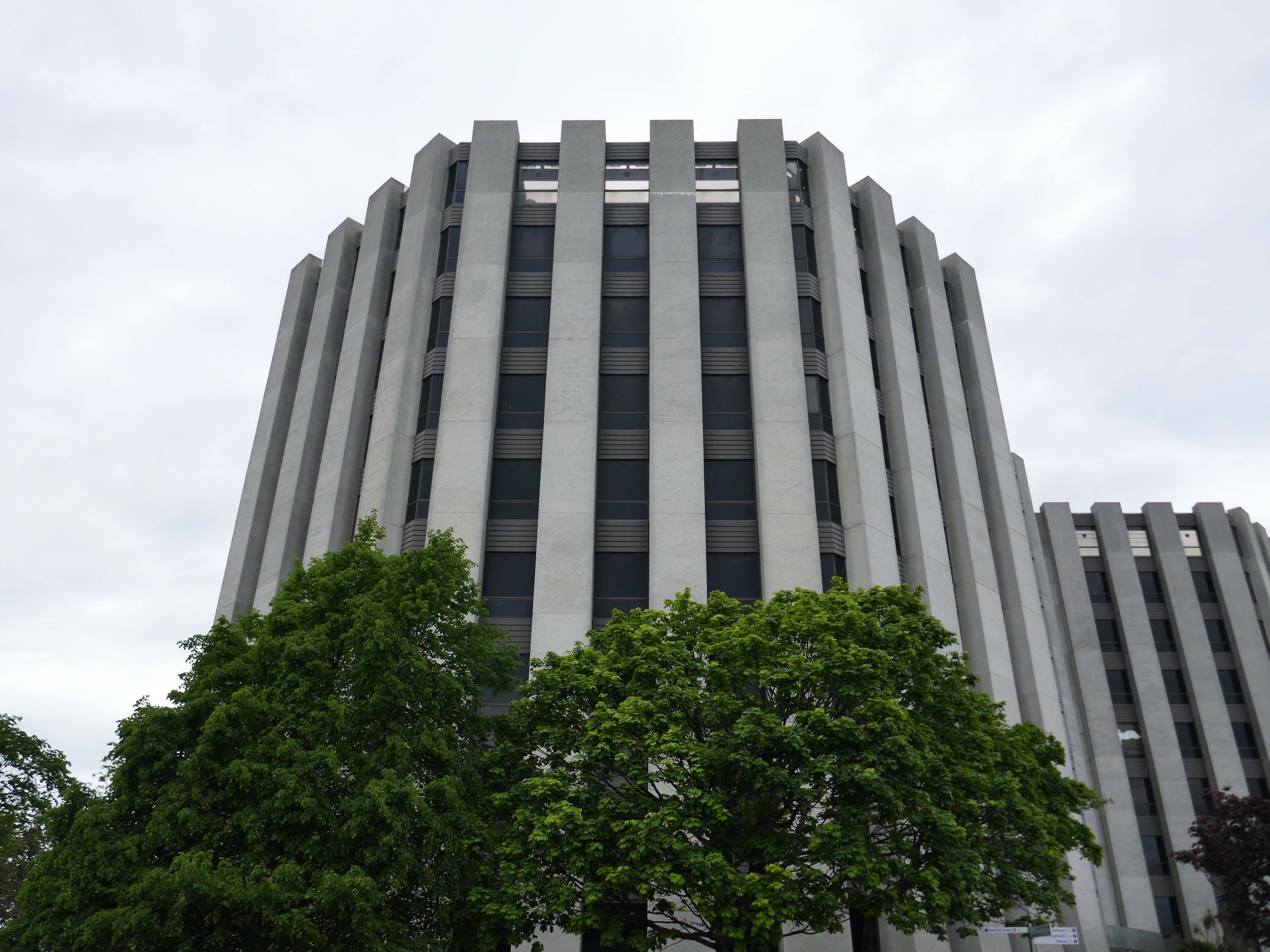
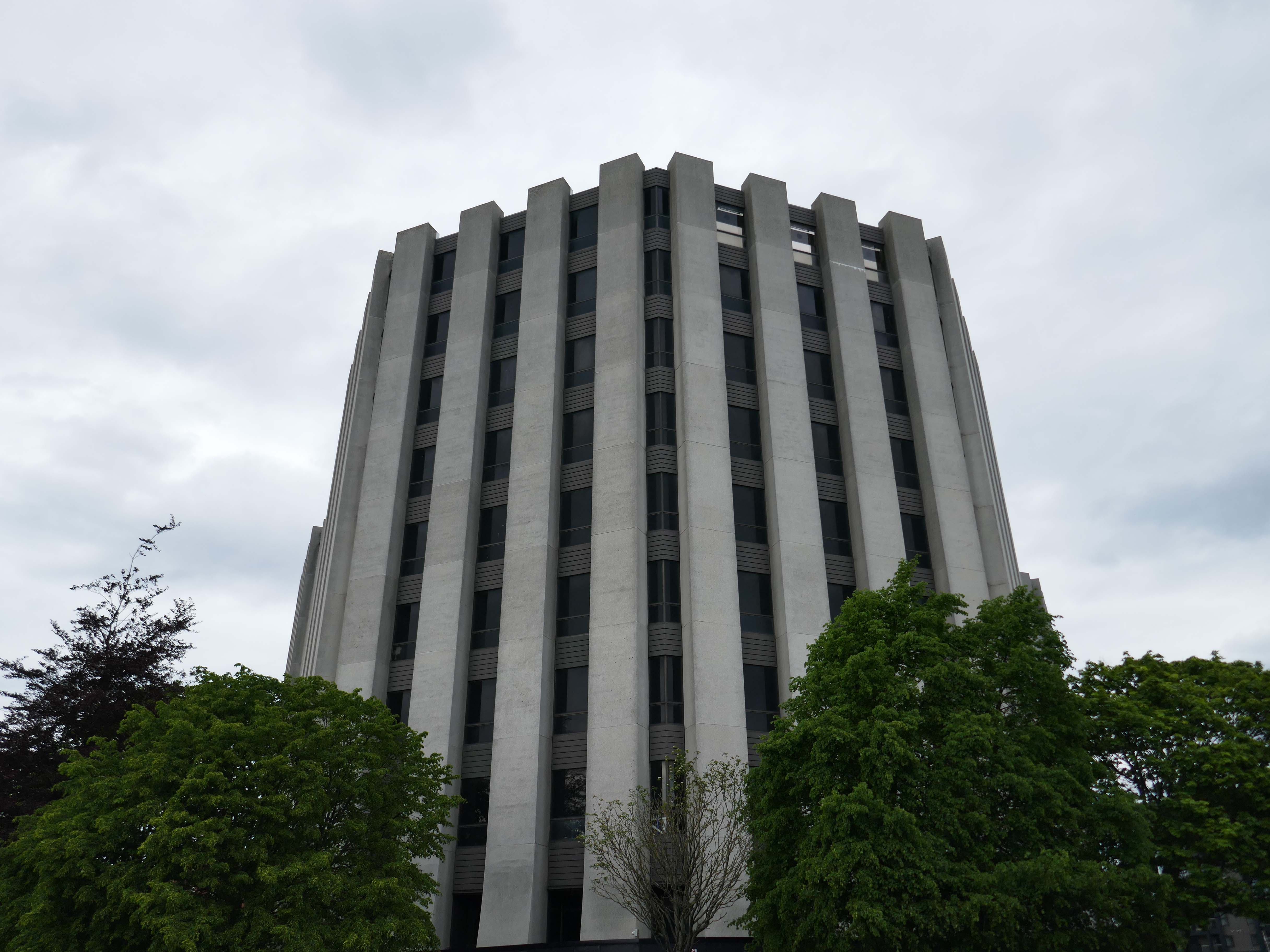
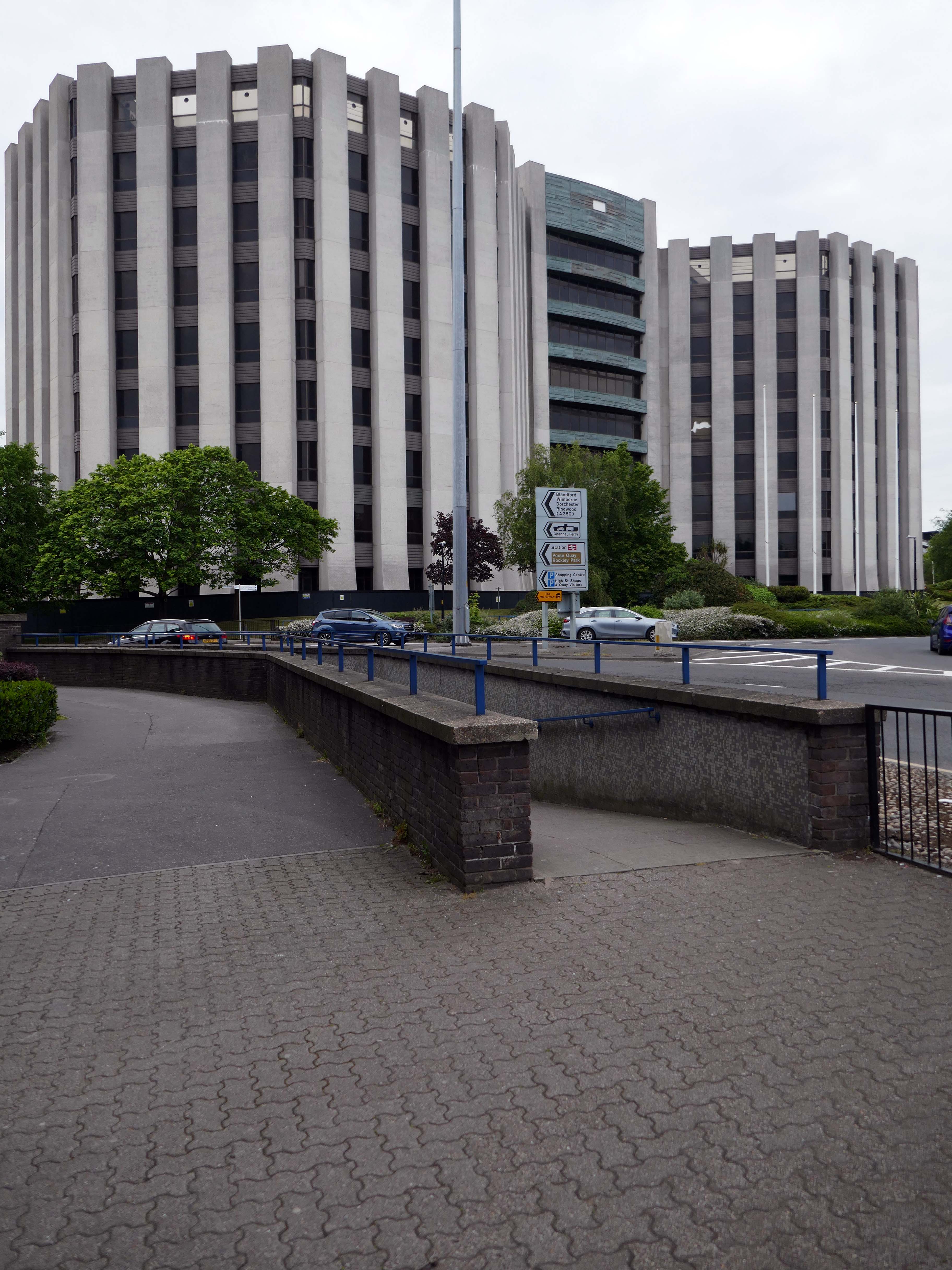
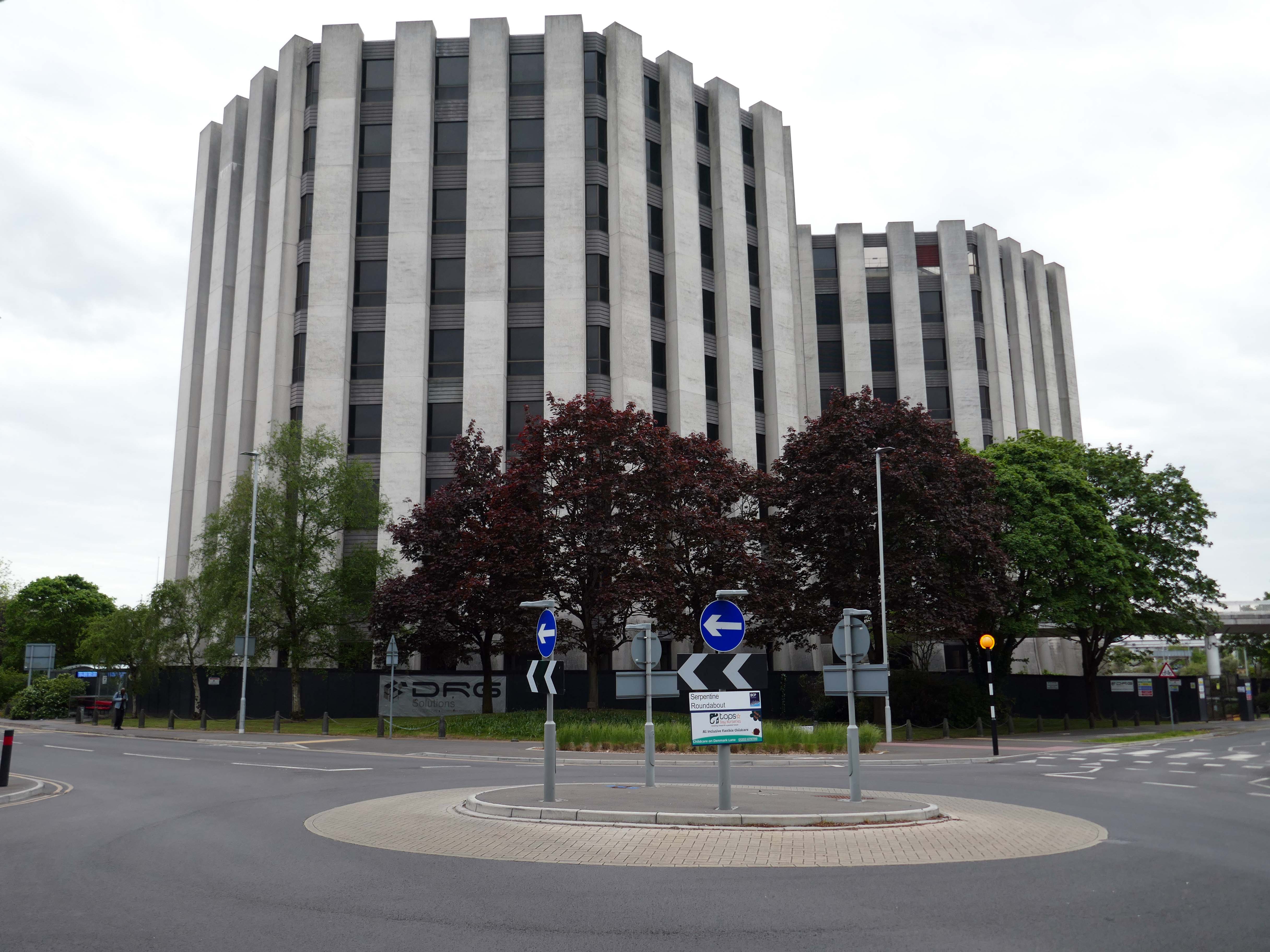
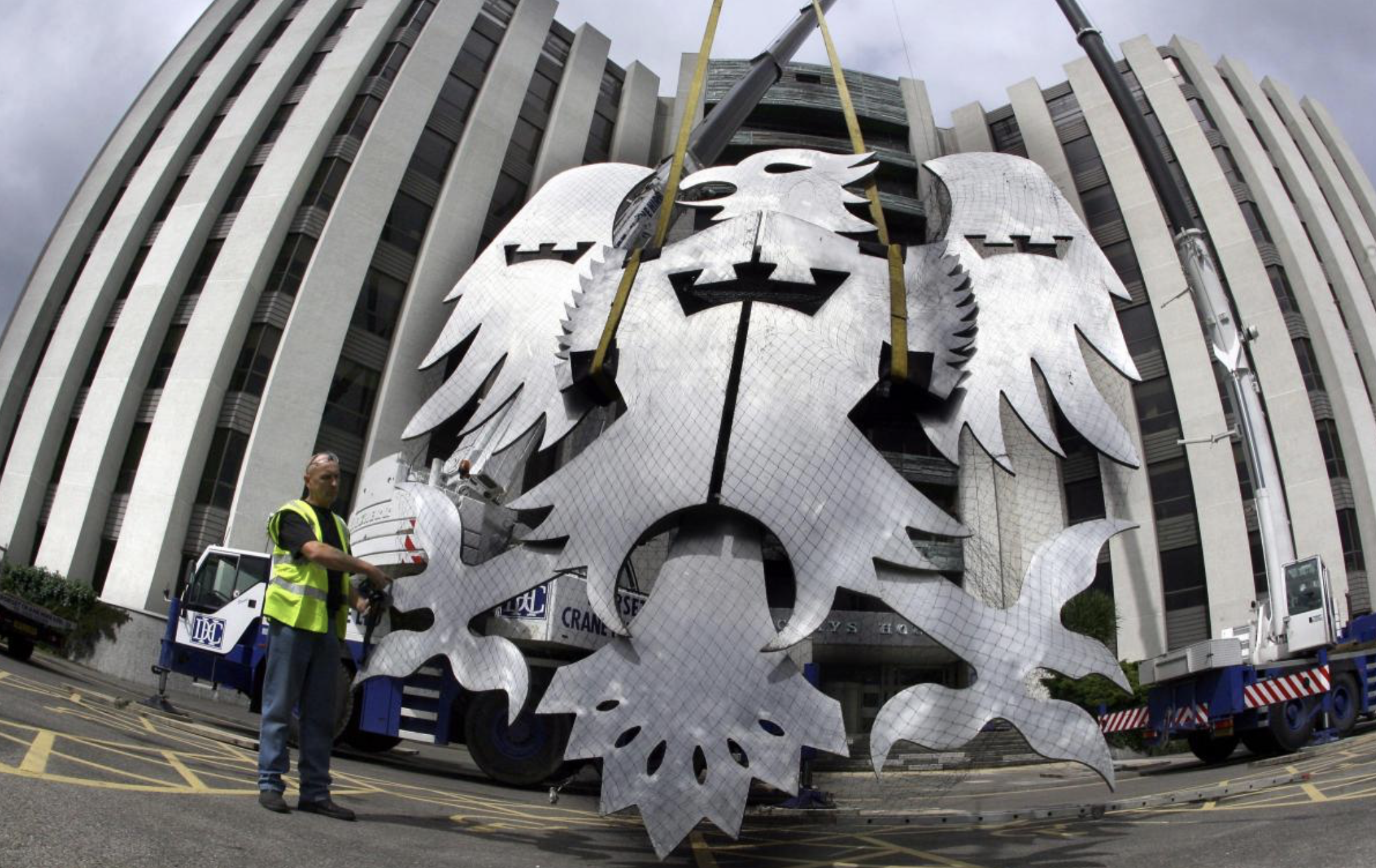
Barclays House was constructed by Barclays bank from 1972 to 1975 as part of a move to decentralise its offices from London.
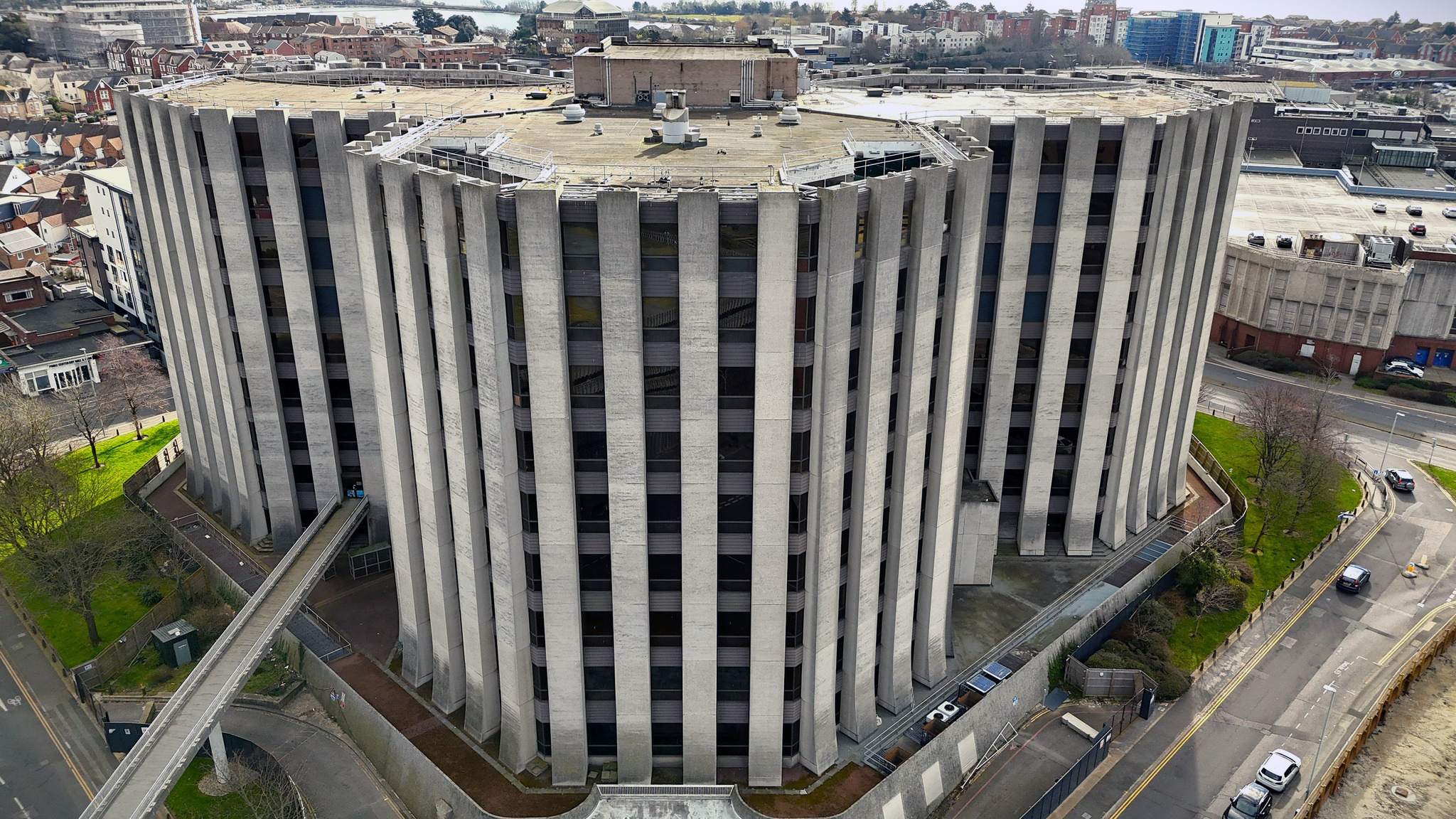
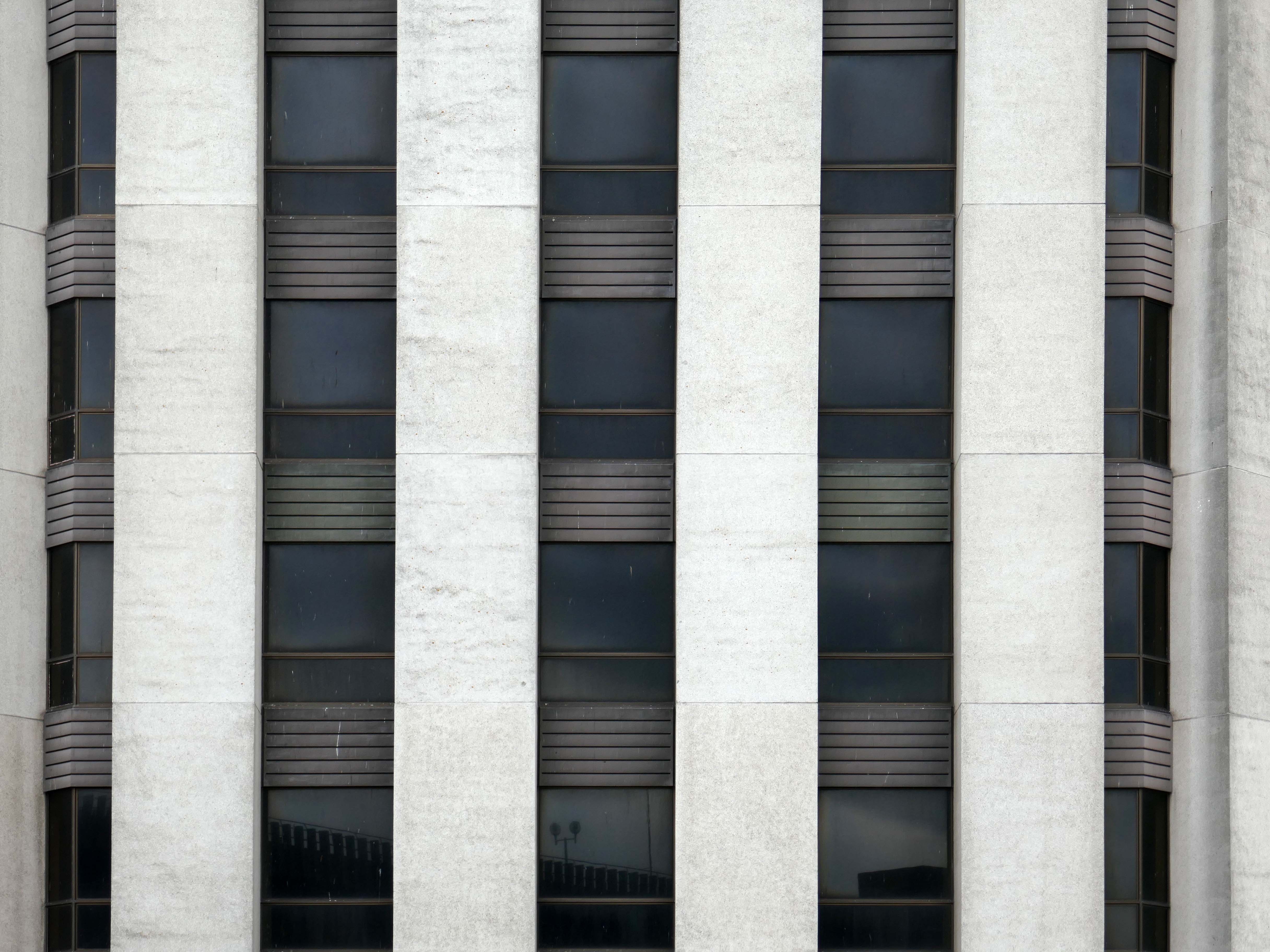
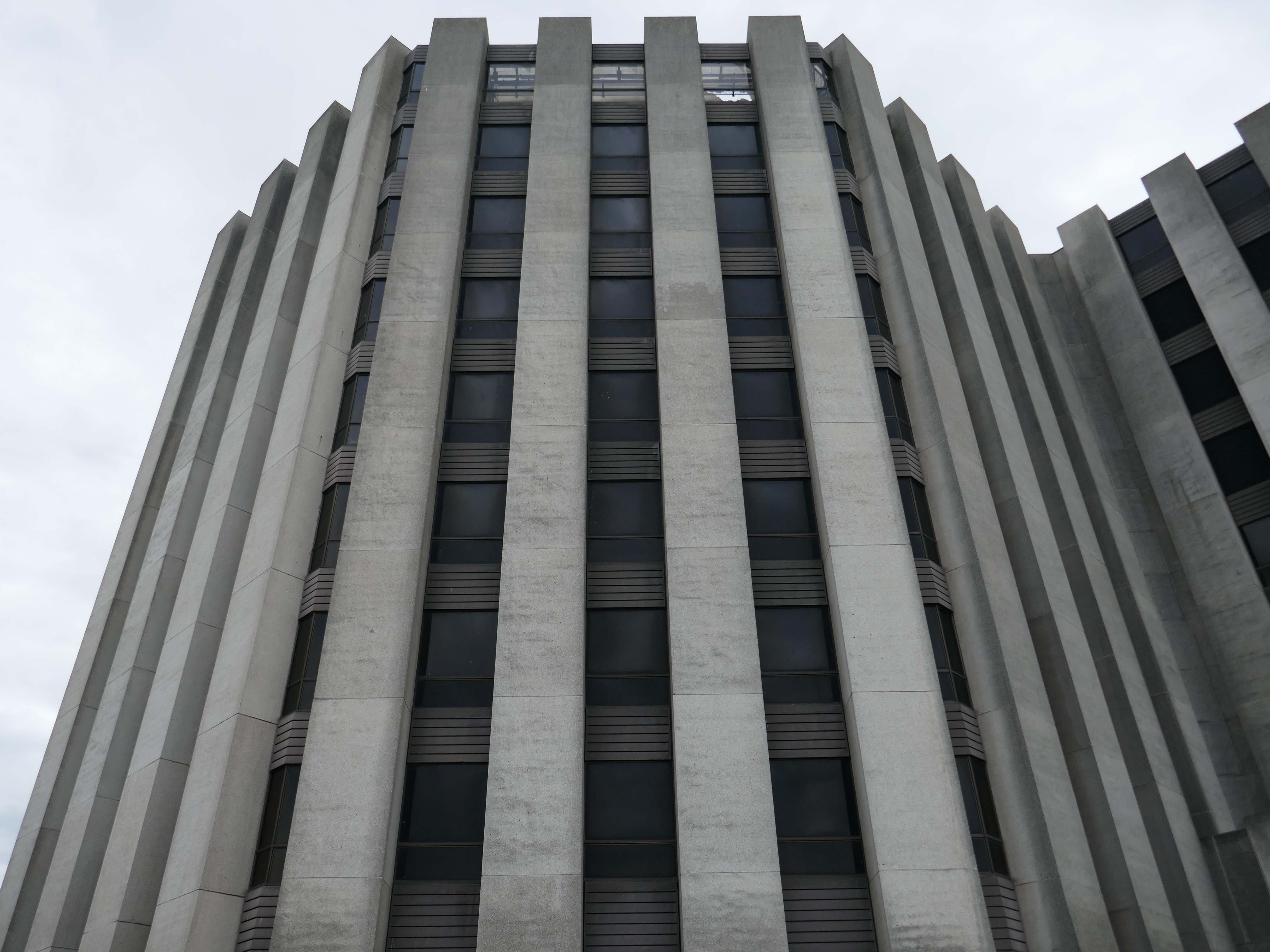
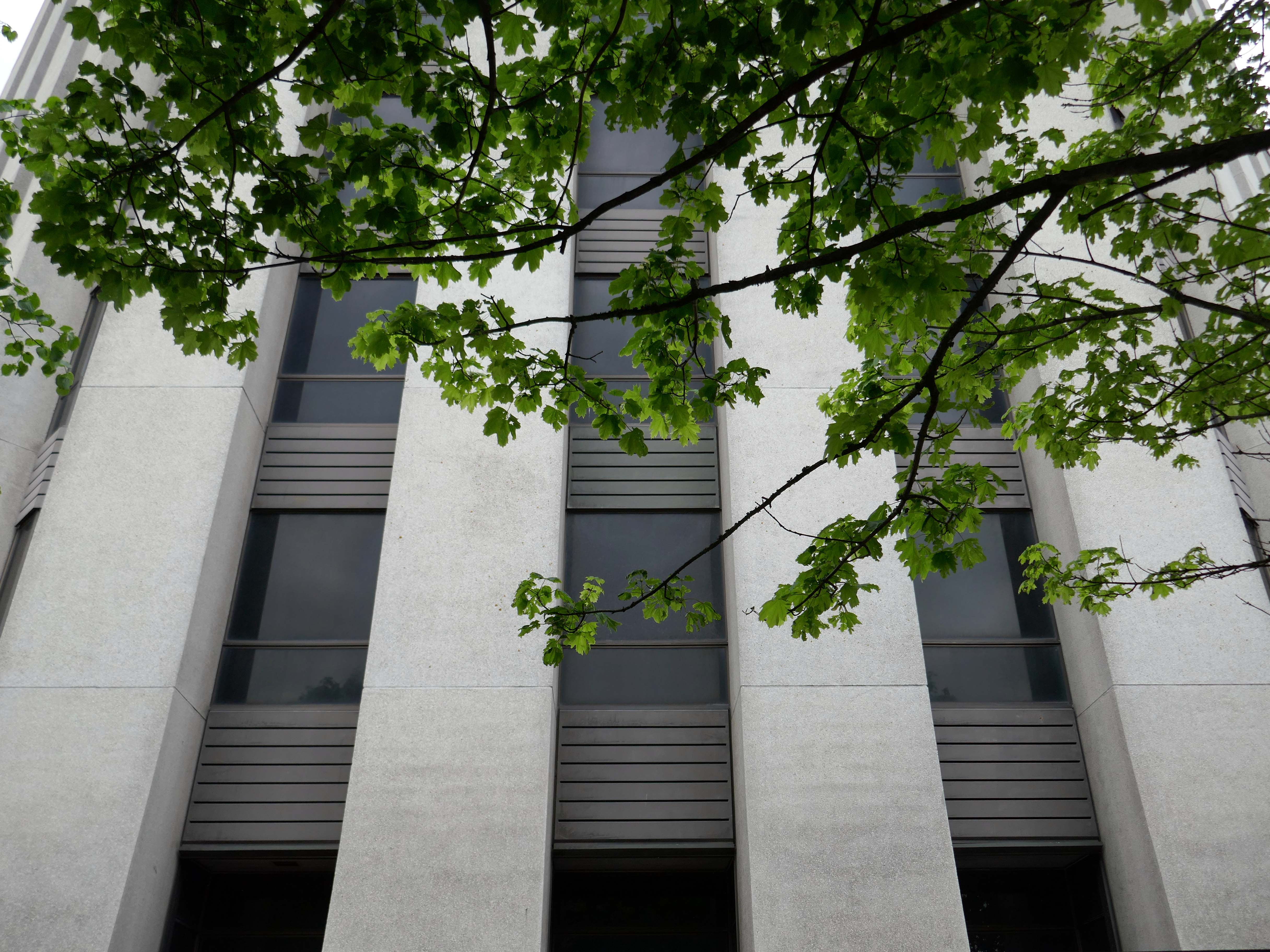
The structure, was designed in the Brutalist style by architects Wilson, Mason and Partners. It consists of three main wings, each octagonal in plan, and dominates the town centre skyline.
Barclays first occupied the office in January 1976. The building’s basement is below sea level and is often flooded or damp, which prevented its use by the bank for storage. The structure has also sunk over time due to its significant mass
Barclays left the site in January 2022 and put the structure up for sale by sealed bid auction. The highest bidder was Bournemouth, Christchurch and Poole Council but they withdrew from the purchase in September 2022.
BCP offered £17 million, almost three times more than the next highest bidder, thought to be Fortitudo at £6.5 million, who wanted to demolish the structure and build three apartment towers.
In February 2023, boarding was put up around the building and the Bournemouth Daily Echo reported that a new buyer had been found. In November 2023, proposals for redevelopment to residential use were announced, 362 flats are proposed for the building.
Town hall planner Gareth Ball has given the go-ahead for VCRE Four Poole Limited to convert the historic building into a 362-bedroom apartment block.
No parking spaces will be available for the future residents, as noted by BCP case officer Mr Ball as being in accordance with the council’s rules. Instead, the development will come with 488 cycle spaces – or one space for every resident. The scheme will feature a gym, communal workspace, squash courts, a games room with table tennis, pool, video games, surfboard storage and a rooftop garden.
Barclays House was bought last year for £5.3 million, according to documents.
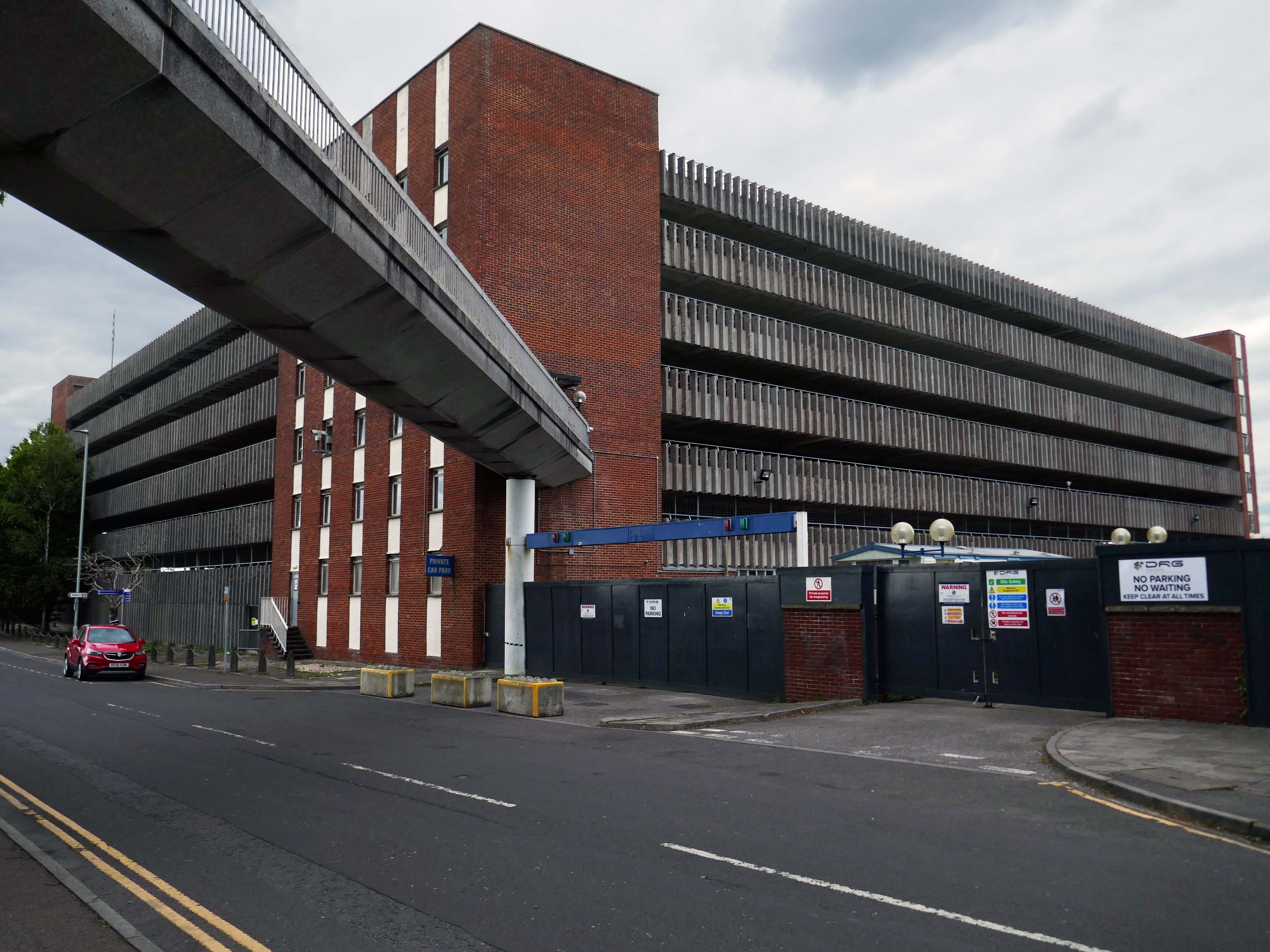
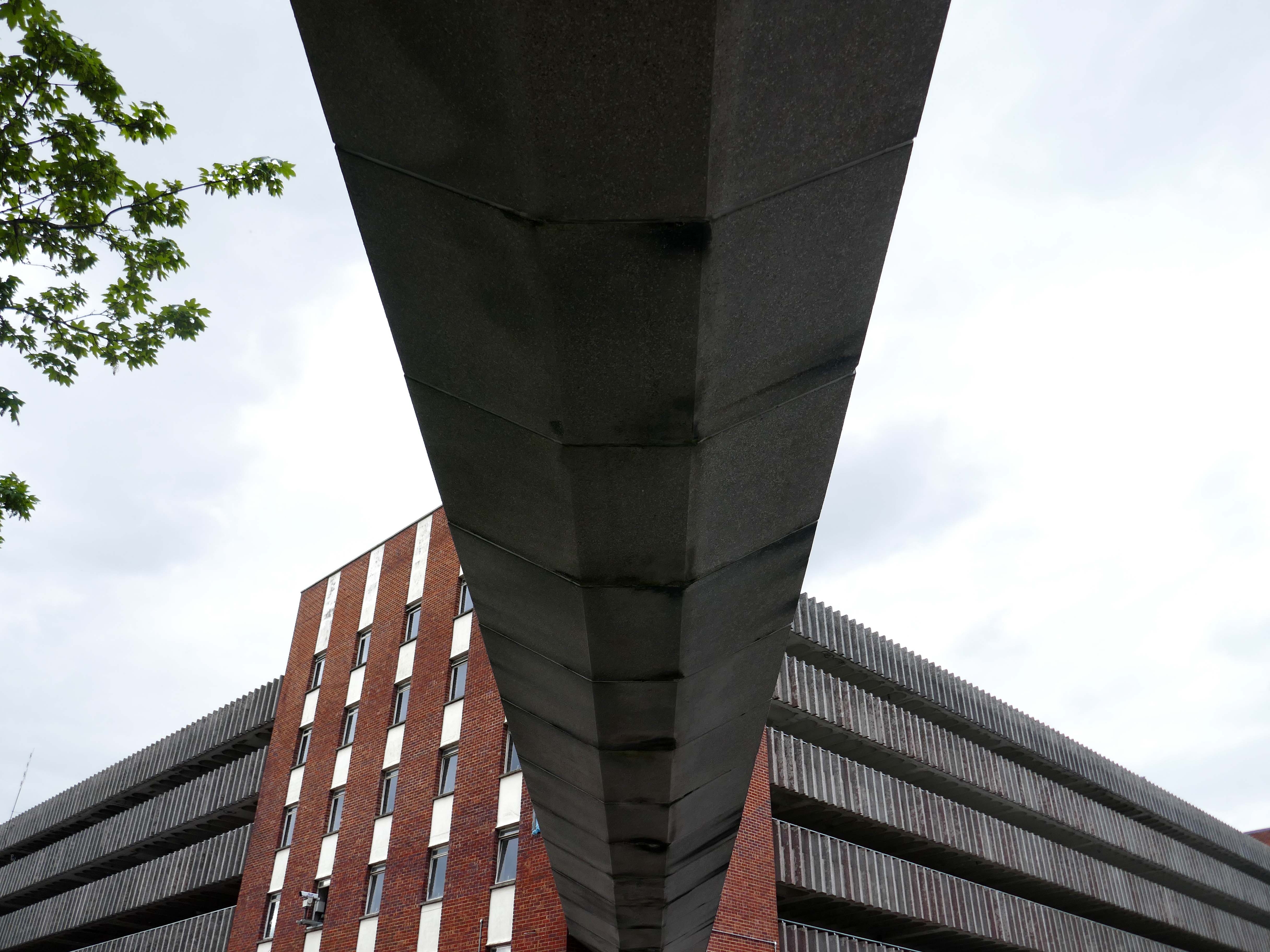
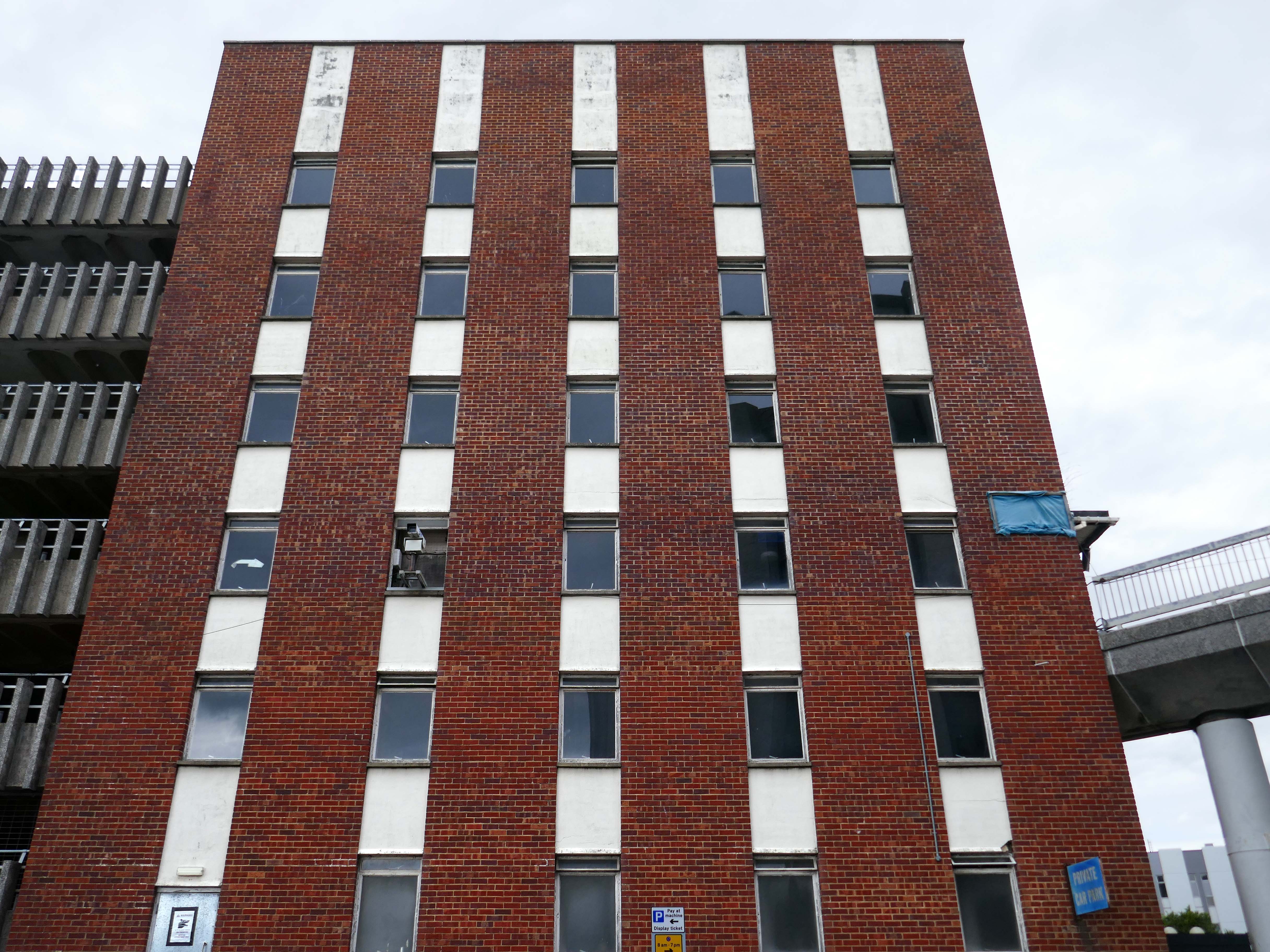
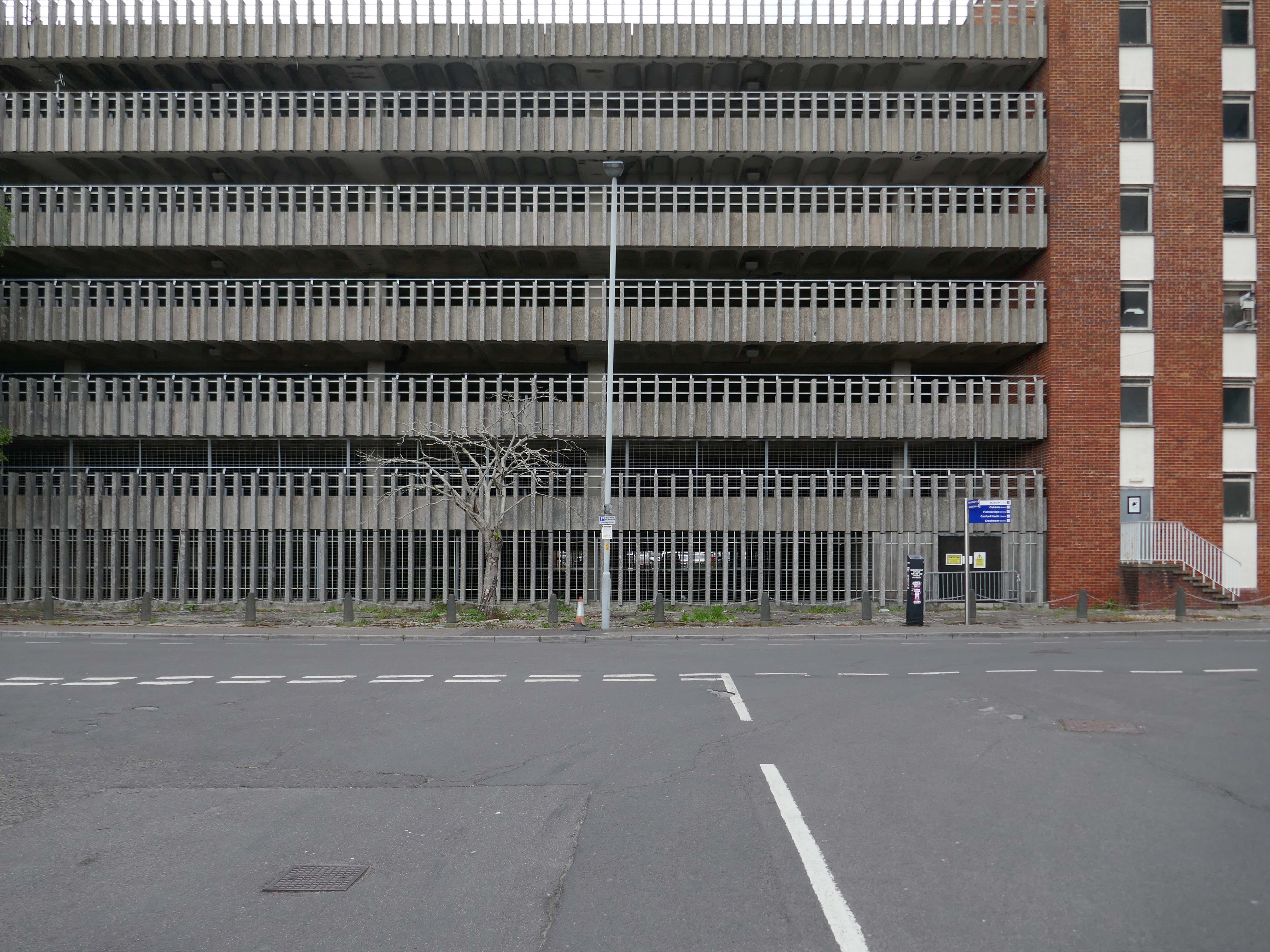
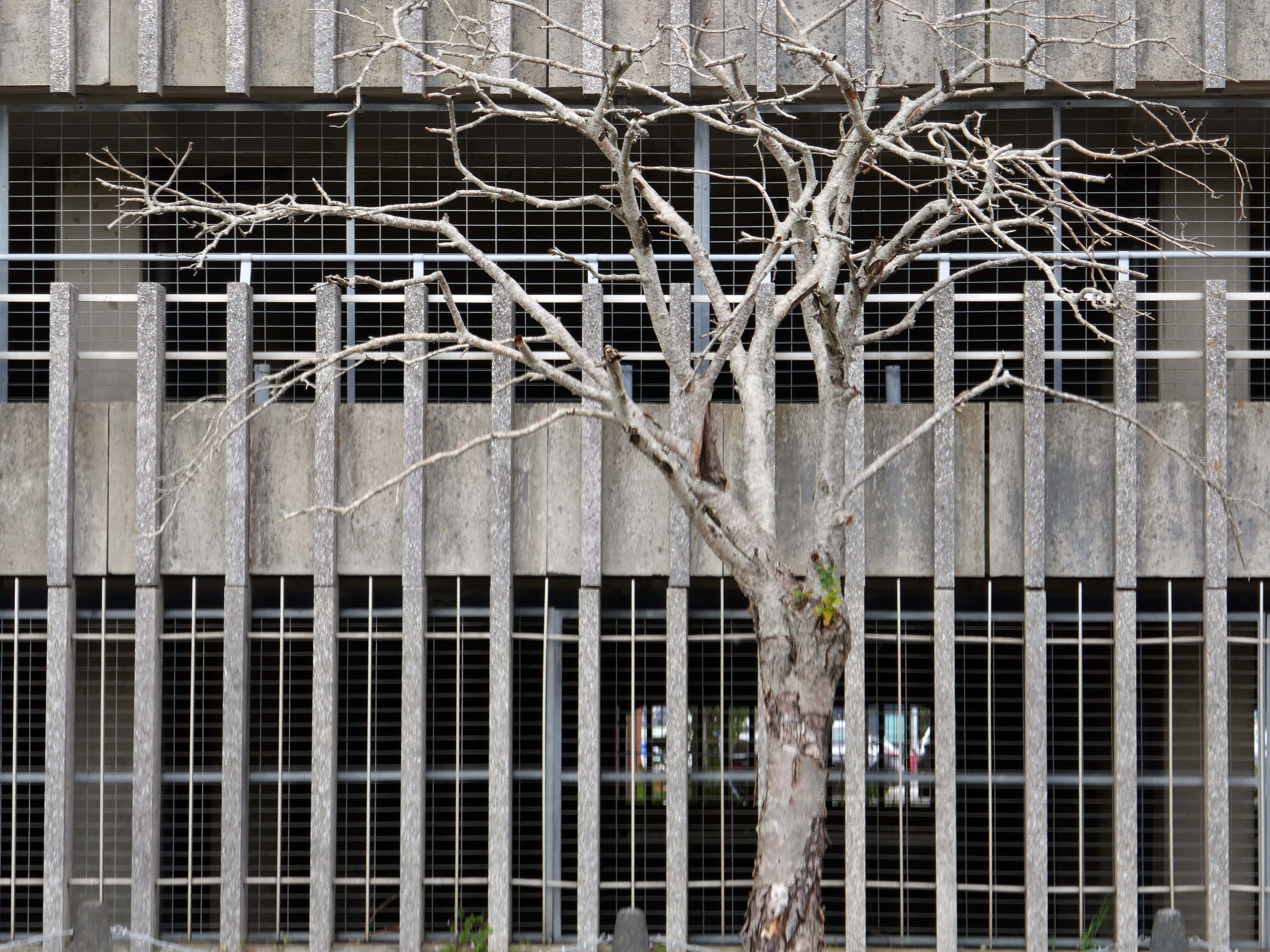
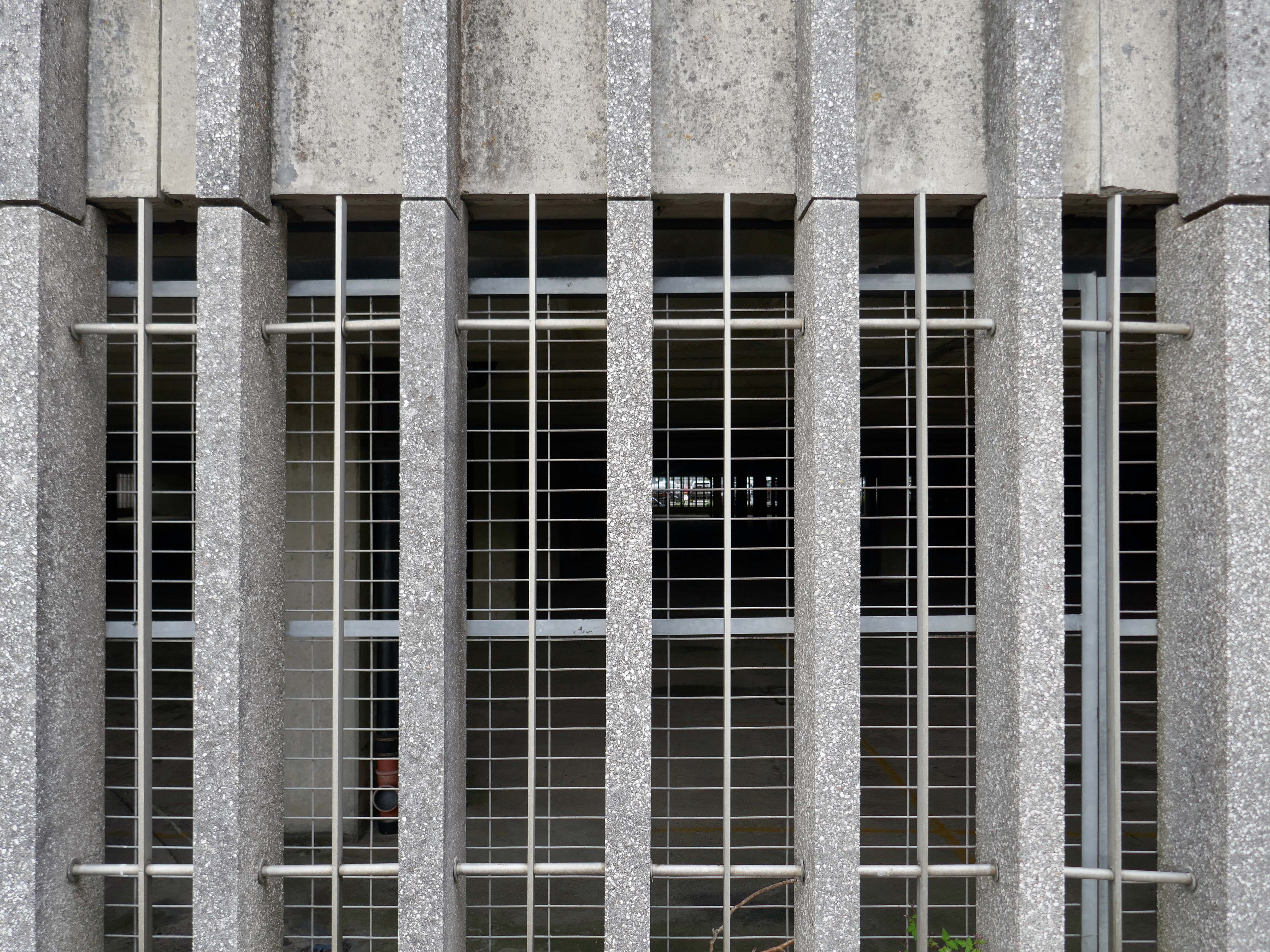
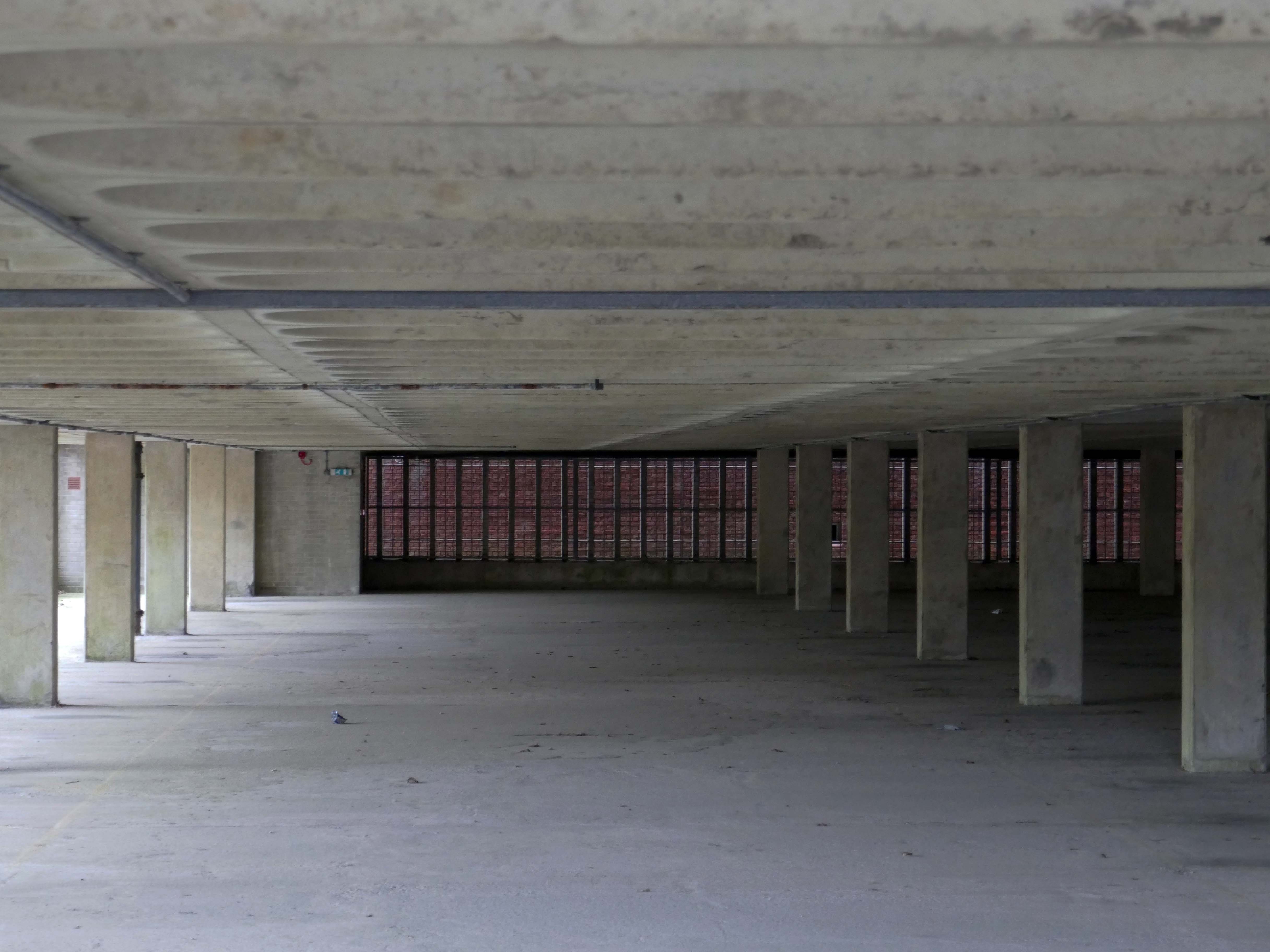
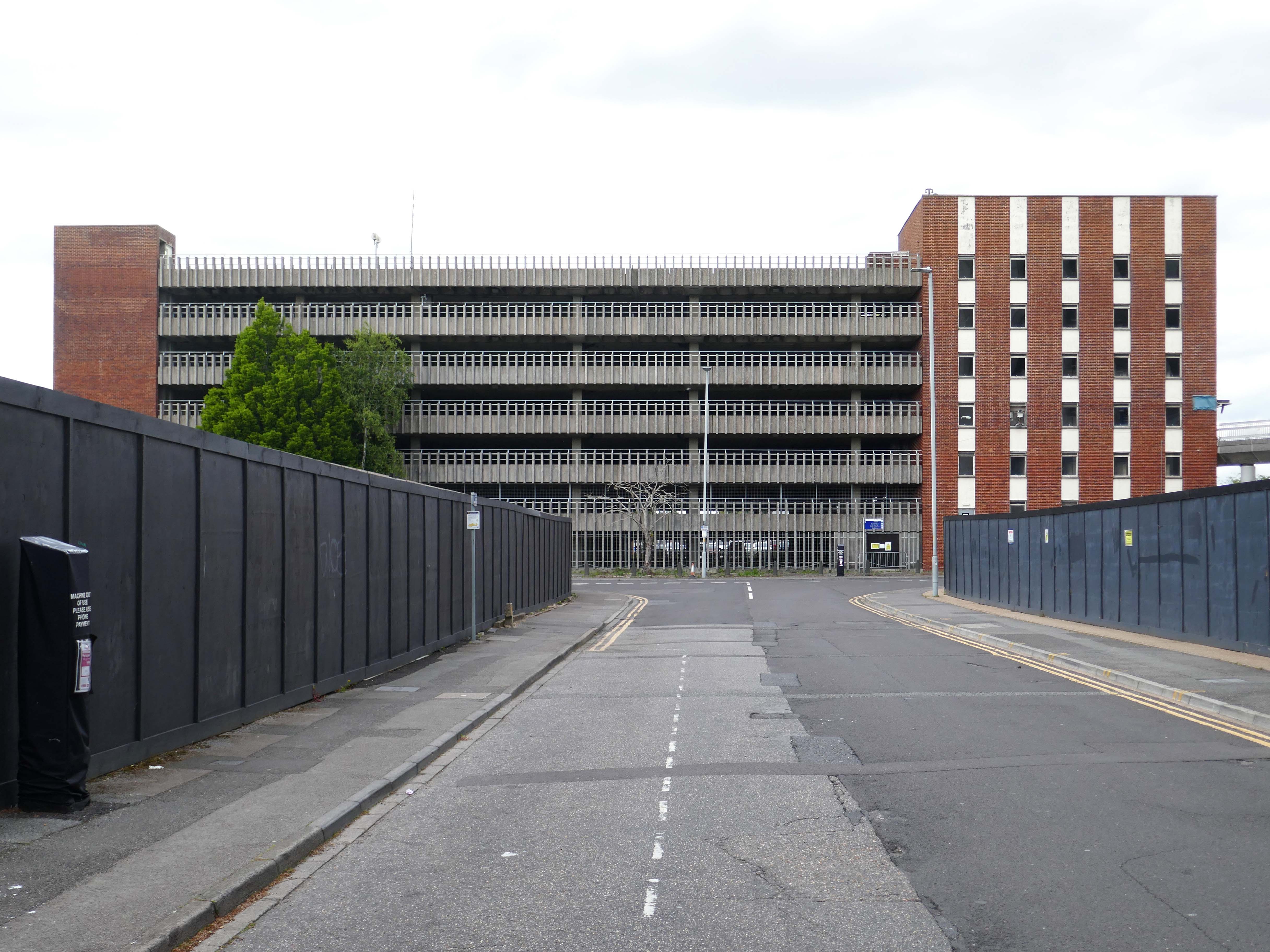
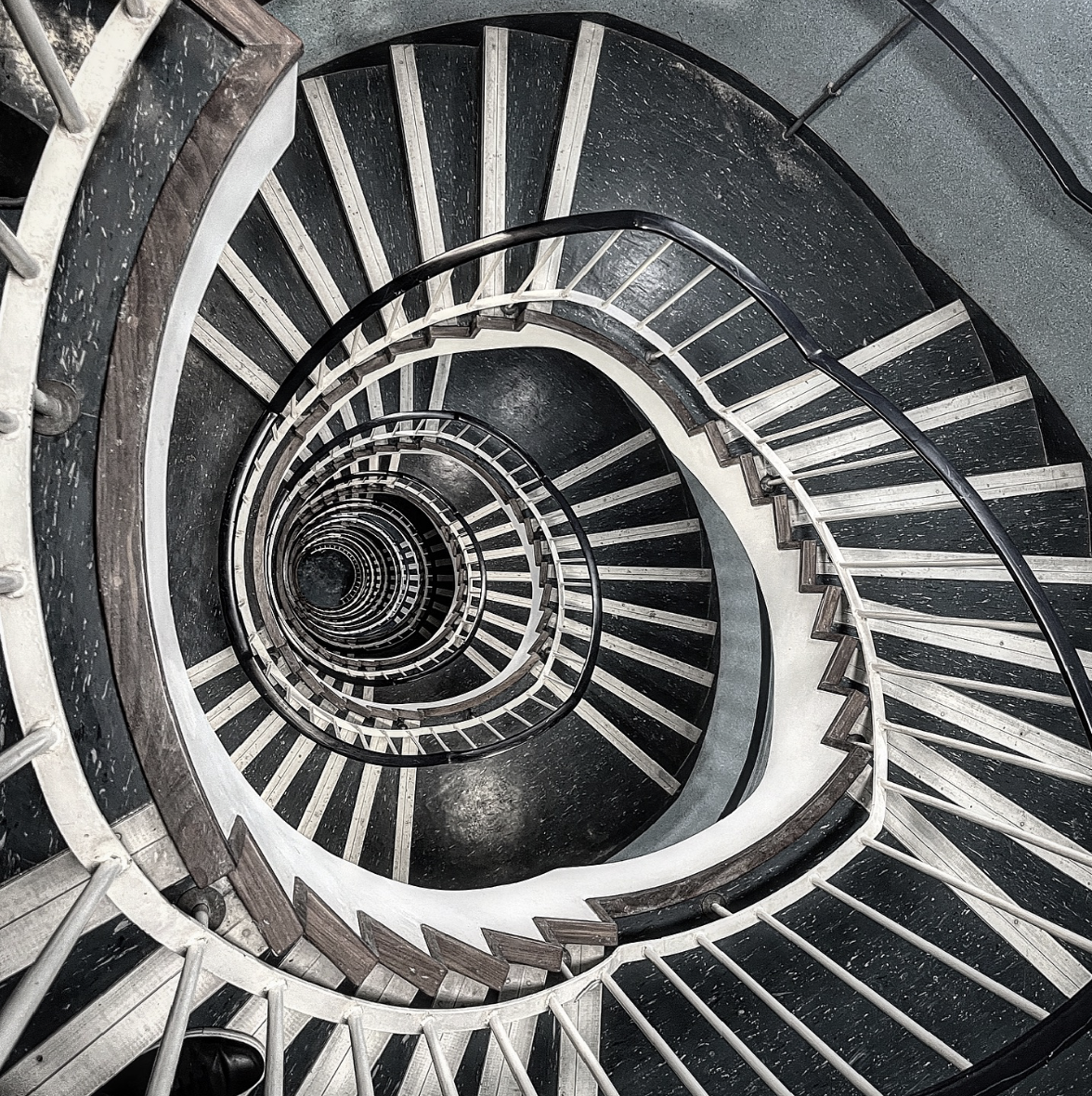
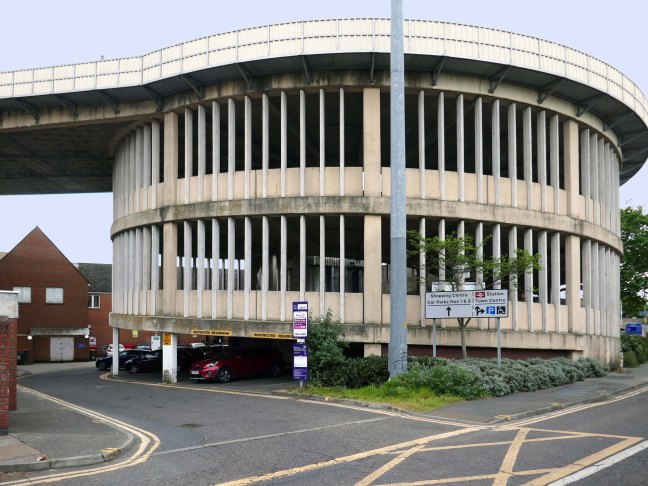
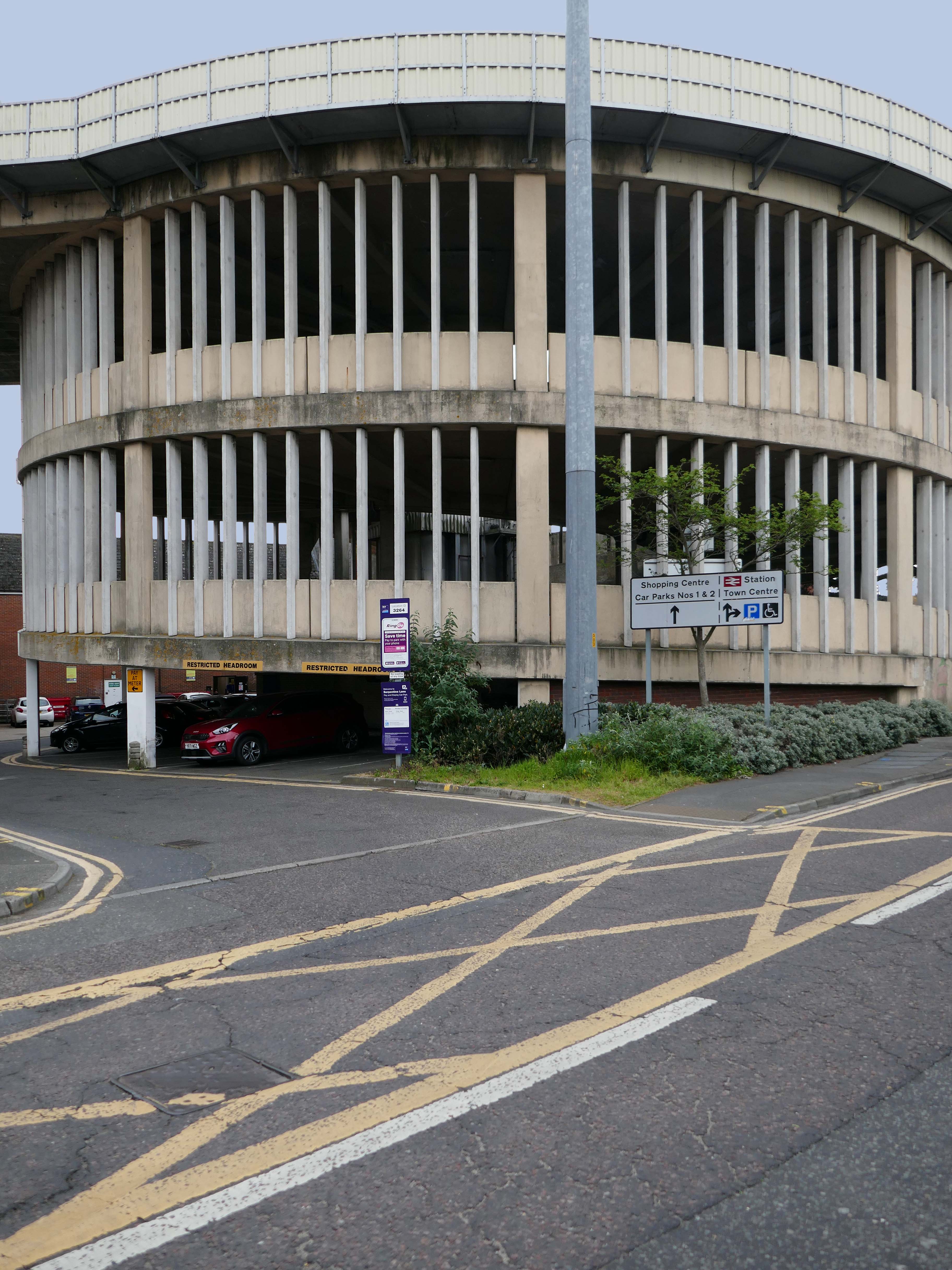
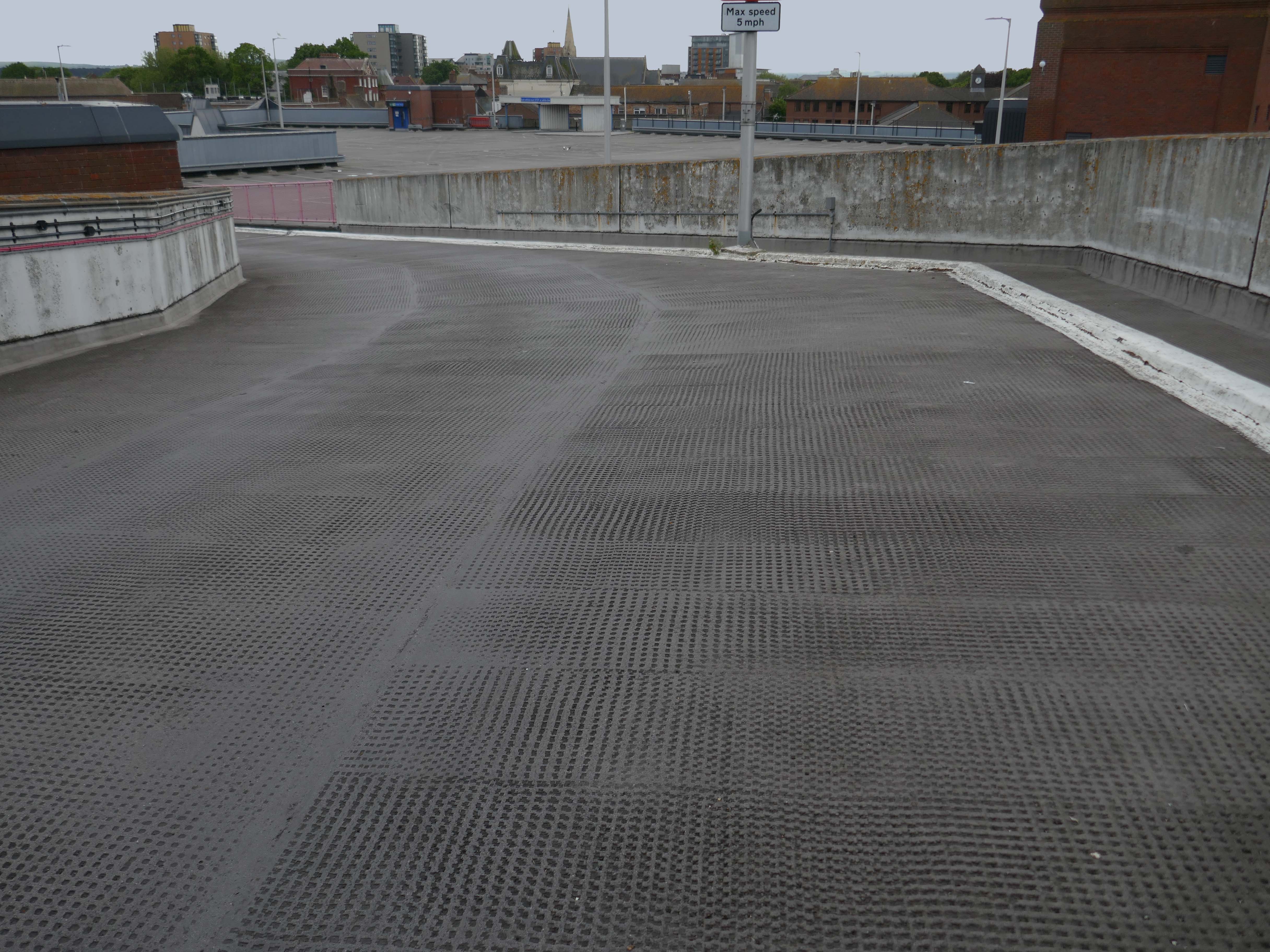
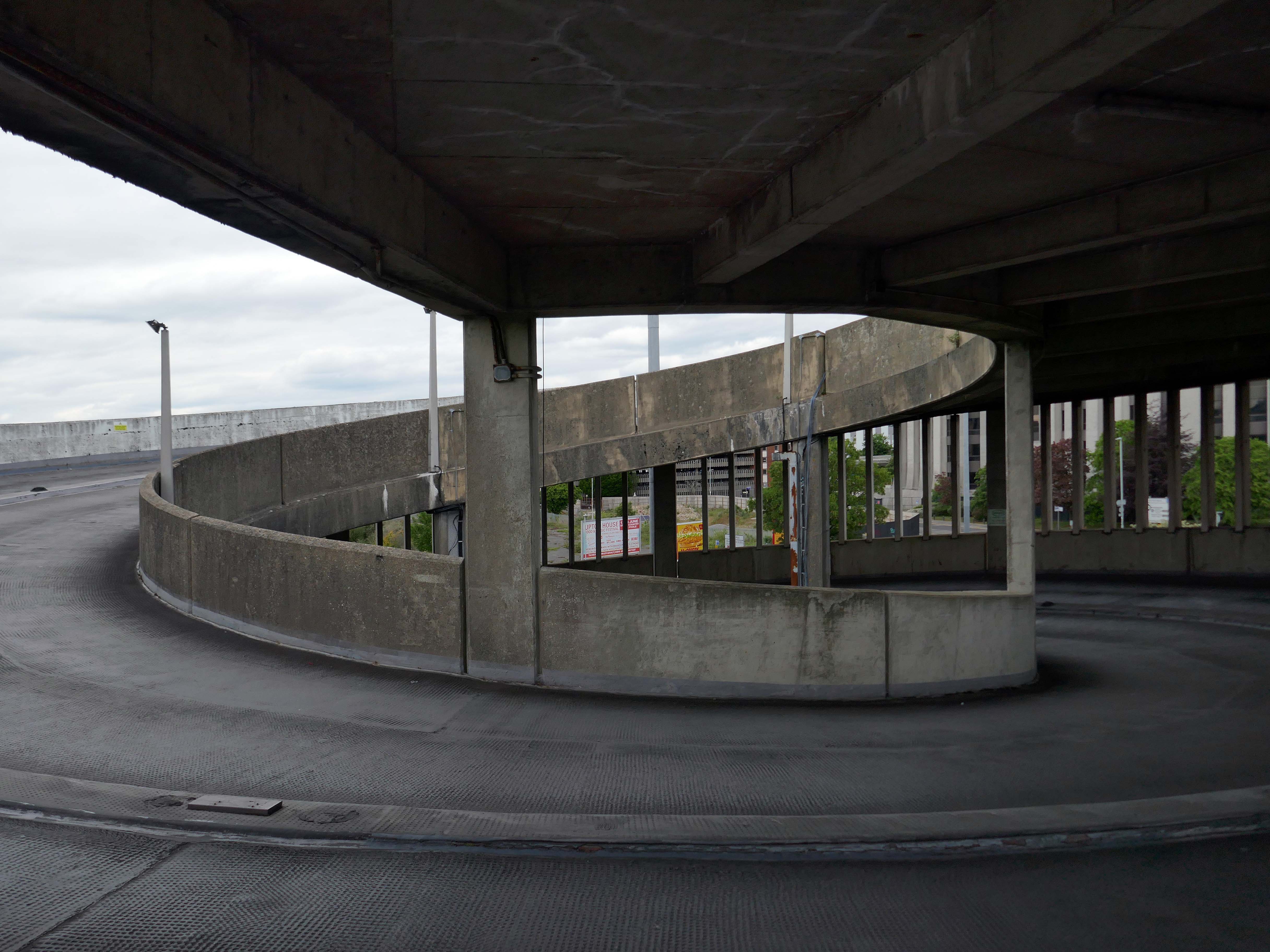
Here are the photographs I took in May 2026 – incorporating the multi storey car park.
But what of the future?
This recent ARC projectinvolves transforming the former Barclays building in Poole into 362 modern residential flats while preserving the existing building’s façade. This project focuses on revitalising a heritage landmark by repurposing it with innovative designs that offer easy access to public transport, exceed space standards for comfort and practicality, and create a strong sense of community through shared internal and external amenities.
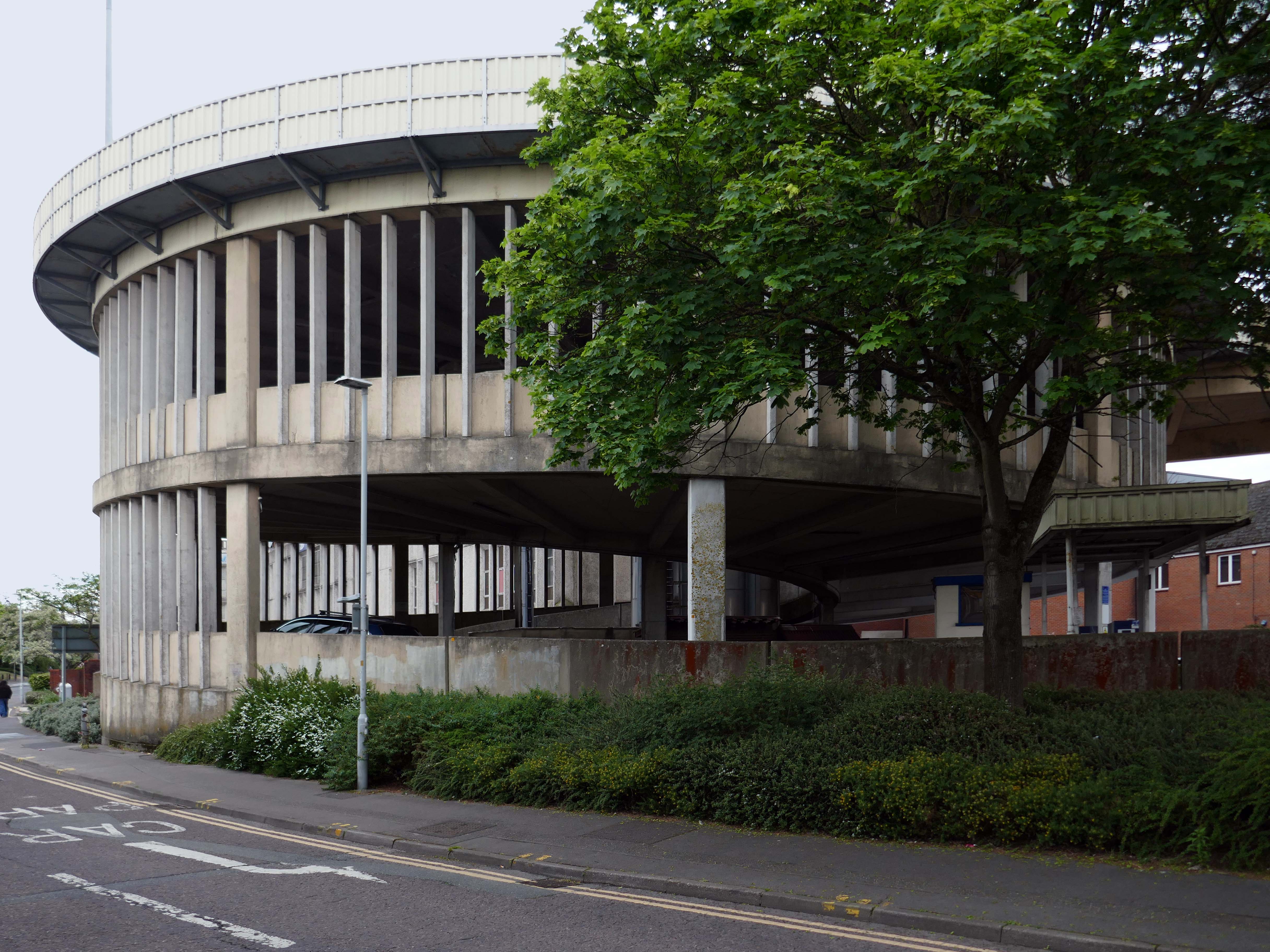
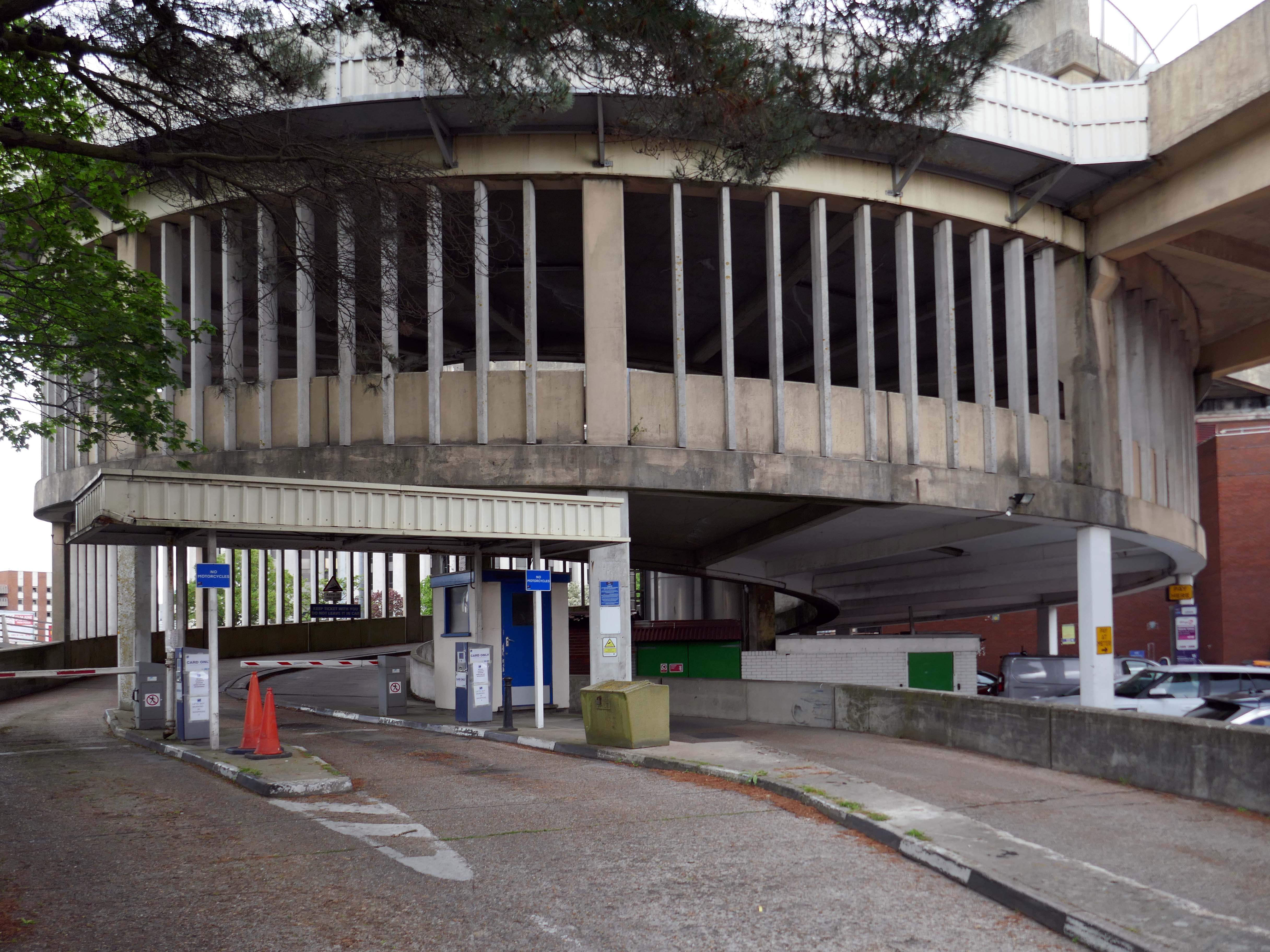
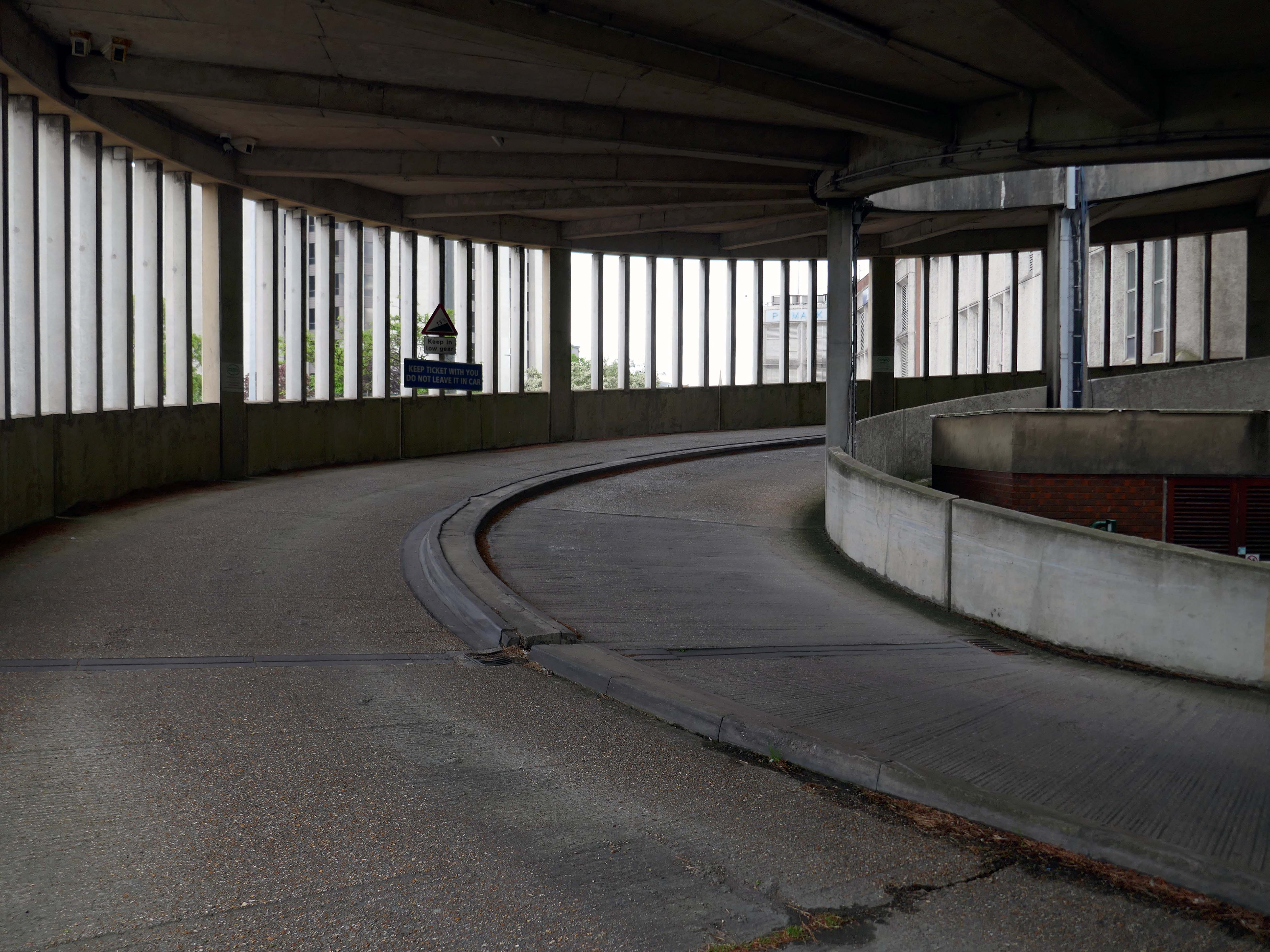
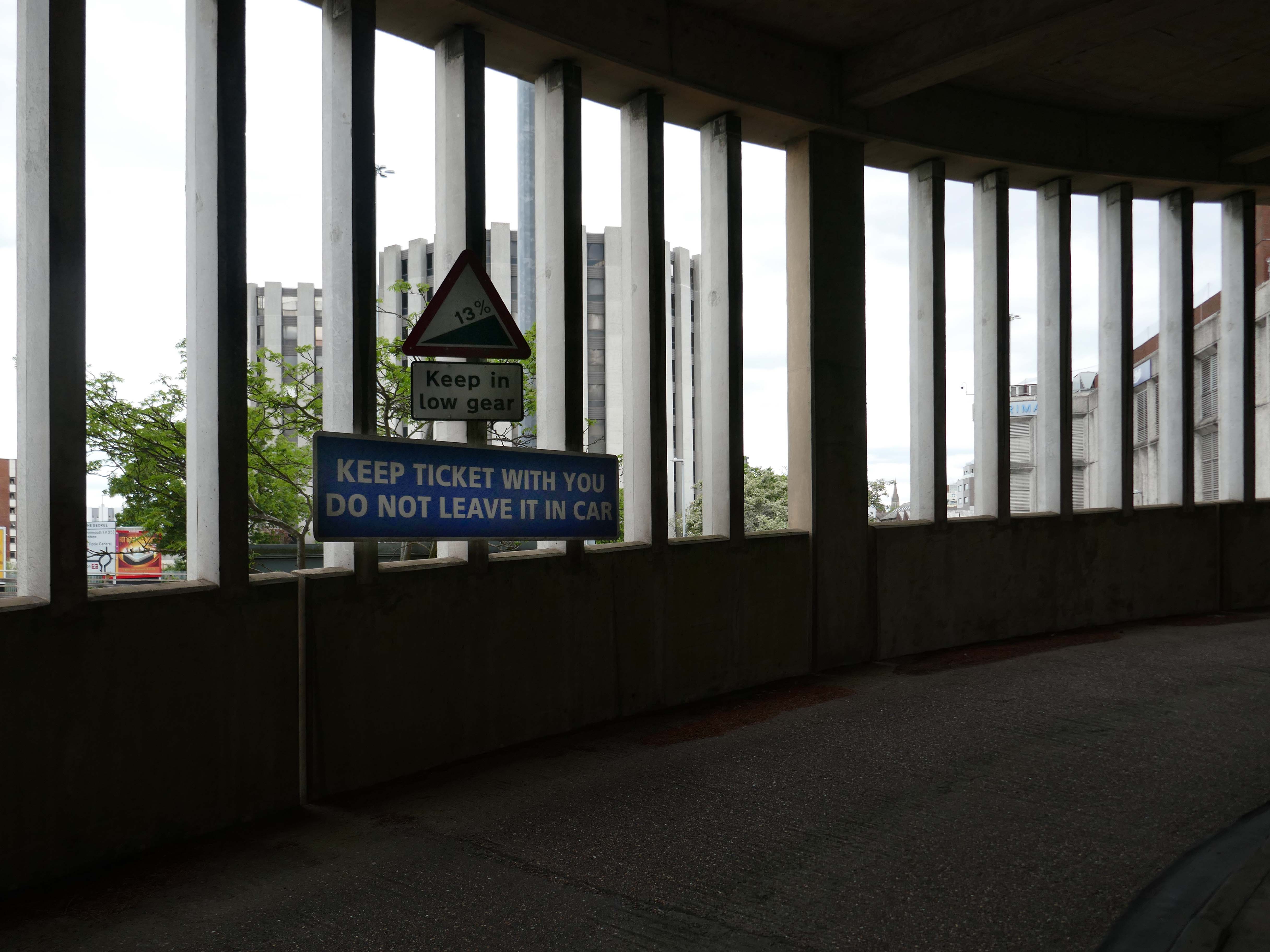
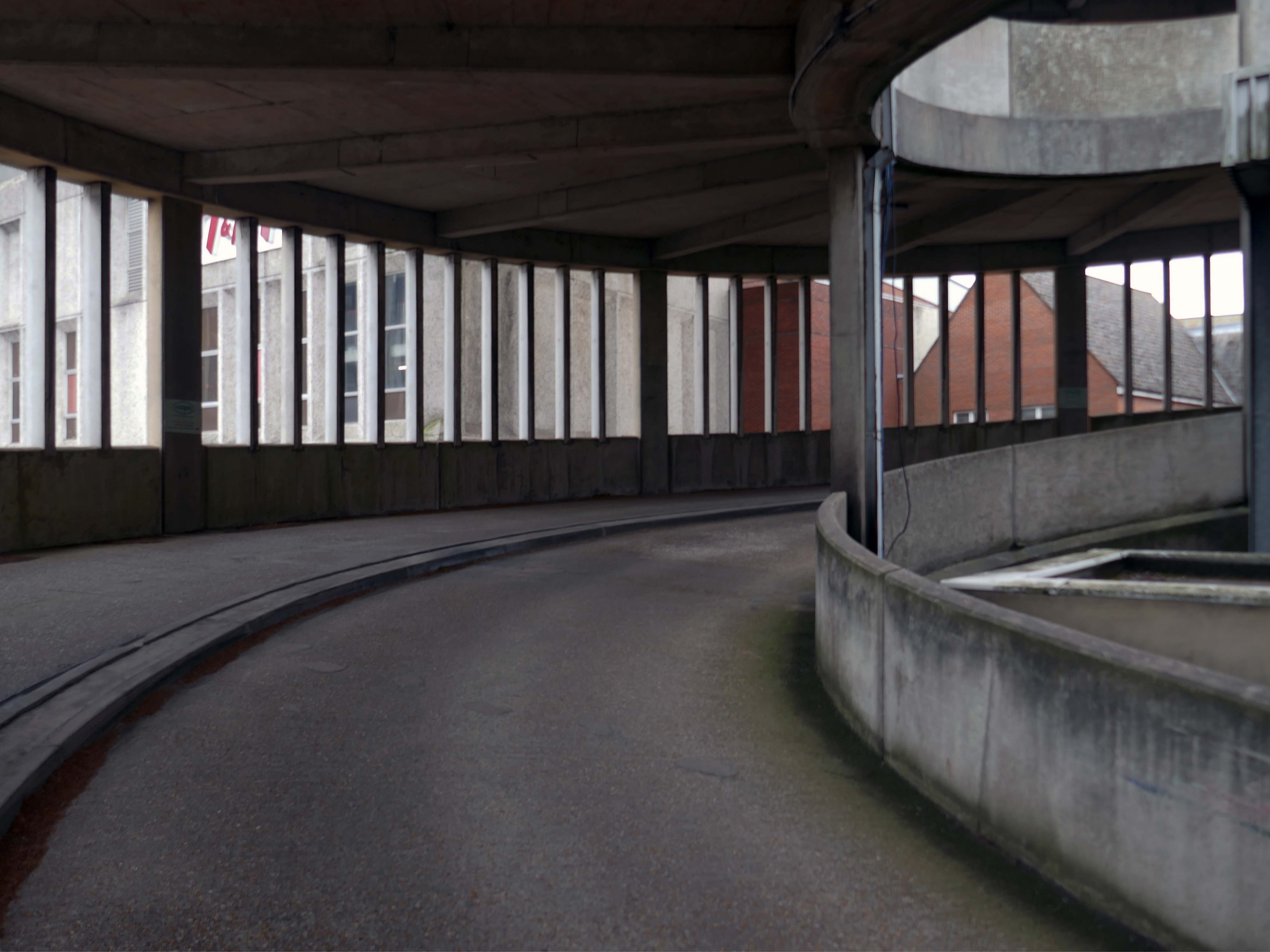
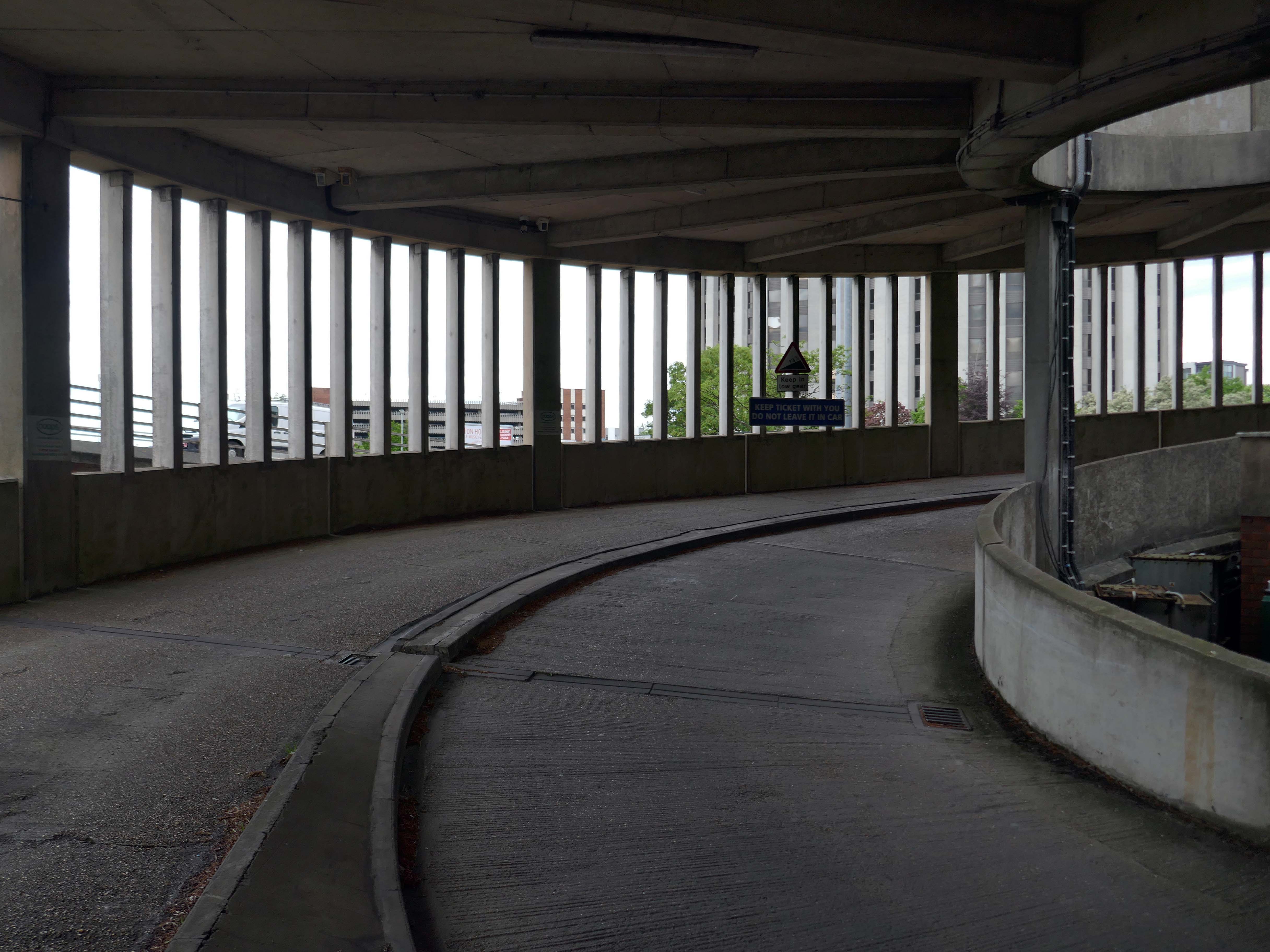
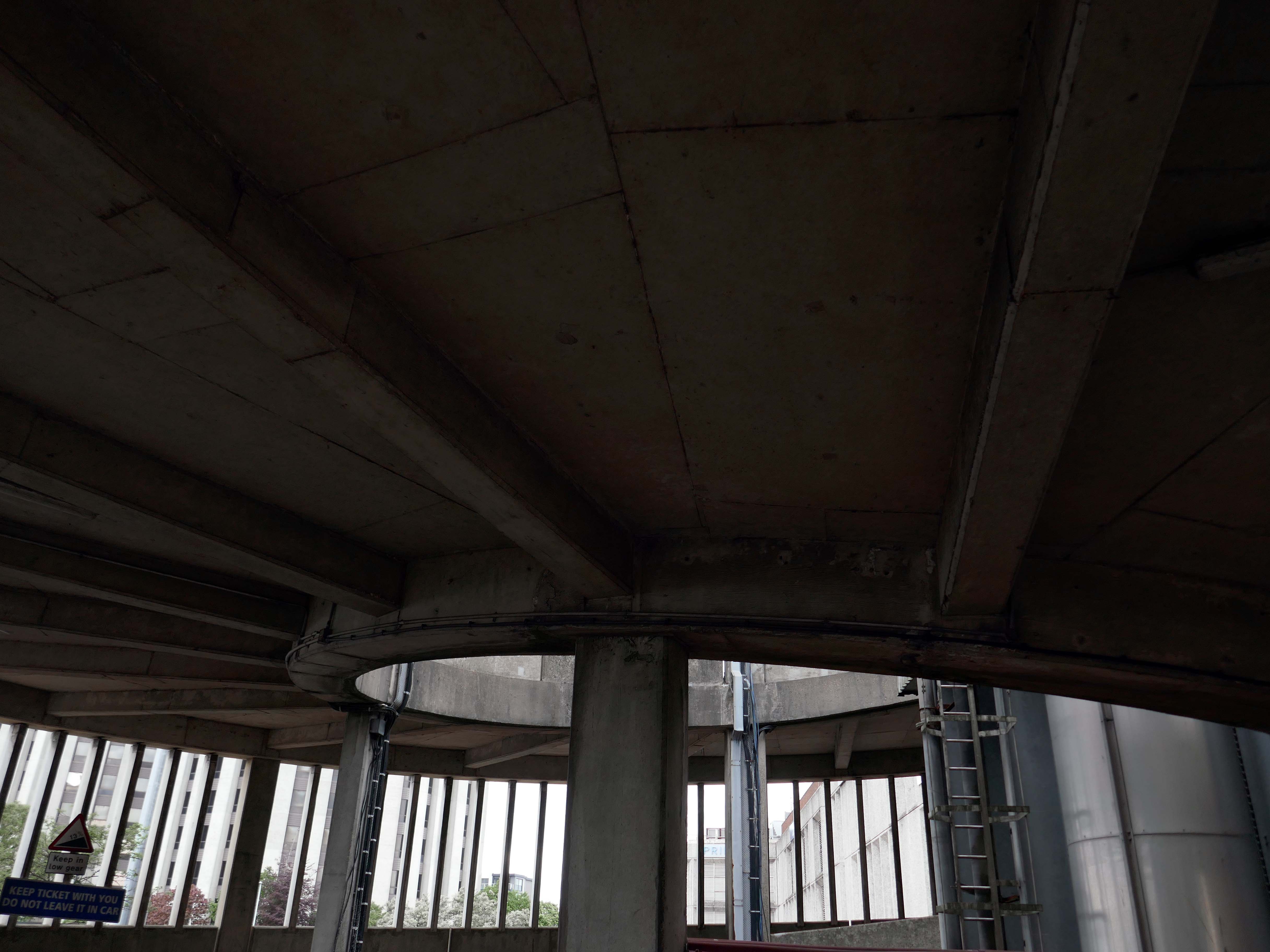
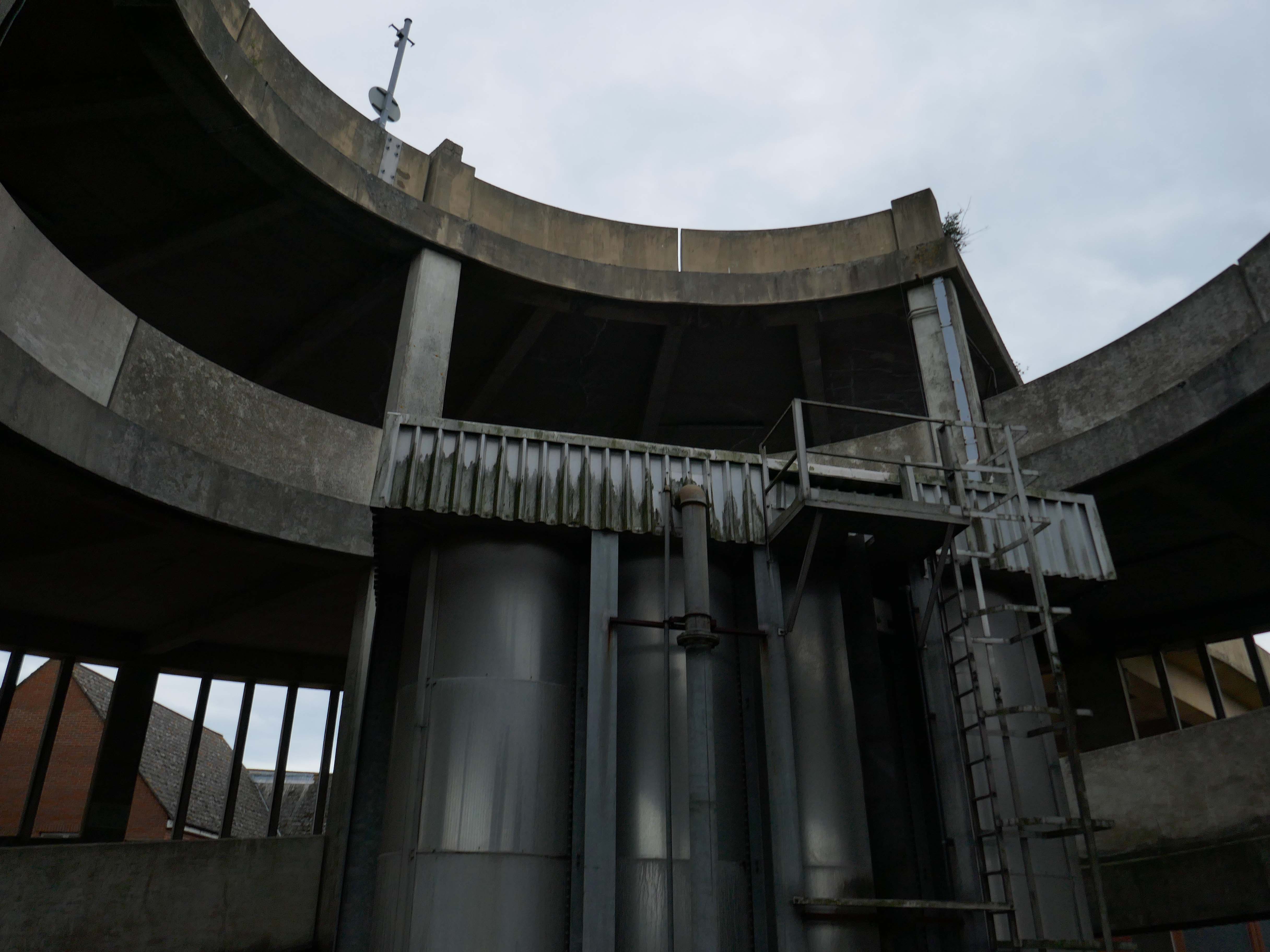
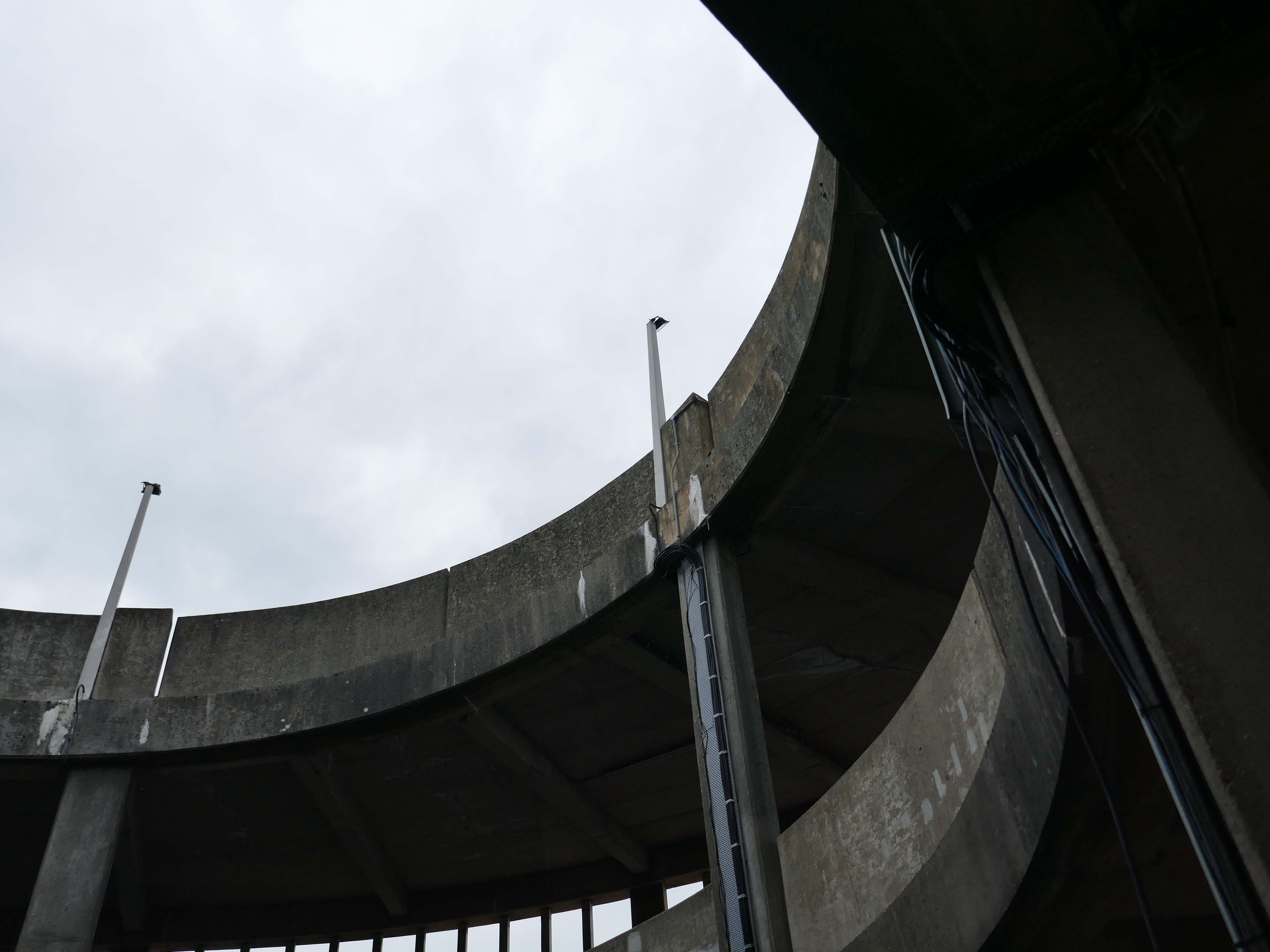
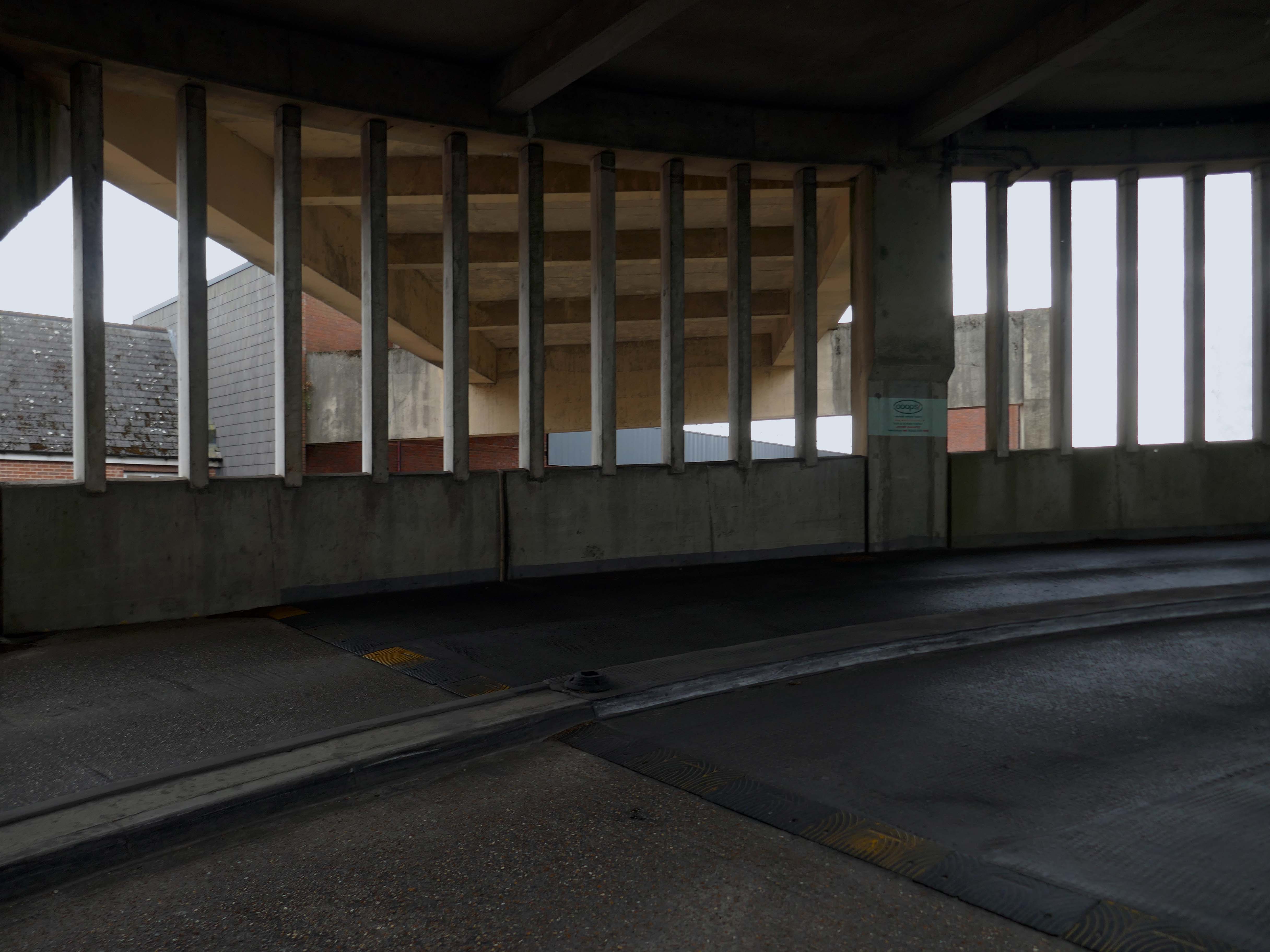
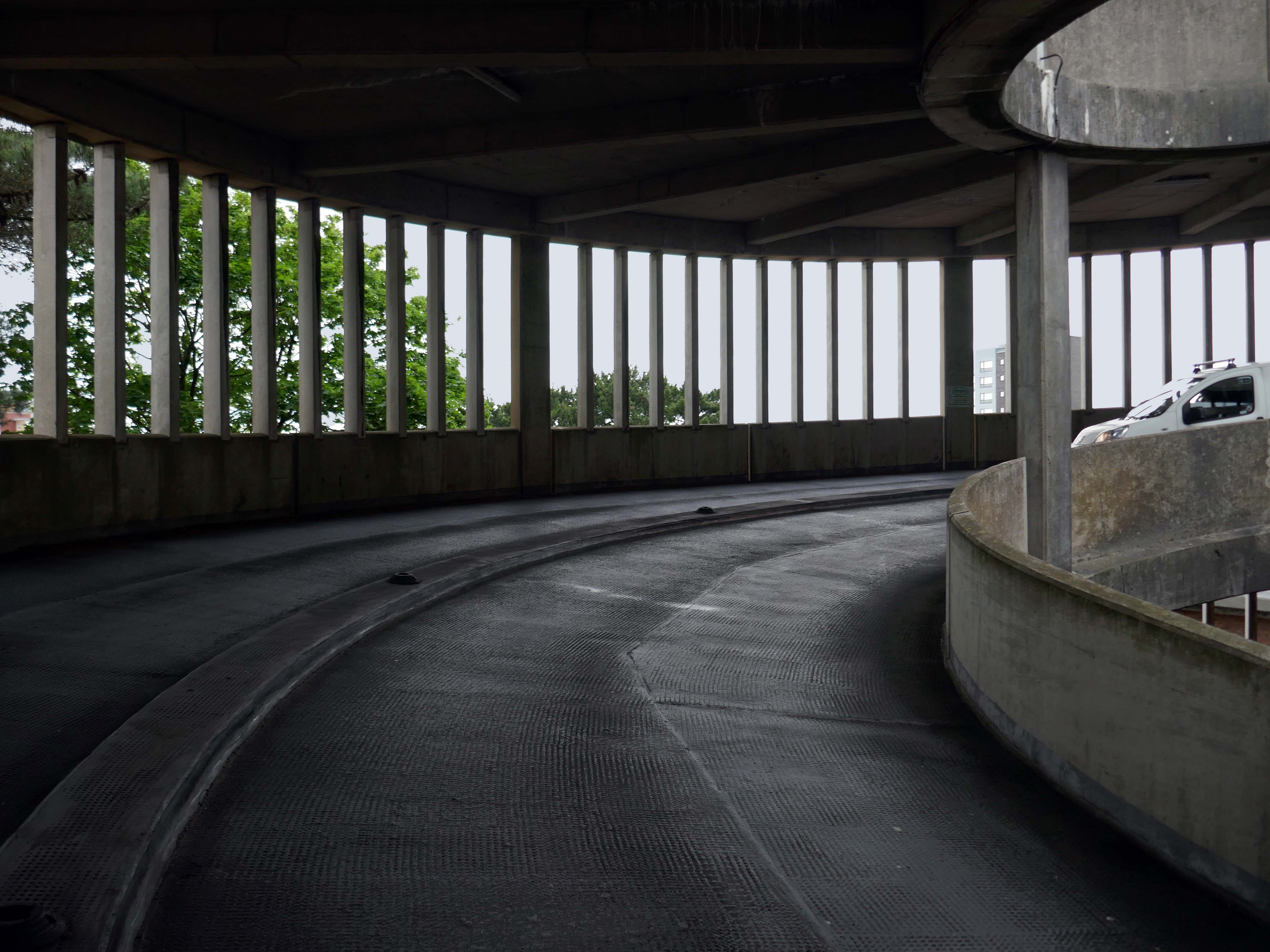
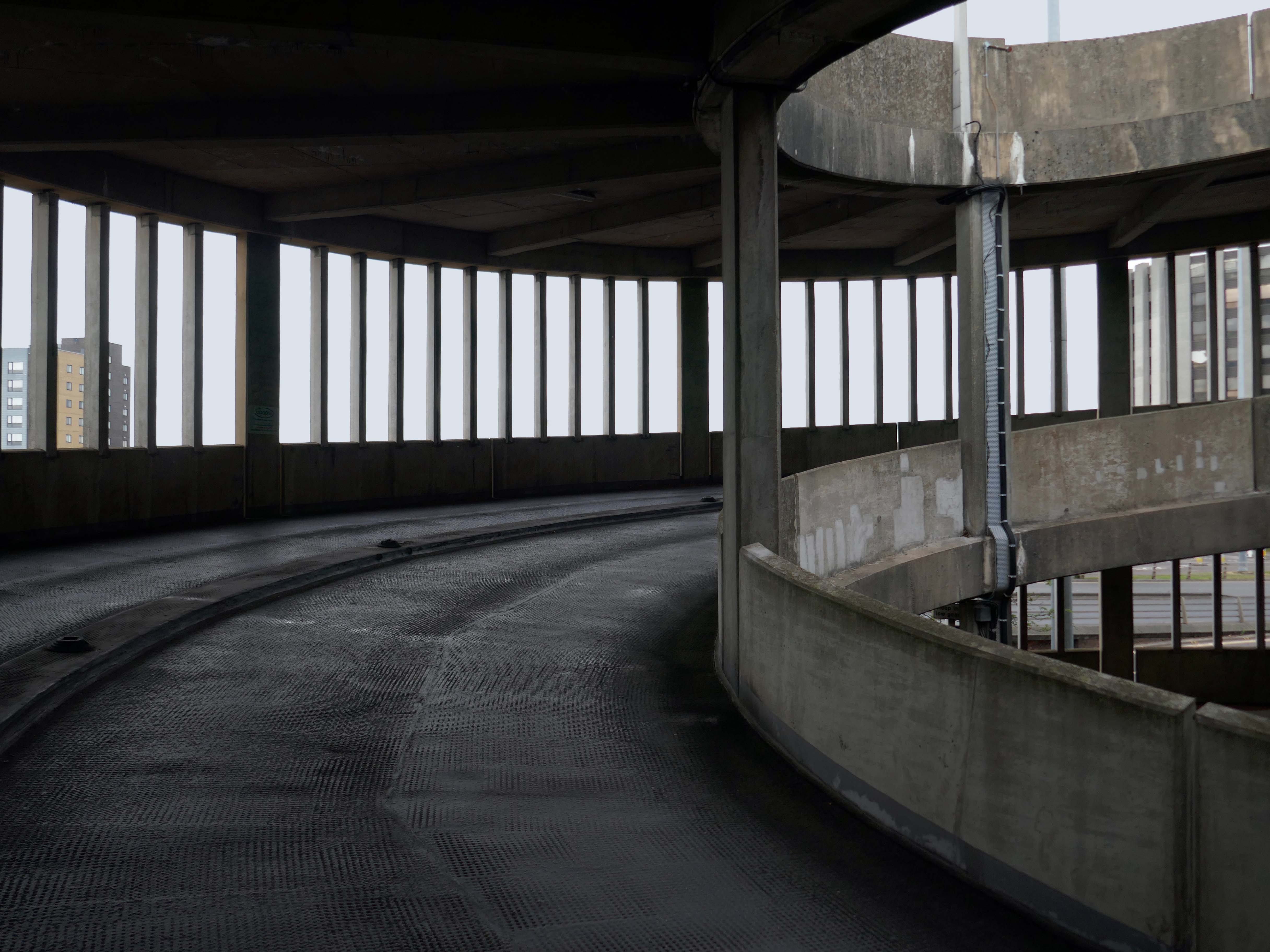
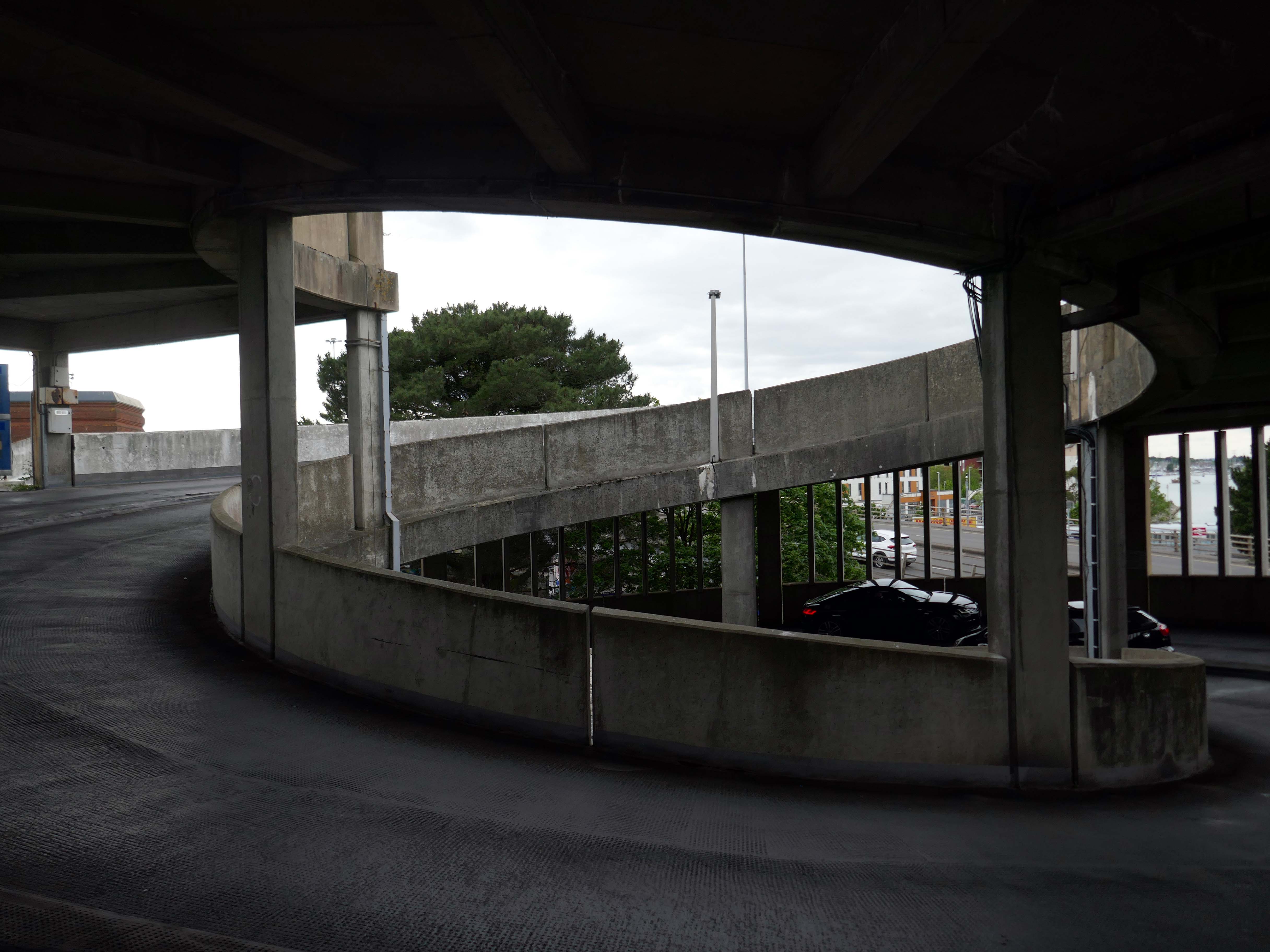
Always a pleasure to walk the spiral ramp of a multi-storey car park, with the extra added pleasure of a passing motorist enquiring after my well being.
“Are You Lost?”
“No I’m taking pictures, but thanks anyway, if I ever am lost I’ll certainly know who to ask.”