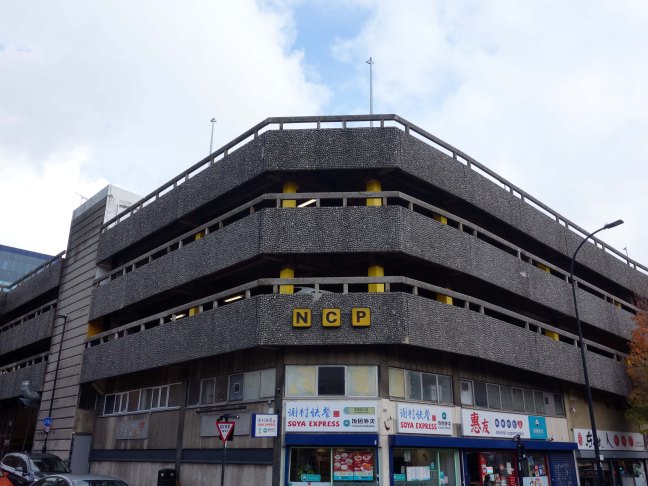
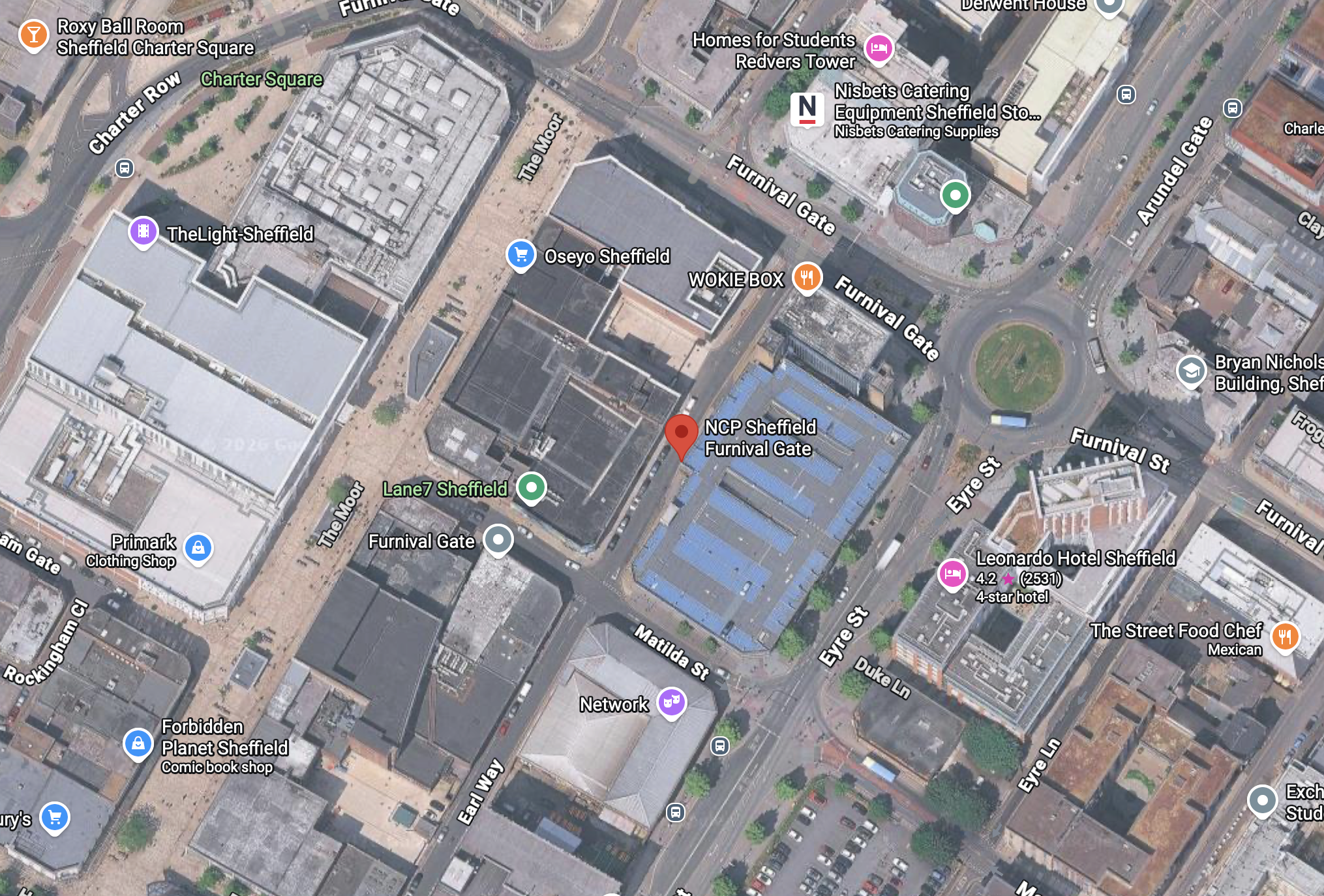
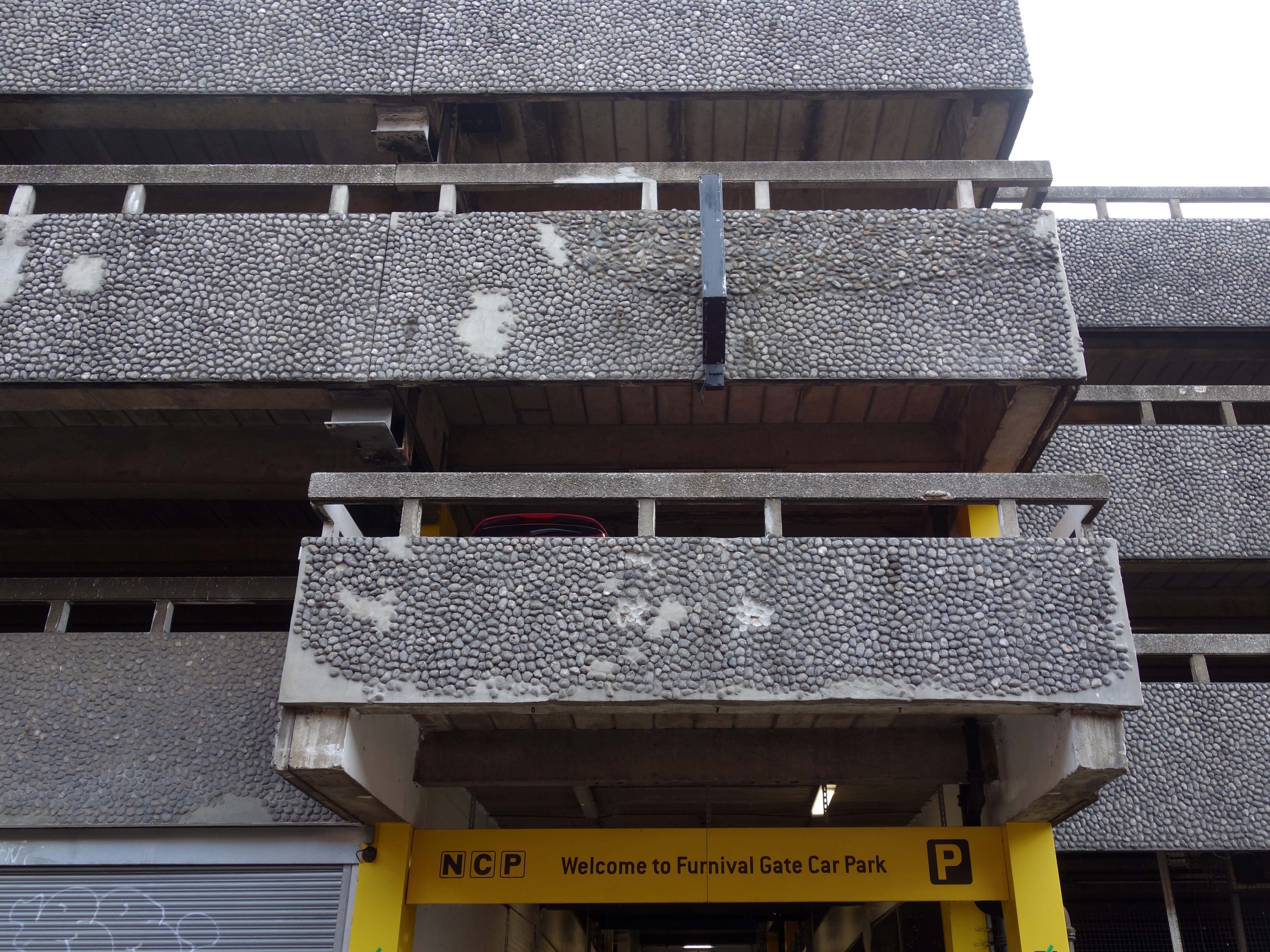
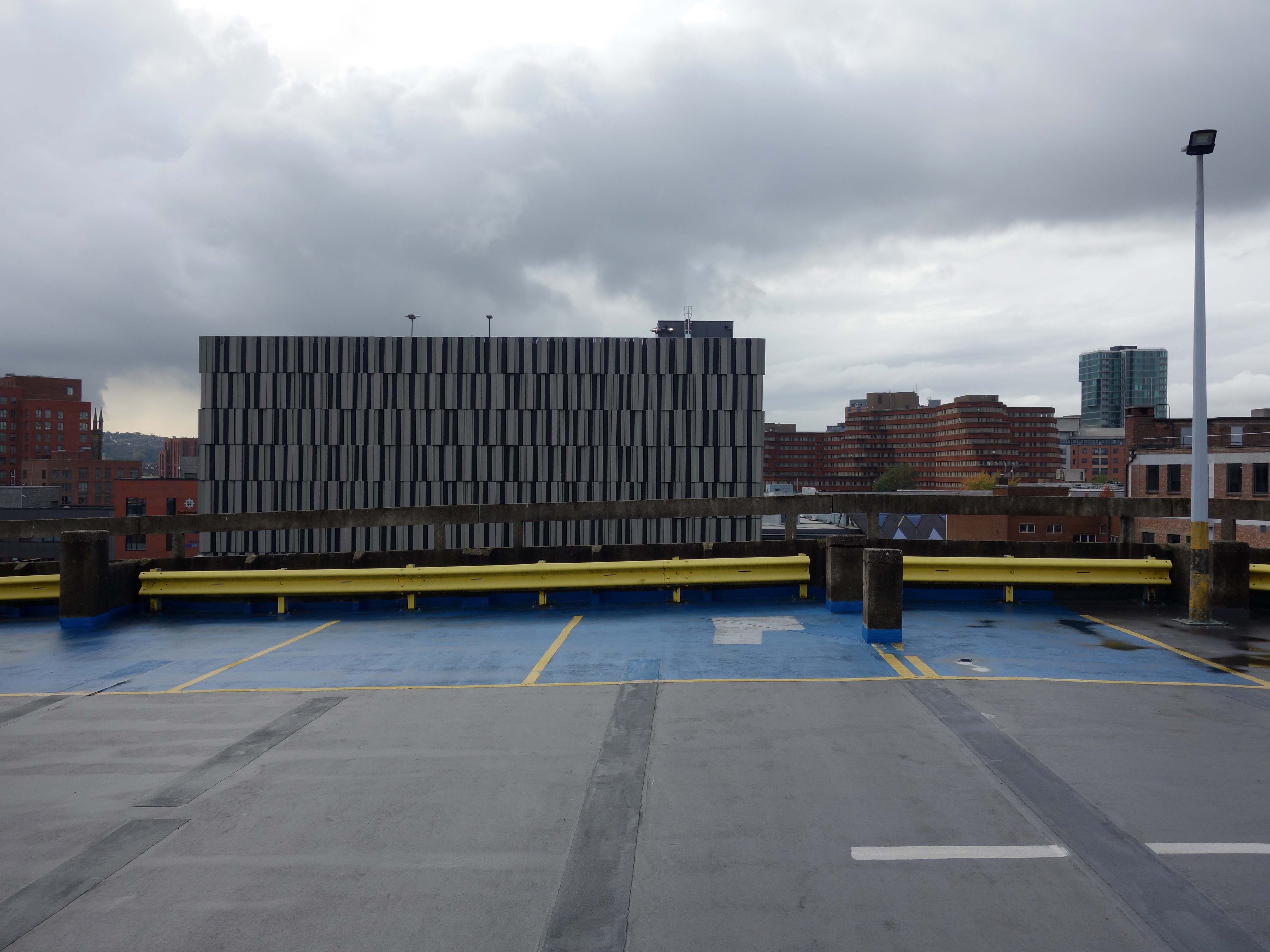
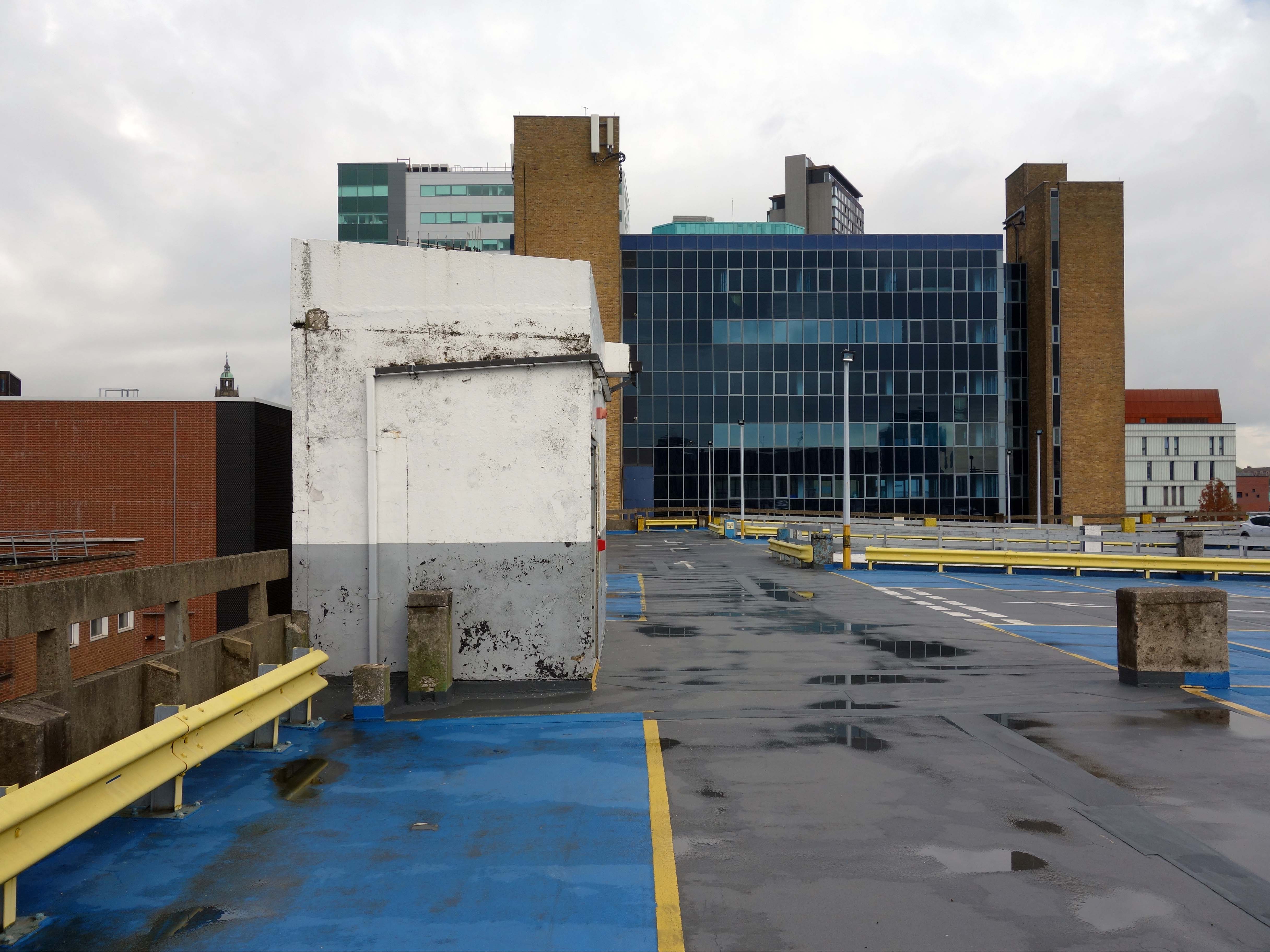
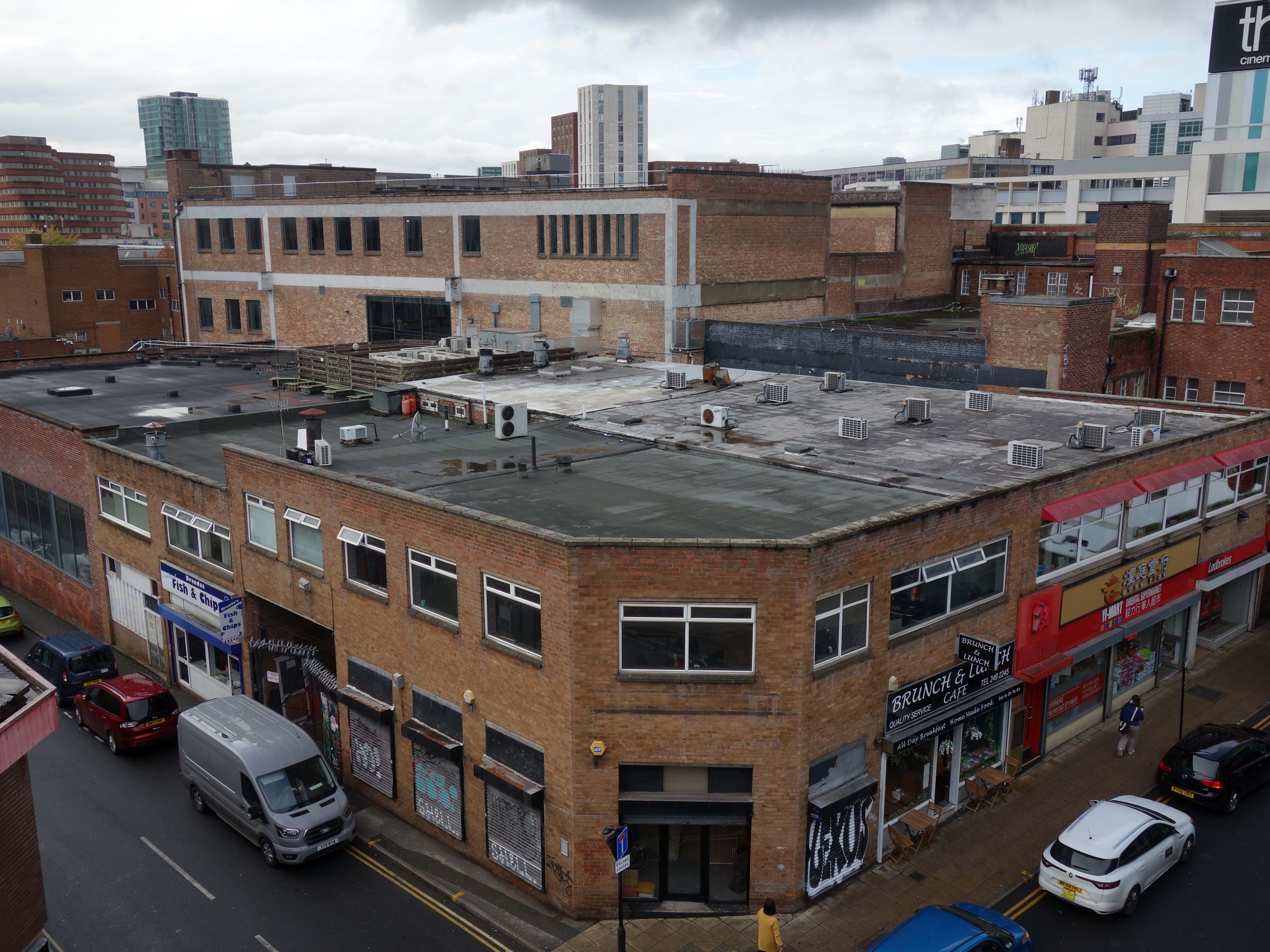
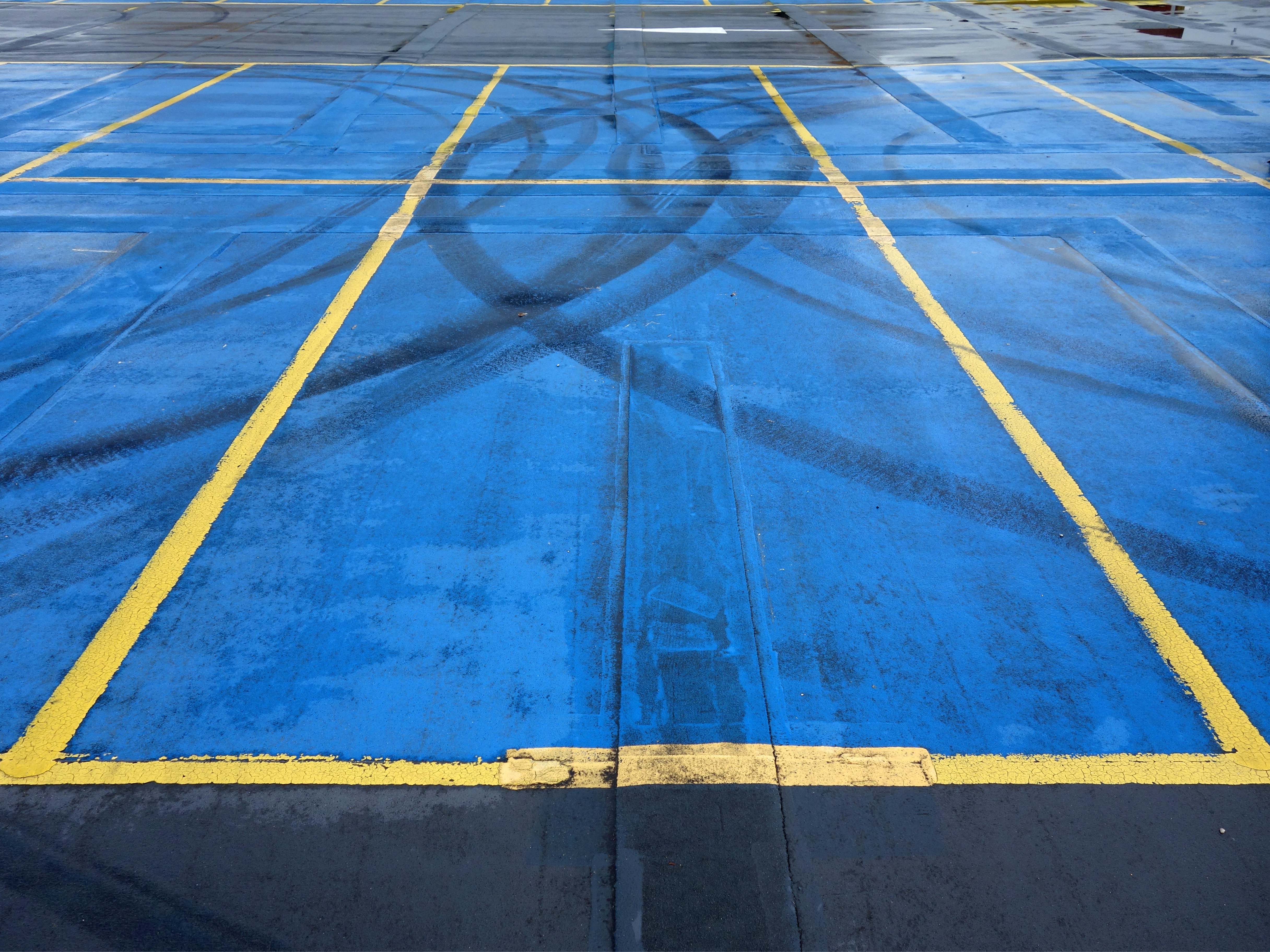
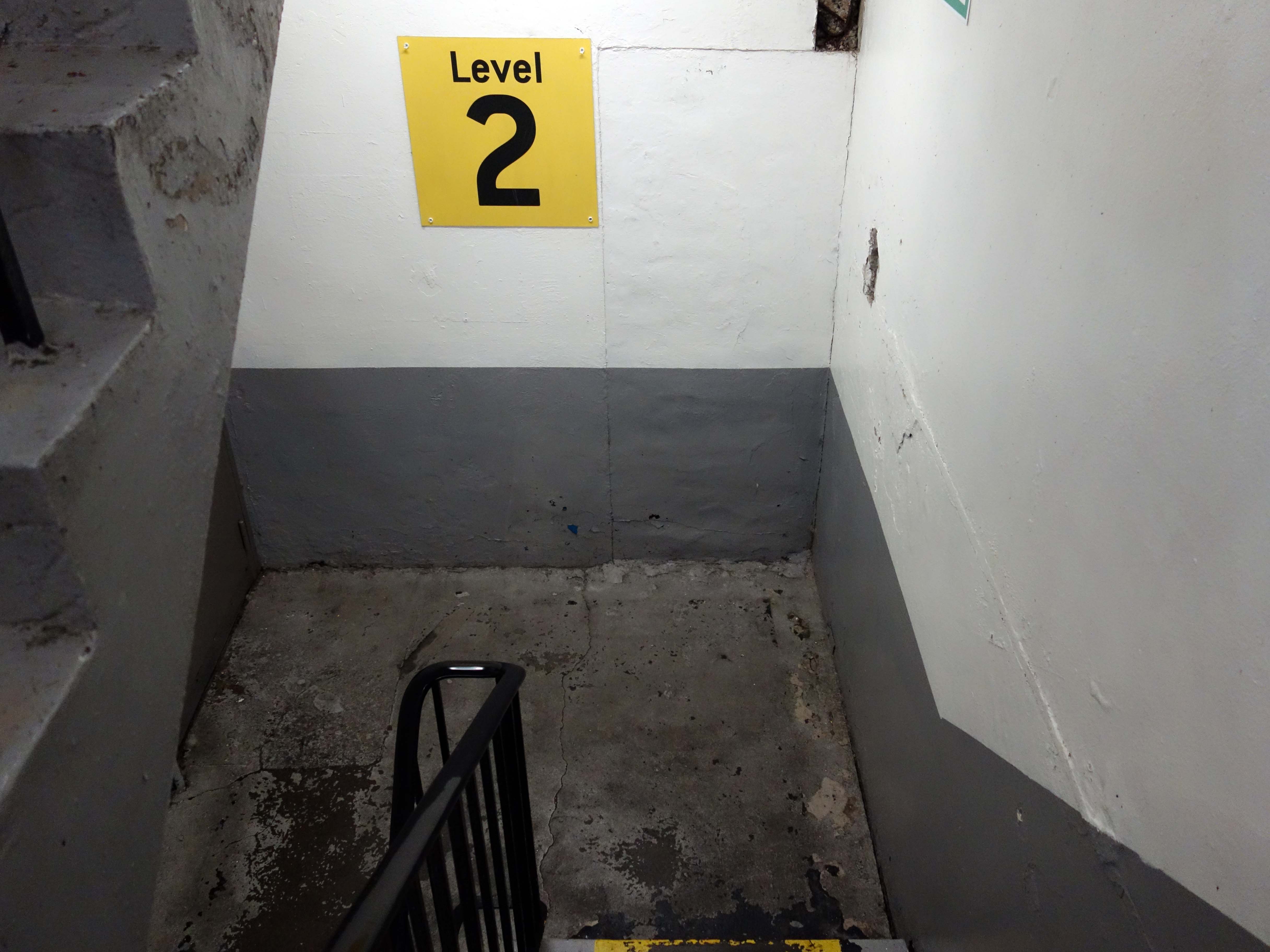
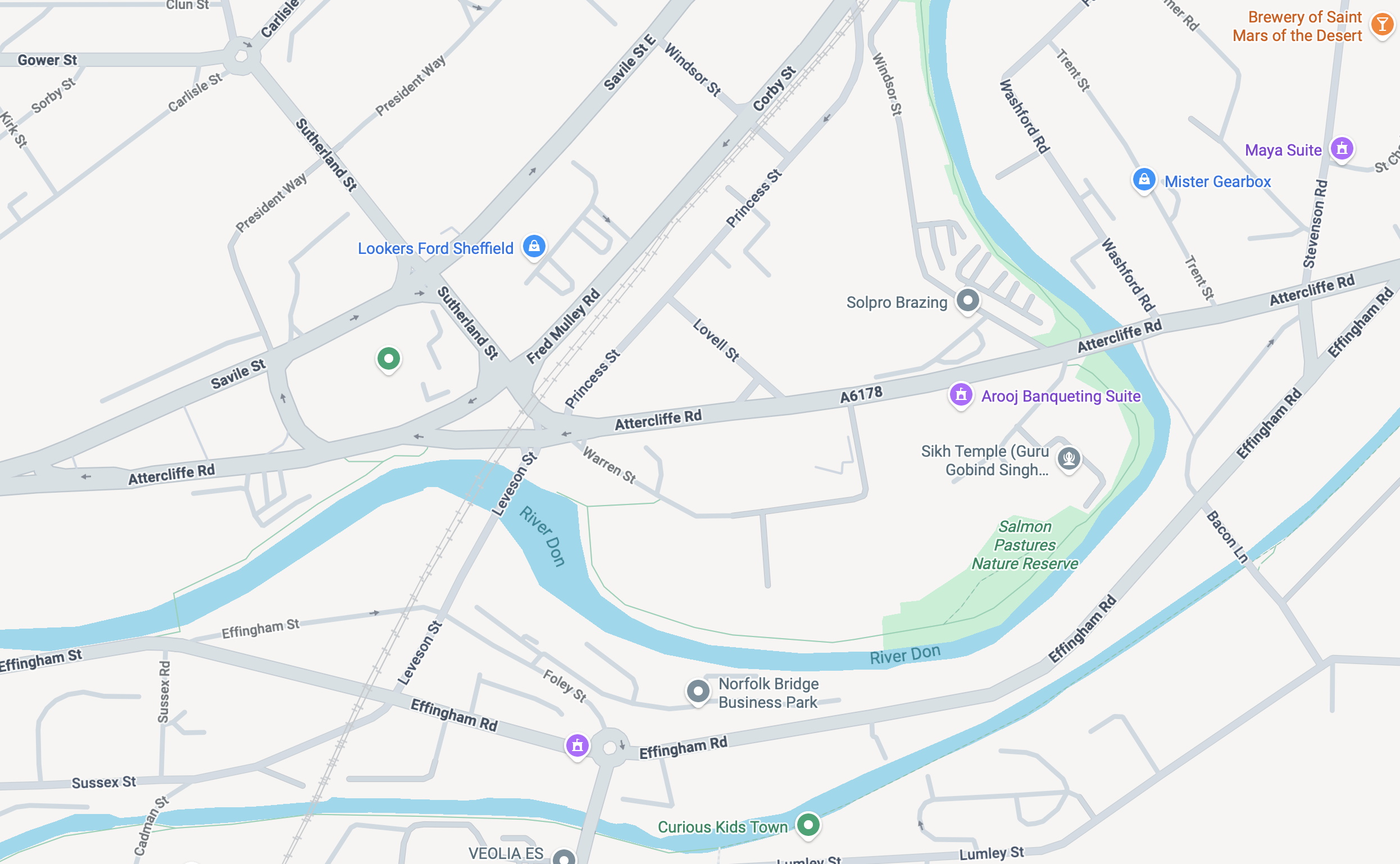
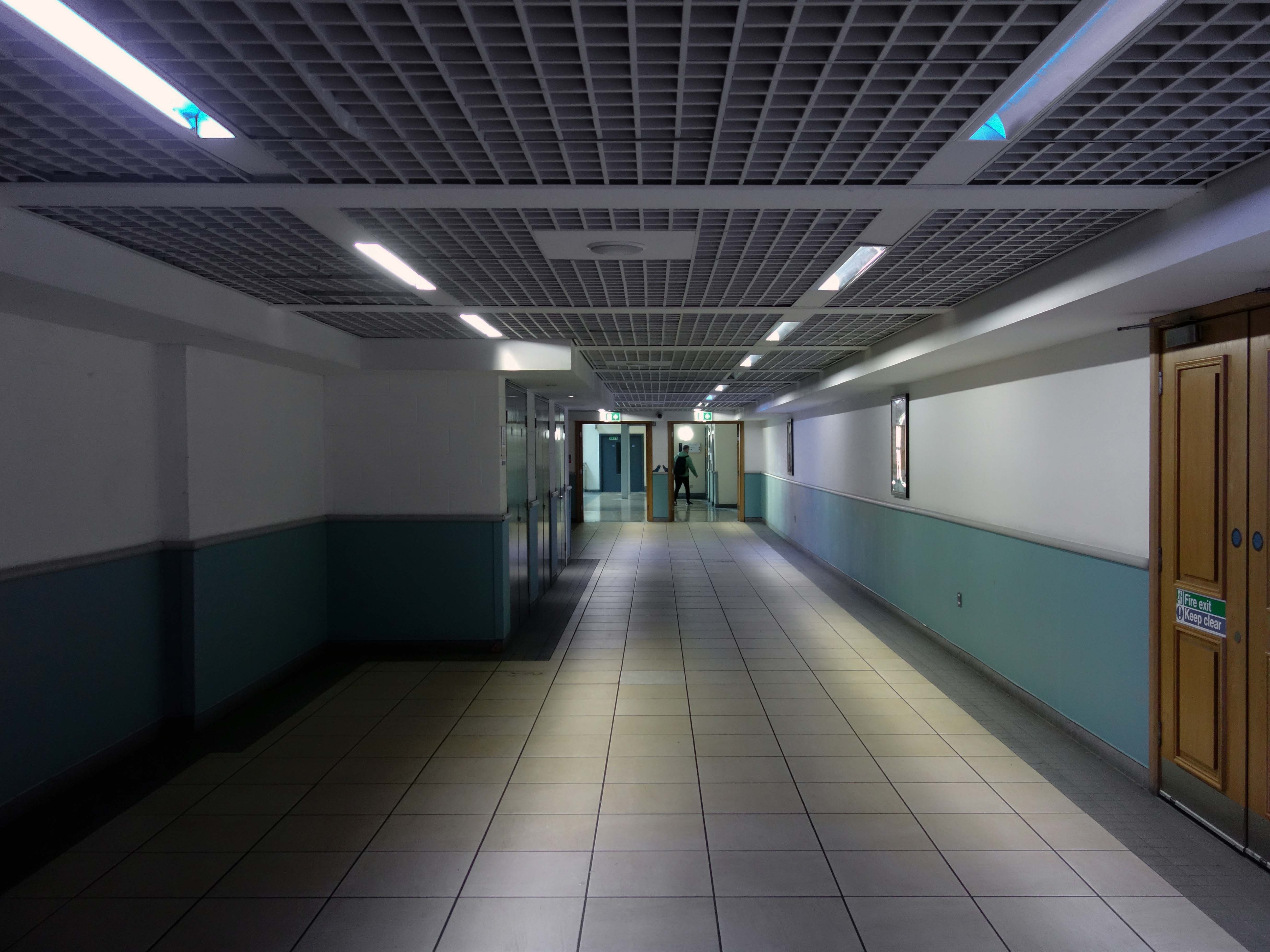
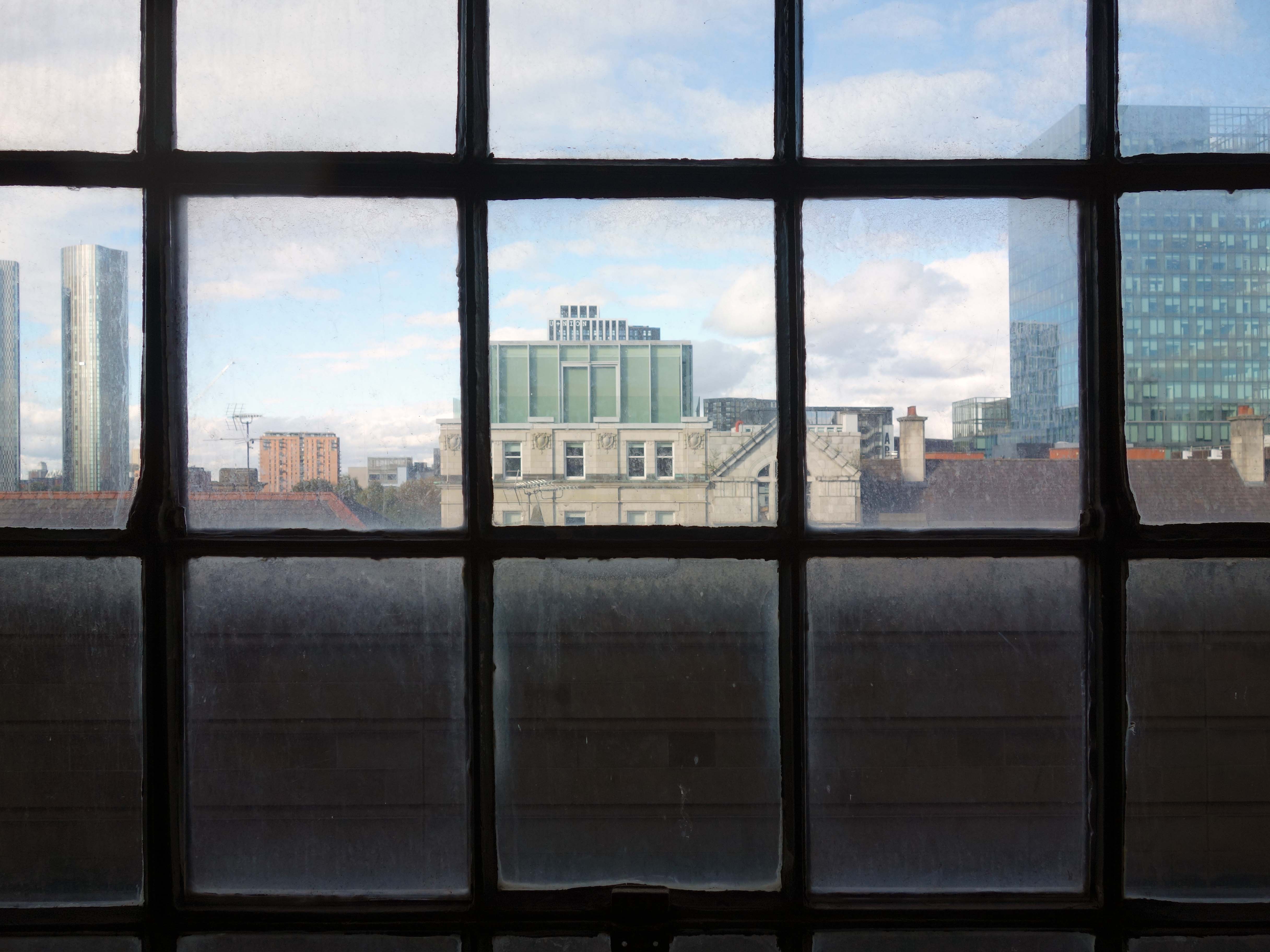
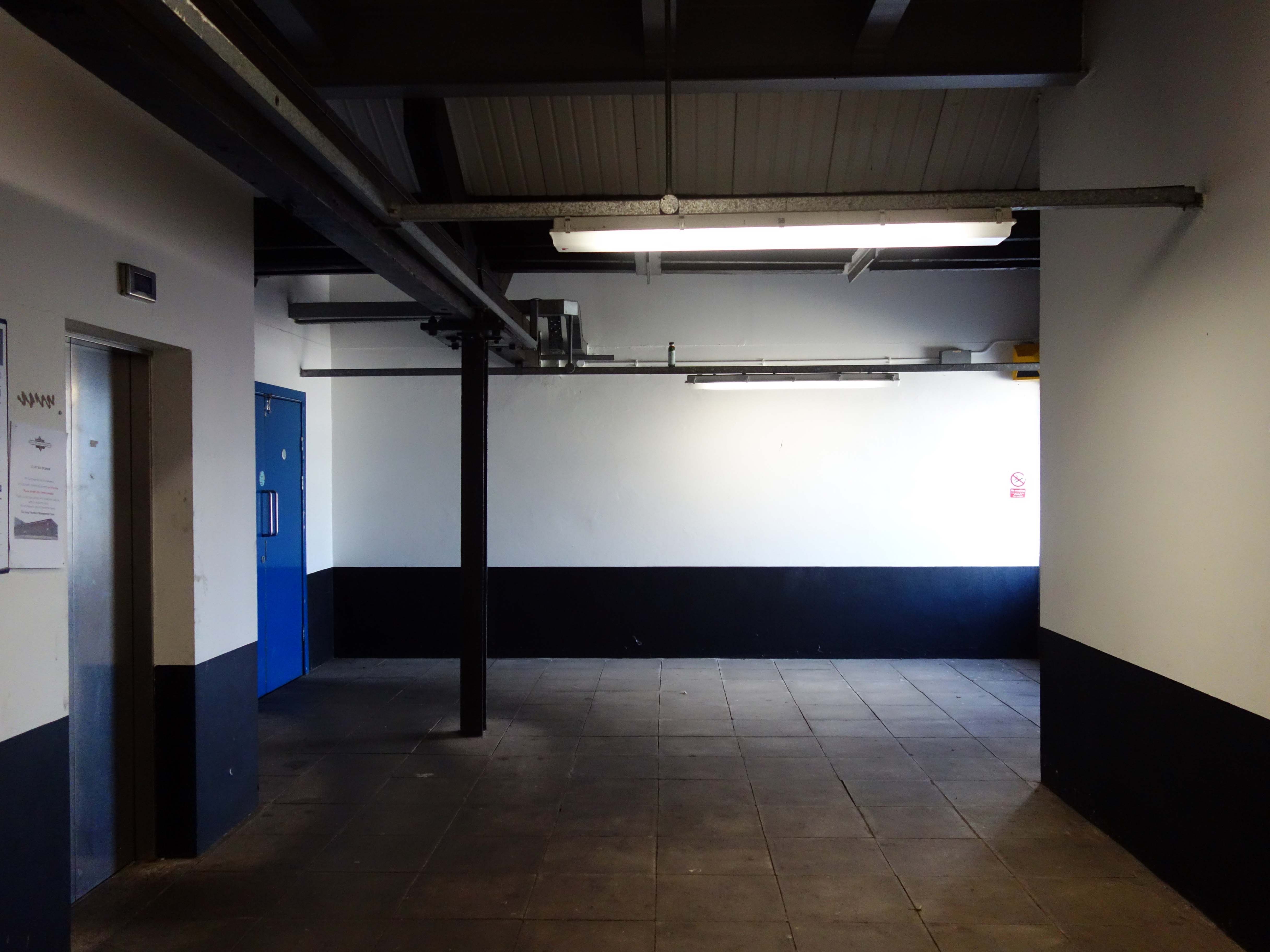
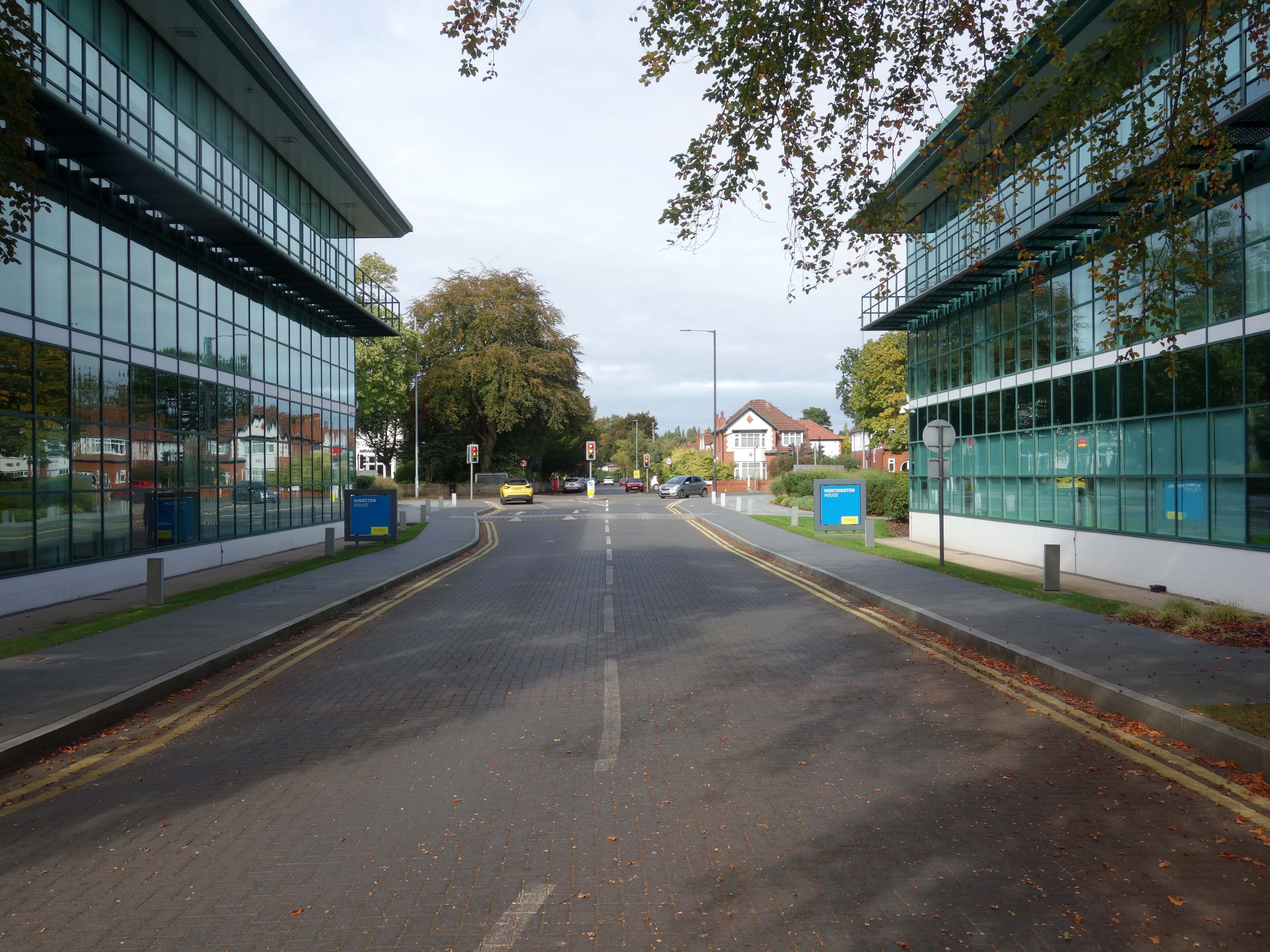
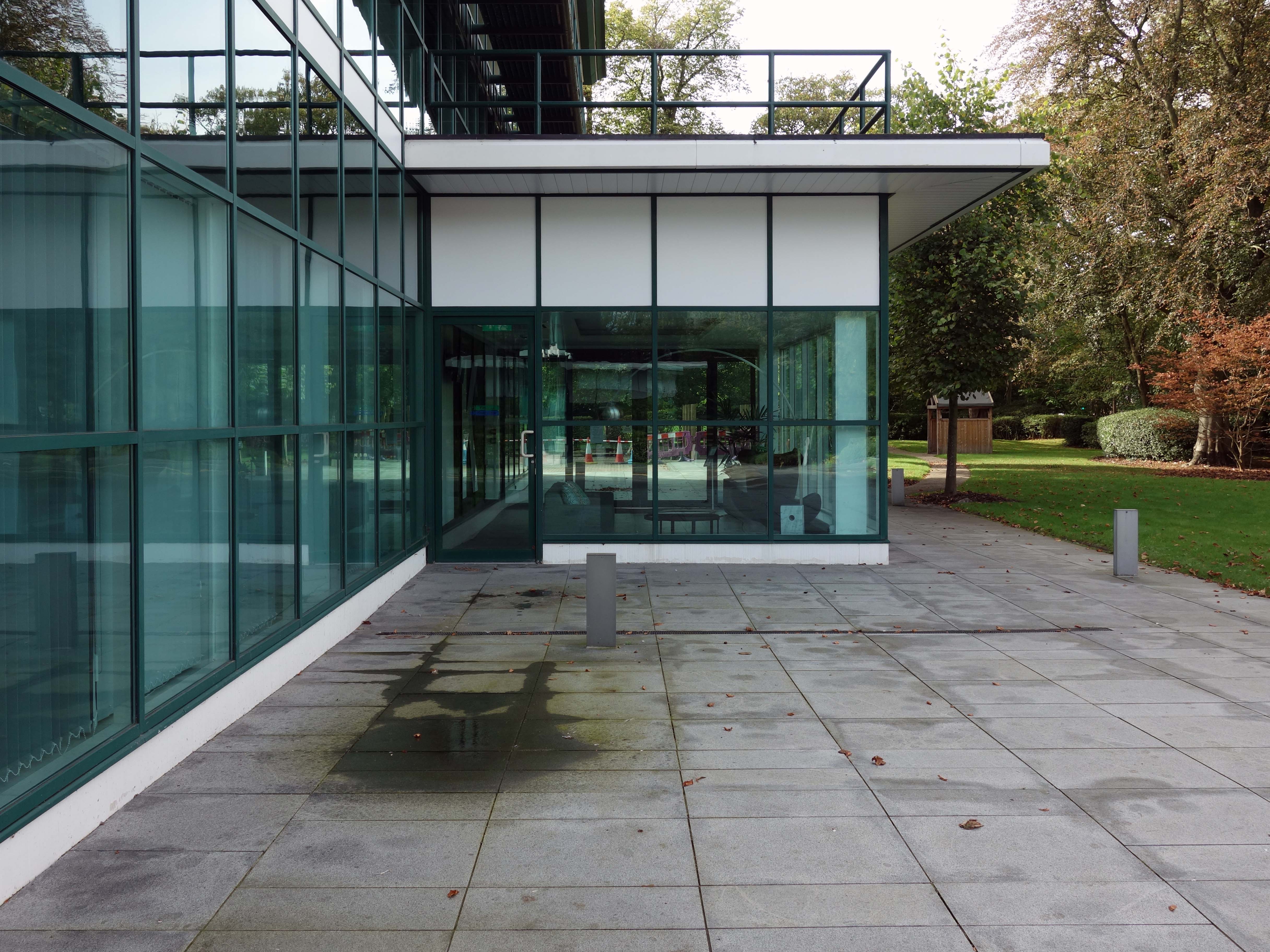
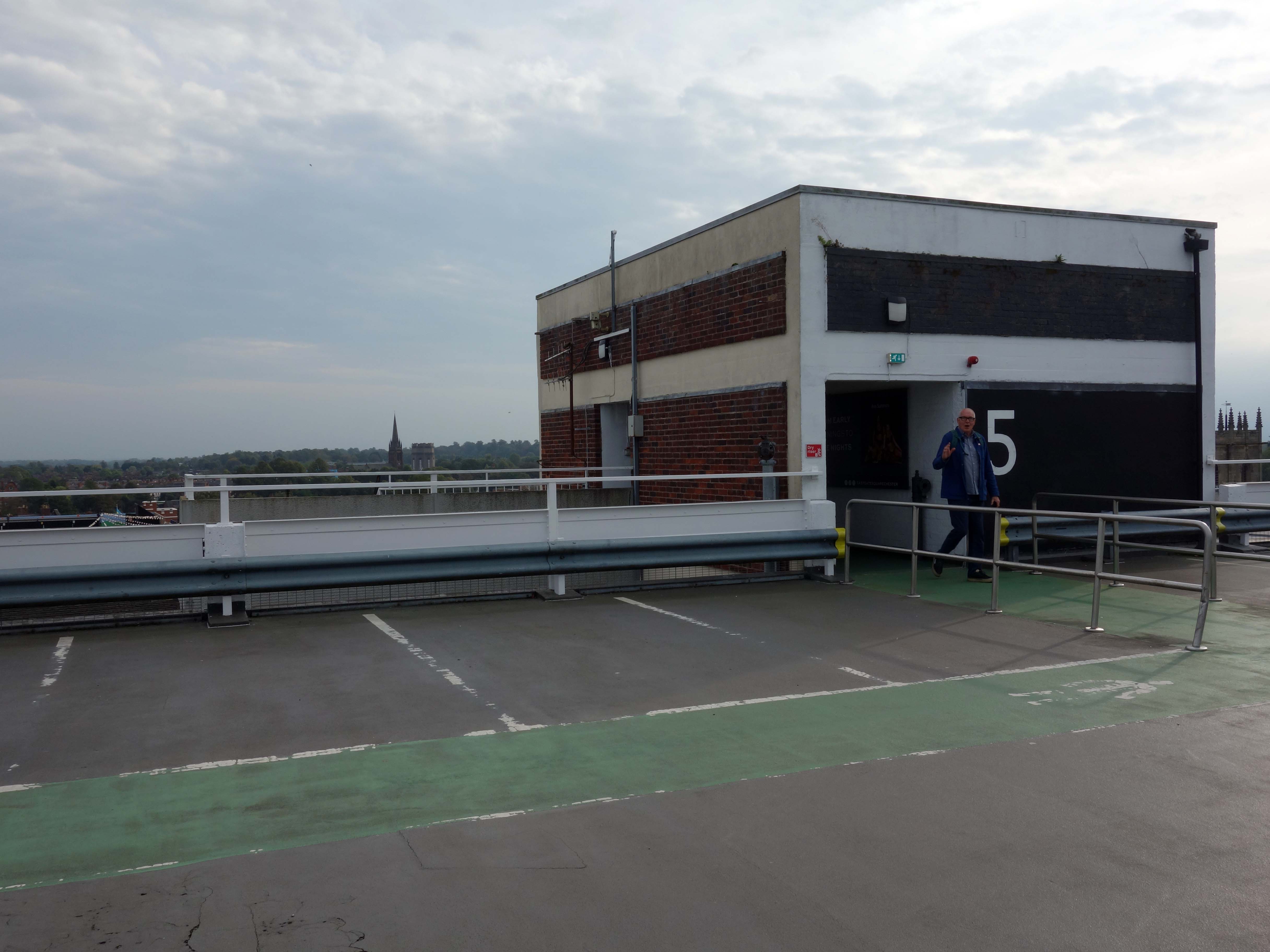
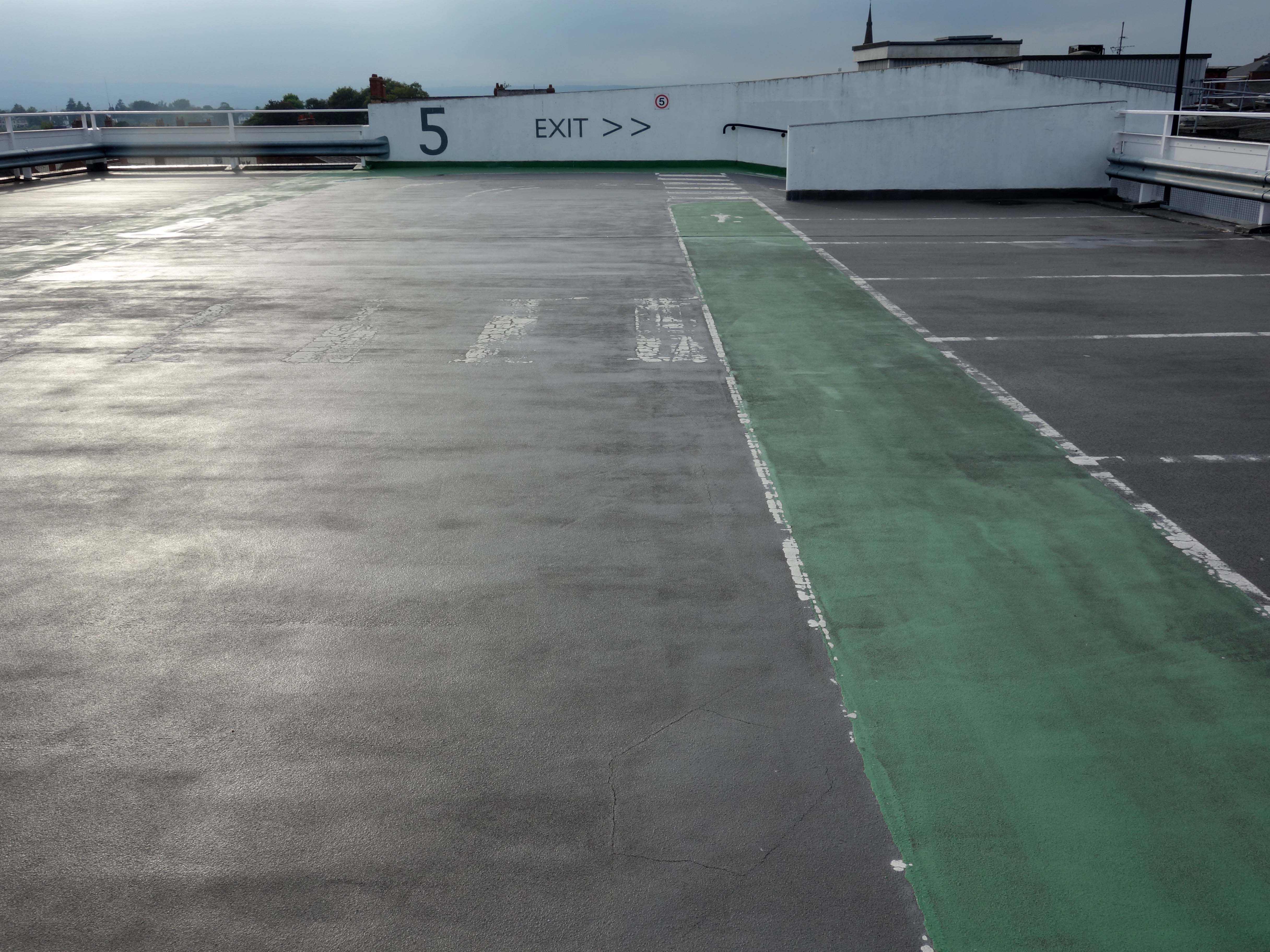
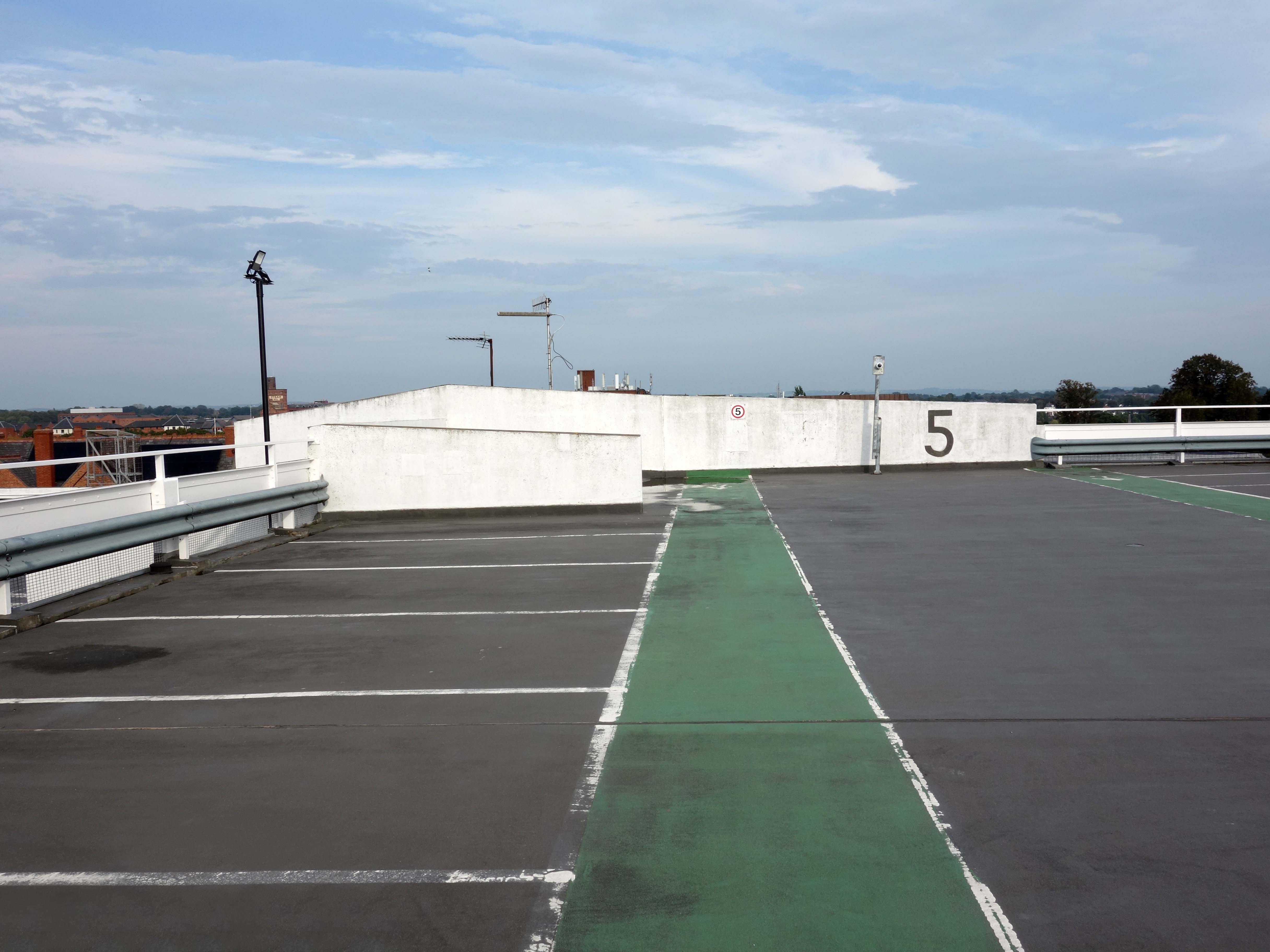
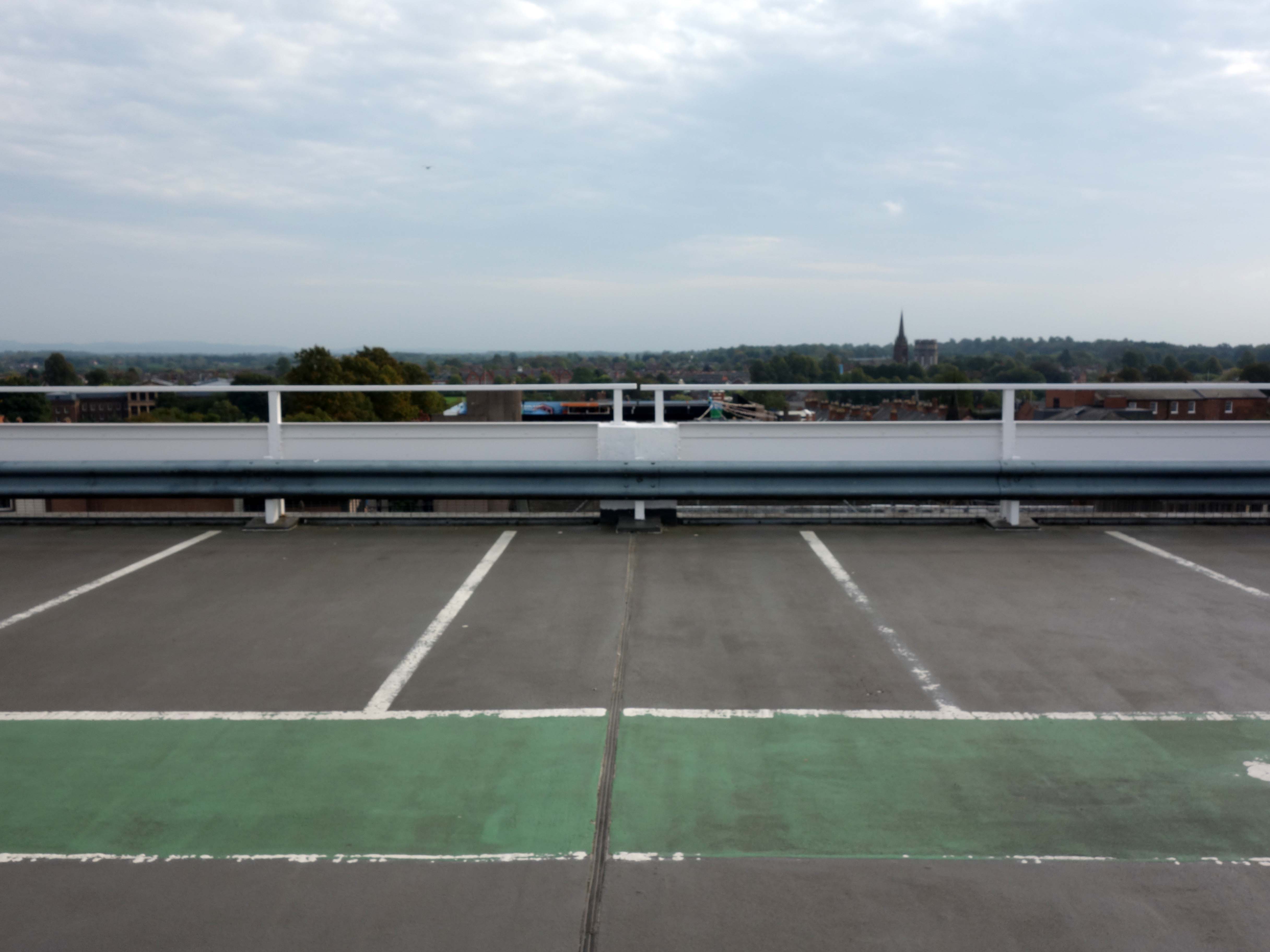
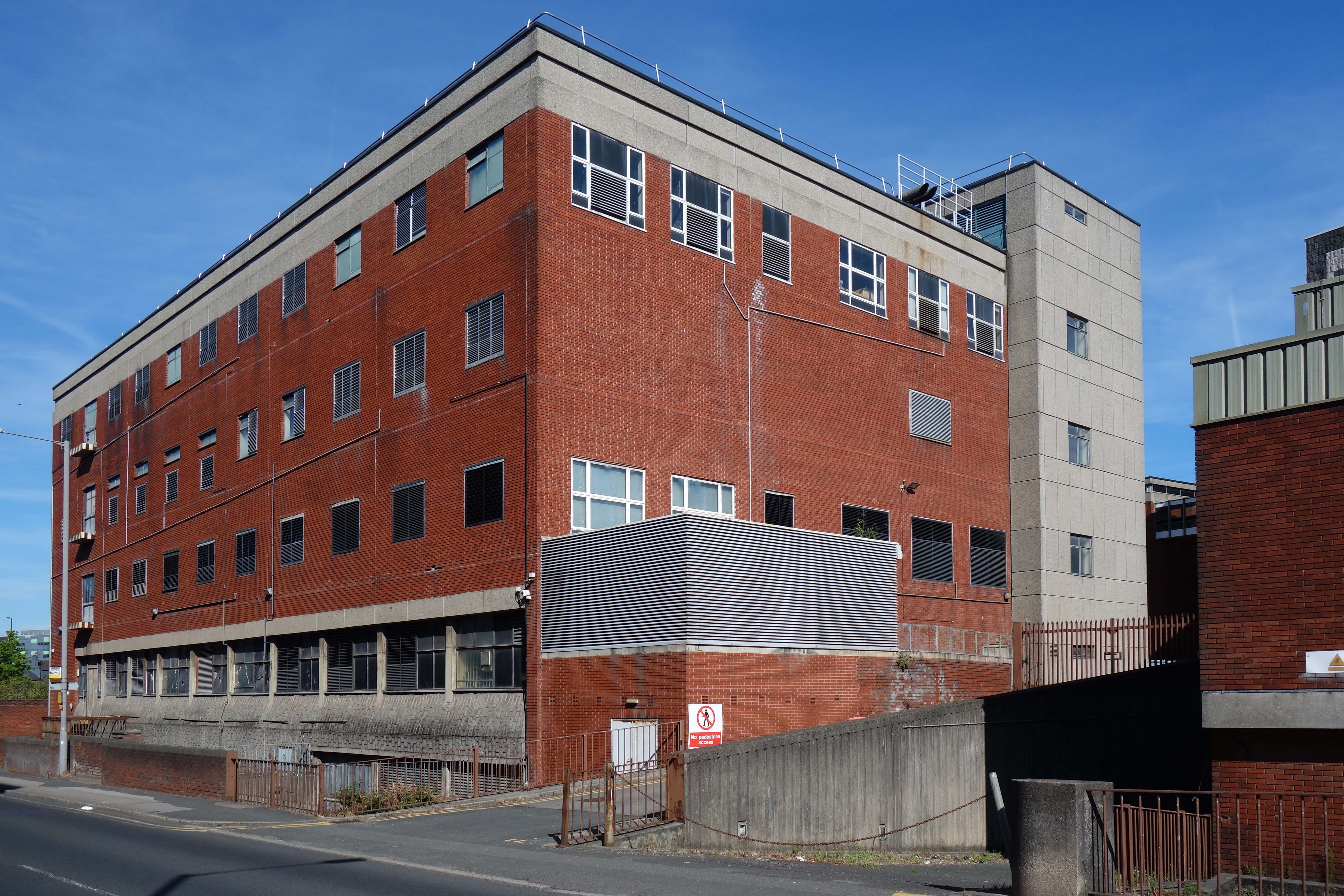
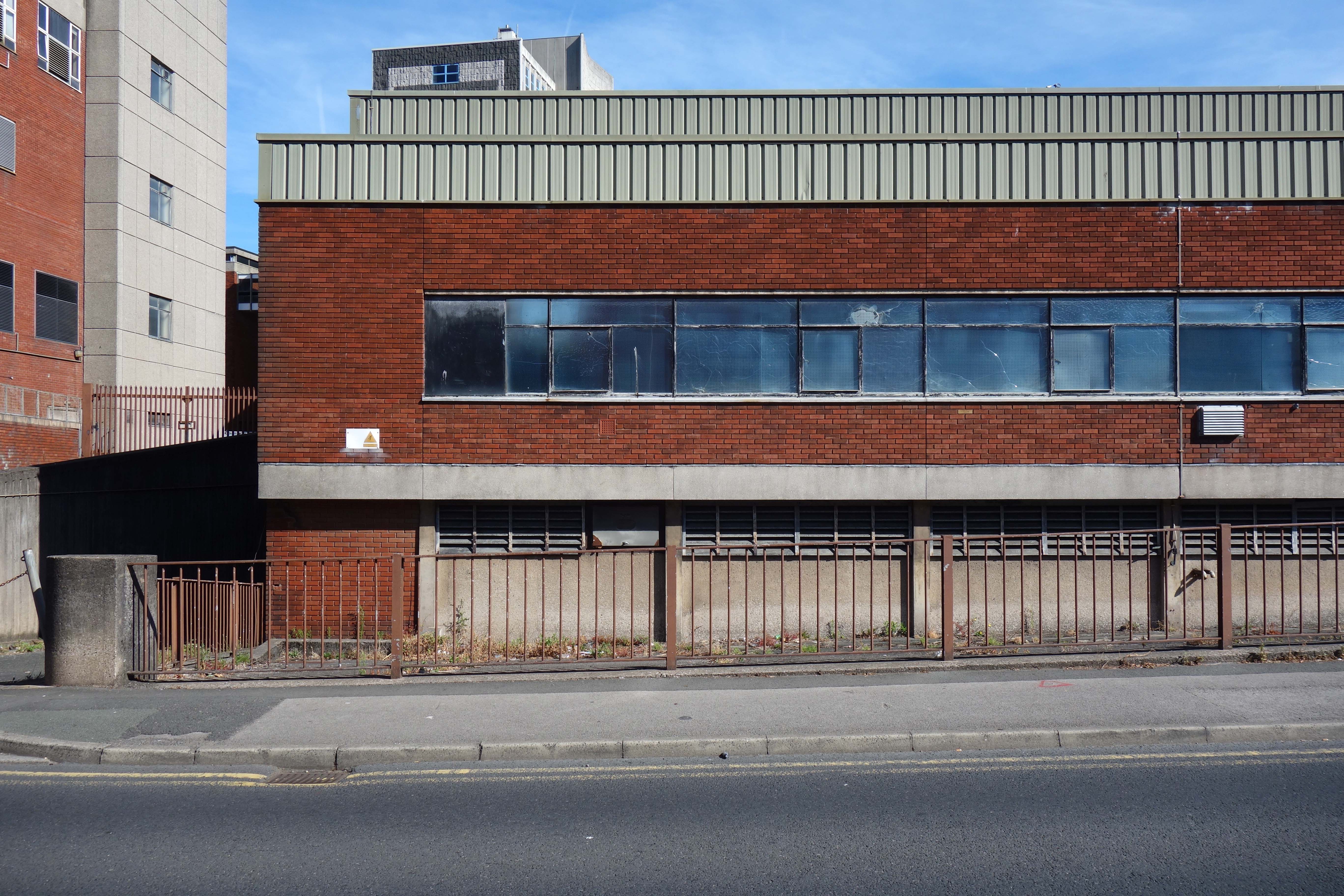
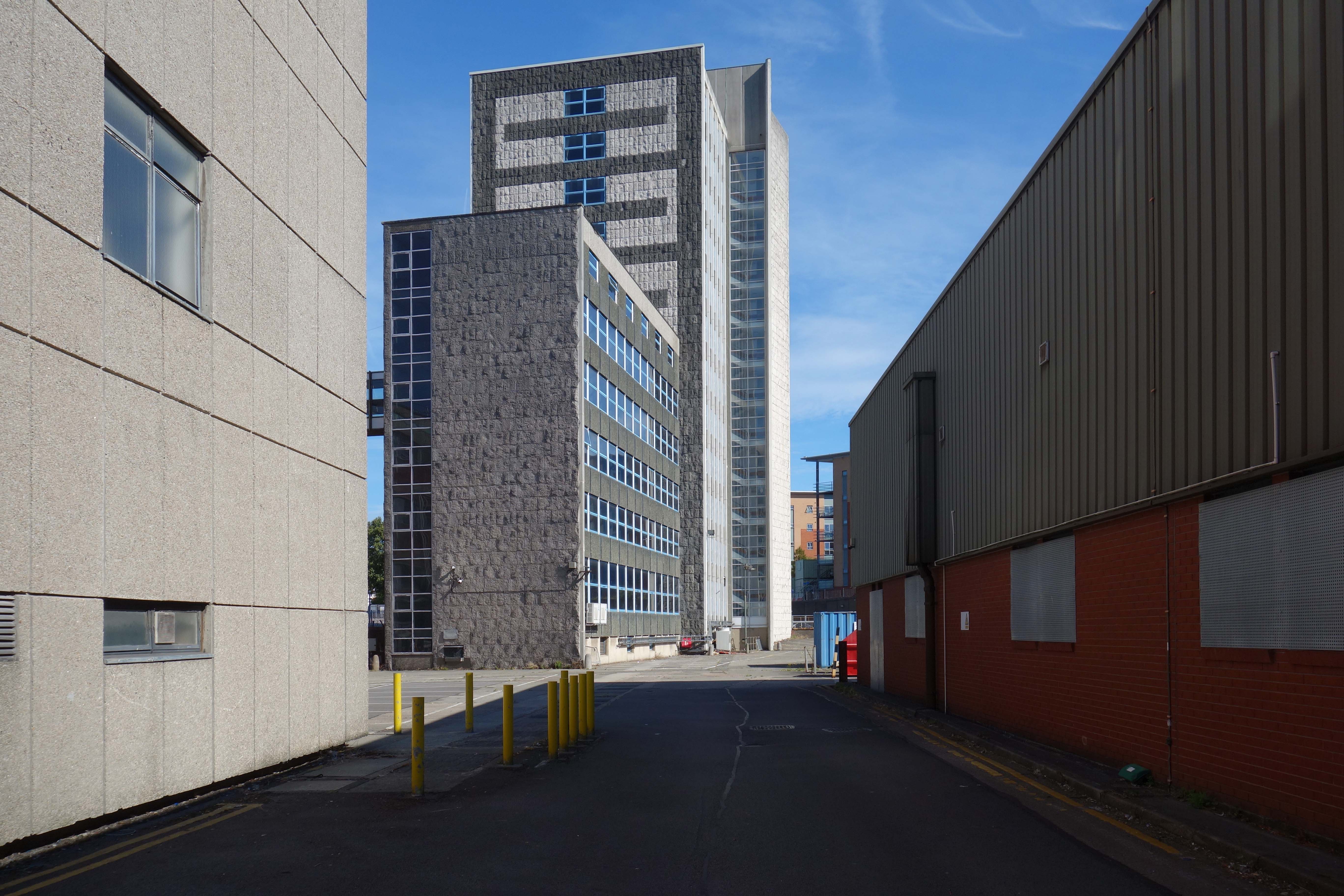
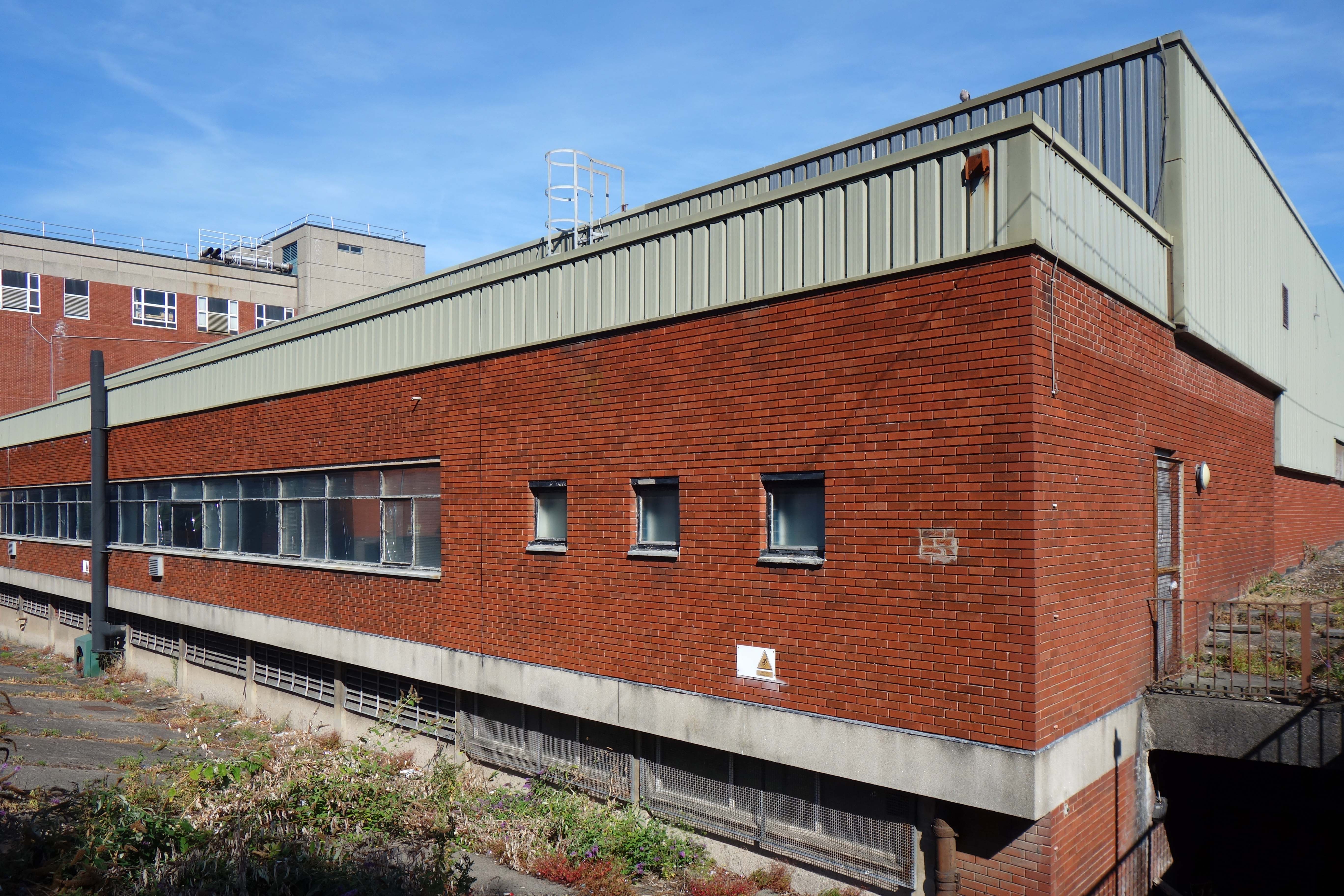
Matilda Way Sheffield City Centre Sheffield S1 4QJ
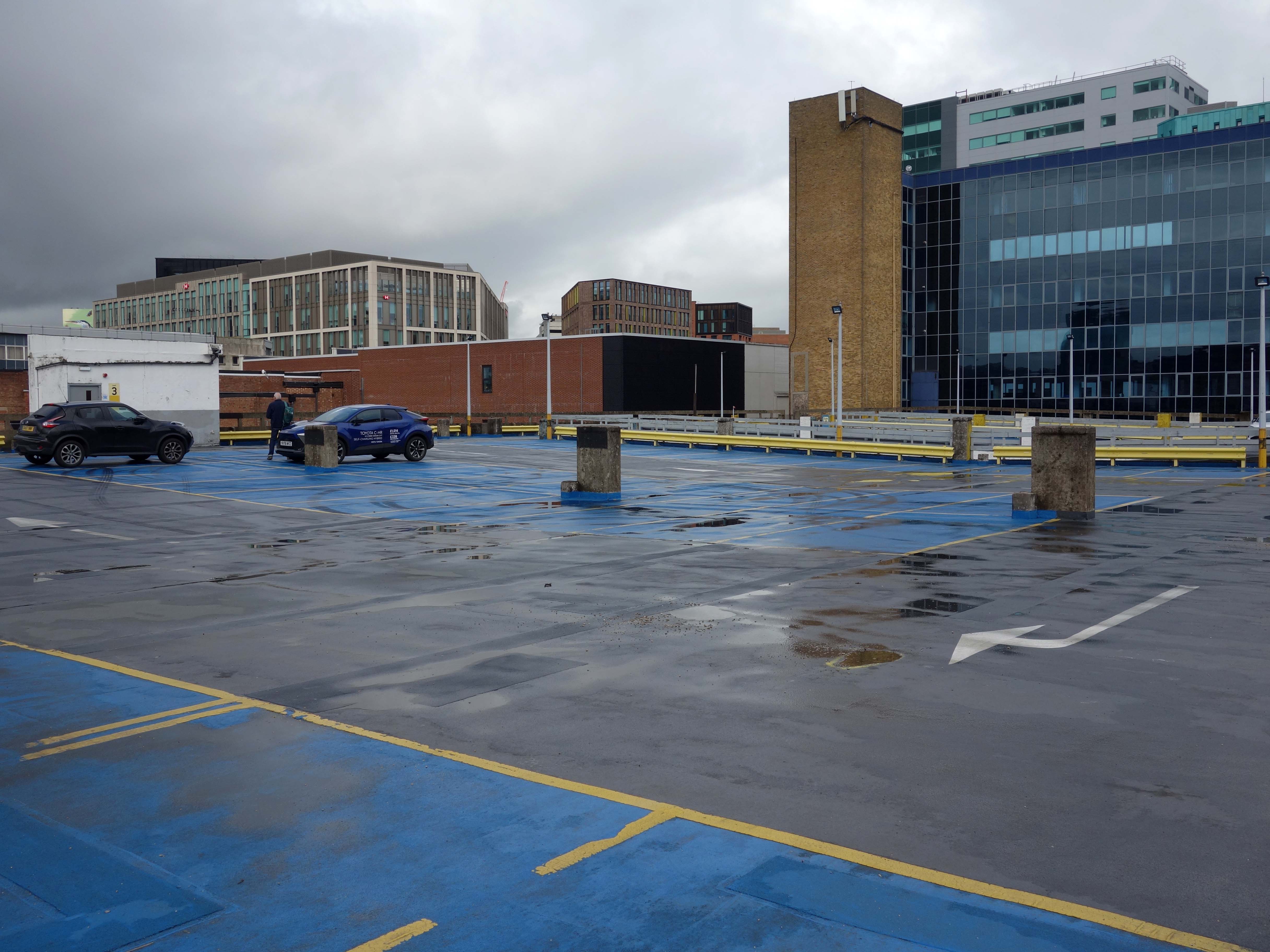
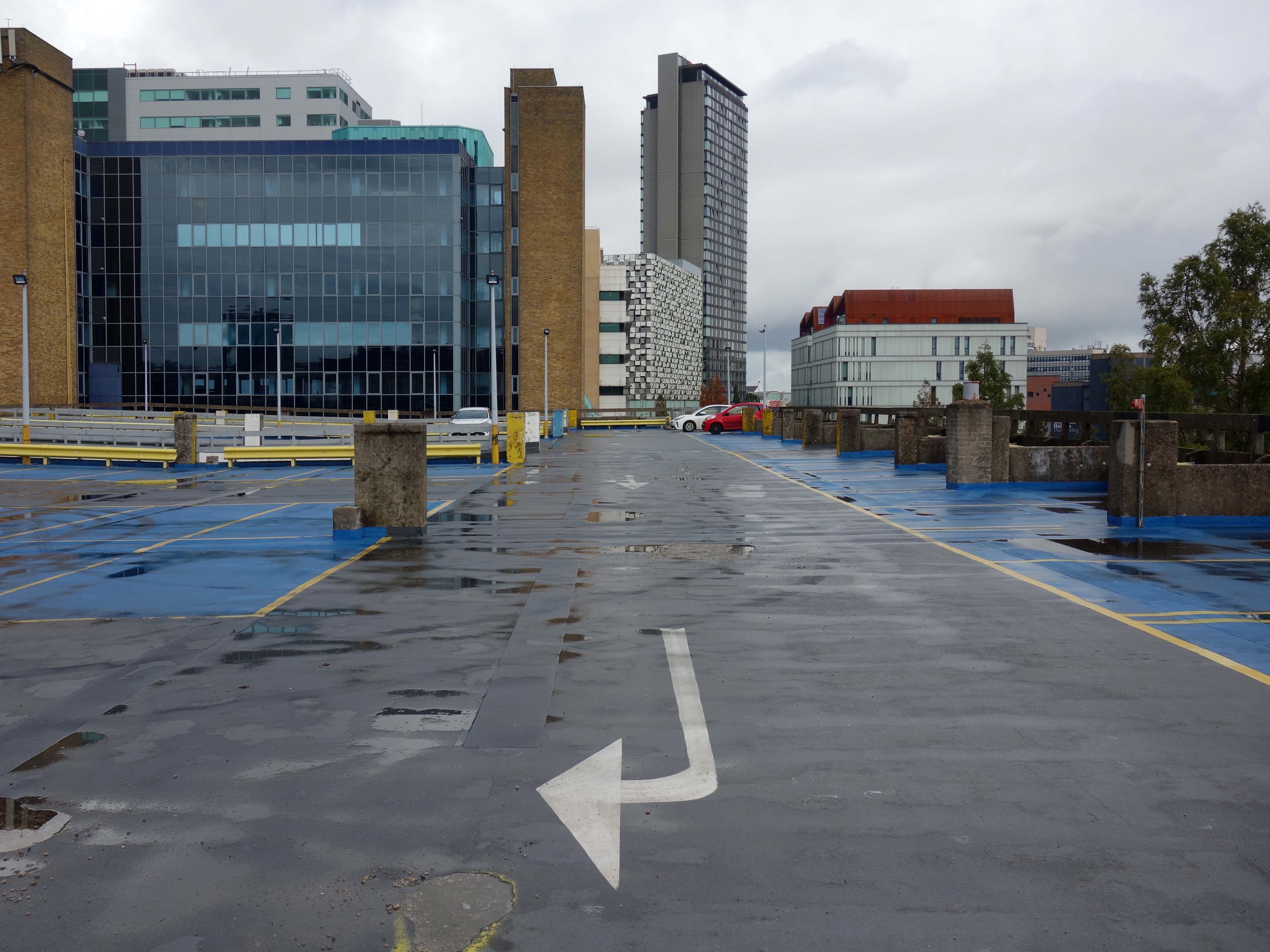
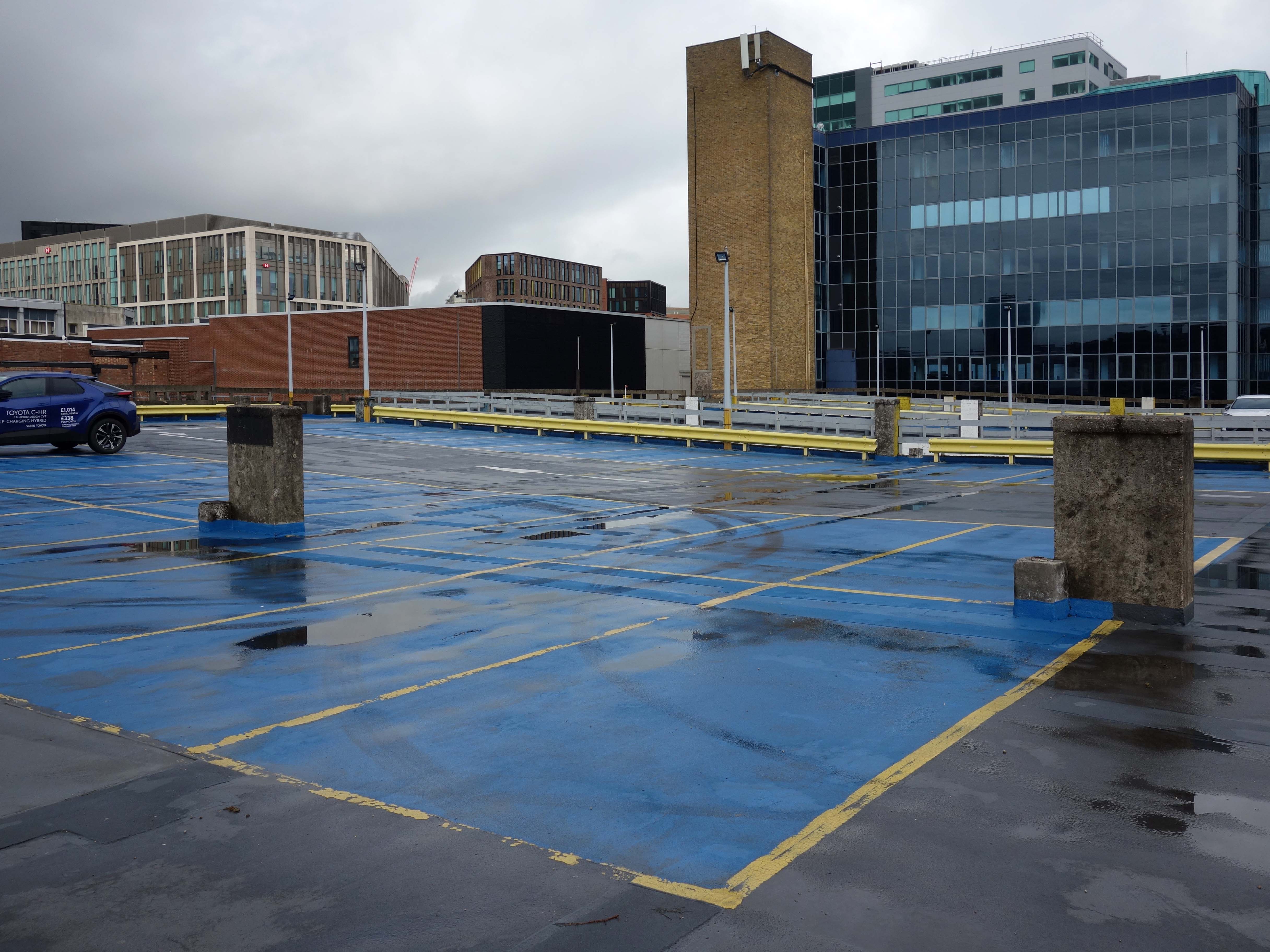
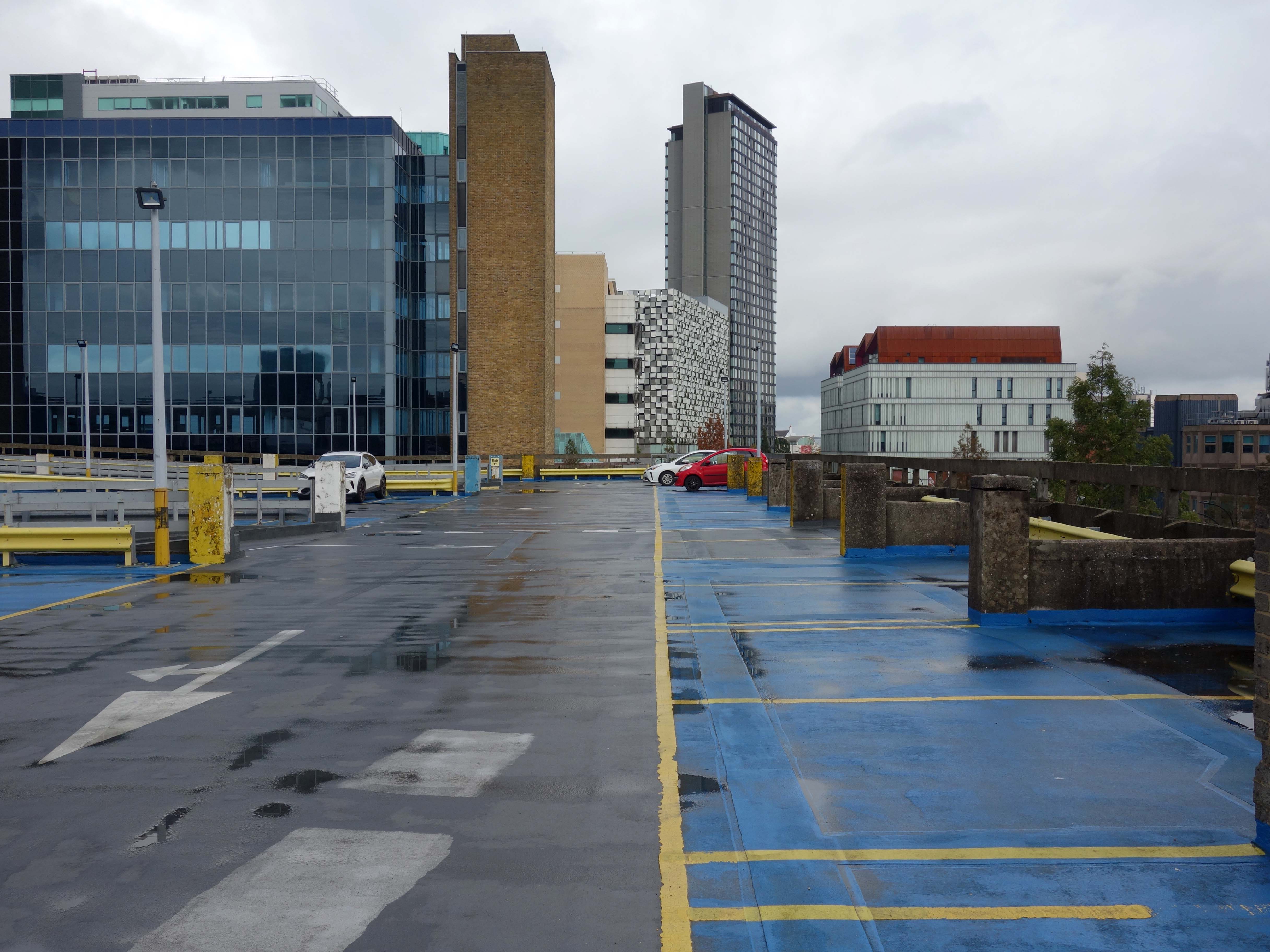
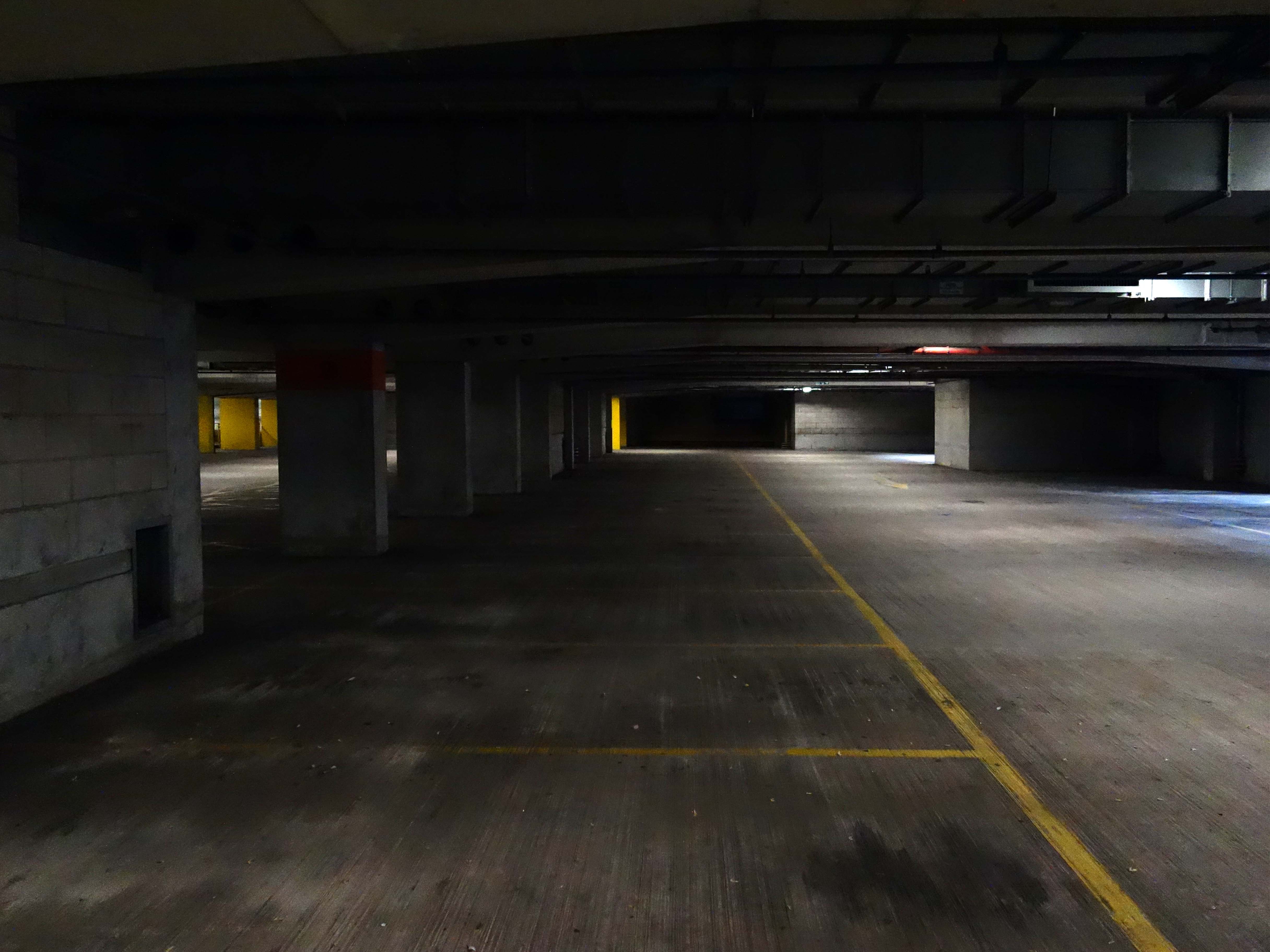
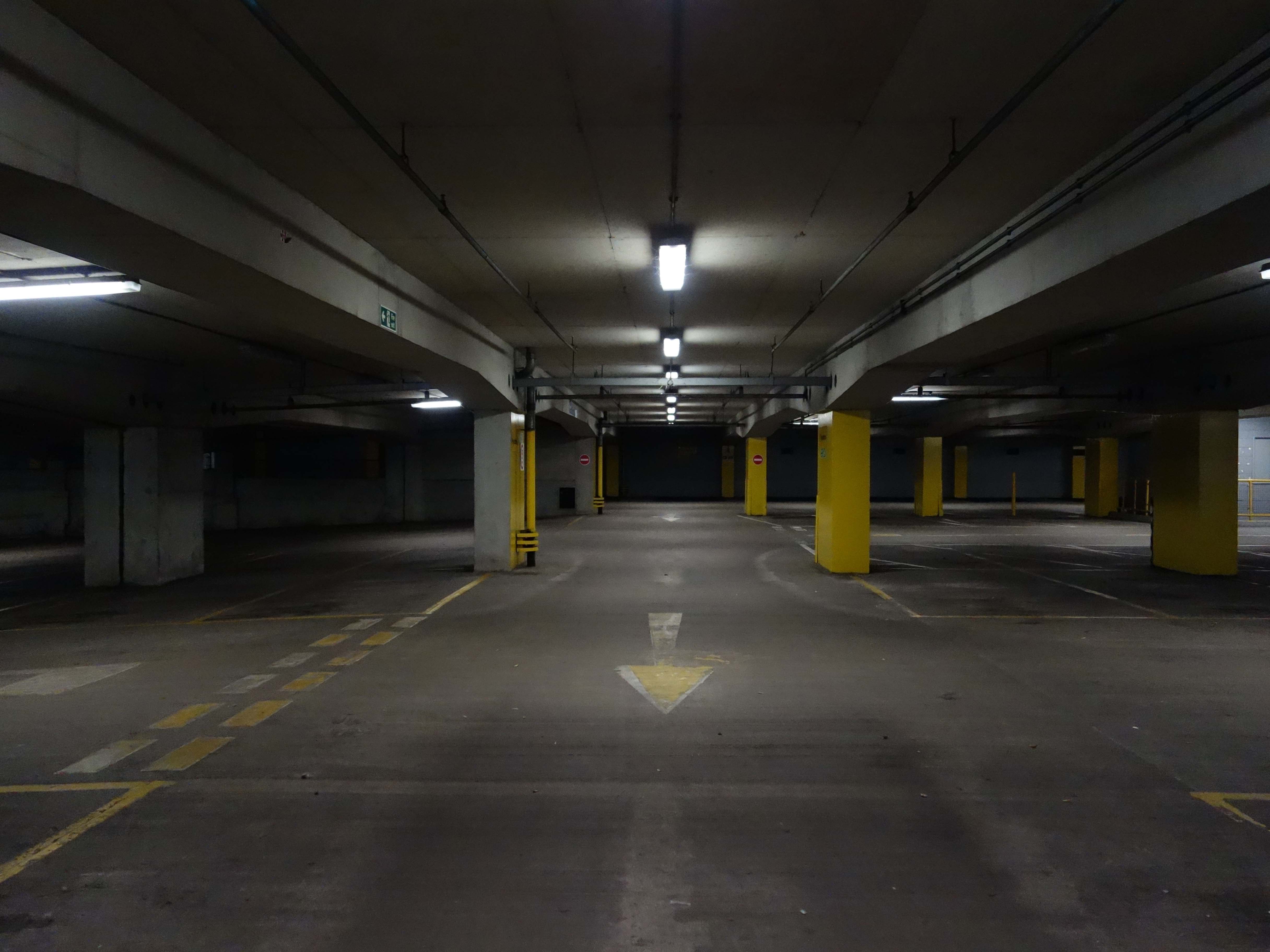
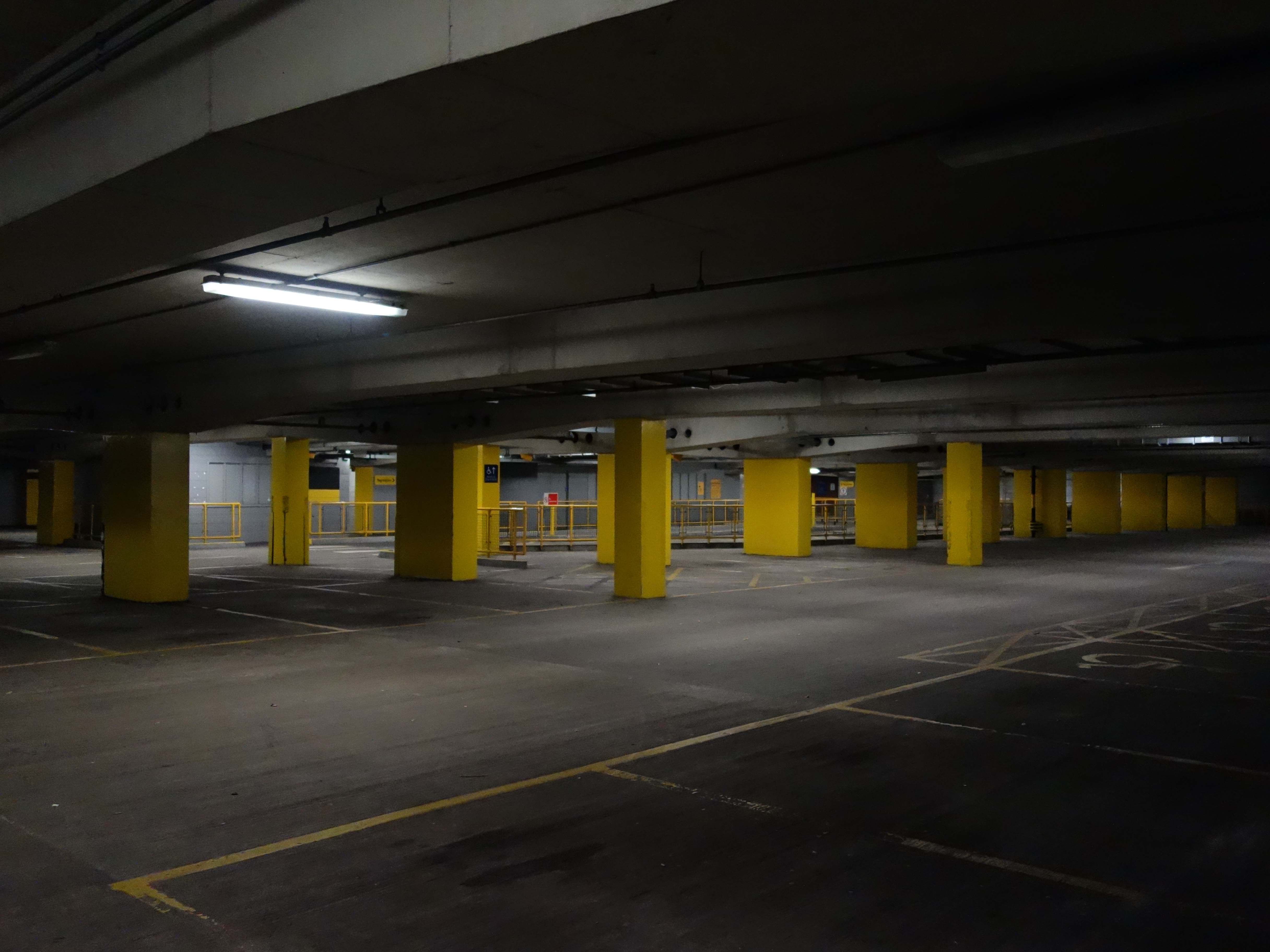
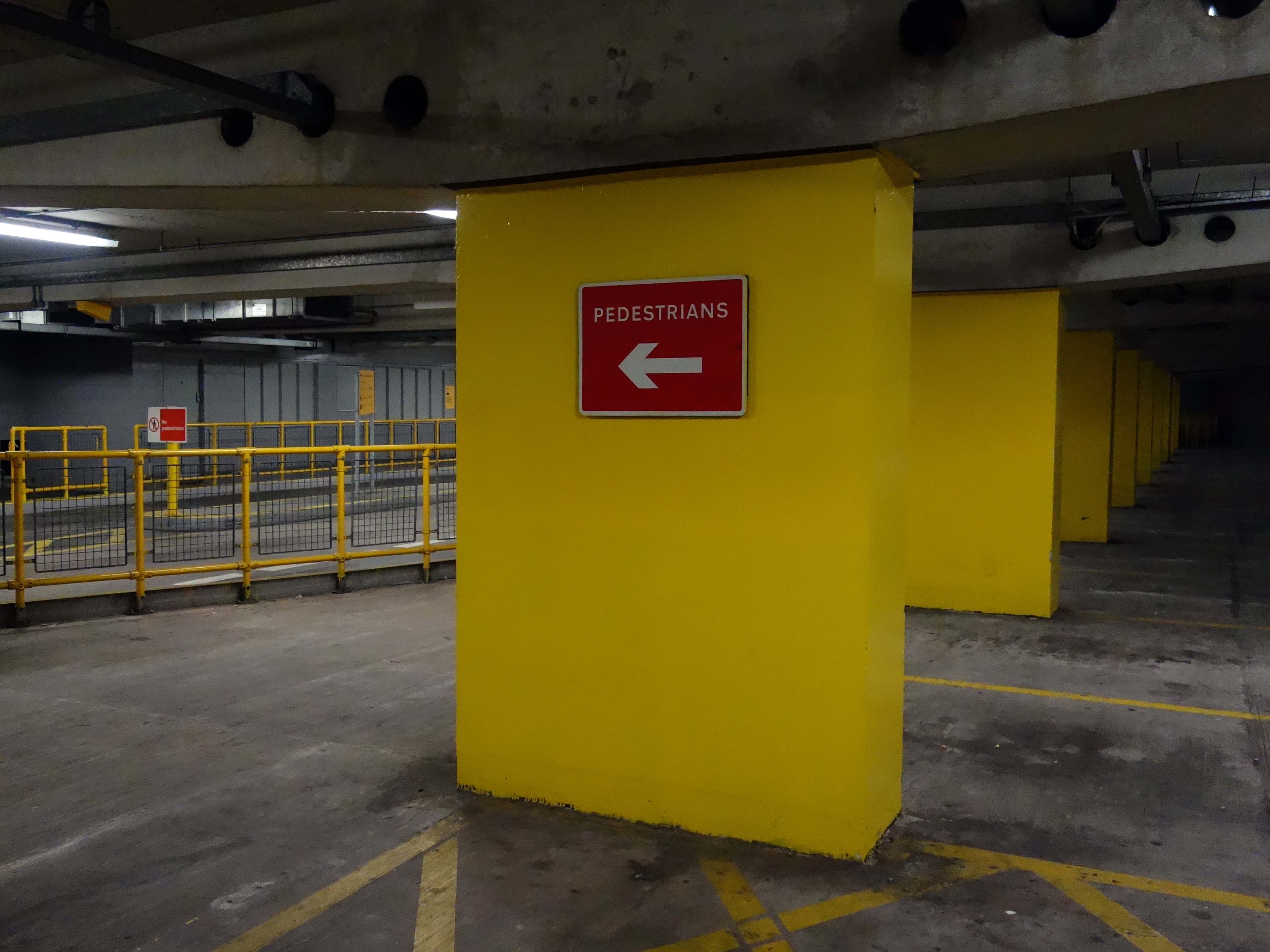
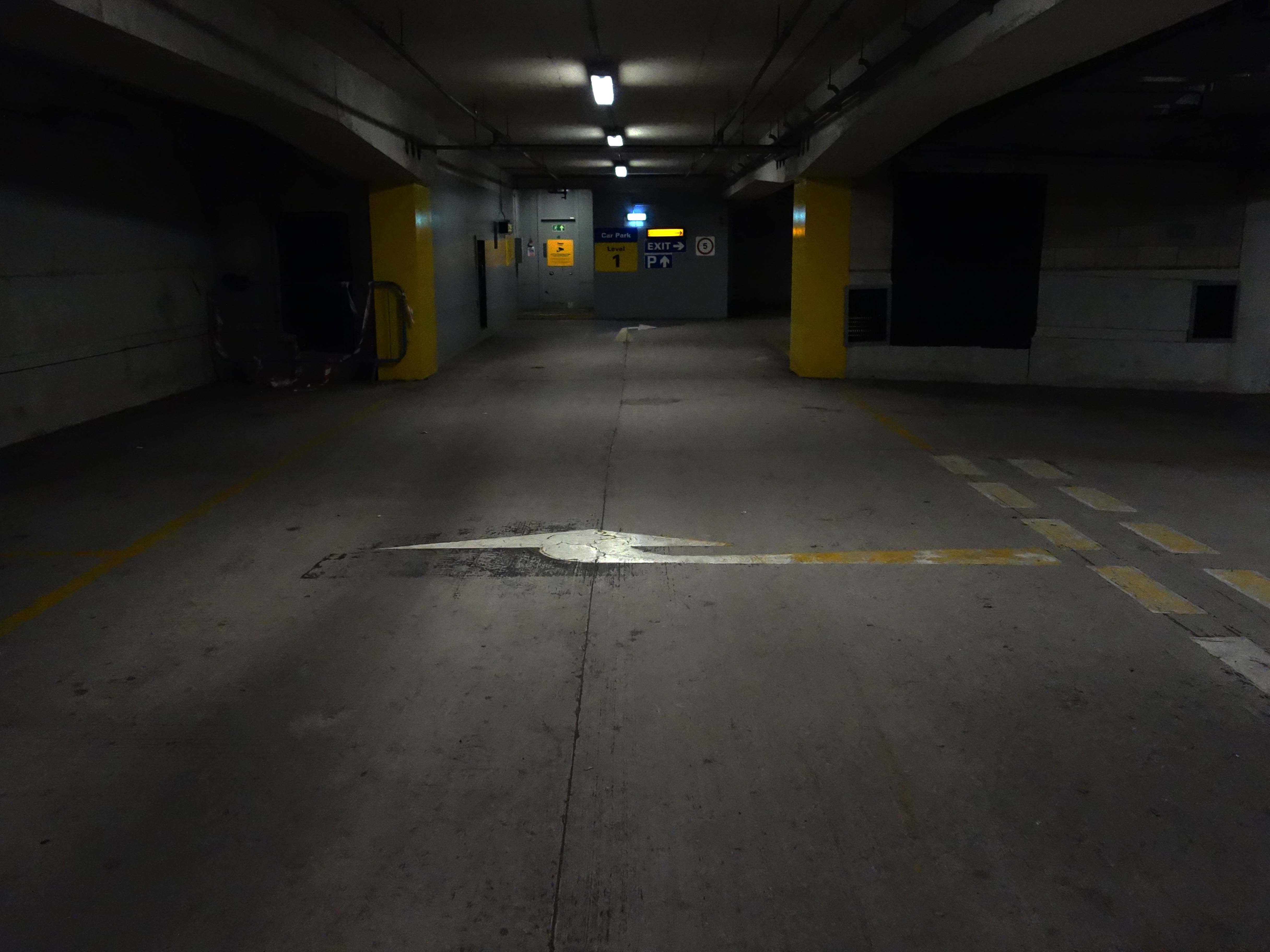
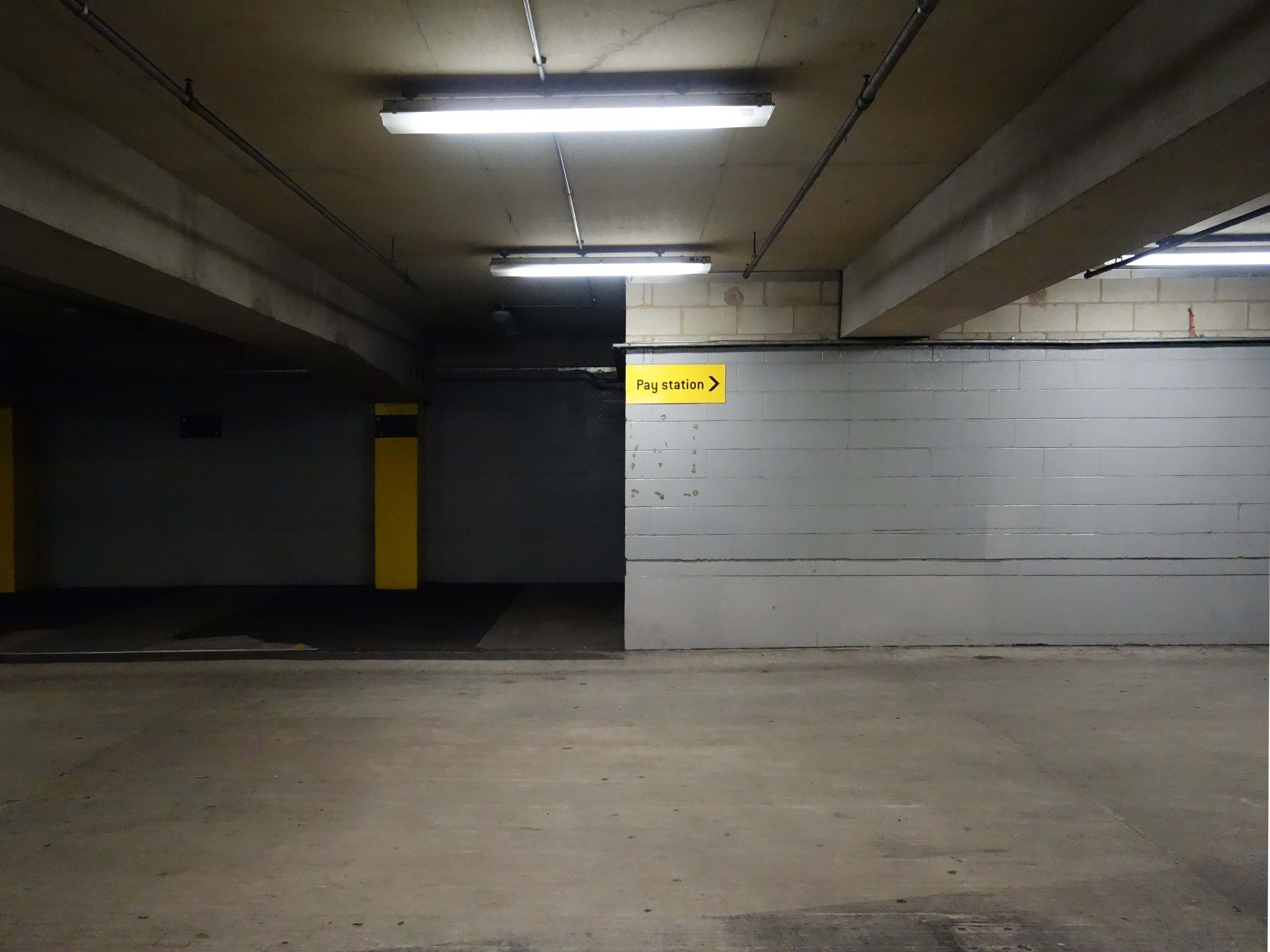
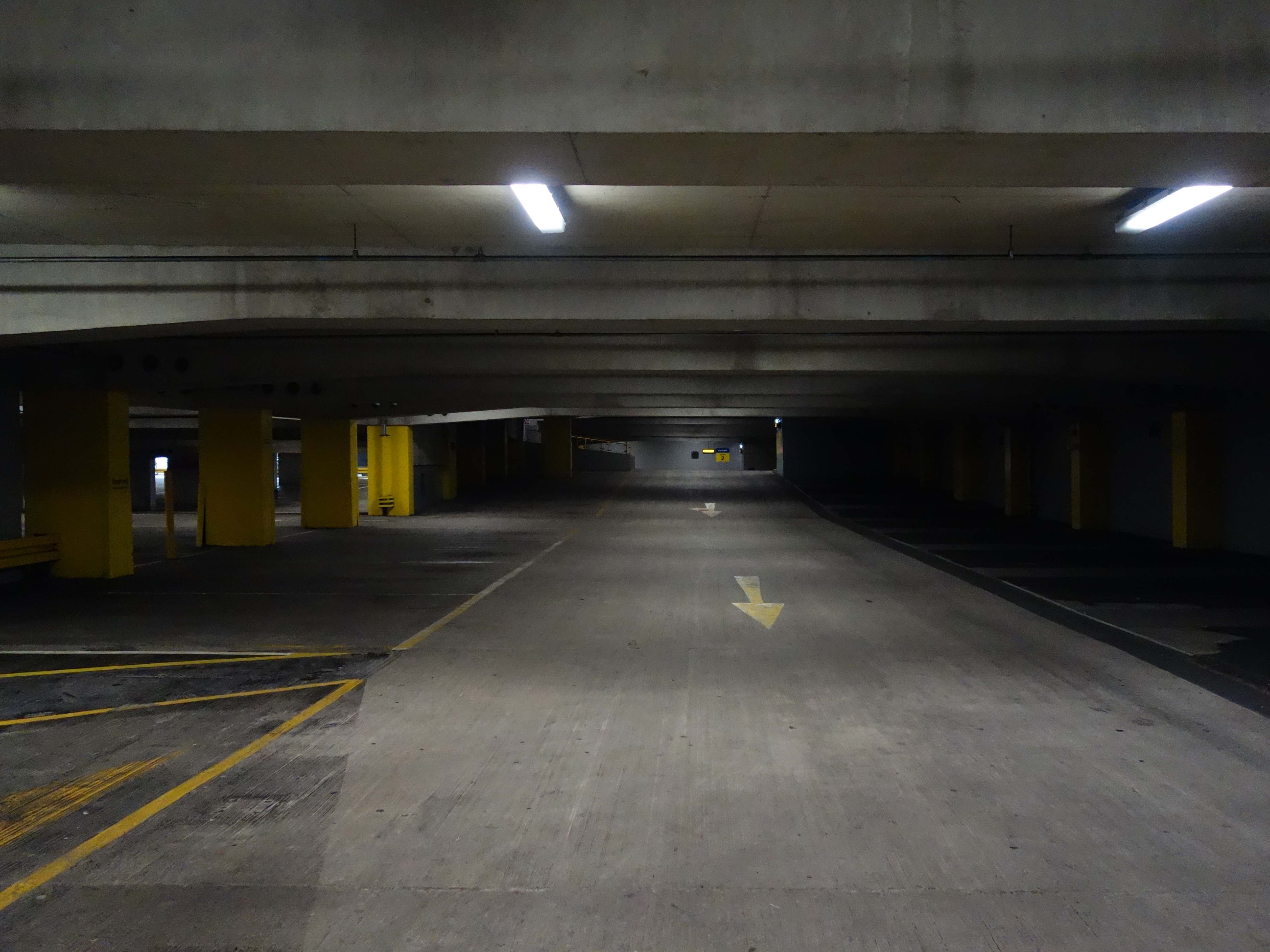
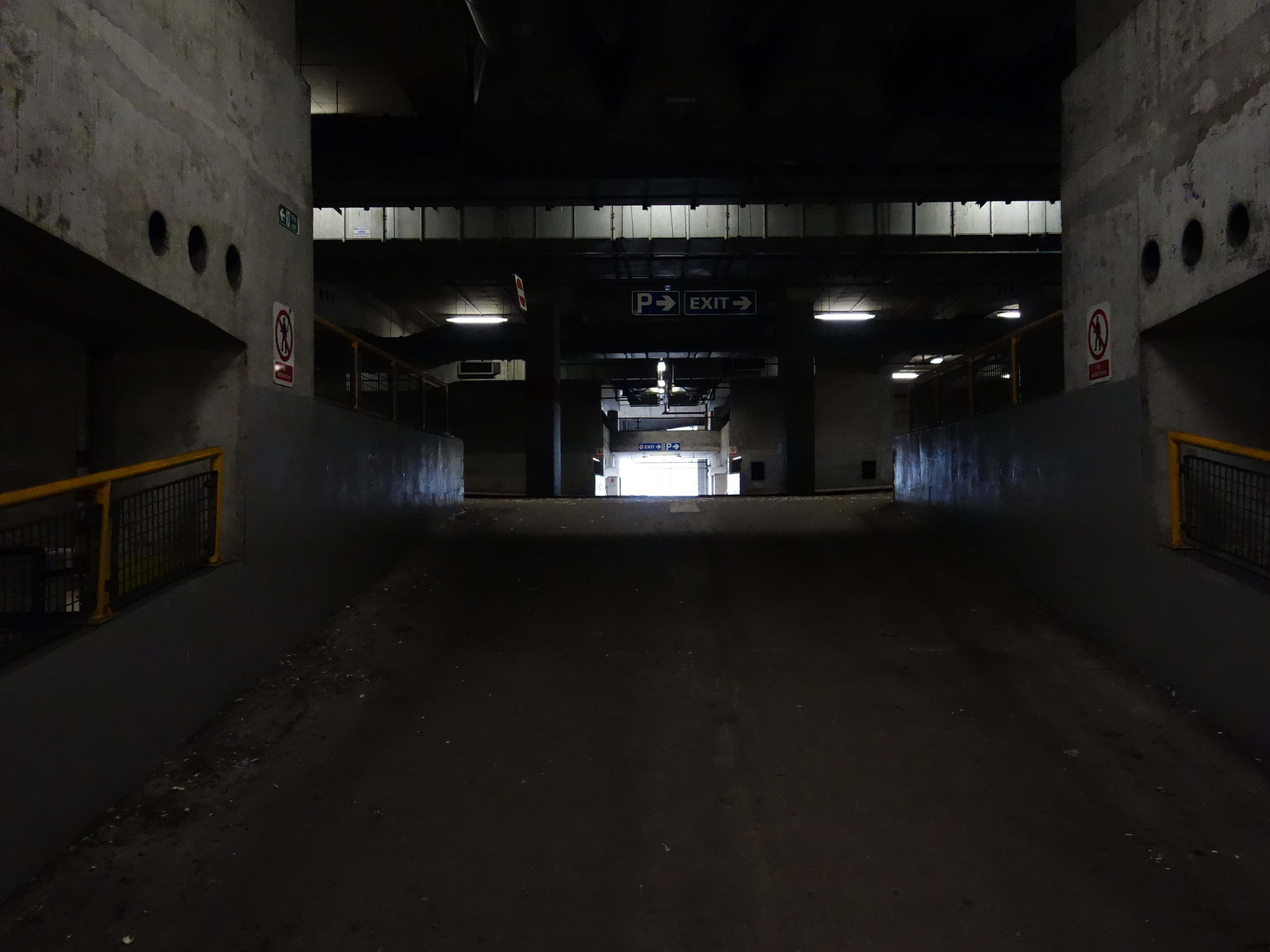
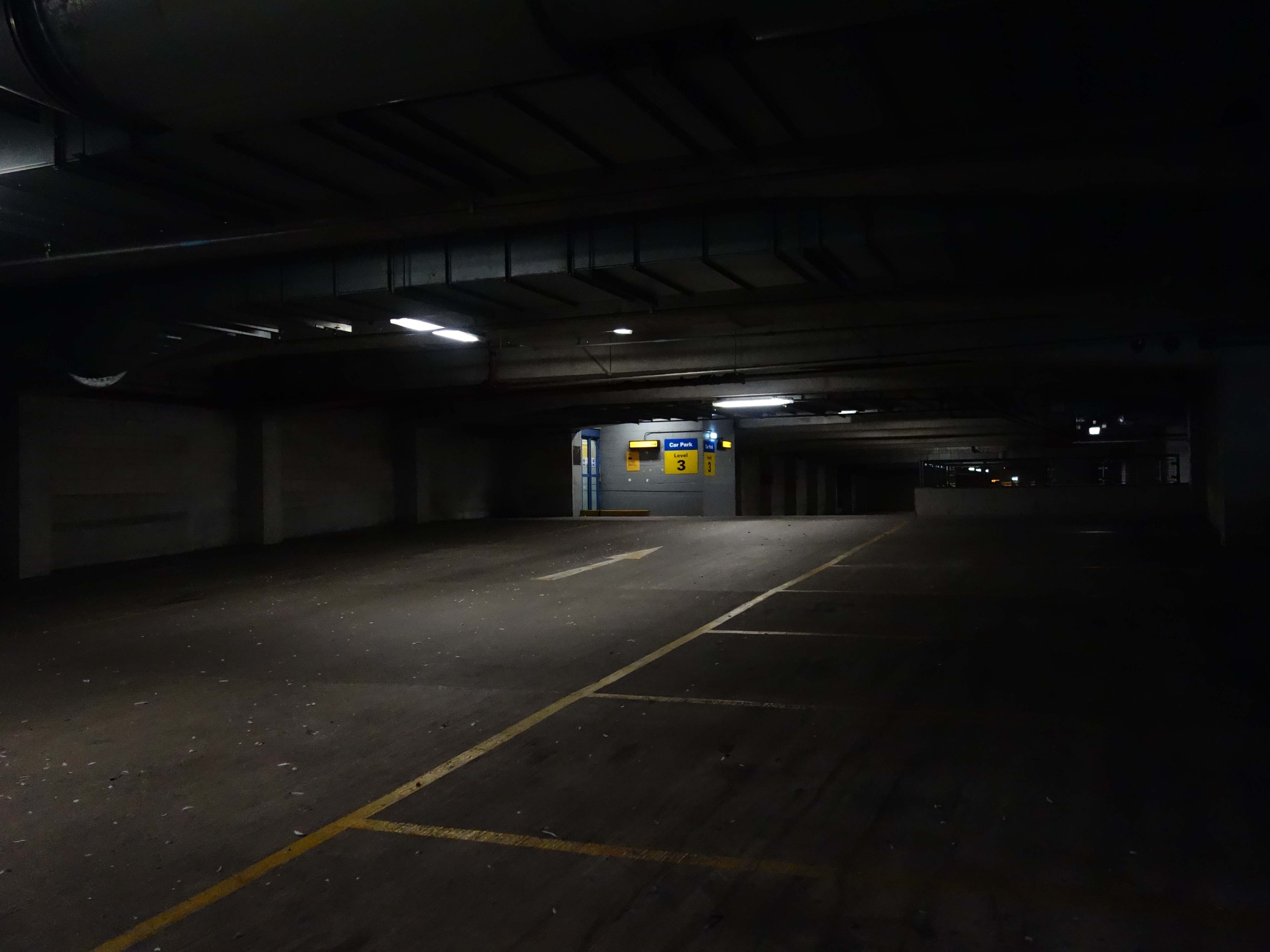
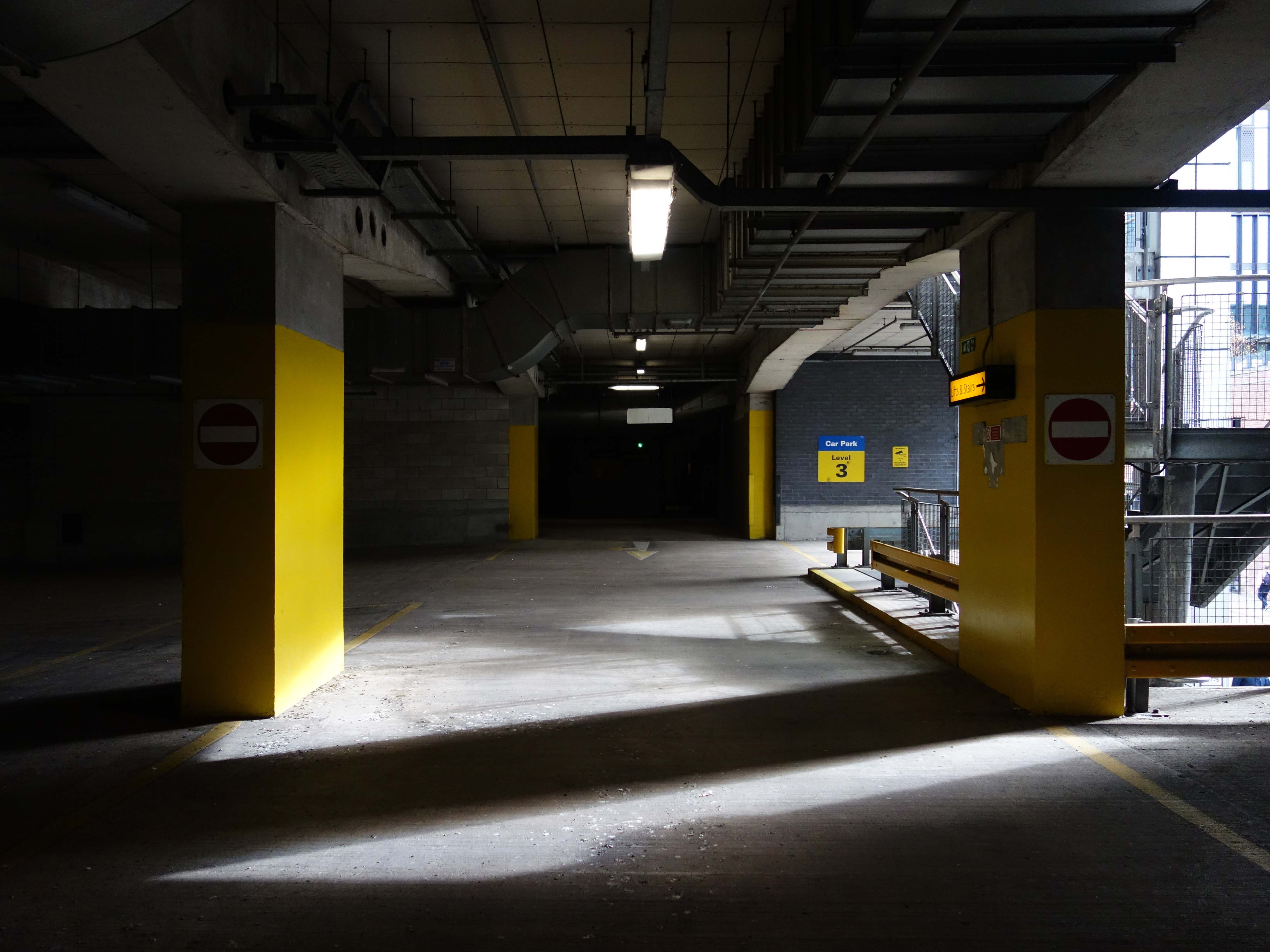
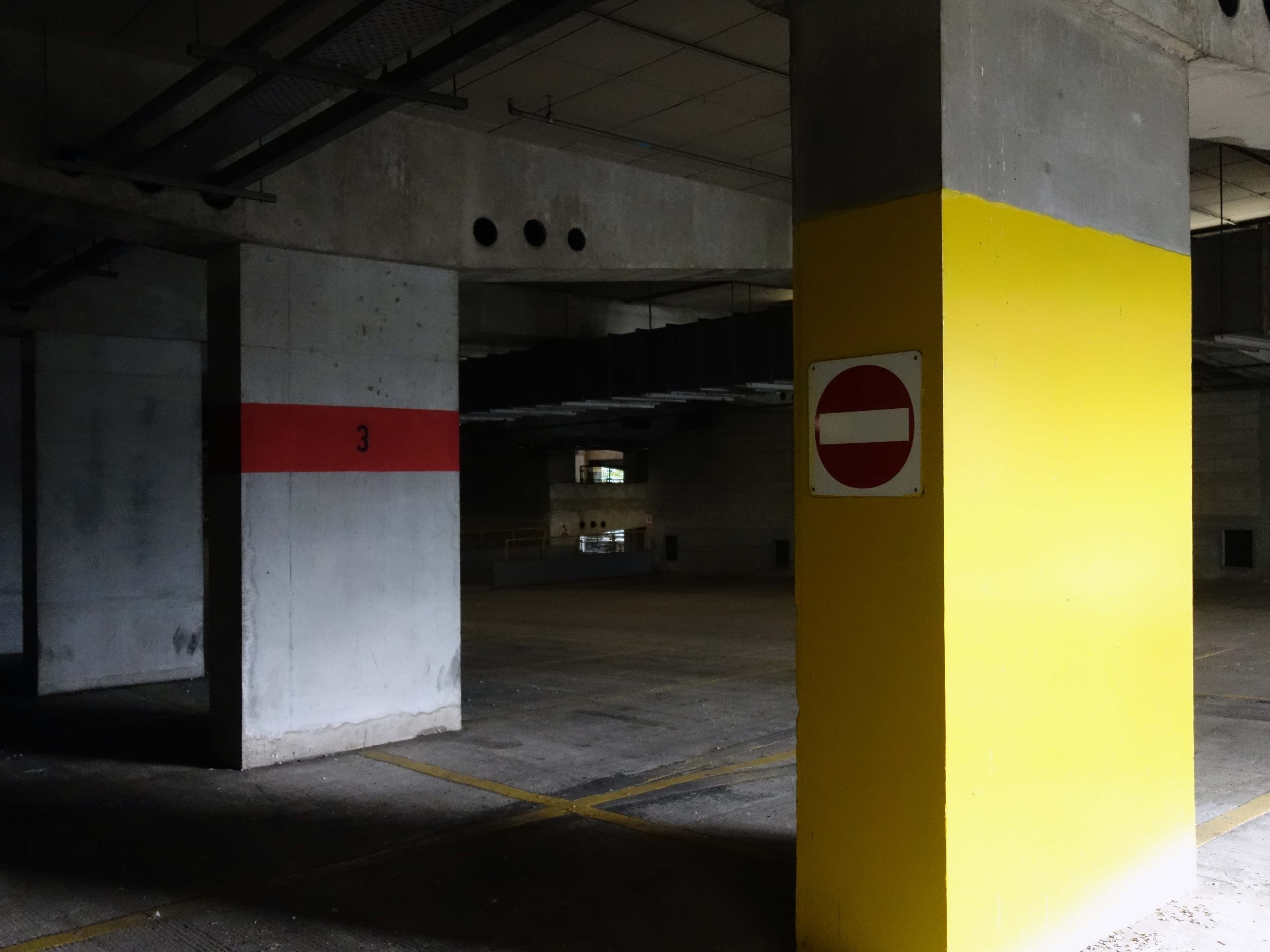
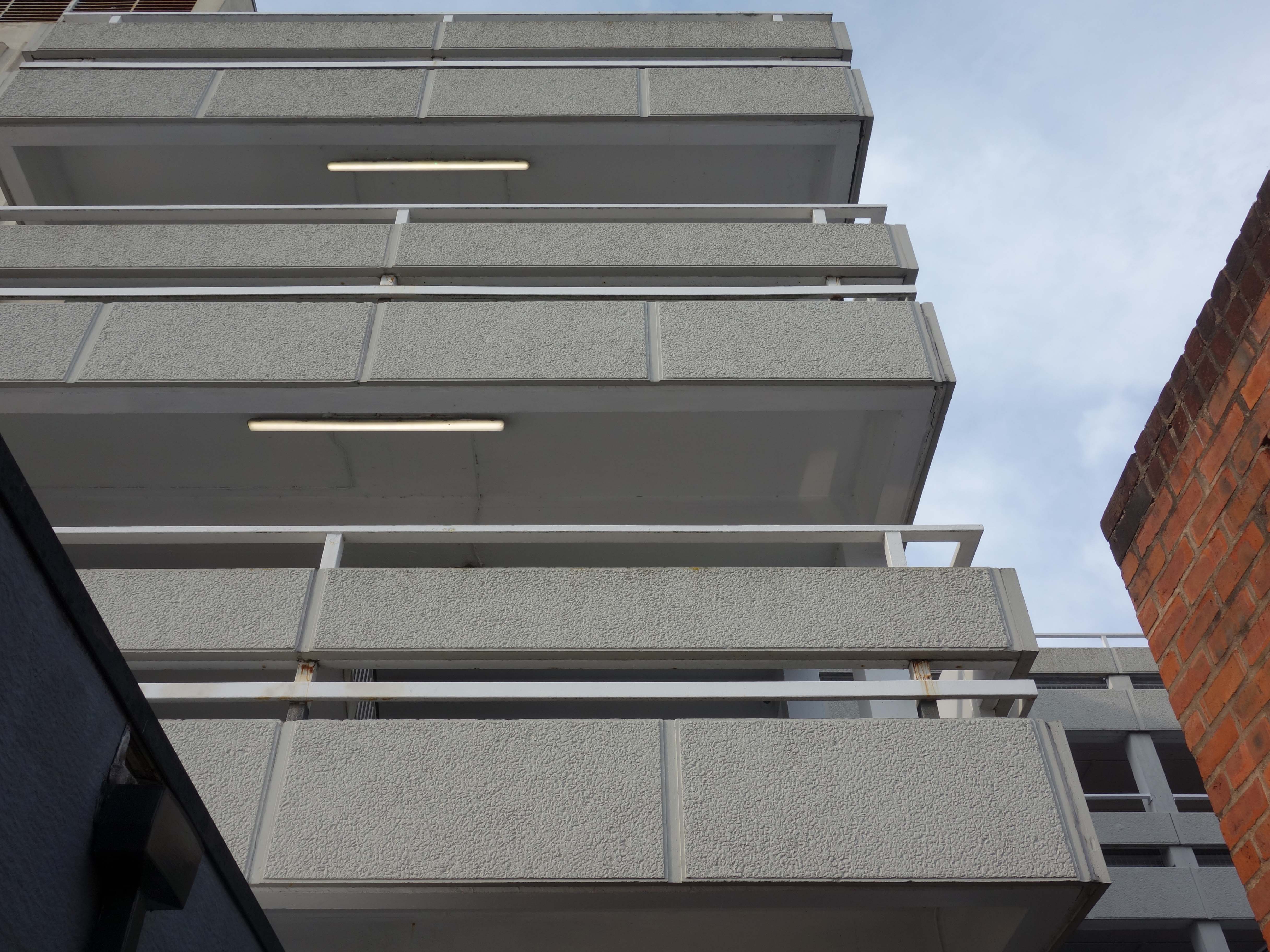
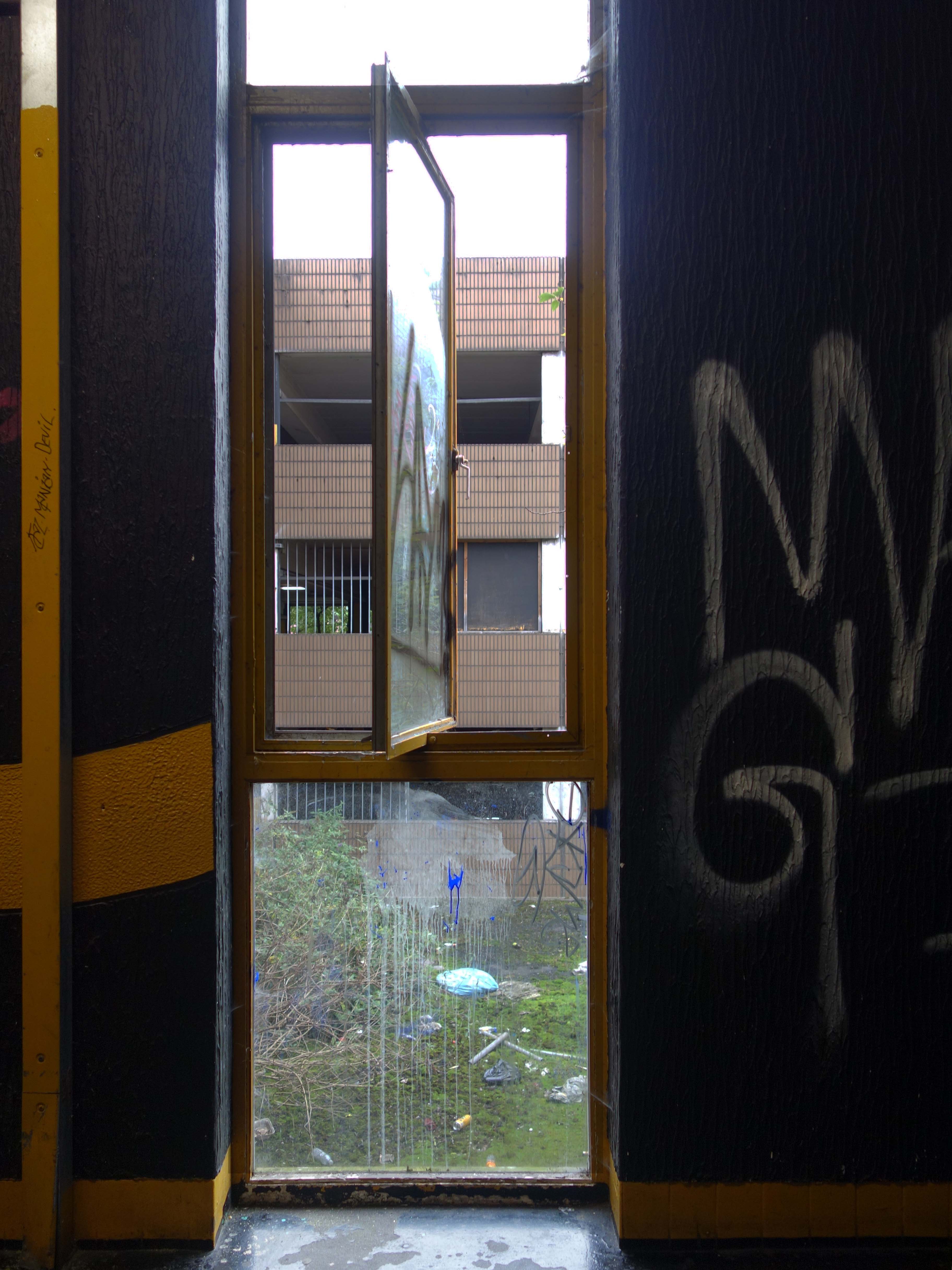
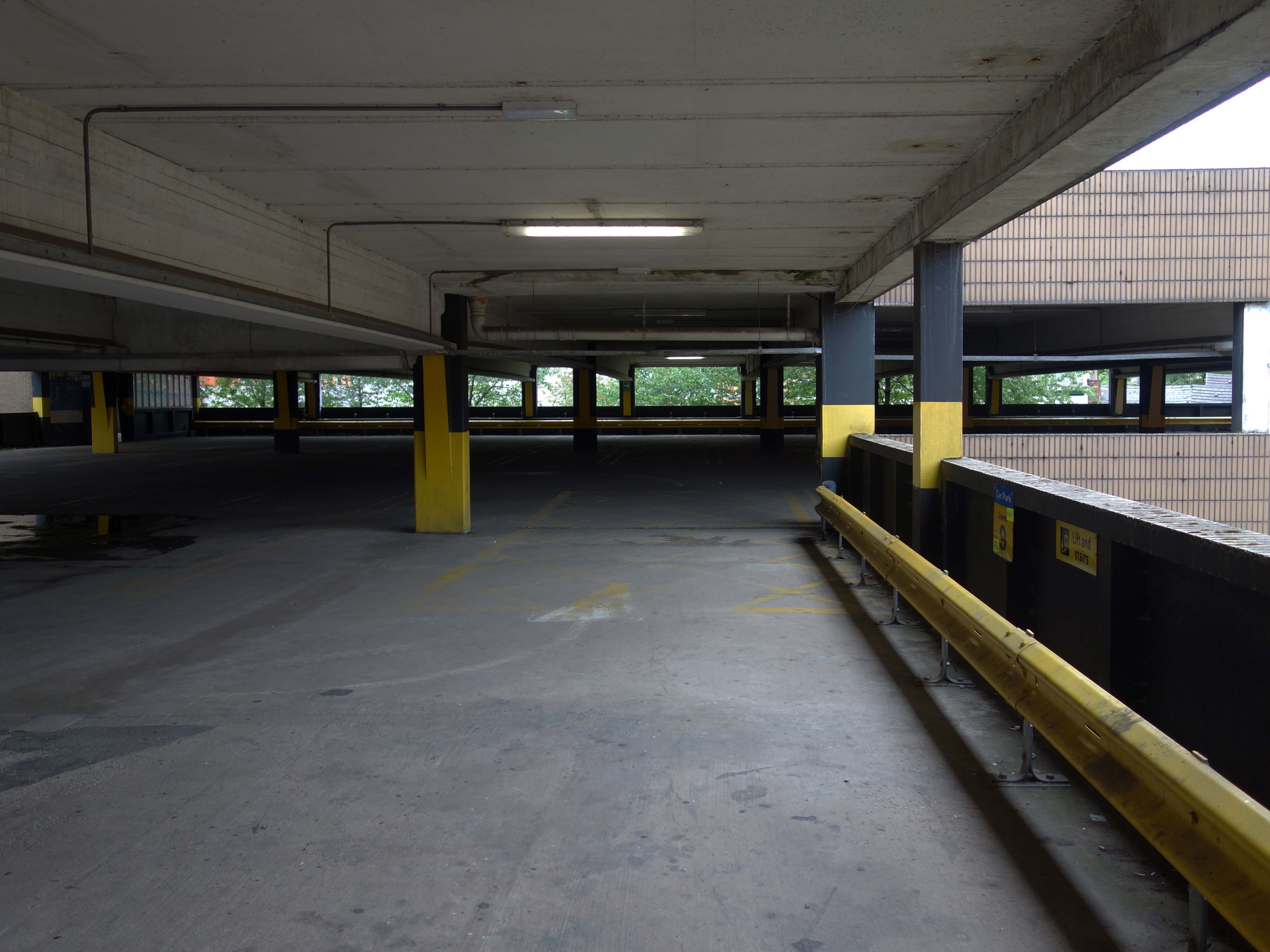
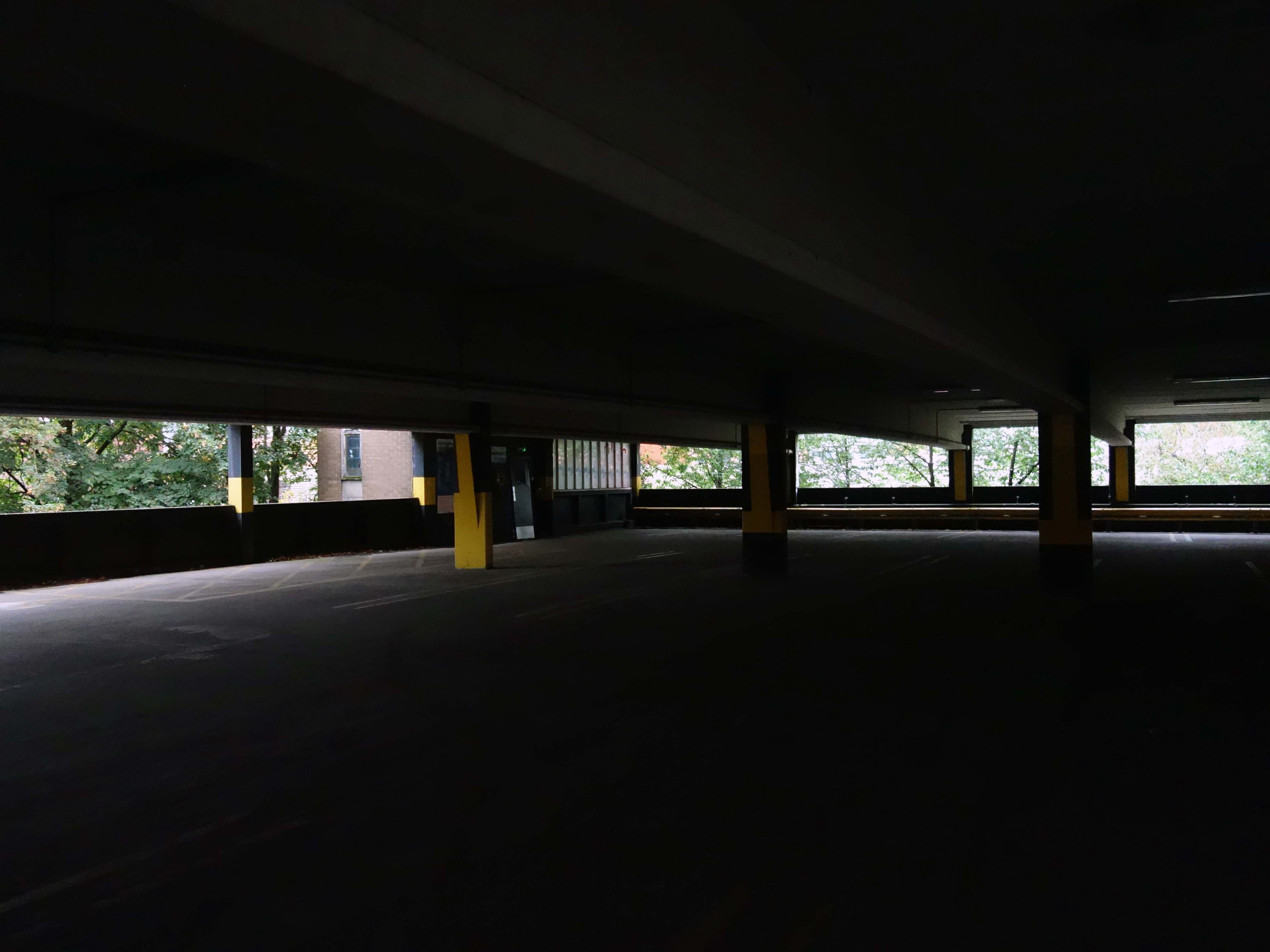
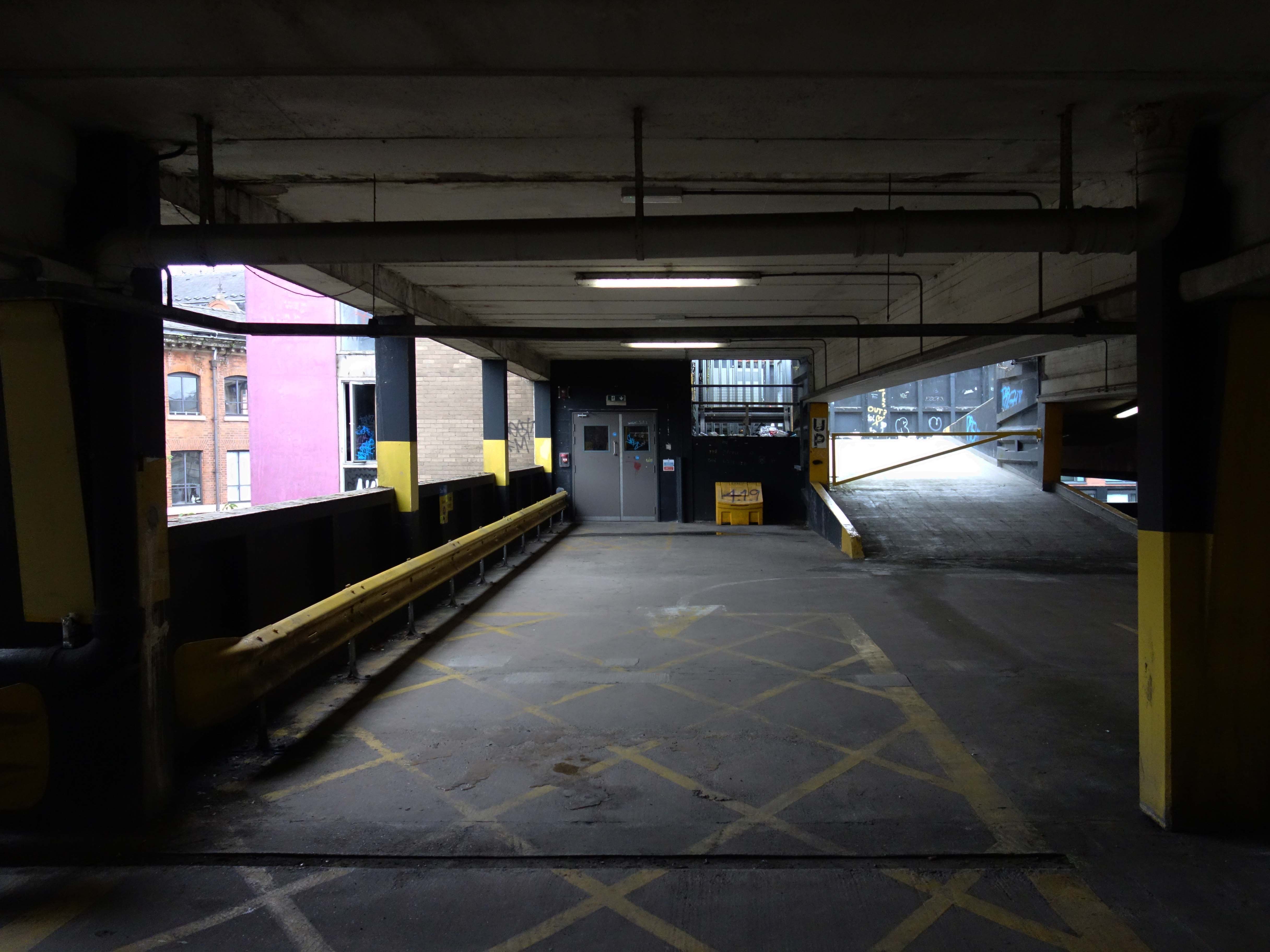
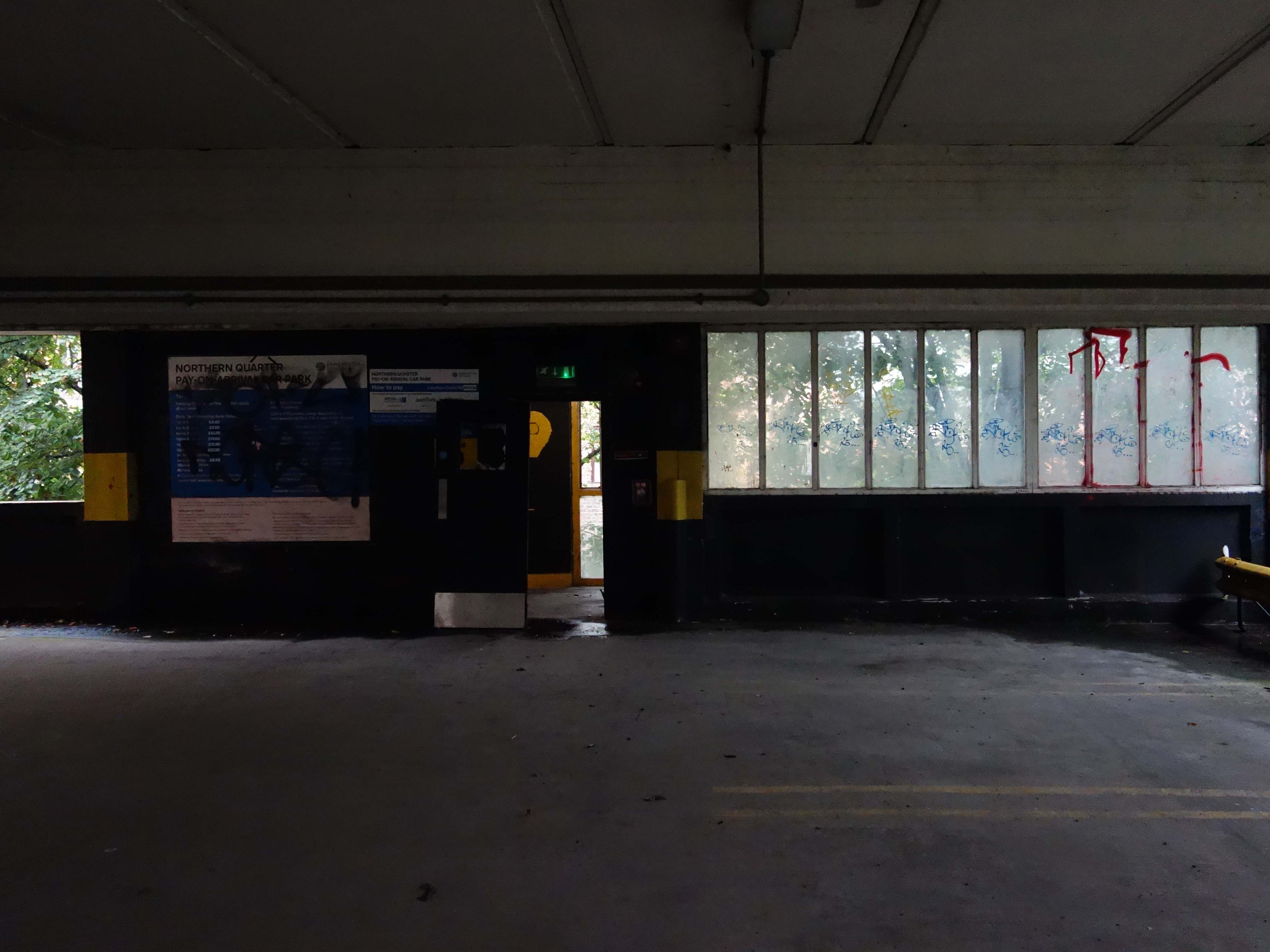
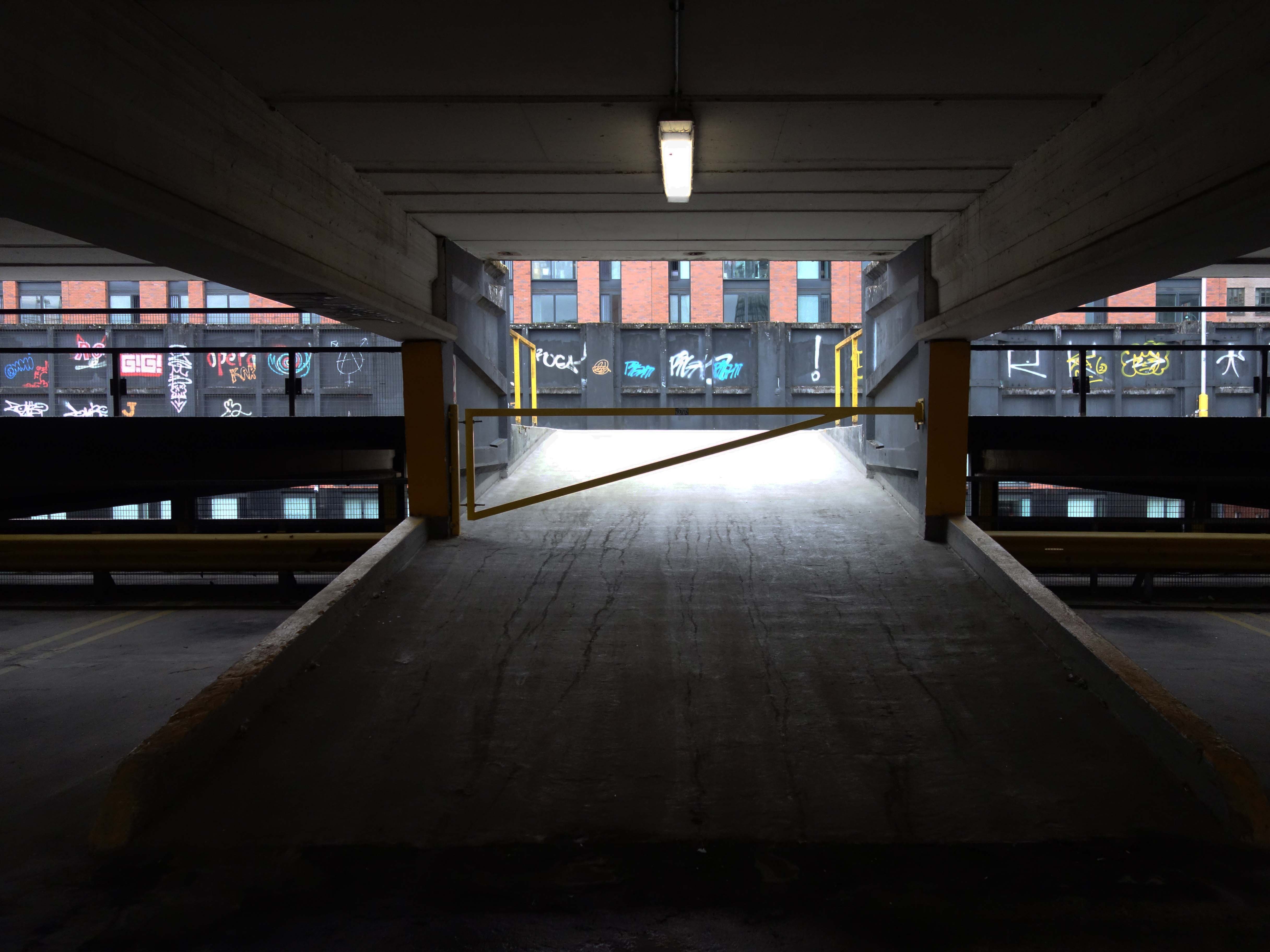
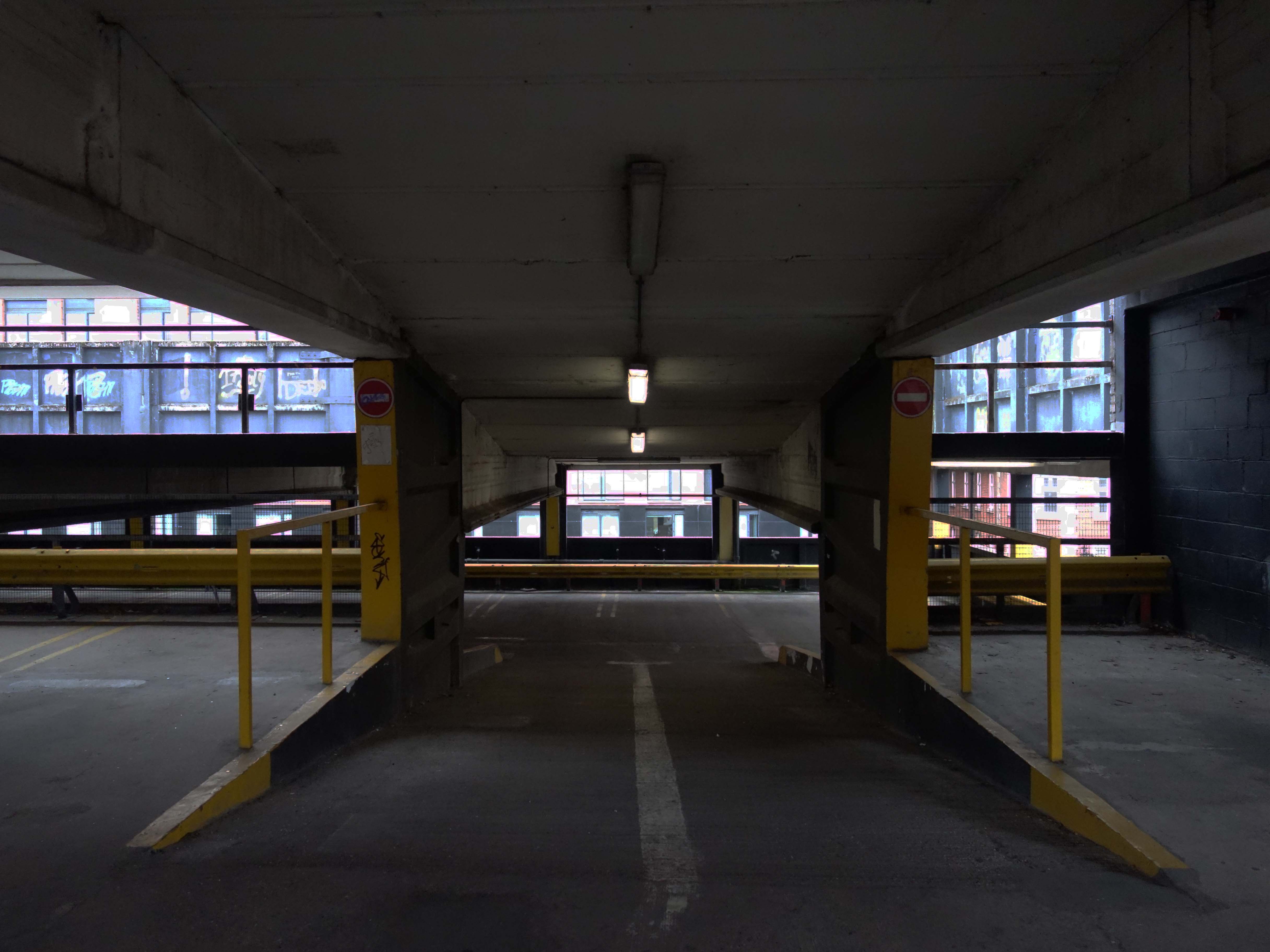
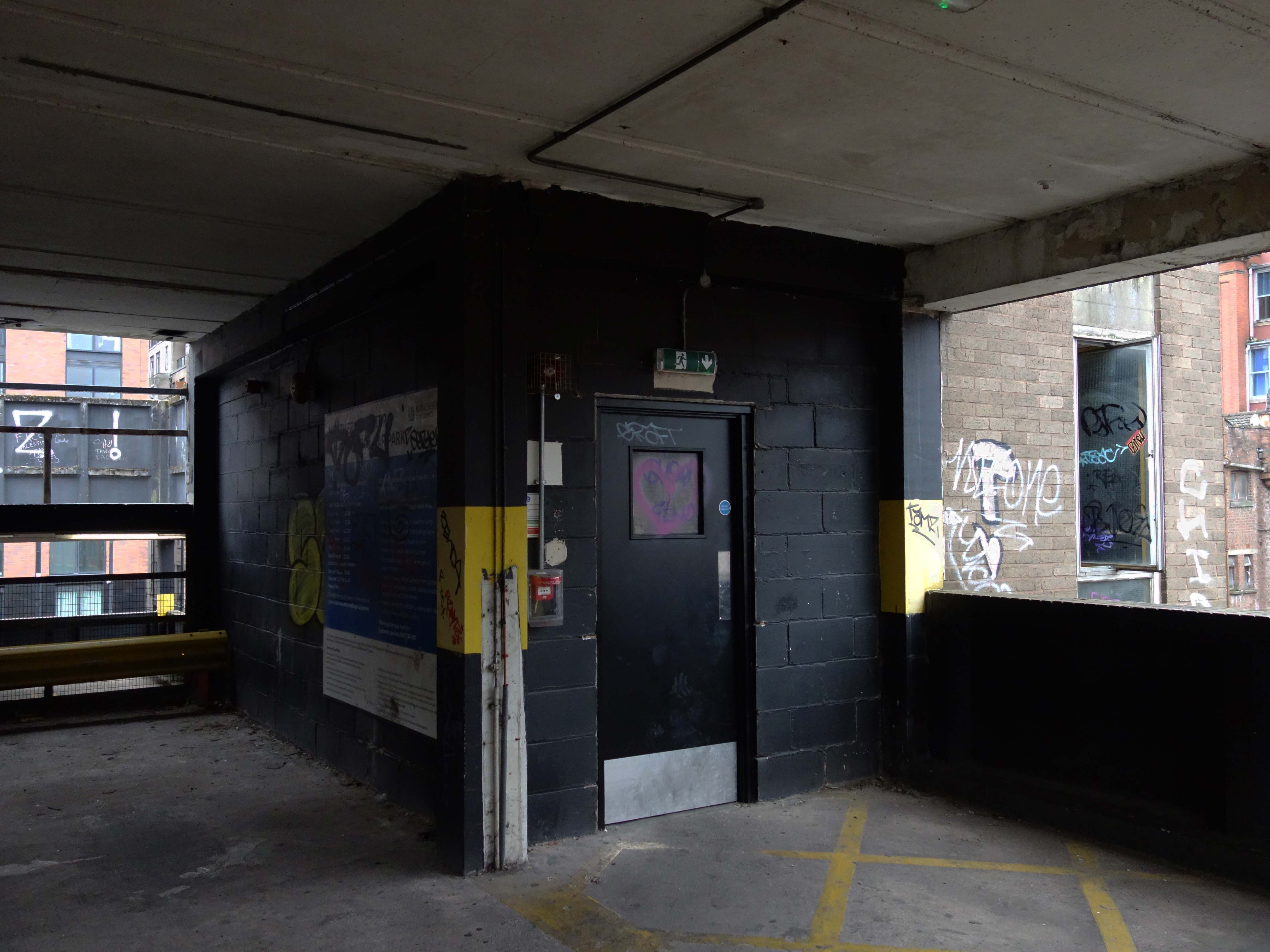
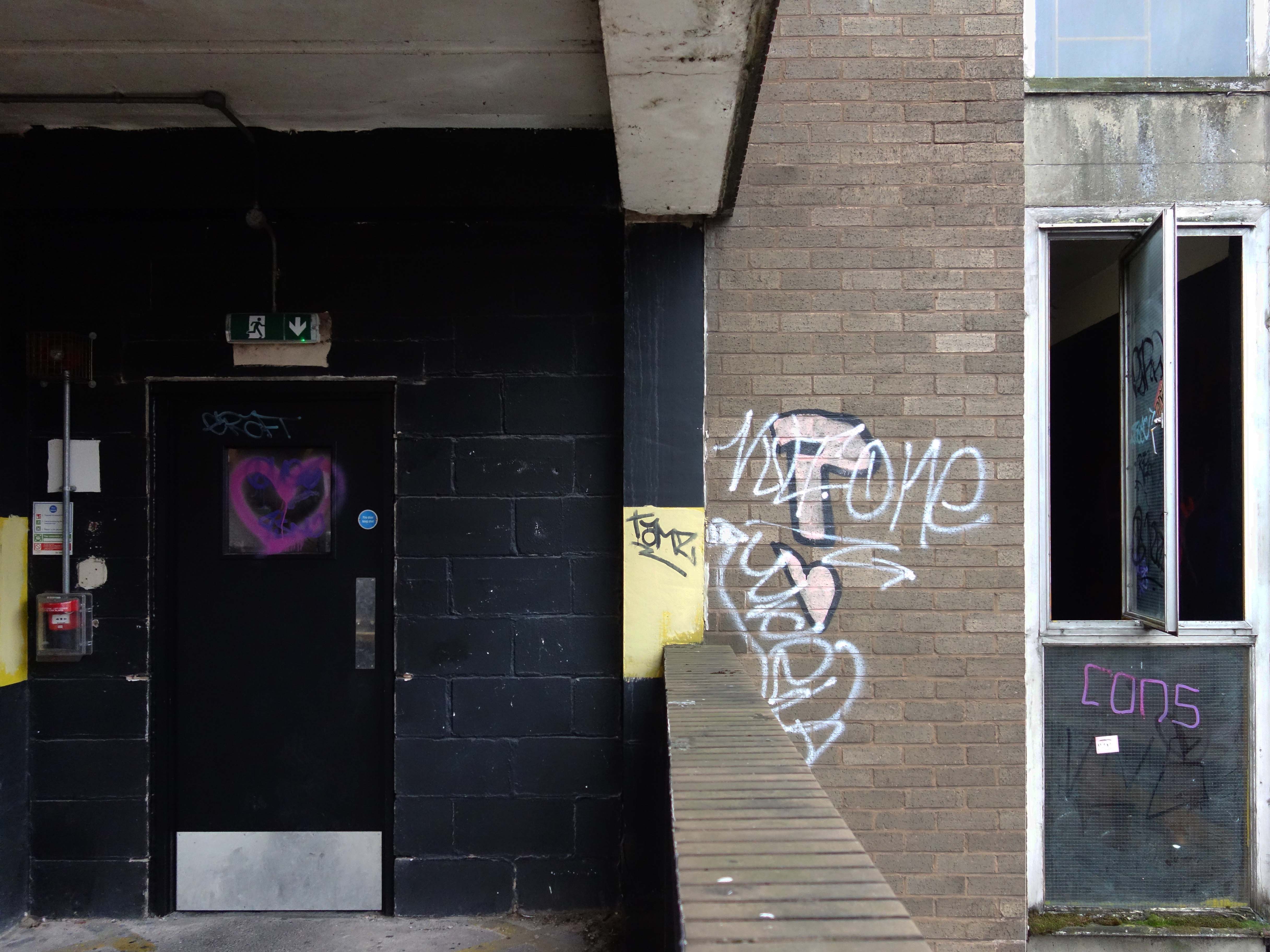
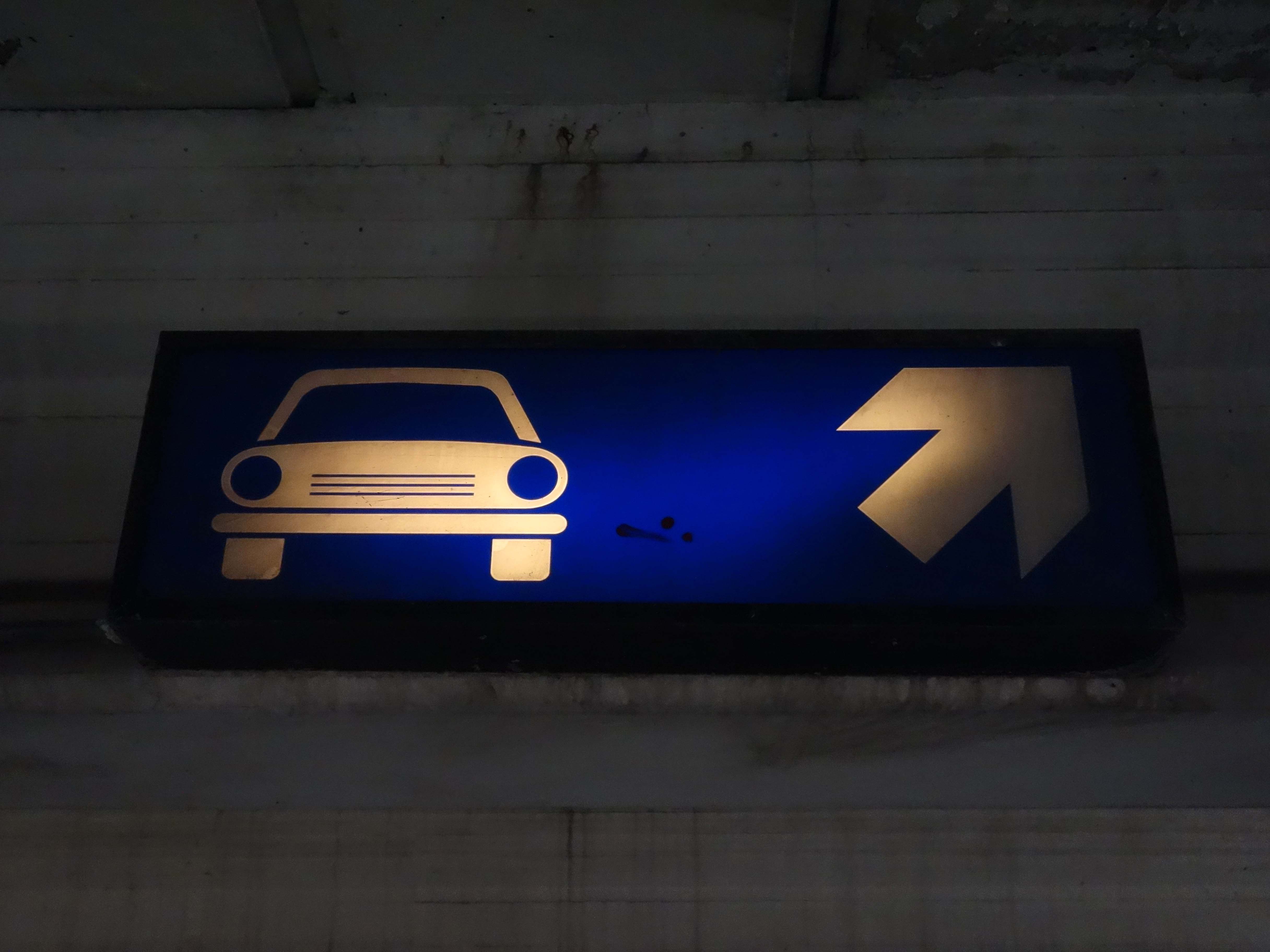
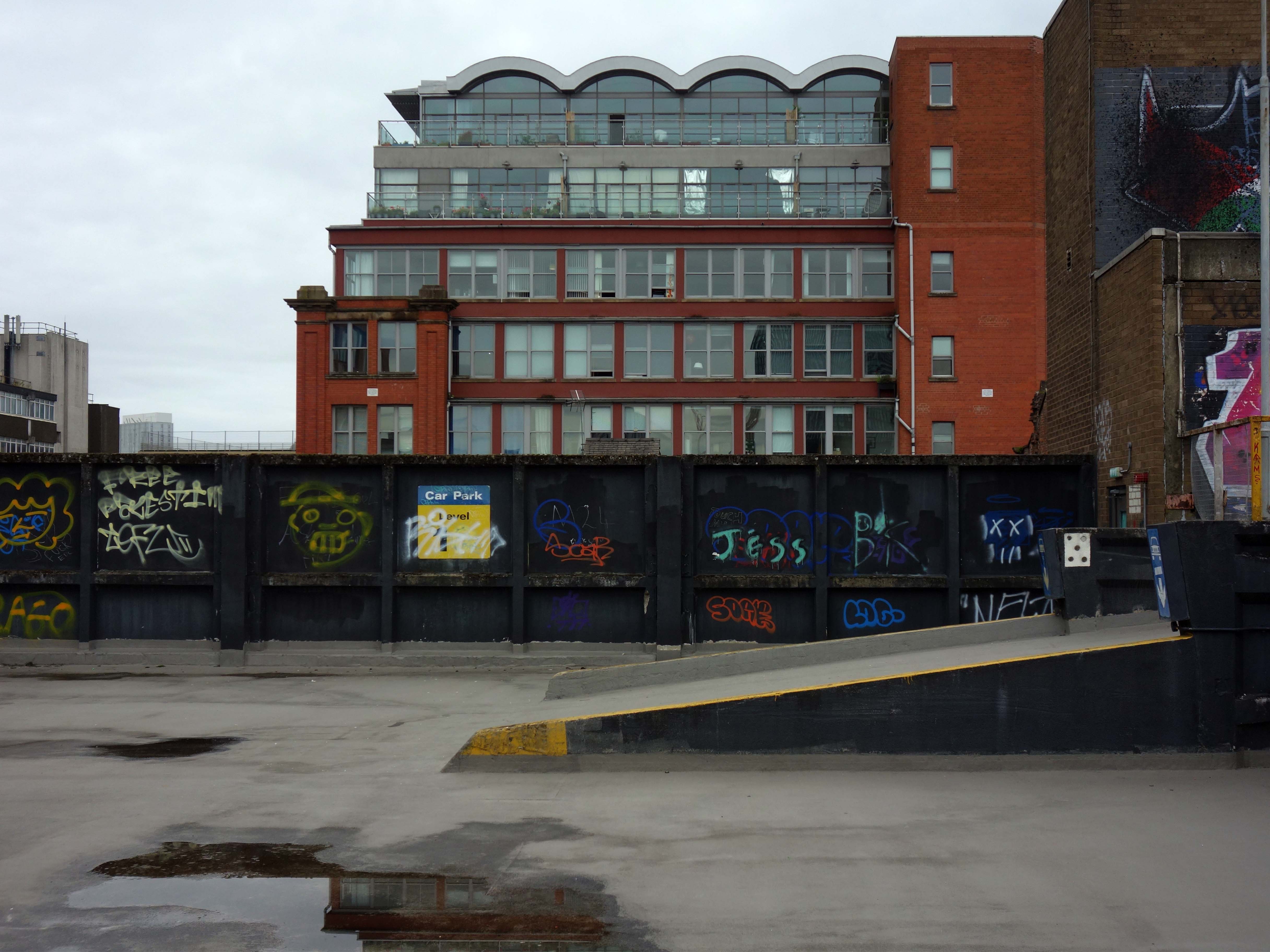
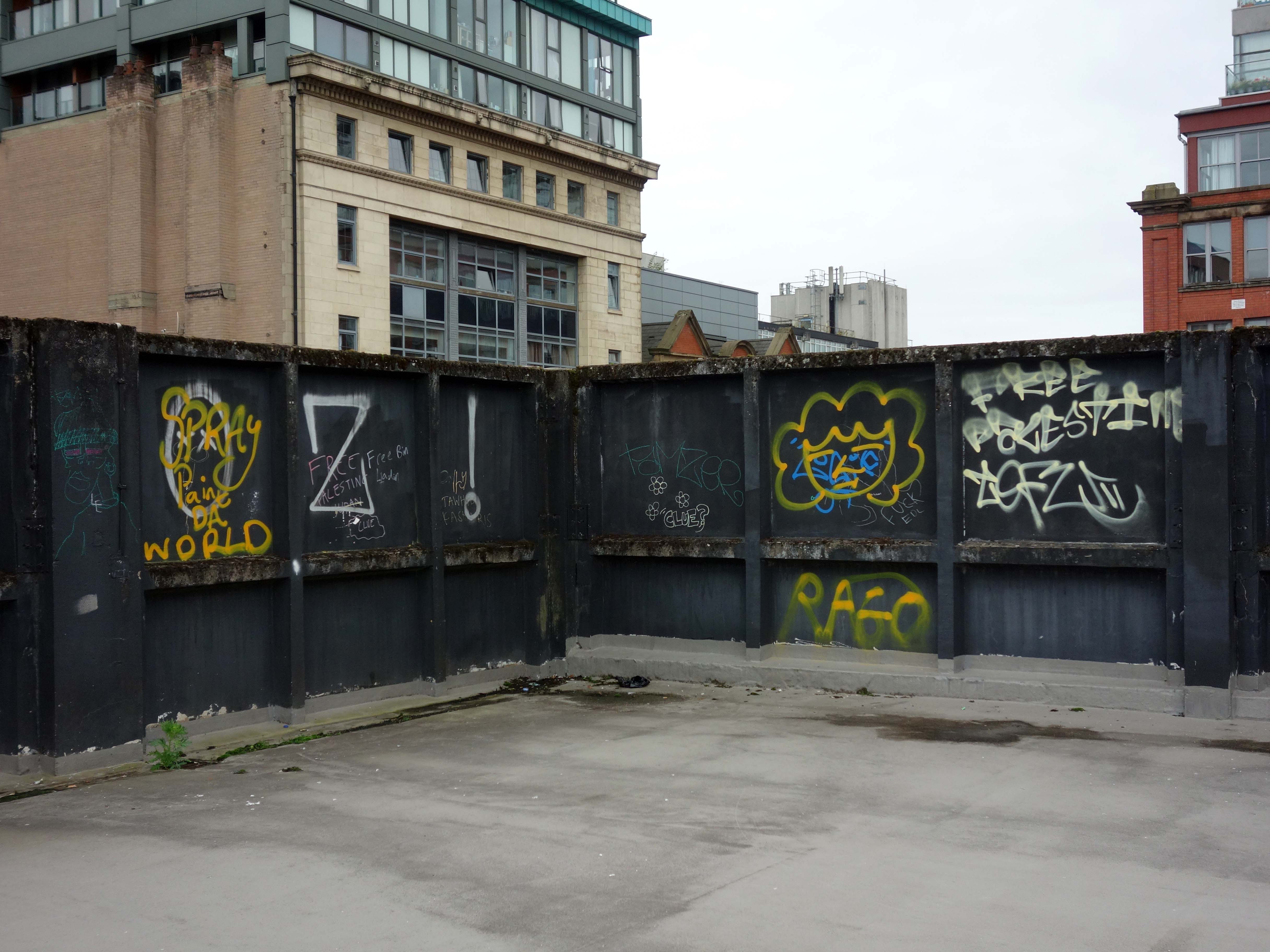
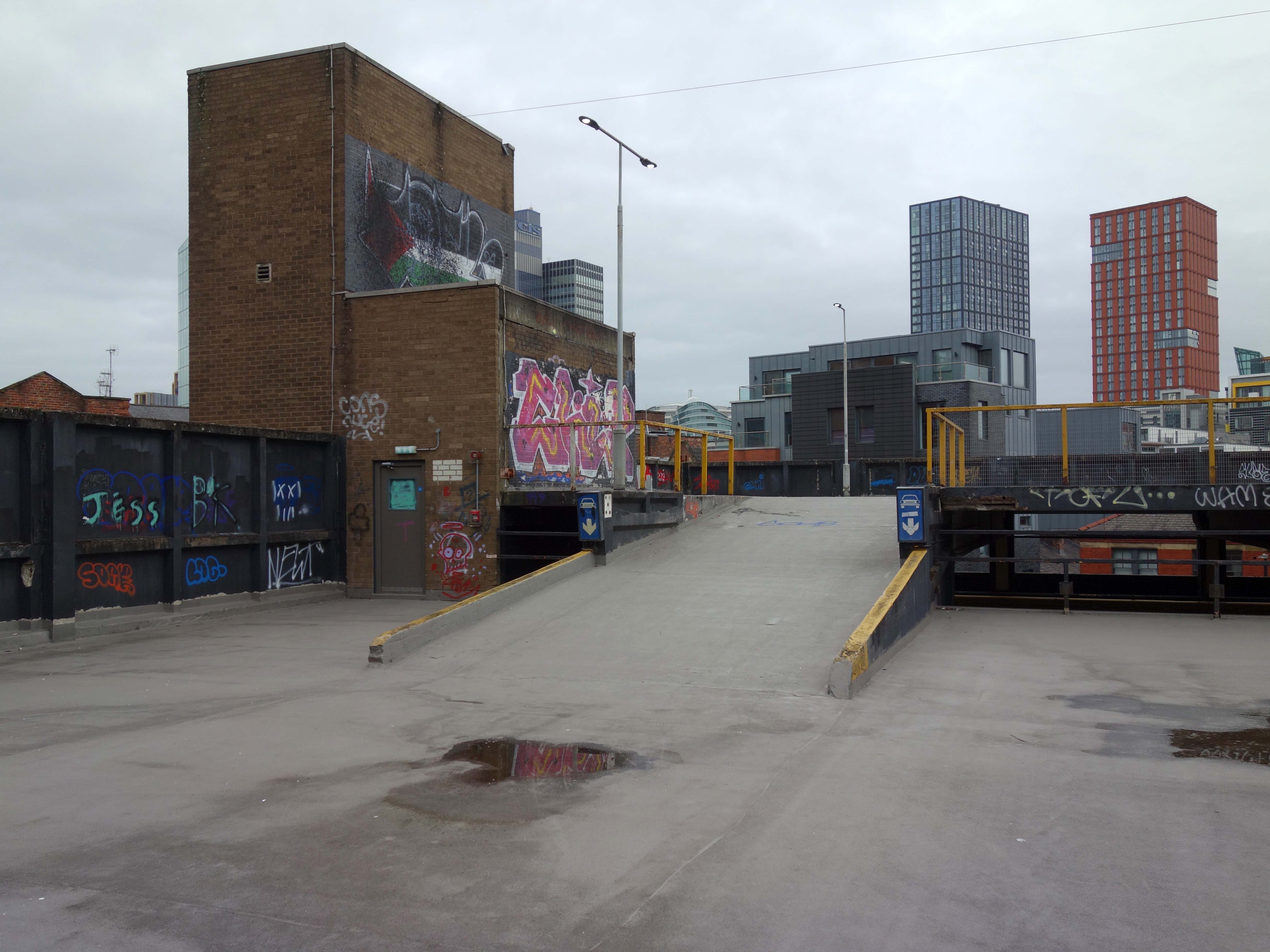
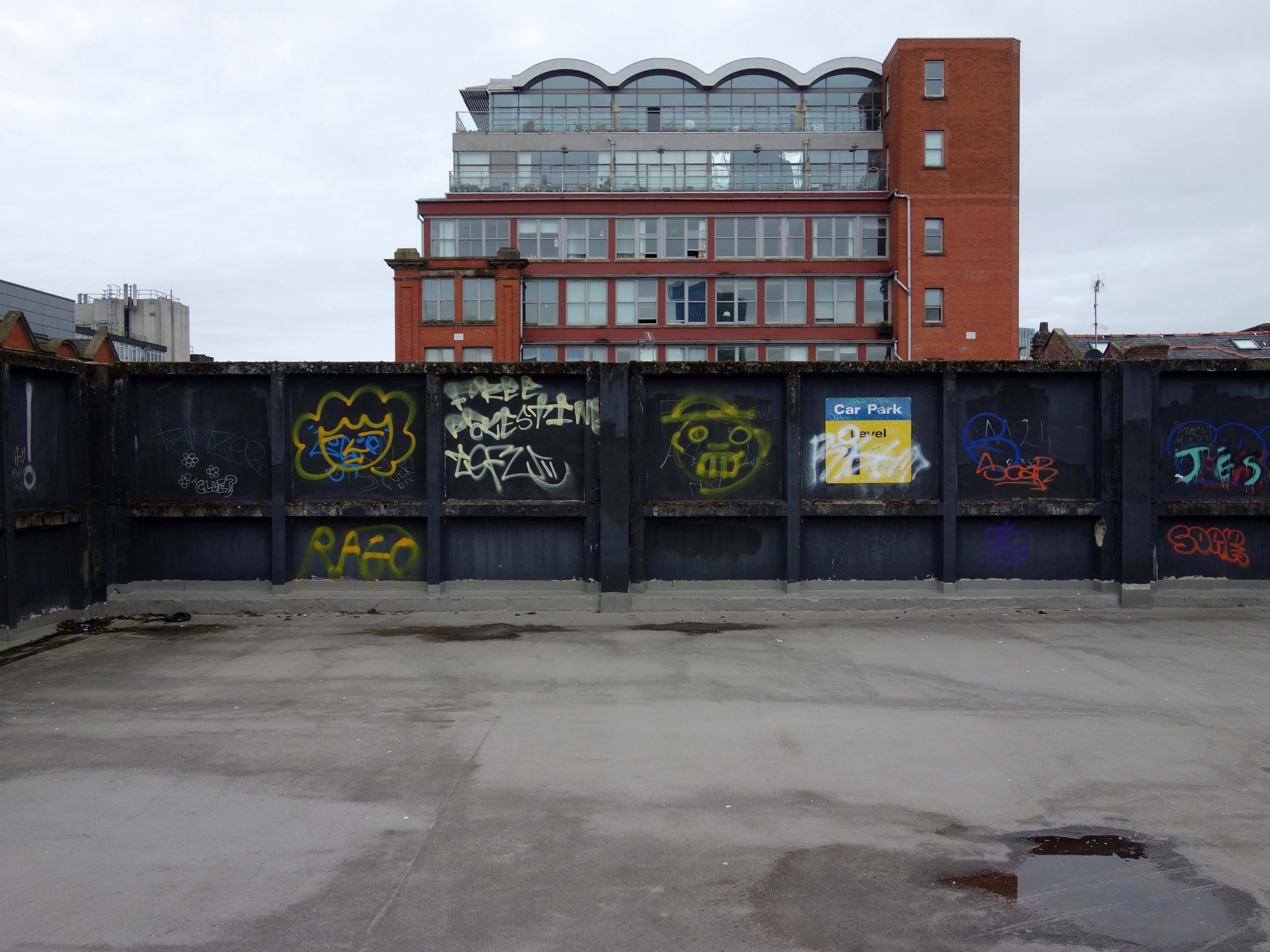
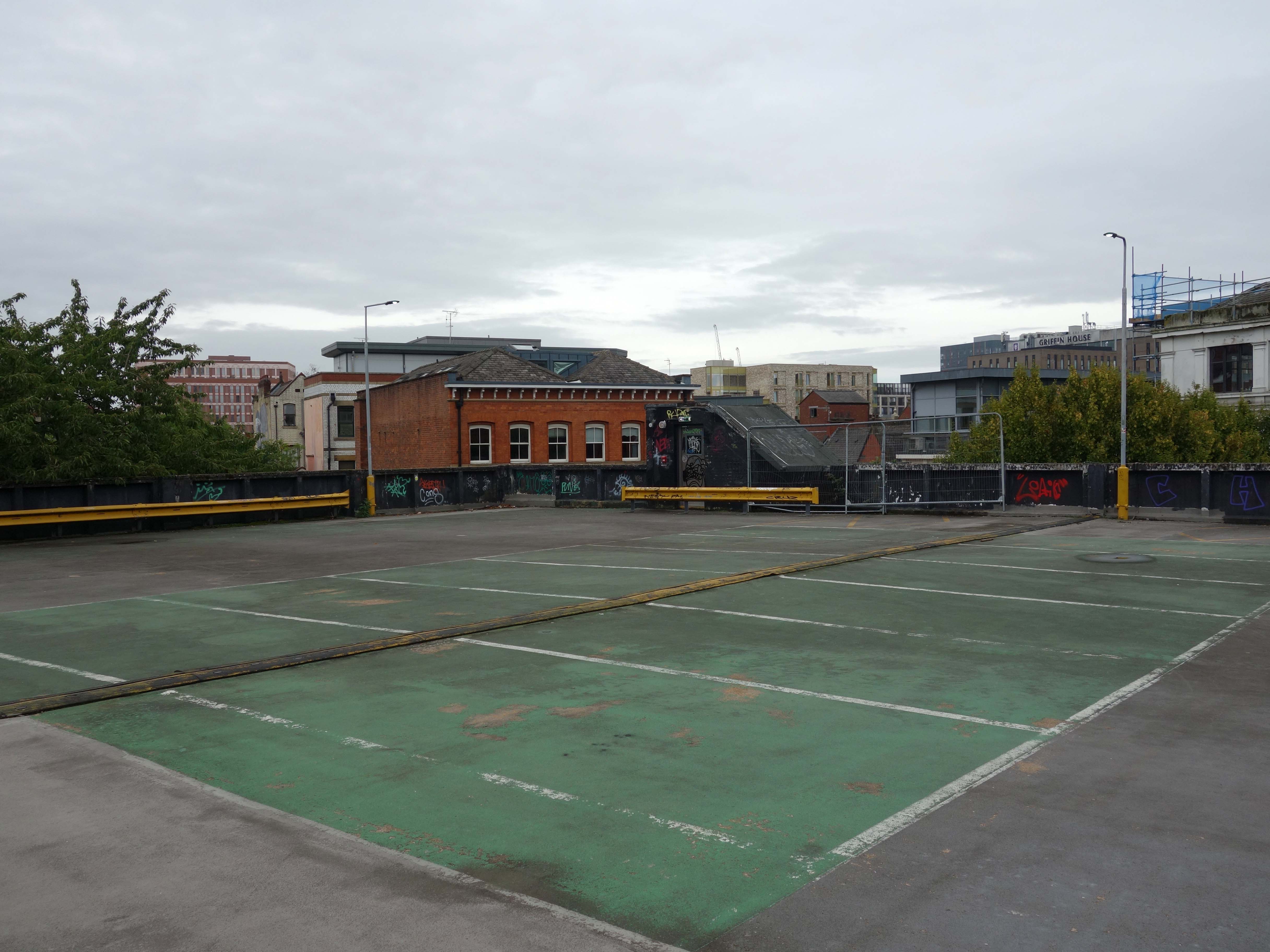
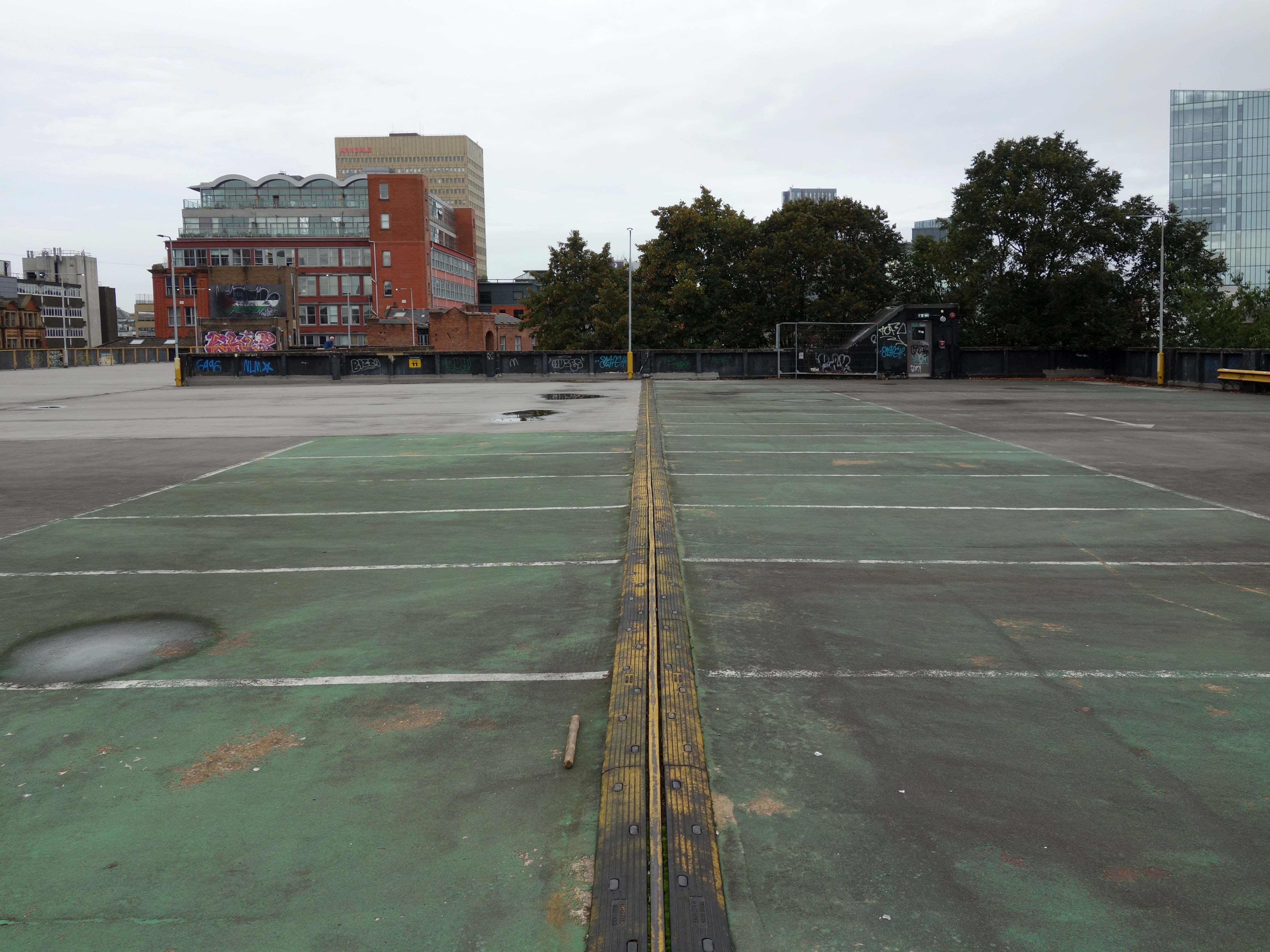
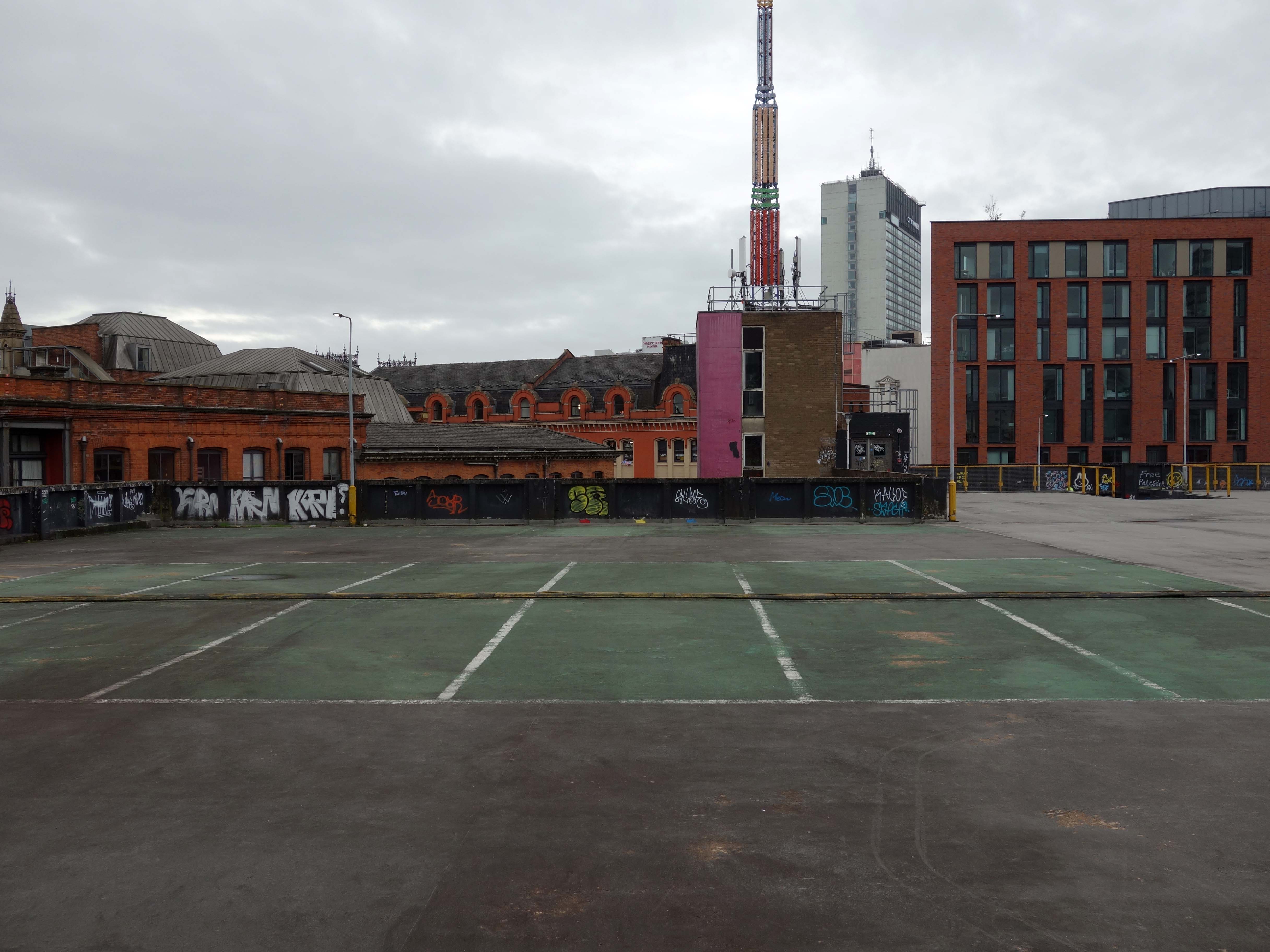
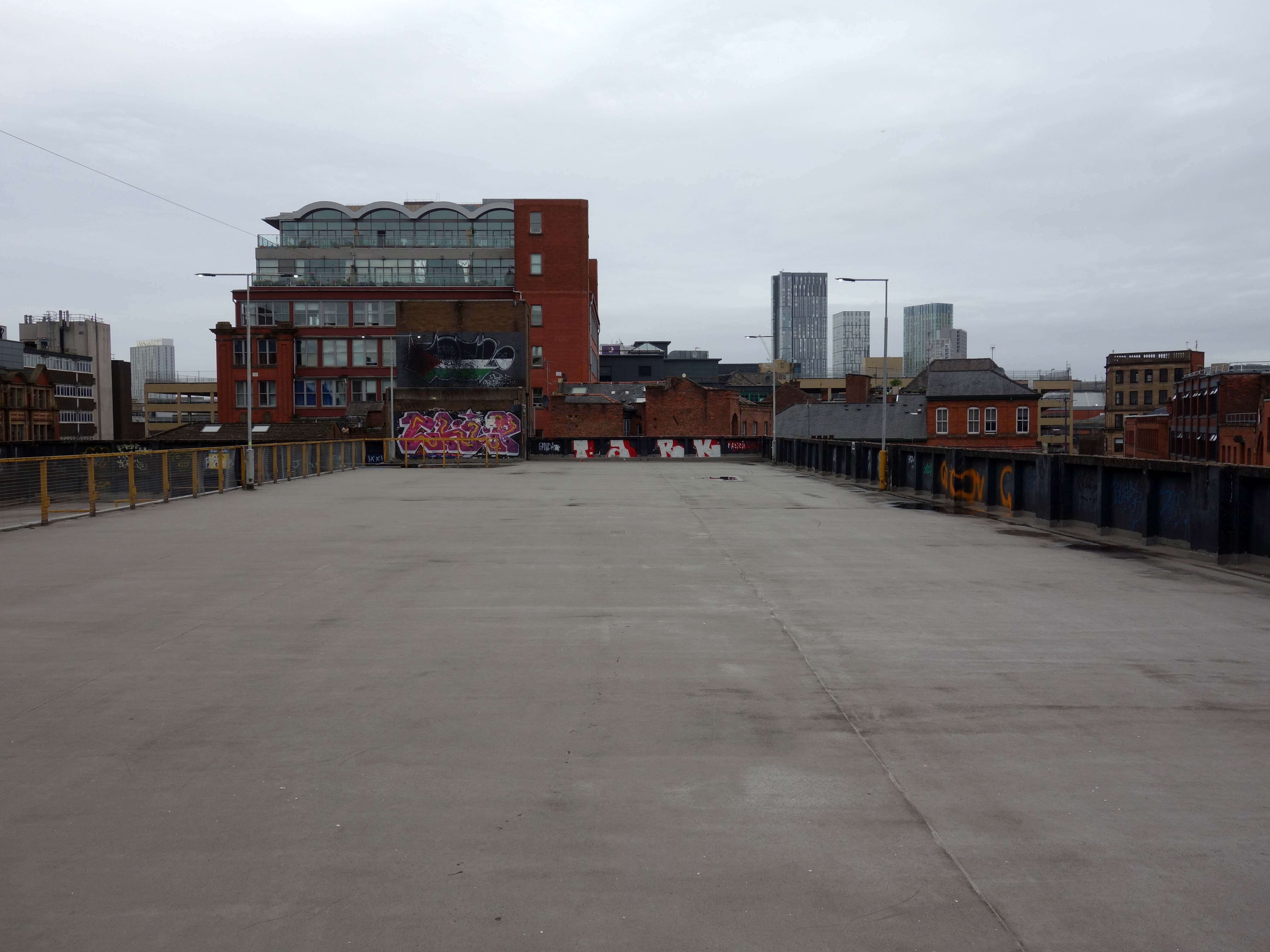
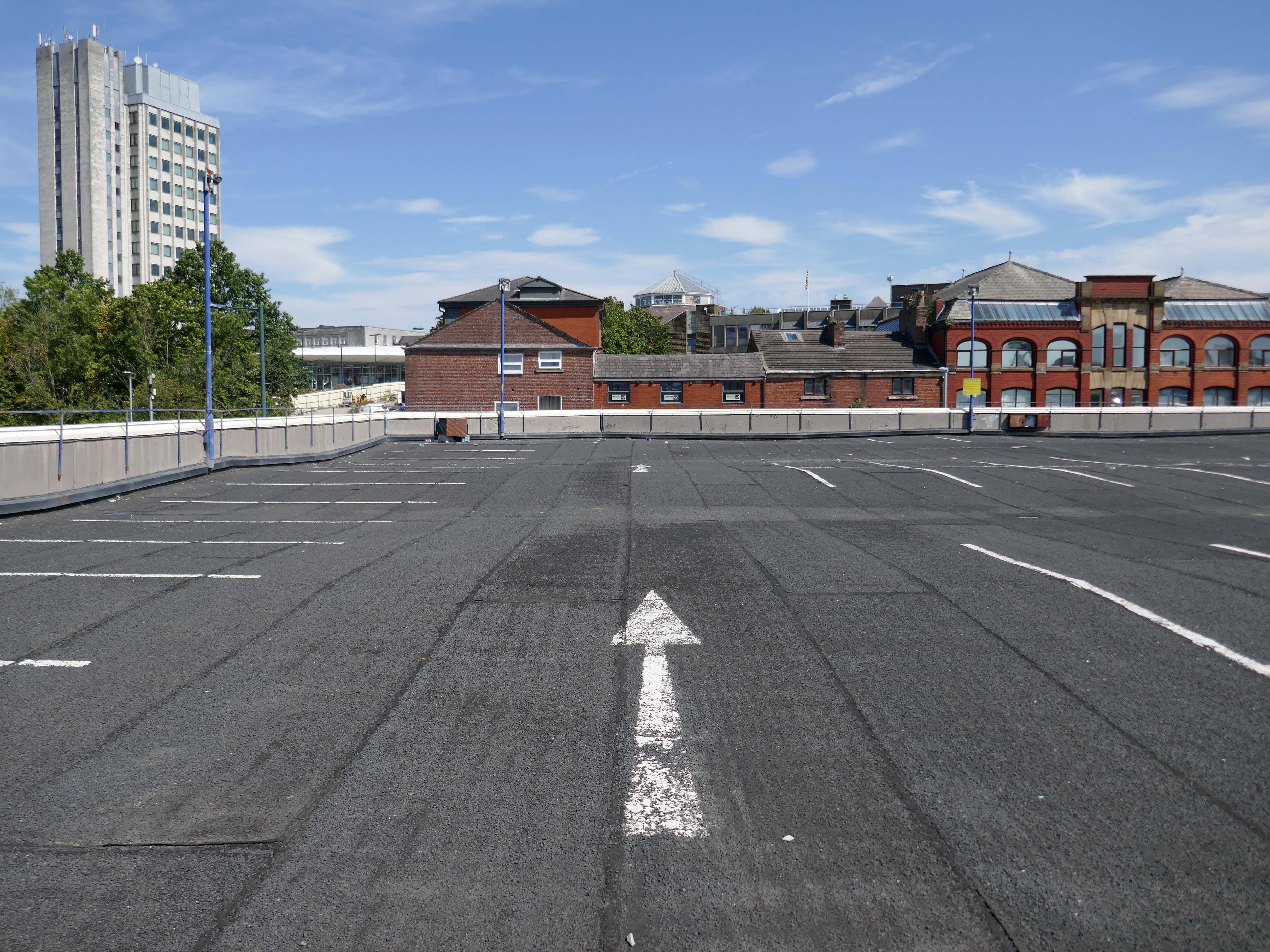
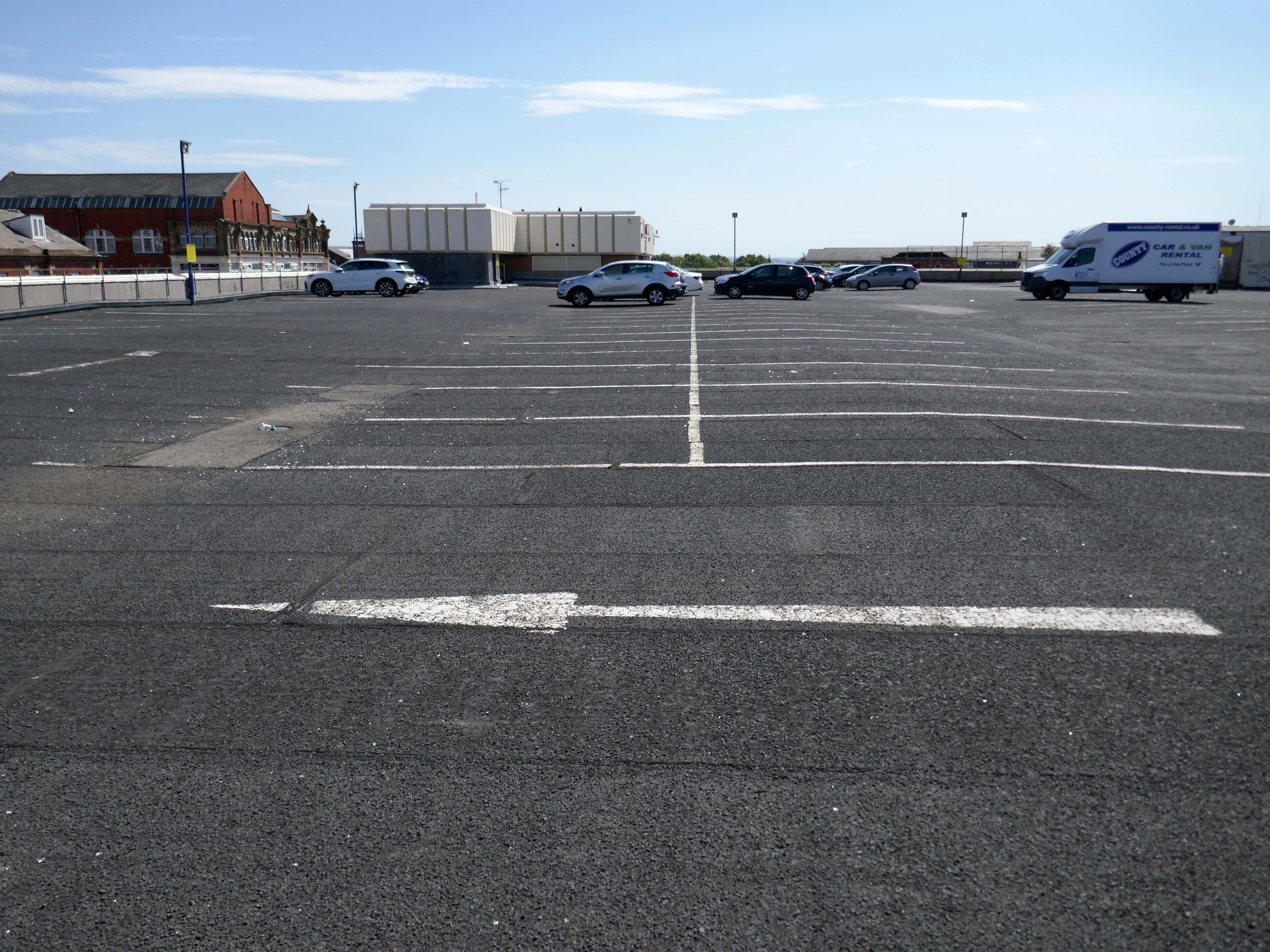
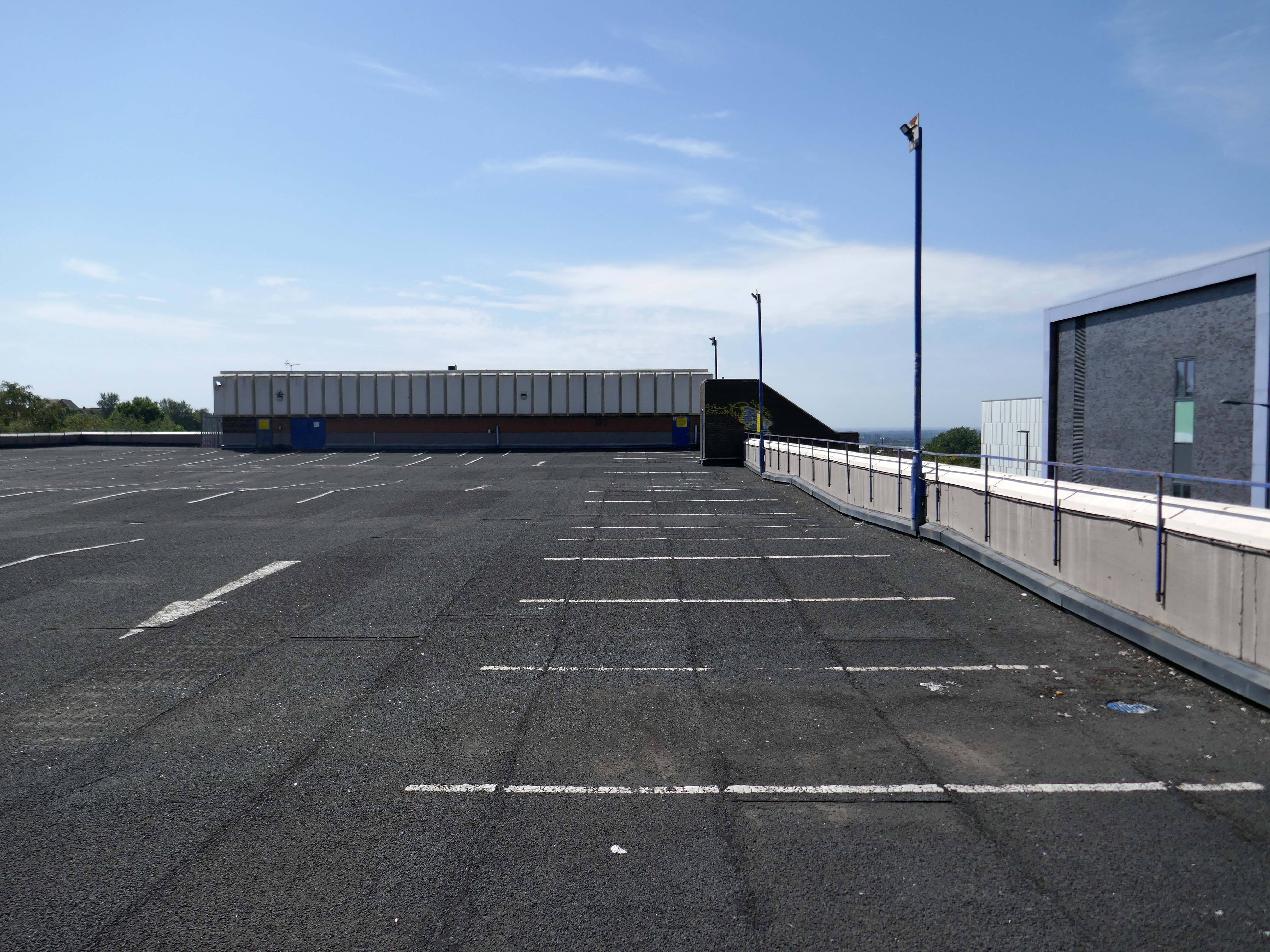
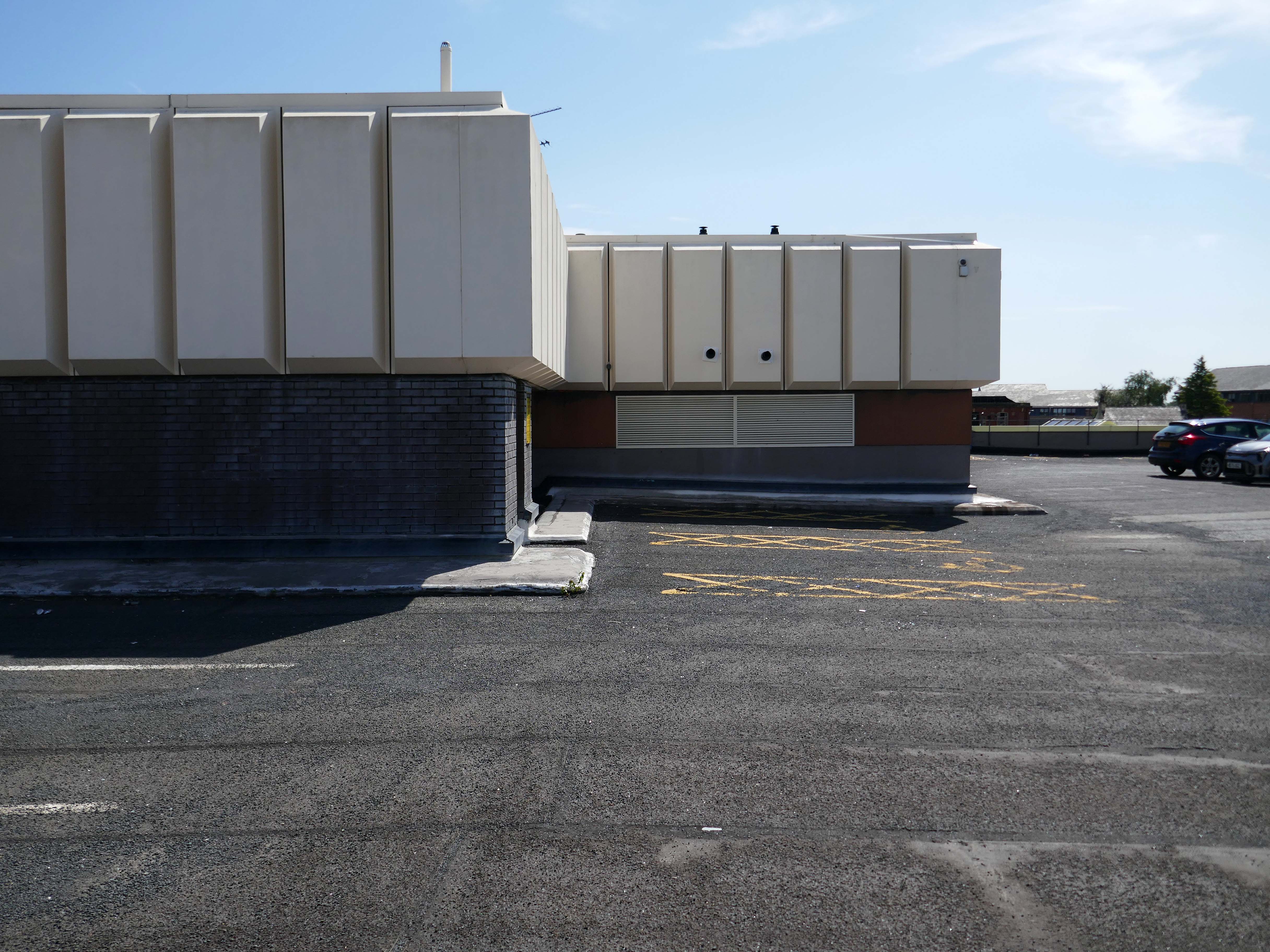
Another day another car park.
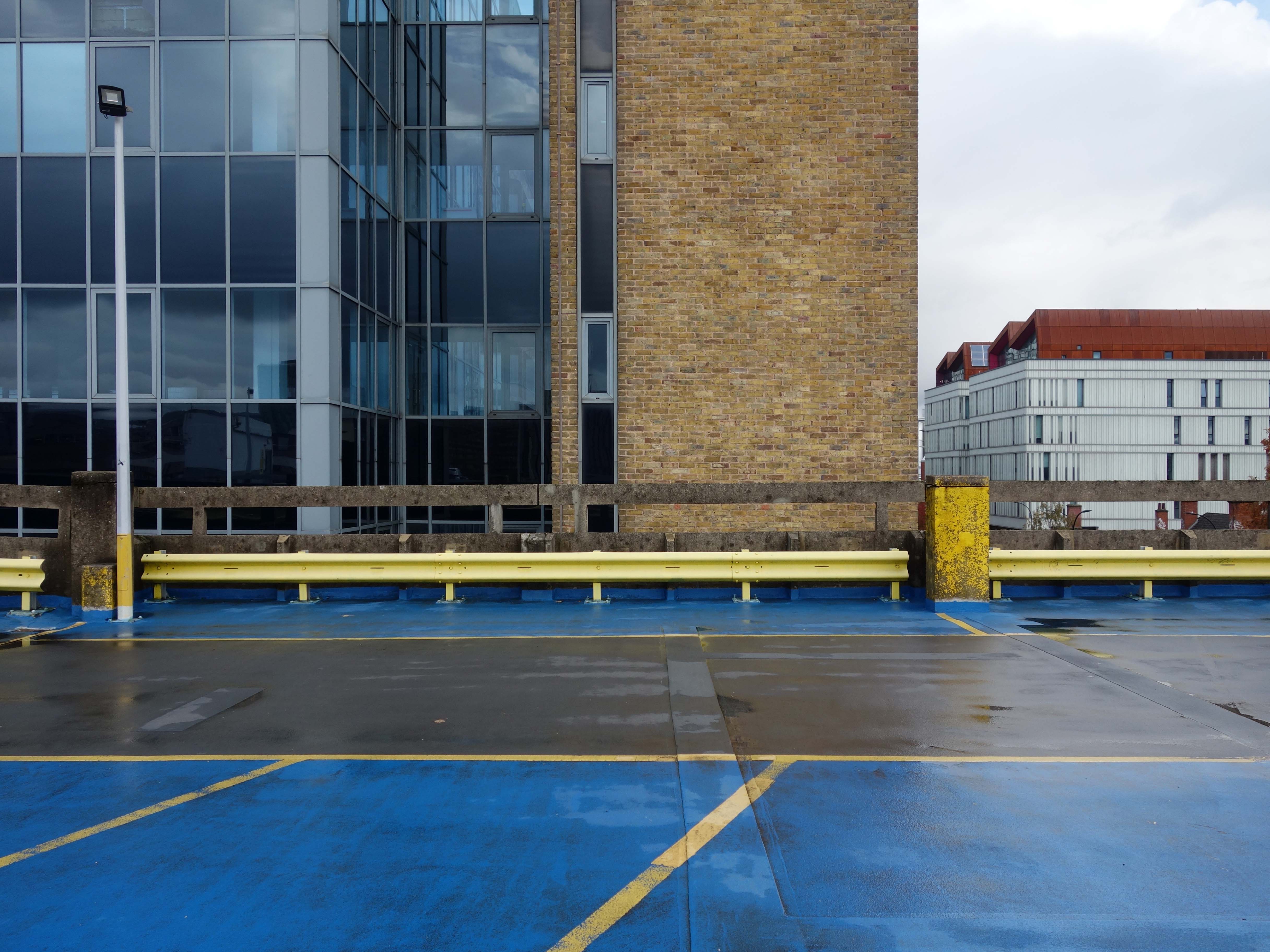
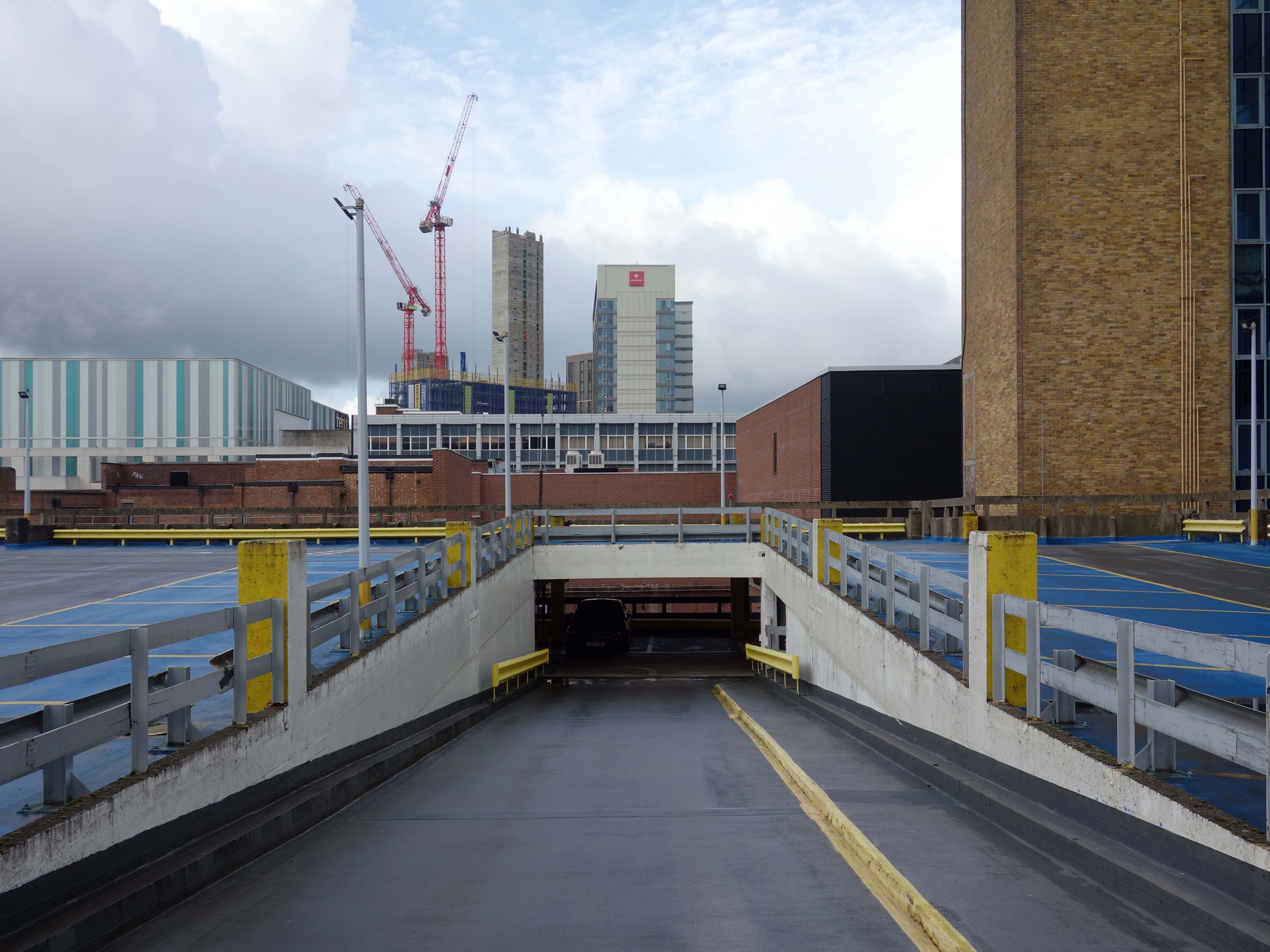
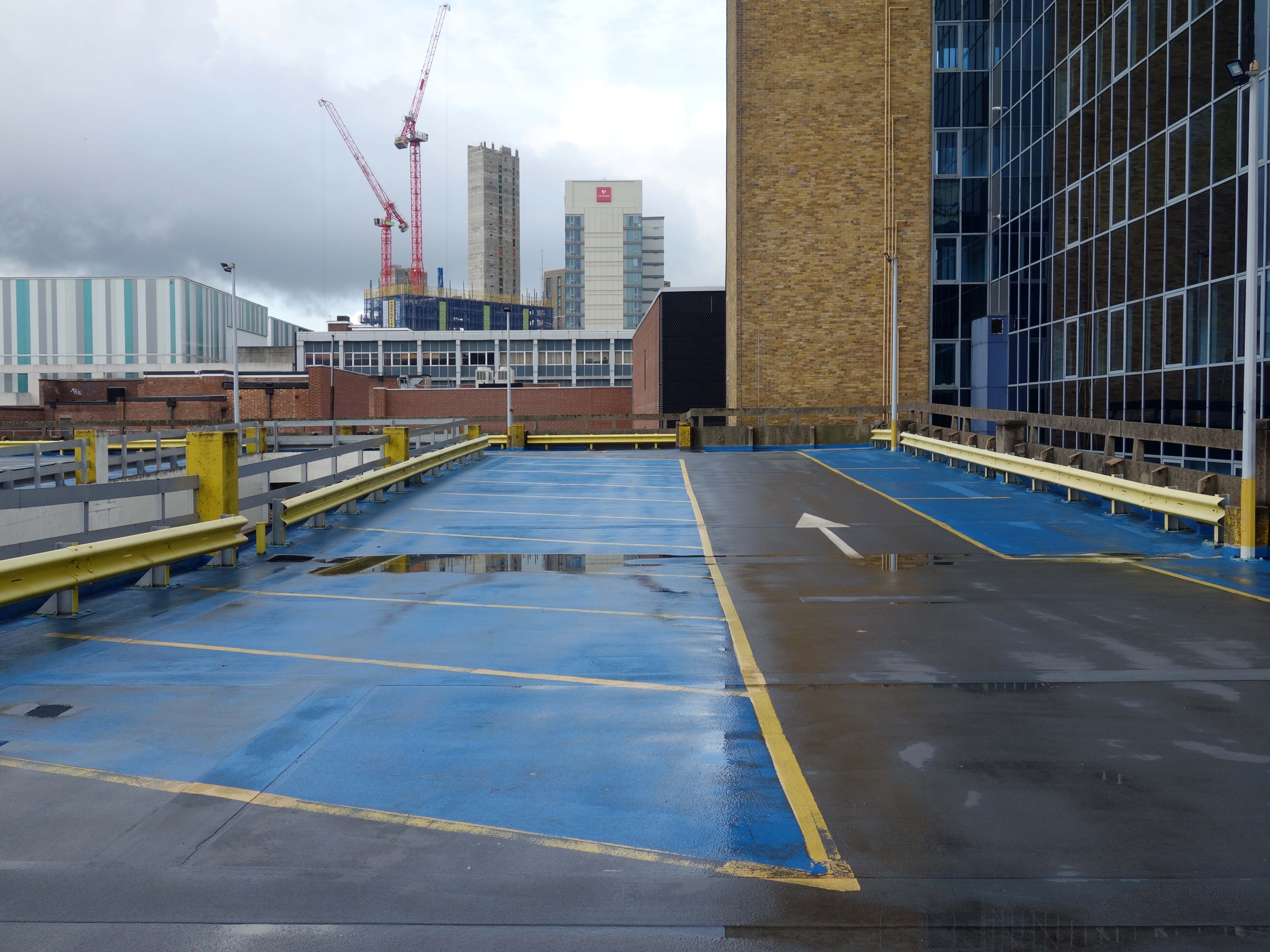
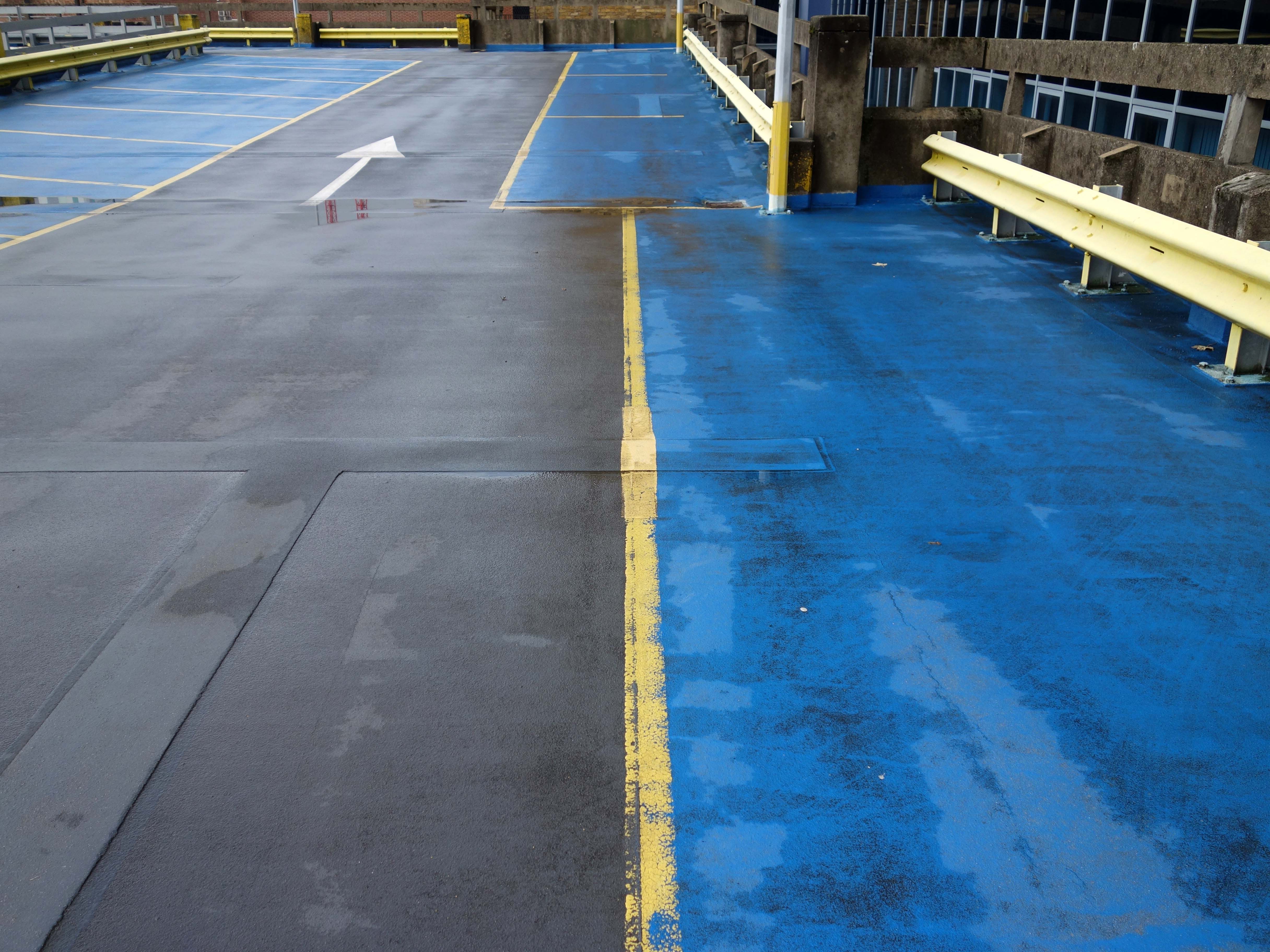
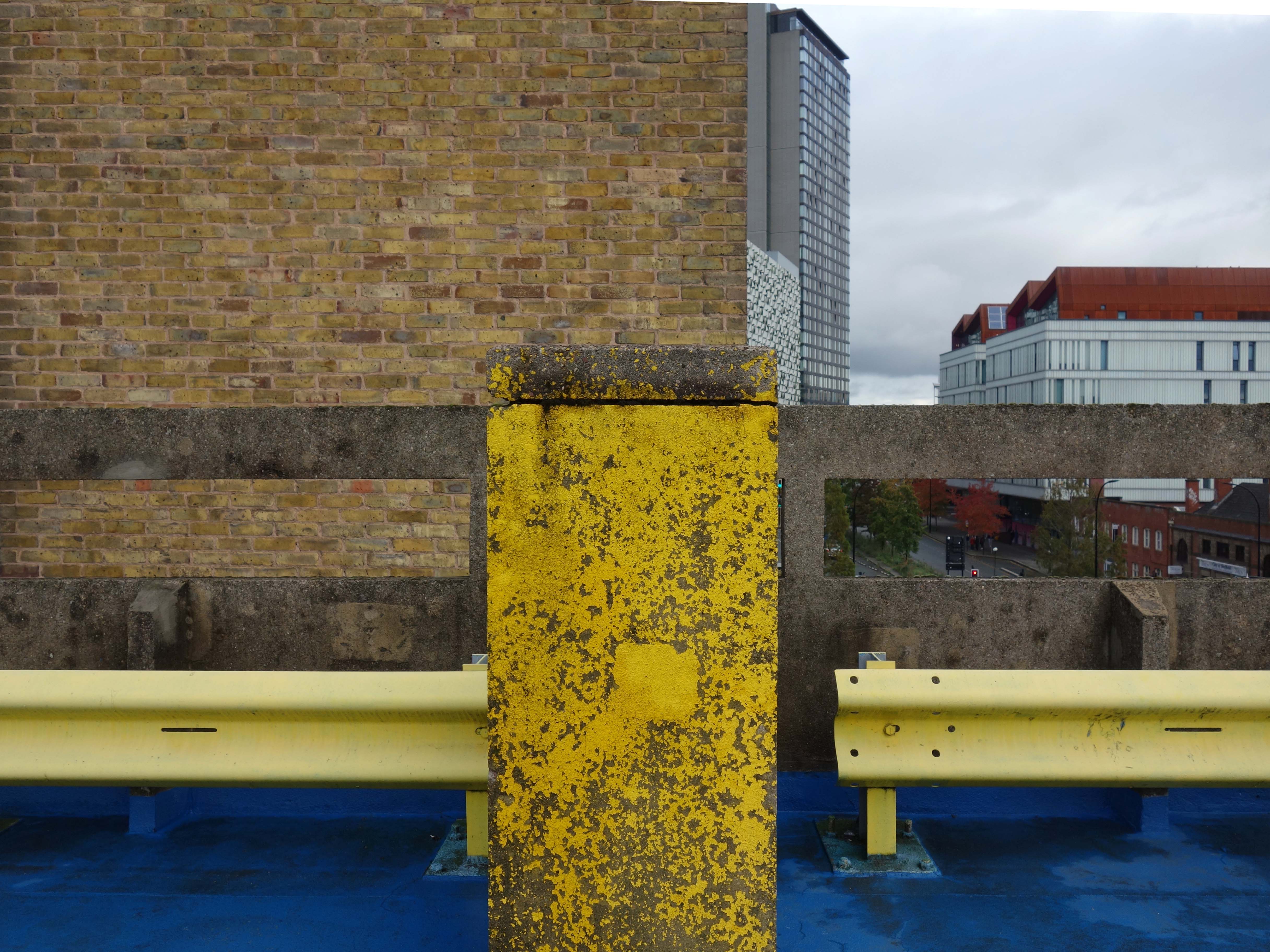
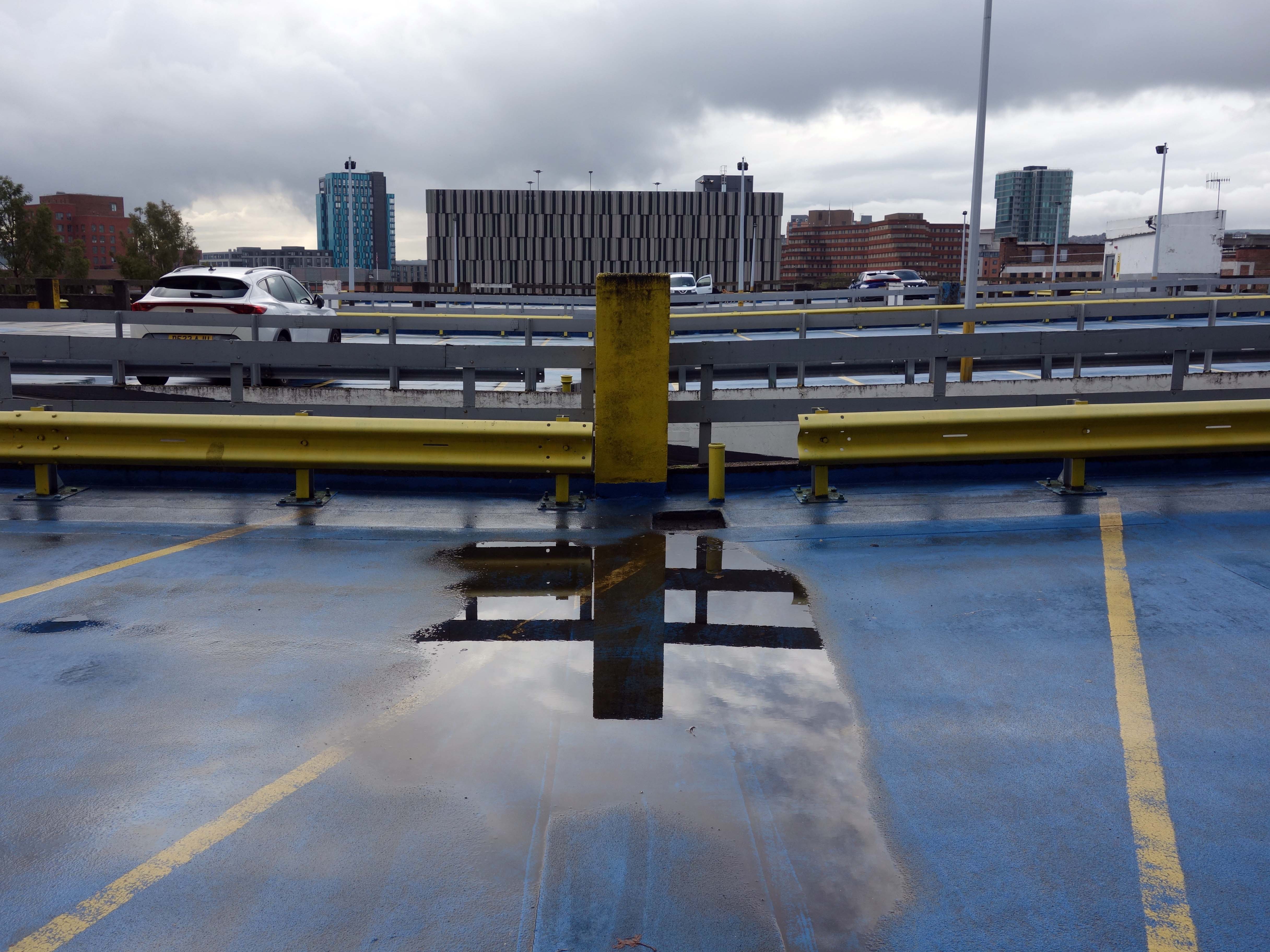
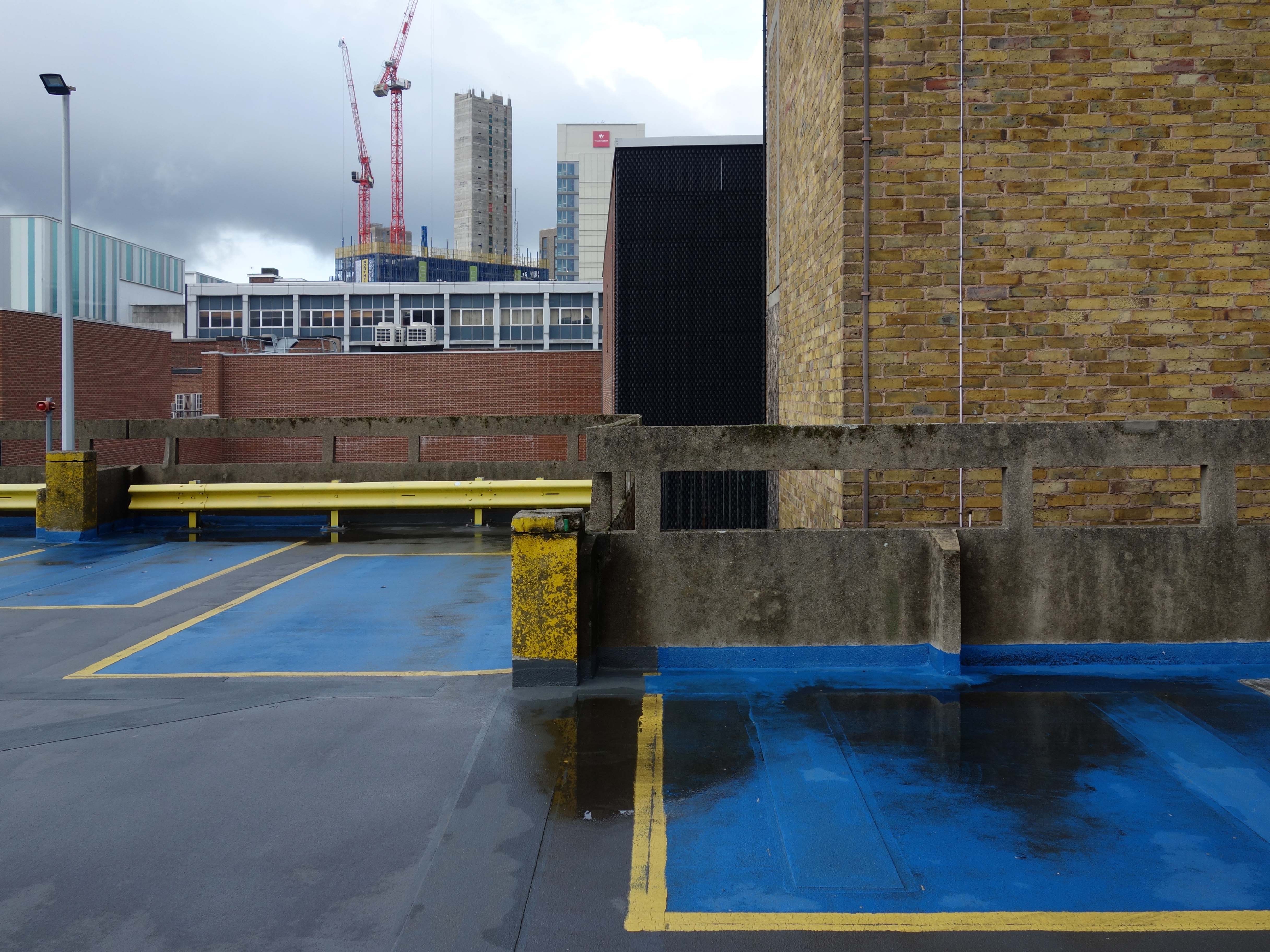
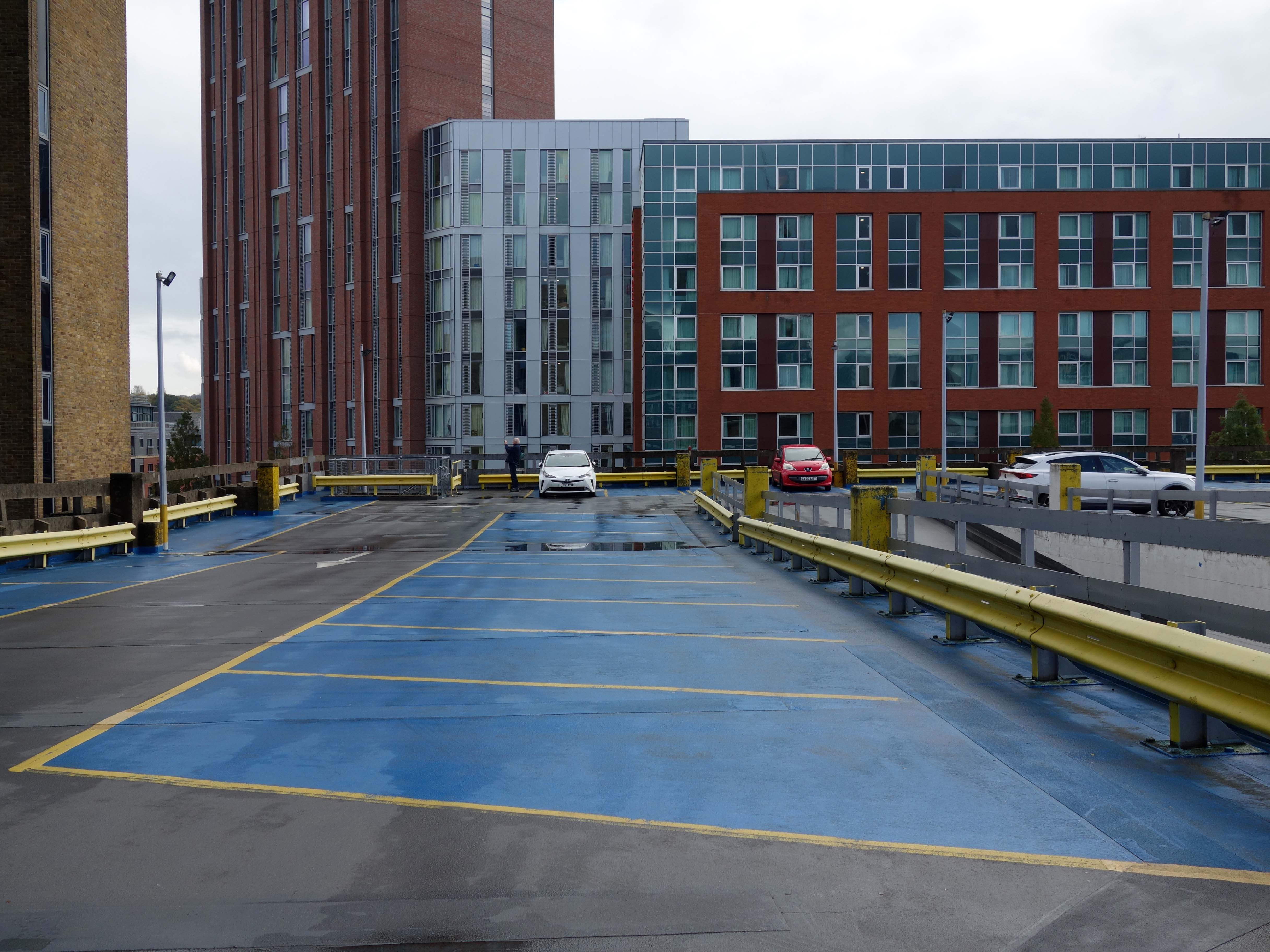
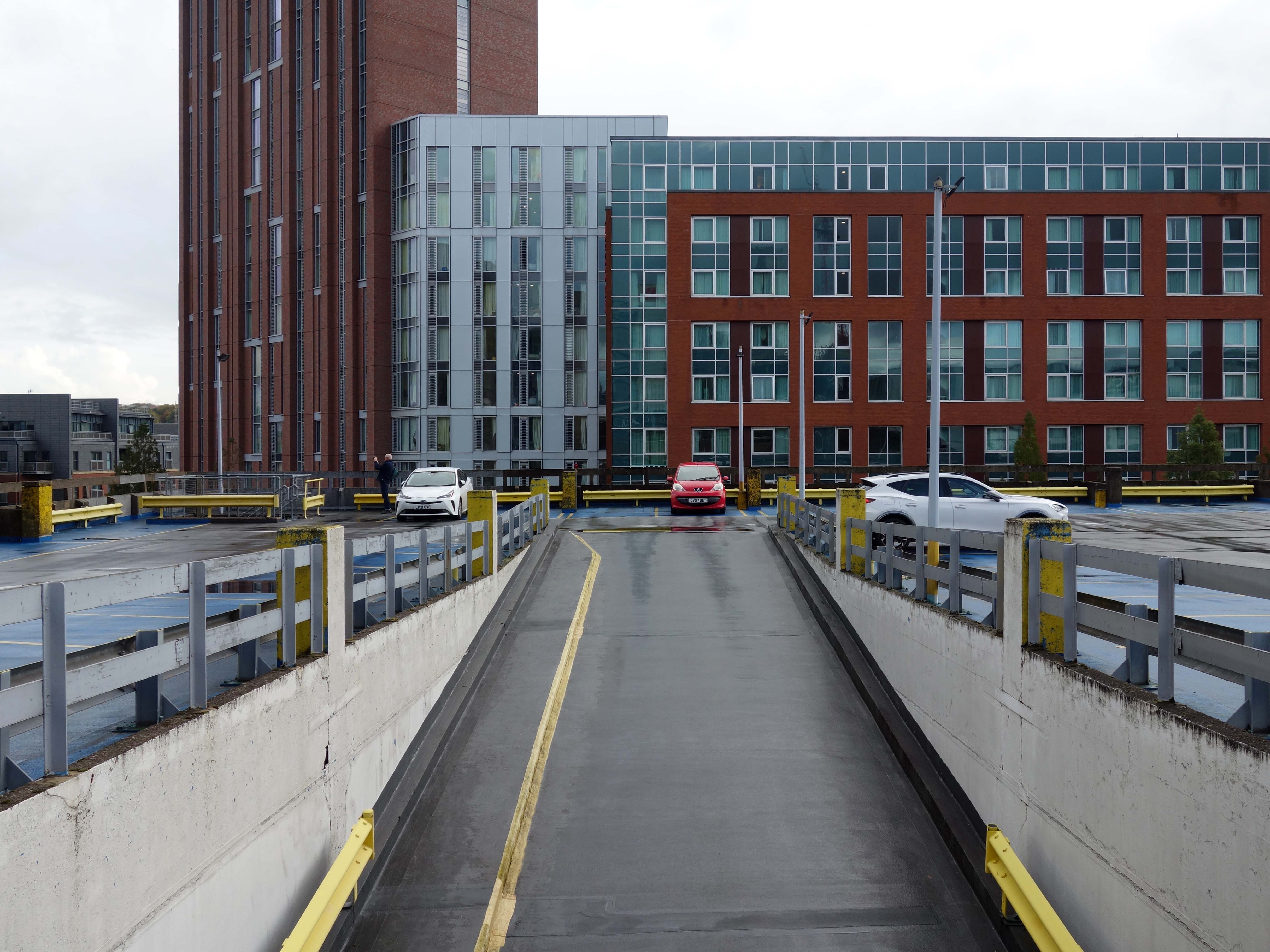
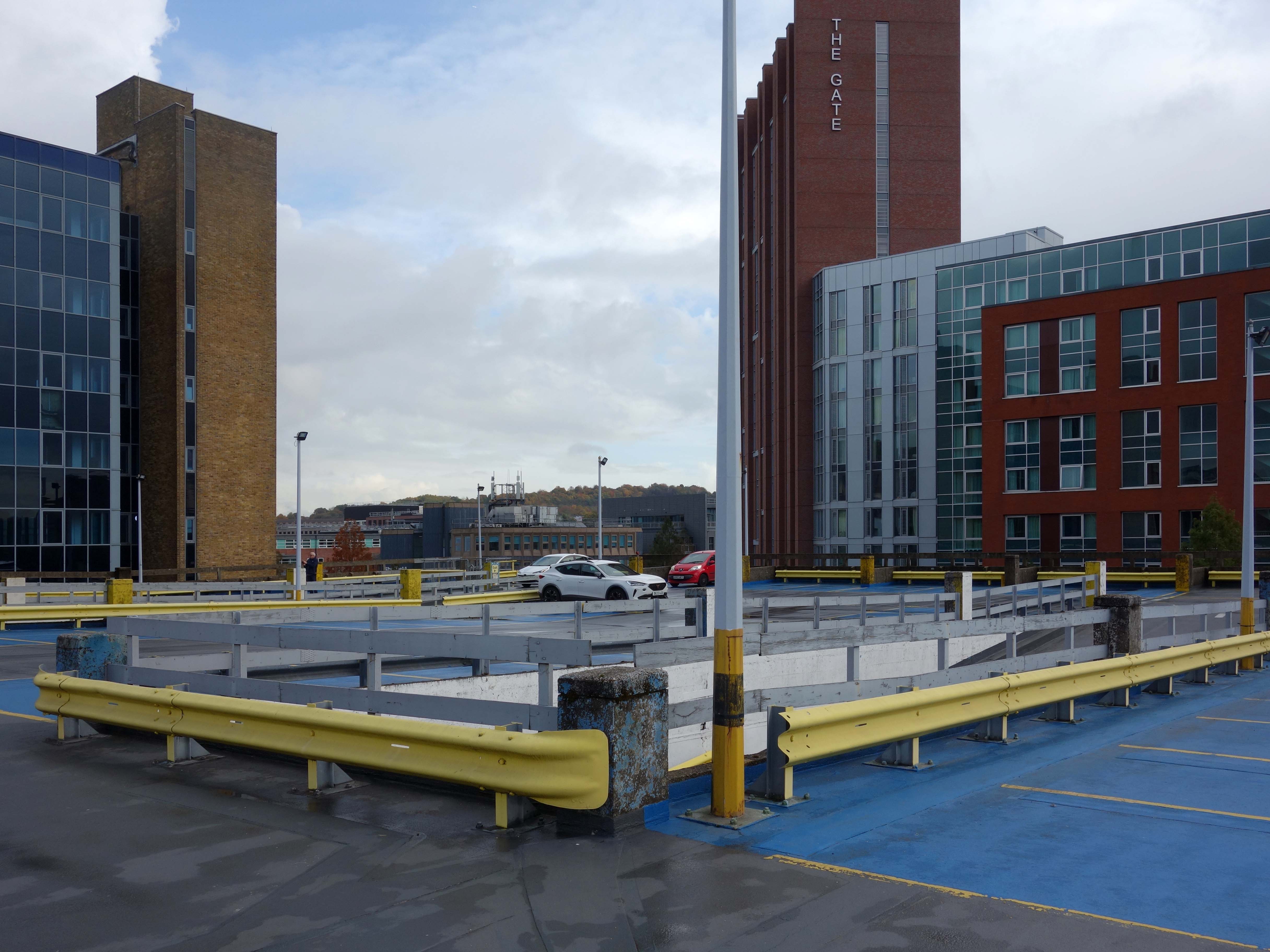
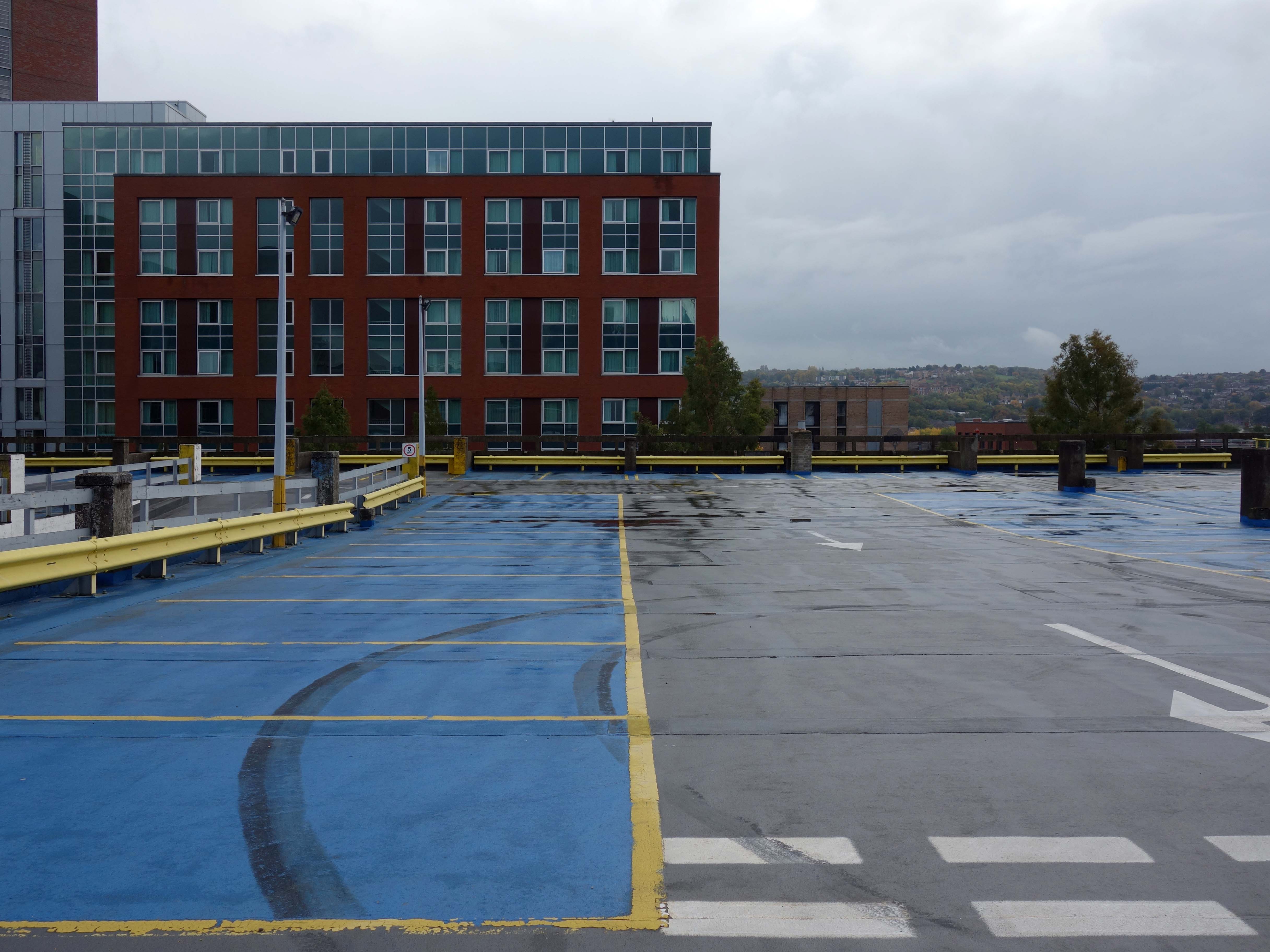
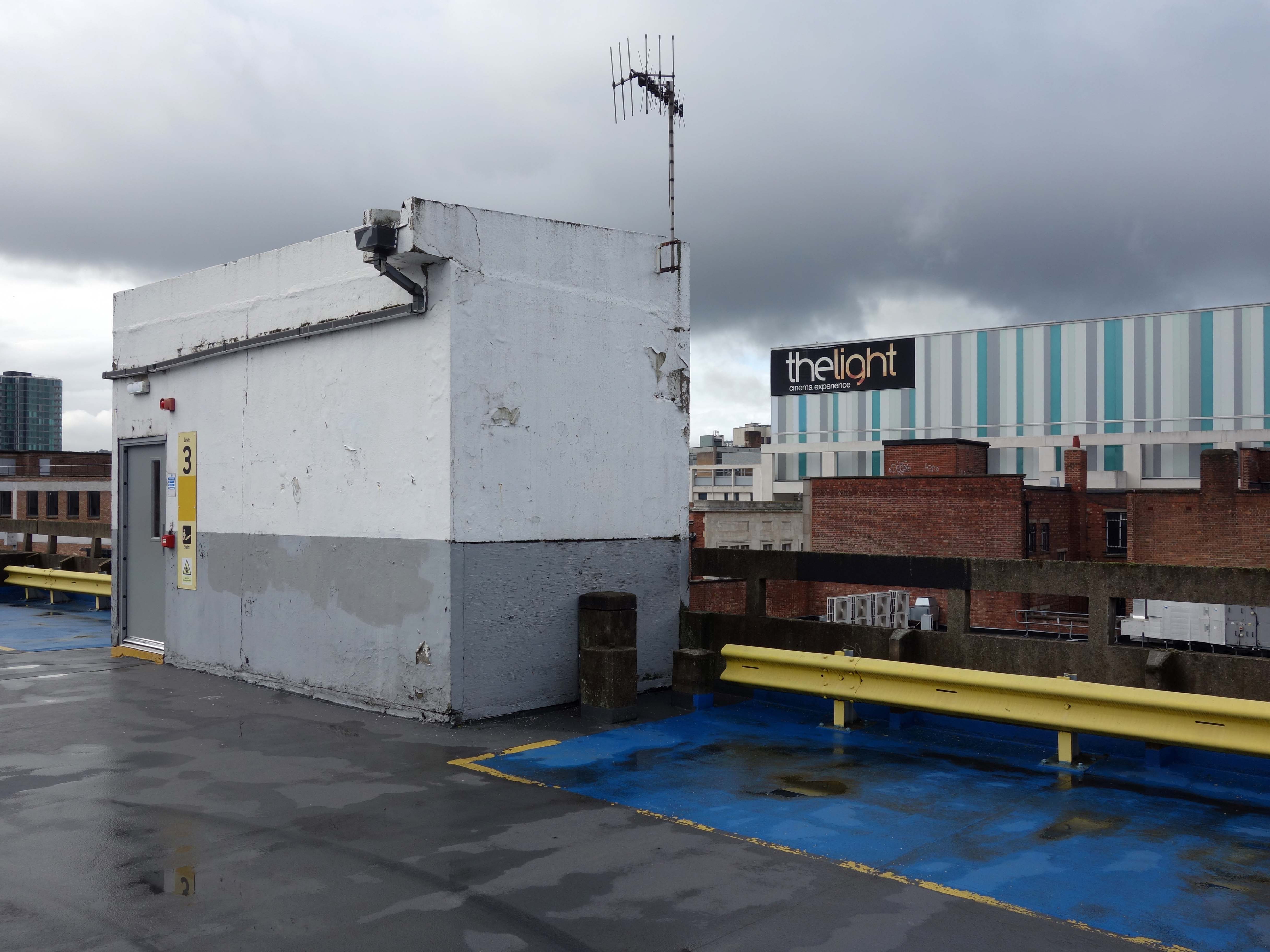
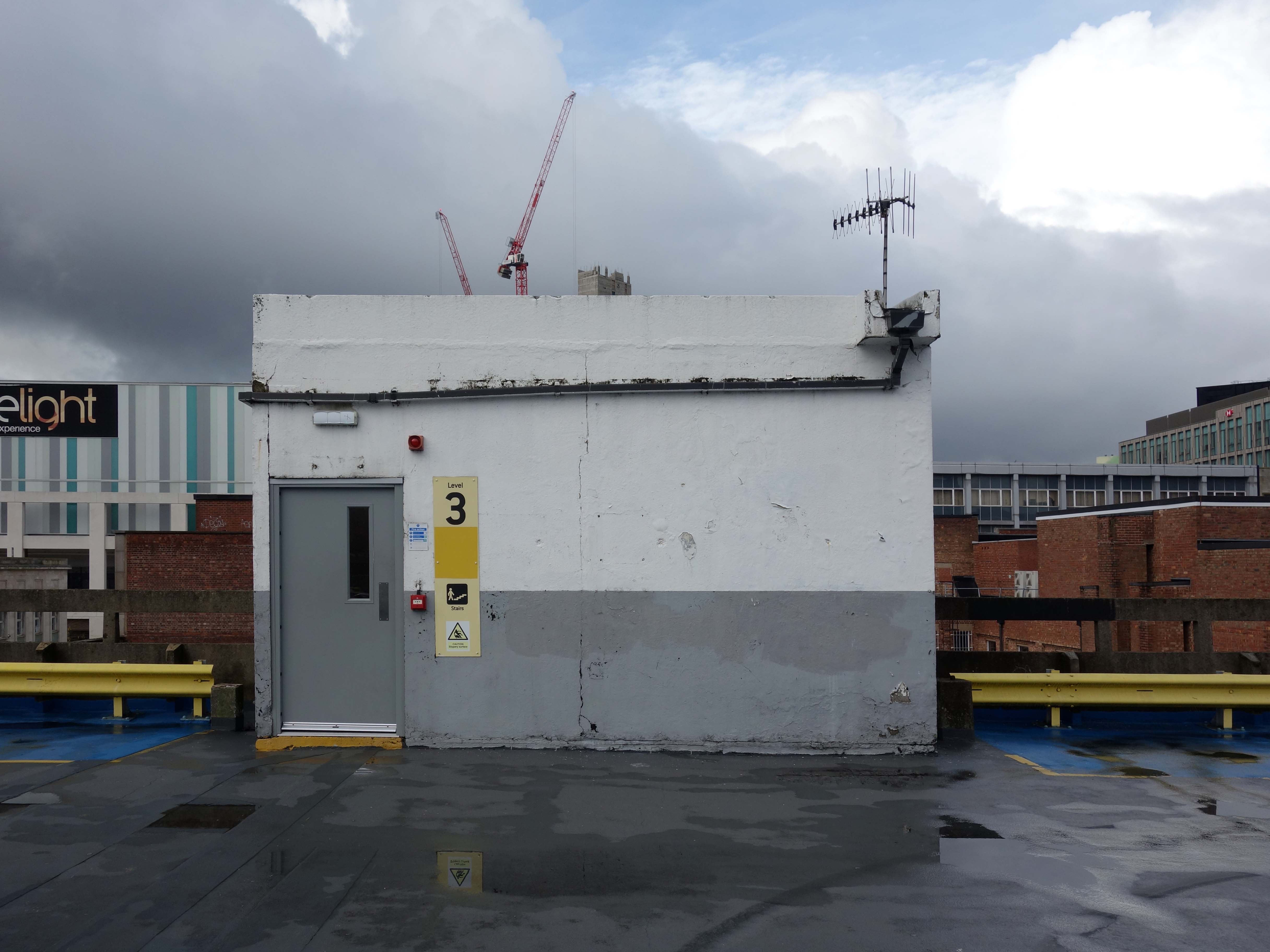
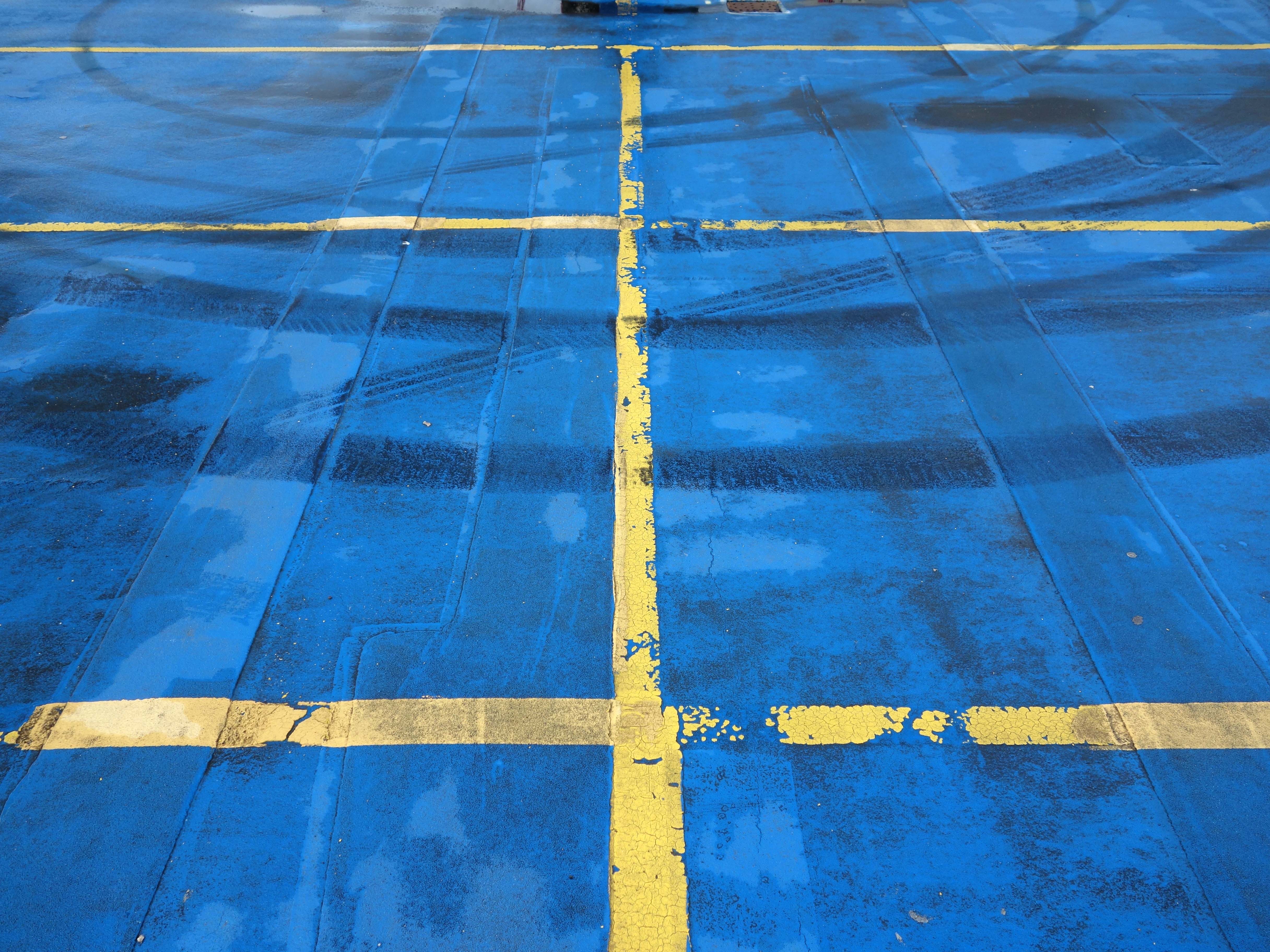
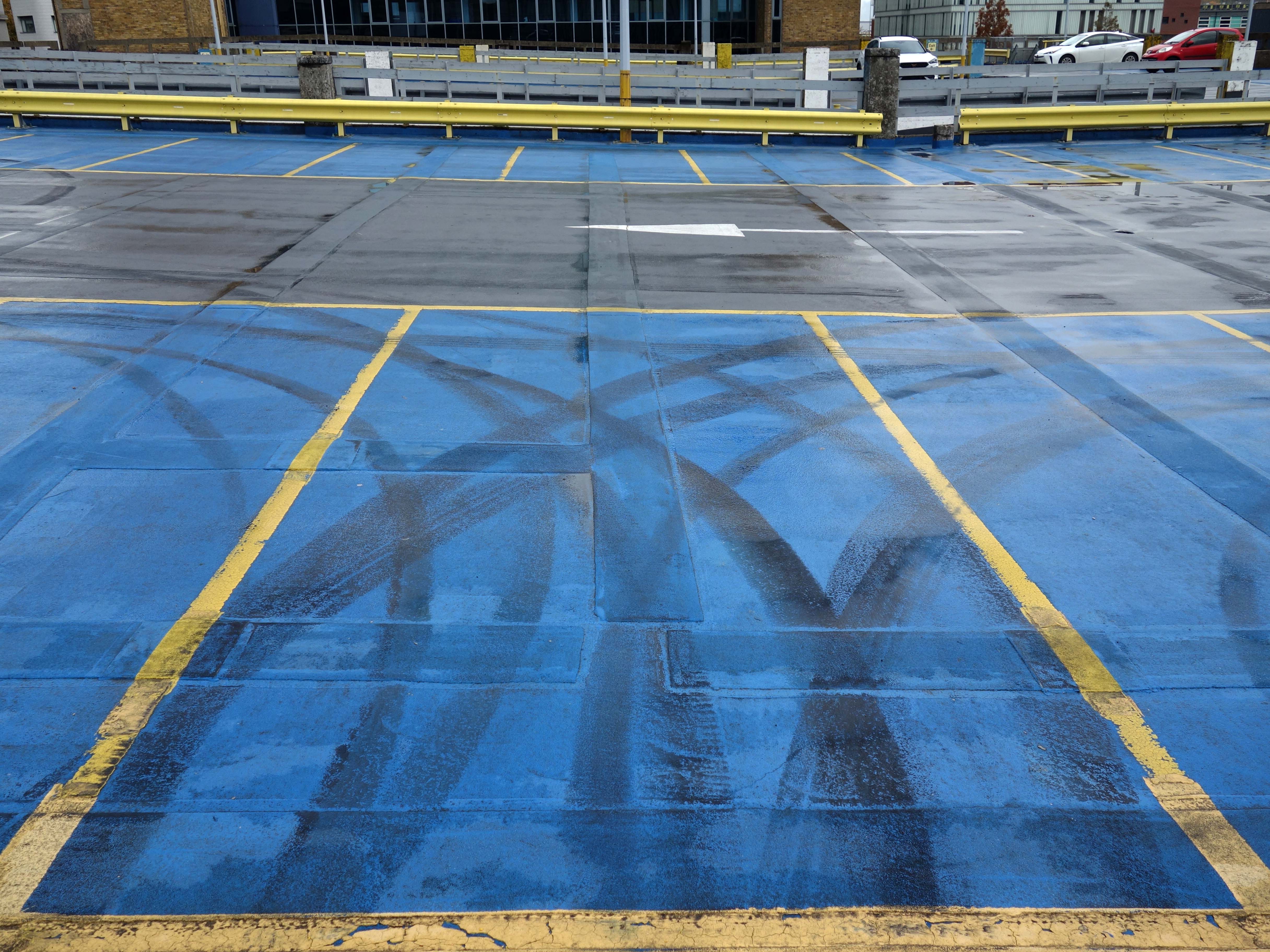
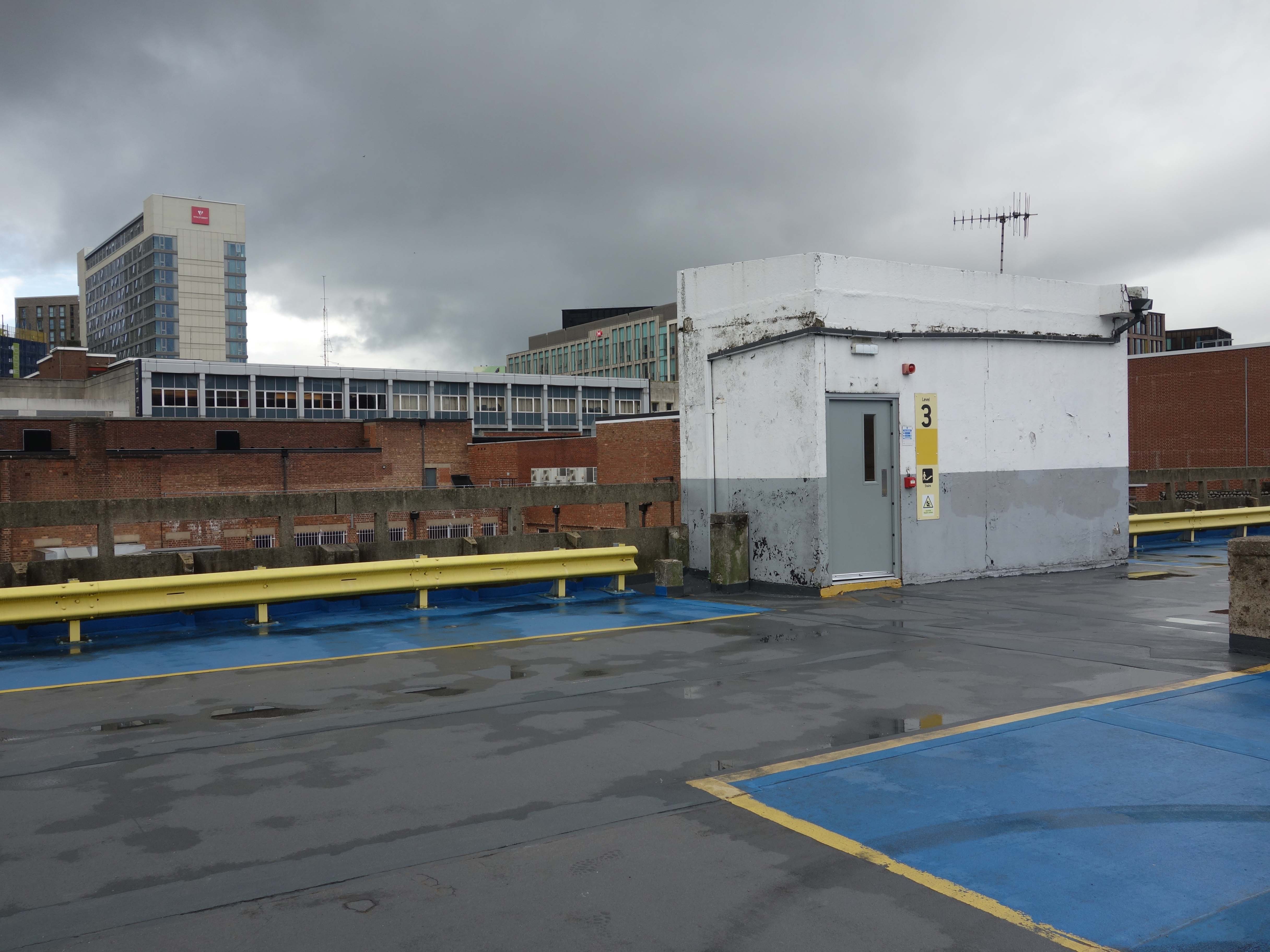
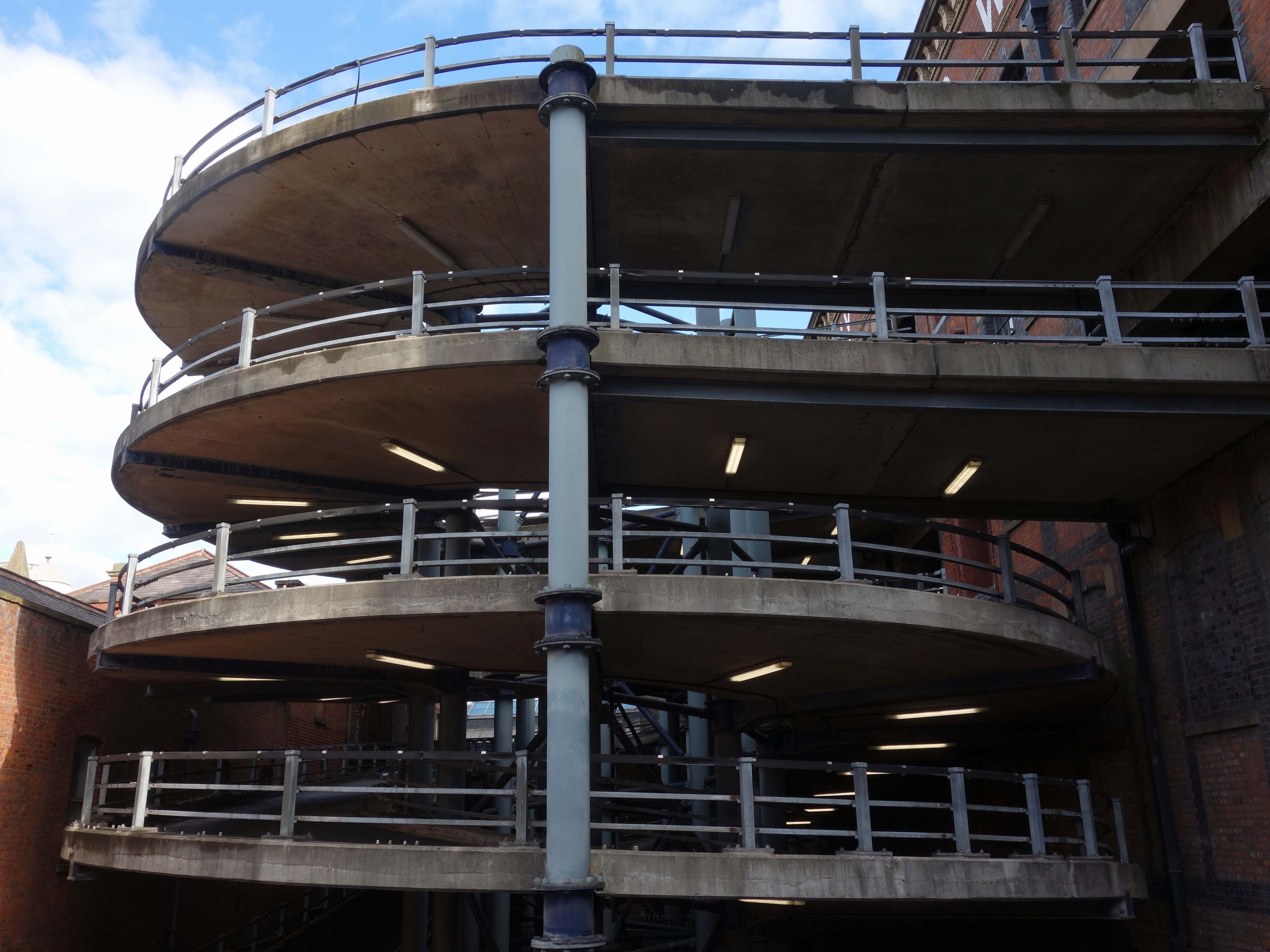
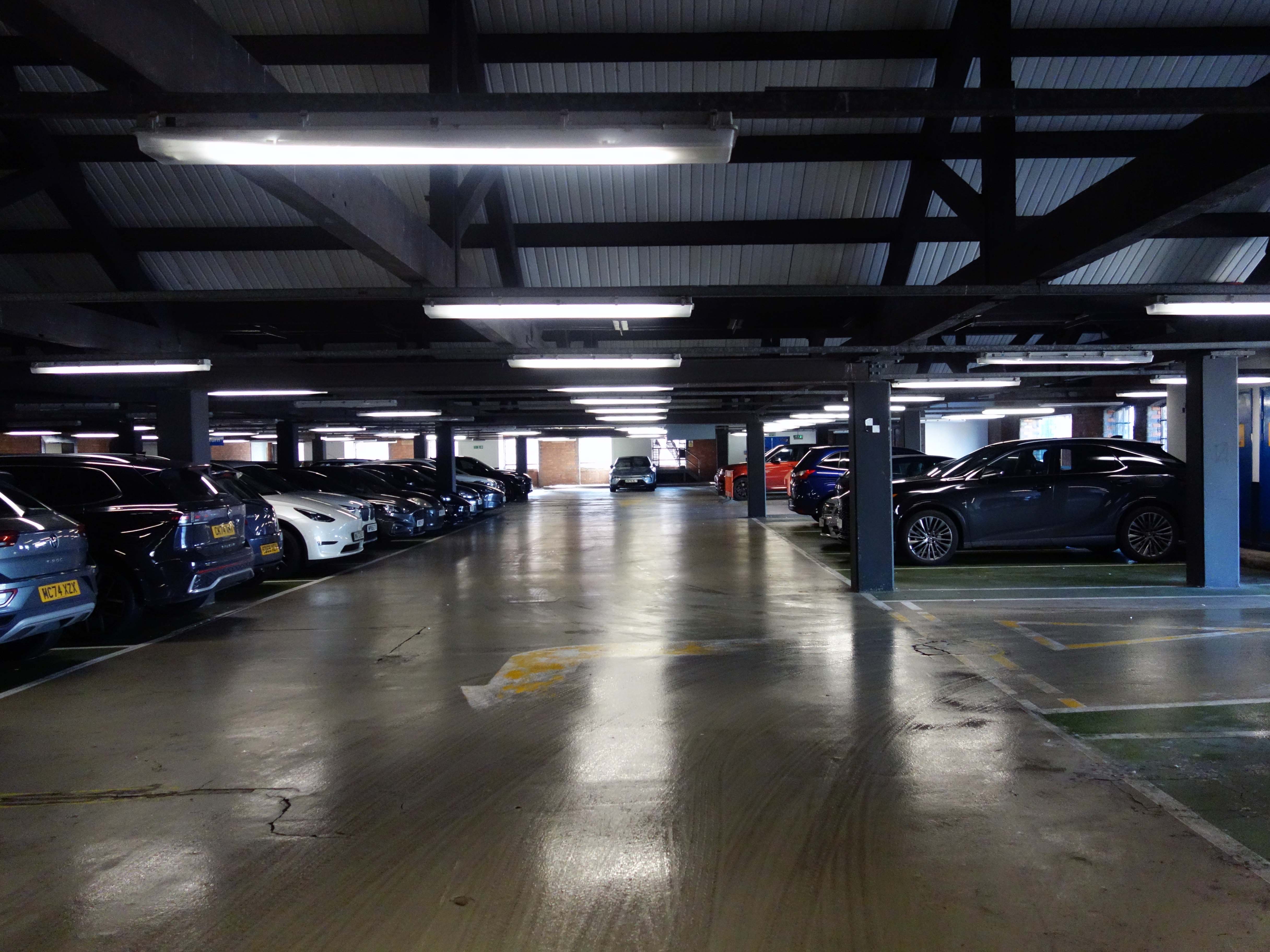
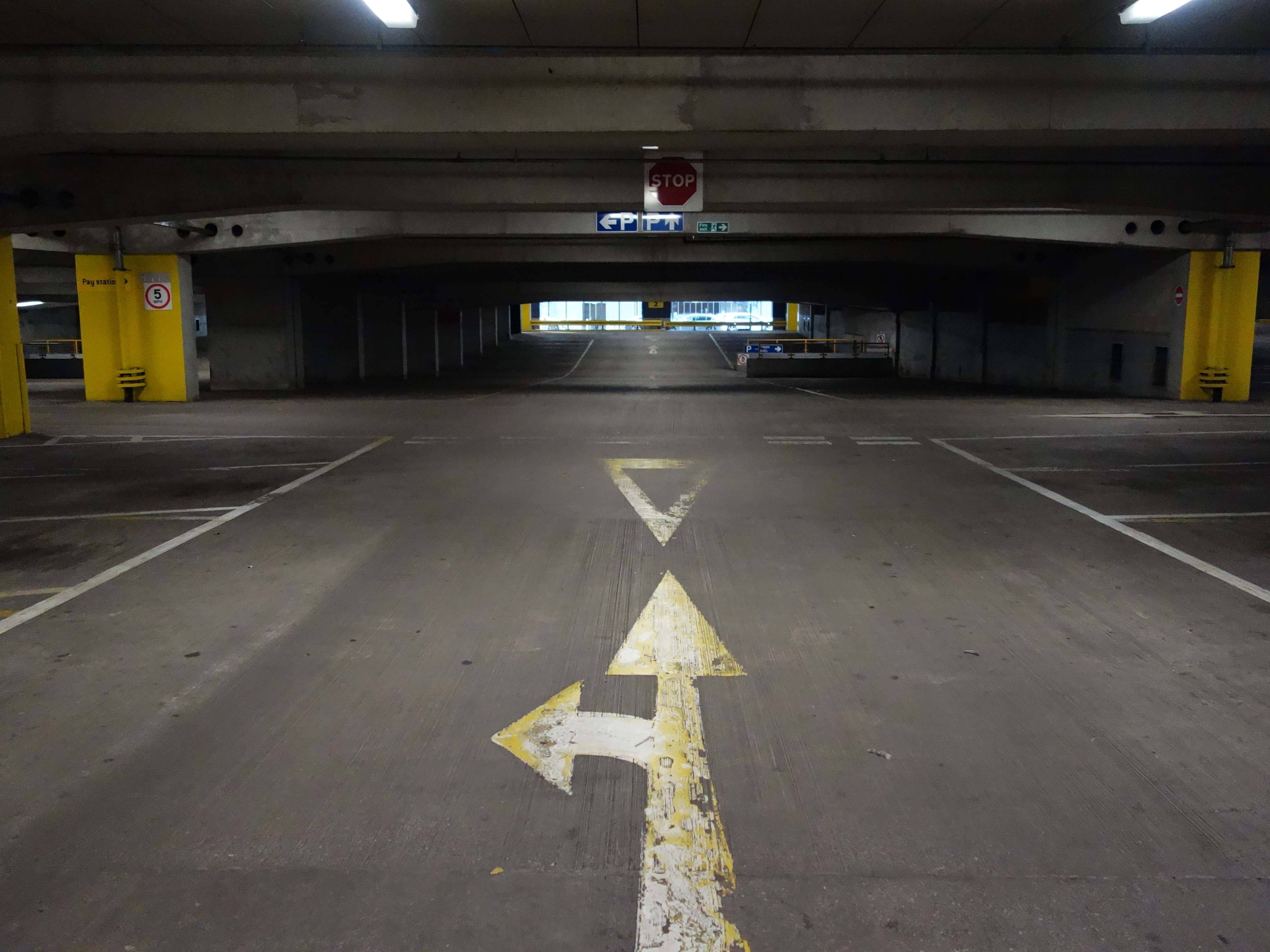
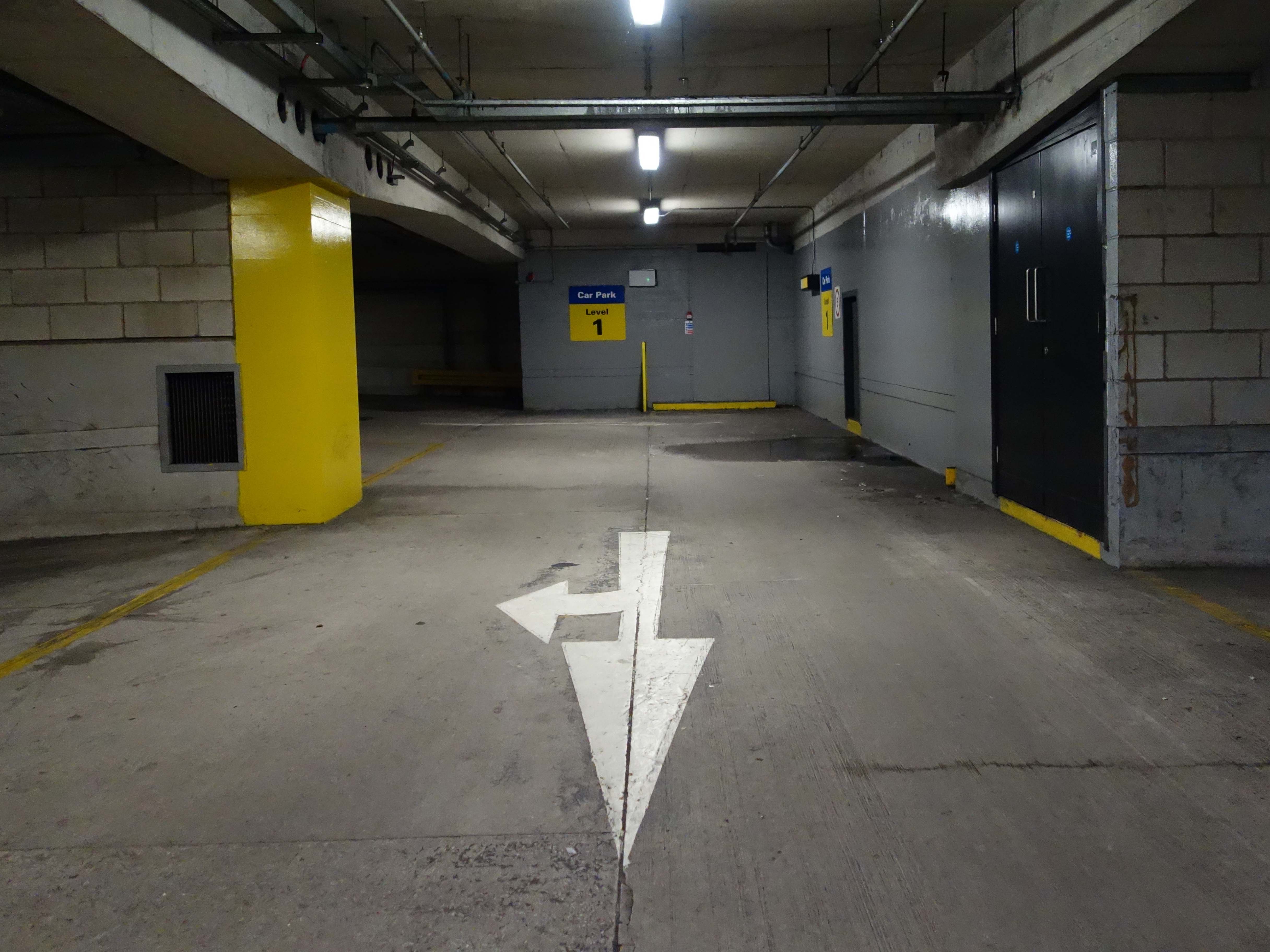
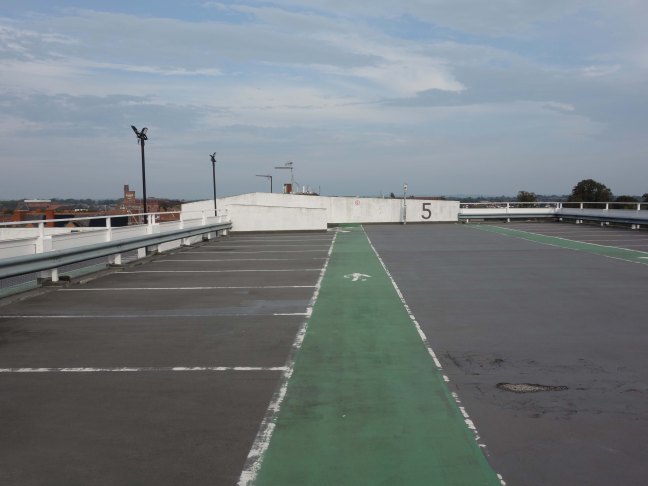
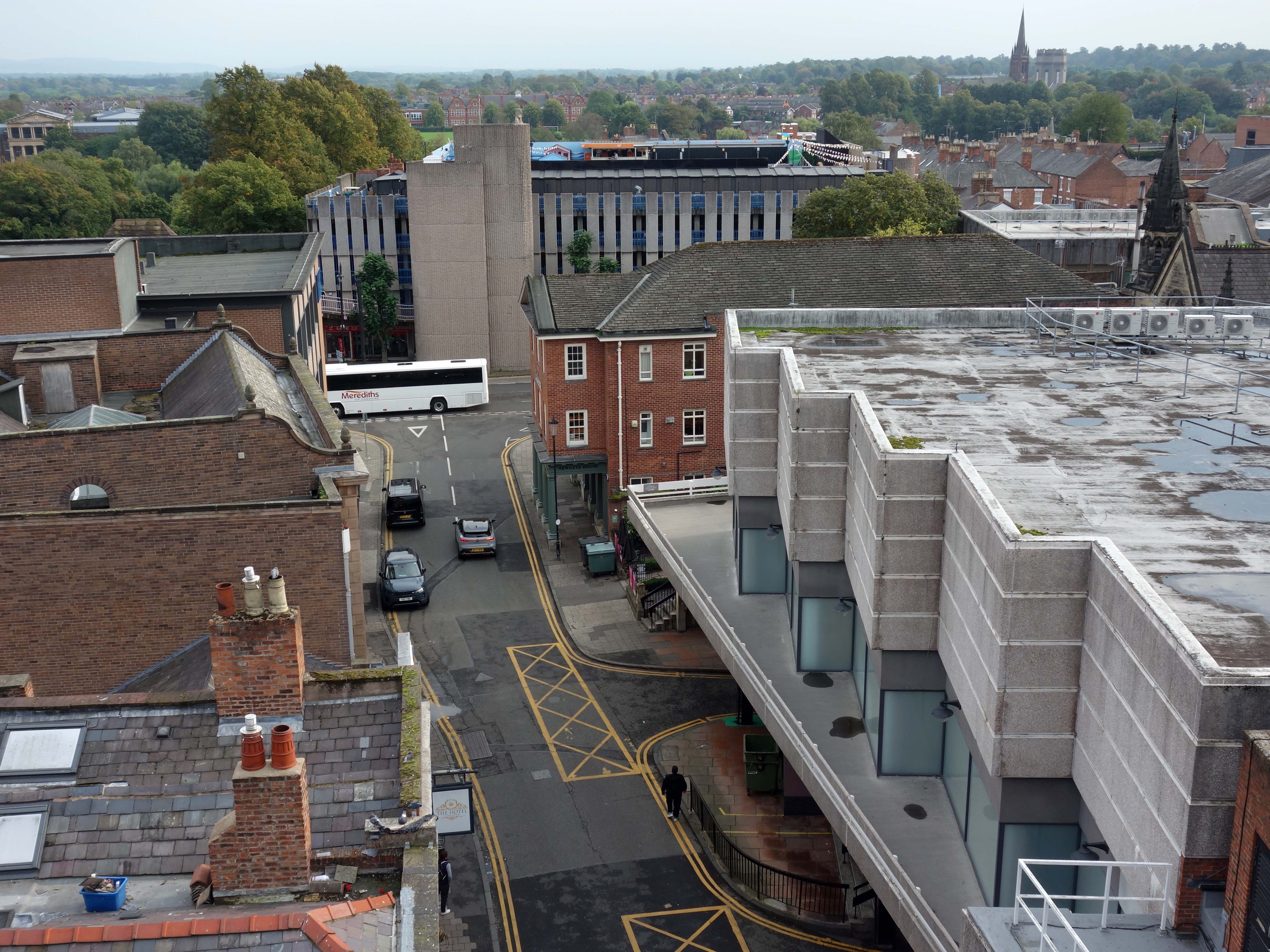
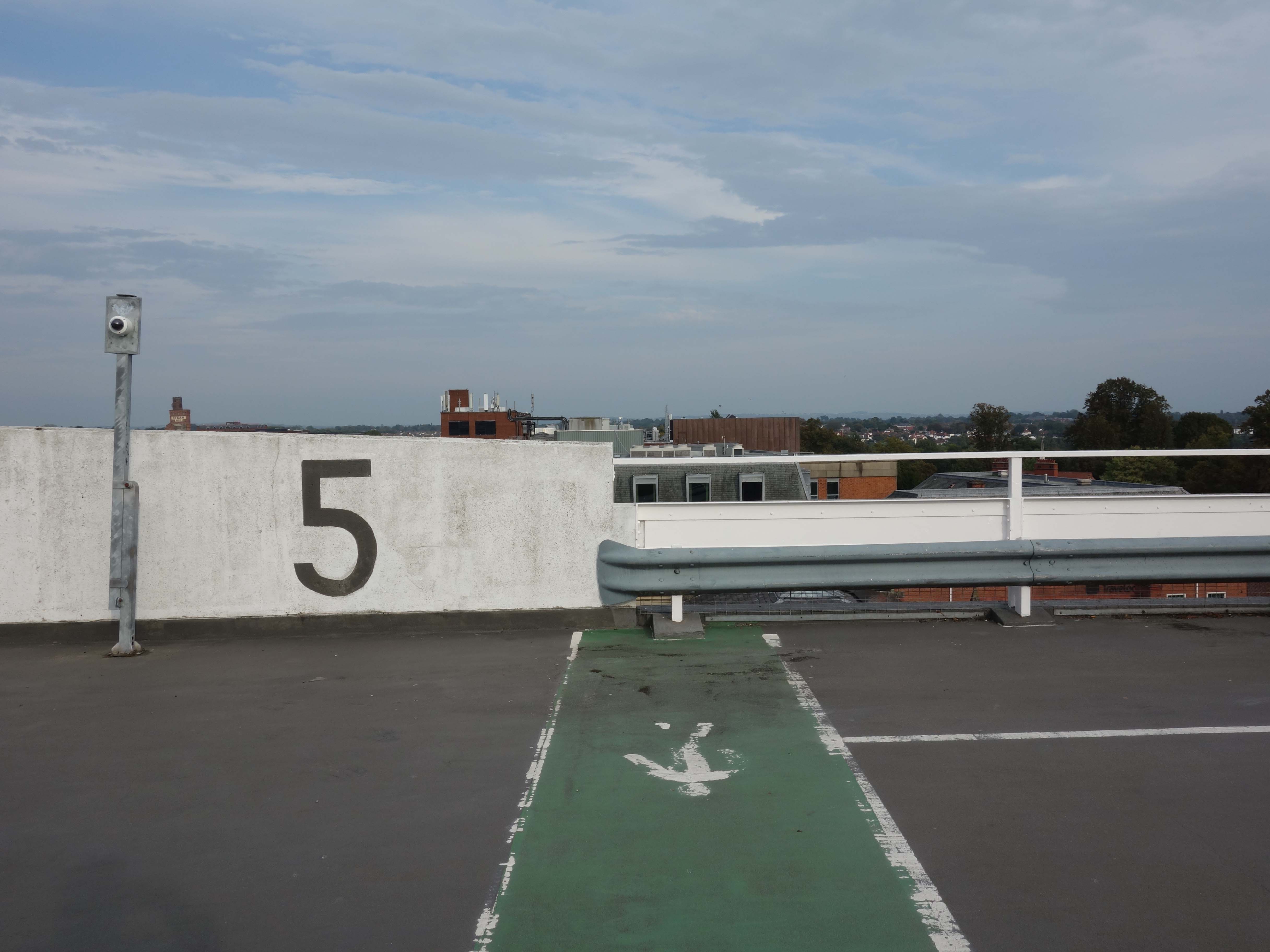
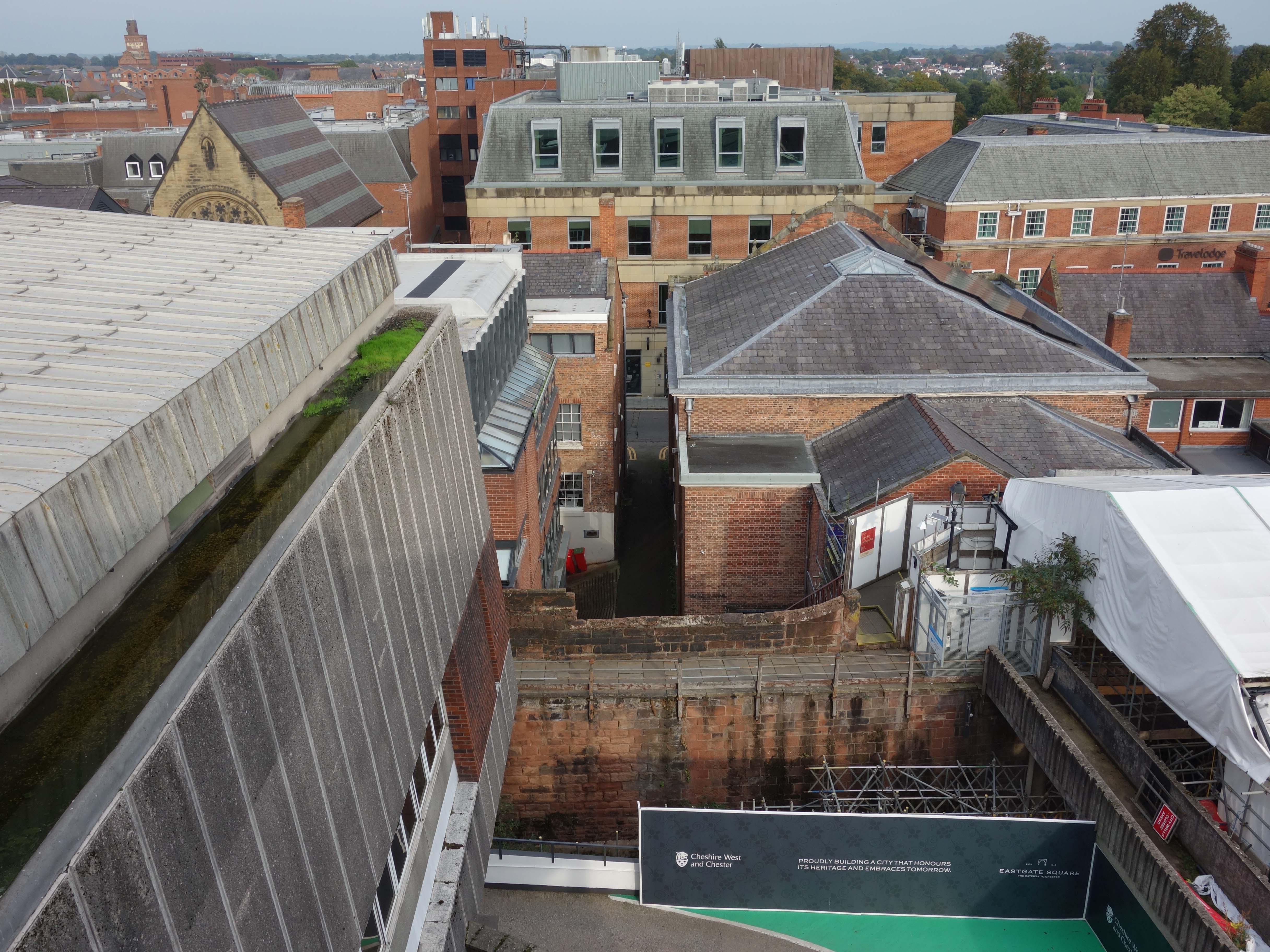
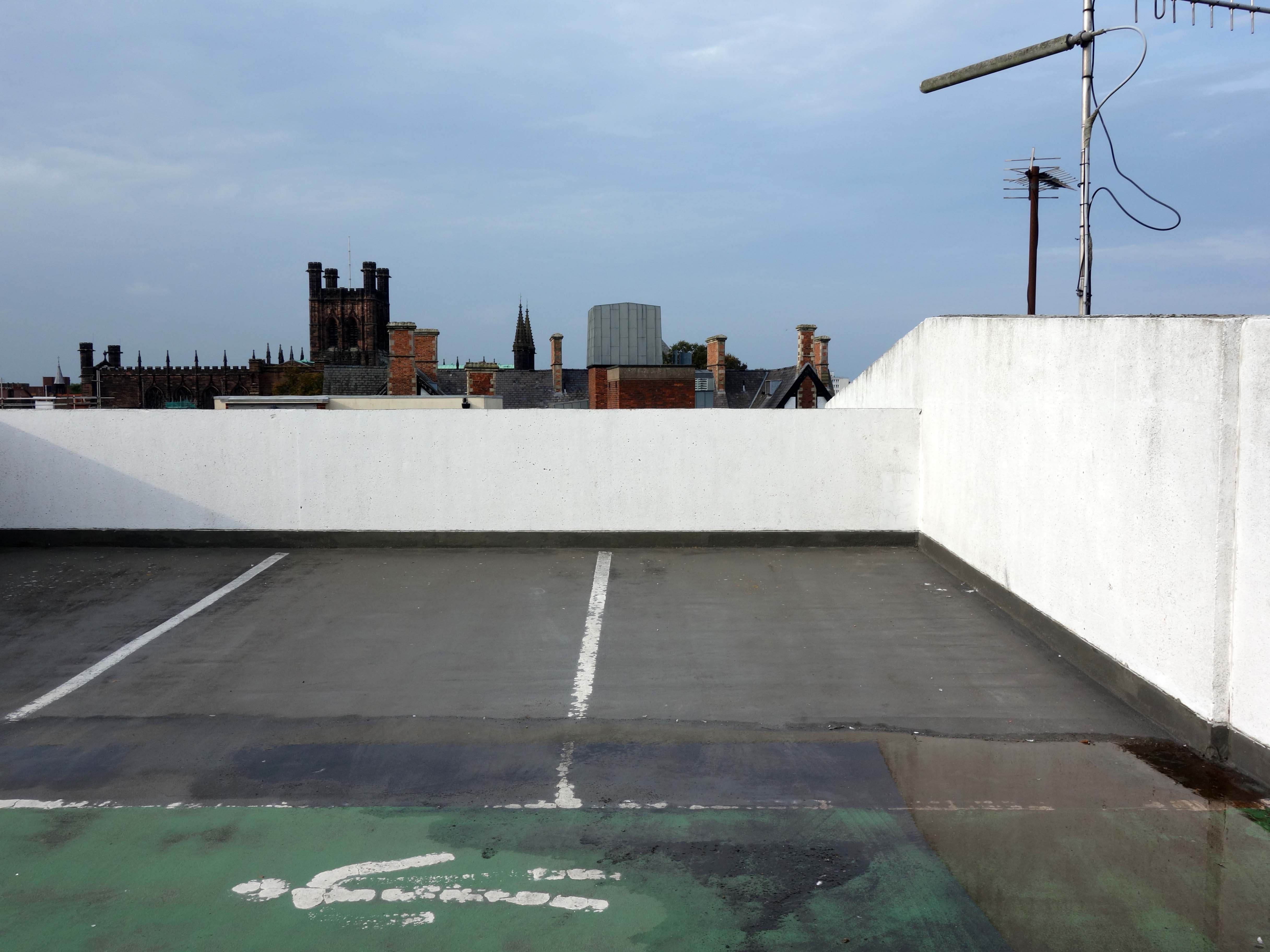
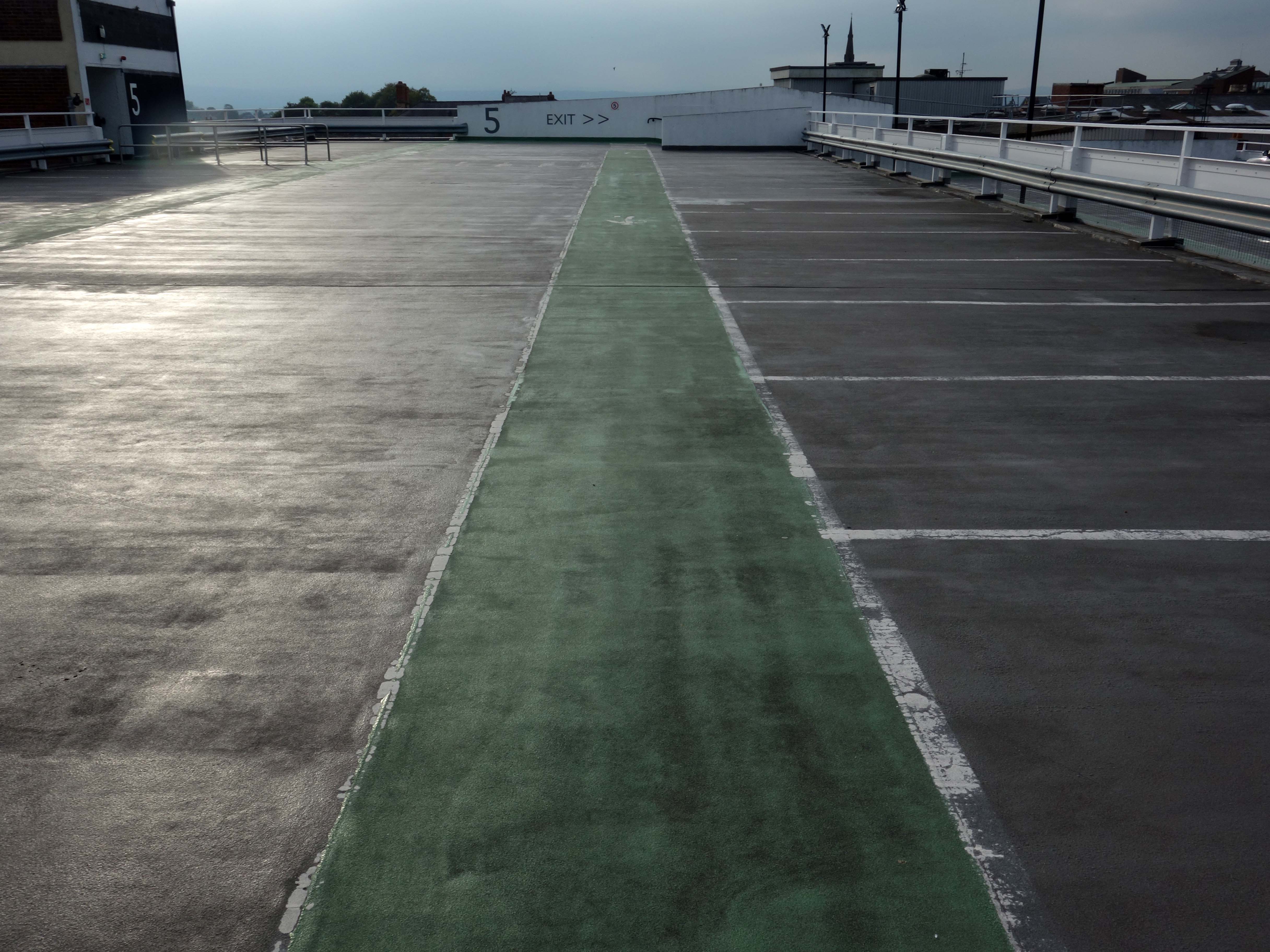
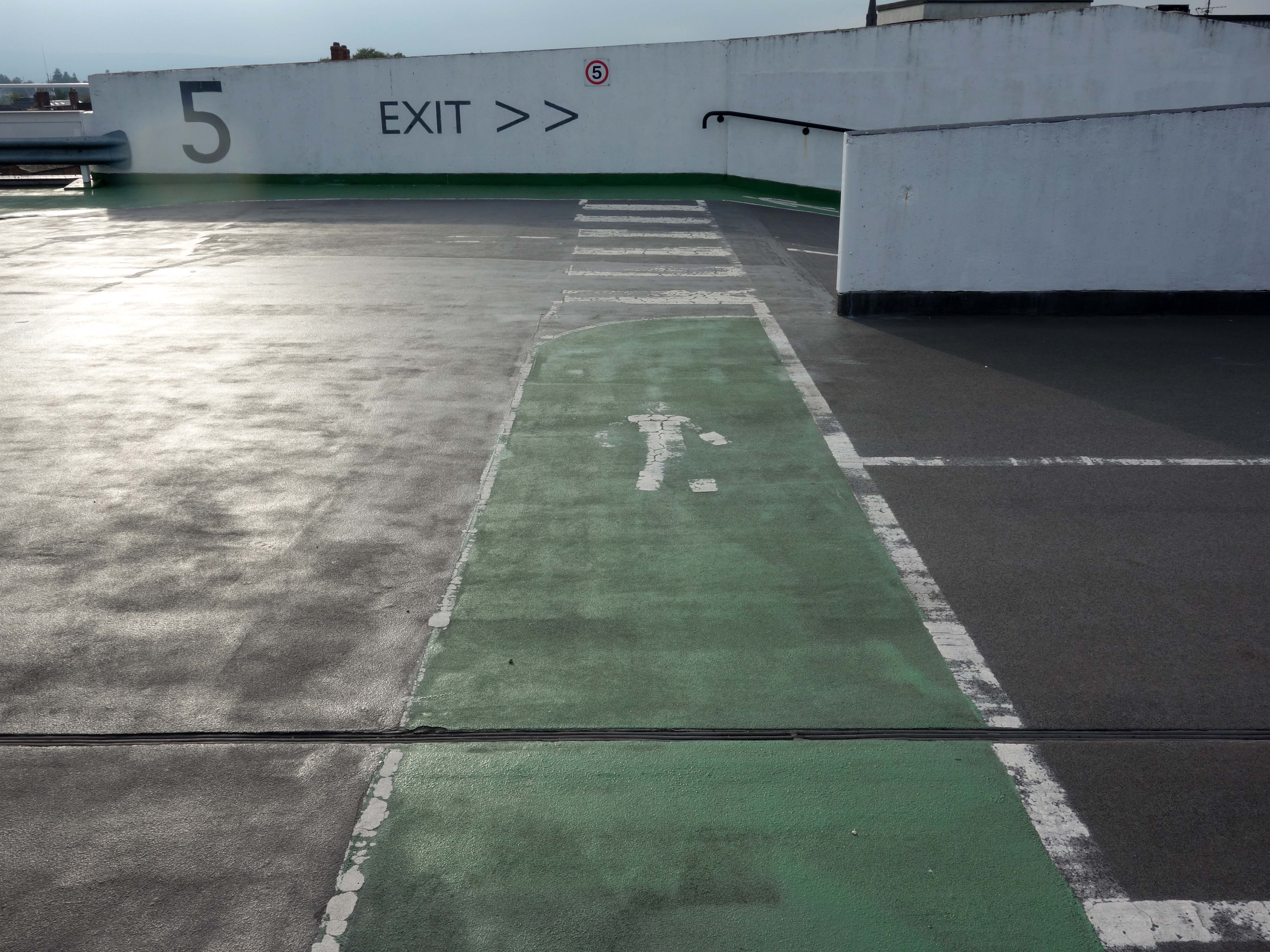
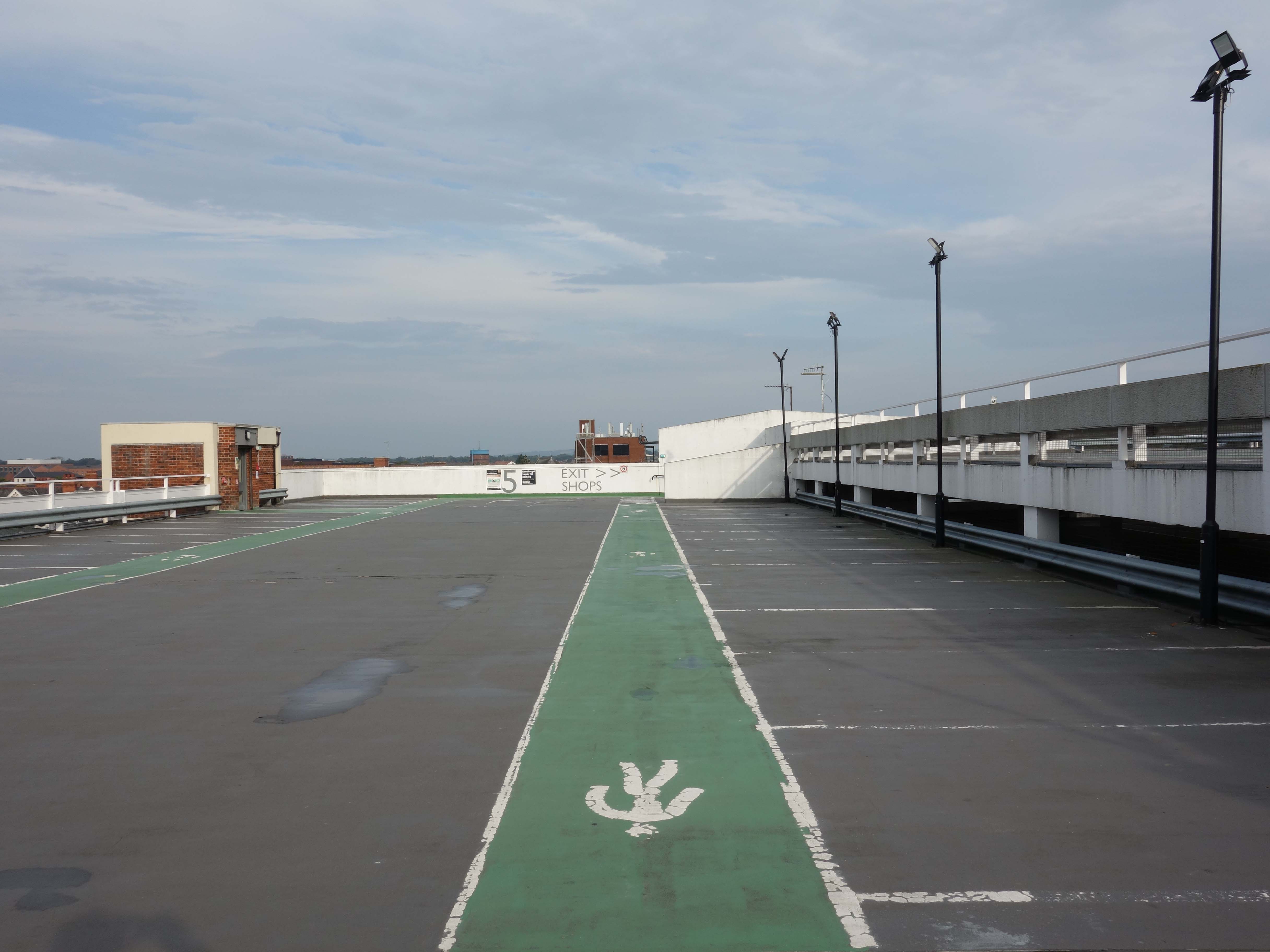
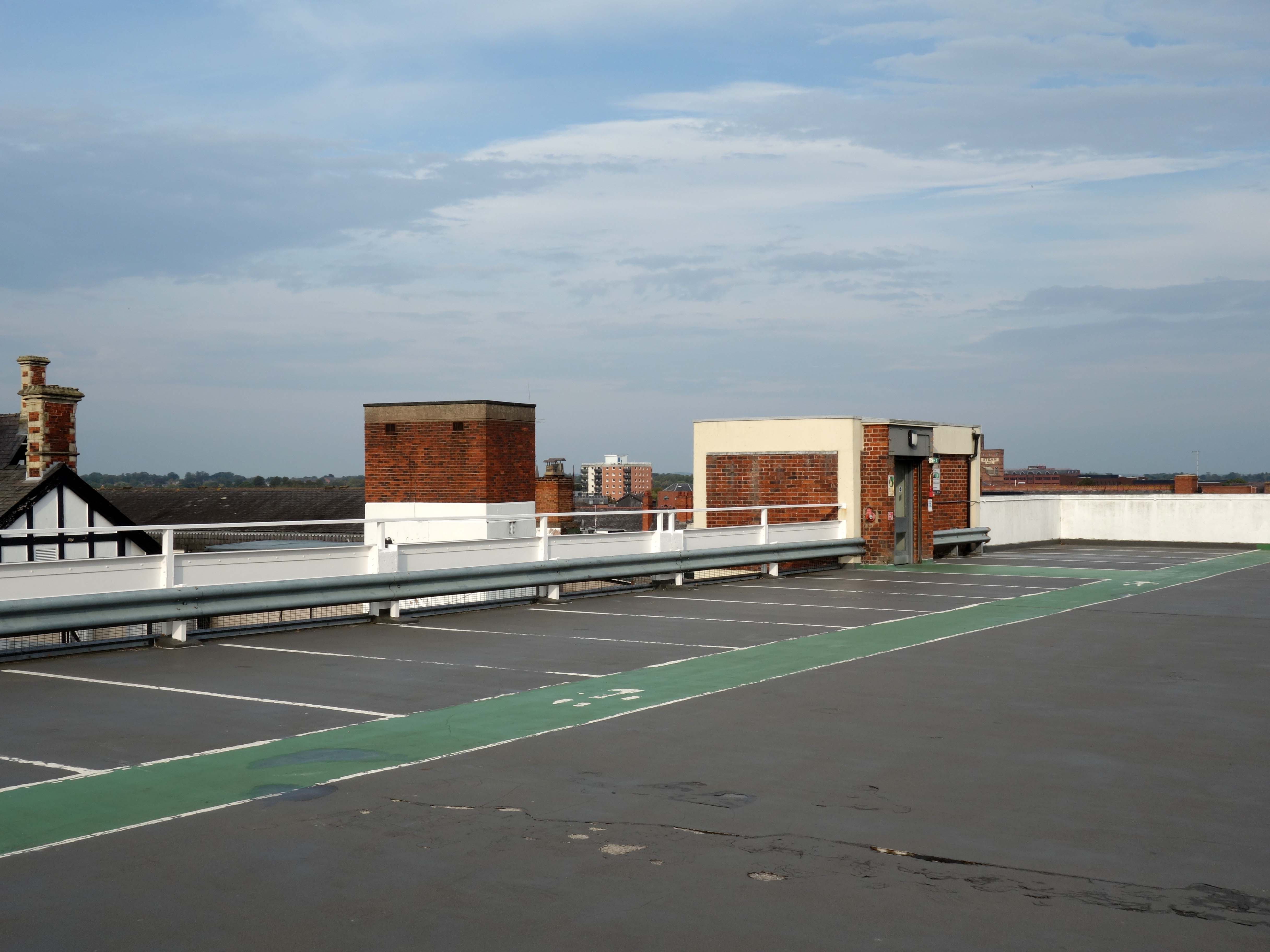
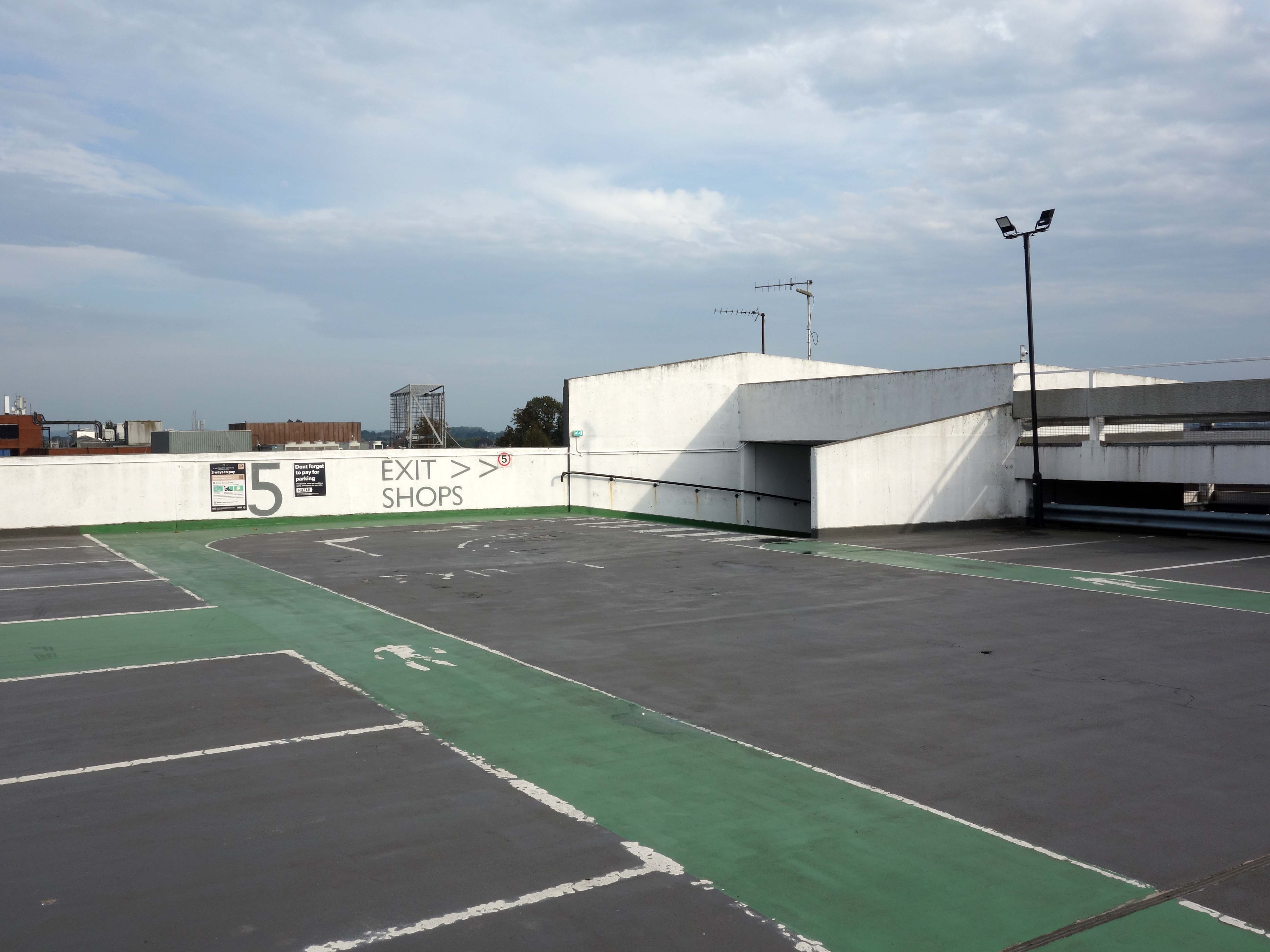
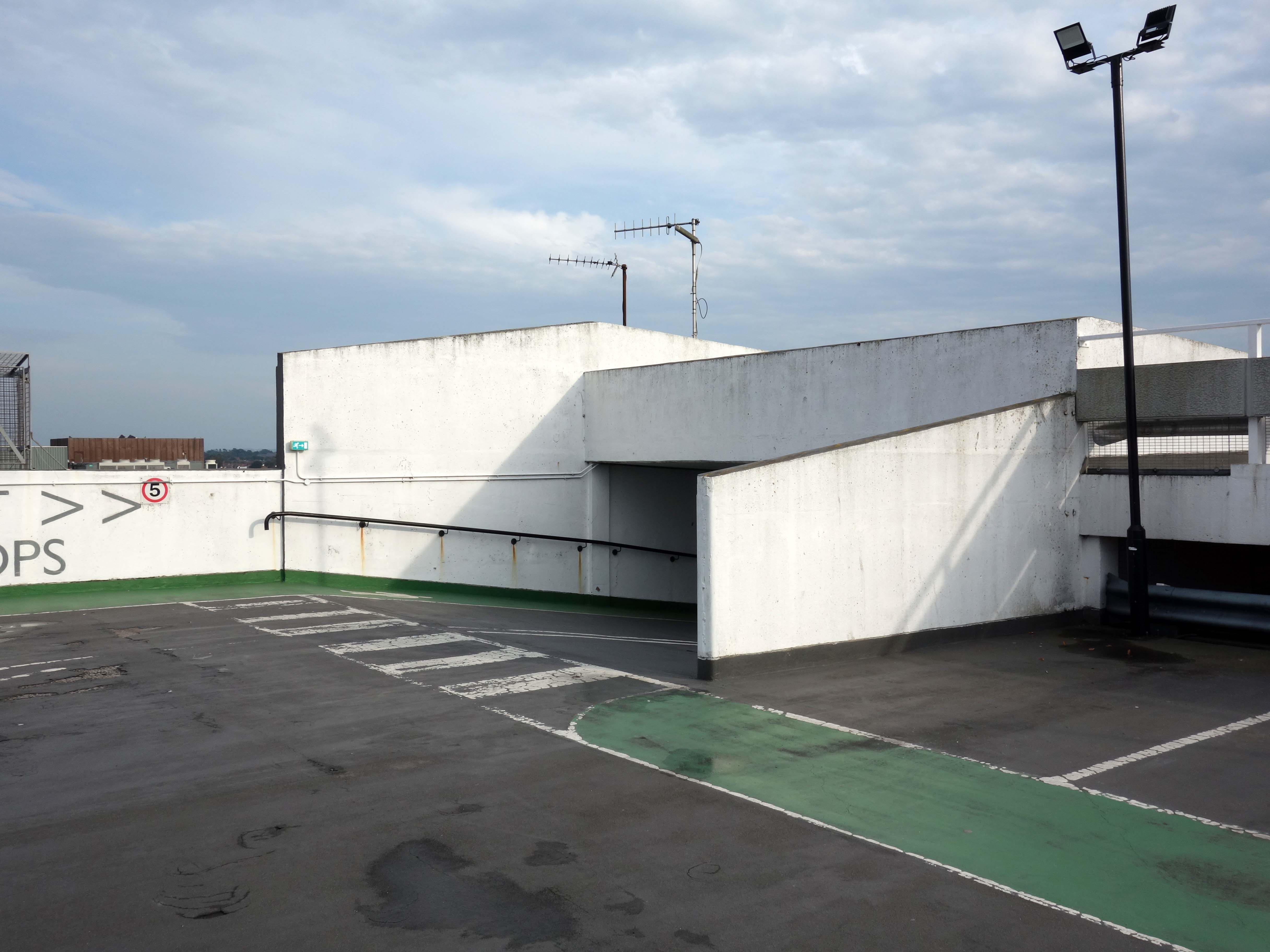
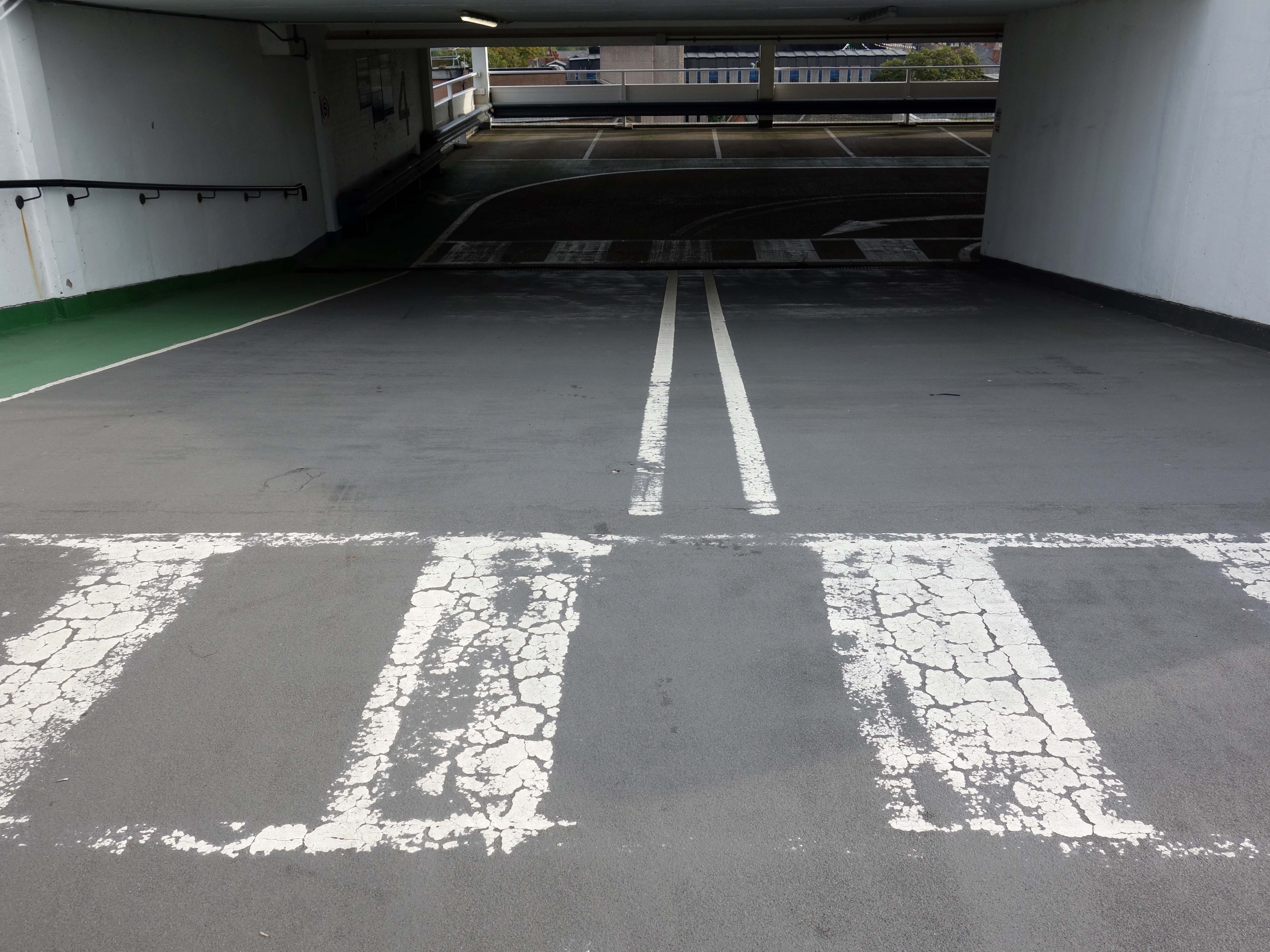
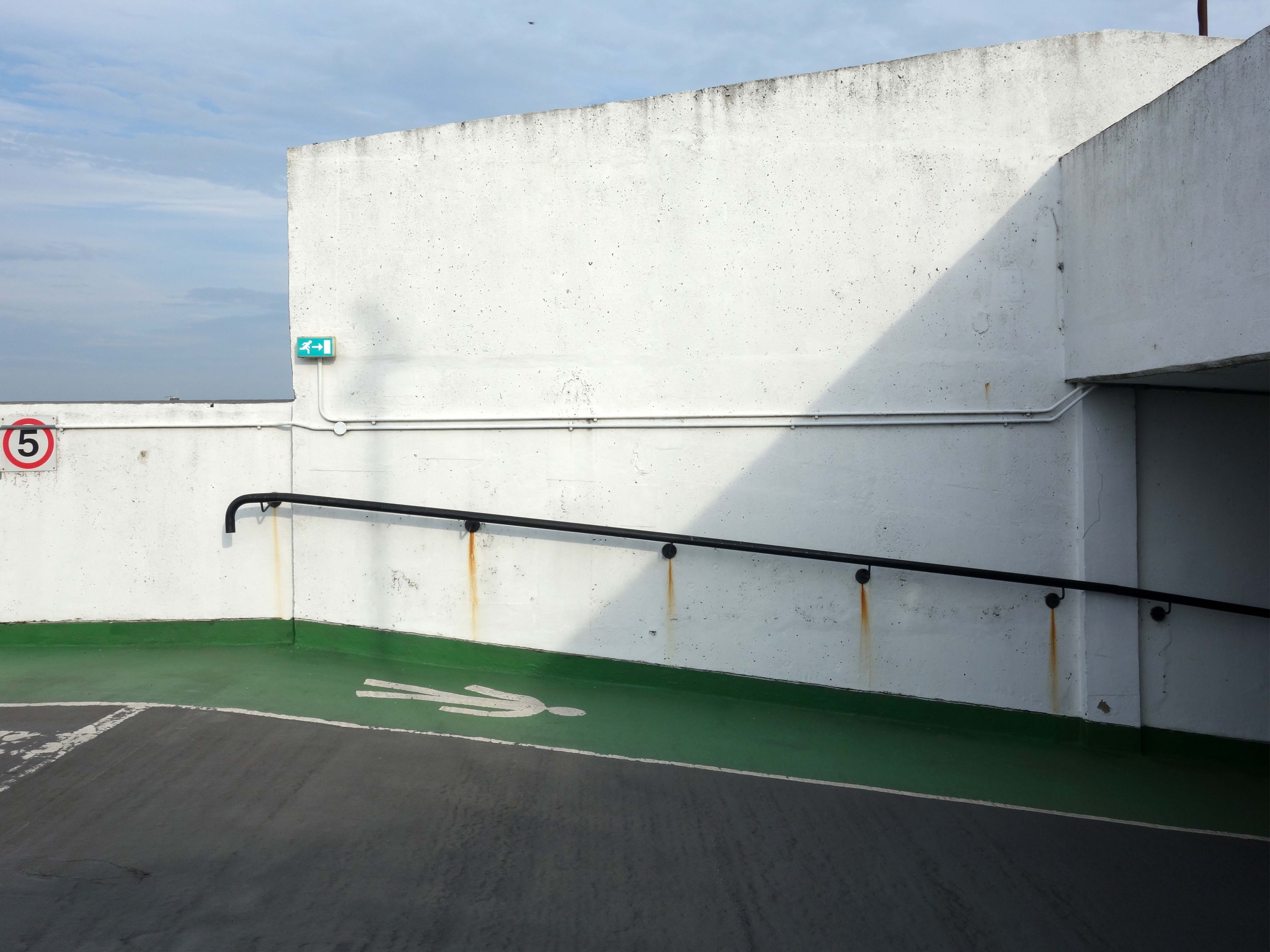
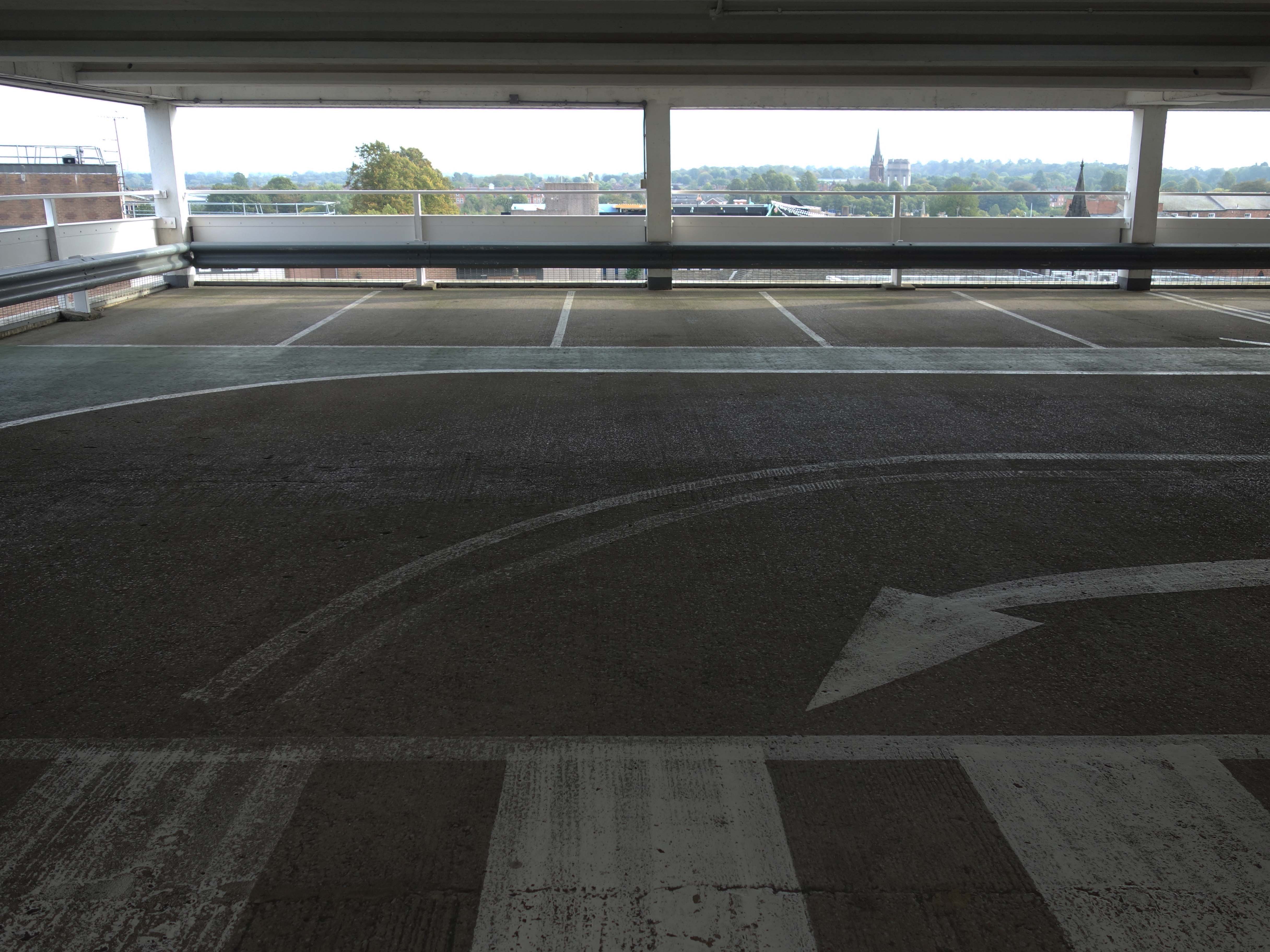
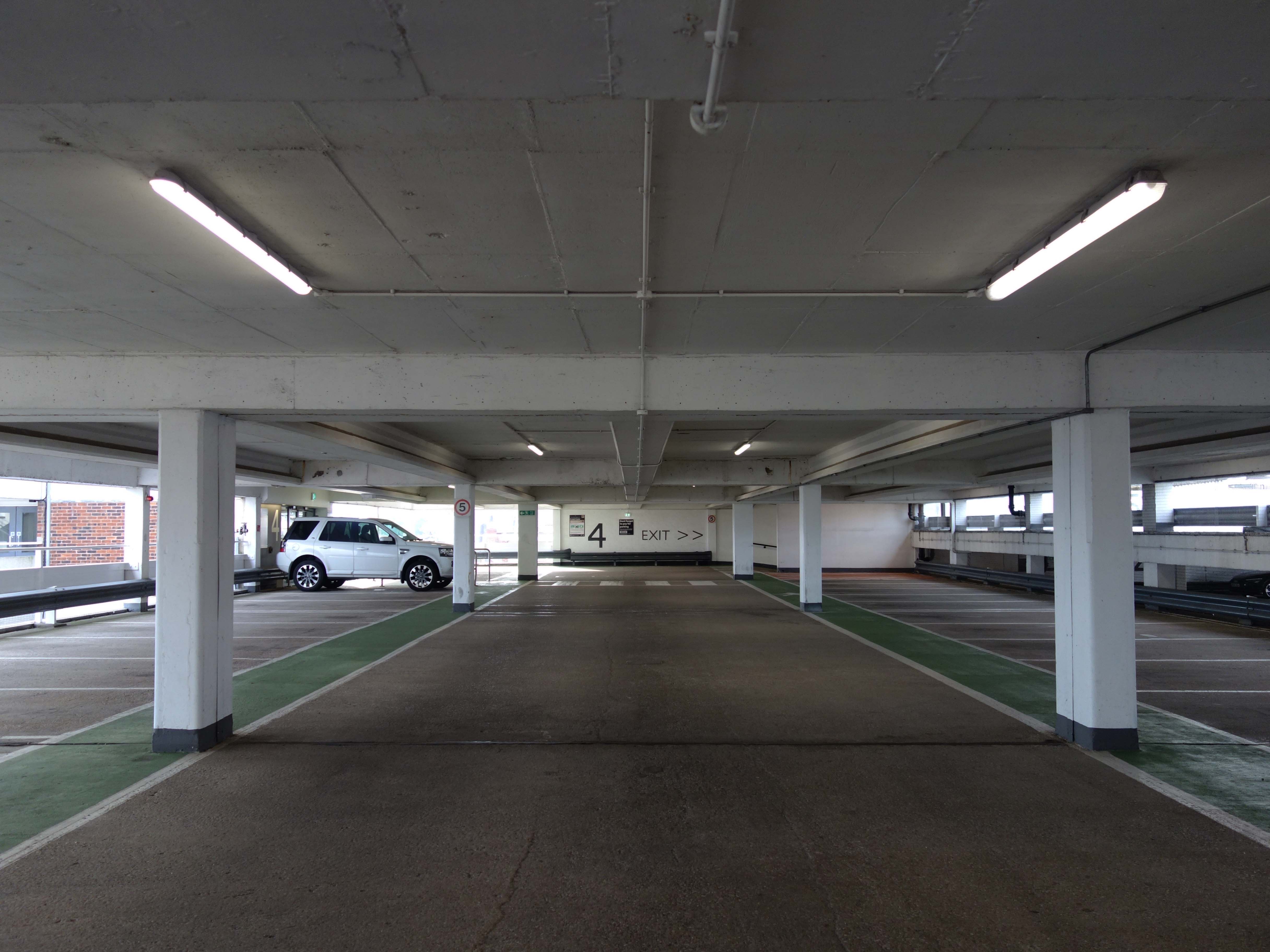
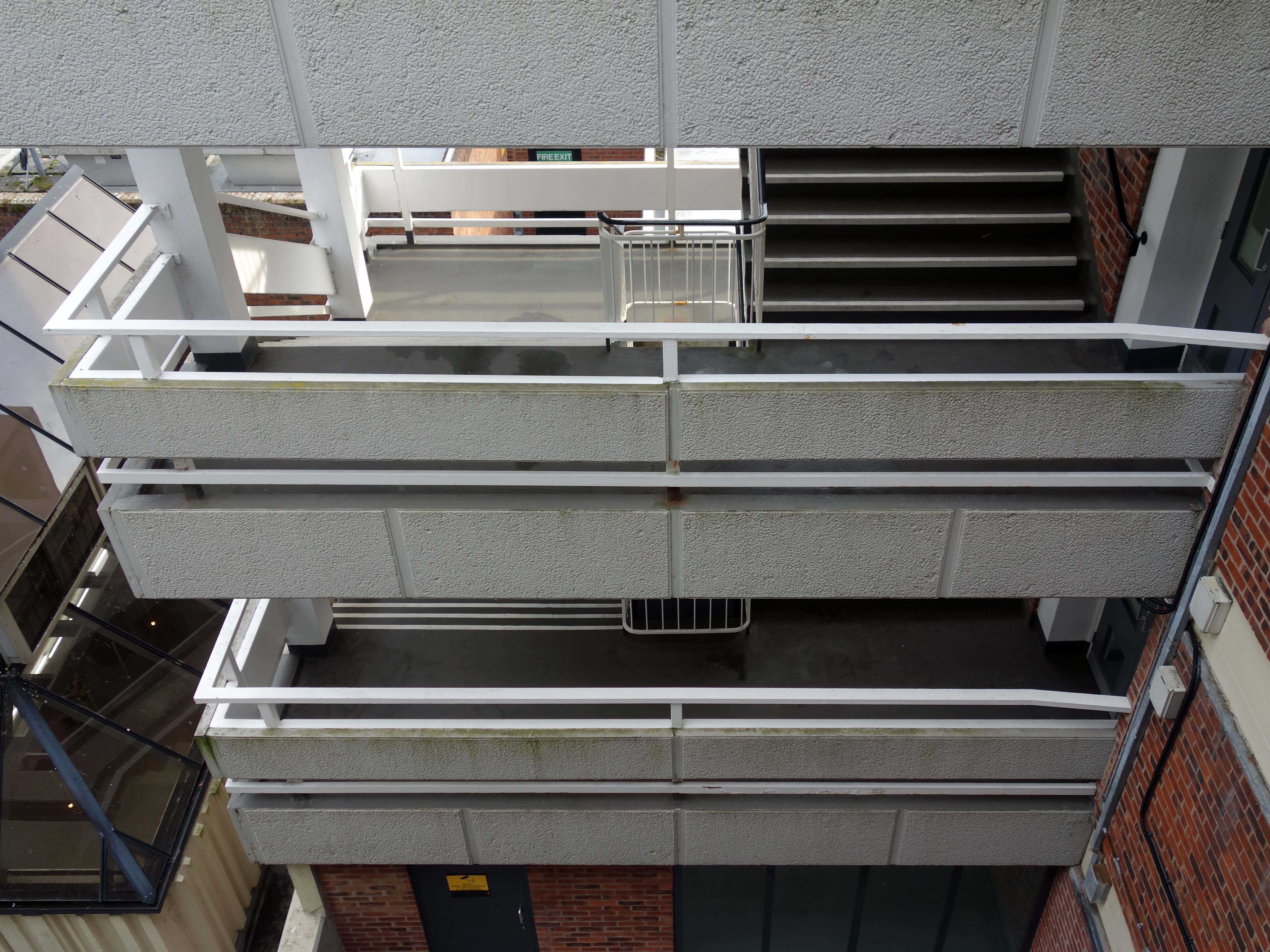
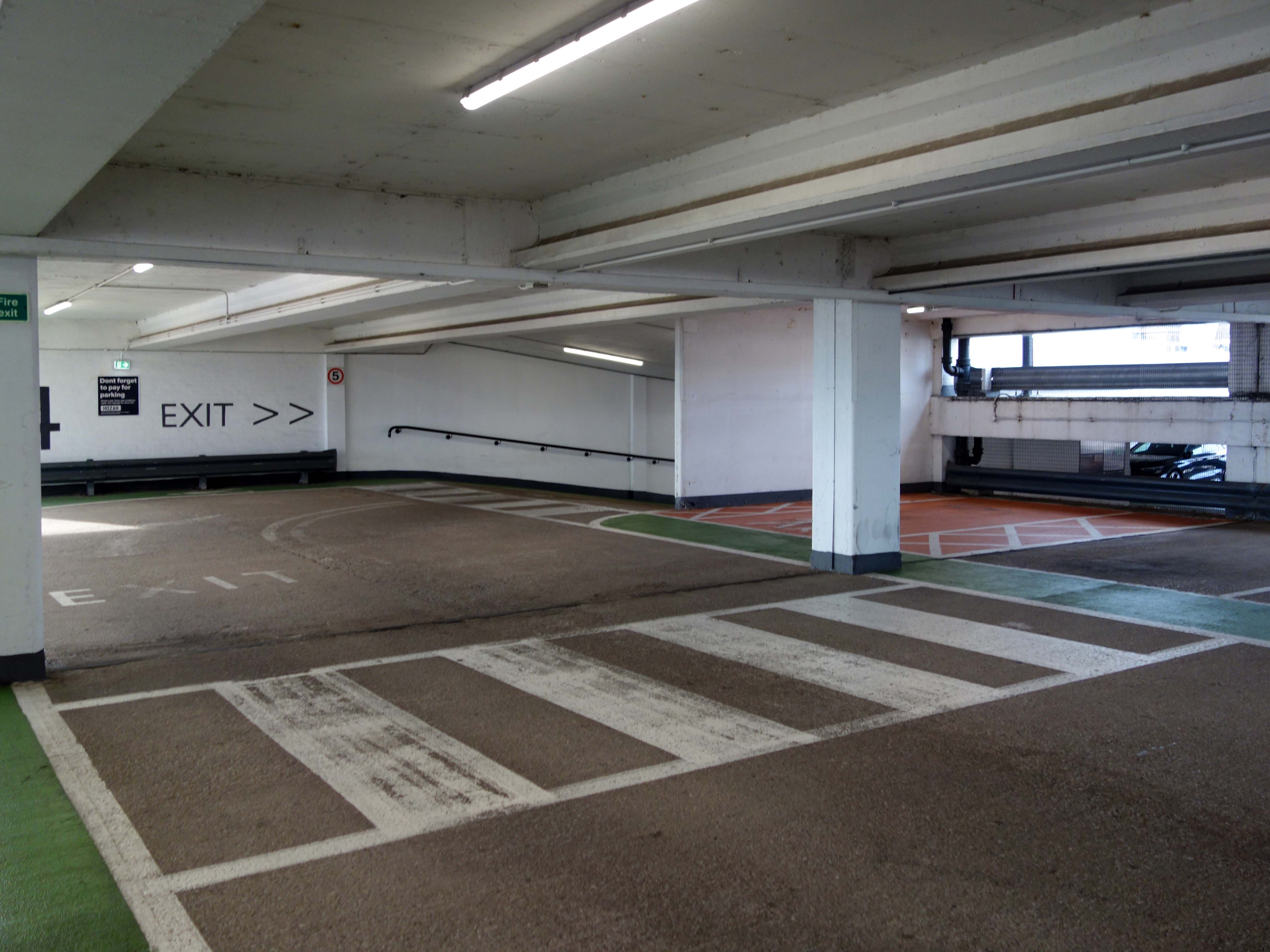
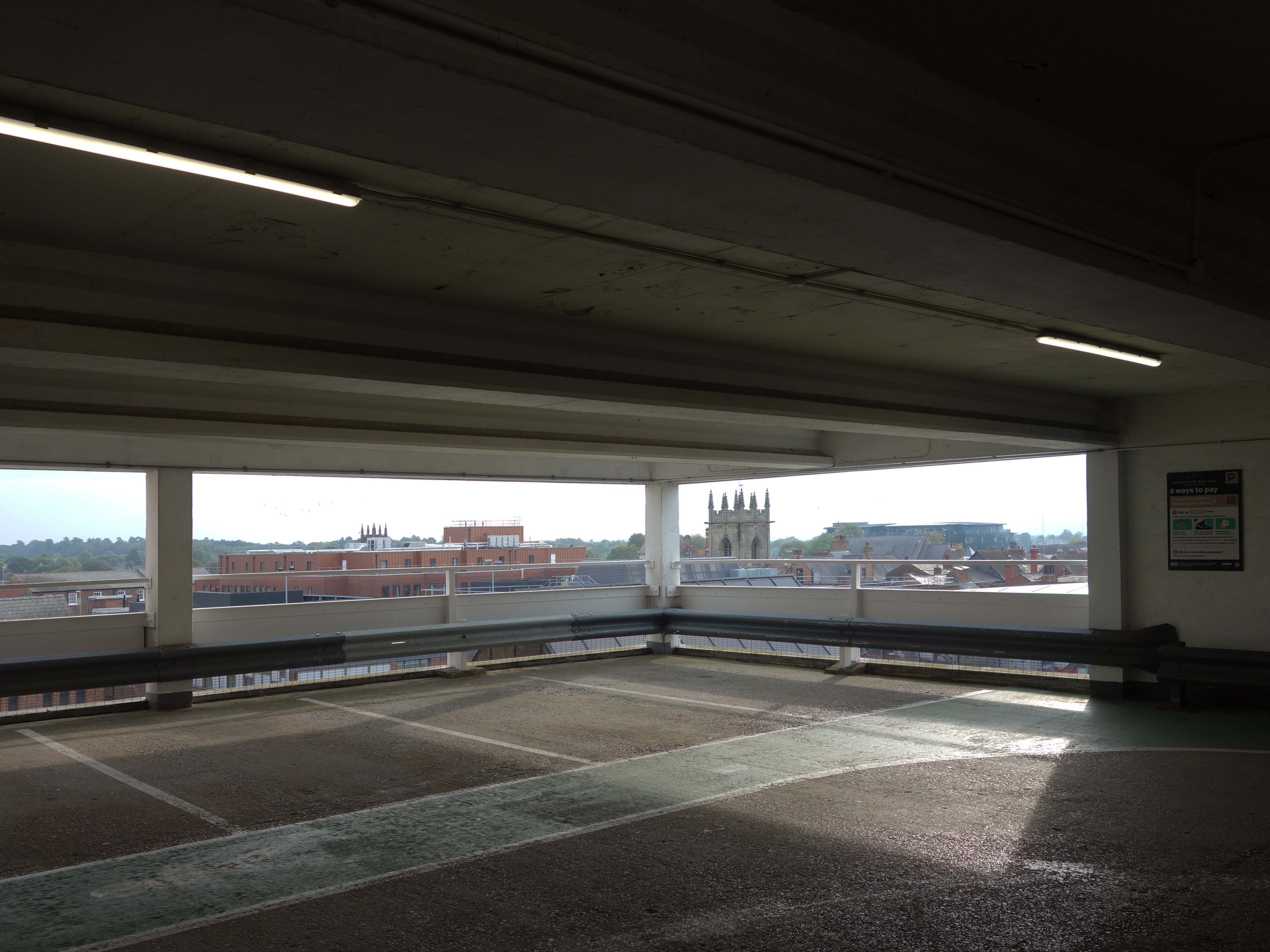
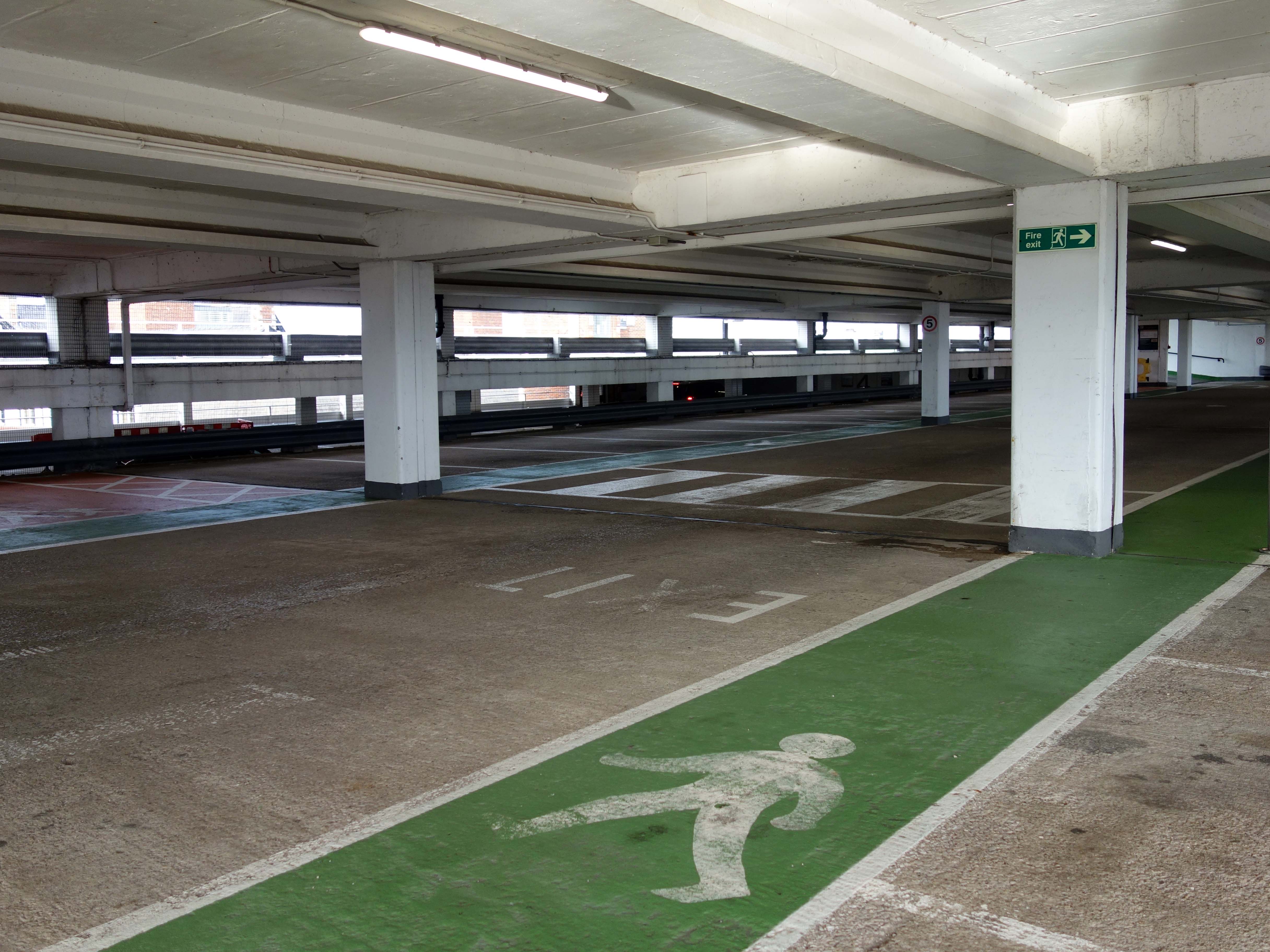
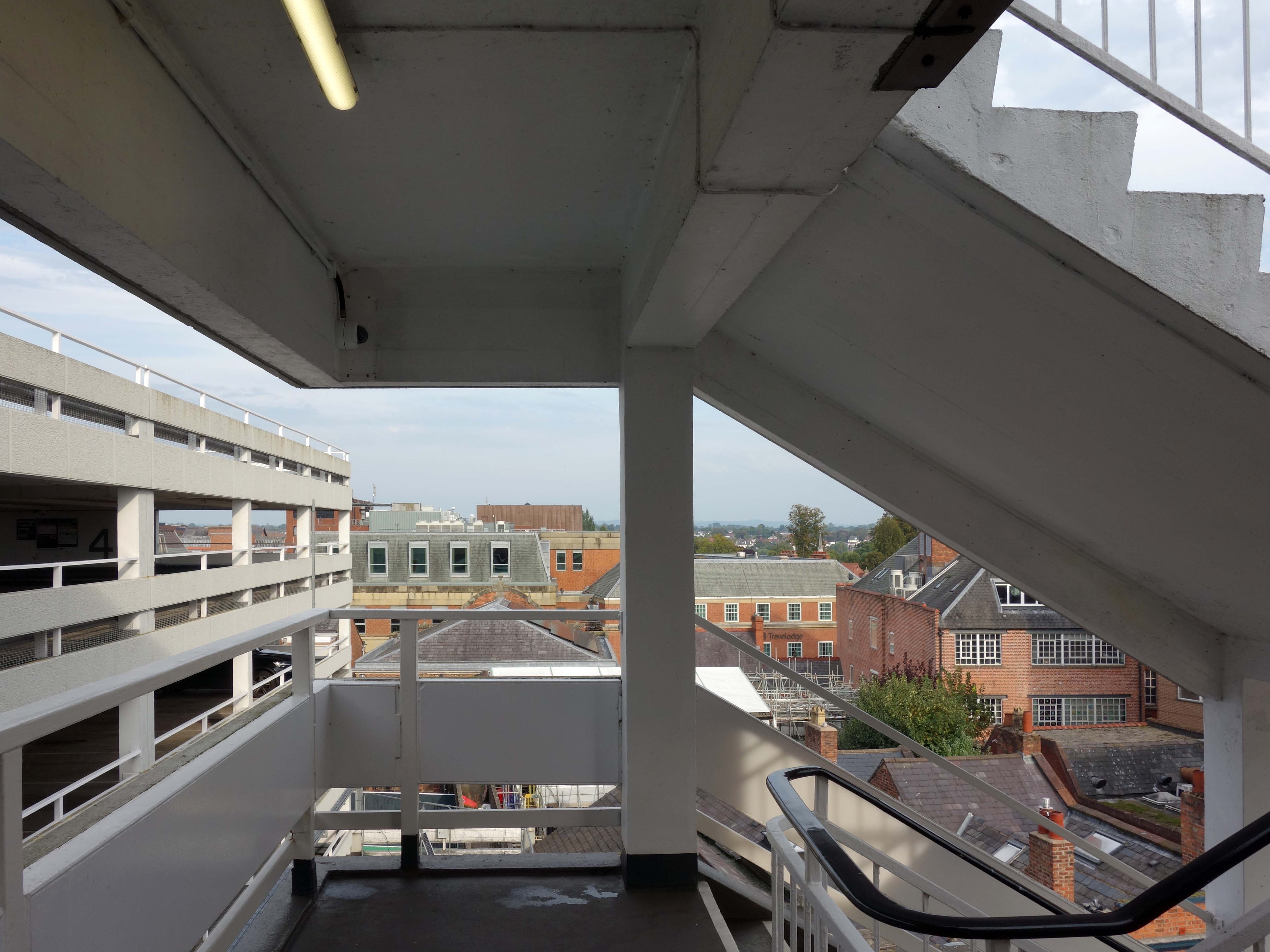
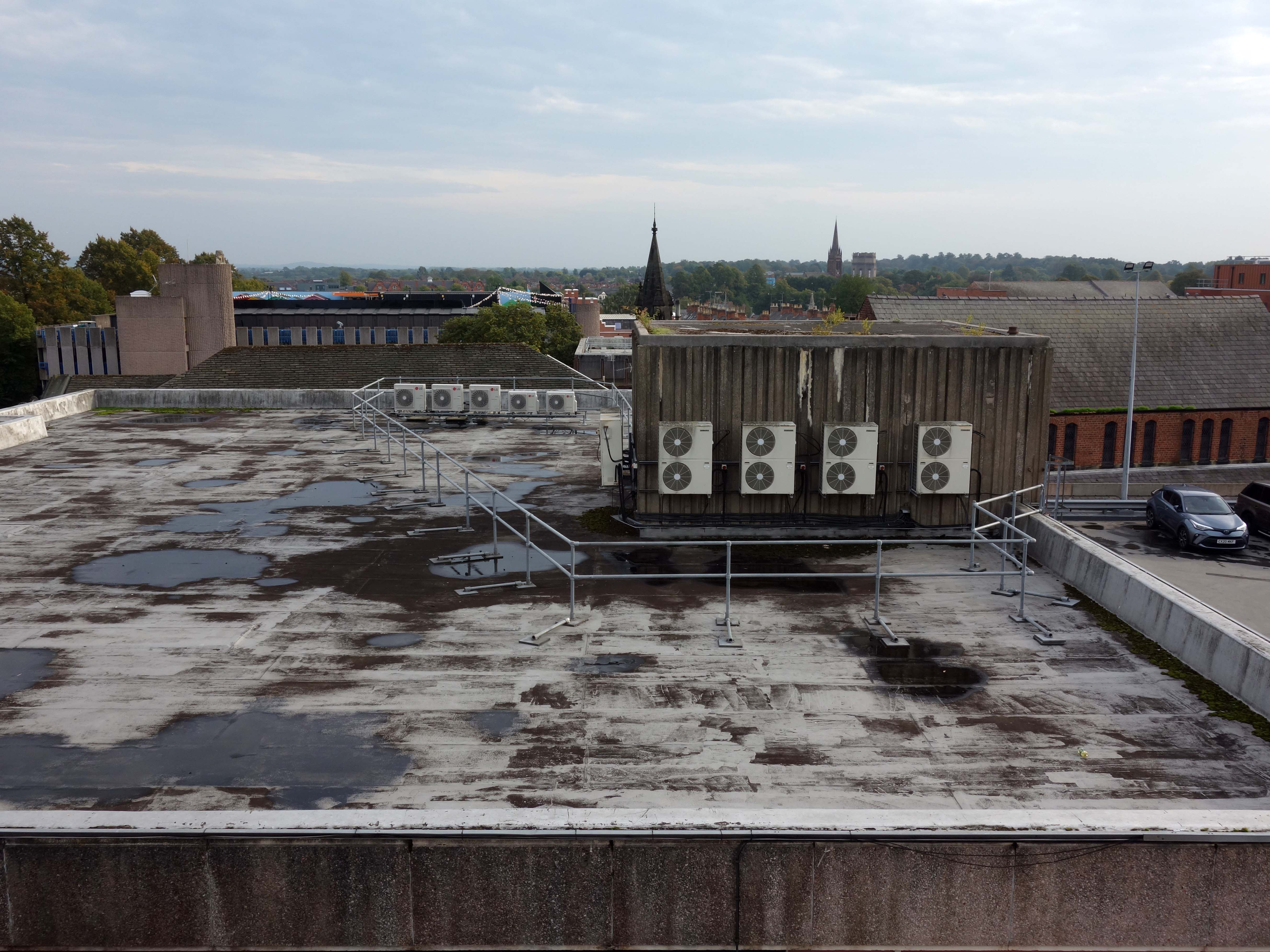
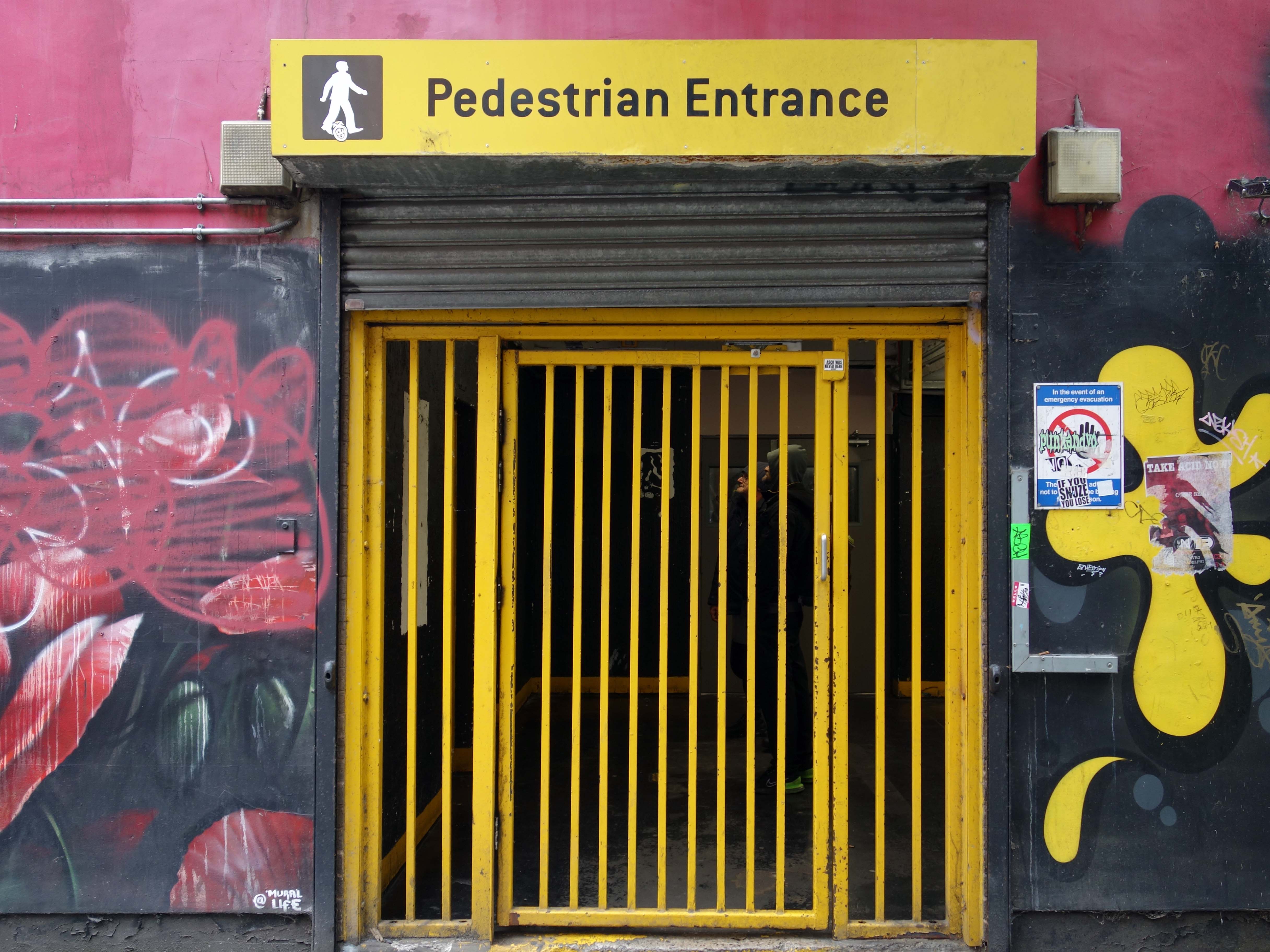
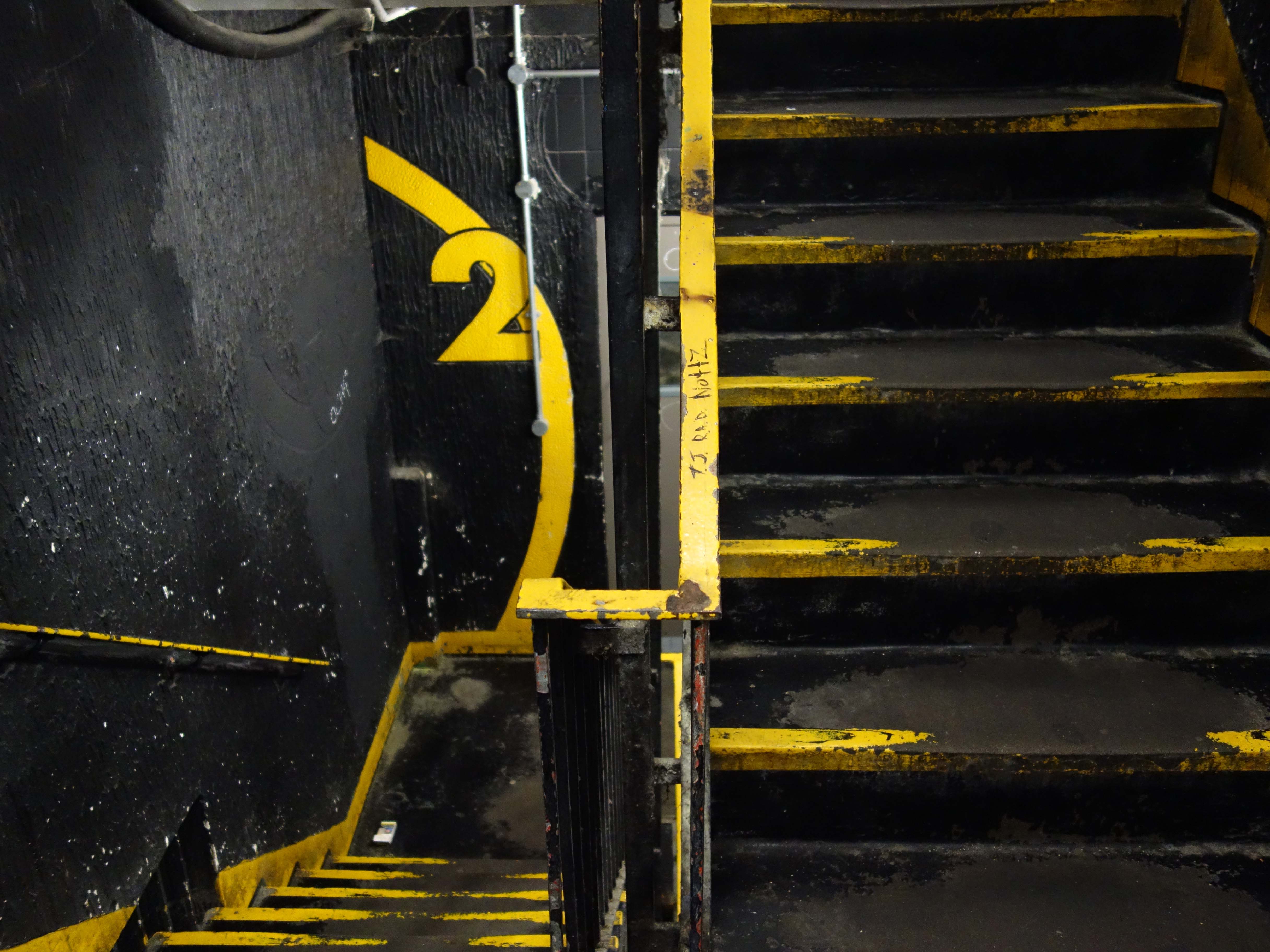
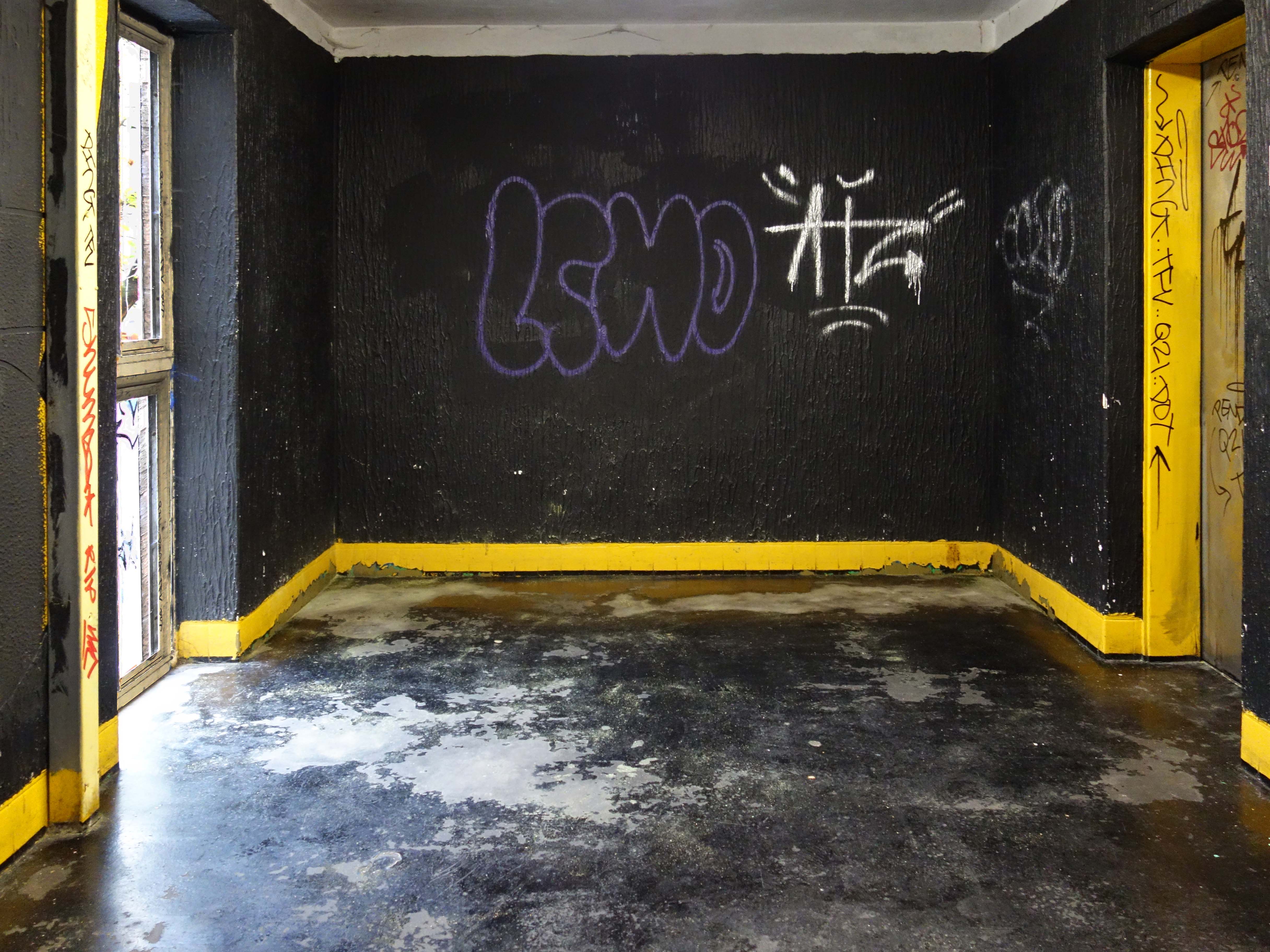
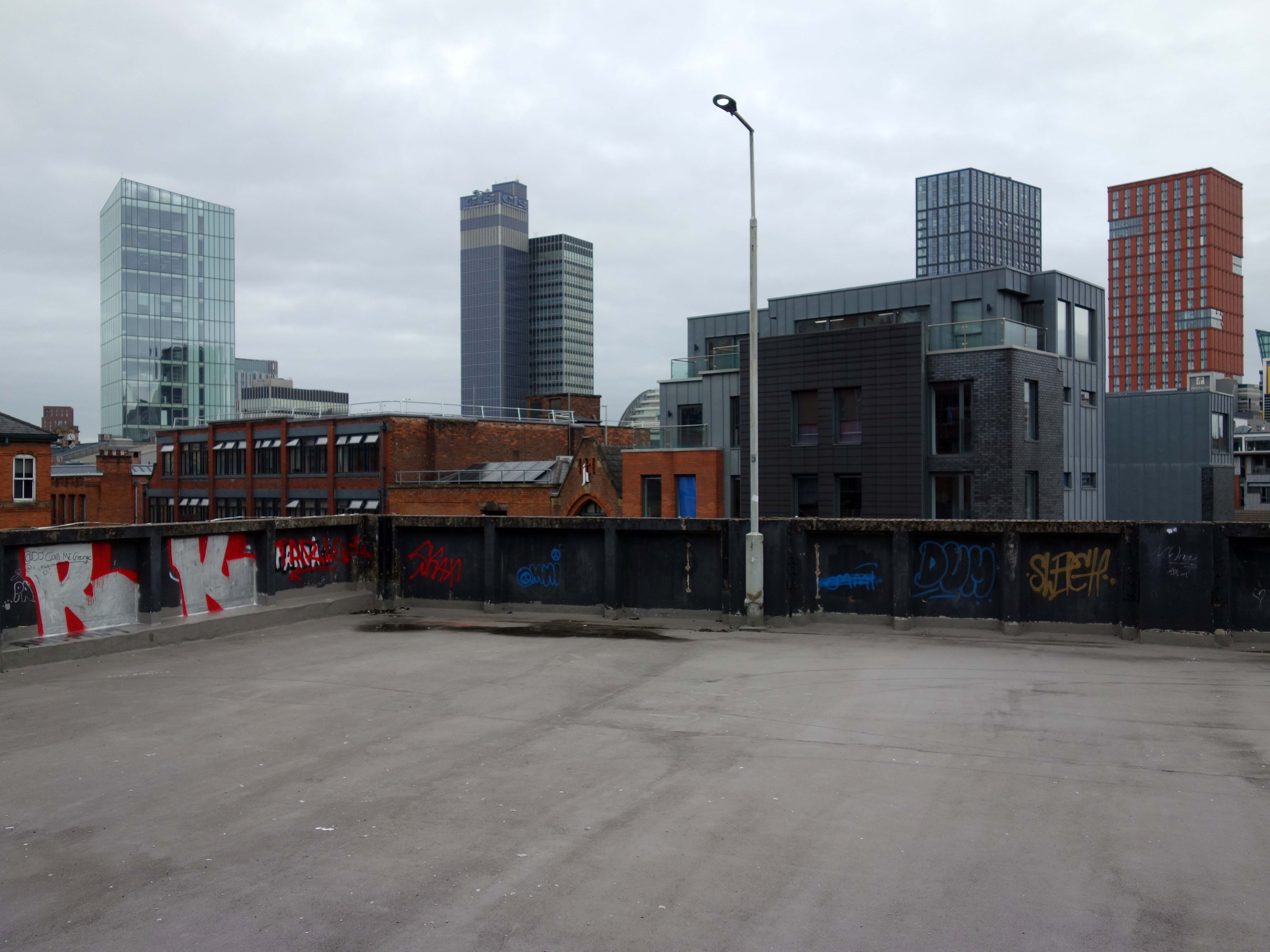
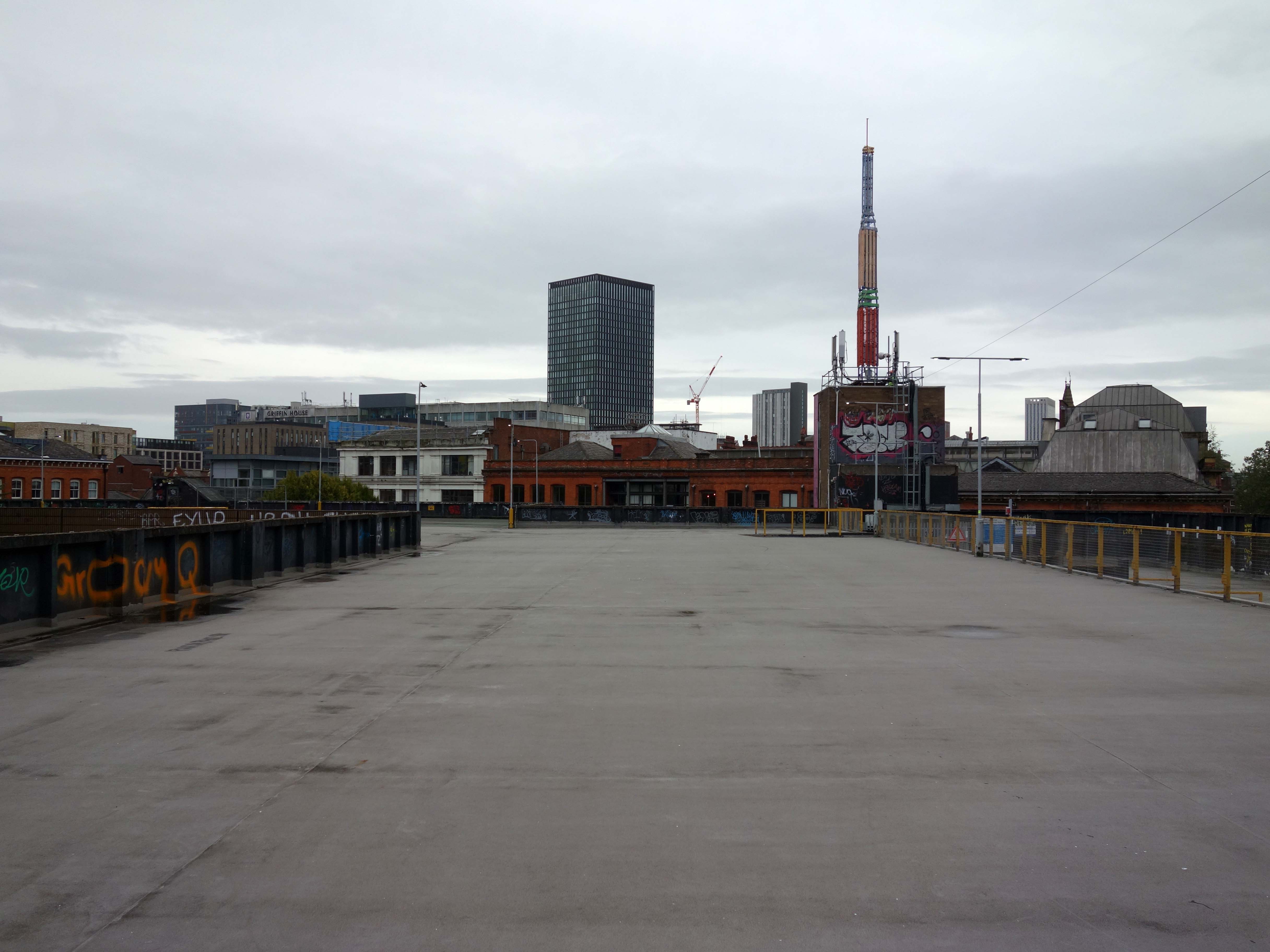
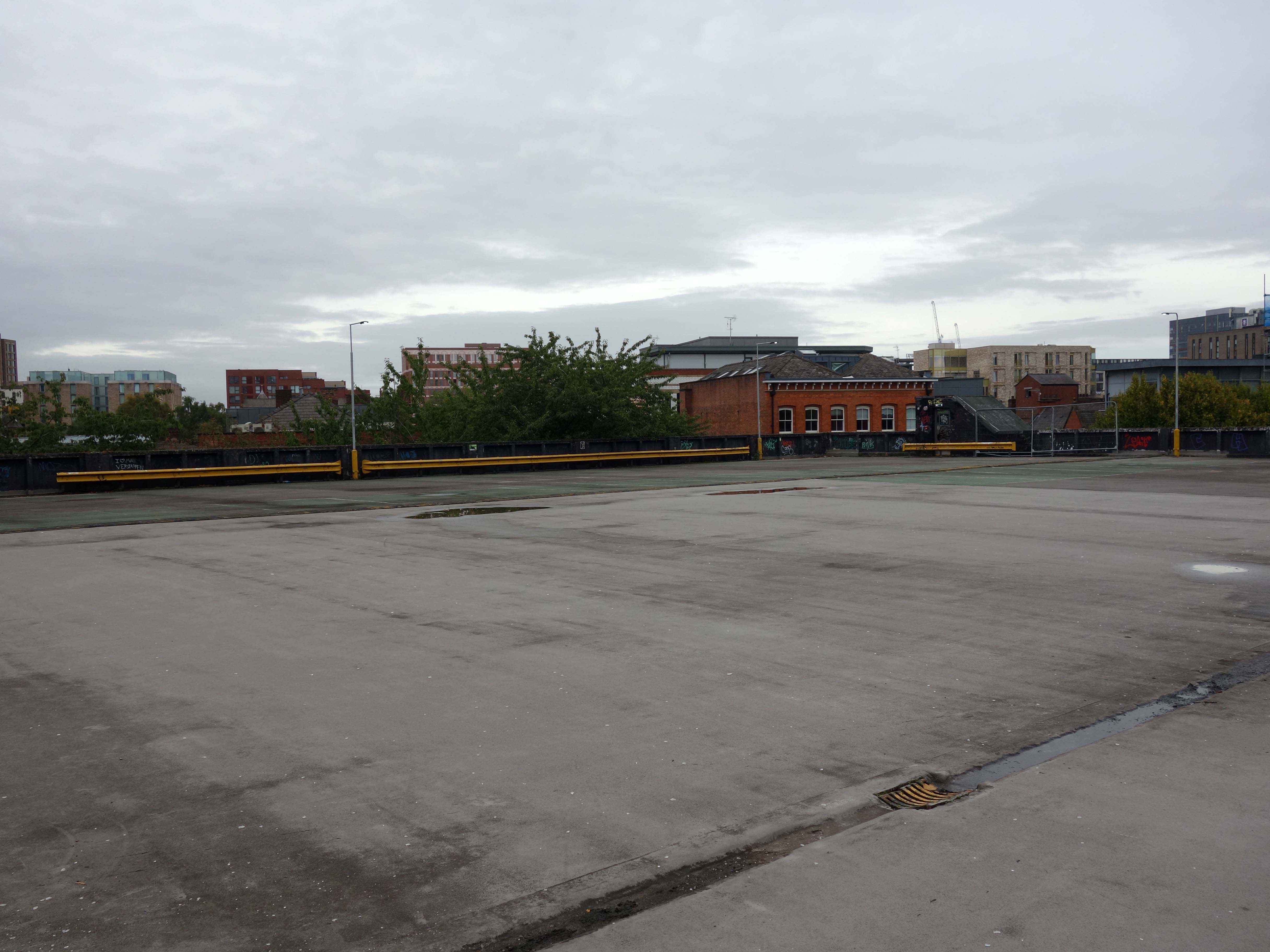
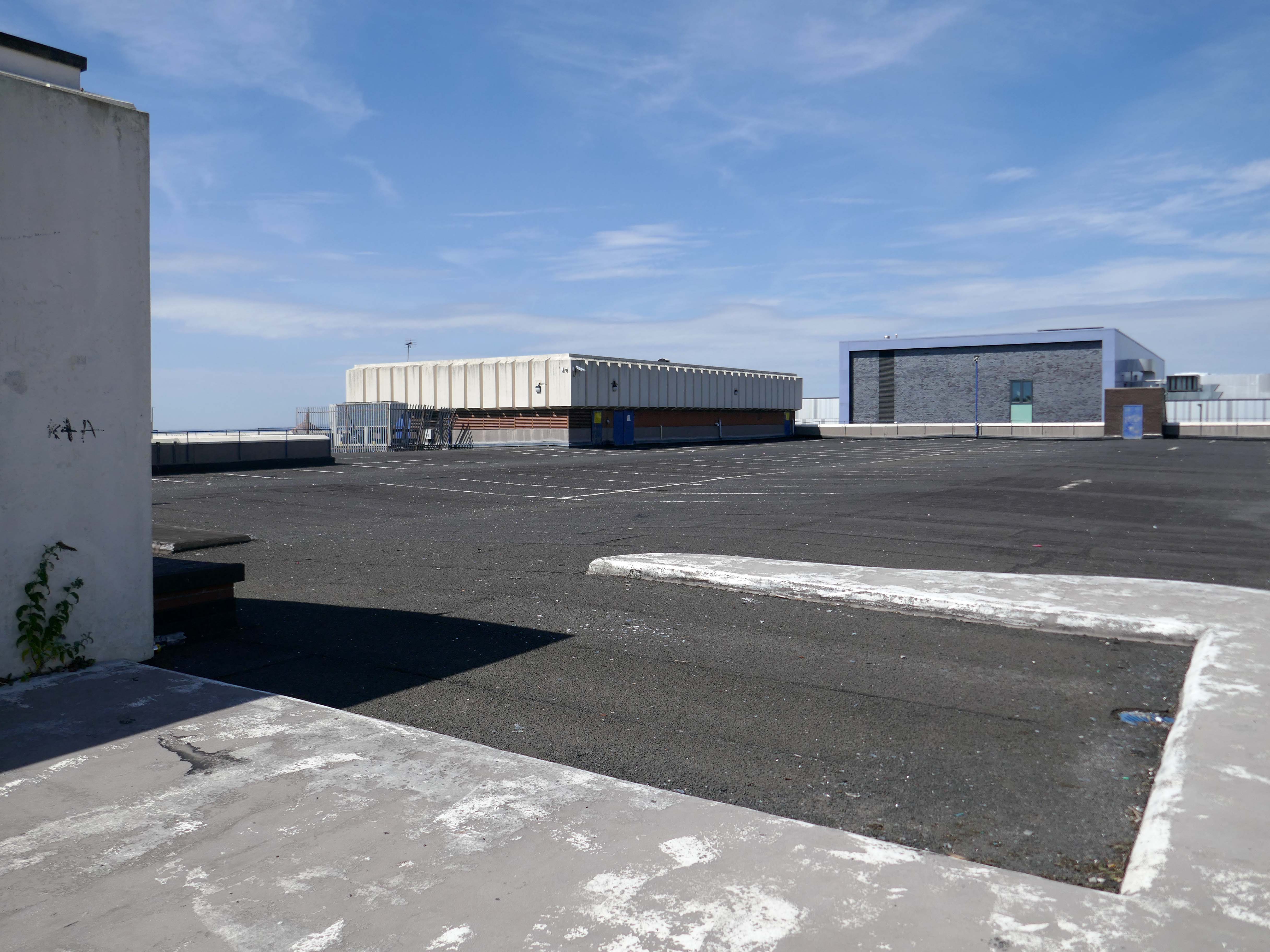
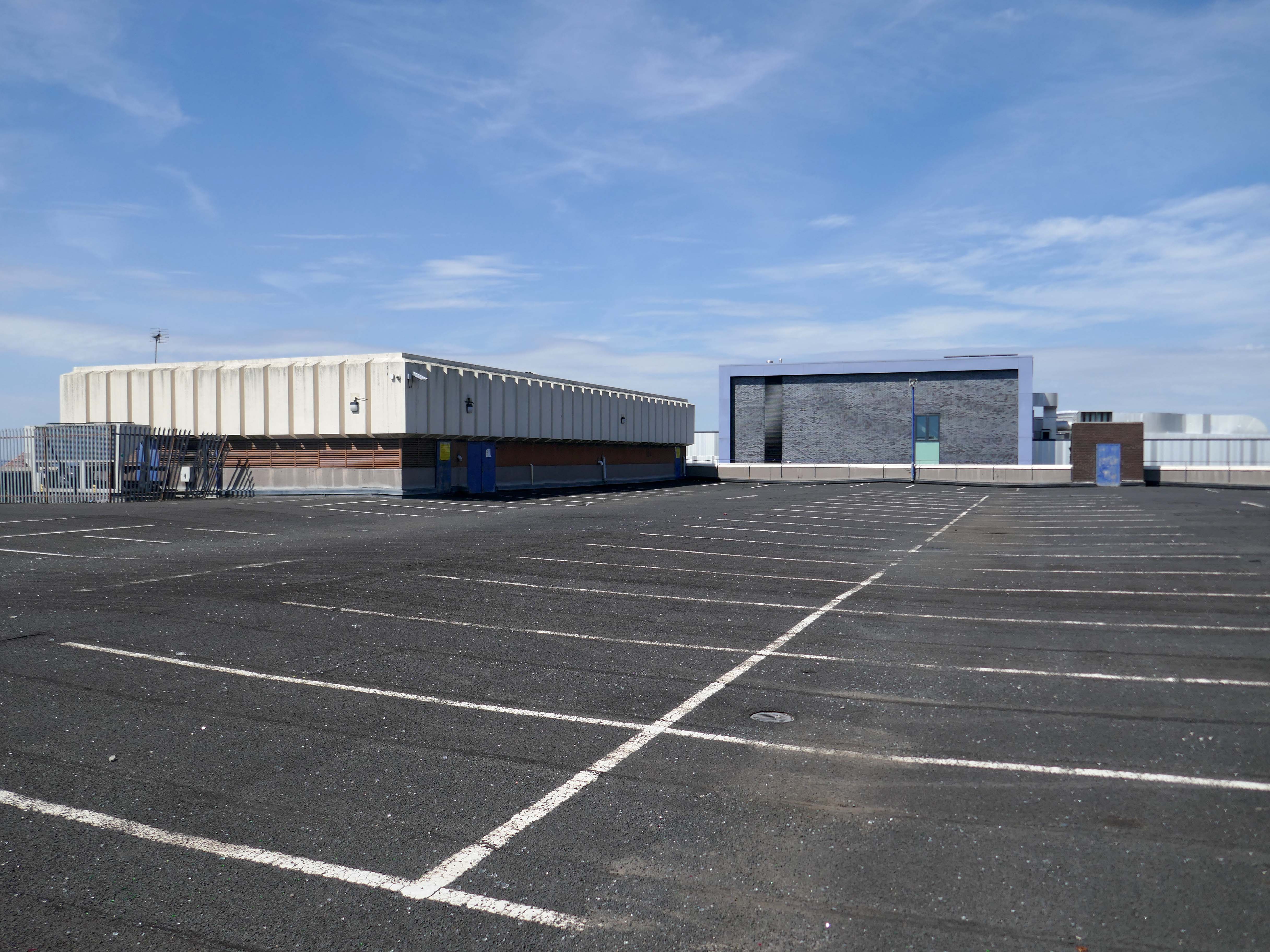
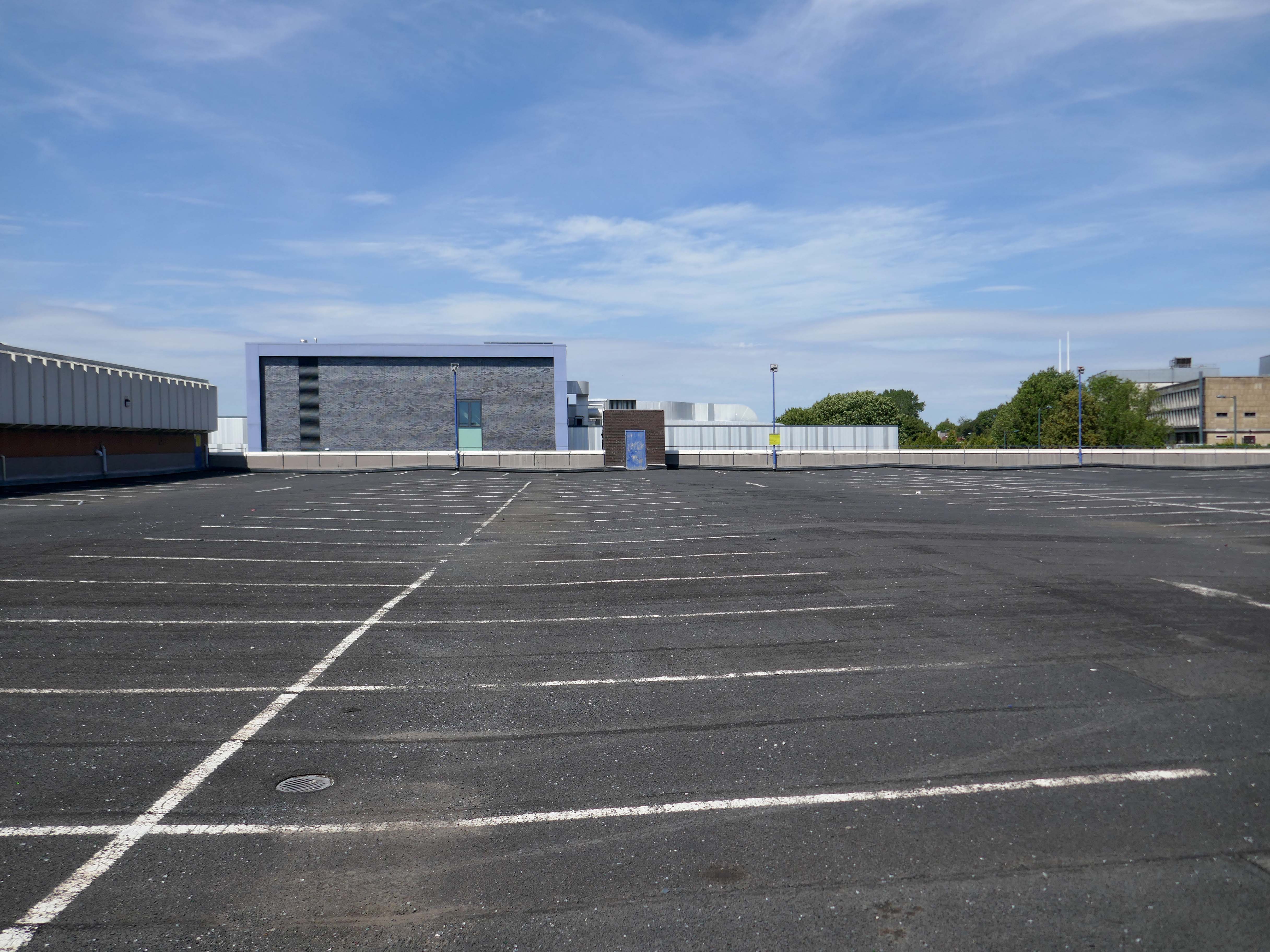
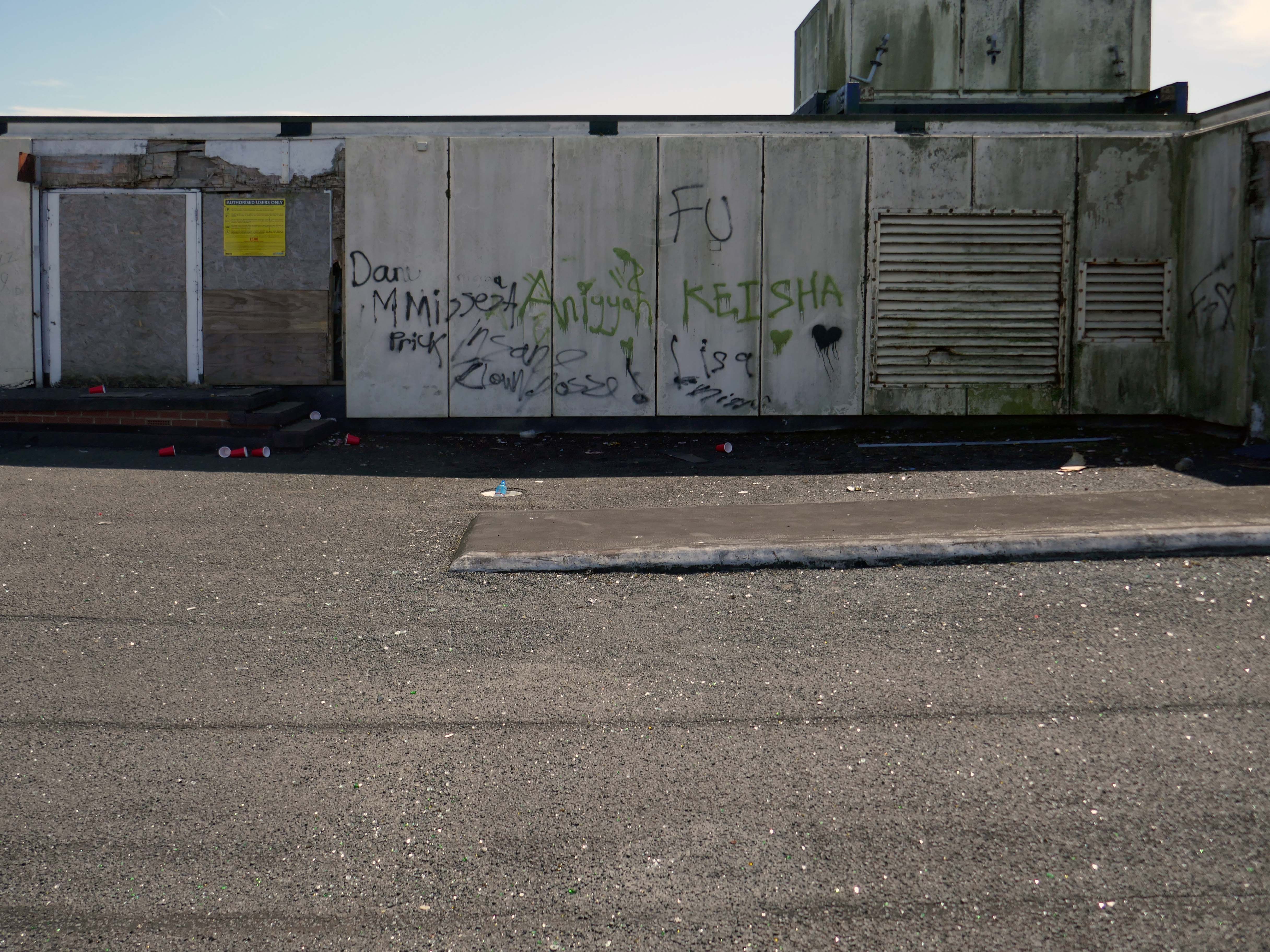
A busy city centre multi-storey car park in Yorkshire has undergone a two-phase refurbishment programme to upgrade and weather-proof its top deck; with the MMA Rapid Cure Flexible System from TREMCO being preferred by the specialist contractor involved.
The contract was carried out over a four week period, with PBM ensuring customers continued to have safe access to one half of the one hundred plus parking bays at all times. PBM were keen to use the MMA Rapid Cure Flexible System due to the tricky nature of the project and based on previous experience, they know that the product is easy to apply and reliable.
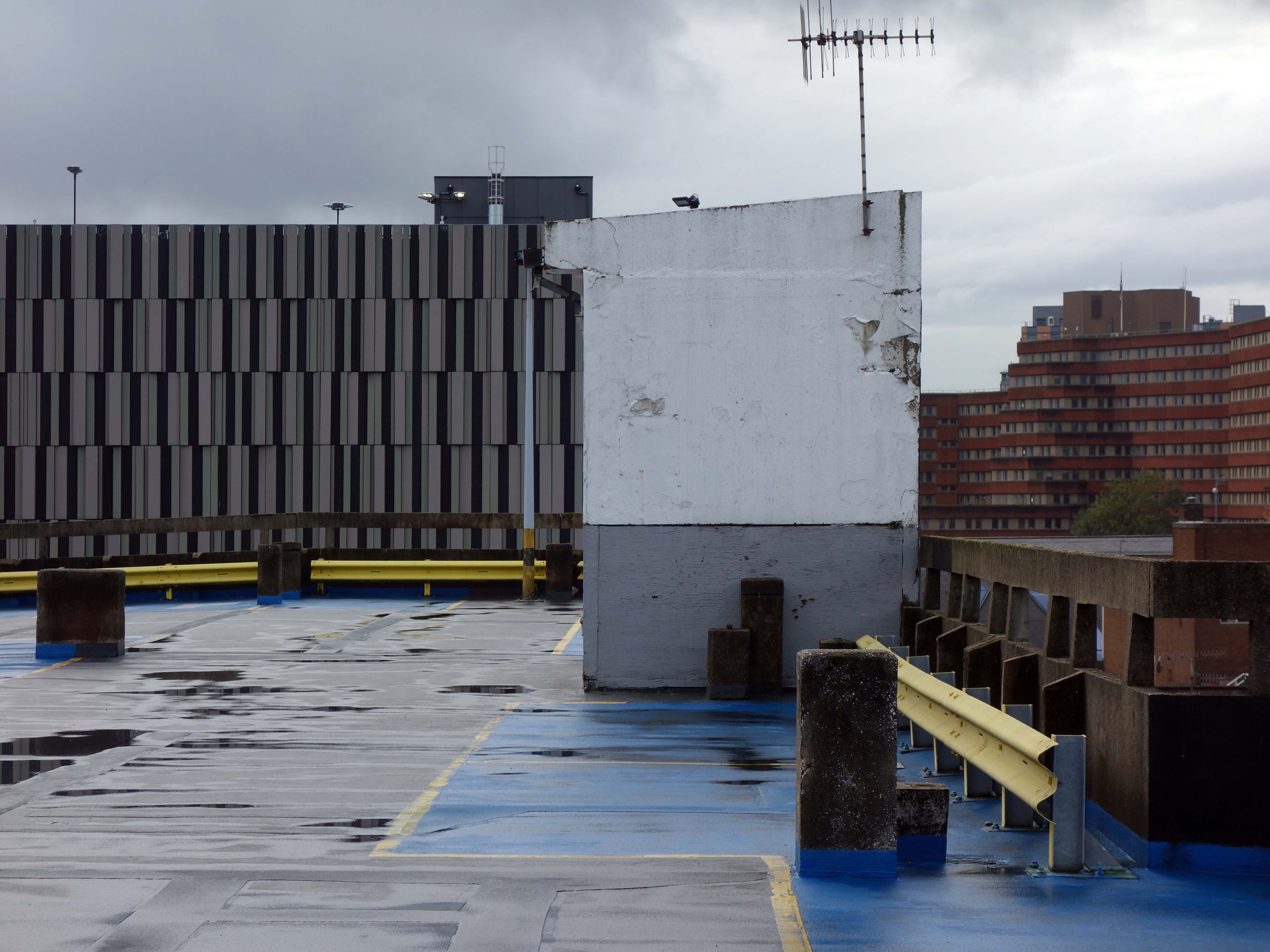
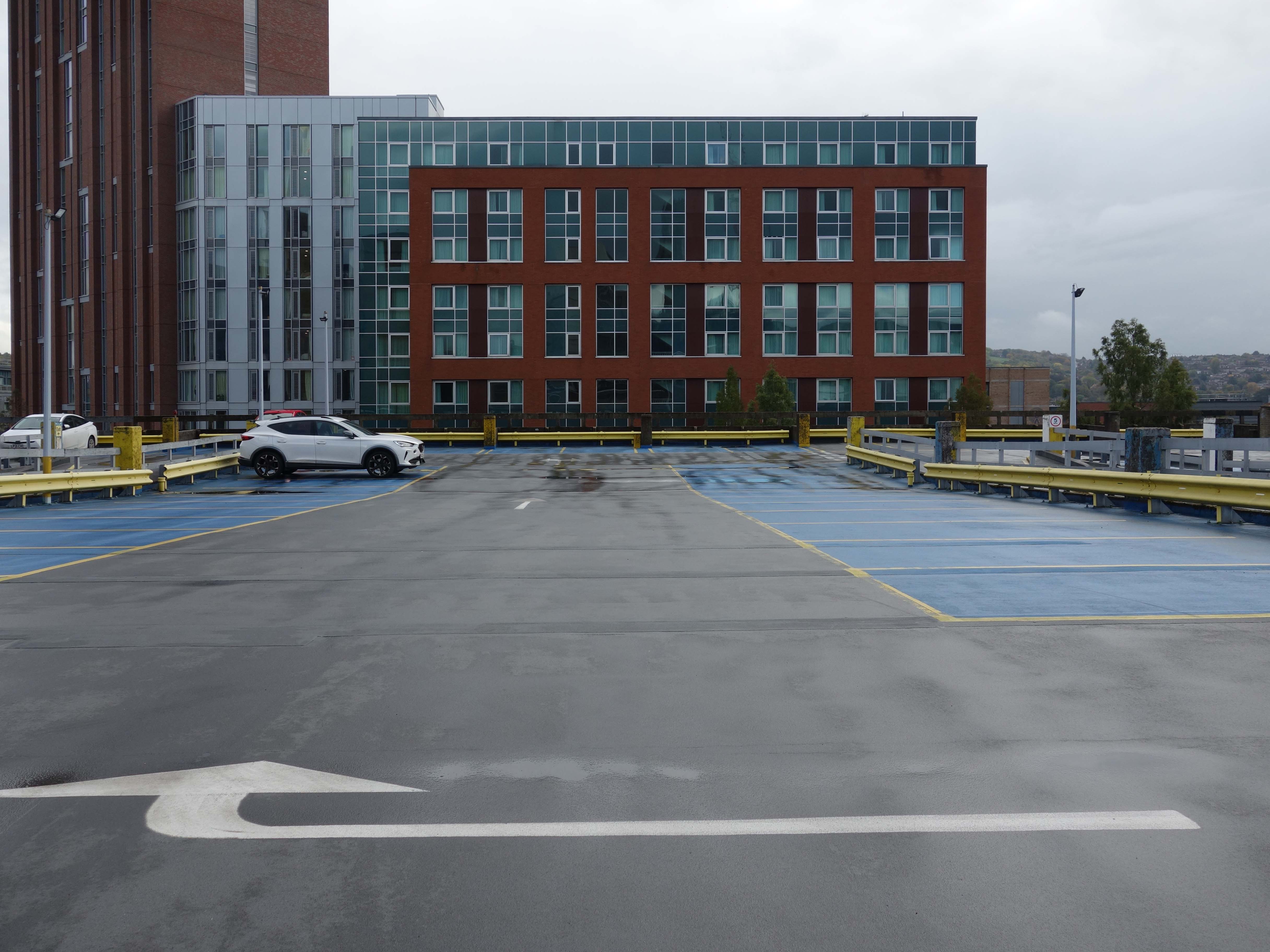
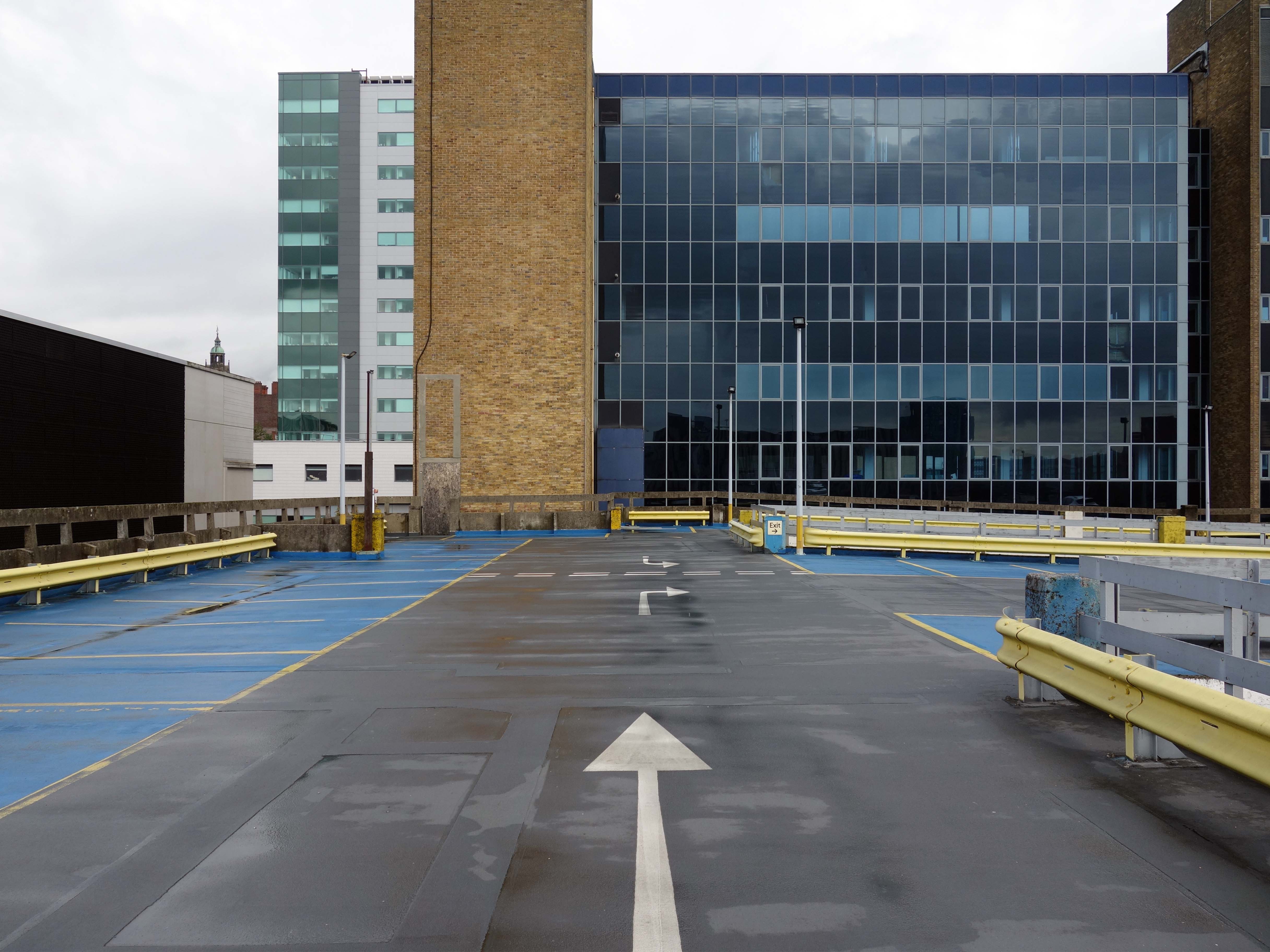
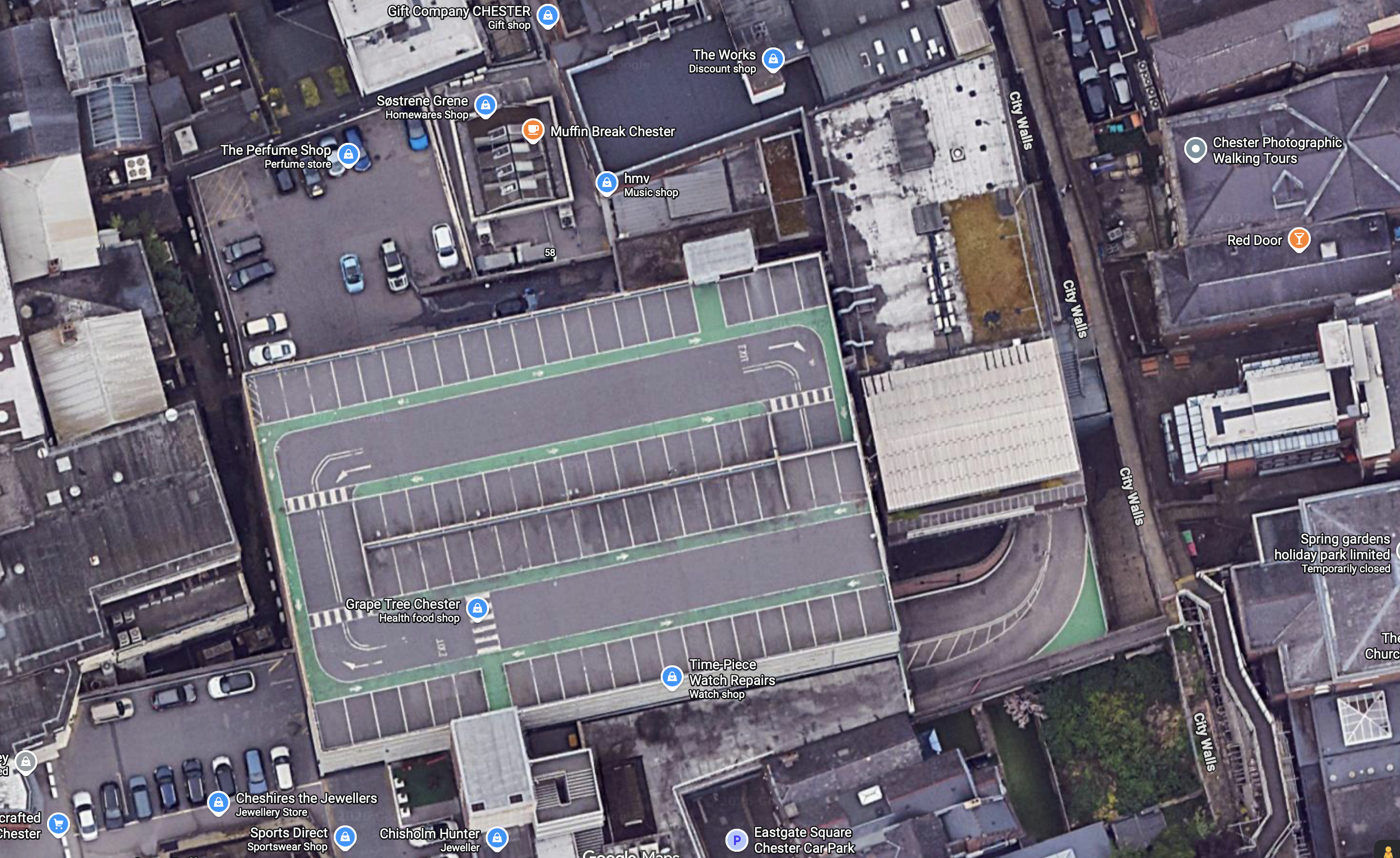
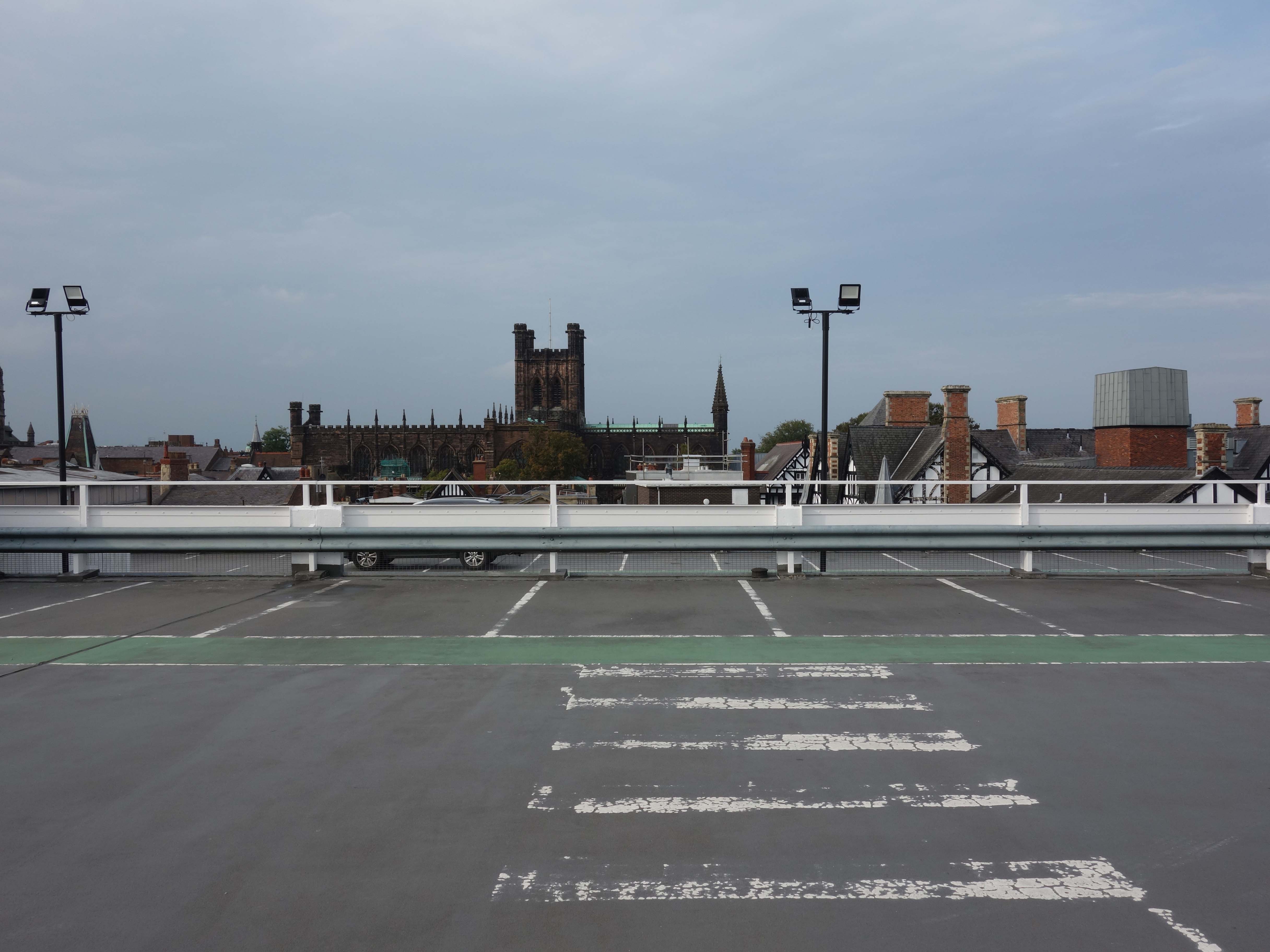
The top deck to the Furnival Gate MSCP featured an ageing polyurethane running surface which was leaking water through to the lower decks. The product was applied with a grey finish to the aisle ways and ramps while the parking bays were finished in green.
The project was a success and was supported throughout by the TREMCO area sales manager and the technical services department.
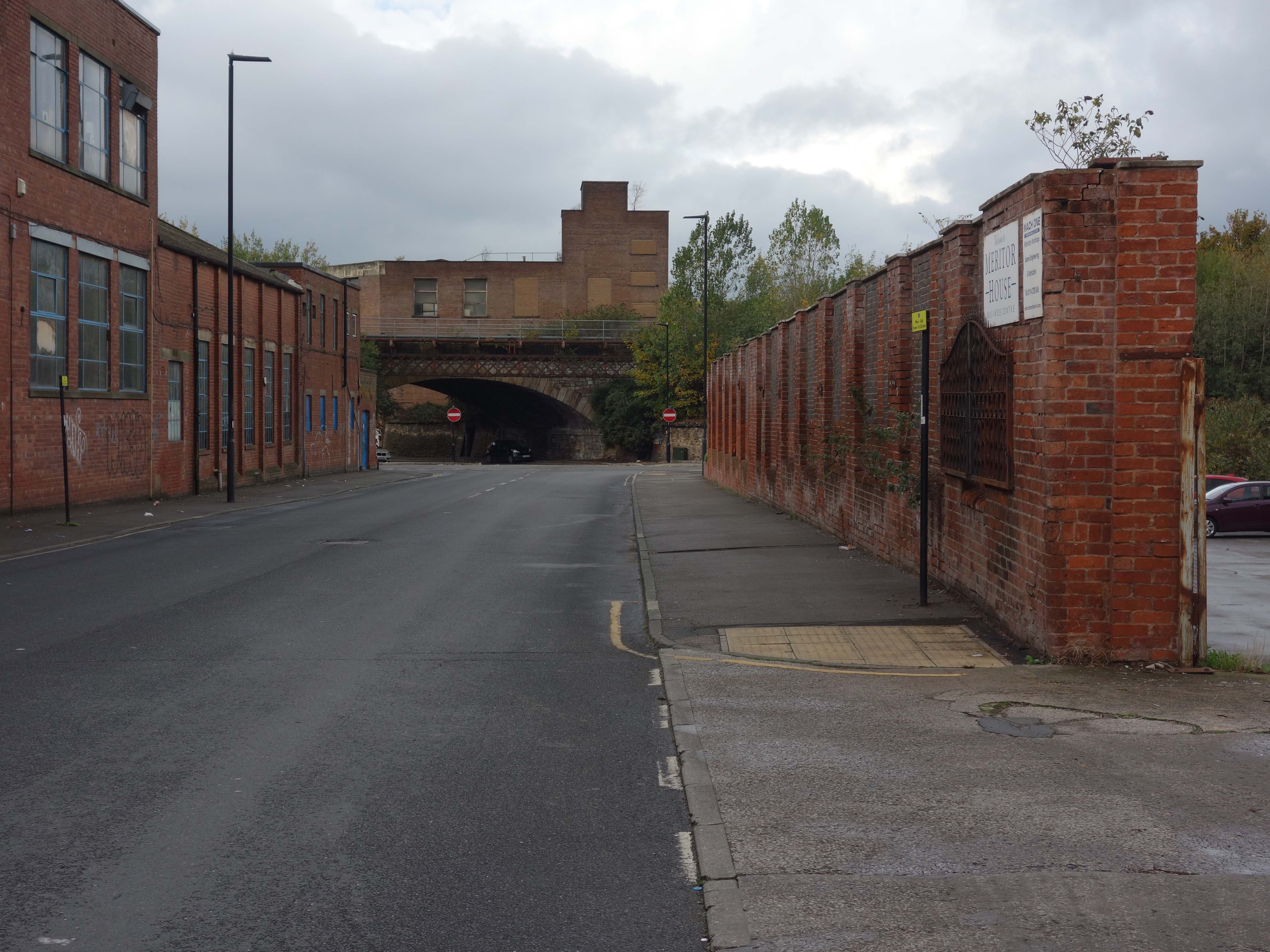
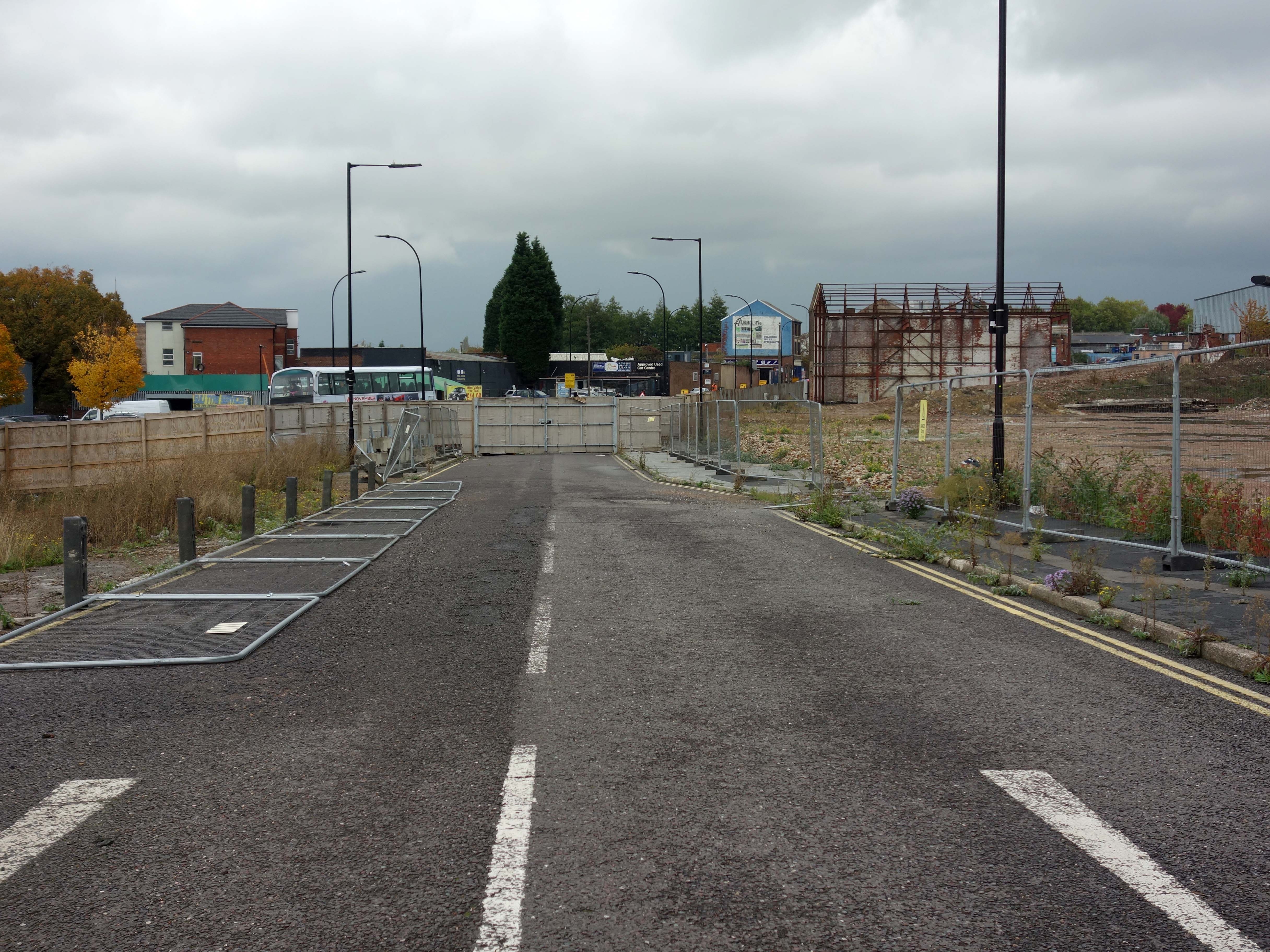
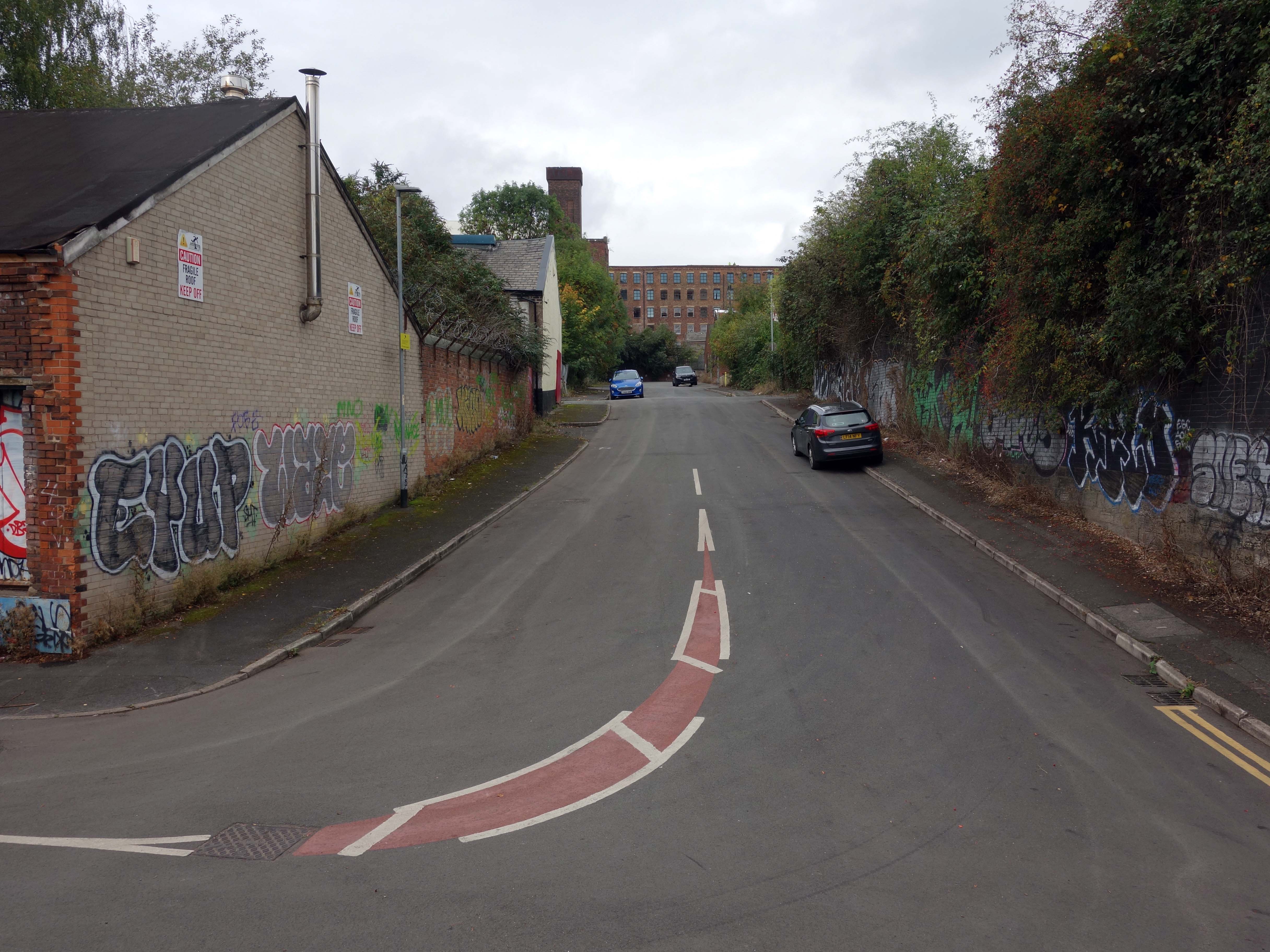
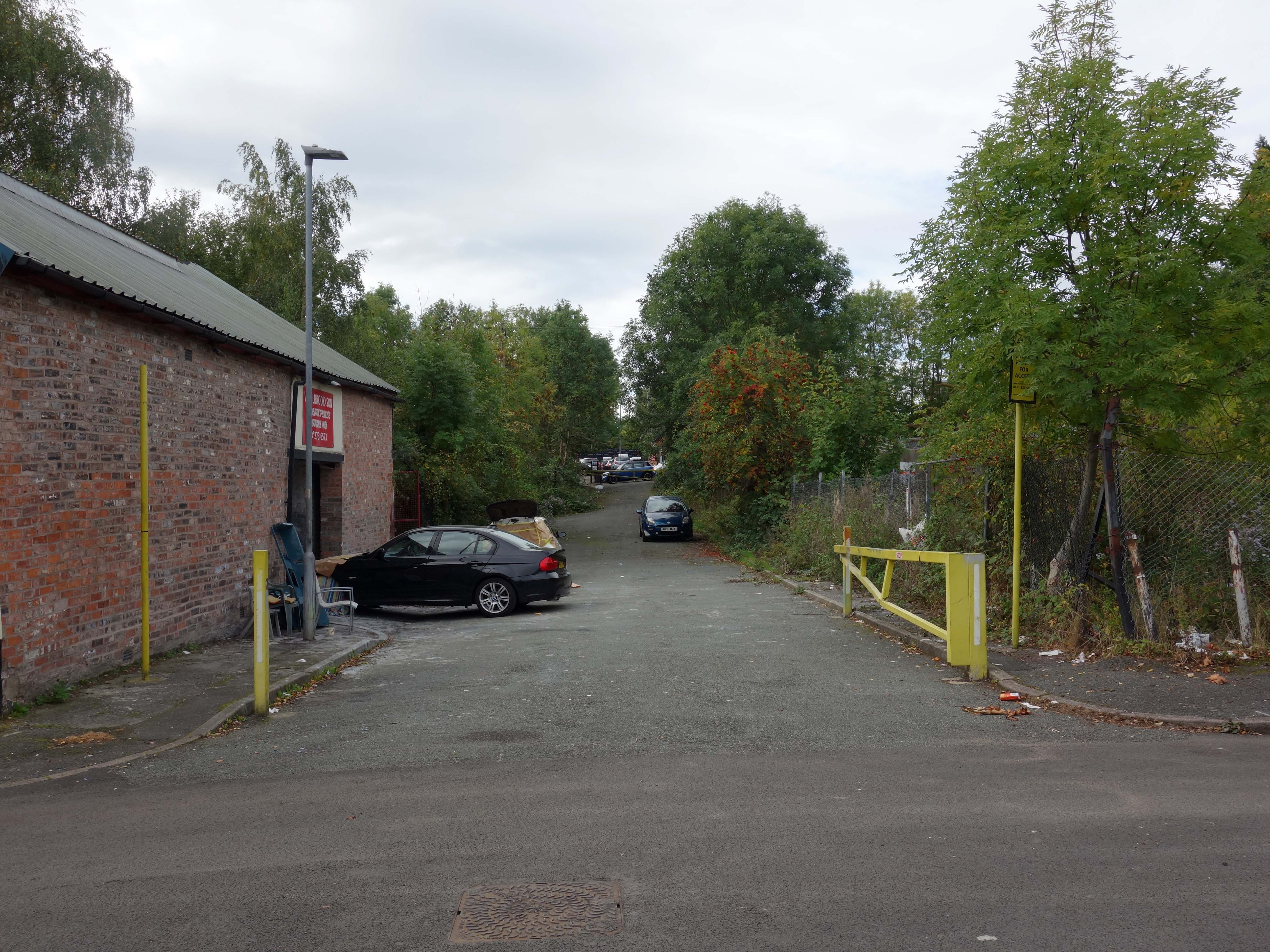
The towpath was barred and gated, necessitating a diversion along the road.
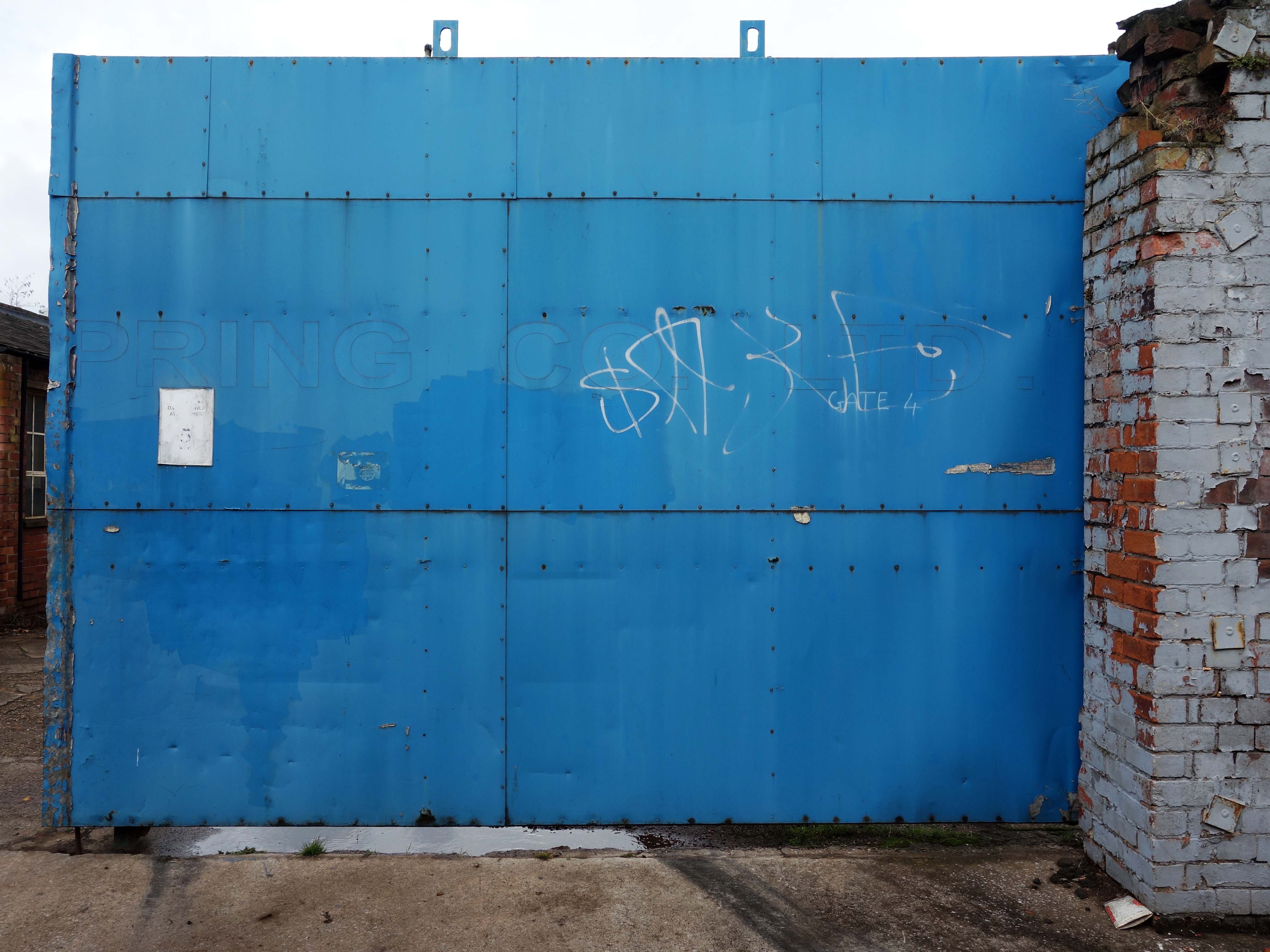
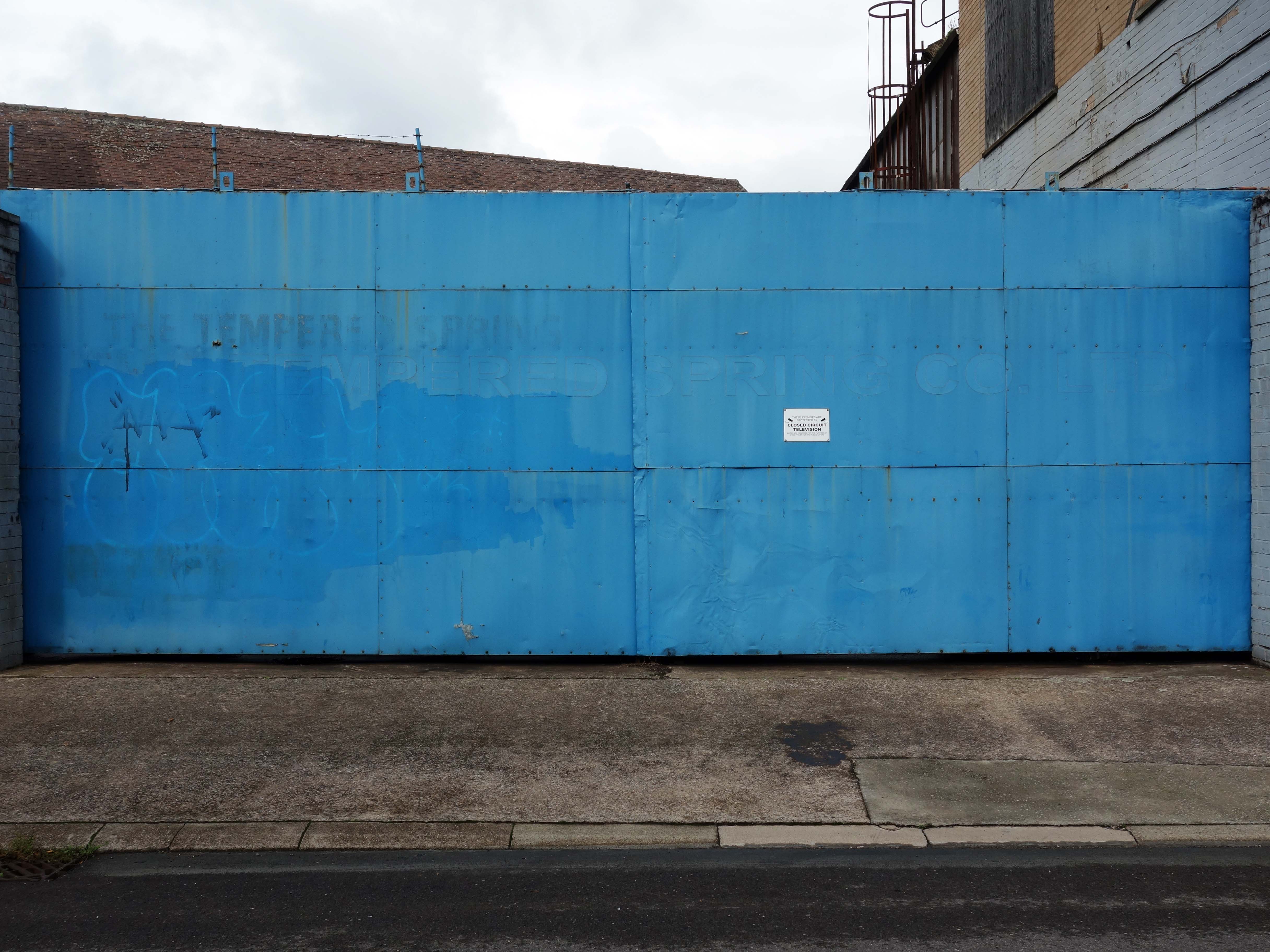
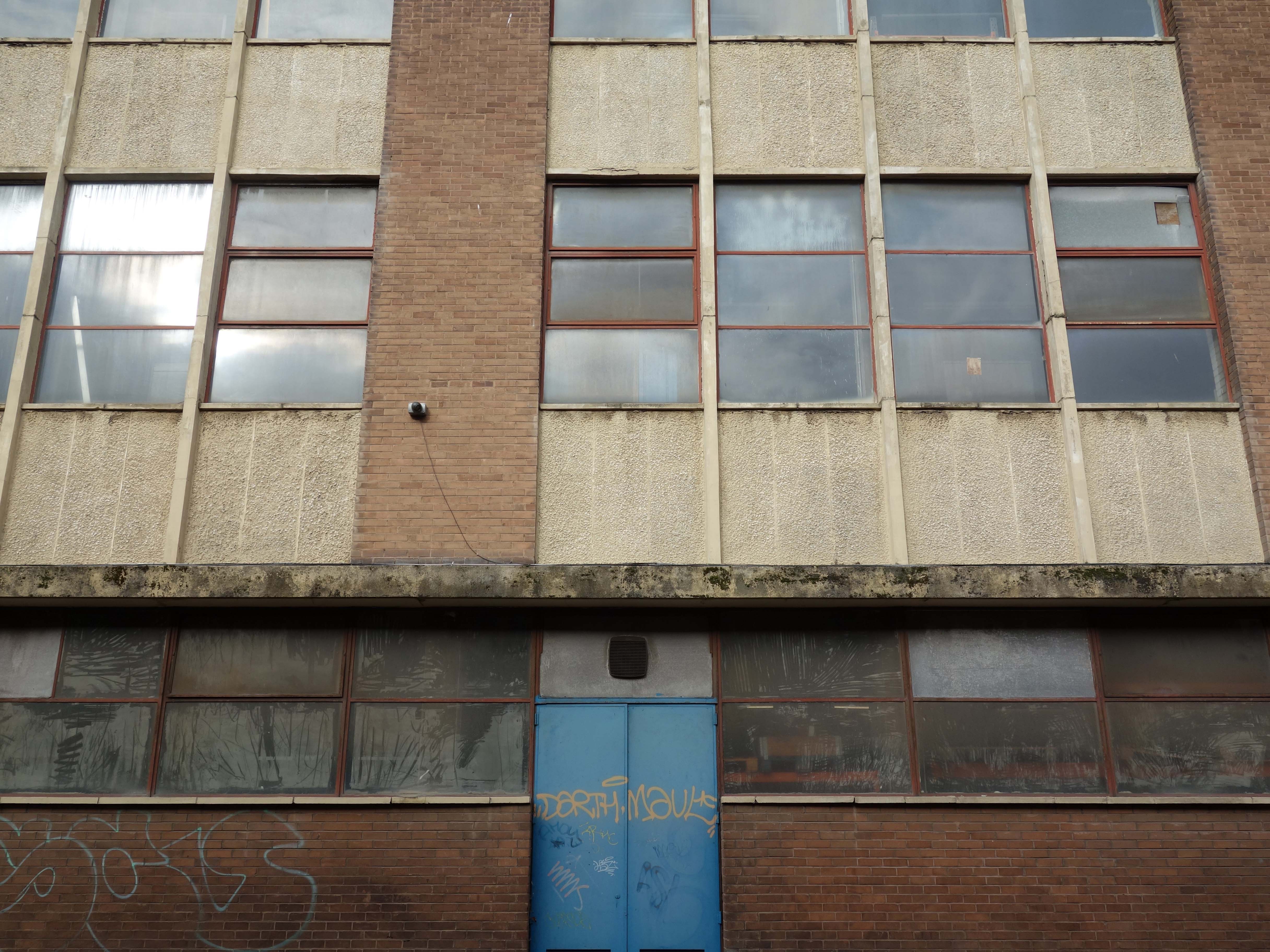
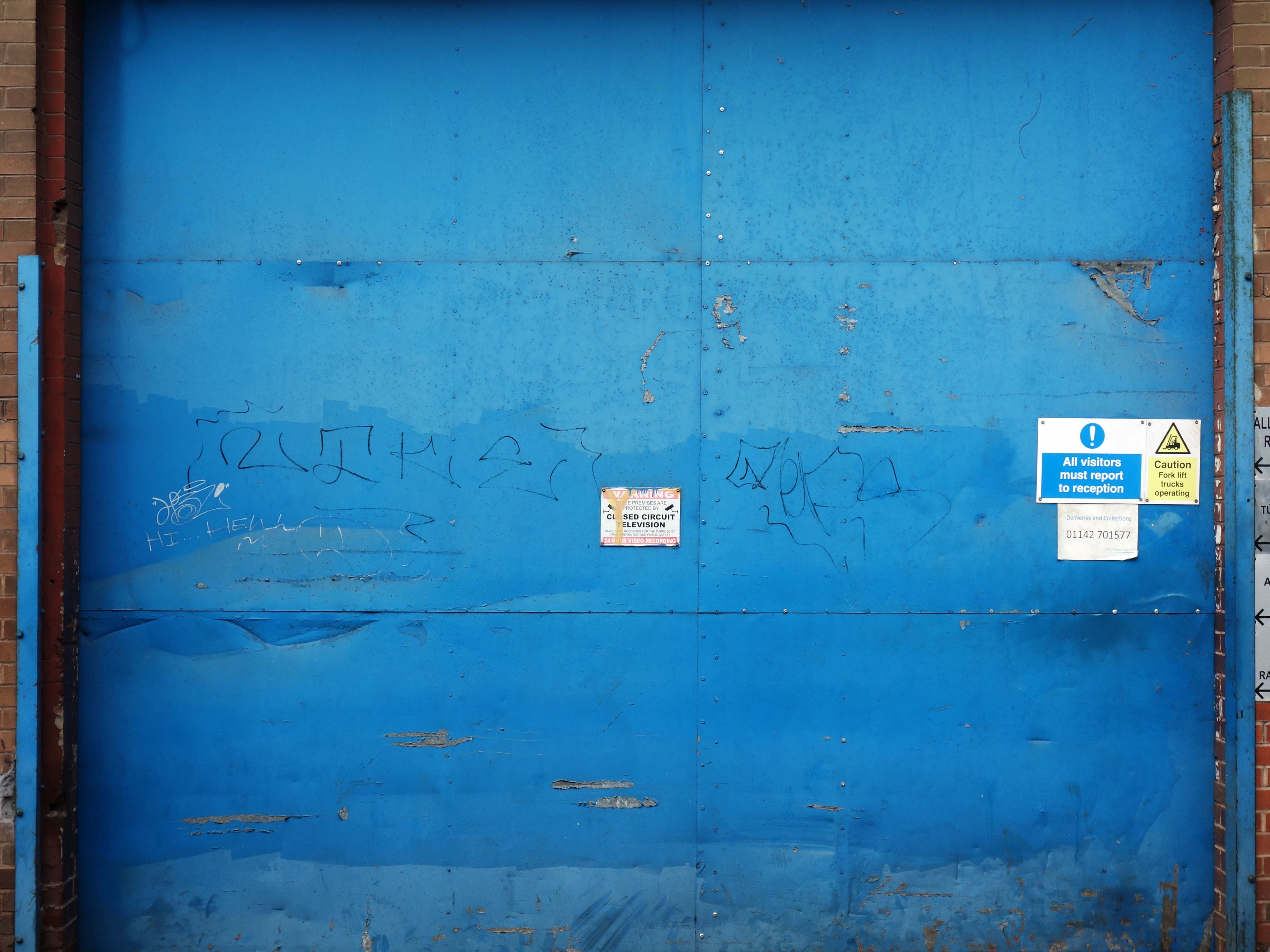
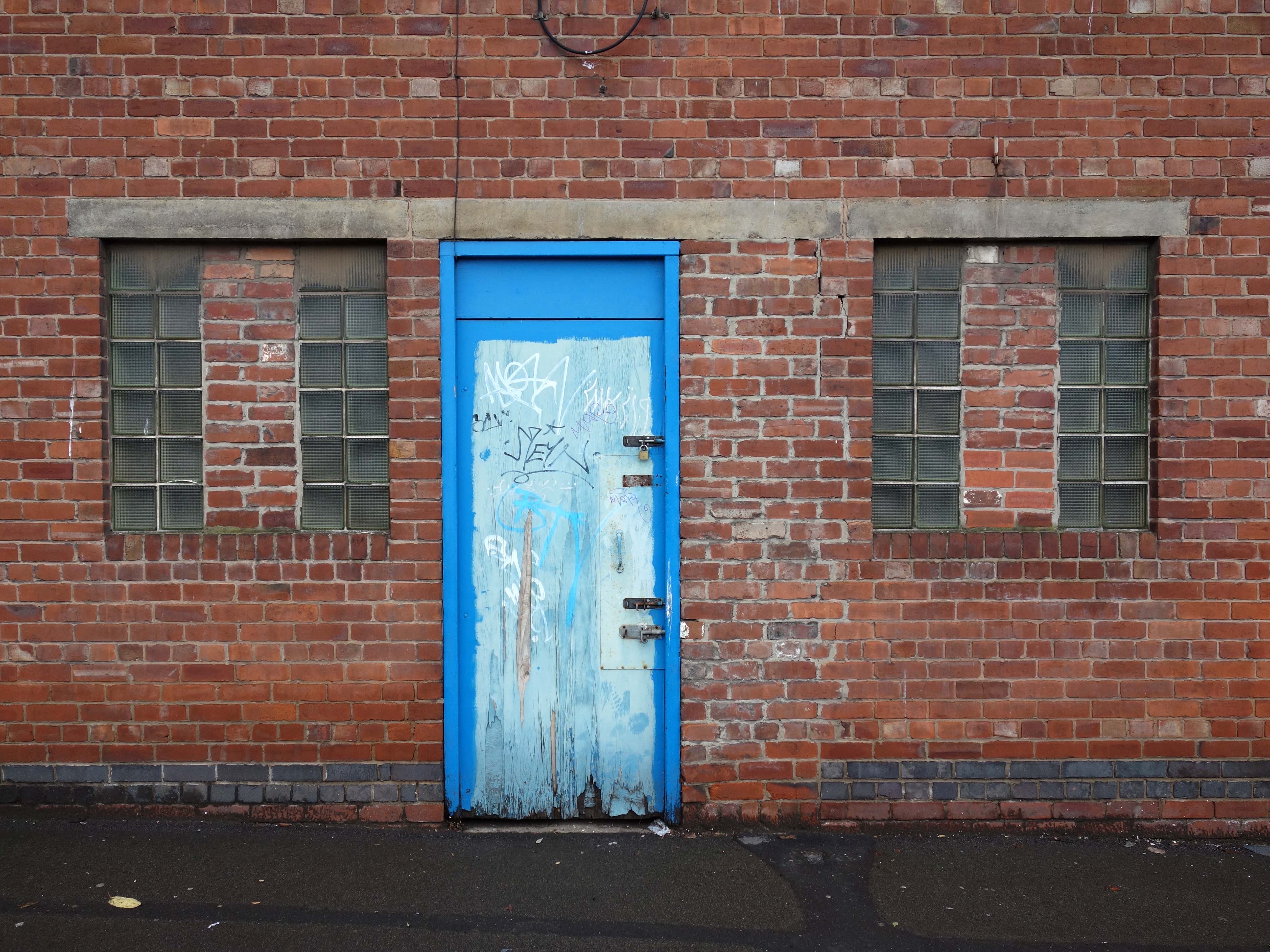
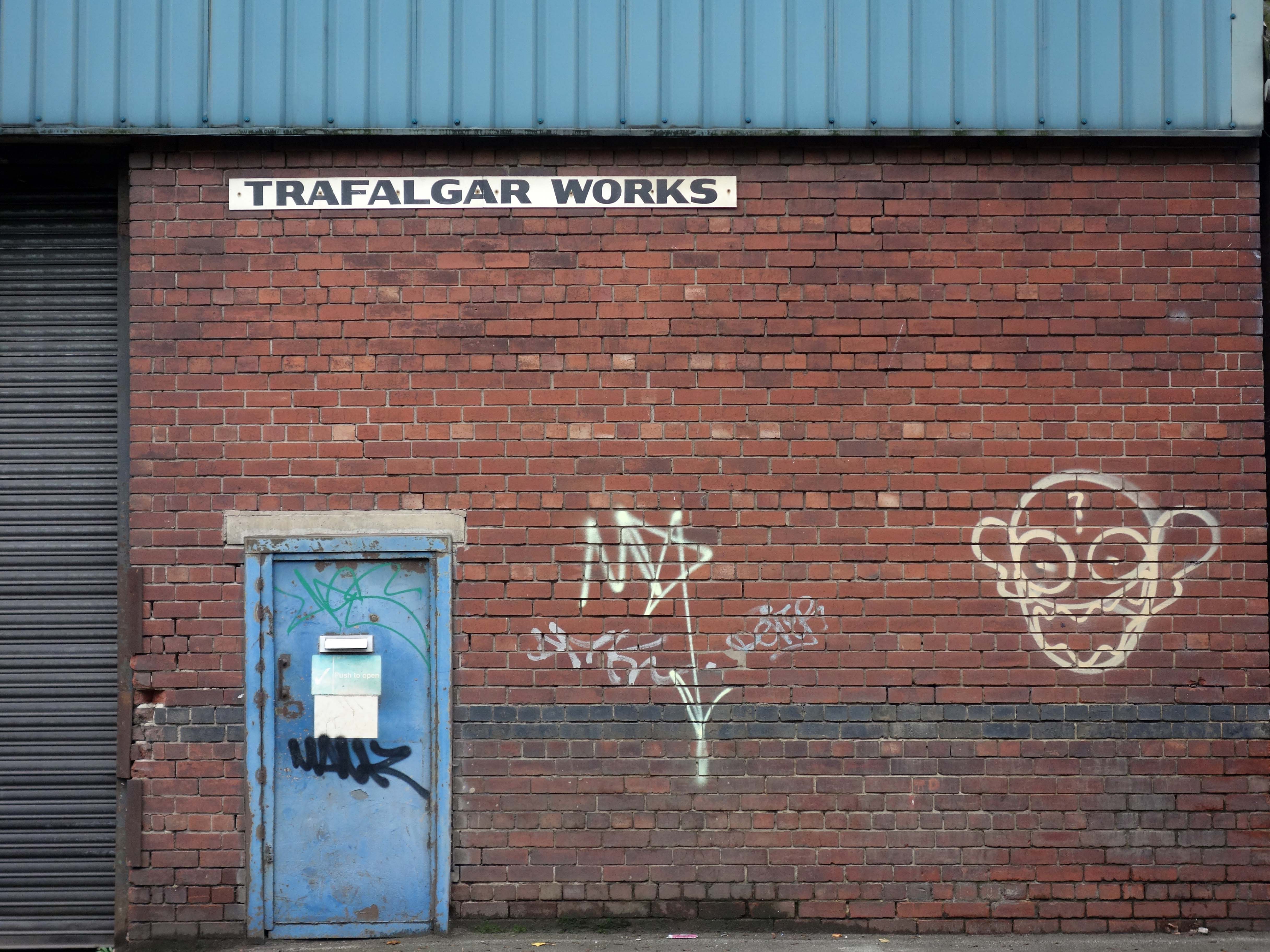
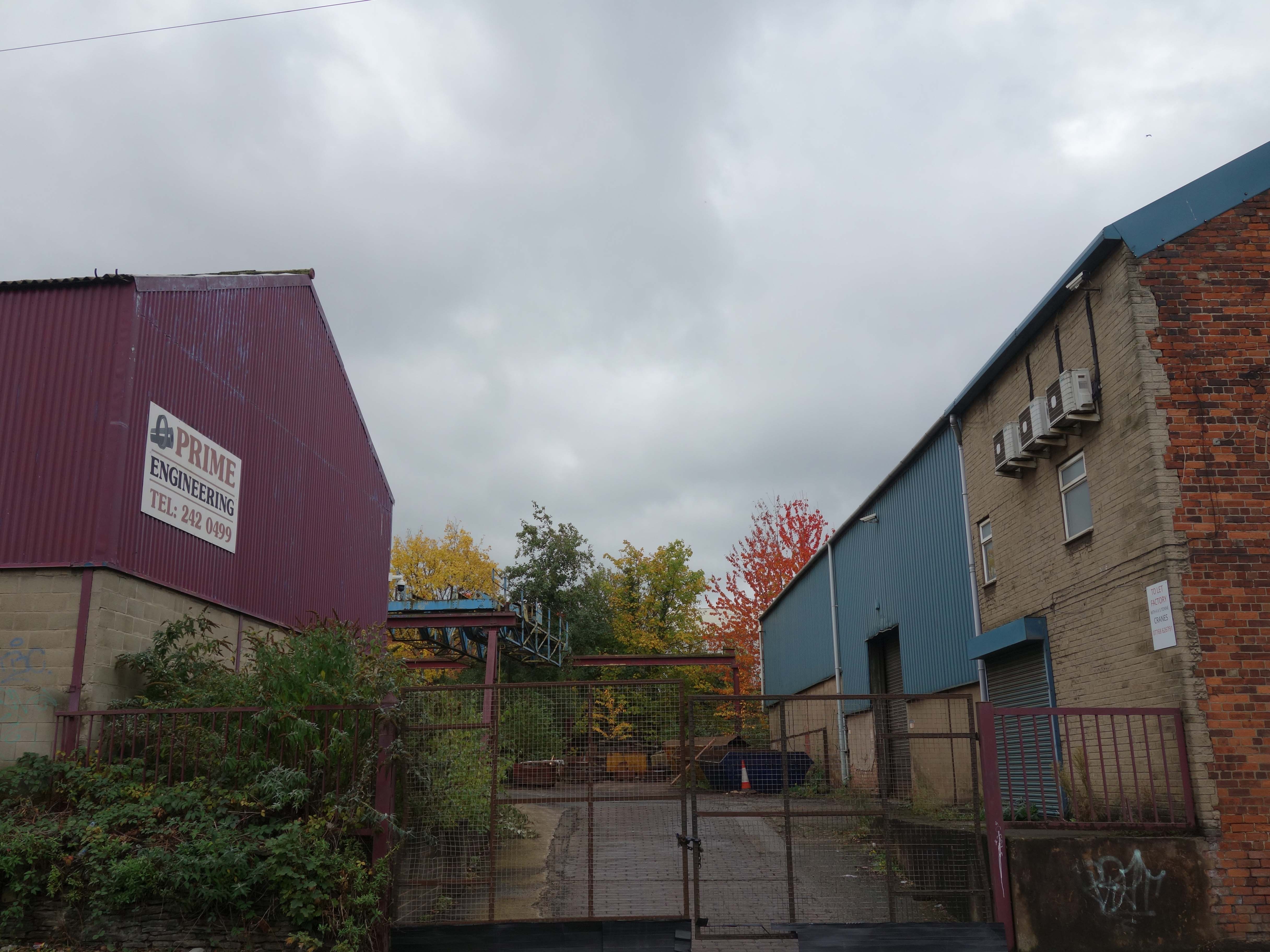
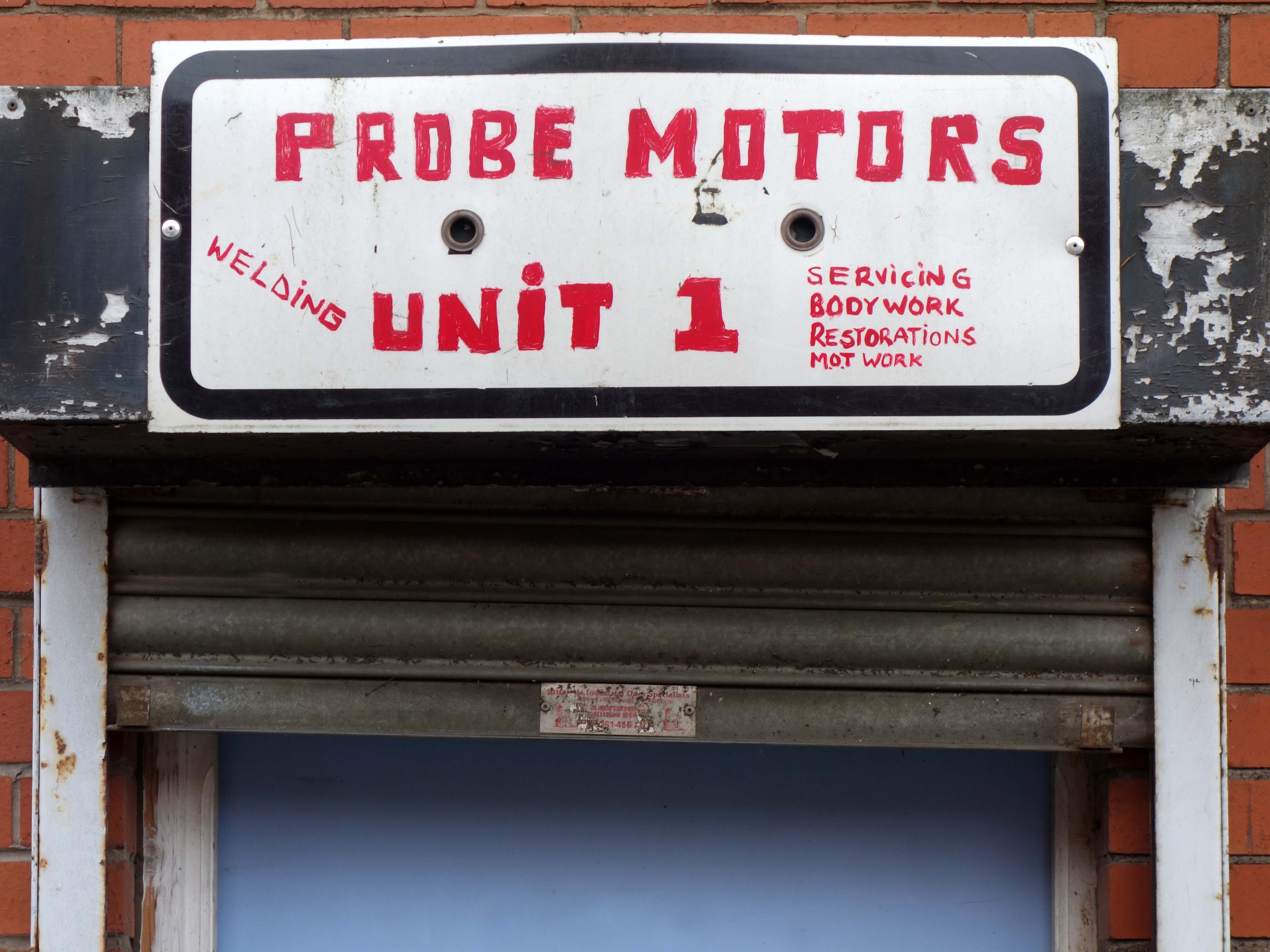
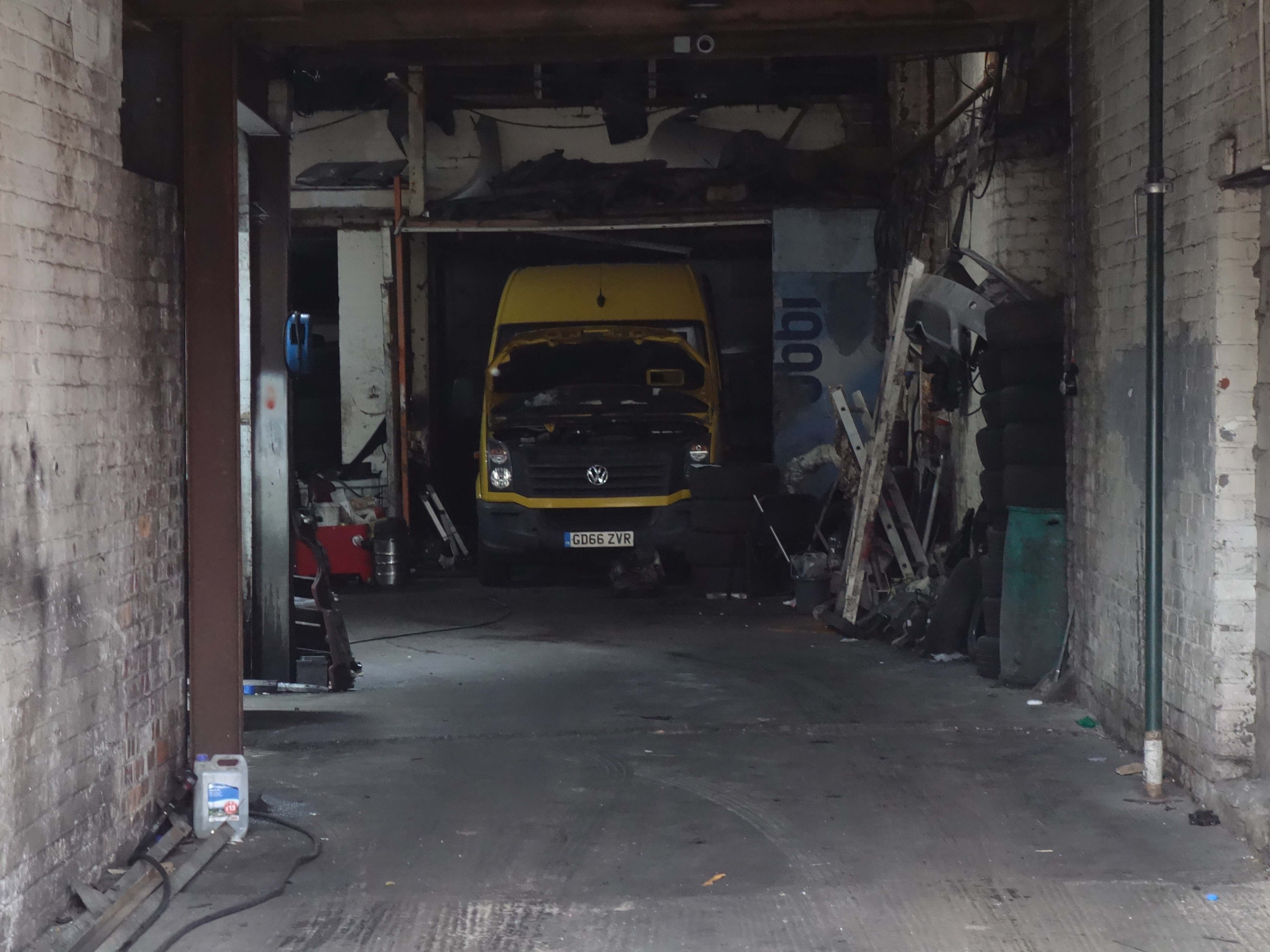
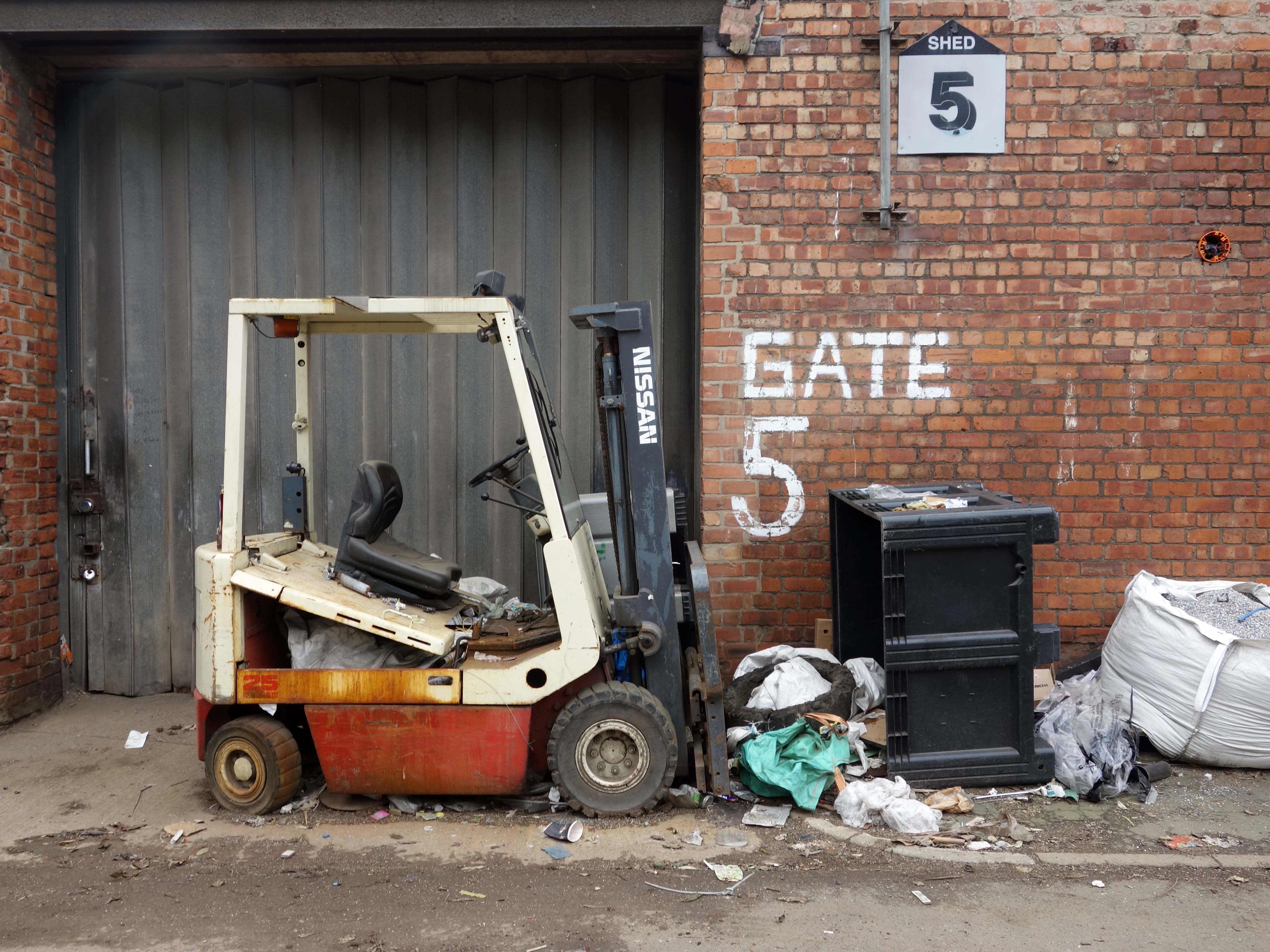
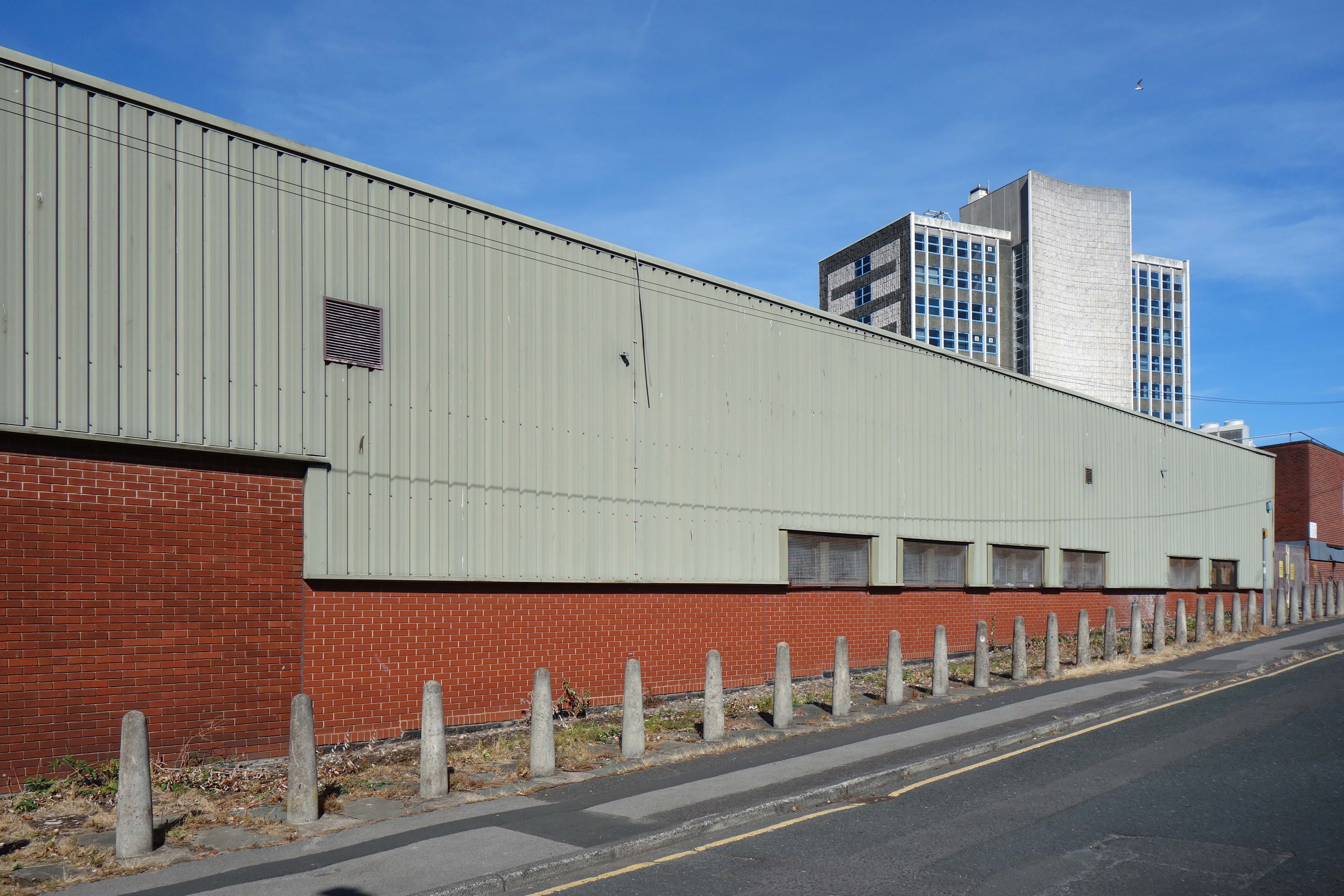
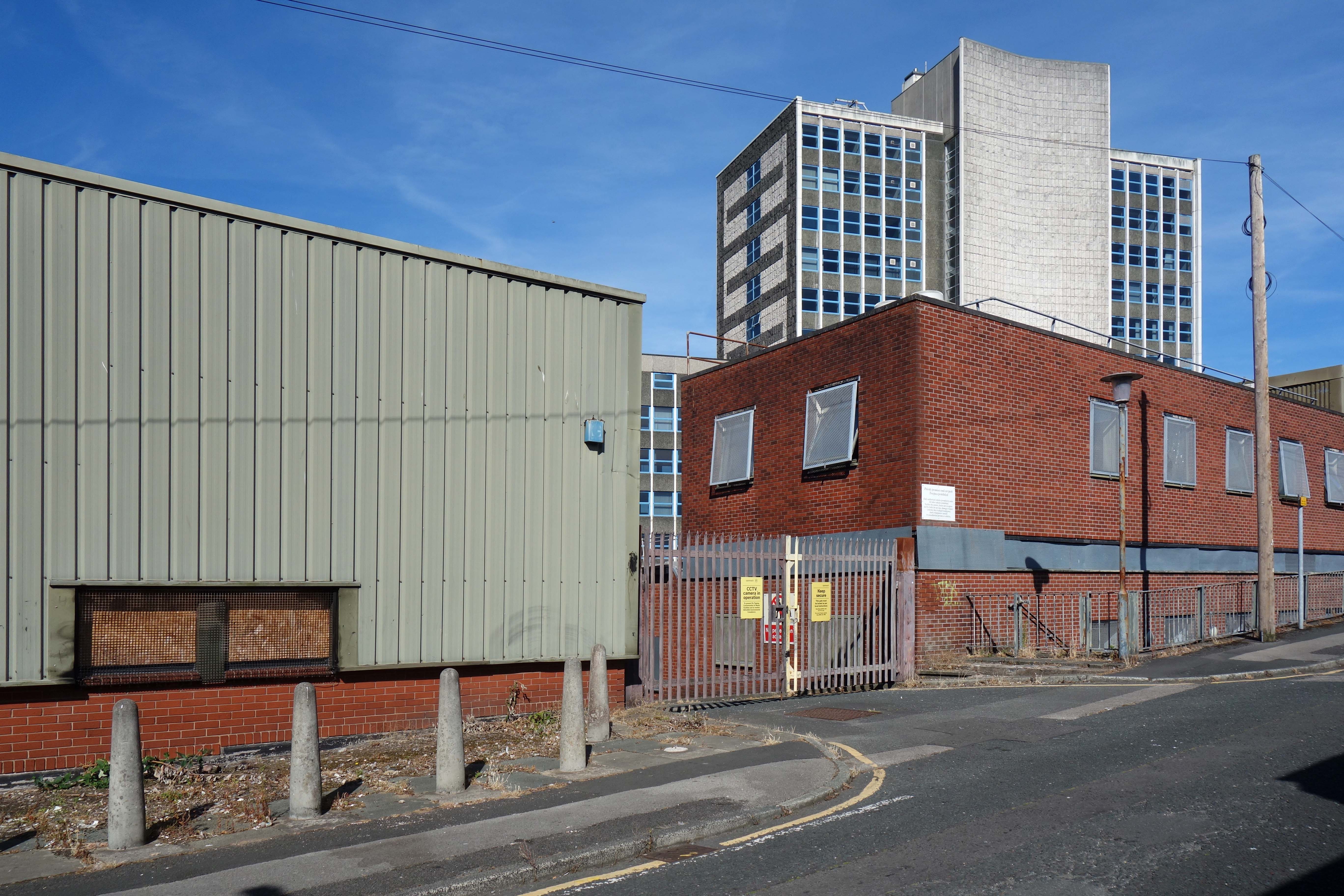
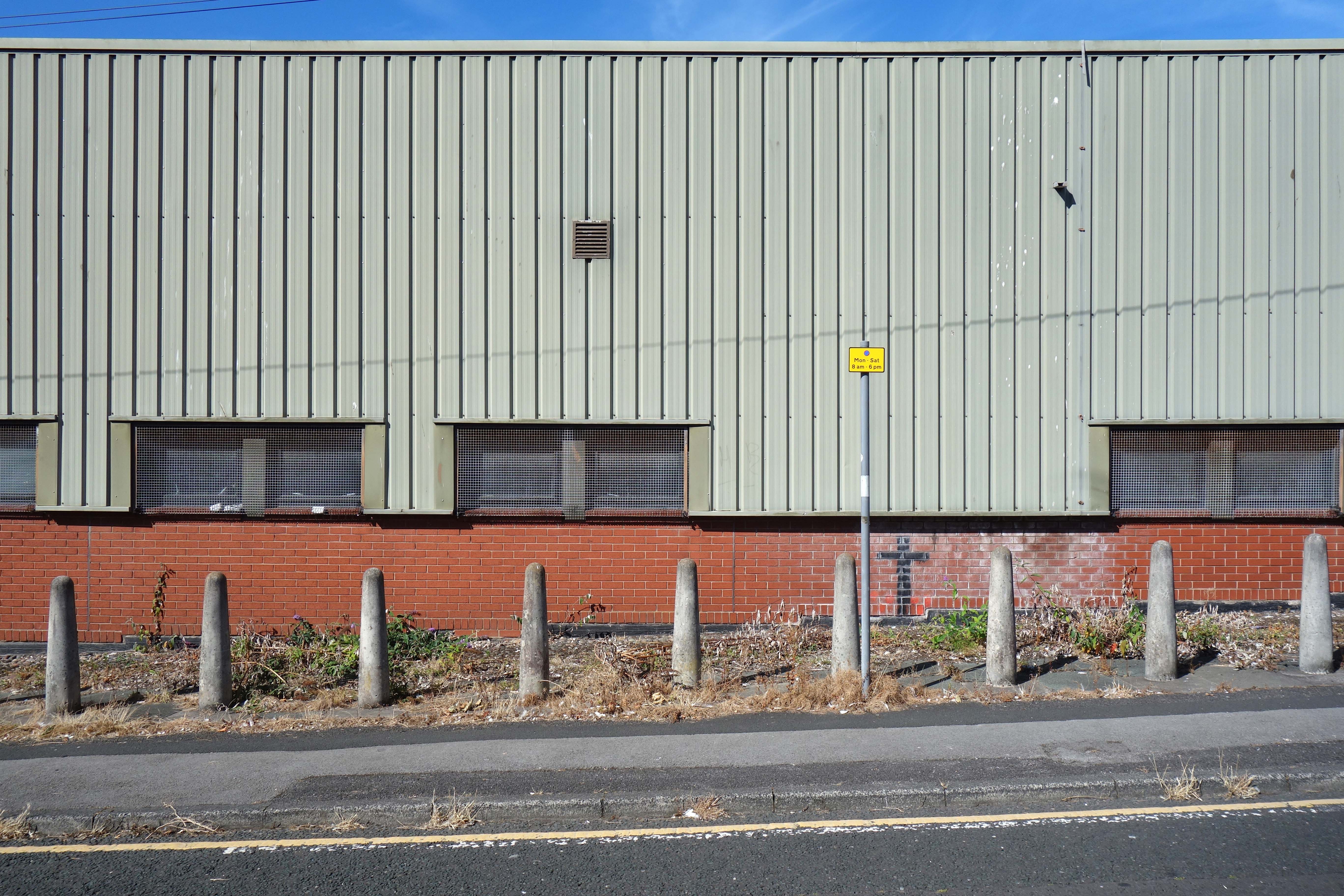
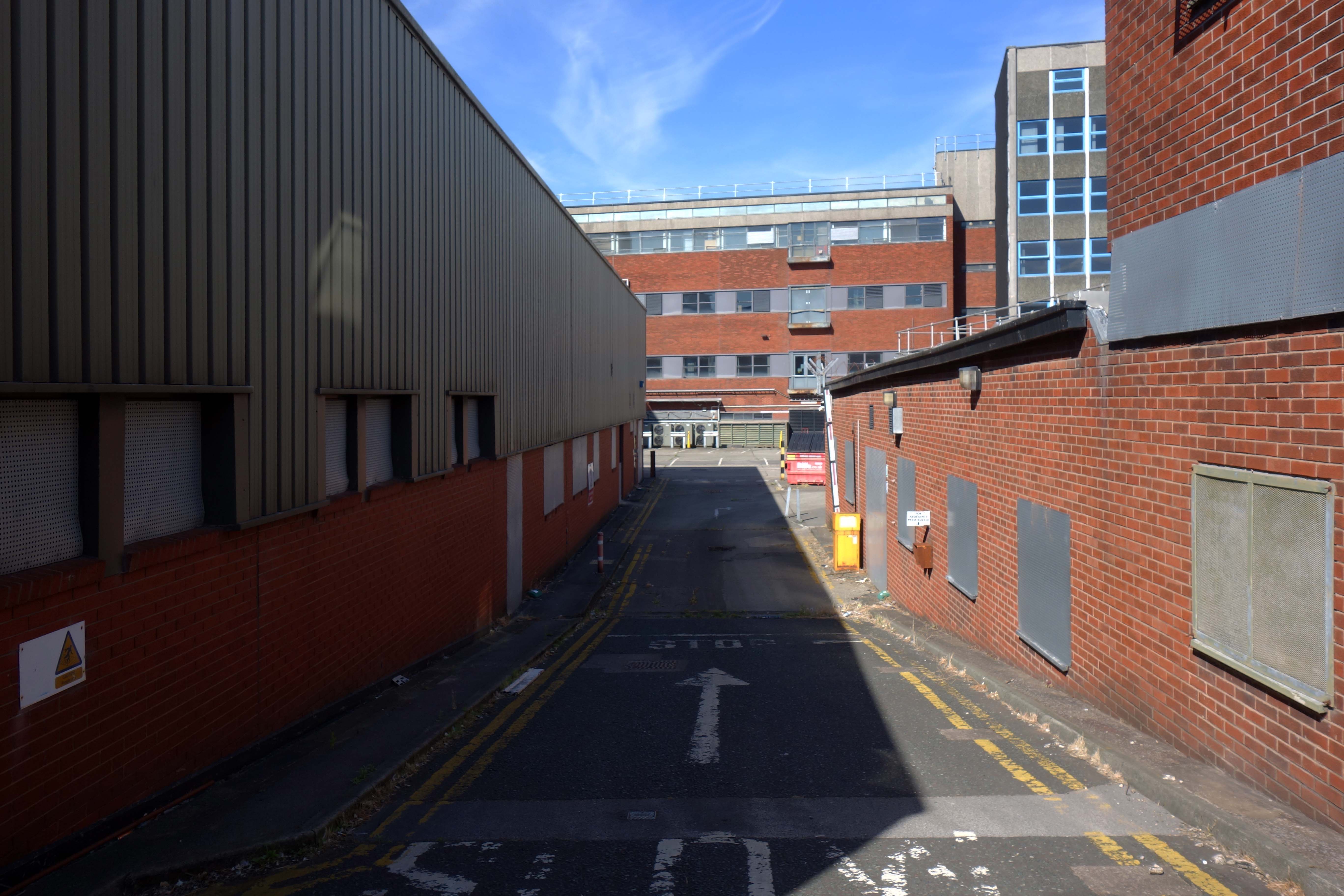
Roads lined with long stretches of brick and concrete, punctuated by metal doors and gates, along with blank eyed windows, staring blankly at the passing parade.
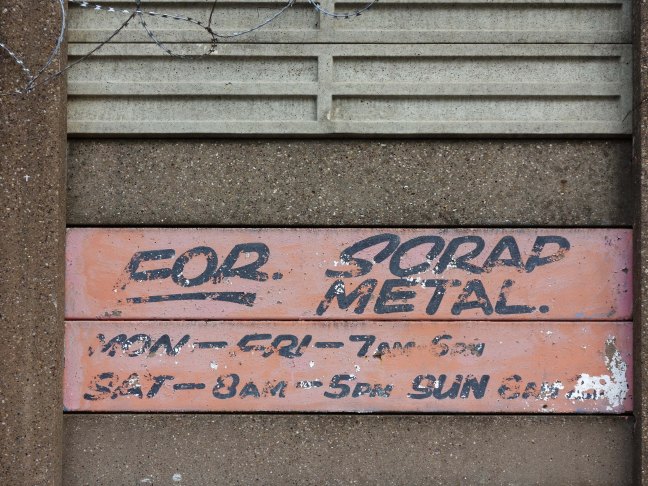
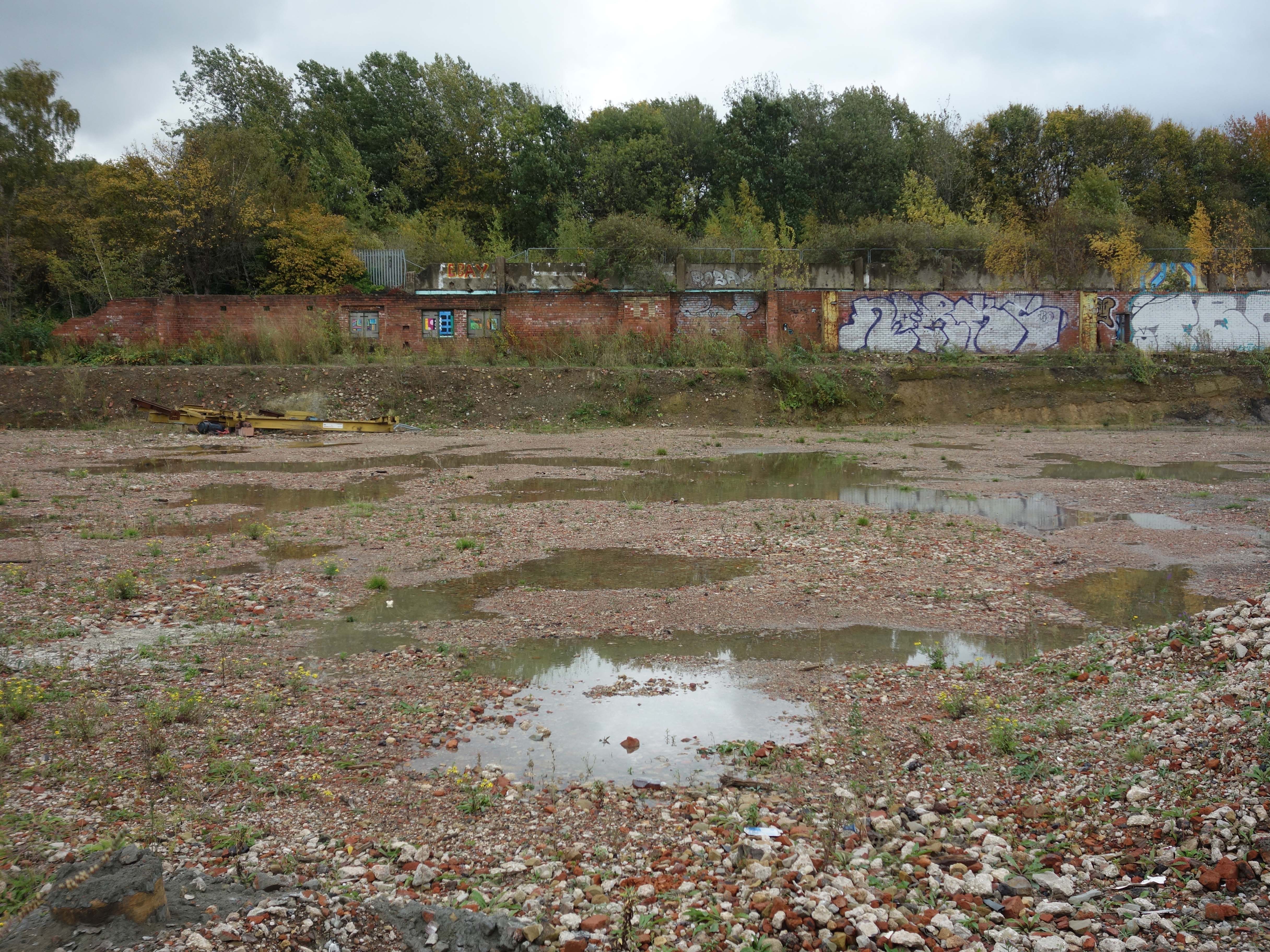
The remnants of an industrial past, reduced to scrap.
A chaotic situation is always deliberately produced.
Ask yourself who or what sort of creature could benefit from such a situation.
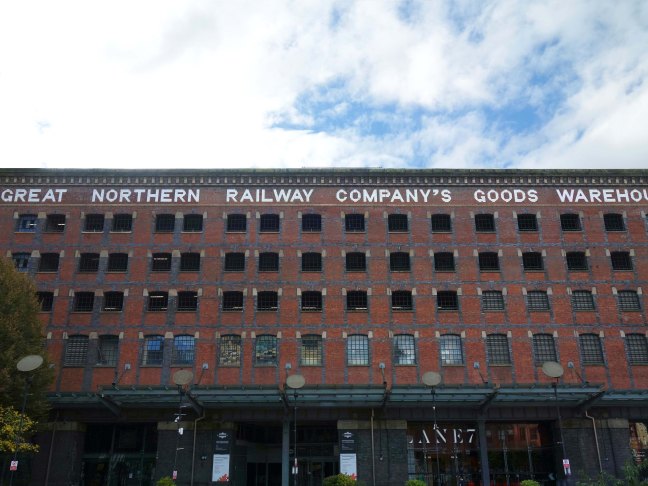
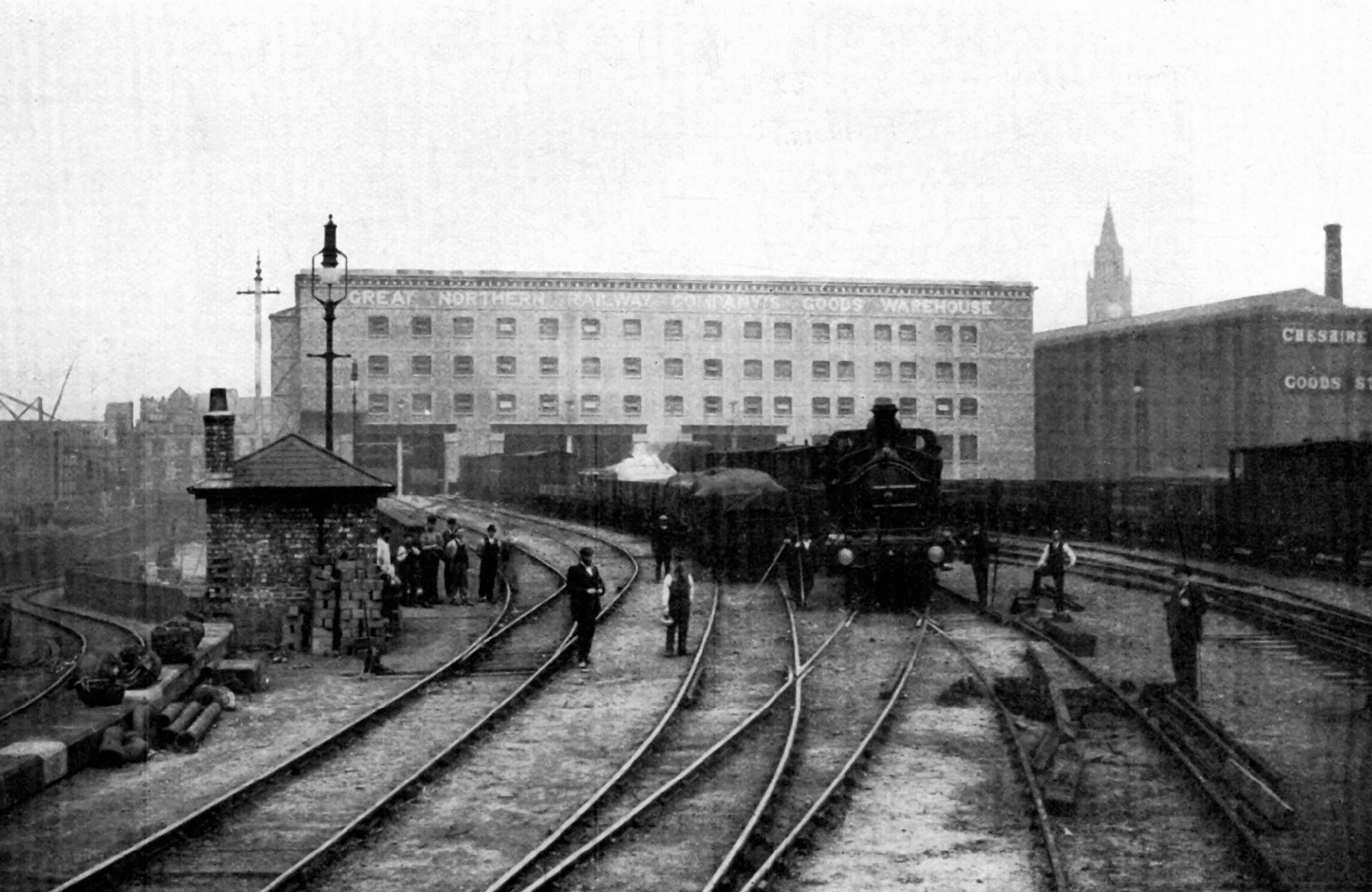
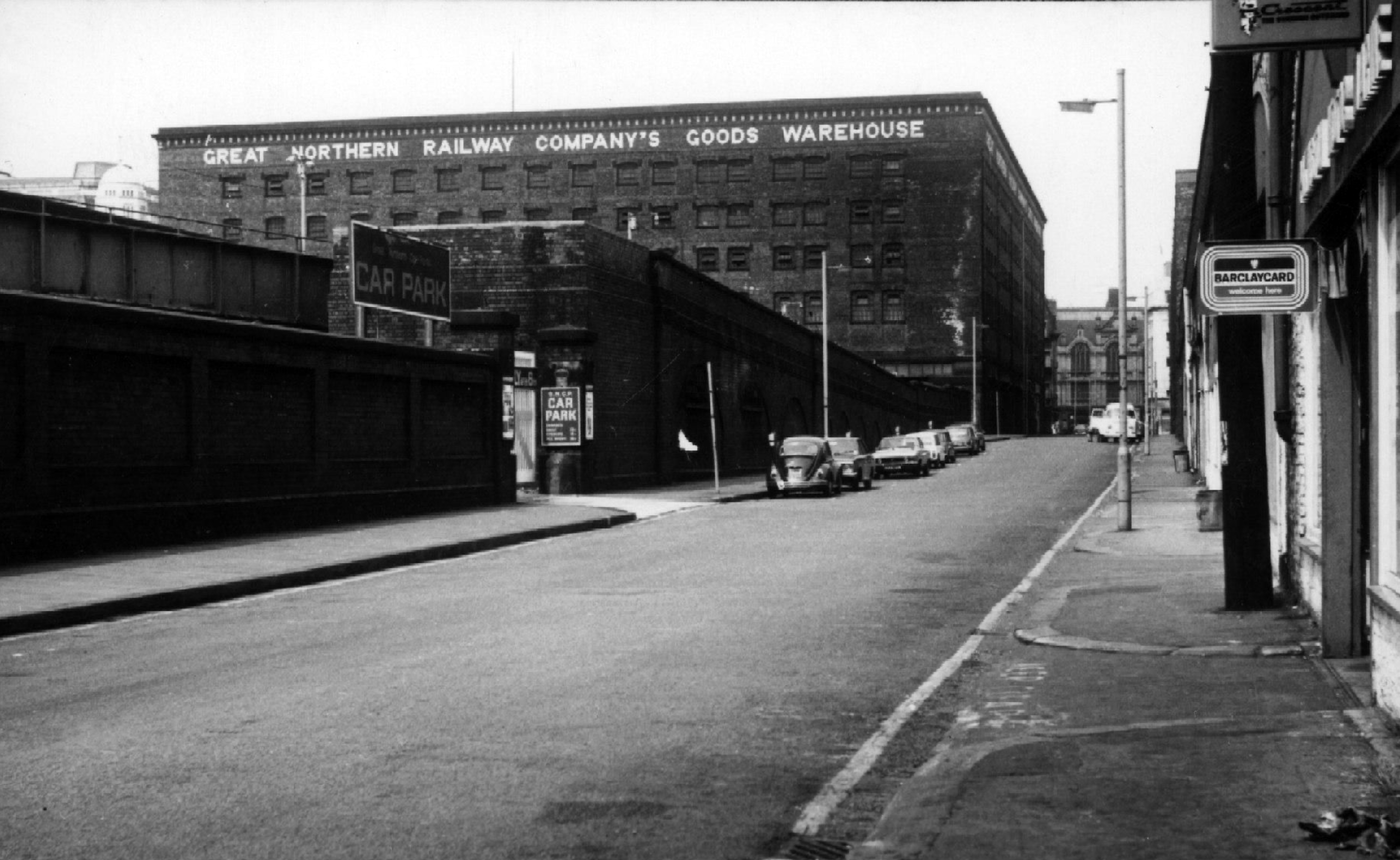
The Great Northern Warehouse is the former railway goods warehouse of the Great Northern Railway, it was granted Grade II* listed building status in 1974.
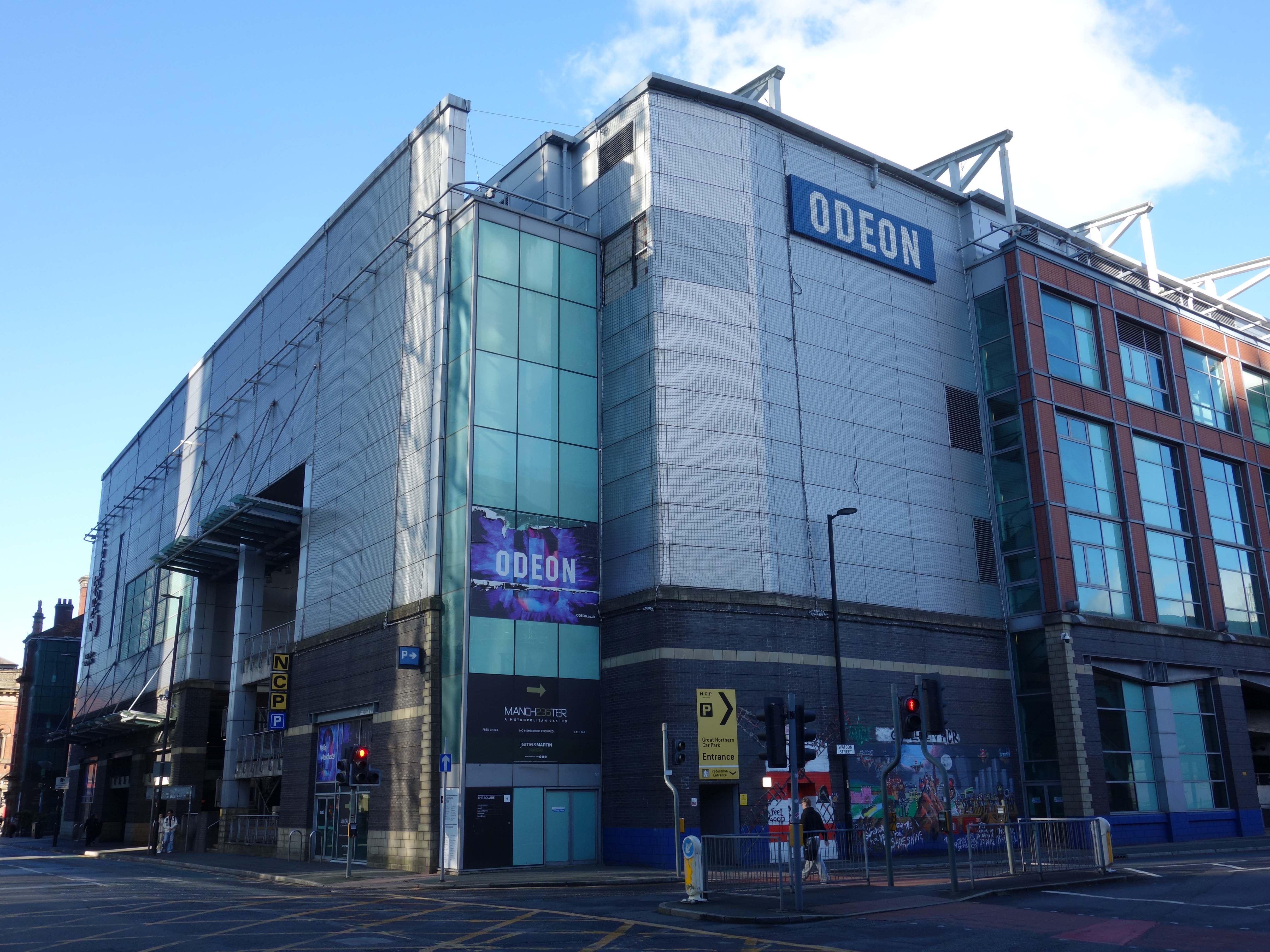
Refurbished into a leisure complex in 1999.
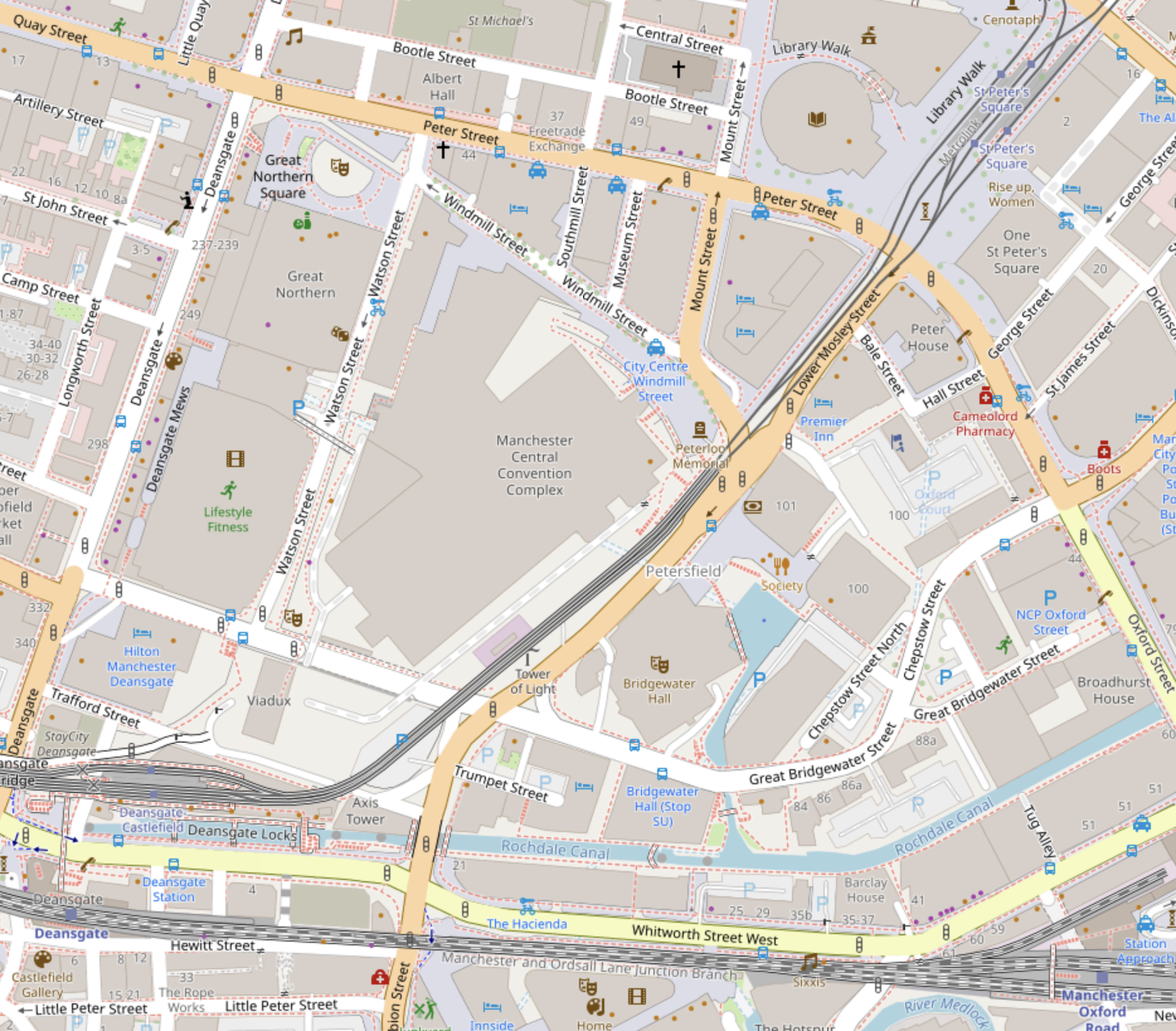
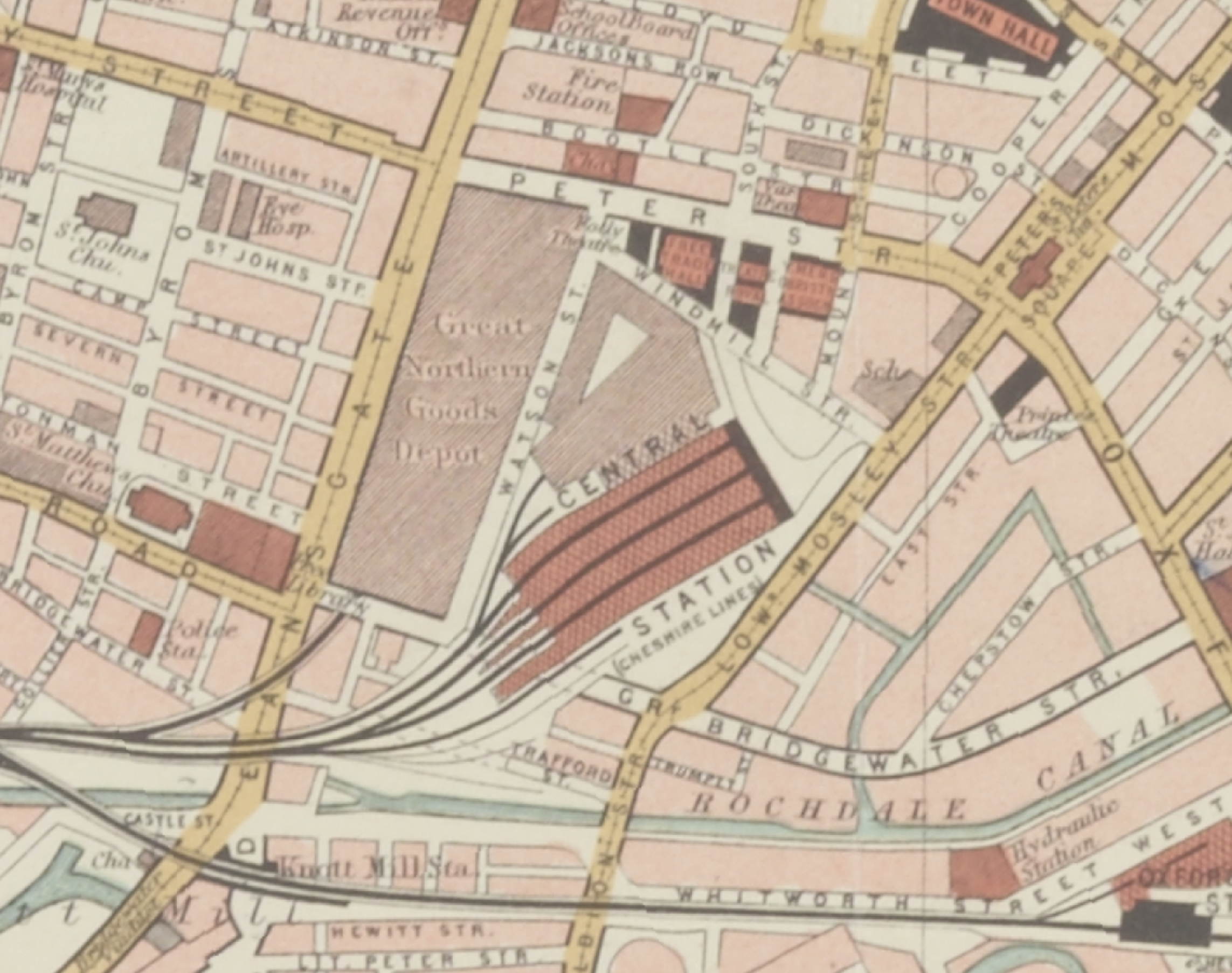
The building is at the junction of Deansgate and Peter Street.
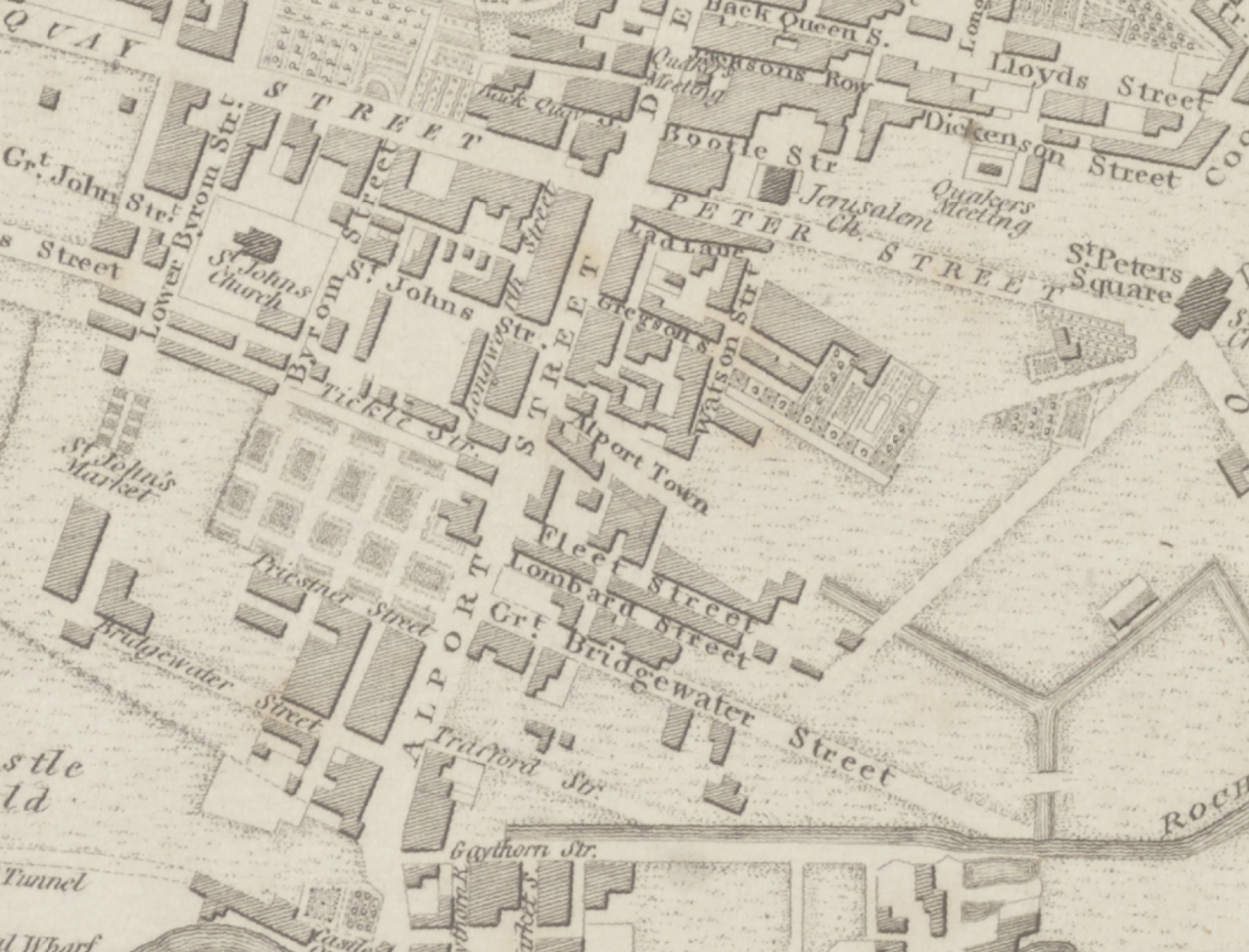
Once upon time in 1807 it wasn’t there at all.
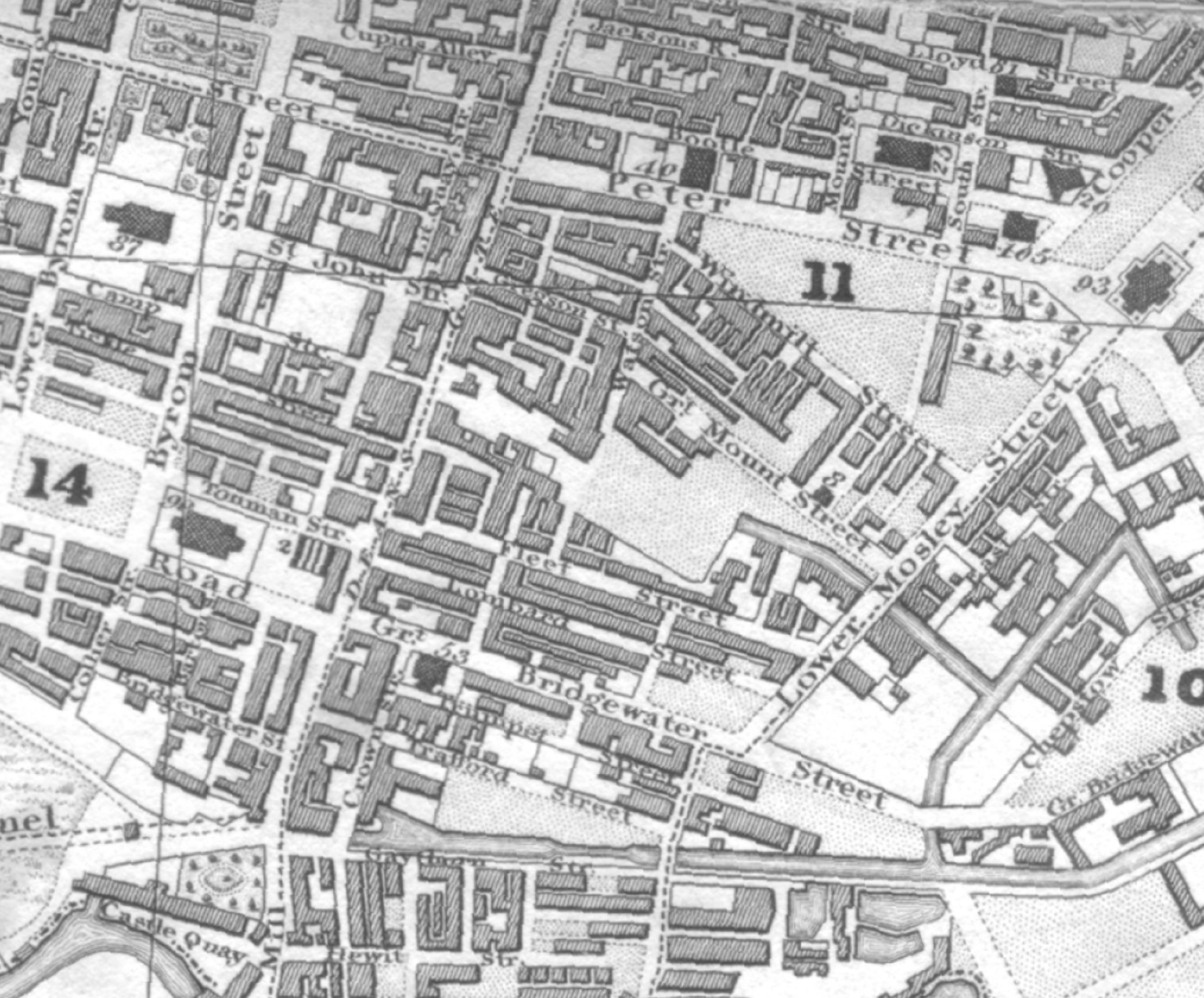
By 1824 it still wasn’t here, though the area had been further developed.
Construction began in1885.
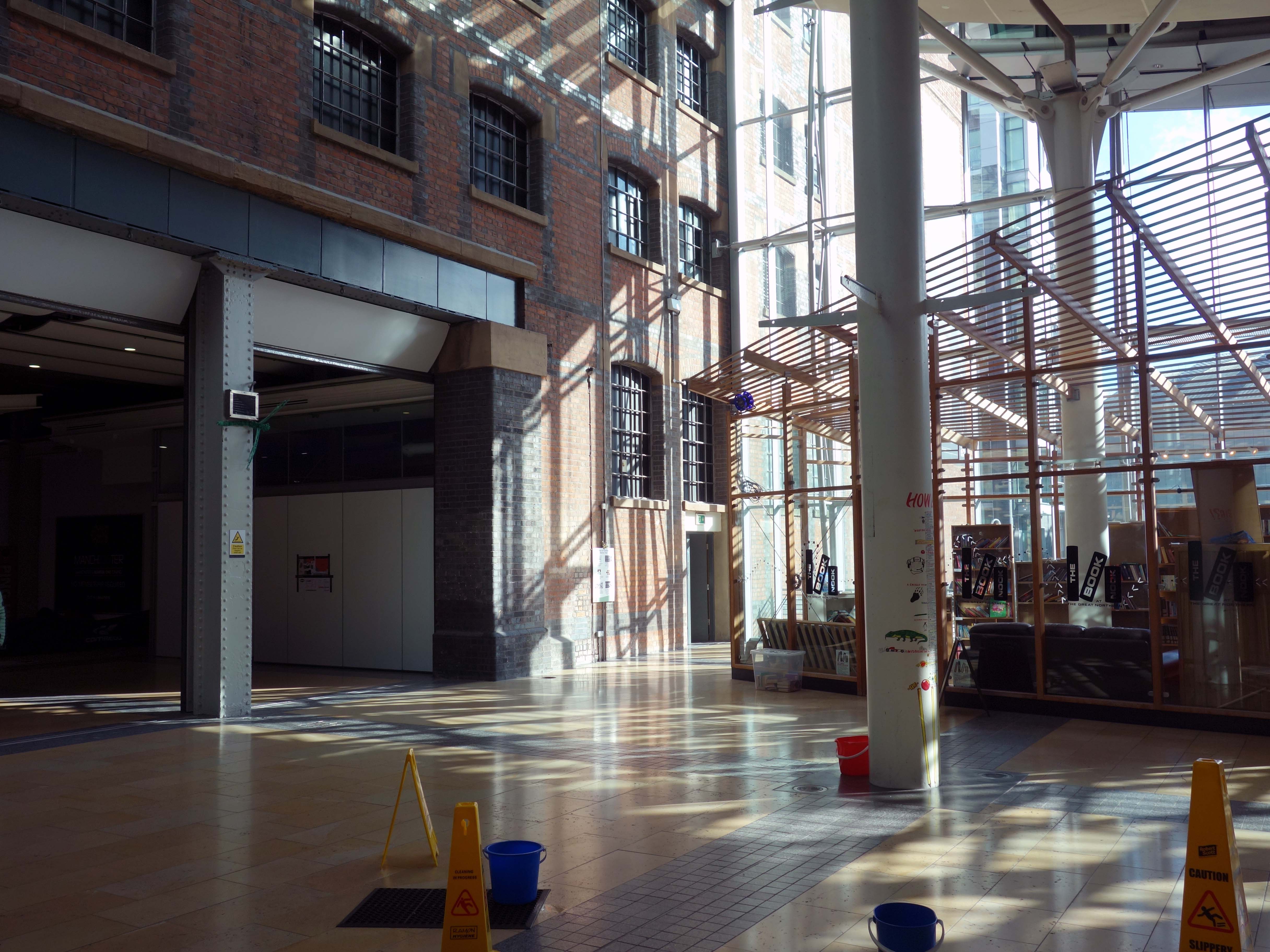
The warehouse was built to be fireproof with a steel frame on a rectangular plan, 267 ft long by 217 ft wide and five storeys high, with twenty seven windows on the east and west sides and seventeen windows on the north and south ends. All four sides have friezes lettered in white brick reading Great Northern Railway Company’s Goods Warehouse. It was built above the Manchester and Salford Junction Canal, and a dock was constructed beneath to allow goods to be transferred to and from canal barges via shafts and a complex system of haulage using hydraulic power.
The building could hold a total of one hundred and fifty goods wagons across two of its levels, with capacity for a further 500 in its sidings. Its construction effectively wiped out the district of Alport Town, which had included 300 houses, and – Over 800 men were employed on the site. Twenty five million bricks, 50,000 tons of concrete, 12,000 tons of mild steel and sixty five miles of rivets were used in its construction.
So having time on my hands on the way to somewhere else, I took a look around the rest of the complex.
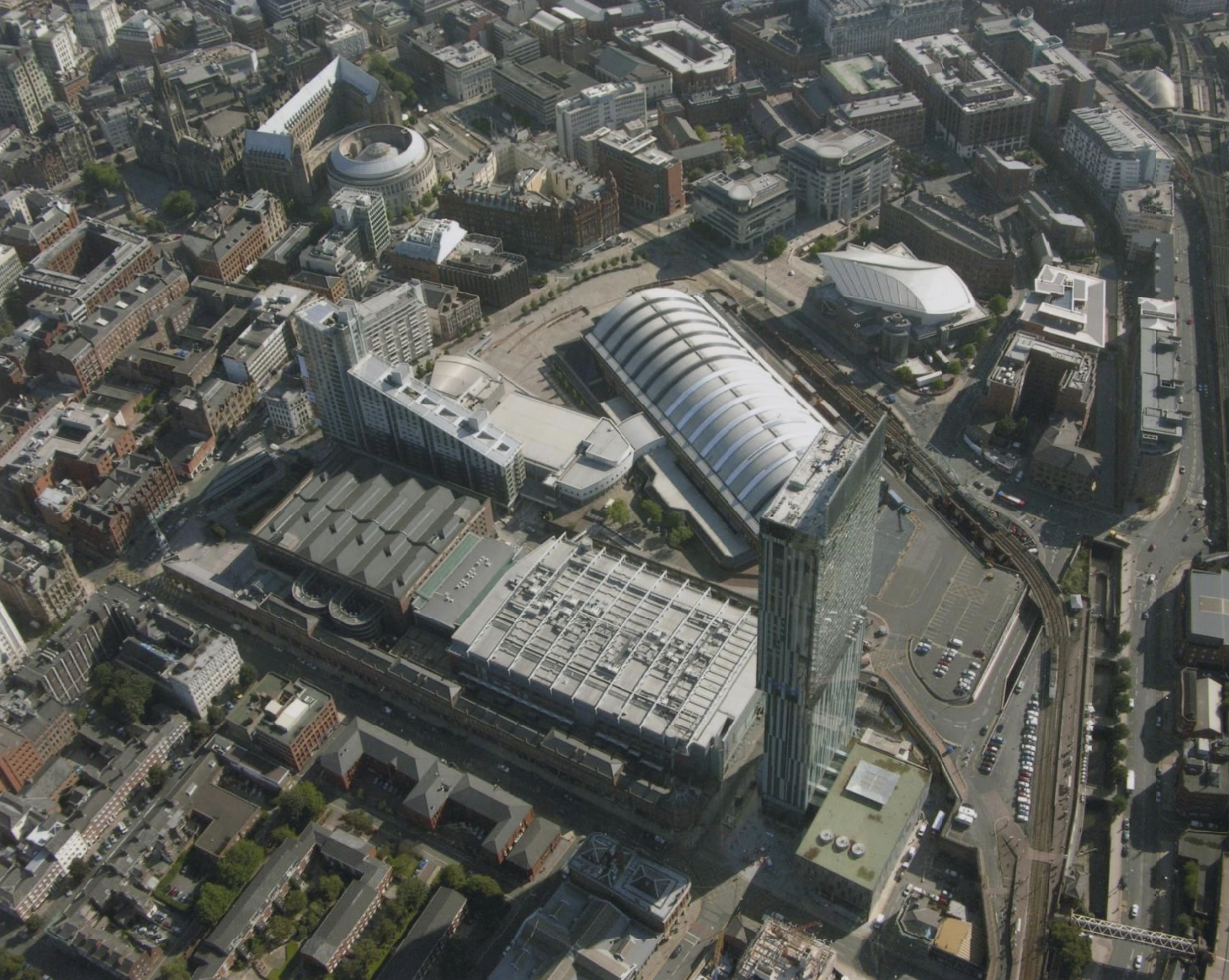
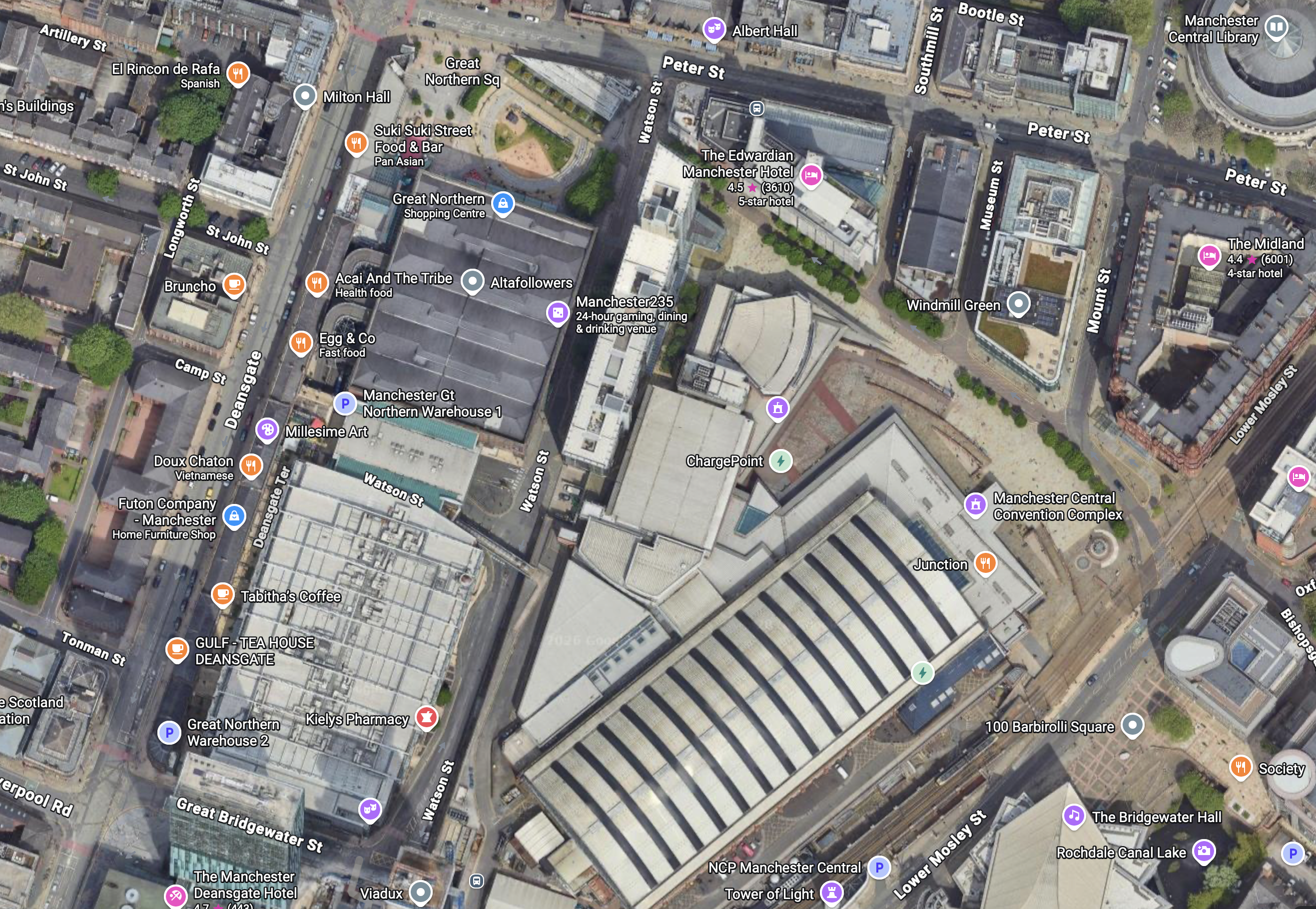
Here it is from the air in 2006.
Photo: Sean Gallagher
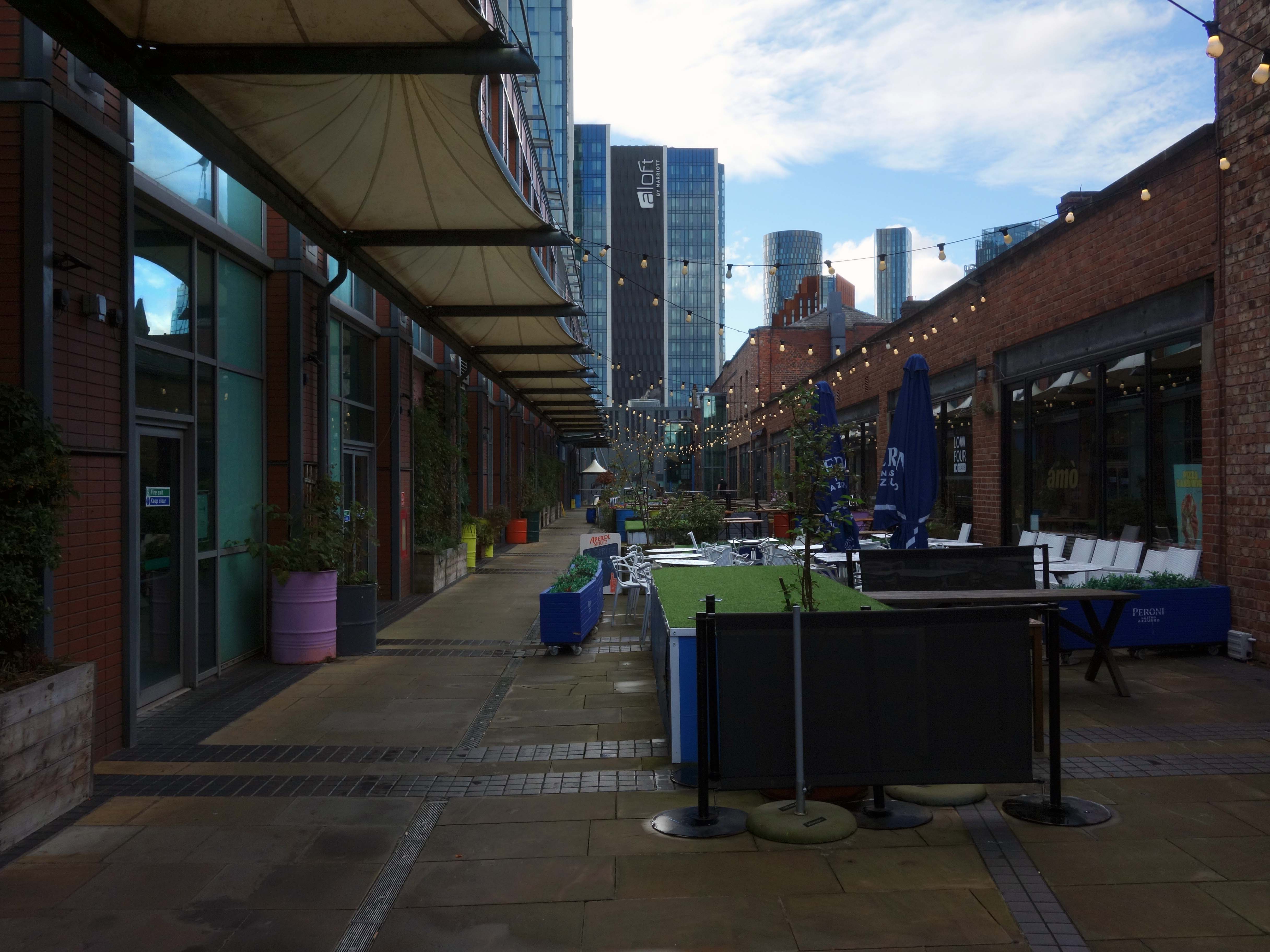
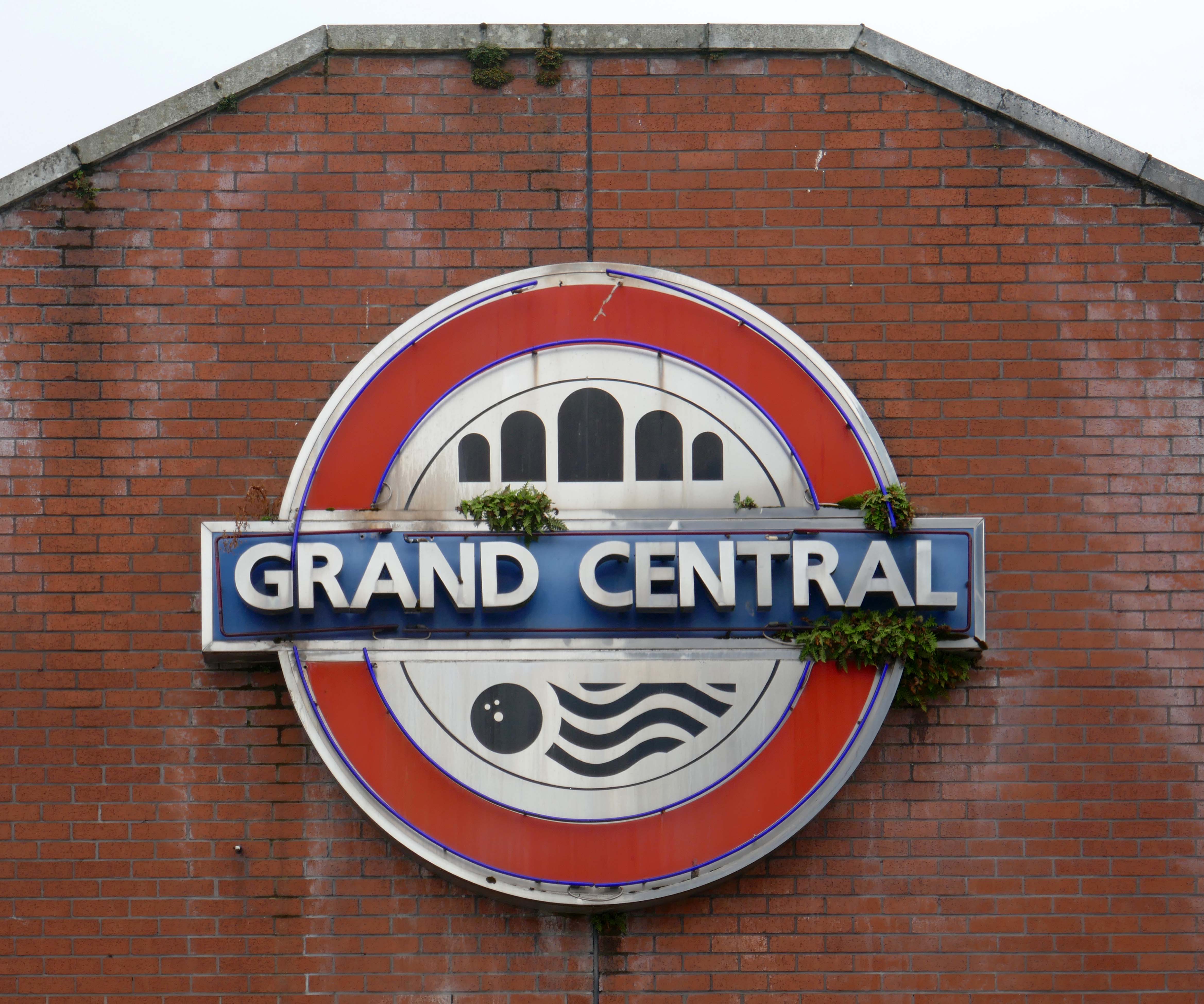
Great Northern is perfectly positioned in the heart of the city centre as the ideal place to eat, drink, meet and play. You will find a cinema, boutique bowling, restaurants, bars, entertainment venues, shops and the biggest range of estate agents in the city centre, all alongside our public square.
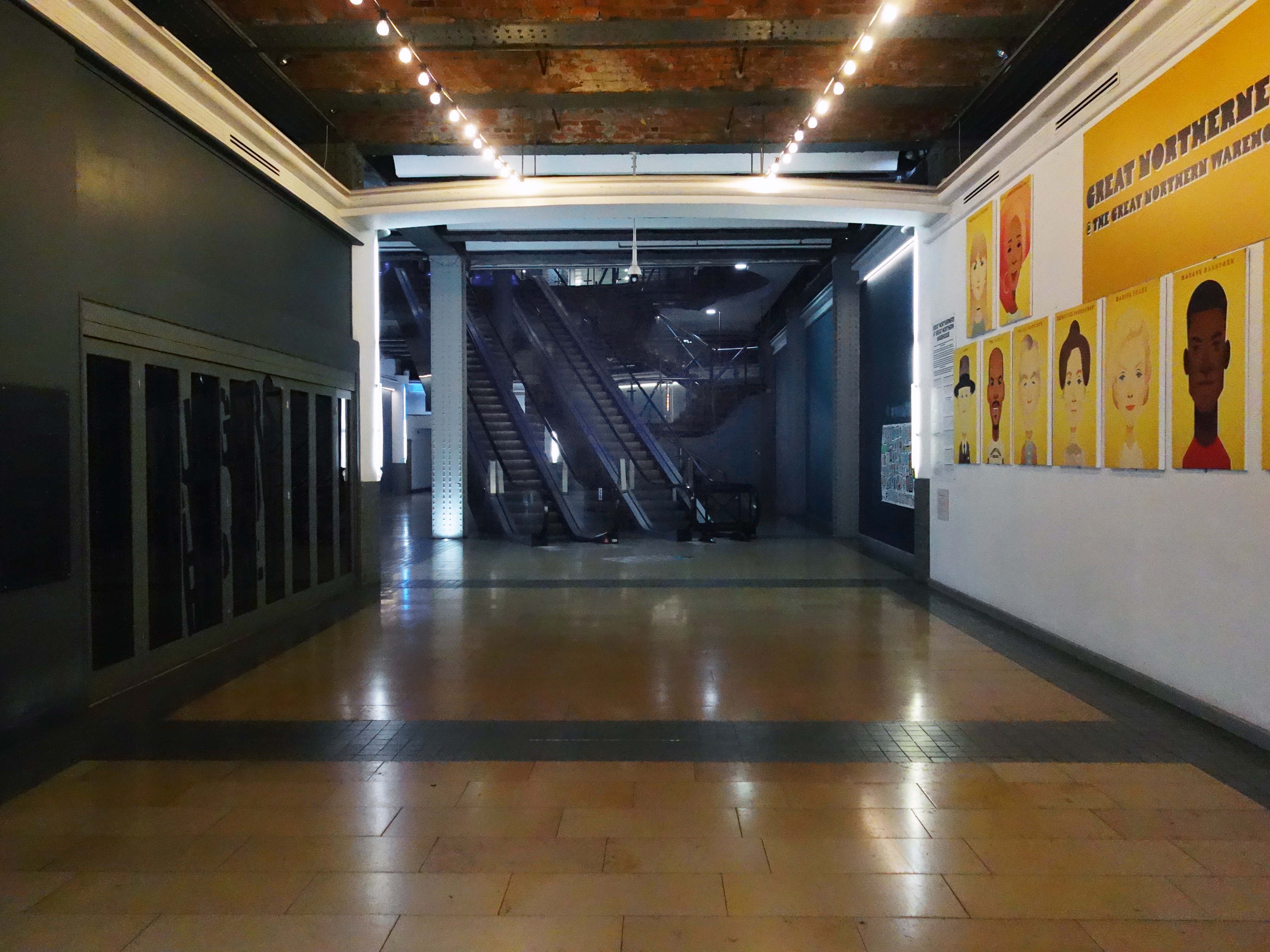
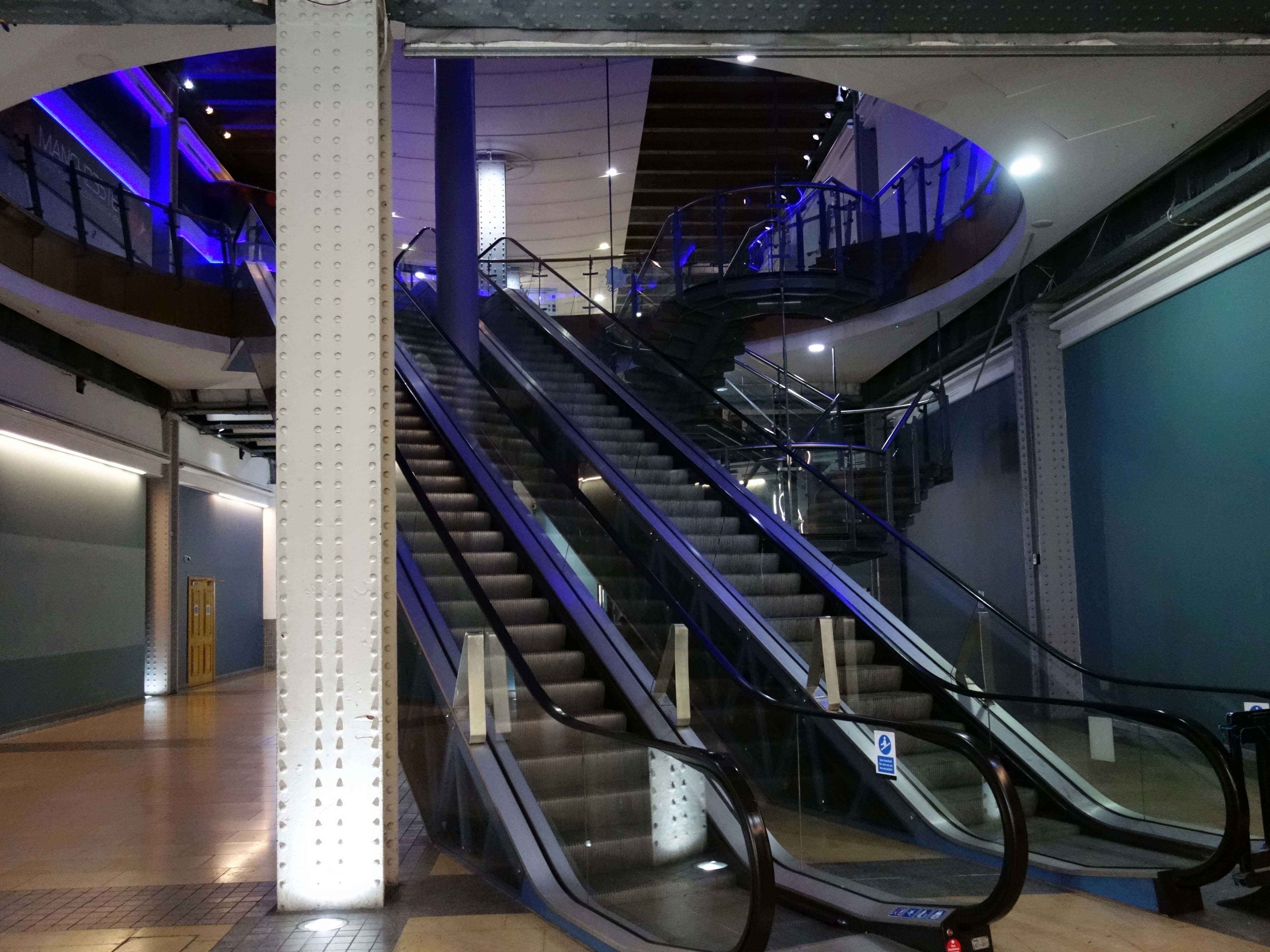
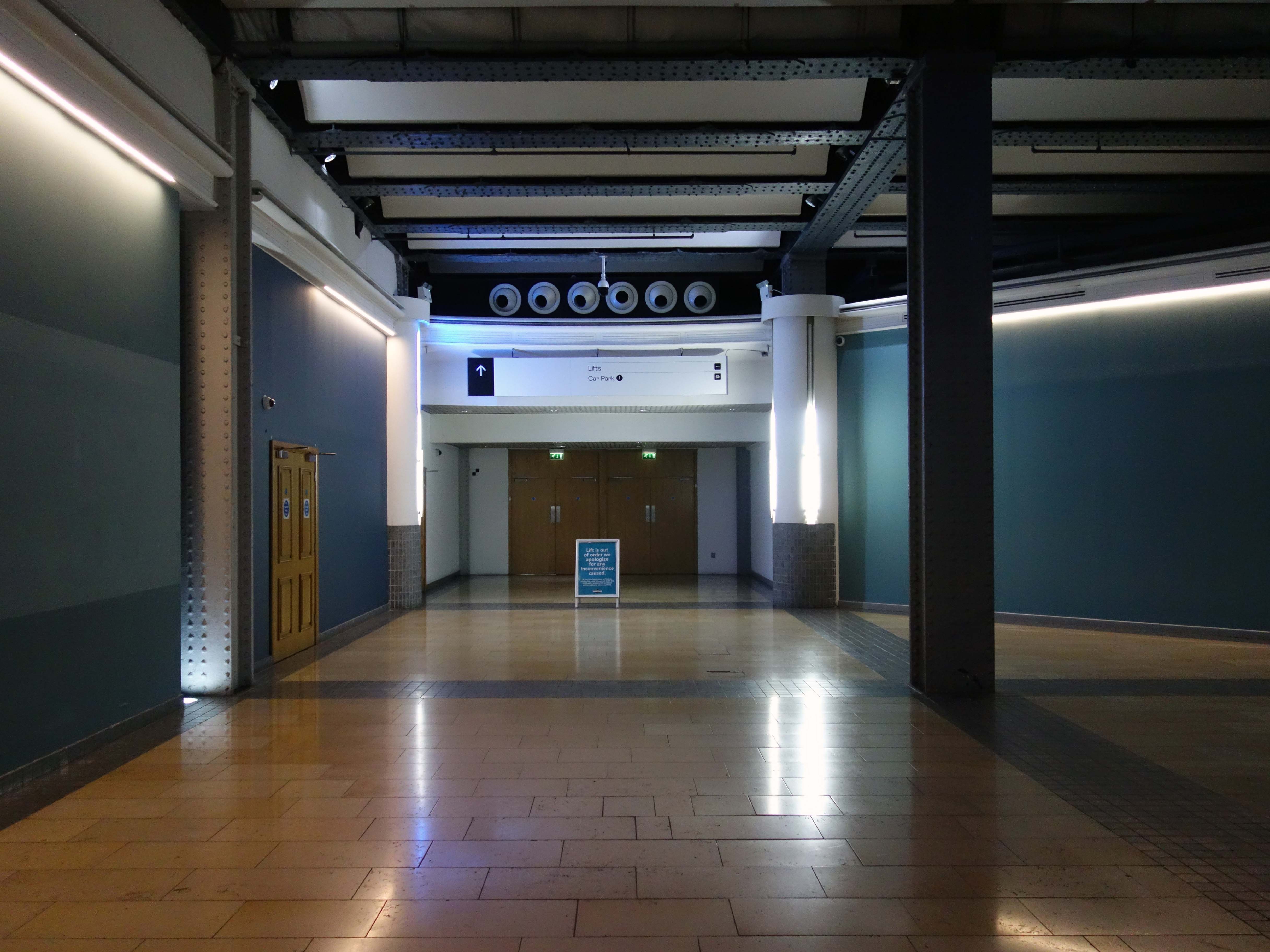
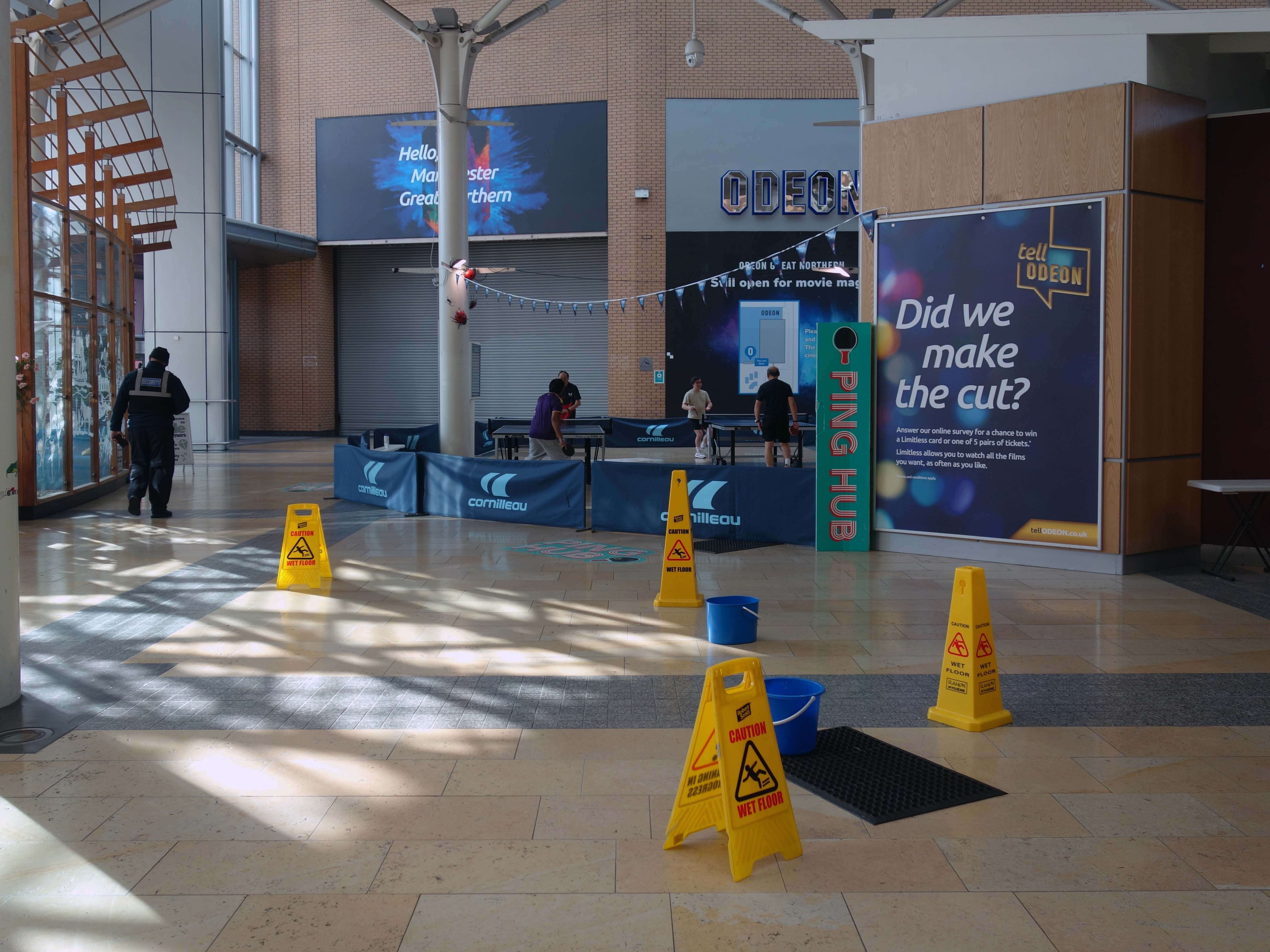
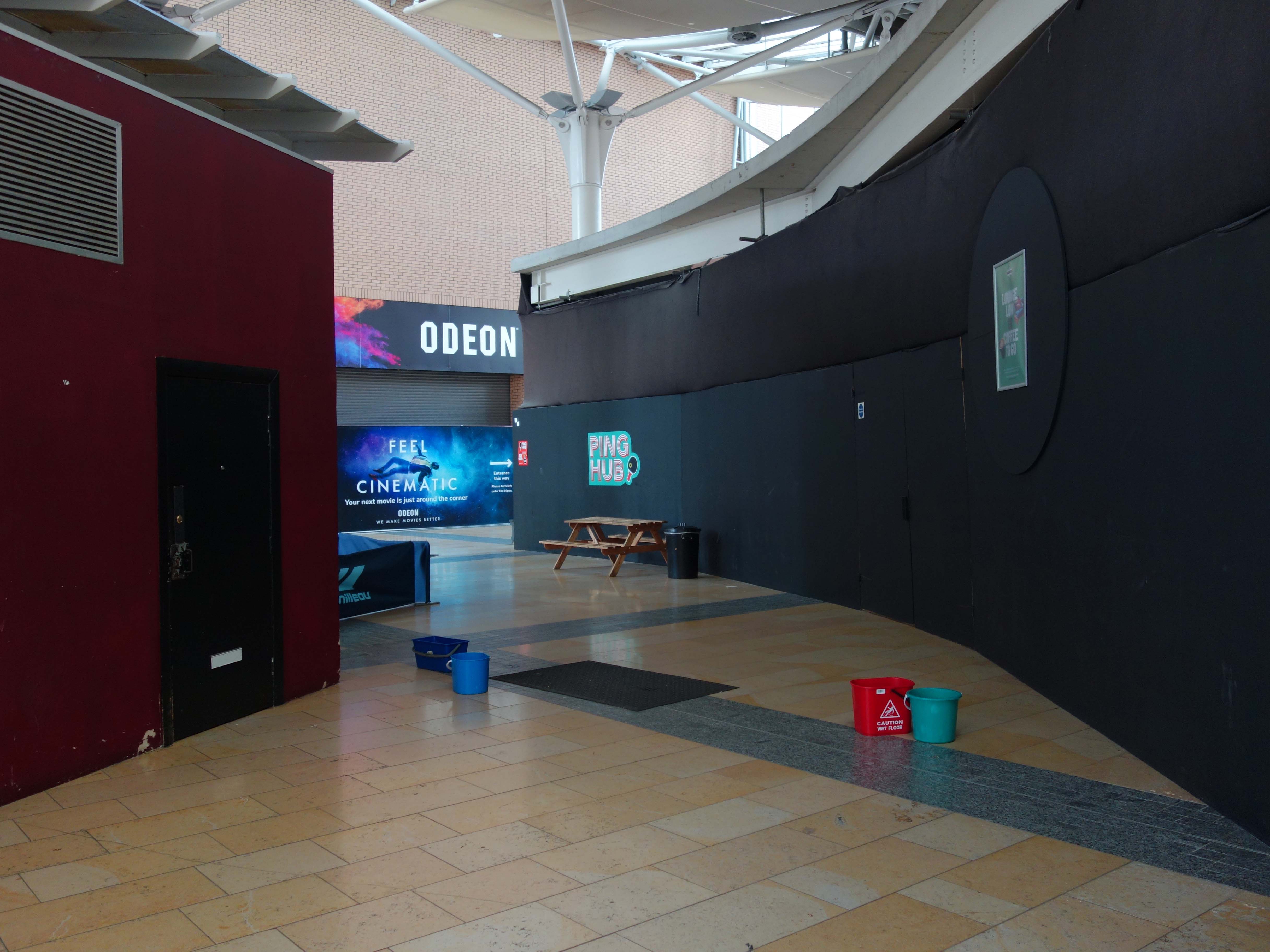
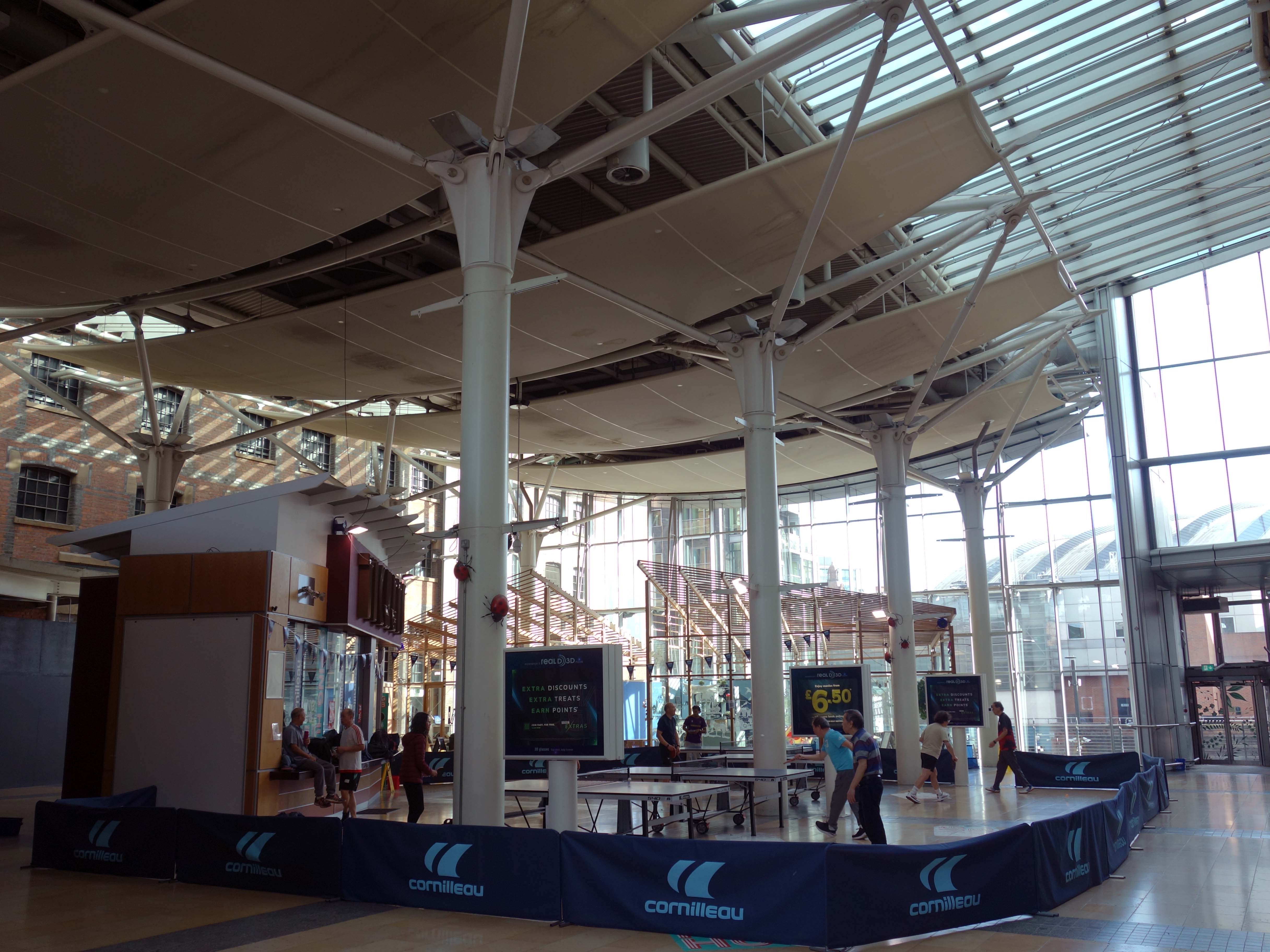
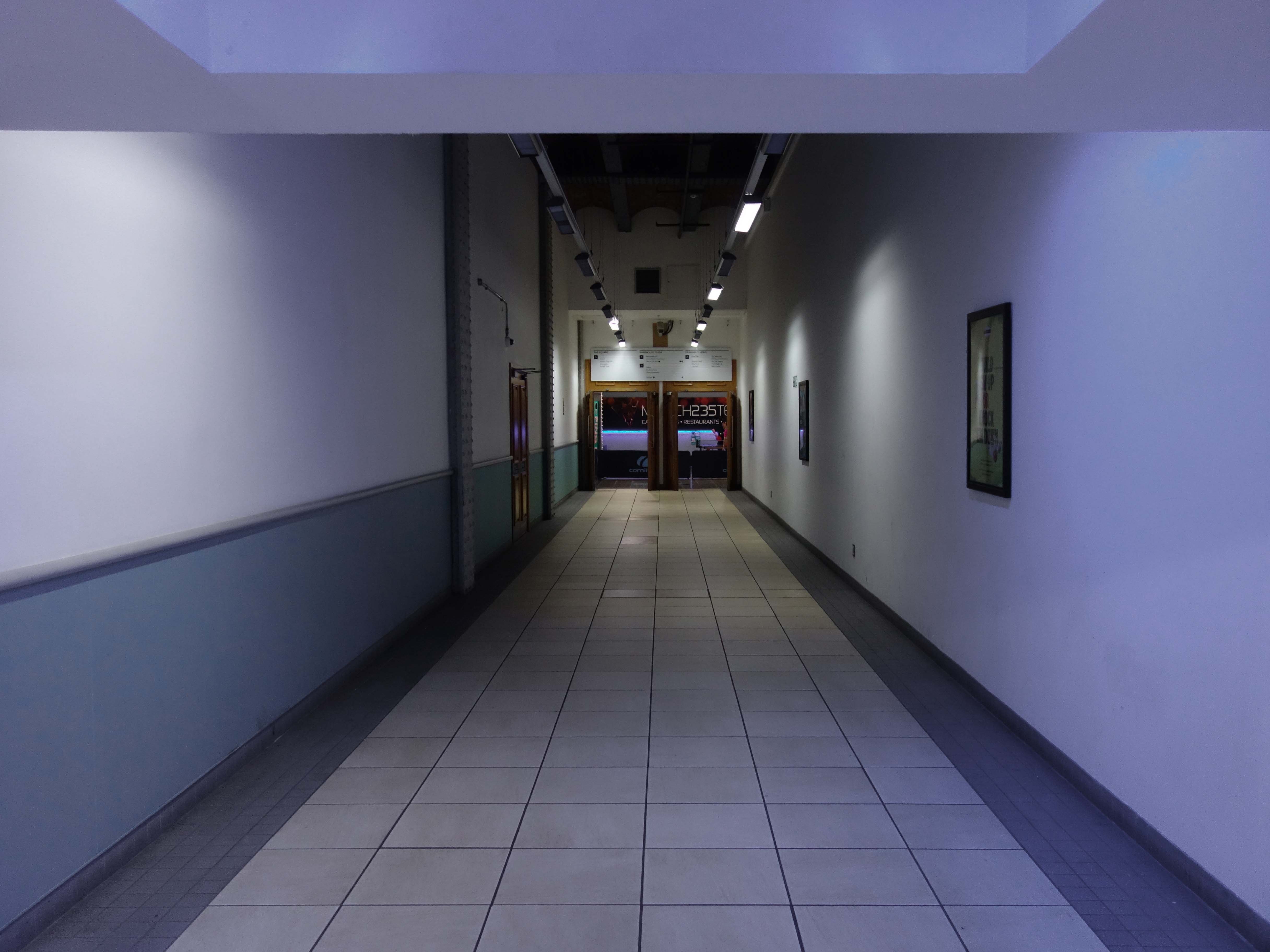
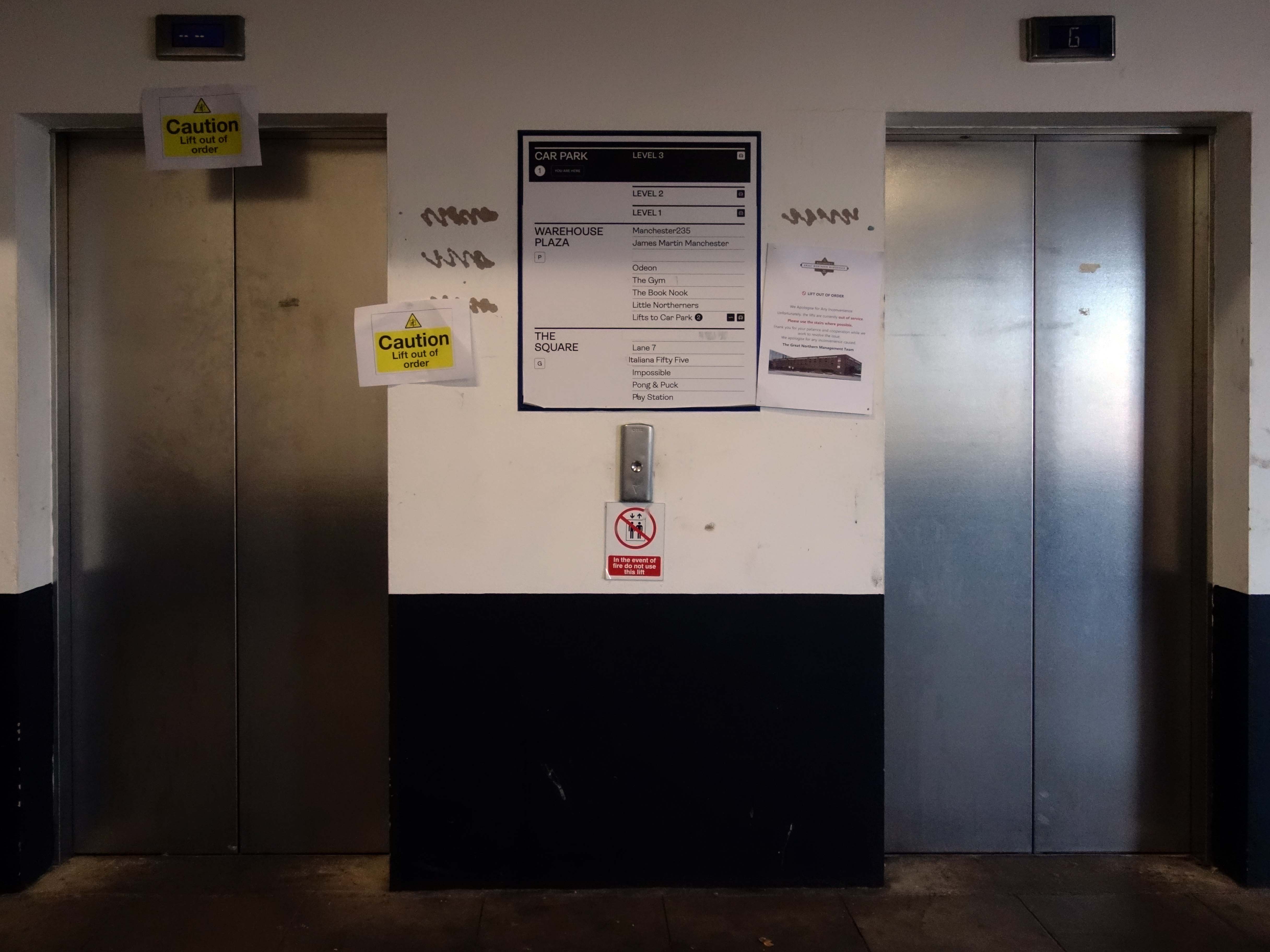
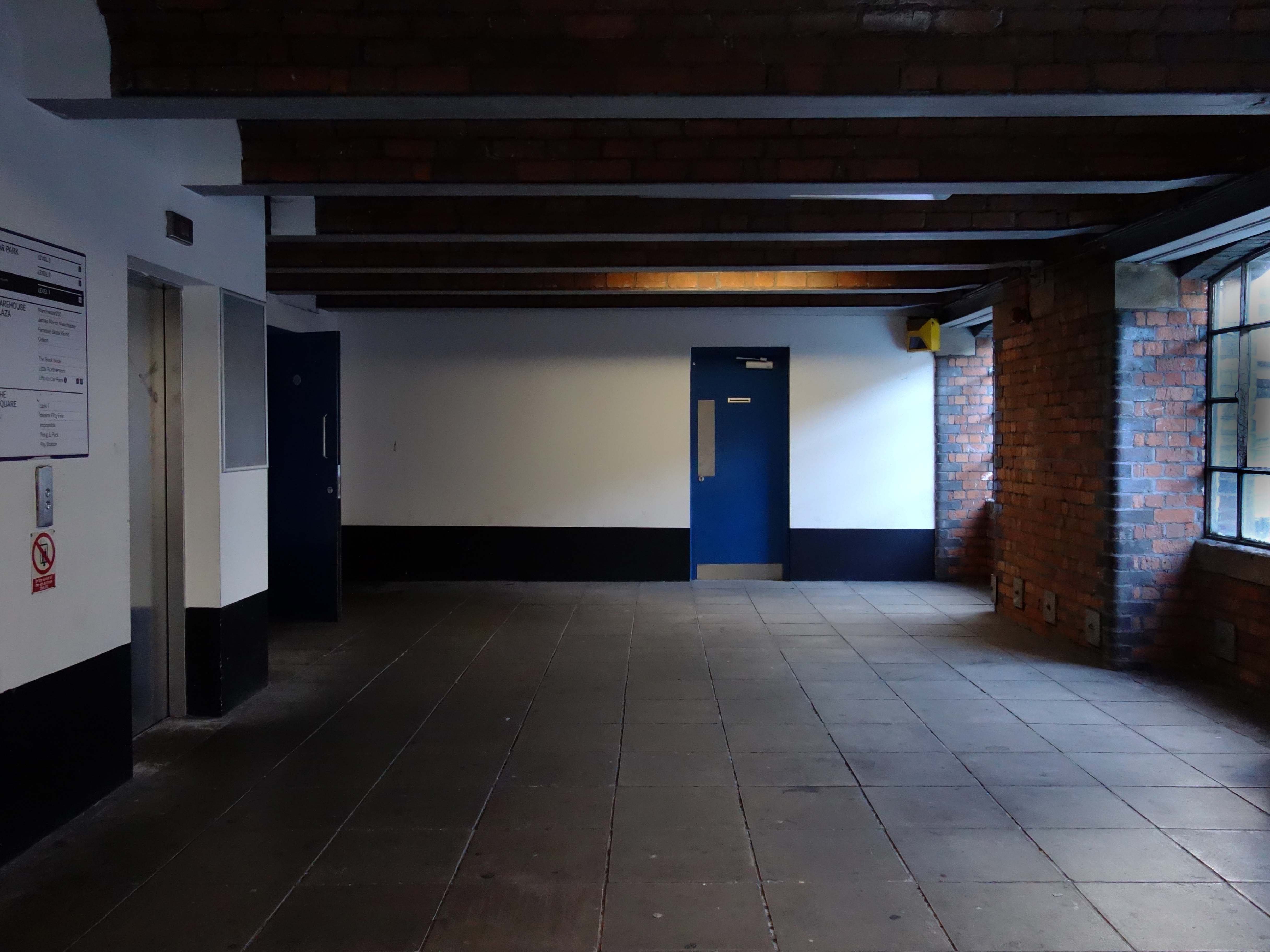
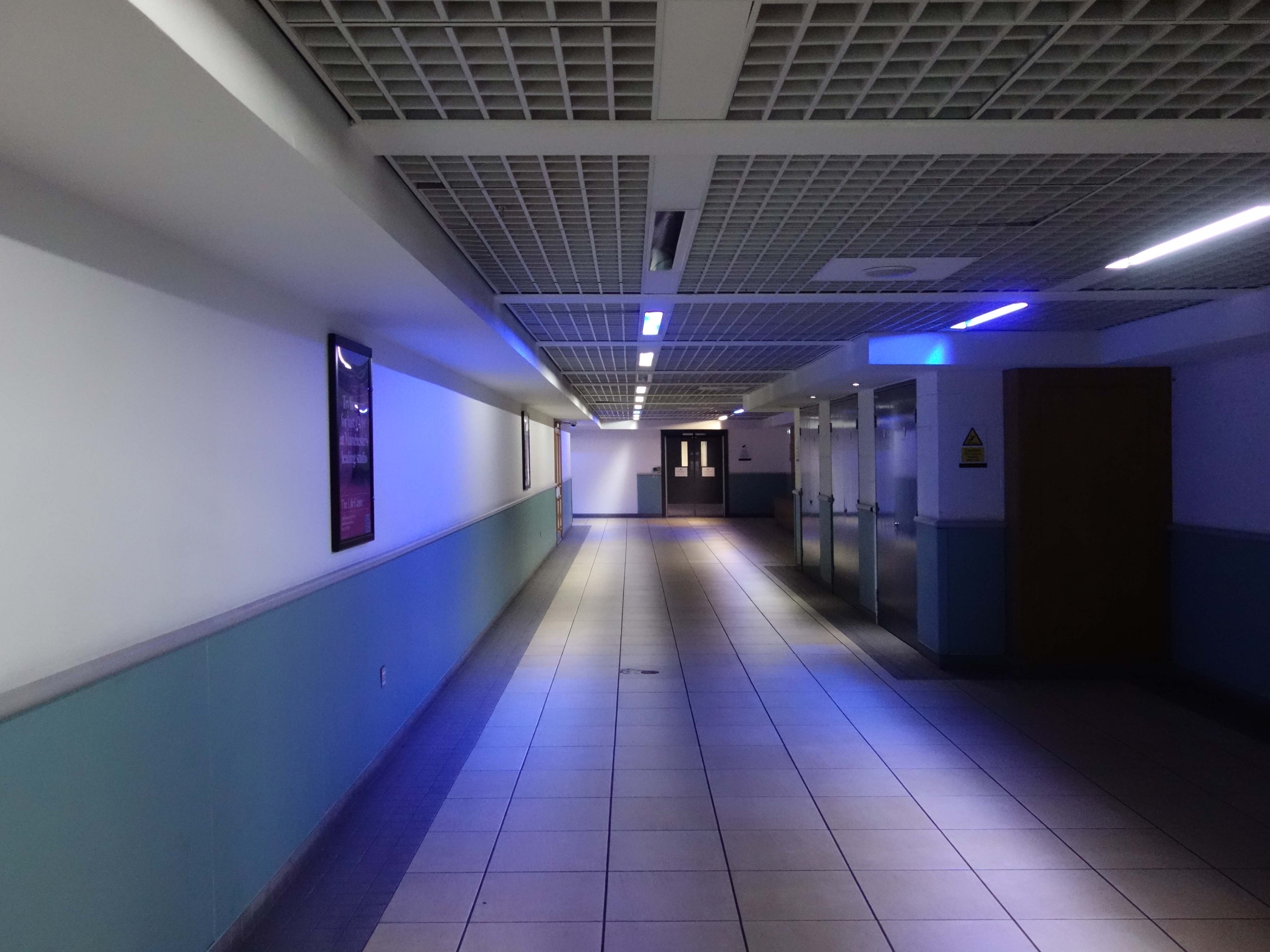
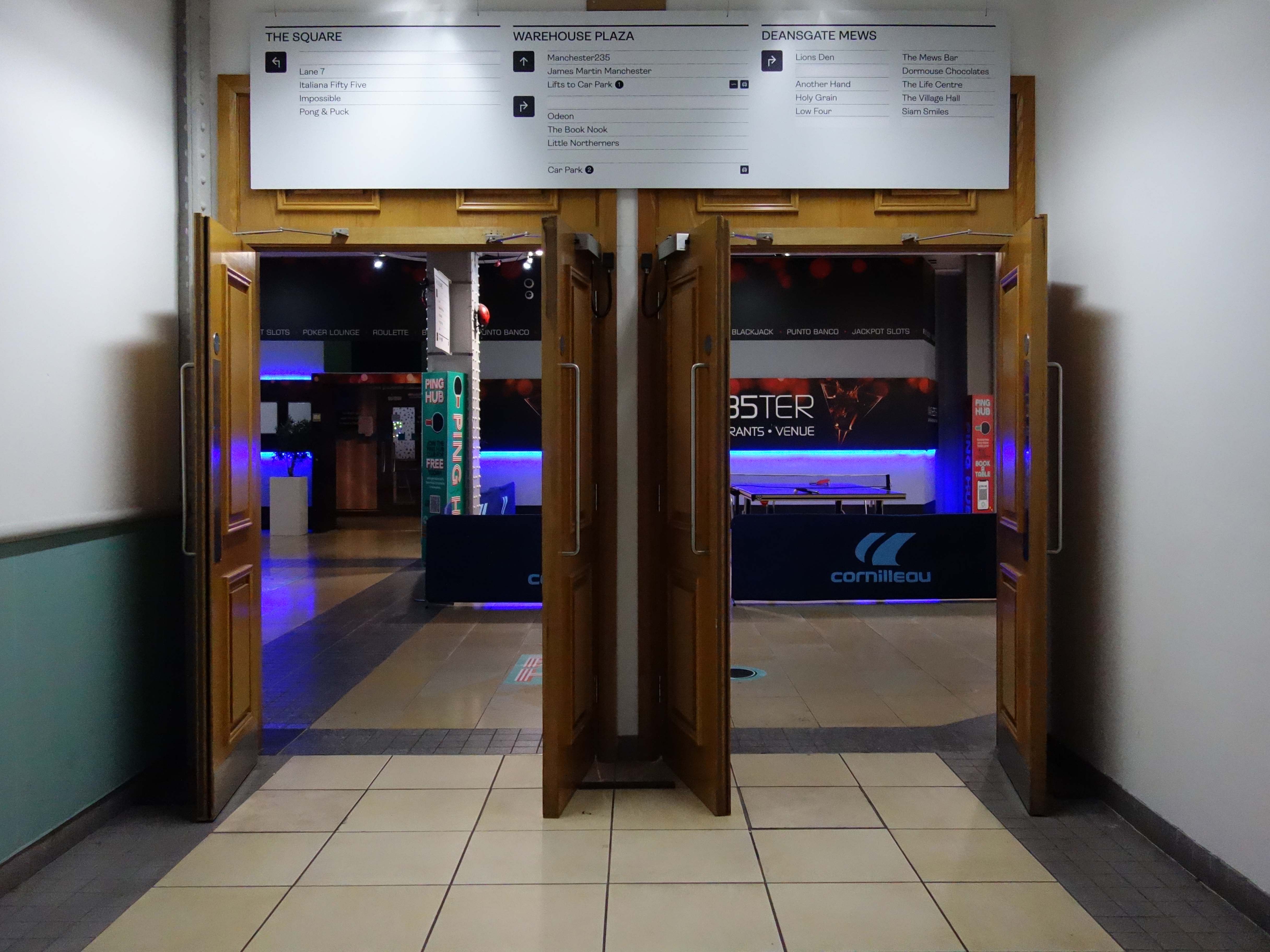
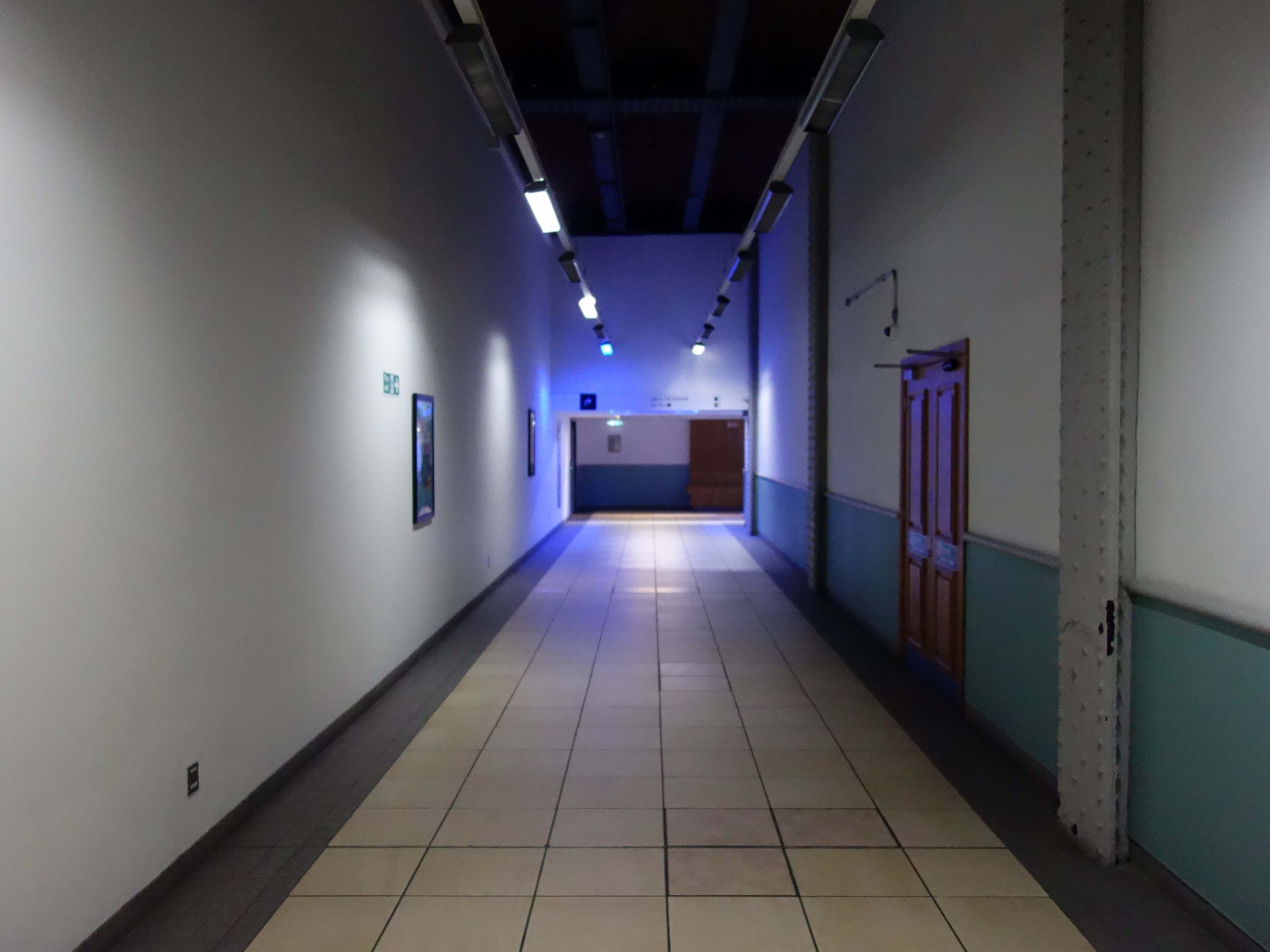
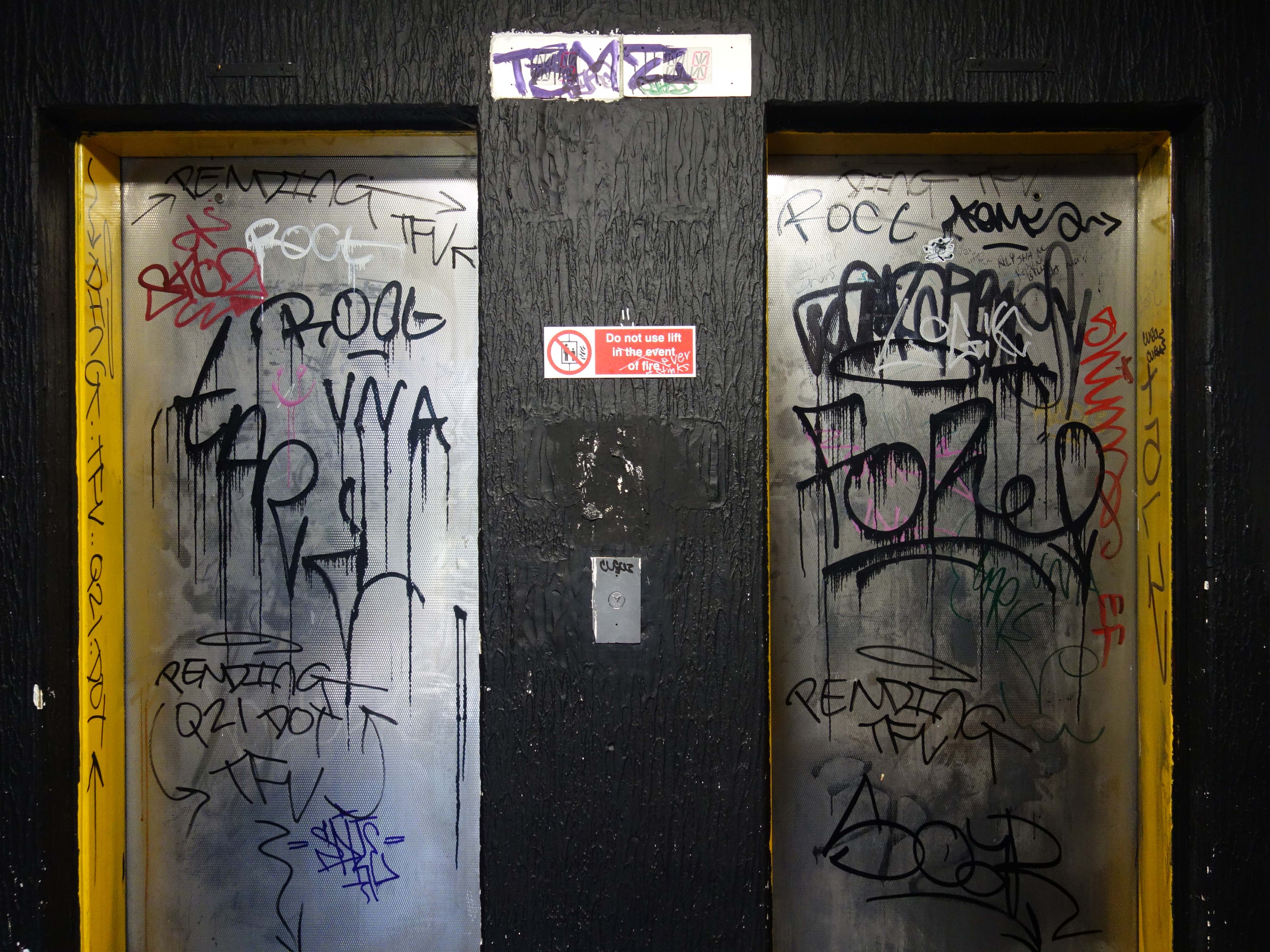
I found a mesmerising series of corridors and doors, defunct lifts and a plethora of pin-pong players, along with several leak catching buckets.
What will you find?
In November 2022, Trilogy Real Estate and Hong Kong–based Peterson Group brought forward updated plans for a mixed-use redevelopment of the site.
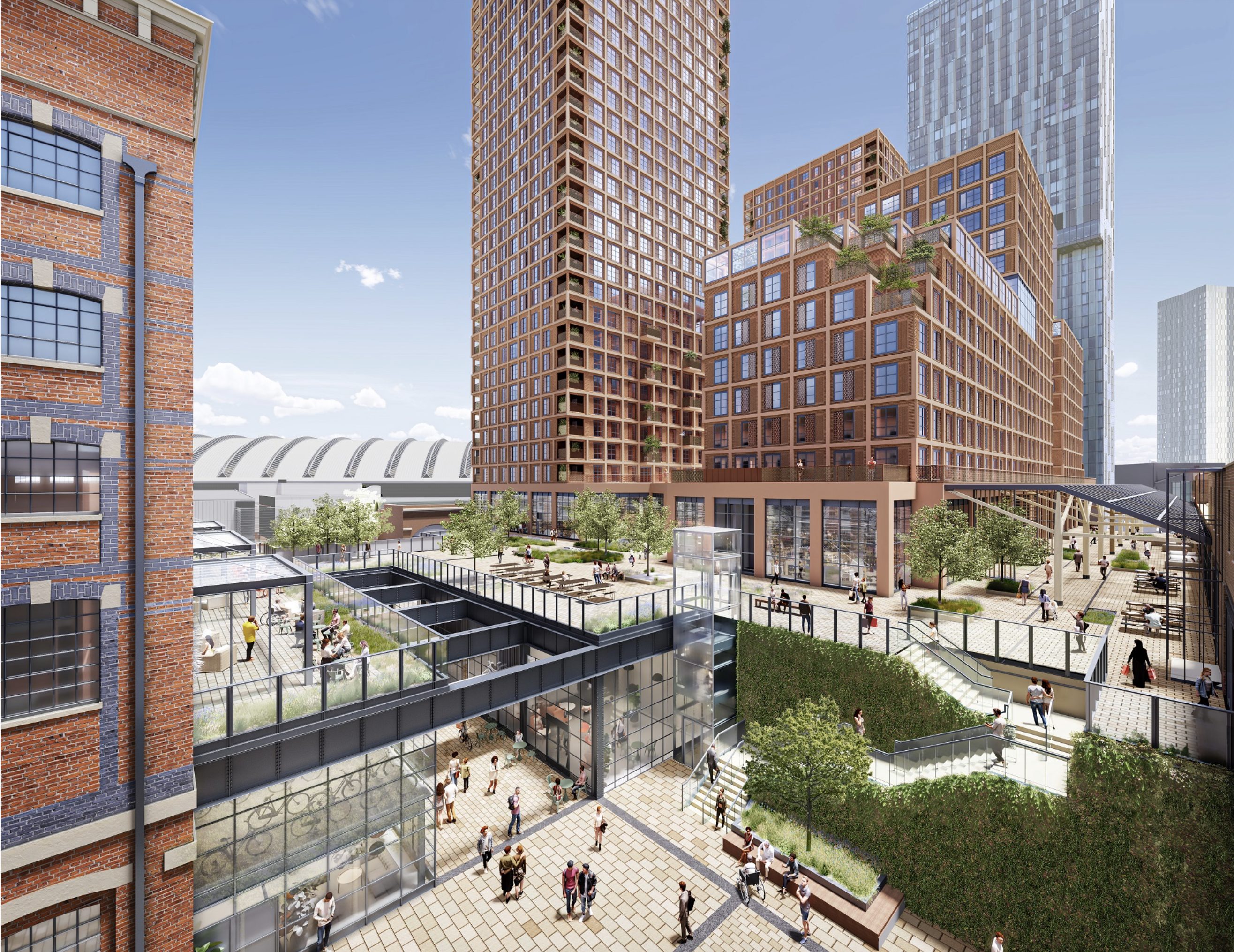
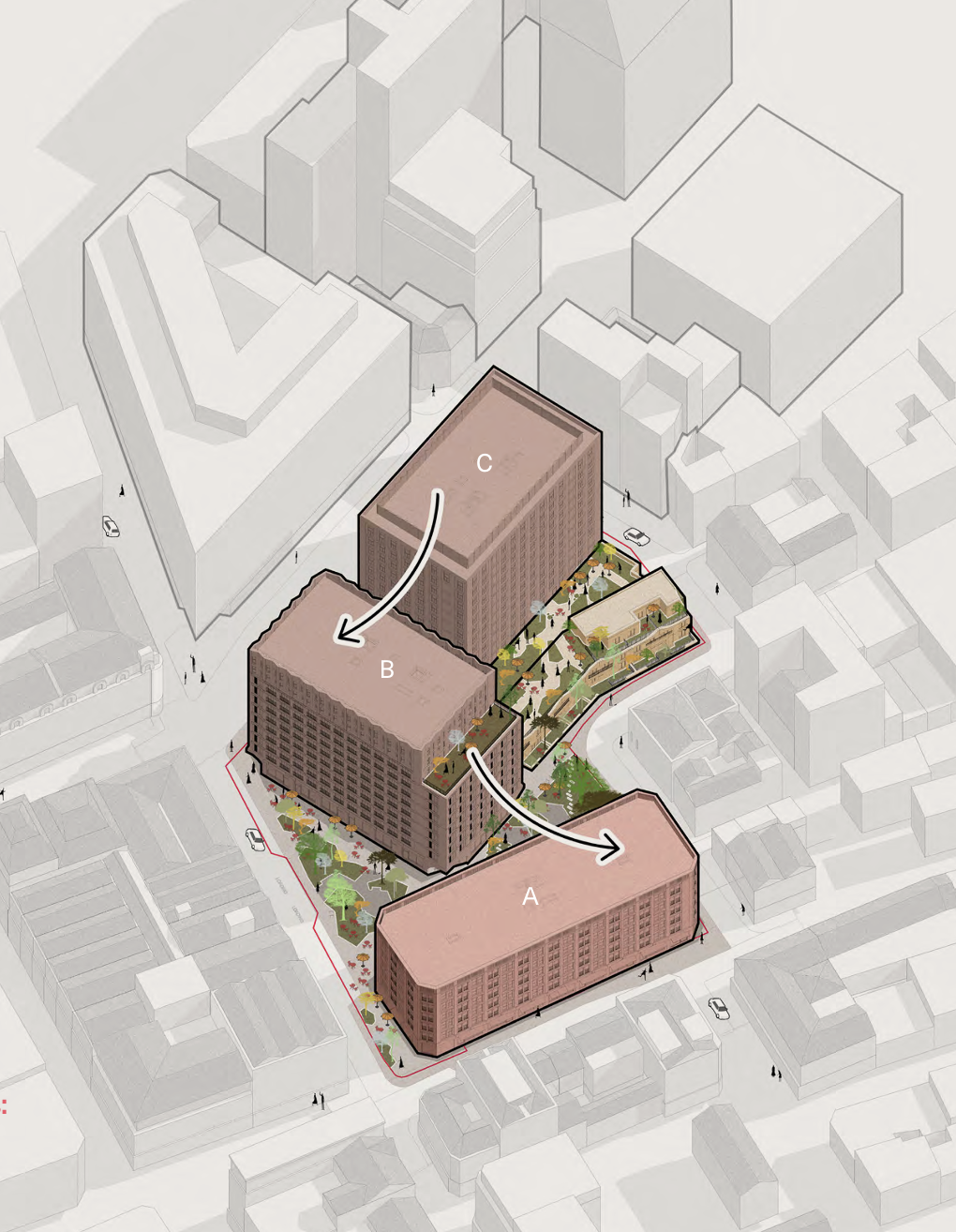
The historic warehouse will be given a new lease of life as office space, looking over a tree filled Square. Alongside this, the 1990’s cinema and car park building will be repurposed to create 746 apartments and reimagined pedestrianised retail streets.
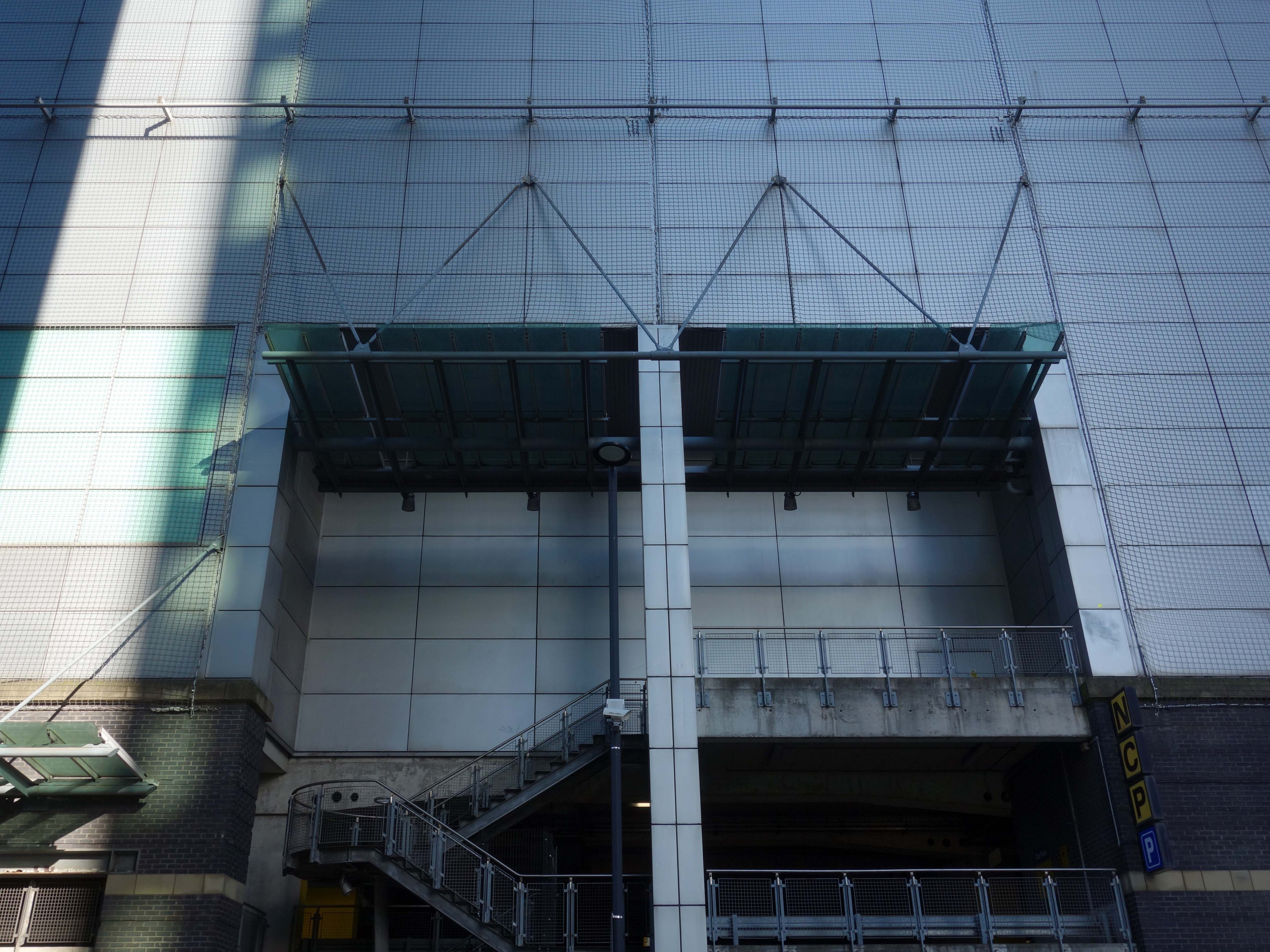
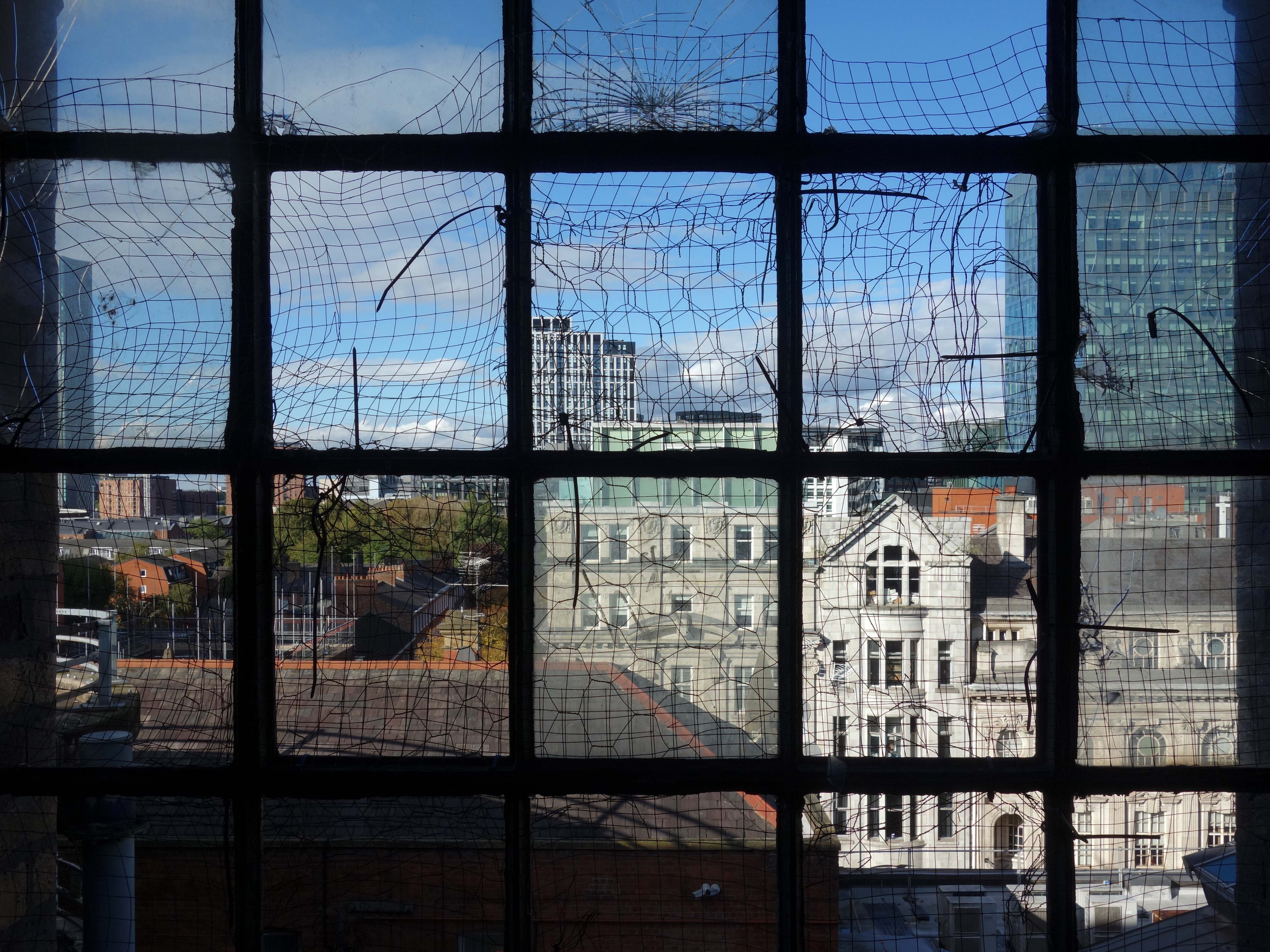
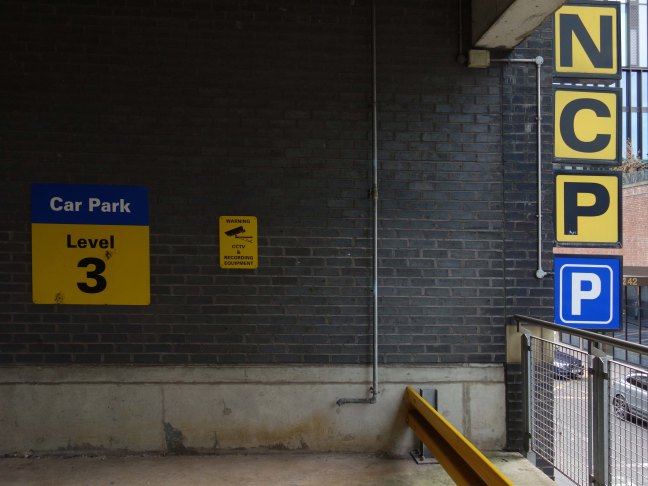
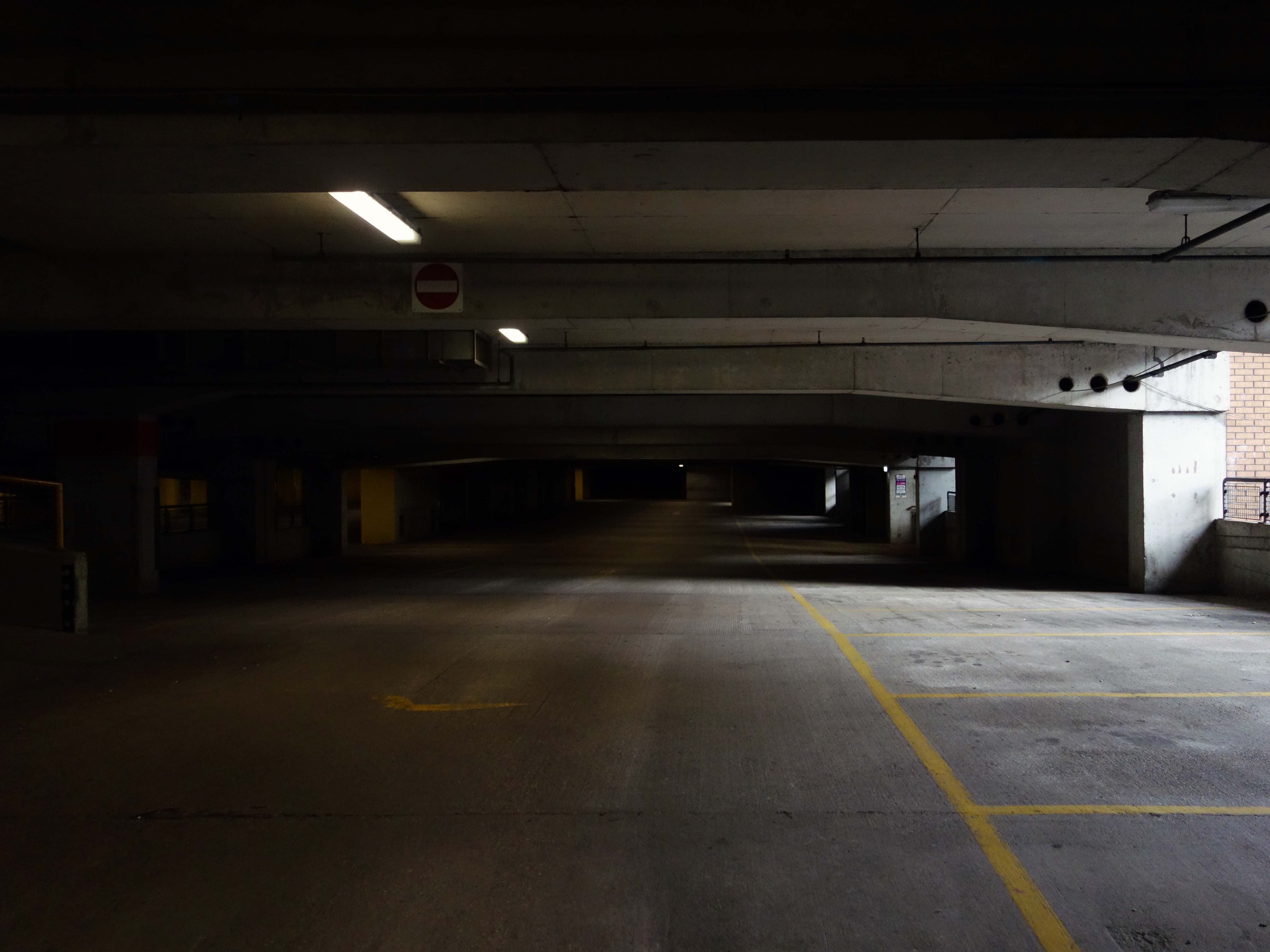
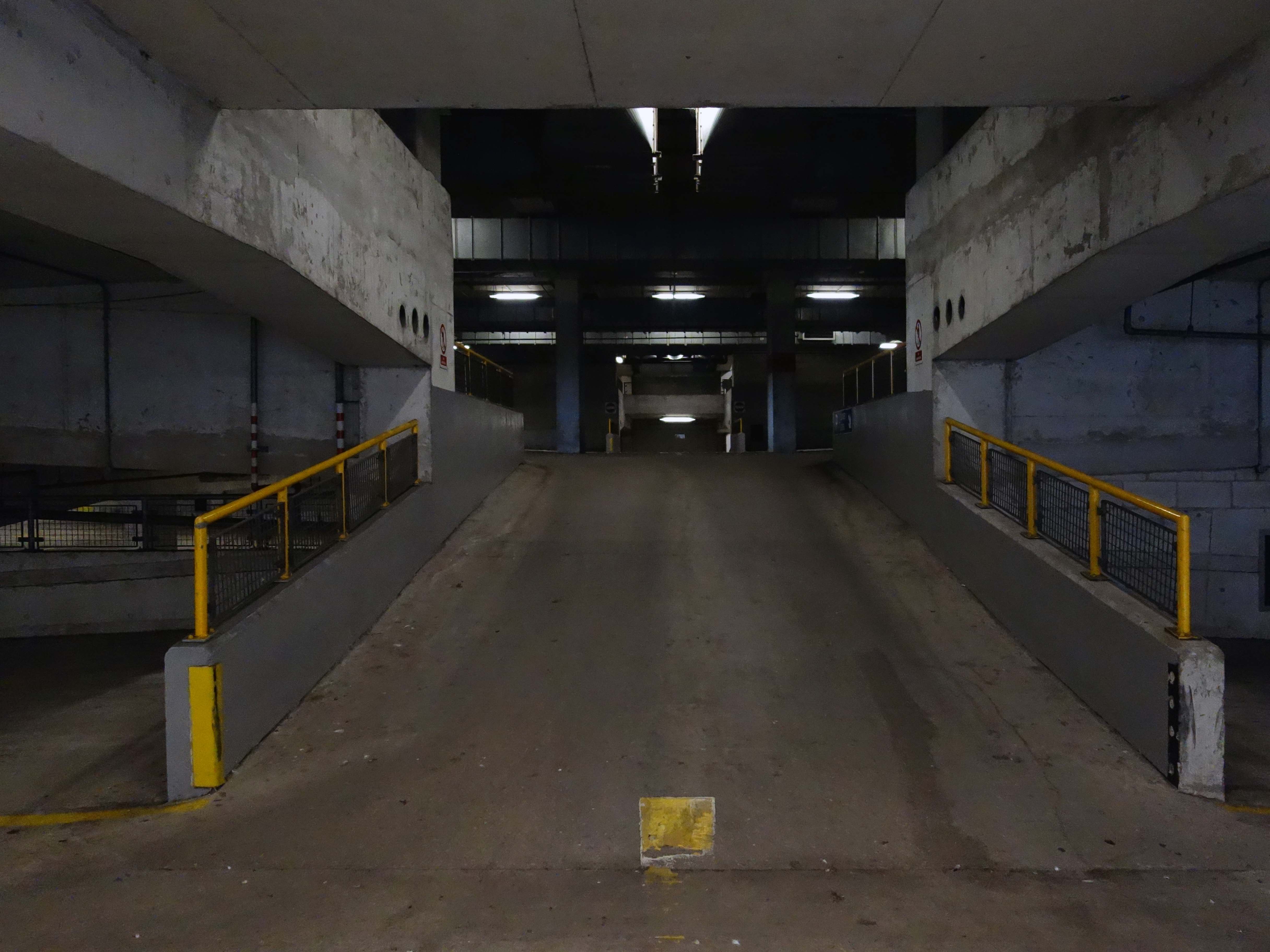
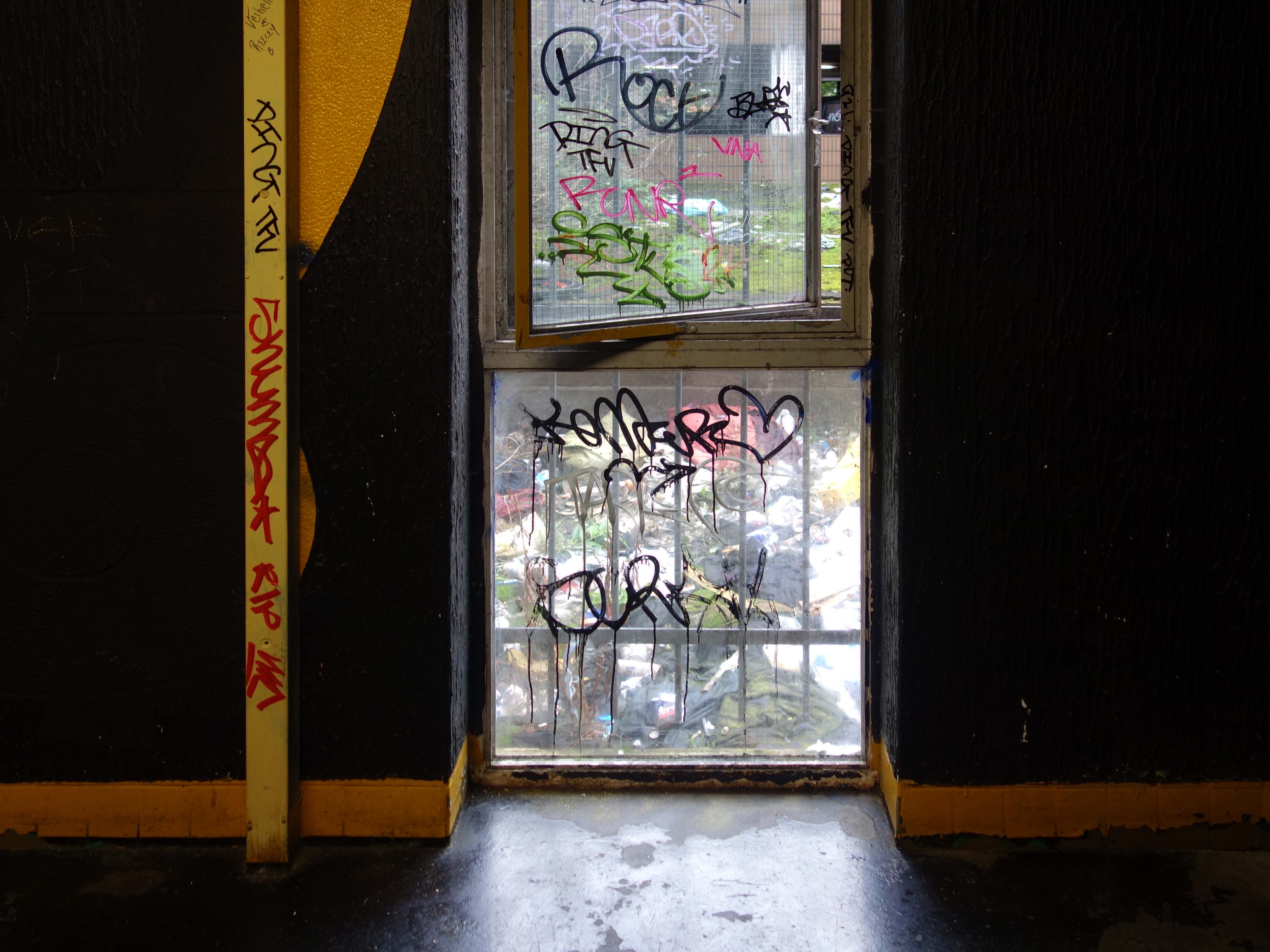
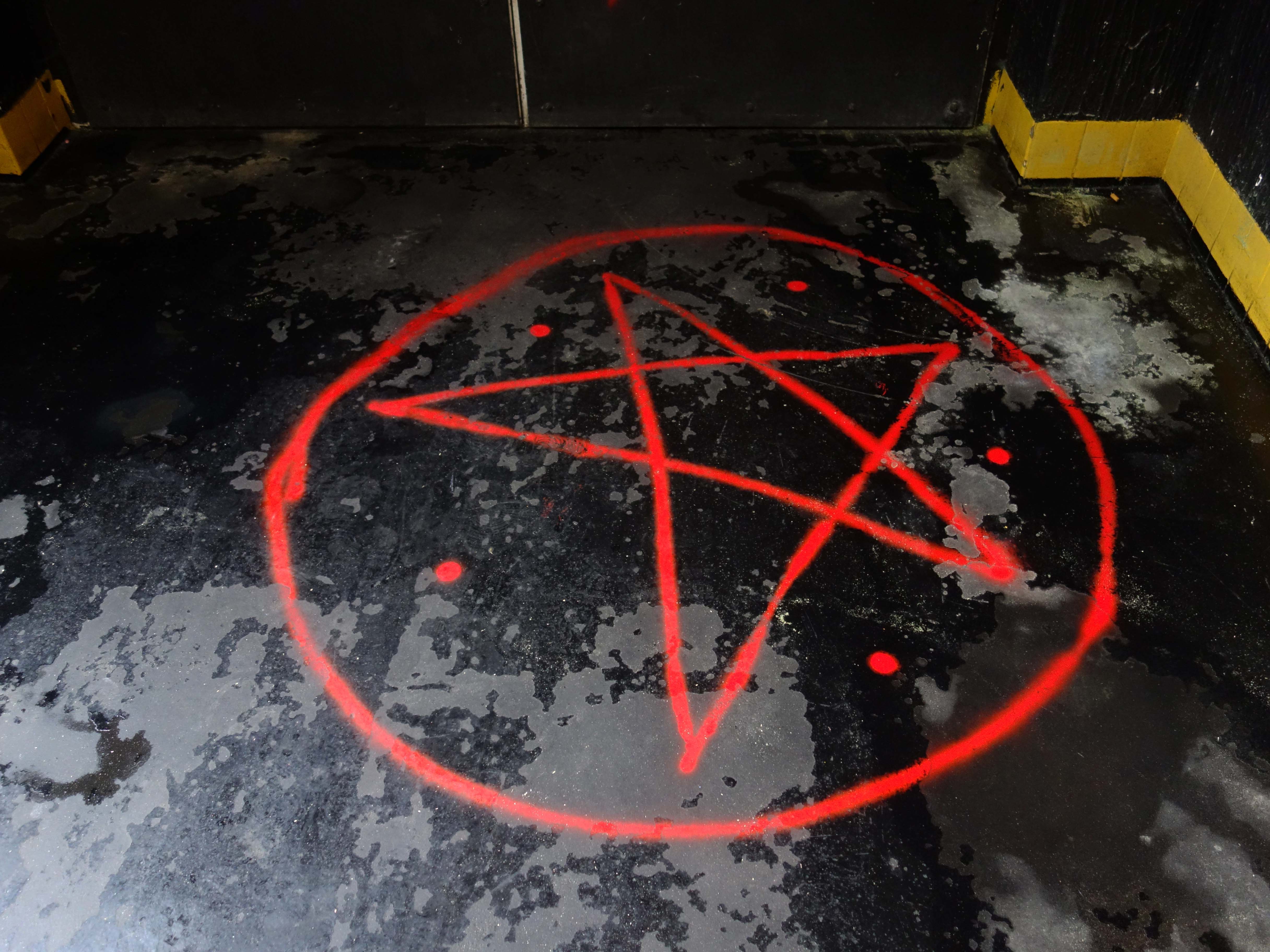
Housed in the complex central Complex that is the Great Northern Warehouse, welcome to the Great Northern Car Park 2.
In 1898 you were happy enough working as a warehouse, whose sole purpose was the storage of goods.
The Great Northern Railway was incorporated in 1846, with the object of building a line from London to York. It quickly saw that seizing control of territory was key to development, and it acquired, or took leases of, many local railways, whether actually built or not. In so doing, it overextended itself financially.
The main line railways of Great Britain were grouped following the Railways Act 1921 into one or other of four new larger concerns. The Great Northern Railway was a constituent of the London and North Eastern Railway, which took control at the beginning of 1923.
The building could hold a total of 150 goods wagons across two of its levels, with capacity for a further 500 in its sidings. Its construction effectively wiped out the district of Alport Town, which had included 300 houses, and over 800 men were employed on the site. 25 million bricks, 50,000 tons of concrete, 12,000 tons of mild steel and 65 miles of rivets were used in its construction.
Great Northern is perfectly positioned in the heart of the city centre as the ideal place to eat, drink, meet and play. You will find a cinema, boutique bowling, restaurants, bars, entertainment venues, shops and the biggest range of estate agents in the city centre, all alongside our public square.
However, I came not to eat, drink, meet and play – but to wander idly around the then closed car park.
There are plans afoot to redevelop the whole site – who knows what fate awaits you.
I only know you must be strong.
The historic warehouse will be given a new lease of life as office space, looking over a tree filled Square. Alongside this, the 1990’s cinema and car park building will be repurposed to create 746 apartments and reimagined pedestrianised retail streets.
Trilogy and the Peterson Group have been privileged to work on the project with an award-winning design team, including architectural practice SimpsonHaugh and landscape architect Planit-IE.
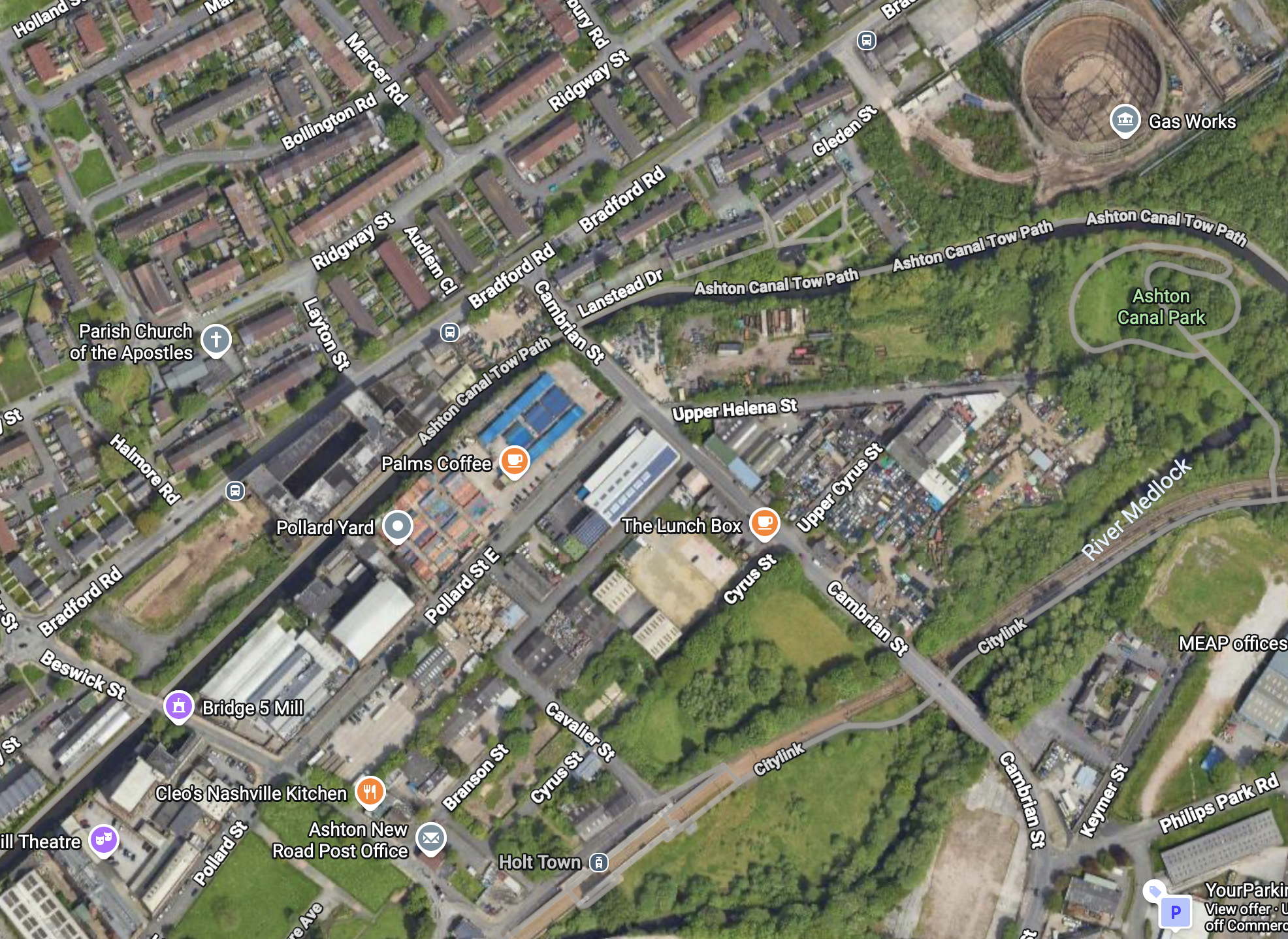
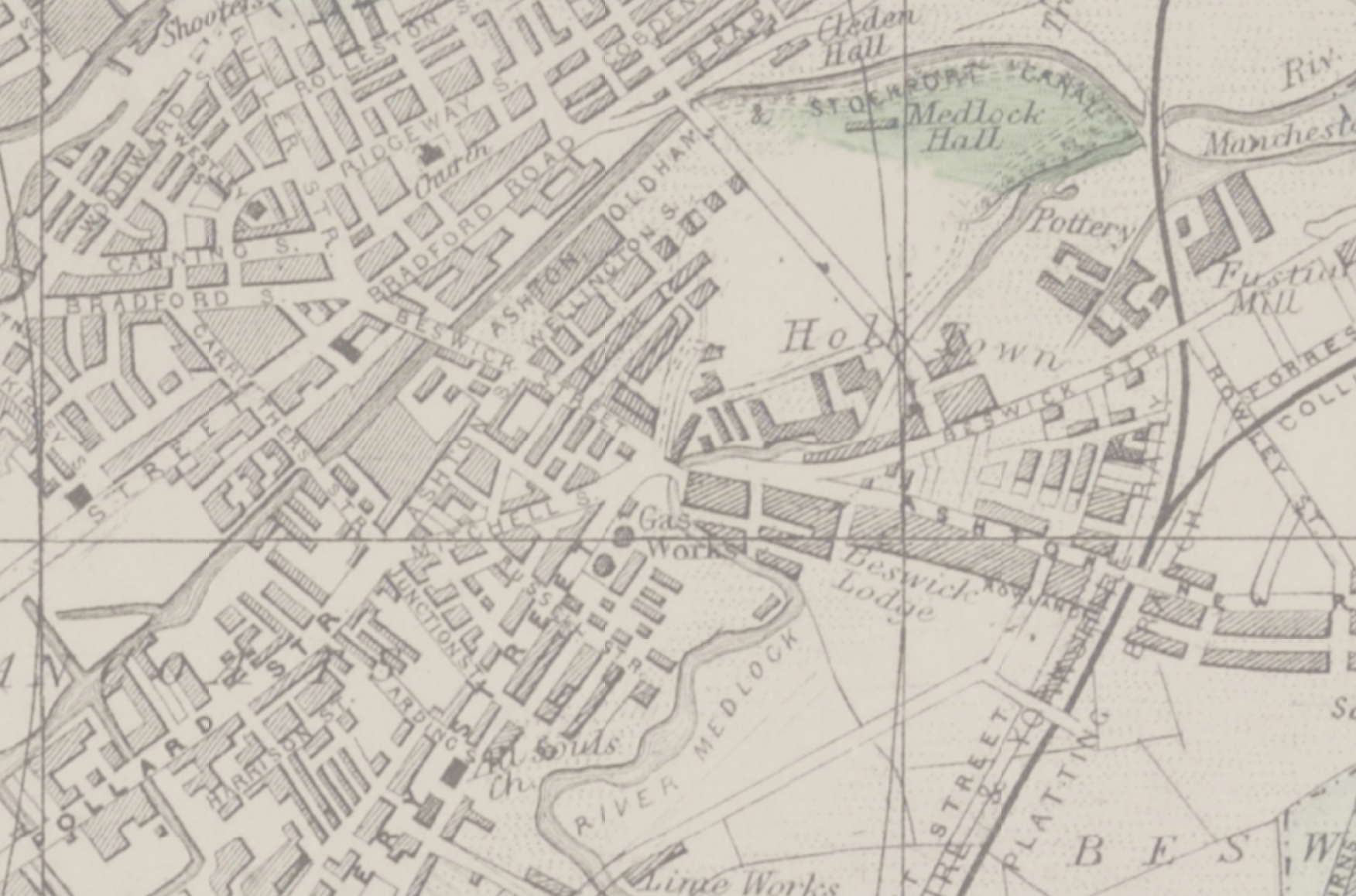
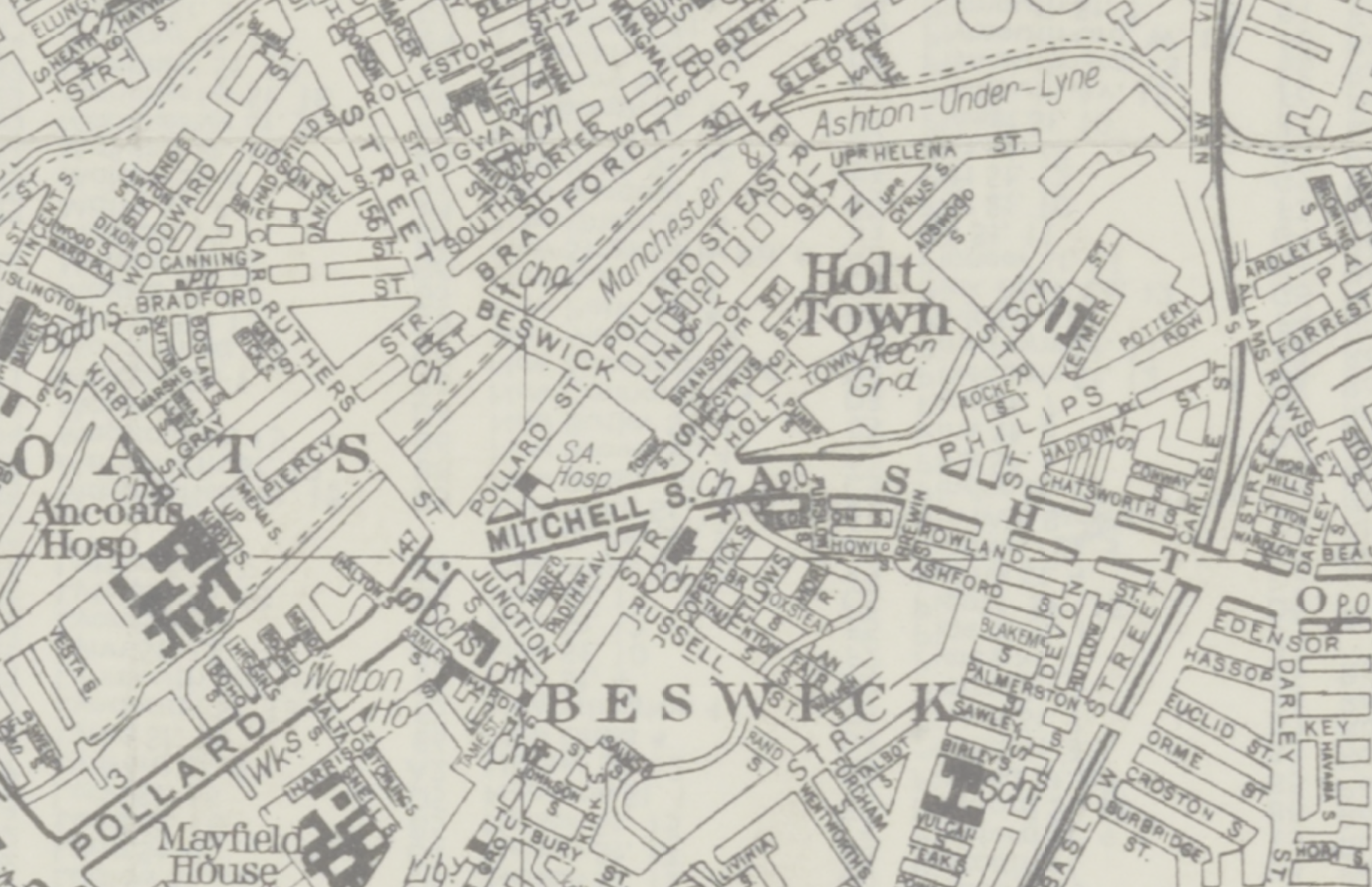
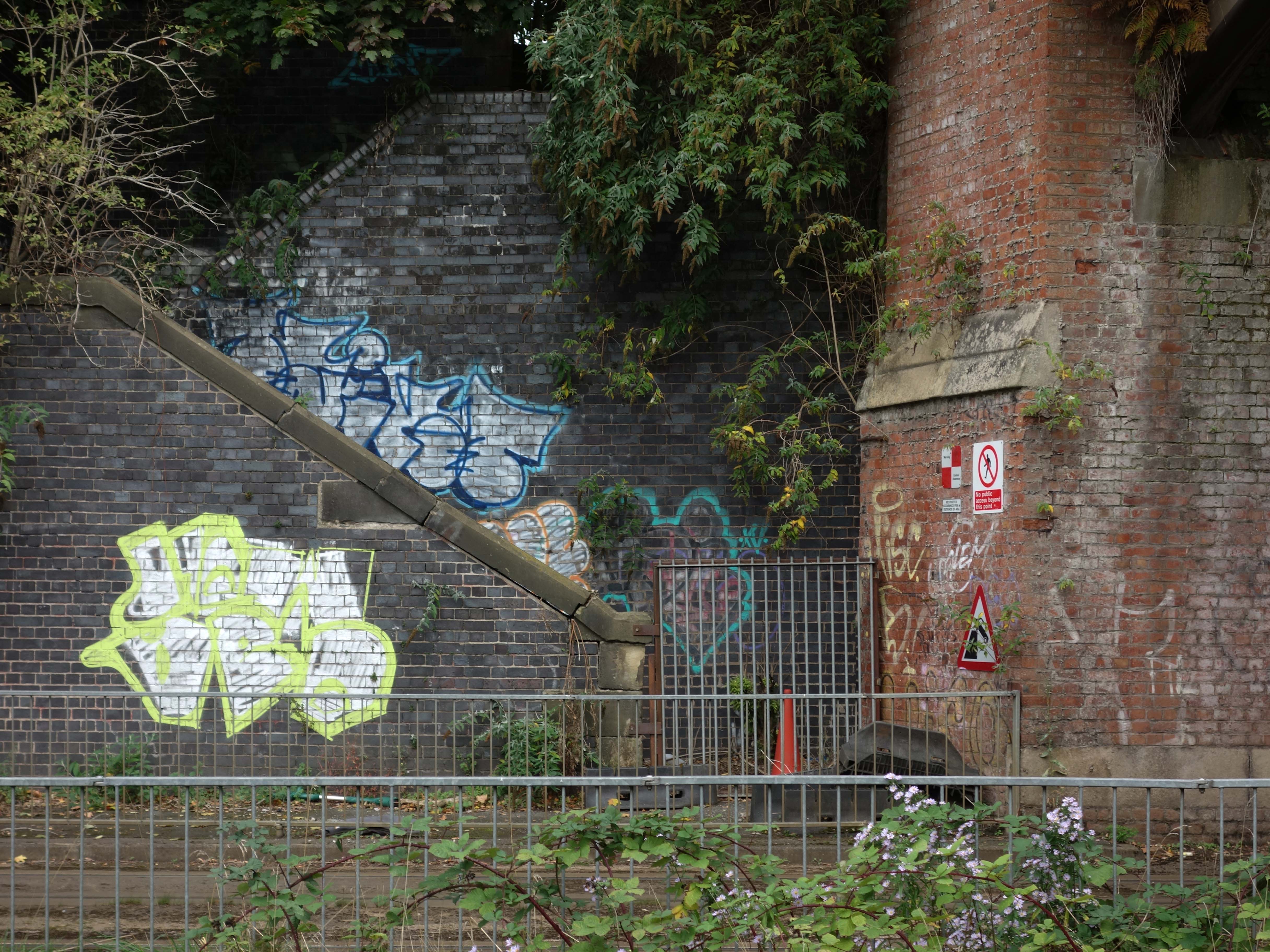
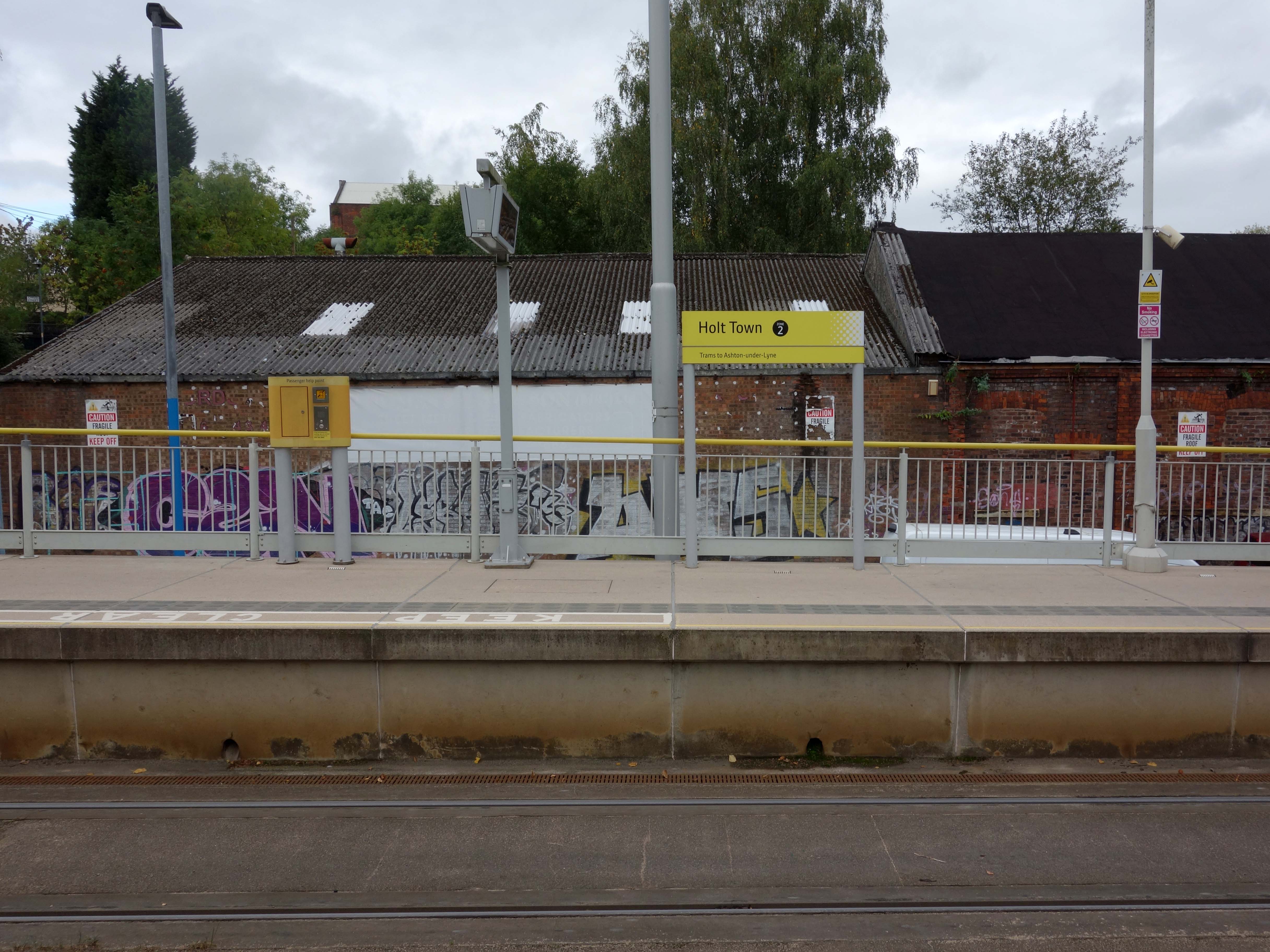
Here we are again in Holt Town – following visits in 2017 and 2020.
Somewhere between the Ashton Canal and the River Medlock.
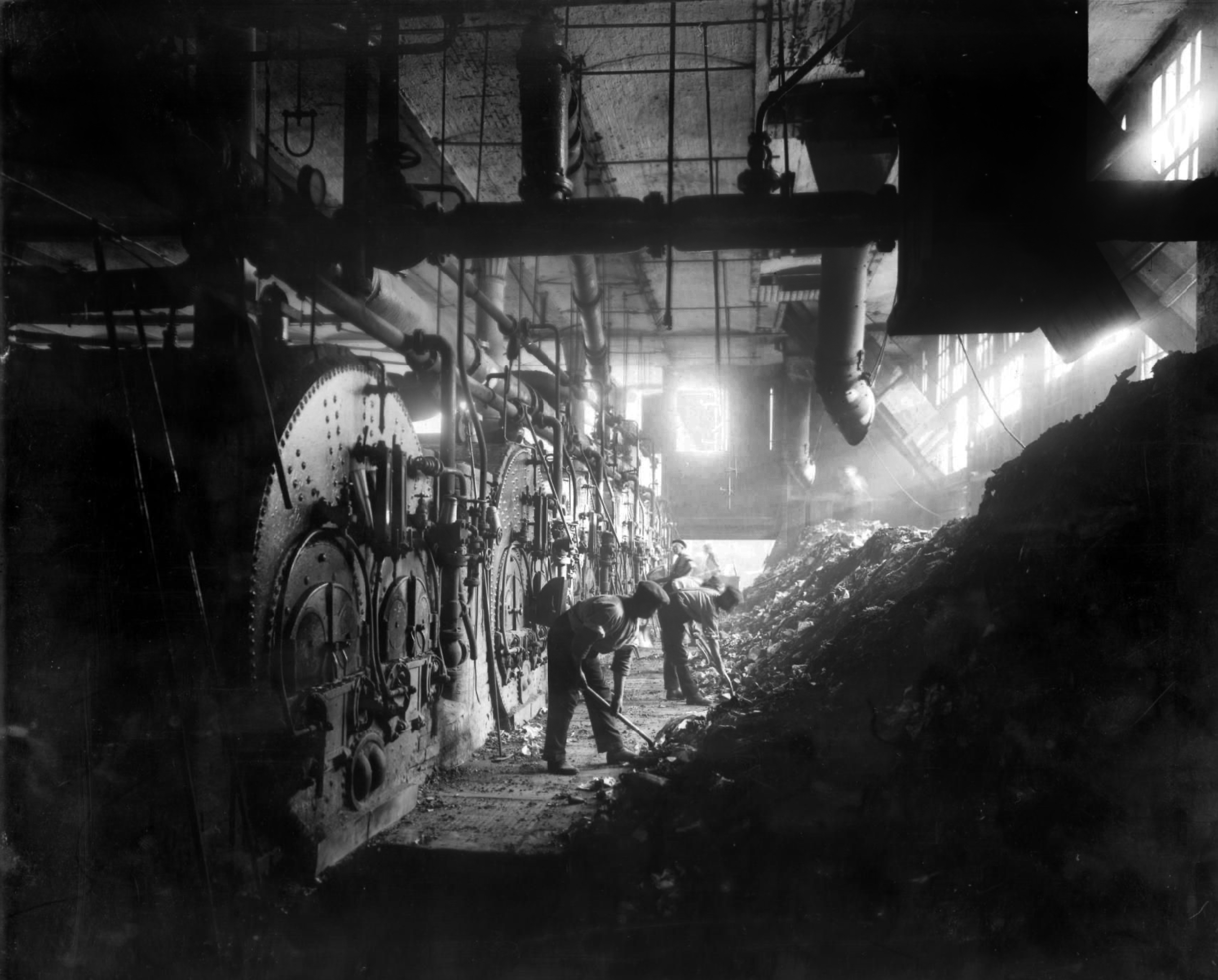
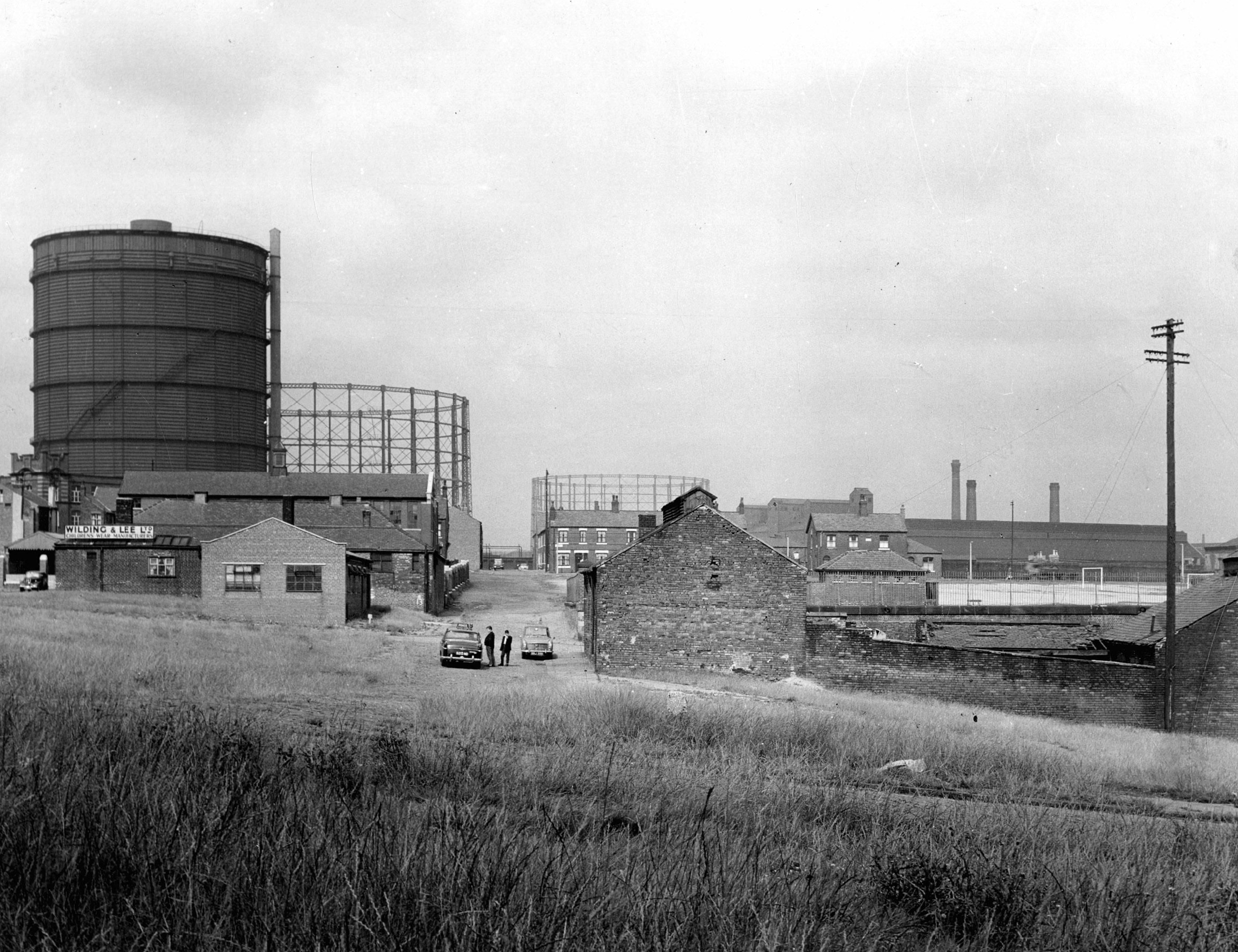
An area which has always embraced industry with open arms and dirty hands.
An area which has been home to many, with the attendant houses, schools, churches and hospitals
Now the Town is to become a Village – caught between a Sheik and a hard faced Developer, with the Council in tow.
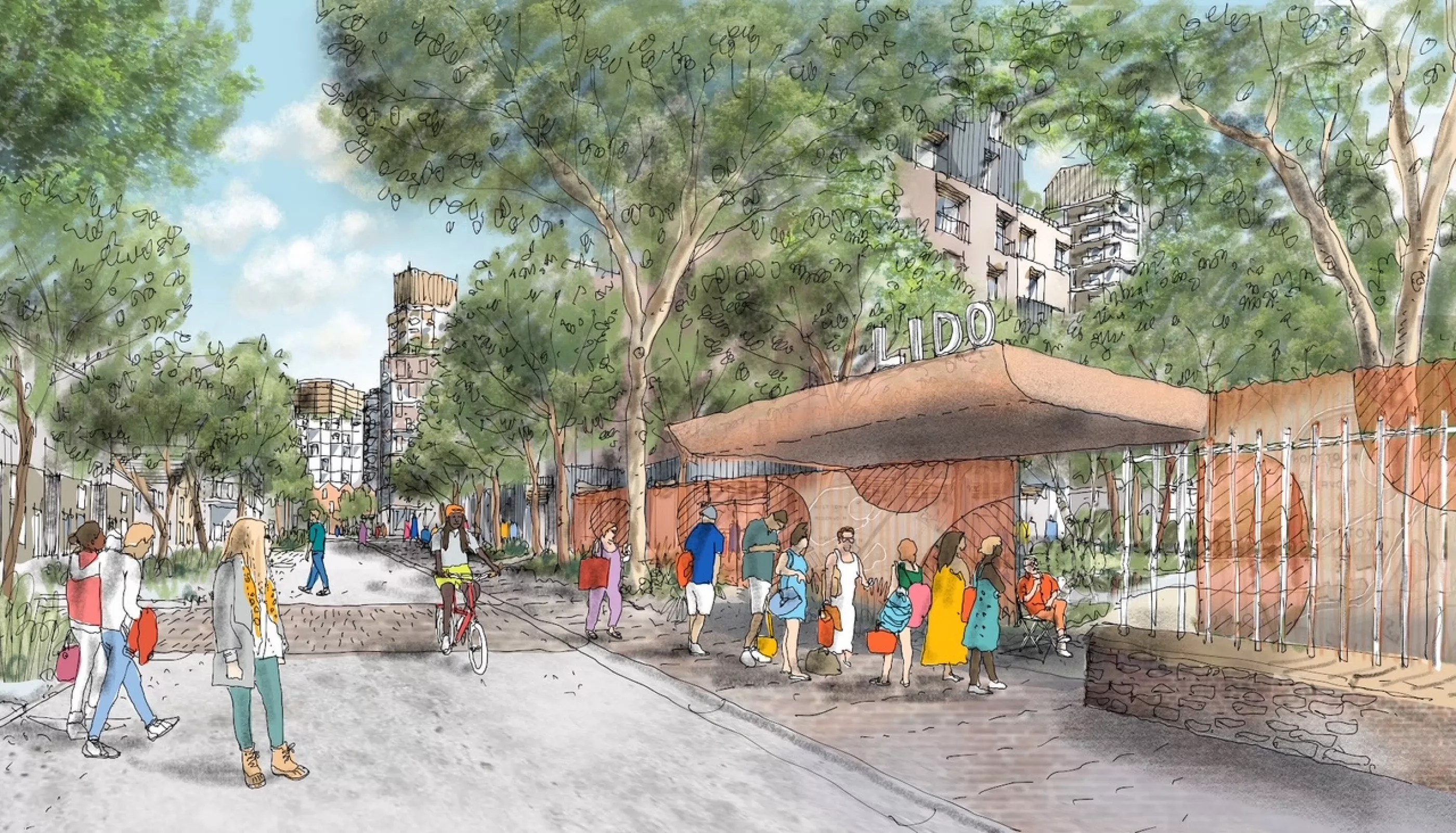
Holt Town is a major regeneration project to create a new, eco-friendly neighbourhood. Our vision includes up to 4,500 new homes of different types and tenure and 30,000 square feet of workspace. With high-quality green spaces, a 1km play street, new local services, plus a cultural hub, lido and mobility hub.
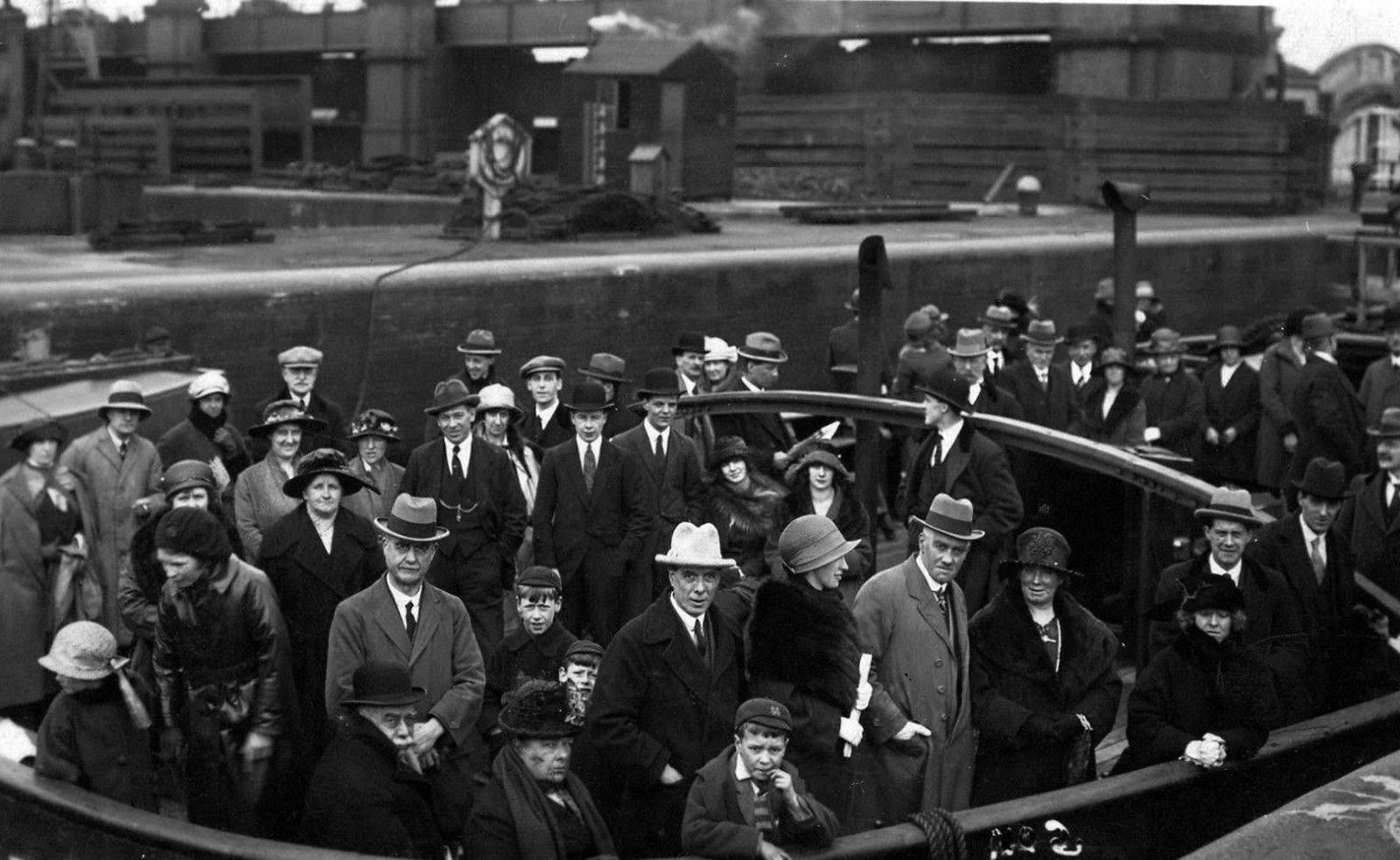
As an integral piece of shipping history built in 1903, The Danny was originally a working tug boat, playing a small but vital role amongst International trading networks within the canals of the North West. After WWI, canal traffic declined as companies turned to road and rail to move goods; the Danny was then given a radical Art Deco style refit by her new owner to see her fit for purpose as a passenger boat.
It was then that her name changed to that of the ship canal’s founding father and first Manchester Ship Canal Company chairman, Daniel Adamson.
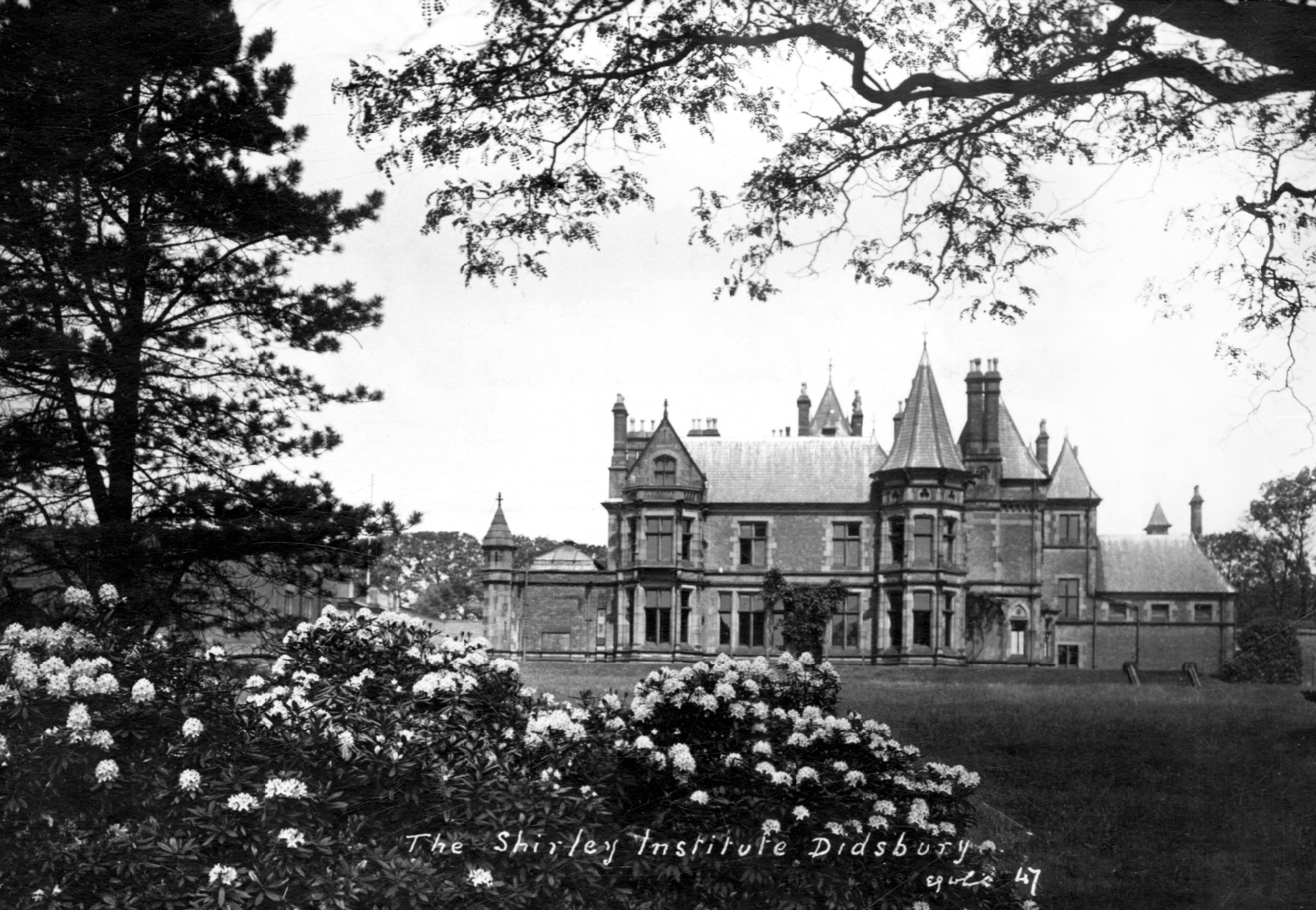
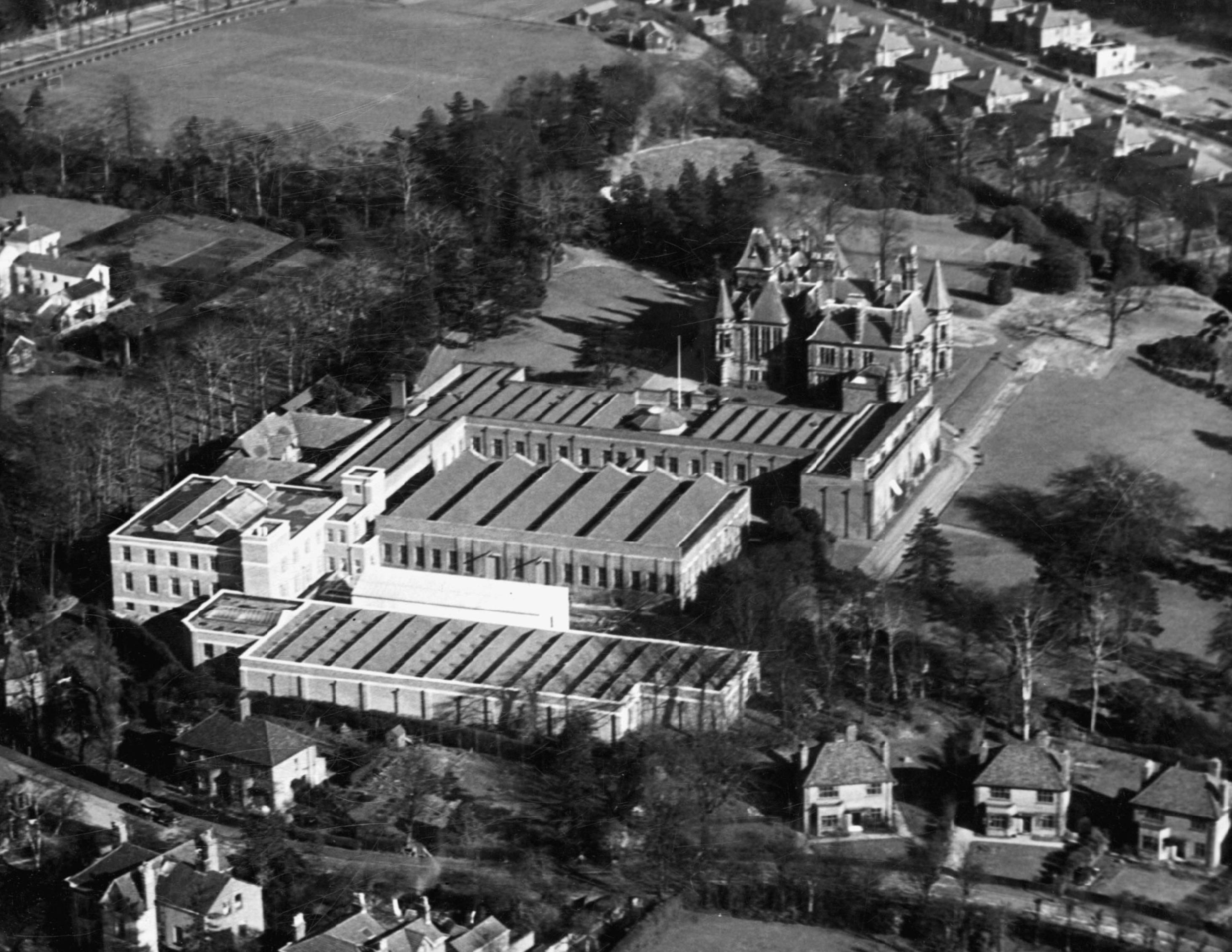
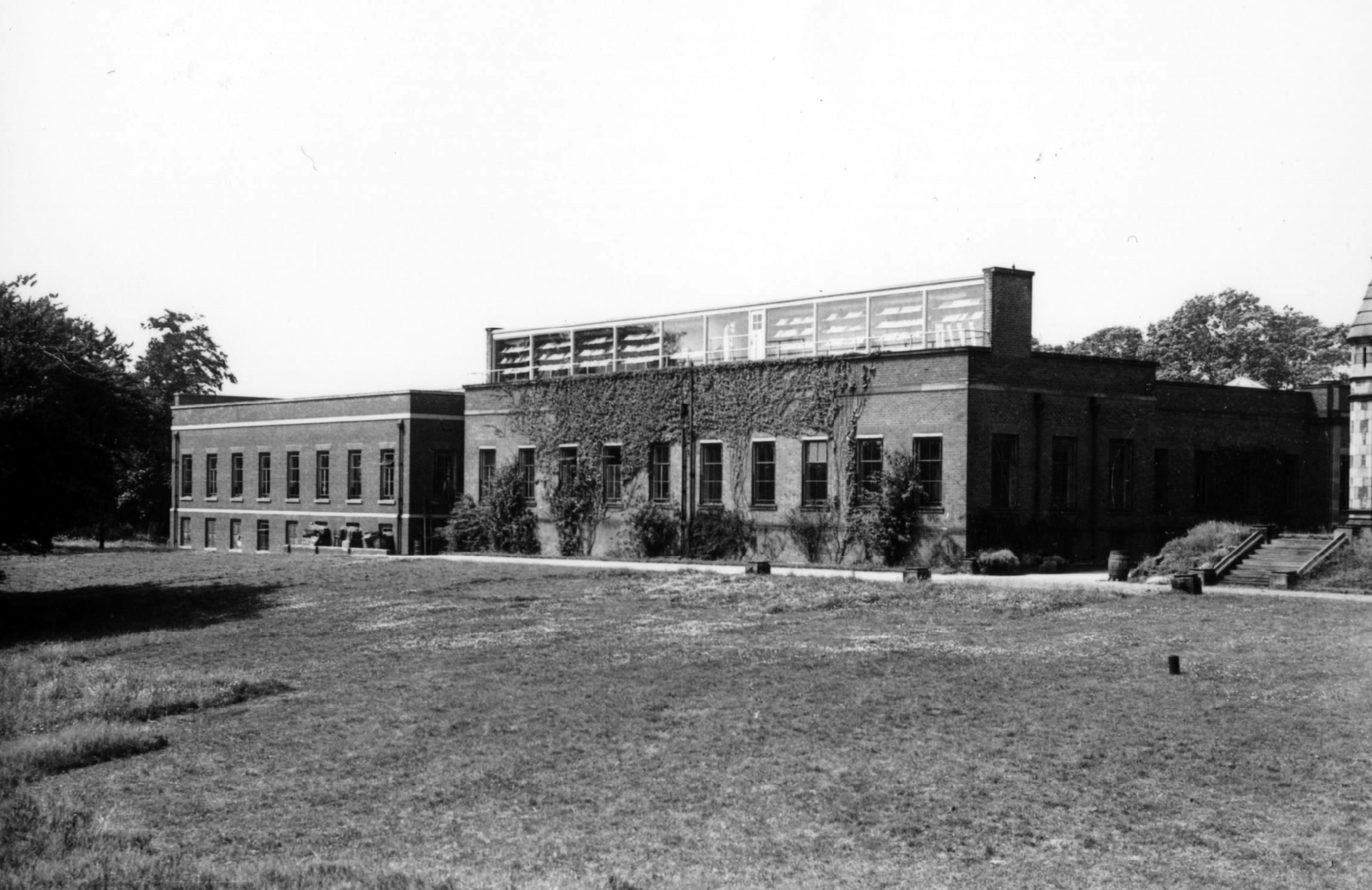
From 1920 it served as the headquarters of the Shirley Institute, later part of the British Textile Technology Group.
The Shirley Institute operated as a research centre dedicated to technologies pertaining to the textile sector.
Photo 1936: Manchester Local Image Collection.
Photo 1945: Manchester Local Image Collection.
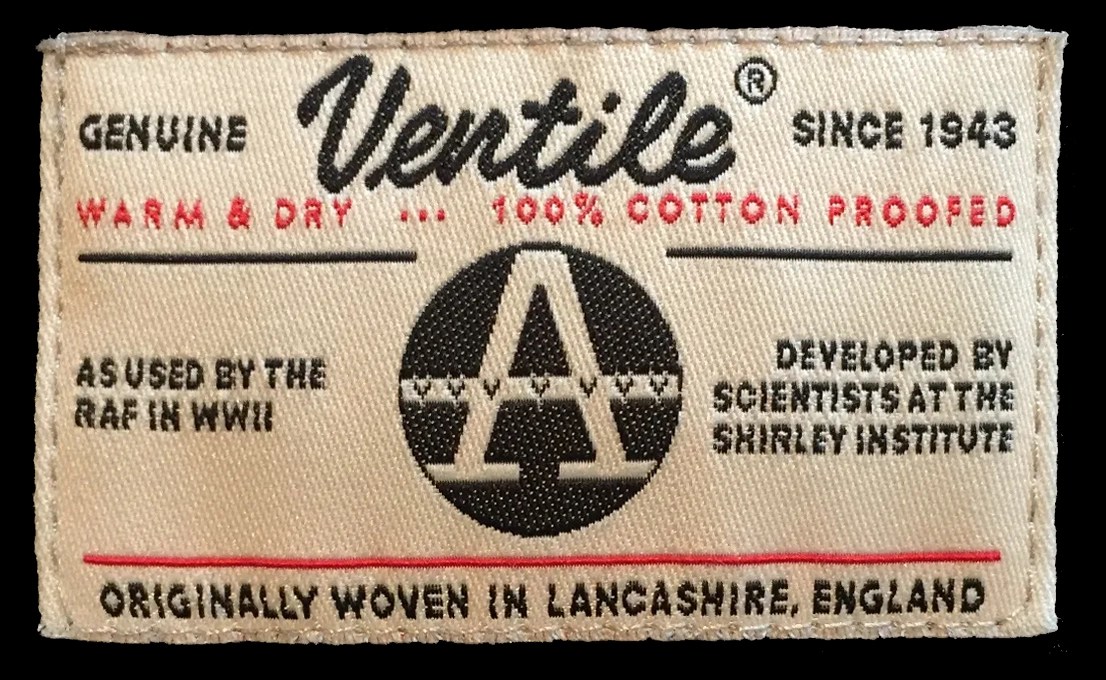
The BCIRA was credited with several key developments. Specifically, it developed Ventile, a special high-quality woven cotton fabric that was researched on behalf of the Ministry of Defence; it was patented and licensed to industry.
Ventile is a high-quality textile made of cotton with a very close weave.
Originally created to overcome a shortage of flax used for fire hoses and water buckets, its properties were also useful for pilots’ immersion suits, but expensive and leaky if exposed to sweat or oils.
It also developed the tog, an easy-to-follow measure of the thermal resistance of textiles, as an alternative to the SI unit of m2K/W
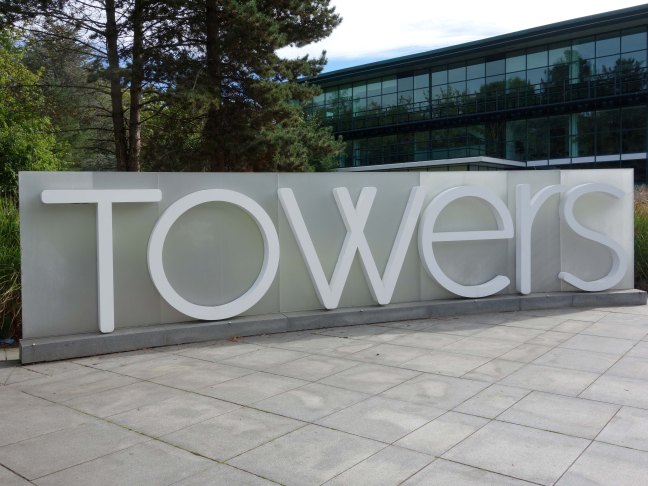
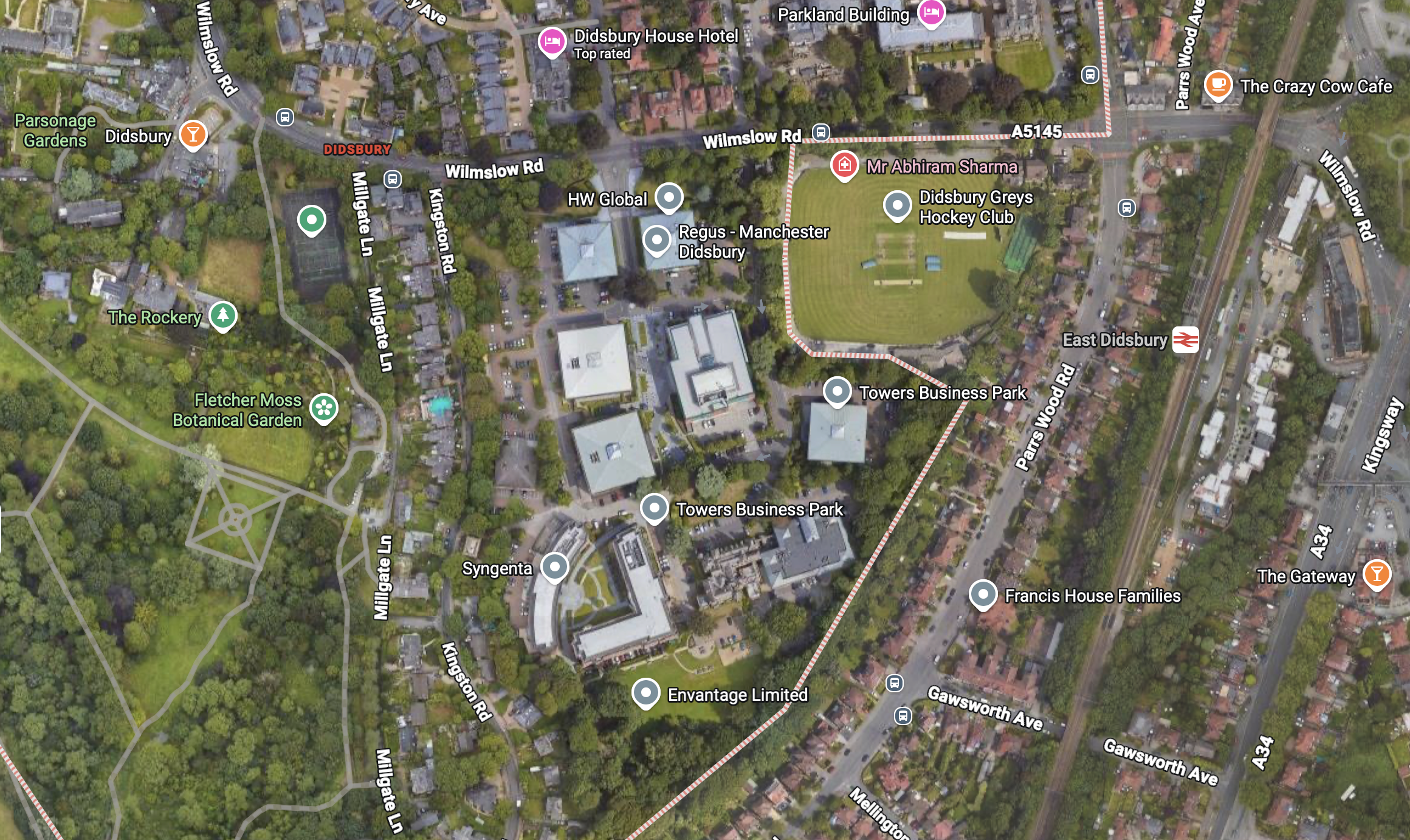
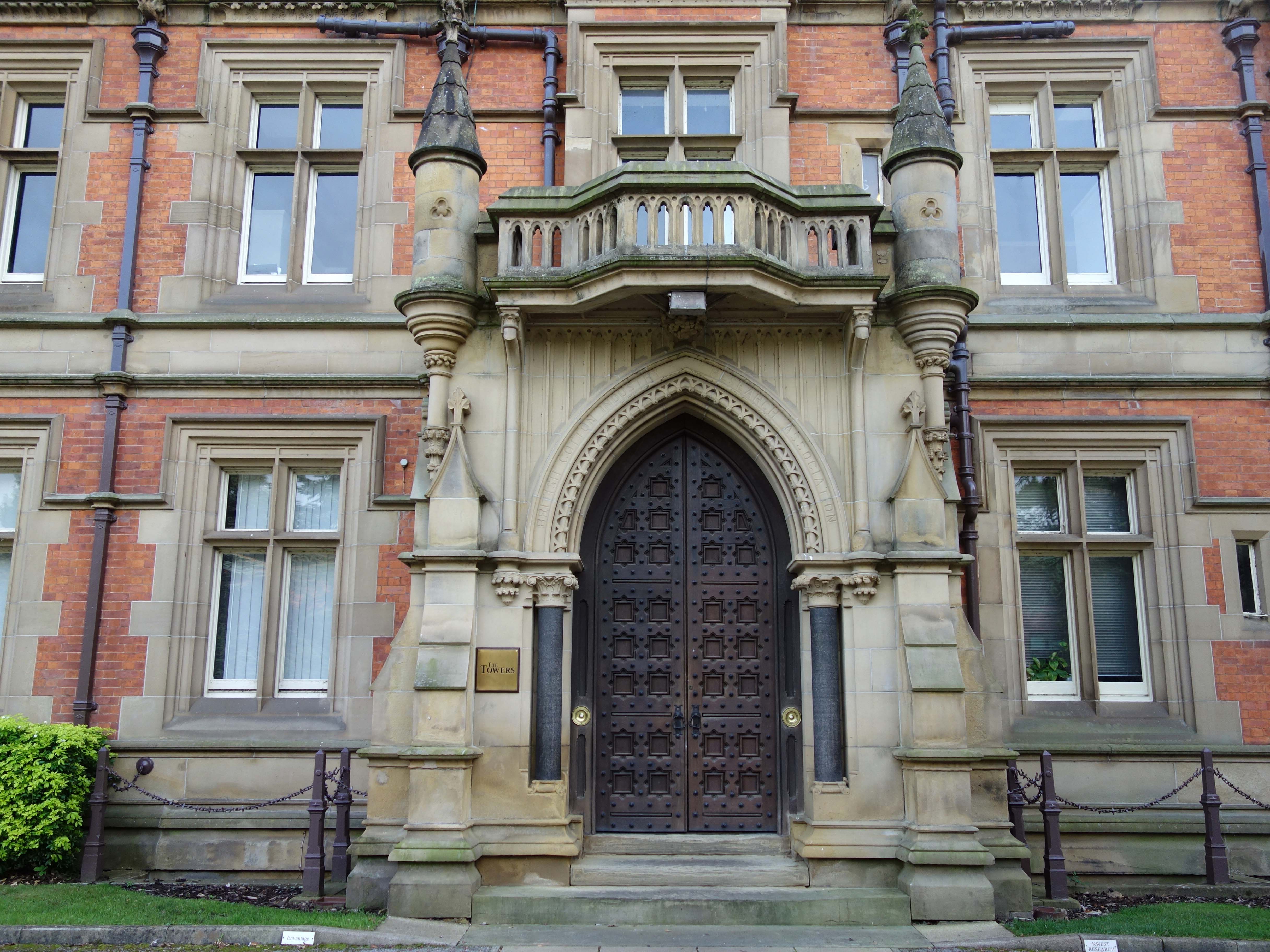
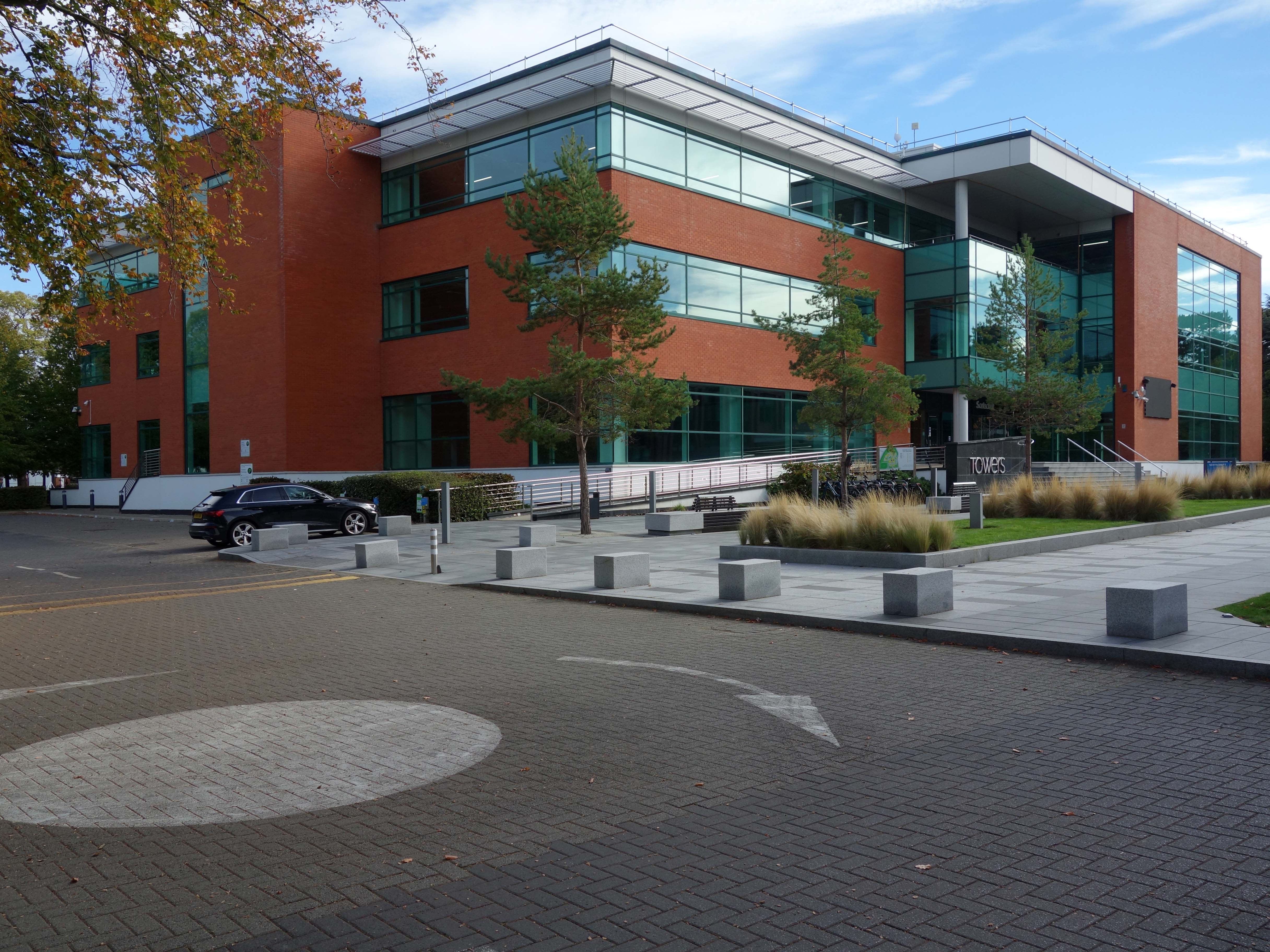
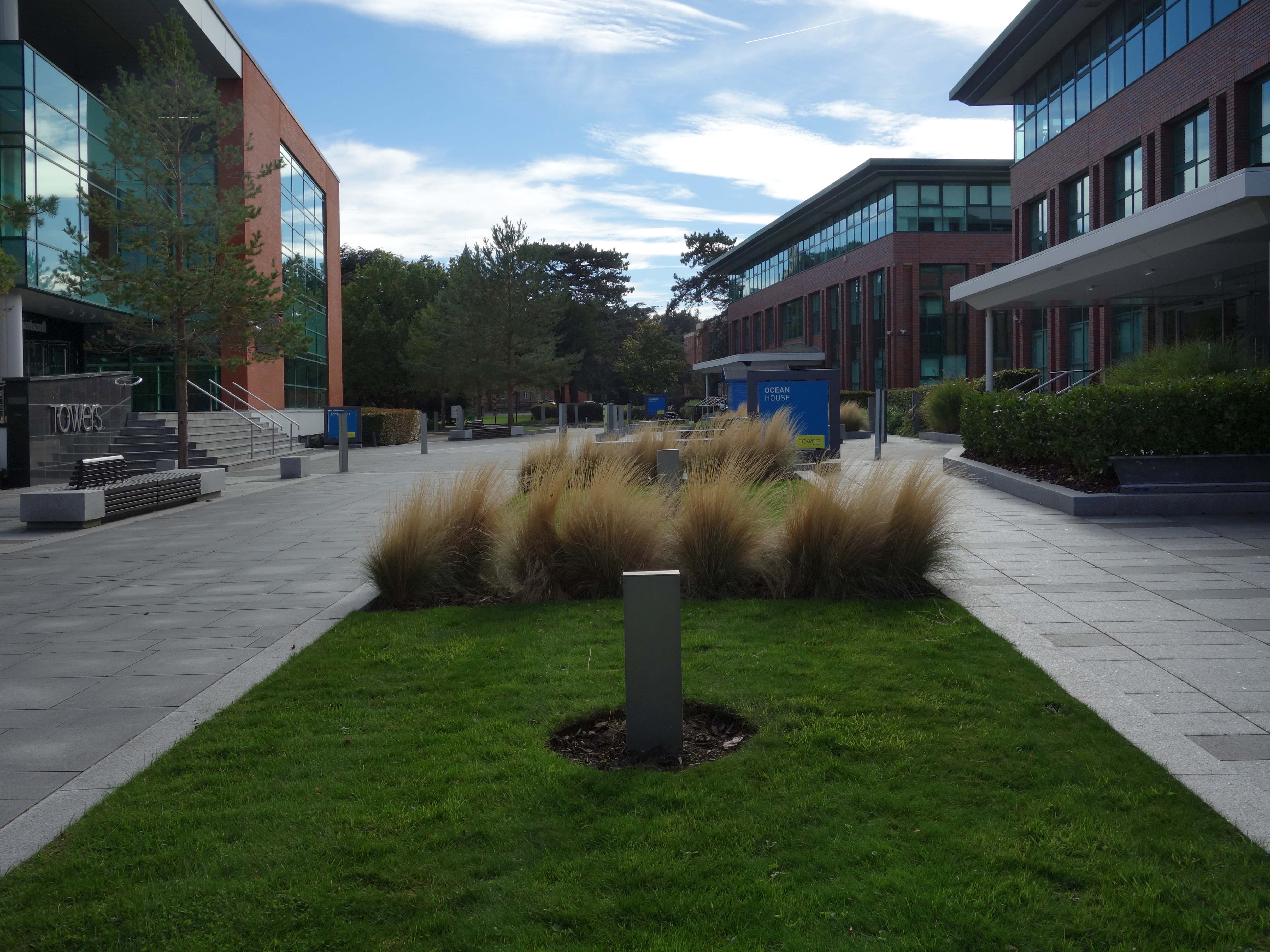
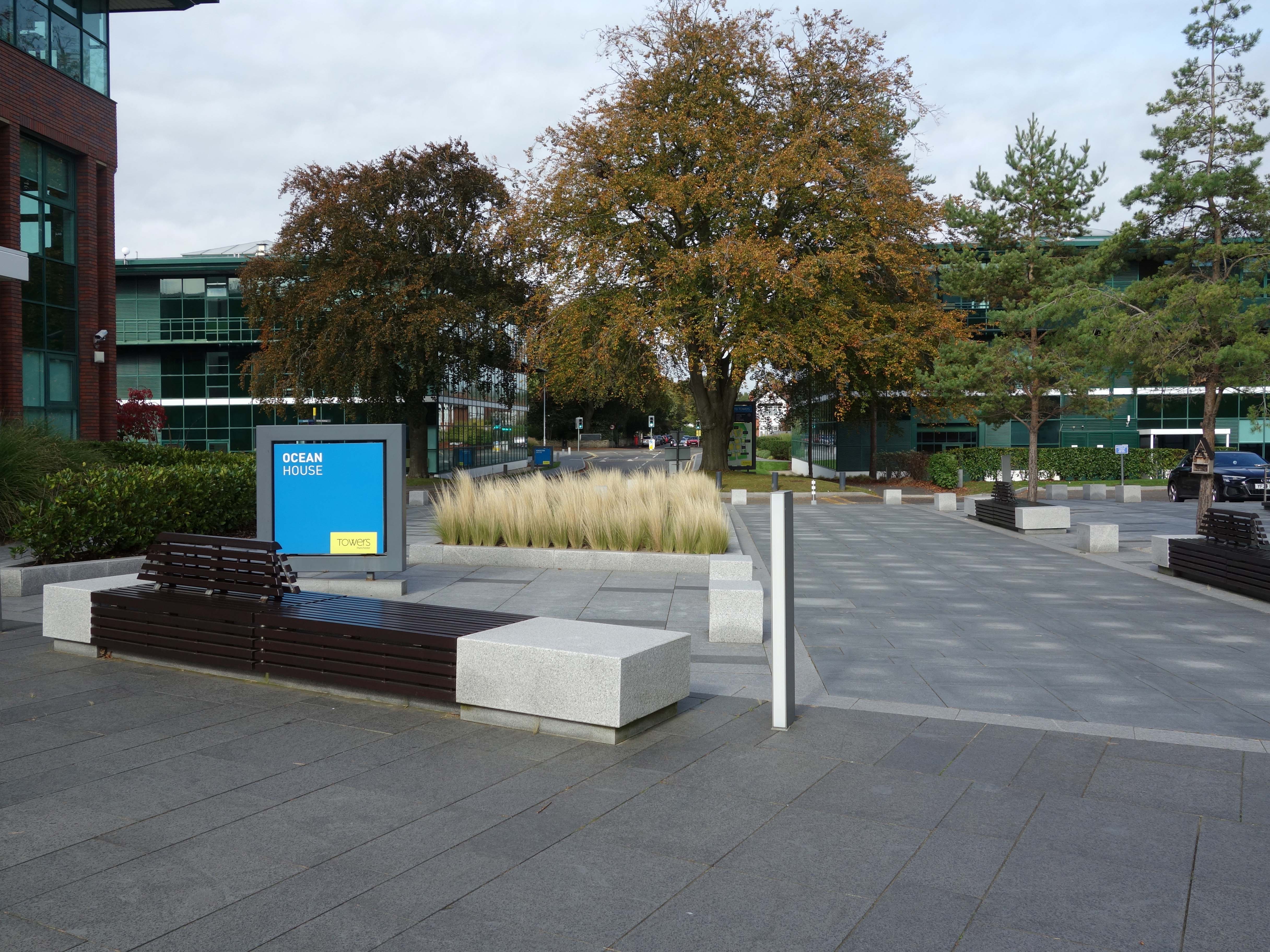
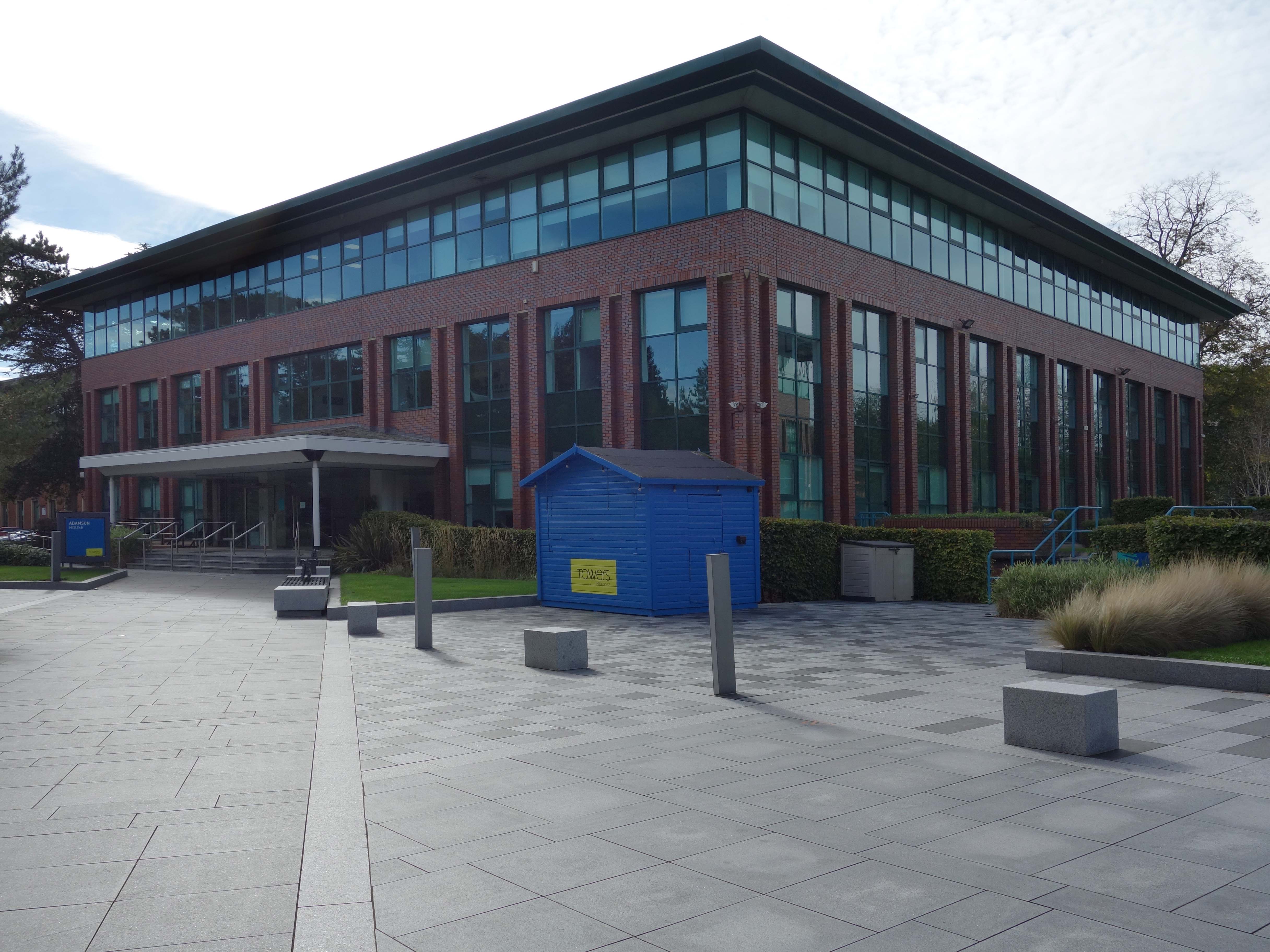
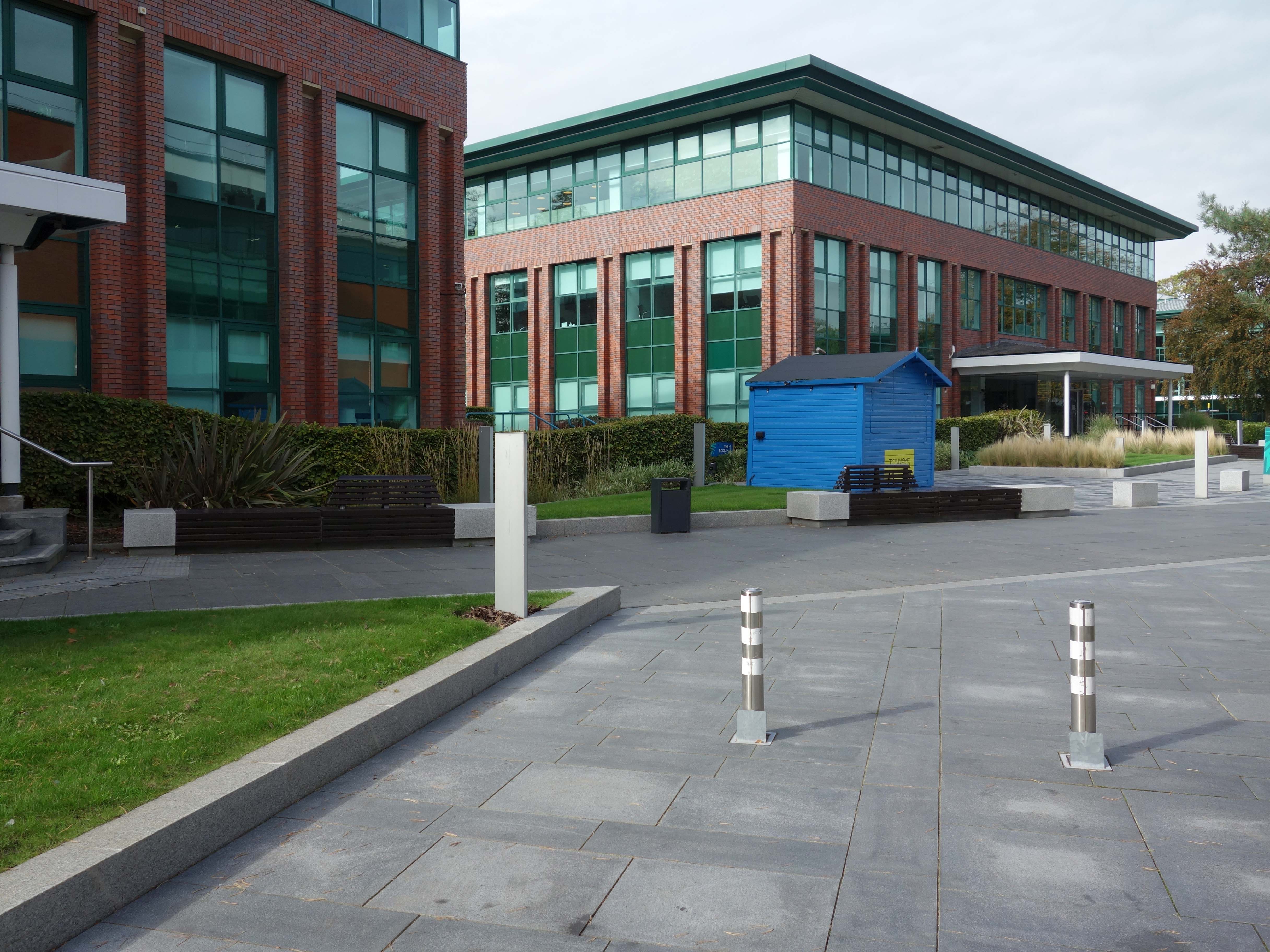
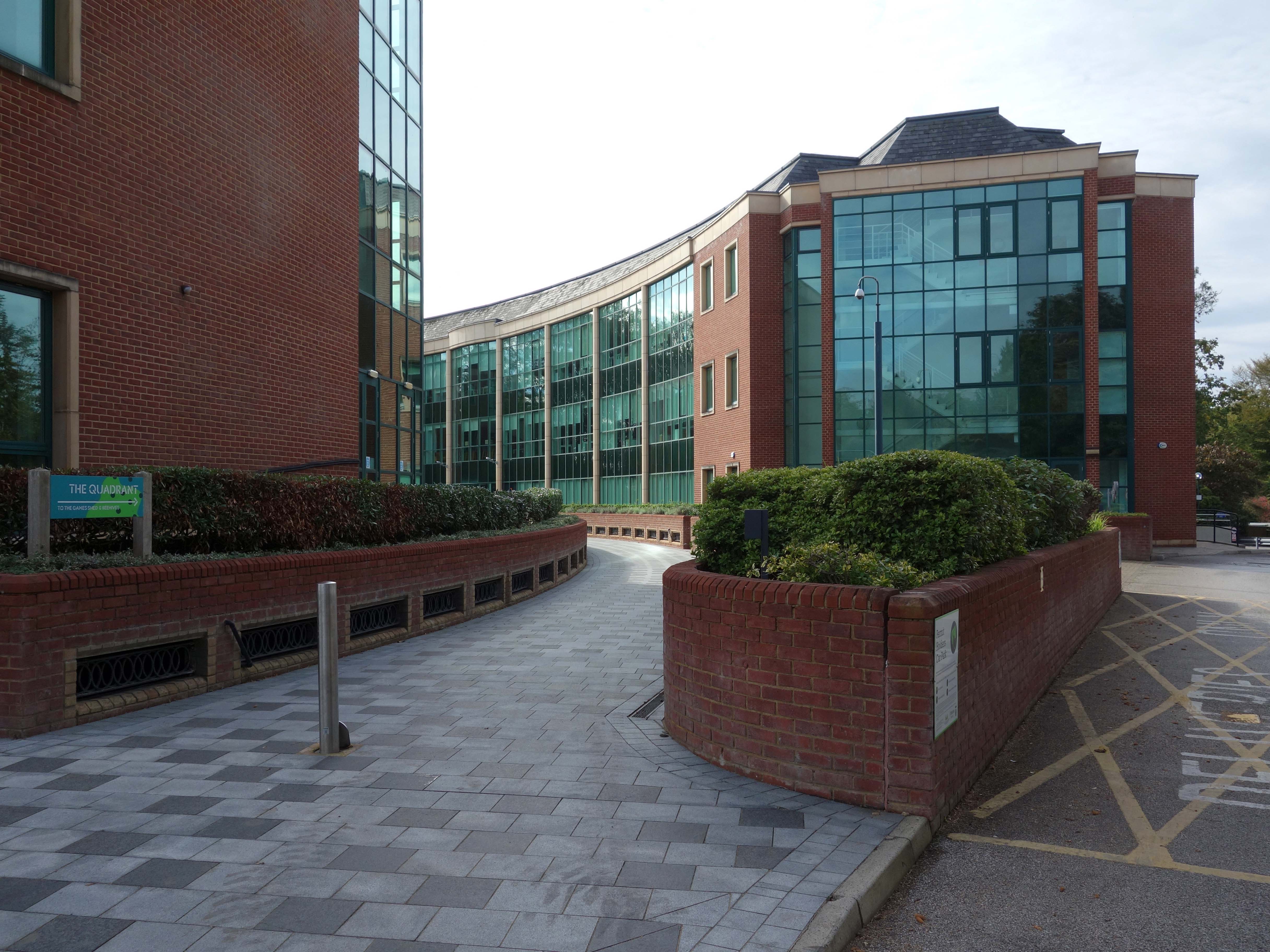
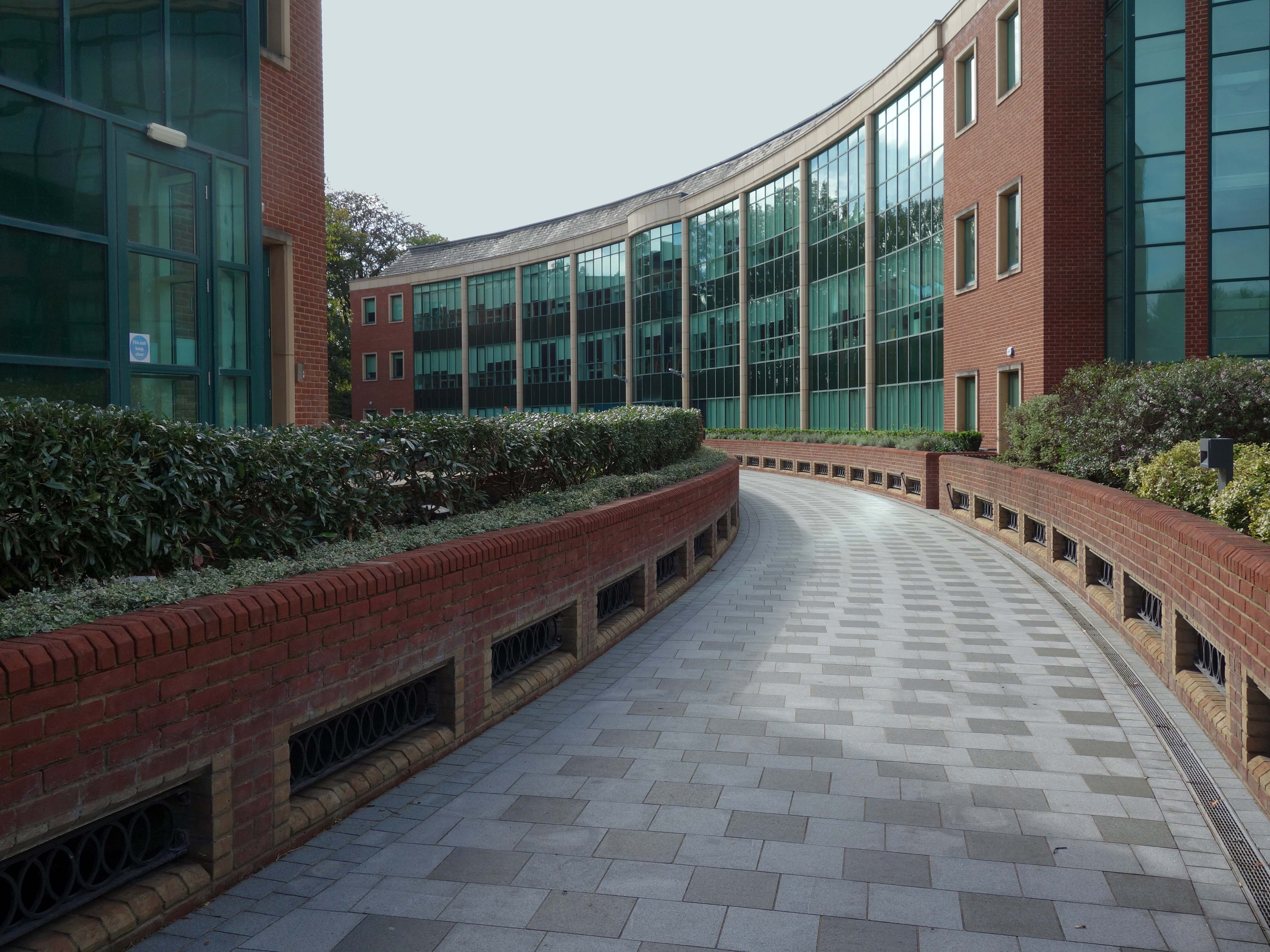
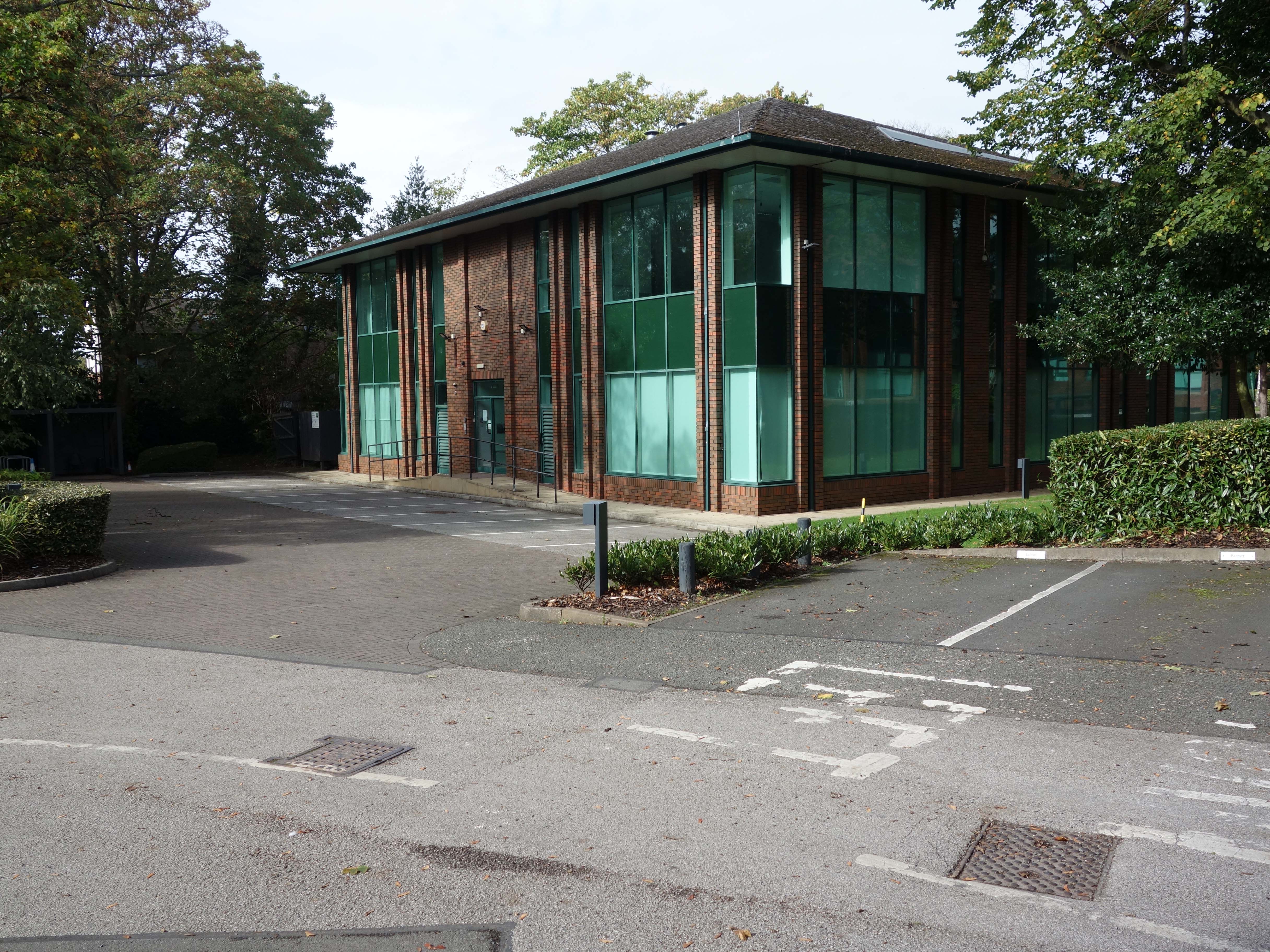
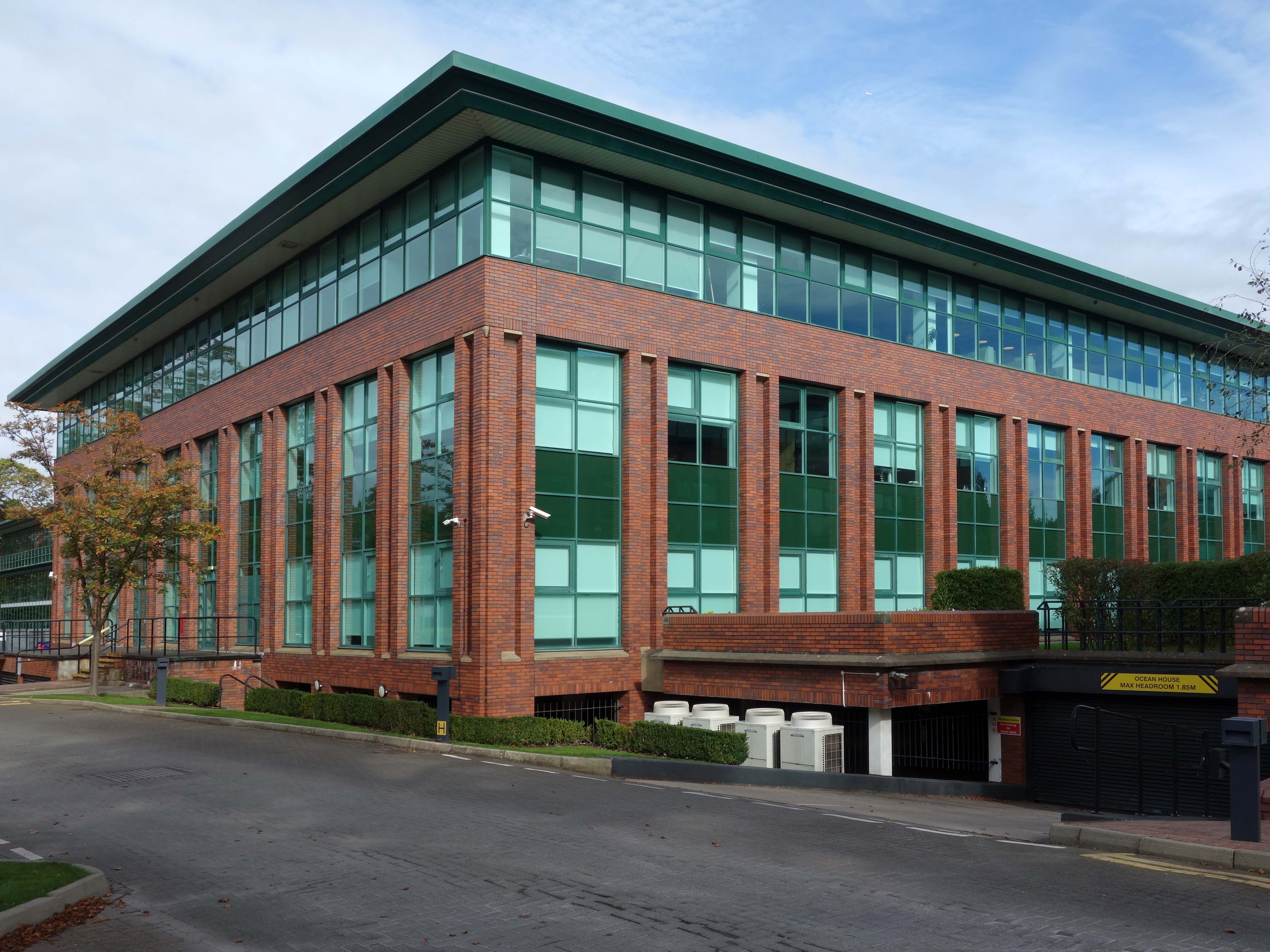
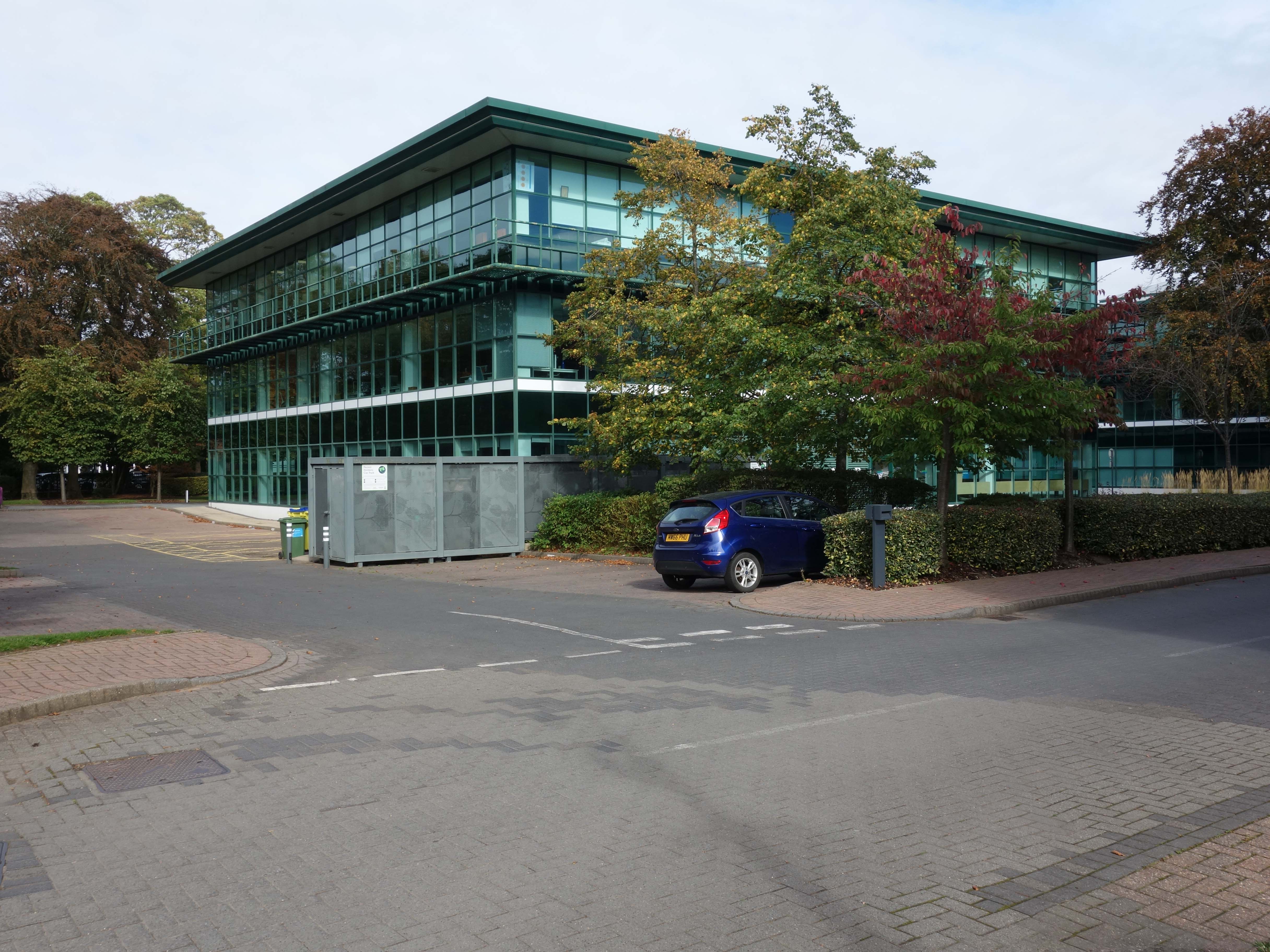
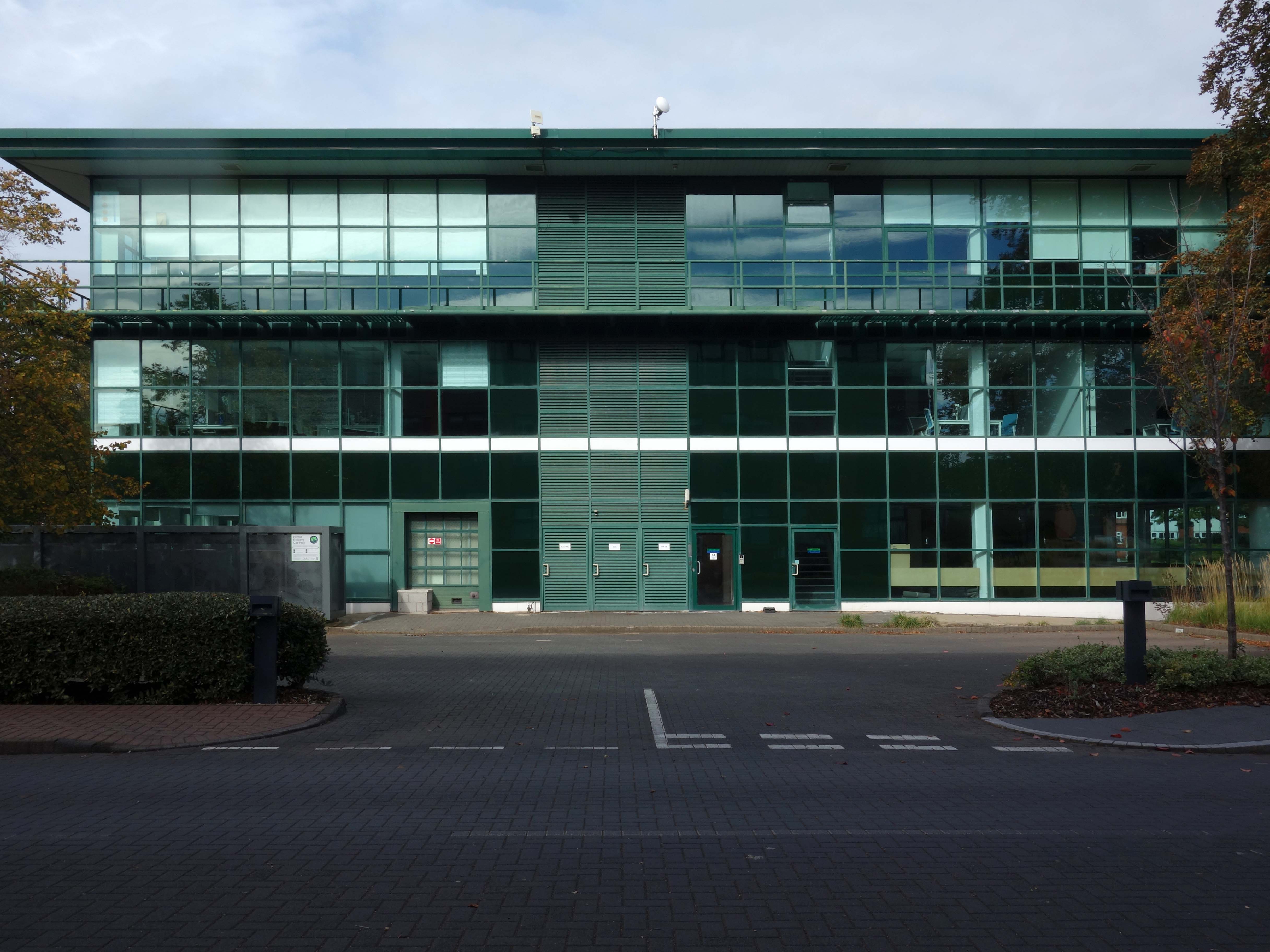
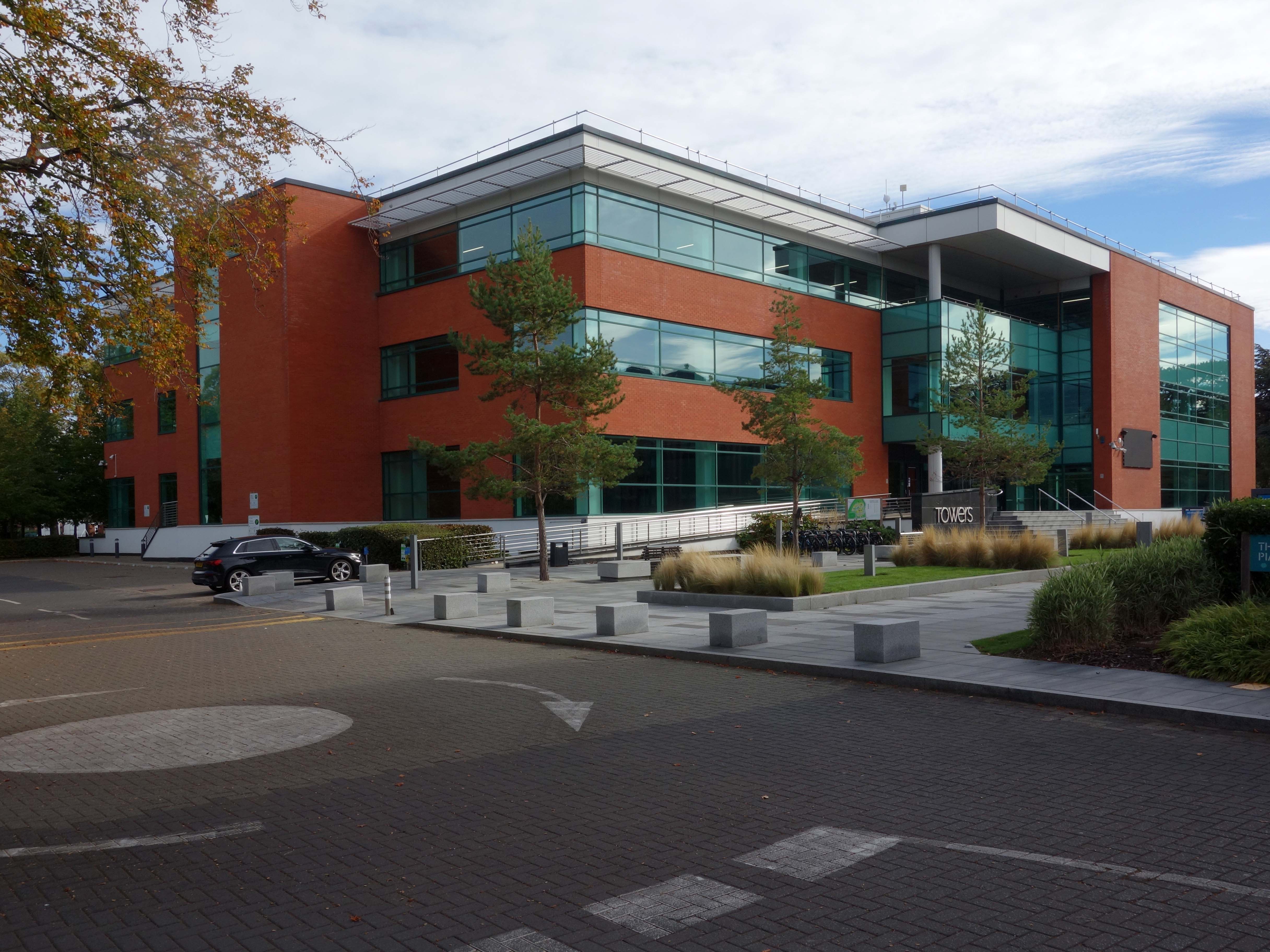
The estate was redeveloped as Towers Business Park in the early 21st century.
The house remains in use as offices.
Wikipedia
So here we are today, supported by several layers of industrial and commercial history, from days and days of labour, invention, innovation and production.
What’s going on?
Essity, NCC Education, I Love Cosmetics, Sitel Group, and a national house builder have signed leases at the Manchester office complex, averaging eight years, bringing the Park to 95% occupied.
The new arrivals join existing tenants including Syngenta, British Airways, Cisco, Regus, and Hitchenor Wakeford.
From high street style to independent finds, coffee breaks to long lunches, there’s so much to discover here. Plan your visit, explore what’s new, and enjoy a day that’s every bit as relaxed as it is rewarding.
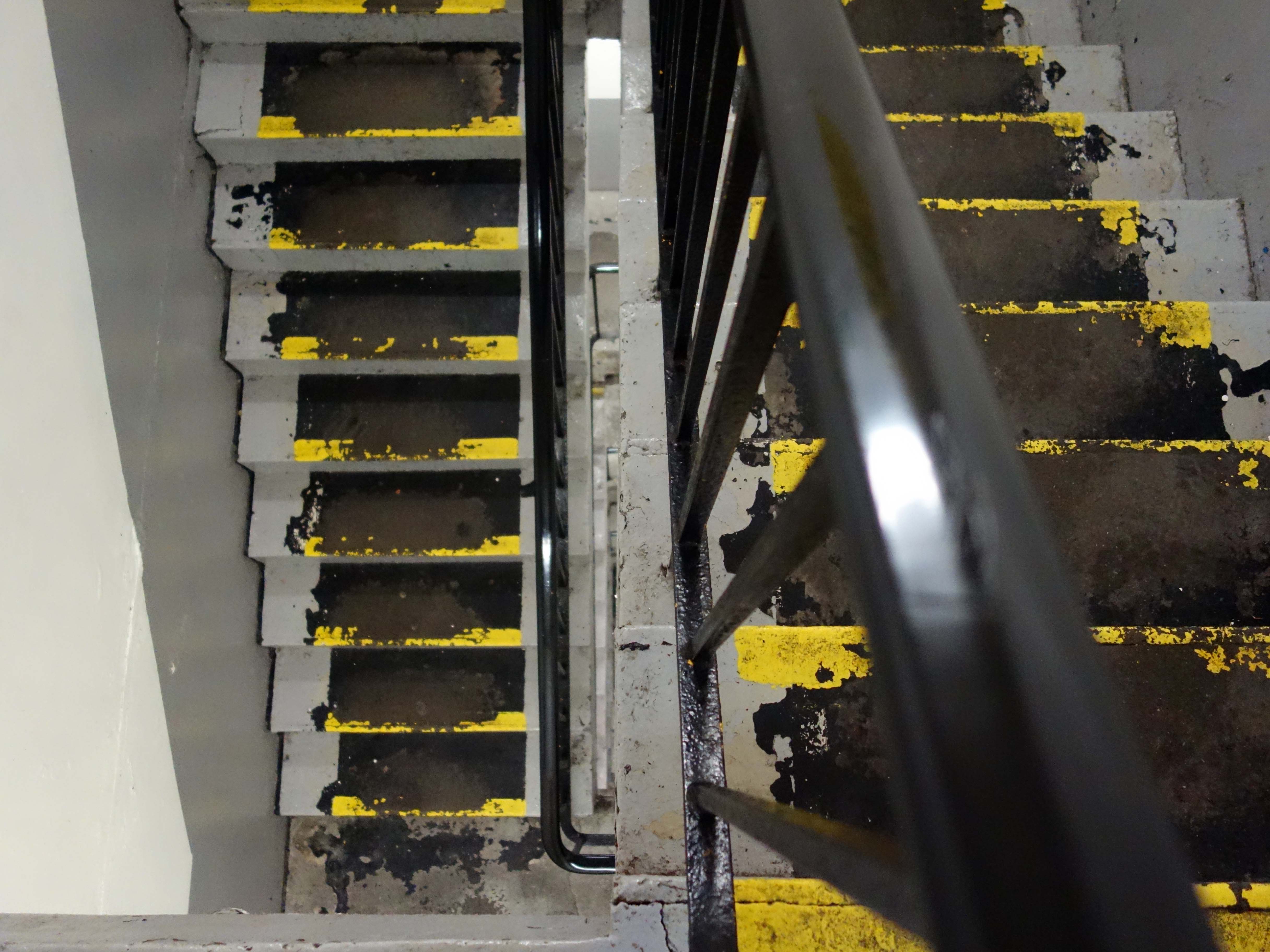
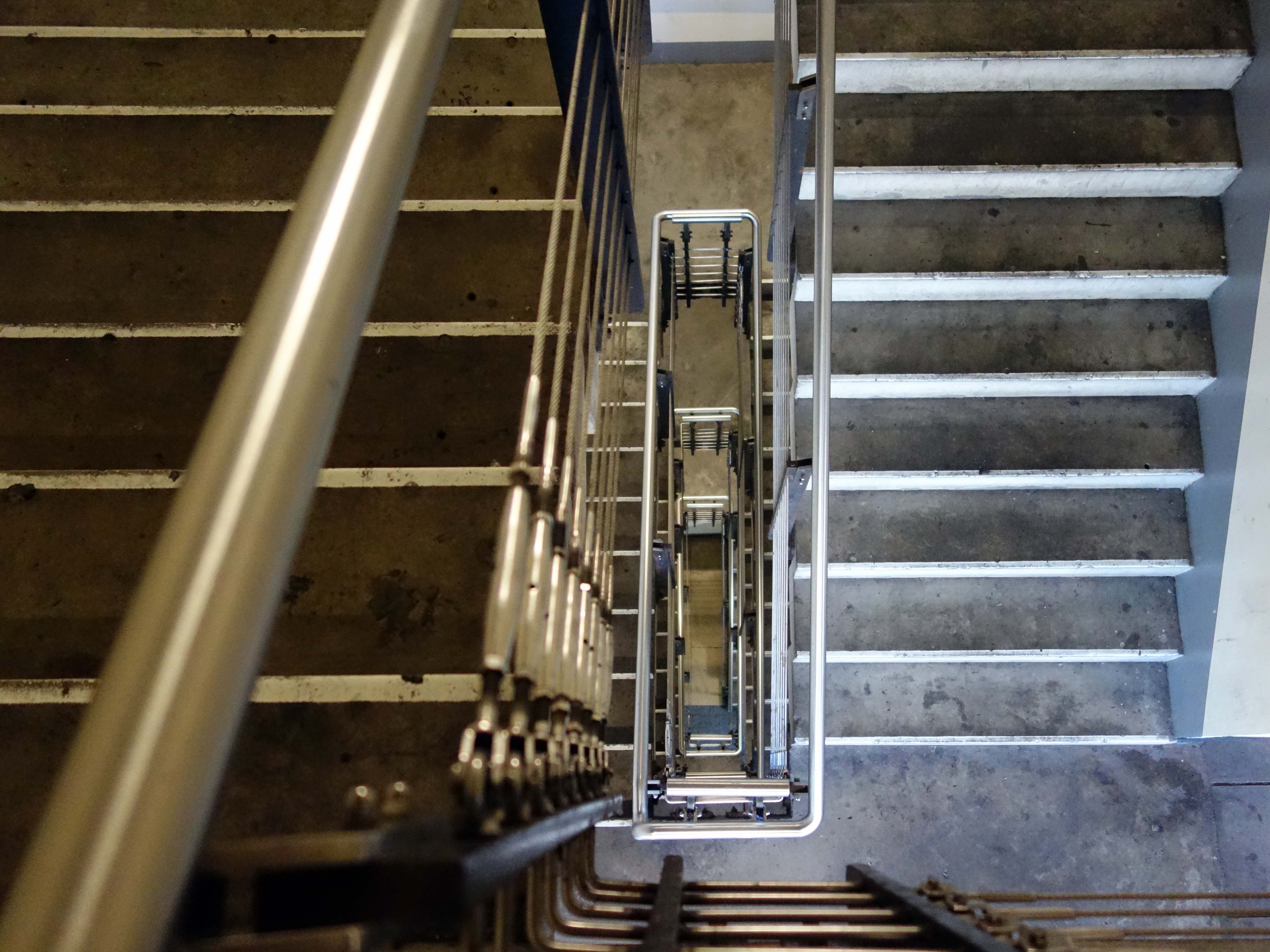
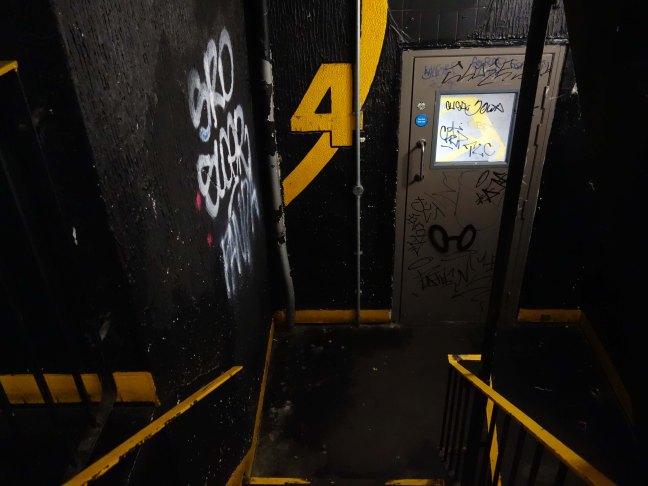
Up in the lift, walking just one flight of stairs, right to the top.
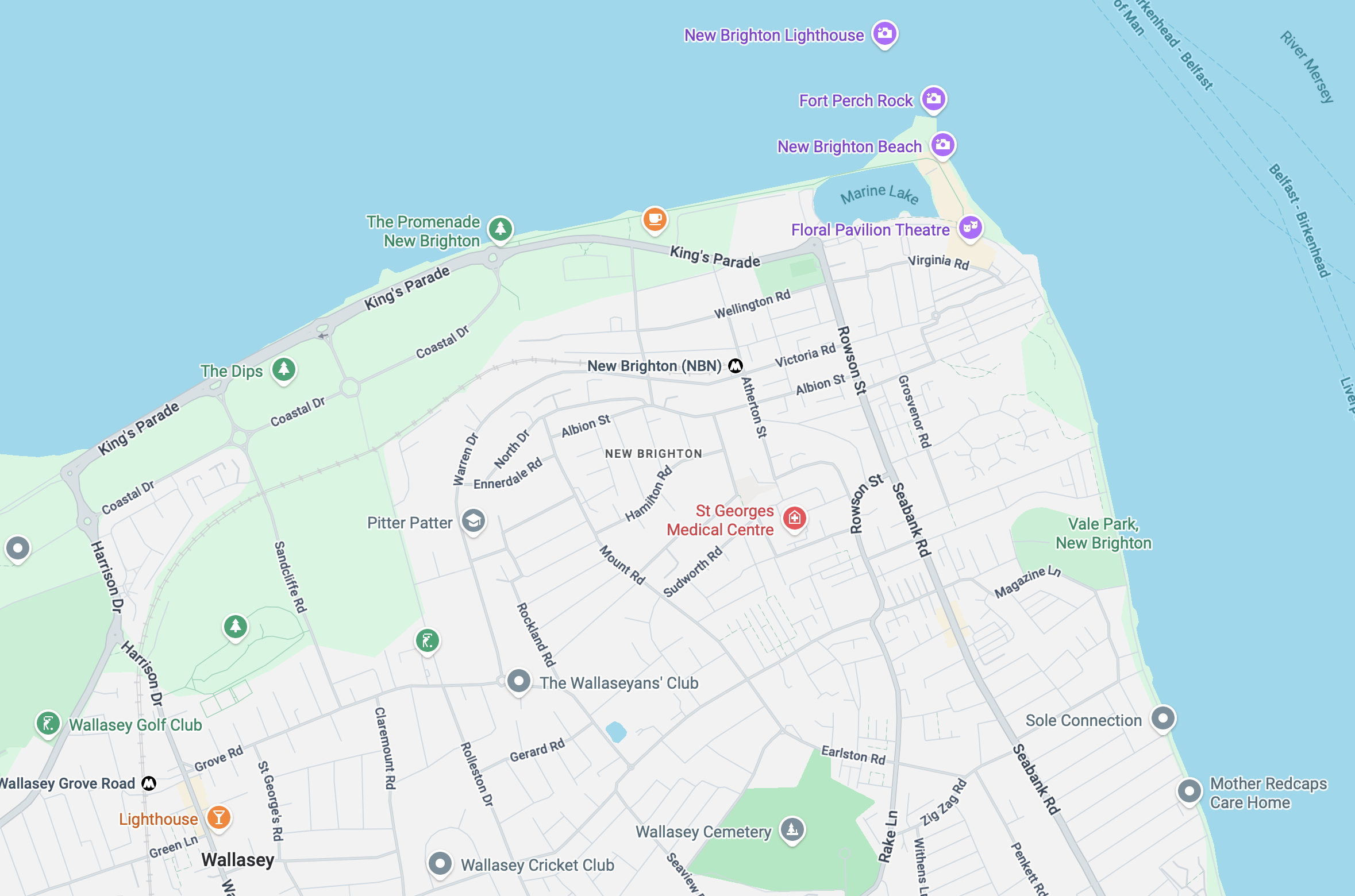
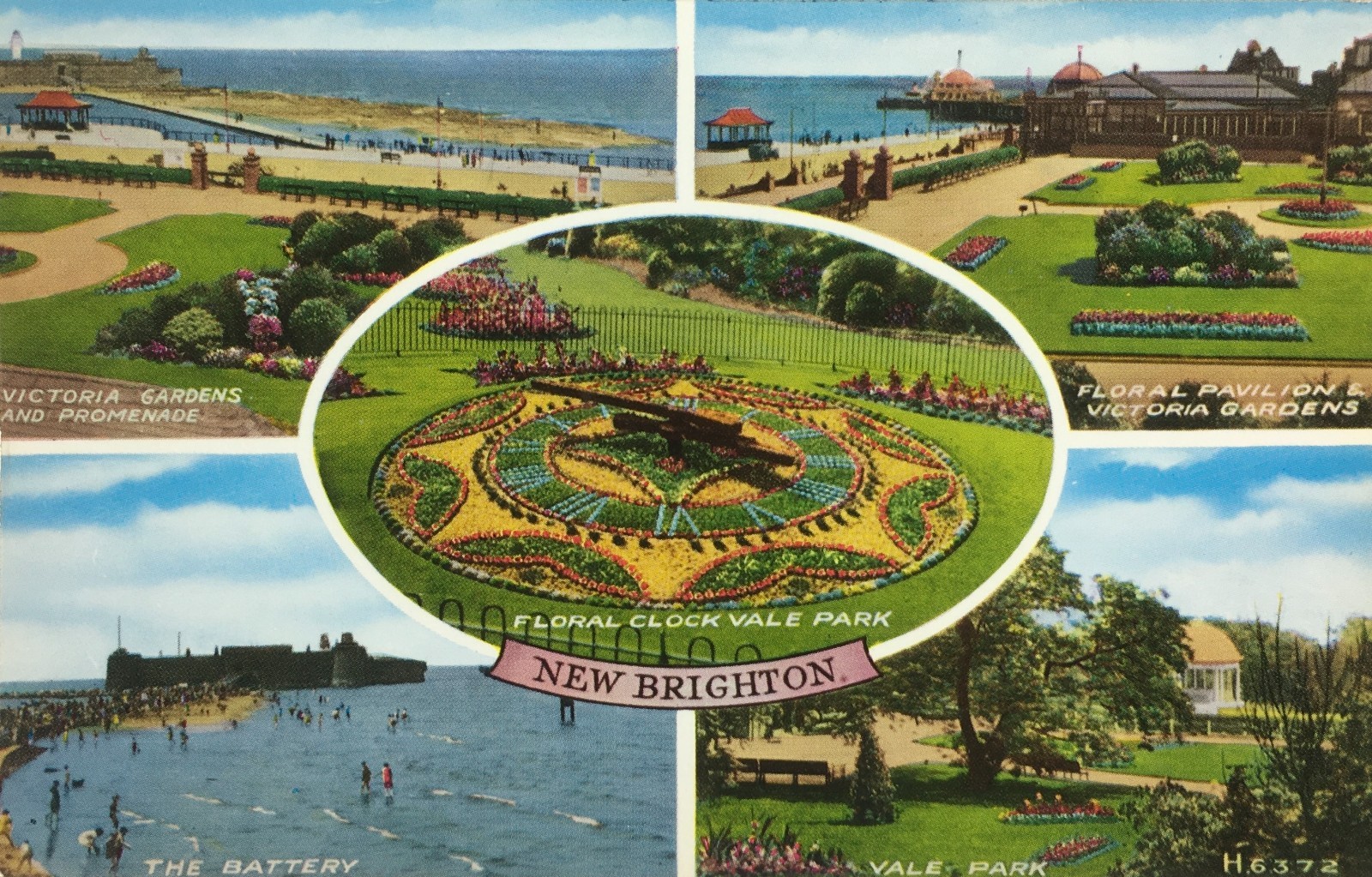
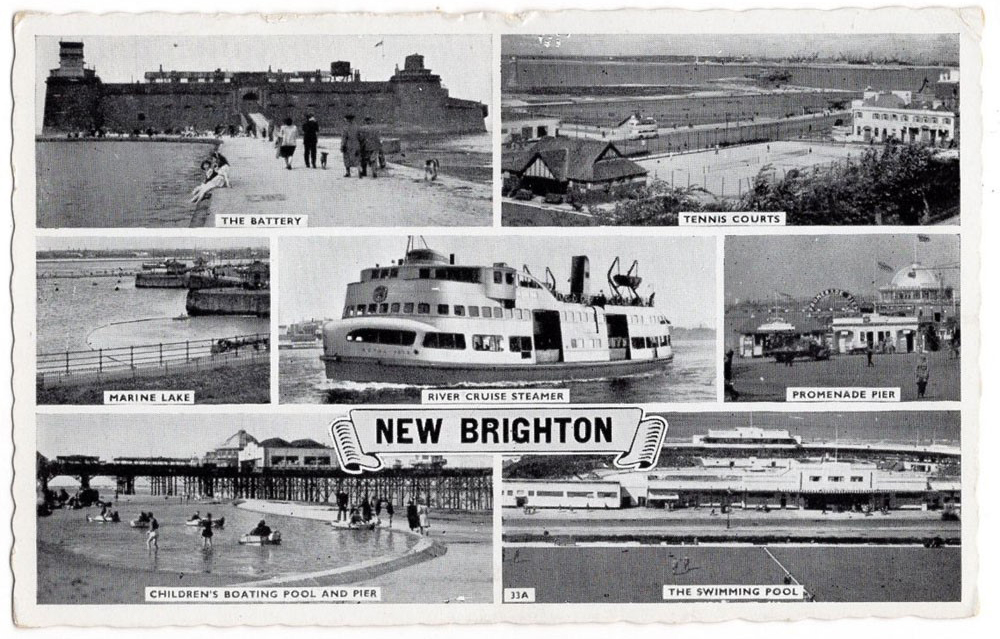
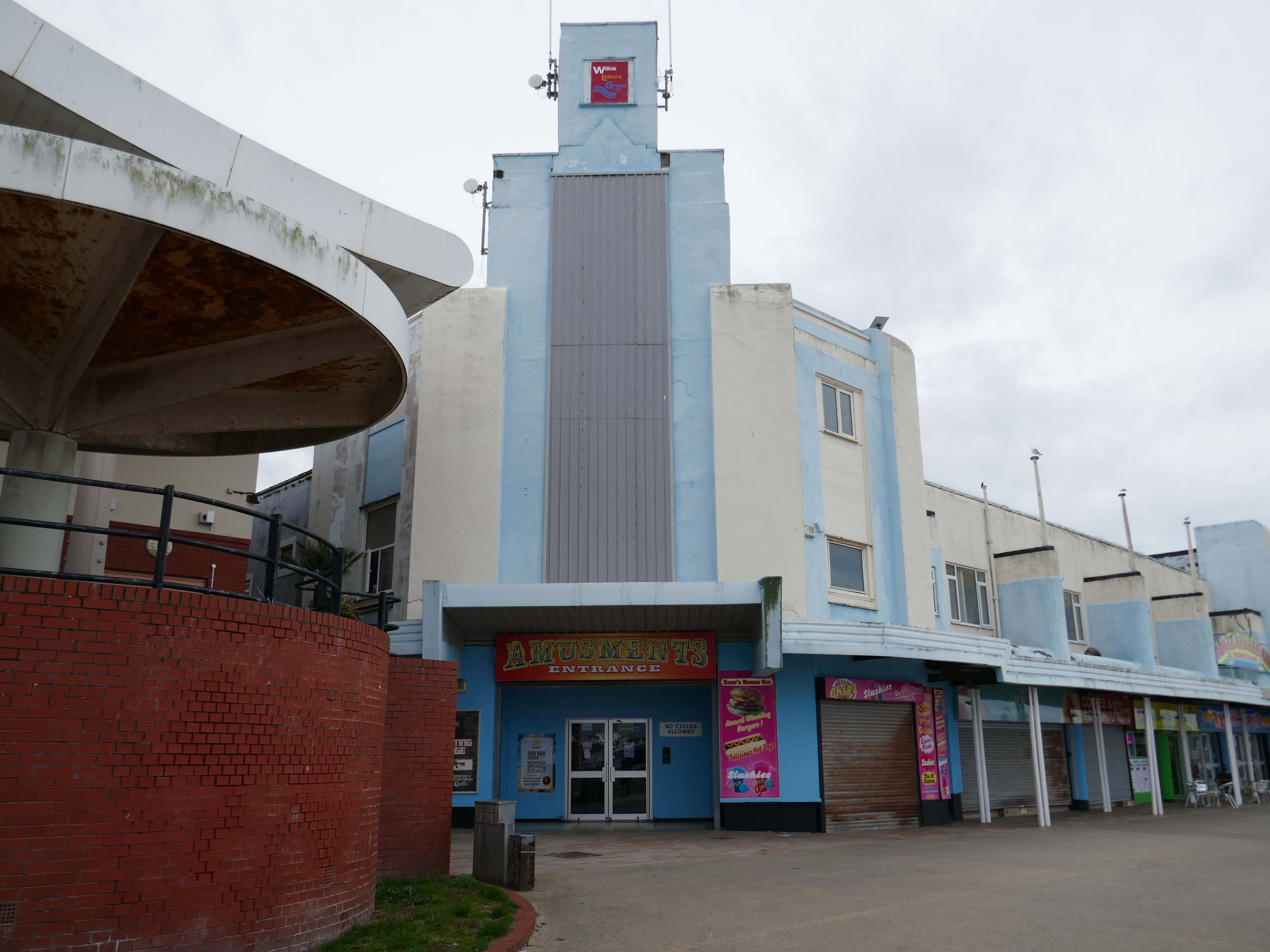
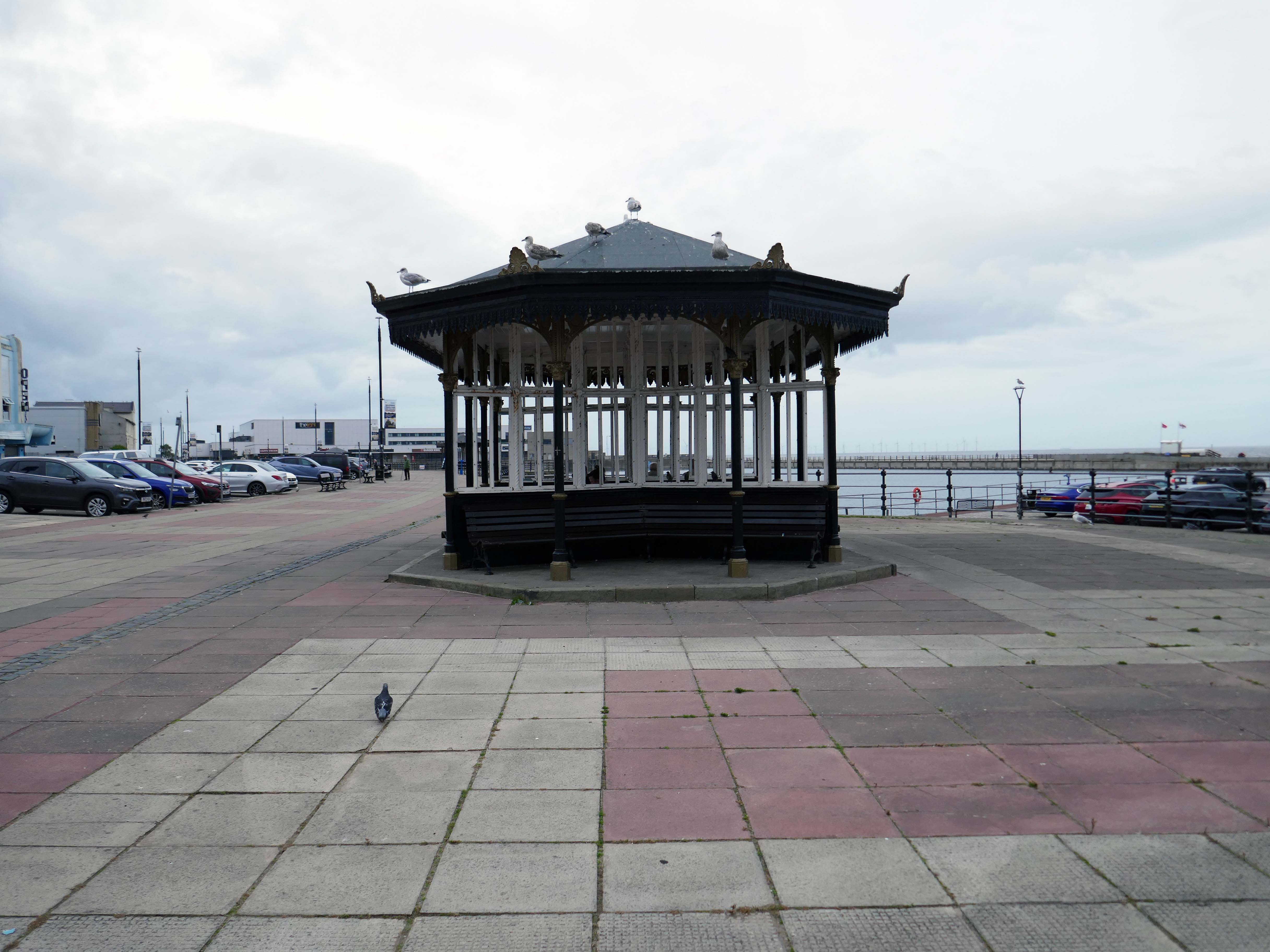
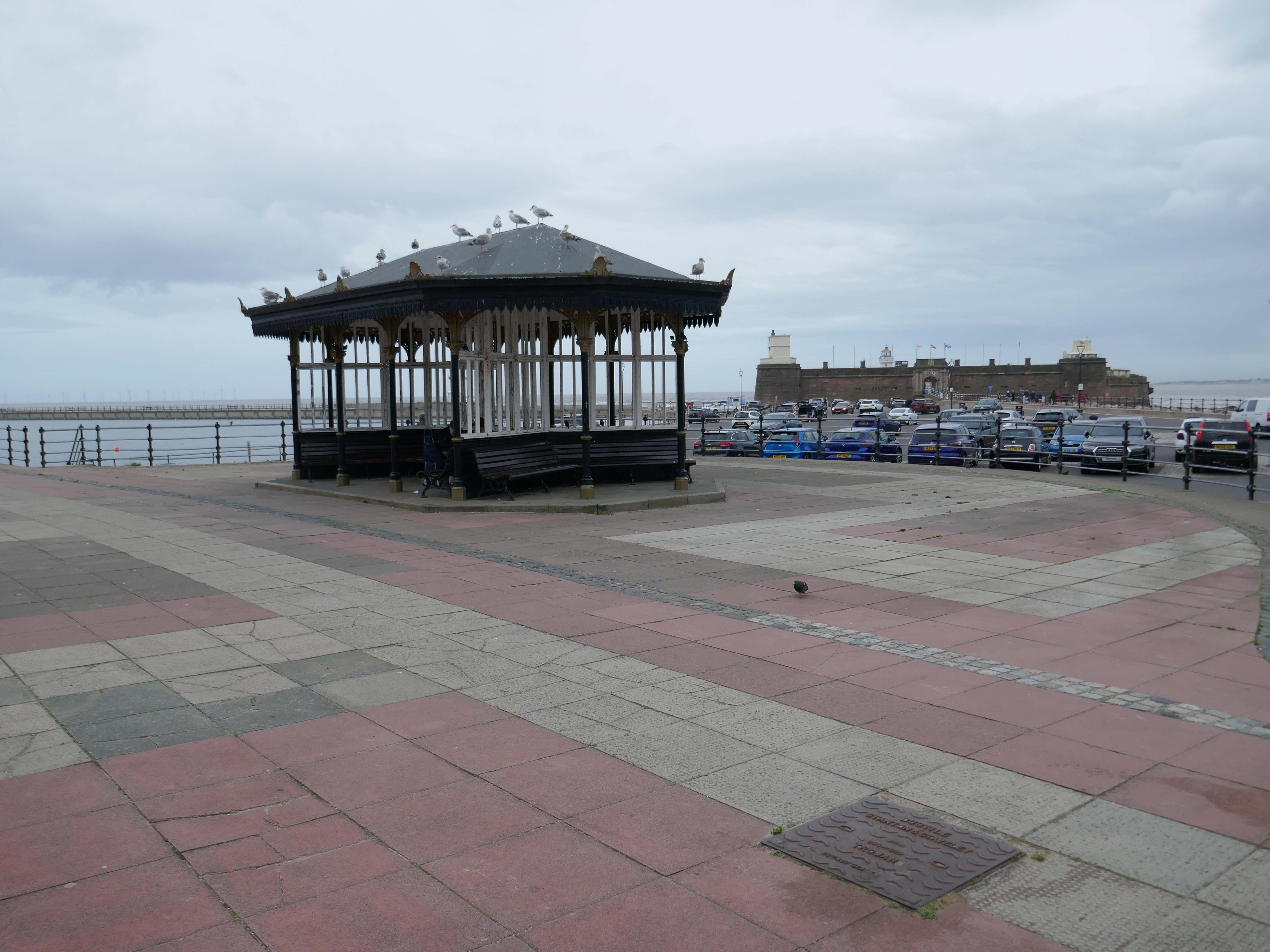
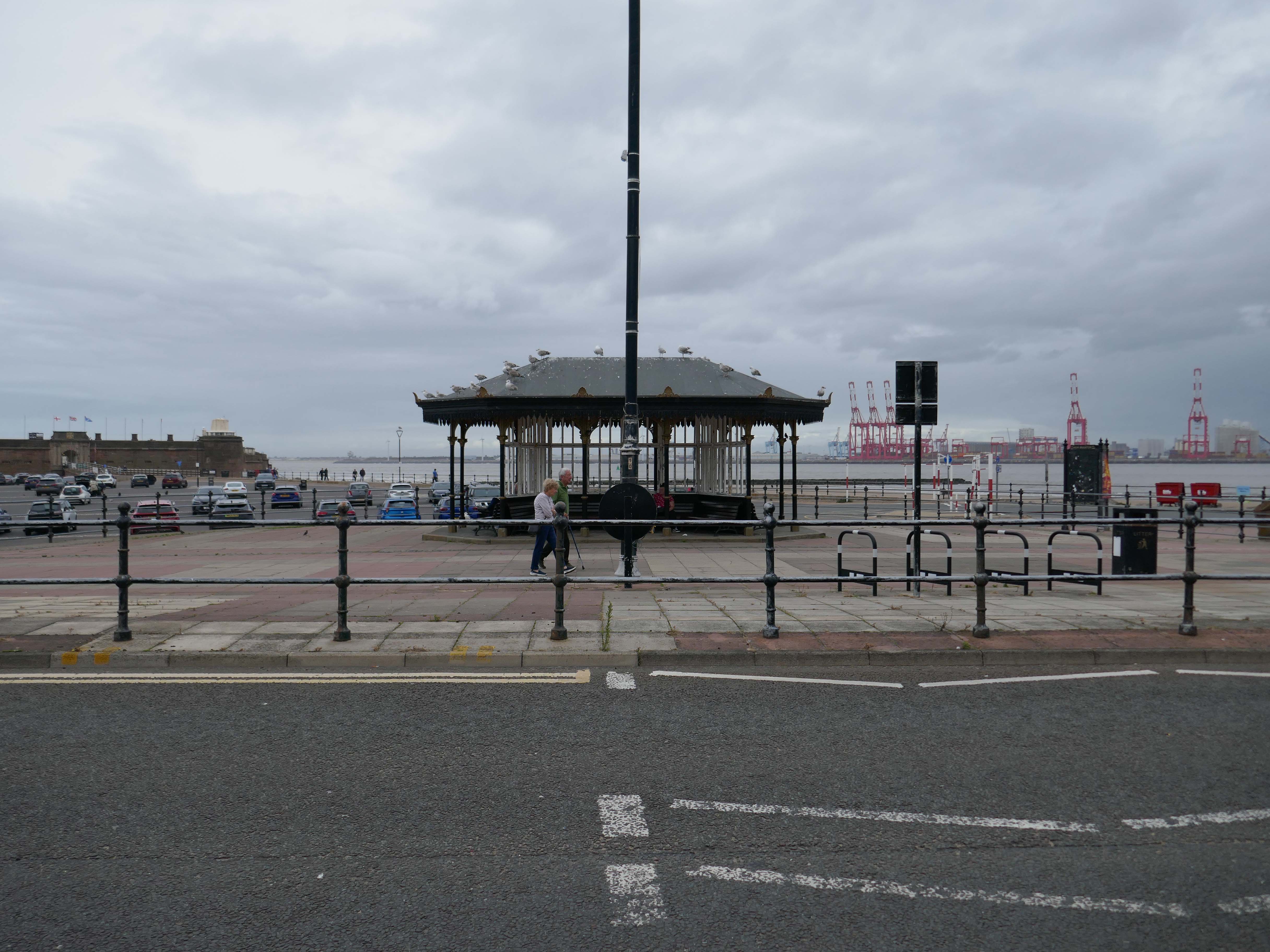
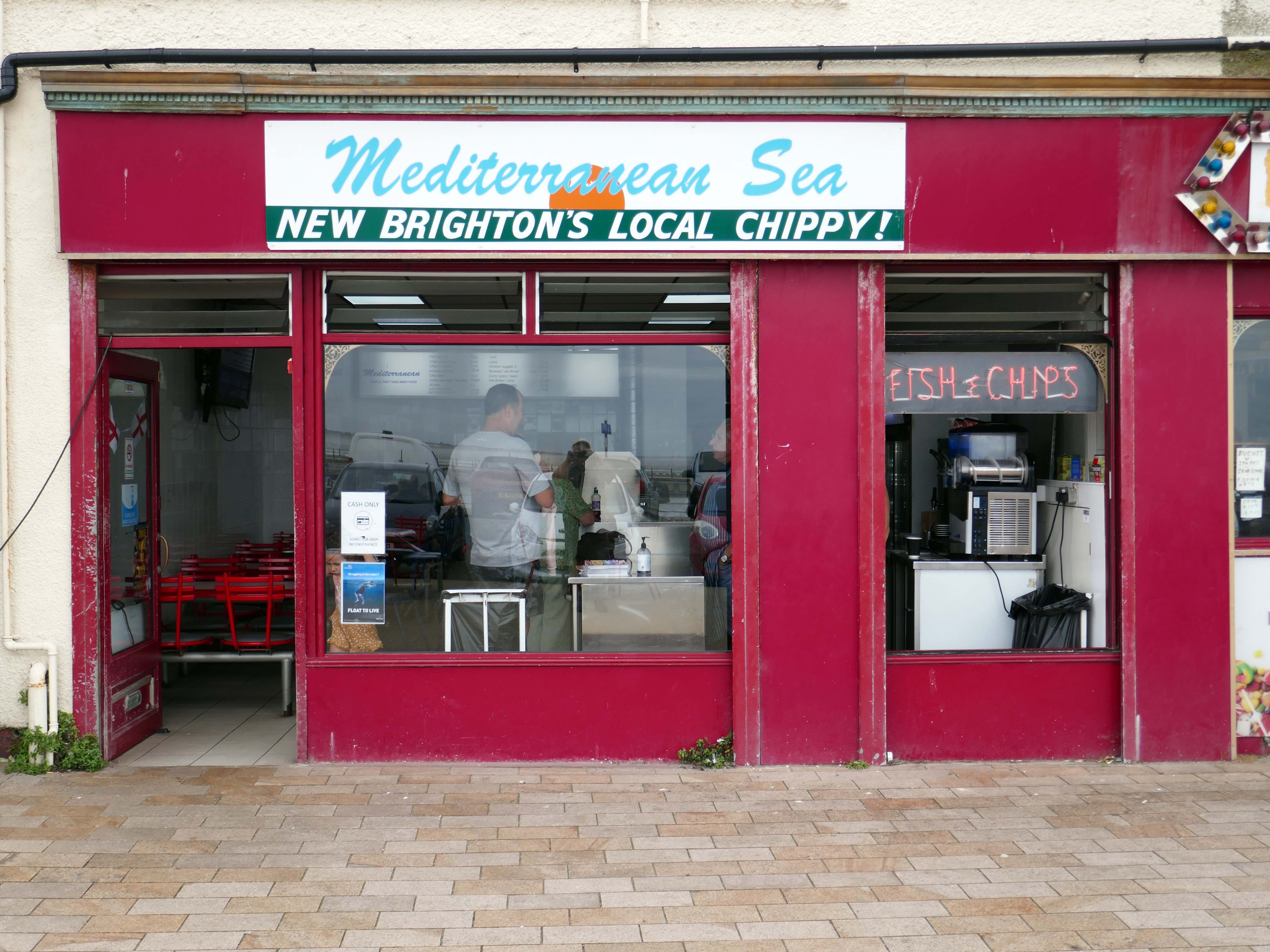
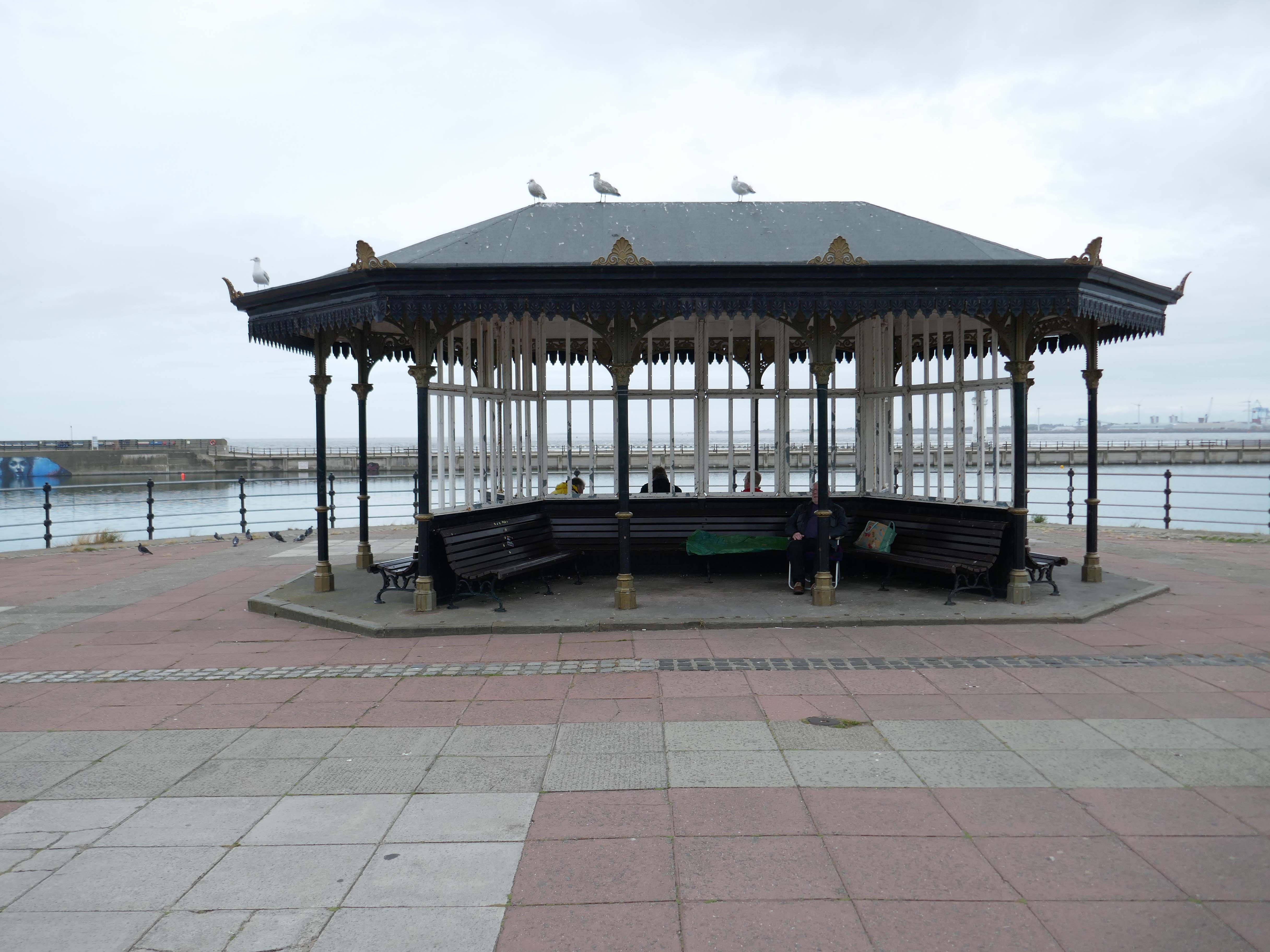
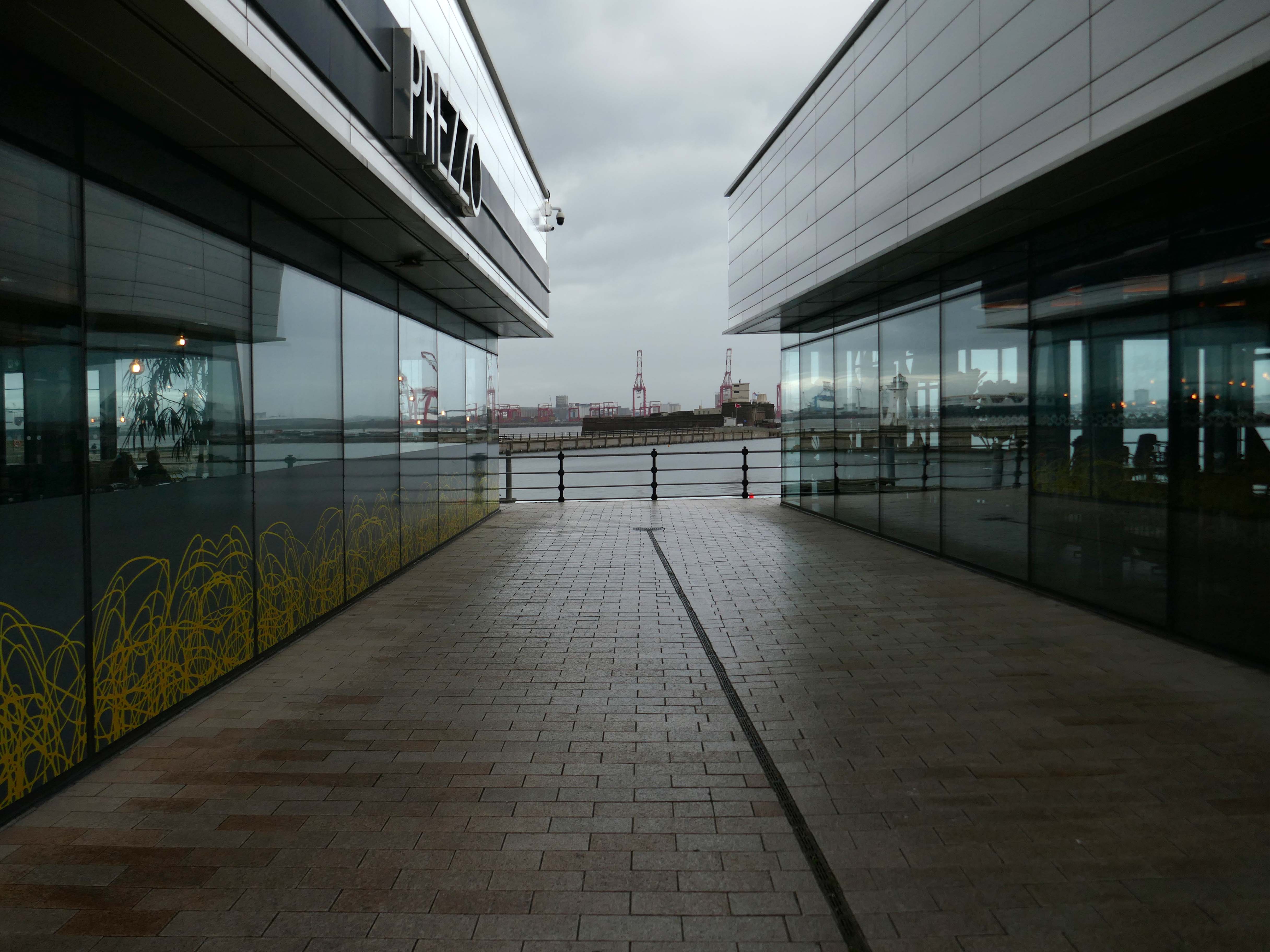
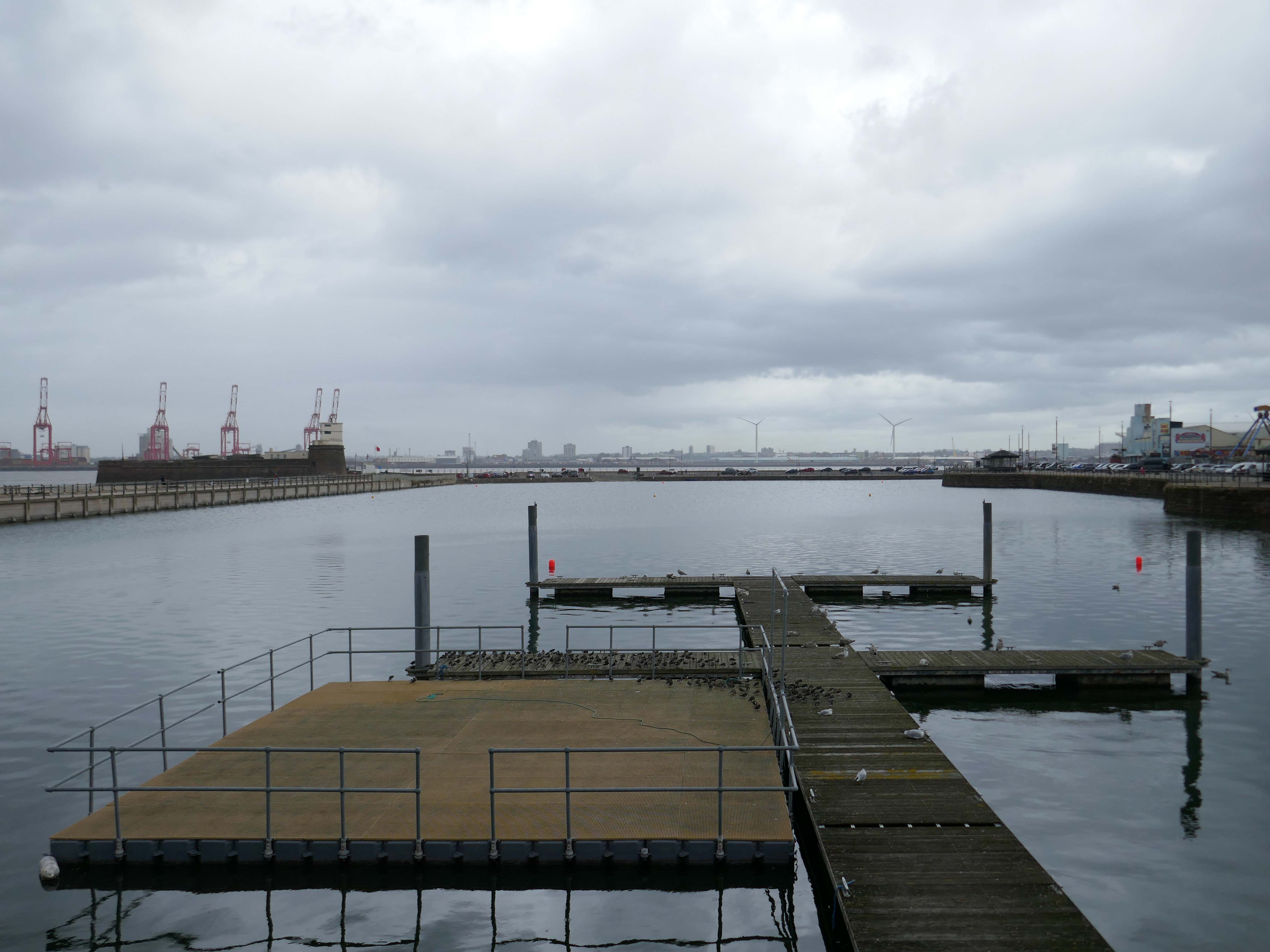
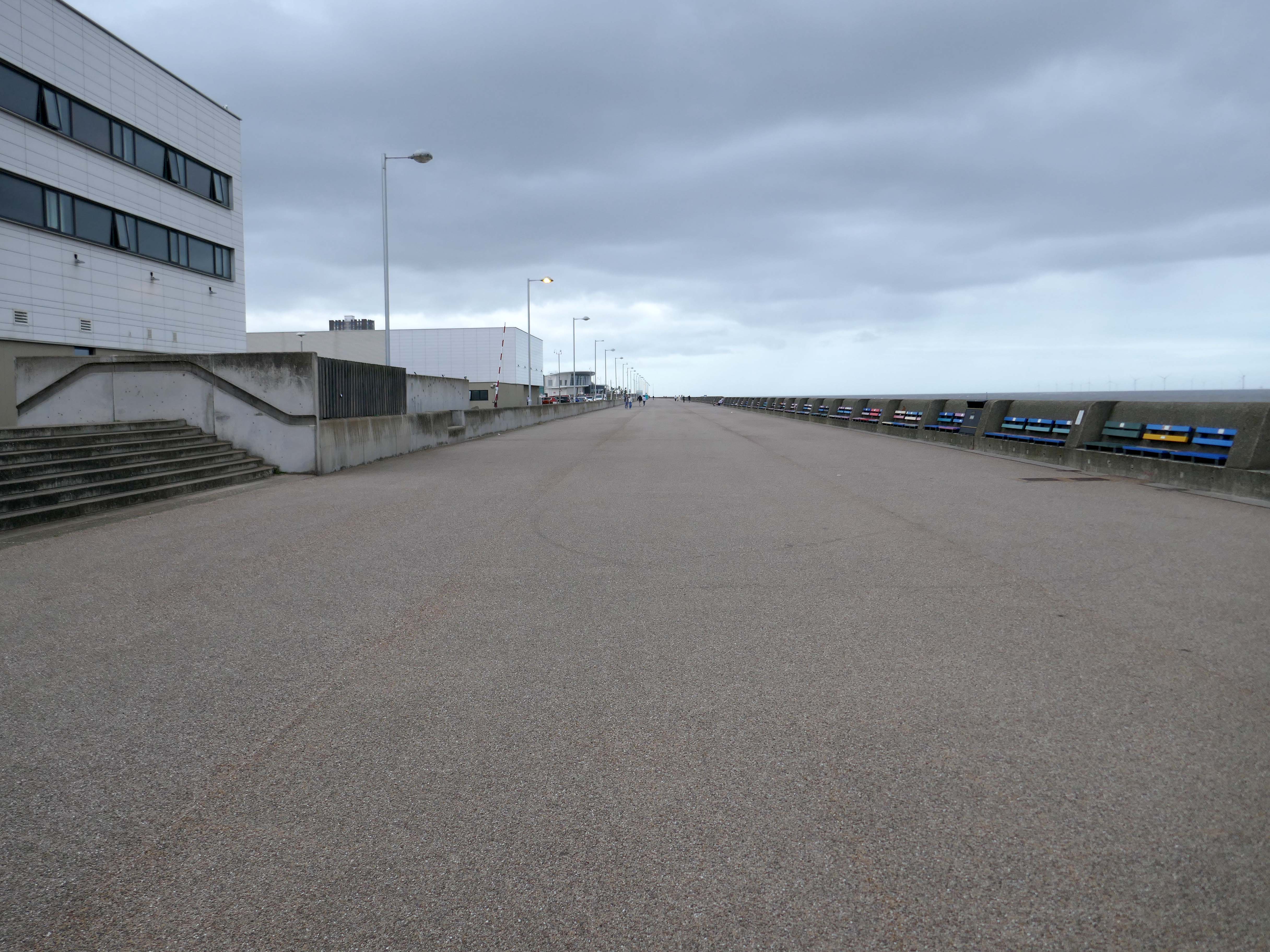
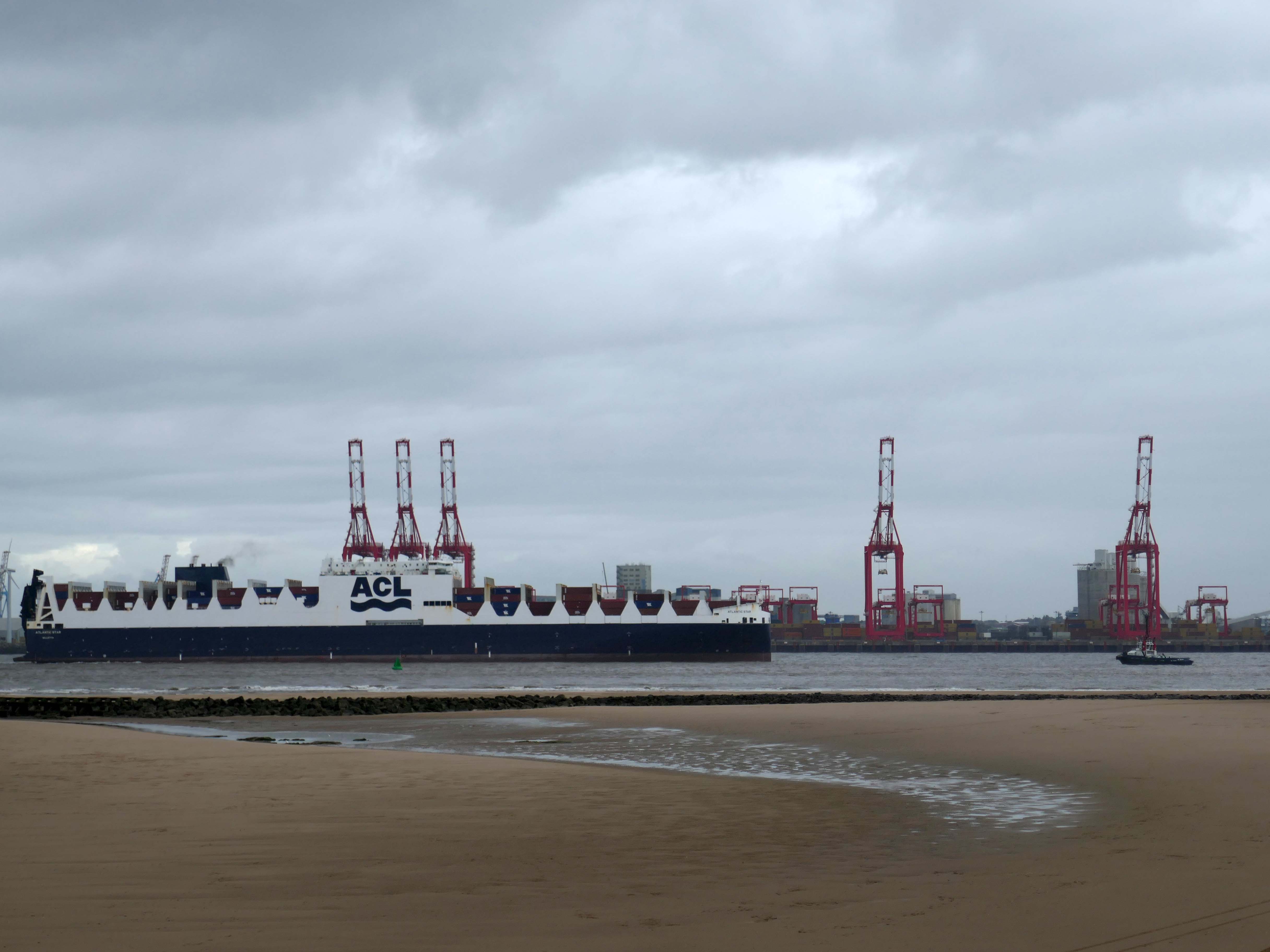
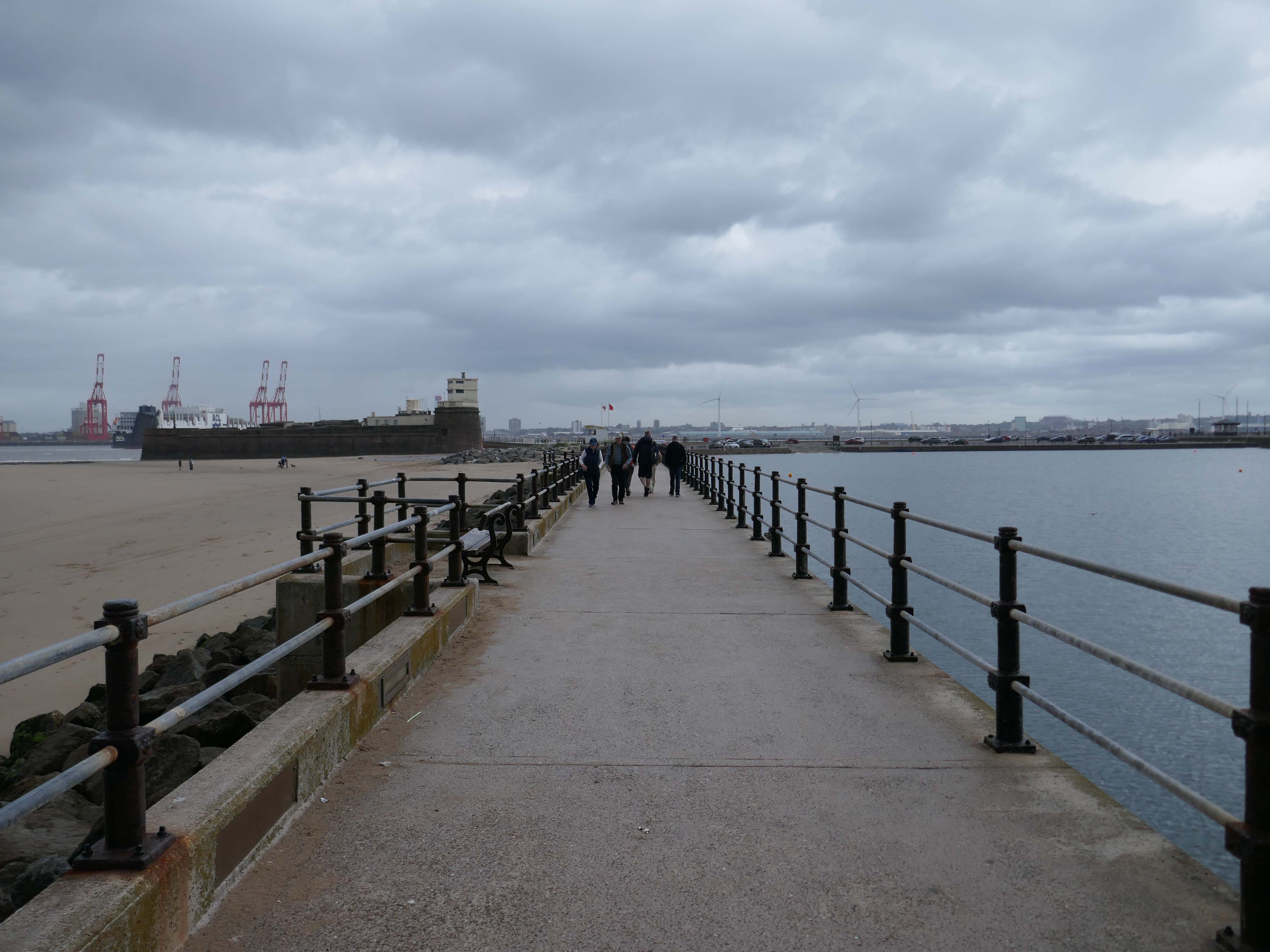
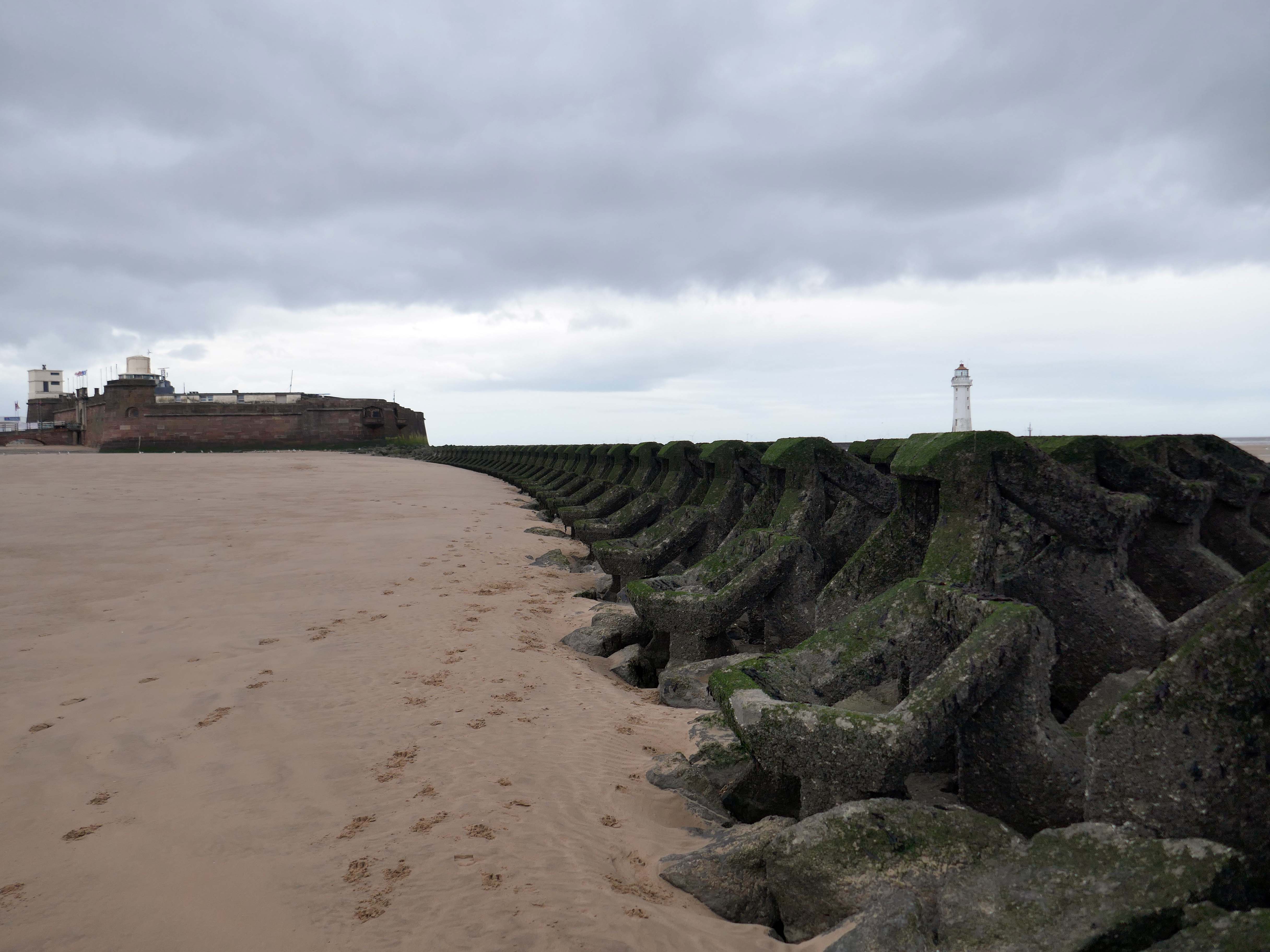
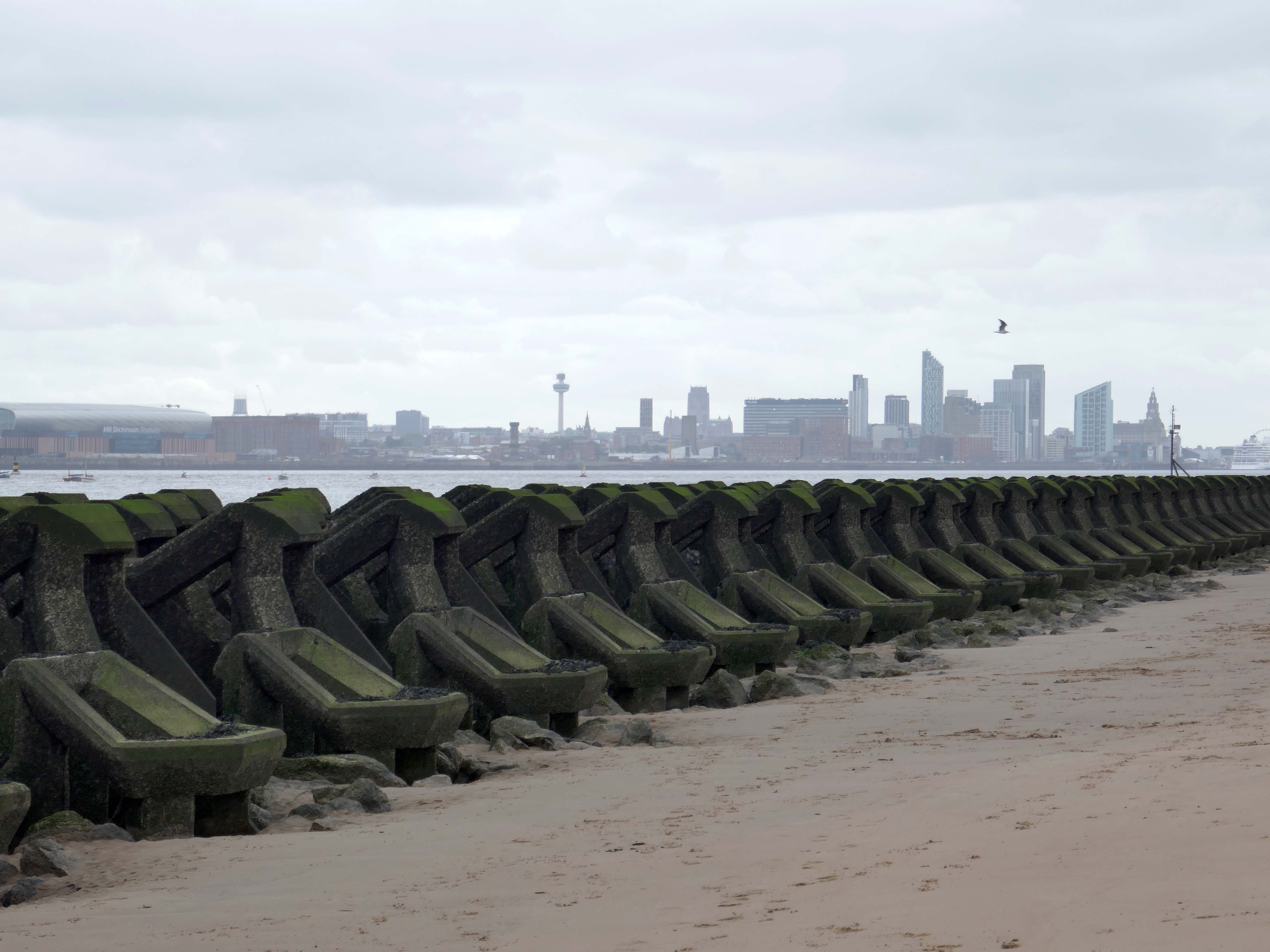
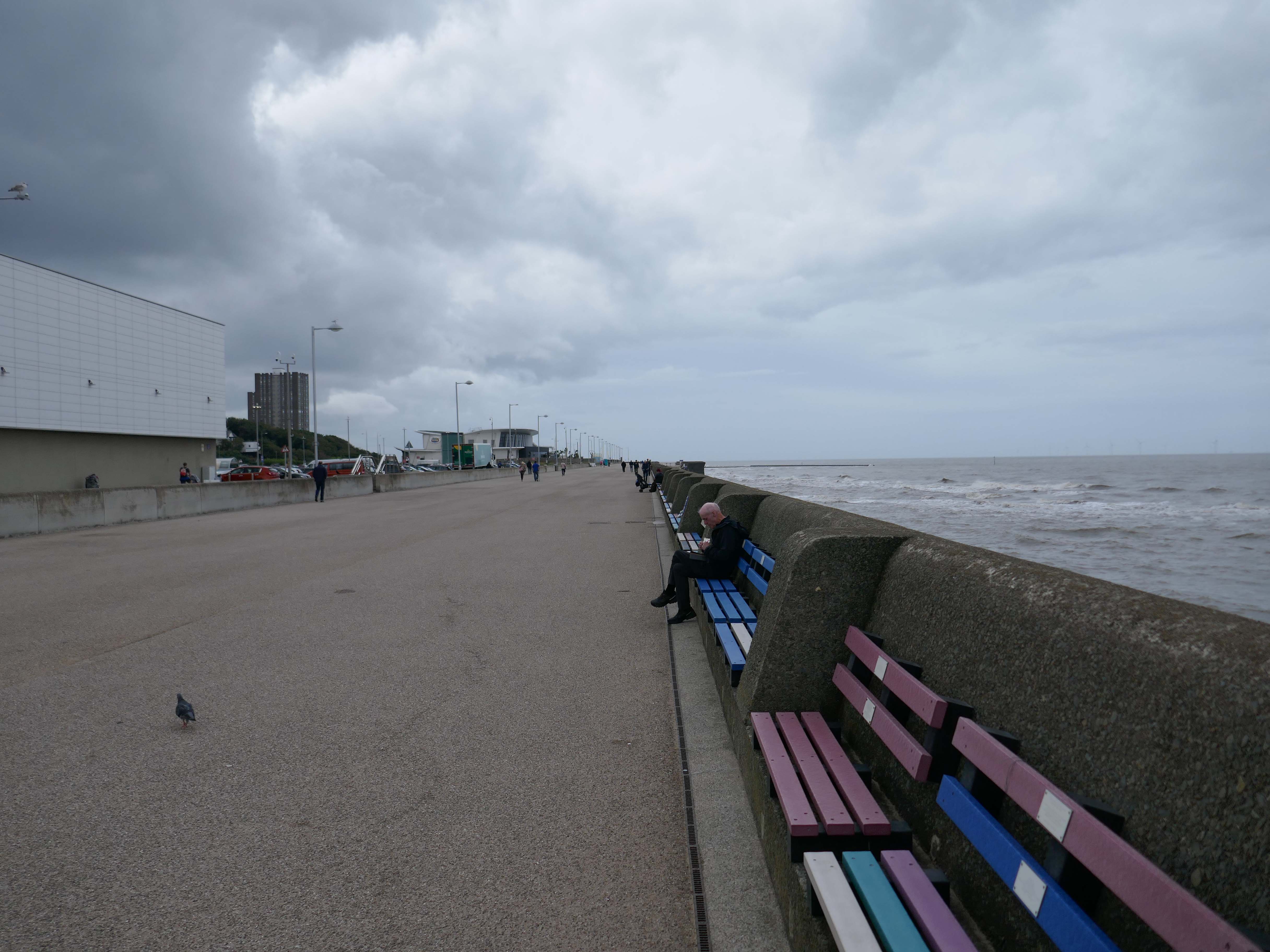
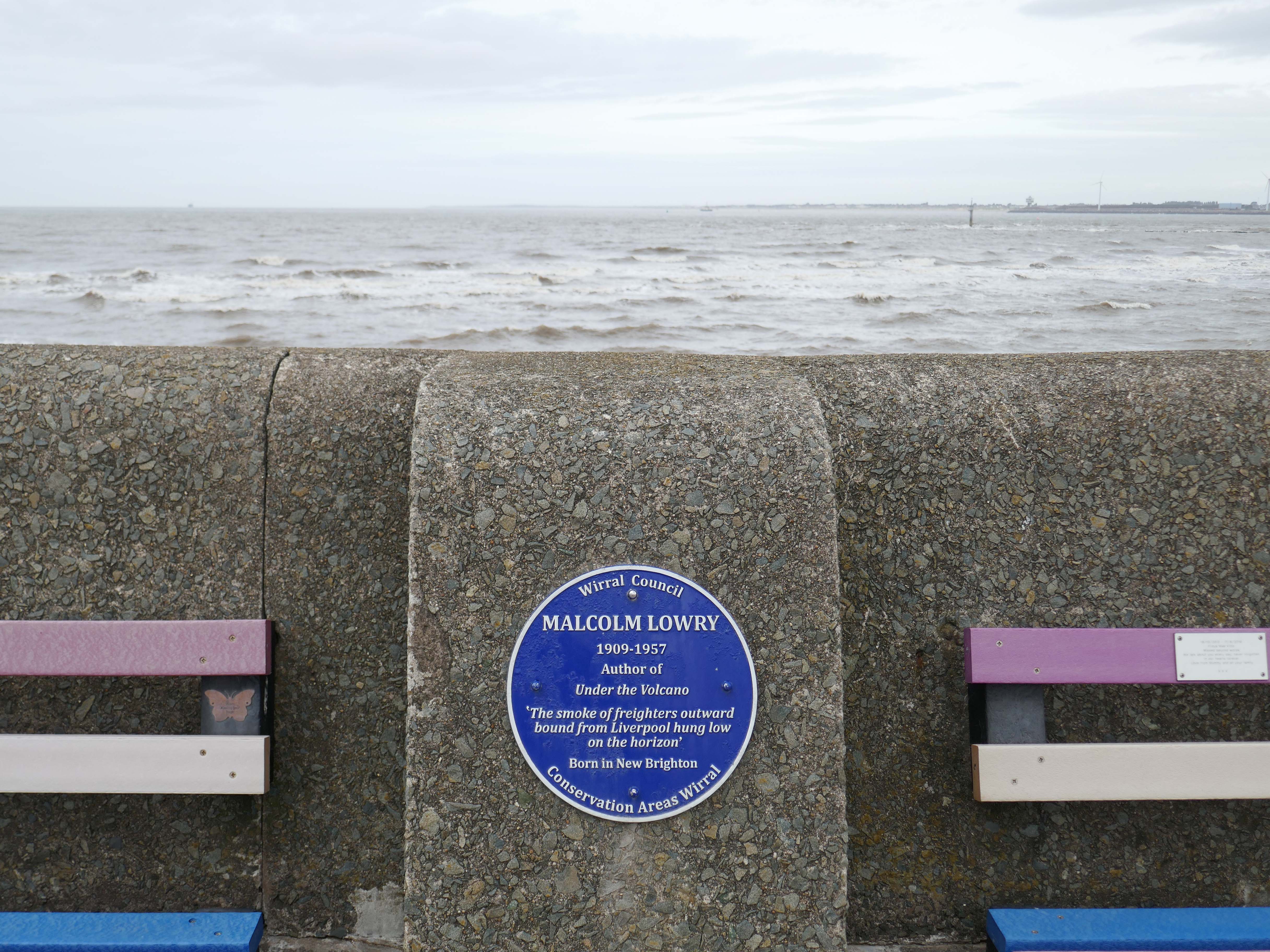
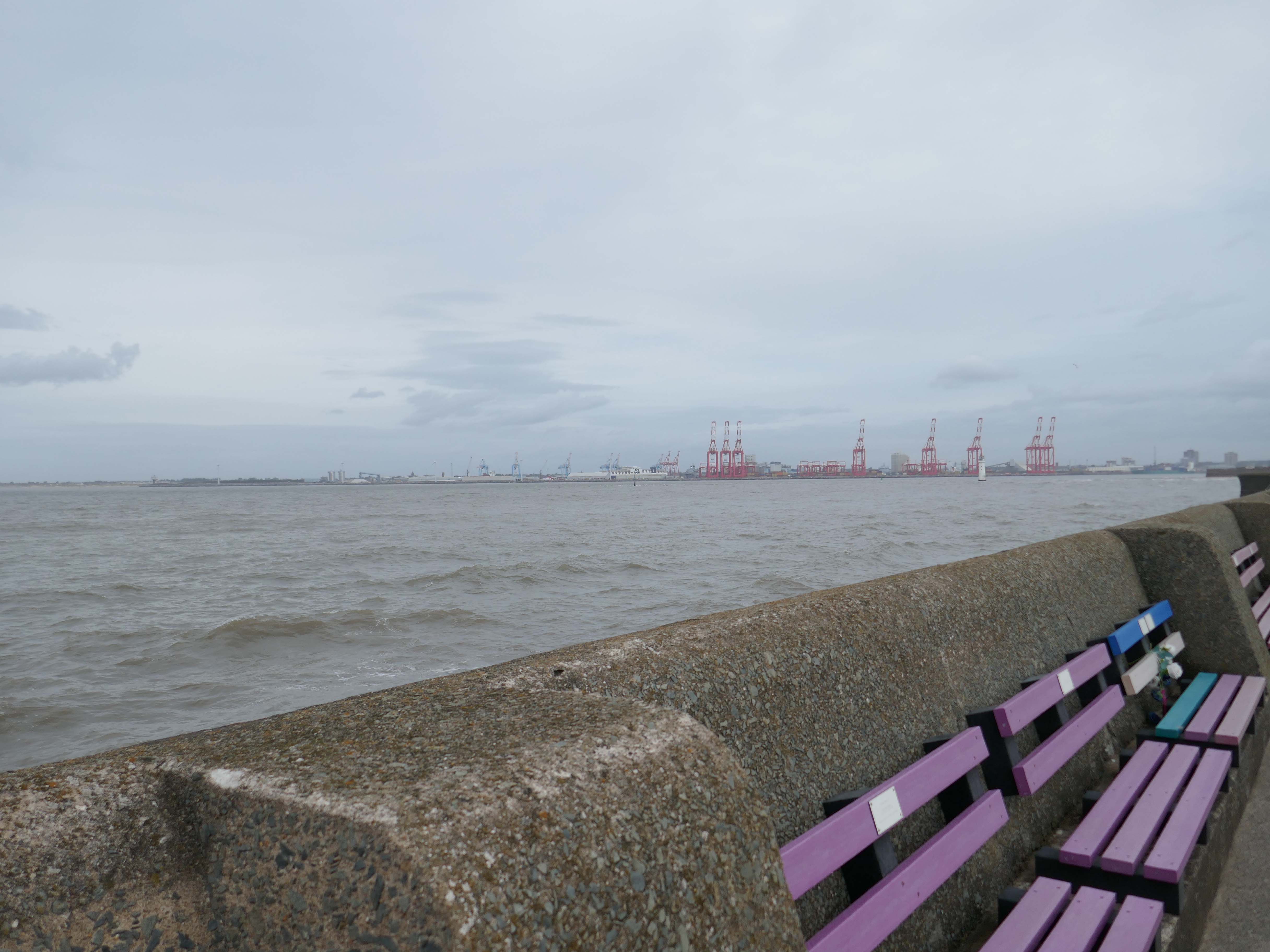
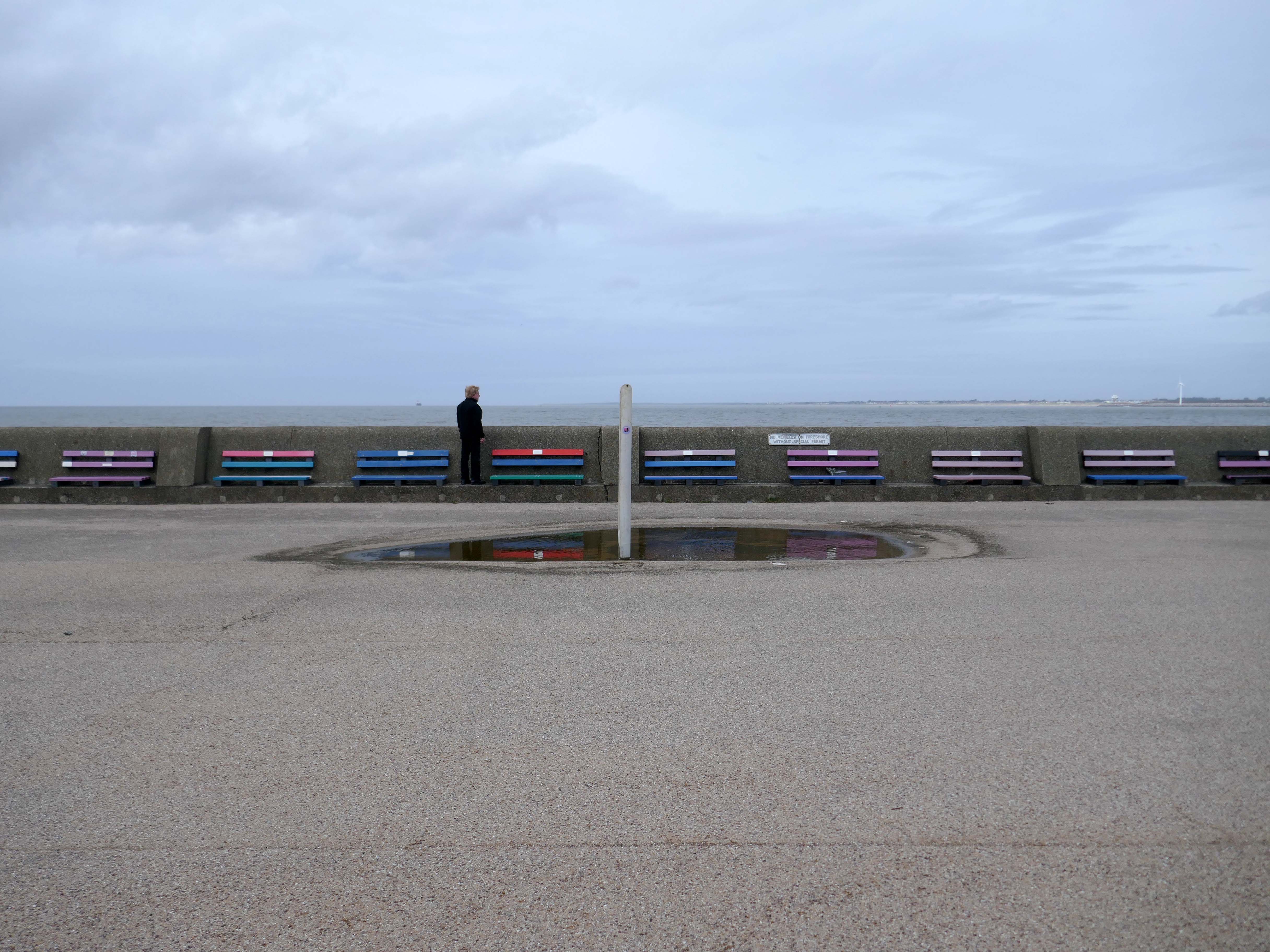
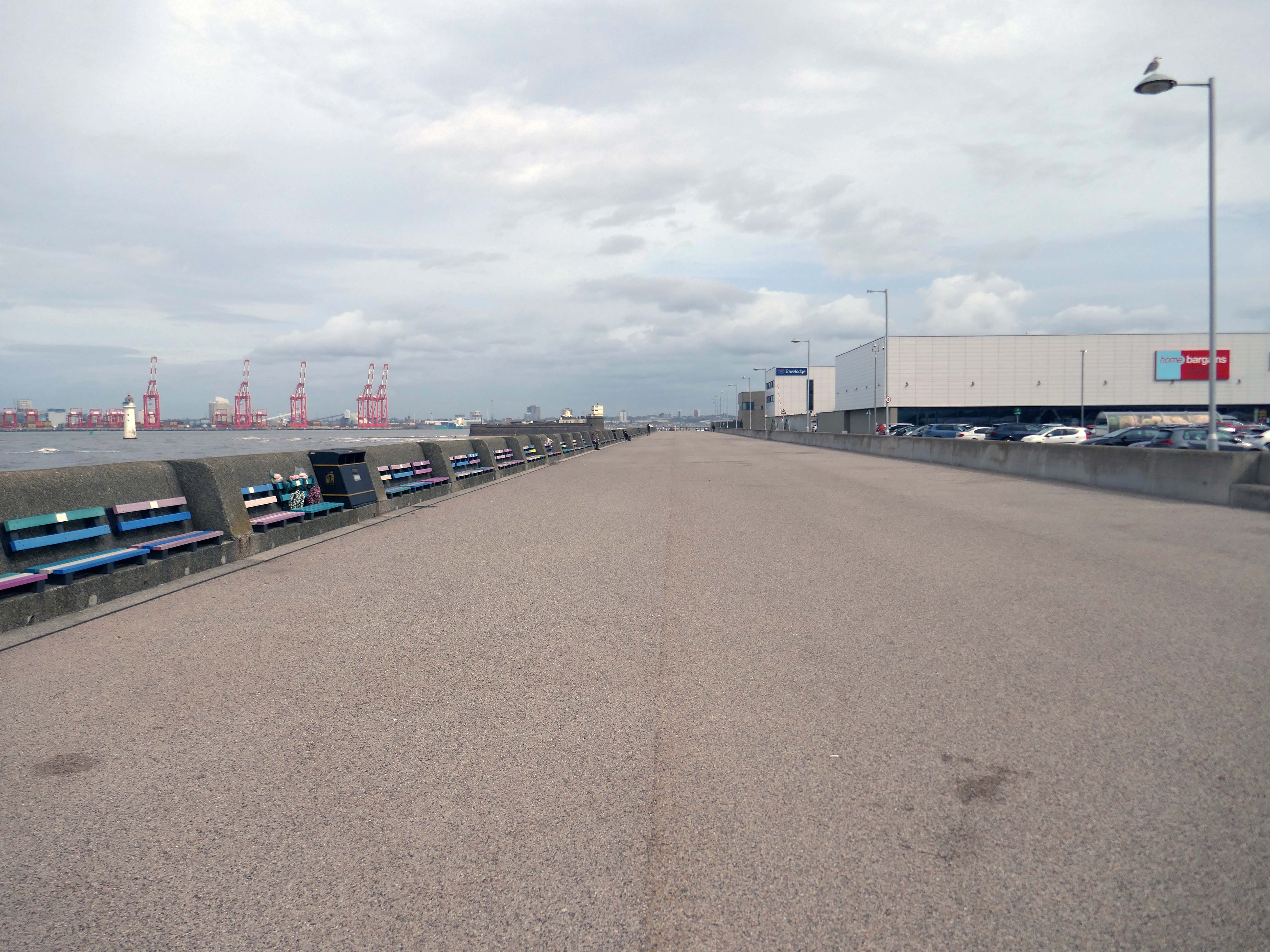
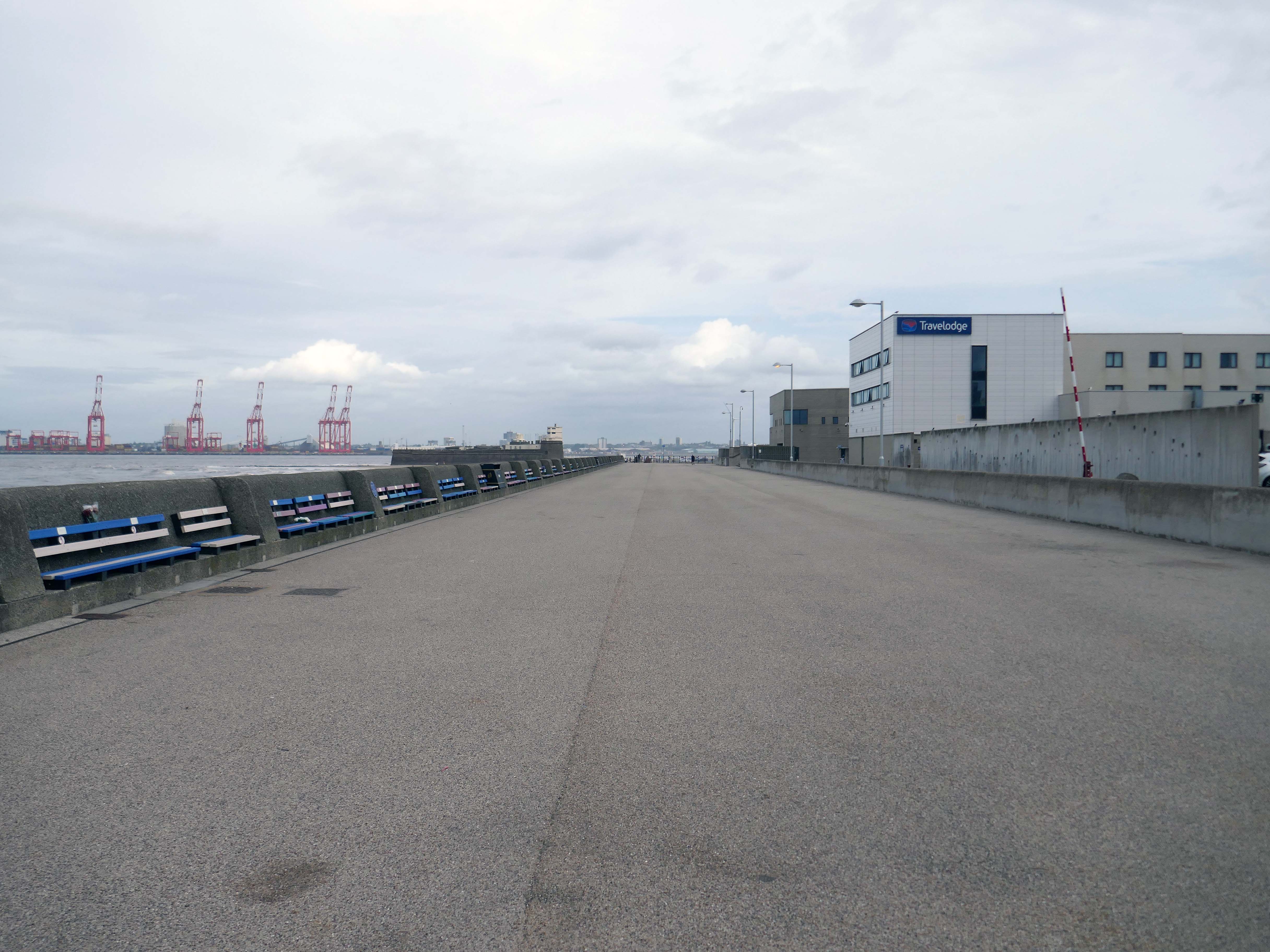
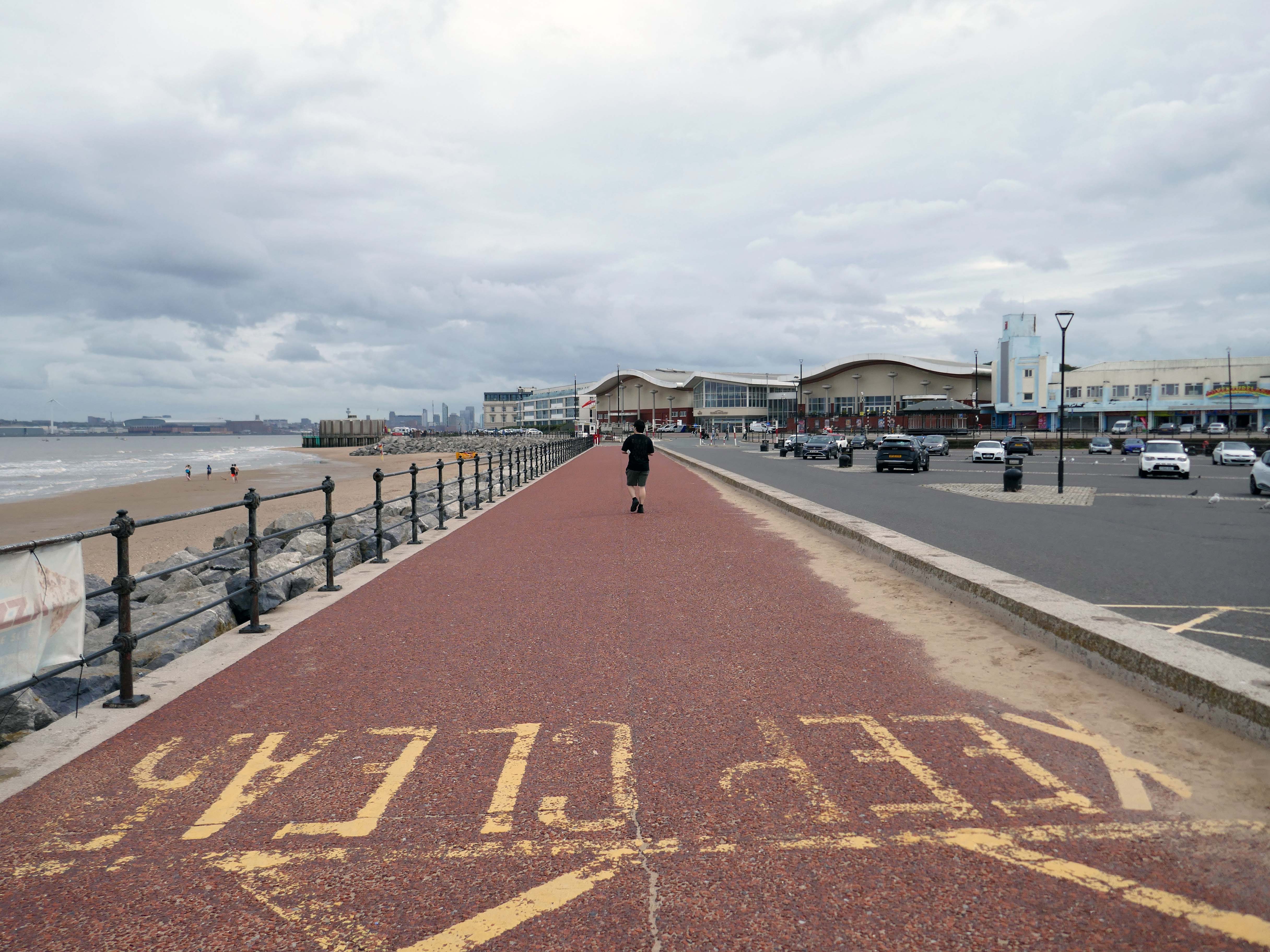
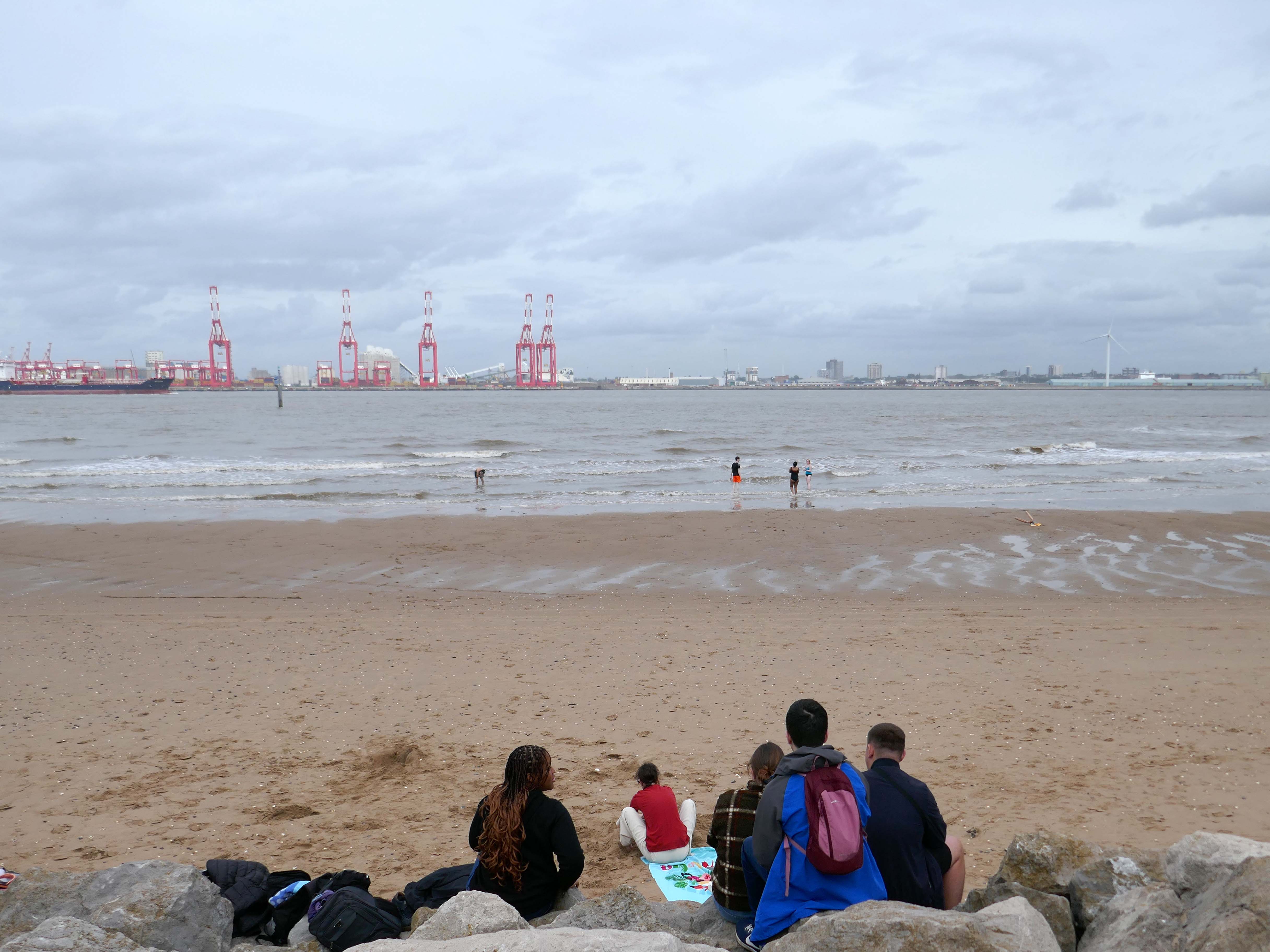
New Brighton in late summer – a little sun, a handful of visitors, and offshore breeze.
In 1830, a Liverpool merchant, James Atherton, purchased 170 acres of land at Rock Point, which enjoyed views out to sea and across the Mersey and had a good beach. His aim was to develop it as a desirable residential area and watering place for the gentry, similar to Brighton, one of the most elegant seaside resorts of that Regency period, hence the name “New Brighton”. Substantial development began soon afterwards, and housing began to spread up the hillside overlooking the estuary.
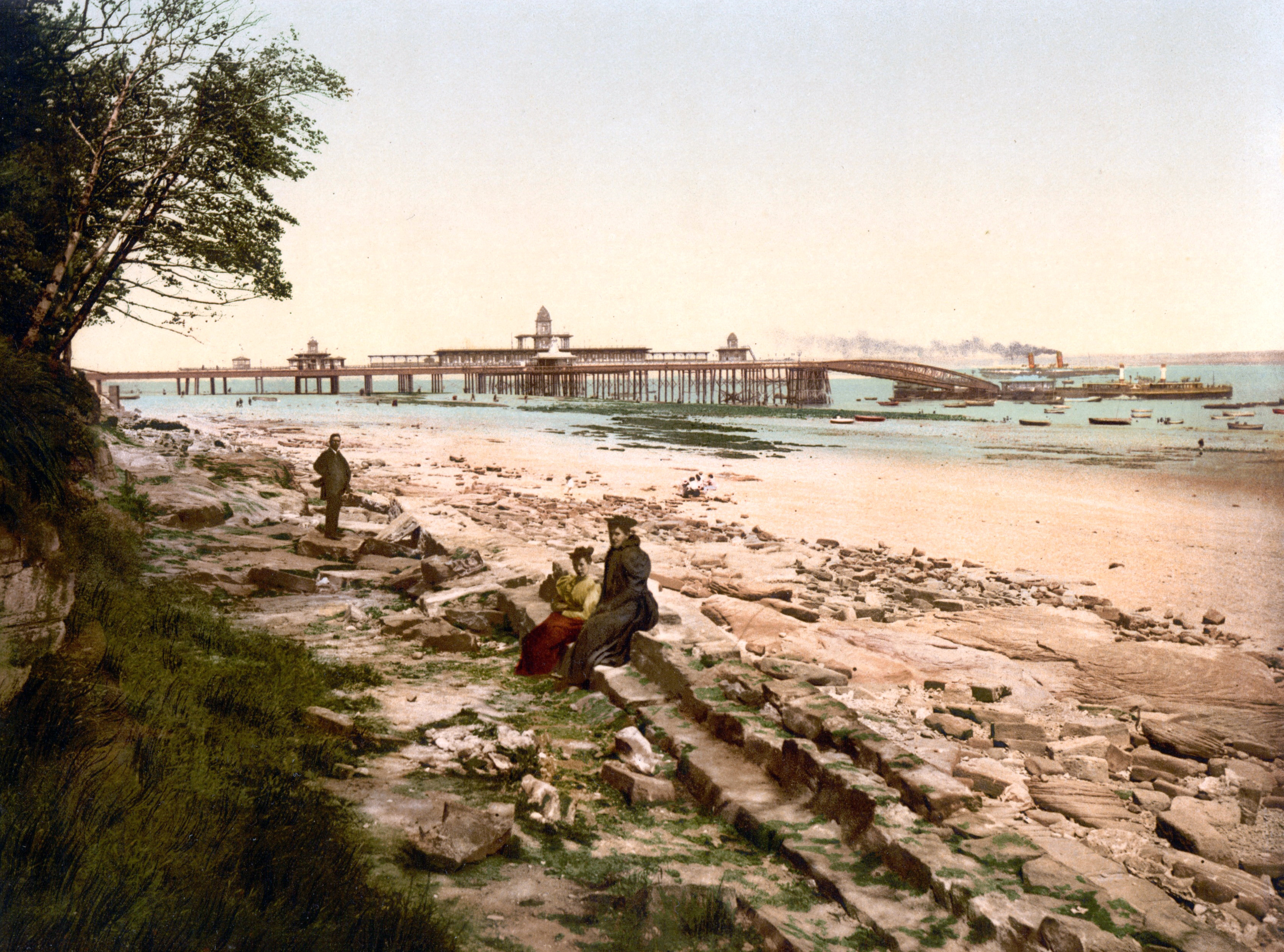
During the latter half of the nineteenth century, New Brighton developed as a very popular seaside resort serving Liverpool and the Lancashire industrial towns, and many of the large houses were converted to inexpensive hotels. Designed by the noted architect of seaside structures Eugenius Birch, the New Brighton Pier opened in 1867.
The promenade from Seacombe to New Brighton was completed by 1901.
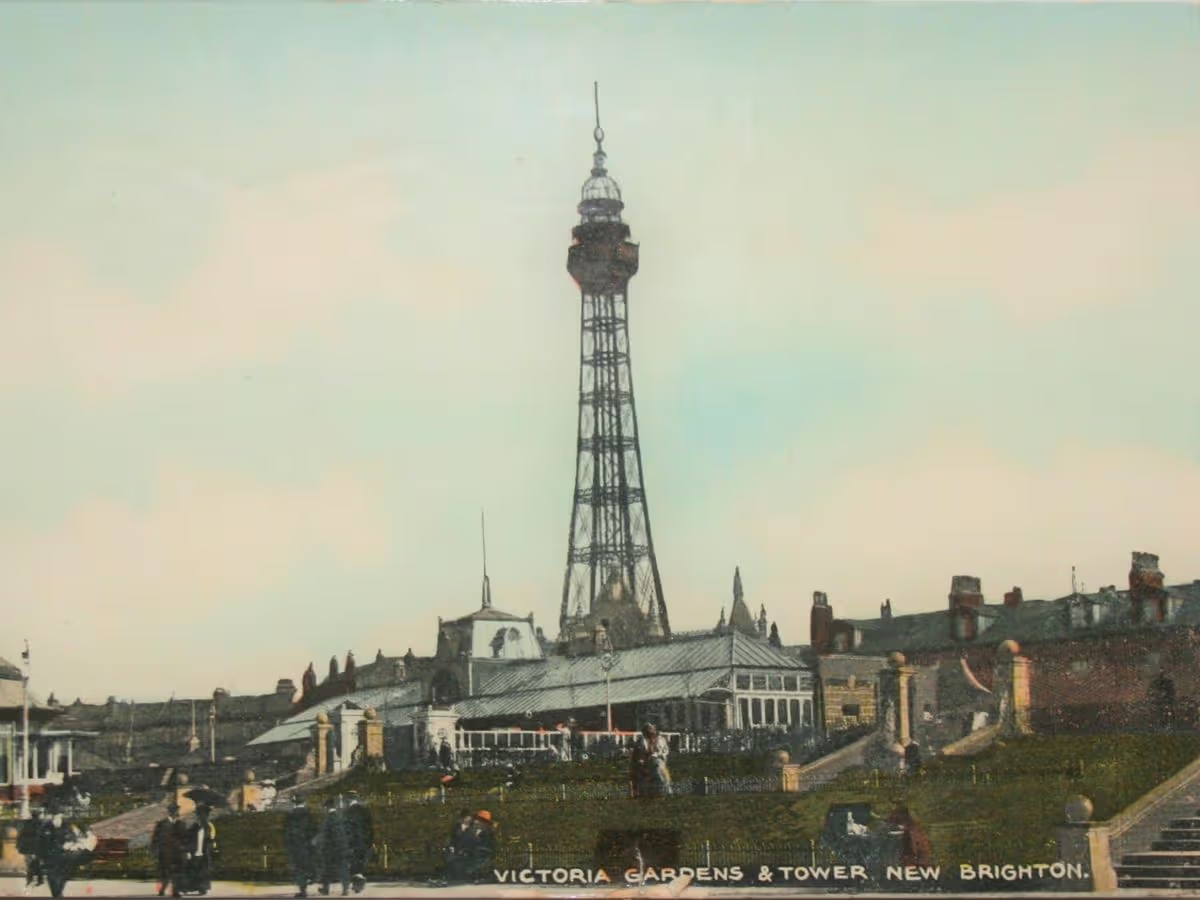
The New Brighton Tower, the tallest in the country, was opened in 1900 but closed in 1919, largely due to lack of maintenance during World War I, and had been dismantled by 1921.
After the Second World War, the popularity of New Brighton as a seaside resort declined dramatically. However, the Tower Ballroom continued as a major venue, hosting numerous concerts in the 1950s and 1960s by local Liverpool groups such as The Beatles, and international stars.
The Tower Ballroom continued in use until it was destroyed by a fire in 1969.
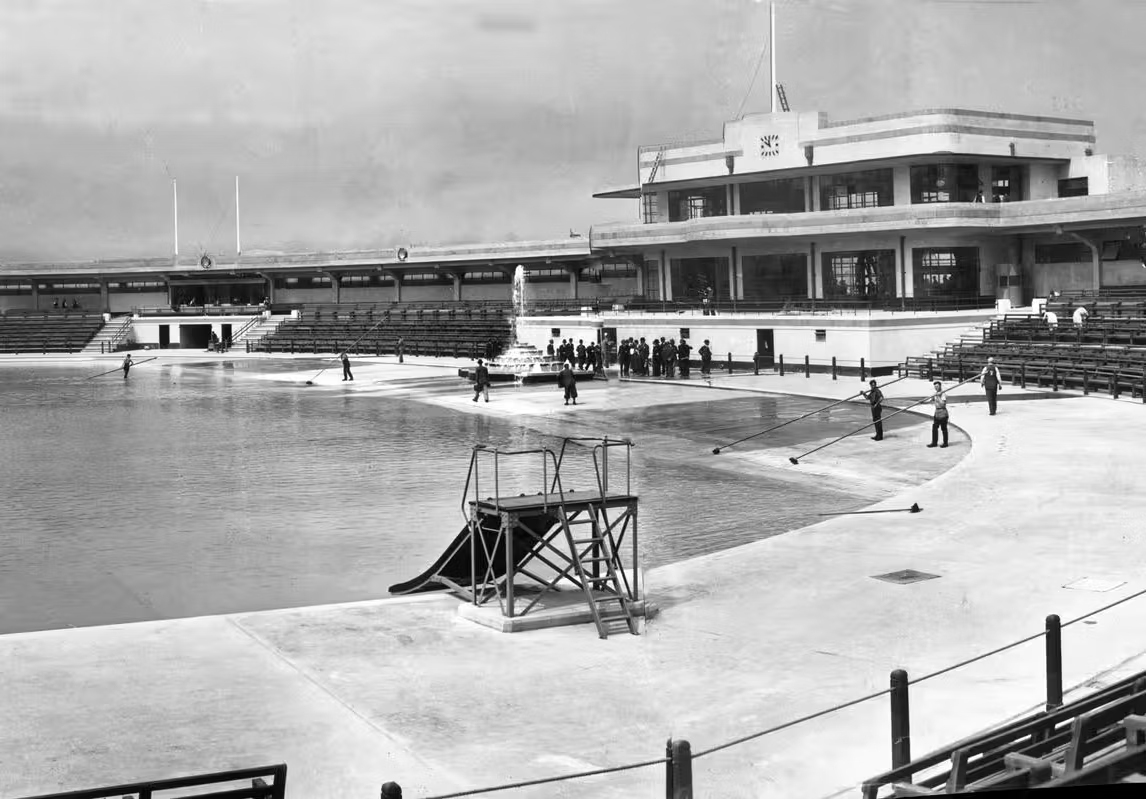
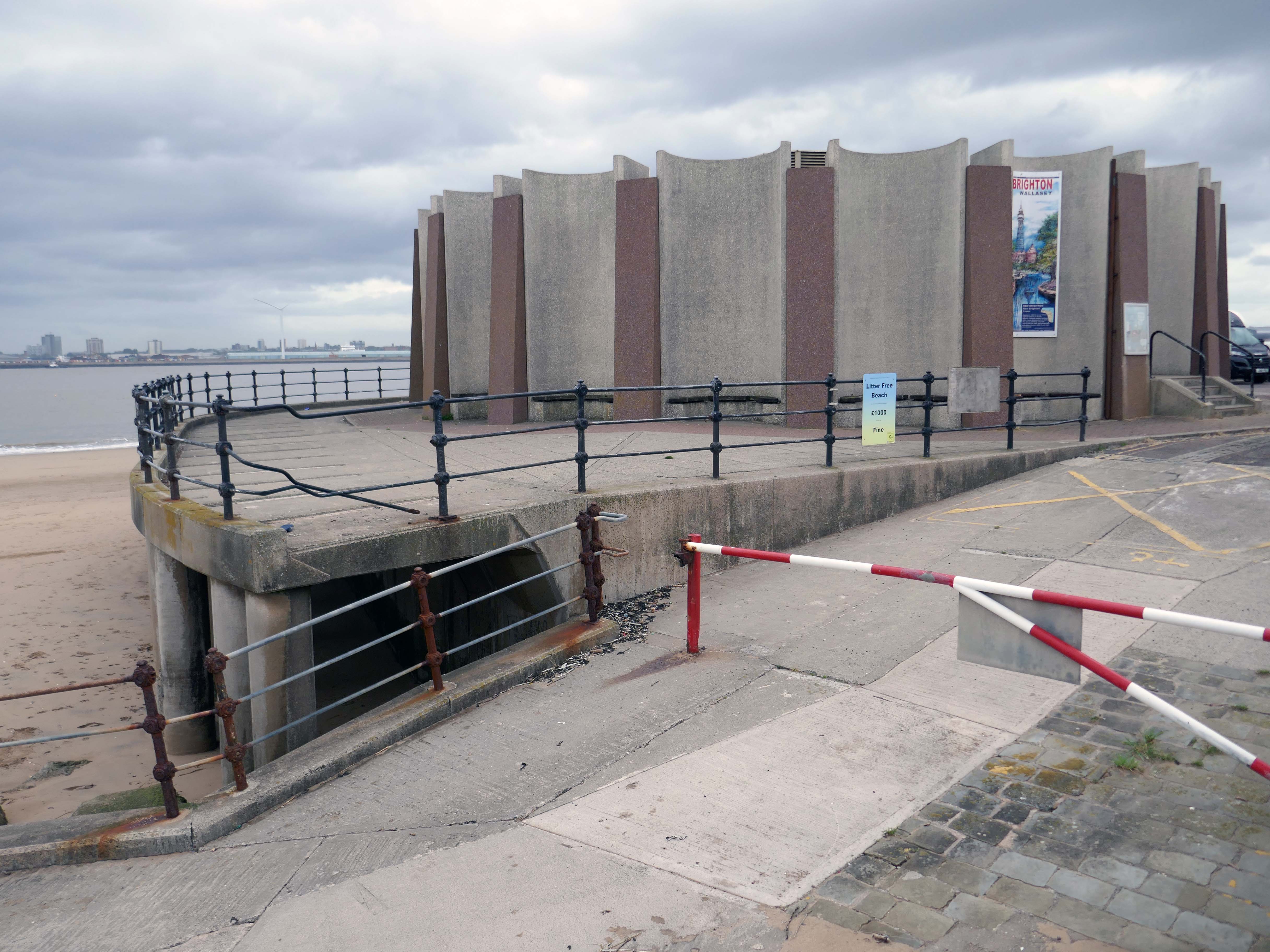
New Brighton’s Art Deco Lido, was opened on 13 June 1934 by Viscount Leverhulme. When it was built, it was the largest lido in Britain, at a cost of £90,000, designed byWallasey County-Borough Engineer L St. G Wilkinson
The saltwater pool survived until 1990, when it was damaged during a storm and later demolished
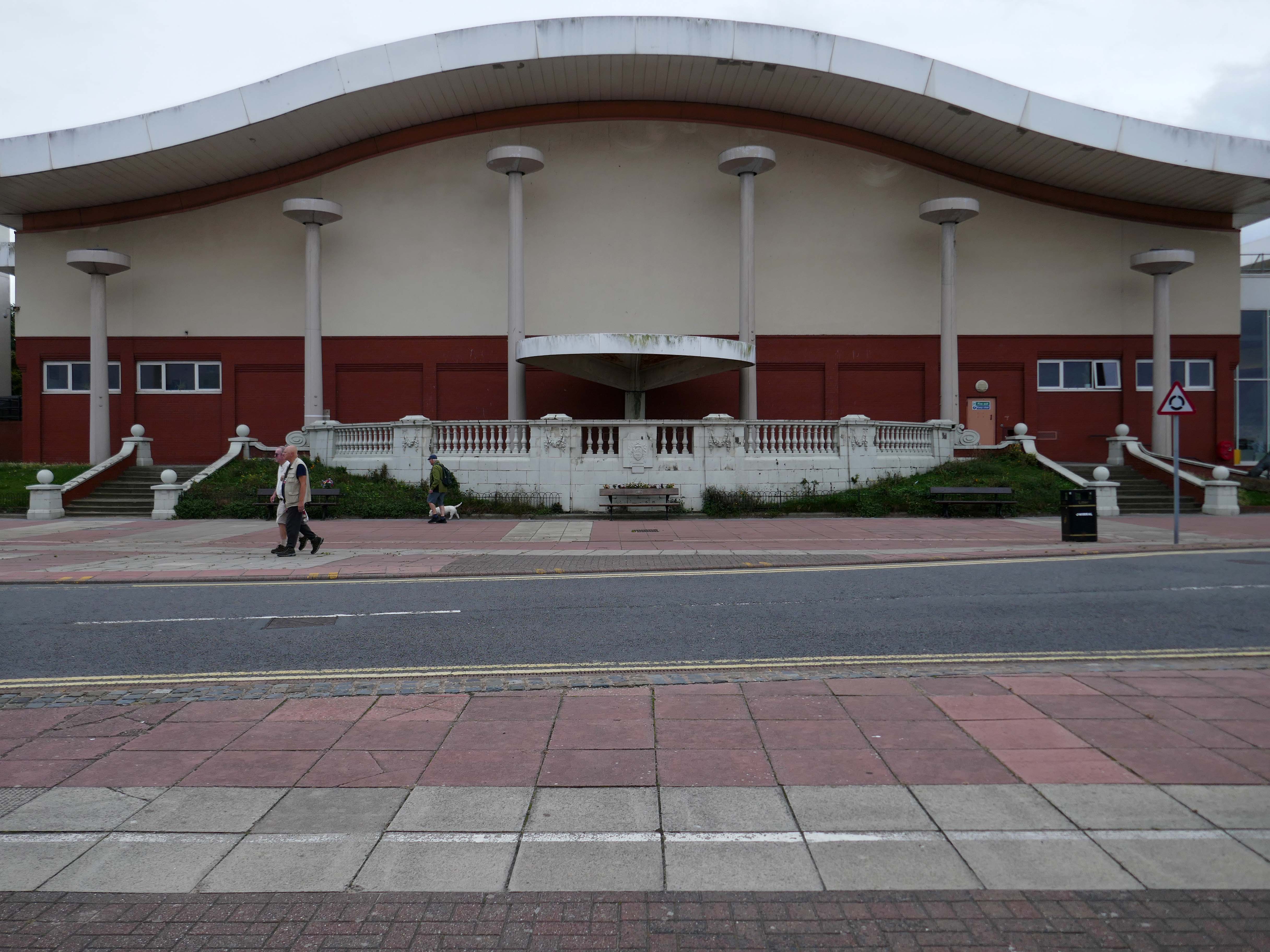
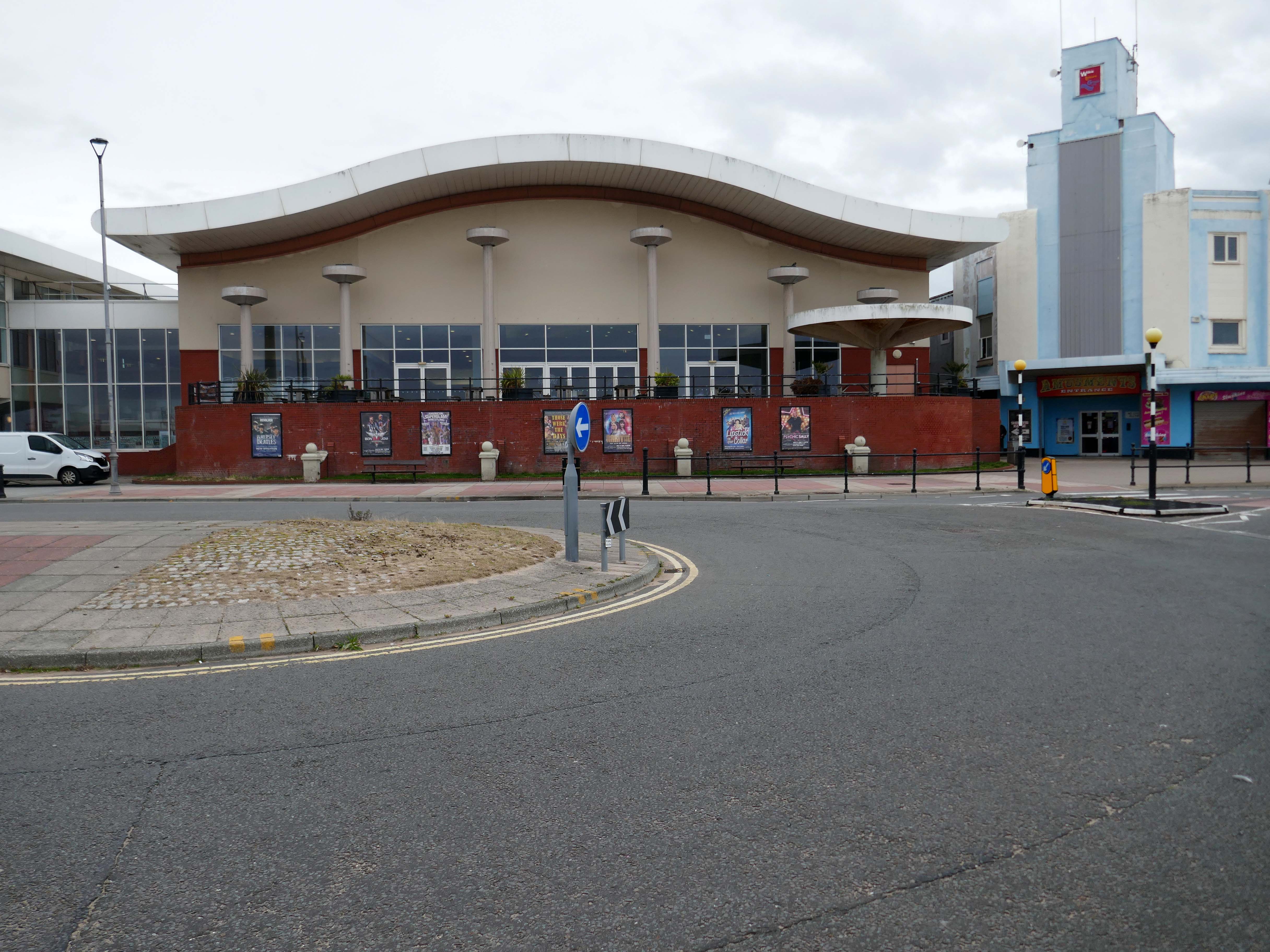
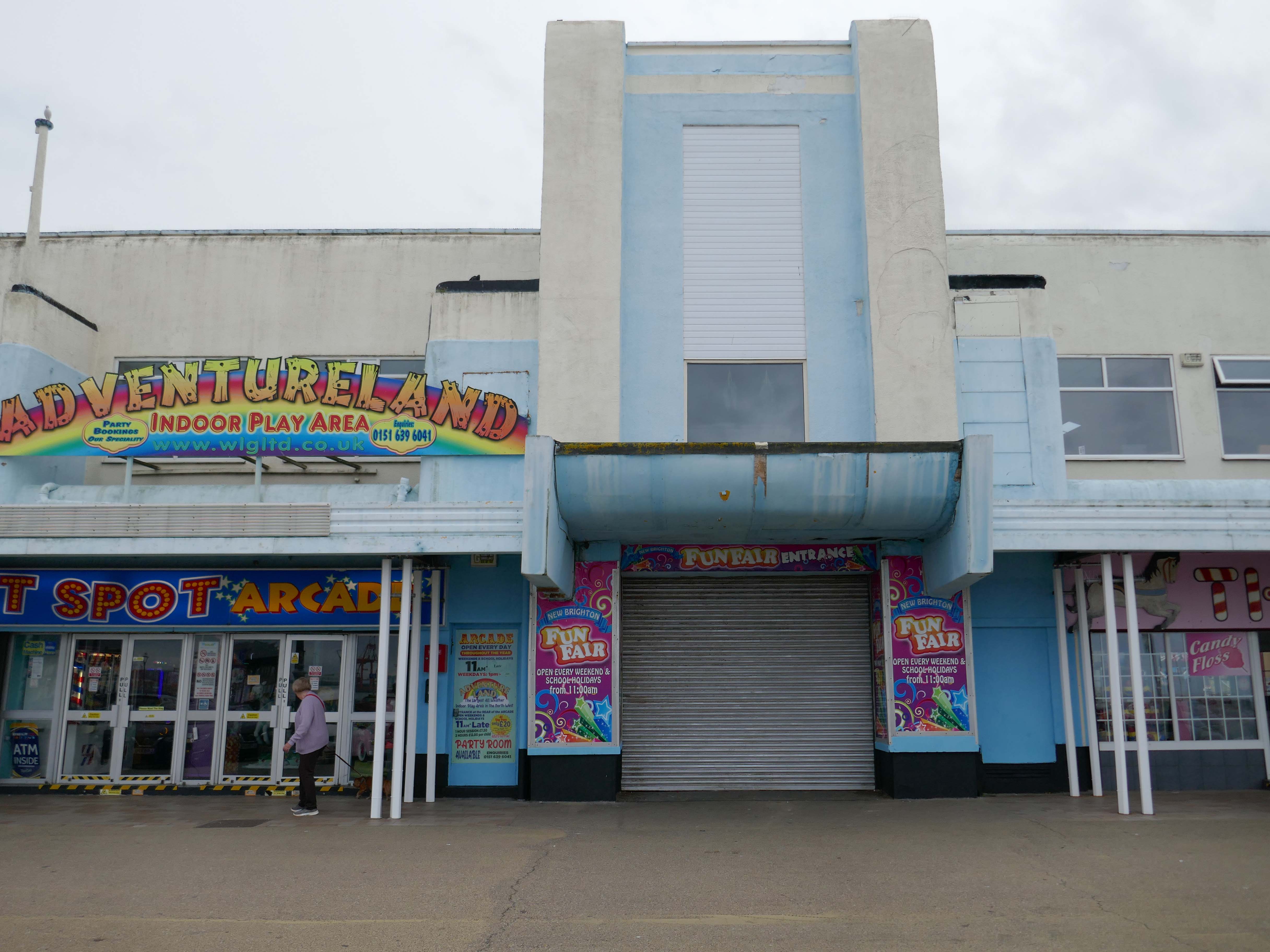
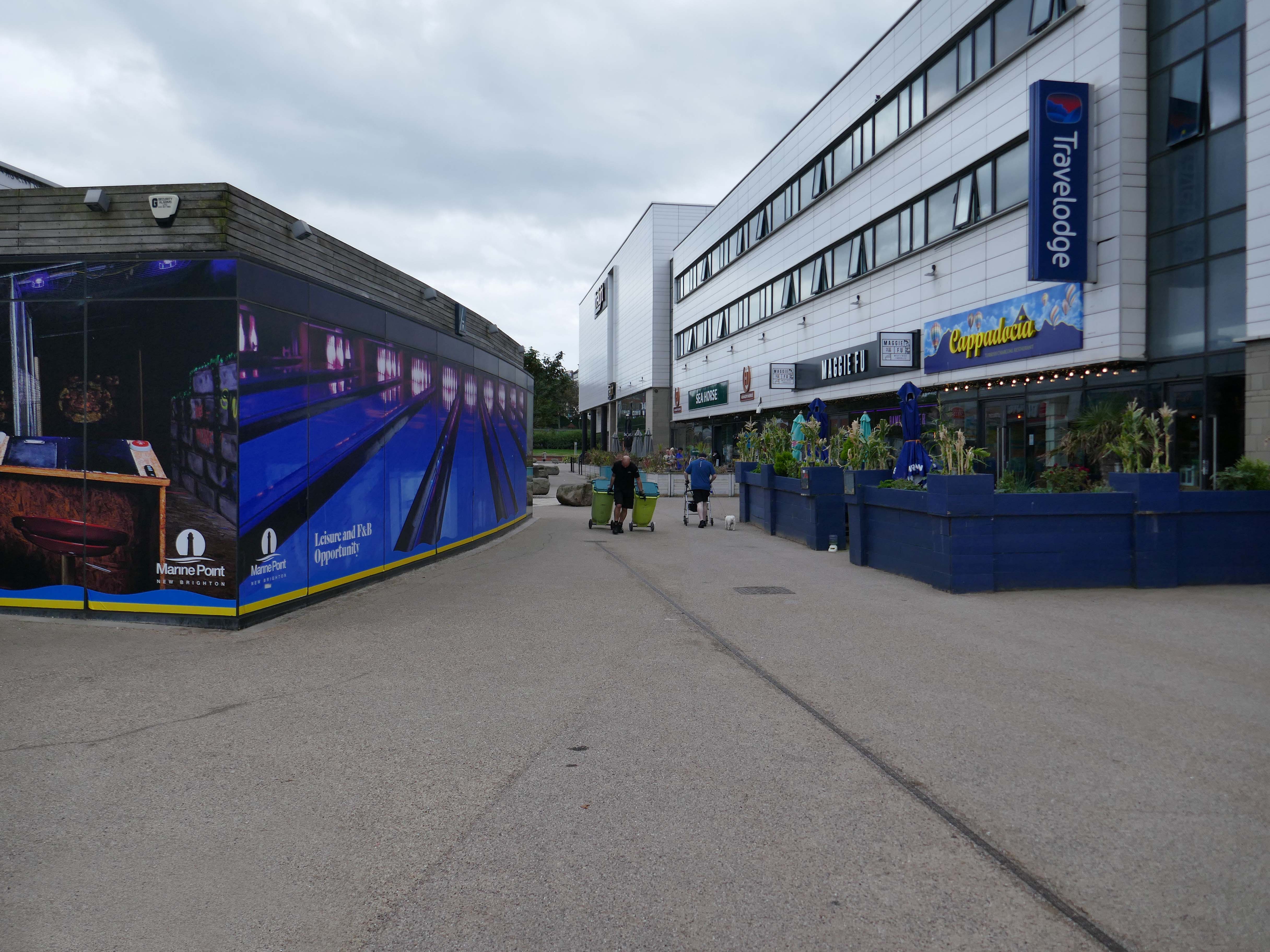
The New Palace and Adventureland on the famous Promenade at New Brighton, Wirral, offers a tremendous range of family fun-filled entertainment and activities.
The traditional family amusement arcade, The Bright Spot, has something for everyone including state of the art video driving, adventure and shooting simulators, dance games, plus the always popular slots and ‘pushers’, as well as mini-bowling and toy-grabbers.
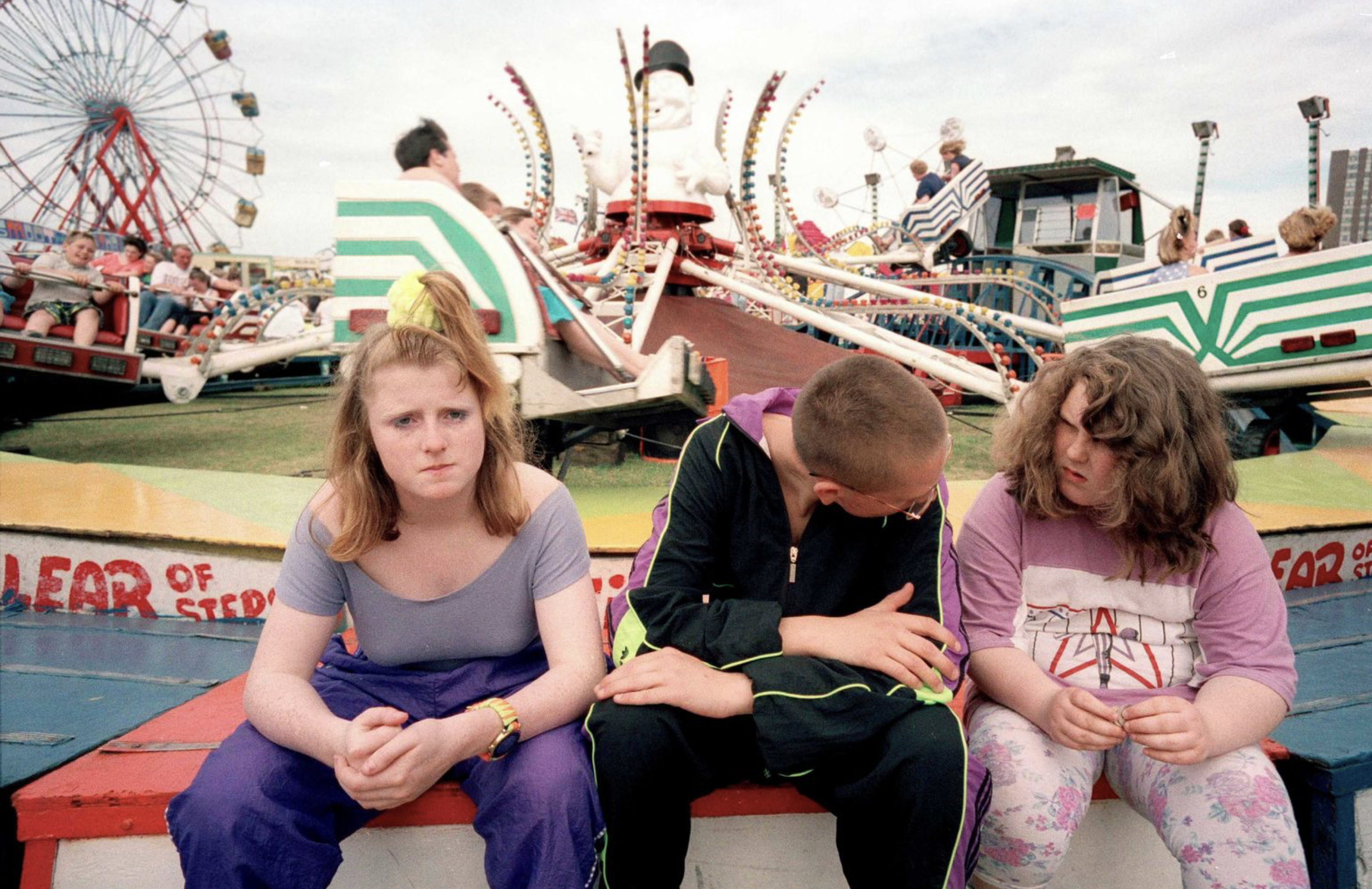
Special mention must go to long time New Brighton resident Photie ManTom Wood.
Opened in 1971, the site consists of about five hundred acres
Technological changes, such as containerisation, caused the loss of numerous jobs on the docks. In the 21st century, the dock handles mainly containers, oils, timber, fruit and vegetables, grain and animal feed.
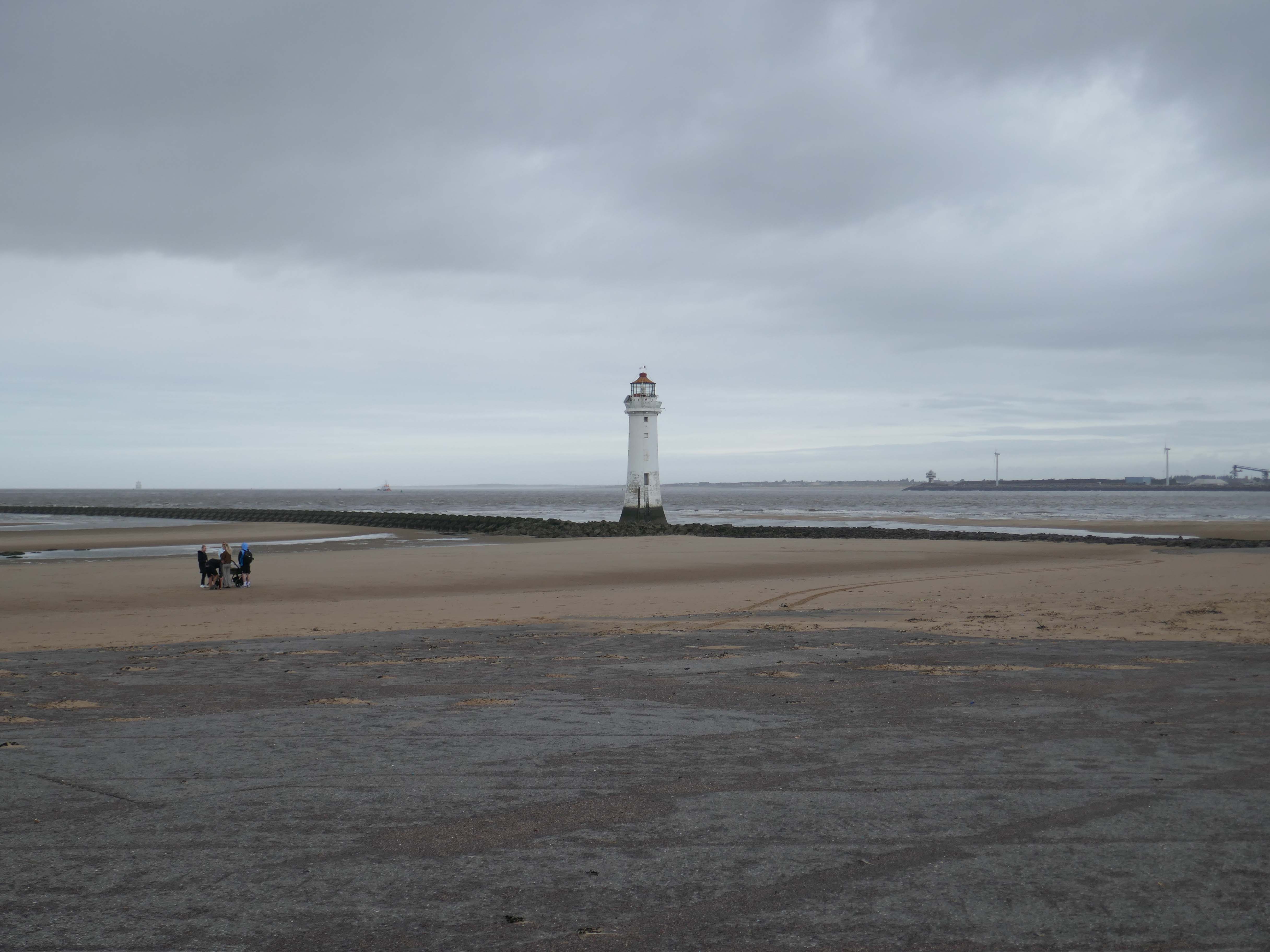
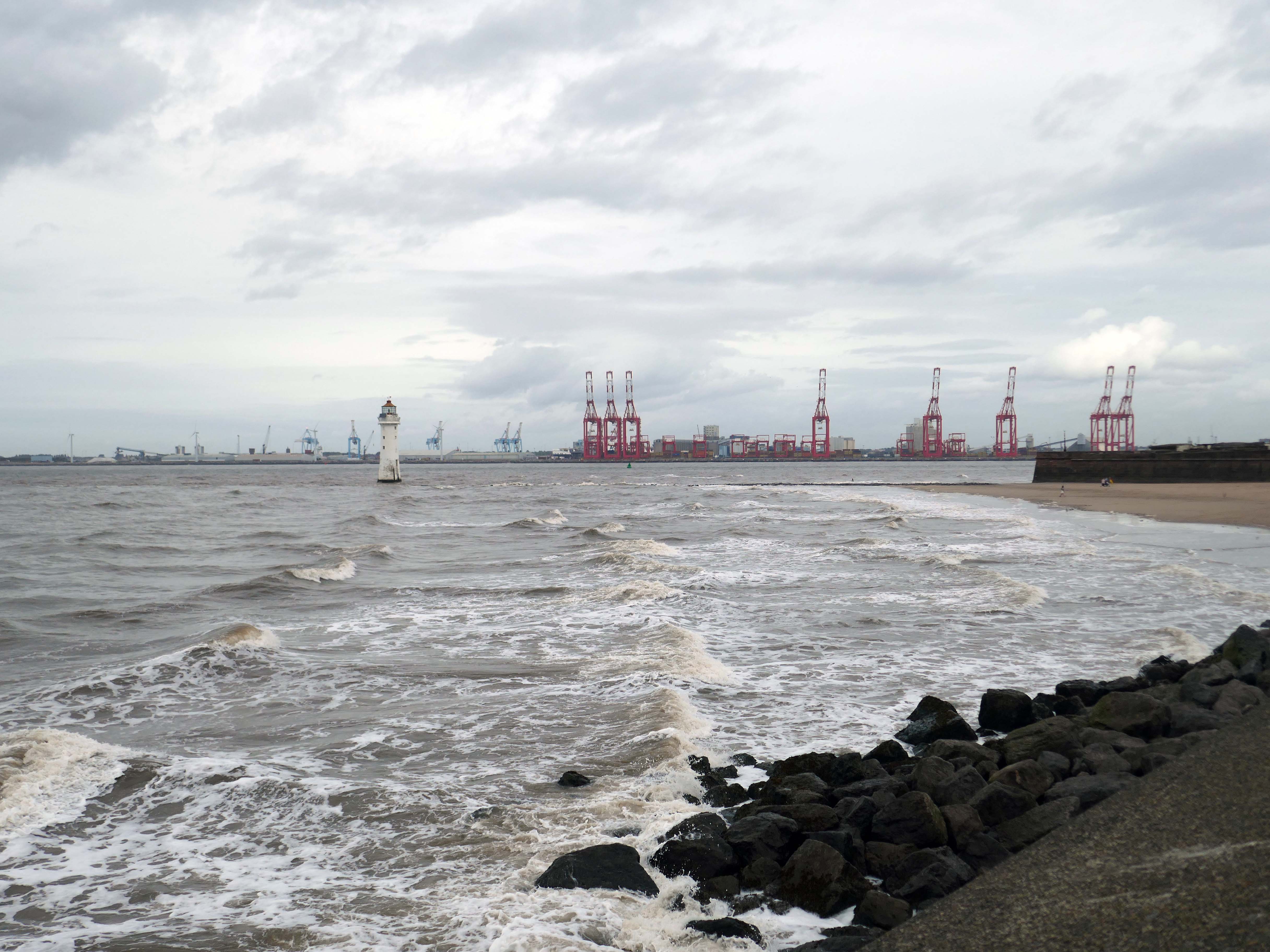
Designed by John Foster Jr, construction of the present tower began in 1827 by Tomkinson & Company using blocks of interlocking Anglesey granite using dovetail joints and marble dowels.
The lighthouse was in continuous use until it was decommissioned in October 1973, having been superseded by modern navigational technology.
In 1803 Liverpool merchants concerned about a possible invasion by the French during the Napoleonic wars put forward the idea of a fort at New Brighton. Naturally there weredisputes about how it was to be financed and consequently construction didn’t get under way until 1826.
It was completed three years later. It was built out of red sandstone blocks on a base of sandstone rocks, confusingly known as the Black Rocks.
Designed by a Captain John Sikes Kitson of the Royal Engineers, it had room for 100 men plus officers with adequate provisions and armaments. It had eighteen guns, sixteen of which were thirty two-pounders and they faced the Rock Channel that was the main entrance for shipping to the Mersey at that time. The ships passed nine hundred yards from the guns and the fort soon became known as the “Little Gibraltar of the Mersey”.
The fort was decommissioned by the War Office 1956 and passed through various hands until it was sold to the Darroch family who are the current custodians.
Almost a year on and I’m back again and you’re still here.
Still awaiting the wrecking ball and a rubble trouble future.
Back in 2025 the reports of your demise were premature.
Back in 2023 you were, even then, tired and ready to go home – to car park heaven.
It’s 2026, are we to bury you or praise you?
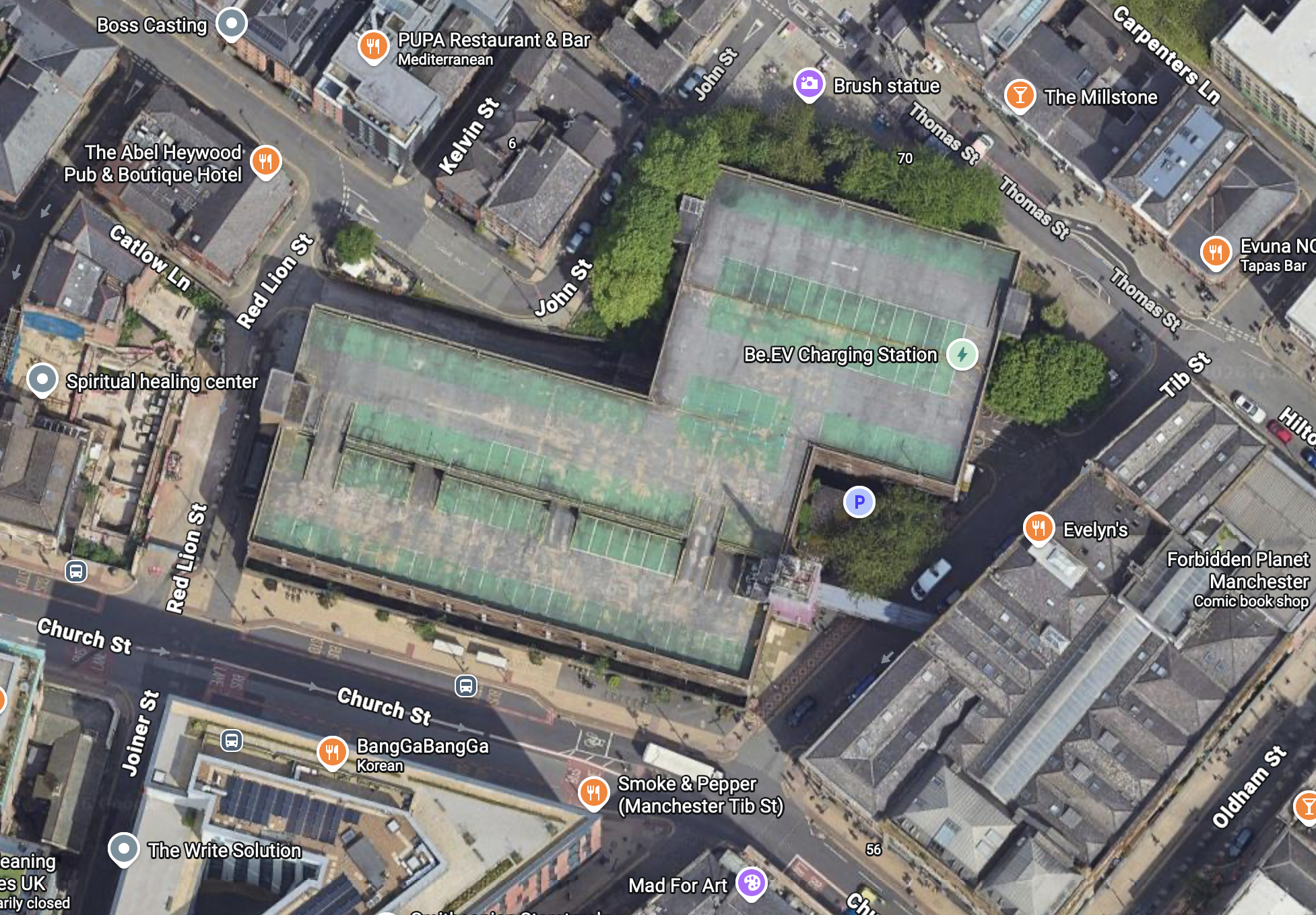
Fresh plans have been unveiled for one of the Northern Quarter’s most significant redevelopment projects, with the latest proposals for the long-awaited transformation of the Church Street multi-storey car park now entering a second round of public consultation.
The council-owned car park, which has occupied the site since 1970, has long been viewed as one of the area’s least-loved landmarks, and in recent years has found itself frequently at the centre of antisocial behaviour in the area. Developer Glenbrook is now proposing to replace it with a new mixed-use neighbourhood featuring around three hundred homes, including 20% affordable housing, alongside commercial units, public squares, green spaces and a community hub.
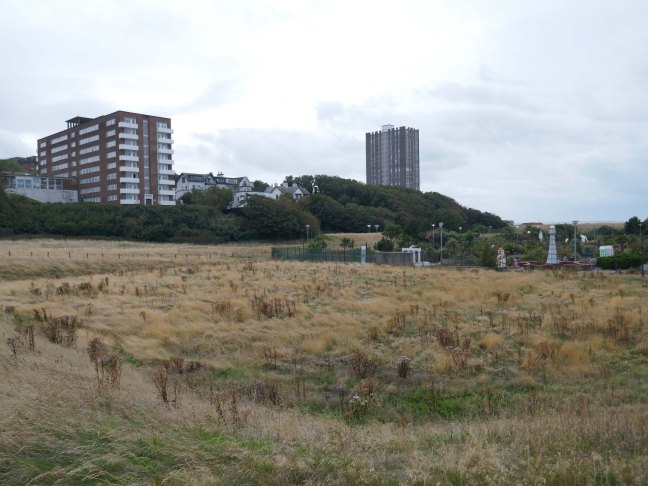
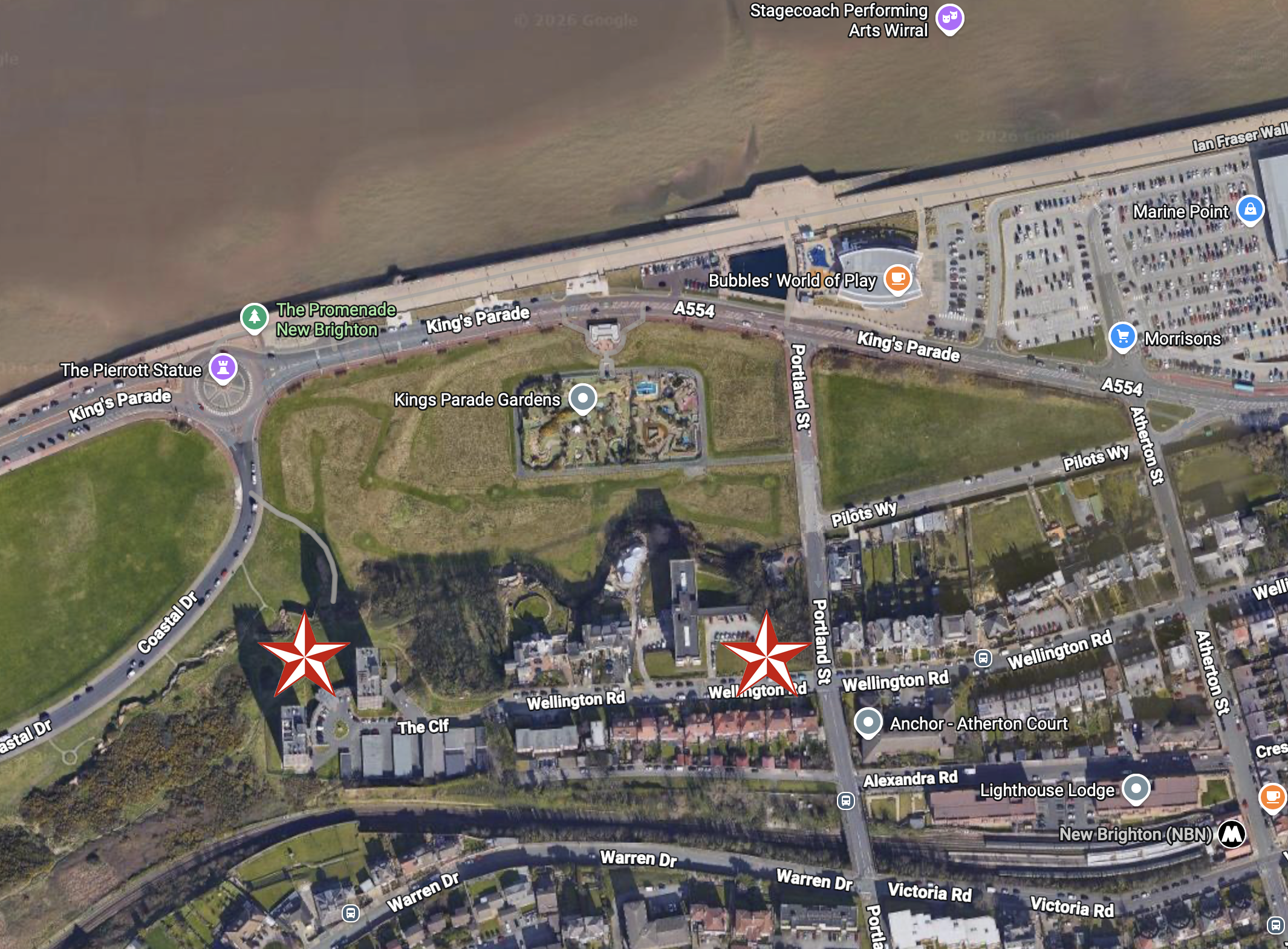
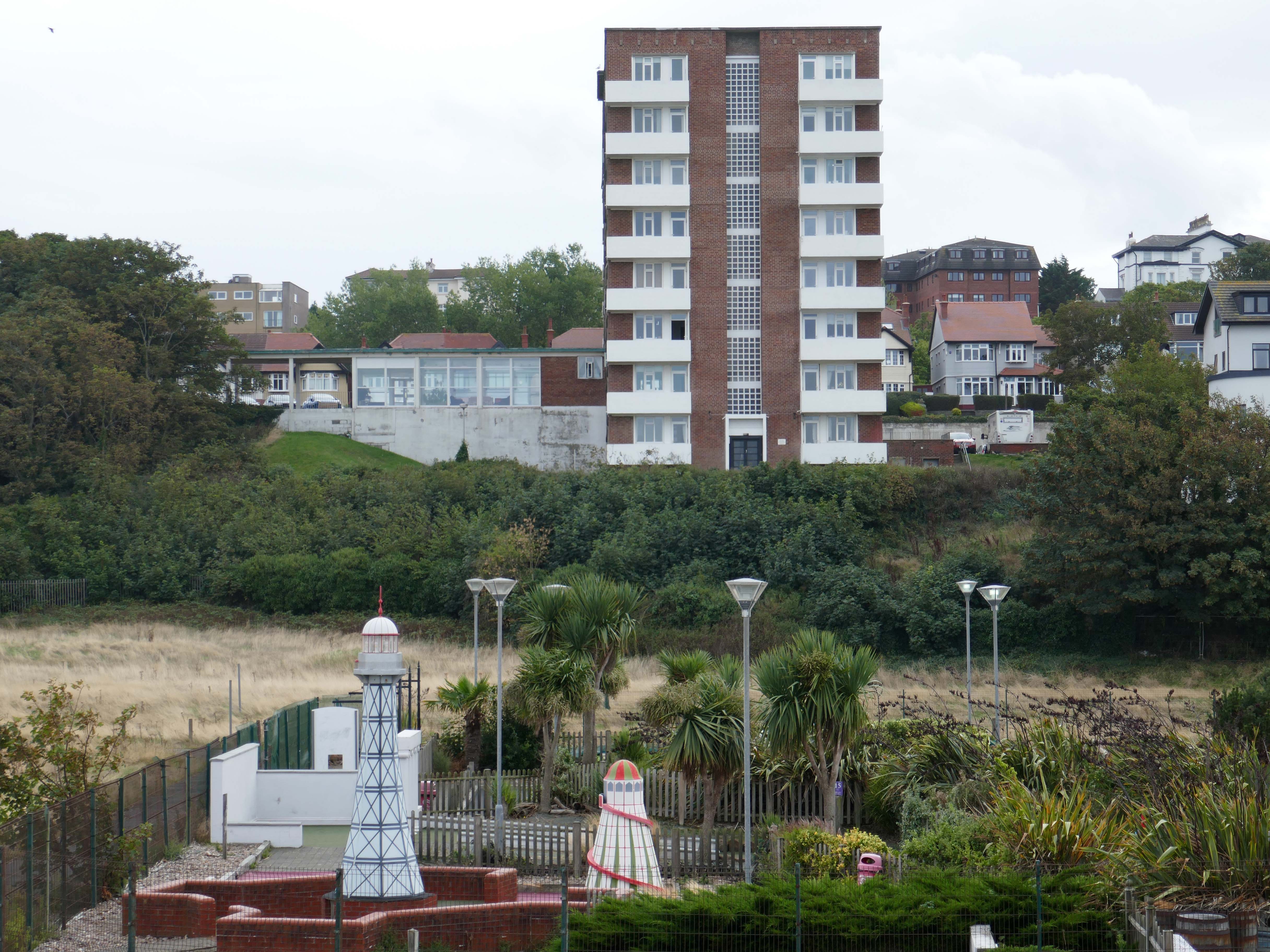
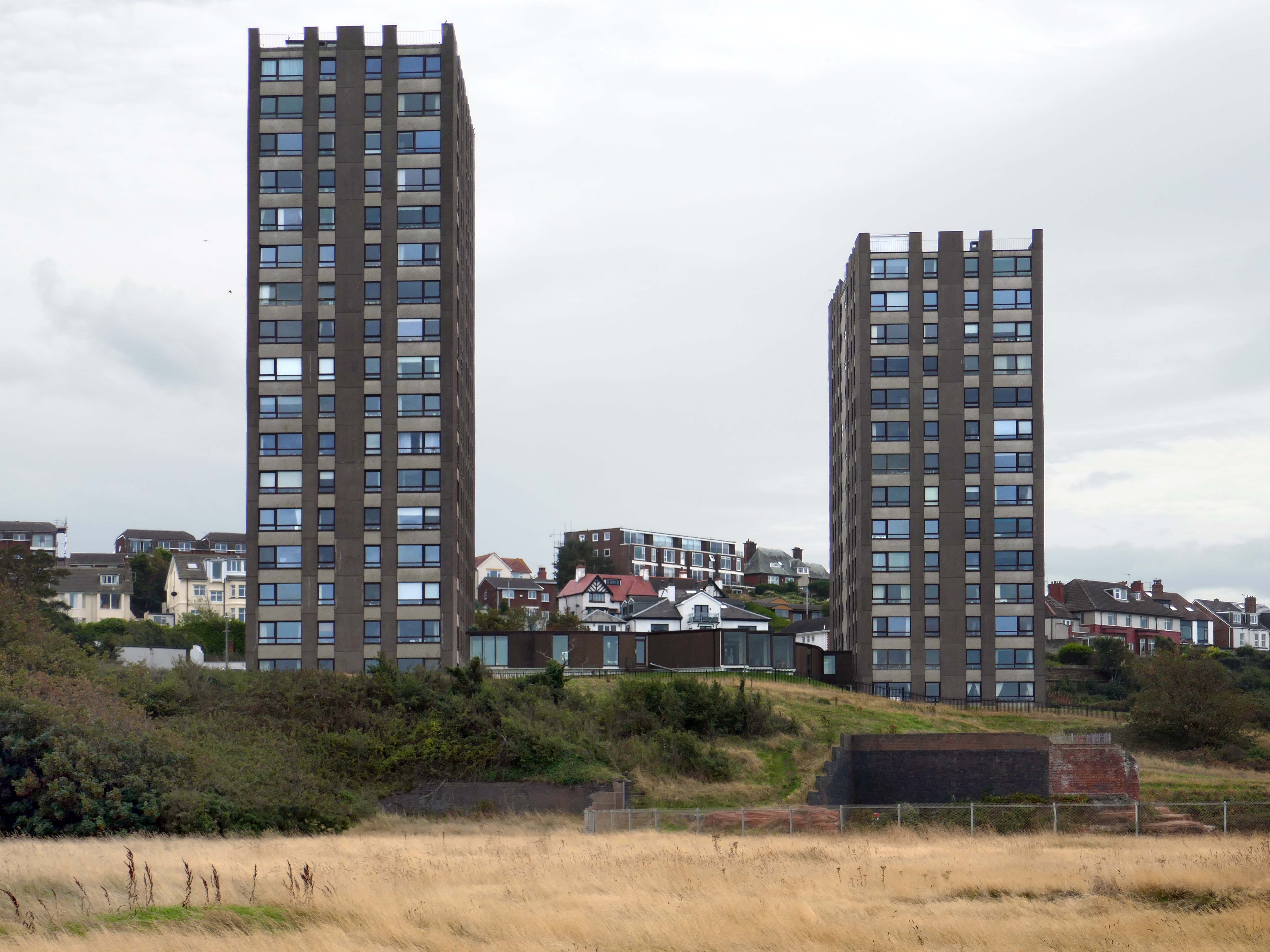
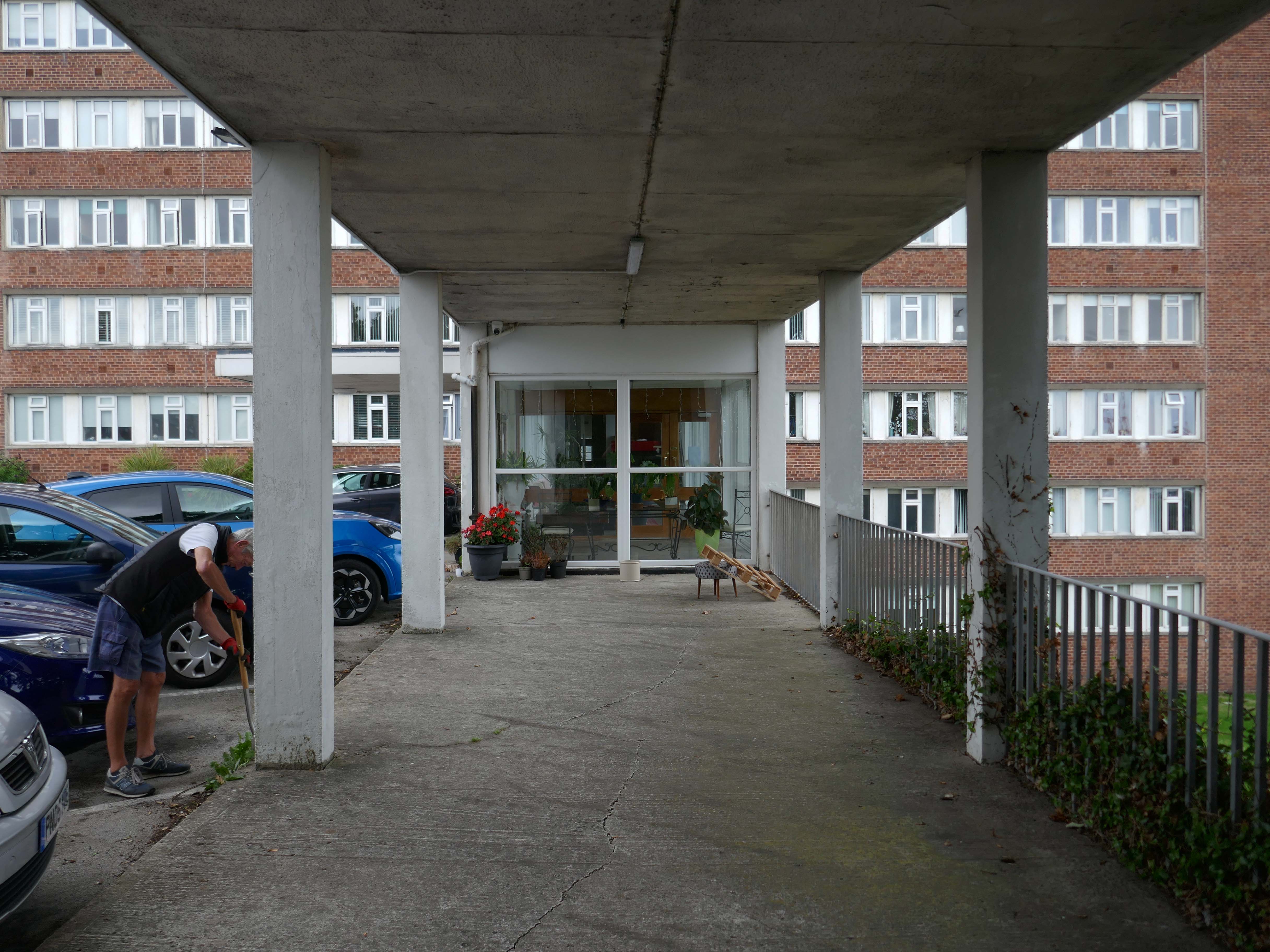
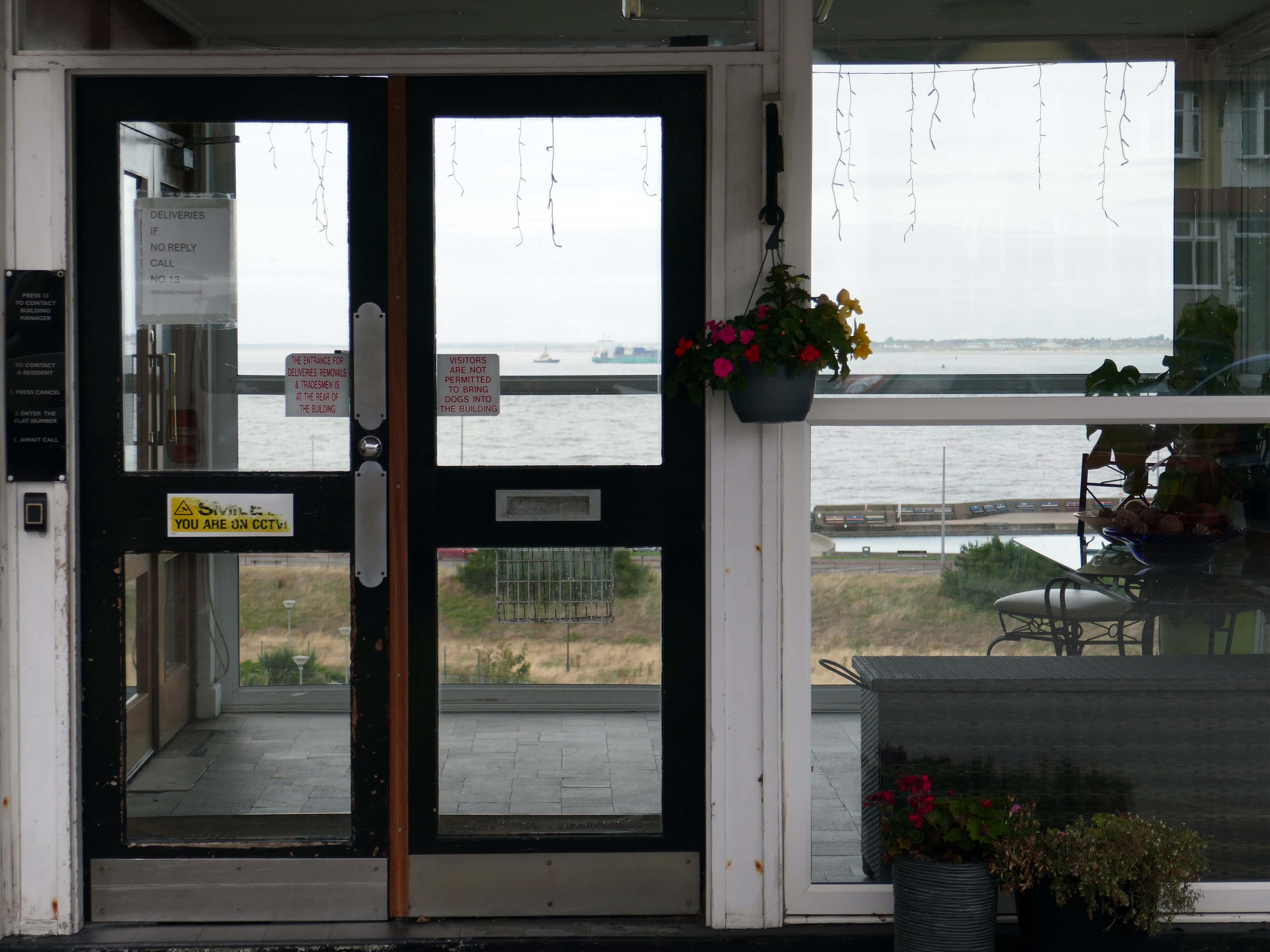
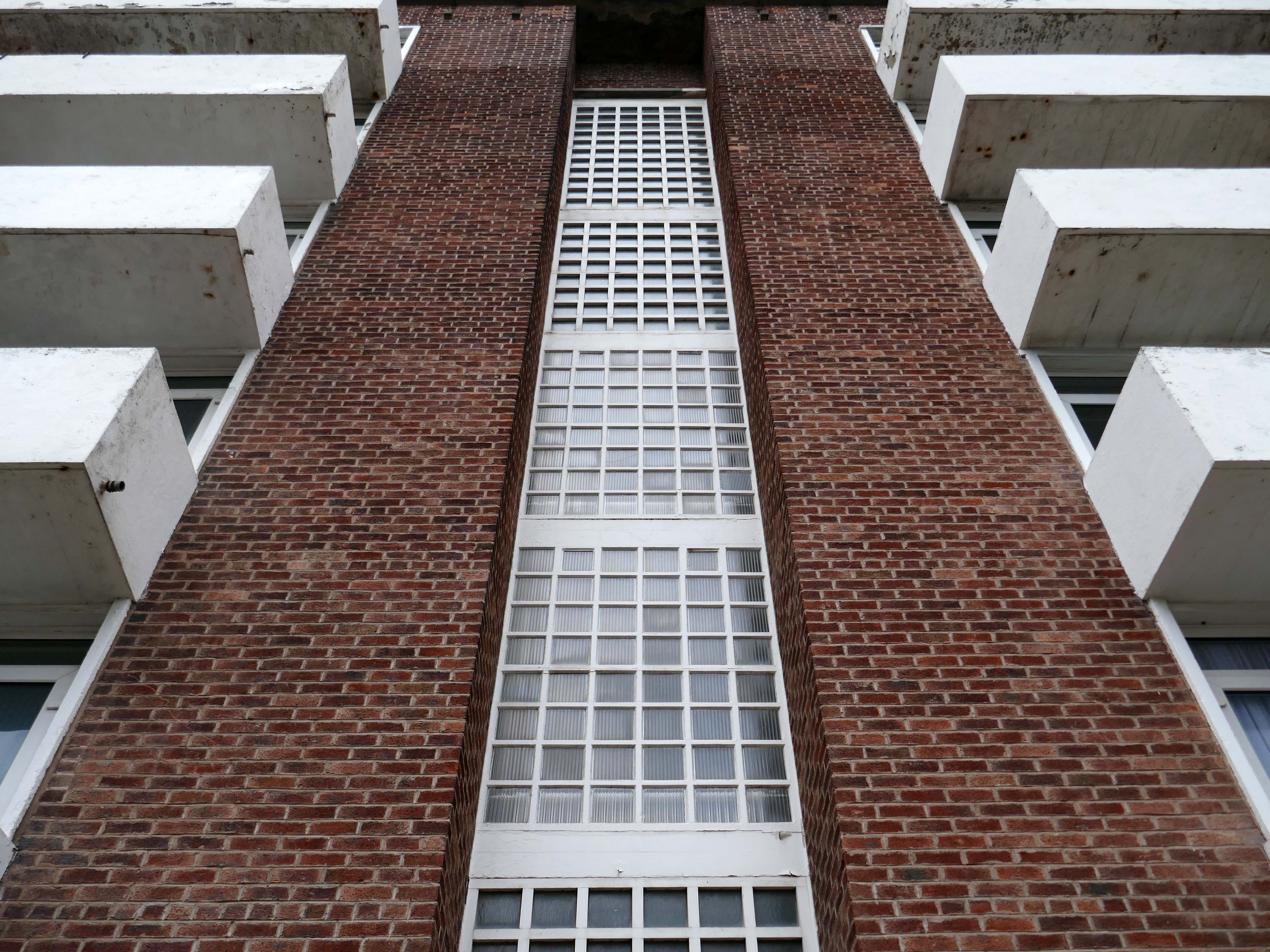
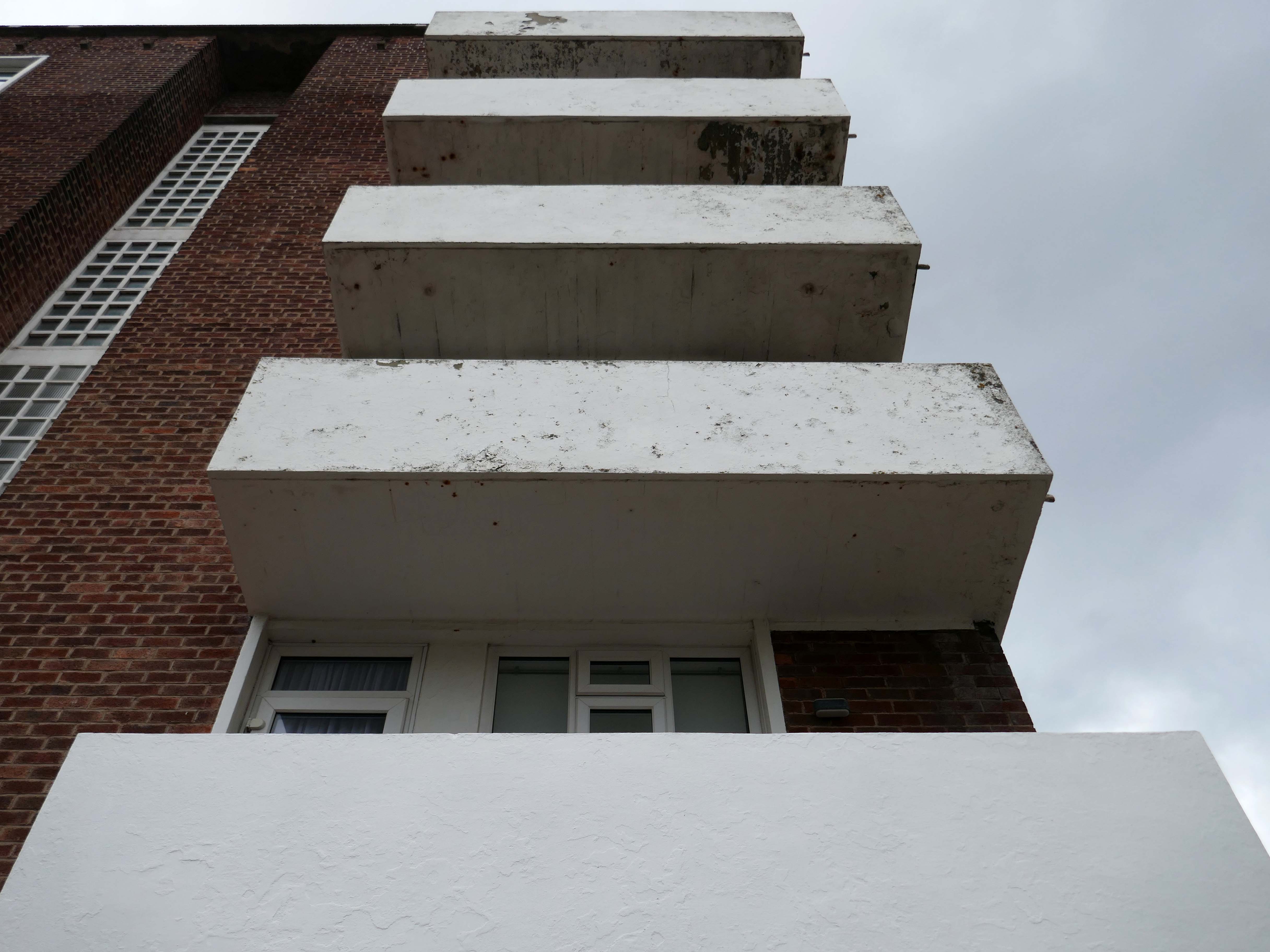
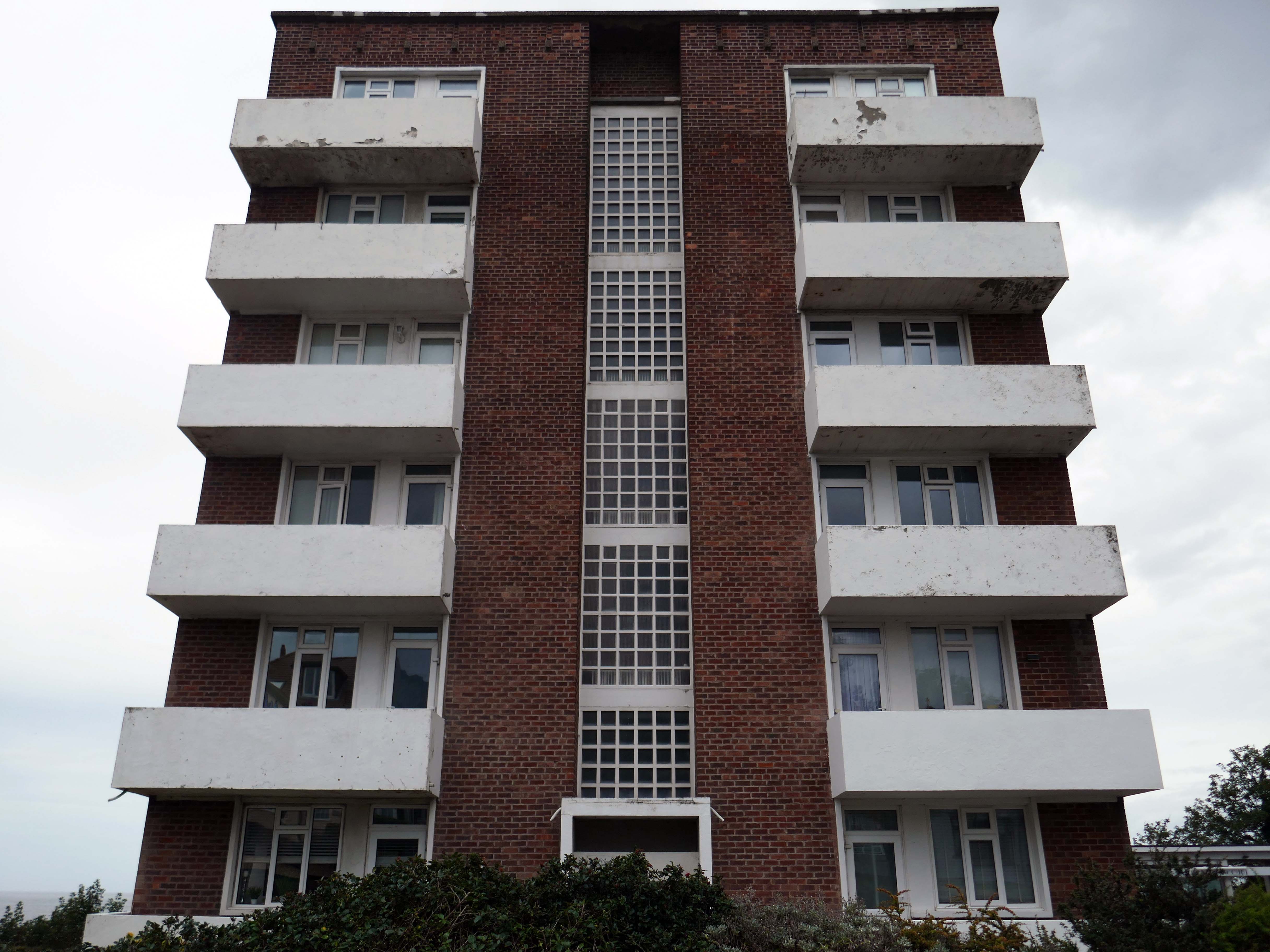
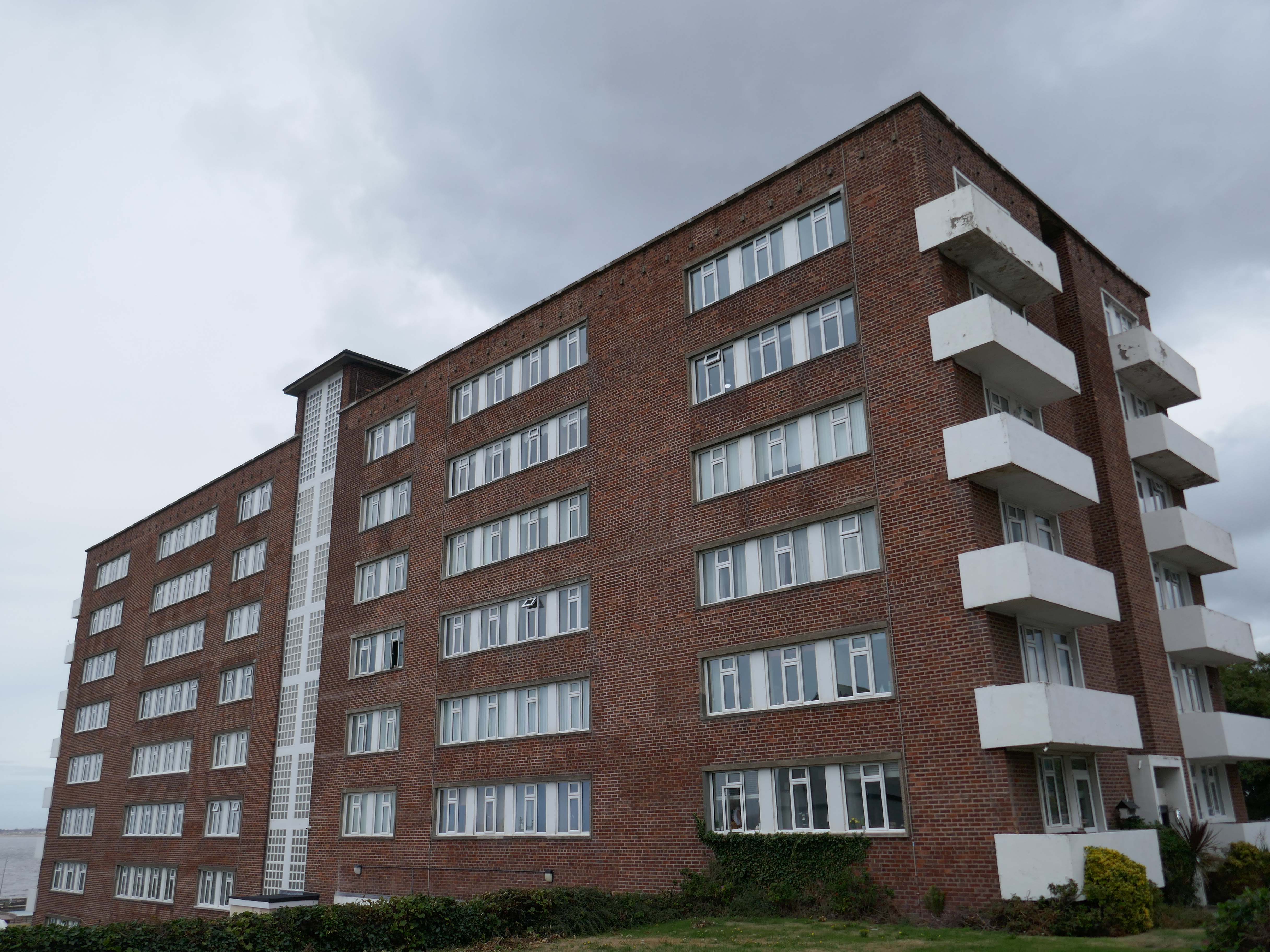
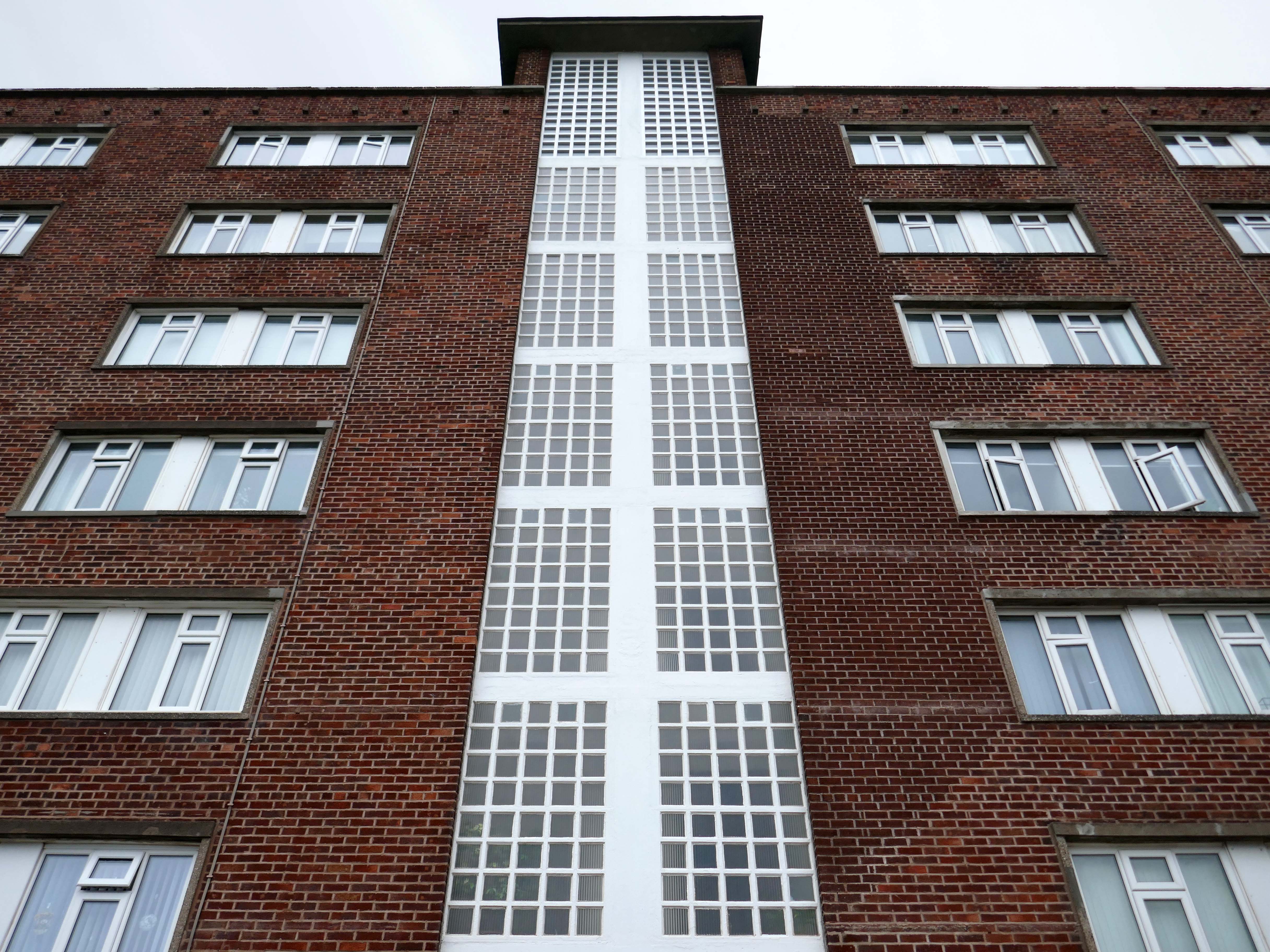
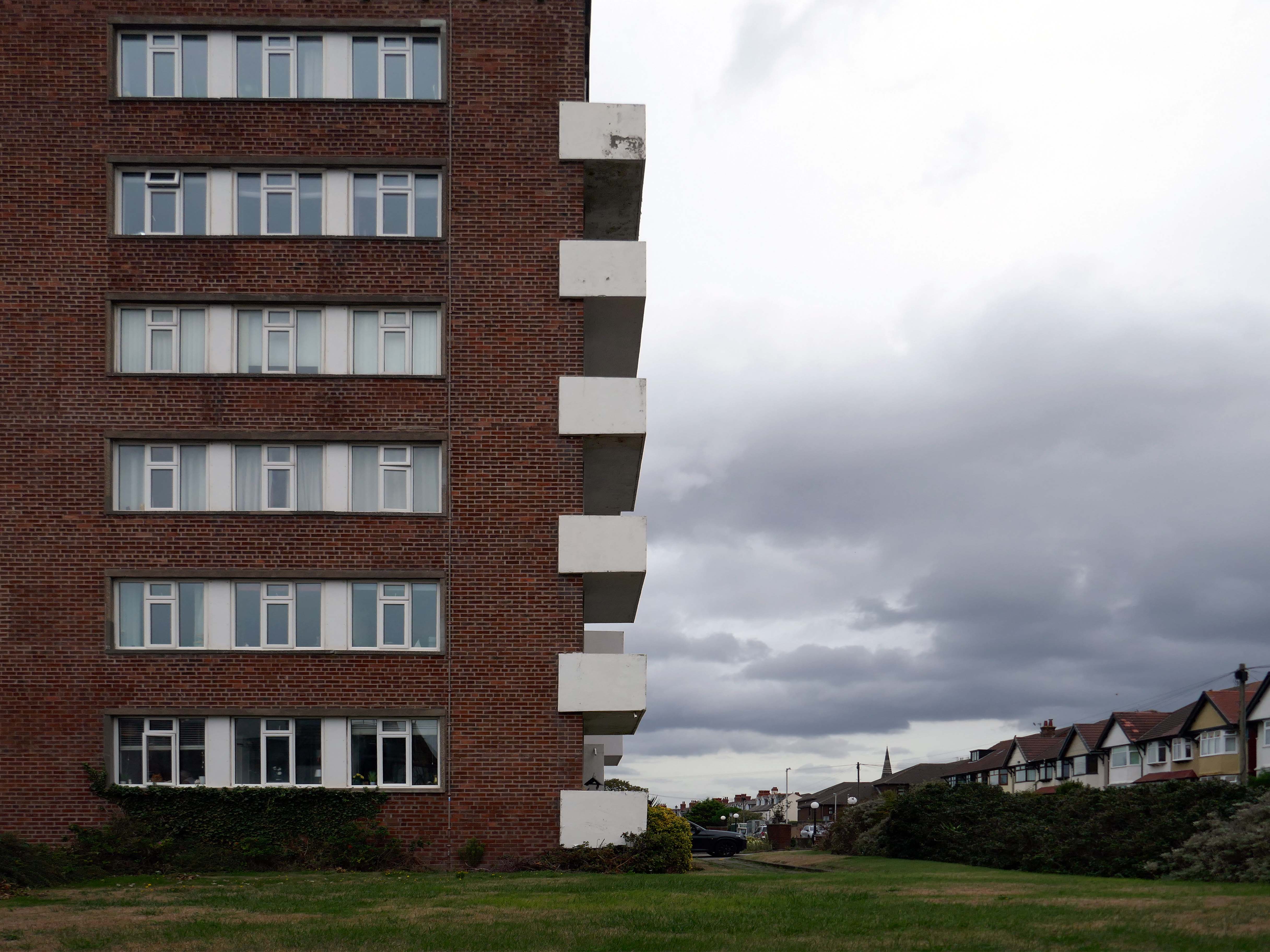
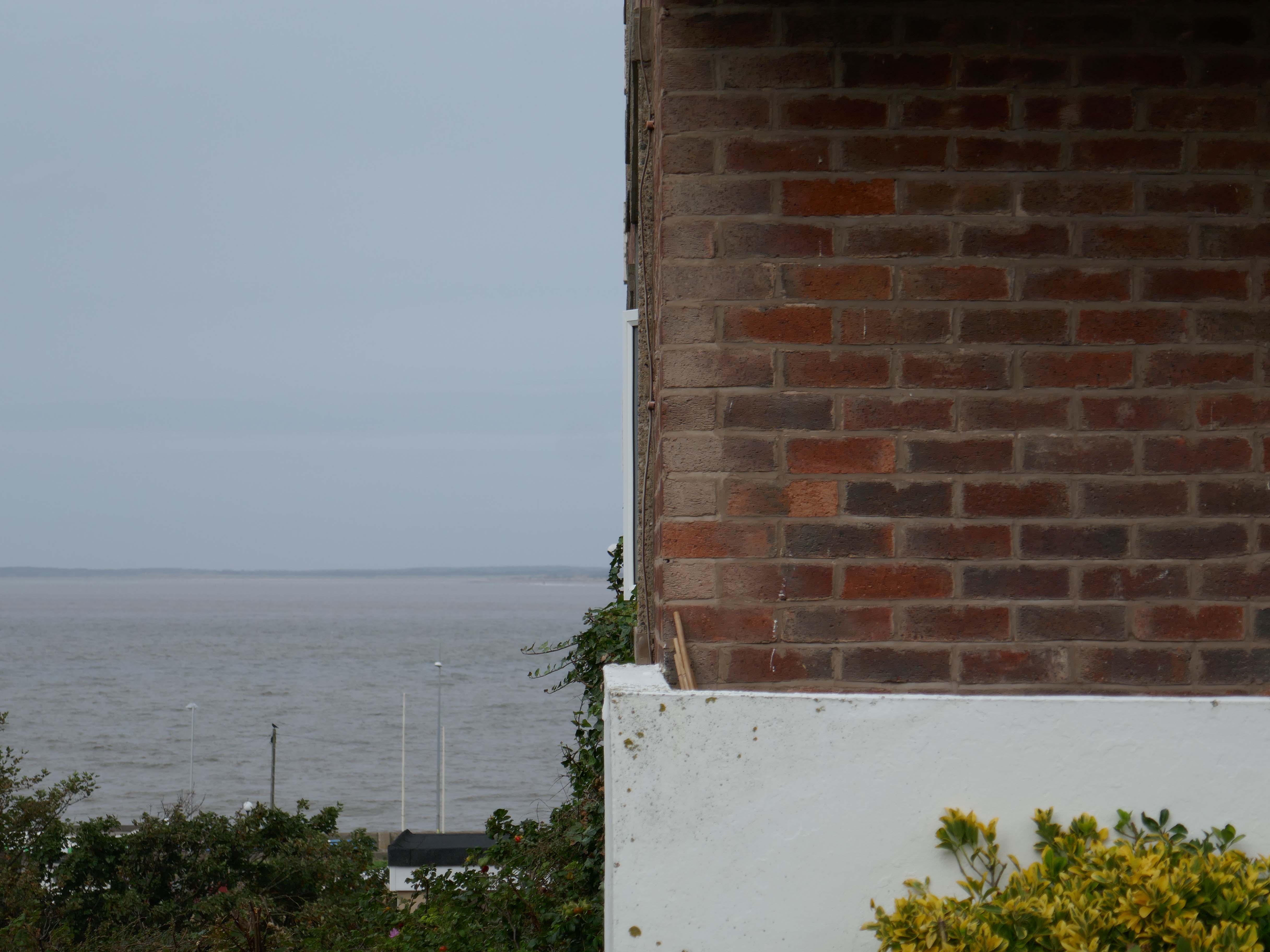
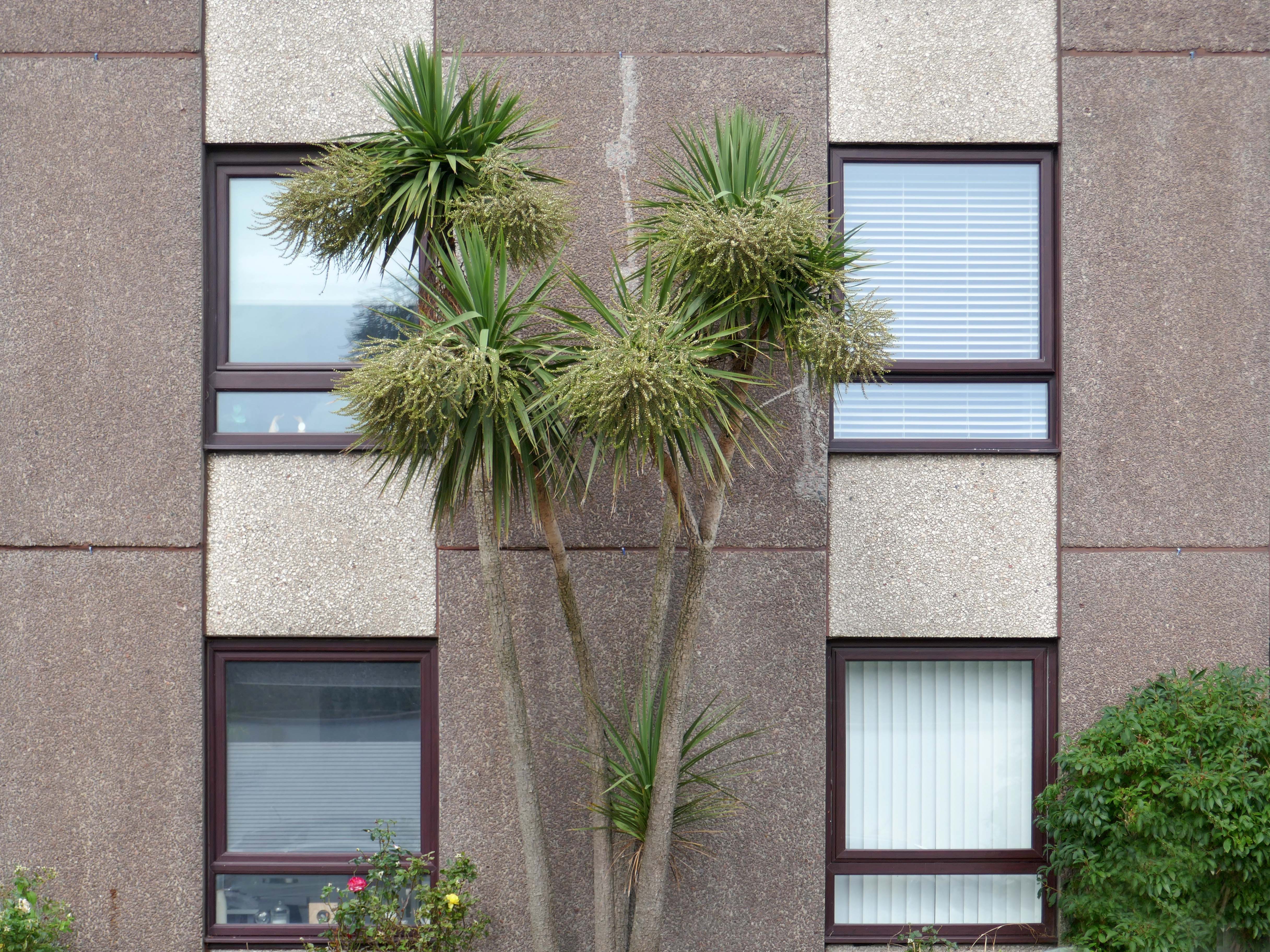
Almost high on a hill overlooking Liverpool Bay, and the Irish Sea on the edge of the Mersey Estuary, there stands two separate private high rise housing developments.
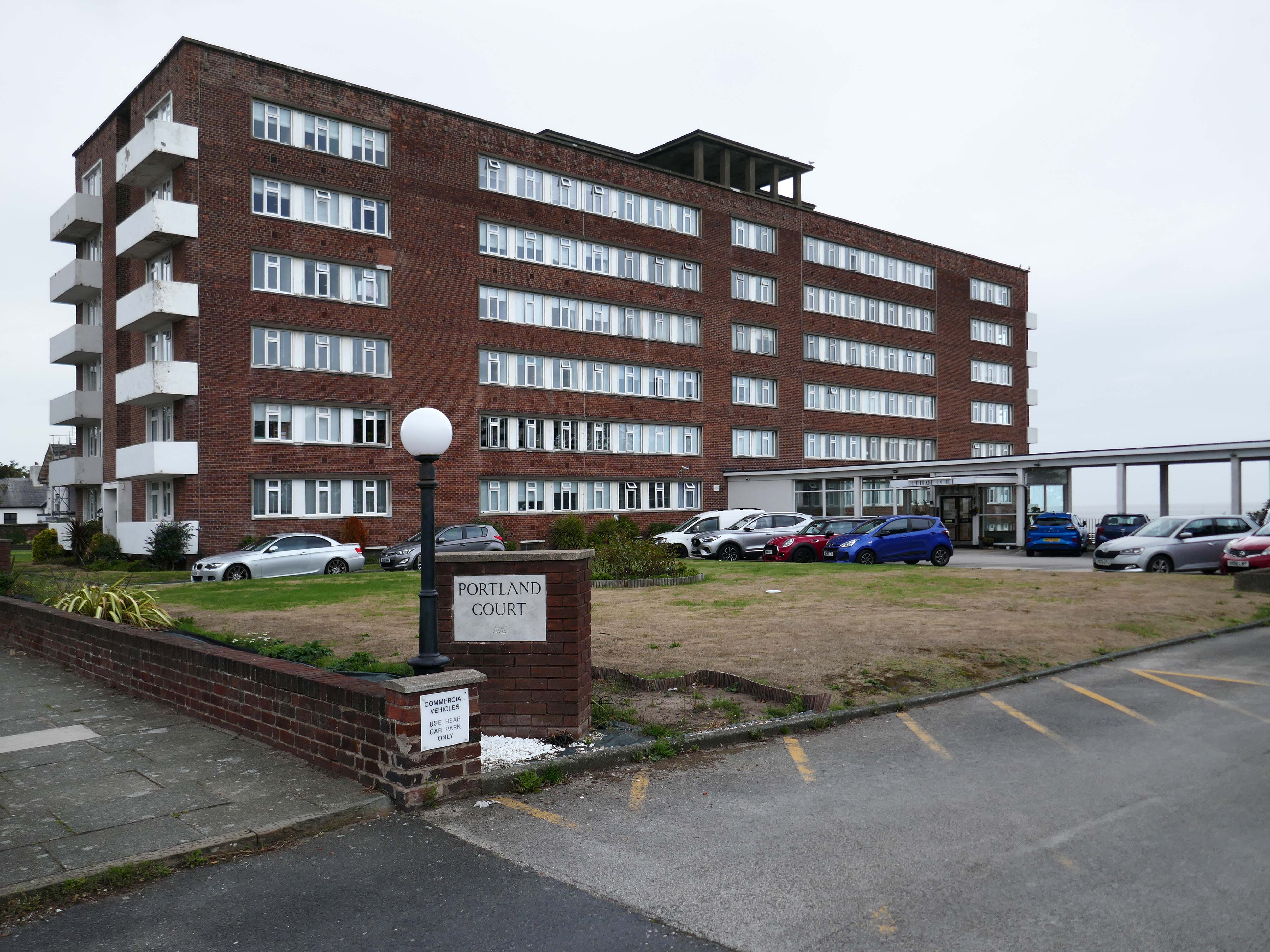
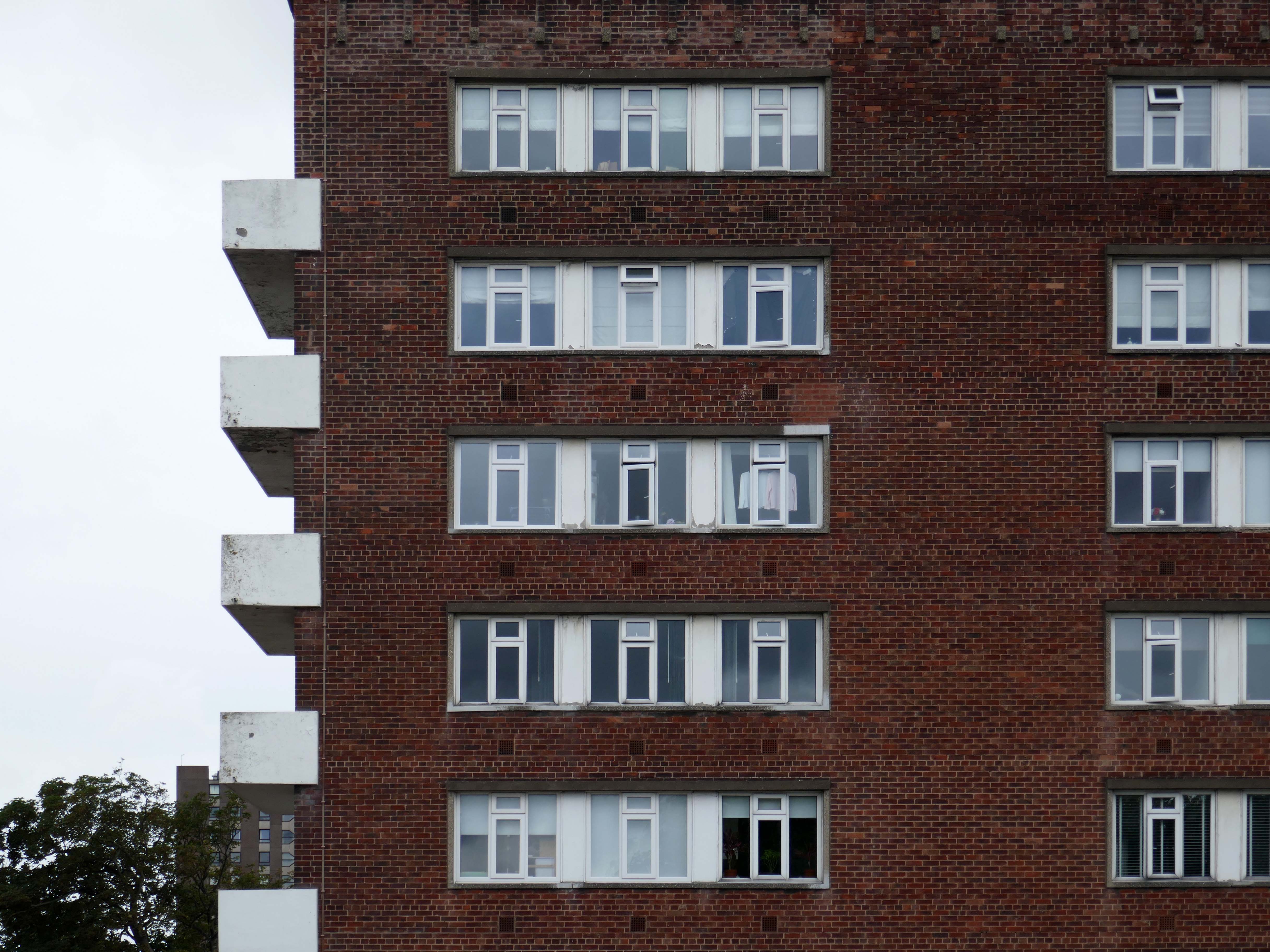
Portland Place interwar Seaside Moderne, built between 1938 and 1939.
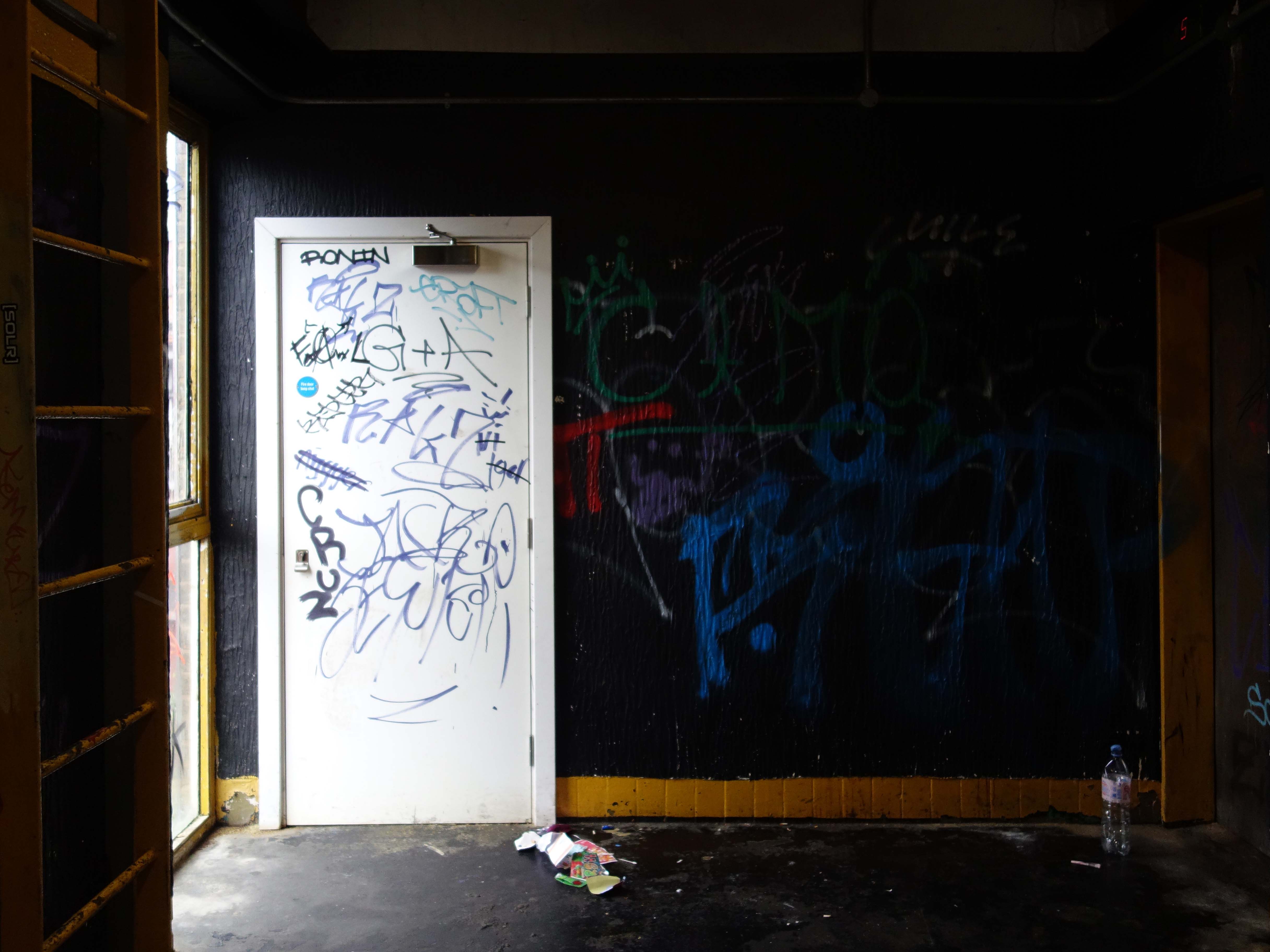
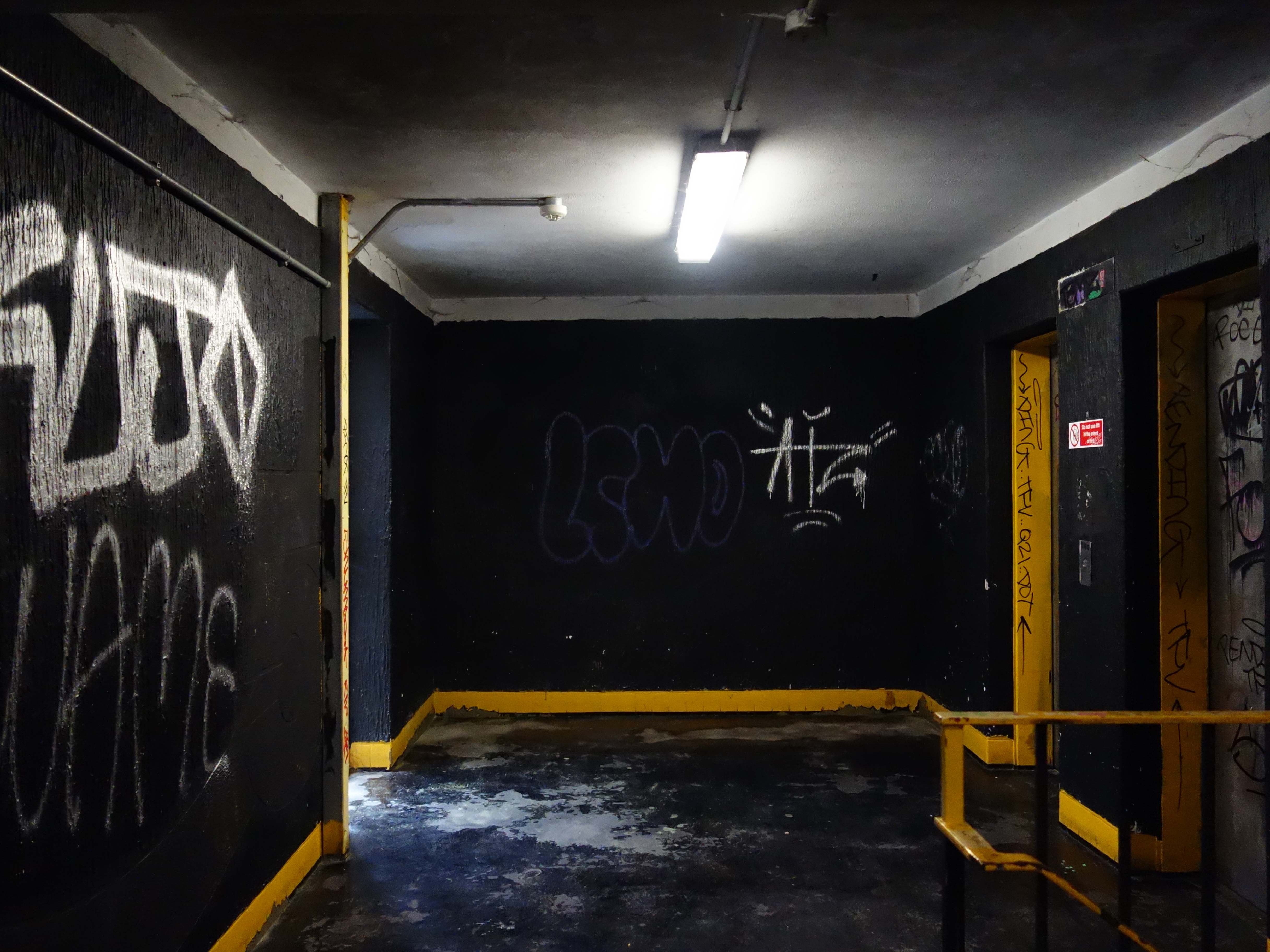
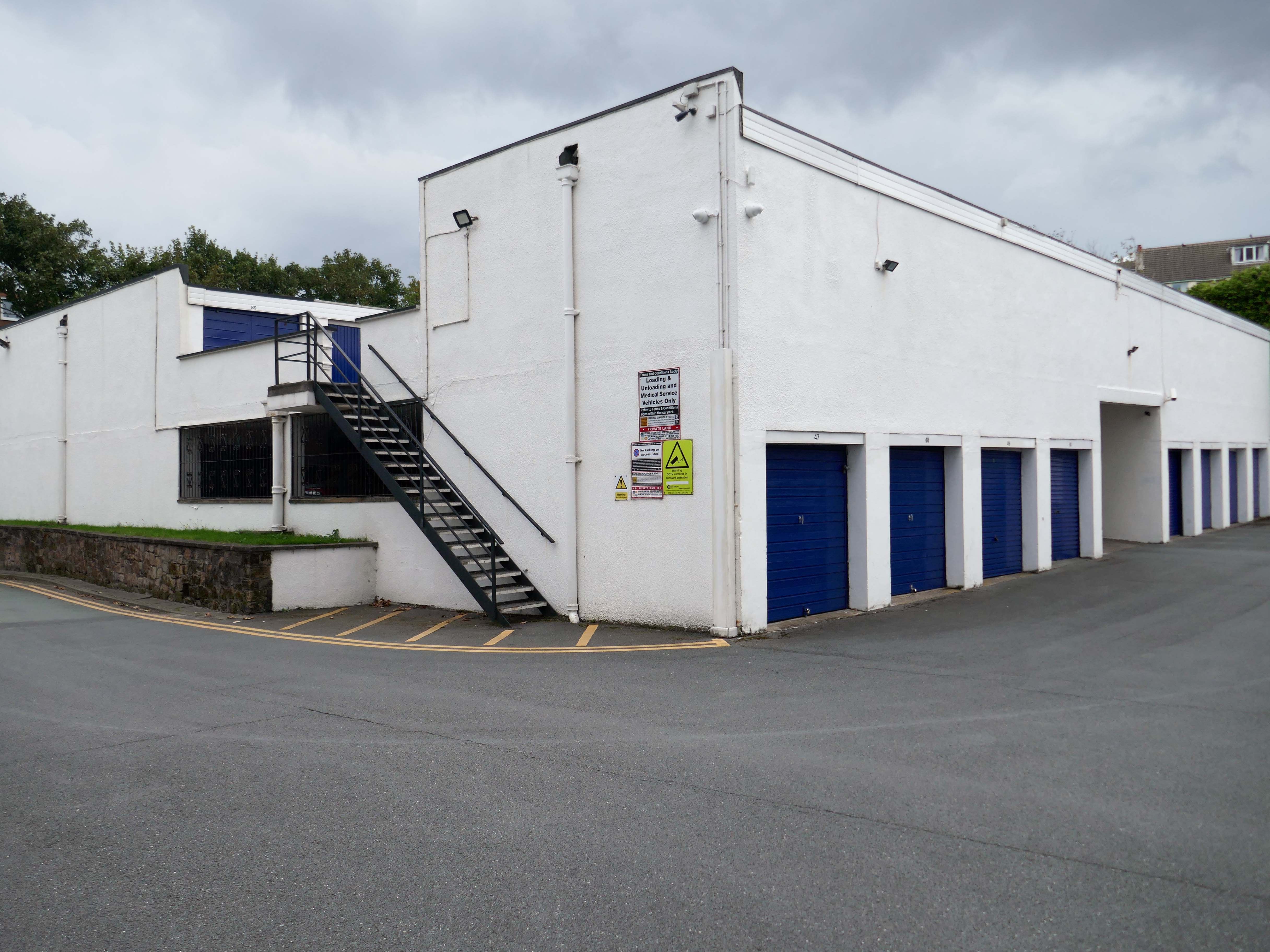
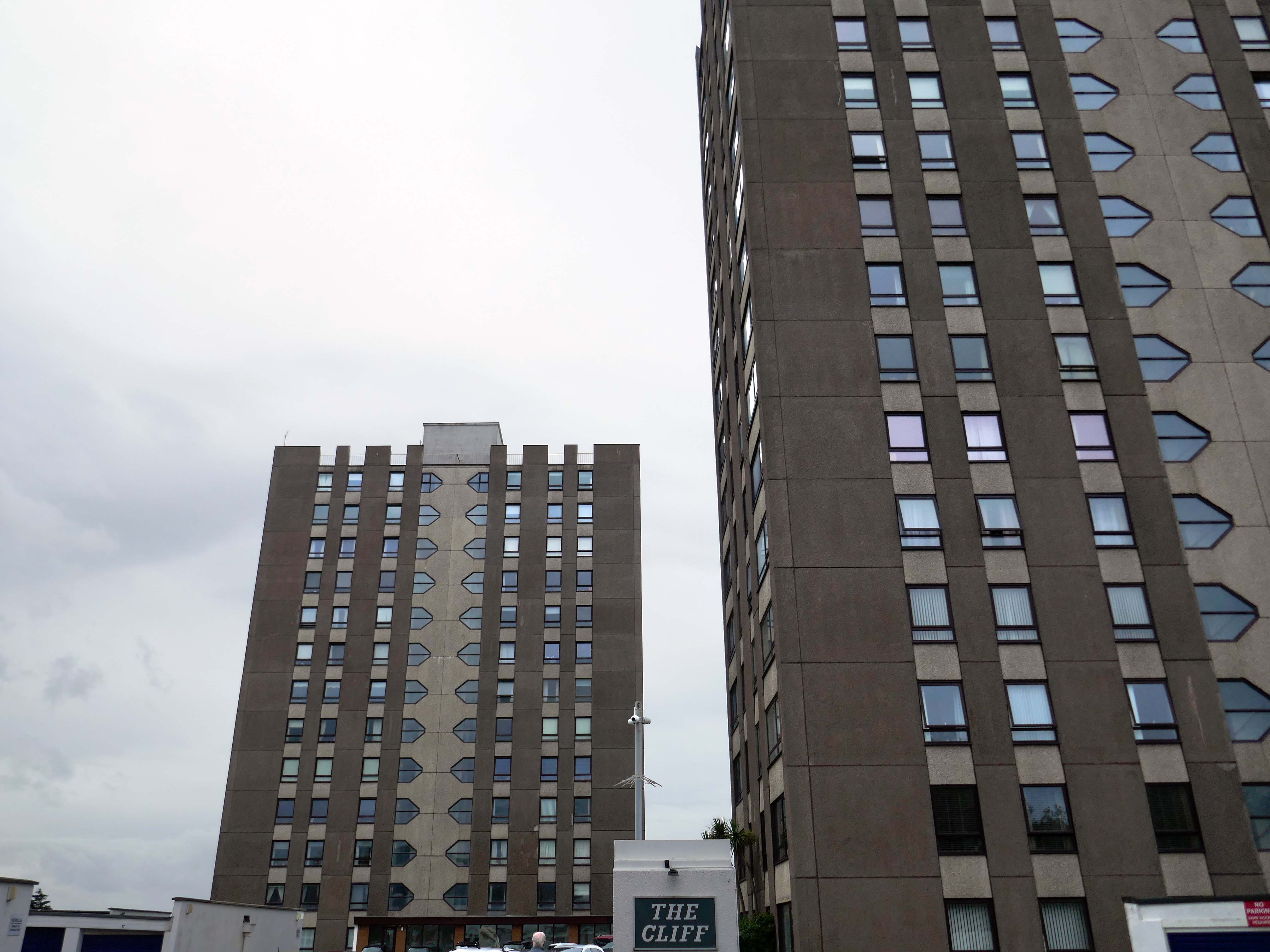
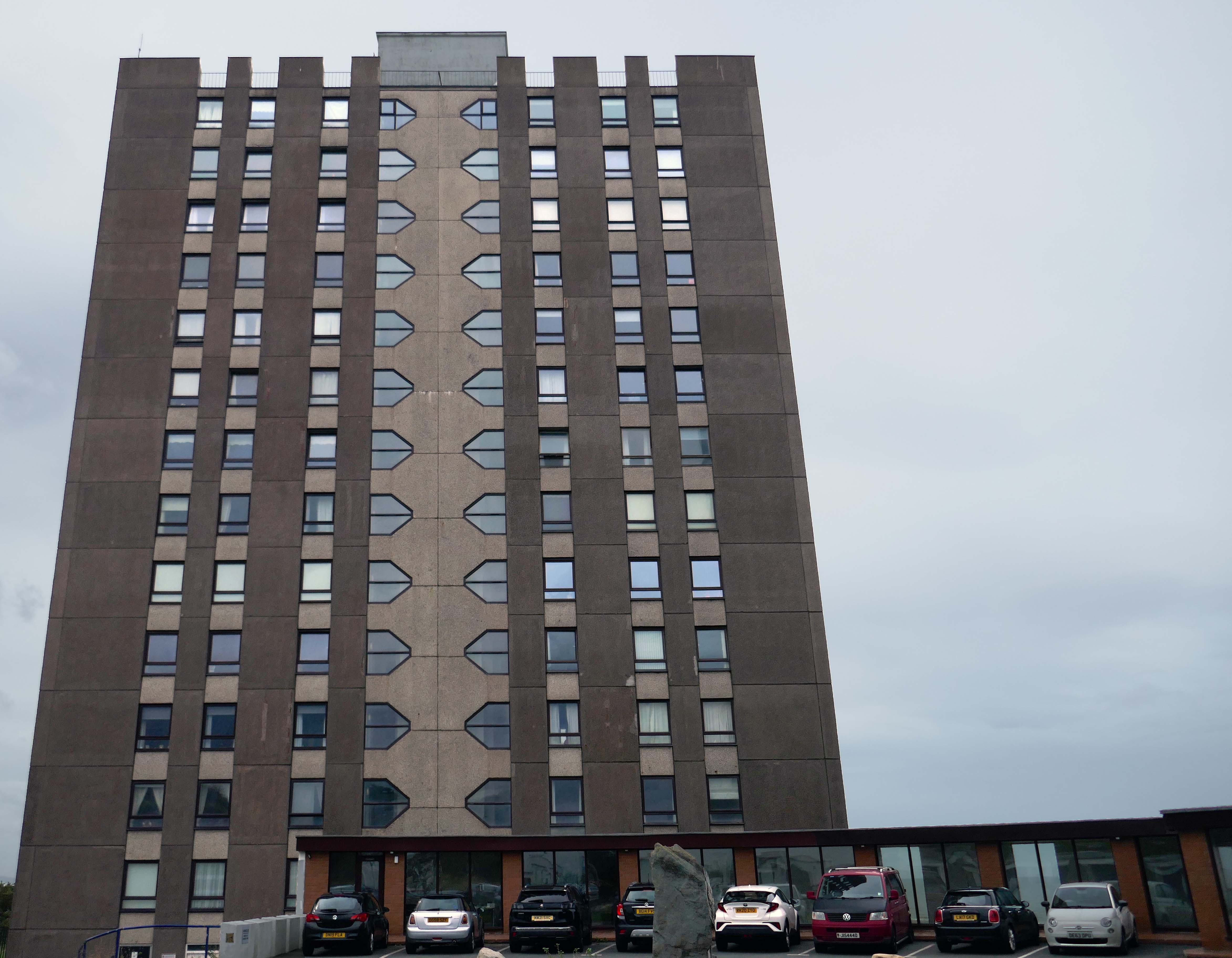
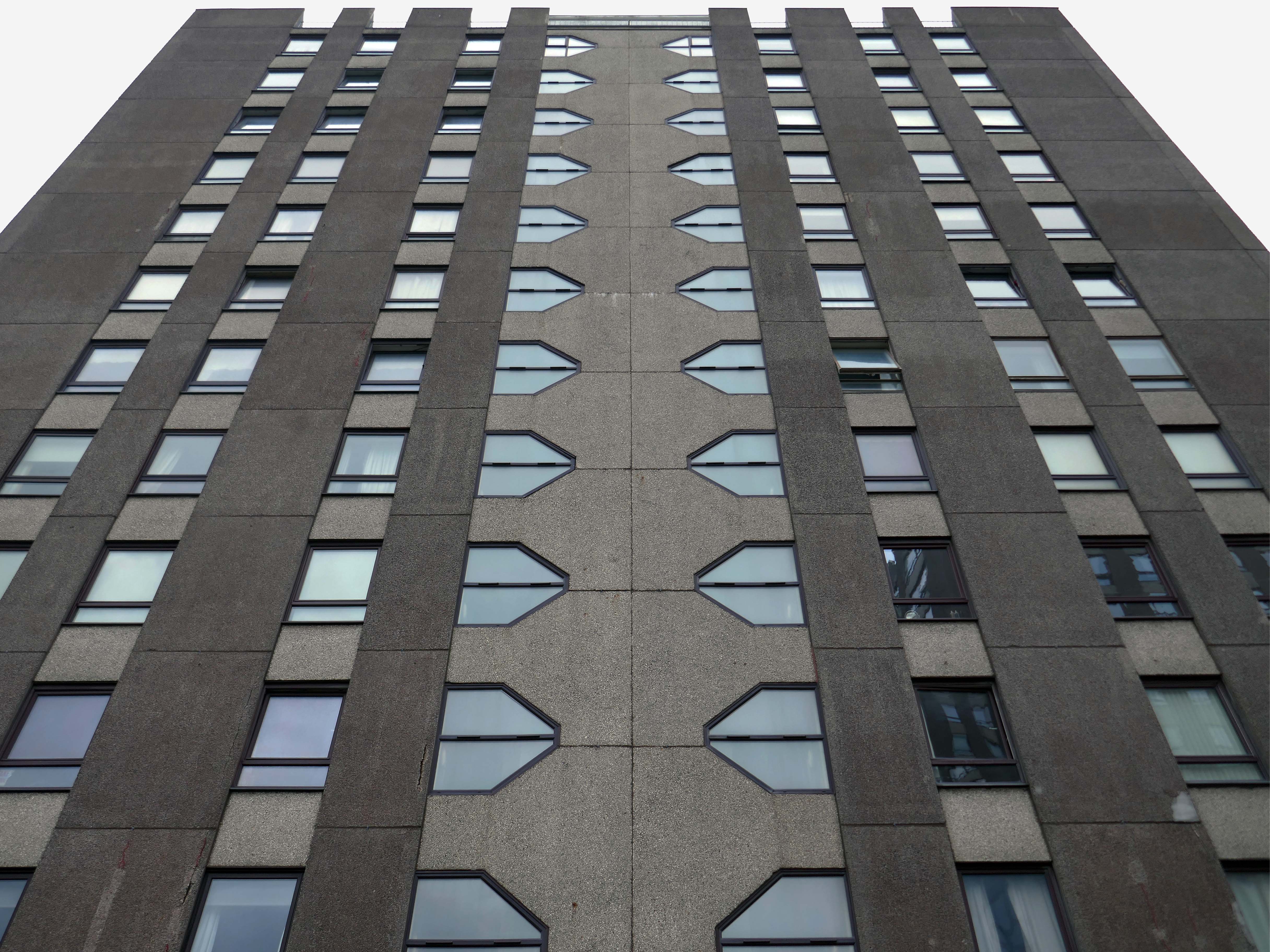
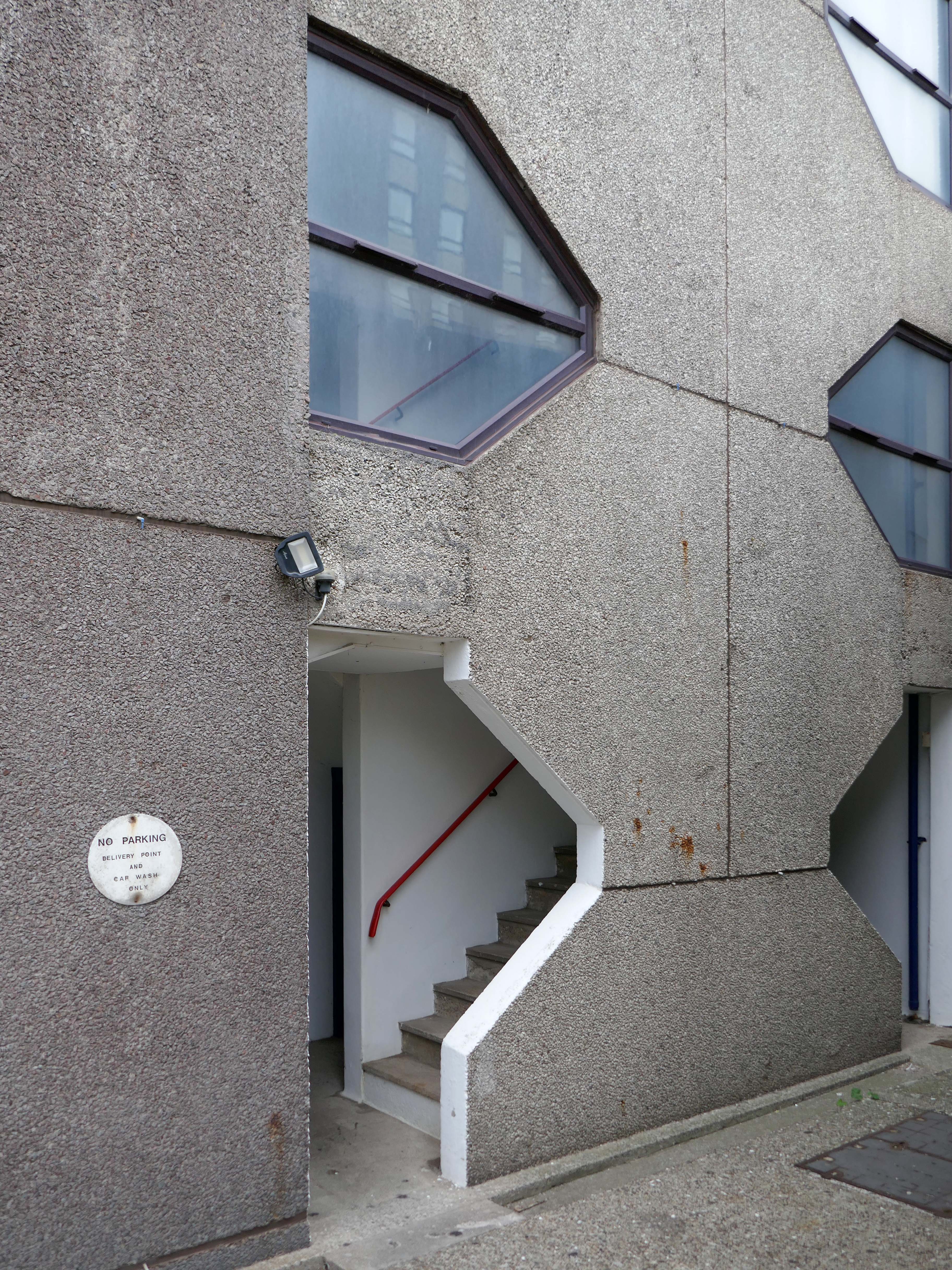
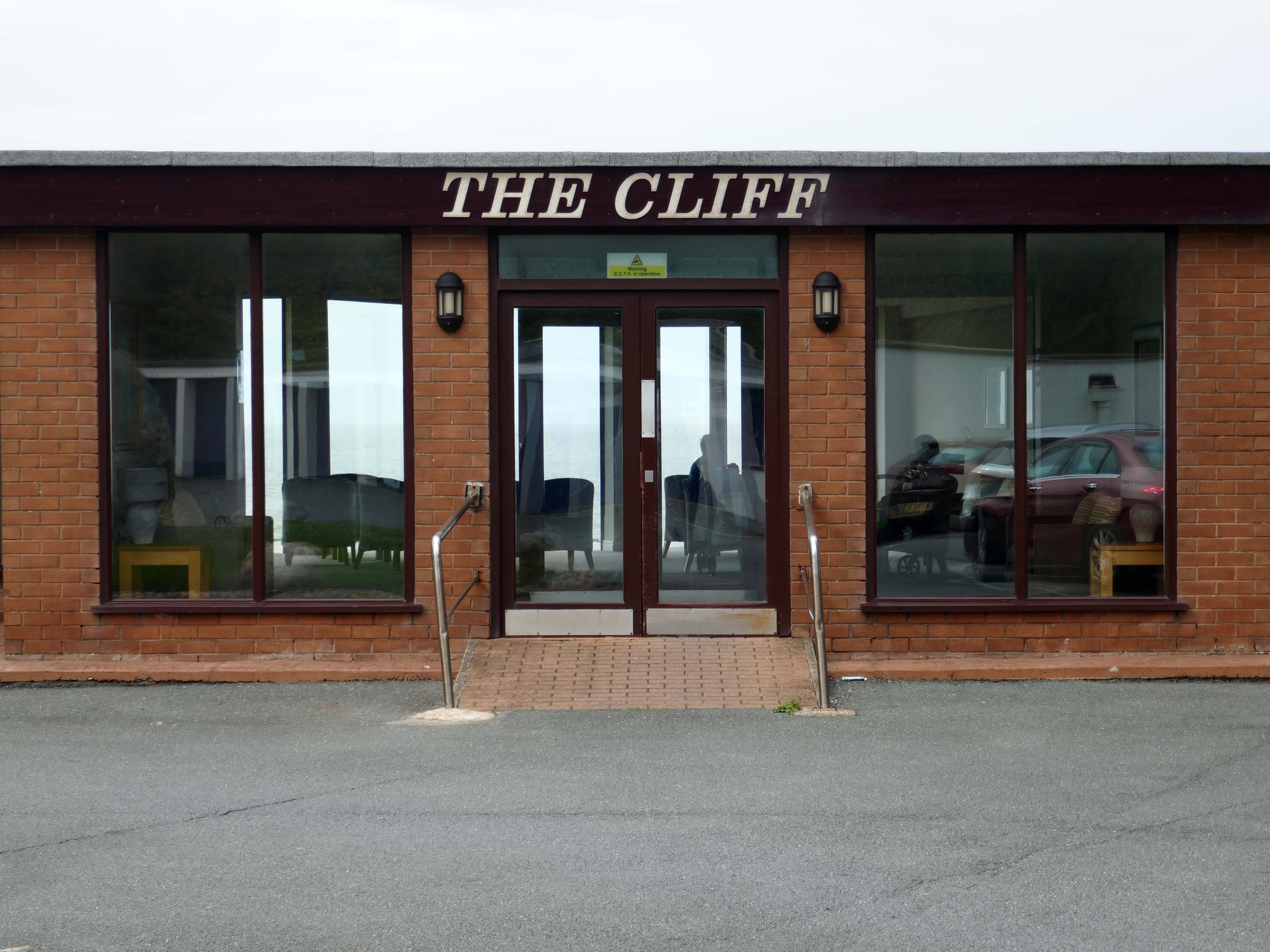
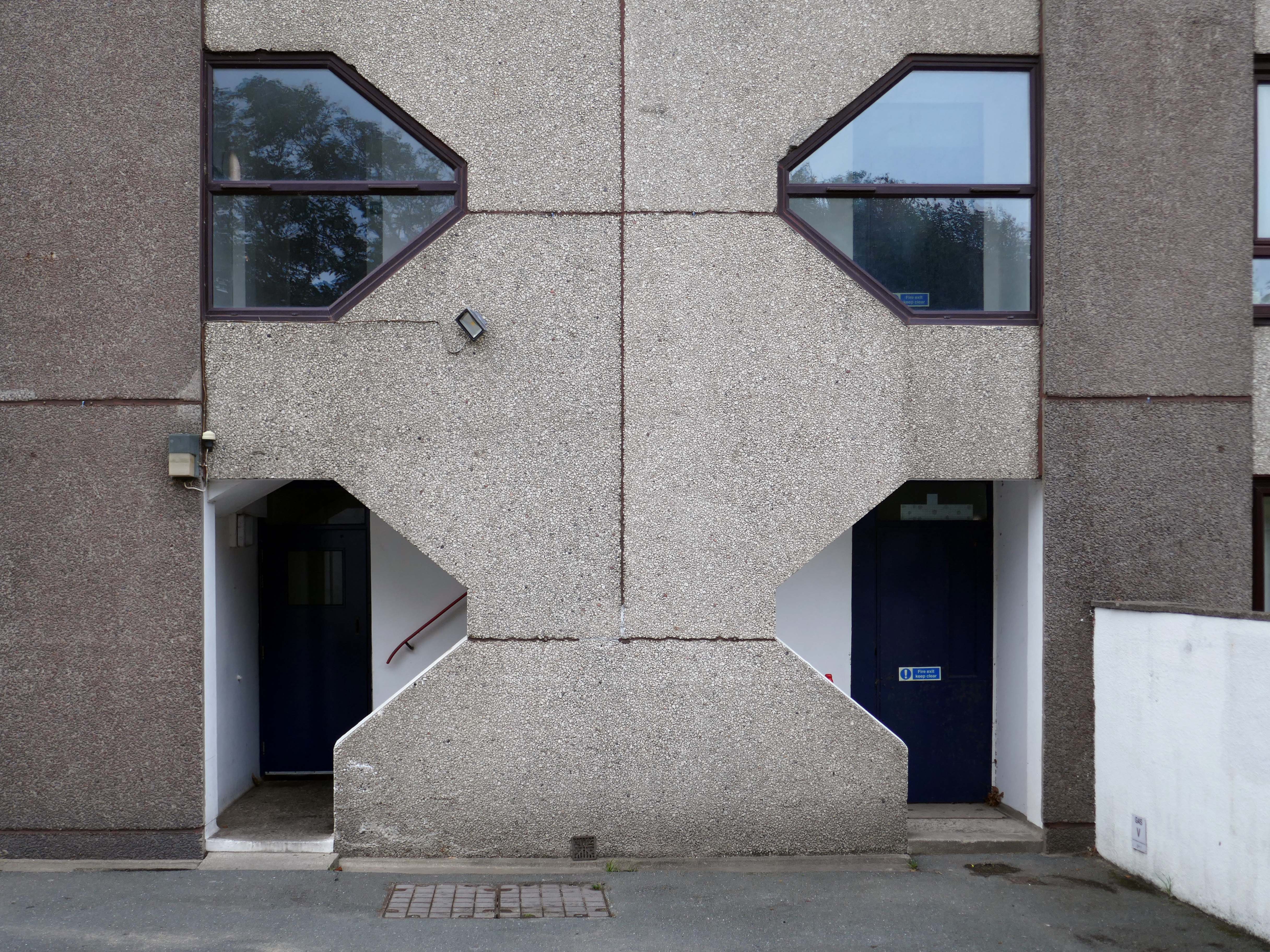
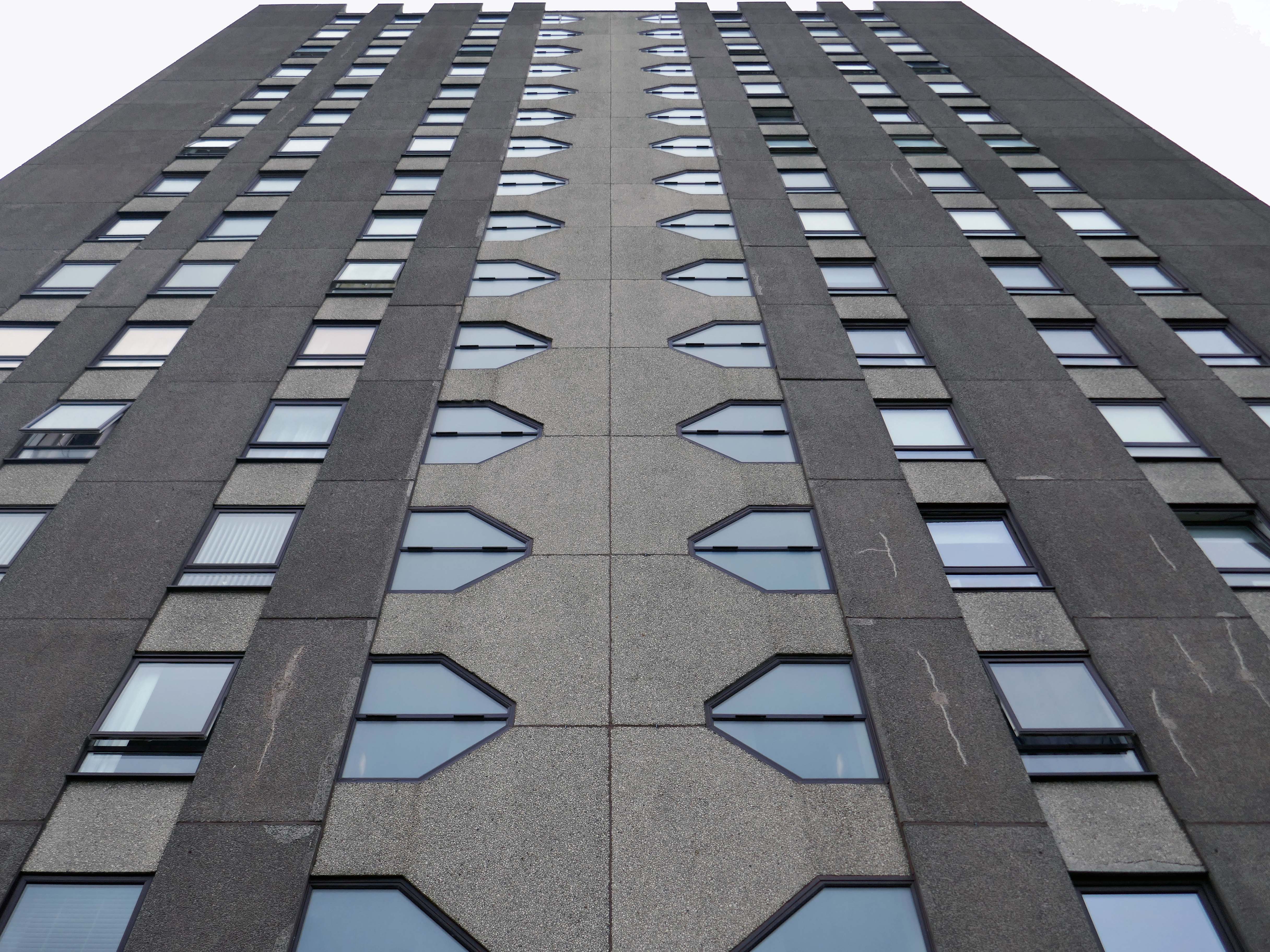
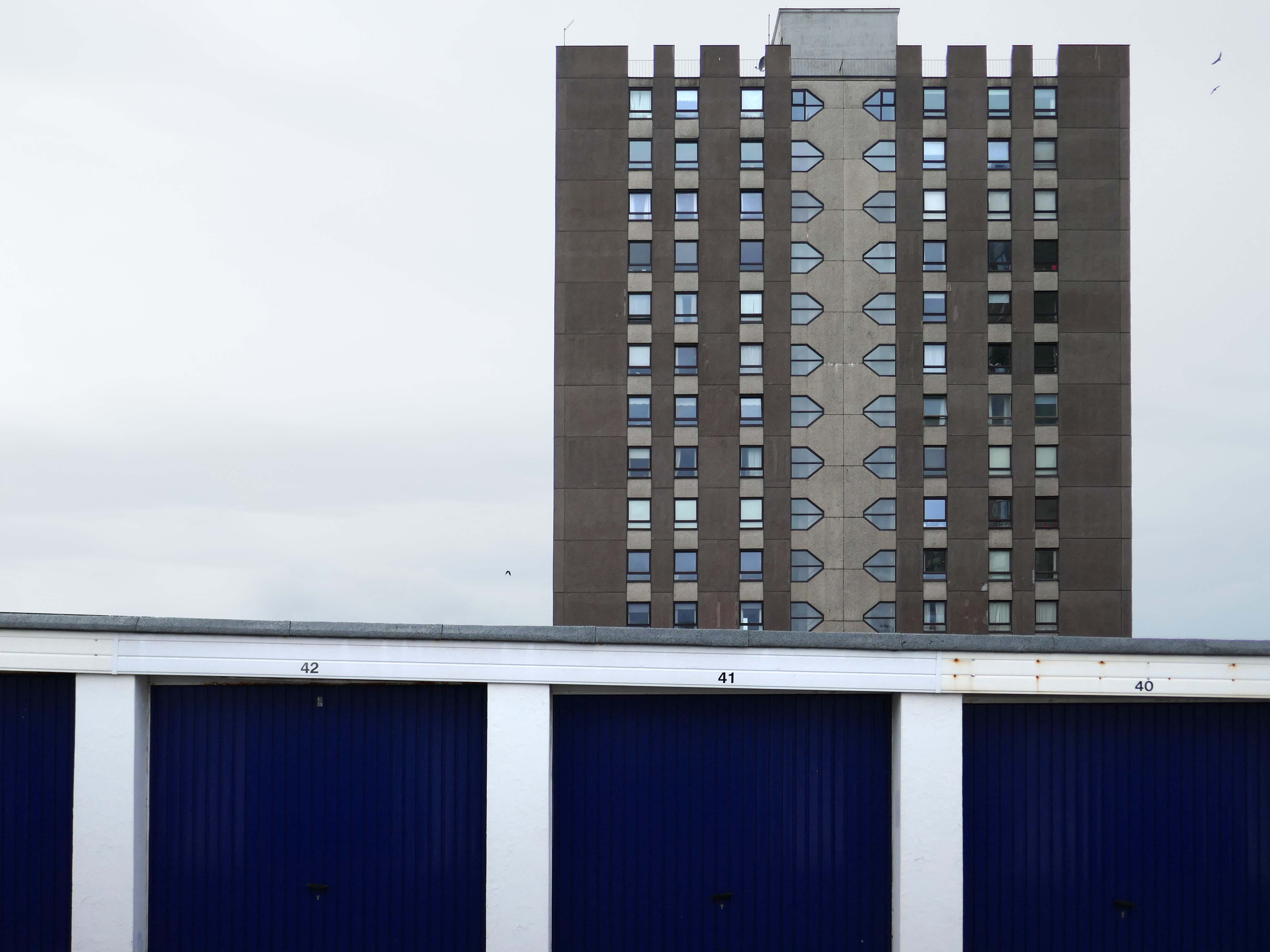
Further along the road The Cliff – two Seventies high rise blocks, with double decker garages.
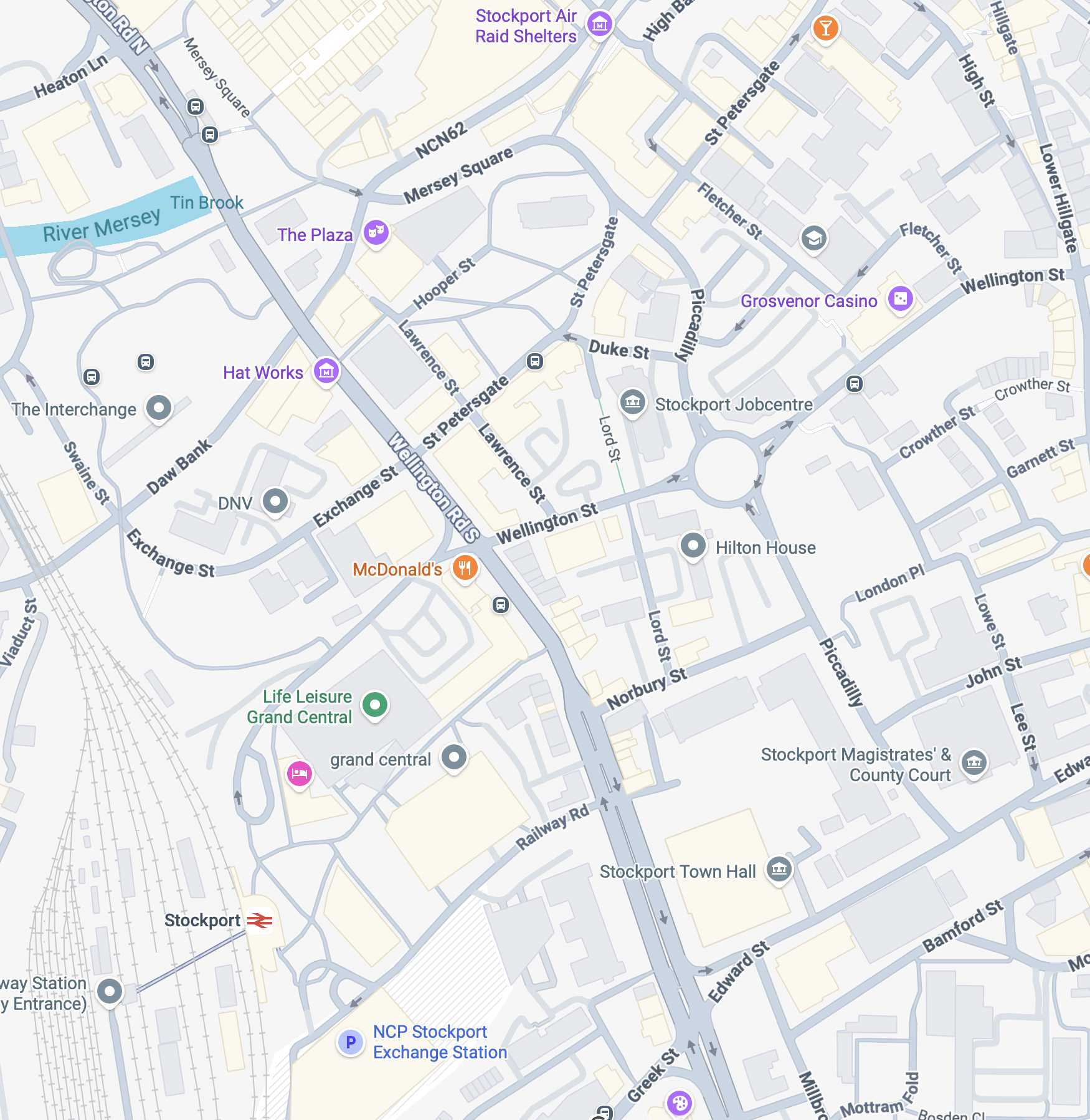
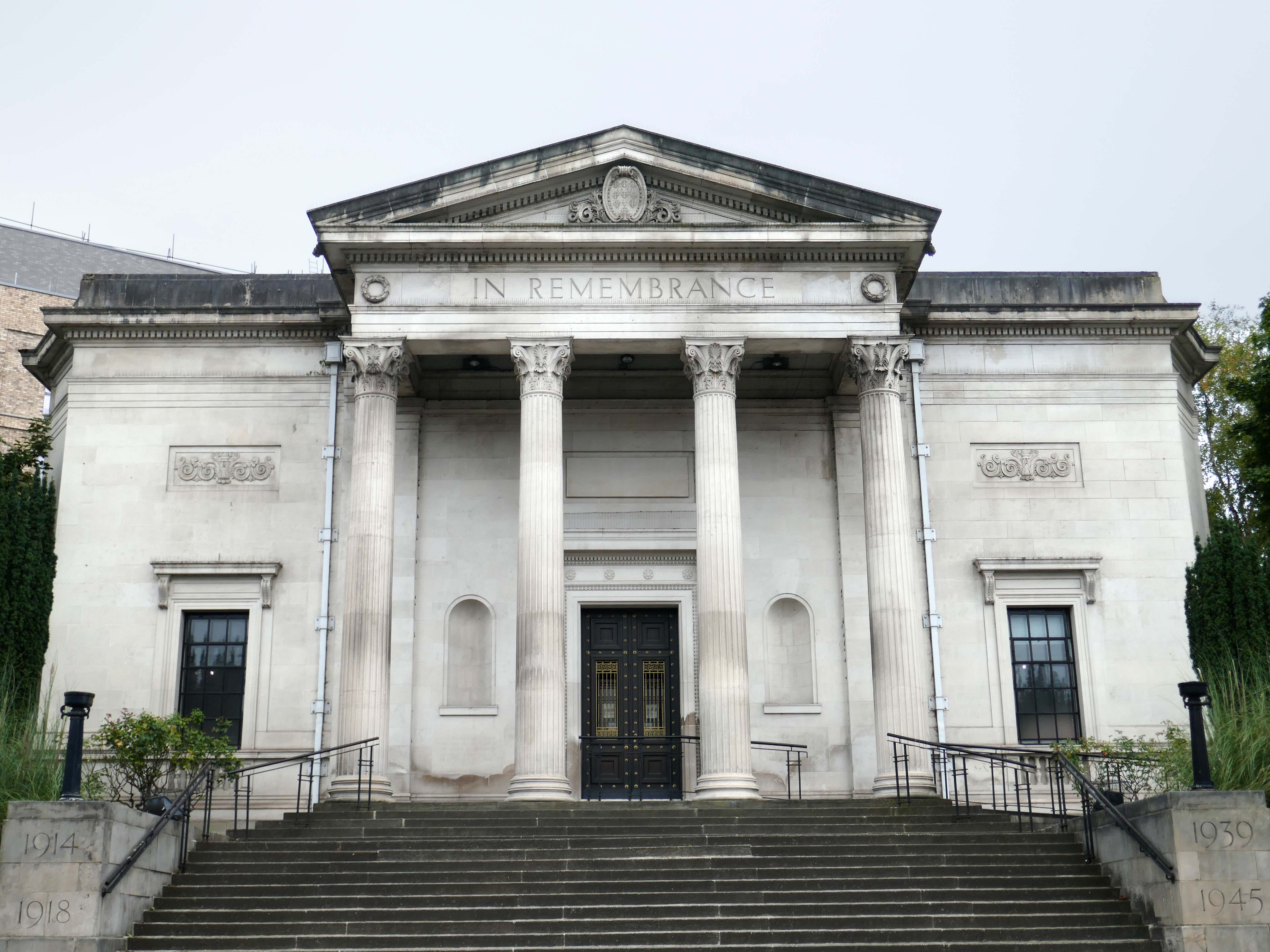
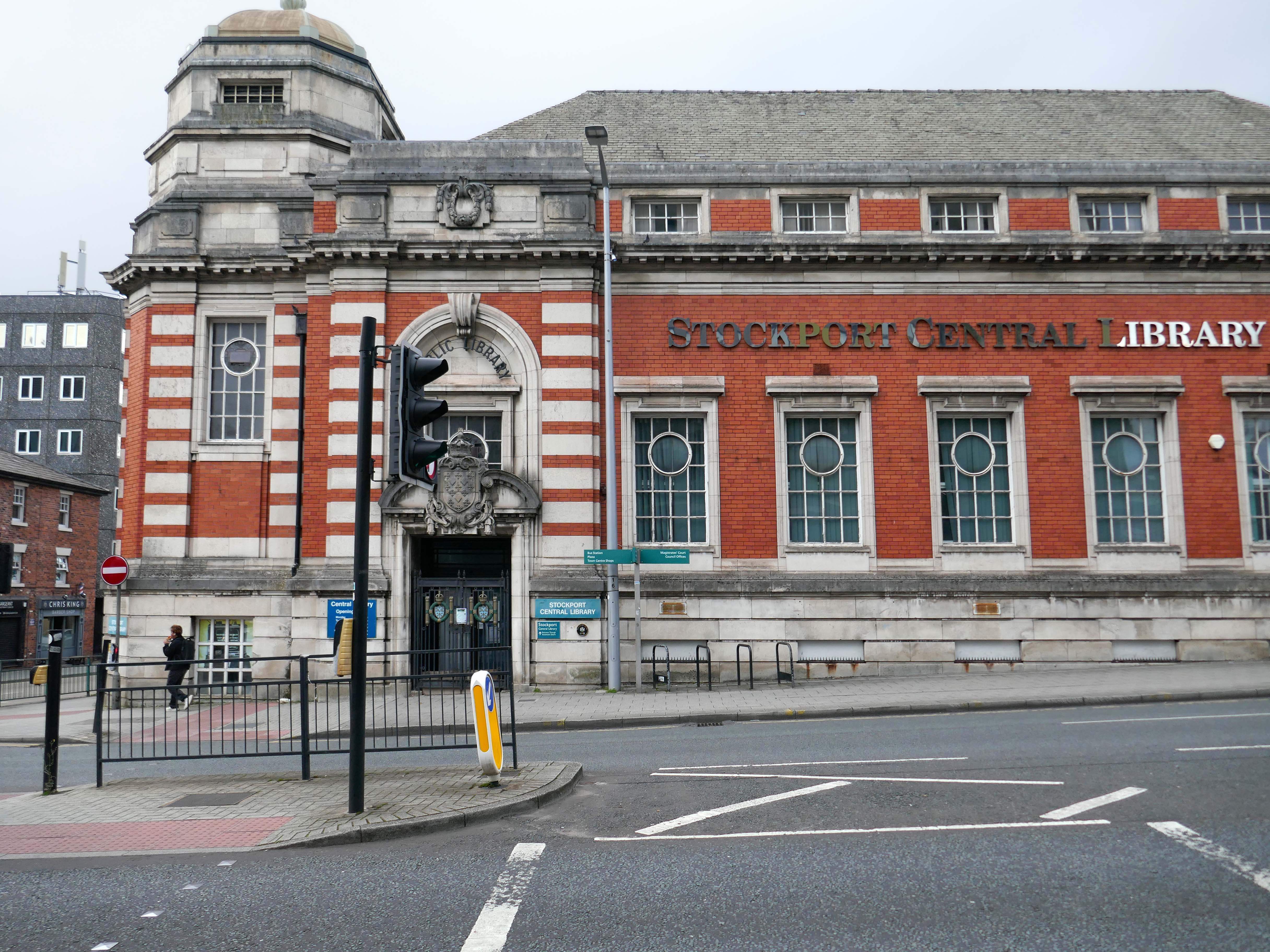
I was asked by SMBC to take folks on a short Stockport walk – beginning at Stockport War Memorial Art Gallery and concluding at the Stockroom, a distance of less than a mile.
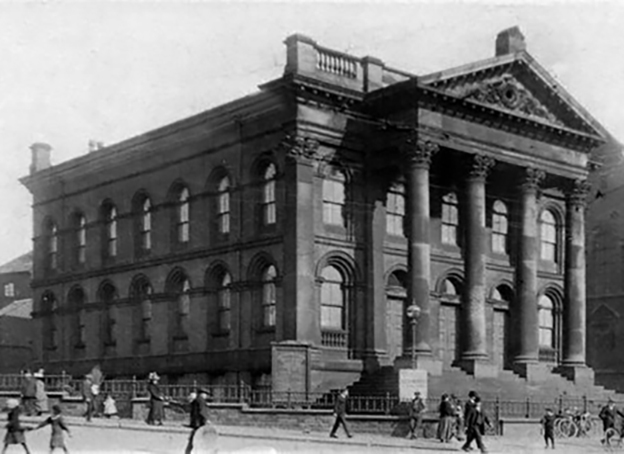
Designed in Neoclassical Greek Revival style with central tetrastyle Corinthian portico, the order loosely based on Temple of Apollo at Bassae
The Gallery has a long history of exhibitions from some of the art world’s finest artists. Today the gallery boasts an extensive exhibition program, which gives emerging artists a chance to showcase their work.
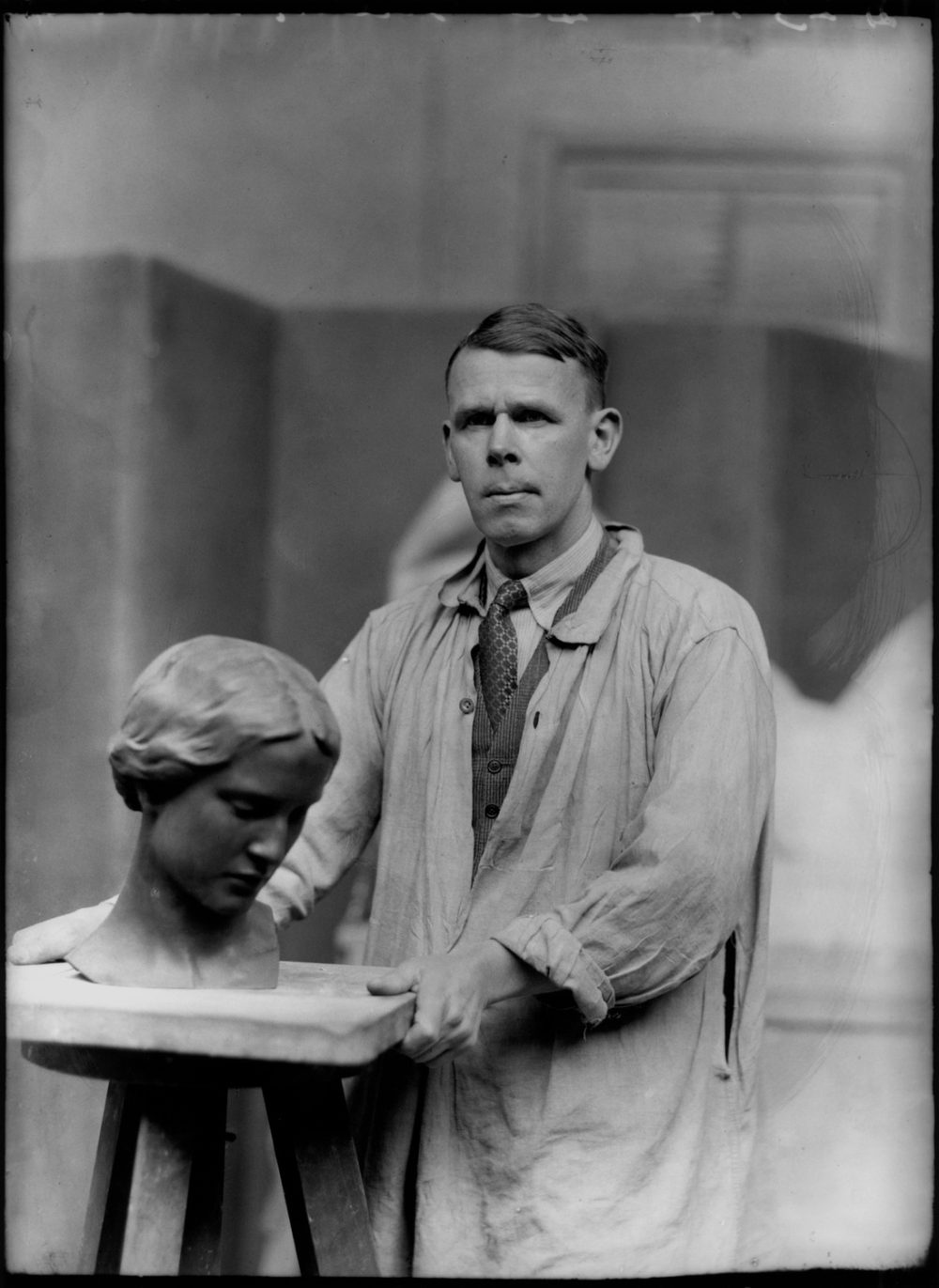
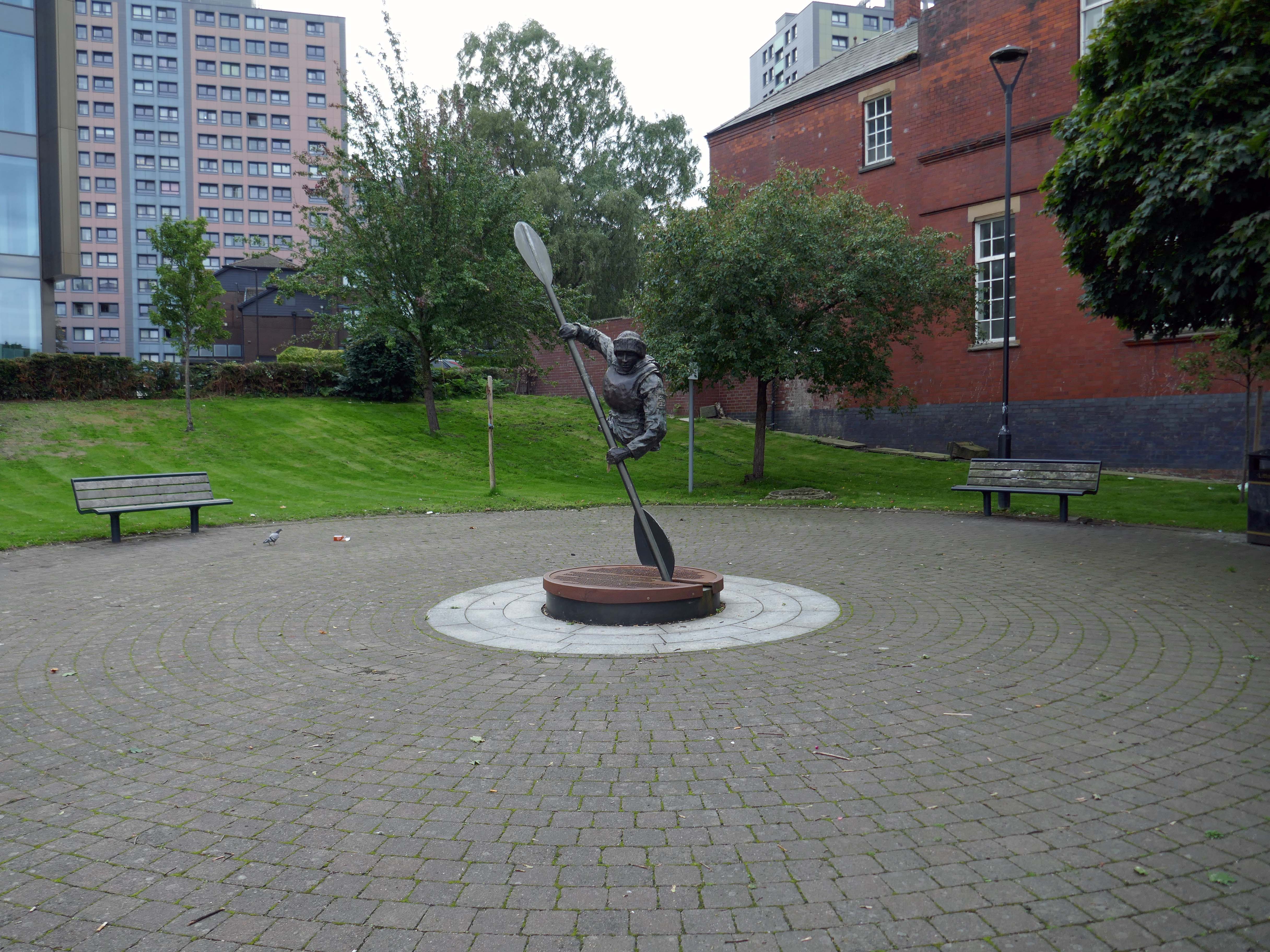
The capitals of Chapel’s Corinthian columns, surround the site of the Cockleshell Hero memorial 2017 – sculptor Luke Perry.
The former Edgeley milkman James Conway took part in the Royal Marines’ most famous wartime raid, where he was one of the twelve men who paddled more than eighty miles in canoes up the Gironde to plant limpet mines on shipping in the German occupied French city of Bordeaux in 1942.
Although much simpler than continental Baroque architecture, English Baroque designs were equally heavy, sensual and decorative.
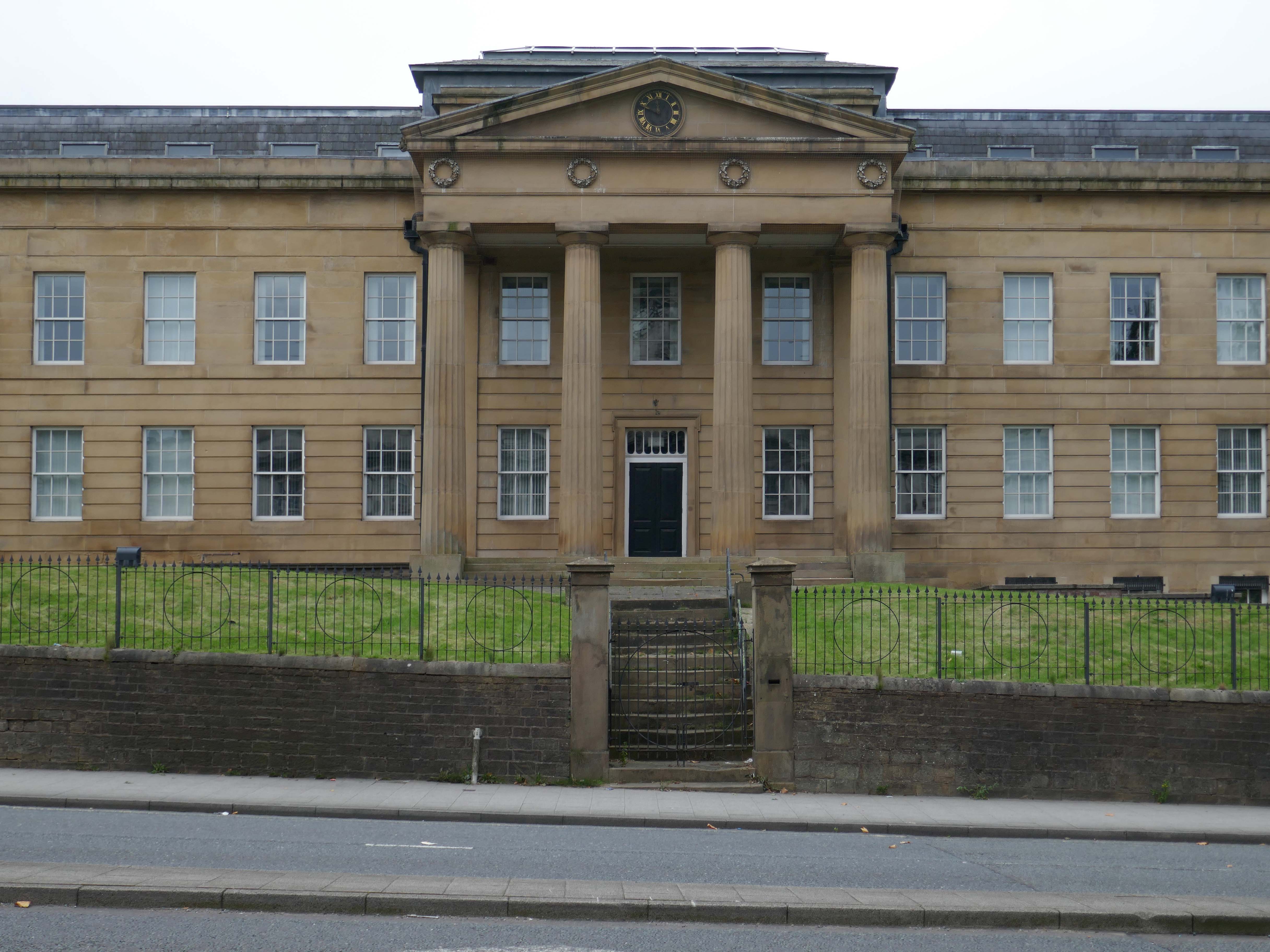
Across the road the former Stockport Infirmary l832 Grade II listed – architect Richard Lane.
Currently named Millennium House, home to the Department of Works and Pensions.
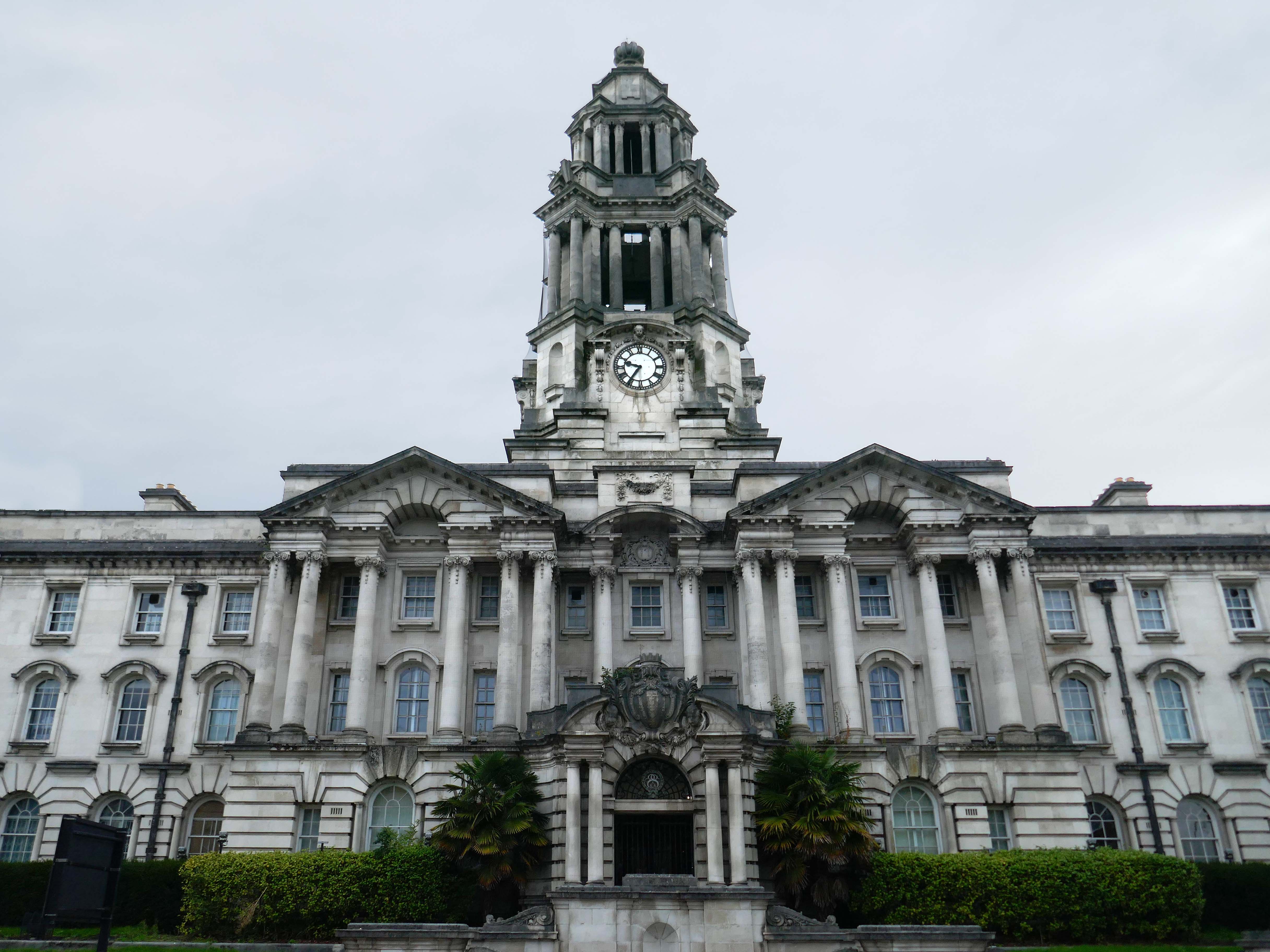
Around the back of the Town hall we find Stopford House built in 1975 and designed by JS Rank OBE, Director of Development & Town Planning, Stockport Council.
The painting has recently been much improved by the folks from Merseyway Workshop along with local volunteers.
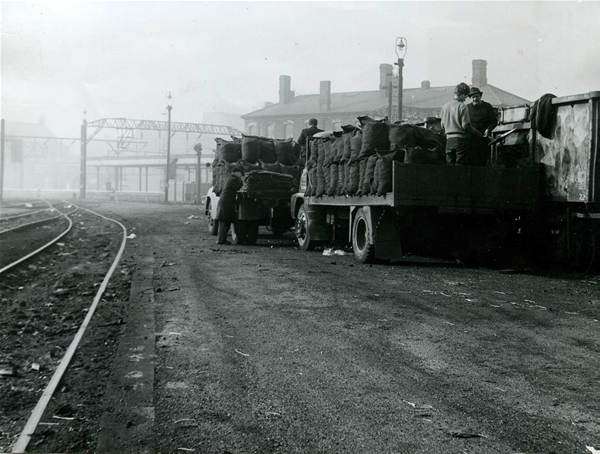
Formerly a large coal yard, replaced by a huge leisure facility and now a hotel and office complex, with a municipal swimming pool attached.
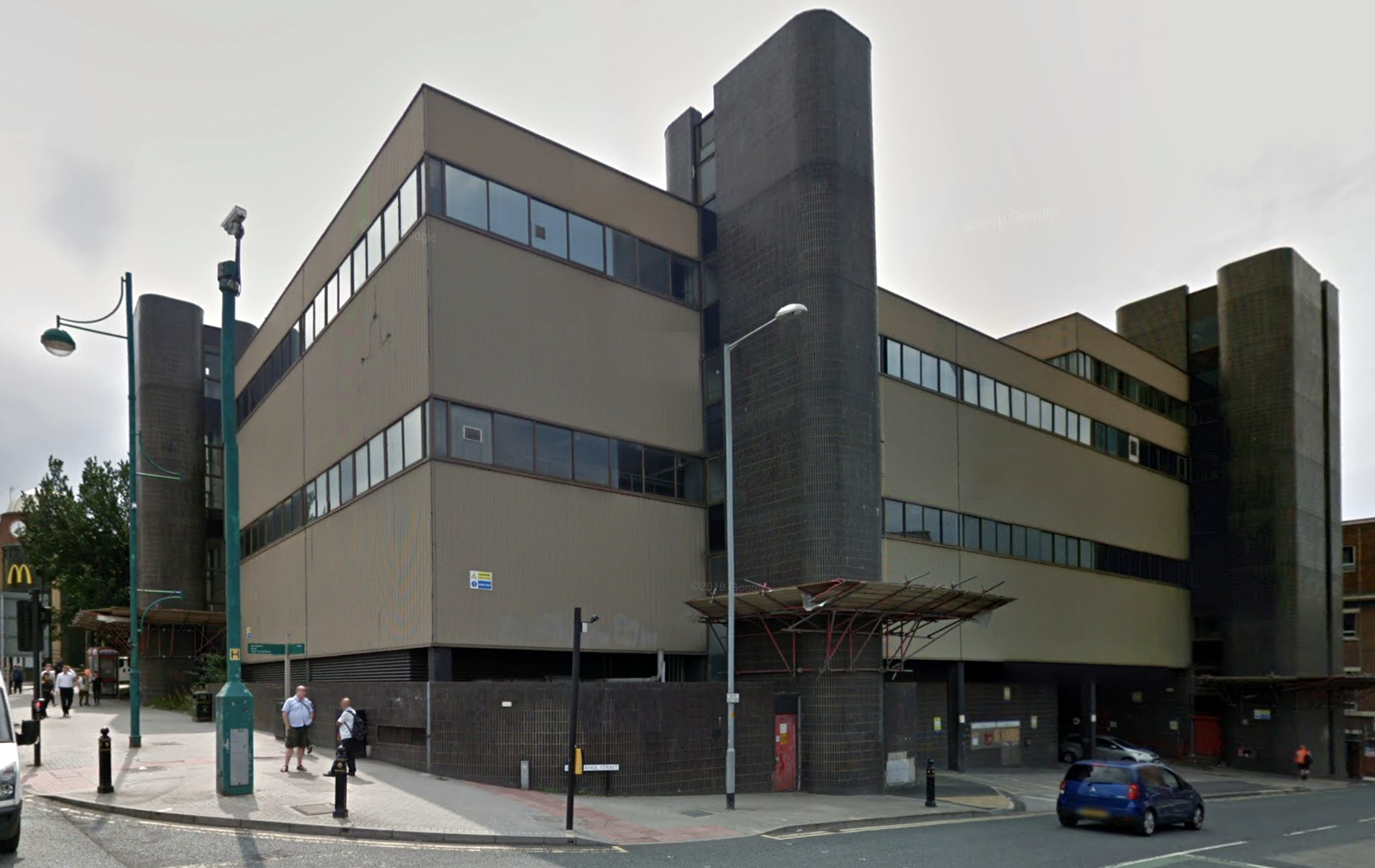
Next door the former Royal Mail sorting office.
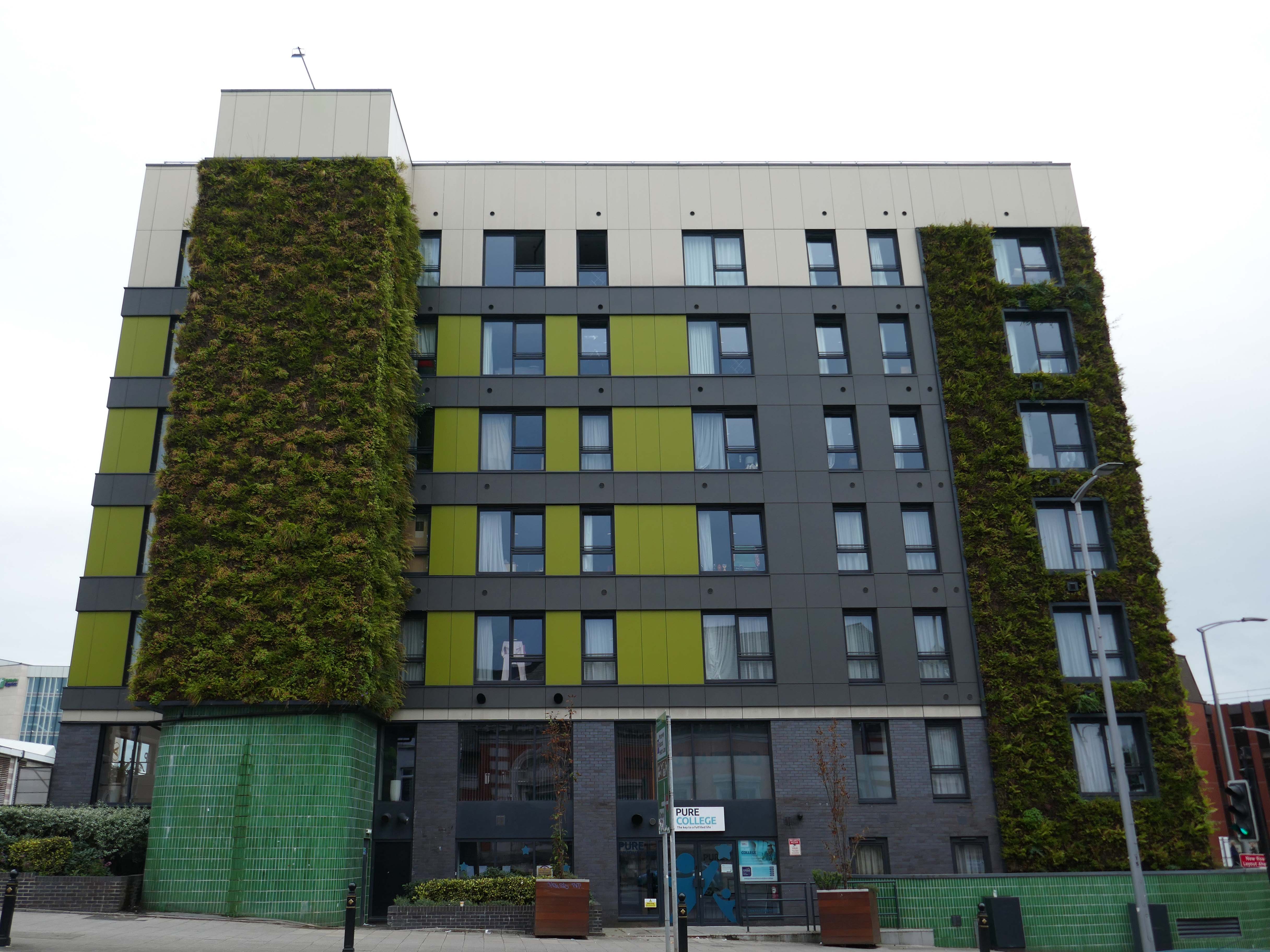
The transformation of a building once dubbed Stockport’s ugliest has been completed, now known as The Mailbox.
When it was built in the 1970s, it was given extra reinforcement due to the risk of IRA letter bombs. The sorting office closed and moved sites in 2010, from when the building was vacant for nearly a decade.
The state-of-the-art development is now home to 117 ‘stunning’ new one and two-bedroom apartments and 12,500 square feet of commercial space. There is an atrium at its heart a roof terrace with views across the town centre.
It also has an eighteen -metre high green ‘living wall’ covering the front and other parts of the exterior, which with 114,500 plants is the largest of its kind by surface area in the North of England.
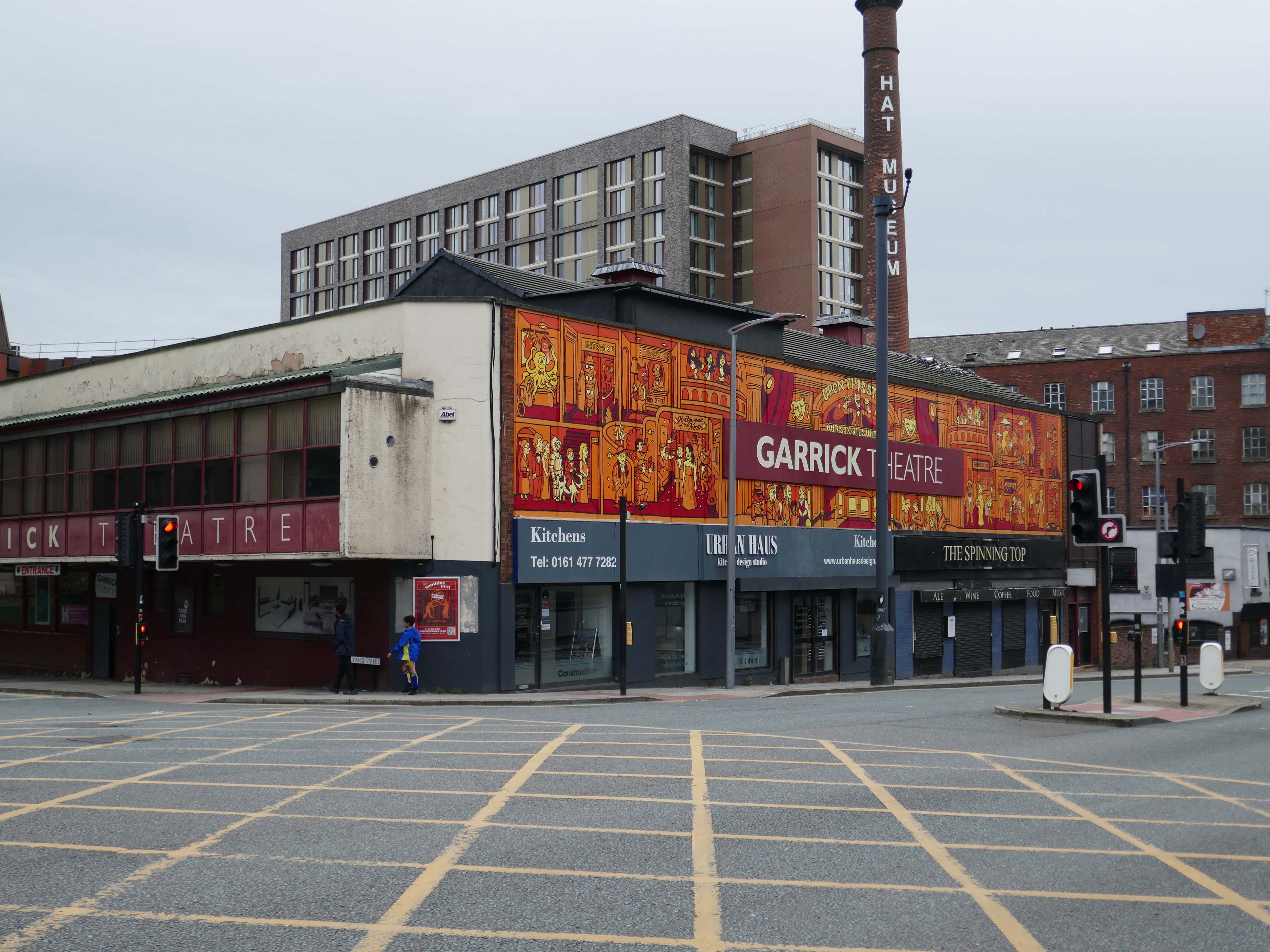
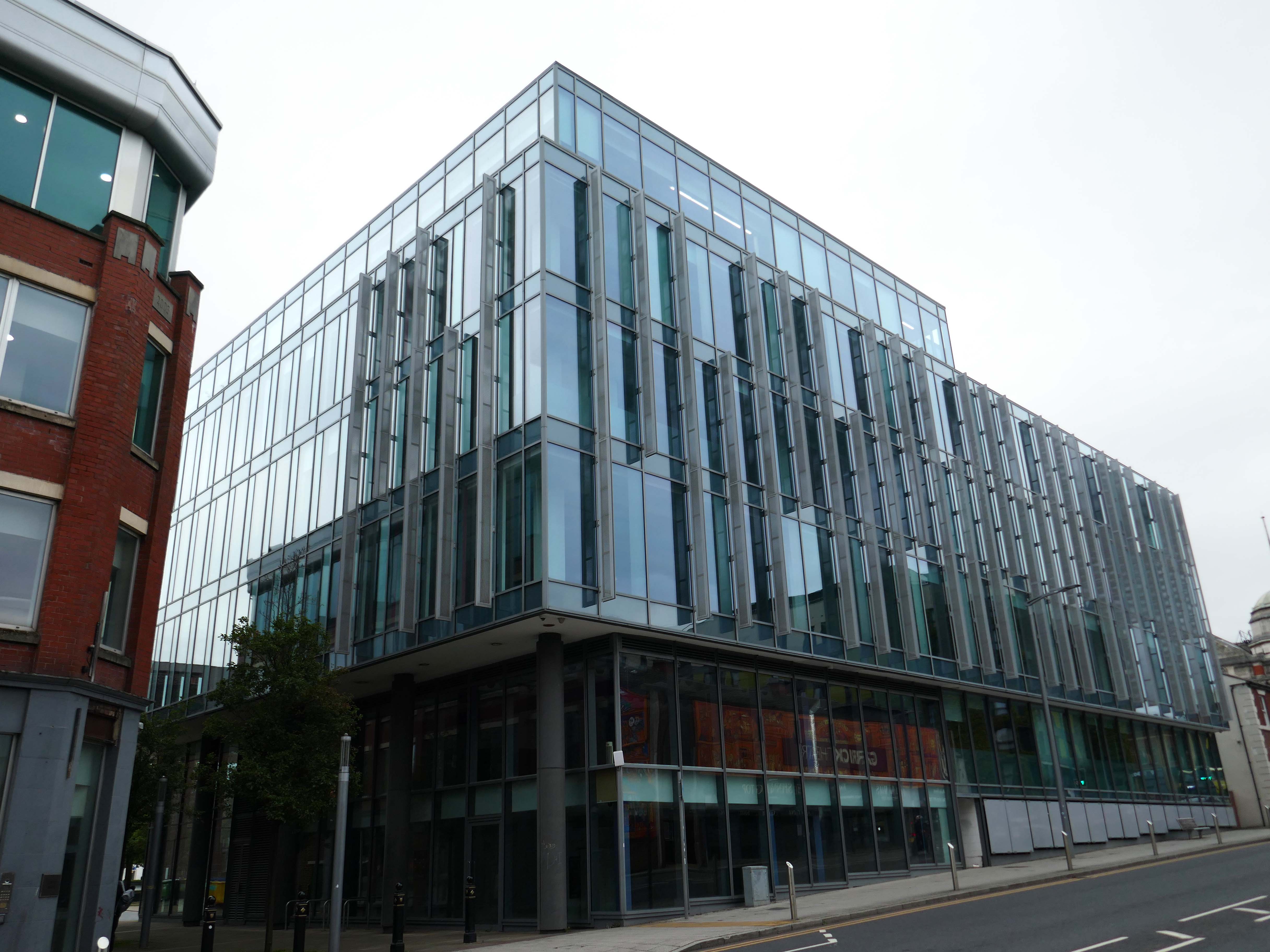
The Stockport Garrick Theatre was founded on 24th of October 1901, by engineer Edwin Heys and his fellow actors: fugitives from the disbanded dramatic society of Stockport Unitarian Church. Meeting in what was then The Church Coffee Tavern on St Petersgate, Heys and his friends resolved to found a new society ‘to perform the best plays by the most capable amateur actors and with the finest scenic effects’.
The society purchased its current building, an old mill occupied by an assortment of small businesses, in 1920. Since then, the building’s labyrinthine interior has undergone various refurbishments to enhance the society’s ability to produce theatre to the highest standards possible.
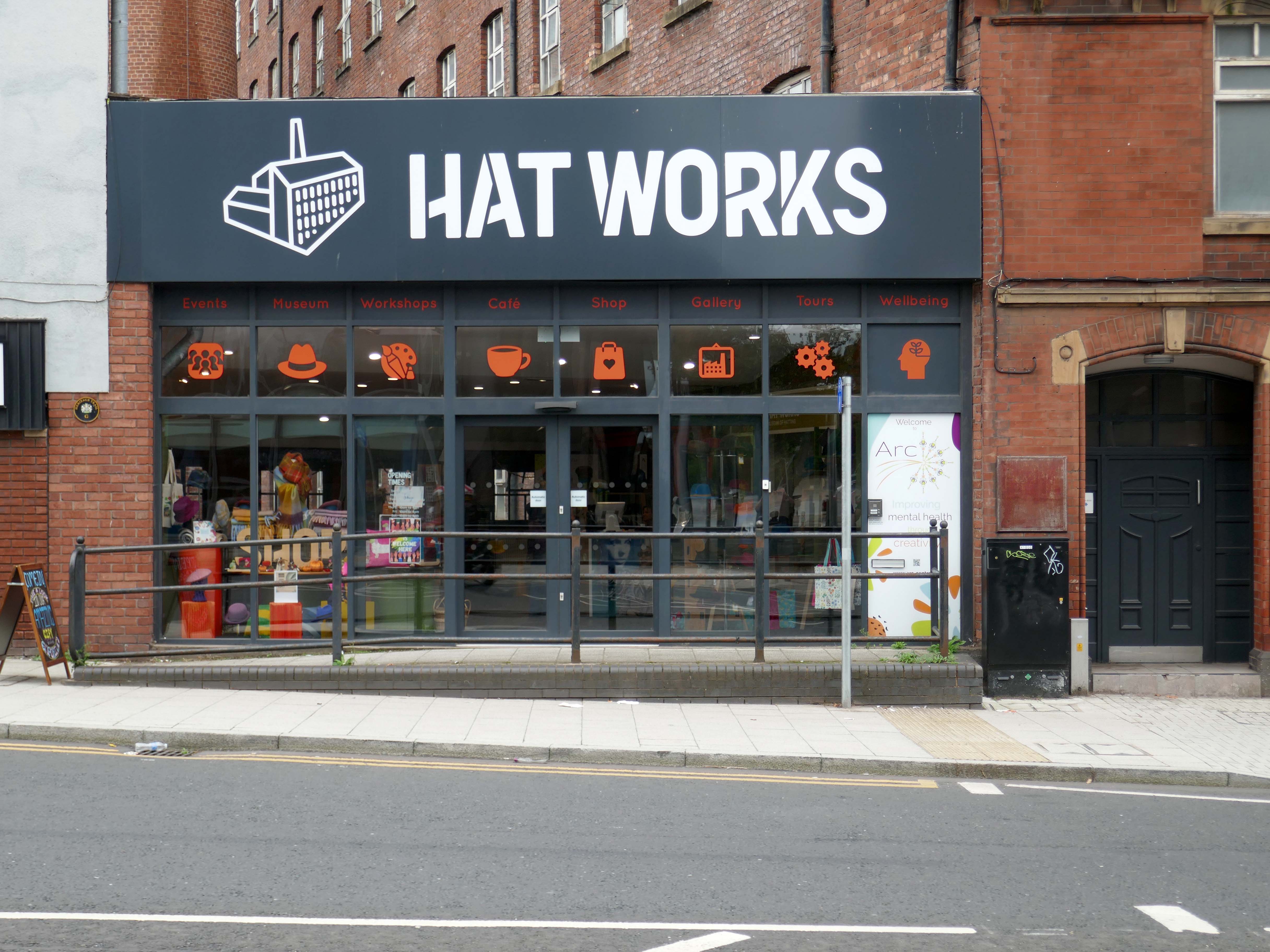
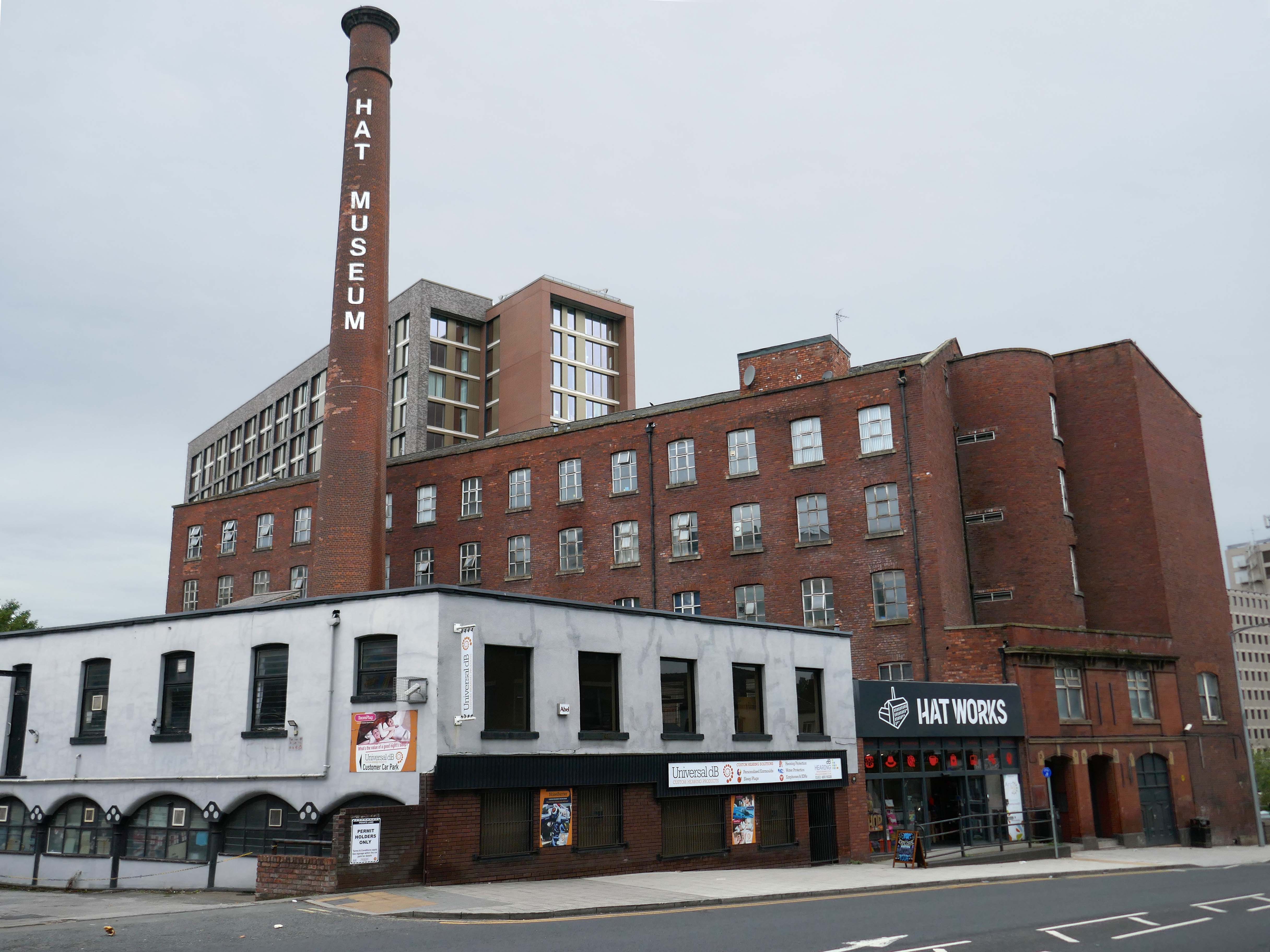
Next door the Hat Works – the UK’s only museum dedicated to the hatting industry, hats and headwear.
Occupying part of the Grade II listed Wellington Mill, a cotton mill of 1831 which became Ward’s Hat Works.
Both cotton spinning and hat making contributing to the economic development of Stockport in the C19th.
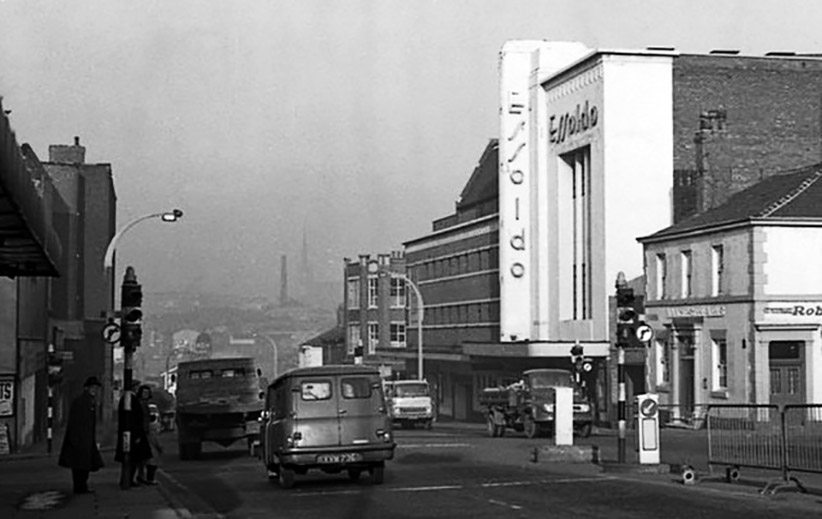
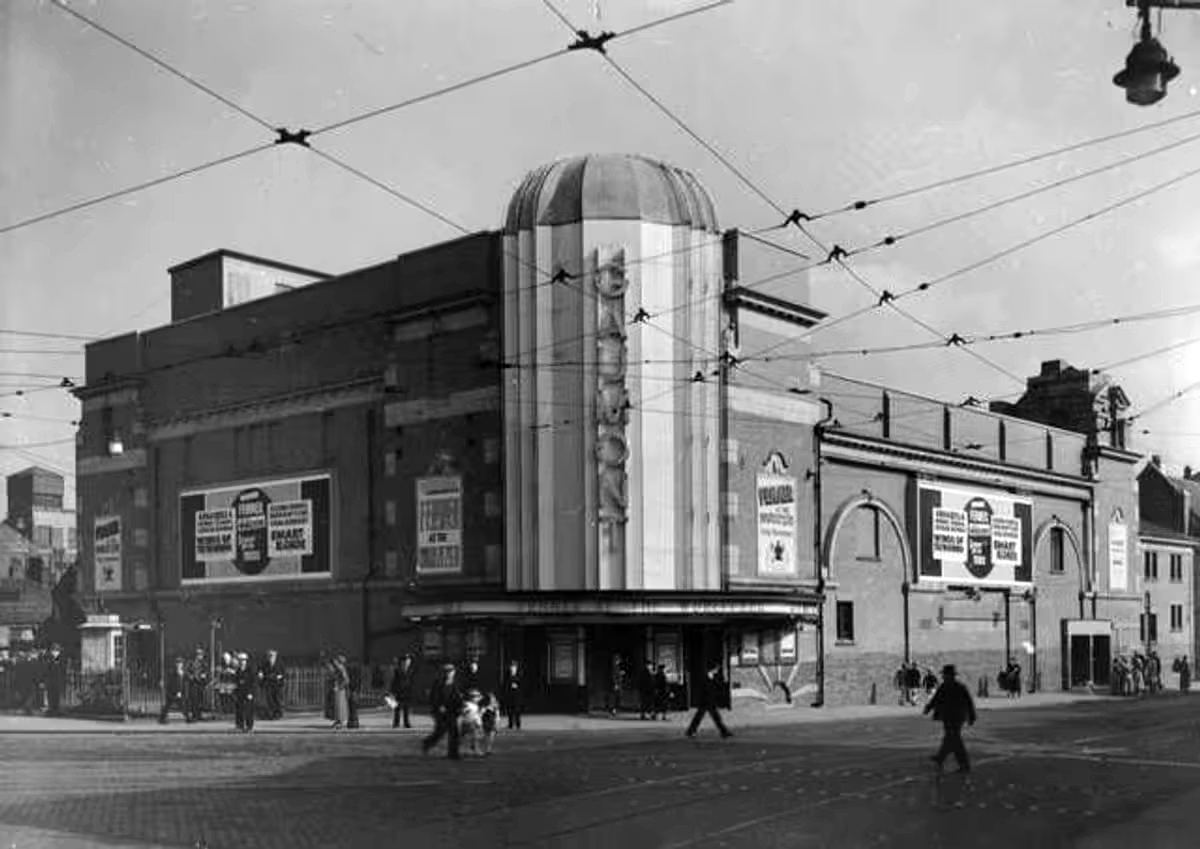
Across the way the long gone Carlton Cinema Architects:Francis Edison Drury and Joseph G Gomersall.
Opened on 28th July 1937.
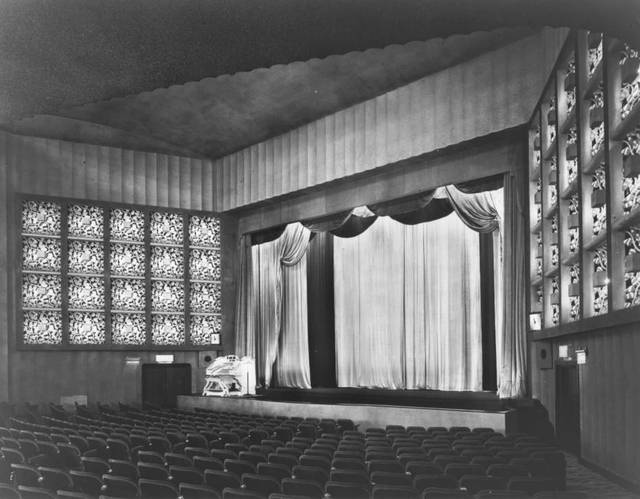
In July 1948 the cinema was taken over by the Essoldo Cinemas chain. In 1954 the Essoldo became the town’s first CinemaScope cinema and for many years was the only cinema to offer full stereophonic sound. Richard Burton in The Robe was the first widescreen film to be shown, followed by Marilyn Monroe in How to Marry a Millionaire.
At the height of the Davy Crockett craze, in 1956, Fess Parker made a personal appearance at the Essoldo.
It was converted into a twin screen cinema in 1971, by converting the balcony into Screen 2, it was taken over by the Classic Cinemas chain in 1972. Its final owners were the Cannon Group who ran the cinema from 1982 to its final closure on June 21st 1990.
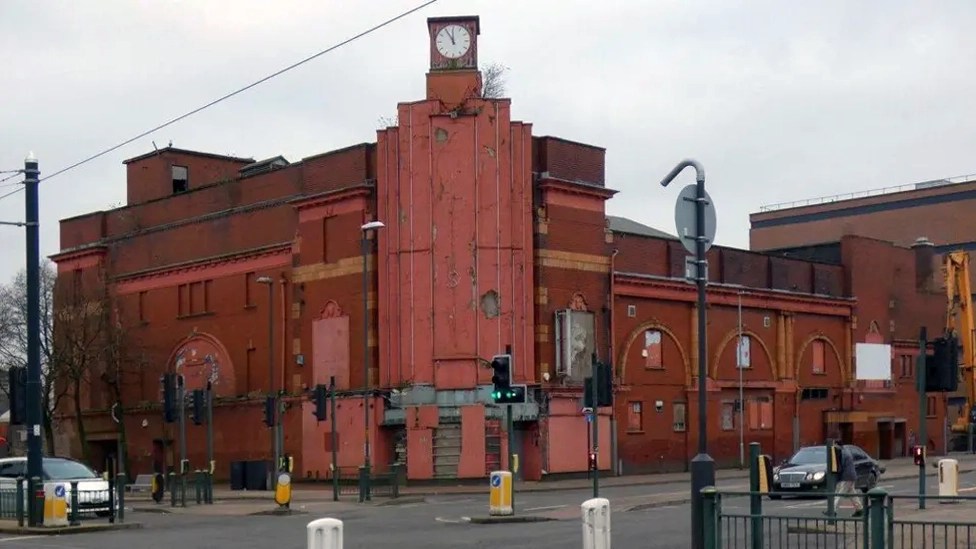
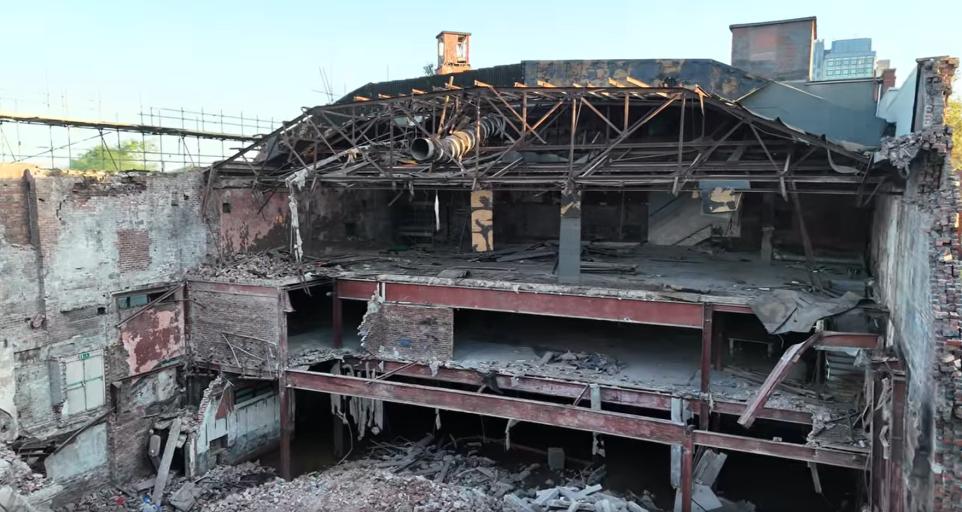
The cinema was demolished in 1994 and a small park occupied the site for several years.
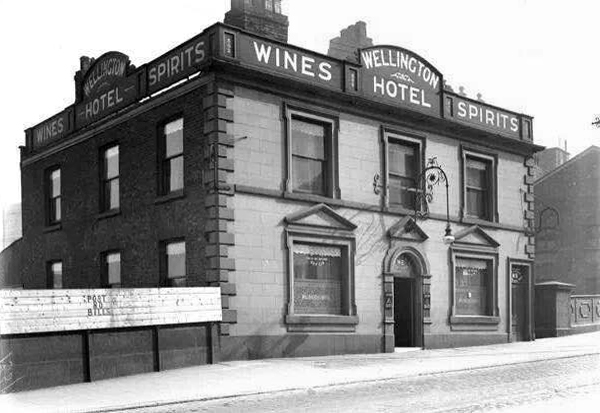
Further down the road the former Wellington Hotel.
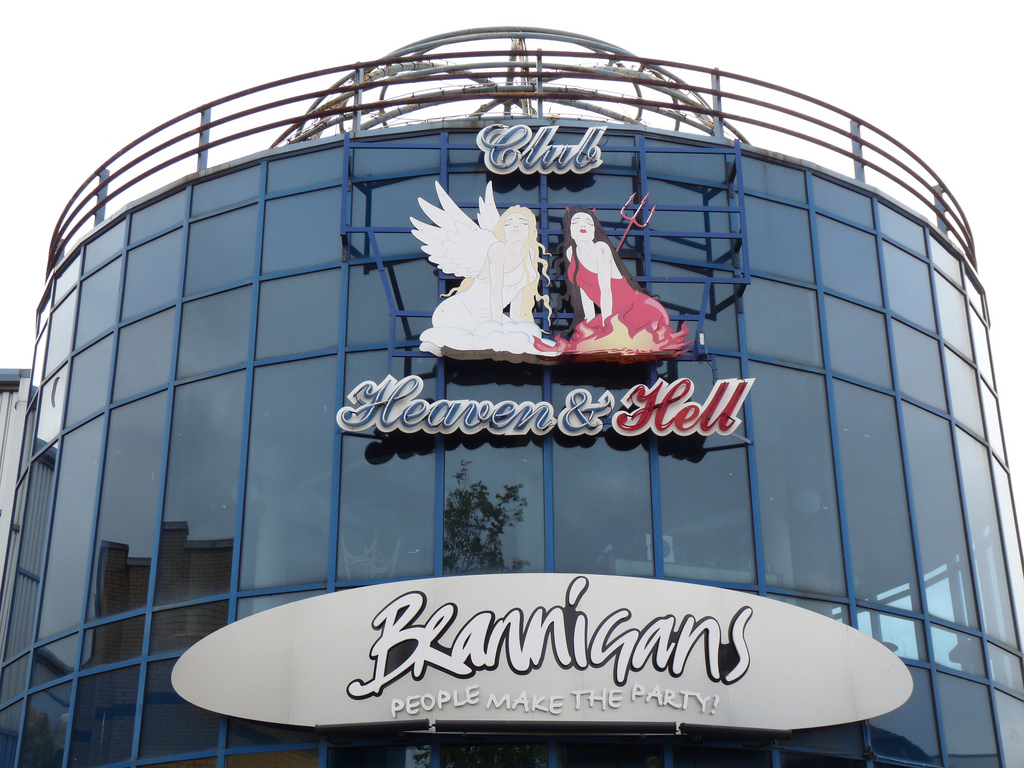
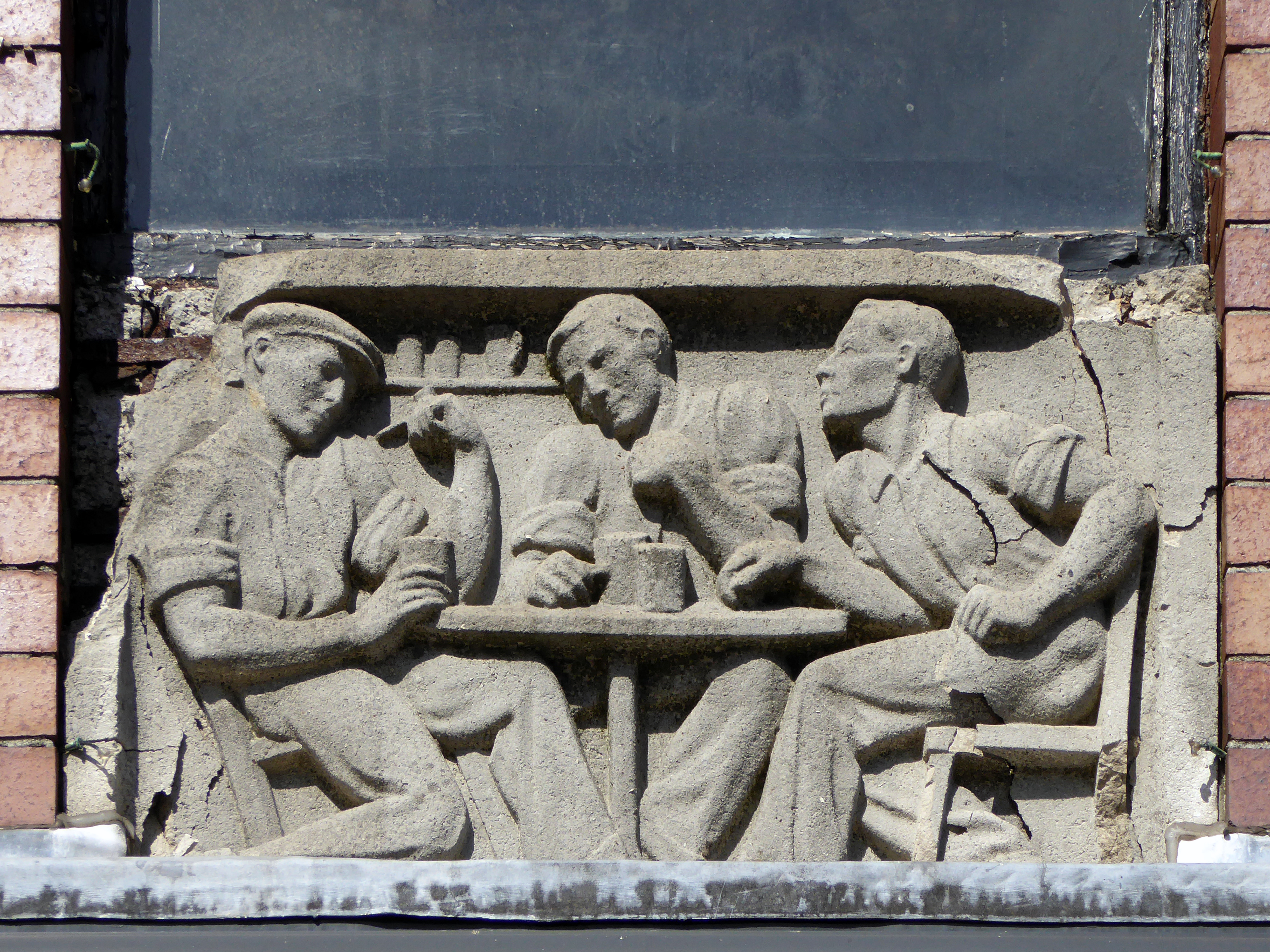
Known variously as Ups ‘n’ Downs, Glitz, Bentley’s and the Bees Knees.
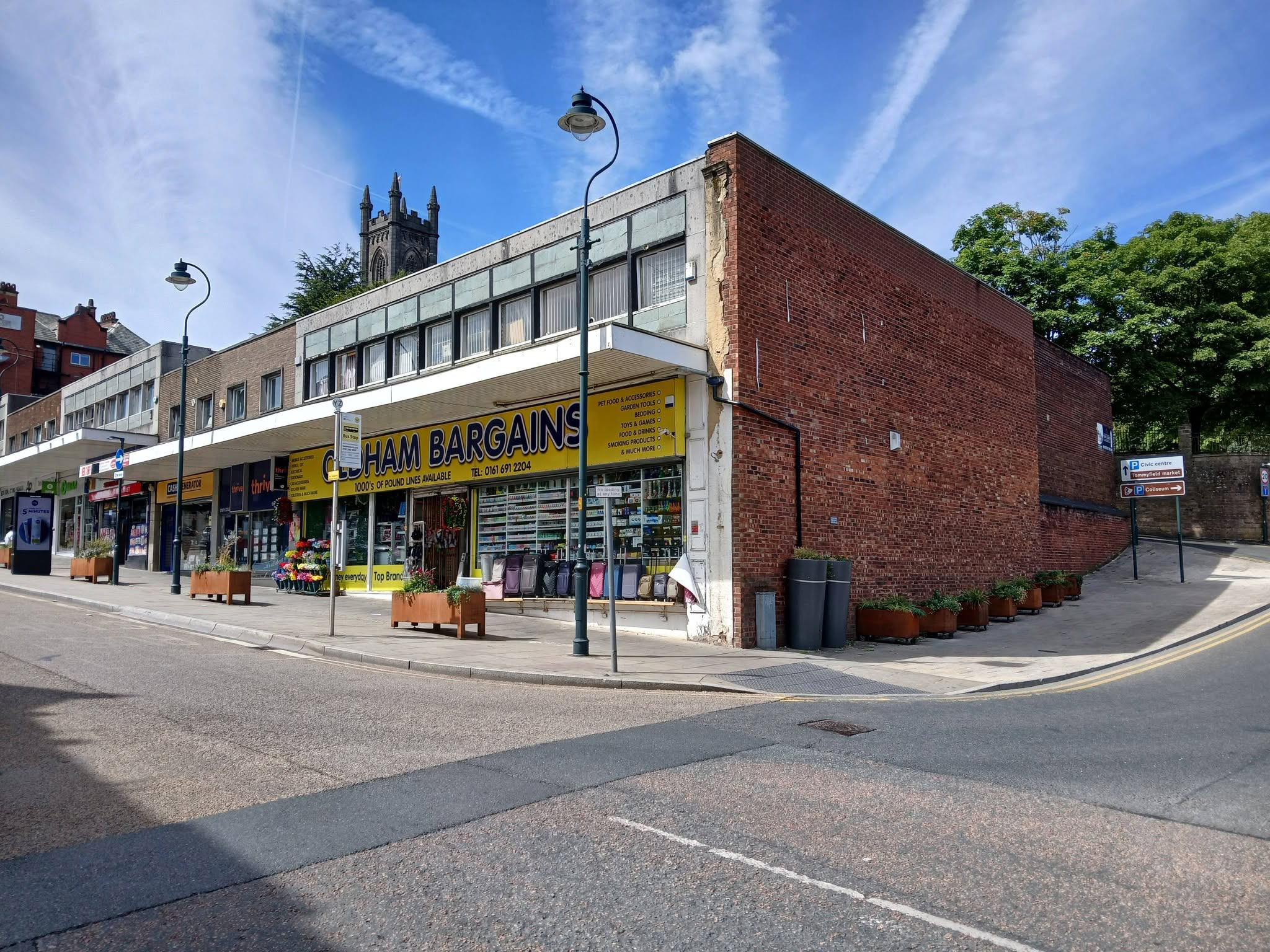
Finally, partial occupation by a forlorn Pound Shop – defying economic trends by closing.
Street art by Cats and That.
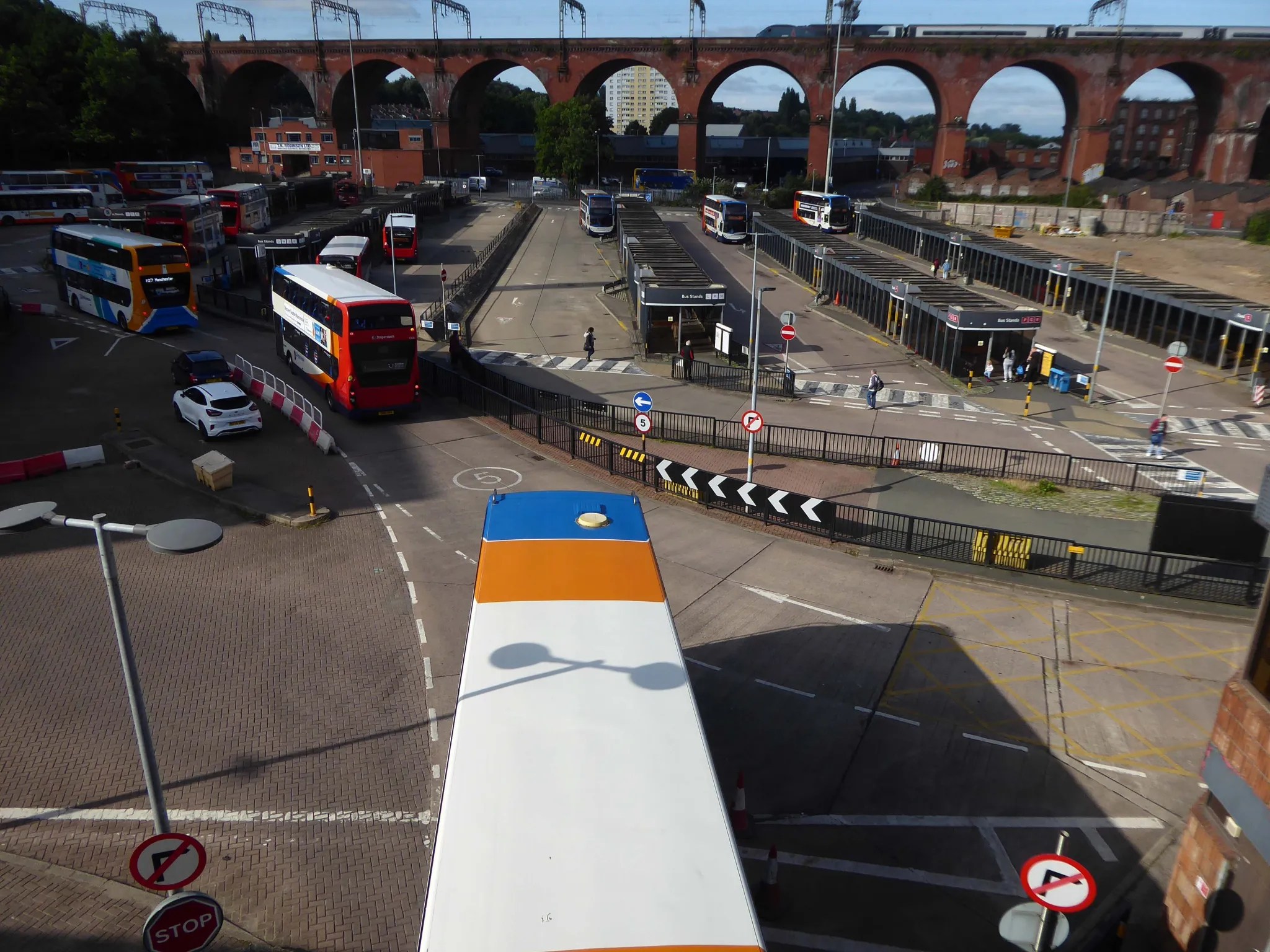
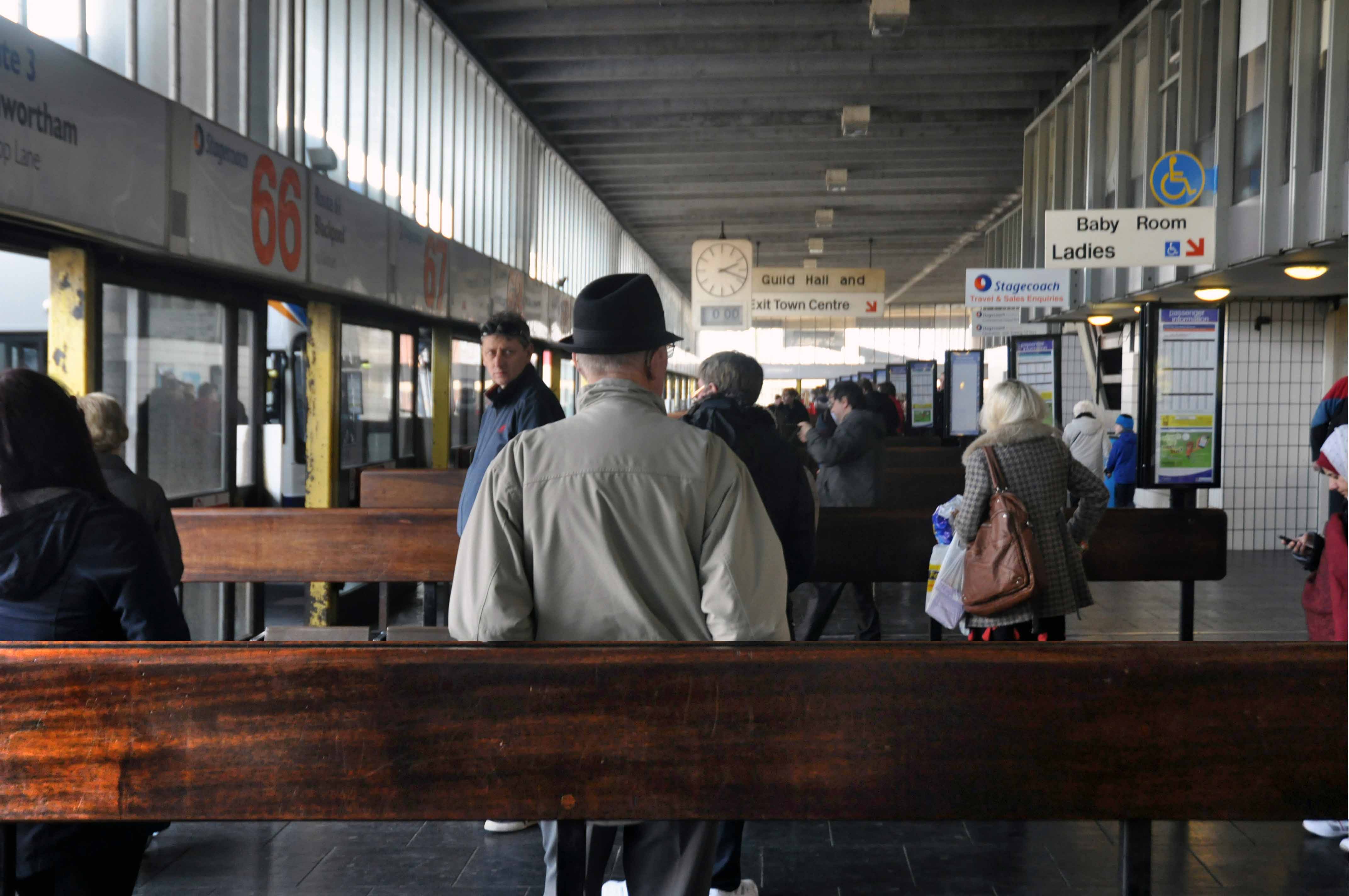
Next to the Transport Interchange aka the Bus Station.
In collaboration with Transport for Greater Manchester and Stockport Metropolitan Borough Council, the project redesigned a 10,000 sq m bus interchange, linking the rail station with new landscaped parks.
The development includes a fifteen-storey building with one hundred and ninety six apartments, commercial space, and parking. New parks and riverside spaces improve connectivity and enhance urban living, marking a transformative step in placemaking for Stockport.
Replacing the former Bus Station closed on Saturday 28th August 2021.
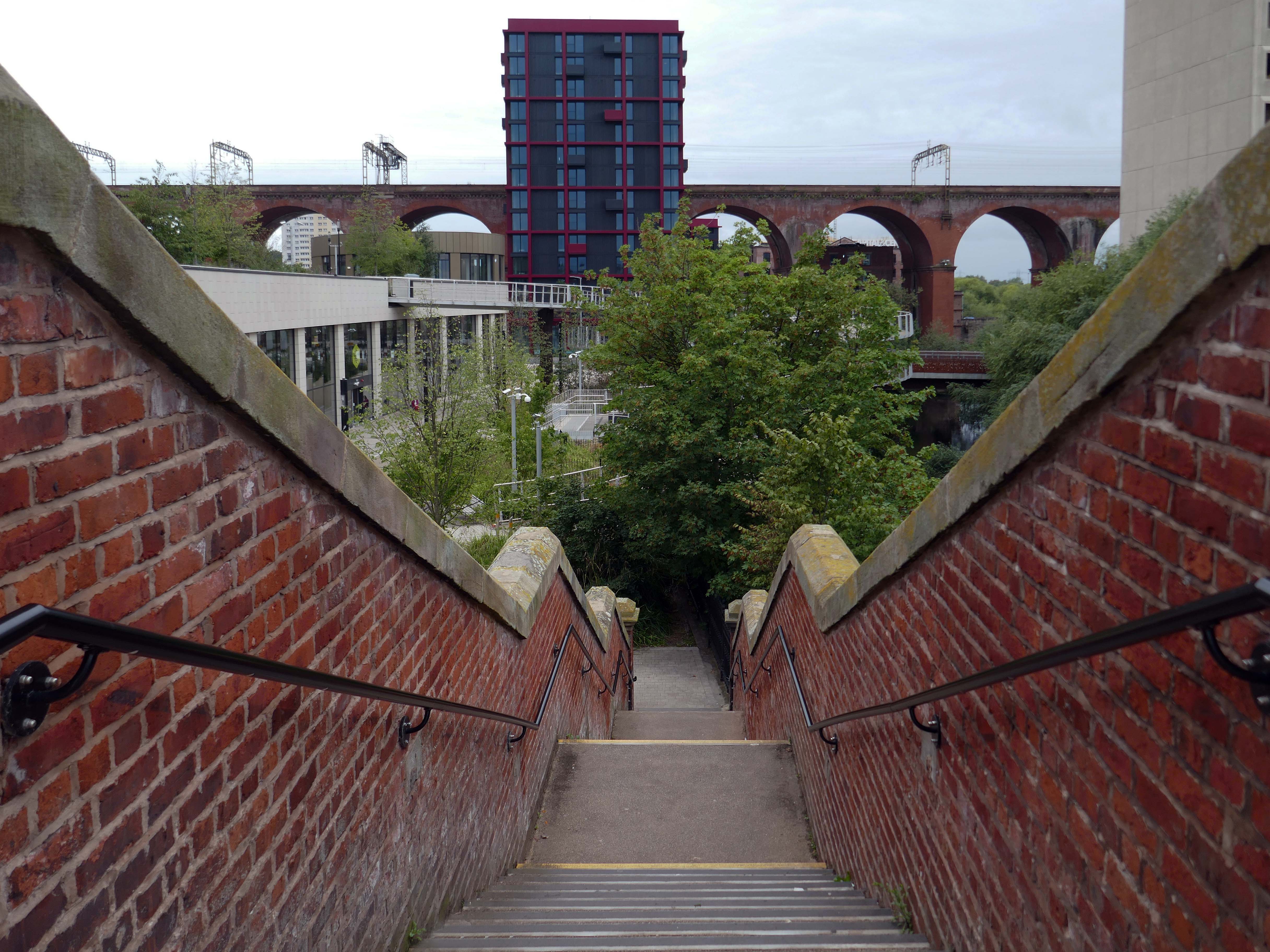
Down to the top of the Lowry Steps
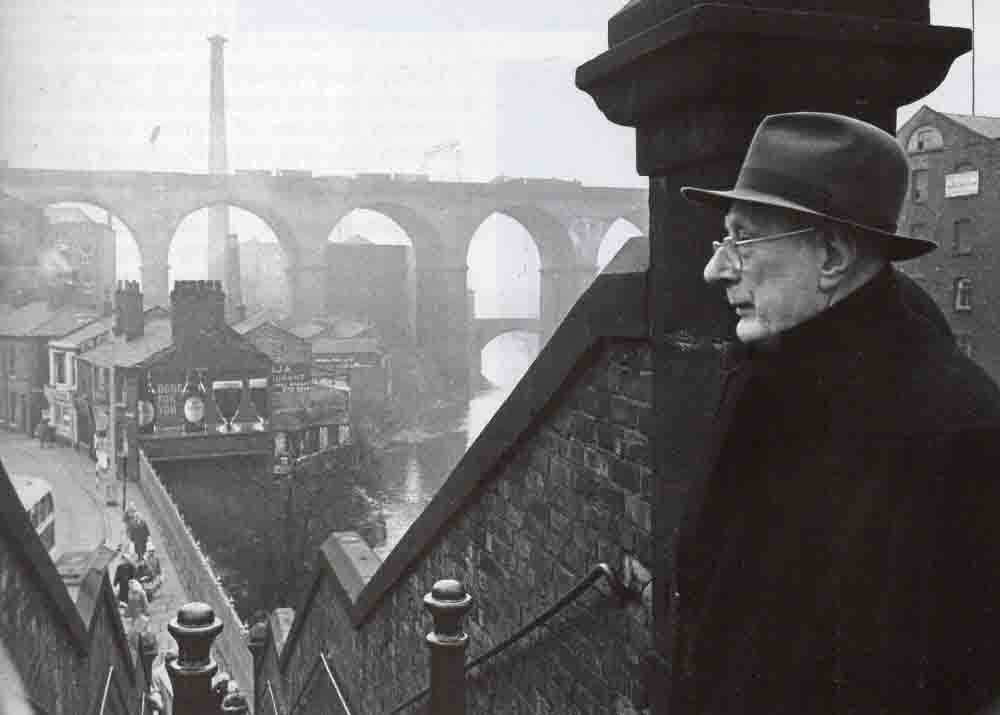
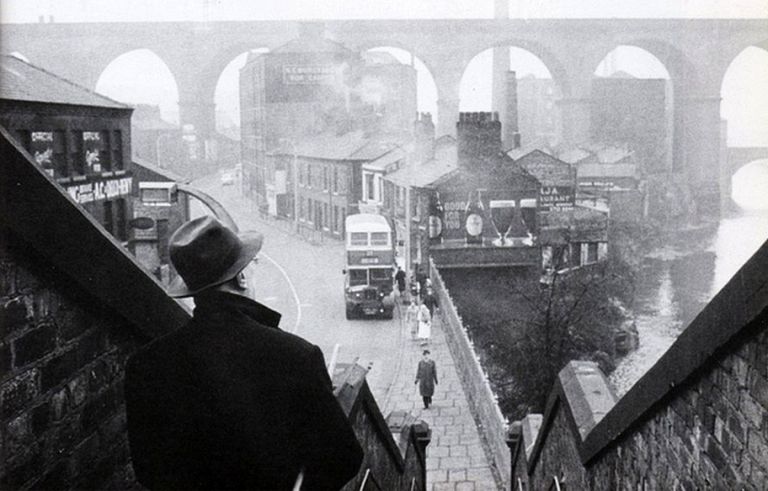
LS Lowry snapped in 1962, the Viaduct in the not too distant distance – Grade II* listed structure and remains one of the world’s biggest brick structures.
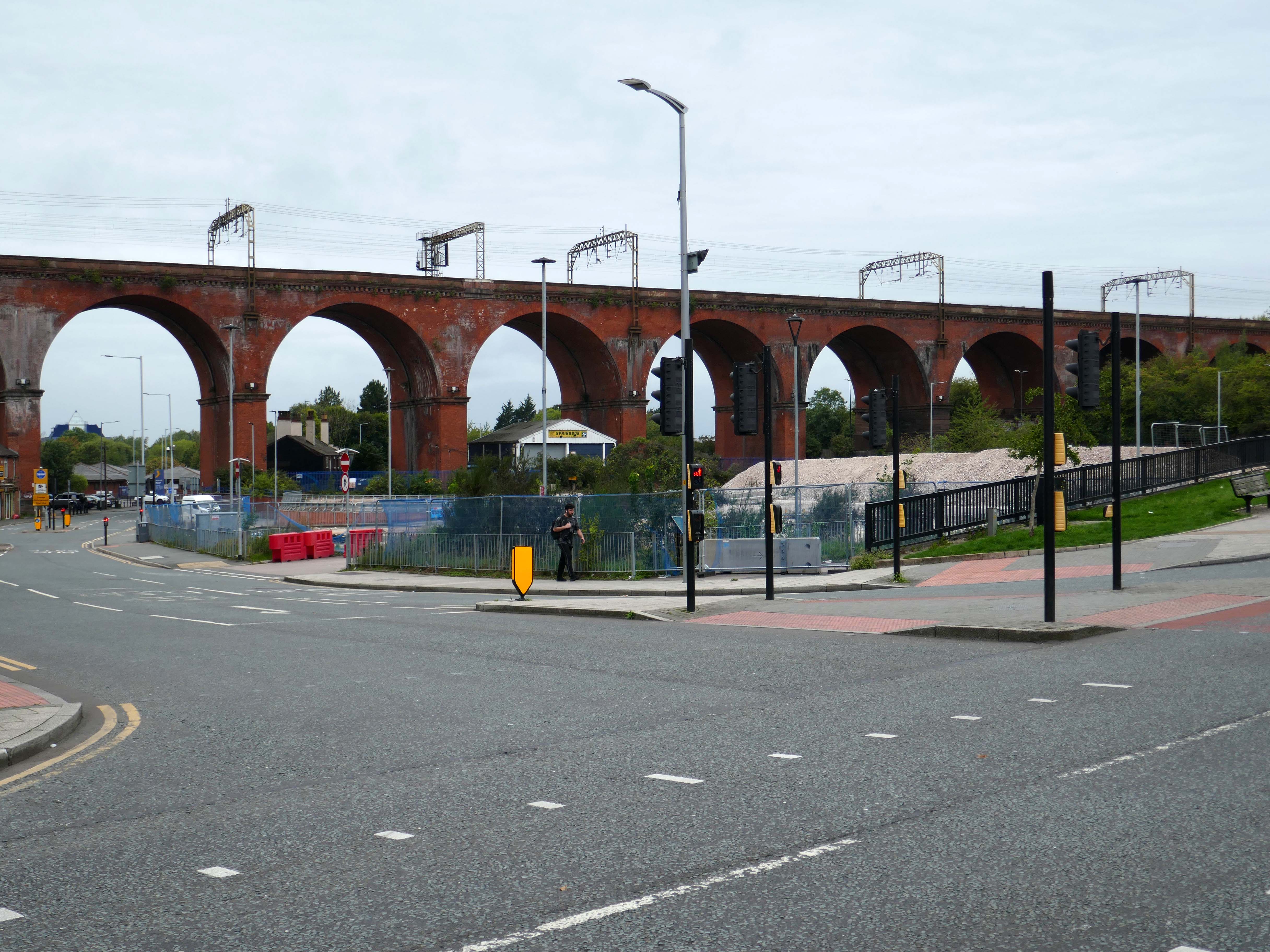
Railway viaduct opened 1840 by GW Buck for Manchester and Birmingham Railway in brick and stone.
Twenty eight arches of total length over 540m – three spans at either end of 18ft, twenty two spans between of 63ft, and nearly 34m high above the river.
Said to contain eleven million bricks.
Stone moulded impost bands and rusticated faces to piers.
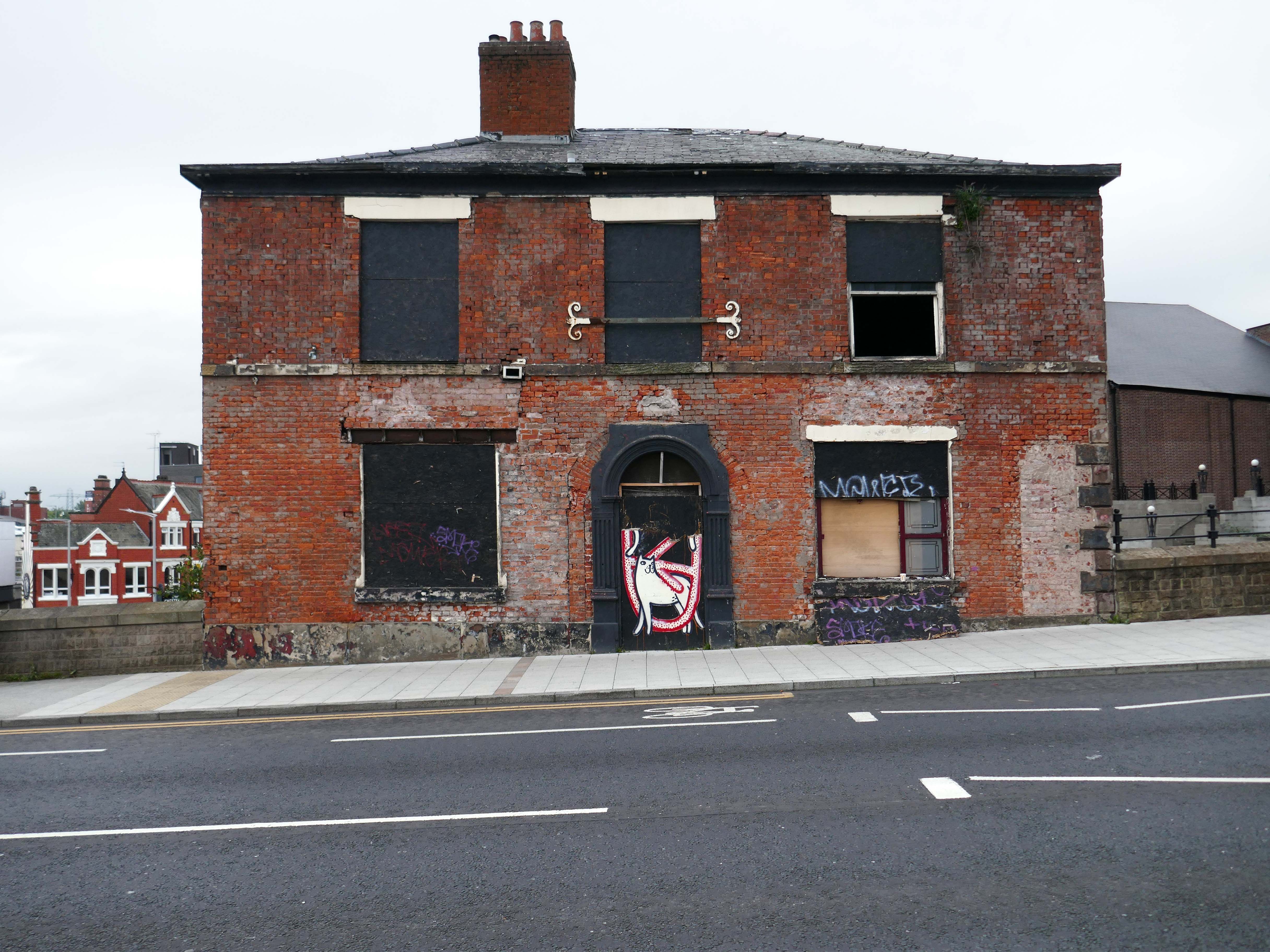
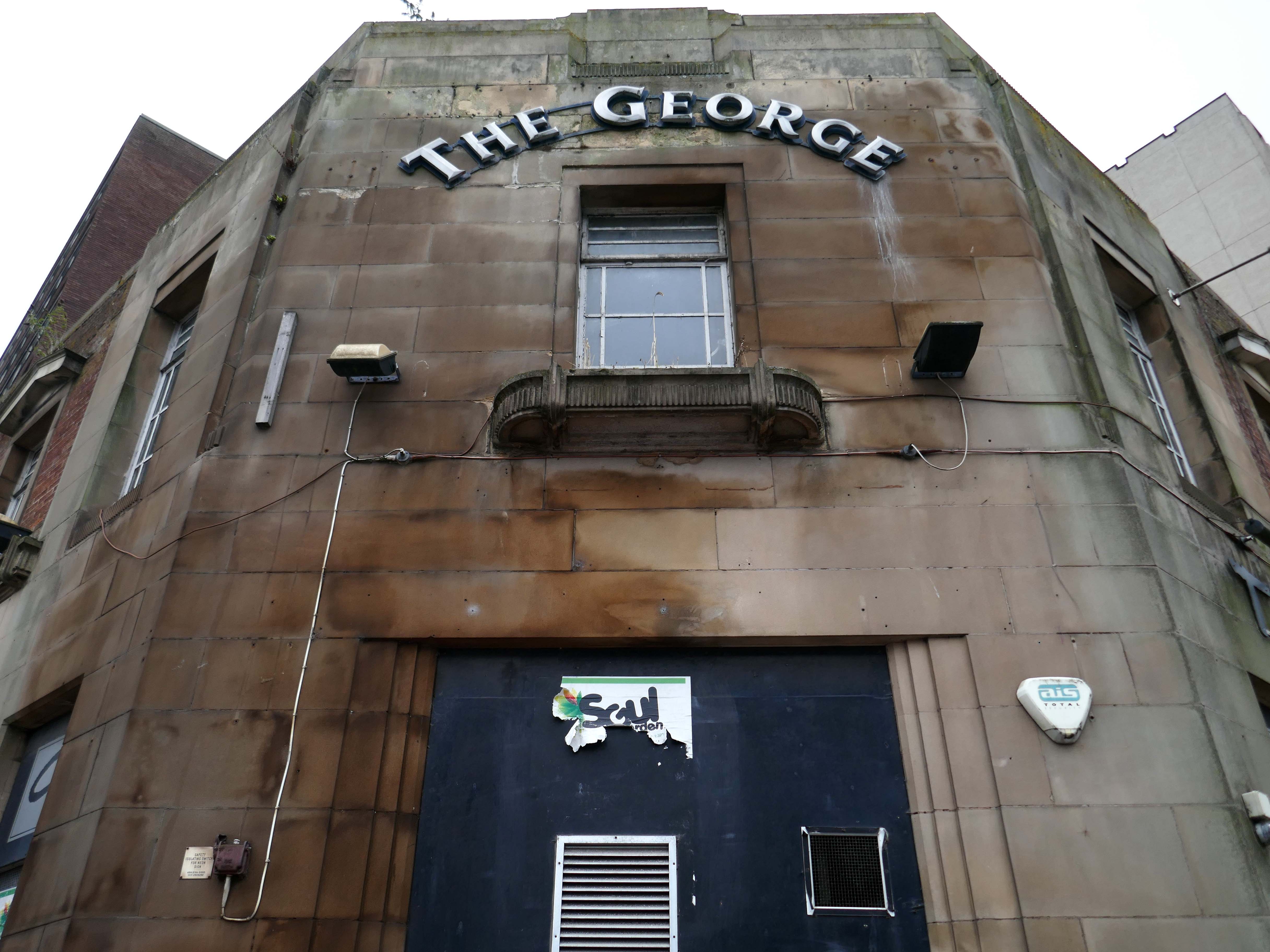
Premises To Let as of 13th May 2018 – on the 2nd April 2018 the licence has lapsed, so this proved to be a barrier to it re-opening.
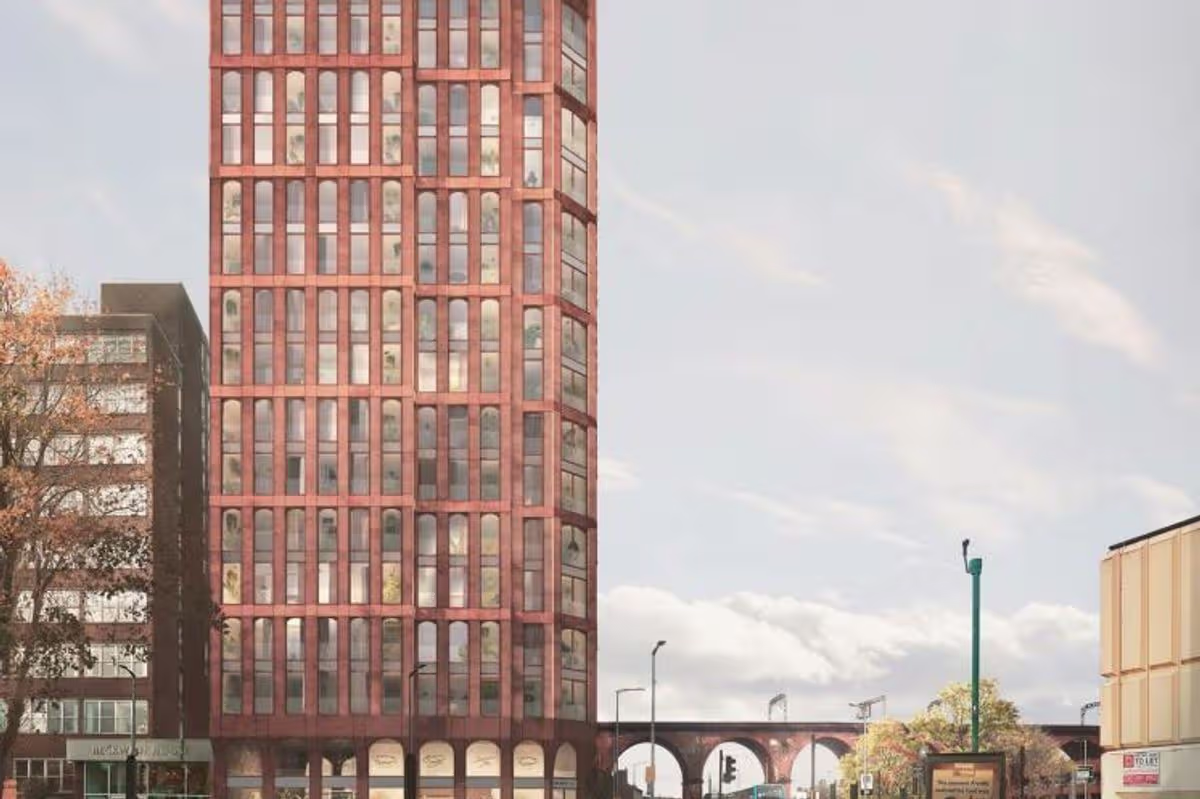
A former pub in Stockport town centre could be knocked down to make way for a tower stretching 17-storeys high. Plans have been sent to Stockport council for consideration and would bring 76 new apartments to the town replacing The George on Wellington Road, based opposite Merseyway Shopping Centre and near Stockport Viaduct.
Talks over a deal for a bus depot off Daw Bank have broken down after the council refused to meet the operator’s financial demands, prompting the authority to use compulsory purchase powers to acquire the site.
Despite protracted negotiations, Stockport Council and Stagecoach have failed to reach an agreement over an important piece of land the authority needs to deliver Stockport 8, a £350m, 1,300-home regeneration scheme.
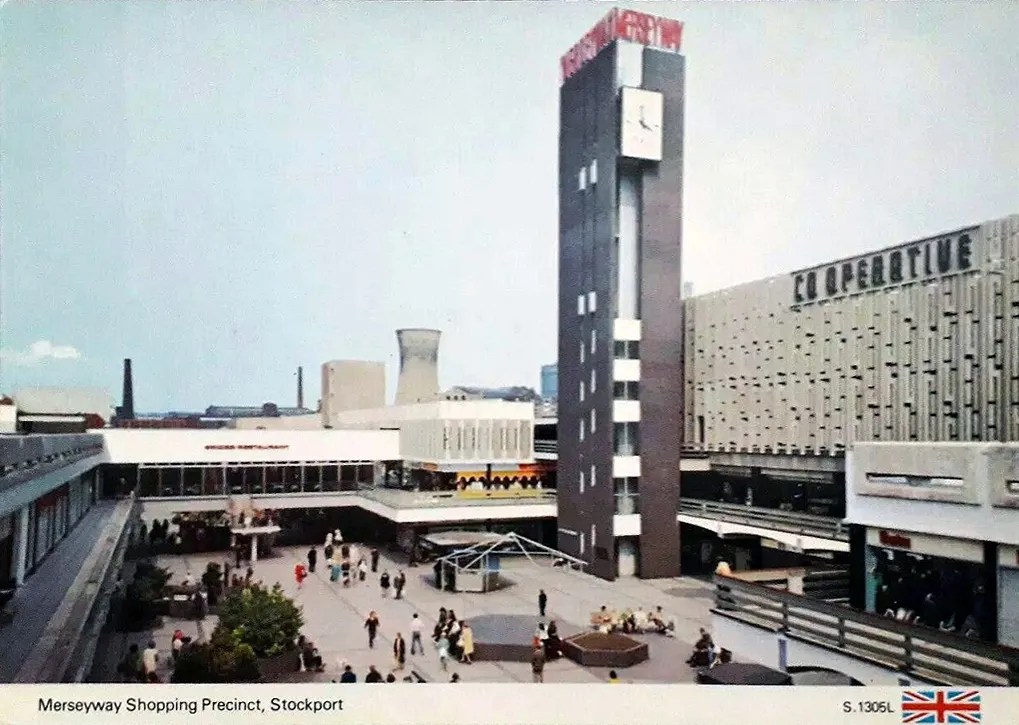
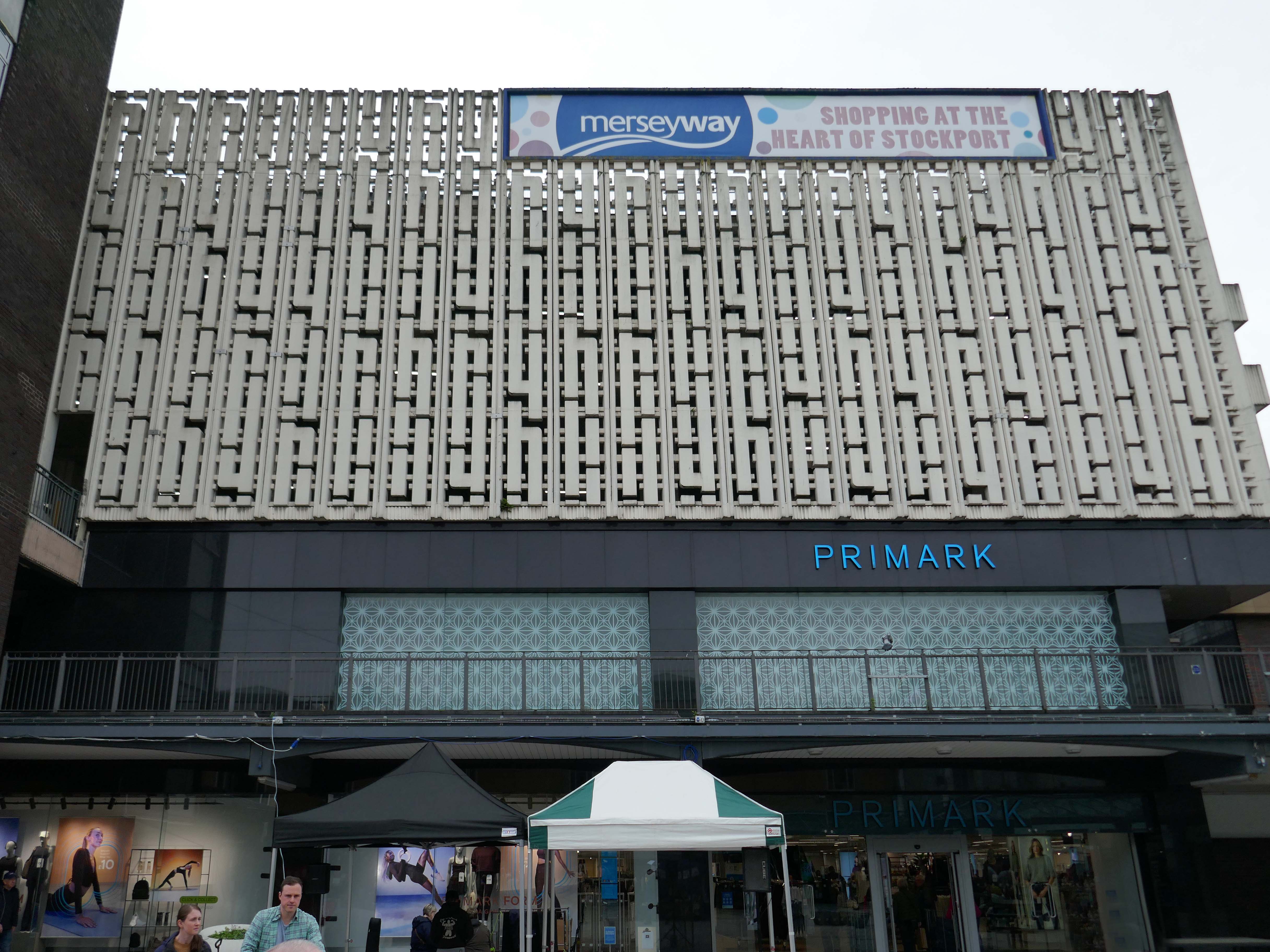
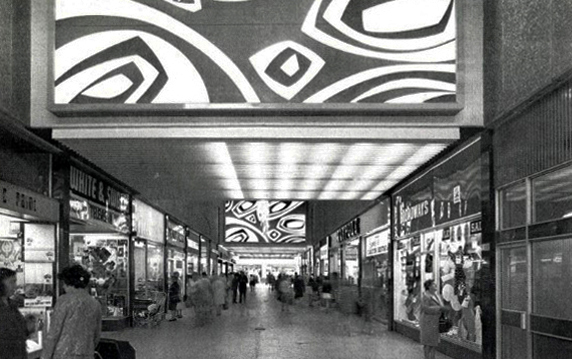
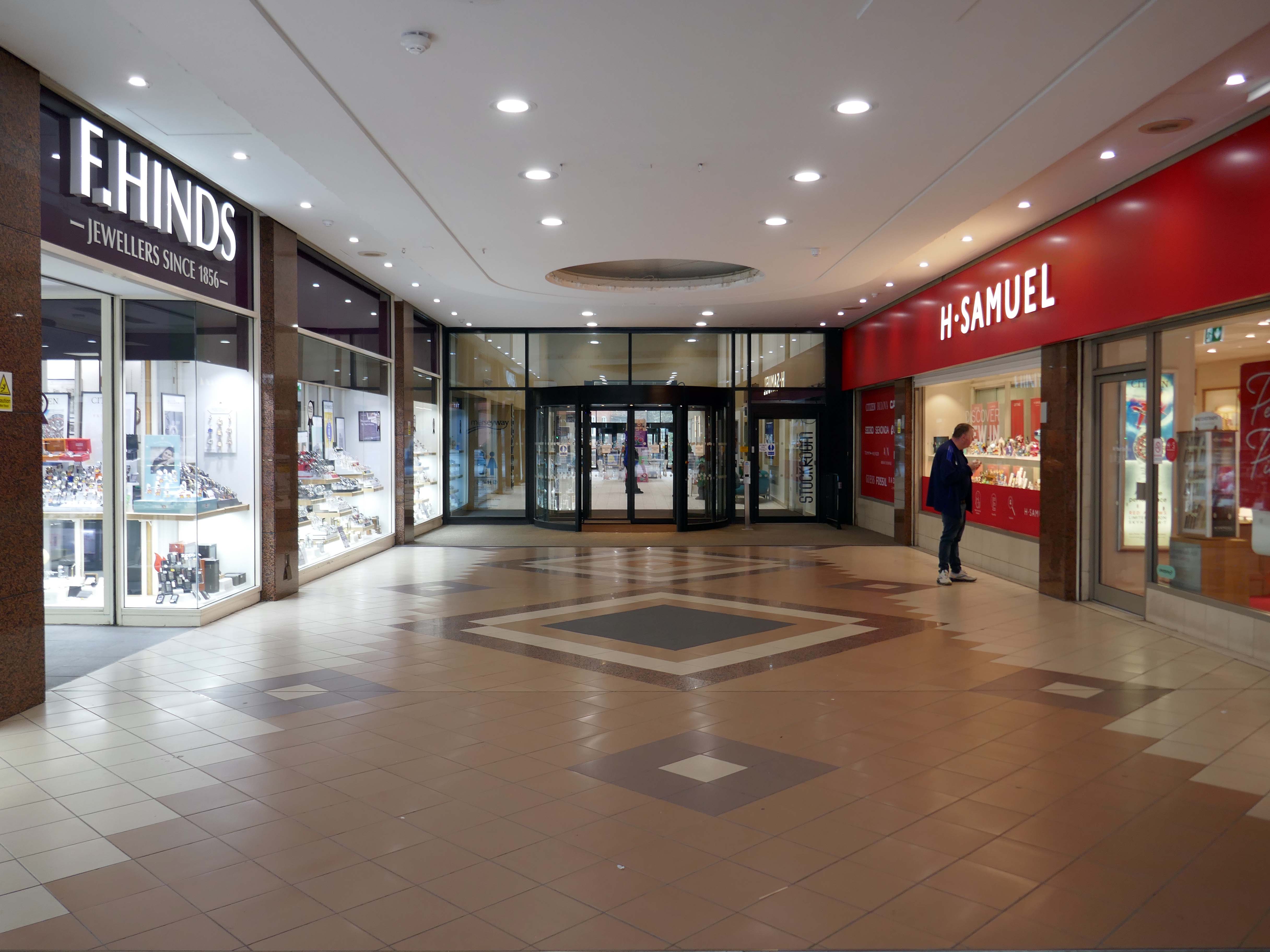
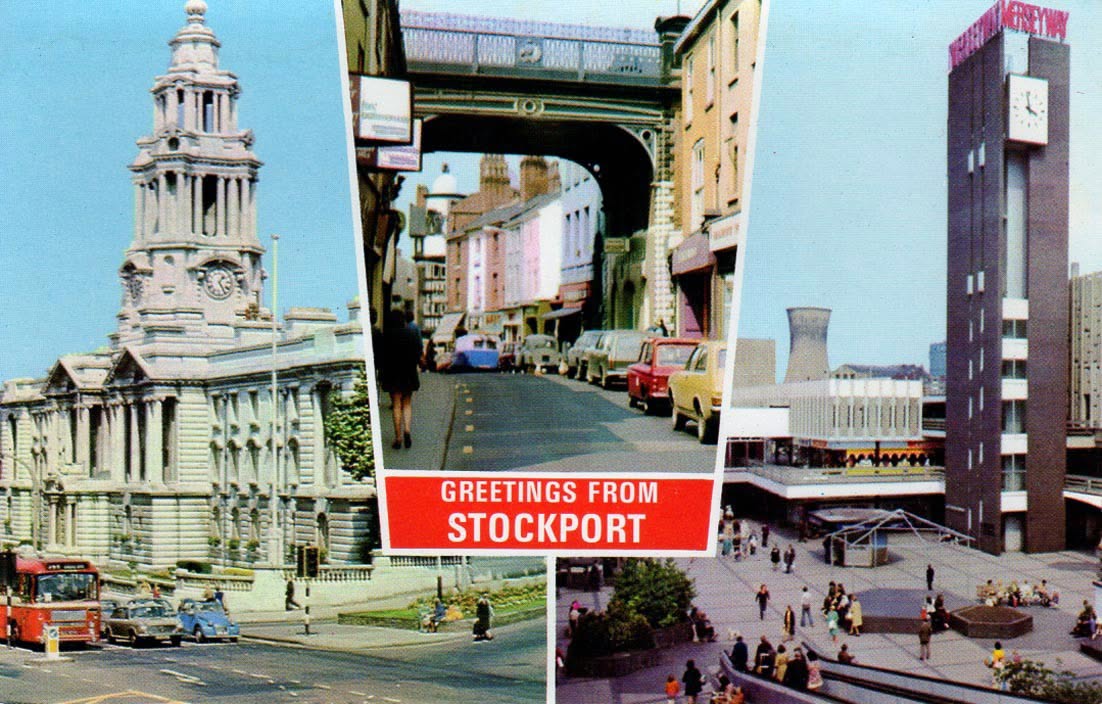
Leaving Wellington Road we head for the Merseyway Precinct – 1965 architects Bernard Engle & Partners.
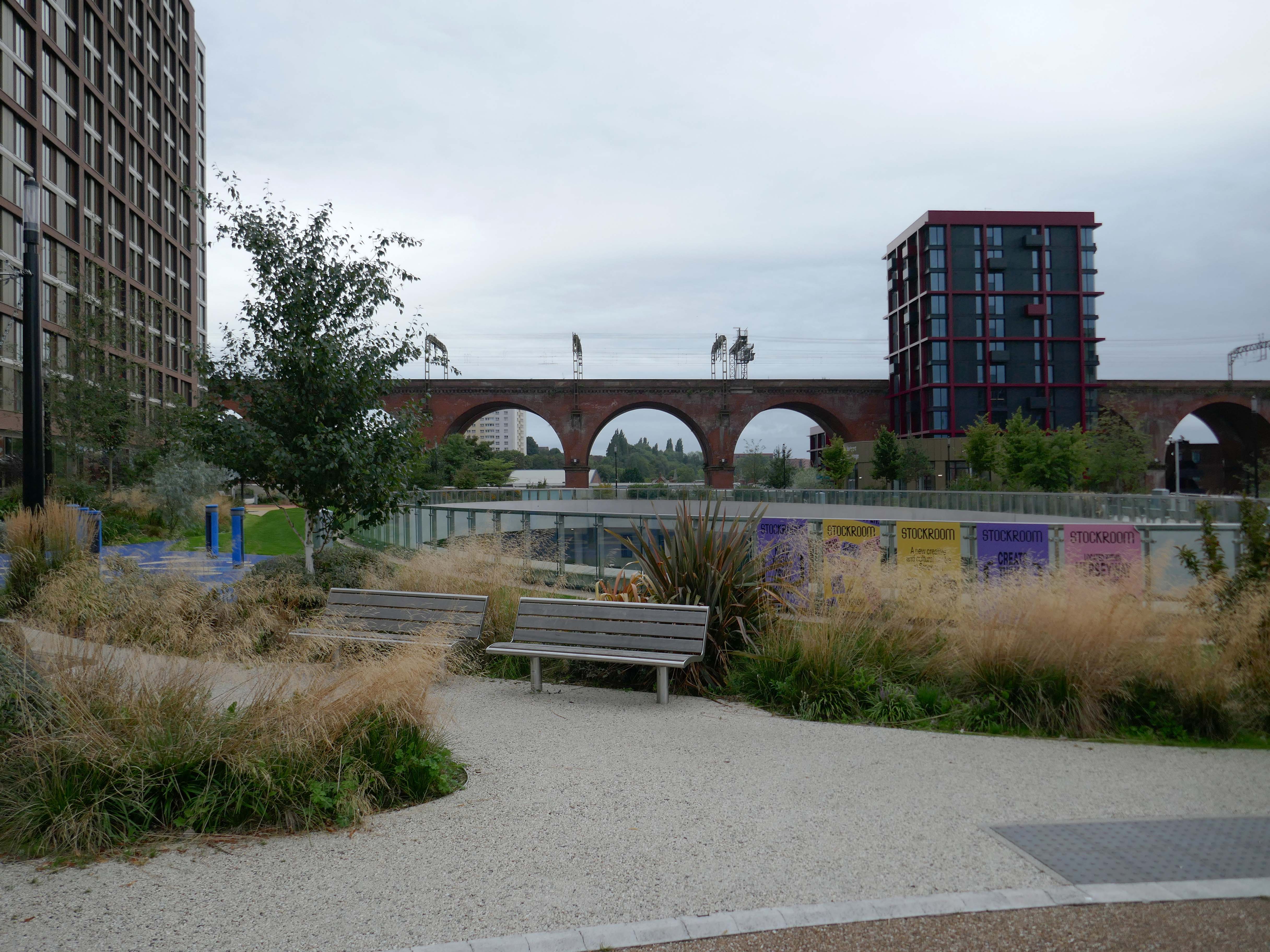
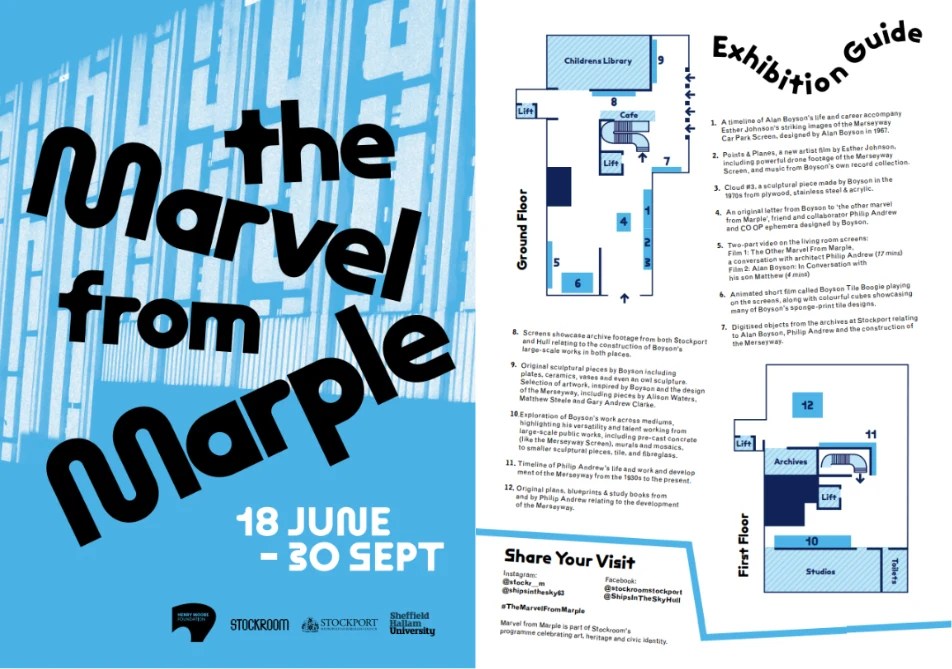
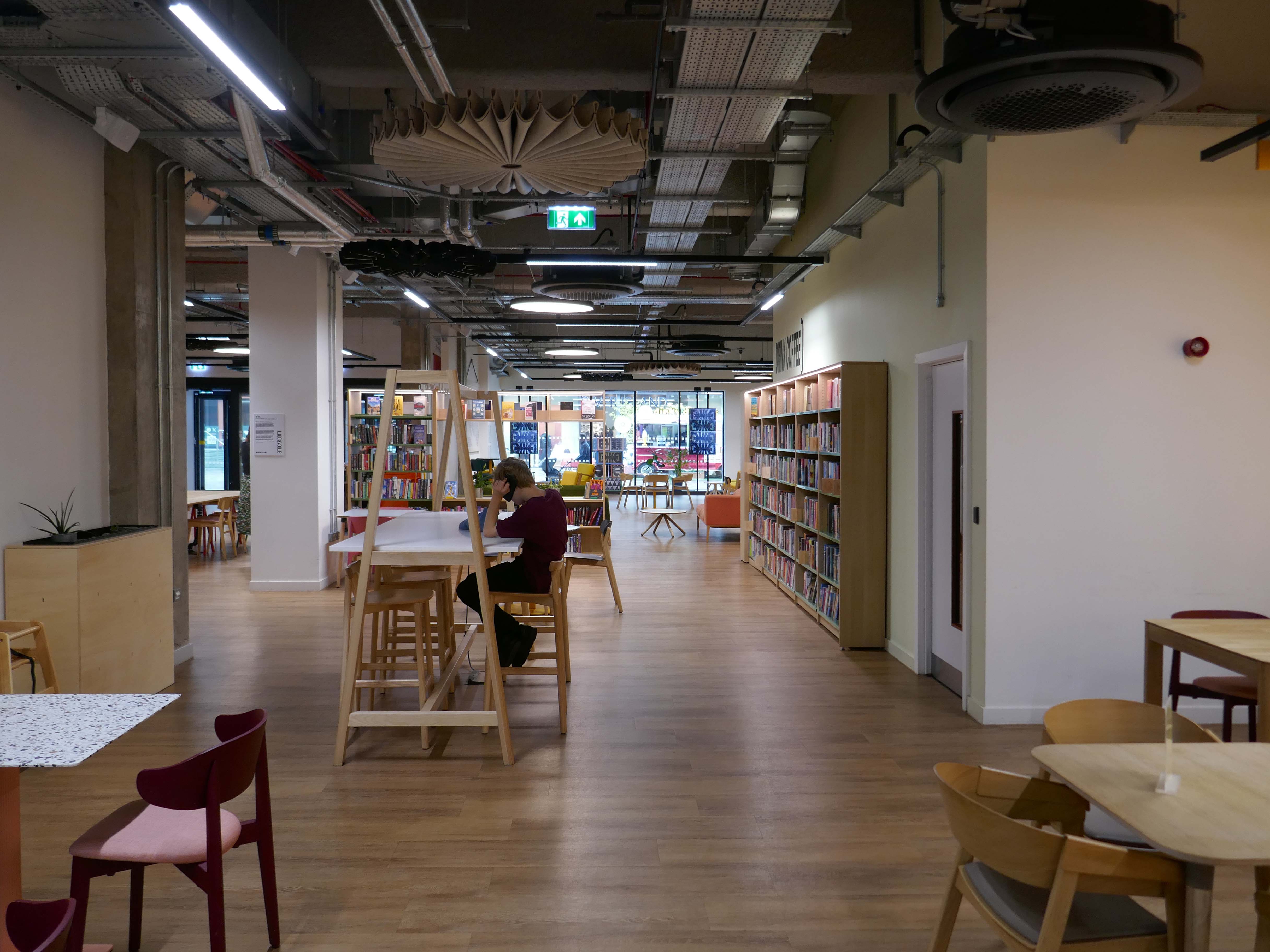
Stockroom is an exciting new creative and cultural centre in Stockport, designed for getting together, getting involved or just popping by for a brew. It has been developed with and for local people and the creative community to build an exceptional communal resource for entertainment and learning.
There’s room for everyone: to make noise, meet friends or find some peace, play, take part, think or do new things.
Part of Stockport’s £1 billion transformation, Stockroom is an ambitious £14.5 million cultural and creative centre that will breathe new life into the heart of the town.
Located in previously disused retail units, Stockroom has been brought to life through funding from UK Government’s Future High Streets Fund, which aims to rejuvenate town centres across the country.
Otherwise open to access the Library service and archives, eat drink and play, use a computer, or a lavatory, read whilst relaxing in a comfy chair, stay cool or warm, stare into space either upstairs or downstairs.
Whatever floats your personal boat, though currently unsuitable for floating actual boats.
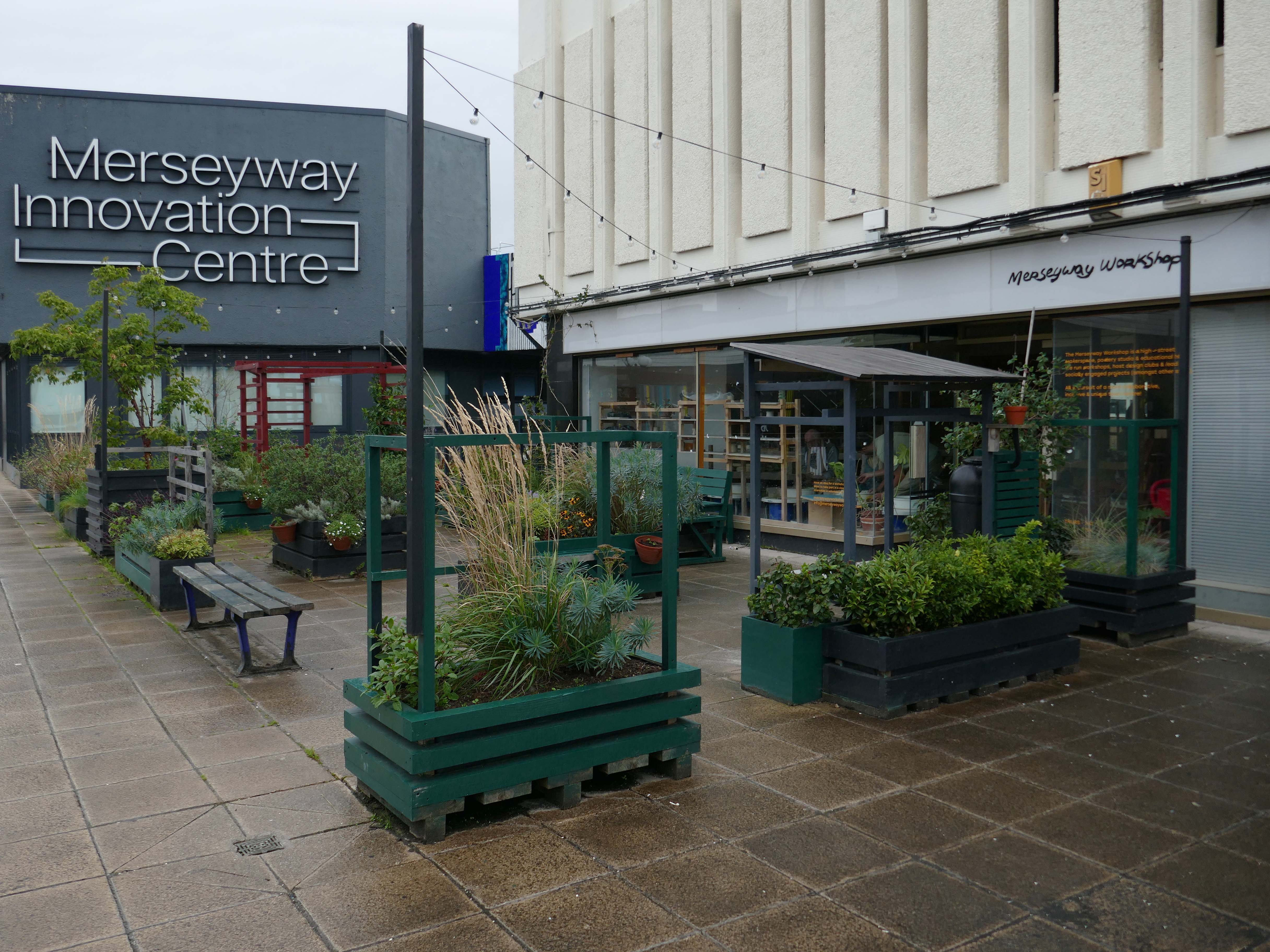
Mention must be made of near neighbours the Merseyway Workshop – the plant planters who we met up at Stopford House.
The Merseyway Workshop is a community focused, inspiring place for innovation and collaboration.
A DIY-style hub on Stockport’s pedestrianised high-street. Offering open use of creative workshops, drop-in activity sessions and skill exchanges.
Working in clay and wood, access to a fully equipped B&W darkroom and so much more.
One short mile or so a cornucopia of history – layer upon layer of exciting architecture.
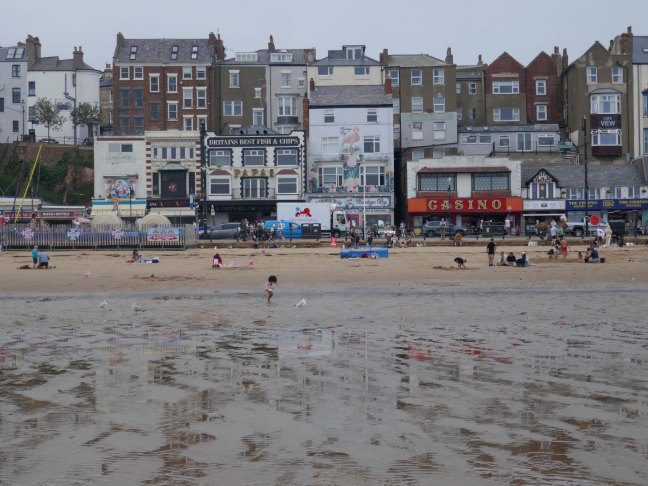
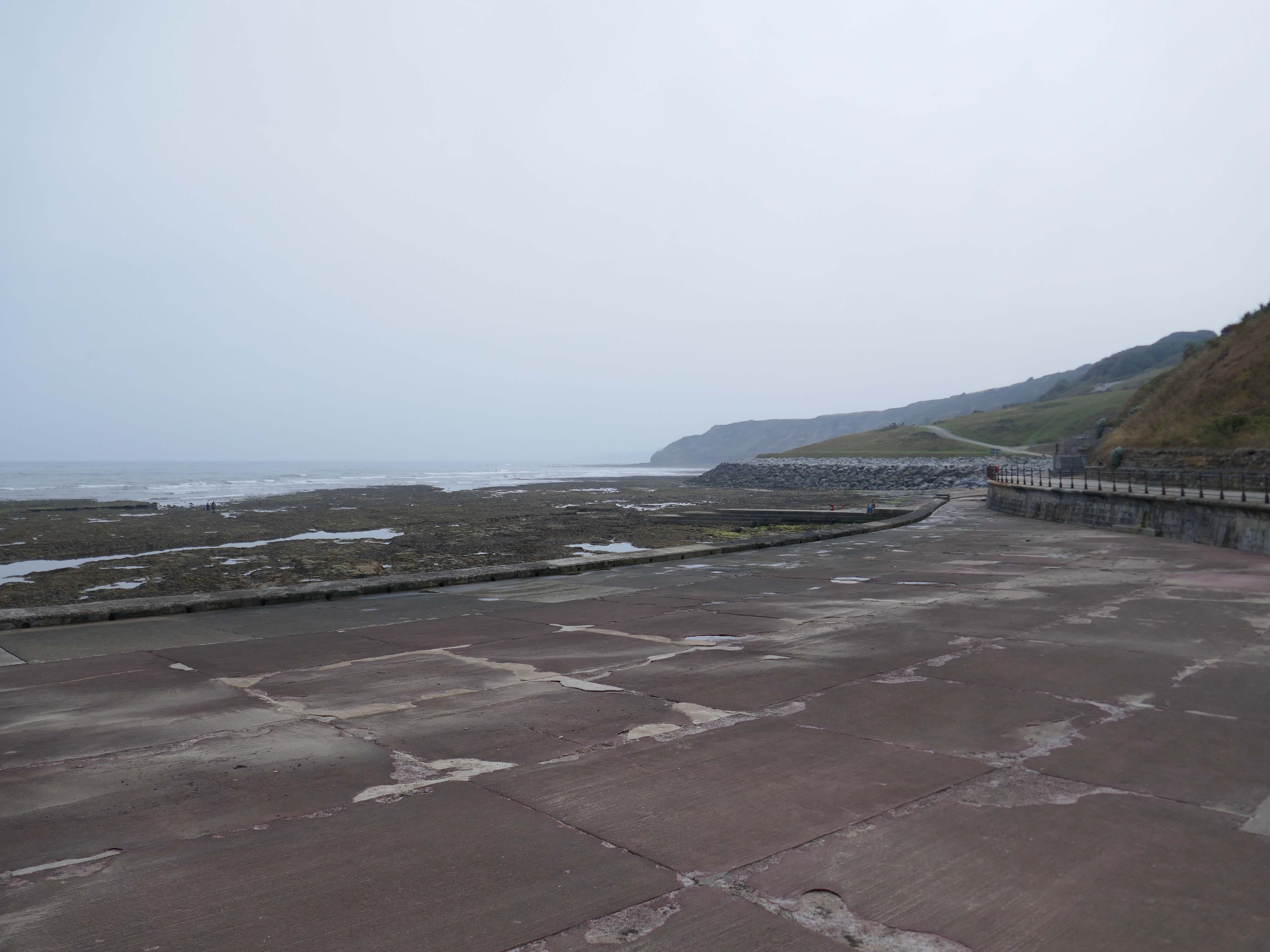
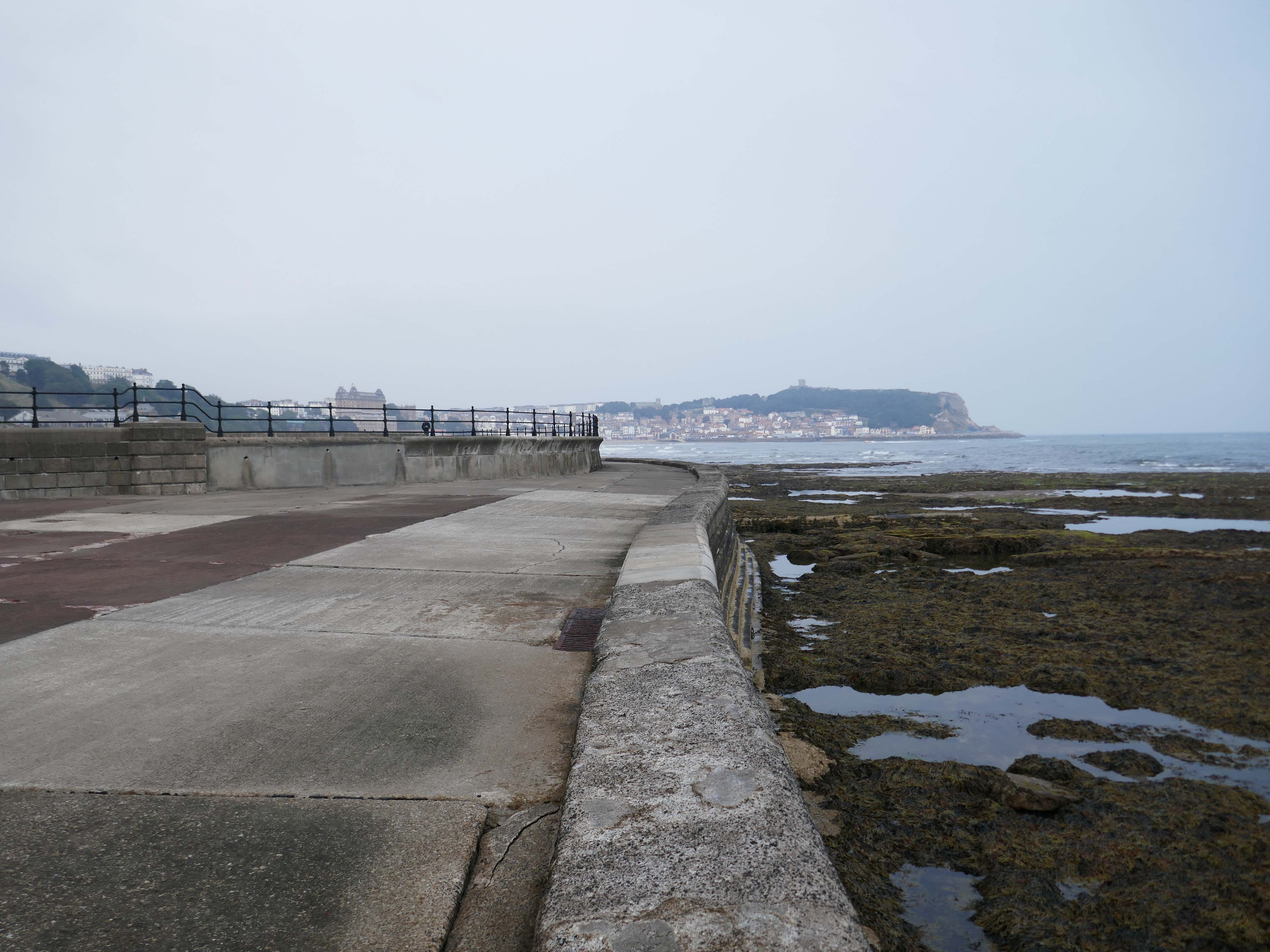
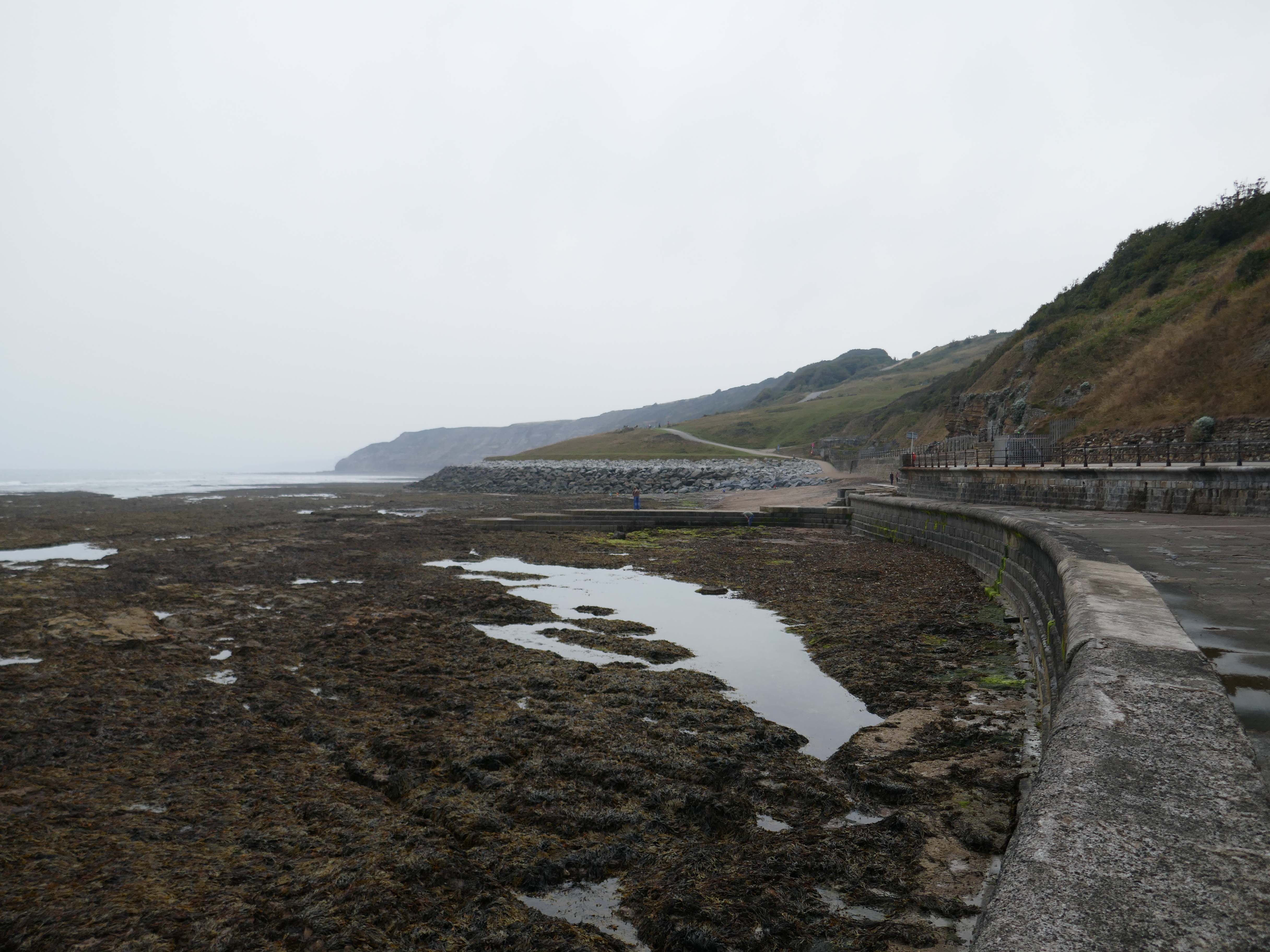
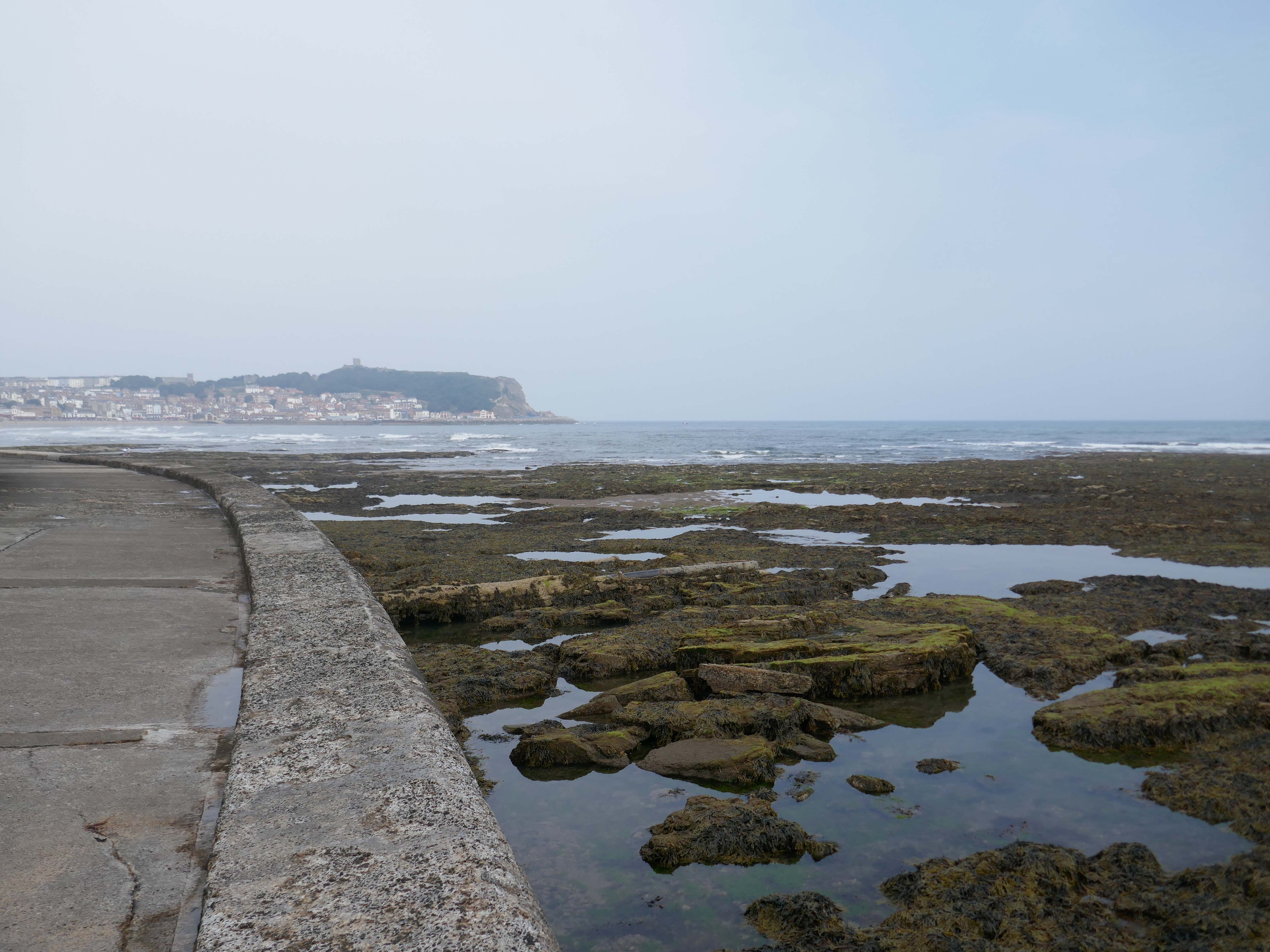
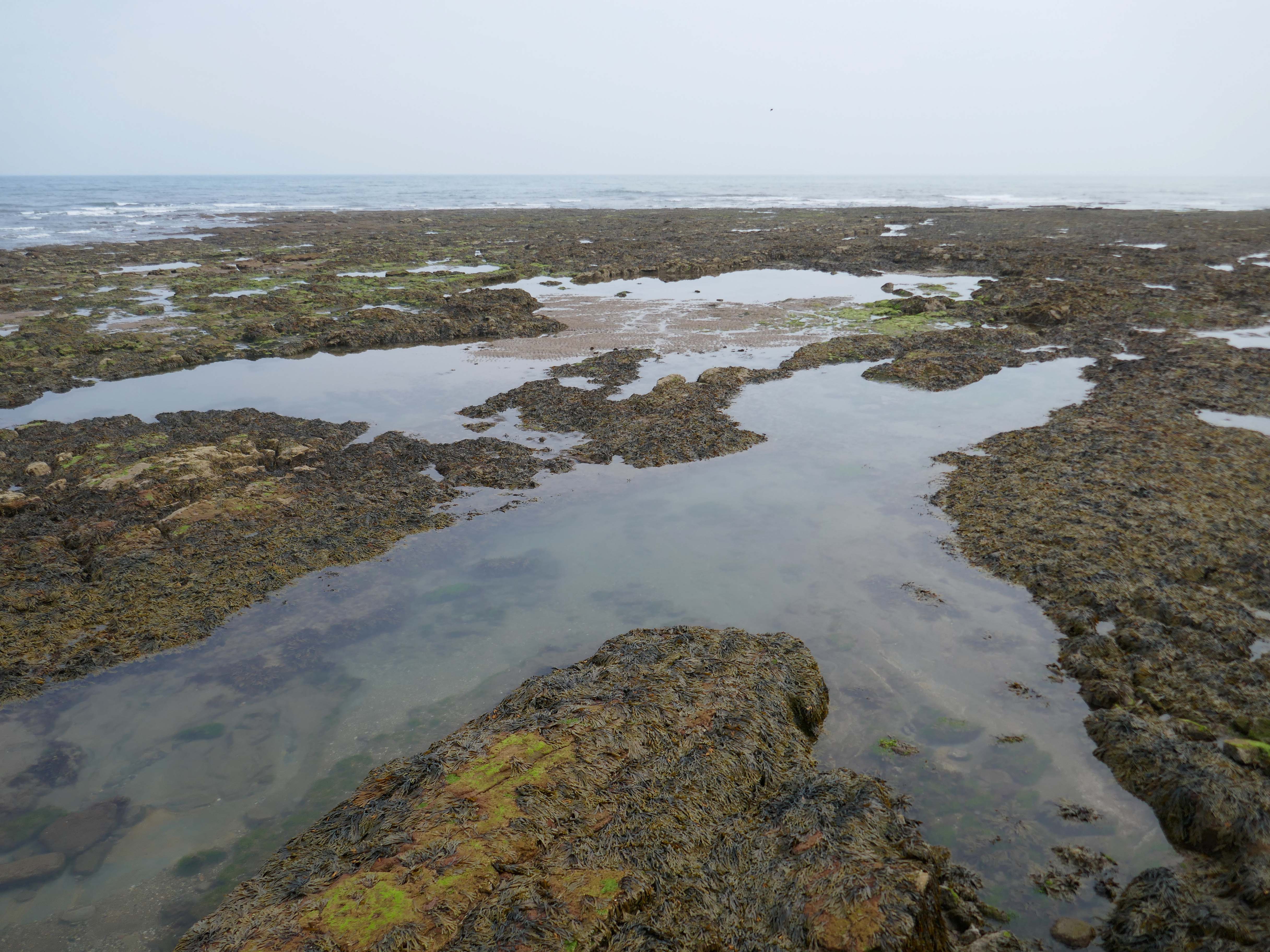
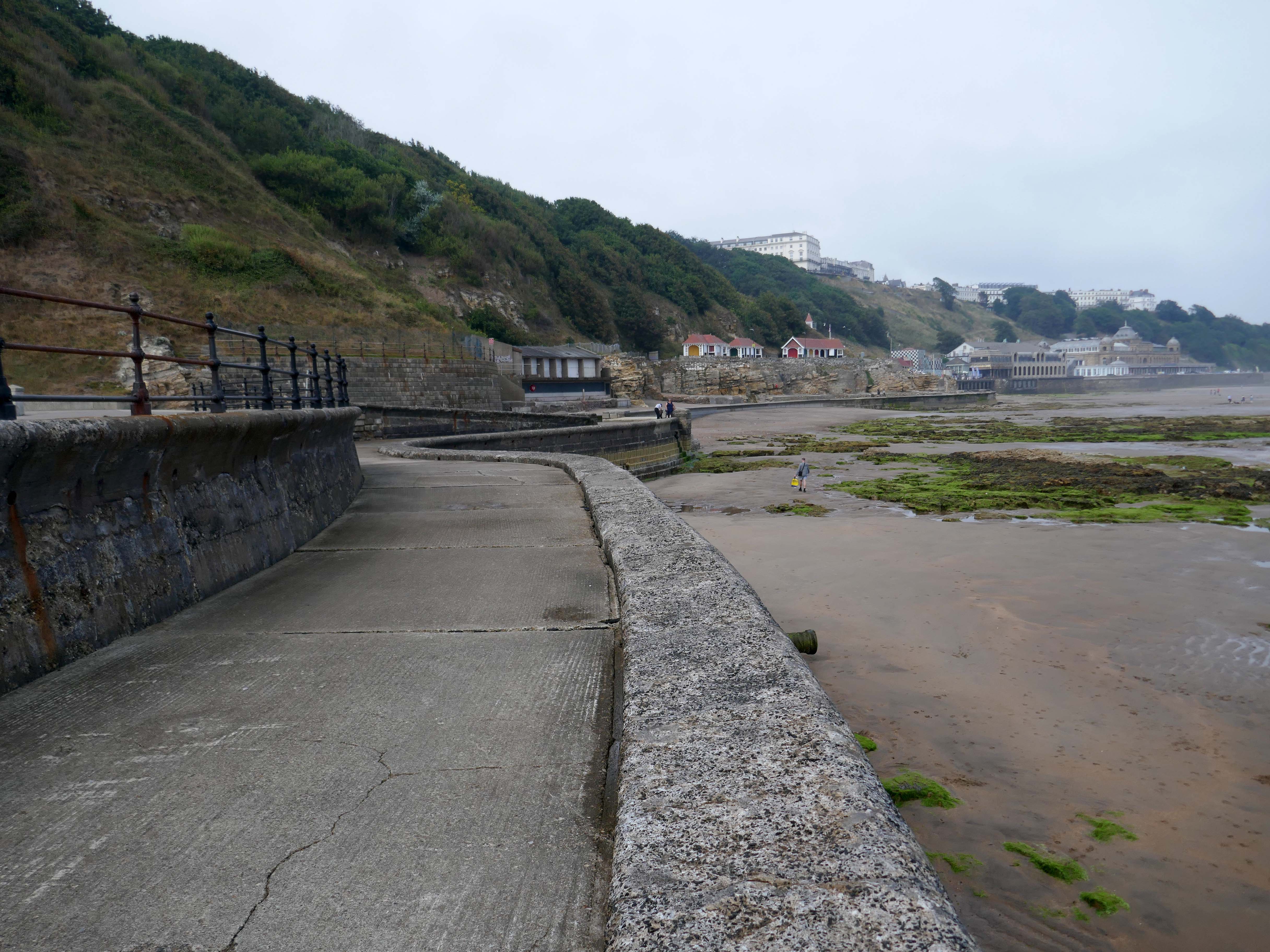
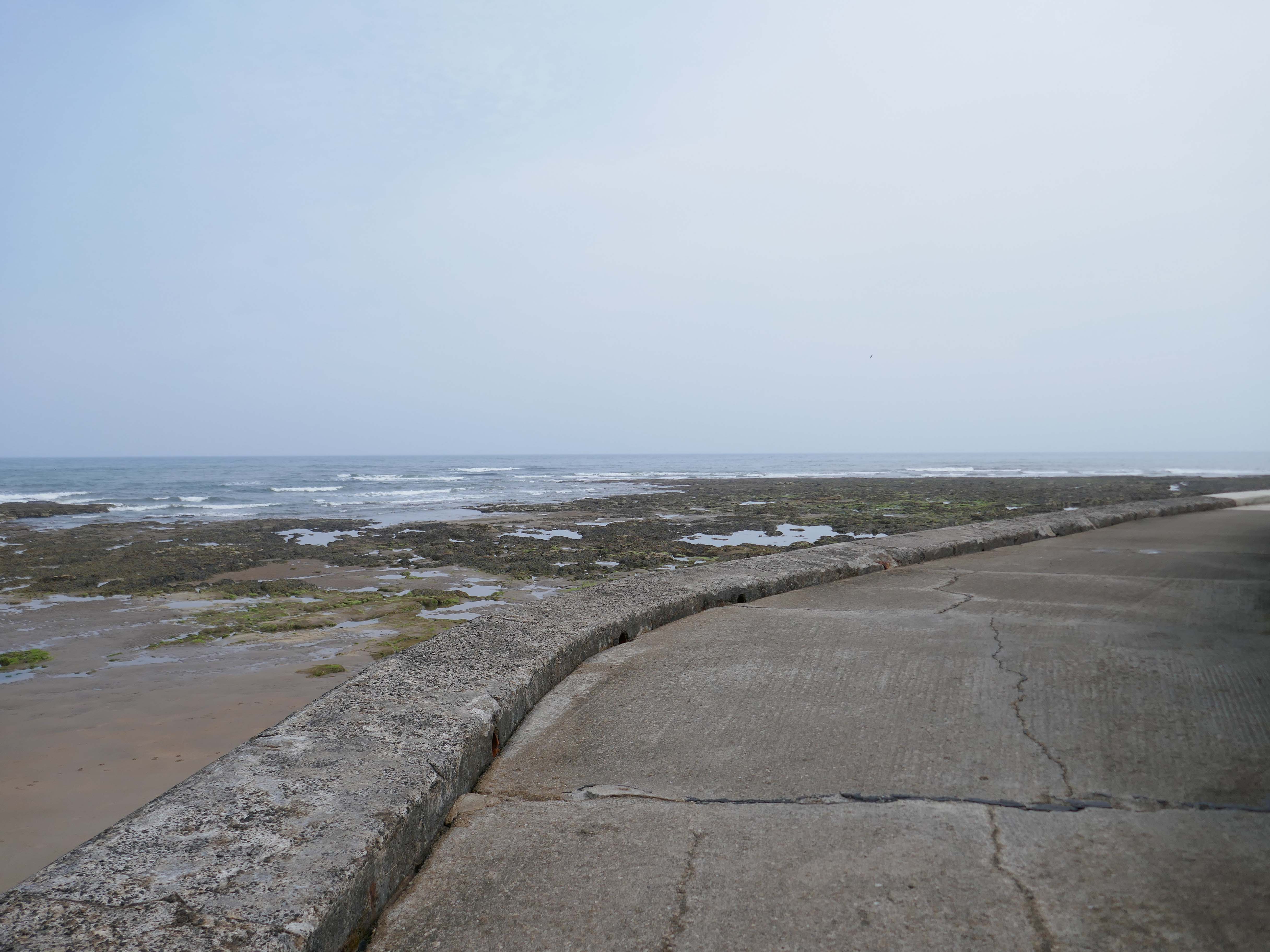
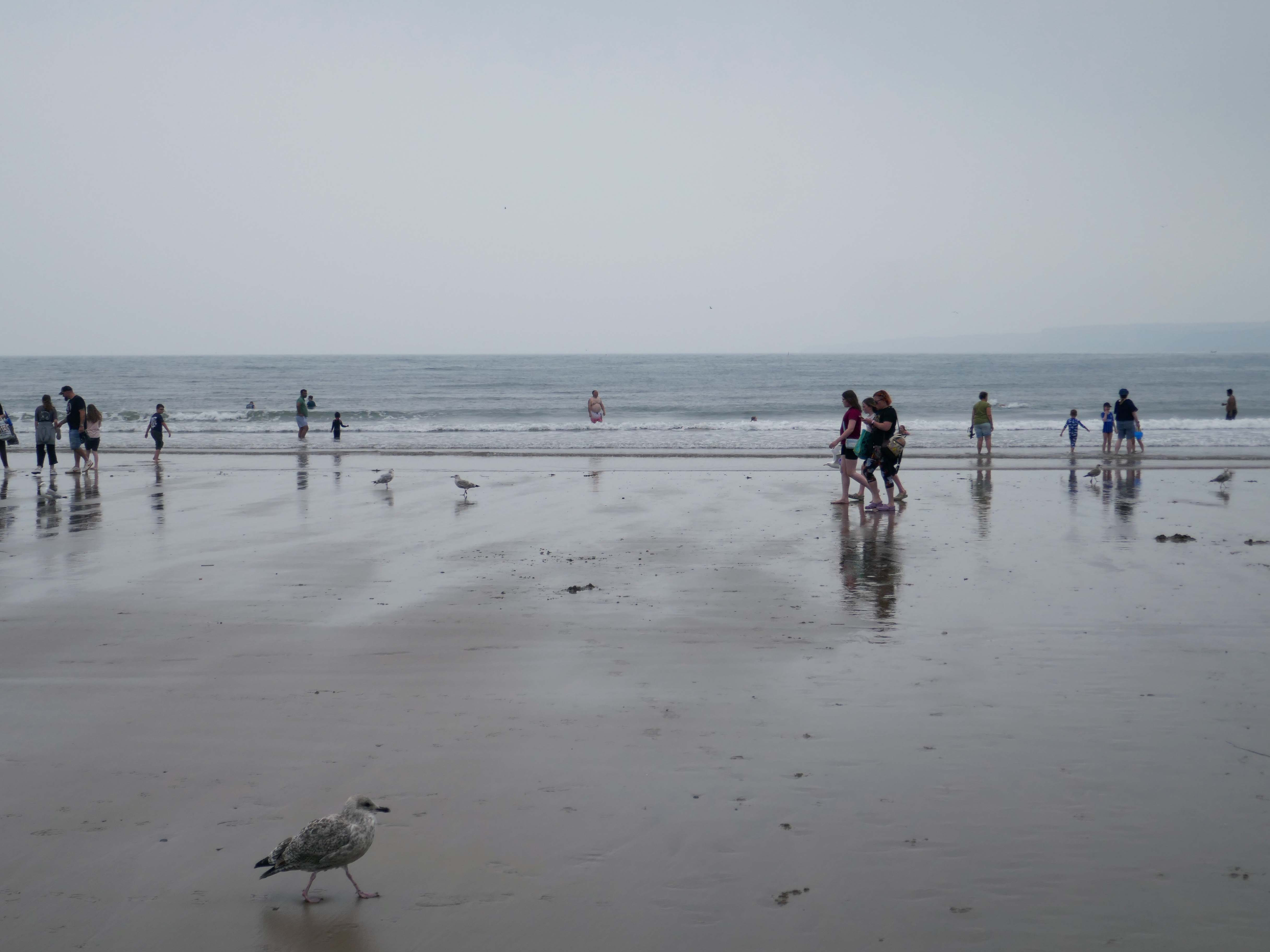
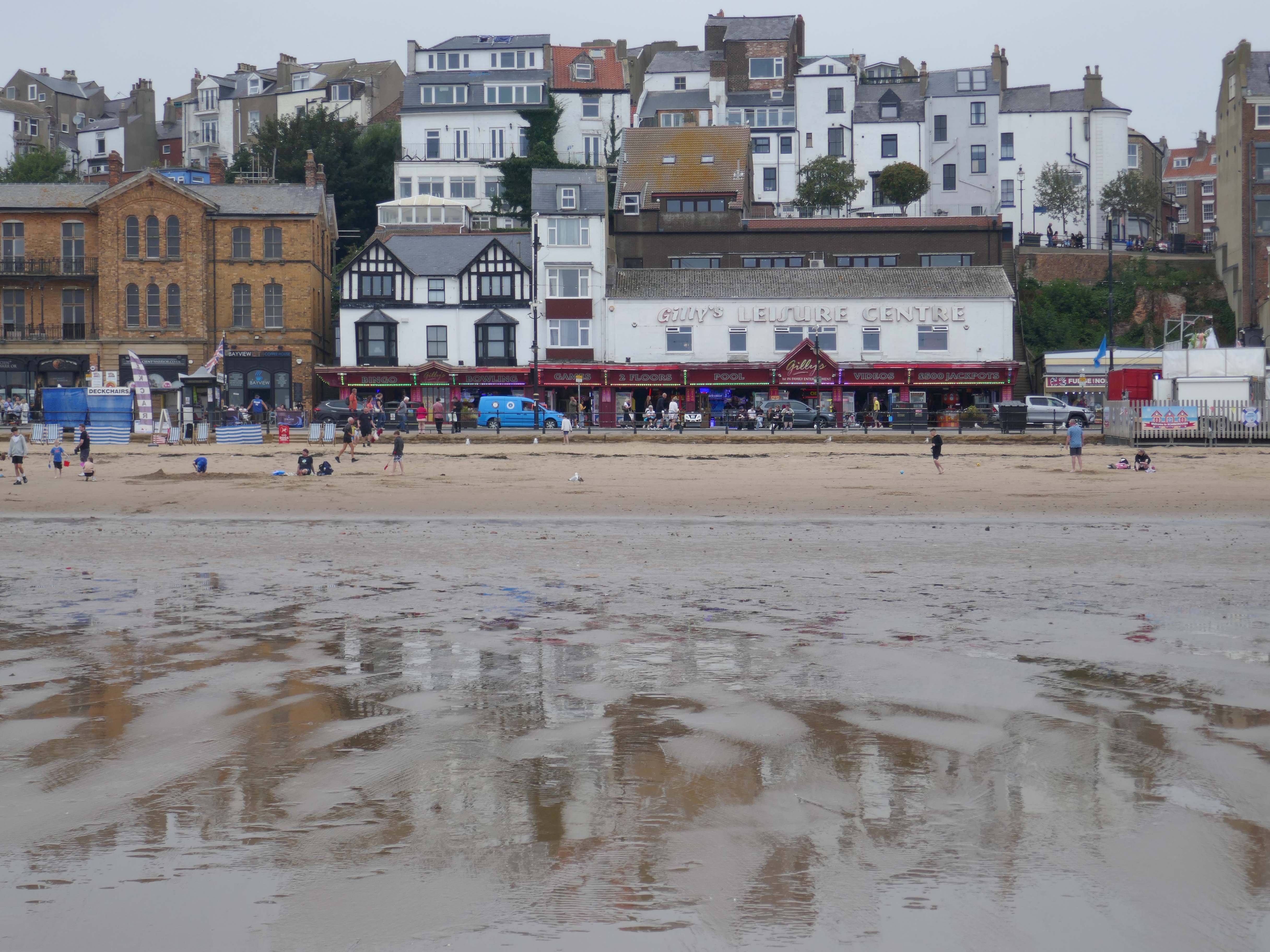
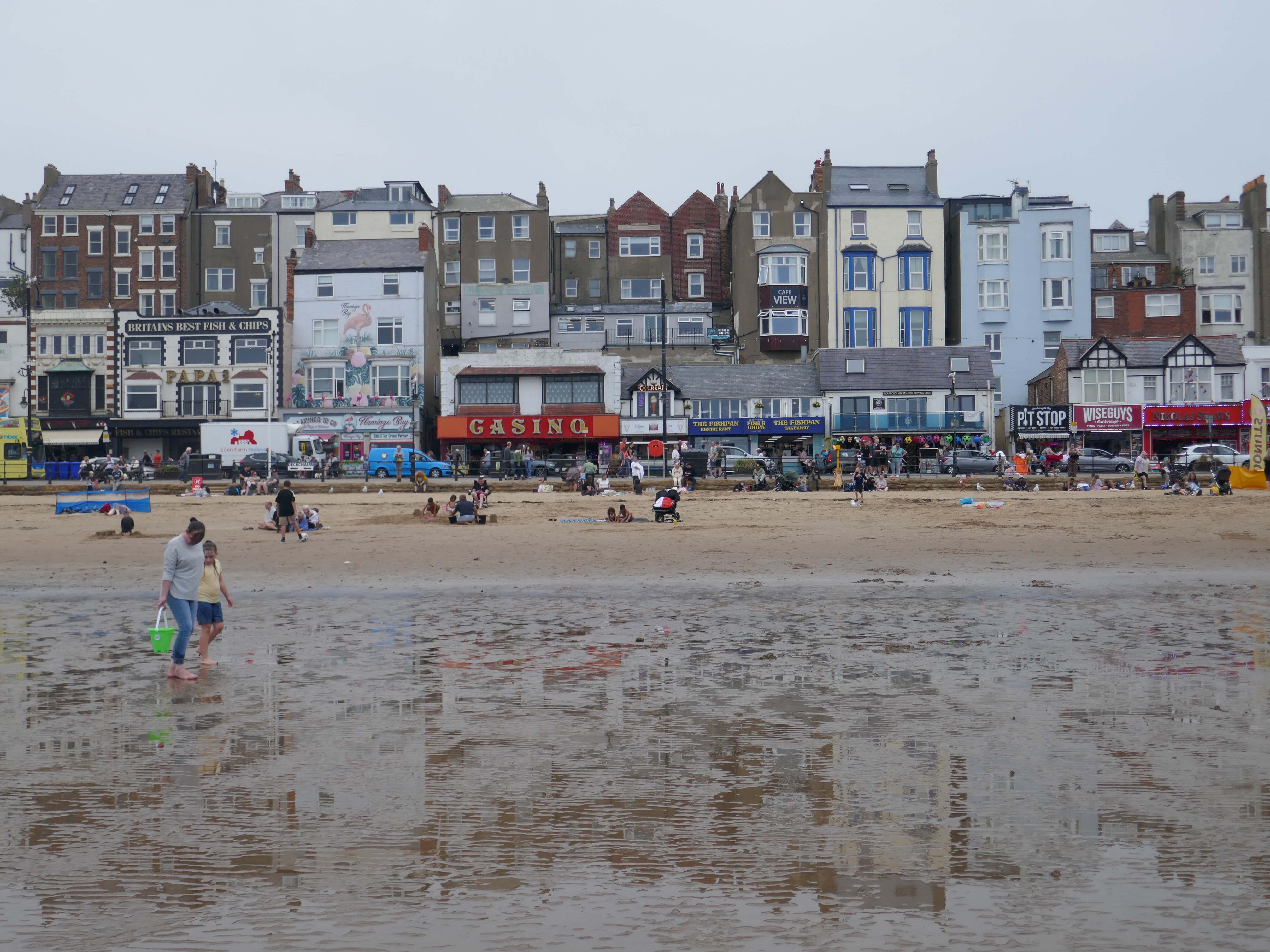
Just as I had done in Scarborough, just the other day.
I arrived by train just in time for the rain, took a look around Prestatyn town, waiting out the passing clouds.
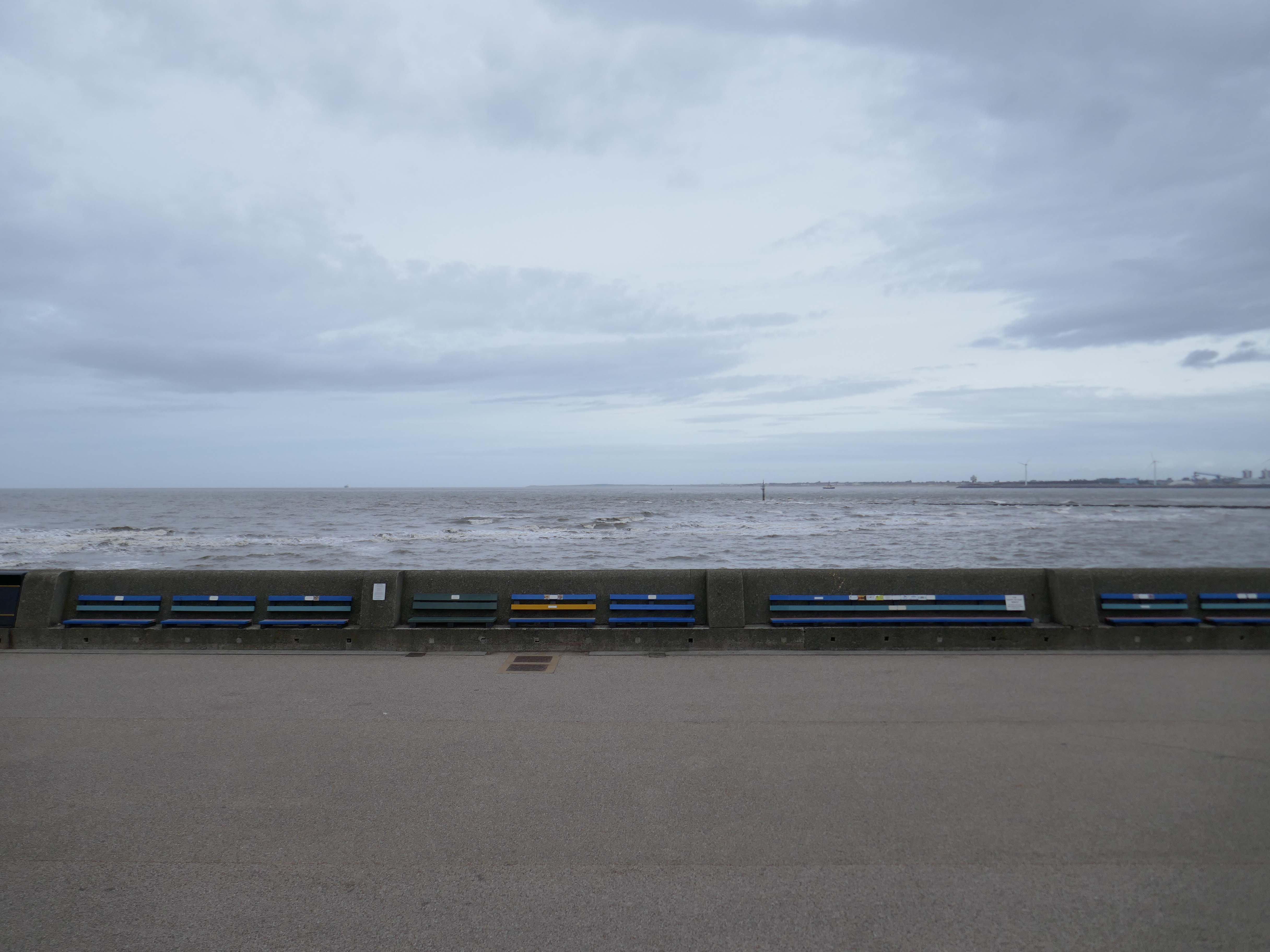
The coast was overcast but dry, the pale marine light and light breeze caressing the wet concrete promenade.
This is a contested coastline, the concrete a first line of resistance to rising sea levels.
There is a history of serious flooding, particularly the area around Tywyn.
On 26 February 1990, the sea defences were breached for four hundred metres at Tywyn when a ferocious storm coincided with hide tide and a surge of water one and a half metres high. Lifeboats and helicopters were brought in to evacuate residents as seawater swept past the railway and flooded houses and caravans. Roughly ten square km of land were inundated.
The Central Rhyl Coastal Defences Scheme forms part of the Welsh Government’s £291m Coastal Risk Management Programme, which is responding directly to the challenges posed by climate change.
Dechrau a diwedd – Beginning and End 2009 by CAMM Design
The name of the sculpture acknowledges the nature of the Offa’s Dyke Path National Trail and Prestatyn as a point of departure or arrival. The trail is symbolised by a stylised representation of the sun. To either side of the sun sculpture are paved areas, and large blocks to provide seating.
The light continually changes over the placid surface of the Irish Sea, the off shore wind turbines spin slowly, seemingly silent on the distant horizon.
There was rain blowing in from the Orme – I cut and ran at Bae Cinmel, boarding the bus for Bae Colwyn.
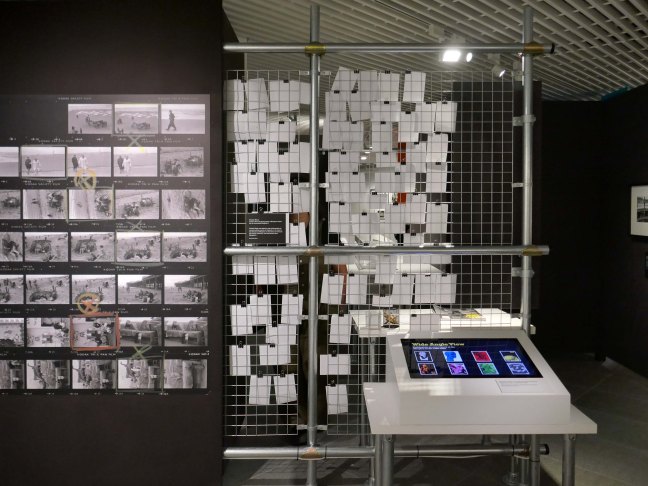
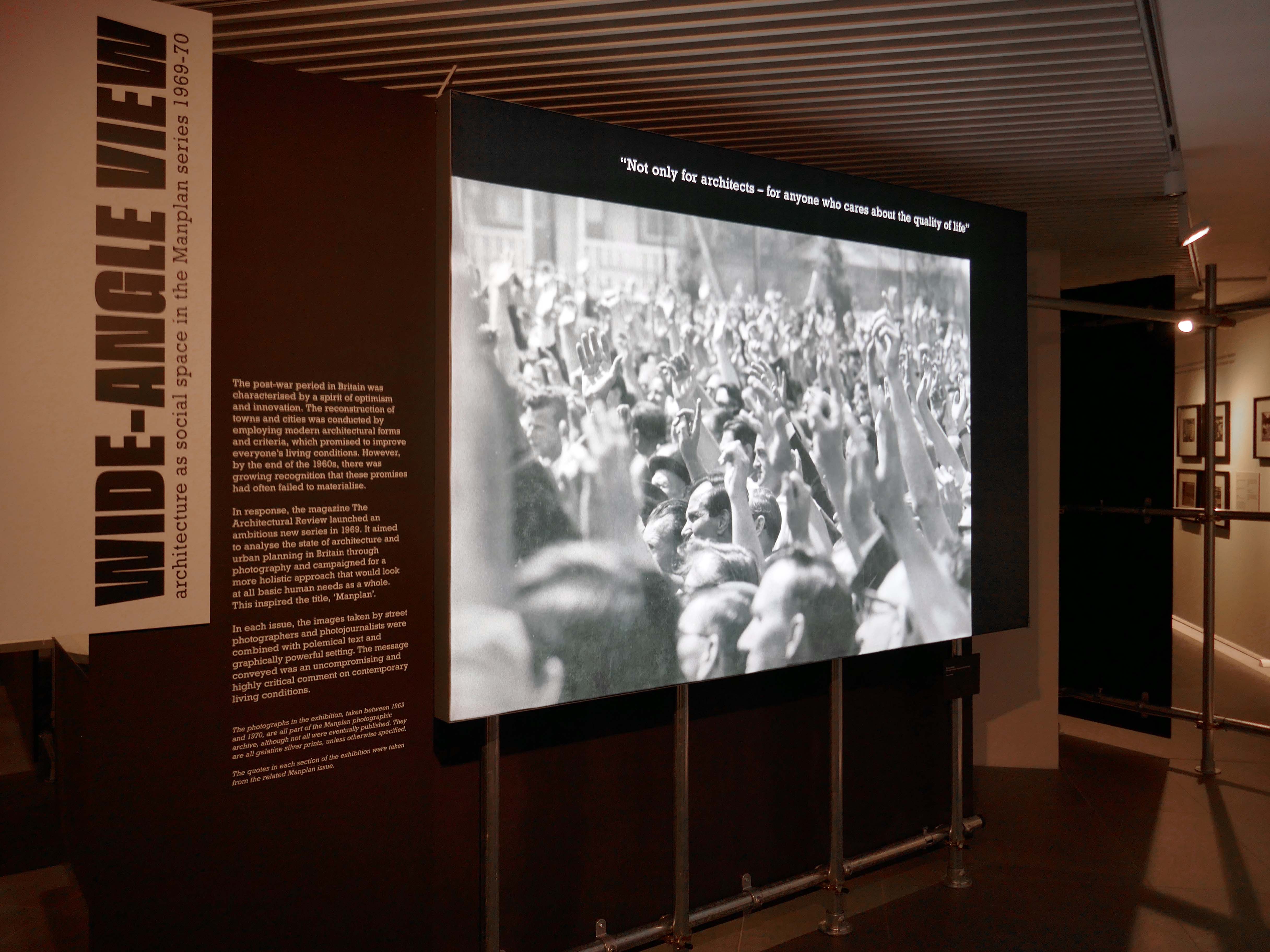
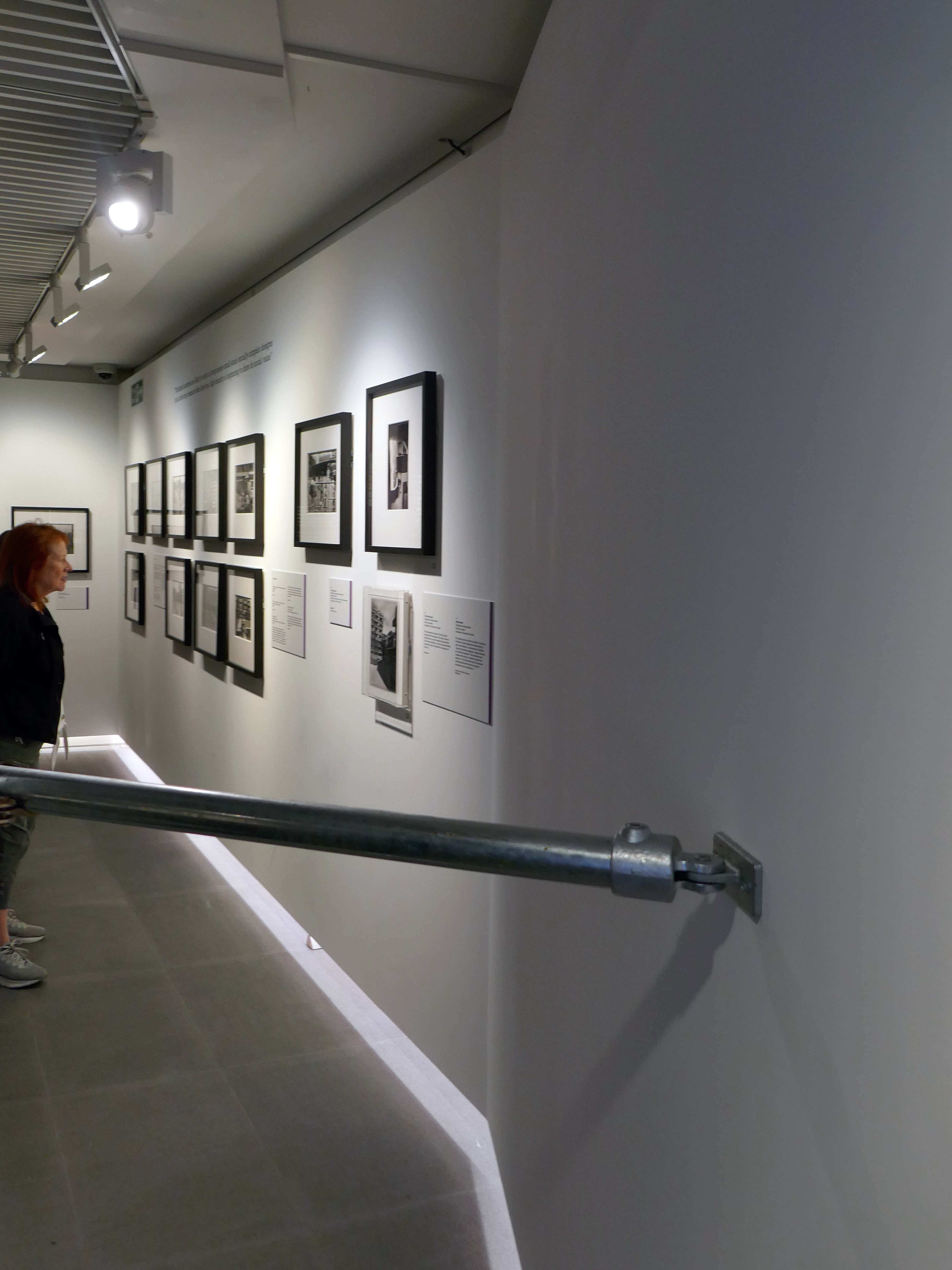
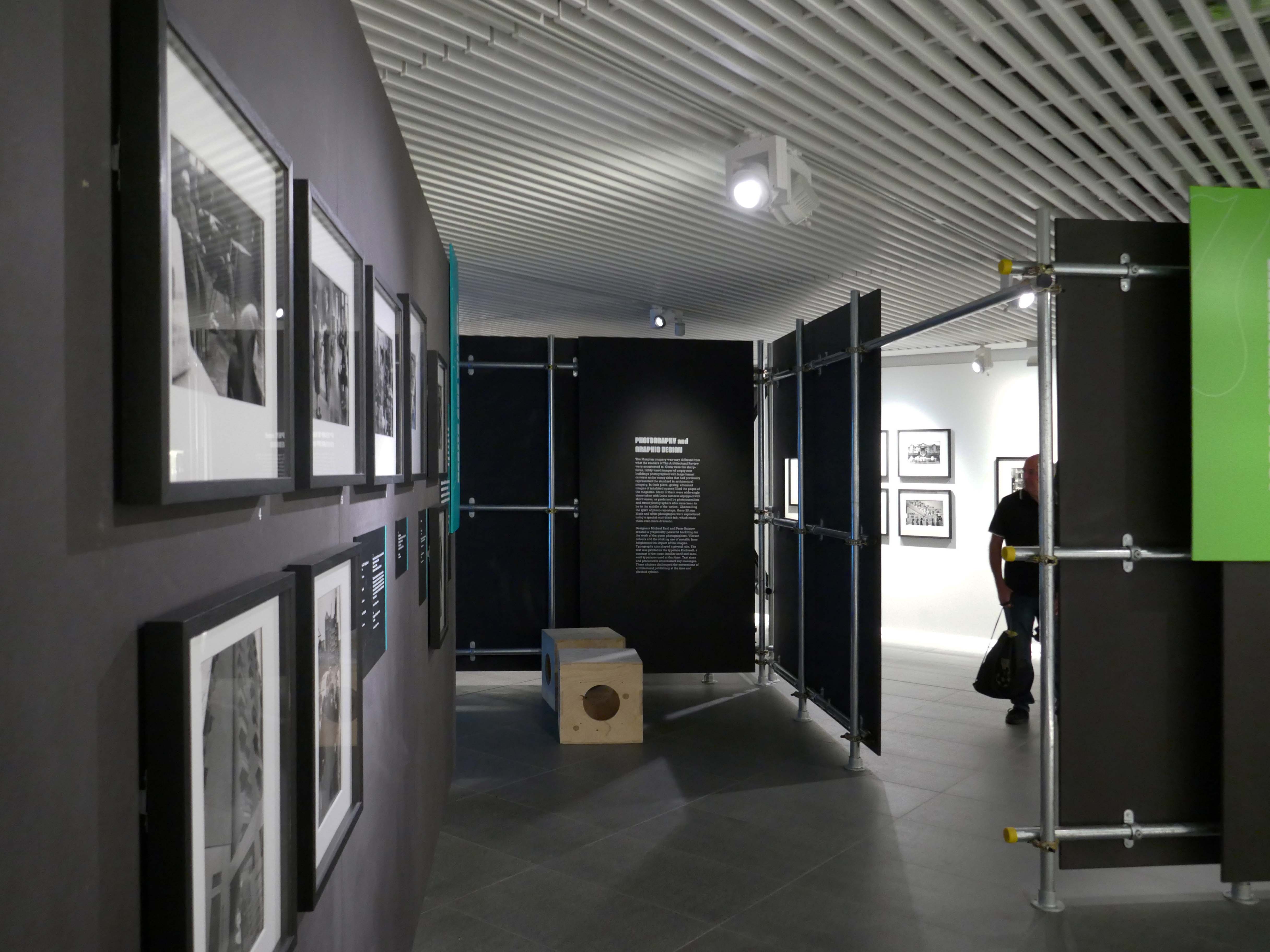
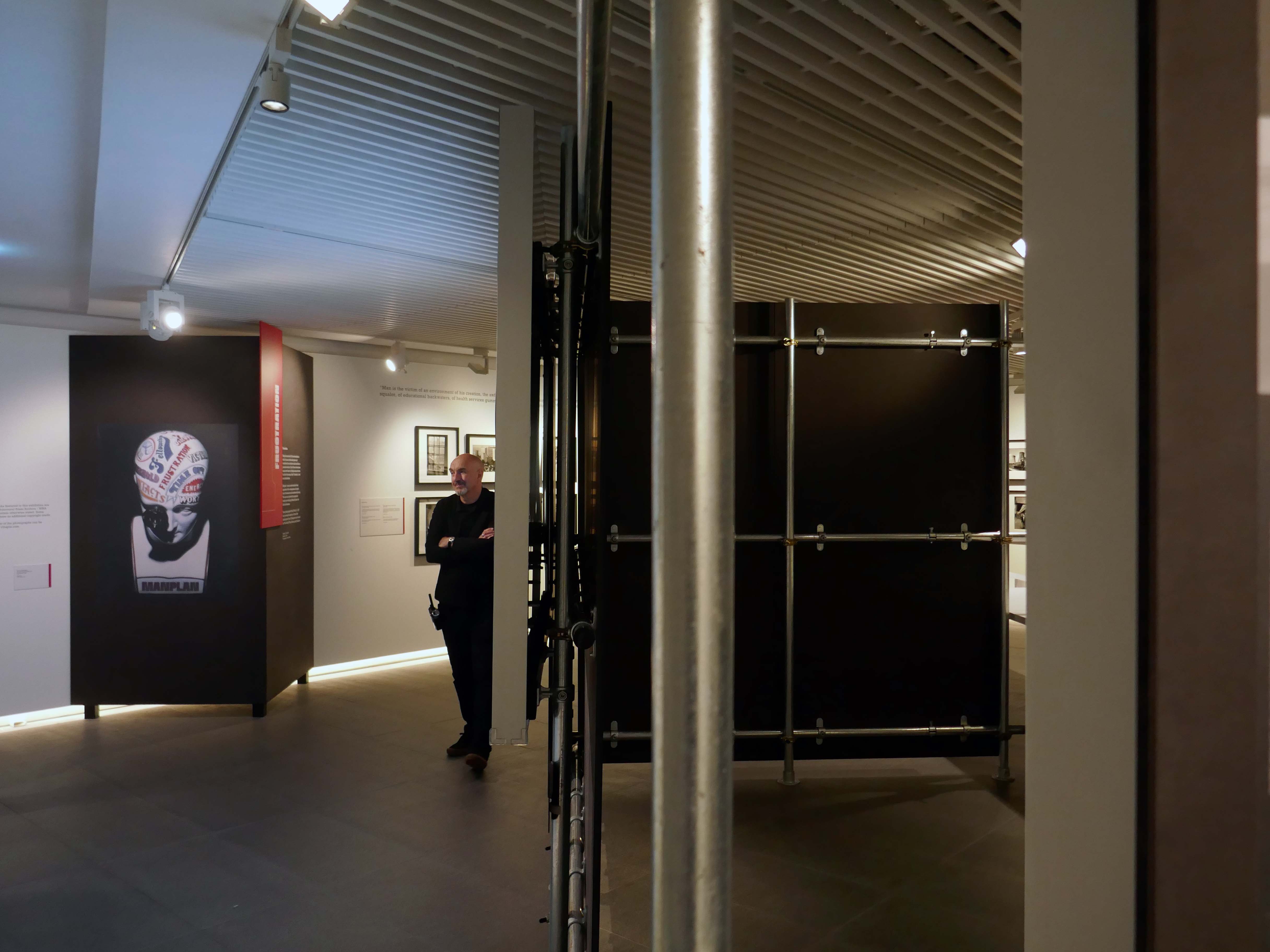
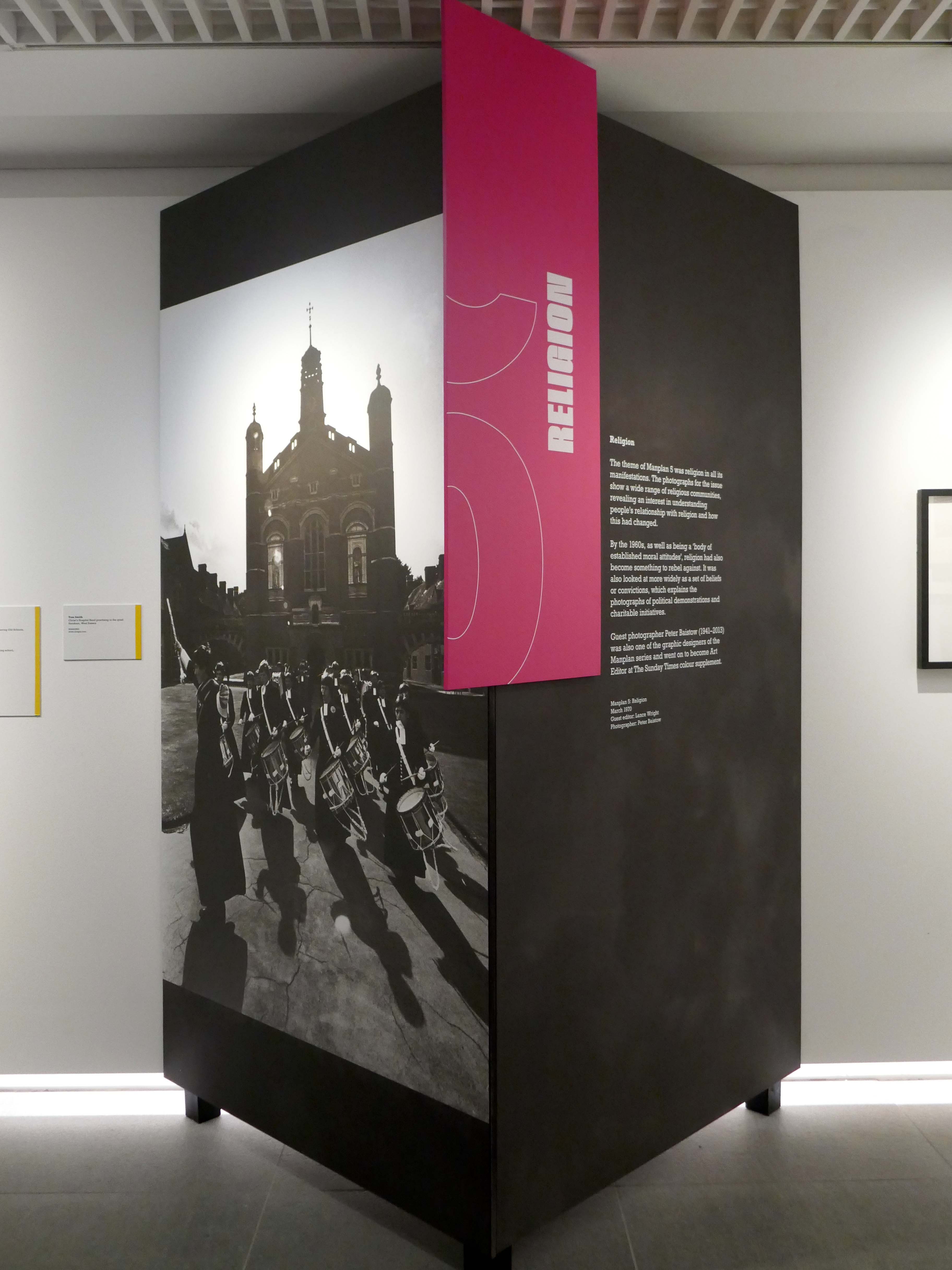
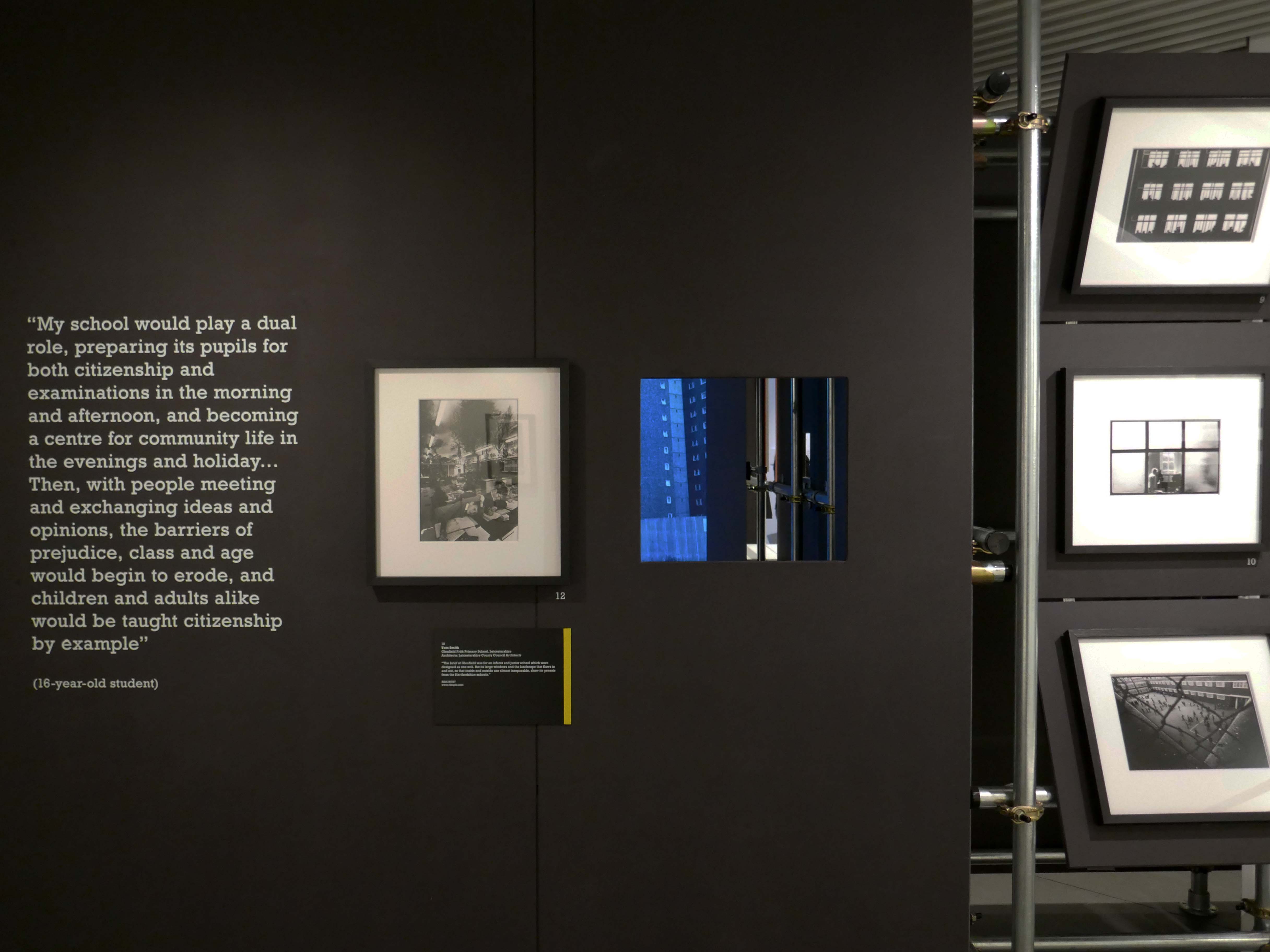
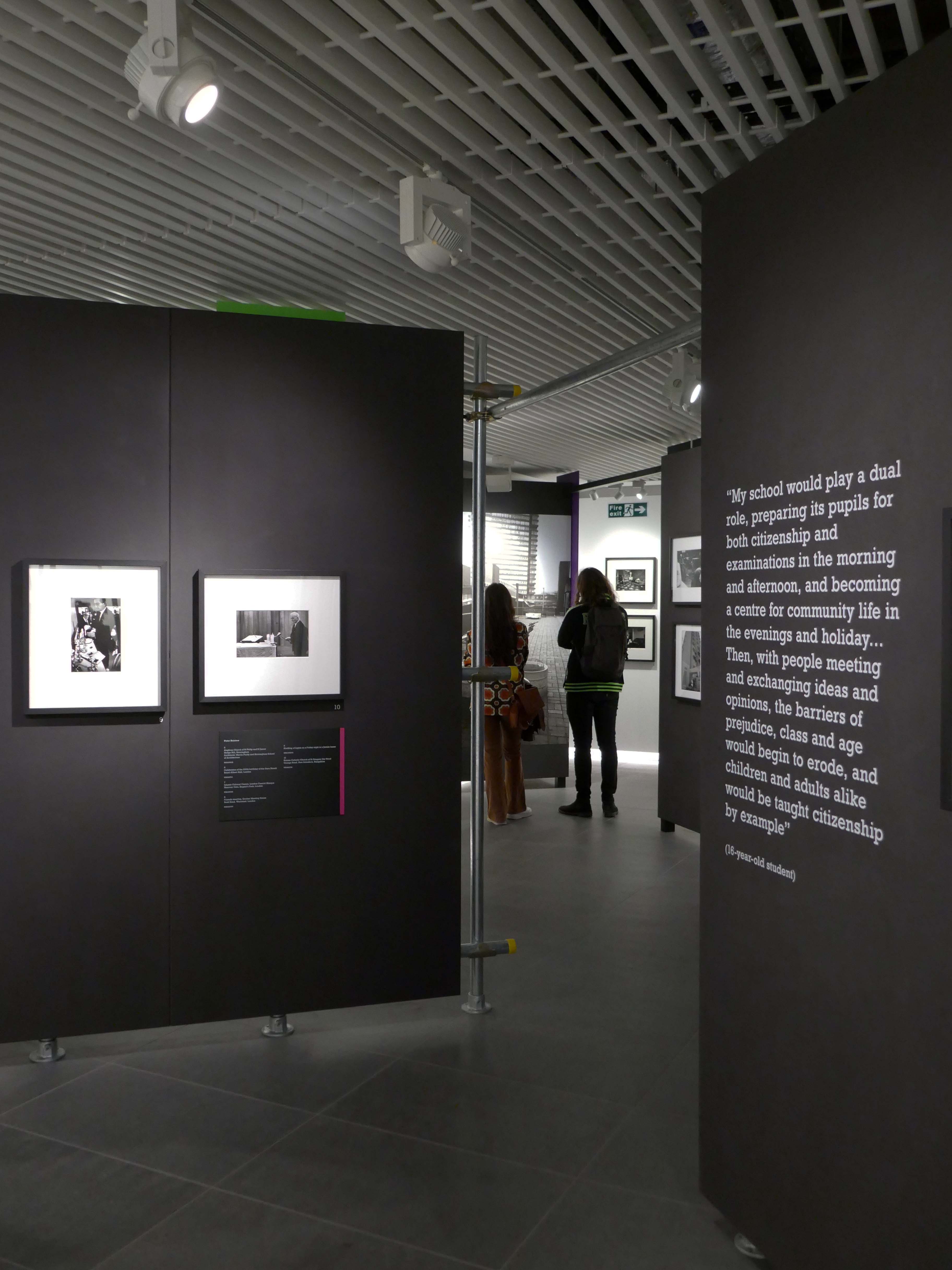
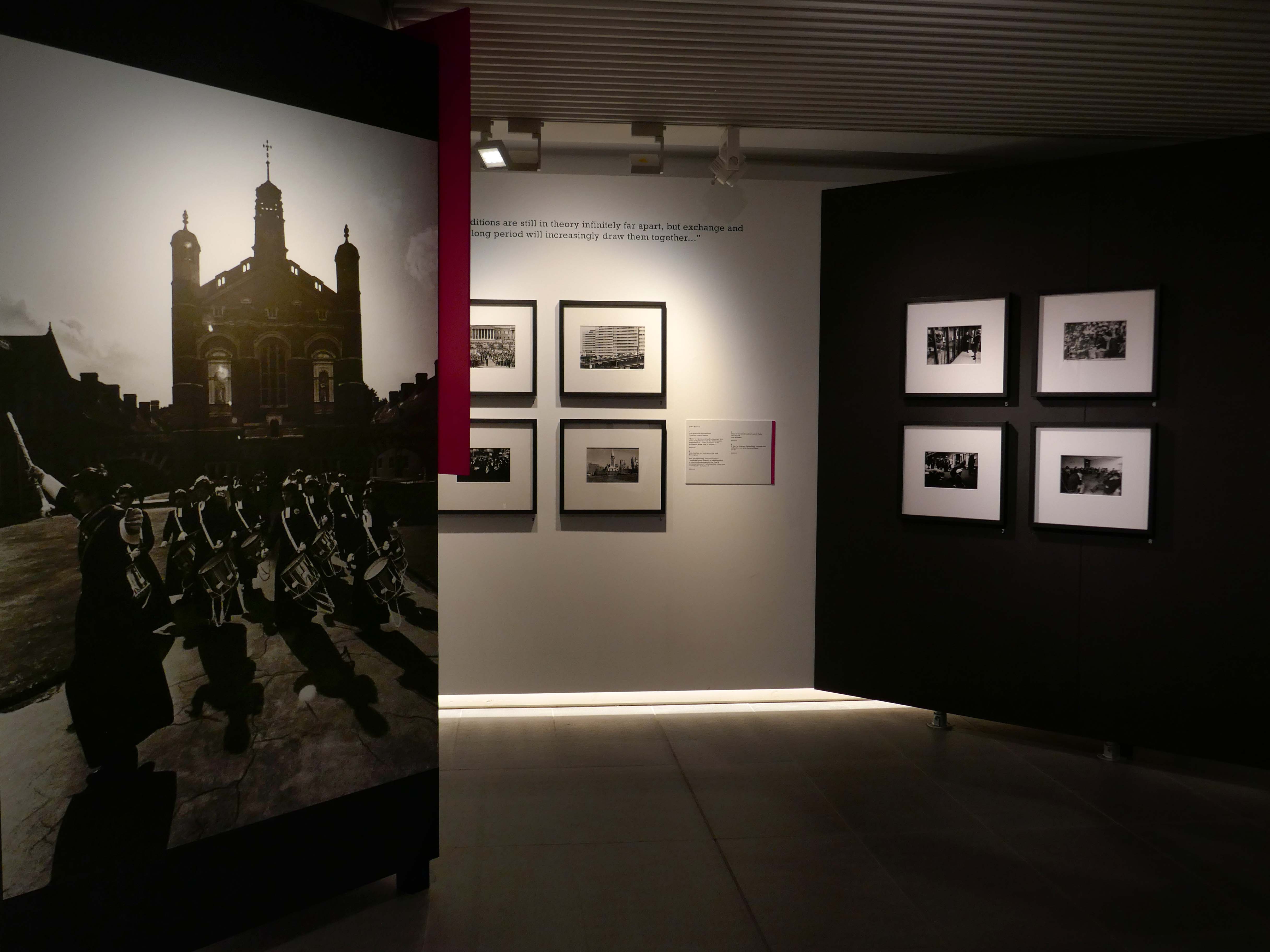
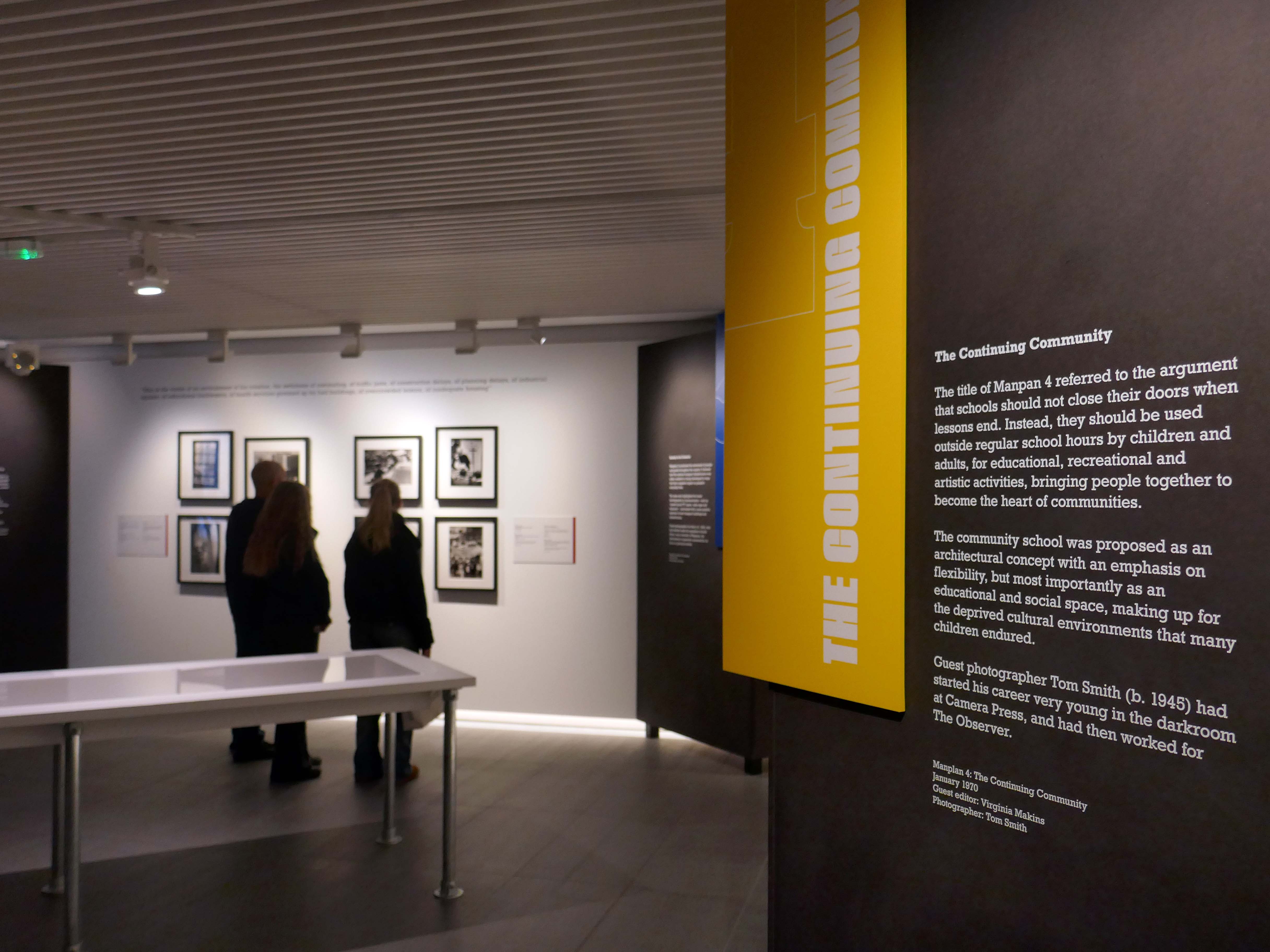
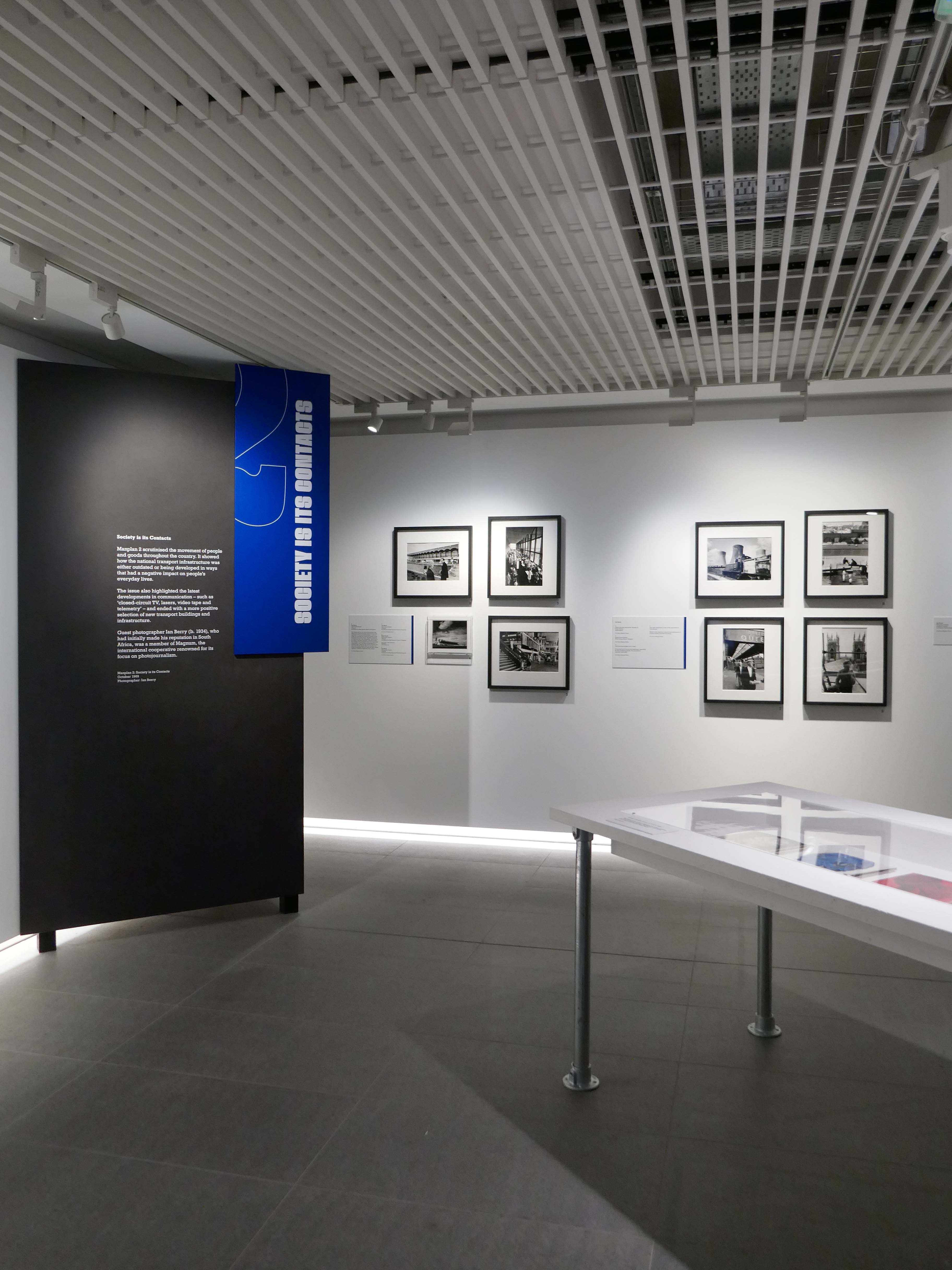
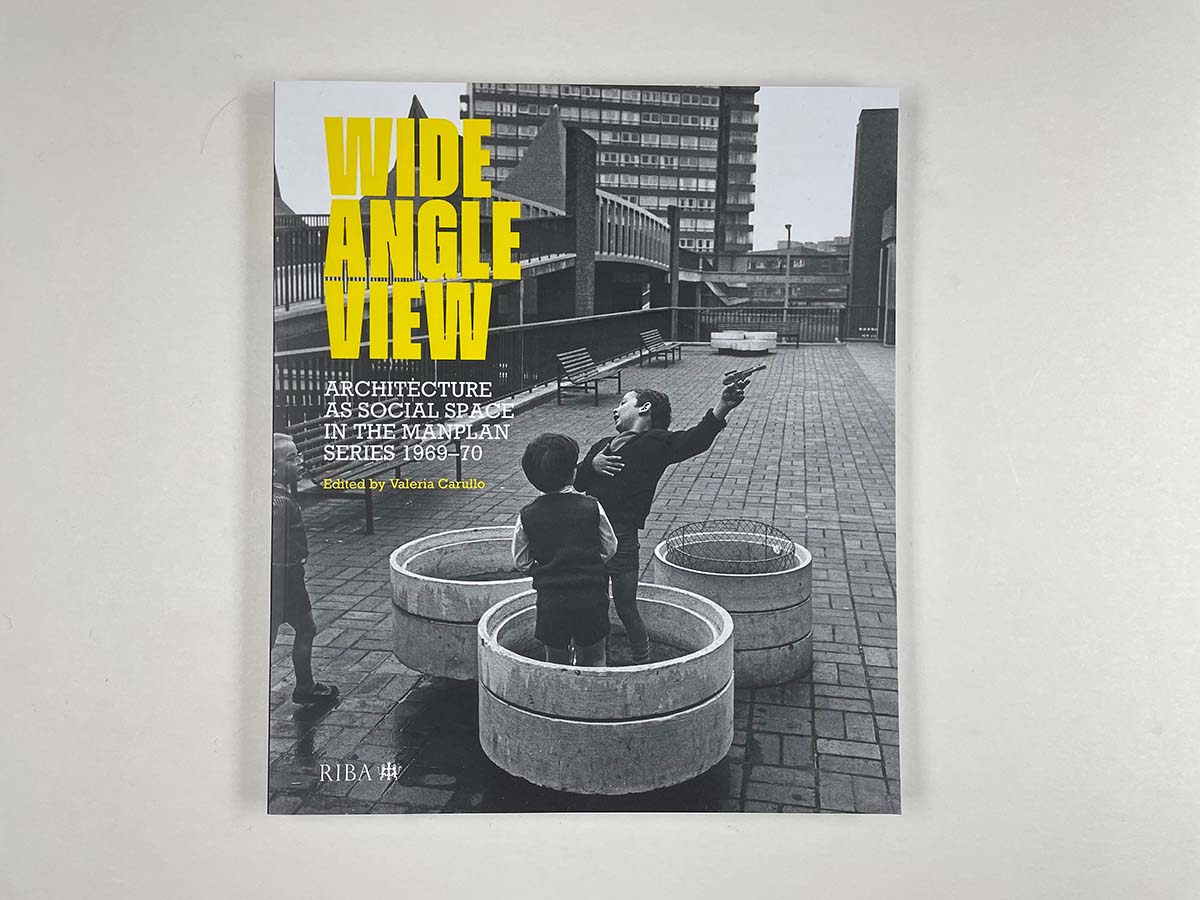
So here we are at RIBA North to take a closeup wide angle view of the past.
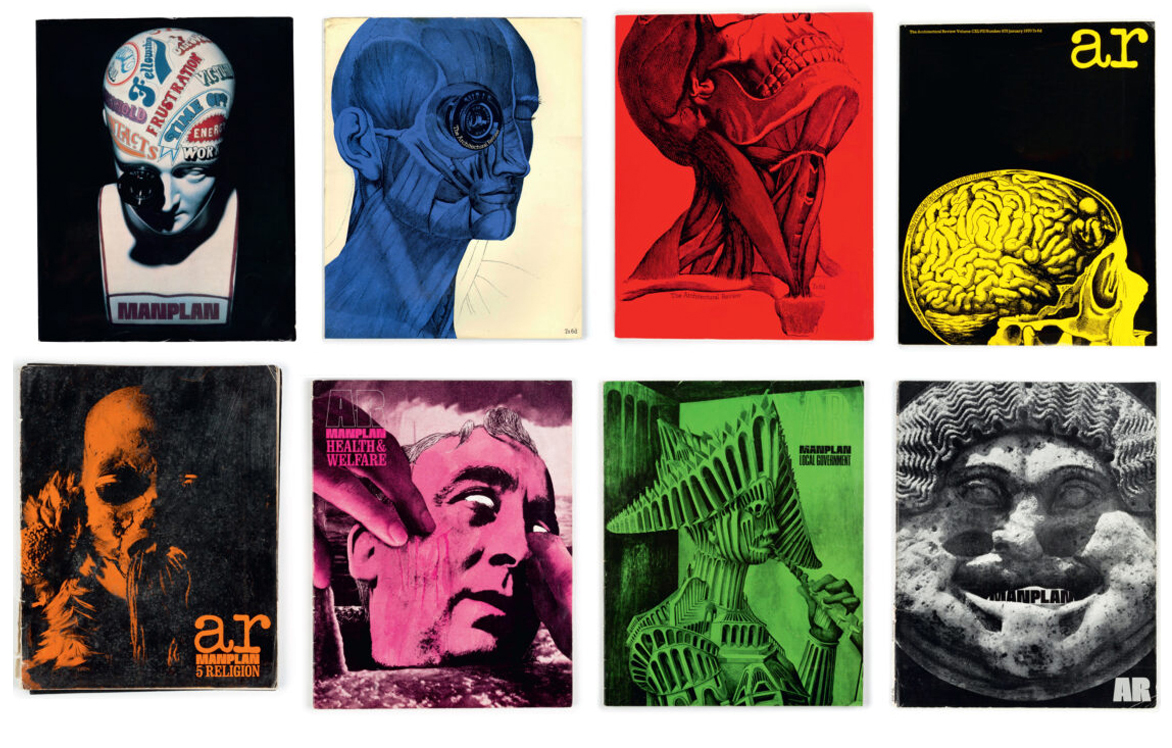
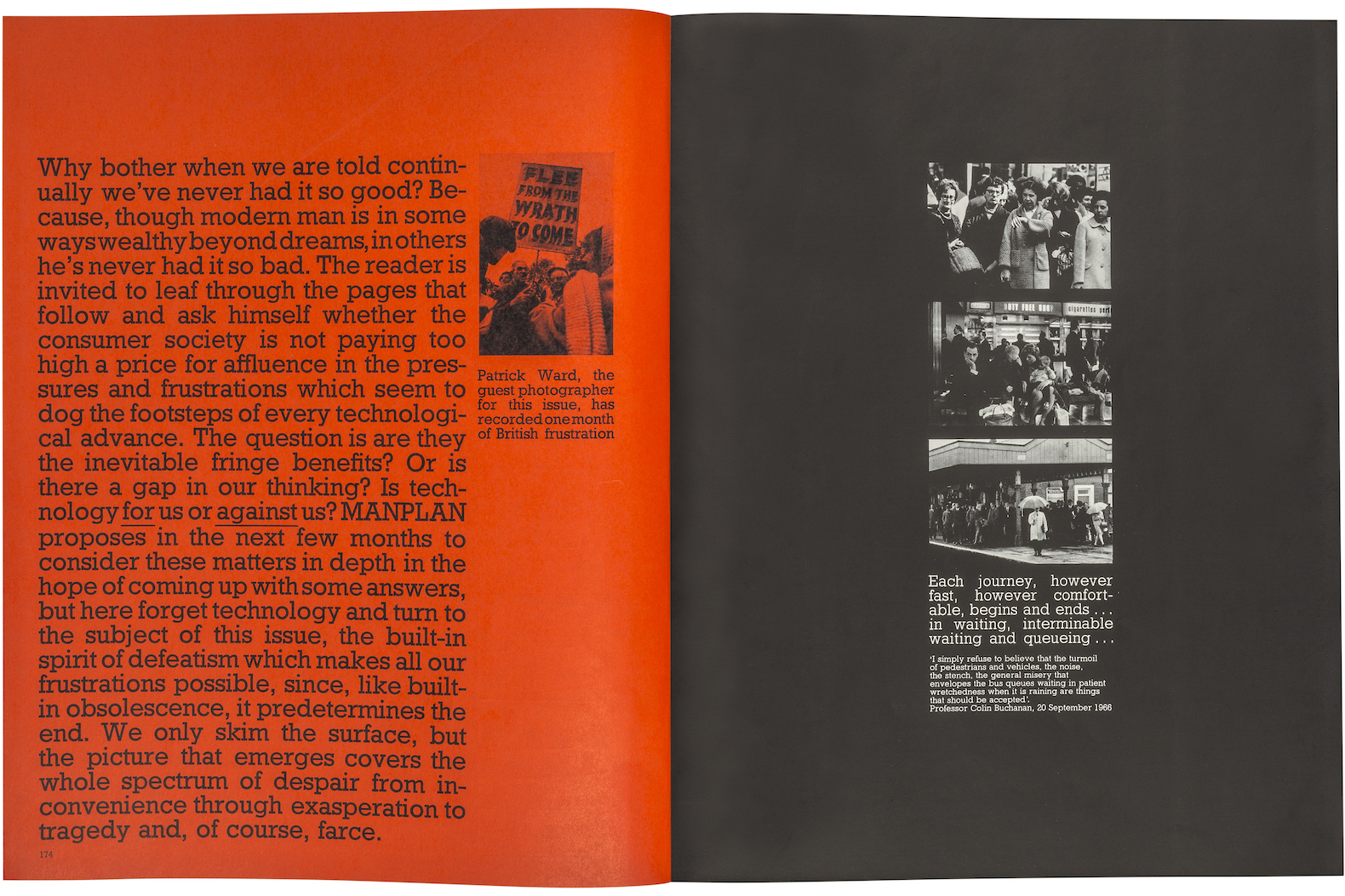
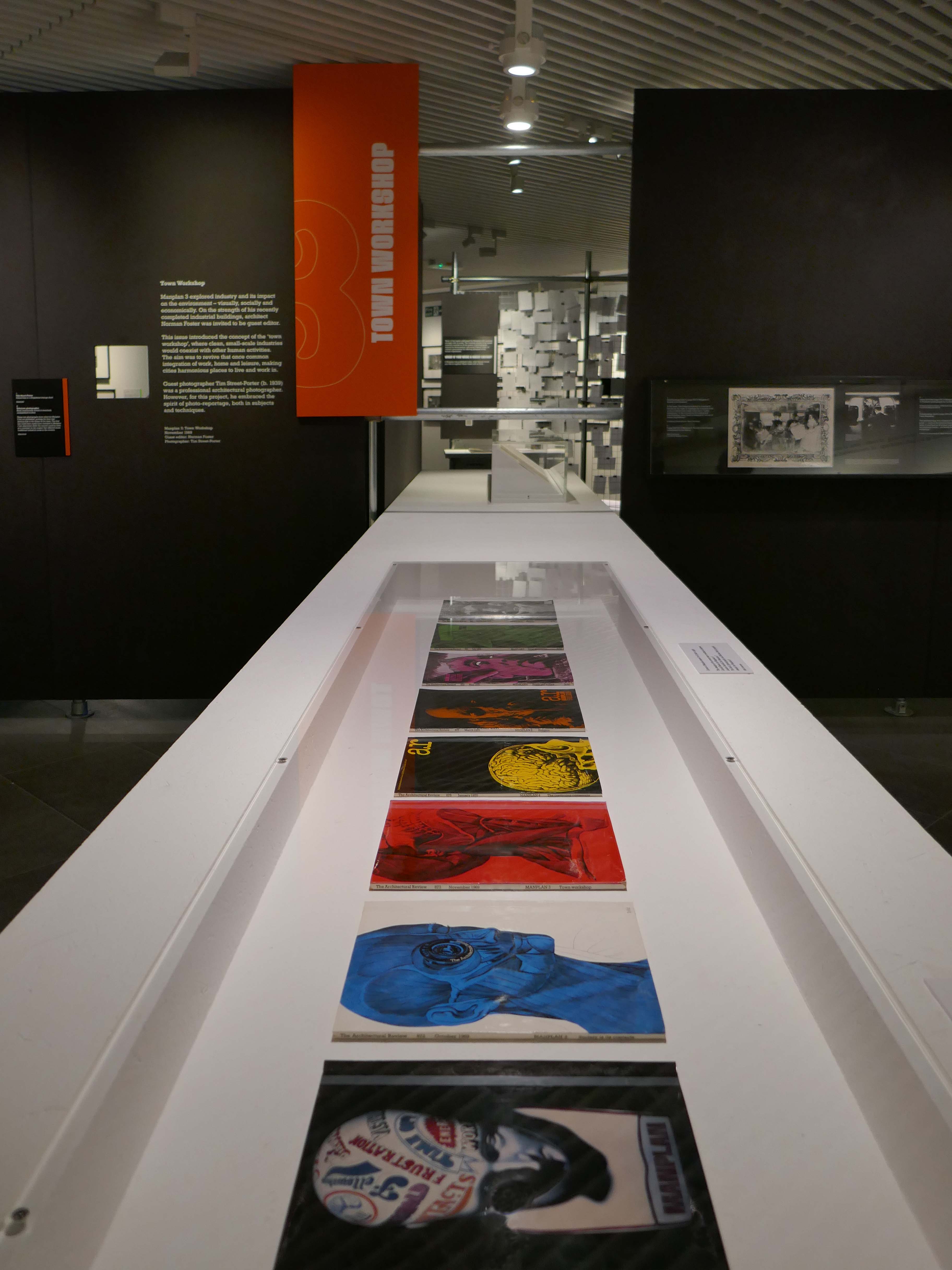
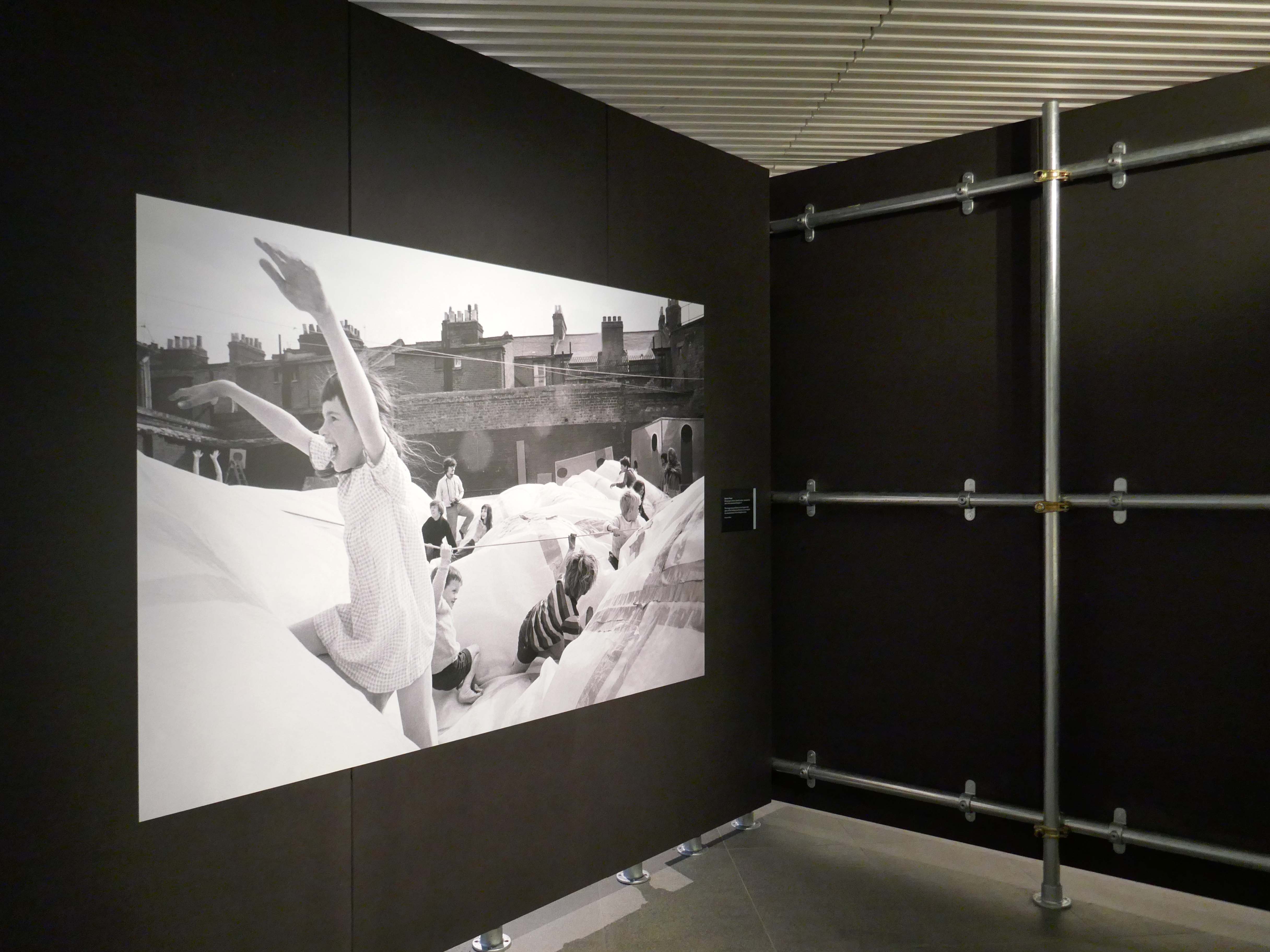
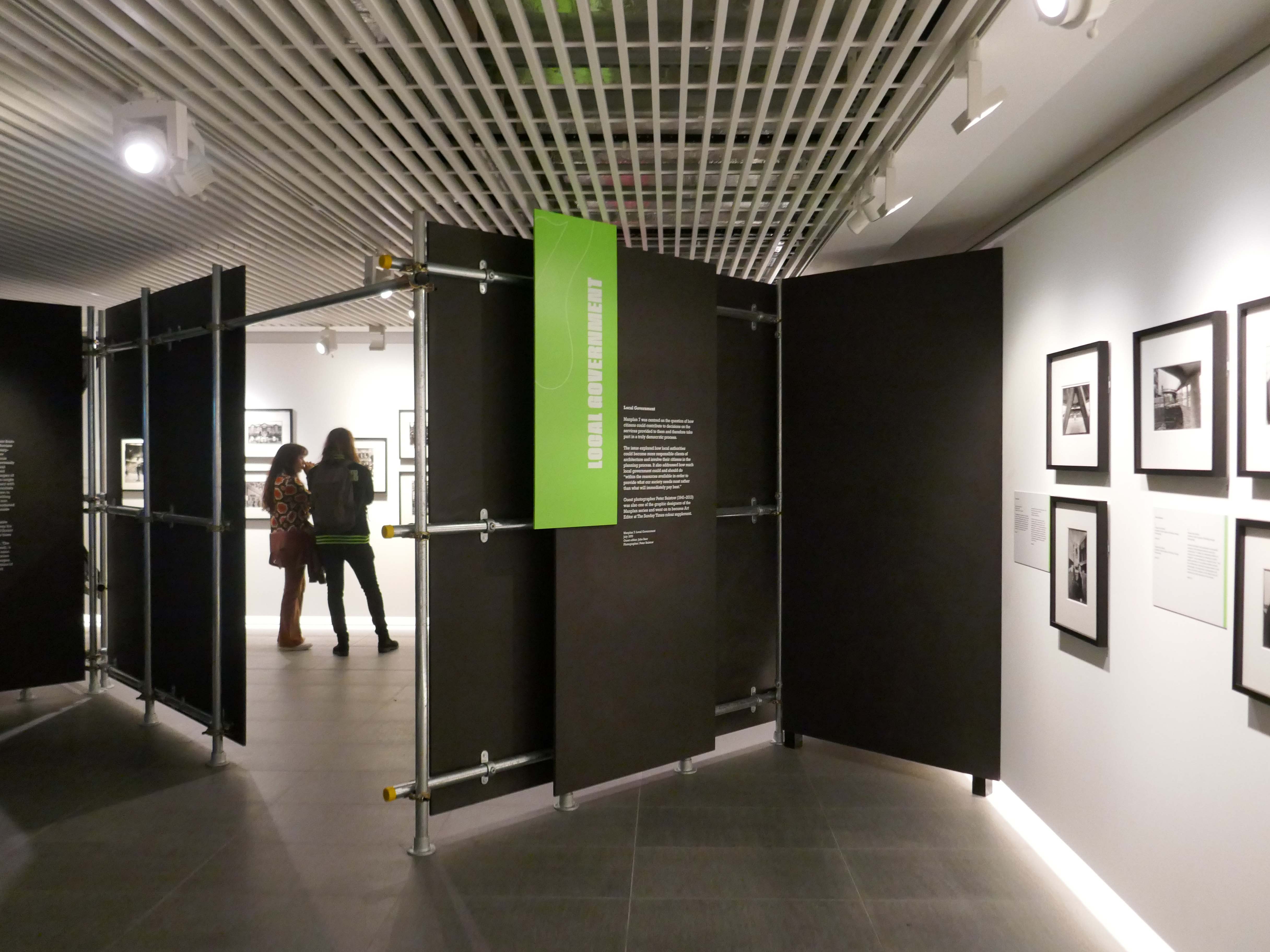
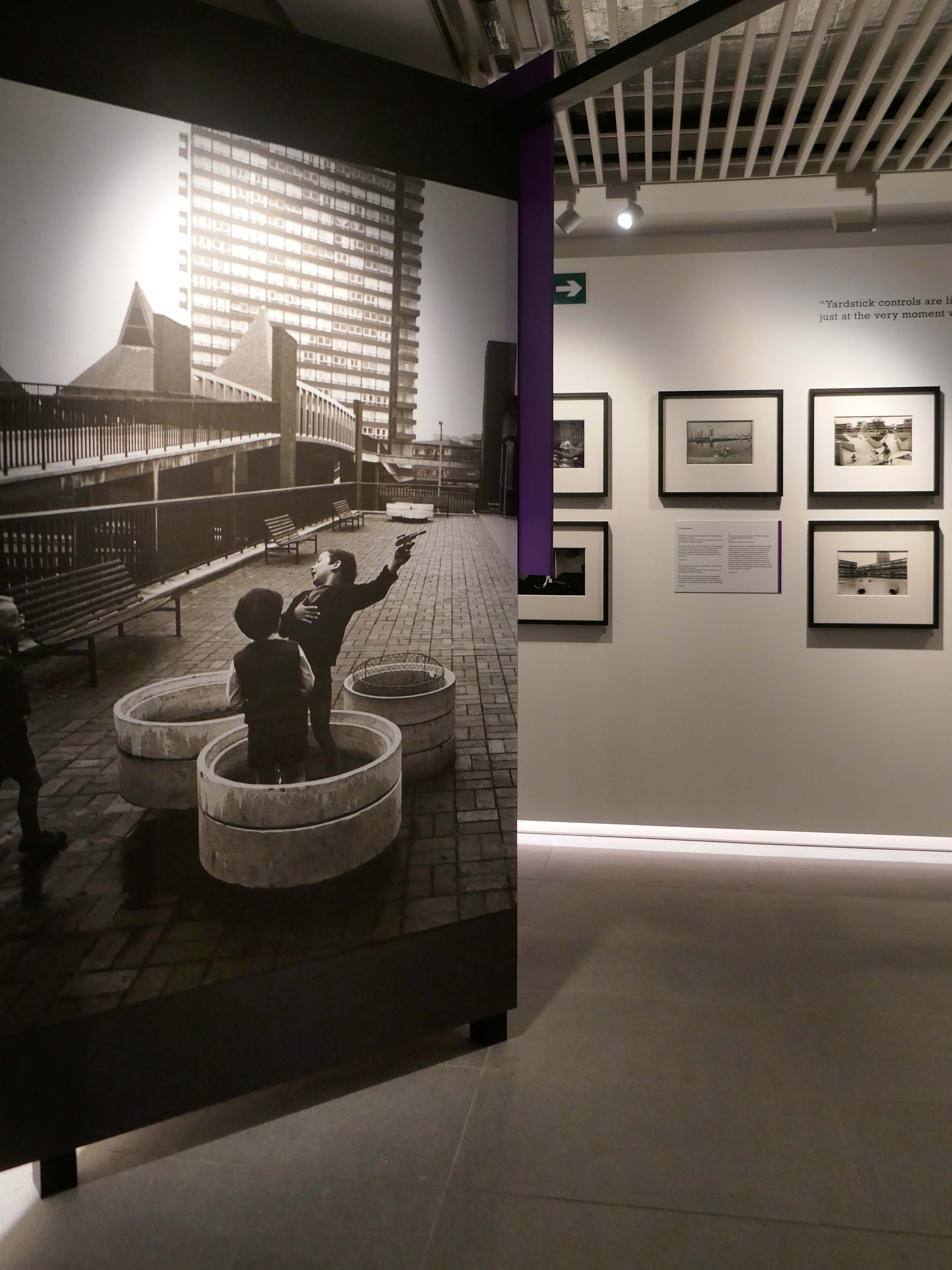
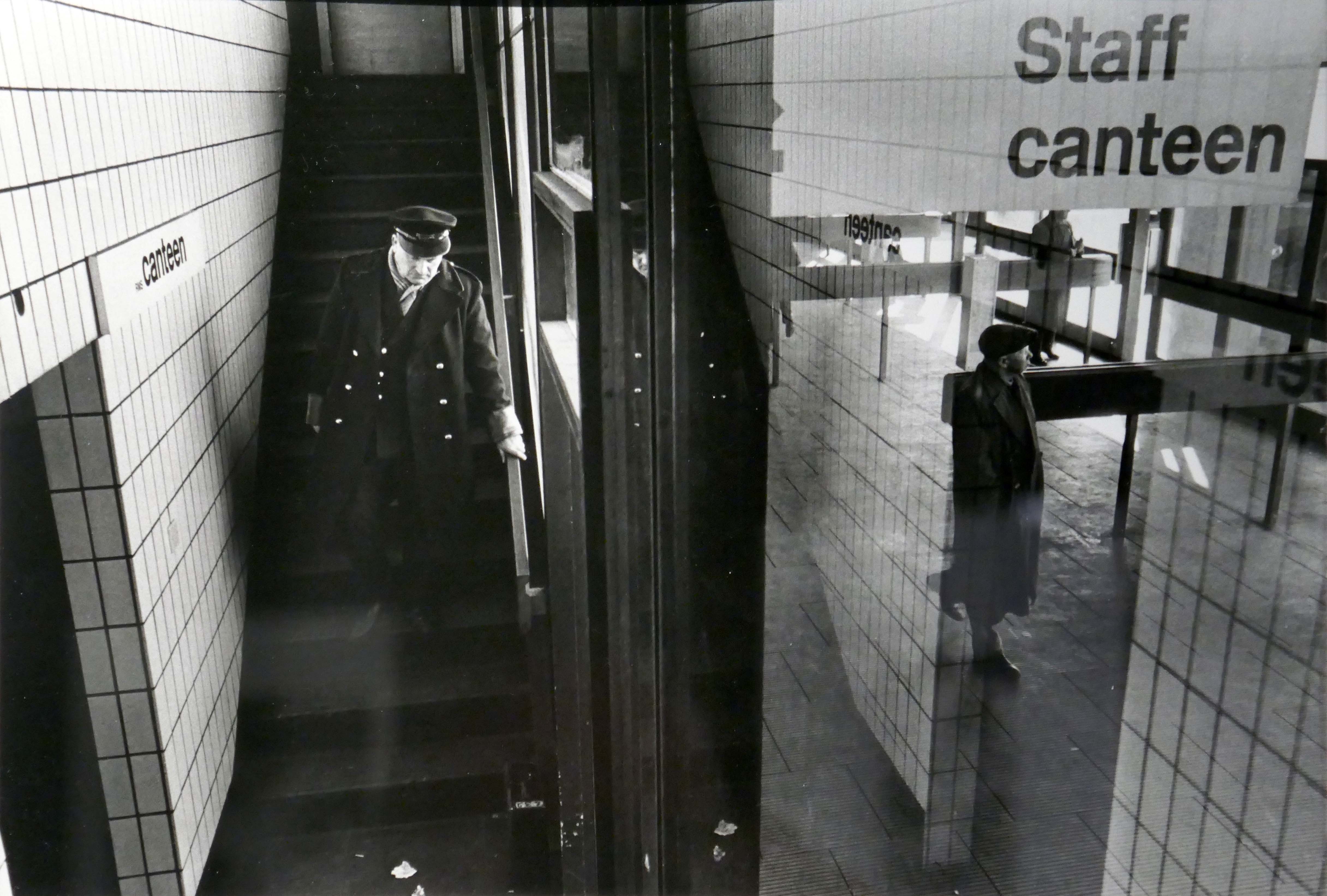
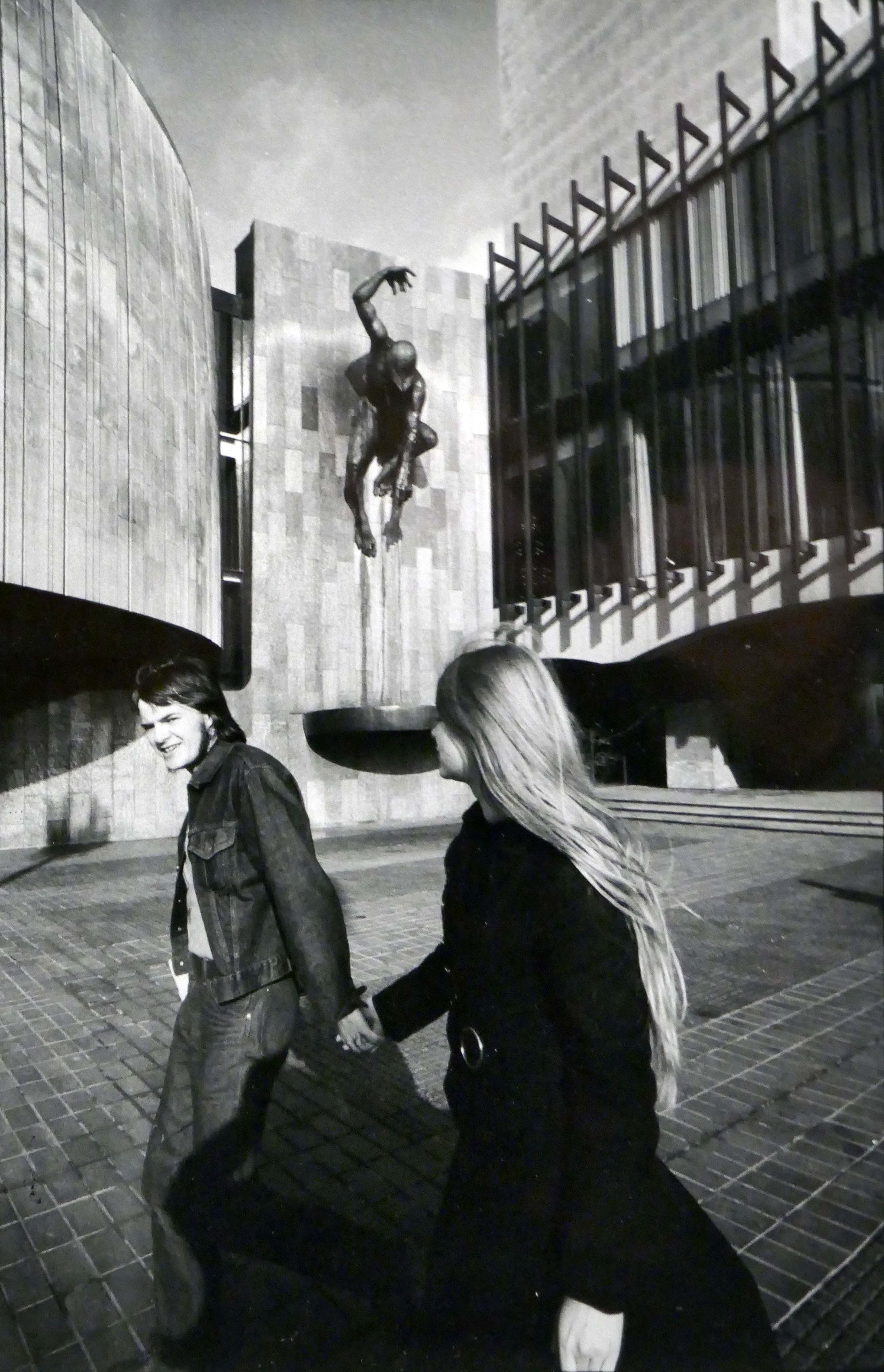
In 1969, the Architectural Review magazine launched Manplan, a ground-breaking and often uncompromising assessment of Britain’s built environment at the end of the sixties.
Combining pioneering graphic and print techniques with powerful photojournalism, the attention grabbing magazine sought to question and critique architectural ideas at the time.
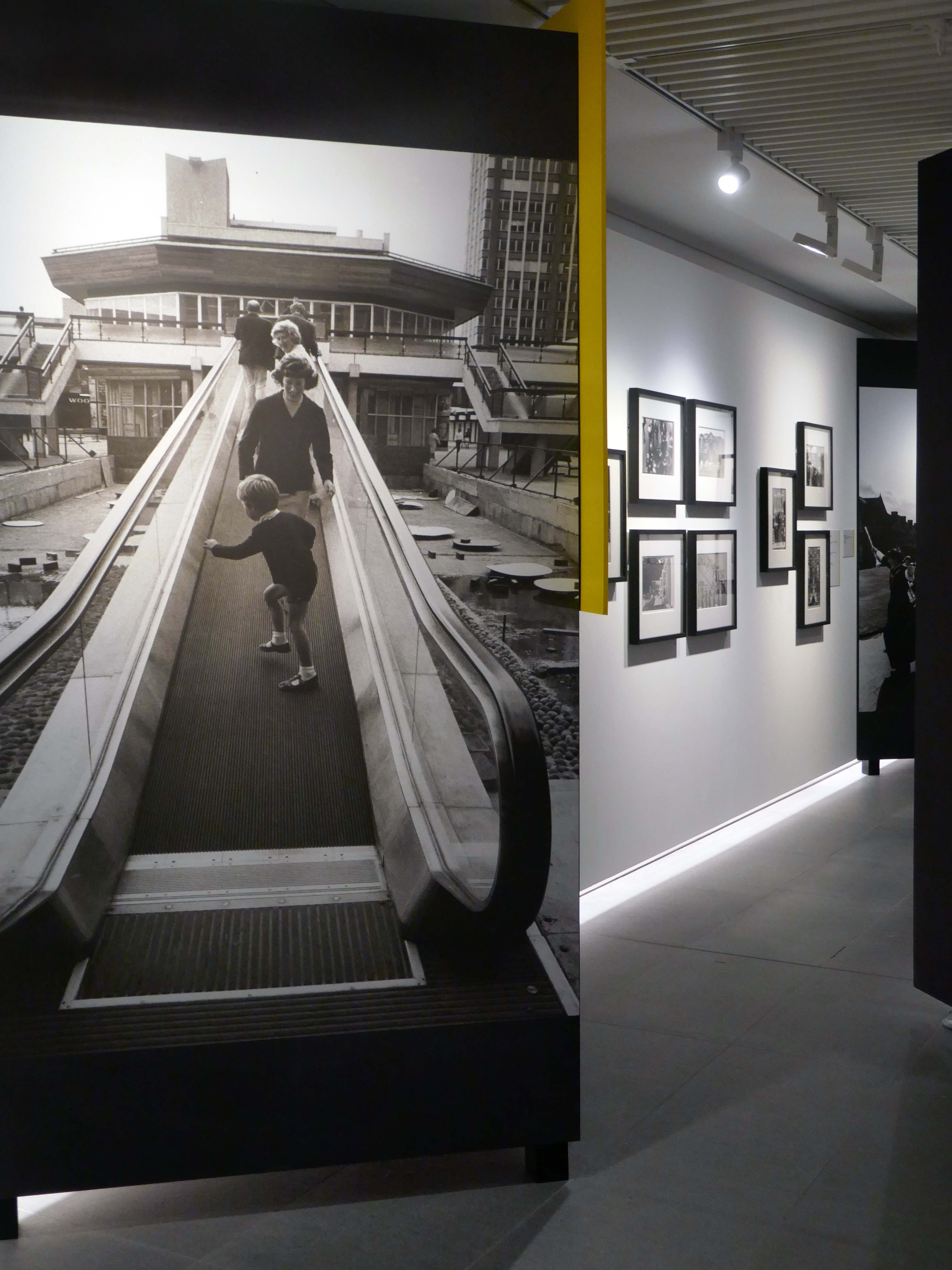
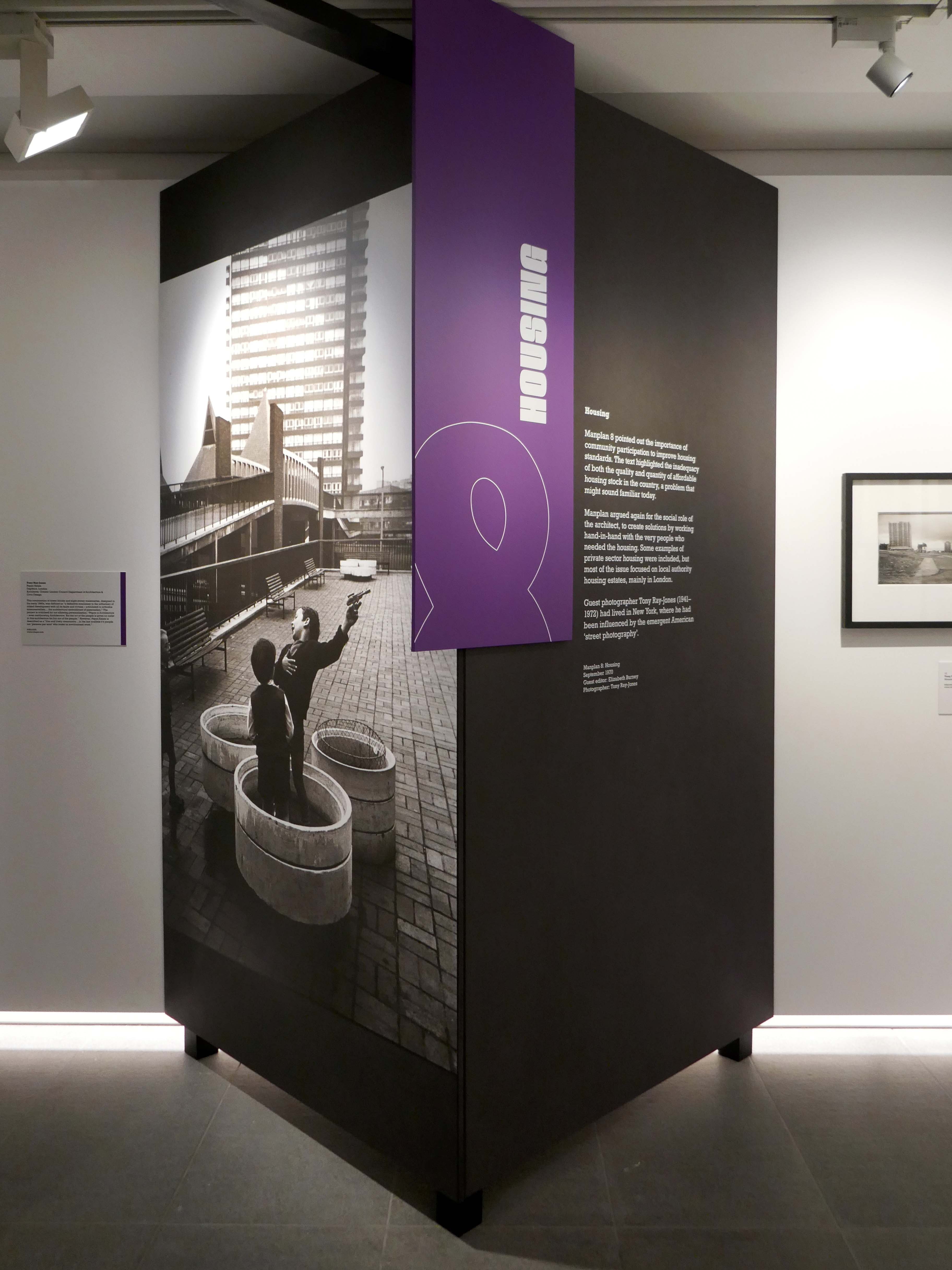
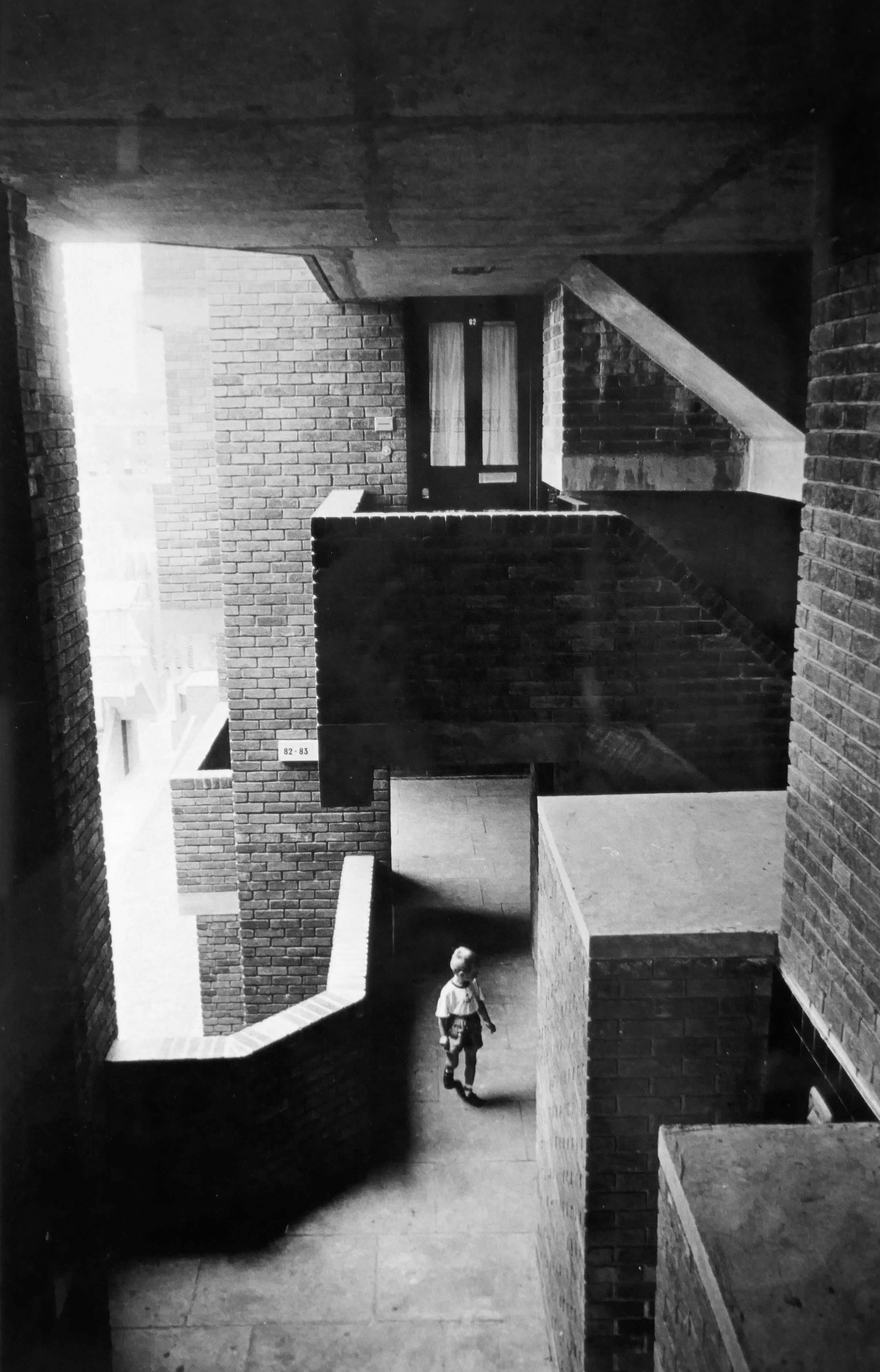
Photography lay at the heart of the series- through striking black and white reportage, Manplan revealed how architecture and urban planning shaped people’s daily lives, highlighting social issues that continue to be relevant today, such as inadequate housing, community, and loneliness.
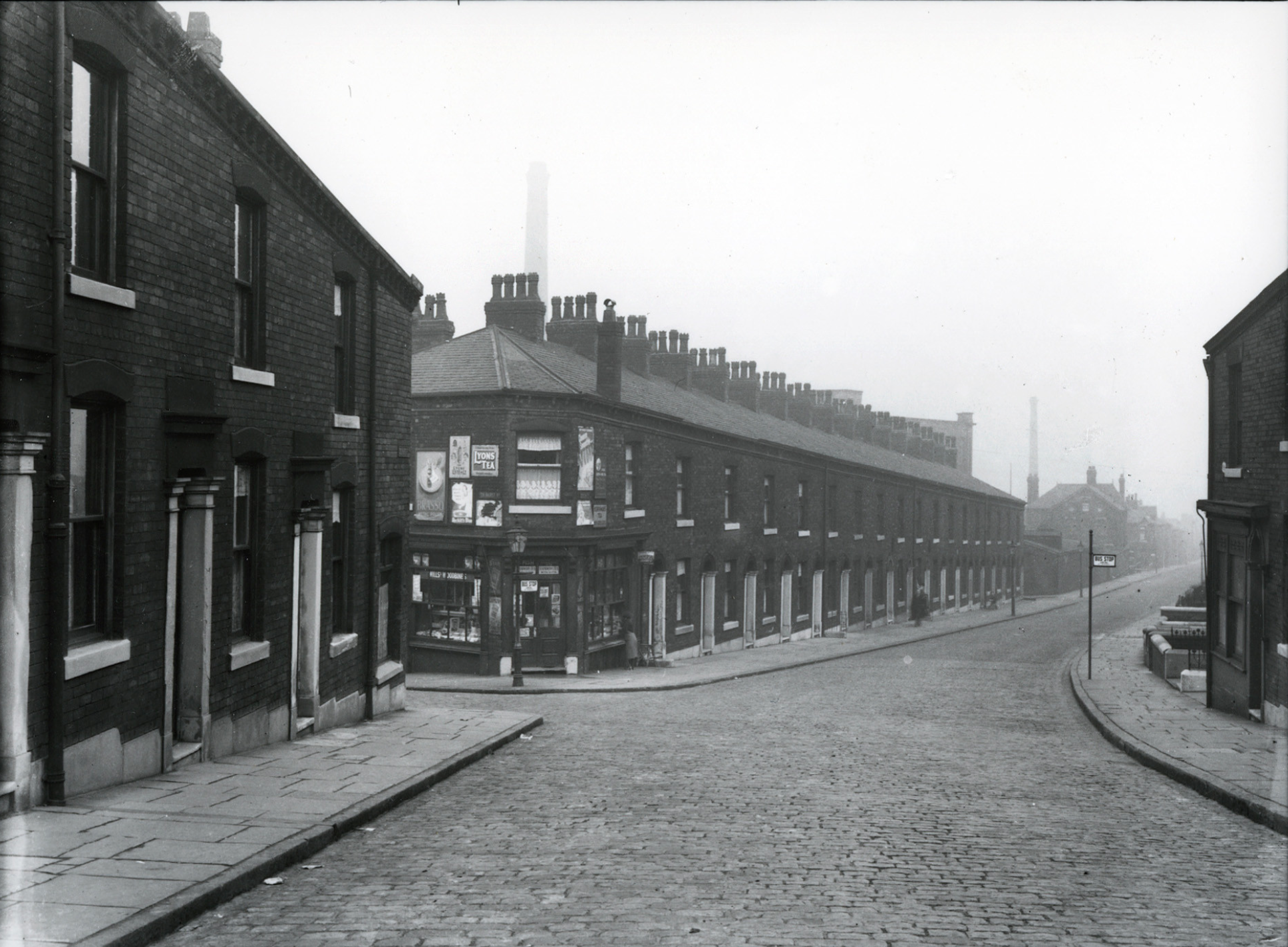
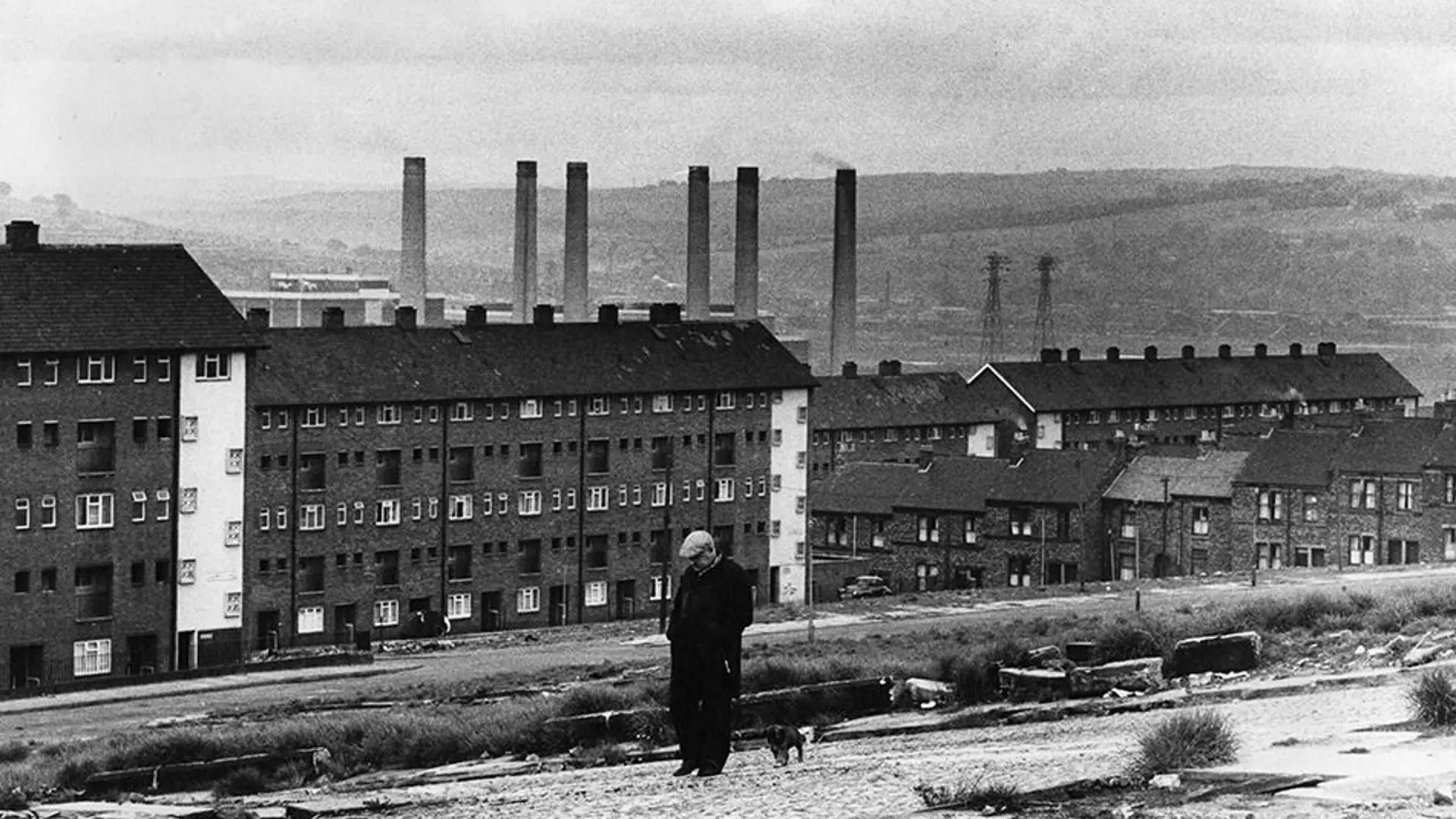
Workers’ housing in Newcastle-upon-Tyne, with Dunston Power Station behind.
Image: Tim Street-Porter Architectural Press Archive RIBA Collections.
Bold in tone and innovative in style, Manplan reframed conversations on urban development and brought attention to socially conscious design within the built environment.
The Wide-Angle View exhibition reflects on its legacy and highlights the powerful role photography and design can still play in communicating and challenging over half a century on
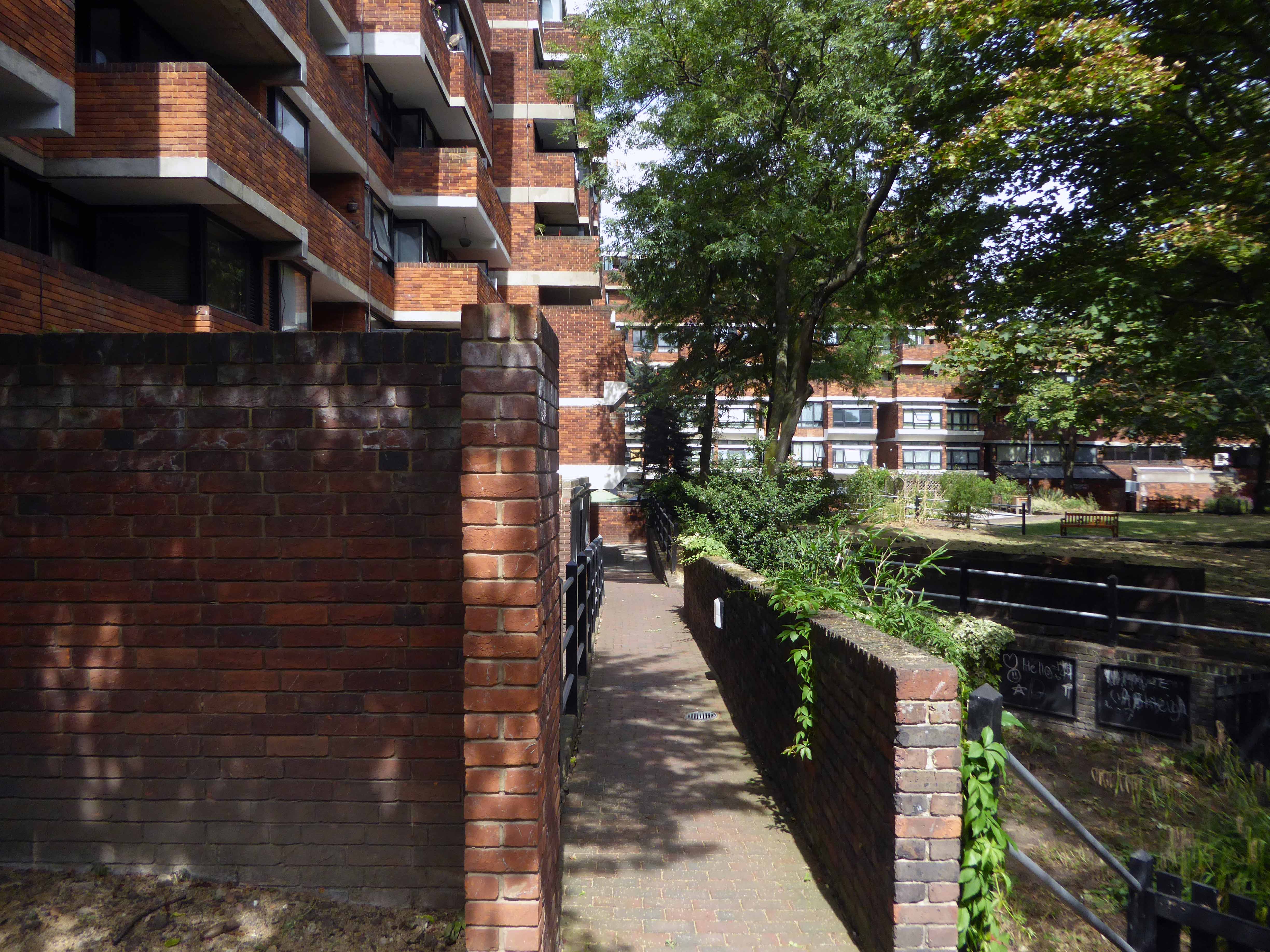
Constructed in phases between 1961 and 1980 to a plan by Darbourne & Darke.
The estate was among the last of the high-density public housing schemes built in London during the postwar period, and is referred to as one of the most distinguished. Notably, seven years before the Ronan Point disaster ended the dominance of the tower block, Lillington Gardens looked ahead to a new standard that achieved high housing density within a medium rather than high-rise structure. It emphasised individuality in the grouping of dwellings, and provided for private gardens at ground and roof levels.
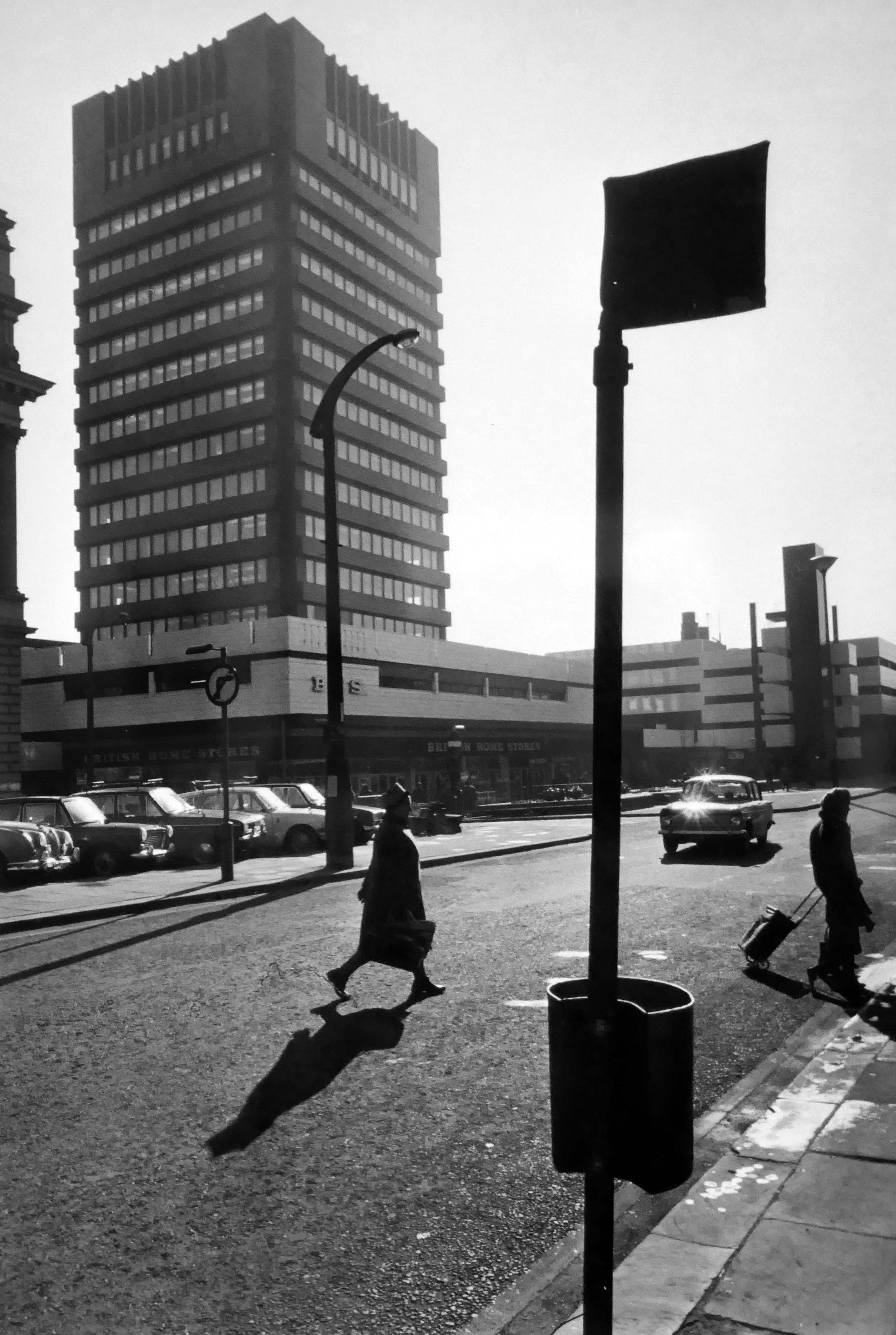
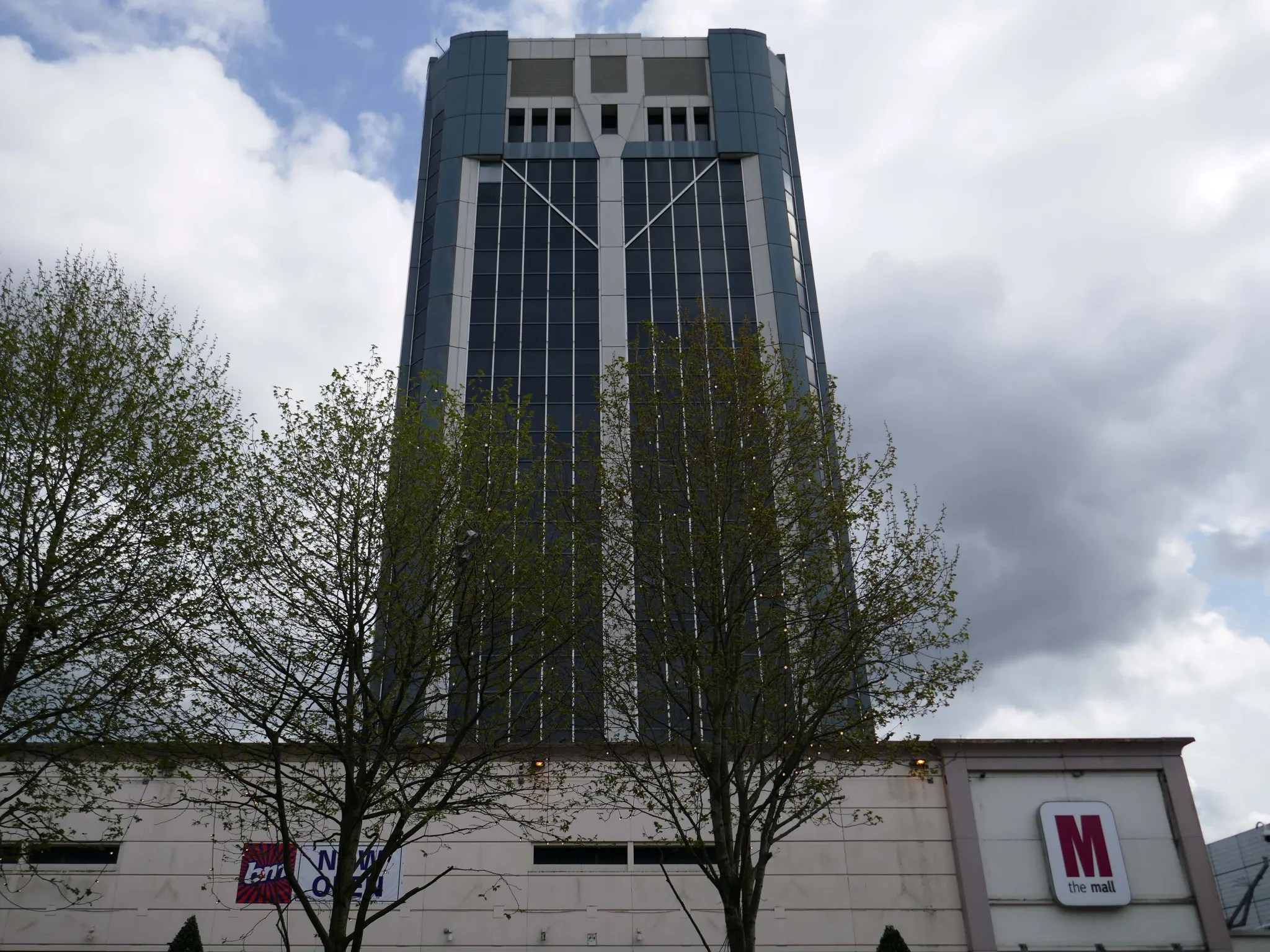
Blackburn Corporation office tower and shopping centre.
Image: Peter Baistow
My visit in 2025 – the tower and shopping centre having been significantly remodelled.
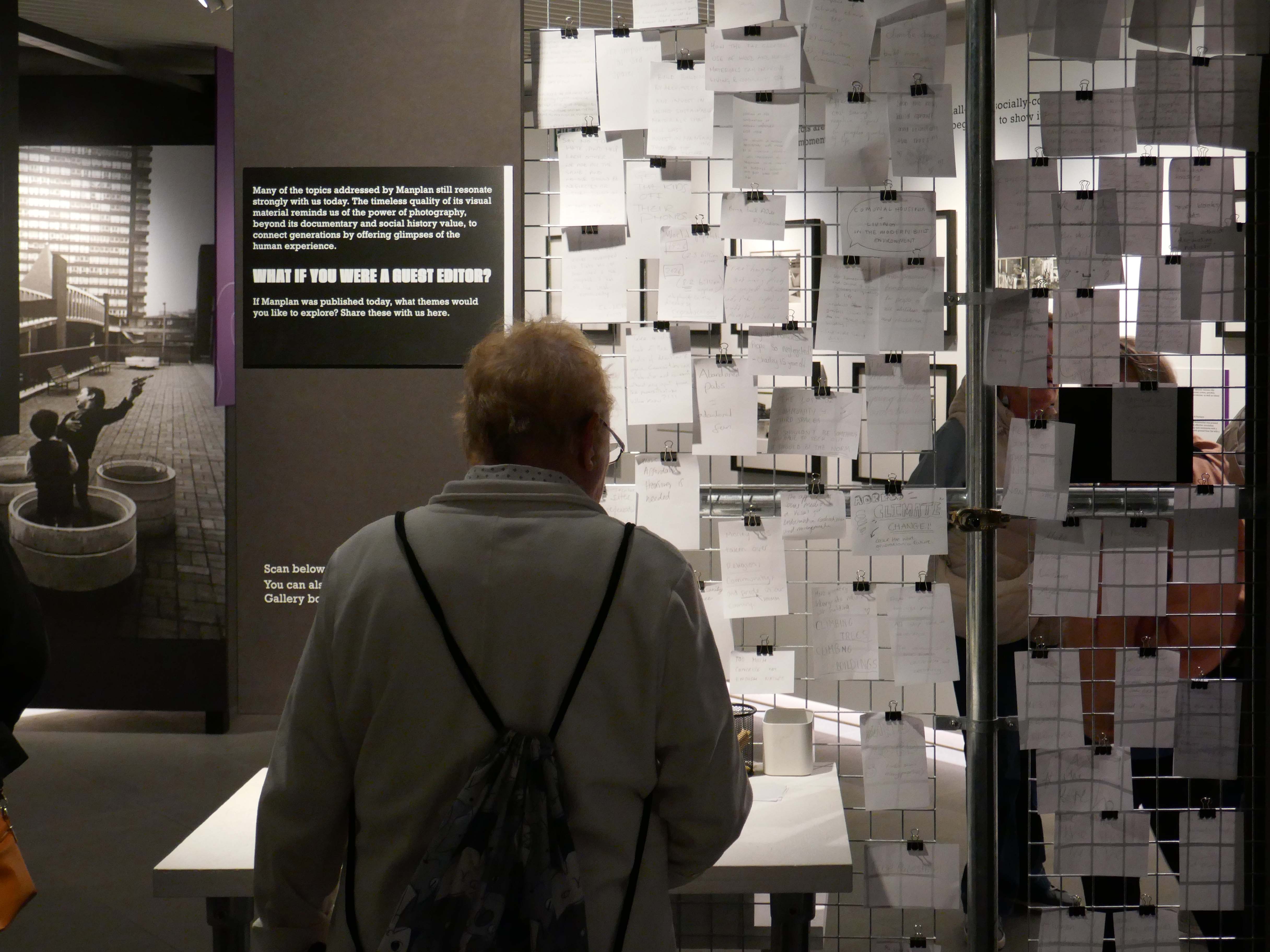
Given the current government’s drive for new build housing and new towns, I feel that the time is right to reassess the role of our citizens planners and architects own shaping this new New World.
Let’s all plan The Plan.
In July 2025, the government published its five-step plan to deliver a decade of renewal for social and affordable housing. This plan committed to delivering the biggest increase in social and affordable housebuilding in a generation, alongside a transformational and lasting change in the safety and quality of social housing.
Consideration should also be given to all the infrastructure that the housing may require – the schools, hospitals, libraries, shops, play areas et al.
No more shabby PFI, but substantial public buildings of real quality and distinction.
No more developer led, overseas capital fed, elite inner city out of town cookie cutter ghettoes.
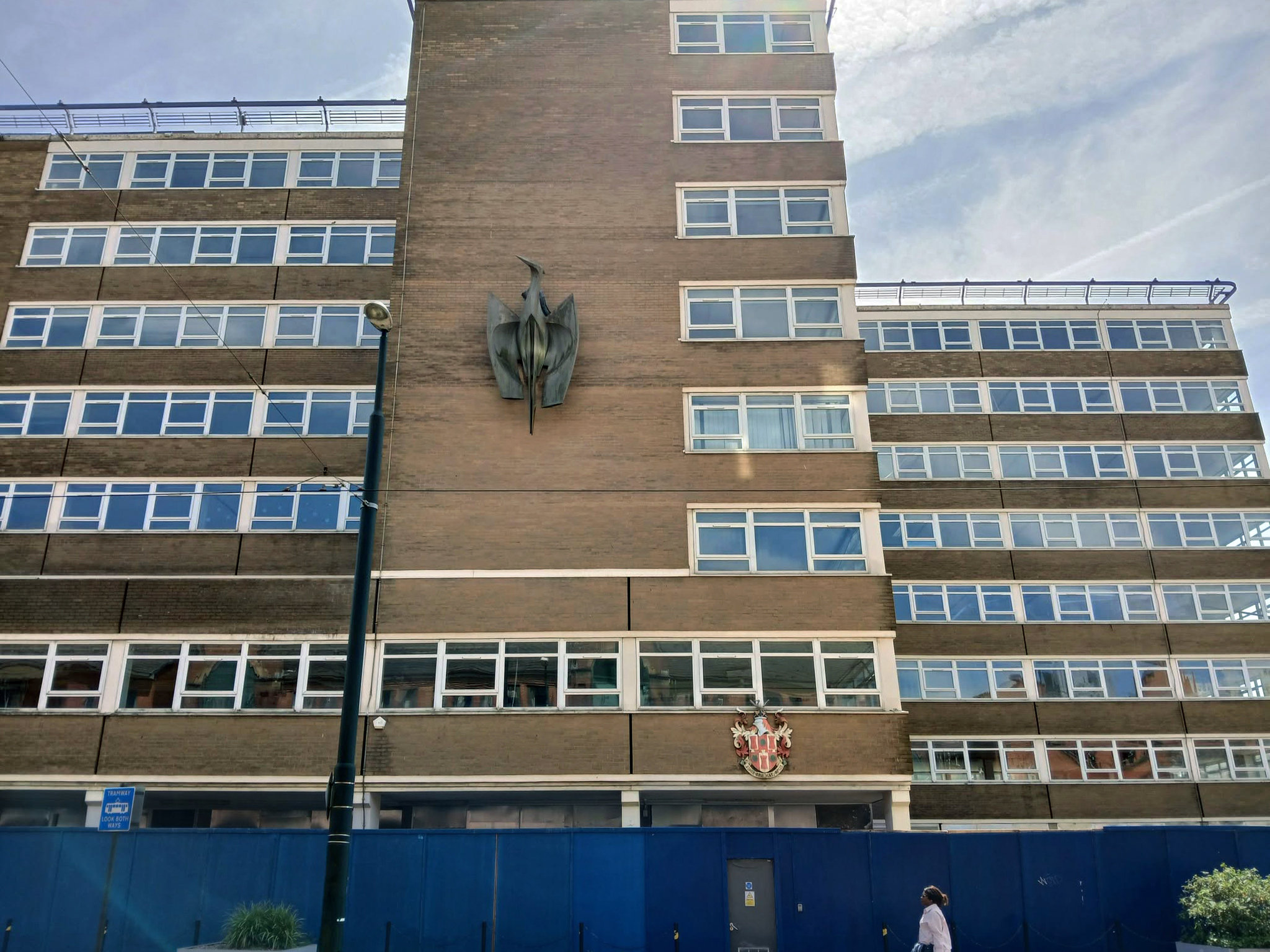
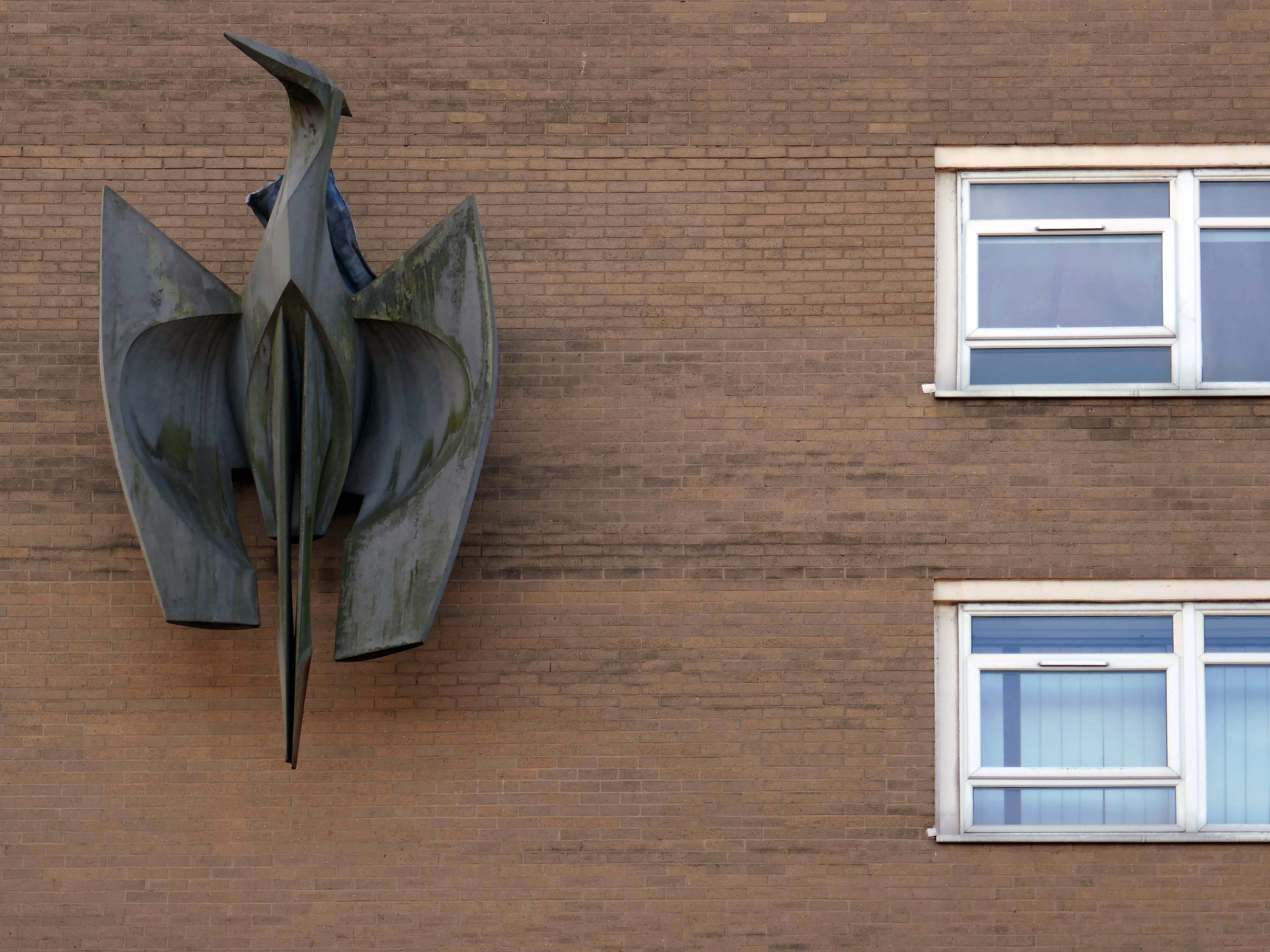
Back tracking toward Phoenix House – with its implausible heron.
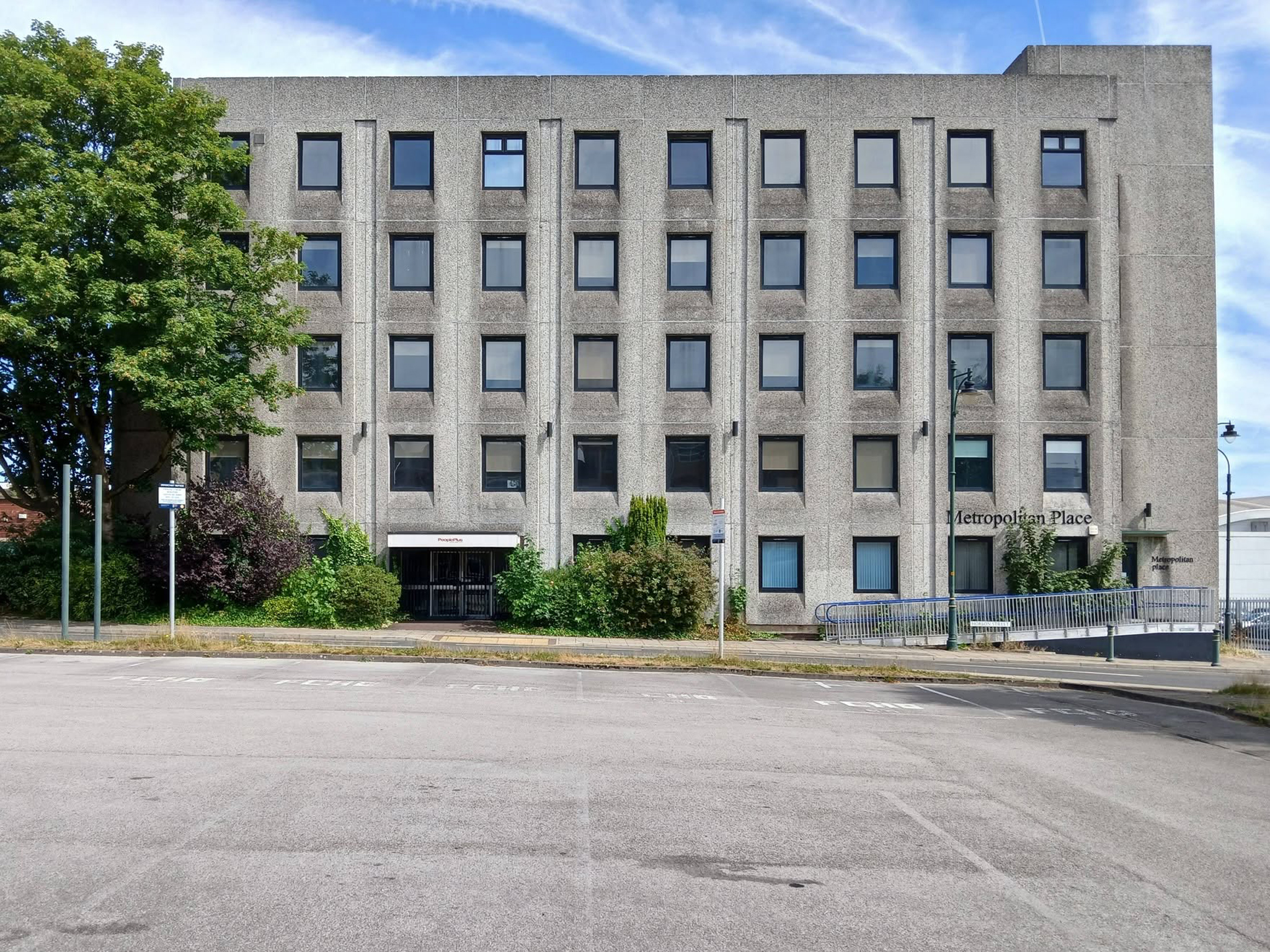
It’s been four years since the Department of Work and Pensions left their Union Street office and eighteen months since plans were submitted to turn it into eighty two flats.
However, apart from hoardings being installed around the building, there doesn’t appear to have been much movement at the site – at least not legally.
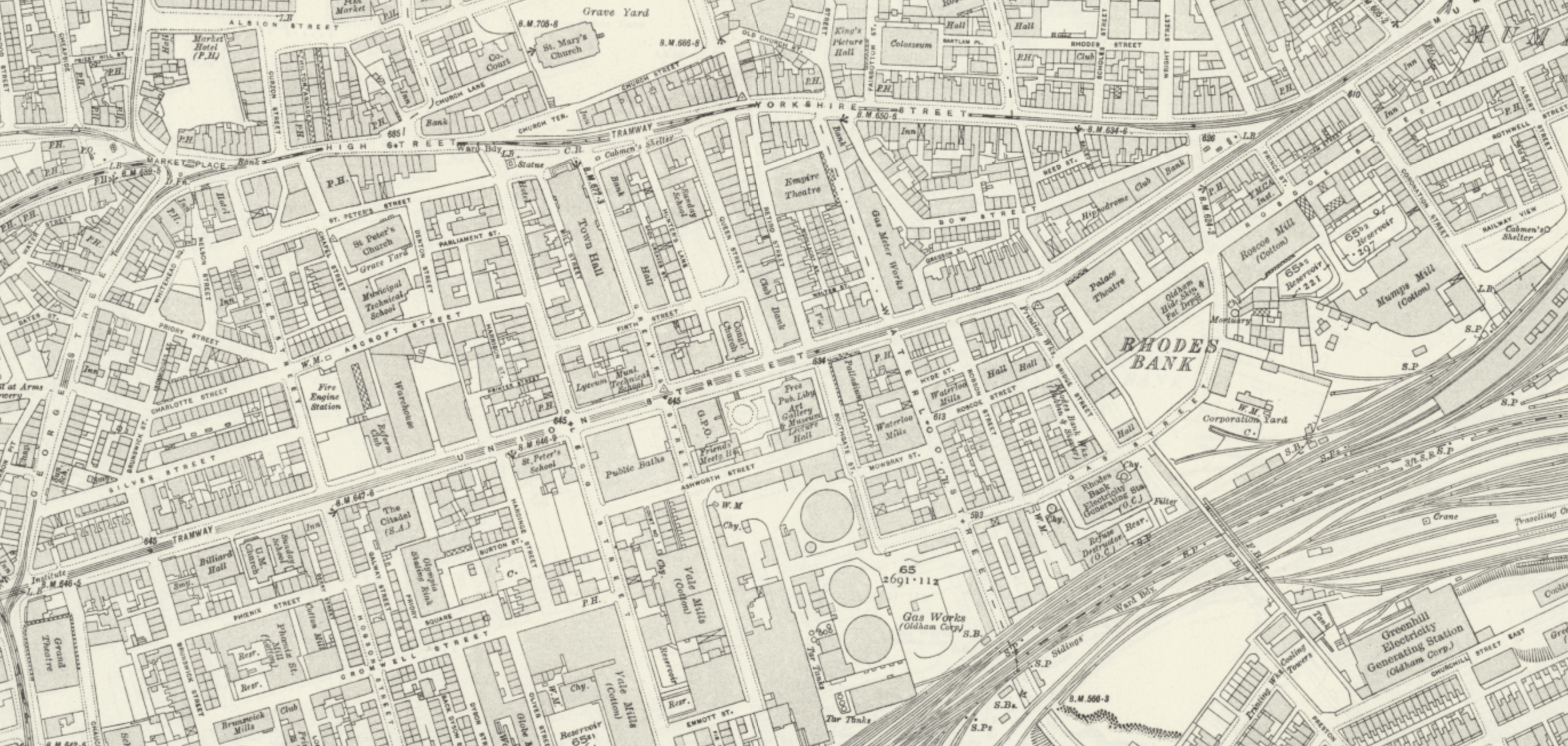
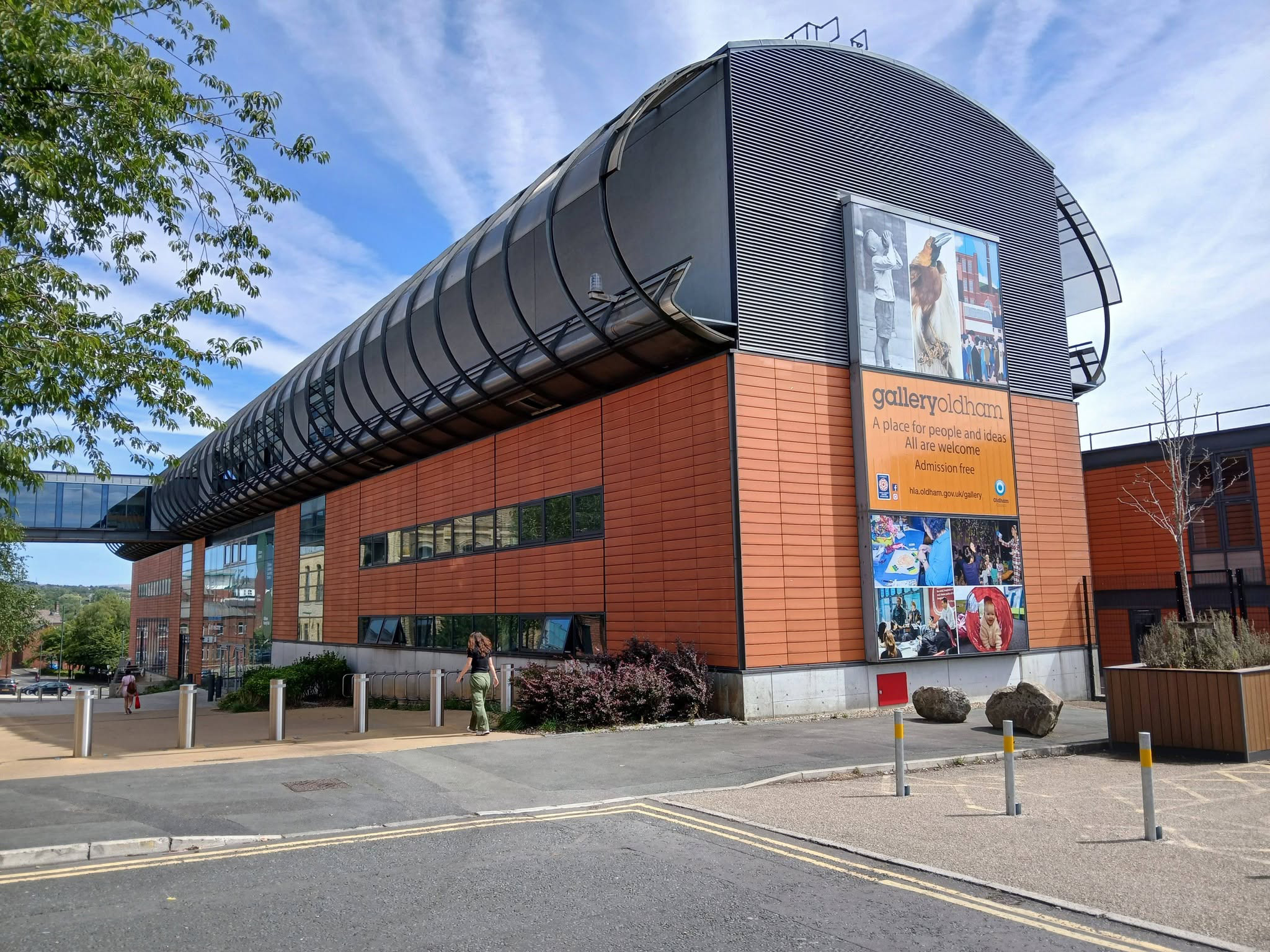
Linking to the older Library and Art Gallery 1883 T Mitchell with sculpture by JJ Milson.
Today the building has been restored to include the Council Chamber and Mayor’s Dining Room, public exhibition spaces and a new home for Oldham Theatre Workshop.
The Old Library is one of the earliest examples of an ashlar faced, in-situ formed concrete multi story building.
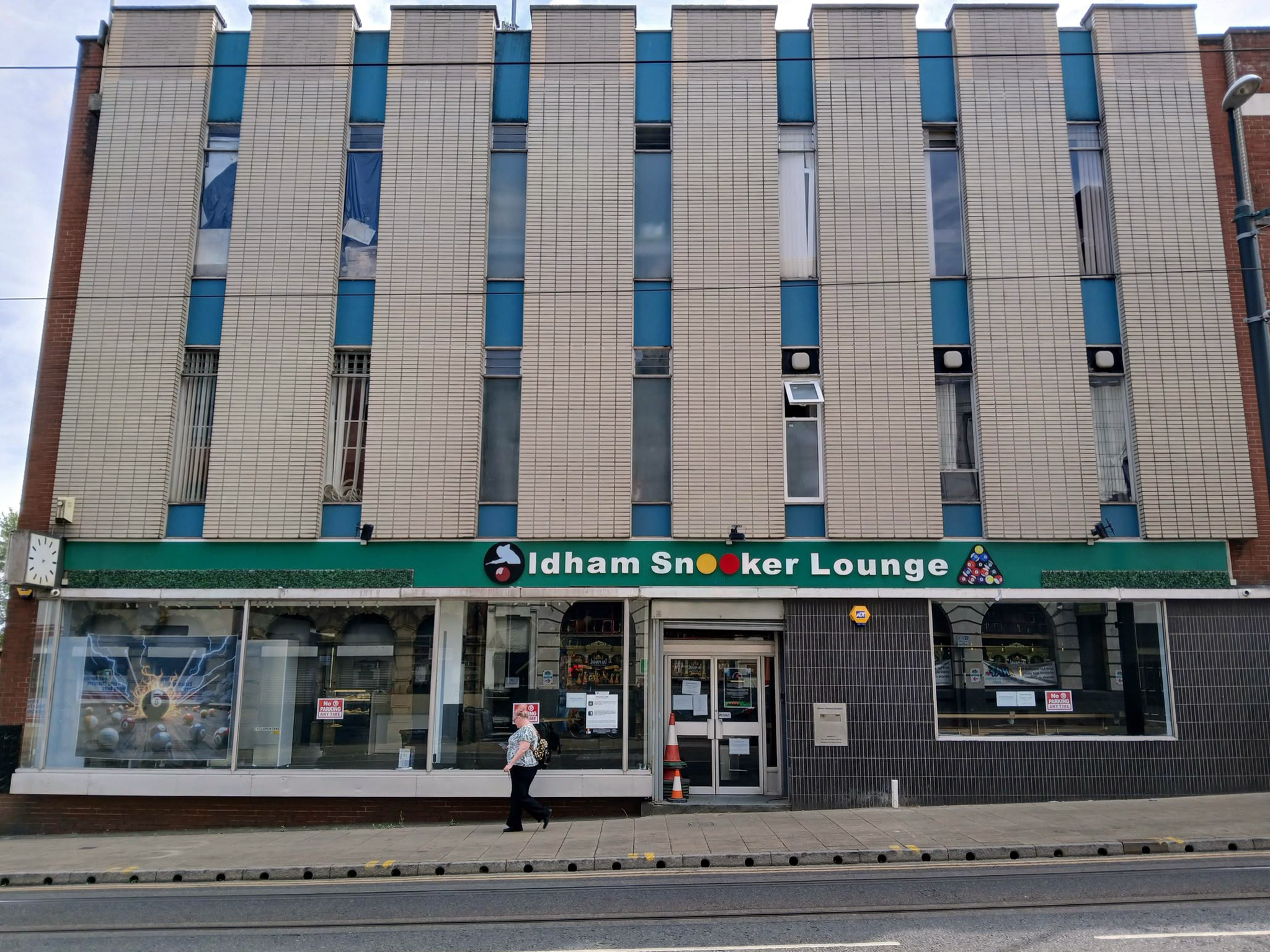
Take a turn up Greaves Street and here’s a faience clad Victoria Housea former Billiard Club 1912 Winder & Taylor – subsequently the hall was used as council housing offices and a college before becoming vacant.
Oldham Boxing moved into the building in 2011.
Next door a Ponsonby And Carlile Solicitors Office 1902 Edgar Wood – Grade II Listed.
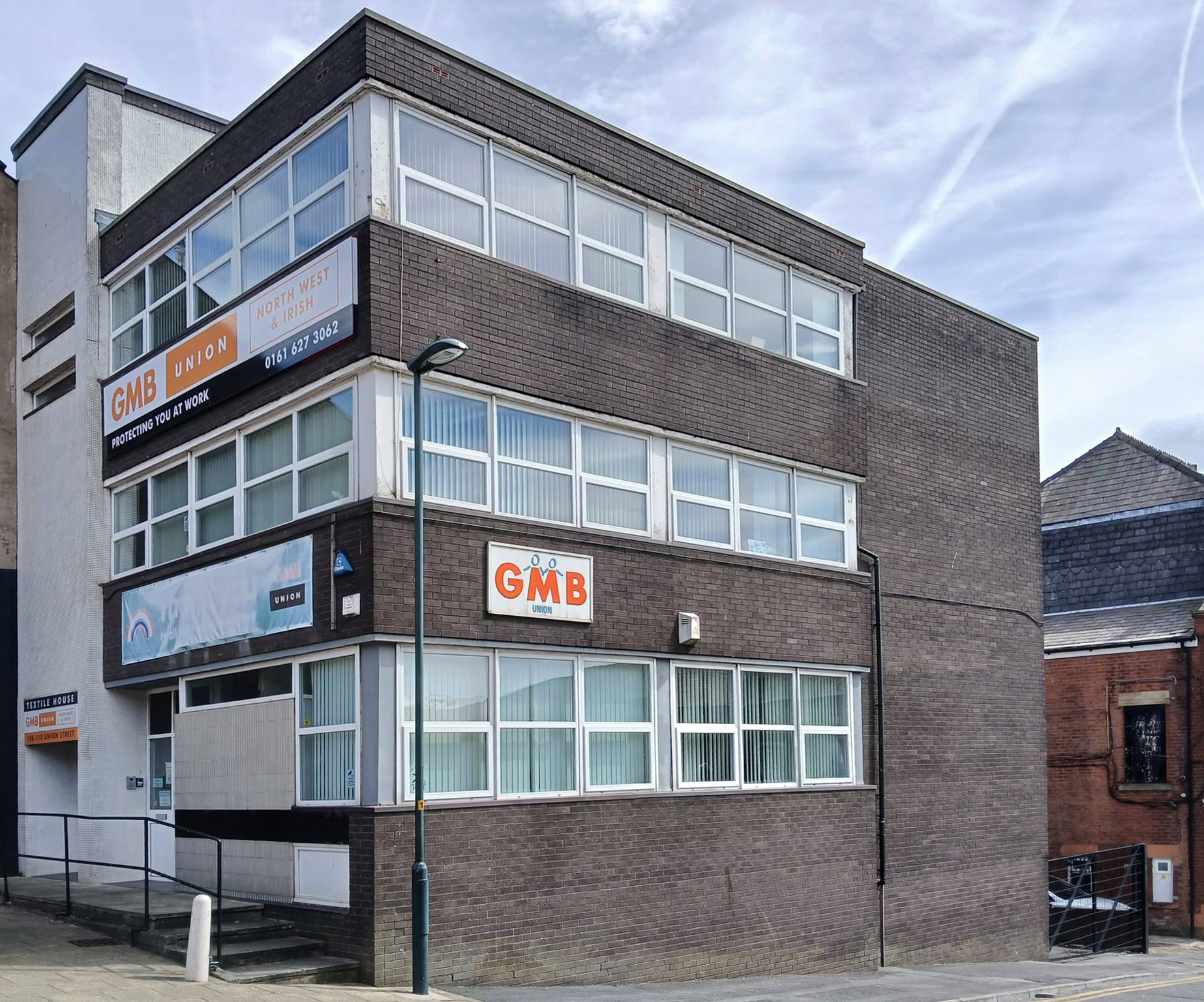
Back now onto Union Street and the GMB Offices.
Onwards to the former Oldham Evening Chronicle
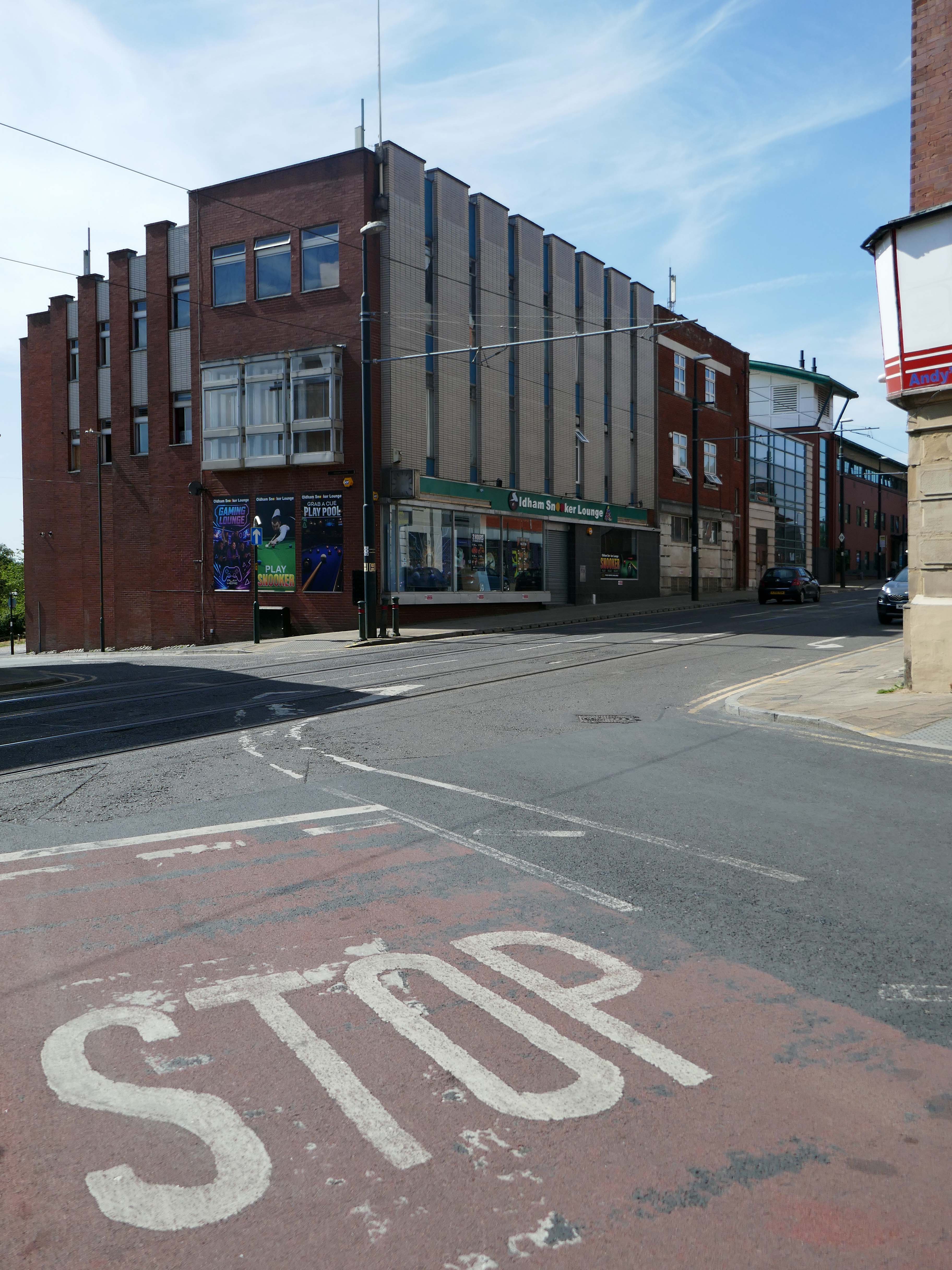
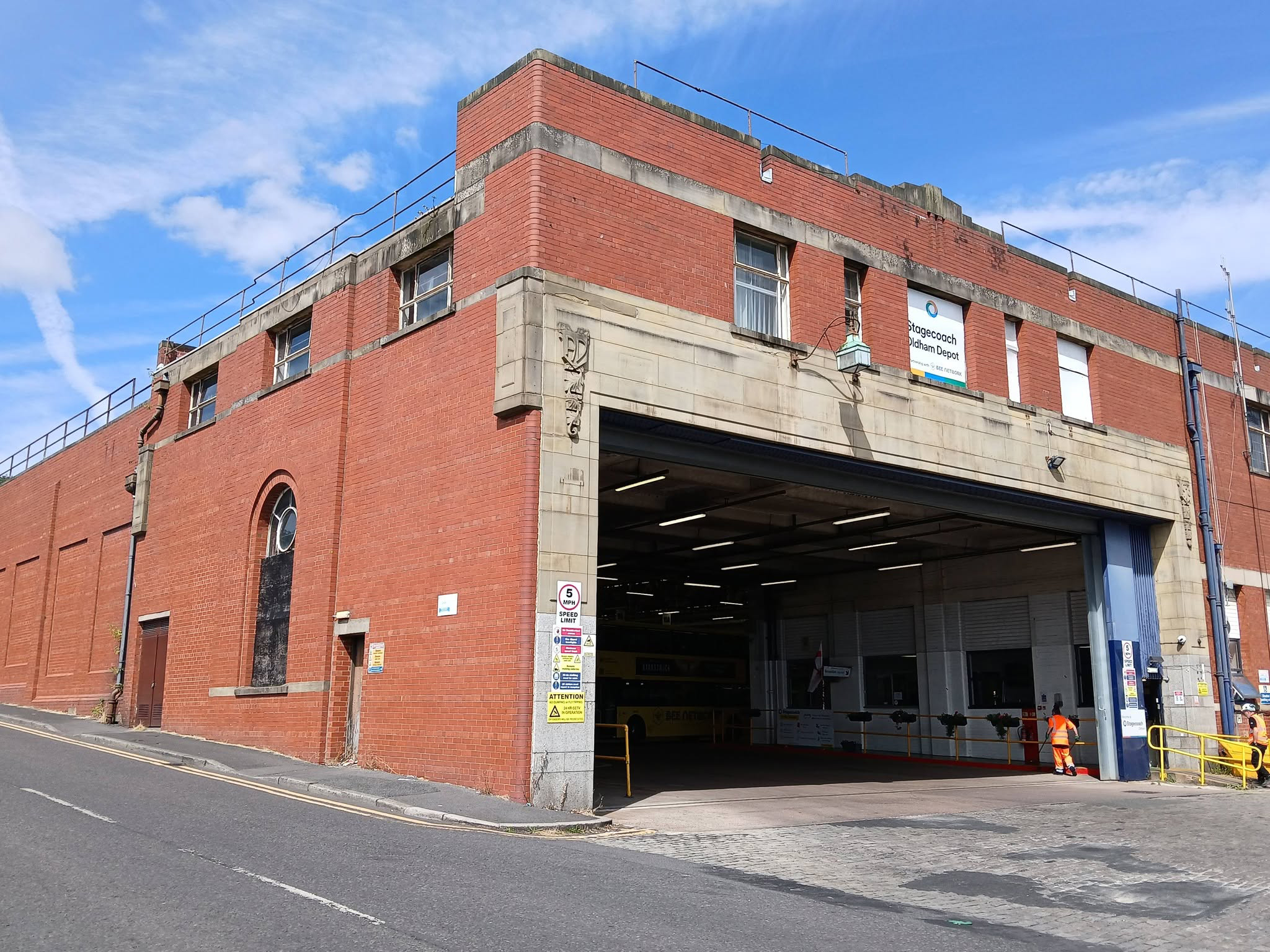
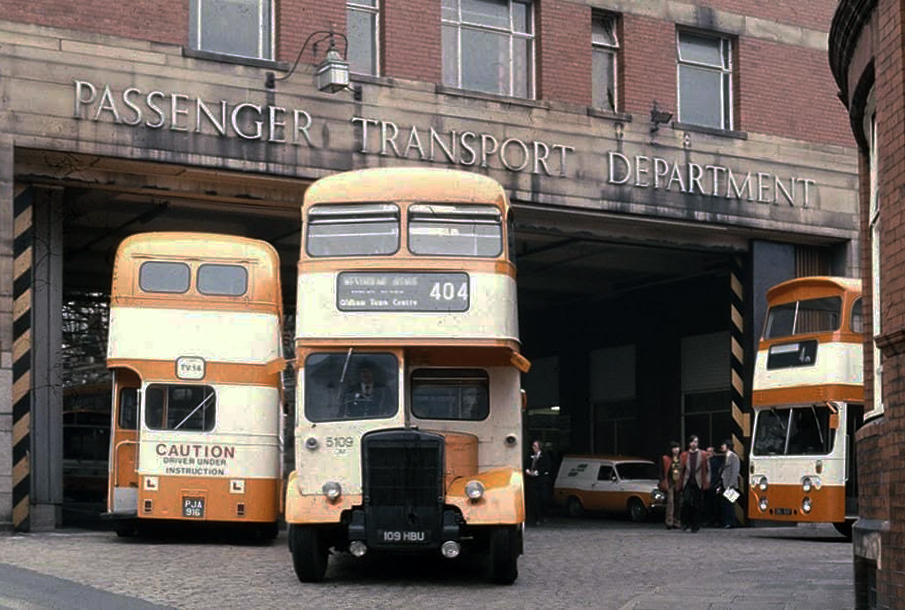
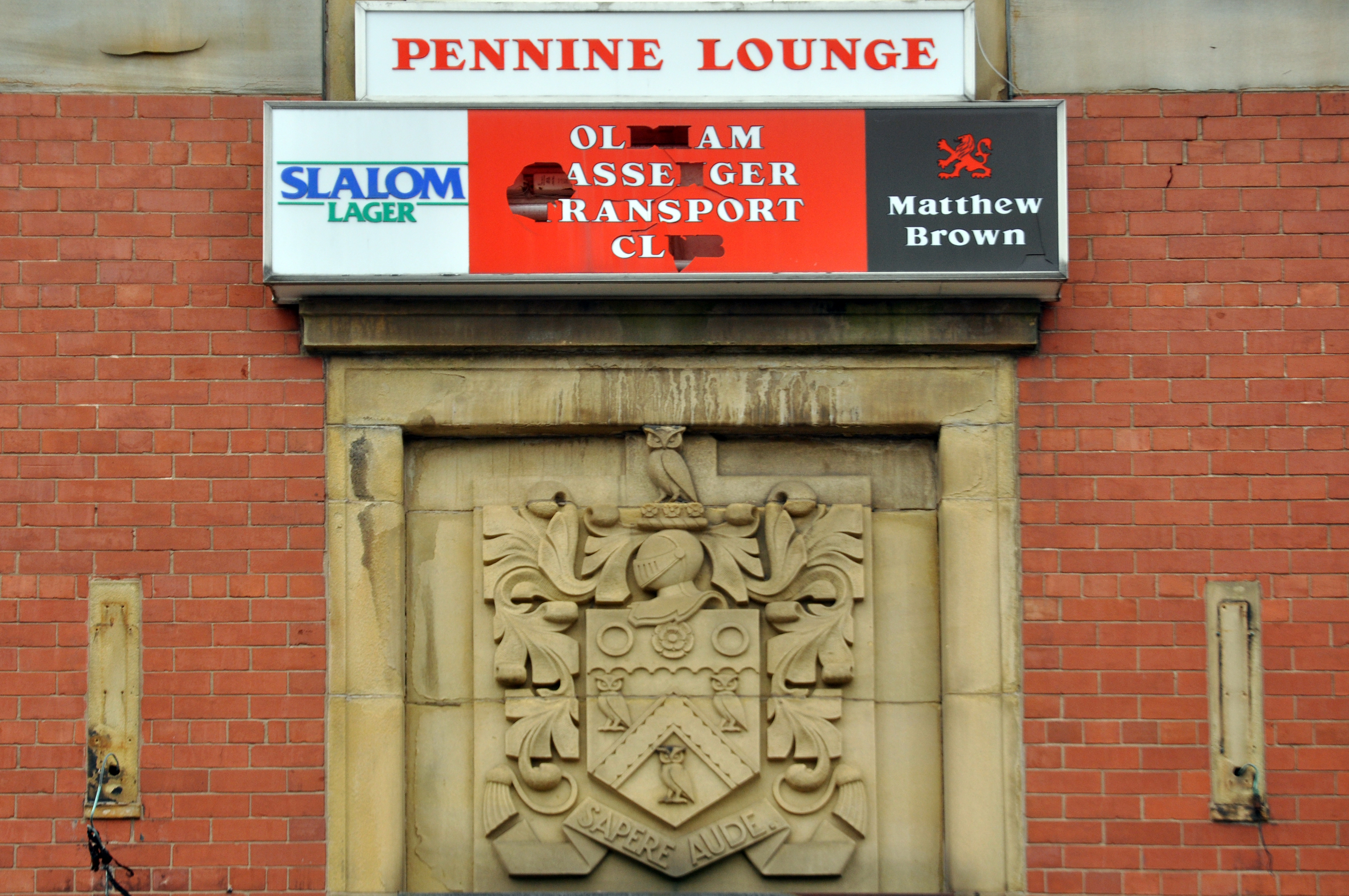
Down the hill and left to the Walshaw Street Bus Depot 1936
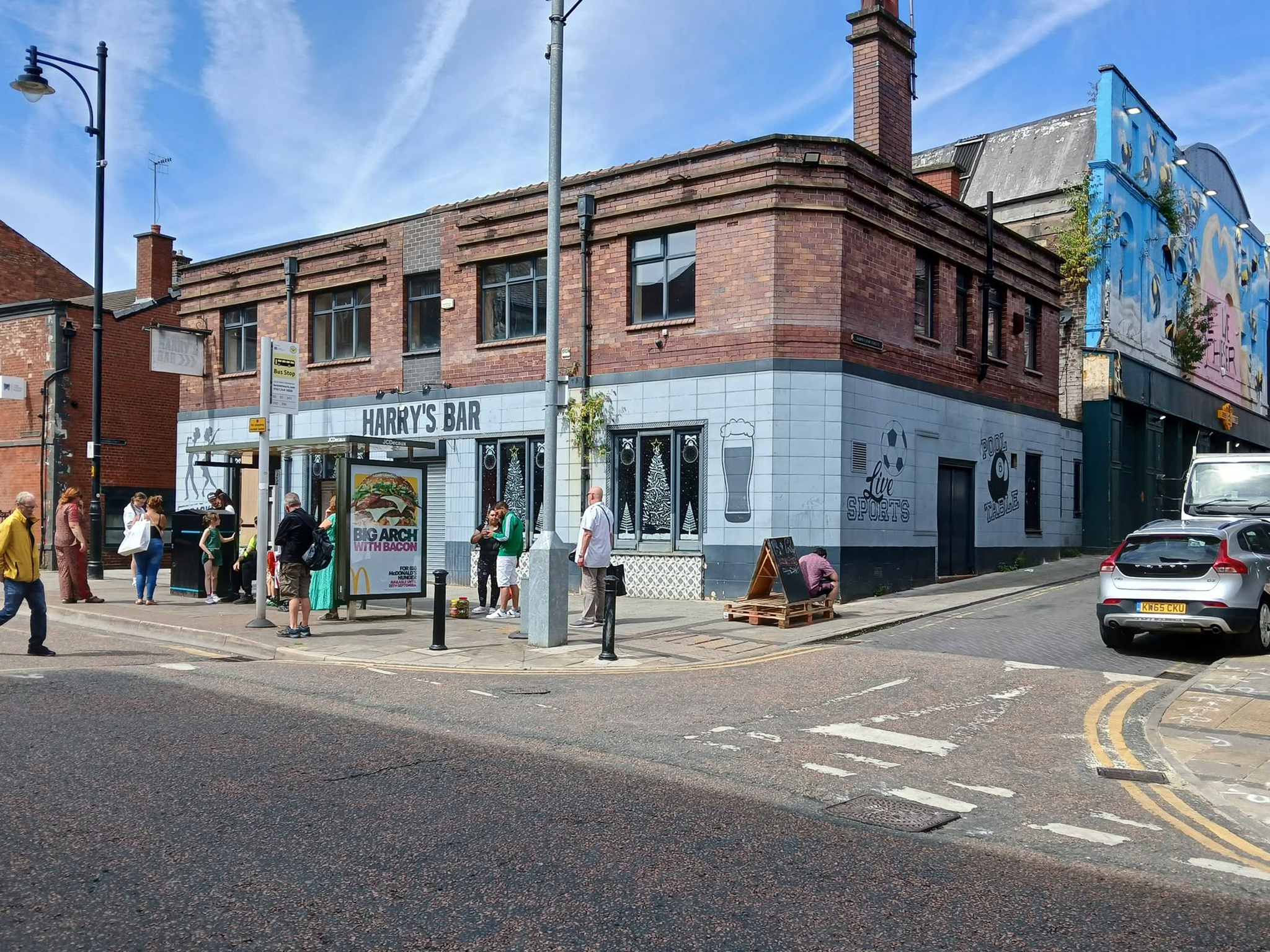
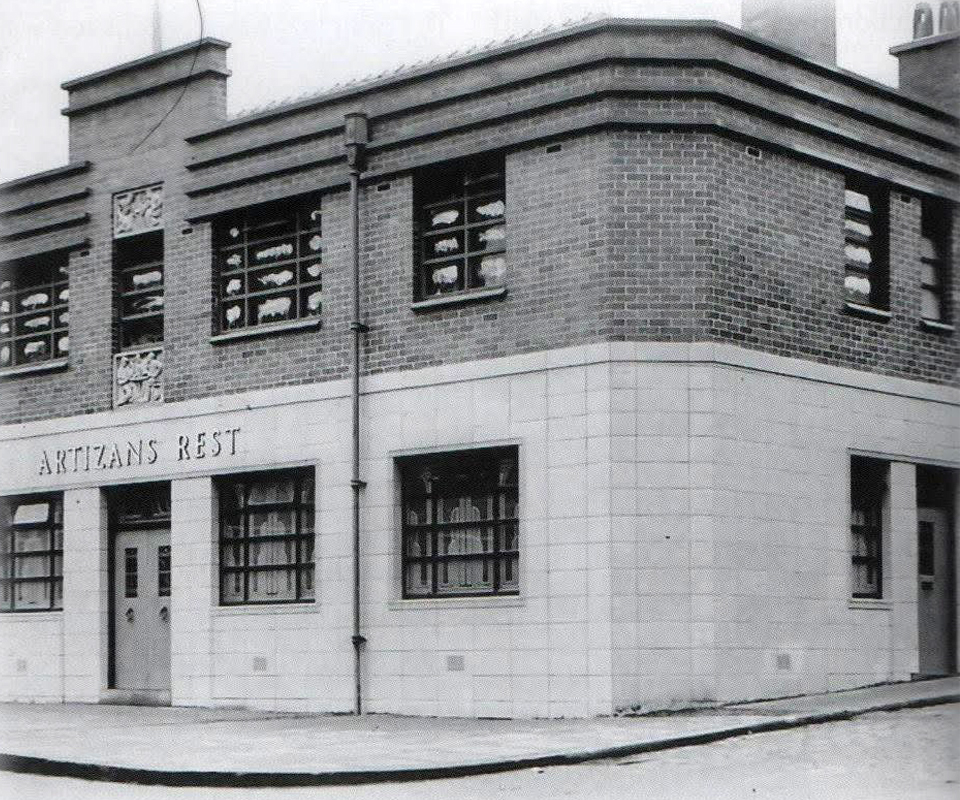
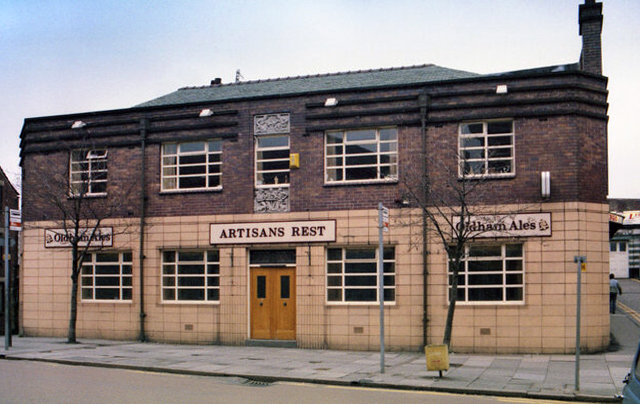
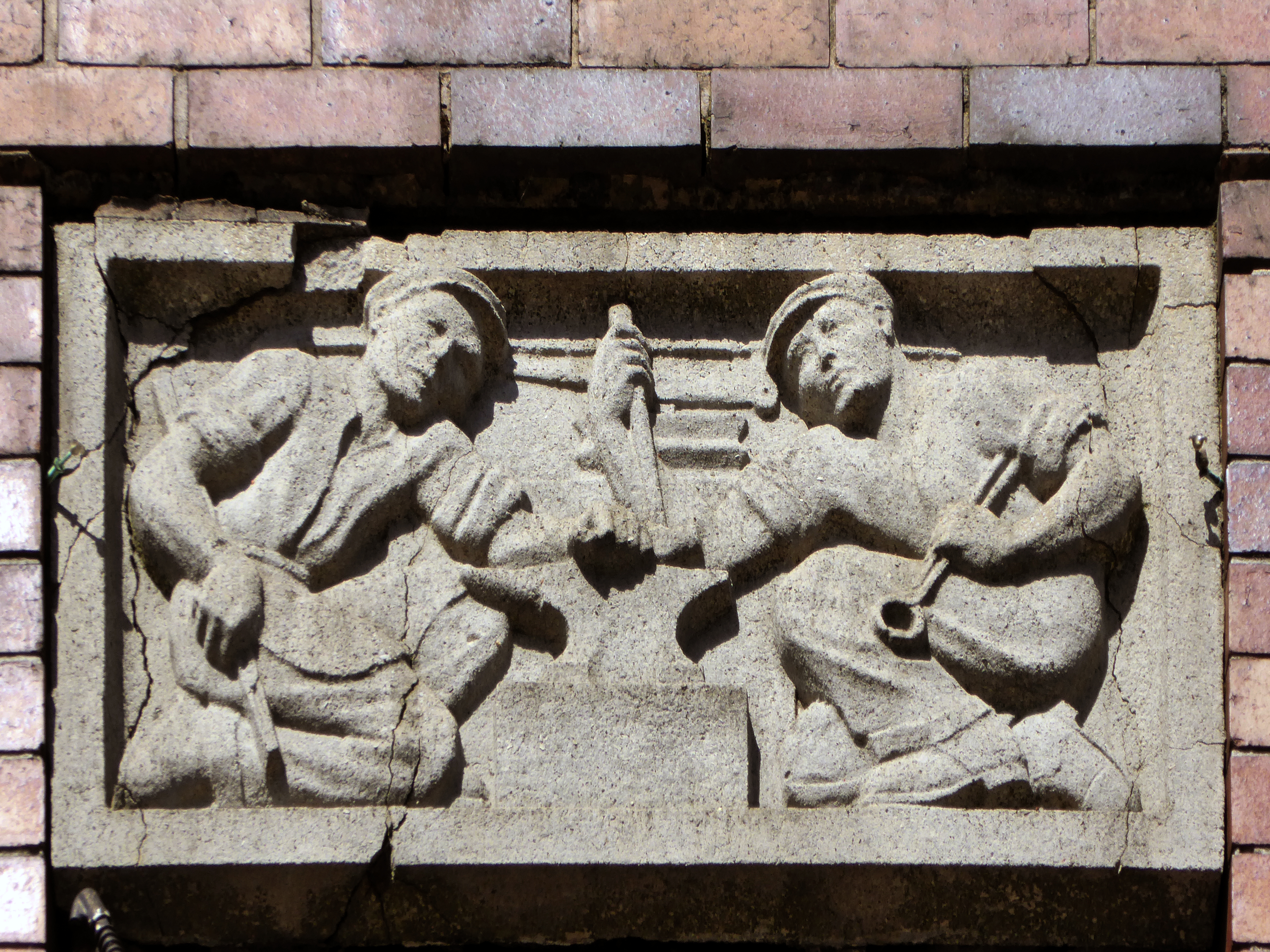
Next we head up Yorkshire Street to Harry’s Bar – formerly The Artizans Rest 1937.
Architects: CT Taylor – Roberts & Bowman.
In 2025, it was revealed by the Manchester Evening News that Oldham council planned to buy the building and demolish it with the price tag for the project reported to be £1m. The money comes from a £2.5m pot of regeneration finding given to the local authority by the government.
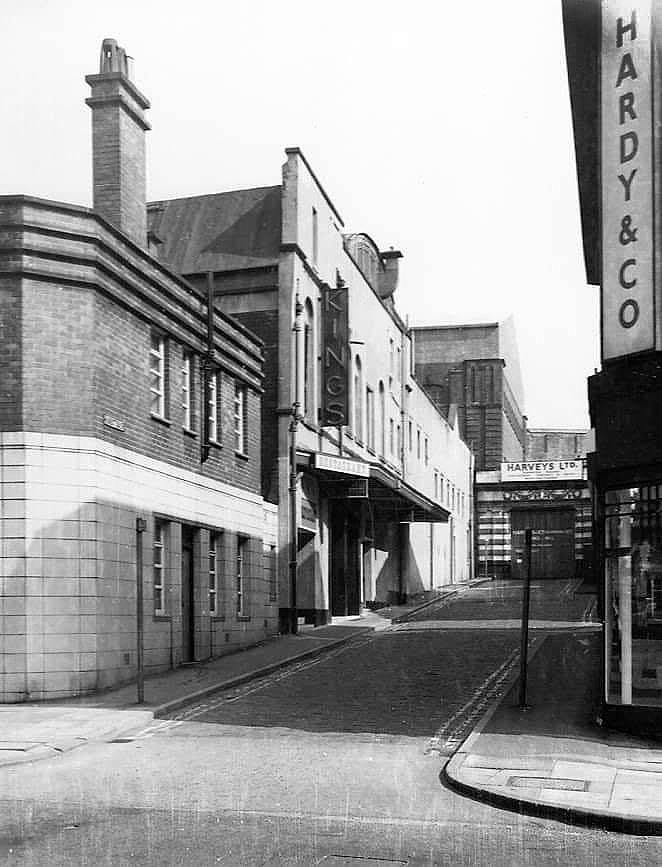
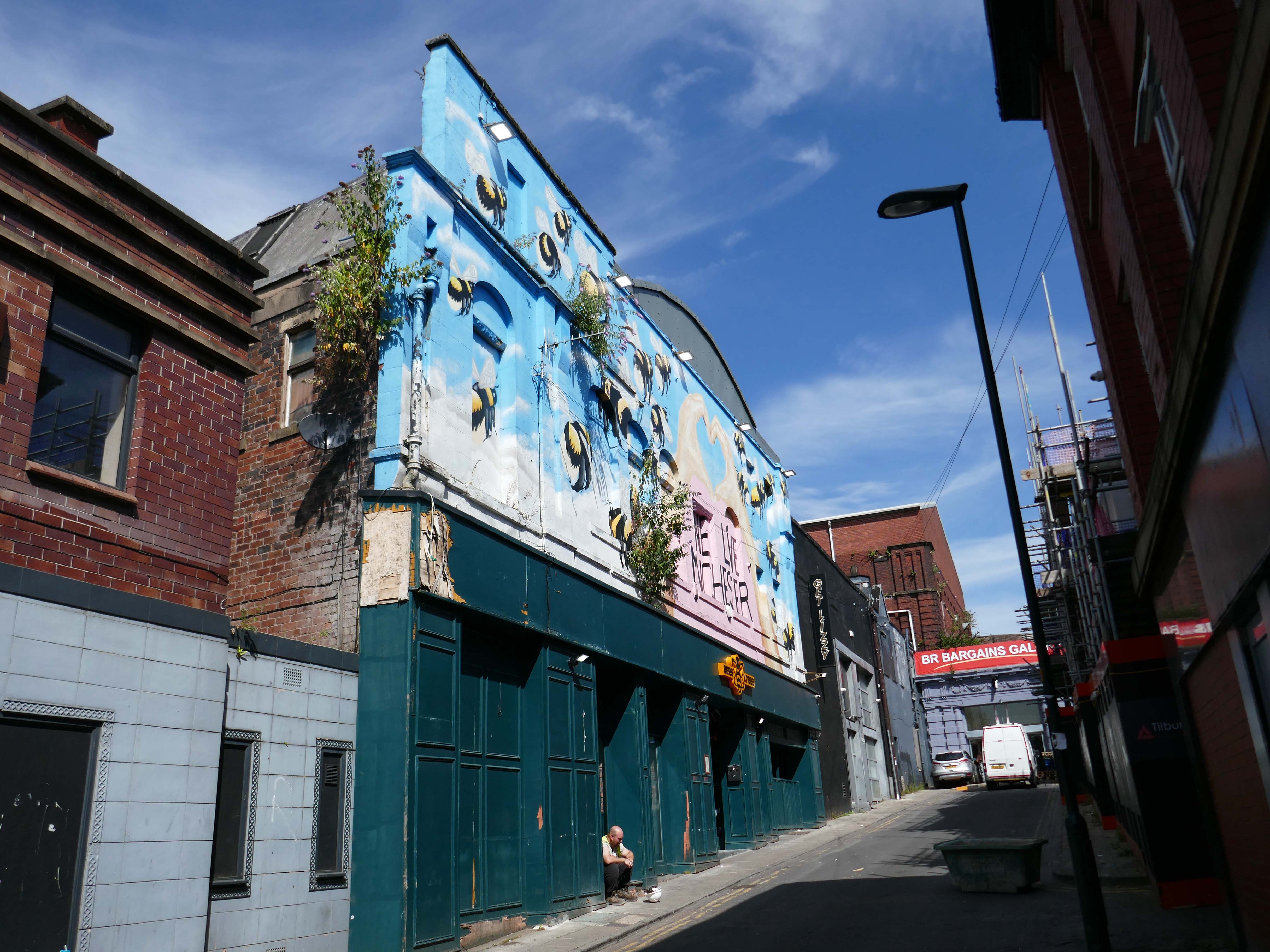
Just around the corner is the former Kings Picture Hall – currently Bees Knees.
Located in the town centre, directly opposite the Coliseum Theatre. The King’s Picture Hall was opened 18th September 1911. In October 1912 a café was opened in the building adding a further amenity to the cinema. In 1929 it was equipped with a British Thomson Houston sound system.
The King’s Picture Hall was closed on 25th June 1966 with Ryo Ikebe in Battle in Outer Space and Randolph Scott in Comanche Territory.
On 2nd July 1966 it was converted into a bingo club.
A stand of shops – stepped the accommodate the incline, partially clad in Westmorland Slate.
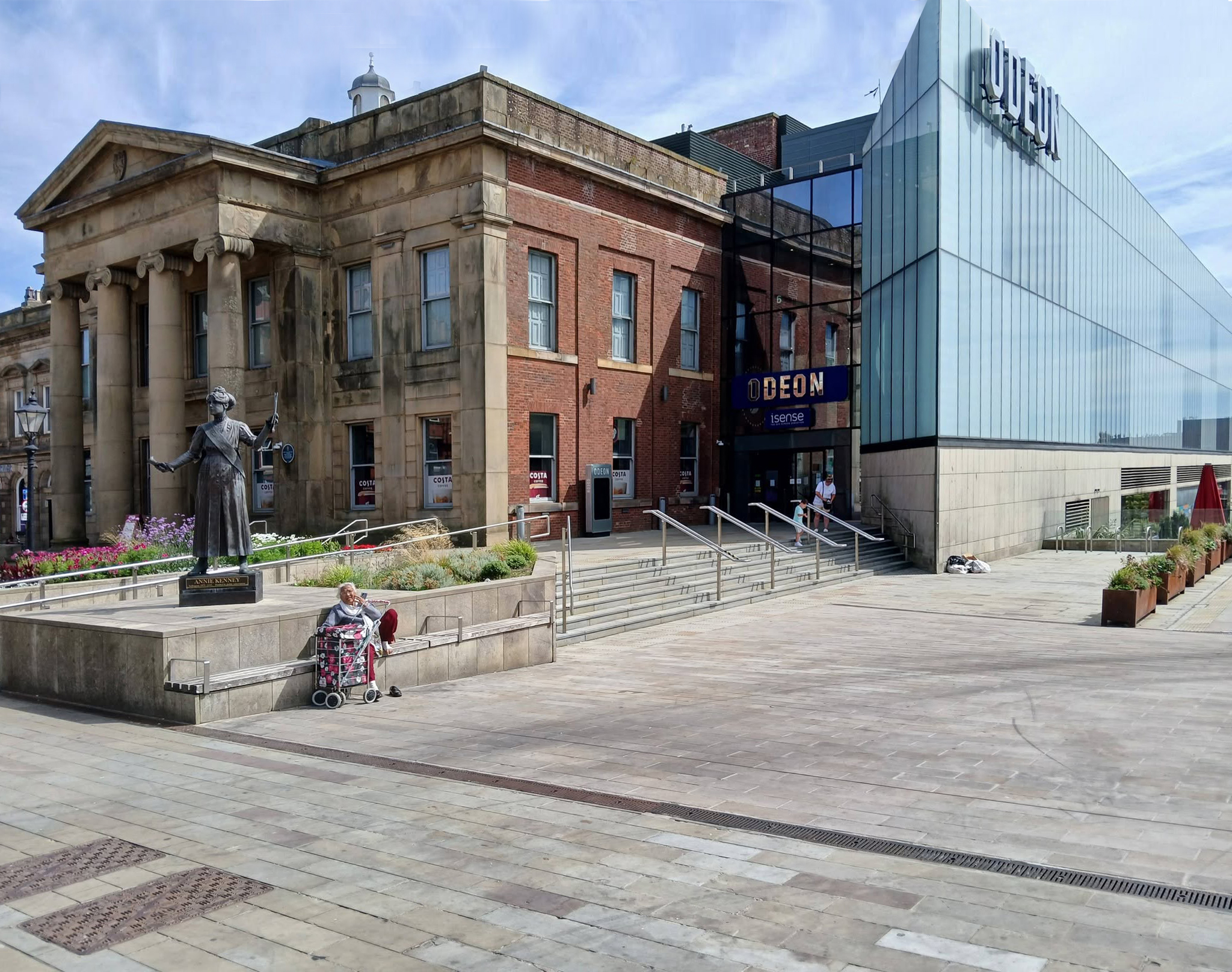
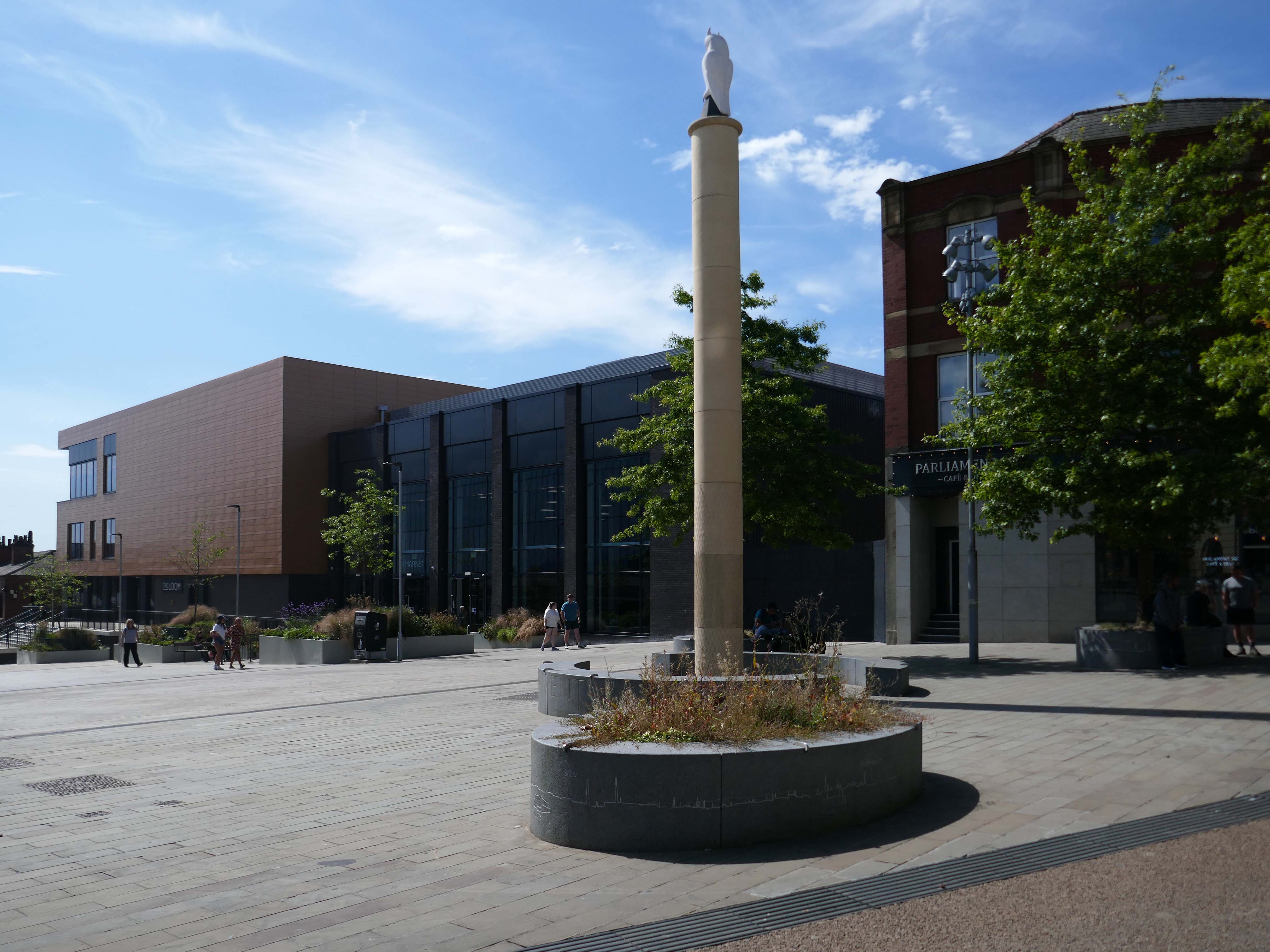
Oldham Town Centre now has a new high-quality public space – Parliament Square
Six new restaurant units will be located within the Old Town Hallalongside a brand new 800-seat, seven screen ODEON cinema.
BDP 2017
A stunning glass extension to the side of the Grade II-listedbuilding provides access to the various levels of the cinema and is also the frontage to the new restaurants.
George Woodhouse of Bolton 1841, extended by Edward Potts of Oldham 1879-80.
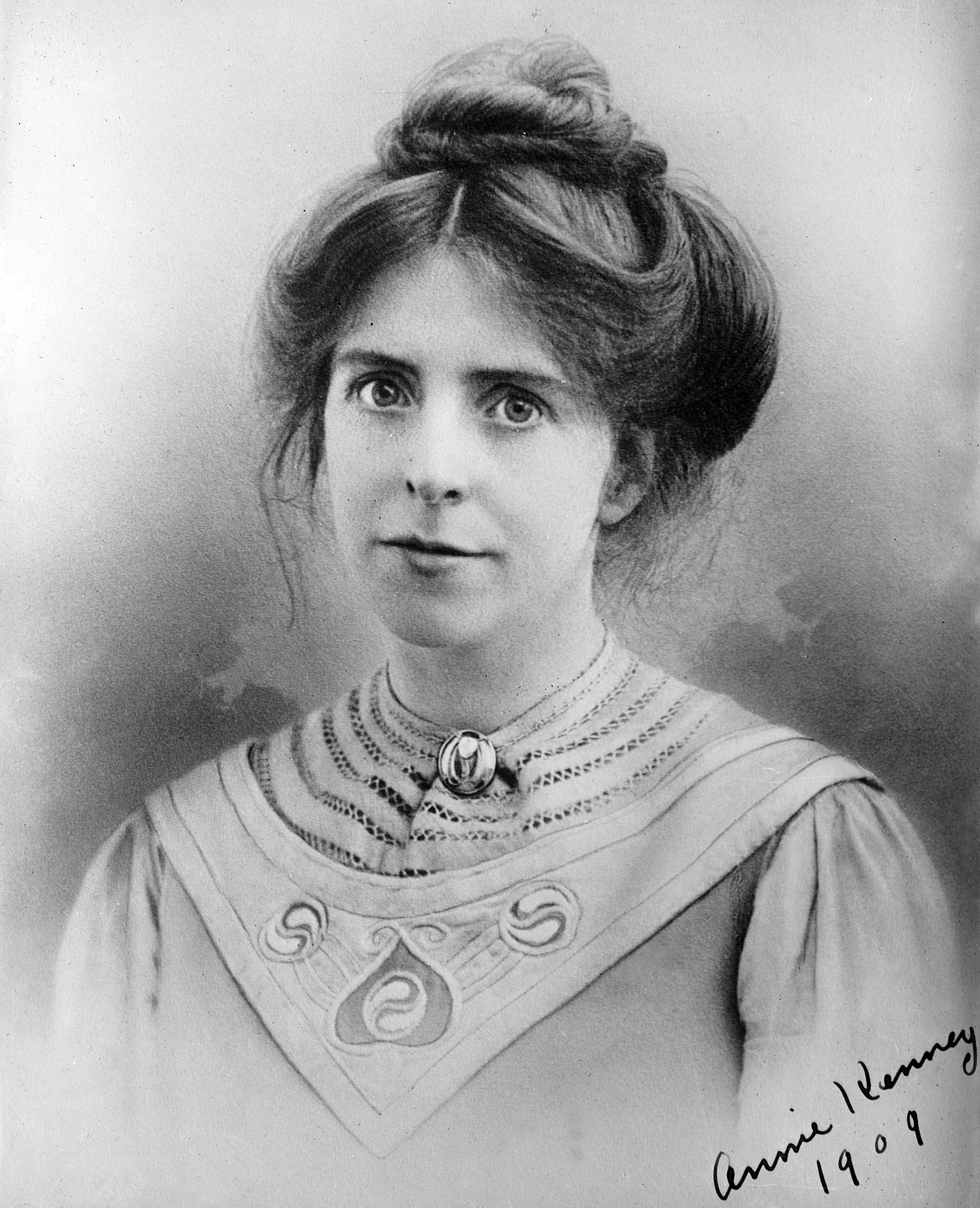
To the left is a statue of Springhead born Annie Kenney – political activist, socialist feminist and suffragette, modelled by Denise Dutton, unveiled 14 December 2018.
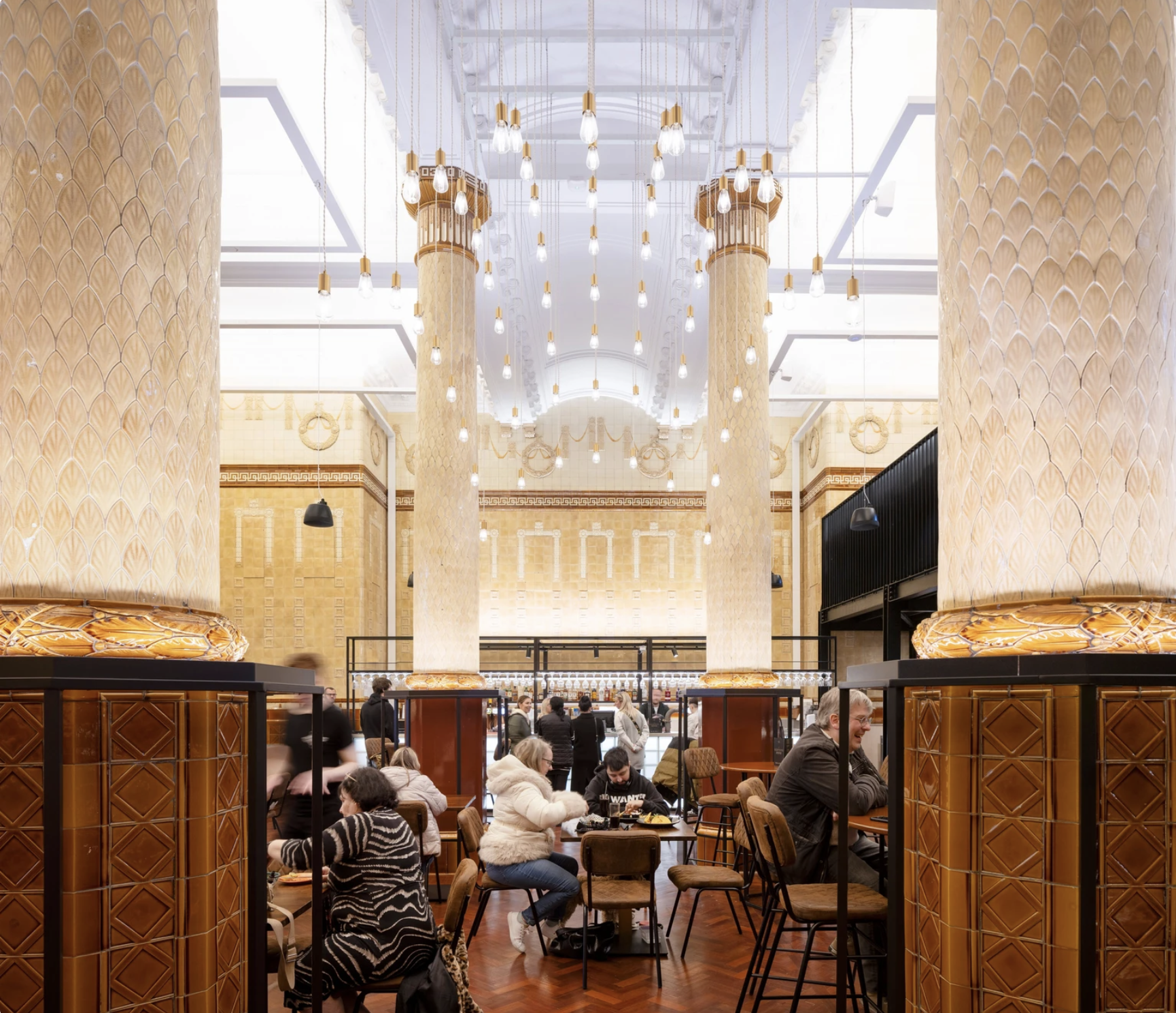
The Egyptian Room Food Hall project extends BDP’s partnership with Oldham Council and the rejuvenated Grade II listed Old Town Hall building in Oldham town centre, the main transformation of which was also designed and delivered by BDP.
The Loom is a brand new events space next to Oldham’s new indoor market on Parliament Square in the town centre. The gala-sized event space can fit up to one thousand standing guests, seven hundred seated, or five hundred dining, or can be split-off into smaller rooms for exhibitions, gigs, or theatre performances.
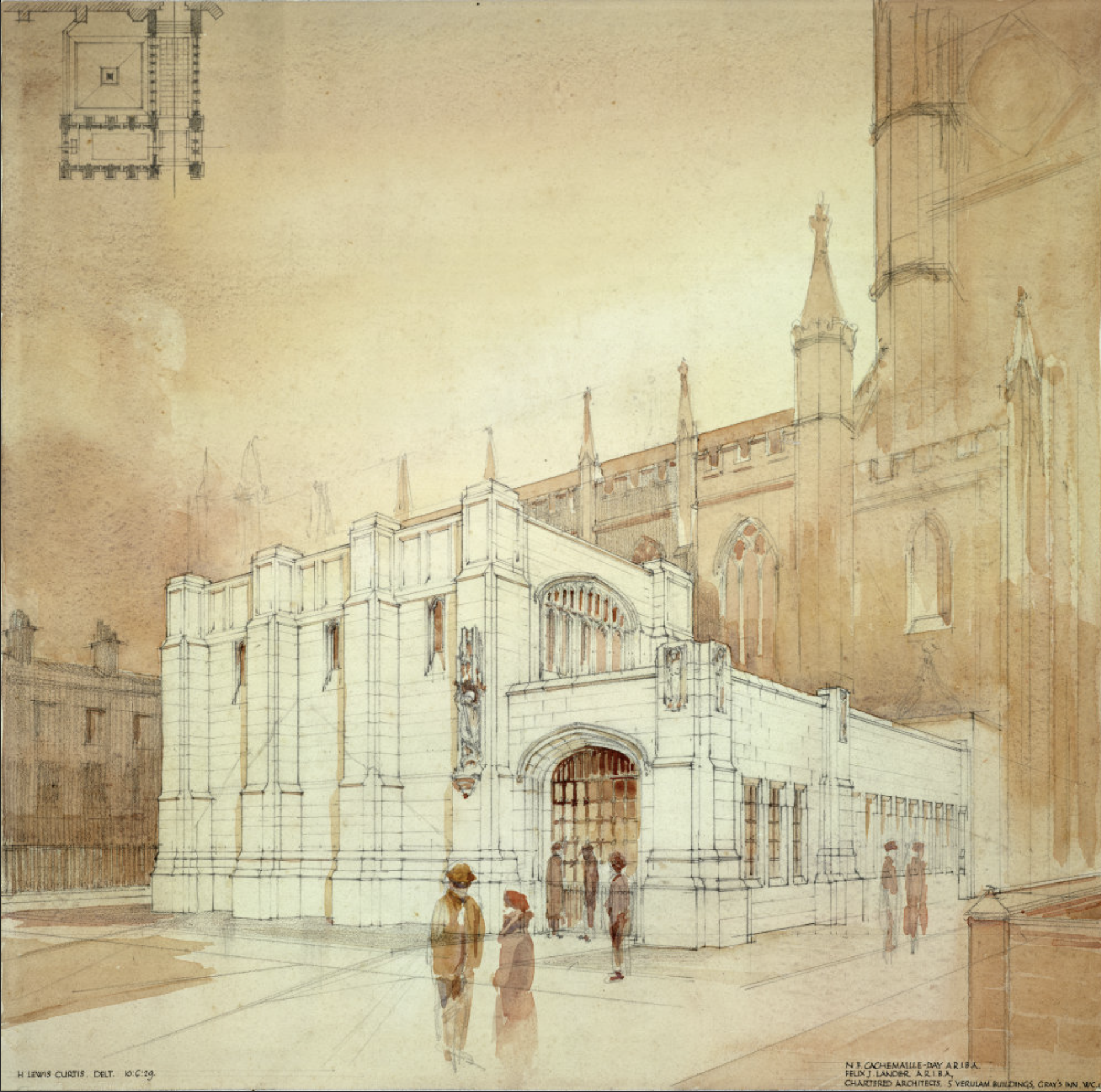
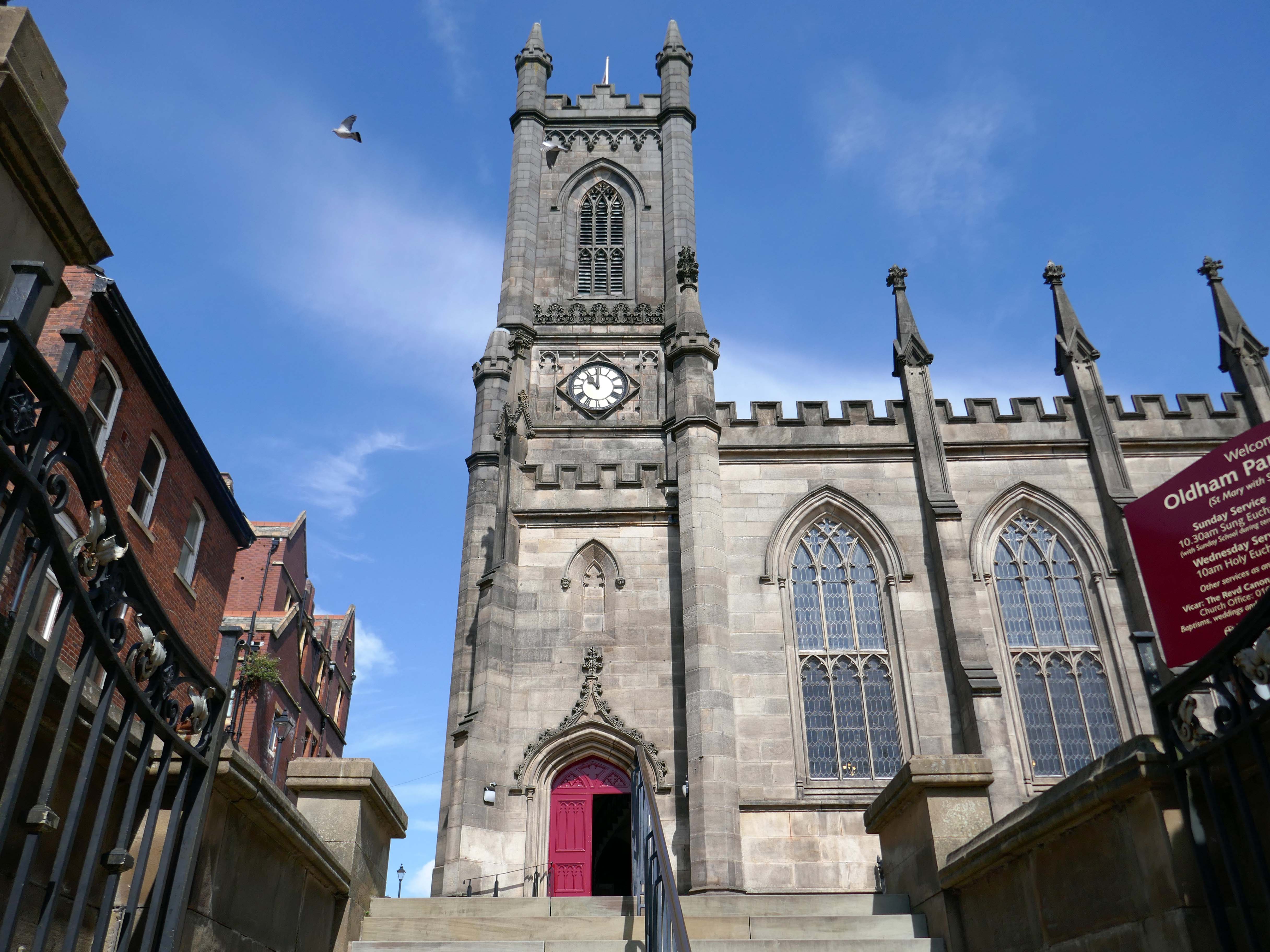
Design for a war memorial chapel, St Mary’s Church 1920.
Architect: Nugent Francis Cachemaille-Day.
Artist: H Lewis Curtis.
Image: RIBA pix
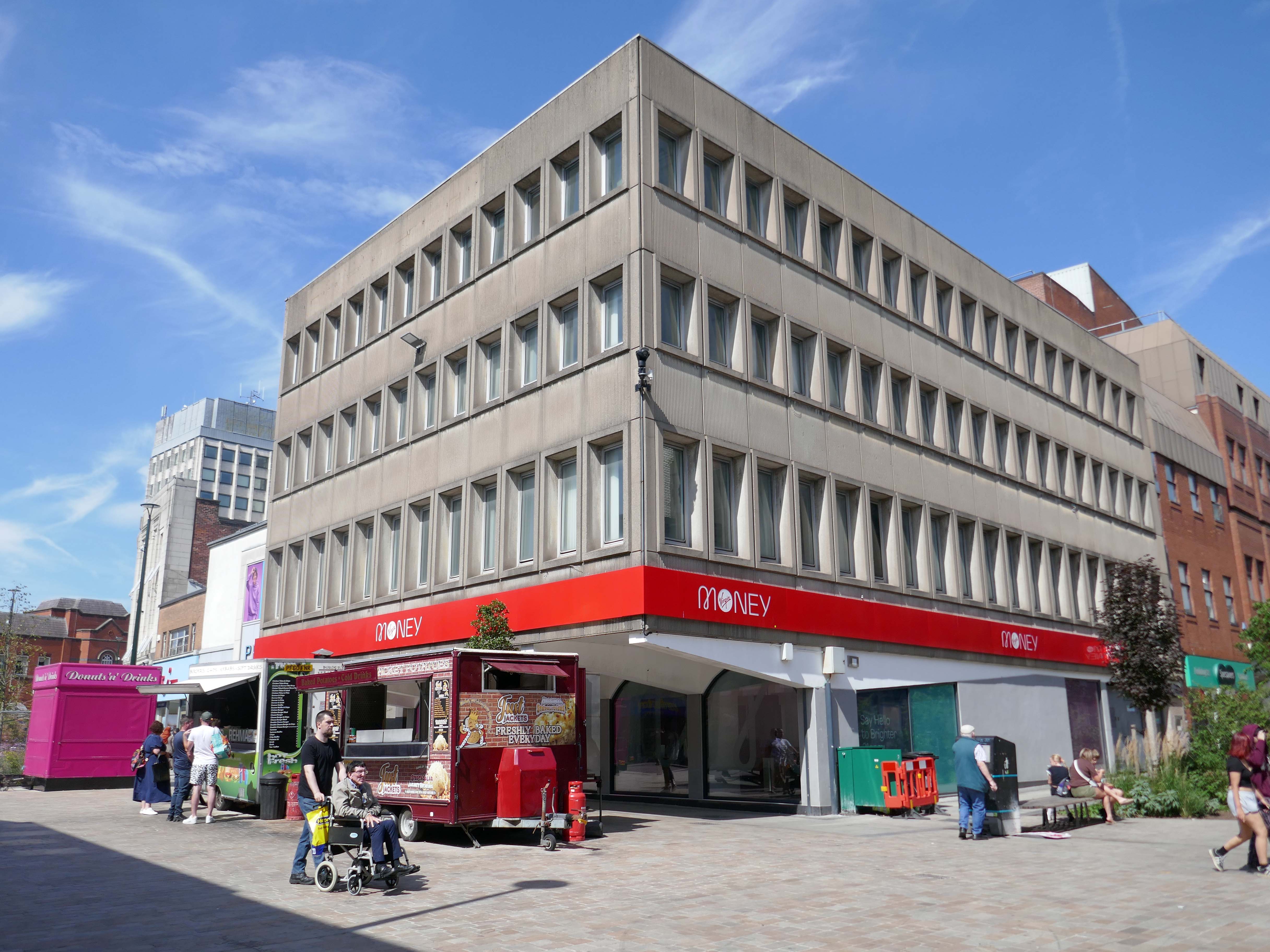
Next to the former Yorkshire Bank 1970 John Brunton& Partners.
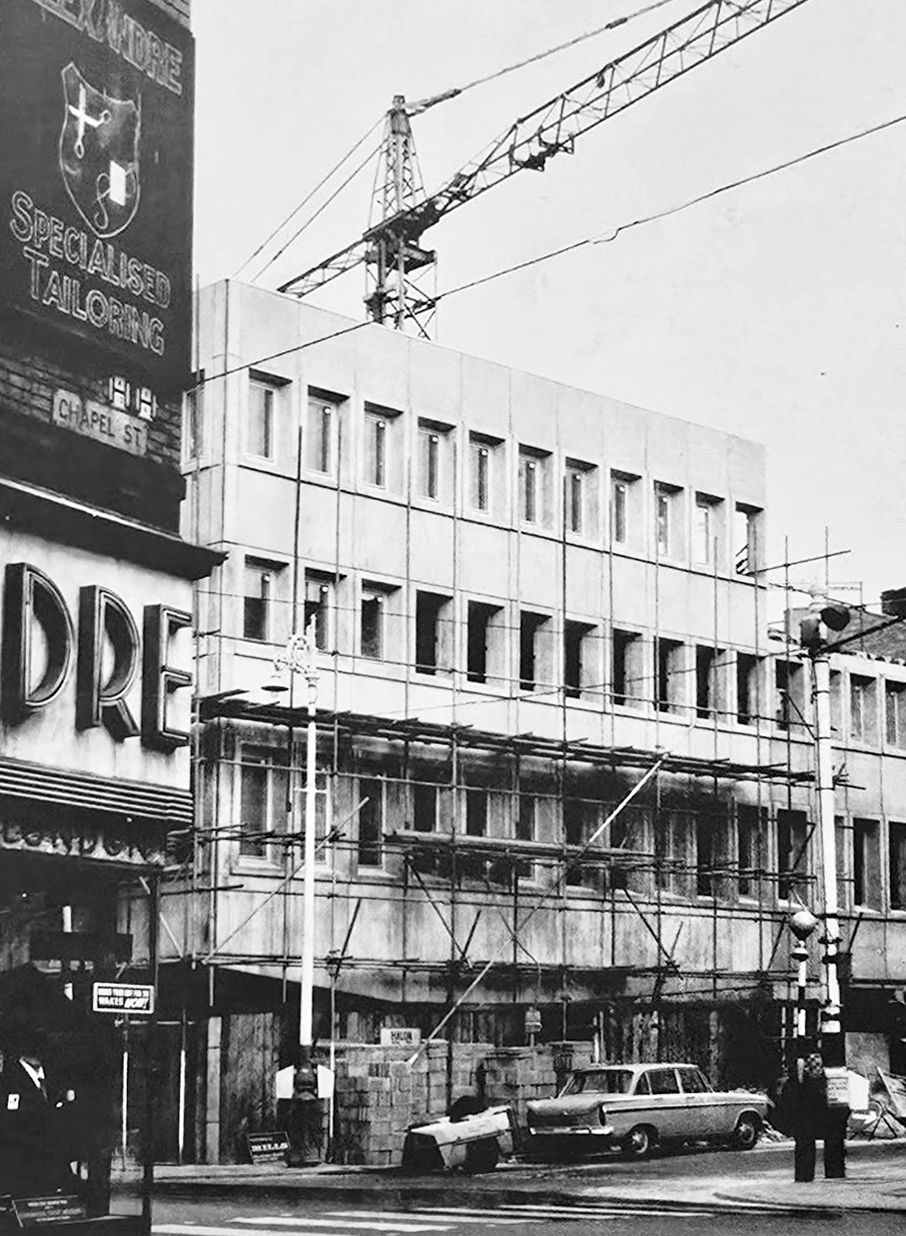
Under construction 1970
Image: Kayla Chadwick
Down to the Spindles Shopping Centre 1991
Originally the site of St Peter’s Shopping Centre architect Richard Seifert
St Peter’s House – housed Oldham Area Health Authority Administrative Offices
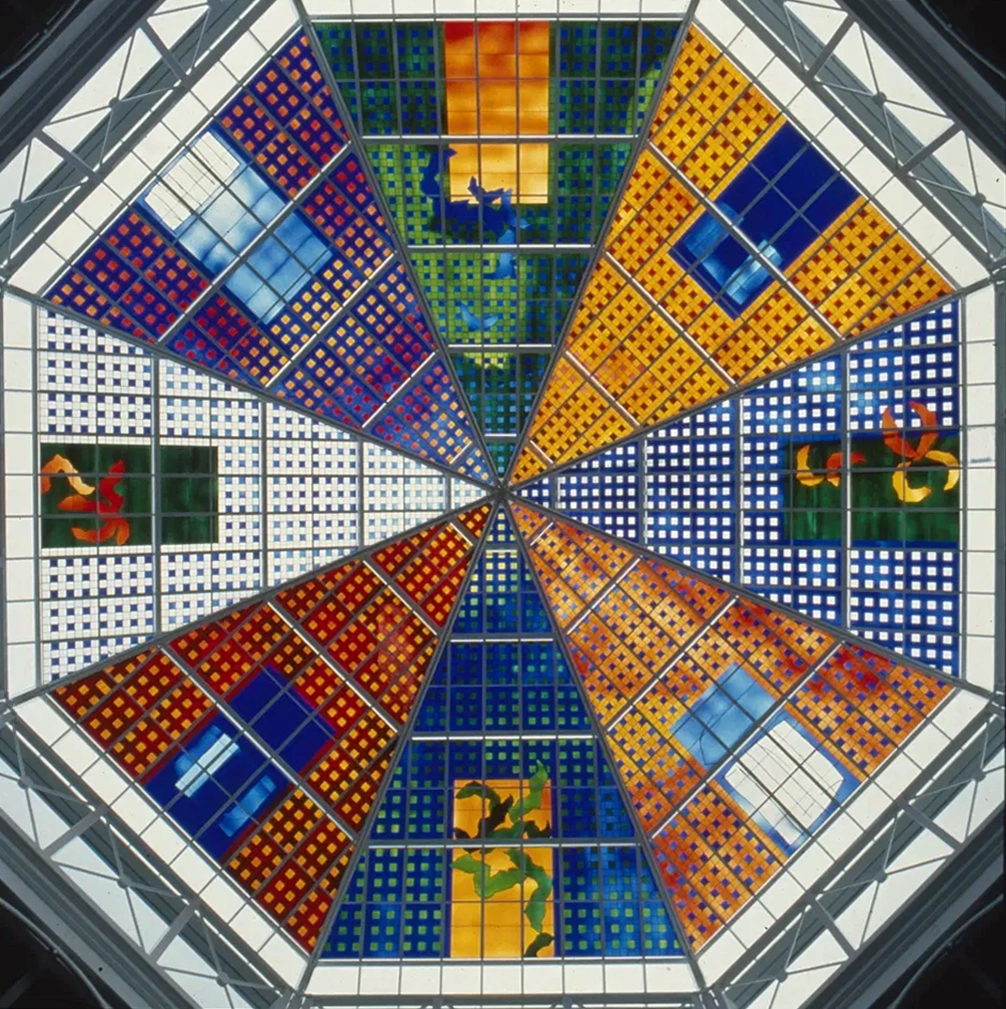
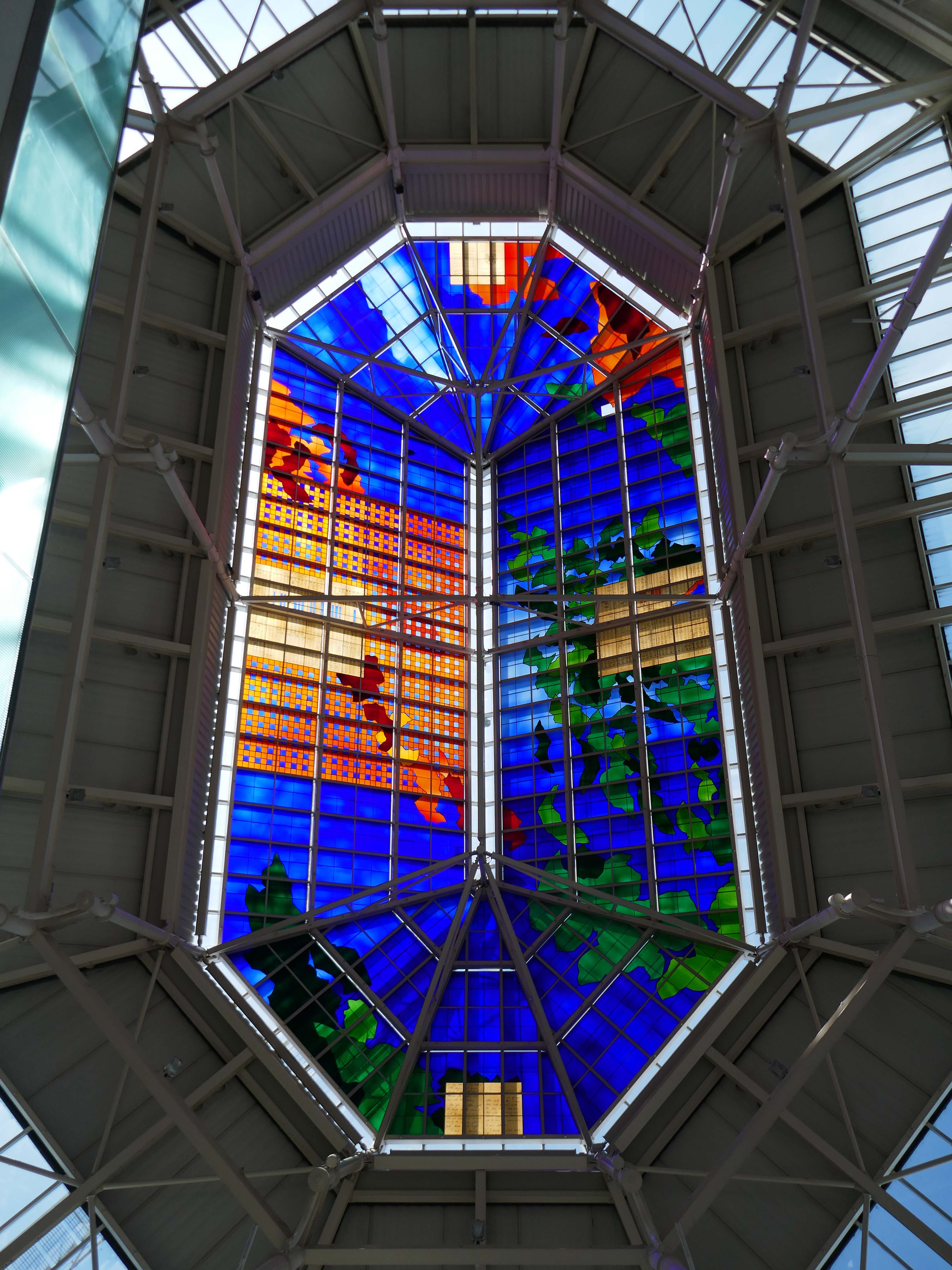
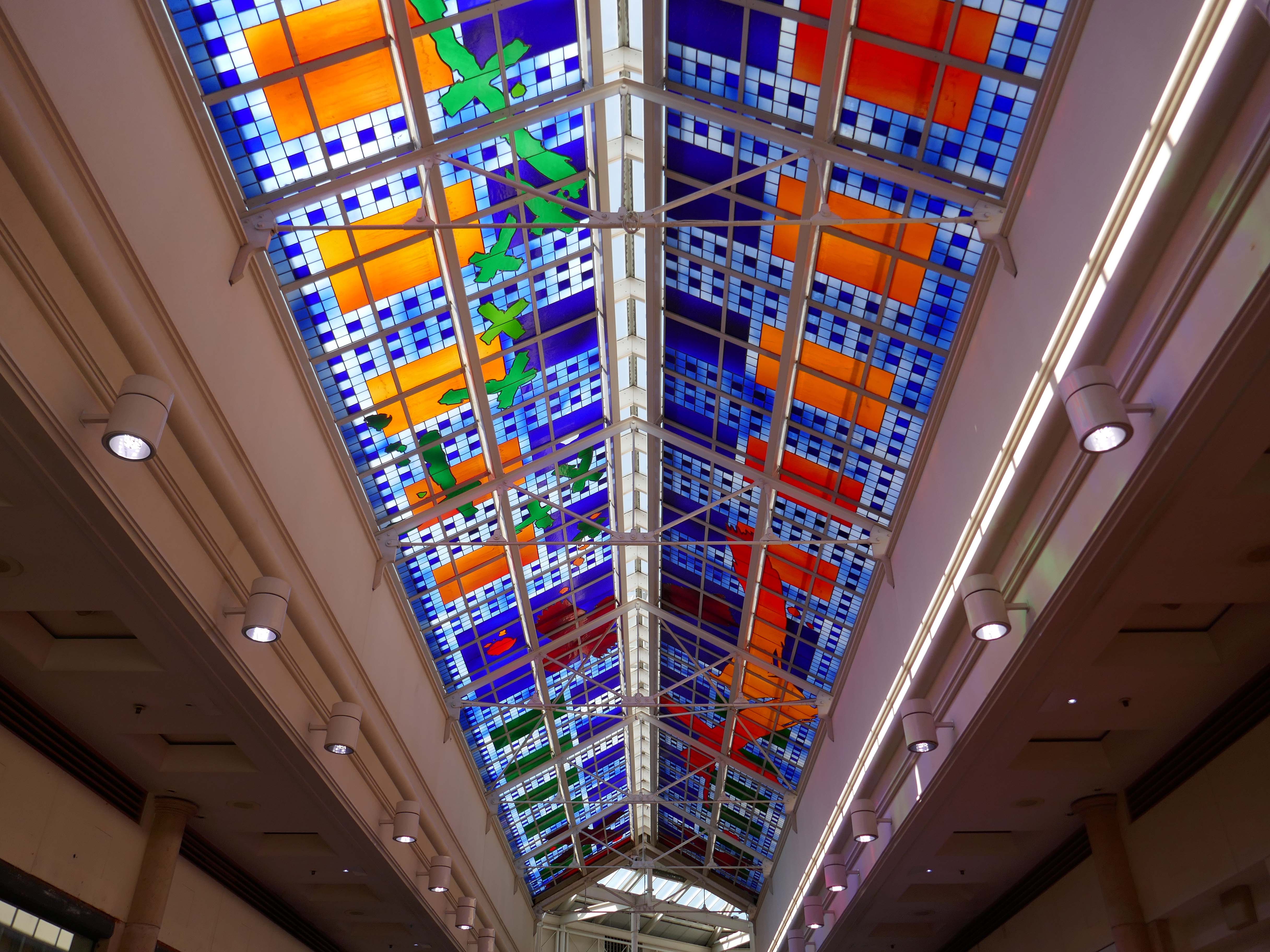
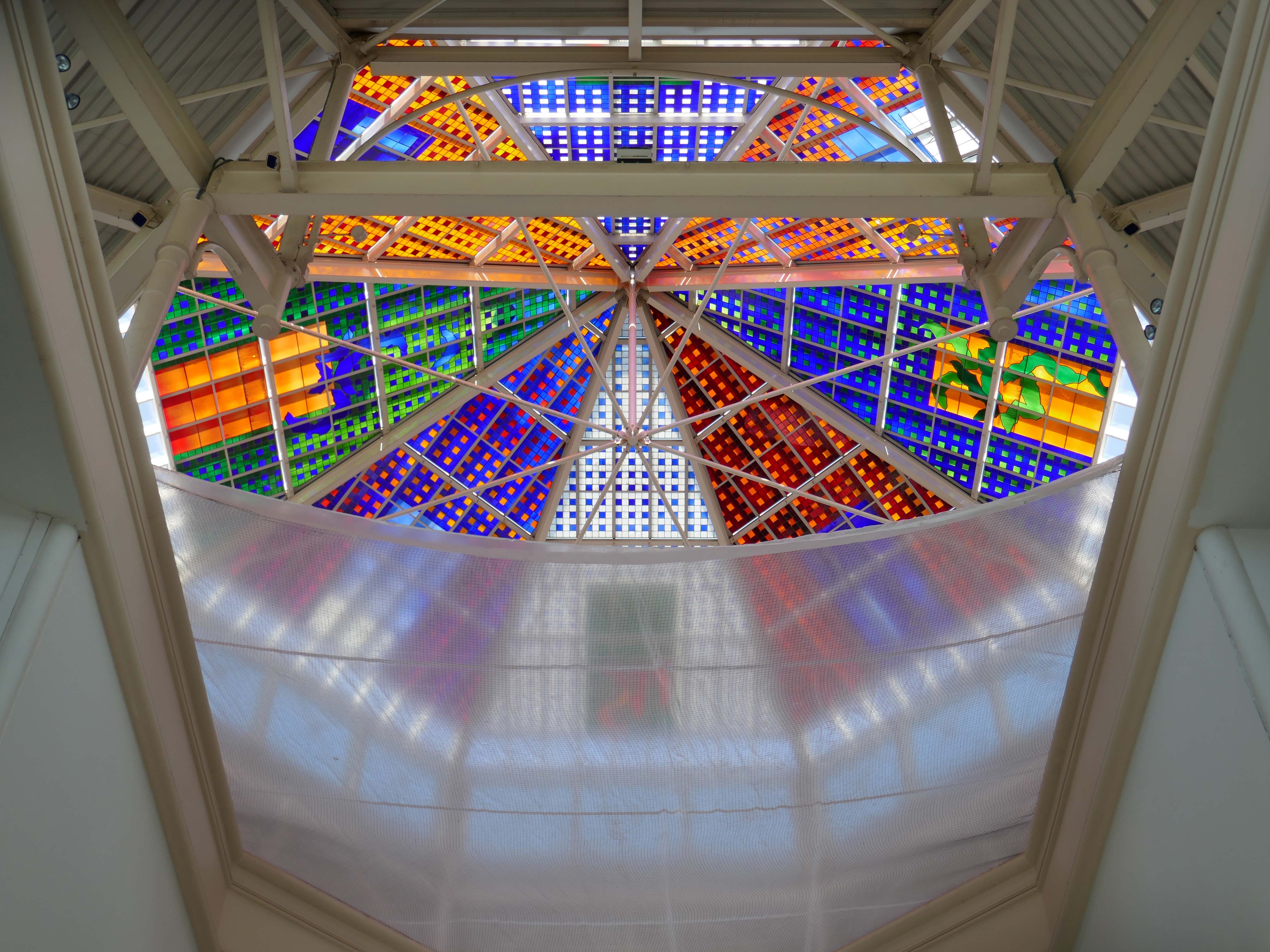
Between 1990 and 1993, Brian Clarke designed a series of three interrelated roof lights in stained glass for the Spindles Shopping Centre in his hometown of Oldham, Lancashire. Among the largest stained glass windows in Europe, and some of the largest public artworks in the UK, these panels connect the main public areas of the principal shopping centre in the town.
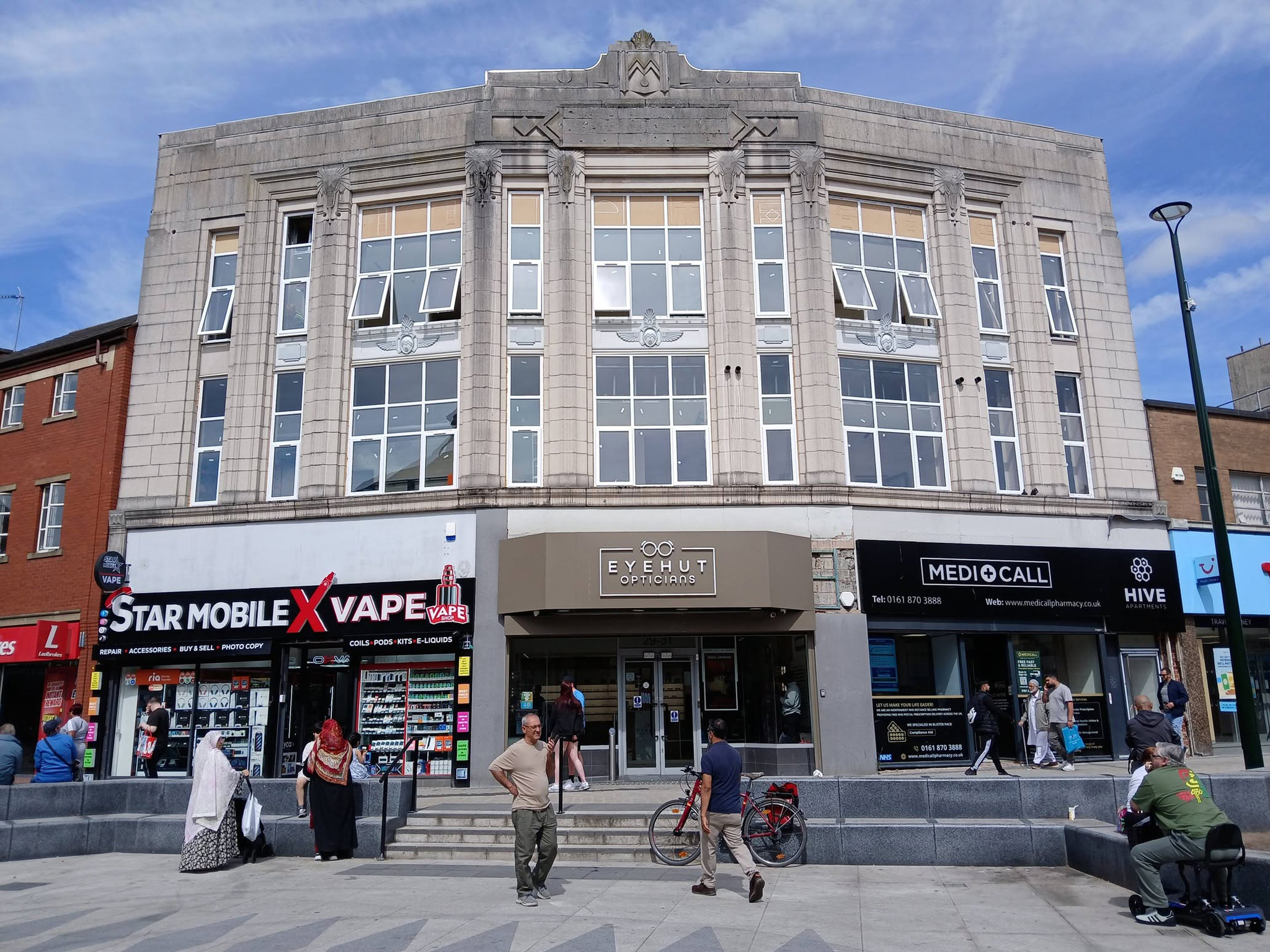
No town walk would be complete without a former Burton’s.
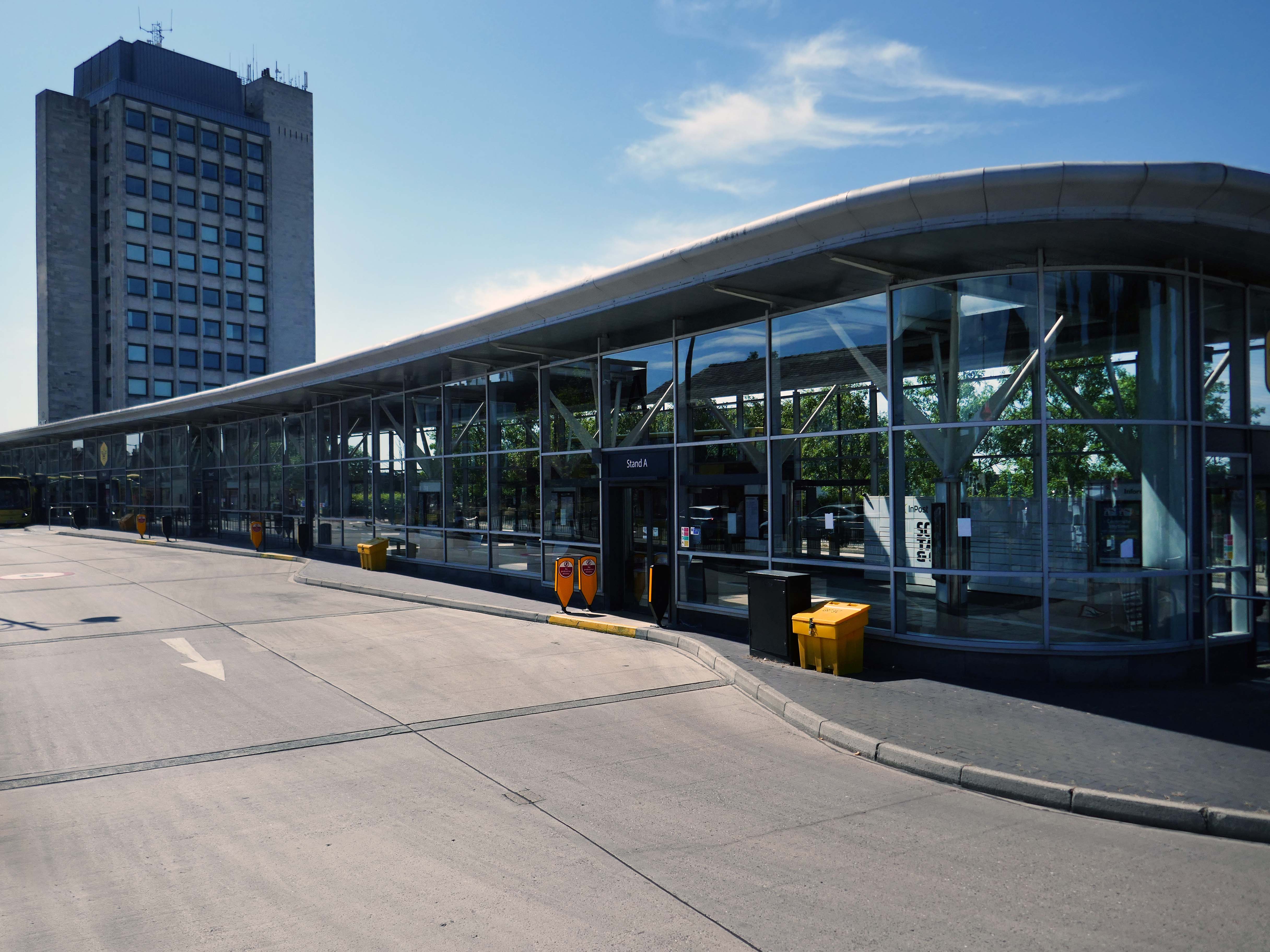
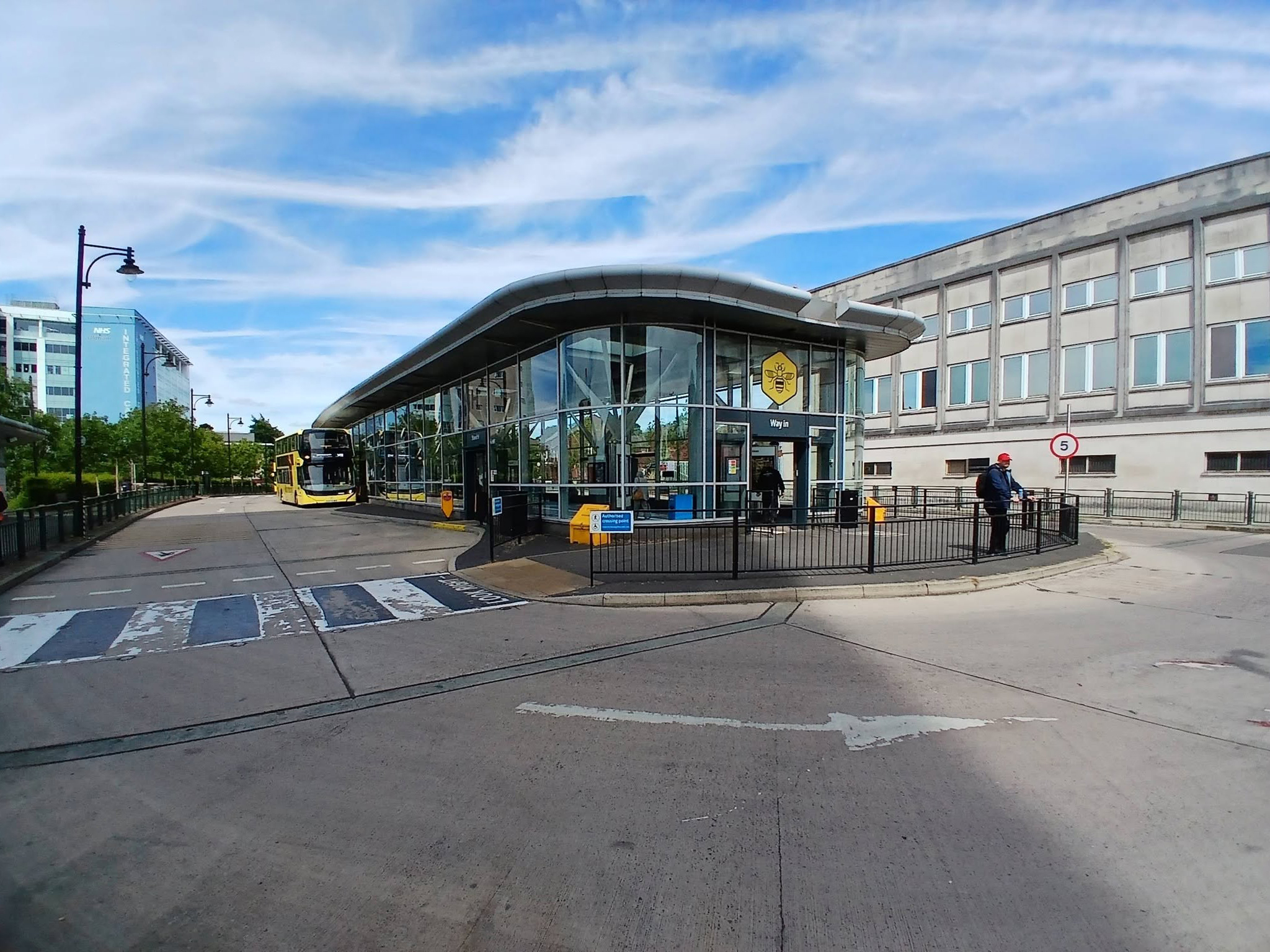
Next to the Bus Stations 2008 Austin-Smith Lord situated either side of the Civic Centre.
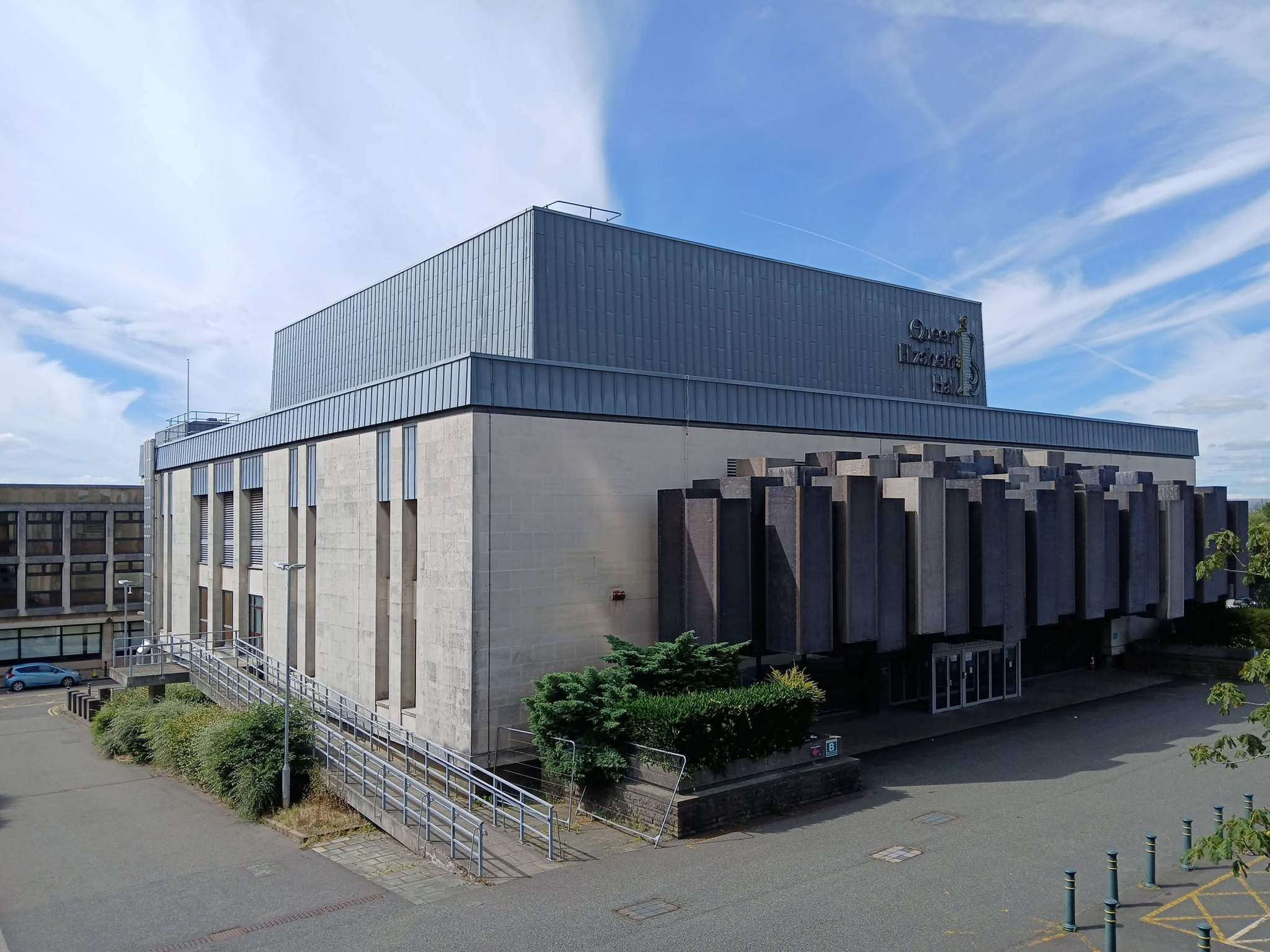
The Queen Elizabeth Hall in Oldham will soon open its doors for the last time before it permanently closes to the public and is prepared for demolition.Since being condemned for containing Reinforced Autoclaved Aerated Concrete – RAAC in 2023, its days have been numbered.
Now the old theatre is part of plans to bring 2,000 new homes into the town centre in a partnership between Oldham Council and the developers Muse.
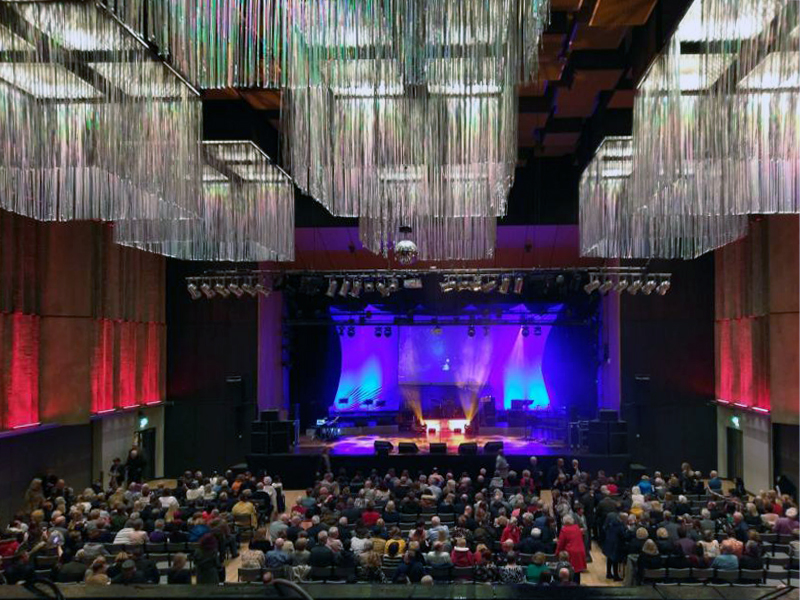
Chris Connor as Elvis at the Oldham Queen Elizabeth Hall.
Surrounded on two sides by the Civic Centre – the lower parts are by Richard Seifert & Partners 1962, the fourteen storey Tower and Hall 1974-78 are by Cecil Howitt & Partners.
Plans are underway at the civic centre, the largest site in the regeneration project, to create a vibrant community providing eight hundred and thirty eight homes rising up to fifteen-storeys with mixed-use commercial spaces on the ground floor. This development will integrate seamlessly with the surrounding neighbourhood, particularly the nearby Former Magistrates’ Court site. The Civic Tower at the edge of the site will be retained and redeveloped as a hotel in a later phase.
Where have the Magistrates’ Courts gone?
Architects: Leach Rhodes Walker 1977.
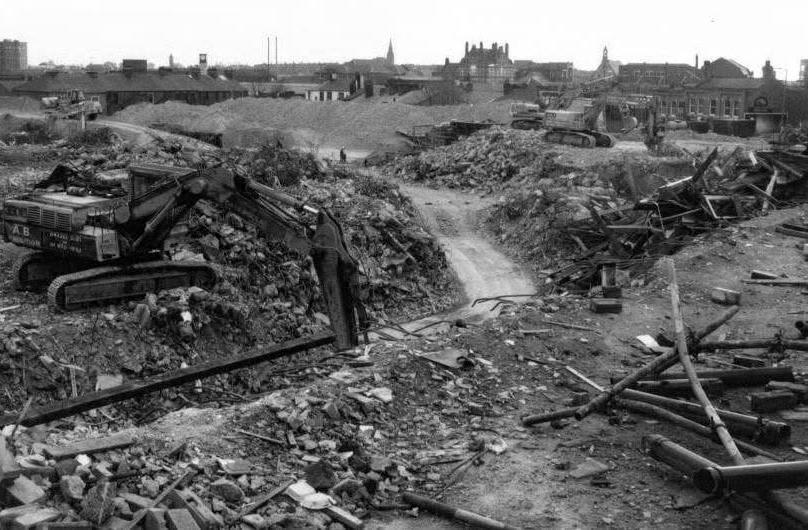
Demolished in 2019 to make way for further redevelopment.
The proposals for the Former Magistrates Court site include two hundred and nineteen new homes with the tallest block ten-storeys and a green route connecting Manchester Chambers with King Street. The designs have been developed to ensure a unified neighbourhood with a common design language and seamless movement between other sites.
Oldham Council and Muse intend to work in partnership over the next 15 years to develop the sextet of council-owned brownfield sites across the town centre.
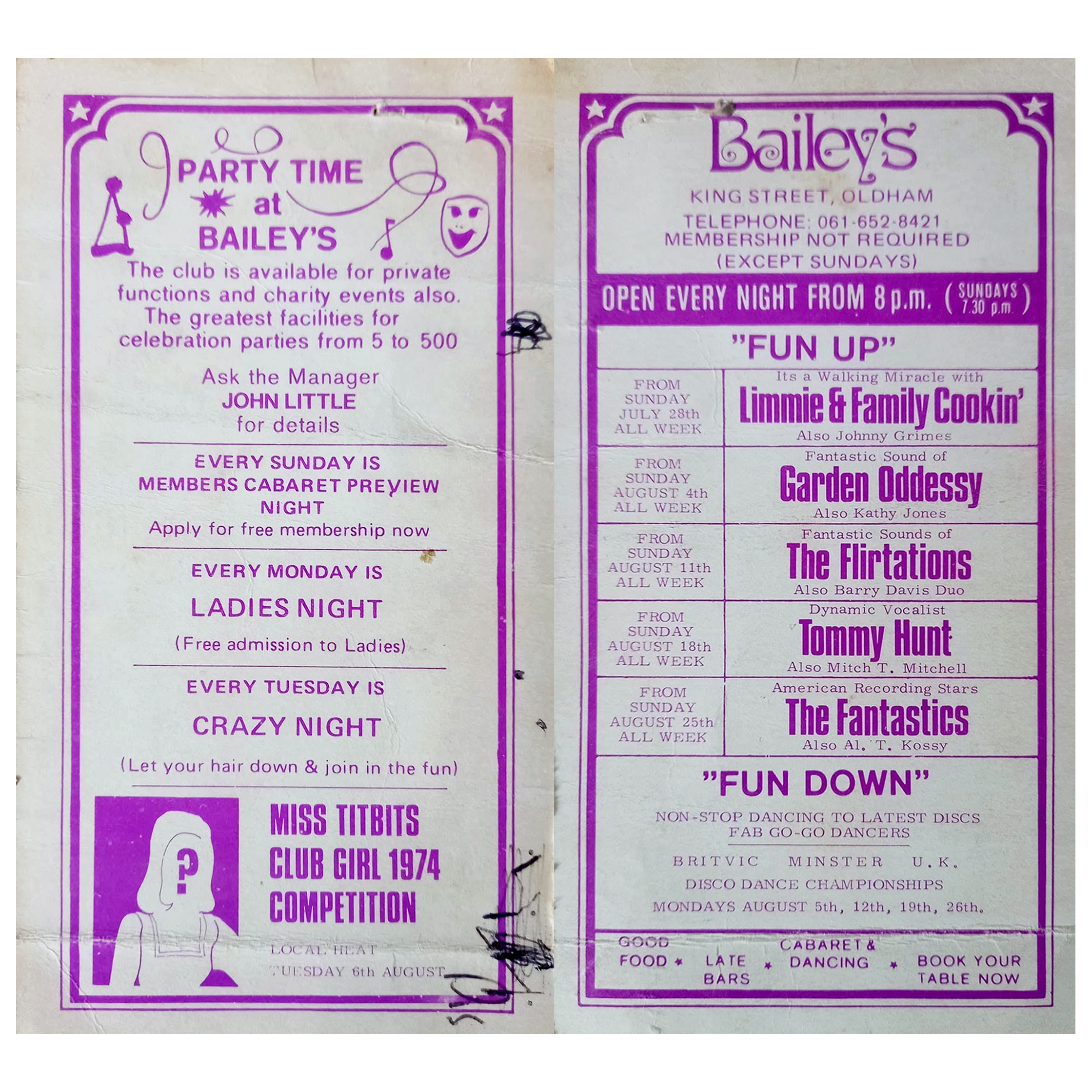
Viewed across the site where Bailey’s used to be – aka Romeo & Juliet’s, Butterflies, Astoria ballroom and Bowling Alley, Froggies and Riley’s.
The site originally started out as the Grand Theatre, a performance space designed by London architects Thomas Taylor and Ernest Simister who also designed Chadderton Town Hall.
In 1937, Gaumont Super Cinemastook over the building, gutted the auditorium and transformed it into stalls and one circle seating totalling 1,842 to open their 1930s cinema.
In 1991, the Chronicle reported on a mysterious haunting which was thought to have taken place in Butterfly’s nightclub in Oldham.
Before Butterfly’s had been a nightclub the building had been used for many purposes, and in 1939 was known as the ‘Grand Theatre.’ The building was undergoing renovations when Mr Lloyd was killed. ‘Witnesses said that Mr Lloyd was crushed underneath the beam which he was trying to guide down with a rope.’
However, Derek Lloyd’s theory of the origin of the ghost was not accepted by everyone at the time. Due to the fact the ghost appeared to be wearing a white T-shirt, people believed it was unlikely to be the spirit of a 1930s man. In response, Derek argued that ‘my father always had his sleeves rolled up at work because he suffered from a skin complaint.’
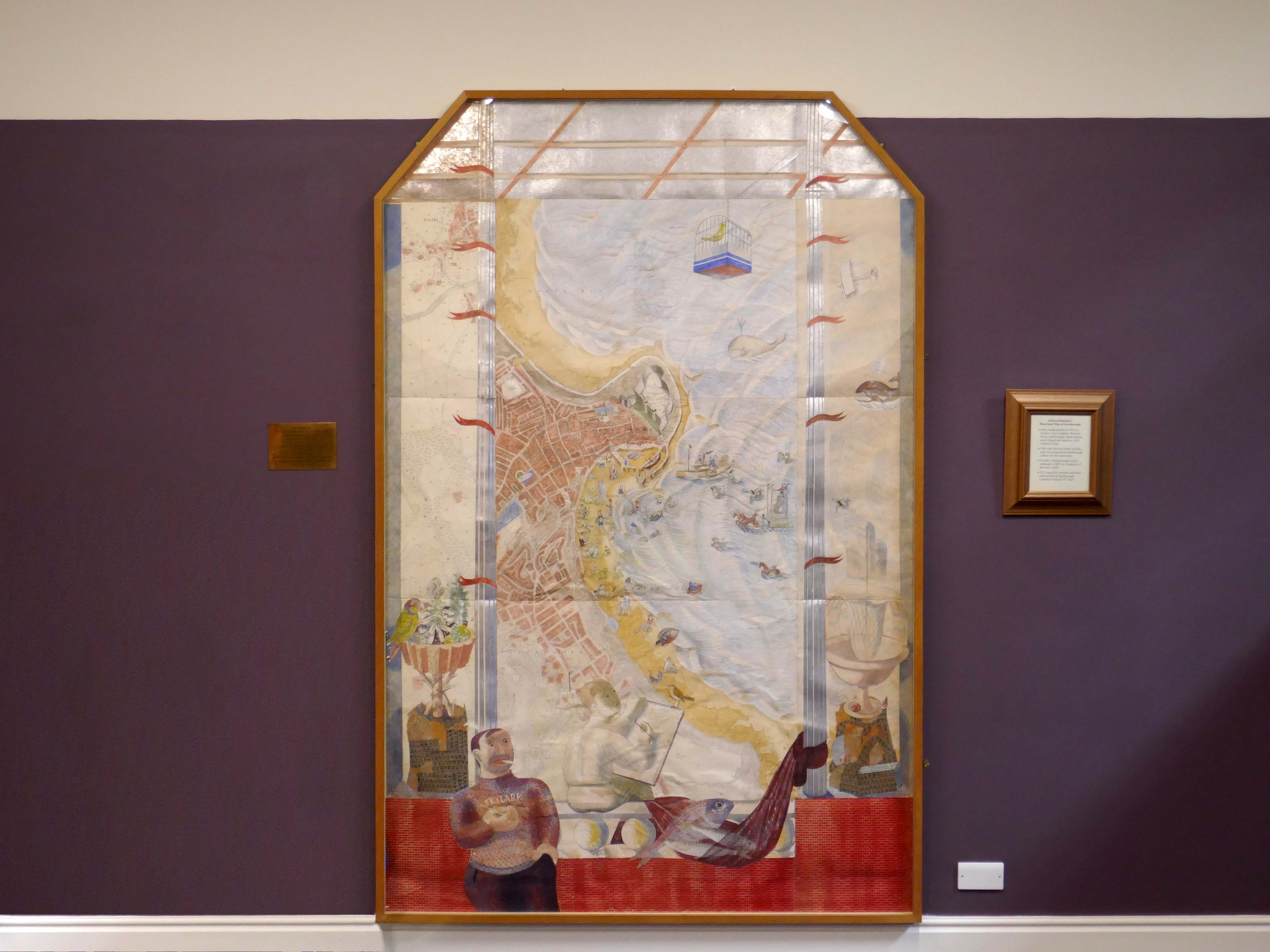
I discovered Edward Bawden myself. I saw some illustrations of murals in the Illustrated London Newswhich had been carried out by Bawden at Morley College. The principal subject was a lodging house with a classical pediment and with the front walls taken out, so that the life in the house was shown from the basement to the attic. I found it delightful. I managed to find out where he lived, and I went to see him. I rang his bell; waiting on the steps I looked across the road and recognised the building that was the subject of the mural. At length a young and seemingly timid man came to the door; “There is your mural”, I said. He told me that I was the first person to spot his subject. He took me on a bus to see the paintings on the walls of Morley College.
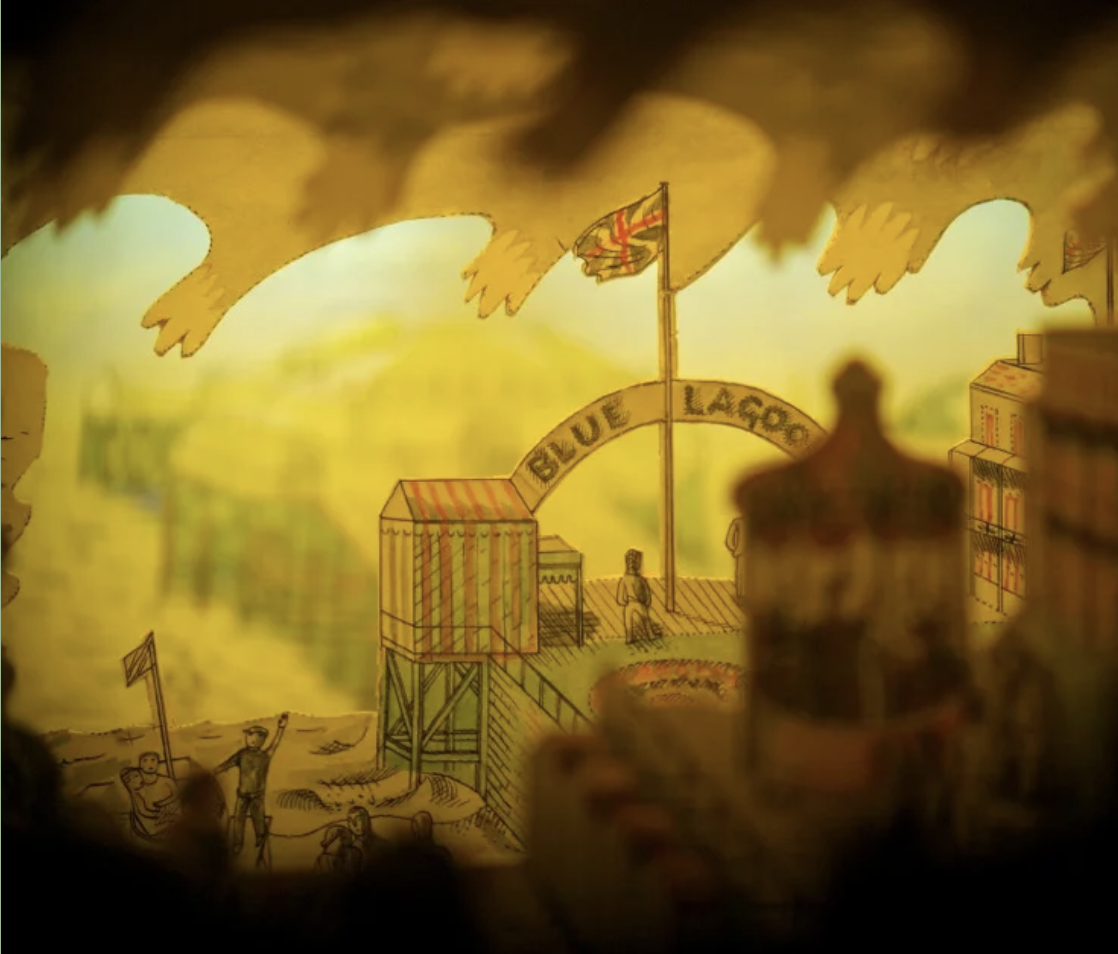
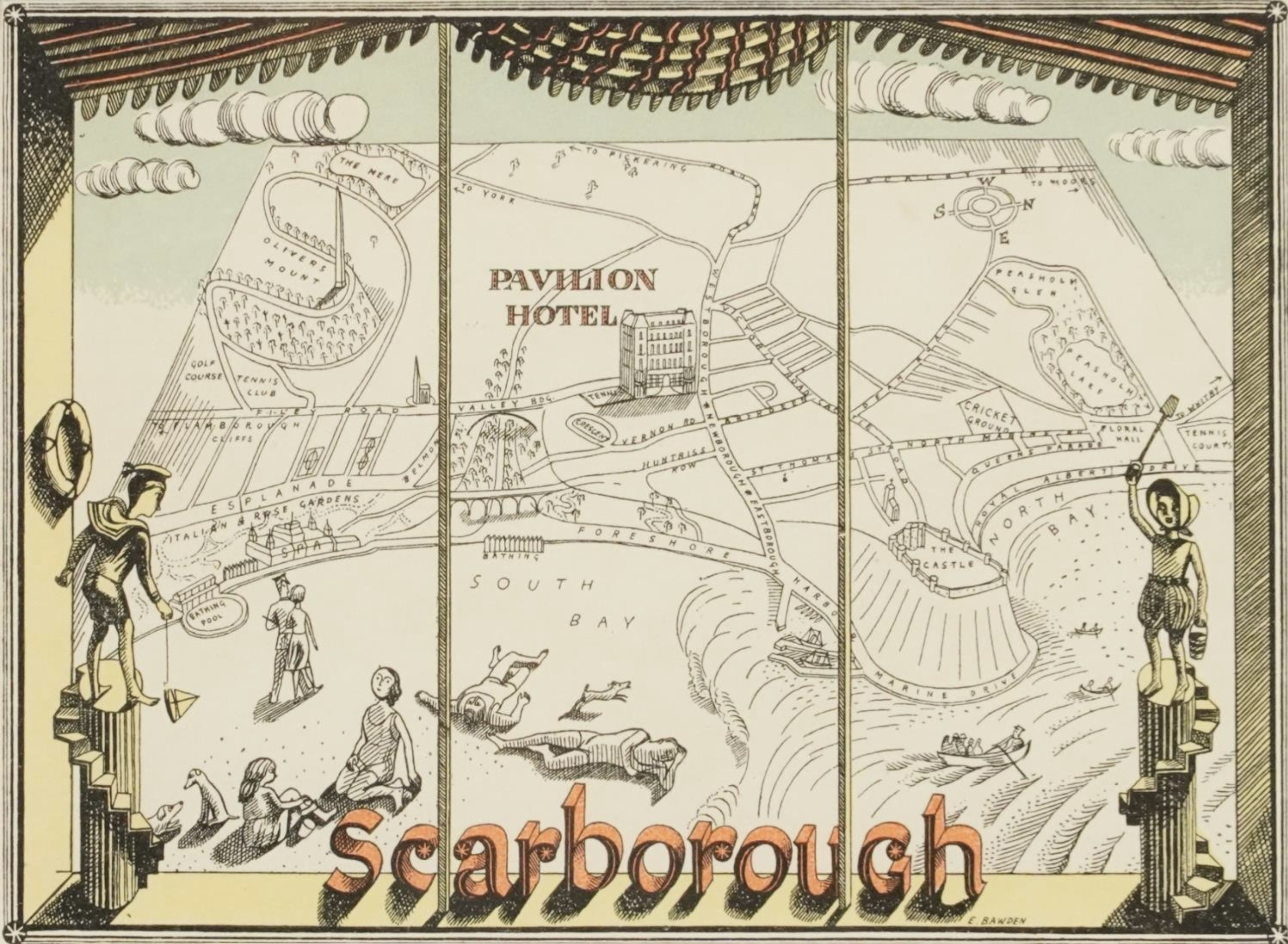
The outcome was that he designed a wine list for the Pavilion Hotel, decorated a large ordnance map of Scarborough – (which when I left the hotel I gave to the children’s public library and also made an amusing perspective peepshow, which is still in my possession – Pavilions by the Sea was published in 1977.
The peepshow is on display on the first floor of Scarborough Art Gallery, where it still enchants children and adults alike.
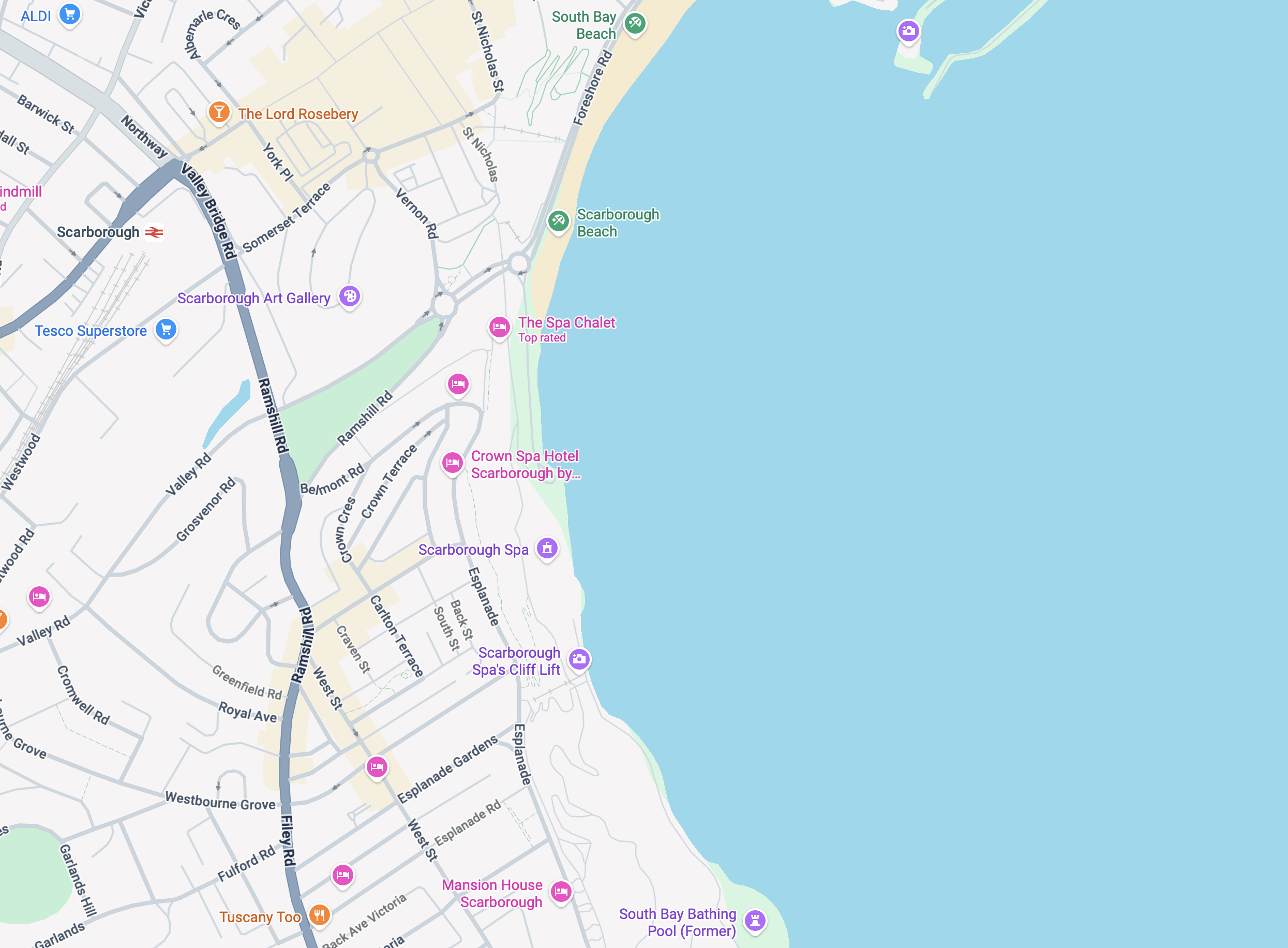
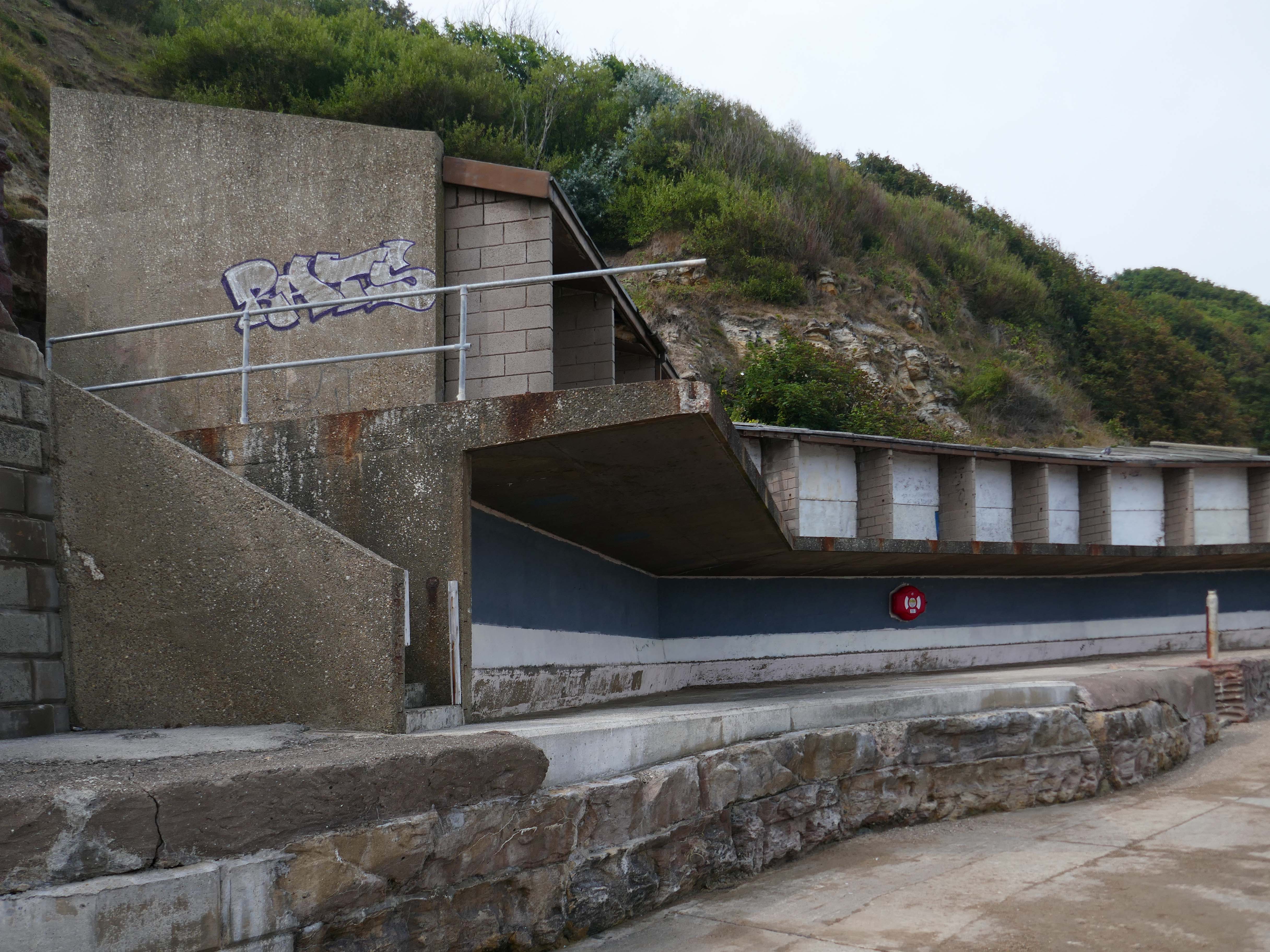
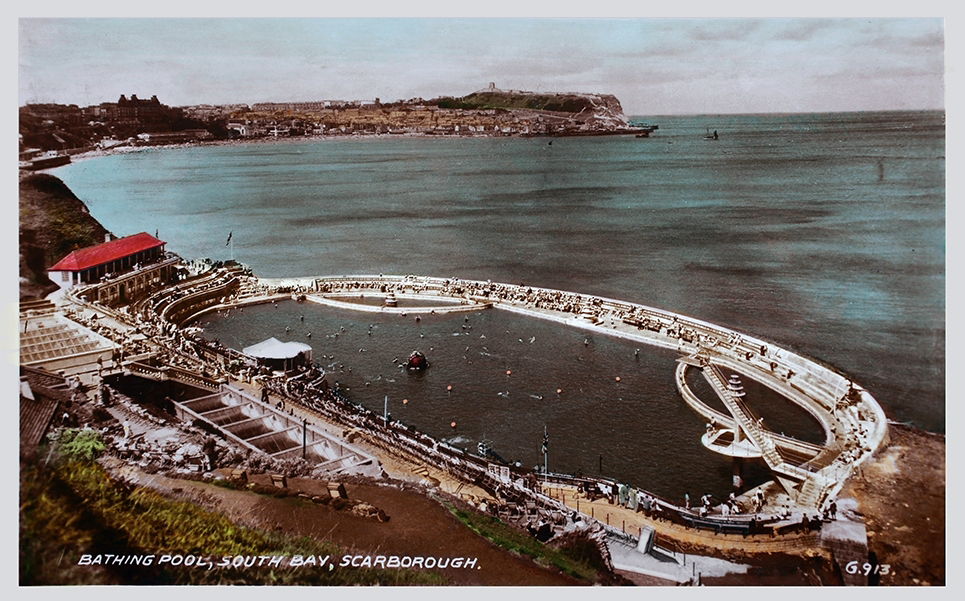
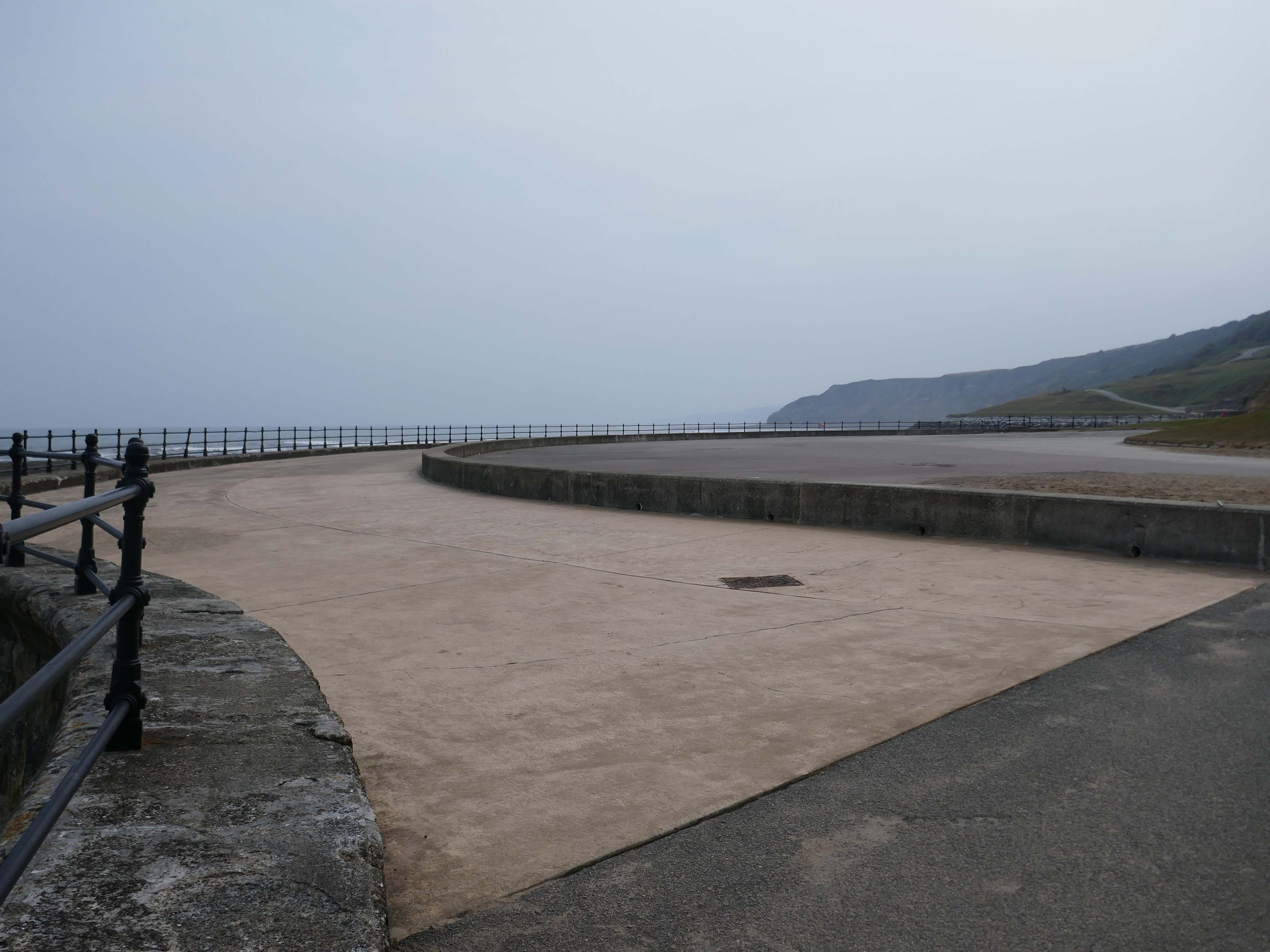
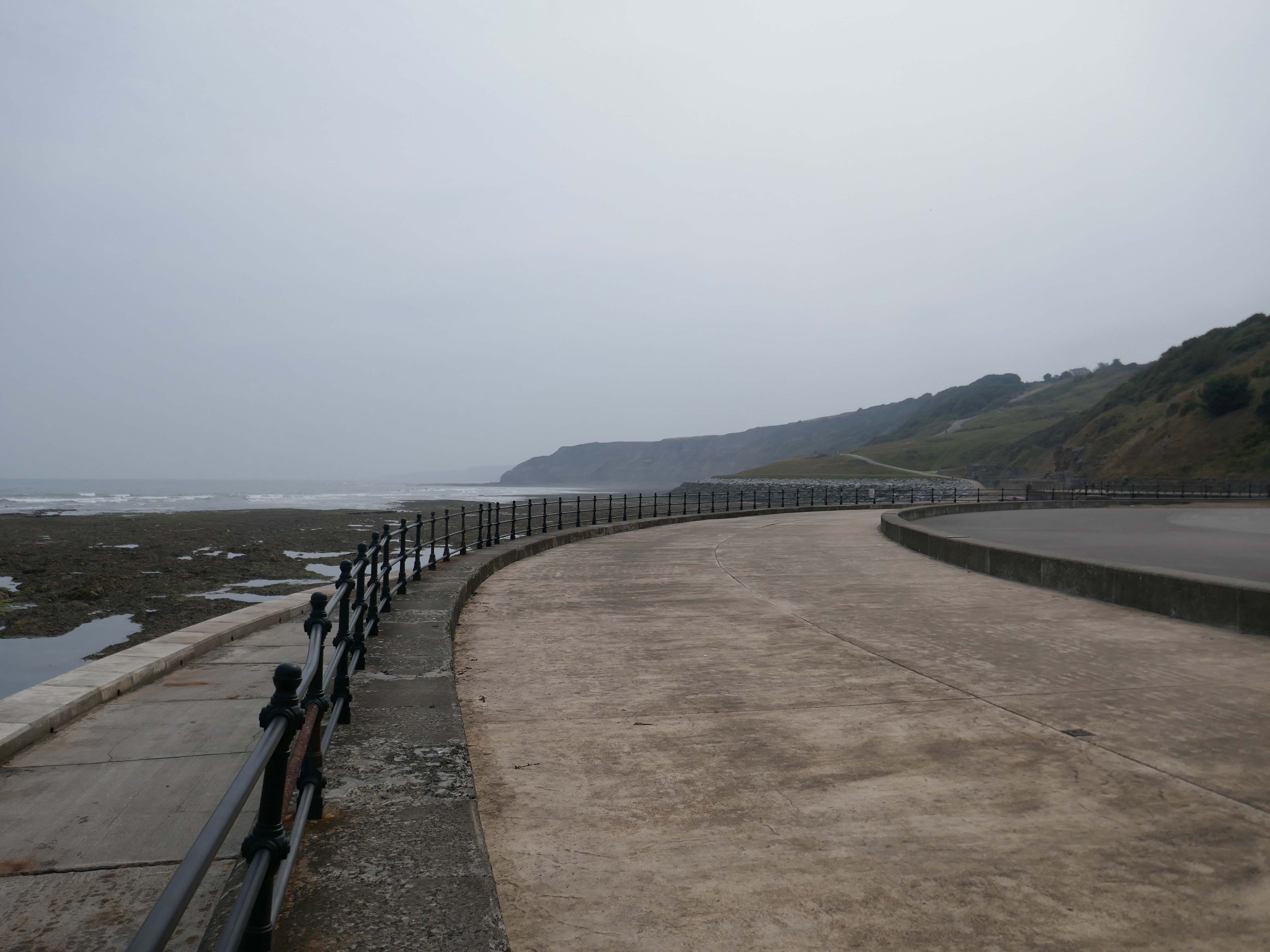
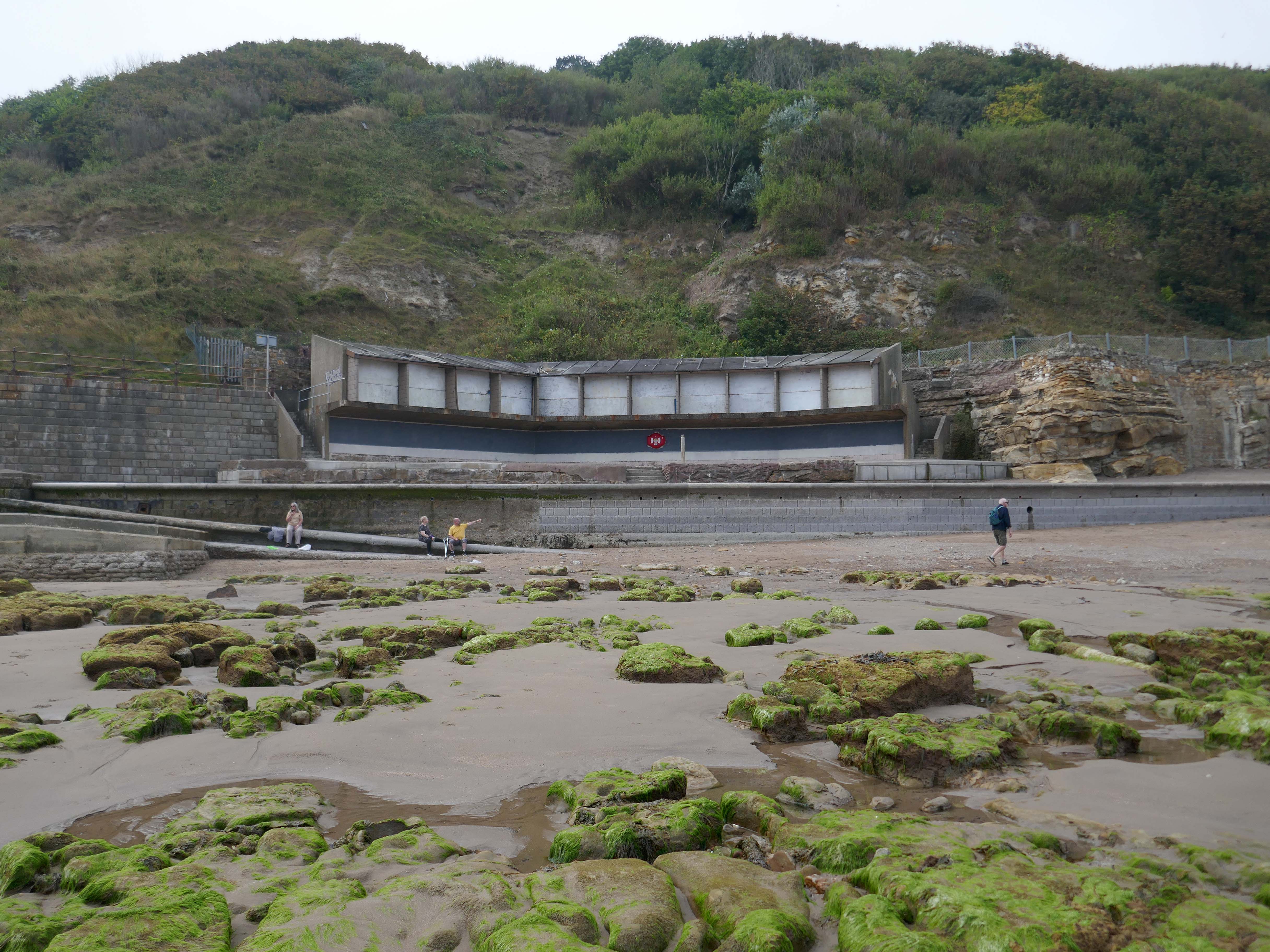
Thence to the former South Beach Bathing Pool designed by Scarborough’s former Borough Engineer, Harry W Smith.
Construction began shortly before the outbreak of WWI, and was taking place in December 1914, when Scarborough was bombarded by German ships. Workers were able to shelter, coincidentally, behind the new wall they had recently constructed for the pool.
Built in the Art Deco style, it measured 330ft long and 167 ft wide, and was filled naturally by fresh sea water, propelled into the pool by the tide each day – officially opened in 1915.
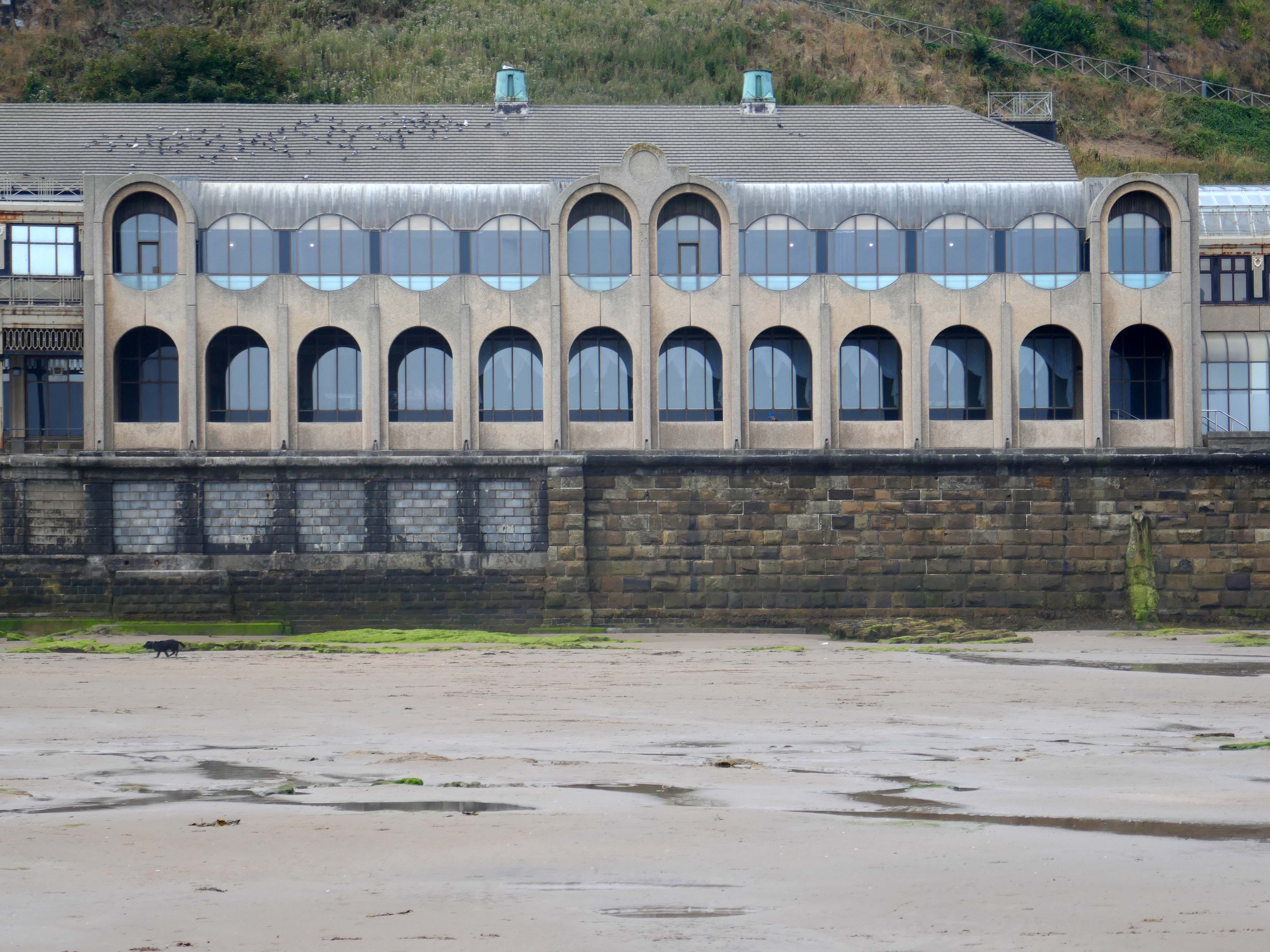
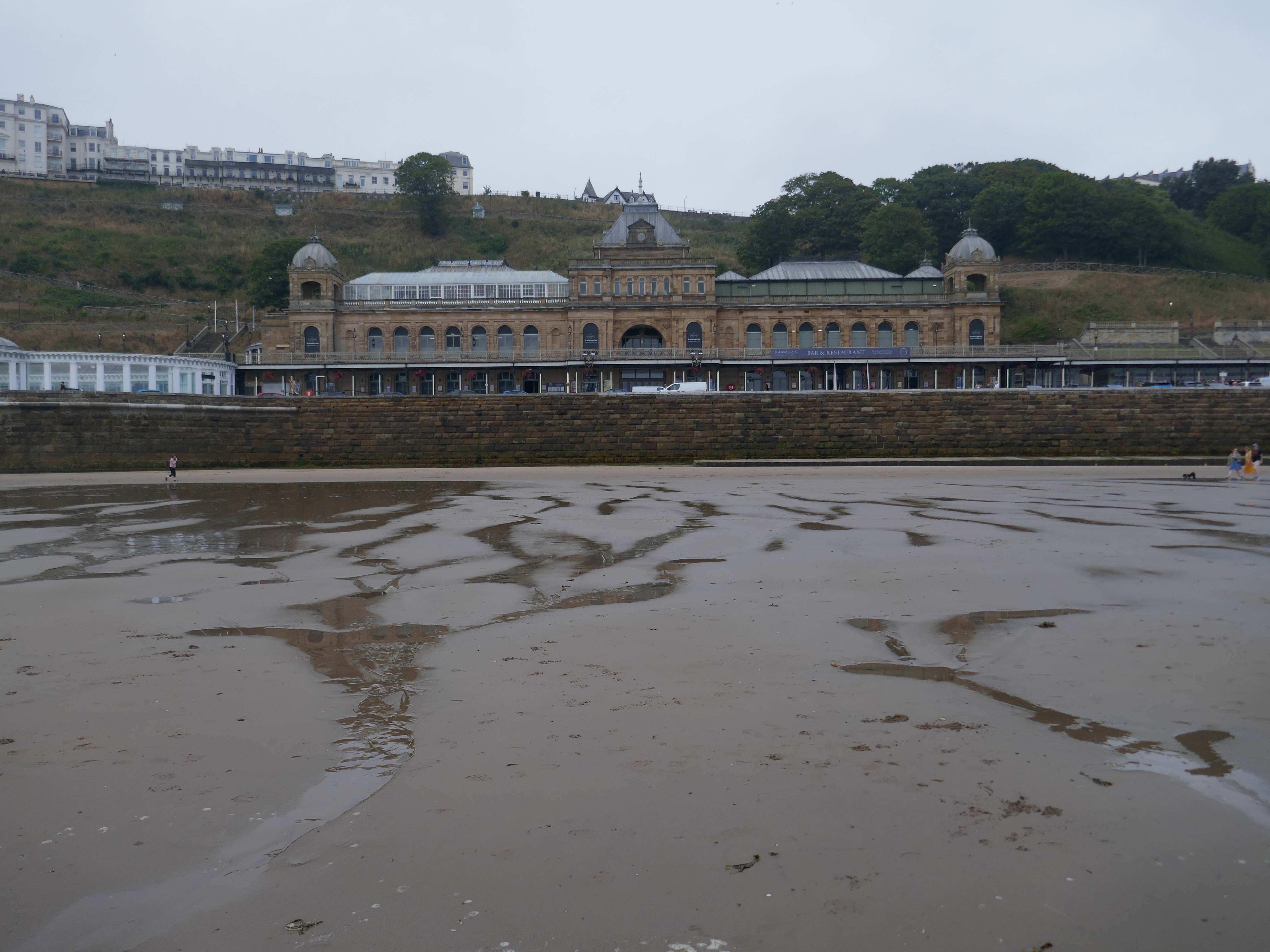
The Scarborough Spa – boldly stands over the bay, beaches, and harbour, providing unrivalled views. With a lengthy and impressive past, it is a popular venue for touring performers and meetings, conferences, and training sessions.
The Spa dates back to the C18 when a mineral spring there became a place of fashionable resort. Originally there was just a timber embanked terrace to the shore. Later, in the early C19 a castellated building was raised. In 1858 Sir JosephPaxton designed the new ashlar faced Spa pavilion raised on terrace with arcaded ground and first floor articulated by pilaster strips, seven bays, with projecting pilastered corner towers with balustraded parapets.
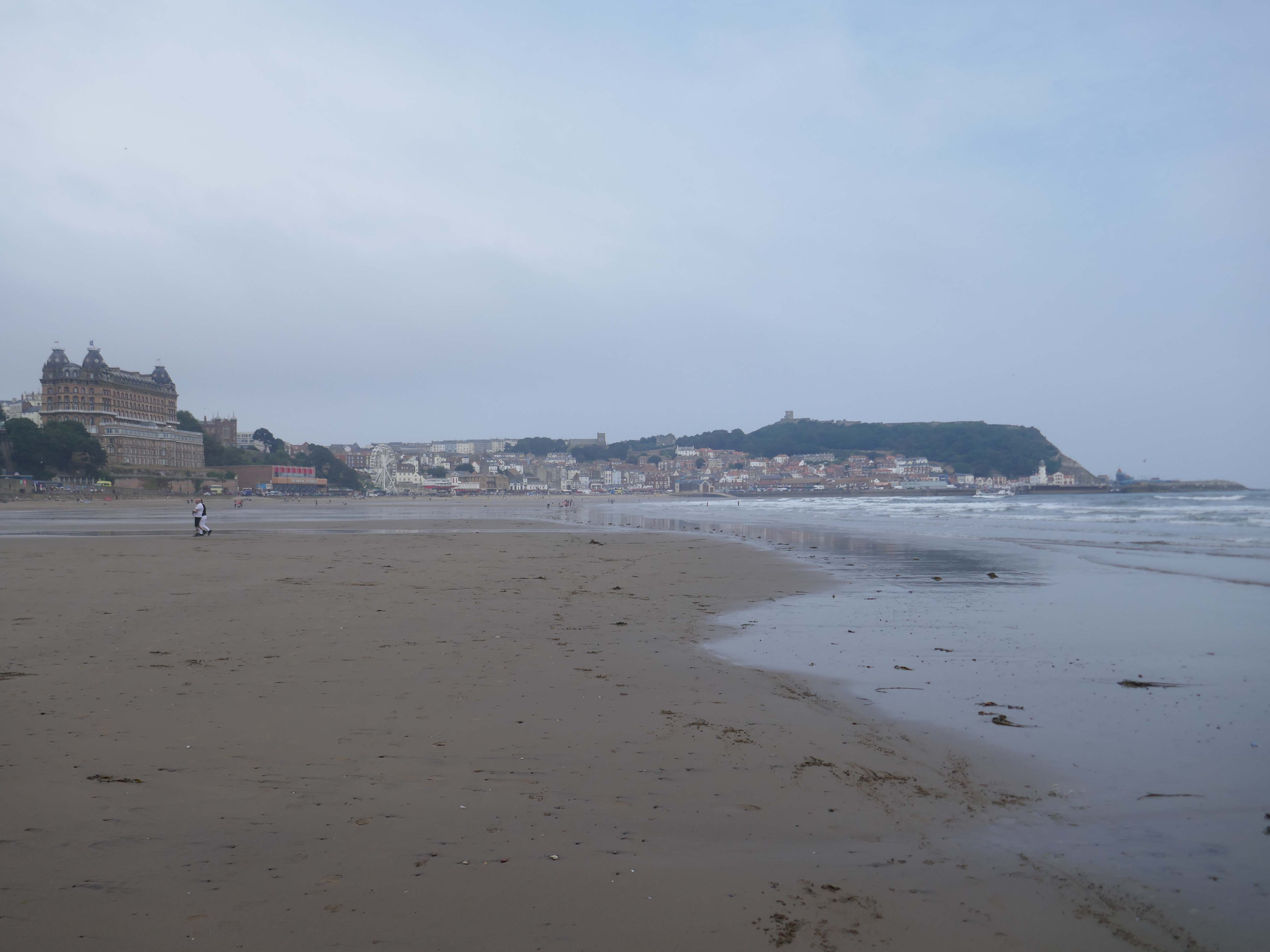
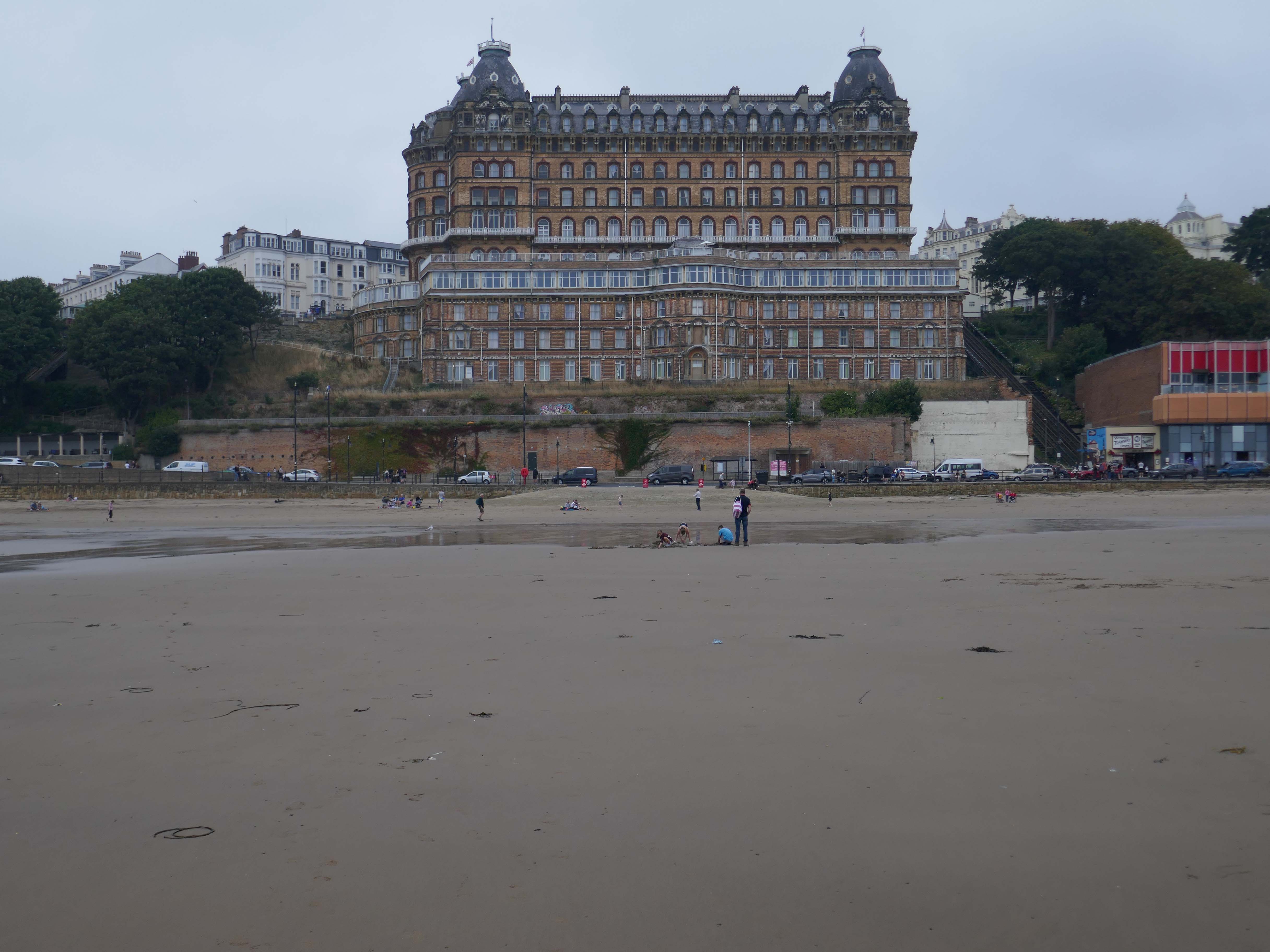
Grand Hotel was chosen as one of Historic England’s seven wonders of the English seaside, as featured in the Daily Mail
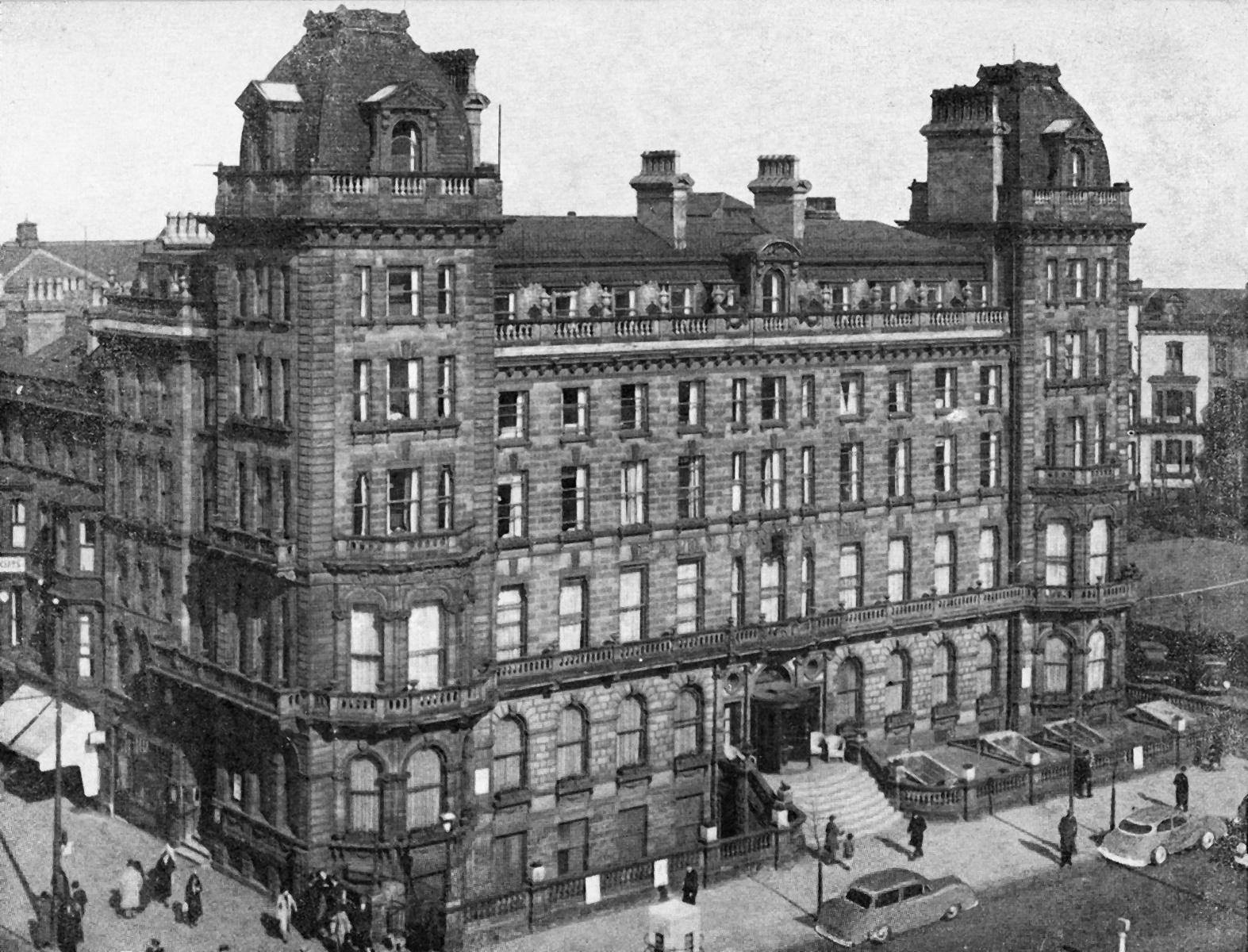
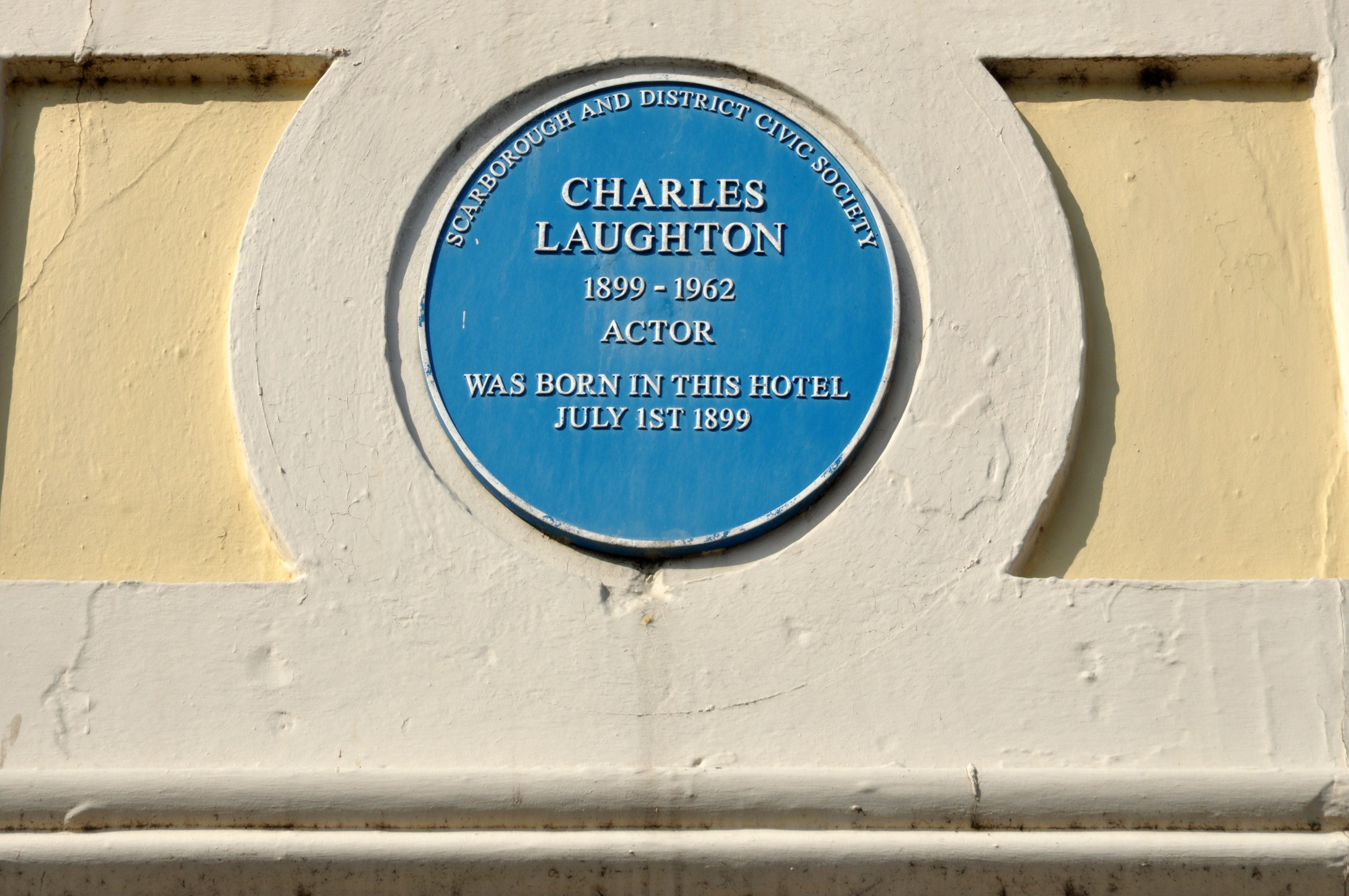
Located in the town centre and built in 1863, the Grand Hotel Scarborough takes pride of place overlooking the town’s picturesque harbour and South Bay. This stunning Victorian building is an instantly recognisable landmark, and stands out amongst other hotels in Scarborough.
We’ve stayed here a few times and we’ve never had a problem with our room. If you dont like lifts theres a lot of stairs but we like to keep fit anyway. Fridge was a bonus. Hairdryer, towels, three loo roll, towels, fan, iron, ironing board Good stock of tea and coffee, nice clean kettle. Paid for a room with a window and got unexpected sea view which was fab to wake up to. Gorgeous main area, singers on at nine, stayed in room thirteen no ghosts lol.
Will defo come again – thank you Grand Hotel.
Samantha K
Absolutely disgusting, the rooms was very dirty, full of dust, the room hasn’t been cleaned since the last person stayed as there body shape was still in the bed, bathroom had toothpaste all in the sink and the shower was absolutely filthy. Curtains are hanging off. Carpets are dirty. The food is very bad, cheap and under cooked. And most the food on the menu wasn’t even available. When speak to the staff I got verbal abuse from them and the chef told my partner to “f off”.. it’s just horrible experience. Do not wish this on anyone. You go outside to loads off homeless doing drugs and been drunk also. I actually ended having to leave and book an alternative accommodation.
Architect: Cuthbert Brodrick – 1863-67 an immense structure in red brick with tawny terracotta dressings, four storeys, basement, and storey at eaves cornice level, and two storey attic
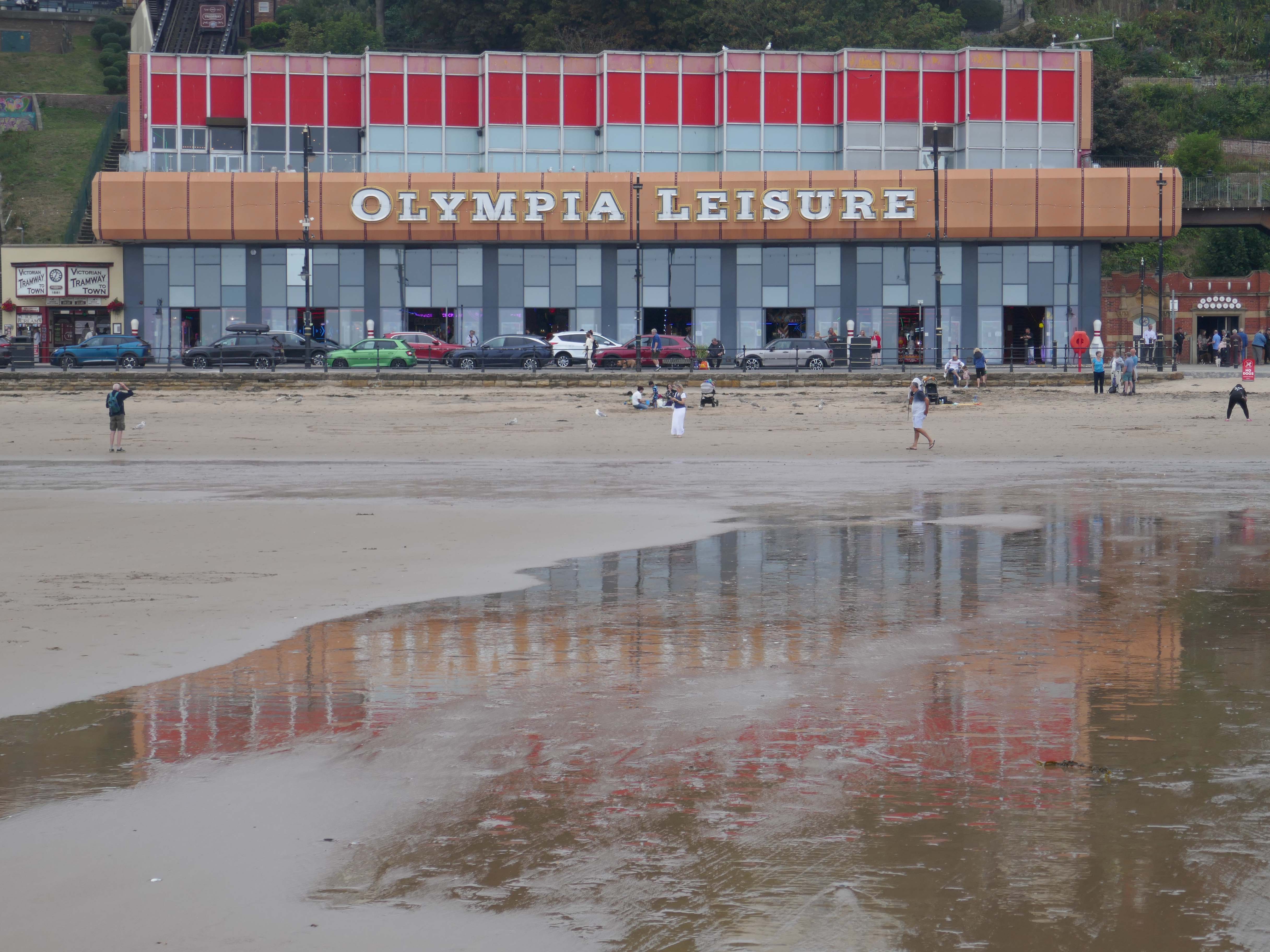
This is the place to be, either to meet friends, make friends or just book a Party event for friends and family. With twelve lanes our Ten Pin Bowling Alley, with its modernised interior and updated scoring system is a fantastic place to relax.
We have fabulous balcony views of Scarborough’s Seafront and Bay and a Smoking Area. It’s the perfect venue for an office or workplace party, student celebration, holiday activity, or just a regular get together of friends.
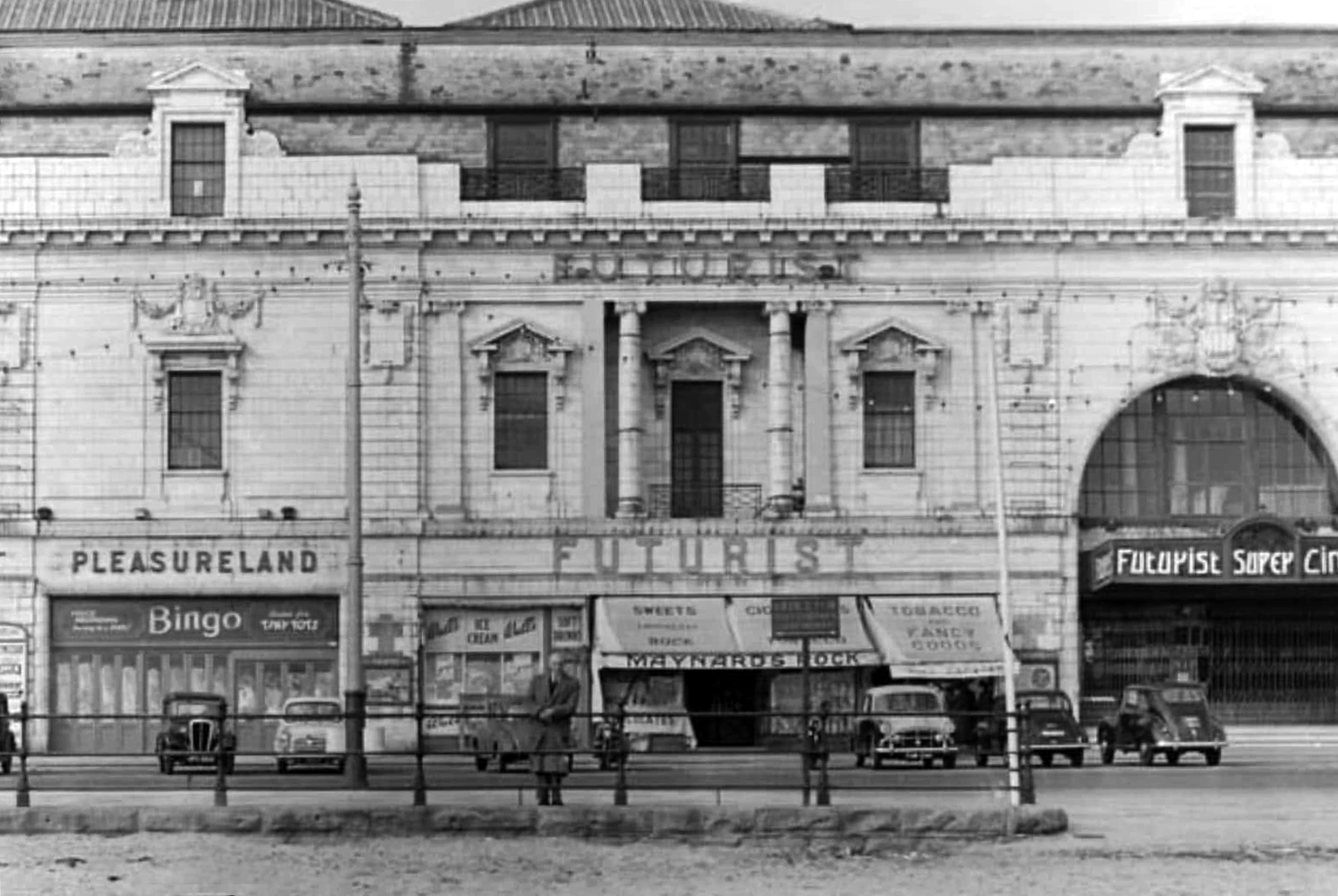
Formerly the site of the Futurist Theatre
The Futurist Theatre was built to the design of Scarborough architect Frank Tugwell and opened on 27 June 1921 as a cine-variety theatre operated by William Catlin.
Originally it boasted a grandiose, ornate façade of robust, self-cleaning white glazed Carraraware tiles, the design of Henry Doulton.
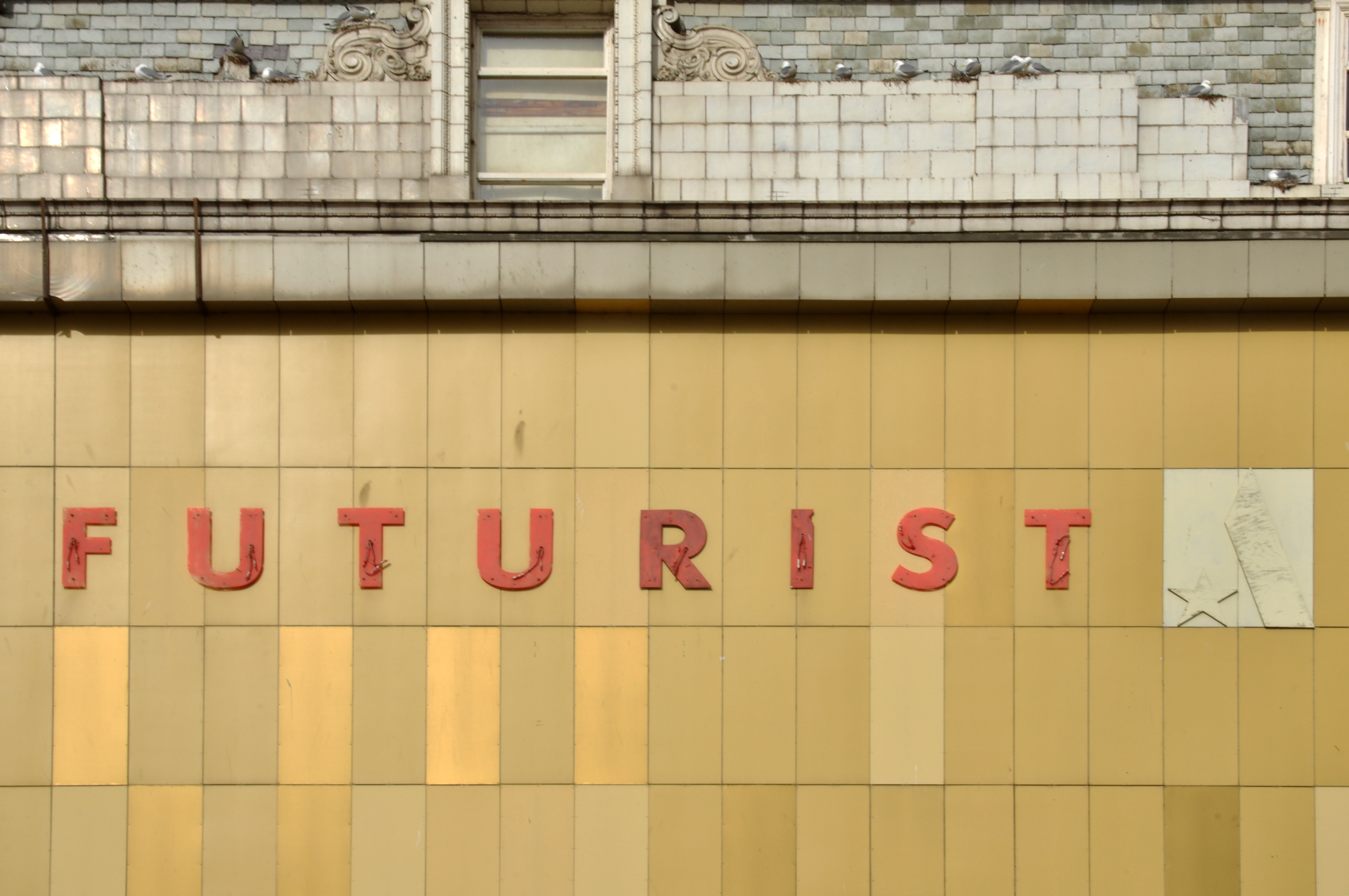
This was later obscured during spring 1968 by a facelift of rectangular plain yellow cladding.
Demolition of the building began in June 2018 and was completed in August 2018.
The demolition and associated land works cost local taxpayers £3.91 million.
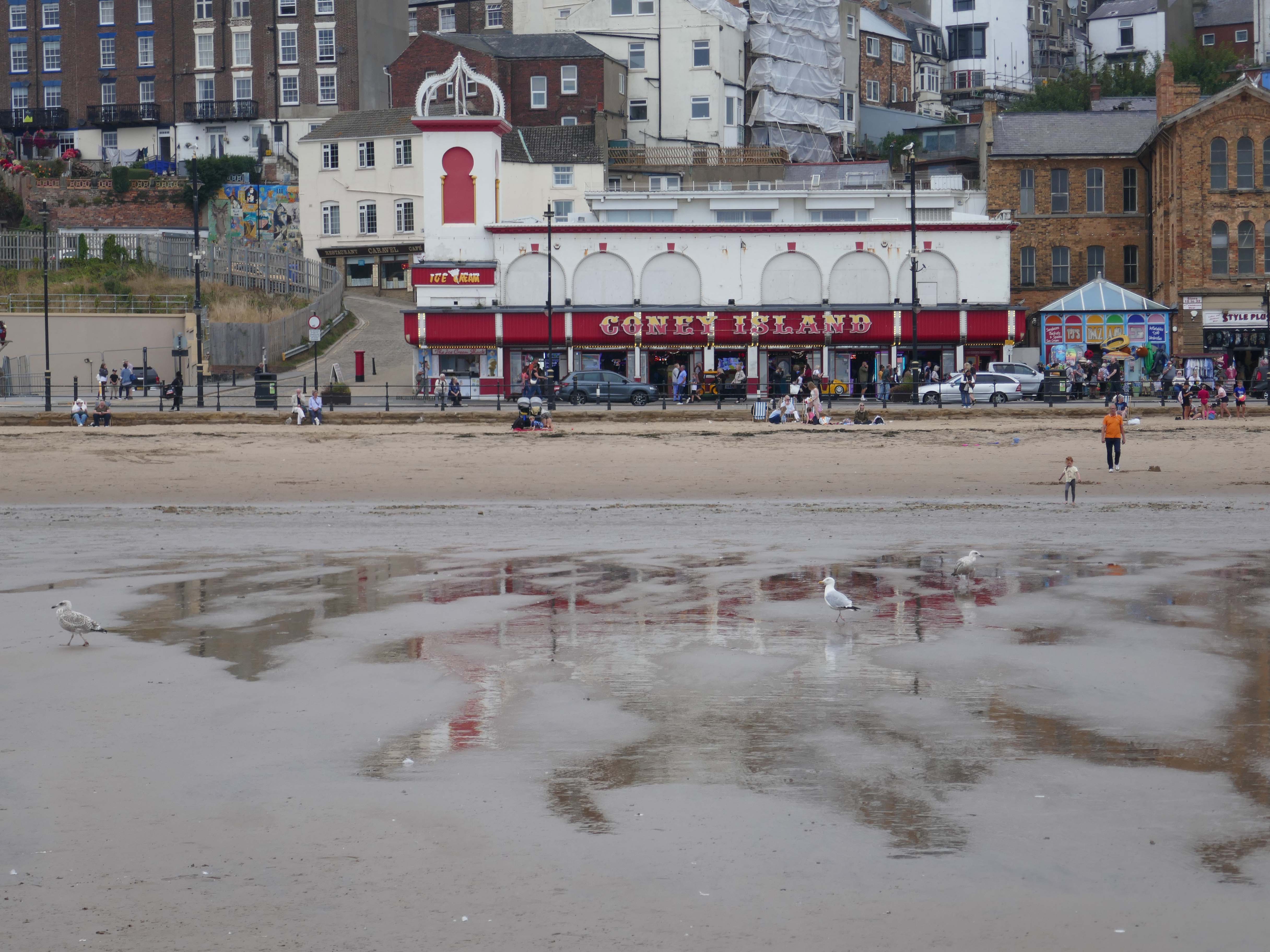
Coney Island is a popular amusement centre located on Foreshore Road in Scarborough, offering a vibrant dose of classic seaside entertainment. It’s known for its unique architectural style and cool retro vibes that captivate visitors. This lively spot provides a welcoming atmosphere for all ages looking for fun by the coast.
Step inside Coney Island and discover a fantastic array of arcade games, ranging from exciting racing simulators where you can ‘drive’ sports cars and motorbikes, to a decent selection of both older and newer games. Beyond the flashing lights and sounds of the arcade, the centre also features a bowling alley, perfect for some friendly competition. Guests appreciate the ease of exchanging notes for coins at the desk, ensuring continuous play.
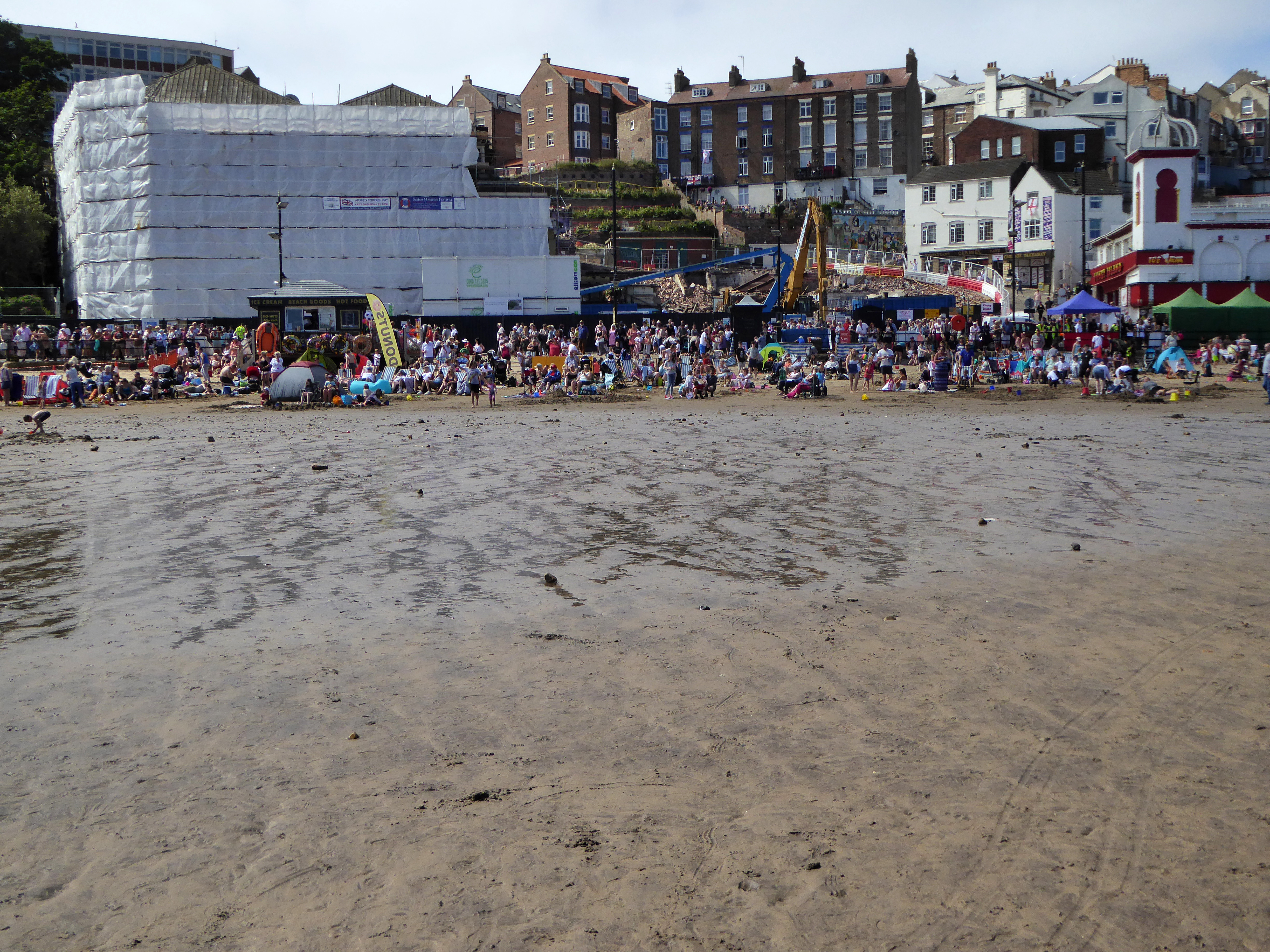
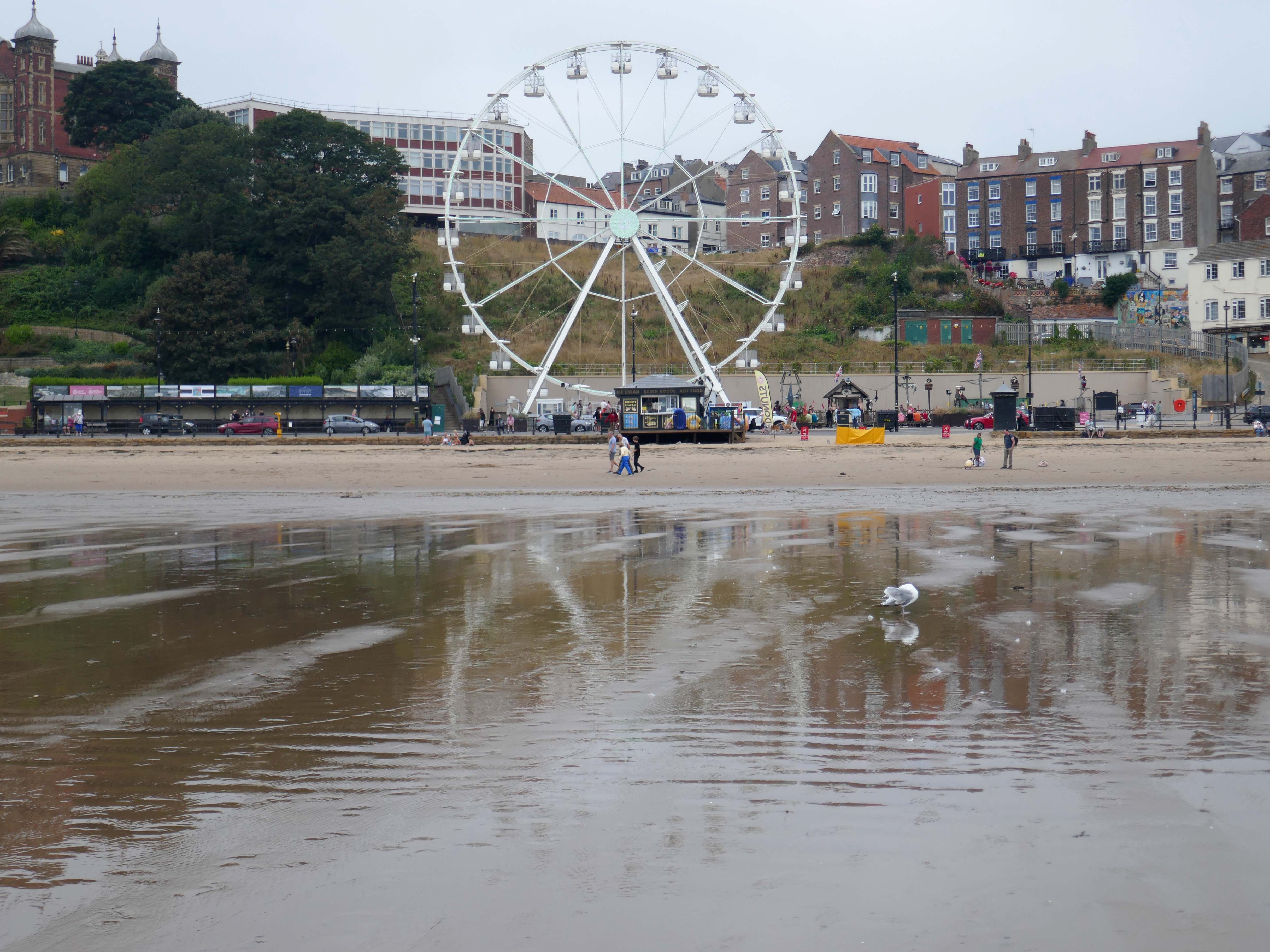
It was a sunny day in August so I went to take a look around.
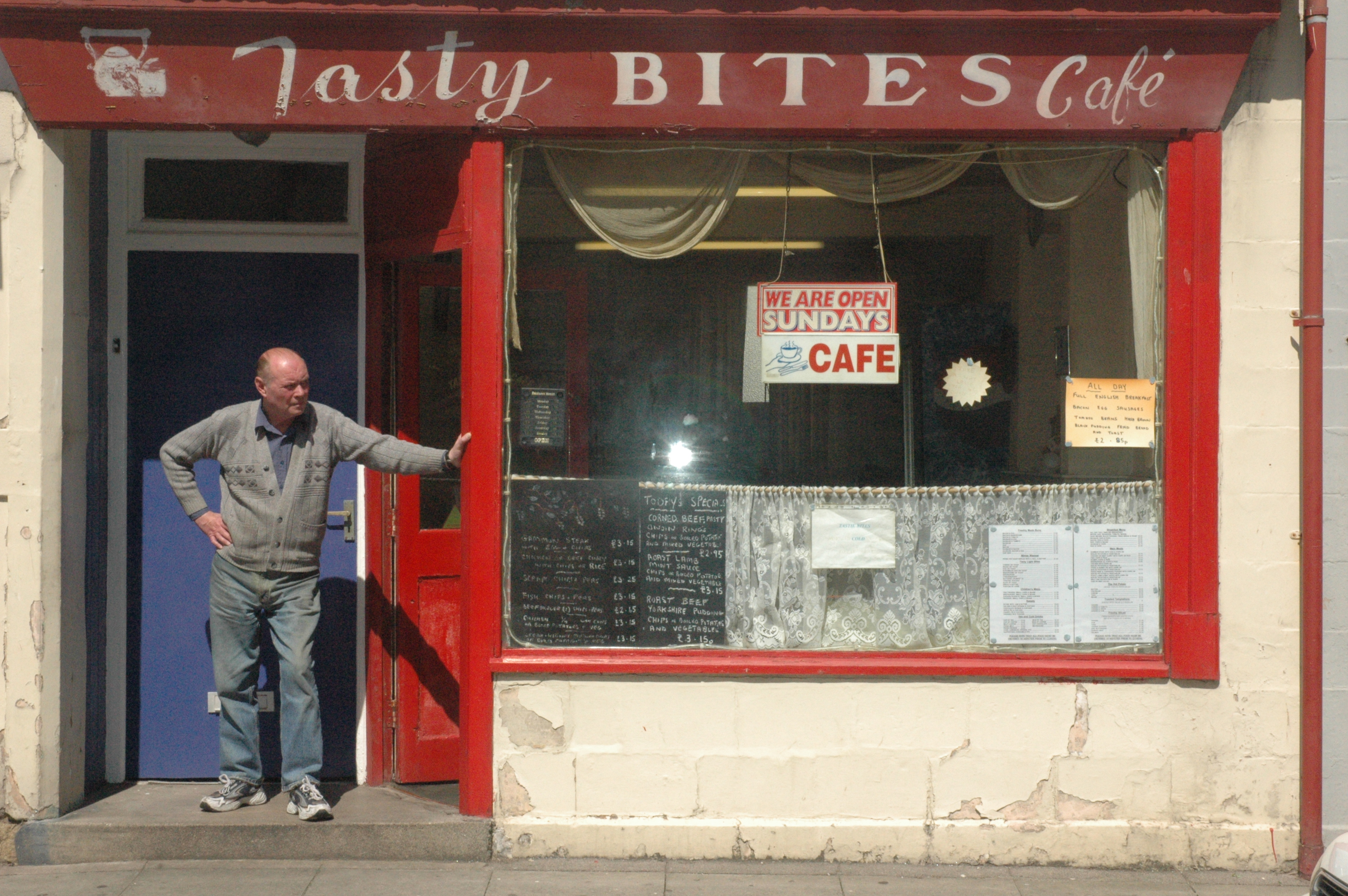
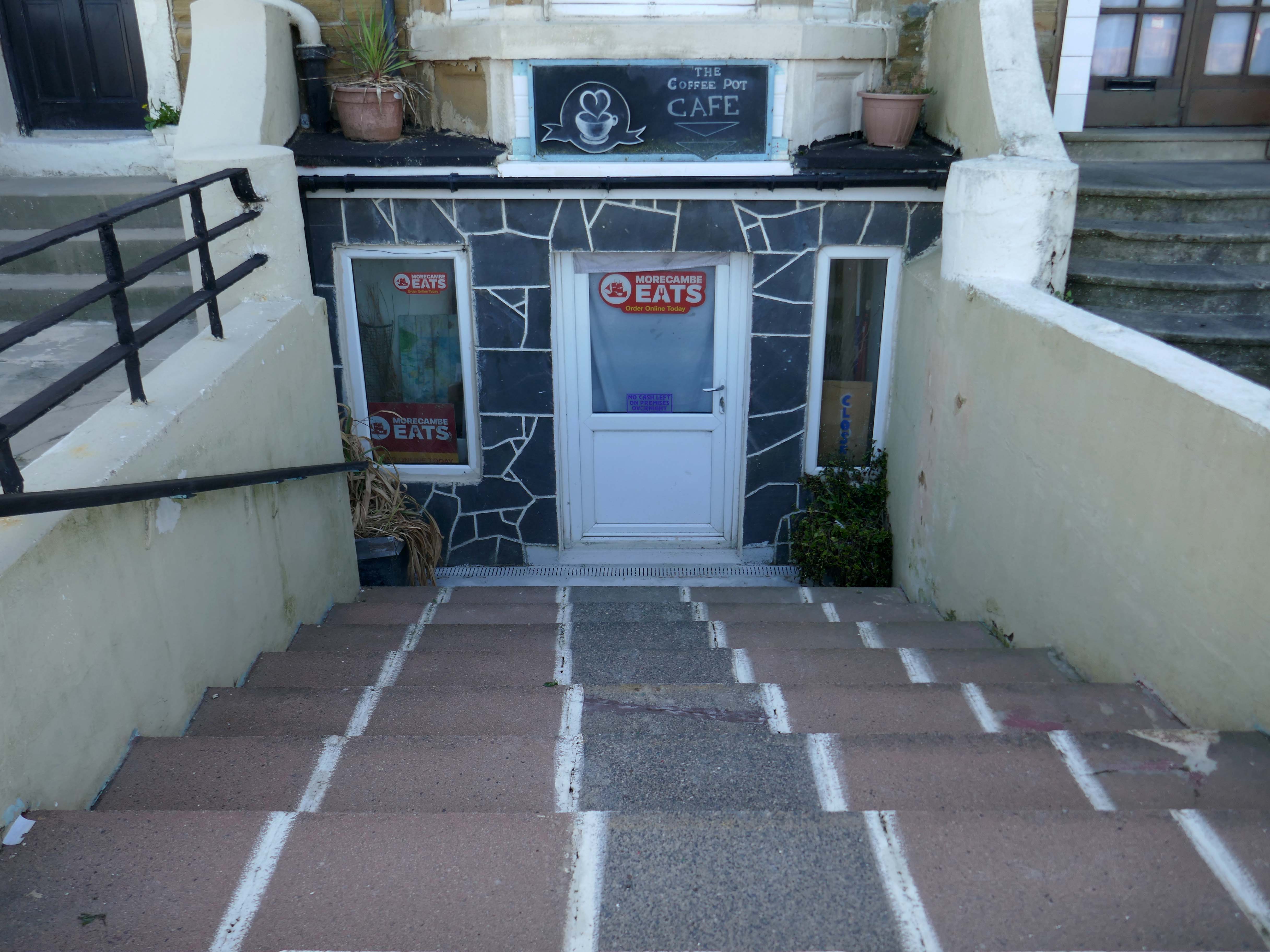
Come along to the Coffee Pot – 93 Marine Road
All day breakfast, burgers, panini, hot dogs and much more.
Outside seating on this lovely sunny day, come try us out.
Permanently closed.
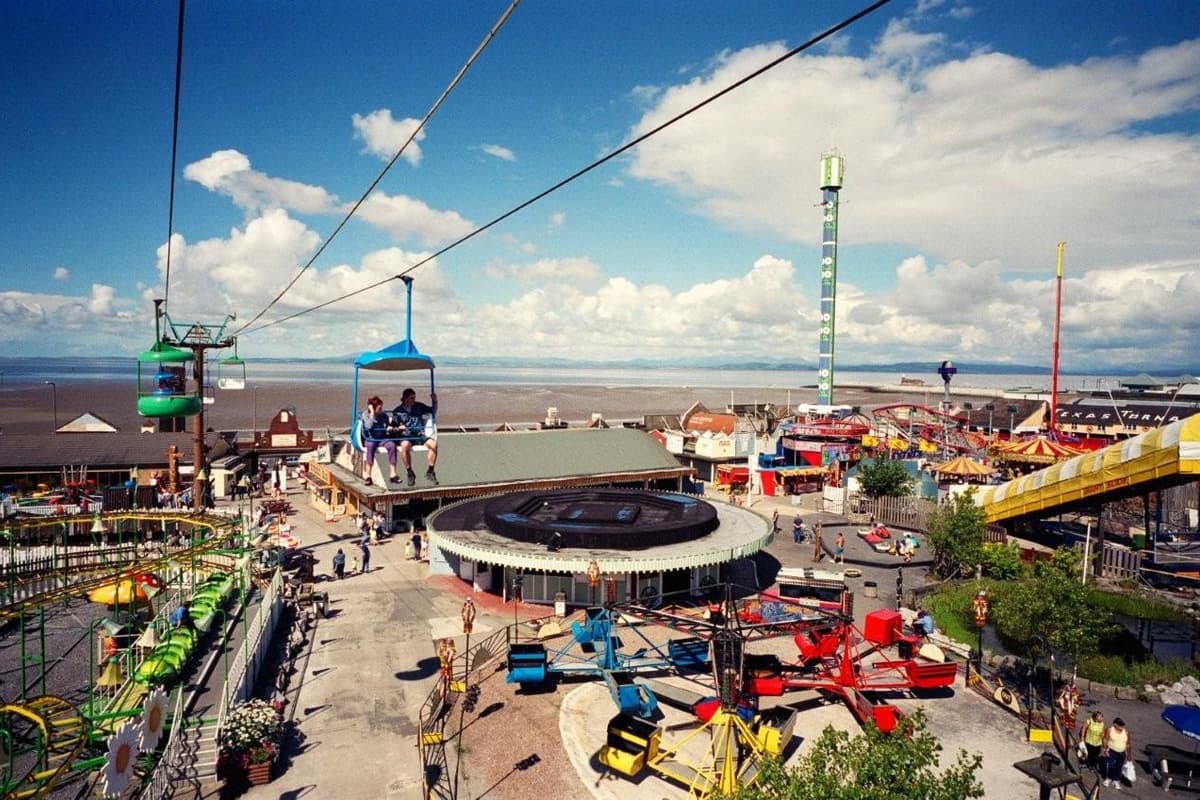
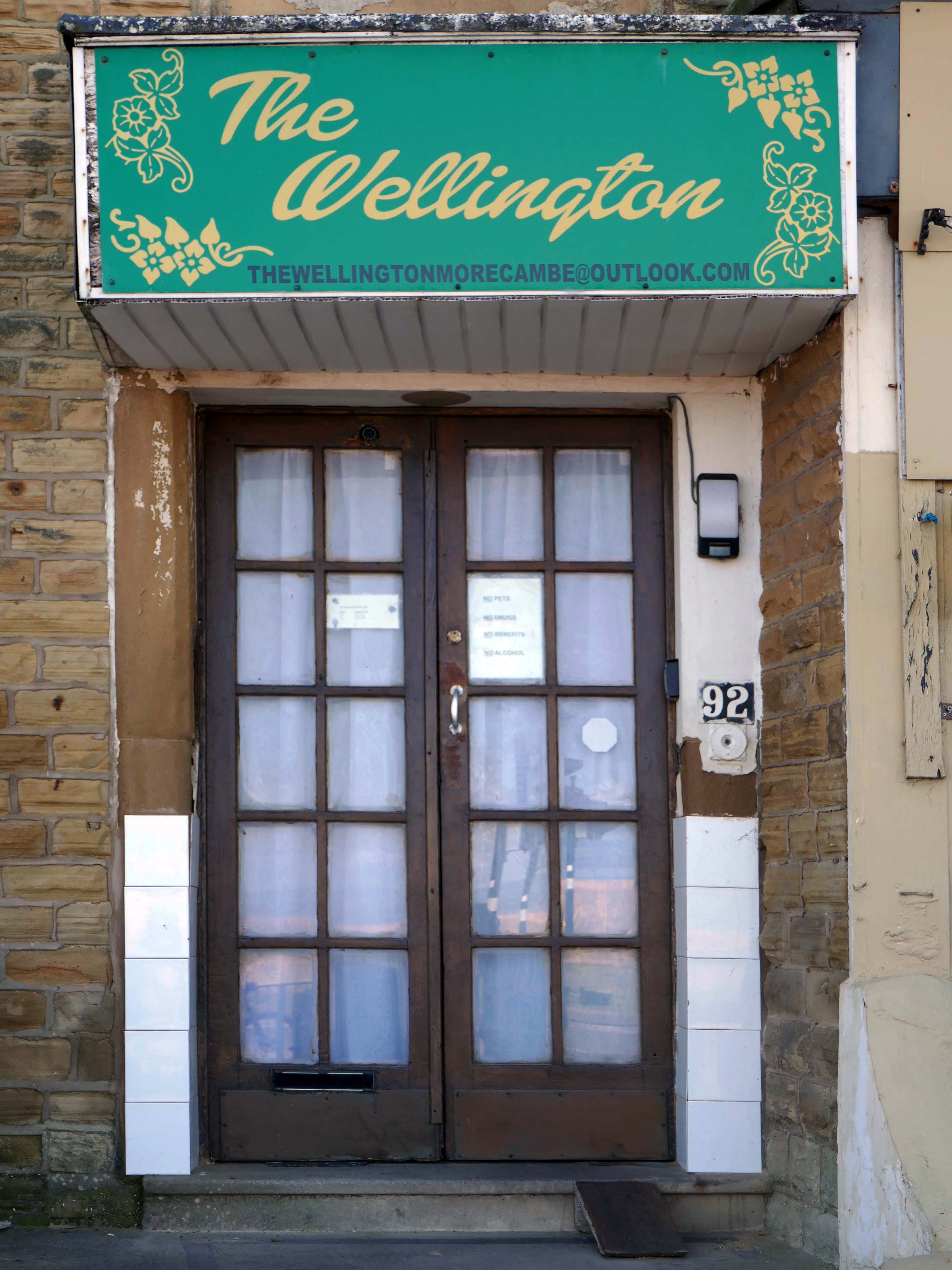
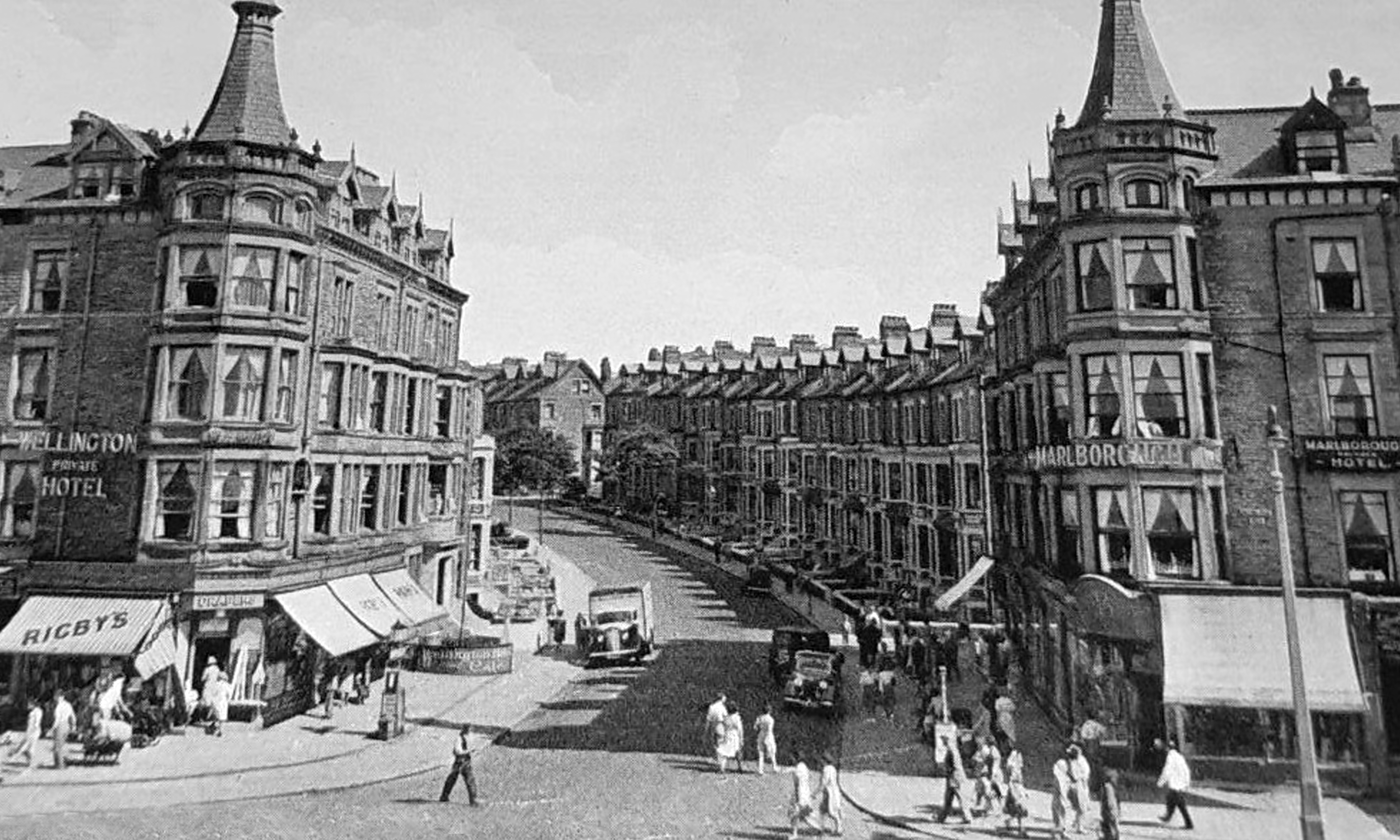
Offering sea views, The Wellington Hotel & Holiday Flats is an accommodation set in Morecambe, the accommodation offers a 24-hour front desk and free WiFi is available throughout the property.
The aparthotel is fitted with one bedroom, a fully equipped kitchenette with a microwave and a fridge, and one bathroom with a shower and a hair dryer.
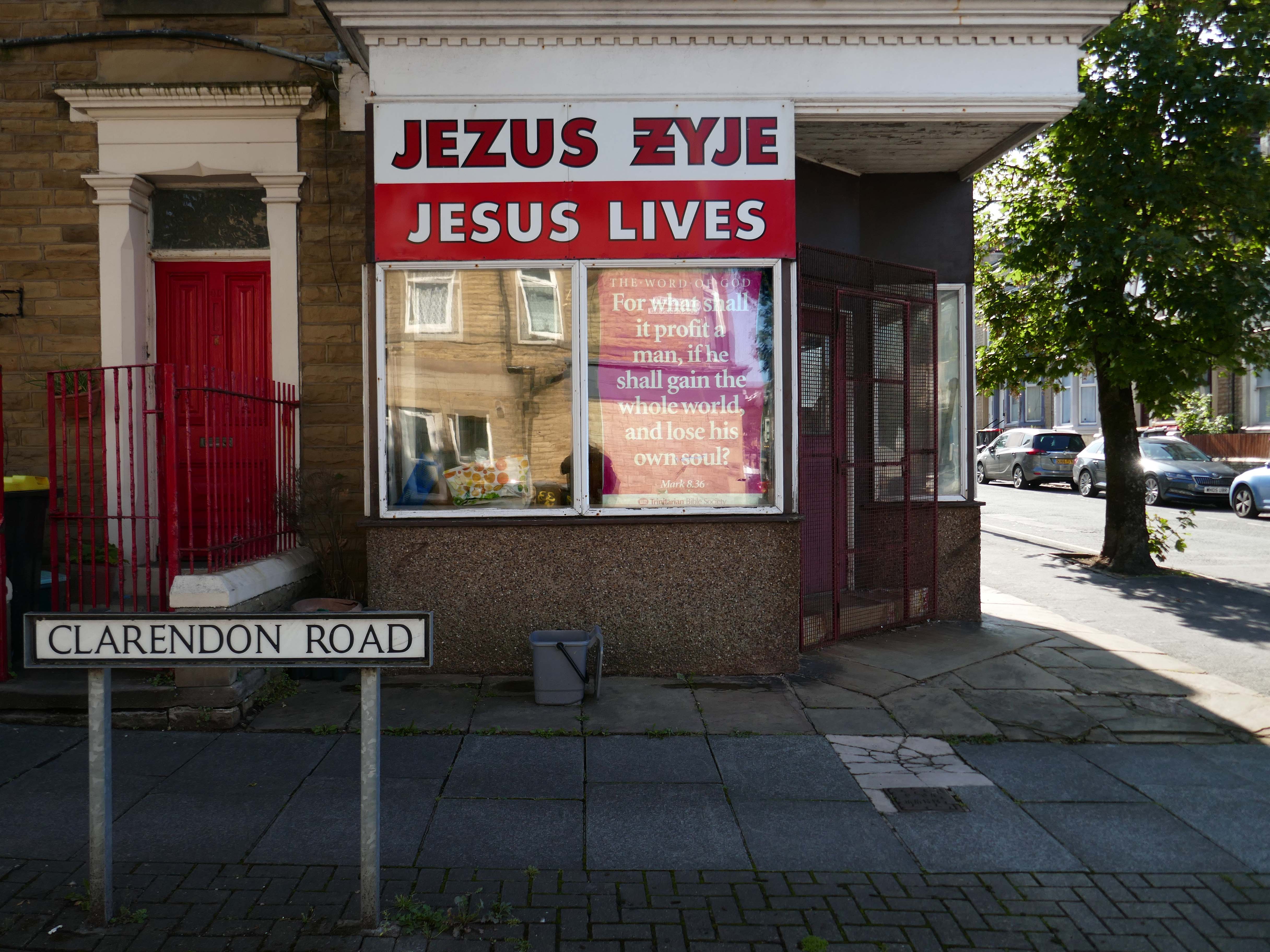
Olive Tree Ministries – serving the Polish Community.
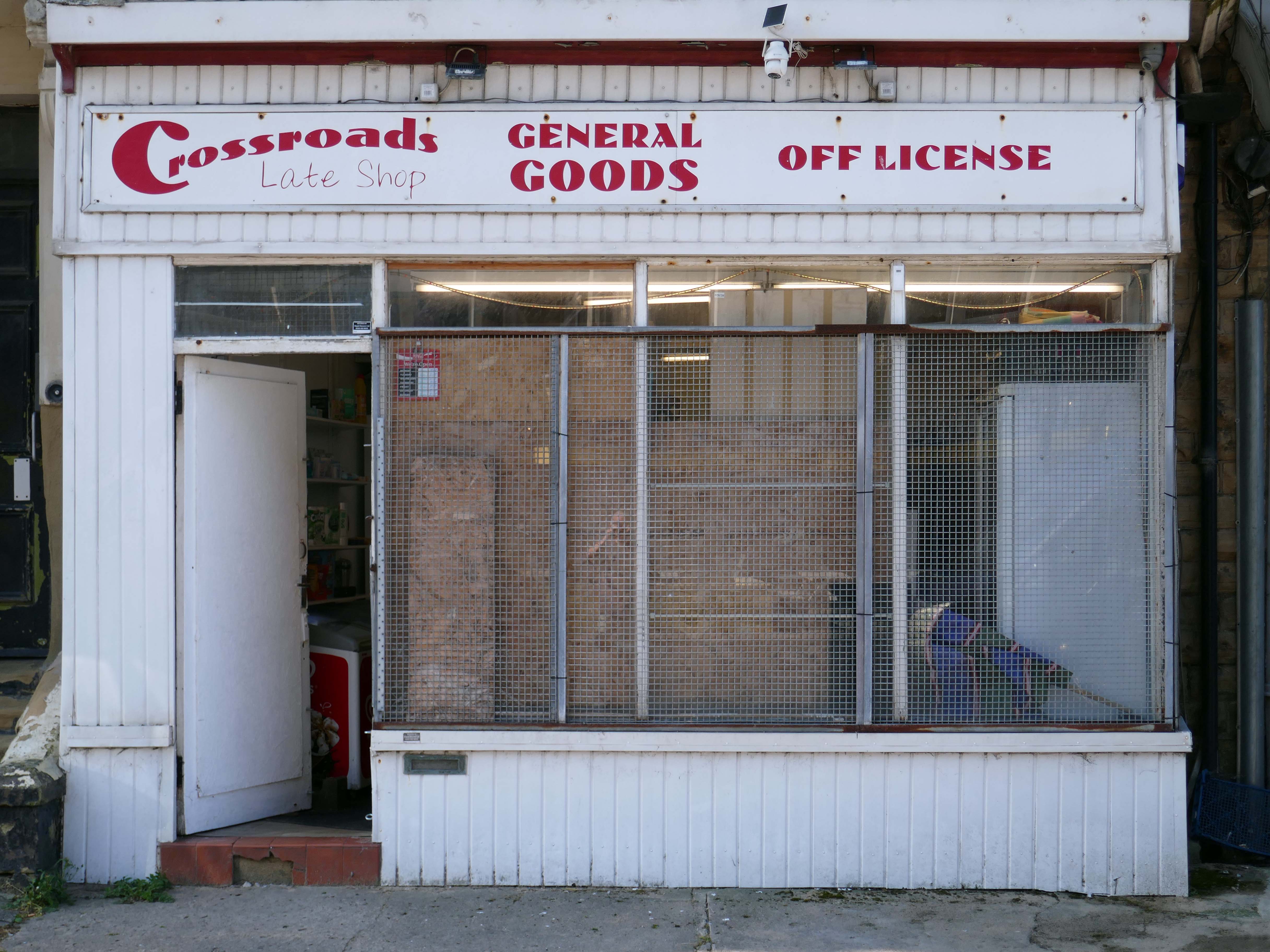
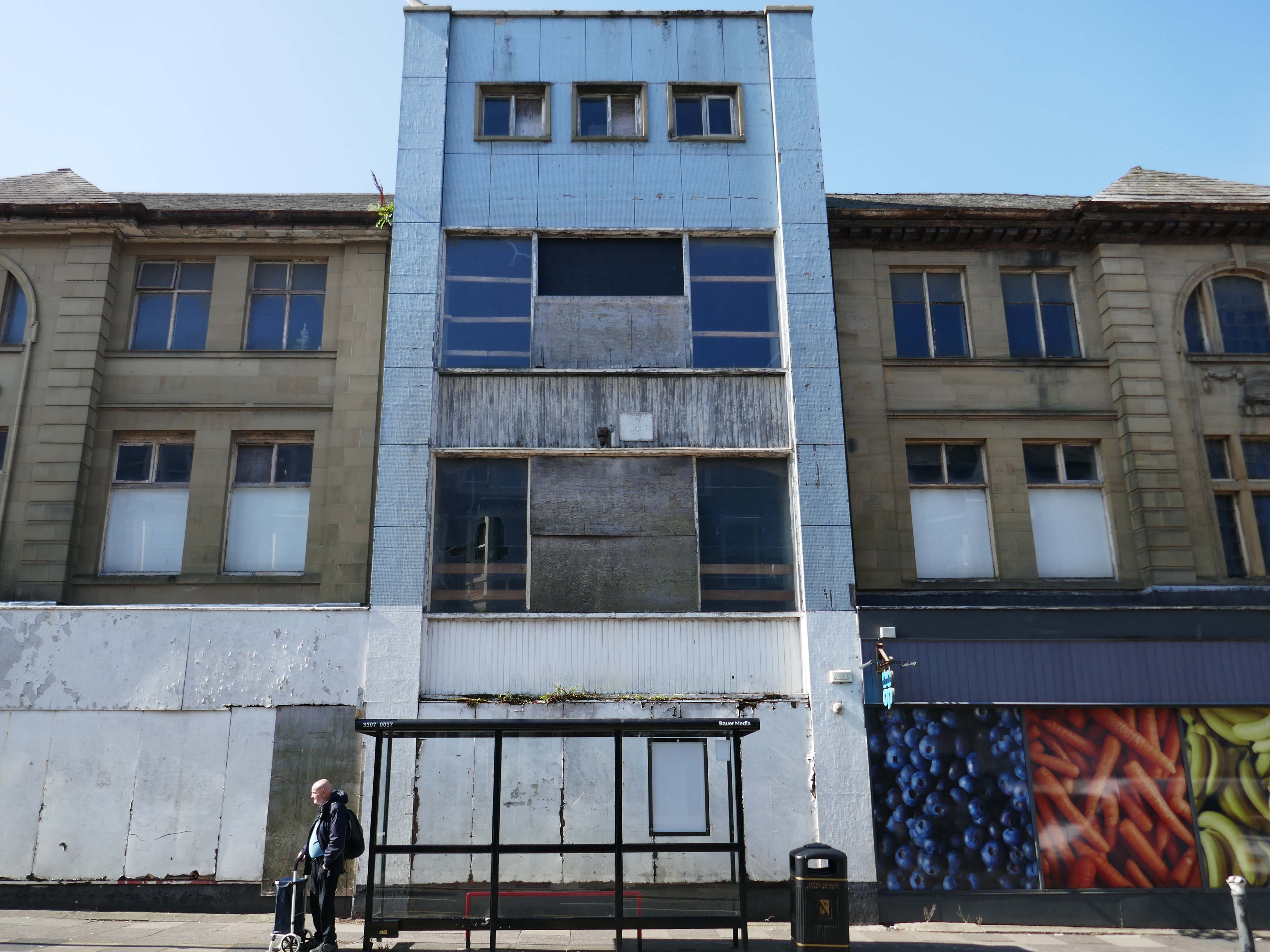
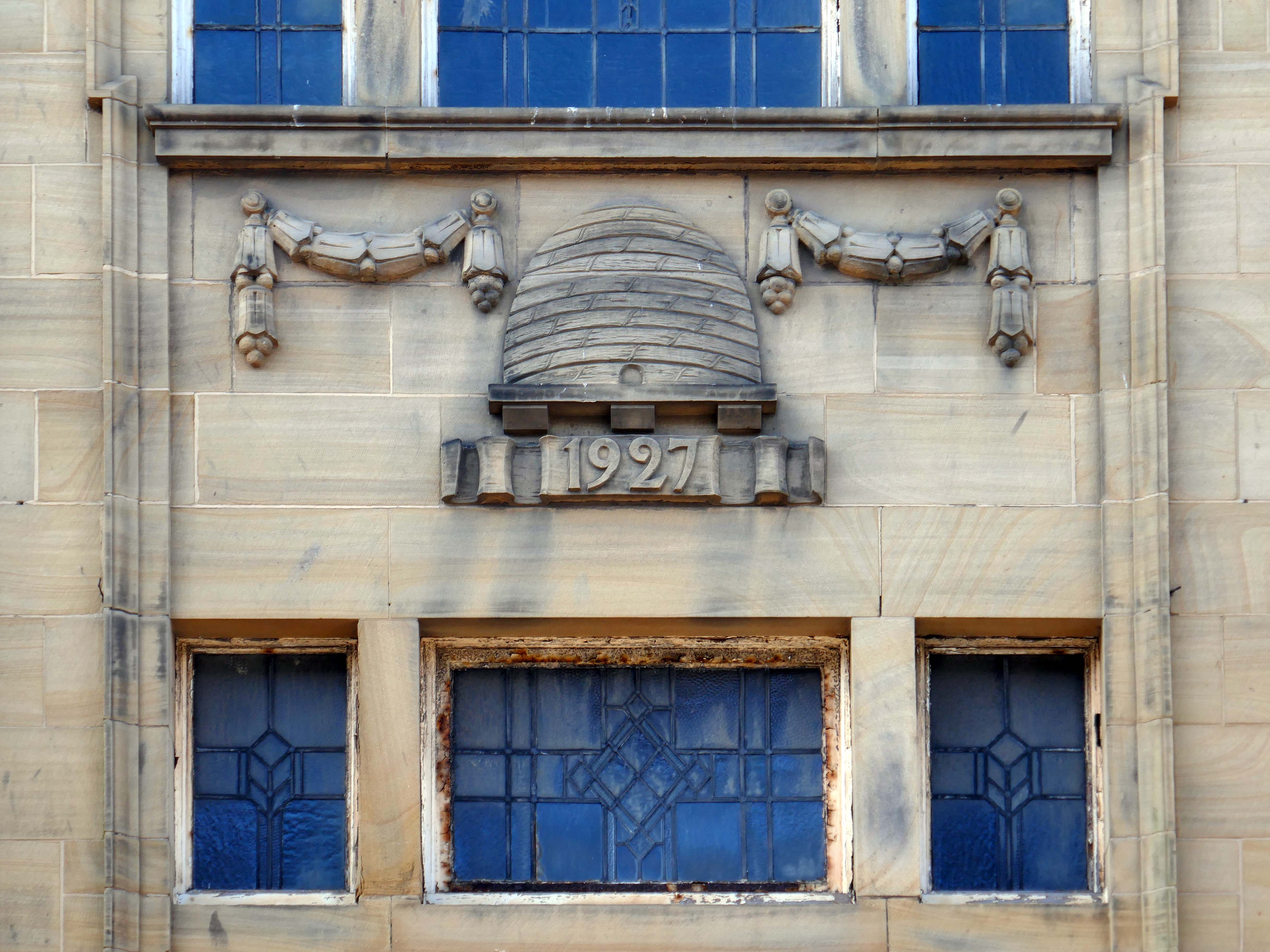
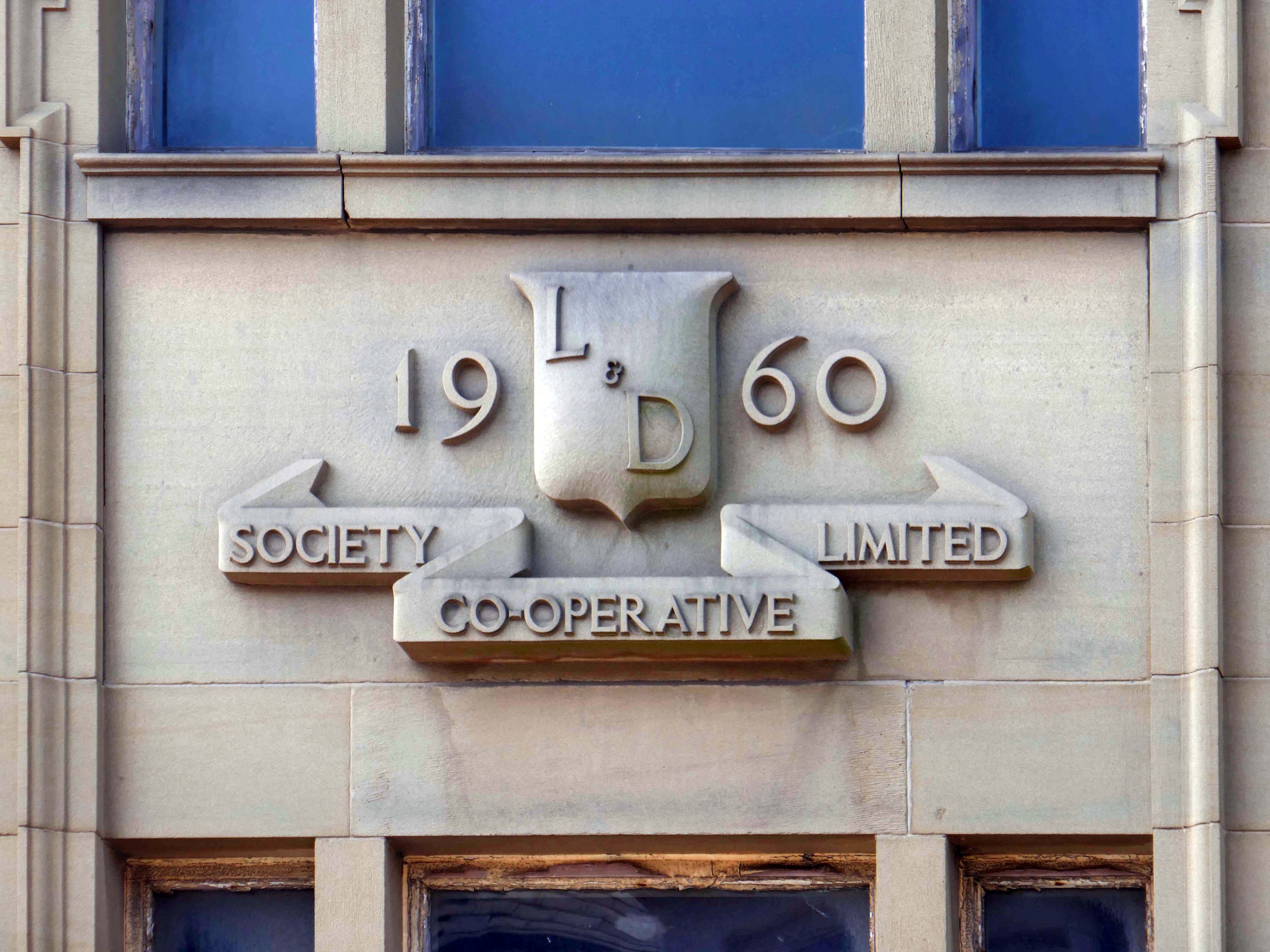
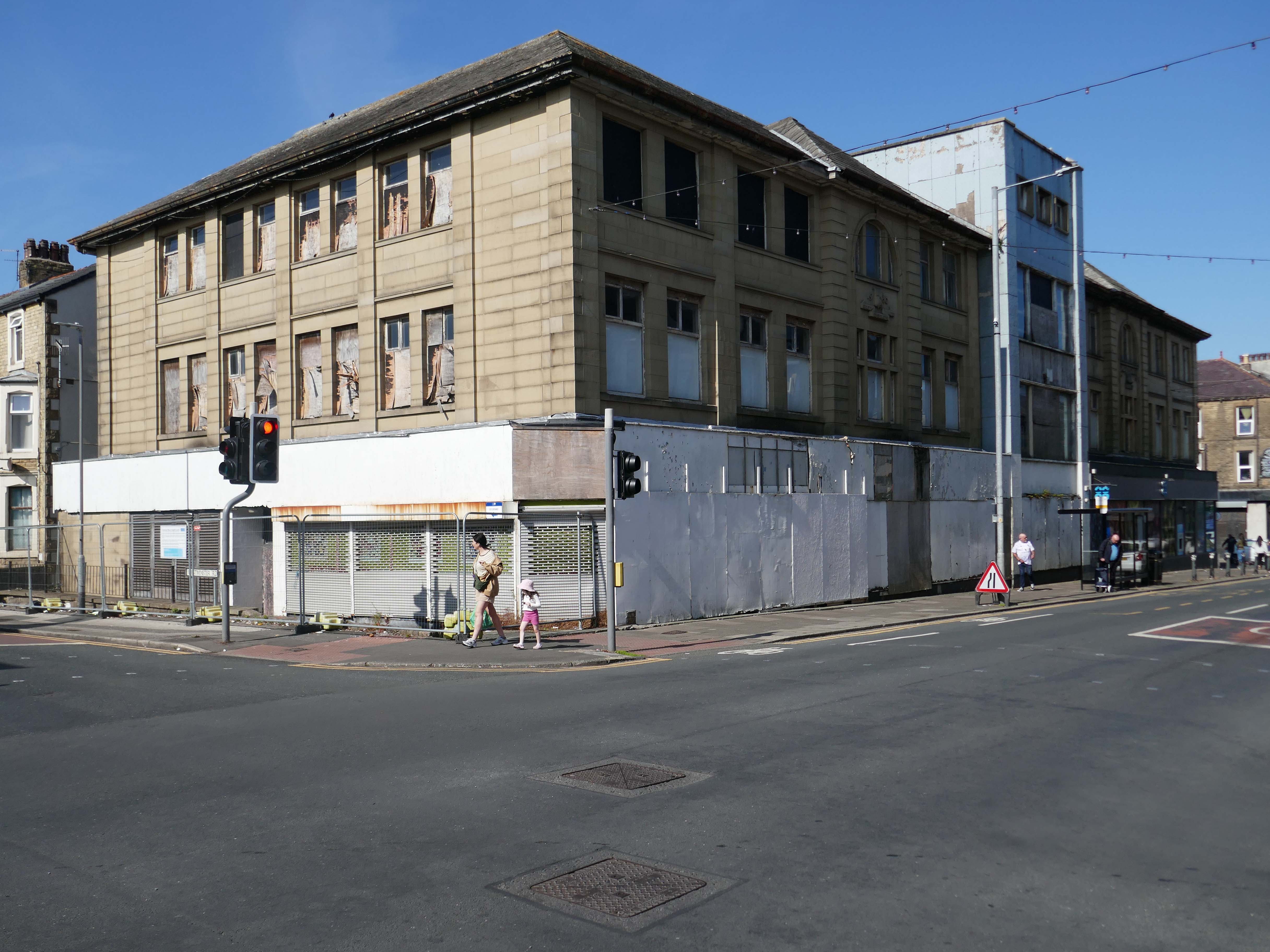
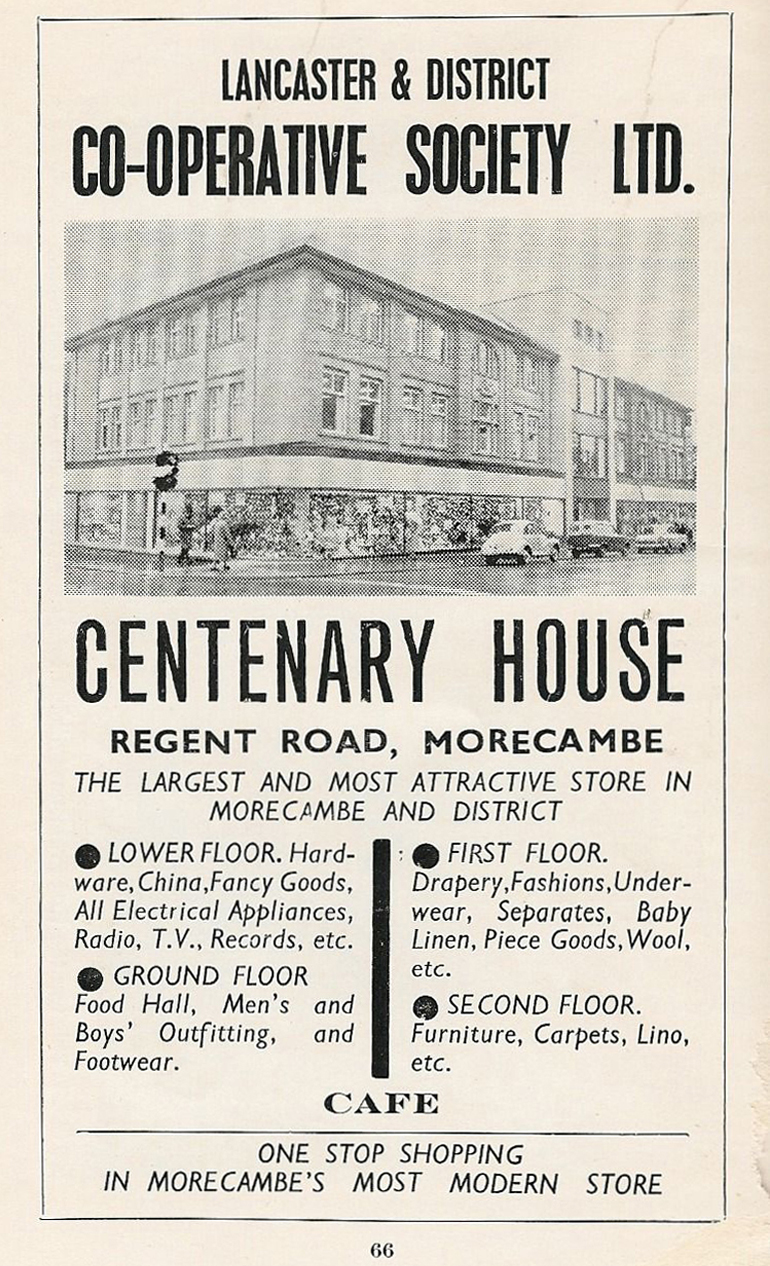
Lancaster City Council’s ambitions to bring back to life the site of a former department store have moved one step closer thanks to the award of a government grant worth nearly £750,000.
Bought by the city council as part of the West End masterplan, the intention is to refurbish the building’s upper floors to provide affordable housing, retaining the Co-Op late shop that occupies one-half of the ground floor.
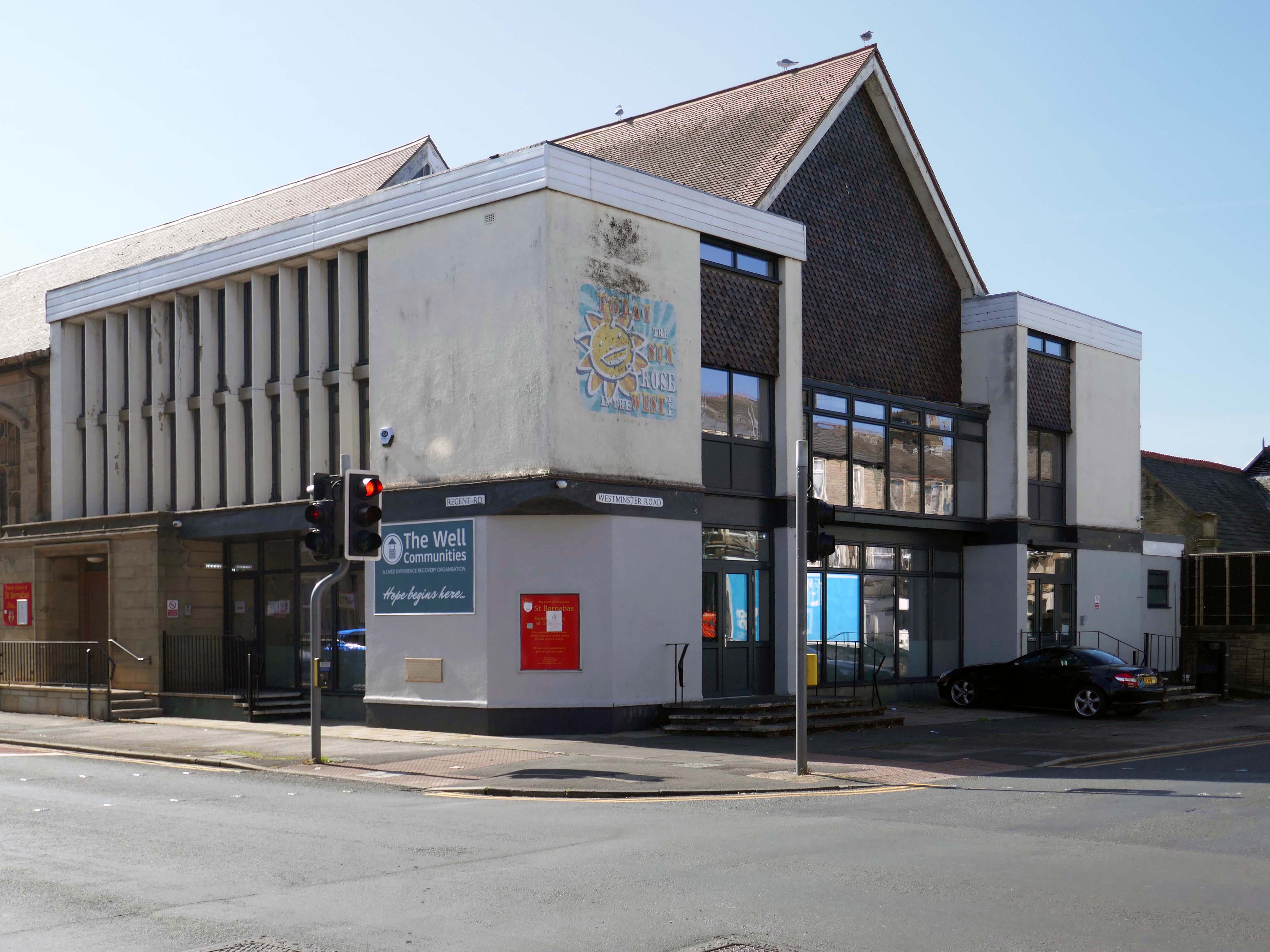
The Well Communities is a peer-led recovery organisation built on support, inclusion, and lived experience. For more than a decade, we’ve helped people across North Lancashire and Cumbria overcome drug and alcohol challenges, rebuild confidence, and move toward healthier, more hopeful lives.
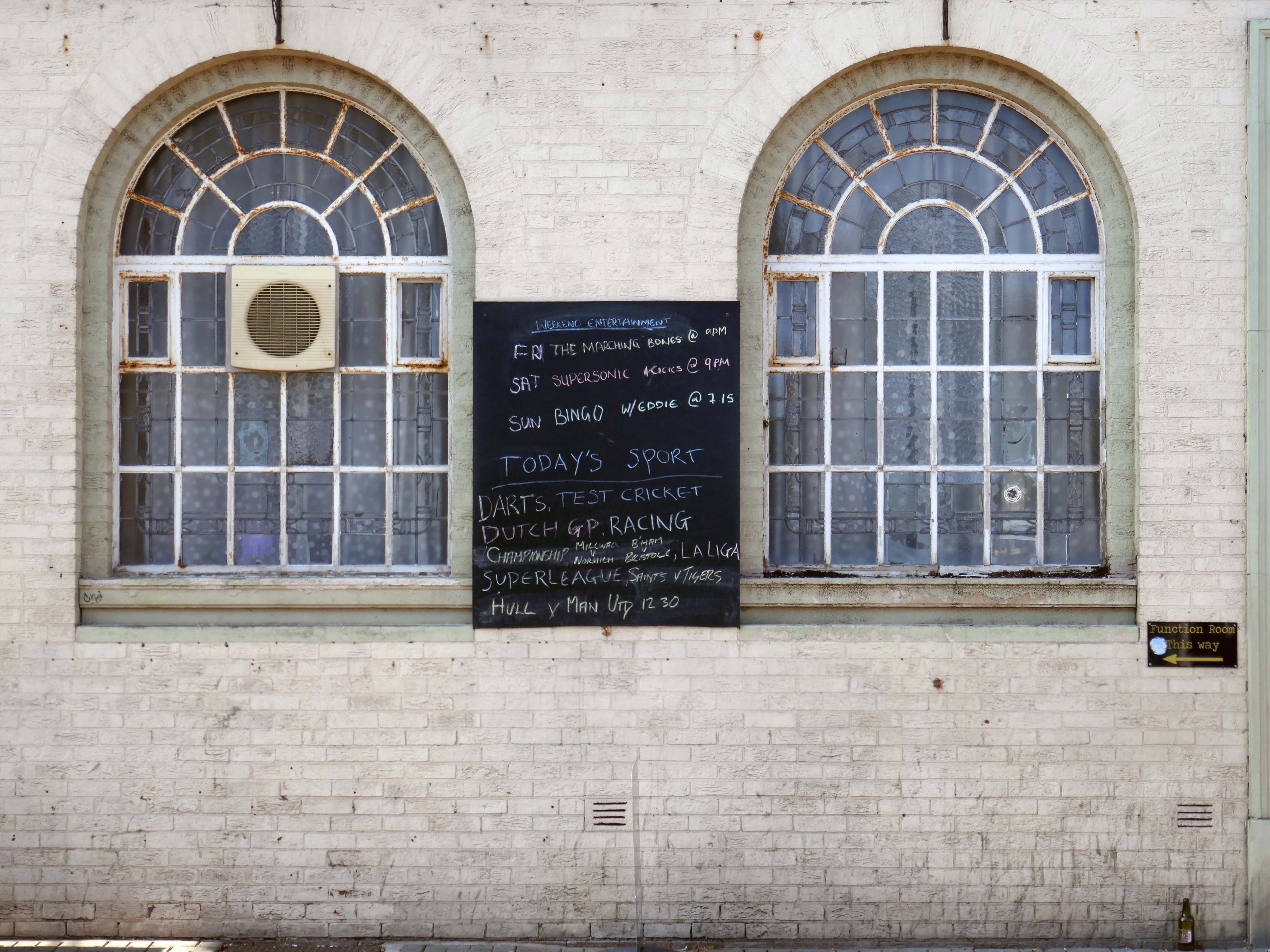
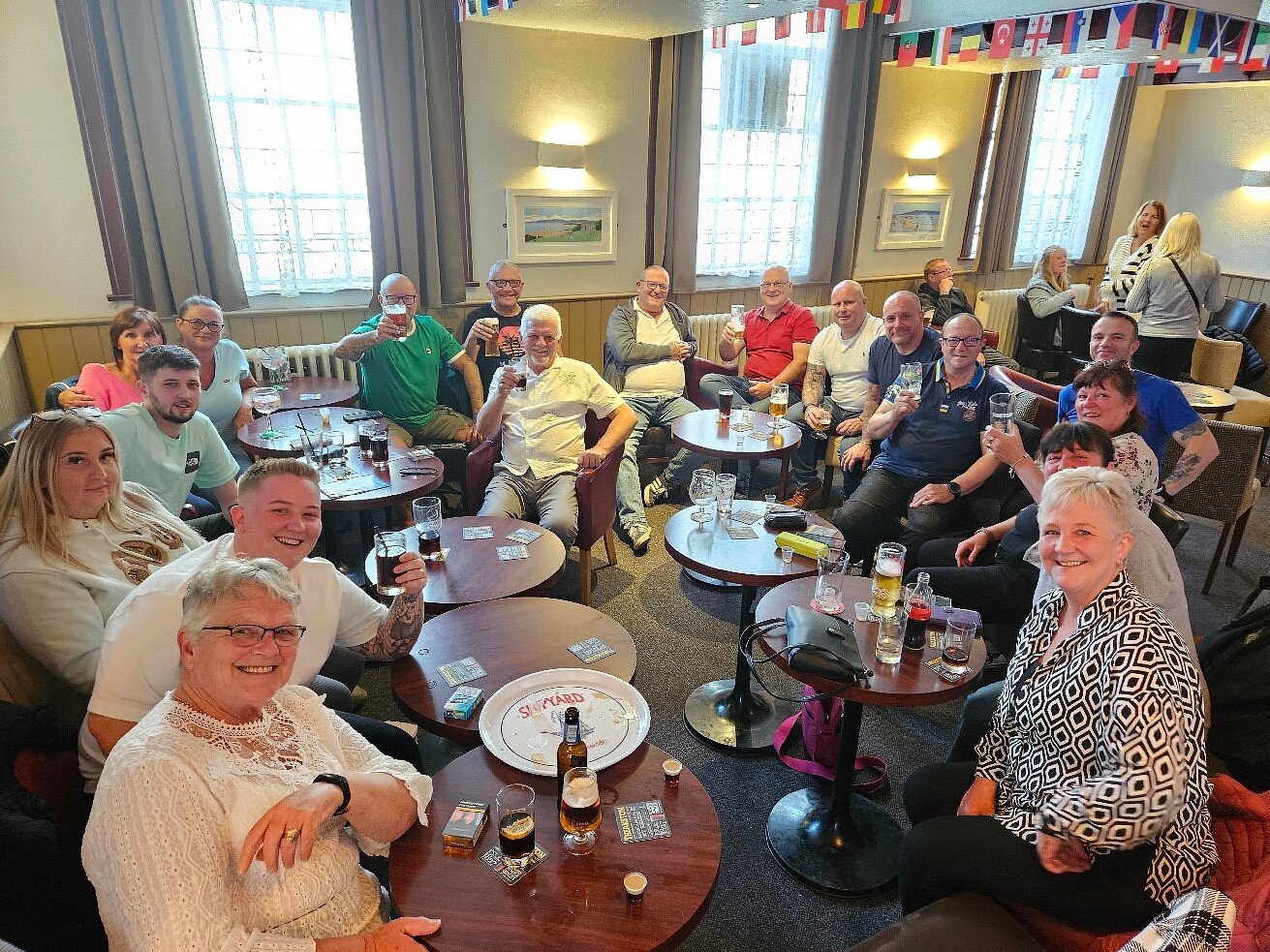
This is by far the best, friendliest and cheapest pub I have been to in the fifteen years I have lived in Morecambe.
Initially they owned the Ranch House on the promenade but moved to the Exchange – then called the Imperial, some years ago. Rob and Debbie completely turned the place around, barring all the undesirables and introducing live music every weekend. Rob has kept the ale prices down which is reflected by the numbers of regulars and visitors it attracts.
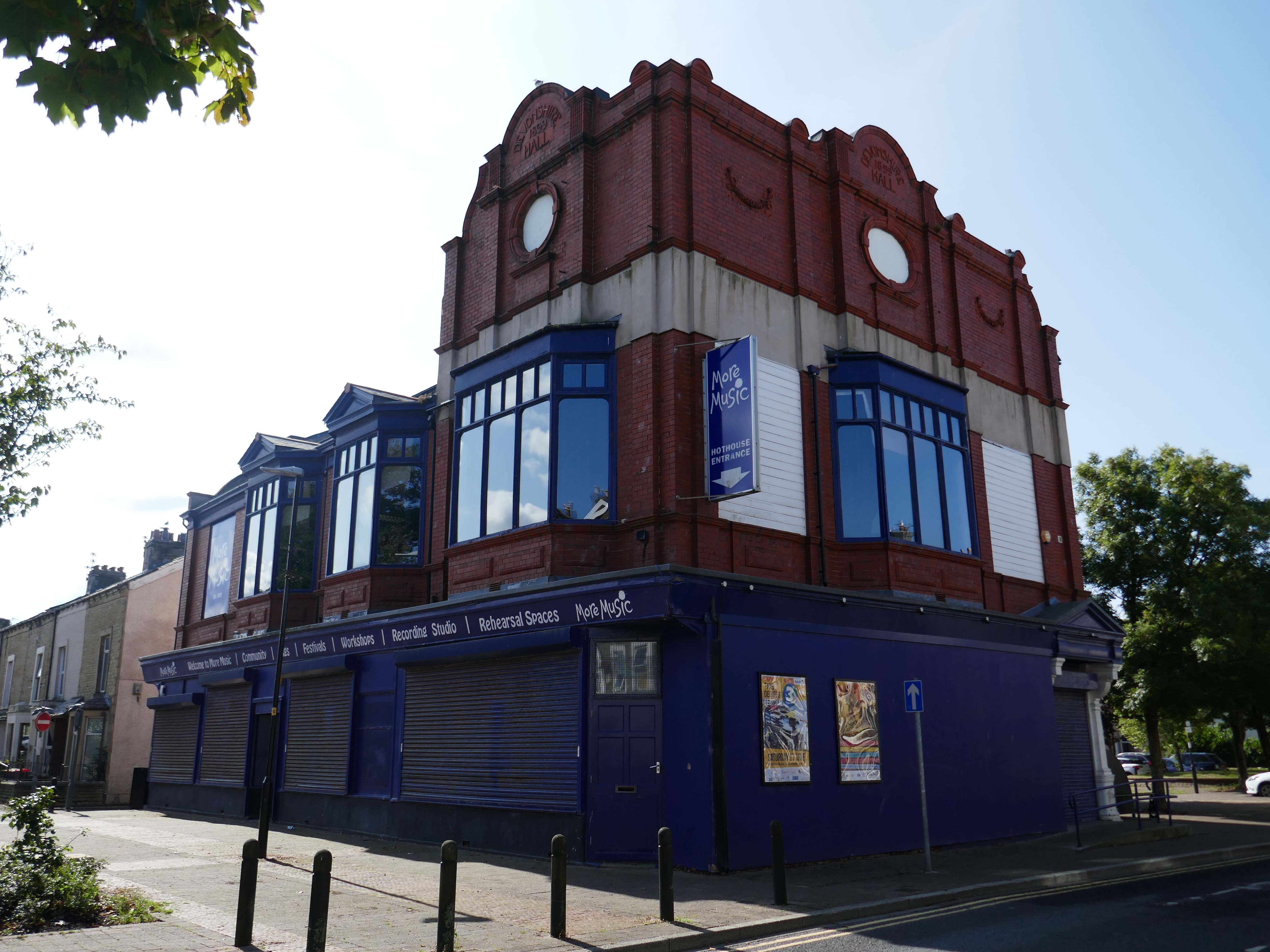
More Music is a music and education charity based in the West End of Morecambe, with 30 years of experience delivering workshops, training, performances and festivals across the district, region and beyond. More Music seeks to build confidence and spirit in individuals and communities through the arts, especially music. More Music is an Arts Council National Portfolio Organisation.
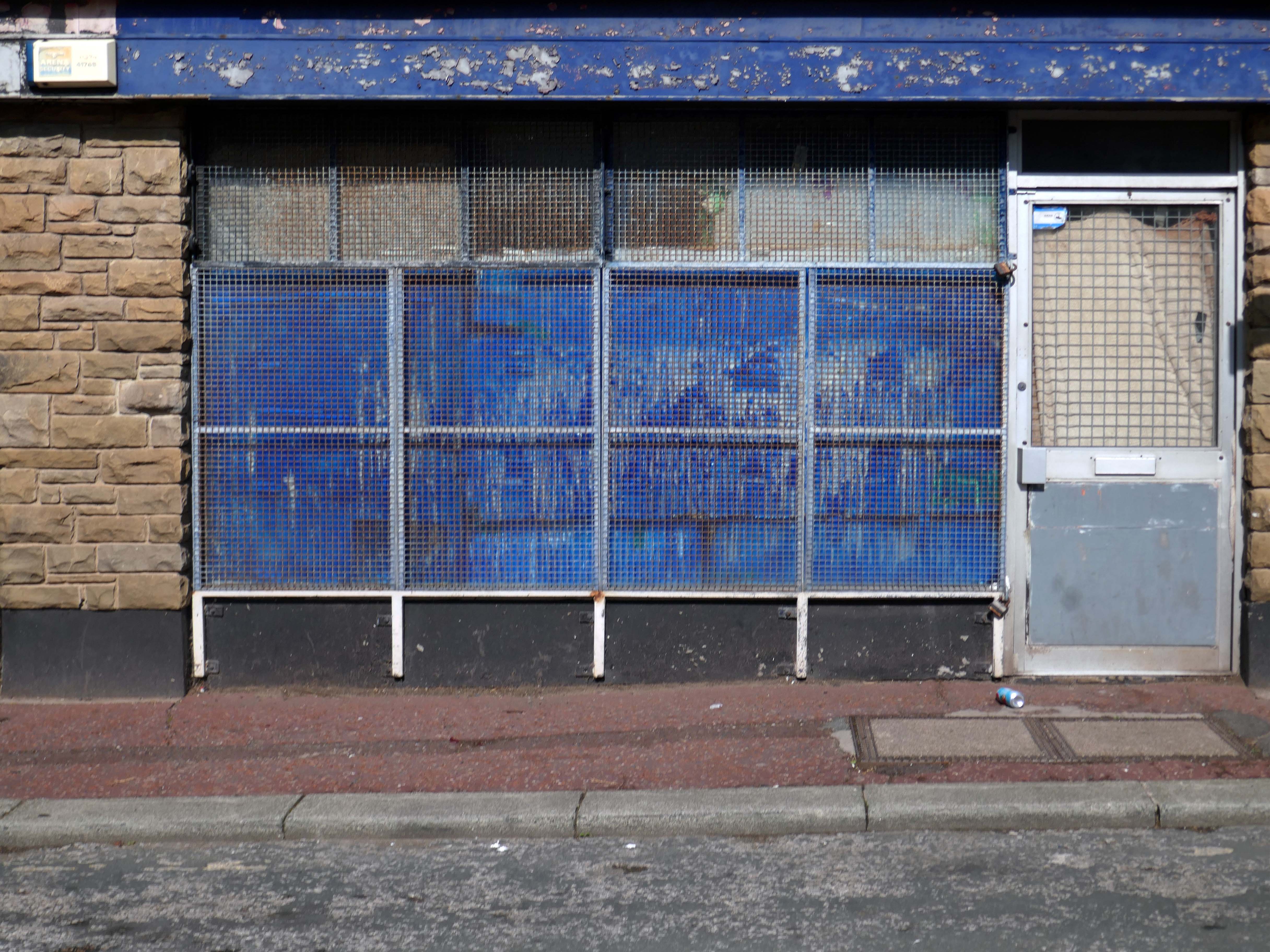
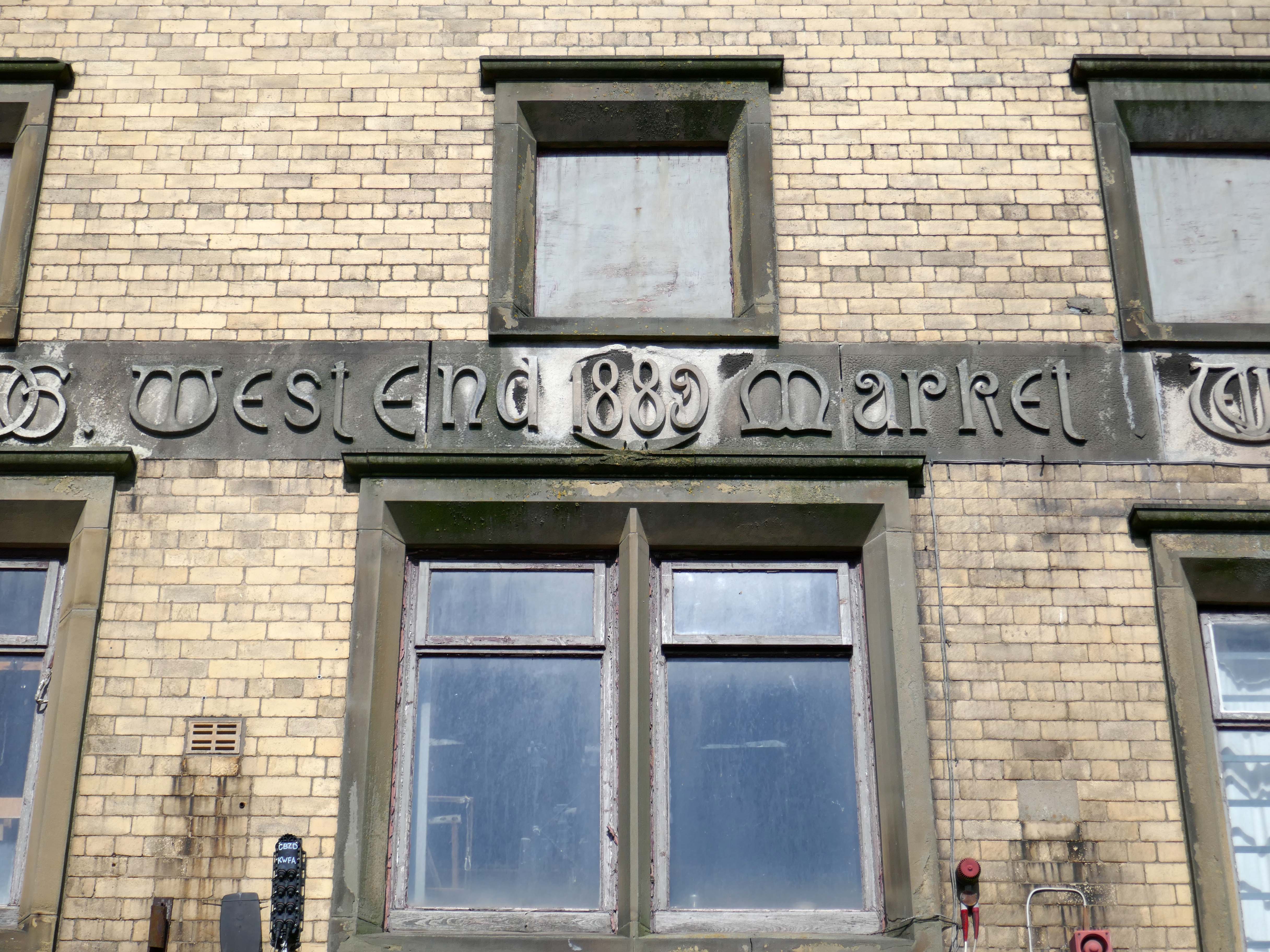
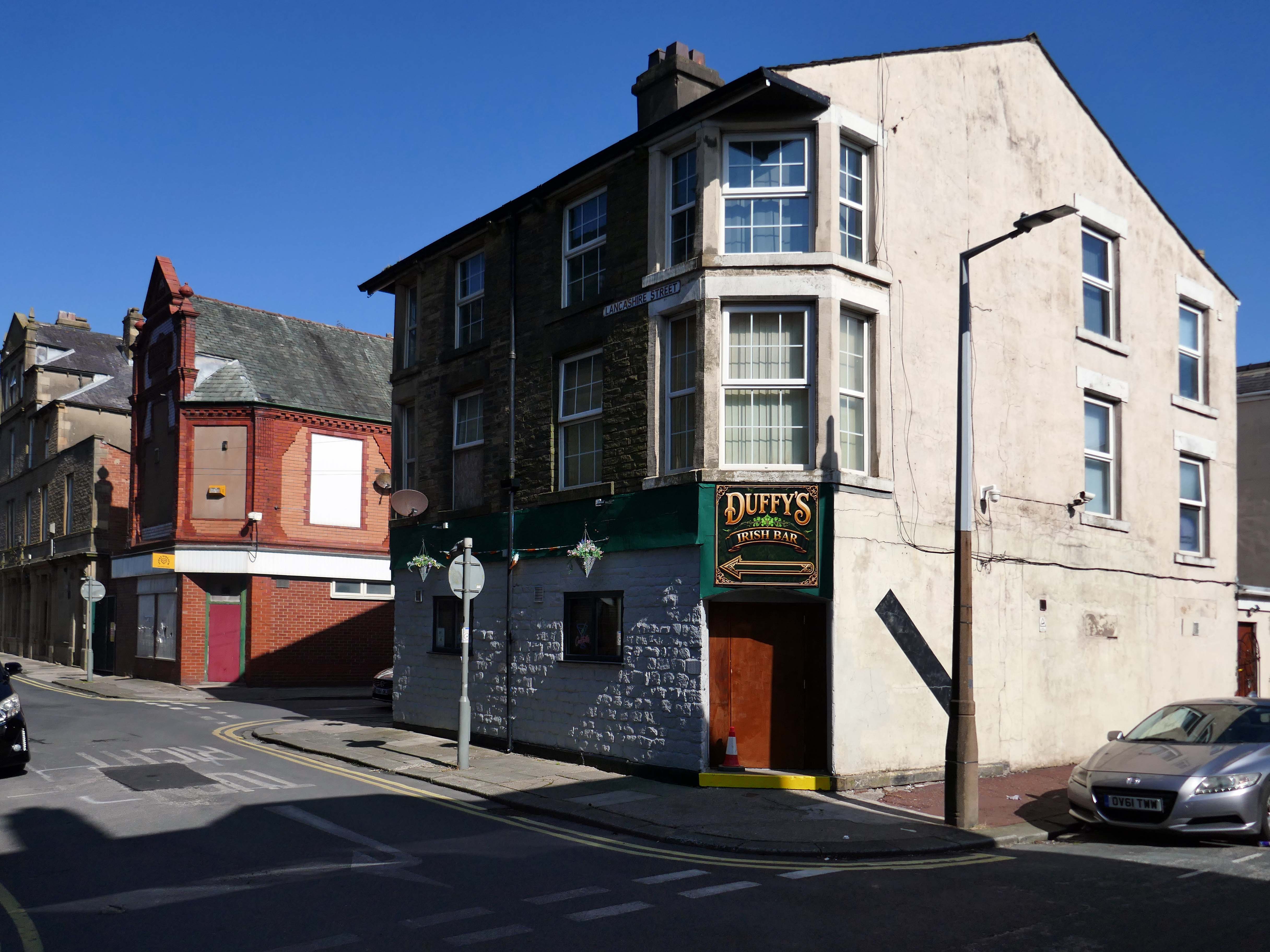
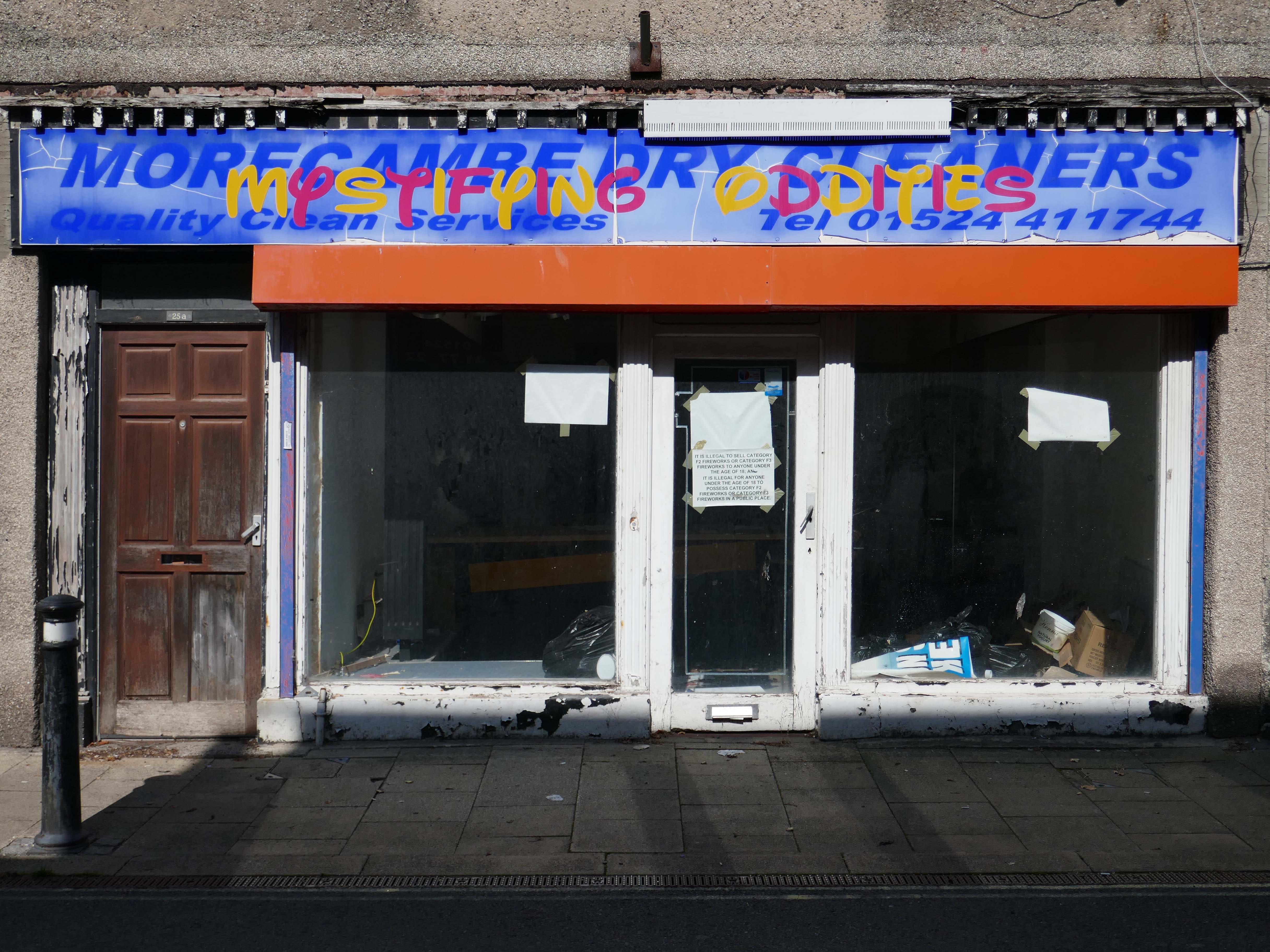
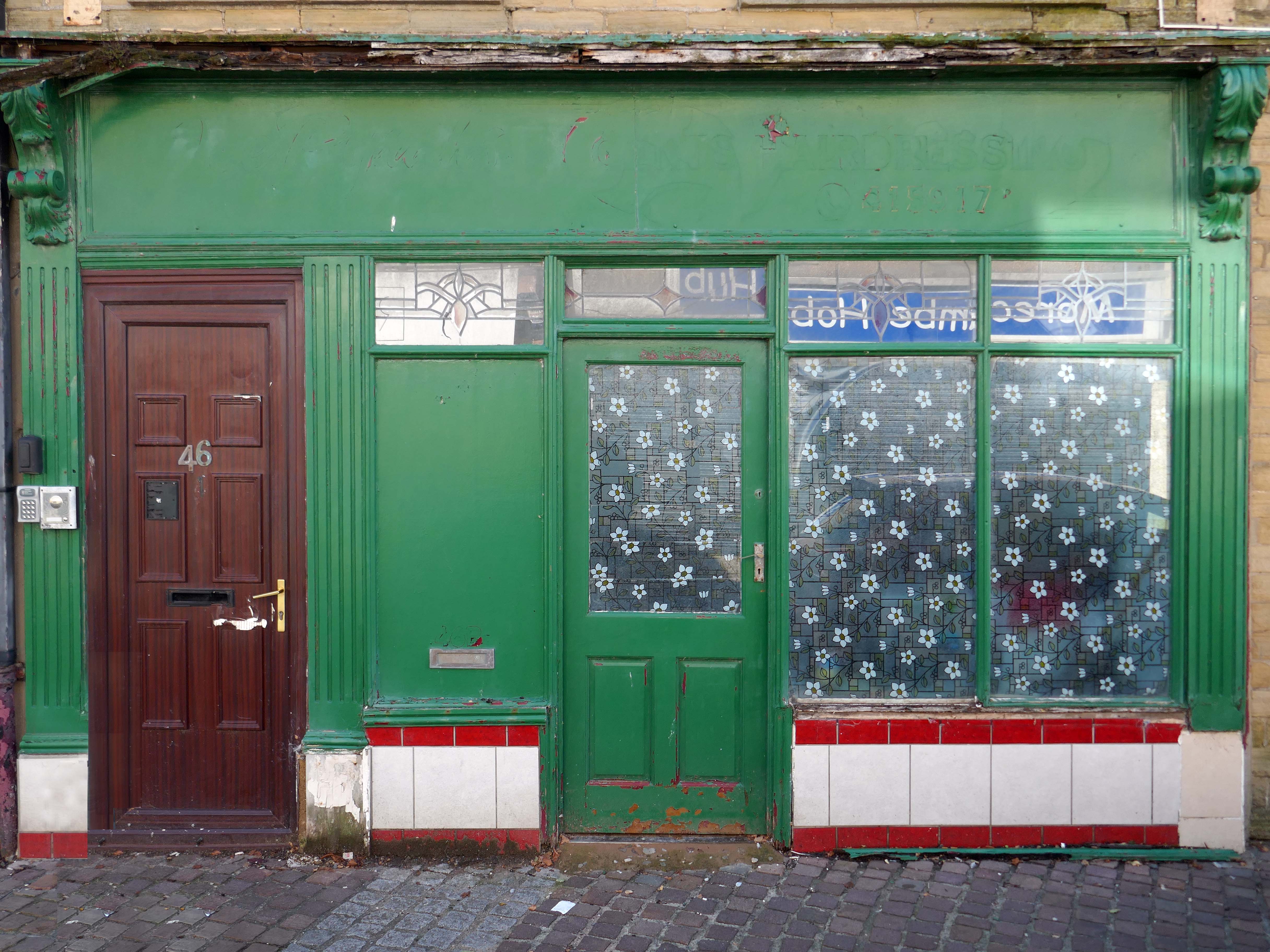
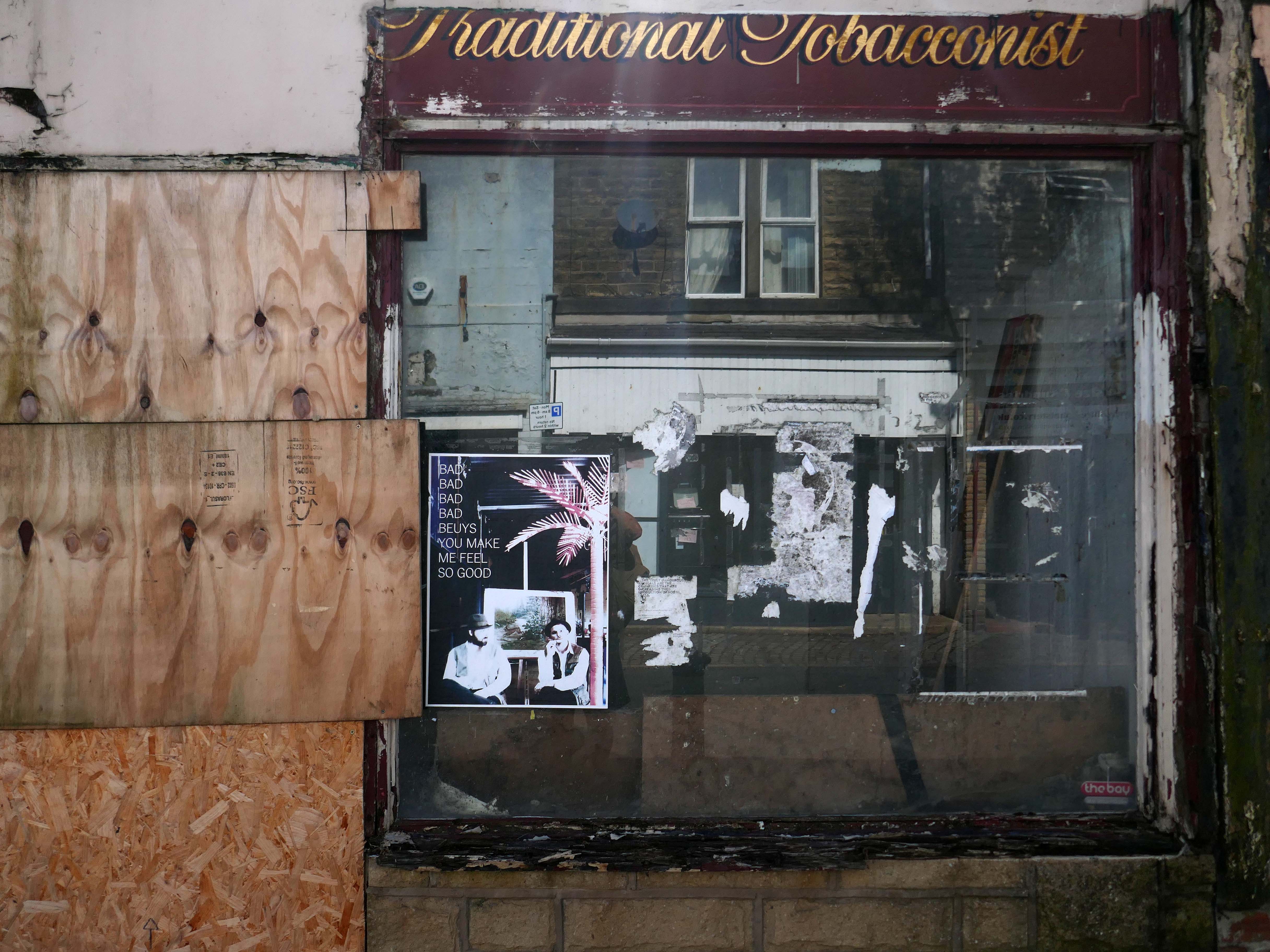
Action is needed to tackle empty shops and rundown buildings in Morecambe’s West End, councillors have said.
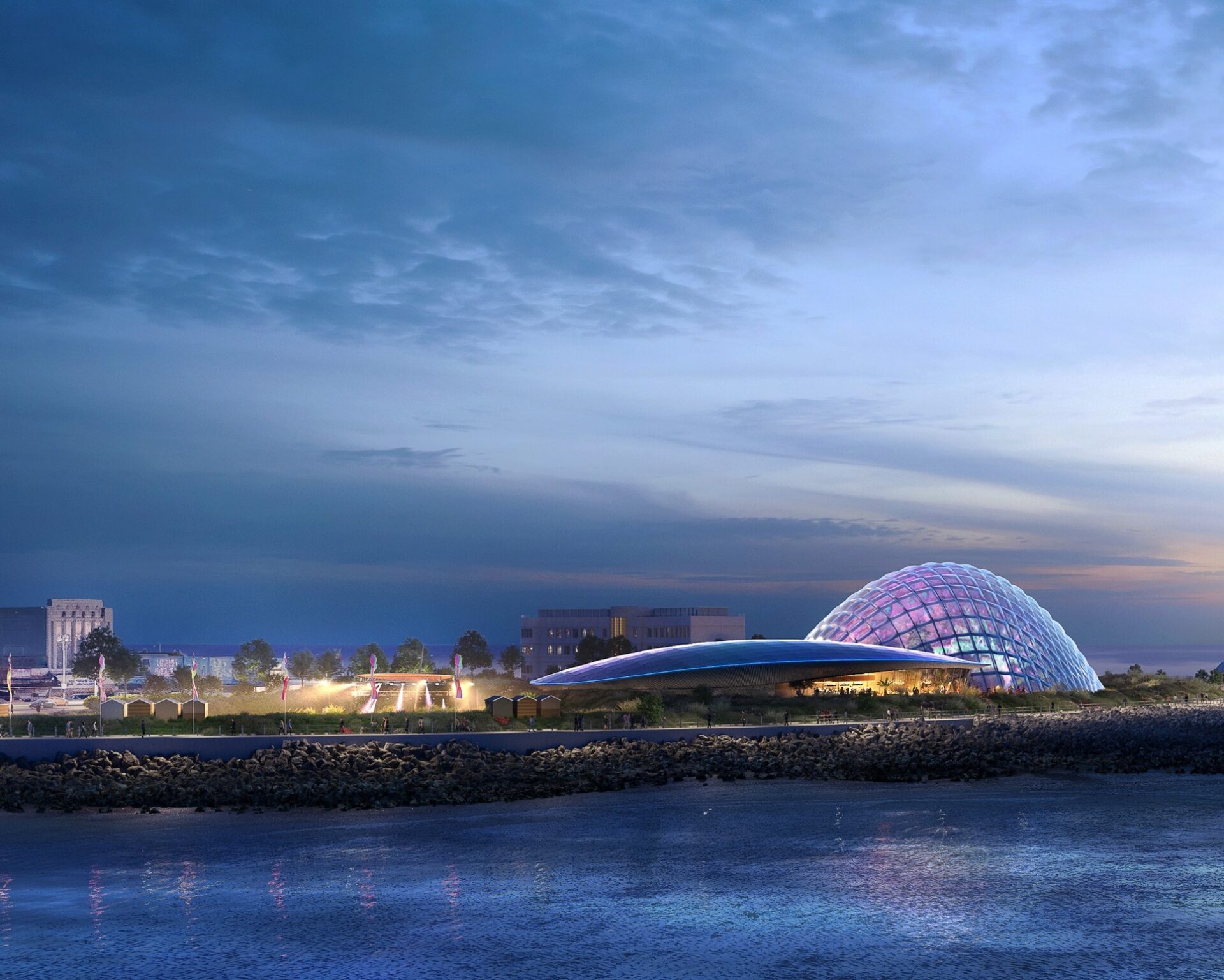
Coun Whitaker “Do you agree that we need to stop the rot and the domino impact of more boarded up properties which residents are getting really fed up of? We need to prioritise getting boarded up properties back into use, as business or arts opportunities. Hopefully, we can make the West End a good arts hub when the Eden Project arrives?”
Coun Bottoms replied: “Yes, there are lots of ideas and lots of talk at these meetings. But there is no real vision or strategy. That’s what we need to move things forward. We need positive action, not just words.”
As a consequence of the geology, geography, and topography of the area Stockport became an industrialised town.
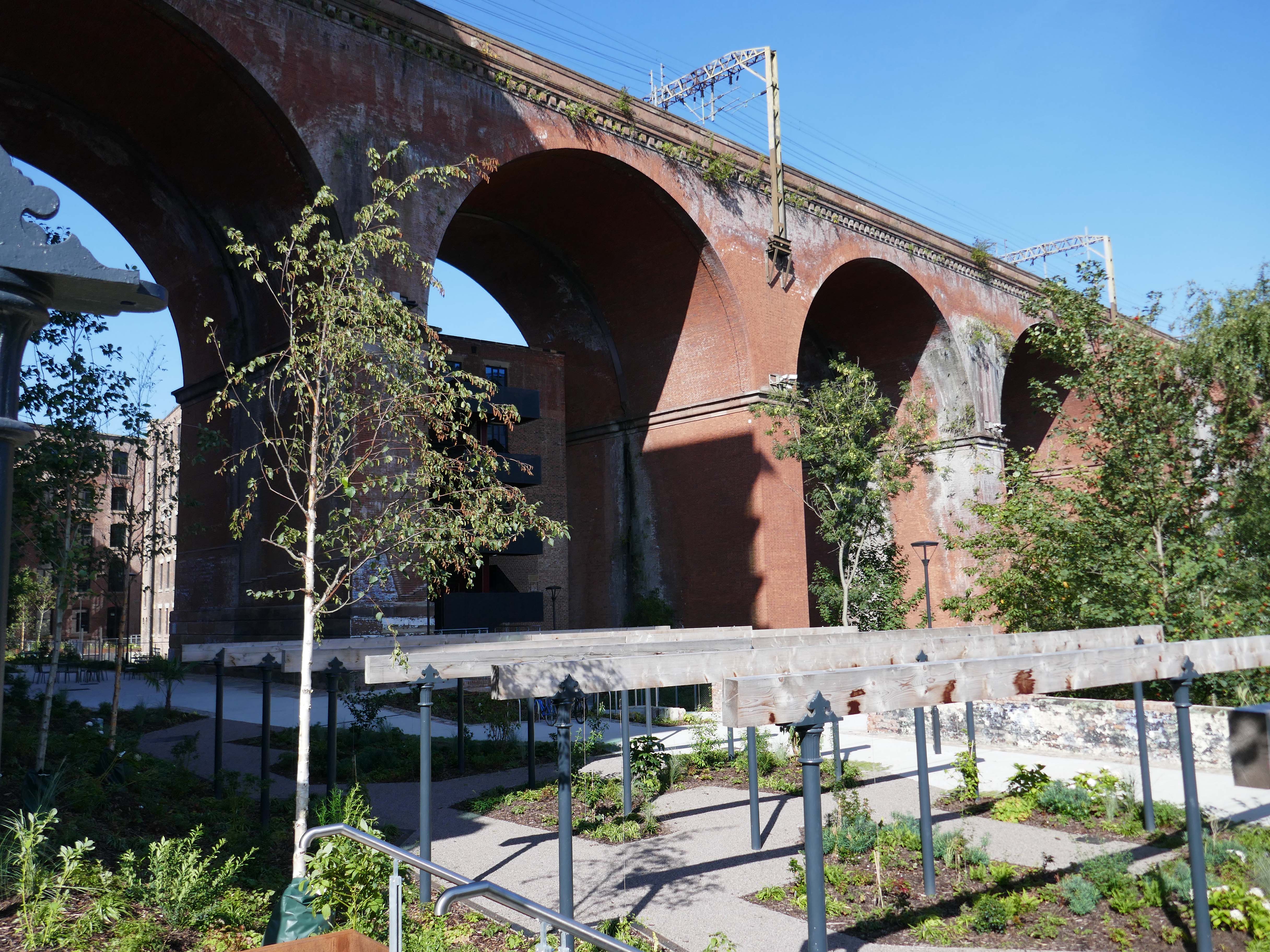
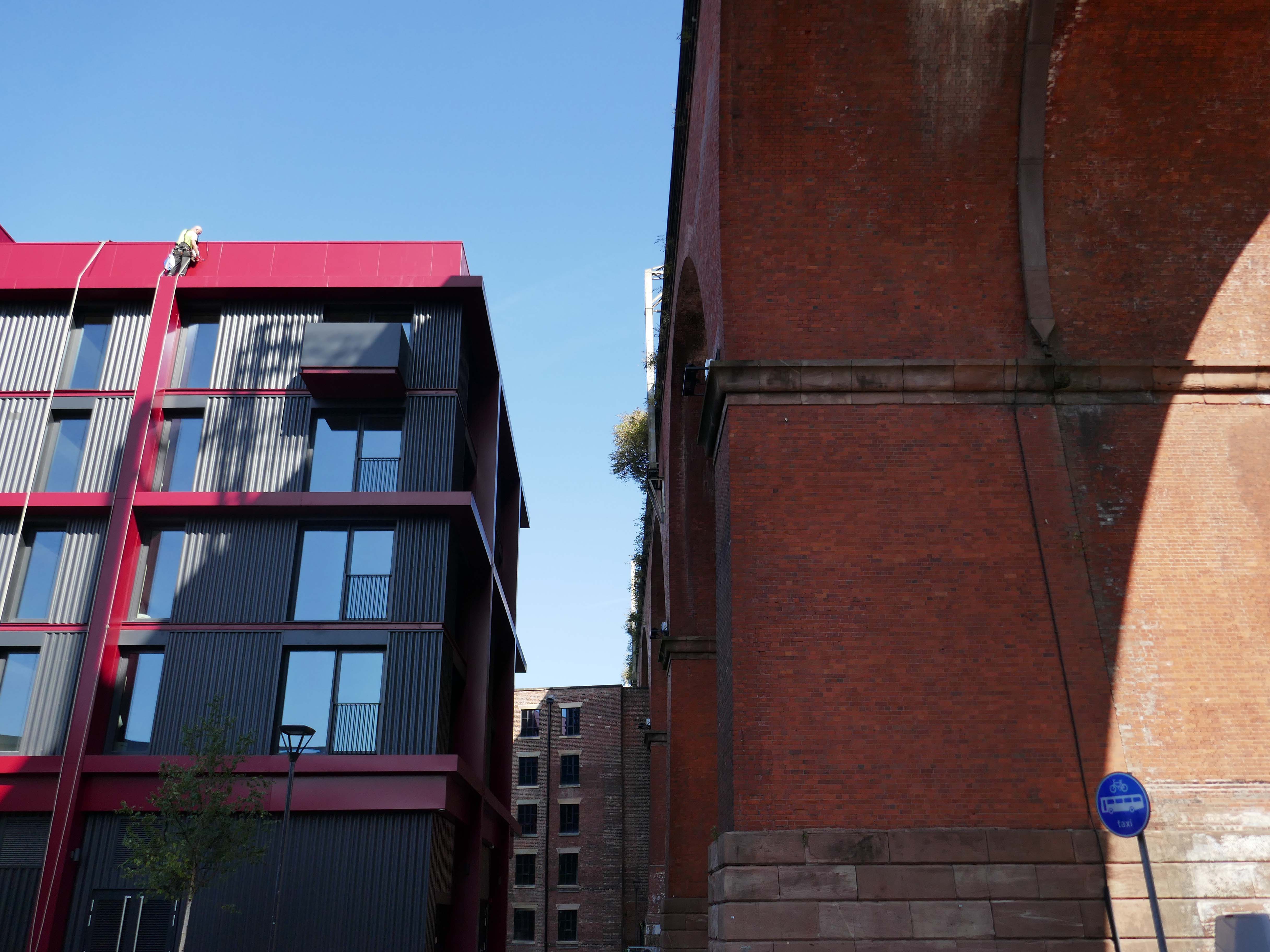
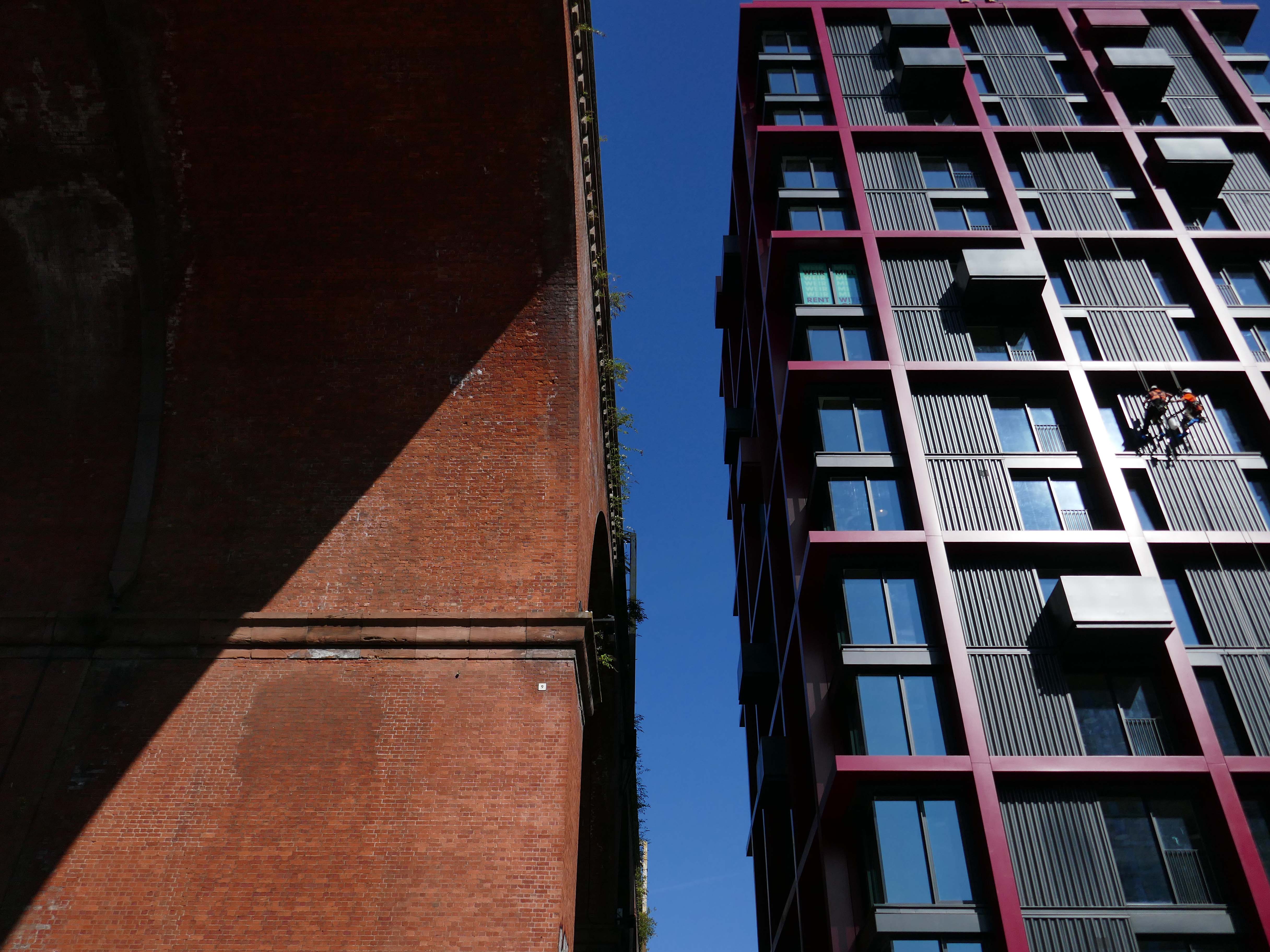
Coal, water cotton and hats coalesced into a viable local economy, with a viaduct to carry goods, services and people over the River Mersey.
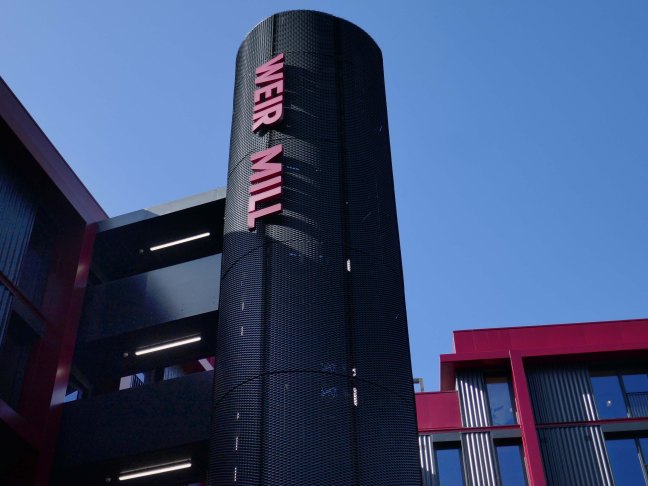
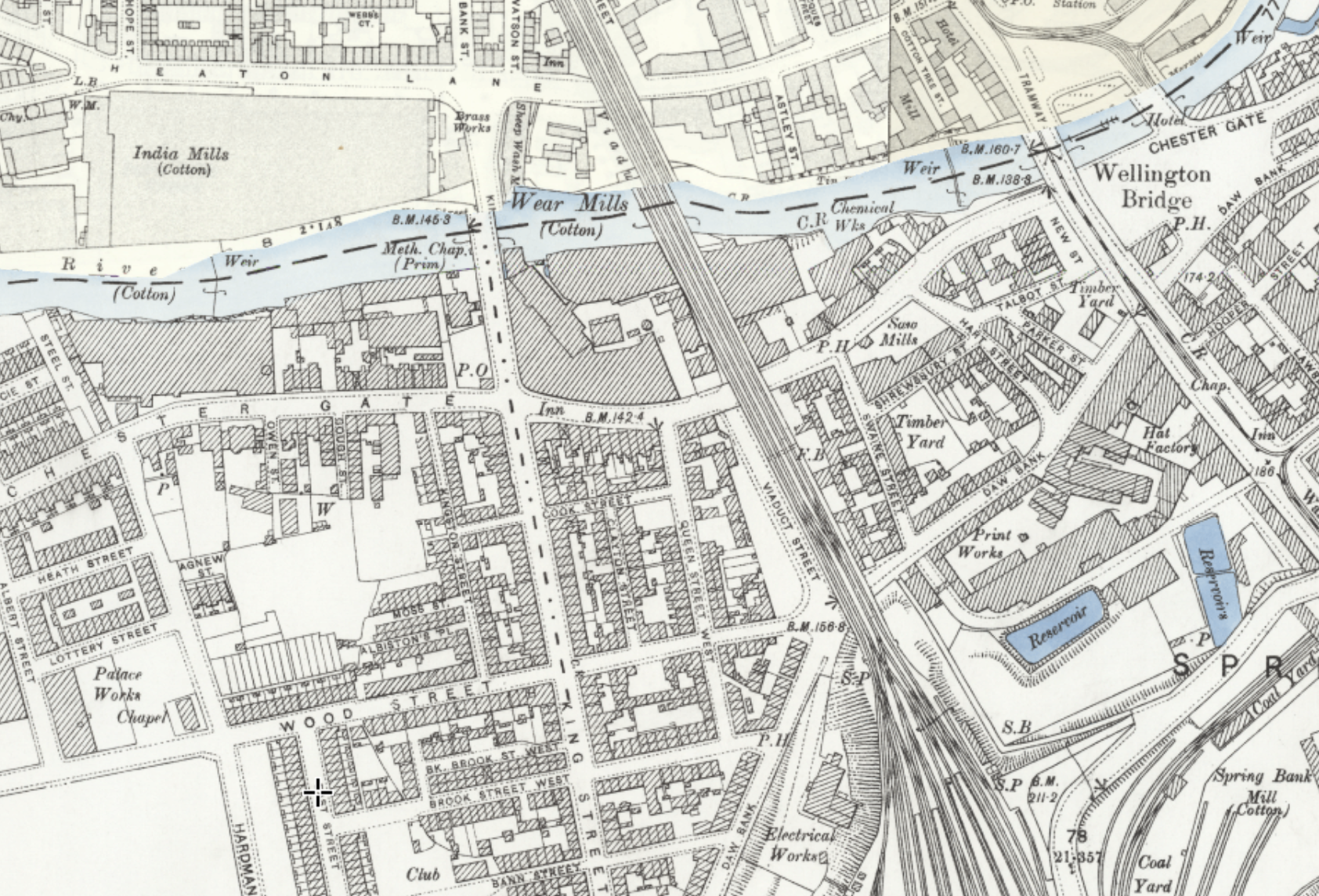
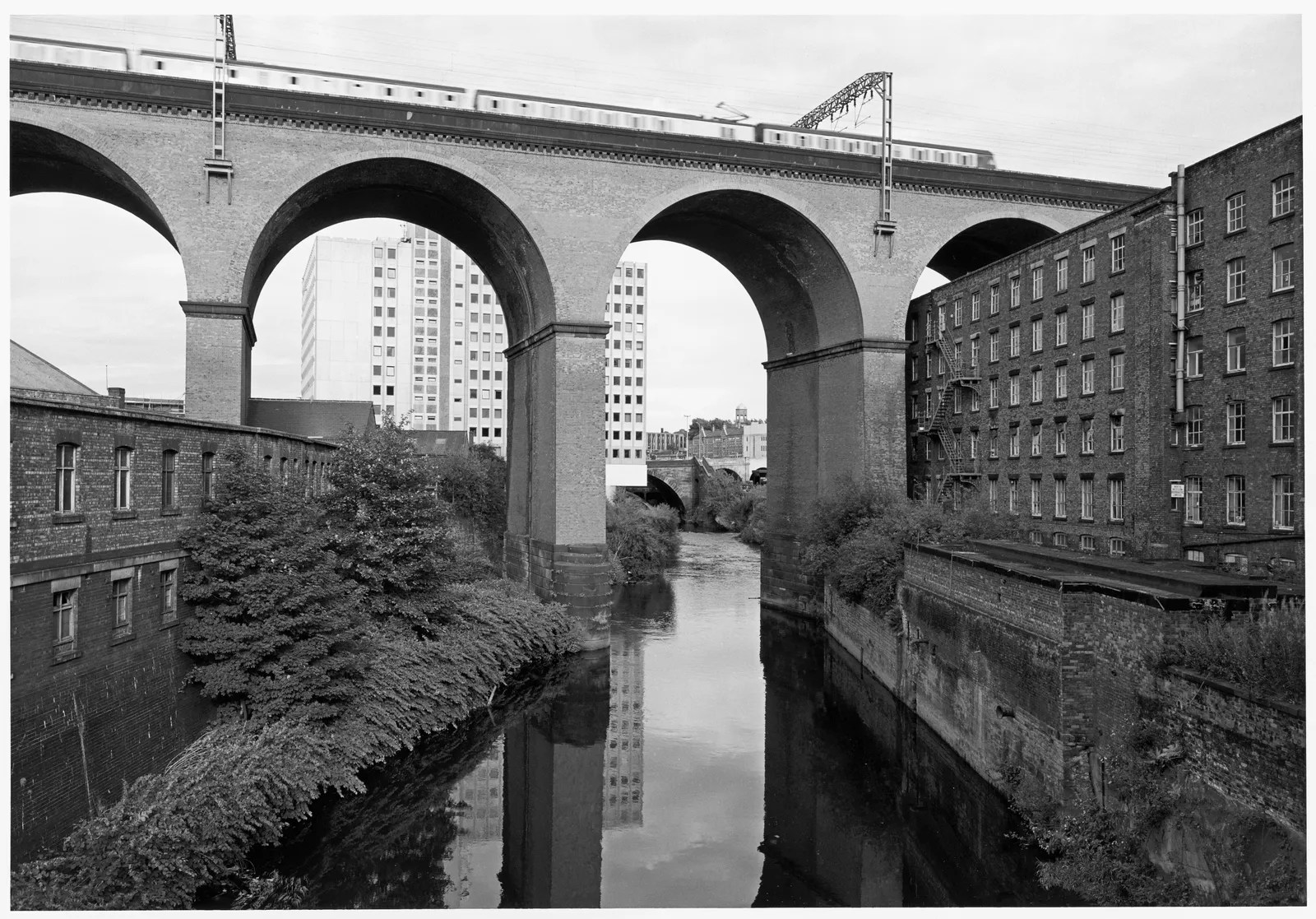
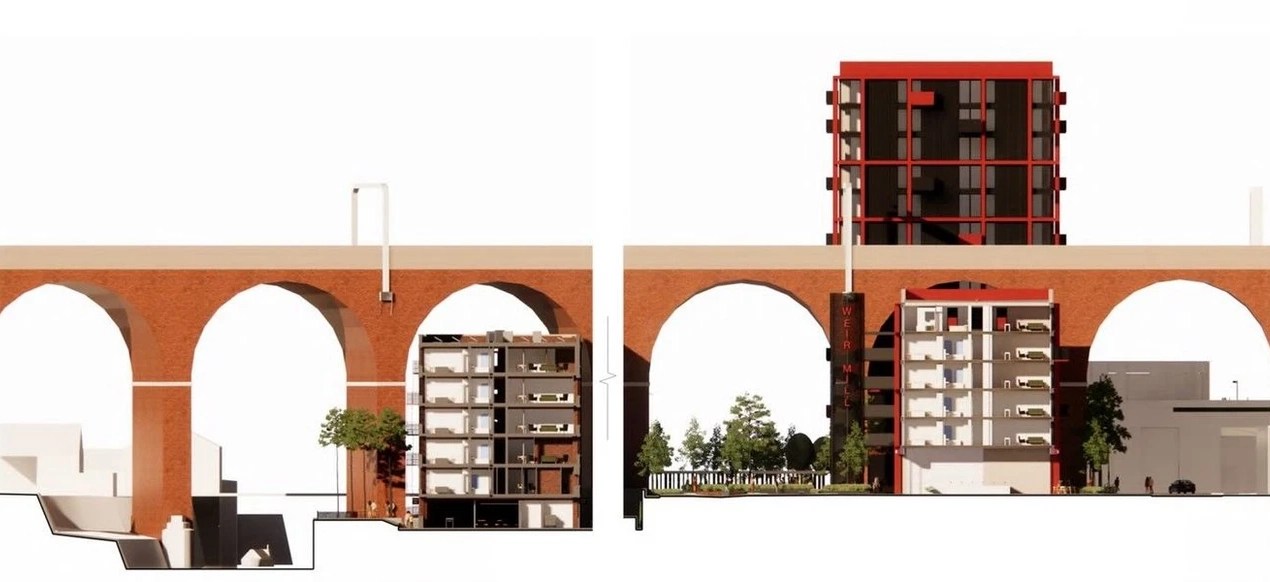
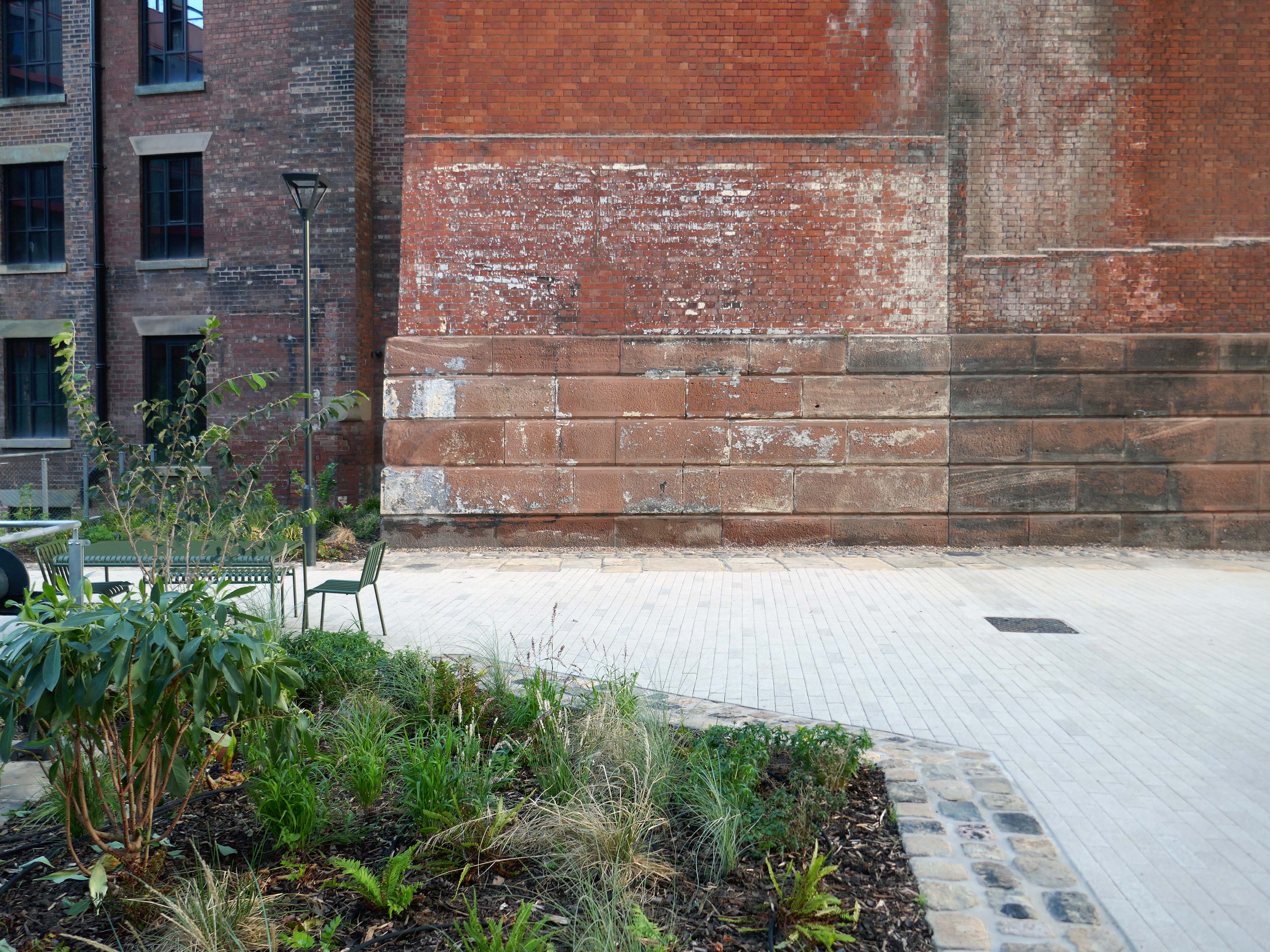
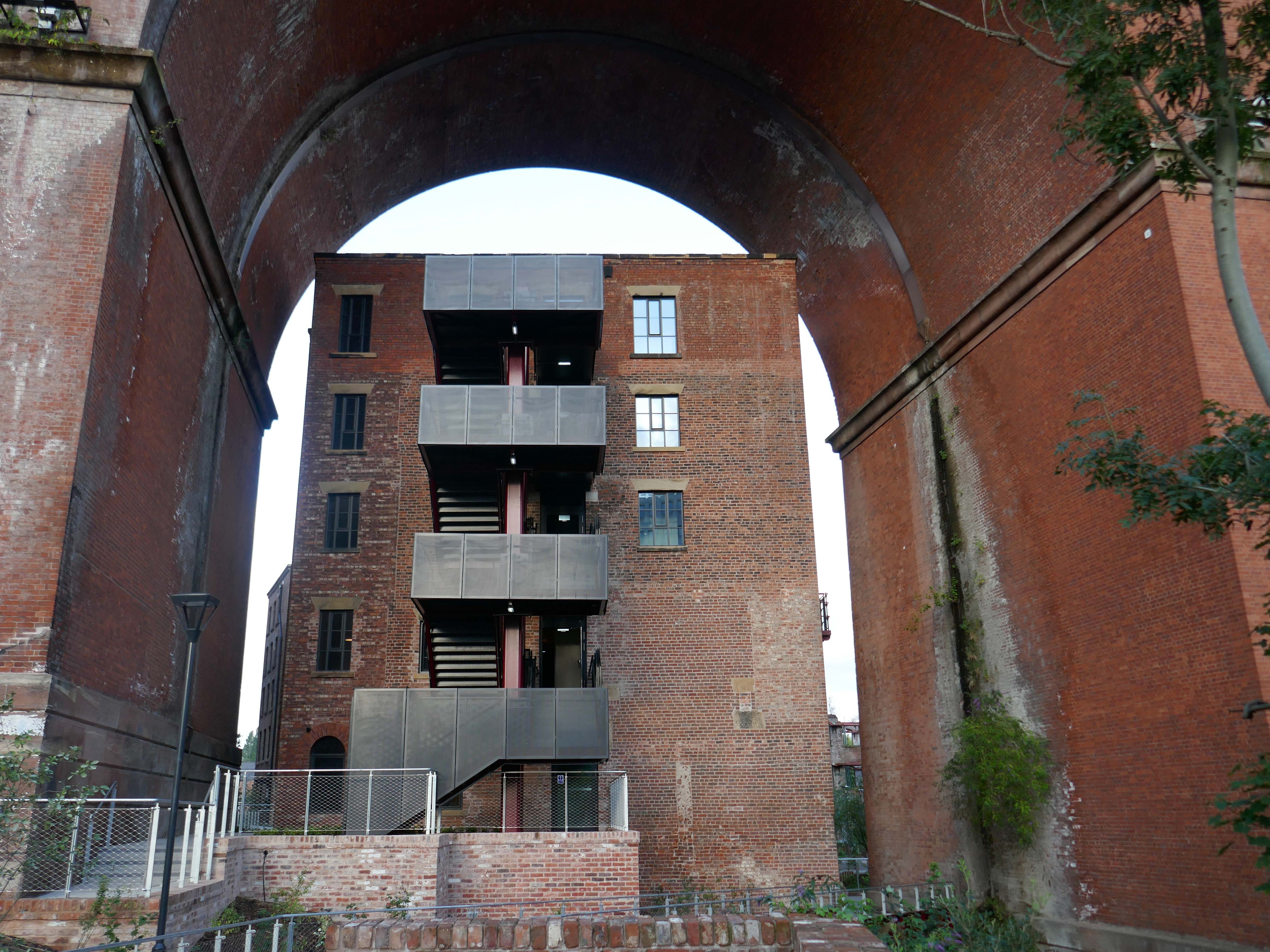
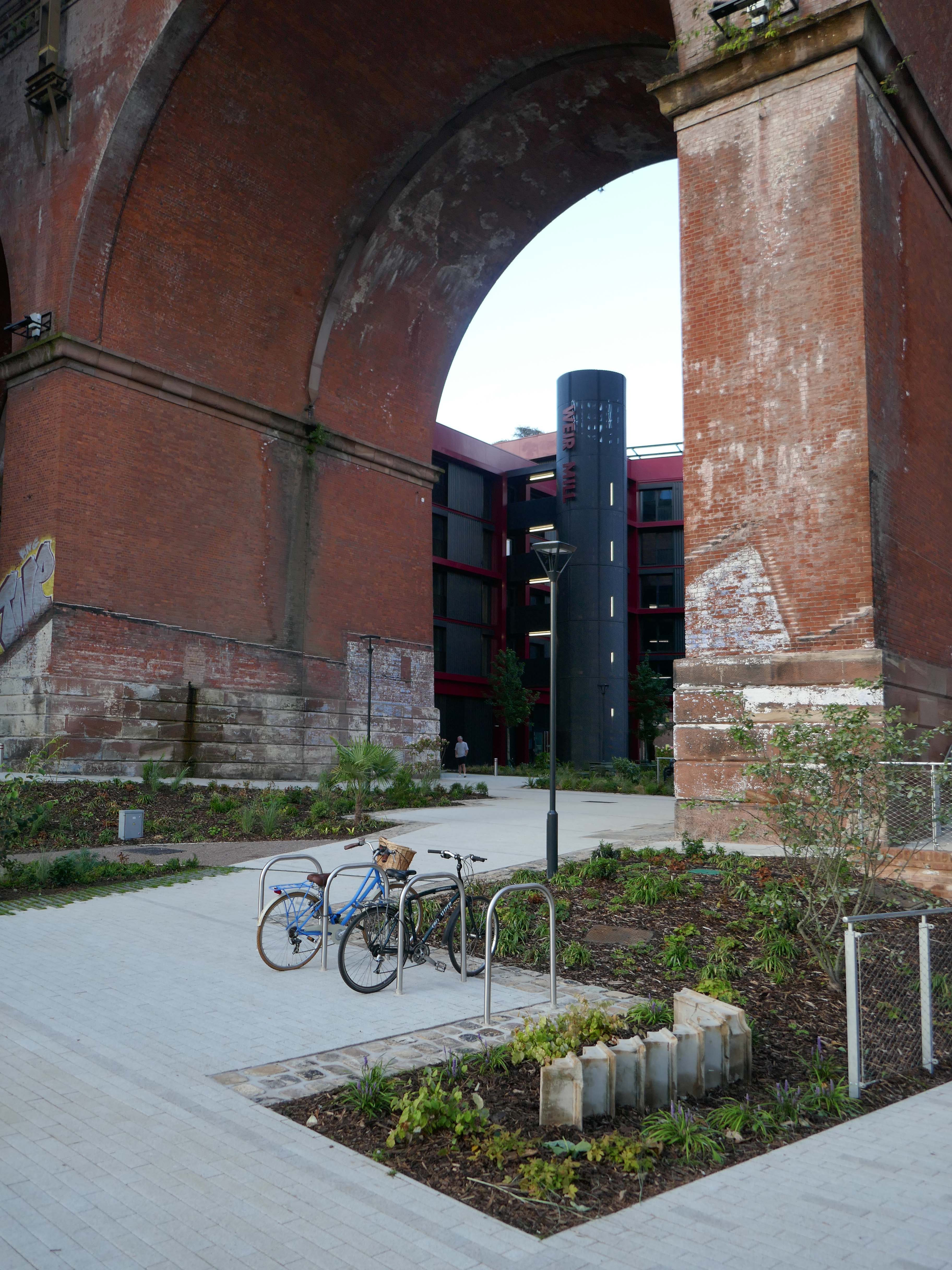
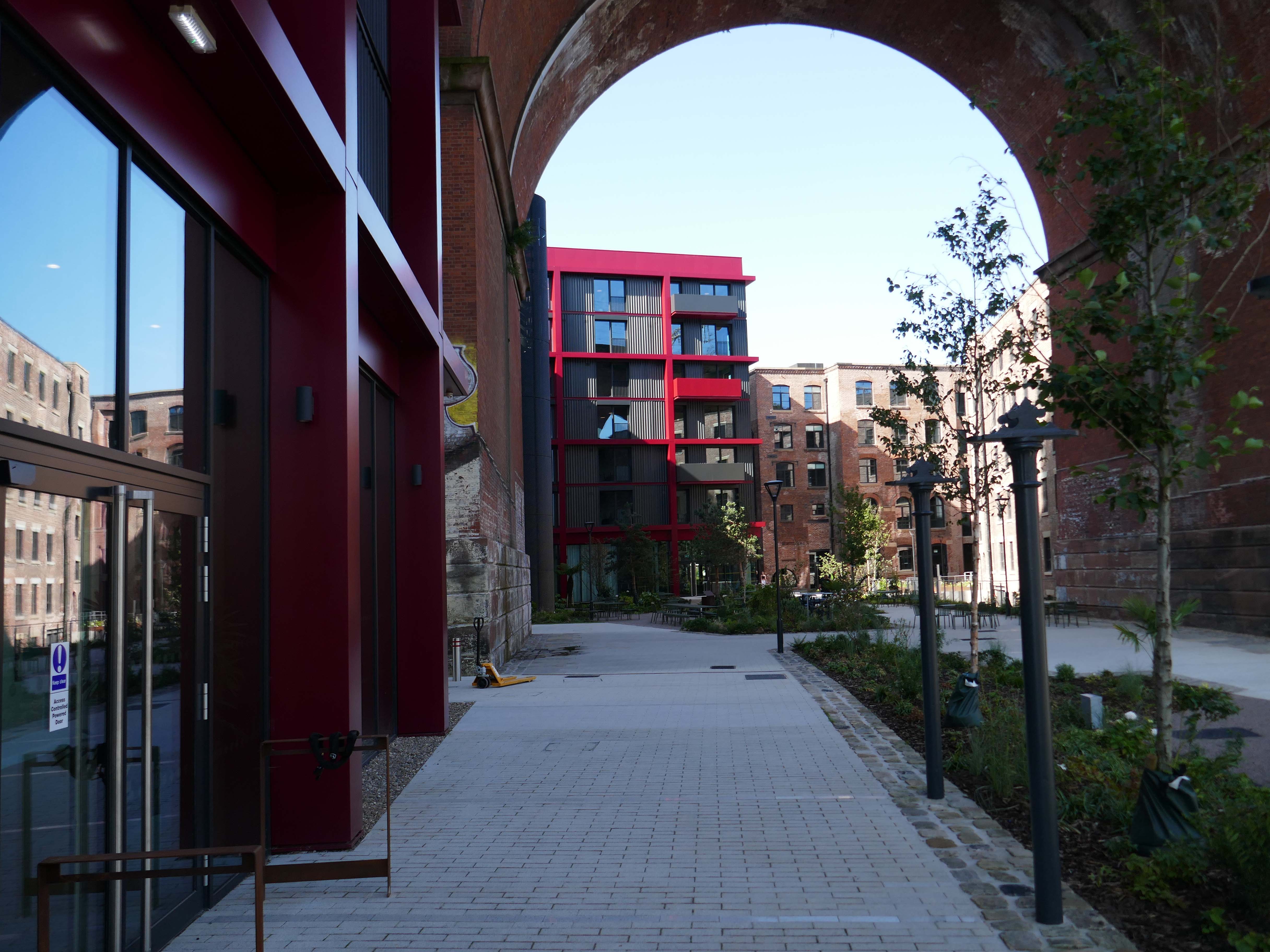
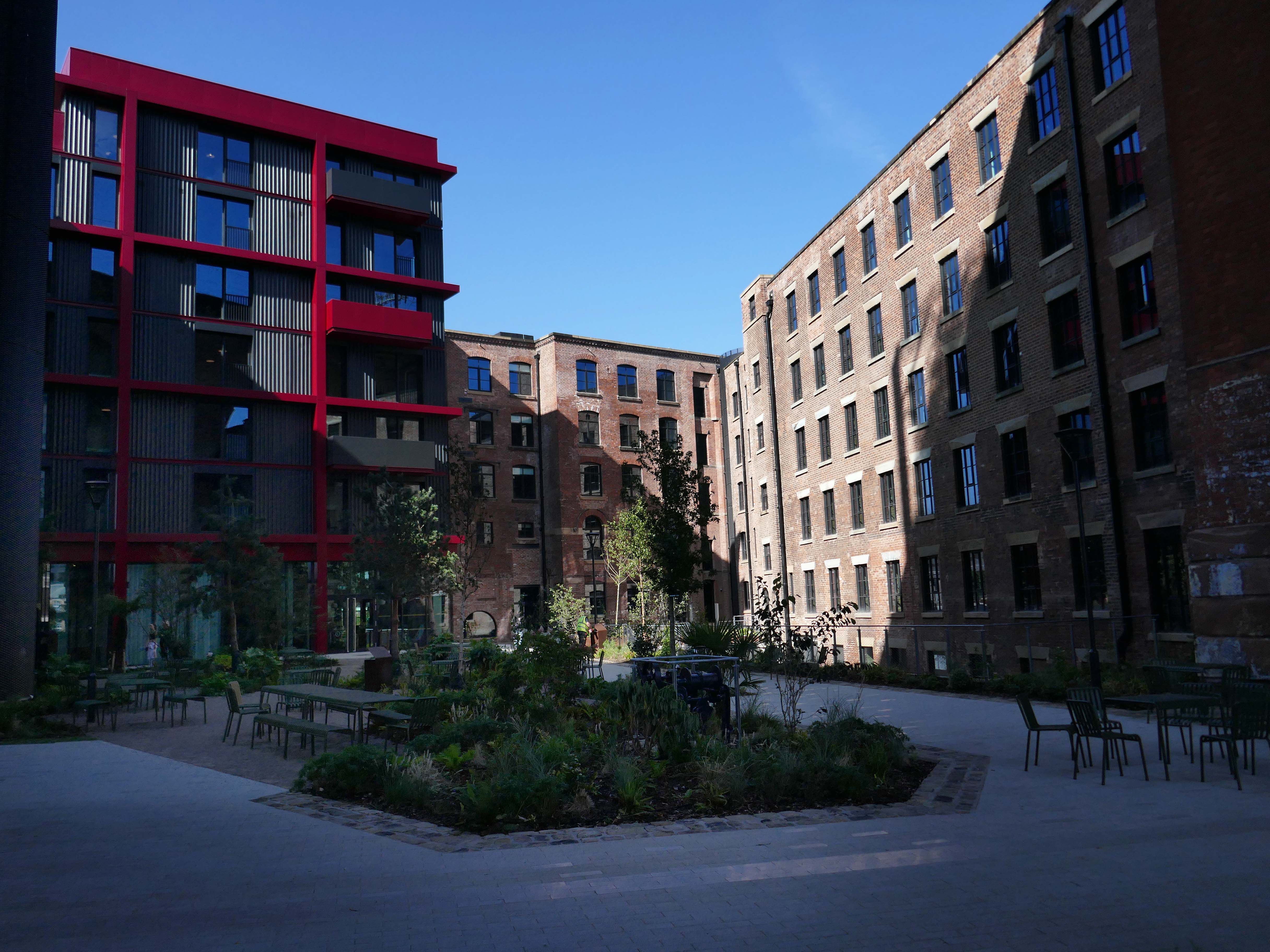
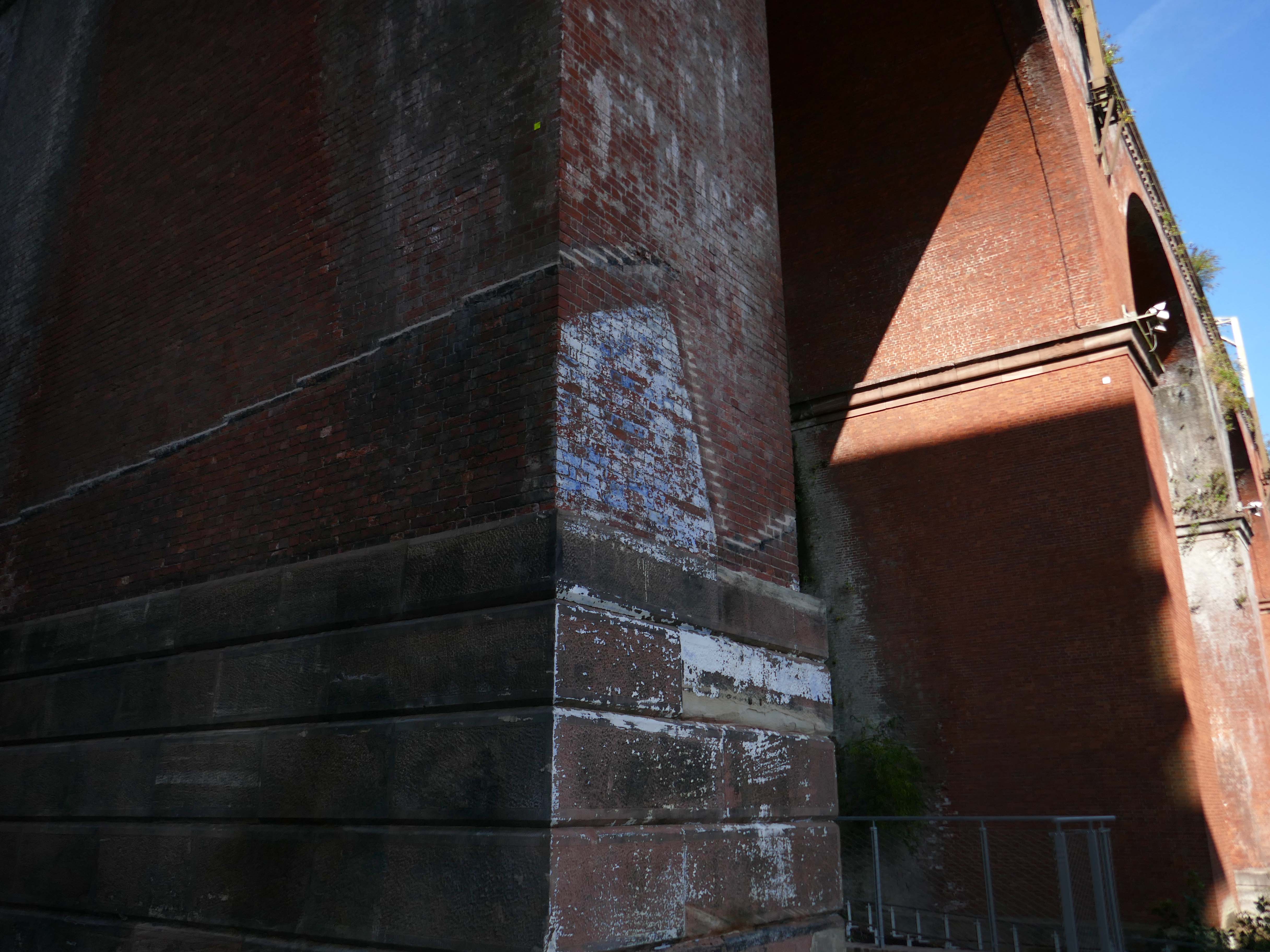
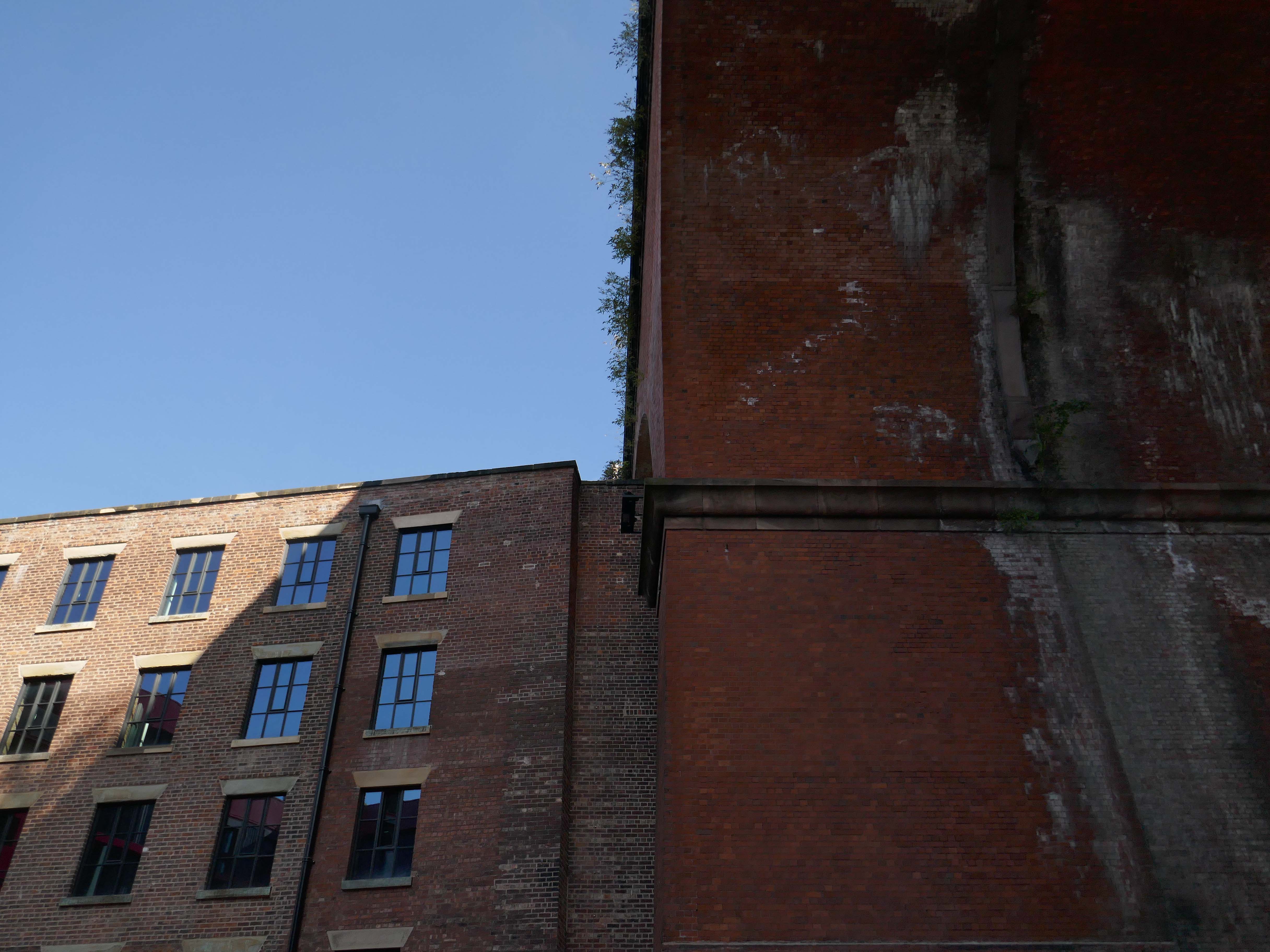
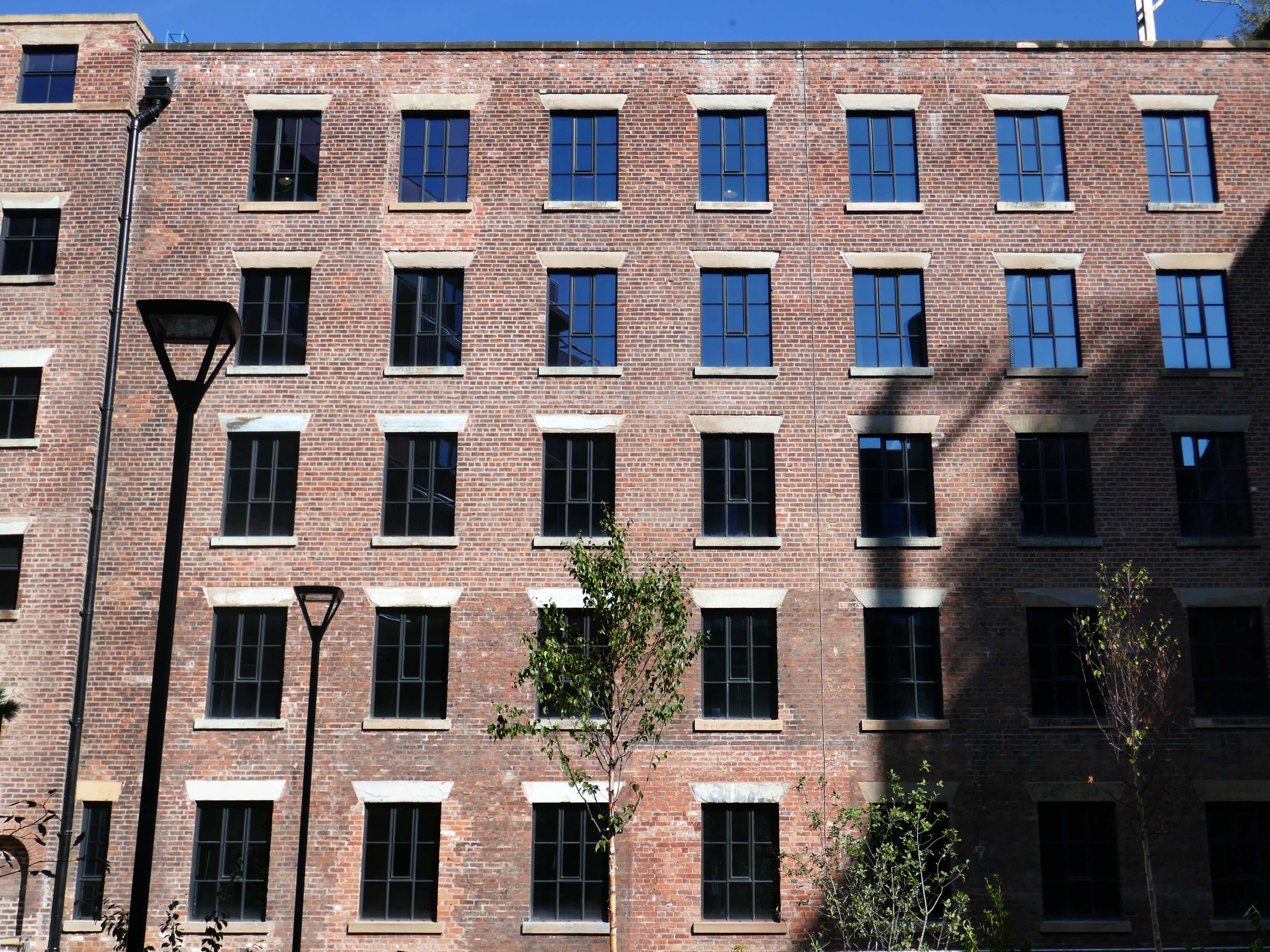
Beneath the viaduct and alongside the river is Grade II Listed Wear Mill
The first record of a mill on this site was when John Collier, a cotton manufacturer built a mill on this site in 1790. It was water powered. The mill probably consisted of two multi-storey spinning mills and attached weaving sheds, one destroyed by fire in 1831 and the other rebuilt in 1884.
Thomas Fernley bought the mill in 1824, and in 1831 needed to replace one mill with a new one that was of fireproof construction. This mill was eleven bays long and six storeys tall. The floors were sprung on transverse brick arches supported on cast iron columns. It was driven by a beam engine in an internal engine house to the east of the mill. It was over this engine house that the Manchester and Birmingham Railway built the Stockport Viaduct in 1840, and again when it widened in 1880. The second mill was replaced in 1884, but not the original wheelhouse. It is a five-storey, 15-bay mill of fireproof construction with narrow longitudinal vaults springing from iron joints. The original weaving sheds have been replaced with two-storey structures, creating a complex site.
Lo, it came to pass – opened to the public August 2026.
I went to take a look around.
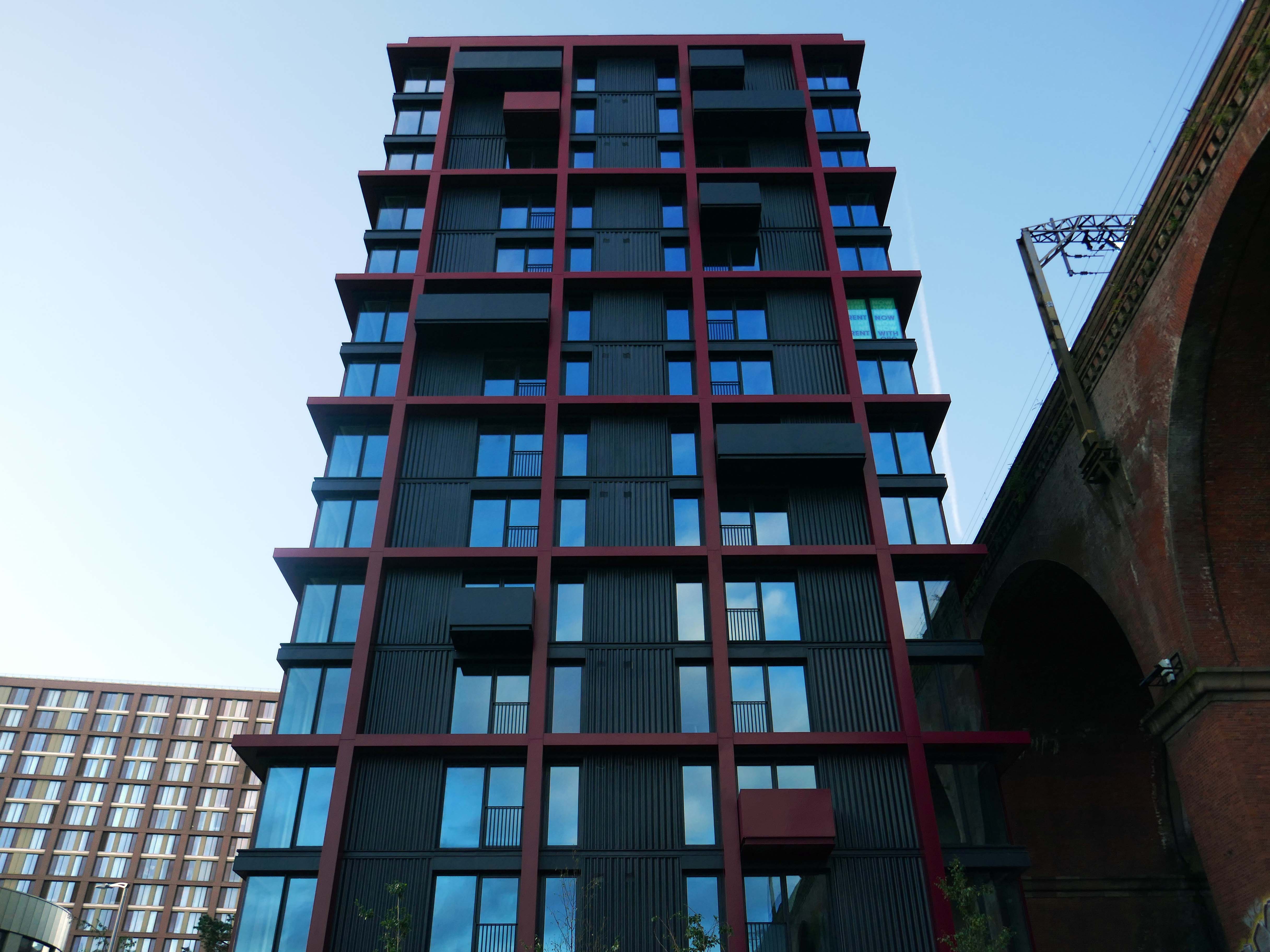
Available to rent right now – one bed from £1250 two bed from £1600
Living here comes with a stack of resident perks too. On-site amenities include a fully kitted out gym and studio, co-working spaces, mini-cini, residents lounge, private dining for big get togethers, and a rooftop garden fitted with electric BBQs.
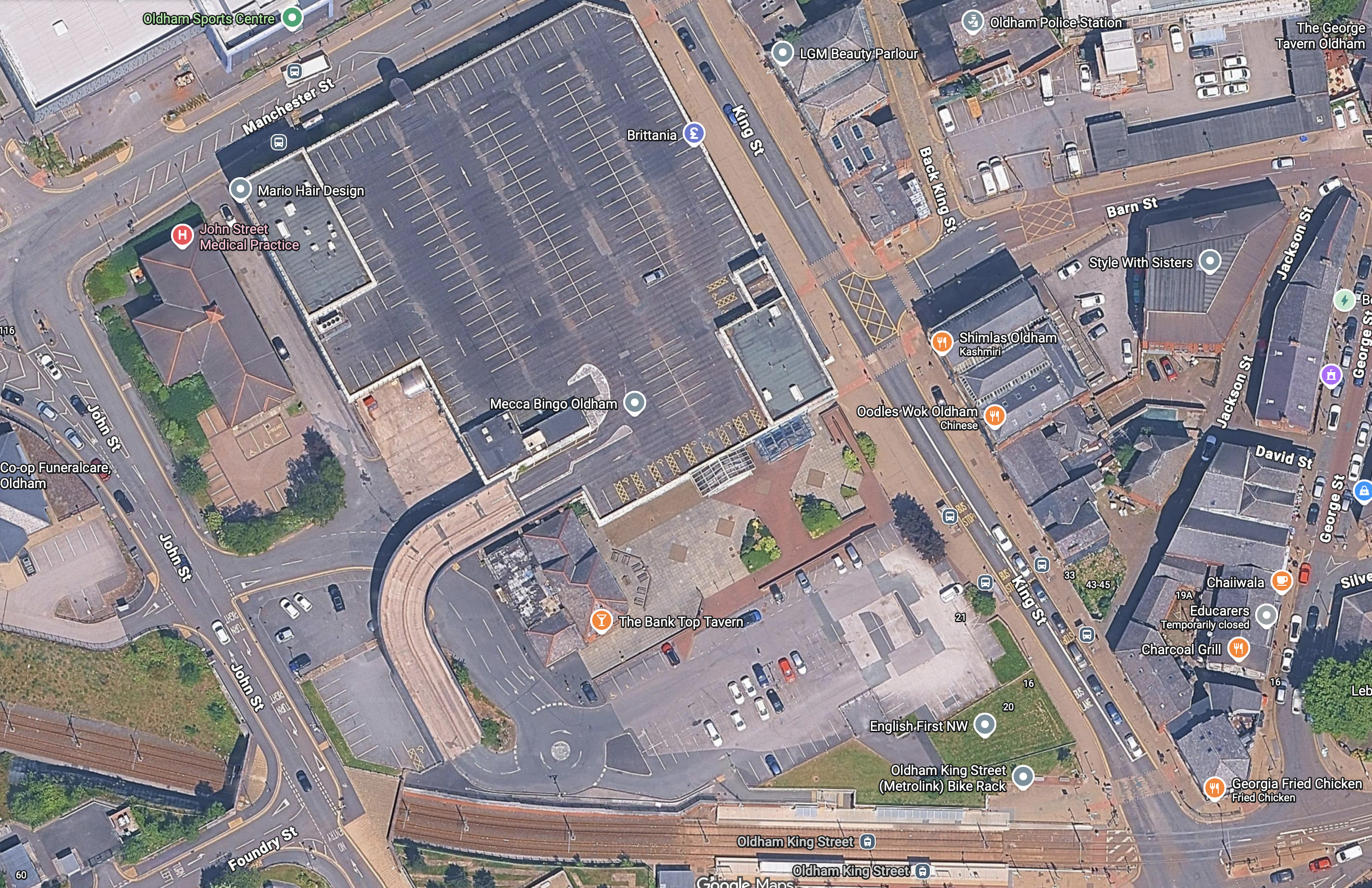
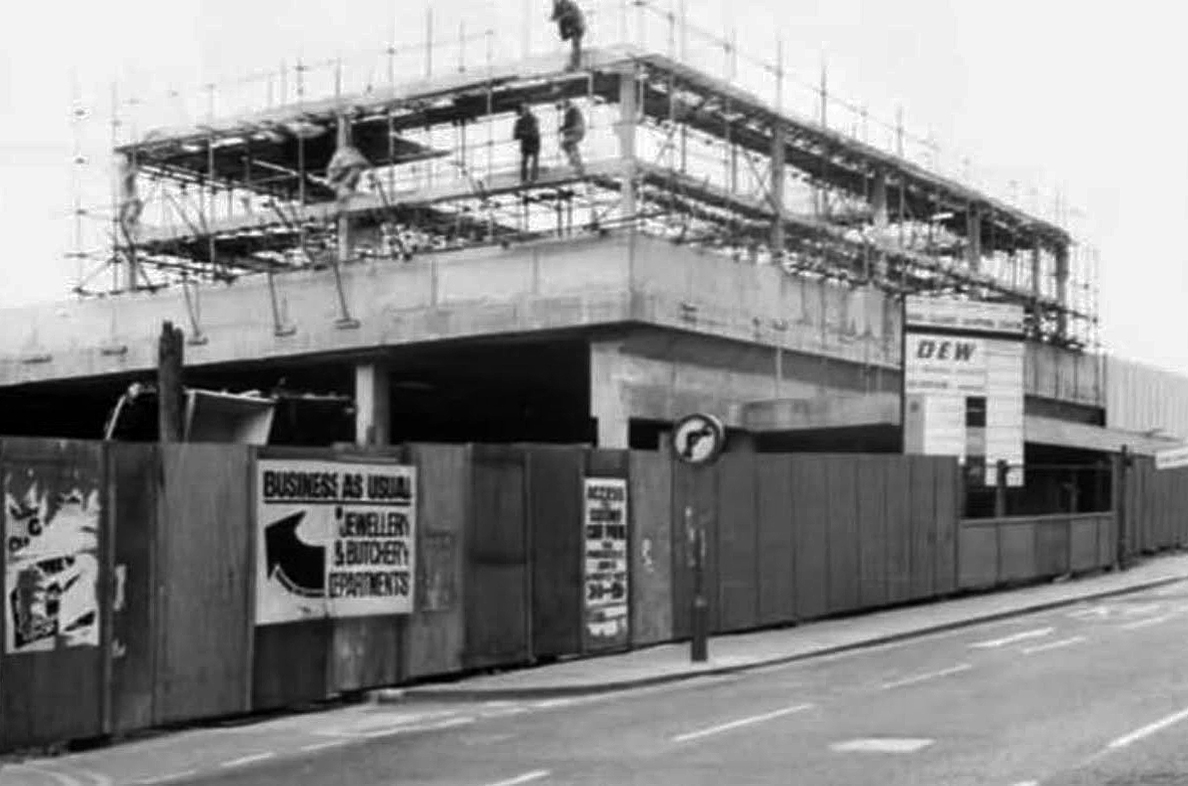
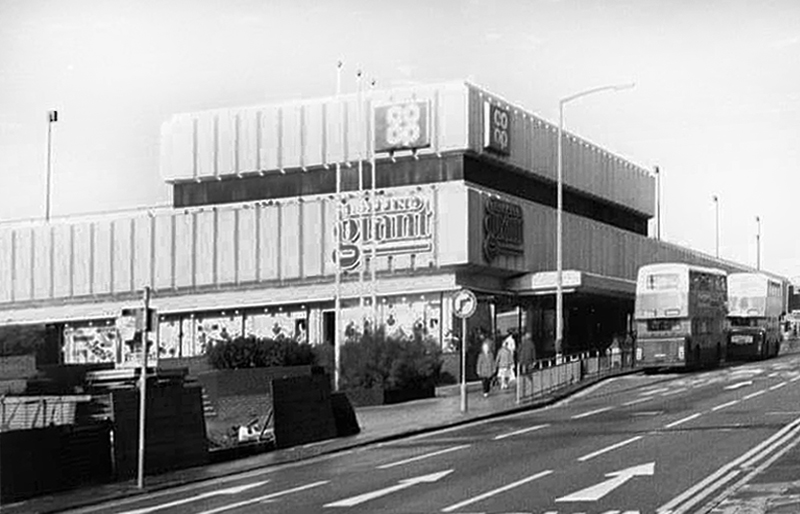
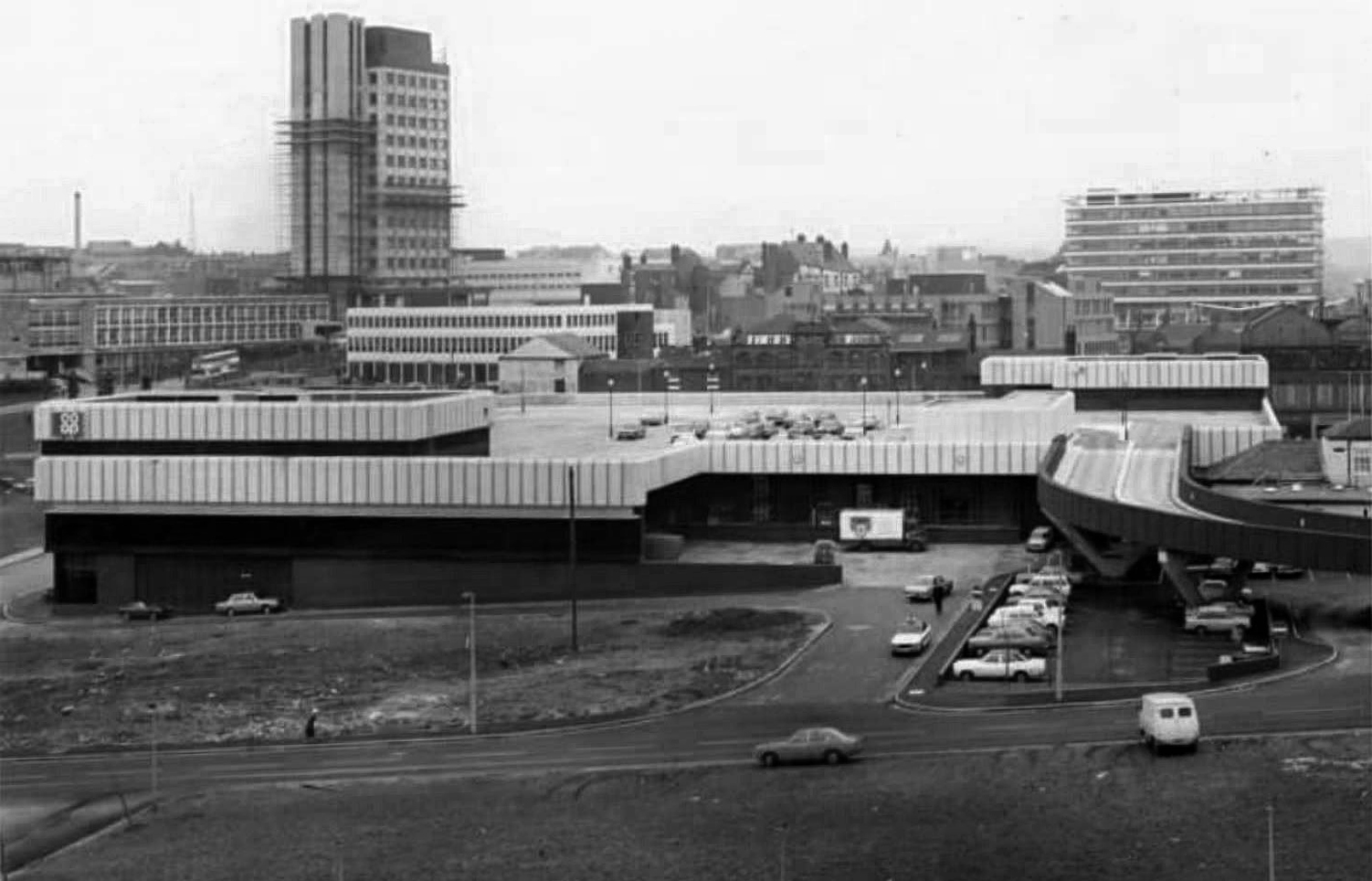
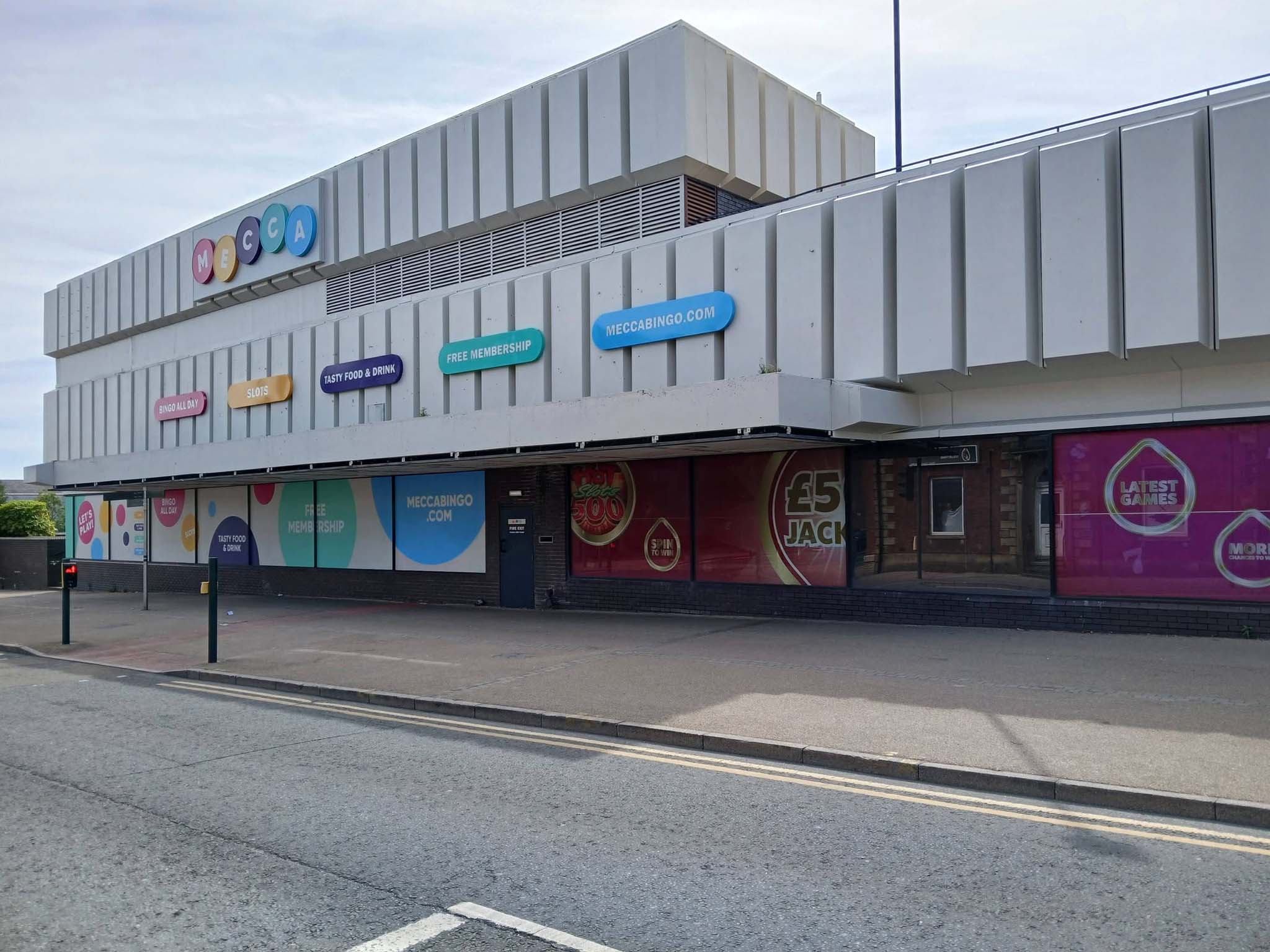
Dominating Oldham for most part of the decade was Co-op’s Shopping Giant. It was a great place where you could stock up on your groceries and buy non-food items. It boasted its own Handybank, had a separate chemist opposite the main store and a fast food restaurant – qv Food and Drink section. Cars parked on the roof and at ground level with access via trolley-friendly escalators.
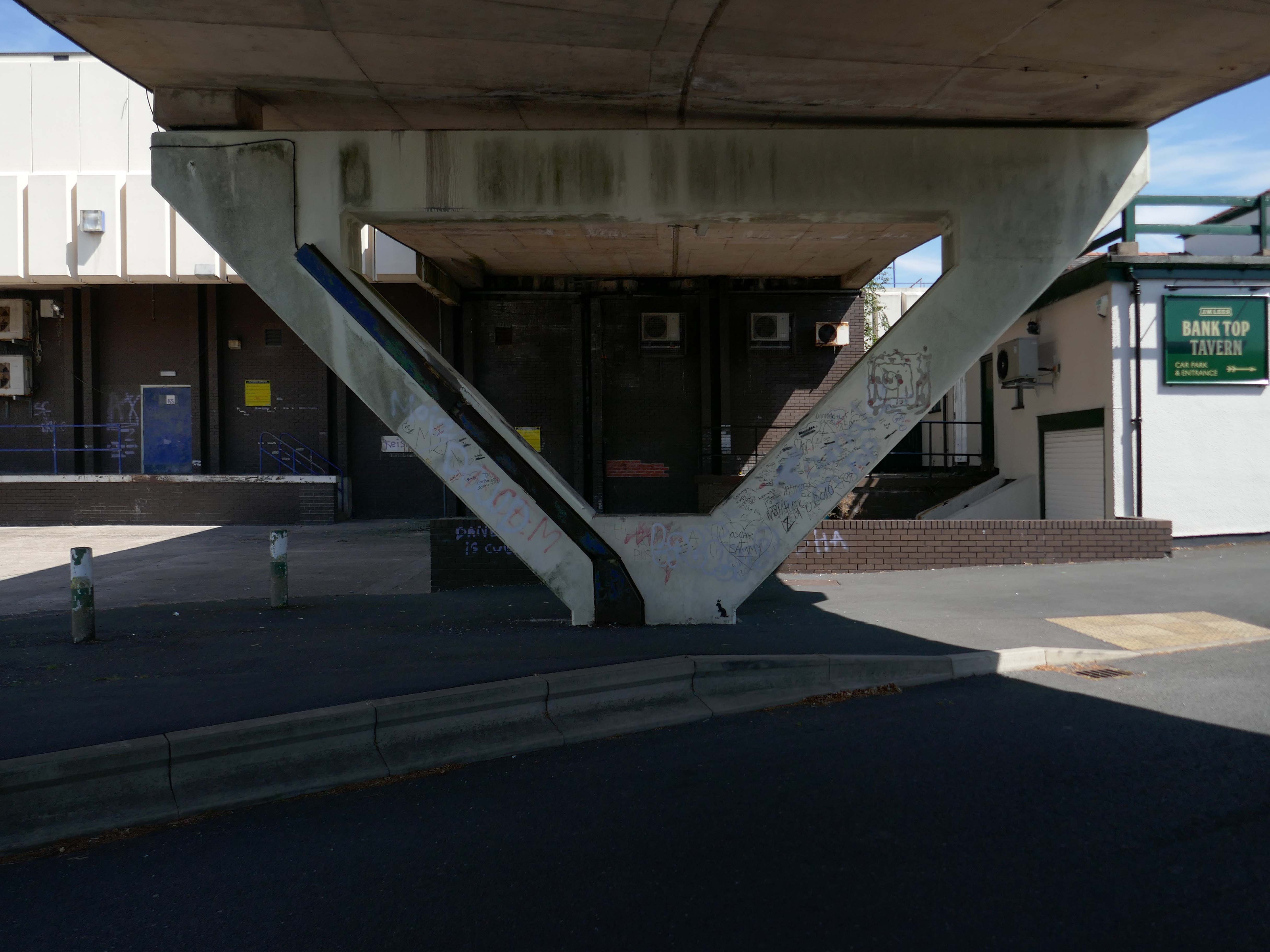
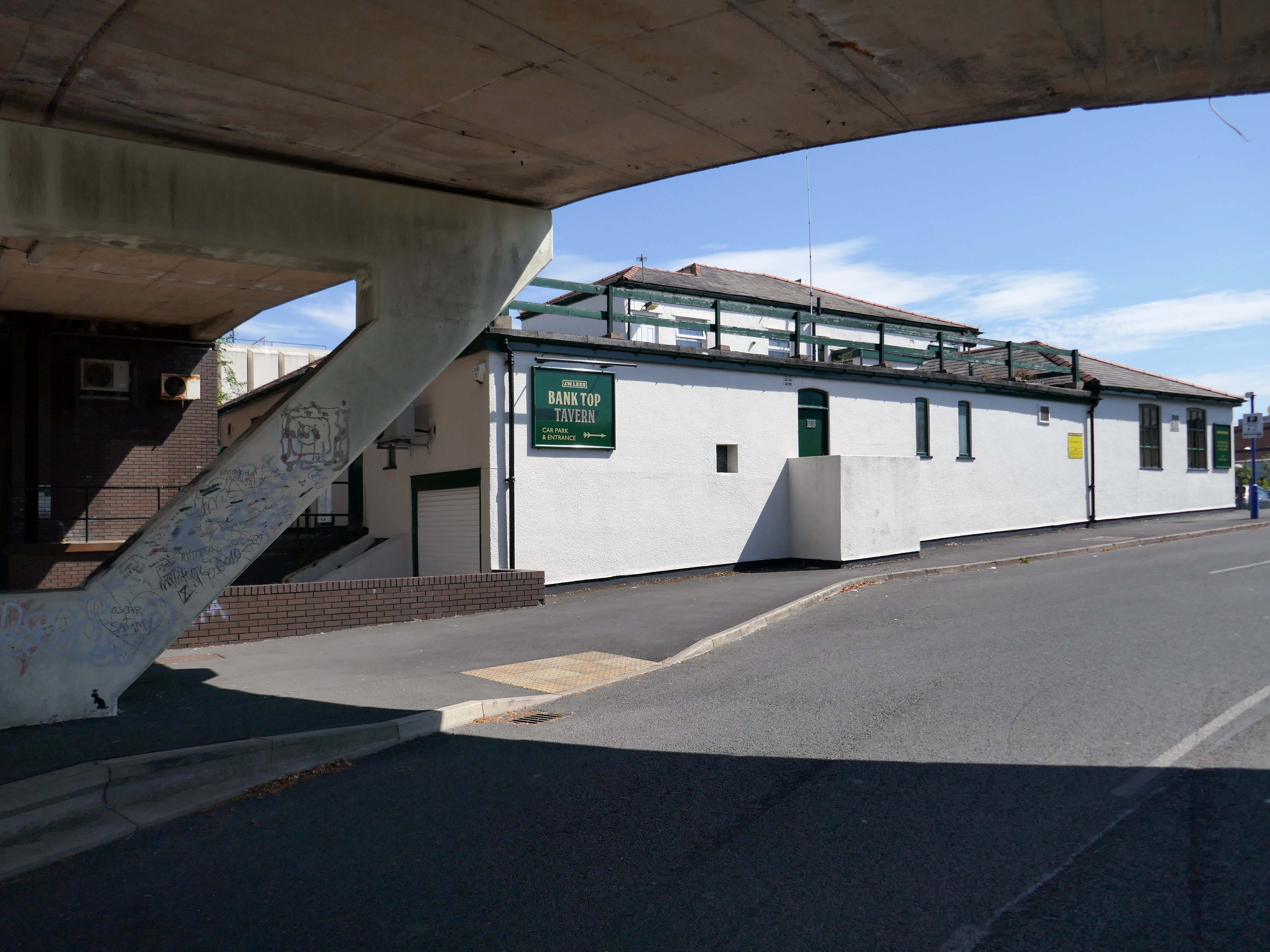
Other delights included Mario’s salon – on Manchester Street underneath the main store, and an ice cream stand by the entrance nearest the Bank Top Tavern.
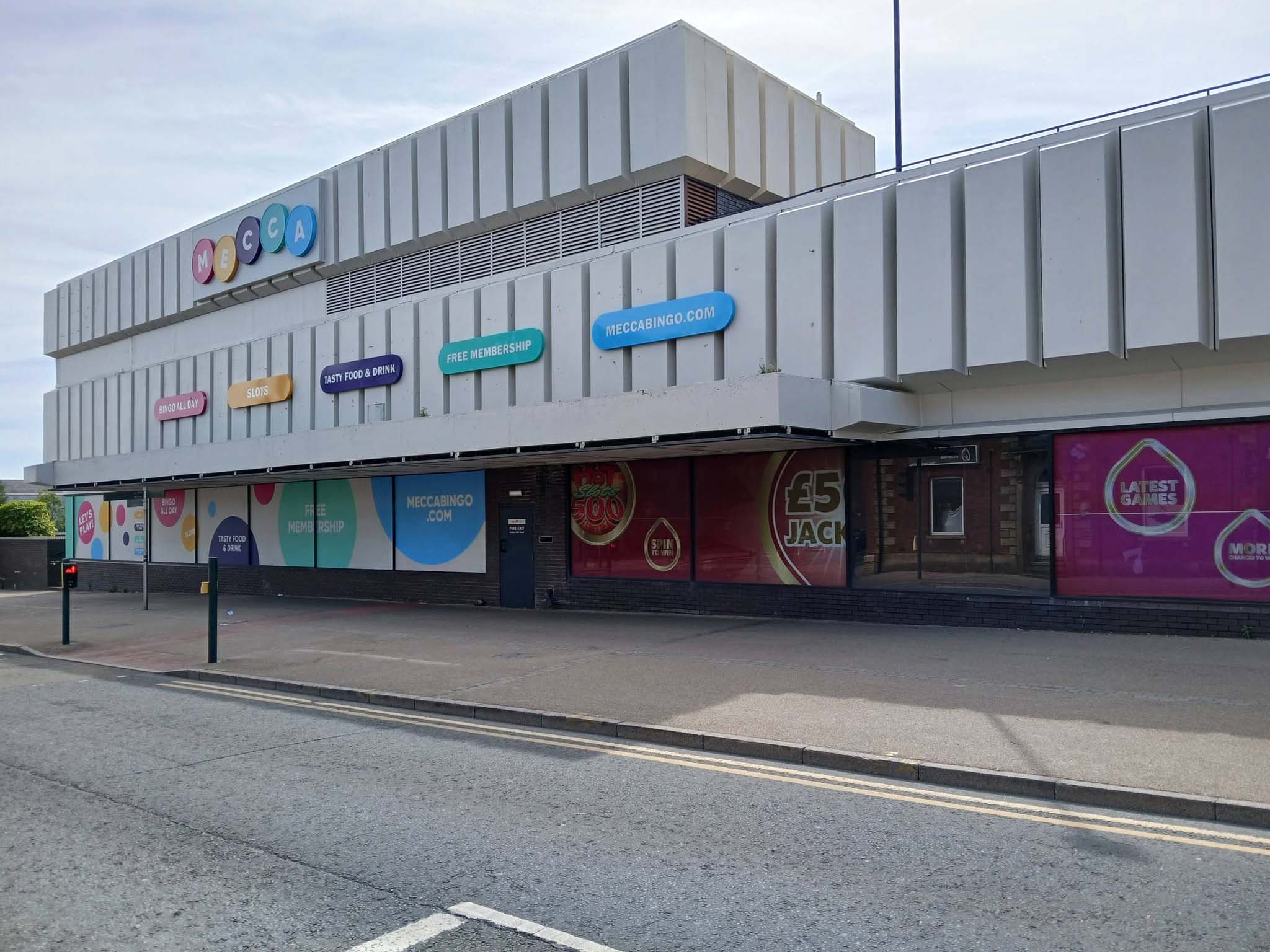
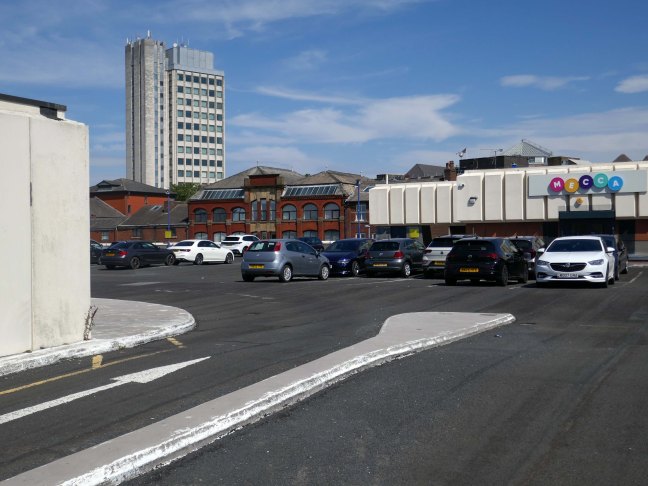
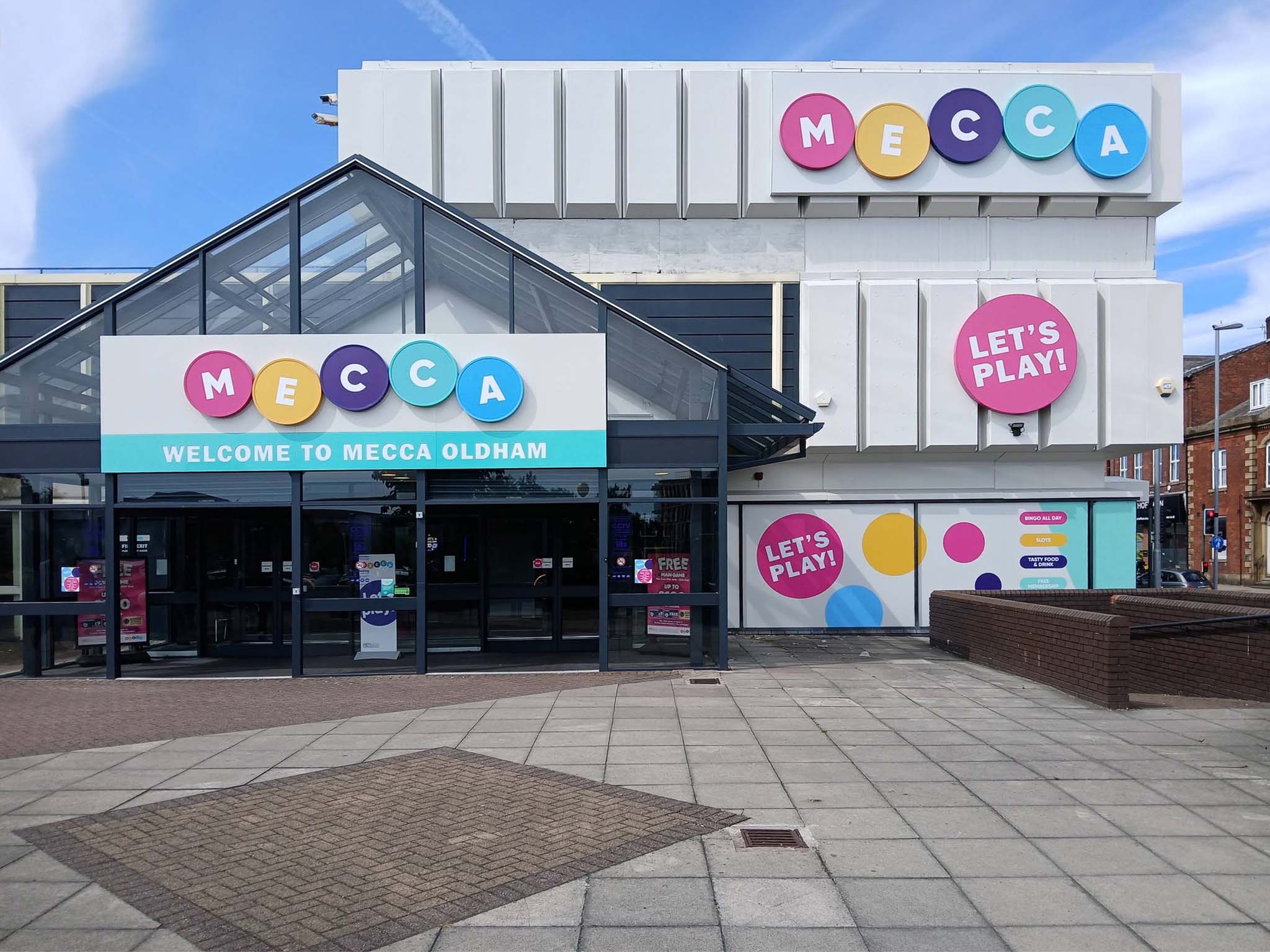
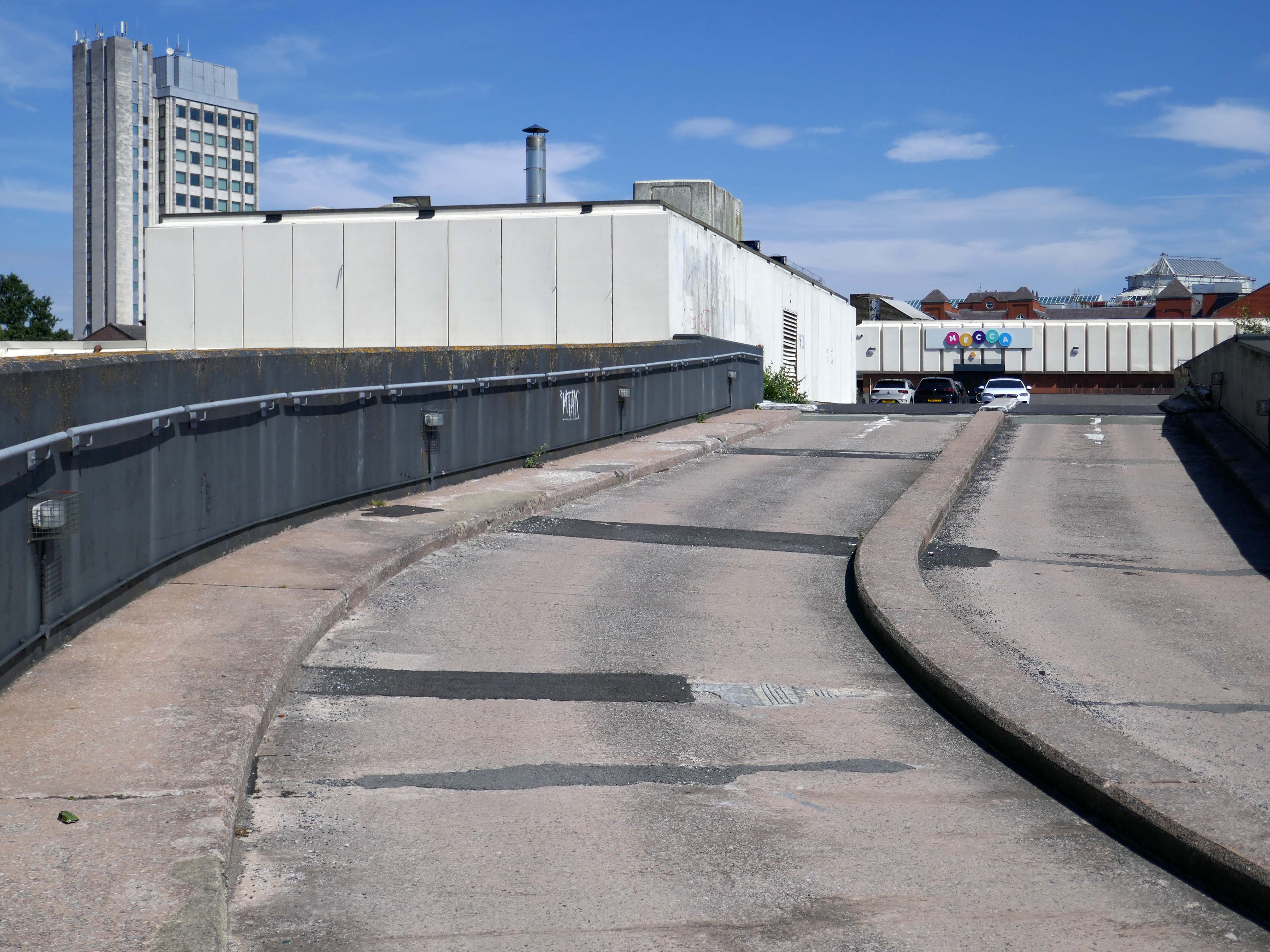
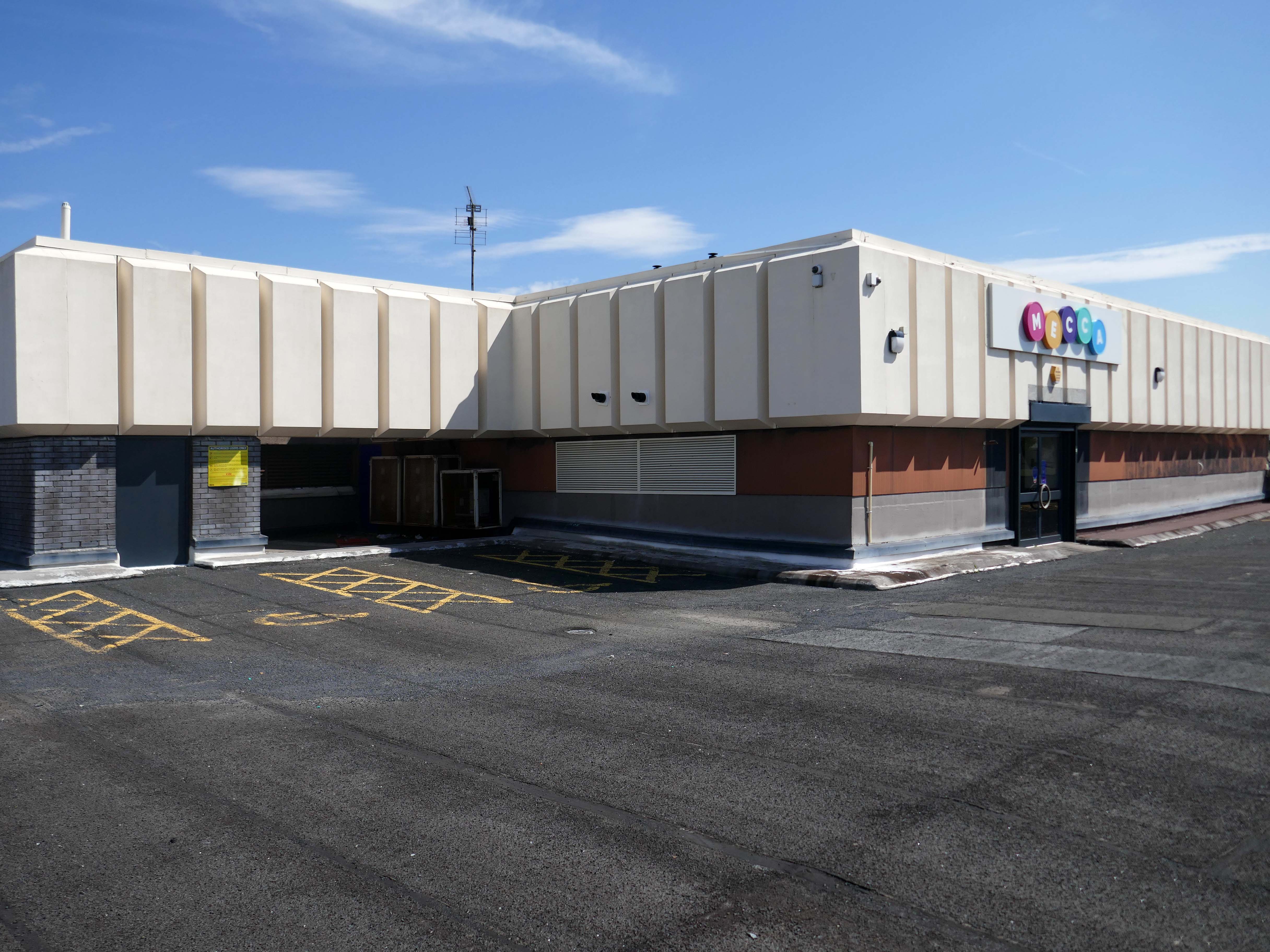
Nothing, like everything lasts forever – so you became the Mecca Bingo Hall.
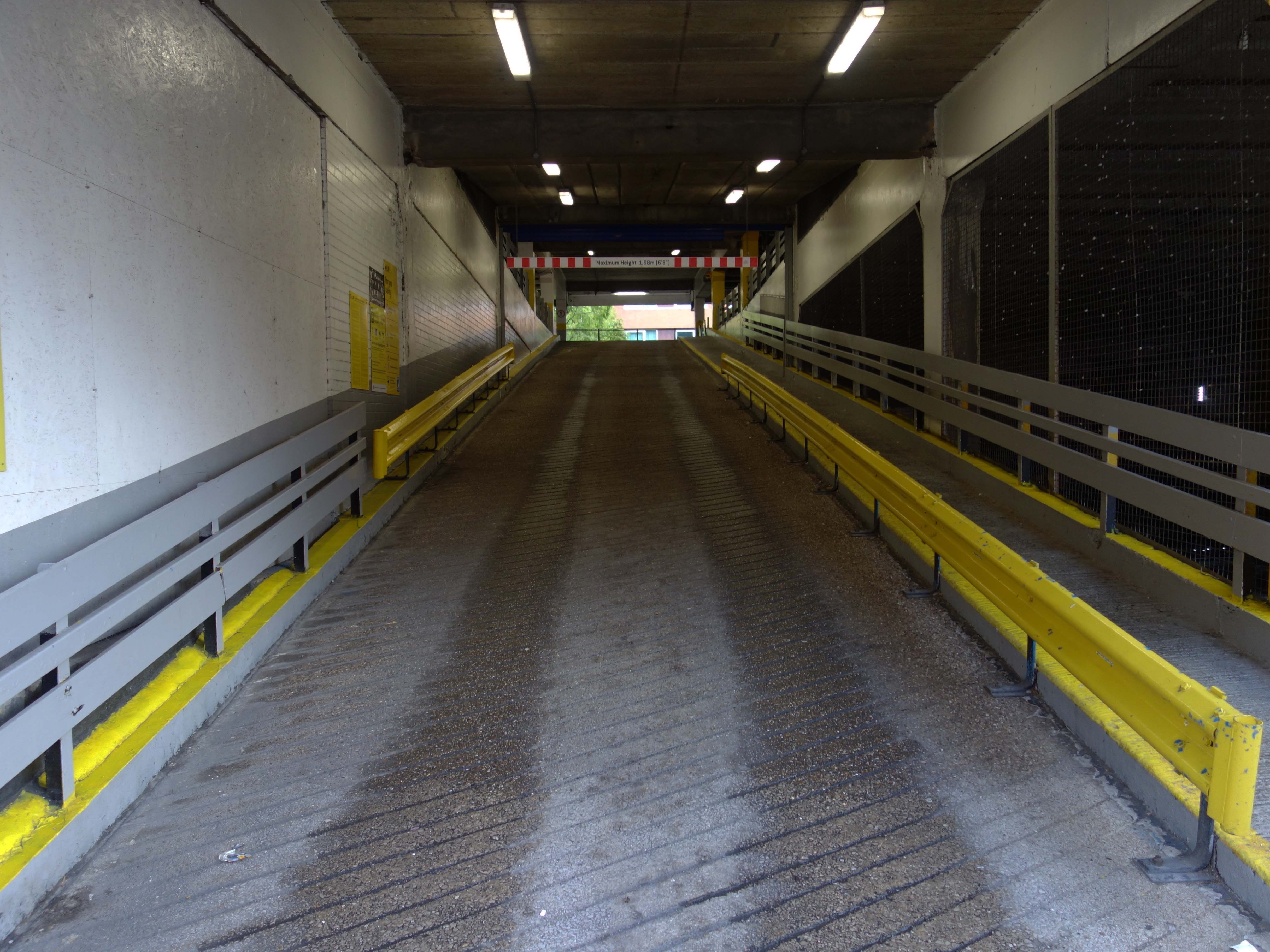
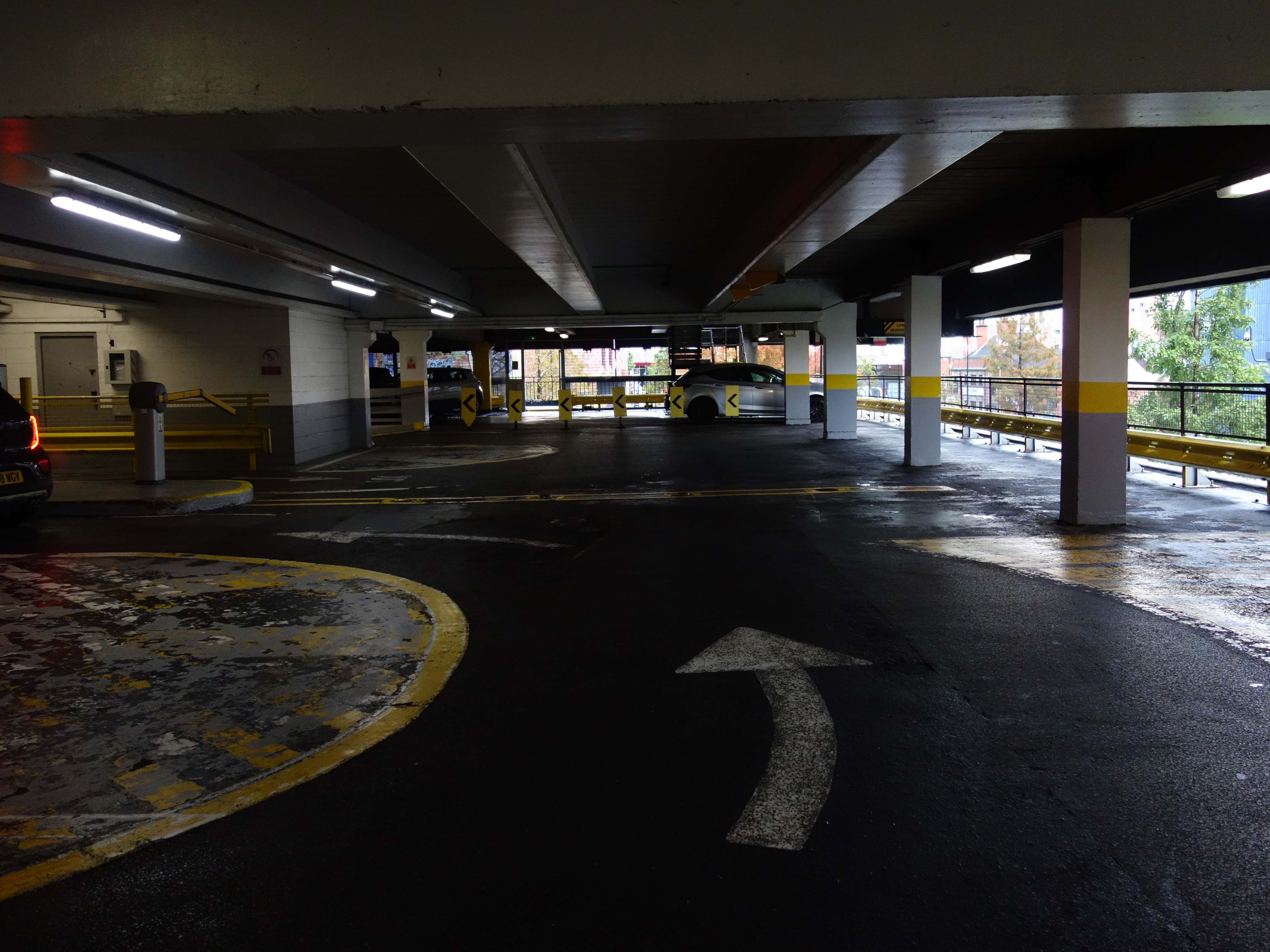
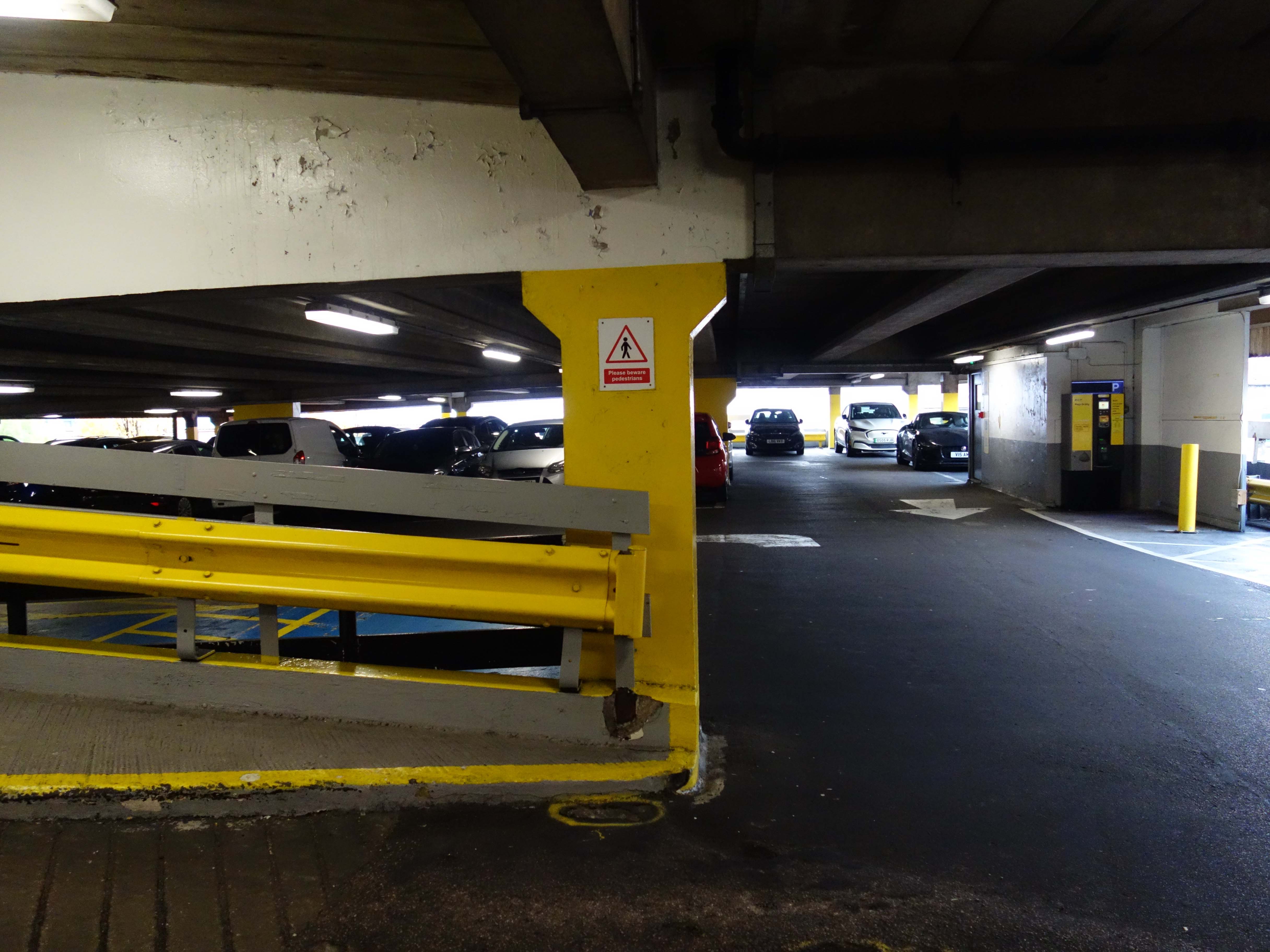
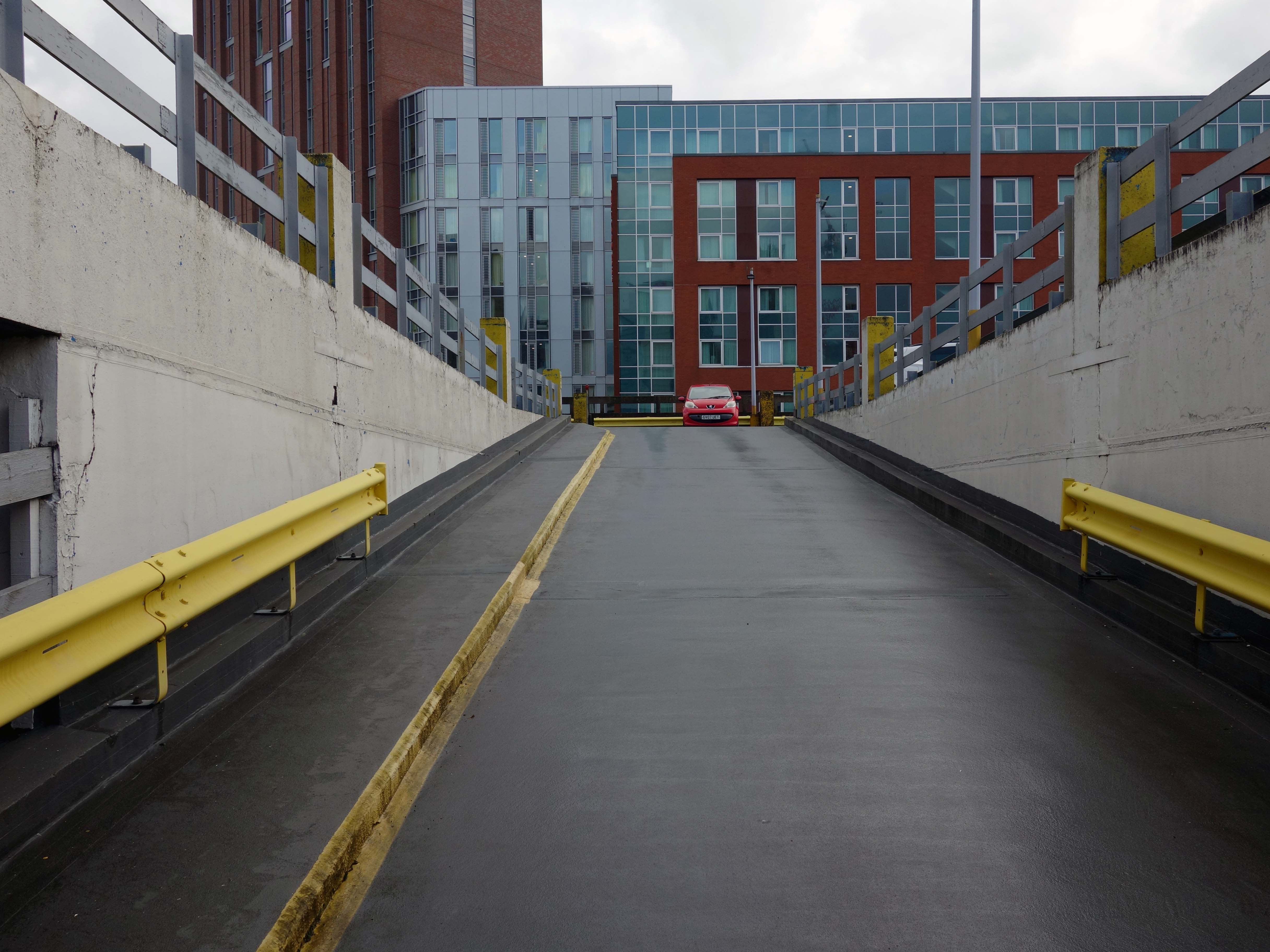
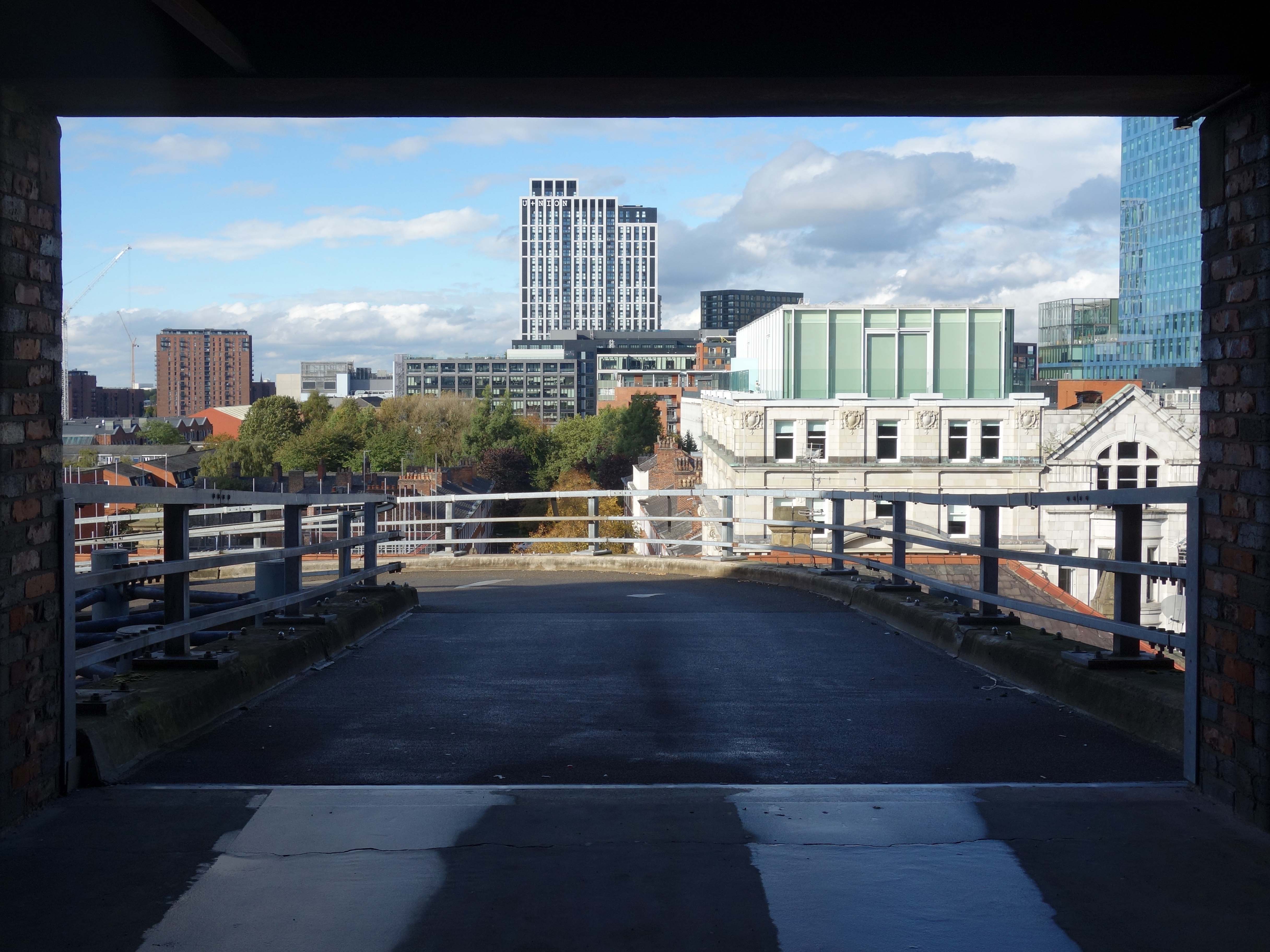
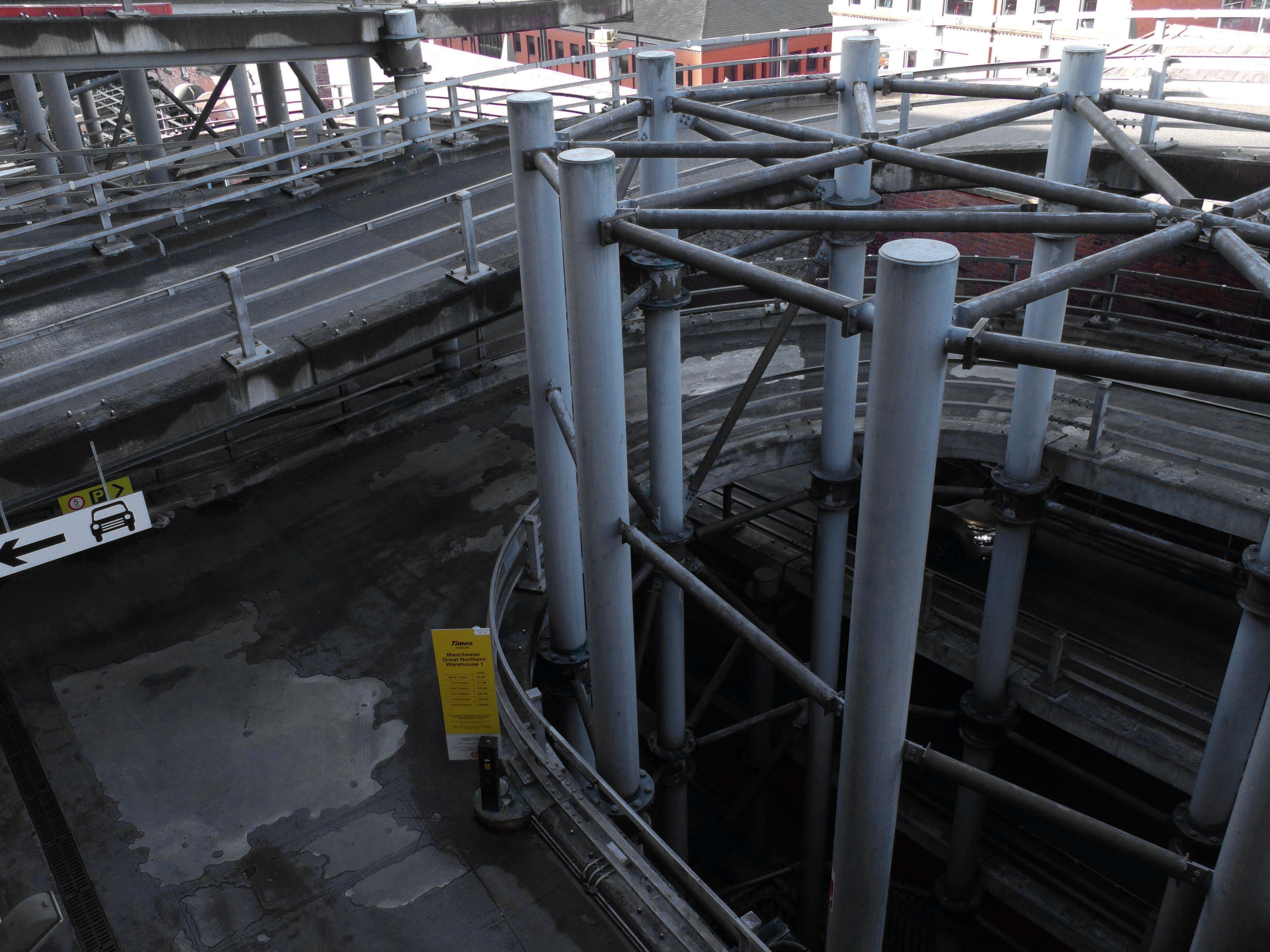
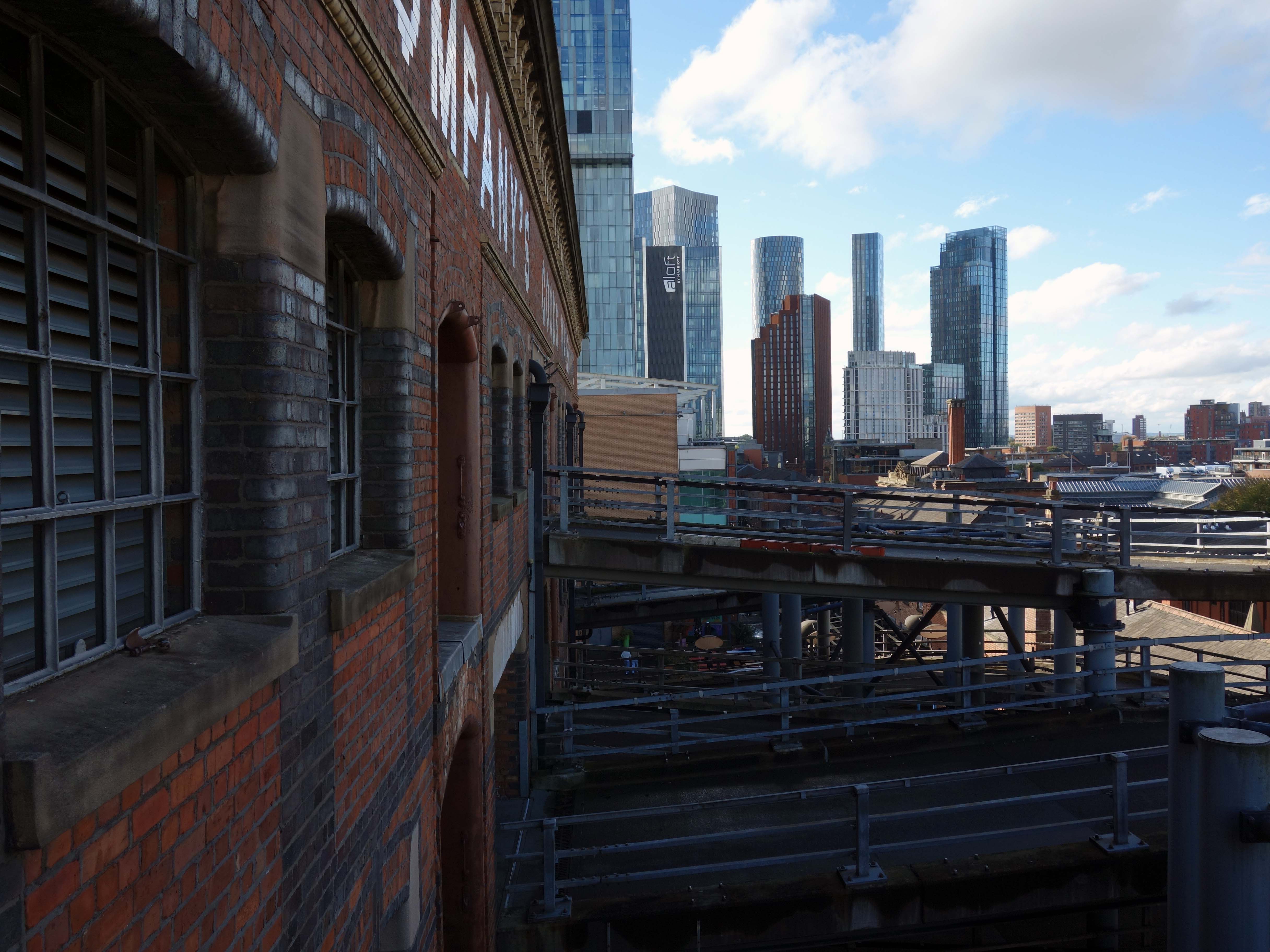
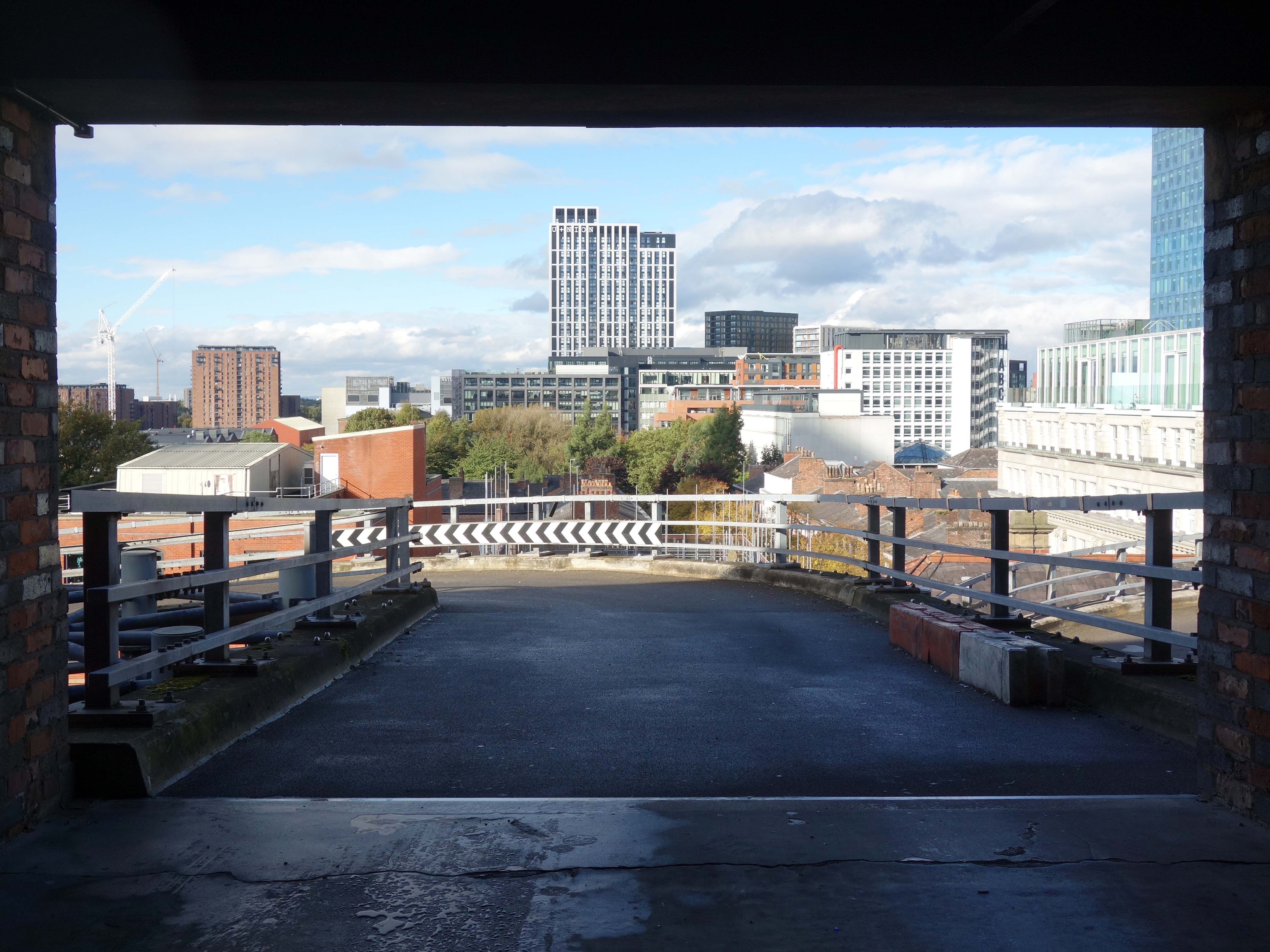
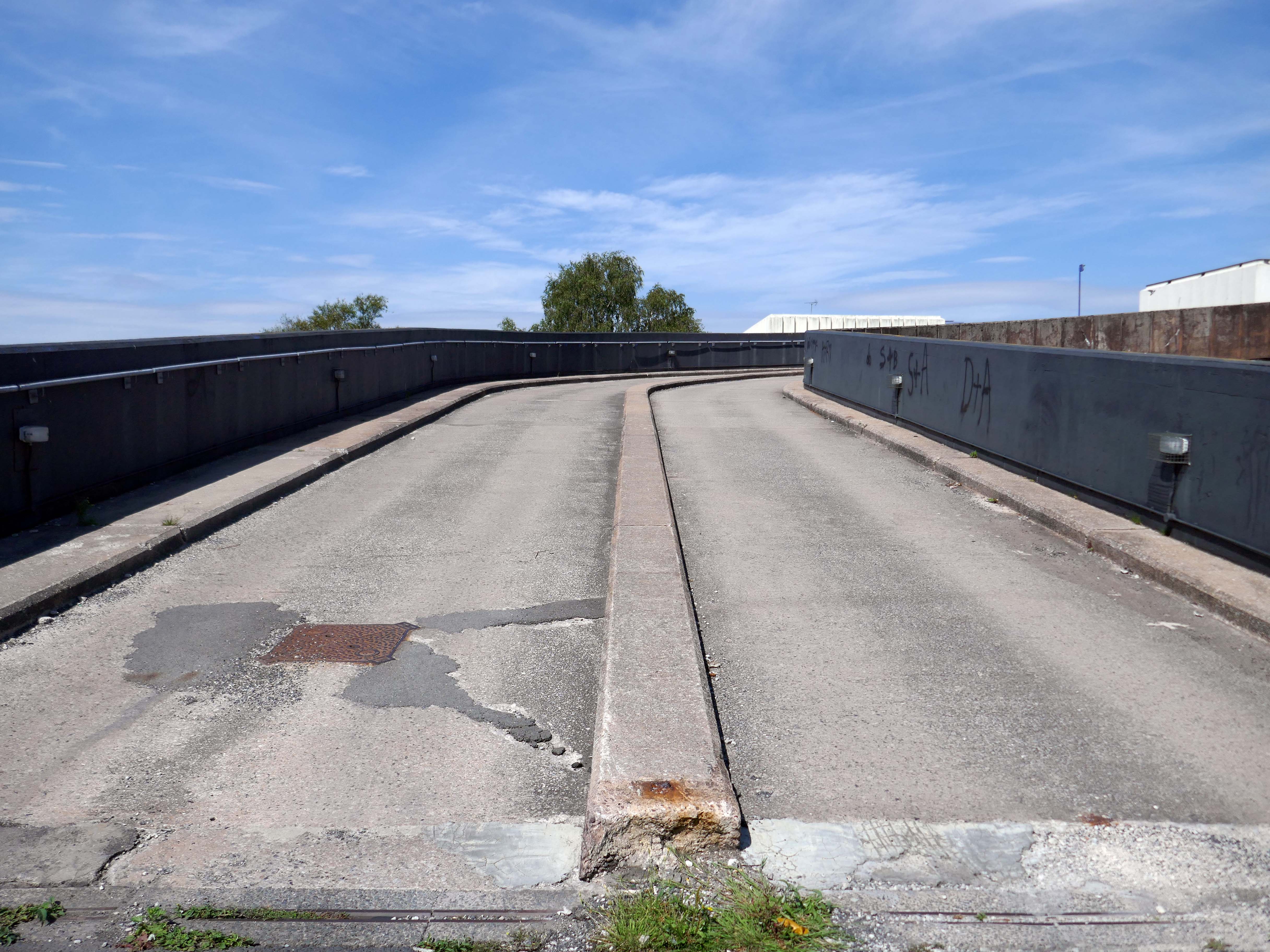
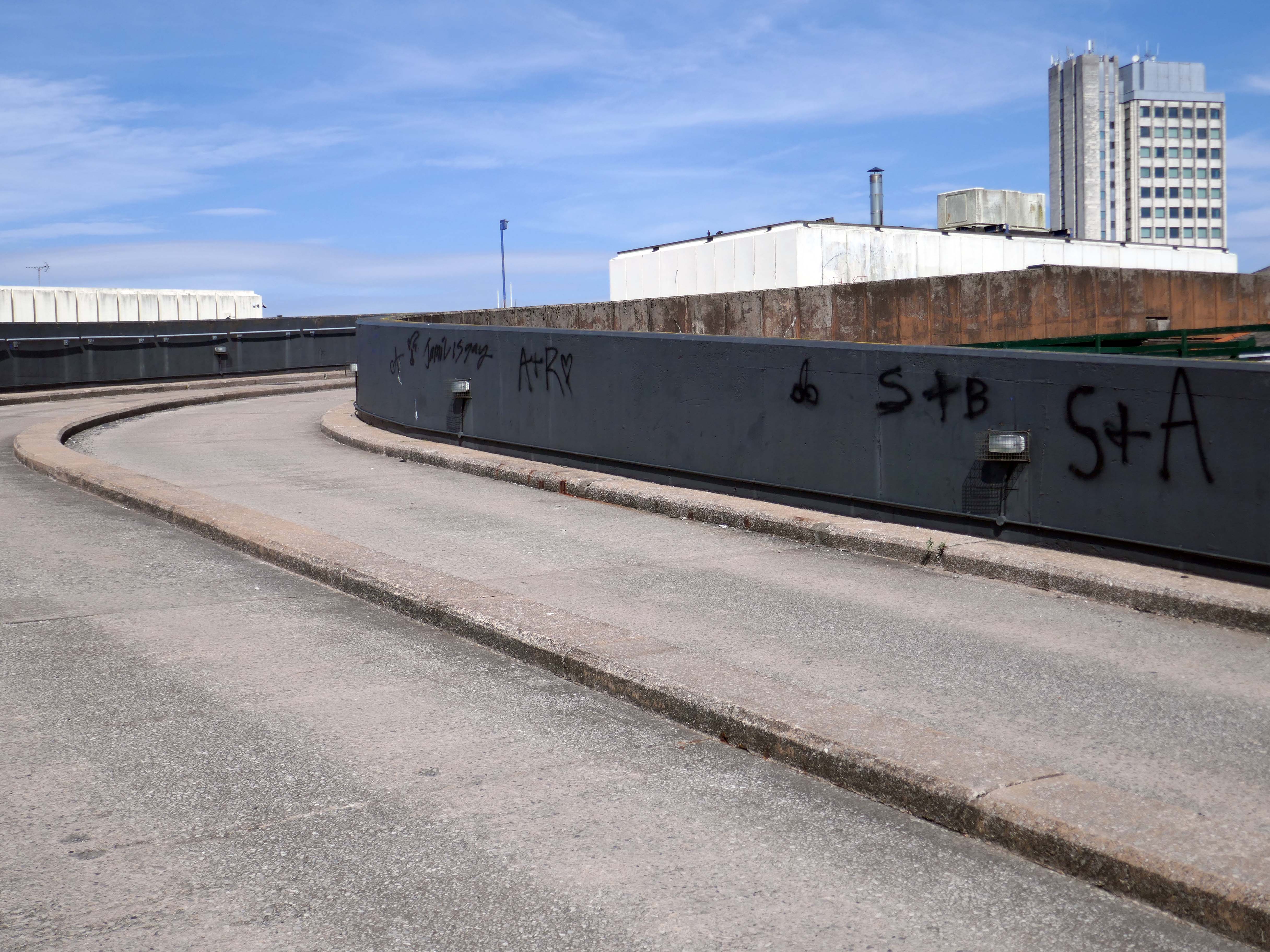
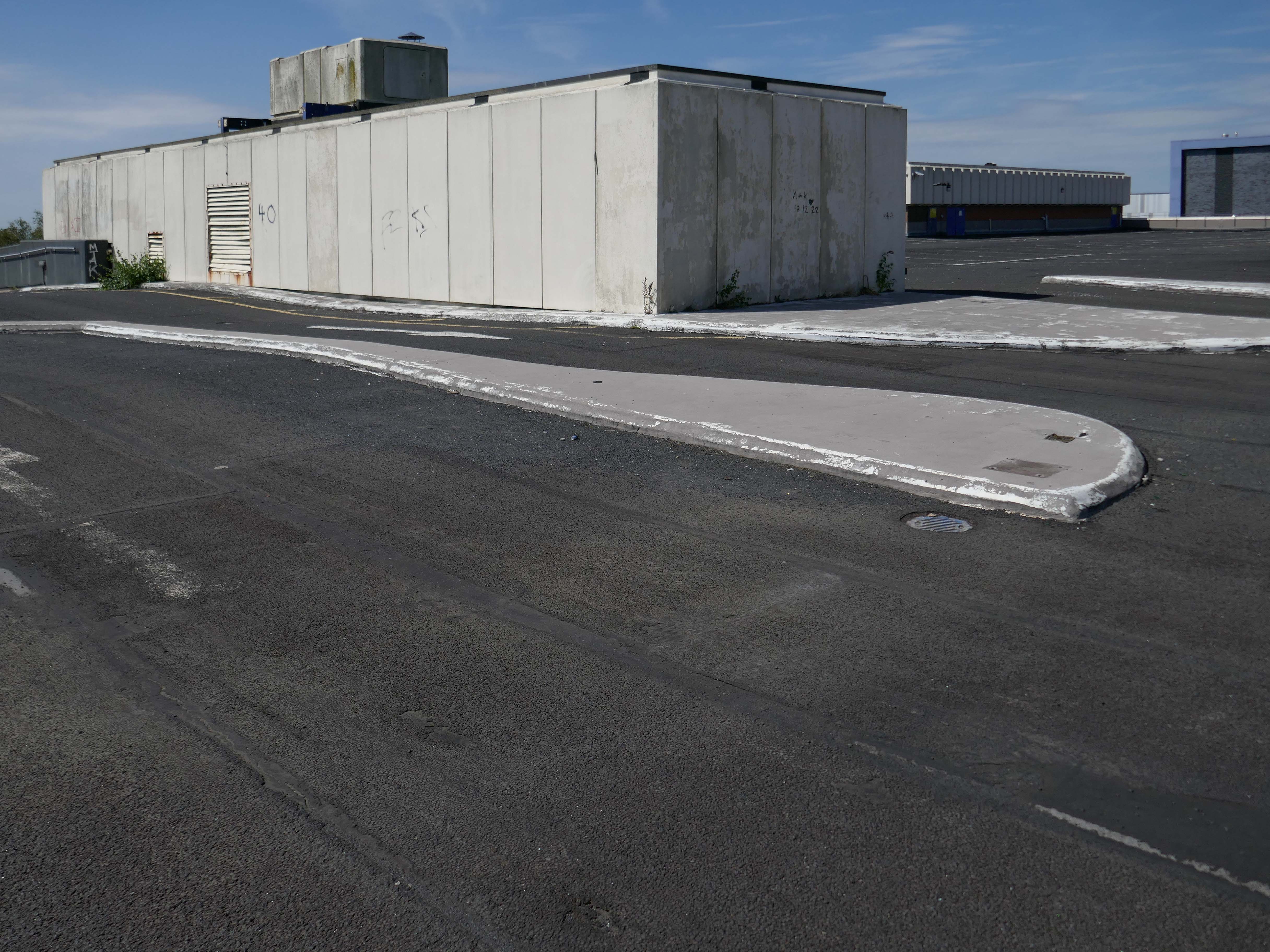
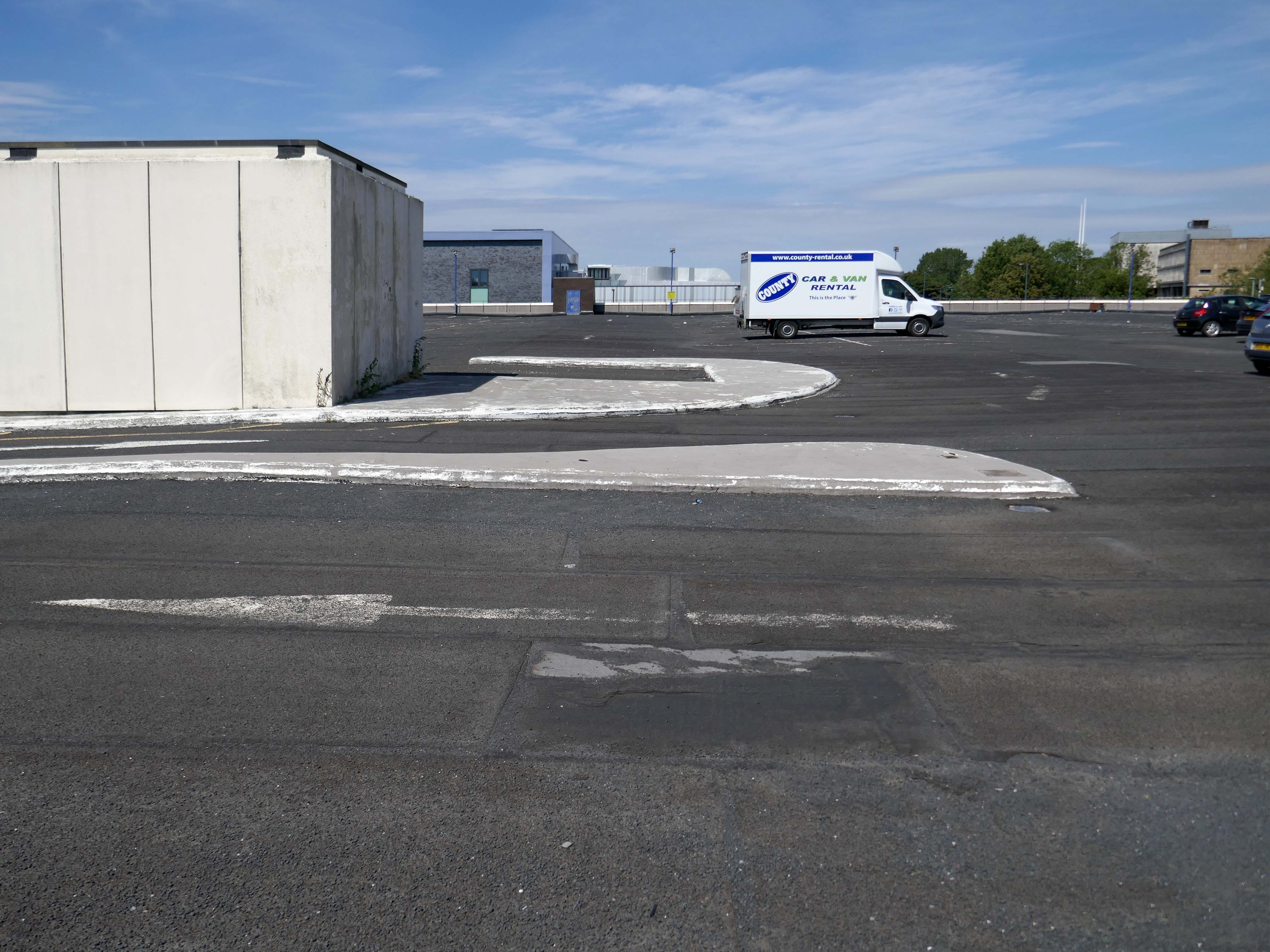
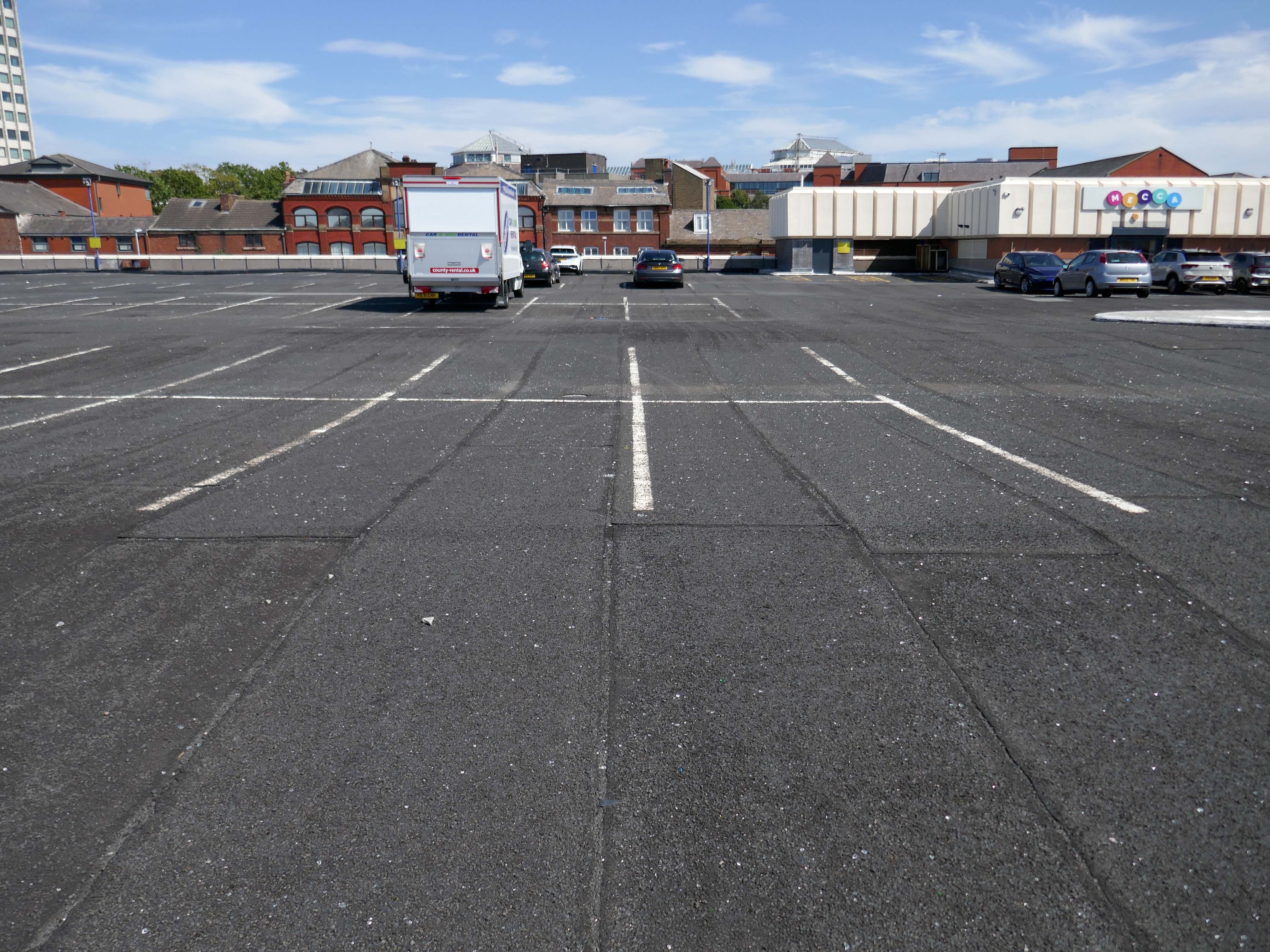
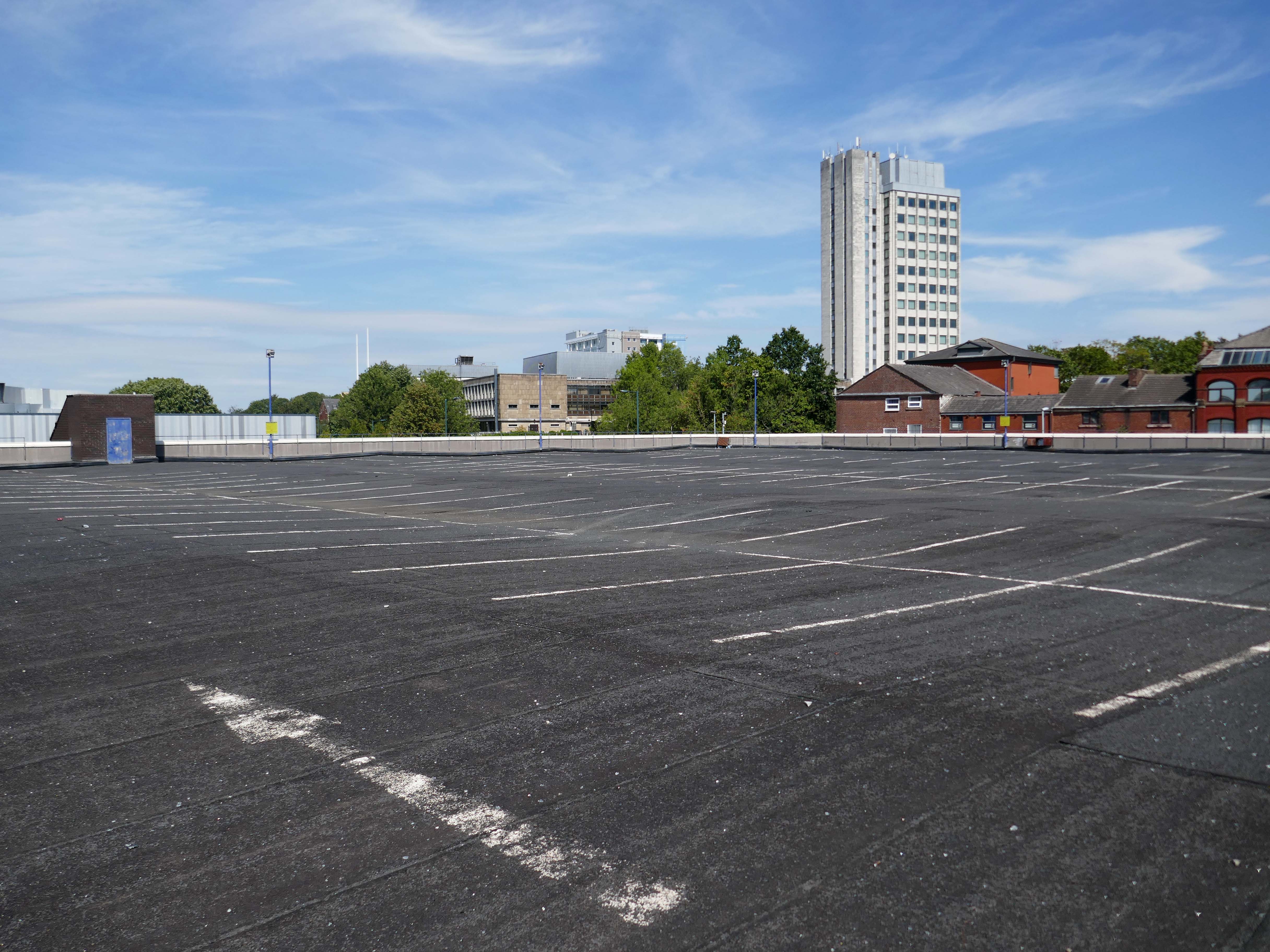
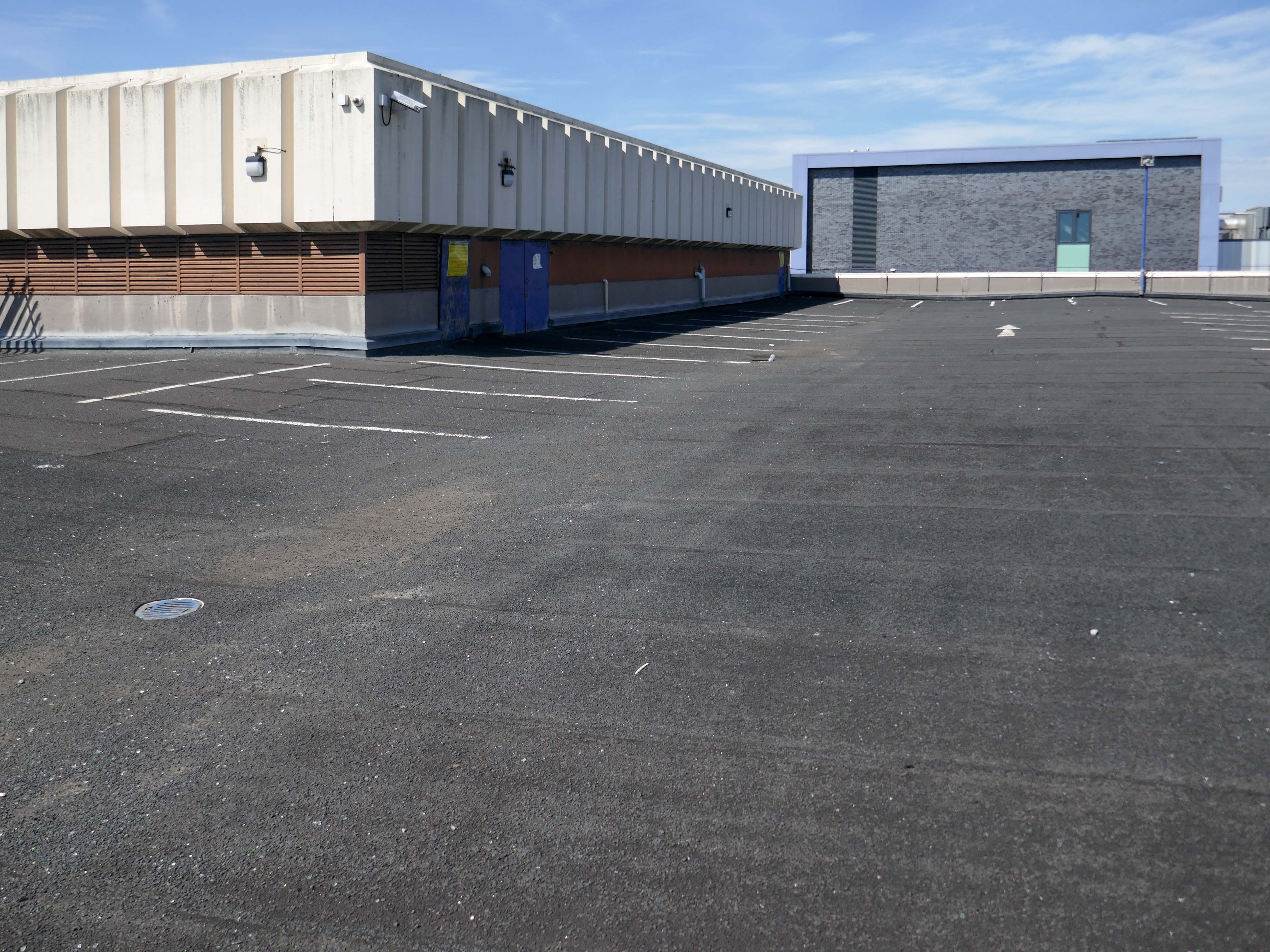
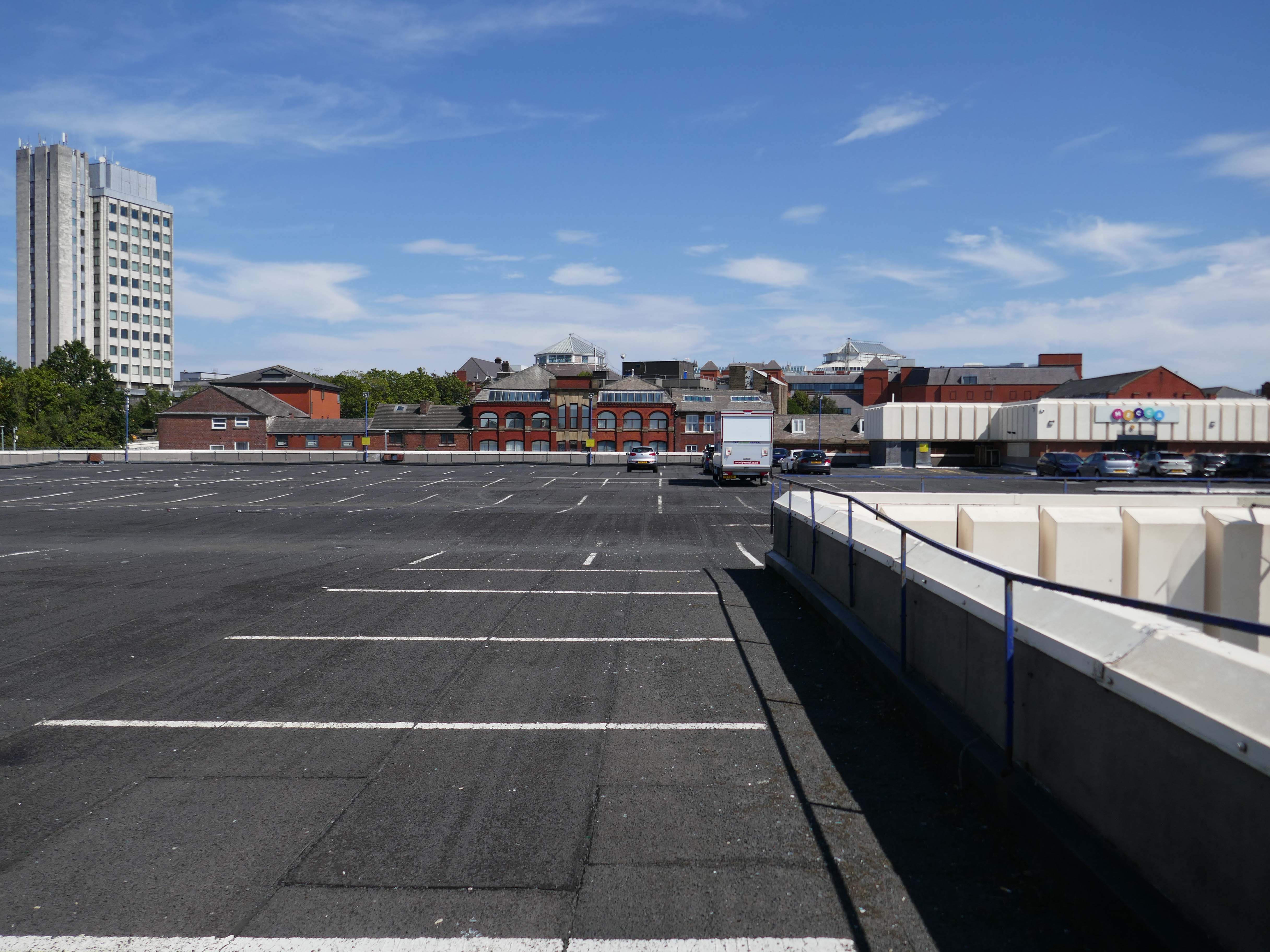
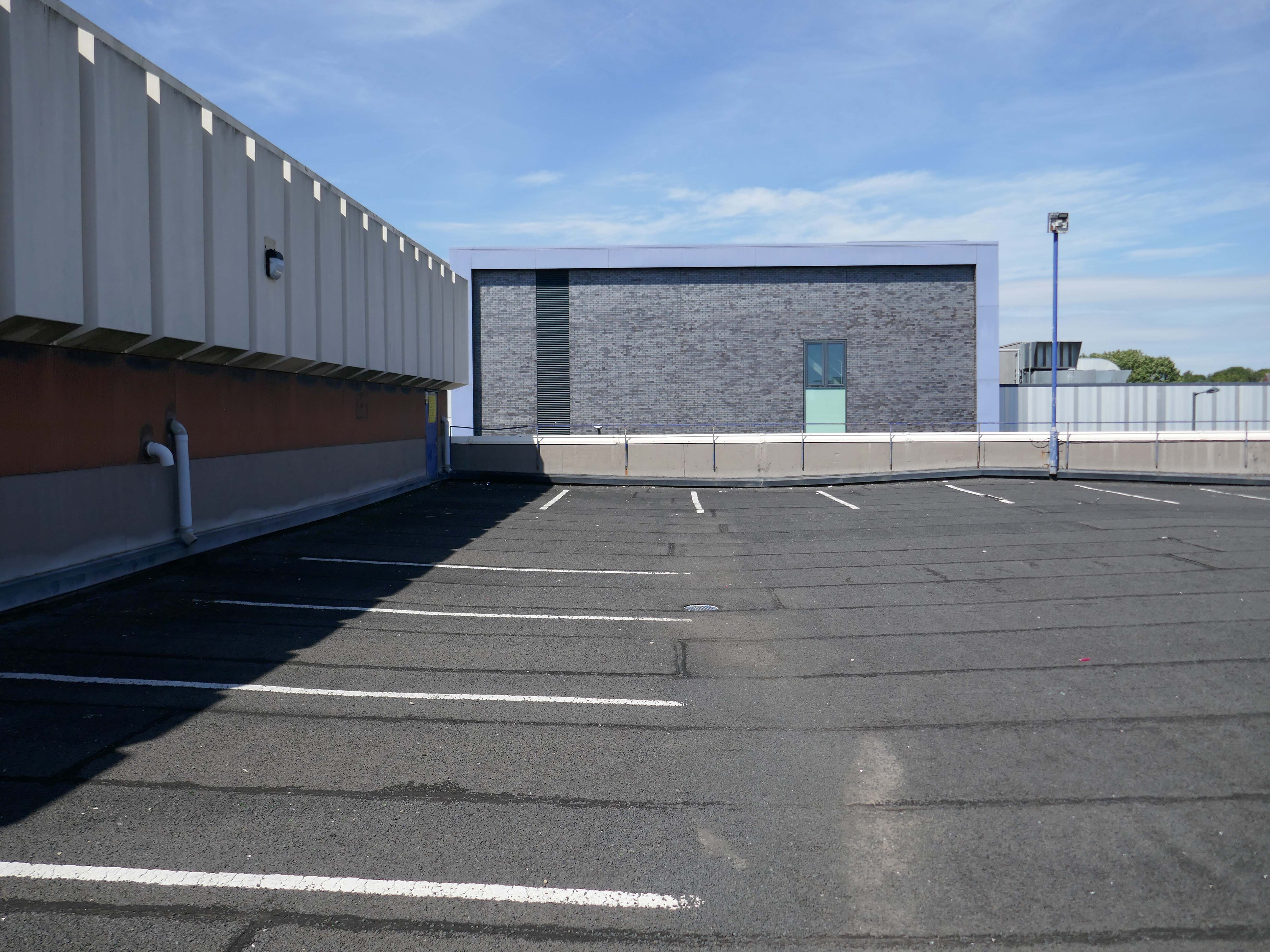
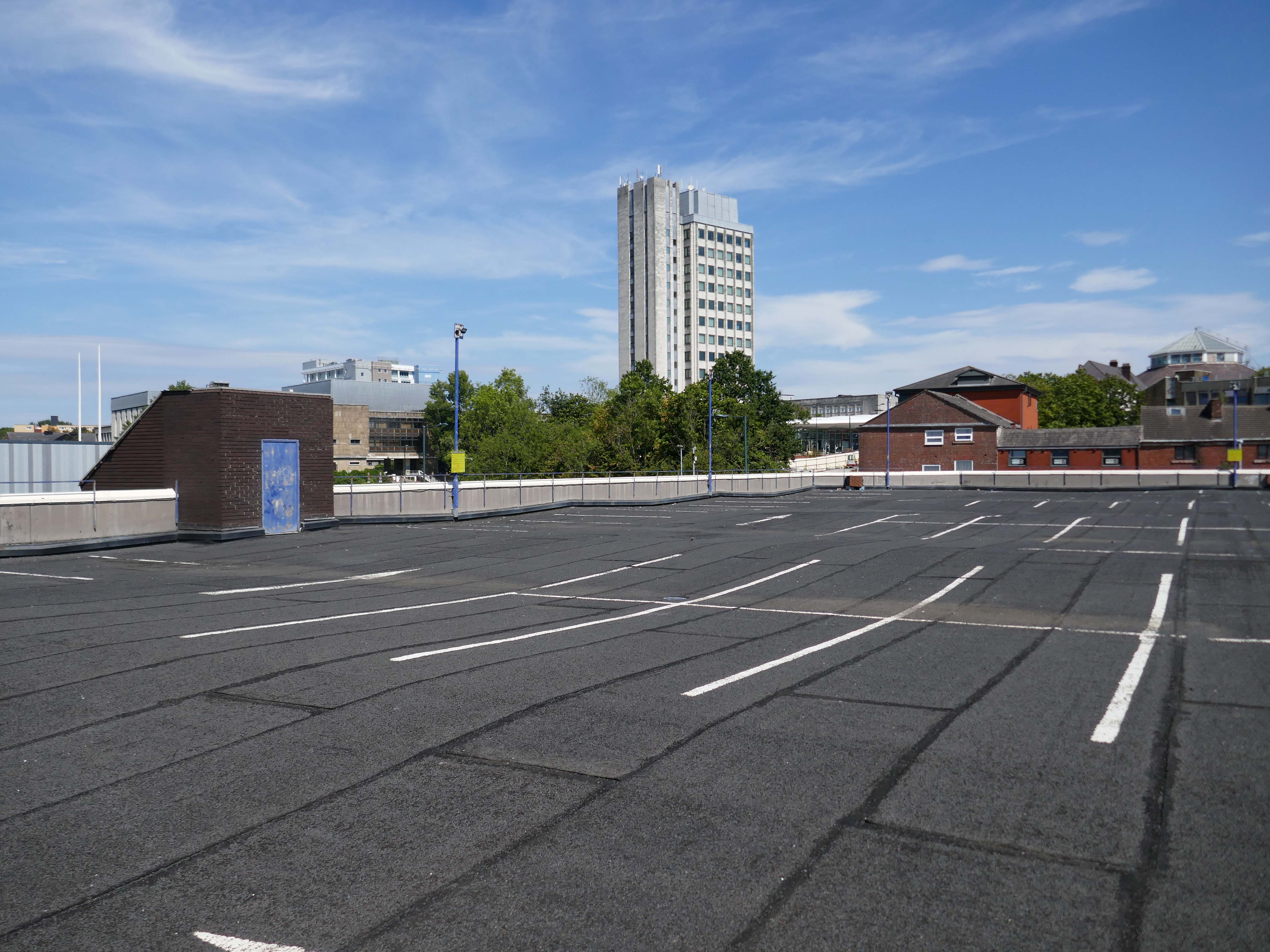
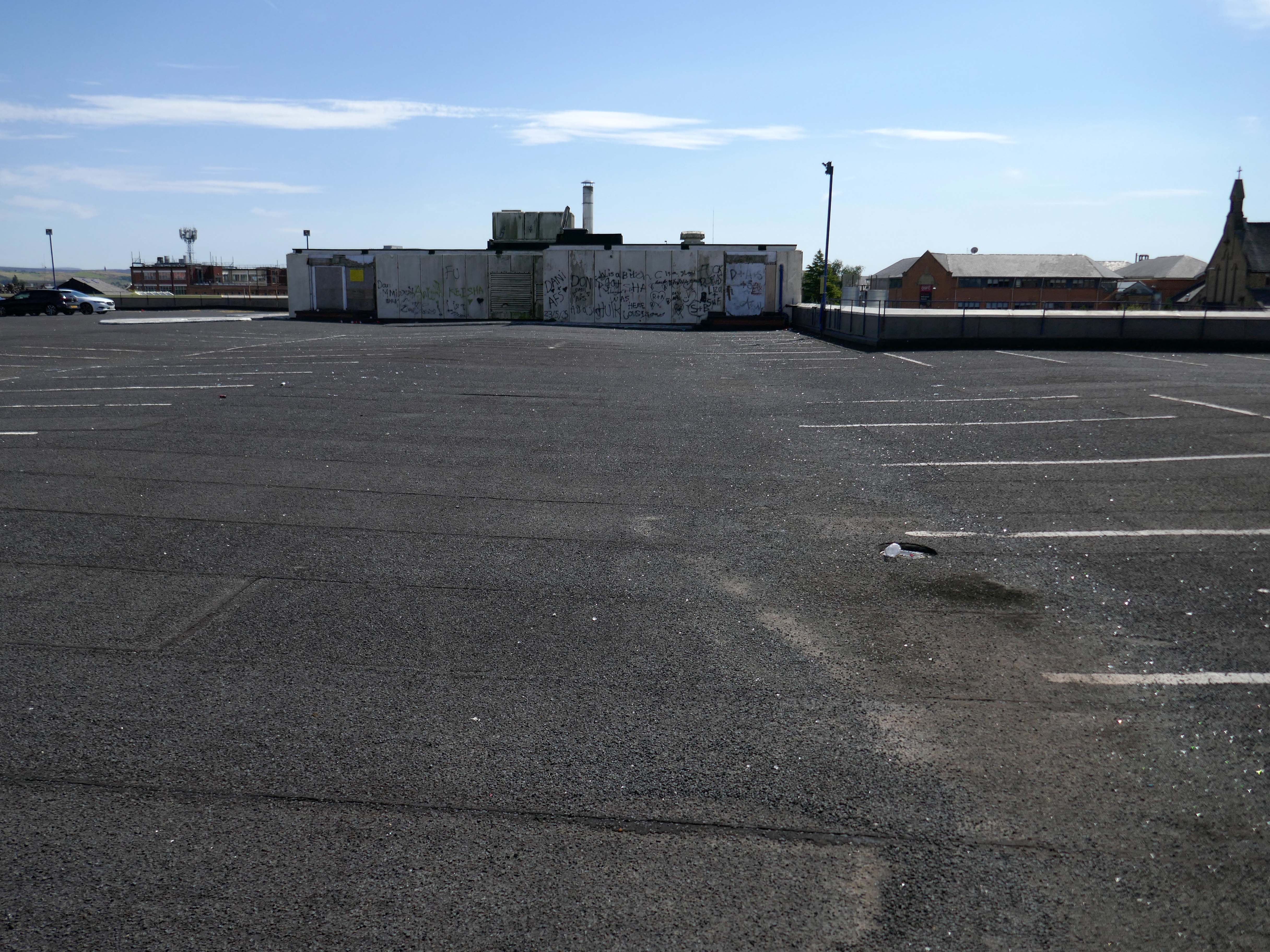
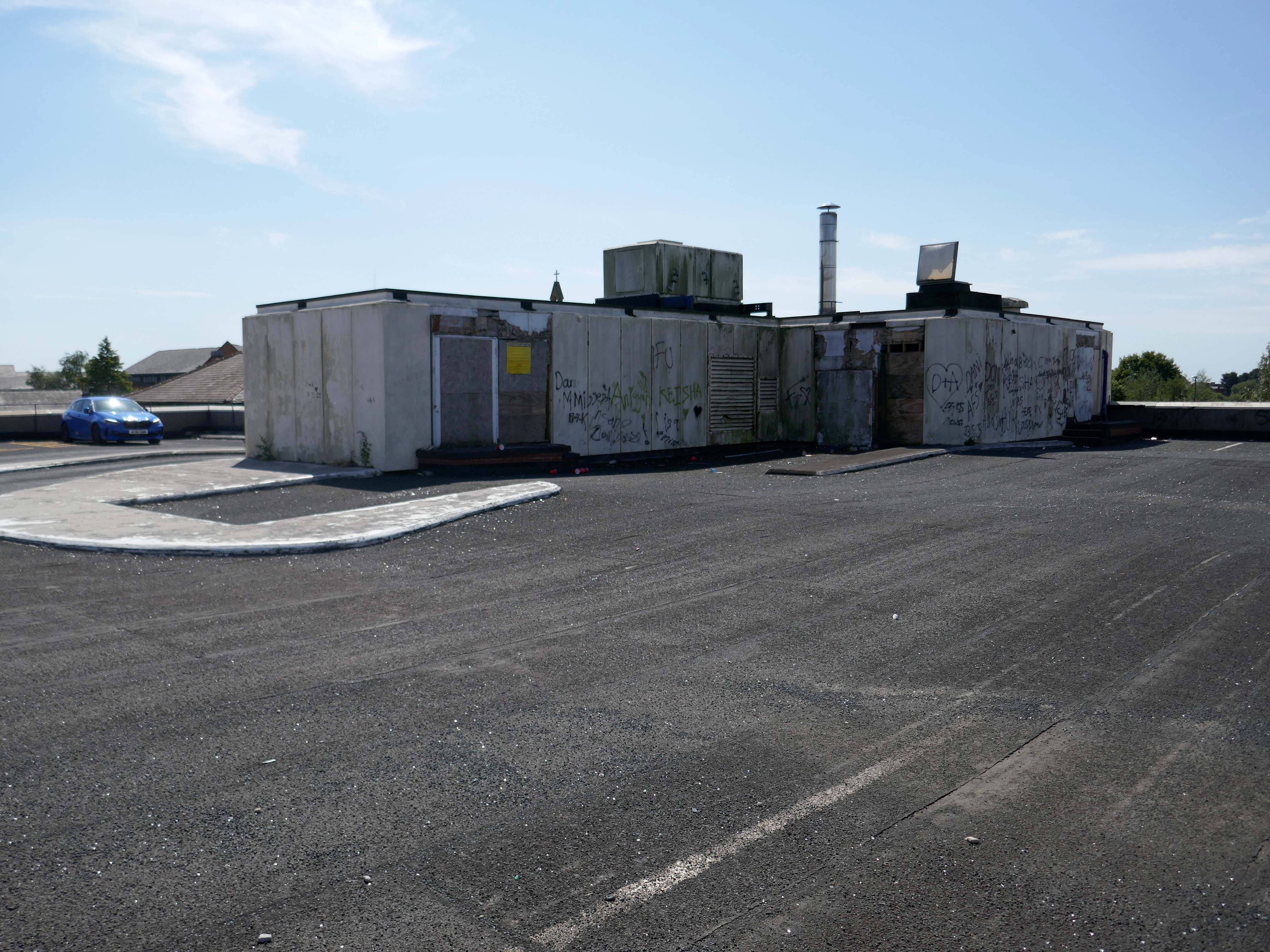
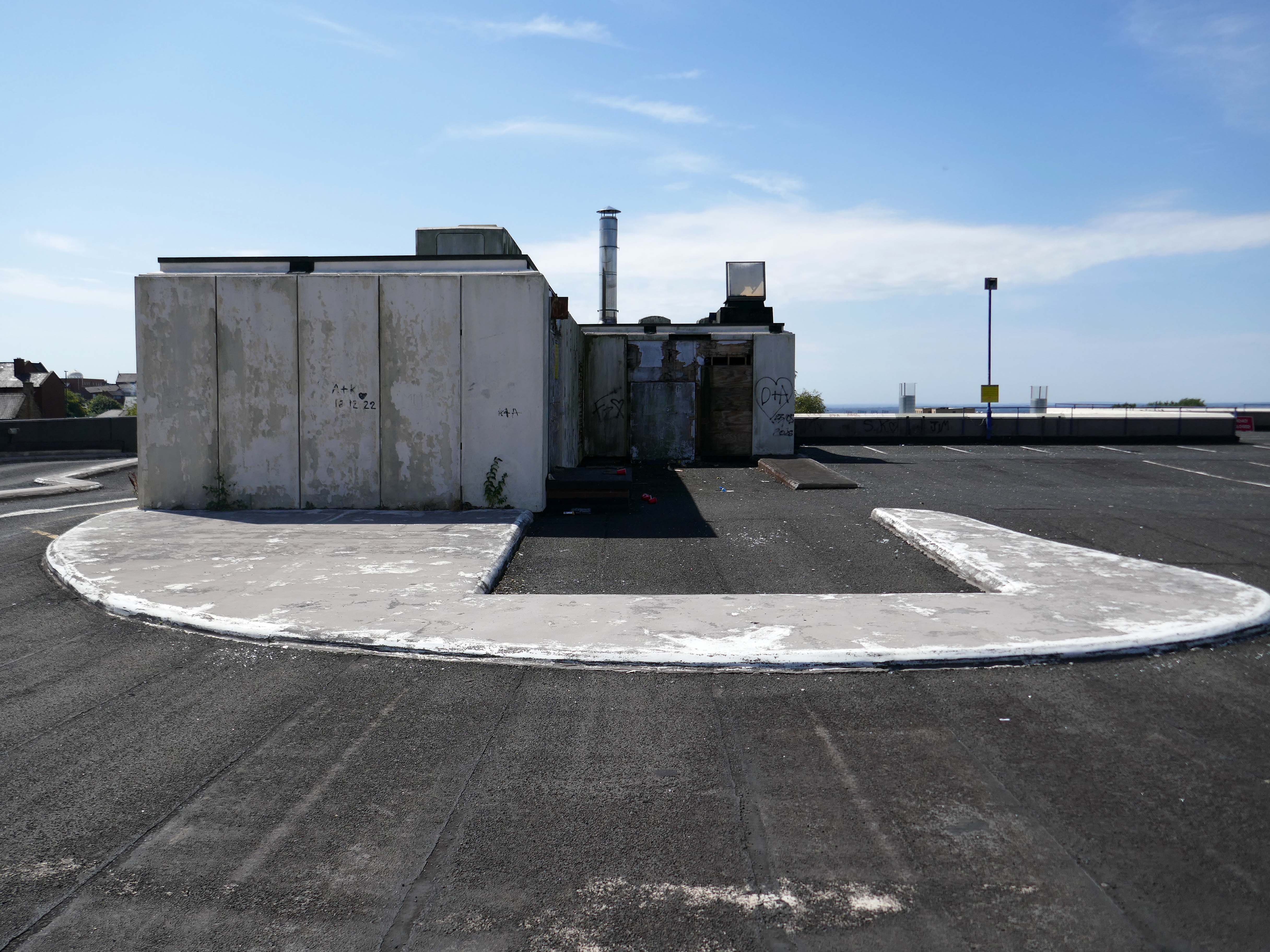
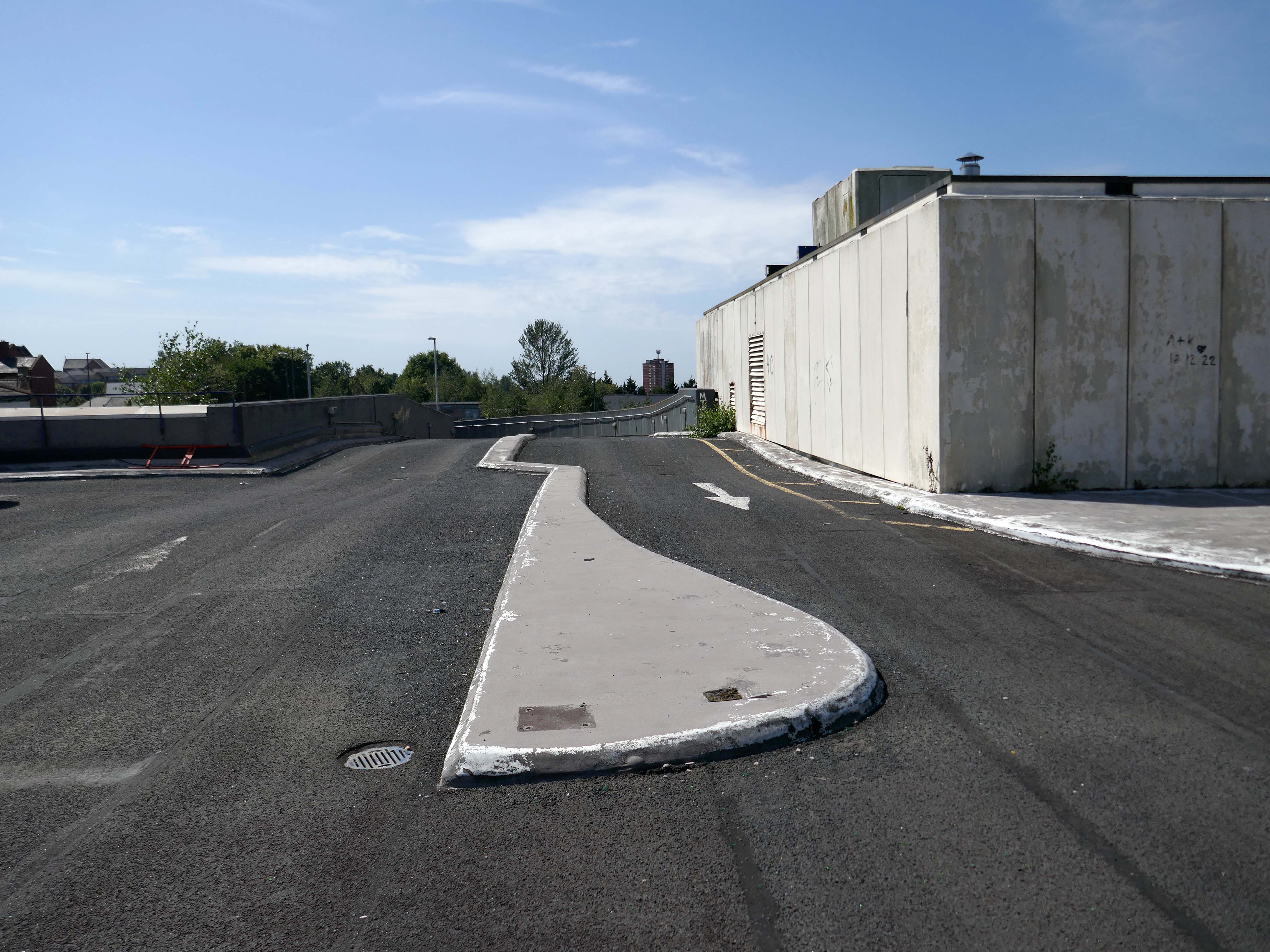
Being something of a car park aficionado I couldn’t resist walking up the ramp to take a look around.
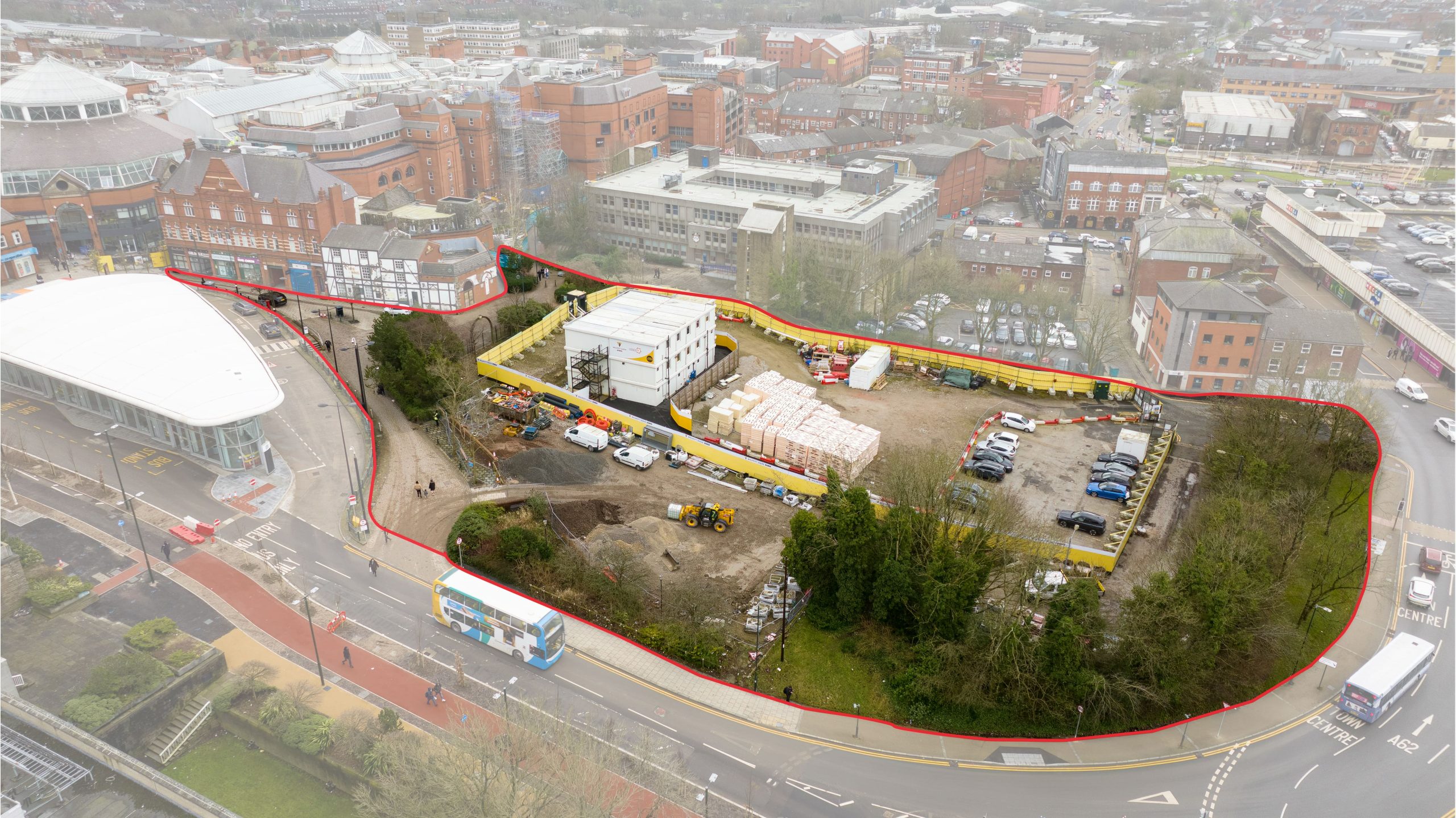
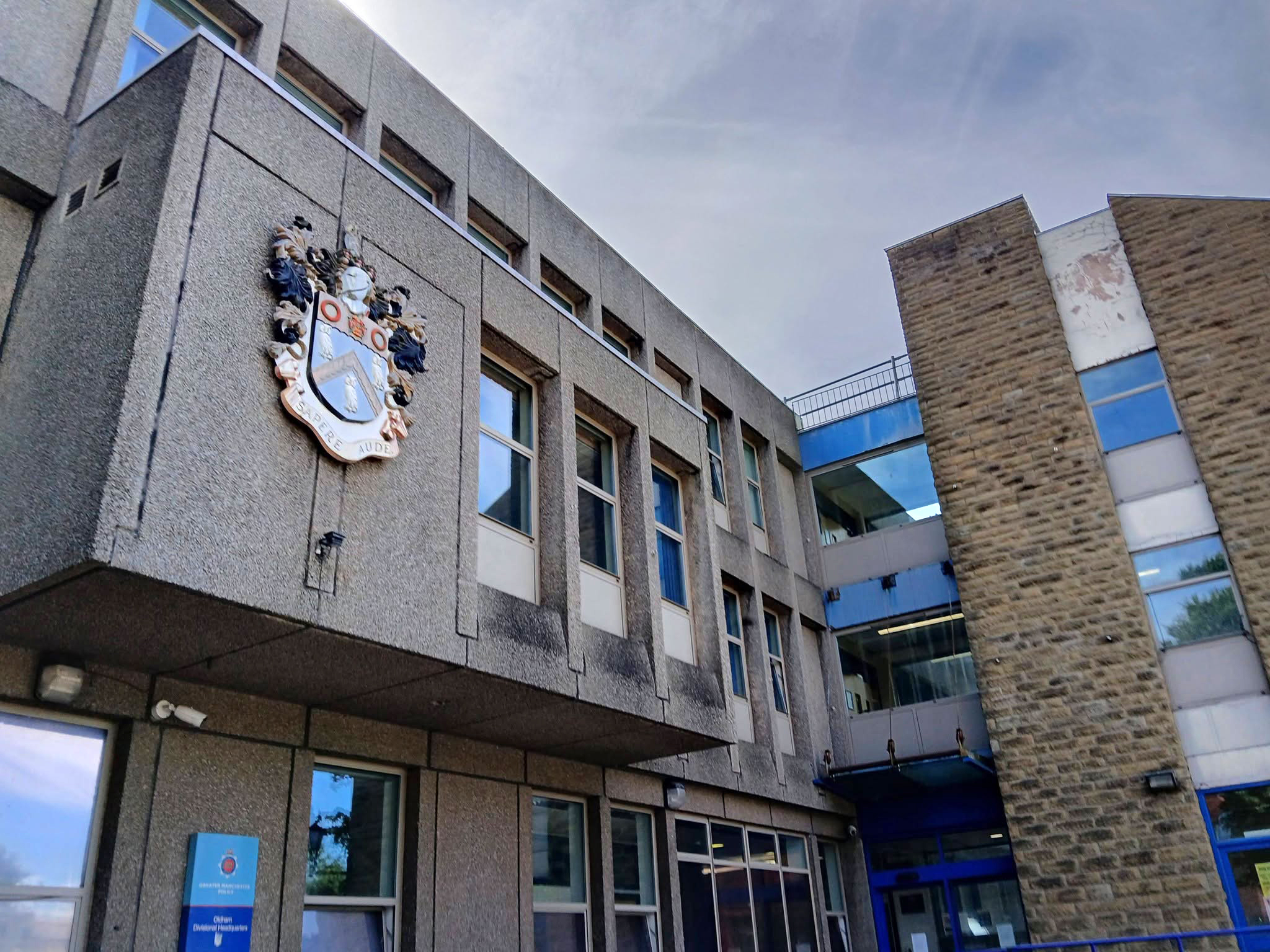
To the right is the tower of the Civic Centre, it was designed by Cecil Howitt & Partners, and the topping out ceremony was held on 18 June 1976.
Plans are underway at the Civic Centre, the largest site in the regeneration project, to create a vibrant community providing 838 homes rising up to 15-storeys with mixed-use commercial spaces on the ground floor. This development will integrate seamlessly with the surrounding neighbourhood, particularly the nearby Former Magistrates’ Court site.
The Civic Tower at the edge of the site will be retained and redeveloped as a hotel in a later phase.
A visit to Preston on our Modernist Walkswould not be complete without a visit to Telephone House.
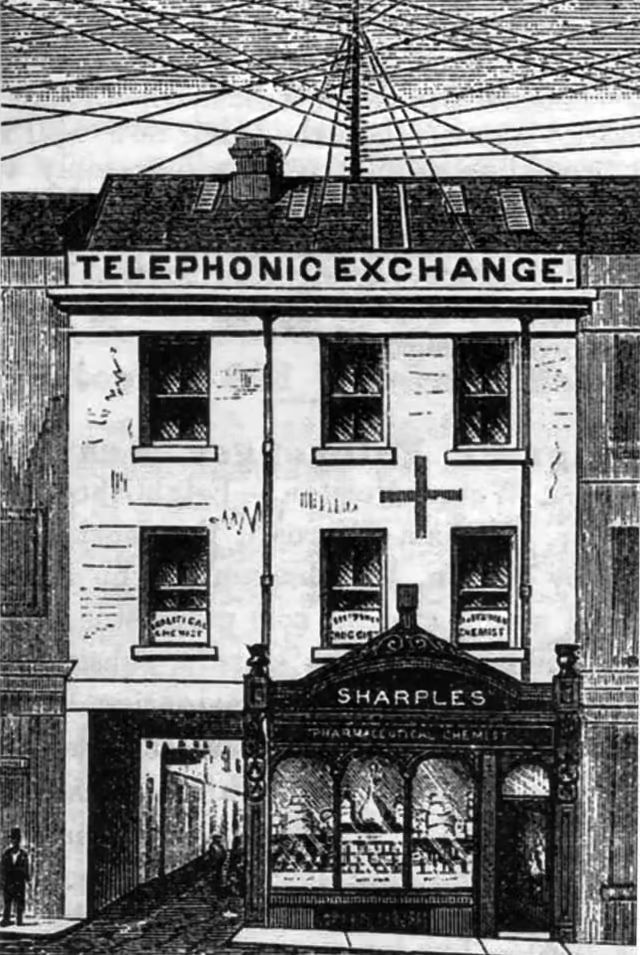
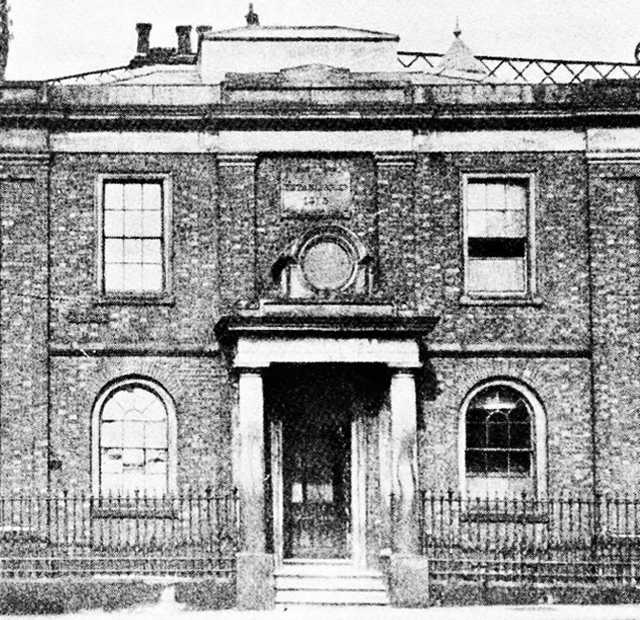
Local enthusiast George Sharples, a chemist by trade who was familiar with telegraph engineering, also had ambitions in this field and successfully applied for a licence to operate from his premises at 7 Fishergate.
His Preston Telephonic Exchange opened a few weeks later, having recruited local businesses who at first were reluctant to move away from the highly efficient telegraph message services and embrace the new technology.
Things progressed quite rapidly after that and by 1886 Sharples had sold his business to the county operators, who in turn were taken over by the National Telephone Company in 1889. Within a year the £9 subscription rate offered by Sharples had increased to £12 – a familiar tale. Within three more years this organisation had set up its telephone exchange in Guildhall Street and a decade later moved operations to the old Preston Gas Company offices in Glover Street, where the multi-storey Avenham car park now stands.
Despite the NTC being taken over in 1912 by the Post Office, the Preston Telephone Exchange remained at the Glover Street premises until 1931, when an automatic telephone system was installed in the General Post Office building in the Market Place. Subscribers now had the freedom to dial most calls themselves. At the official launch of the new system it was stated that 15,000 calls were handled daily in Preston.
From the mid-1940s the increase in telephones was dramatic, with modern technology and underground cables leading to greater efficiency. A reflection of this progress was seen locally in June 1964 when the main Preston telephone exchange was moved to the purpose-built structure on Moor Lane. The era of trunk dialling had arrived and by 1980 two out of three homes within the Preston Telephone Area had a telephone installed.
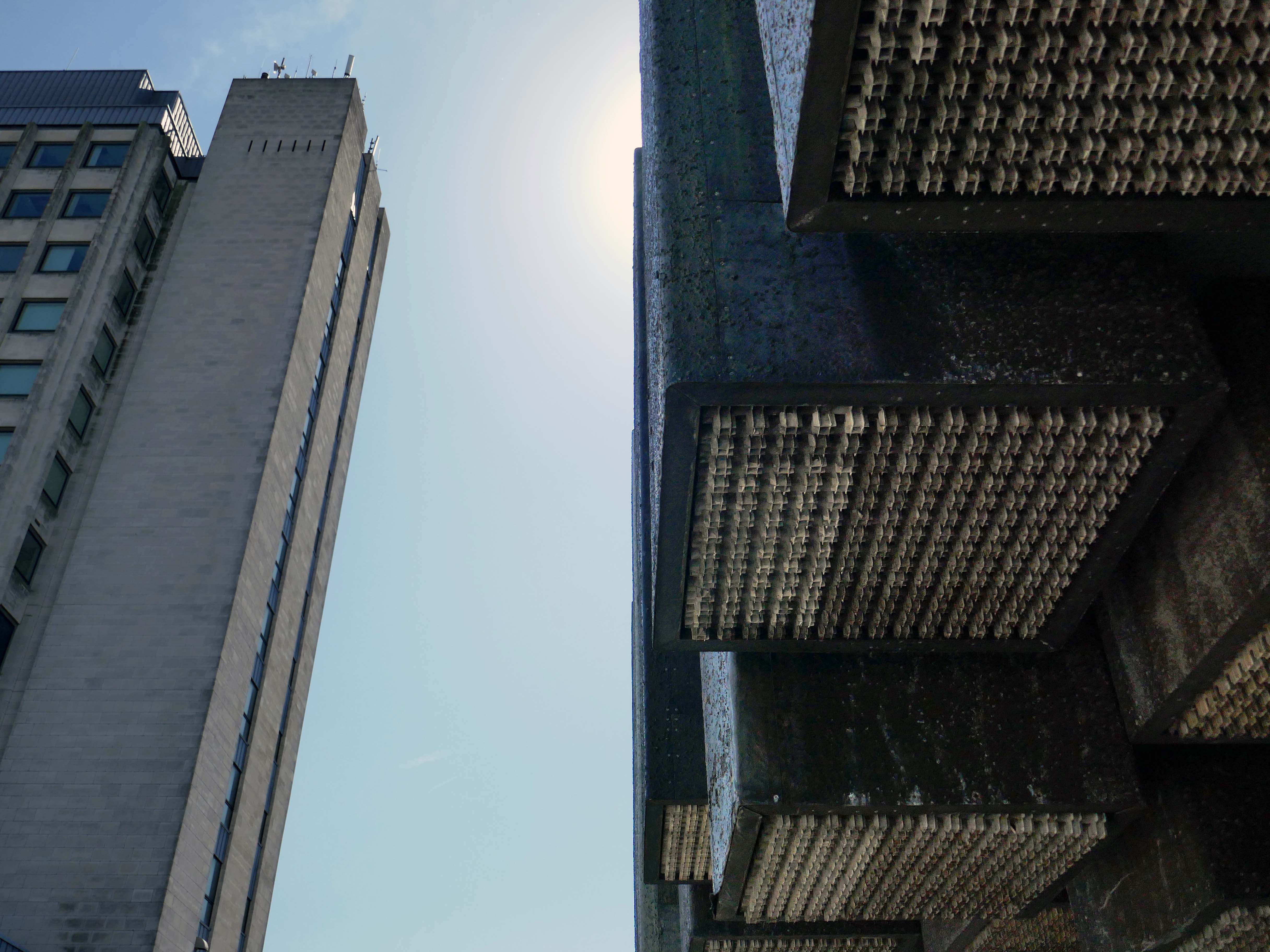
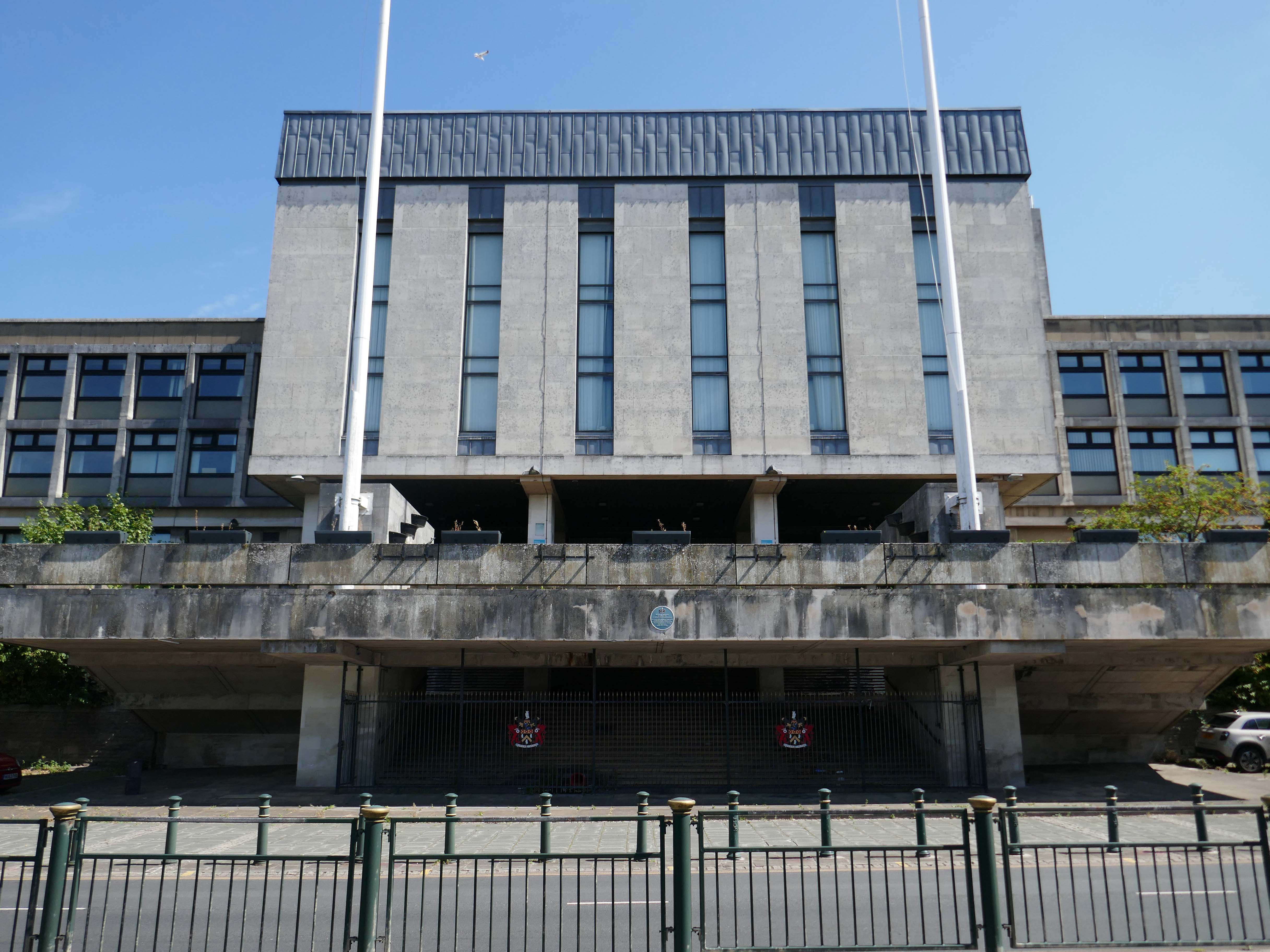
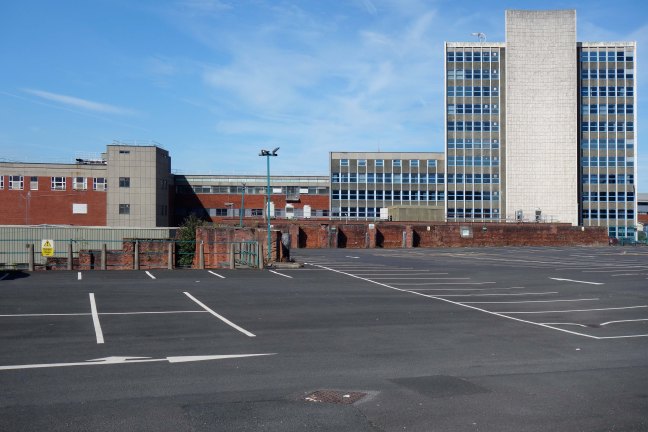
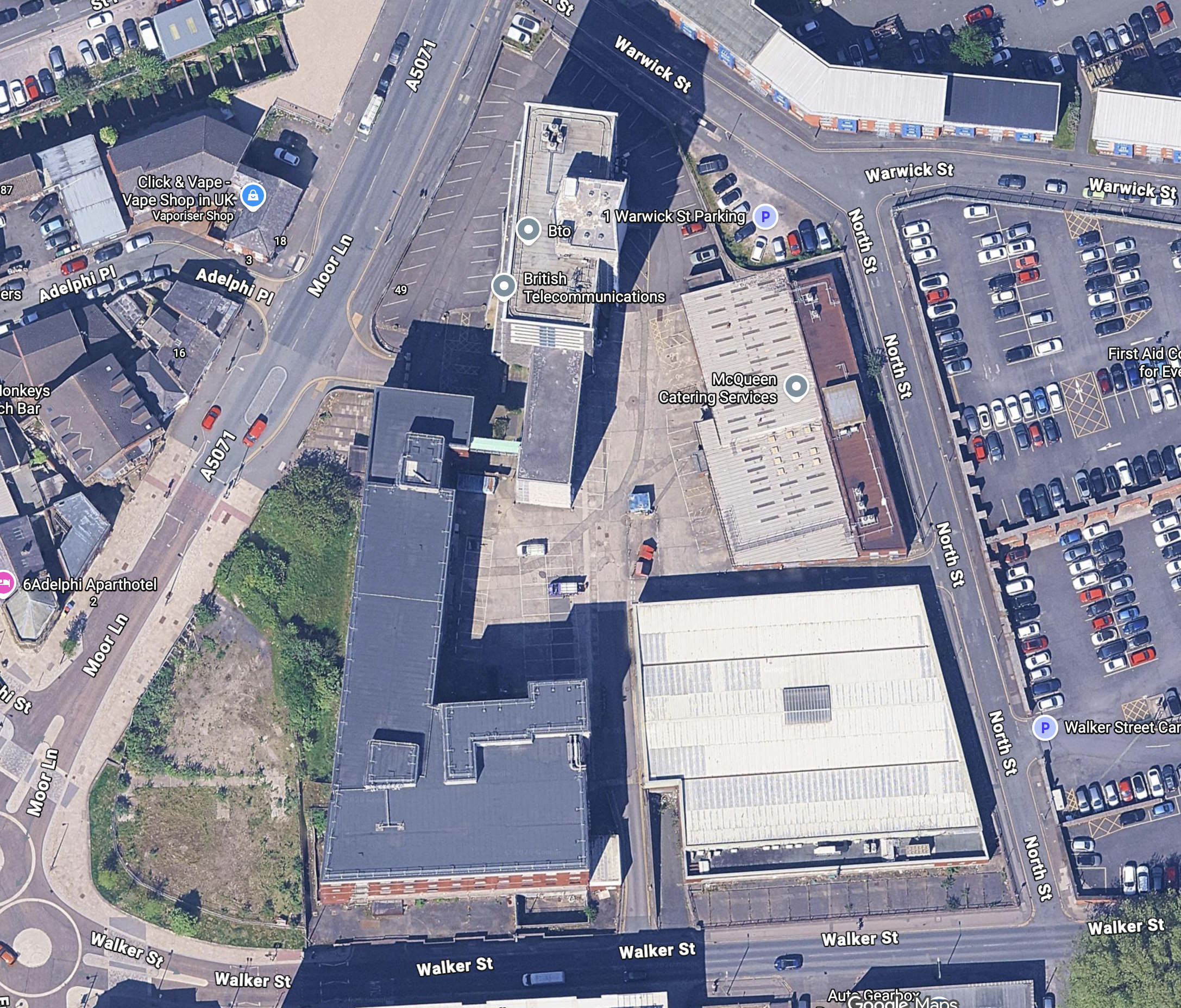
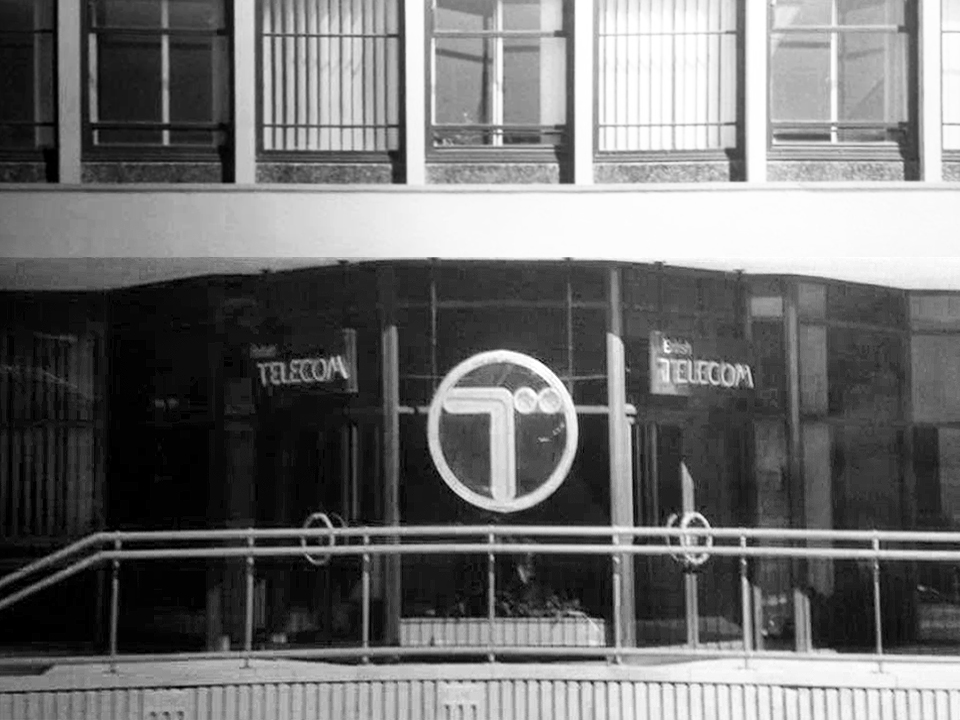
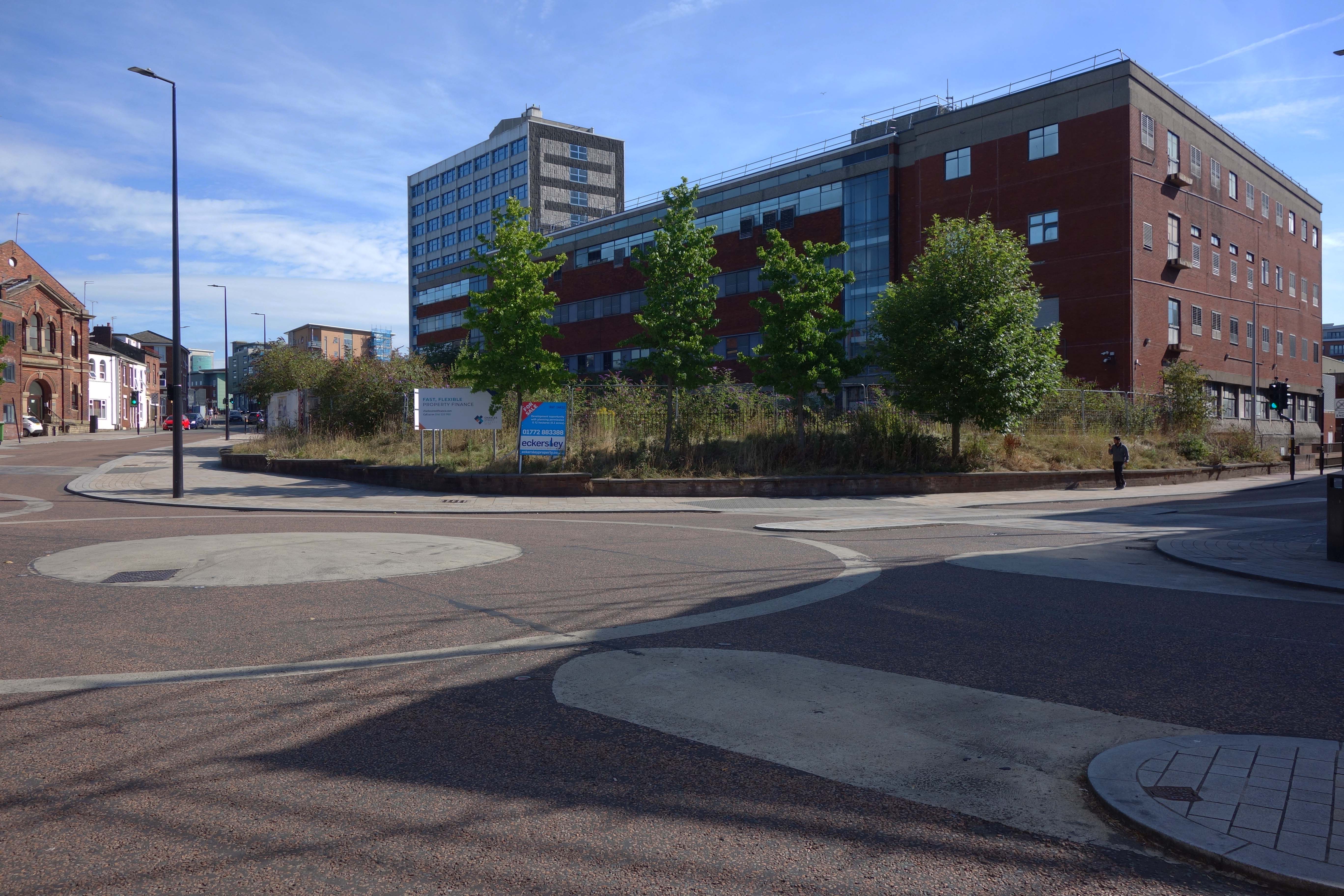
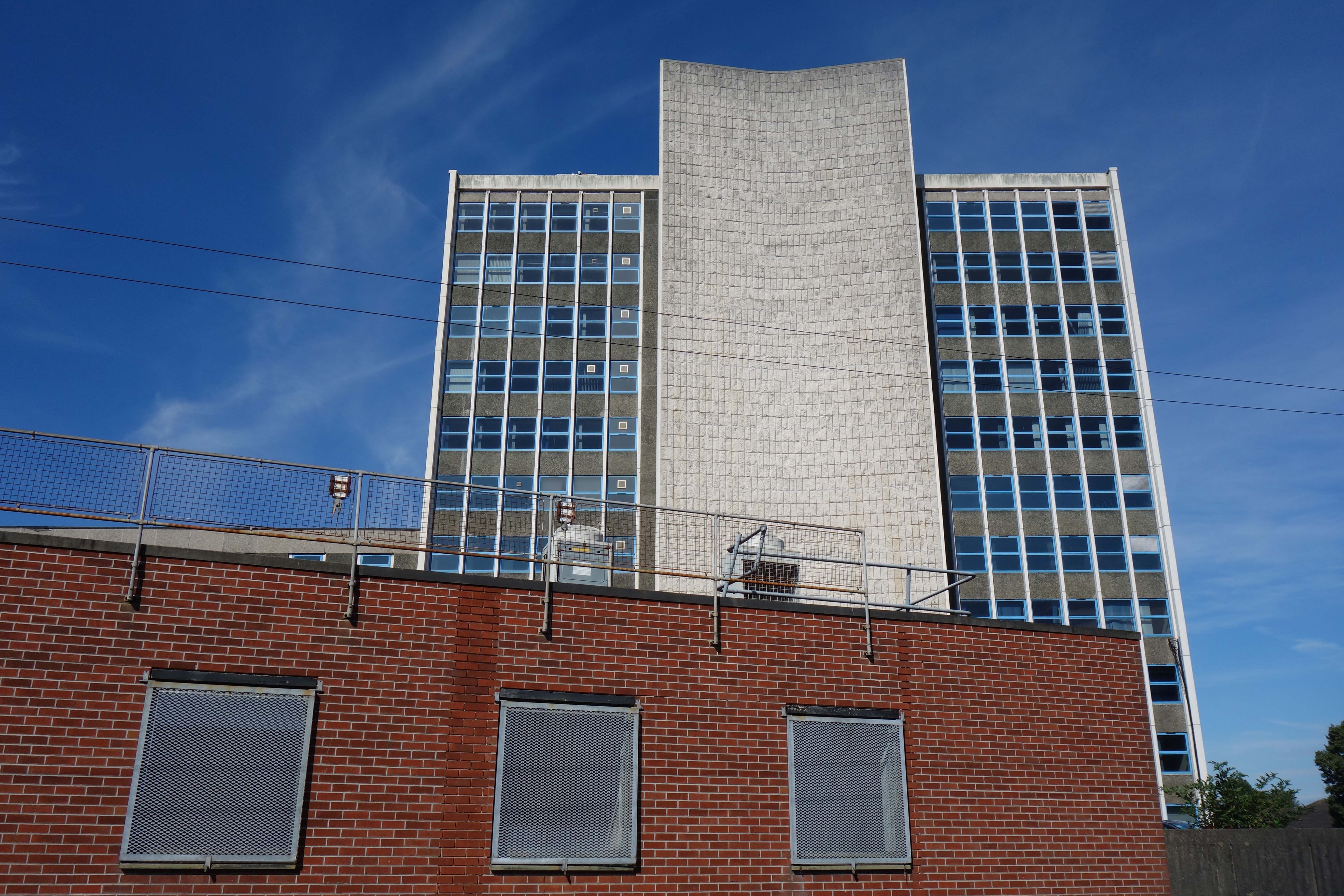
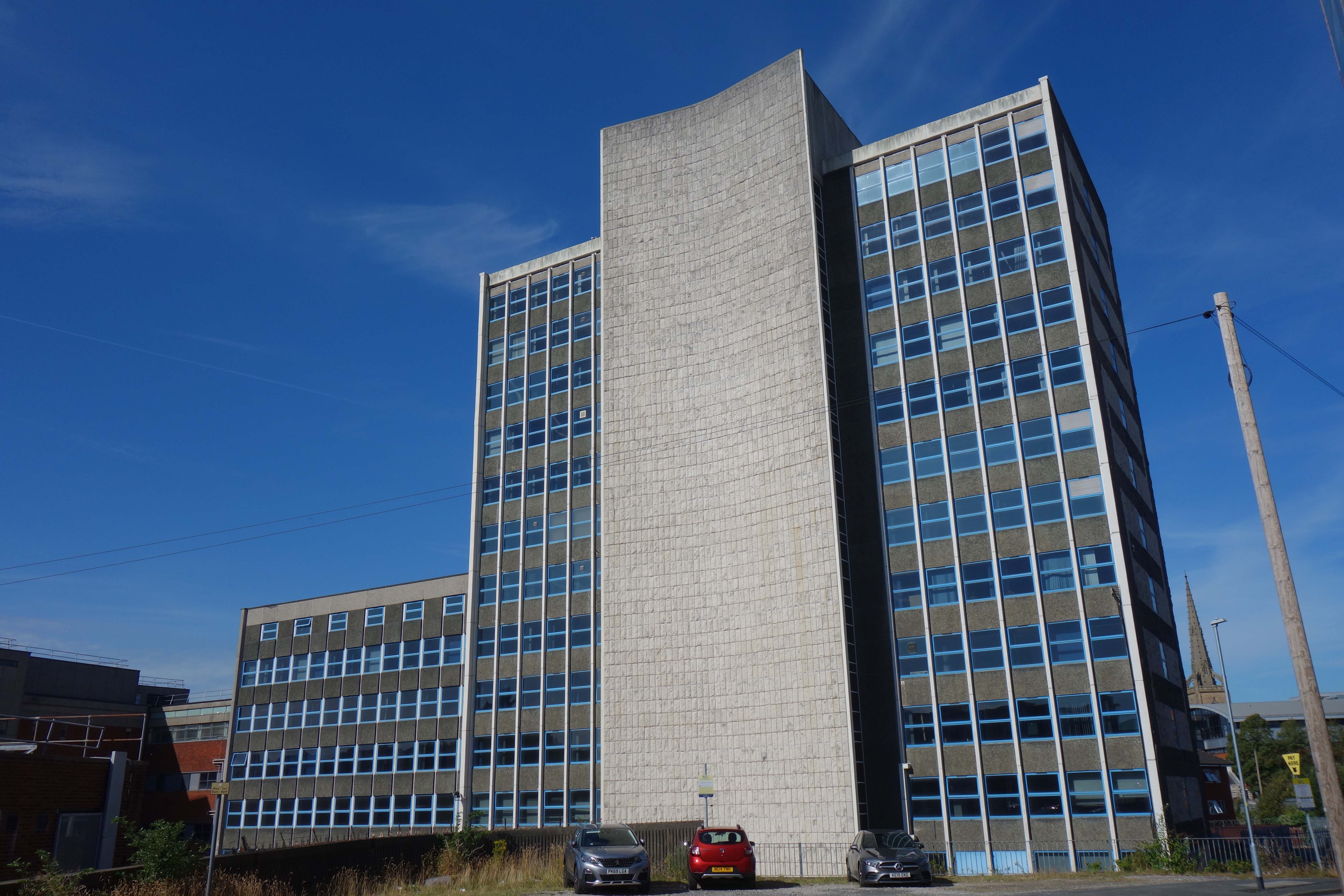
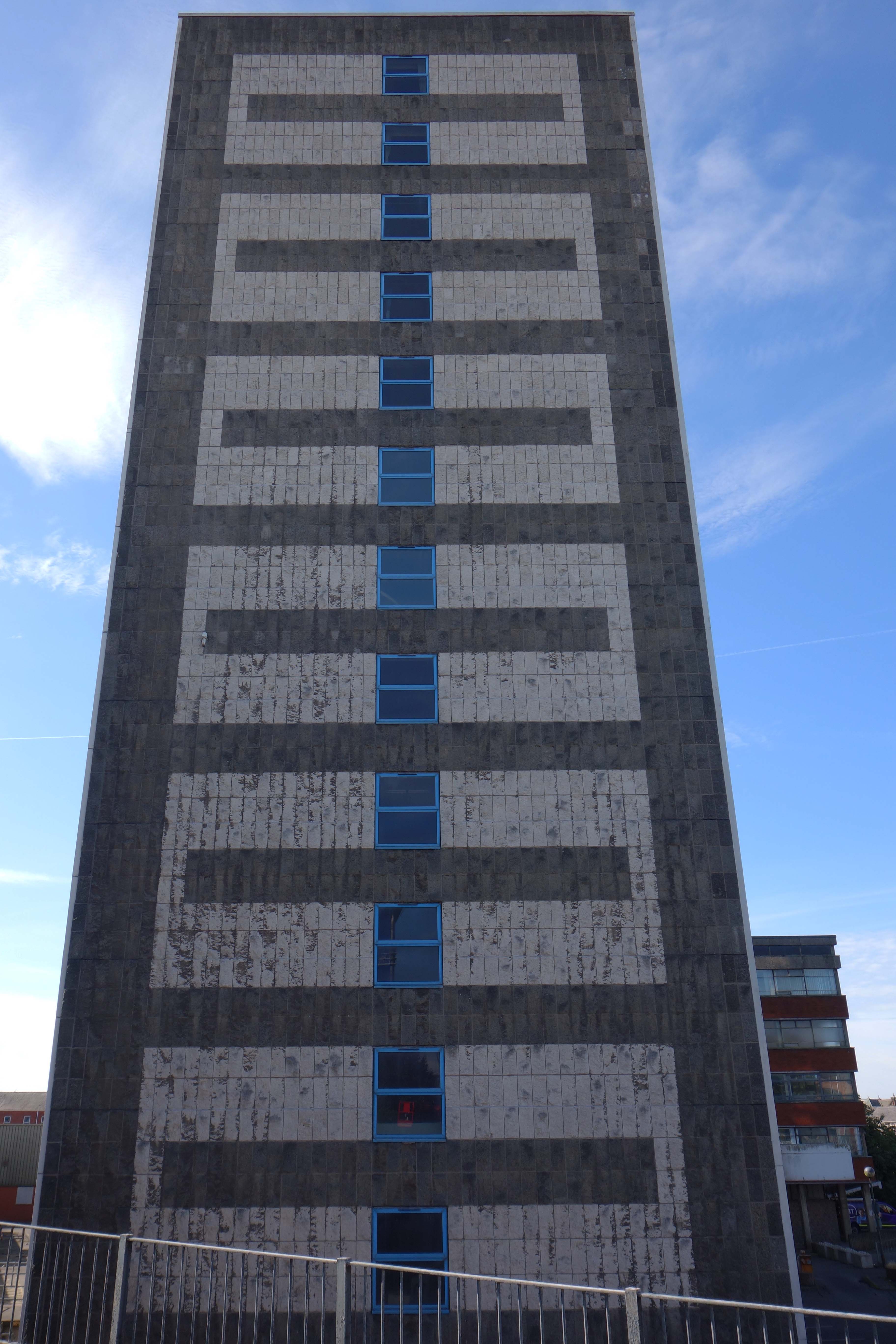
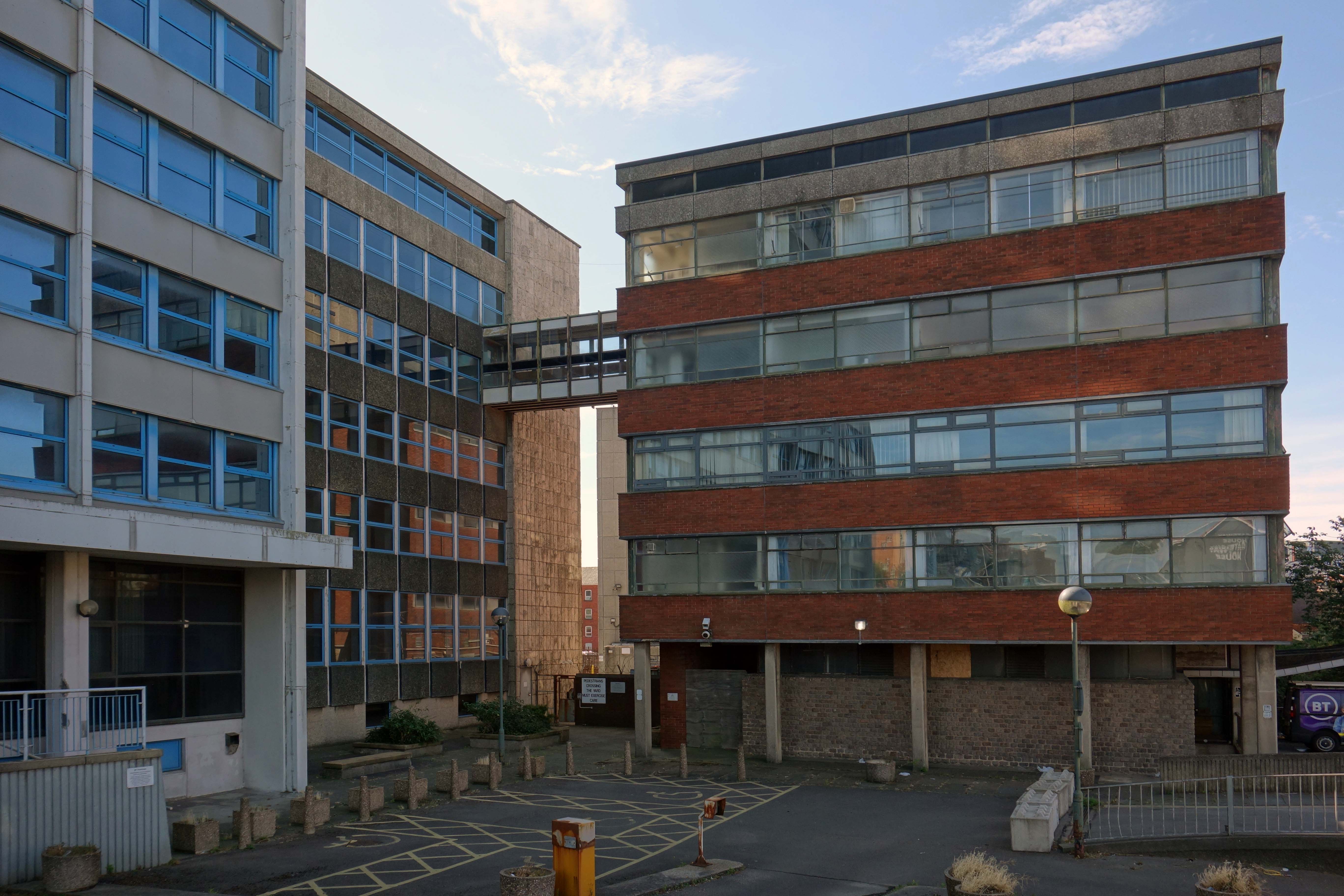
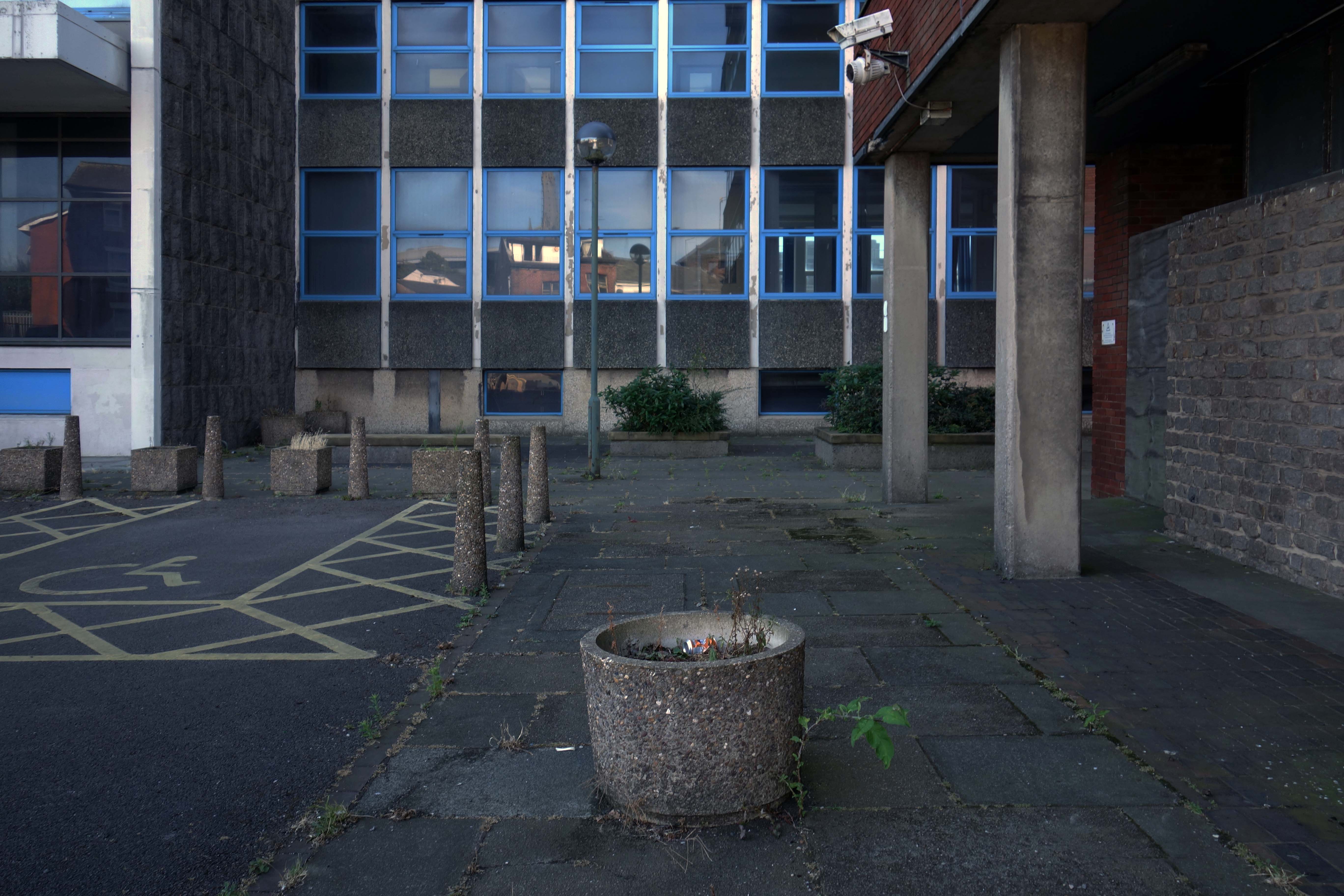
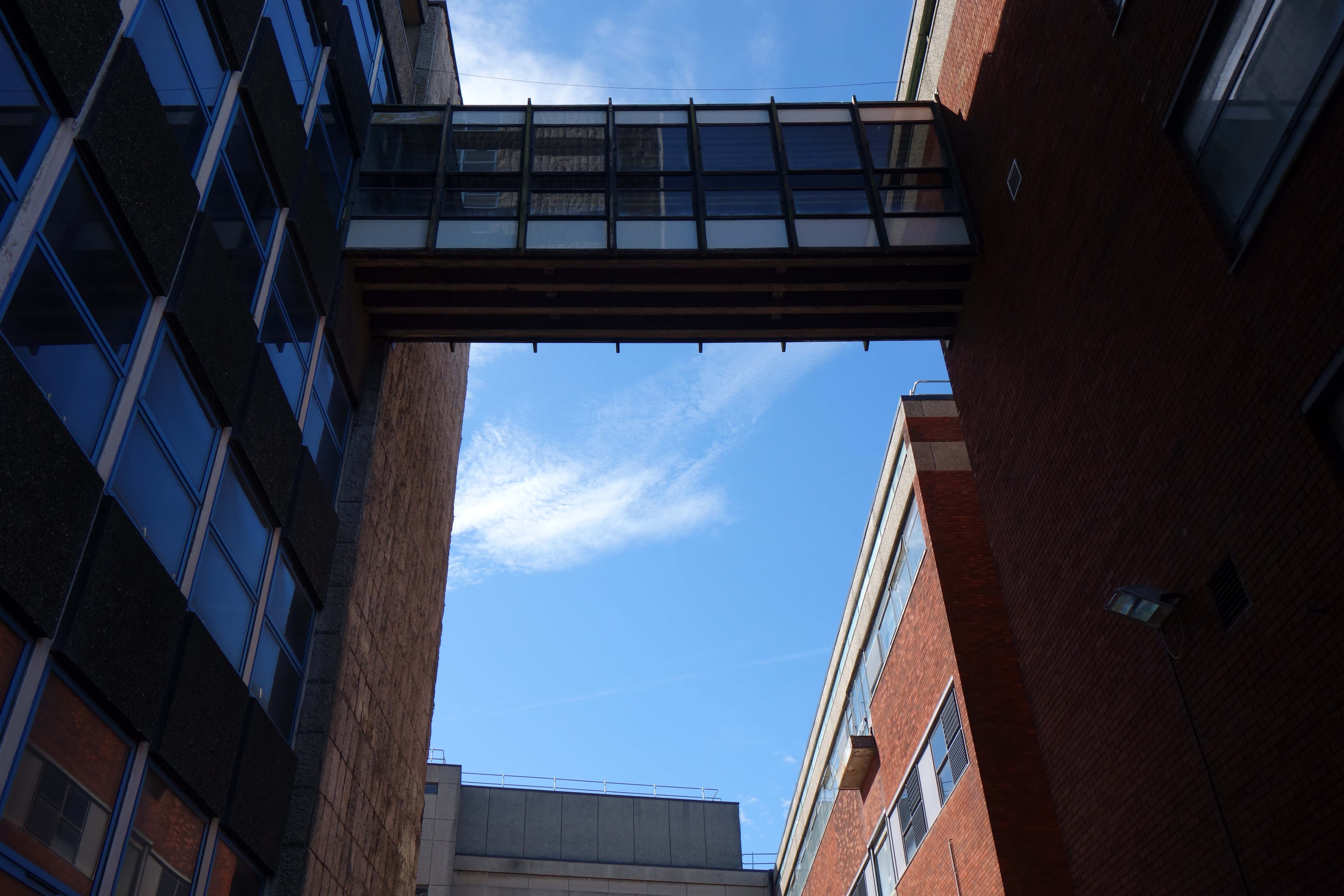
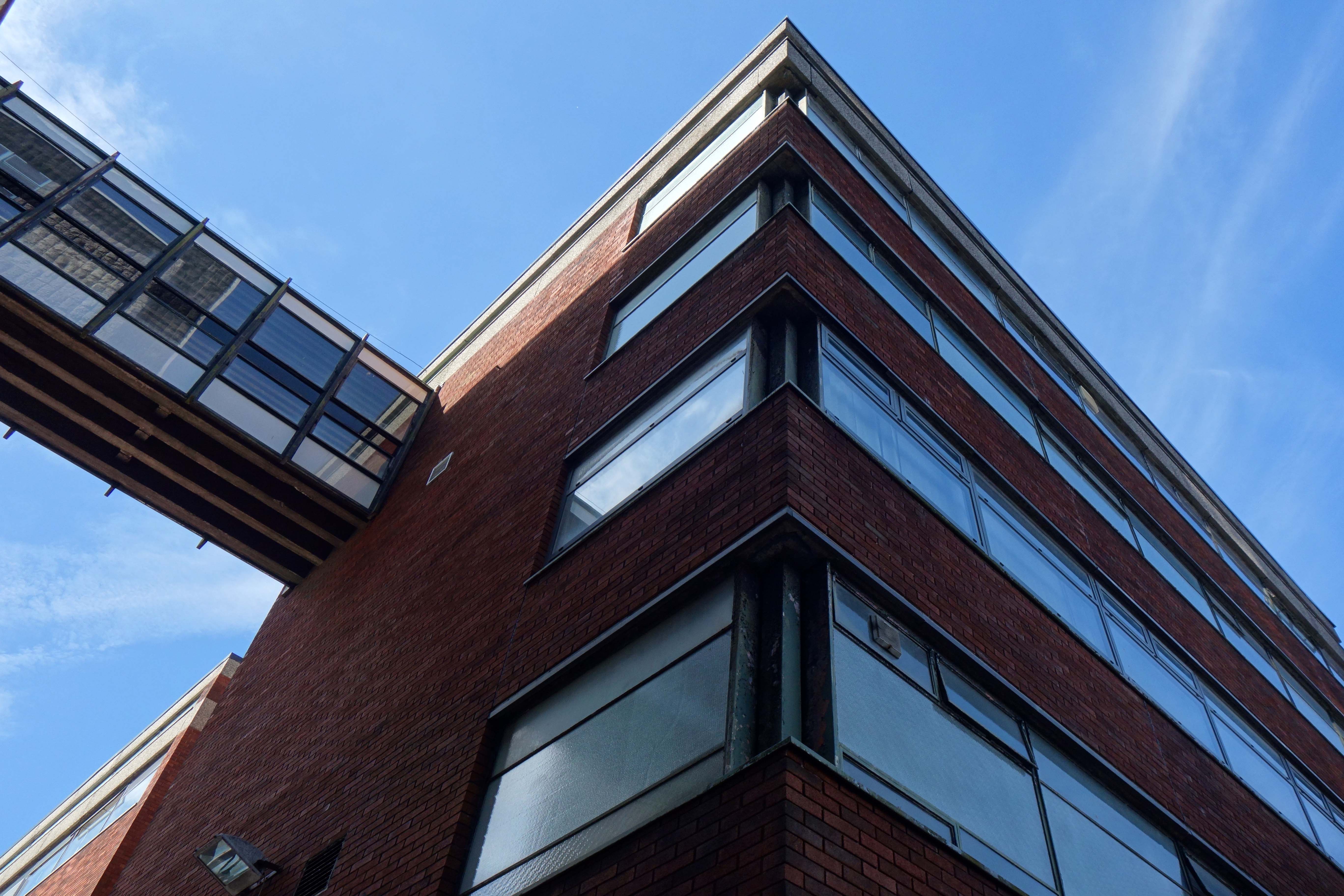
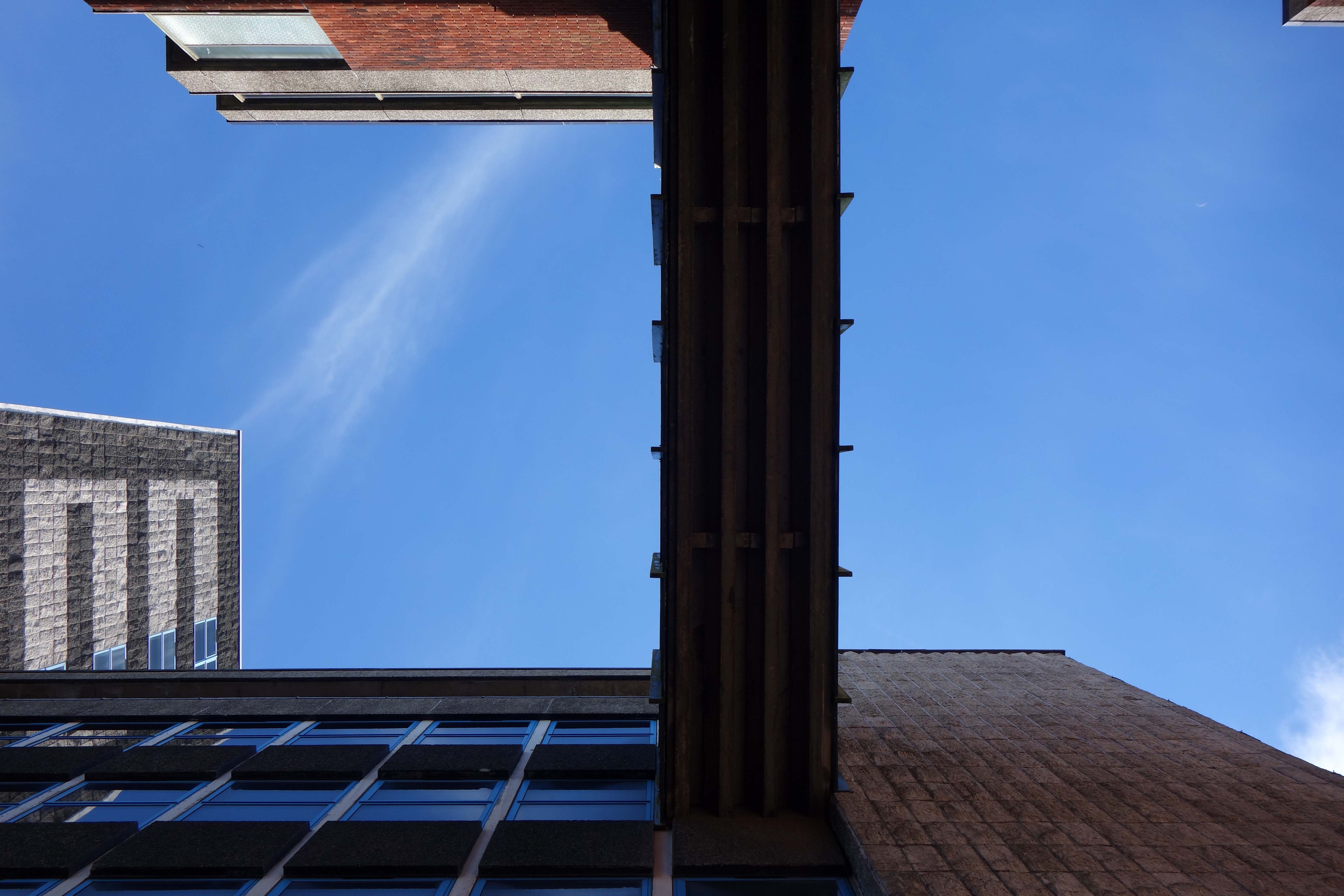
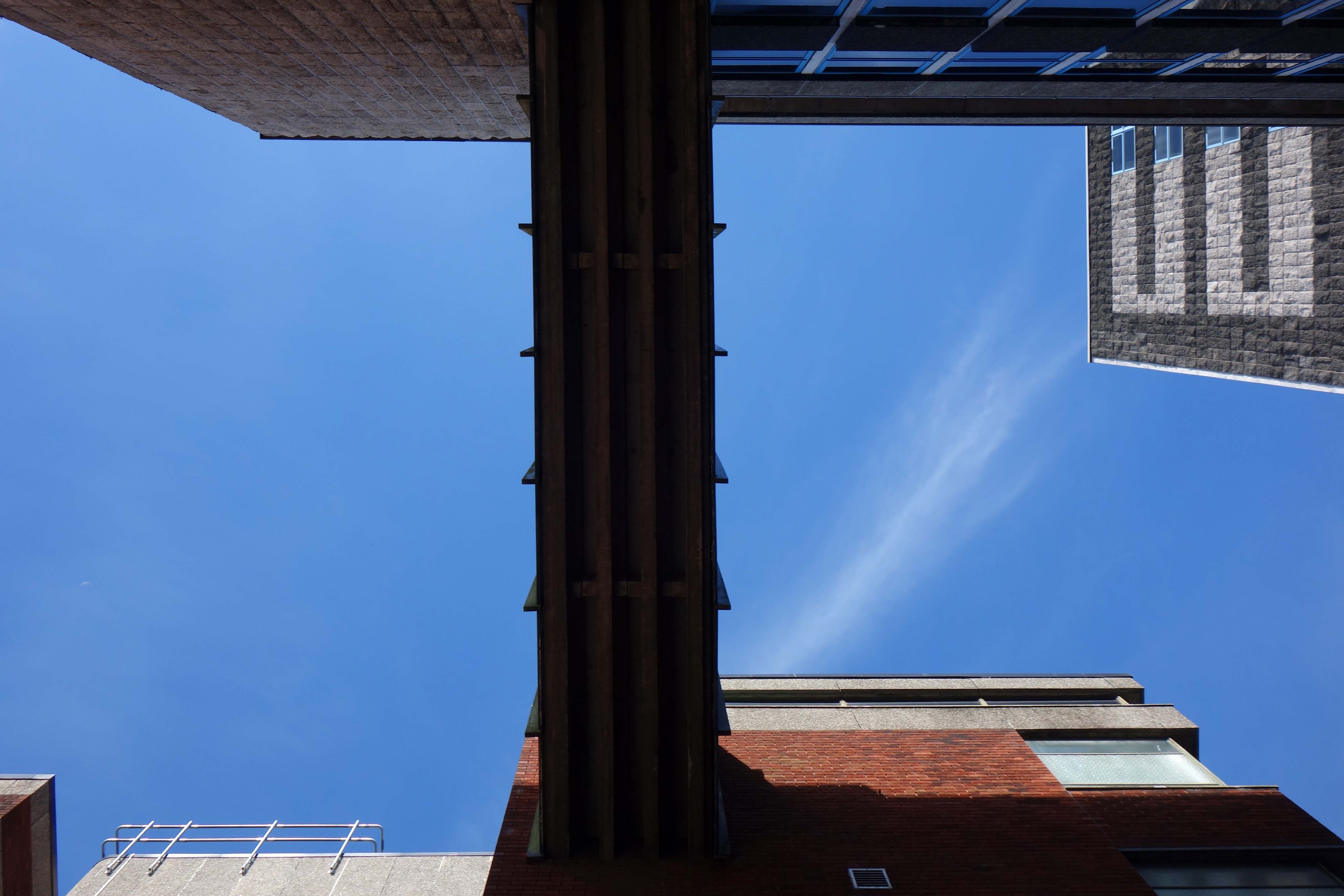
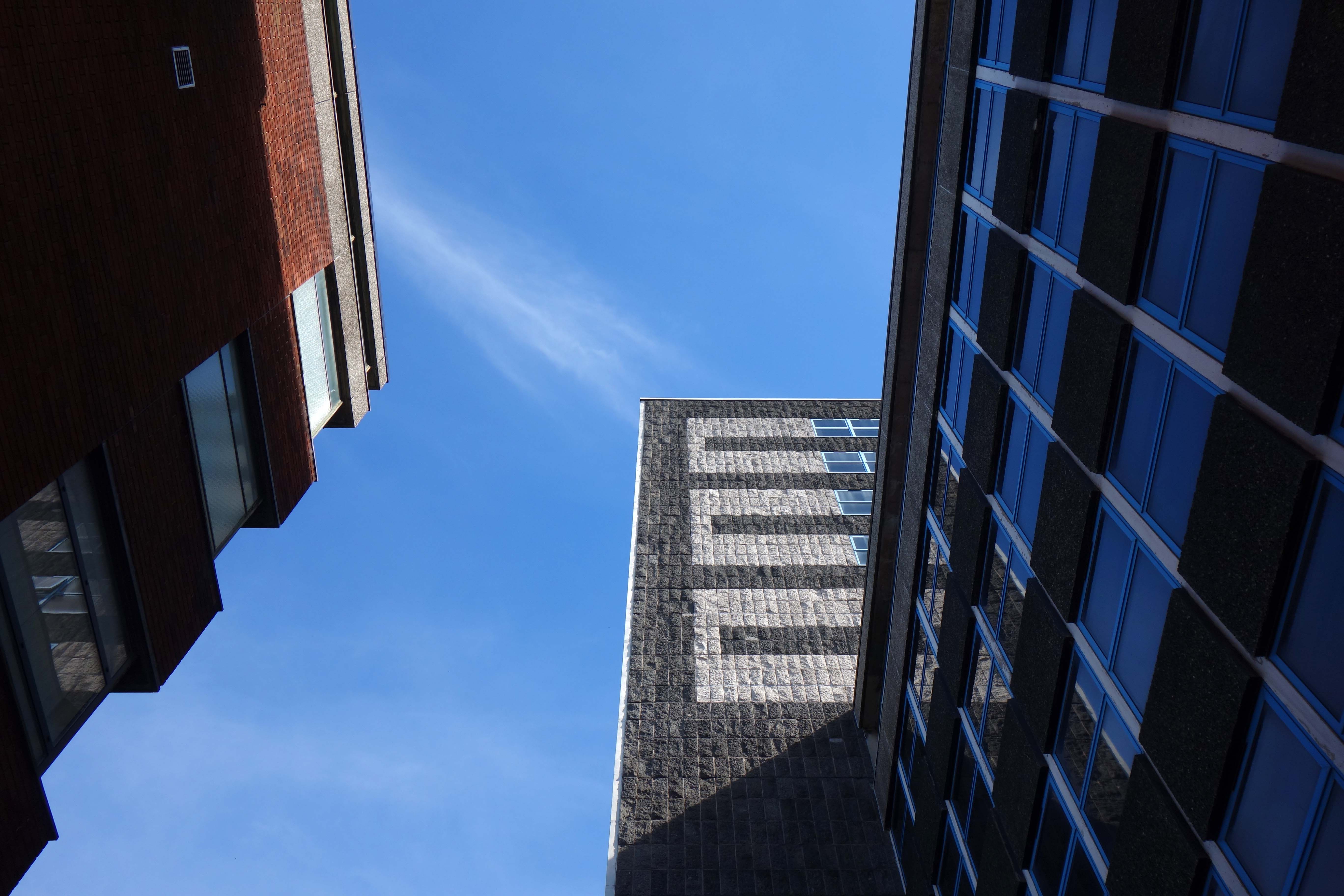
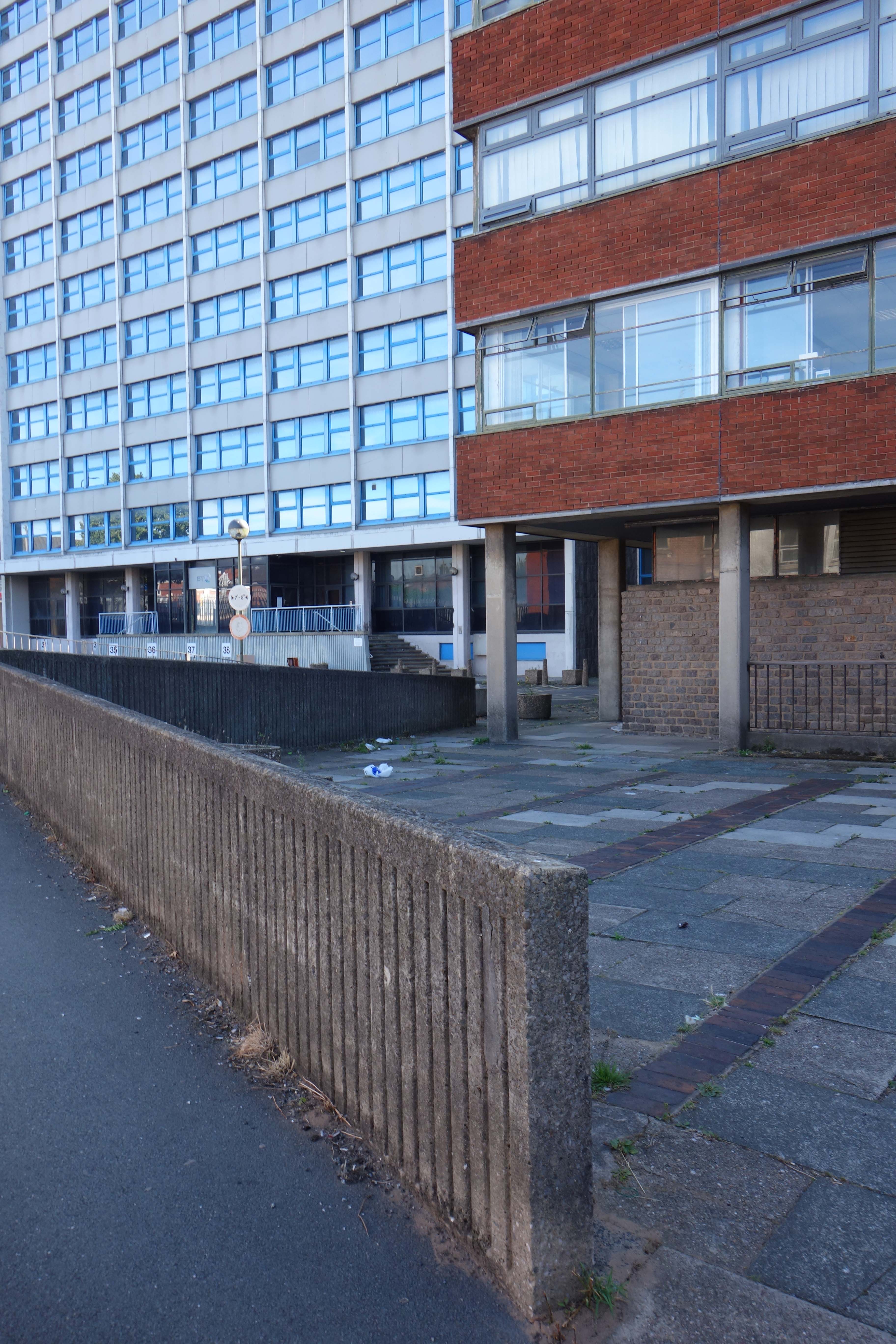
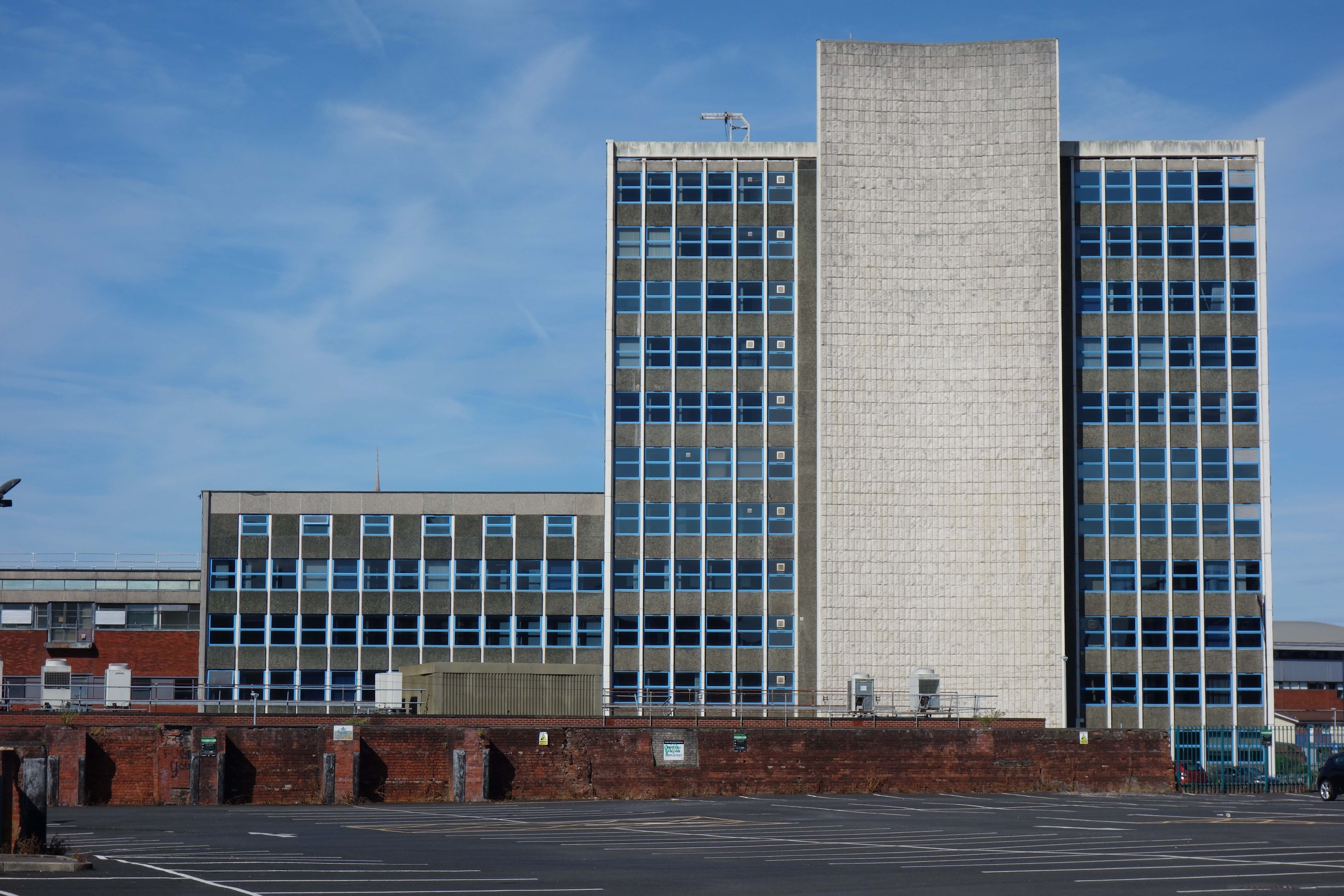
Twixt Walker Street and Moor Lane the mighty BT Building – Telephone House by Building Design Partnership, 1960-64.
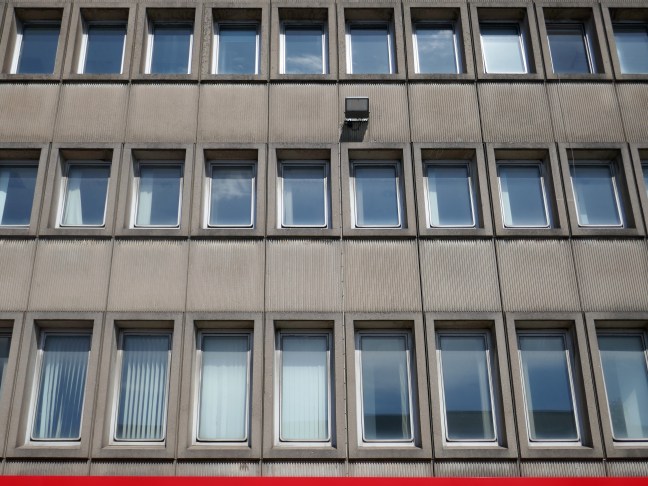
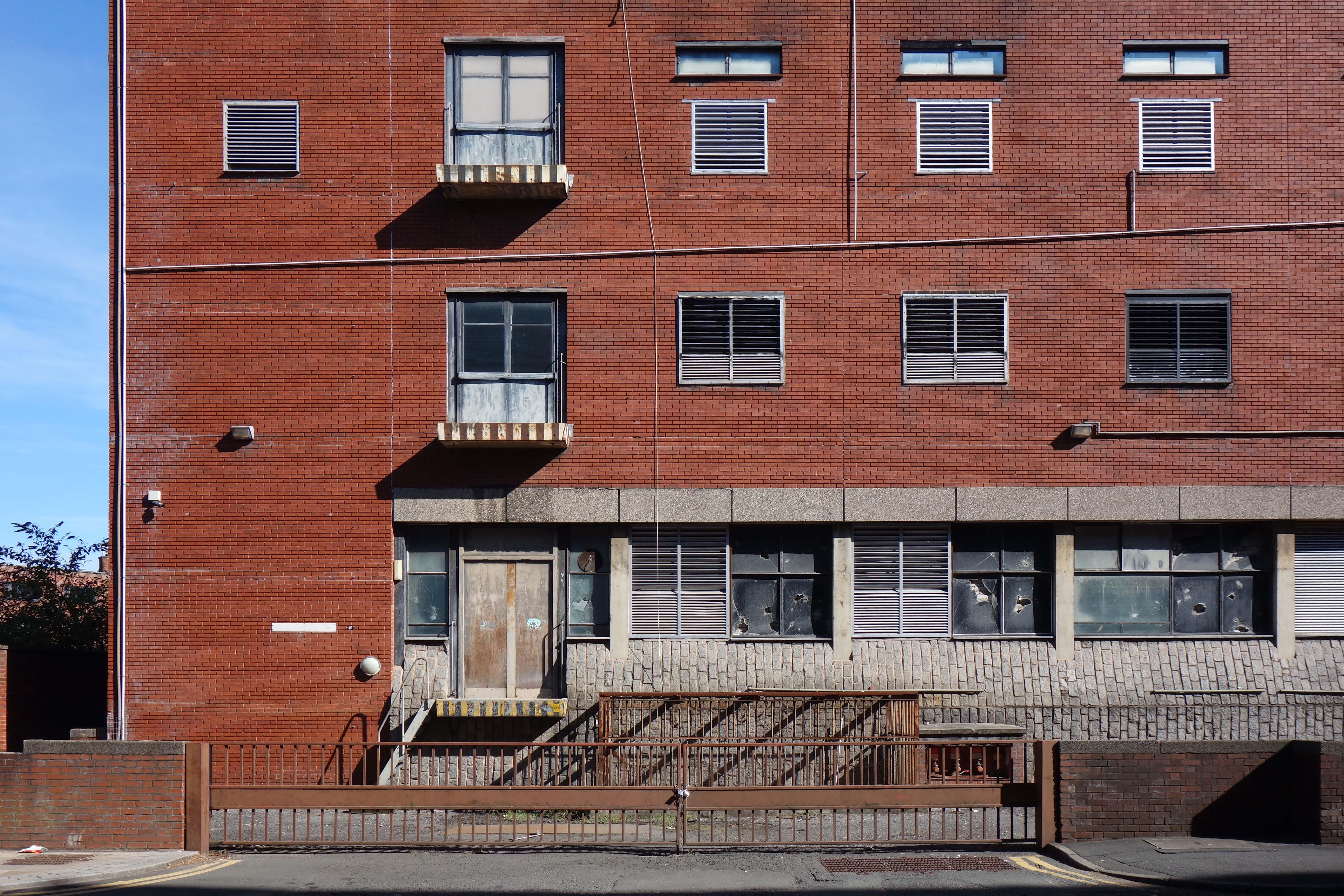
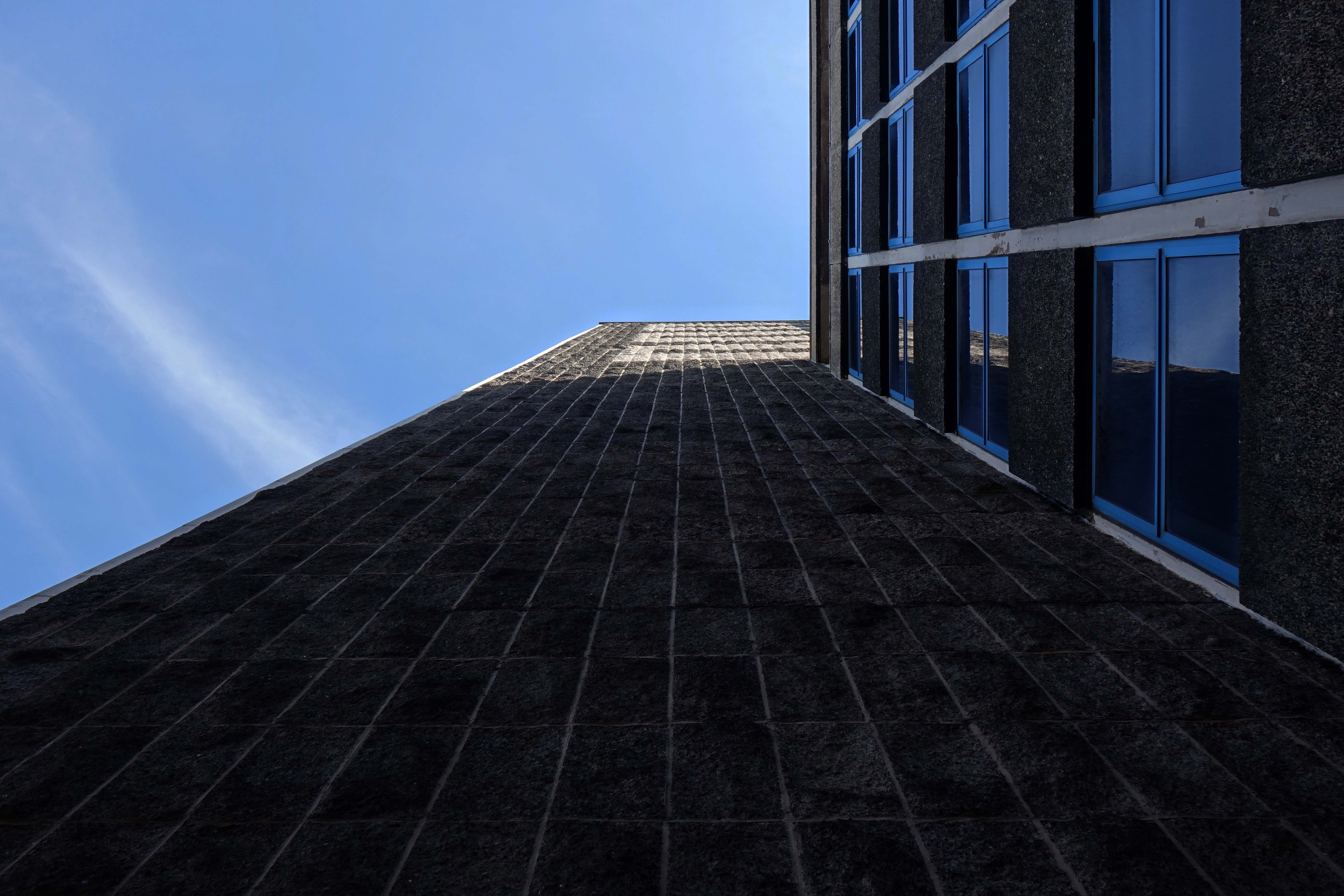
A decent office block with rough patterned concrete end walls.
Pevsner
The front elevation was re-clad in 1992 the back is intact
BDP’s founder Professor Sir George Grenfell Baines, known affectionately as GG, was born in 1908 and set up in practice as an architect in Preston in 1937.
Four years later he teamed up with two other Preston practices and the Grenfell Baines Group was born. Expansion in various locations in the UK continued throughout the 1940s and 1950s and in 1951 GG was the only northern architect appointed to design a building for the Festival of Britain in London.
In 1961, his long cherished ambition of establishing the world’s first interdisciplinary practice was realised and Building Design Partnership was founded. It was a successful formula and on the occasion of his retirement in 1974GG’s advice was