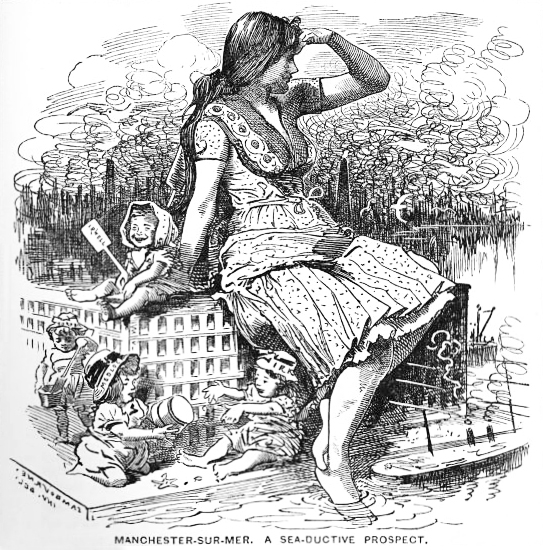
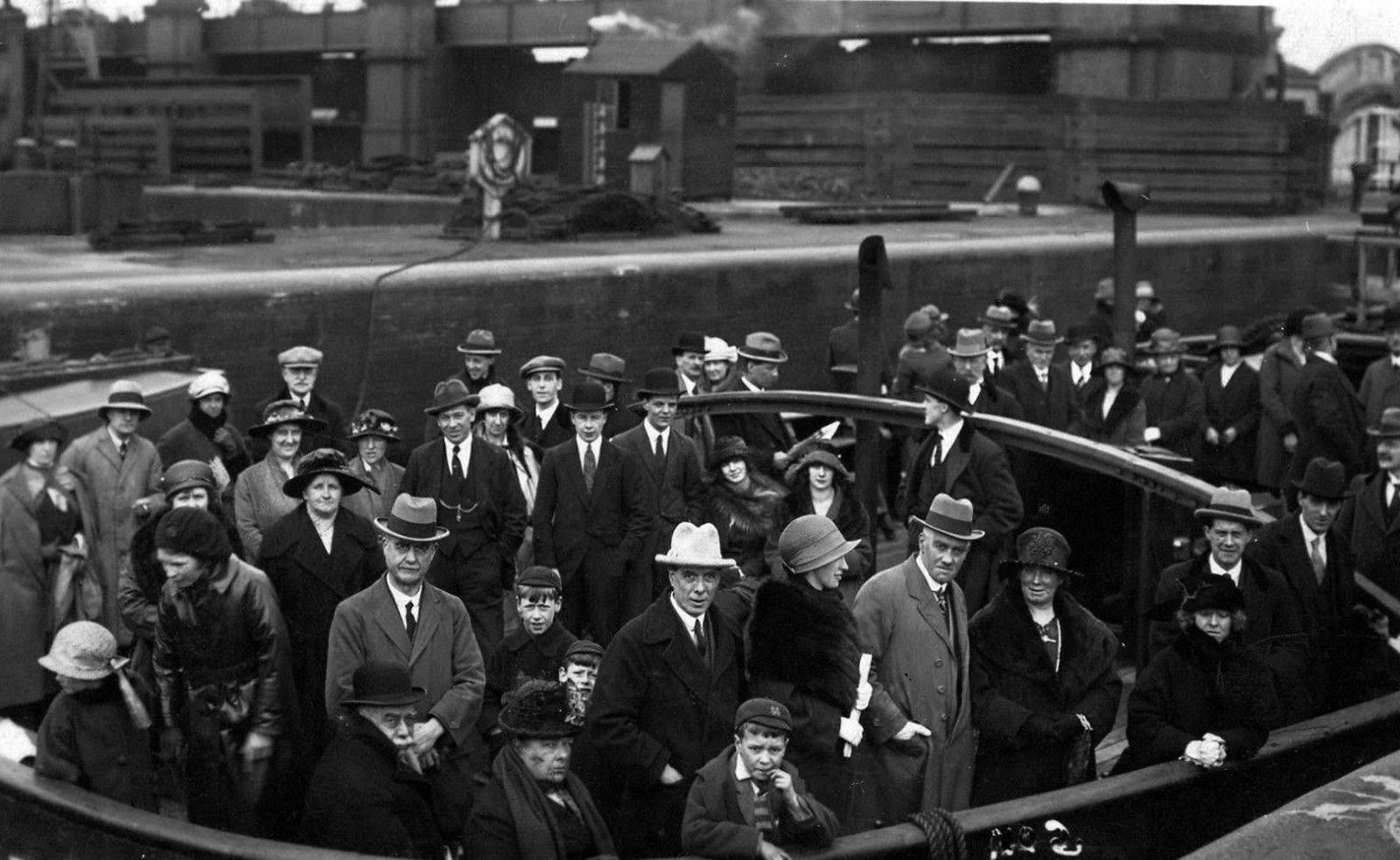
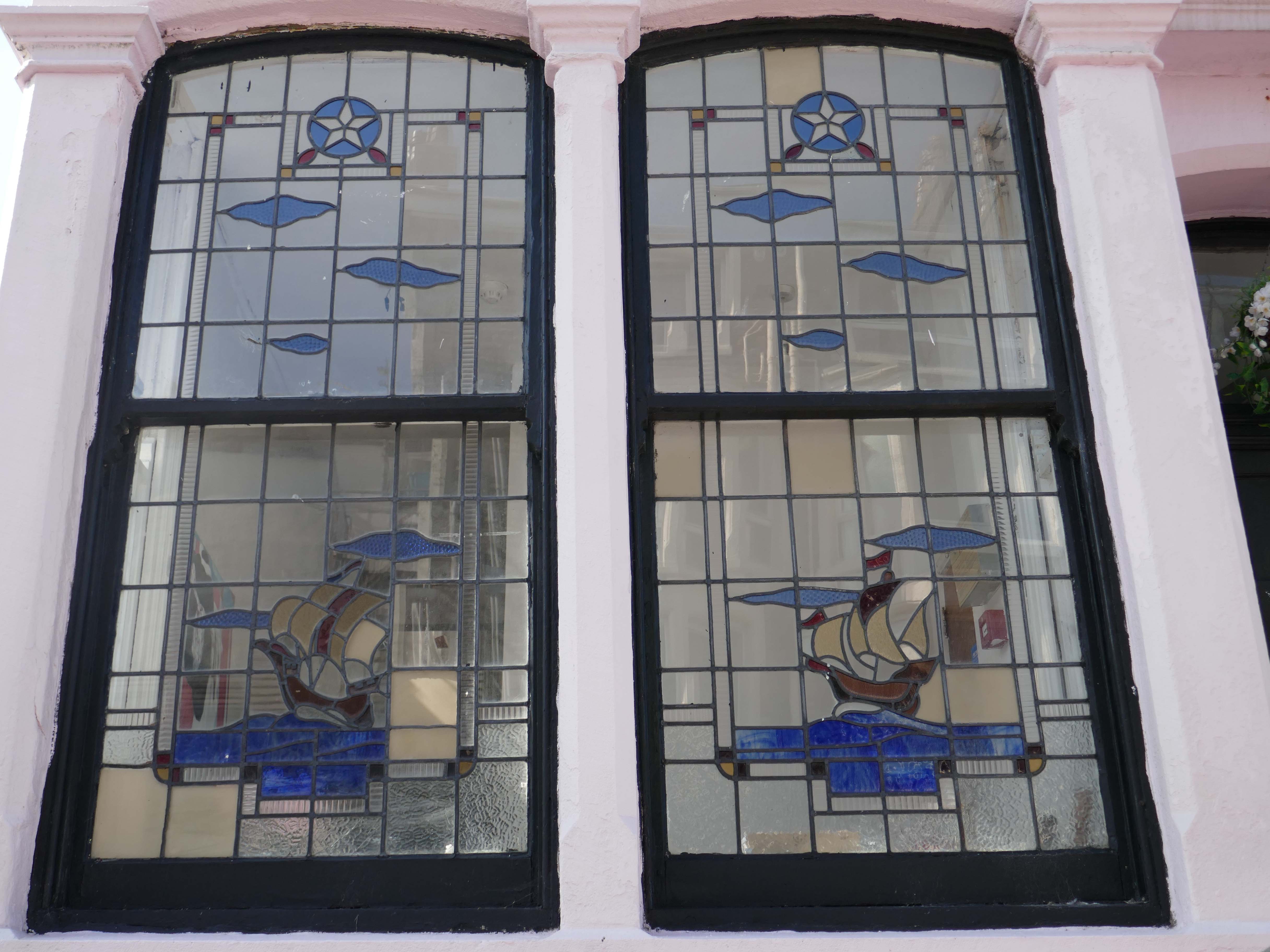
As an integral piece of shipping history built in 1903, The Danny was originally a working tug boat, playing a small but vital role amongst International trading networks within the canals of the North West. After WWI, canal traffic declined as companies turned to road and rail to move goods; the Danny was then given a radical Art Deco style refit by her new owner to see her fit for purpose as a passenger boat.
It was then that her name changed to that of the ship canal’s founding father and first Manchester Ship Canal Company chairman, Daniel Adamson.
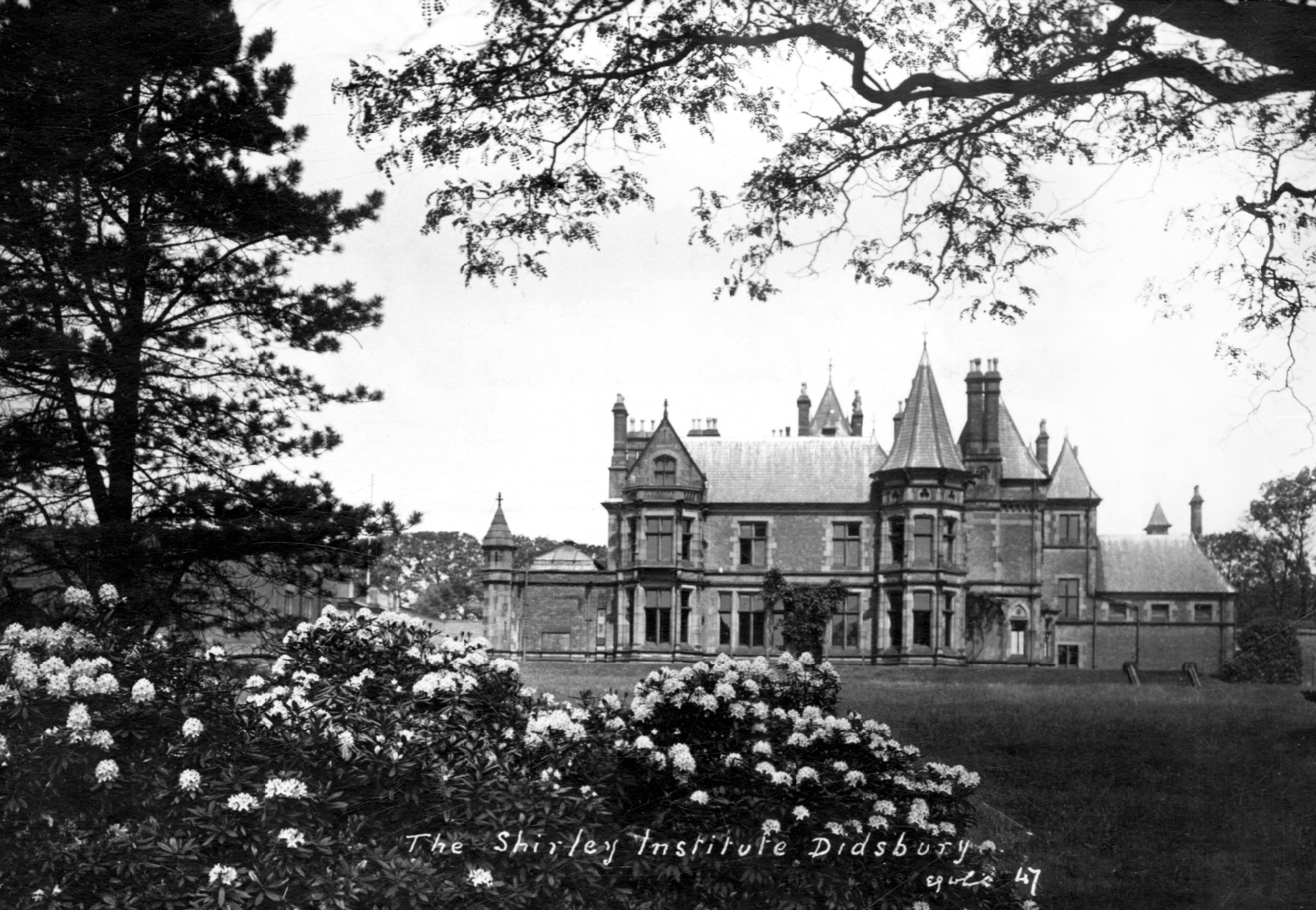
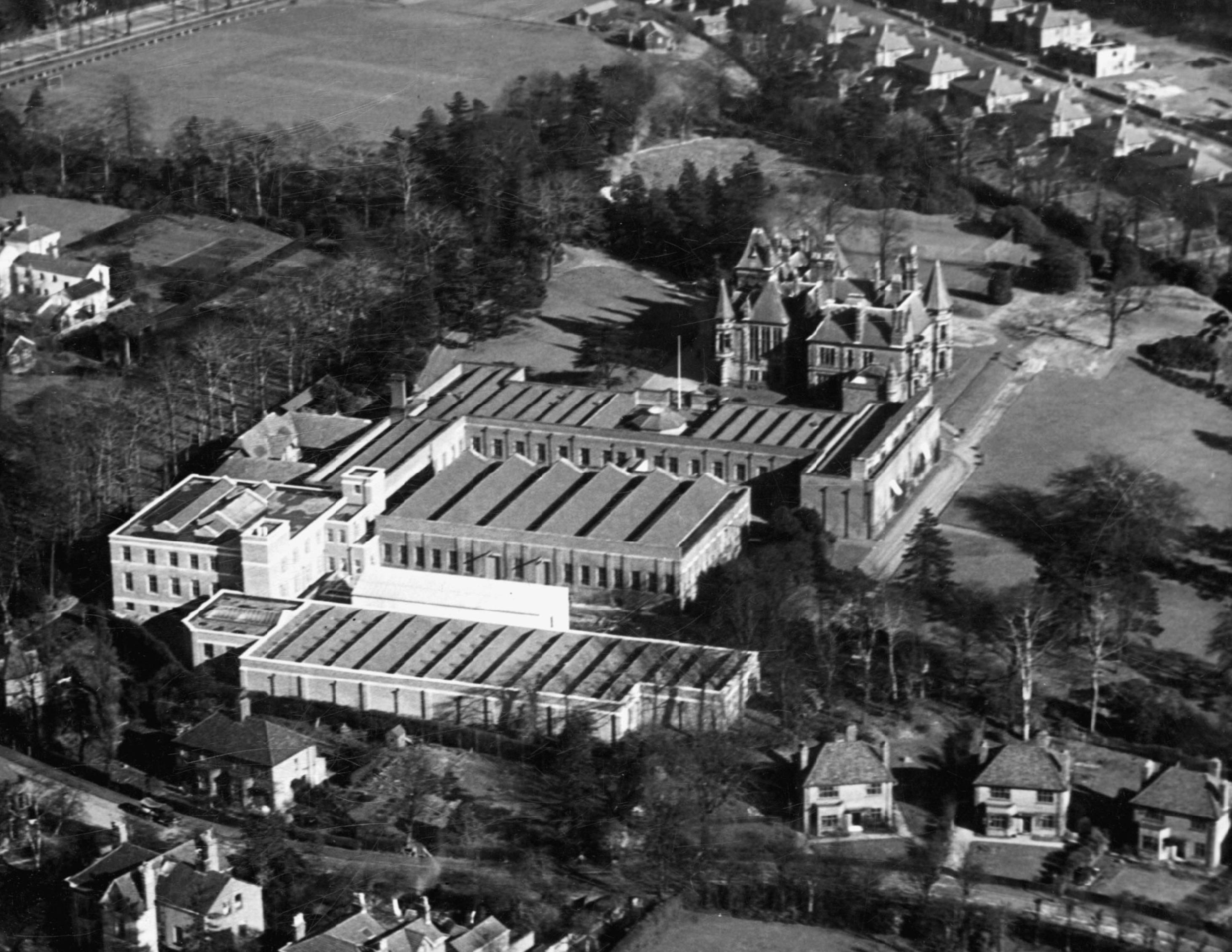
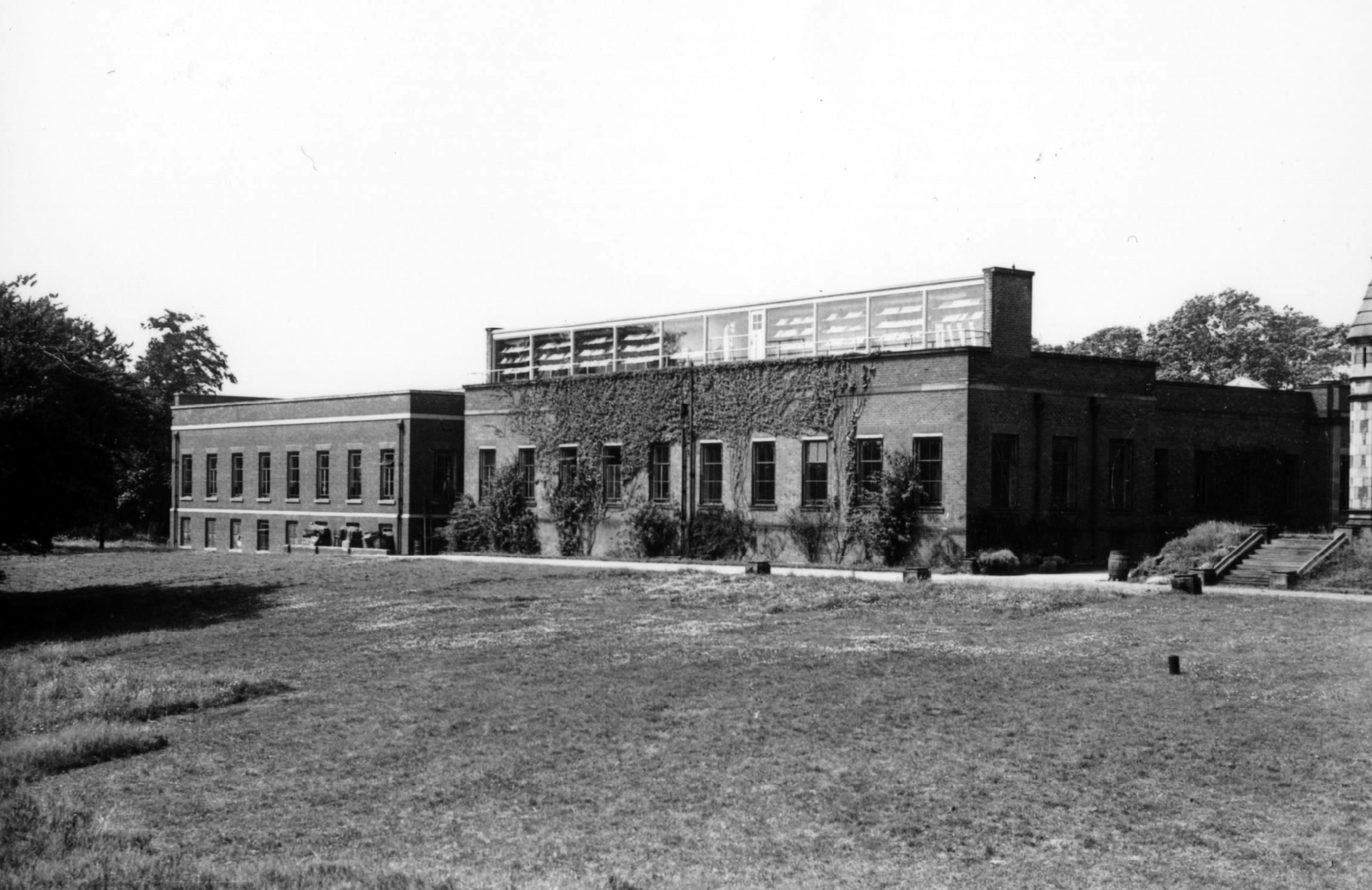
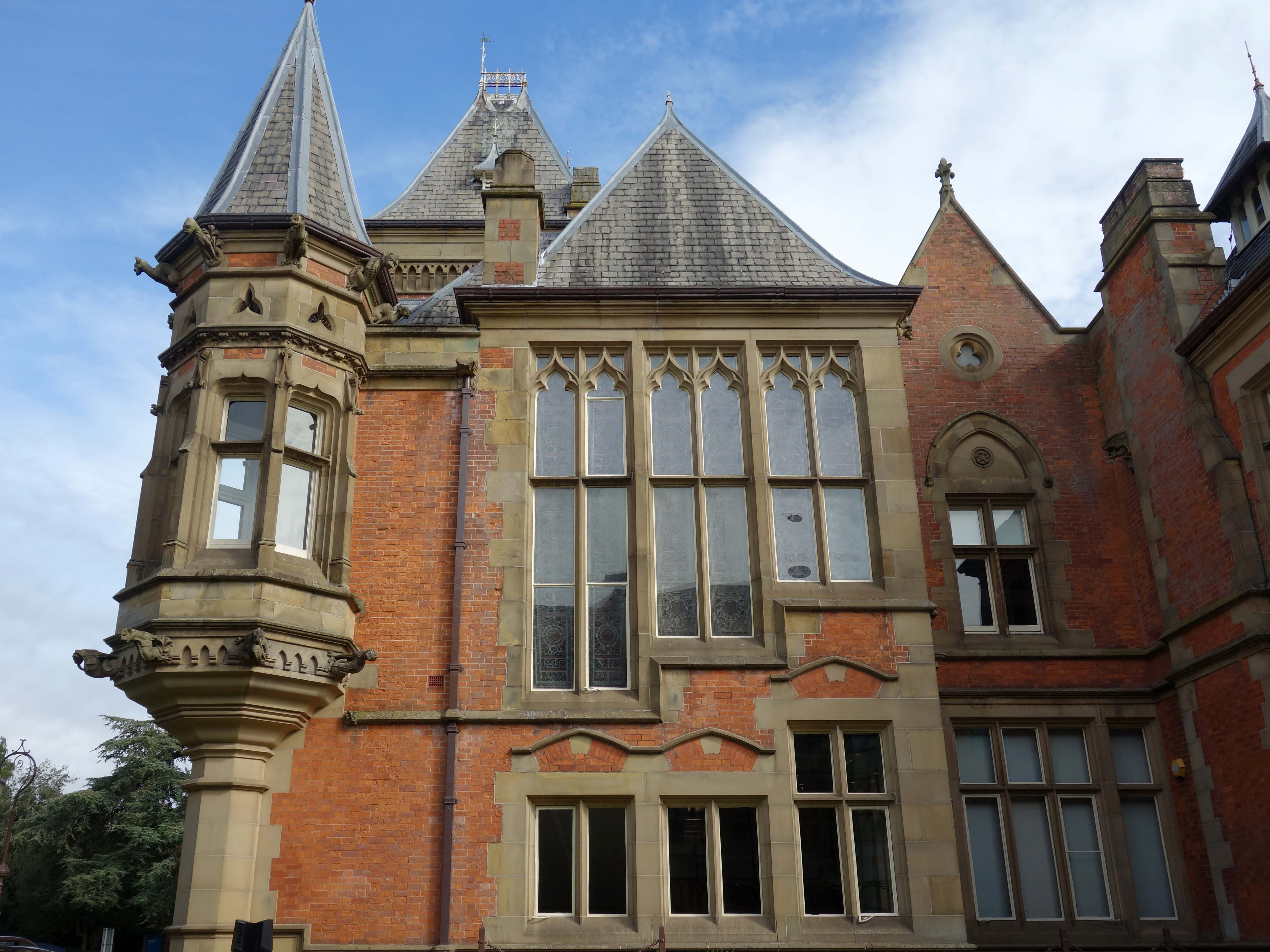
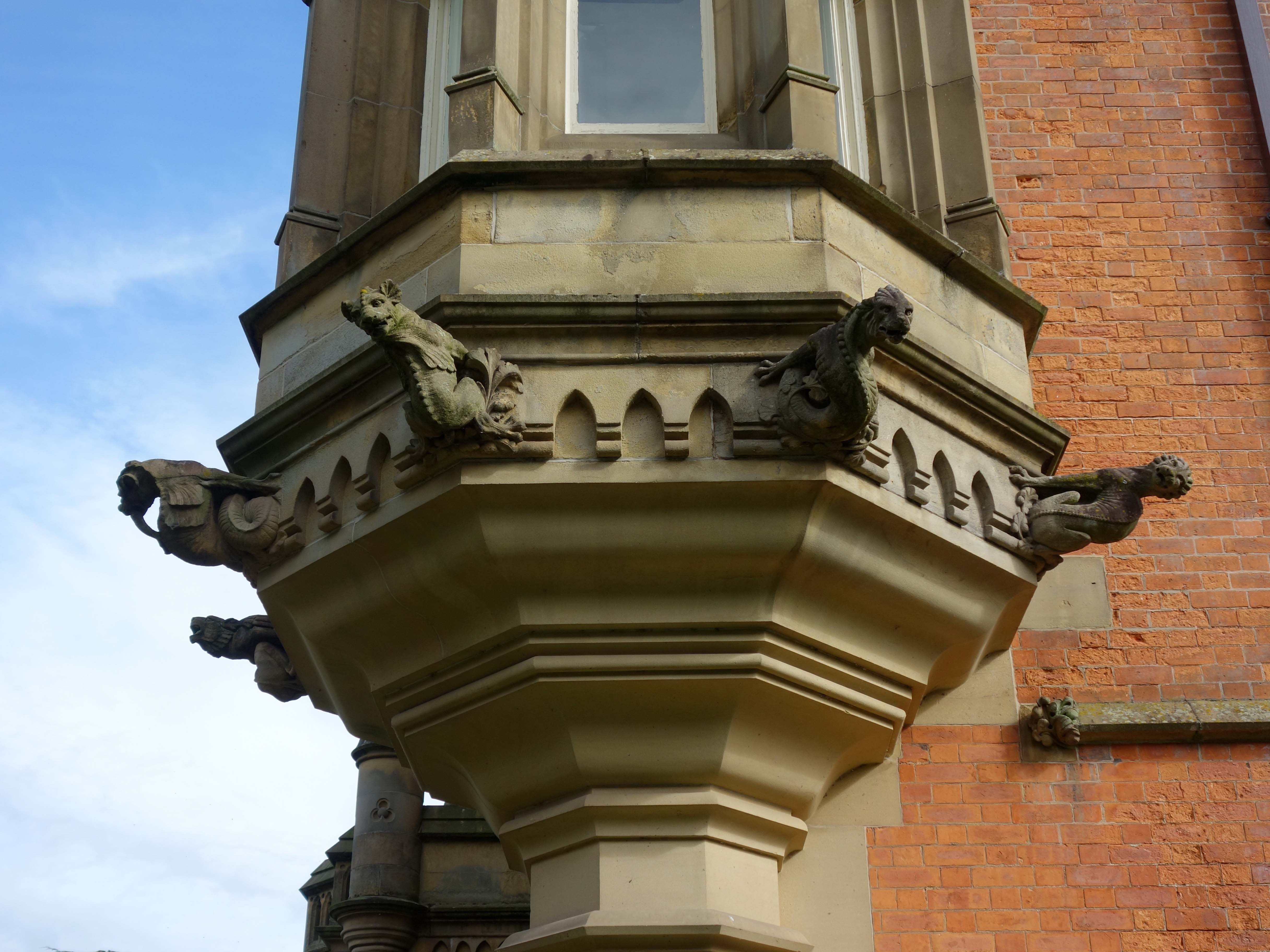
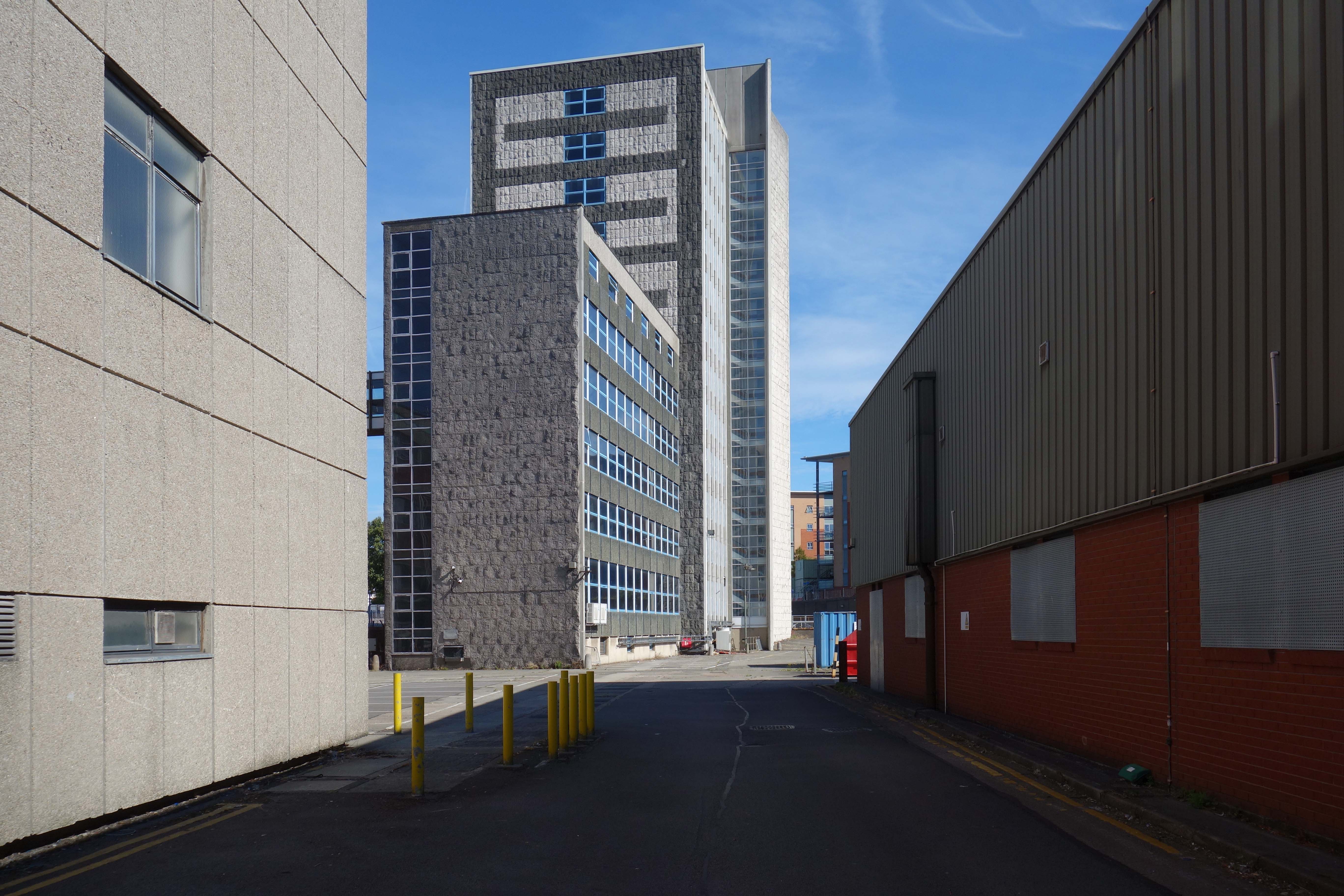
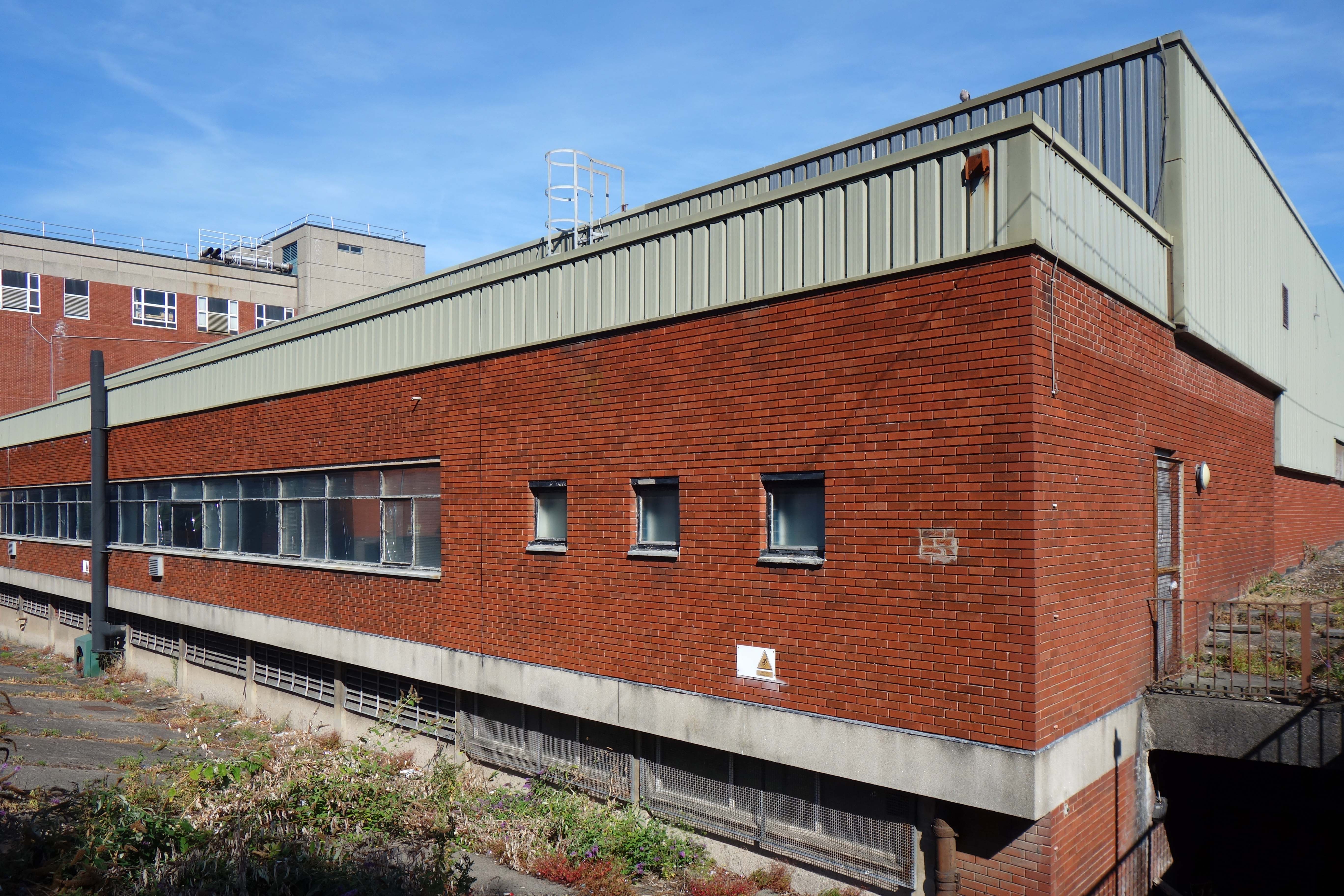
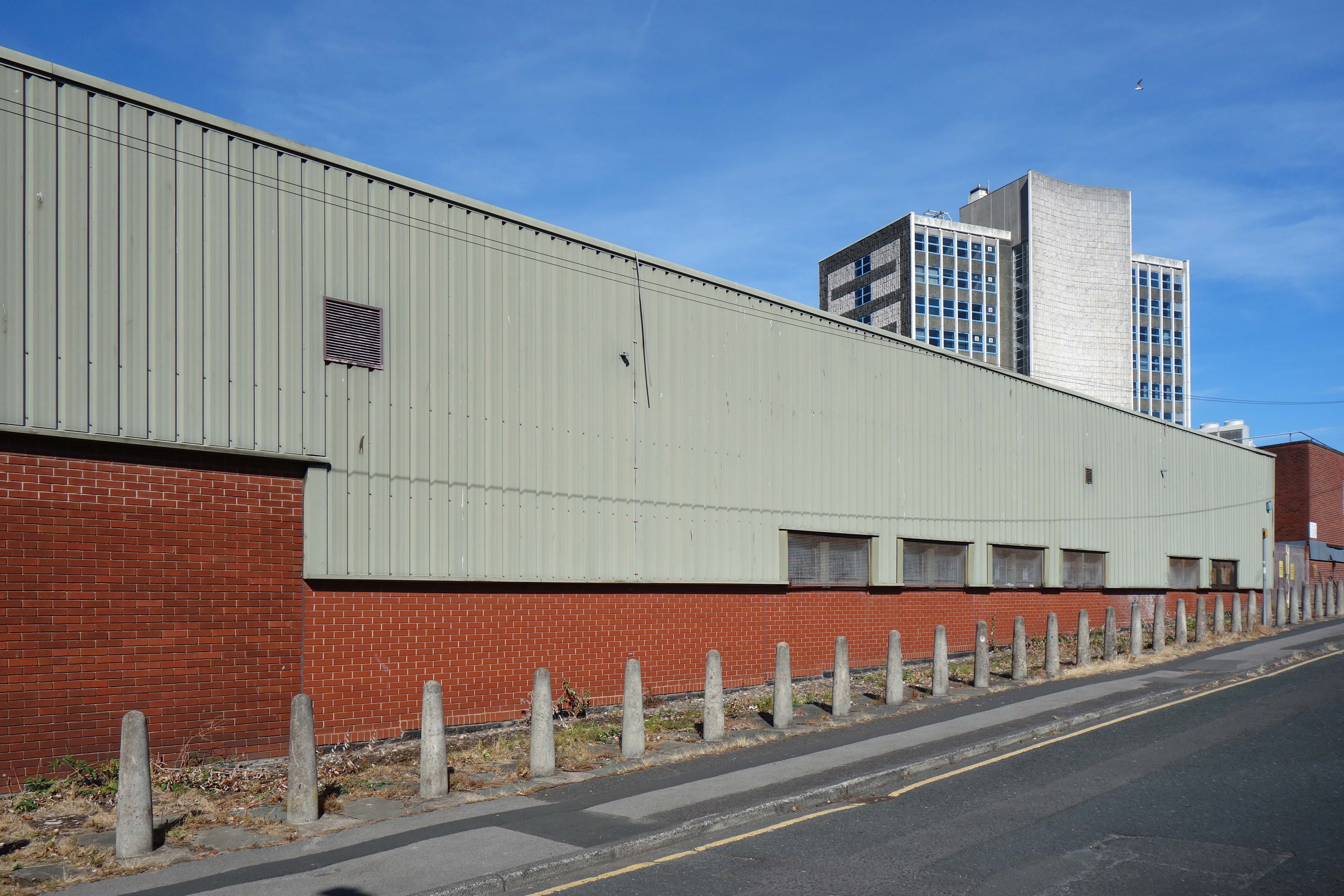
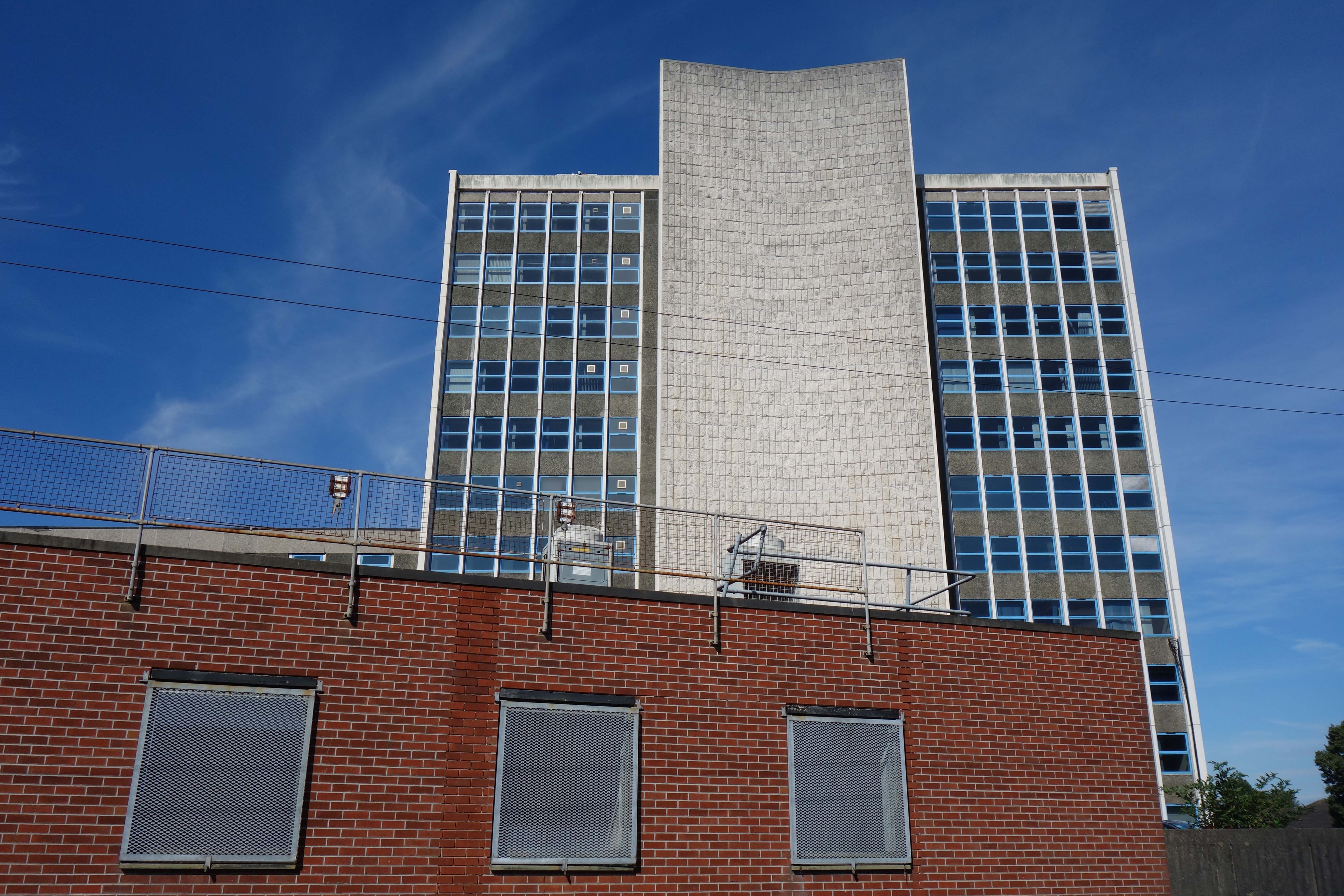
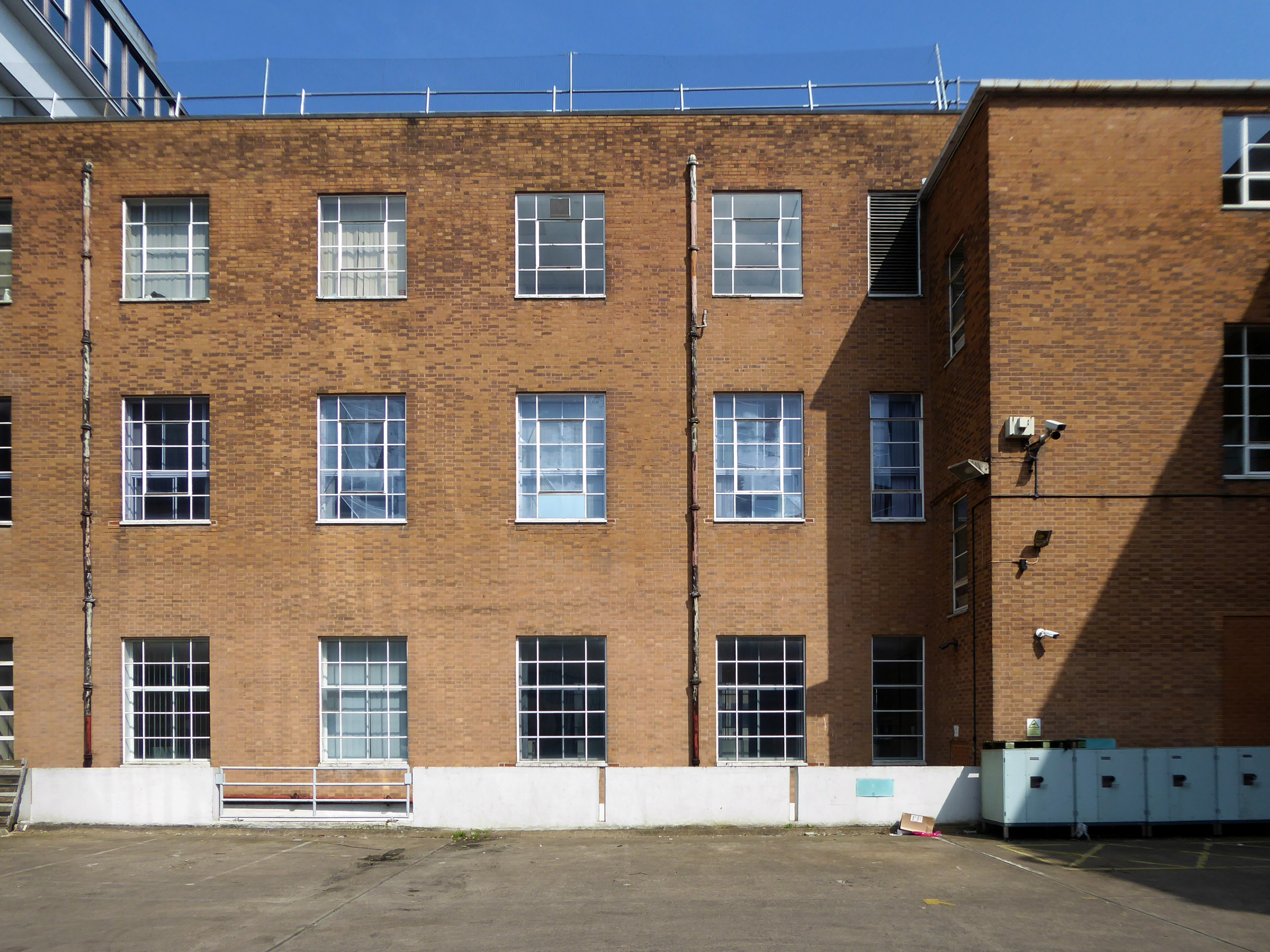
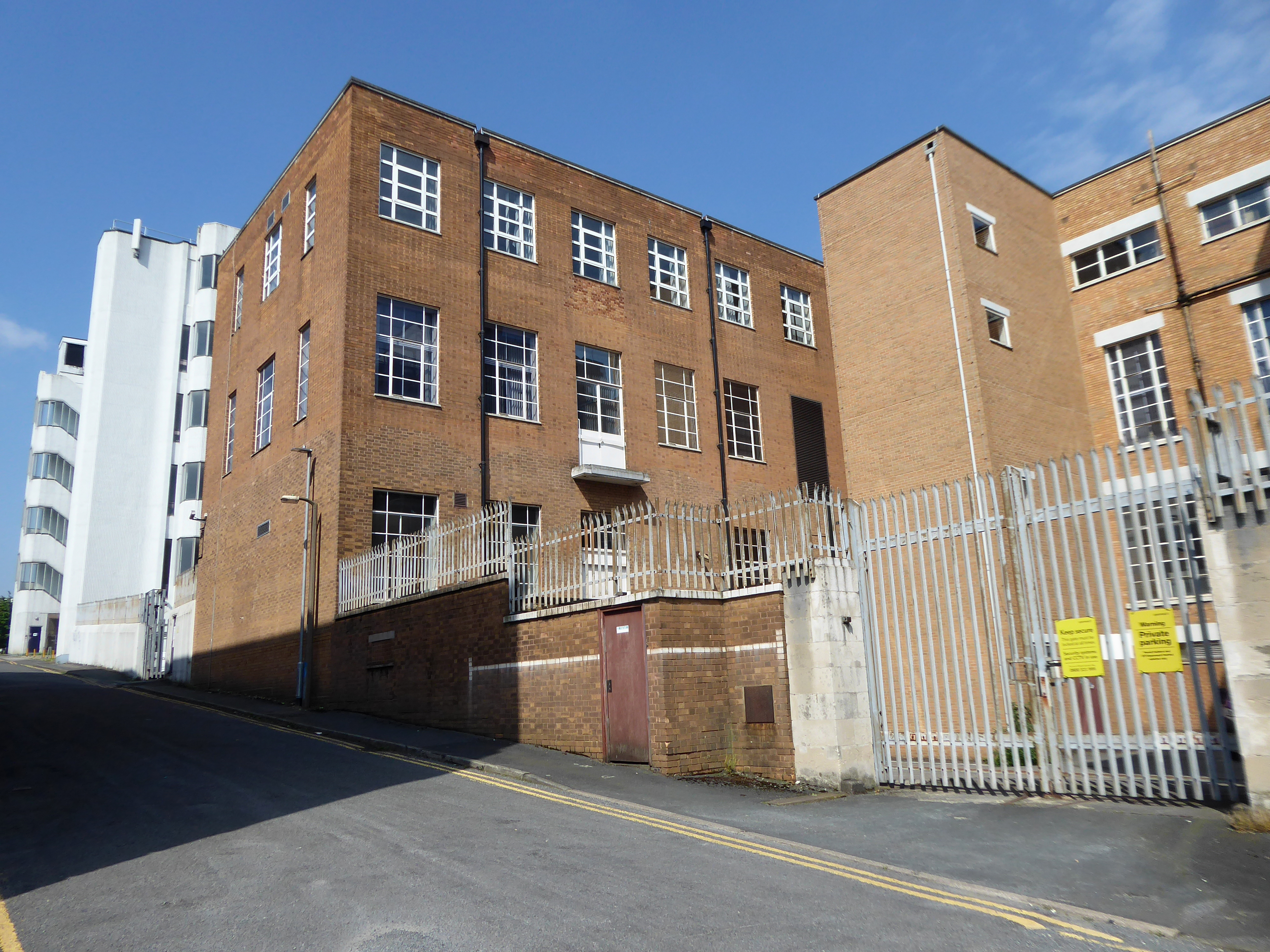
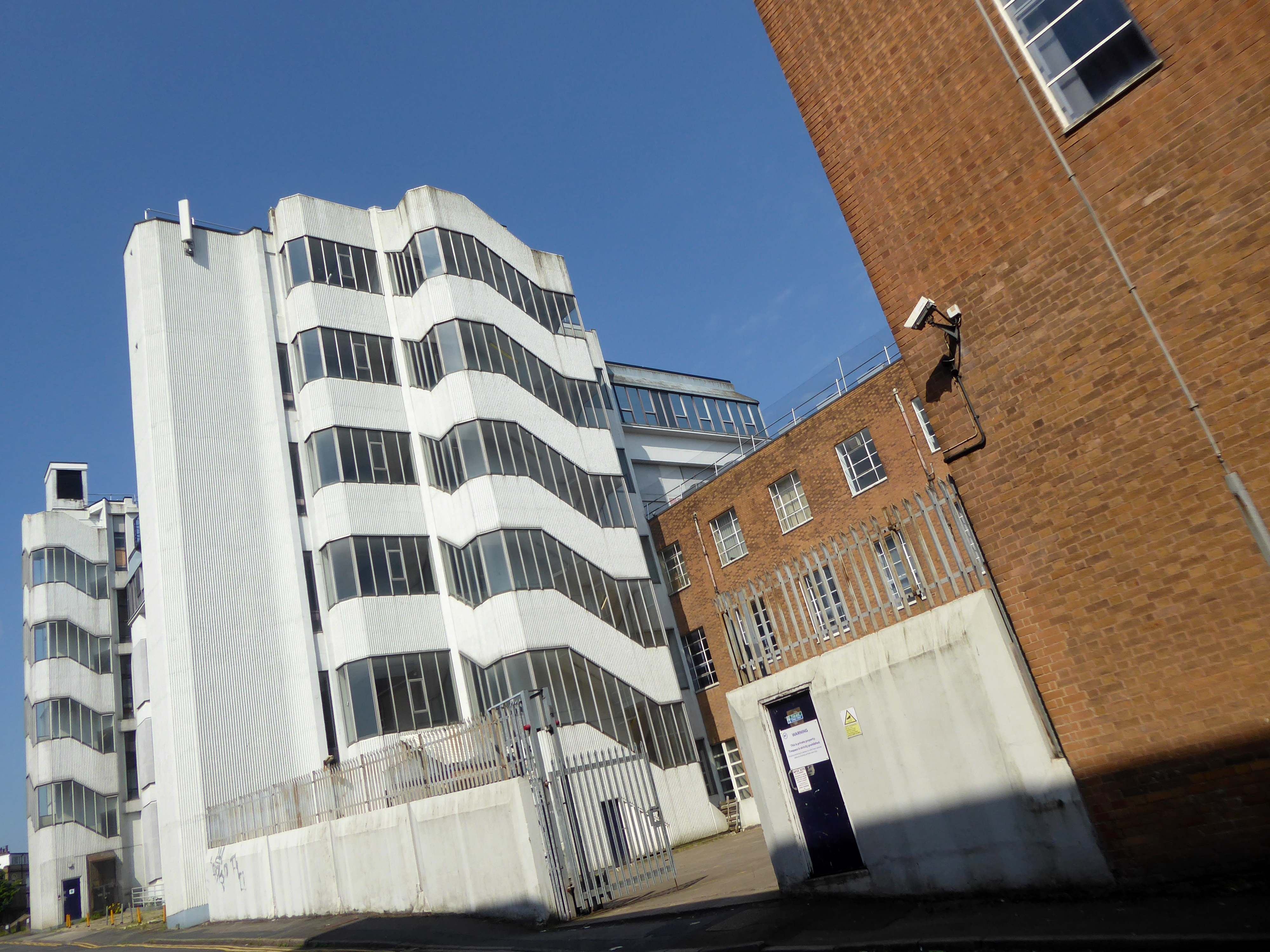
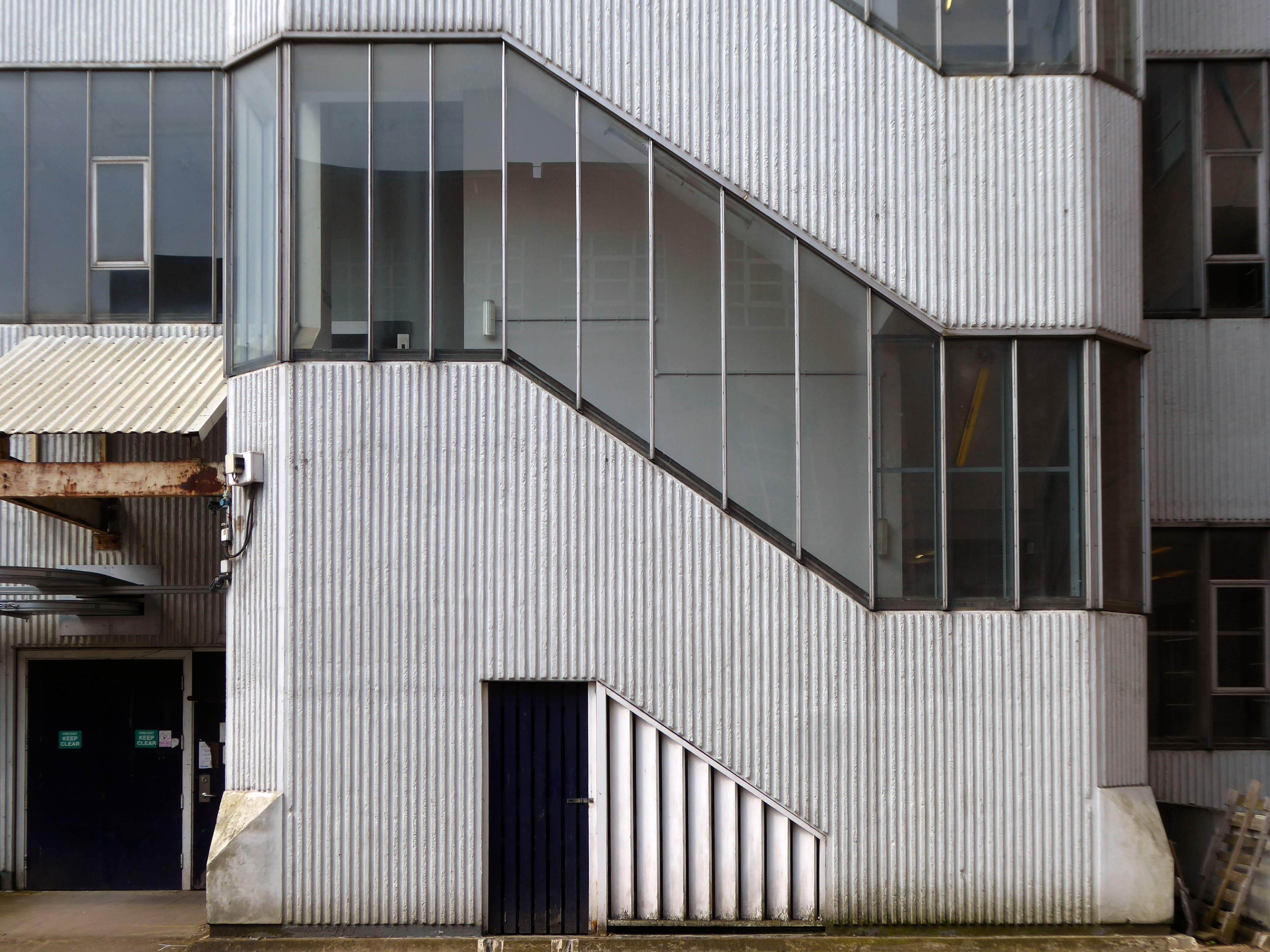
From 1920 it served as the headquarters of the Shirley Institute, later part of the British Textile Technology Group.
The Shirley Institute operated as a research centre dedicated to technologies pertaining to the textile sector.
Photo 1936: Manchester Local Image Collection.
Photo 1945: Manchester Local Image Collection.
The BCIRA was credited with several key developments. Specifically, it developed Ventile, a special high-quality woven cotton fabric that was researched on behalf of the Ministry of Defence; it was patented and licensed to industry.
Ventile is a high-quality textile made of cotton with a very close weave.
Originally created to overcome a shortage of flax used for fire hoses and water buckets, its properties were also useful for pilots’ immersion suits, but expensive and leaky if exposed to sweat or oils.
It also developed the tog, an easy-to-follow measure of the thermal resistance of textiles, as an alternative to the SI unit of m2K/W
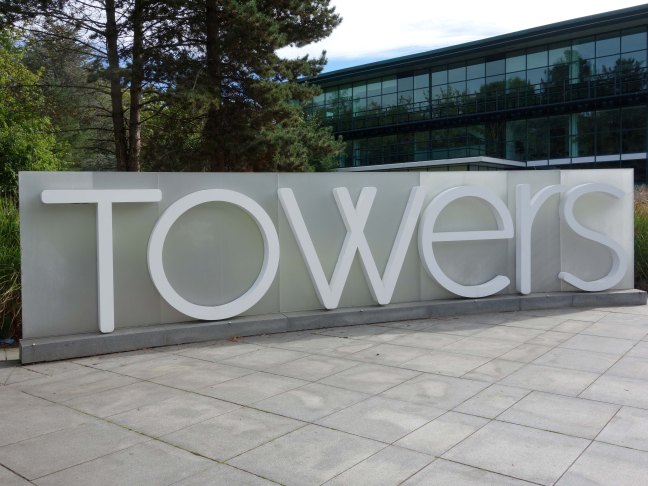
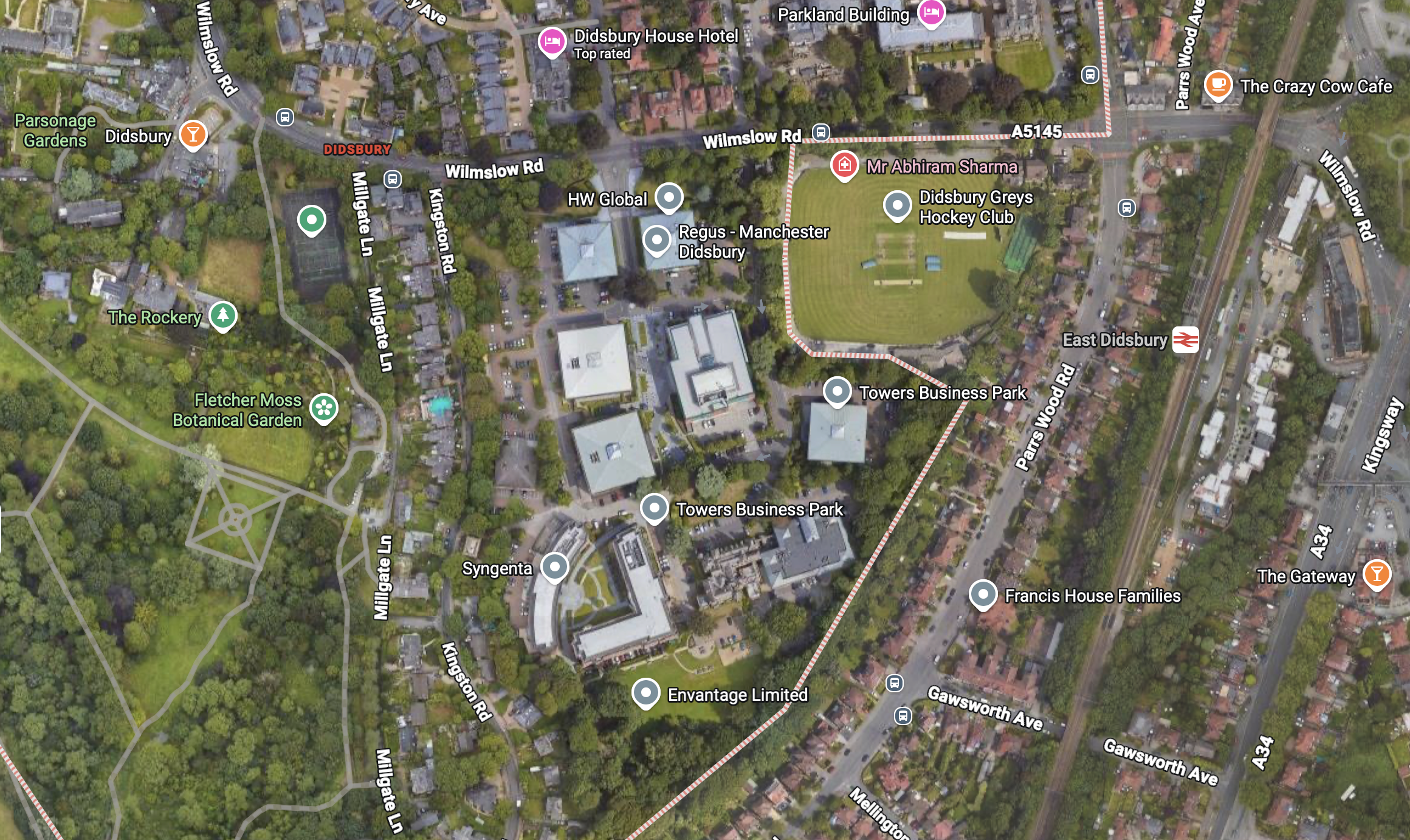
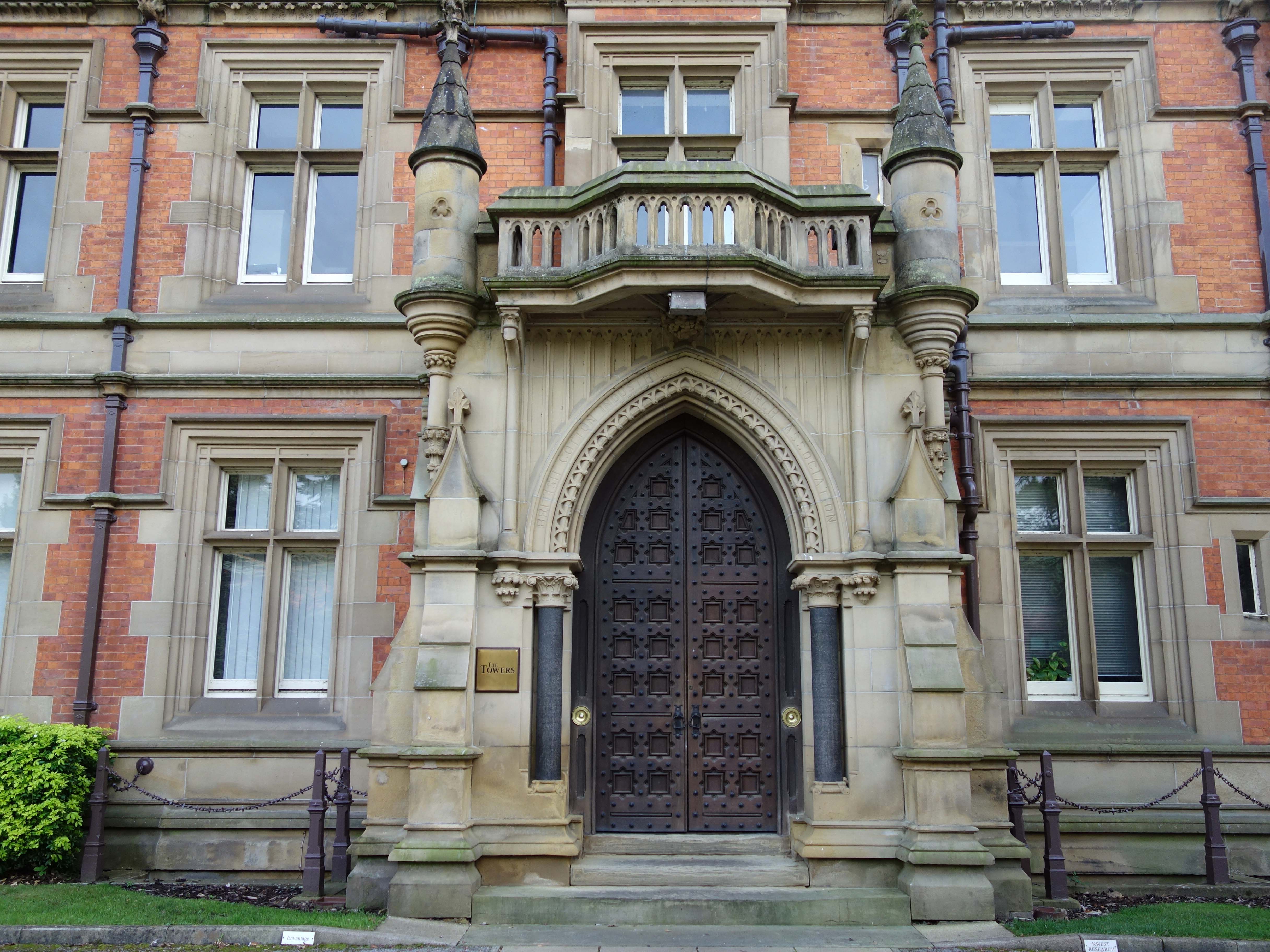
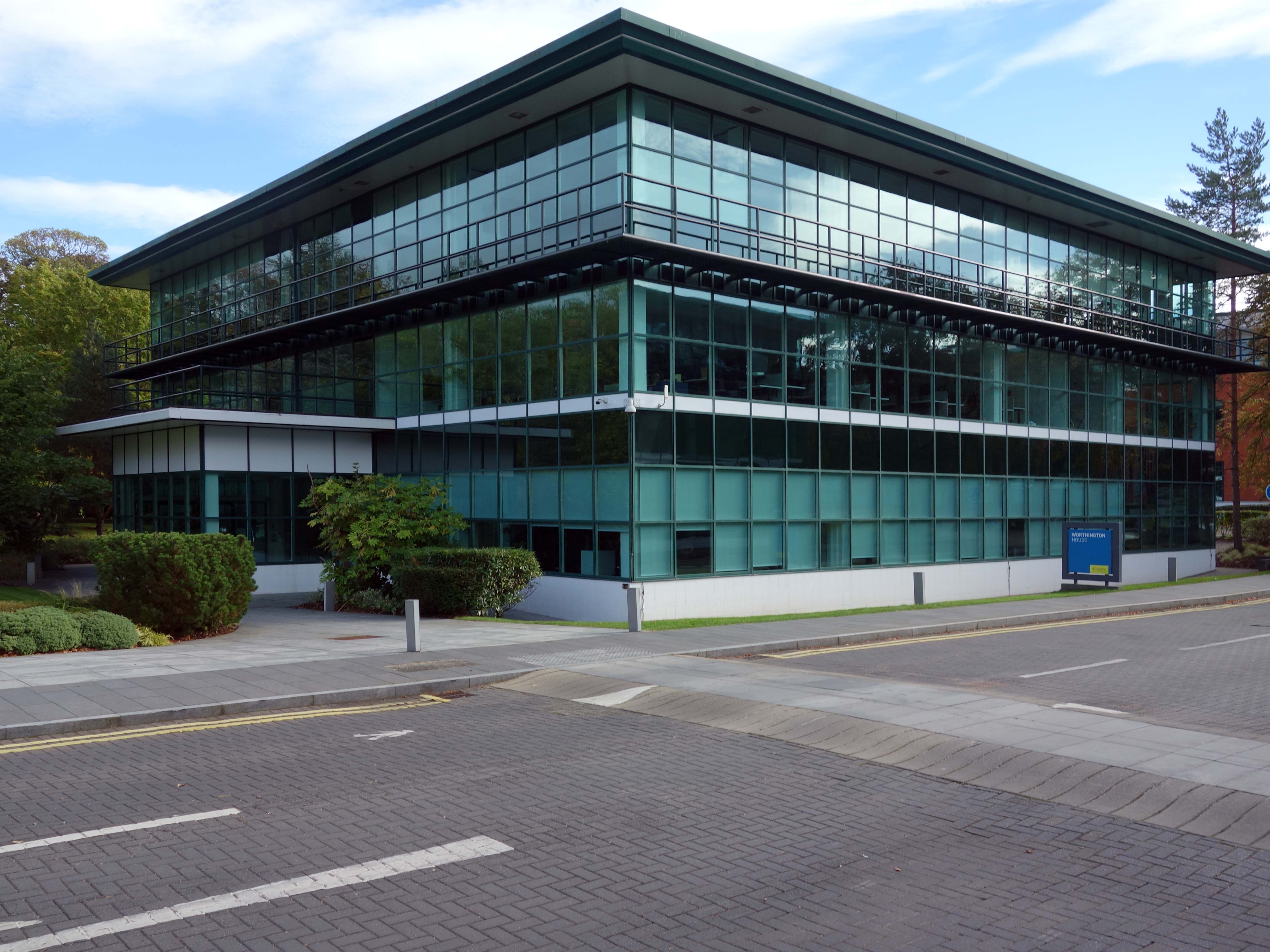
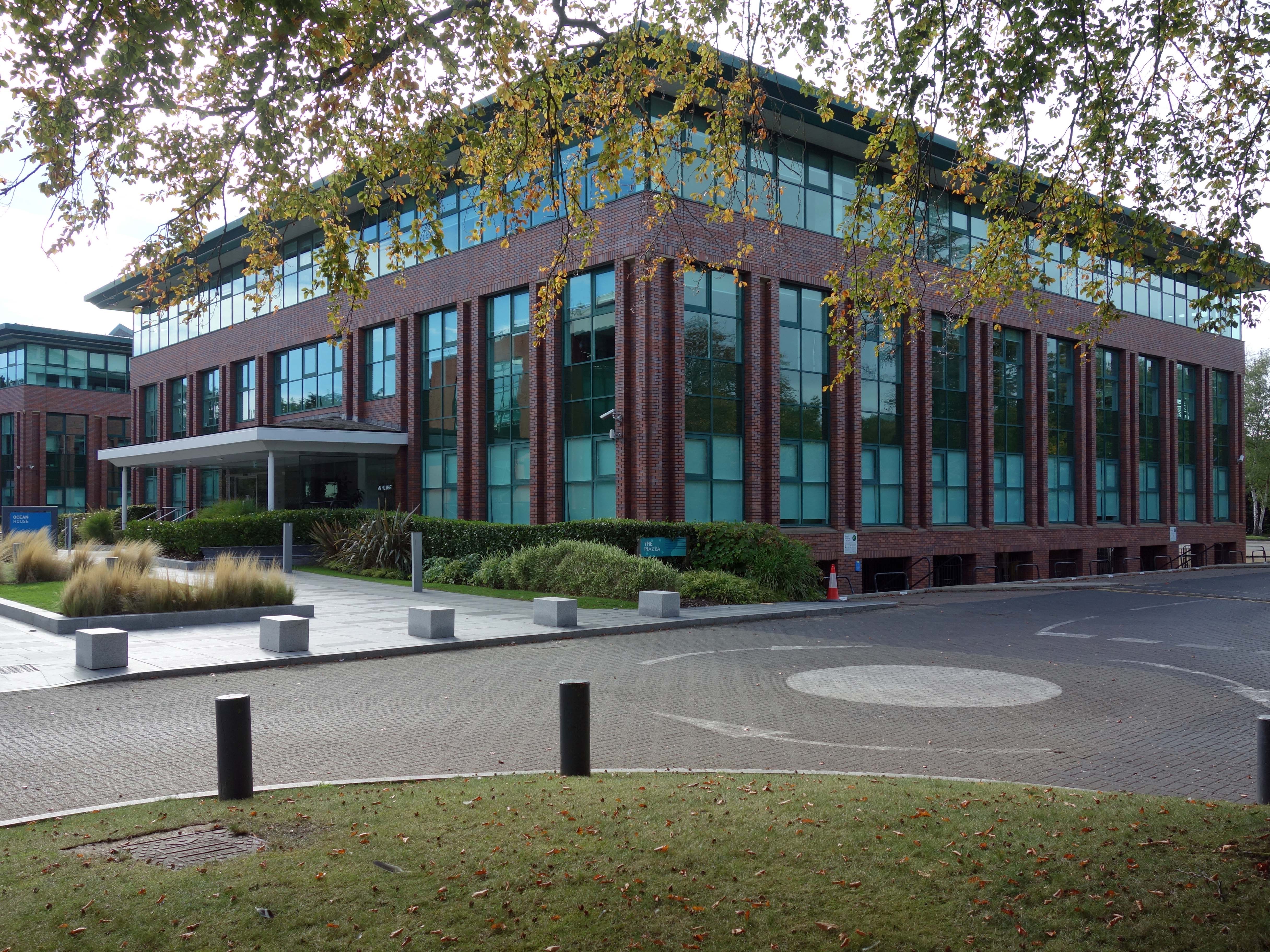
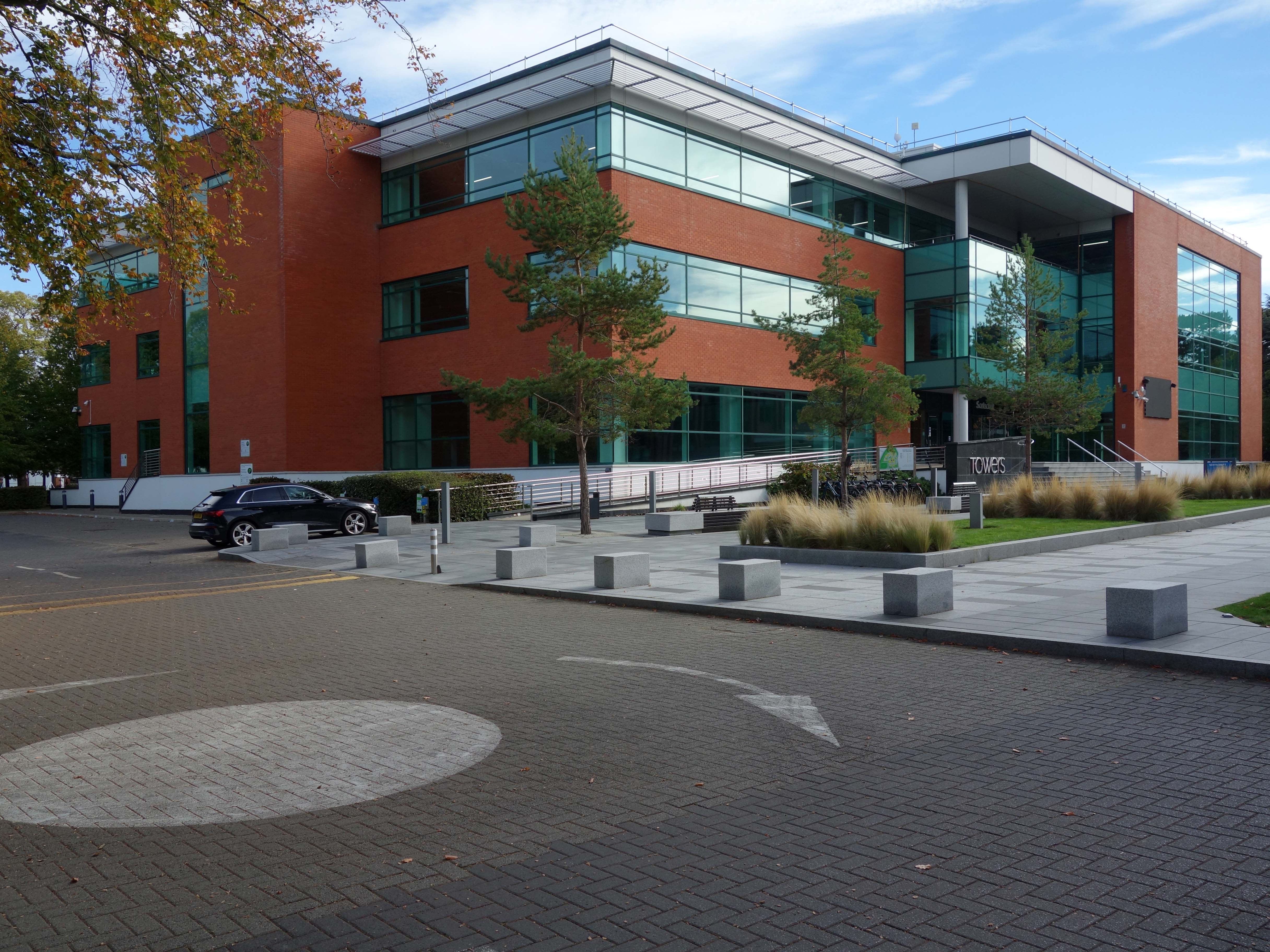
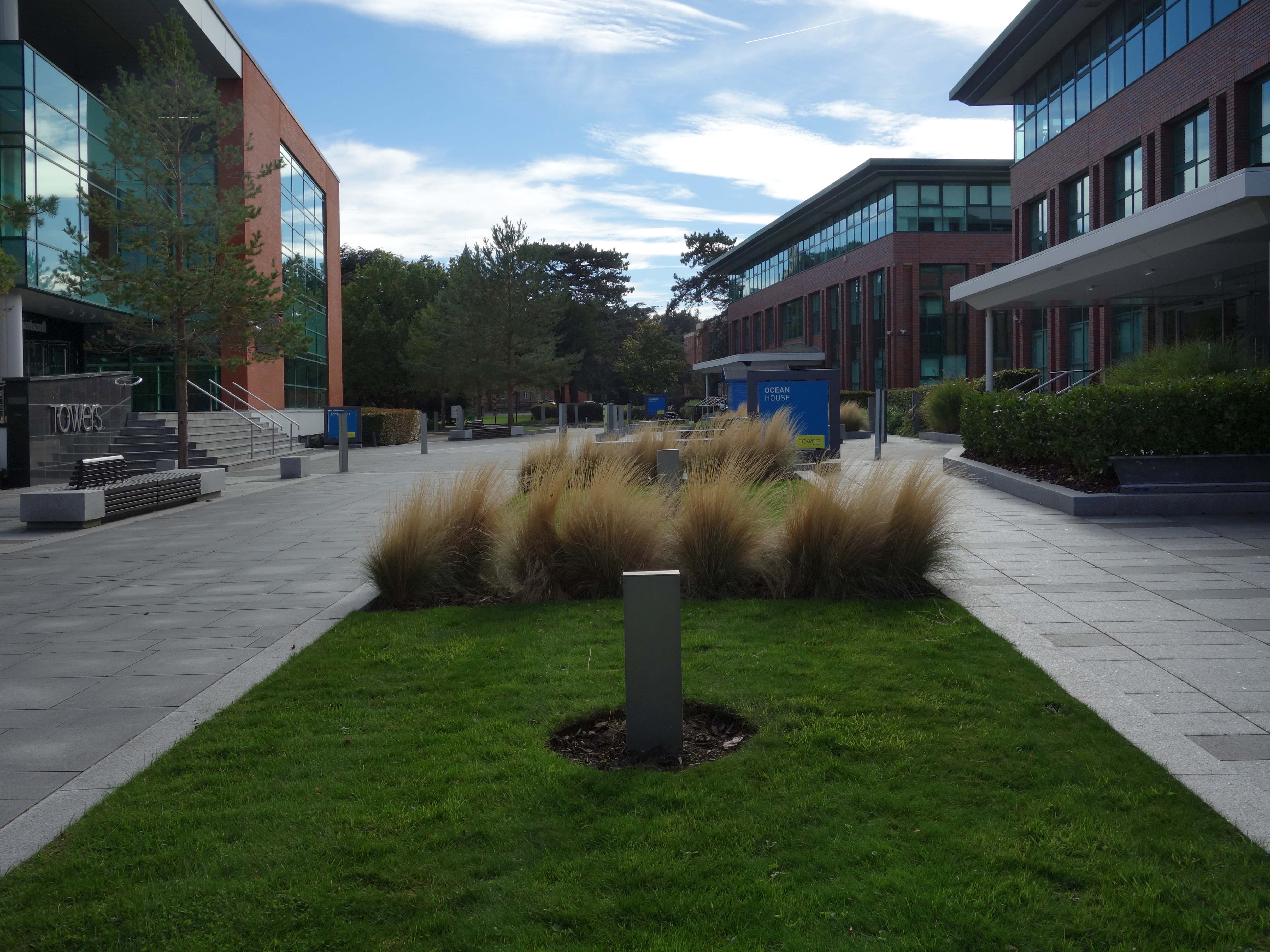
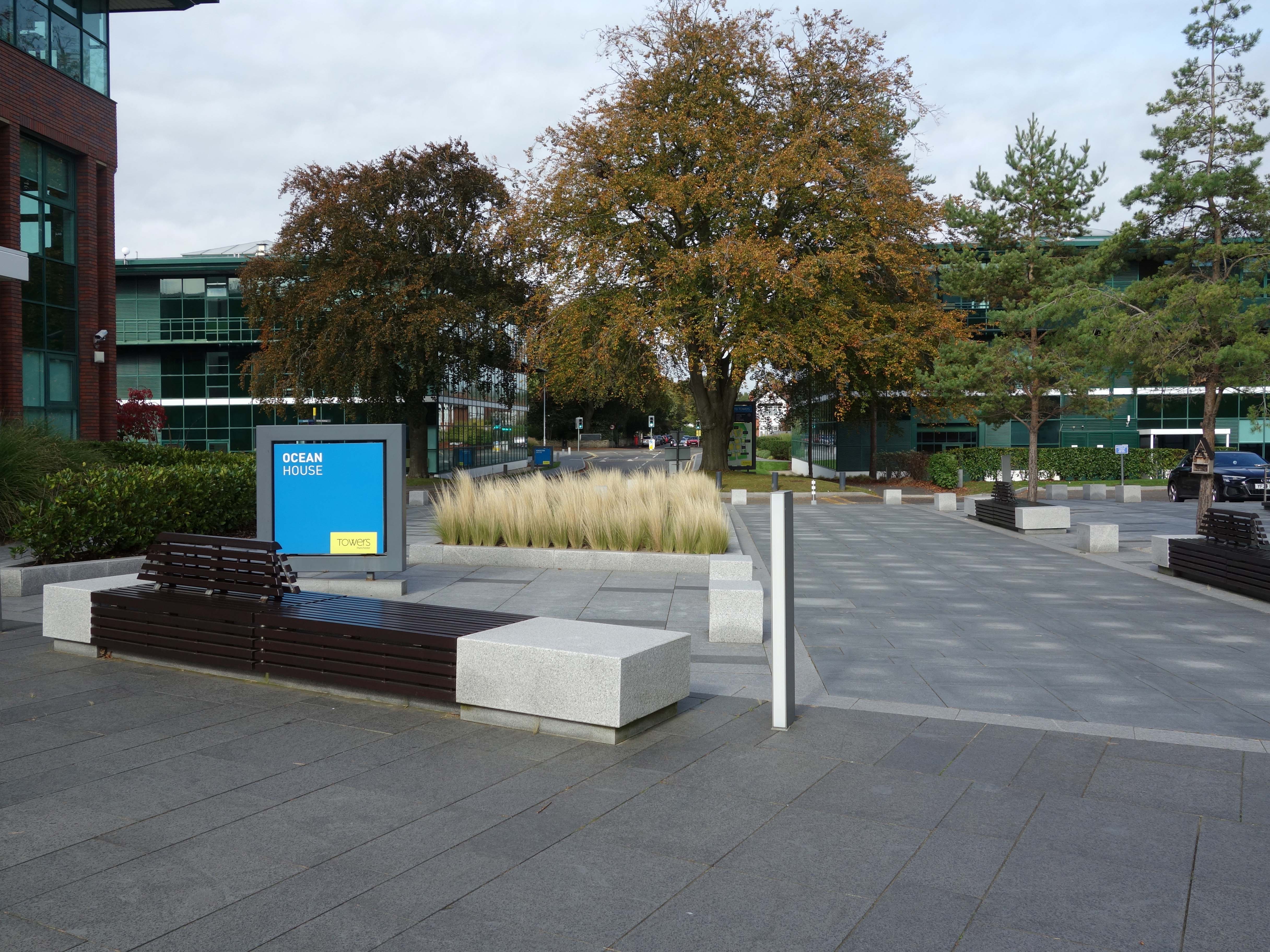
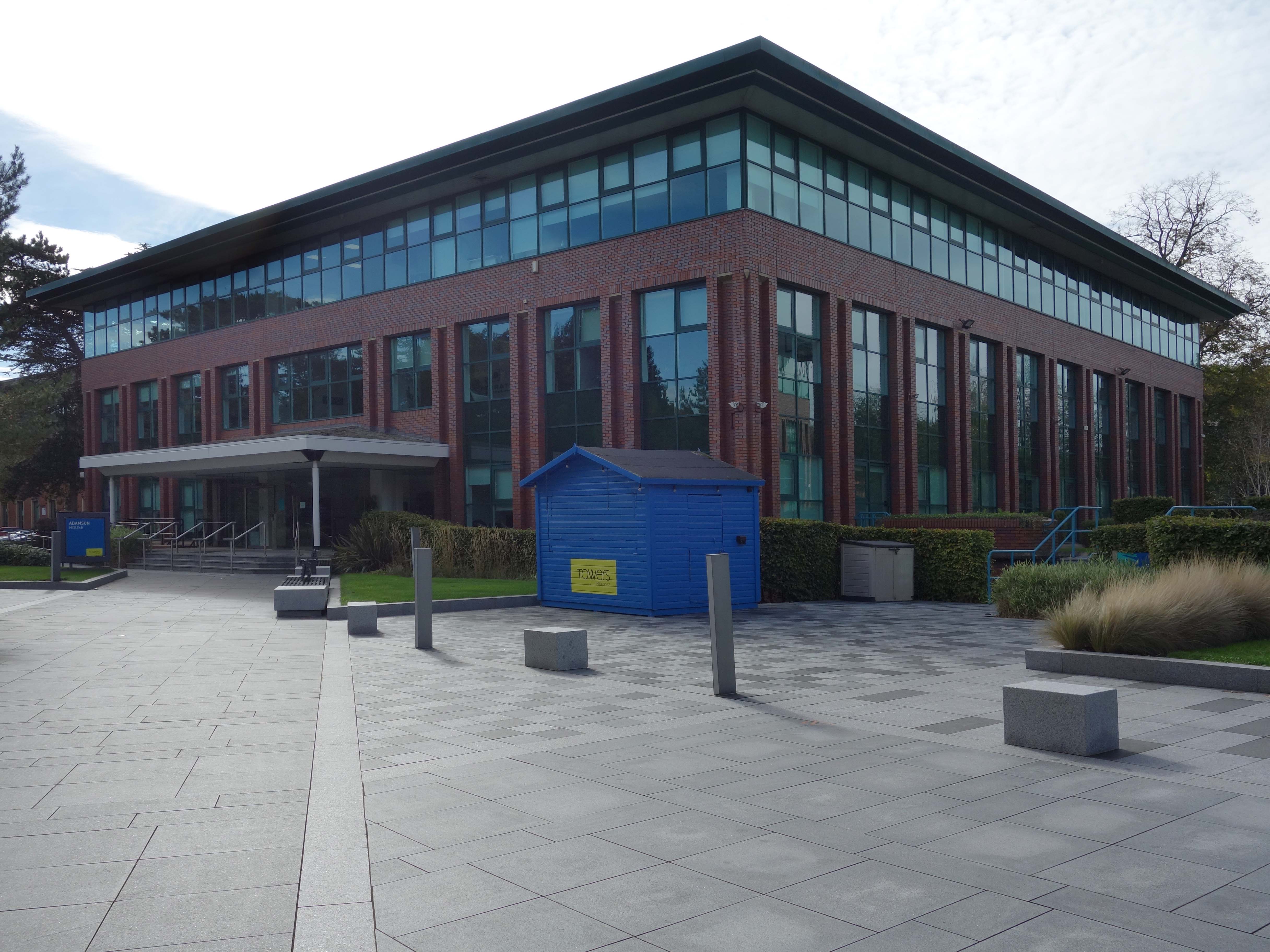
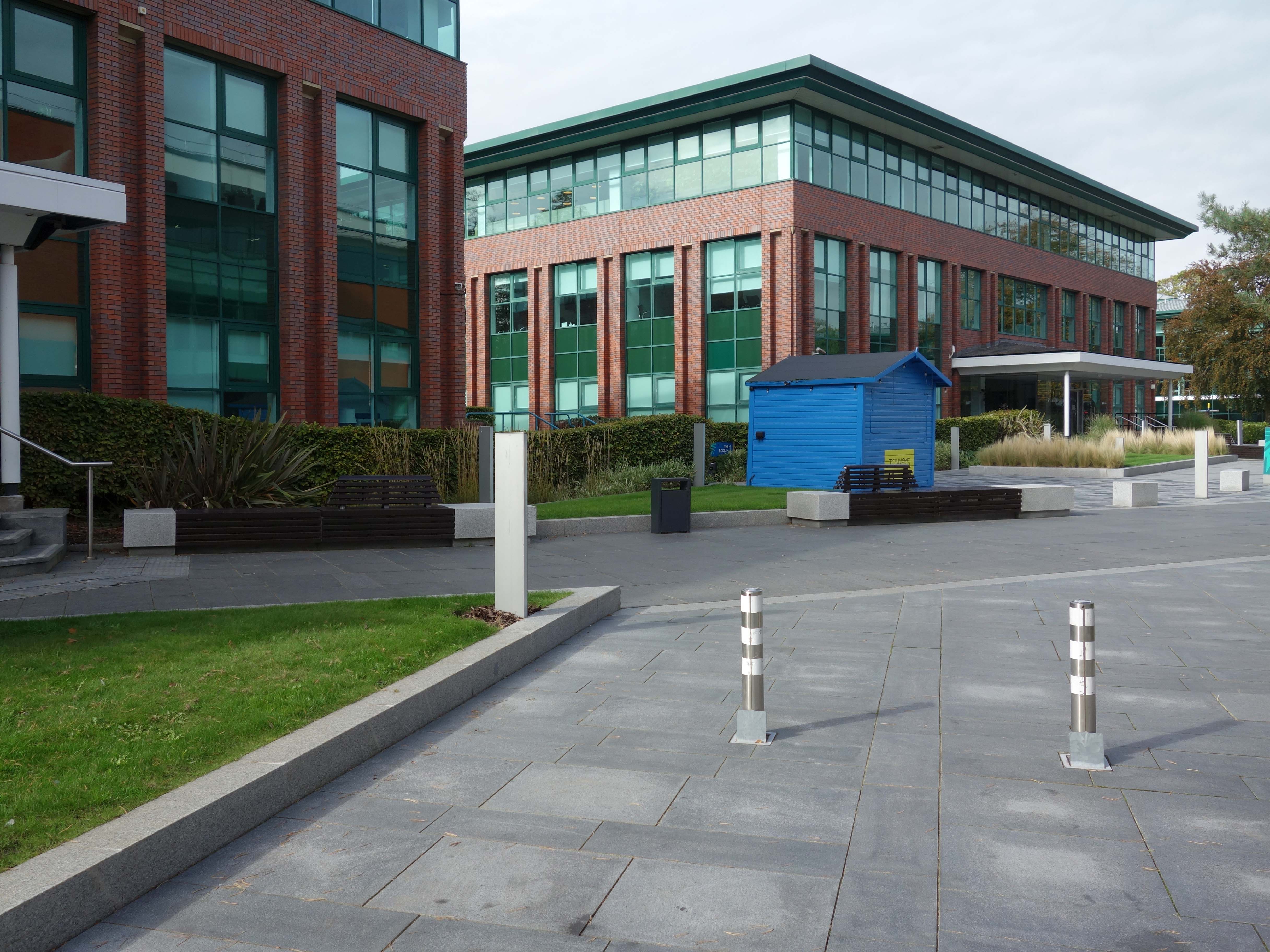
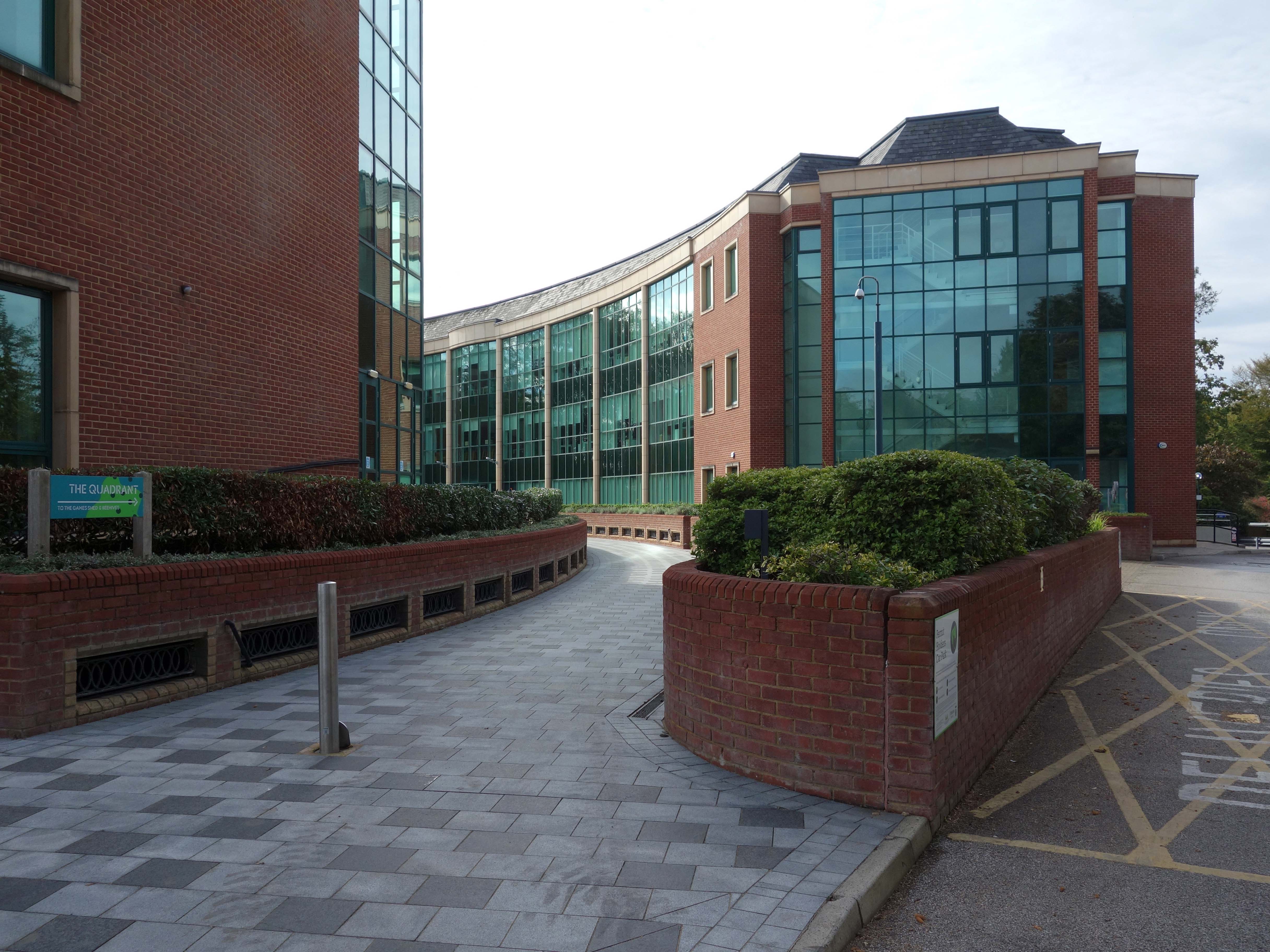
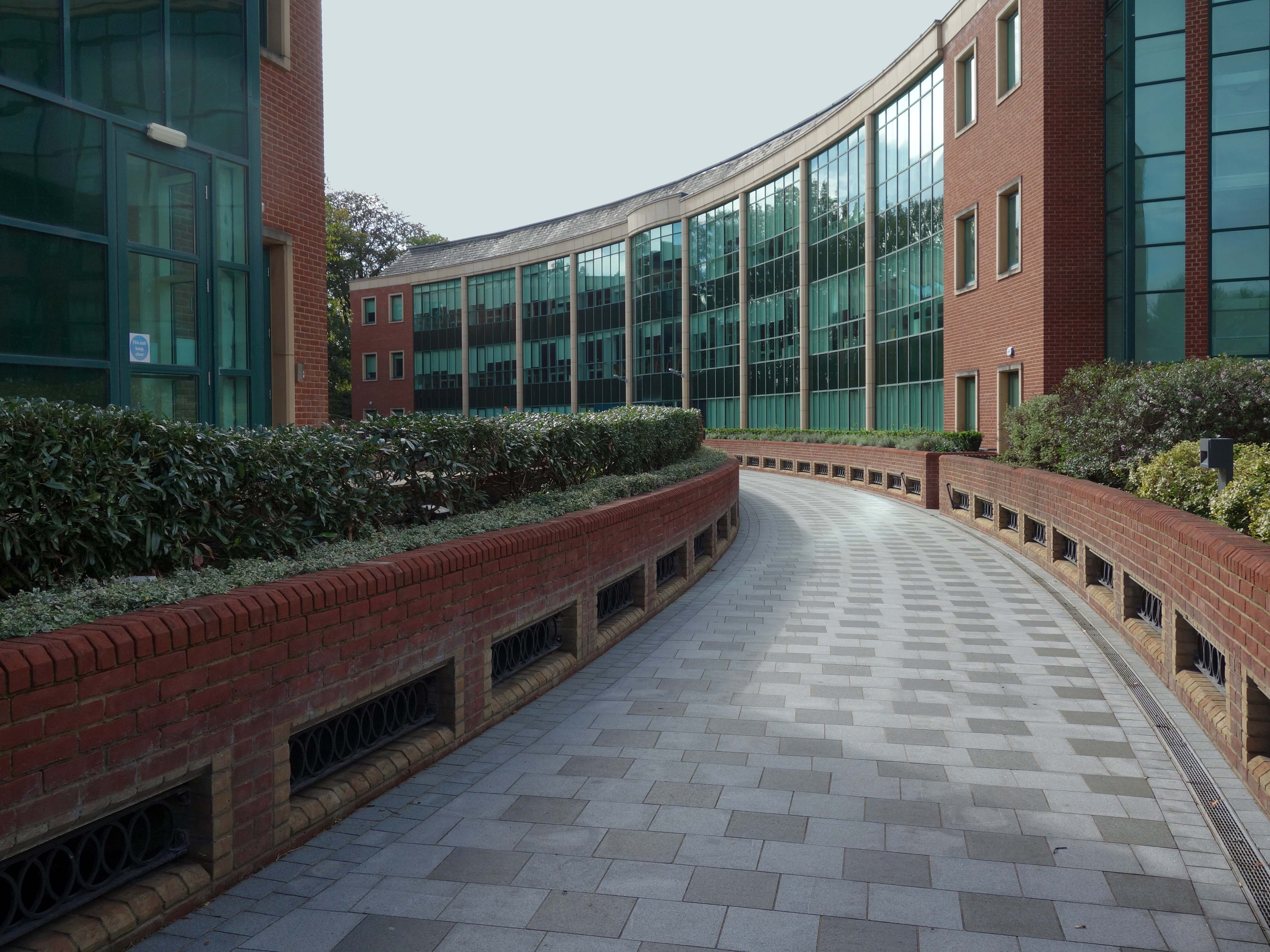
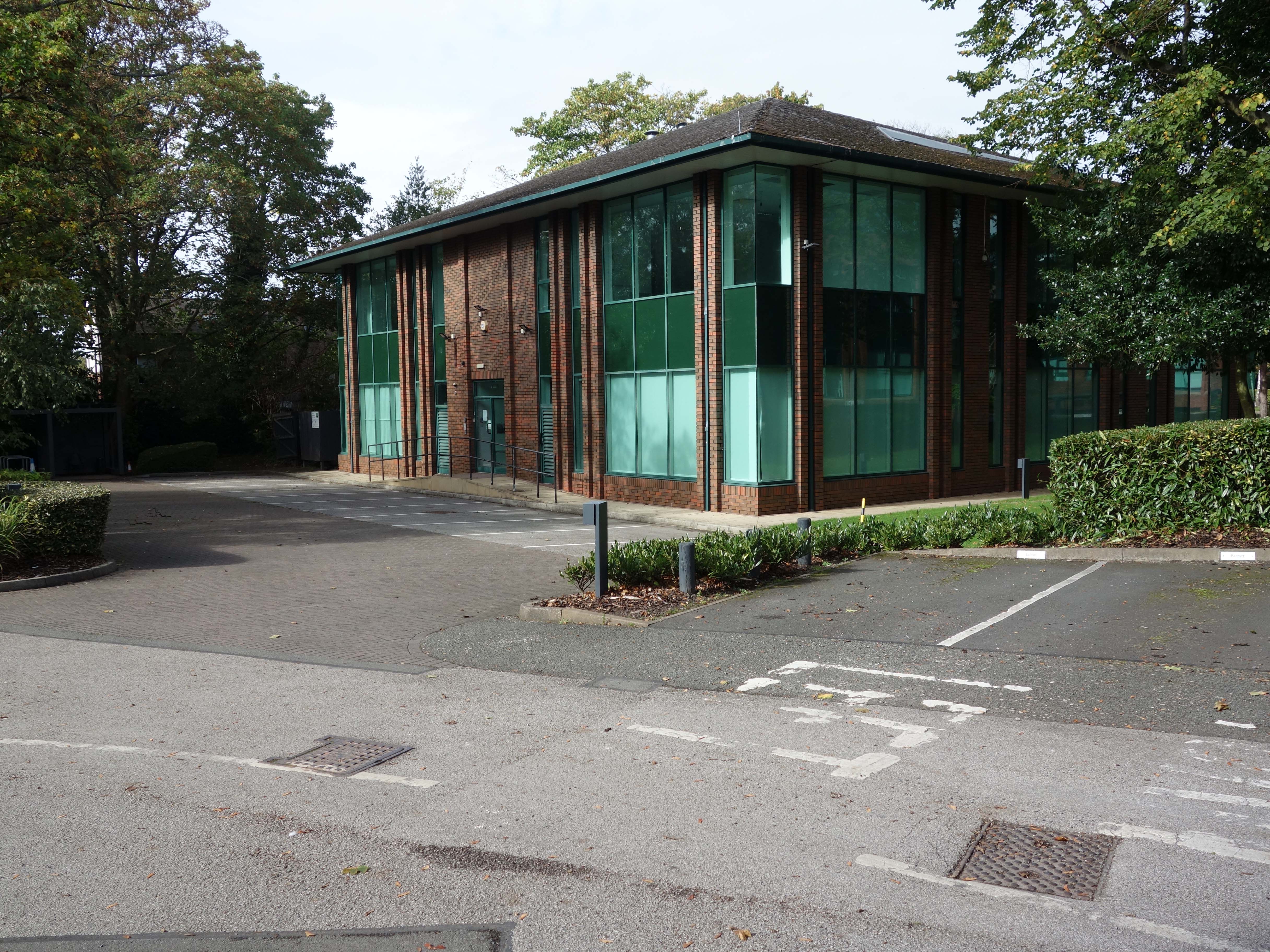
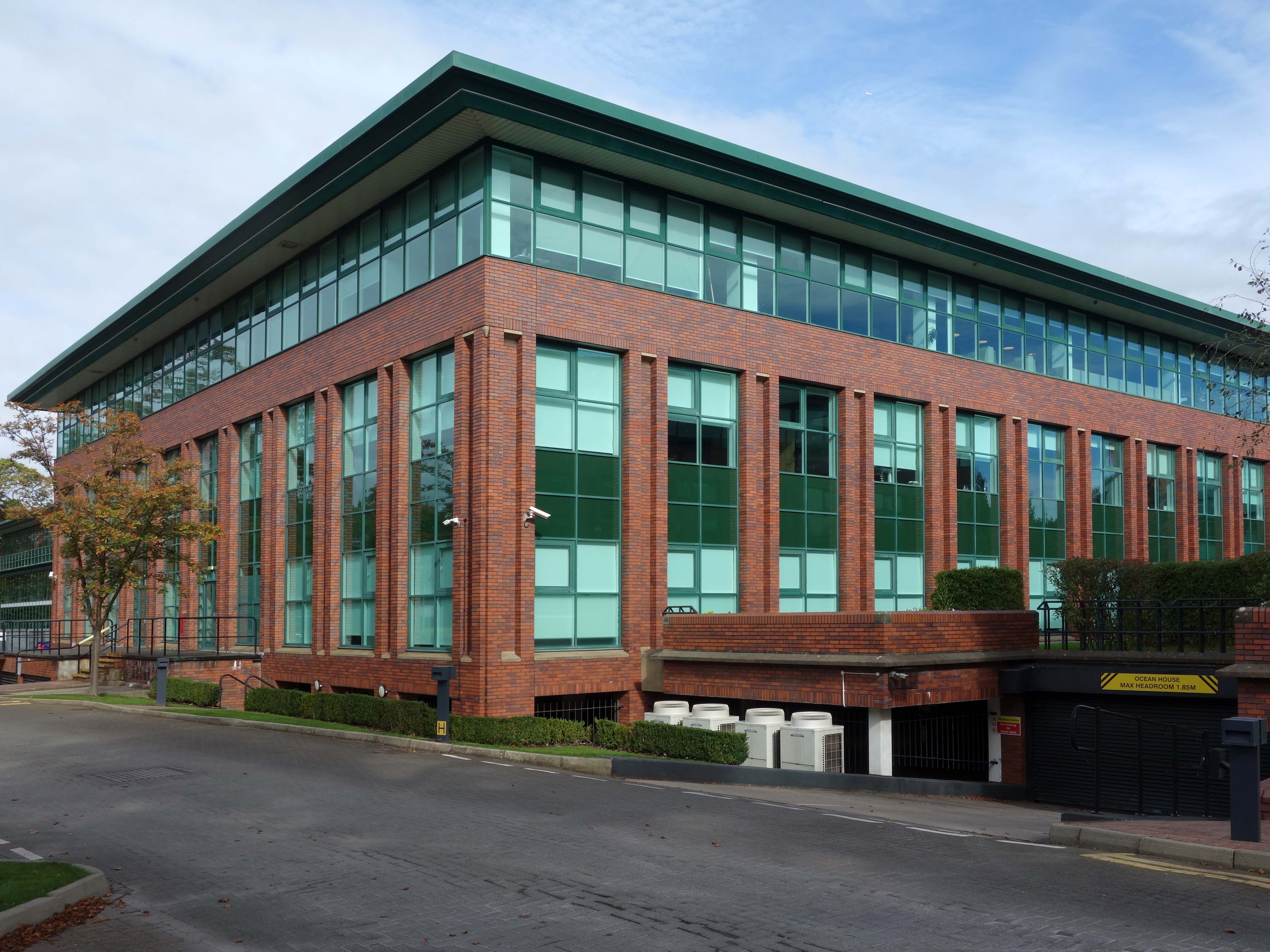
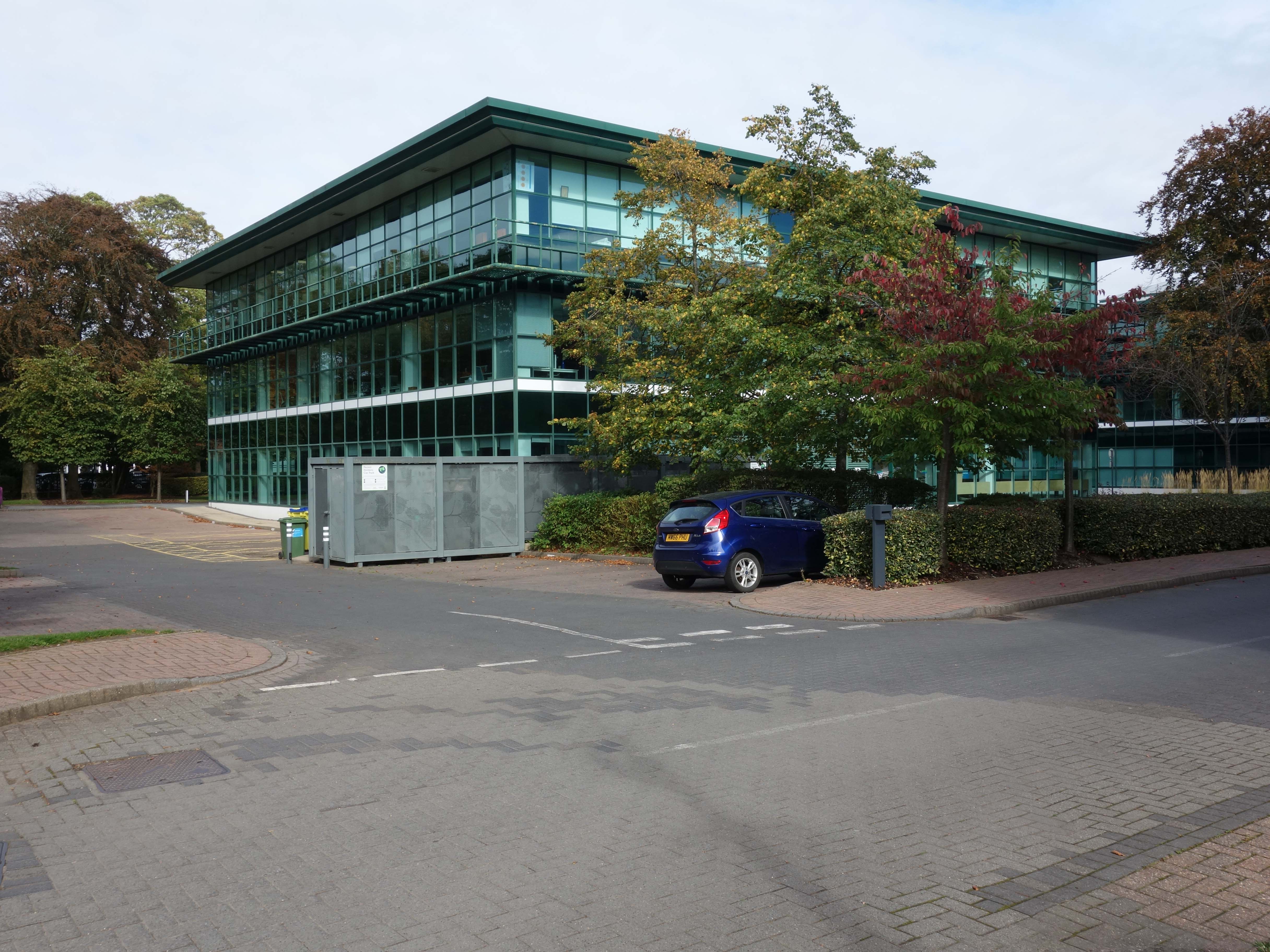
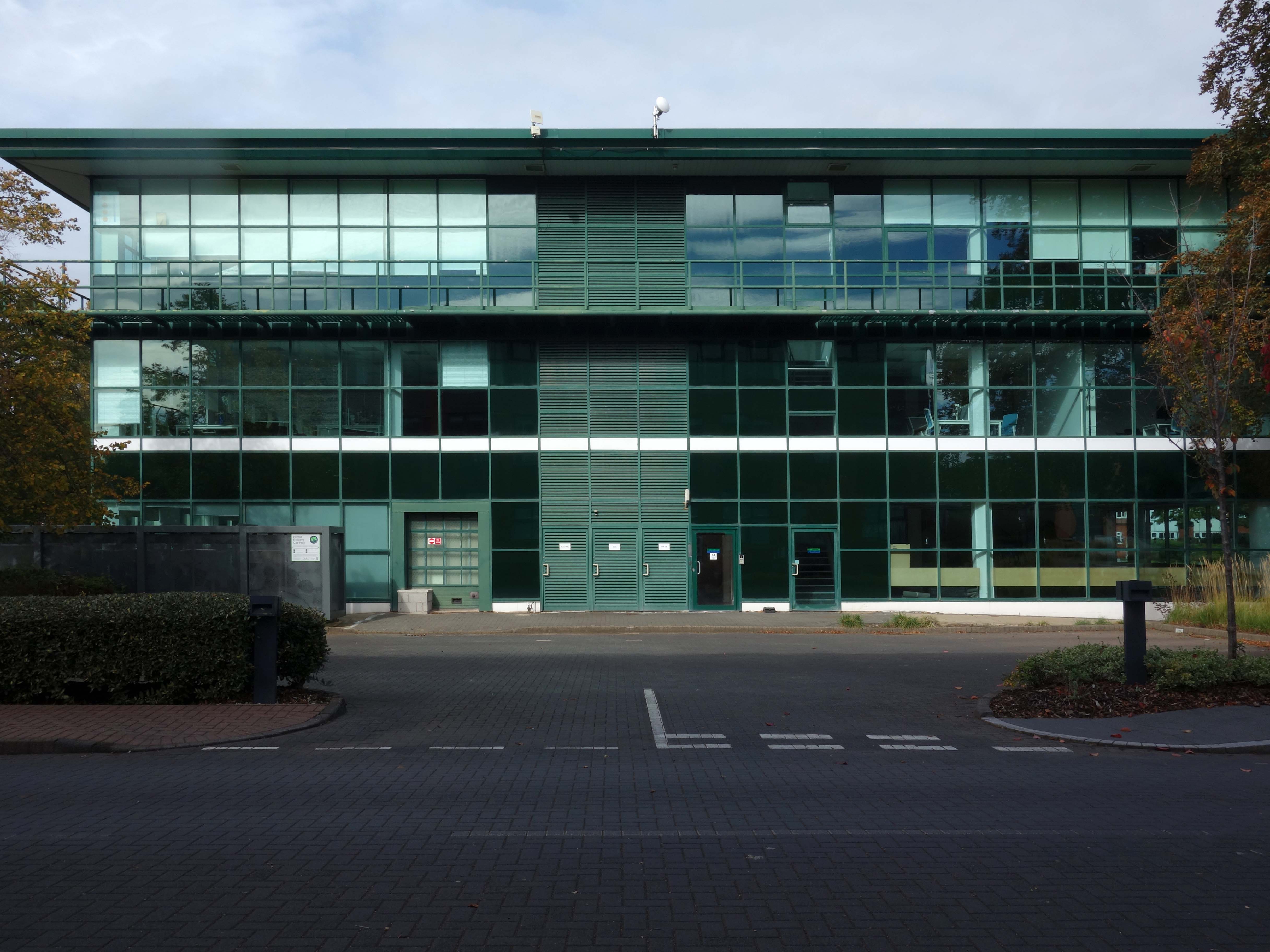
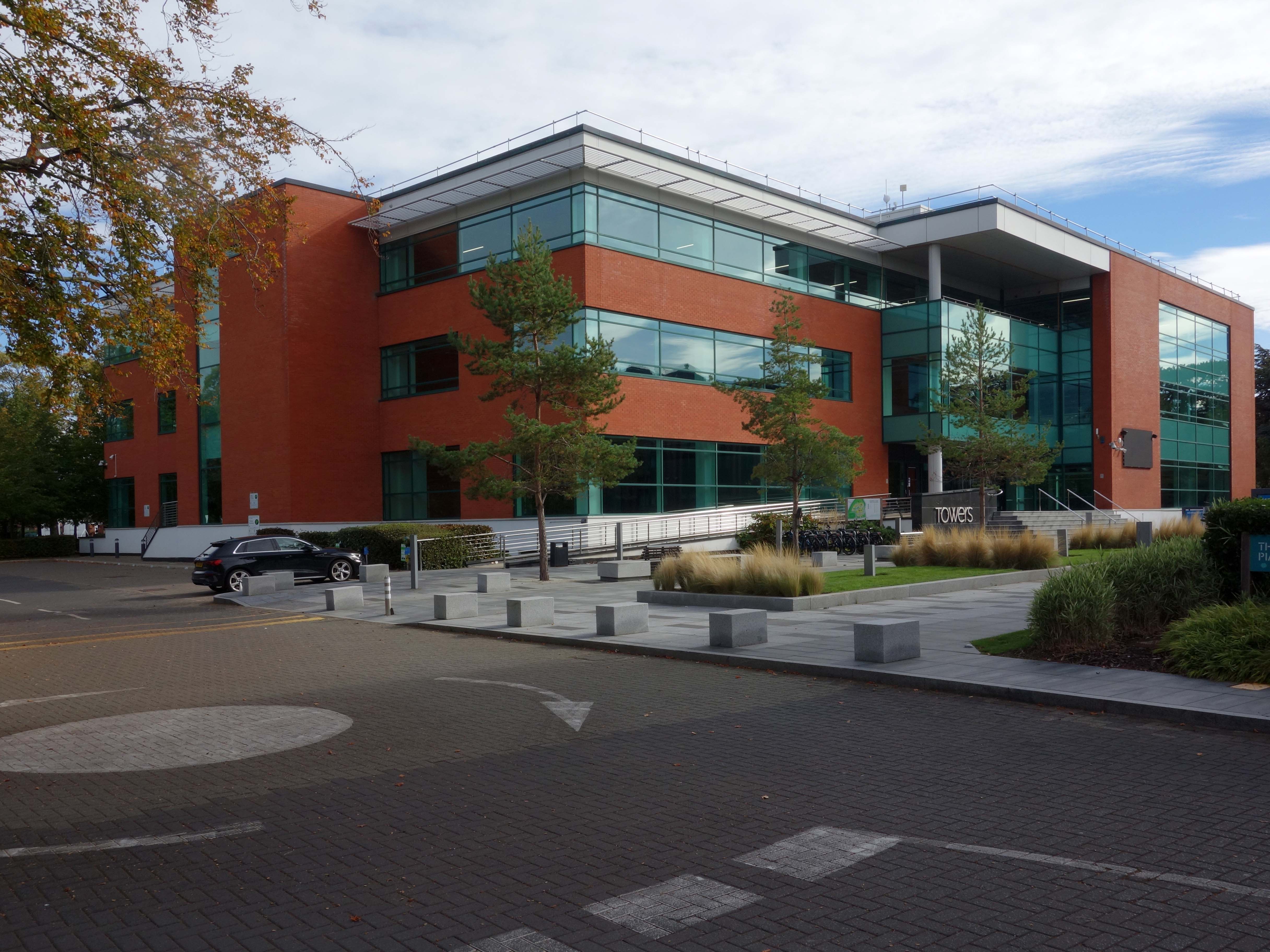
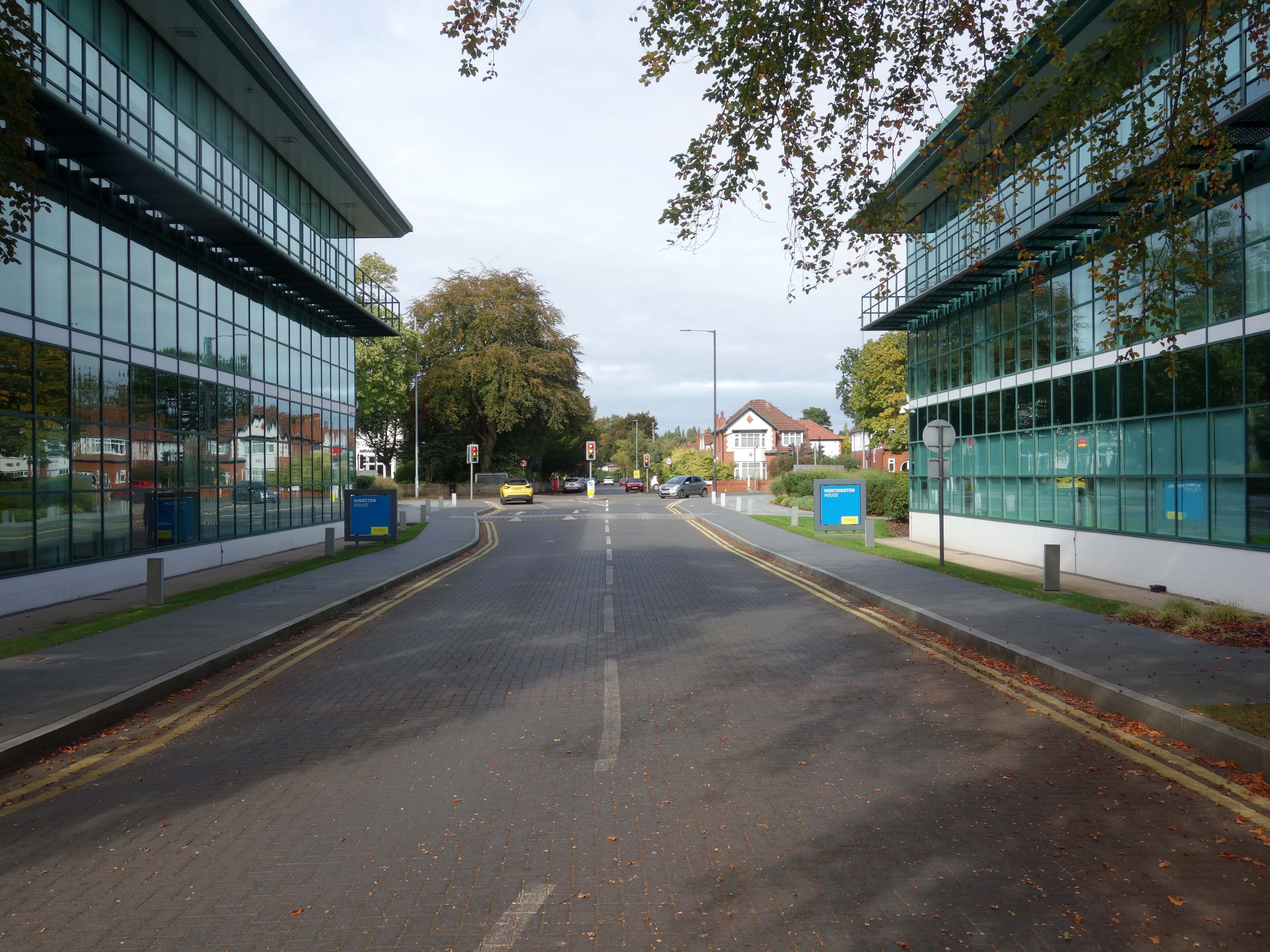
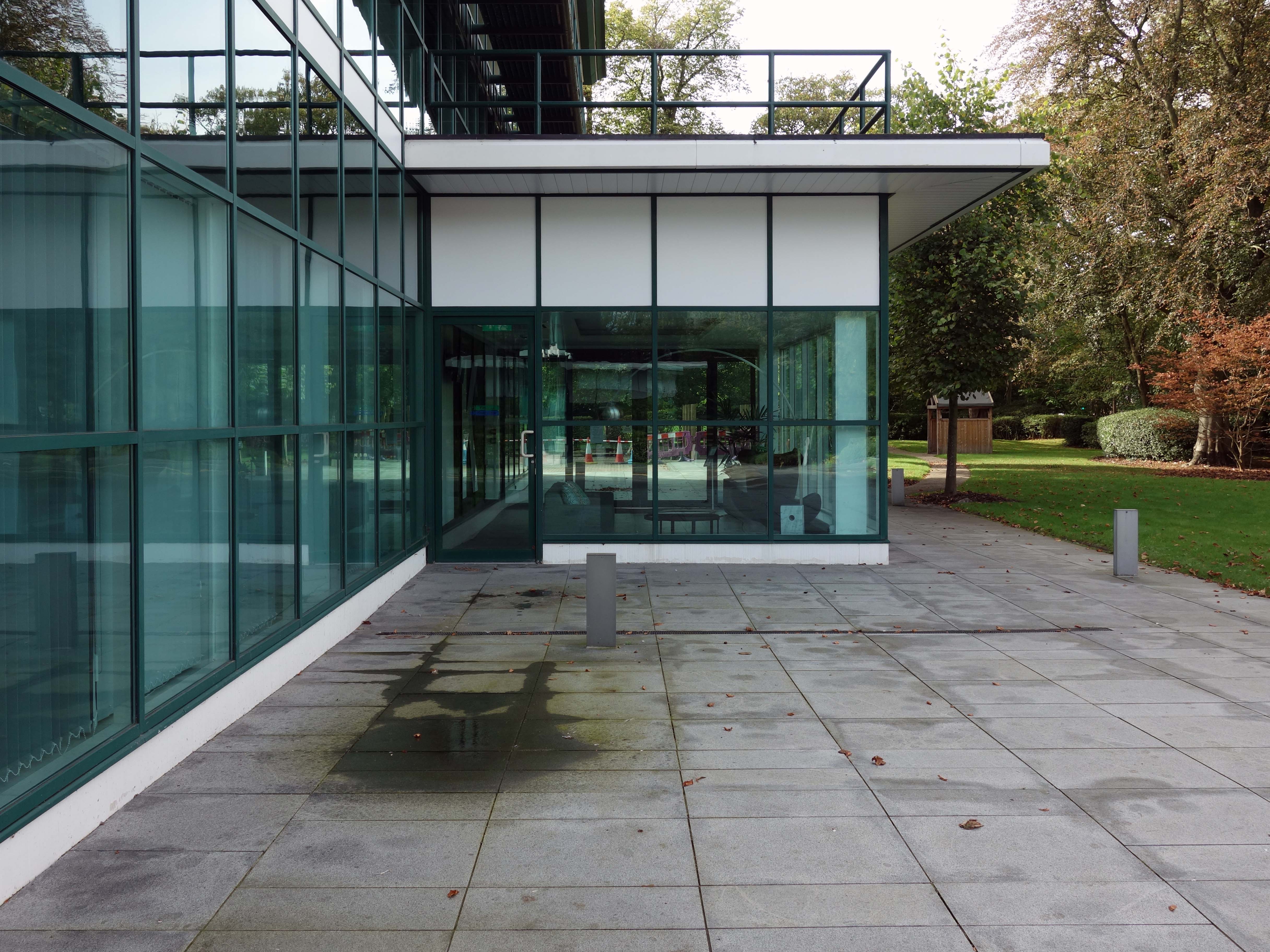
The estate was redeveloped as Towers Business Park in the early 21st century.
The house remains in use as offices.
Wikipedia
So here we are today, supported by several layers of industrial and commercial history, from days and days of labour, invention, innovation and production.
What’s going on?
Essity, NCC Education, I Love Cosmetics, Sitel Group, and a national house builder have signed leases at the Manchester office complex, averaging eight years, bringing the Park to 95% occupied.
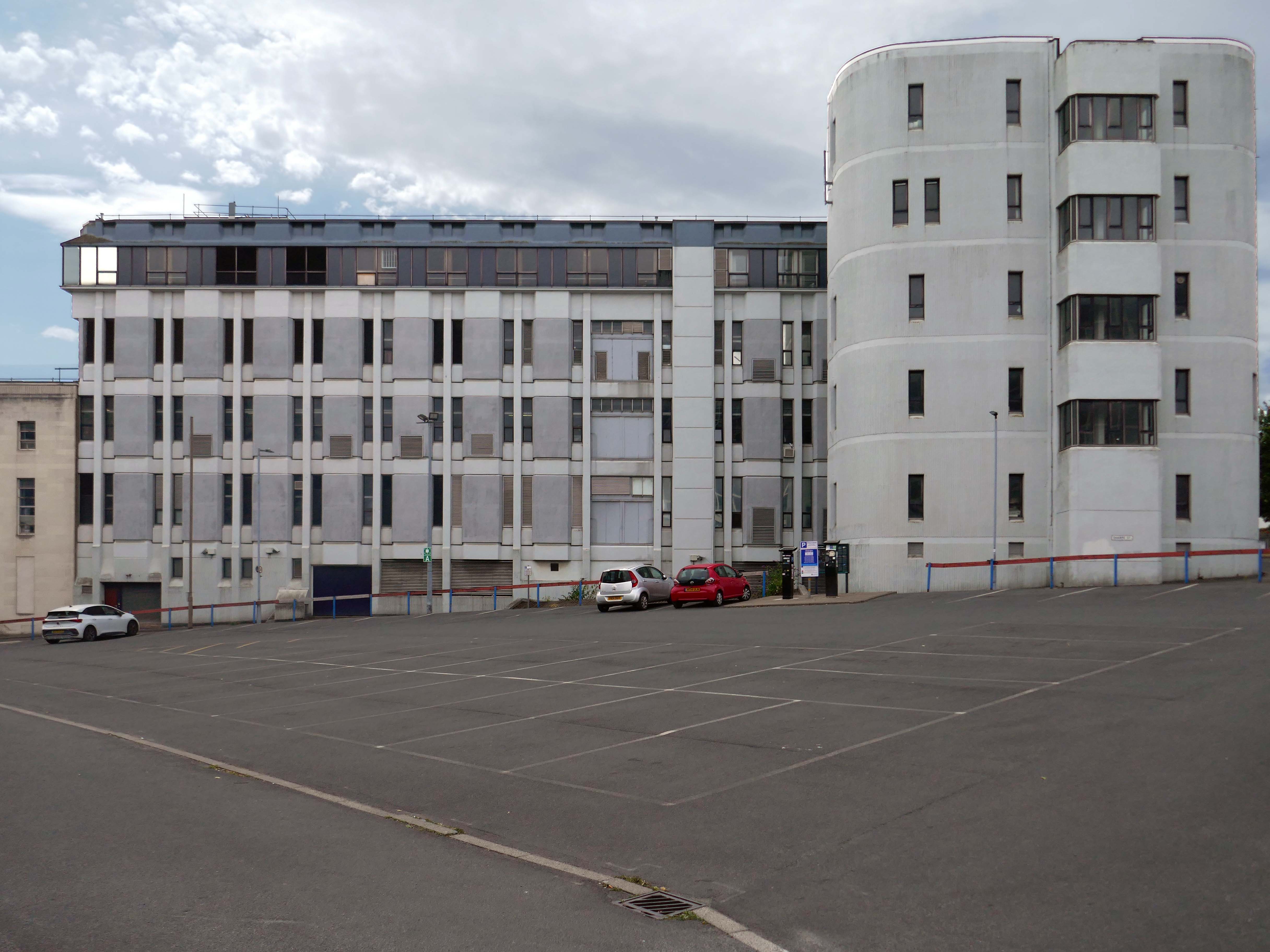
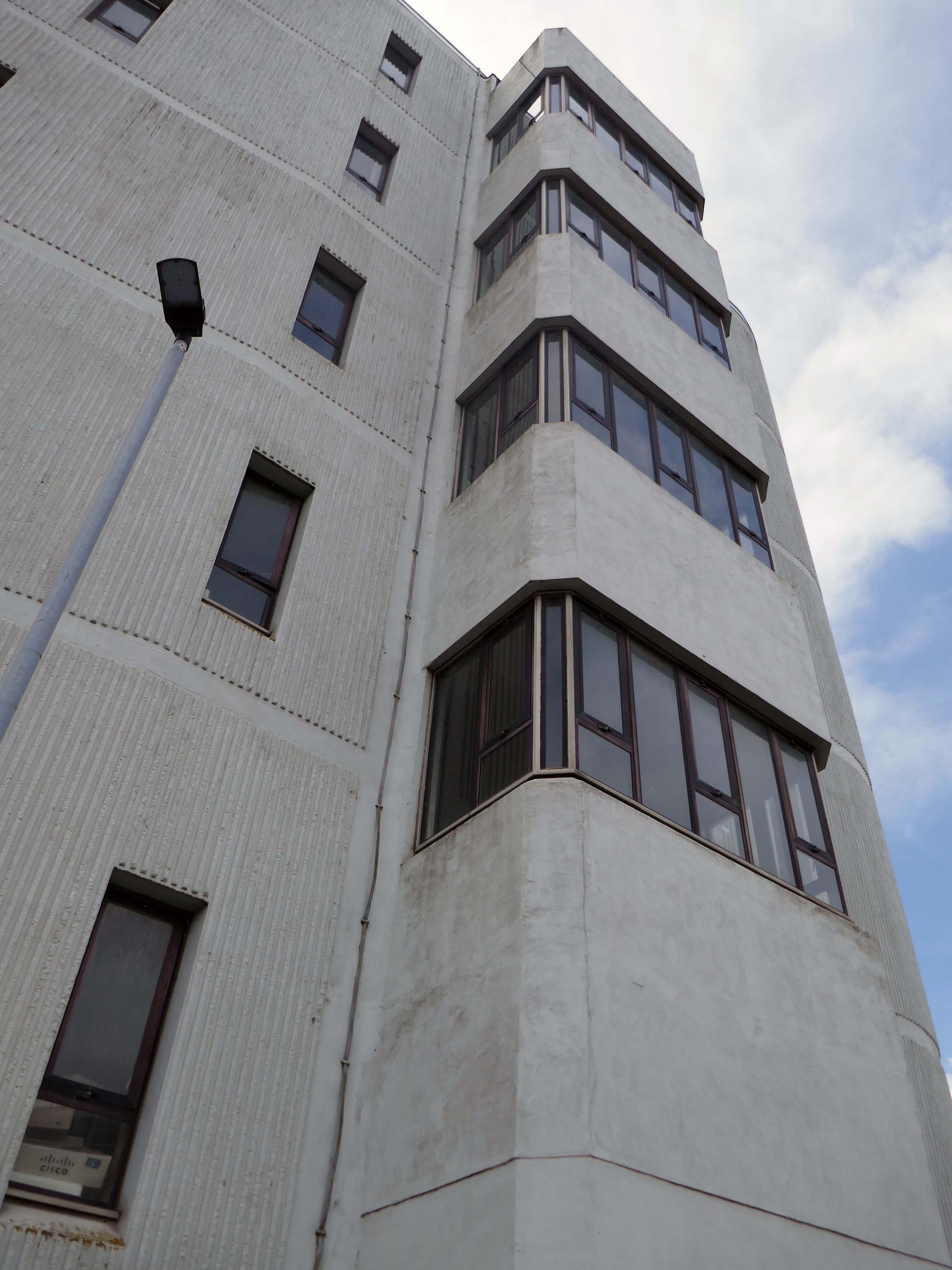
The new arrivals join existing tenants including Syngenta, British Airways, Cisco, Regus, and Hitchenor Wakeford.
Almost a year on and I’m back again and you’re still here.
Still awaiting the wrecking ball and a rubble trouble future.
Back in 2025 the reports of your demise were premature.
Back in 2023 you were, even then, tired and ready to go home – to car park heaven.
It’s 2026, are we to bury you or praise you?
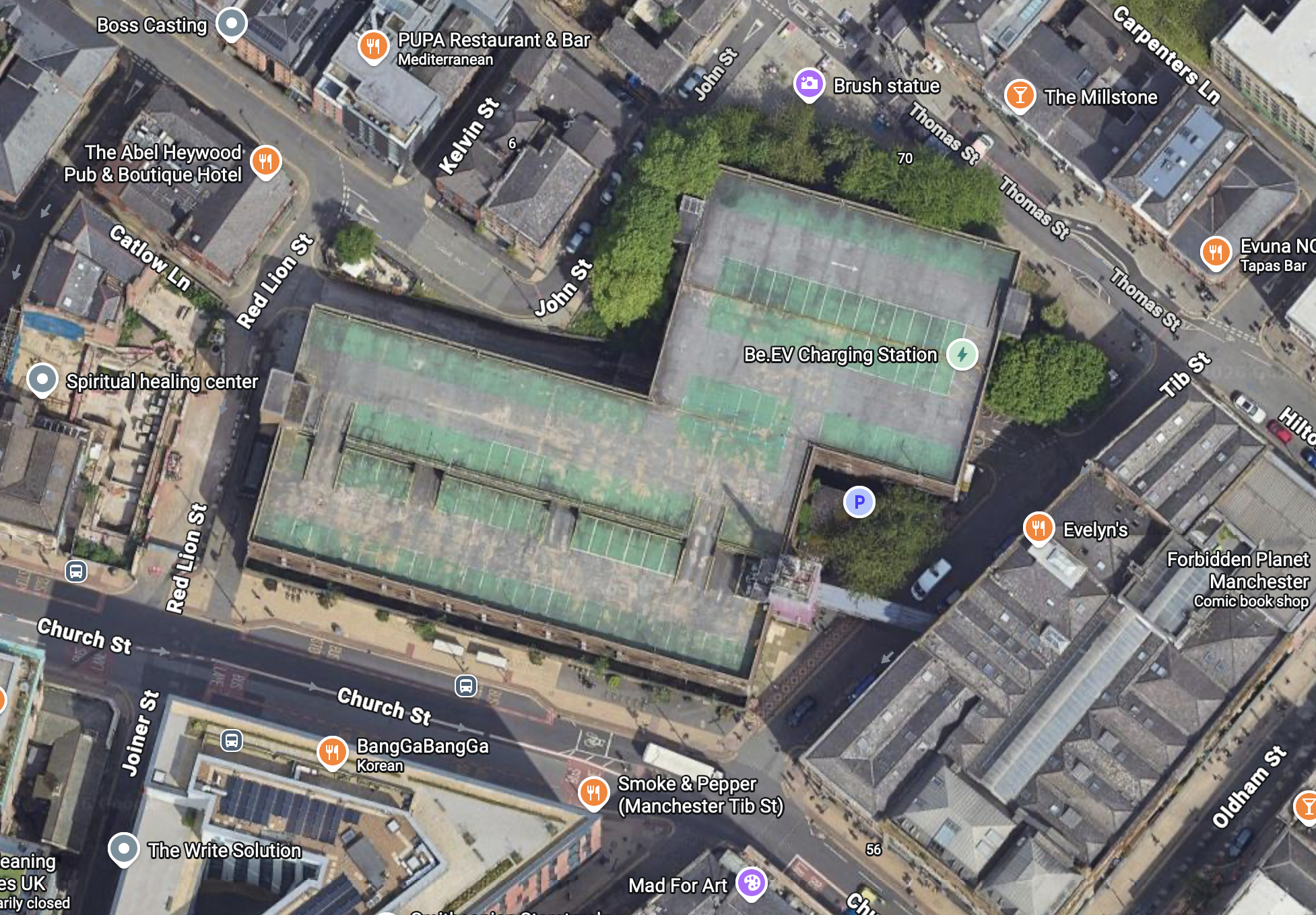
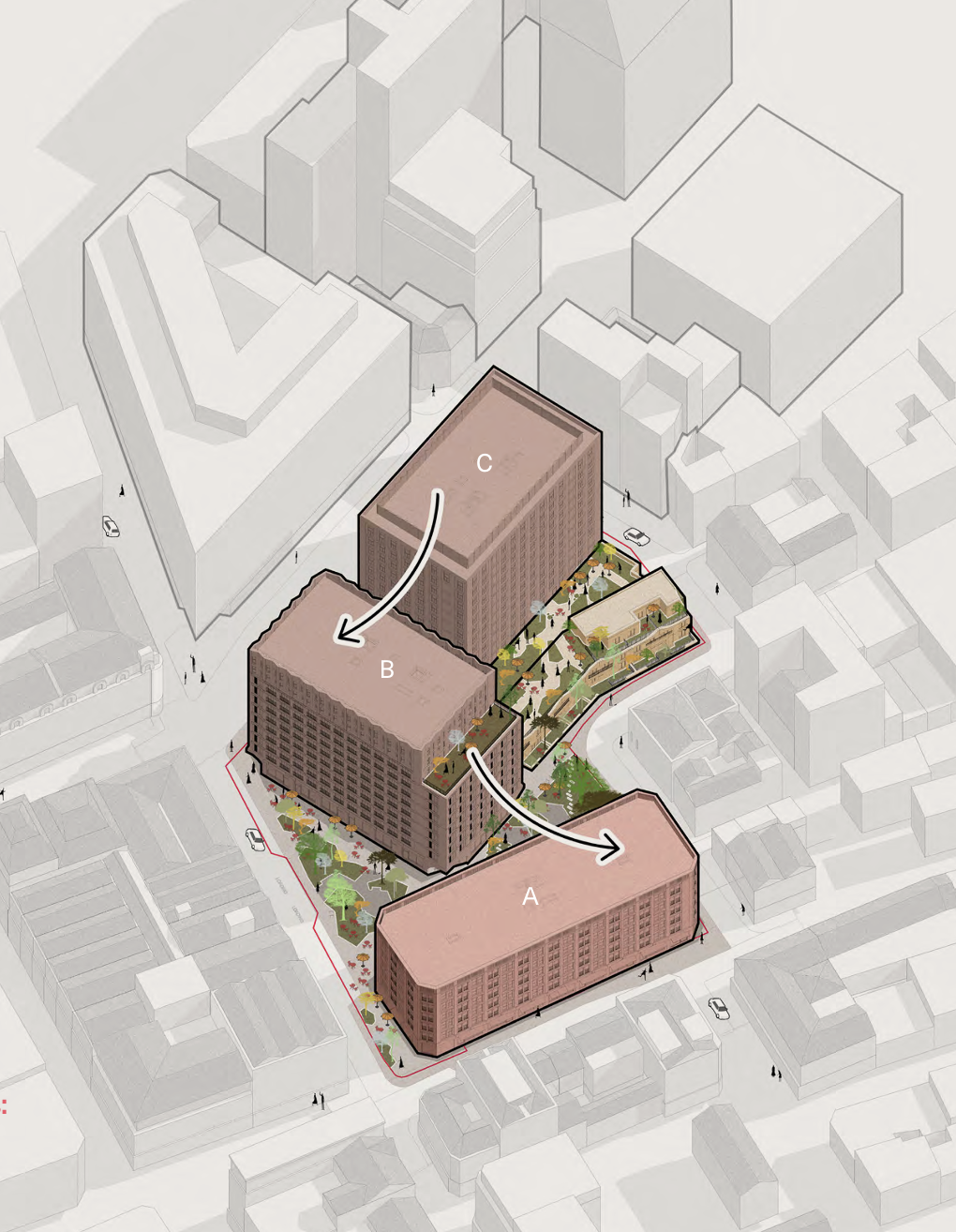
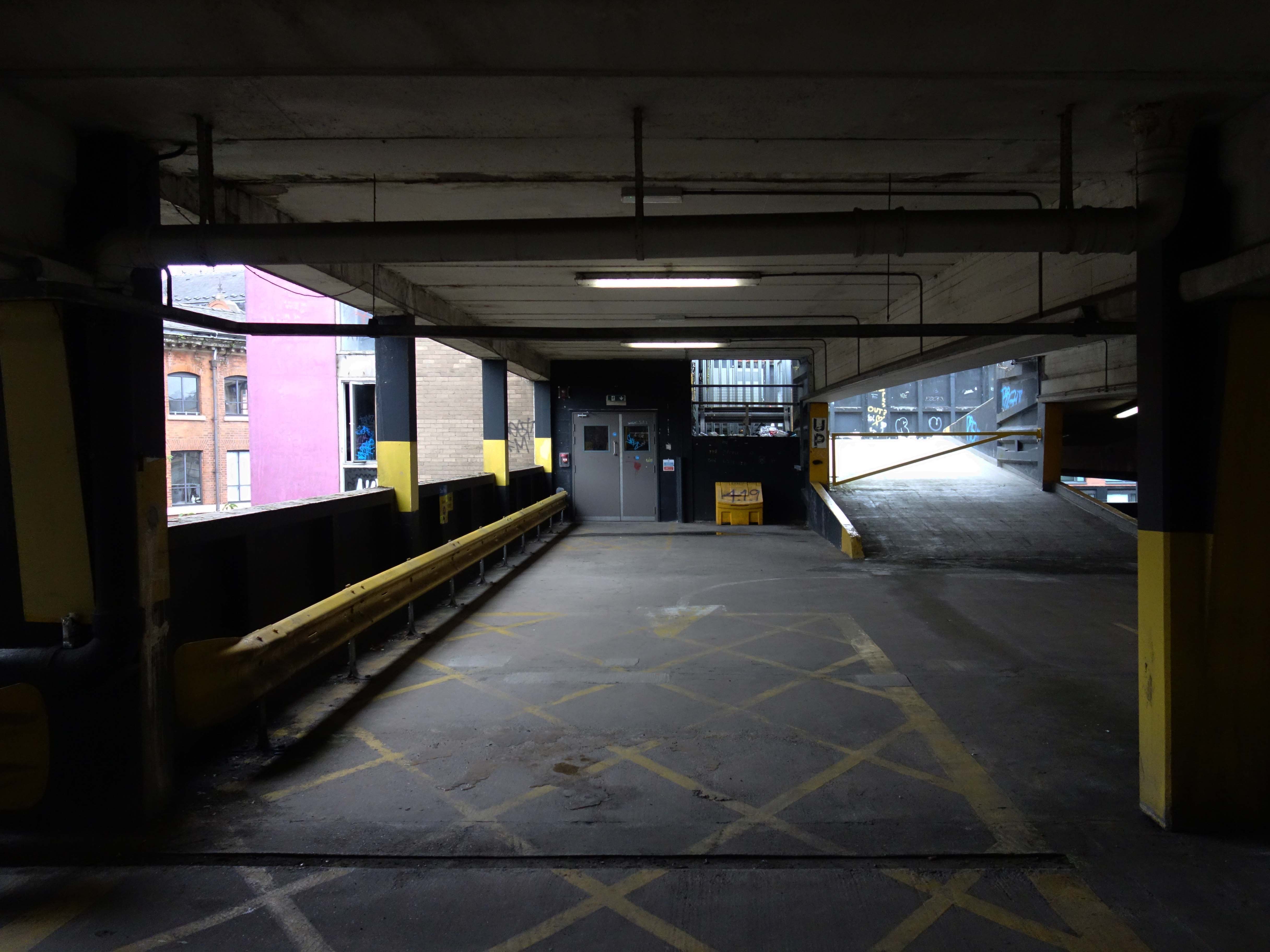
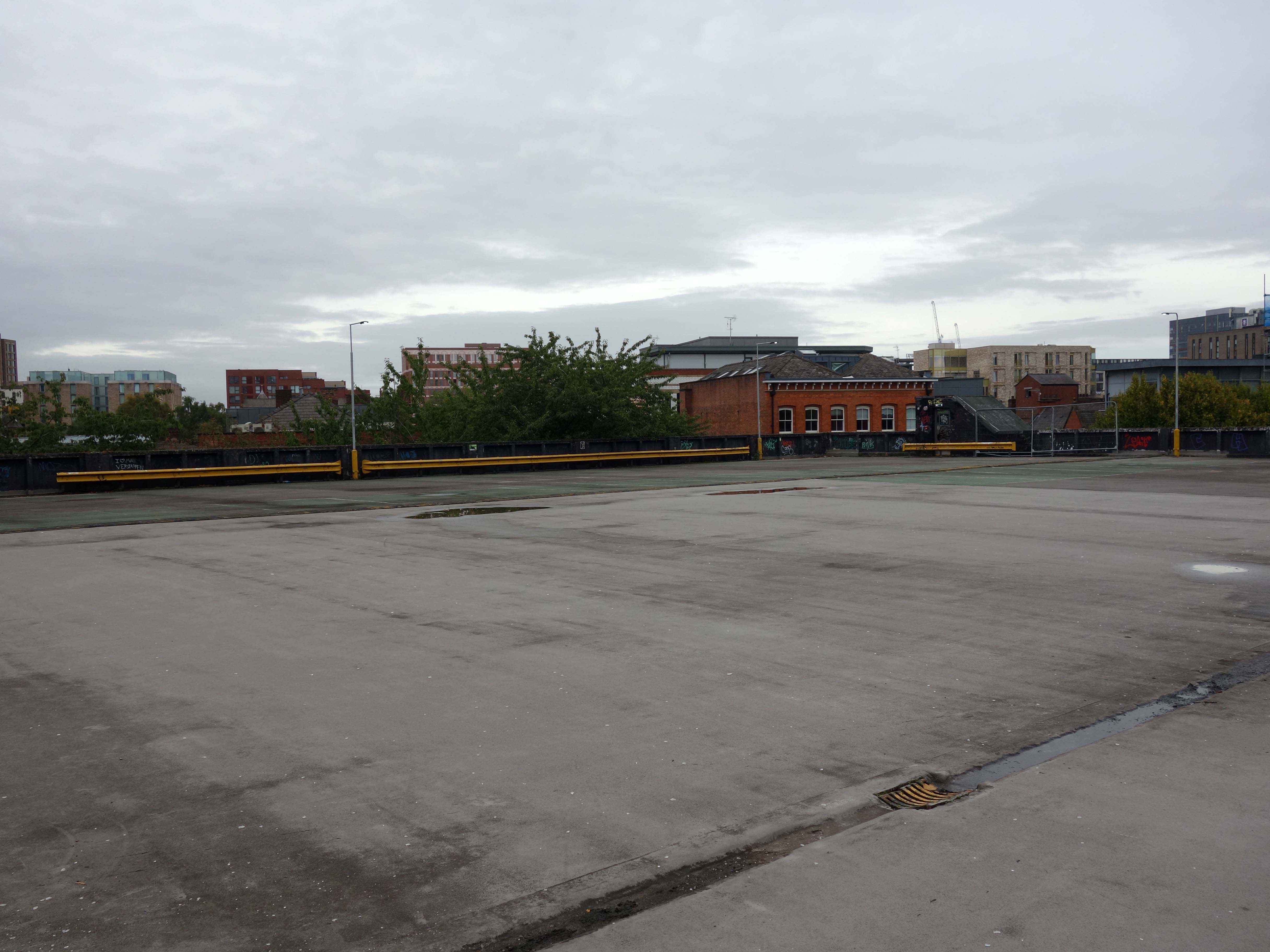
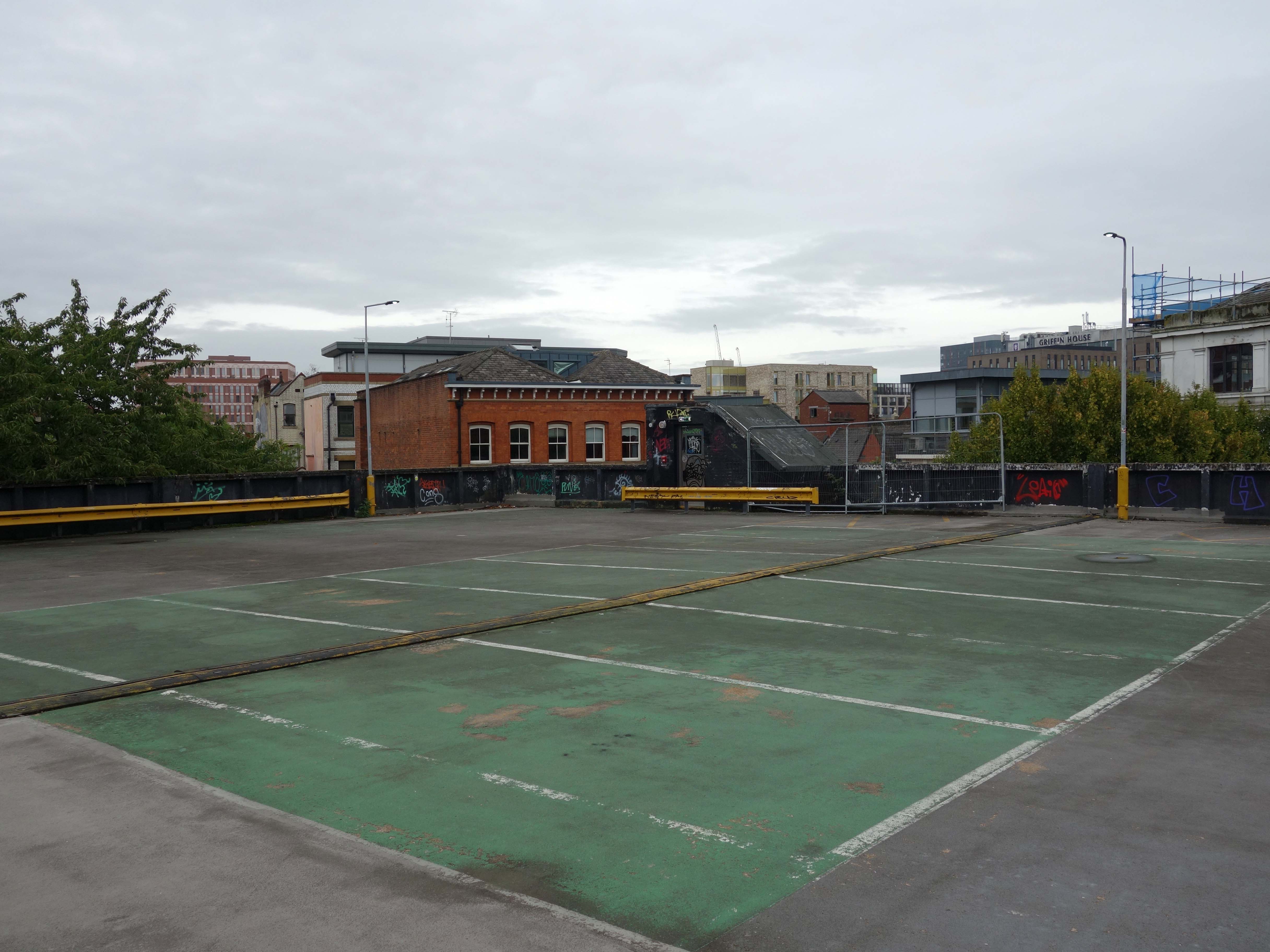
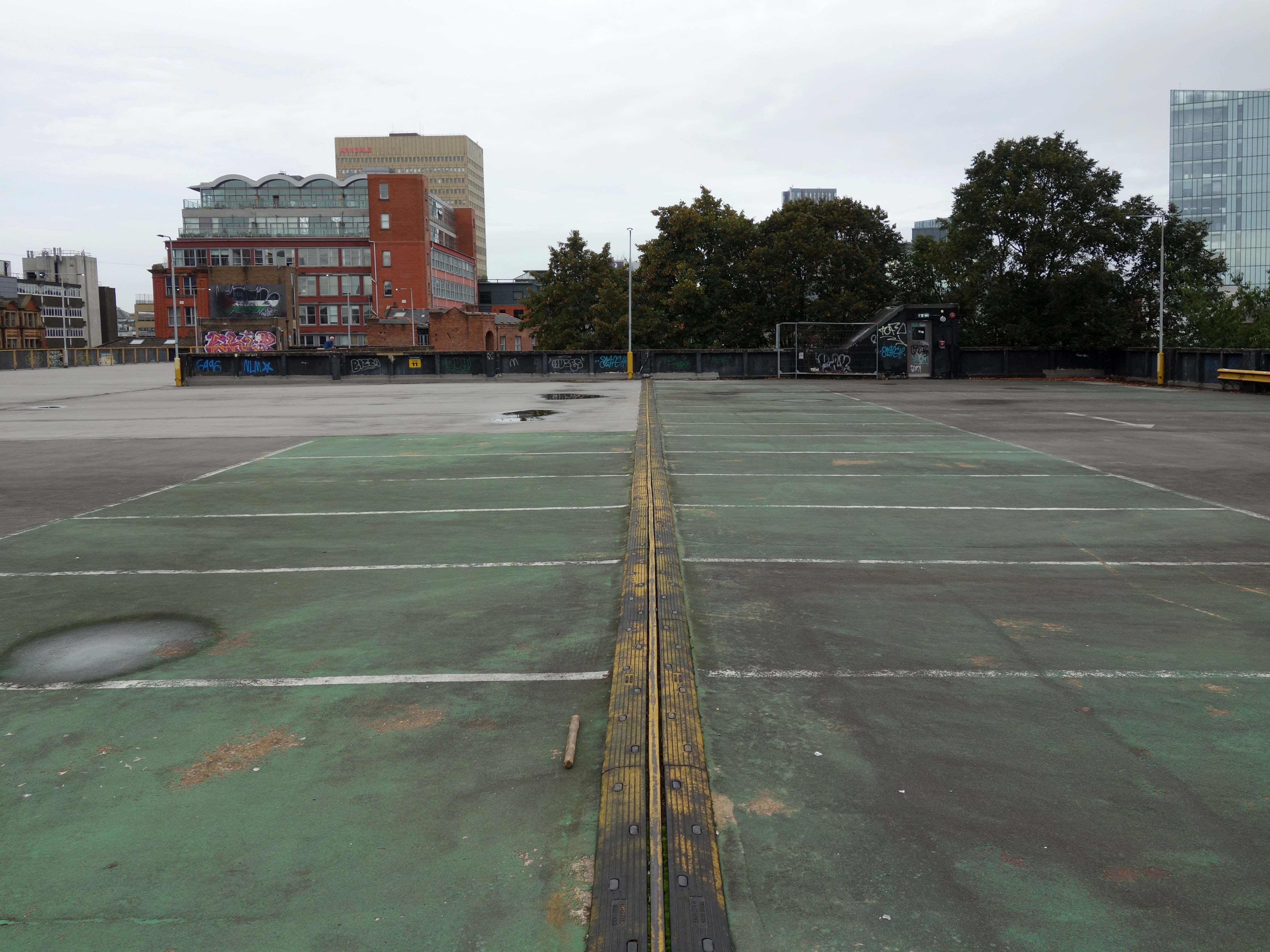
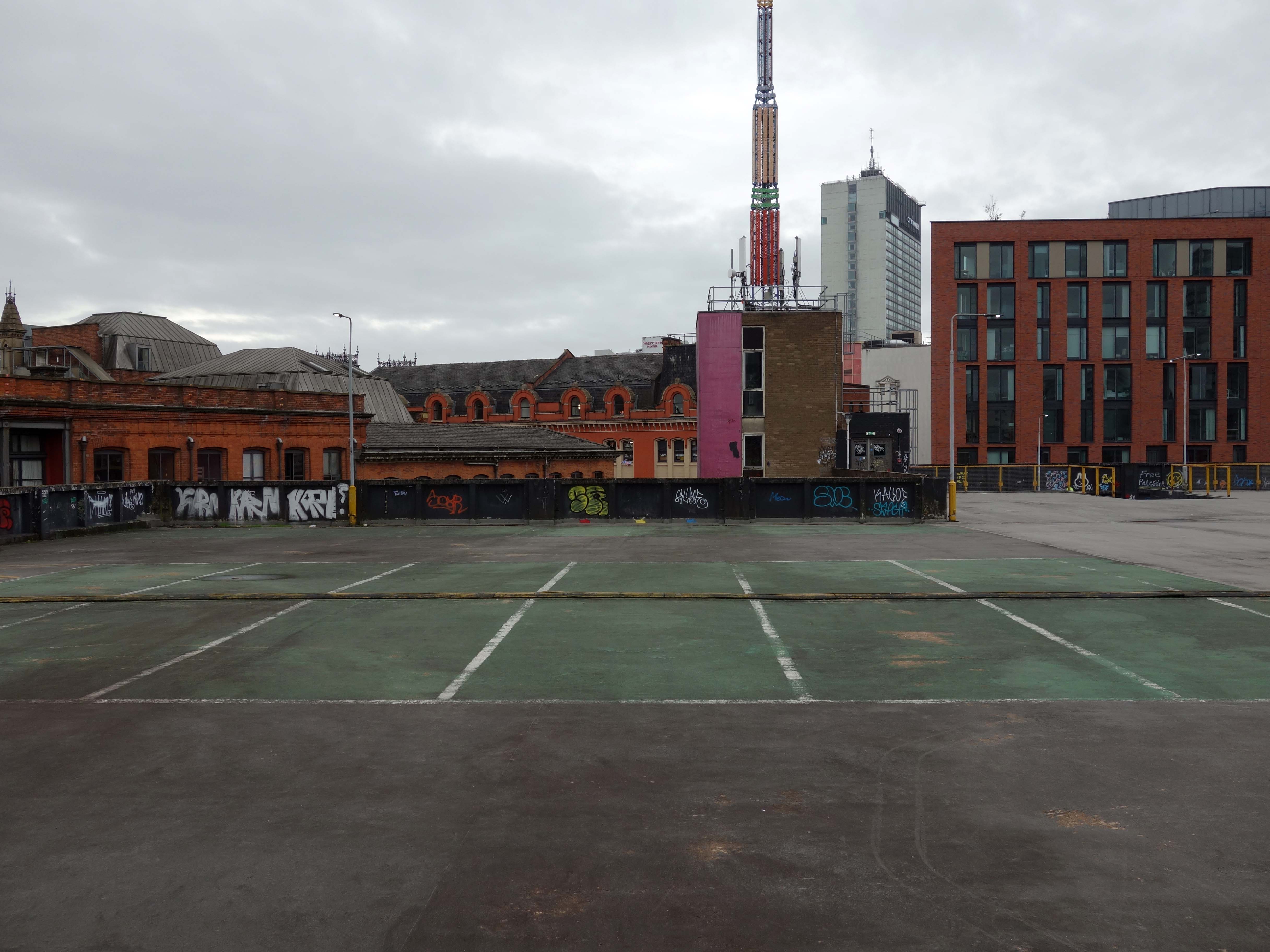
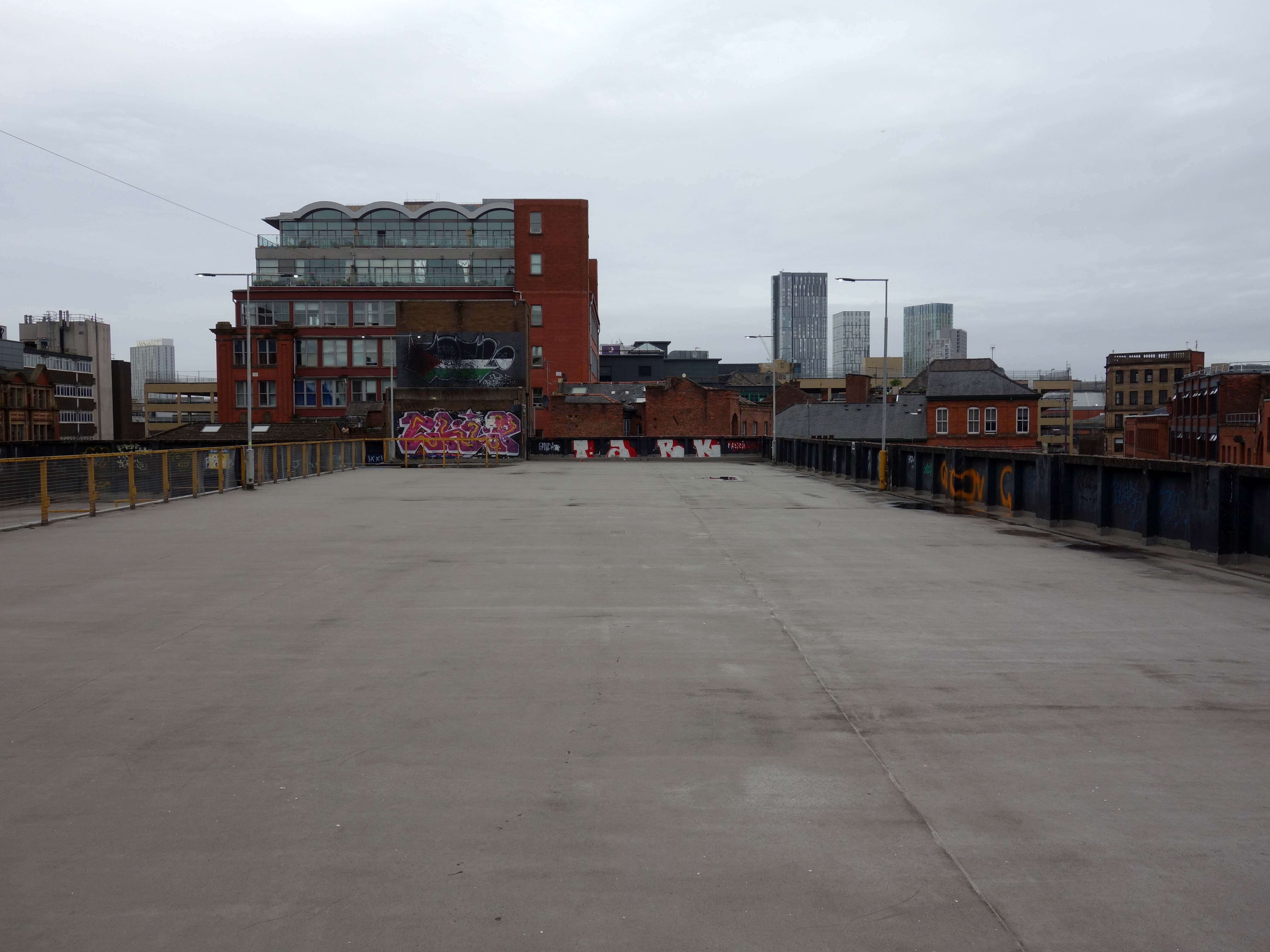
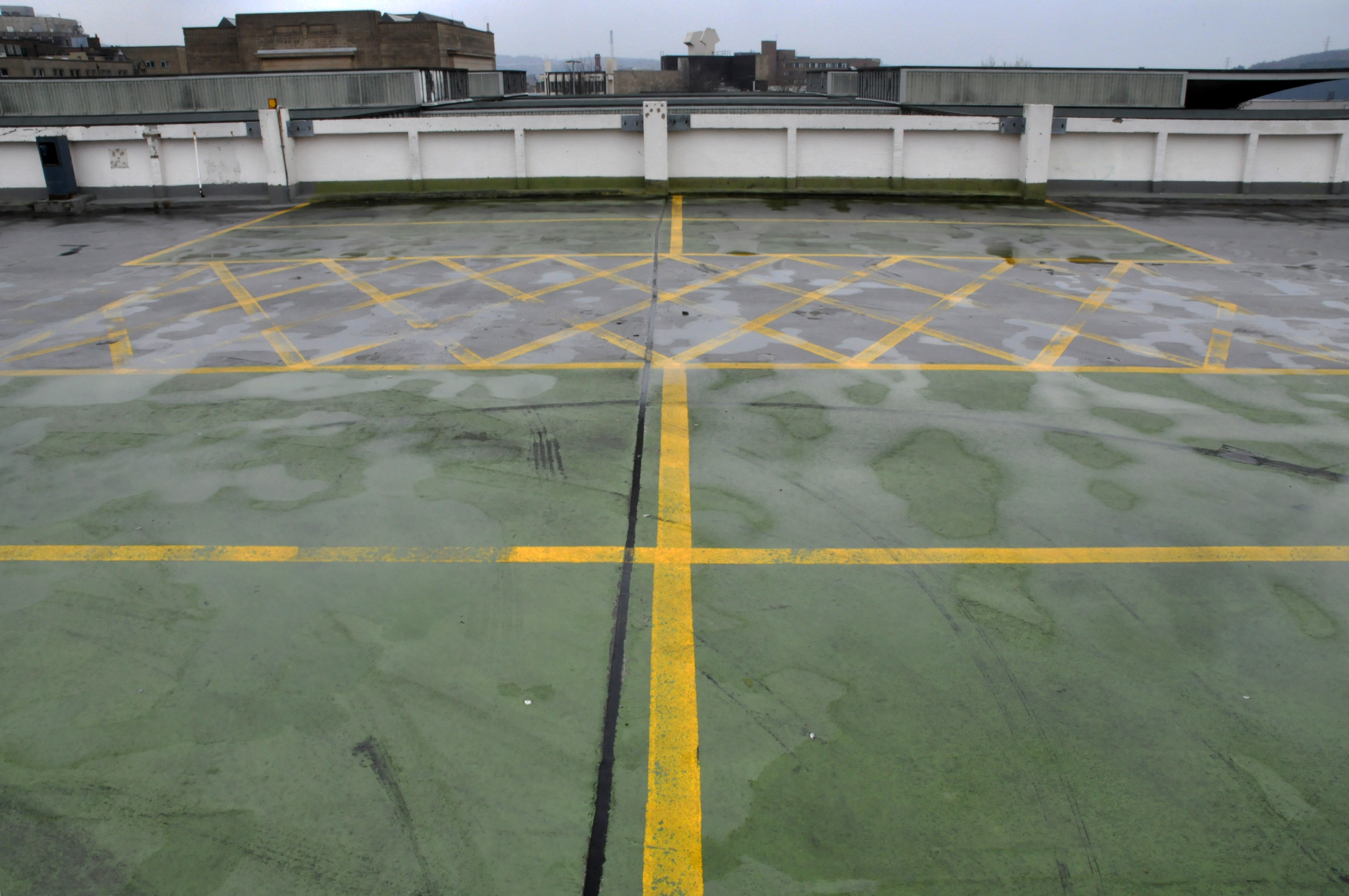
Fresh plans have been unveiled for one of the Northern Quarter’s most significant redevelopment projects, with the latest proposals for the long-awaited transformation of the Church Street multi-storey car park now entering a second round of public consultation.
The council-owned car park, which has occupied the site since 1970, has long been viewed as one of the area’s least-loved landmarks, and in recent years has found itself frequently at the centre of antisocial behaviour in the area. Developer Glenbrook is now proposing to replace it with a new mixed-use neighbourhood featuring around three hundred homes, including 20% affordable housing, alongside commercial units, public squares, green spaces and a community hub.
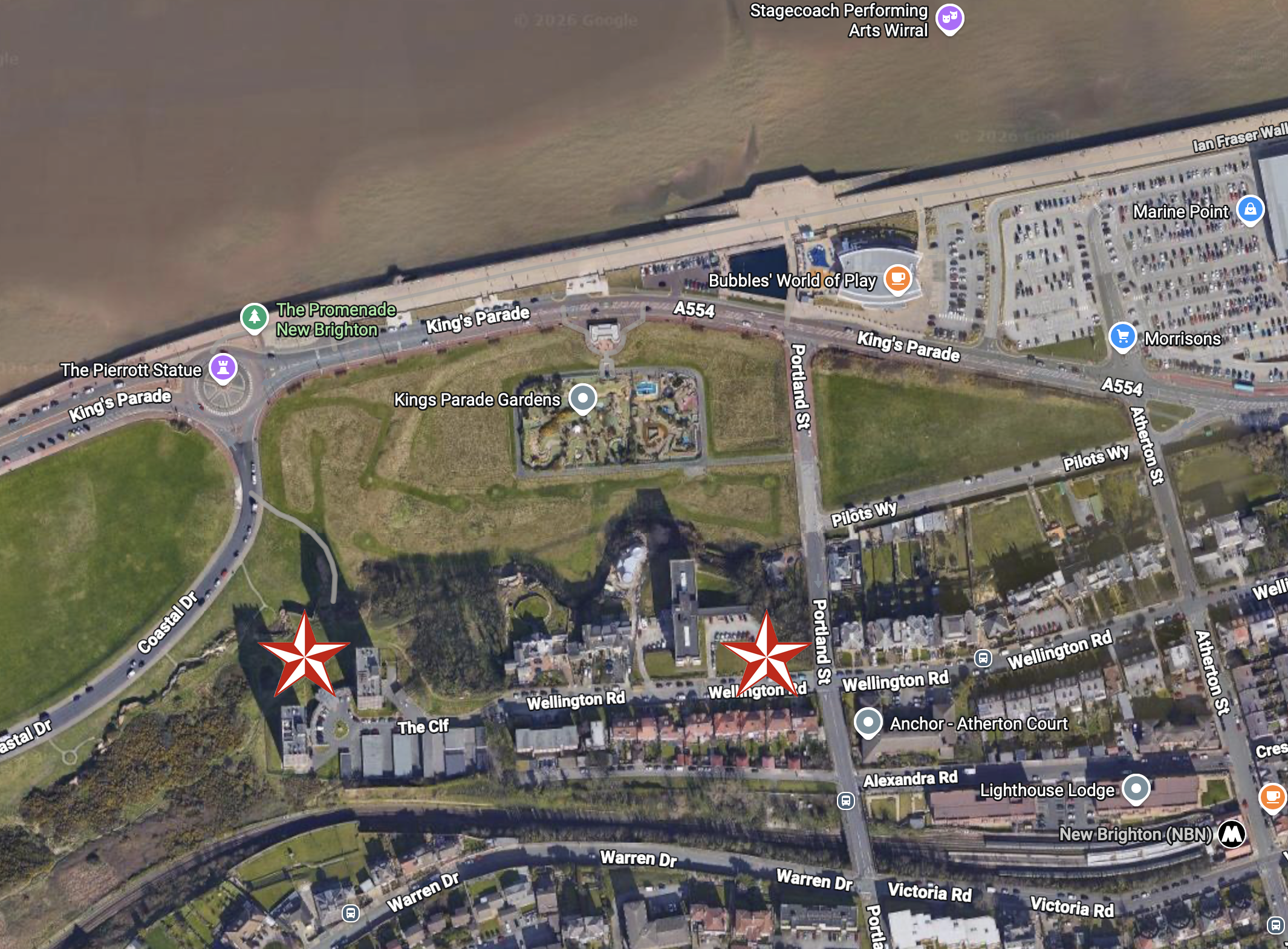
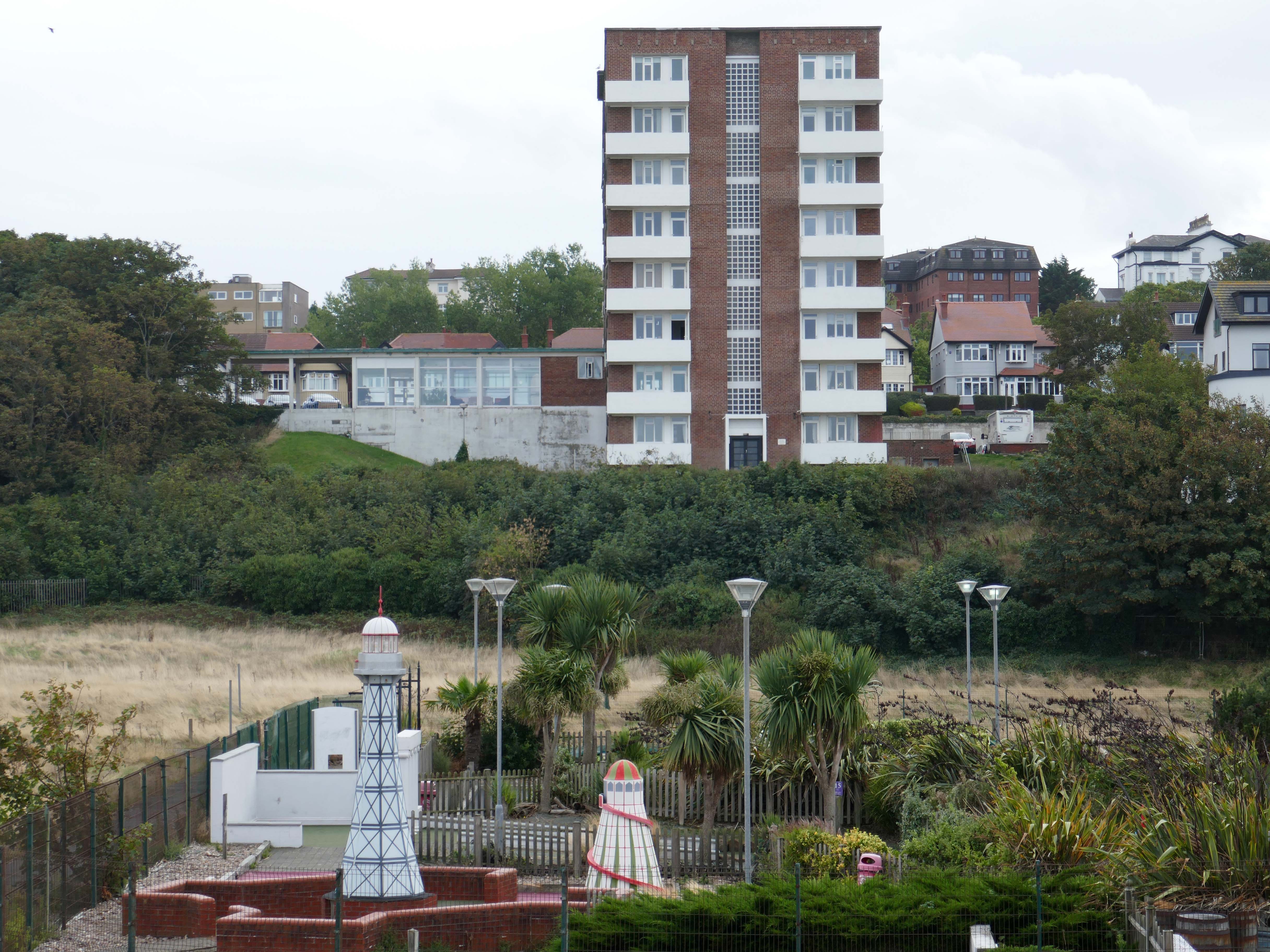
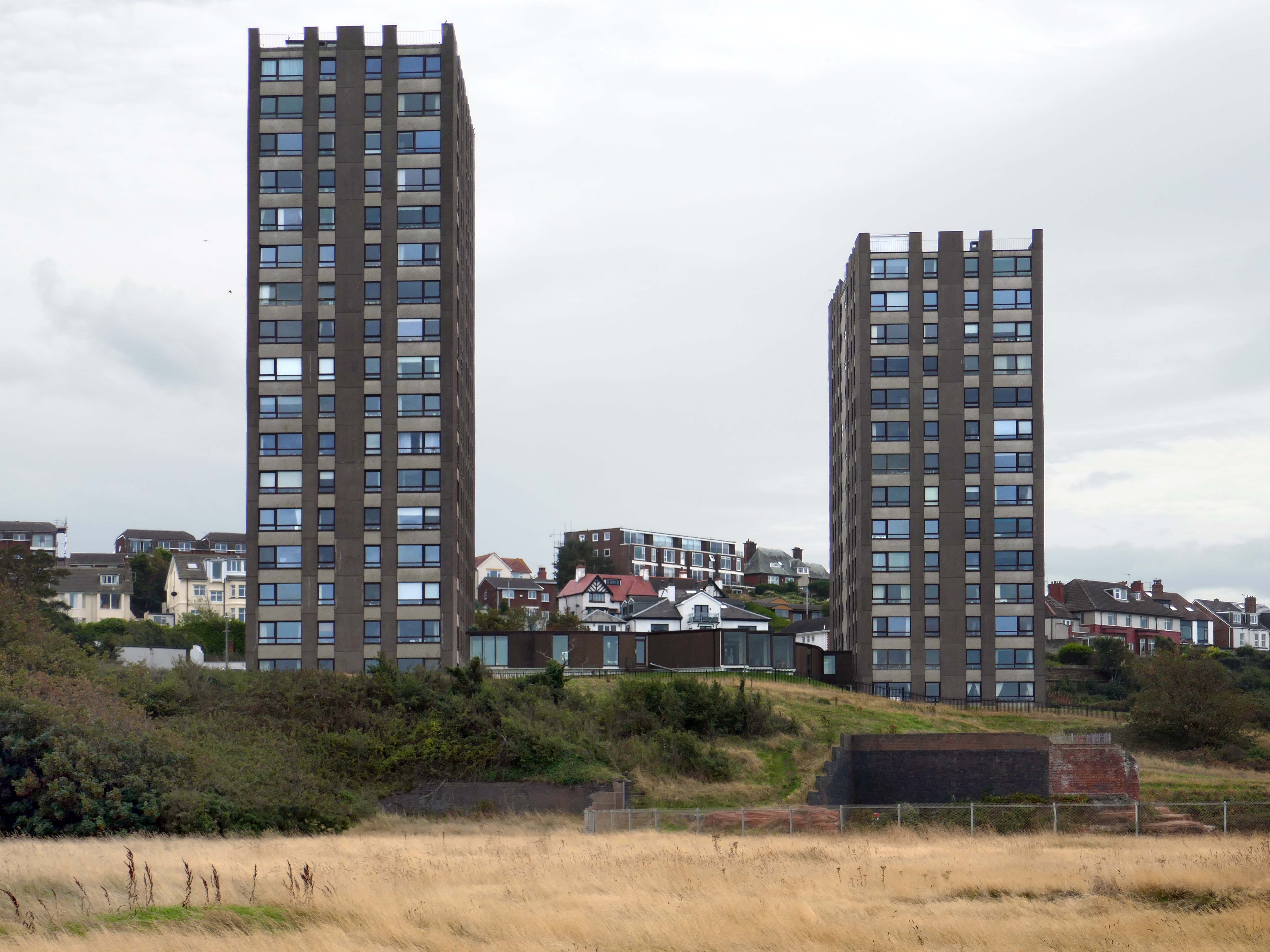
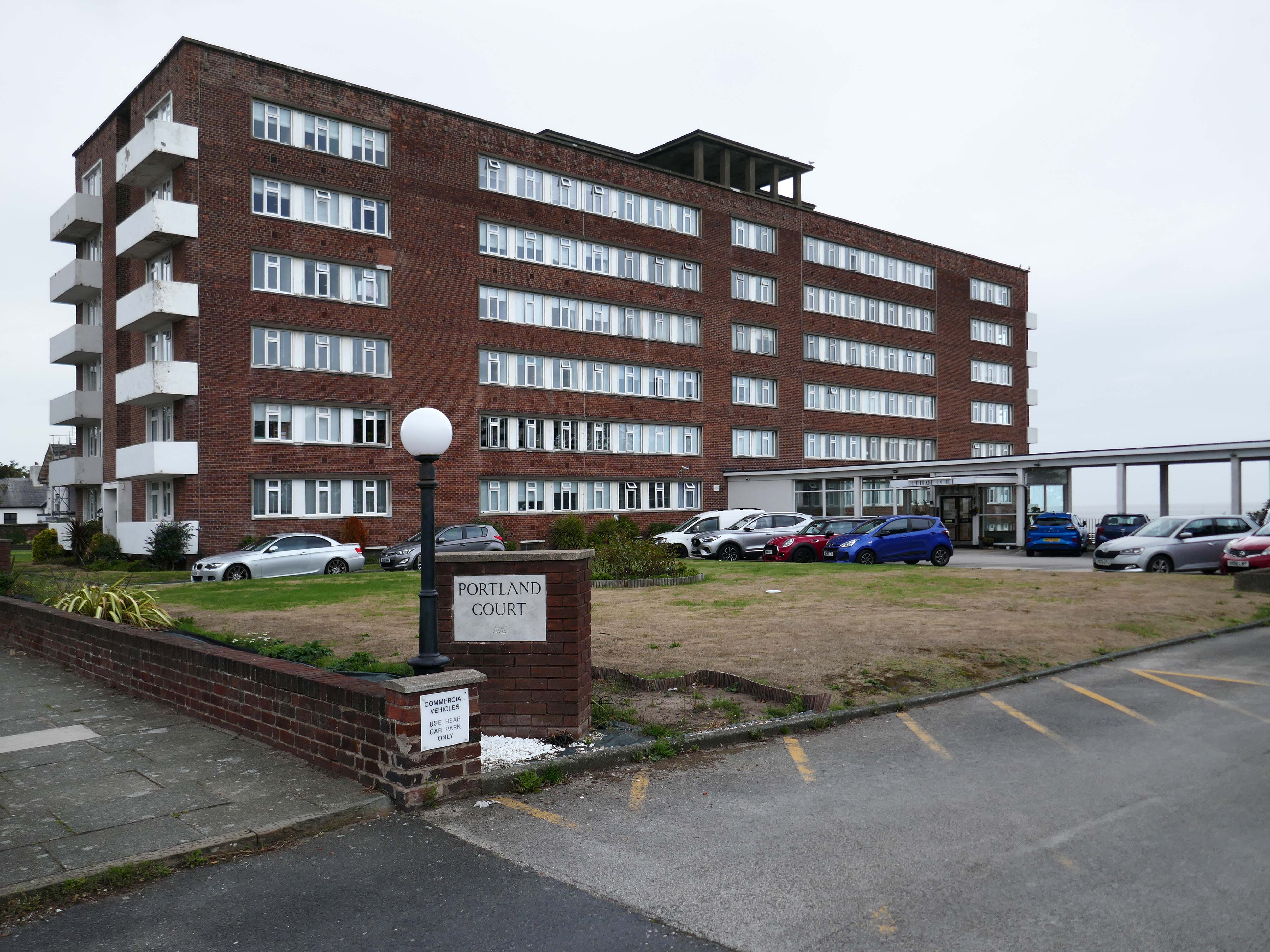
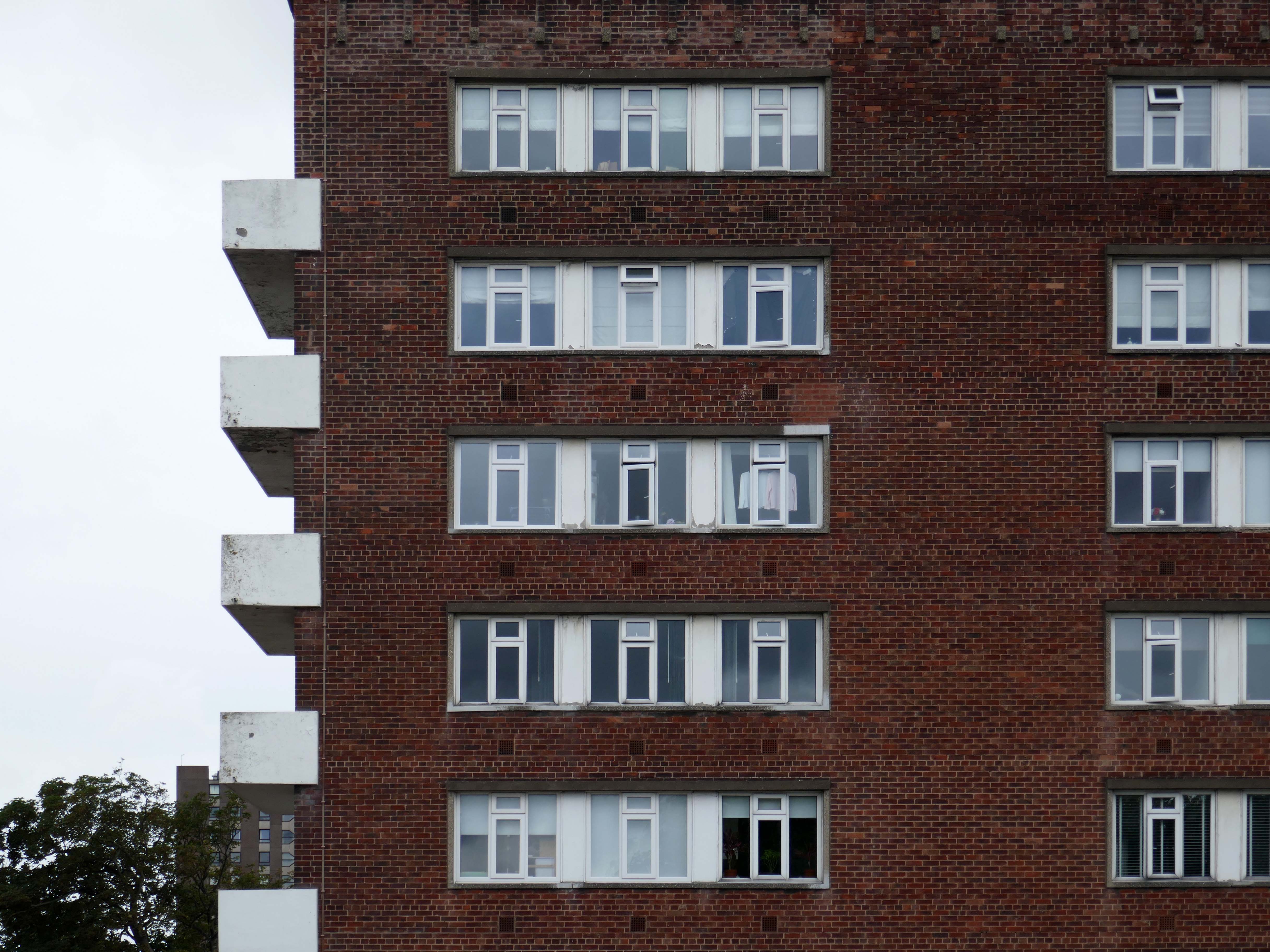
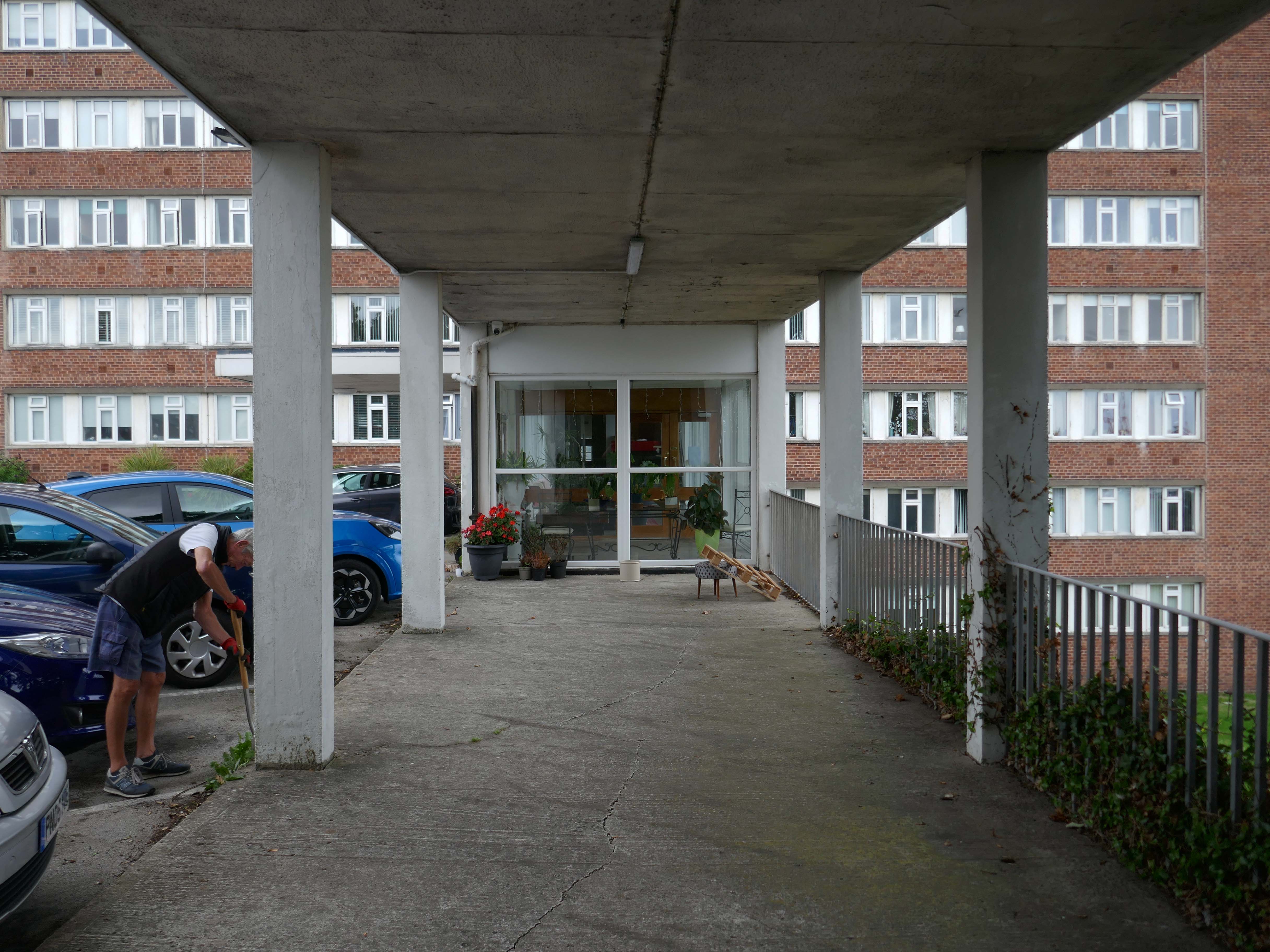
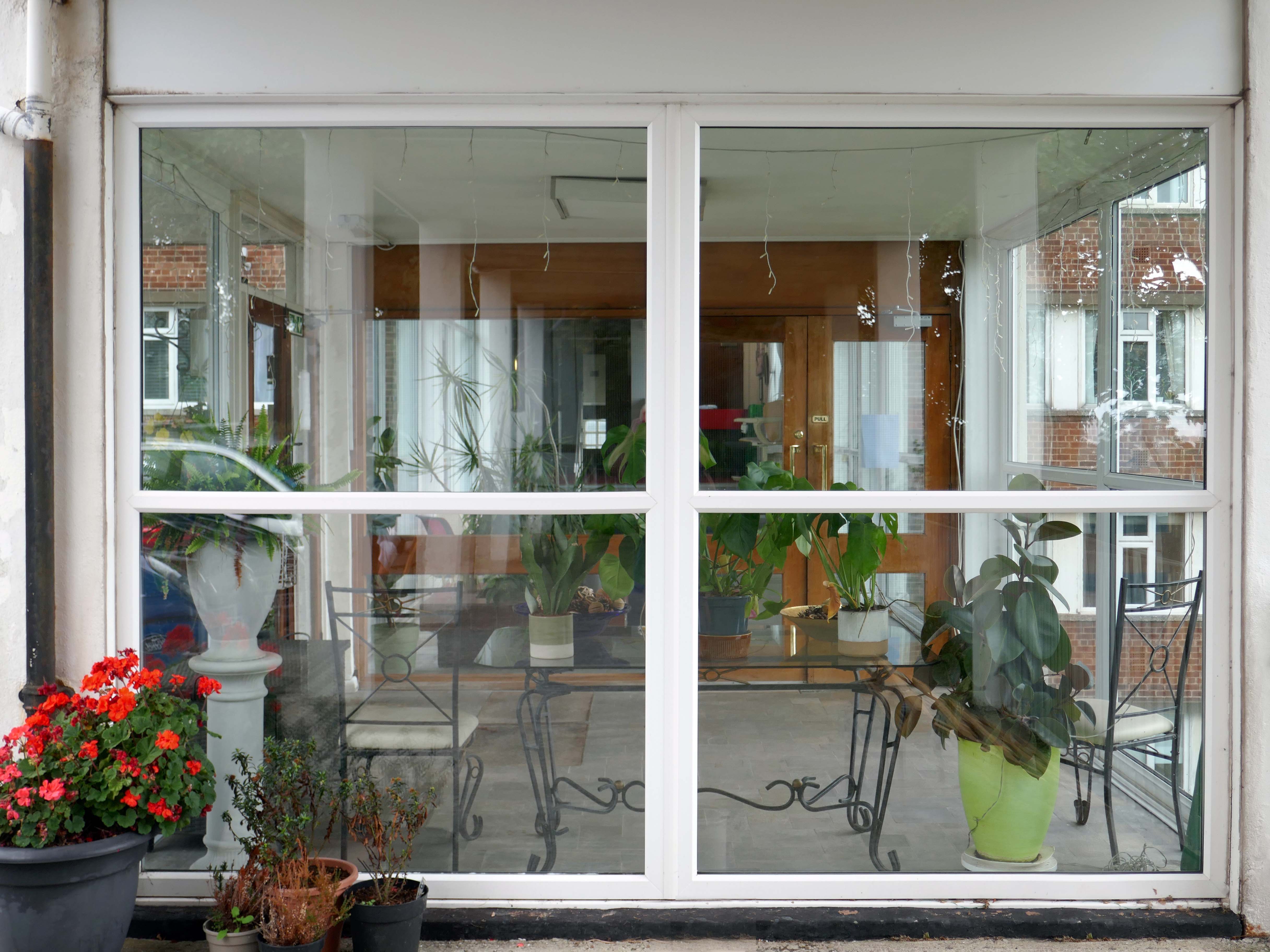
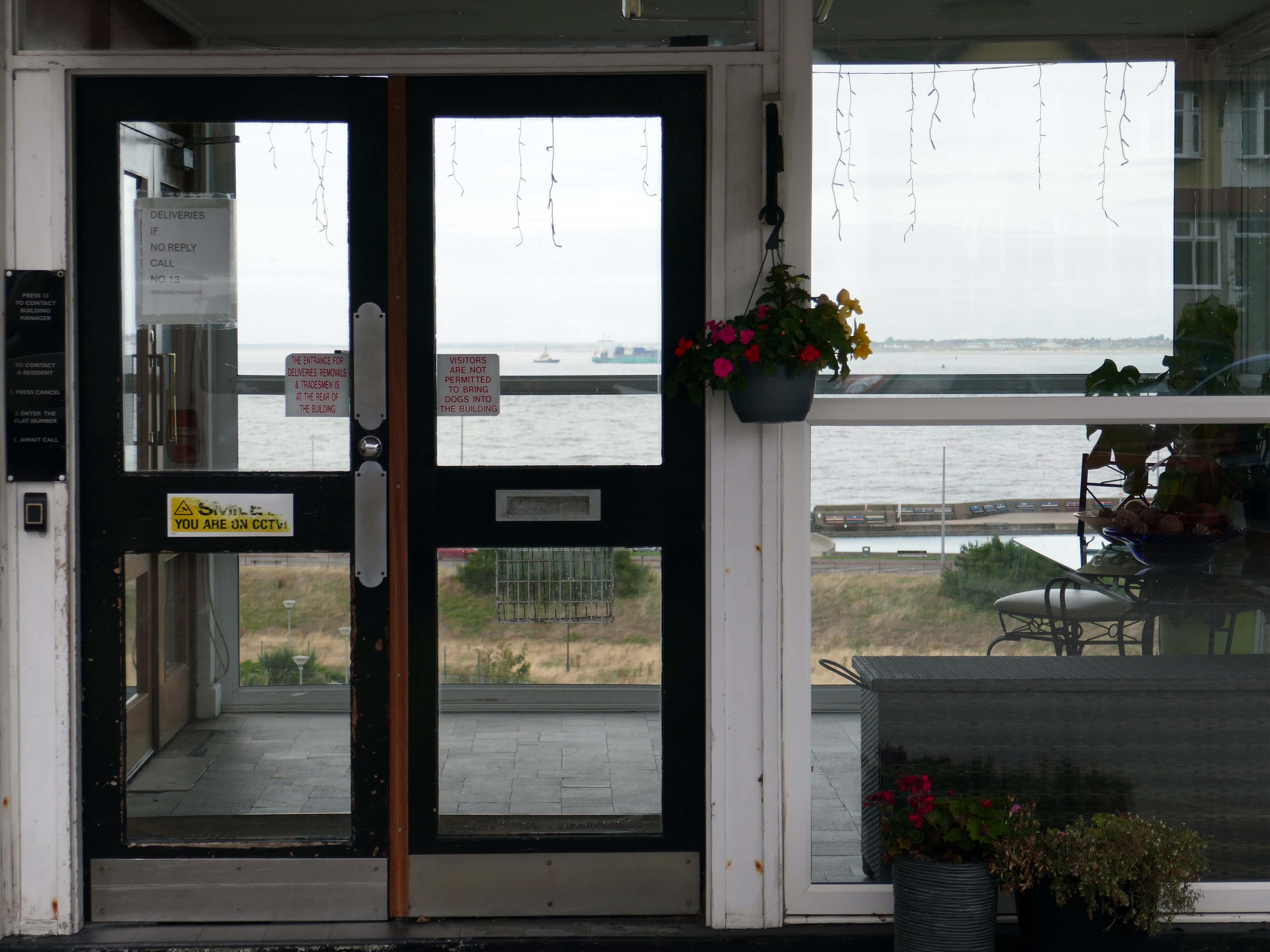
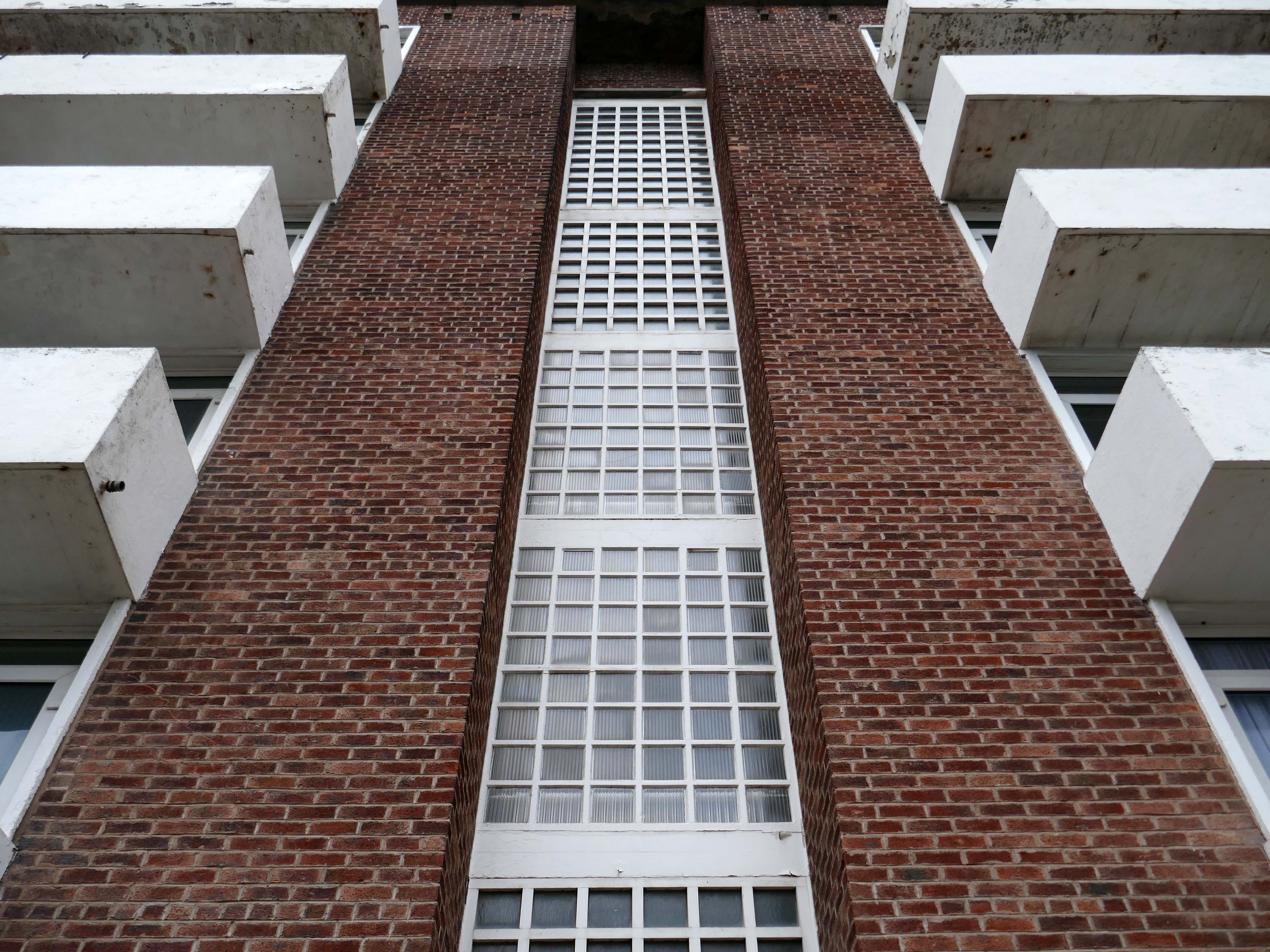
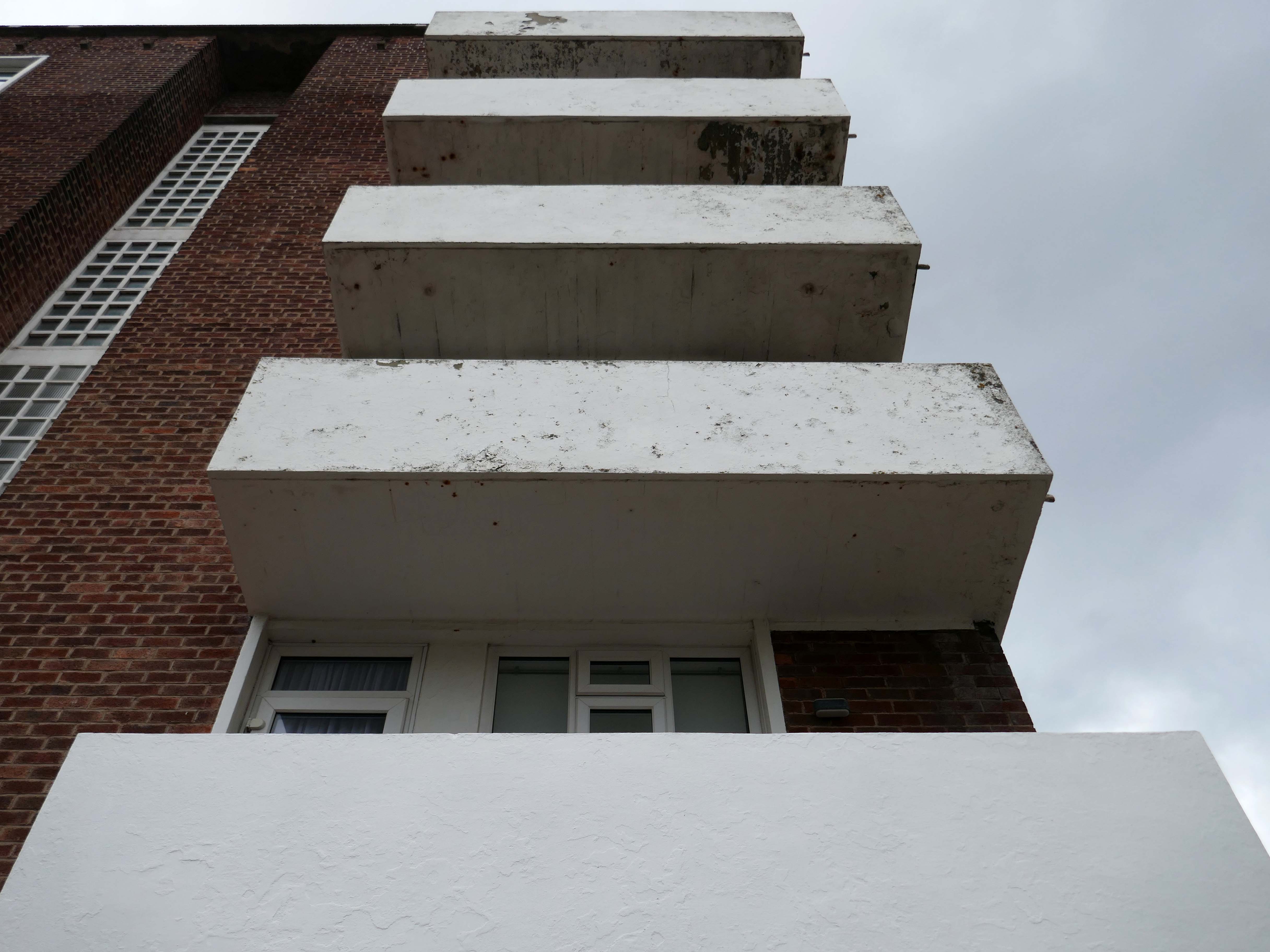
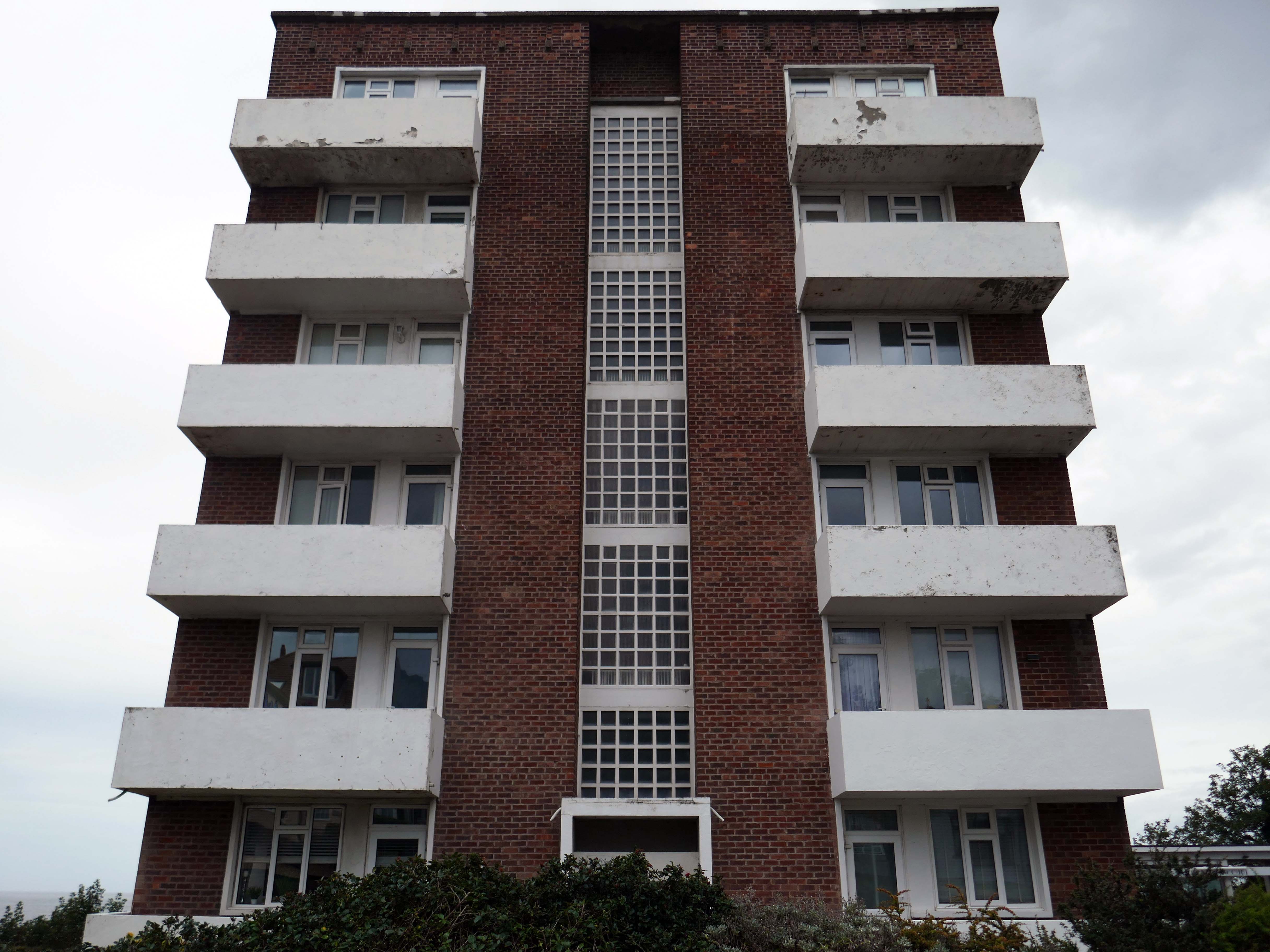
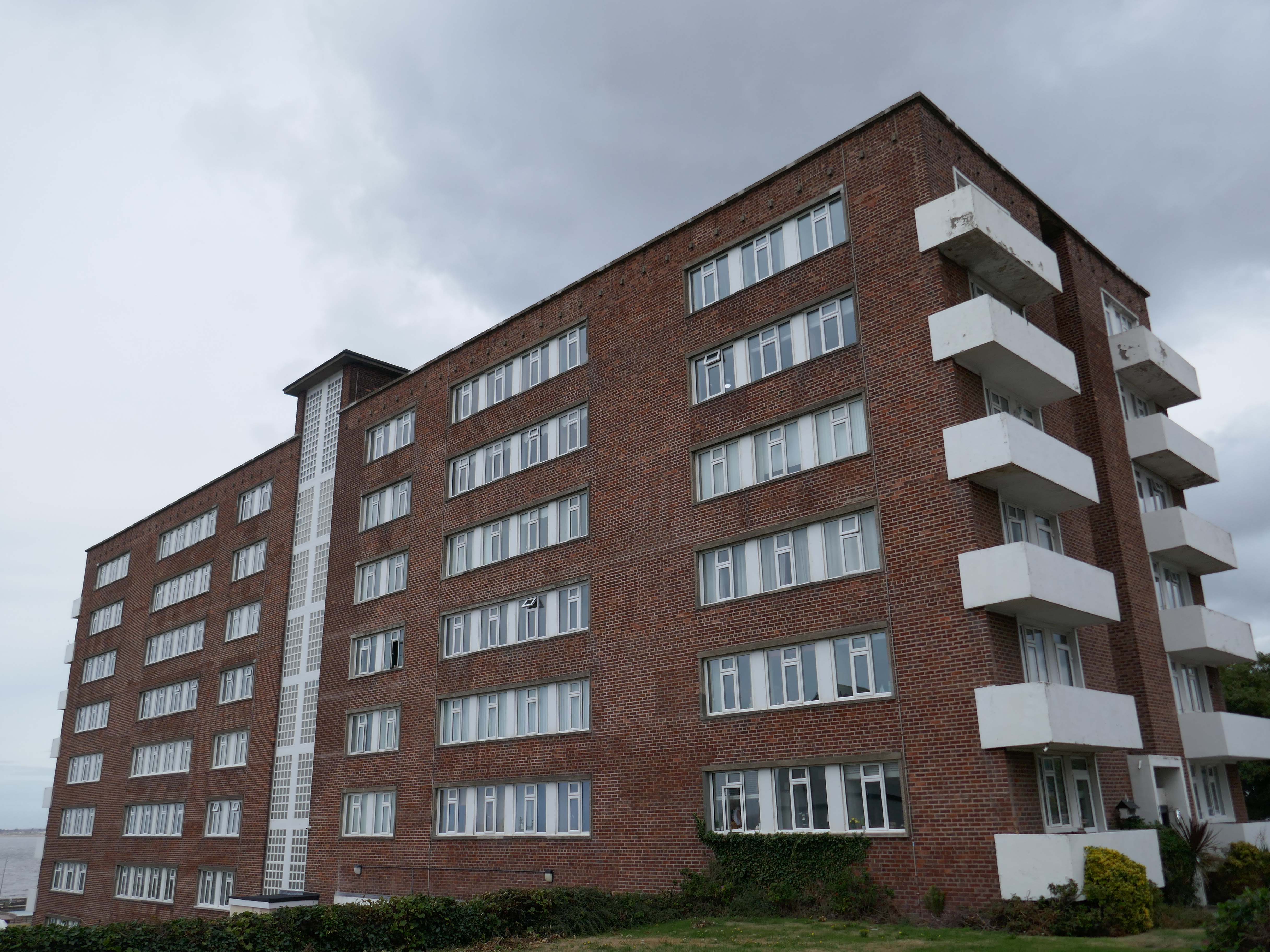
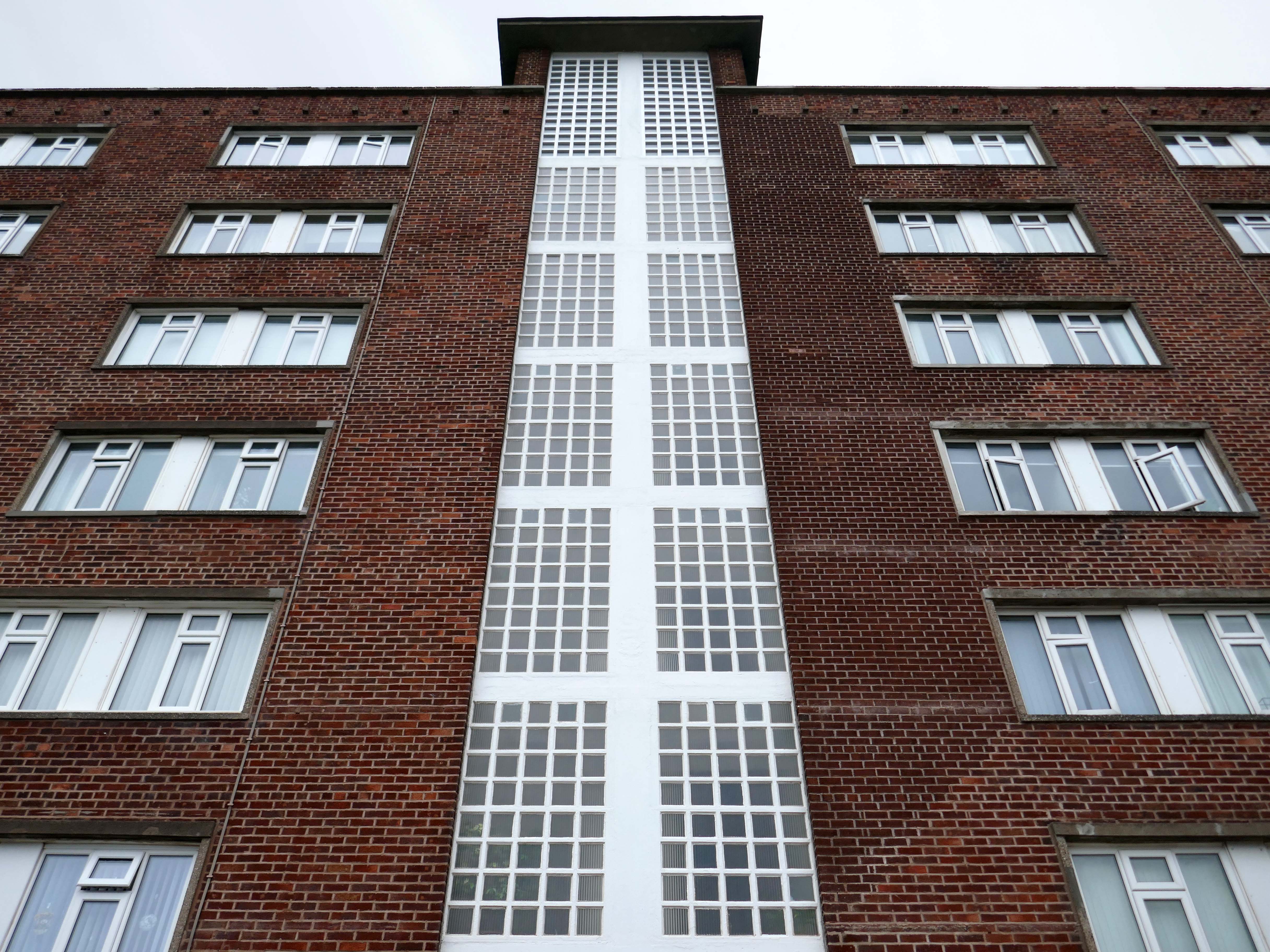
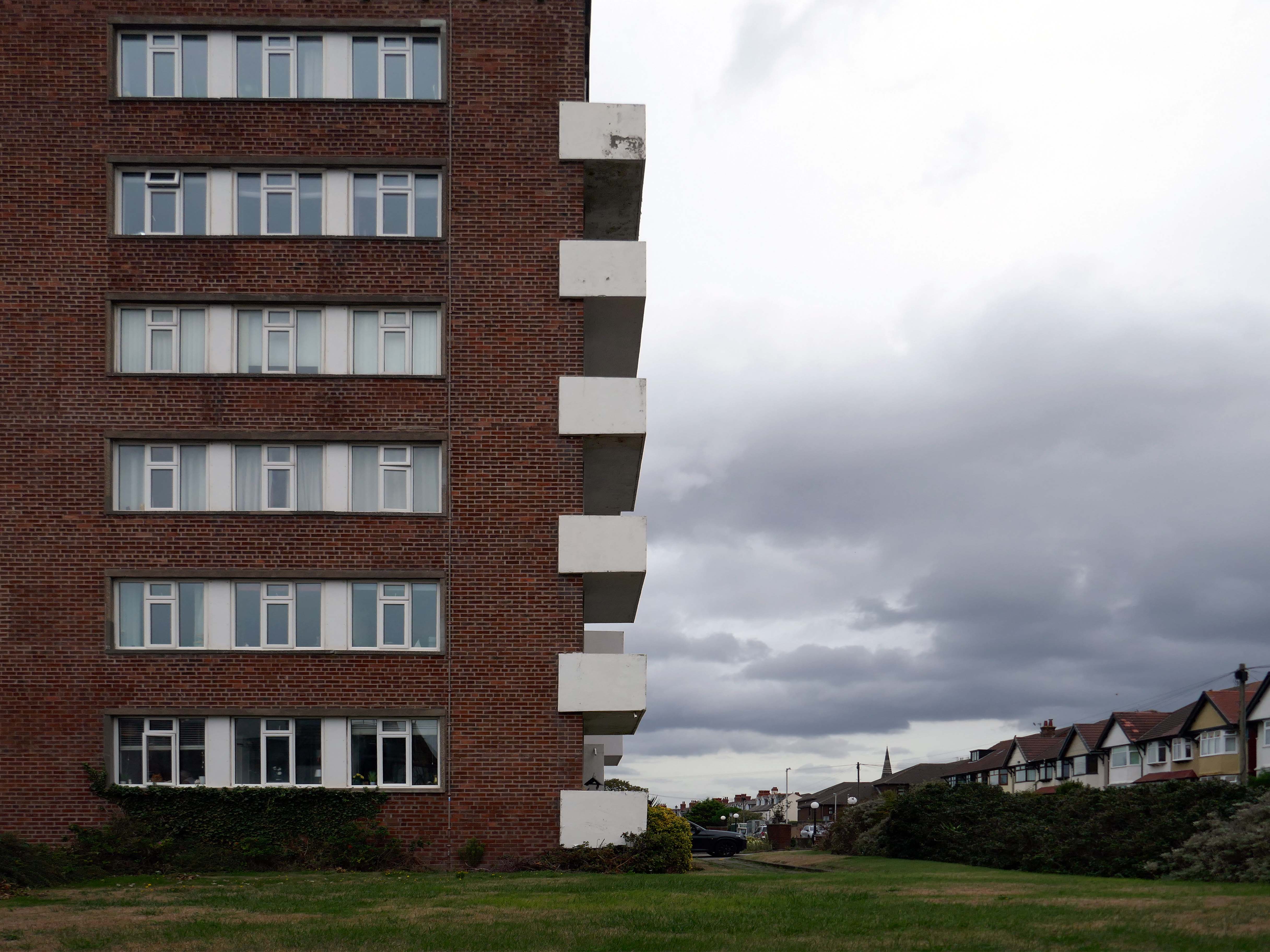
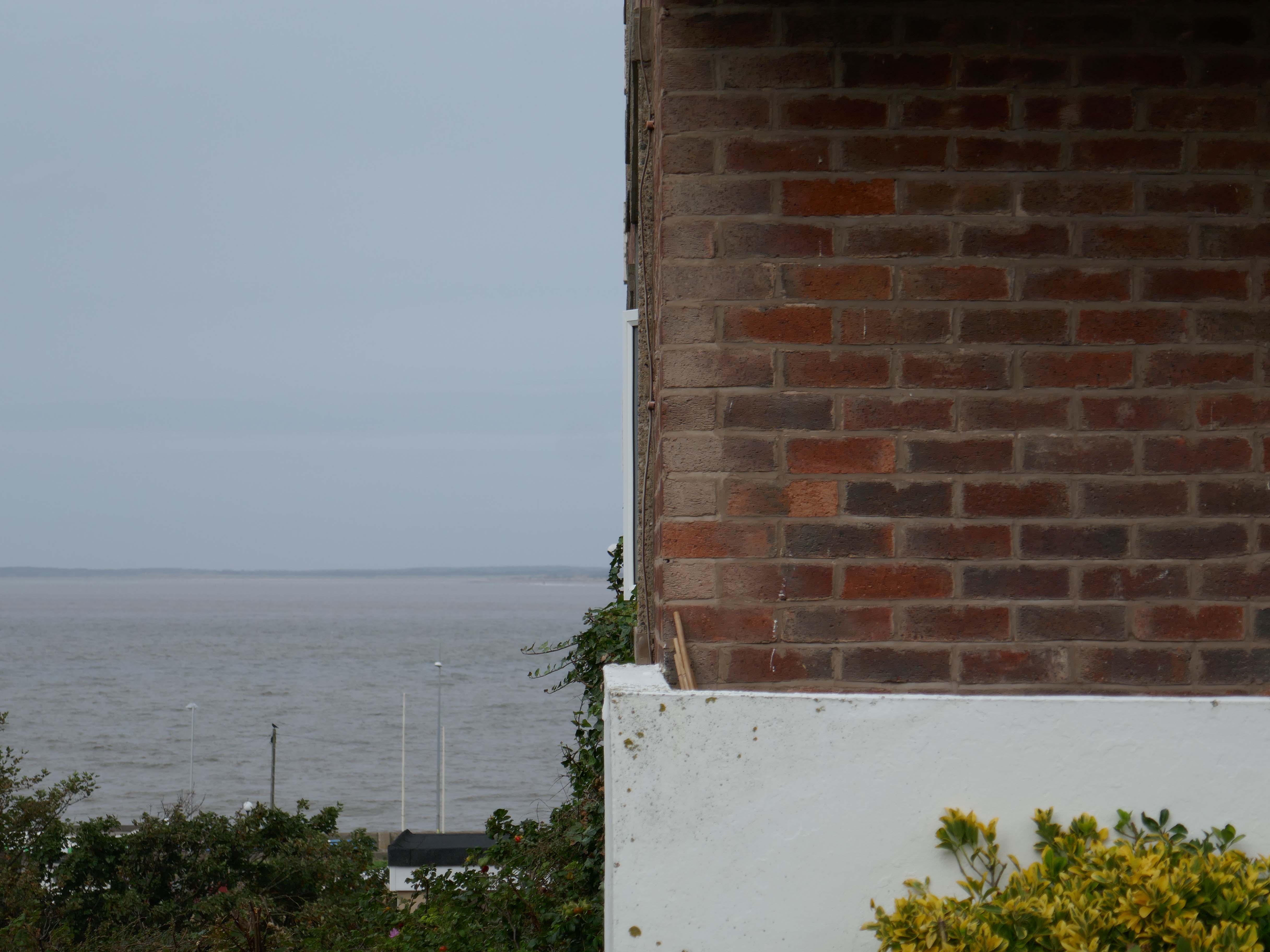
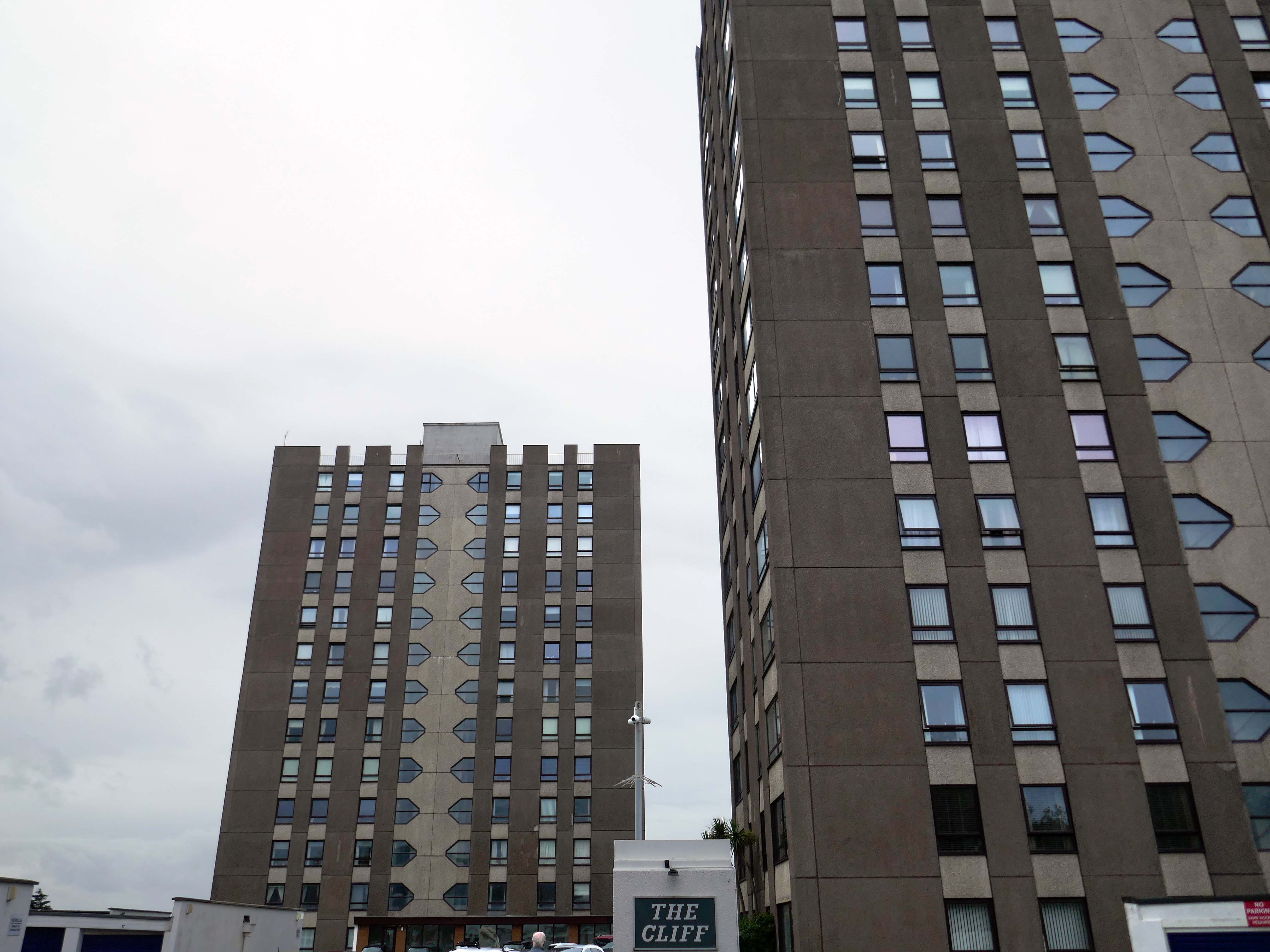
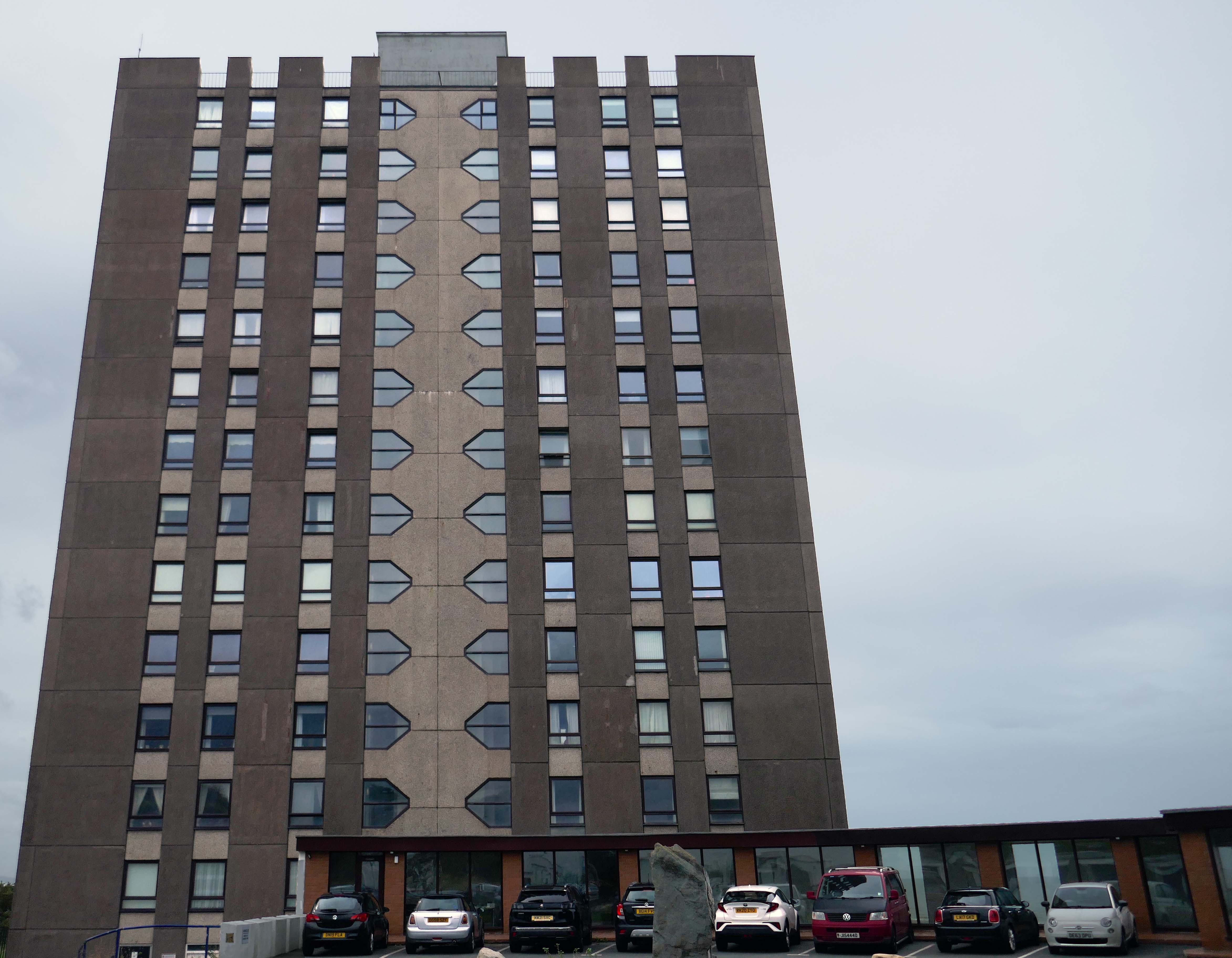
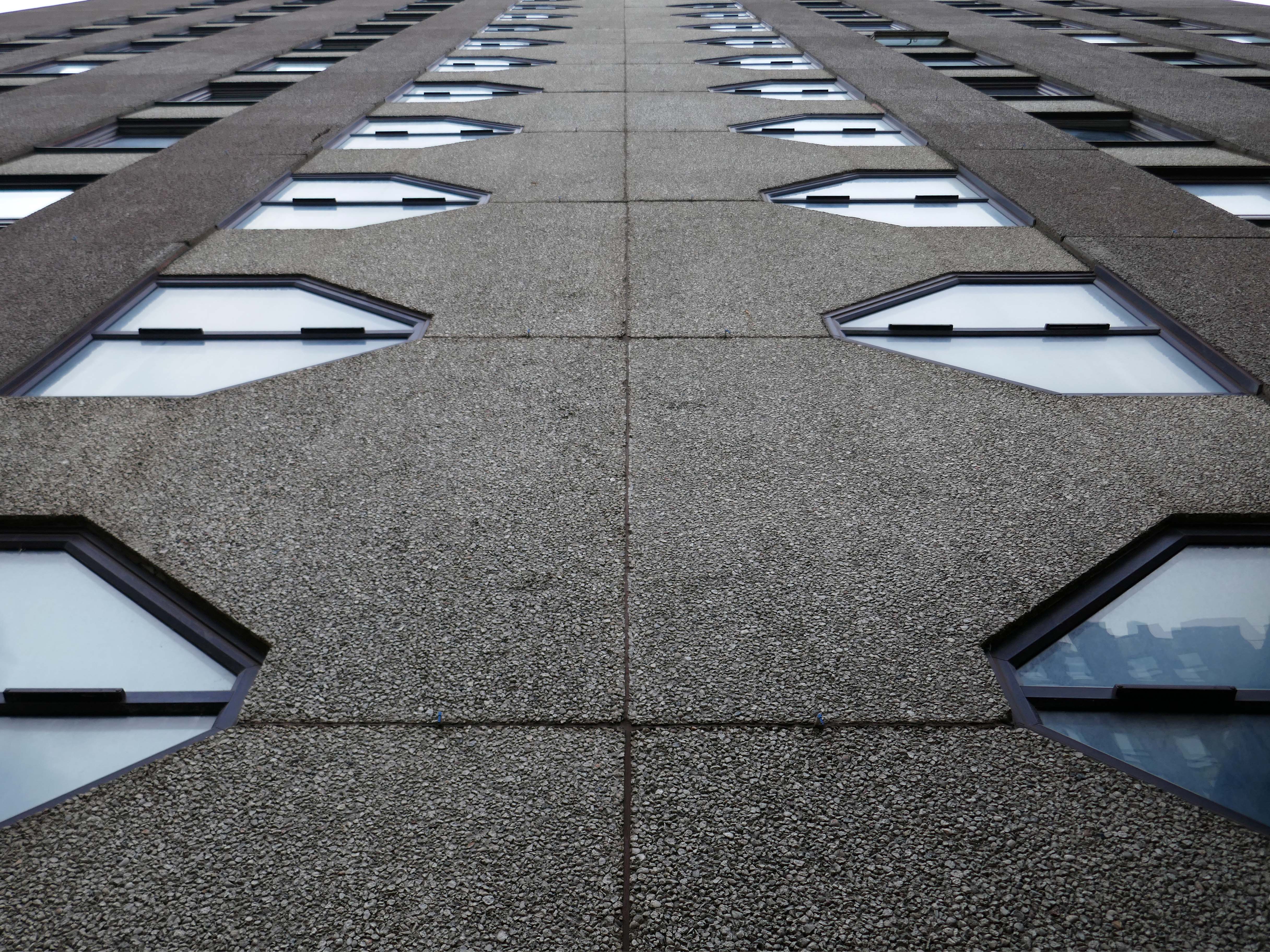
Almost high on a hill overlooking Liverpool Bay, and the Irish Sea on the edge of the Mersey Estuary, there stands two separate private high rise housing developments.
Portland Place interwar Seaside Moderne, built between 1938 and 1939.
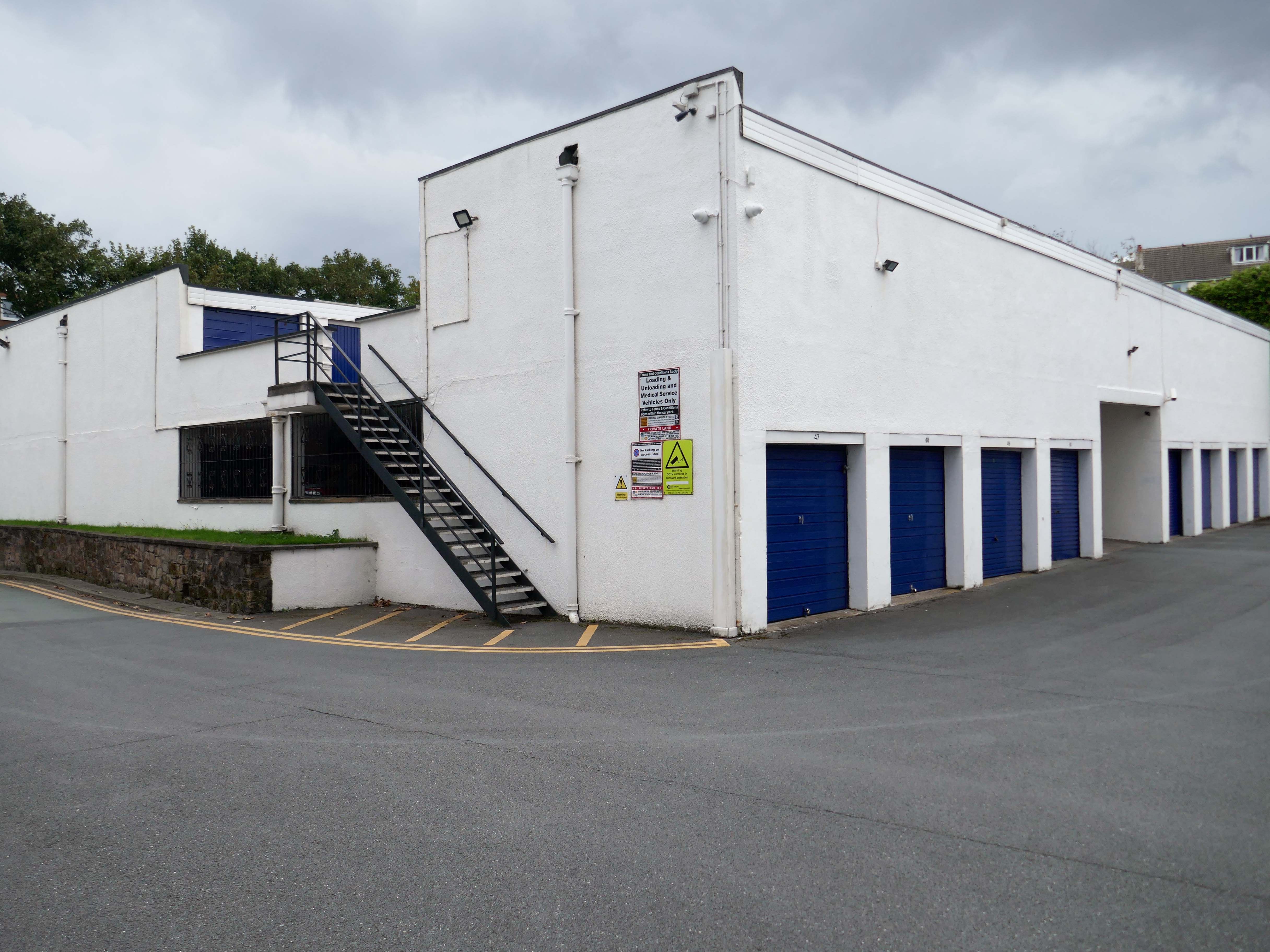
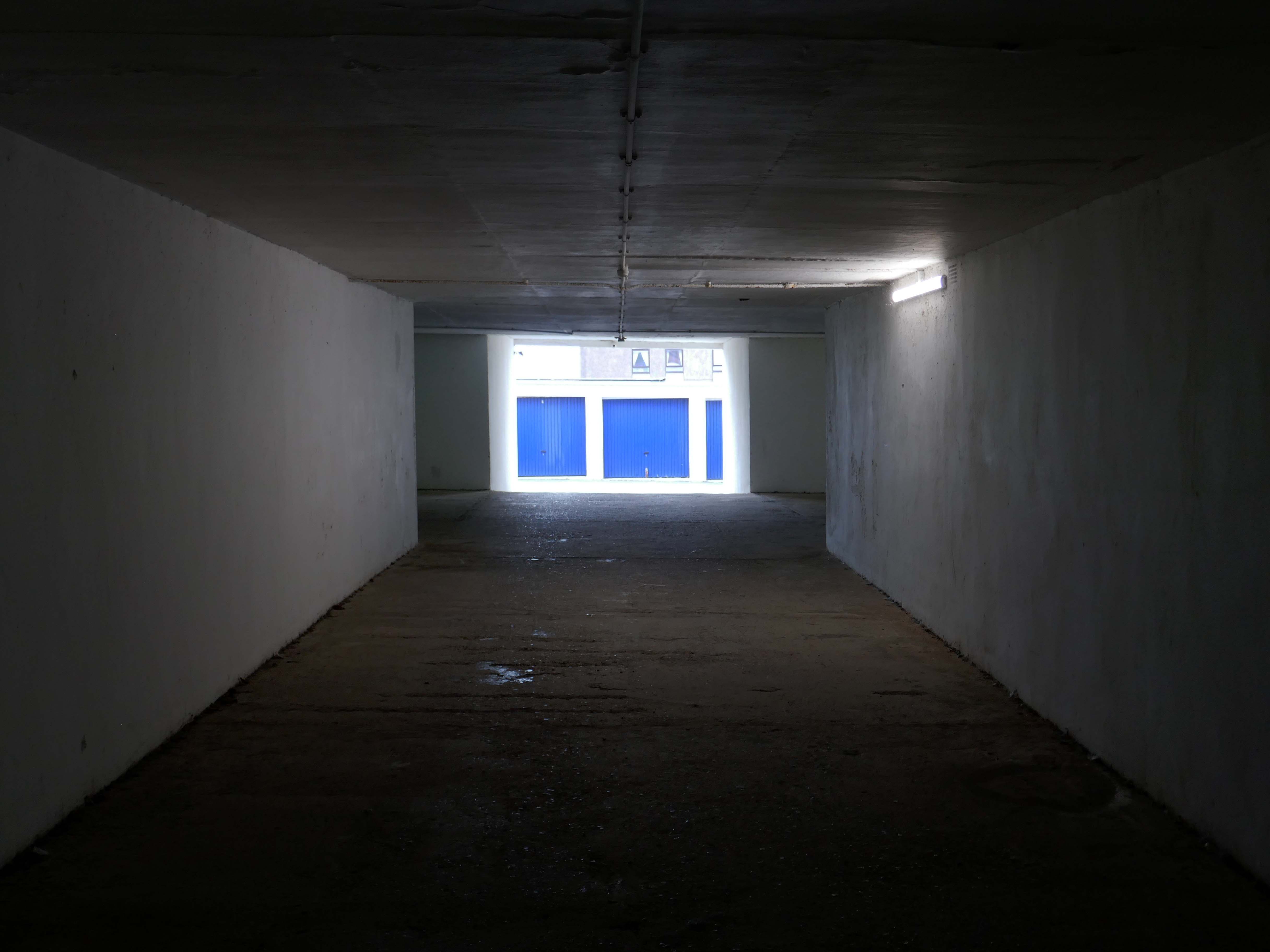
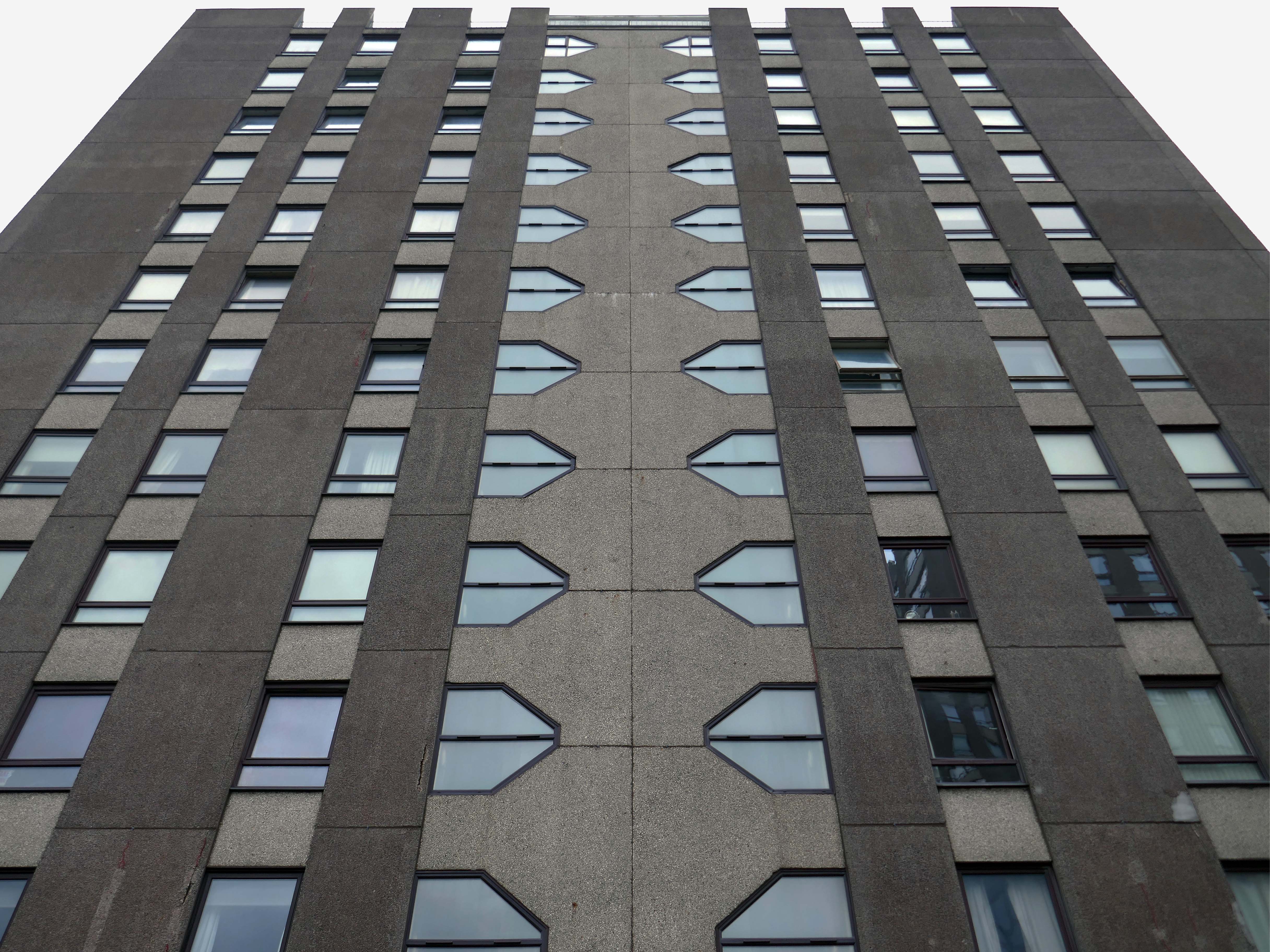
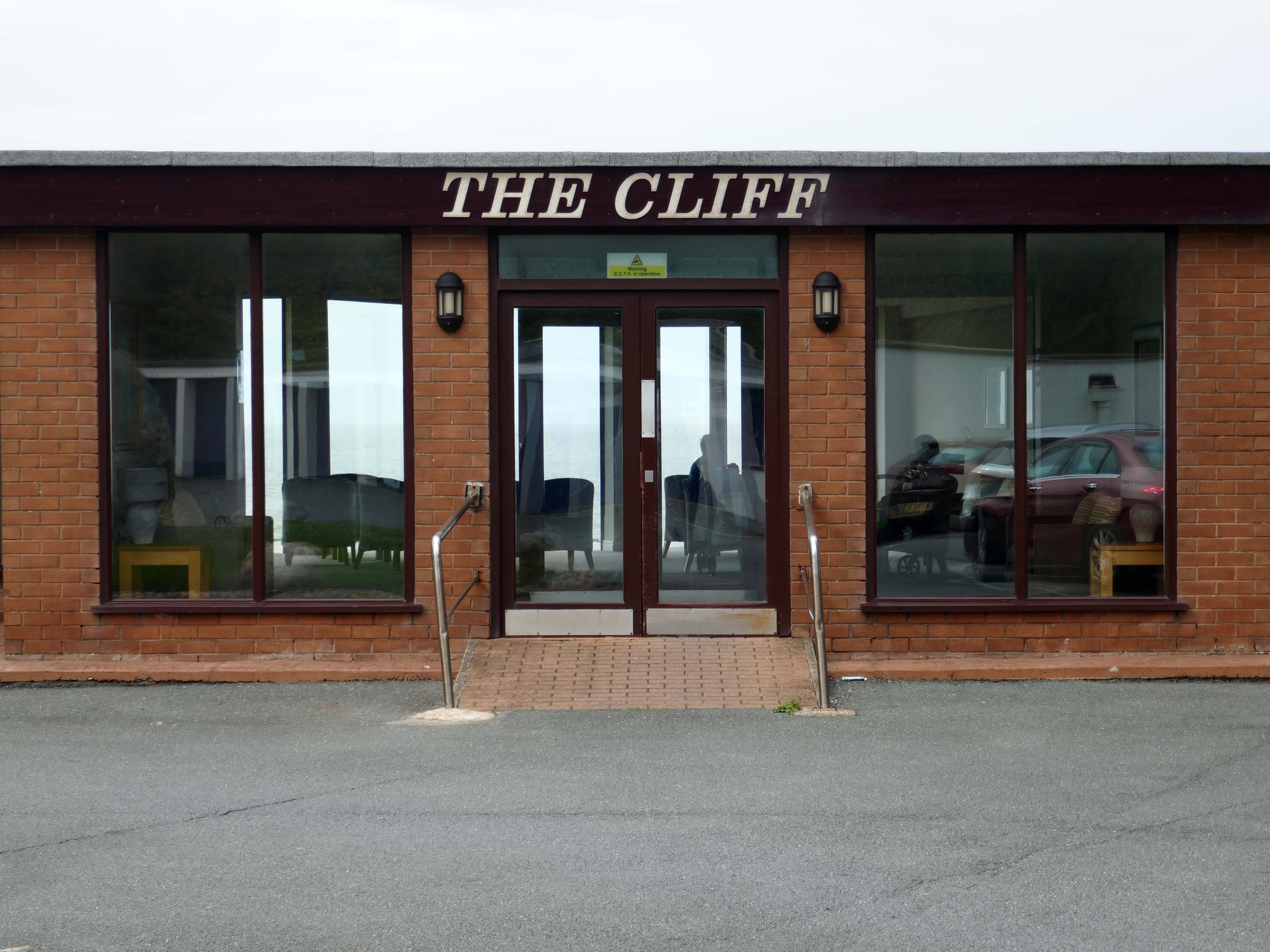
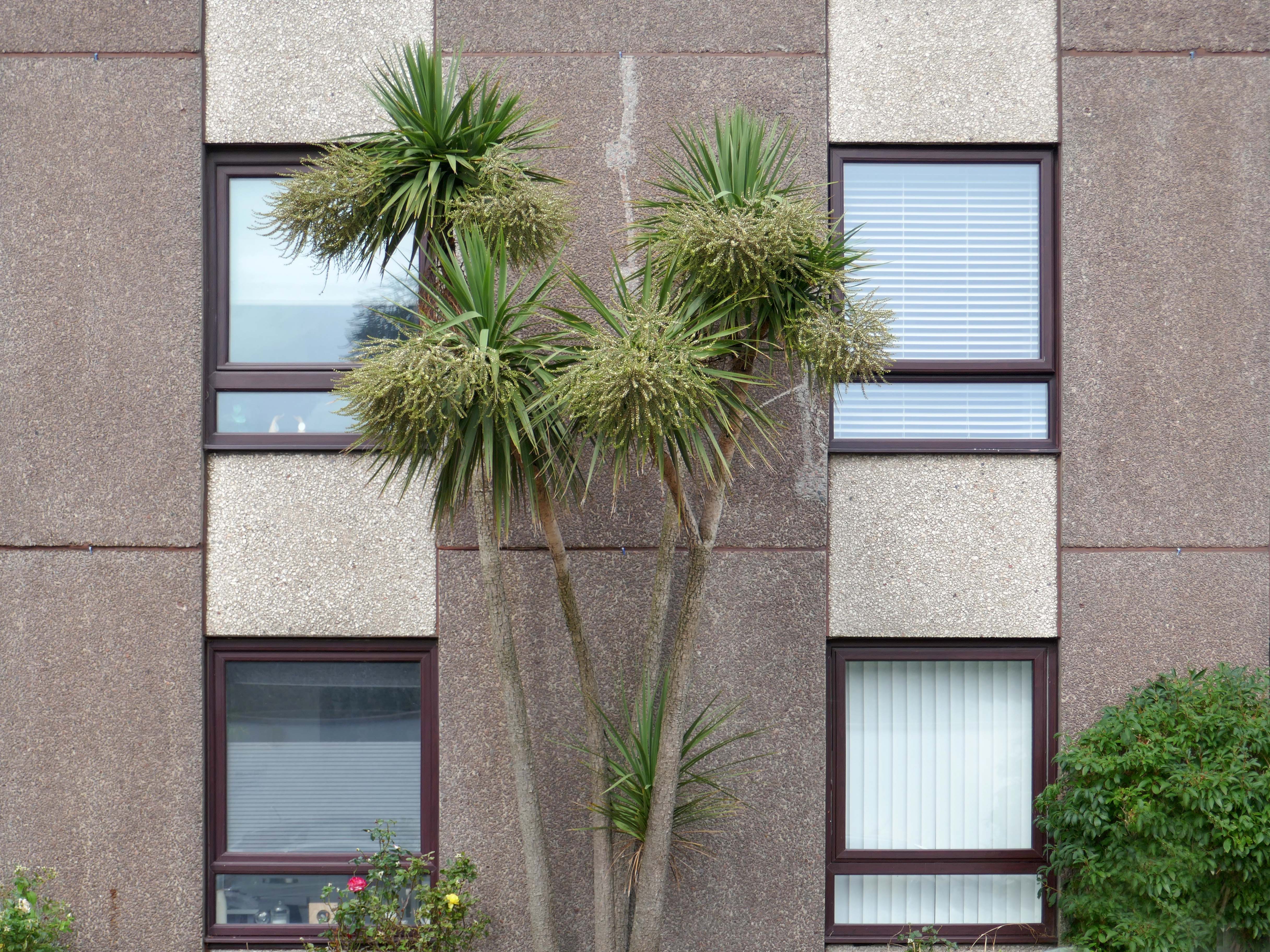
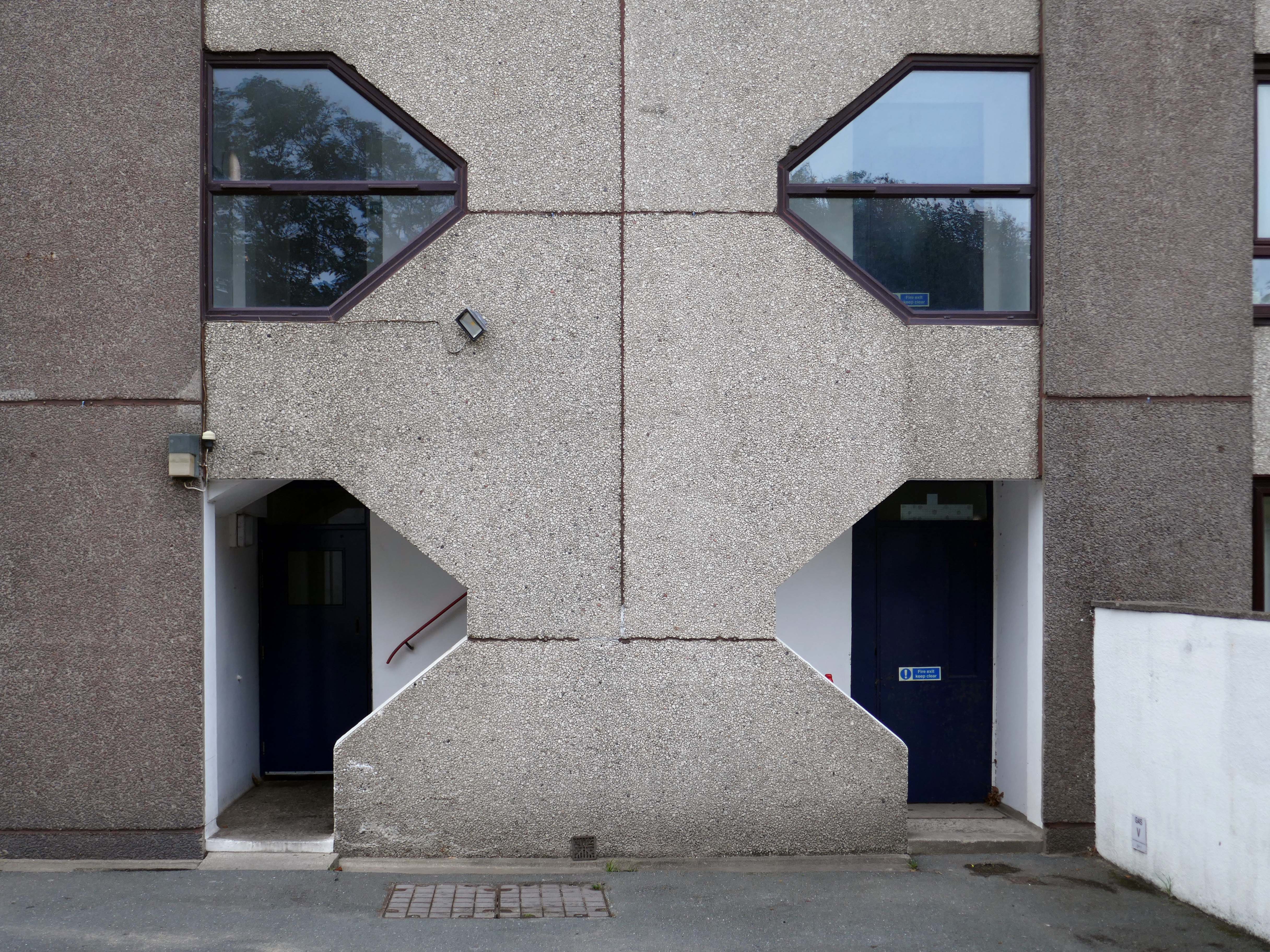
Further along the road The Cliff – two Seventies high rise blocks, with double decker garages.
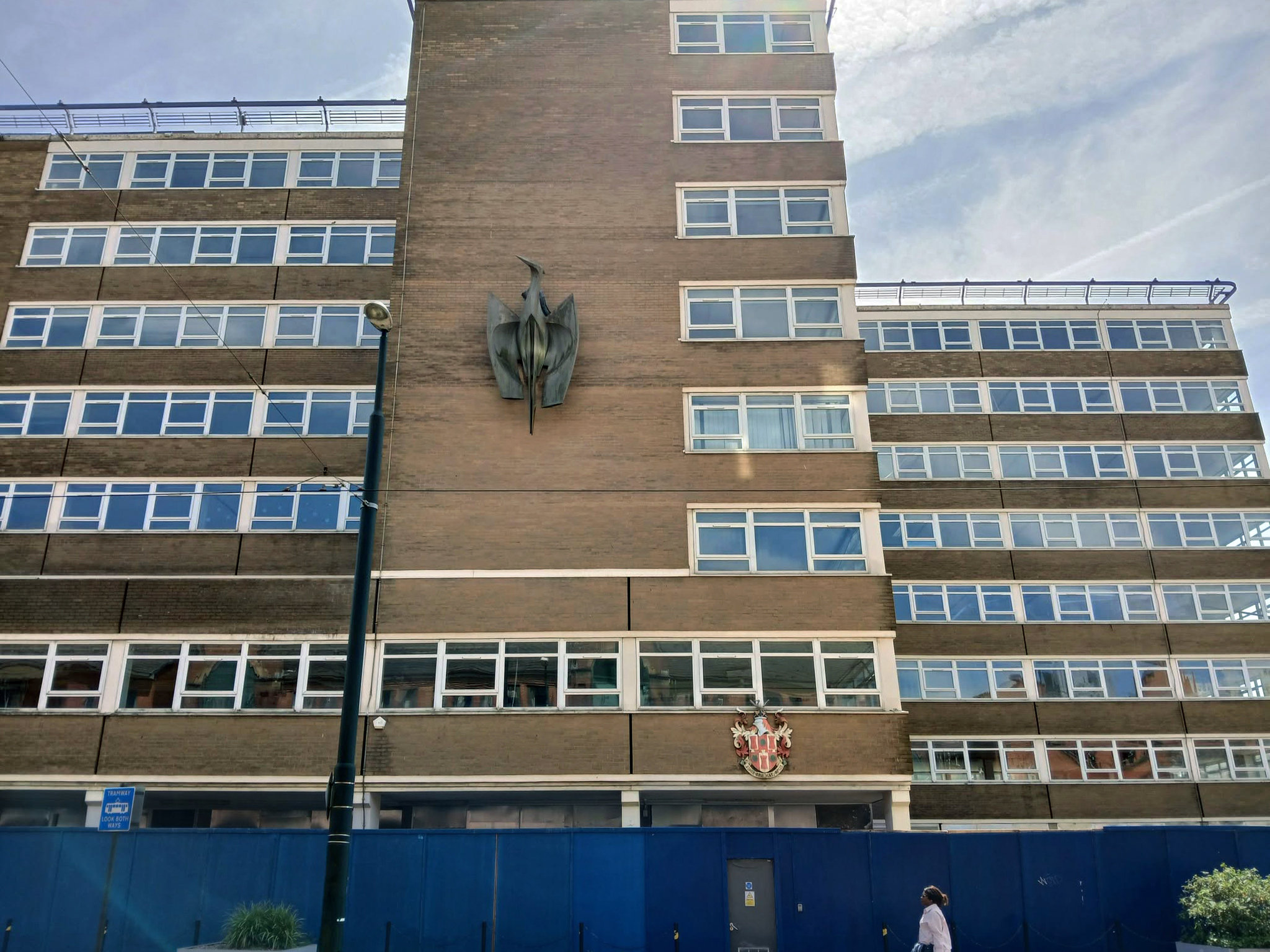
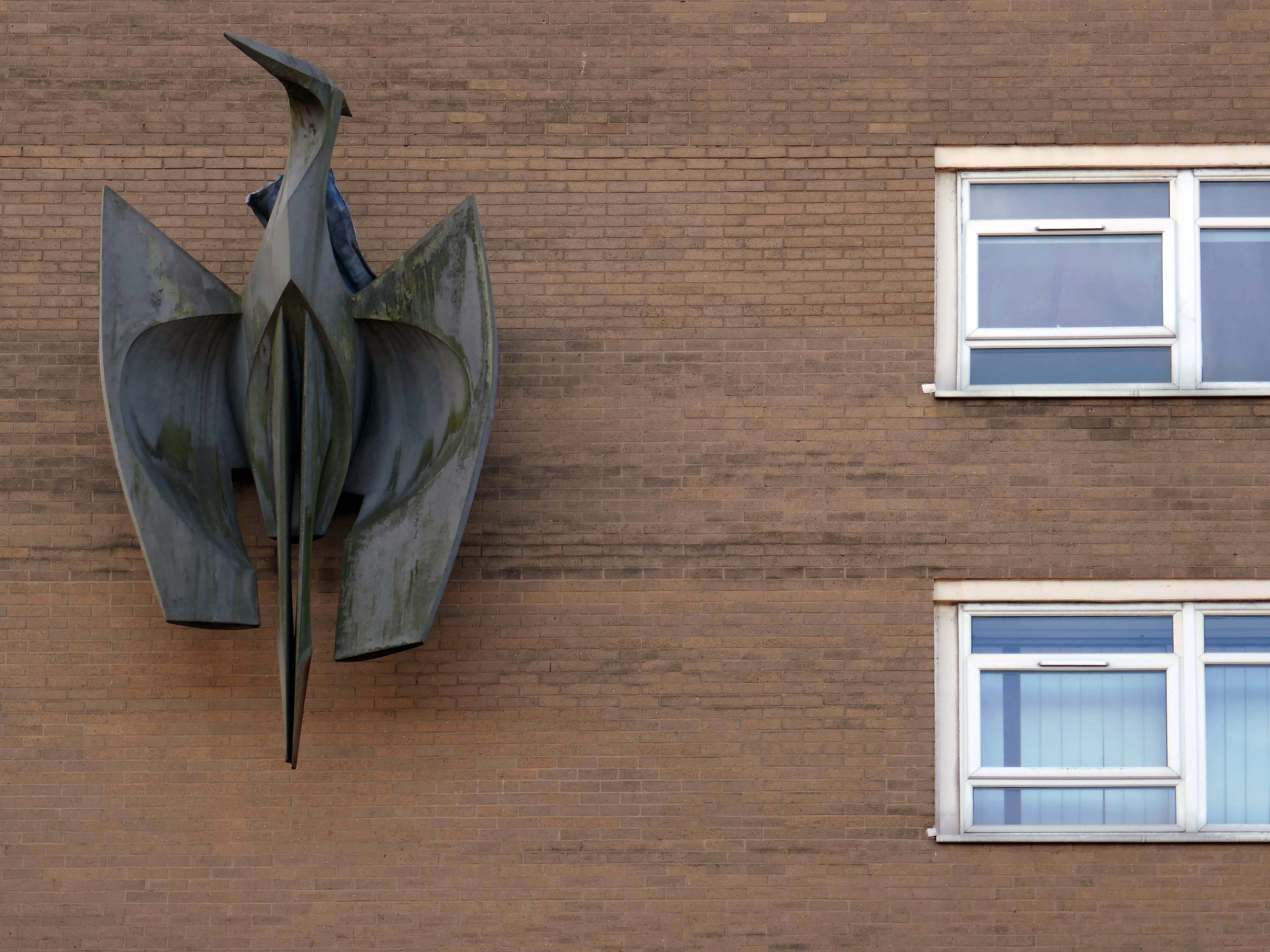
Back tracking toward Phoenix House – with its implausible heron.
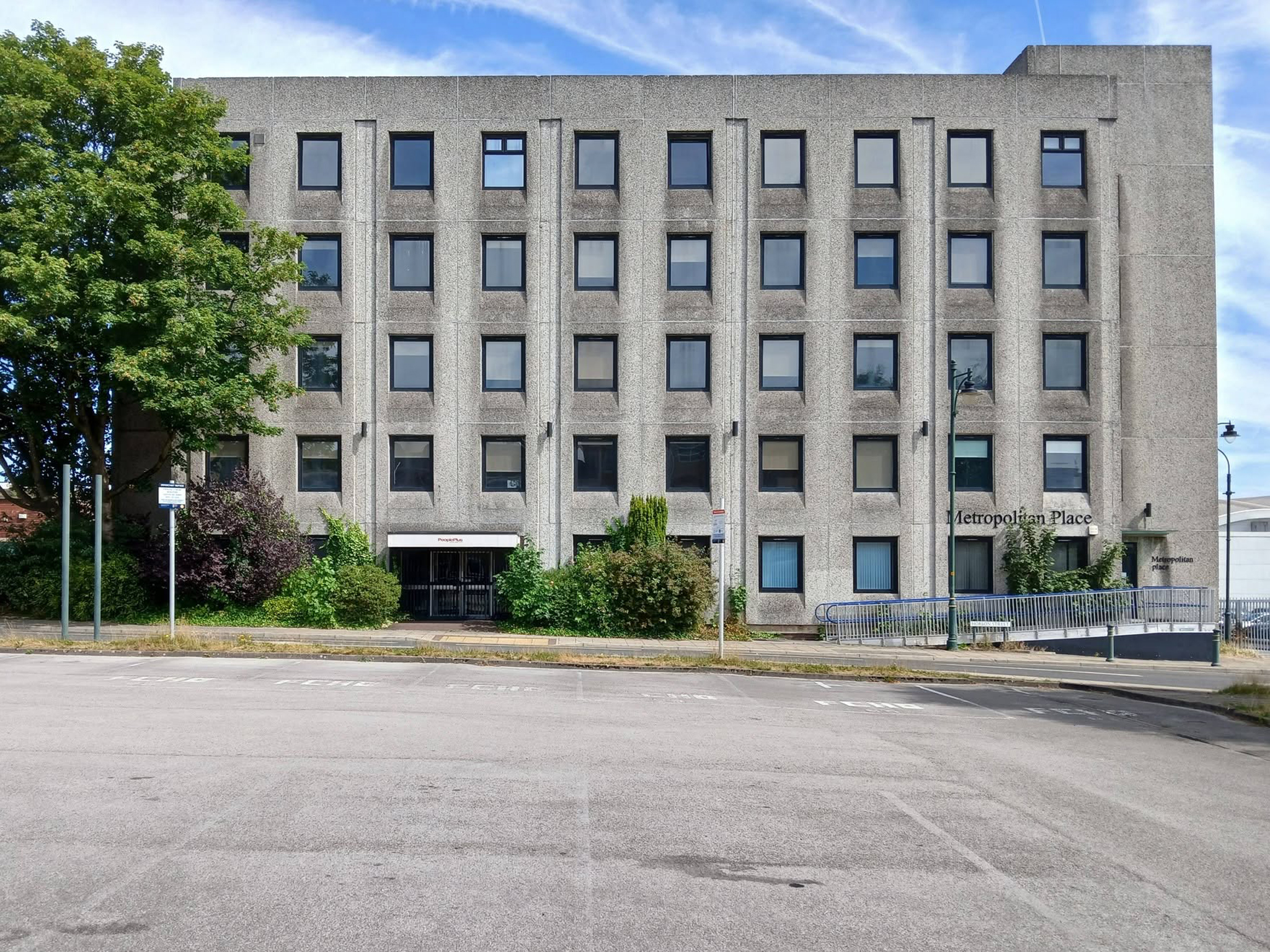
It’s been four years since the Department of Work and Pensions left their Union Street office and eighteen months since plans were submitted to turn it into eighty two flats.
However, apart from hoardings being installed around the building, there doesn’t appear to have been much movement at the site – at least not legally.
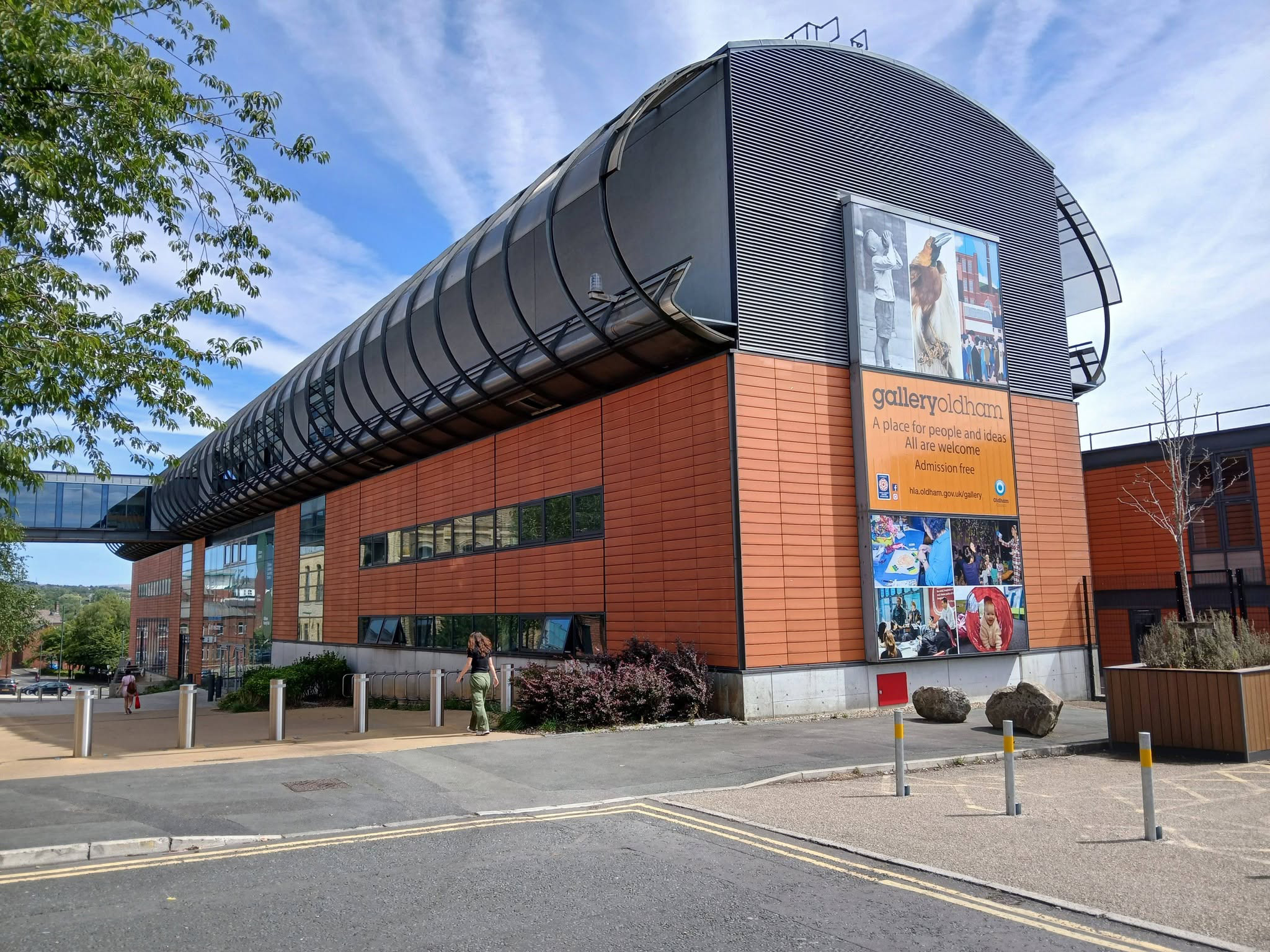
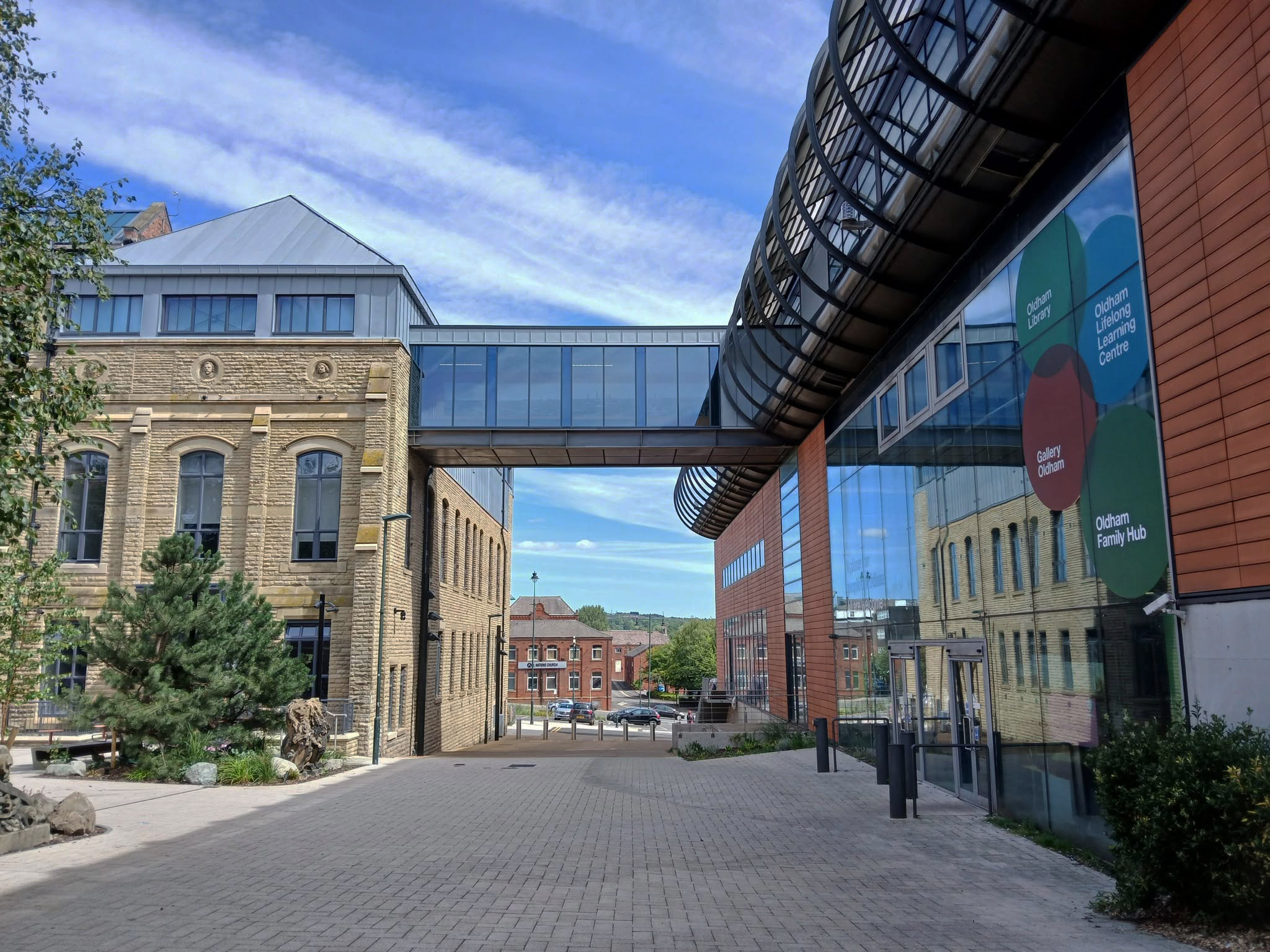
Linking to the older Library and Art Gallery 1883 T Mitchell with sculpture by JJ Milson.
Today the building has been restored to include the Council Chamber and Mayor’s Dining Room, public exhibition spaces and a new home for Oldham Theatre Workshop.
The Old Library is one of the earliest examples of an ashlar faced, in-situ formed concrete multi story building.
Take a turn up Greaves Street and here’s a faience clad Victoria Housea former Billiard Club 1912 Winder & Taylor – subsequently the hall was used as council housing offices and a college before becoming vacant.
Oldham Boxing moved into the building in 2011.
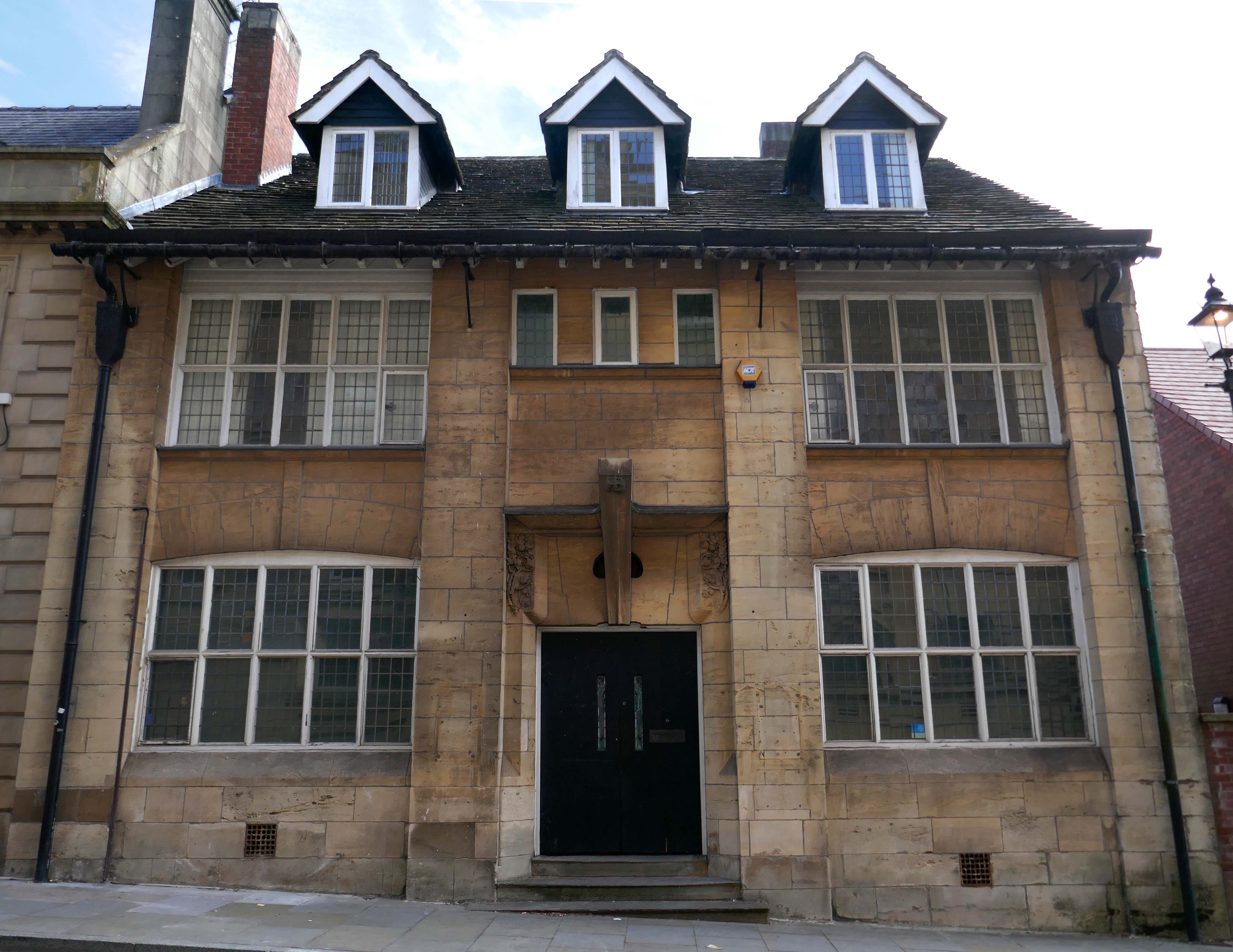
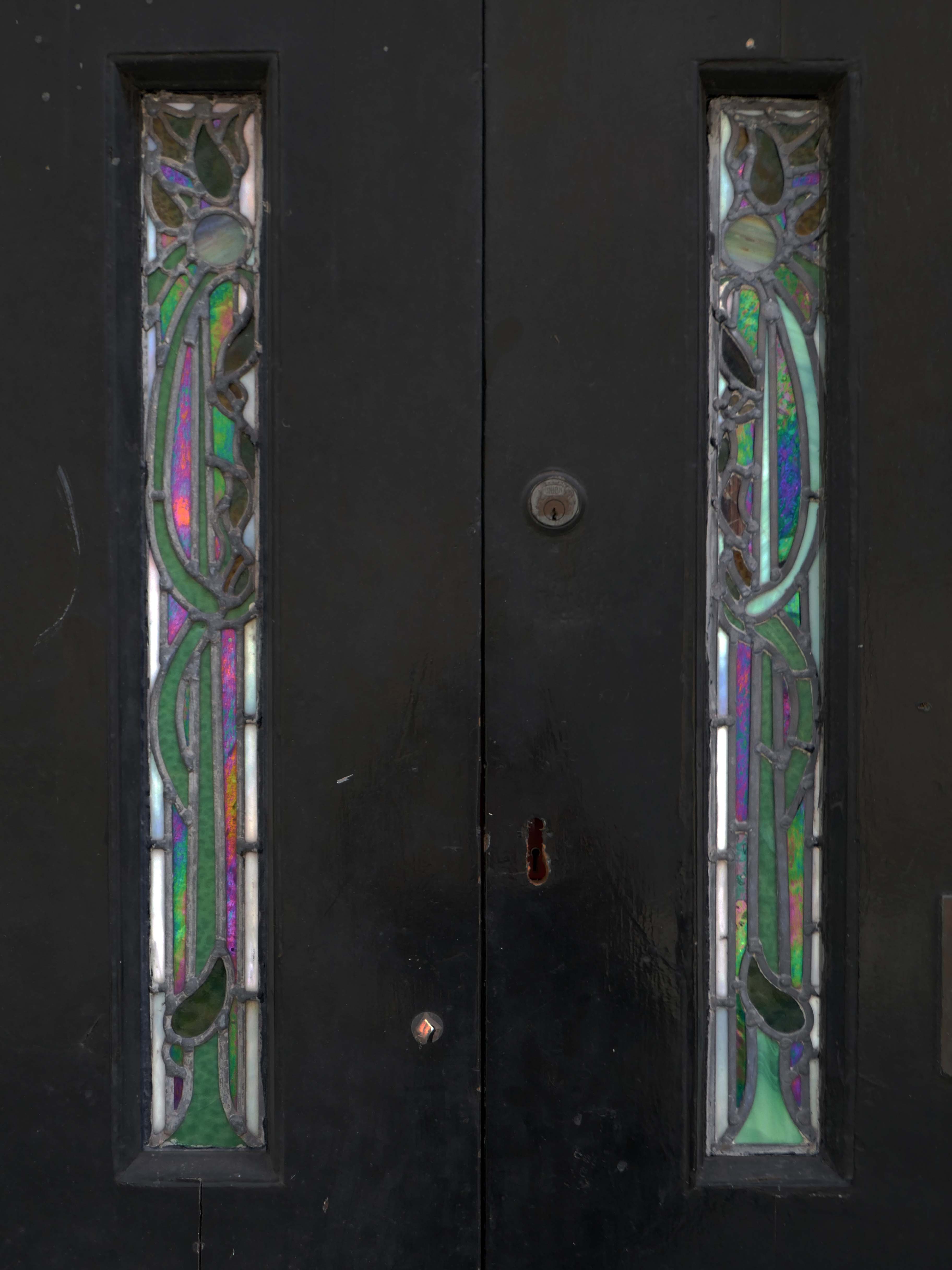
Next door a Ponsonby And Carlile Solicitors Office 1902 Edgar Wood – Grade II Listed.
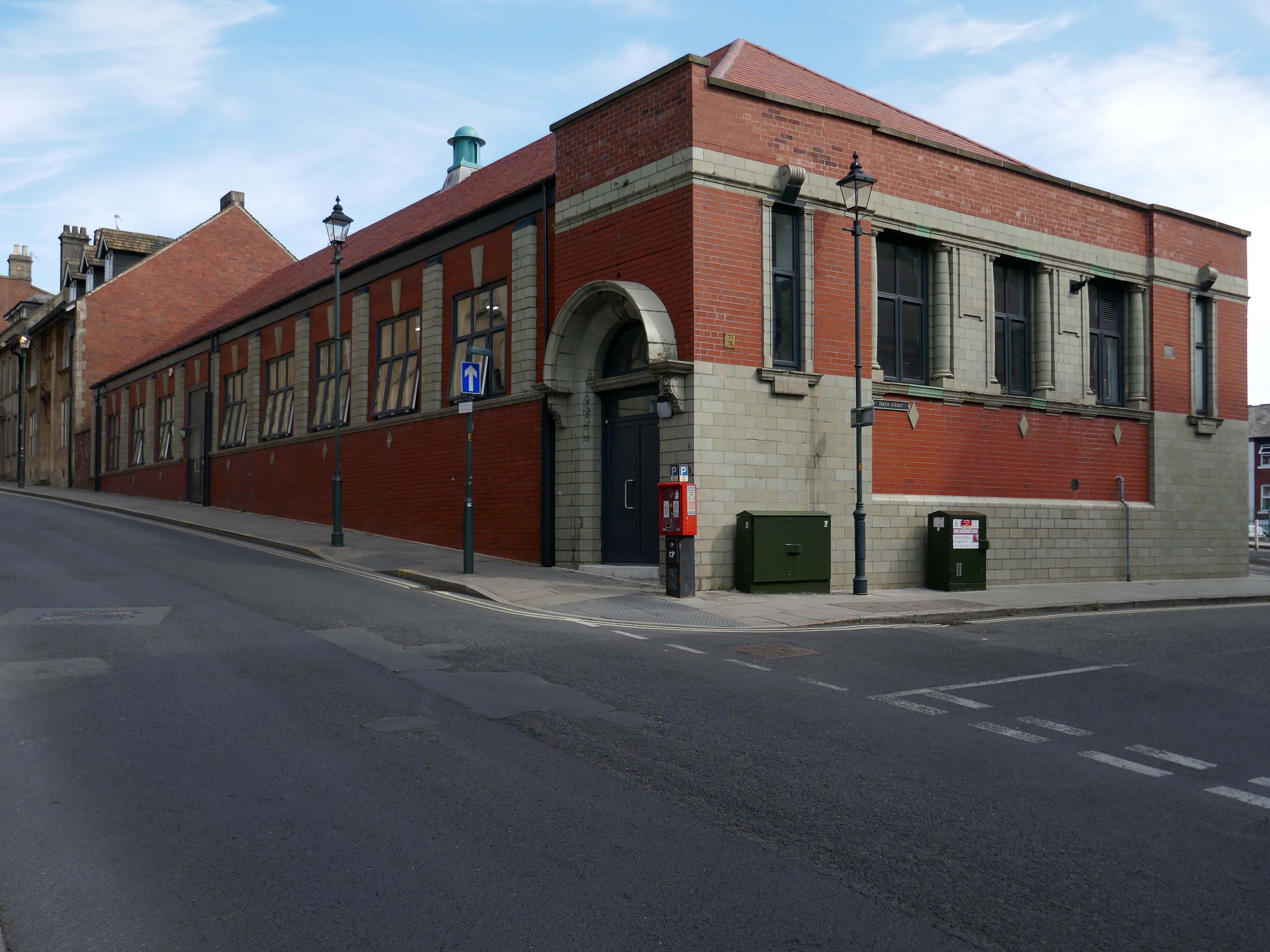
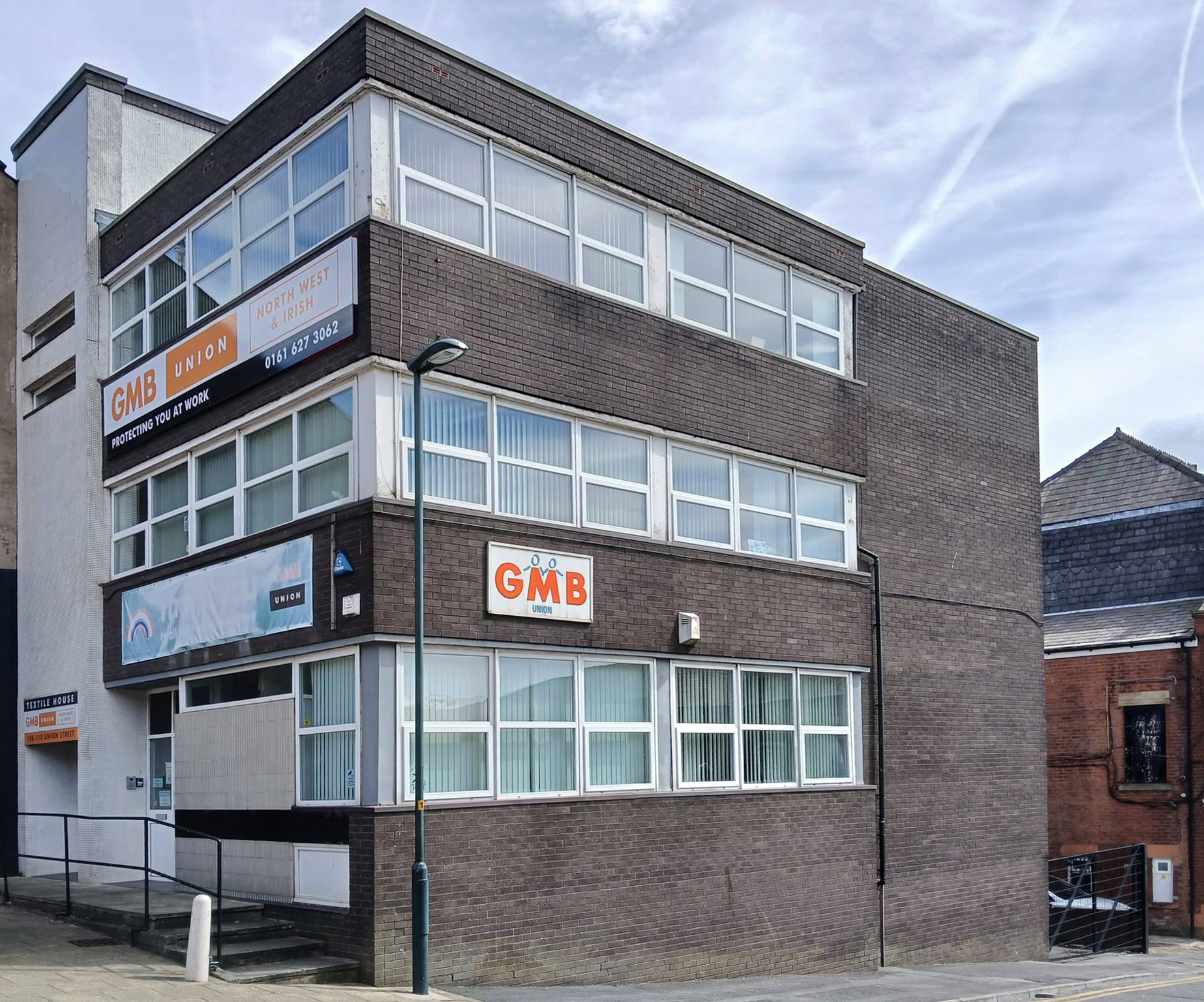
Back now onto Union Street and the GMB Offices.
Onwards to the former Oldham Evening Chronicle
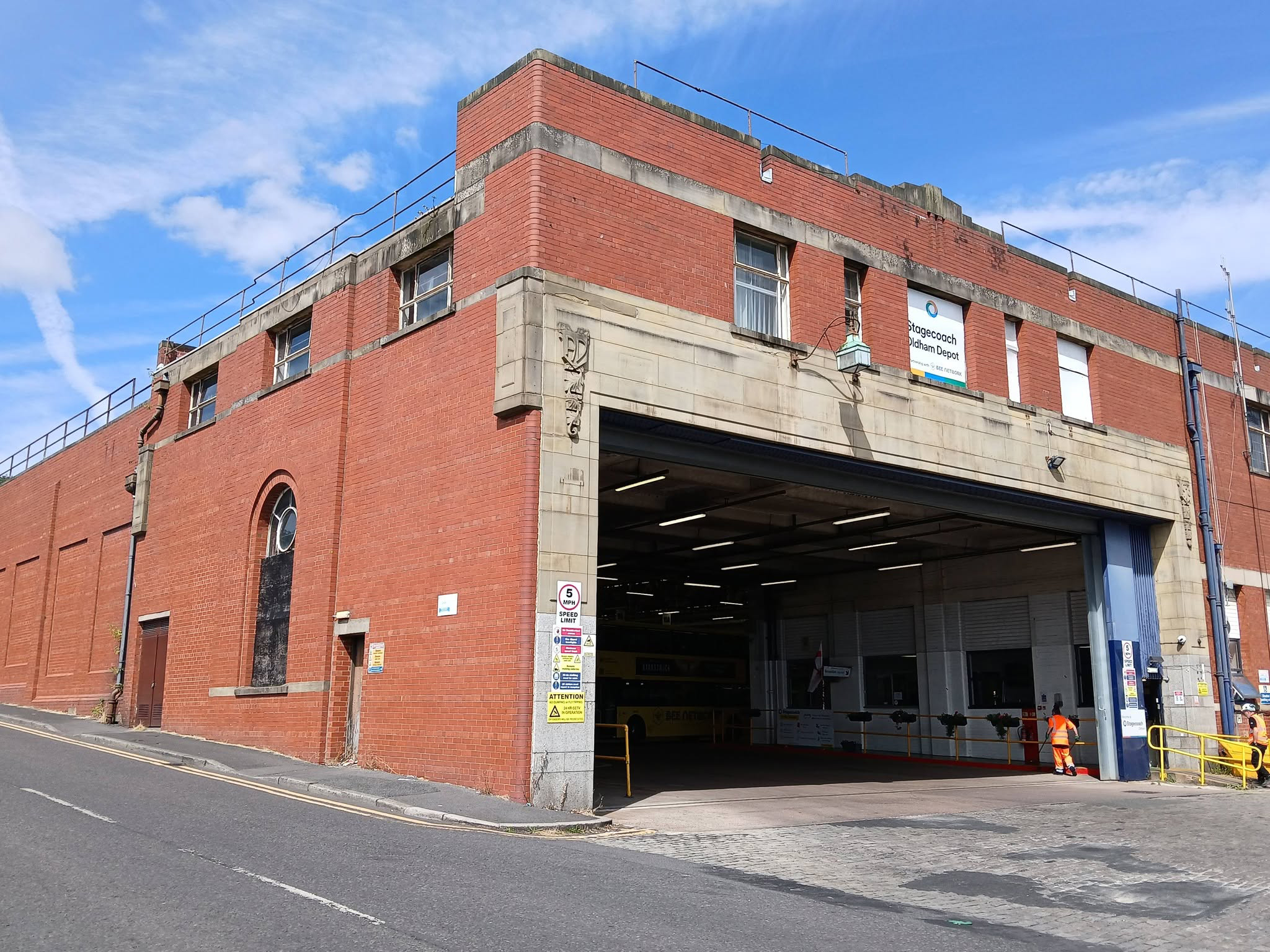
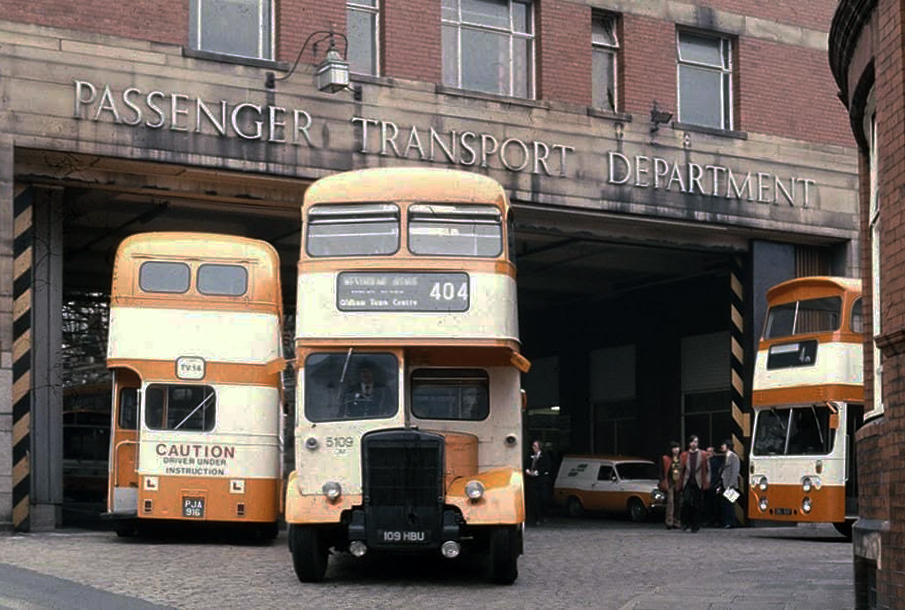
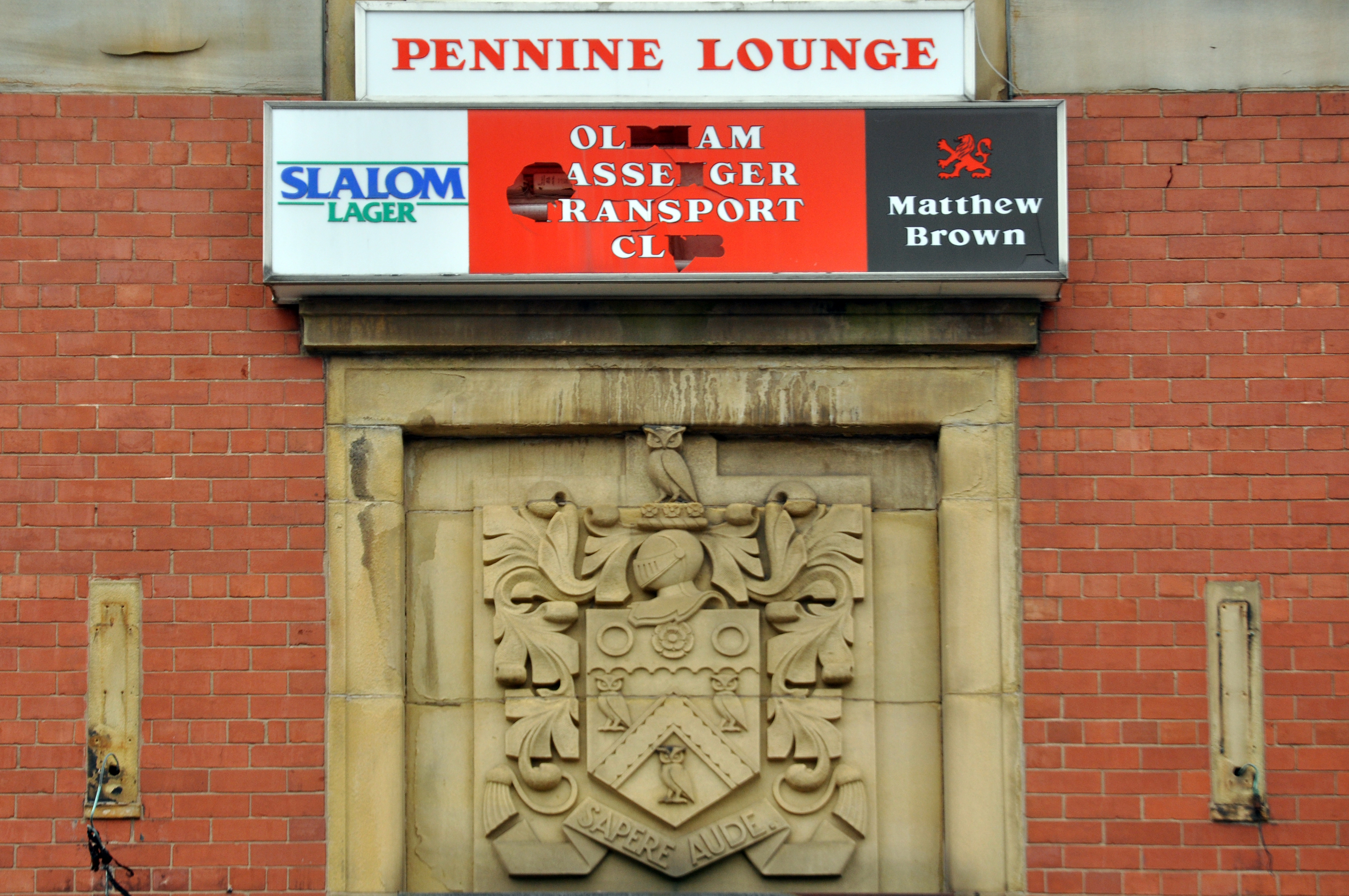
Down the hill and left to the Walshaw Street Bus Depot 1936
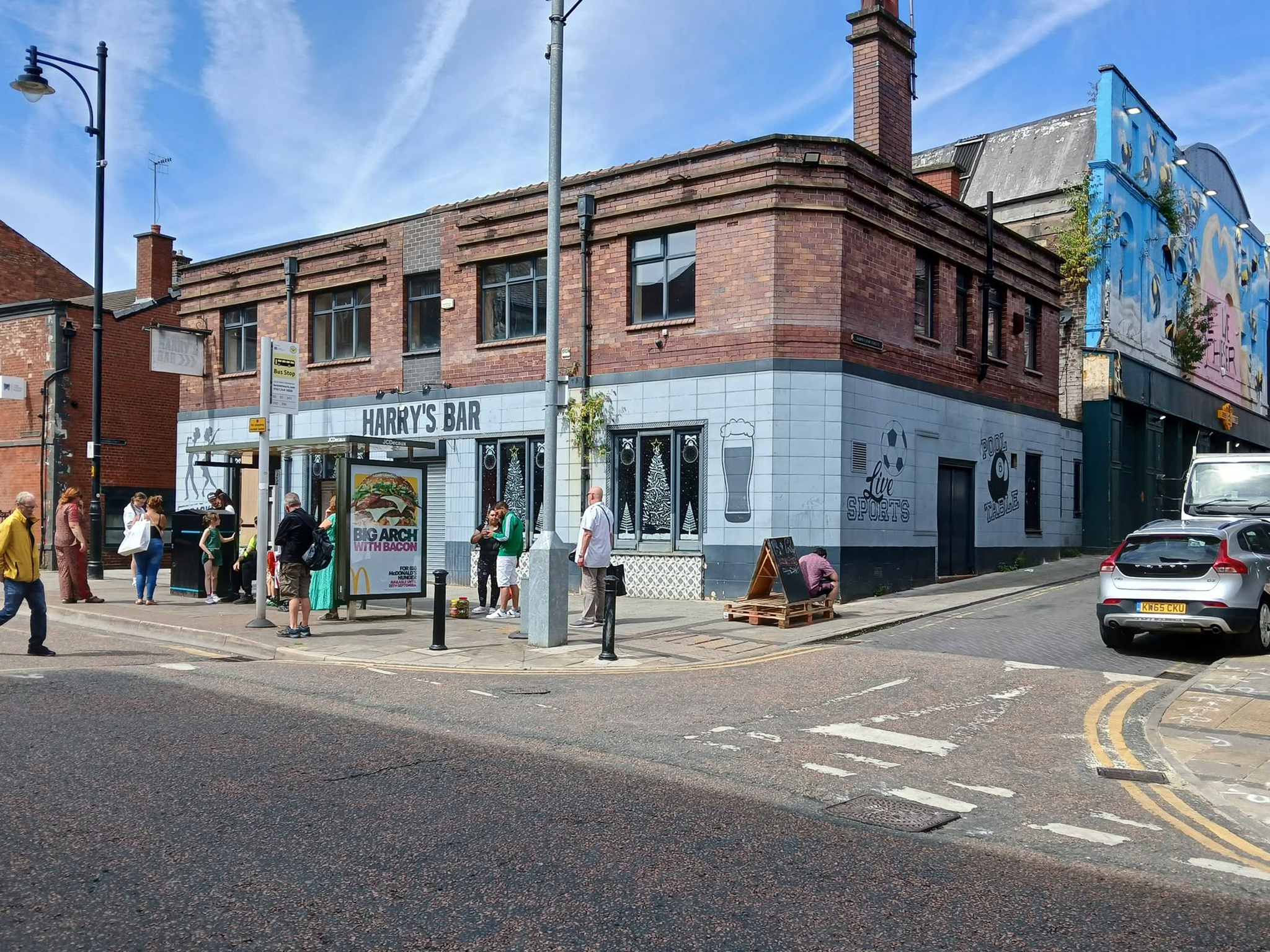
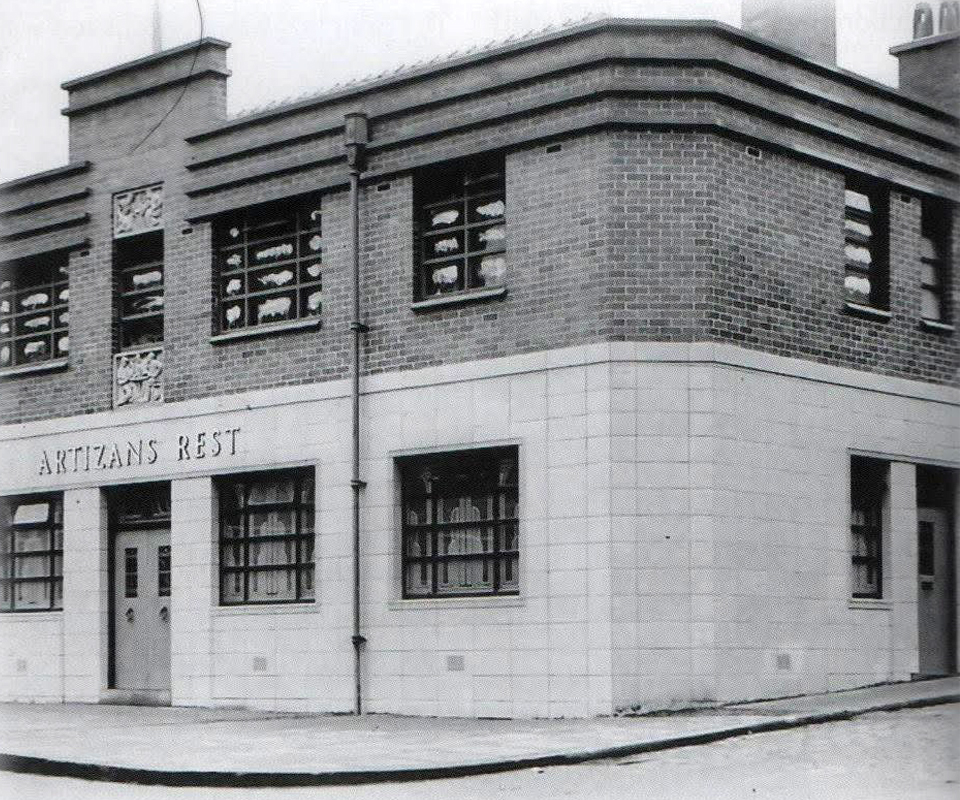
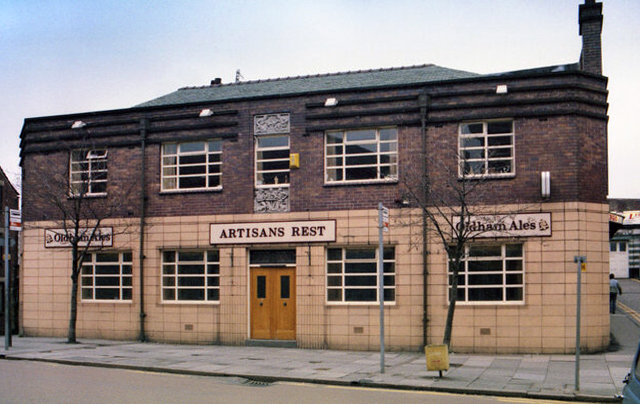
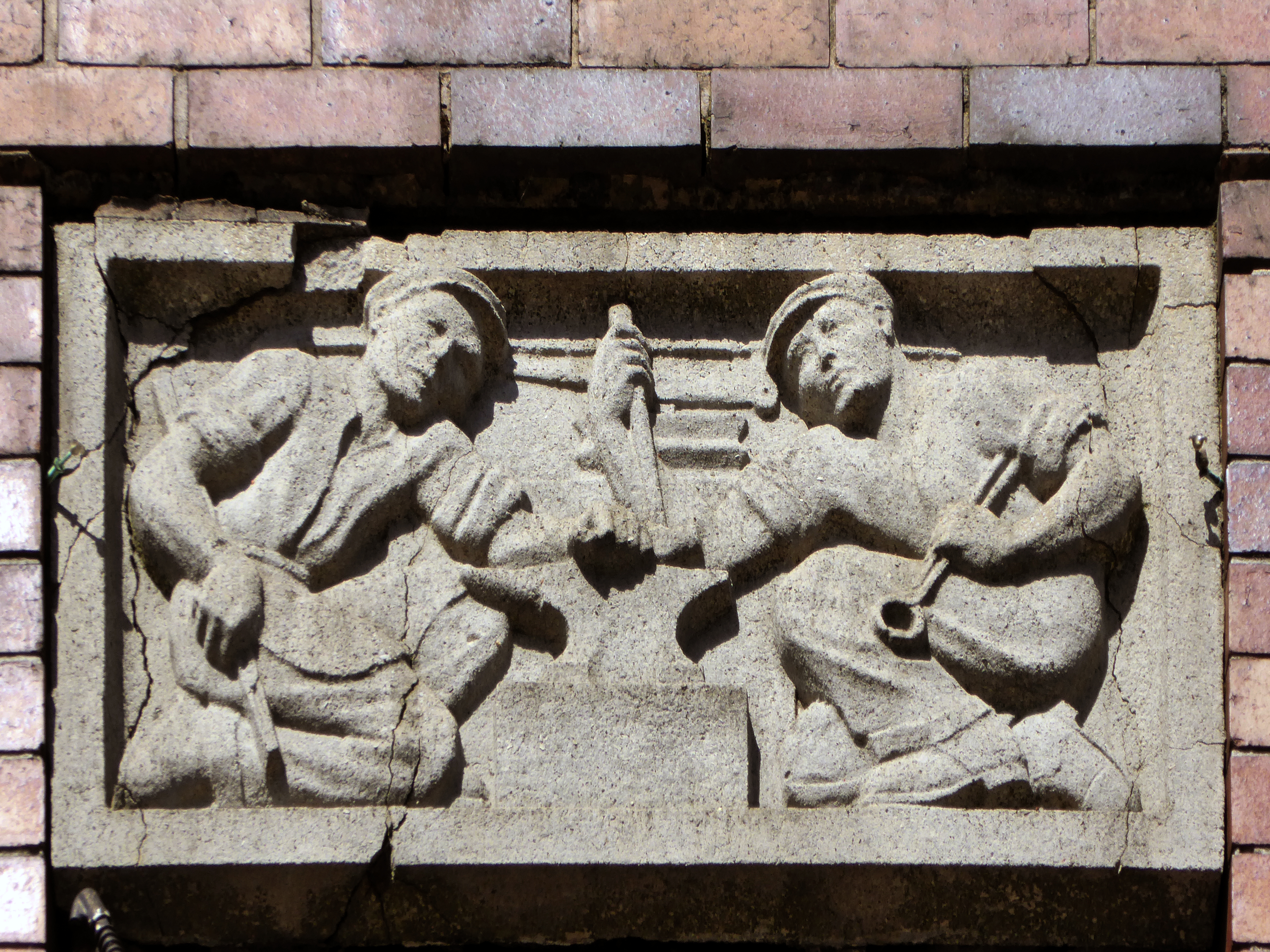
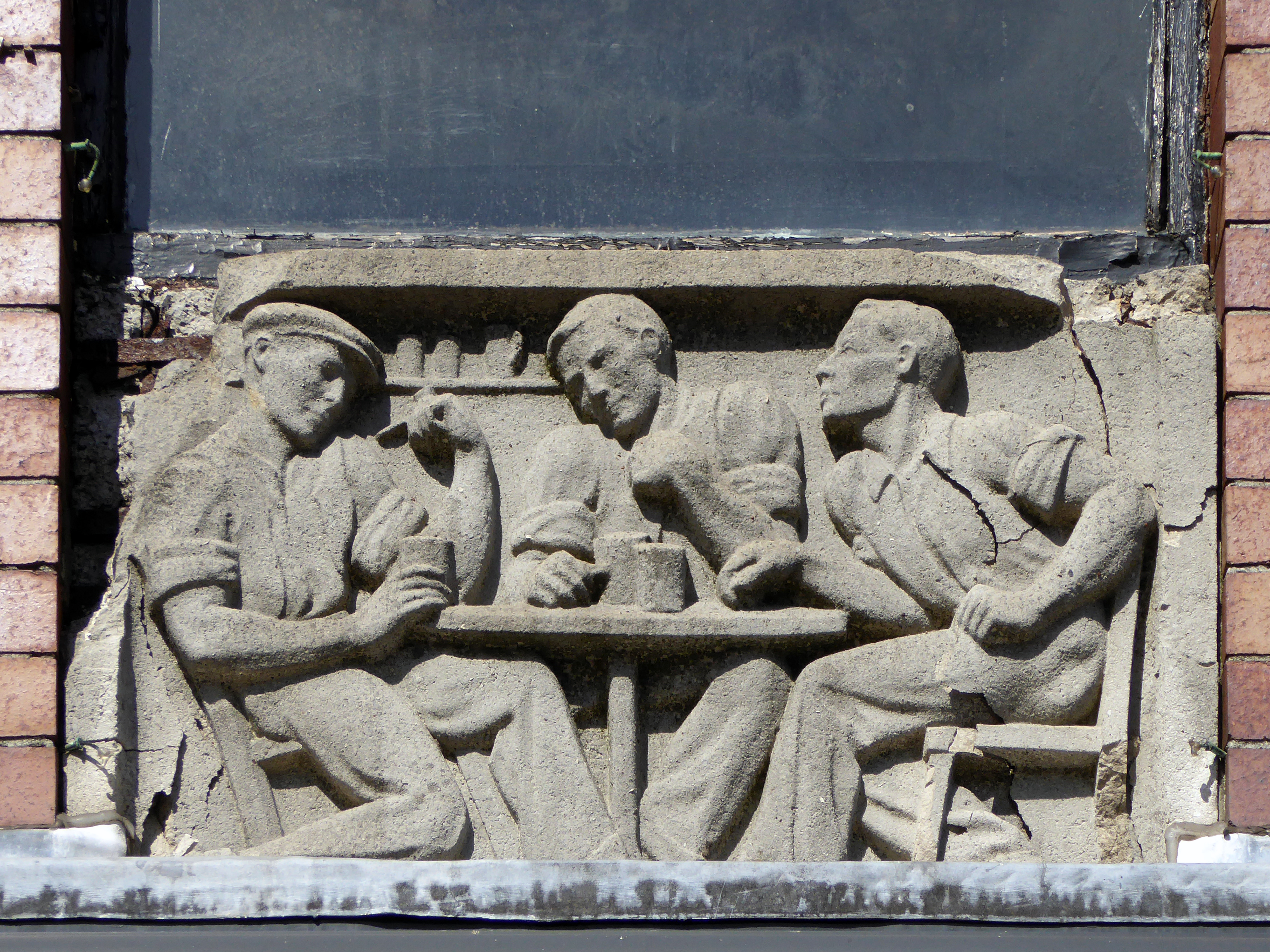
Next we head up Yorkshire Street to Harry’s Bar – formerly The Artizans Rest 1937.
Architects: CT Taylor – Roberts & Bowman.
In 2025, it was revealed by the Manchester Evening News that Oldham council planned to buy the building and demolish it with the price tag for the project reported to be £1m. The money comes from a £2.5m pot of regeneration finding given to the local authority by the government.
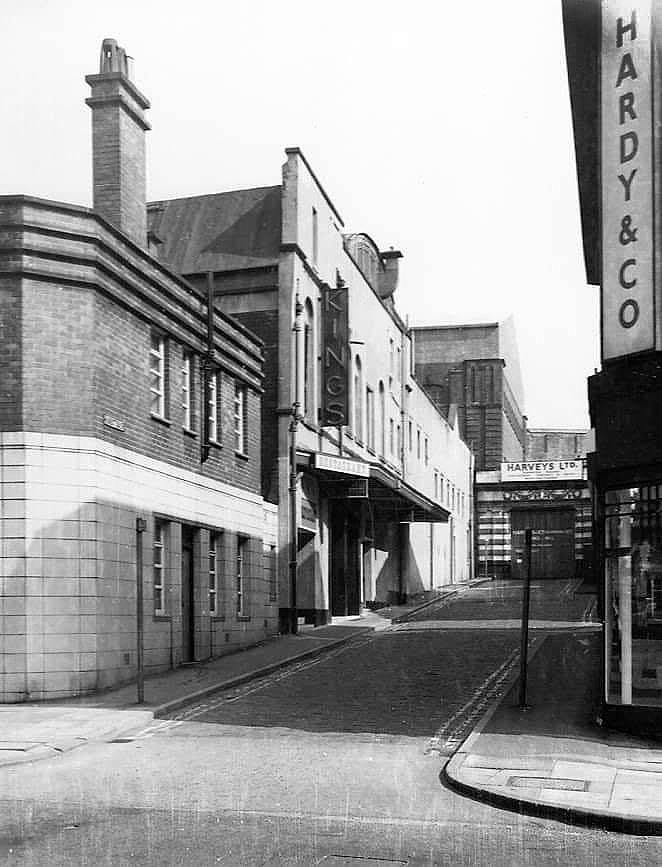
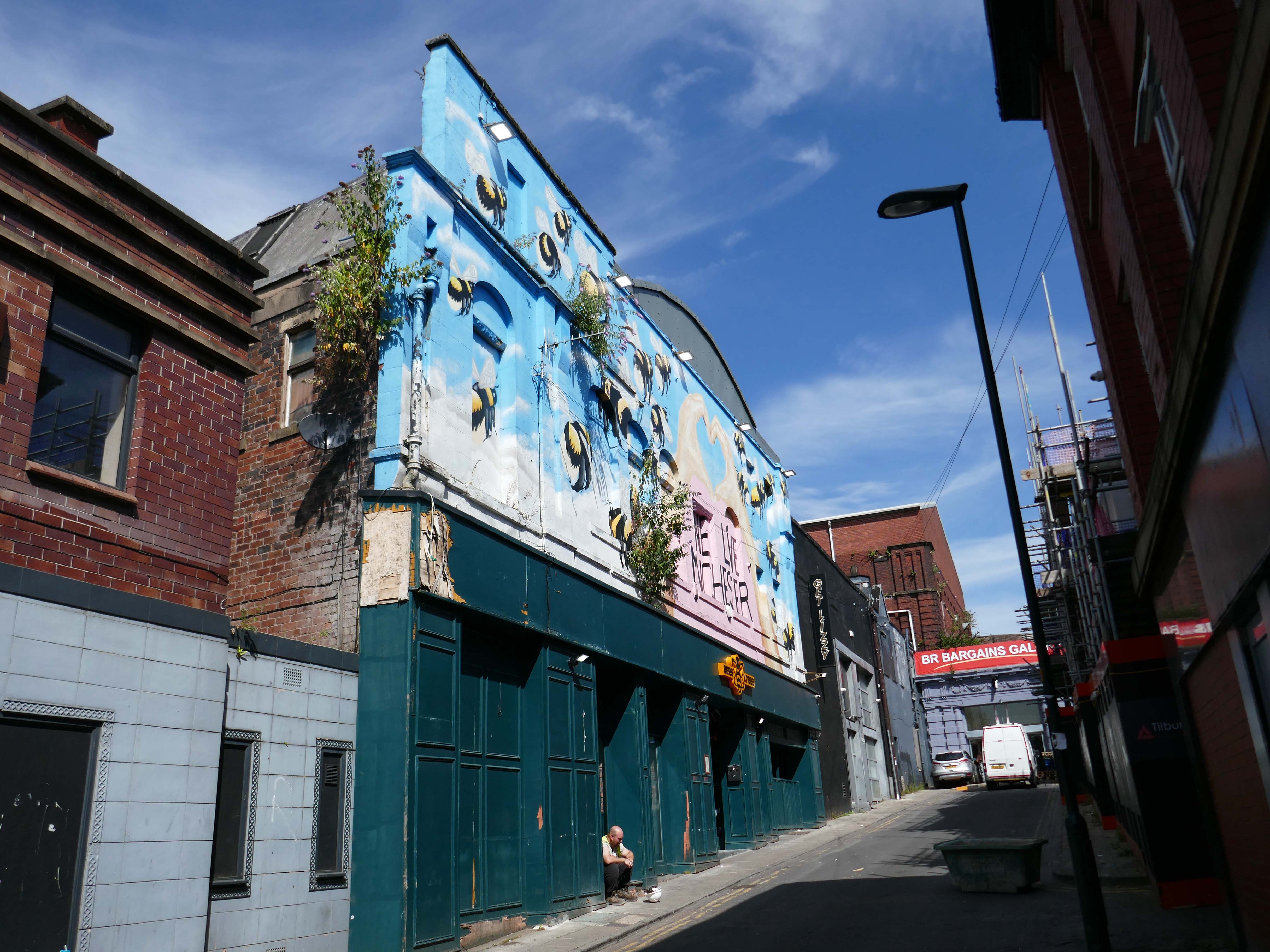
Just around the corner is the former Kings Picture Hall – currently Bees Knees.
Located in the town centre, directly opposite the Coliseum Theatre. The King’s Picture Hall was opened 18th September 1911. In October 1912 a café was opened in the building adding a further amenity to the cinema. In 1929 it was equipped with a British Thomson Houston sound system.
The King’s Picture Hall was closed on 25th June 1966 with Ryo Ikebe in Battle in Outer Space and Randolph Scott in Comanche Territory.
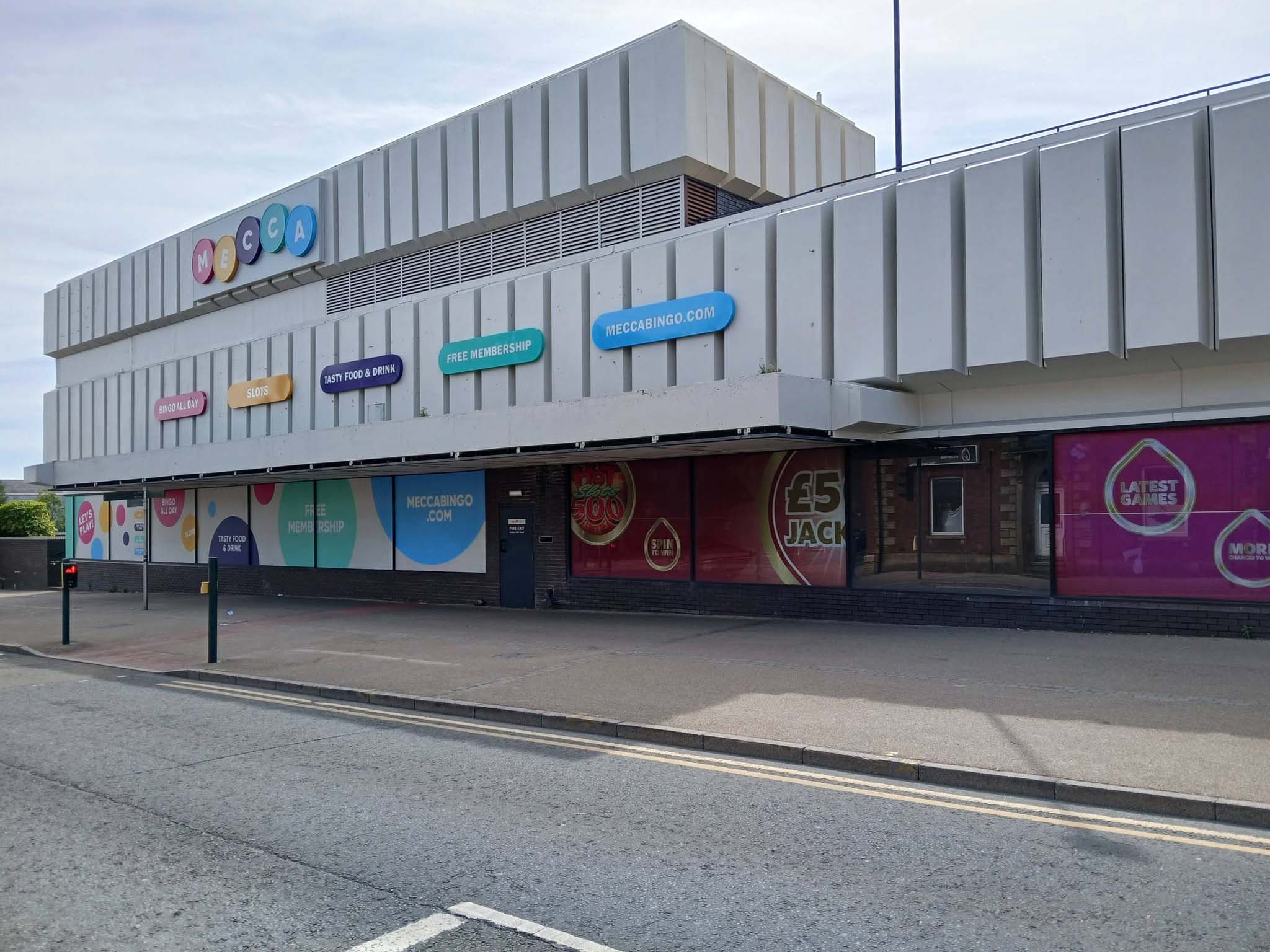
On 2nd July 1966 it was converted into a bingo club.
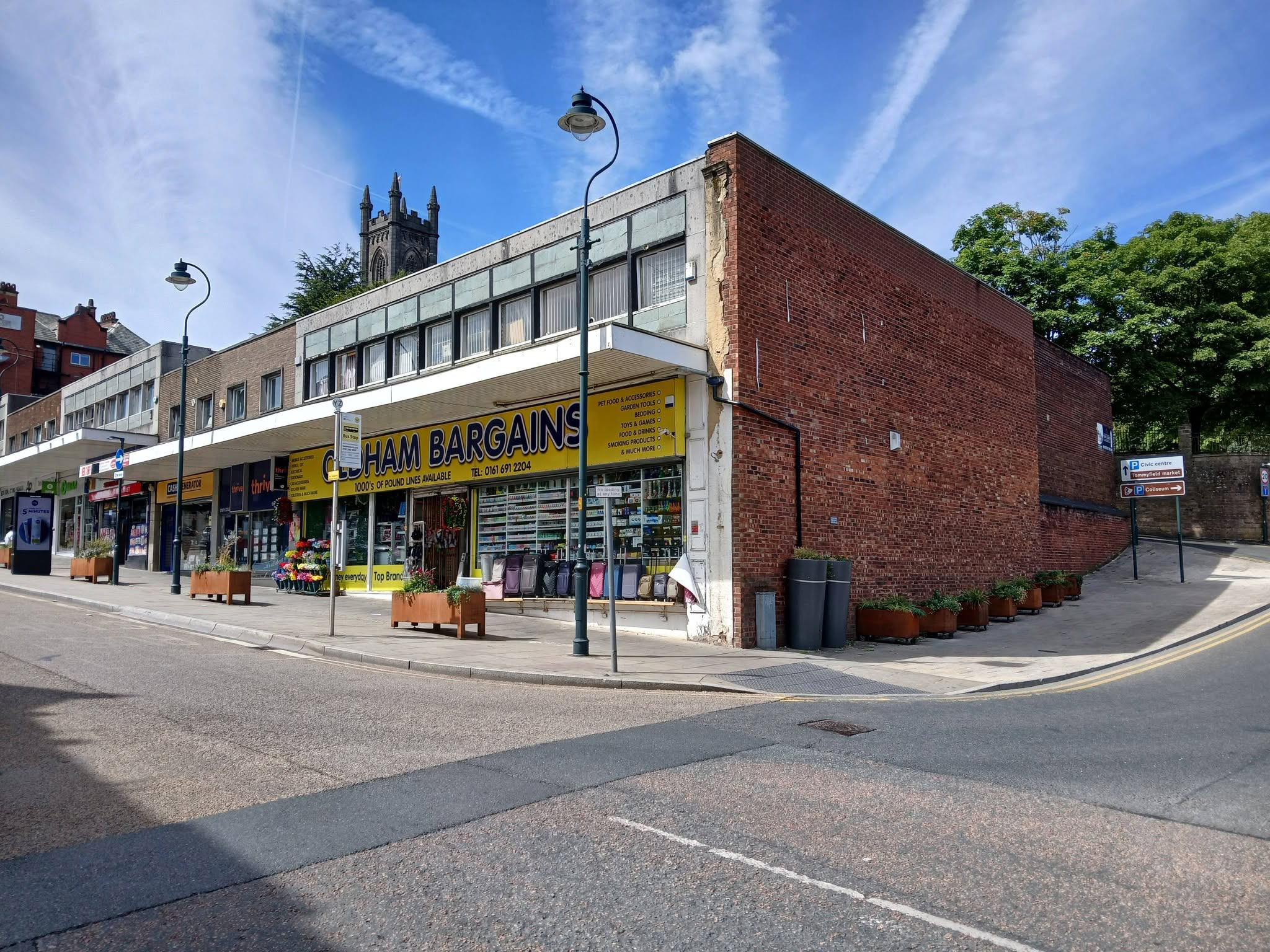
A stand of shops – stepped the accommodate the incline, partially clad in Westmorland Slate.
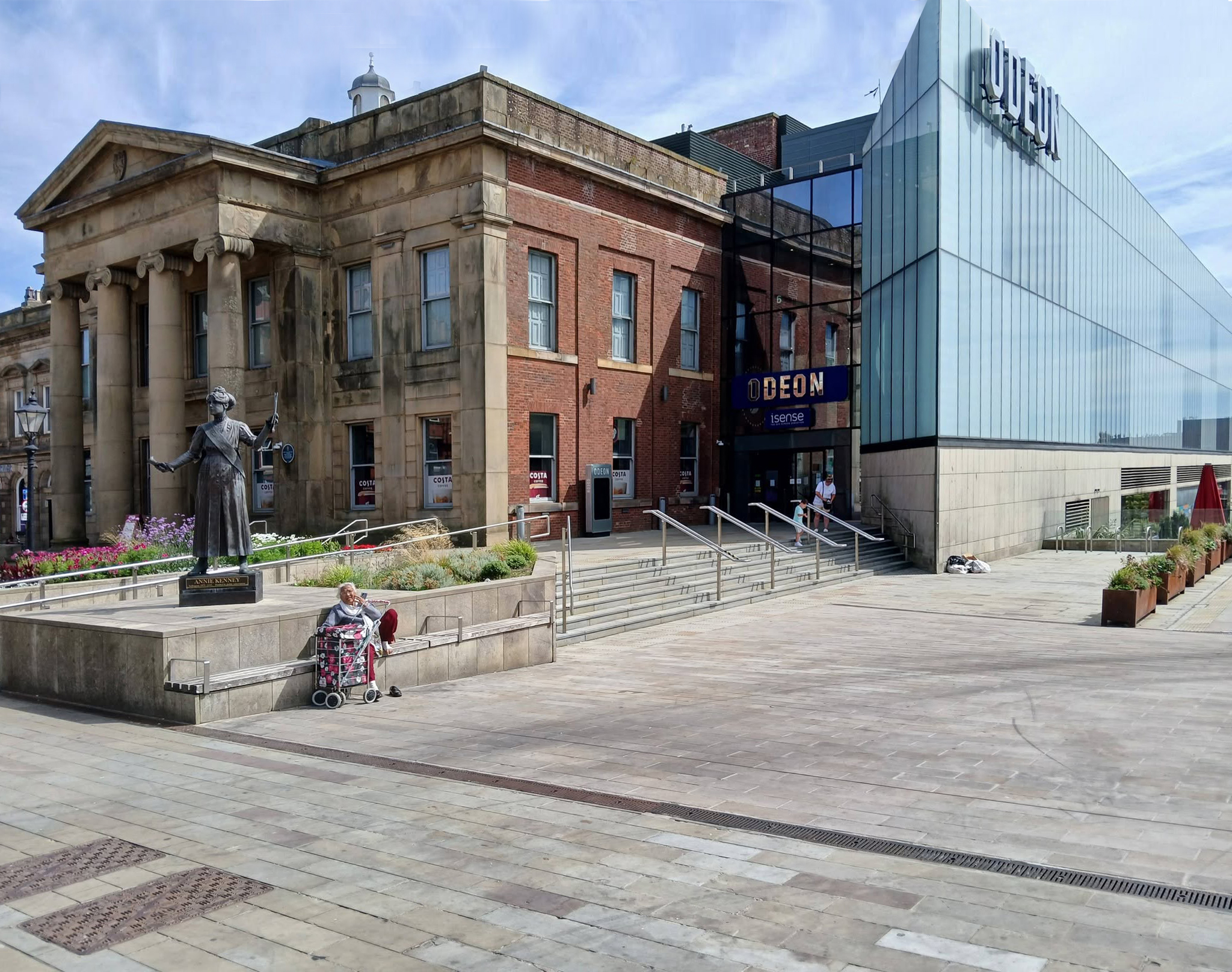
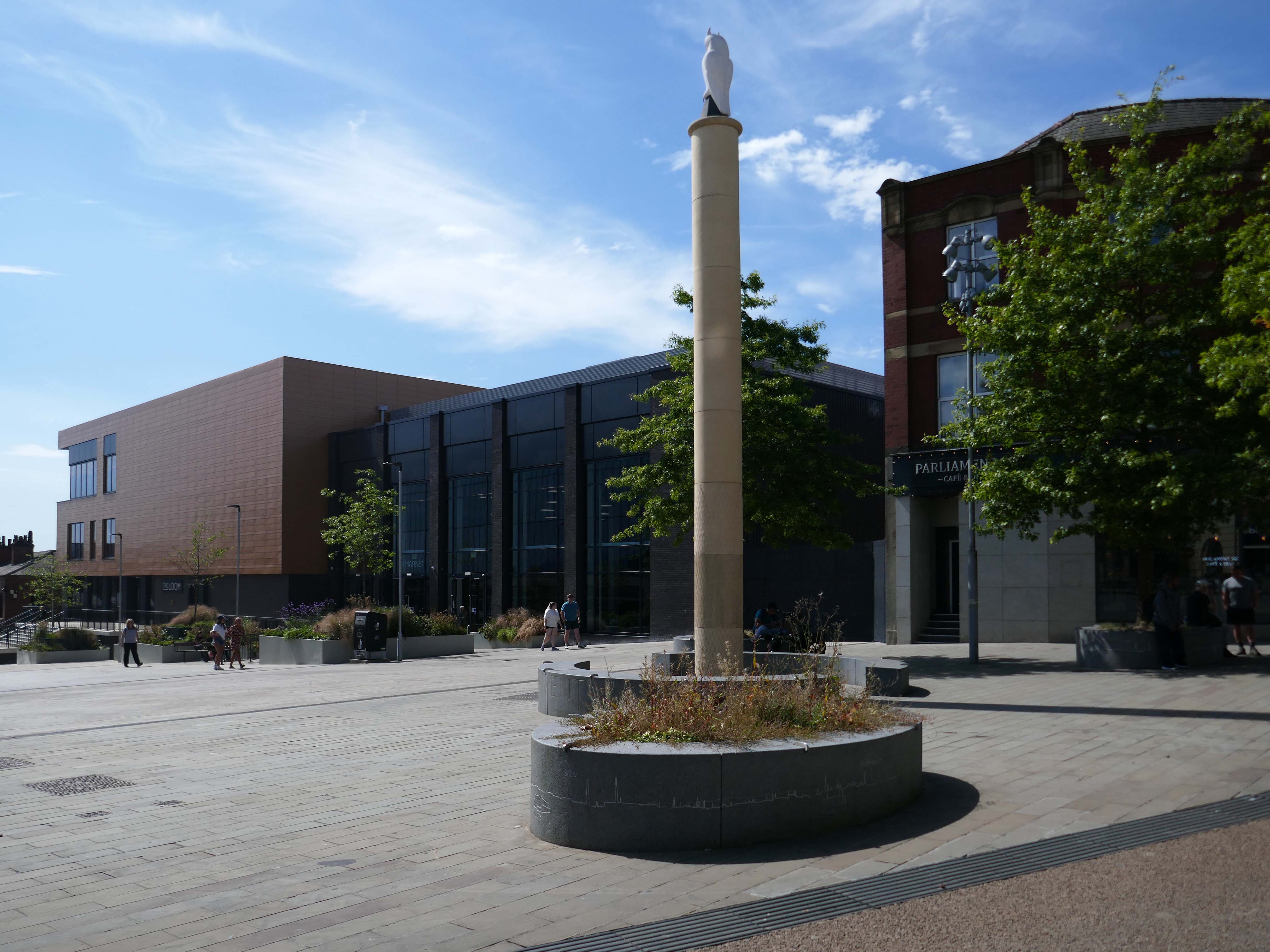
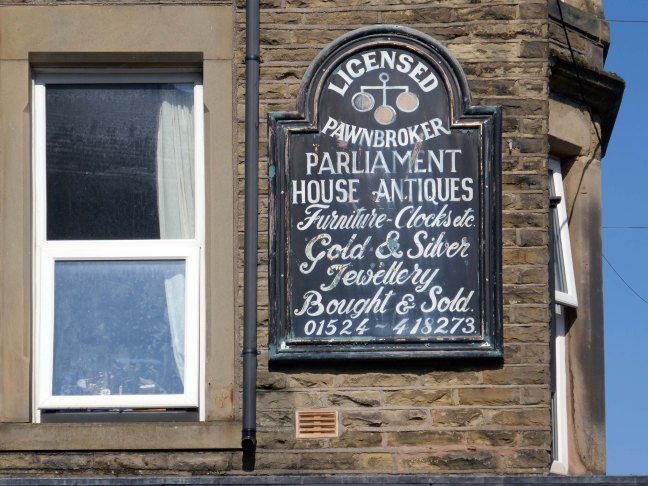
Oldham Town Centre now has a new high-quality public space – Parliament Square
Six new restaurant units will be located within the Old Town Hallalongside a brand new 800-seat, seven screen ODEON cinema.
BDP 2017
A stunning glass extension to the side of the Grade II-listedbuilding provides access to the various levels of the cinema and is also the frontage to the new restaurants.
George Woodhouse of Bolton 1841, extended by Edward Potts of Oldham 1879-80.
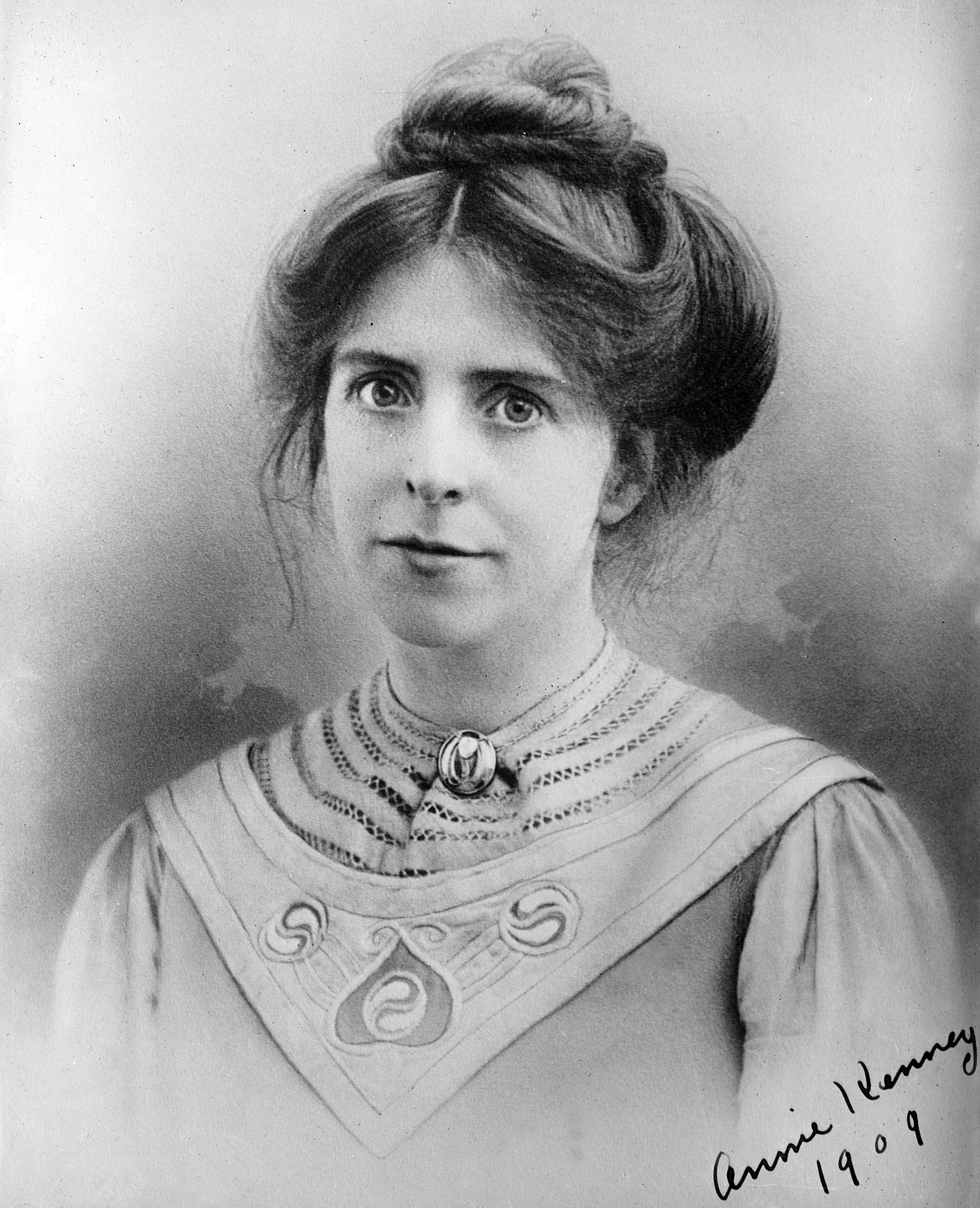
To the left is a statue of Springhead born Annie Kenney – political activist, socialist feminist and suffragette, modelled by Denise Dutton, unveiled 14 December 2018.
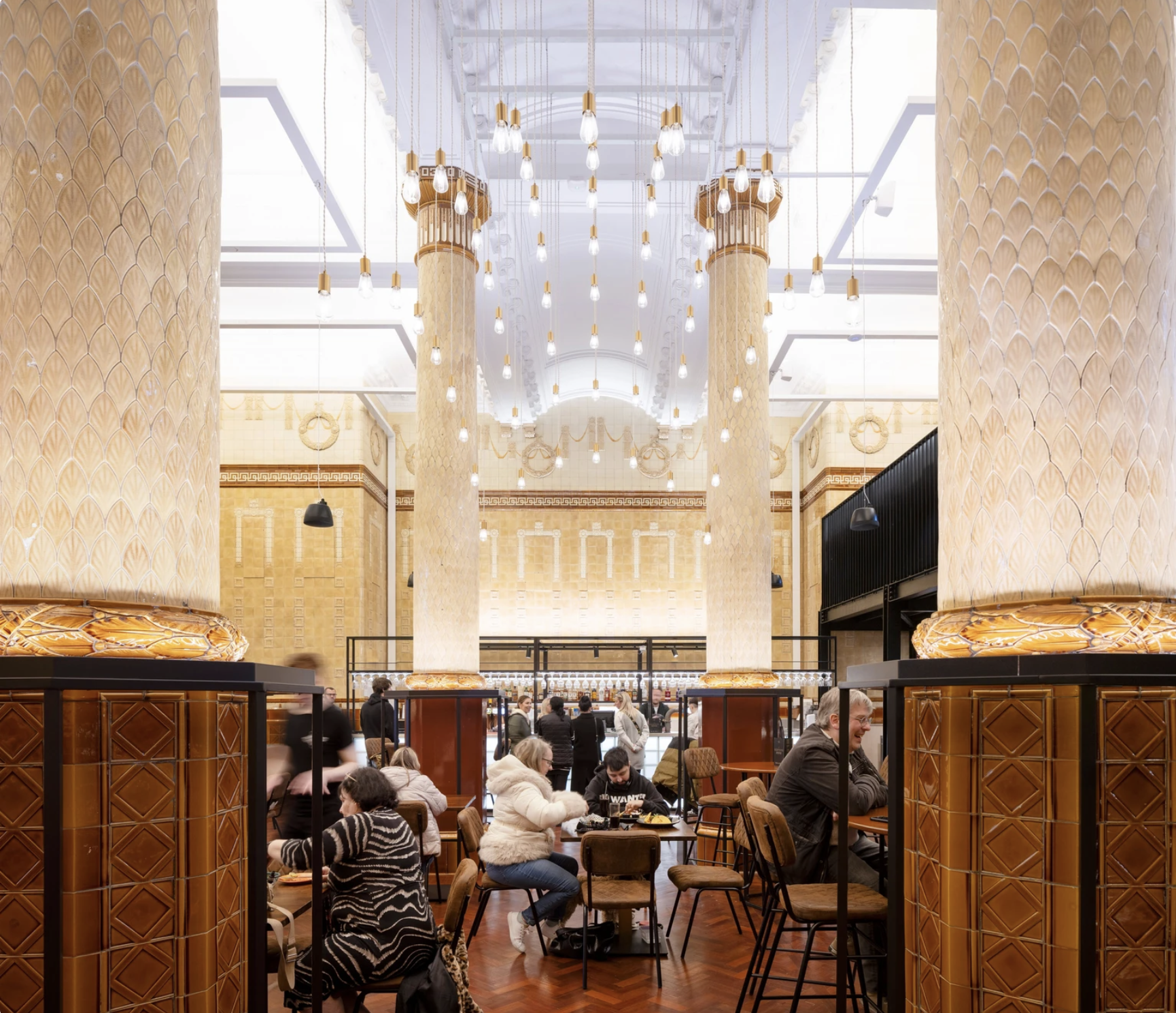
The Egyptian Room Food Hall project extends BDP’s partnership with Oldham Council and the rejuvenated Grade II listed Old Town Hall building in Oldham town centre, the main transformation of which was also designed and delivered by BDP.
The Loom is a brand new events space next to Oldham’s new indoor market on Parliament Square in the town centre. The gala-sized event space can fit up to one thousand standing guests, seven hundred seated, or five hundred dining, or can be split-off into smaller rooms for exhibitions, gigs, or theatre performances.
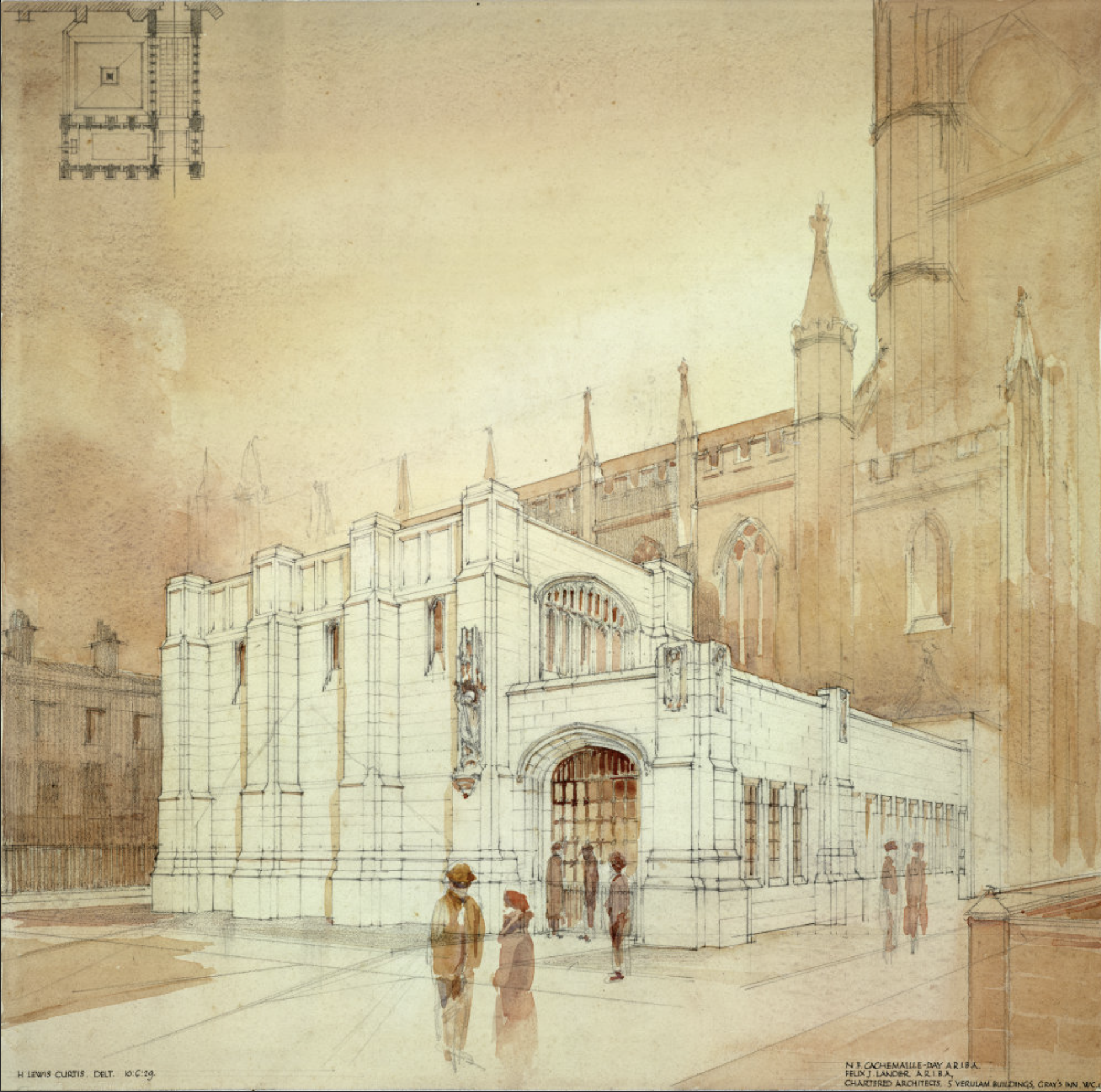
Design for a war memorial chapel, St Mary’s Church 1920.
Architect: Nugent Francis Cachemaille-Day.
Artist: H Lewis Curtis.
Image: RIBA pix
Next to the former Yorkshire Bank 1970 John Brunton& Partners.
Under construction 1970
Image: Kayla Chadwick
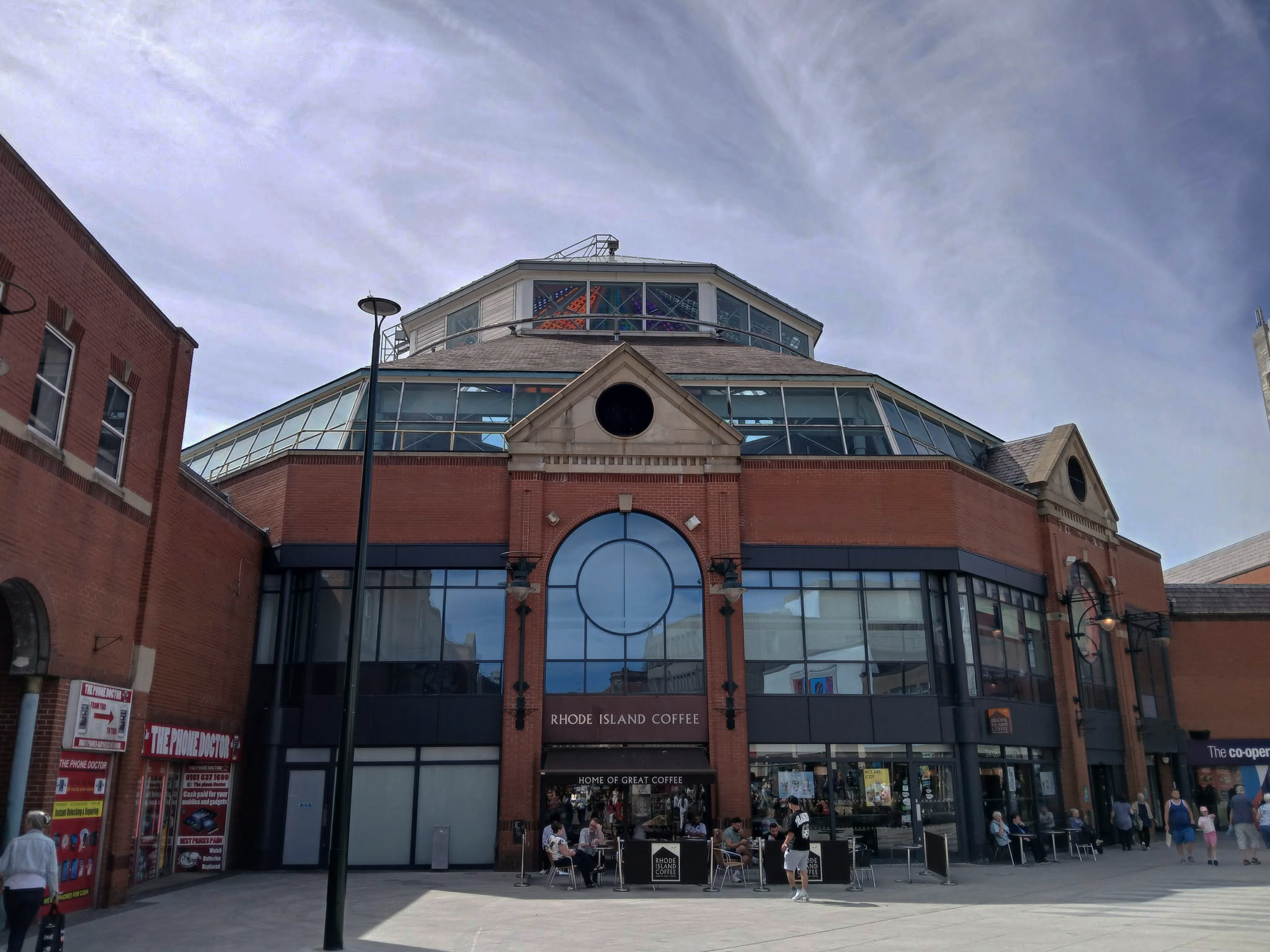
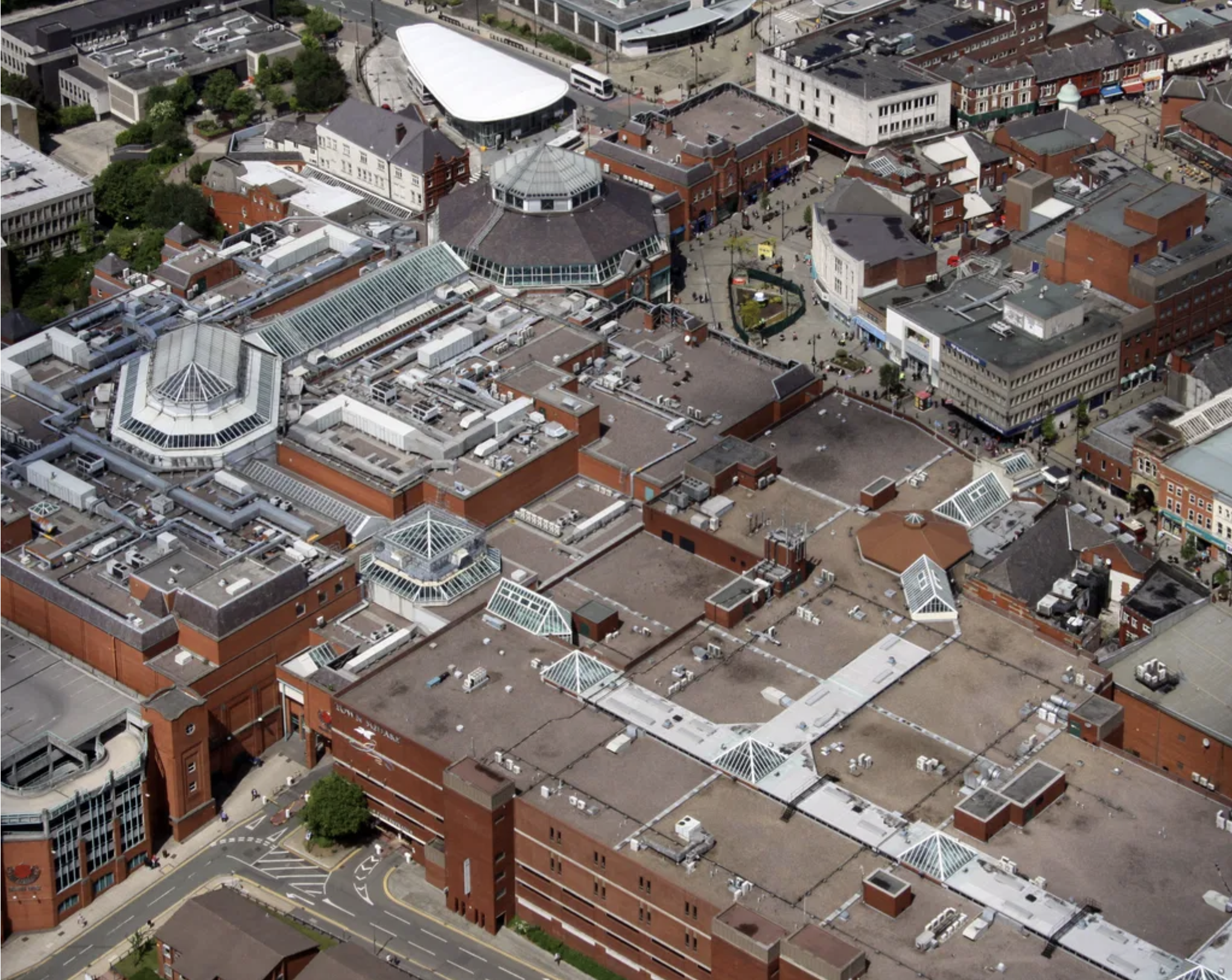
Down to the Spindles Shopping Centre 1991
Originally the site of St Peter’s Shopping Centre architect Richard Seifert
St Peter’s House – housed Oldham Area Health Authority Administrative Offices
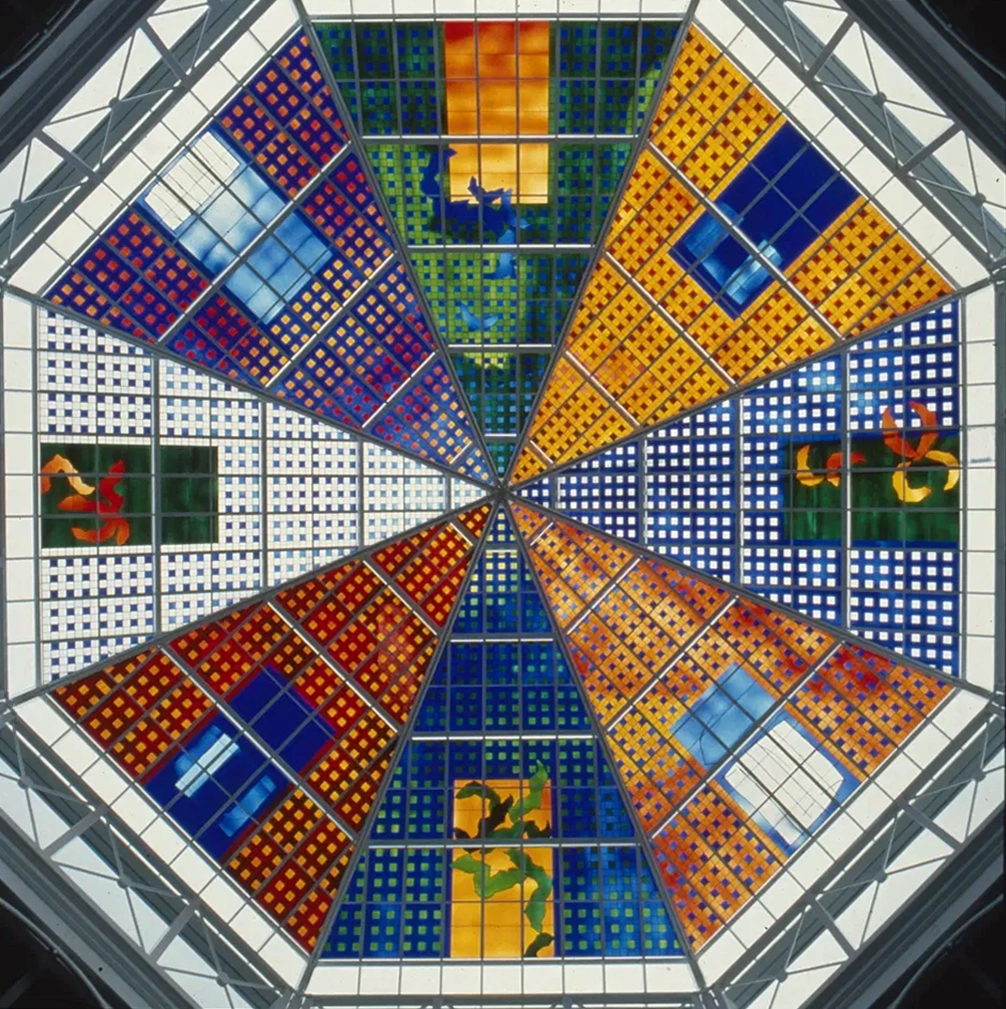
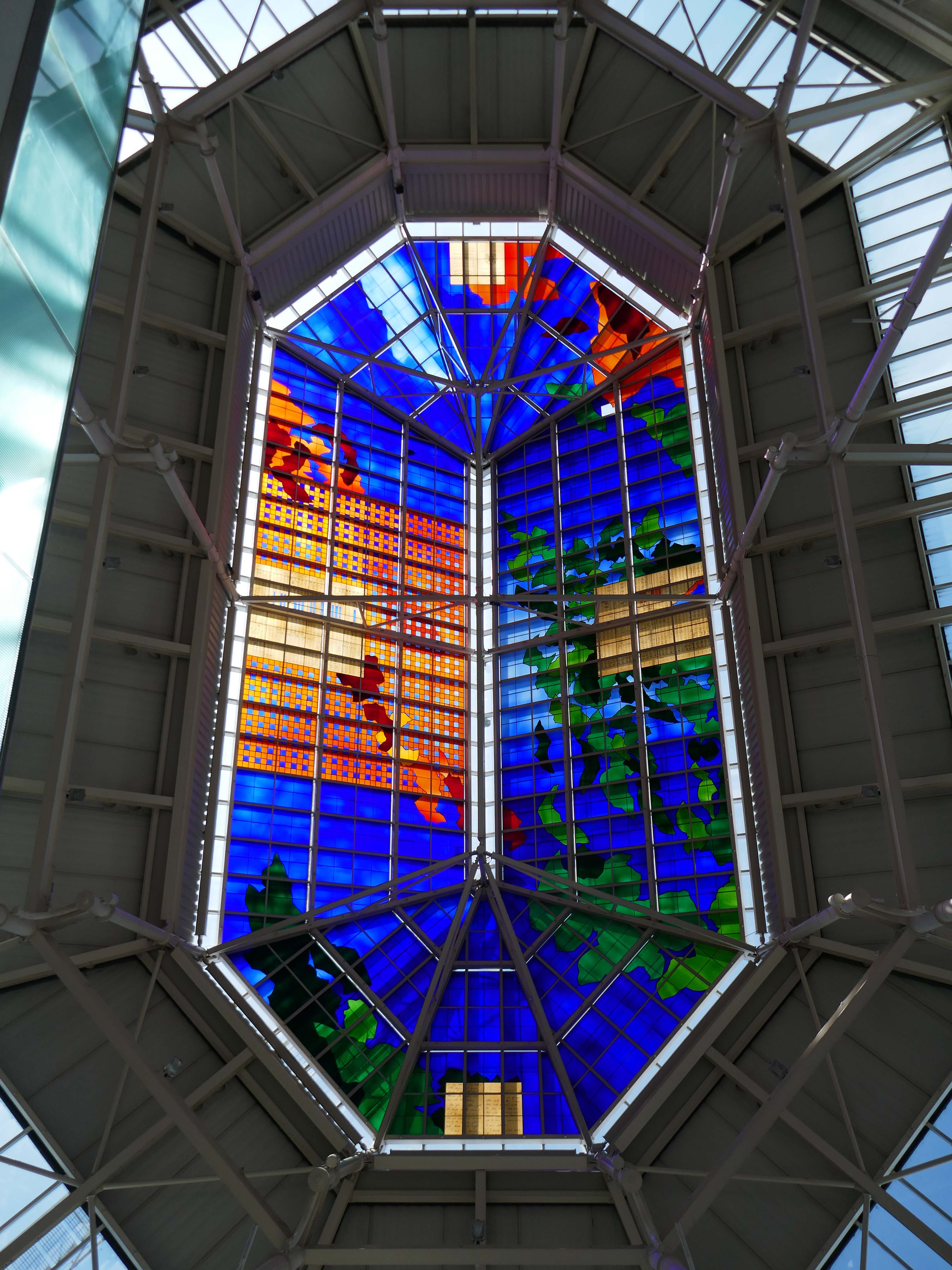
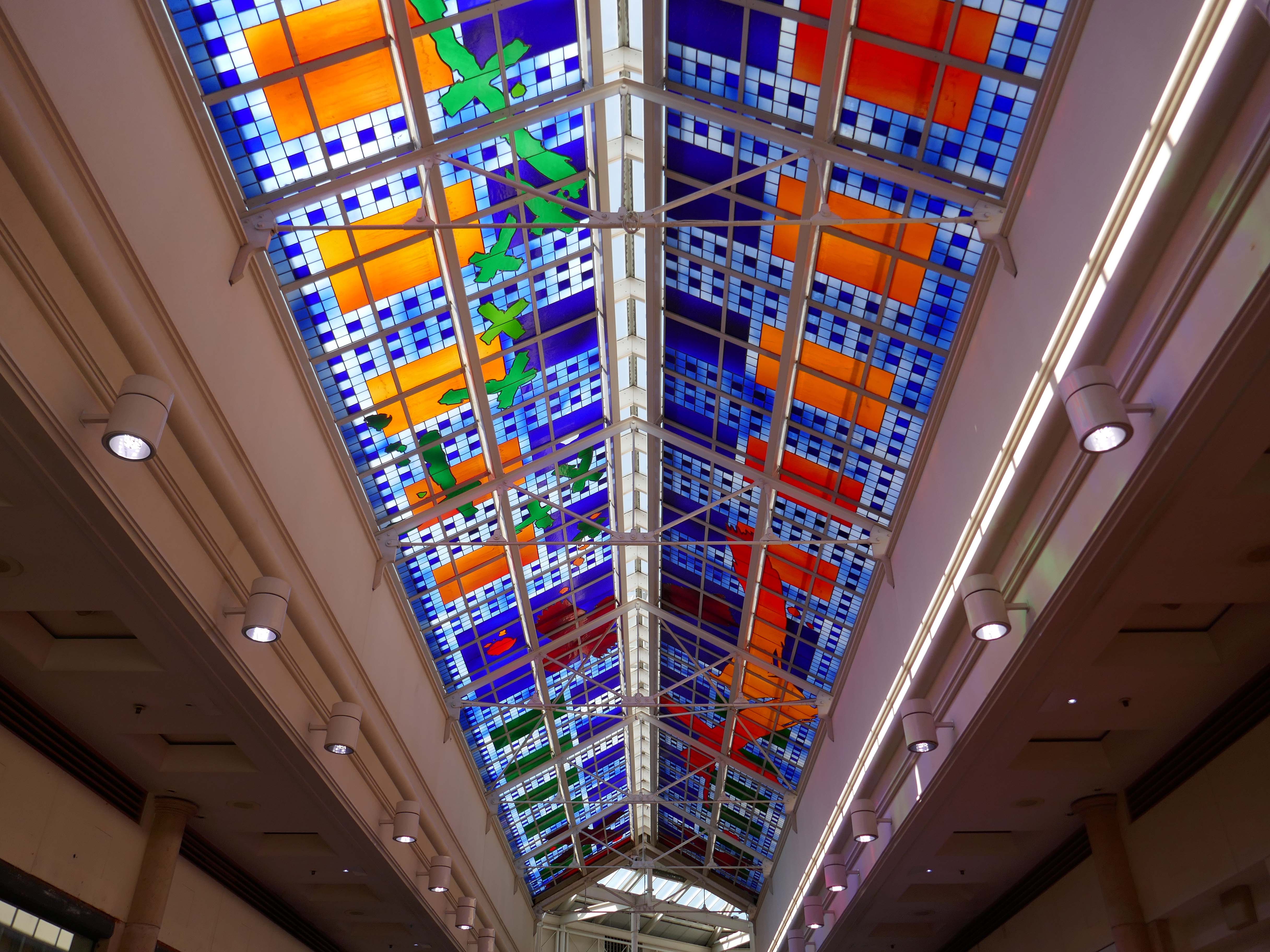
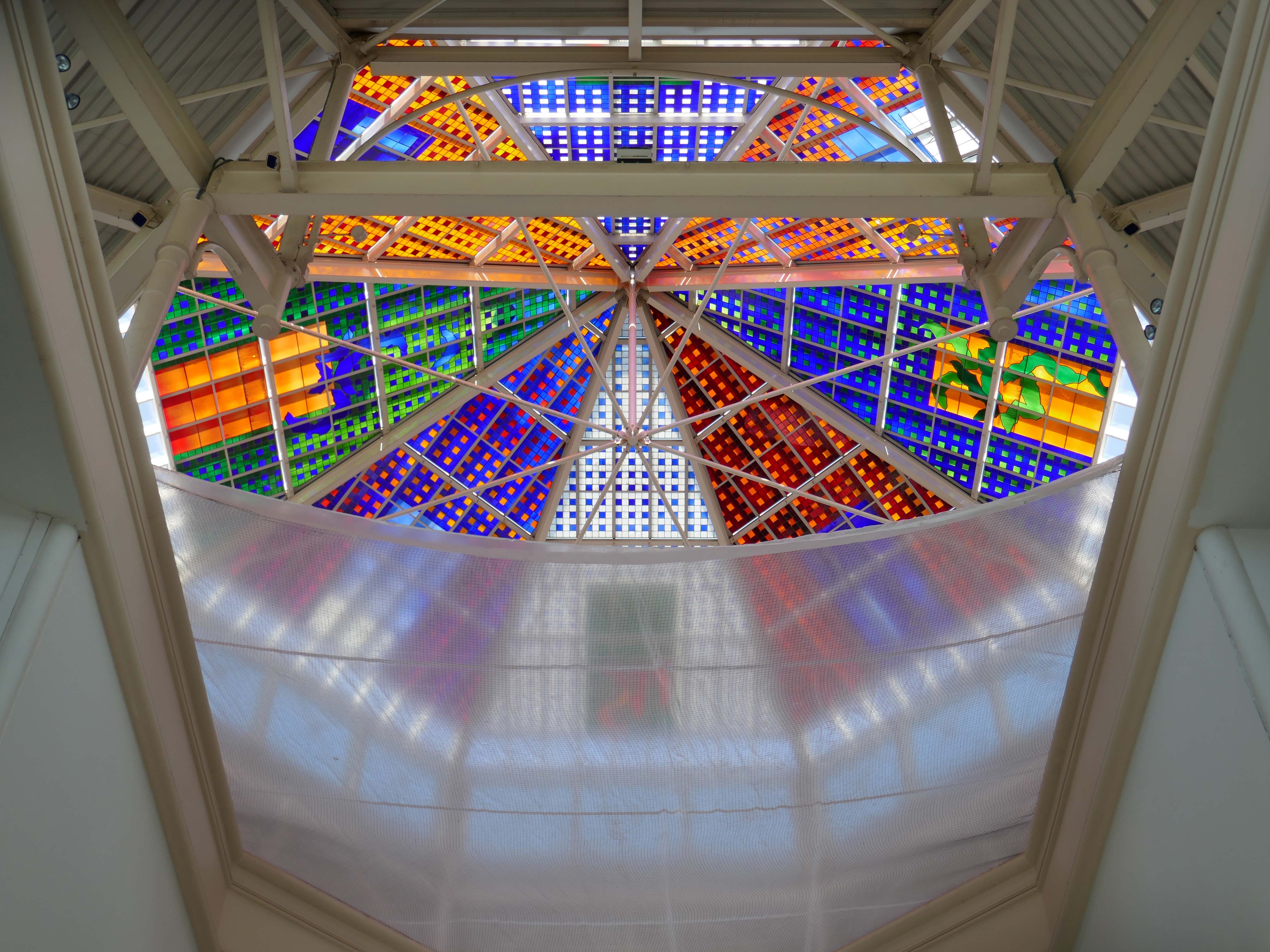
Between 1990 and 1993, Brian Clarke designed a series of three interrelated roof lights in stained glass for the Spindles Shopping Centre in his hometown of Oldham, Lancashire. Among the largest stained glass windows in Europe, and some of the largest public artworks in the UK, these panels connect the main public areas of the principal shopping centre in the town.
No town walk would be complete without a former Burton’s.
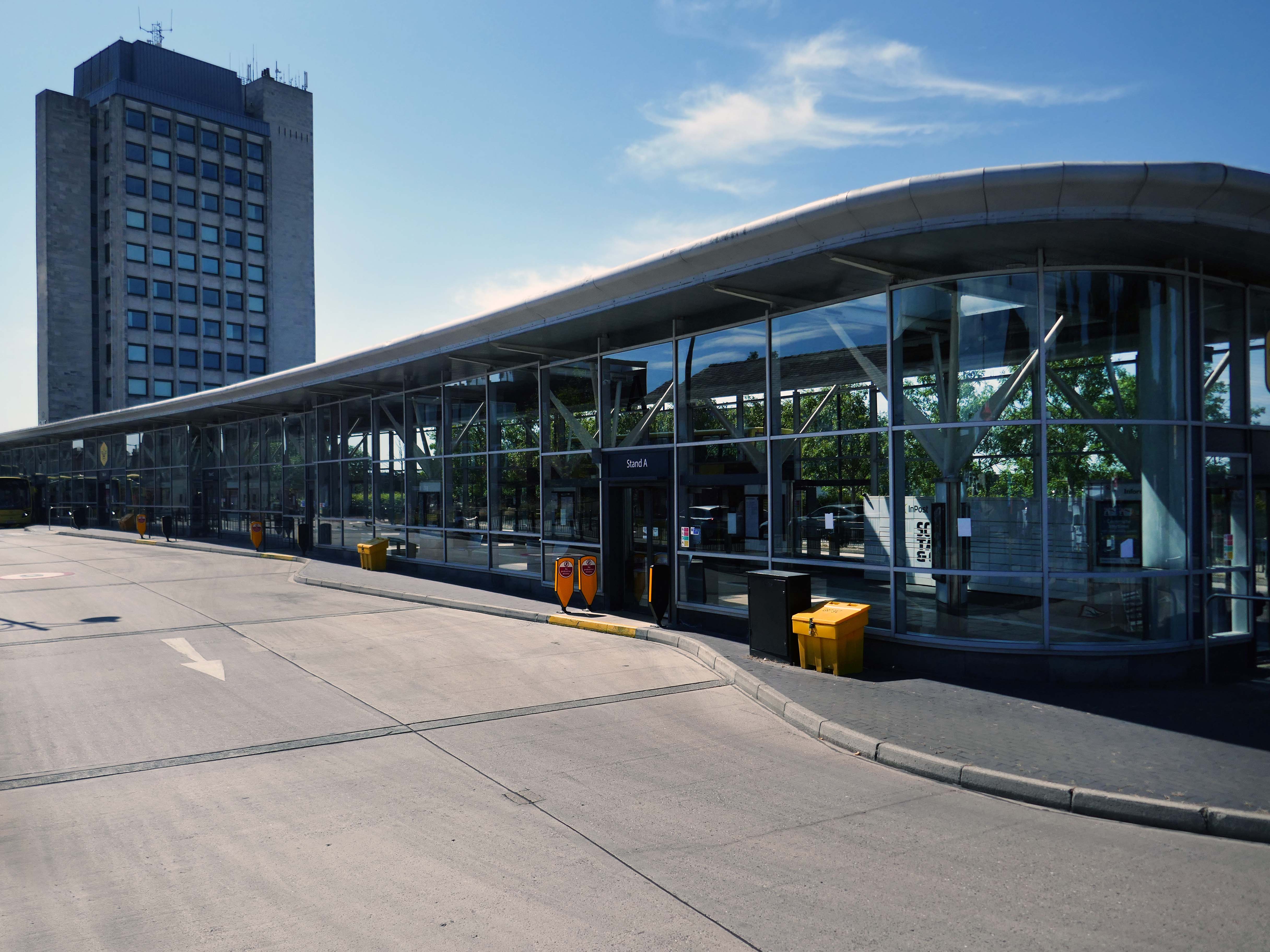
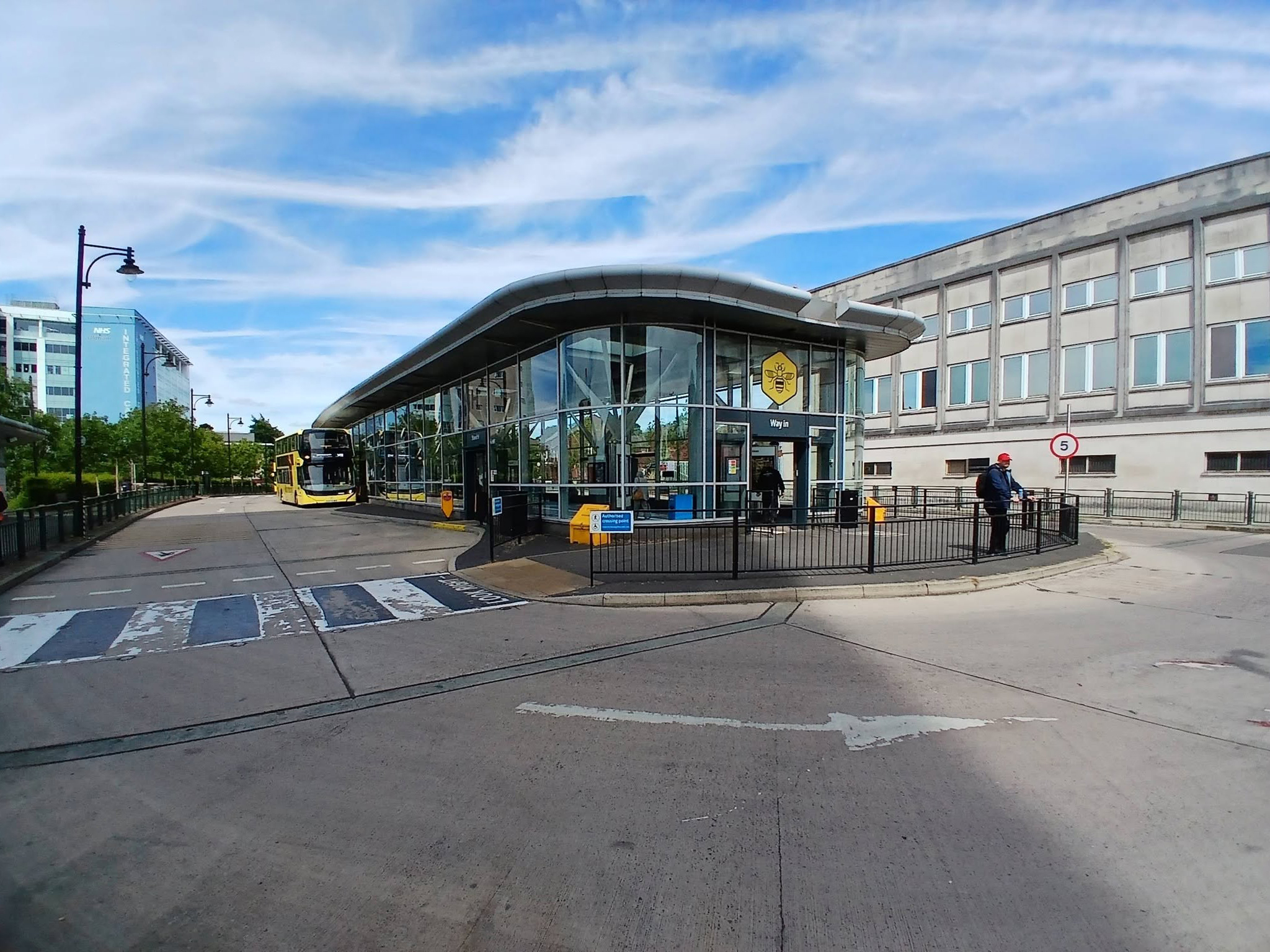
Next to the Bus Stations 2008 Austin-Smith Lord situated either side of the Civic Centre.
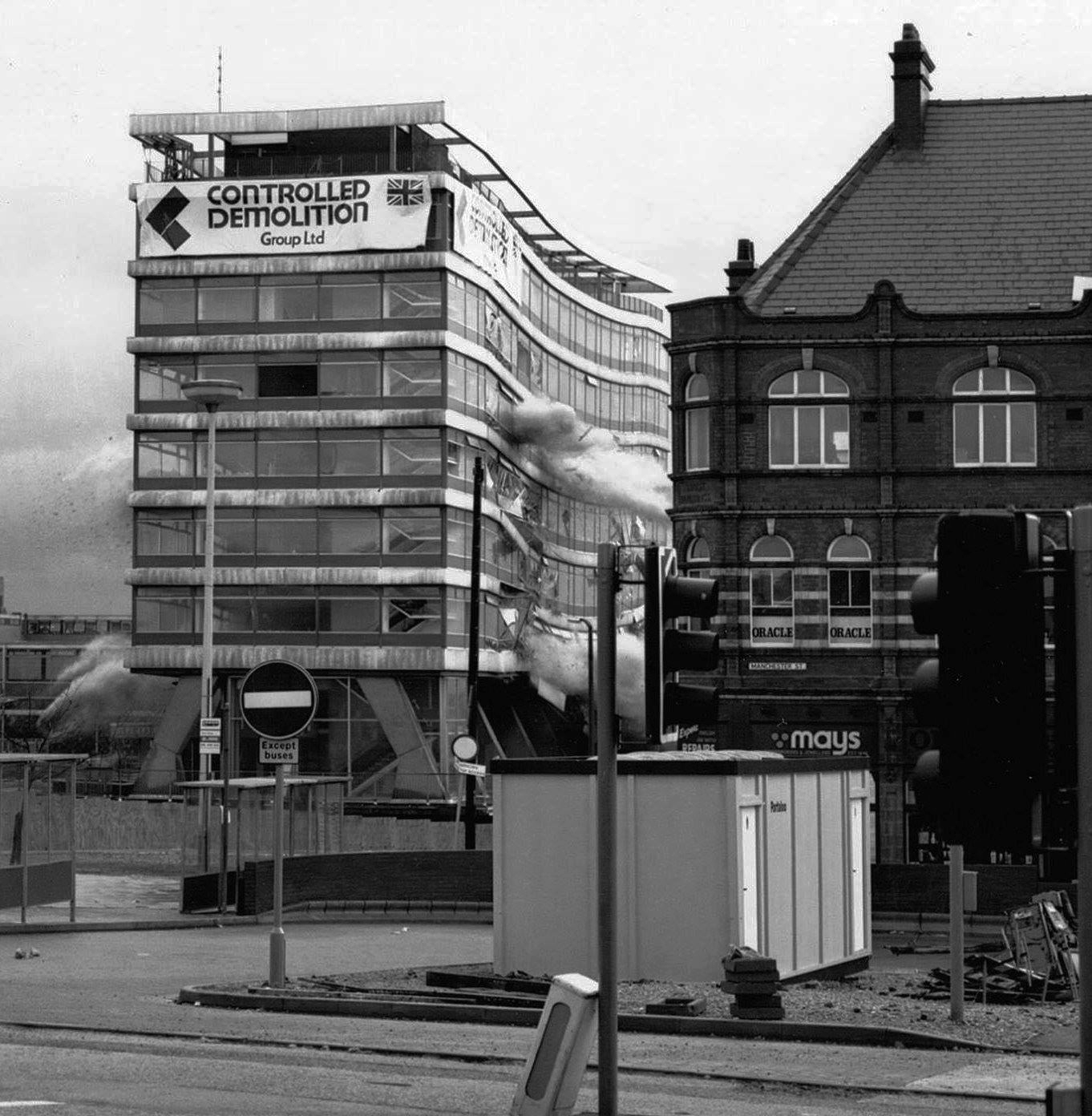
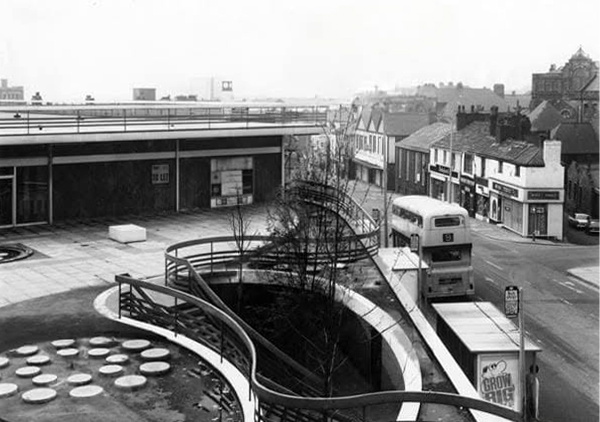
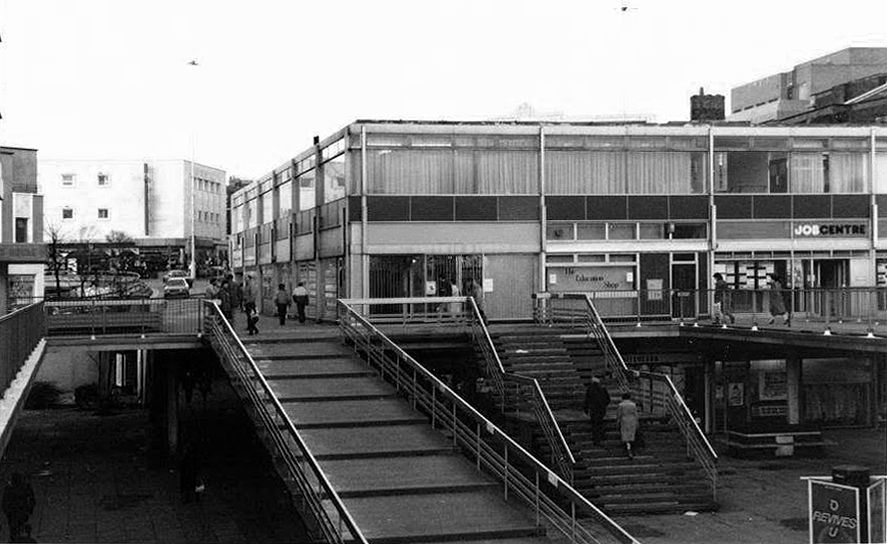
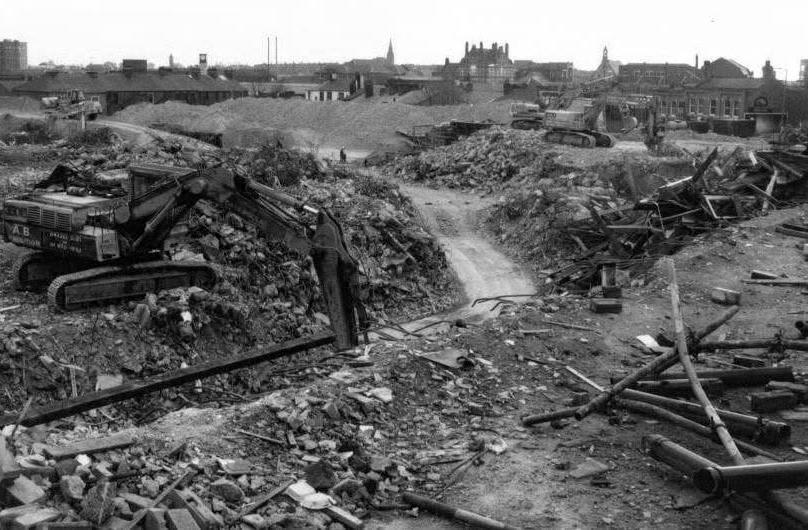
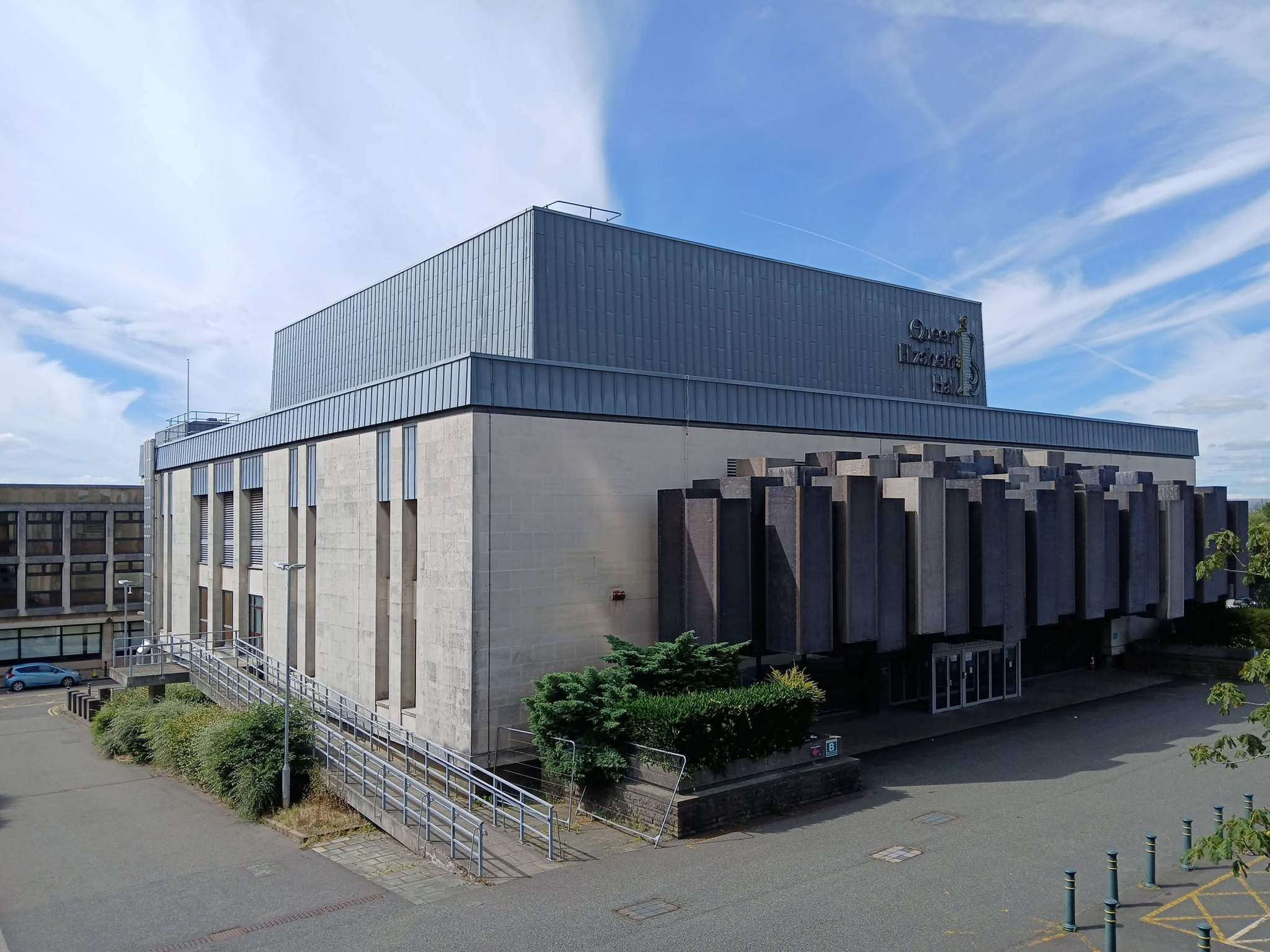
The Queen Elizabeth Hall in Oldham will soon open its doors for the last time before it permanently closes to the public and is prepared for demolition.Since being condemned for containing Reinforced Autoclaved Aerated Concrete – RAAC in 2023, its days have been numbered.
Now the old theatre is part of plans to bring 2,000 new homes into the town centre in a partnership between Oldham Council and the developers Muse.
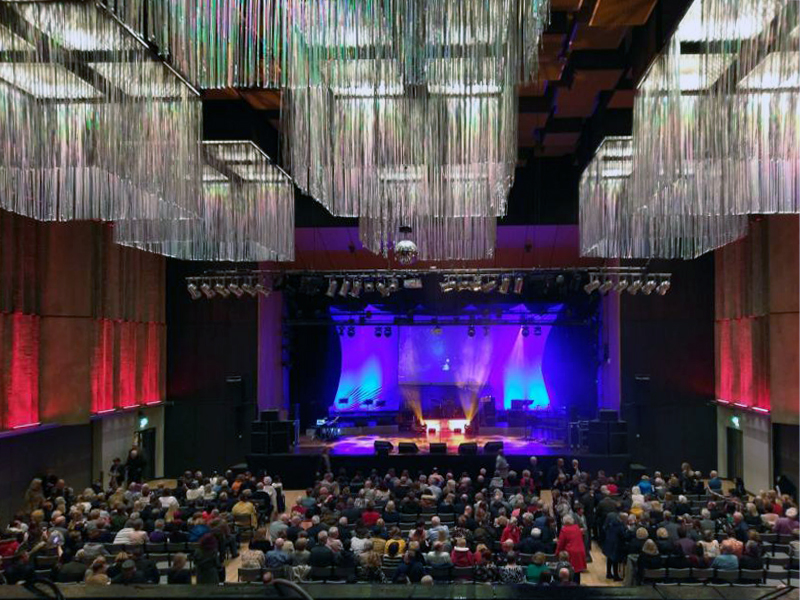
Chris Connor as Elvis at the Oldham Queen Elizabeth Hall.
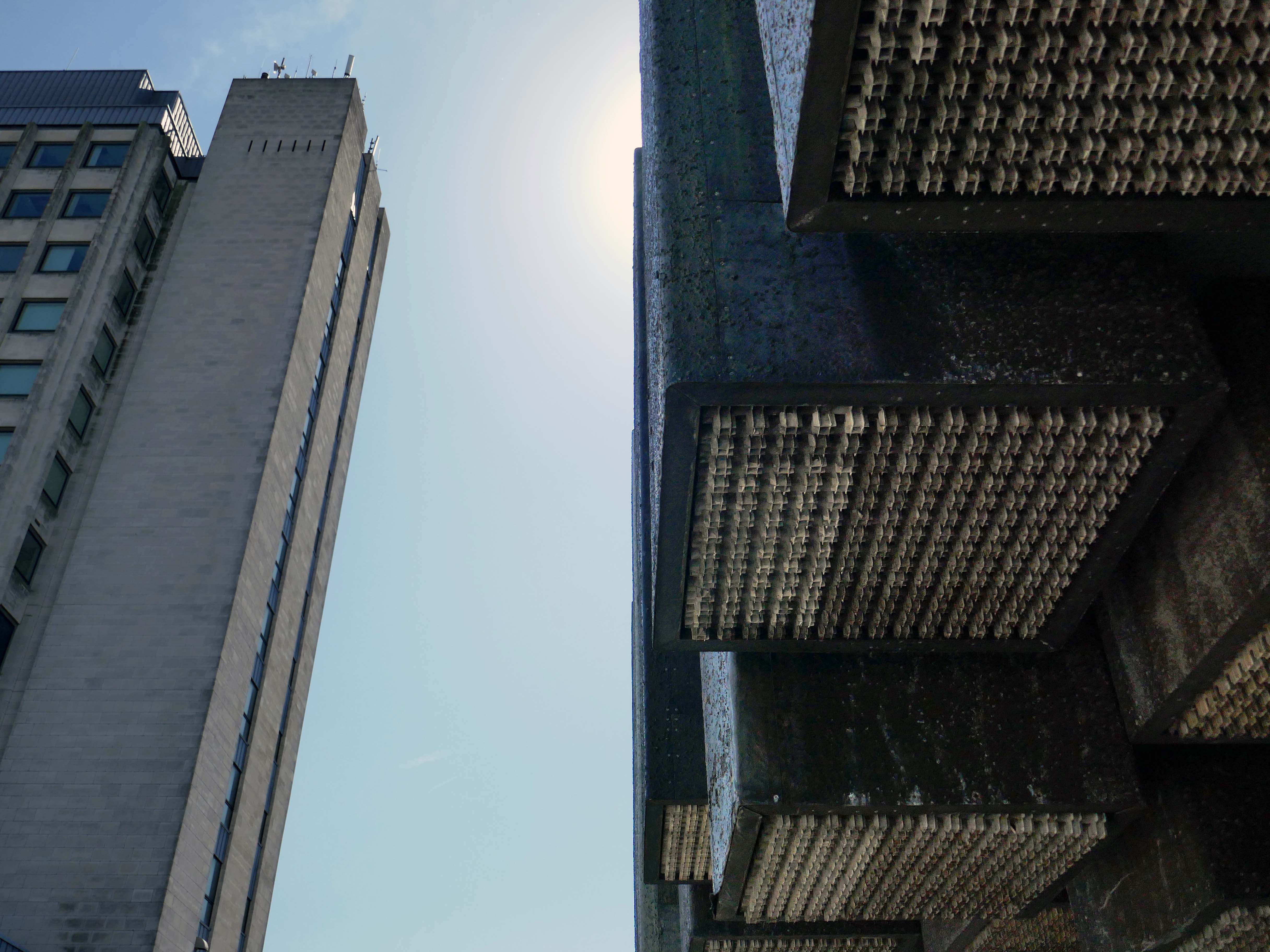
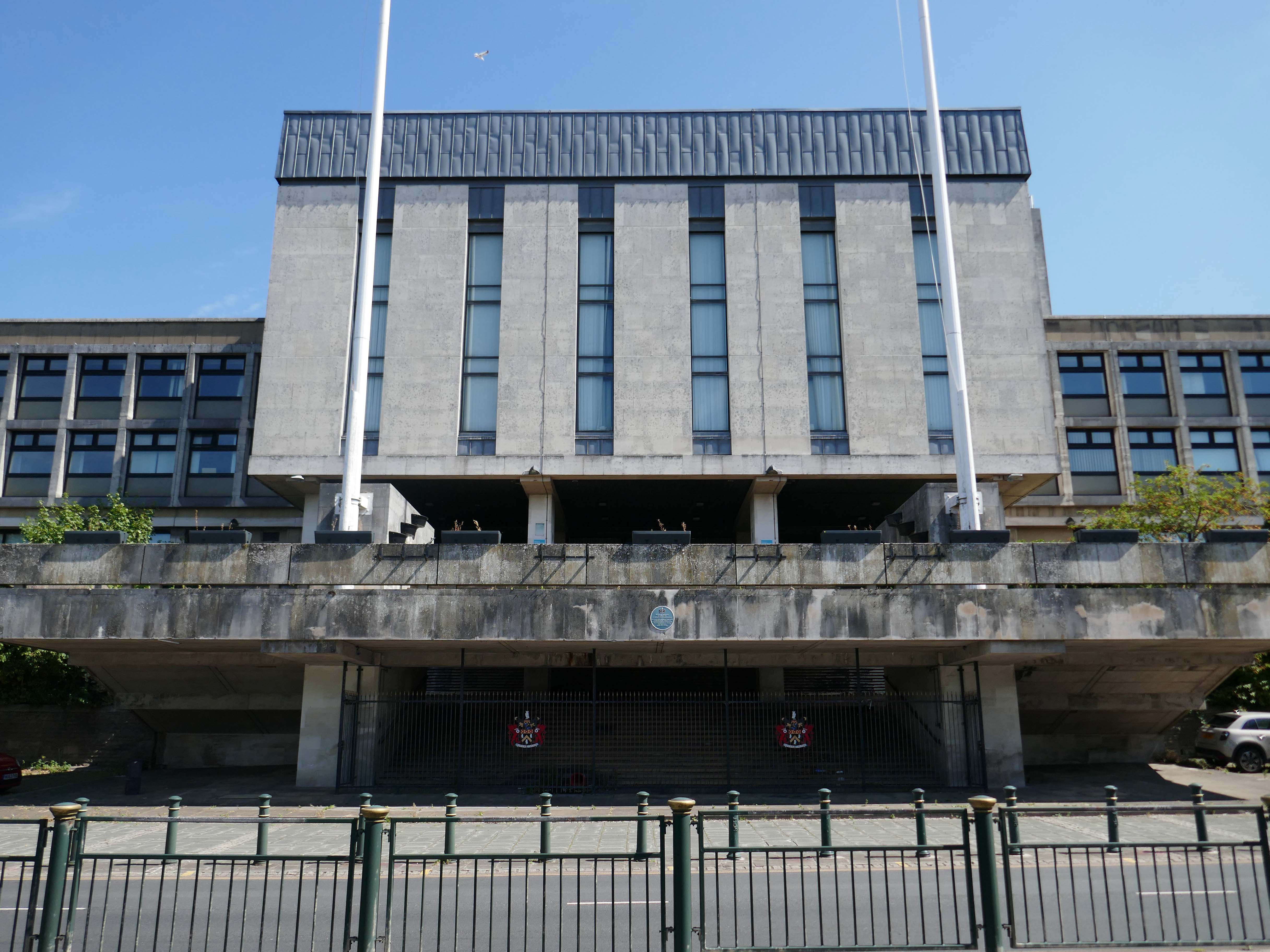
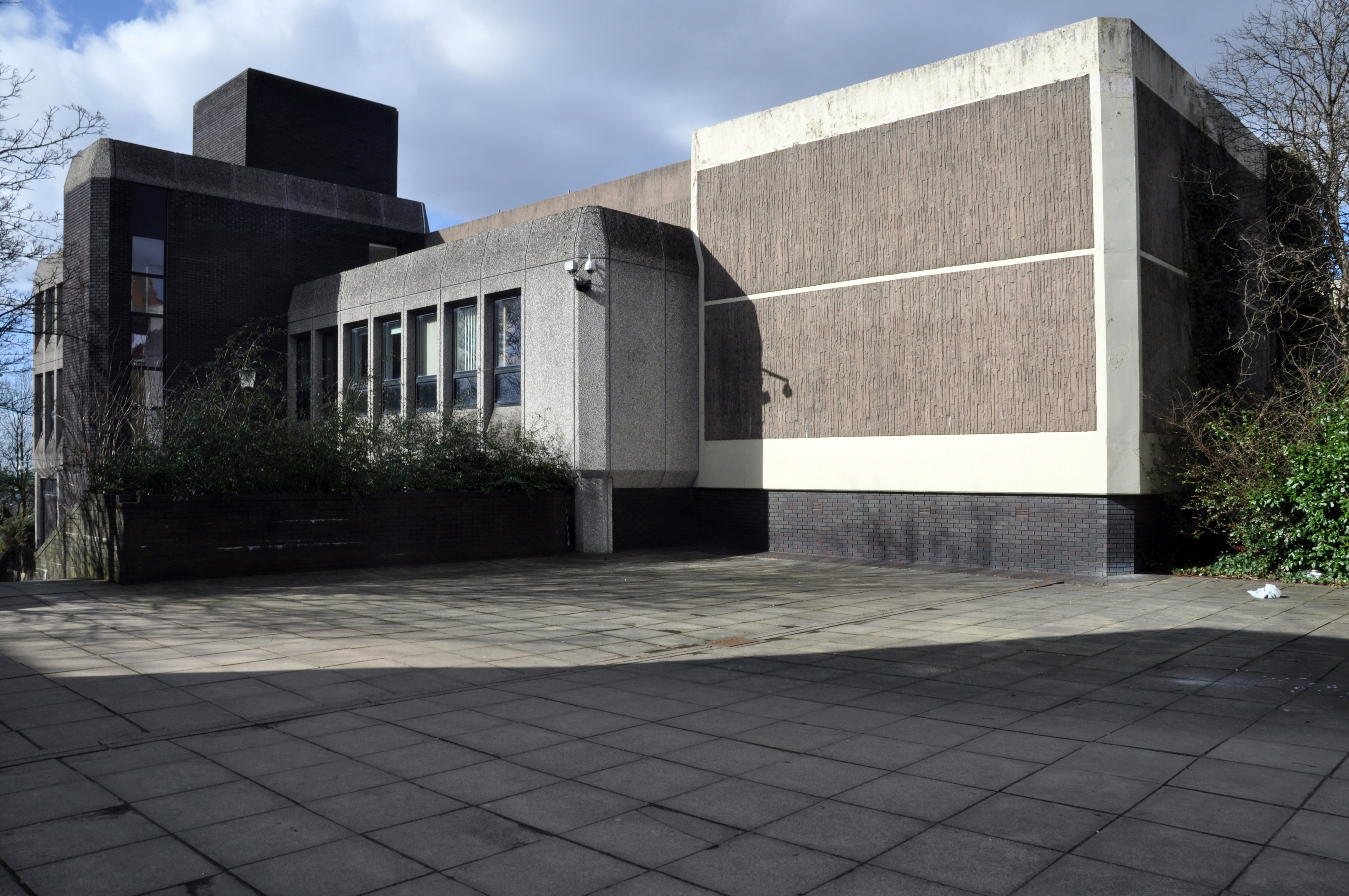
Surrounded on two sides by the Civic Centre – the lower parts are by Richard Seifert & Partners 1962, the fourteen storey Tower and Hall 1974-78 are by Cecil Howitt & Partners.
Plans are underway at the civic centre, the largest site in the regeneration project, to create a vibrant community providing eight hundred and thirty eight homes rising up to fifteen-storeys with mixed-use commercial spaces on the ground floor. This development will integrate seamlessly with the surrounding neighbourhood, particularly the nearby Former Magistrates’ Court site. The Civic Tower at the edge of the site will be retained and redeveloped as a hotel in a later phase.
Where have the Magistrates’ Courts gone?
Architects: Leach Rhodes Walker 1977.
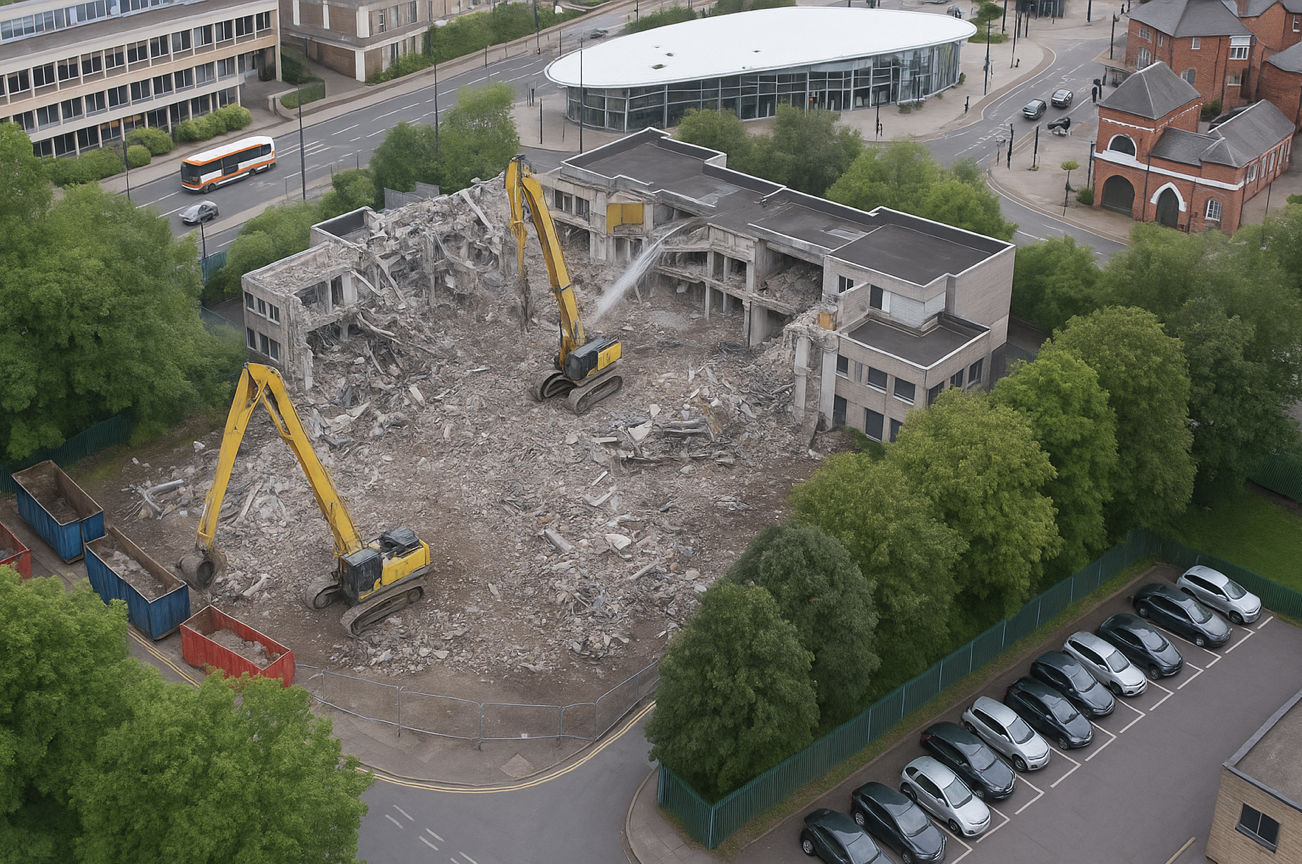
Demolished in 2019 to make way for further redevelopment.
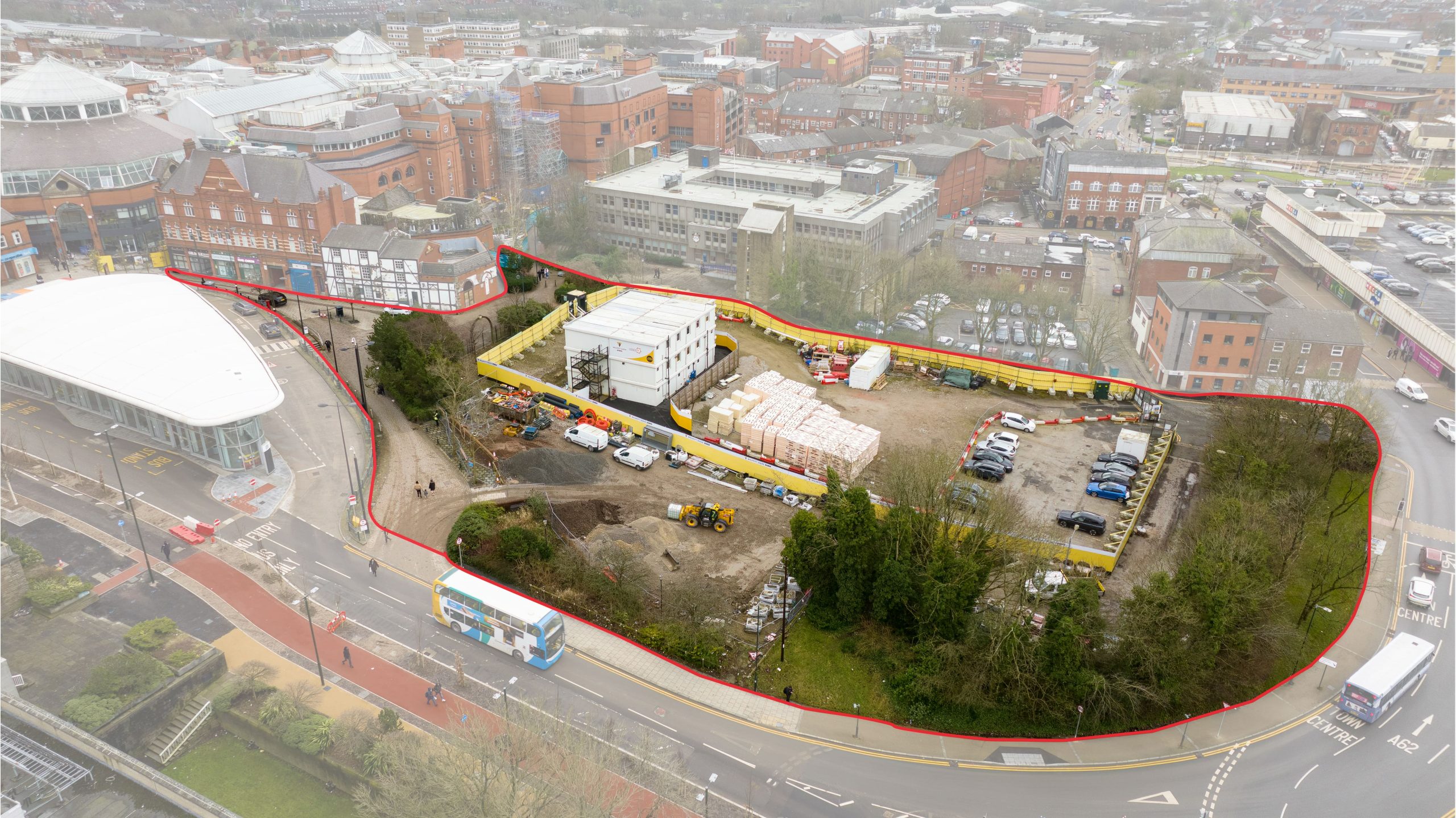
The proposals for the Former Magistrates Court site include two hundred and nineteen new homes with the tallest block ten-storeys and a green route connecting Manchester Chambers with King Street. The designs have been developed to ensure a unified neighbourhood with a common design language and seamless movement between other sites.
Oldham Council and Muse intend to work in partnership over the next 15 years to develop the sextet of council-owned brownfield sites across the town centre.
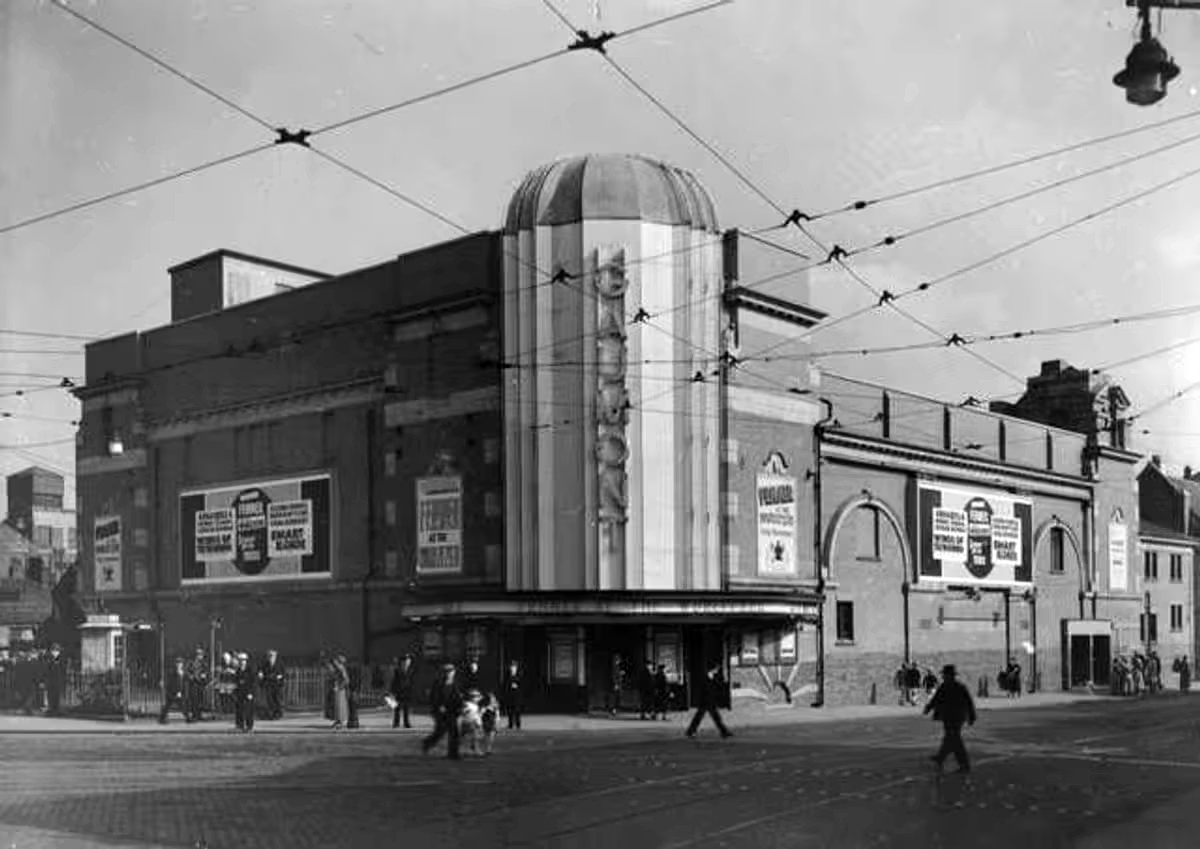
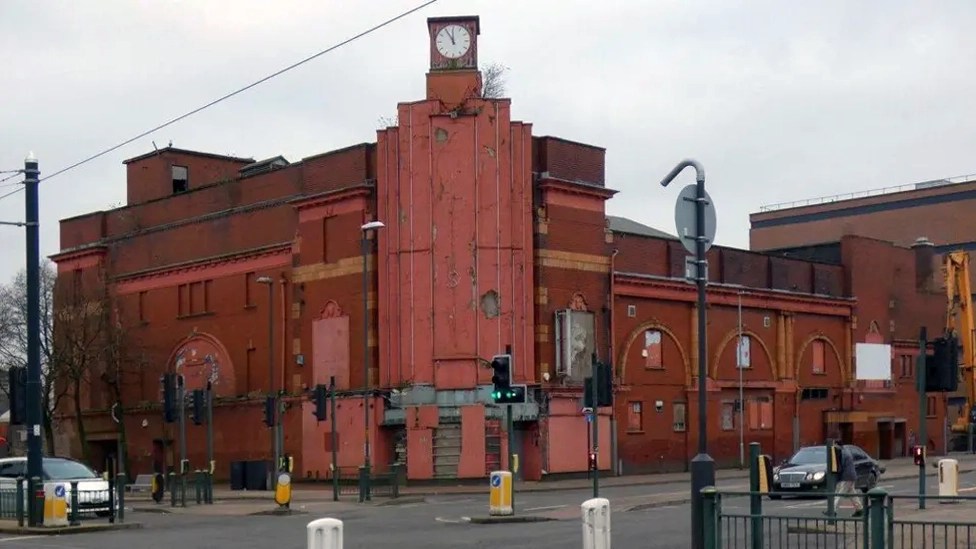
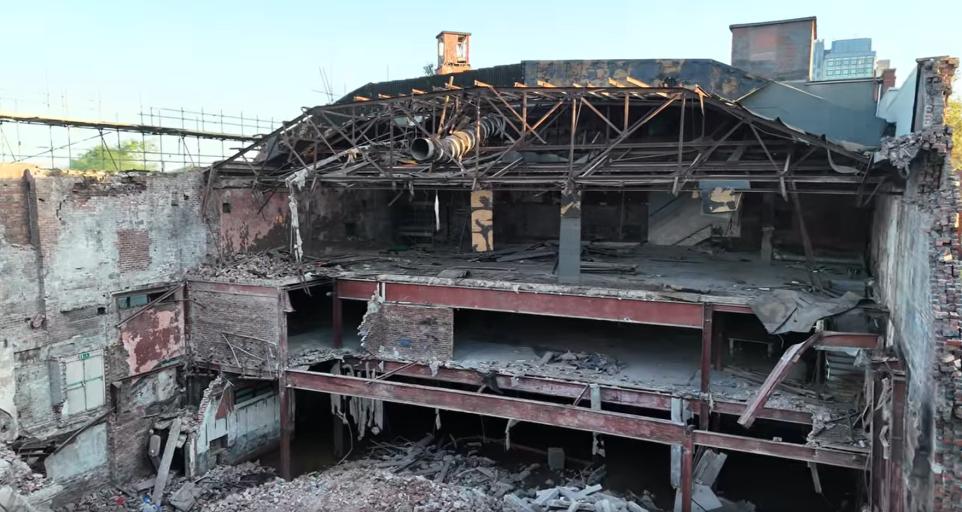
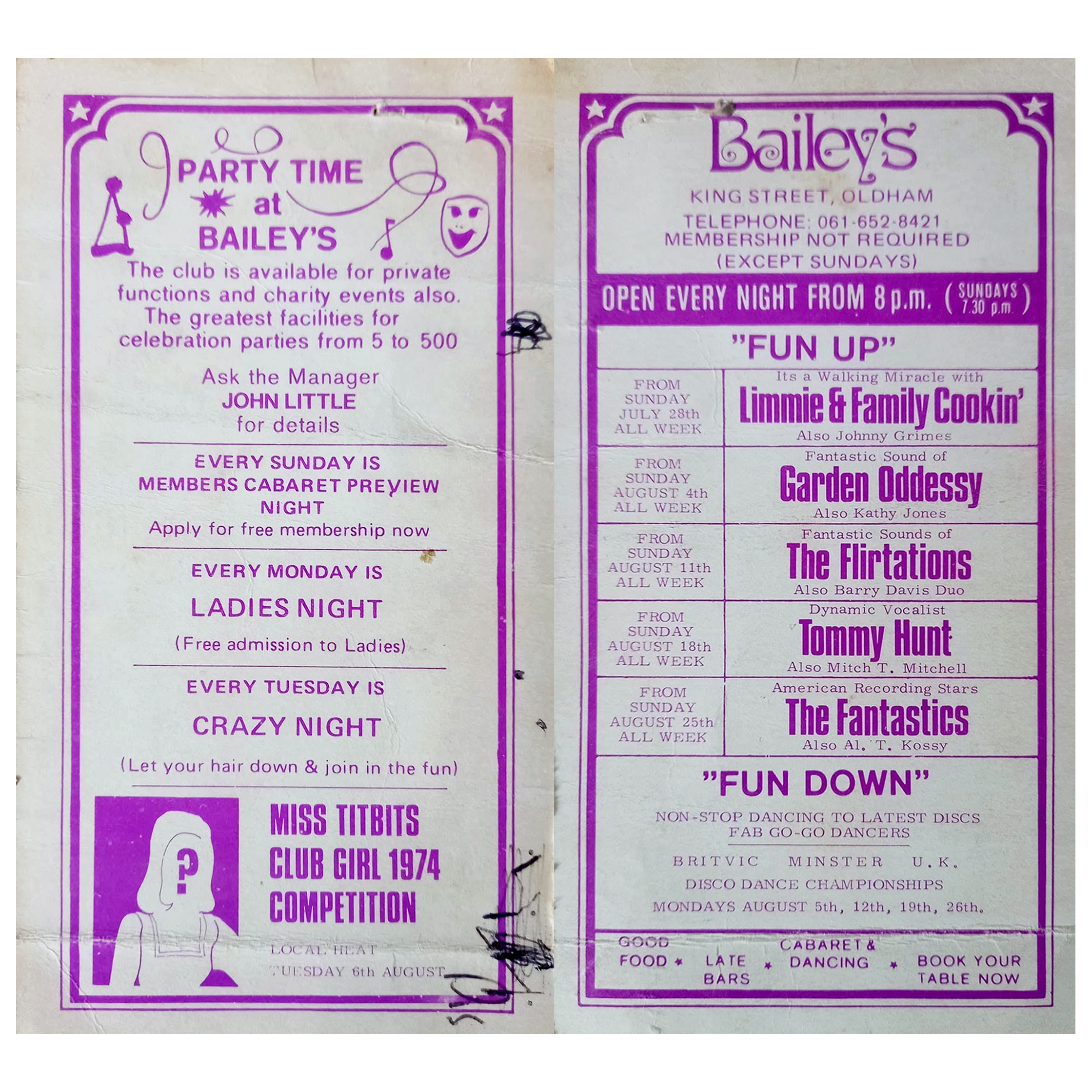
Viewed across the site where Bailey’s used to be – aka Romeo & Juliet’s, Butterflies, Astoria ballroom and Bowling Alley, Froggies and Riley’s.
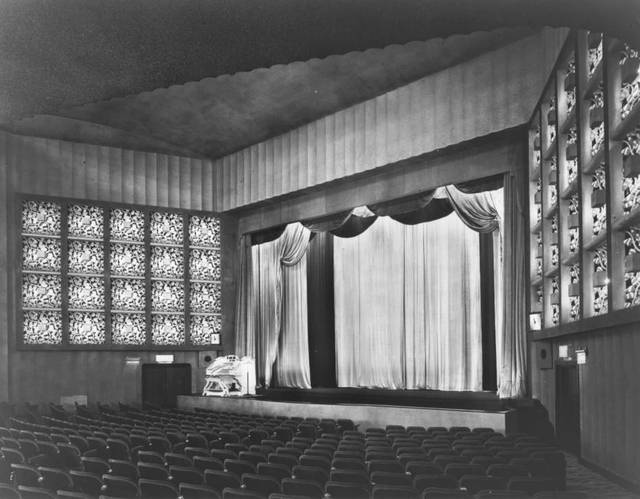
The site originally started out as the Grand Theatre, a performance space designed by London architects Thomas Taylor and Ernest Simister who also designed Chadderton Town Hall.
In 1937, Gaumont Super Cinemastook over the building, gutted the auditorium and transformed it into stalls and one circle seating totalling 1,842 to open their 1930s cinema.
In 1991, the Chronicle reported on a mysterious haunting which was thought to have taken place in Butterfly’s nightclub in Oldham.
Before Butterfly’s had been a nightclub the building had been used for many purposes, and in 1939 was known as the ‘Grand Theatre.’ The building was undergoing renovations when Mr Lloyd was killed. ‘Witnesses said that Mr Lloyd was crushed underneath the beam which he was trying to guide down with a rope.’
However, Derek Lloyd’s theory of the origin of the ghost was not accepted by everyone at the time. Due to the fact the ghost appeared to be wearing a white T-shirt, people believed it was unlikely to be the spirit of a 1930s man. In response, Derek argued that ‘my father always had his sleeves rolled up at work because he suffered from a skin complaint.’
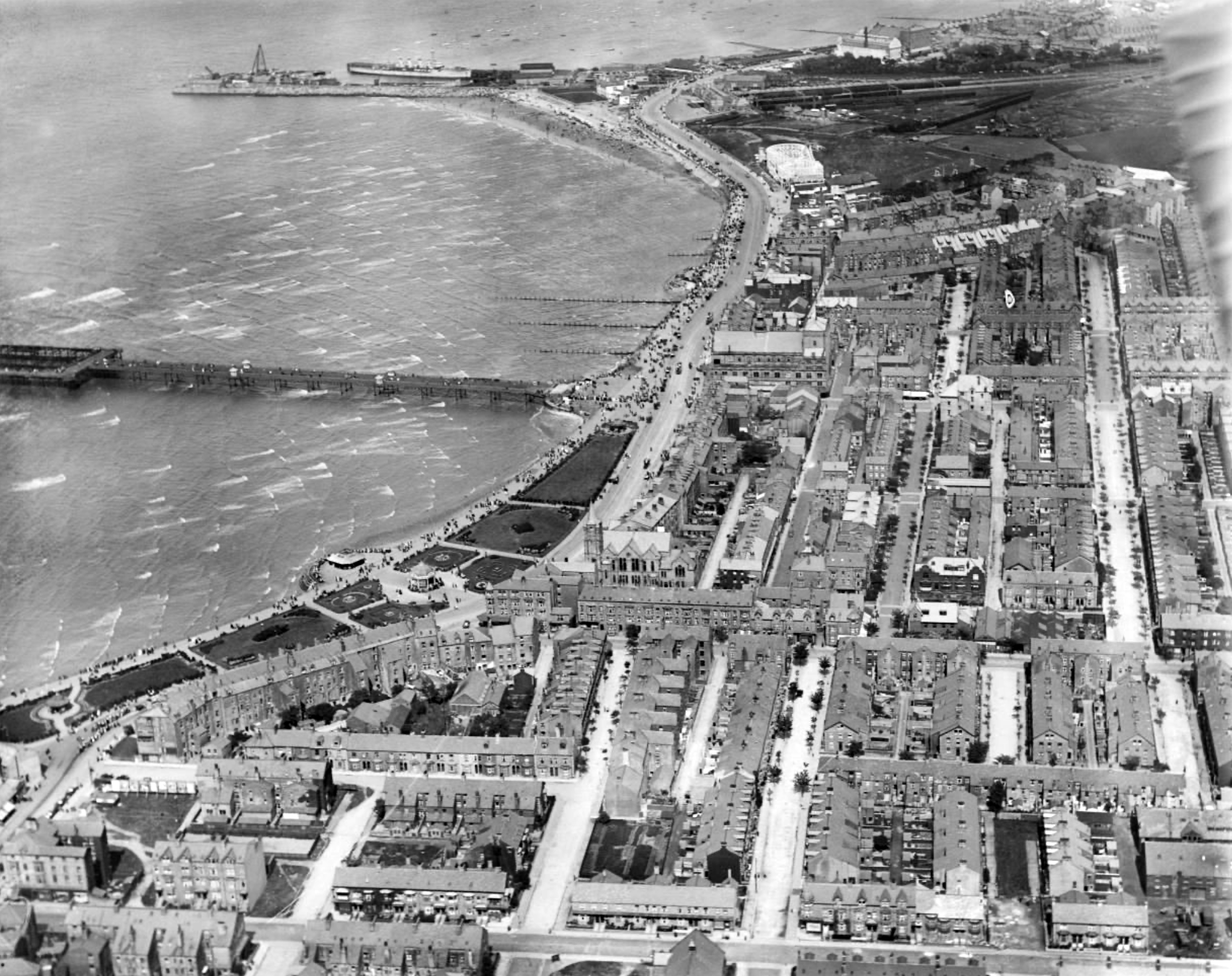
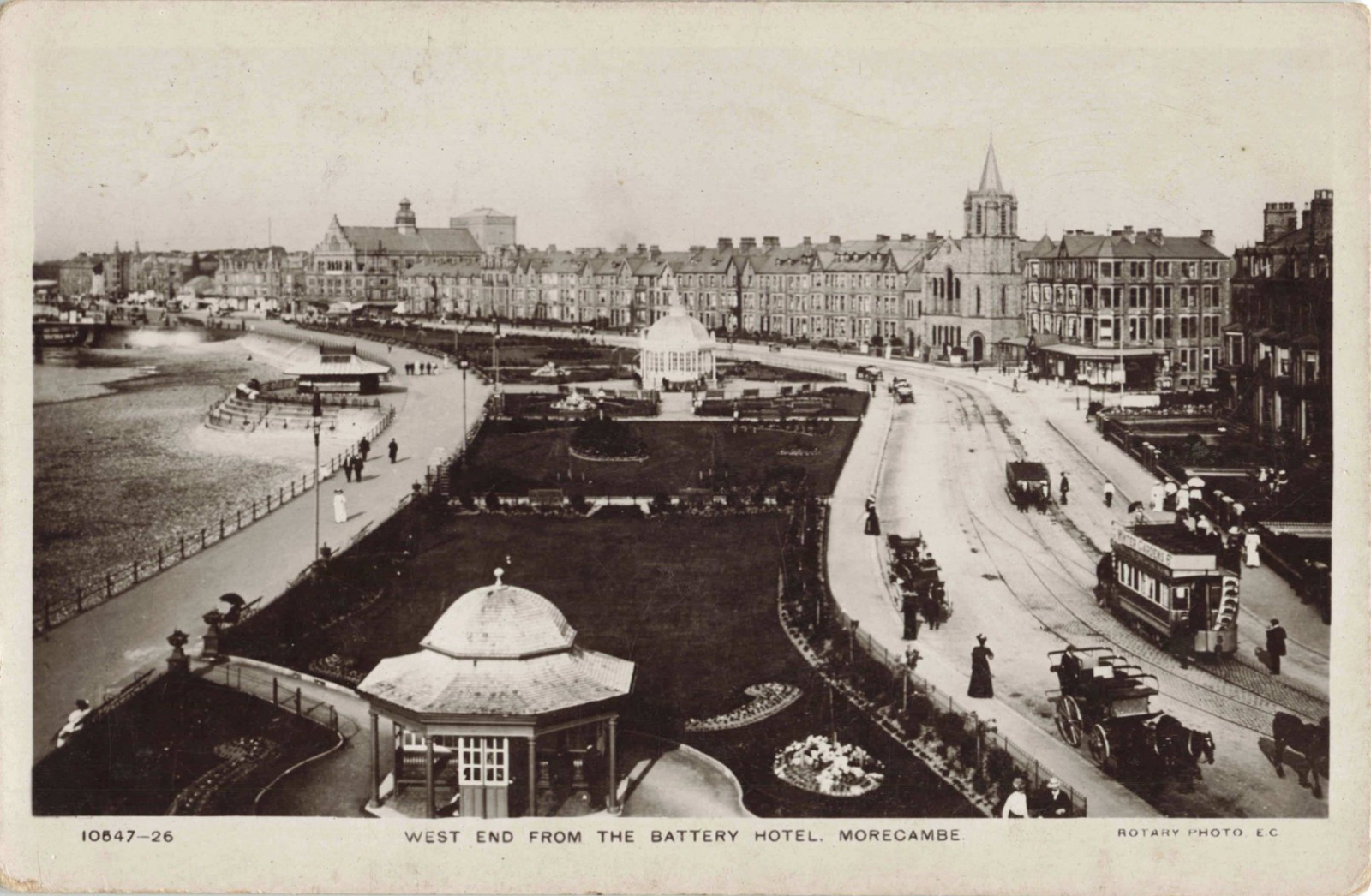
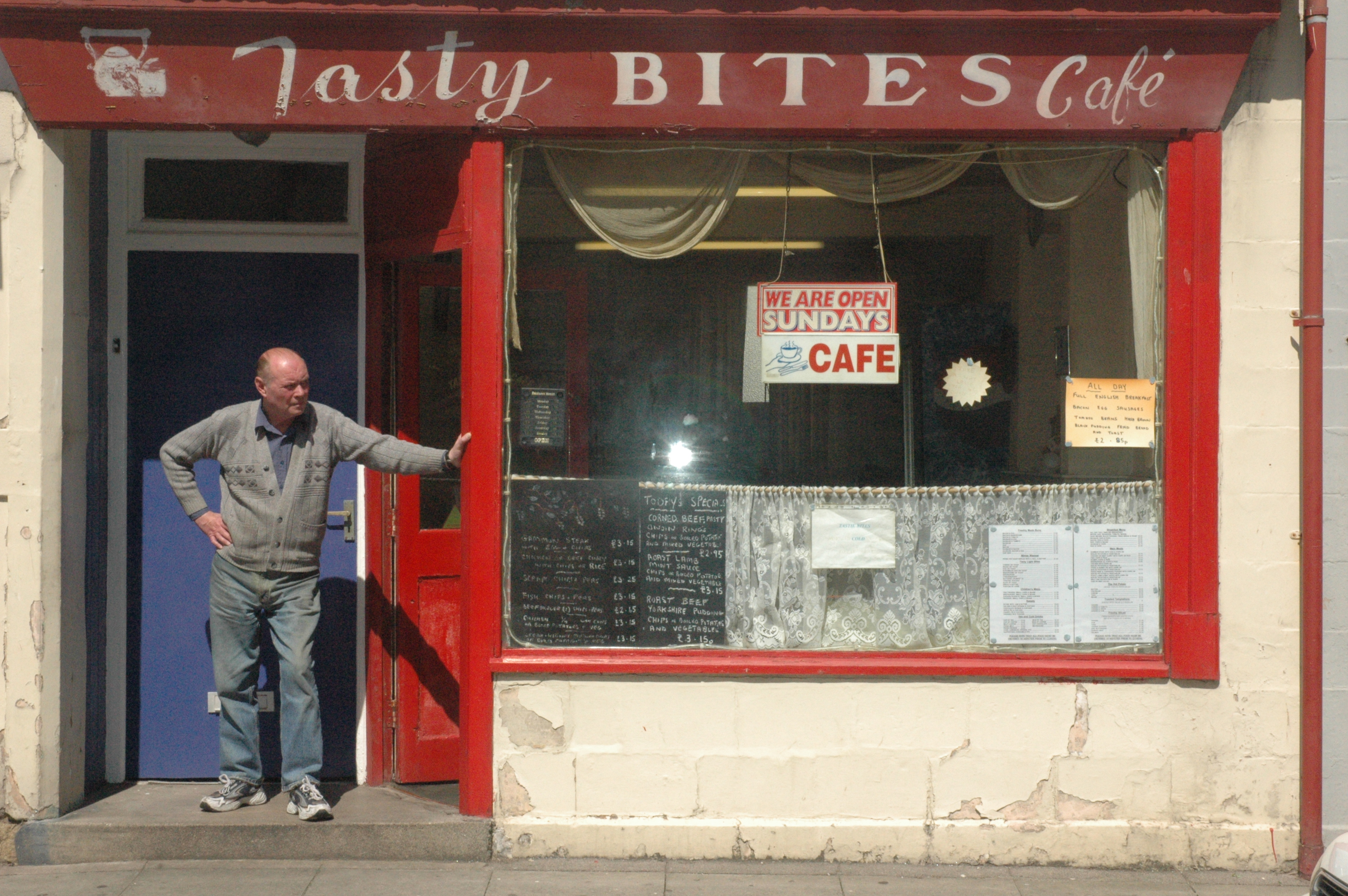
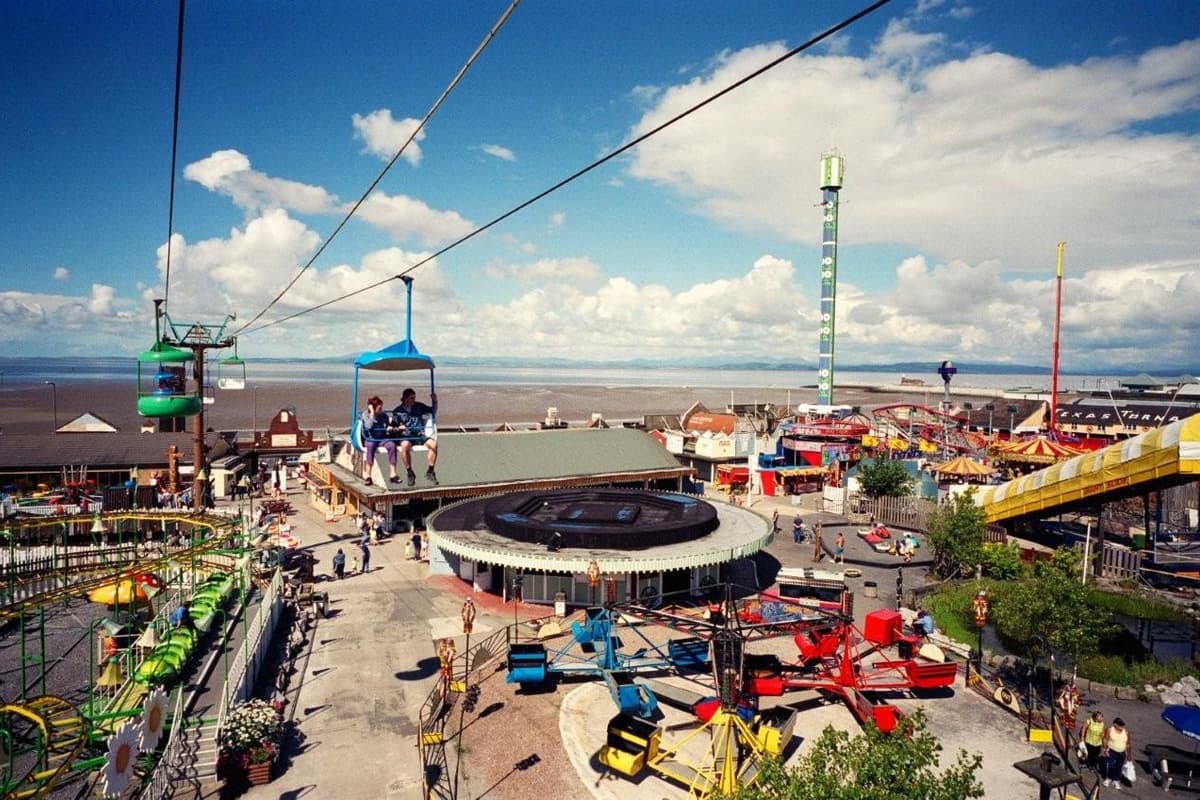
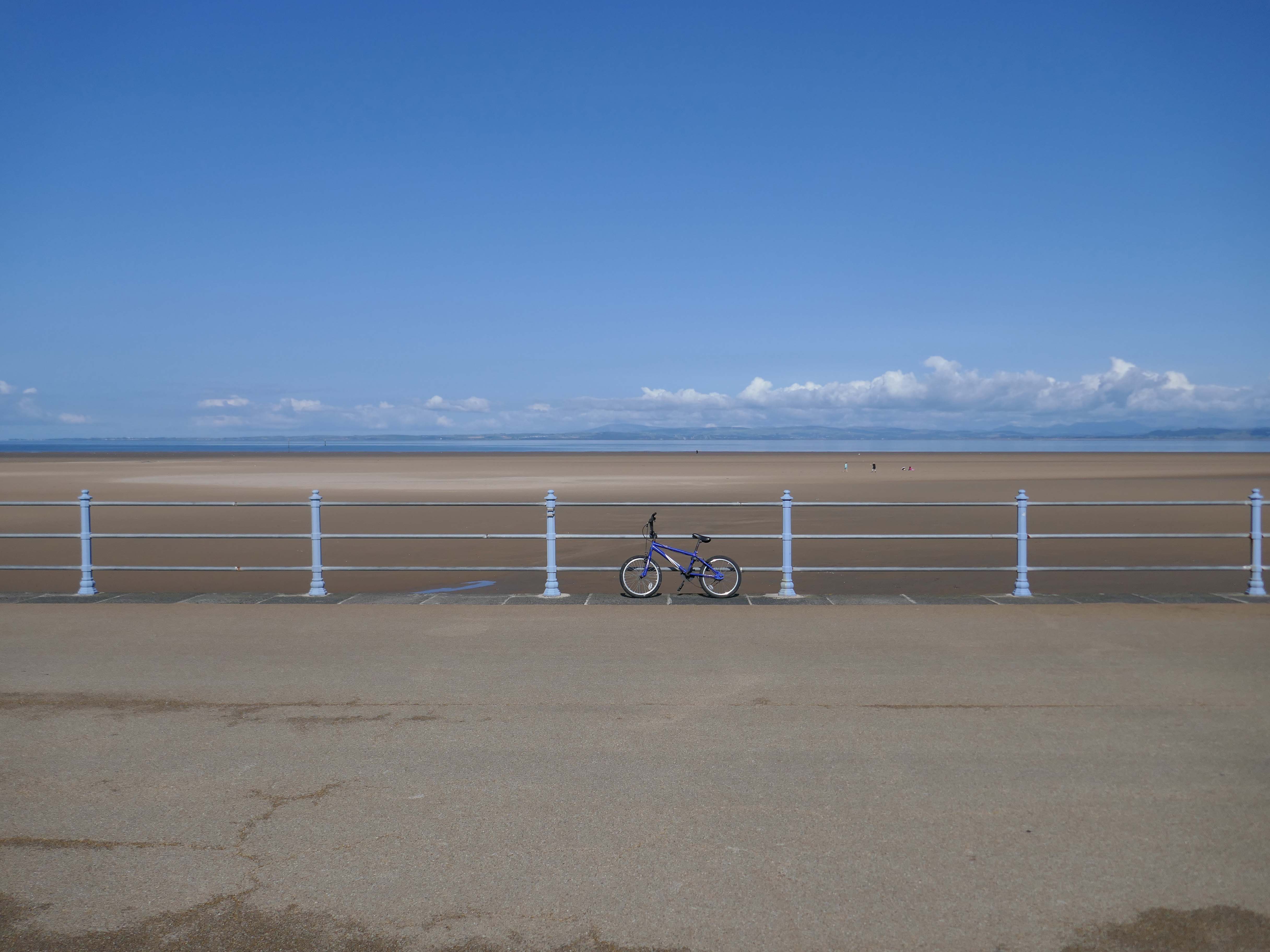
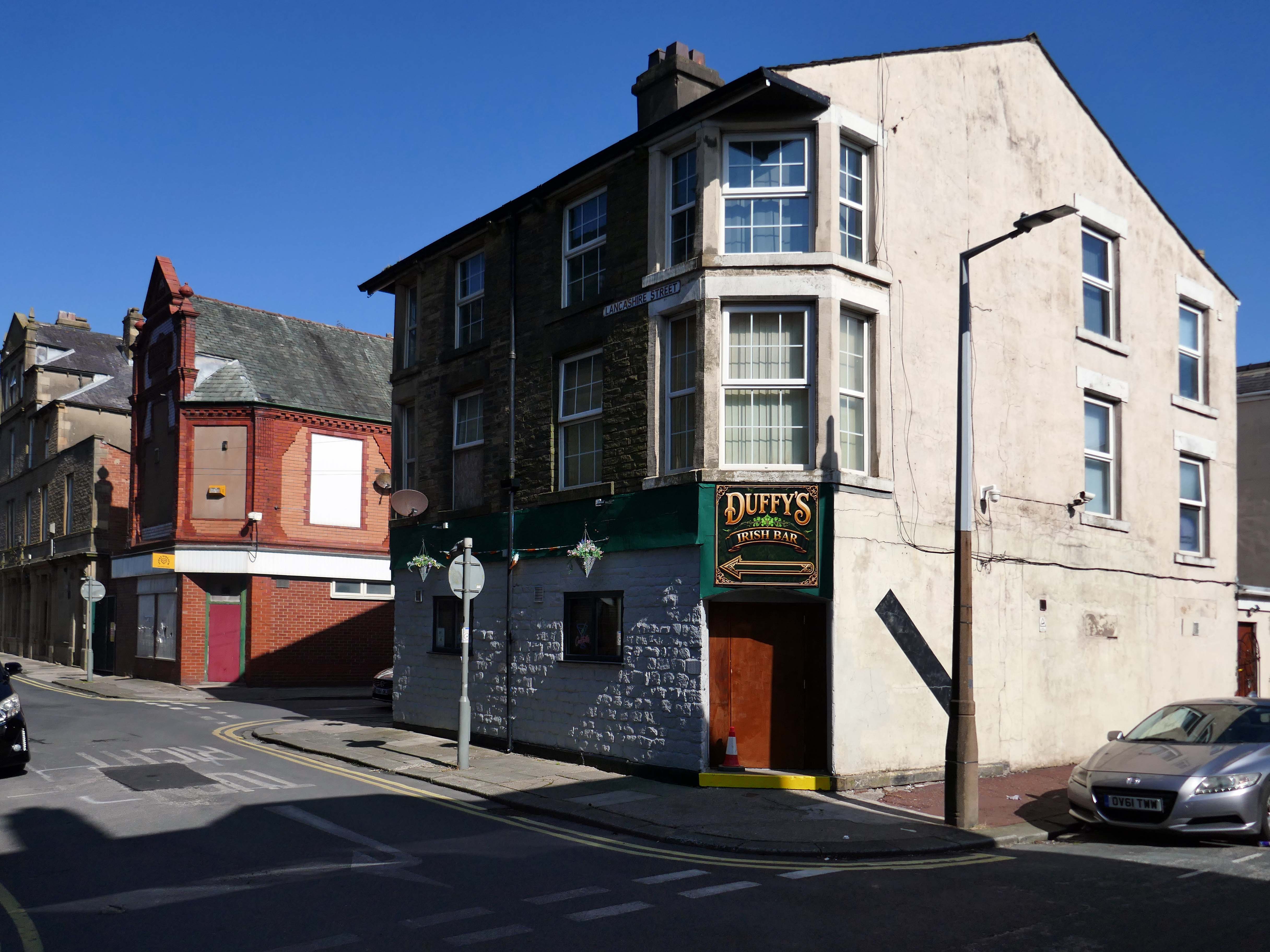
It was a sunny day in August so I went to take a look around.
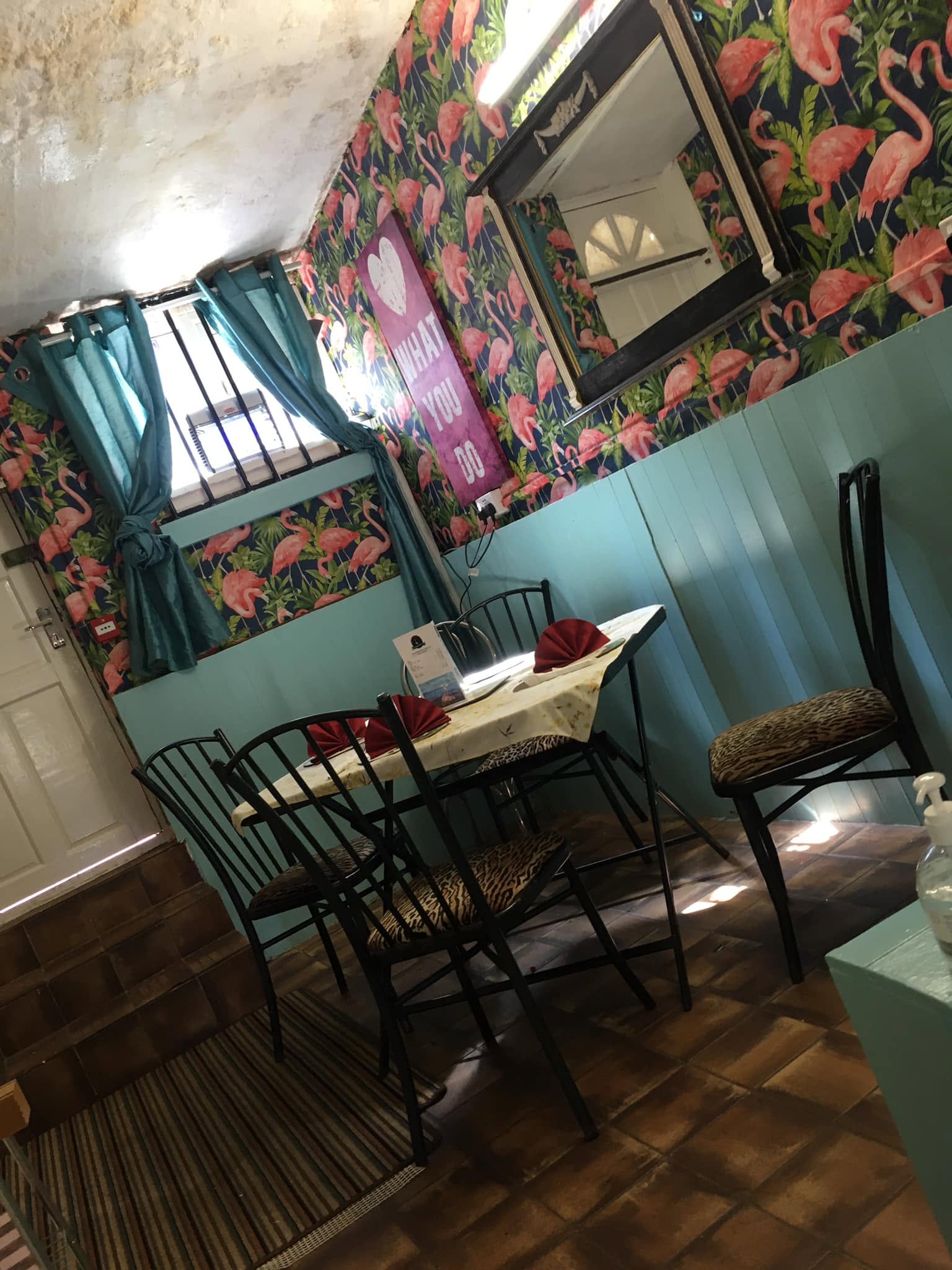
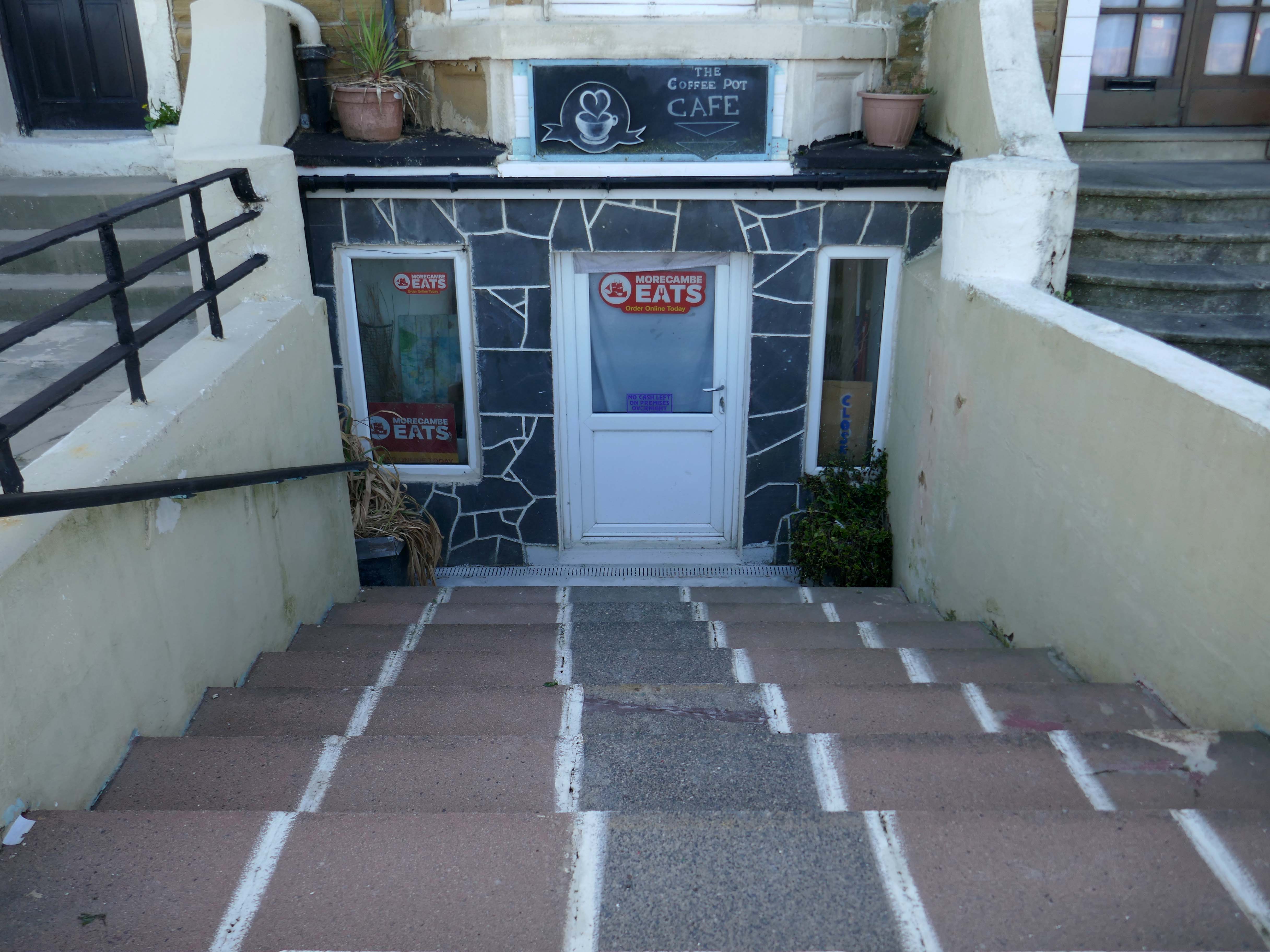
Come along to the Coffee Pot – 93 Marine Road
All day breakfast, burgers, panini, hot dogs and much more.
Outside seating on this lovely sunny day, come try us out.
Permanently closed.
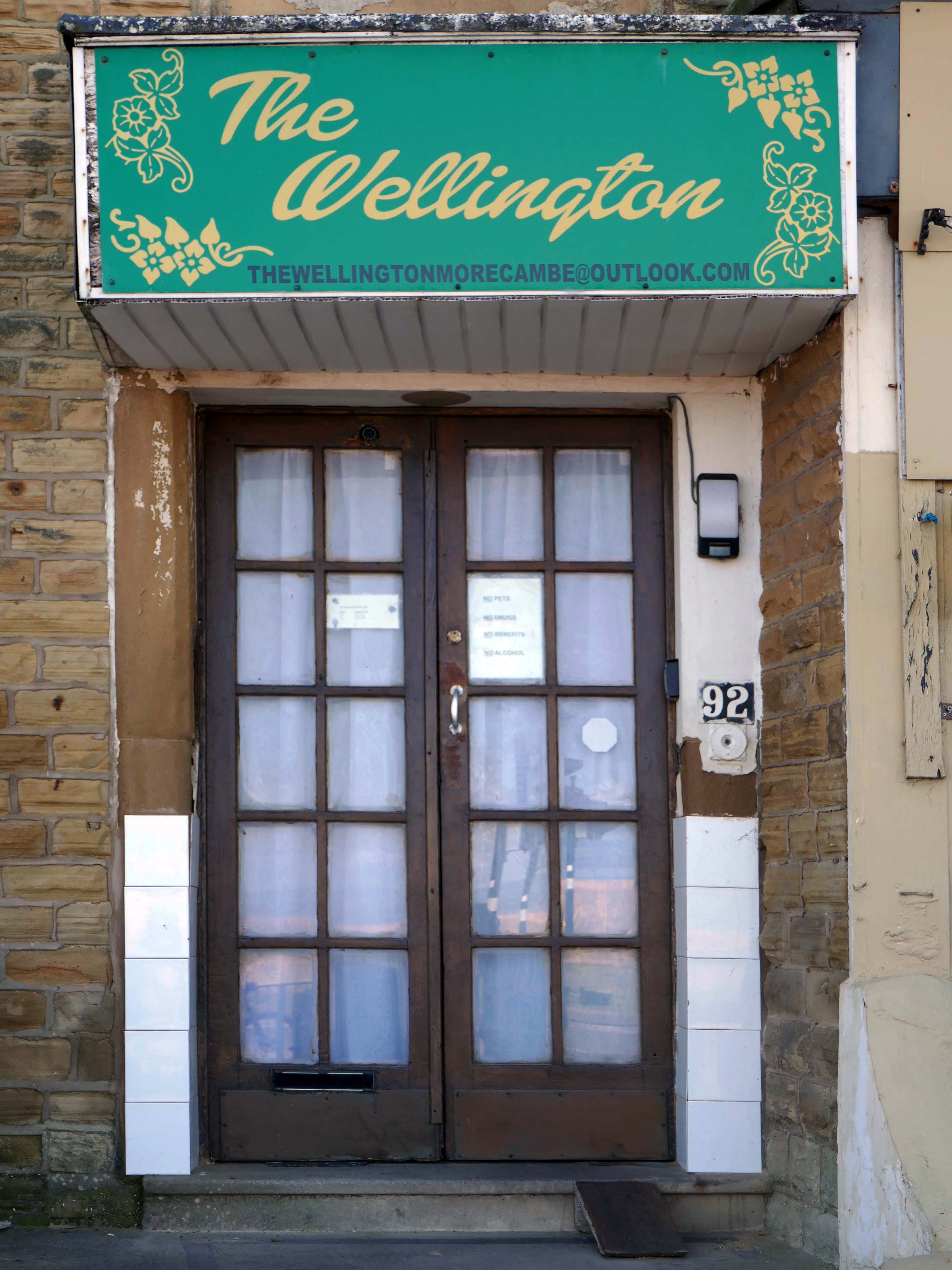
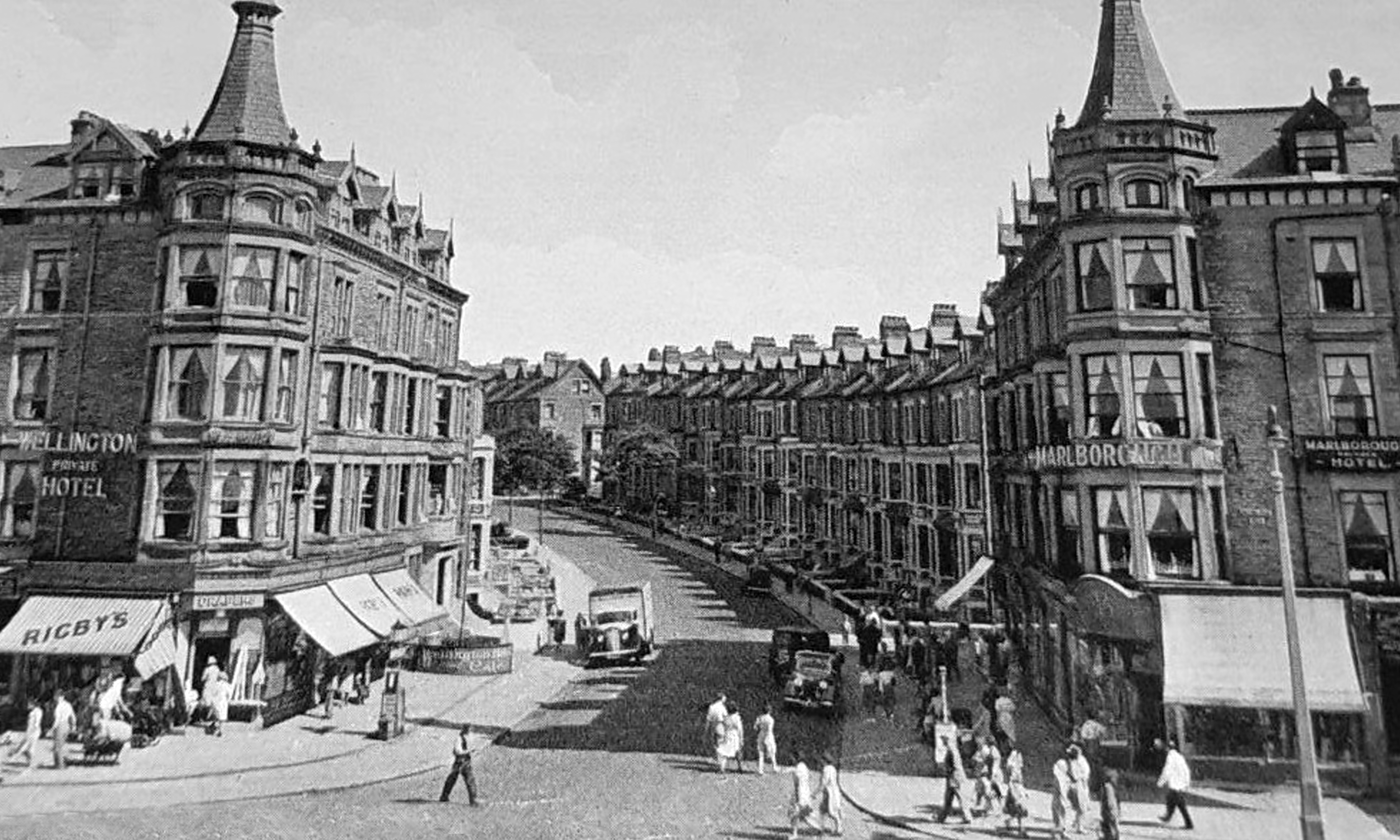
Offering sea views, The Wellington Hotel & Holiday Flats is an accommodation set in Morecambe, the accommodation offers a 24-hour front desk and free WiFi is available throughout the property.
The aparthotel is fitted with one bedroom, a fully equipped kitchenette with a microwave and a fridge, and one bathroom with a shower and a hair dryer.
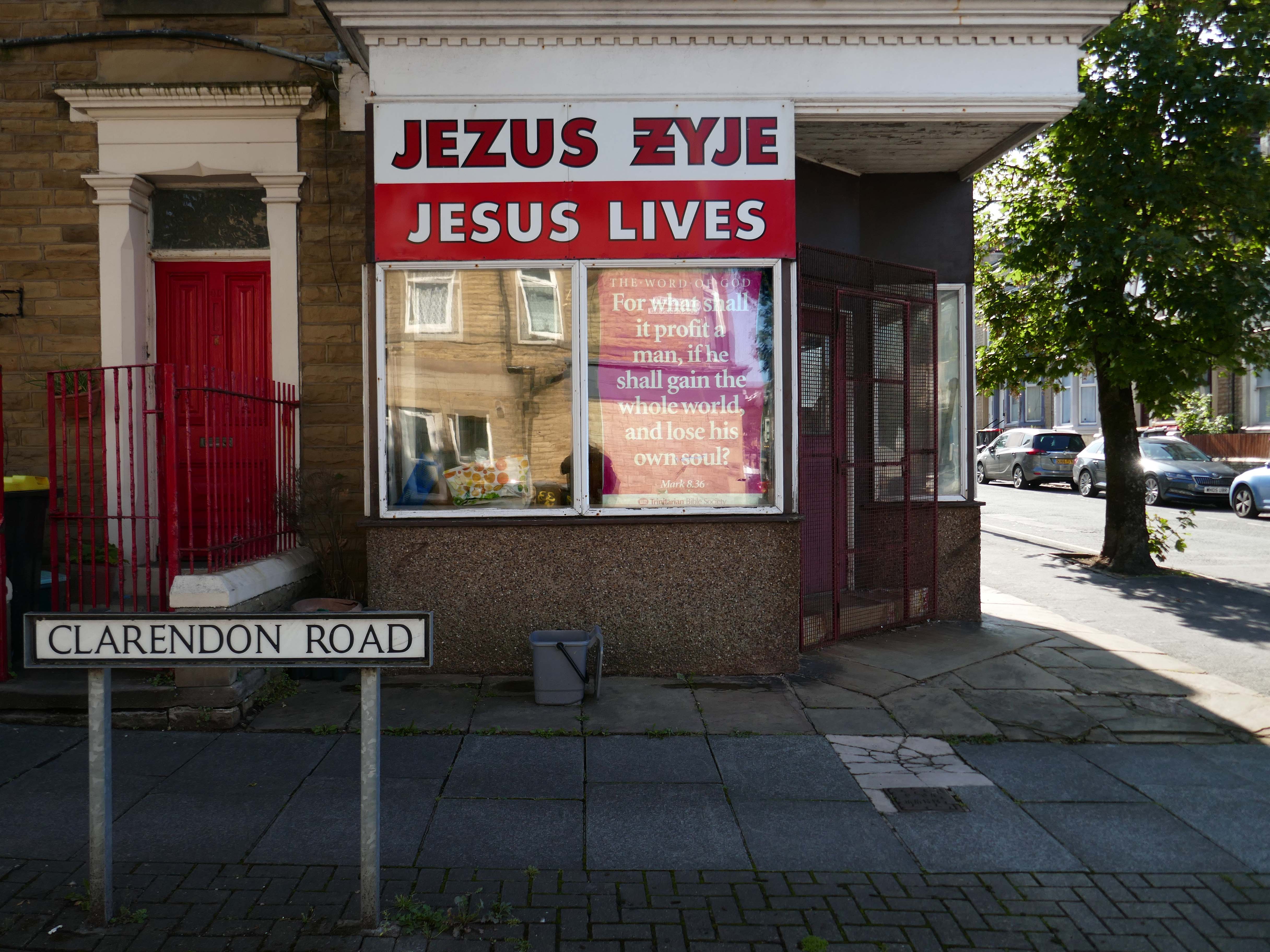
Olive Tree Ministries – serving the Polish Community.
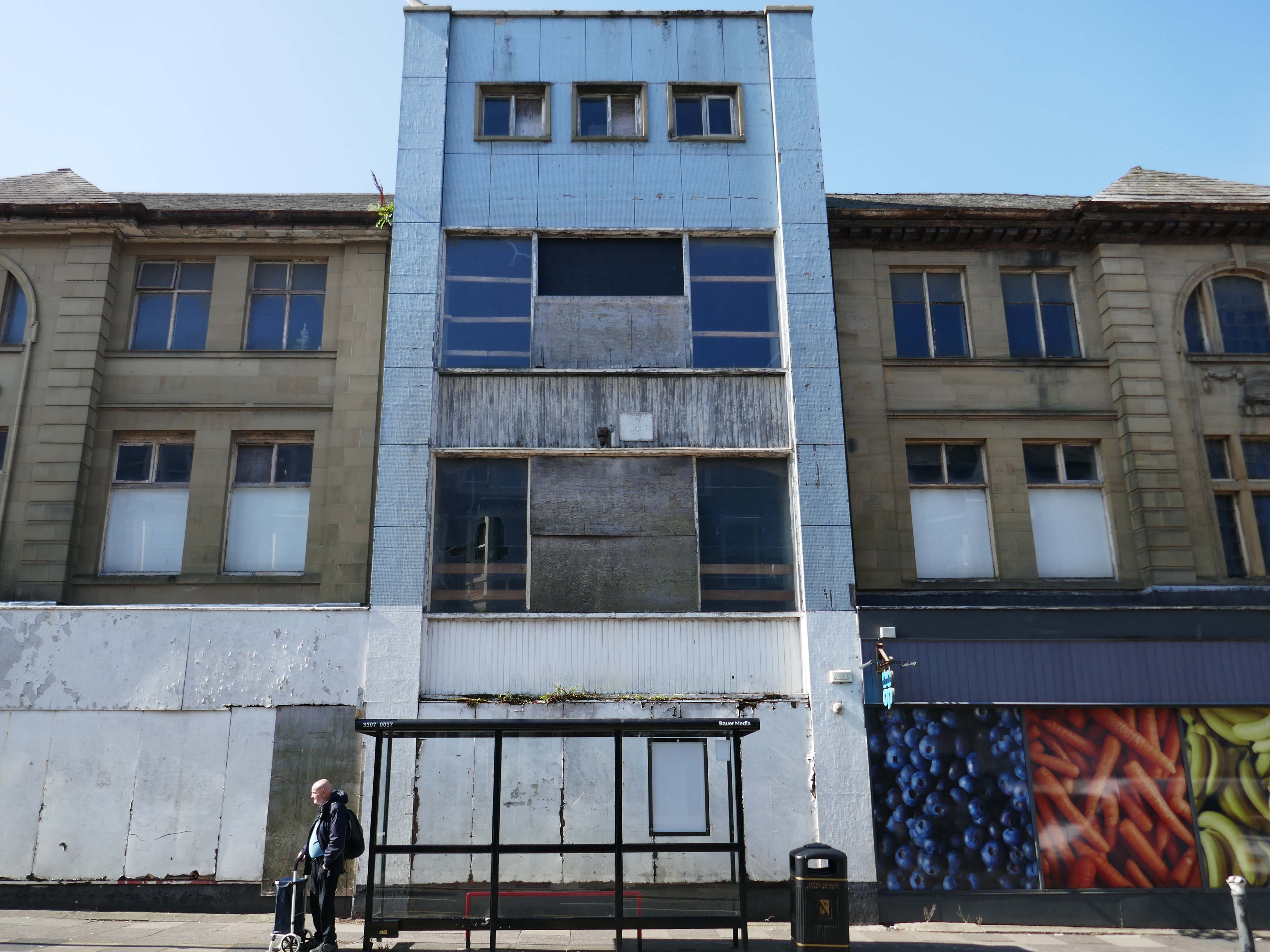
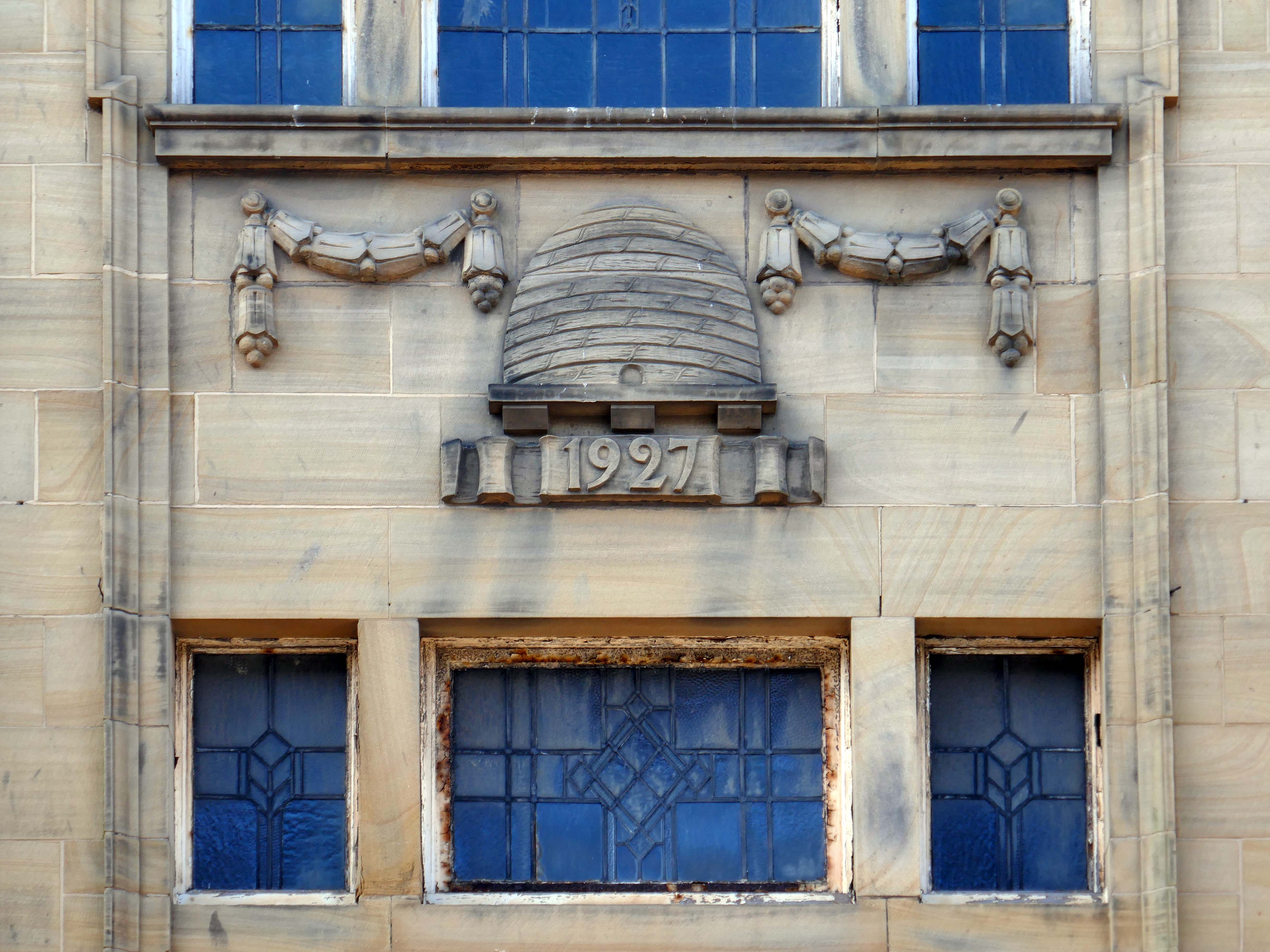
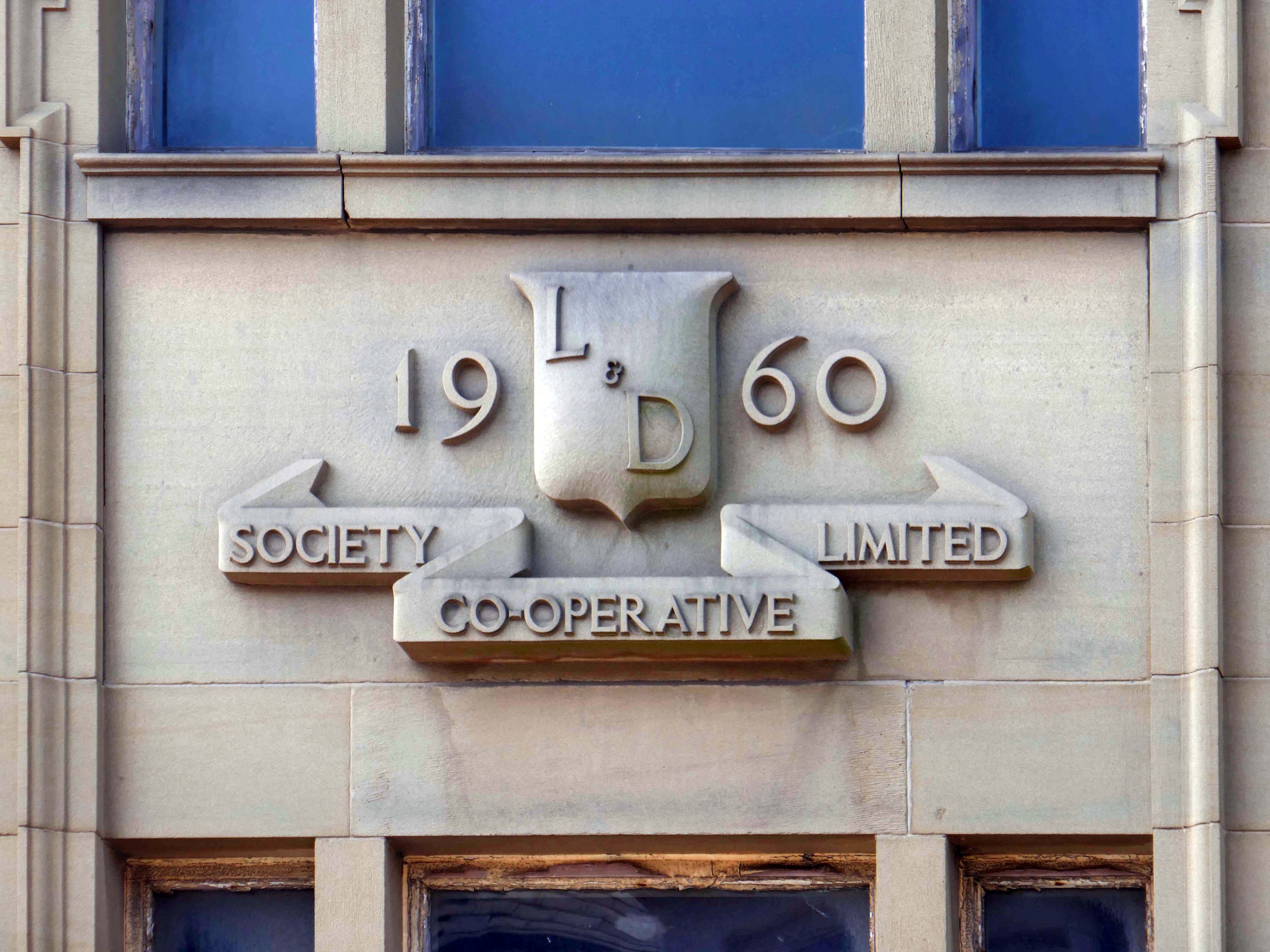
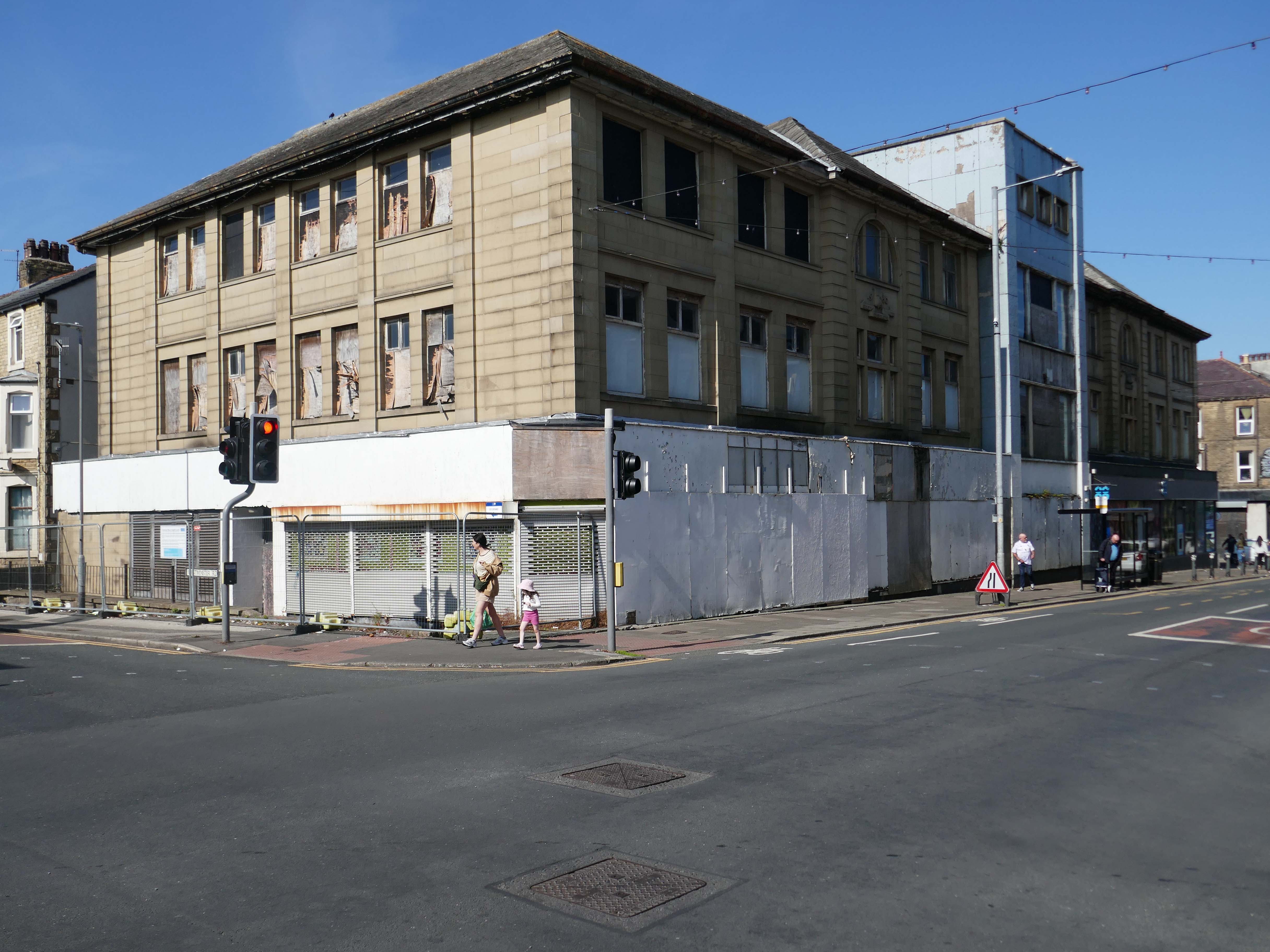
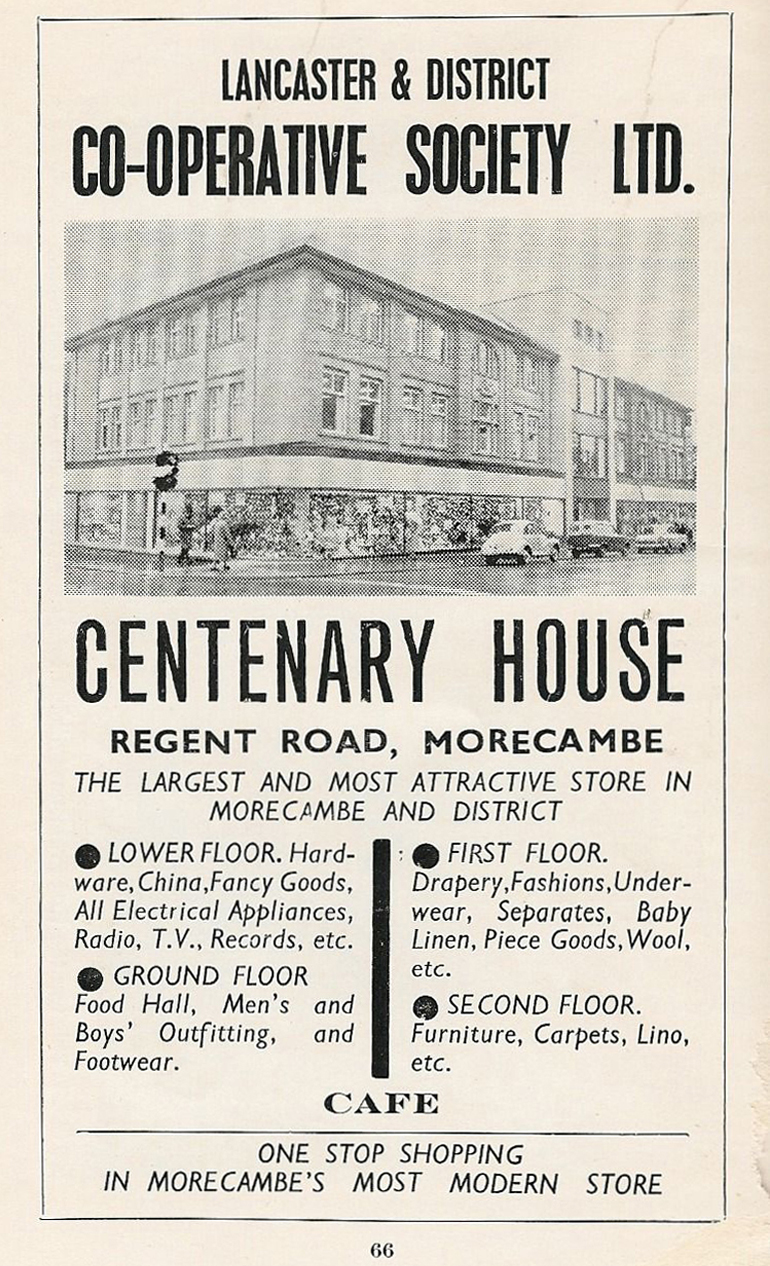
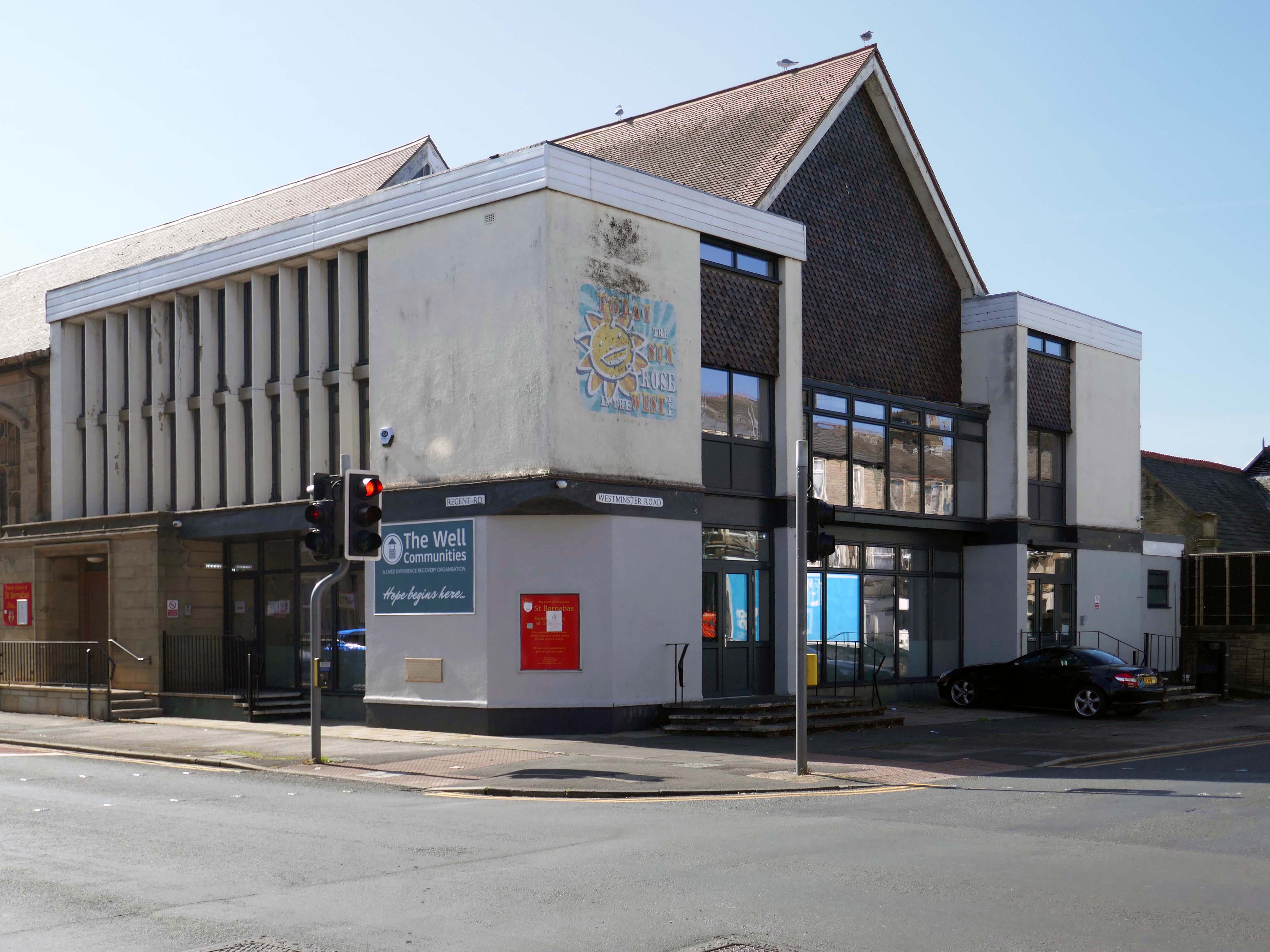
Lancaster City Council’s ambitions to bring back to life the site of a former department store have moved one step closer thanks to the award of a government grant worth nearly £750,000.
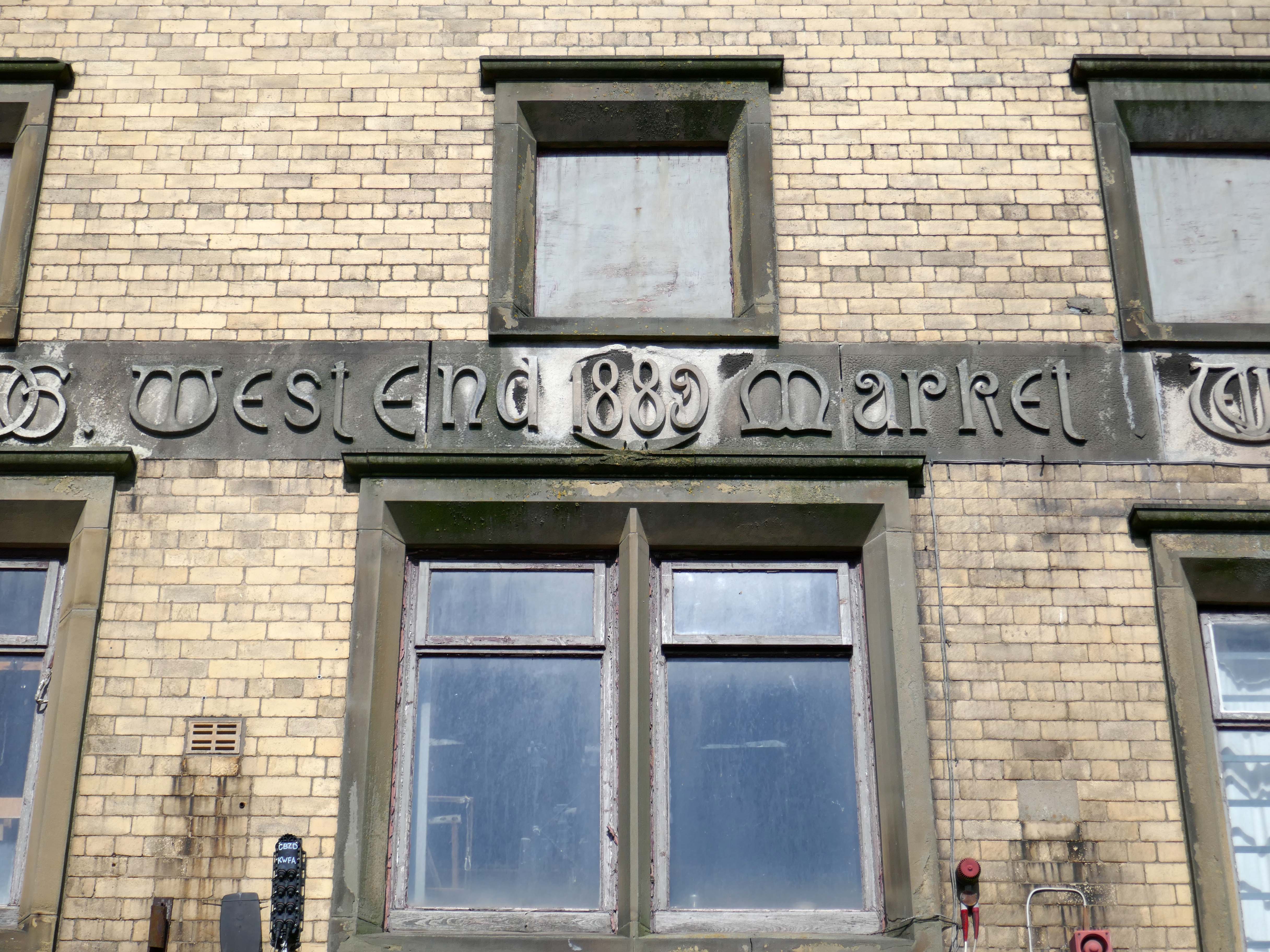
Bought by the city council as part of the West End masterplan, the intention is to refurbish the building’s upper floors to provide affordable housing, retaining the Co-Op late shop that occupies one-half of the ground floor.
The Well Communities is a peer-led recovery organisation built on support, inclusion, and lived experience. For more than a decade, we’ve helped people across North Lancashire and Cumbria overcome drug and alcohol challenges, rebuild confidence, and move toward healthier, more hopeful lives.
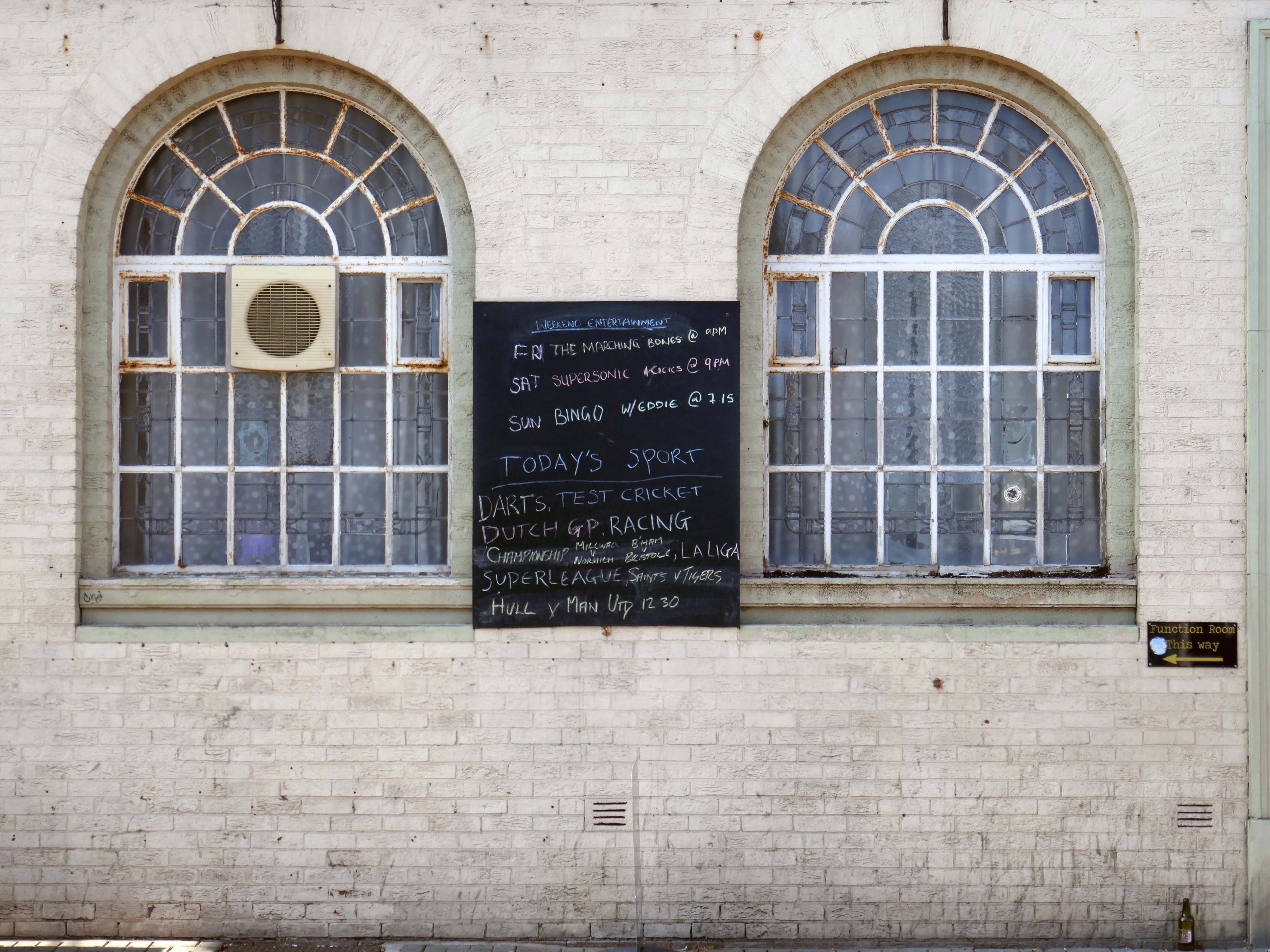
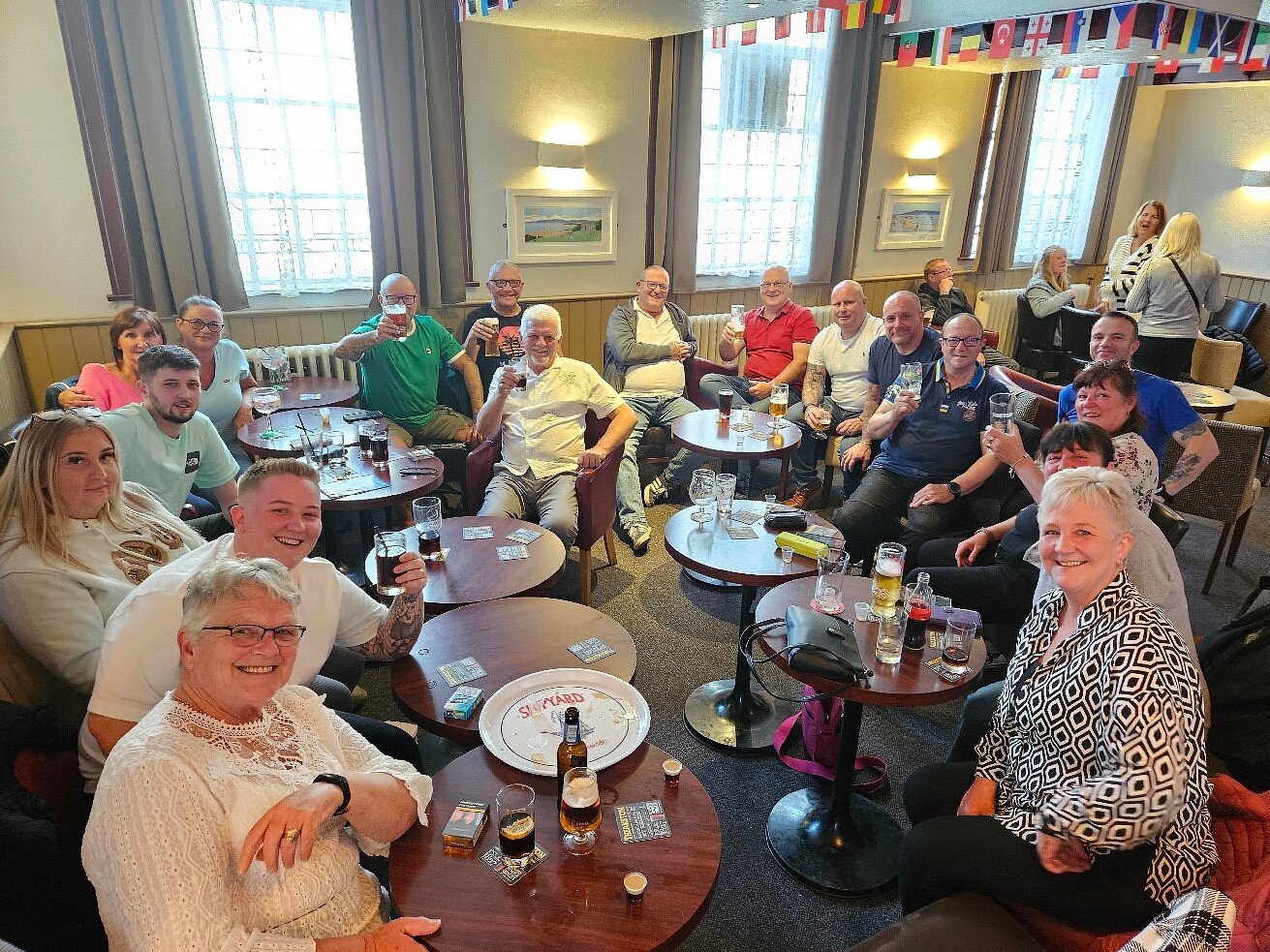
This is by far the best, friendliest and cheapest pub I have been to in the fifteen years I have lived in Morecambe.
Initially they owned the Ranch House on the promenade but moved to the Exchange – then called the Imperial, some years ago. Rob and Debbie completely turned the place around, barring all the undesirables and introducing live music every weekend. Rob has kept the ale prices down which is reflected by the numbers of regulars and visitors it attracts.
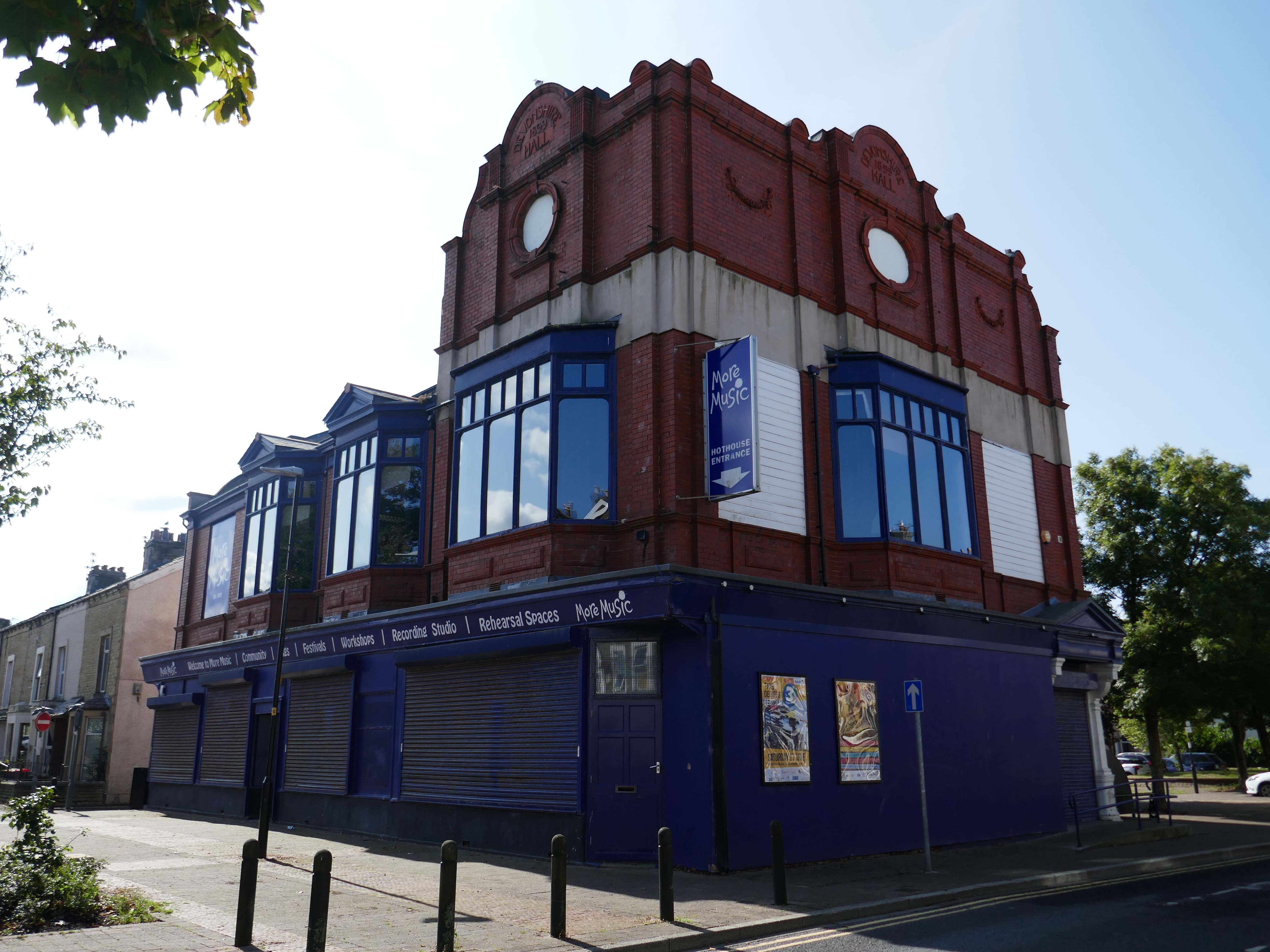
More Music is a music and education charity based in the West End of Morecambe, with 30 years of experience delivering workshops, training, performances and festivals across the district, region and beyond. More Music seeks to build confidence and spirit in individuals and communities through the arts, especially music. More Music is an Arts Council National Portfolio Organisation.
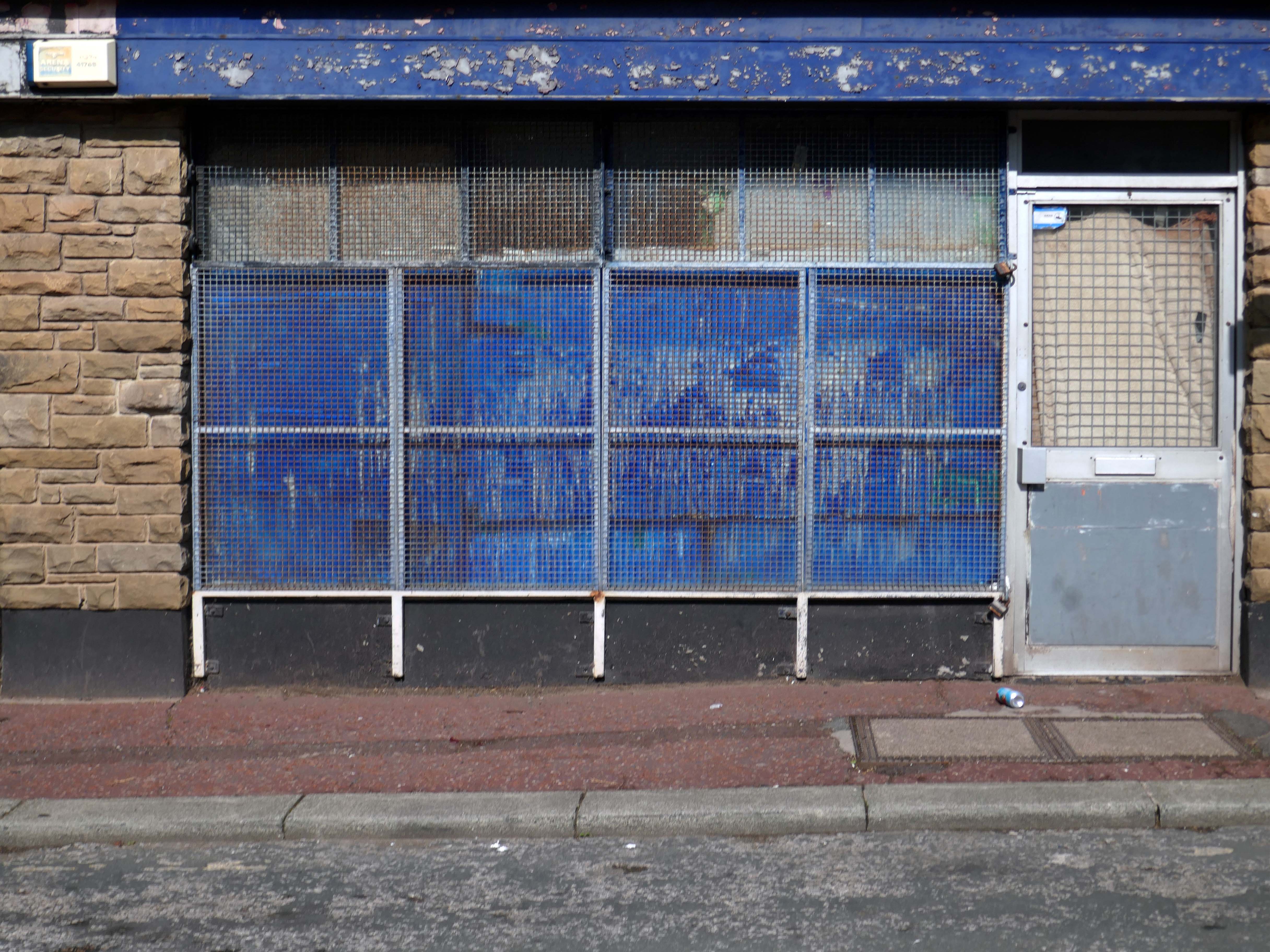
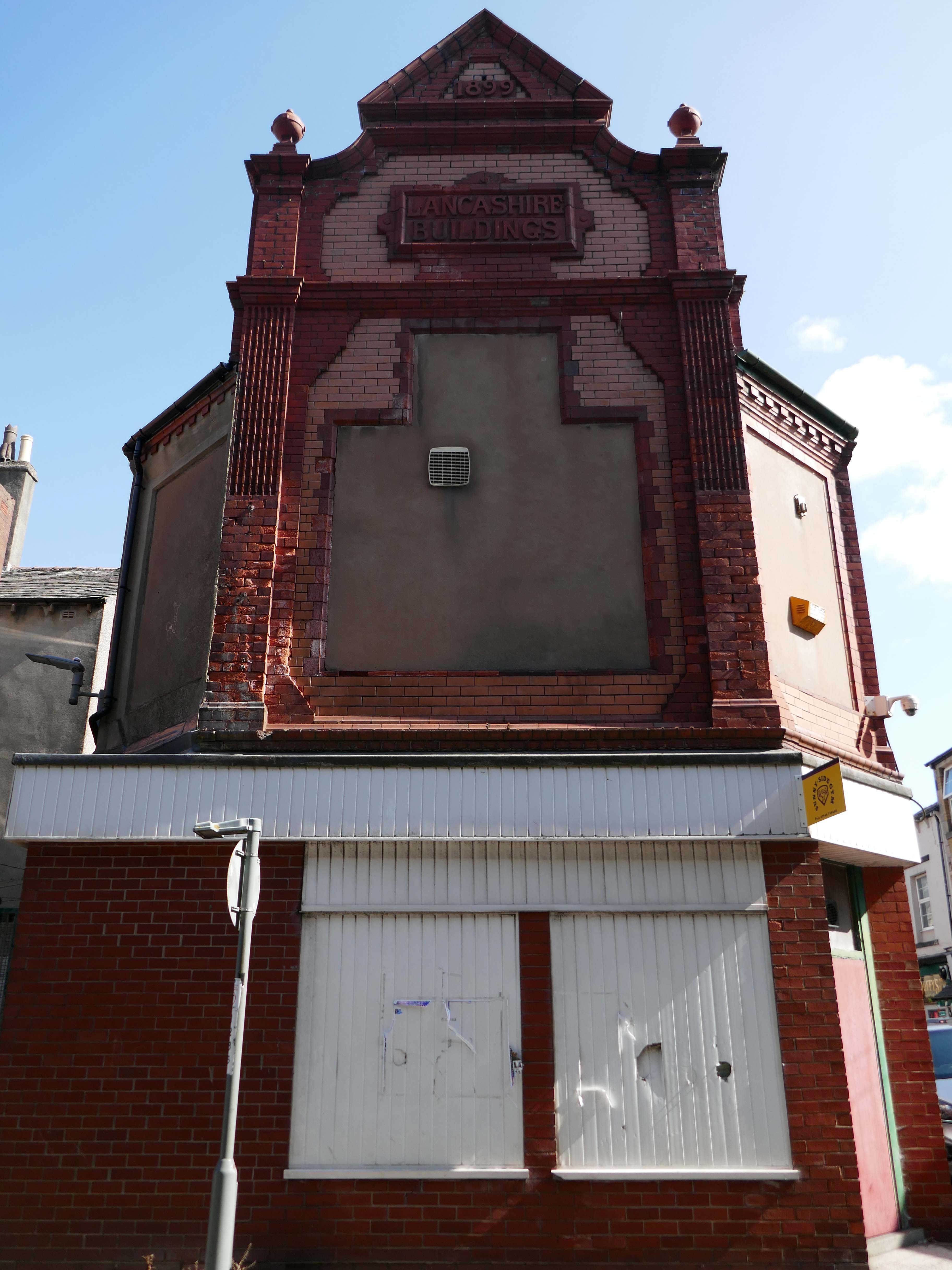
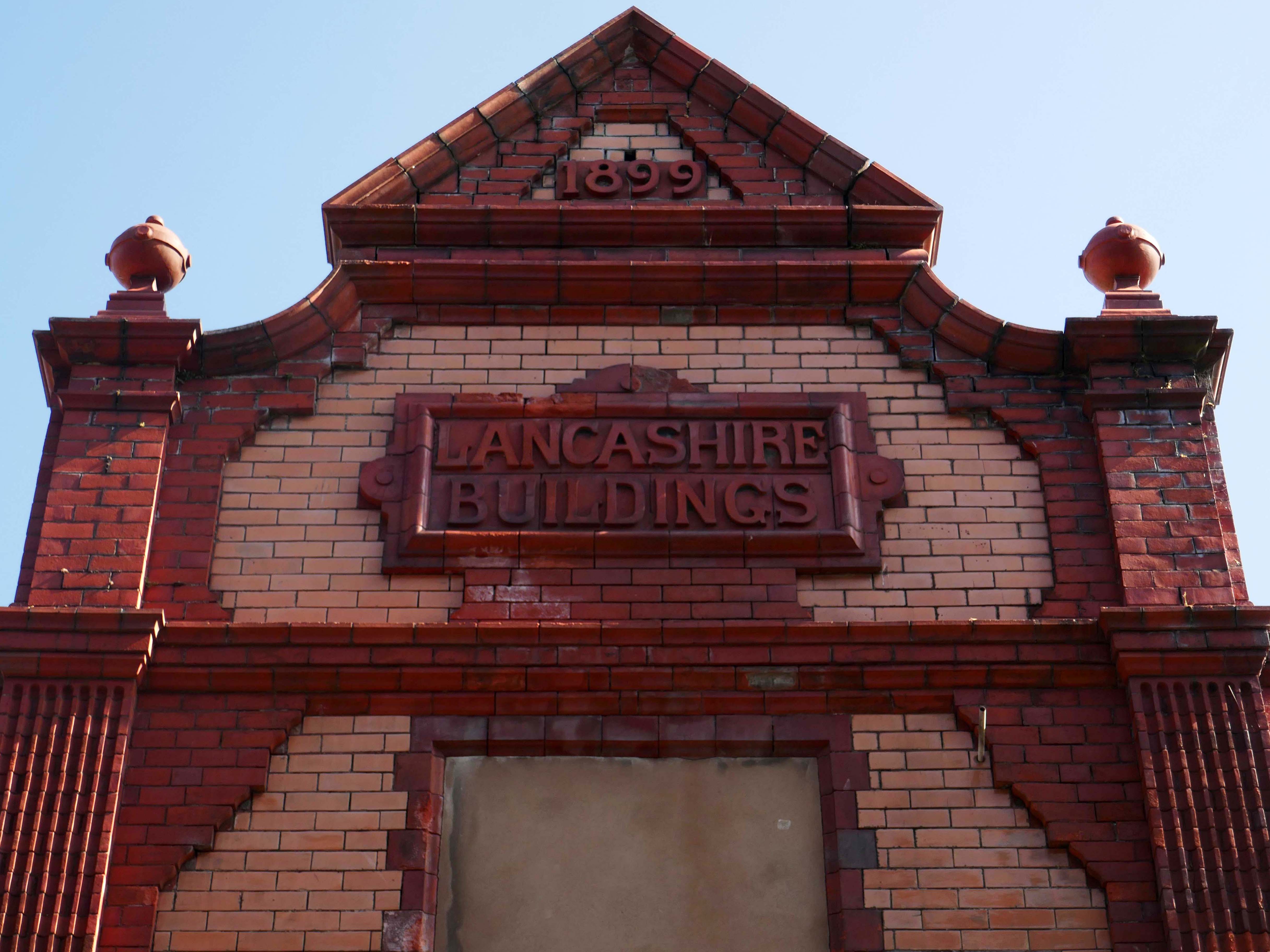
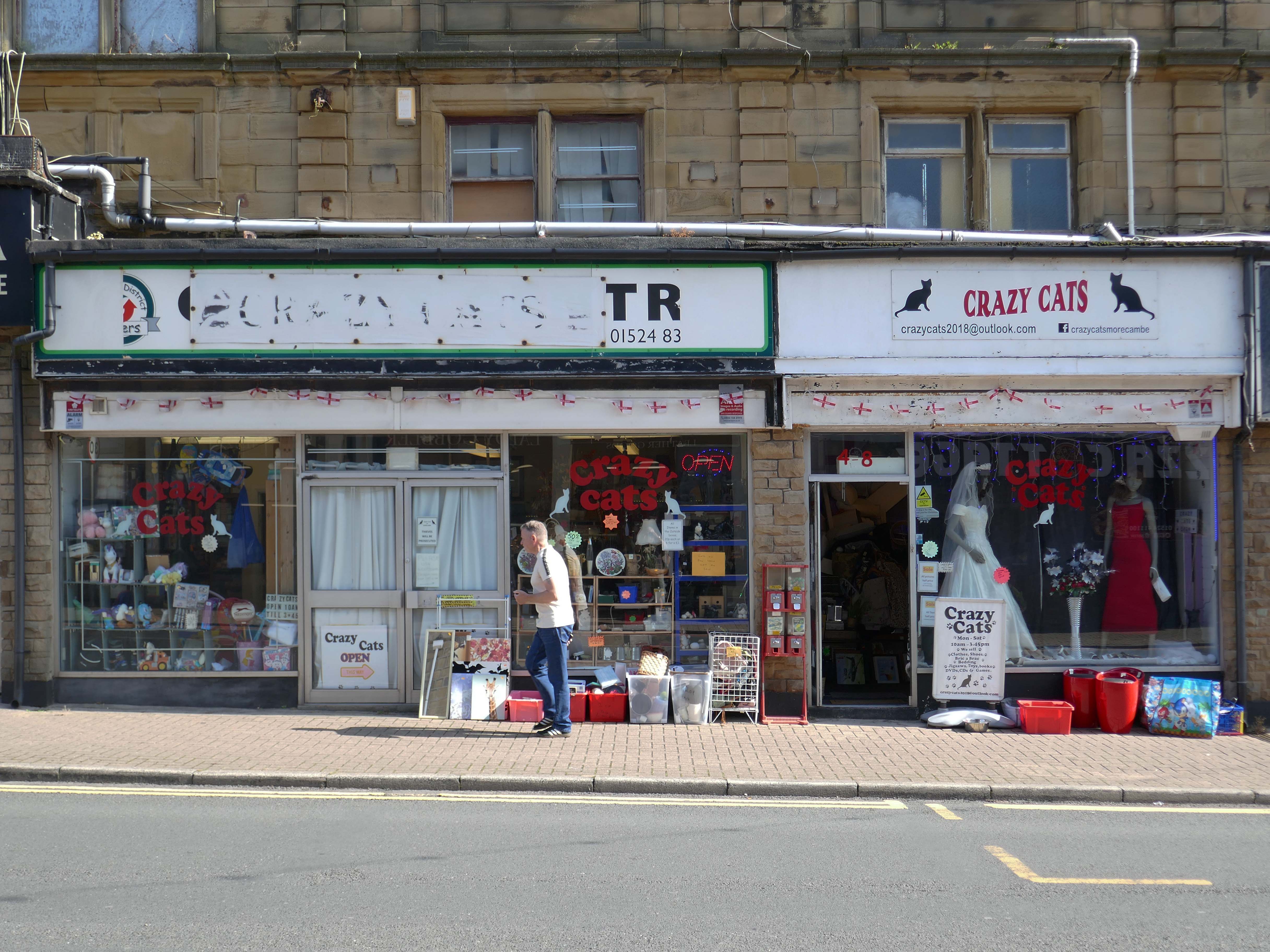
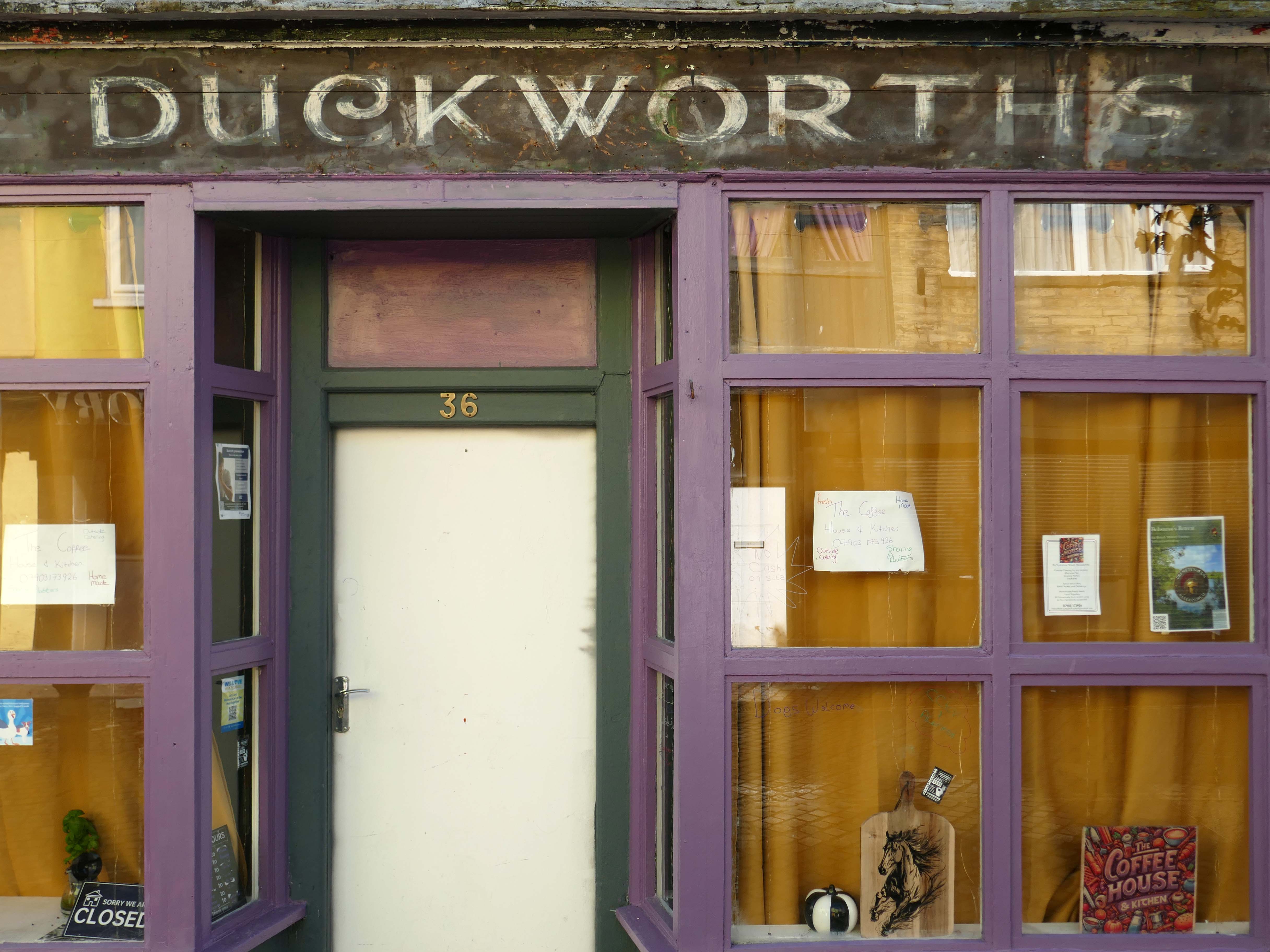
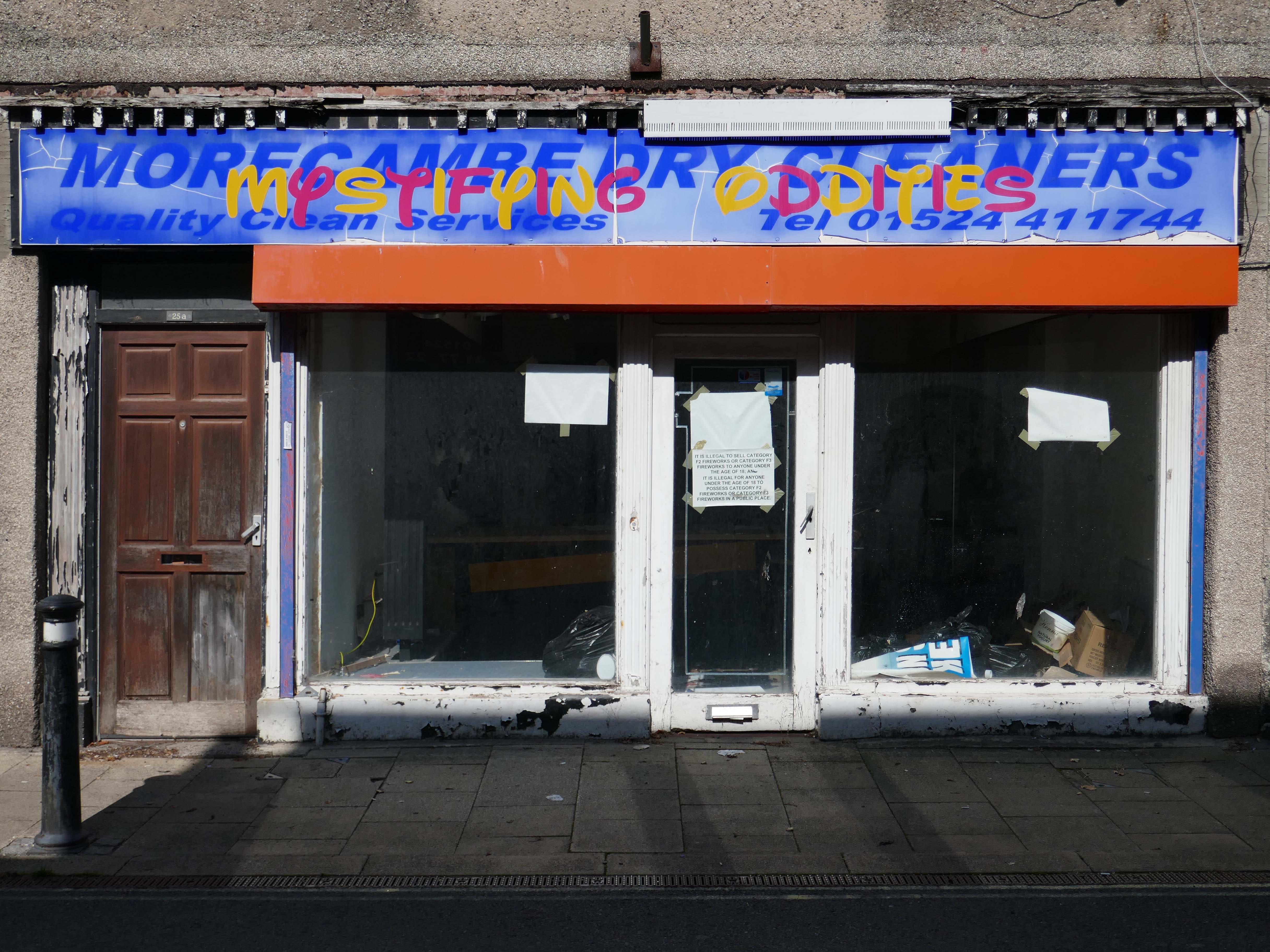
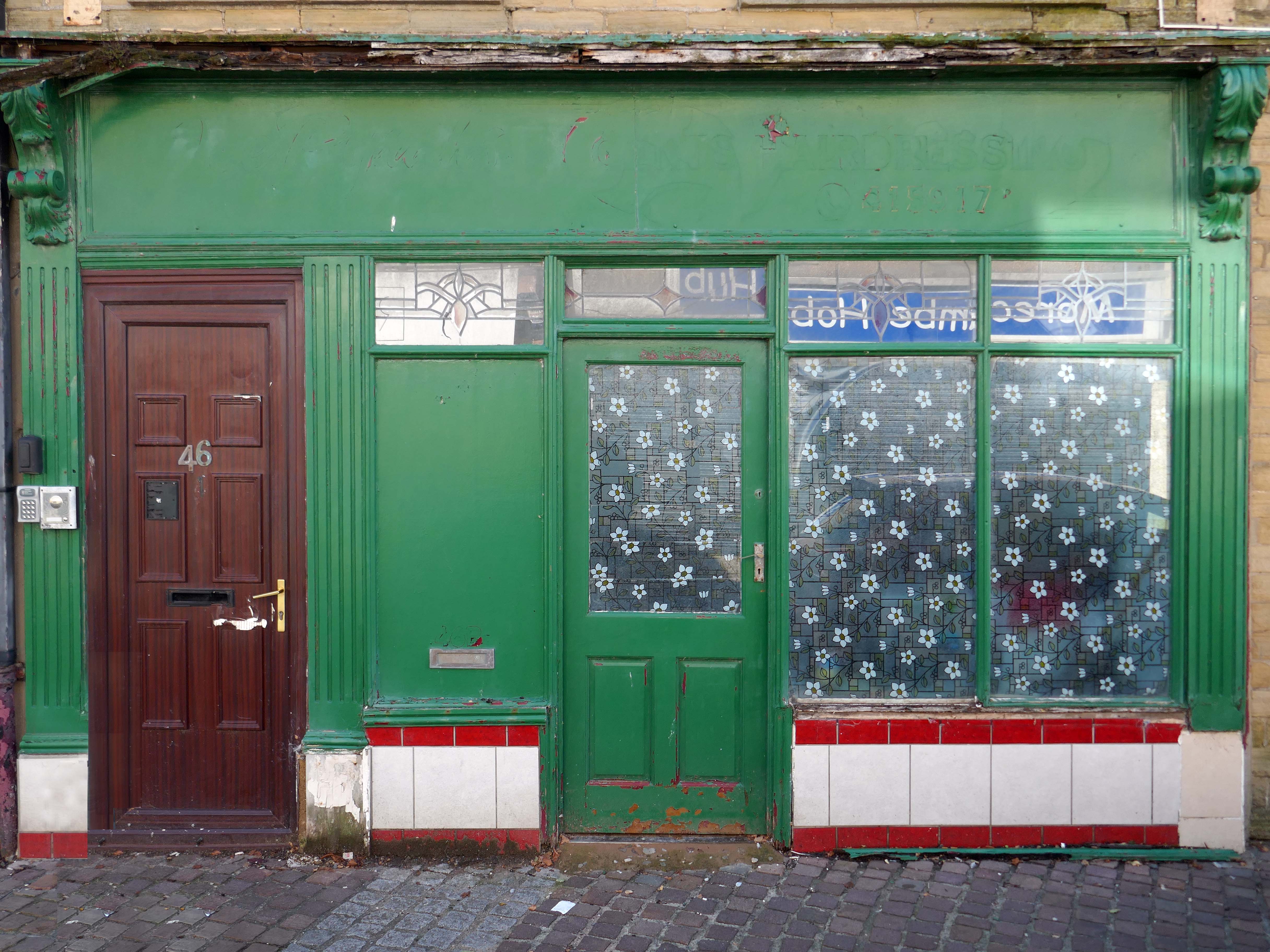
Action is needed to tackle empty shops and rundown buildings in Morecambe’s West End, councillors have said.
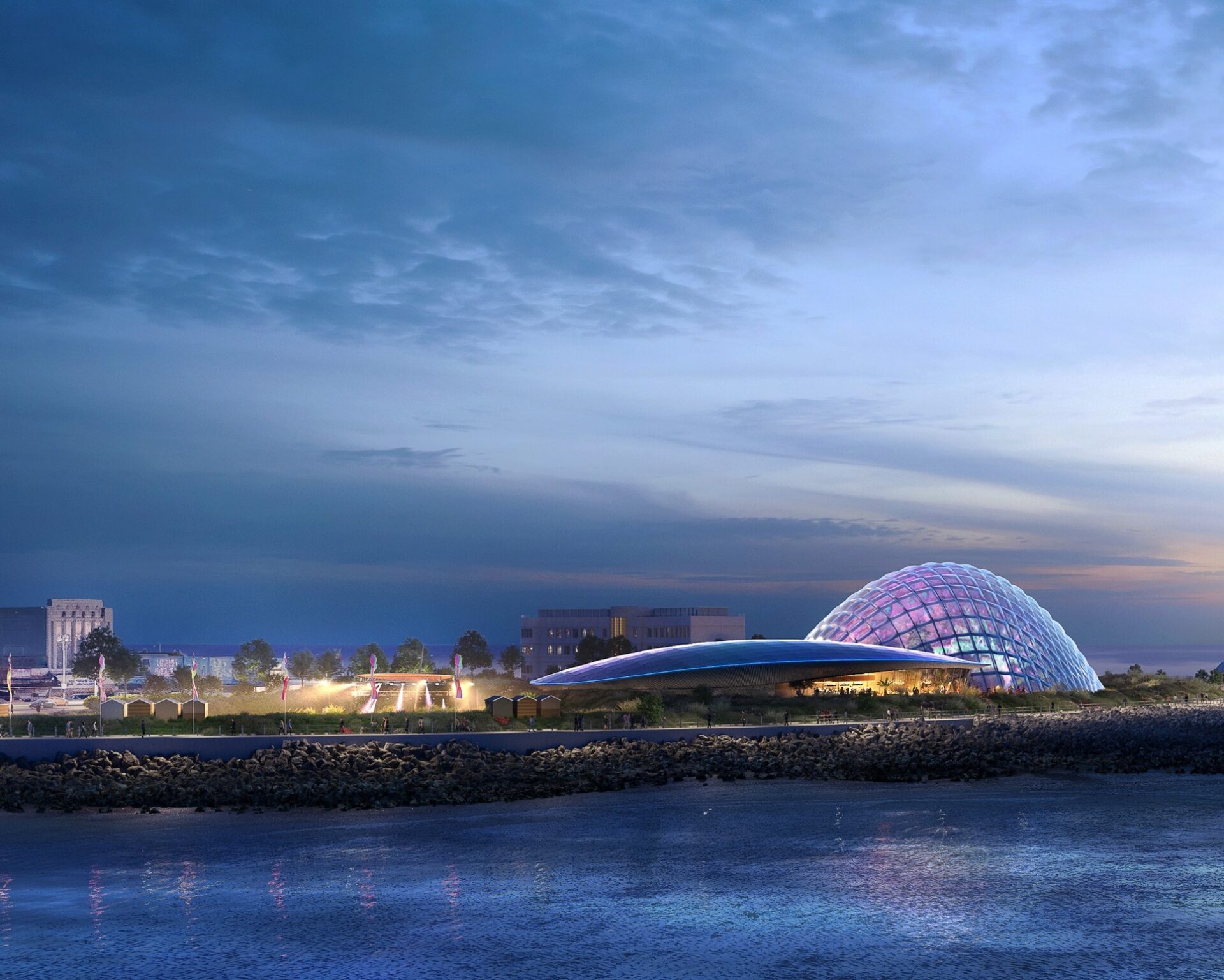
Coun Whitaker “Do you agree that we need to stop the rot and the domino impact of more boarded up properties which residents are getting really fed up of? We need to prioritise getting boarded up properties back into use, as business or arts opportunities. Hopefully, we can make the West End a good arts hub when the Eden Project arrives?”
Coun Bottoms replied: “Yes, there are lots of ideas and lots of talk at these meetings. But there is no real vision or strategy. That’s what we need to move things forward. We need positive action, not just words.”
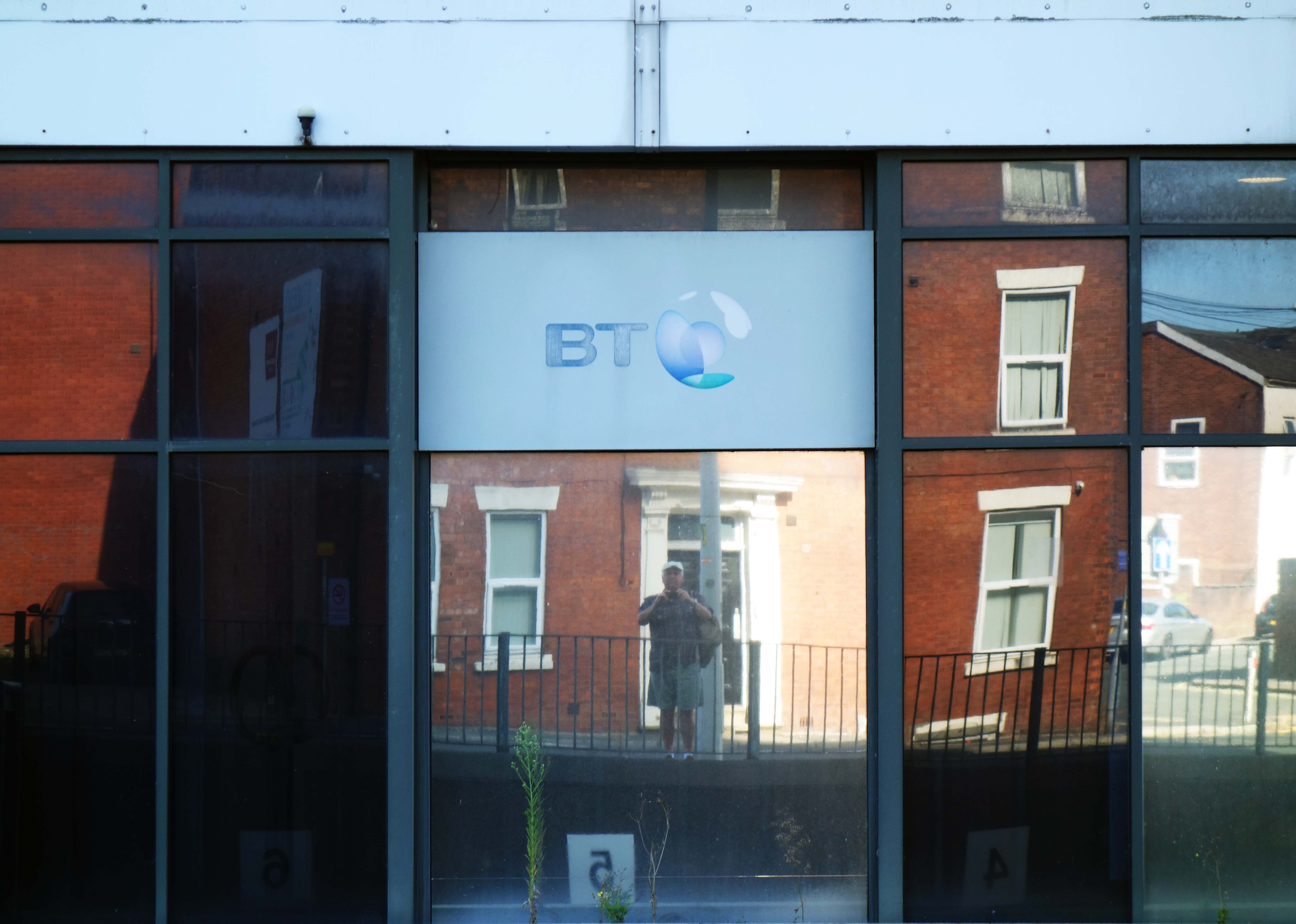
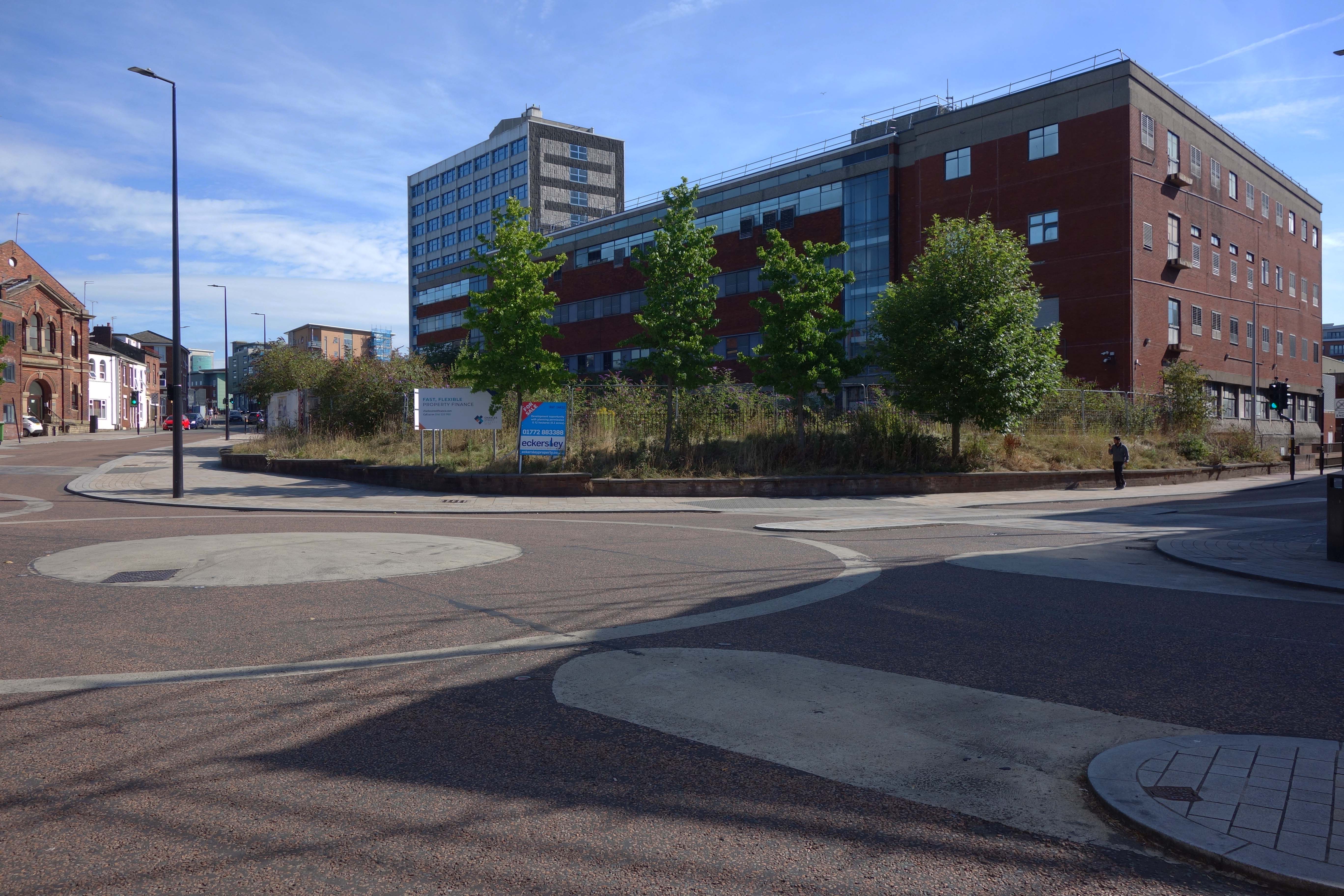
A visit to Preston on our Modernist Walkswould not be complete without a visit to Telephone House.
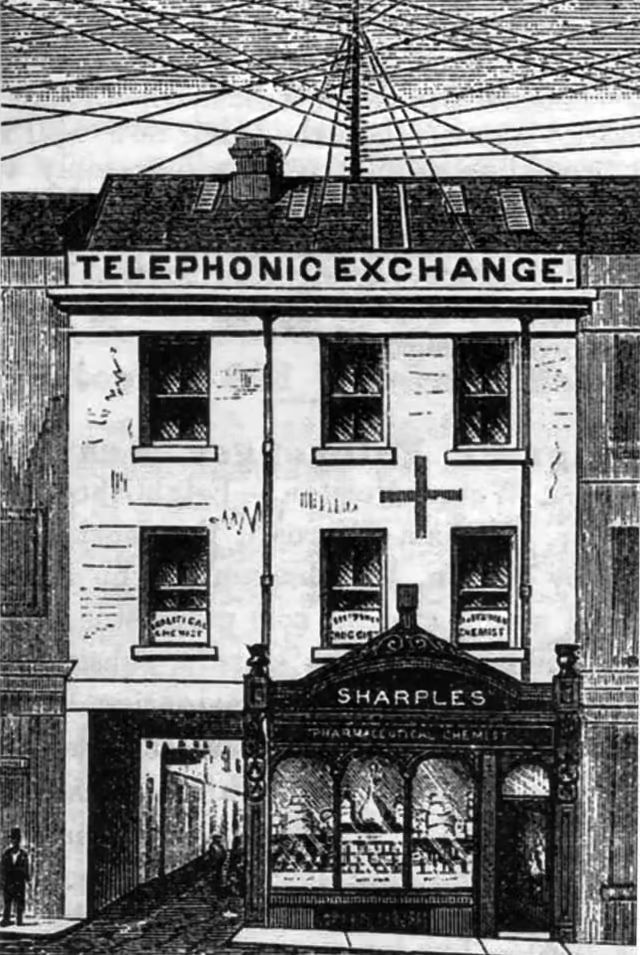
Local enthusiast George Sharples, a chemist by trade who was familiar with telegraph engineering, also had ambitions in this field and successfully applied for a licence to operate from his premises at 7 Fishergate.
His Preston Telephonic Exchange opened a few weeks later, having recruited local businesses who at first were reluctant to move away from the highly efficient telegraph message services and embrace the new technology.
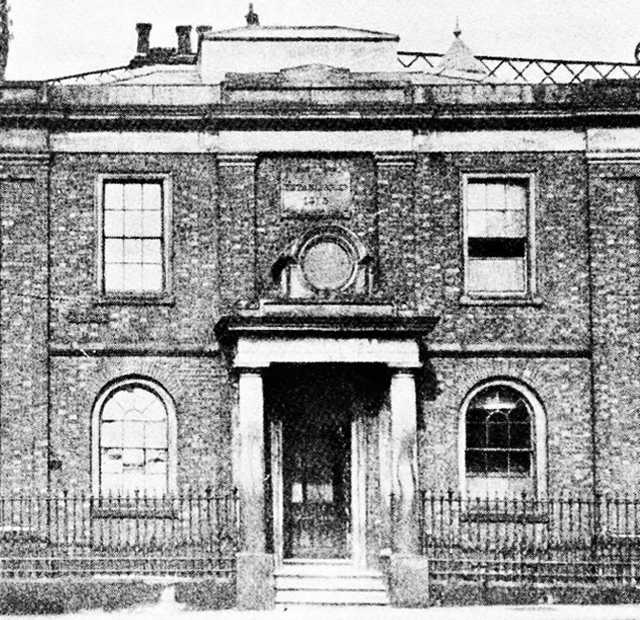
Things progressed quite rapidly after that and by 1886 Sharples had sold his business to the county operators, who in turn were taken over by the National Telephone Company in 1889. Within a year the £9 subscription rate offered by Sharples had increased to £12 – a familiar tale. Within three more years this organisation had set up its telephone exchange in Guildhall Street and a decade later moved operations to the old Preston Gas Company offices in Glover Street, where the multi-storey Avenham car park now stands.
Despite the NTC being taken over in 1912 by the Post Office, the Preston Telephone Exchange remained at the Glover Street premises until 1931, when an automatic telephone system was installed in the General Post Office building in the Market Place. Subscribers now had the freedom to dial most calls themselves. At the official launch of the new system it was stated that 15,000 calls were handled daily in Preston.
From the mid-1940s the increase in telephones was dramatic, with modern technology and underground cables leading to greater efficiency. A reflection of this progress was seen locally in June 1964 when the main Preston telephone exchange was moved to the purpose-built structure on Moor Lane. The era of trunk dialling had arrived and by 1980 two out of three homes within the Preston Telephone Area had a telephone installed.
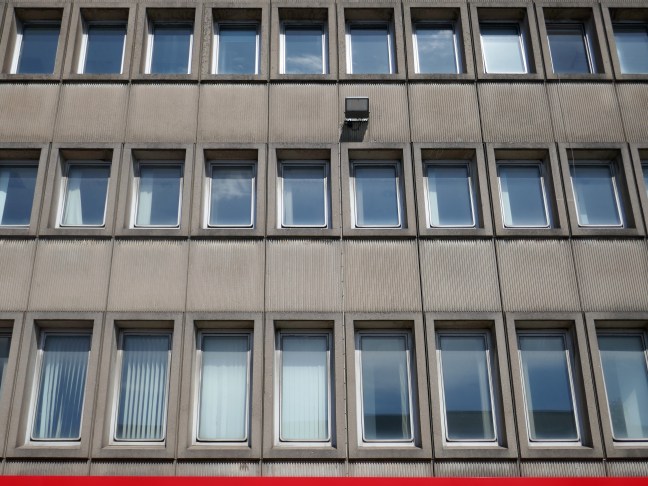
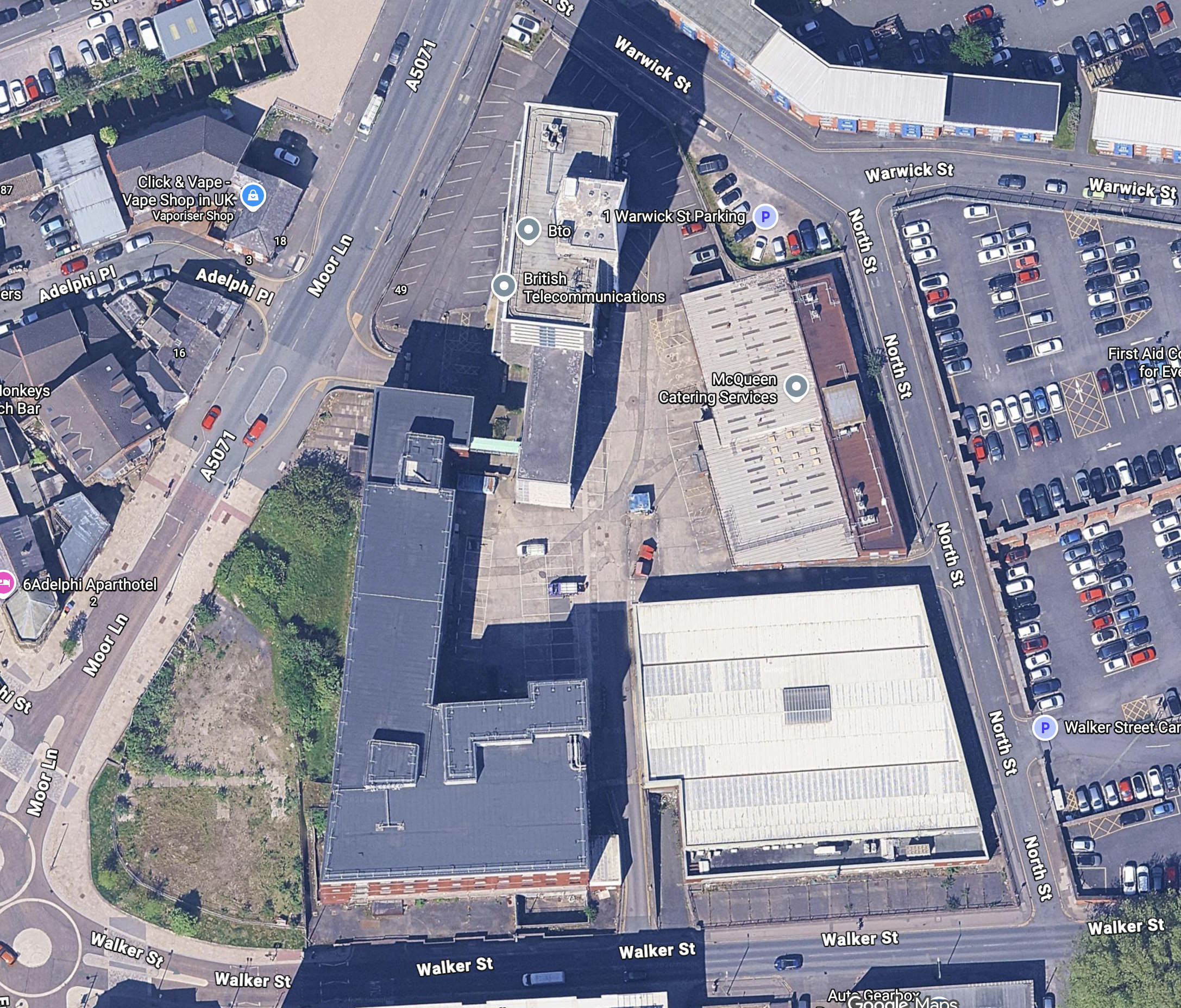
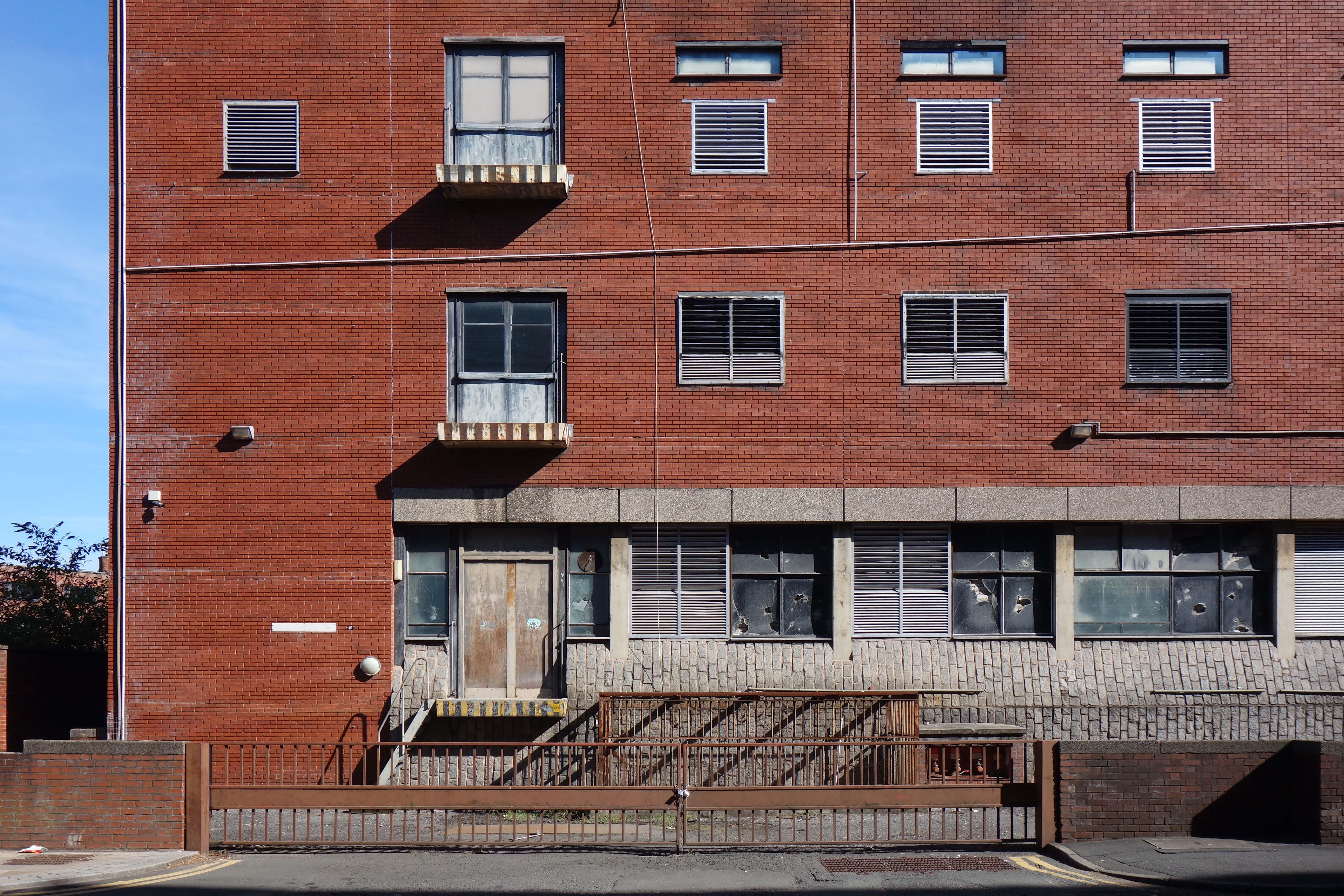
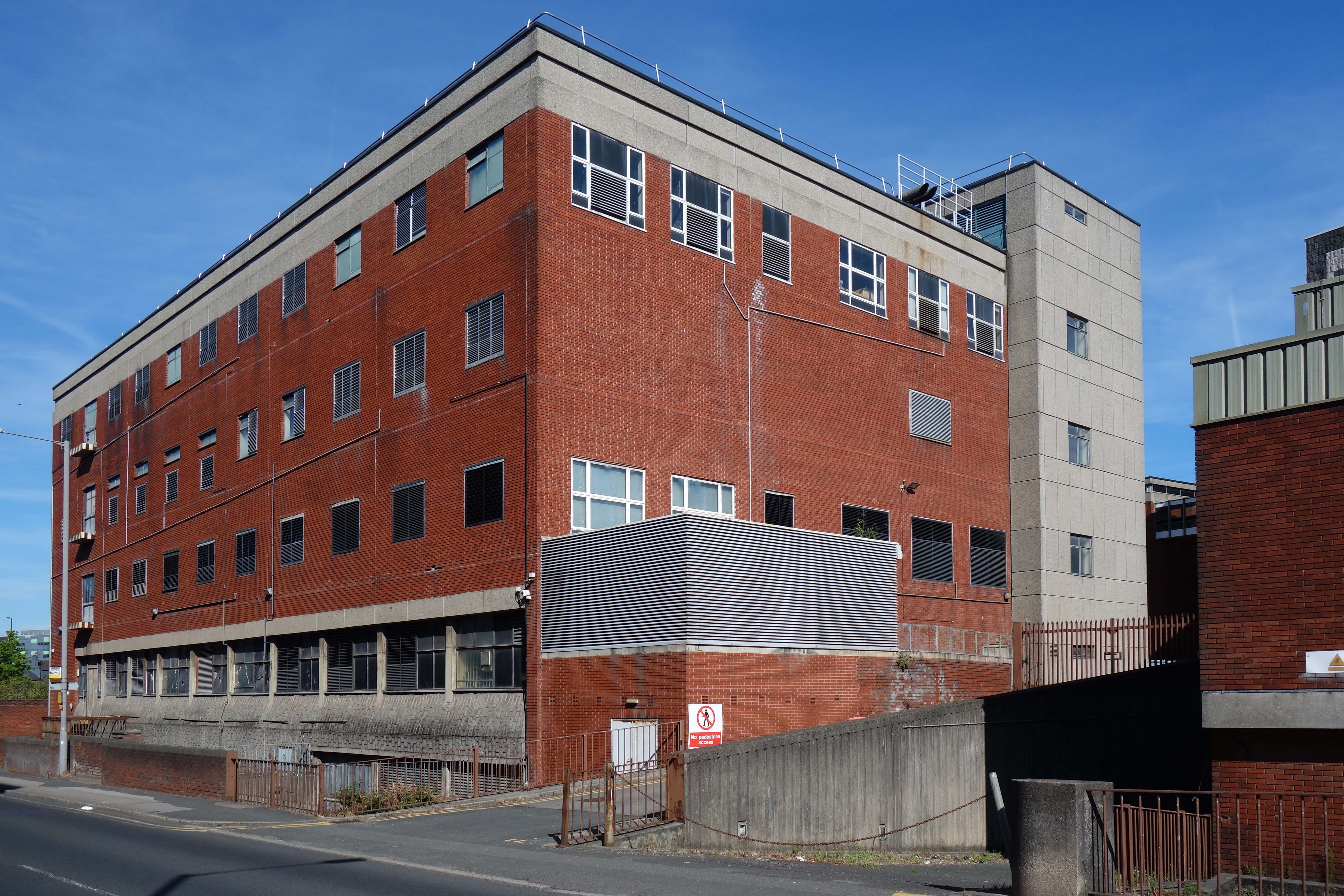
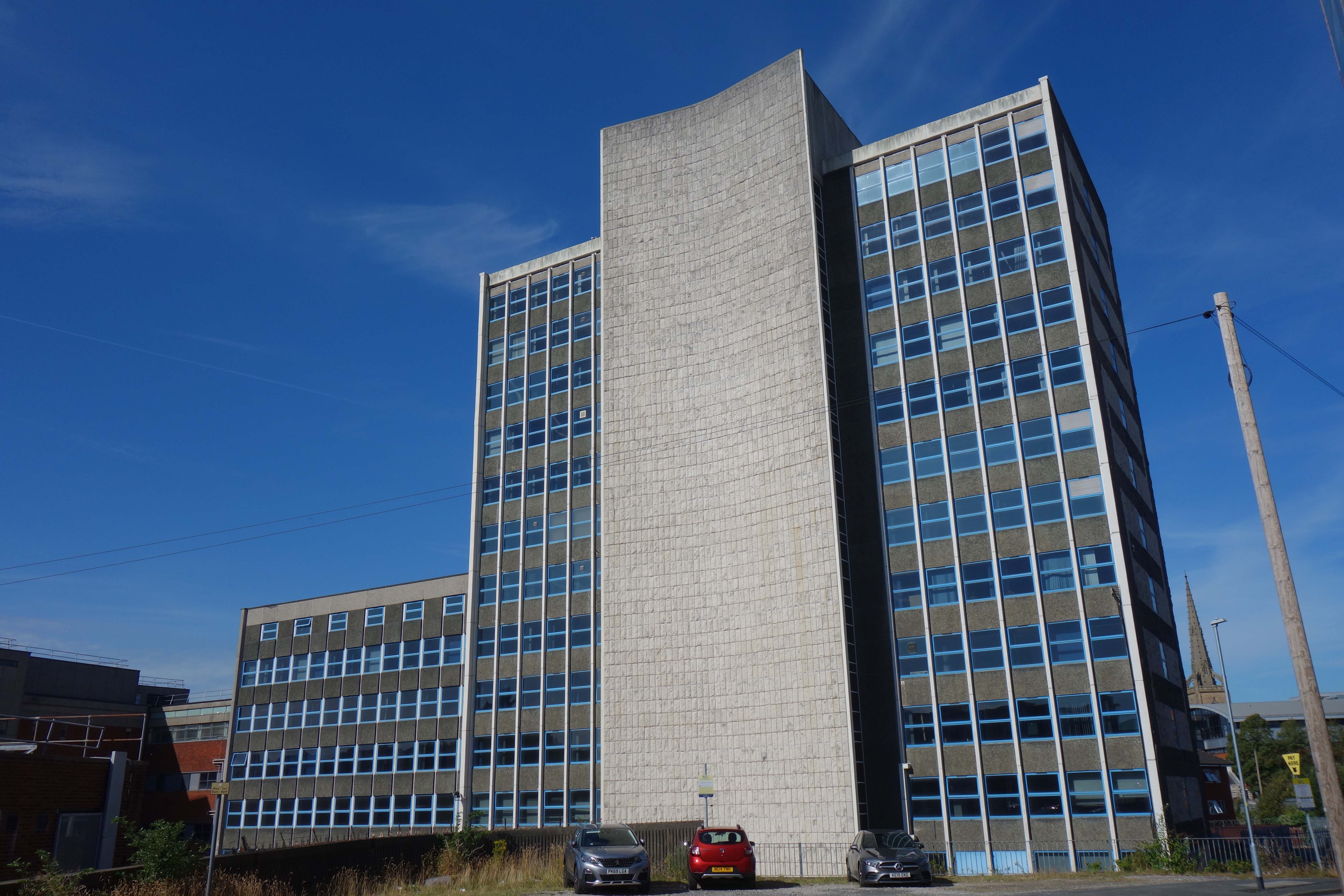
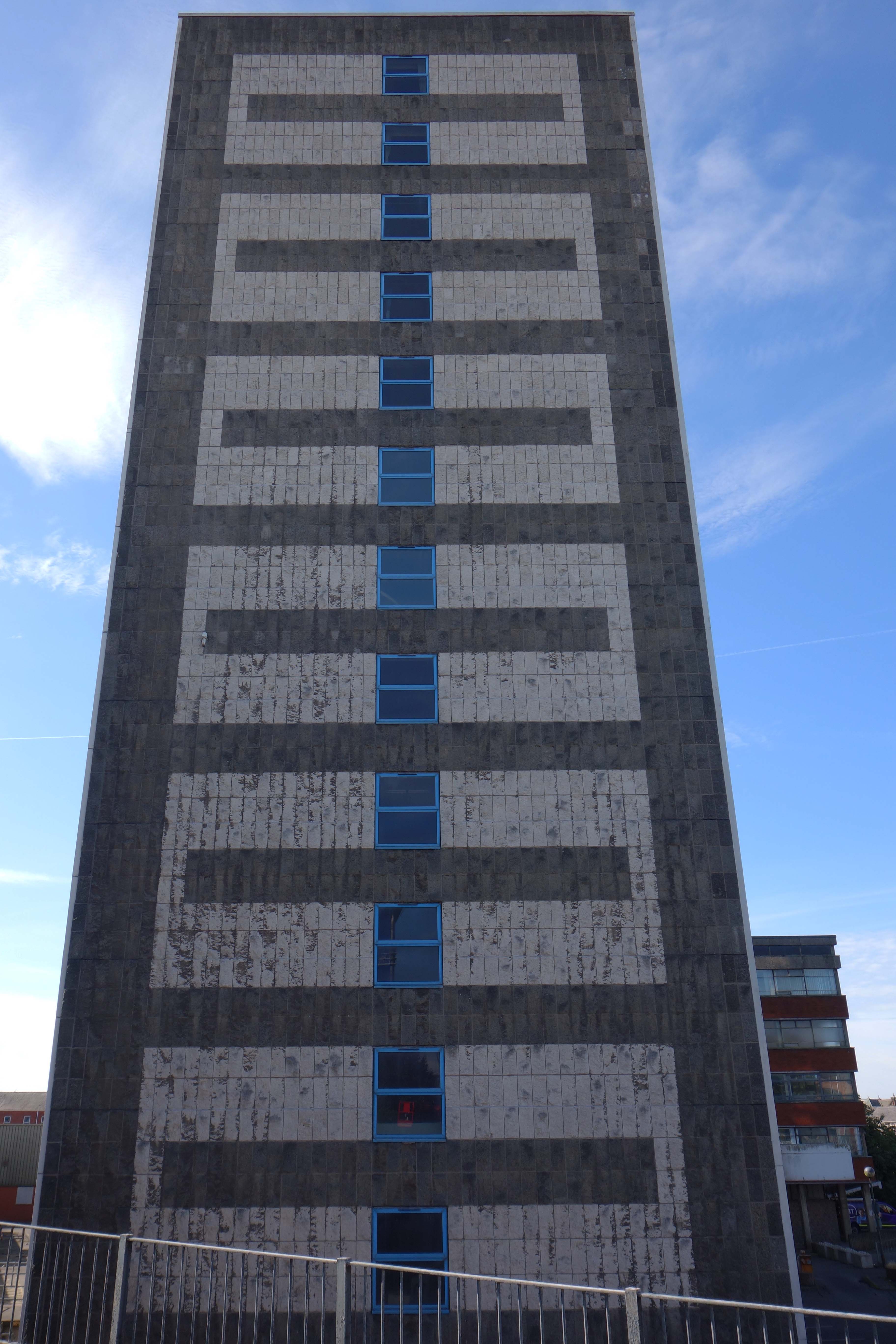
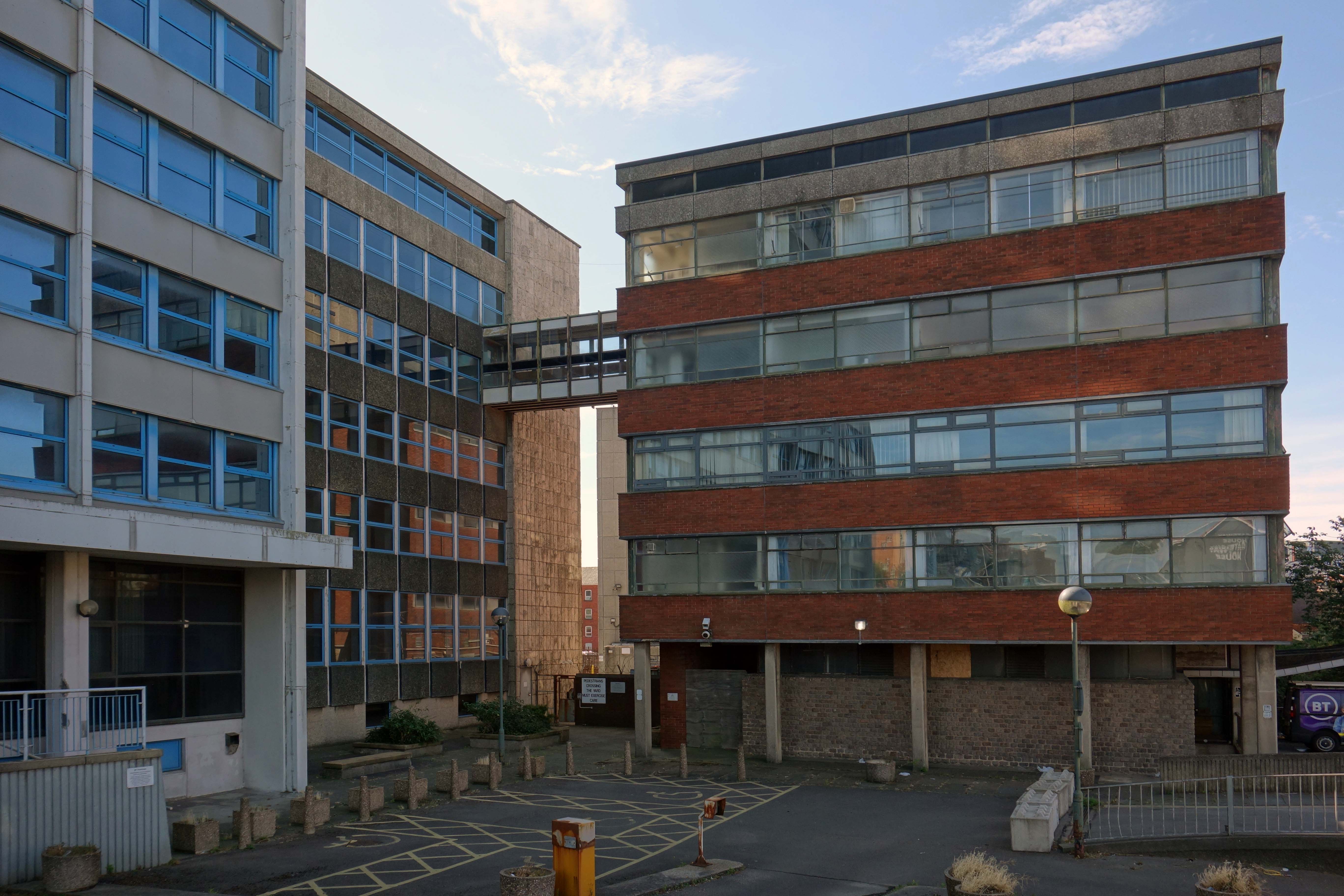
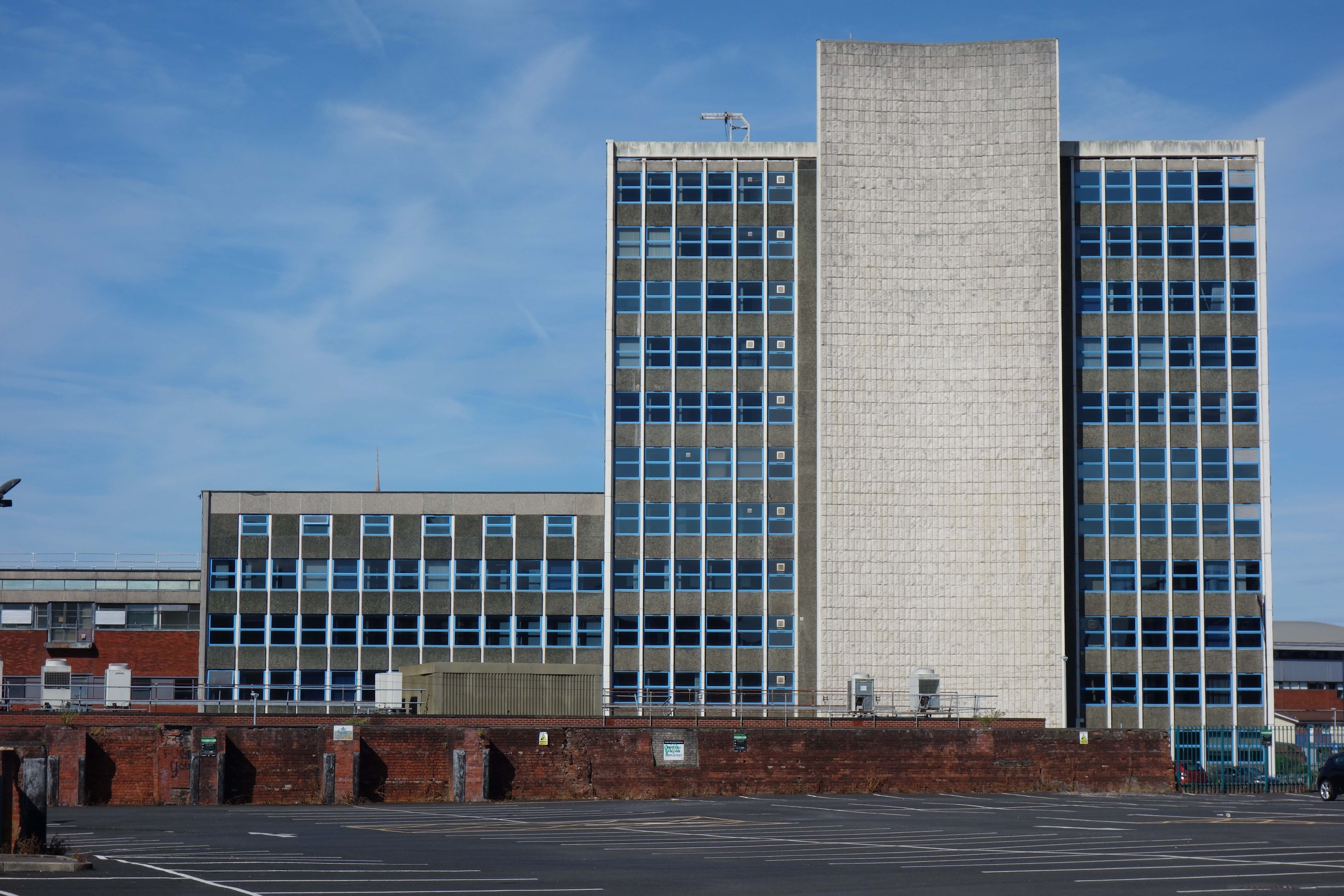
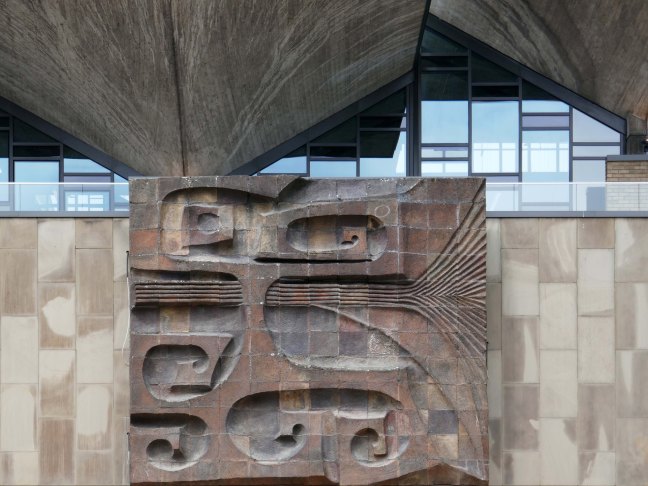
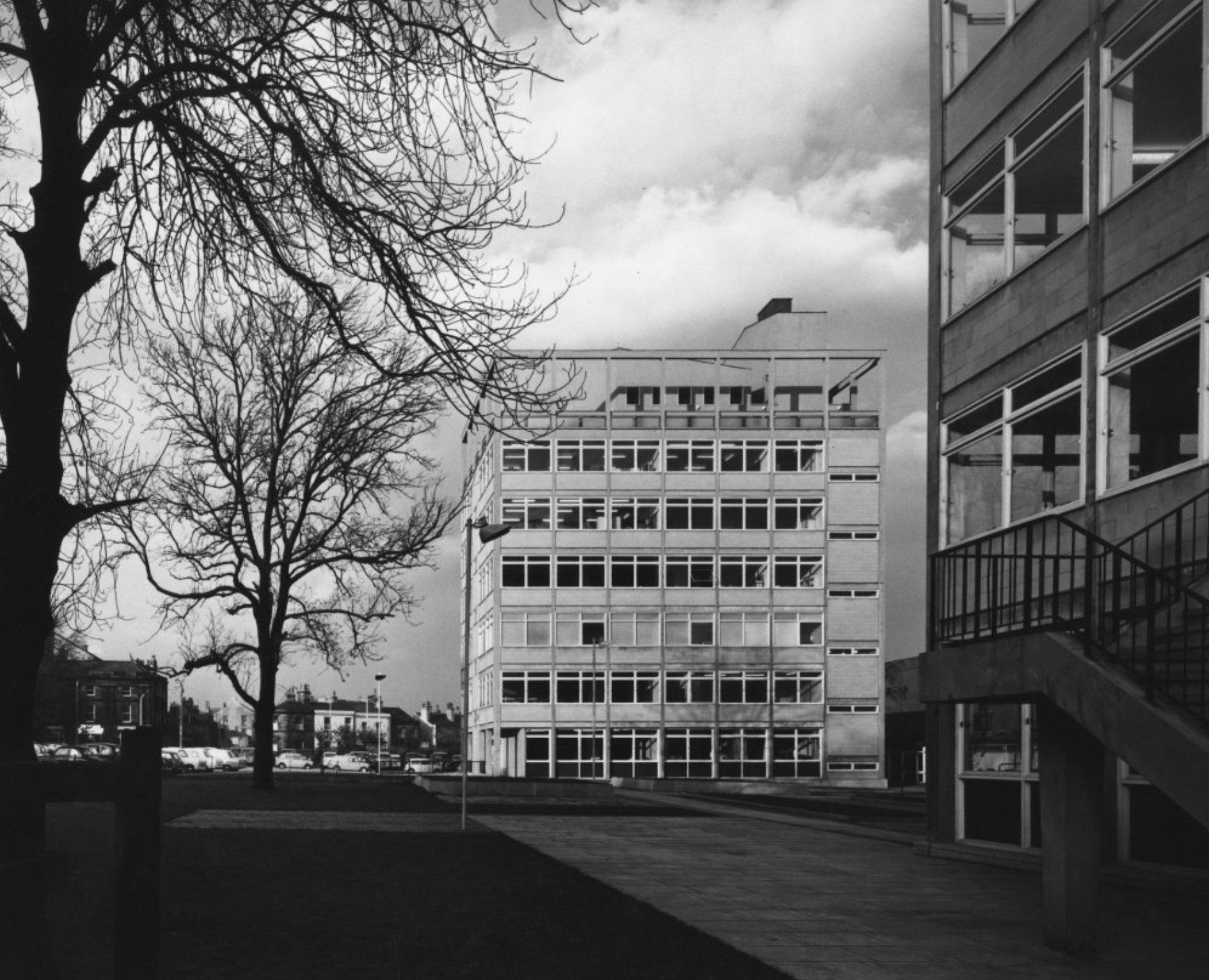
Twixt Walker Street and Moor Lane the mighty BT Building – Telephone House by Building Design Partnership, 1960-64.
A decent office block with rough patterned concrete end walls.
Pevsner
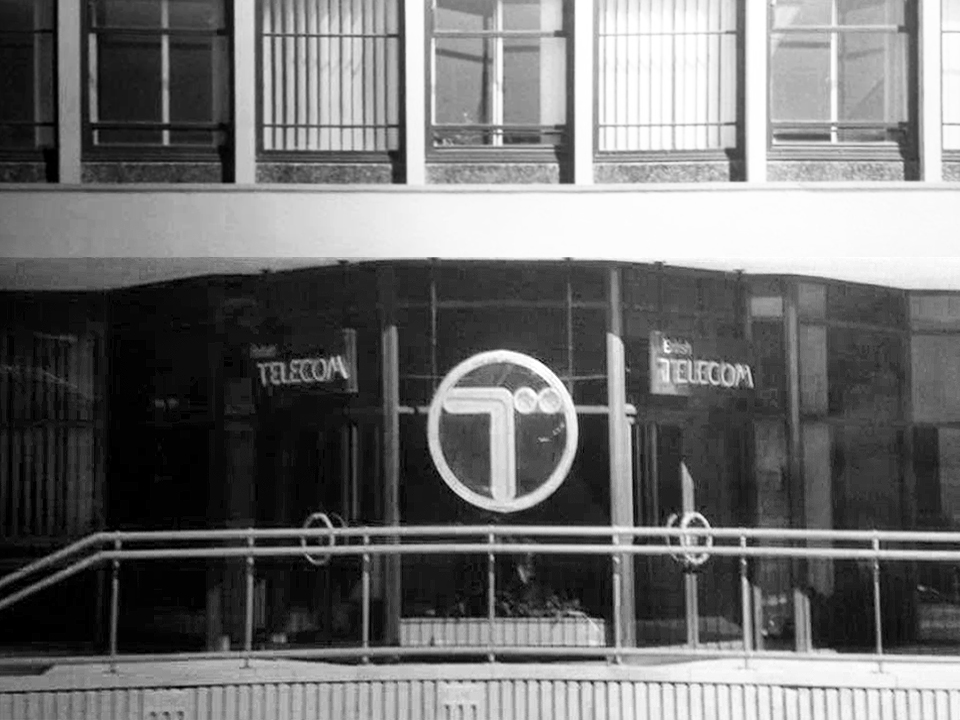
The front elevation was re-clad in 1992 the back is intact
BDP’s founder Professor Sir George Grenfell Baines, known affectionately as GG, was born in 1908 and set up in practice as an architect in Preston in 1937.
Four years later he teamed up with two other Preston practices and the Grenfell Baines Group was born. Expansion in various locations in the UK continued throughout the 1940s and 1950s and in 1951 GG was the only northern architect appointed to design a building for the Festival of Britain in London.
In 1961, his long cherished ambition of establishing the world’s first interdisciplinary practice was realised and Building Design Partnership was founded. It was a successful formula and on the occasion of his retirement in 1974GG’s advice was
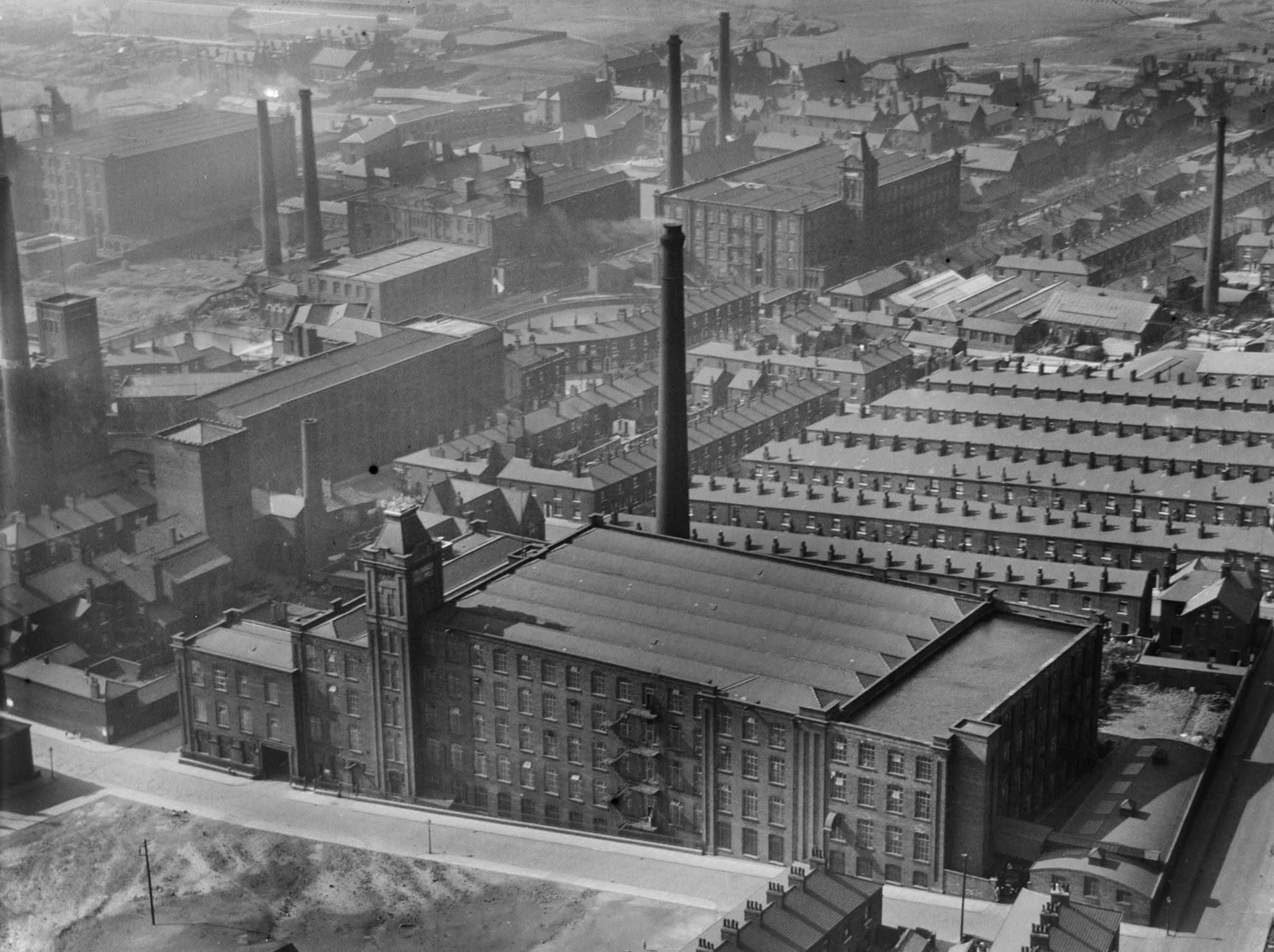
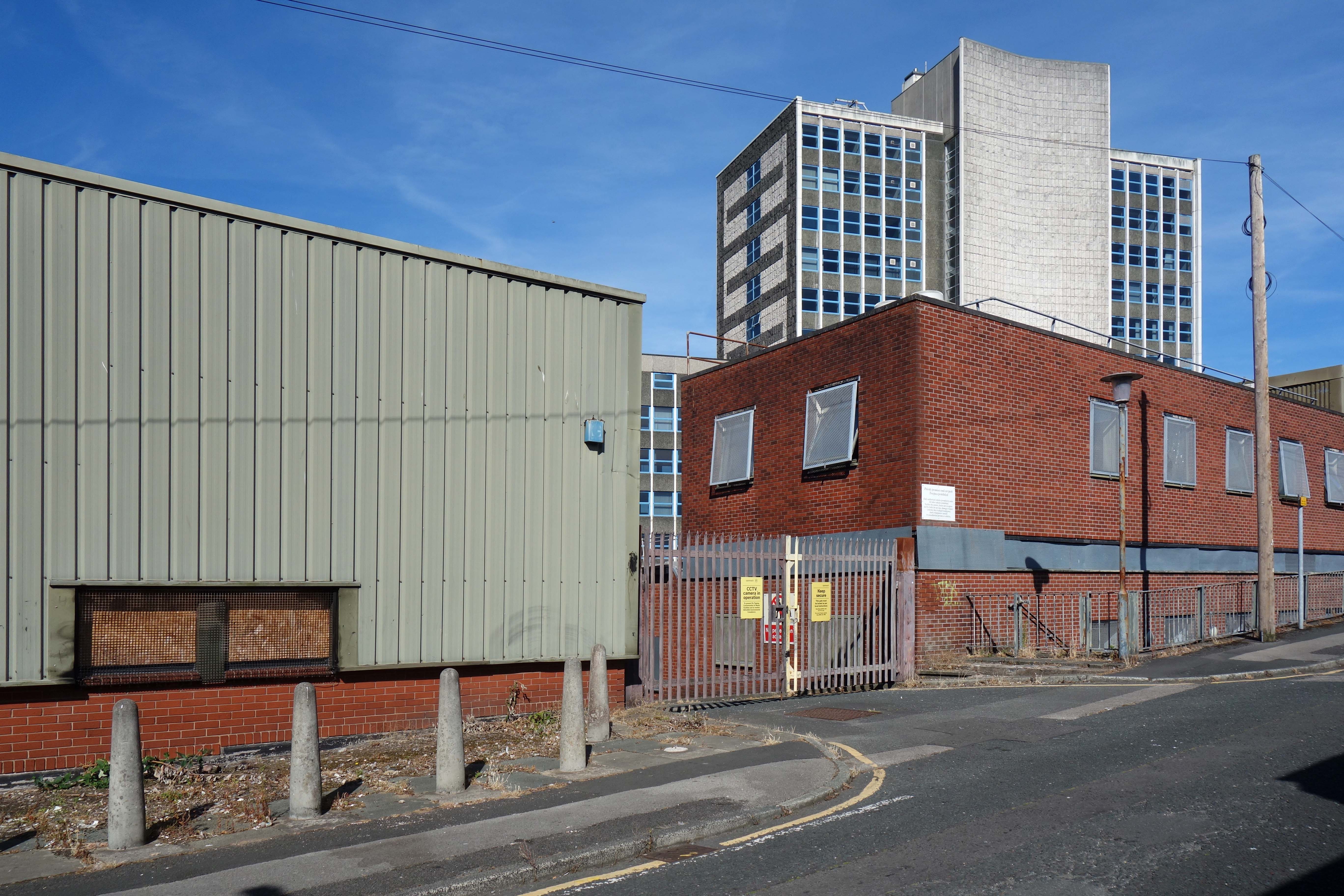
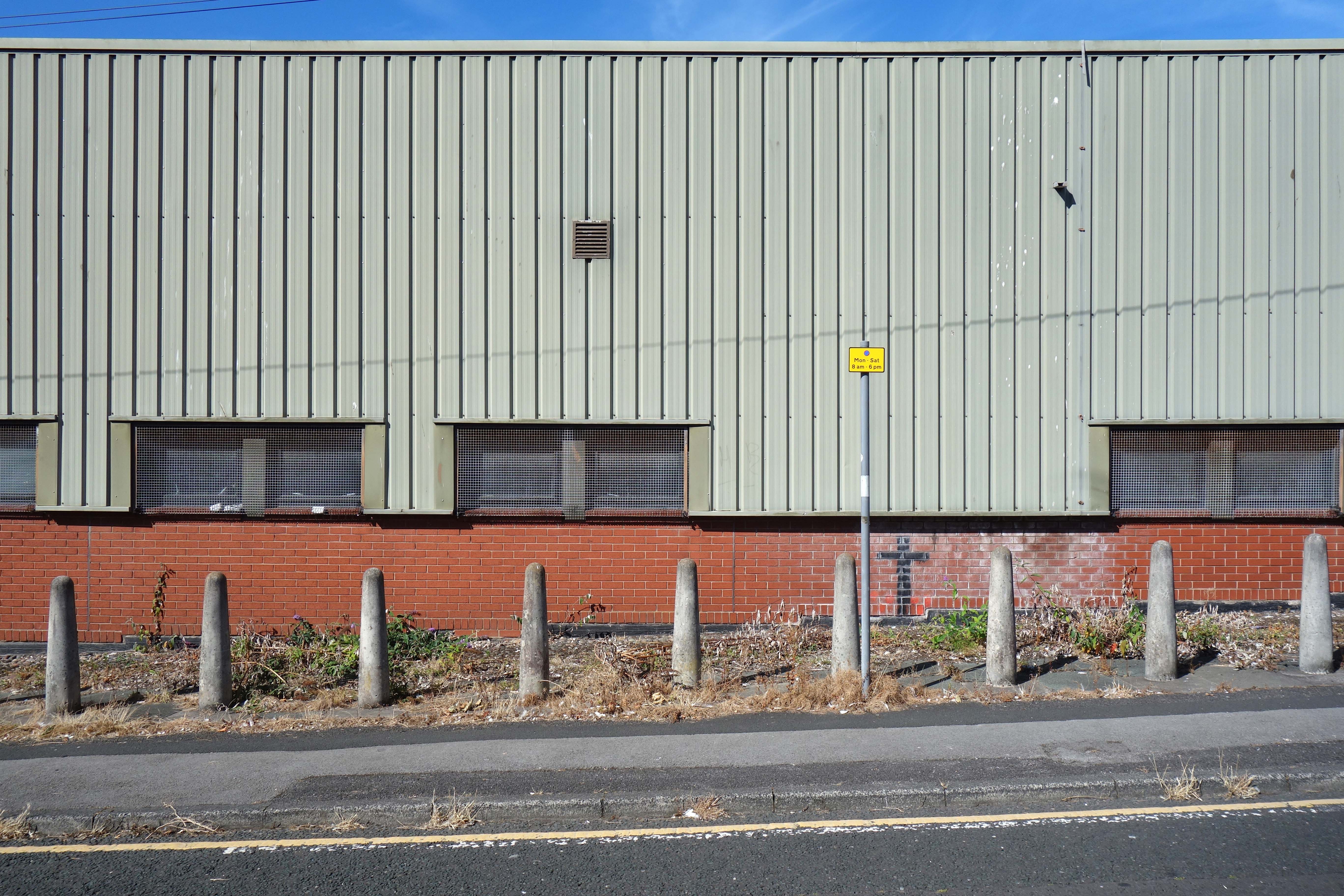
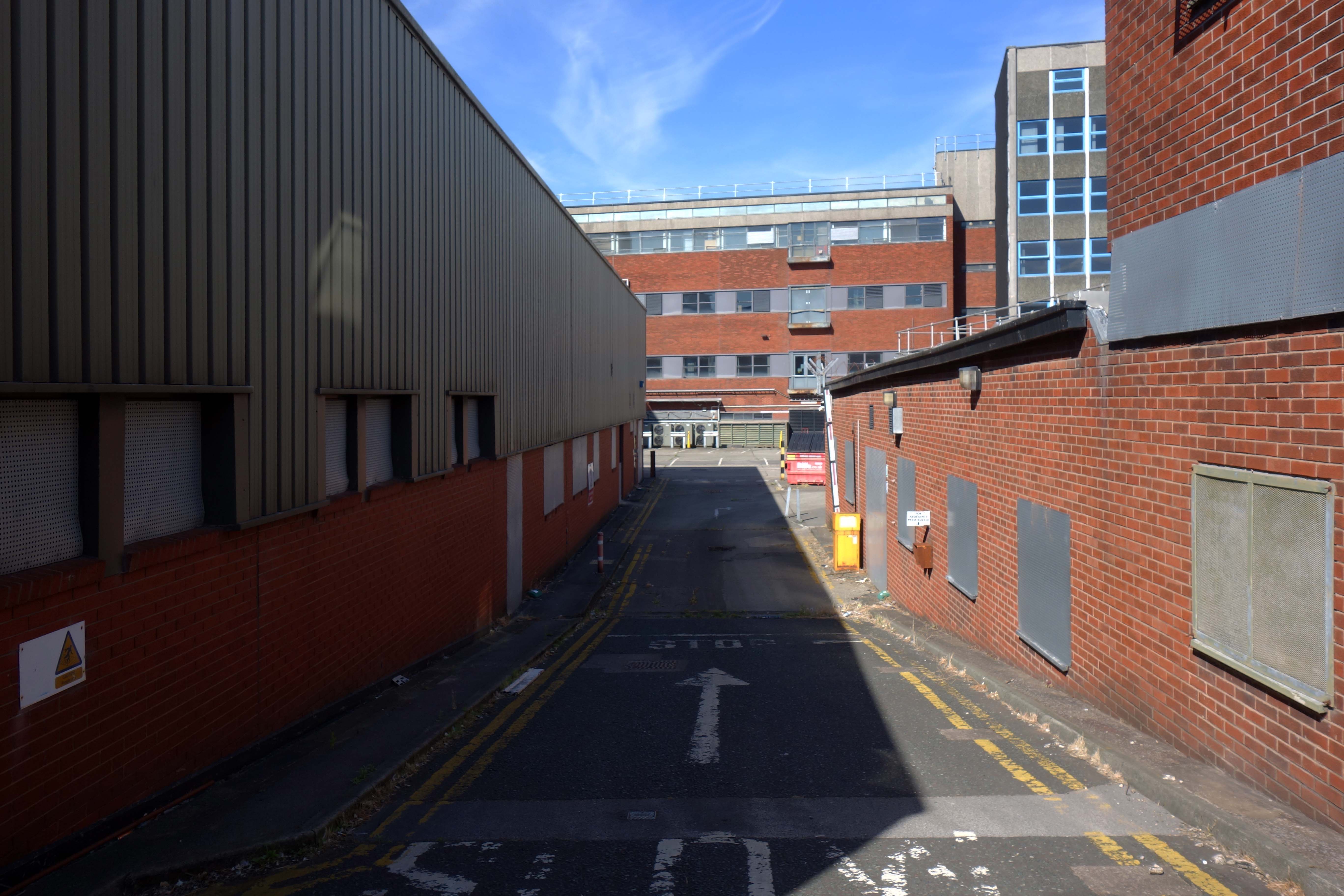
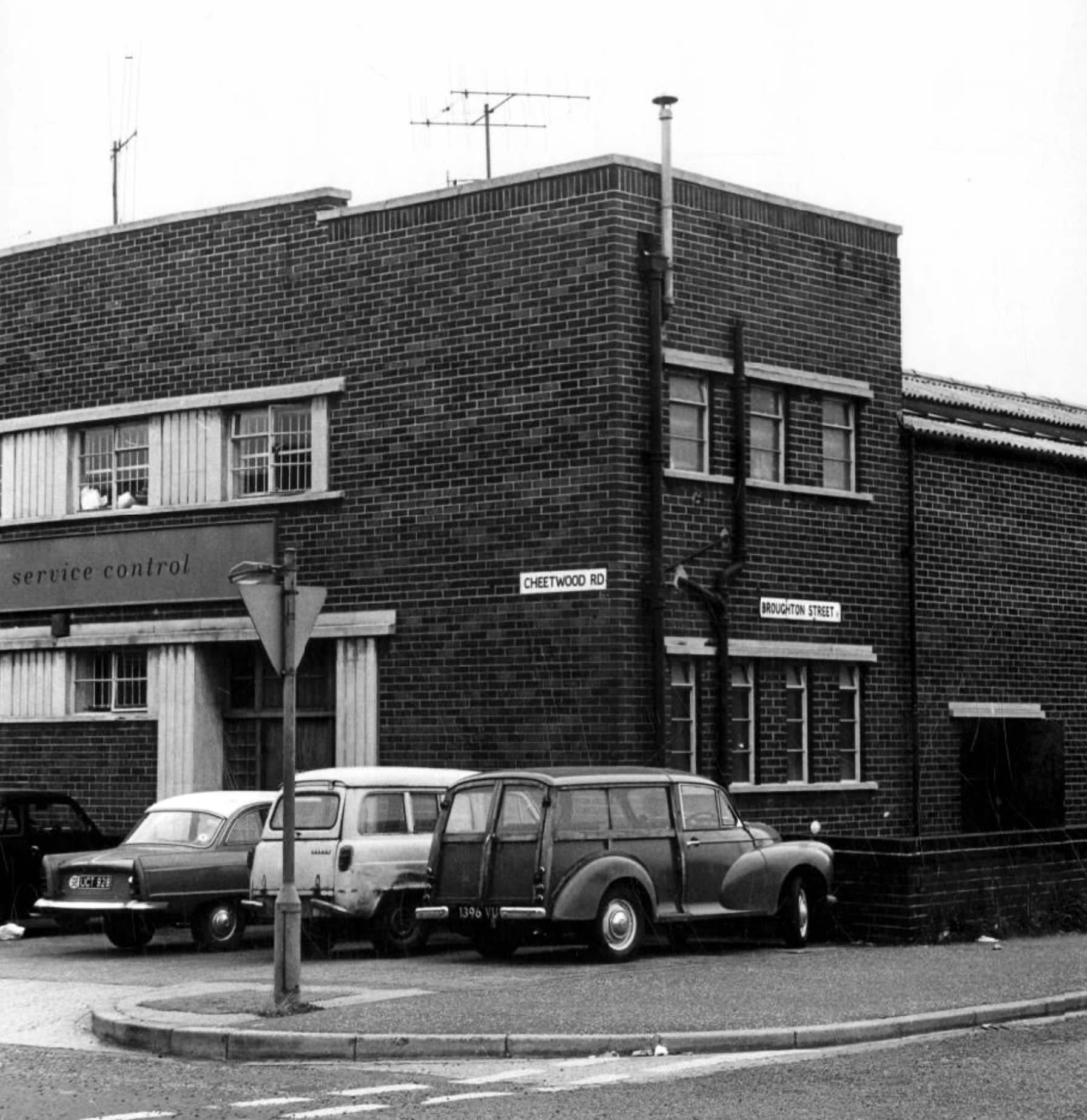
On this occasion I am concerned with the tight little rectangle formed by Cheetwood Road, Broughton, Alison and Sherborne Streets.
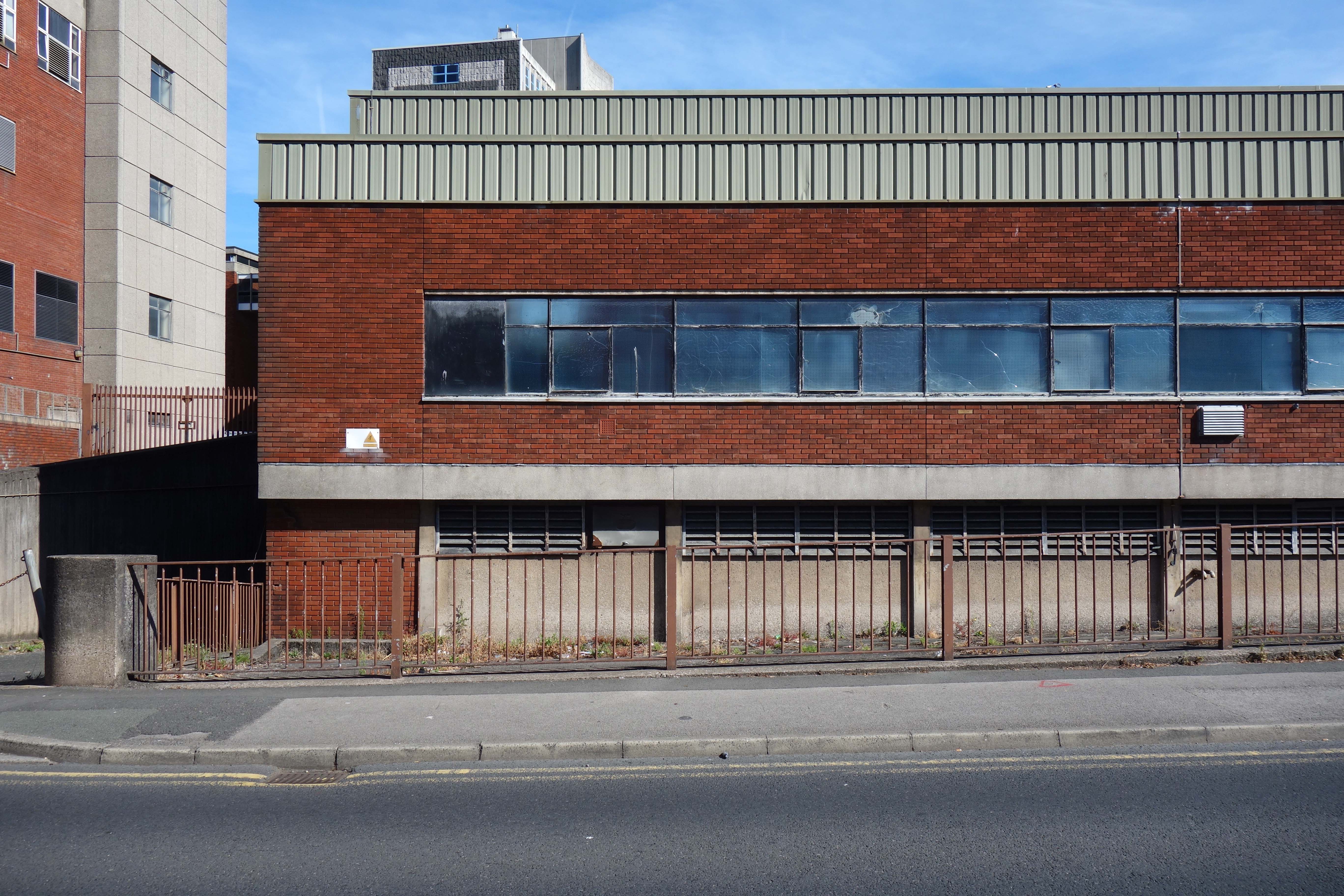
Cheetwood Road is a postwar construction, a straight route replacing the meandering Cheetwood Lane. The road is lined with low level functionalist brick, steel and concrete industrial units.
Having fallen into disrepair they are now being renovated and reused.
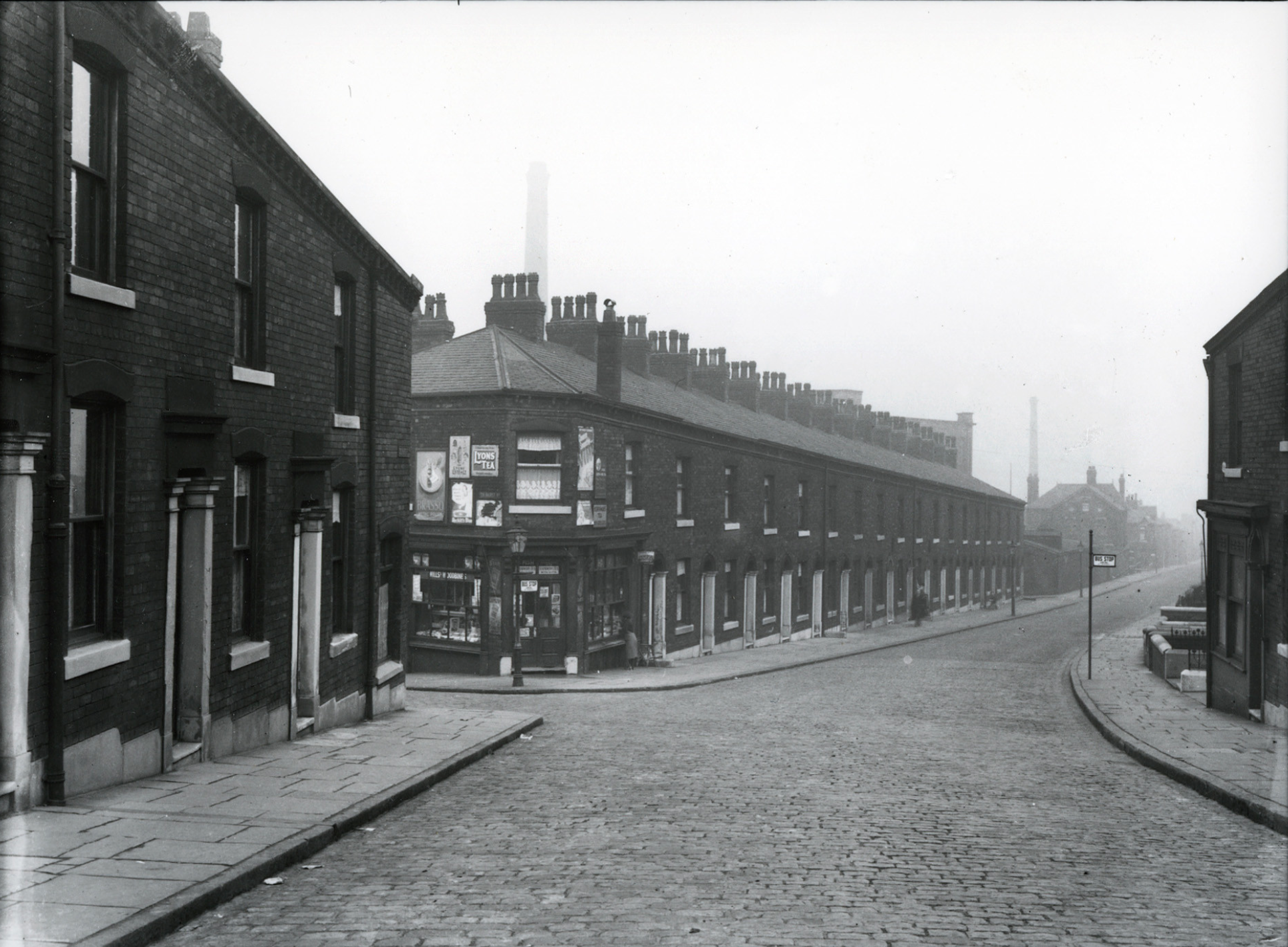
In the early Twentieth Century the area was a mix of semi-derelict Victorian housing and industry.
Corner of Sherborne Street 1905
Cheetwood Lane 1917
The huge Holt’s Cheetwood Hotel has since been demolished, lasting until c1990.
Cheetwood Lane 1920
Images: Thomas Baddeley
Progress House 1969 – Domtar Howard Smith Ltd Paper Manufacturers.
Norweb Electricity
Images: Louis H Price Manchester Local Image Collection.
So here we are on Friday 7th August, taking yet another look.
The whole area and beyond is now the centre of a plan for regeneration.
Salford City Council and Manchester City Council have developed a joint Strategic Regeneration Framework to transform the Strangeways and Cambridge areas.
This plan addresses long-standing challenges such as counterfeit crime, poor-quality buildings, and flood risk, while creating opportunities for new homes, businesses, and green spaces.
The Strangeways and Cambridge strategic regeneration framework sets out a vision to deliver around 7,000 homes in buildings up to 30 storeys and 3.1m sq ft of new or improved commercial space across 320 acres spanning both Manchester and Salford.
HMP Manchester & Jury Street: A catalytic neighbourhood at the heart of the SRF. Home of the existing HMP Manchester with potential for long term change subject to the relocation of the prison.
Derby Street: An intensified business district, supported to ensure the long-term preservation and evolution of the business base in the area.
Copper Park: A regional destination, multi-functional open space delivered to create positive amenity and biodiversity in response to future flood risk.
Overbridge: Gateway to Copper Park from the city centre, an area of significant residential potential – up to 2,000 homes – but with important economic assets and heritage.
Cheetham Park: A new urban-suburban residential neighbourhood of up to 1,000 homes, building on the heritage of the Victorian Cheetham Park and the nascent residential community around it.
Dutton Street: The Dutton Street area is a natural extension of the city centre. Subject to the existing Great Ducie Street SRF, it is identified as residential-led mixed use area – up to 4,000 homes – where significant development and investment is already evident. This part of the SRF could accommodate 1.75m sq ft of new commercial space
Lord Street: A transitional neighbourhood, connecting the residential-led change in Dutton Street with the economic focus of Derby Street to the north, and with Red Bank and Victoria North to the east.
A tale of two exchanges in one city – forty years apart.
It was the best of times, it was the worst of times, it was the age of wisdom, it was the age of foolishness, it was the epoch of belief, it was the epoch of incredulity, it was the season of Light, it was the season of Darkness, it was the spring of hope, it was the winter of despair, we had everything before us, we had nothing before us, we were all going direct to Heaven, we were all going direct the other way – in short, the period was so far like the present period, that some of its noisiest authorities insisted on its being received, for good or for evil, in the superlative degree of comparison only.
Charles Dickens.
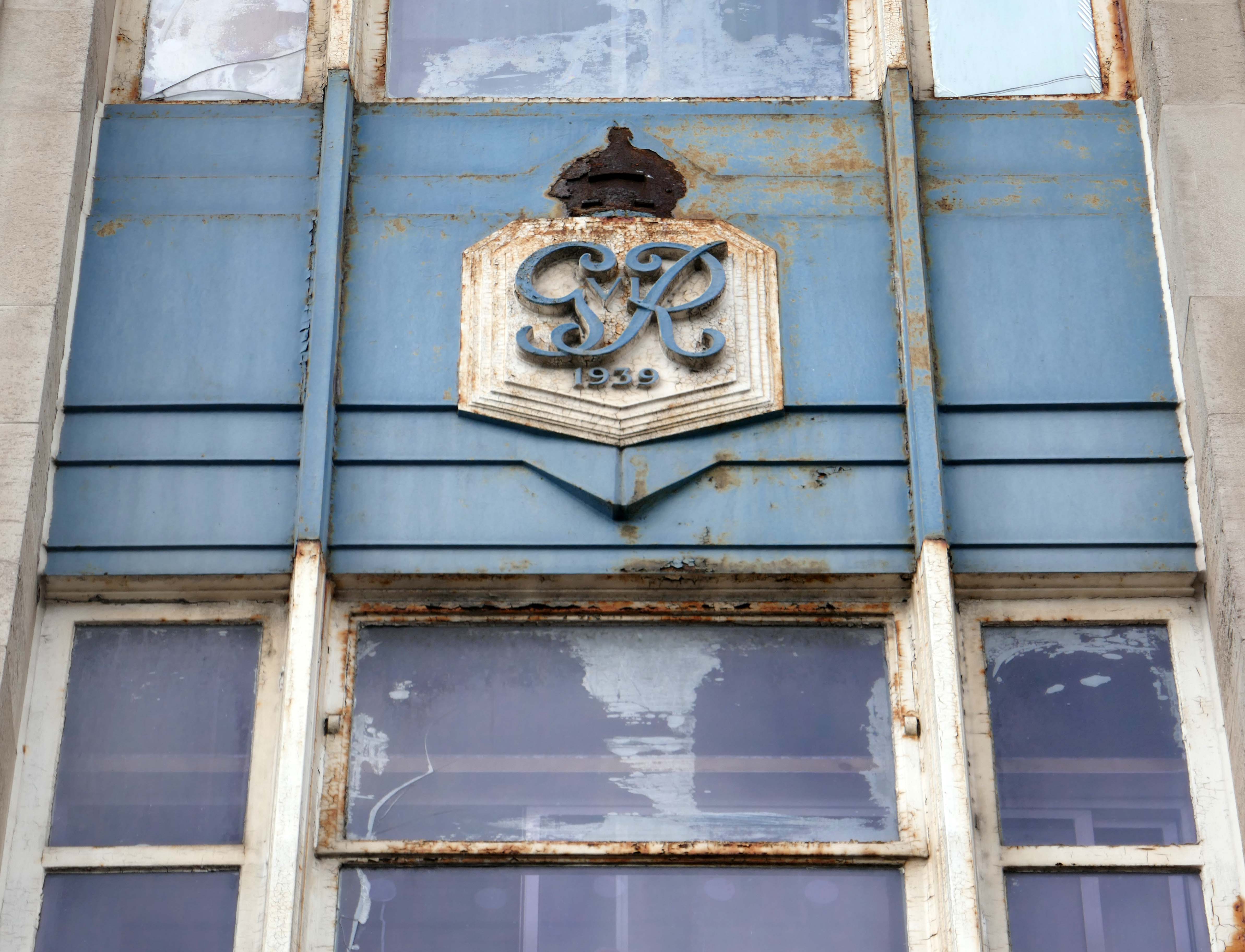
The Exchange of 1939 designed by FA Key.
The Exchange of 1976 by Trevor H Anson PSA Architect.
My thanks to Lisa Kinch of tele_exchange over at Instagram for the facts.
Let’s circumnavigate the site.
Just to spoil the twosome allusions there was a third exchange – just as there was a Third Man, returning from the dead.
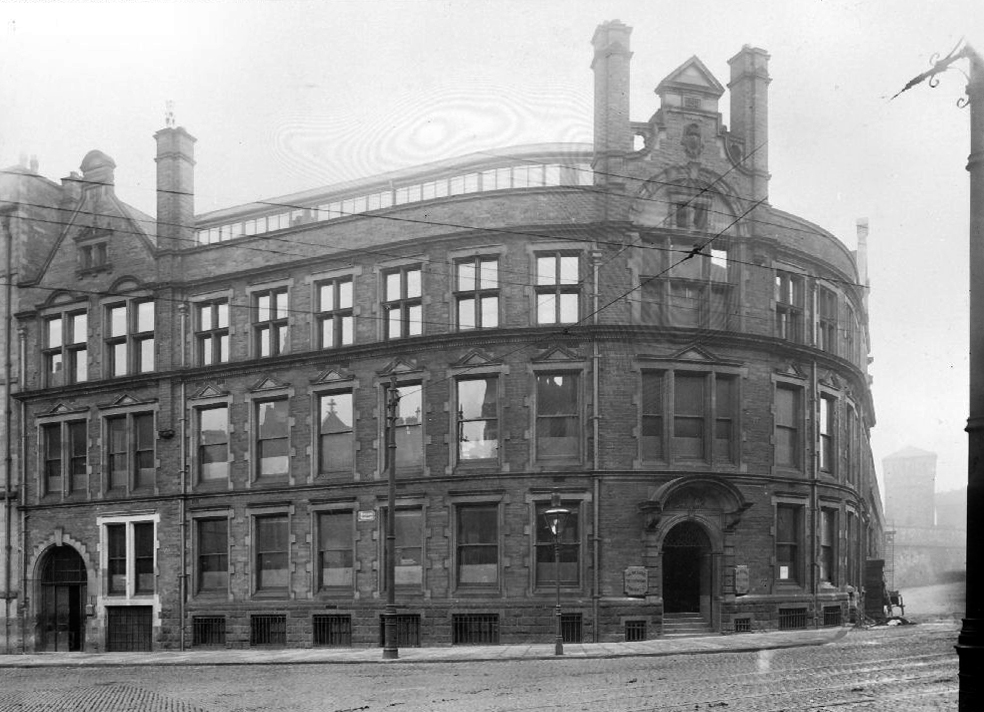
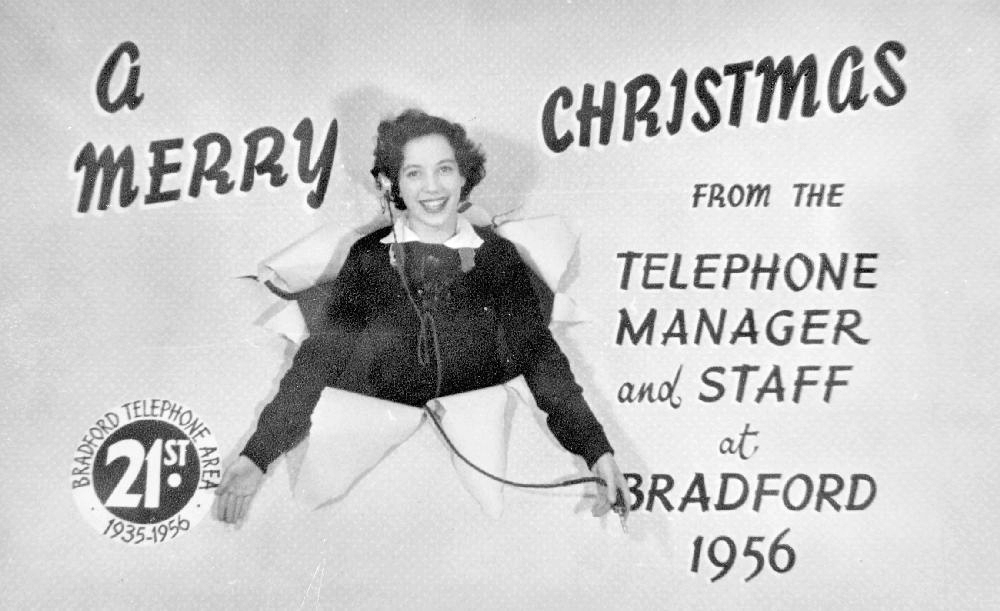
Bradford’s last manual exchange was on the corner of Nelson Street and Union Street, opposite Bradford Town Hall.
It was opened by the National Telephone Company around 1900 to replace a magneto manual exchange in Swan Arcade. It closed on Saturday 26 July 1947 when the current Bradford exchange was opened.
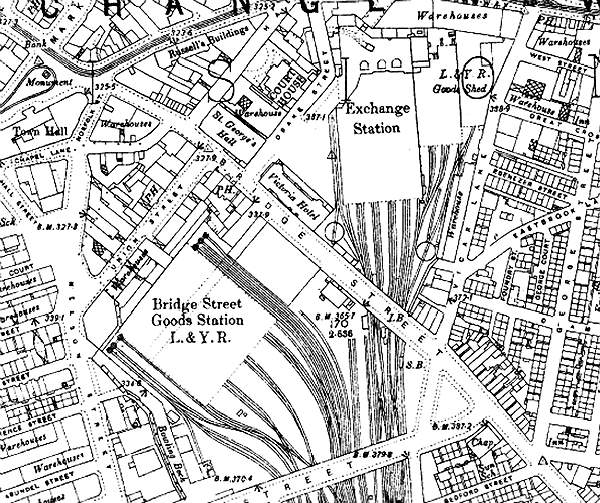
The original railway station, named Bradford Exchange, was opened by the joint efforts of the Lancashire and Yorkshire Railway and the Great Northern Railway on 9 May 1850. The railway station with its 10 platforms was deemed too large and was again rebuilt, this time on a different site slightly further south.
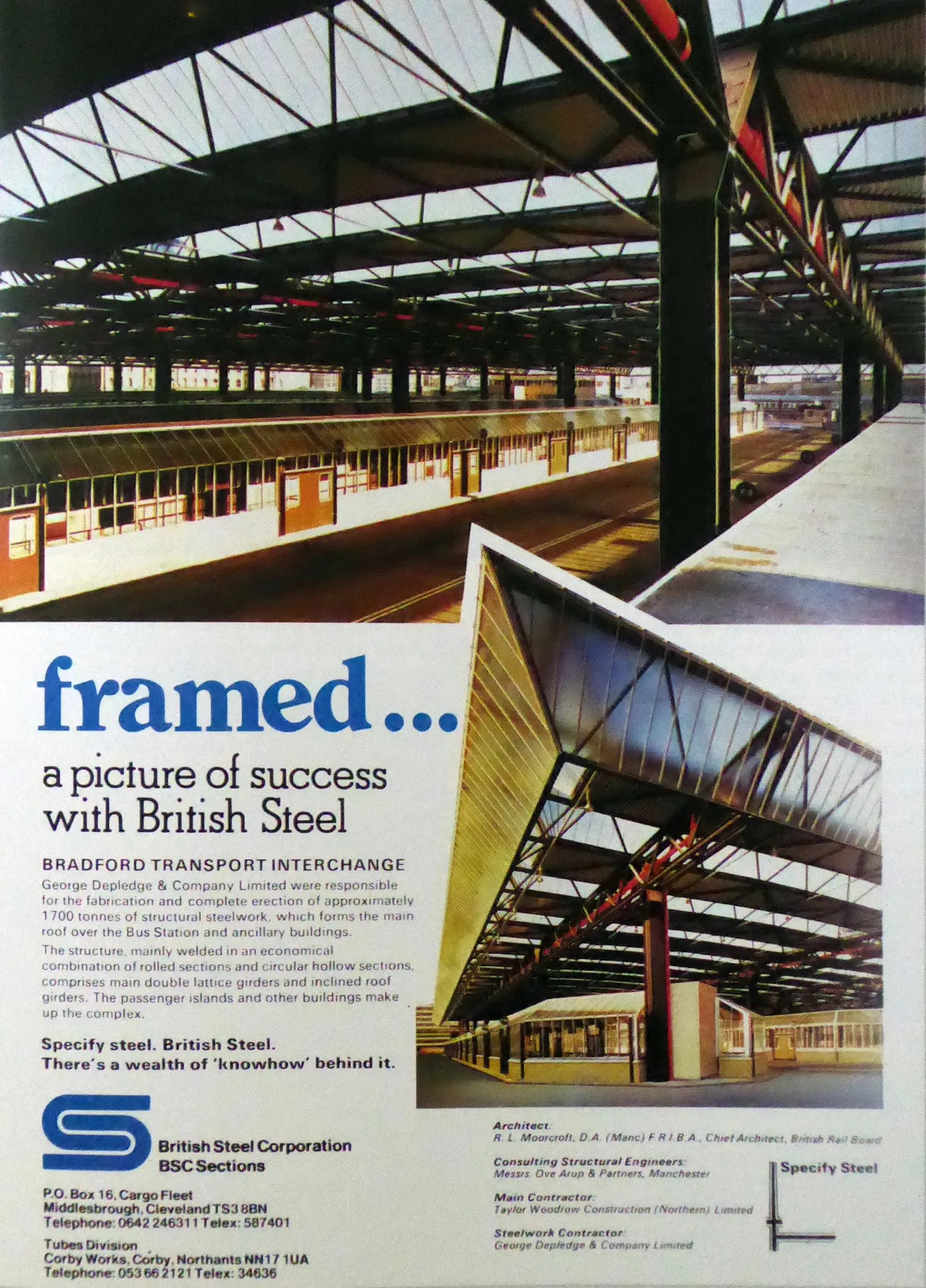
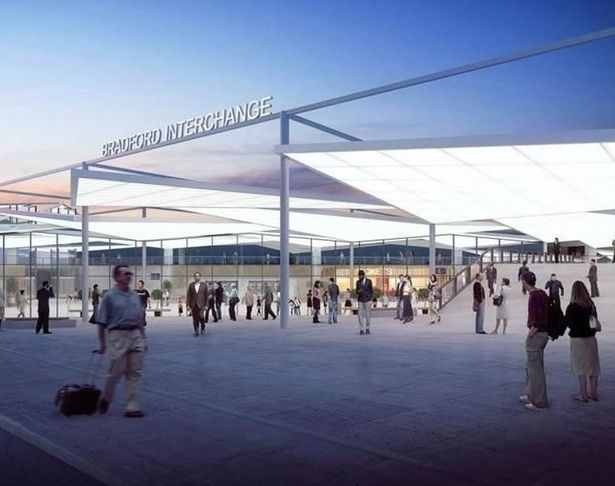
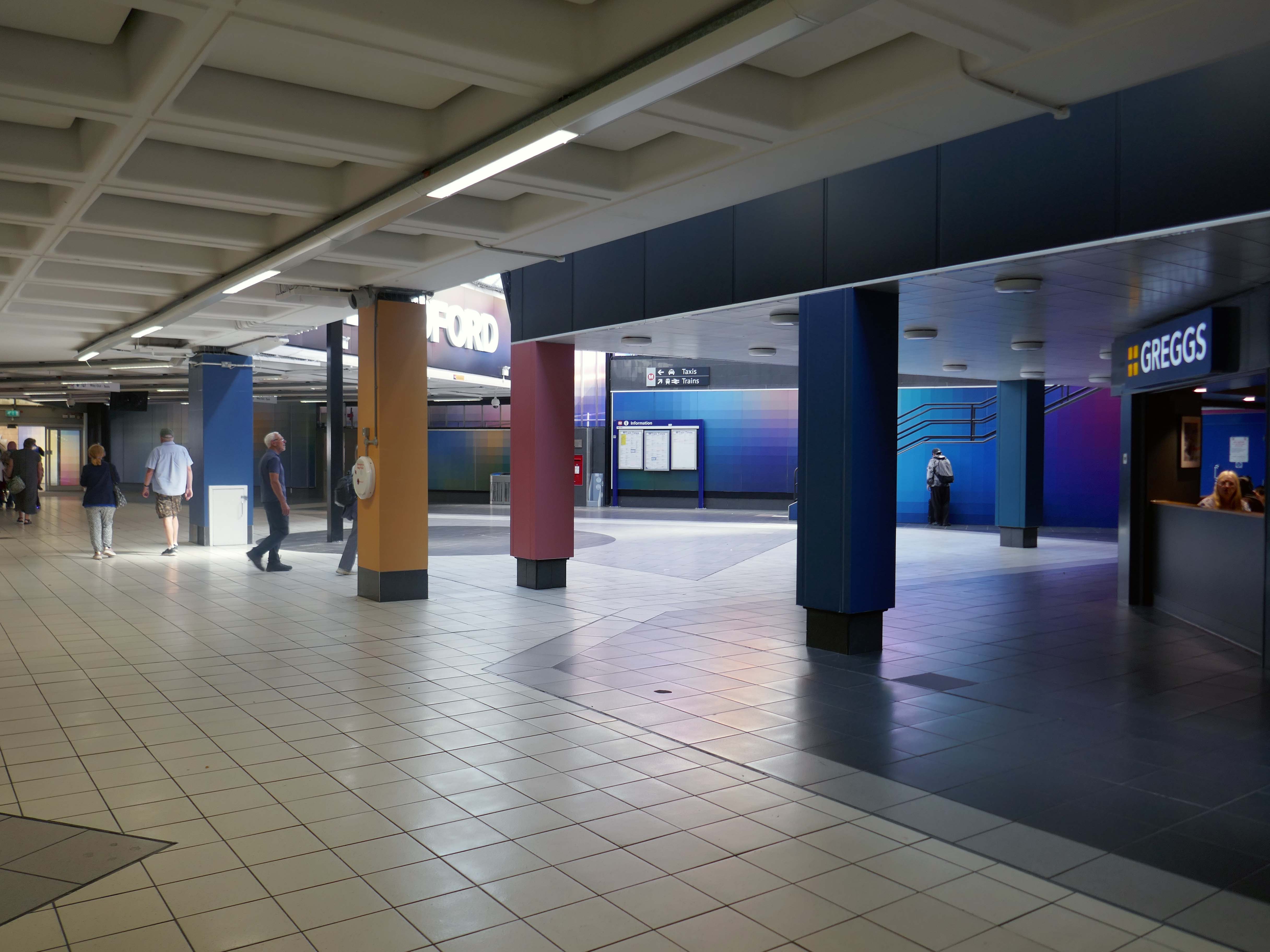
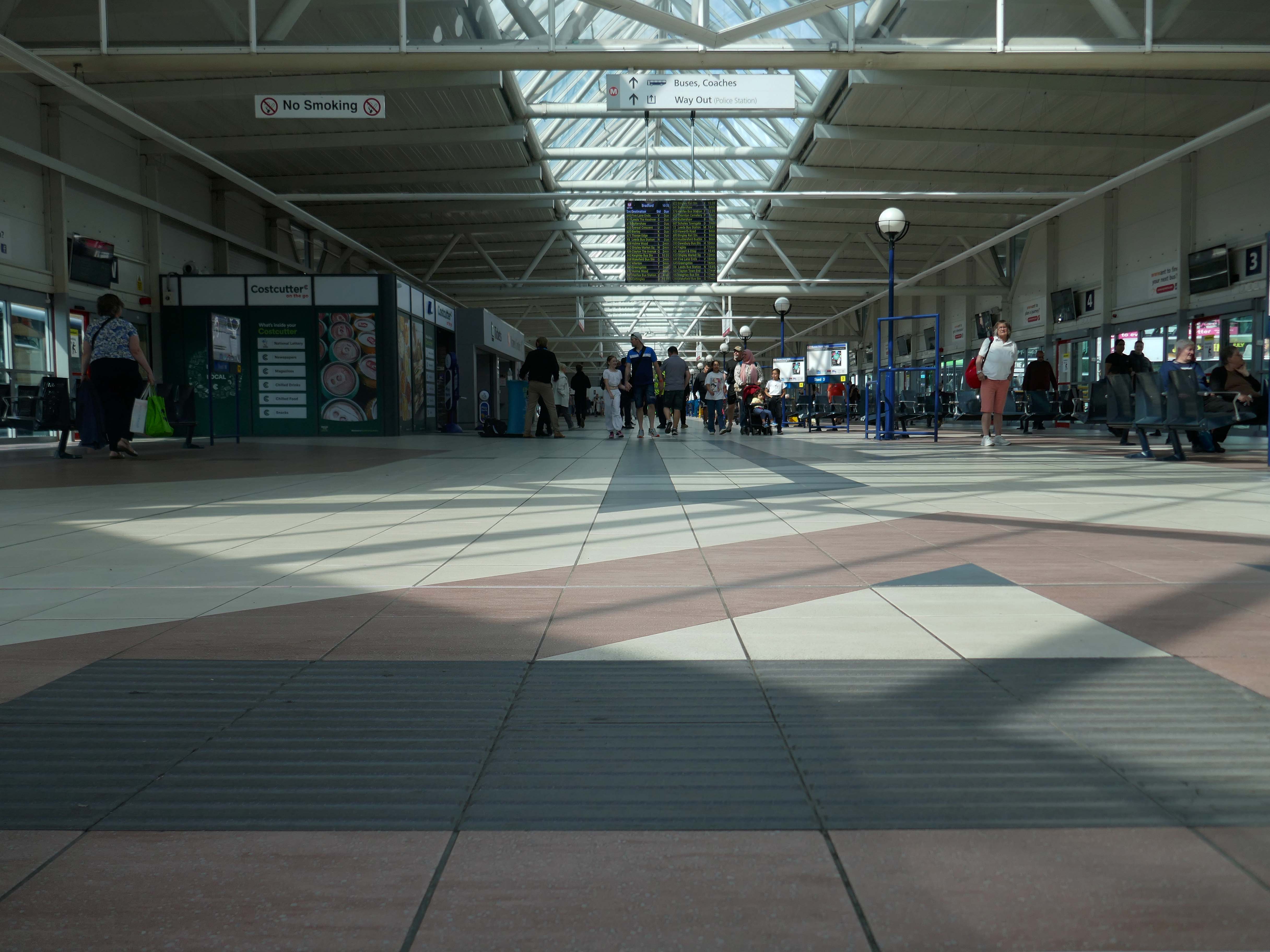
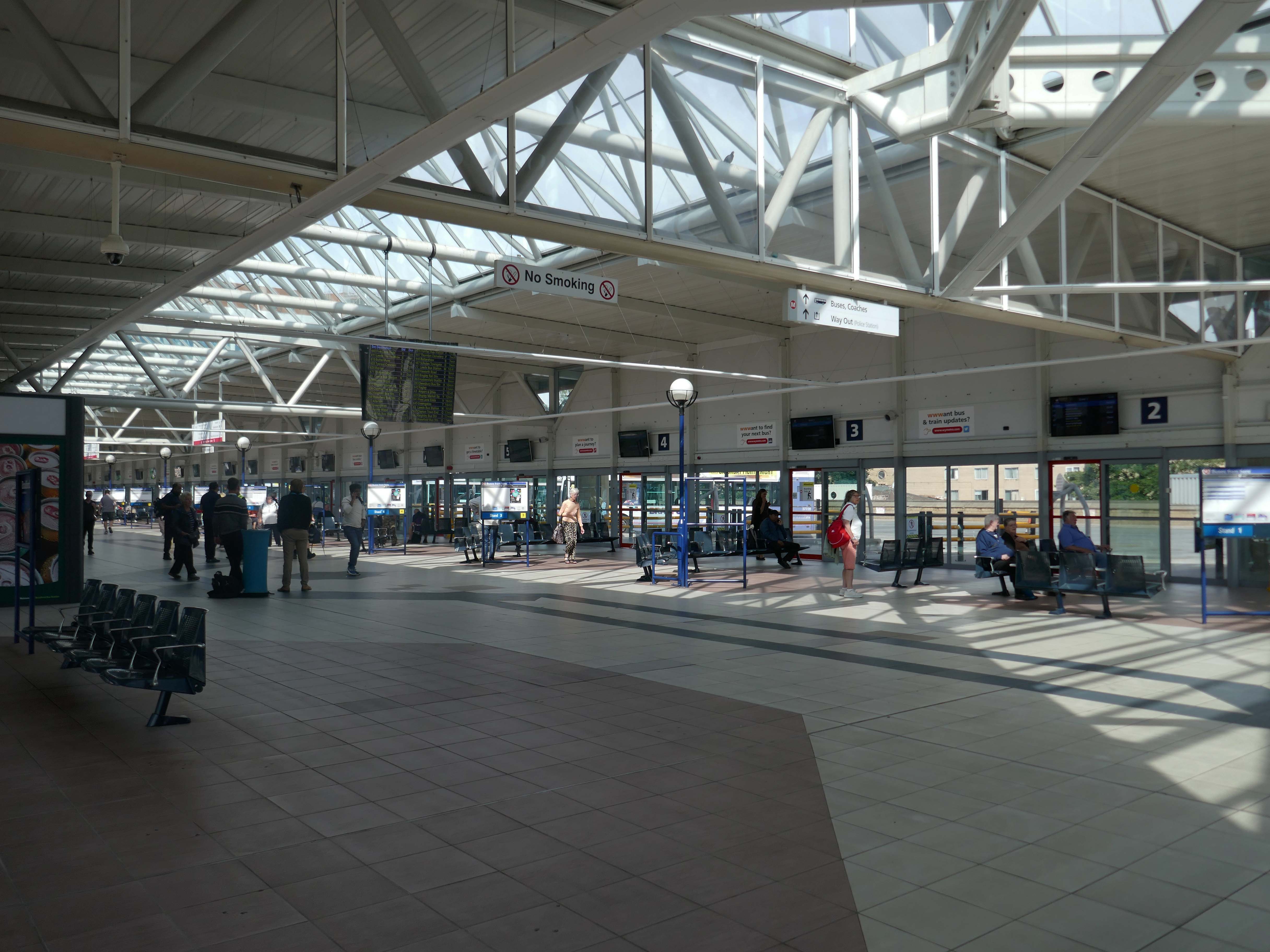
The Interchange was designed in 1962, it was hailed as a showpiece of European design when it opened in 1971.
Architects WC Brown Borough Architect and RL Moorcroft BR.
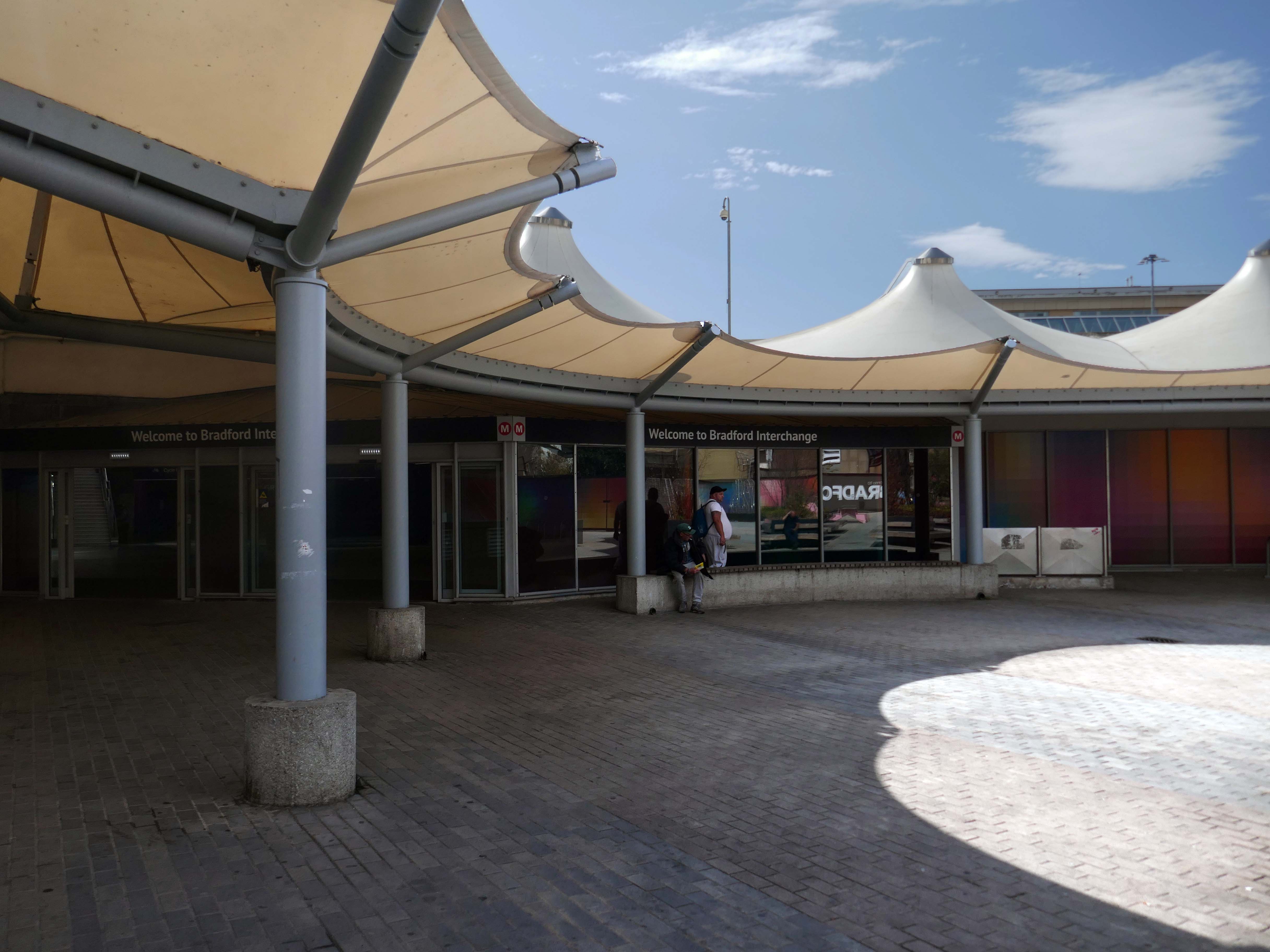
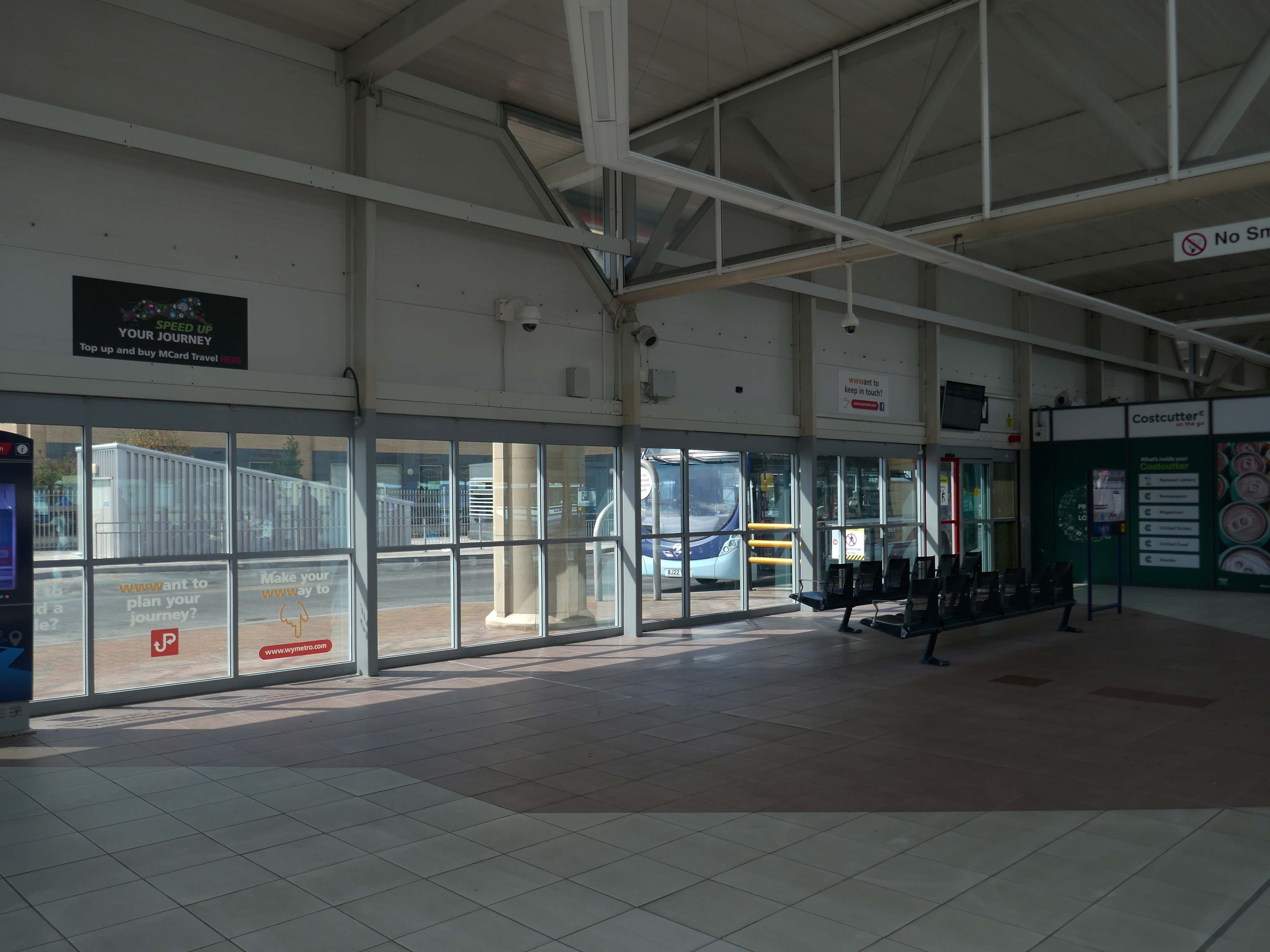
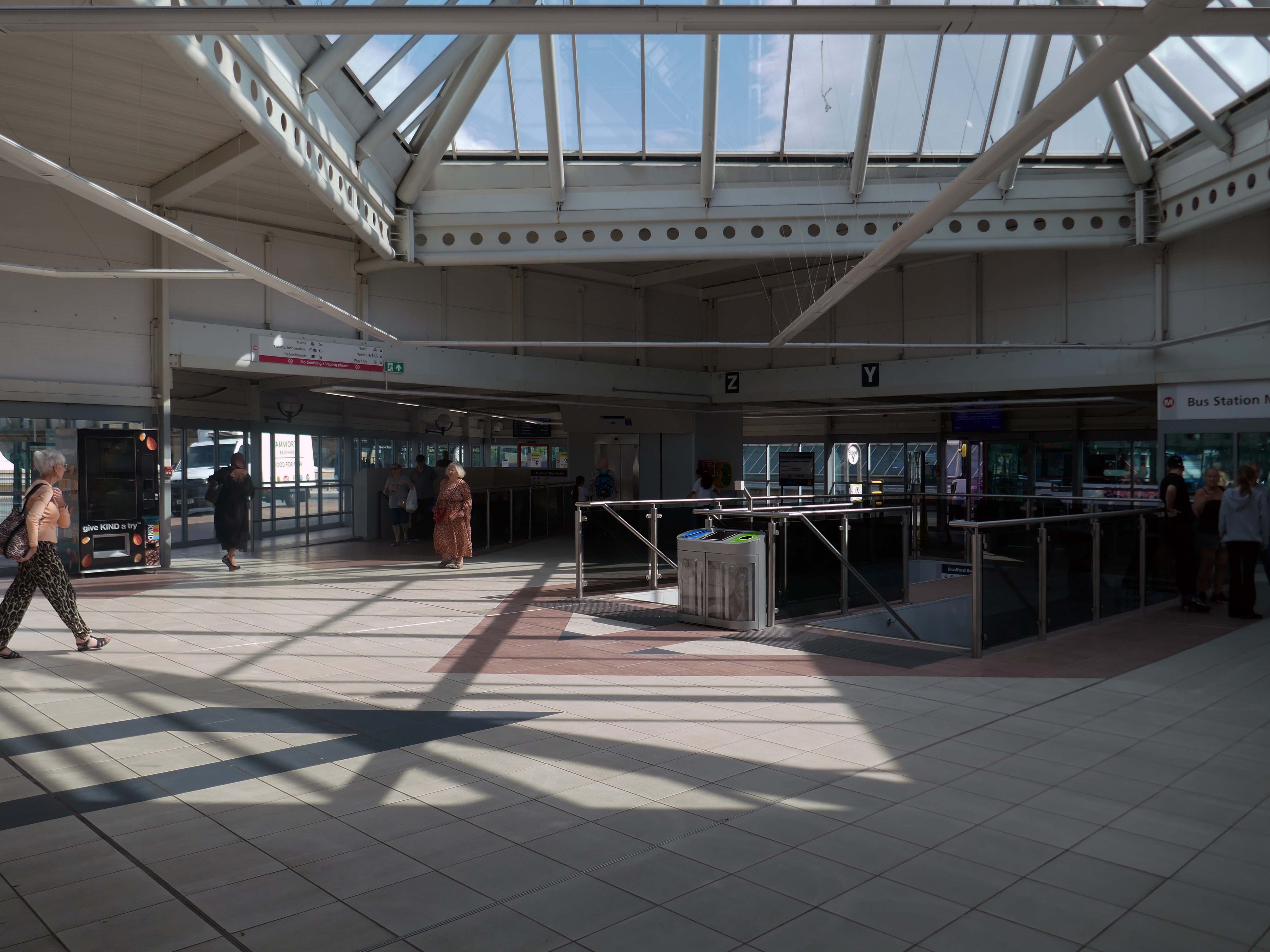
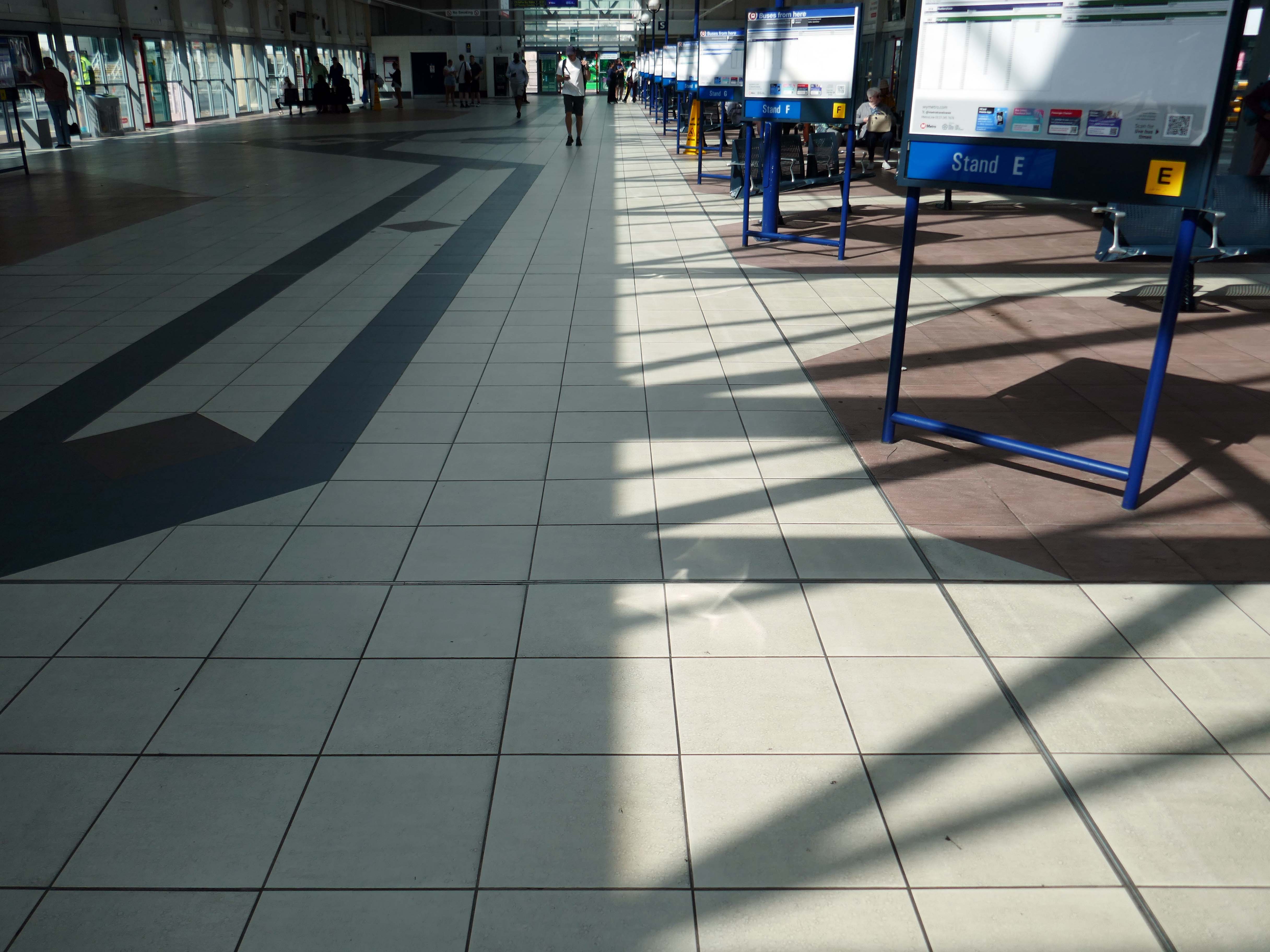
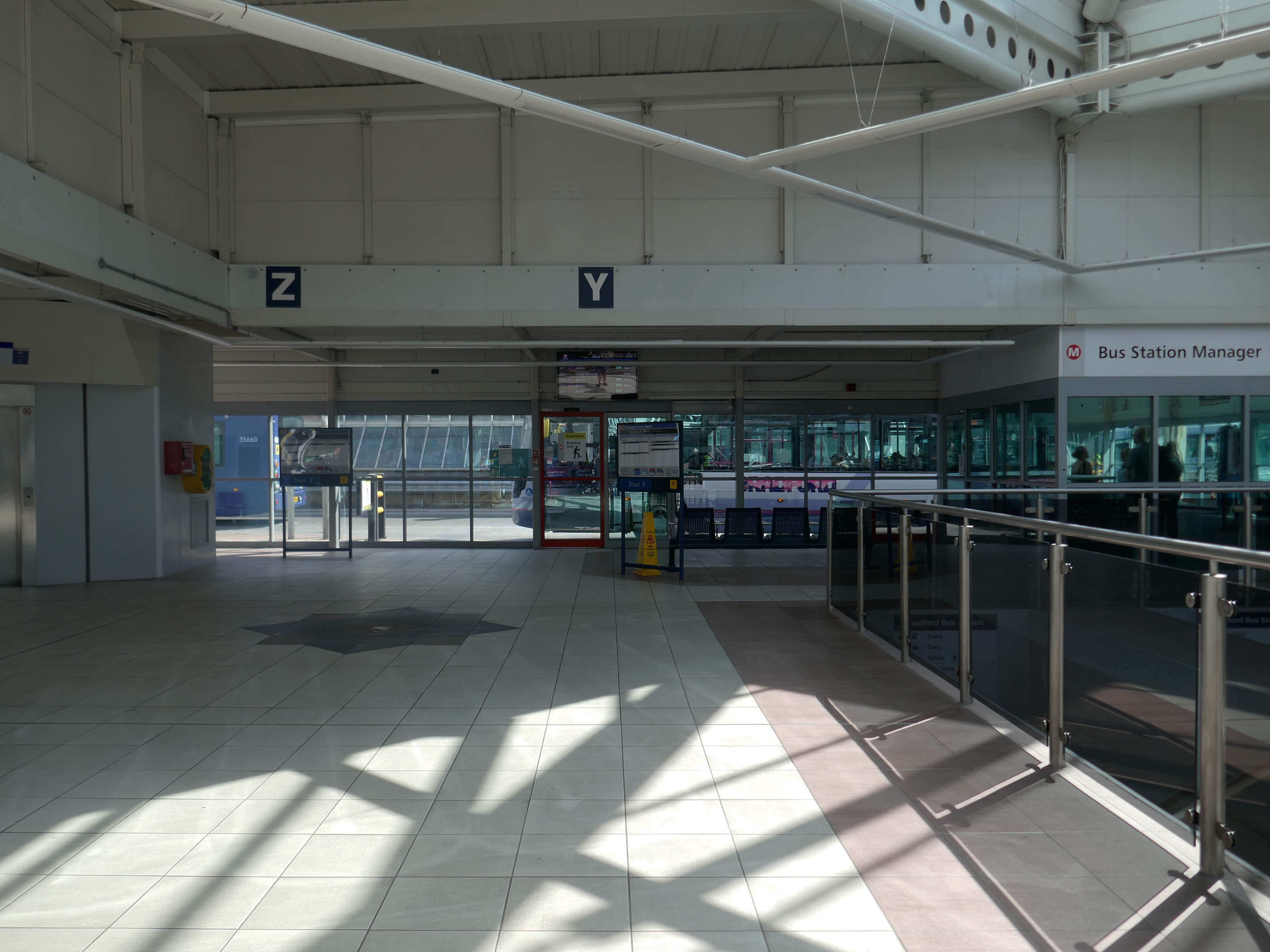
The bus station featured a large ridge and furrow design of overall roof, which was subsequently demolished in 1999 to allow for a rebuilding of the bus station, which was opened in 2001.
Further down the line, the plans of 2020 are yet to be realised.
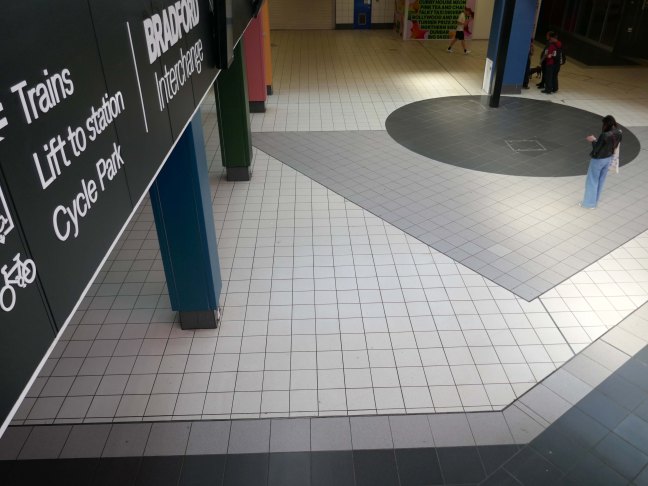
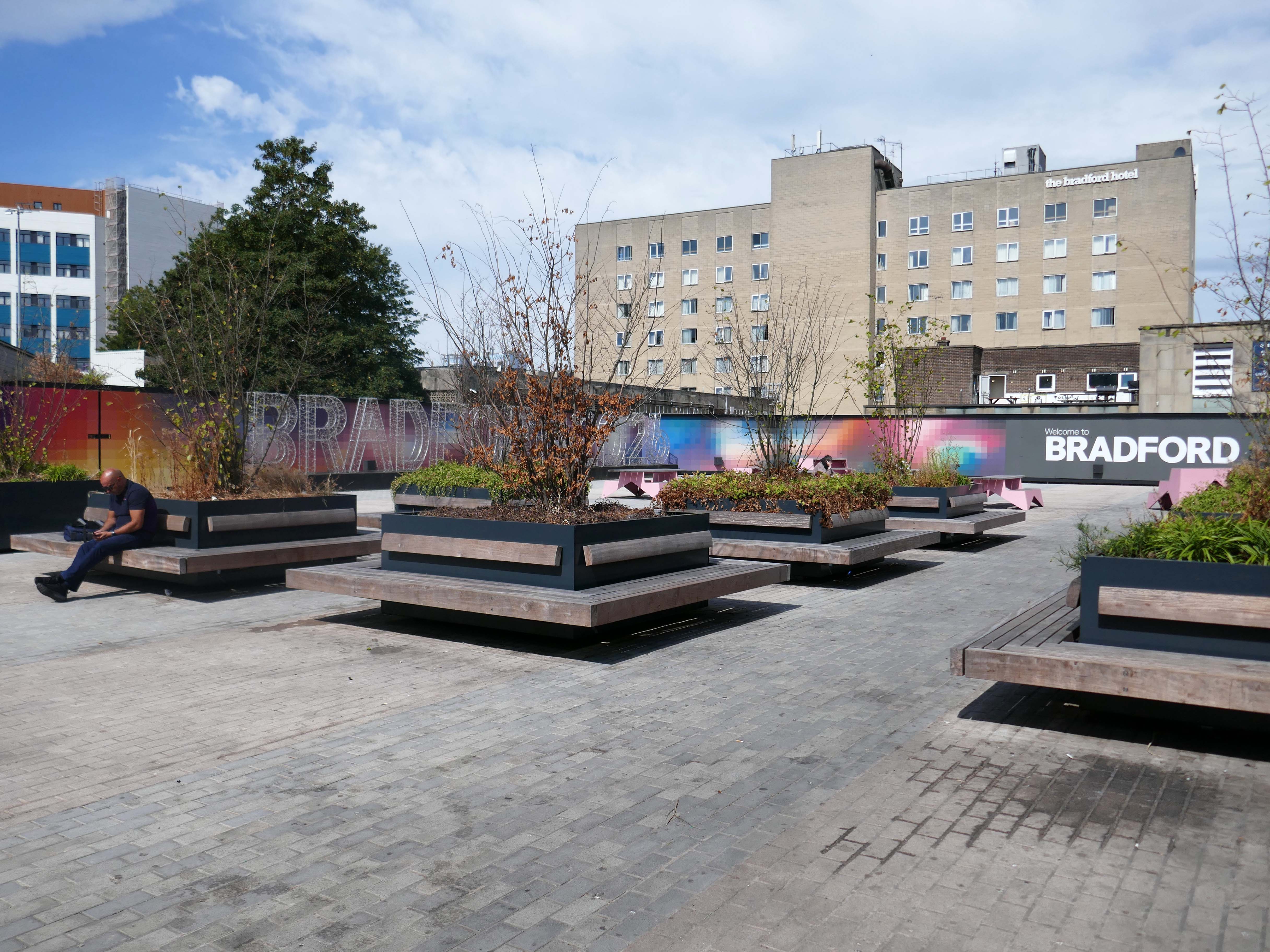
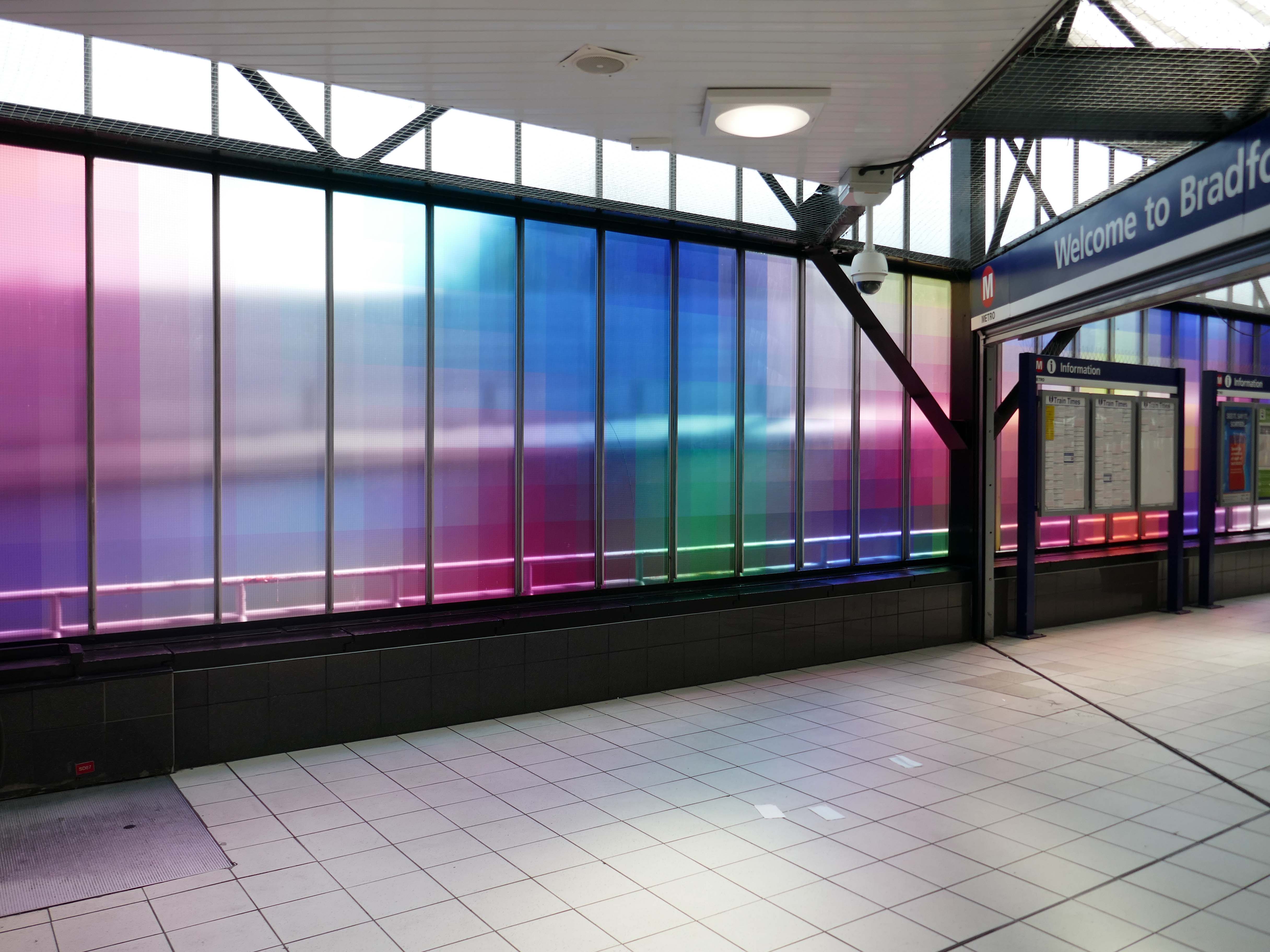
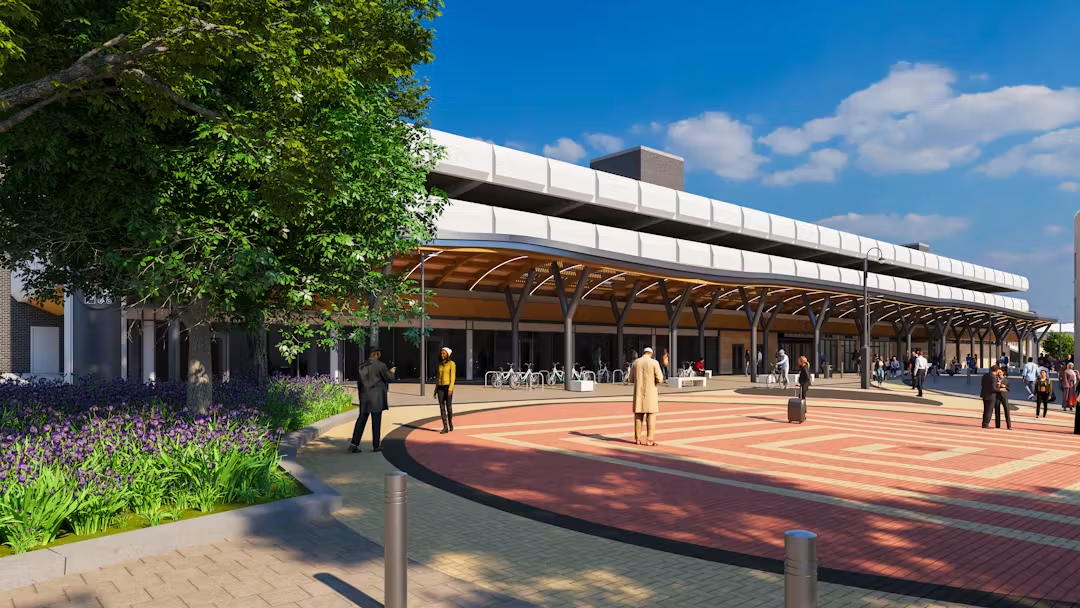
So the curved and tented canopy is still in place, with the addition of seating in the newly landscaped plaza area – designed by Fereday Pollard.
The area has replaced the former taxi rank and drop-off point, and has new paving, seating and planters.
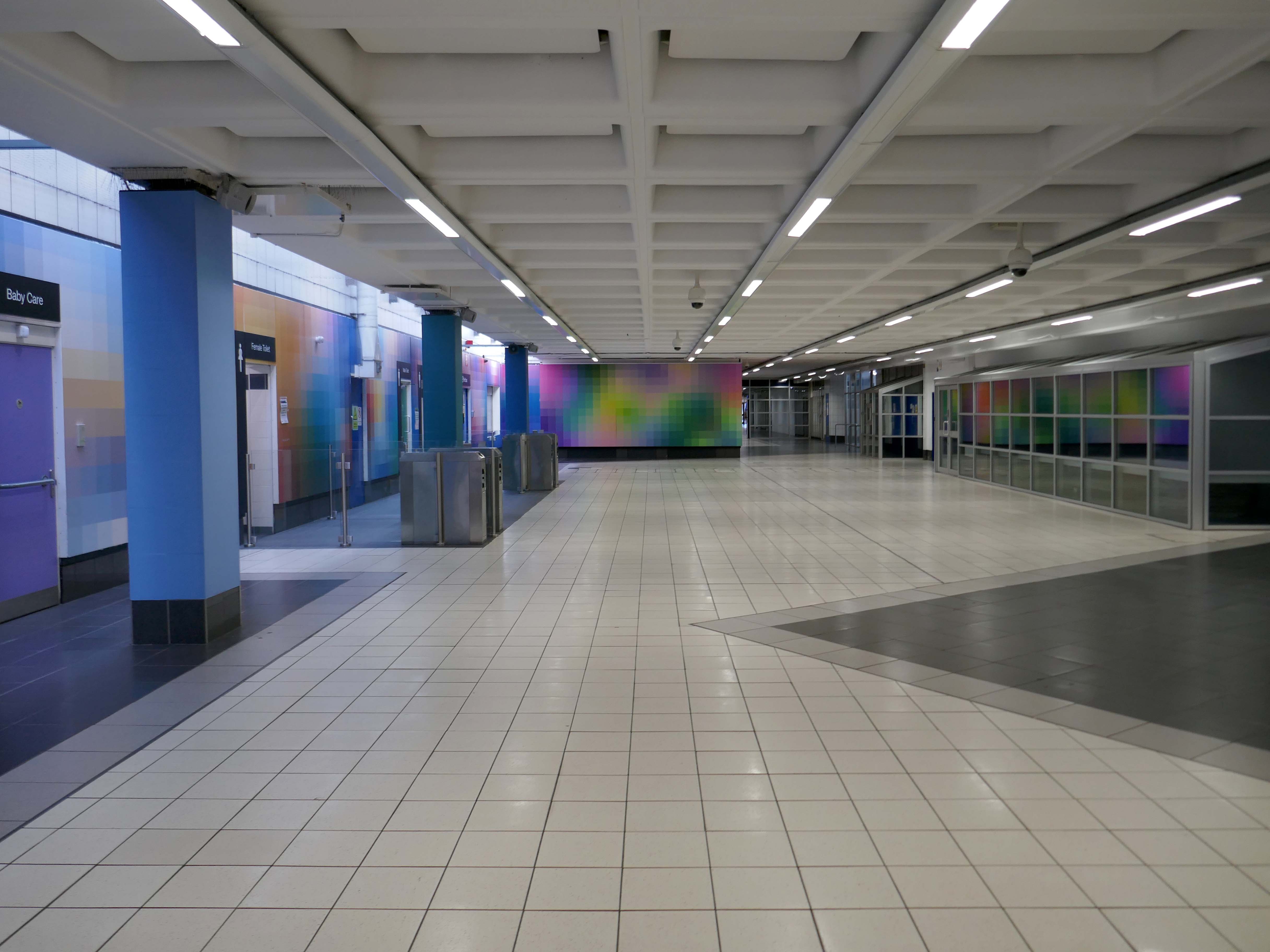
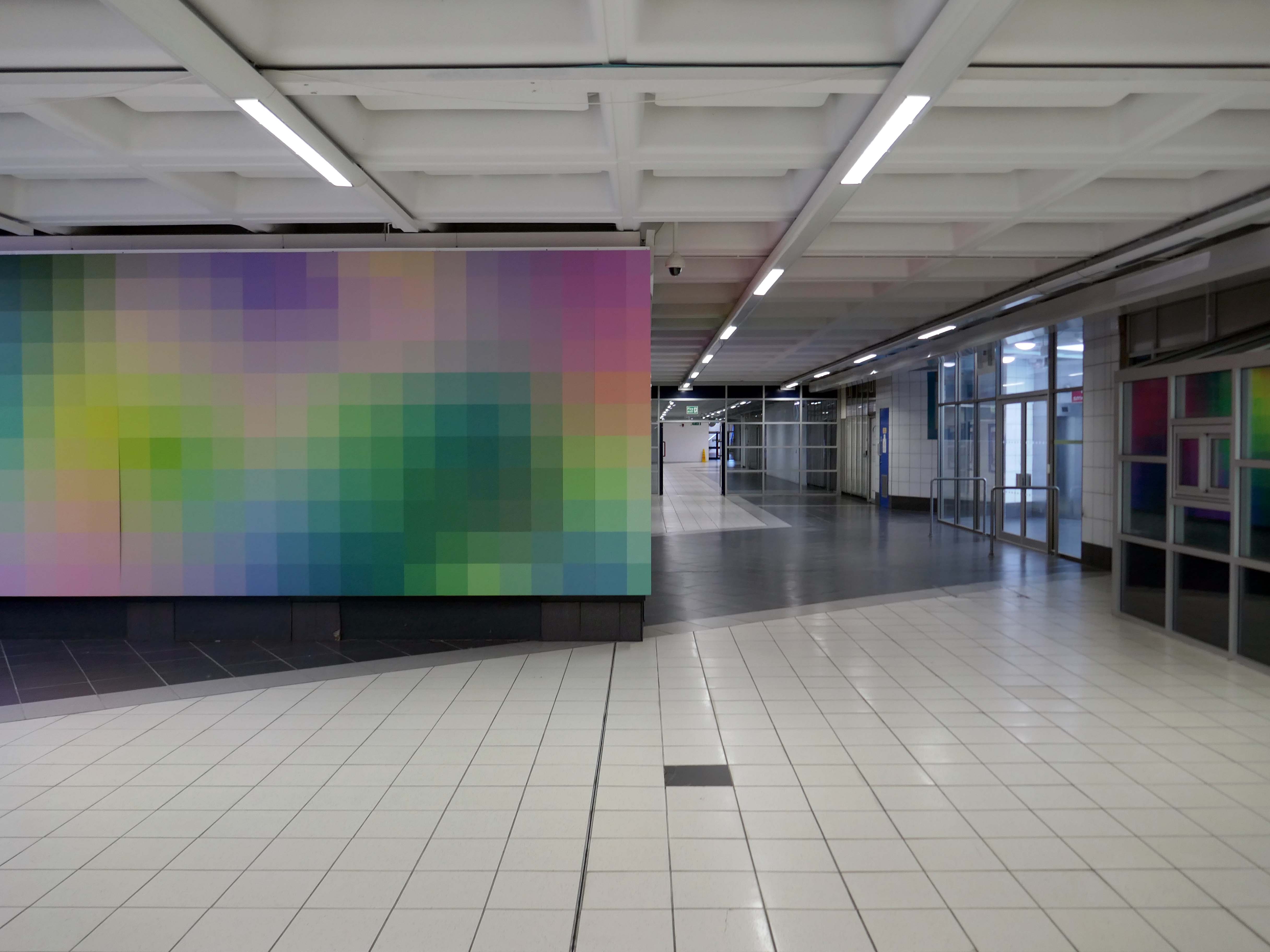
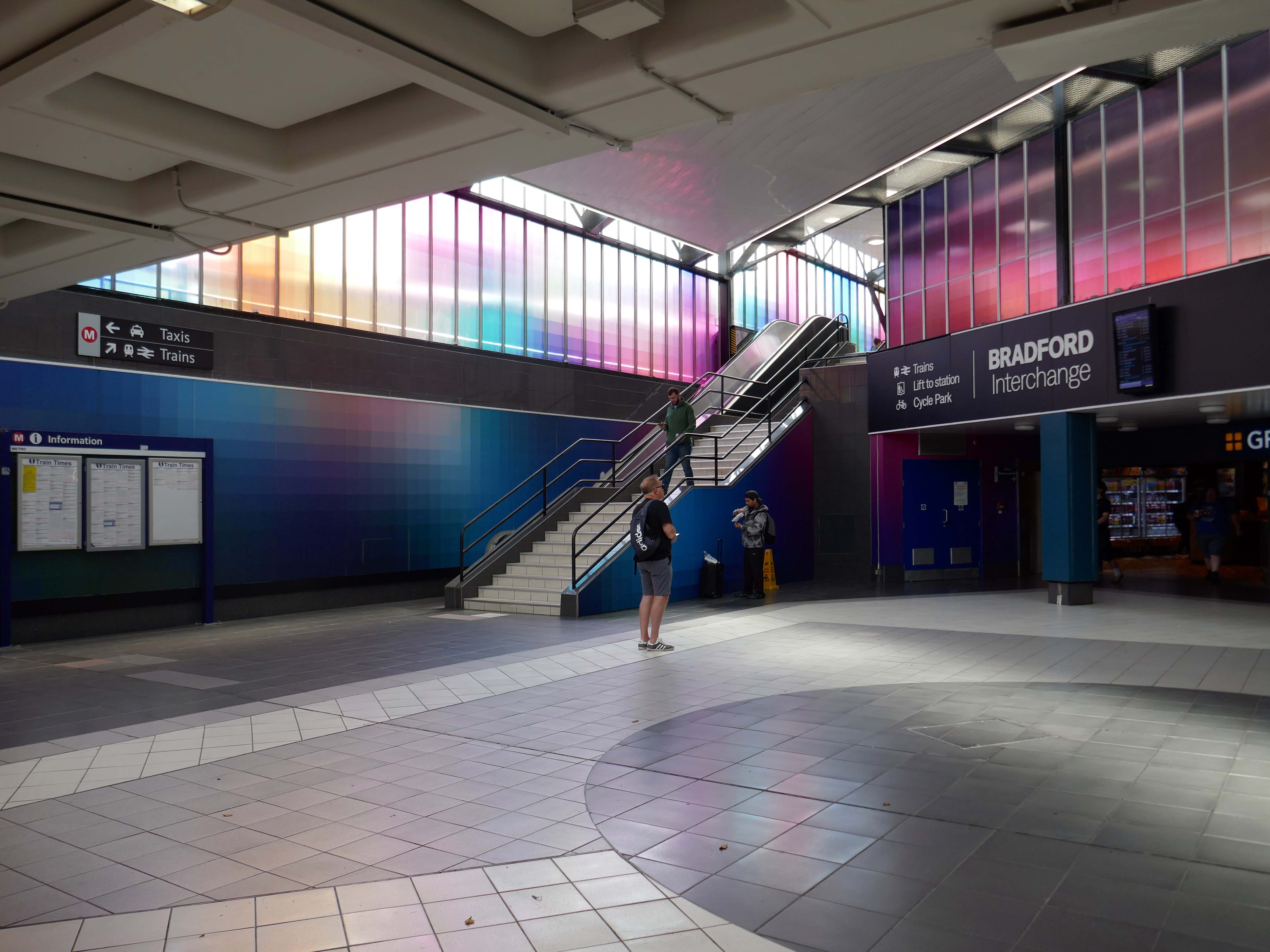
Designs include a new pocket park, plaza and interiors, all formed as a high quality welcoming visual amenity whilst repairing the disparate components which form the backdrop of the proposals. In the plaza, a kaleidoscope of colours is complemented by a grid of generous planters with integrated seating and vibrantly coloured furniture to create a celebratory and flexible meeting space. The ‘Colours of Bradford’ introduce clarity and joy, with the new plaza serving as an extension to the station concourse, allowing meeting and dwell space to interact with the city and onward journeys. Reinforcing the moor to meadow narrative of our original scheme, the new pocket park creates a pollinator park, encouraging and promoting a connection with the wider surrounding landscape of Bradford and combined with the Tower of Now, pays tribute to the rich and varied cultures found in Bradford.
Fereday Pollard
With Bradford awarded the UK City of Culture 2025, and an expected 15 million visitors during its year of celebrations, the city is ready for its moment in the spotlight. As part of these exciting developments, Bigg Design and Fun Makes Good are transforming Bradford’s main bus and rail interchange with super-scale, multi-surface artworks that will create an exciting, welcoming gateway to the city.
Their design work not a million miles from the prints and paintings of Richard Paul Lohse.
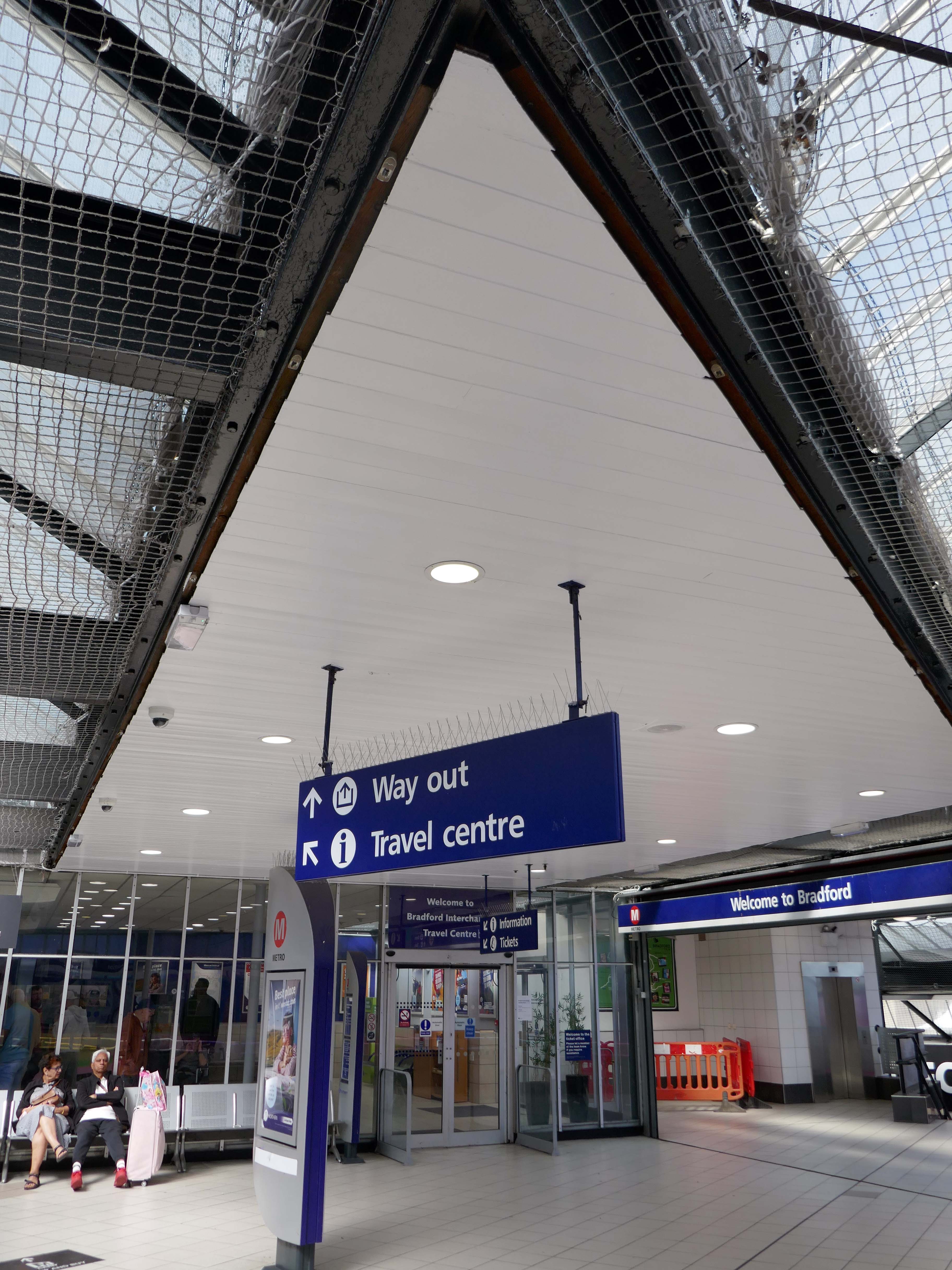
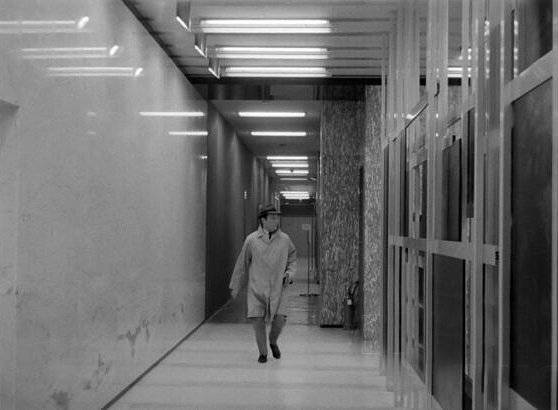
For me, this lower concourse always seems to have echoes of Jean-Luc Godard’s film Alphaville.
There are no special props or futuristic sets: instead, the film was shot in real locations in Paris, the night-time streets of the capital becoming the streets of Alphaville, while modernist glass and concrete buildings – which in 1965 were new and strange architectural designs, represent the city’s interiors.
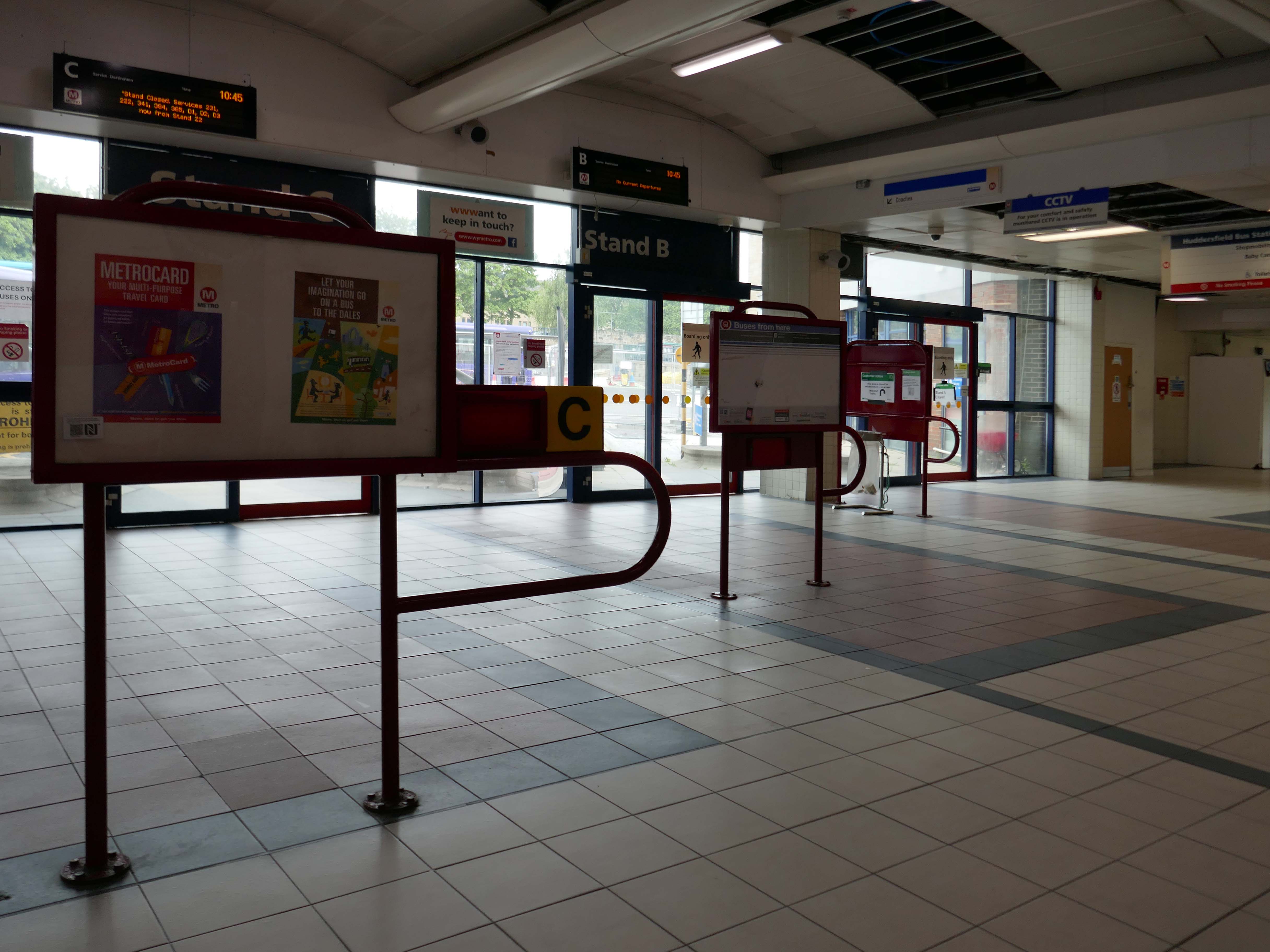
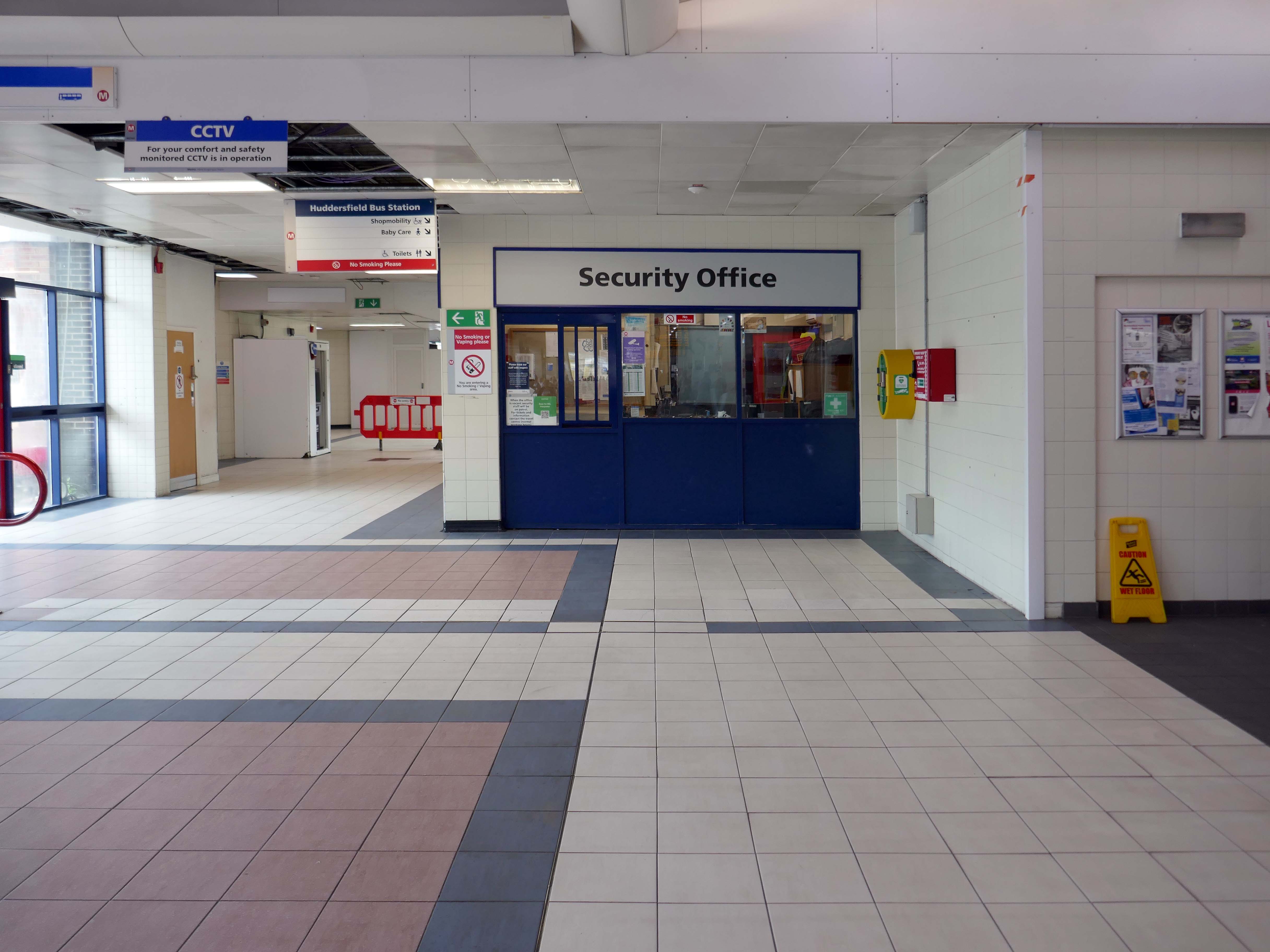
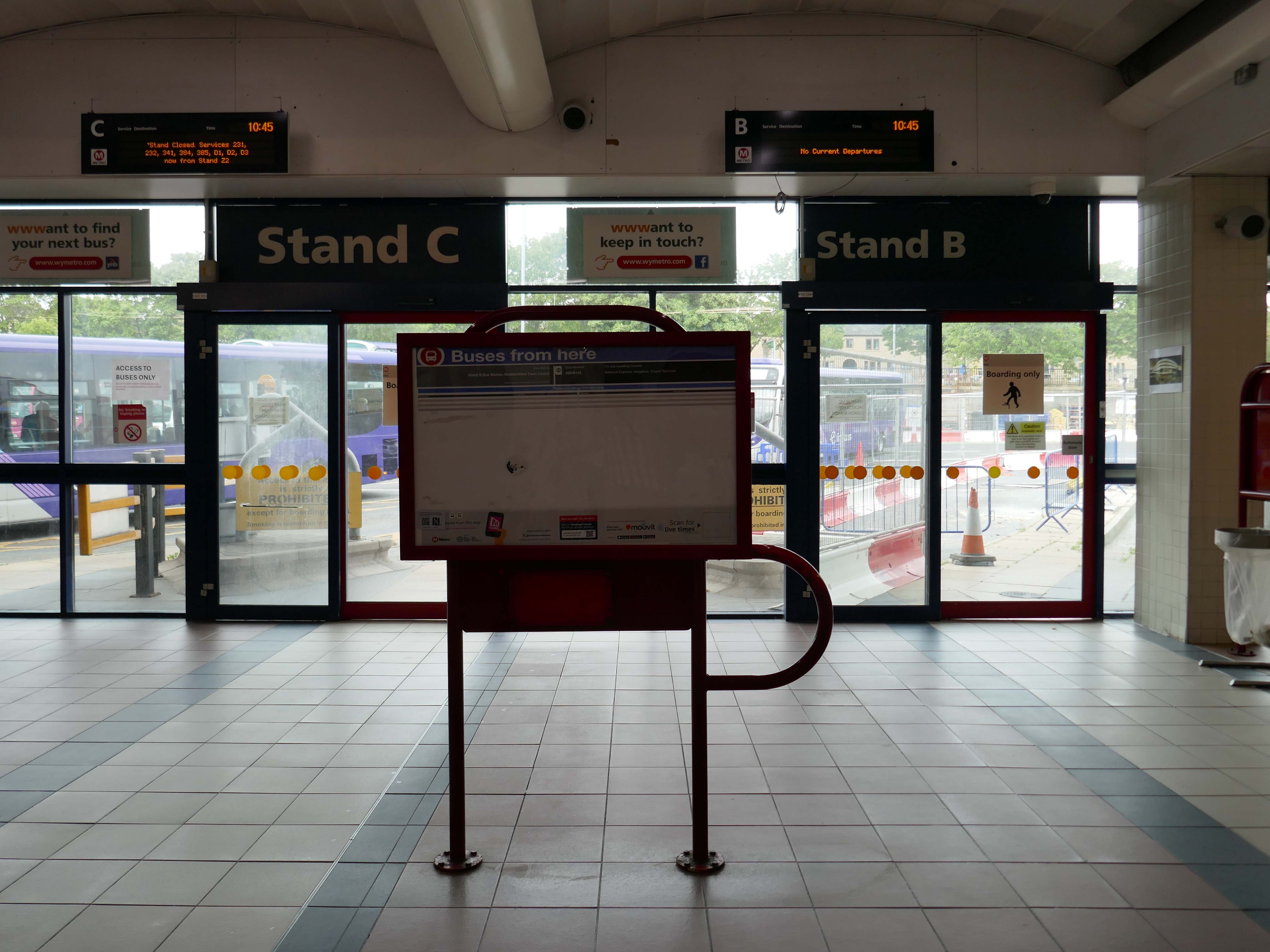
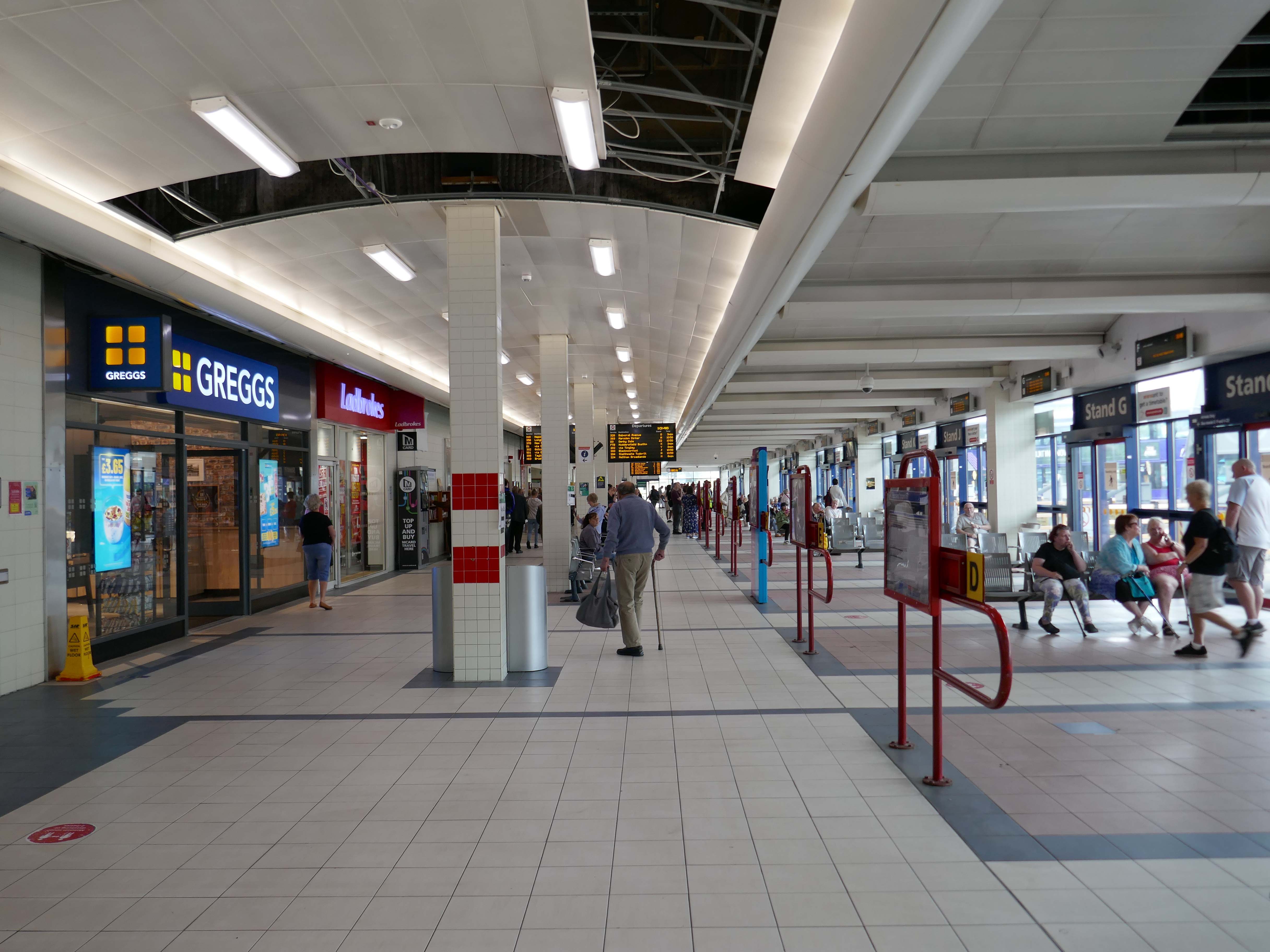
We are transforming Huddersfield Bus Station into a fully accessible facility.
Work is underway on the £28 million facility, which is funded by the West Yorkshire Combined Authority and Kirklees Council.
I was informed by the seriously erudite Christopher Marsden, that the bus station and car park were the work of Derek C W Vane: Borough Architect 1972-1974.
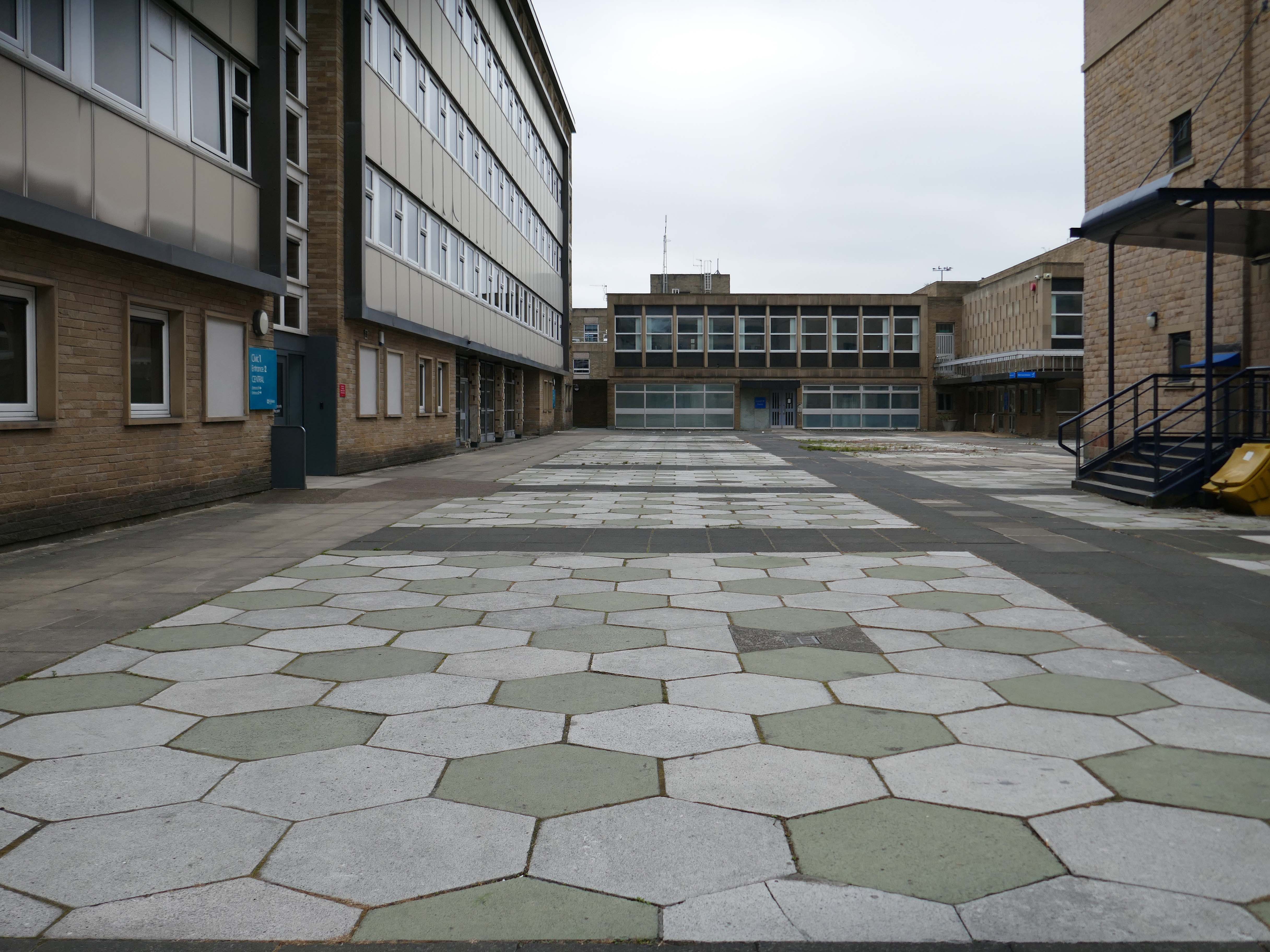
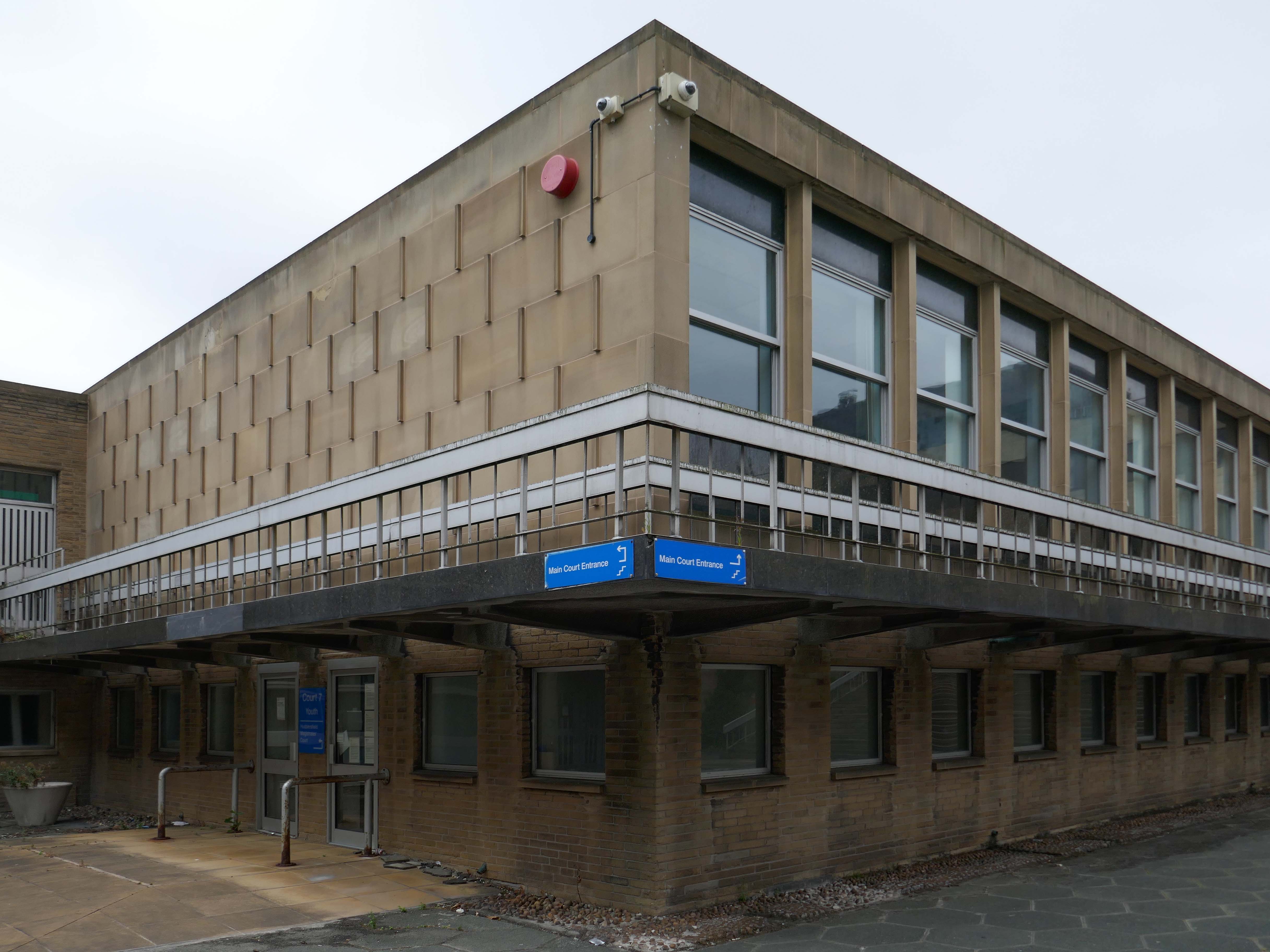
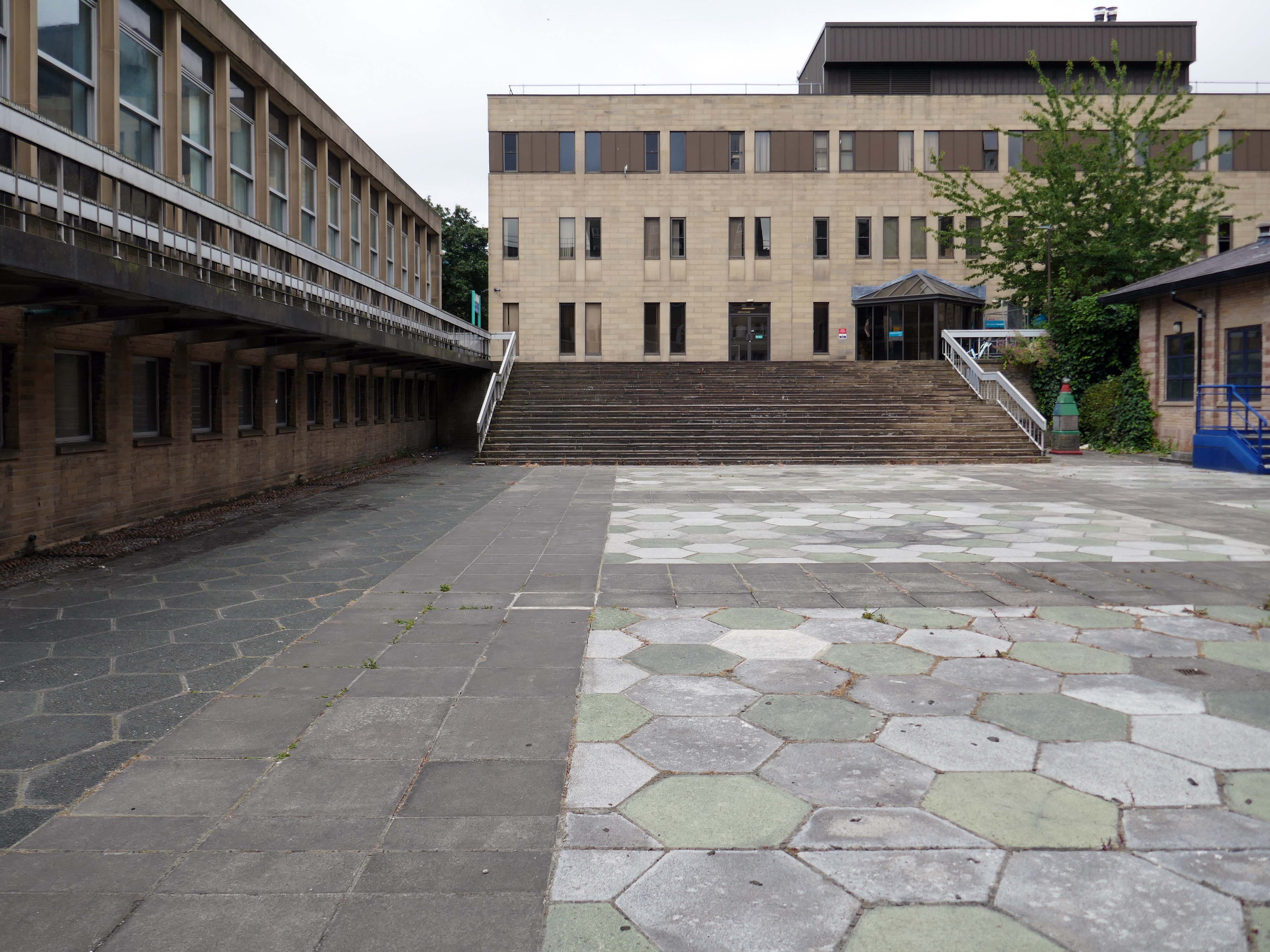
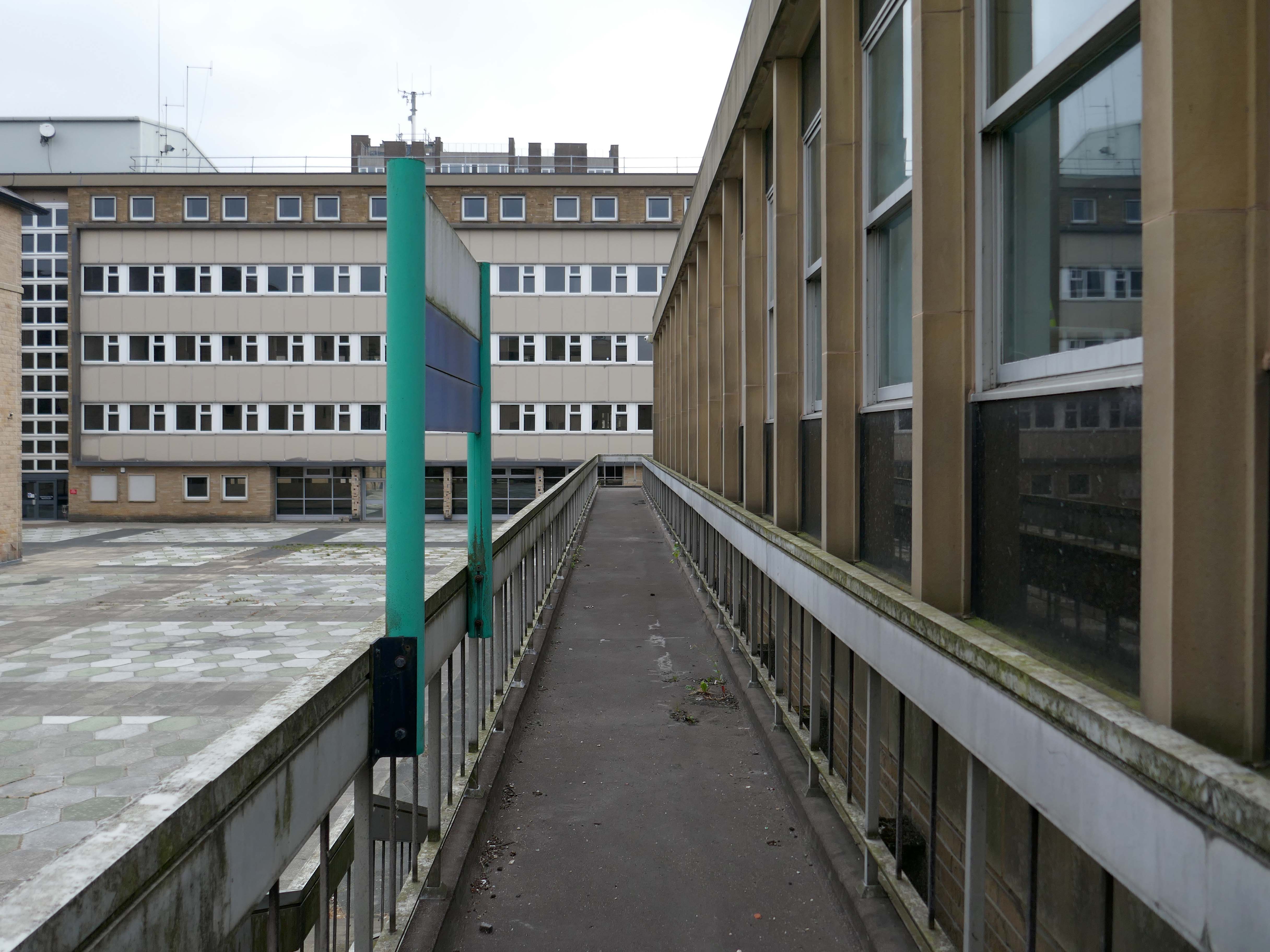
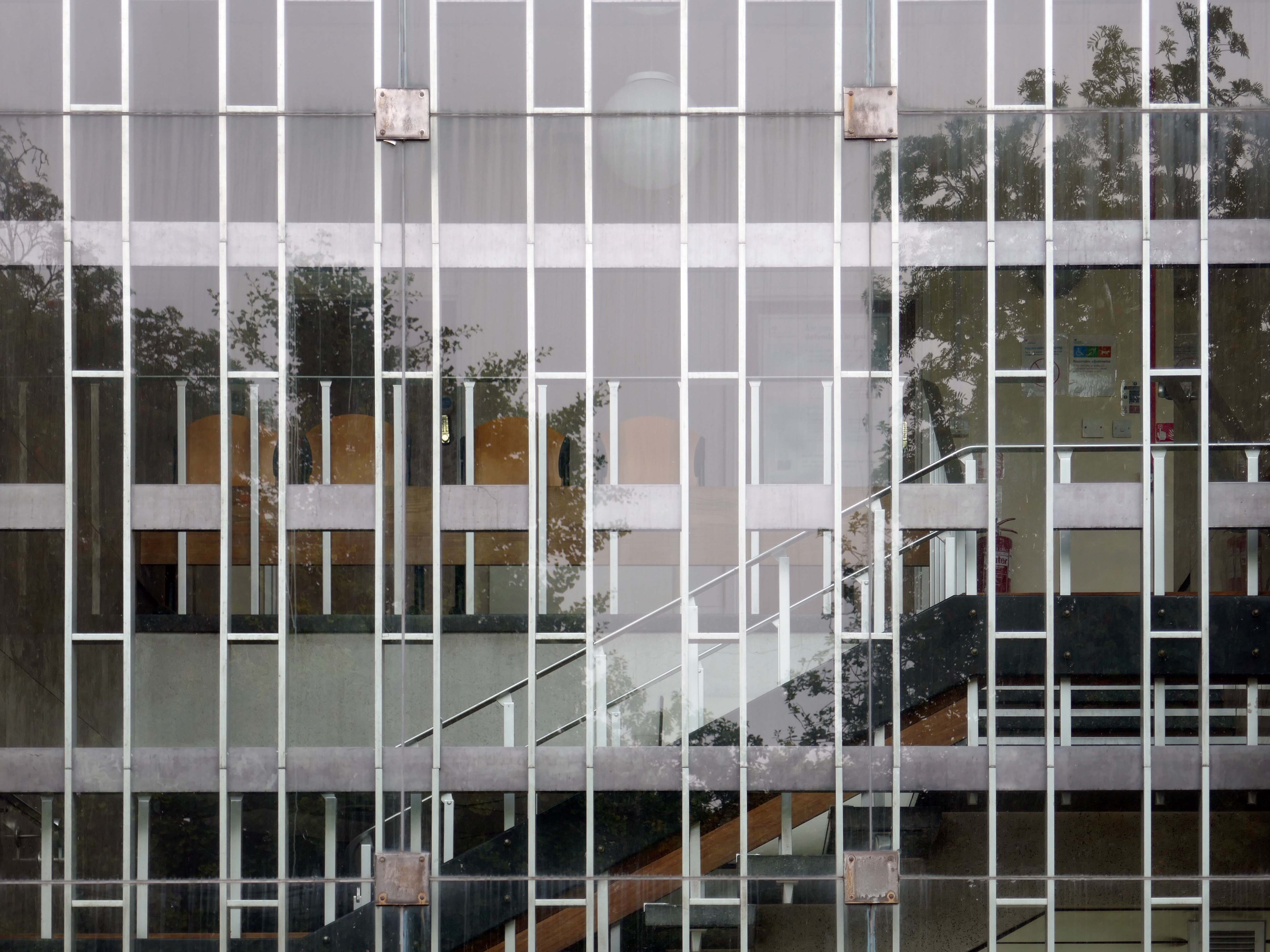
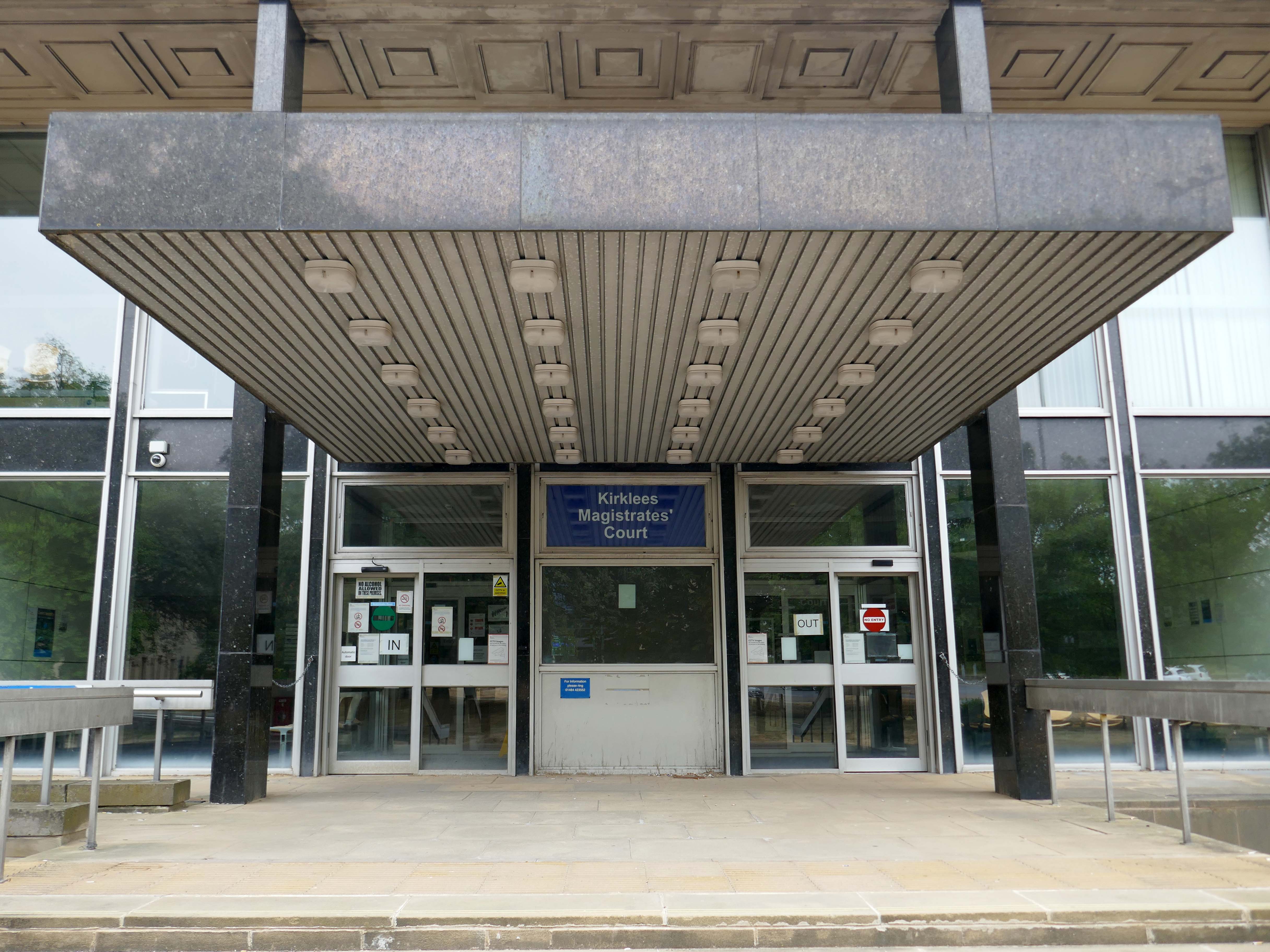
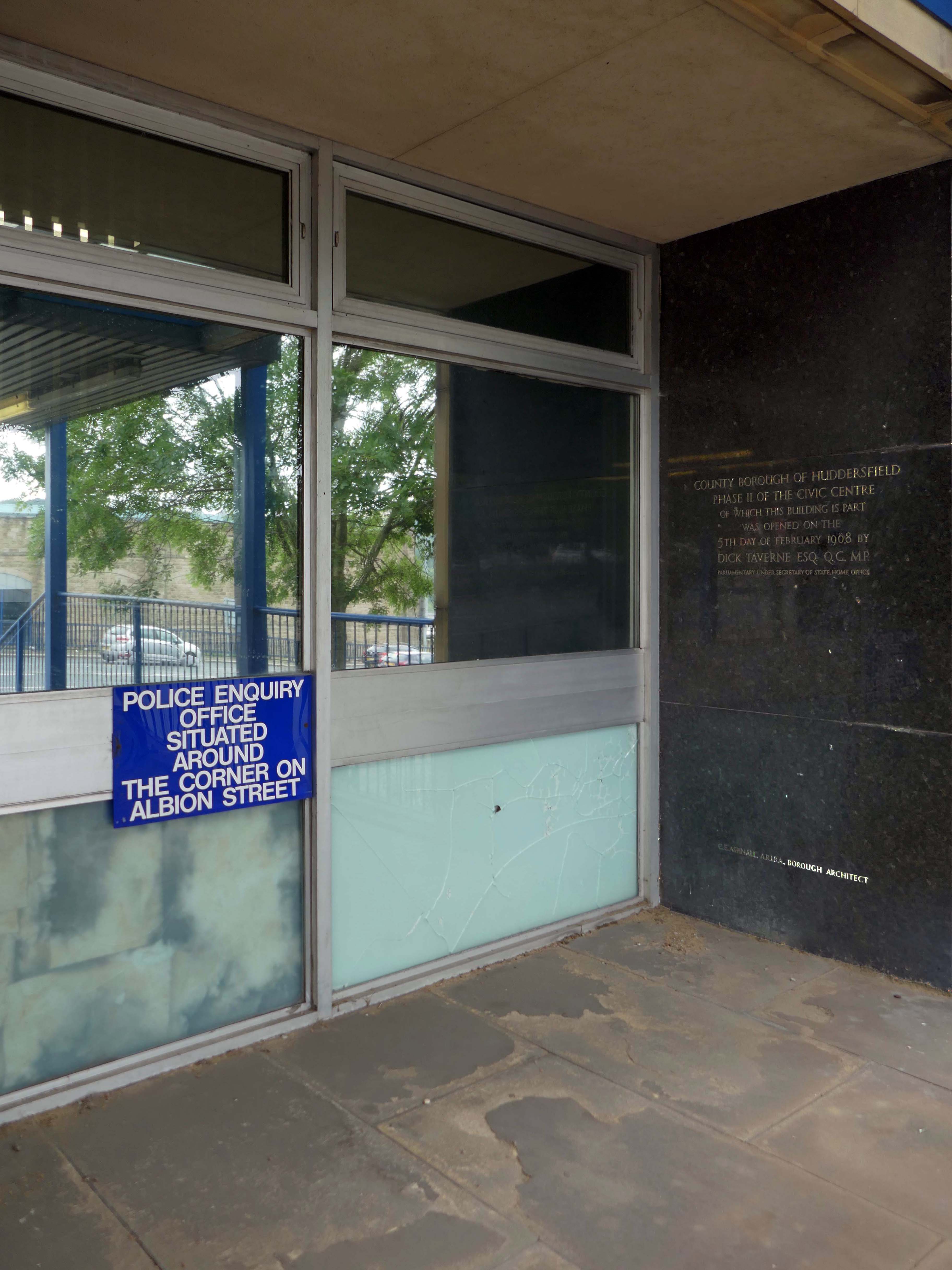
We then cross over the road to the Civic Centre, with its gold leaf facade, and the perennially empty piazza, which along with the Magistrates’ Courts and Police Station, was the work of the Borough Architects team – led by Charles Edmund Aspinall.
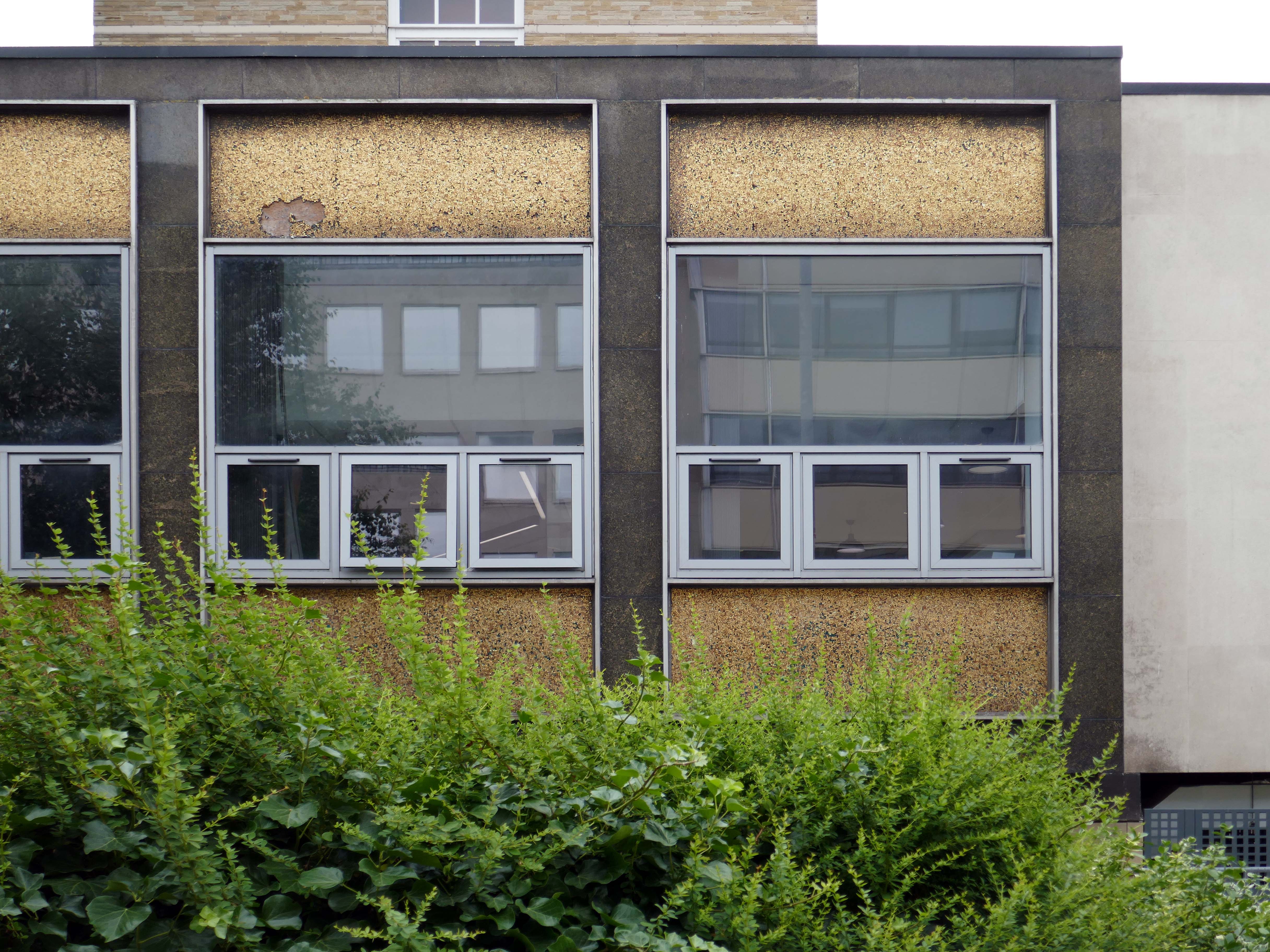
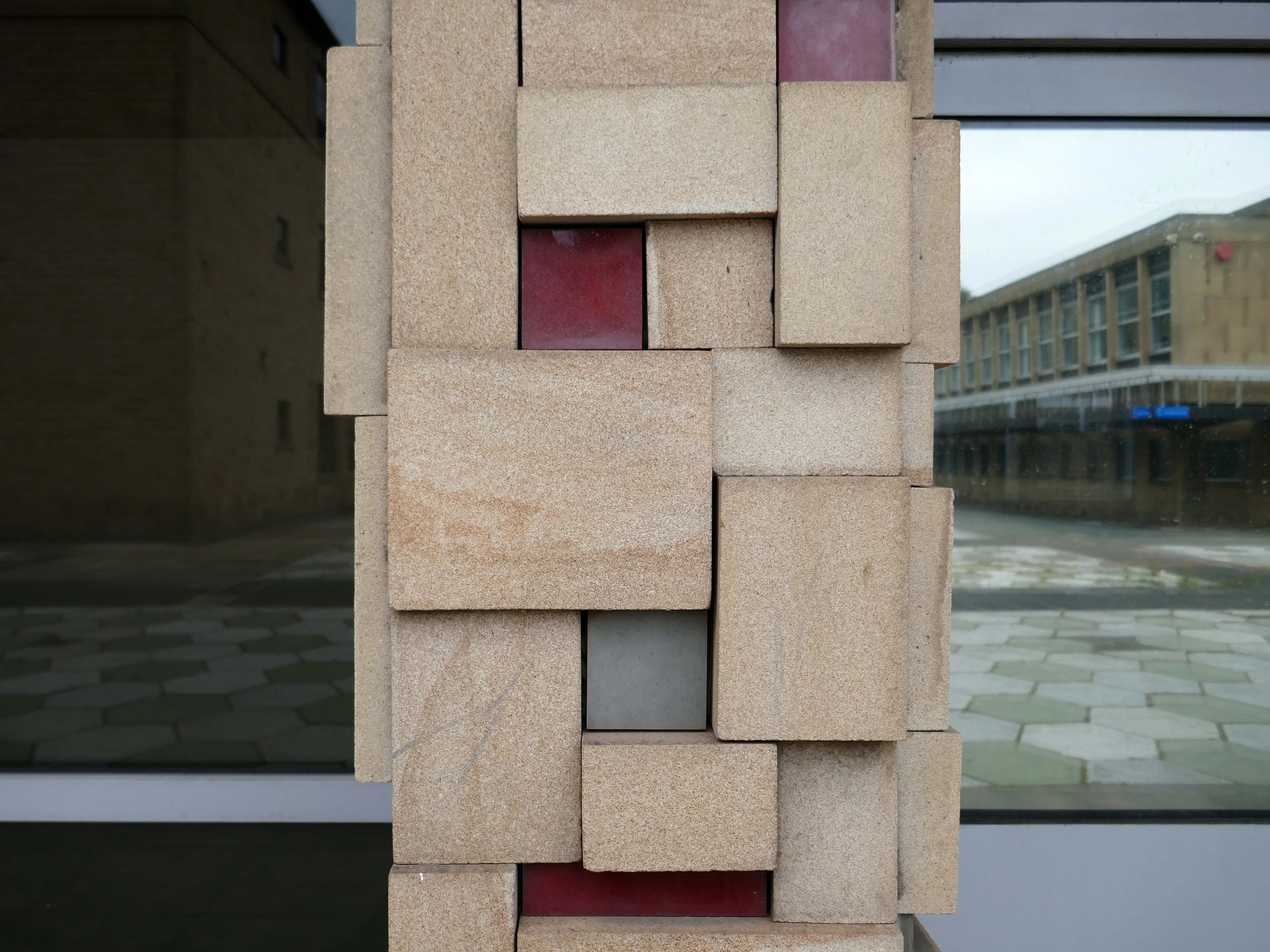
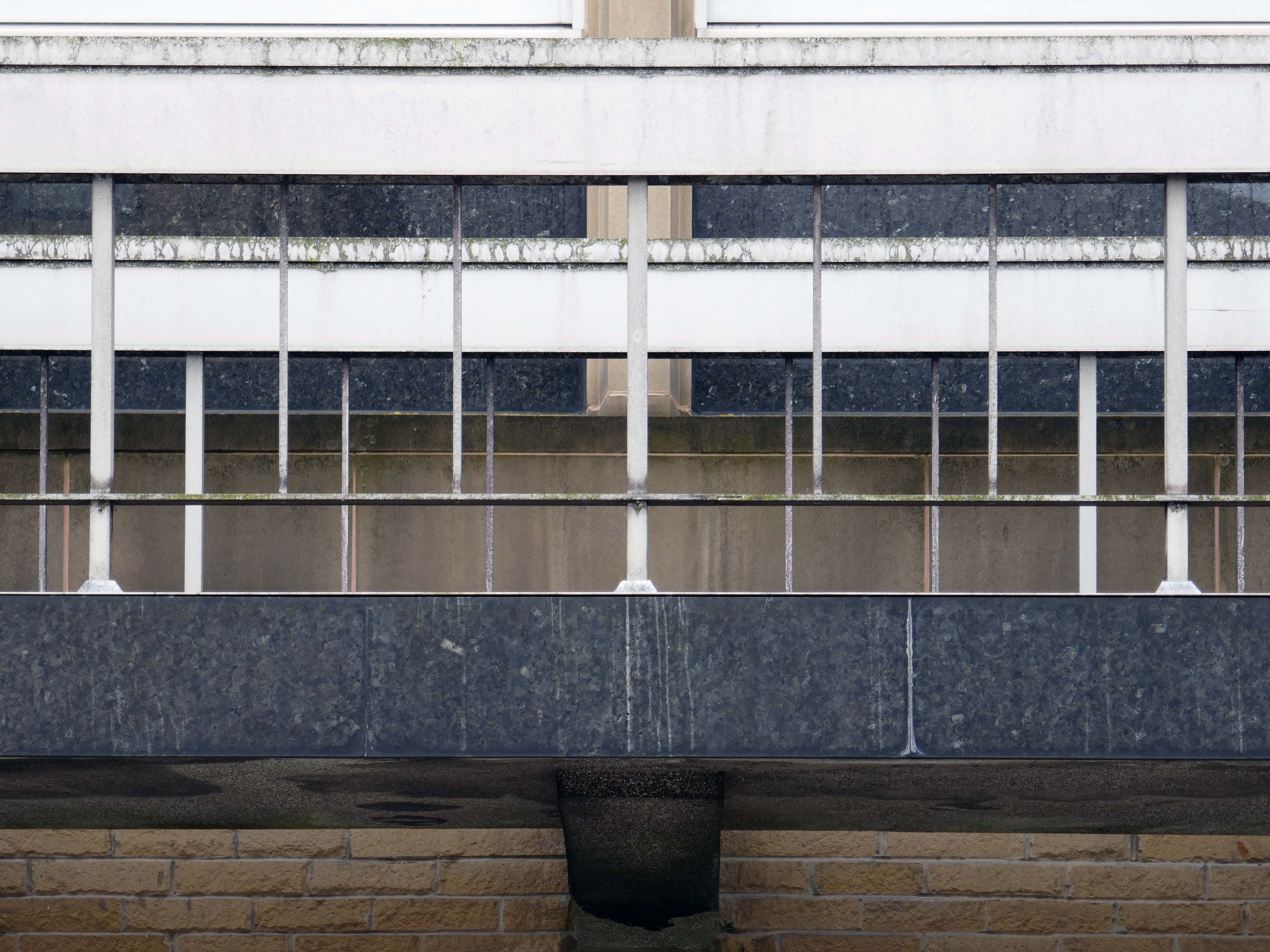
Exsilite panels set in the stone faced columns – a brand name for a synthetic, moulded, artificial marble.
Exsilite is made by fusing grains of silica and pigments to form a slab that simulates onyx marble.
Exsiliteis a Latin word meaning – spring/leap/burst forth/out, leap up, start up, bound; emerge into existence.
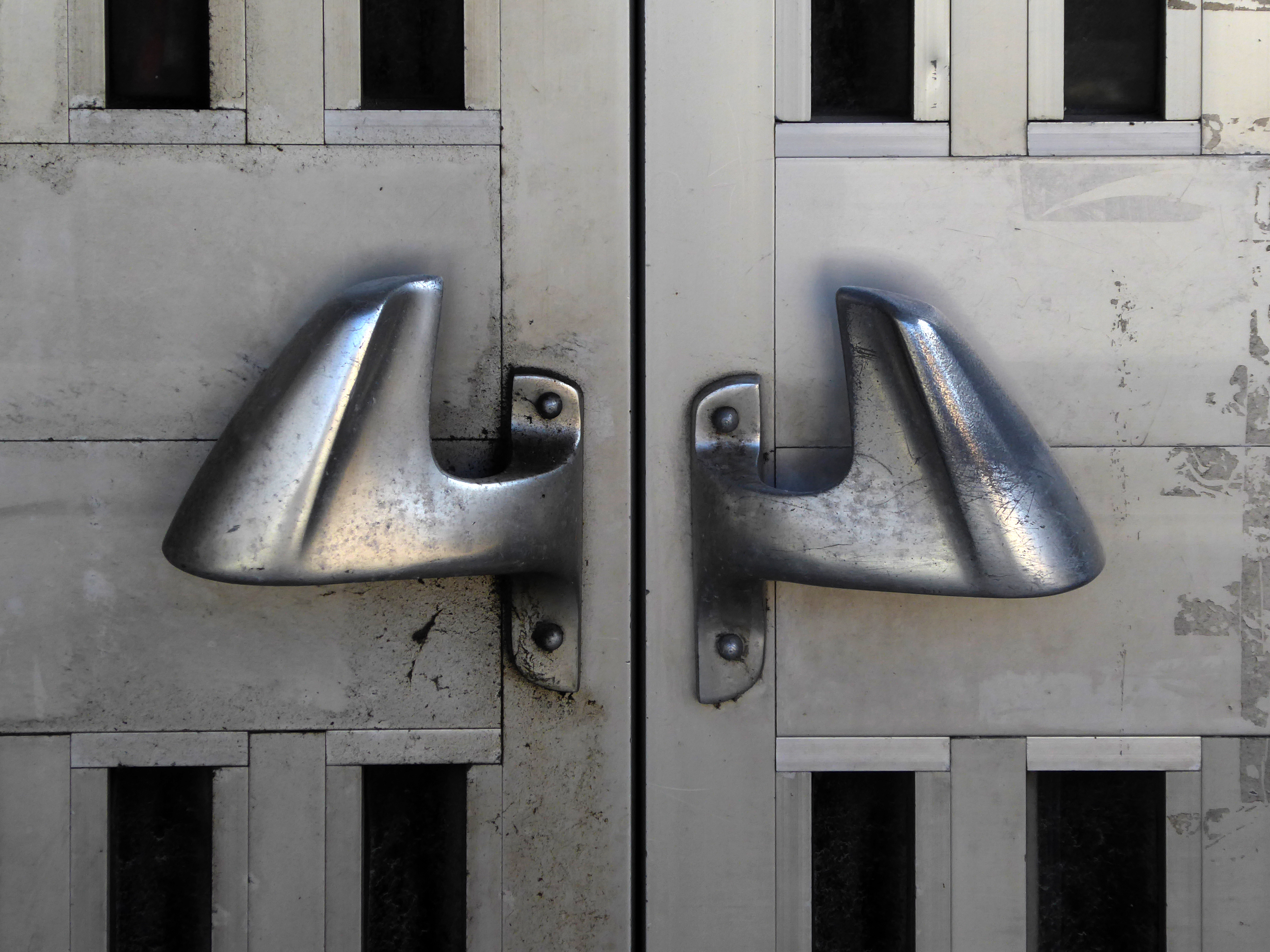
It is to be note that the doors and distinctive handles from the Courts to the Piazza have been removed.
The Police Station is to be vacated on completion of the new Police Station.
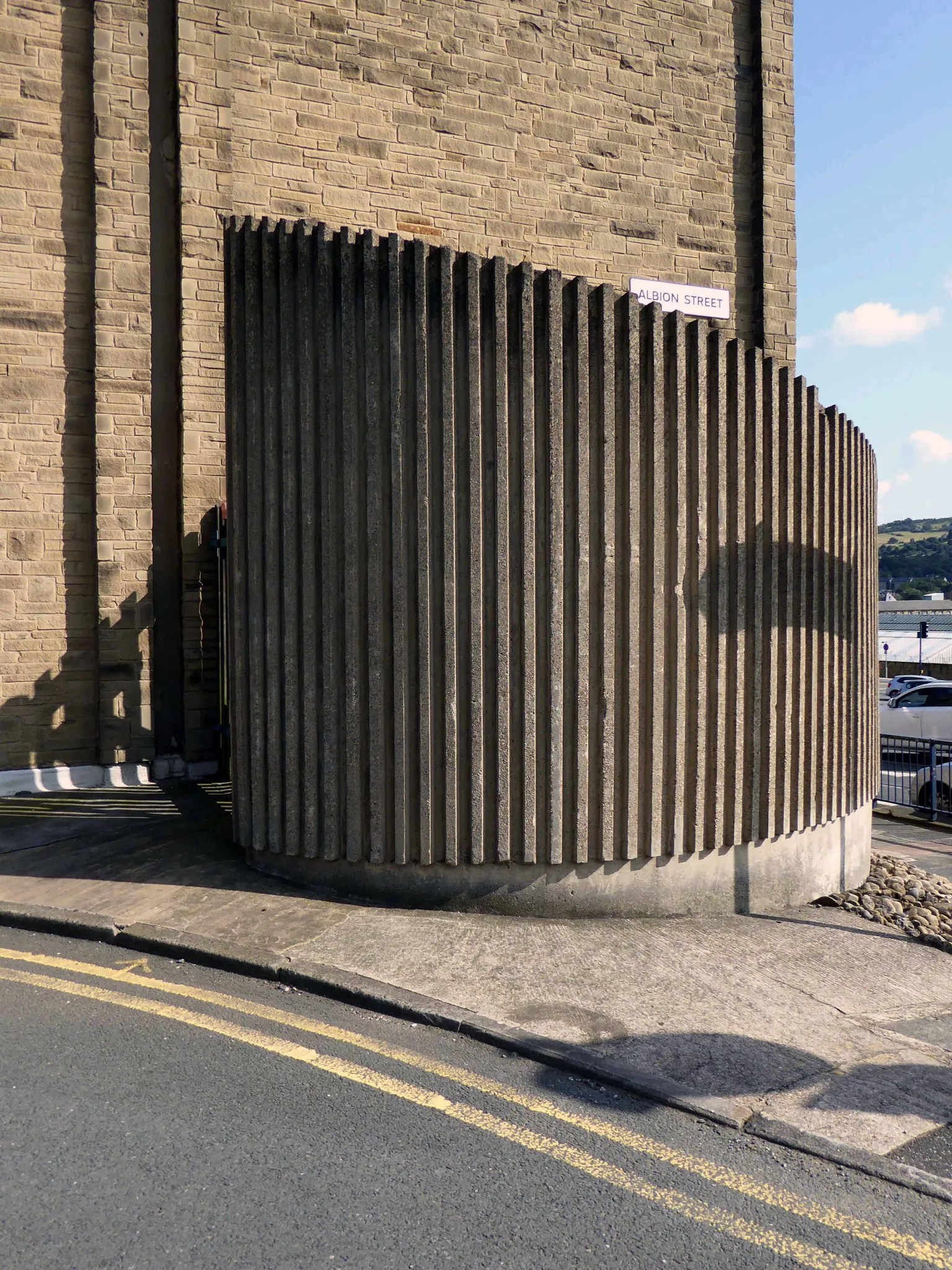
Next to the curved and ribbed concrete wall, concealing an electrical sub-station.
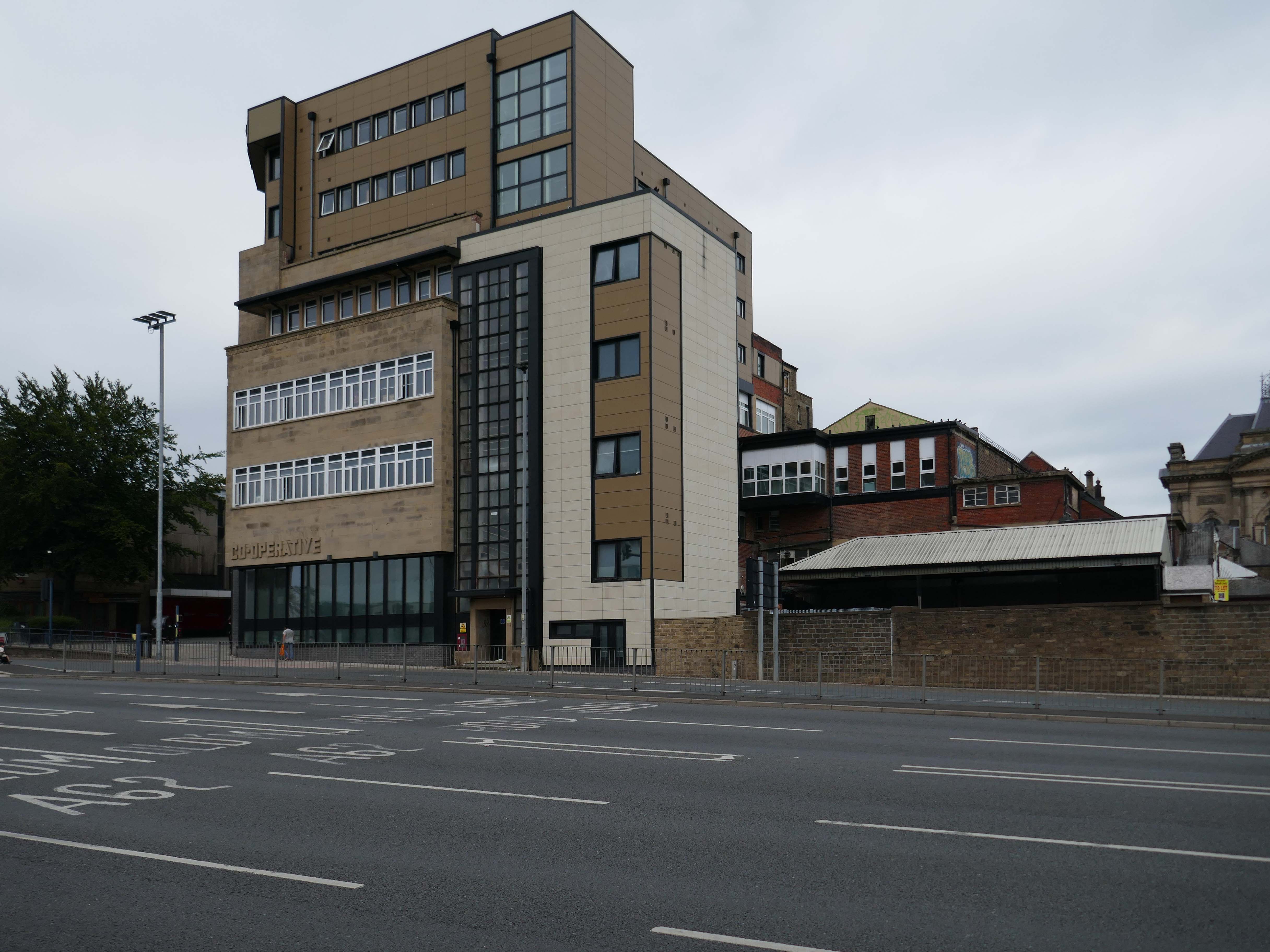
Further on down the road the former Co-operative store 1936 JW Cropper.
On opening day, the Examiner said the Co-op gave:
The town of Huddersfield a store that is entirely modern in design and equipped on the most up-to-date lines-a store of which the townspeople generally, and co-operators in particular, can be proud.
It has subsequently been seriously disabused by insensitive refurbishment and extension.
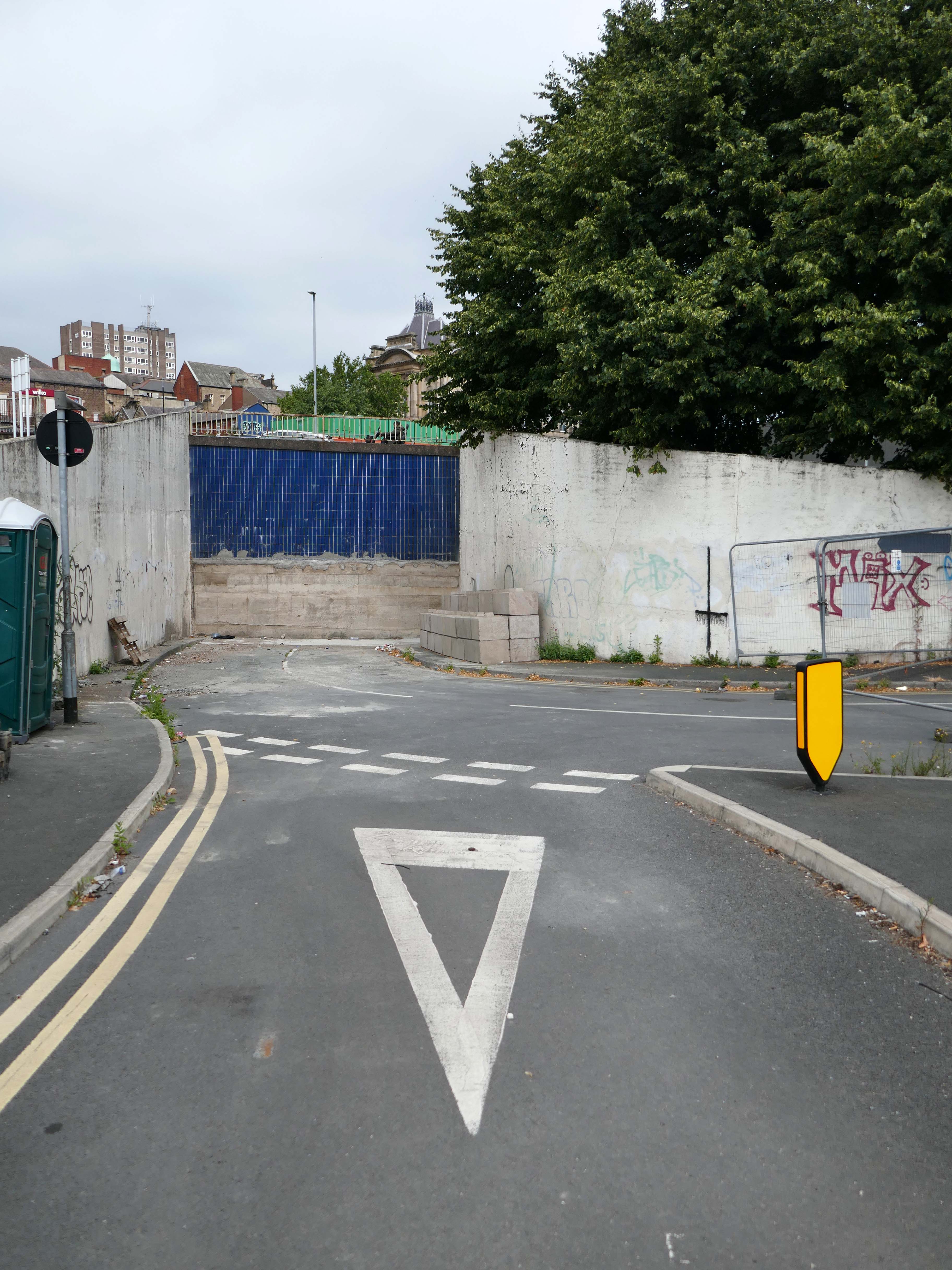
We cross over to view the access road to the service area of the market – now closed.
It was formerly topped off by a multi-storey car park – since demolished.
Then onward to the Grade II Bath House at Broadbent’s Engineering in Huddersfield.
1955, by Abbey Hanson architects – designing architect Andrew Buck, project leader Geoffrey Rowe.
The building is a very rare, possibly unique example of a purpose built bath house for foundry workers
* Its continuing function as a bath house has preserved its original purpose in both its layout and its fixtures and fittings as well as its design
* The design of the building manifests inspiration from both W Dudok and Frank Lloyd Wright, and achieves a high standard of accomplishment in its interpretation of contemporary architectural influences
* The use of local stone for external walls distinguishes it from brick built pithead baths of similar style, and the imaginative use of finishes lends further distinction
* The interior survives almost entirely intact, with original wash basins, shower and tap fittings, lockers, floor and wall surfaces, doors and light fittings.
One of Huddersfield’s hidden architectural gems has been transformed into an attractive and unusual gallery-cum-coffee house and restaurant, destined to become a popular public space for meeting, eating and art appreciation. But among the attendees at a special unveiling event there were men who remembered its original function – as a bath house where scores of foundry workers could shower away a day’s grime.
Up around the the bend and here we are at the Grade II listed Queensgate Market, 1968-70 to the designs of the J Seymour HarrisPartnership, with Leonard and Partners as consultant engineers.
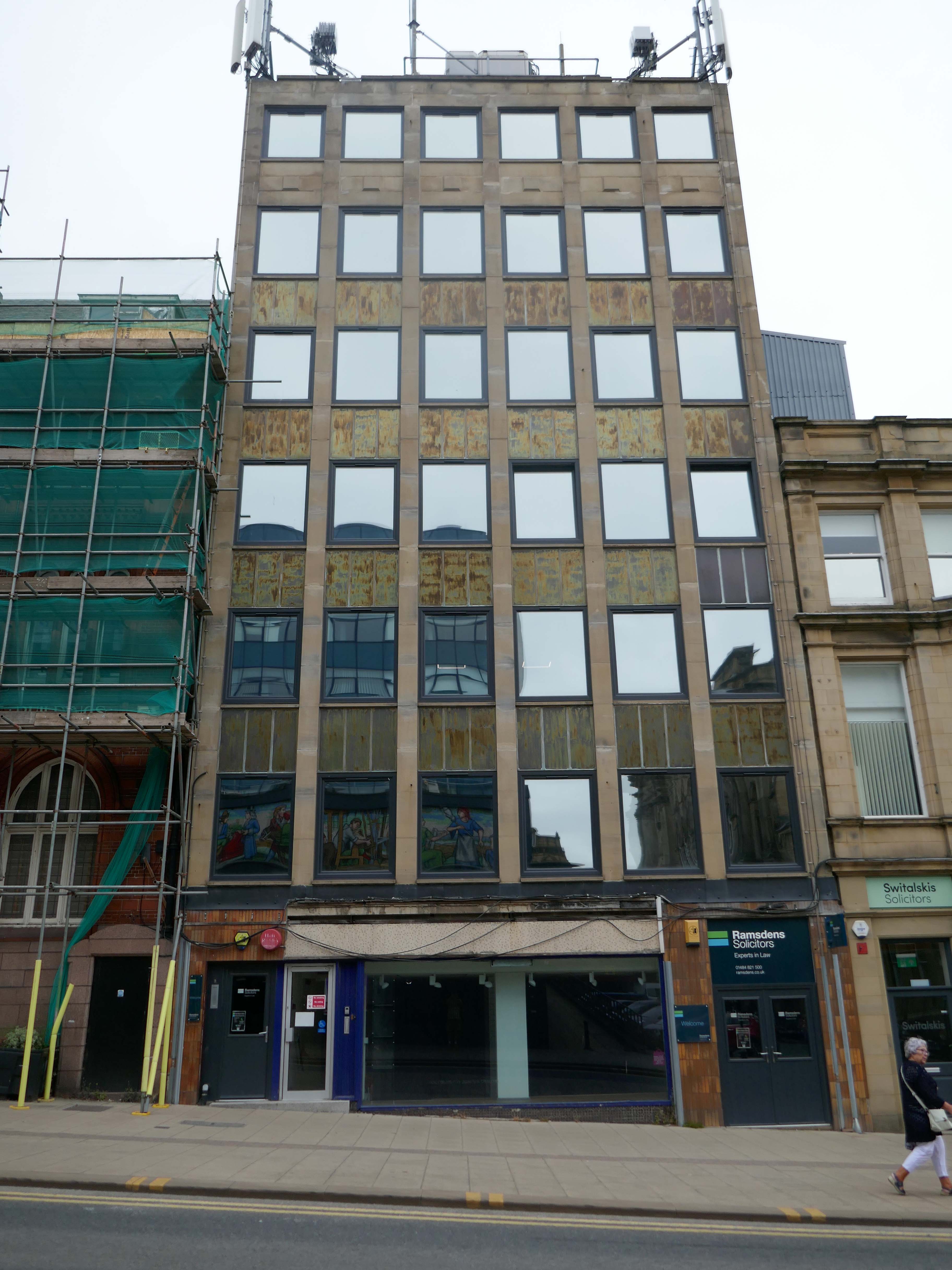
Another feature of Huddersfield Market which sets it apart from other post-war market buildings is its incorporation of works of art. Fritz Steller was a German-born refugee architect who had settled in Stratford-upon-Avon. He pioneered the production of large scale ceramic art, having been interested in the use of a wide variety of materials in sculpture. The development company Murrayfield had a policy of incorporating public art into their schemes, and the project manager of J Seymour Harris, the architects for the Huddersfield development, was Gwyn Roberts, a friend of Steller. One of the Borough Councillors at Huddersfield was Clifford Stephenson, an enthusiast for public art and particularly for modern ceramic sculpture. This combination led to the appointment of Steller to produce designs for the new market hall. The size of the panels necessitated the construction of a special kiln for their firing, and experimental mixes for the composition of the clay which was resistant to acid rain and chemicals.
Straight ahed to the service entrance at the rear of ThePiazza.
The council wants to demolish the Piazza buildings as soon as possible.
Phase 3 was originally to be the Queen Street plot but Greenhead College’s plans for a new education building on the site failed to secure Government funding. Since then the council has been looking at alternatives – including a hotel, residential or offices – but now believes a new multi-storey car park could be the best way forward.
Phase 5 was to have been a £90 million events and concert venue with a multi-storey car park attached but that is no longer affordable. A review of the venue is underway and the council now thinks a “flexible multi-purpose” venue is the way forward. It would have a fully-seated capacity of 1,200 or 2,000 with a standing floor and seated balcony.
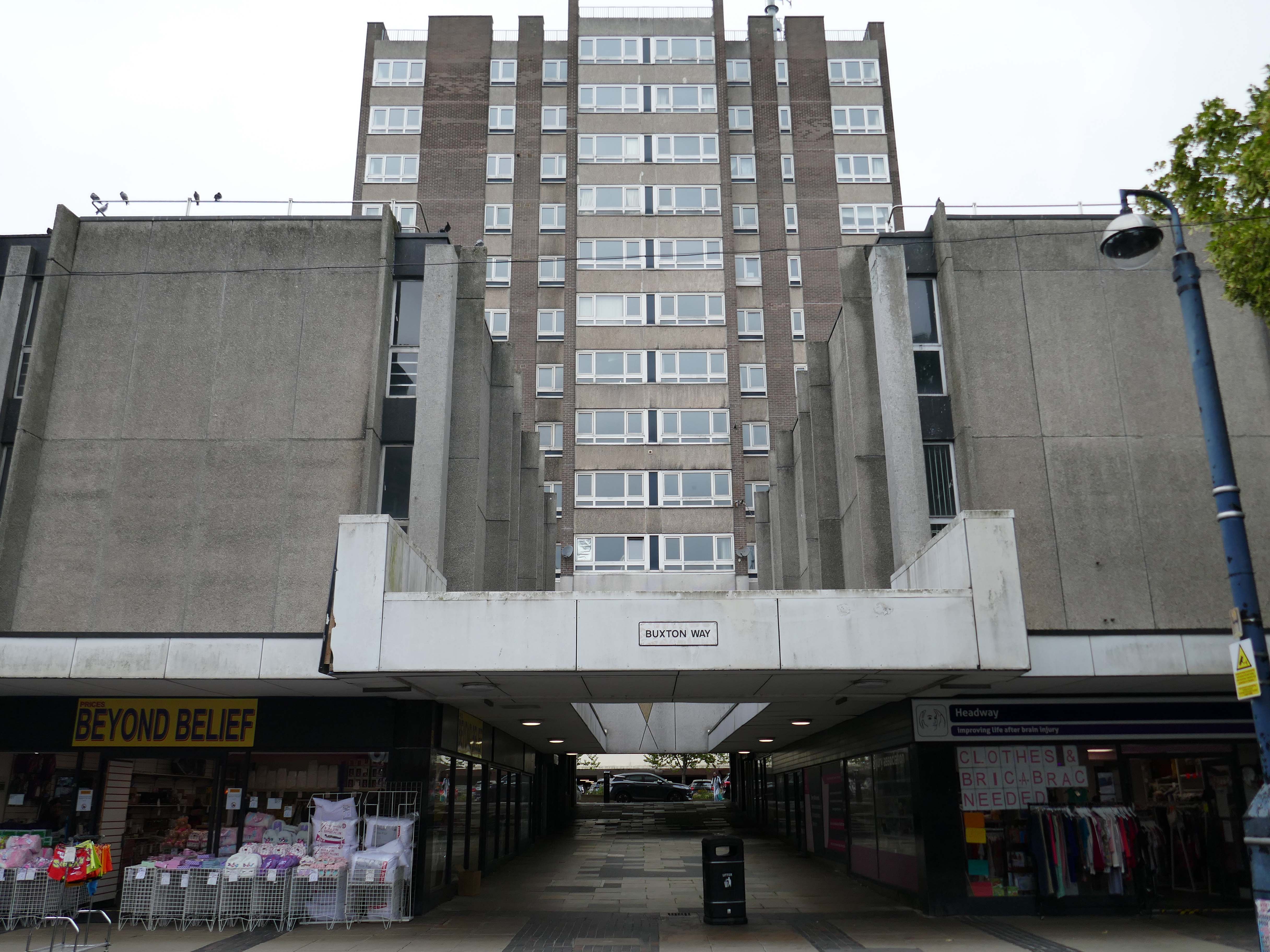
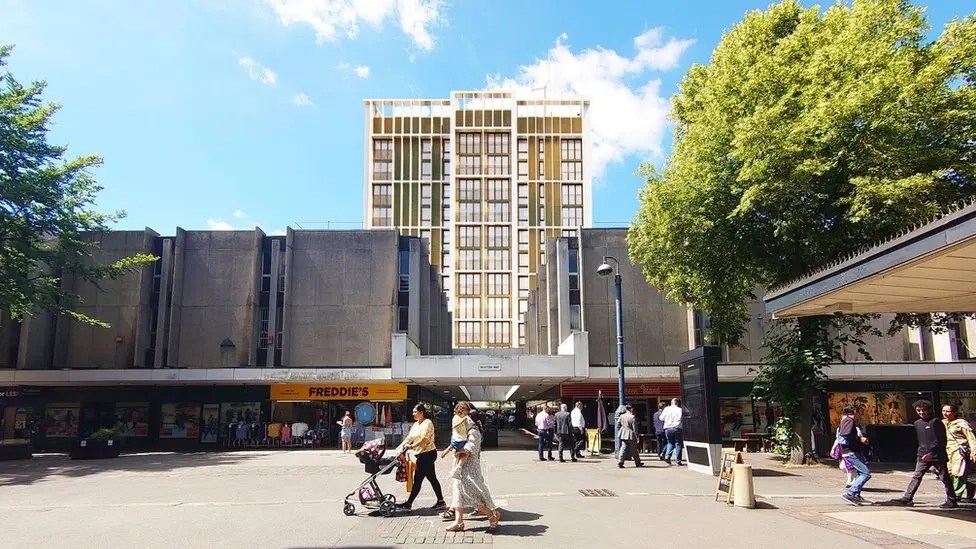
Turning our back on the market and away to Buxton House 1968.
Kirklees Council’s plans for the £16 million re-development of a Huddersfield town centre block of flats have collapsed.
Buxton House, between New Street and Albion Street, failed to meet modern fire safety standards and the council moved tenants and bought out owners and leases, pending a full-scale refurbishment.
Planning permission was granted in July 2024 to re-model the tower block to create forty one, one and two-bedroomed flats along with five studio flats with construction set to start in November 2025.
However, it has now been revealed that the council has failed to find a contractor and the scheme is on hold indefinitely.
The flats are part of a larger retail development by Bernard Engle & Partners.
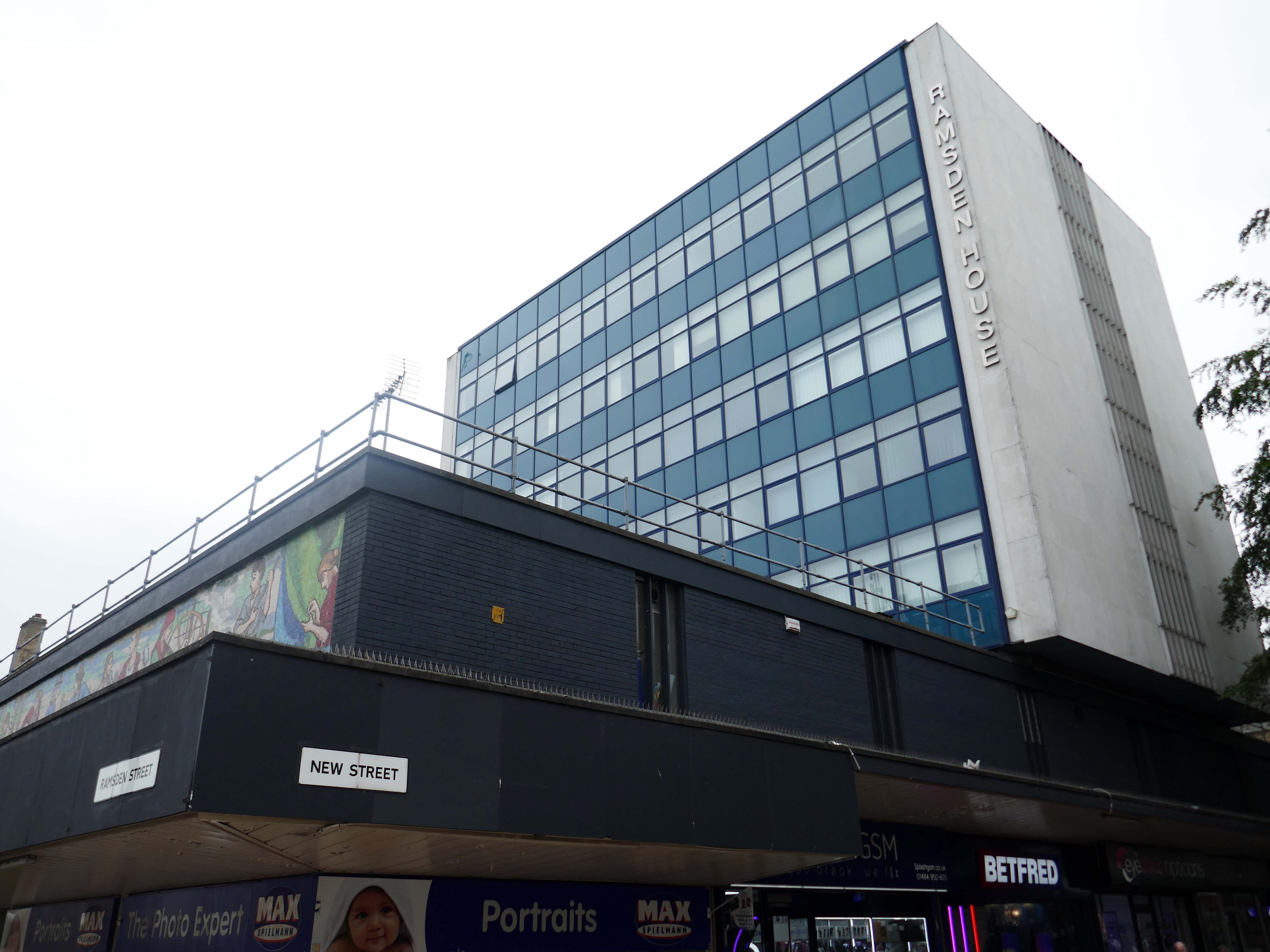
Across the way Ramsden House a slab on a podium, part of the Murrayfield Redevelopment 1968 J Seymour Harris Partnership.
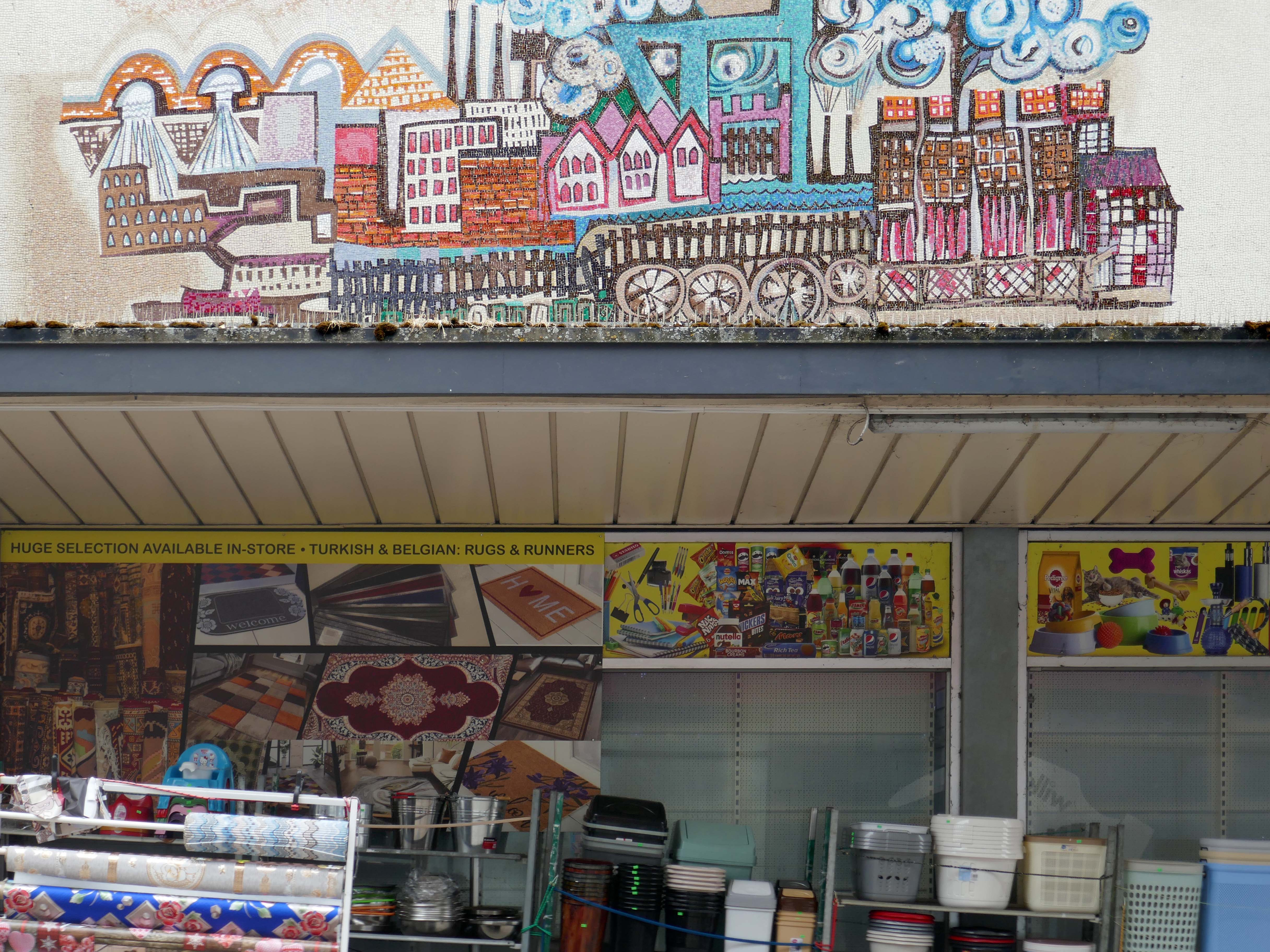
This block was the first and only phase of four that’s still intact. It’s a slab and plinth project with underground servicing marble finishes and two art mosaics that relate to the town. The Ramsden Street elevation mosaic depicts ‘Development of the woollen industry from a cottage craft to the beginning of the industrial revolution’ designed by Huddersfield artist, Harold Blackburn.
Princess Street bears ‘Facets of the Local Scene’ by Mural Consultants Ltd.
Across the way Whitfield’s Department Store 1963 Ralph Hudson.
The longstanding furniture & piano dealers, Whitfield’s expanded from numbers five and seven with this six6 storey tower.
Influenced by a tour of modern European retail premises the company chairman supplied the architect with photos of ideas.The glossy metallic finish reflects the excitement of the notion of an Ercol show room on the fourth floor and G-Plan on the fifth. Pianos were on the first floor and TVs & radio and their servicing were in the basement. Welcome to stylish living sixties style!
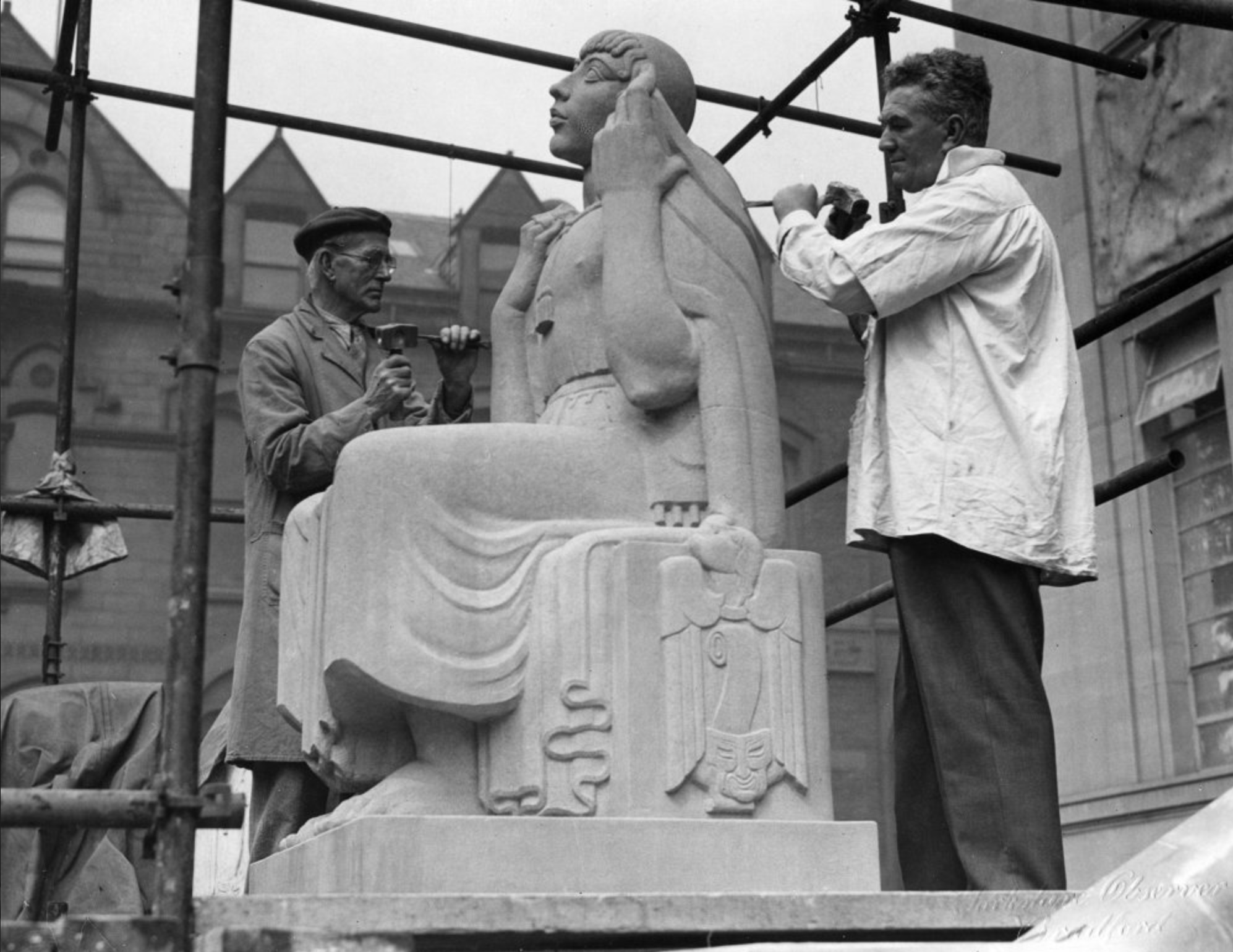
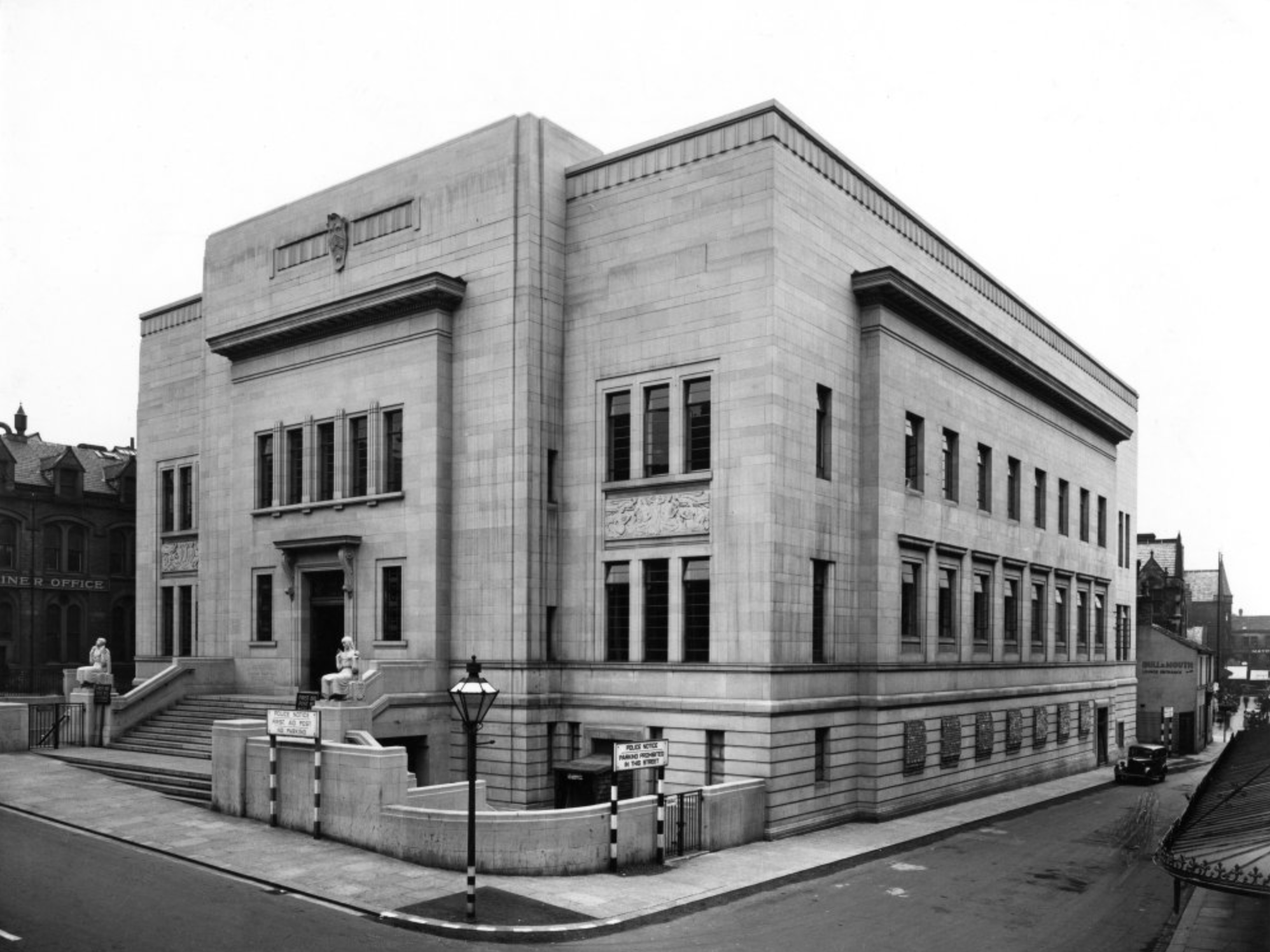
Public Library 1940 Architect: EH Ashburner&James Arthur Woodford.
James Woodford at work – on the right, sculpting figure representing the Spirit of Literature
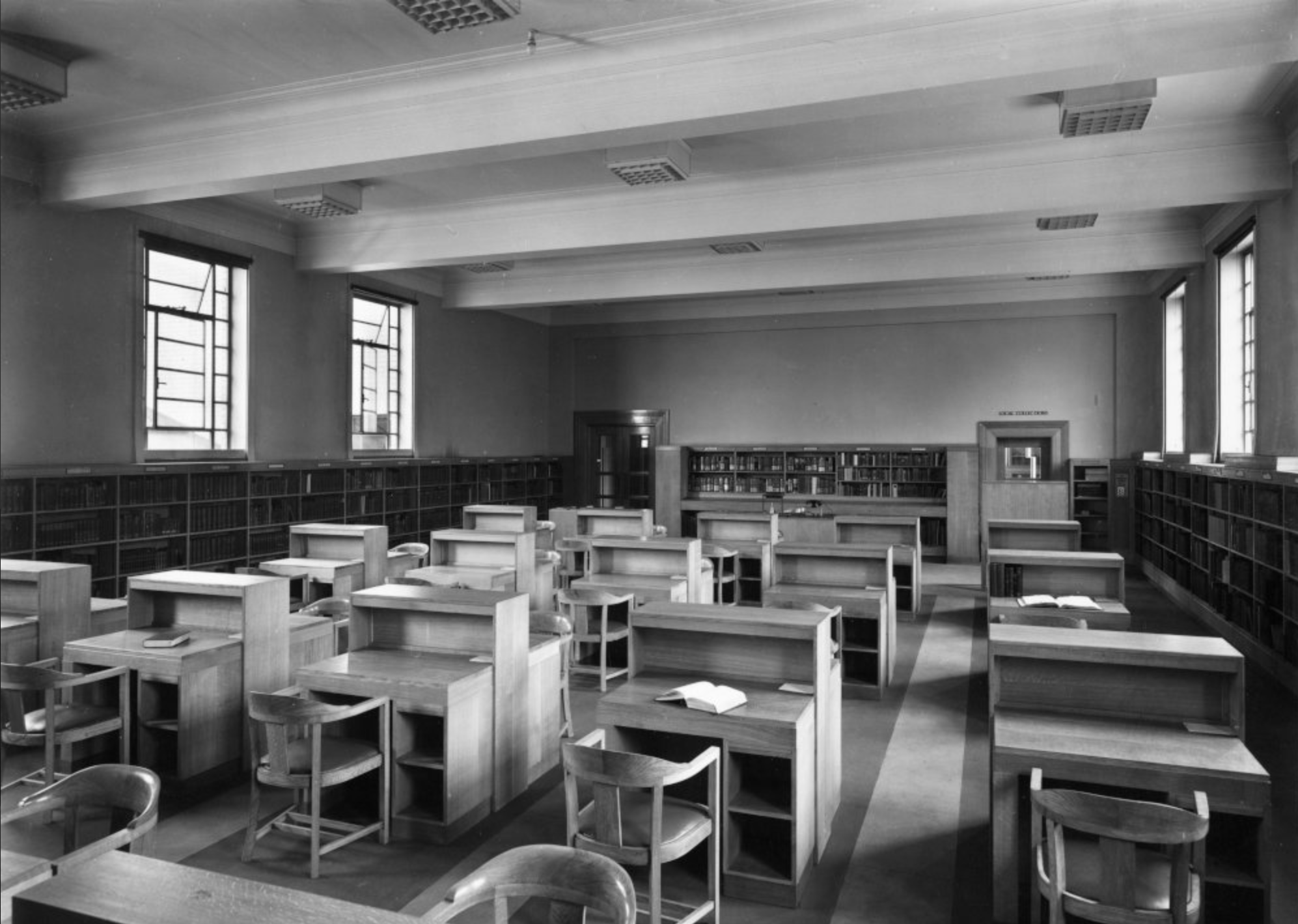
Reference Library.
Image – Charles Pickard 1940.
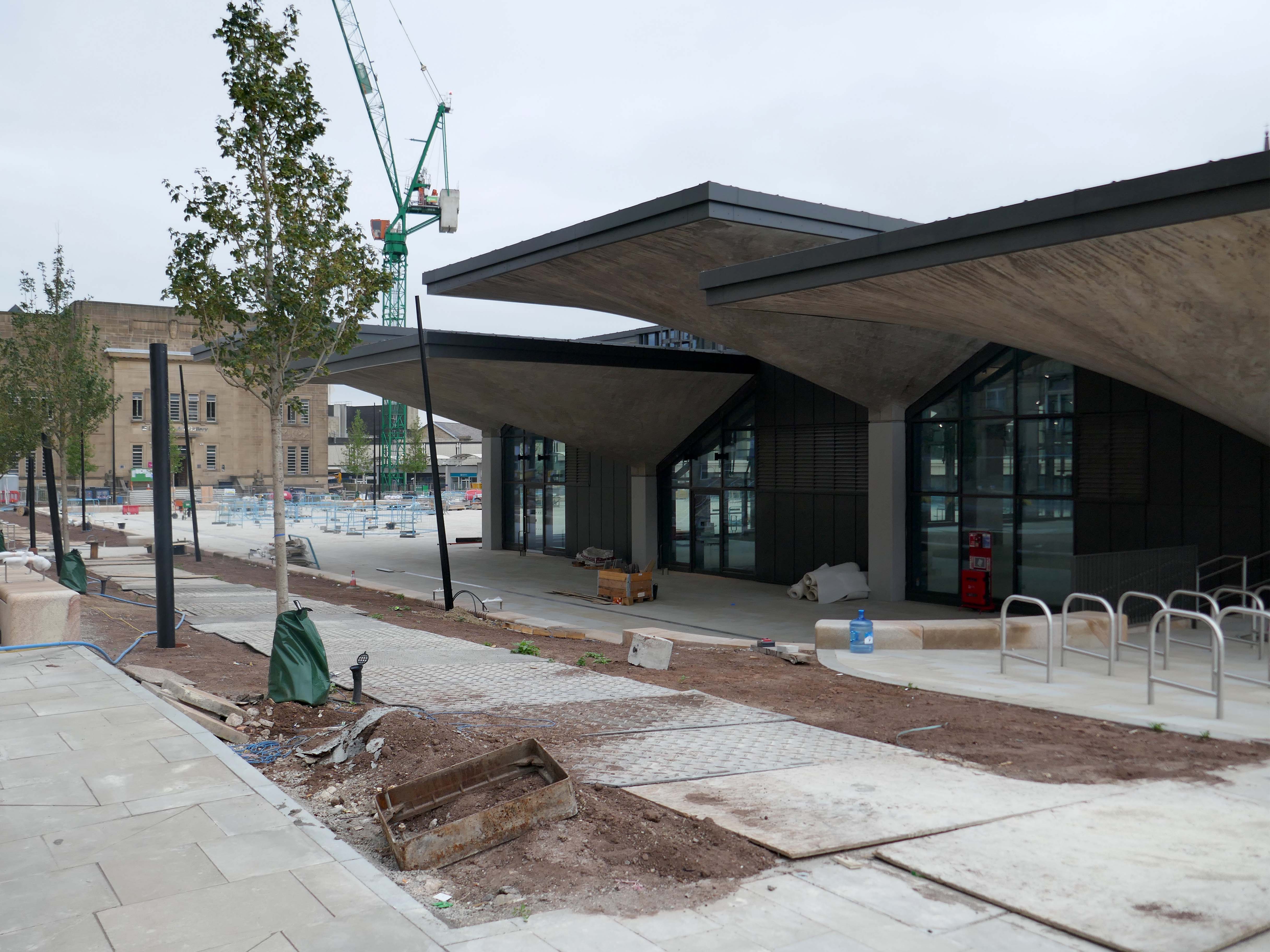
The food hall and library is due to open in summer 2026 but more problems have been uncovered with the former library and art gallery which will become the new museum. Internal works are underway and more asbestos than expected has been found and an extra £1 million has been needed to pay for removal.
The council has also found several other “significant issues” that also needed to be resolved.
It could be mid-2029 before the museum is ready to open.
Off we go to the MidlandBank – then HSBC then not a bank at all, 1970 Peter Womersley with Roger Shaw of Kitson & Partners.
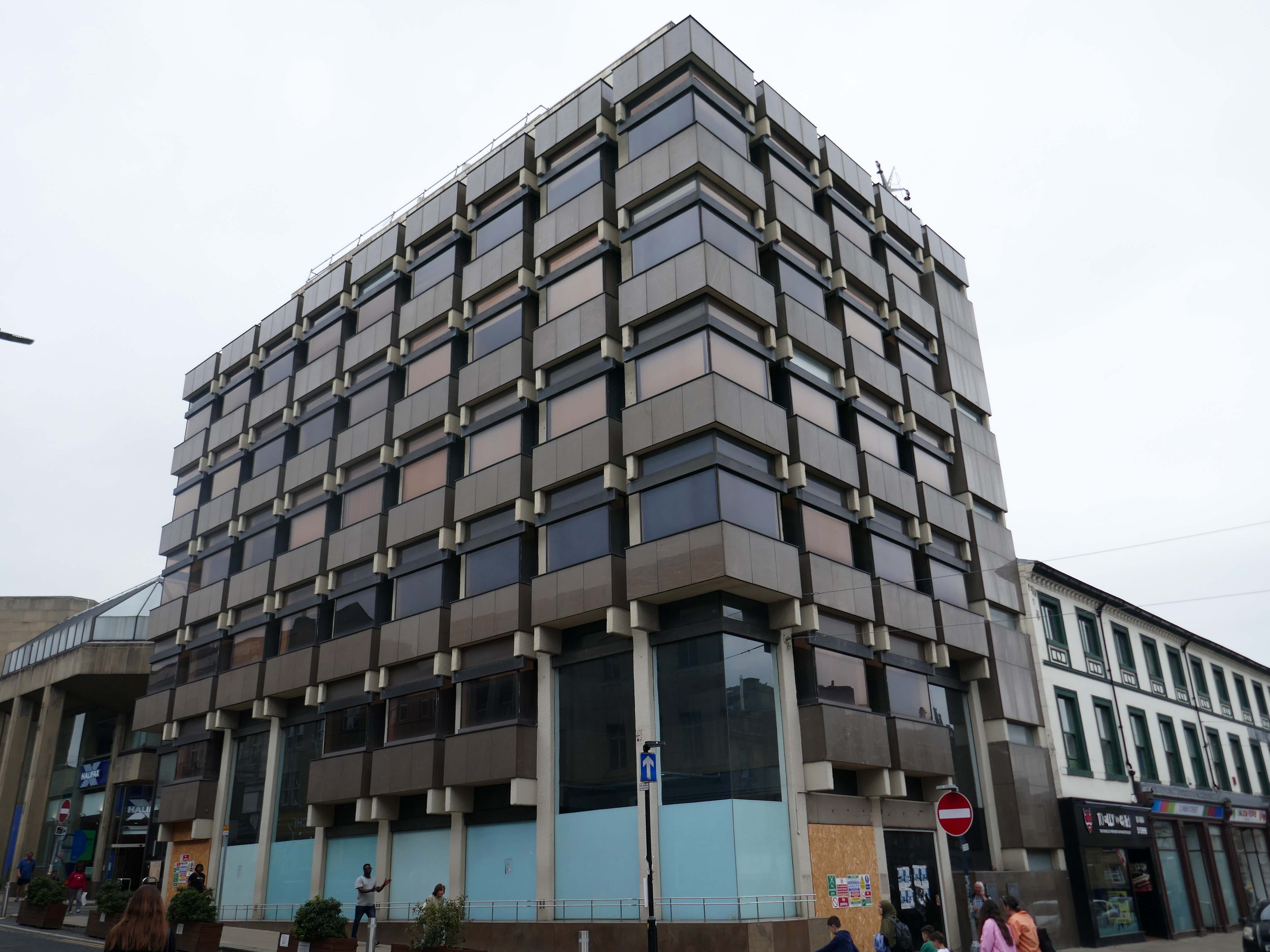
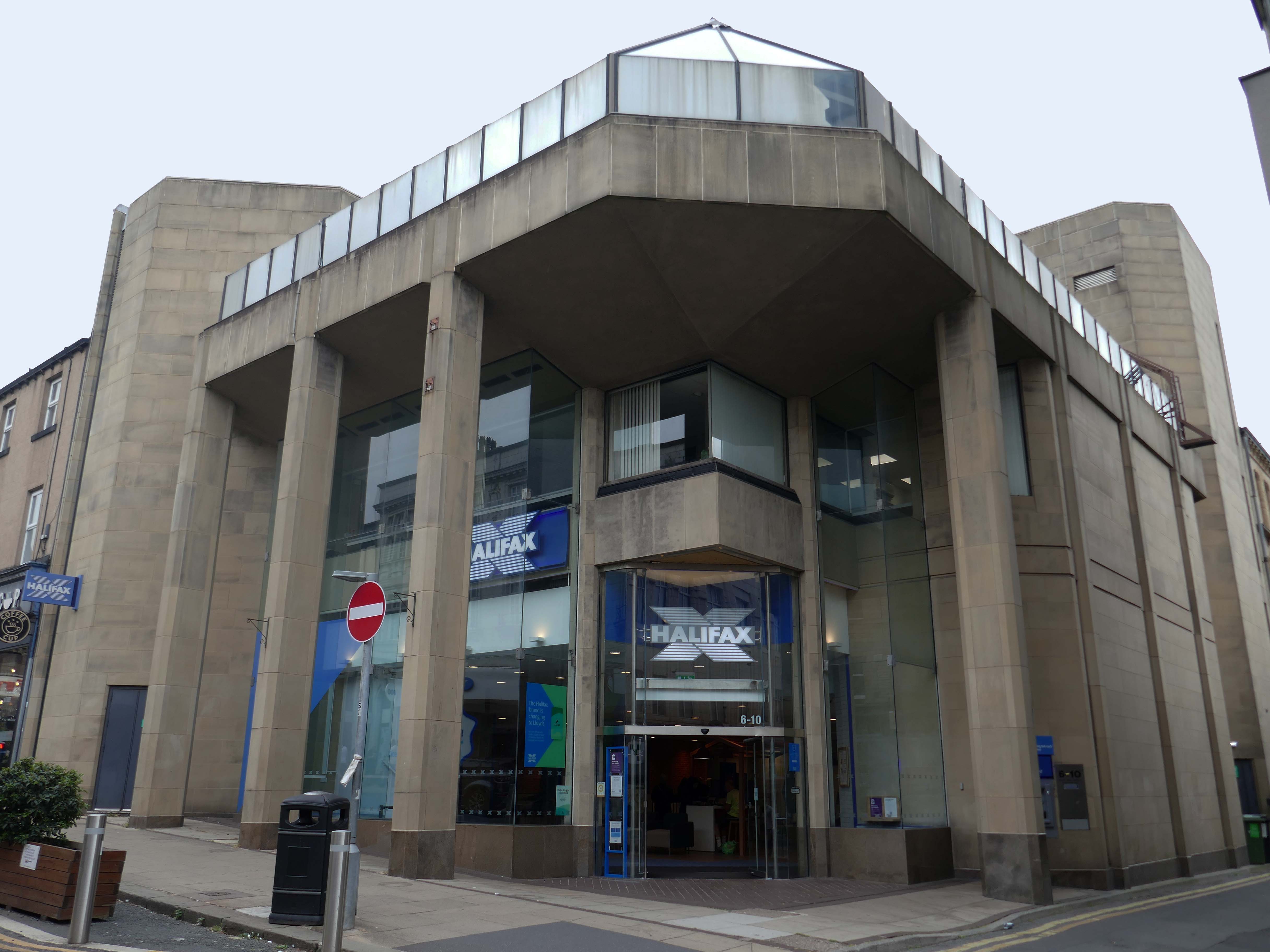
Next door the Halifax Building Society 1981 Abbey Hanson Rowe.
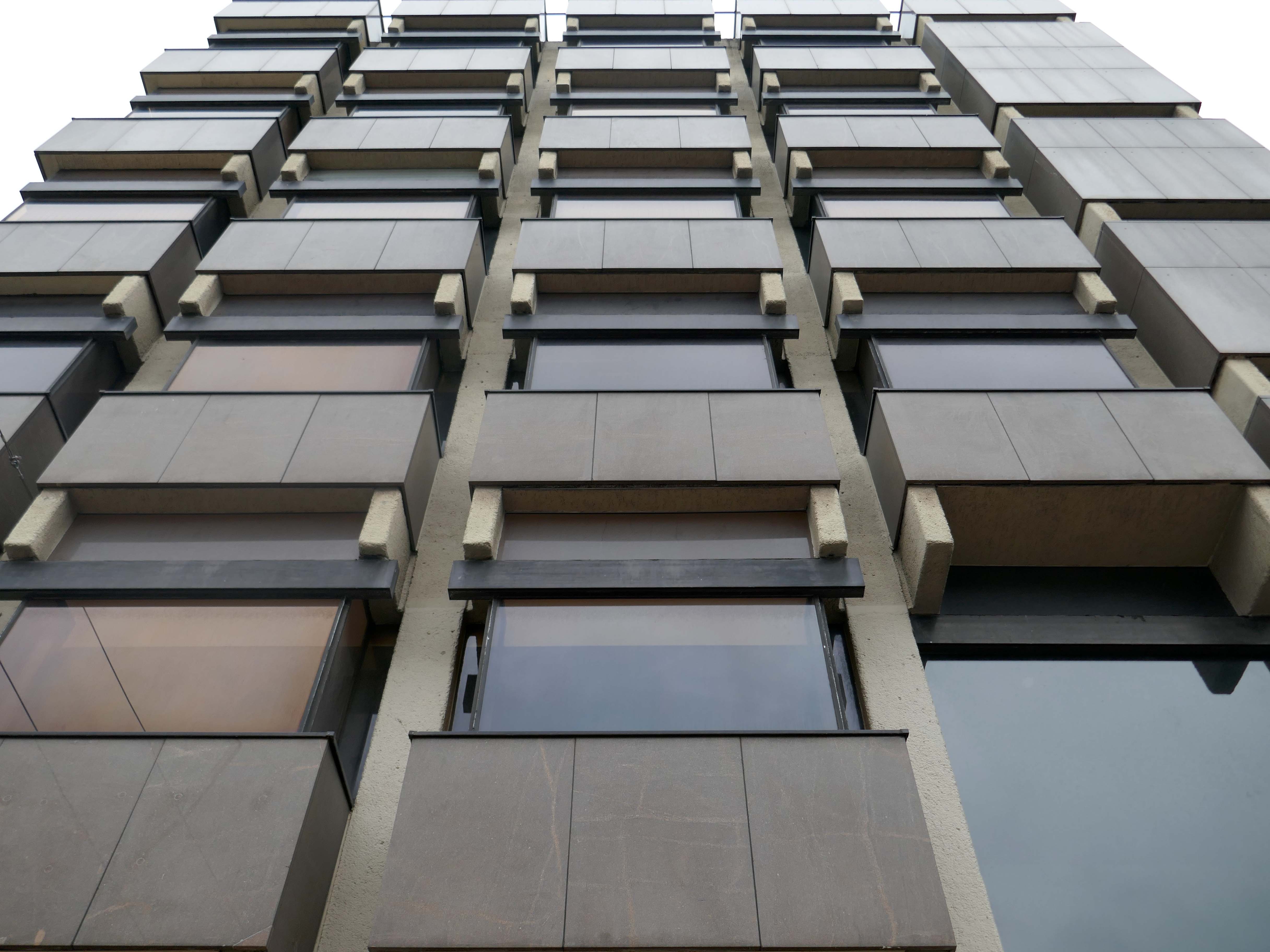
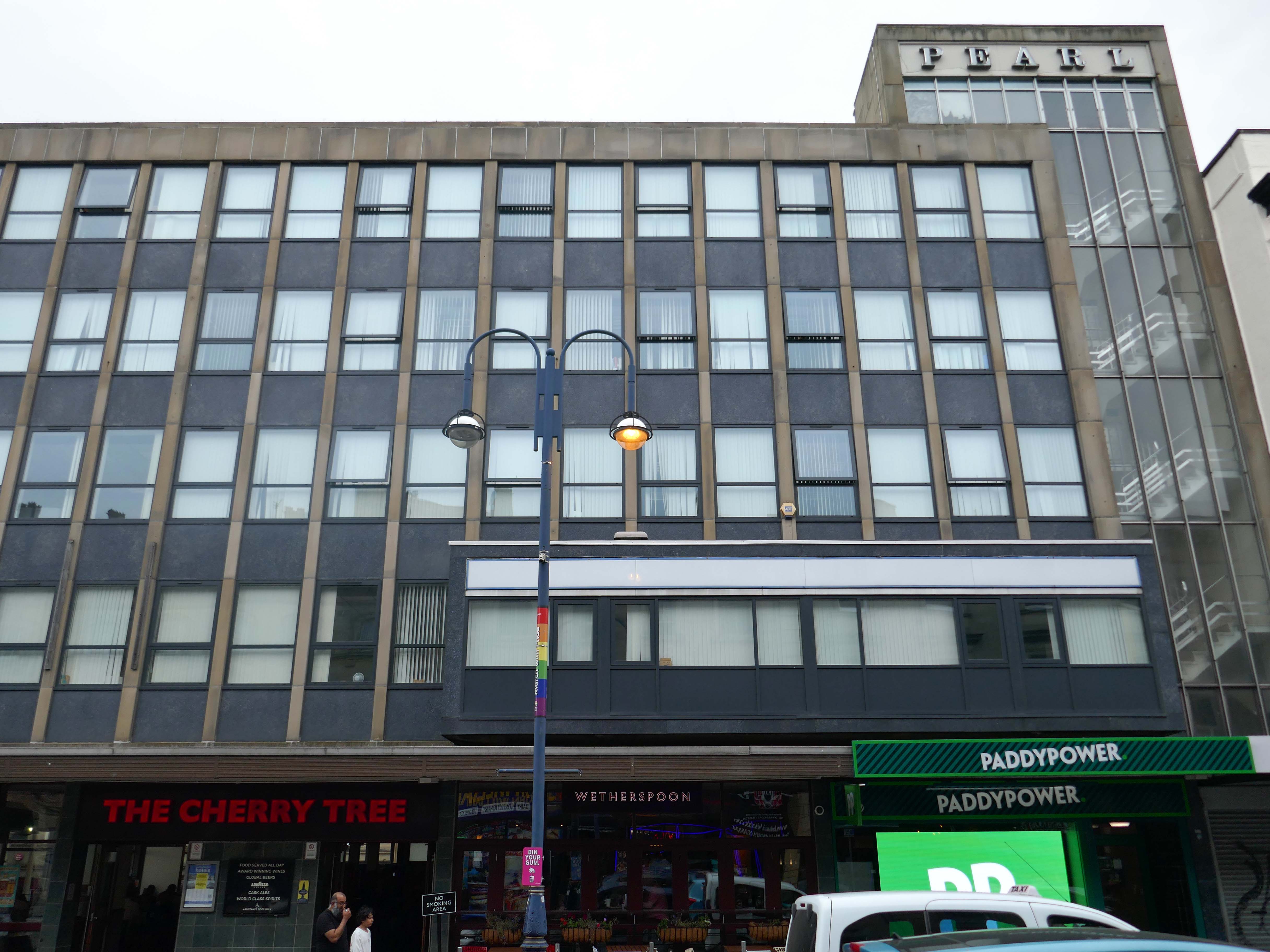
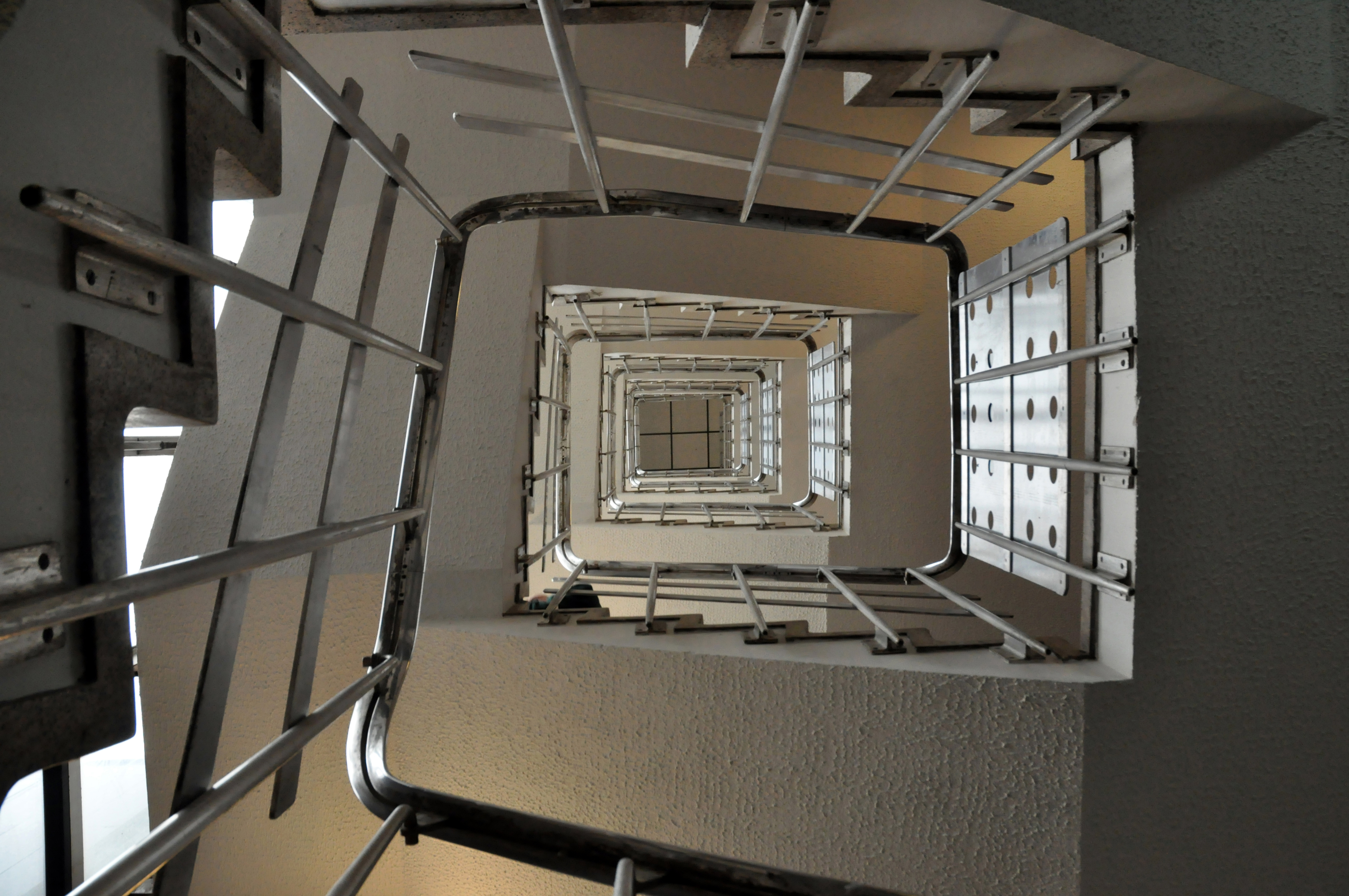
back to the main drag and the Pearl Assurance Building 1963 Elsworth Sykes & Partners.
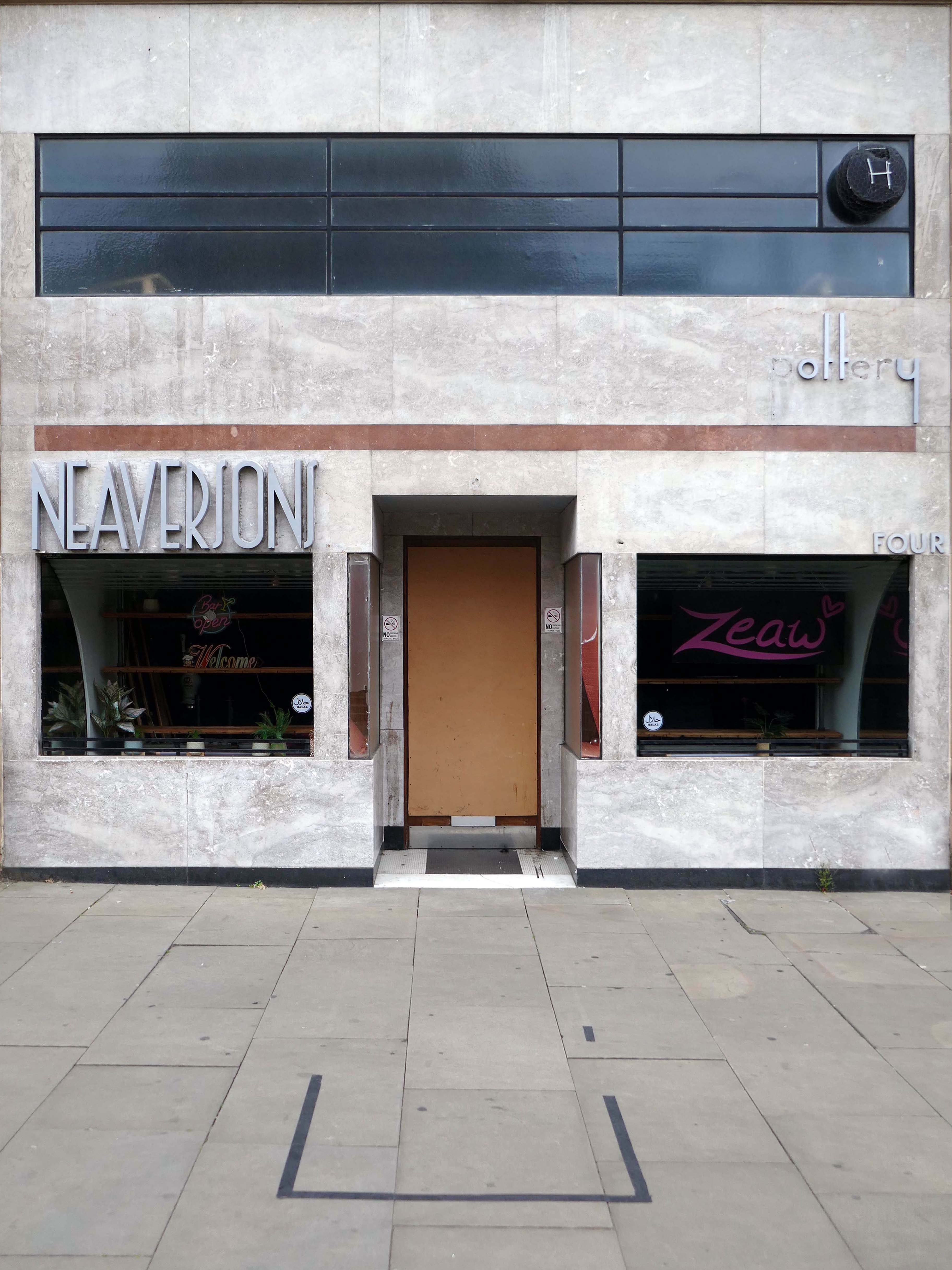
The nipping down the lane to Neaversons1935 with two Moderne fascia elevations by shop fitters Sharp & Law of Bradford, Grade II Listed as part of the Kirkgate Buildings.
Once selling bijou household goods, following occupation by several bars and cafes, currently empty.
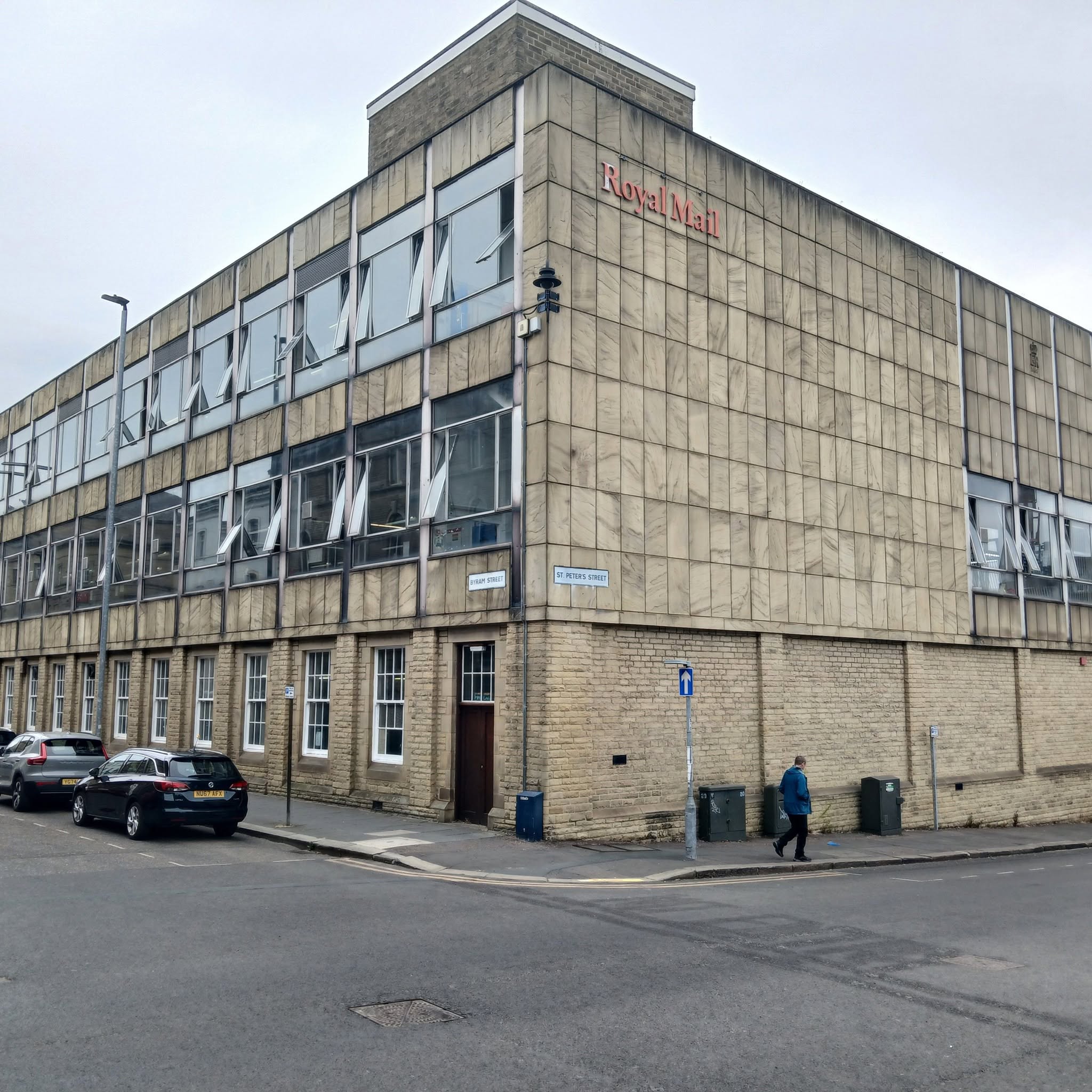
Finally just in time to catch the last post at the Royal Mail Sorting Office – Post Office extension 1968 Office of Public Works.
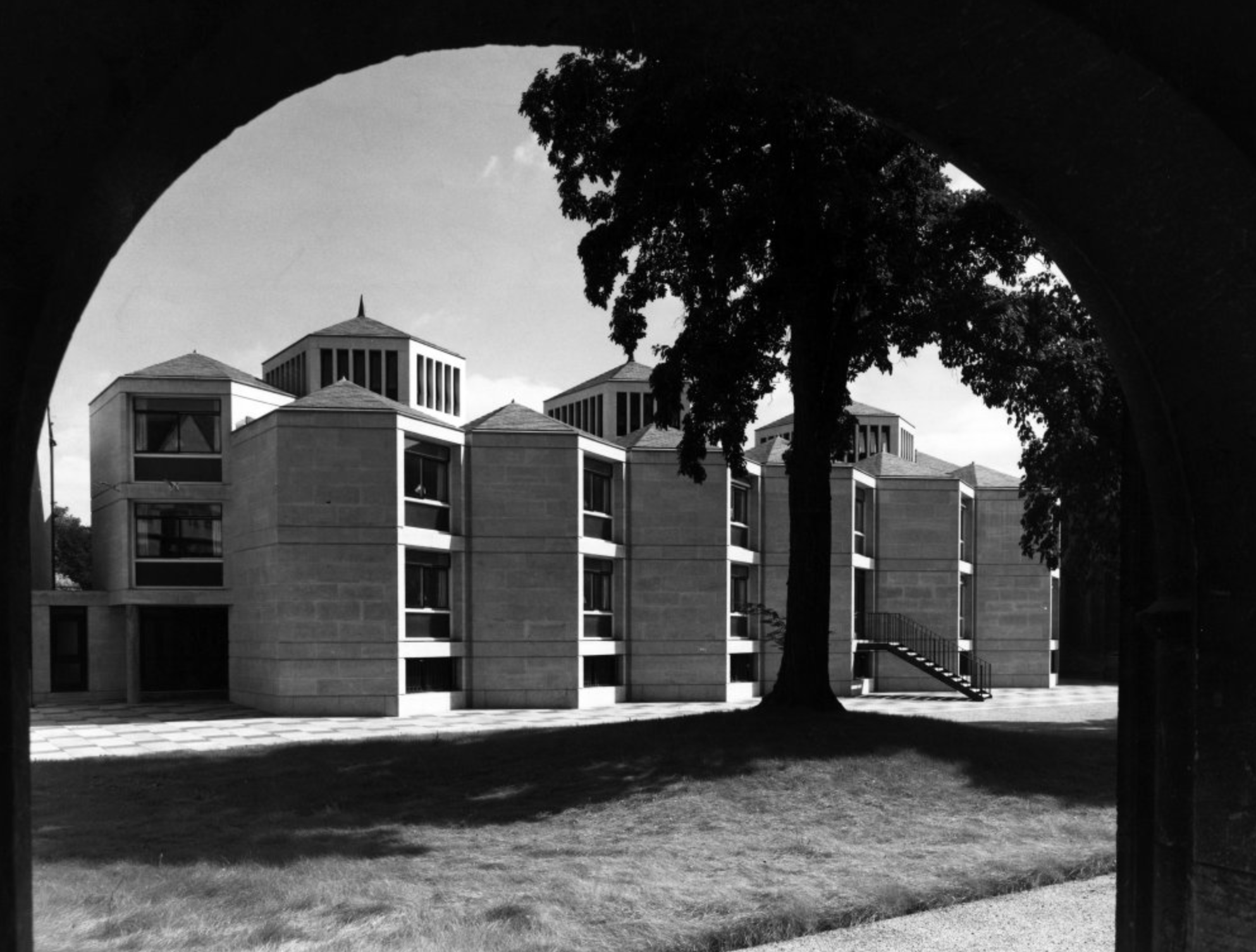
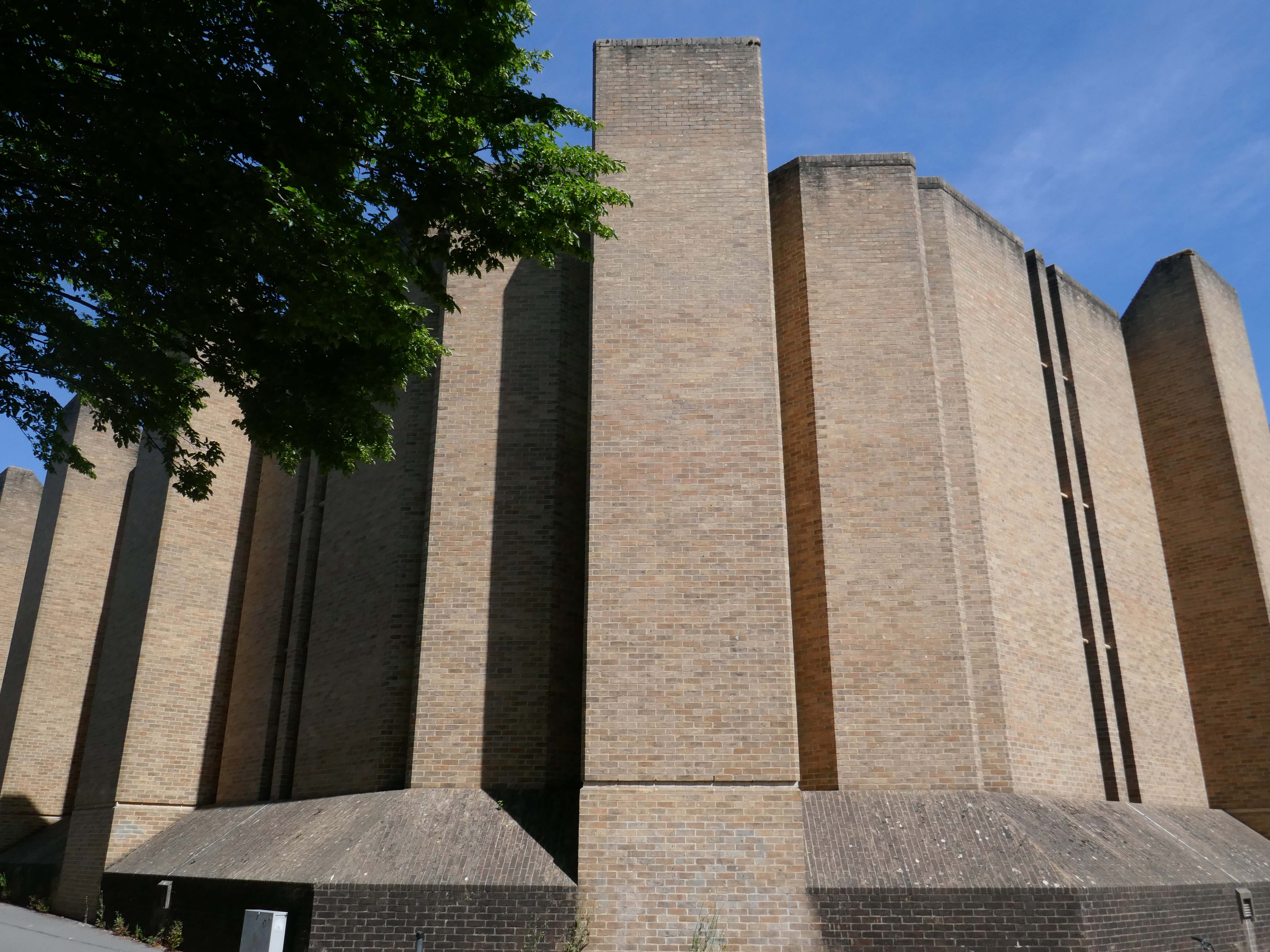
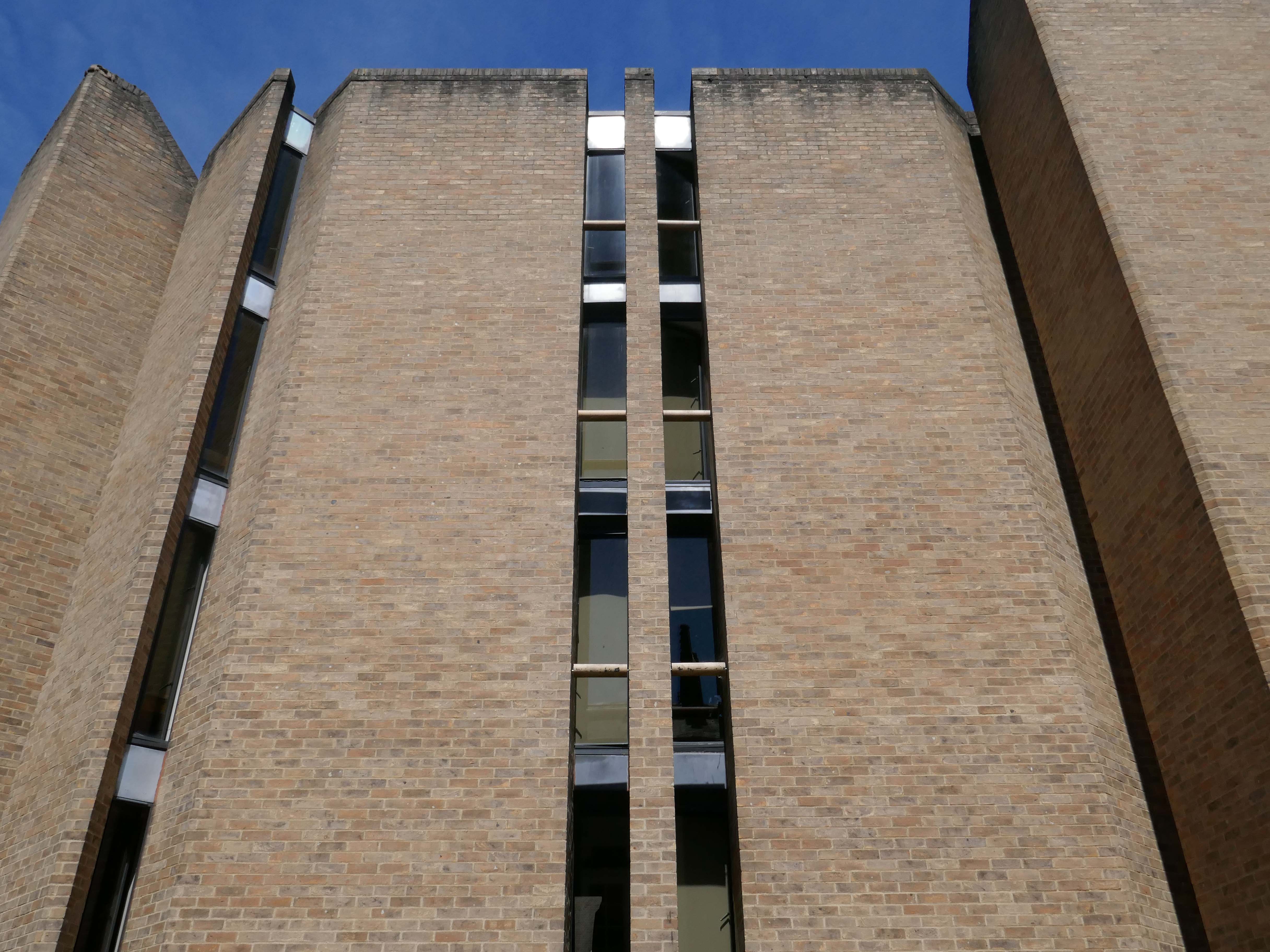
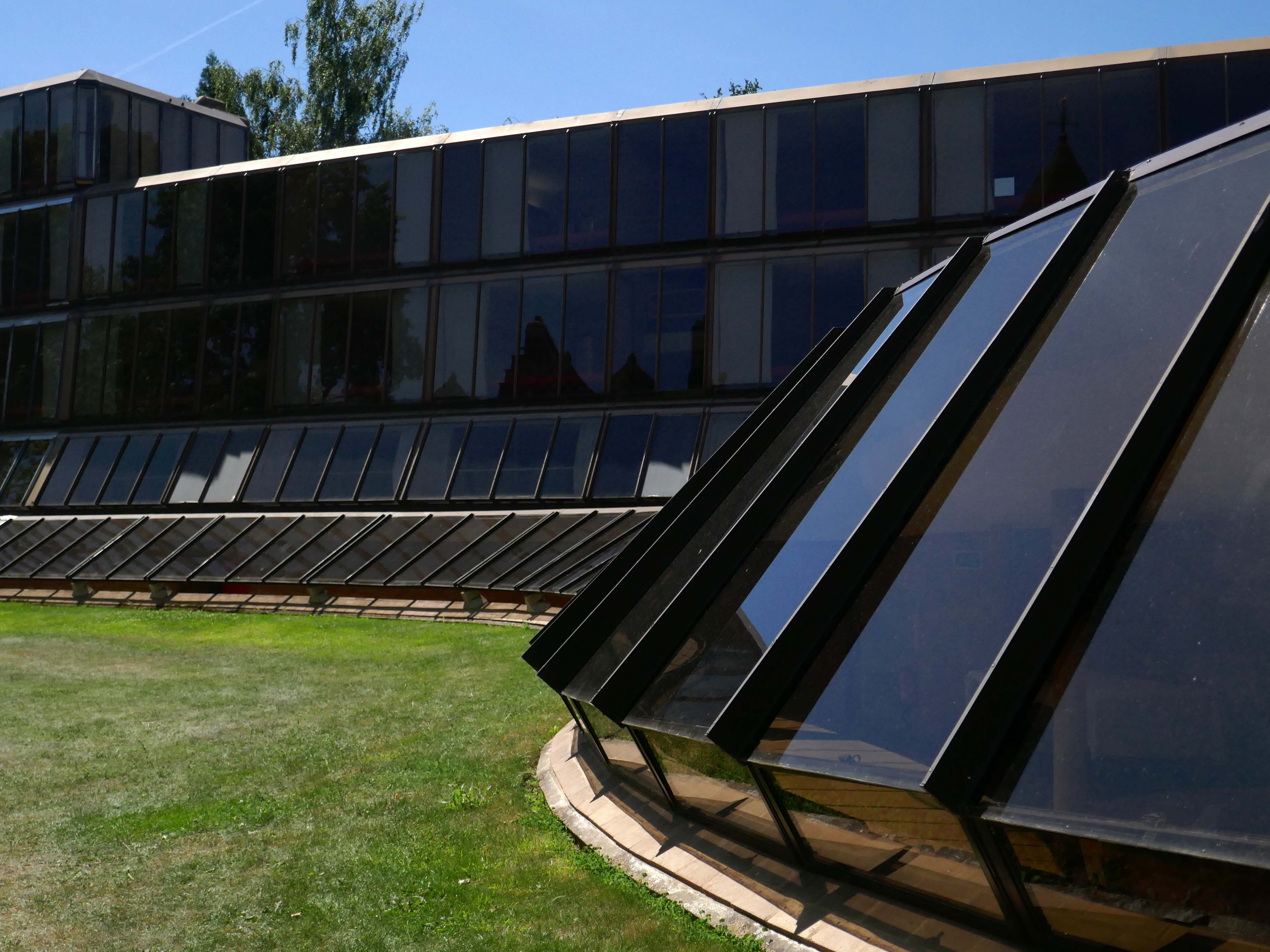
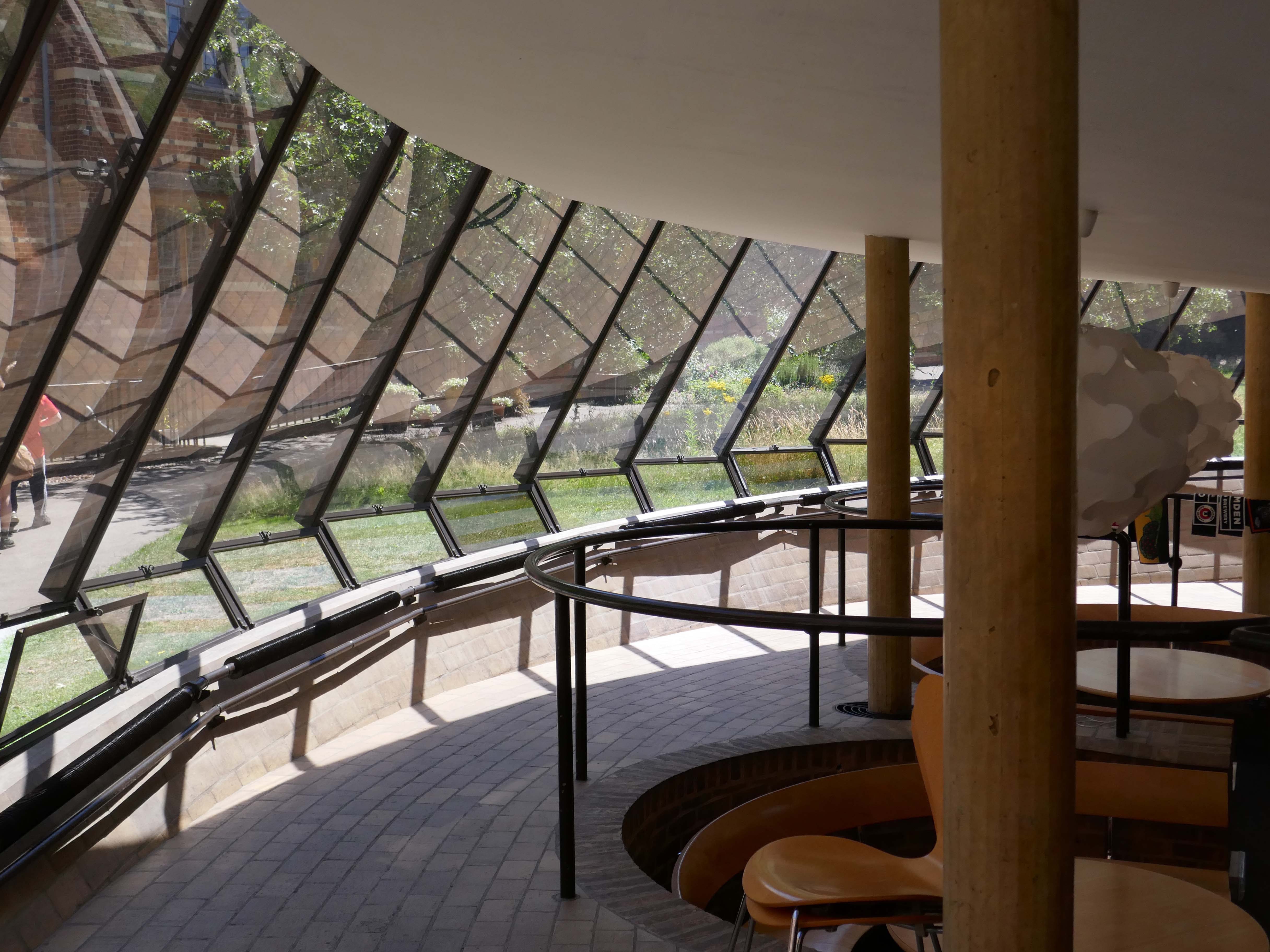
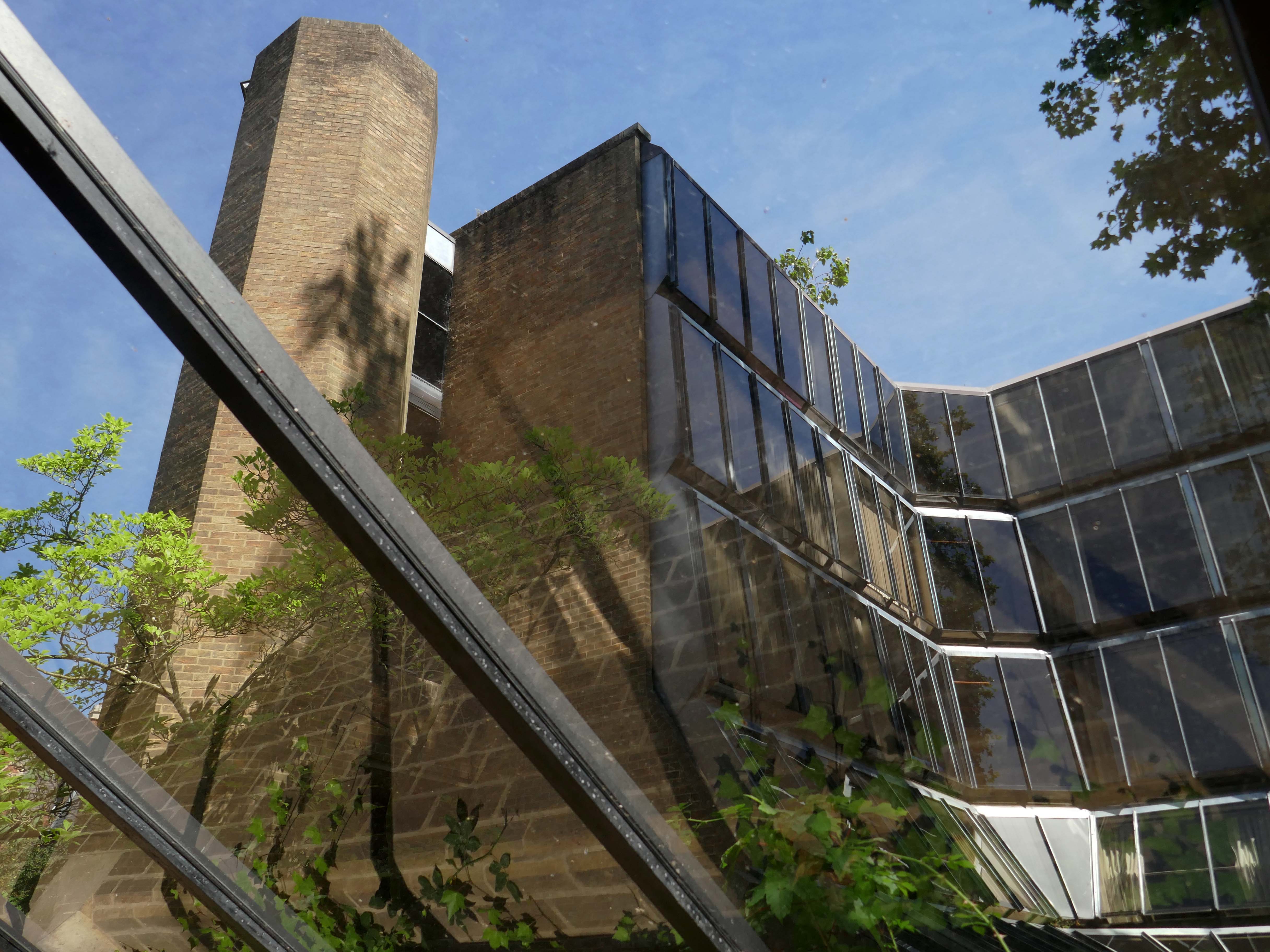
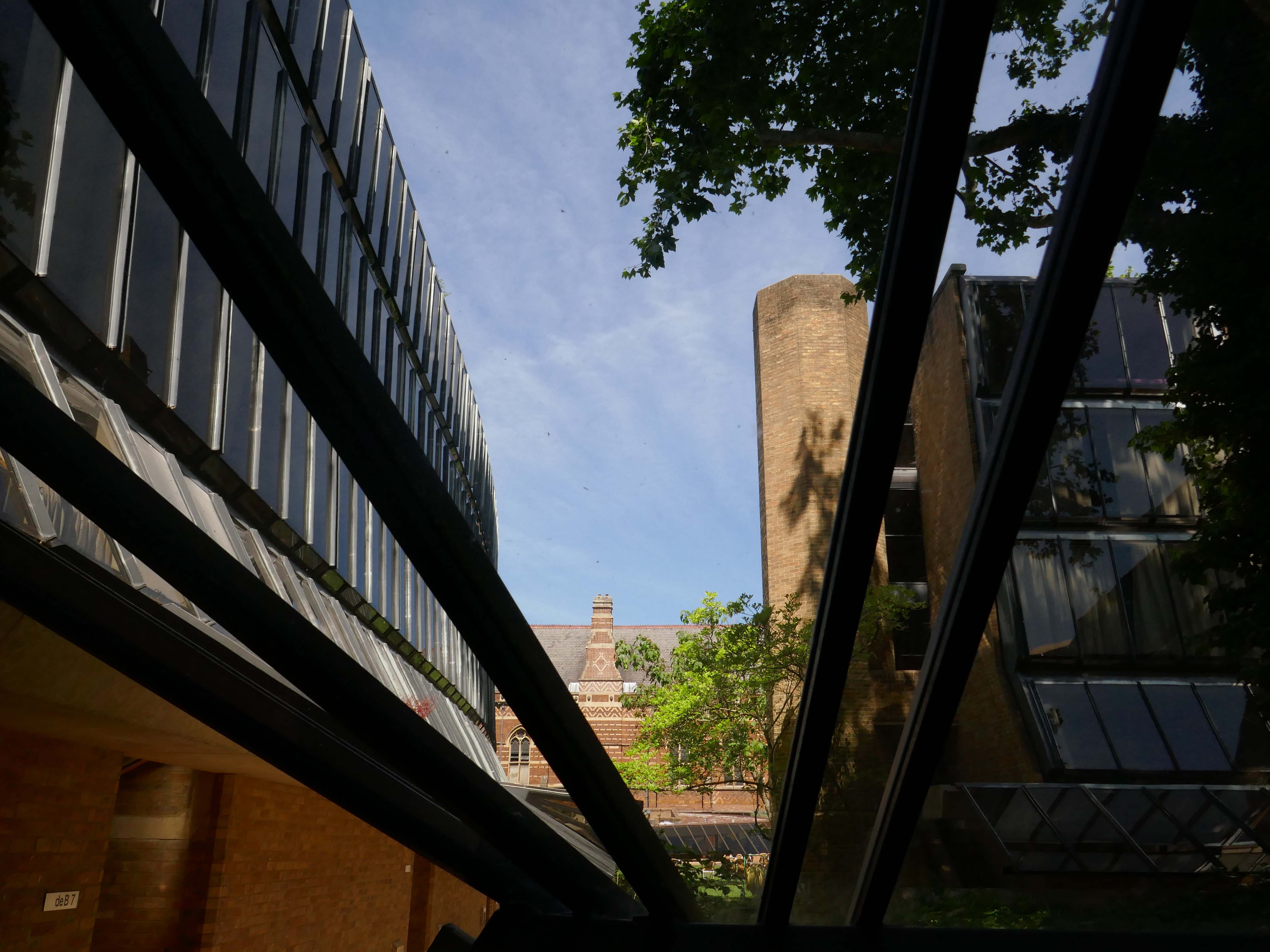
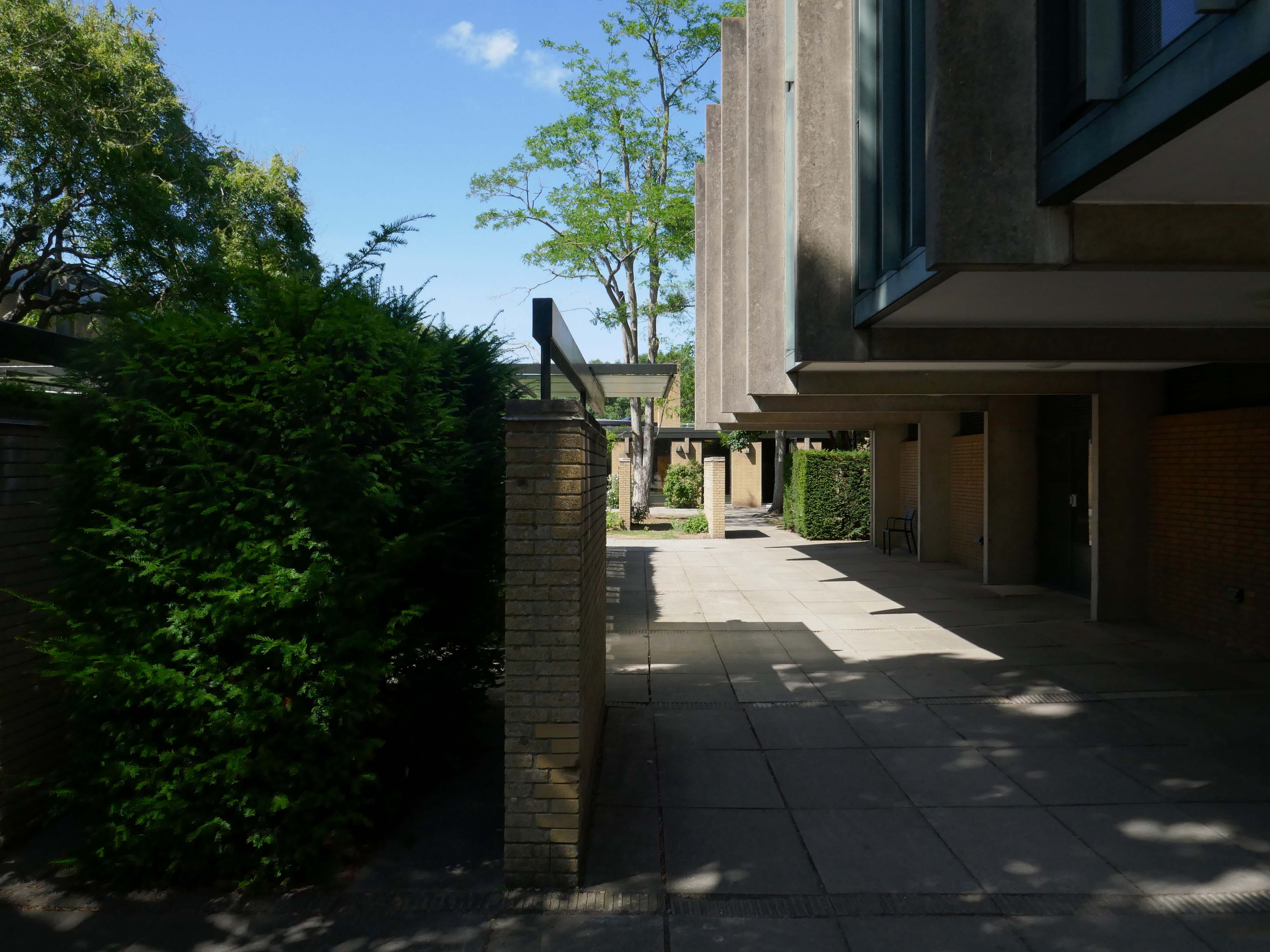
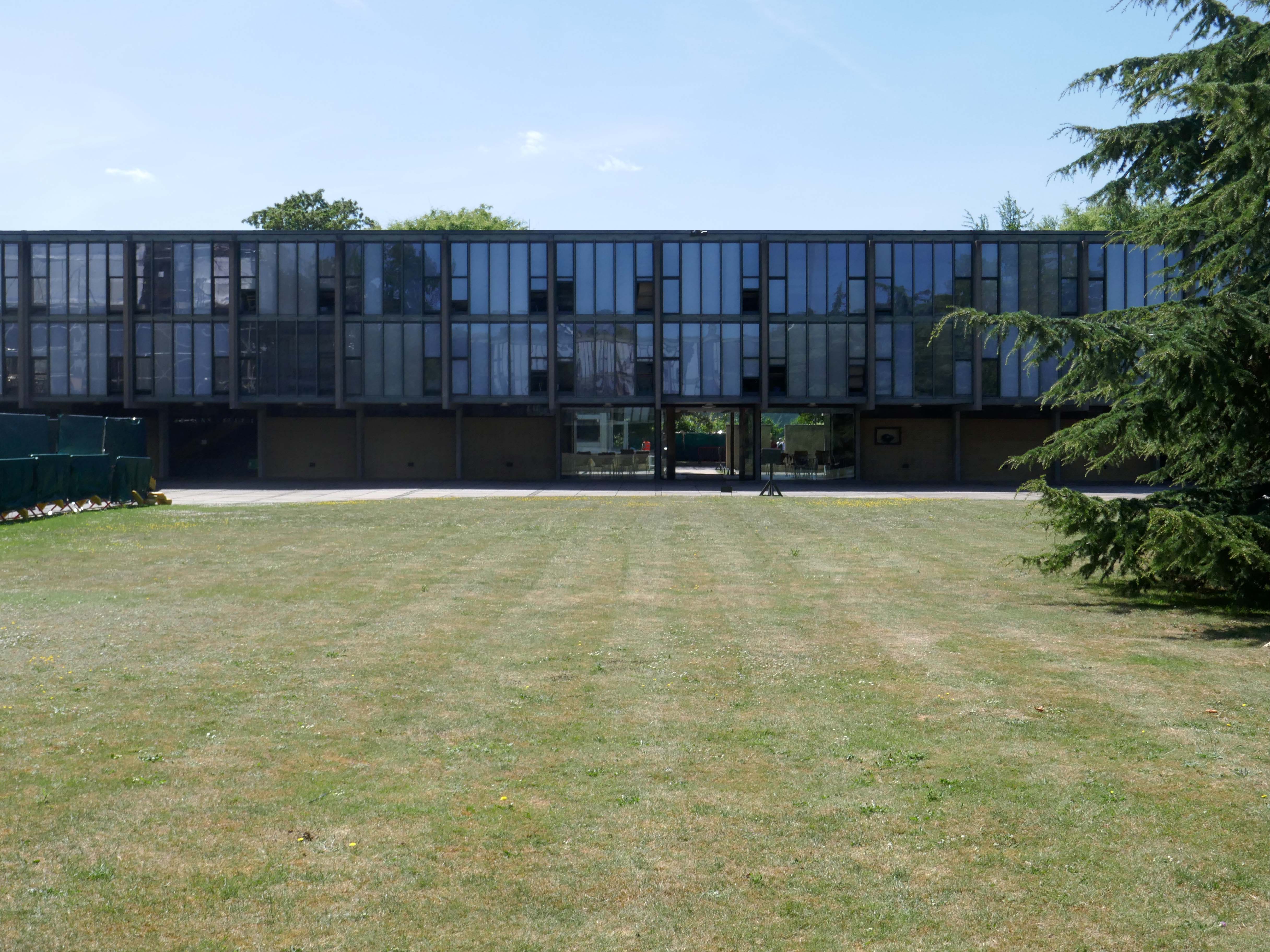
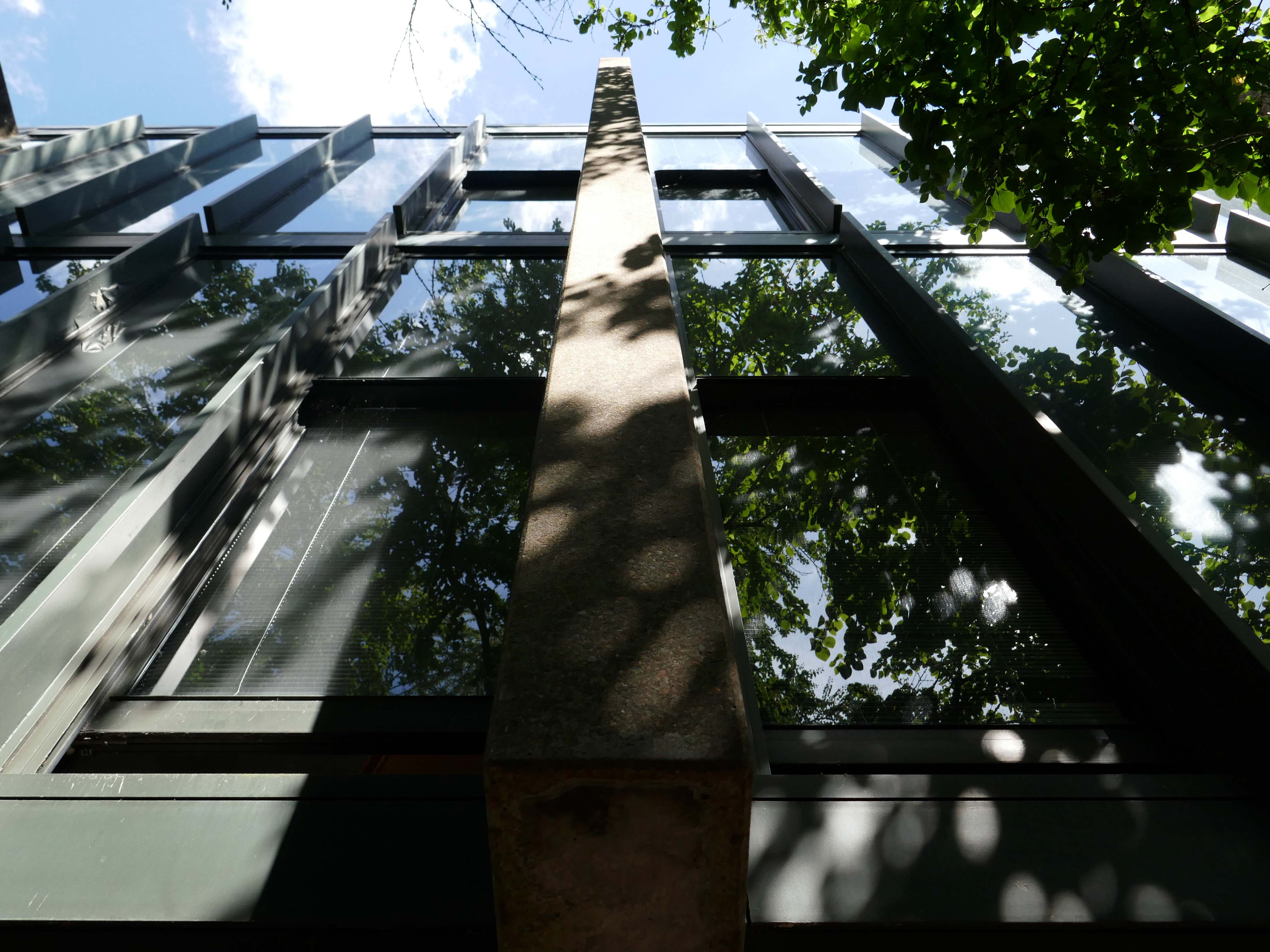
St John’s College was founded as a men’s college in 1555, it has been coeducational since 1979. Its founder, Sir Thomas White, intended to provide a source of educated Roman Catholic clerics to support the Counter-Reformation under Queen Mary.
St John’s is the wealthiest college in Oxford, with assets worth over £790 million as of 2022, largely due to nineteenth-century suburban development of land in the city of Oxford of which it is the ground landlord.
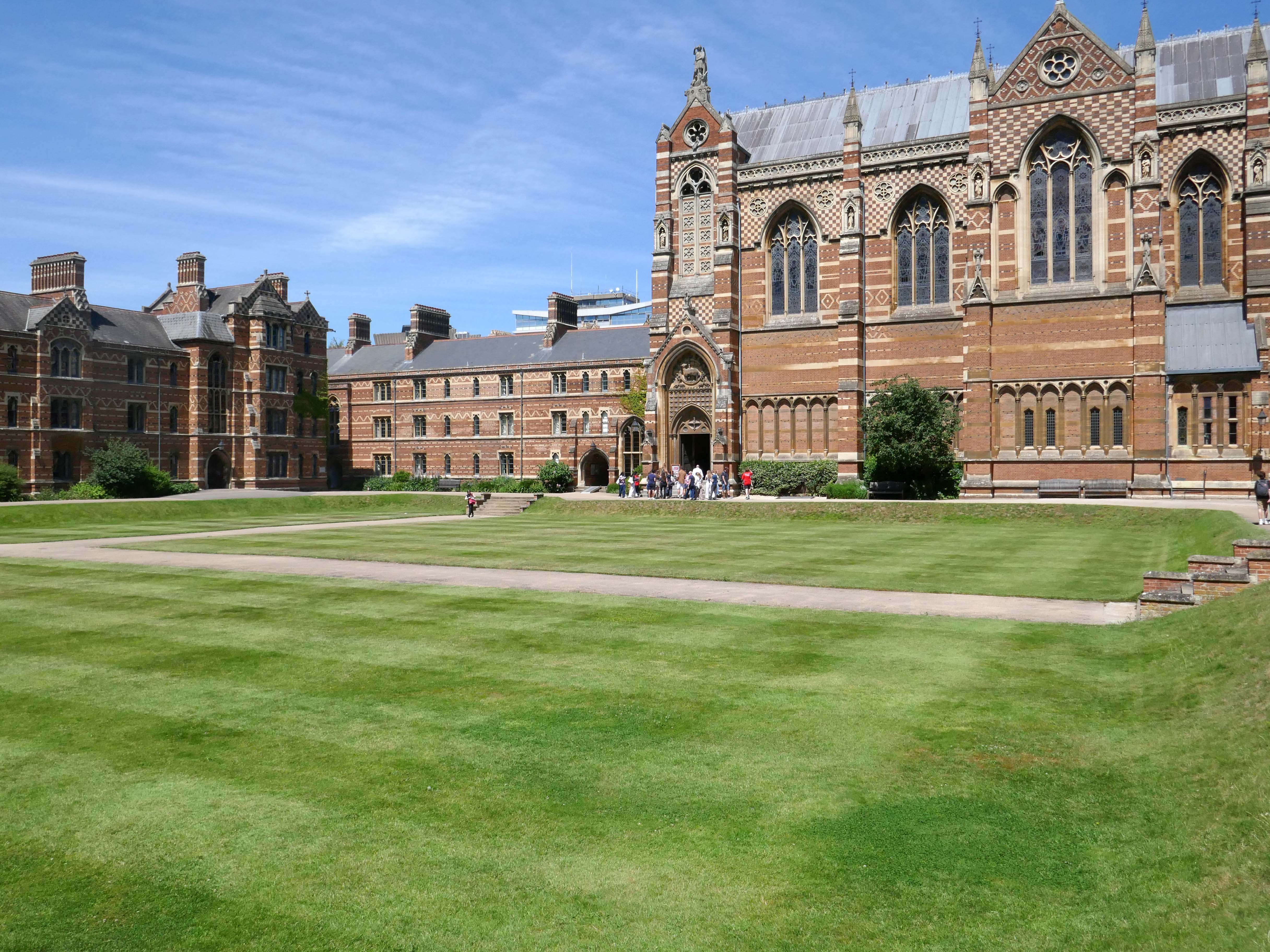
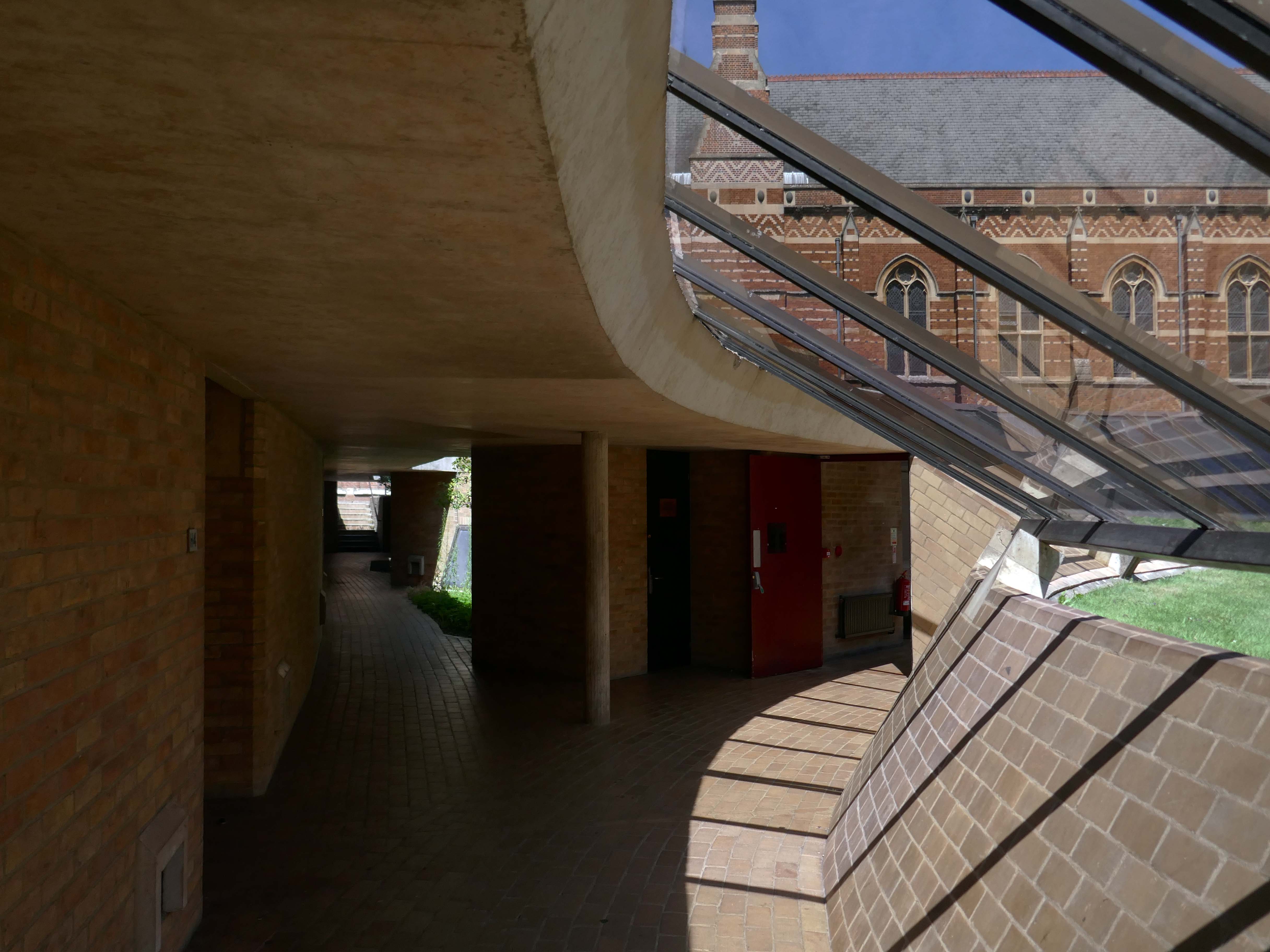
The original buildings of the College were designed by William Butterfield 1814-1900. Although the darling of the Tractarian movement, Butterfield was a controversial choice, as his style – a form of High Victorian Gothic had long provoked argument in Oxford. The original Gothic revival of the 1840s was purely imitative, seeking to blend new buildings with the pre-existing architecture of the city. However, this did not satisfy Butterfield, who “sought a new form of Gothic which would both convey eternal truths and would express the spirit of the age”.
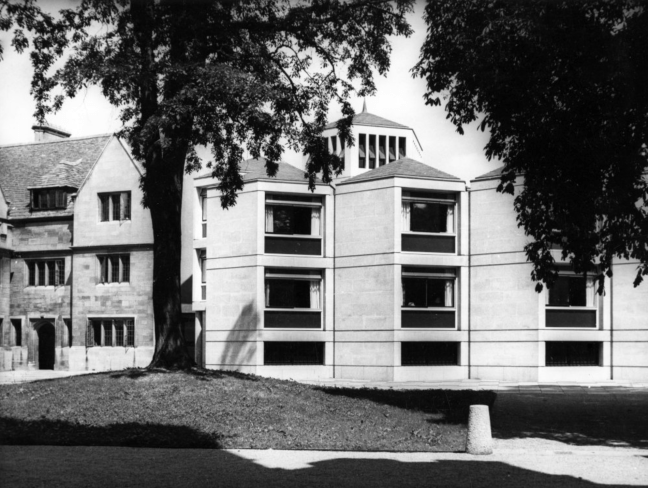
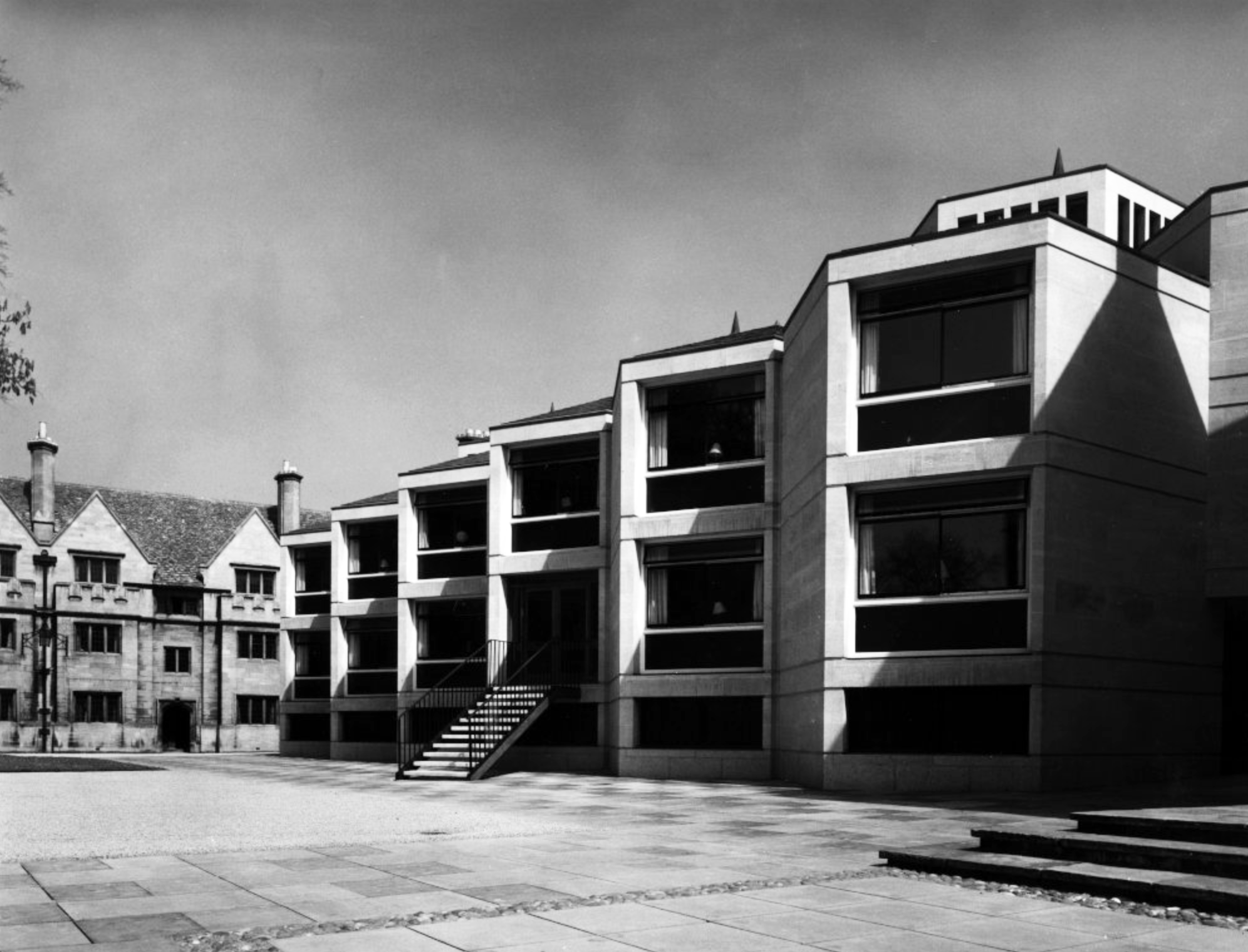
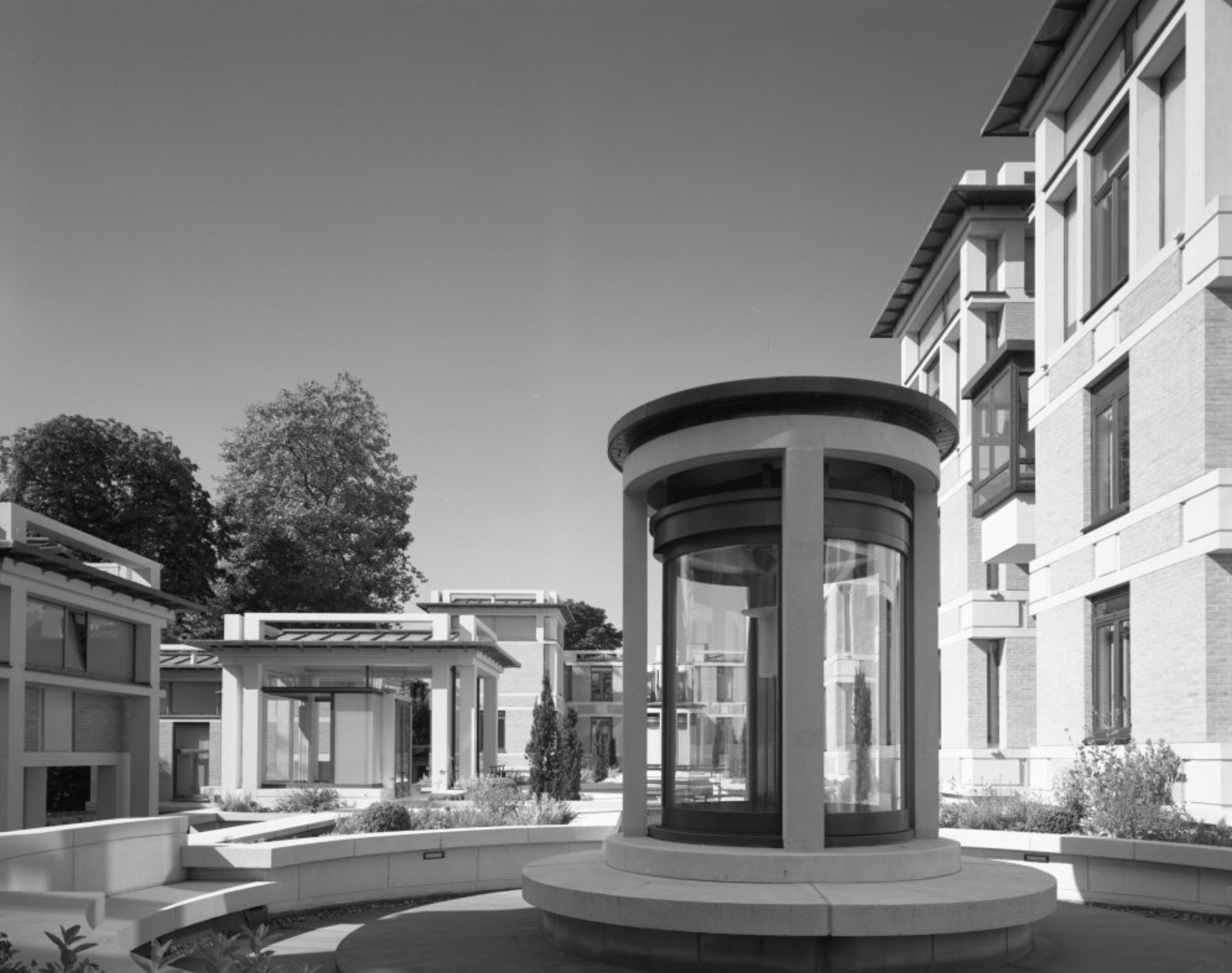
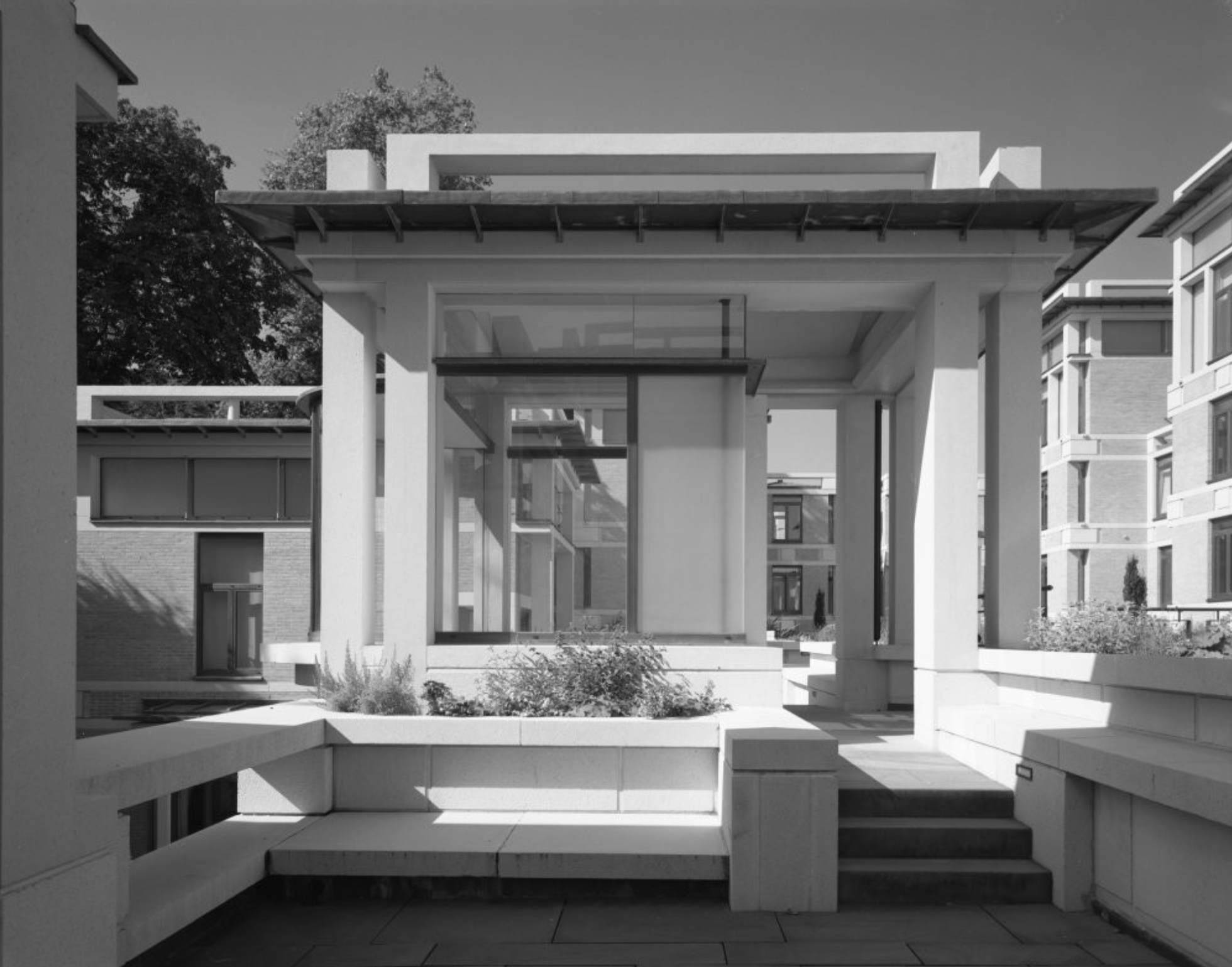
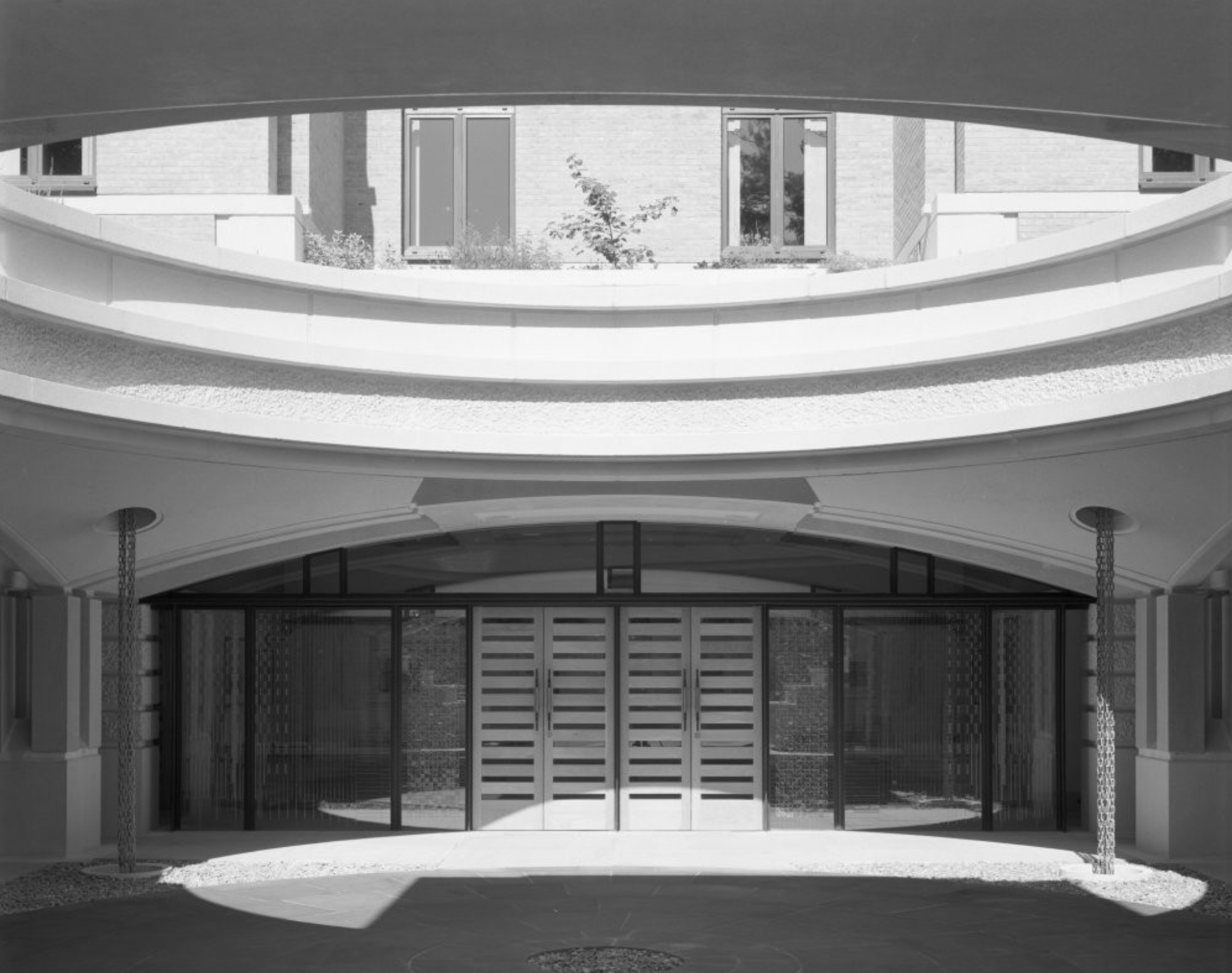
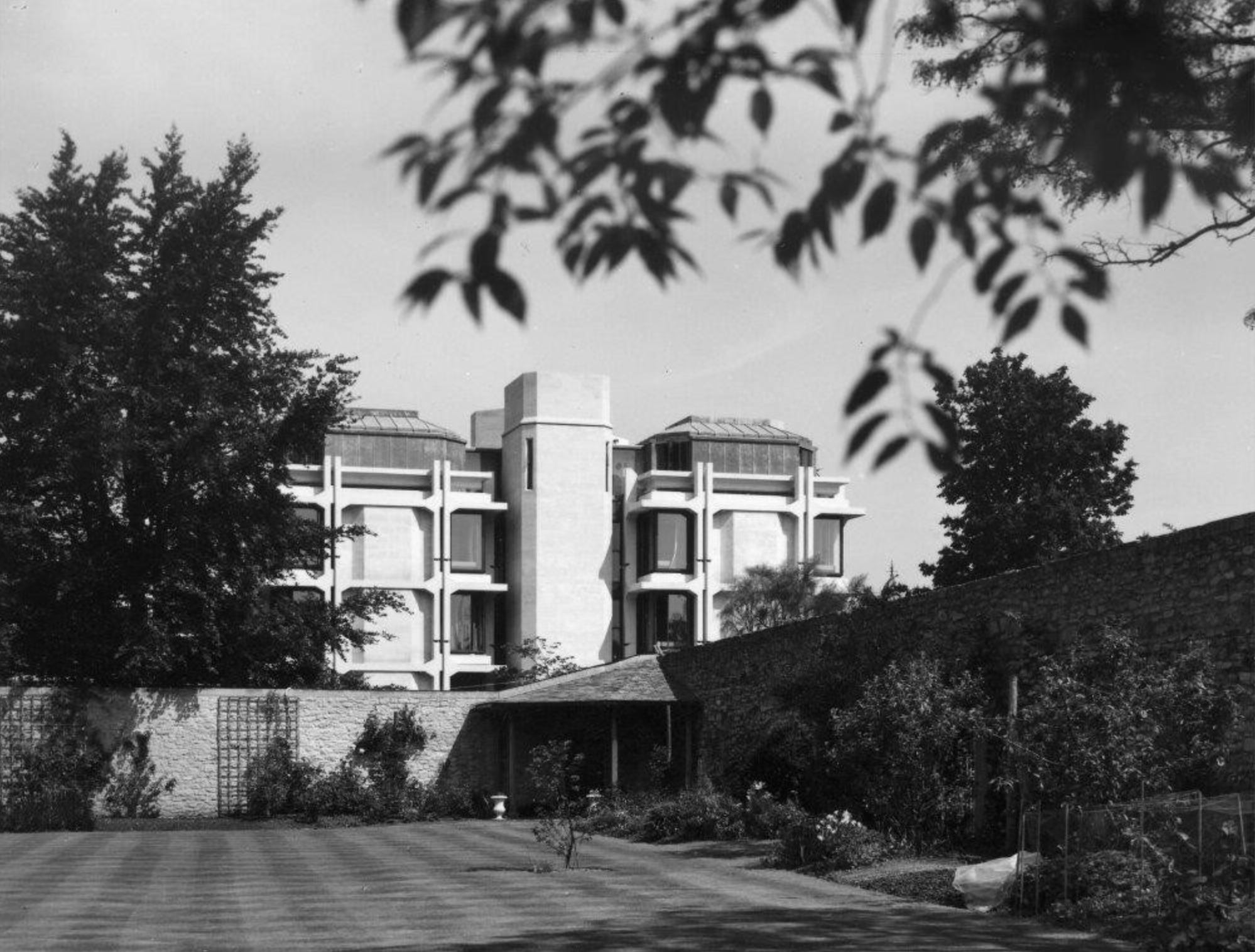
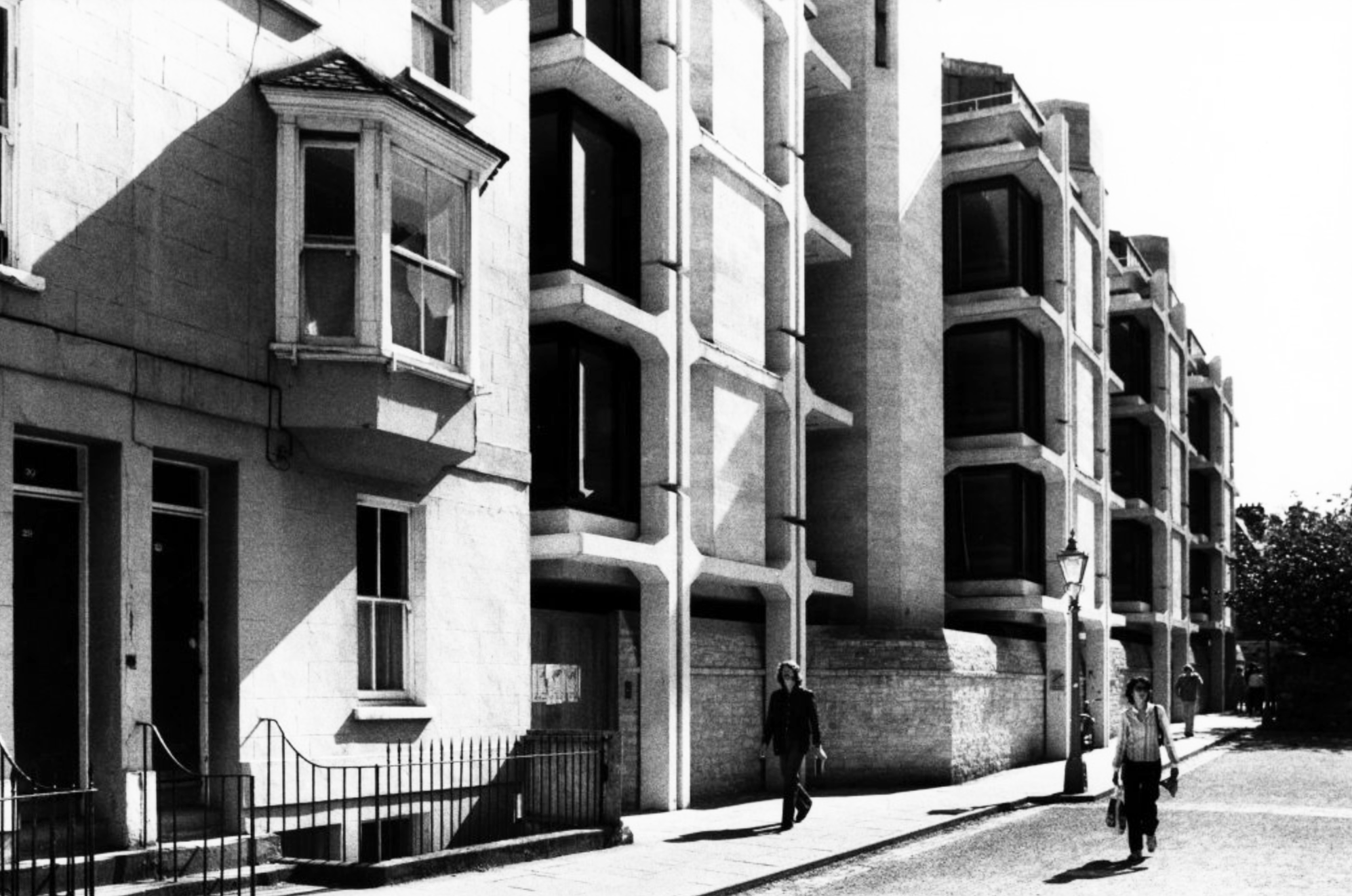
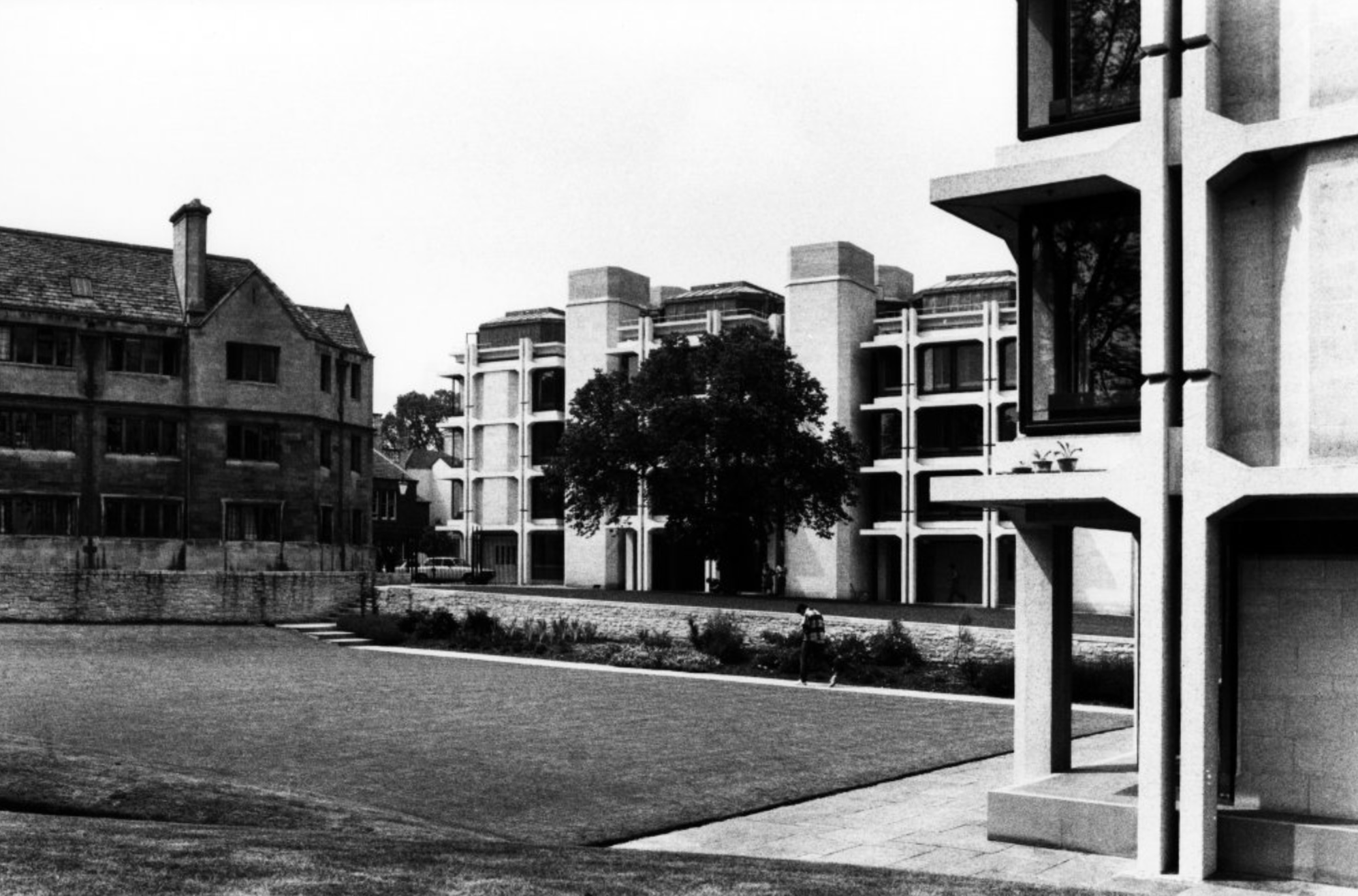
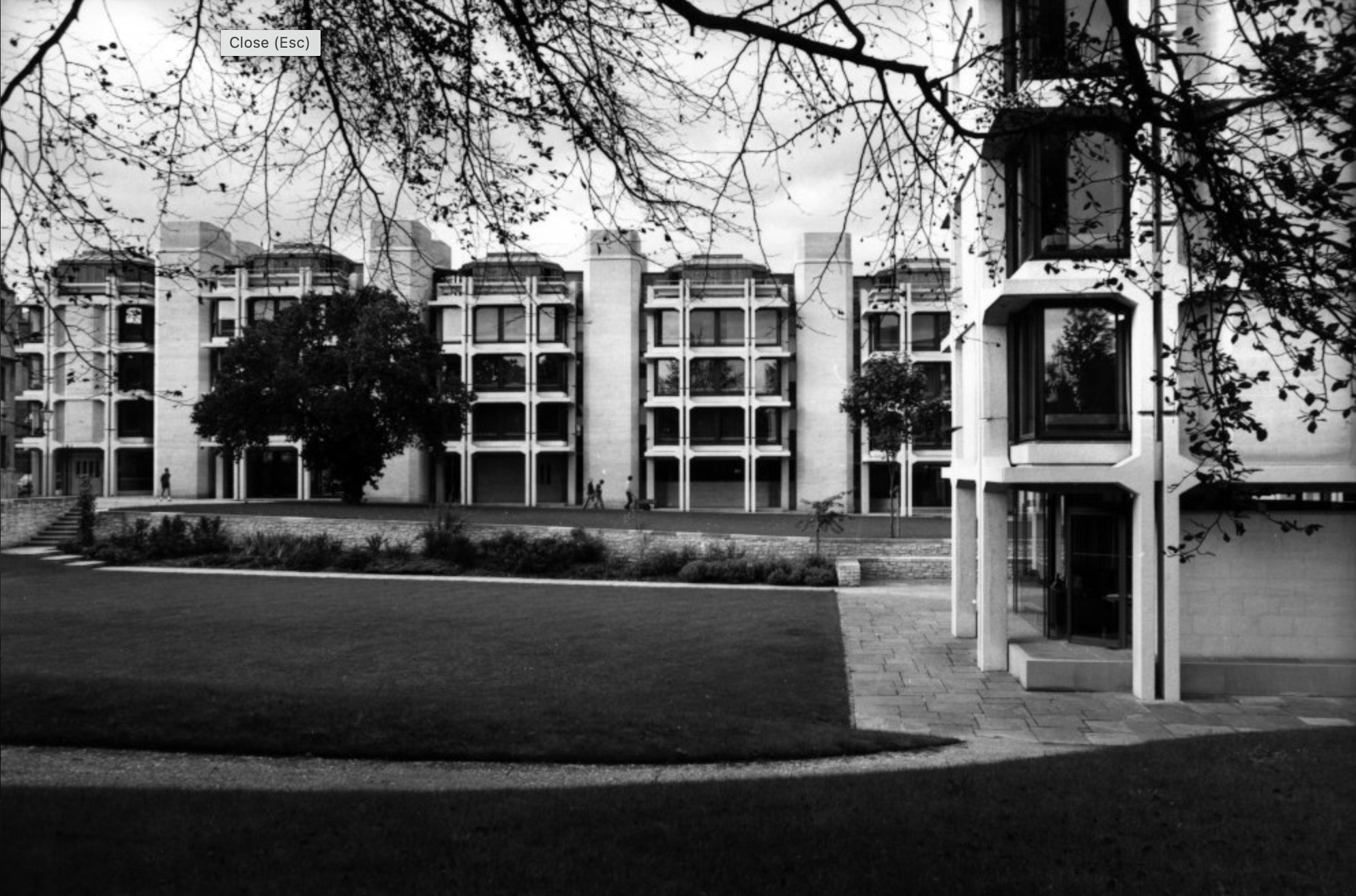
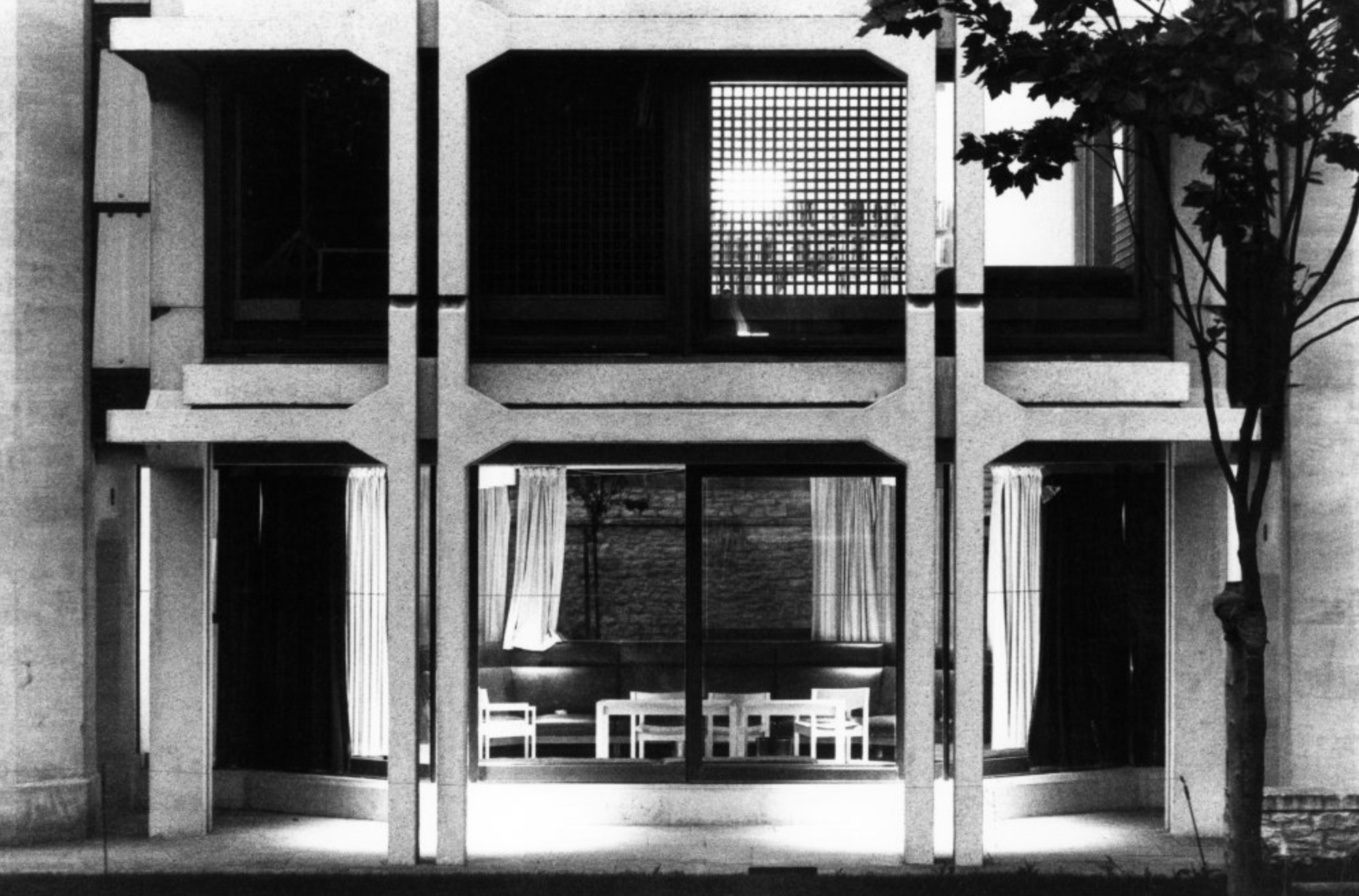
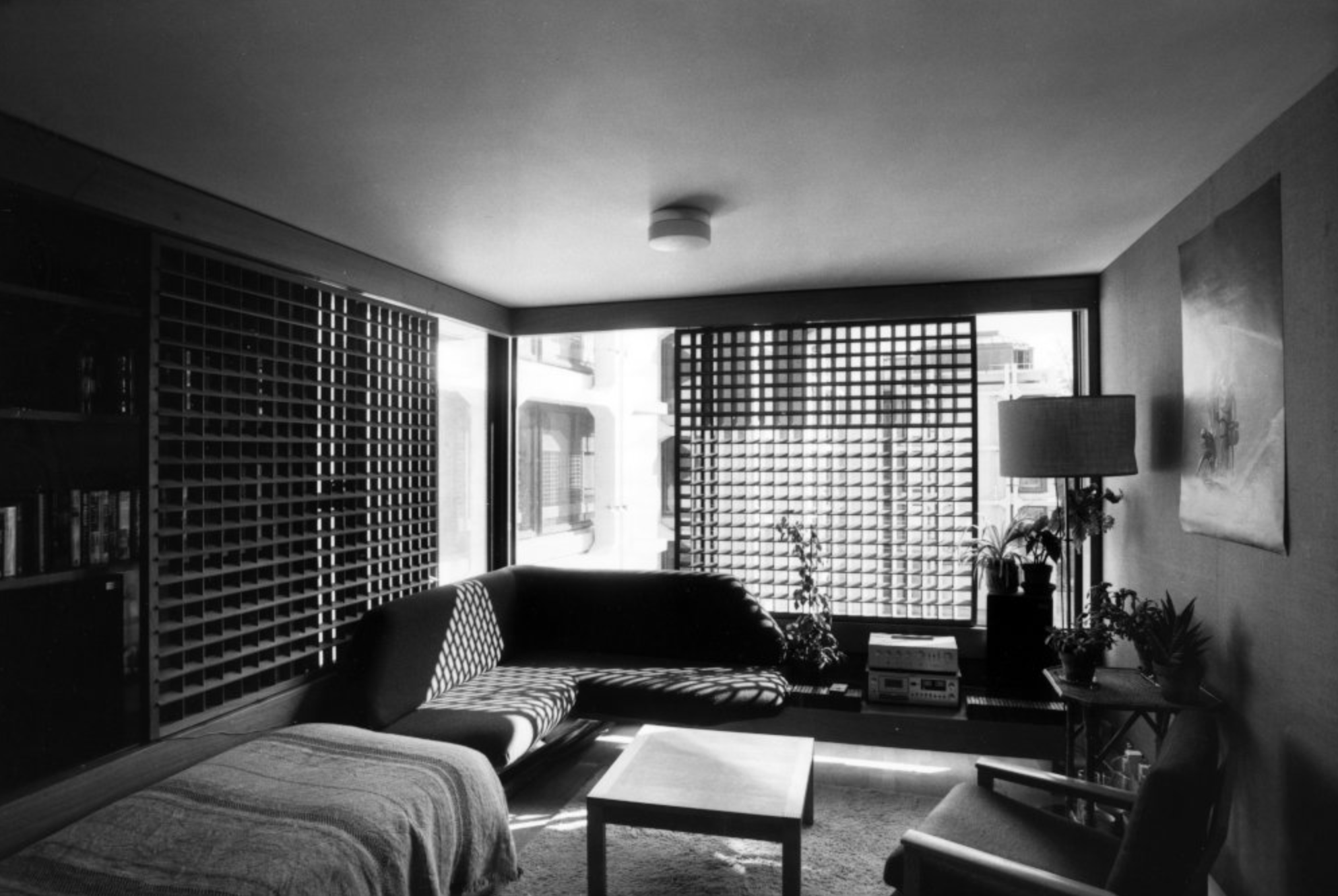
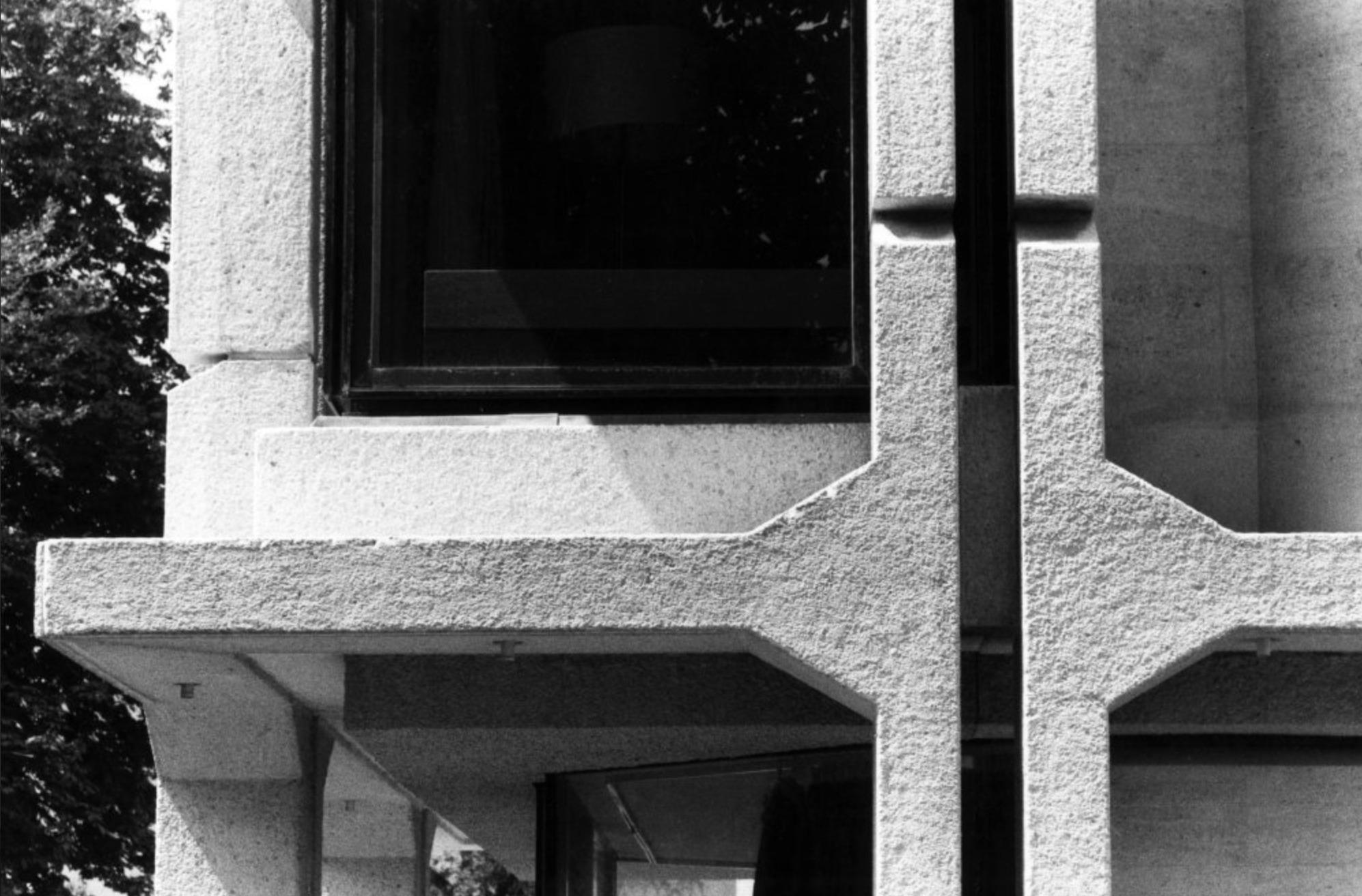
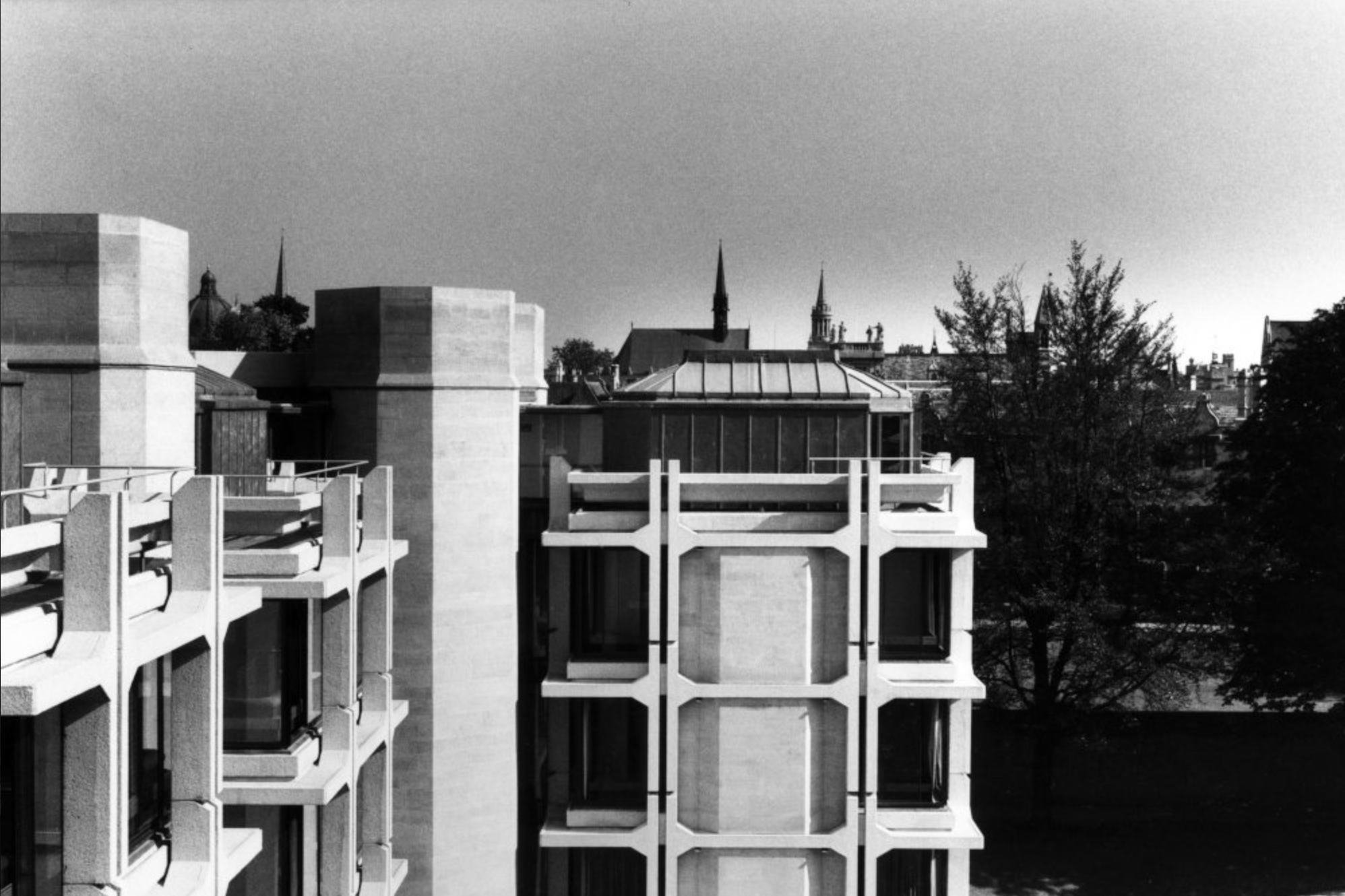
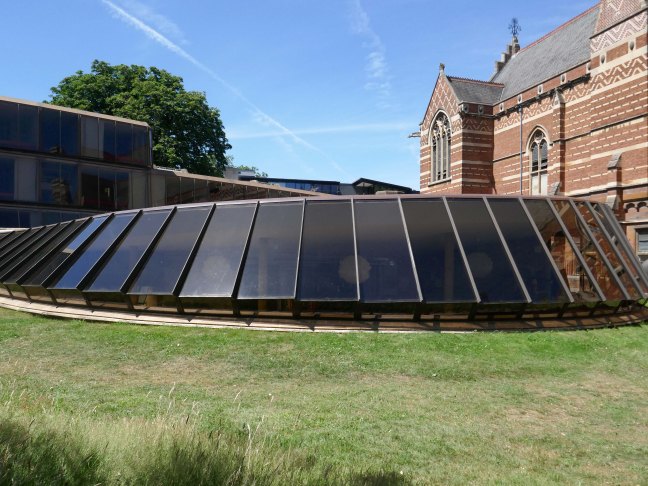
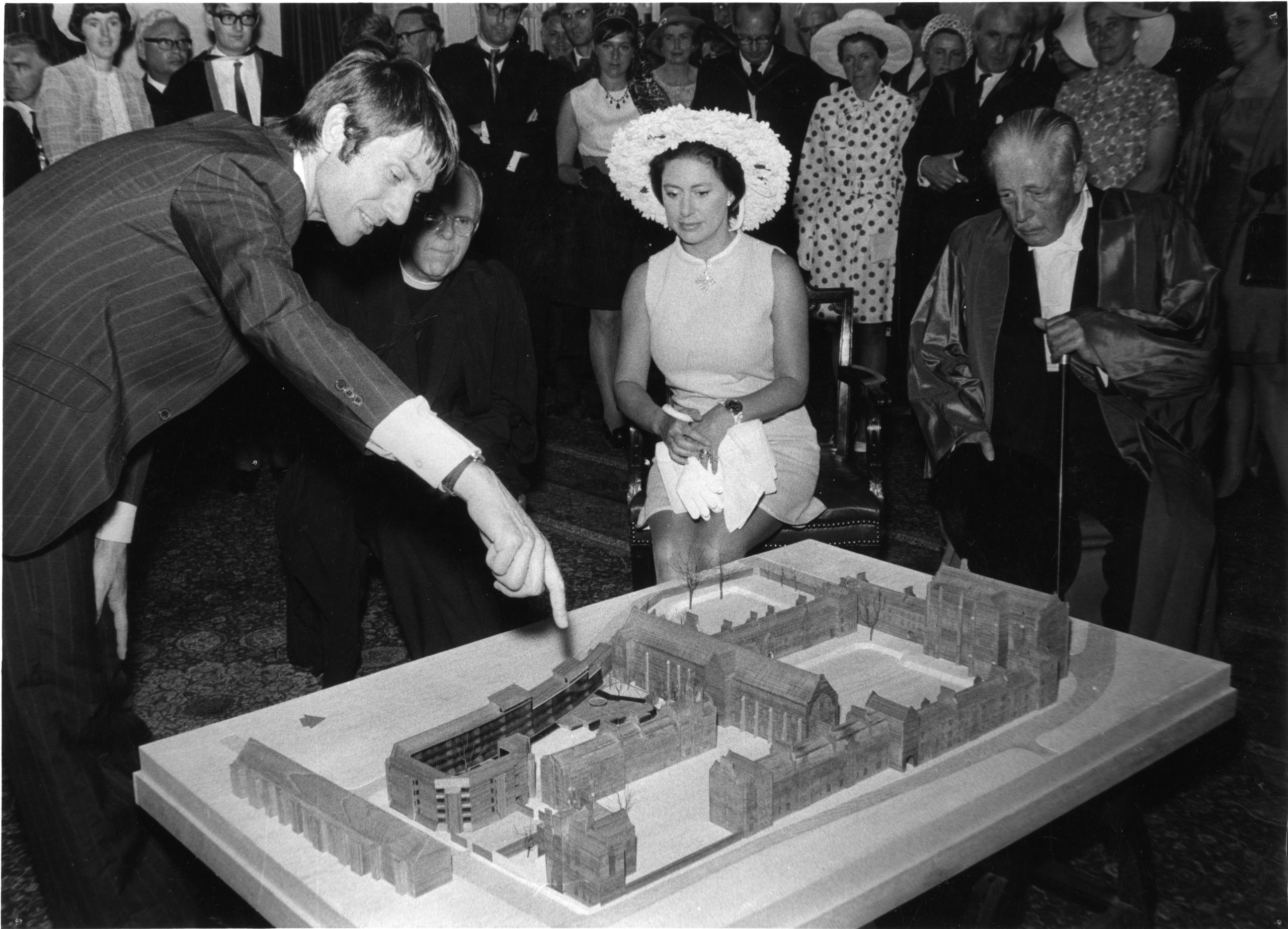
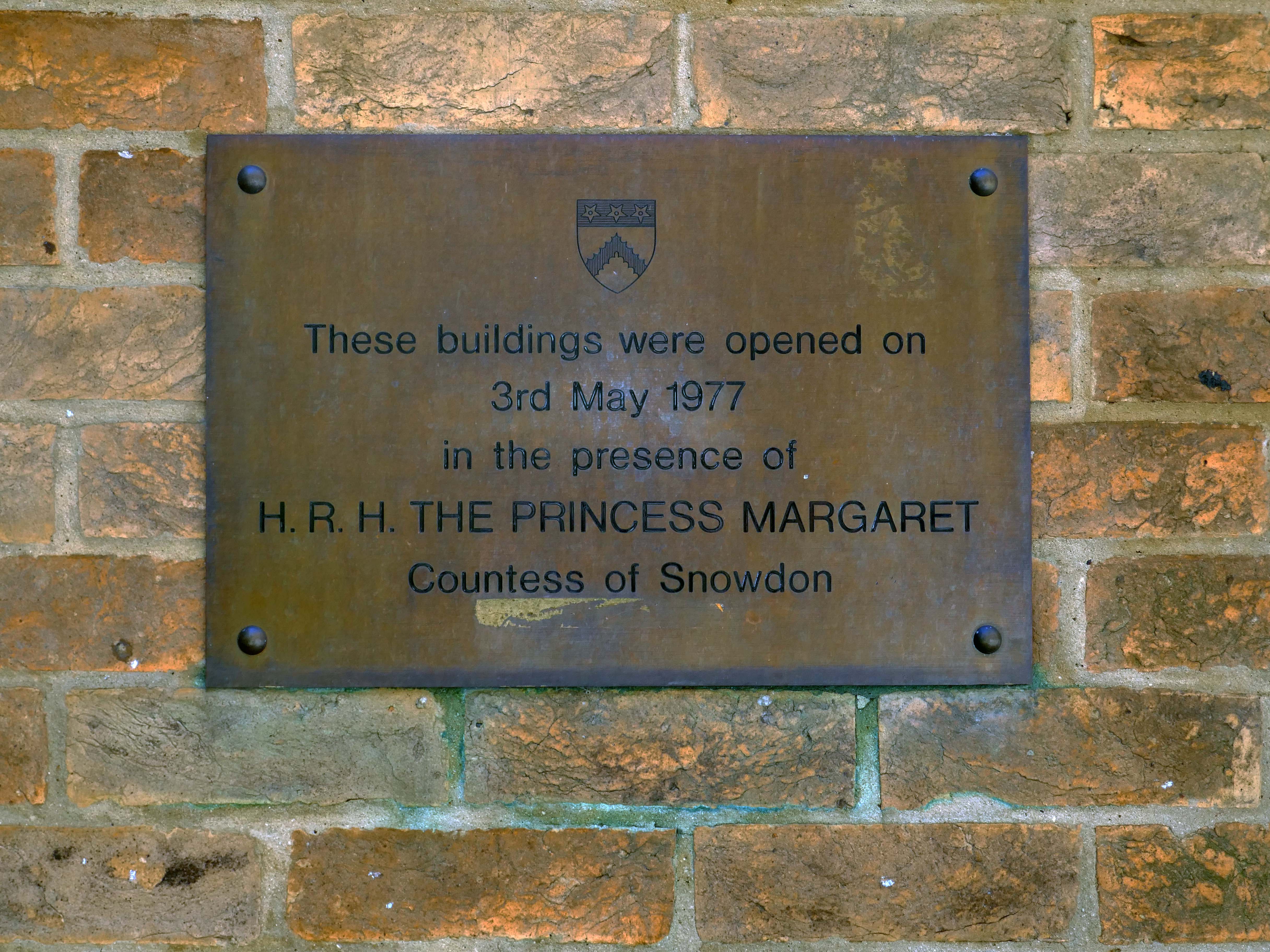
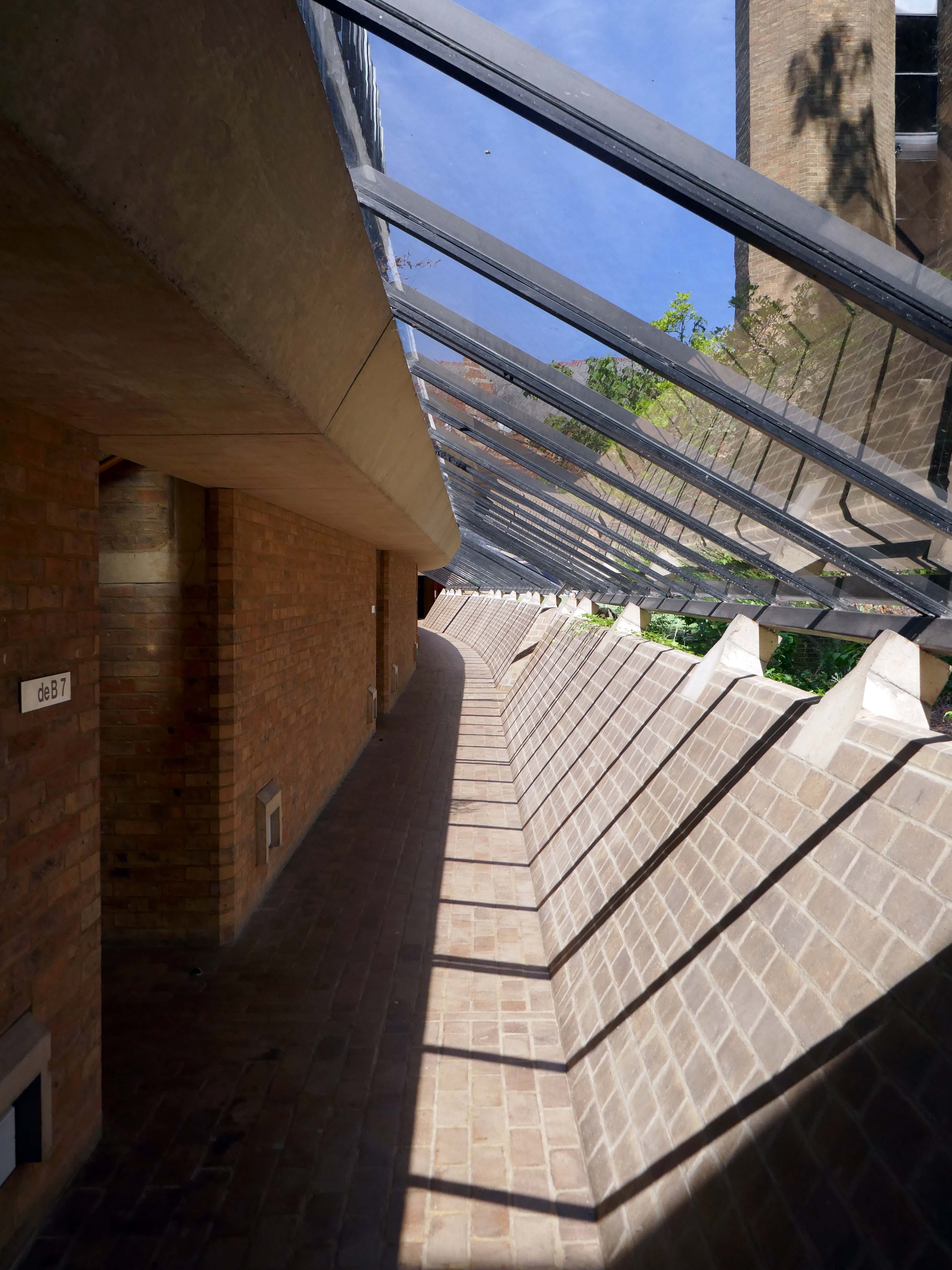
The College was lucky in that the ambitious vision of its founders allowed it to house the majority of its students for decades. However, by 1967, it had become clear to the College that there was a need to expand on a large scale. With the £500,000 cost funded via the Centenary Appeal, the project remained challenging – the site available was wedge-shaped, construction had to be phased, as funds became available, and the buildings had to stand next to Butterfield’s imposing work. To meet this challenge, the College chose an up-and-coming firm of architects, Ahrends, Burton and Koralek ABK.
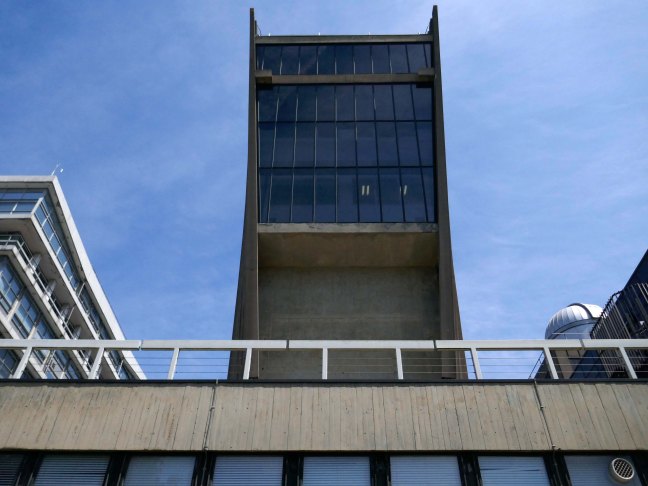
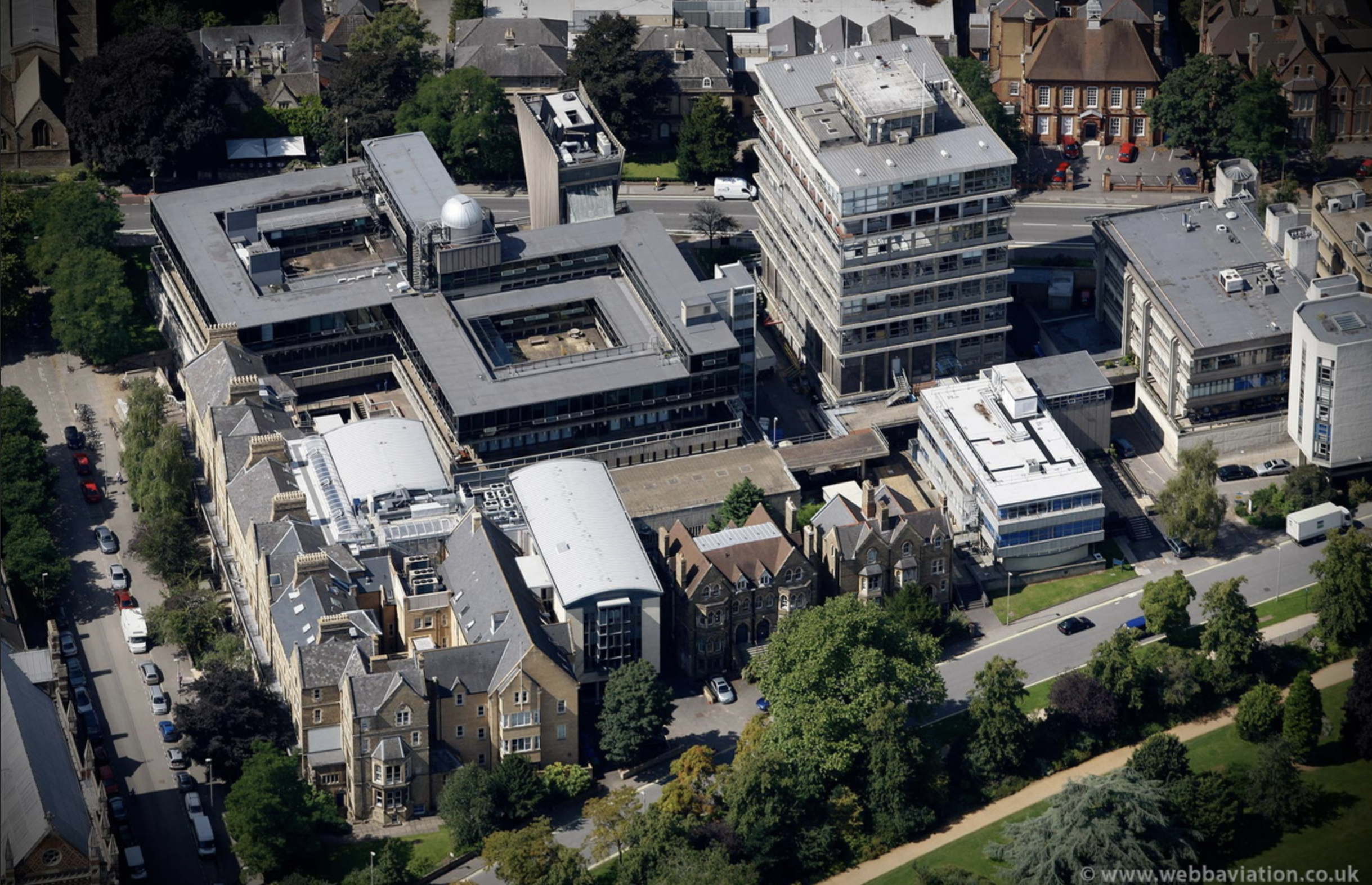
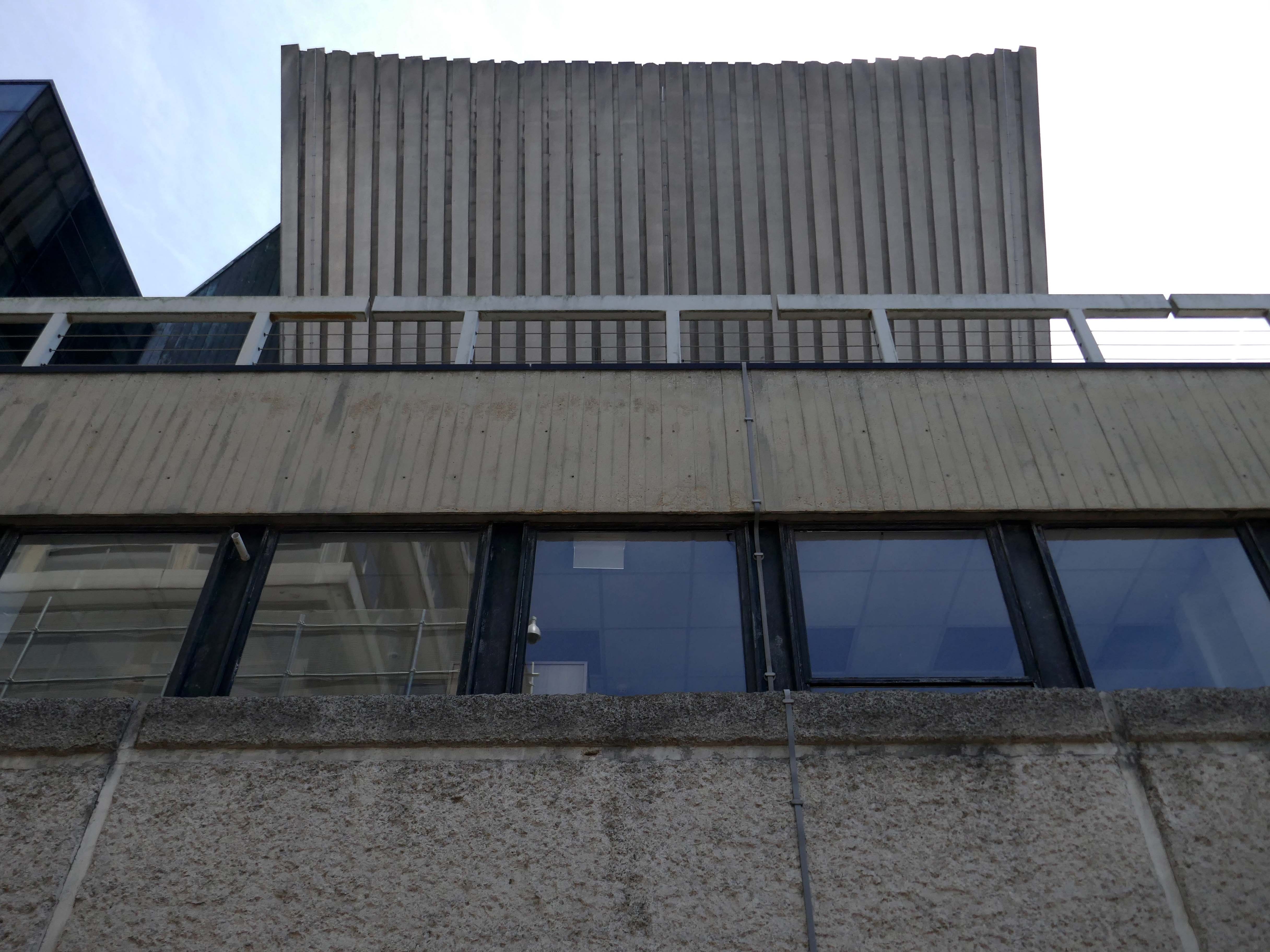
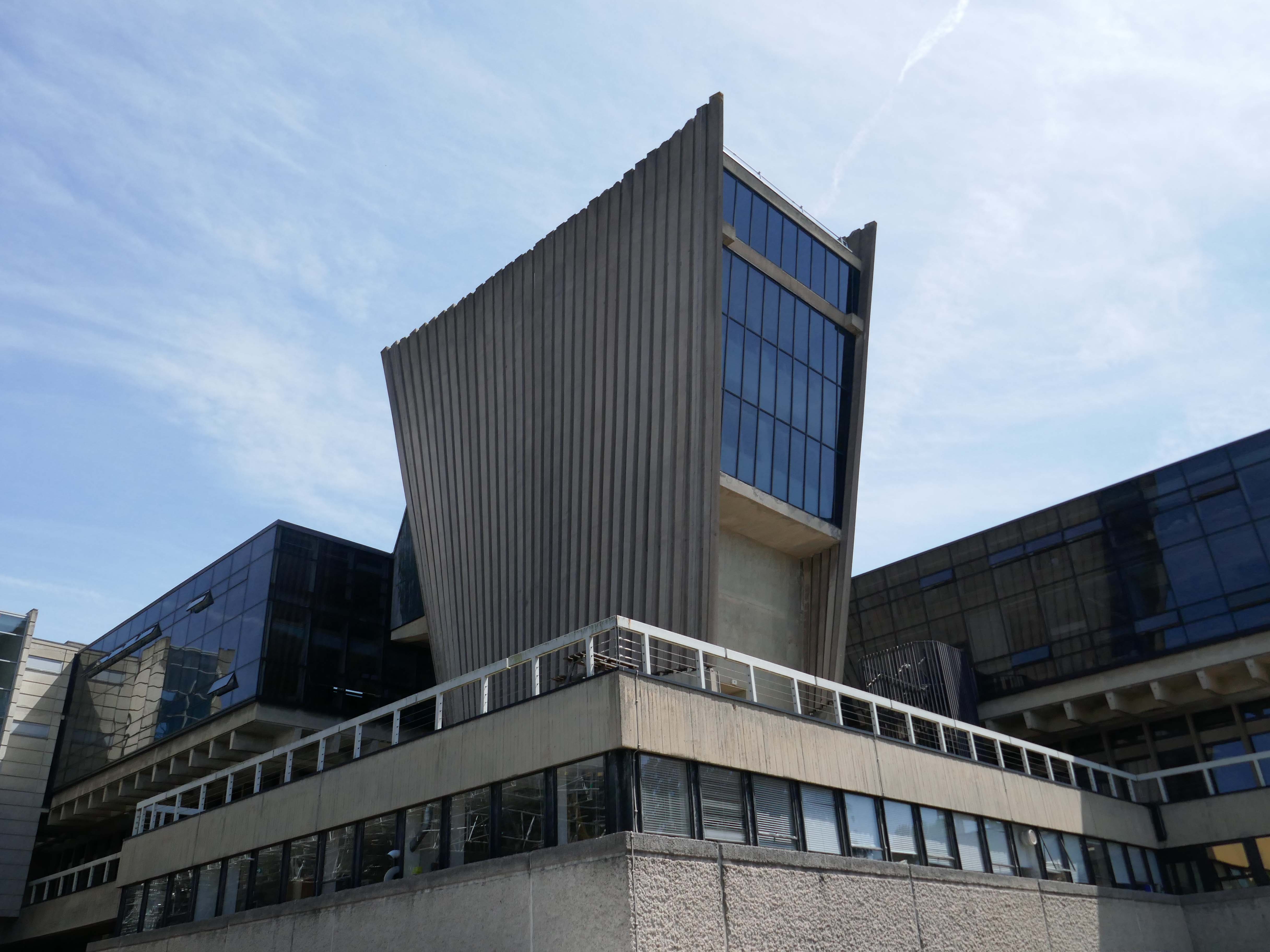
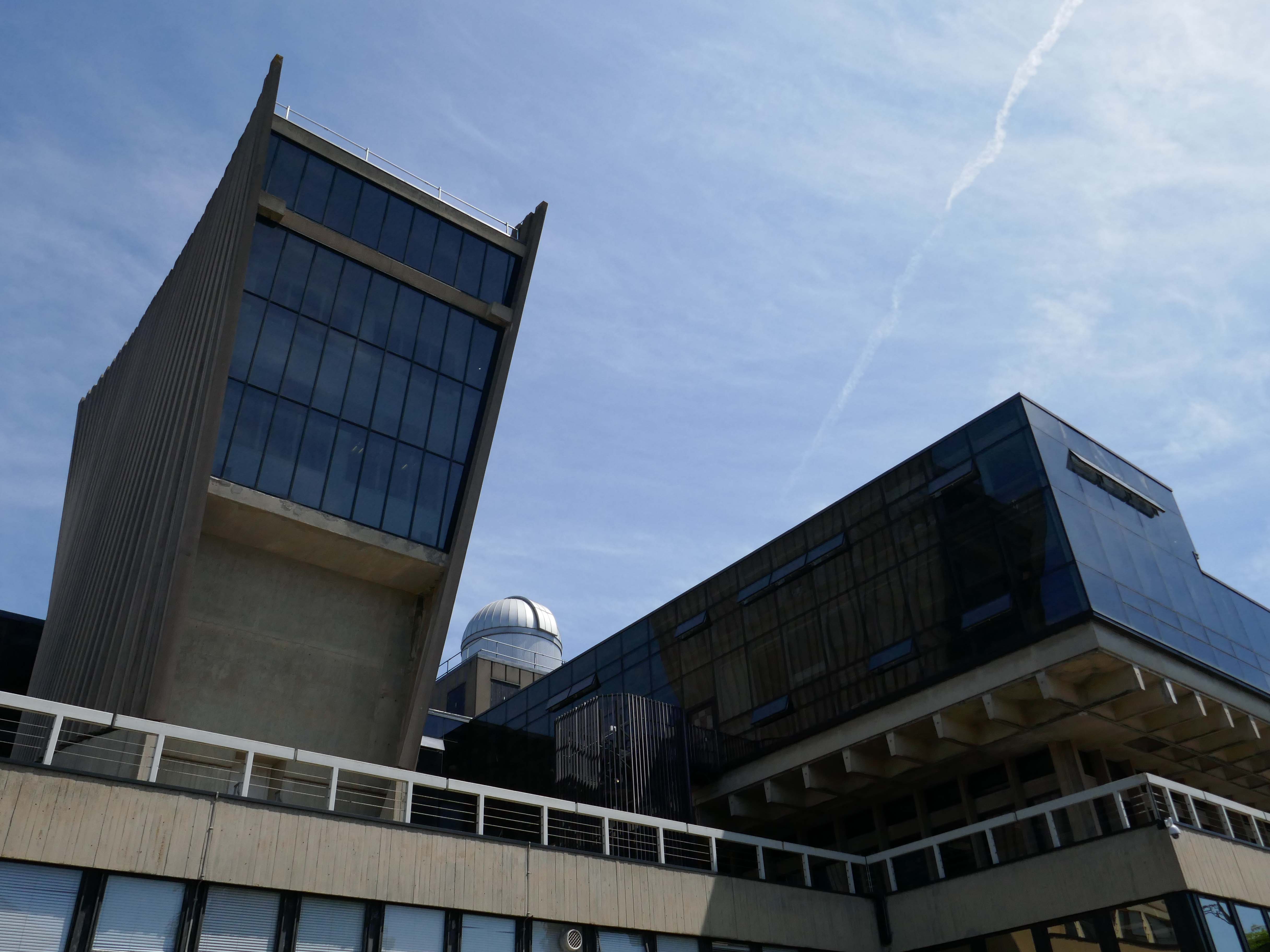
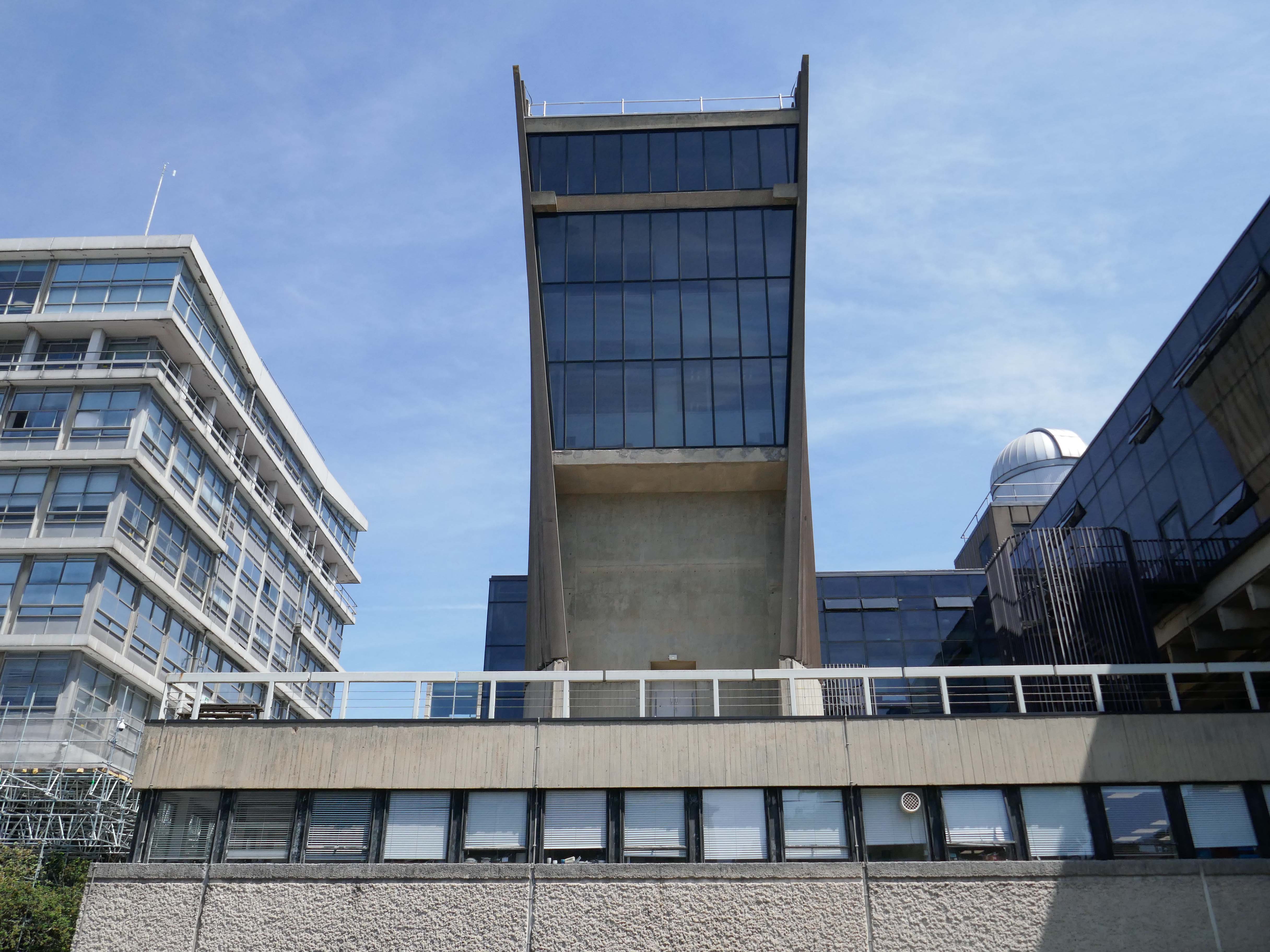
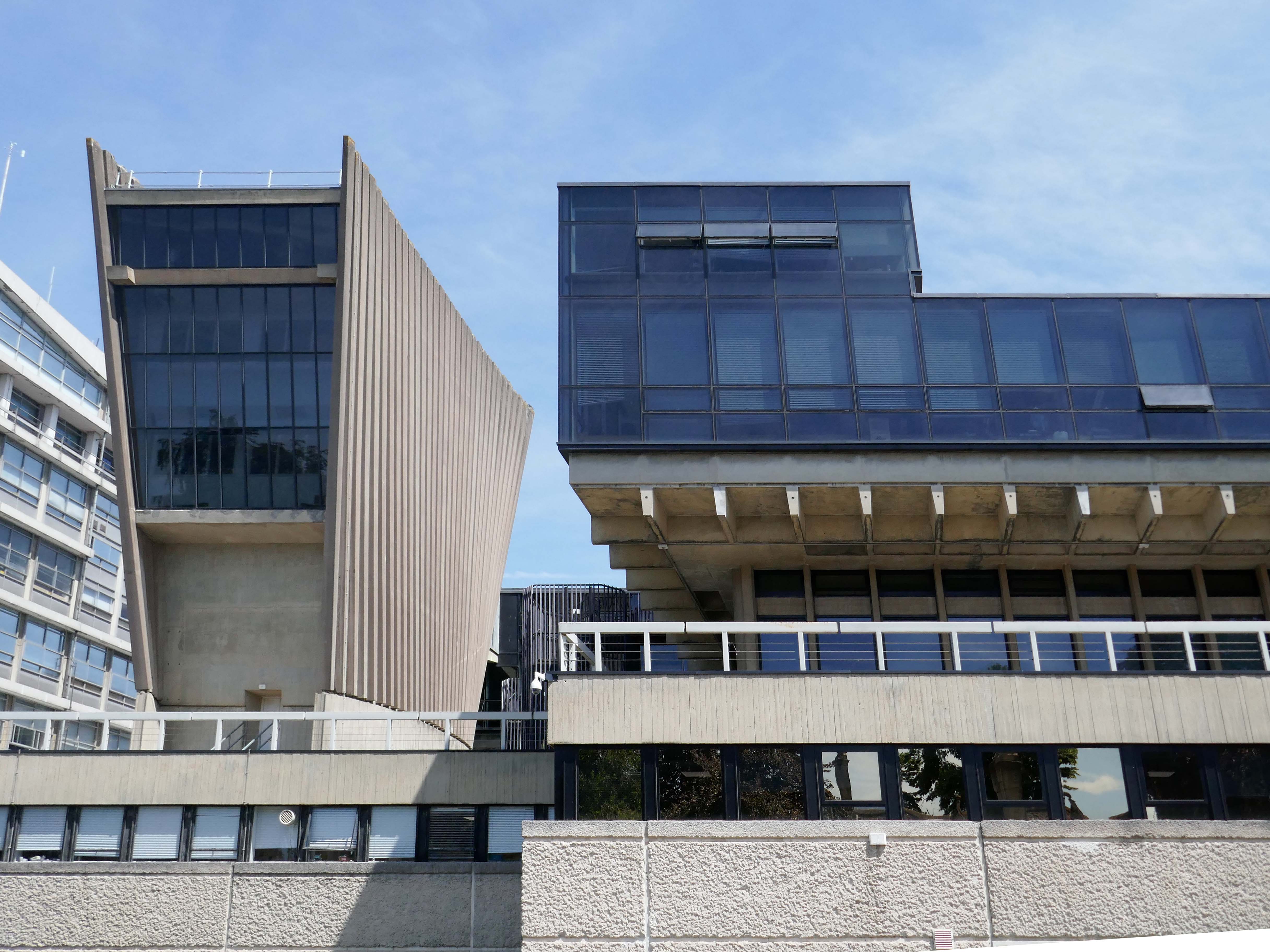
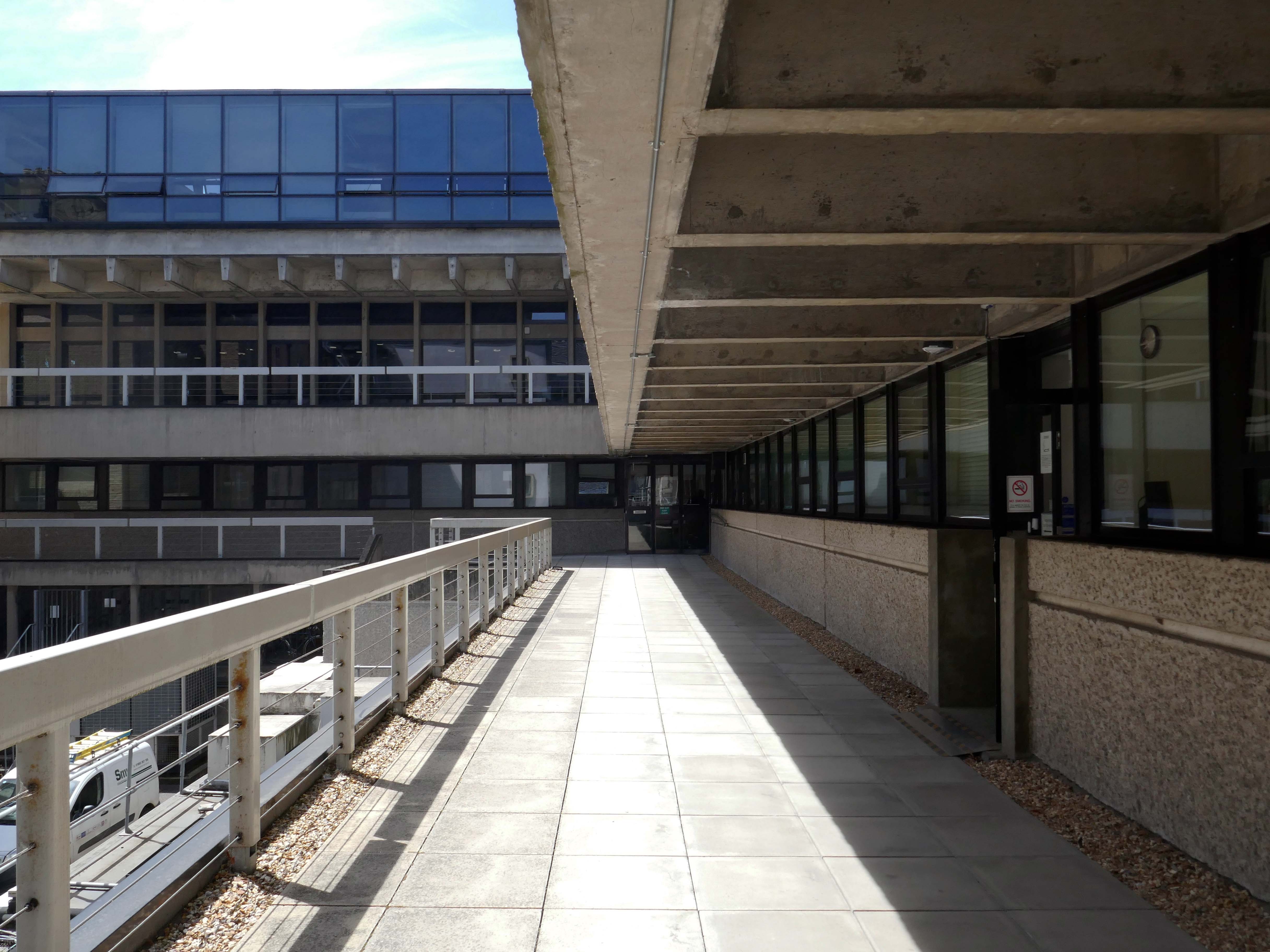
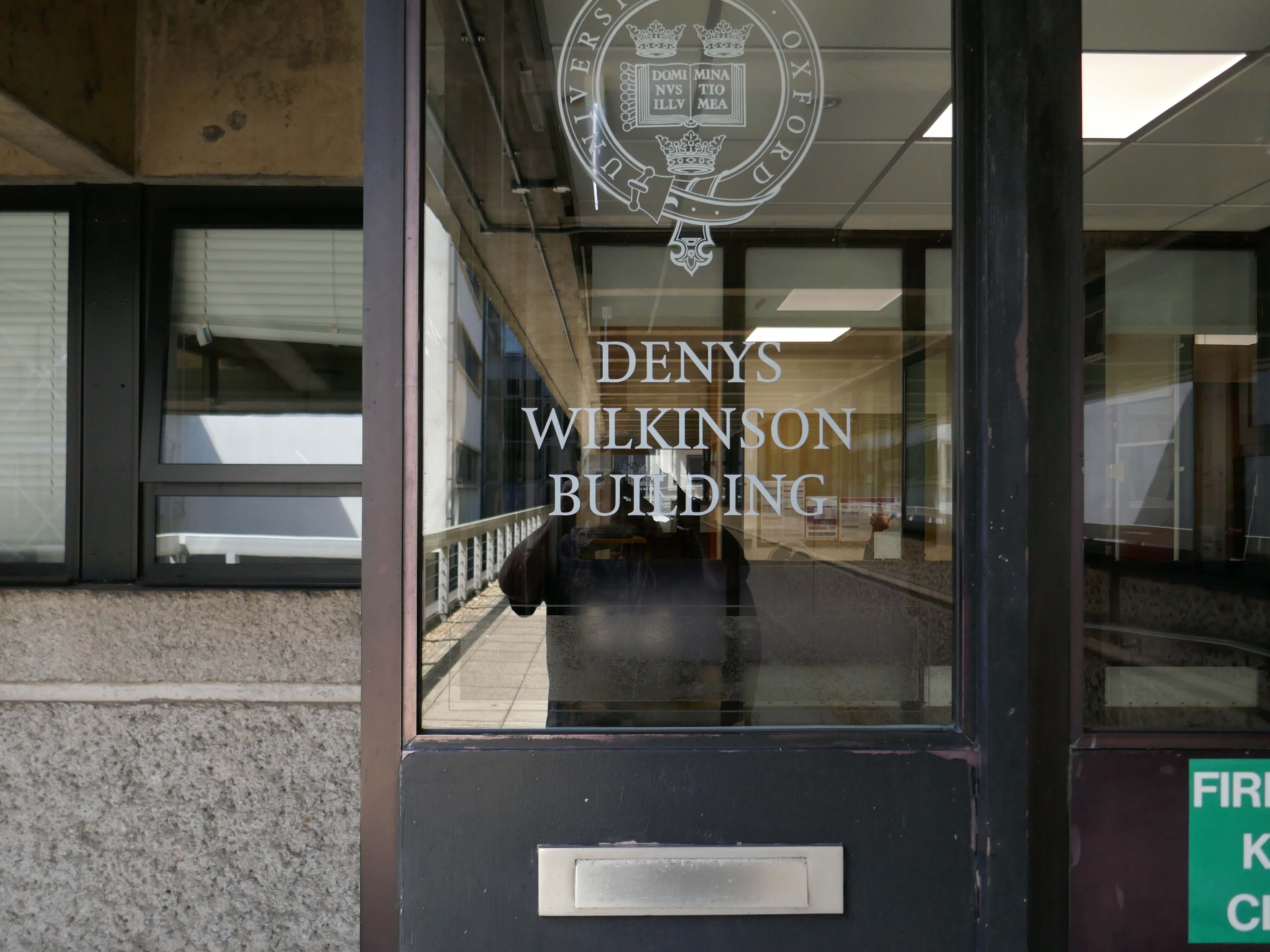
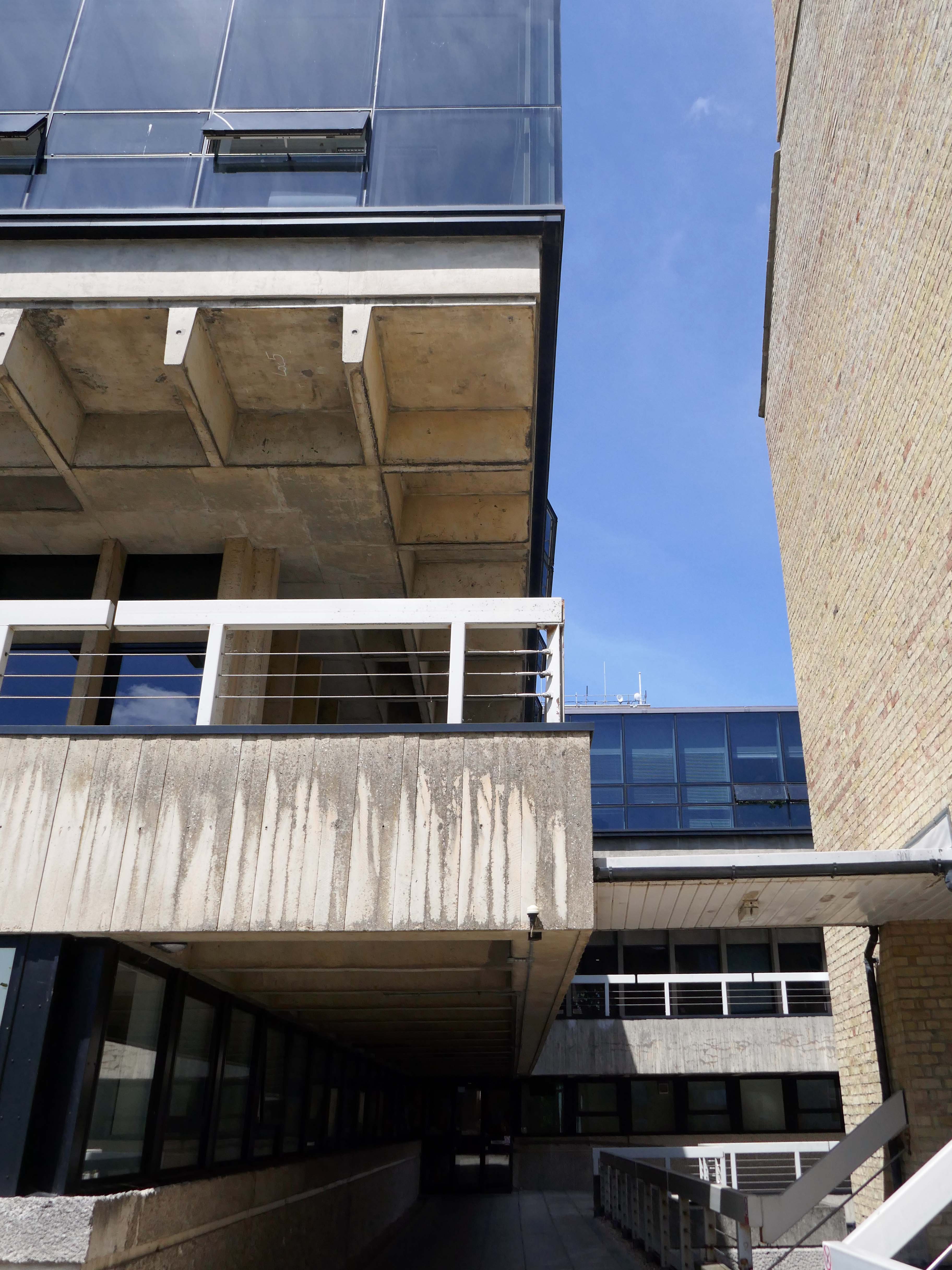
The Denys Wilkinson Building was designed by Philip Dowson at Arup in 1967.
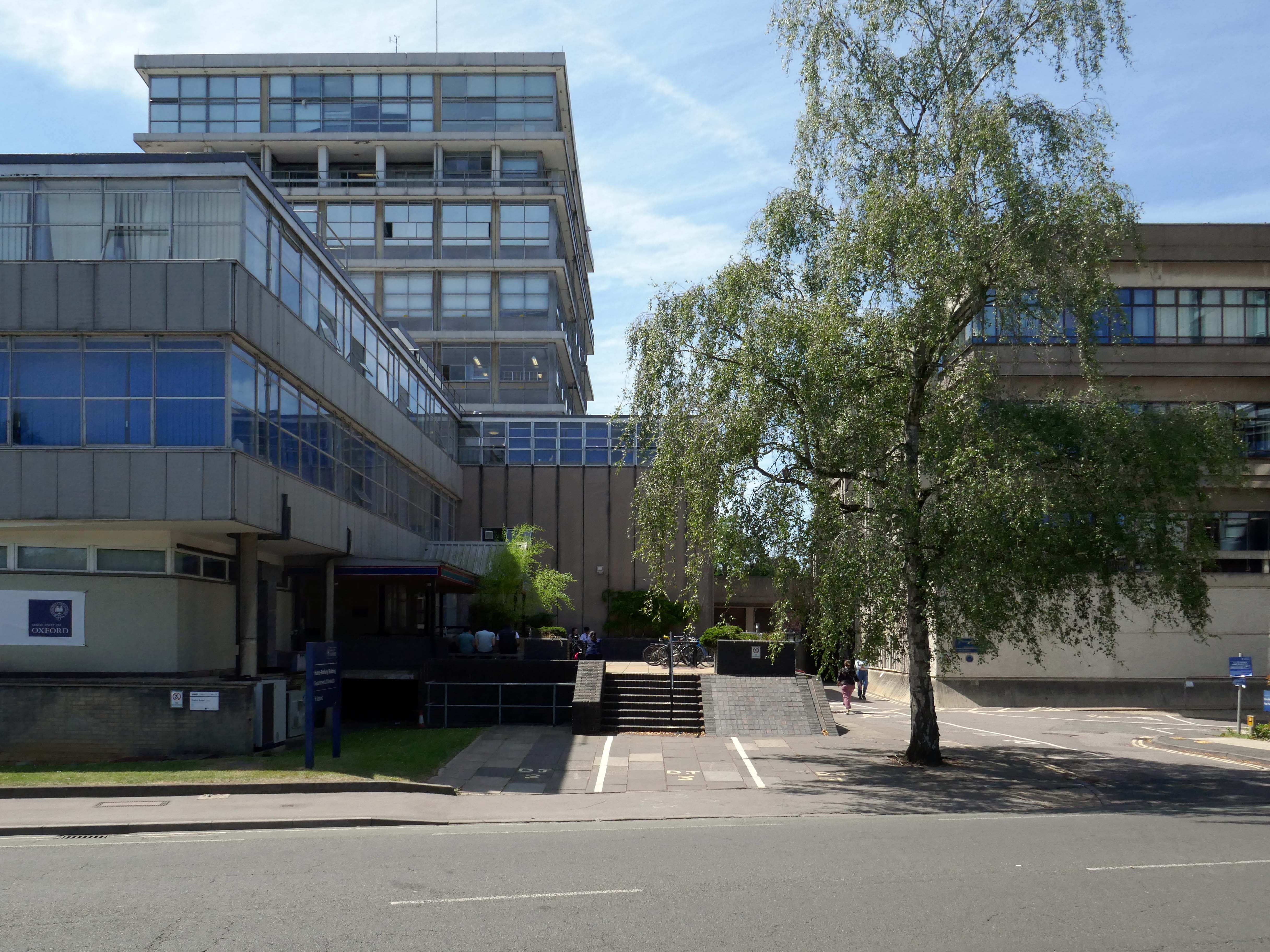
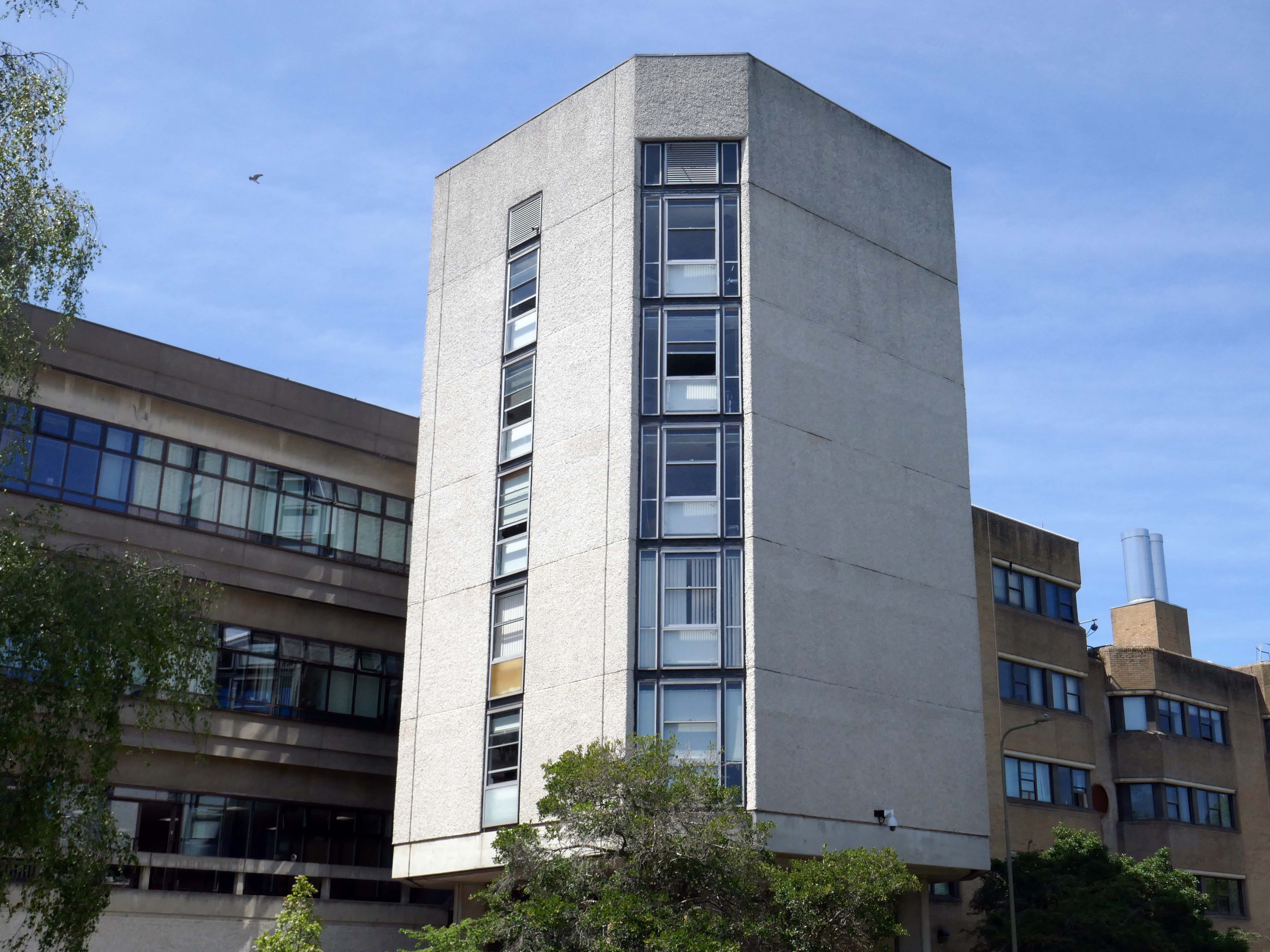
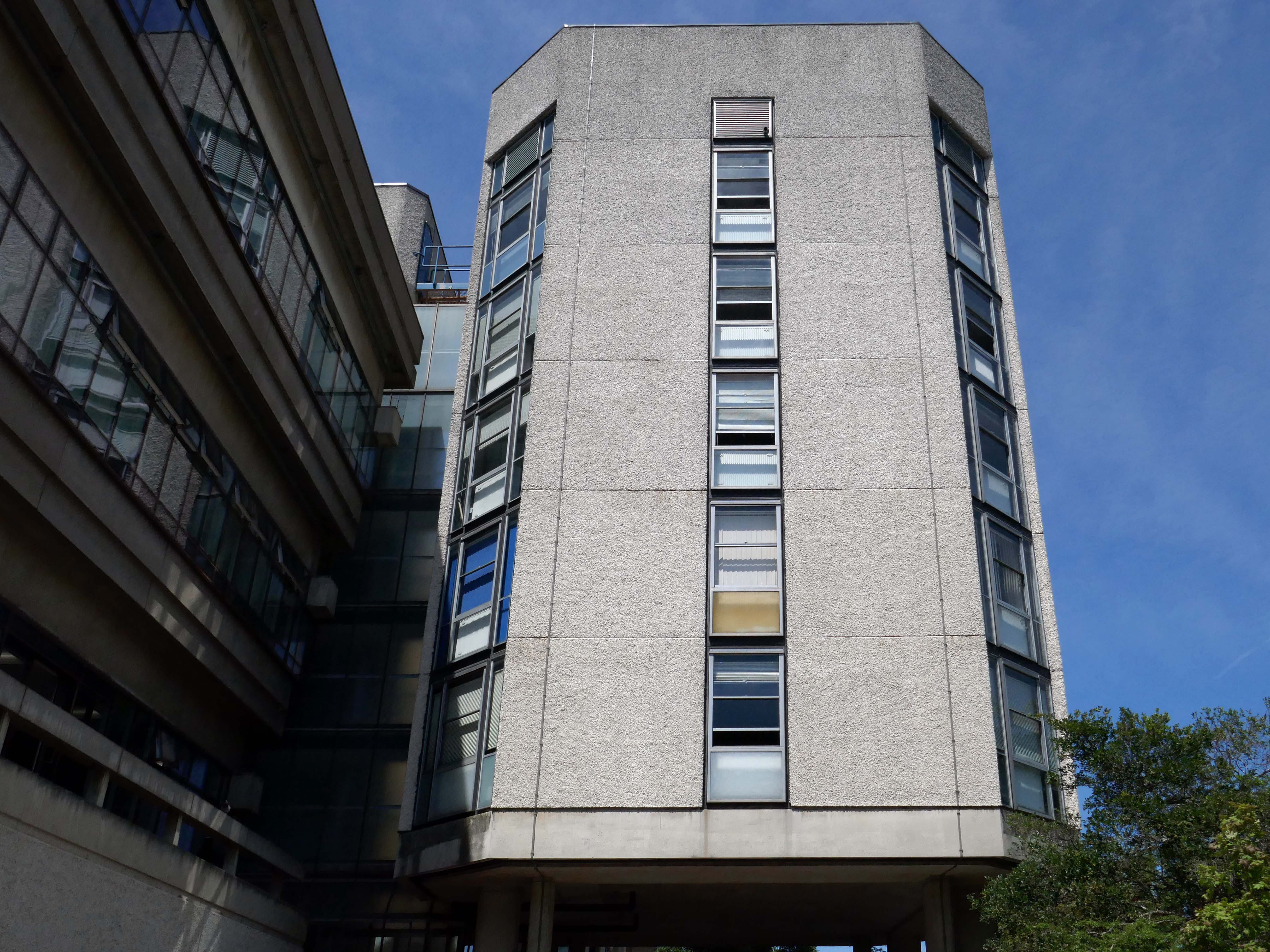
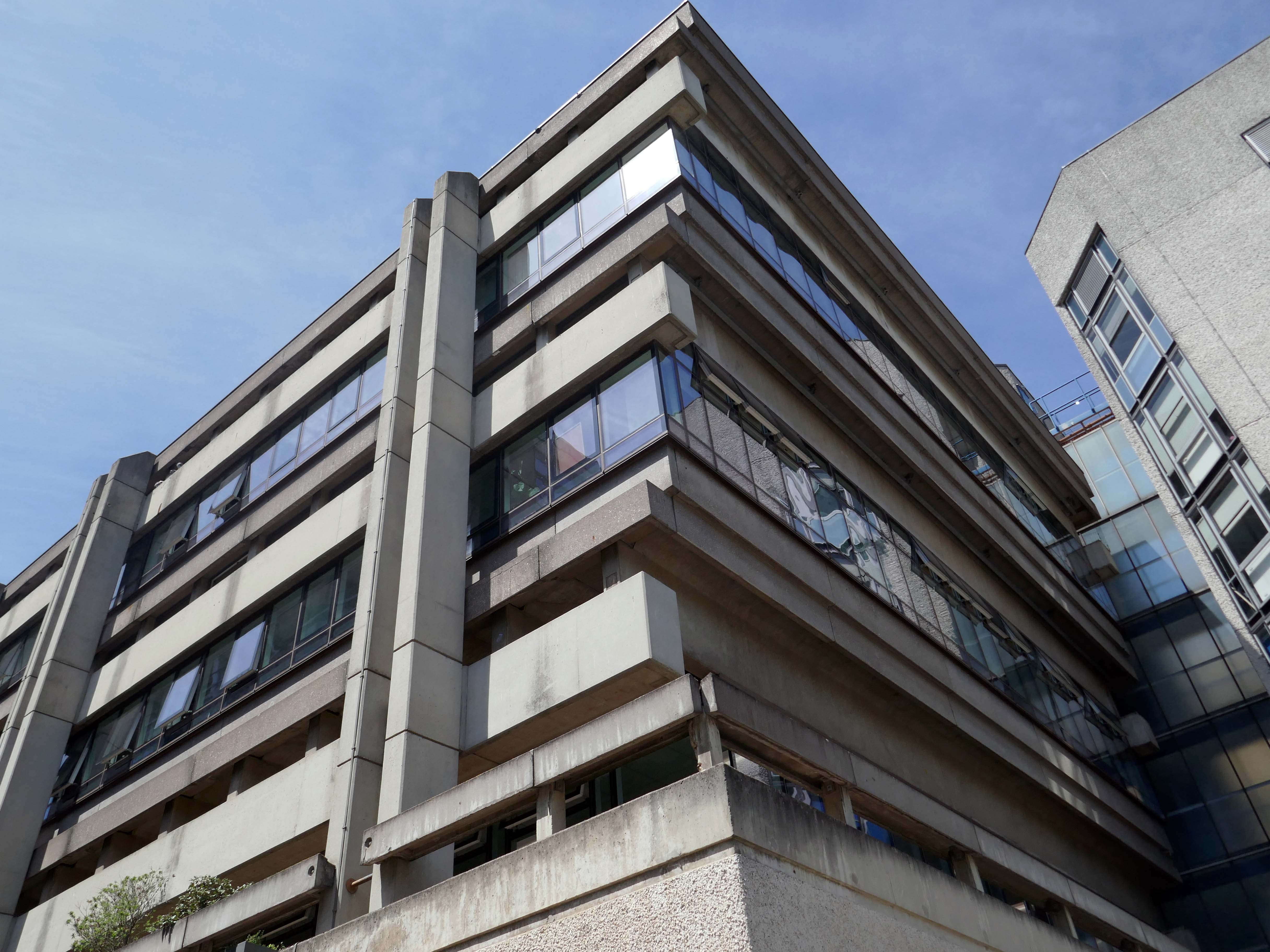
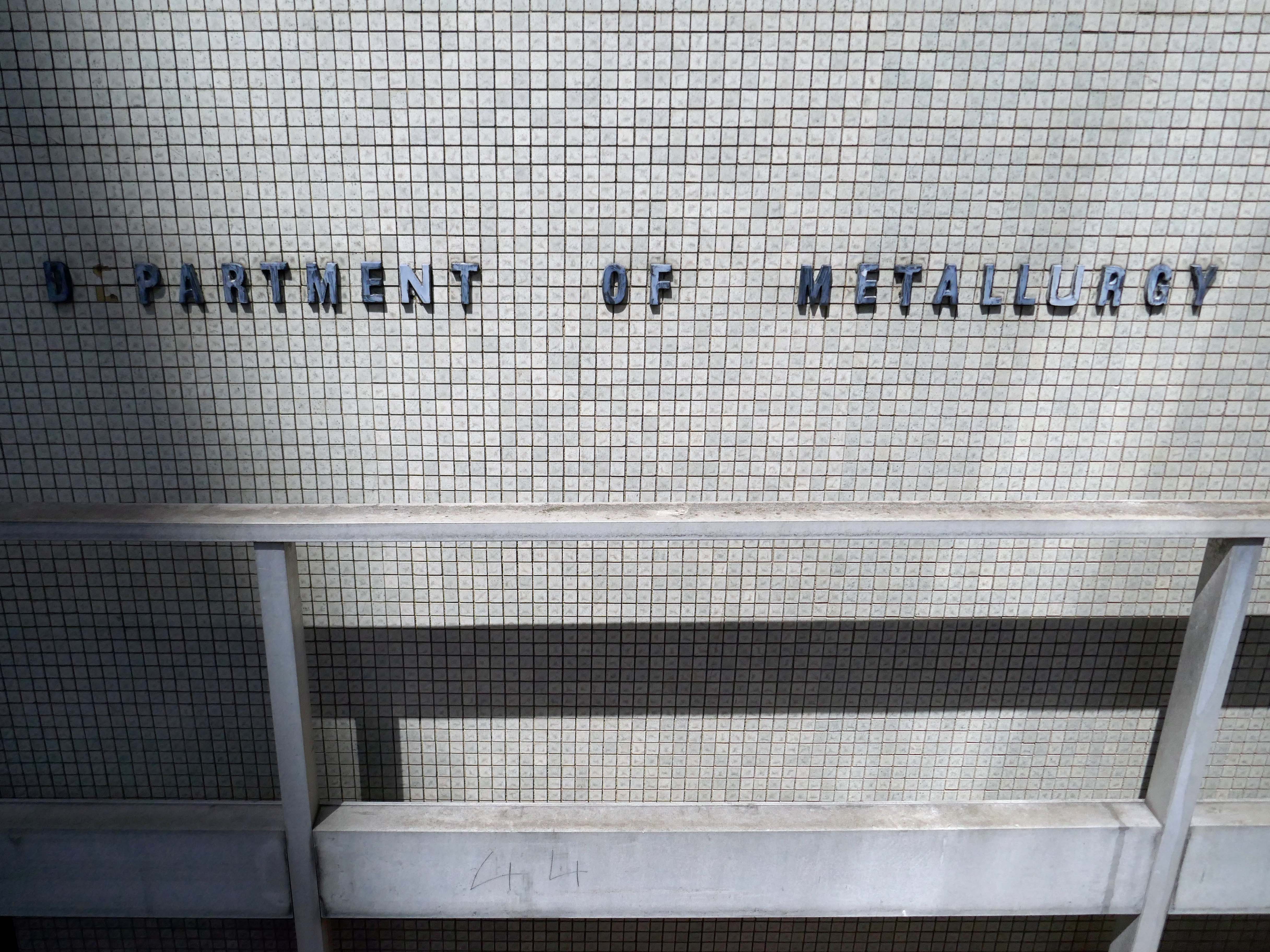
The building houses the astrophysics and particle physics sub-departments of the Department of Physics at Oxford University, plus the undergraduate teaching laboratories. It was originally built for the then Department of Nuclear Physics and named the Nuclear Physics Laboratory. From 1988, the building was known as the Nuclear and Astrophysics Laboratory after the Sub-Department of Astrophysics moved from the University Observatory in the Science Area. On 21st June 2002, the building was renamed as the Denys Wilkinson Building, in honour of the British nuclear physicist Sir Denys Wilkinson, who was involved in its original creation.
Denys Wilkinson Building Oxford photo – Webb Aviation.
Department of Nuclear Physics, Oxford Arup Associates 1971 – Colin Westwood RIBA pix.
The University of Oxford is relocating its undergraduate physics practical teaching from the Denys Wilkinson Building amid concerns about the presence of asbestos at the ageing site.
From Michaelmas this year, some practical teaching labs will move to the former Biochemistry and Biological Sciences Teaching Centre, with the remainder moving by Michaelmas 2027. The Biochemistry and Biological Sciences Teaching Centre will be adapted for physics practical teaching. Around six hundred undergraduates currently take part in compulsory practical coursework in the Denys Wilkinson Building across the first three years of Oxford’s physics degrees.
A University spokesperson told Cherwell that the decision to relocate had been taken proactively to avoid the risk of a sudden building failure causing disruption later. The spokesperson added that the Denys Wilkinson Building:
Is being carefully managed through the later years of its usable life, adding that the building has some legacy issues, including asbestos.
Originally completed in 1967, the building had not been maintained and required significant repairs to the roof structure of the accelerator tower, which had suffered from prolonged water ingress.
All defects were identified through a hammer test survey and thorough visual inspection, the original concrete was broken out back to a sound substrate and was square cut to depth of 10mm, thus preventing featheredging of the subsequent repair.
Exposed reinforcement was mechanically wire brushed, and prepared using high performing and sustainable products from Sika. Treated with Sika Monotop 1010; a bonding primer and corrosion protection, followed by the application of Sika Monotop 4012; a concrete repair mortar, to the original surface levels.
This building has been assessed under the Planning – Listed Buildings and Conservation Areas Act 1990 as amended for its special architectural or historic interest. The asset currently does not meet the criteria for listing.
It is not listed – the Secretary of State for Culture, Media and Sport disagreed with Historic England’s recommendation for this case23rd July 2015.
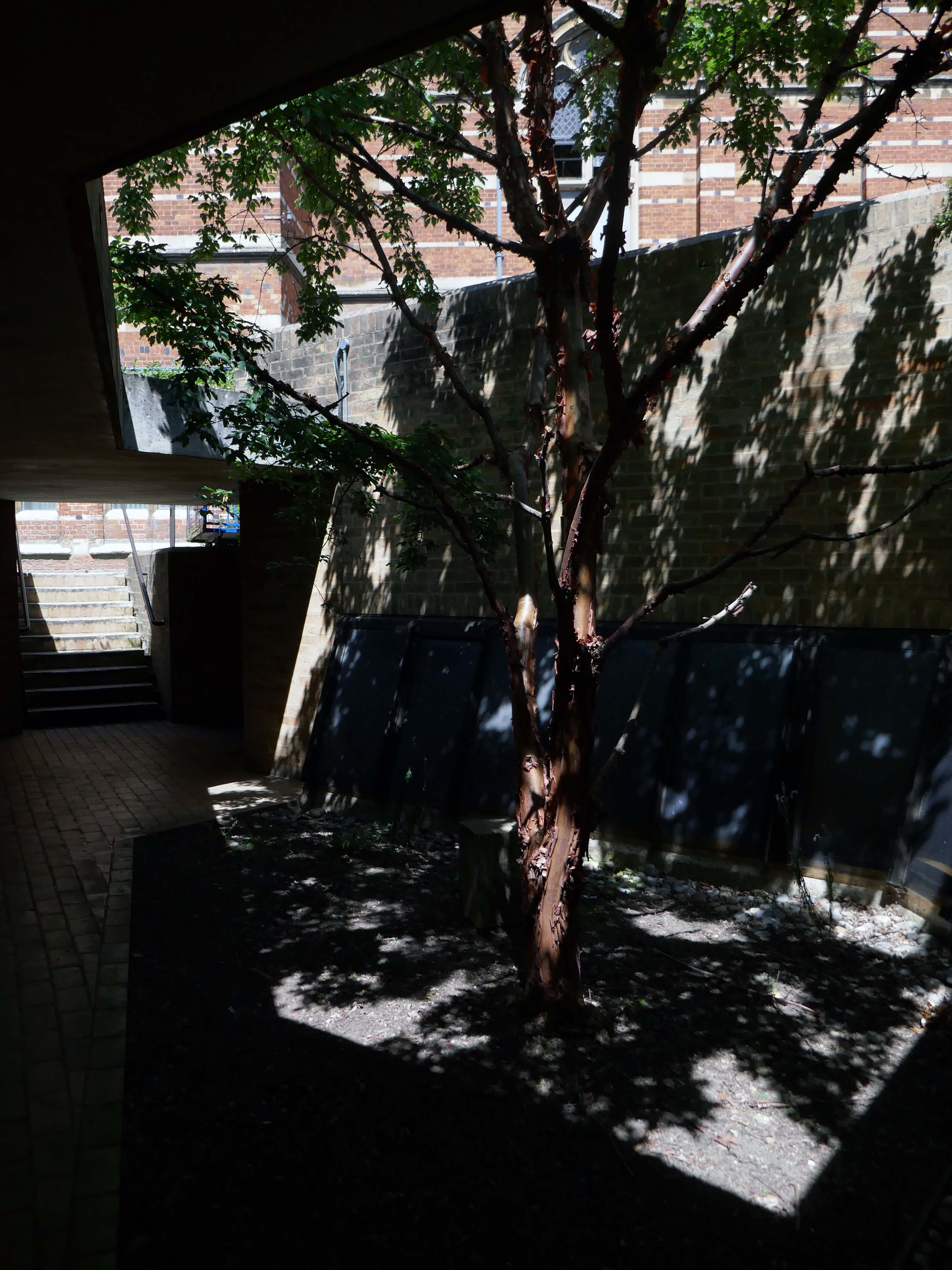
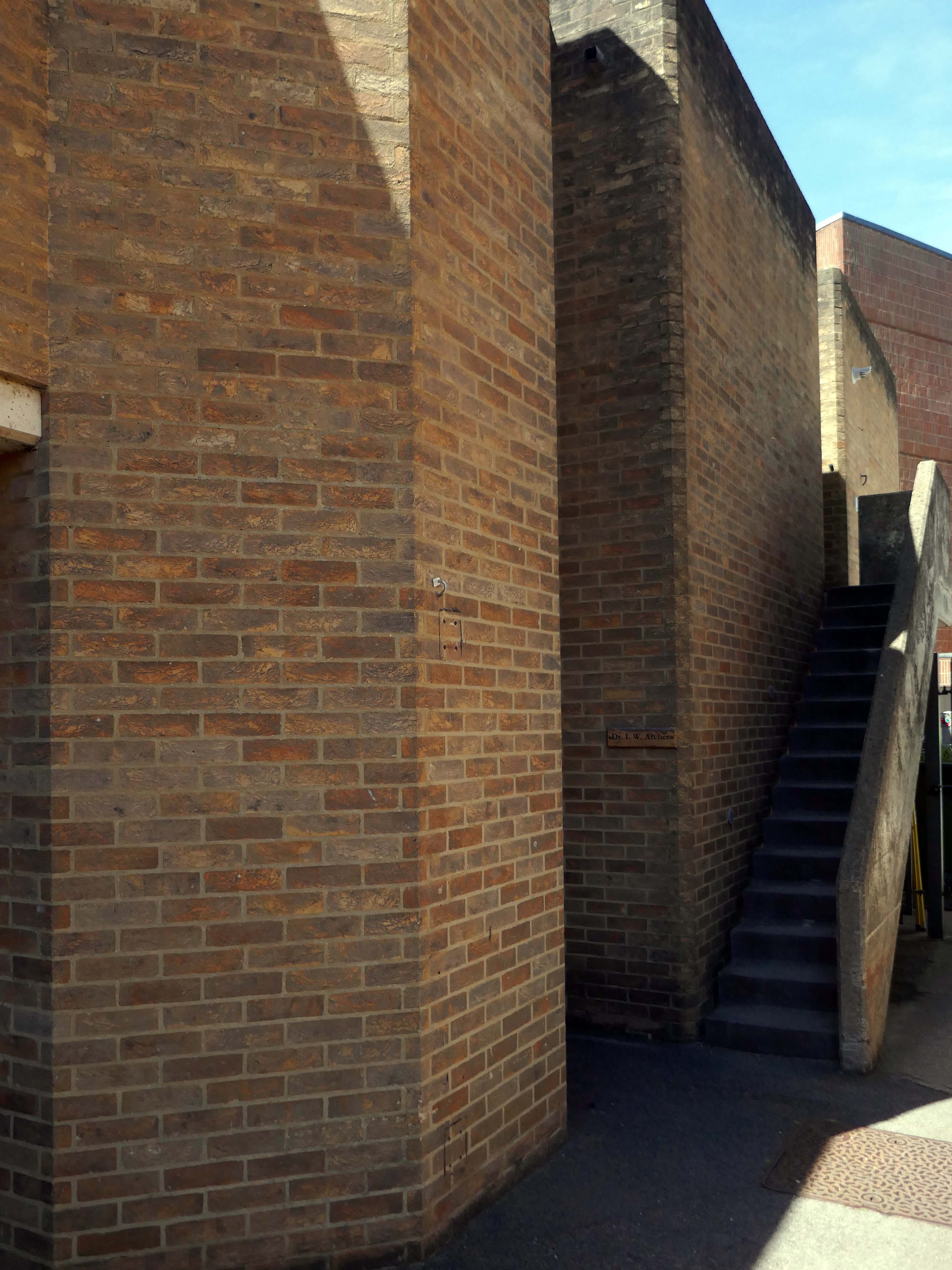
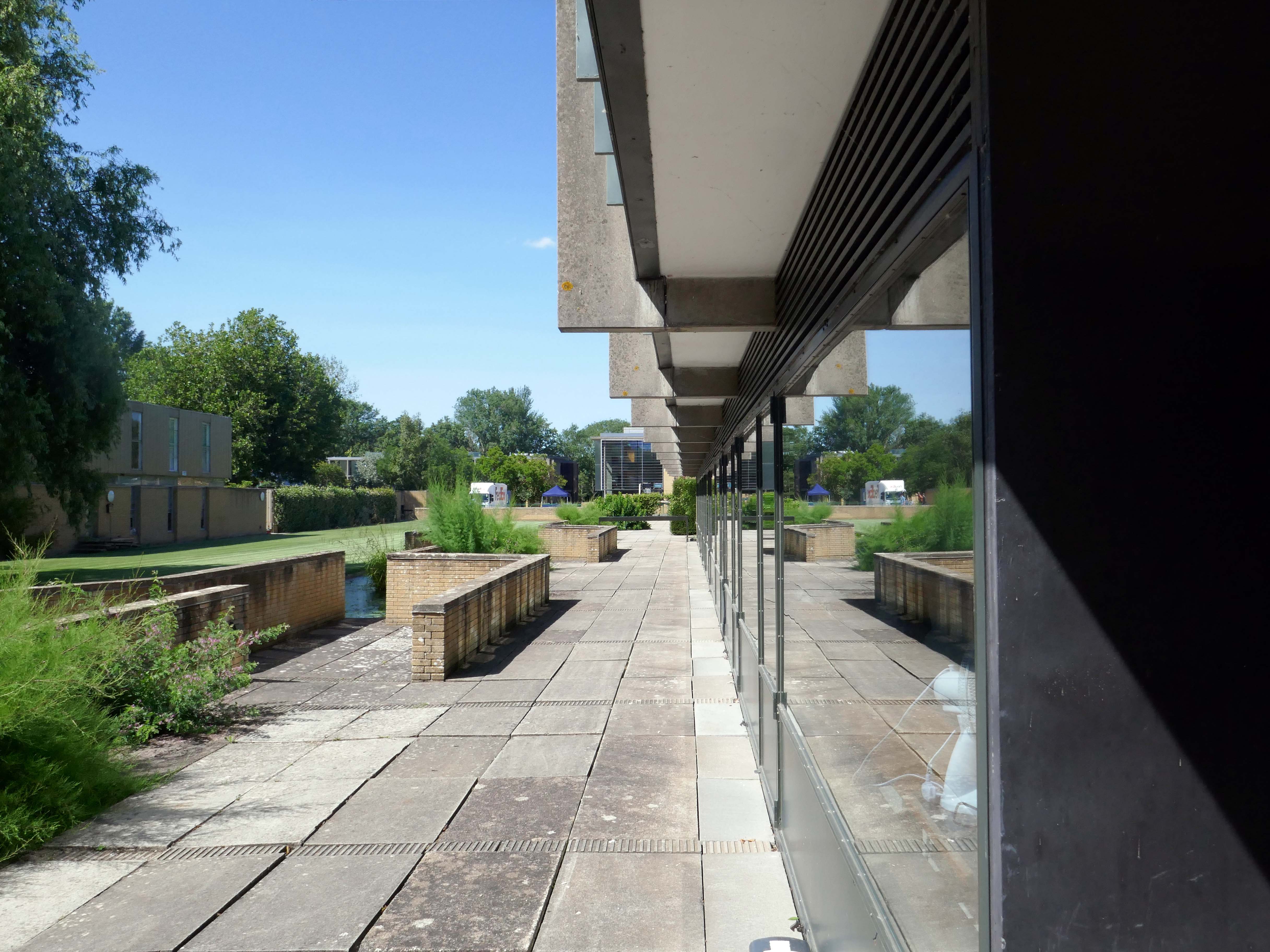
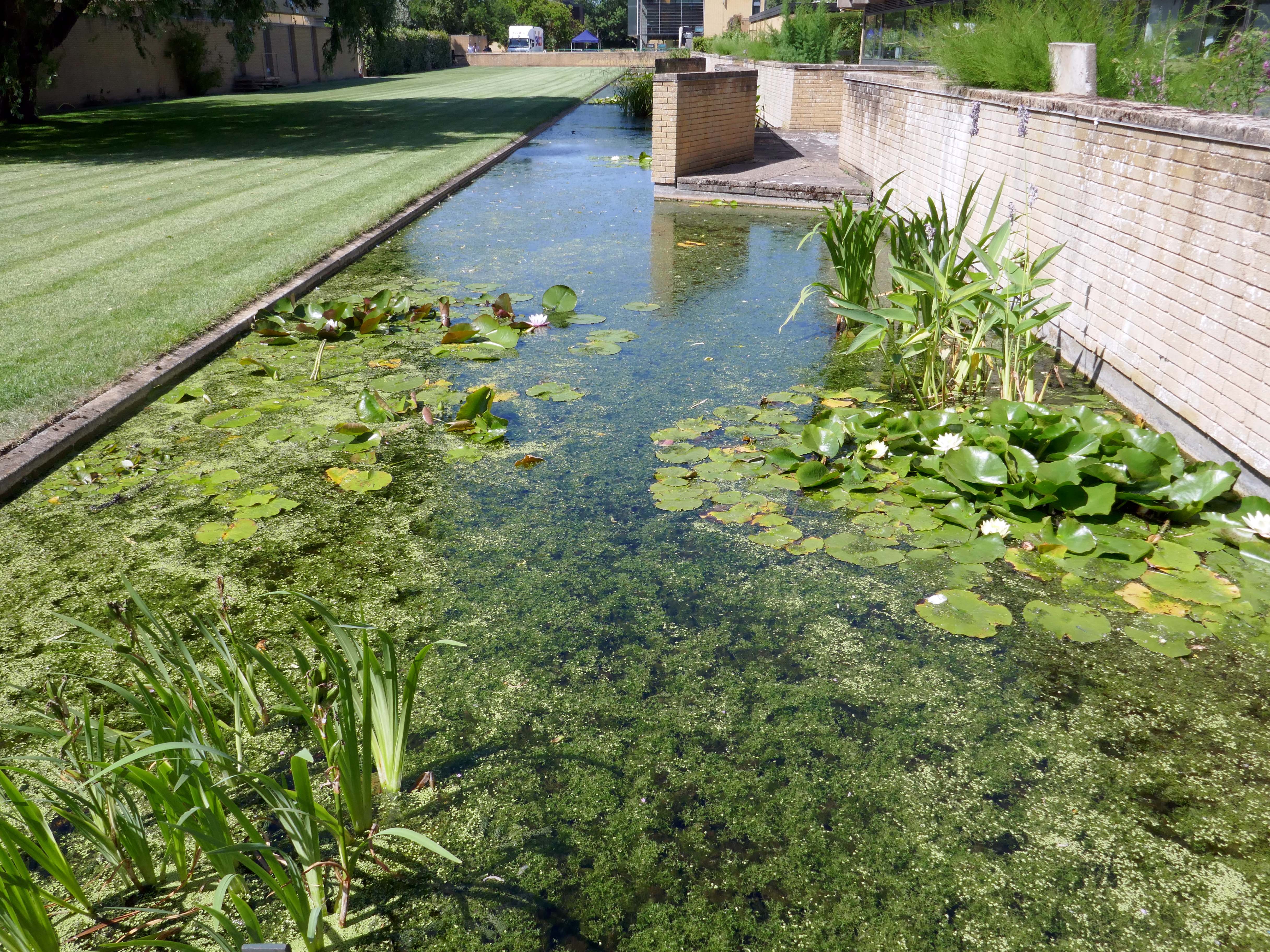
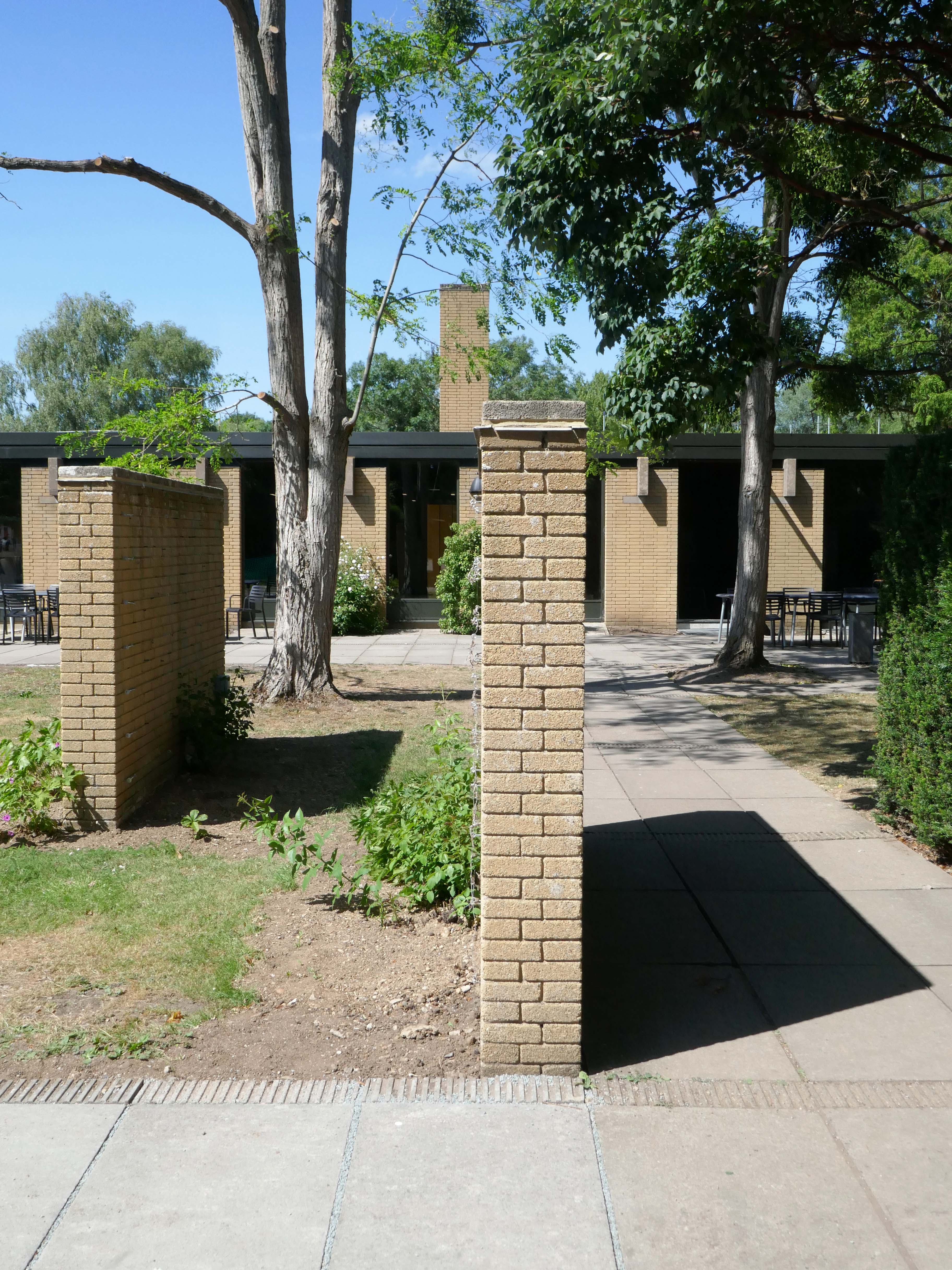
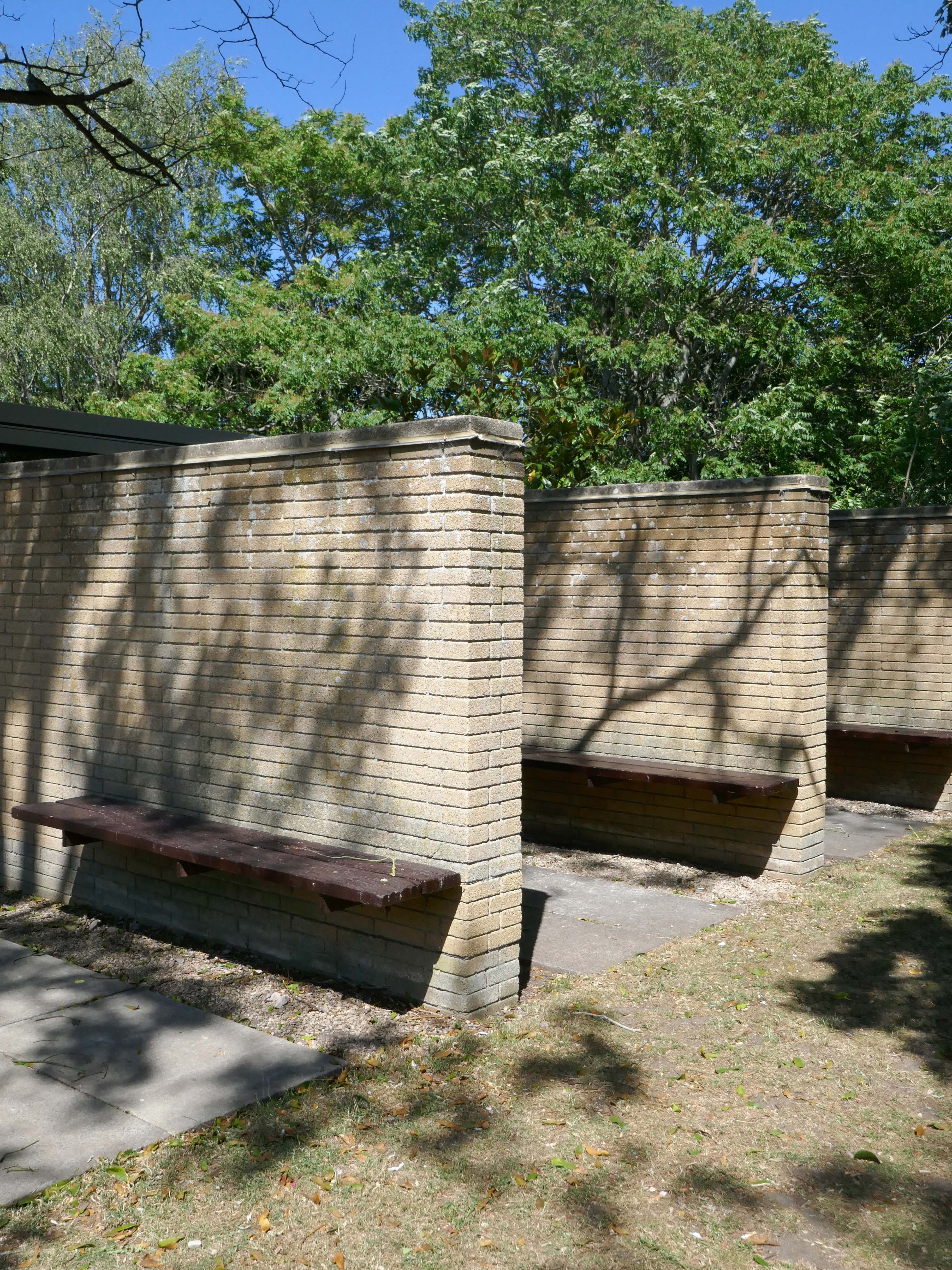
In 1956, with University considering plans for expansion, Alan Bullock obtained approval to transform St Catherine’s Society into a fully residential college – the search for a site and funding began.
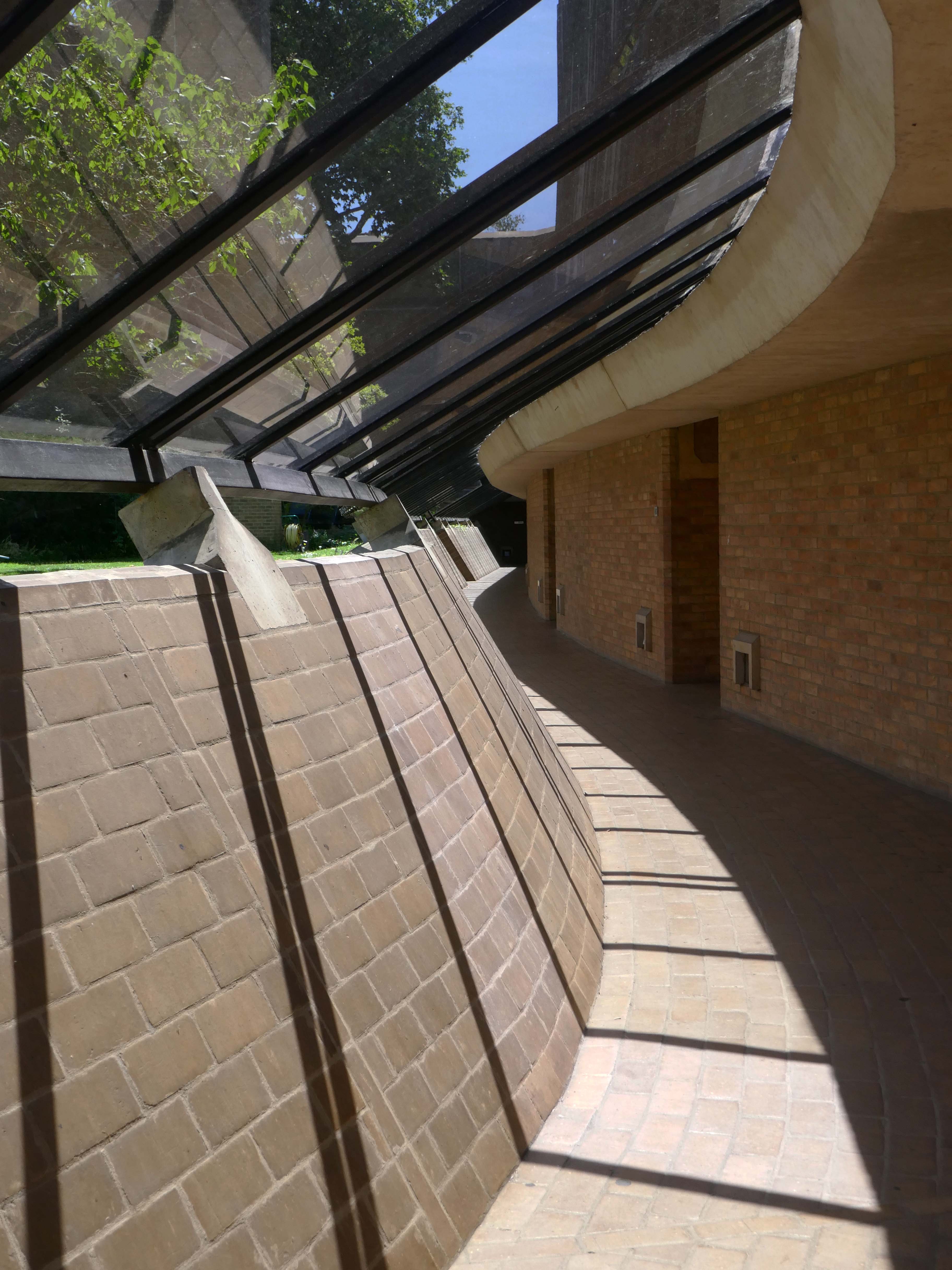
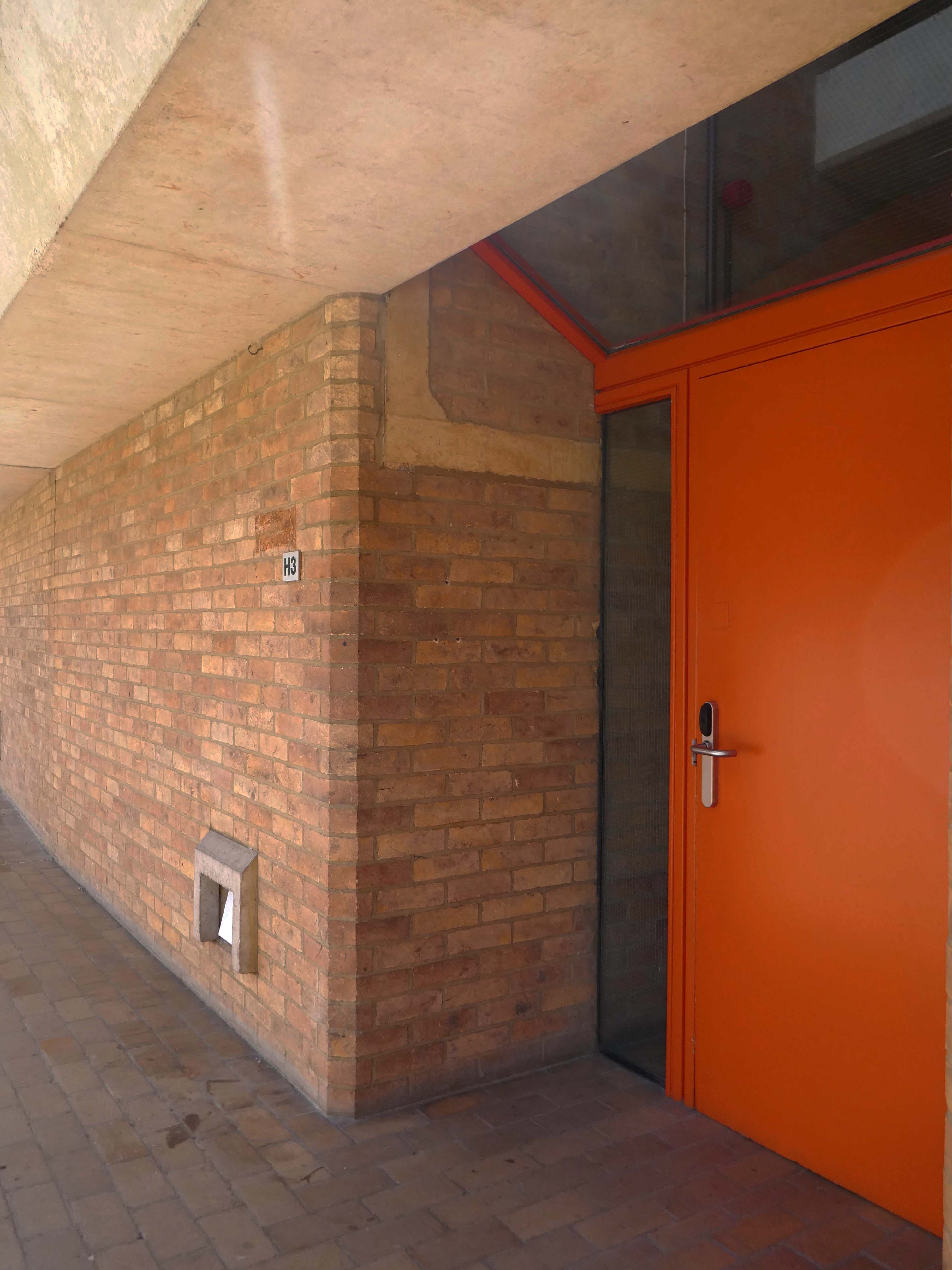
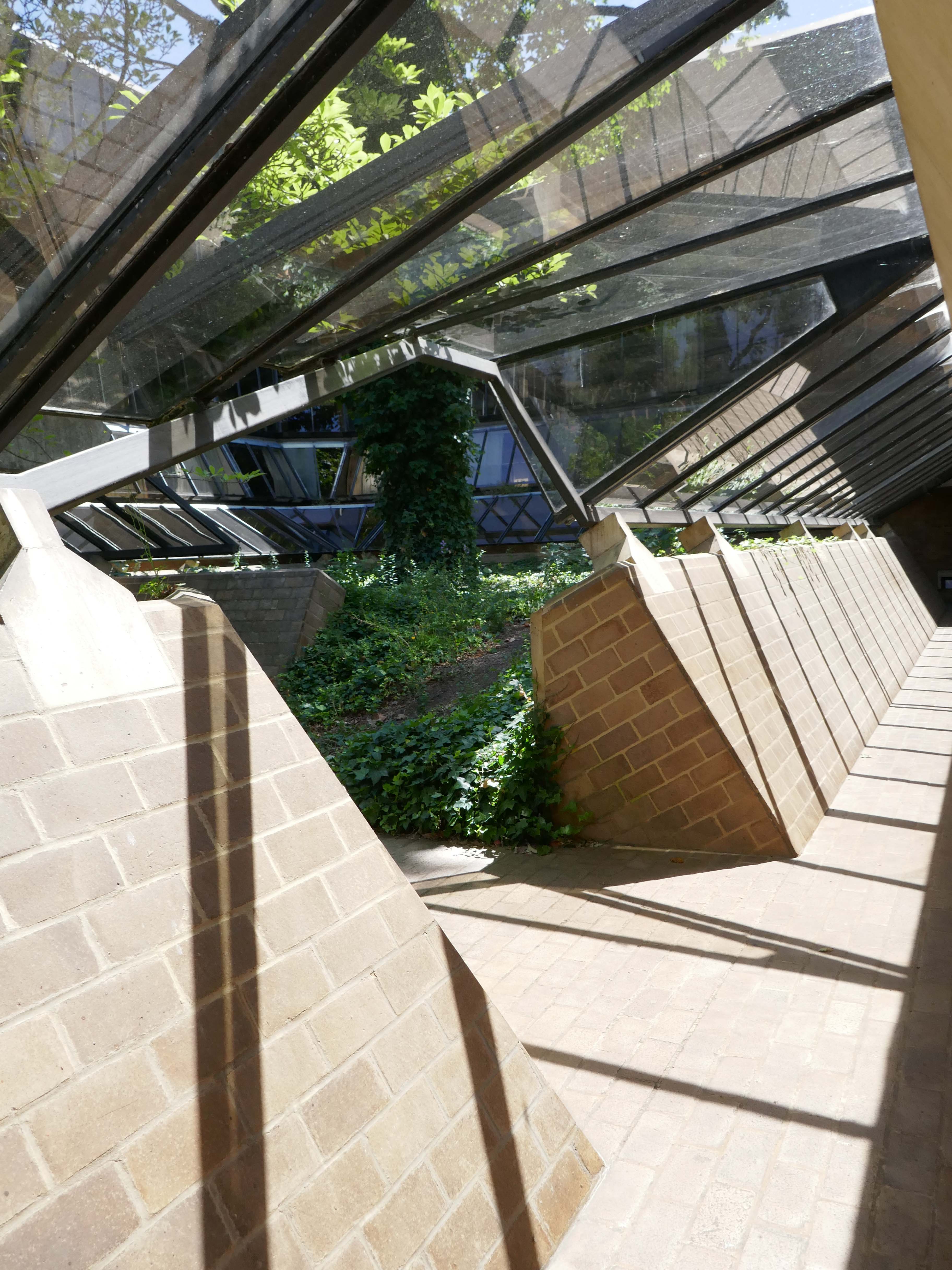
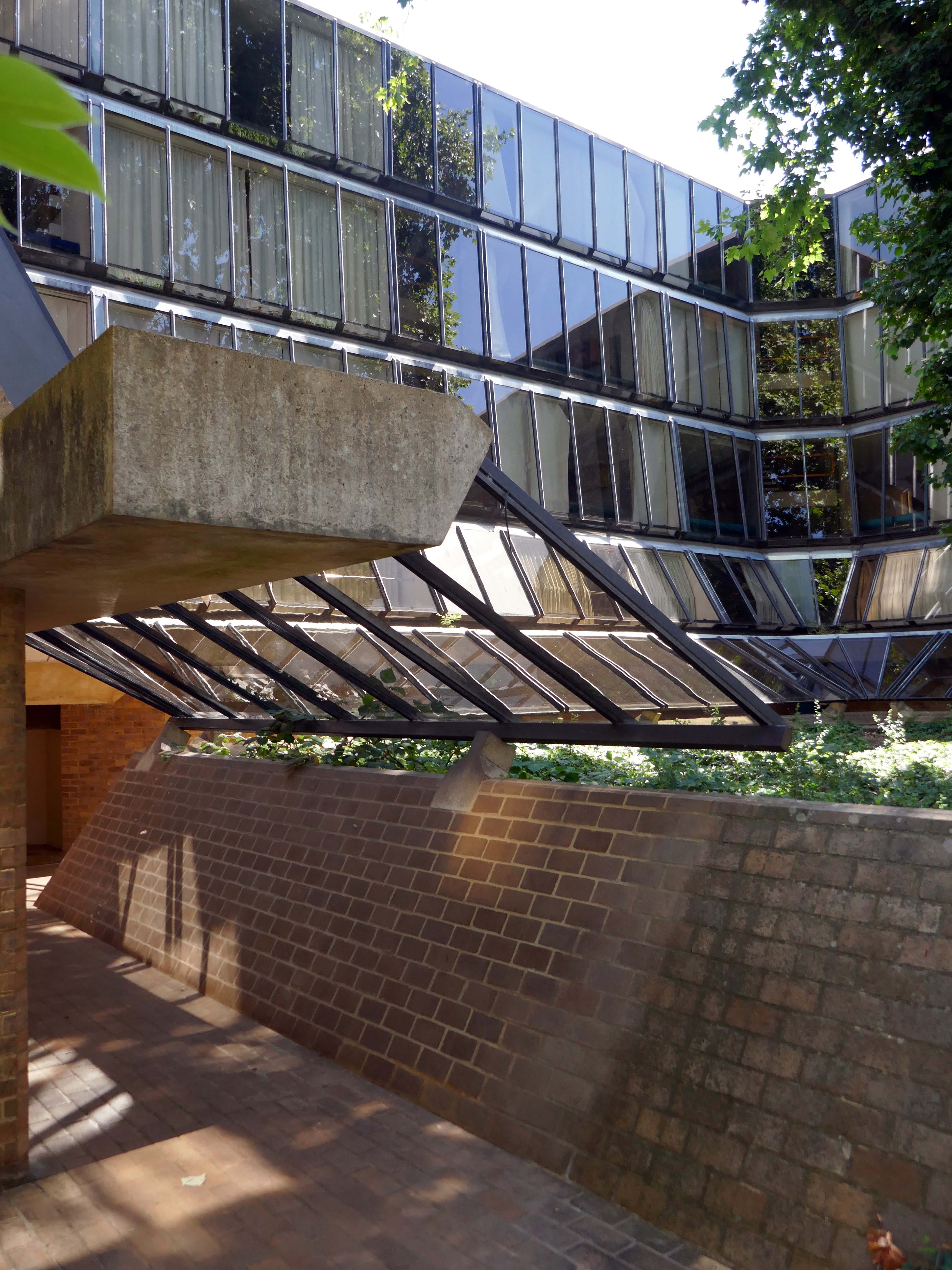
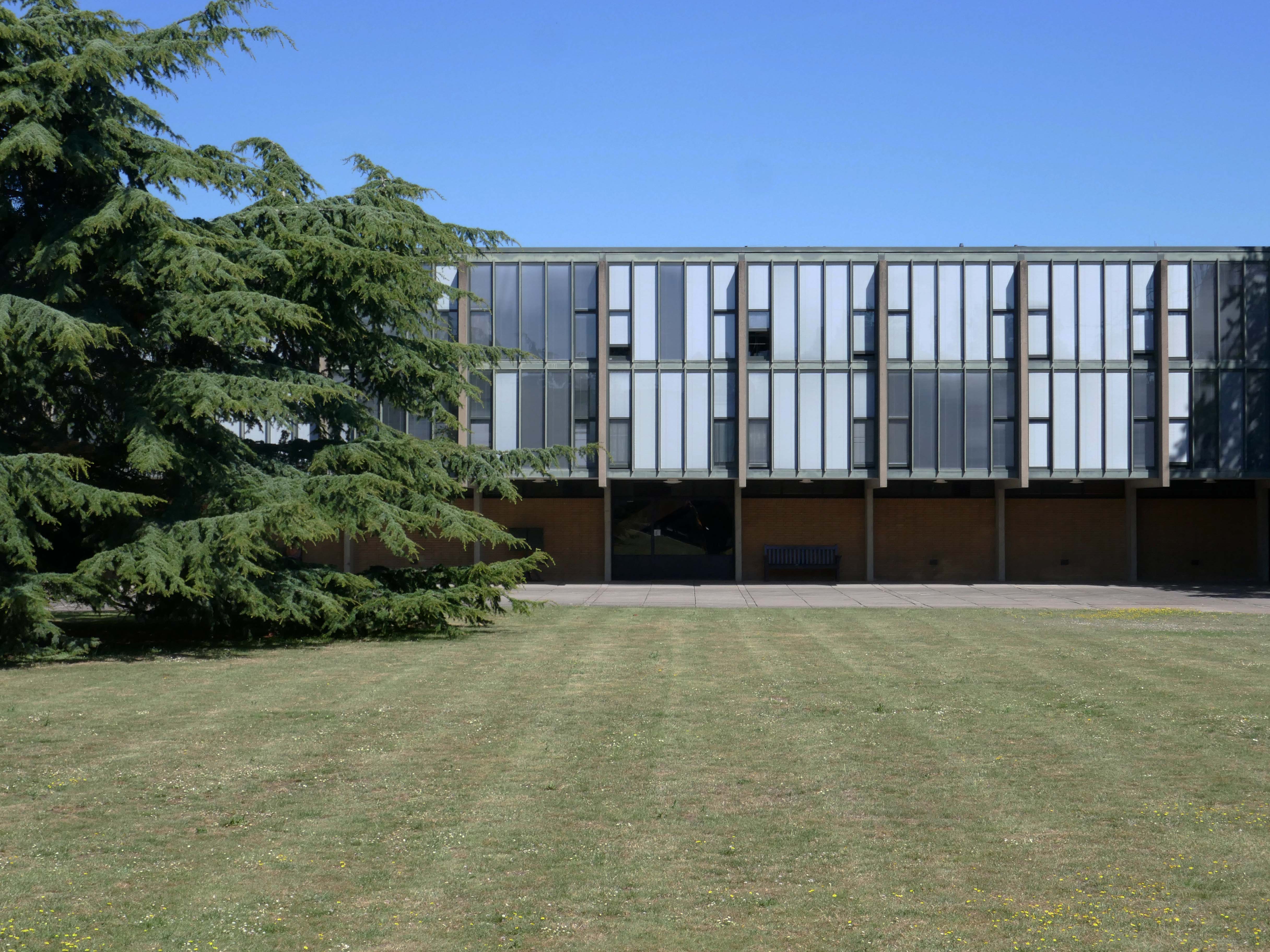
An ambitious fundraising campaign began, focusing on the national shortage of scientists and on Bullock’s proposal of an increased number of science students at St Catherine’s than was usual for an Oxford college. In 1960 almost eight acres of Holywell Great Meadow was acquired from Merton College and the College’s chosen architect, Arne Jacobsen of Denmark, began to implement his design. His modernist masterpiece was to become the most important 20th-century collegiate buildings in Oxford, and is now Grade I listed.
In 1962 St Catherine’s College opened its doors – while still under construction, with Alan Bullock as its Master. The first undergraduates were admitted, and were quickly dubbed the ‘Dirty Thirty’ owing to the lack of running hot water. 1964 saw the ceremonial opening of the College by the then Chancellor of the University, Harold Macmillan, and ten years later in 1974, staying true to its forward-looking ethos, it became one of the first colleges to admit women.
As a footnote – it’s possibly not a great idea to rush around an unfamiliar city trying to snap as much as possible on a very hot day time limited by budget train bookings largely underfed and thirsty.
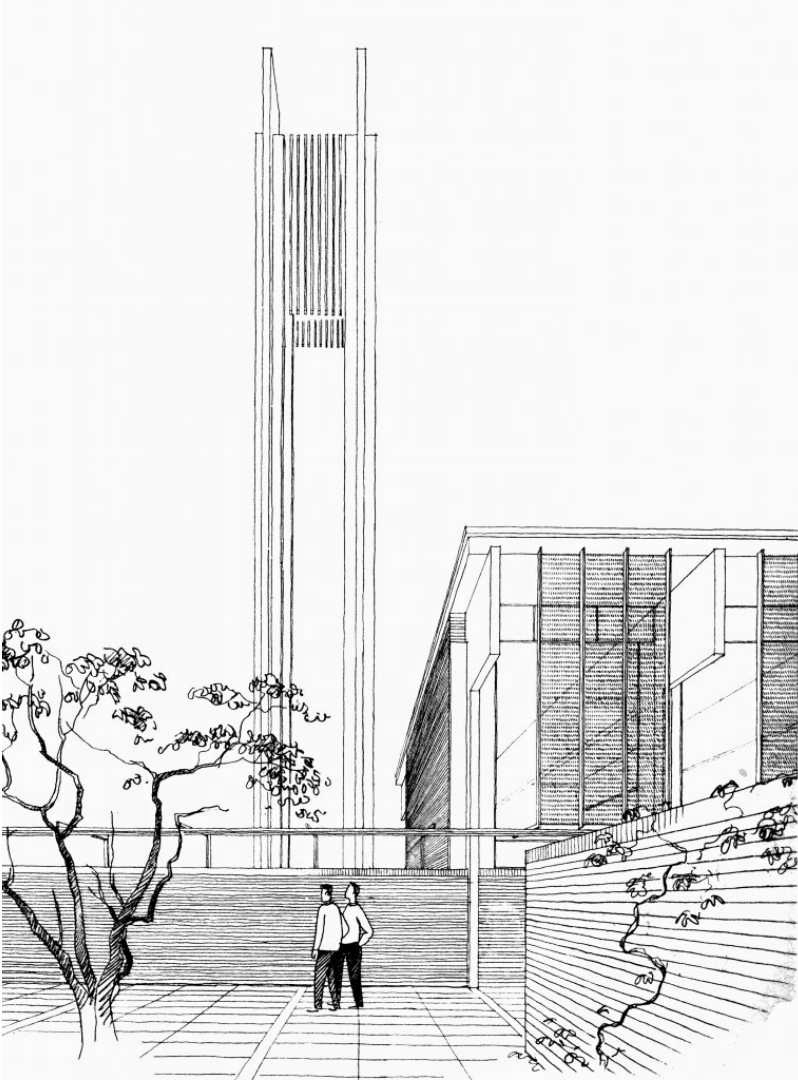
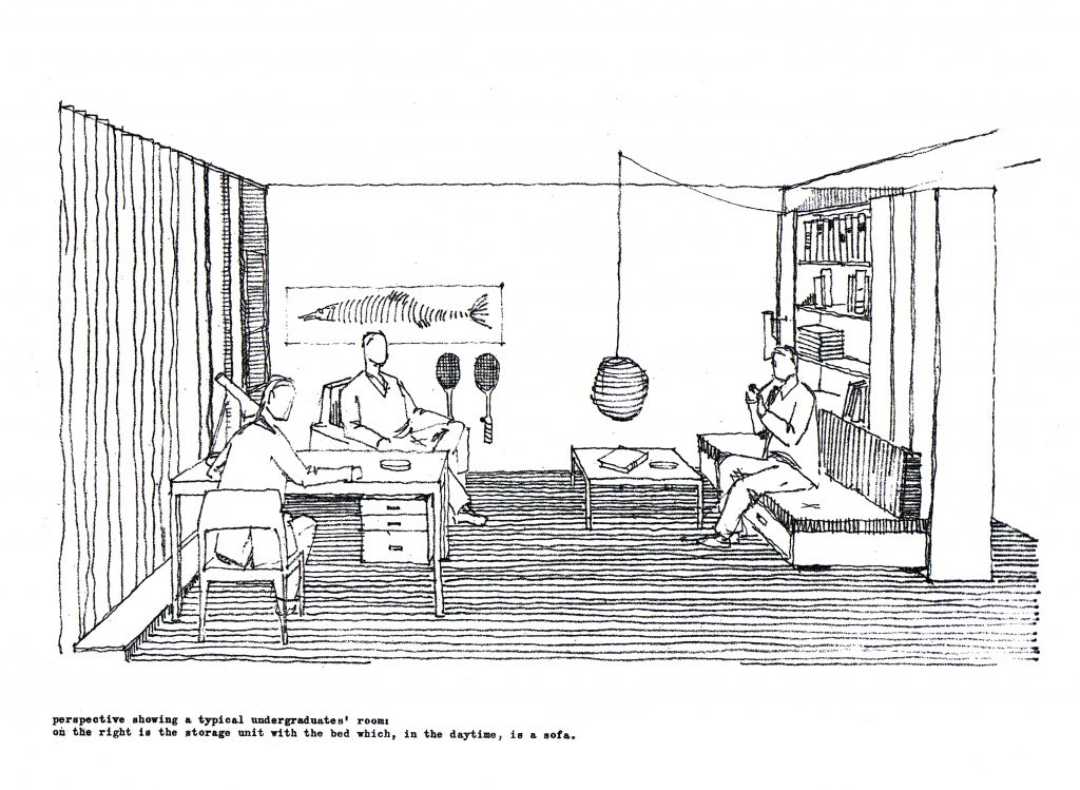
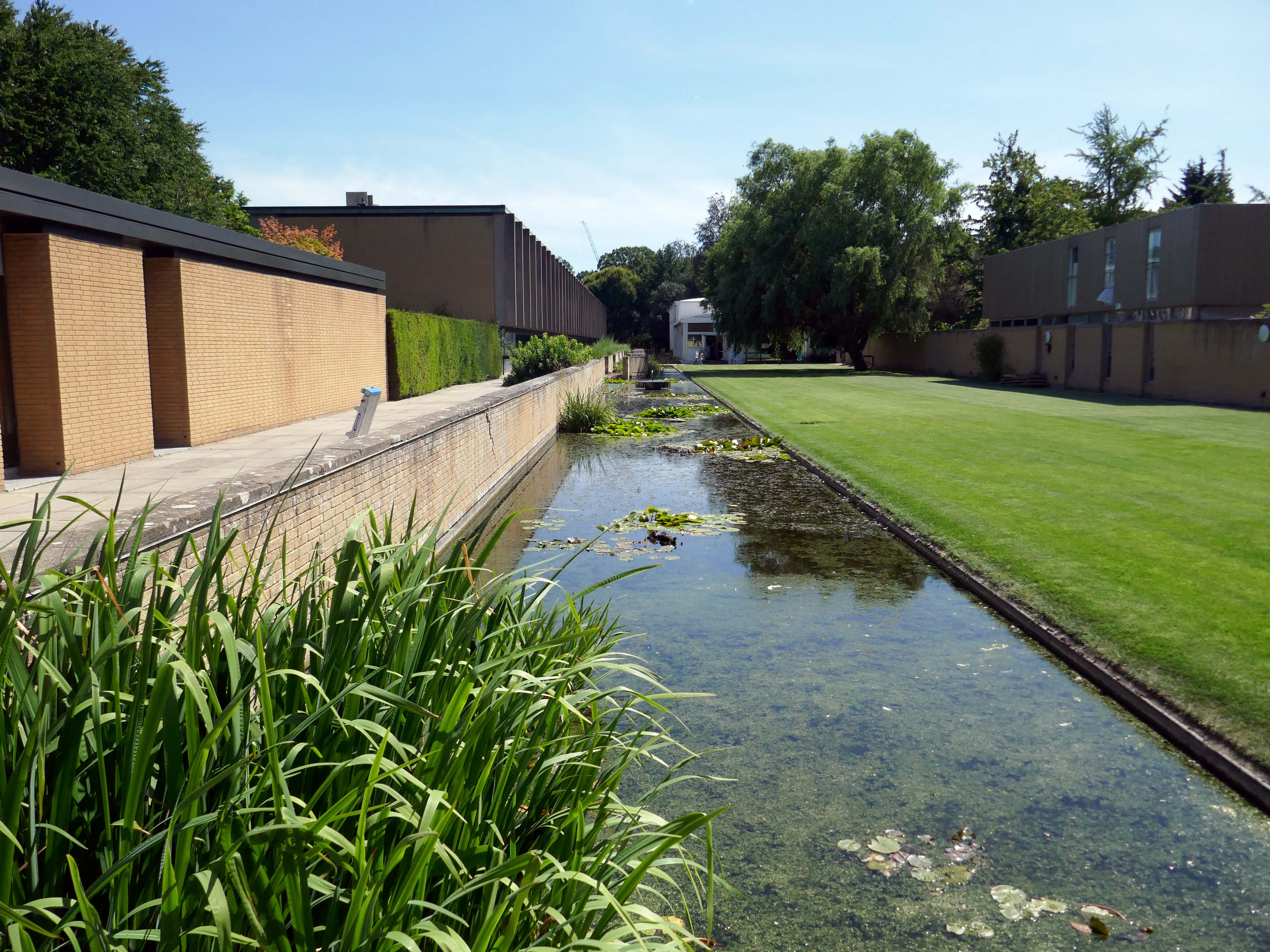
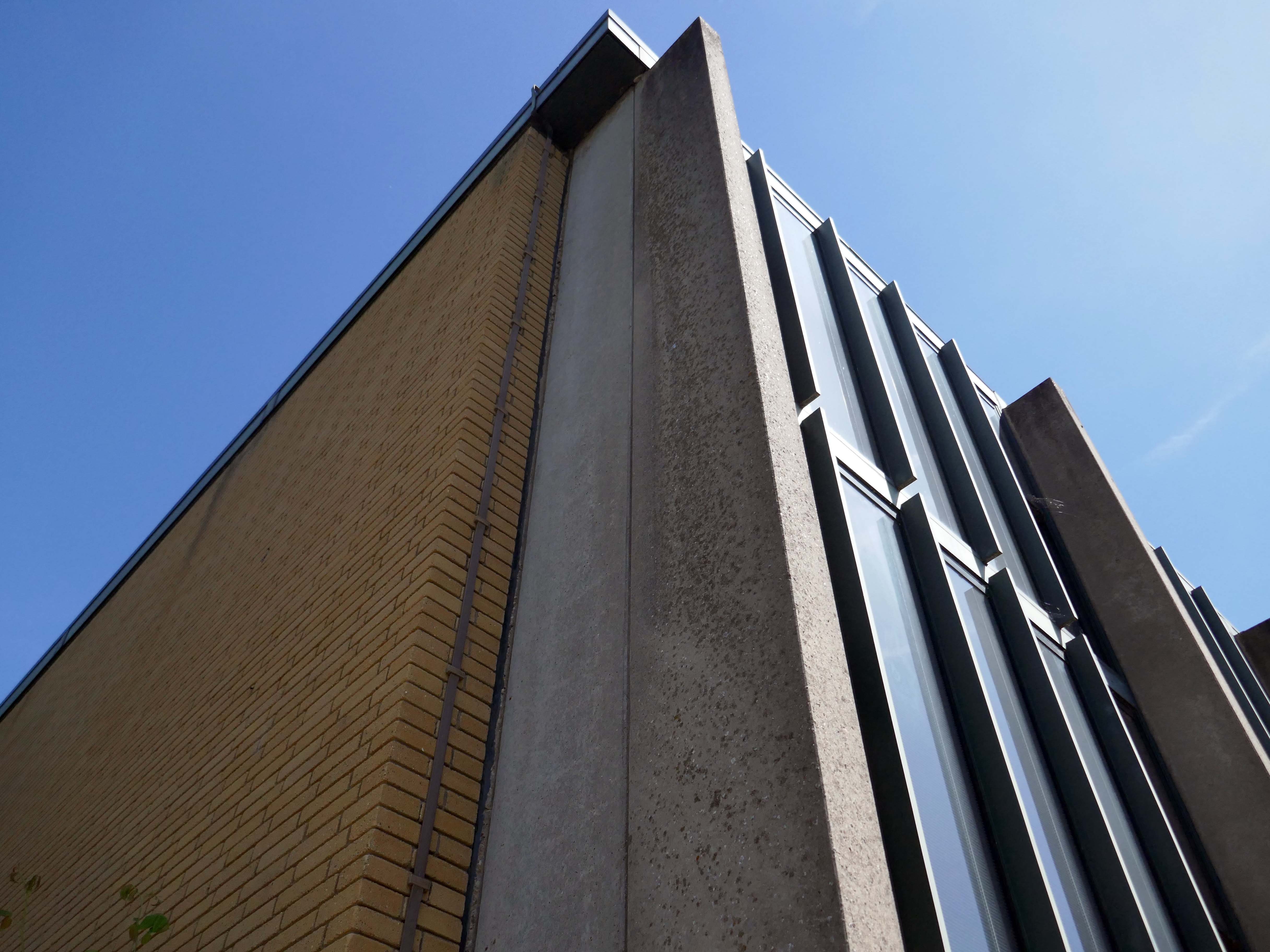
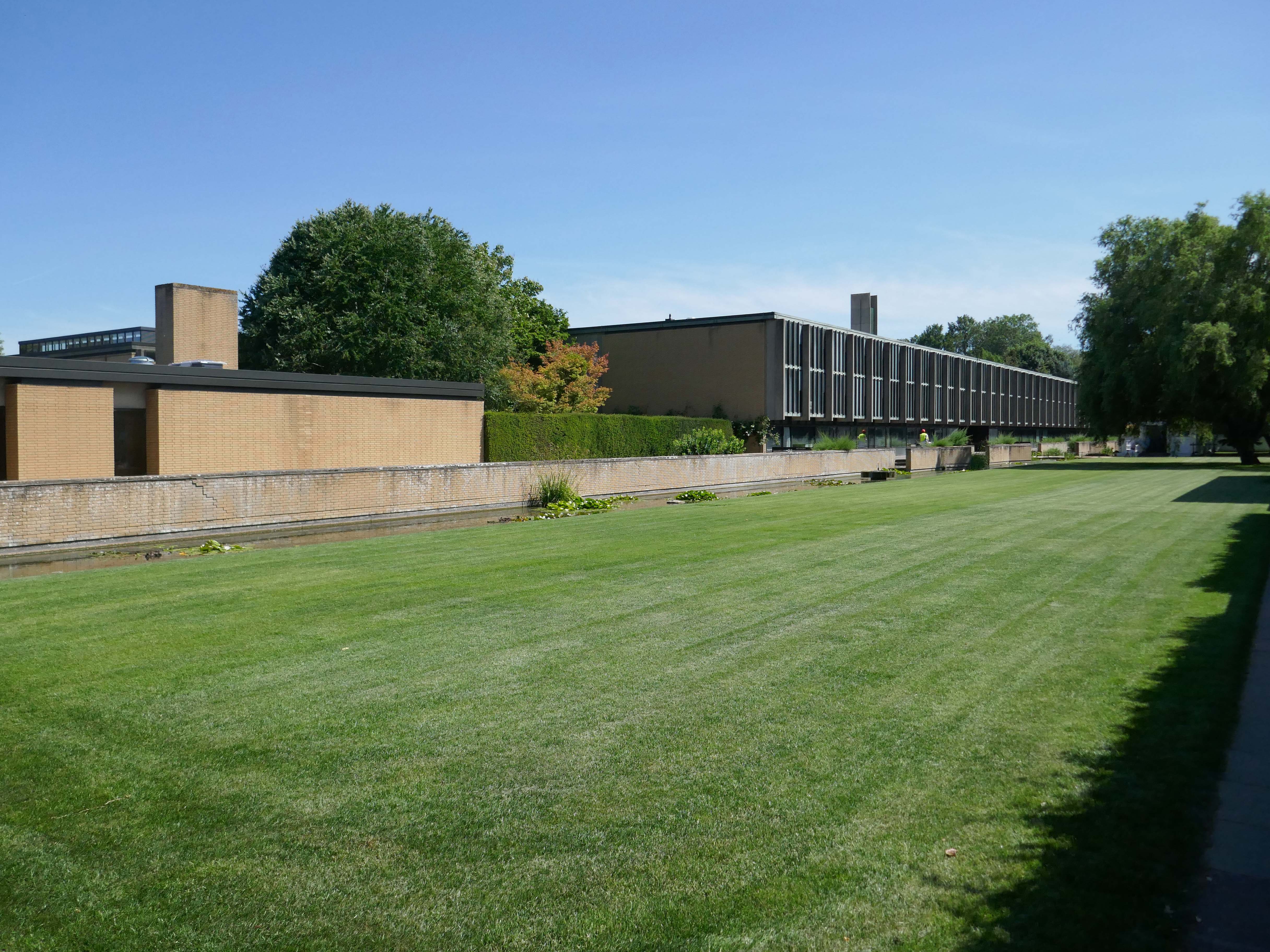
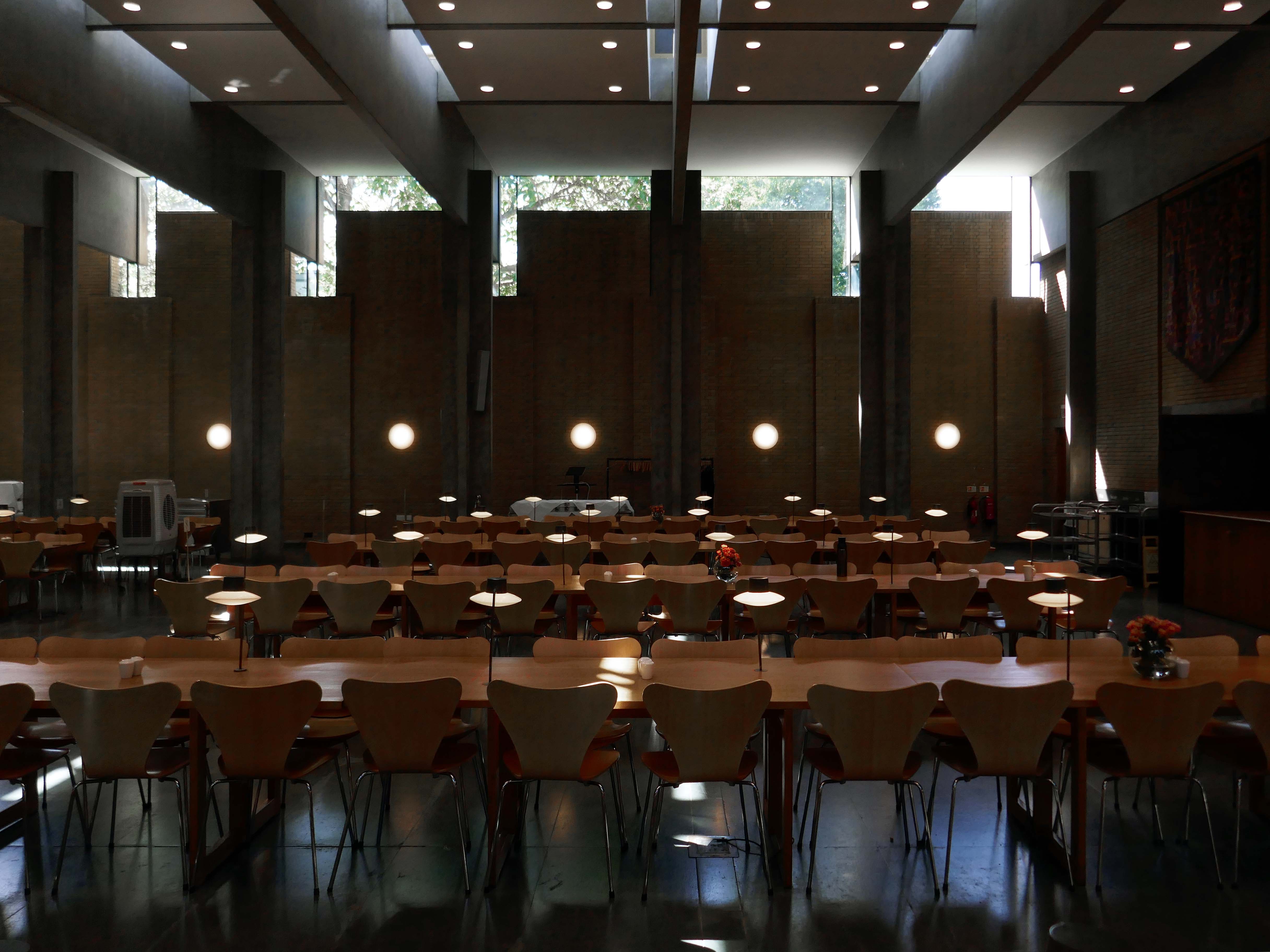
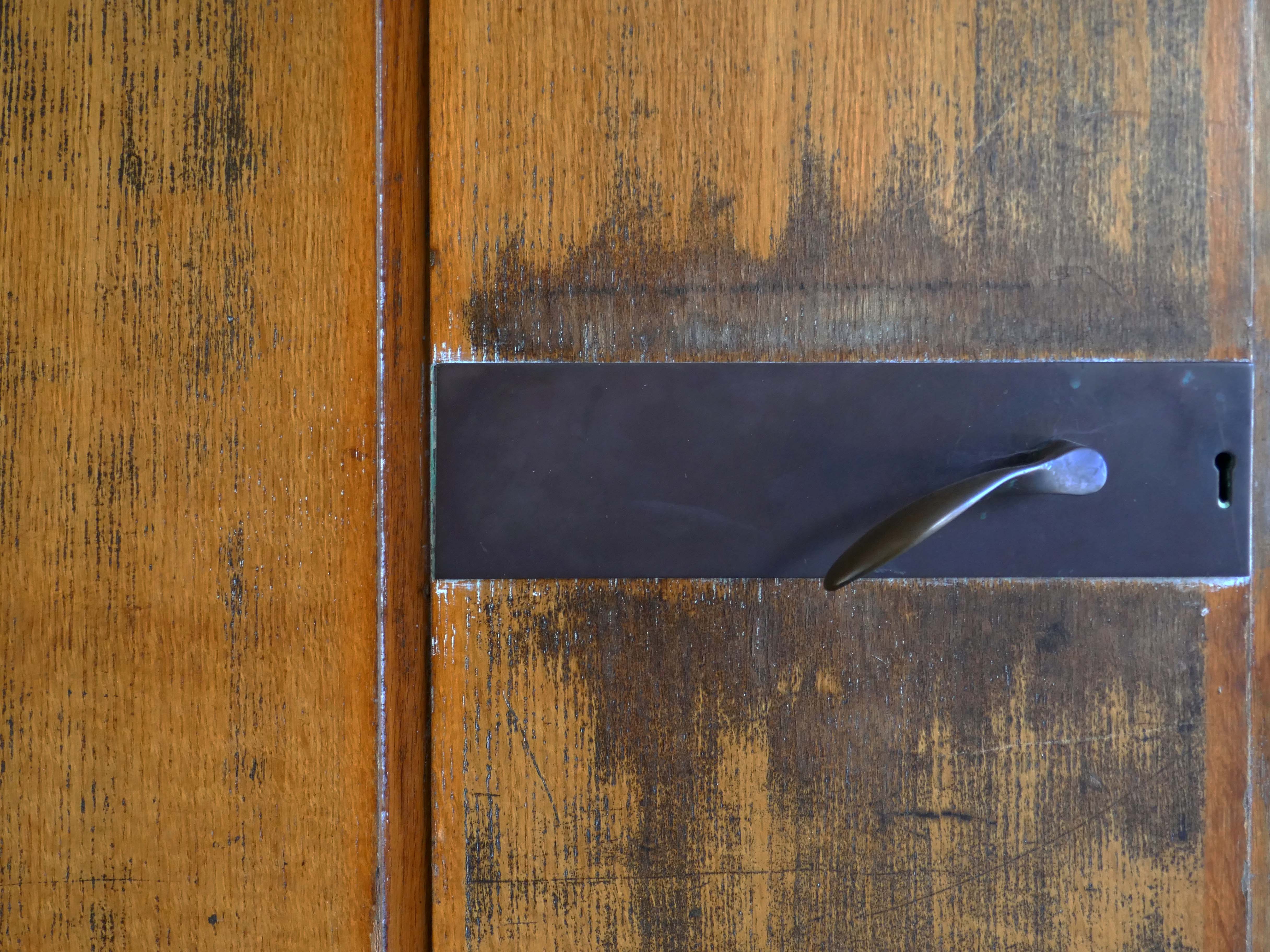
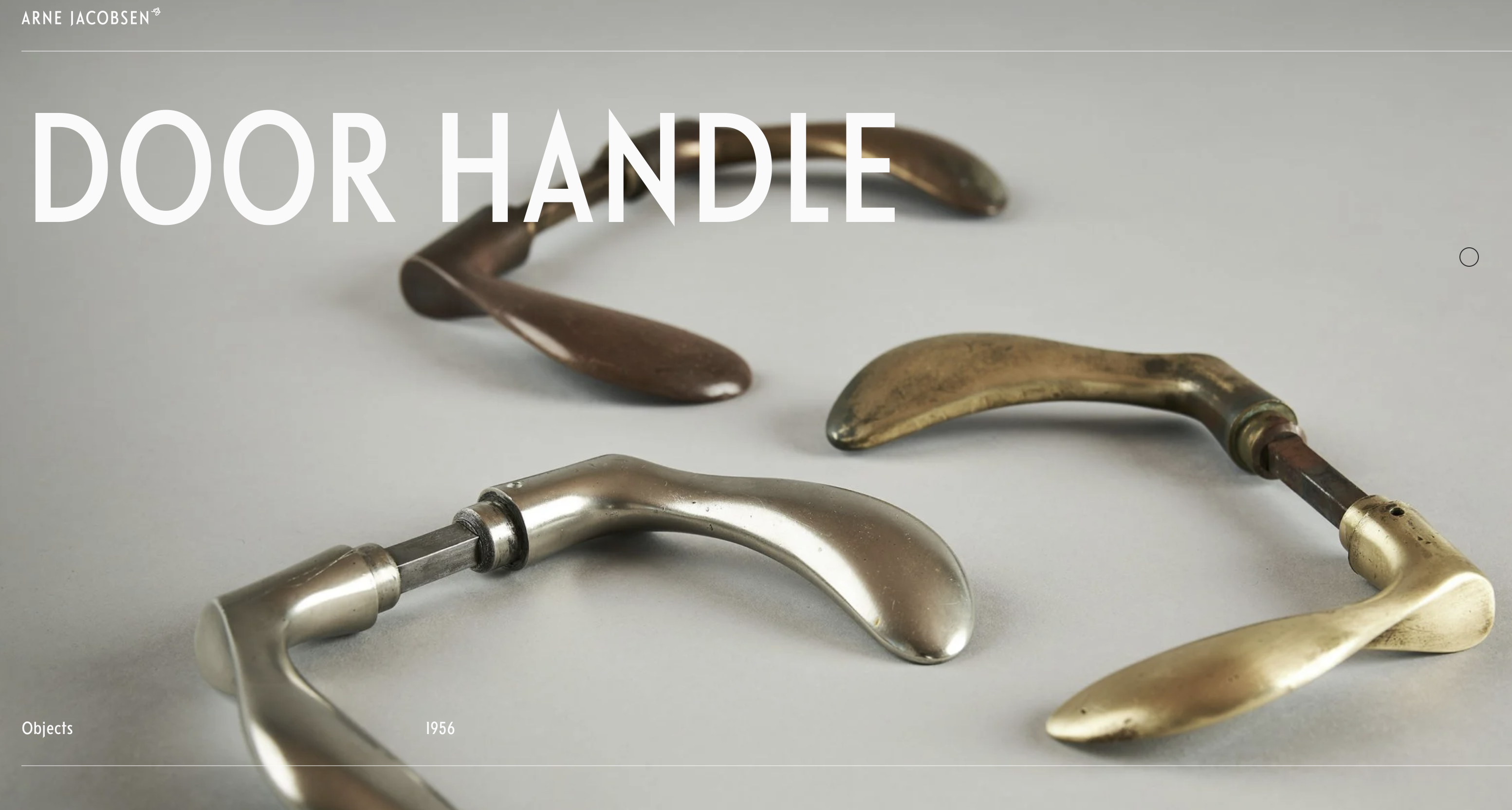
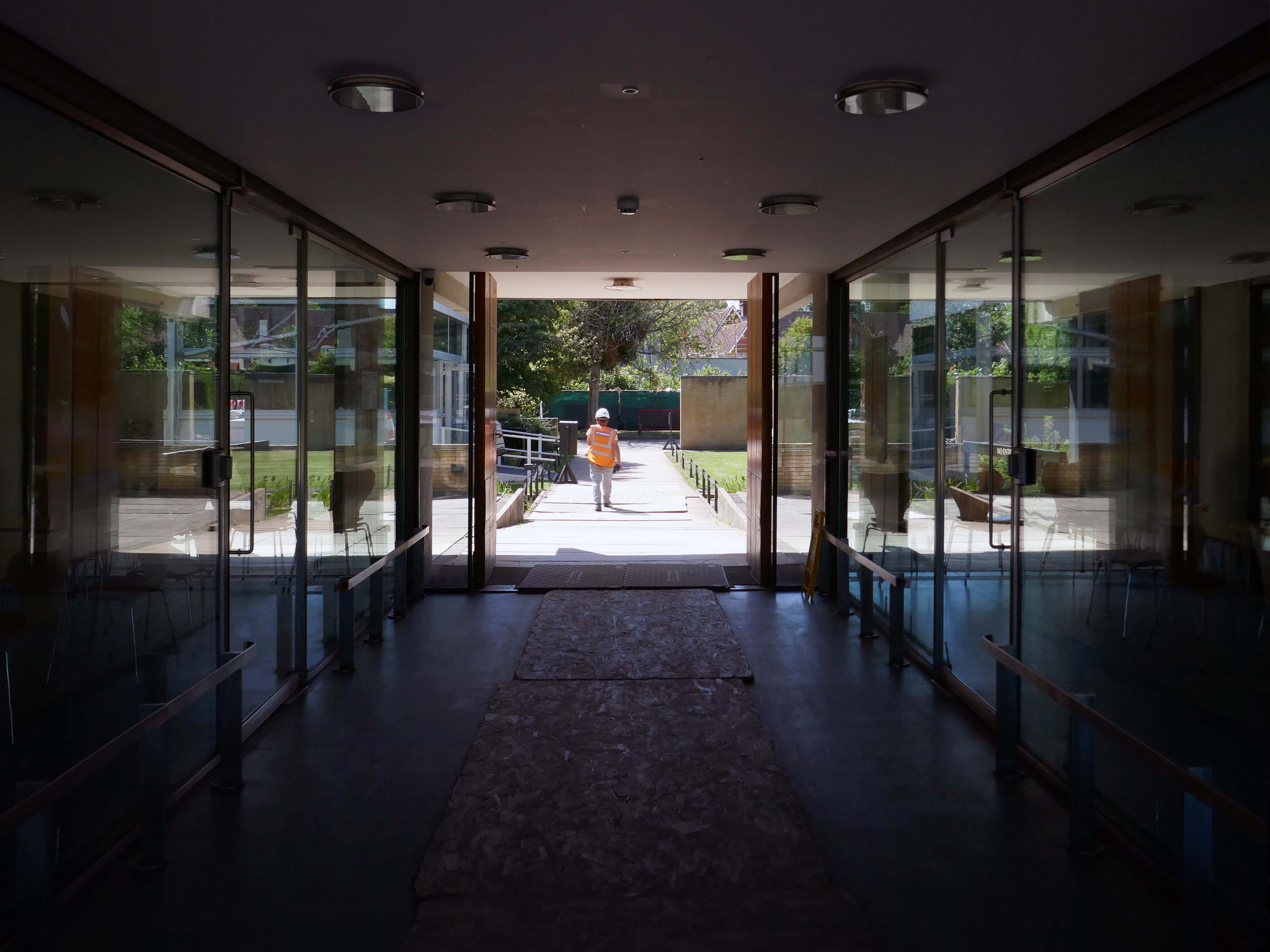
St Catherine’s College: 1961-66. Arne Jacobsen – Grade I Listed
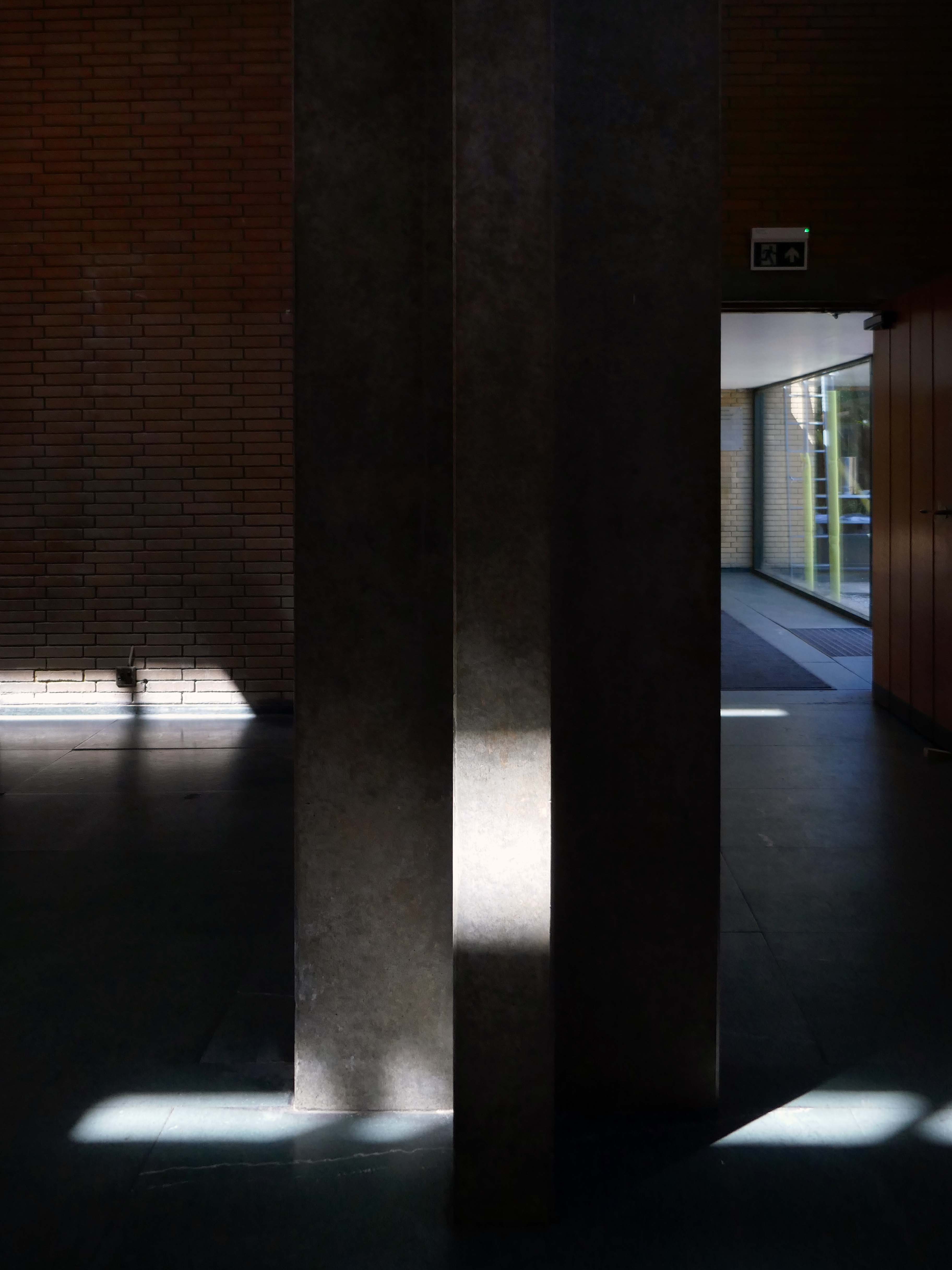
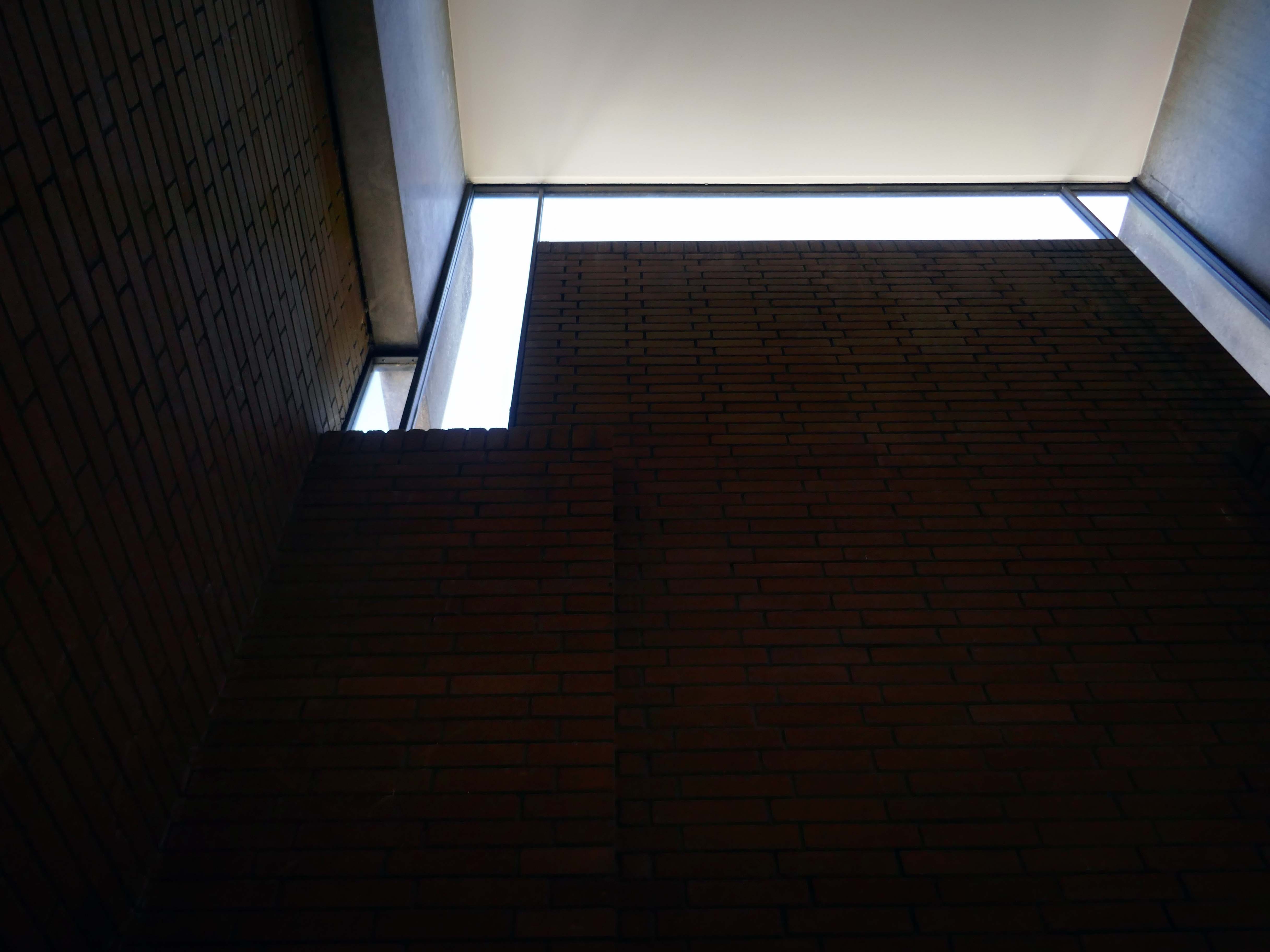
Podium and all buildings upon it. GV I College buildings, raised on a podium, including dining hall, common room blocks; two residential blocks; library; Bernard Sunley Lecture Theatre; bell tower; piers and covering to walkways to east and west of library and east and west of hall; bridge adjoining west side of podium; brick walls enclosing canal and patio areas on western edge of podium; brick walls to patio areas to eastern edge of podium; twenty five short stretches of garden wall all running east-west, some incorporating seats; paving to podium surface and steps to east and south sides.
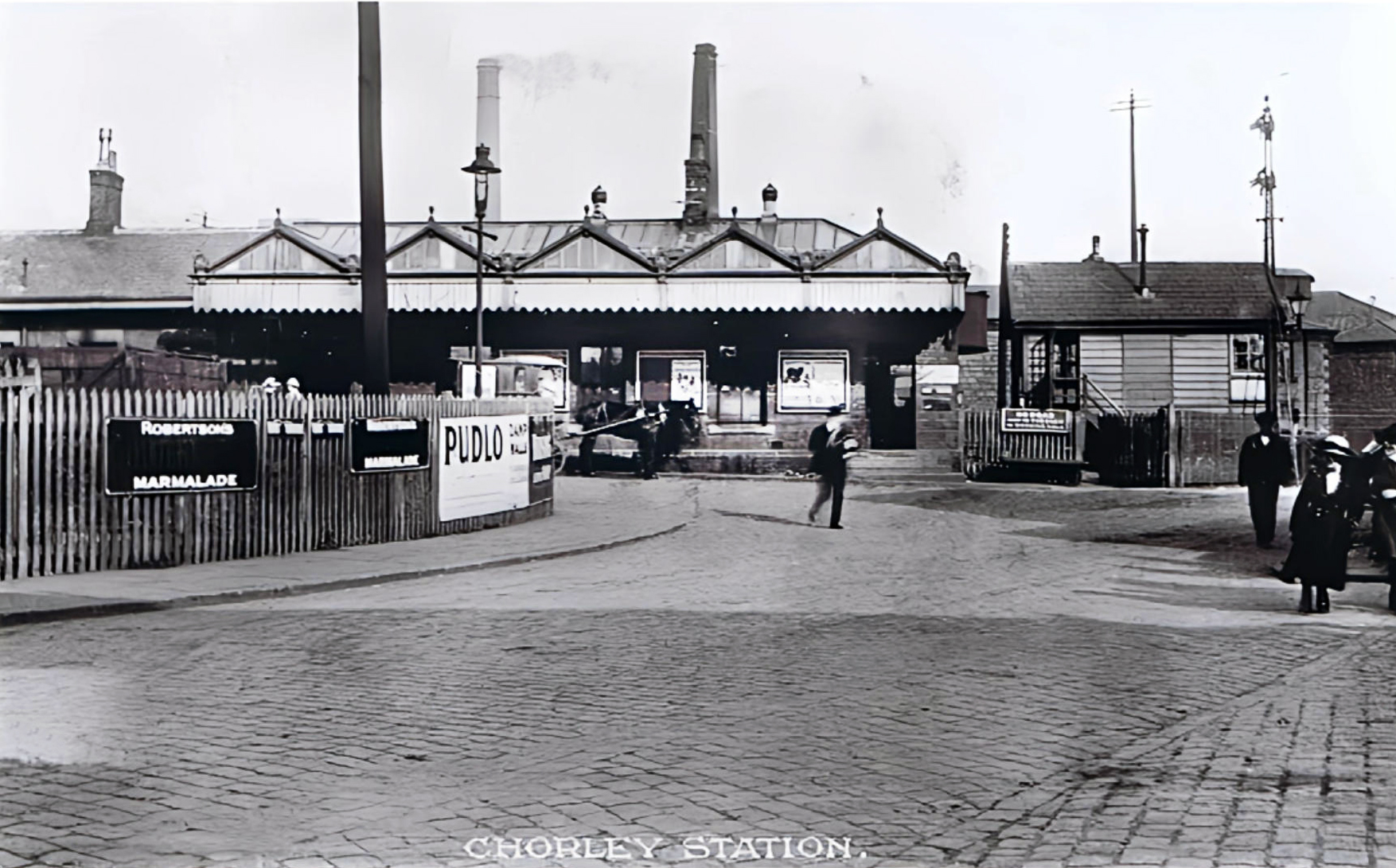
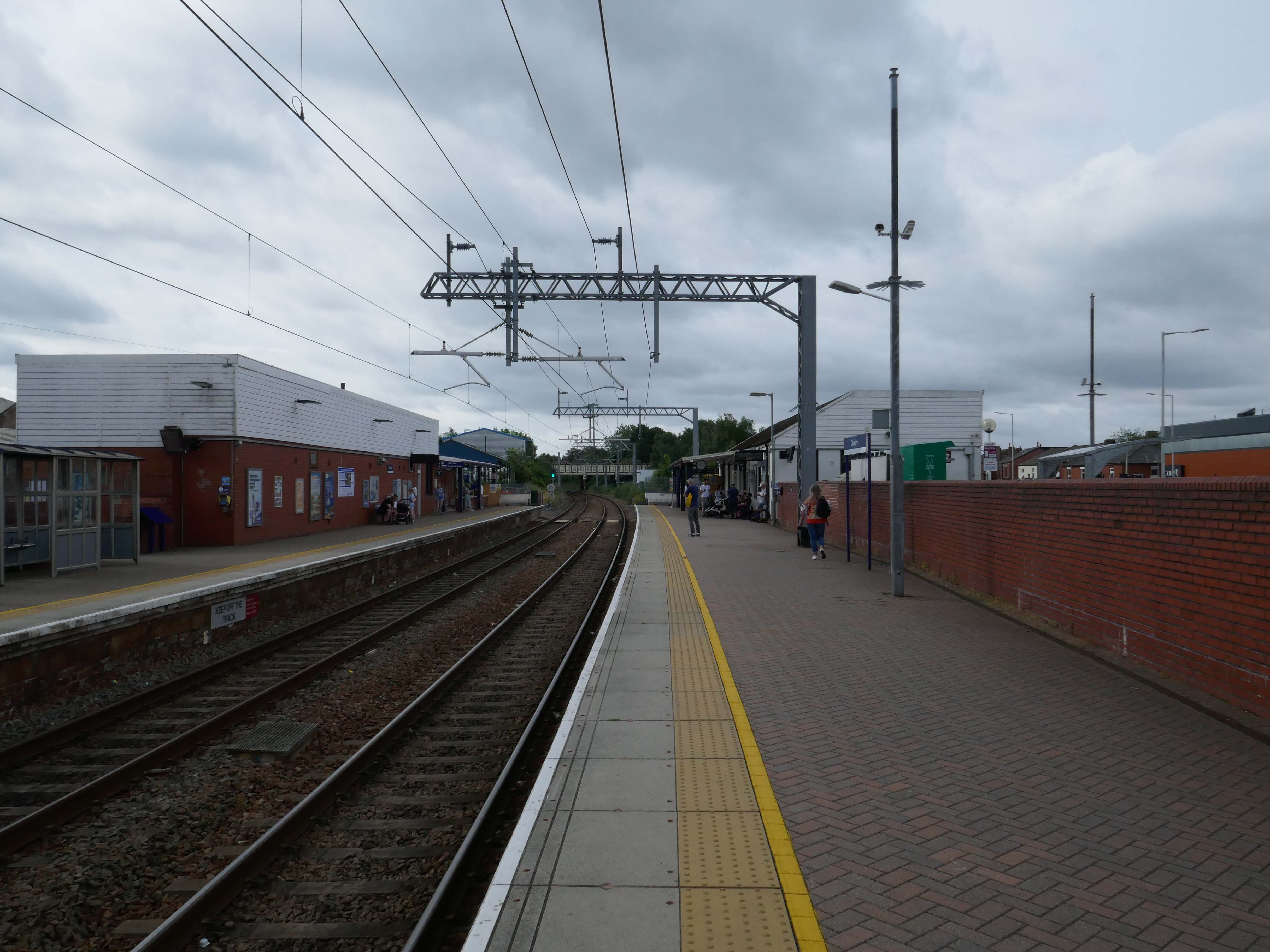
The current railway station is a modern version from the 1980s that was built on top of the original station – it is entirely functional, but more than somewhat undistinguished.
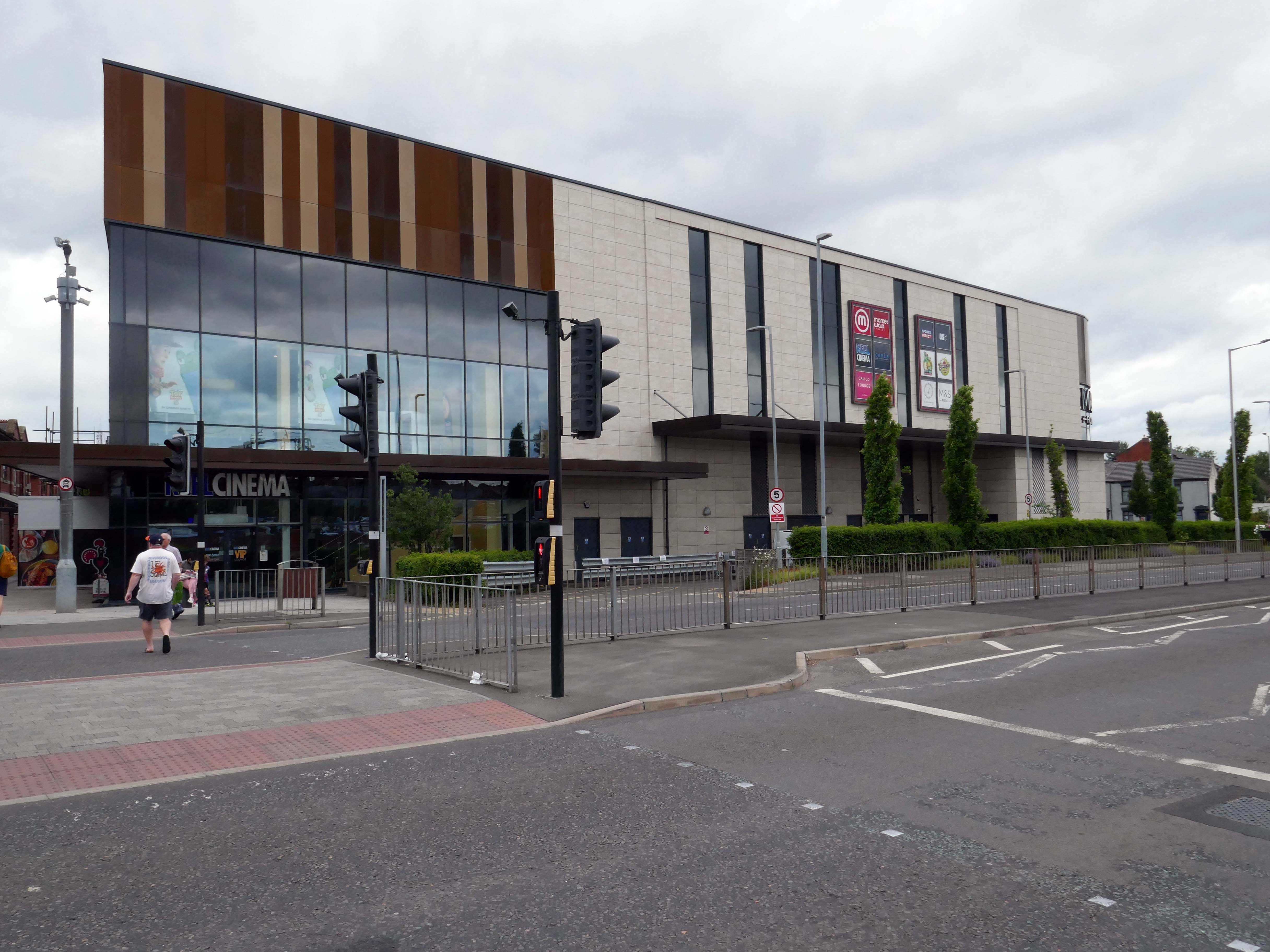
Whether it’s fashion, gifts, everyday essentials or an entertaining day out that you’re after, Market Walk has it all. With over thirty shops along an outdoor parade, plus entertainment and hospitality venues, there’s something for everyone.
AEW Architects were appointed by Chorley Council in 2015 as Architects for the Market Walk Scheme.
The Council’s aspiration was to breathe life back into the town centre by enhancing Chorley’s retail and leisure offer and refocusing Chorley’s centre as a destination for local residents and surrounding towns. The development needed to entice new, and retain existing, businesses in the town. Aesthetically, the development also needed to be a landmark for, and create a modern gateway into, the town – driving footfall towards Chorley’s commercial centre.
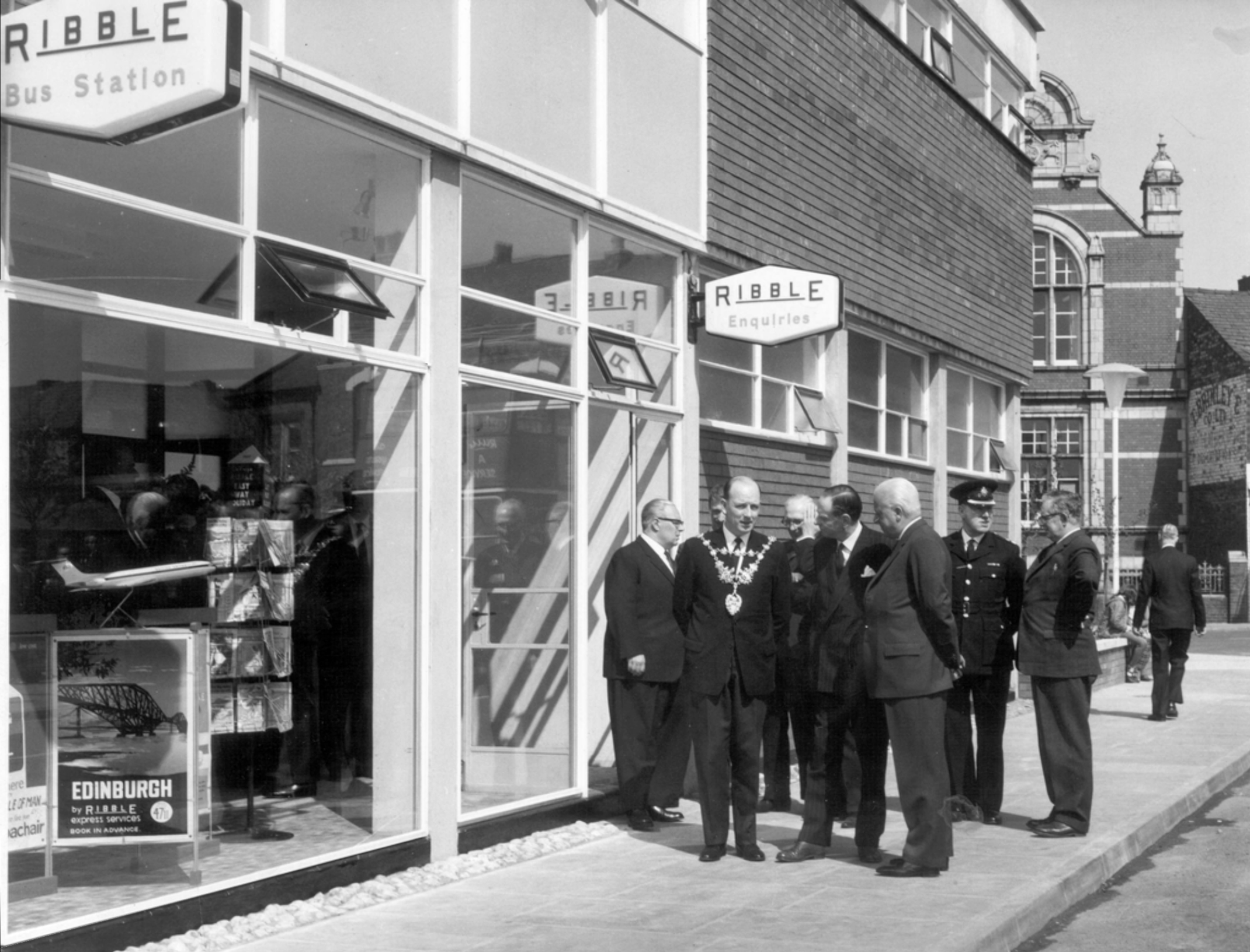
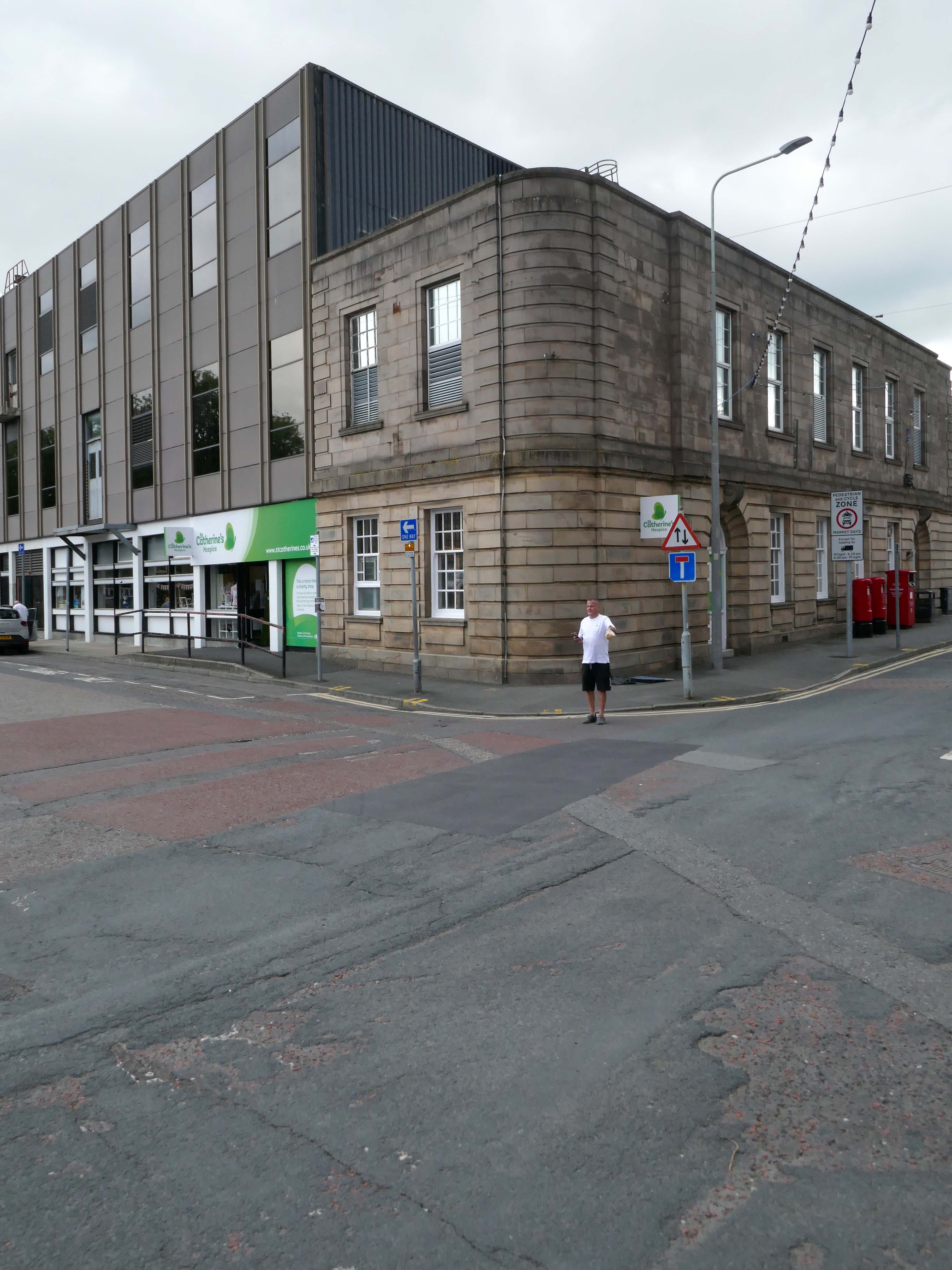
Next door is the Bus Station, opened in February 2003 replacing the previous structure.
Opening of the previous Bus Station – Ribble the area’s operators, before the Stagecoach arrived.
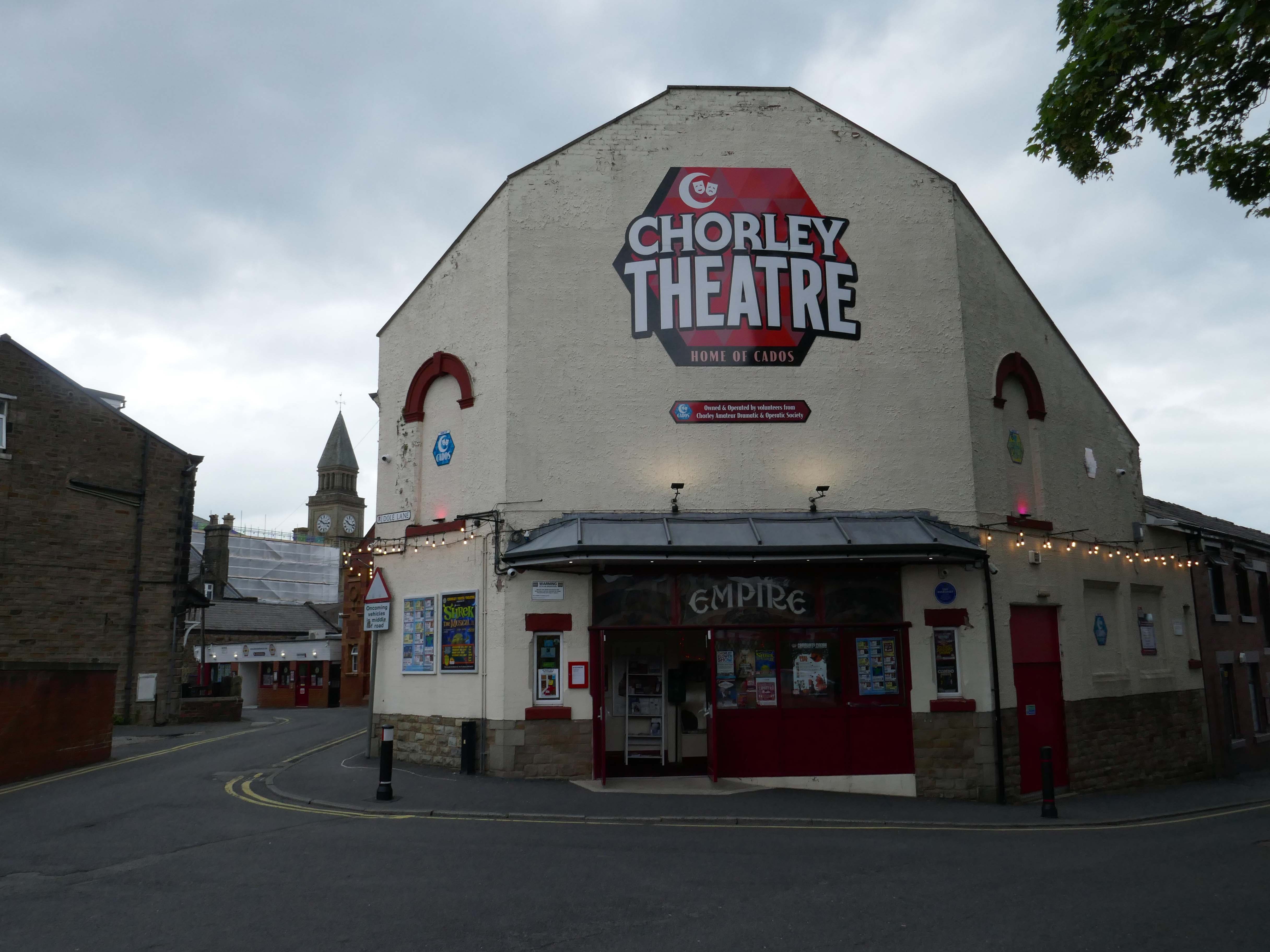
Opened on on 3rd September 1910, one of the nation’s longest continuously running cinemas.
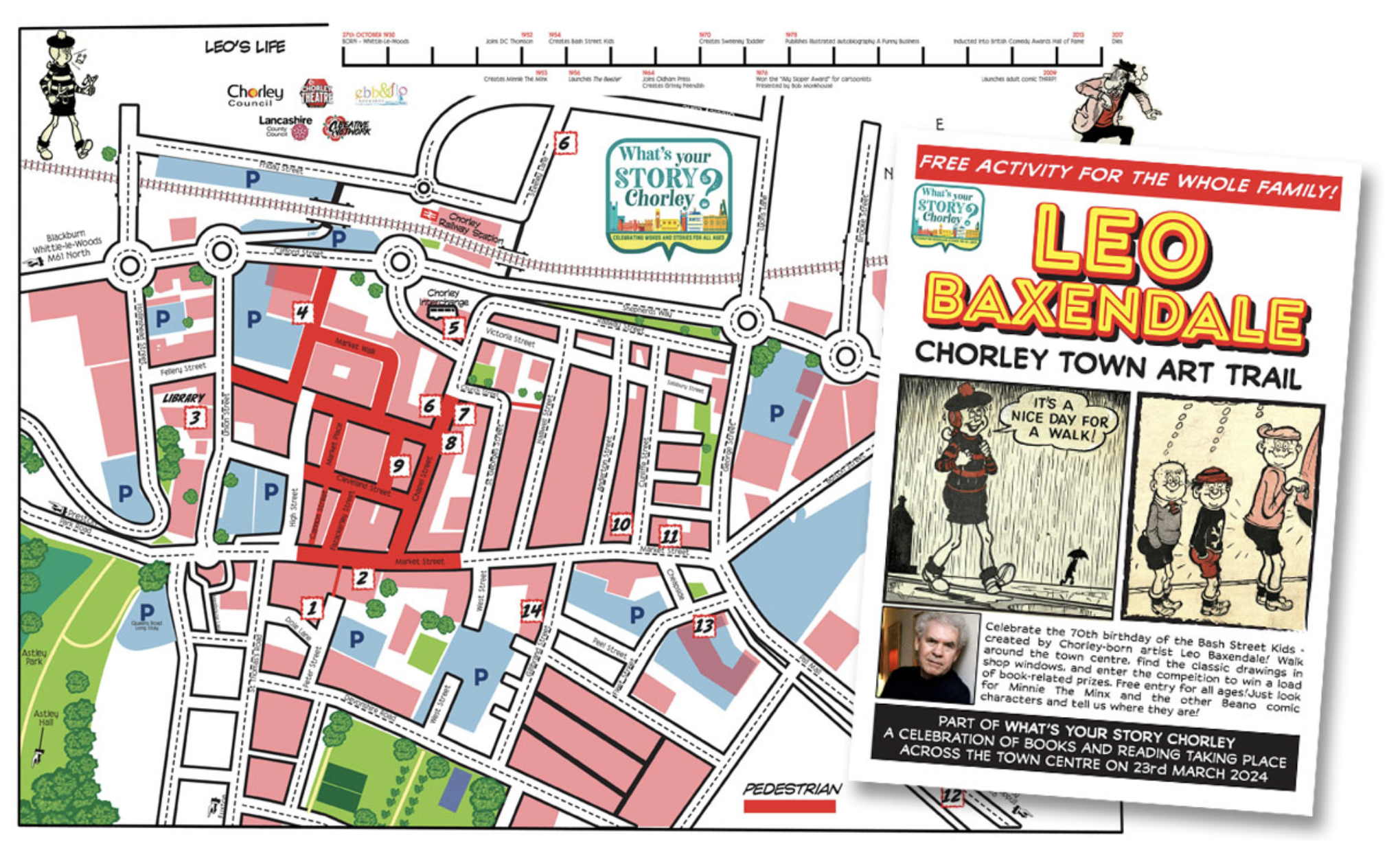
I spent some time chatting to the chatty guardian of the booking office, I learnt that the recently installed blue plaque commemorates the areas links to esteemed Beano artist Leo Baxendale.
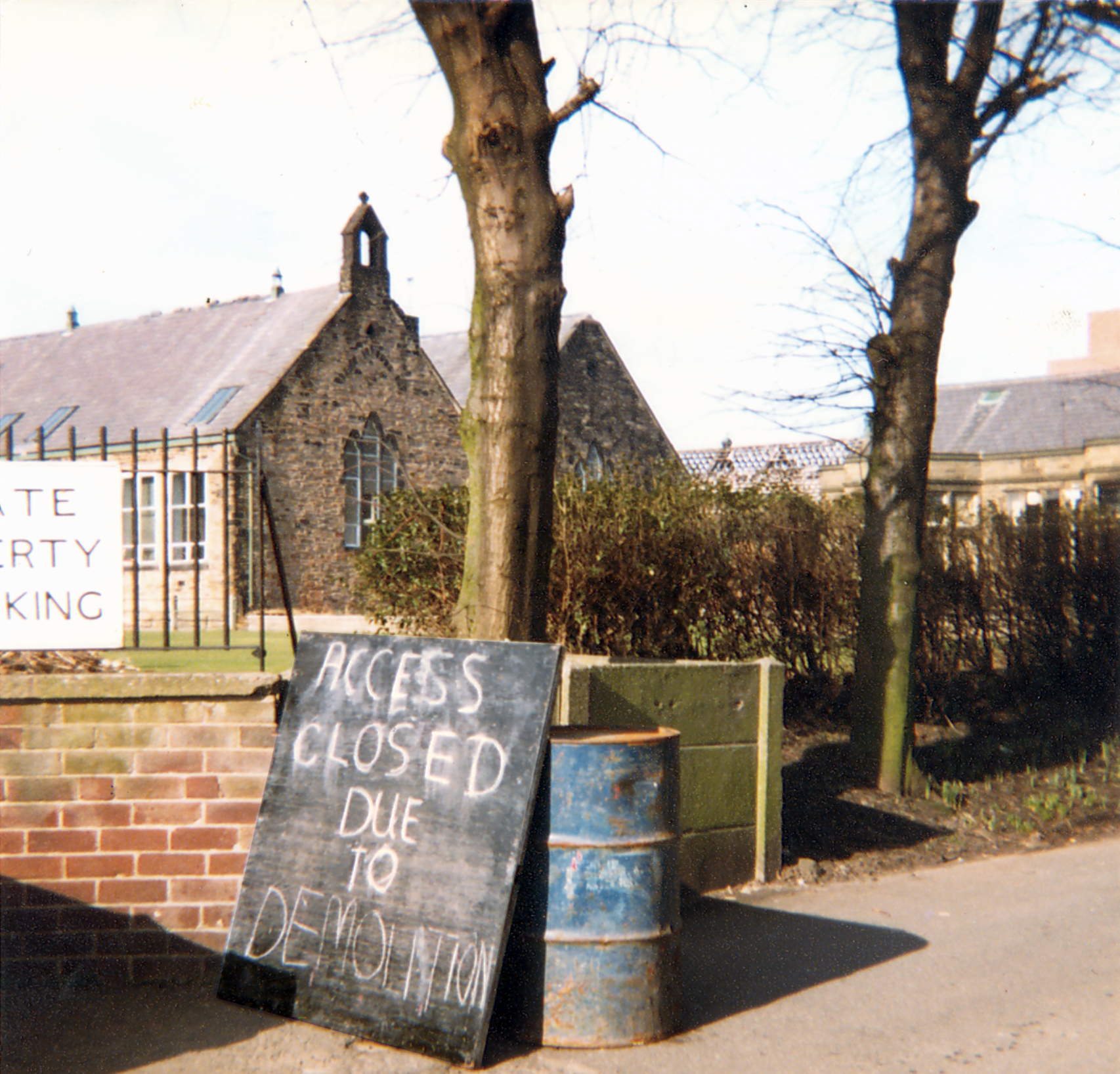
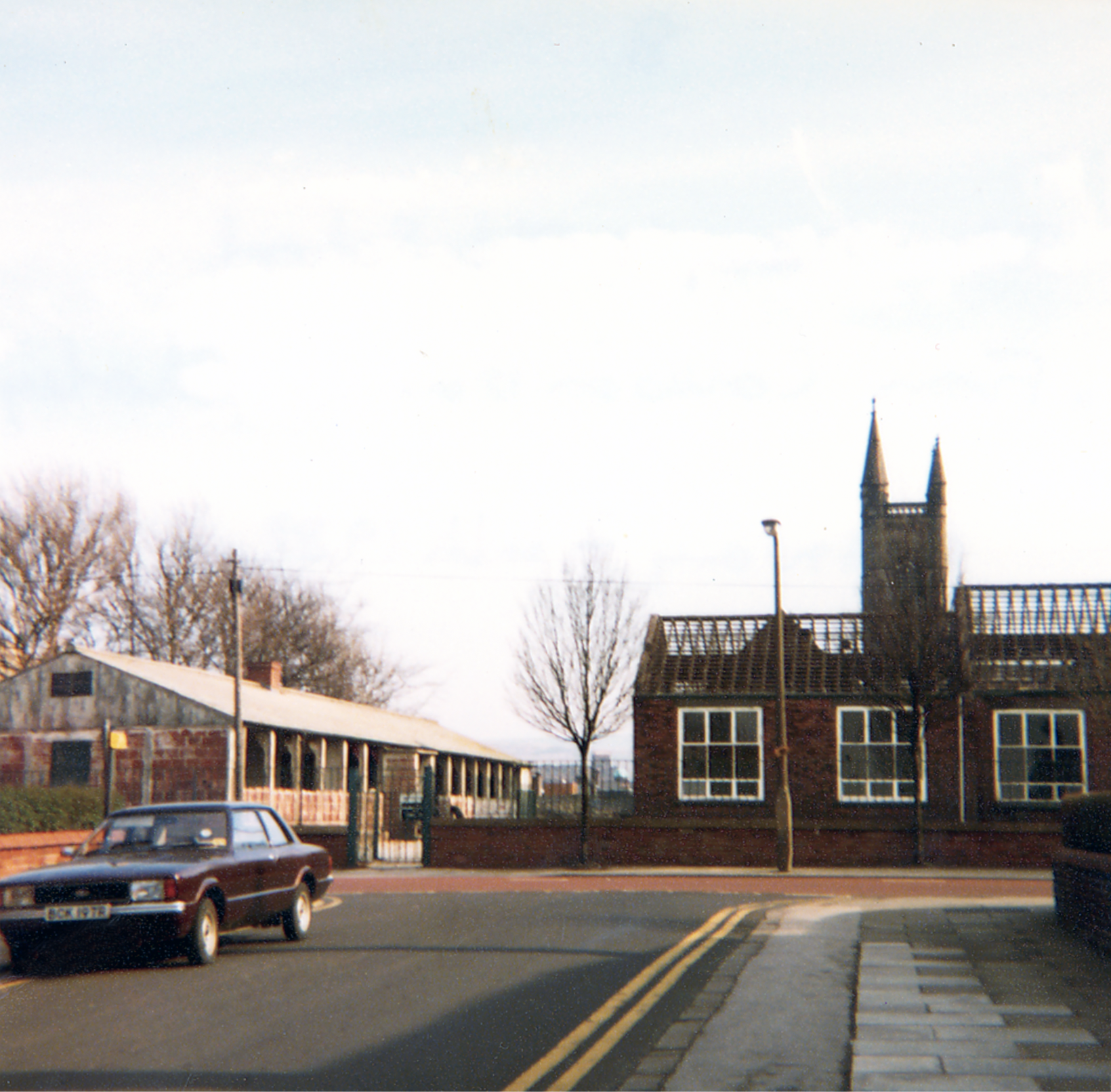
Leo attended St Mary’s School which was sited opposite the theatre, he had a miserable time there, an experience which formed the basis for the famed Bash Street Kids.
He may well now chuckle to himself in comic book heaven, knowing that the school was demolished in 1982.
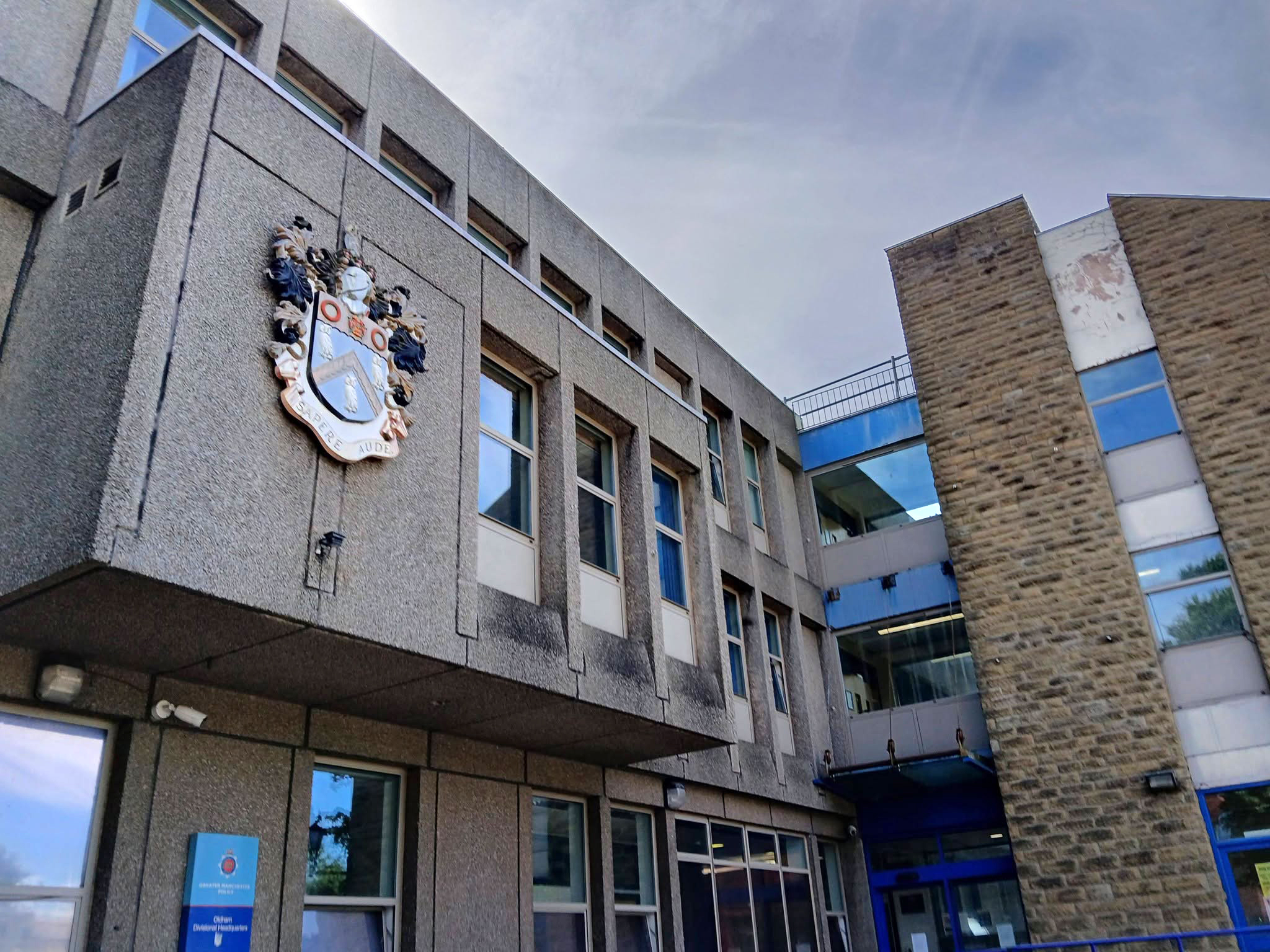
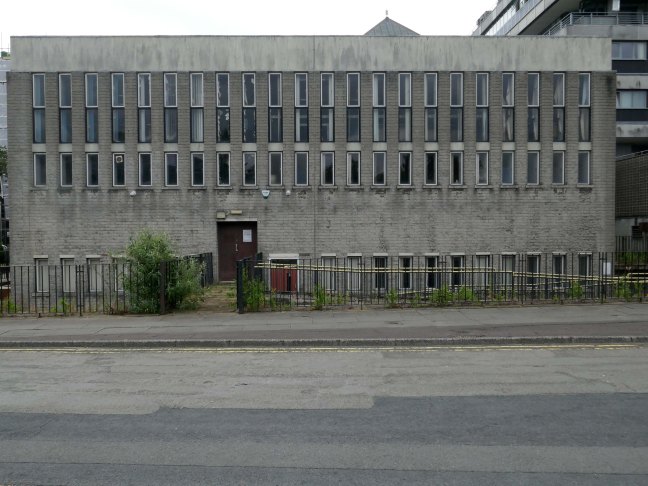
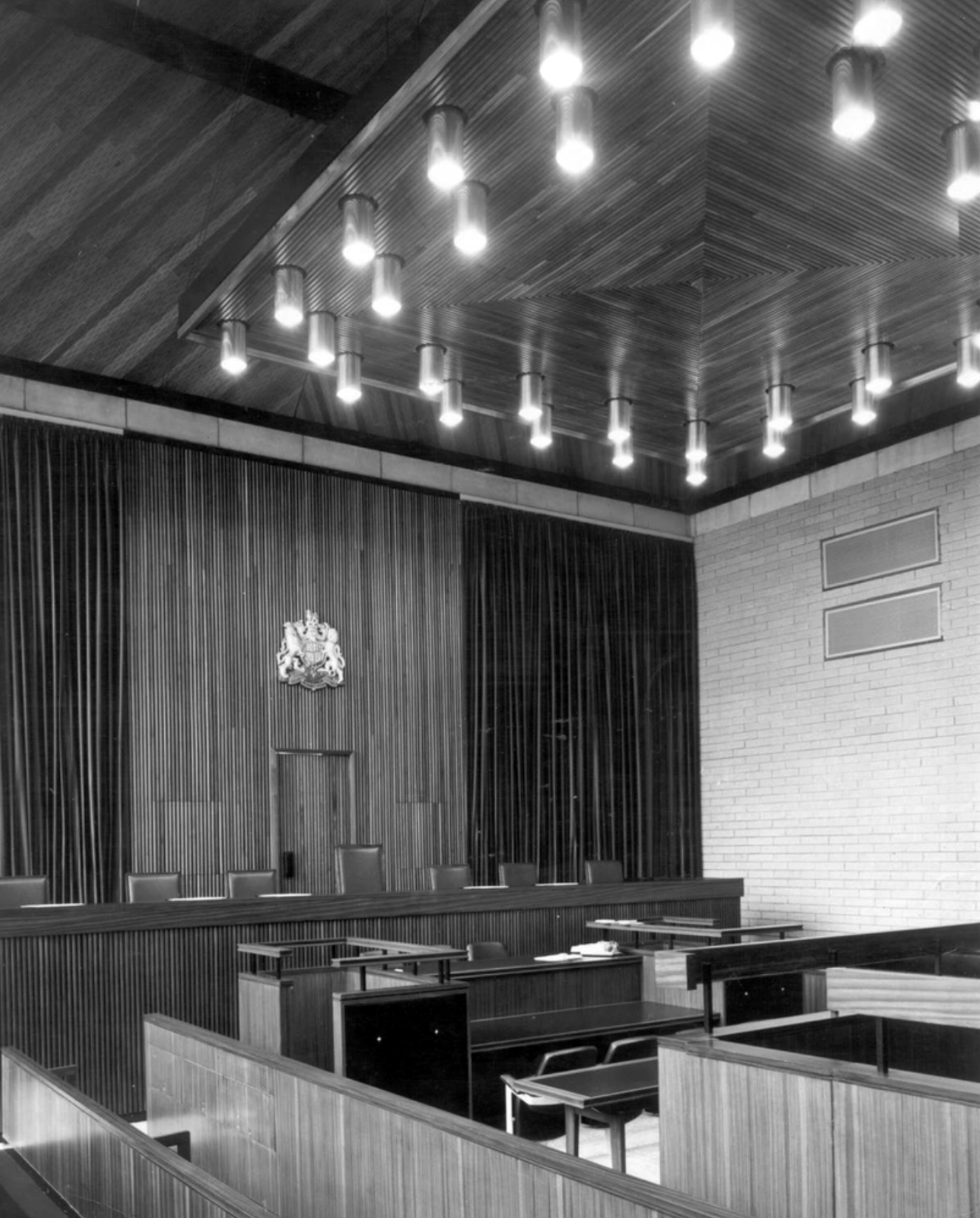
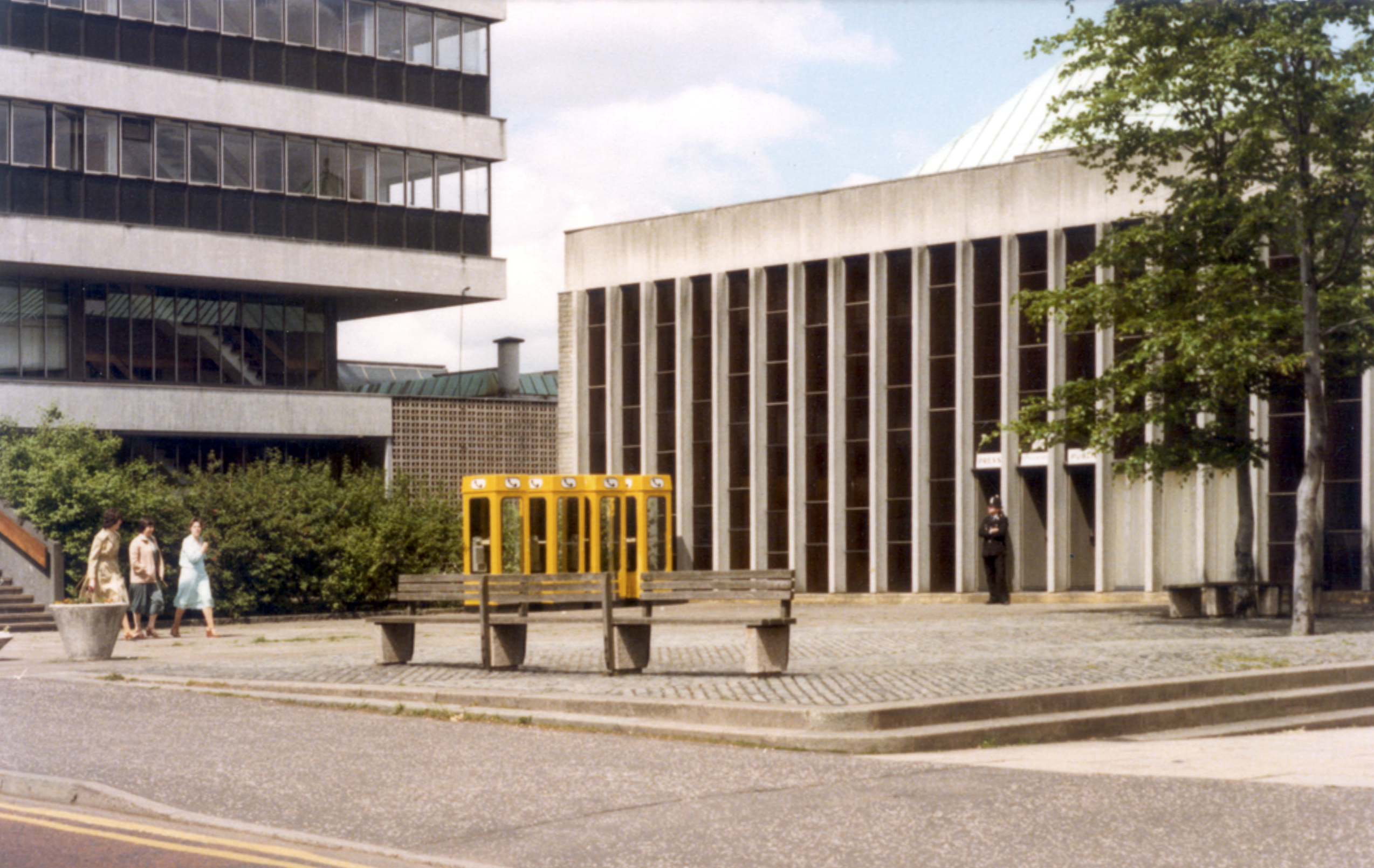
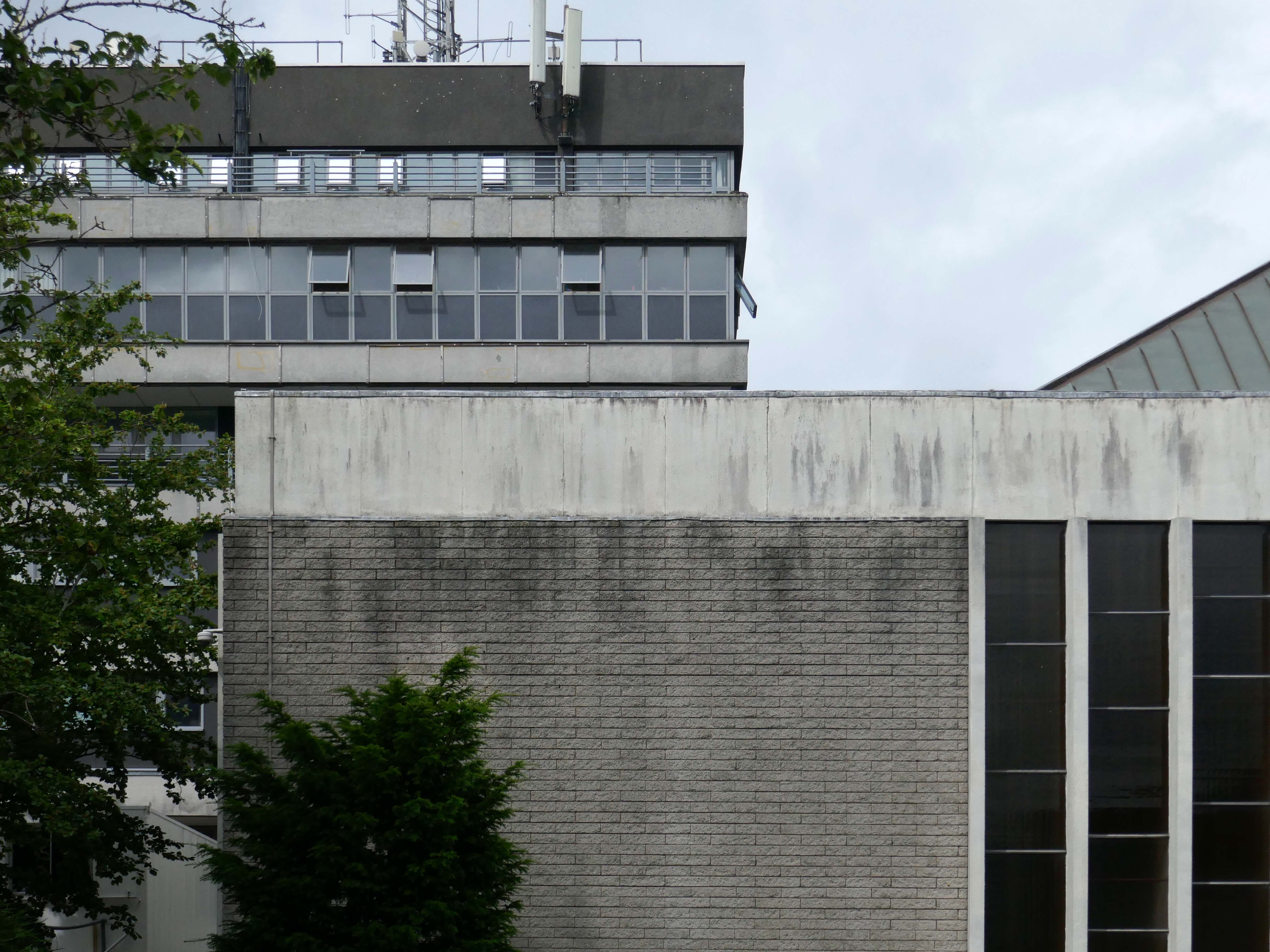
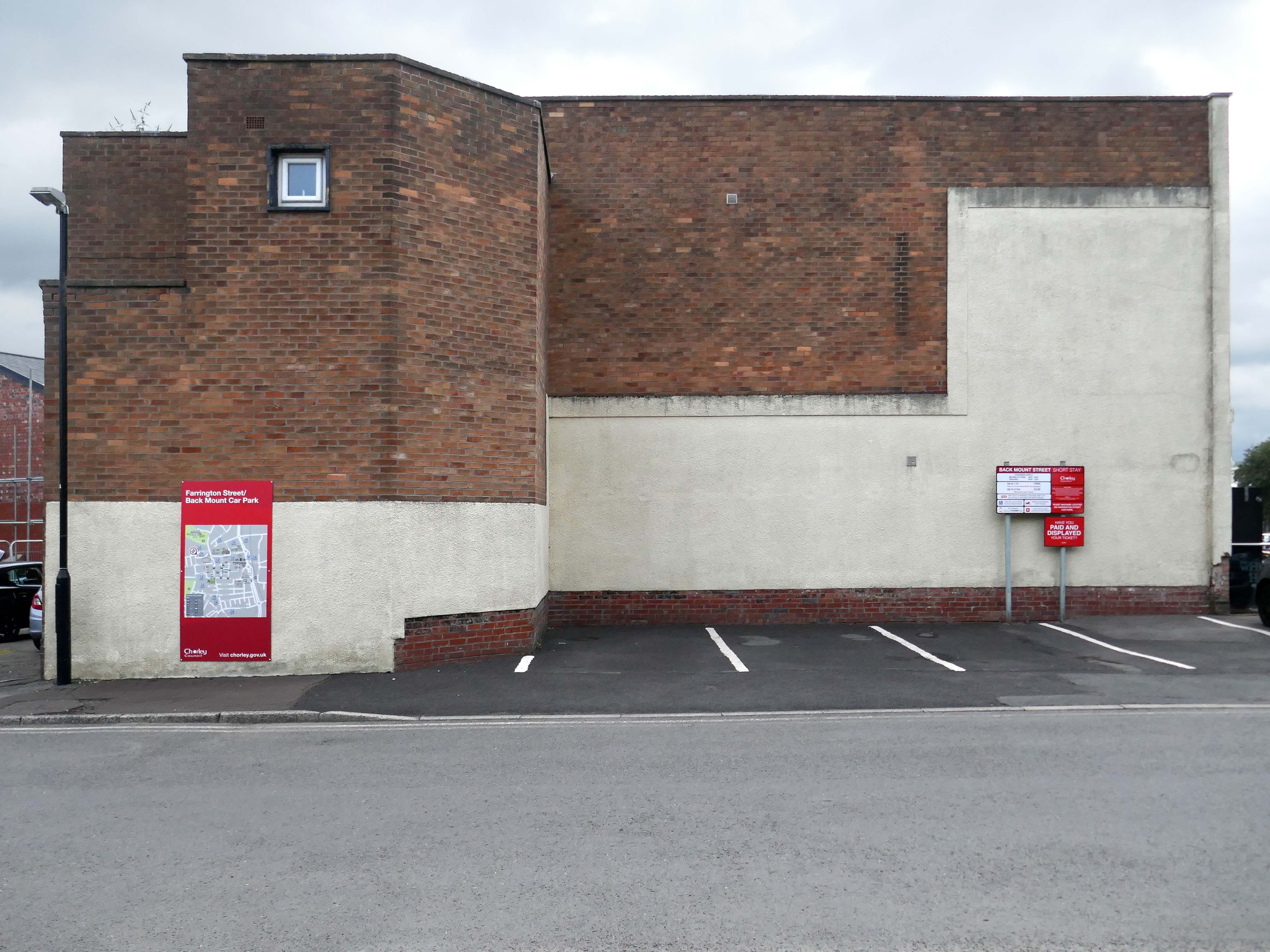
The design team was Roger Booth, Lancashire County Architect; CA Spivey, Assistant County Architect; DB Stephenson, Design Architect; and DG Edwards, AG Gass, responsible for the detailed design and construction. The seven-storey in-situ concrete framed main block was the last bespoke police station to be built in Lancashire, following this the department developed a systemised concrete construction method which was deployed across the county. The dramatic cantilevers gave the new building a stature and presence that signalled authority. The lower levels were accessed by ramps and provided space for police vehicles. To enter the police station one ascended a set of external stairs across a pool that once contained koi carp – fittingly, one boy described the new building as a ‘fishtank’ upon its completion. The magistrates’ court was finished externally in a grey brick and carried the signature pyramid rooflights that were synonymous with the Department.
Next door its partner in crime the Magistrates Courts.
Opened in 1968.
The courts are up for sale – offers in the region of £800,000 – the property has planning permission for an eleven storey apartment building with fifty two flats, three ground floor retail units and roof terrace.
The disused court building was last sold in 2022 for £300,000, according to the Land Registry.
Designs for the scheme were drawn up by FWP Group.
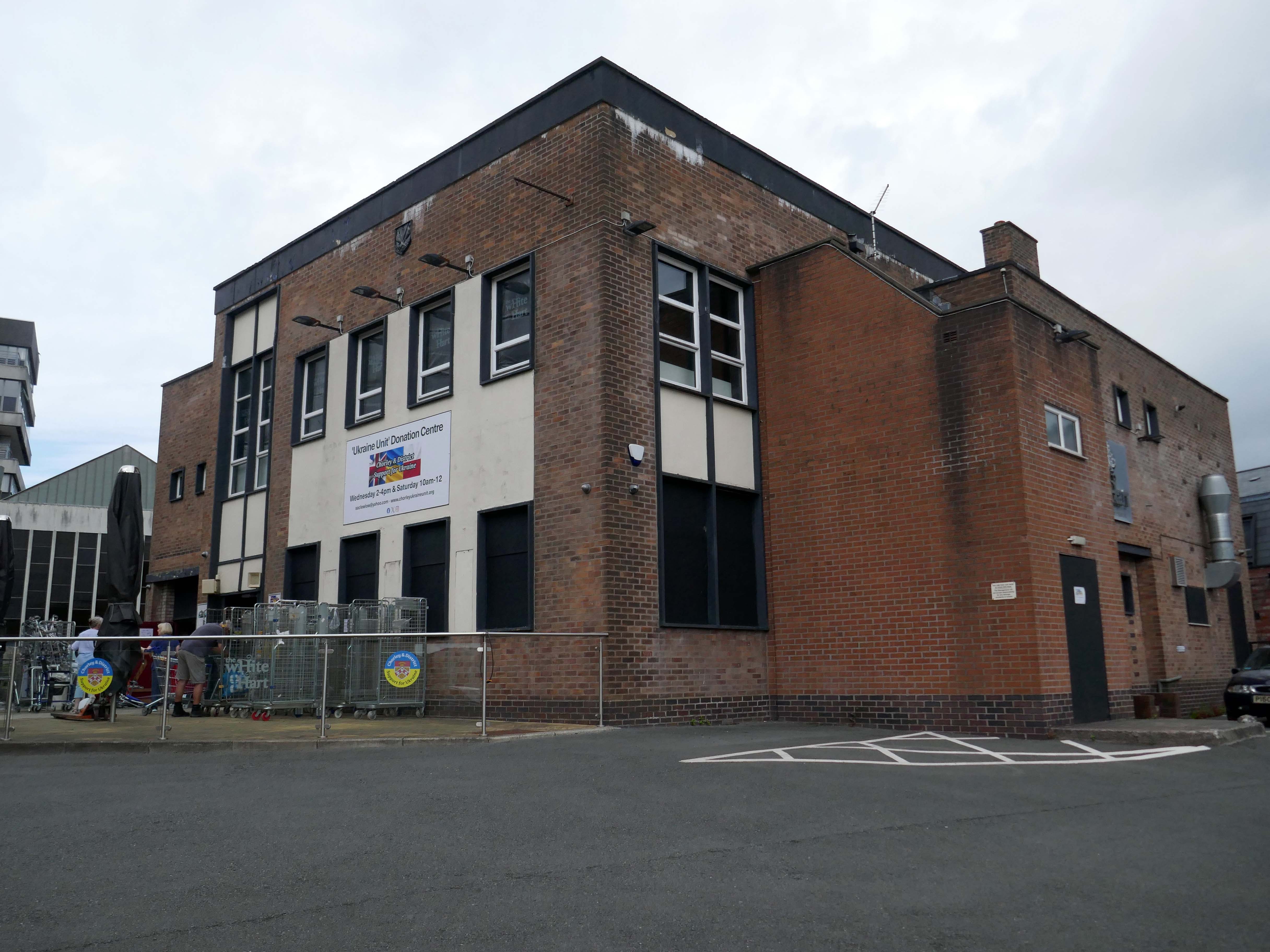
Next door is a pub no longer a pub.
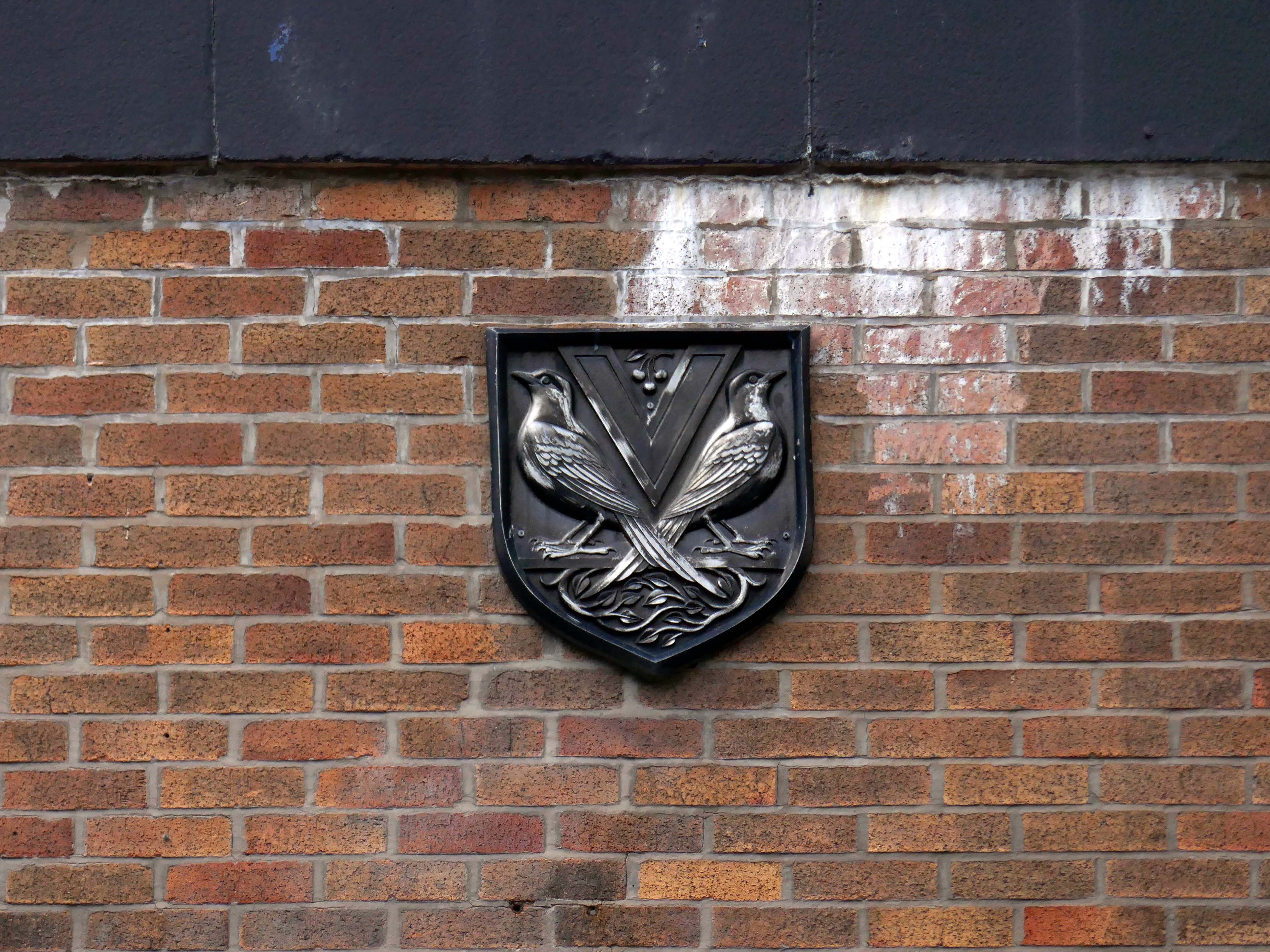
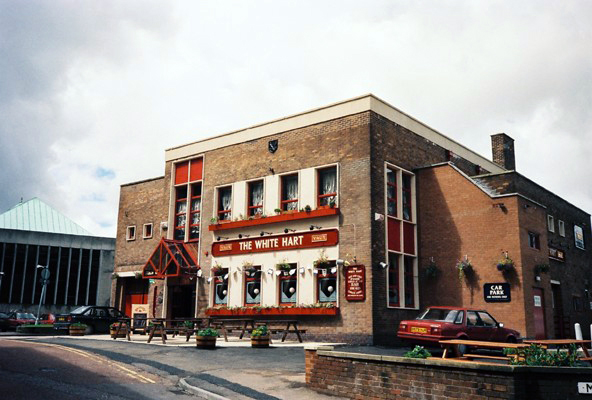
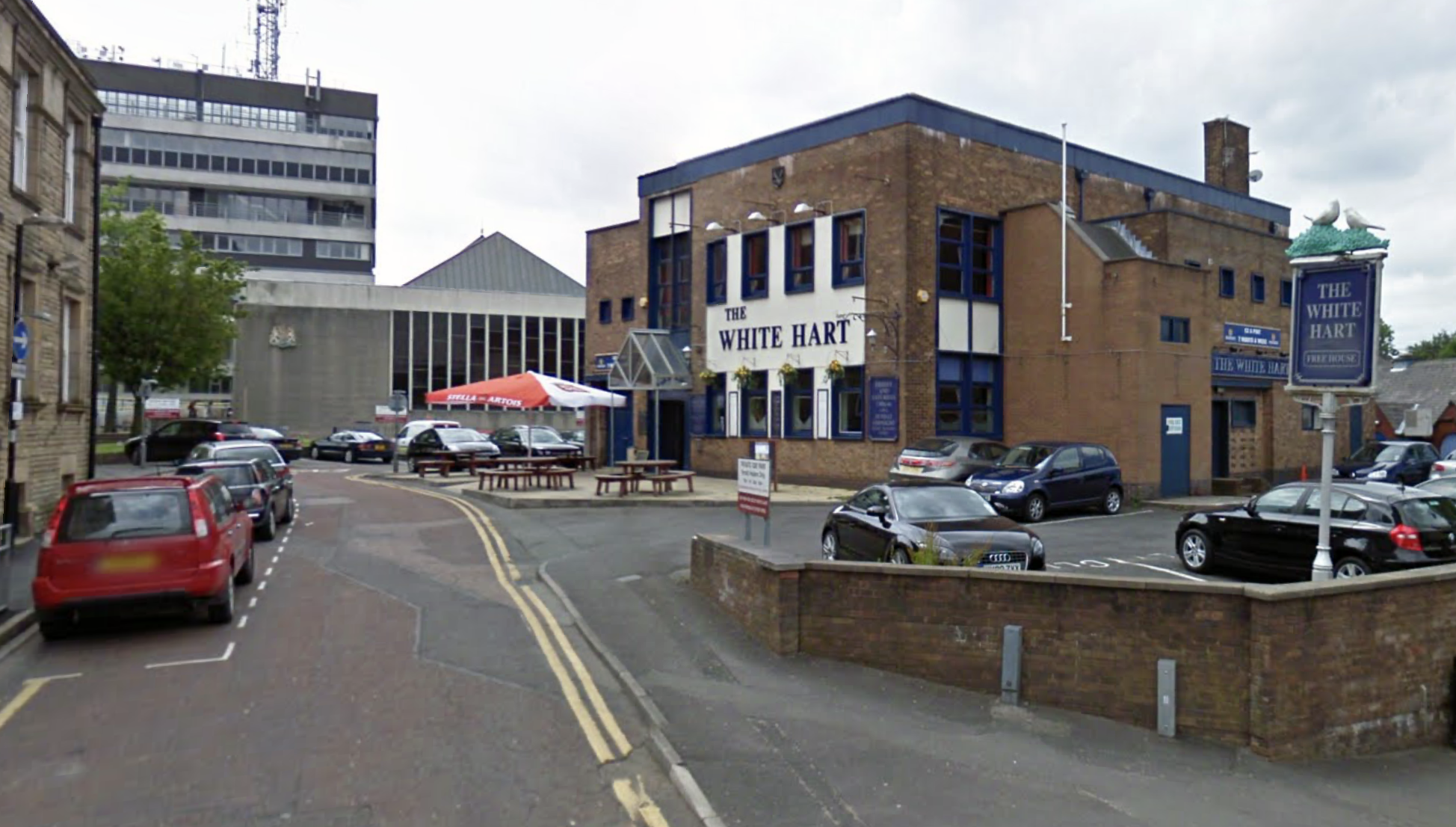
Once upon a time a Vaux Brewery house the White Hart – implausibly renamed the Snooty Fox for a brief period.
The pub was decent enough inside with a large room which was empty on our Friday dinner visit, the pub was a Vaux tied house so we were well pleased as we had not done many of them.
We had a drink of Vaux bitter which went down well.
Our group was created in February 2022 to try and help raise awareness of the crisis in Ukraine and to help organise and coordinate local efforts to send support from across the Borough of Chorley in Lancashire. We have since grown into a major hub for donations.
Across Chorley & District multiple educational facilities, community groups and organisations reacted and began to spread awareness and collect donations. In order to sift and sort a lot of local donations, a unit has been loaned by Chorley Council. A large percentage of the region’s aid has come into this unit and we are regularly packaging aid and supplies in preparation for the next leg of the journey to Ukraine, whether it’s transported there by us or other charitable organisations.
Our philosophy is that if we can all do a little bit, together we can make a big difference.
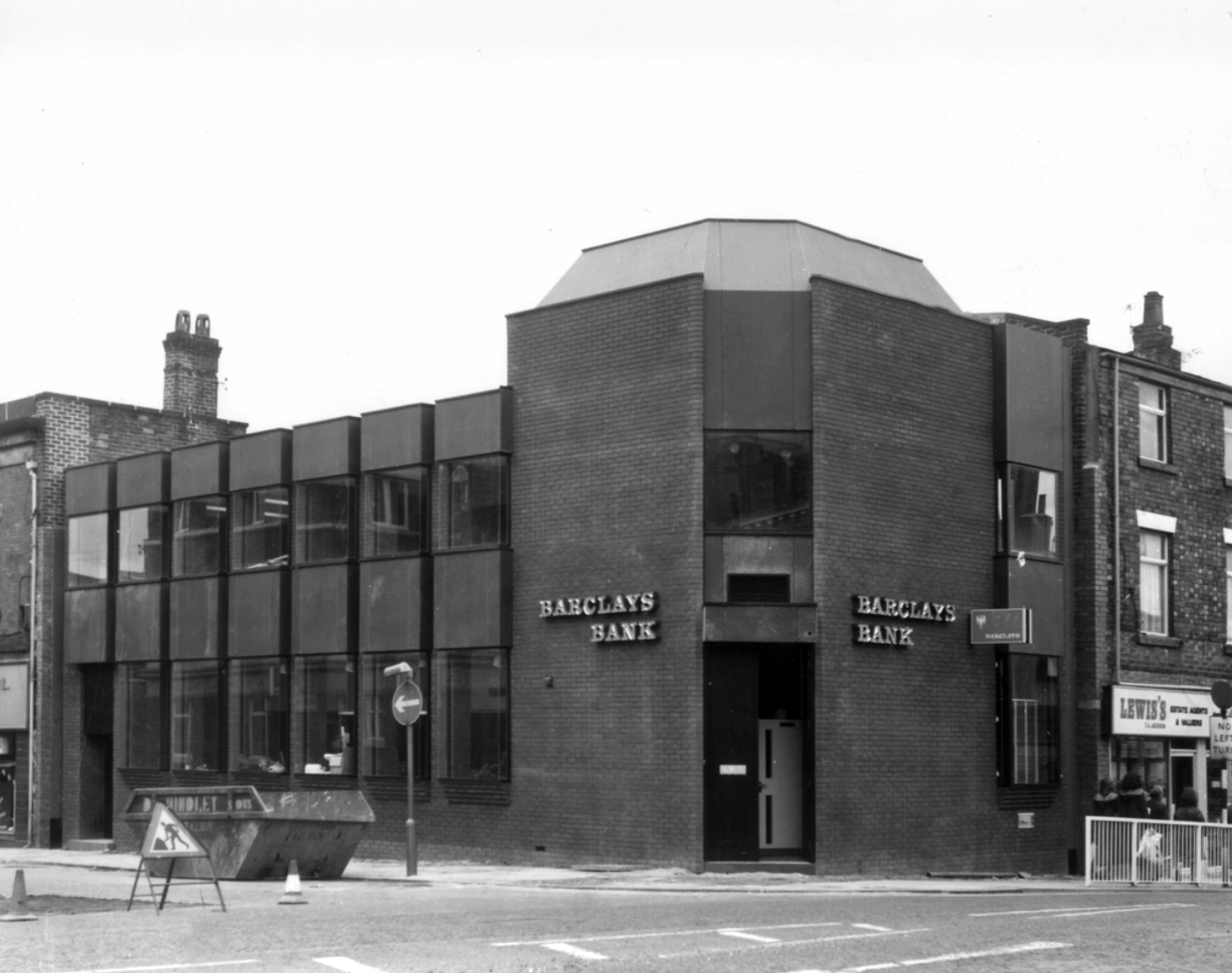
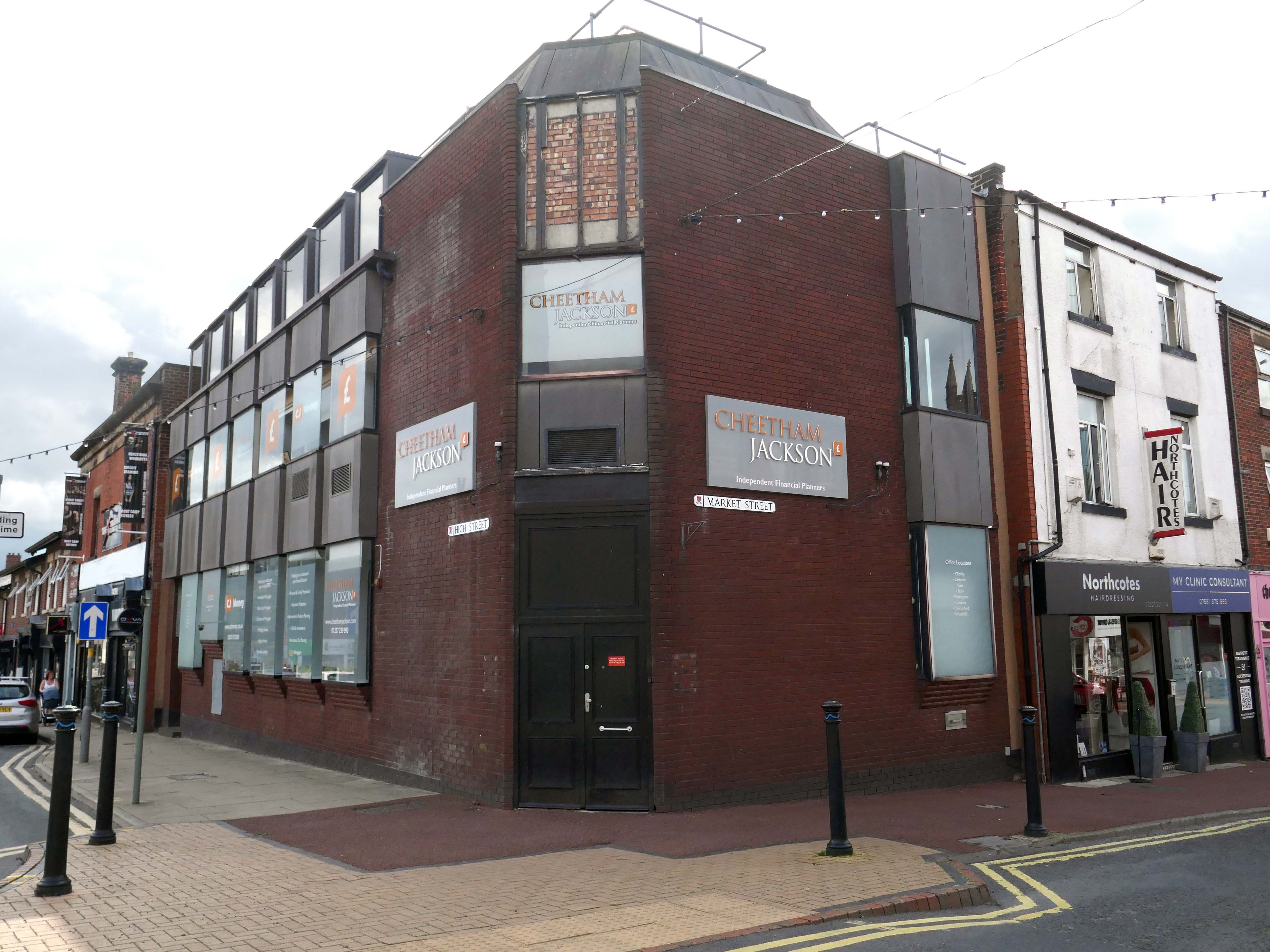
Bouncing back to what was and never shall be no more Barclays Bank.
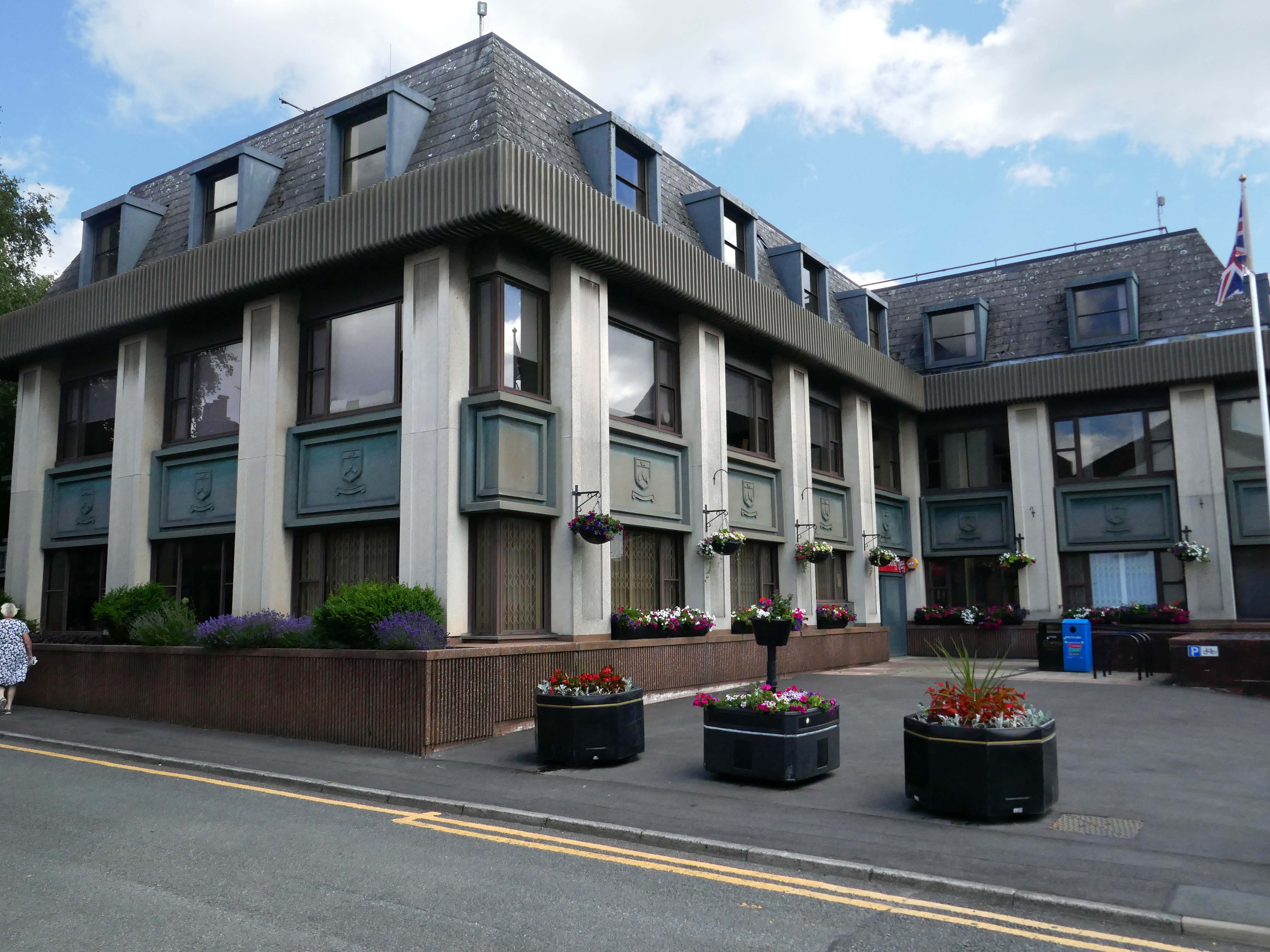
Almost finally we find ourselves at the Council Offices 1982.
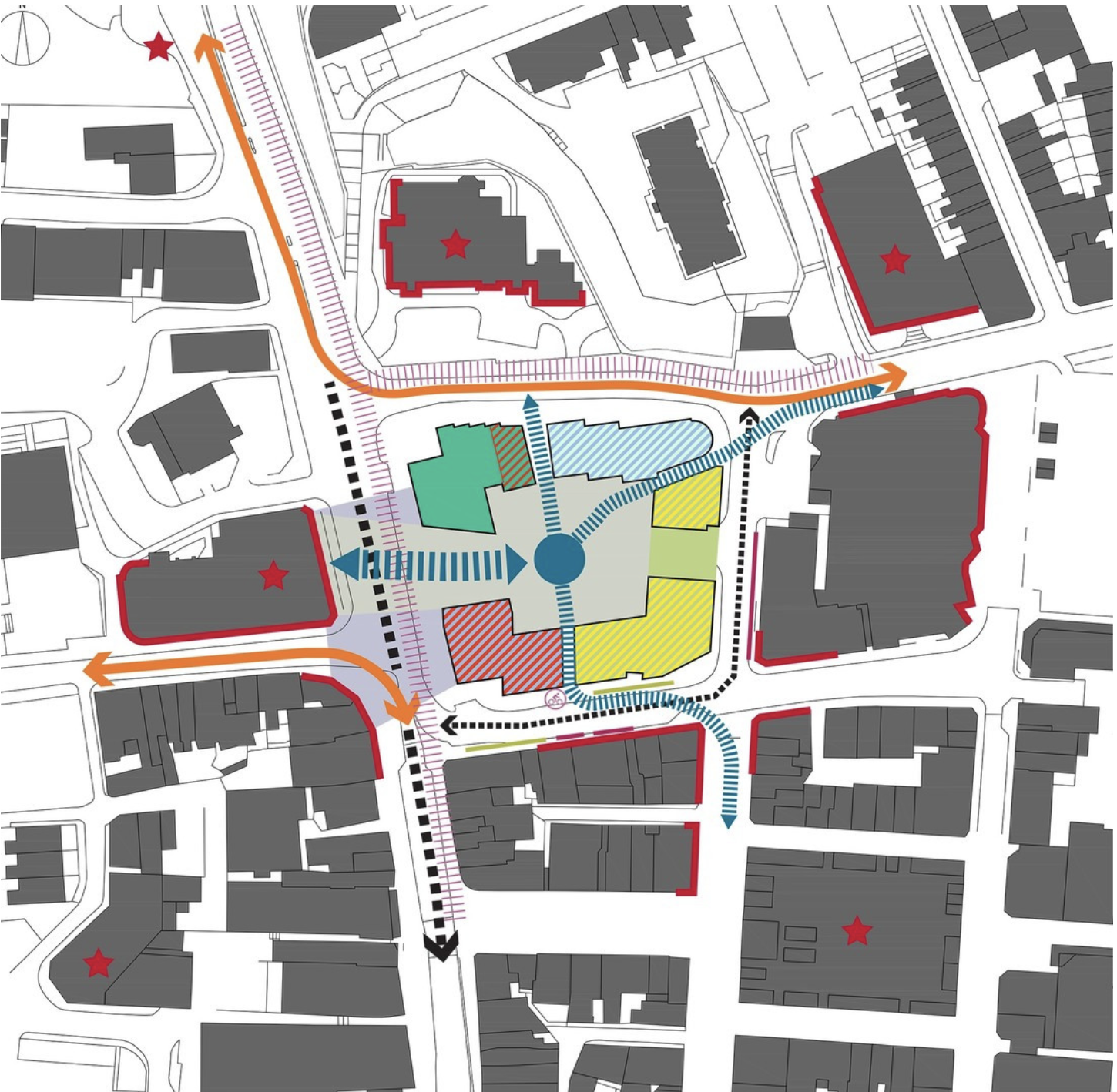
You will be delighted to hear that Chorley Council has a Masterplan
Self Architects generated a high level Masterplan for this prominent site. The scheme proposes a boutique hotel, offices, restaurants/bars, along with apartments, aiming to transform the town centre by intervention to enhance the overall vision by:
Establish a series of formal/informal public spaces
Diagonally link public spaces
Greening pedestrian streets
Reducing dominance of cars
Improving evening economy
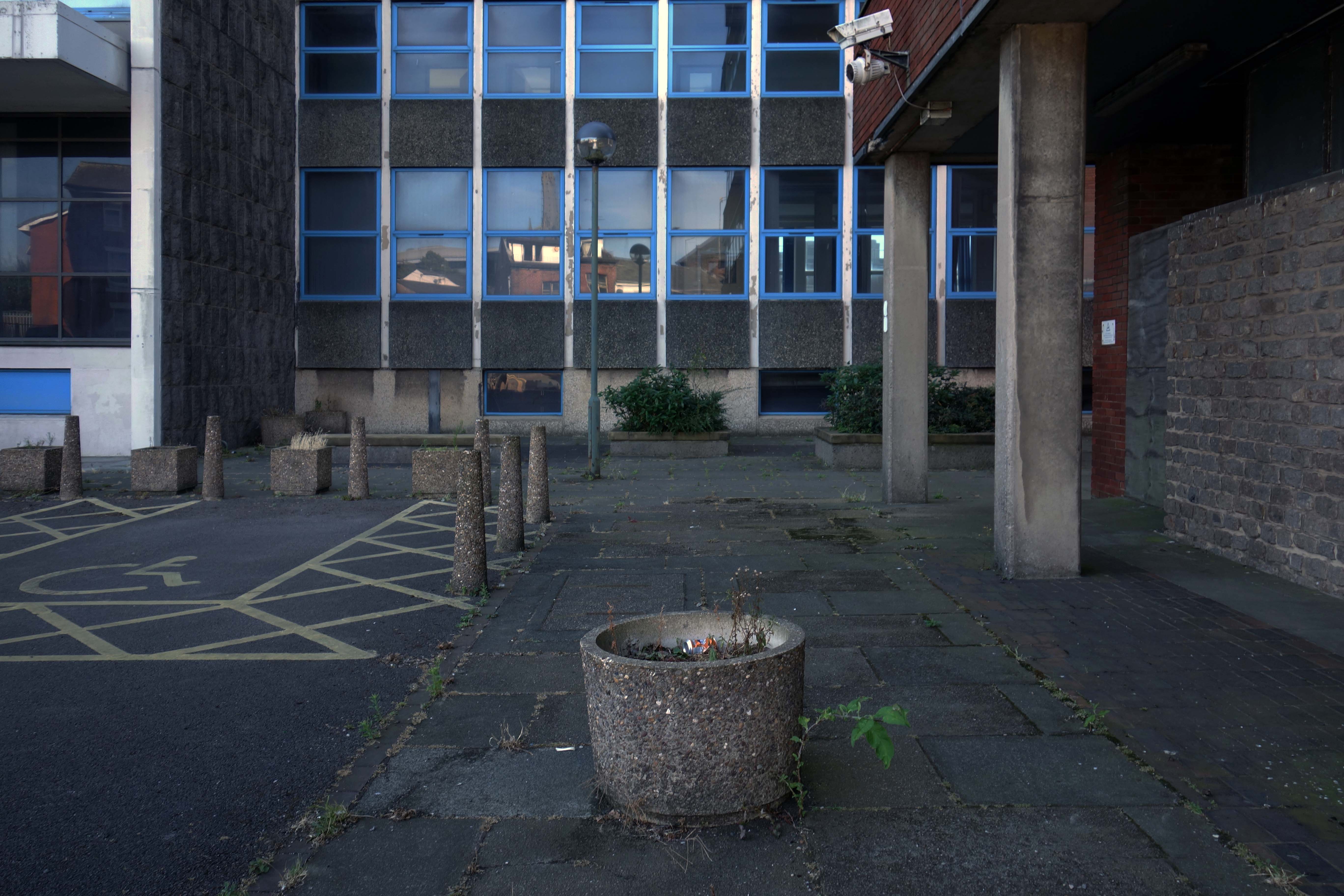
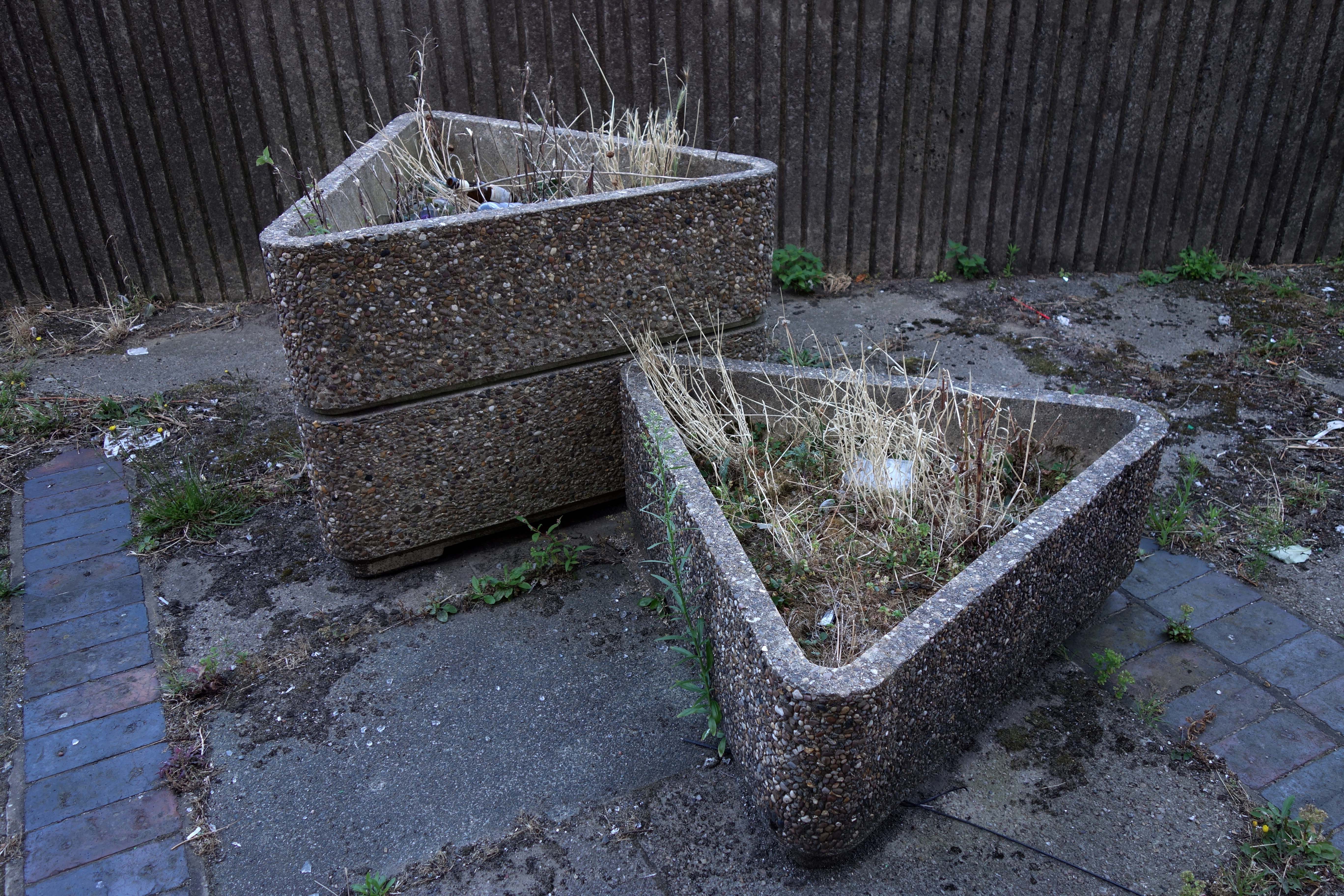
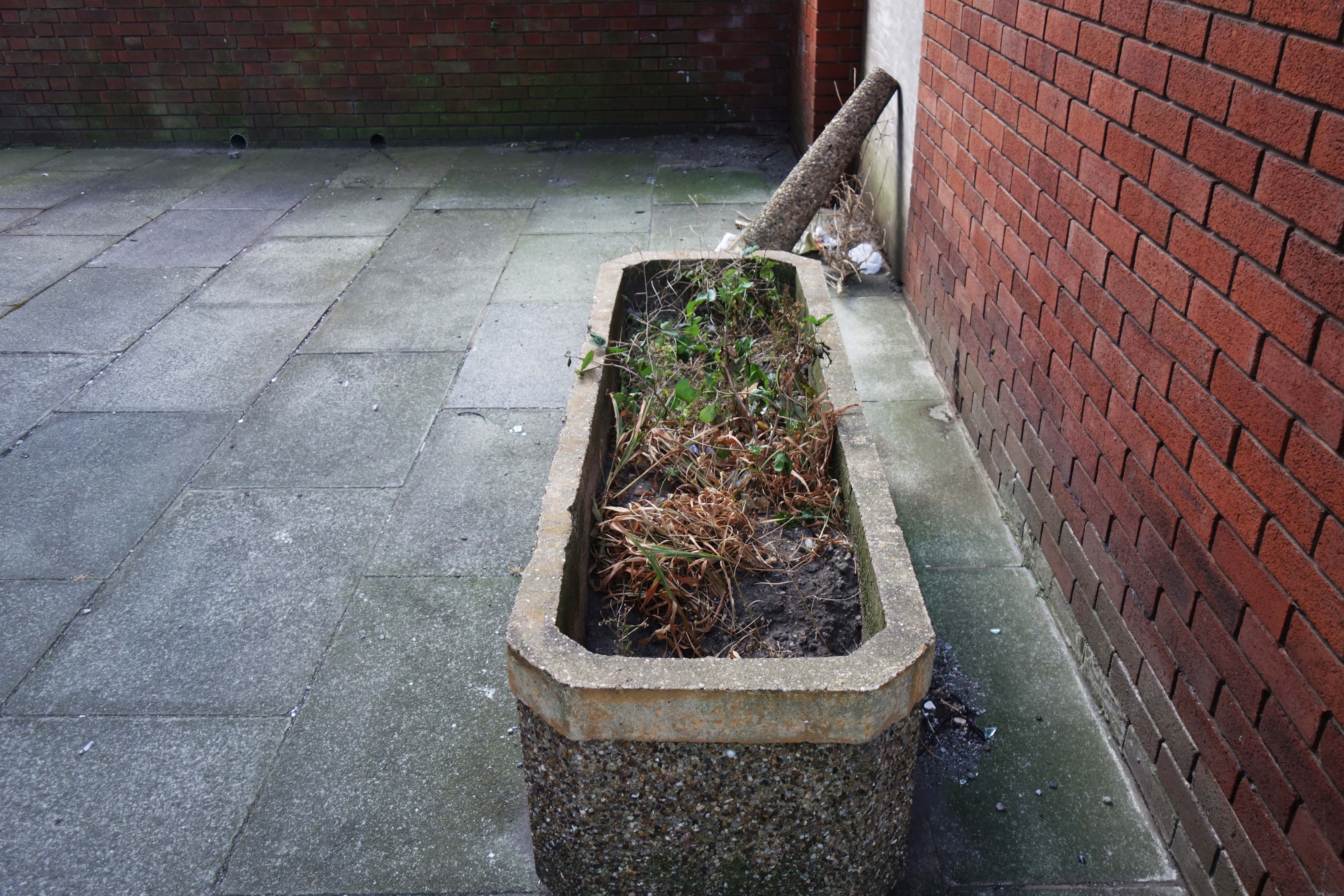
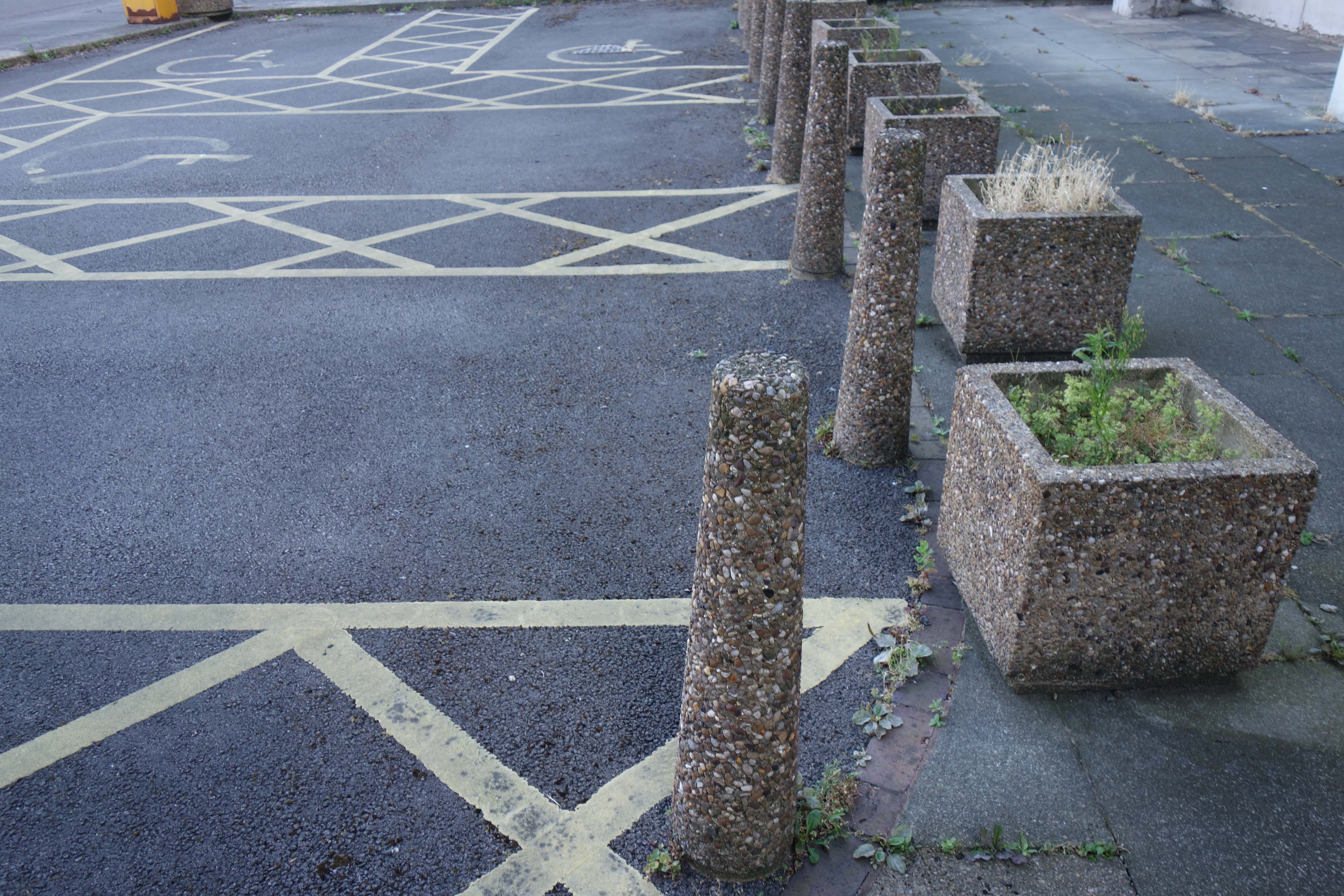
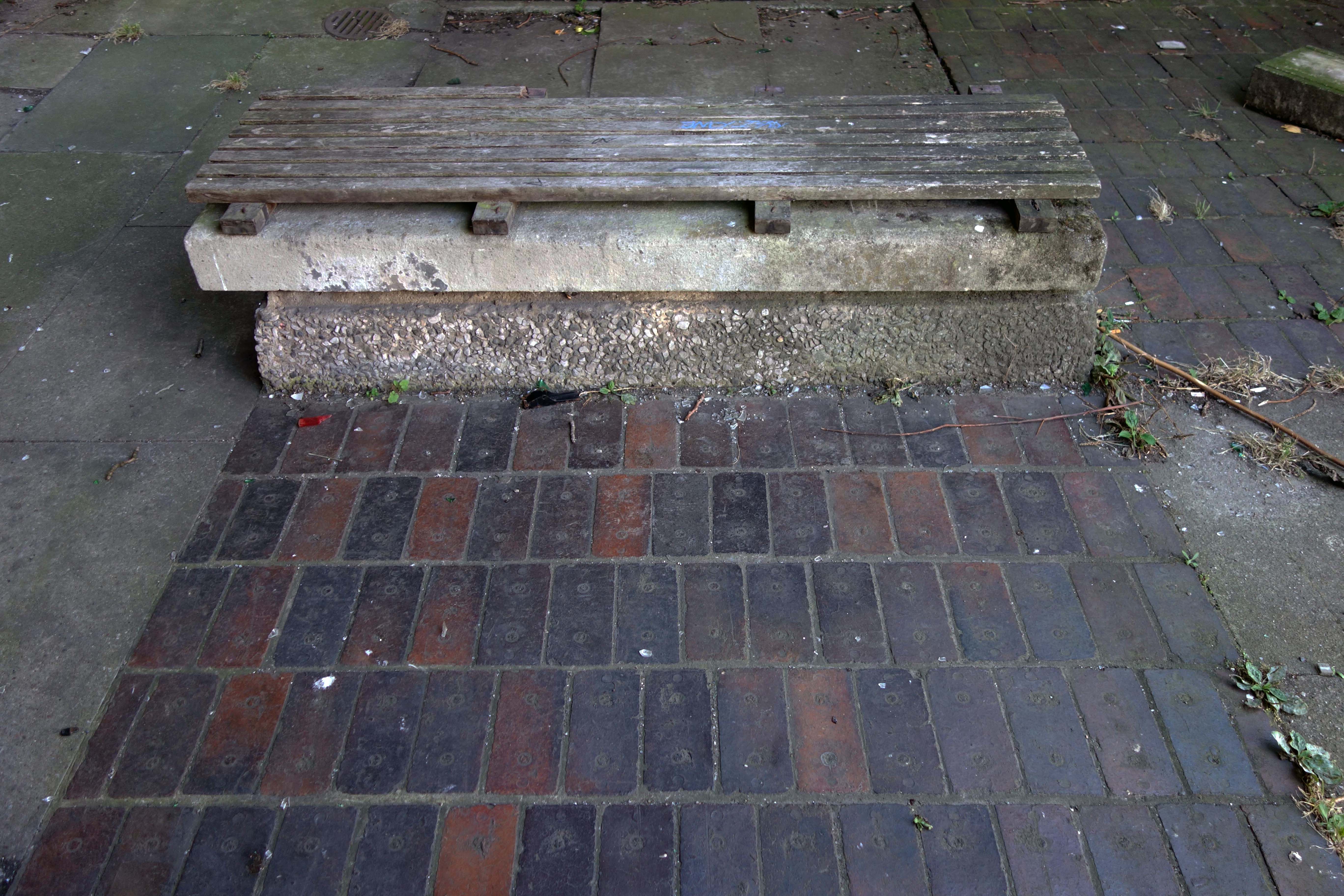
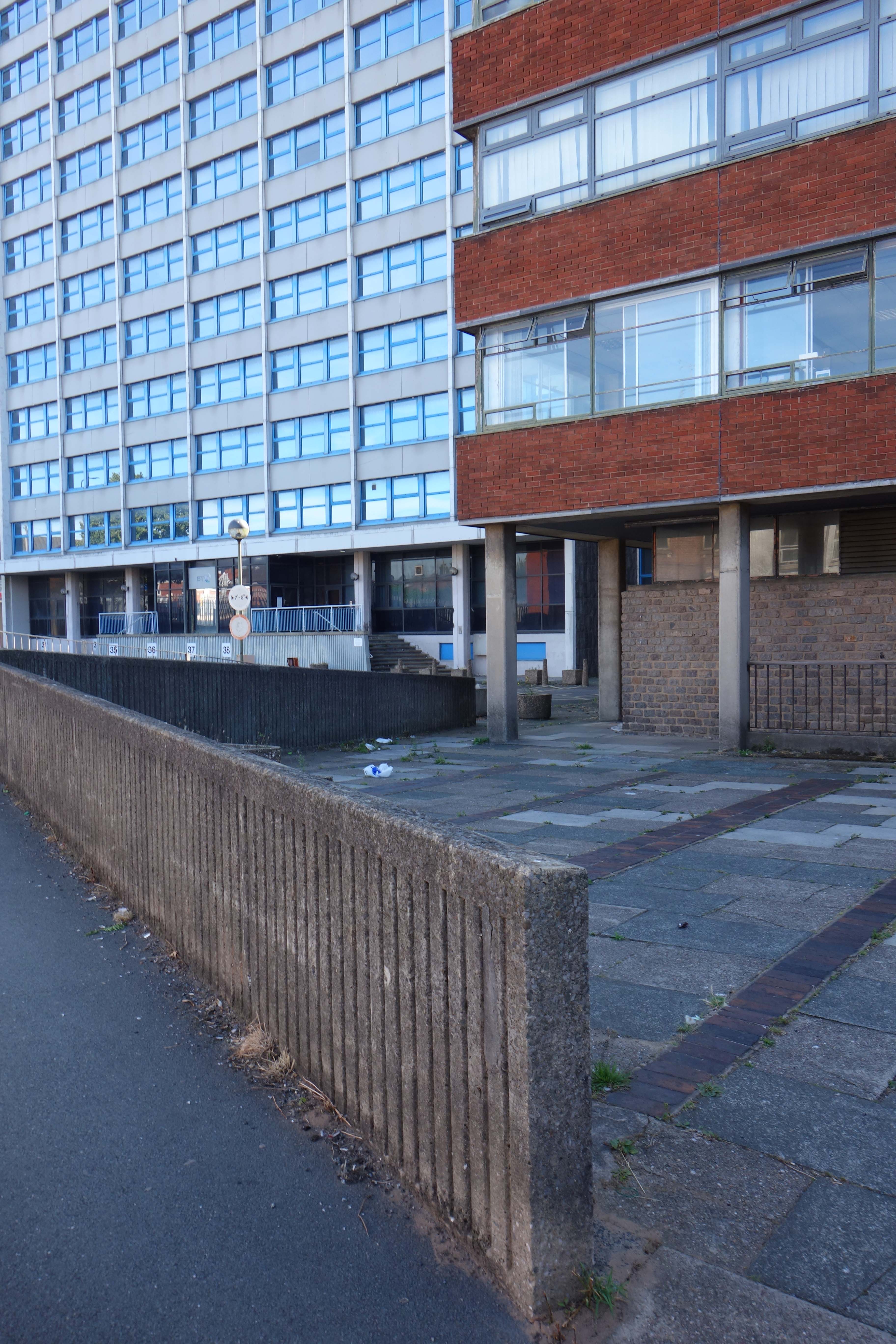
Having a moment or two on my hands I ventured to the land beyond beyond – the land of the concrete bench, bin and planter combo.