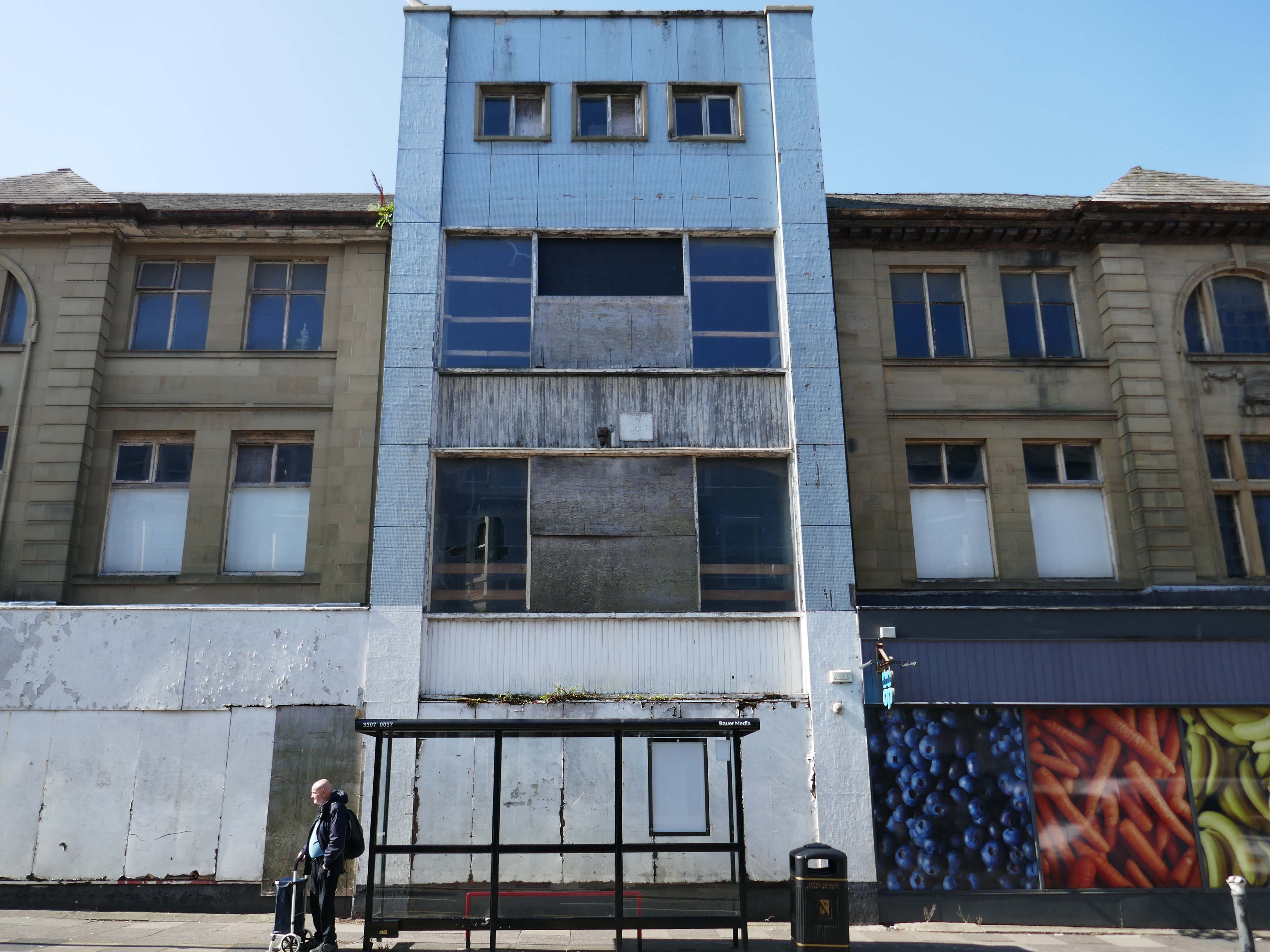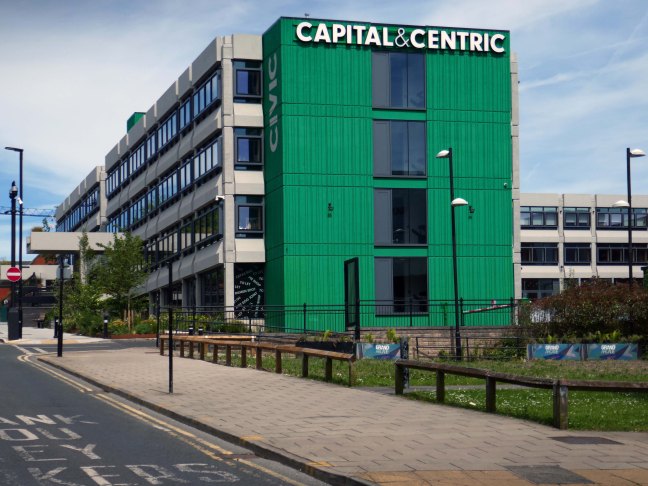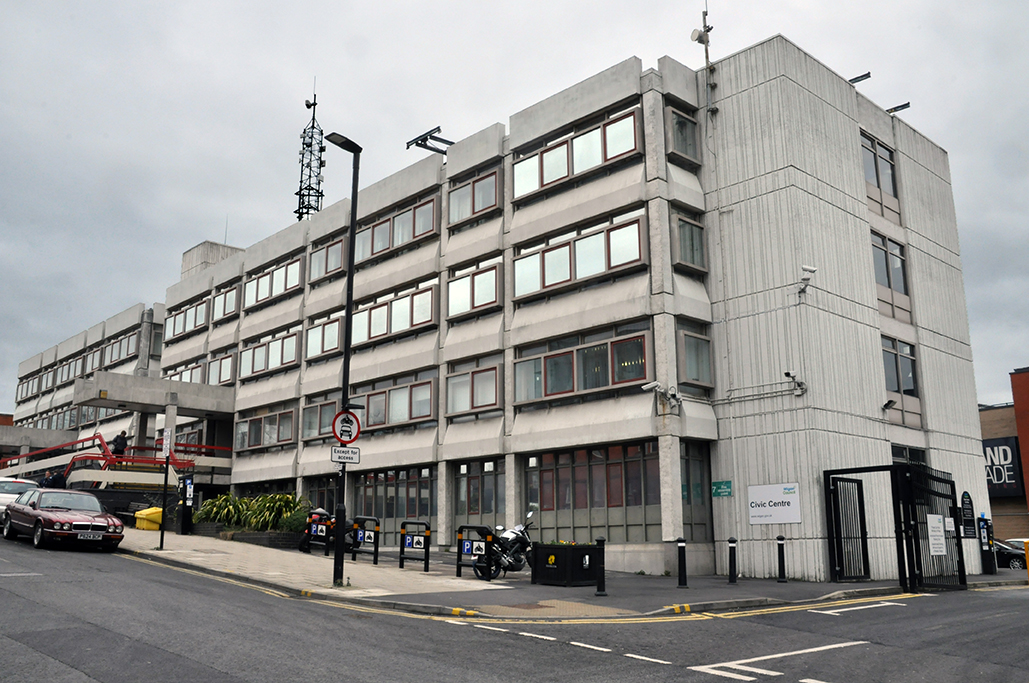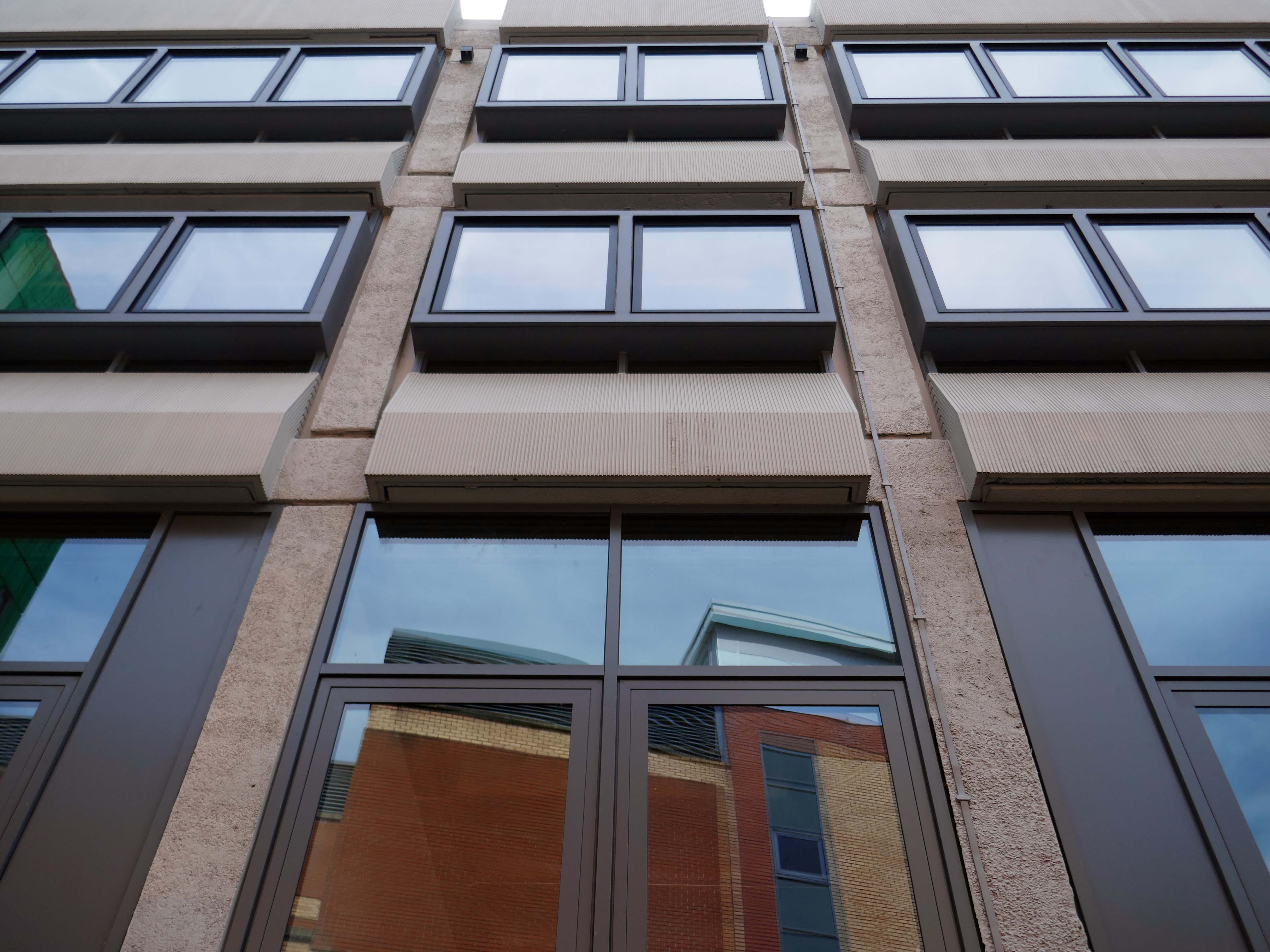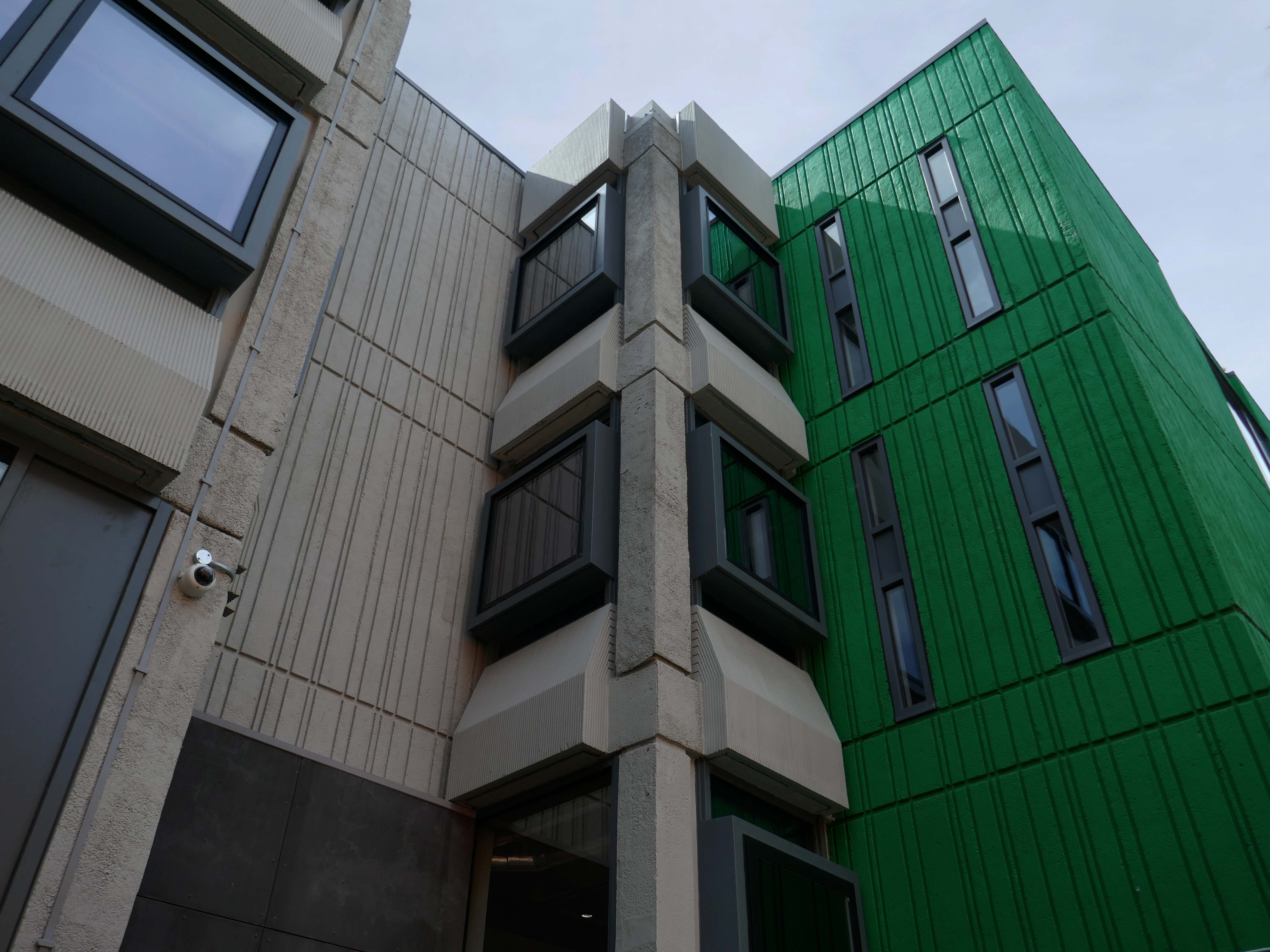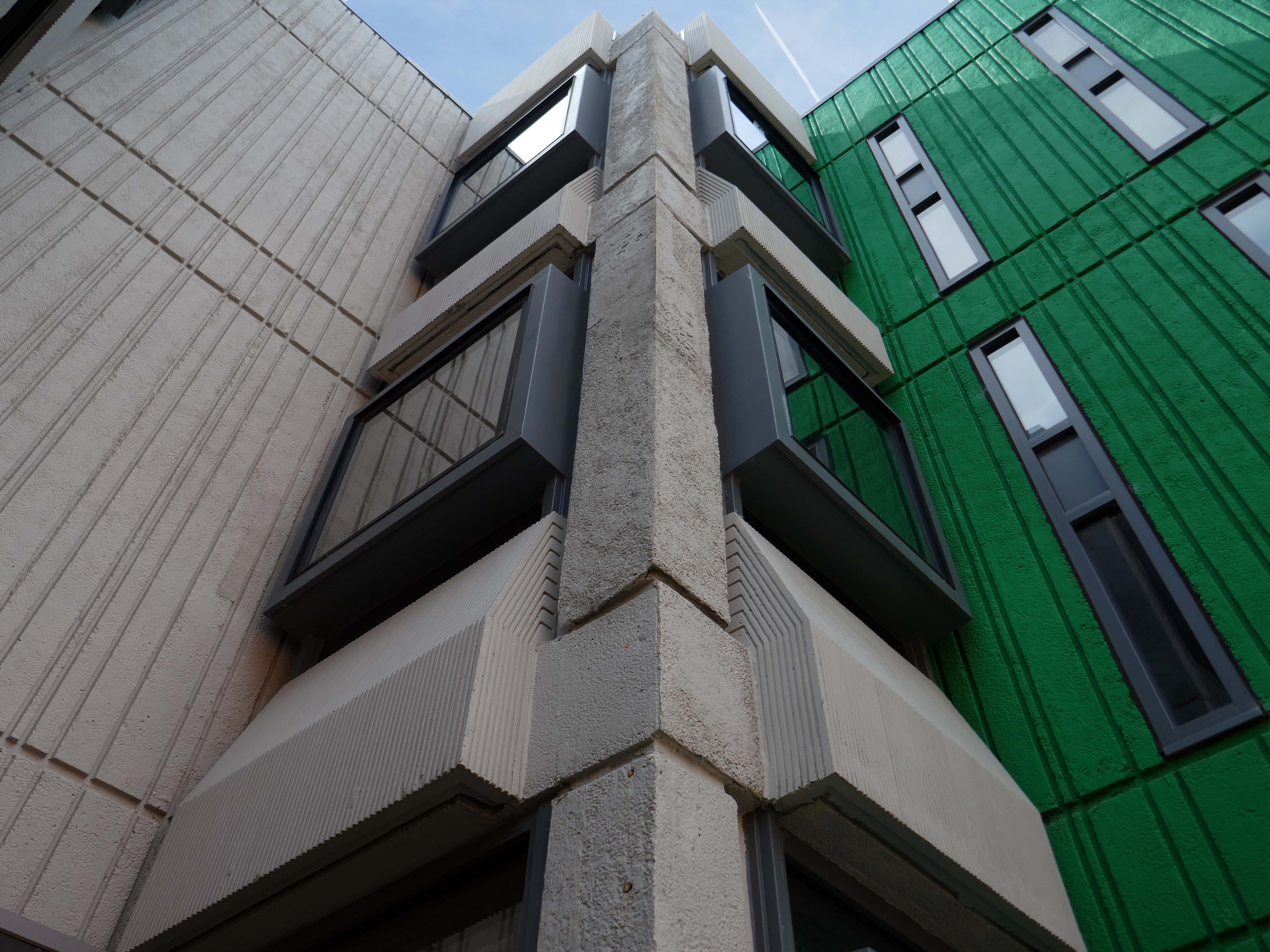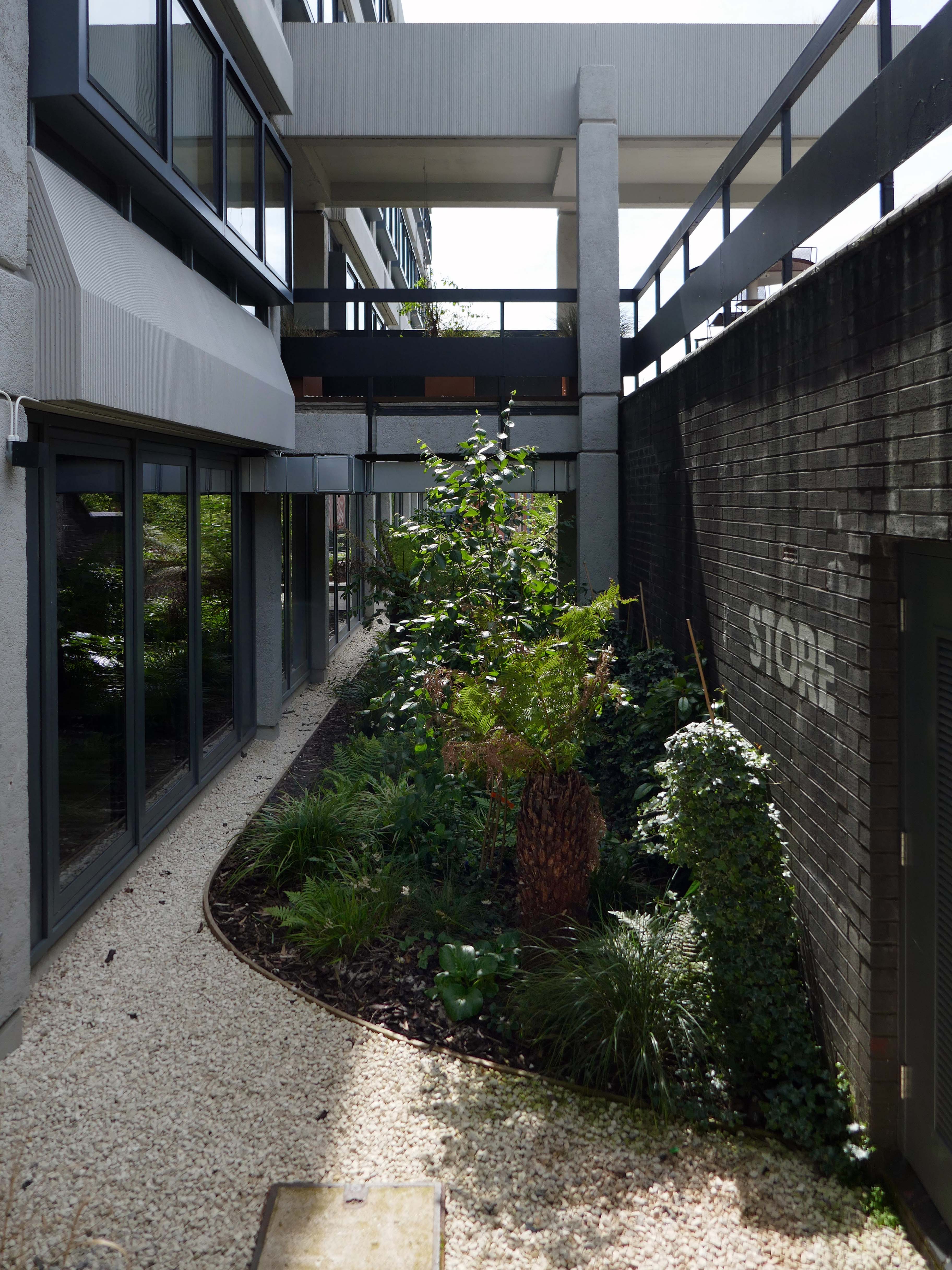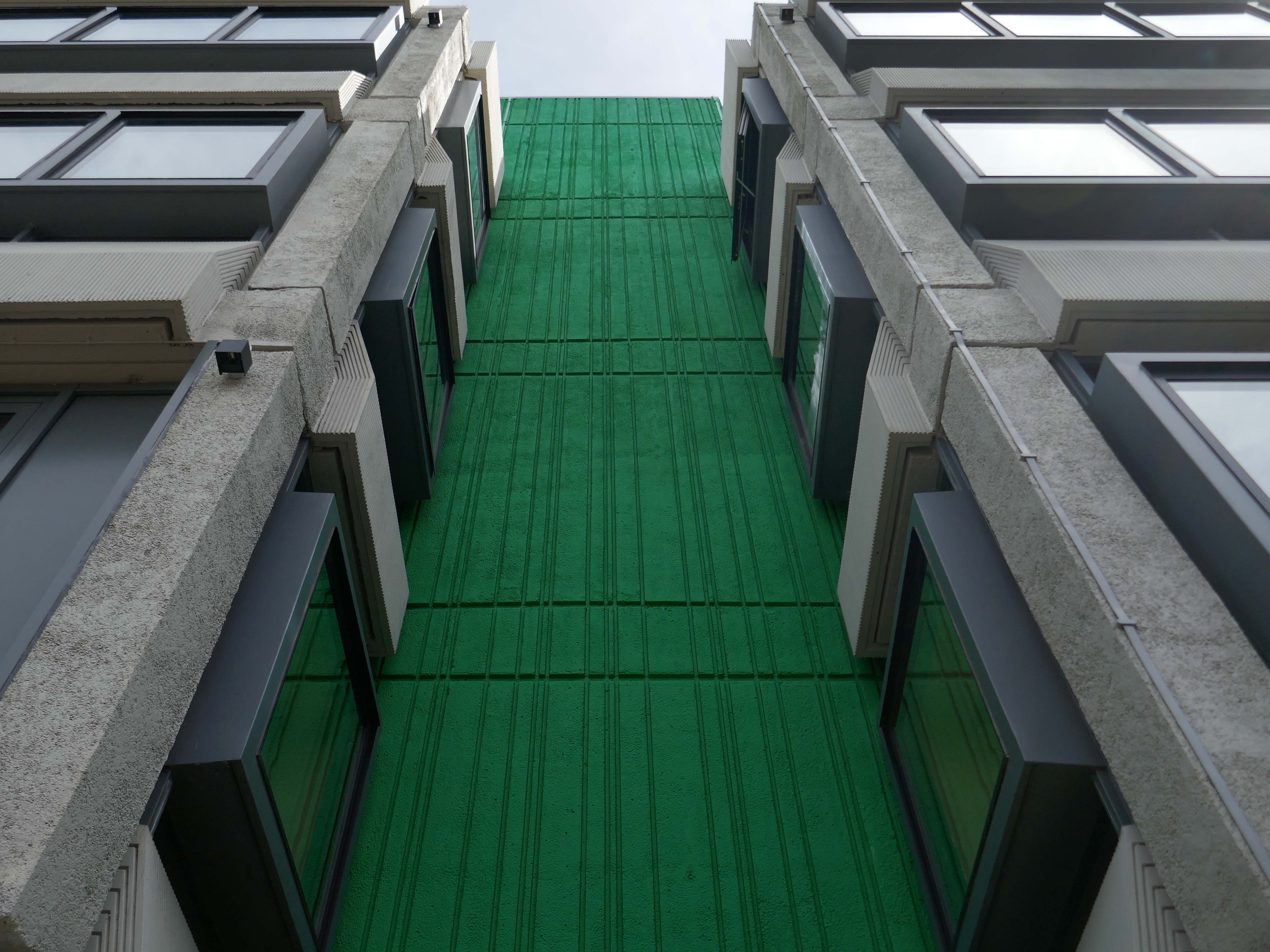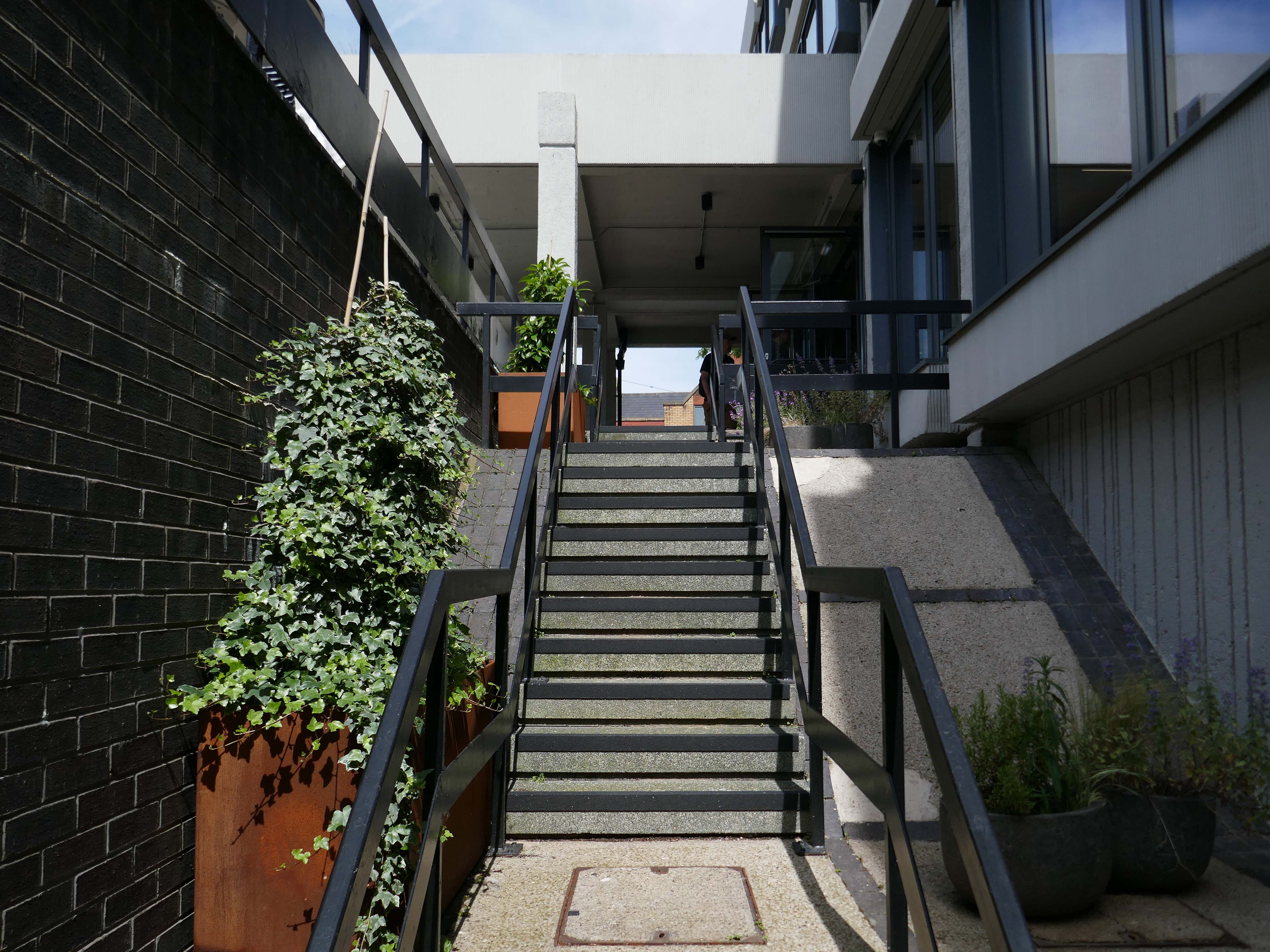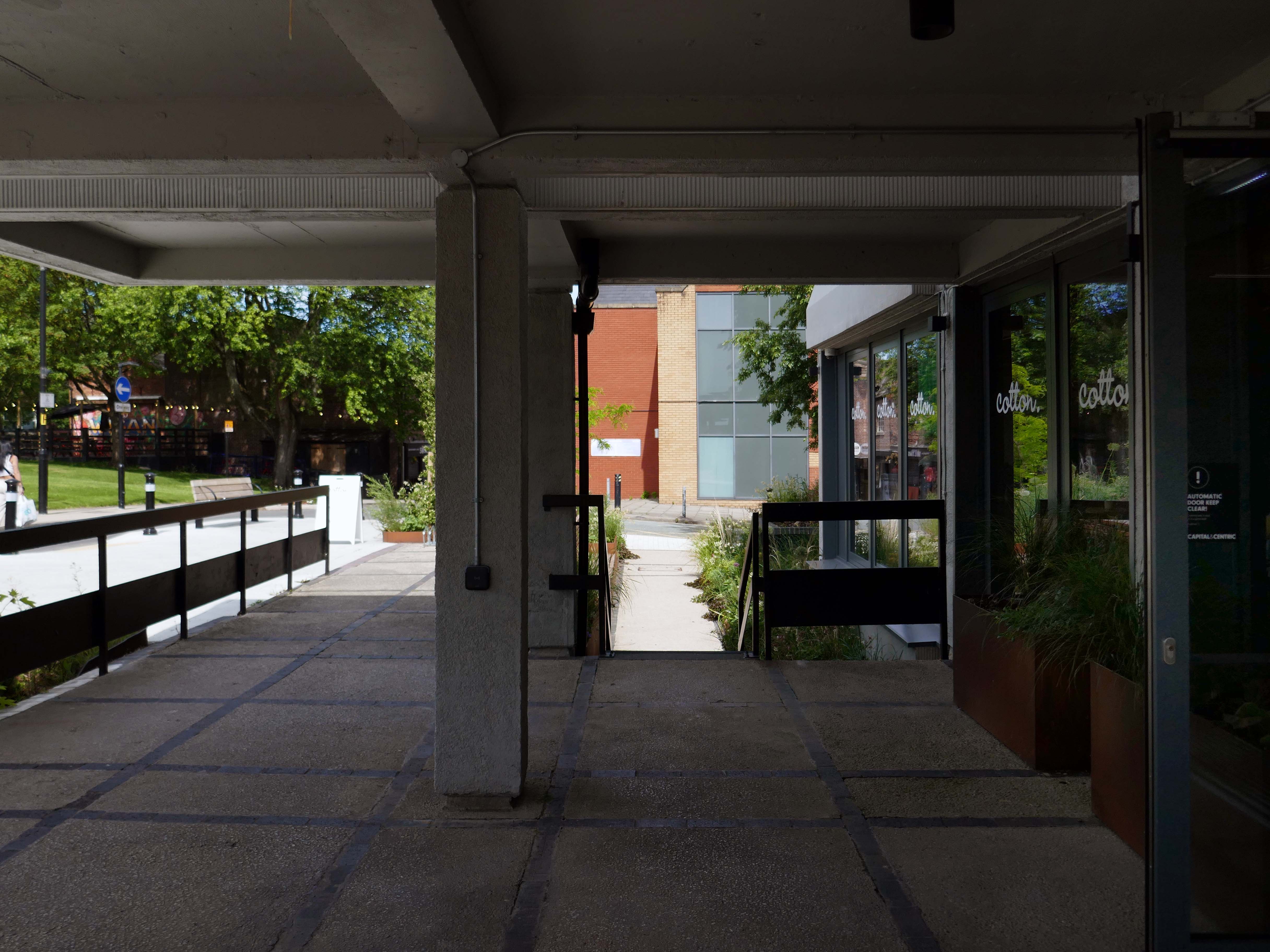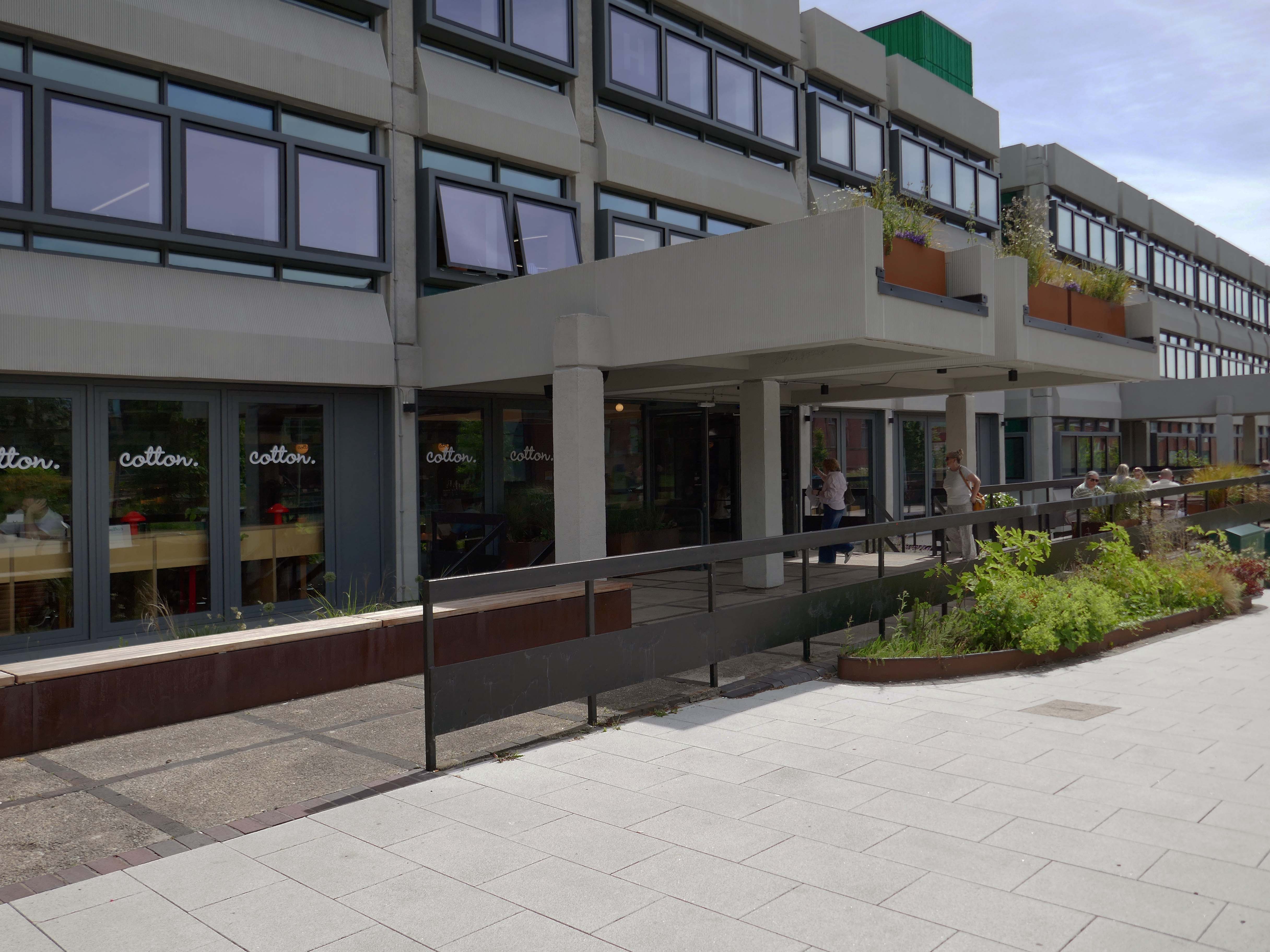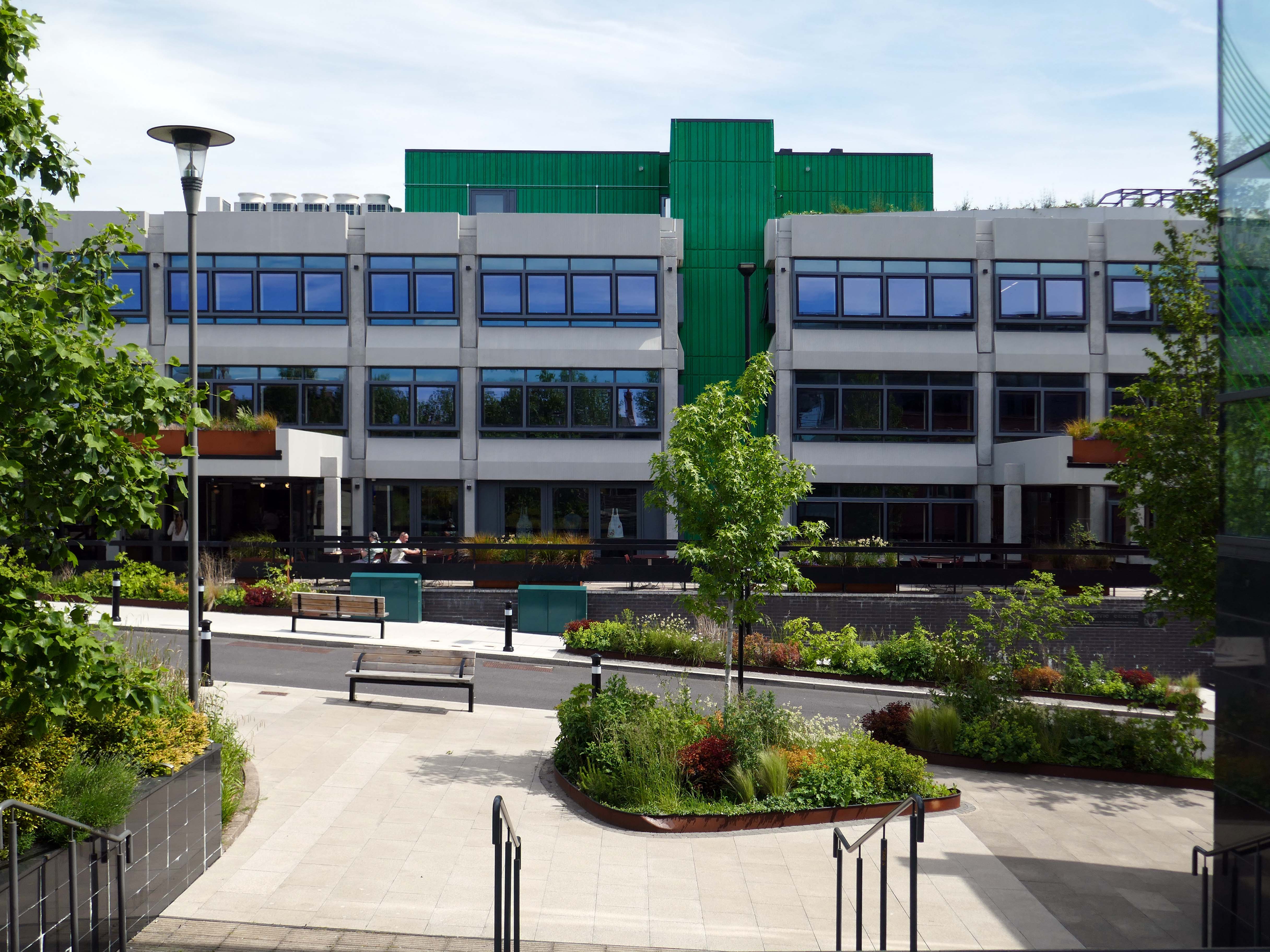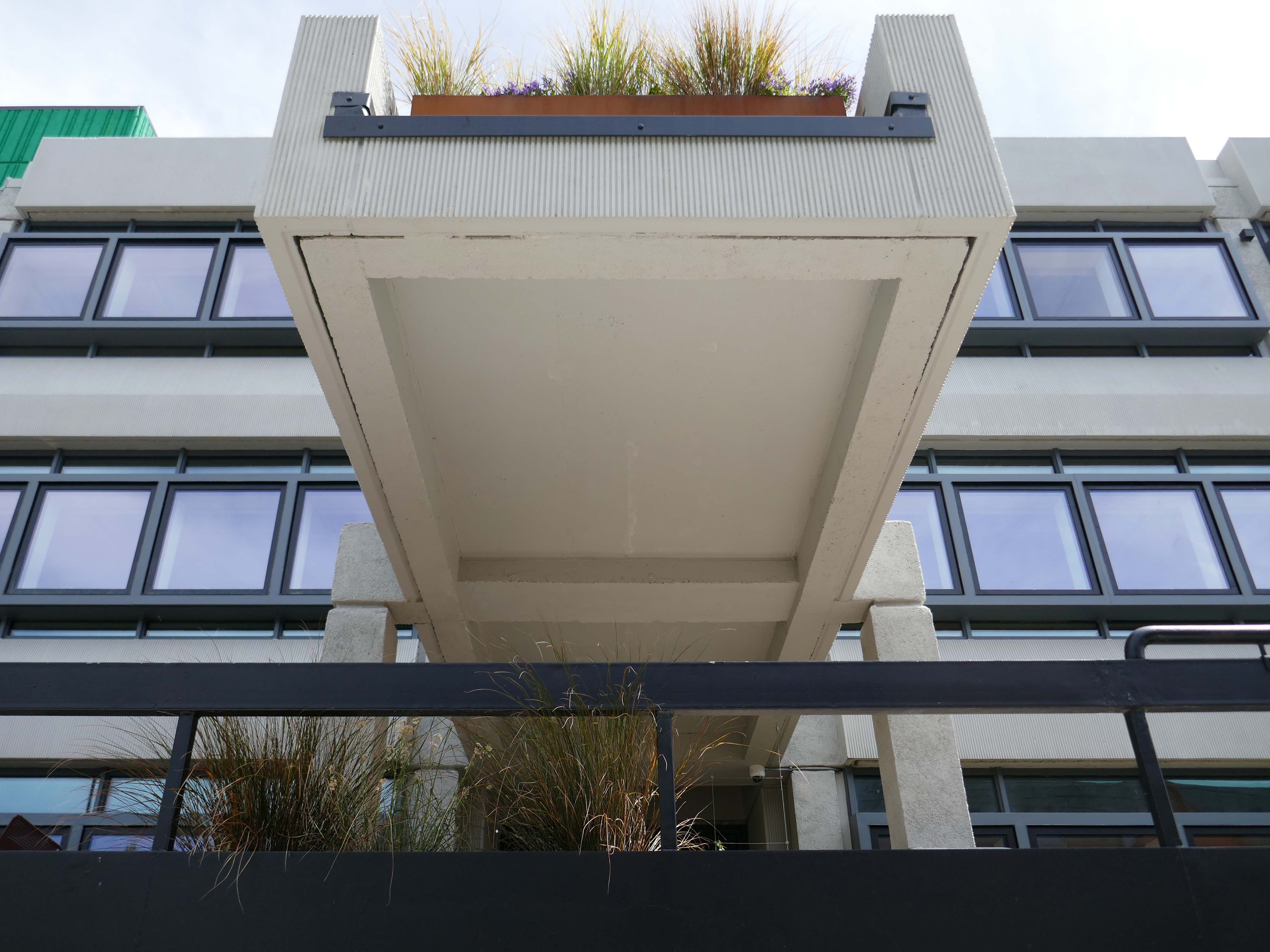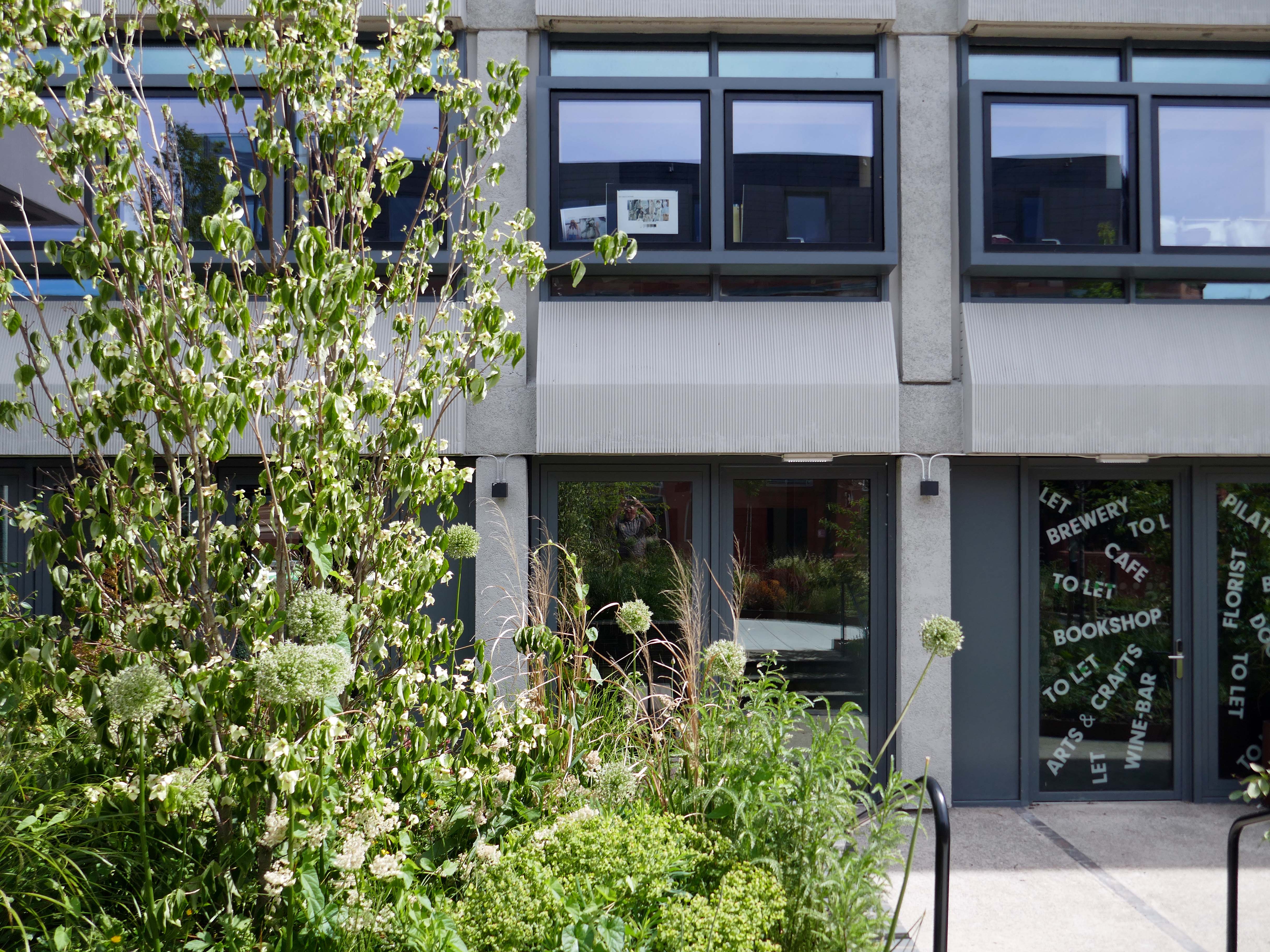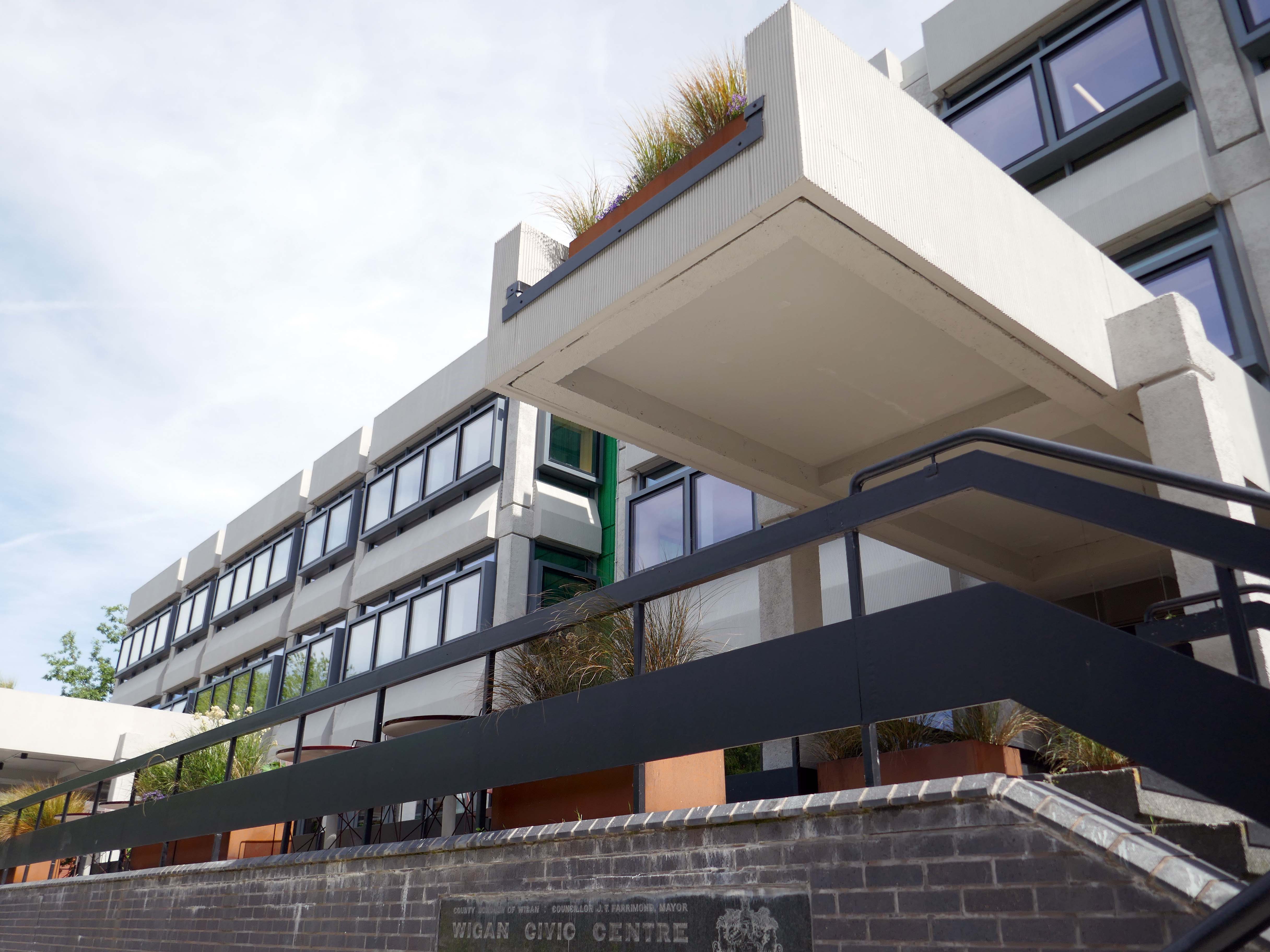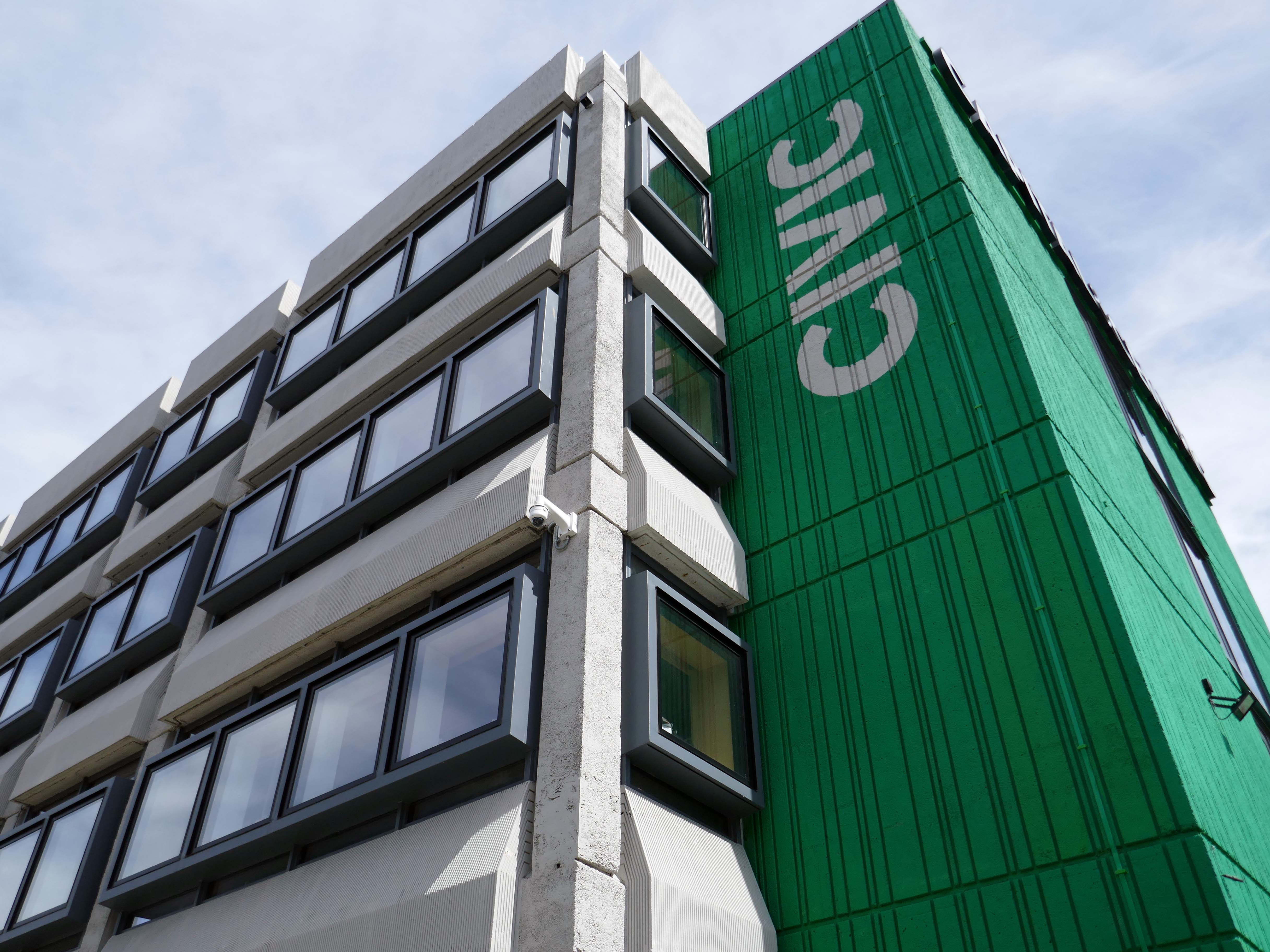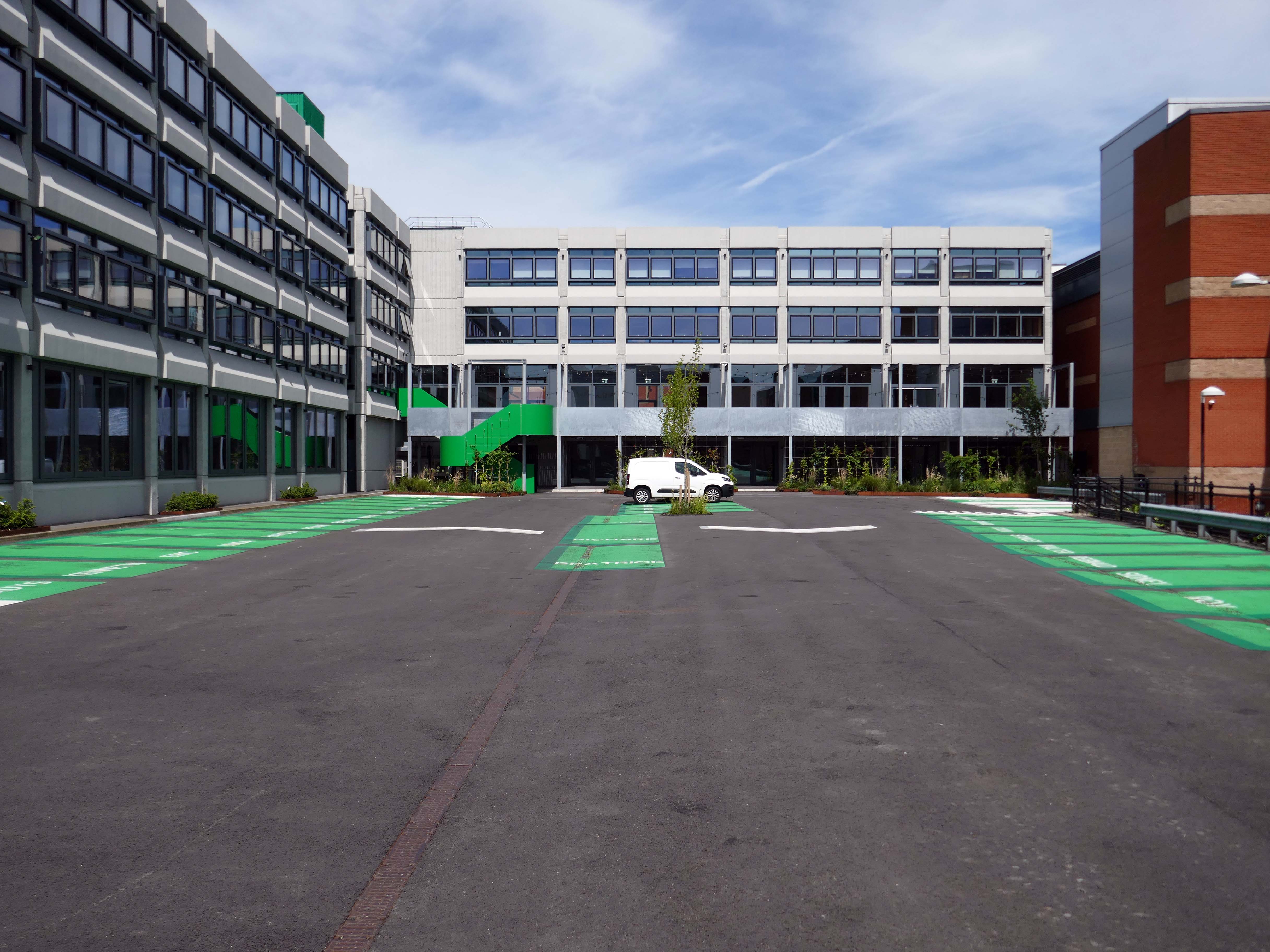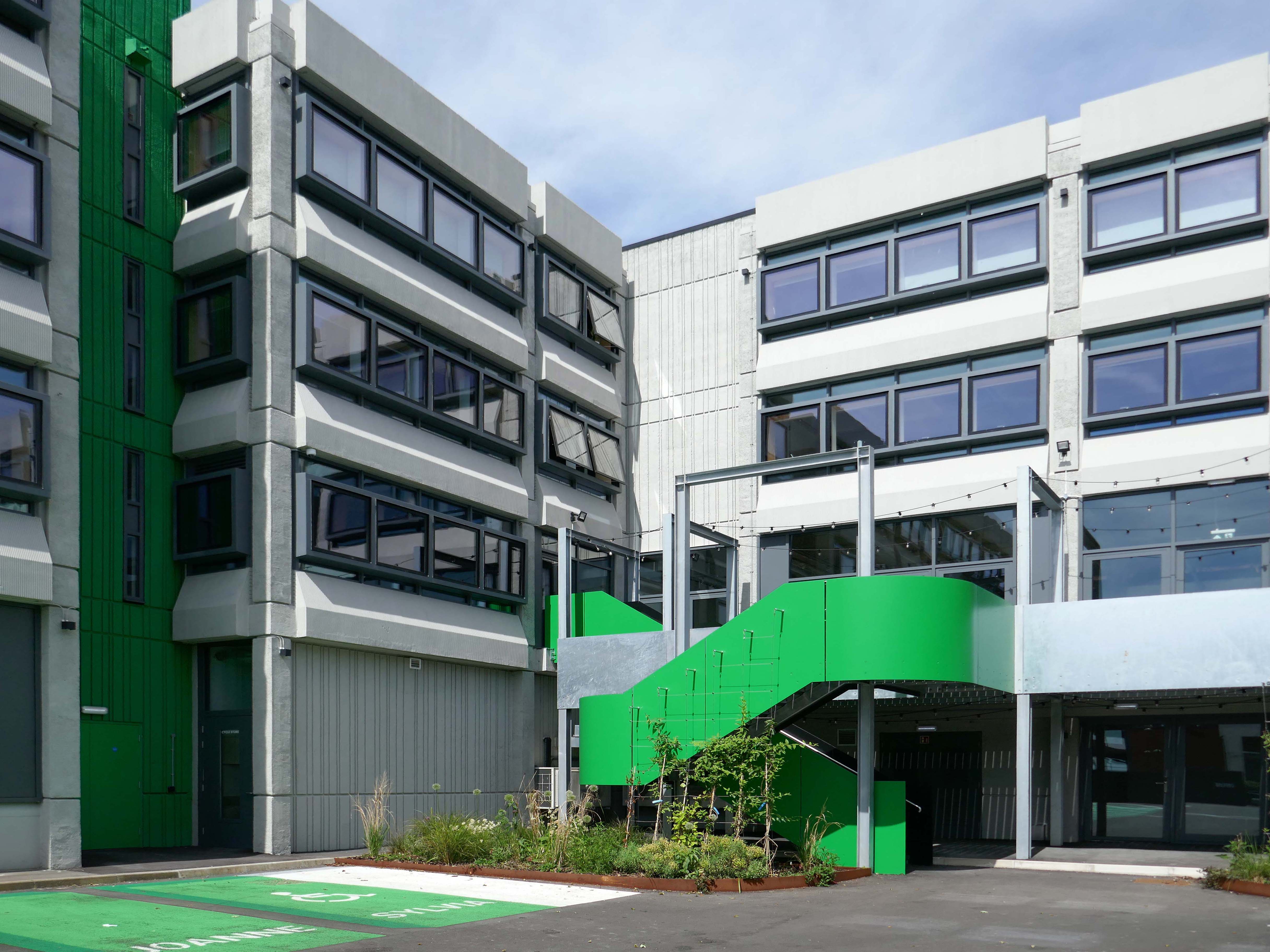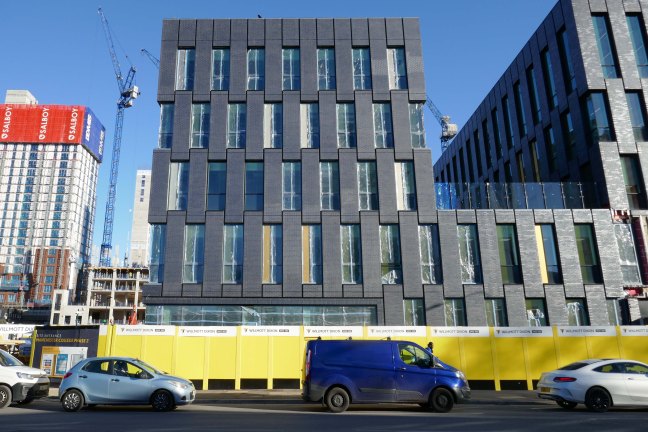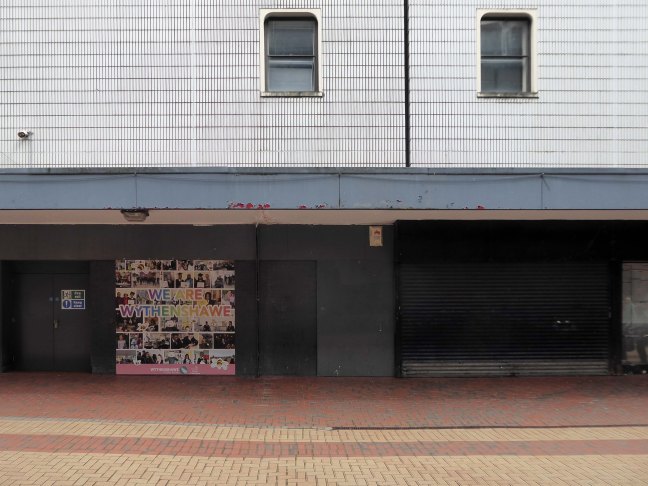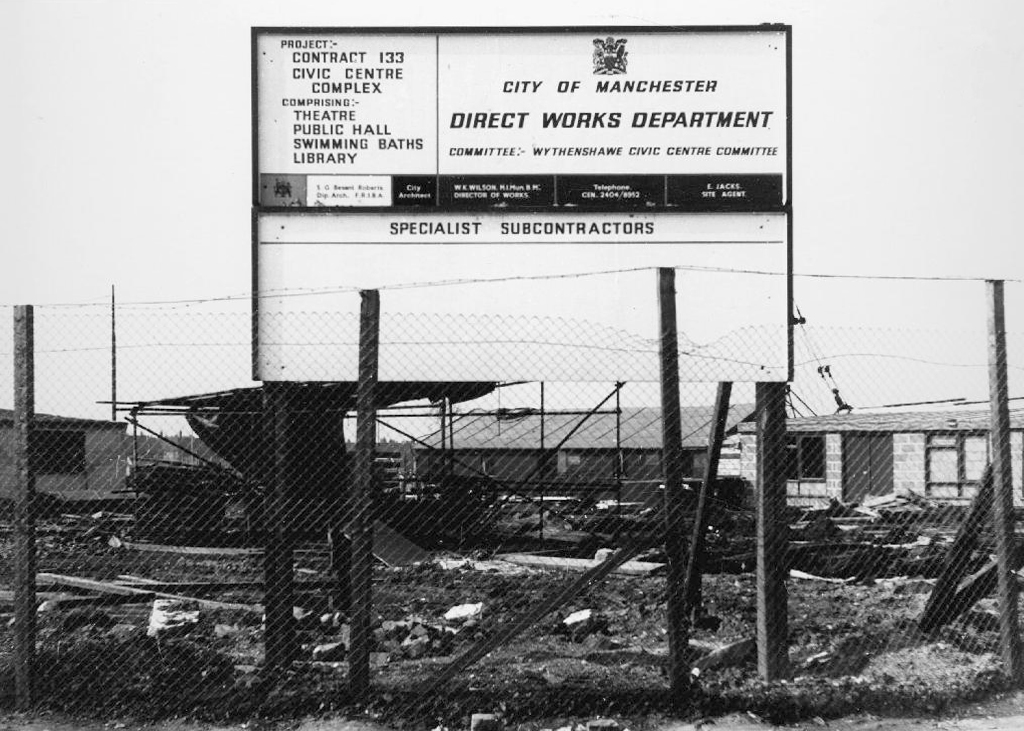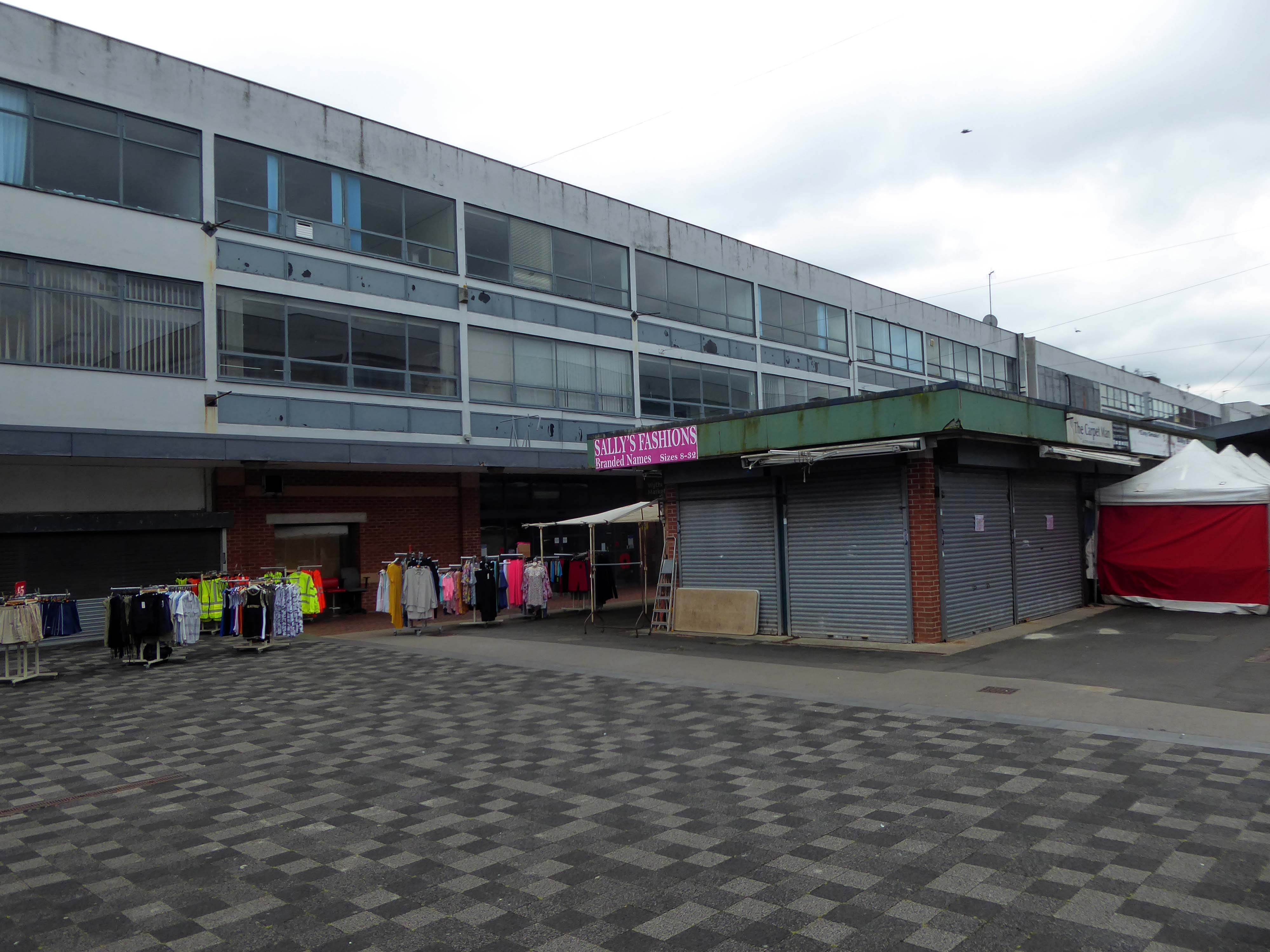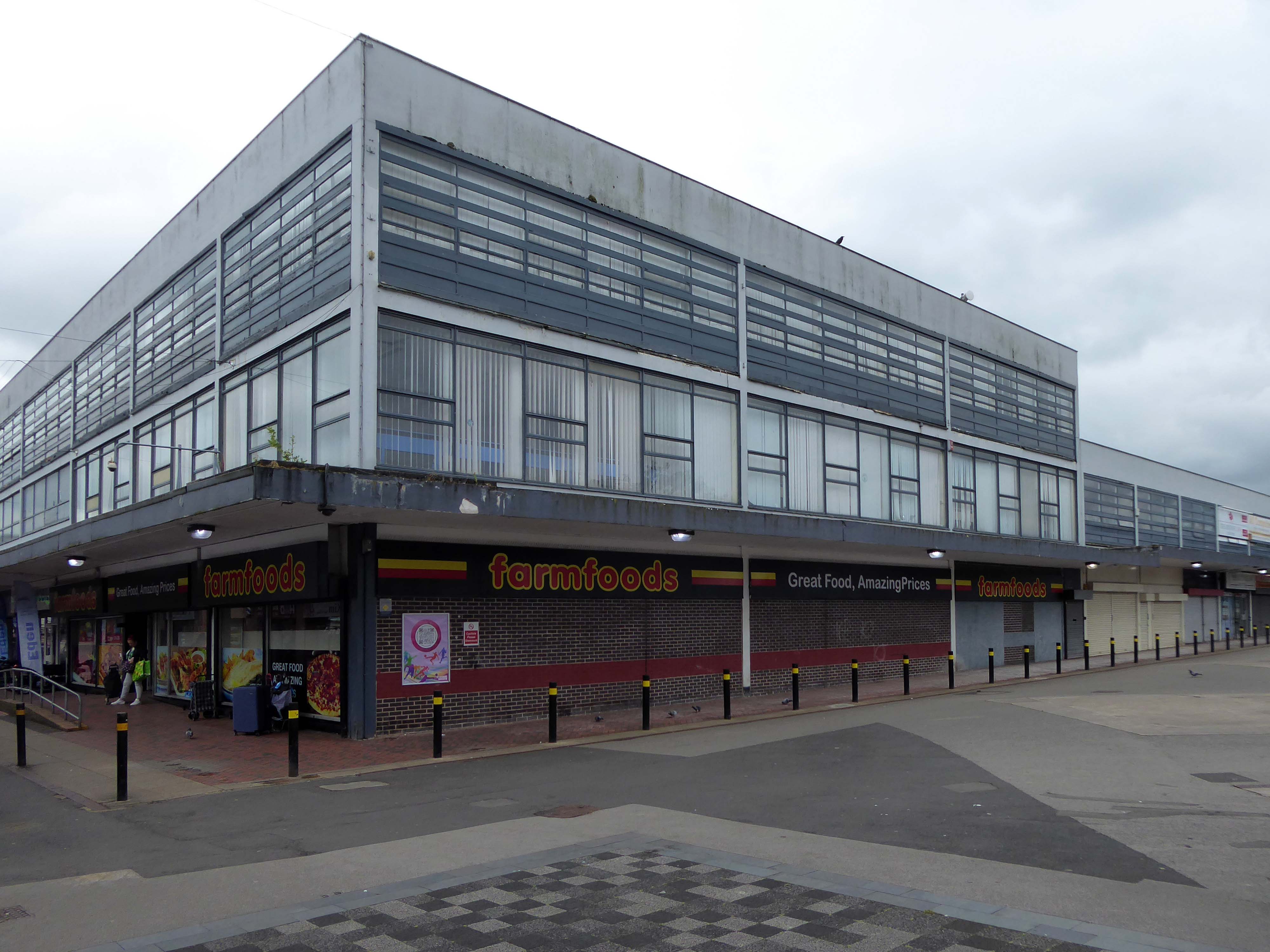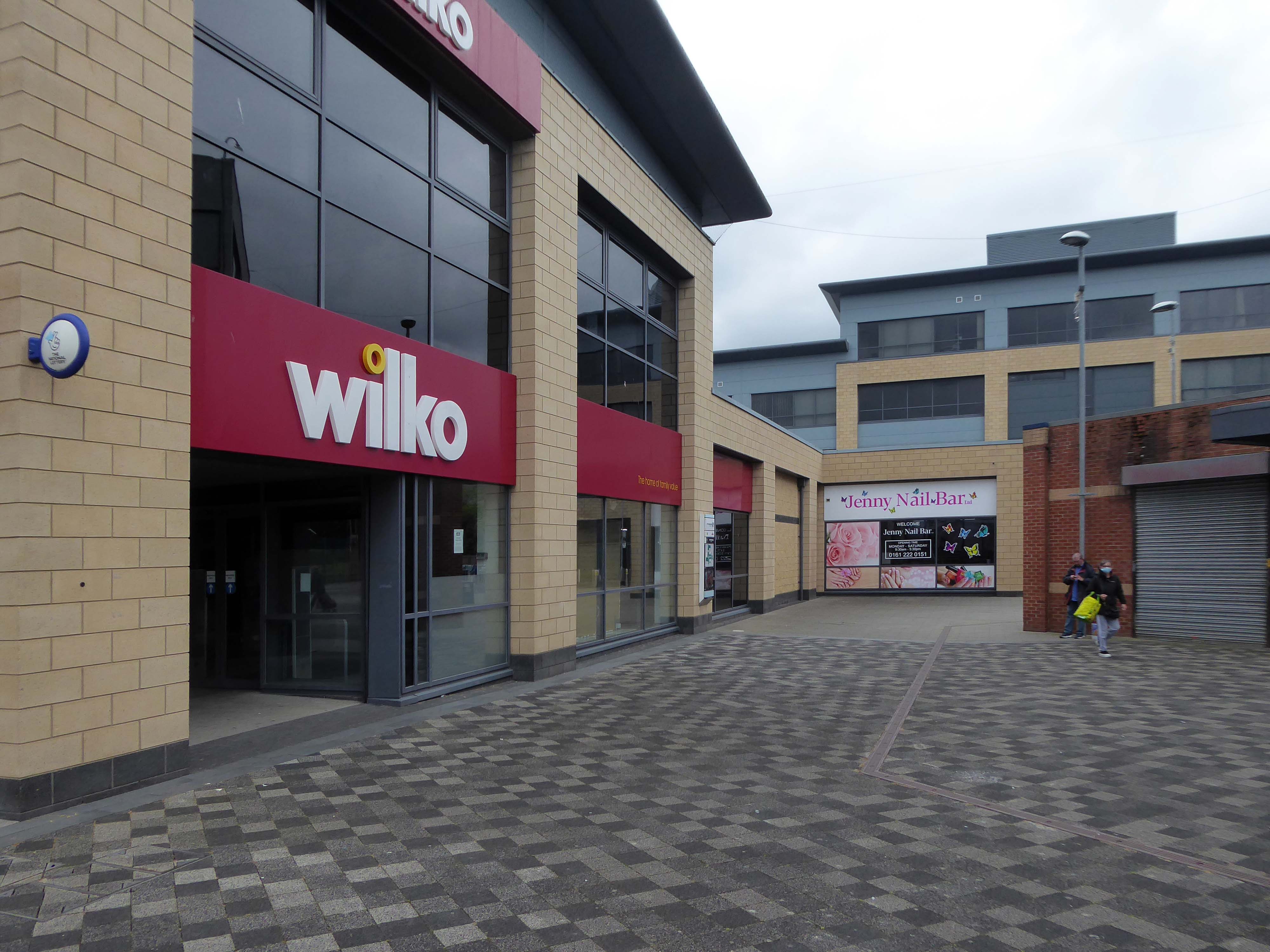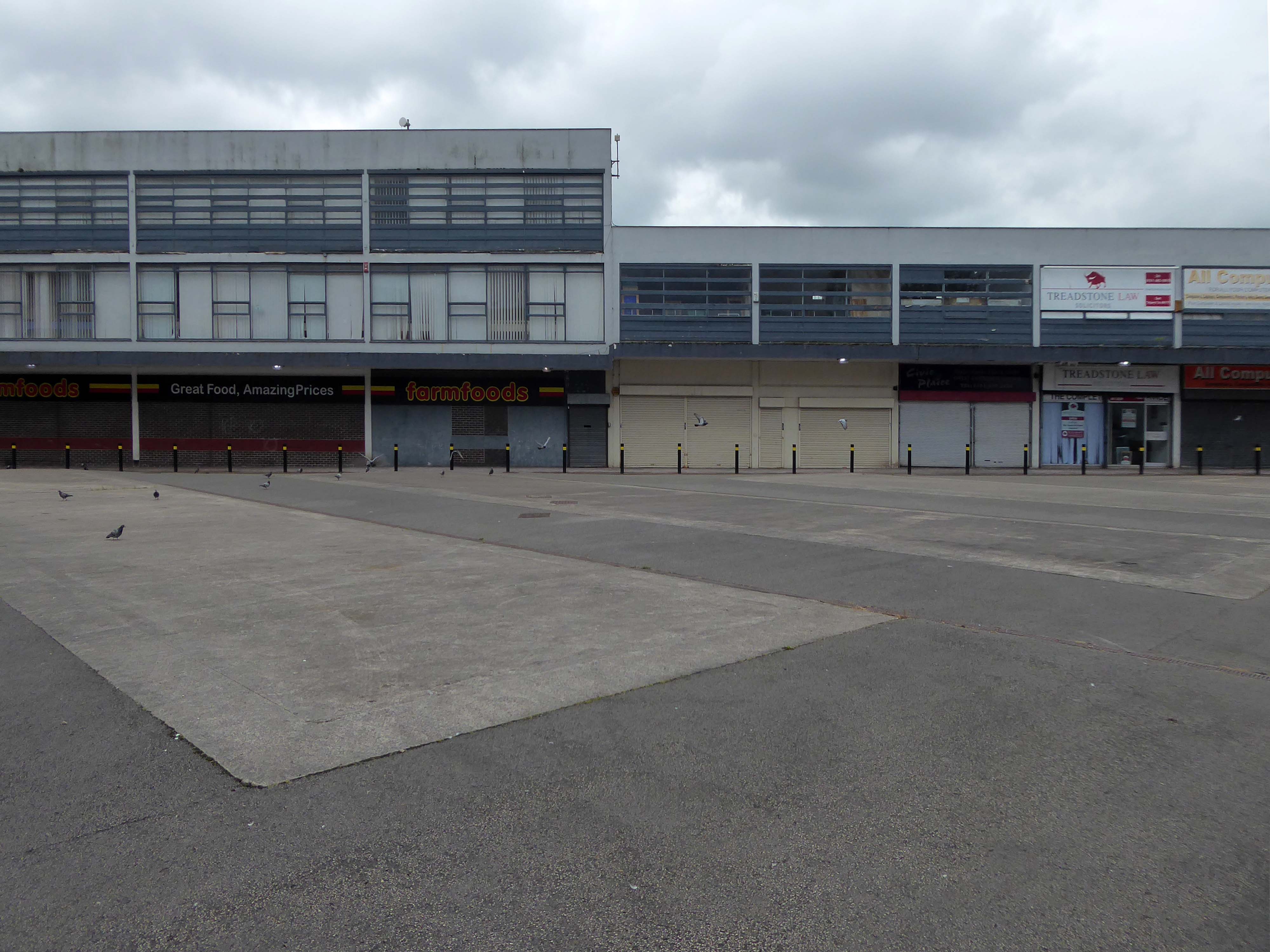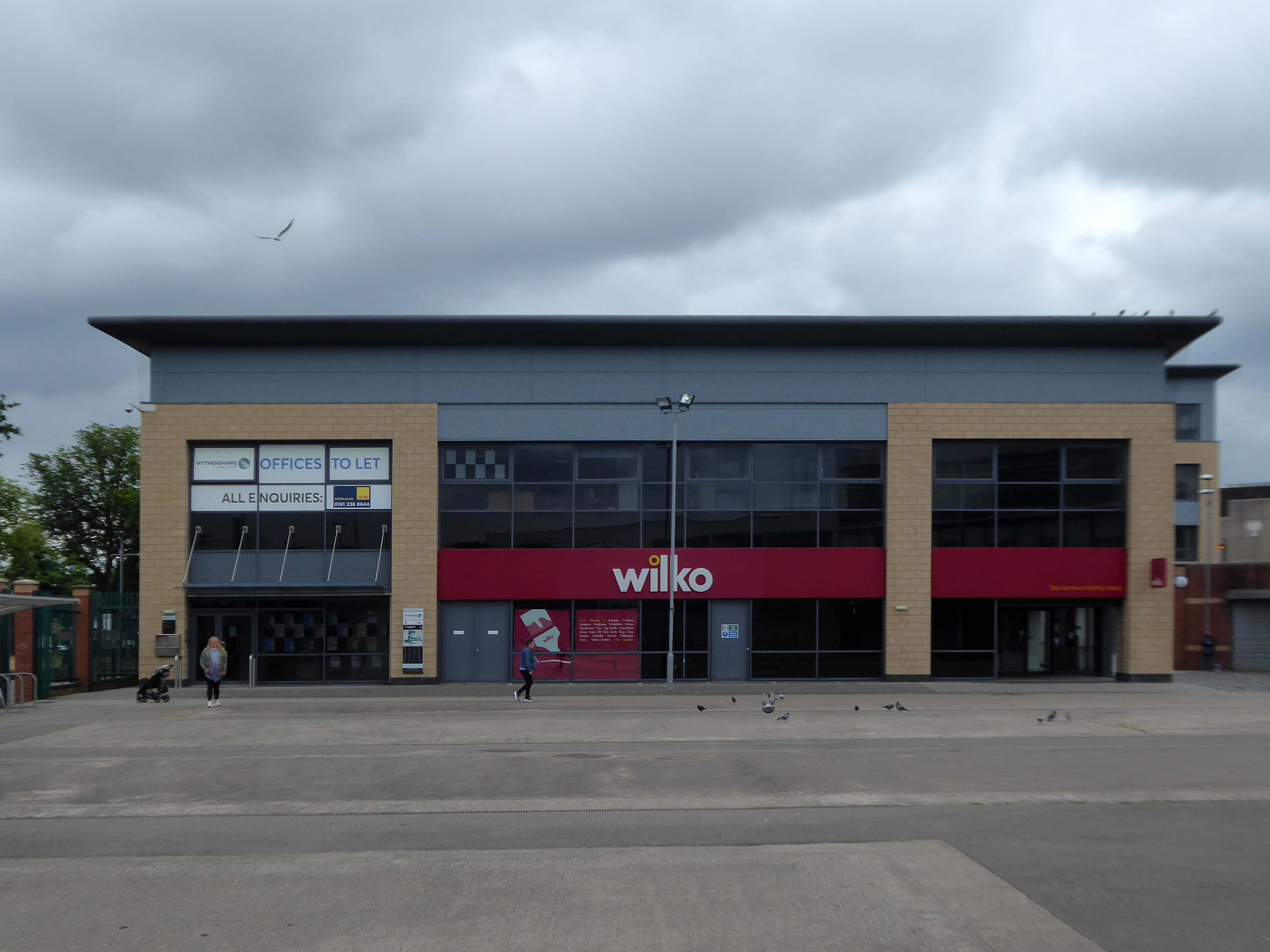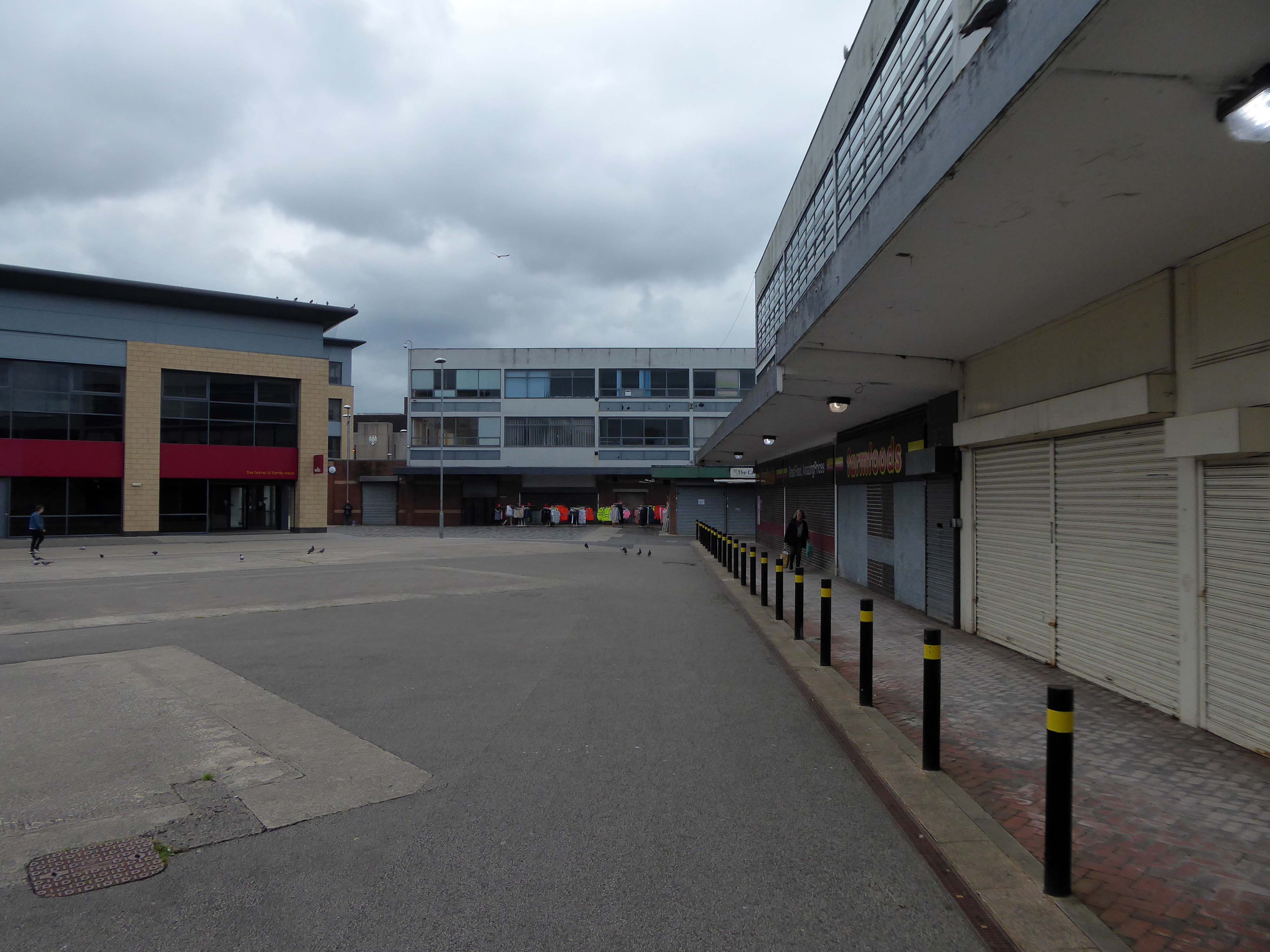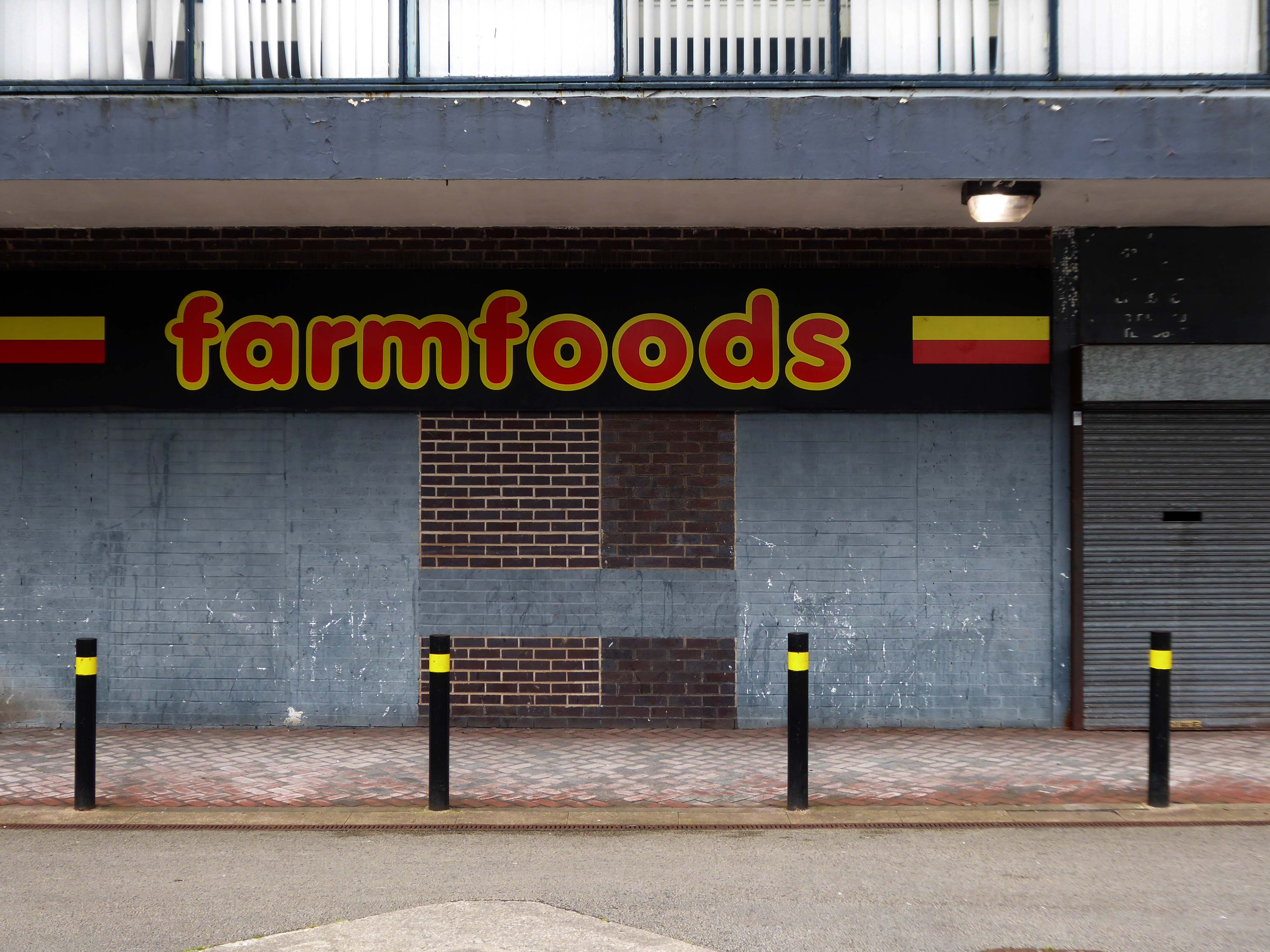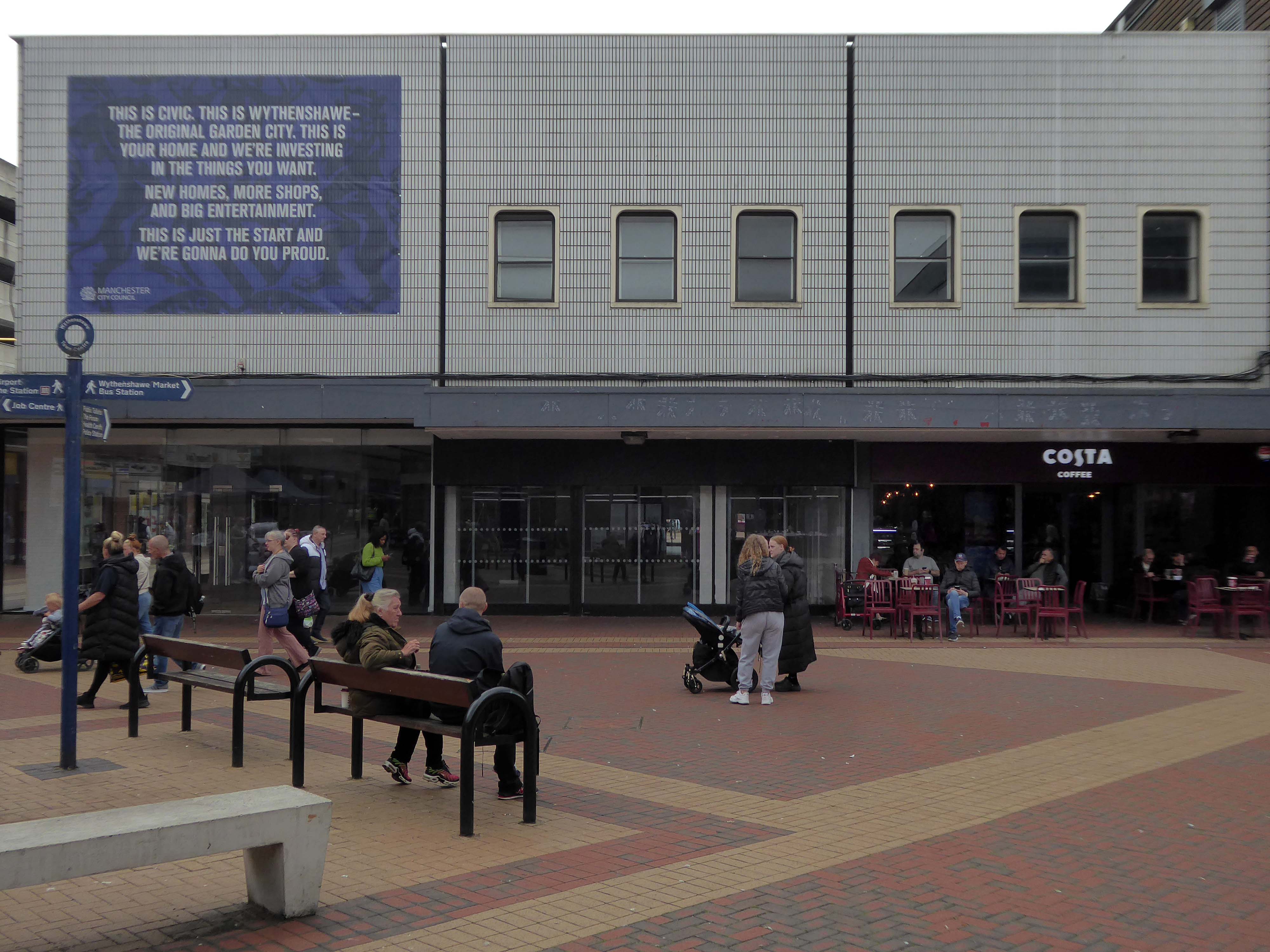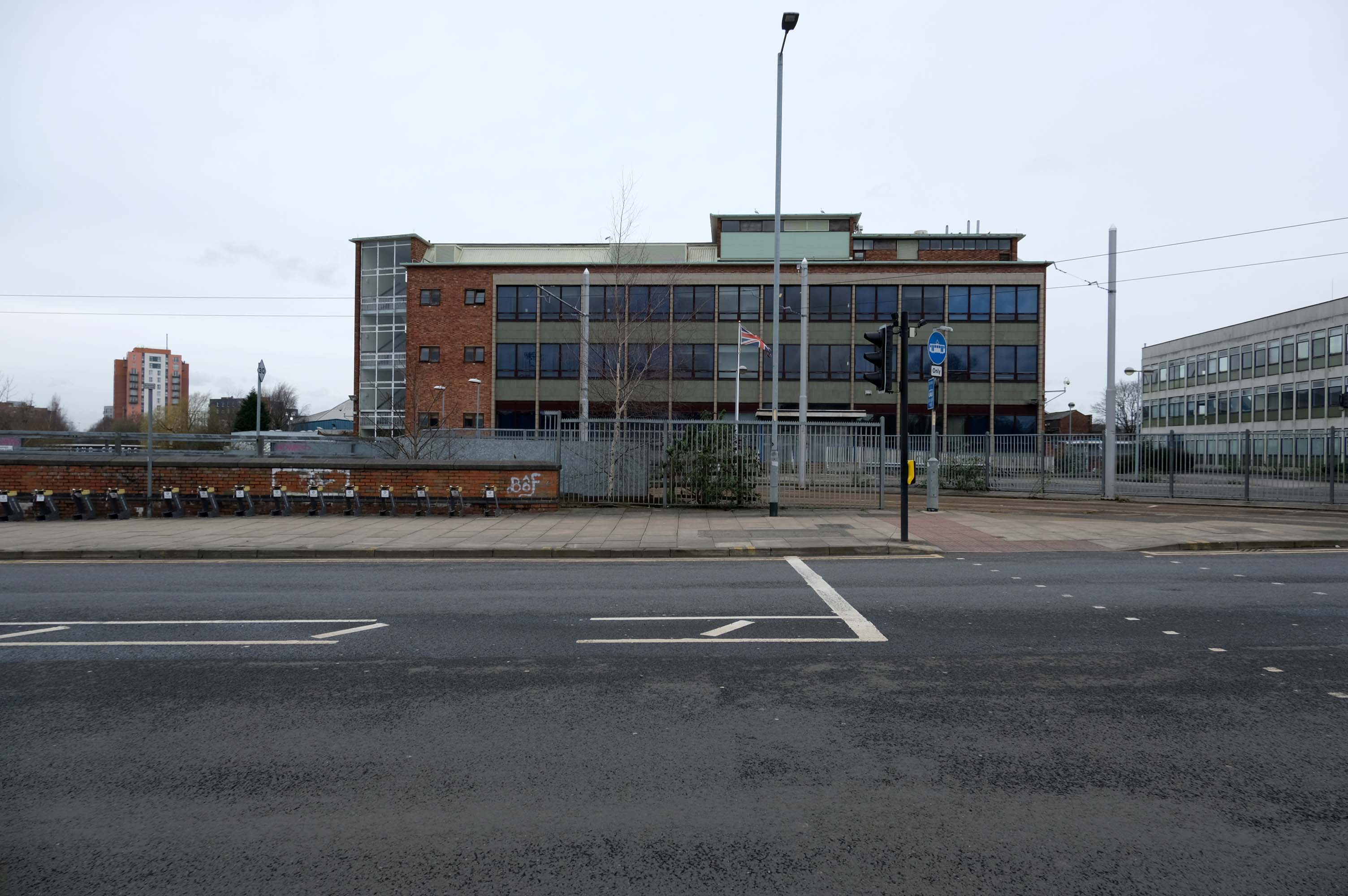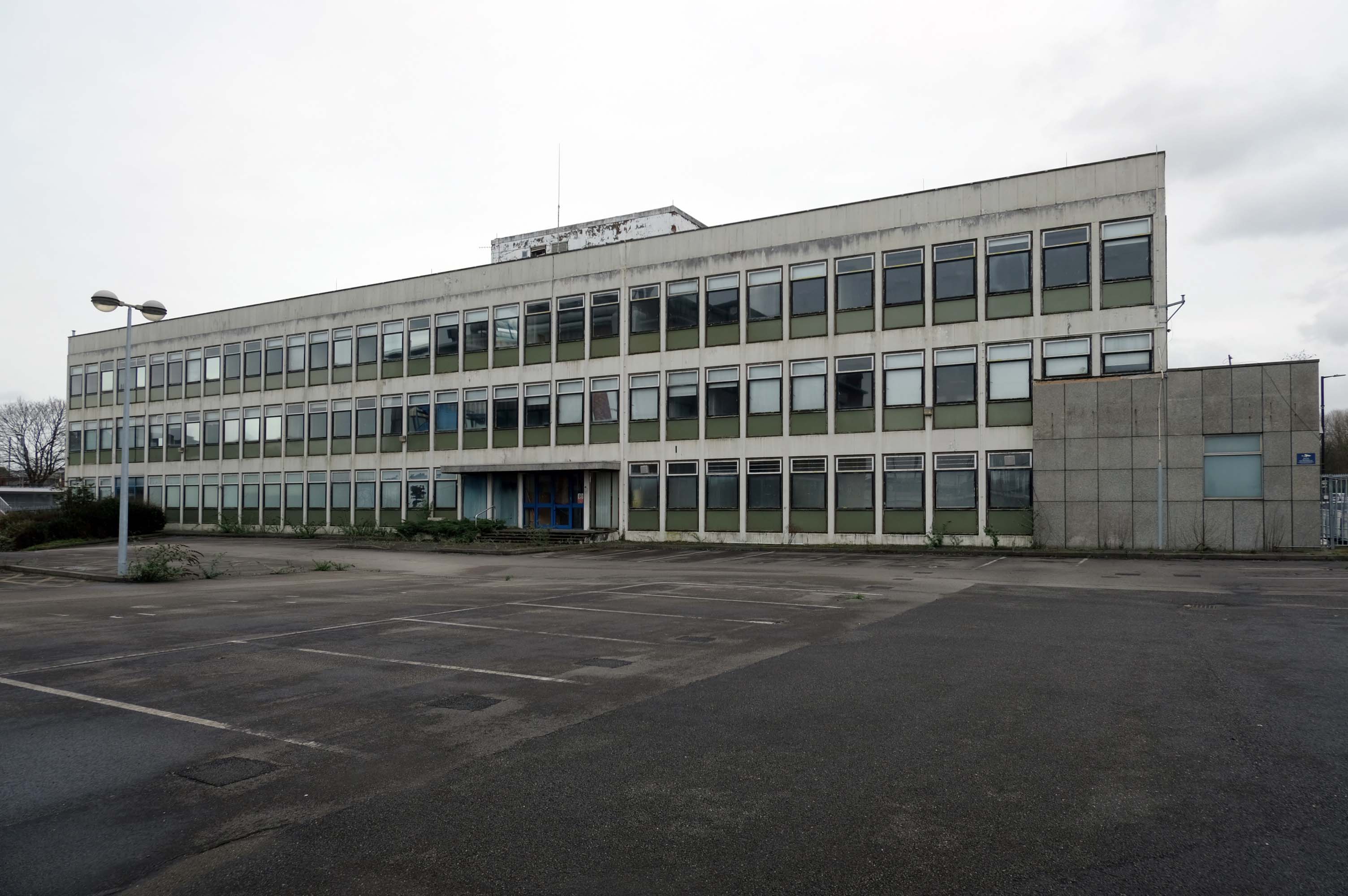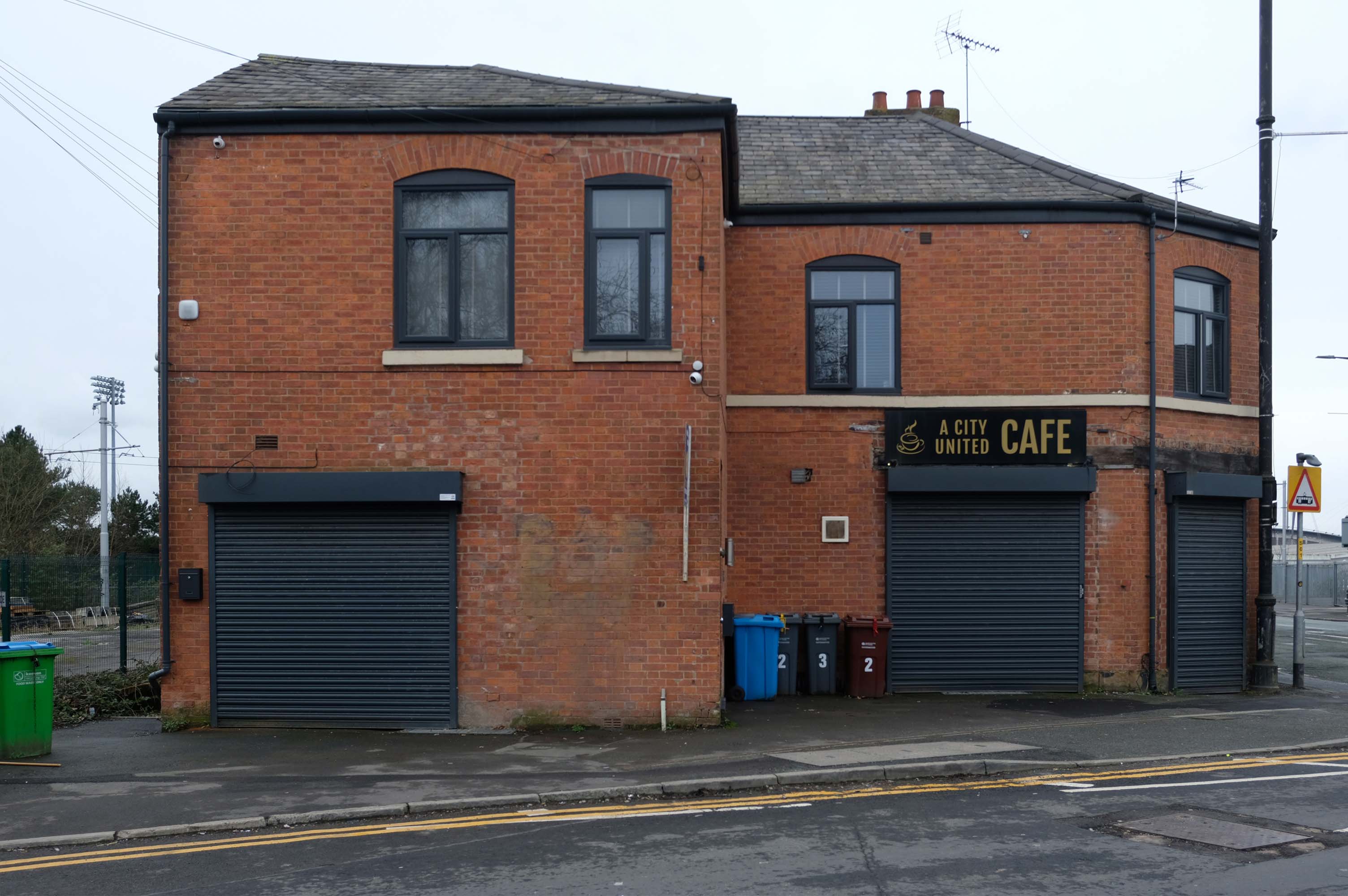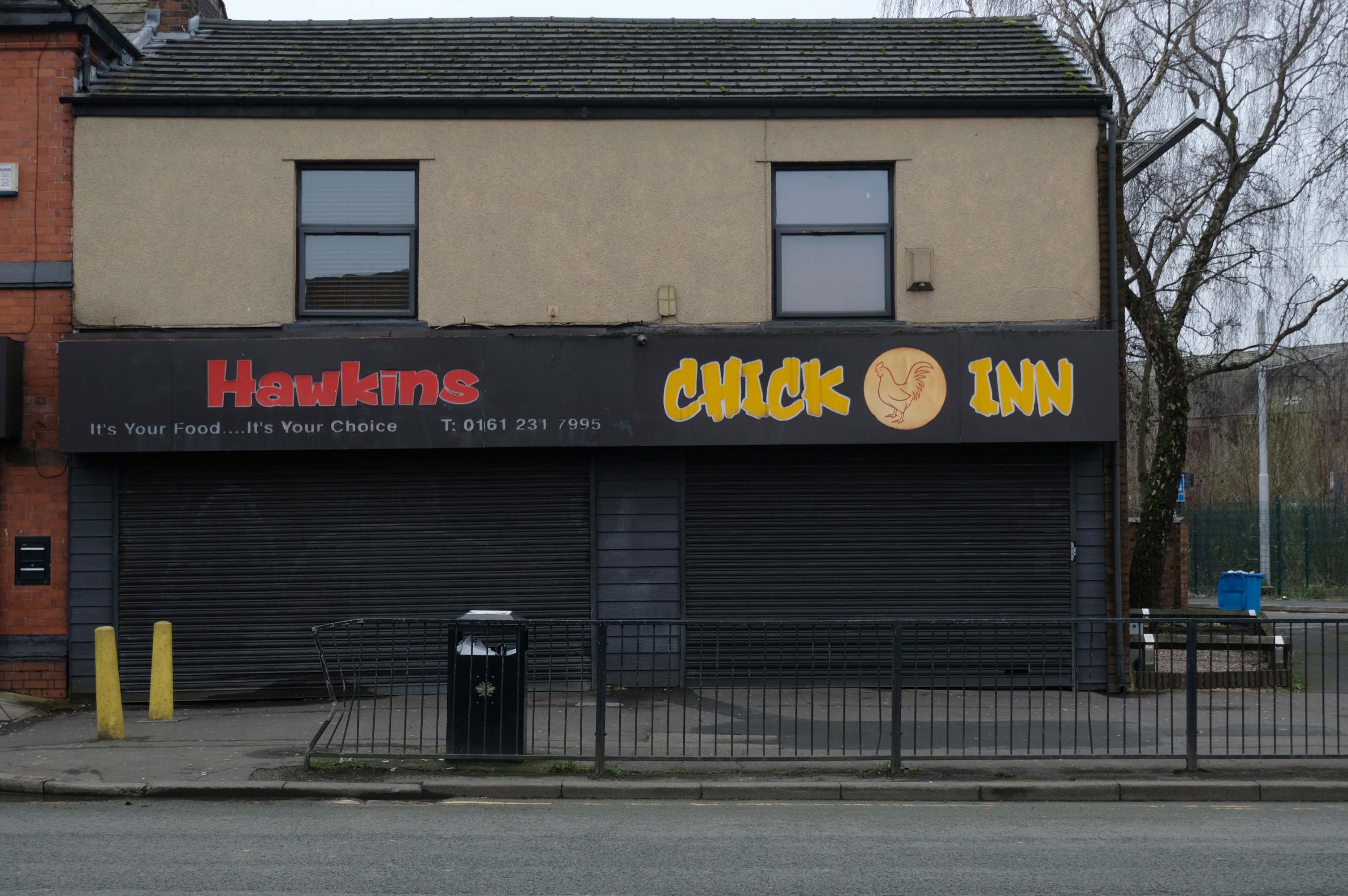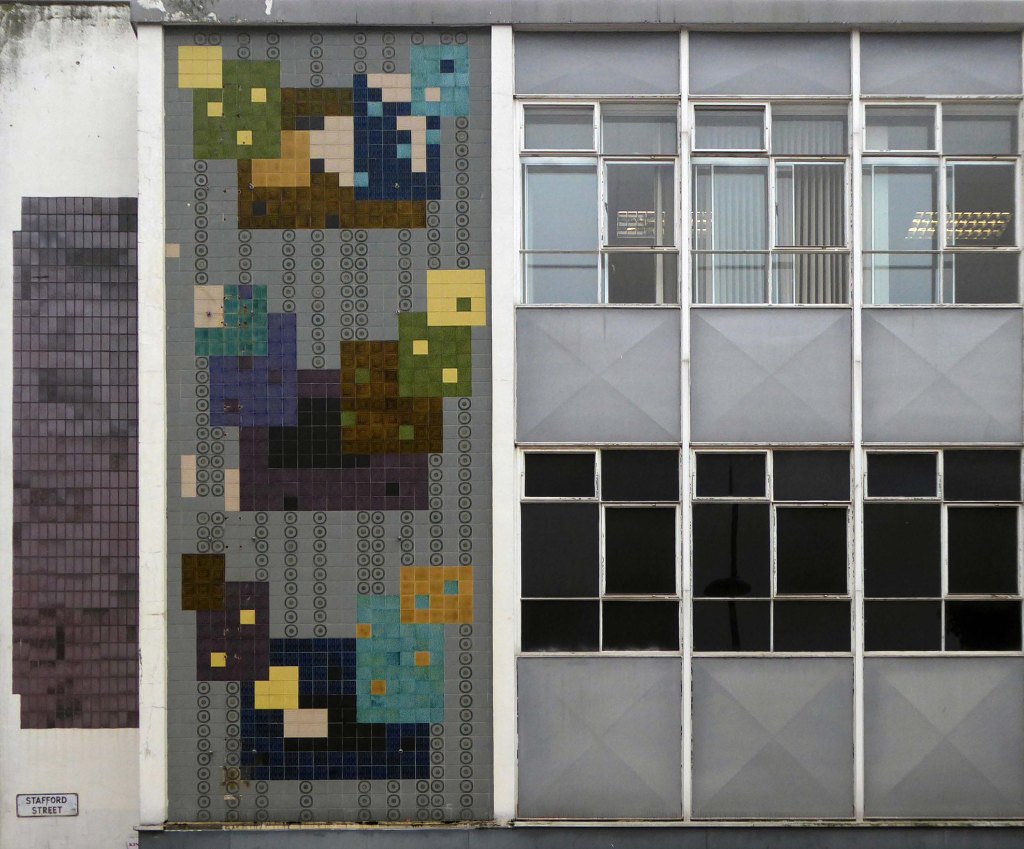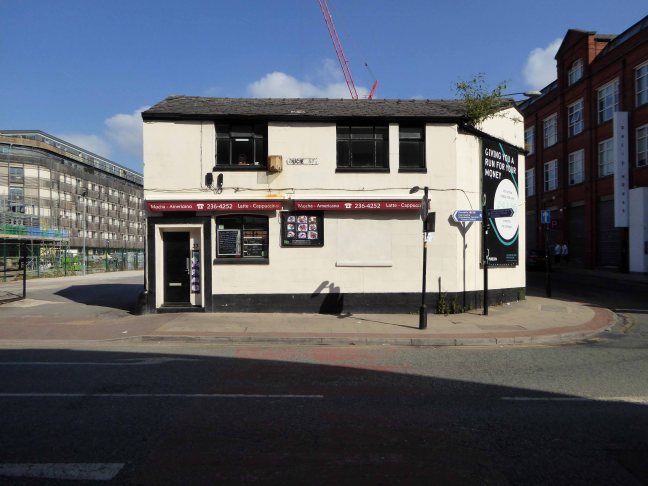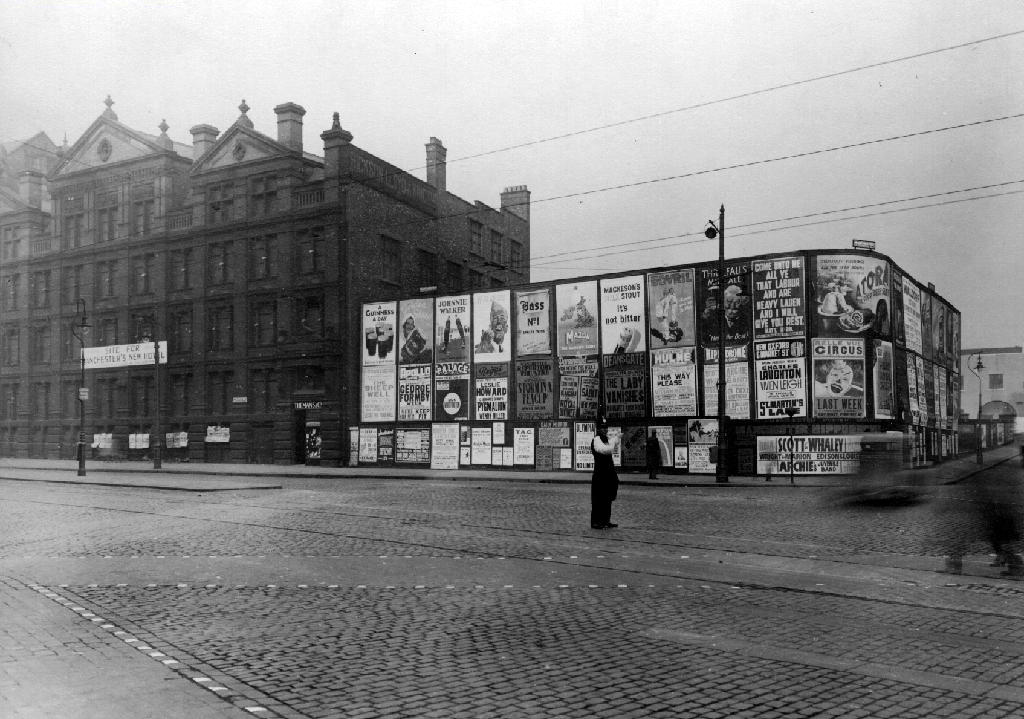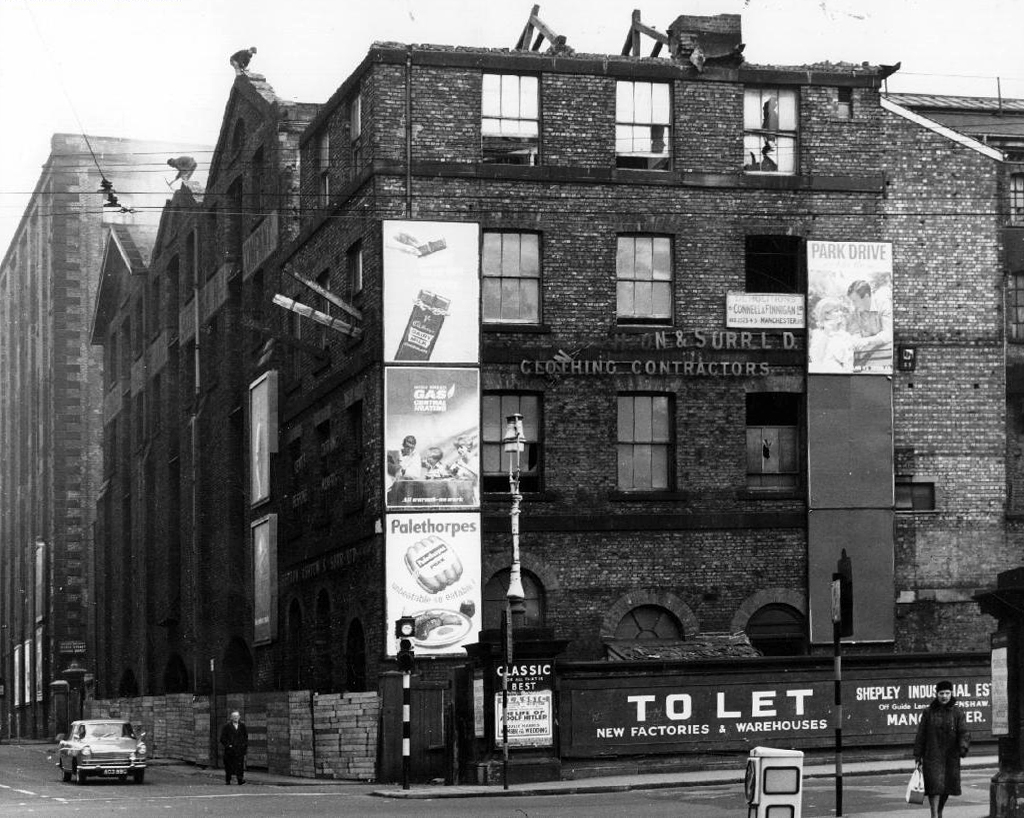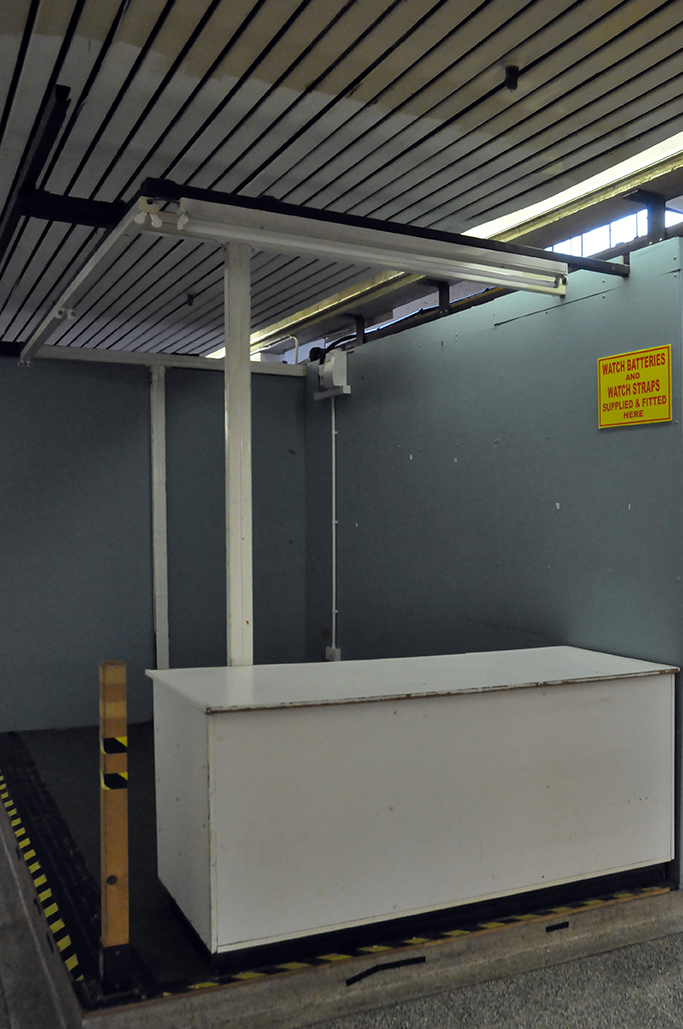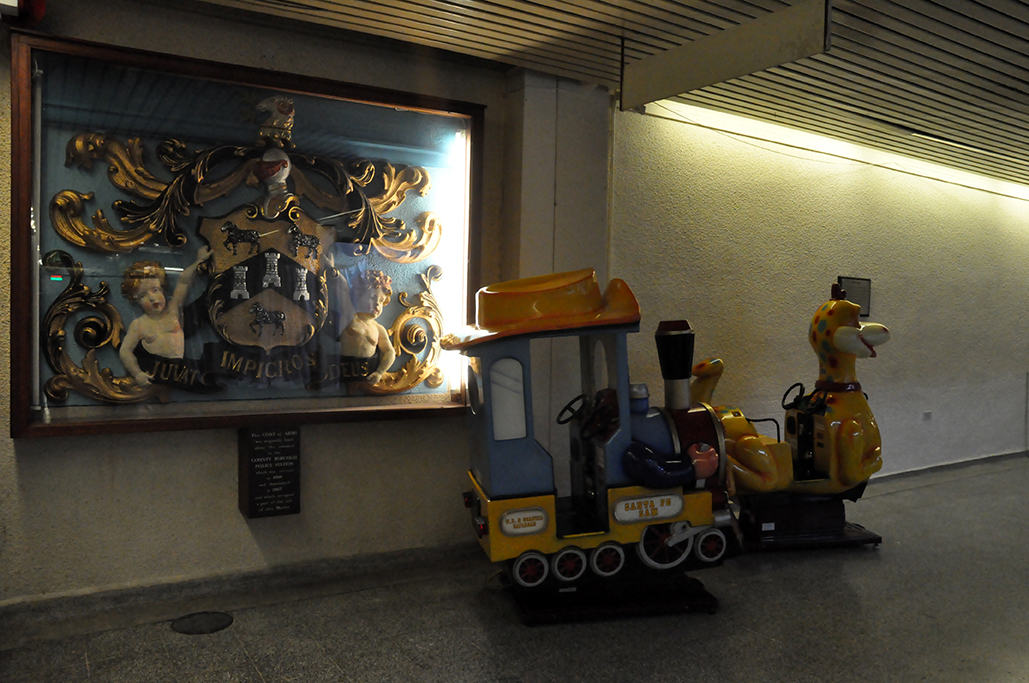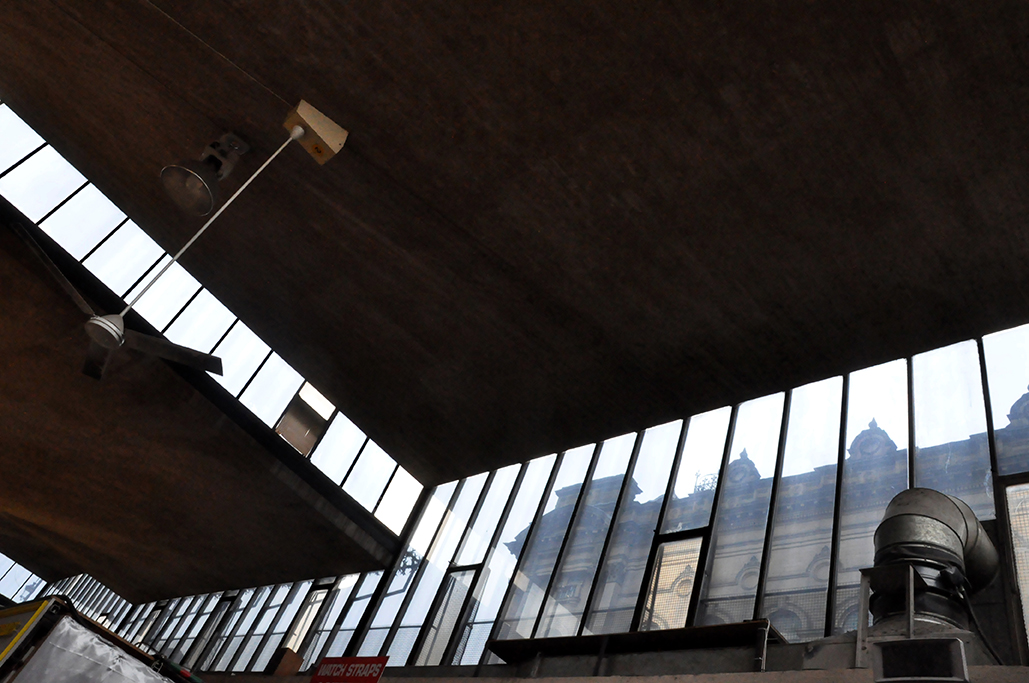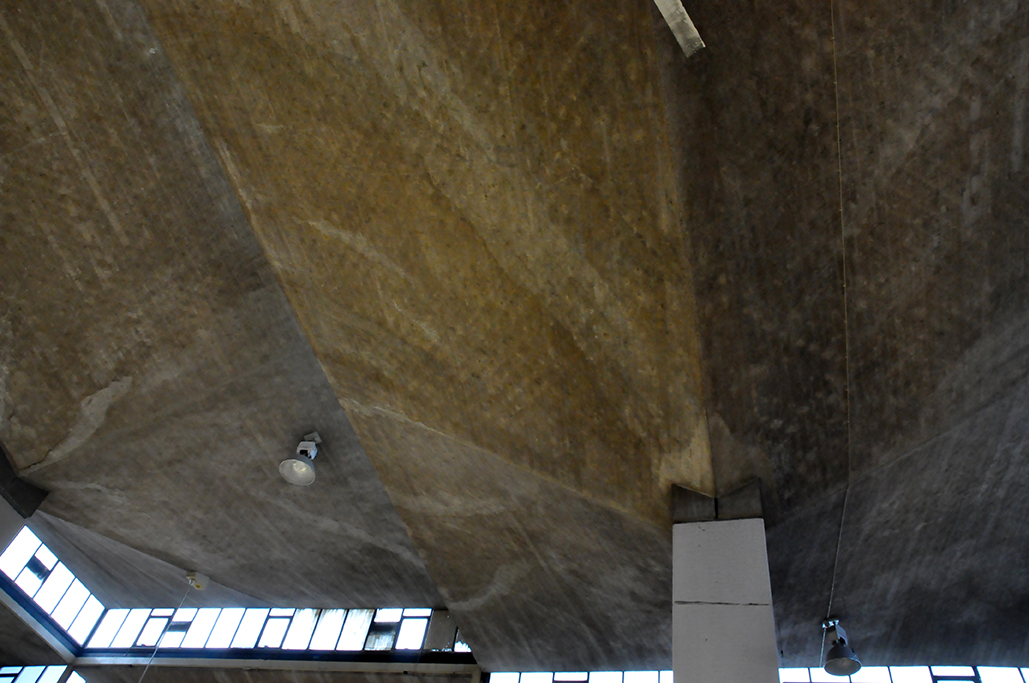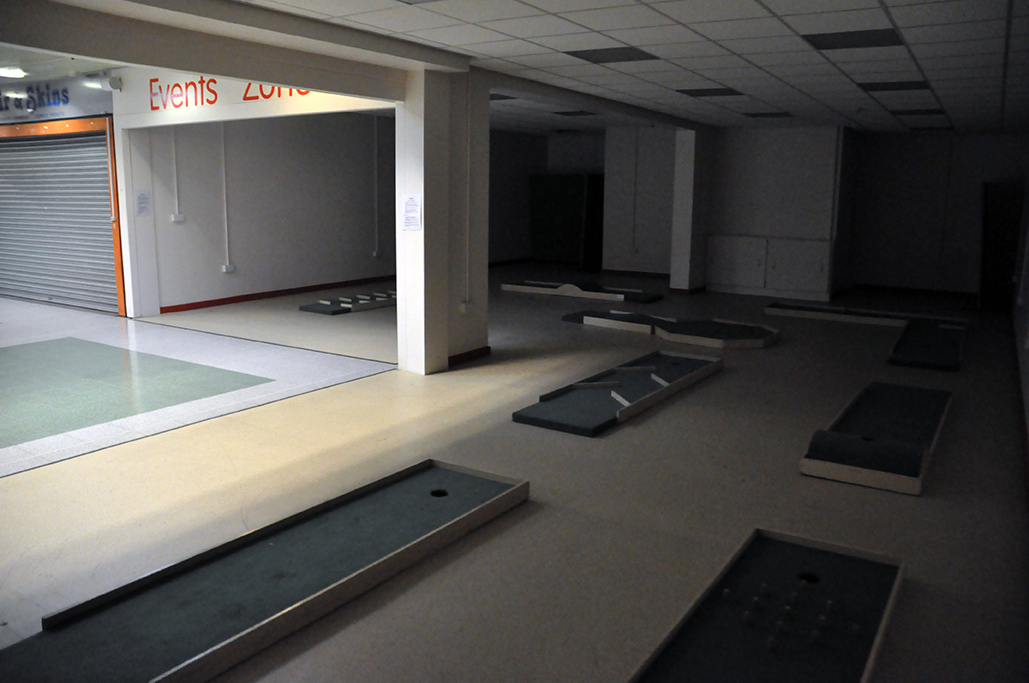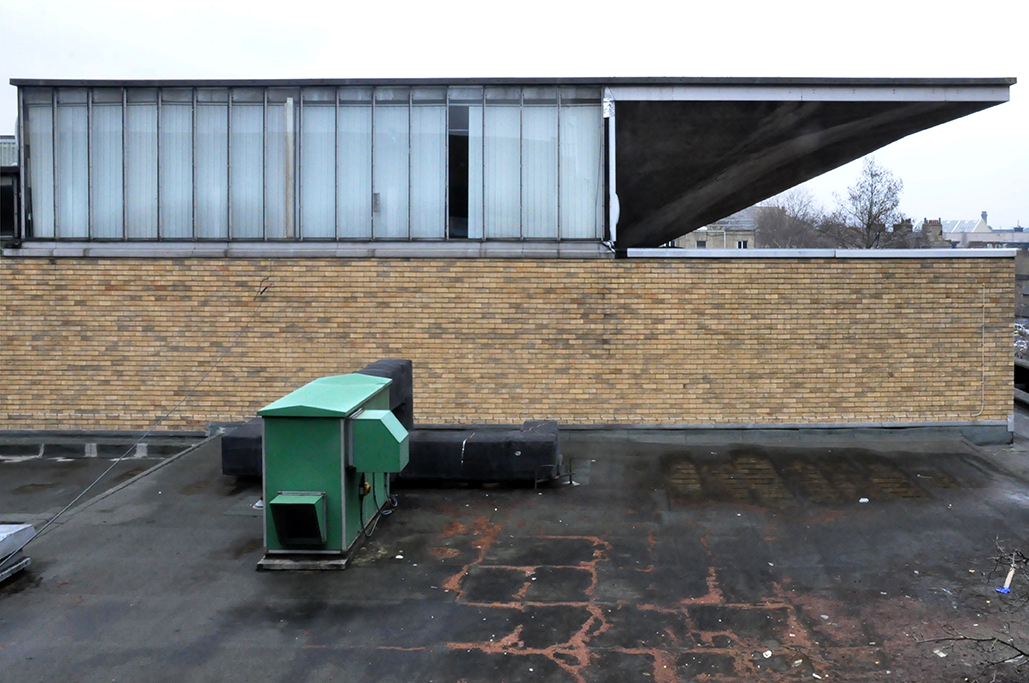
1971 built of a pre-cast concrete panel system, dour, on an awkwardly sloping site.
I beg to differ – what’s the opposite of dour?
So says the online Thesaurus – and I heartily concur, for the whole building has had a makeover and a half.
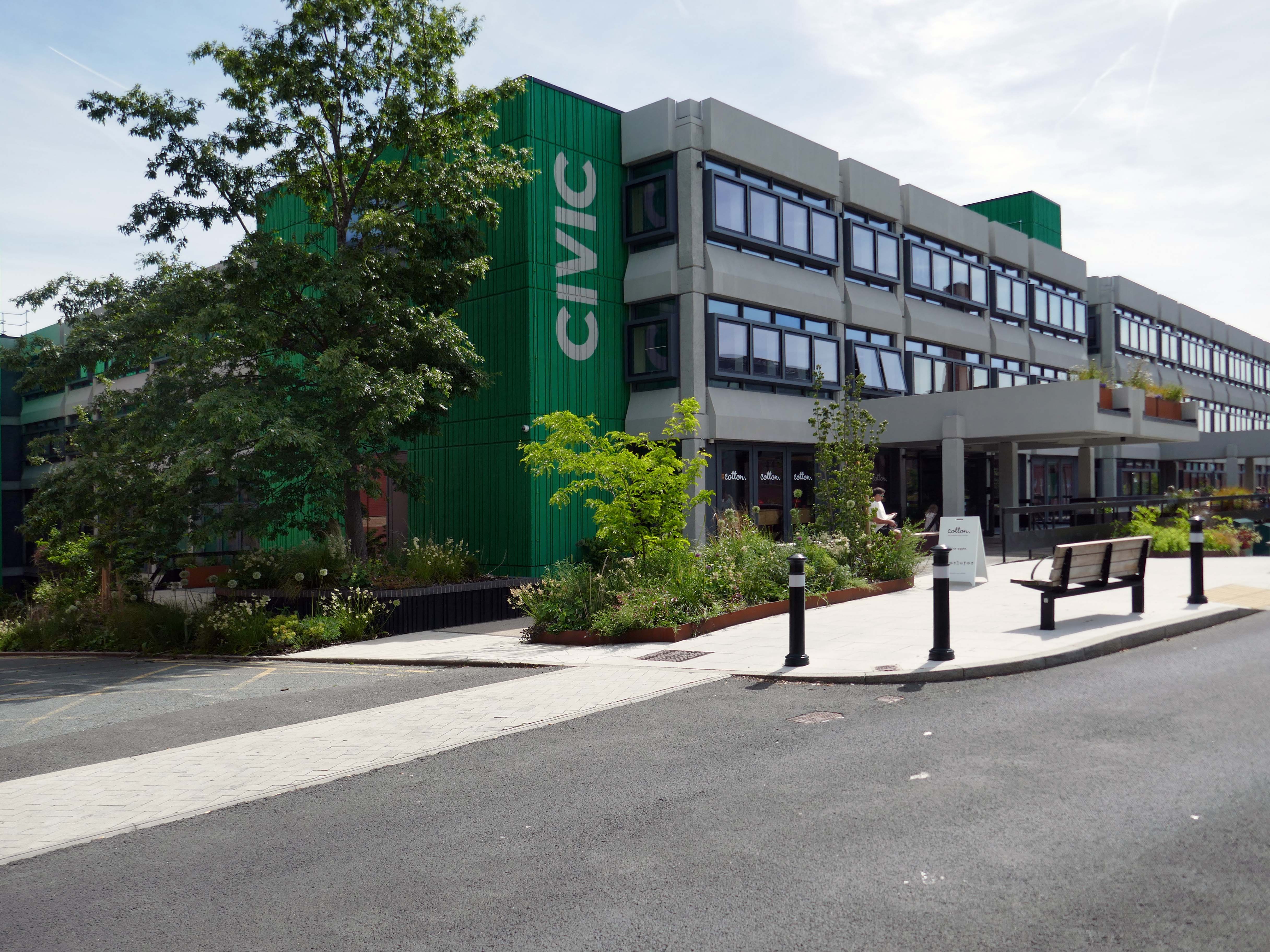
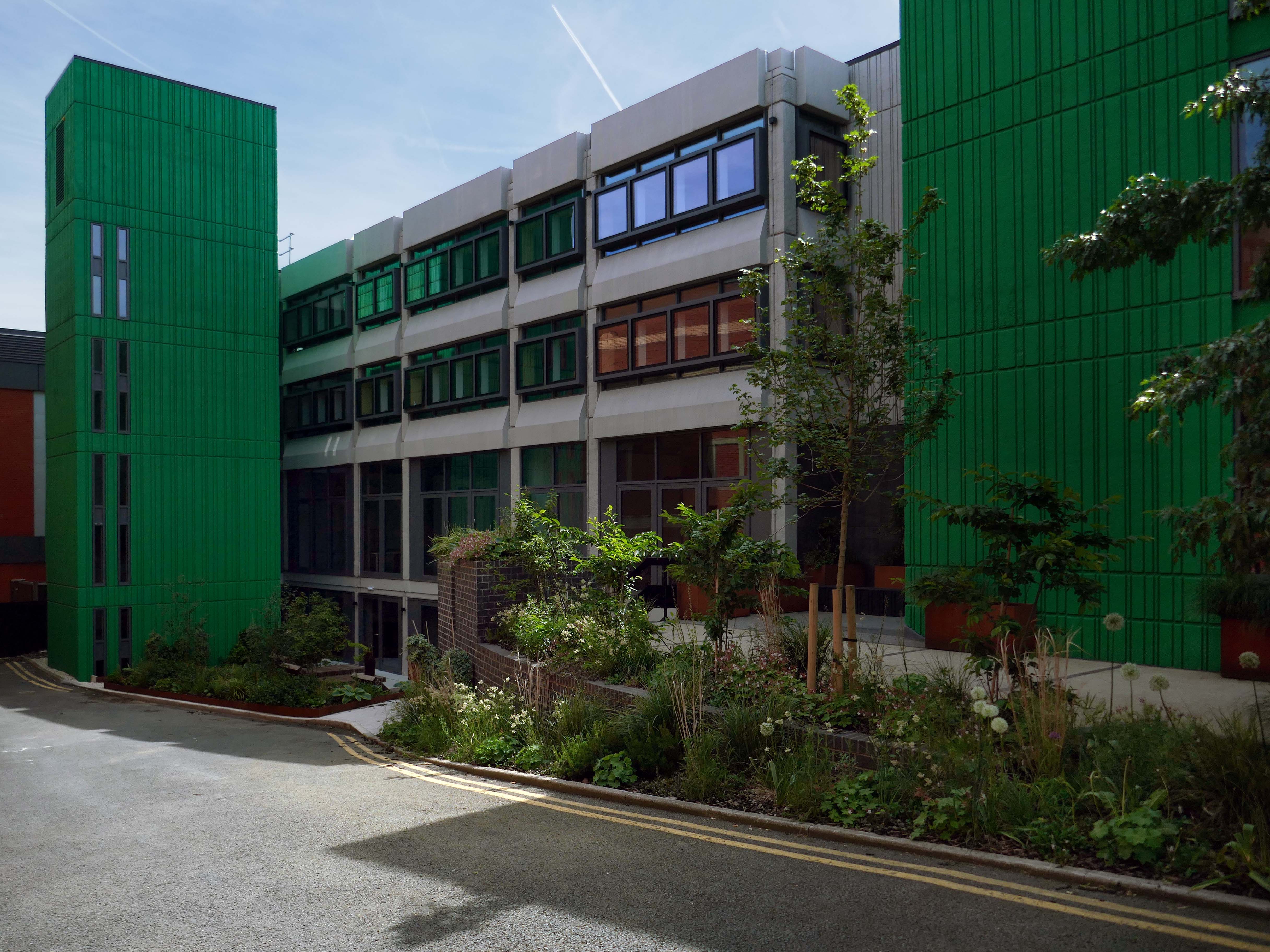
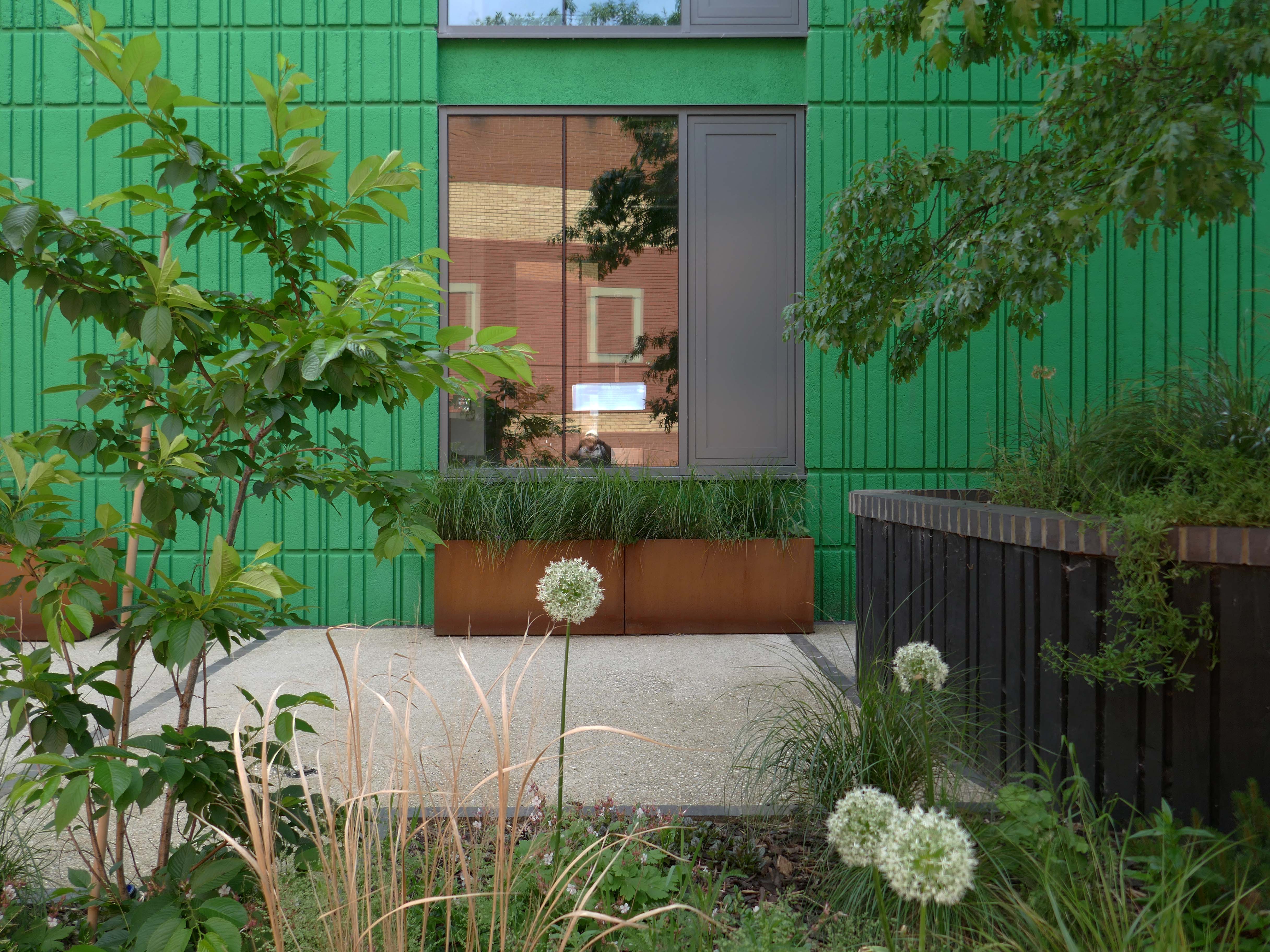
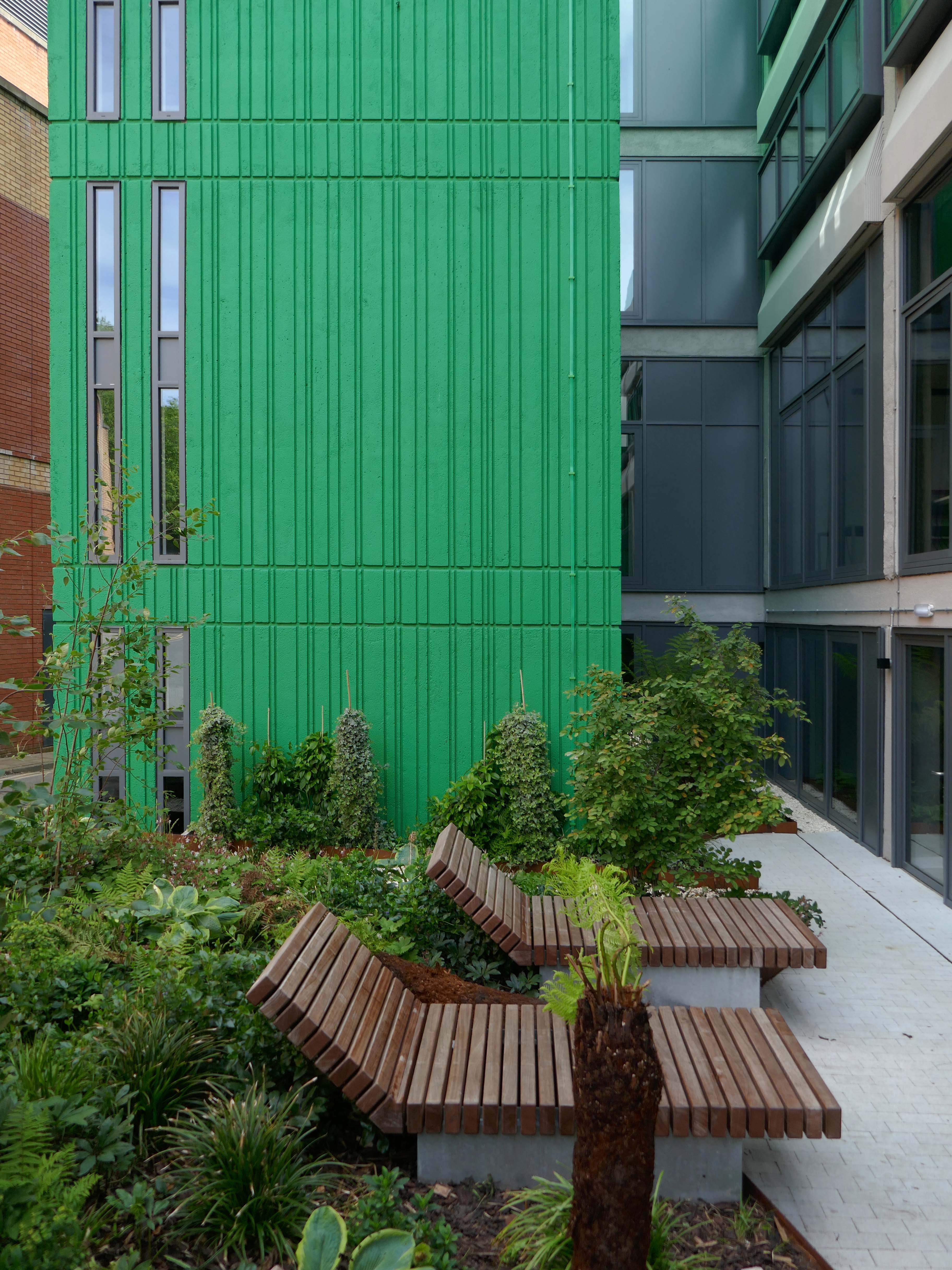
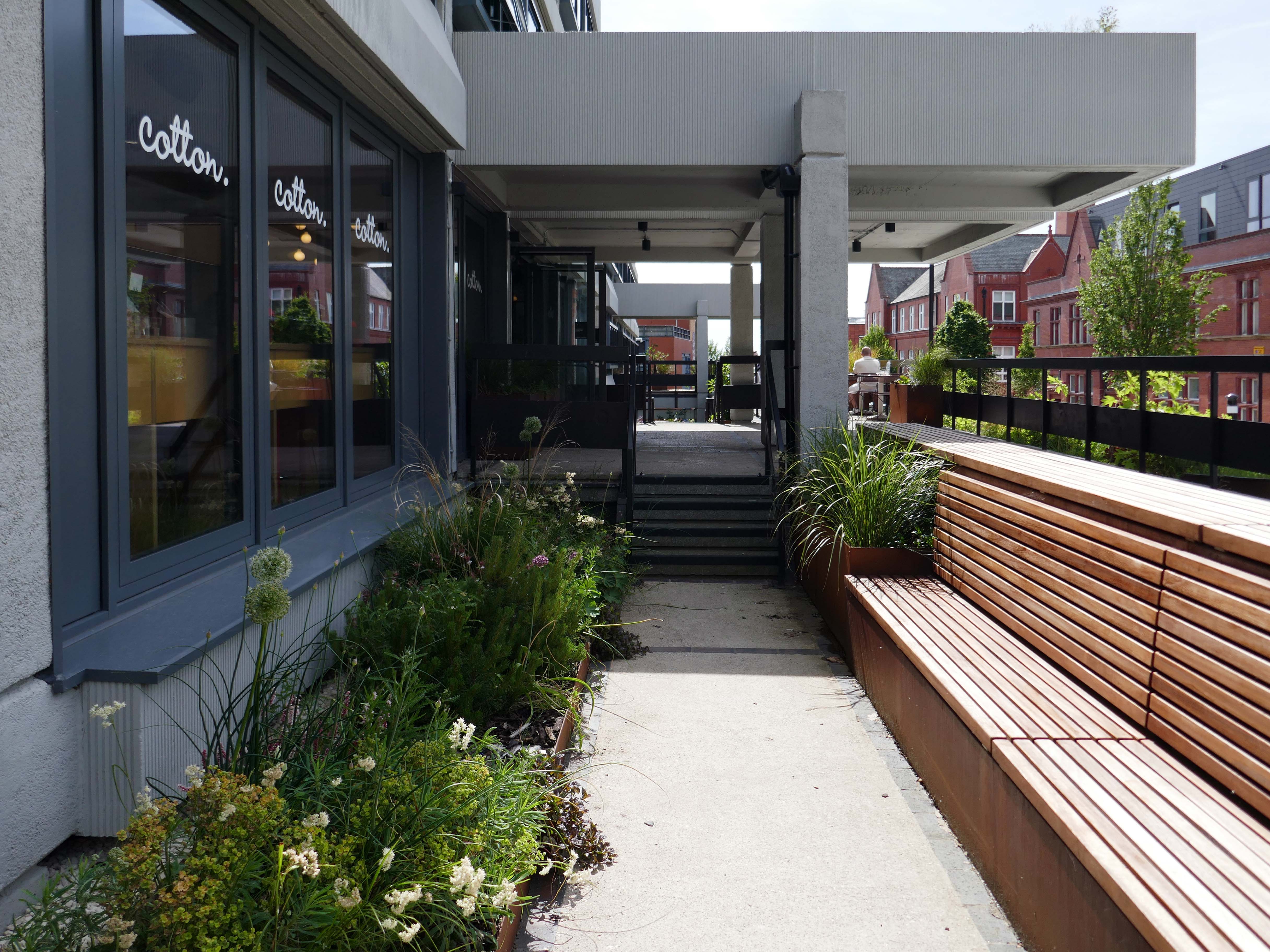
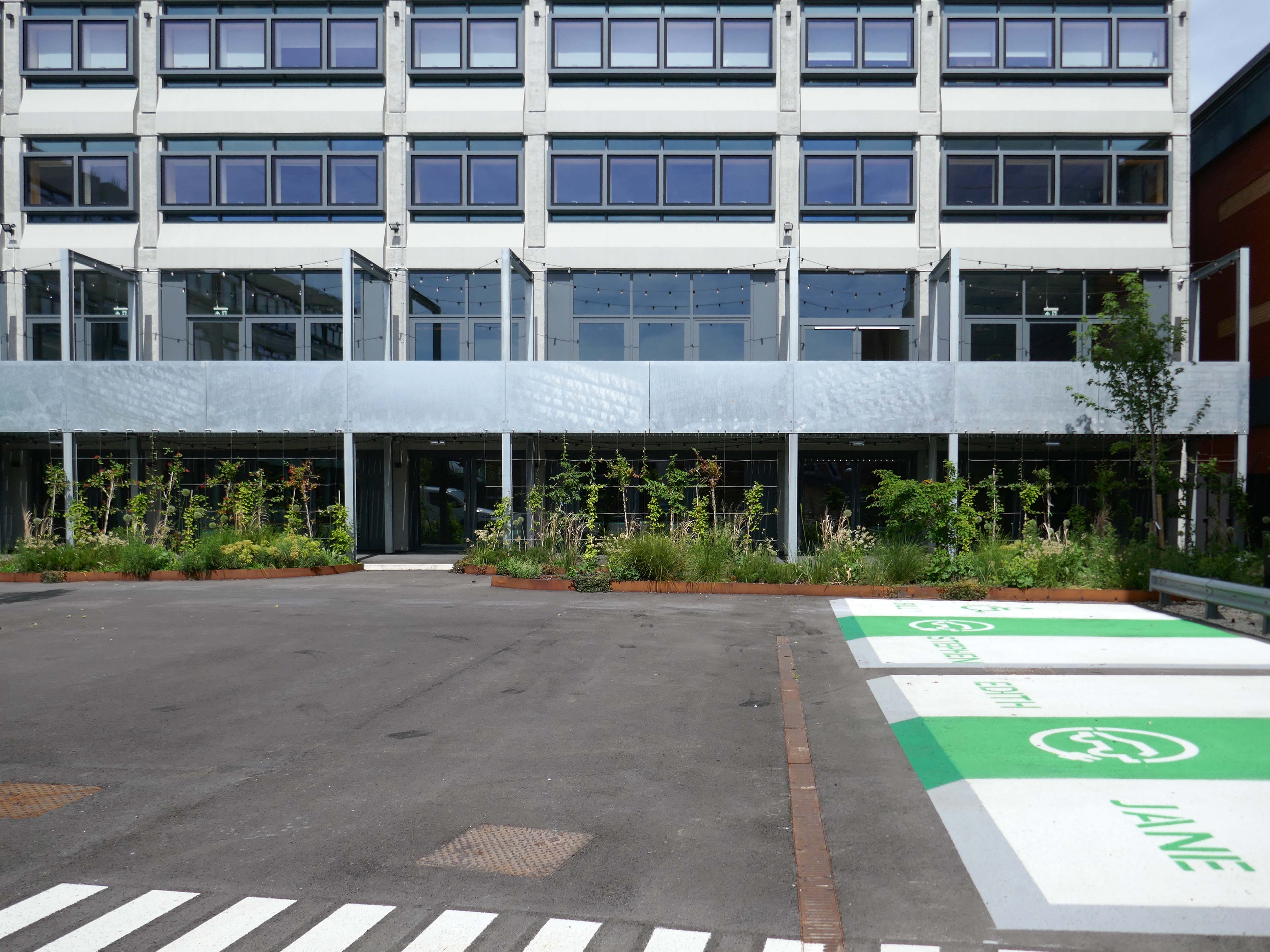
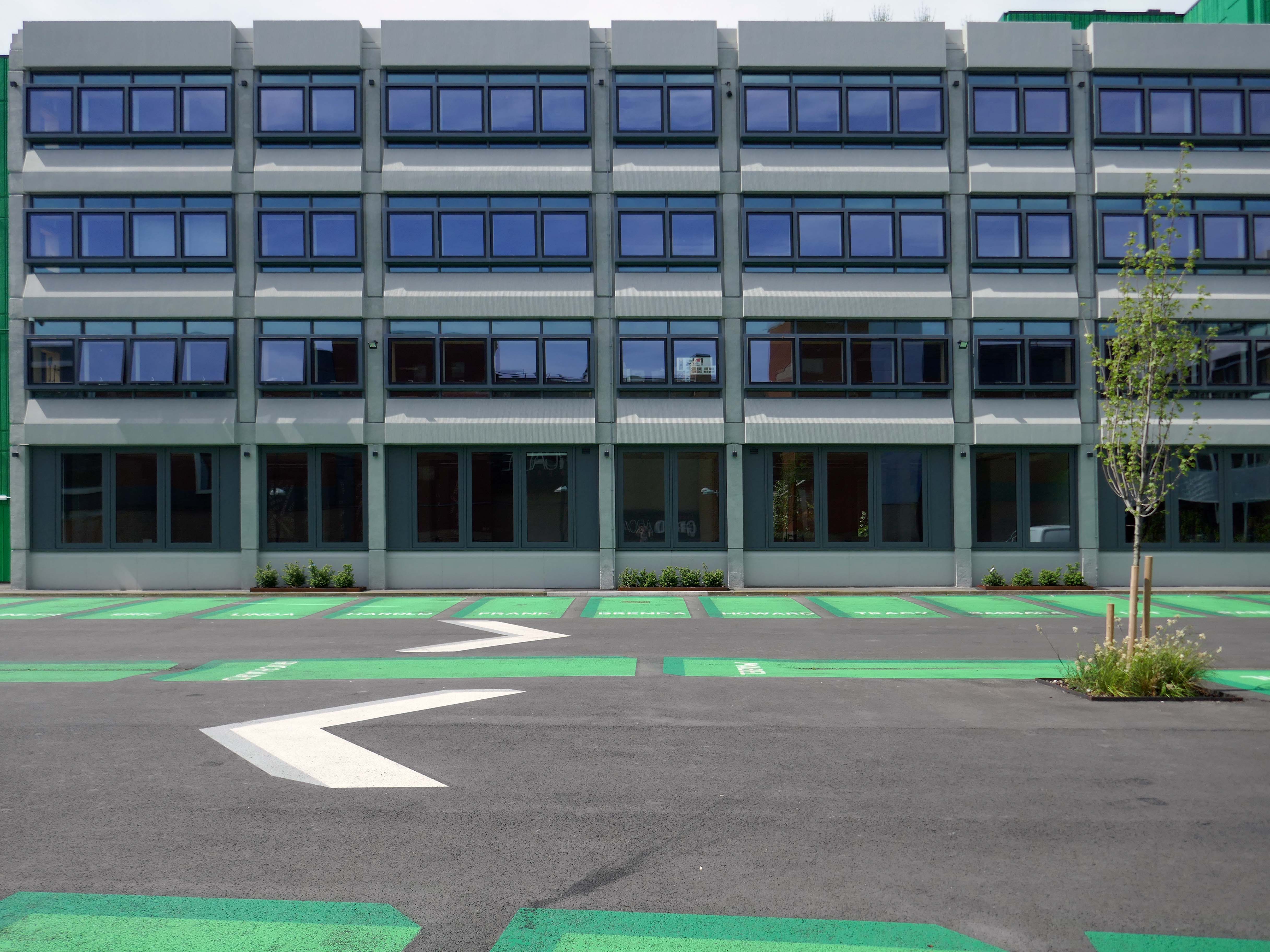
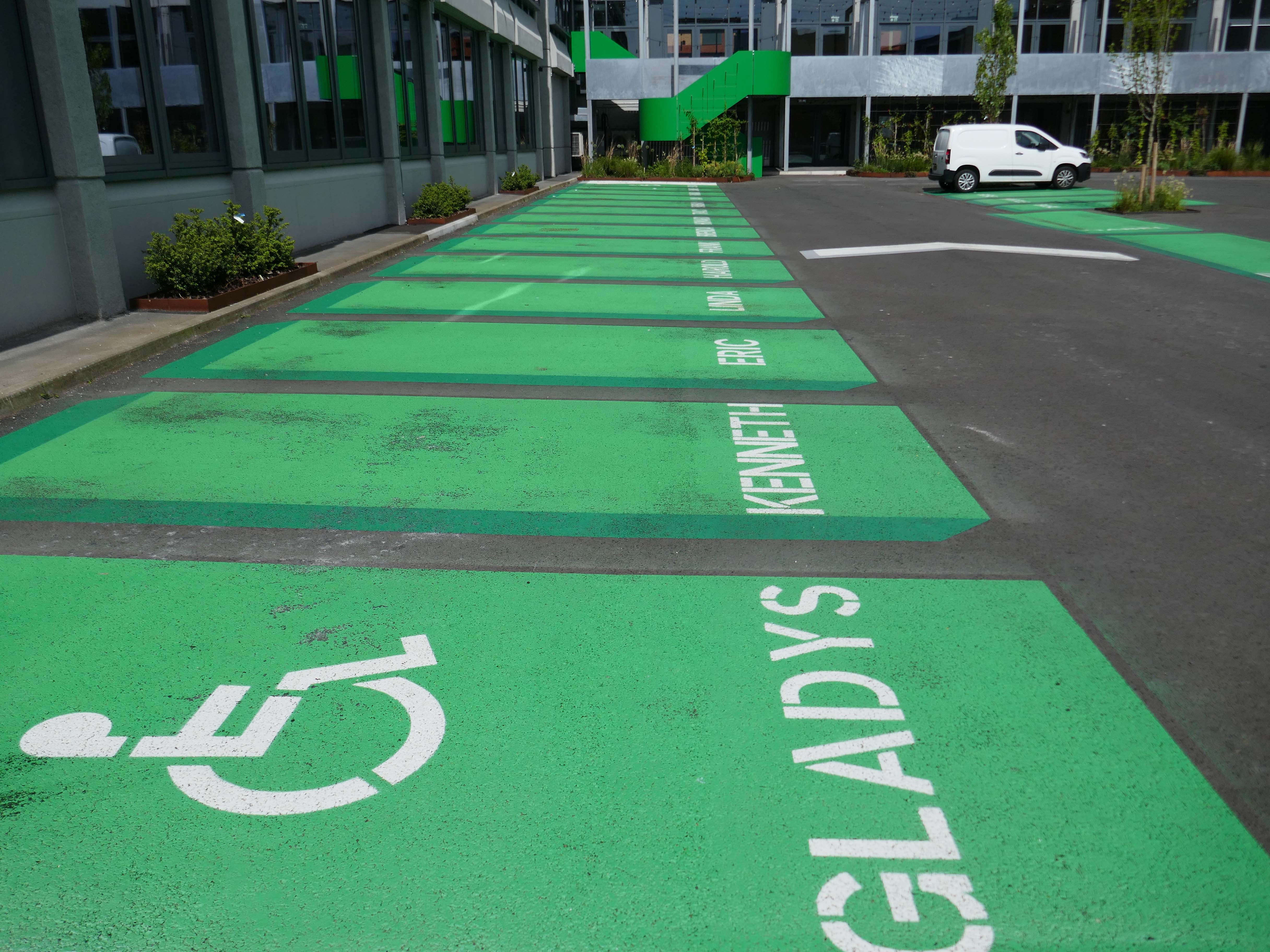
Civic is a super energy-efficient workspace in the centre of Wigan town centre. The BREEAM Excellent building has space for business of all sizes, from desks for solo start-ups, all the way to big open plan offices with their own front door.
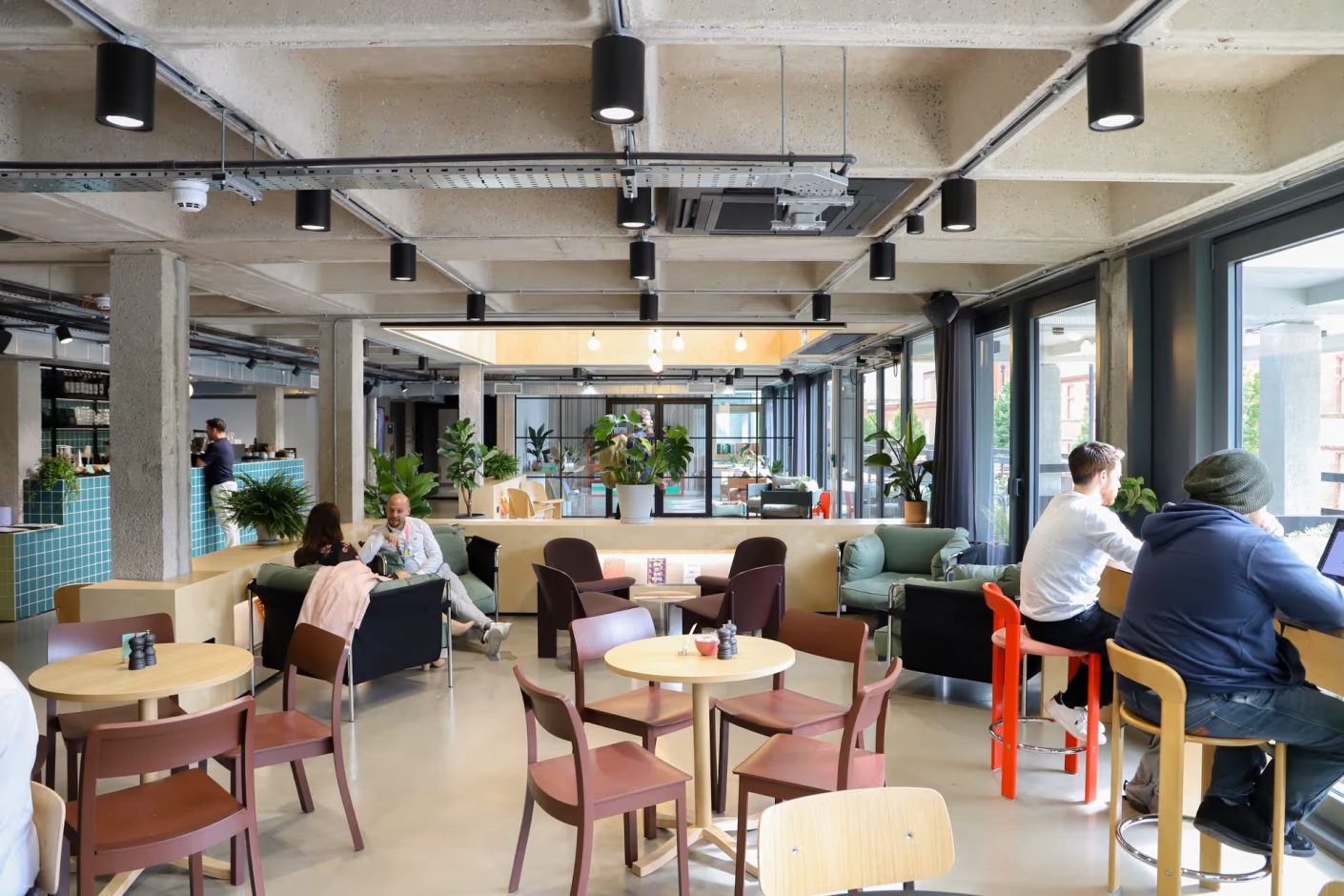
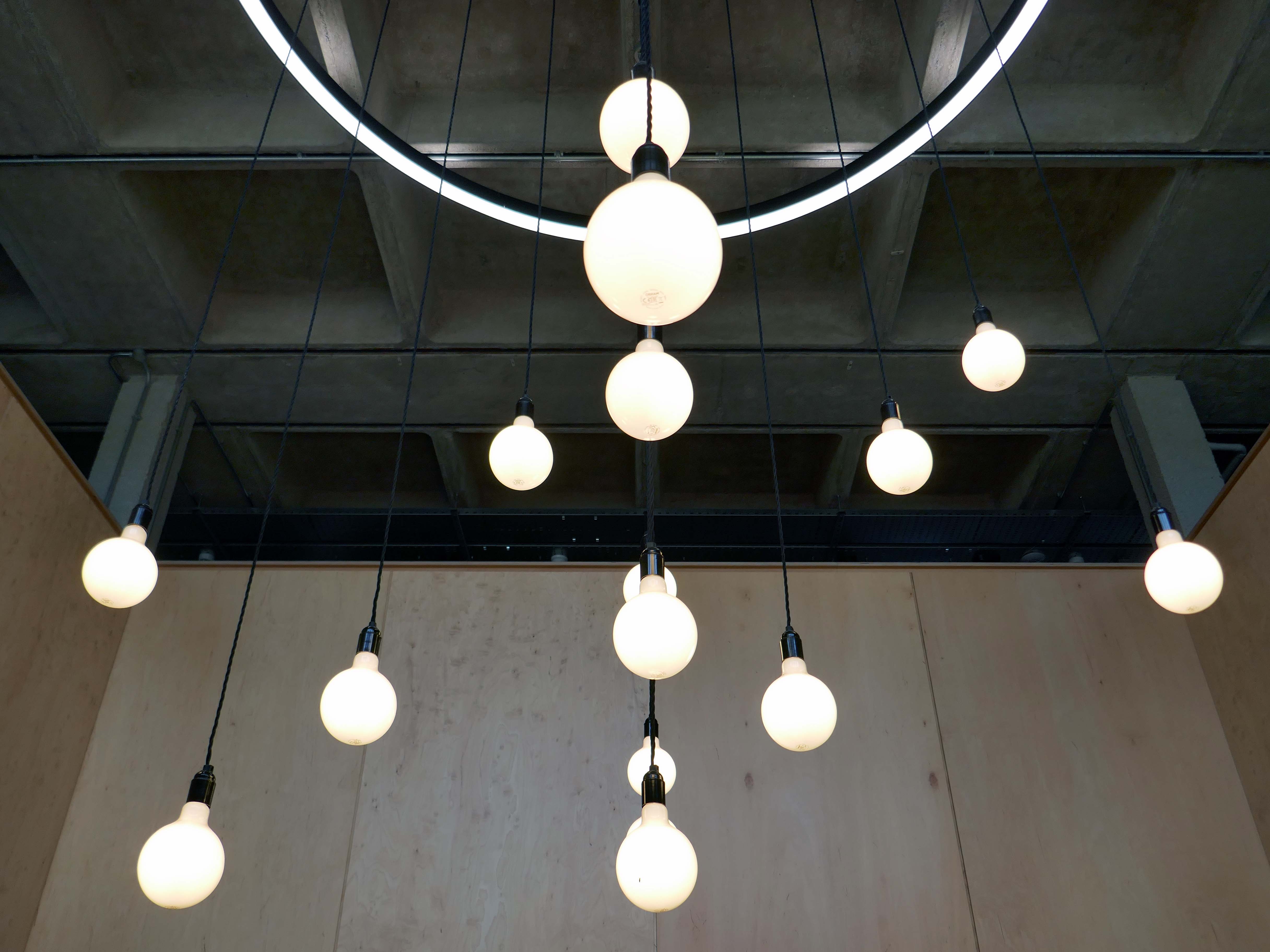
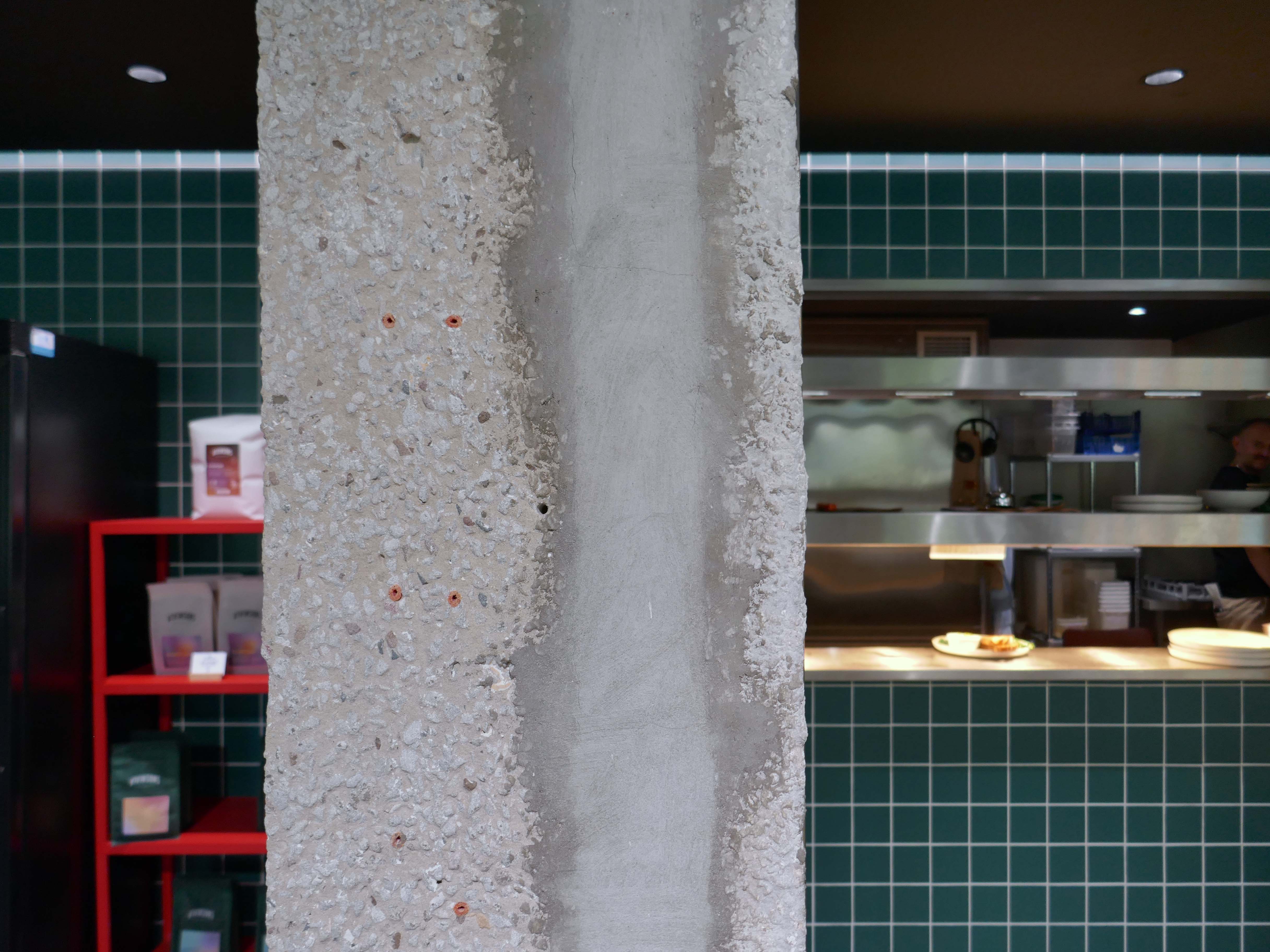
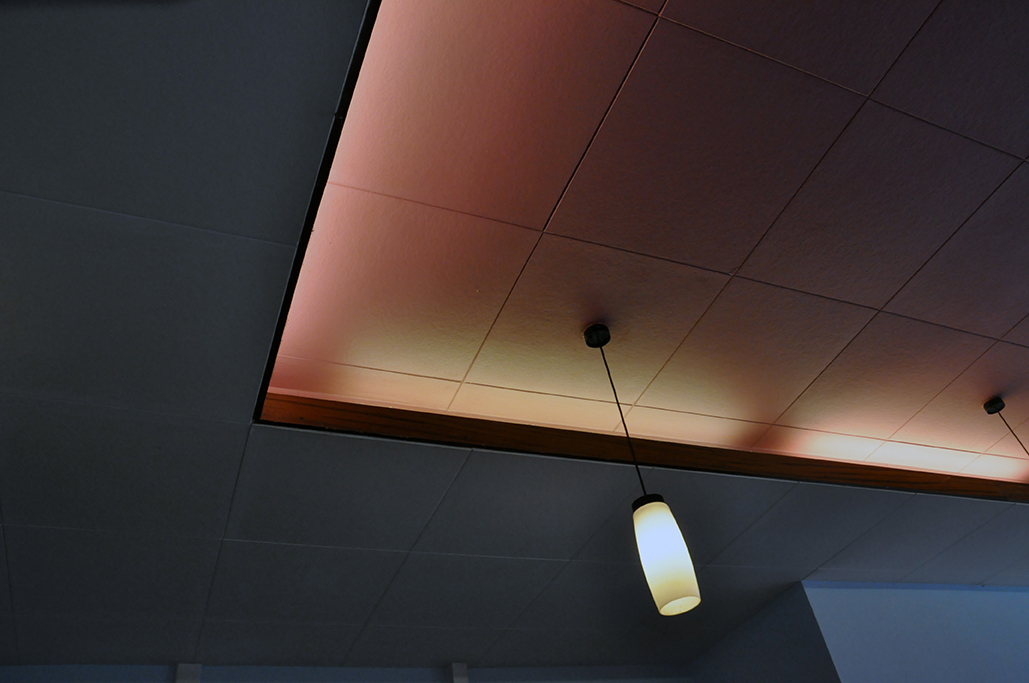
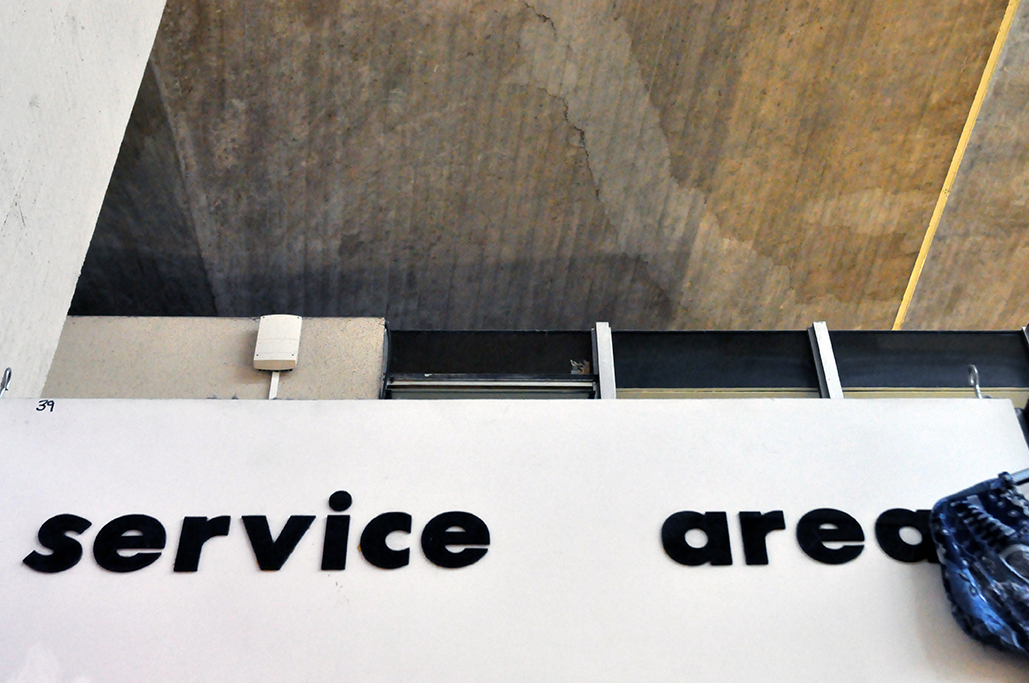
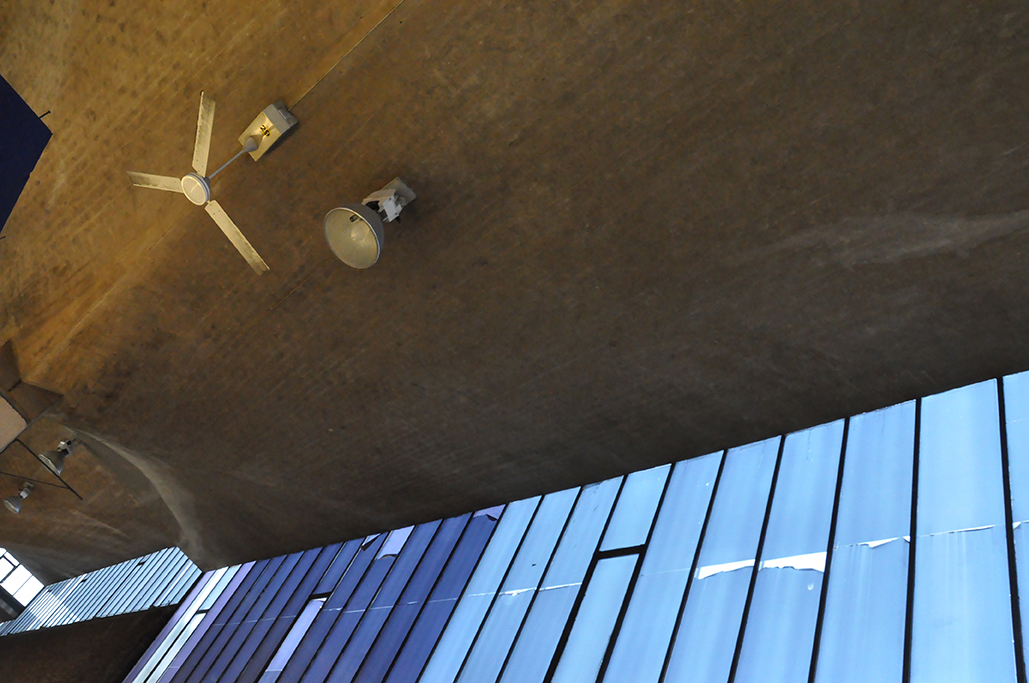
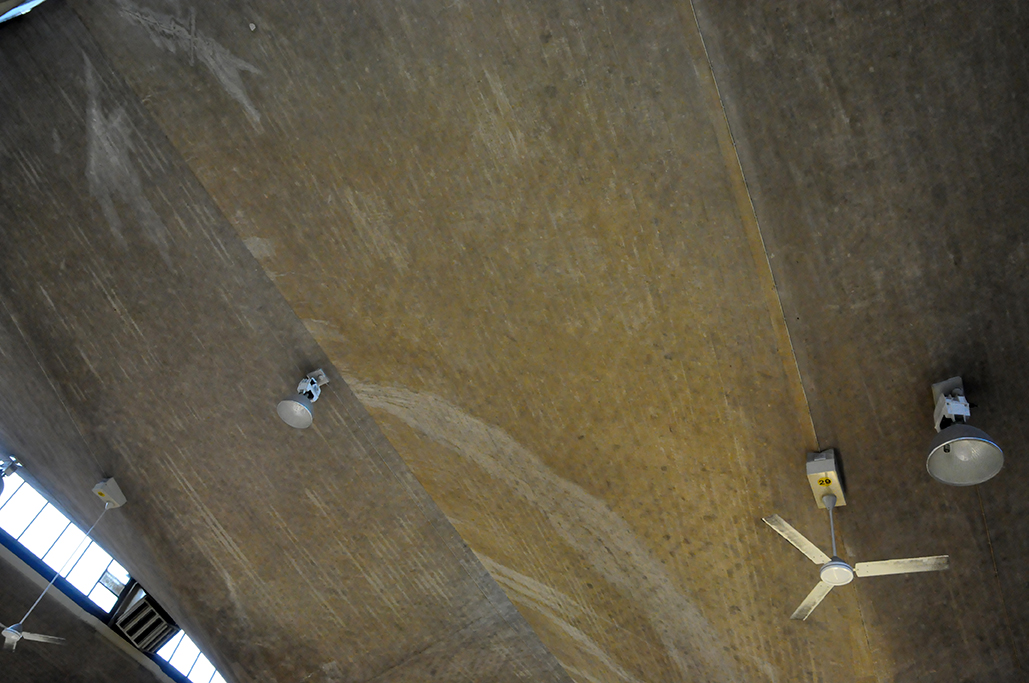
The brutalist beast has been lovingly restored by Capital&Centric to celebrate its architecture, with original waffle ceilings, corduroy concrete and stunning feature windows that flood the space with light.
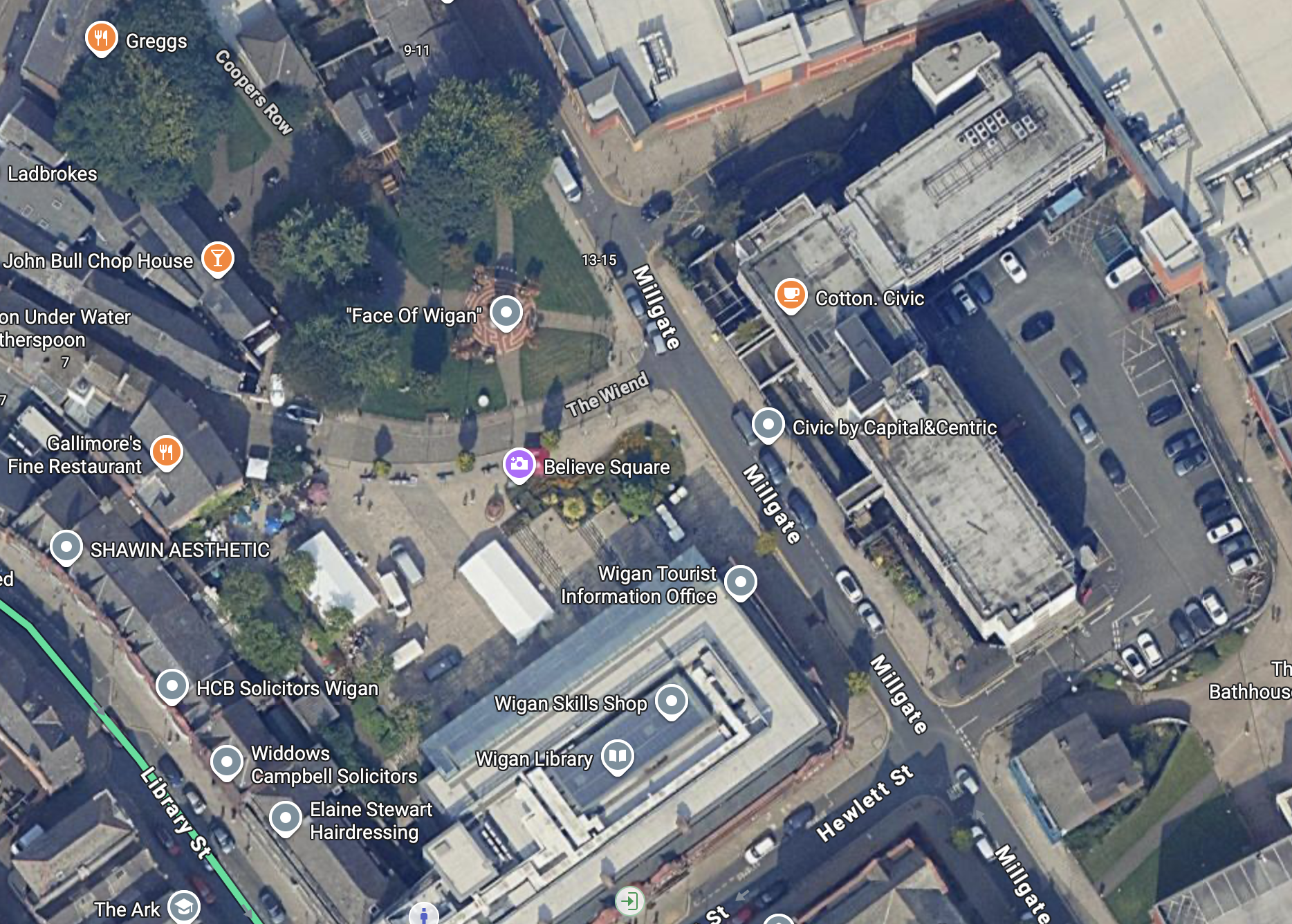
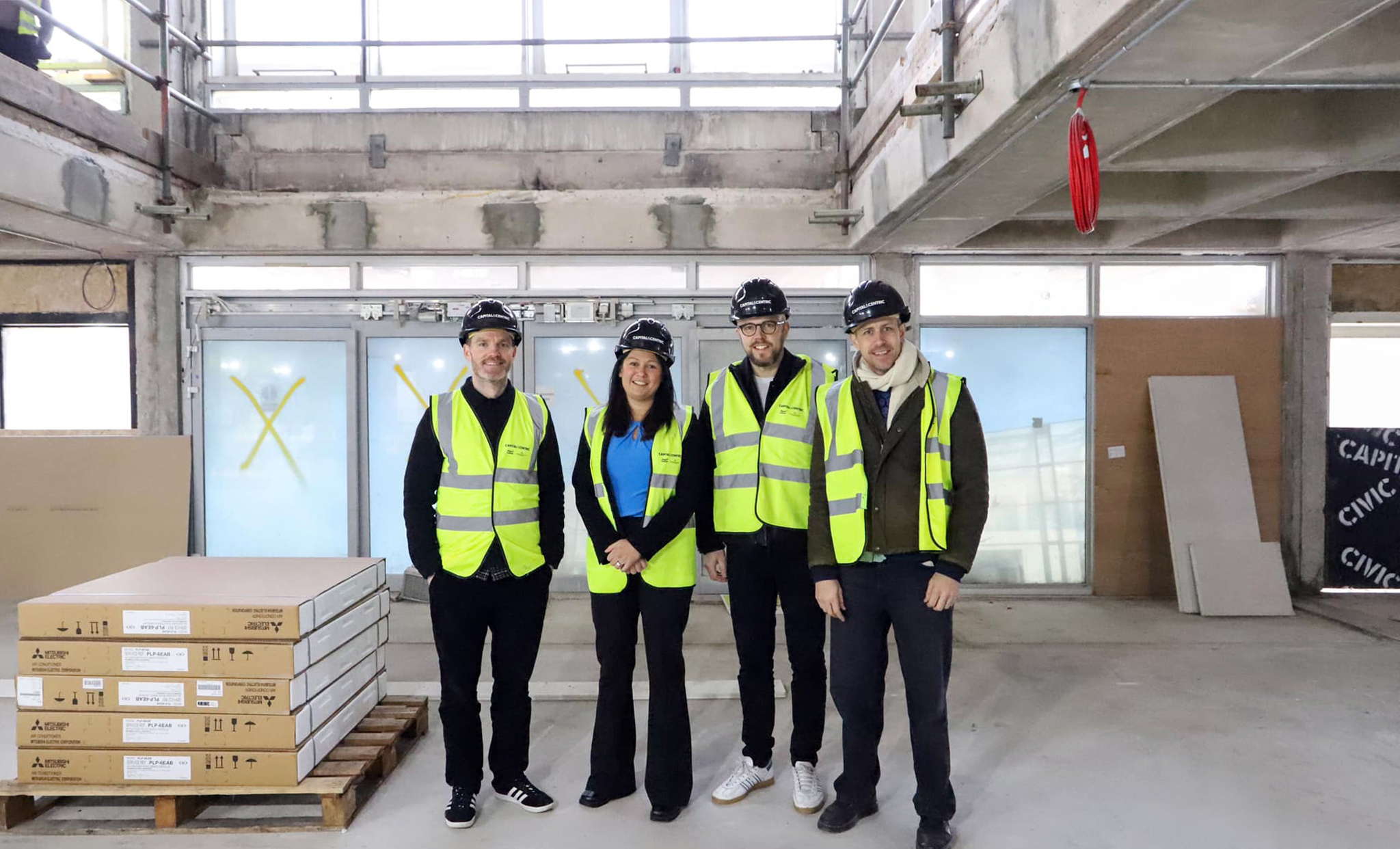
It was great to visit and tour Wigan Civic Centre on Millgate, to see the inspiring work being done to create sustainable workspaces and amenities in the centre of our town. This development, alongside others taking place and planned across the North West, will help to revitalise our public spaces
With students, start-ups and professionals situating themselves elsewhere in Greater Manchester, Wigan town had been missing out on the economic and cultural vitality that high quality workspace brings. Civic’s transformation represents not just the overhaul of a tired concrete building, but a wider renewal of place and opportunity for Wigan.
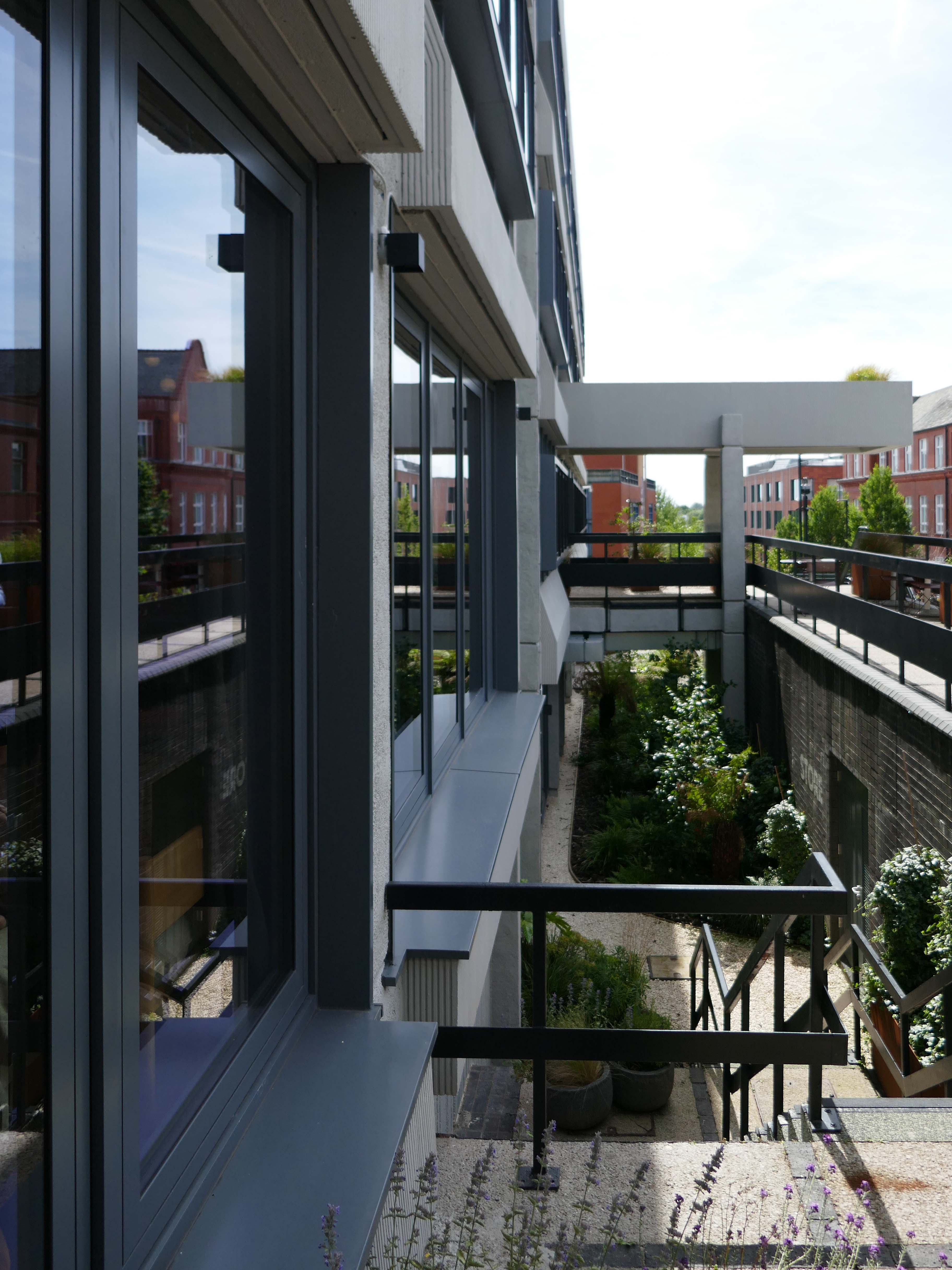
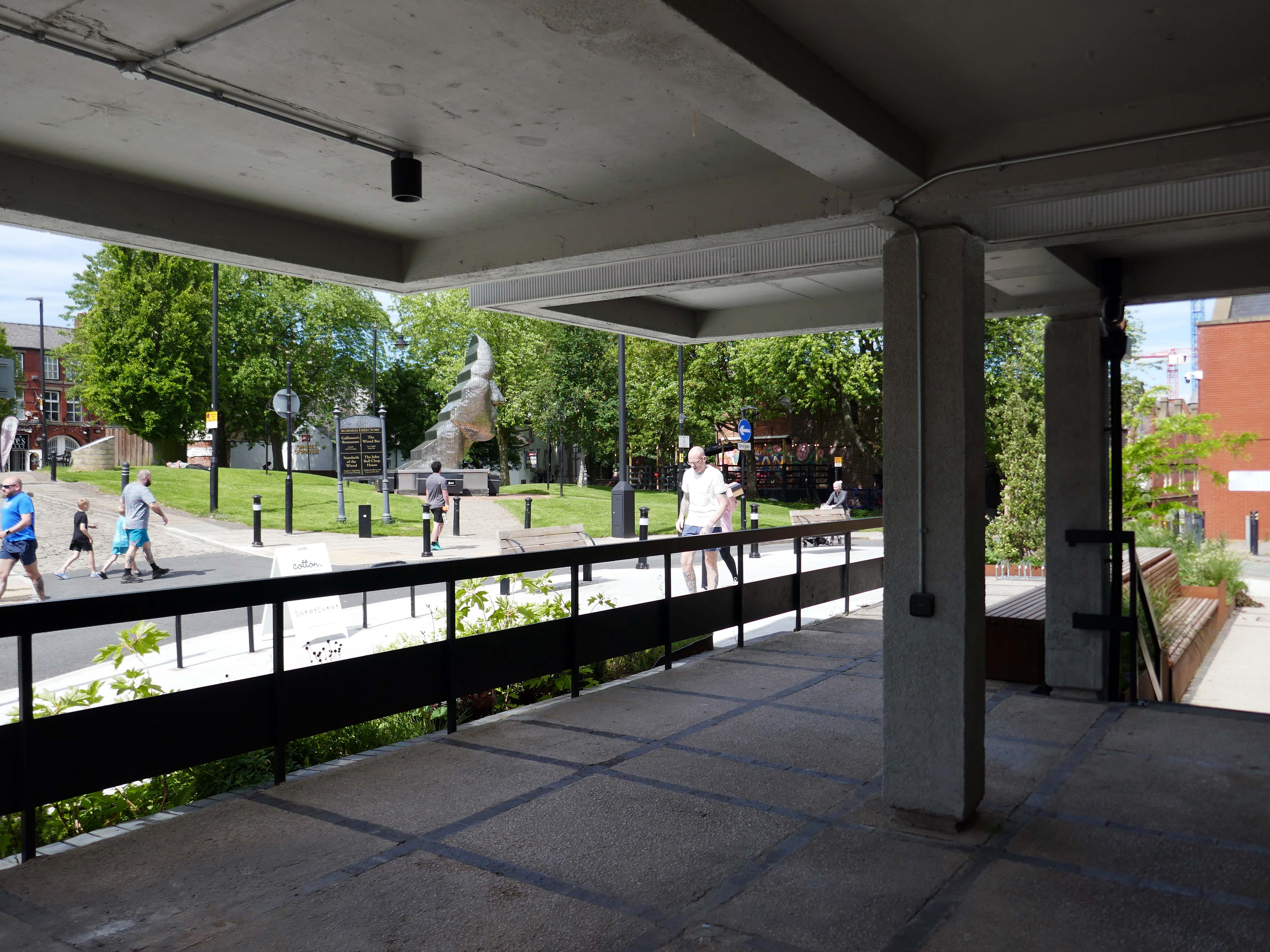
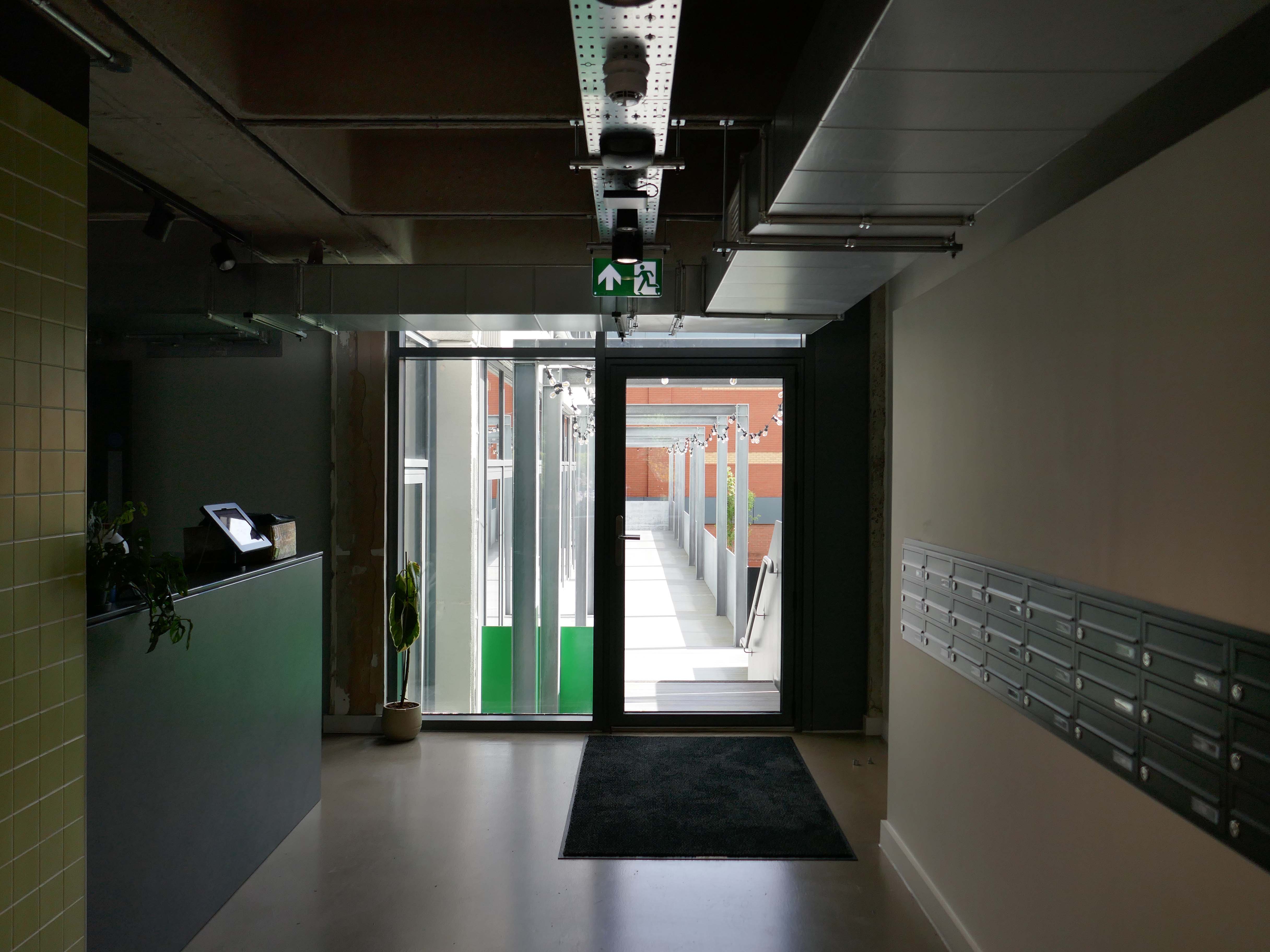
Working with Wigan Council and Capital & Centric, we completed the refurbishment of the 50,000 sq ft building that is Wigan Civic Centre. Delivering aspirational office accommodation to stimulate economic growth with the goal to create a lasting social impact in Wigan. In addition to exemplar market-leading workspace, amenities include a rooftop terrace, mini cinema, gym studio and co-working/coffee shop space.
Ultimately, civic stands as a symbol of optimism for wigan, proving that intelligent commercial design can catalyse economic renewal, secure a sustainable future, and truly lift a town’s spirits, without erasing its history. It is a gold standard for the adaptive reuse of 20th-century landmarks.
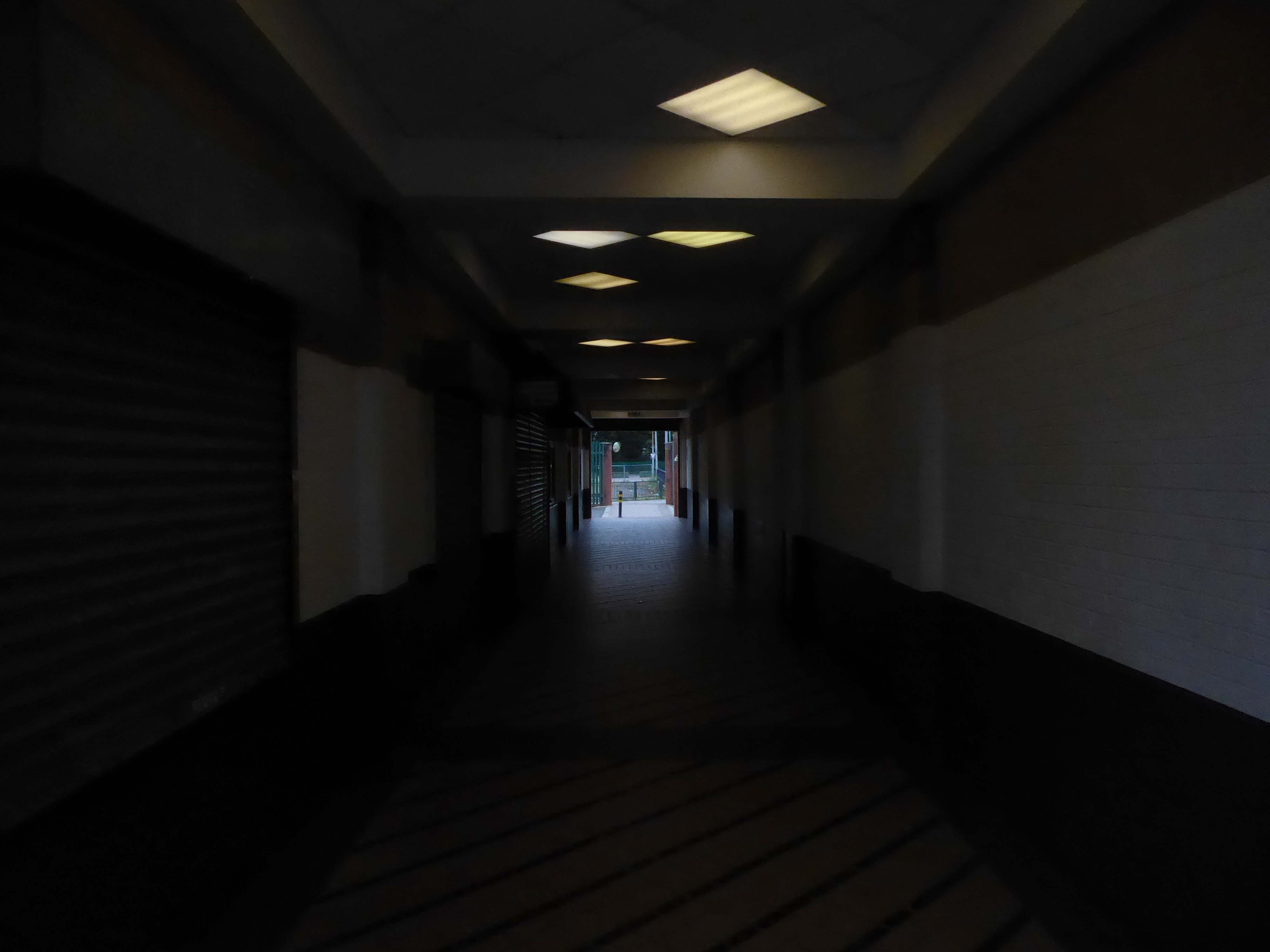
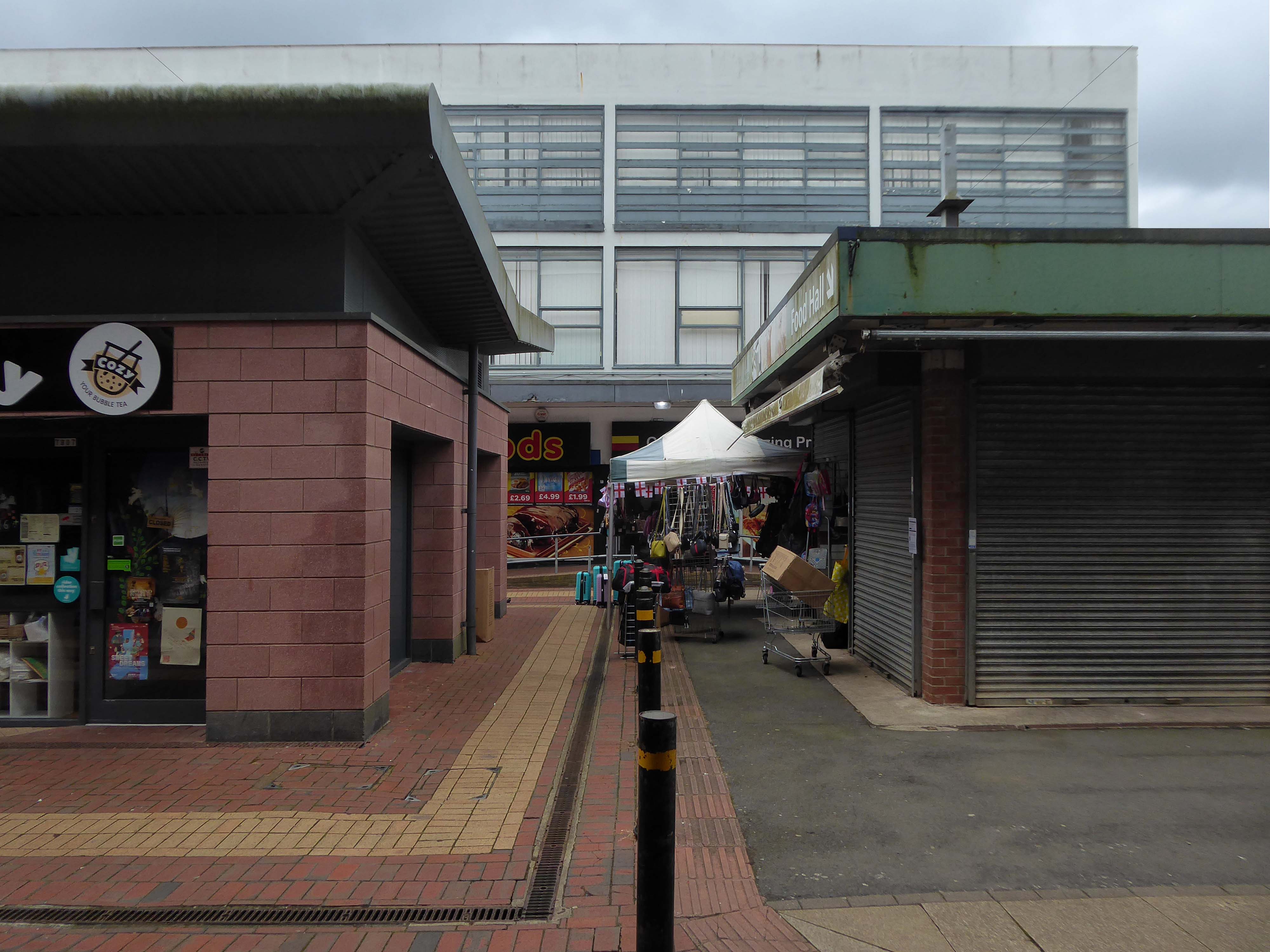
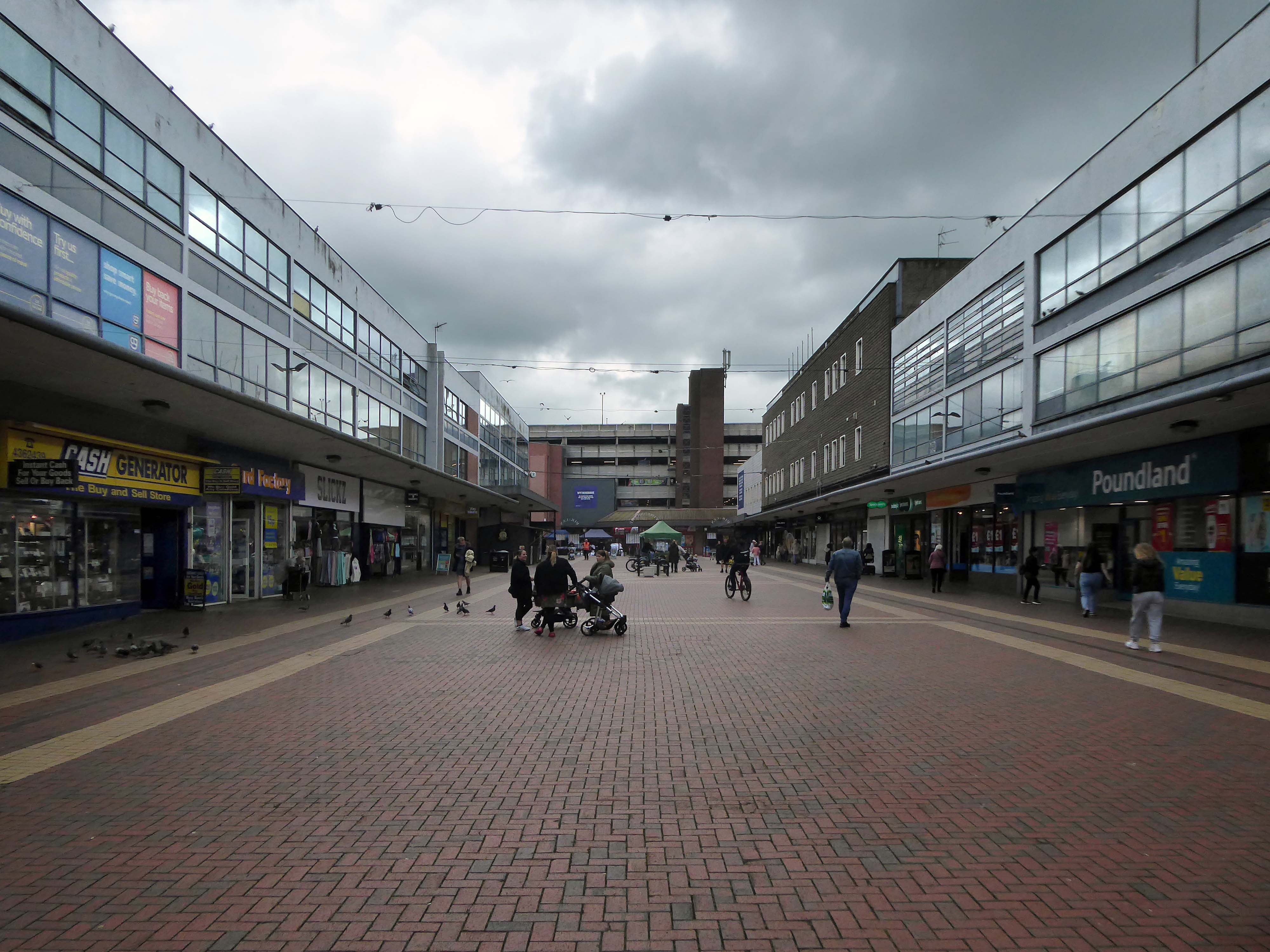
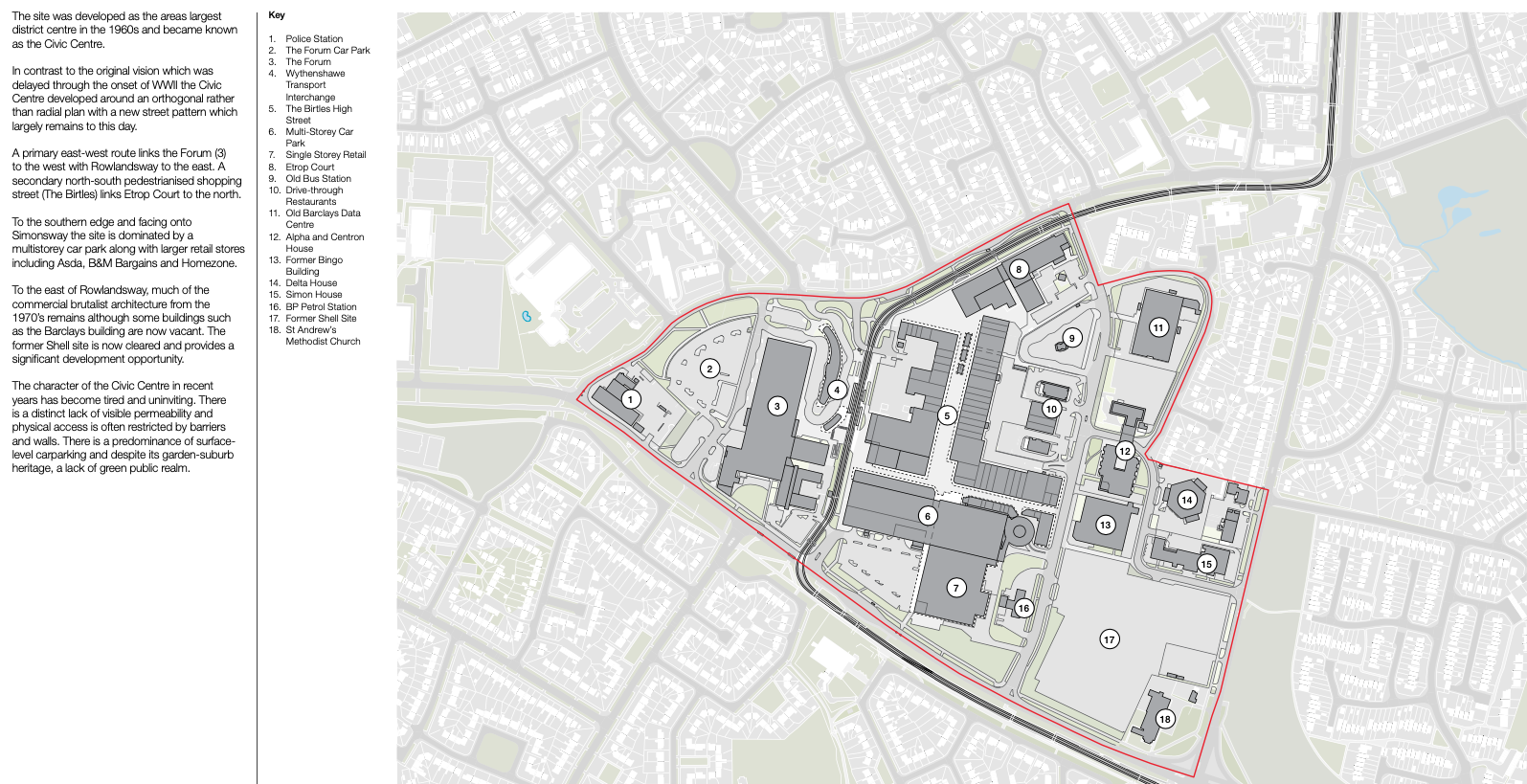
Work began in the interwar years, and continued following the hiatus of 1939-45. The shopping centre named the Civic Centre was open in 1963, the actual Civic Centre containing a swimming pool, theatre, public hall and library in 1971.
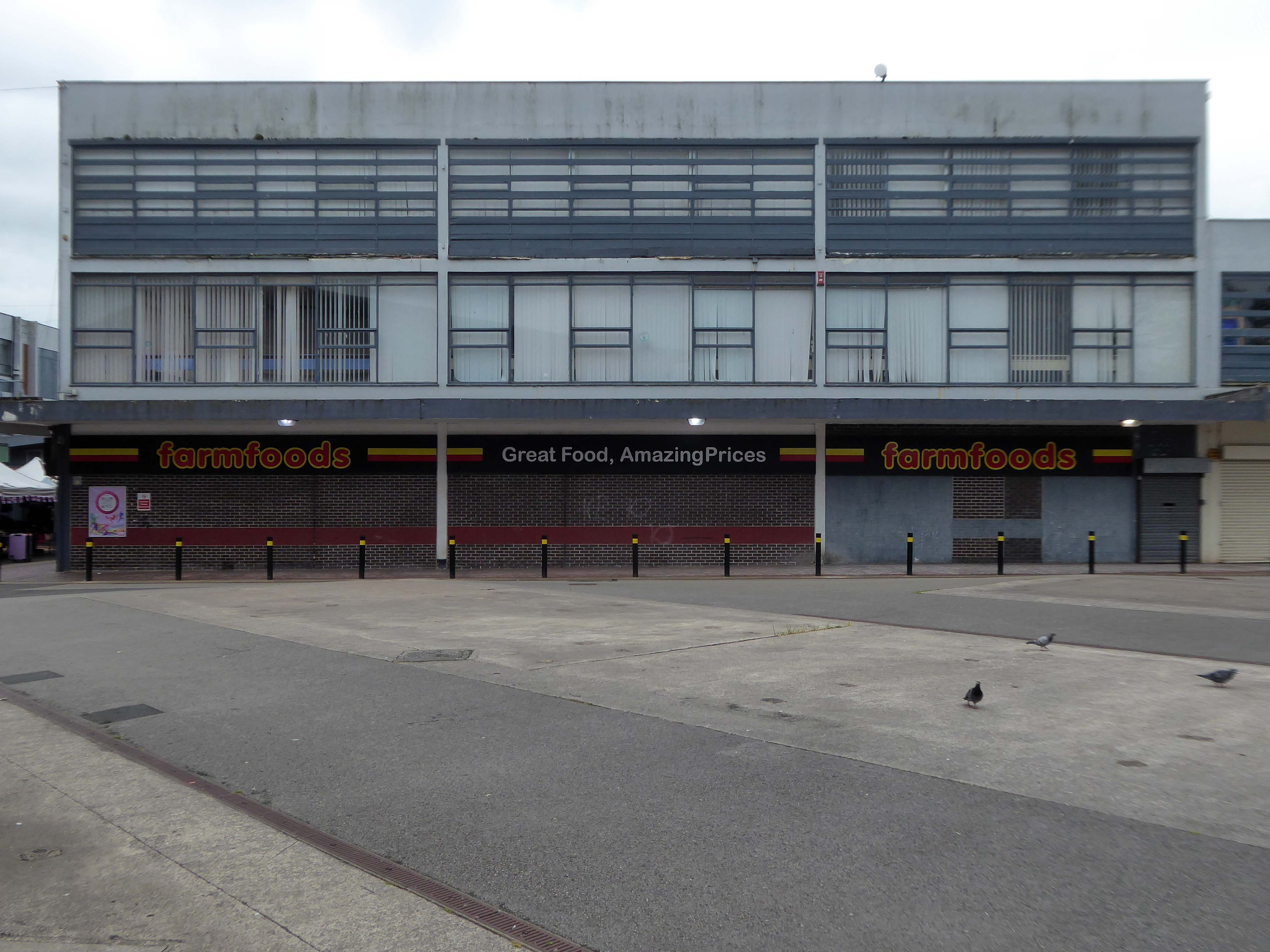
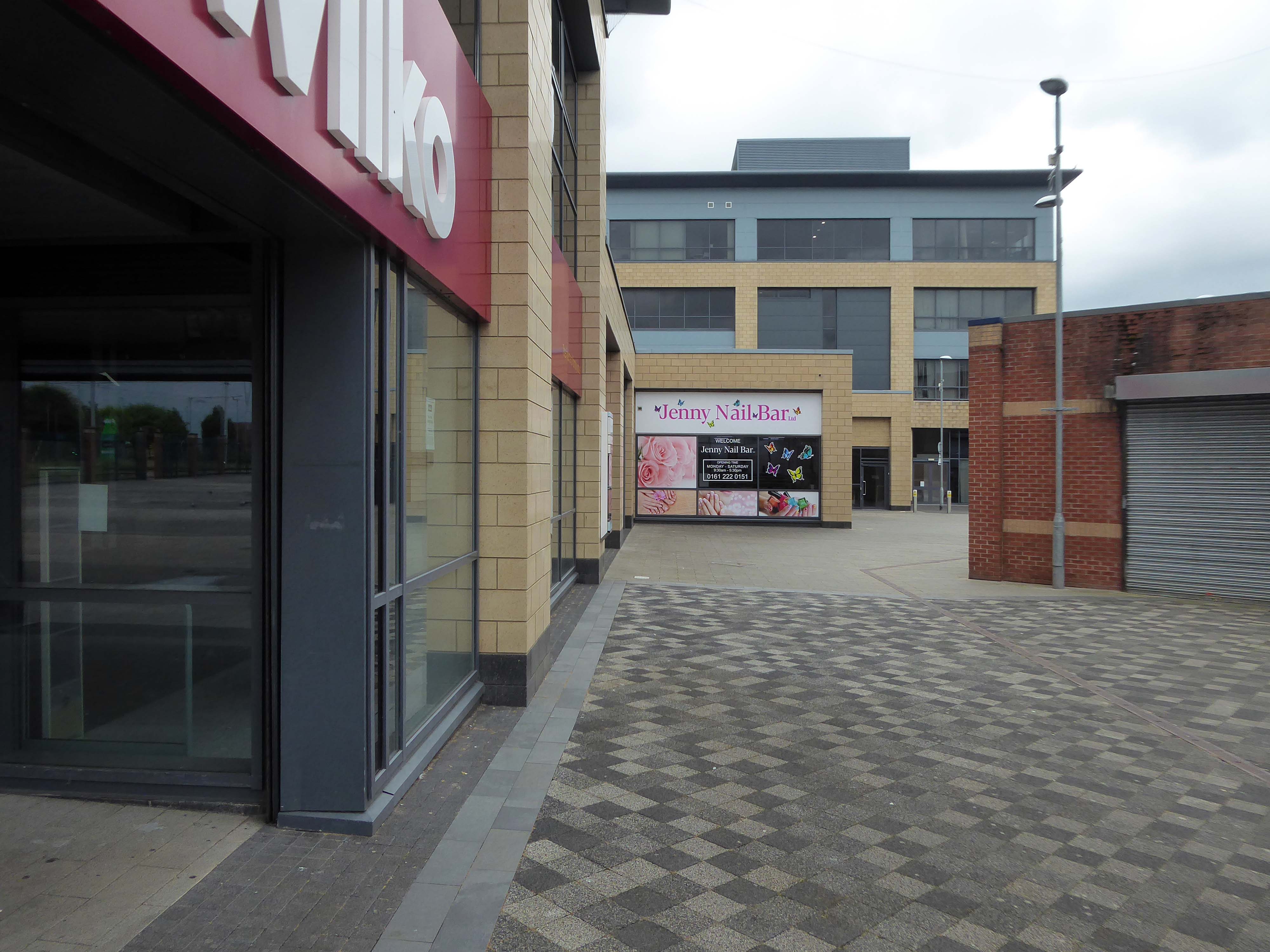
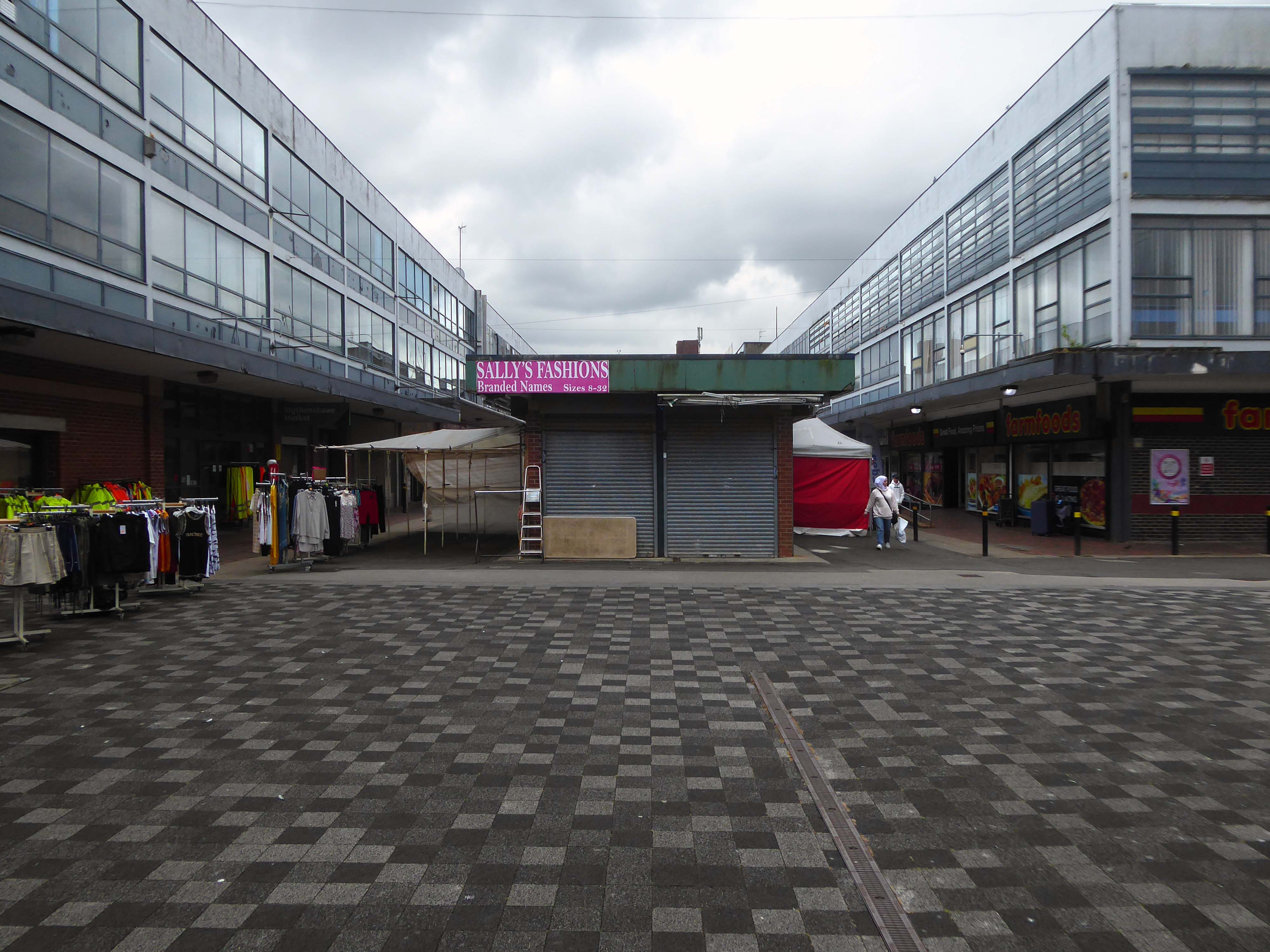
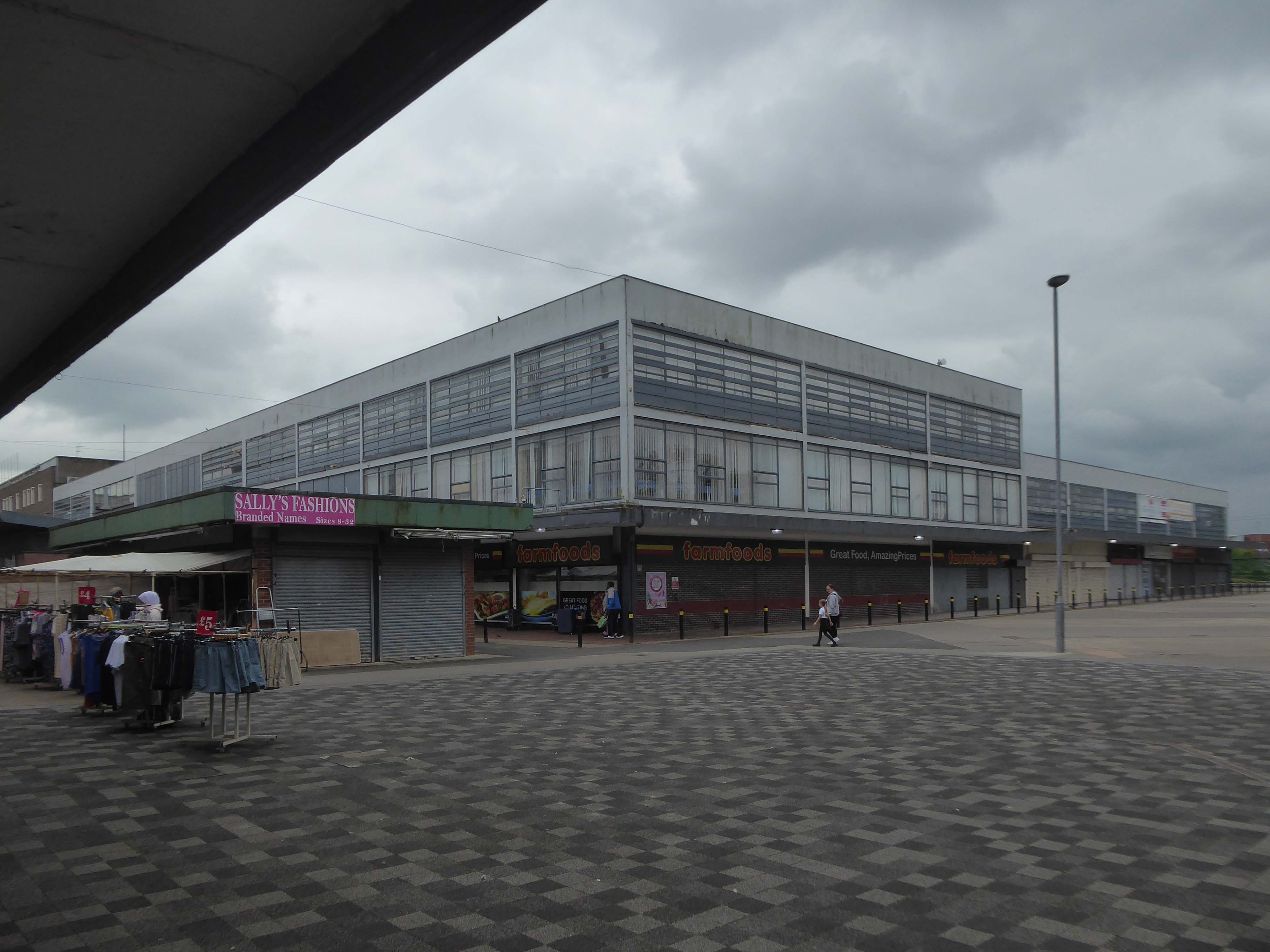
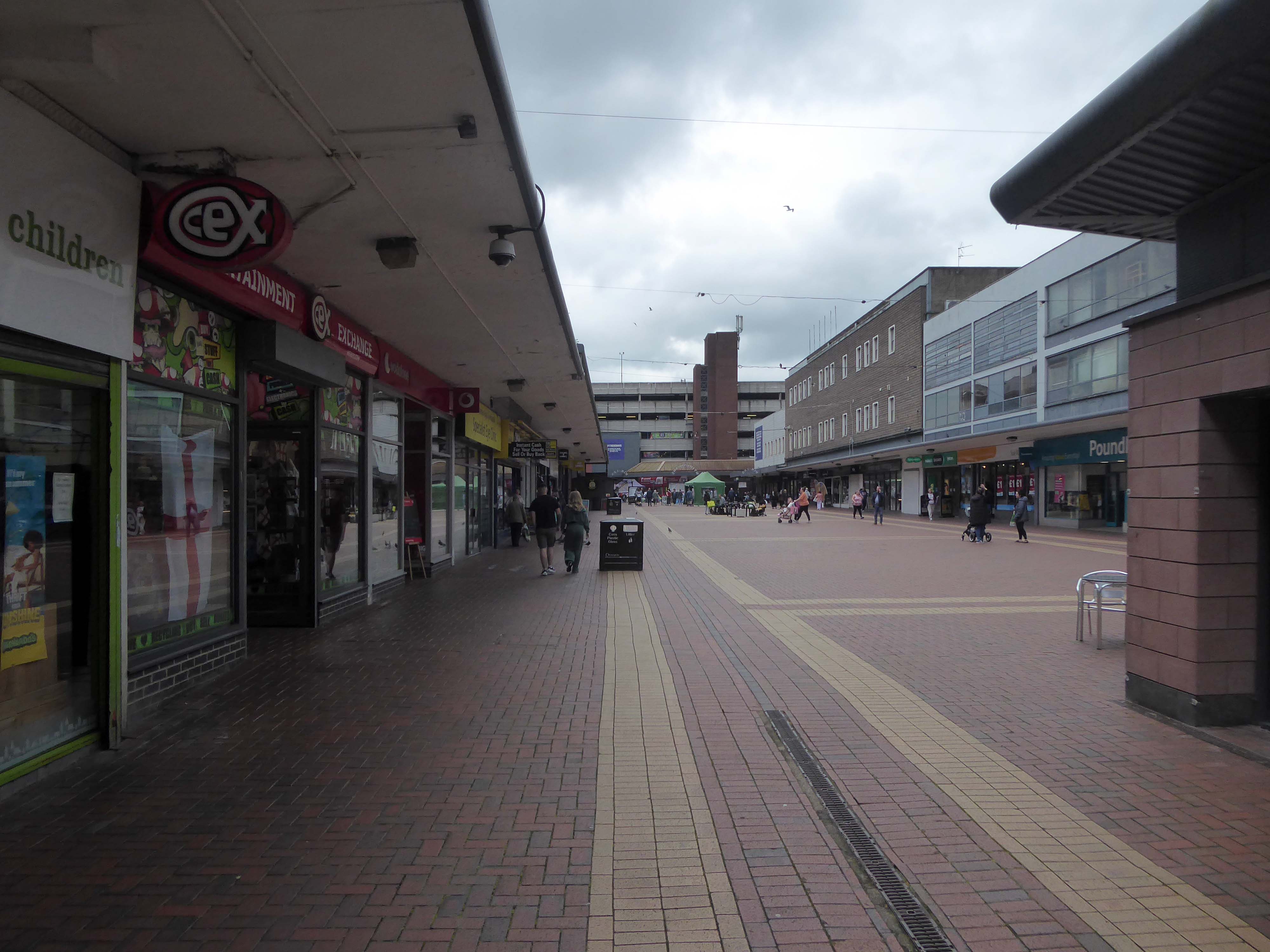
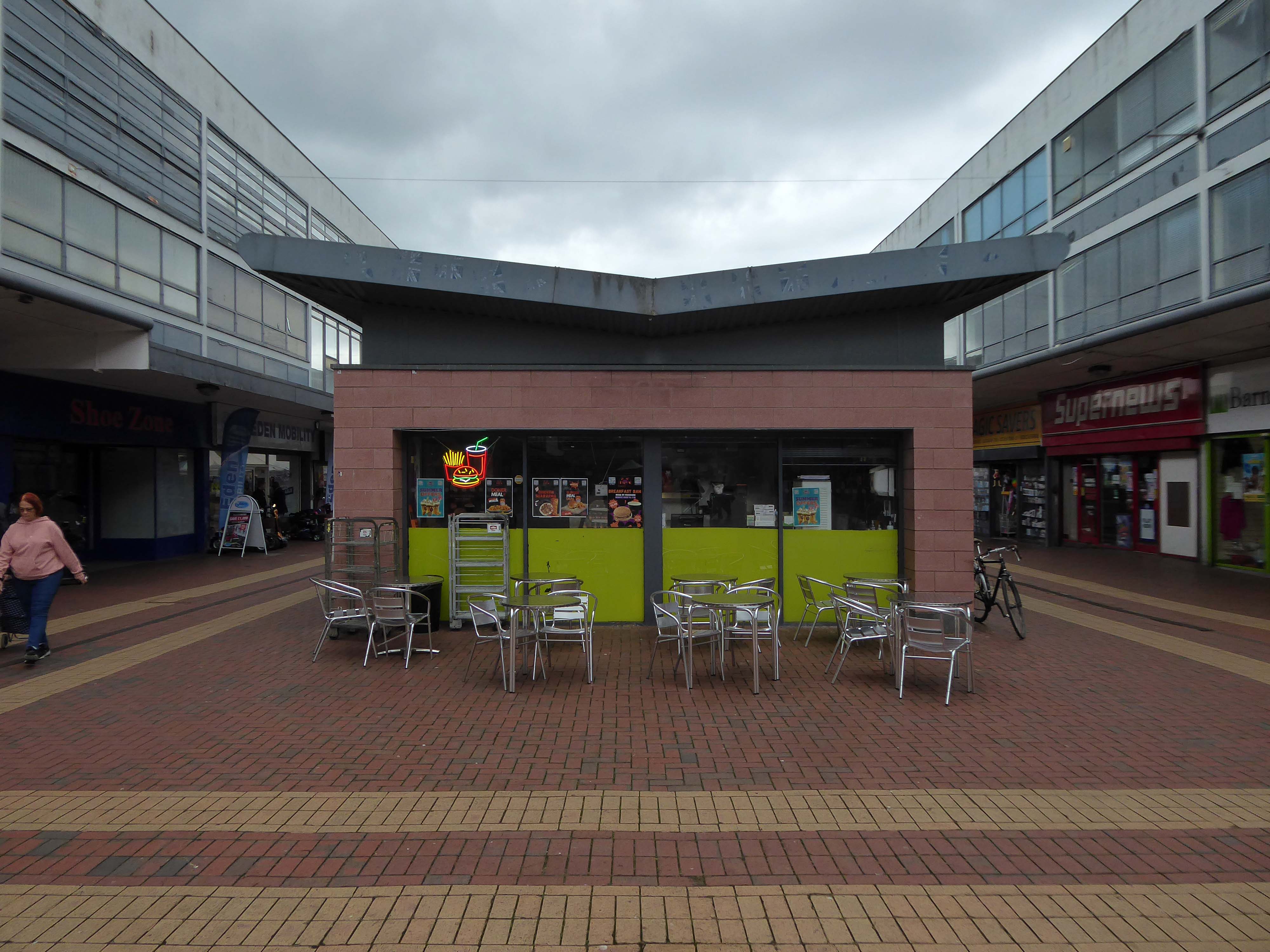
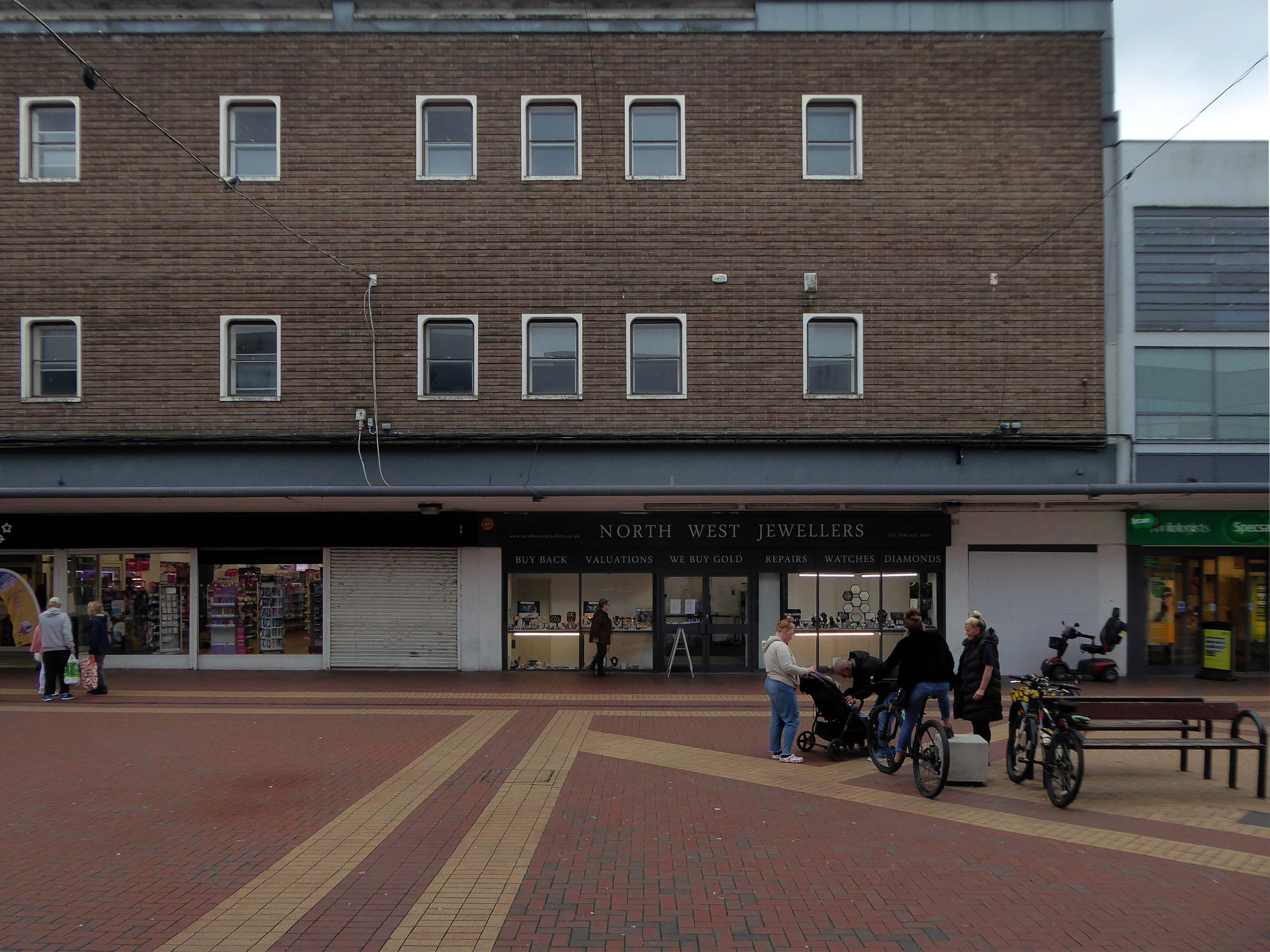
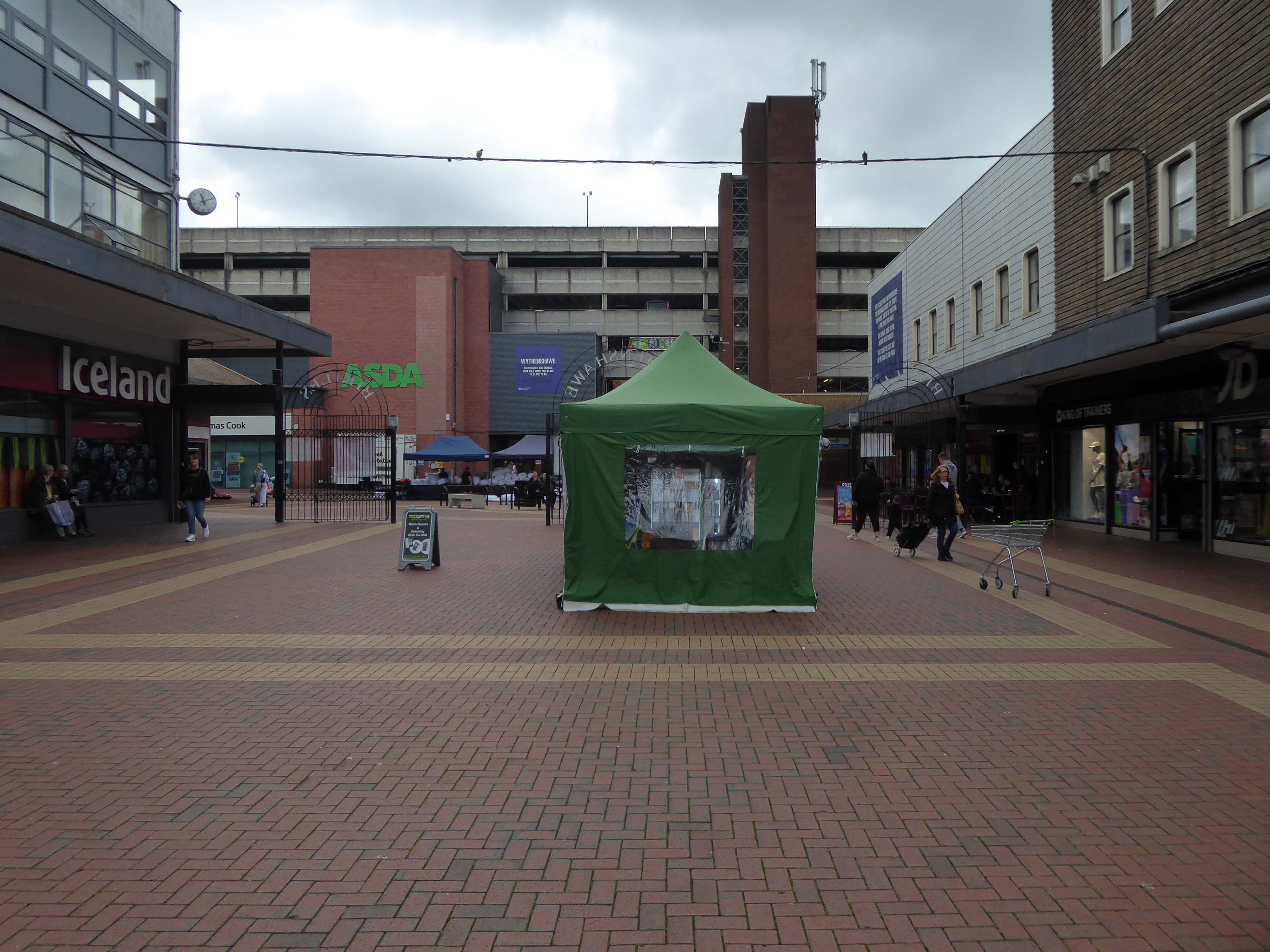
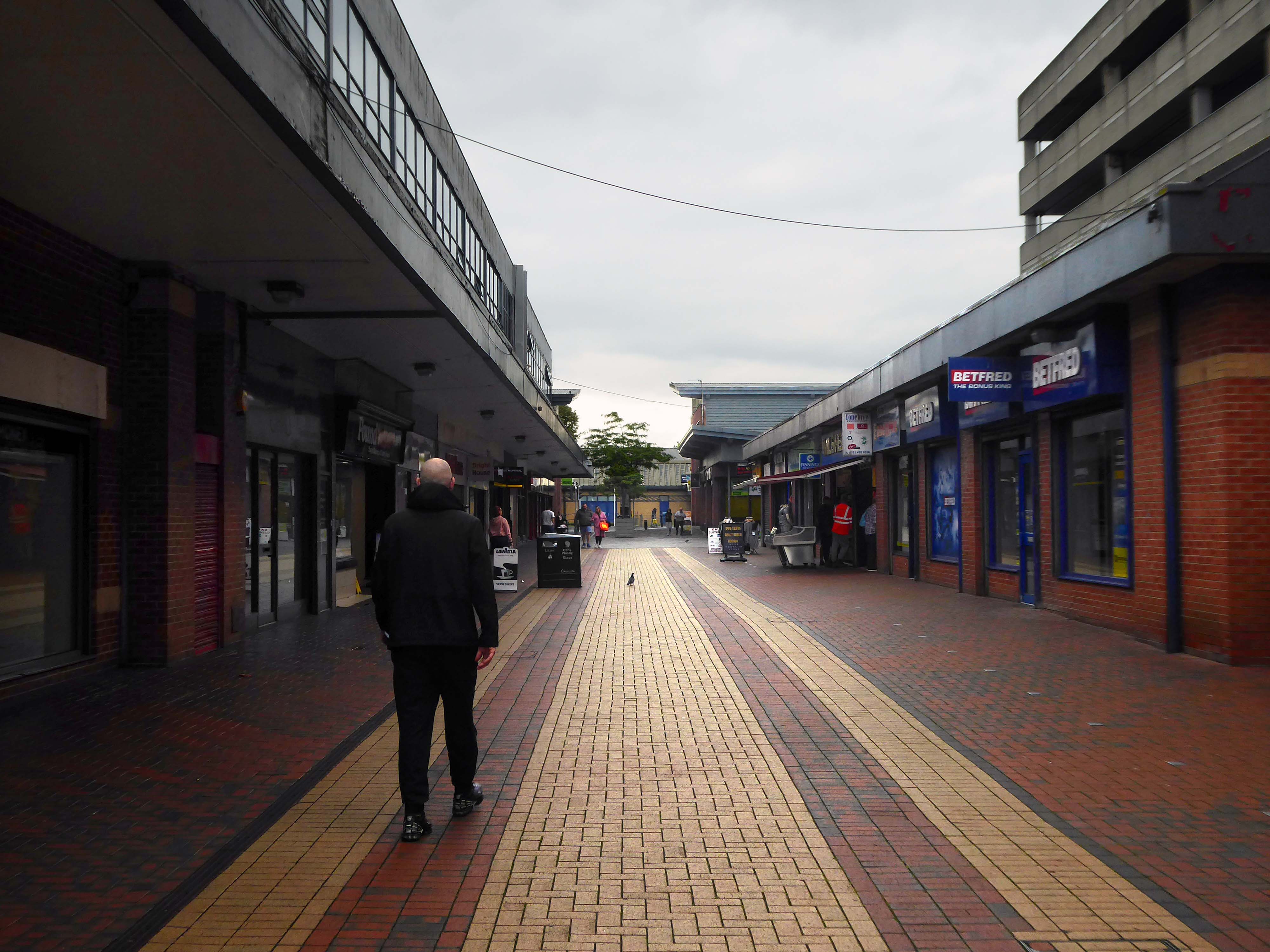
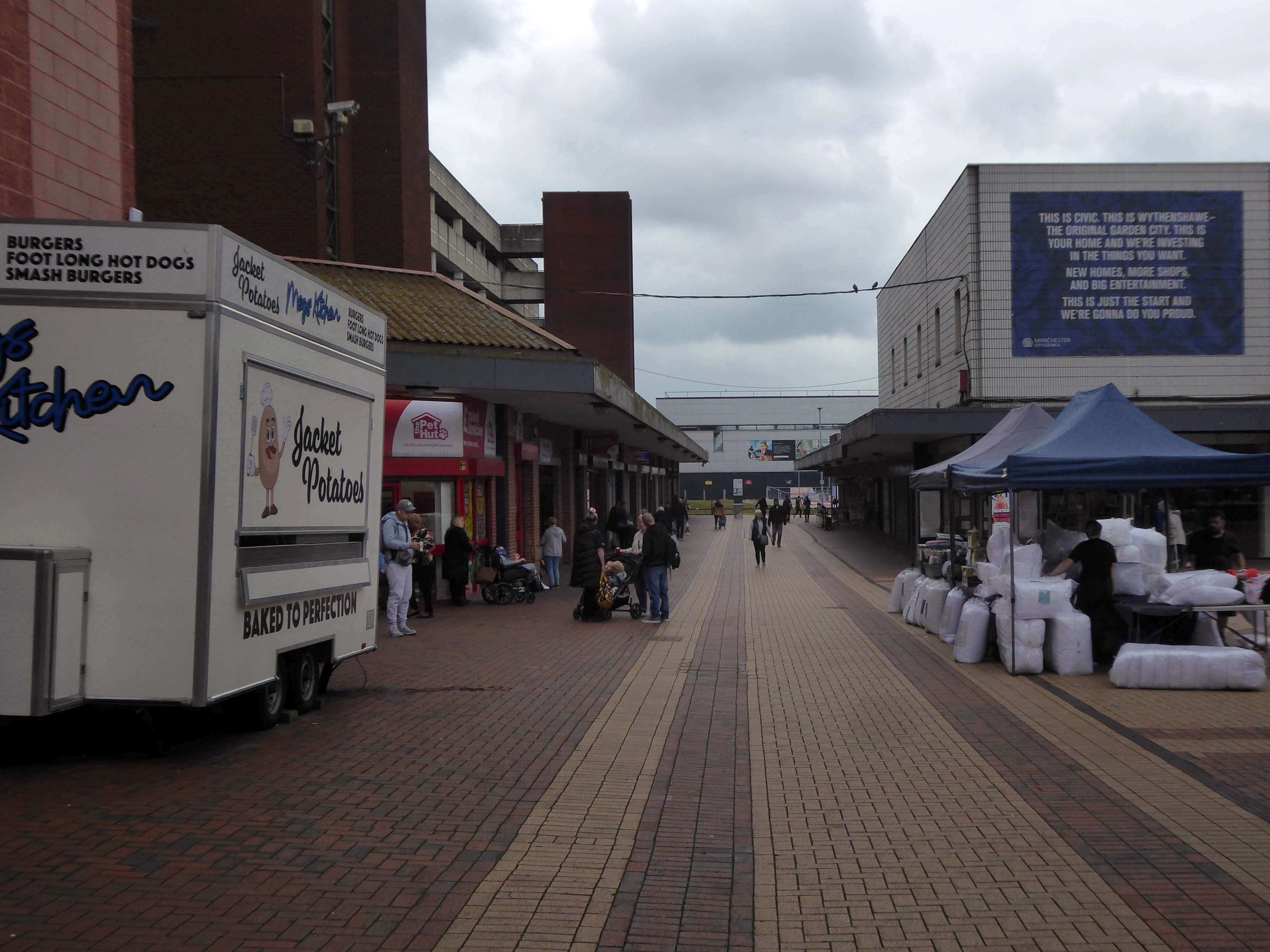
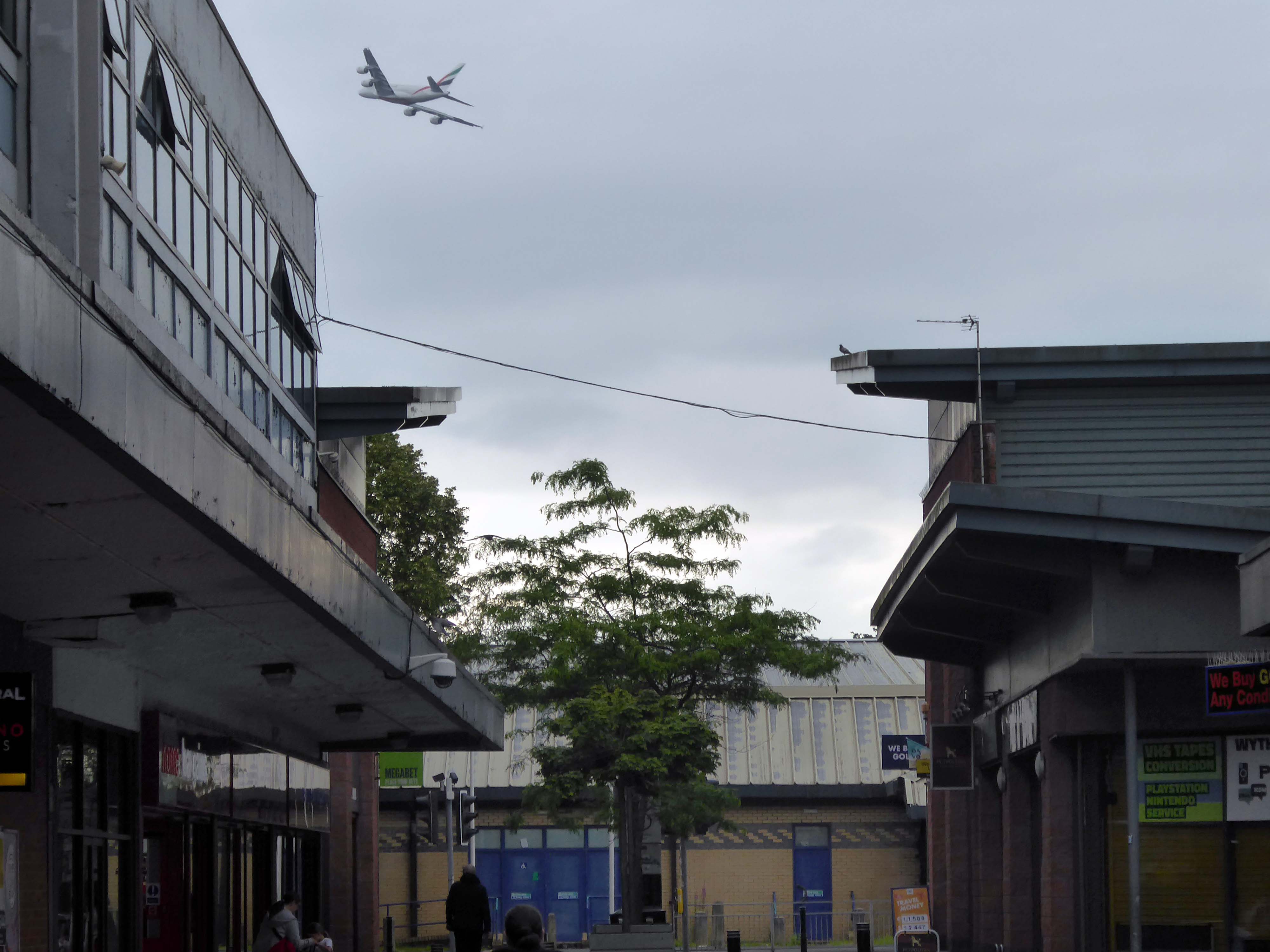
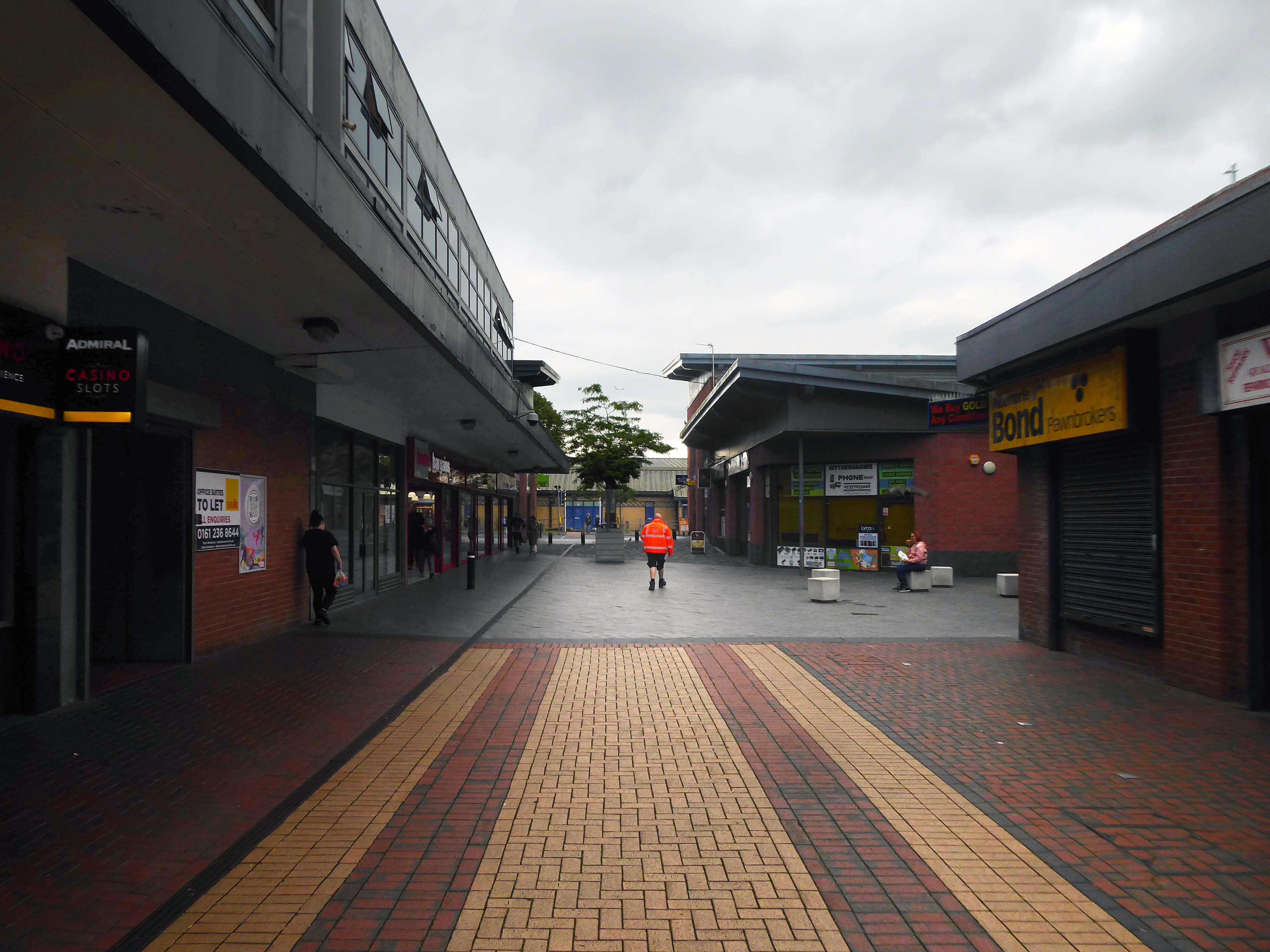
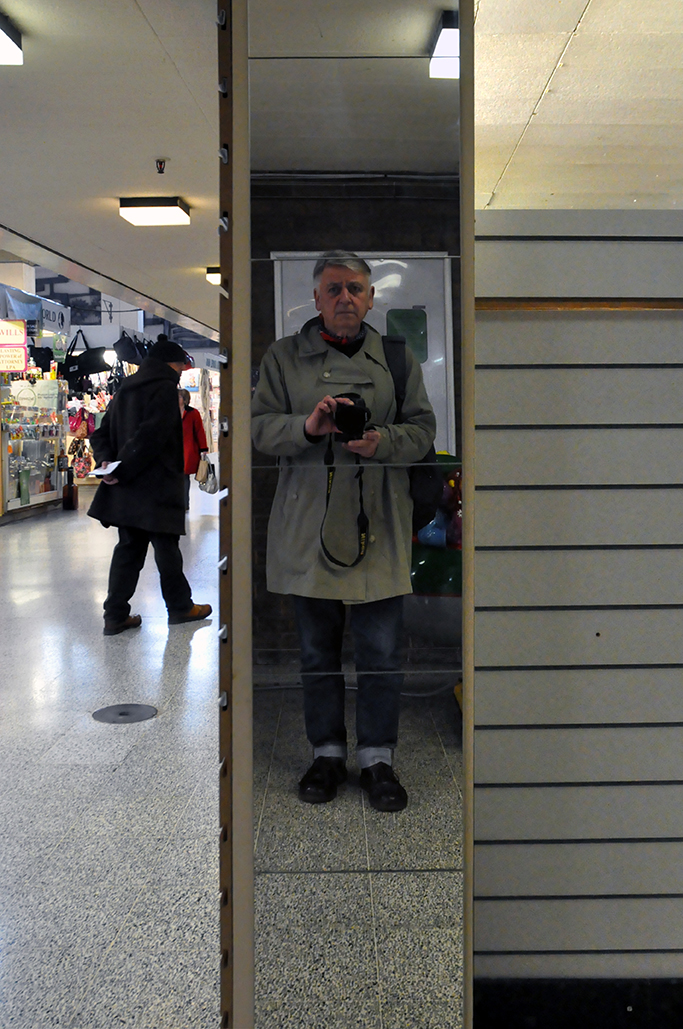
Here I am again four years later, taking a look at how it looks today.
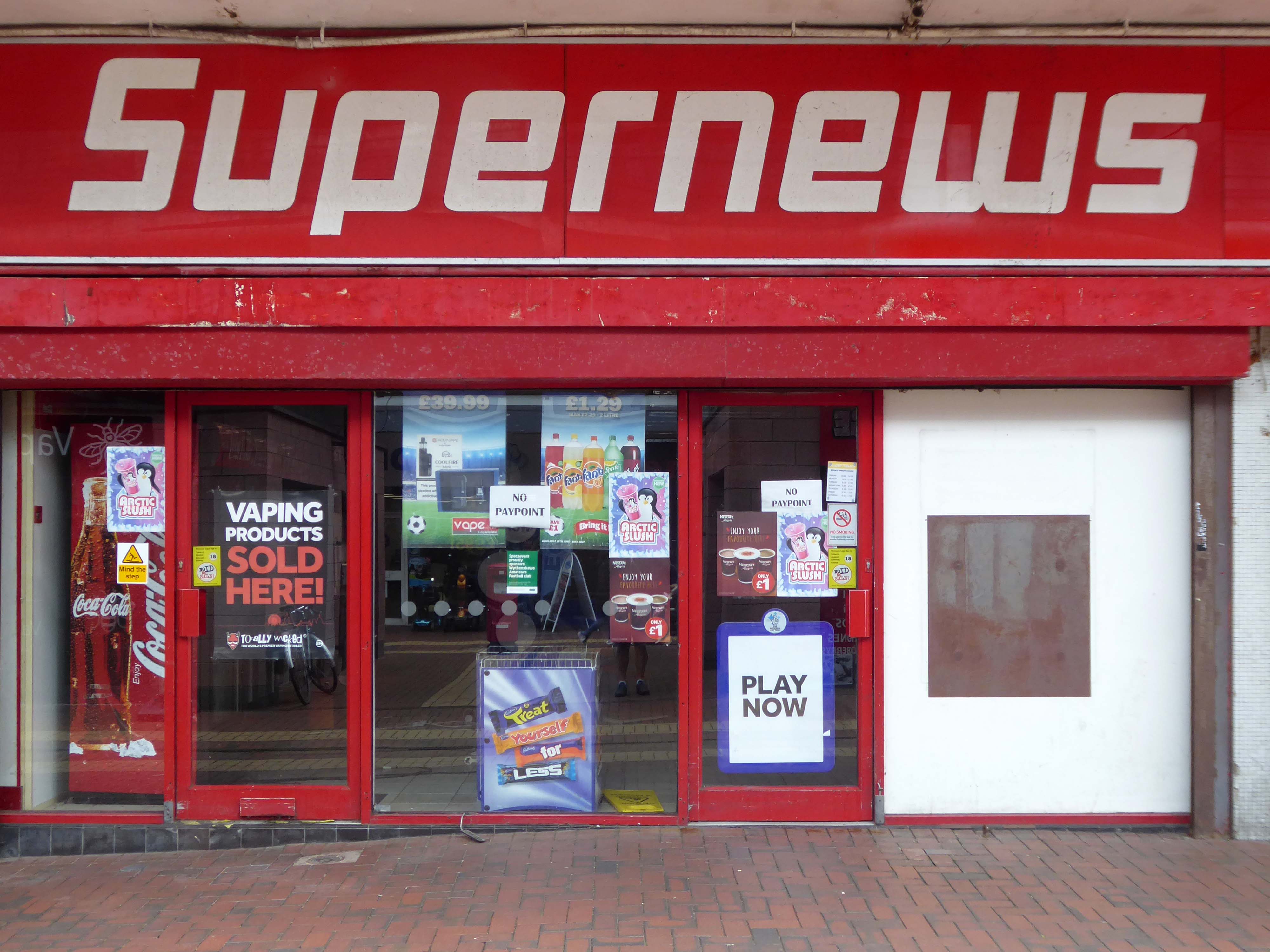
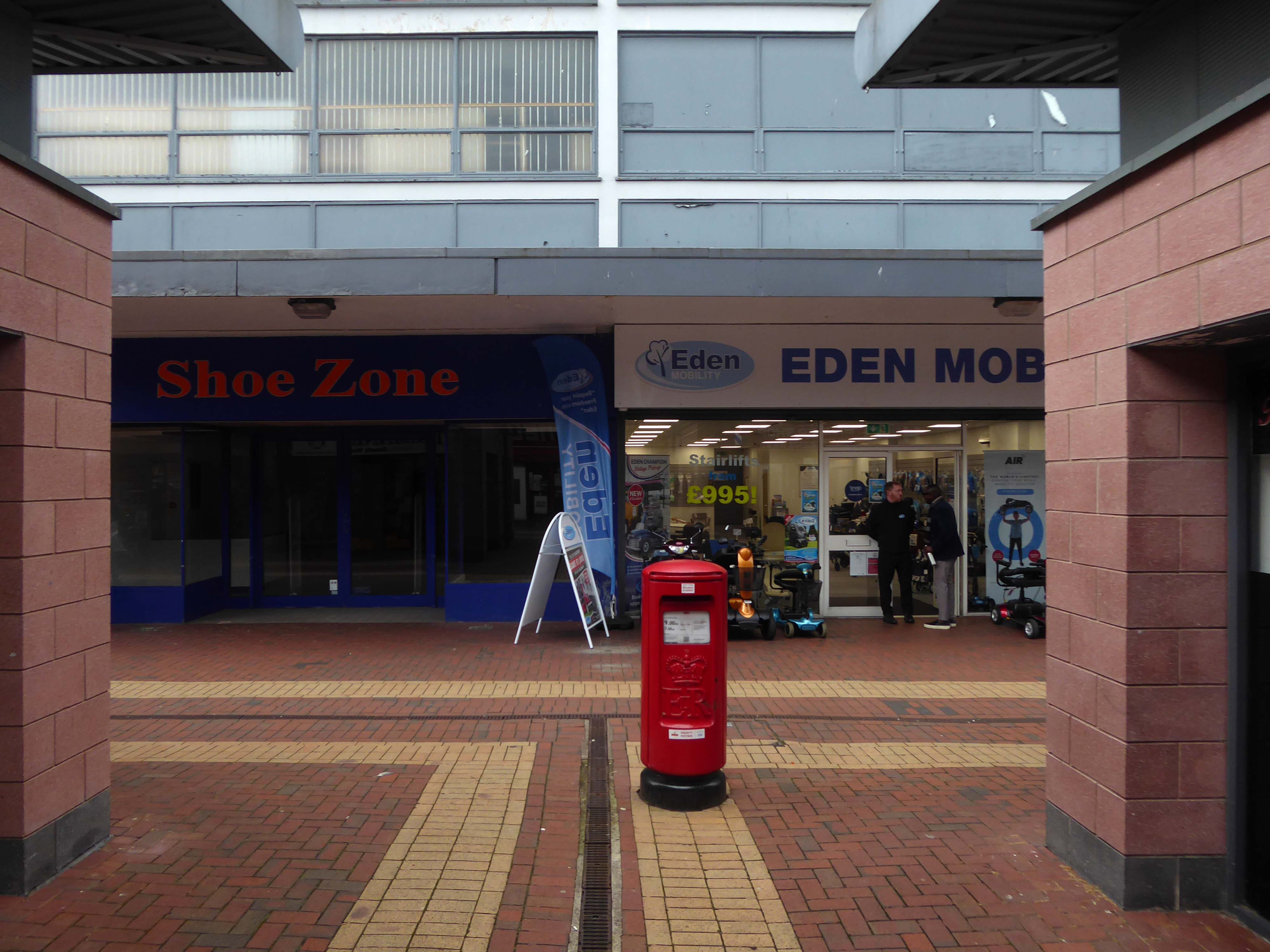
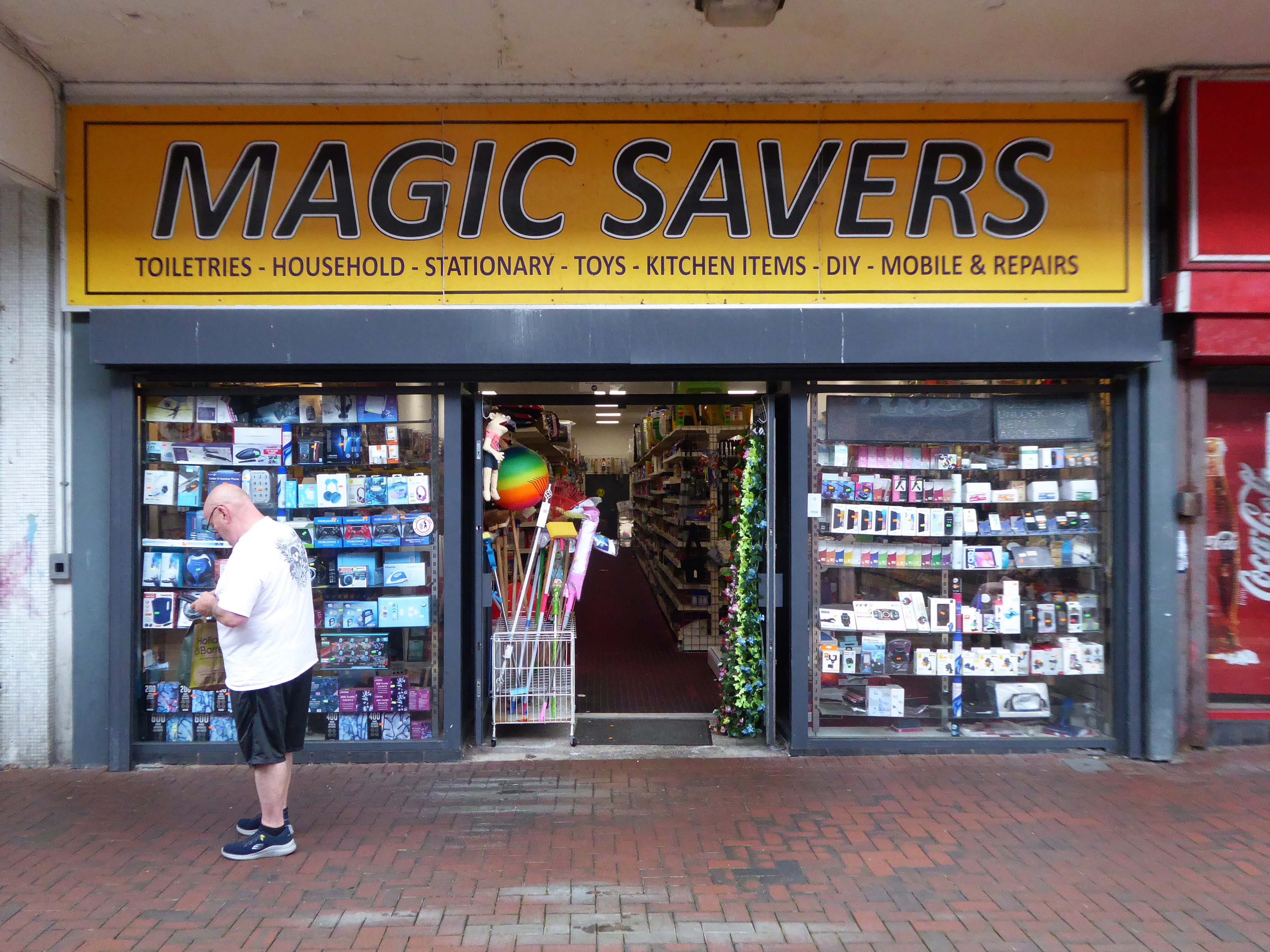
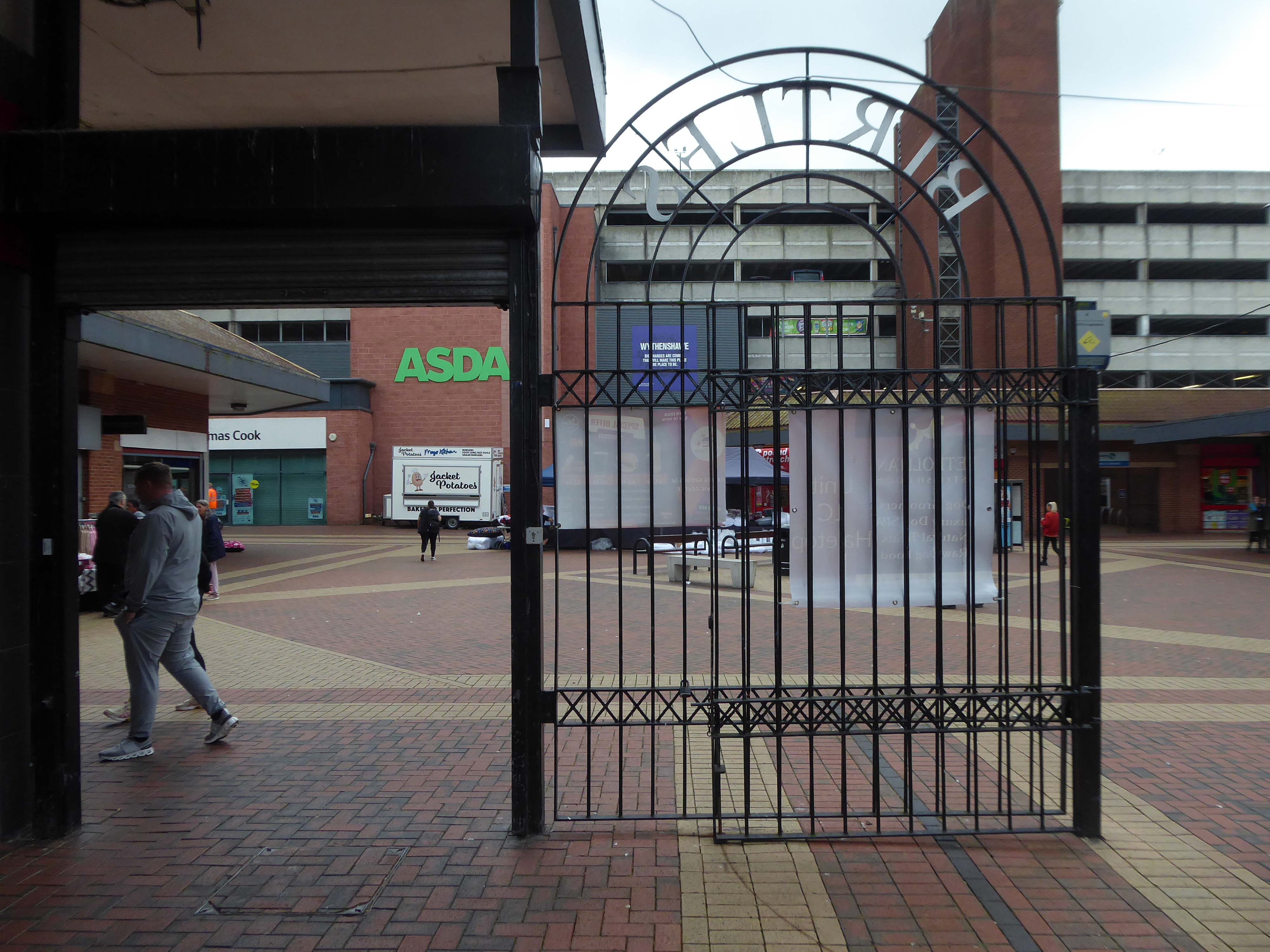
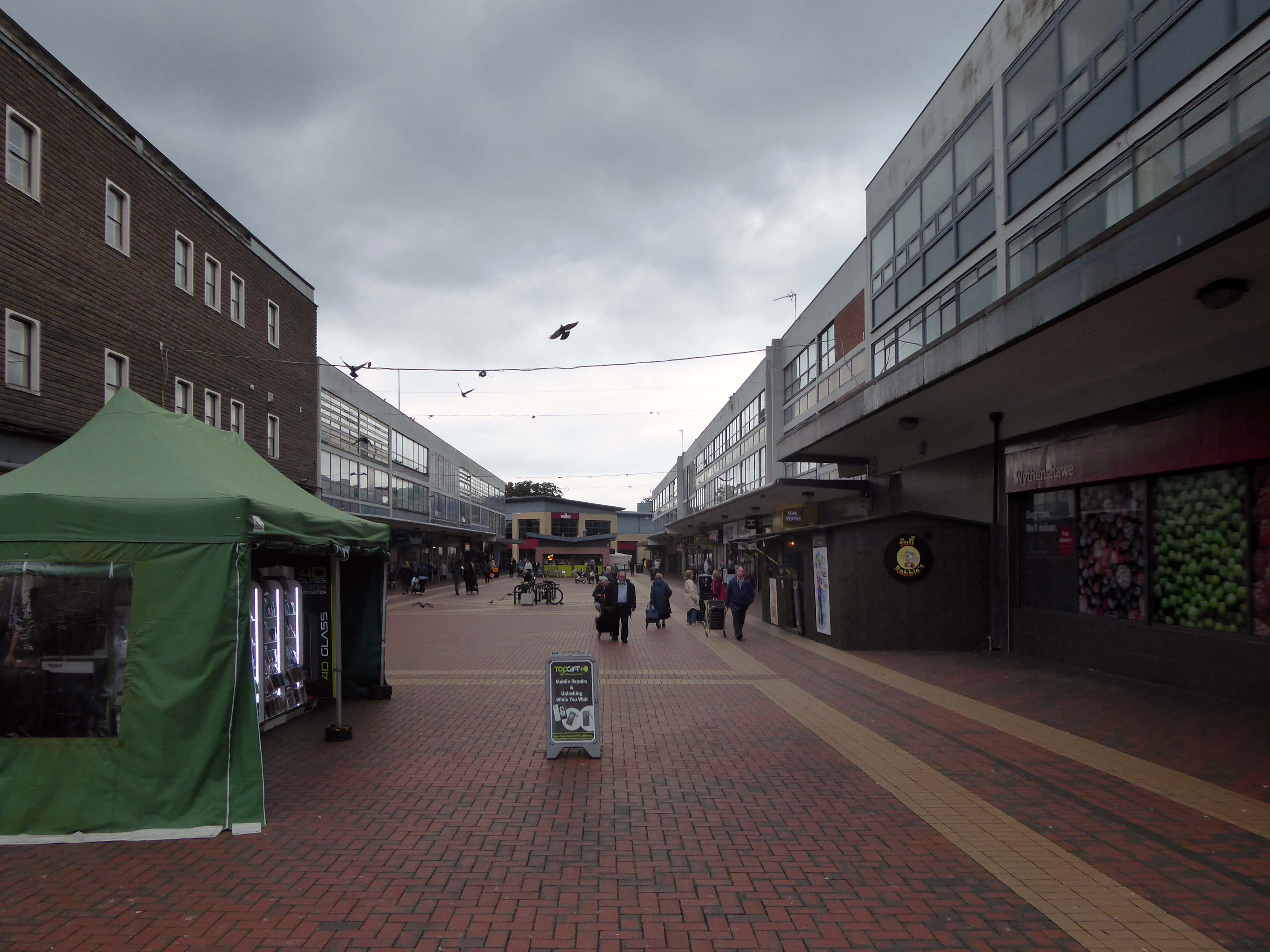
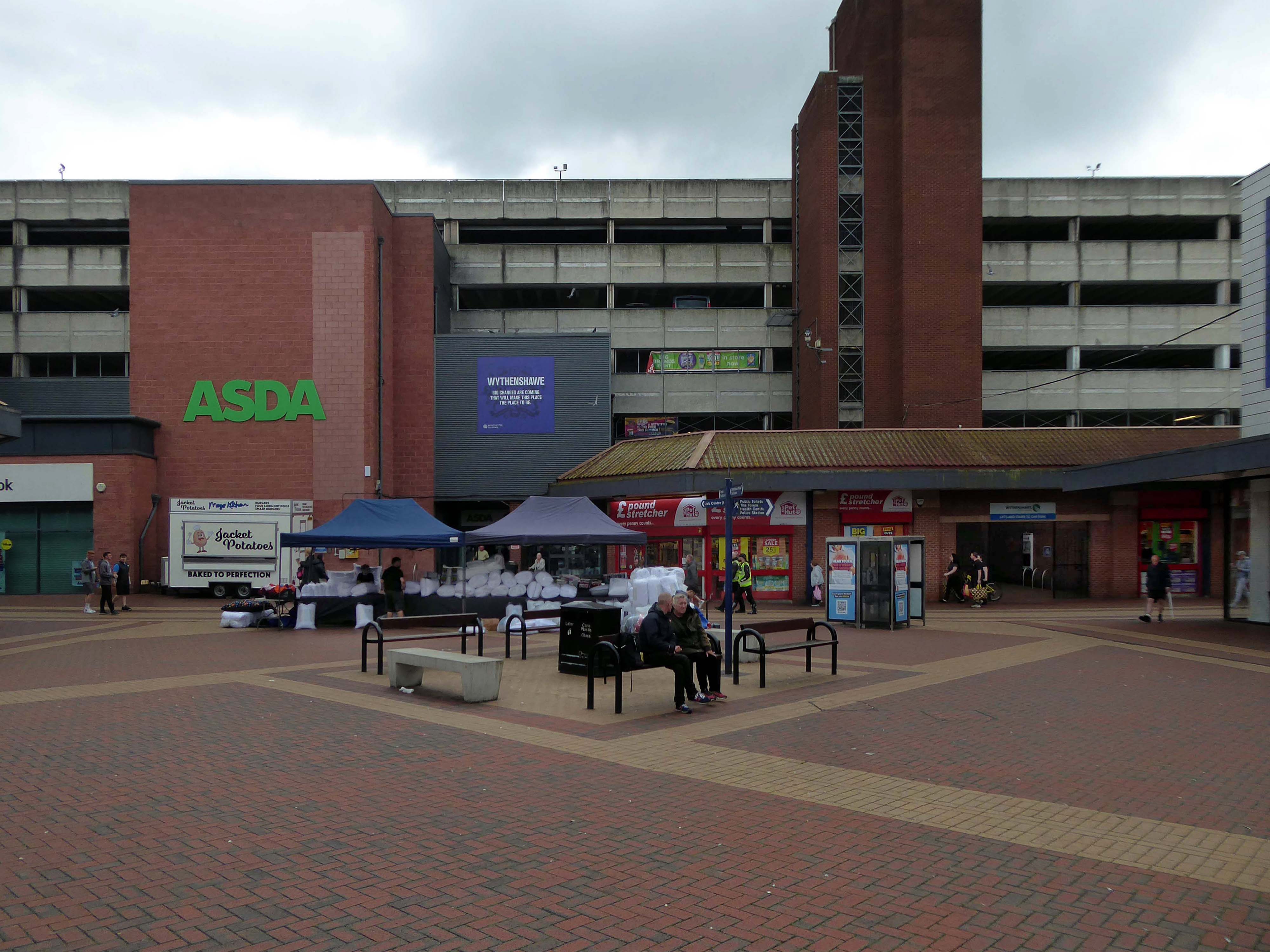
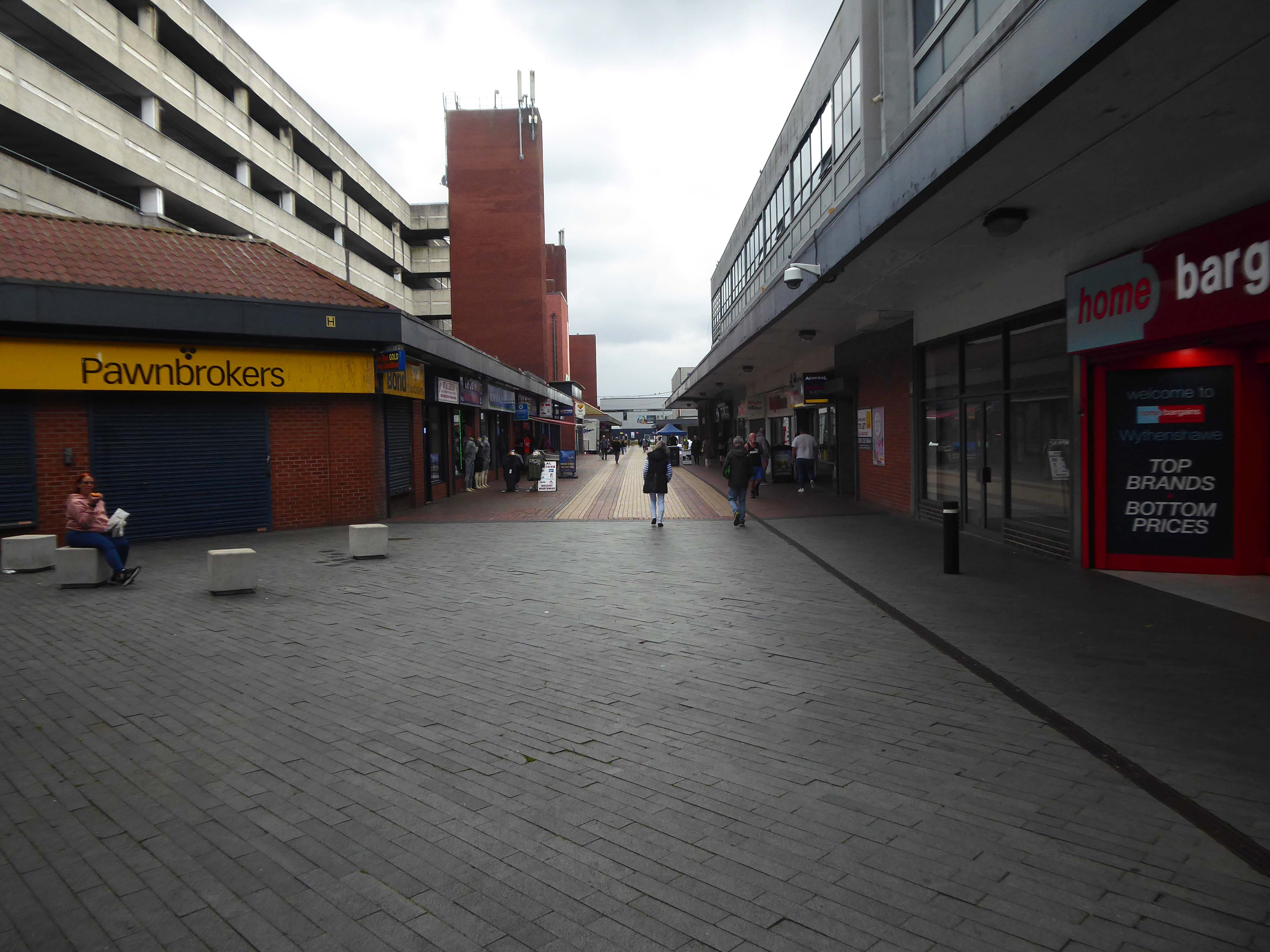
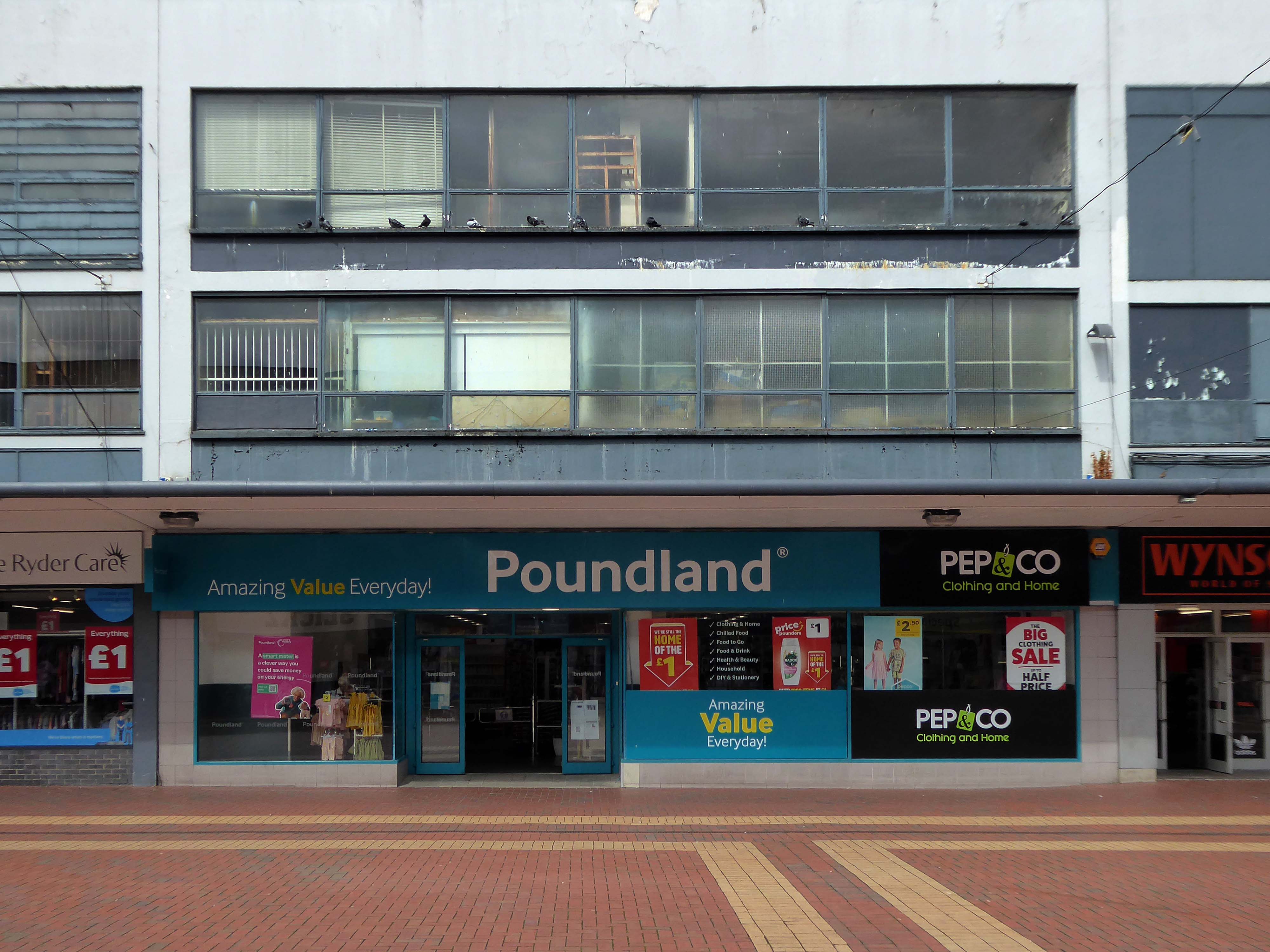
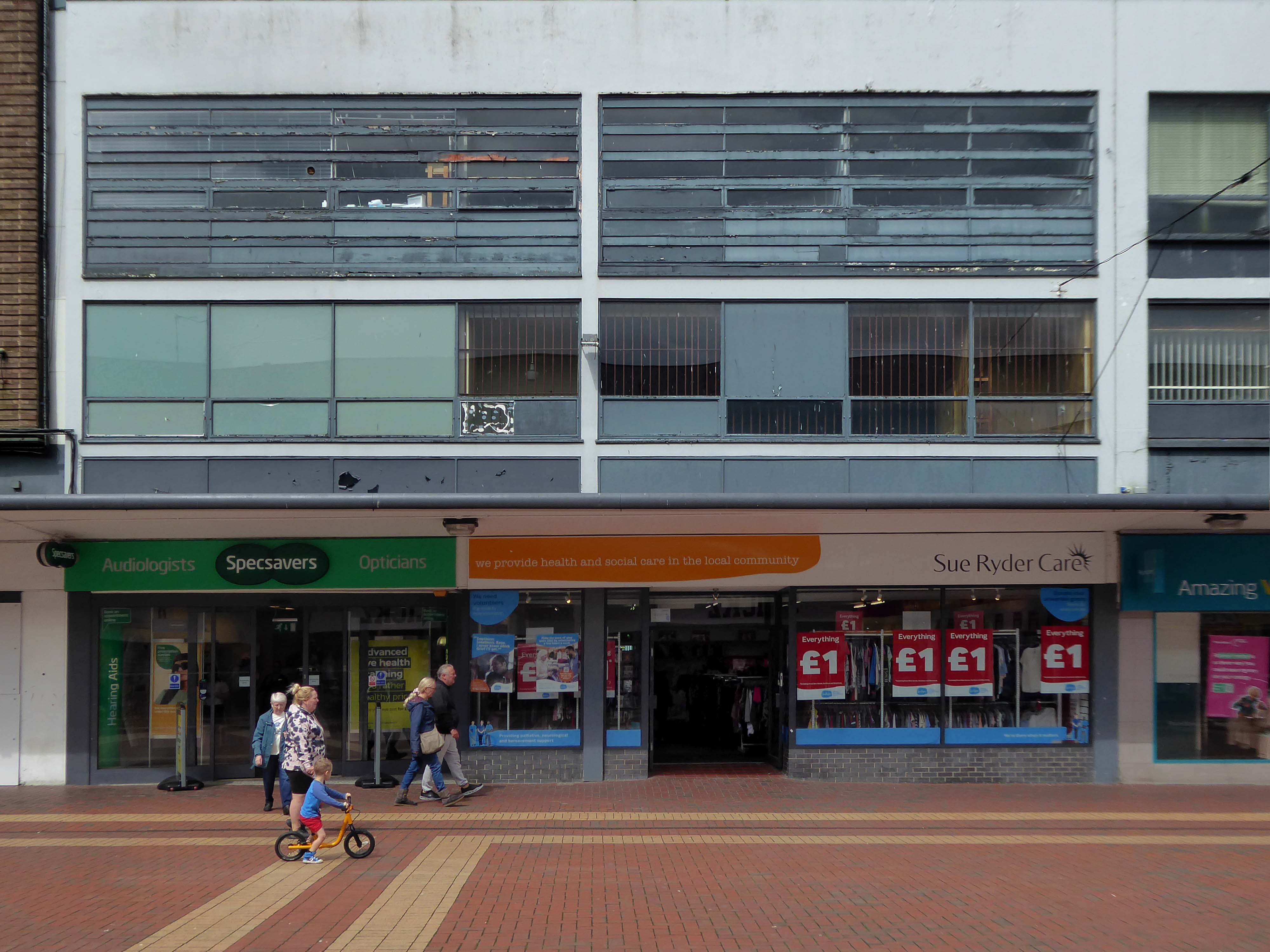
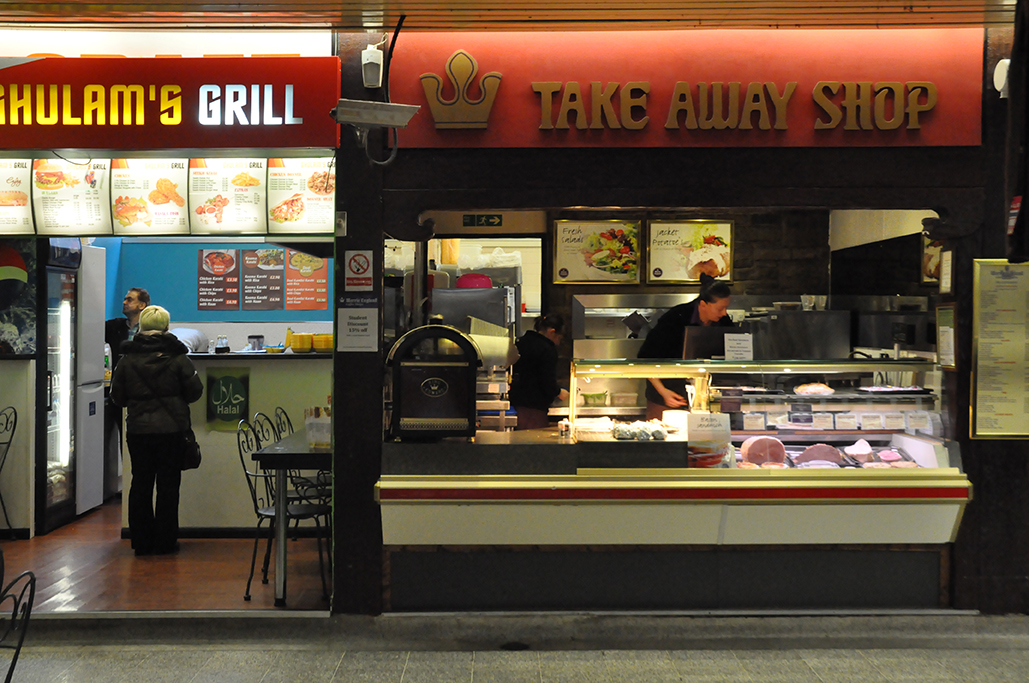
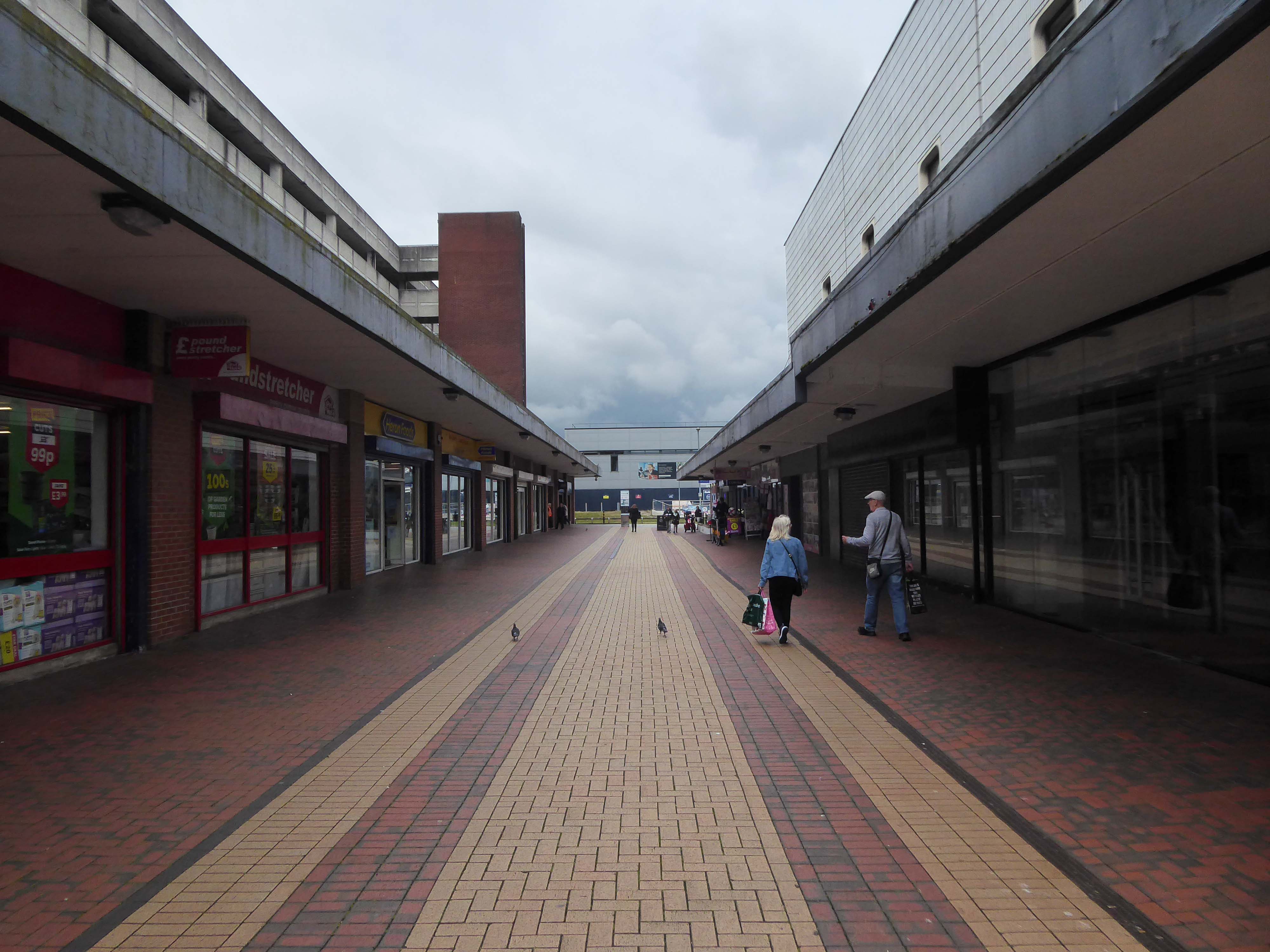
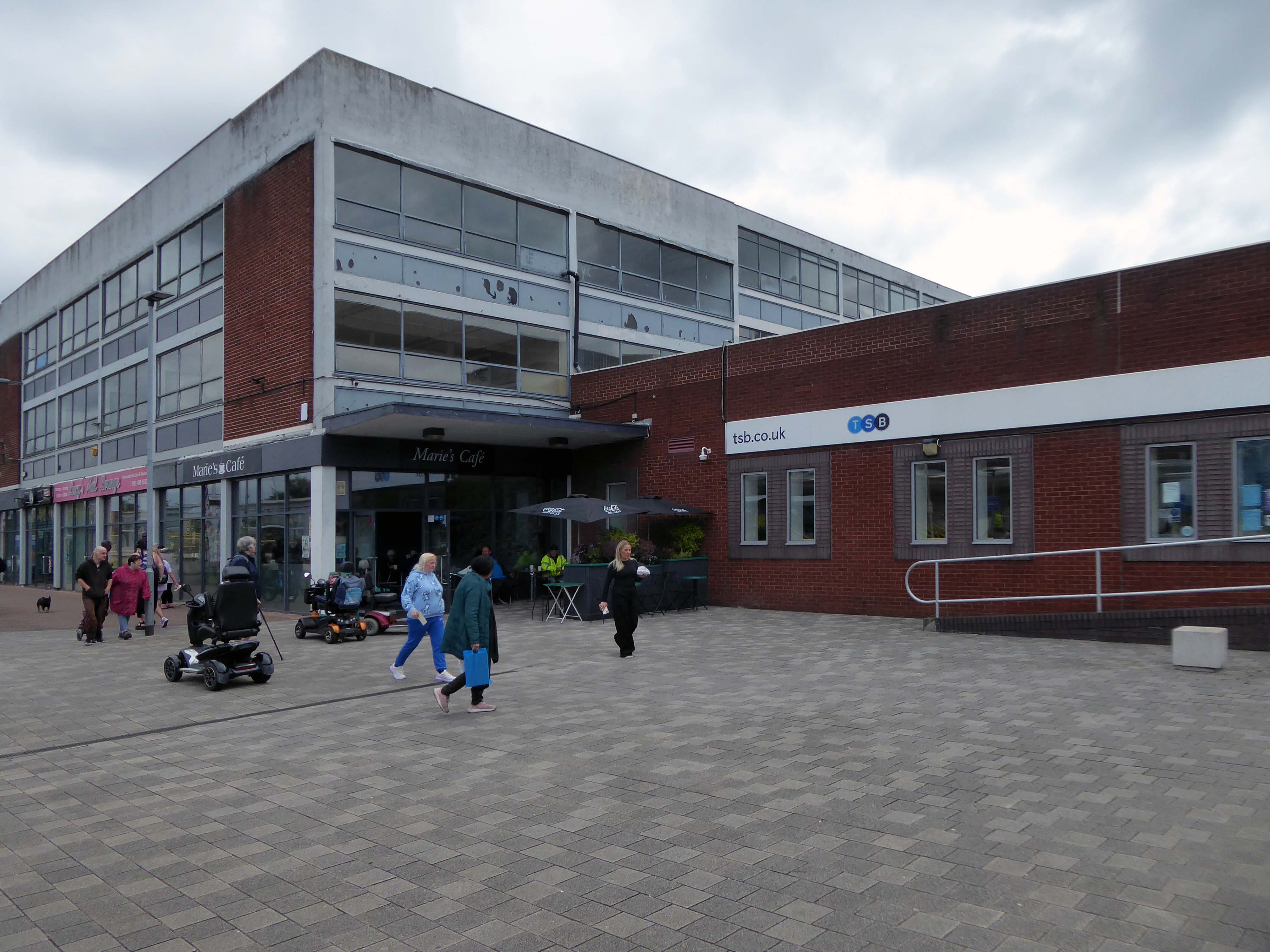
ASDA remains the anchor store, Wilko having left a Wilko sized hole in the precinct. On an overcast Friday morning there was sufficient footfall to sustain the wide variety of smaller shops and larger retail chains. As with many other towns within the central Manchester orbit, the easy proximity fills those busy trams and buses, which are leaving the area.
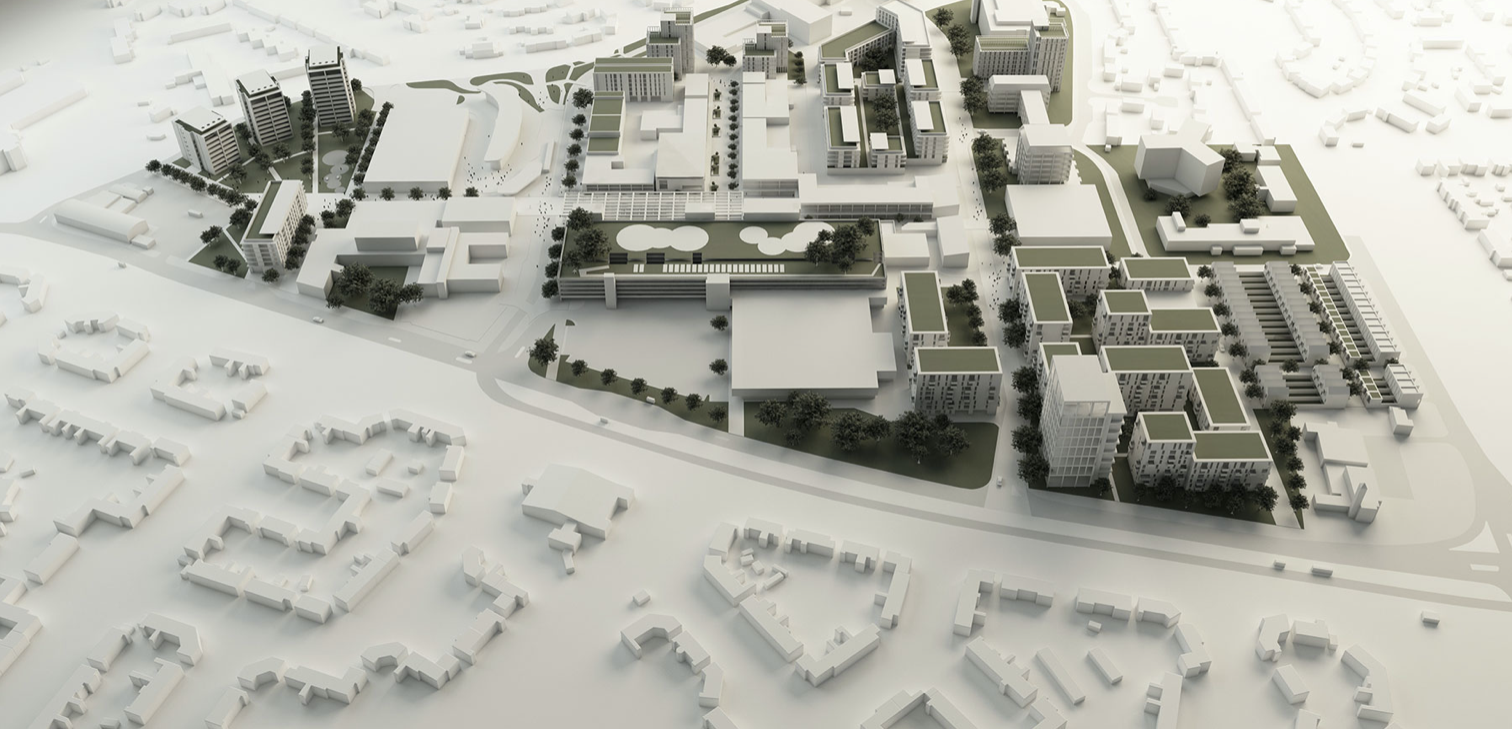
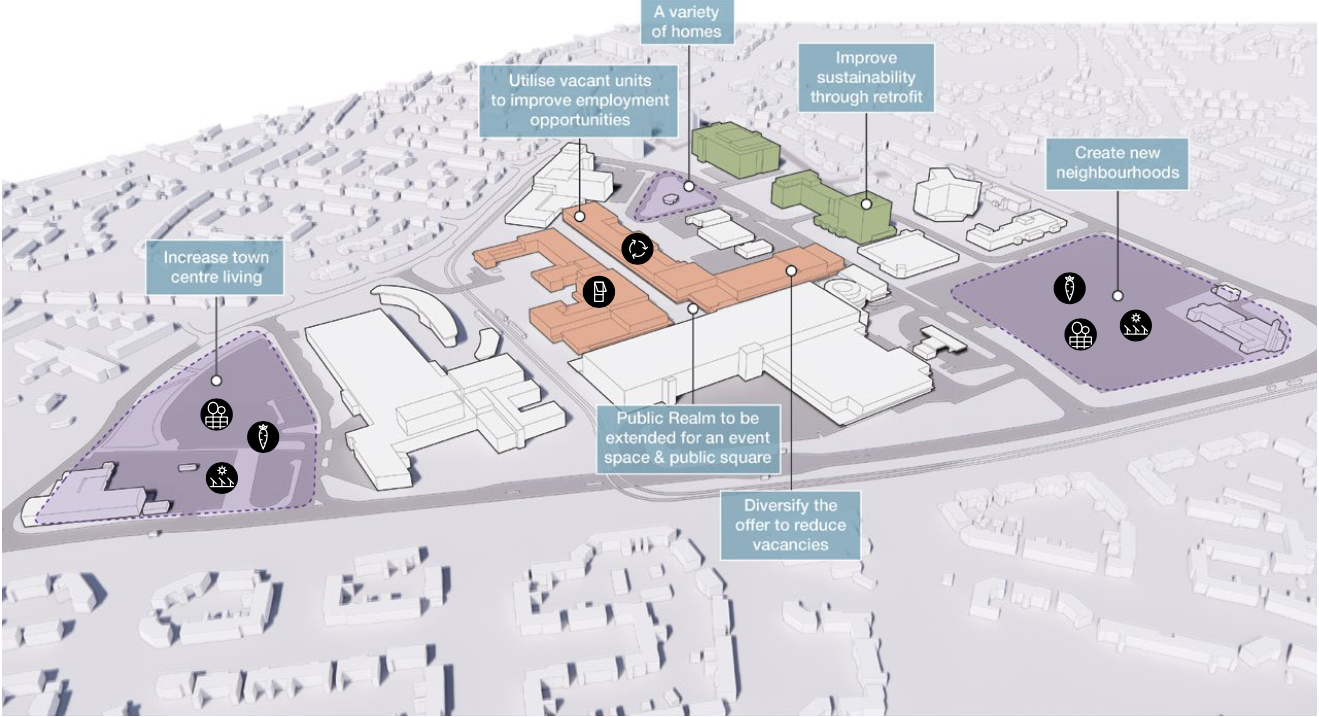
There are plans in place to regenerate the area, in the form of a Masterplan – which can be downloaded here.
Between 1991-2002 there have been some architectural changes, including new stores and office developments. Some of the interventions included significant adaptions which further increased retail into the existing buildings high street.
The interventions included significant adjustments to the multi-storey car park with the aim of reducing parking numbers whilst providing additional lettable space. Further Transport Hub Arrival commercial development was created to the north of the site with the construction of Etrop Court, despite there being significant commercial vacancy across other parts of the estate.
Whilst there has been significant incremental intervention, the character of the area has not fundamentally changed from its founding concept. However the cumulative impact of the various changes have had a negative impact on the functionality and suitability of place, so much so that the centre is in many ways no longer fit- for purpose.
The site today is surrounded by surface car parks, with a total of around 2,500 car parking spaces, 1,700 of which are contained within the multi-storey car park. Many of the retail units, the upper floor office spaces along the Birtles and Hale Top, and buildings to the east are vacant.
Typically, the levels of vacancy are consistent with the changing demands of the high street, where typically modern and successful retail centres are now more diversified and focussed on creating a visitor or destination-based experience. In this sense, we anticipate a need to diversify the high street and to promote a smaller more concentrated retail core, whilst supplementing the offer with more meanwhile and permanent uses and activities based on culture, food and creative workplace.
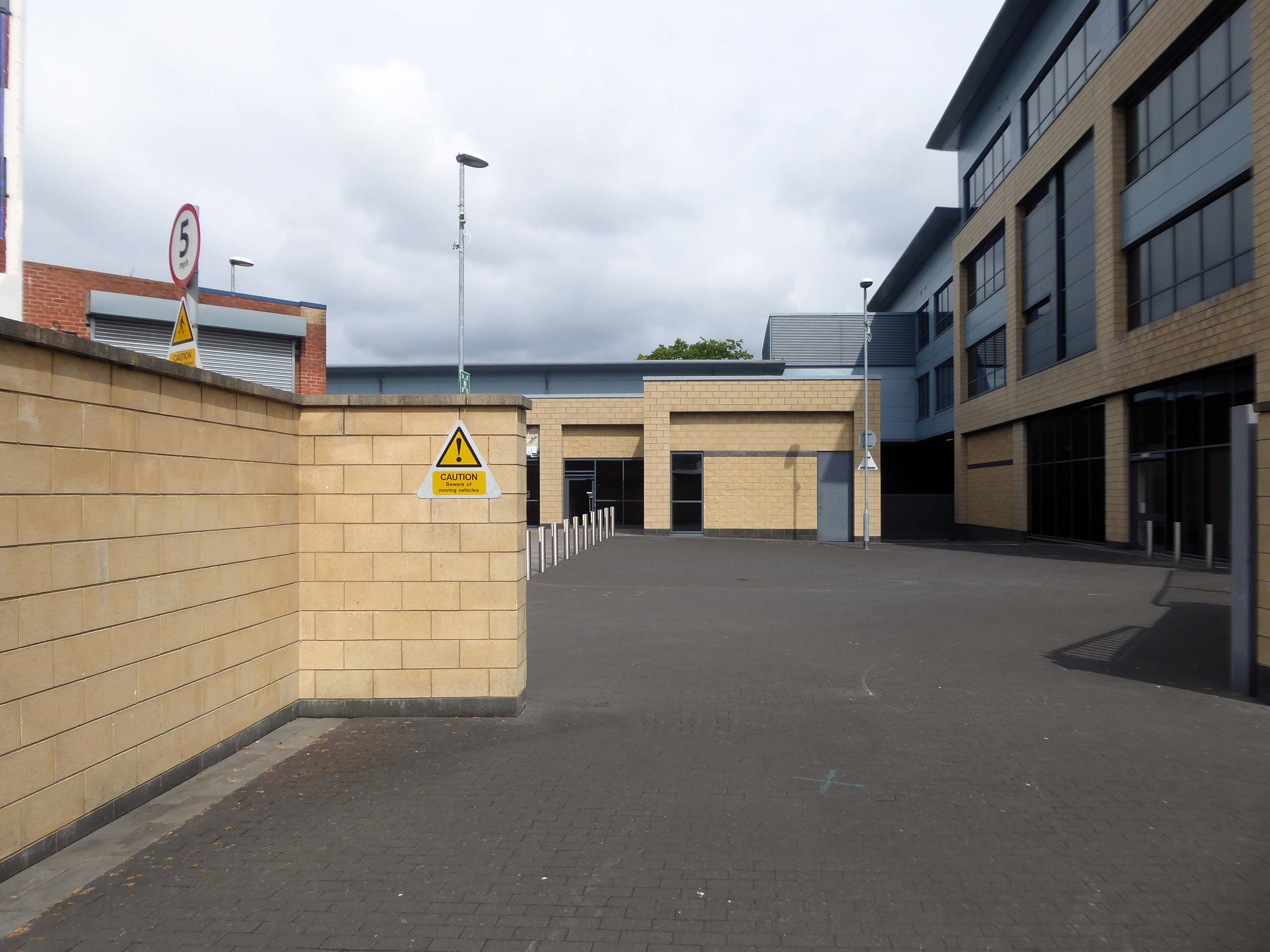
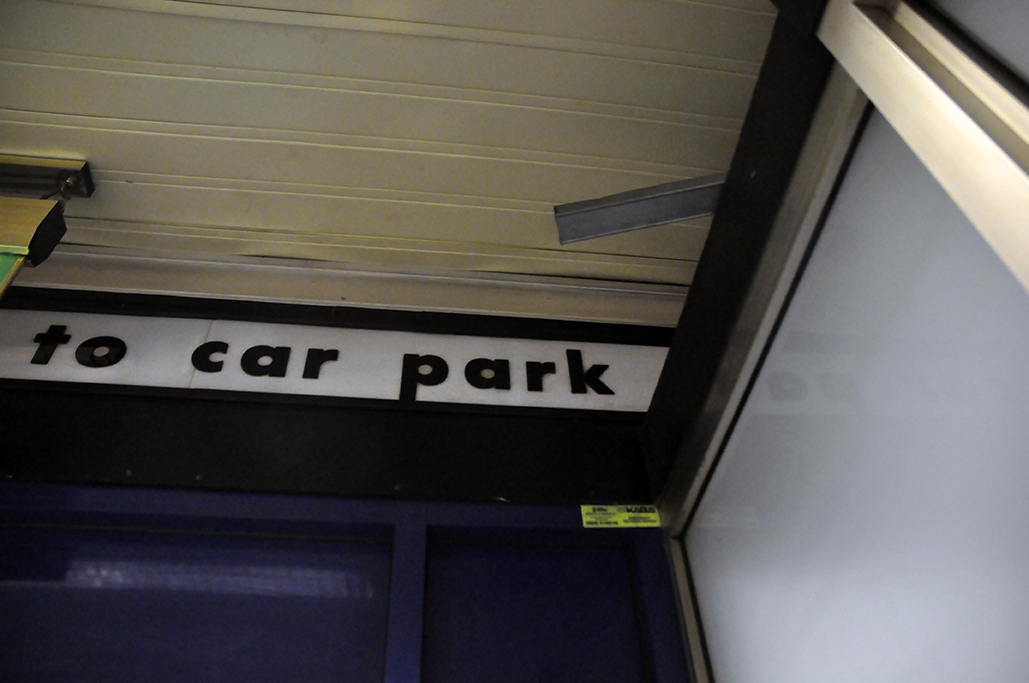
The gateway to the Civic Centre on arrival from the Transport Interchange is very poor. Access to the high street isn’t obvious and the route through to the high street isn’t clear. Much of the site is surrounded by fencing, barrier and gates and whilst they are open during the day, they are locked at night to prevent vandalism. This barricaded aesthetic does nothing to promote an easily accessible and family friendly environment as well as preventing any opportunity to promote a much needed night- time economy.
Currently, the Civic Centre appears to only cater for those with a need to visit for a particular purpose, rather than capitalising on an opportunity to create a place to visit and dwell.
The A6 is Britain’s fourth longest road. Its route varies greatly from the lower lands of the South East, though the Peak District, right though the heart of Manchester city centre, then onwards towards Preston. It then goes though the historic city of Lancaster before skirting the Eastern fringe of the Lake District before ending in Carlisle, bang on the start of the A7.
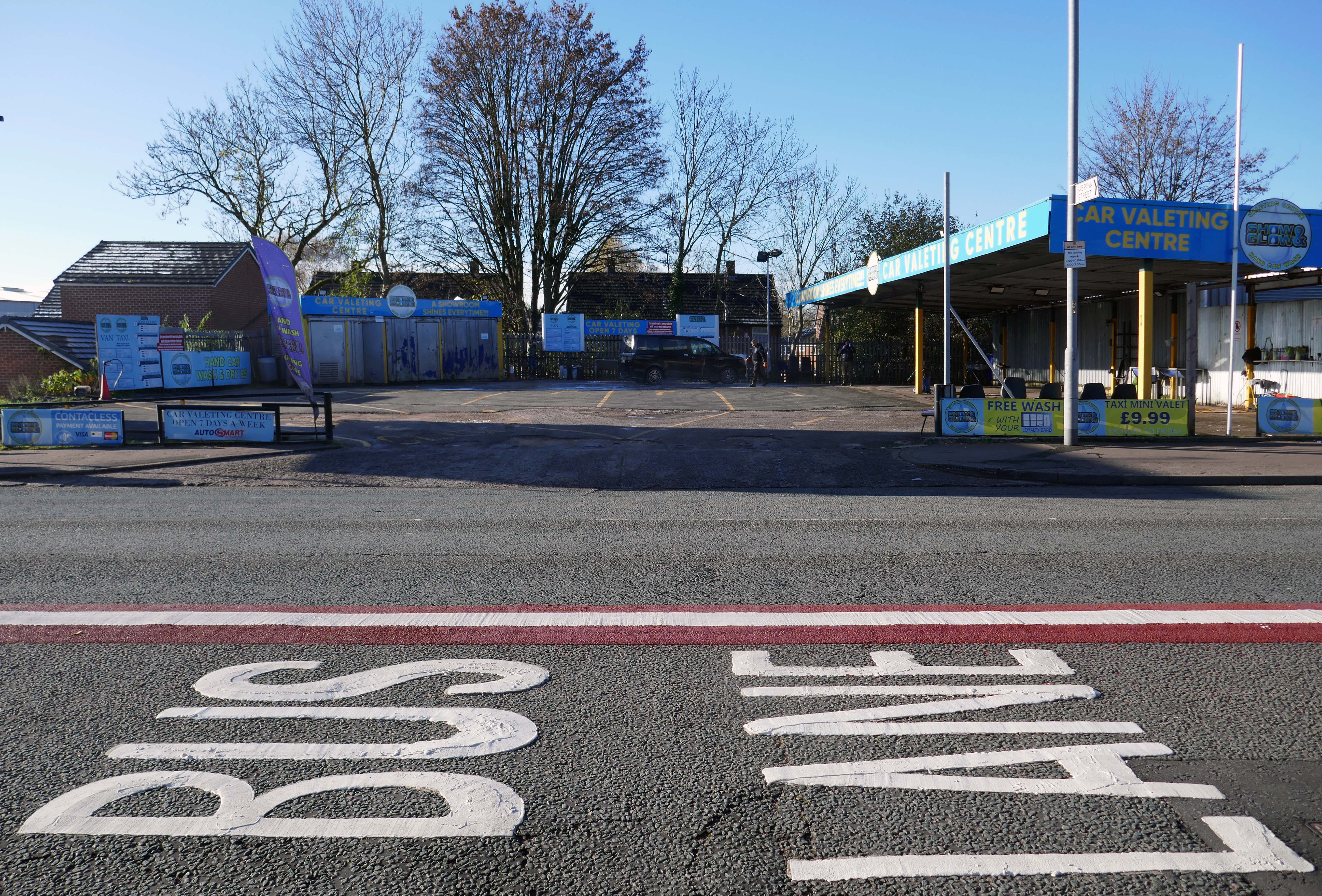
North from Stockport towards Manchester, the A6 was a wide, four lane road, but still 30 mph, which usually flowed pretty well. According to Mudge, it looks like it has now been massacred by bus lanes and red paint. Shame. We meet the A57 from the east, just south of the city centre, and multiplex until we reach Mancunian Way, the A57 heading off as a short urban motorway, the A6 heading into the city centre via London Road/Piccadily, where it loses its number and vanishes. It would have gone straight down Piccadily/Market Street to meet Deansgate, and then across the River Irwell into Salford, and up Chapel Street, where the number reappears. Market Street has been pedestrianised for years, so the A6 has long ceased to be a through route.
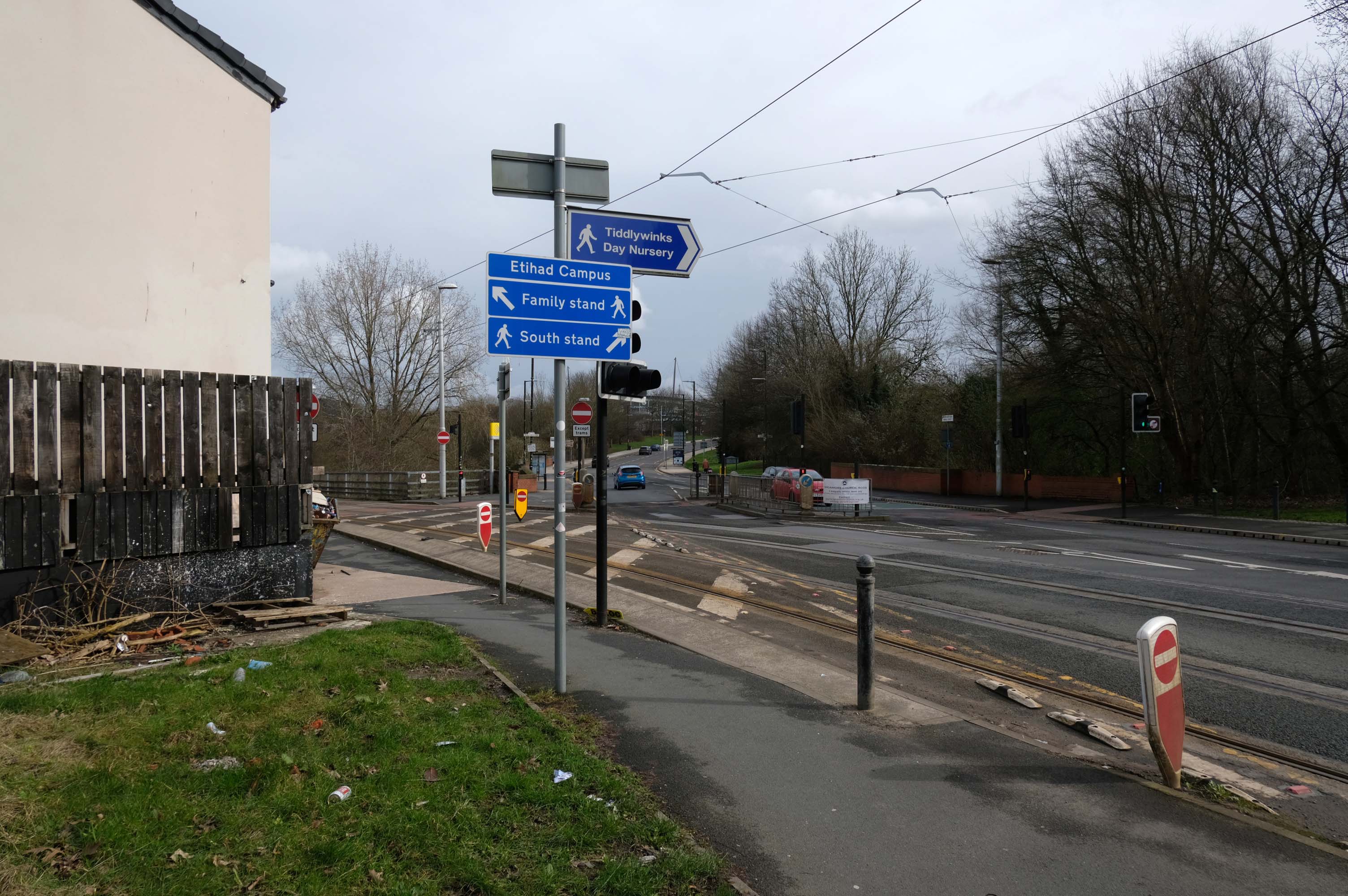
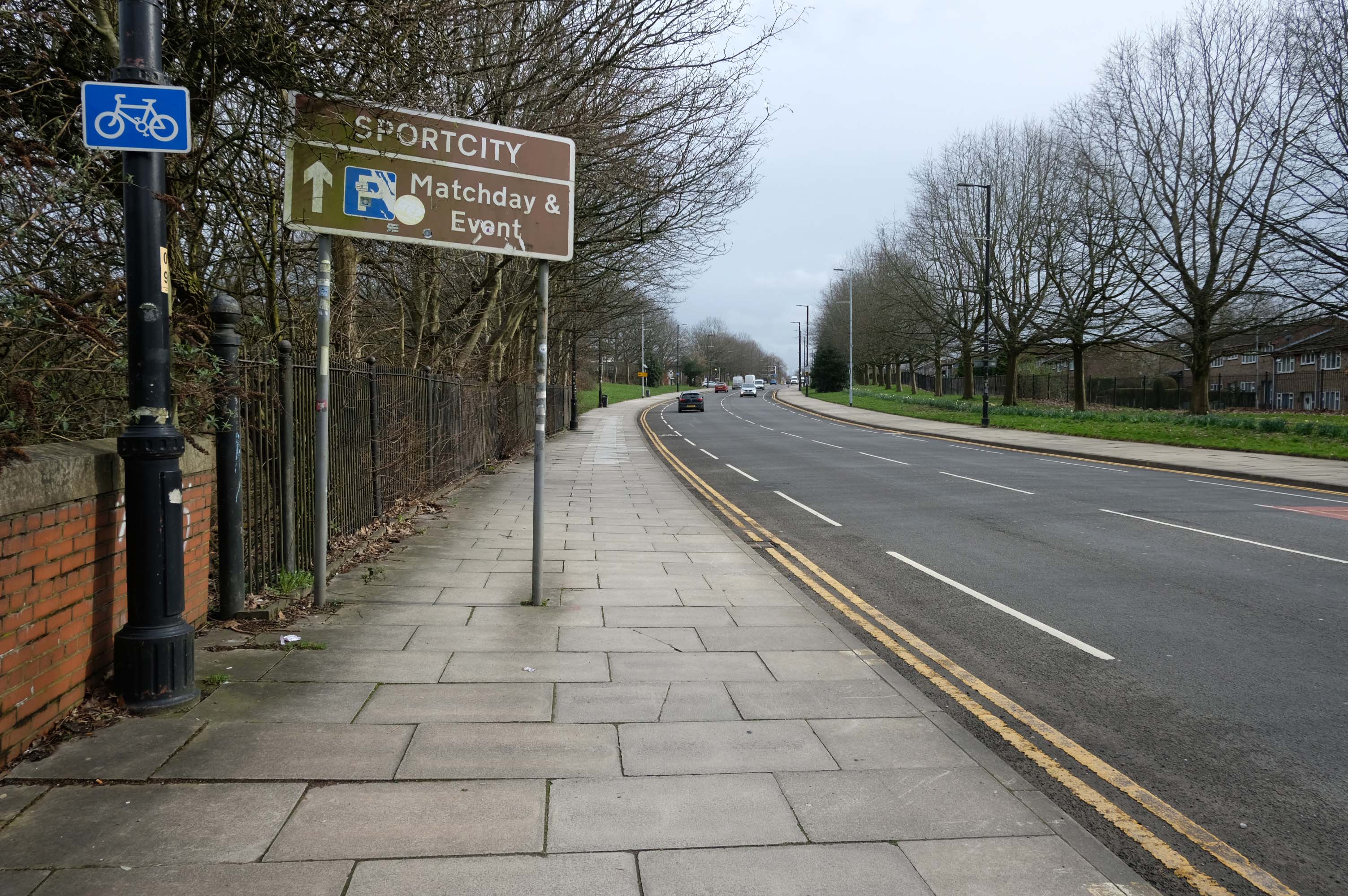
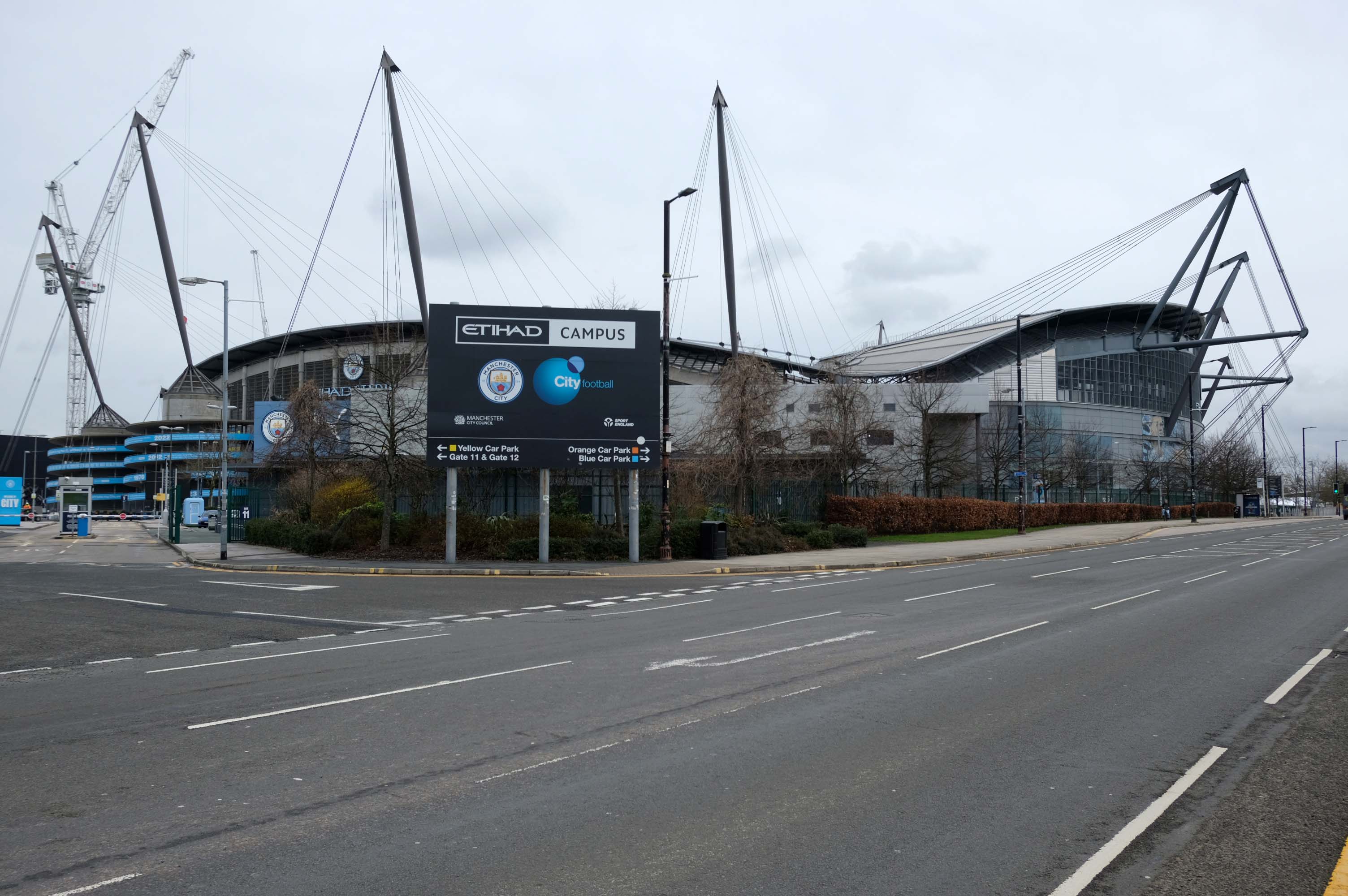
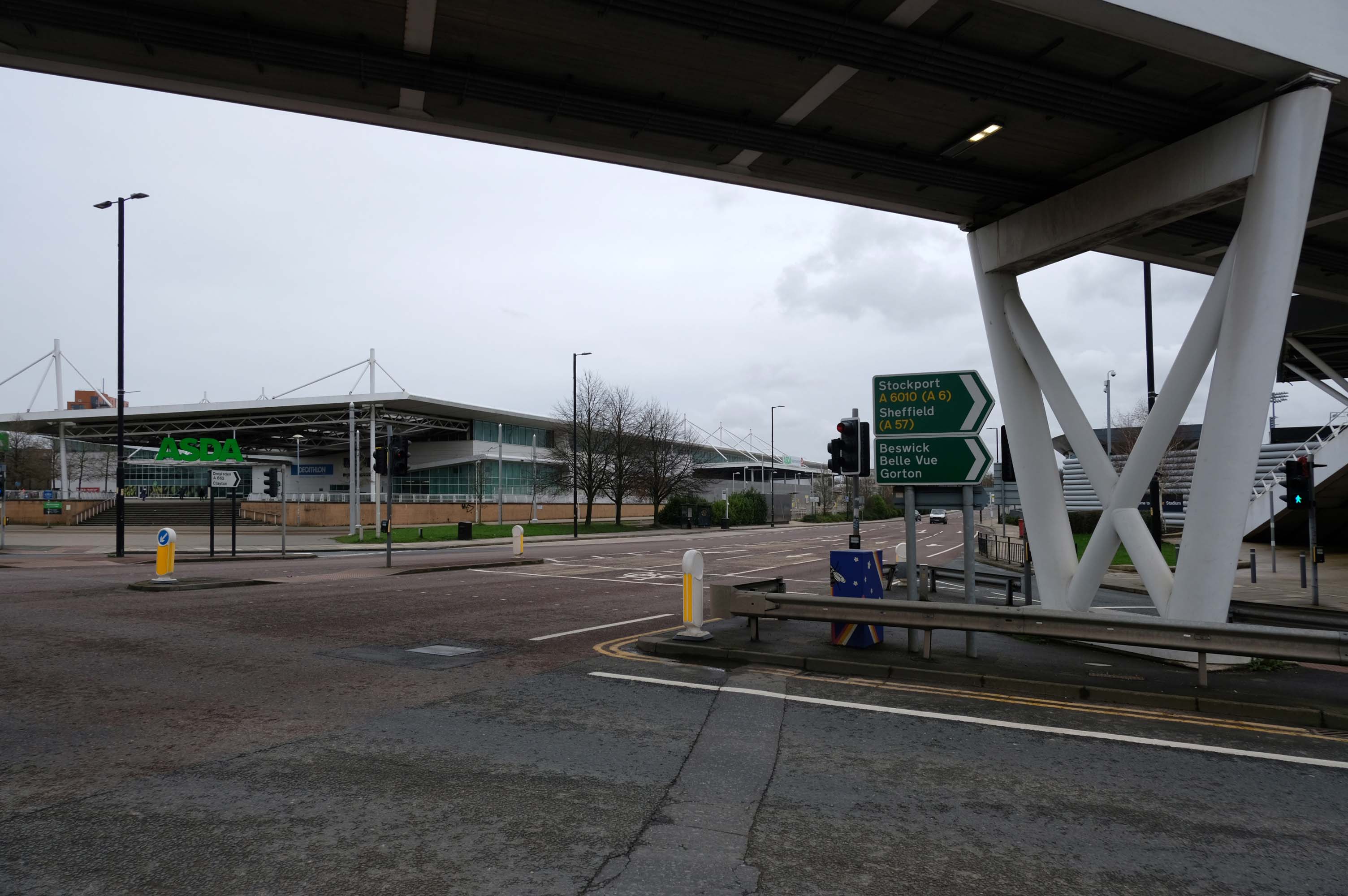
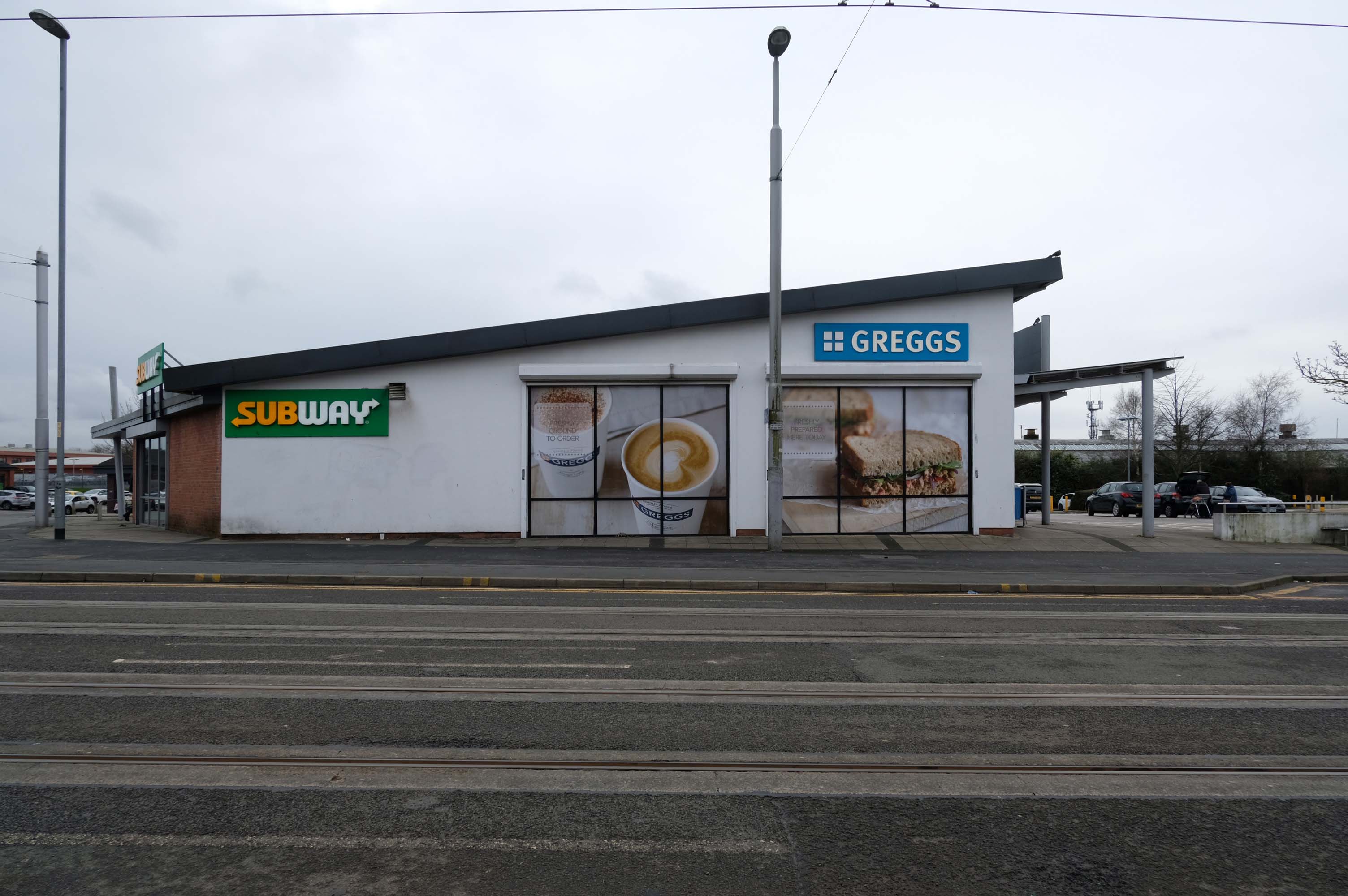
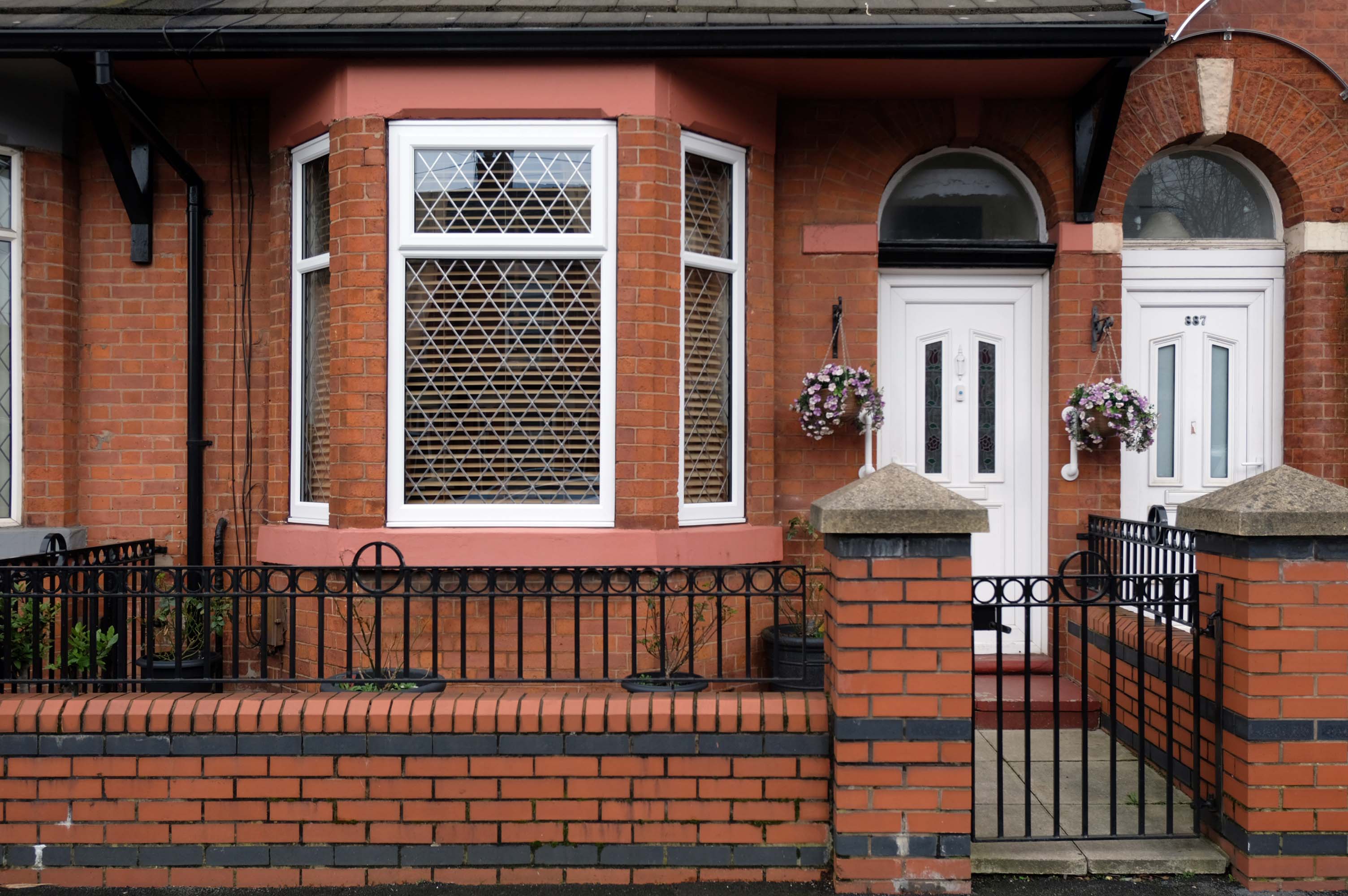
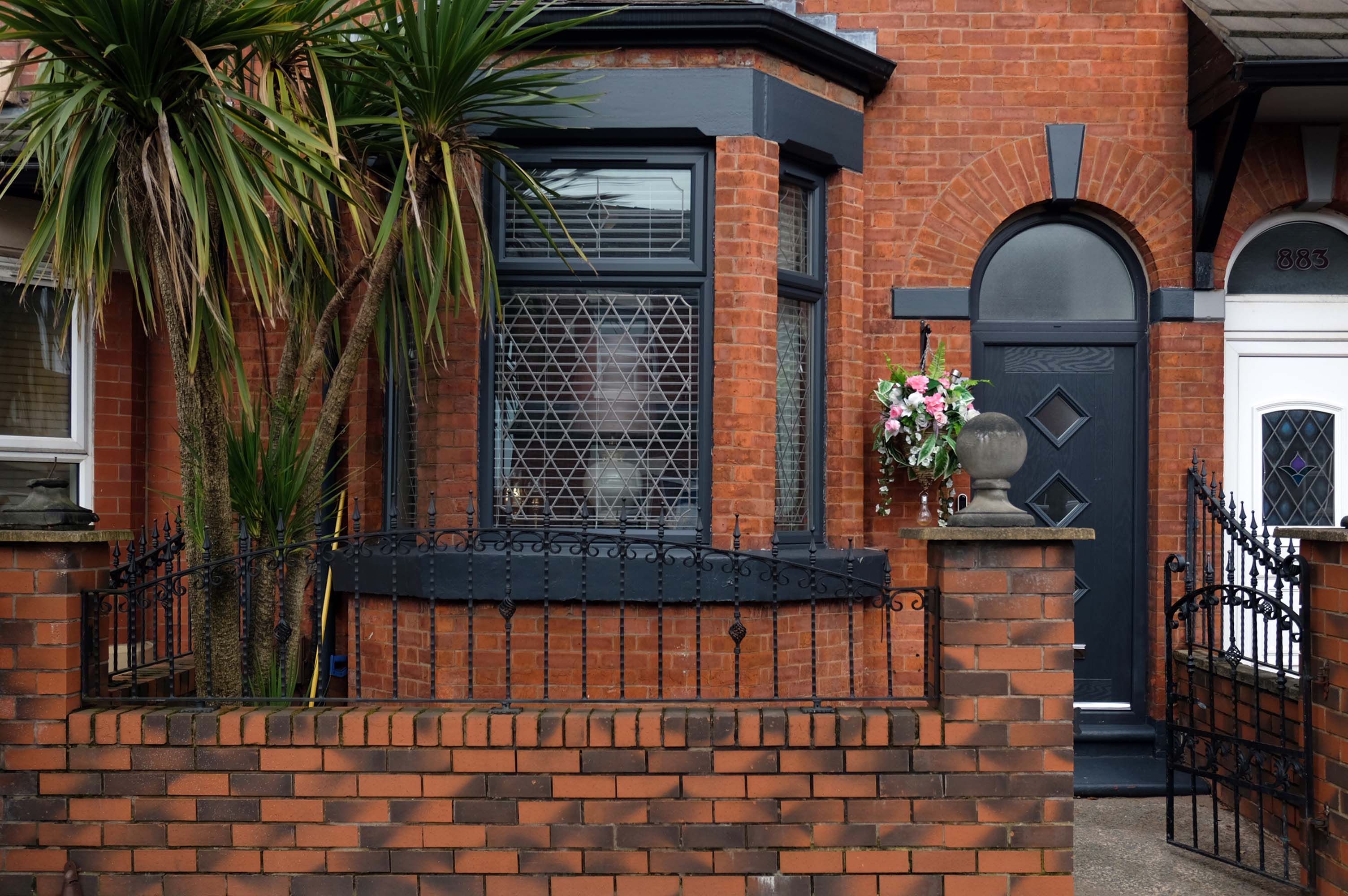
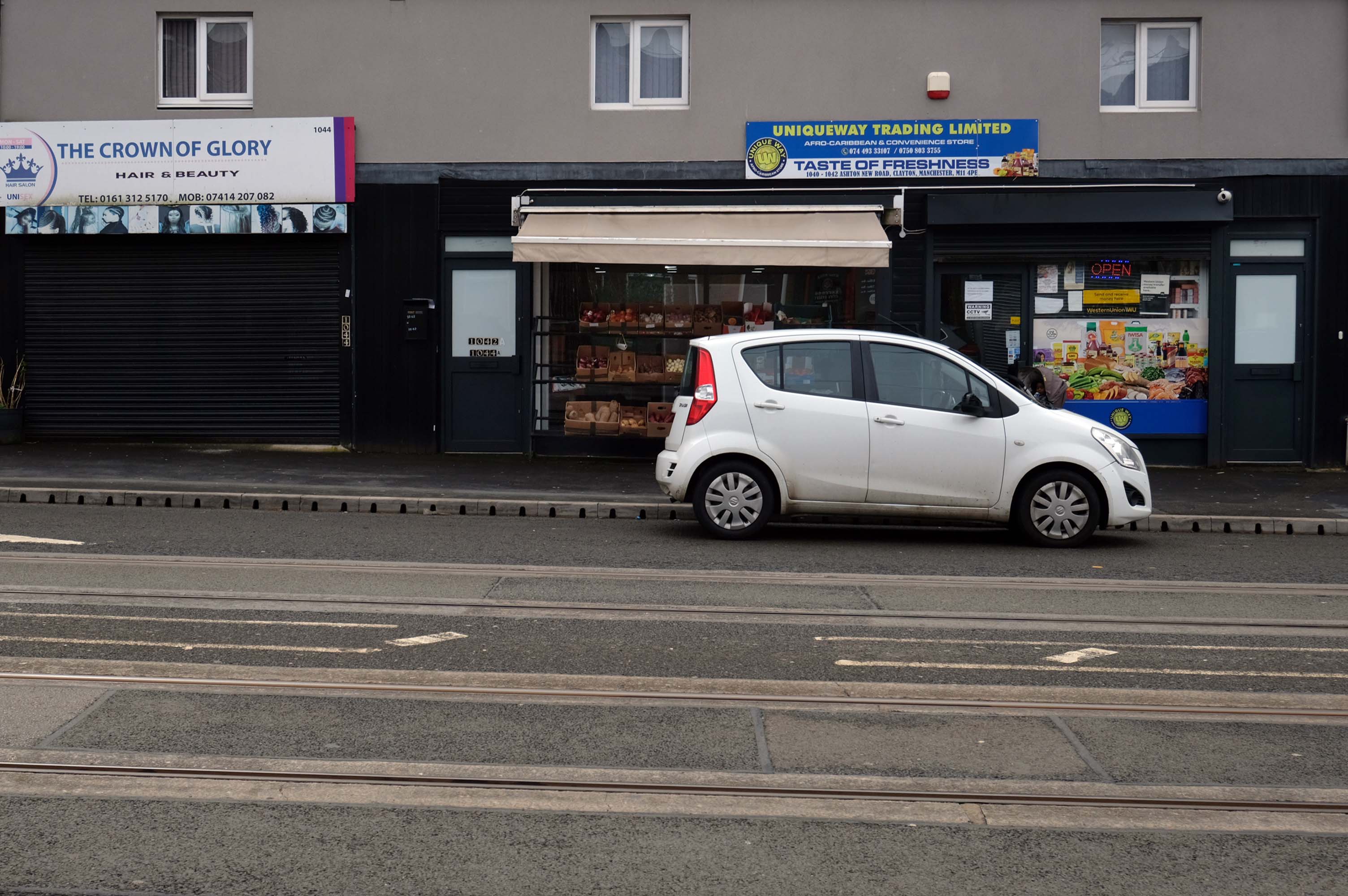
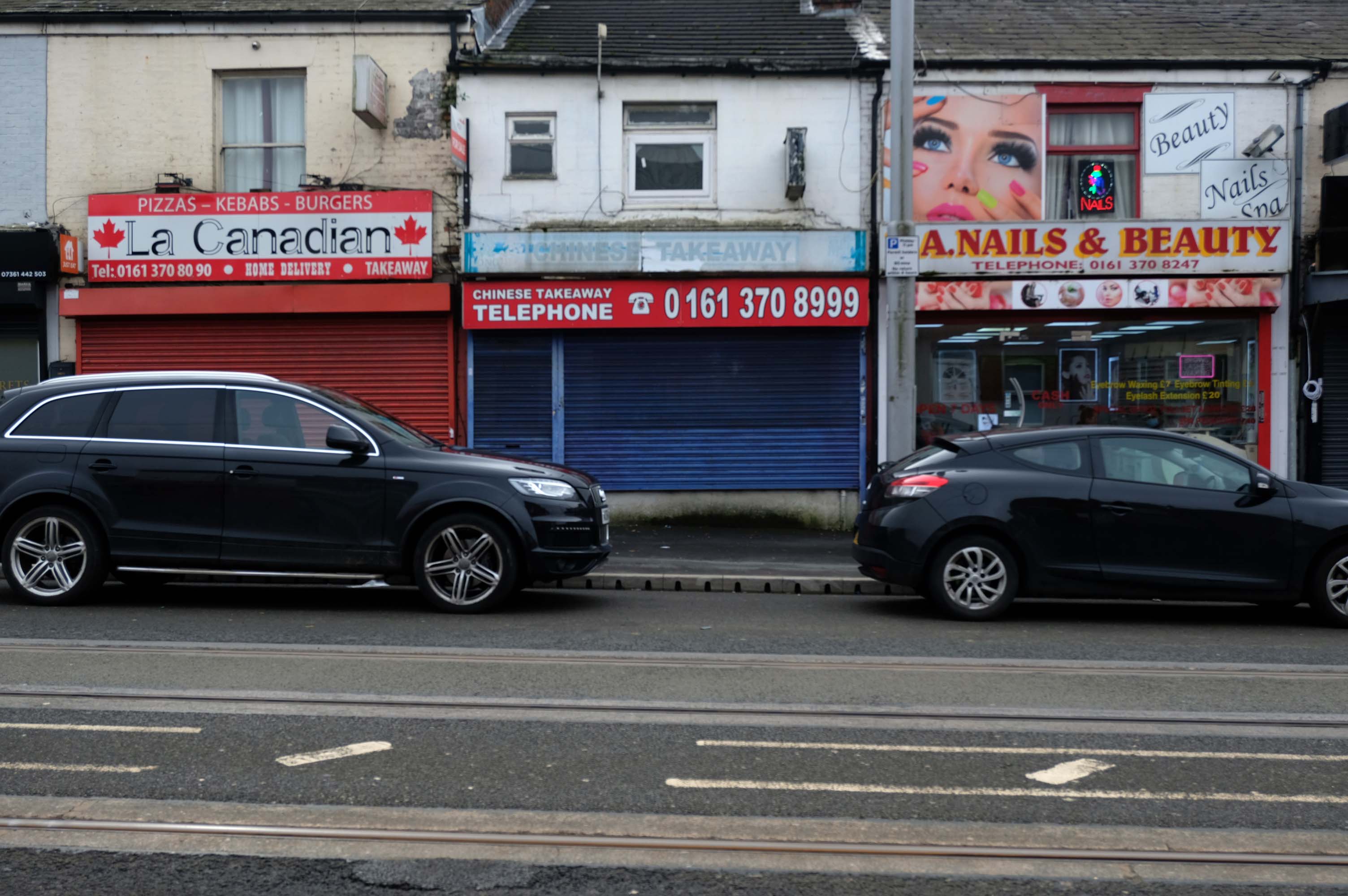
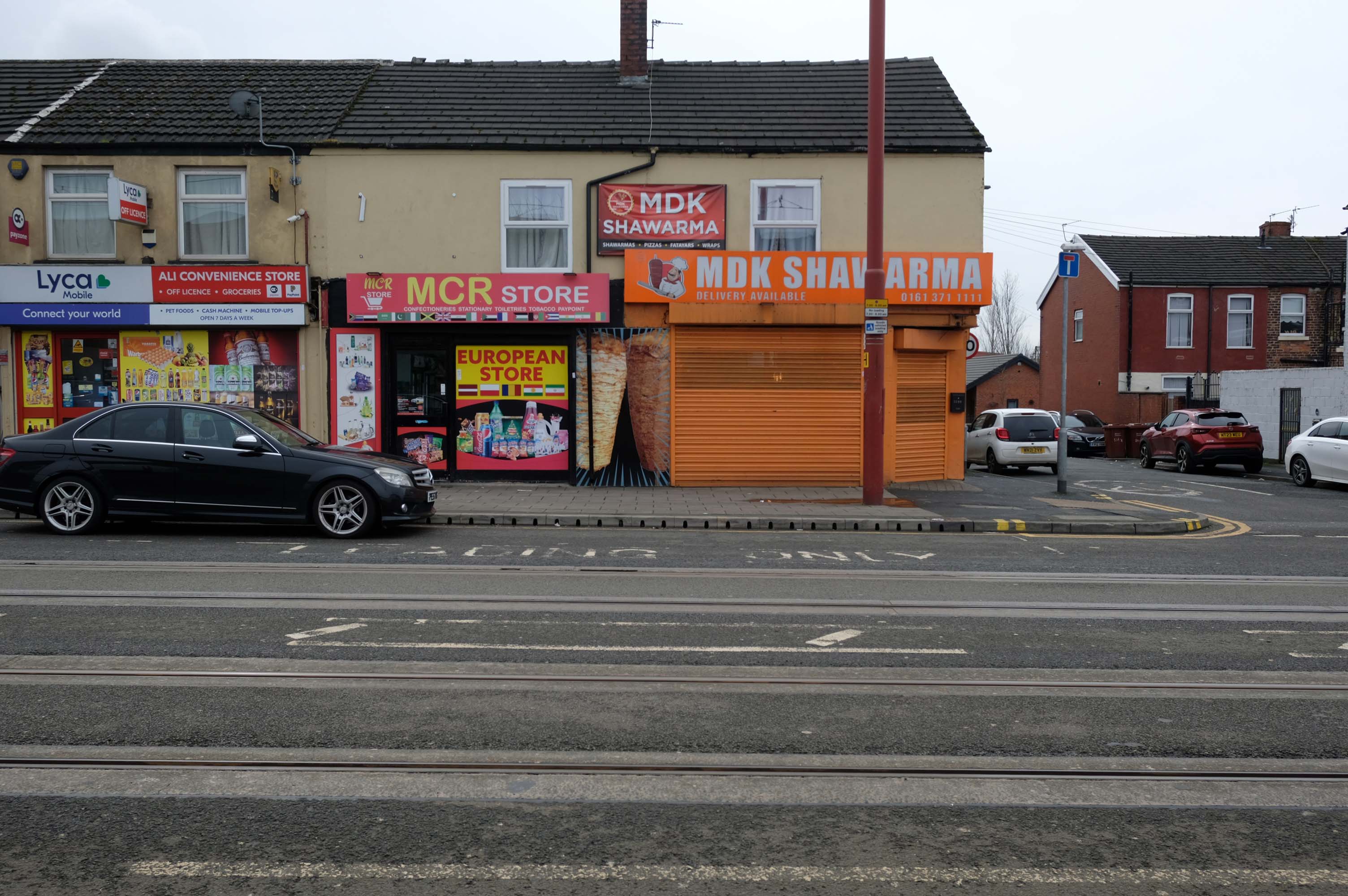
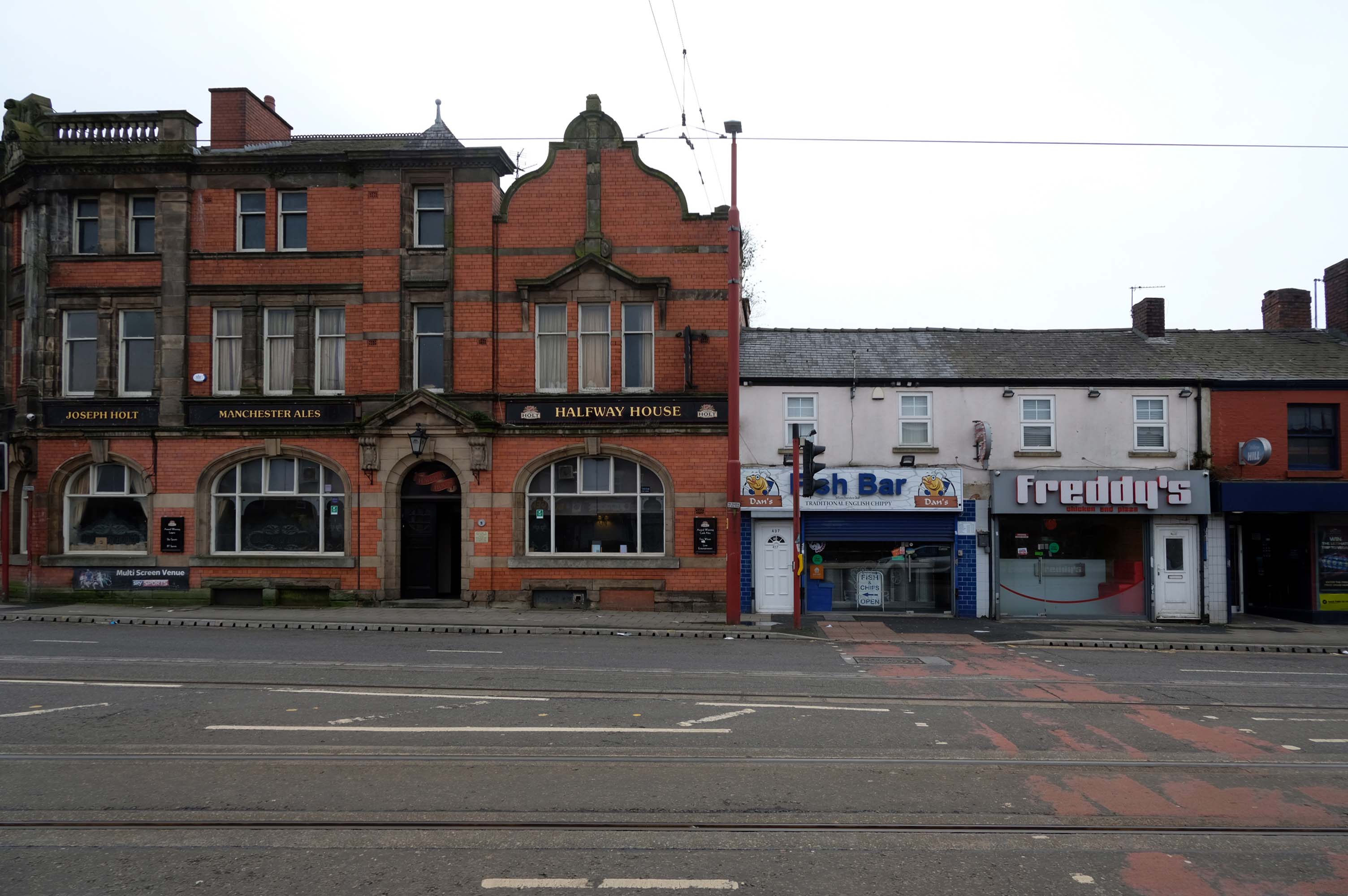
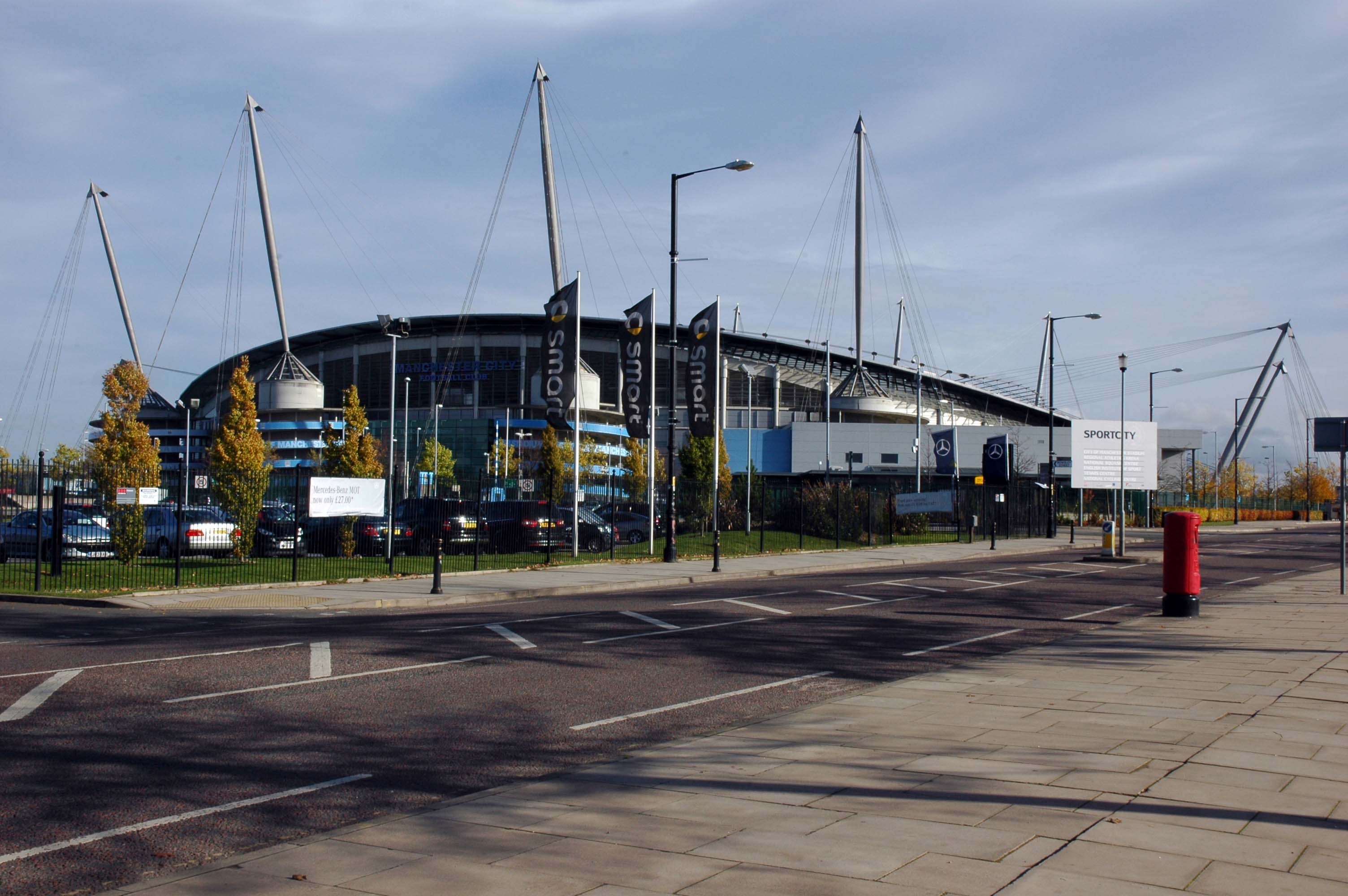
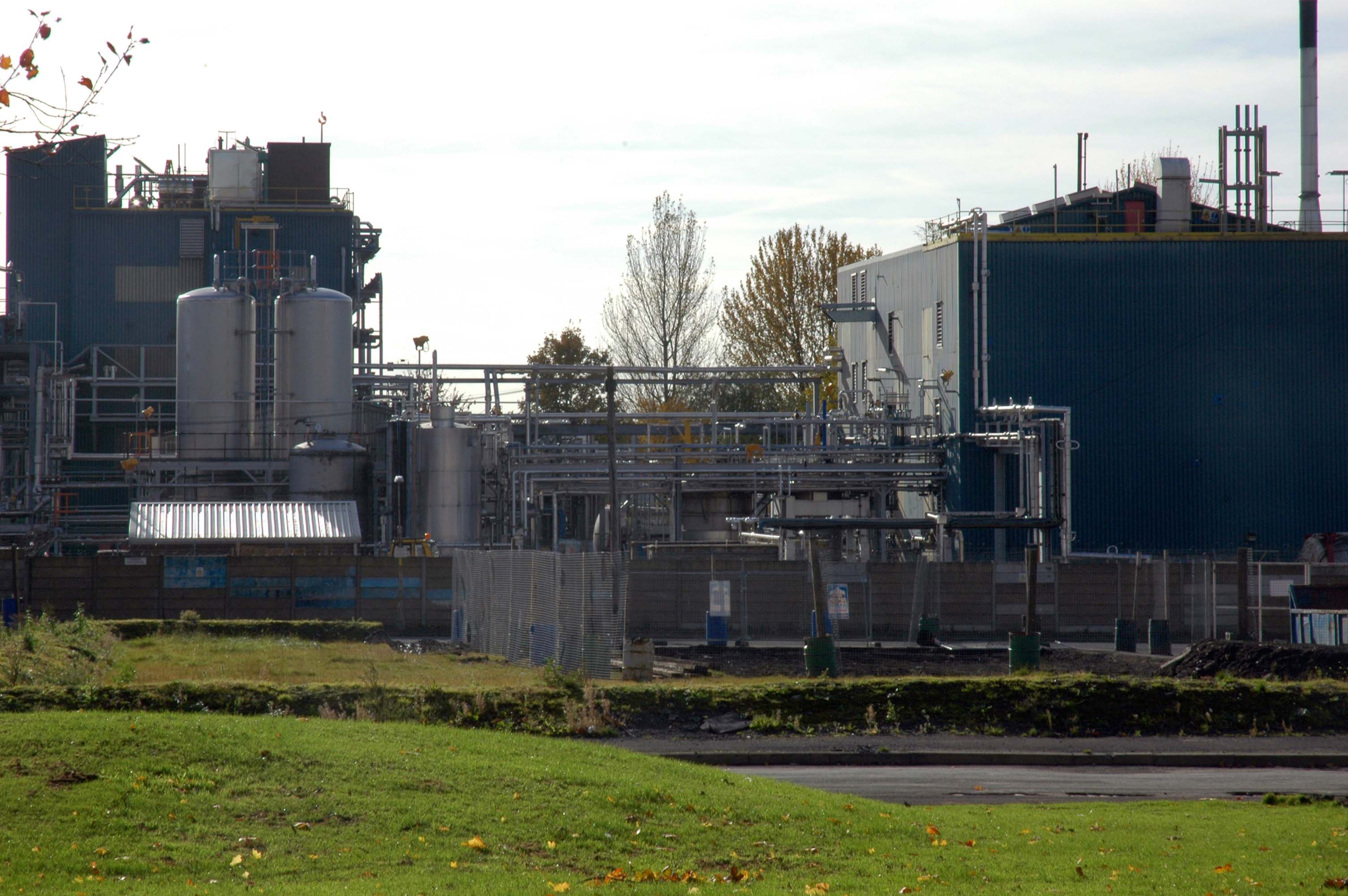
Starting at traffic lights on the A665 the road heads northeastwards, initially with the Metrolink on the left and a factory building on the right. The road then bears right at traffic lights marking the first section of on-street running for the trams, which lasts until just before a bridge over the River Medlock, after which the road passes to the south of the Sportcity complex whilst the tram line runs through the middle.
The A6010 is crossed at traffic lights, after which we see the tram lines on the left once more. We go over the Ashton Canal, then the tram lines at grade before bearing to the right to pass Clayton Park before another section of on-street running for the Metrolink begins, which continues for some distance. Just after crossing the Manchester city limit there is a set of traffic lights, after which the road becomes D2 for a short distance to allow a tram stop – Edge Lane, to be located in the central reservation. The tram leaves the road to the right for the next stop – Cemetery Road, and the stop in Droylsden town centre is once again in the central reservation. In all three cases the street running recommences after the stop.
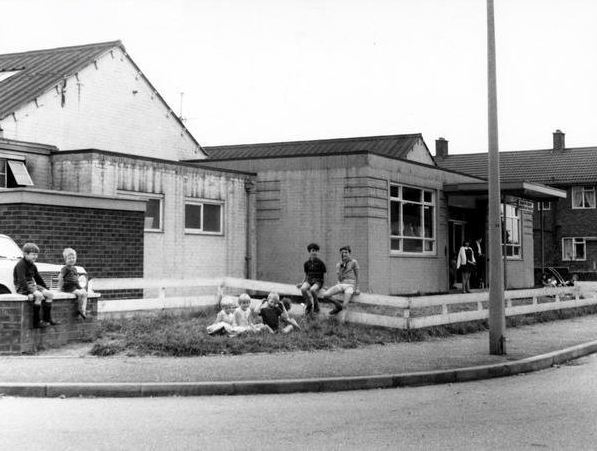
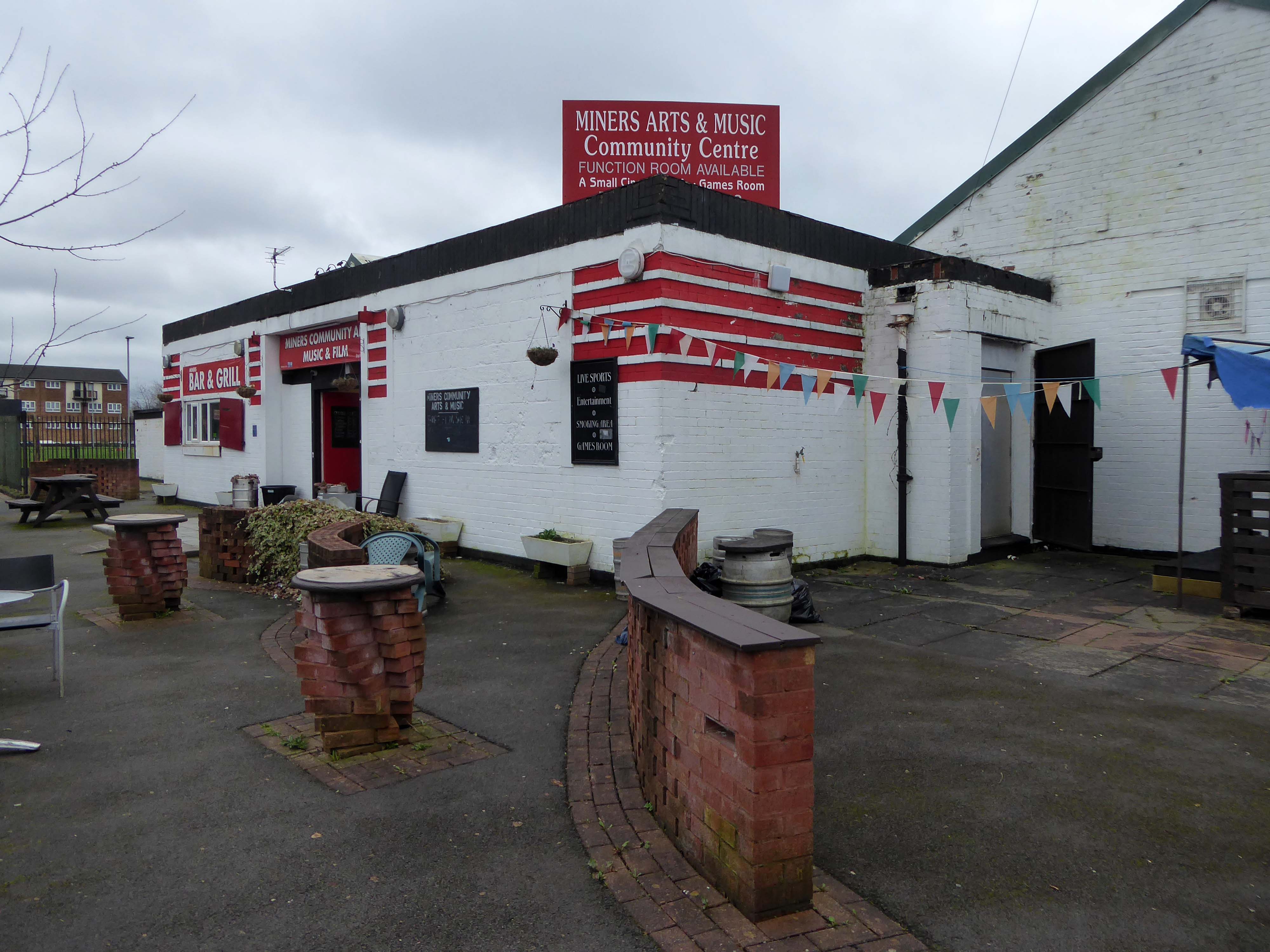
More recently it has had a renaissance under the stewardship of local lad Louis Beckett.
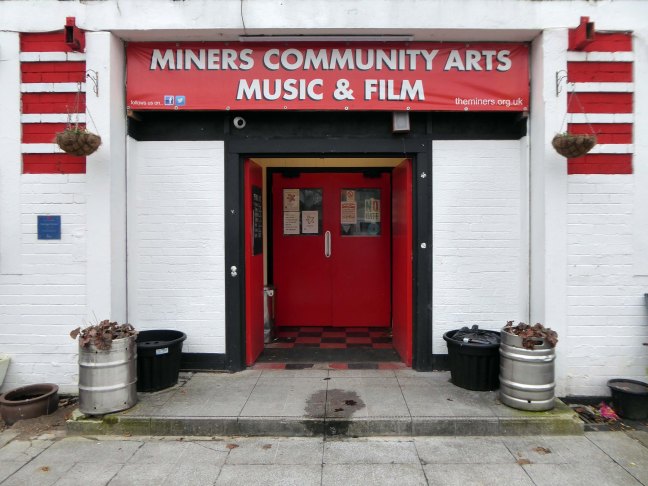
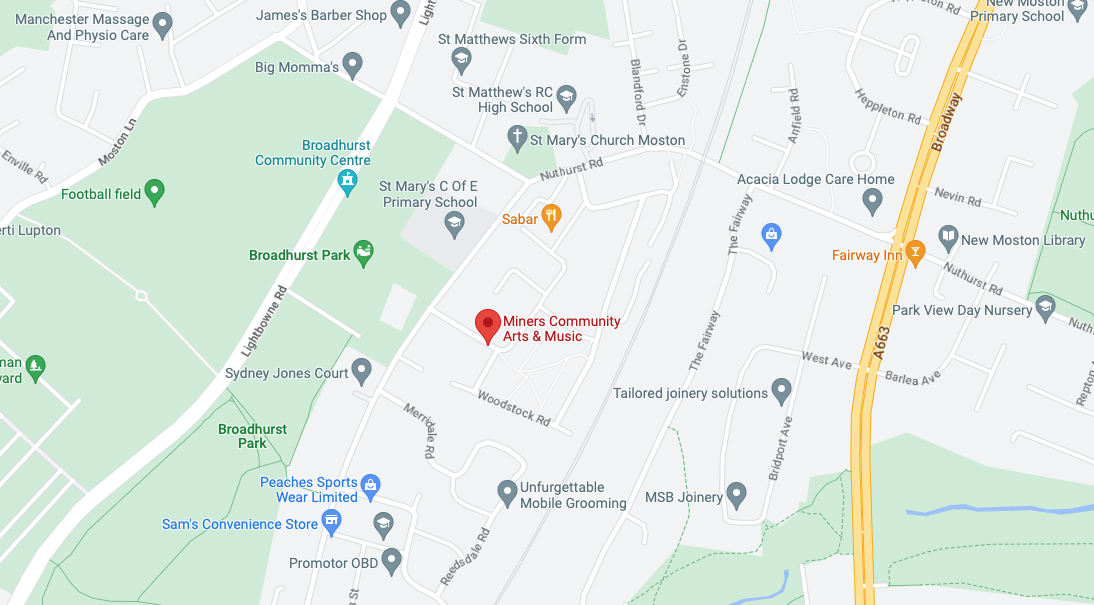
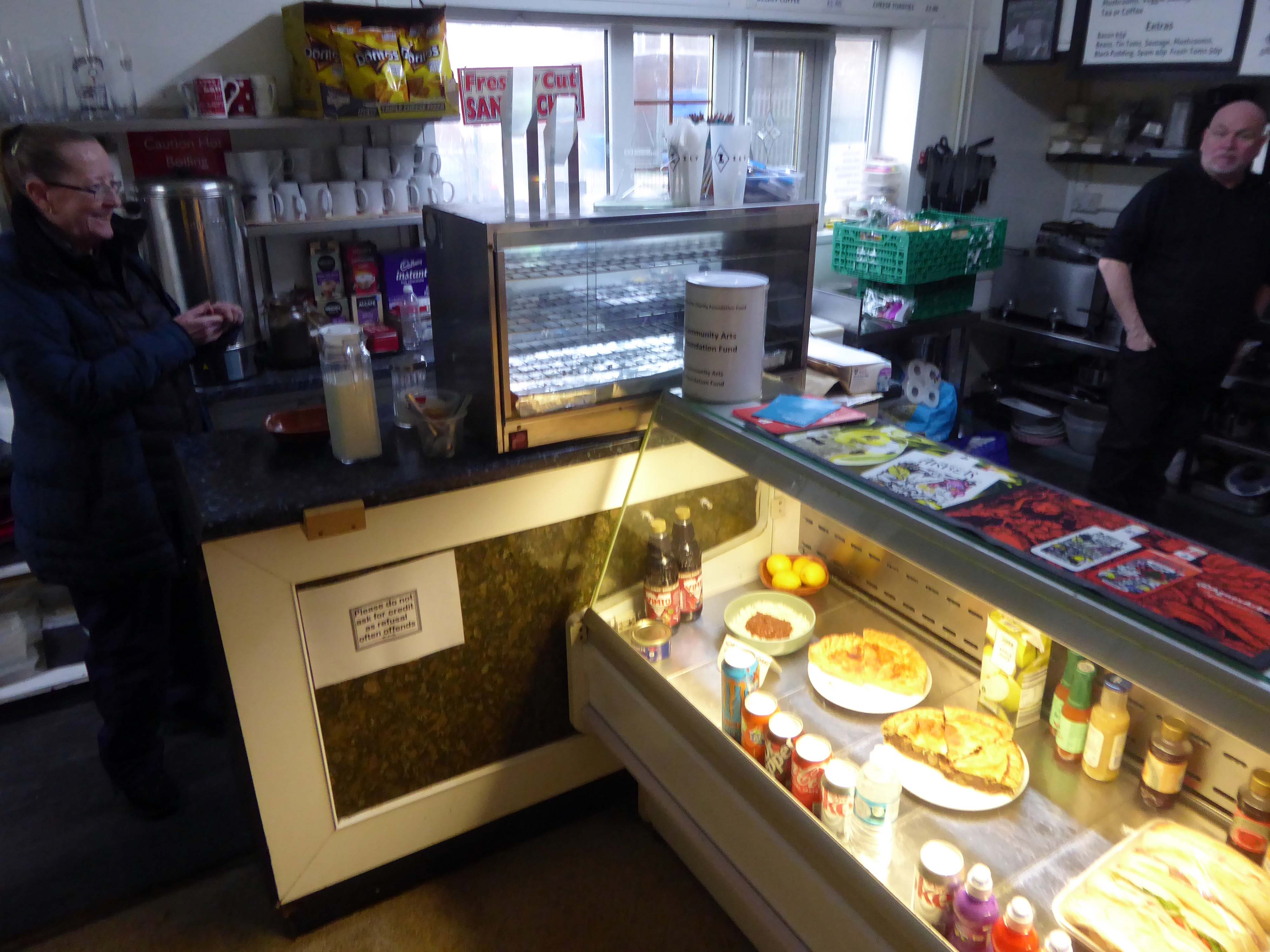
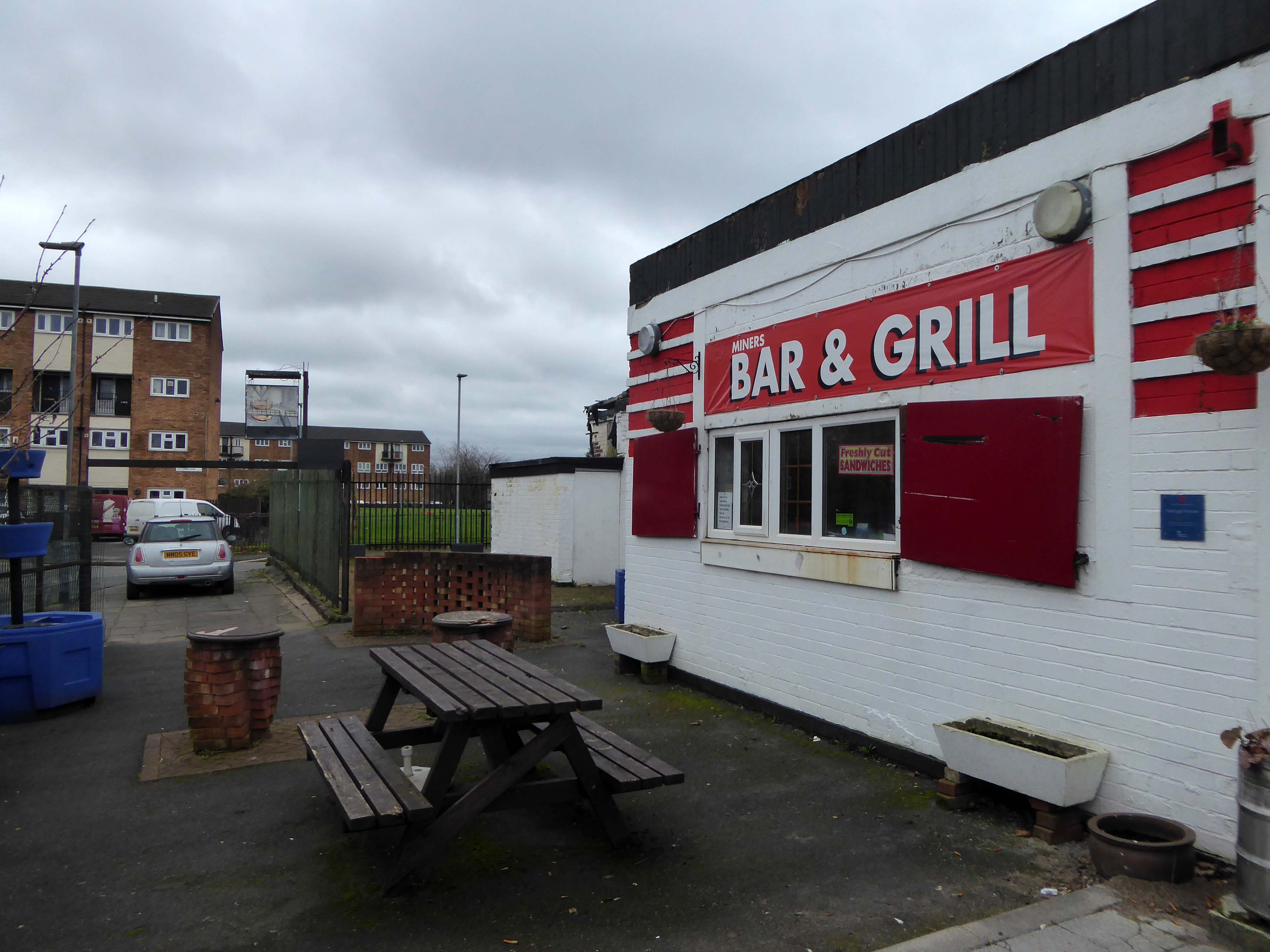
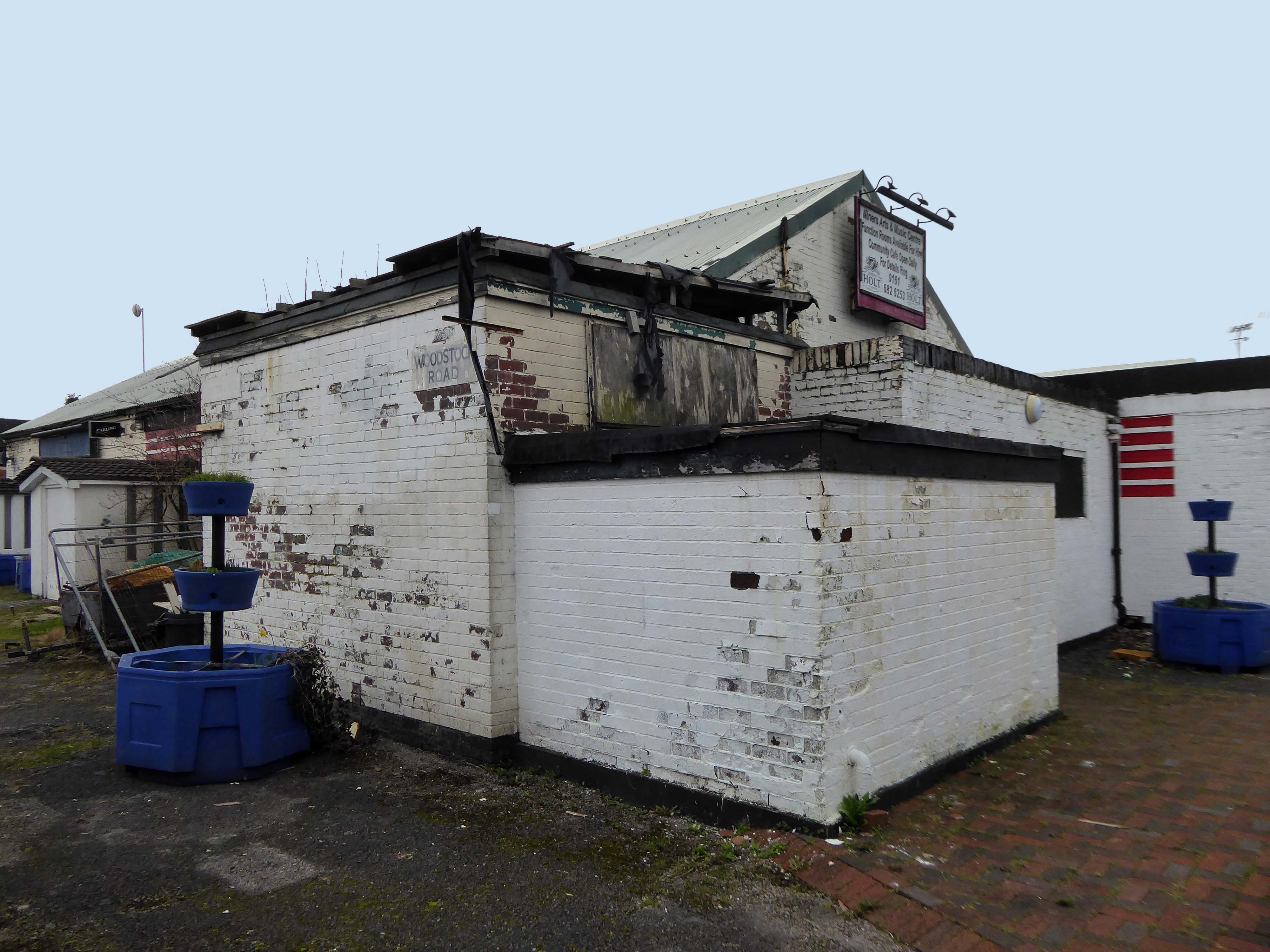
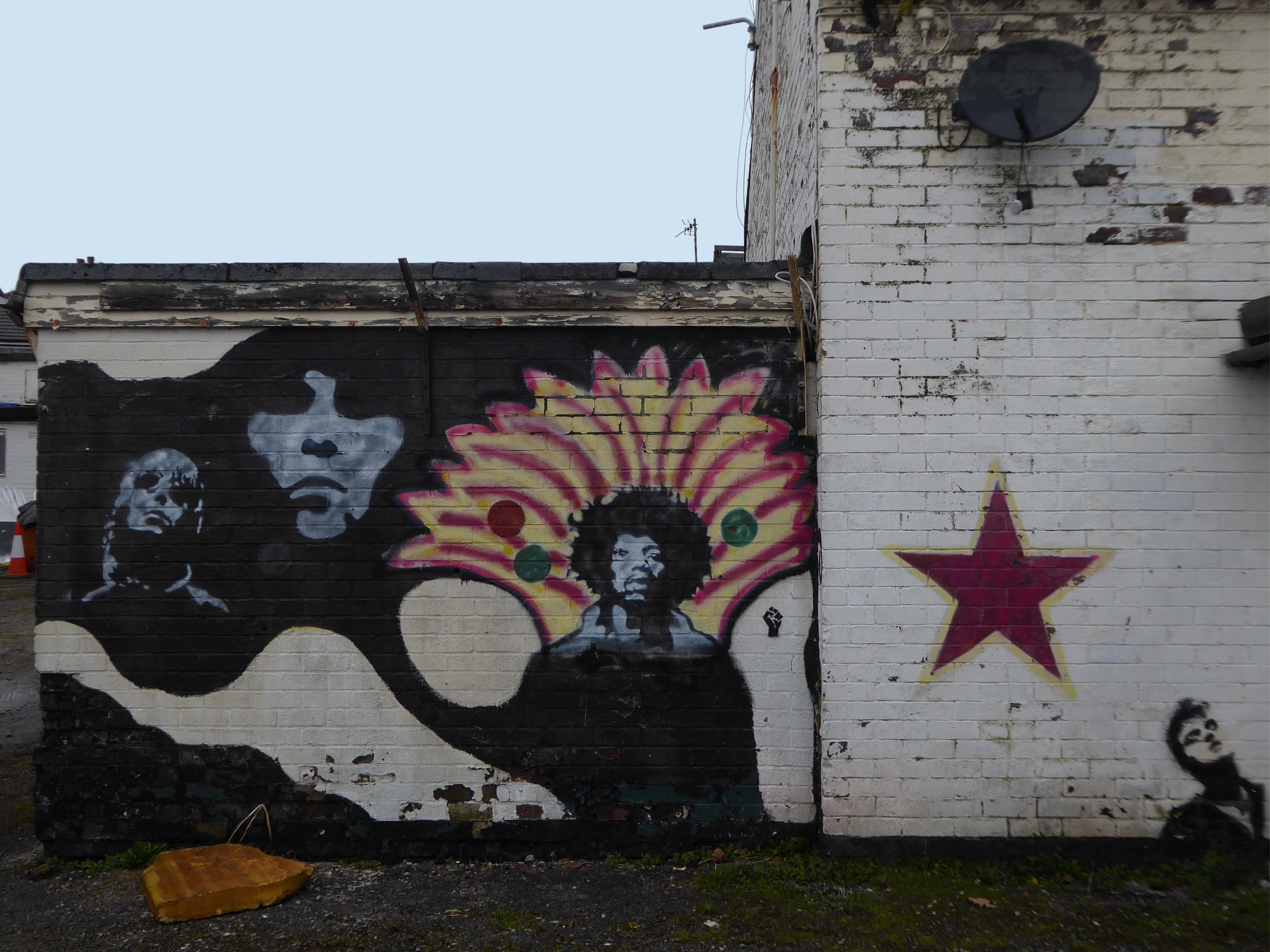
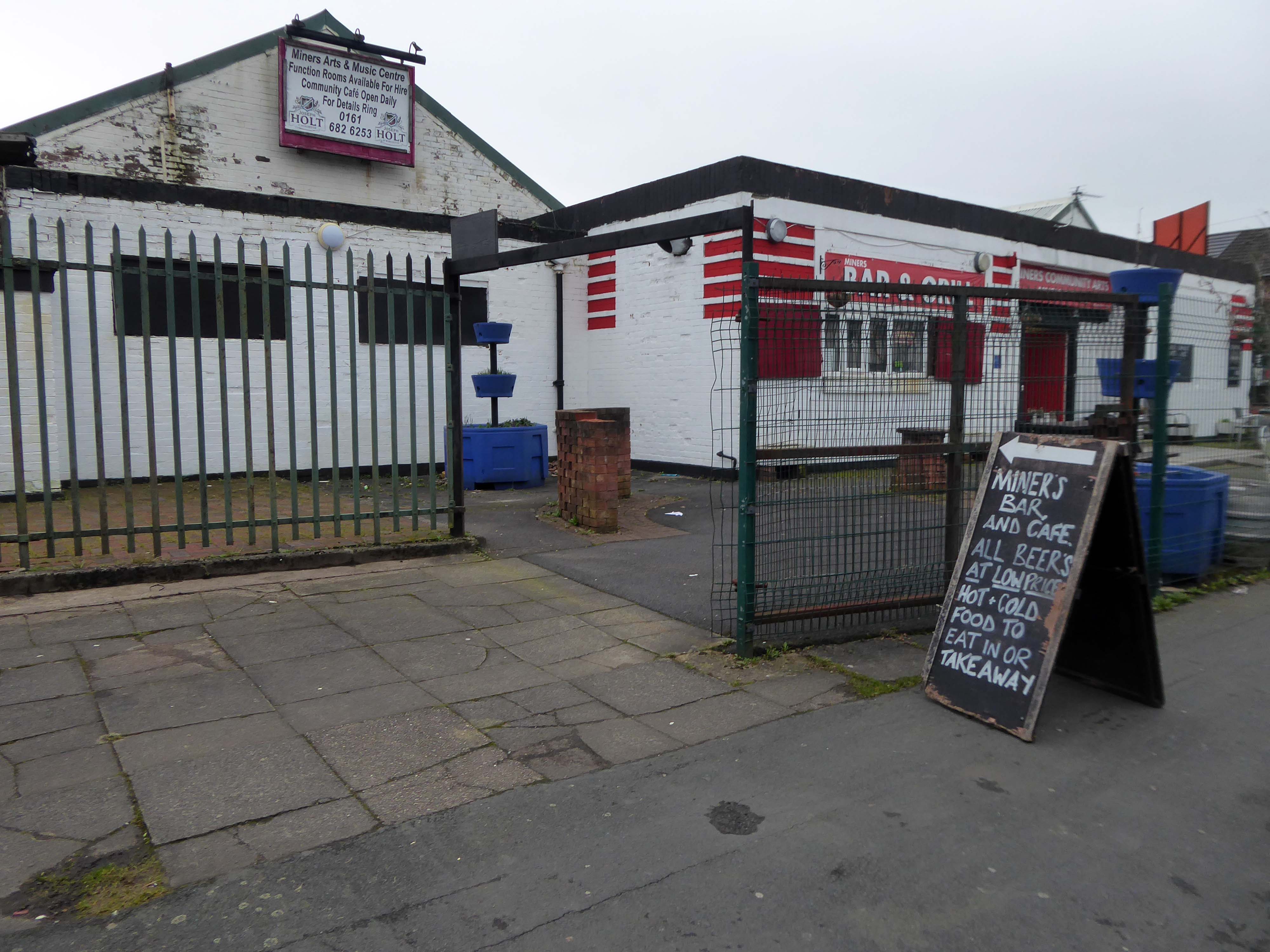
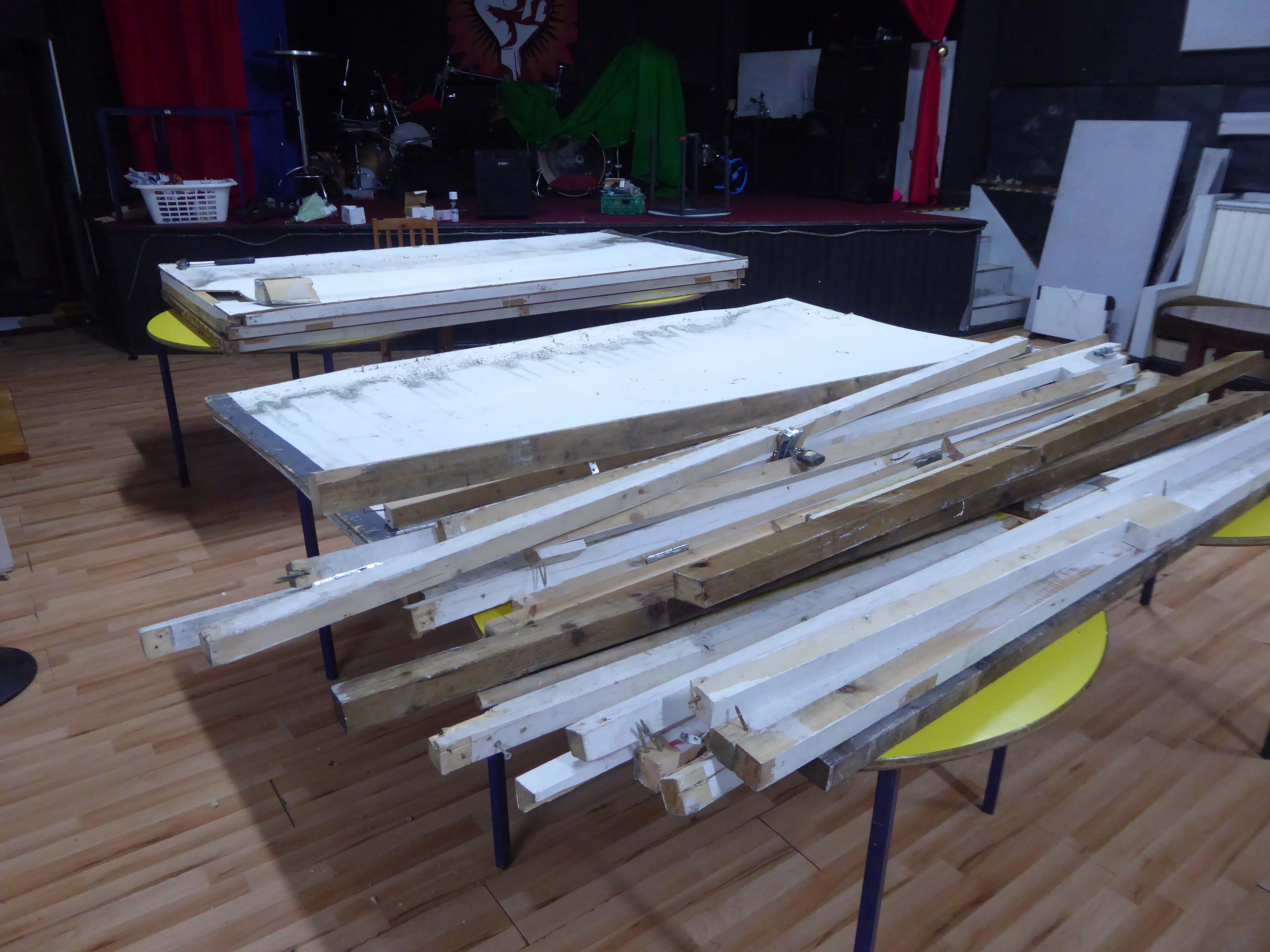
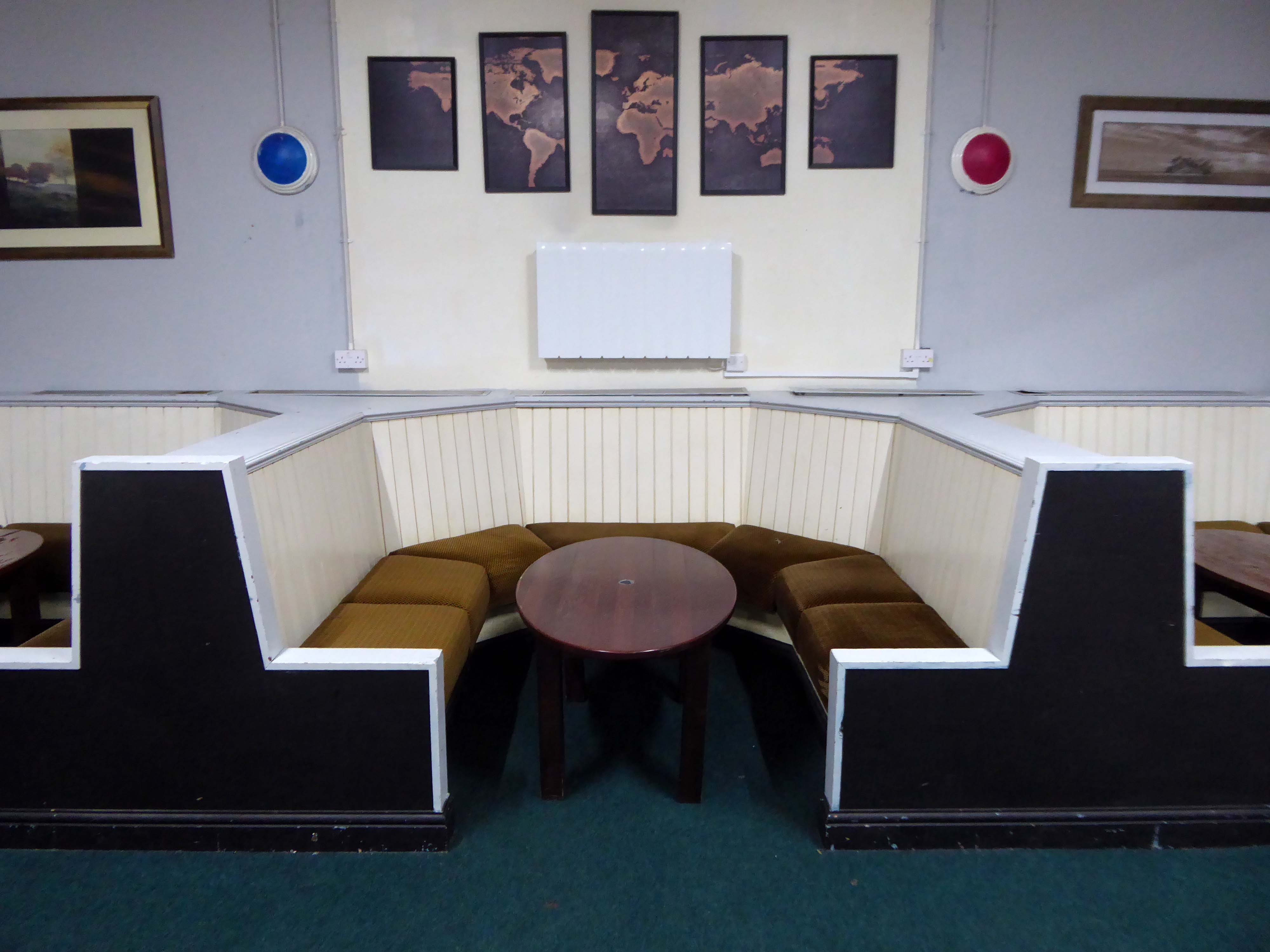
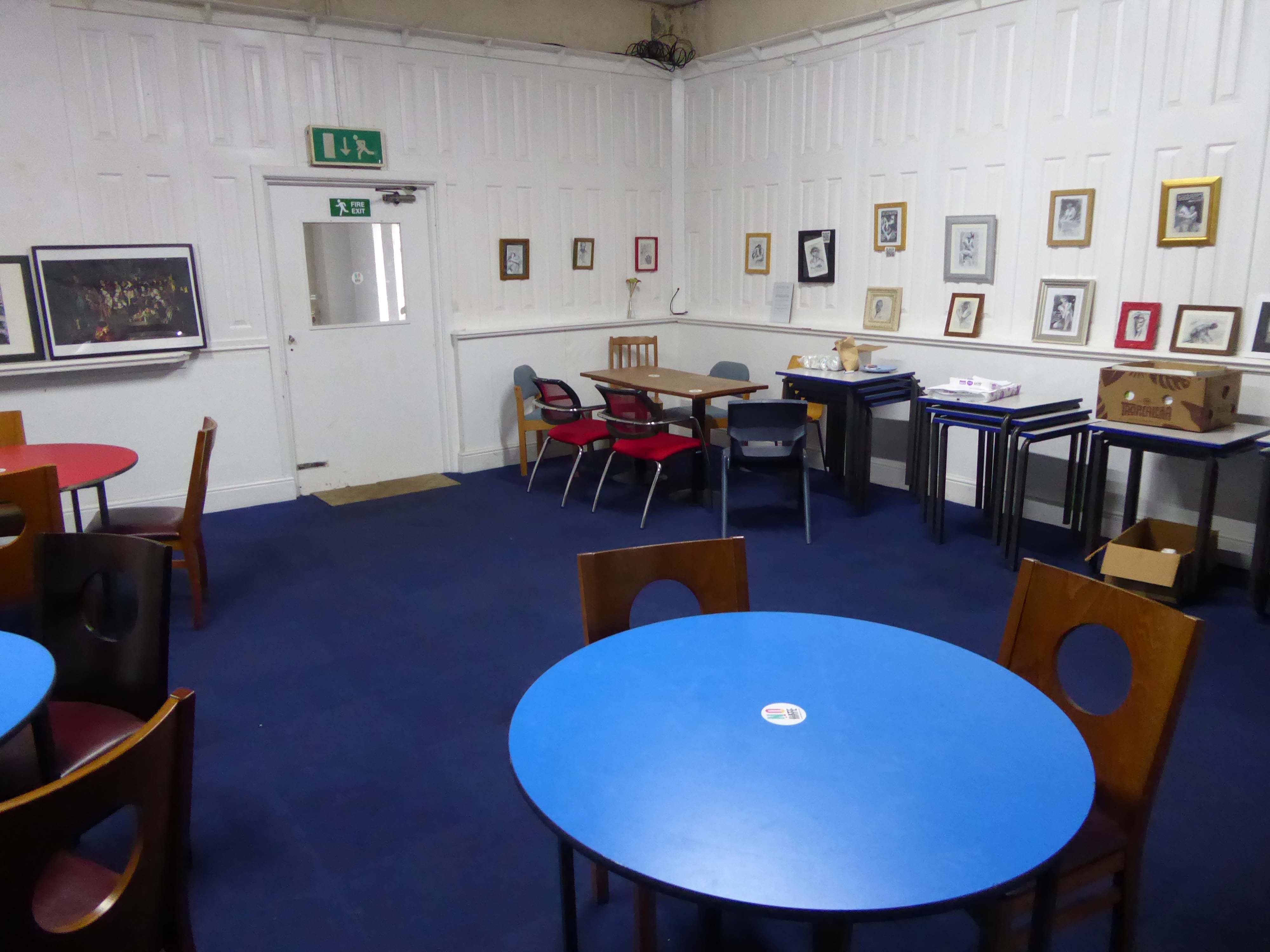
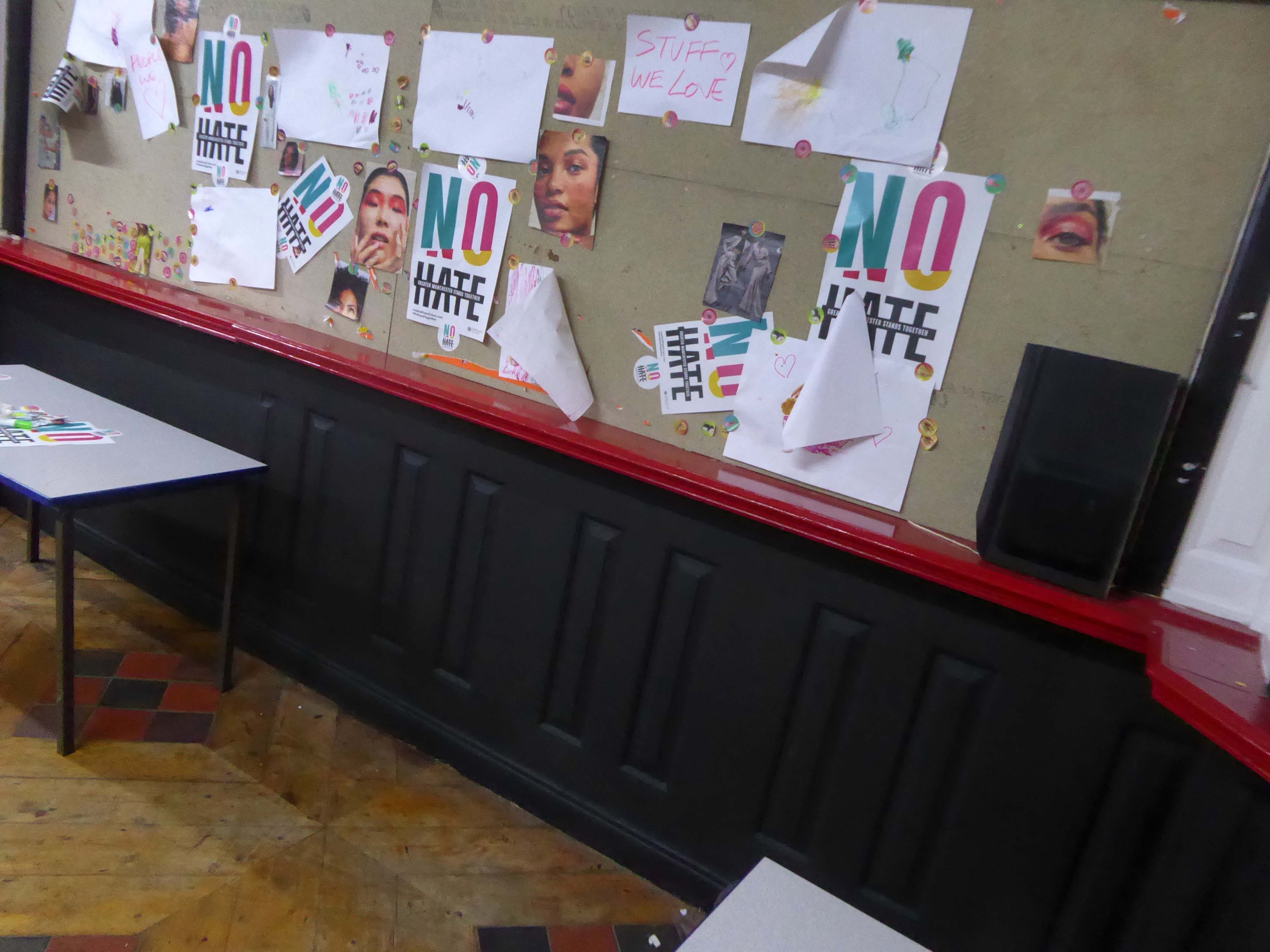
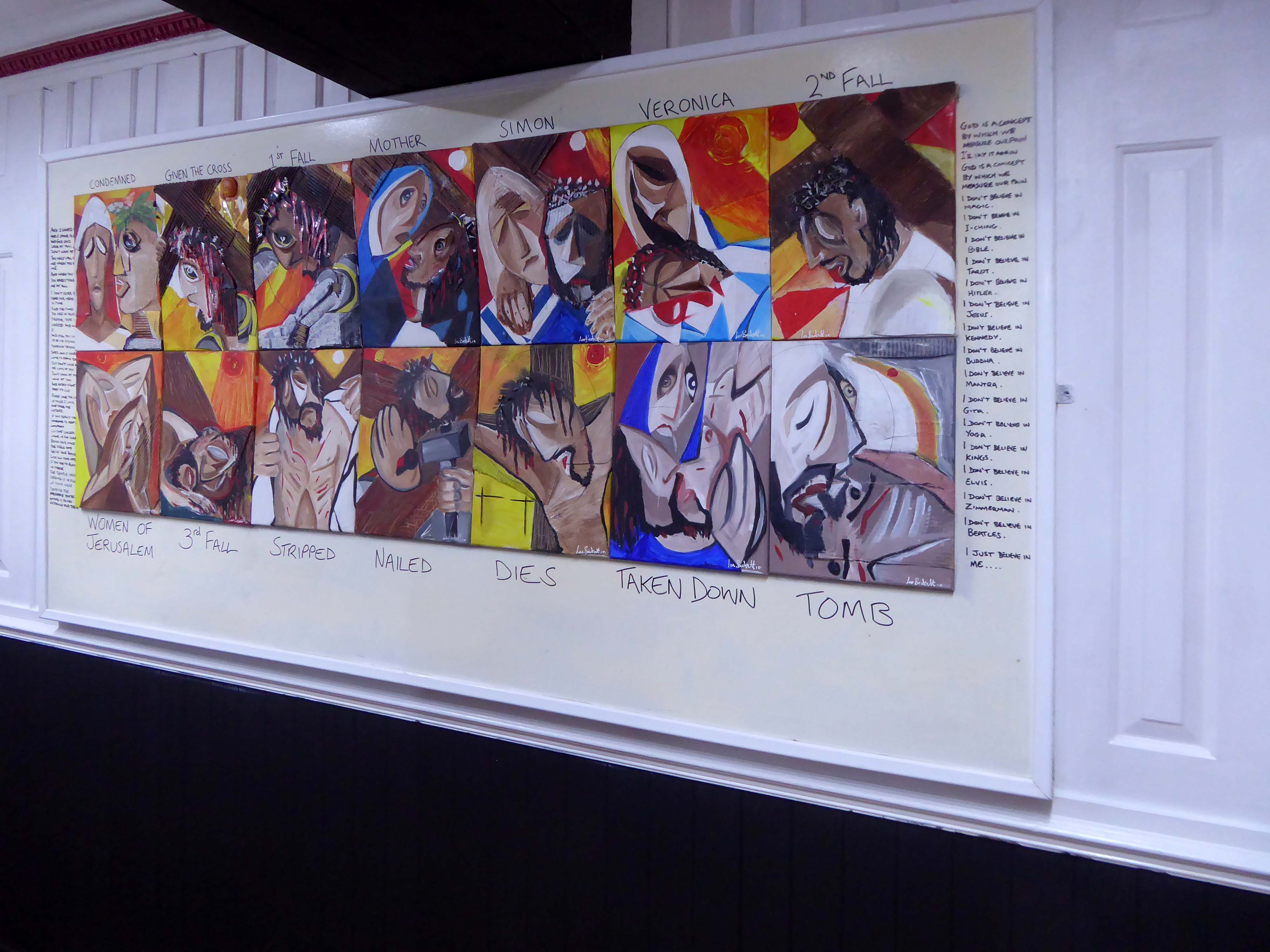
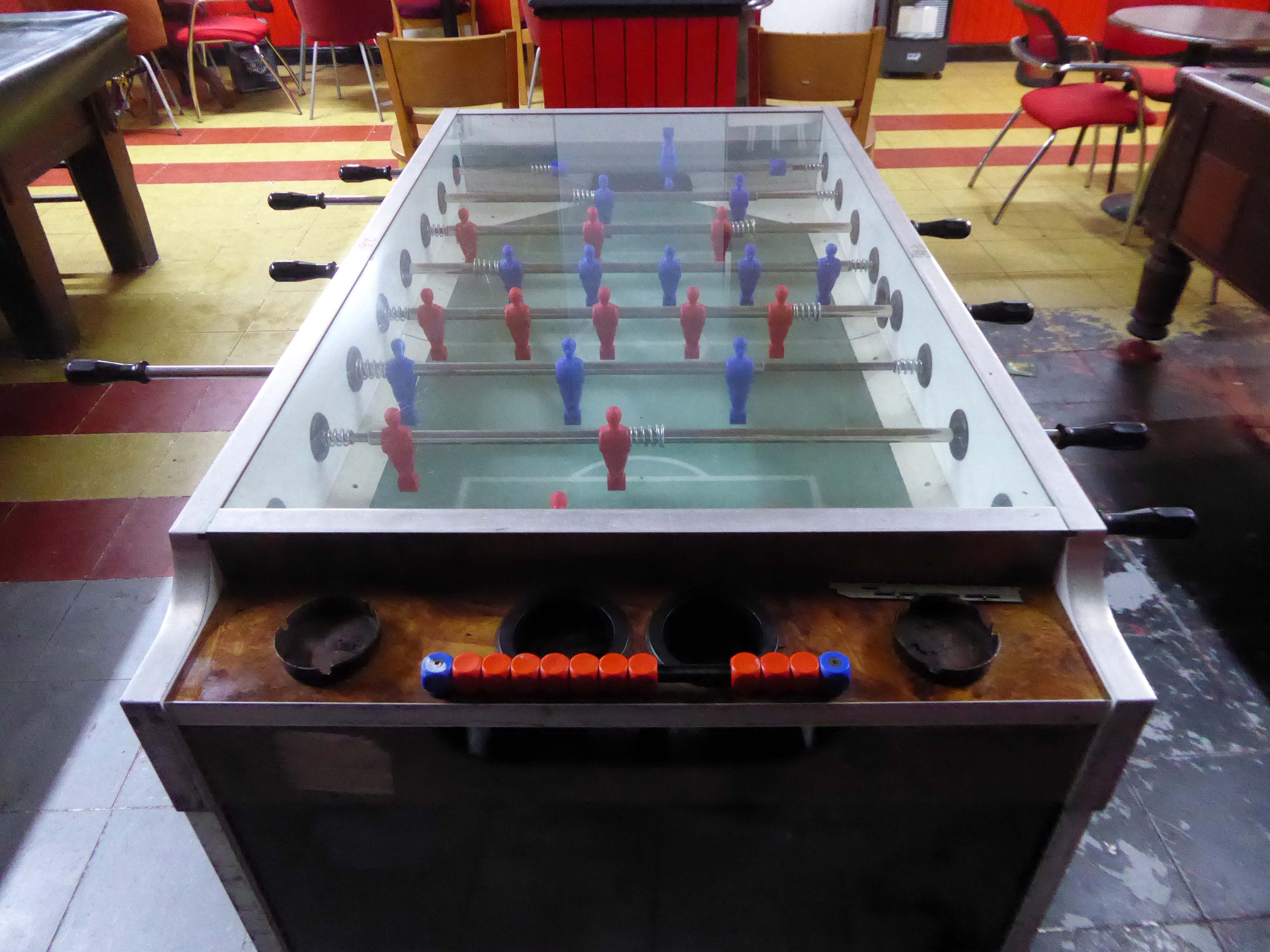
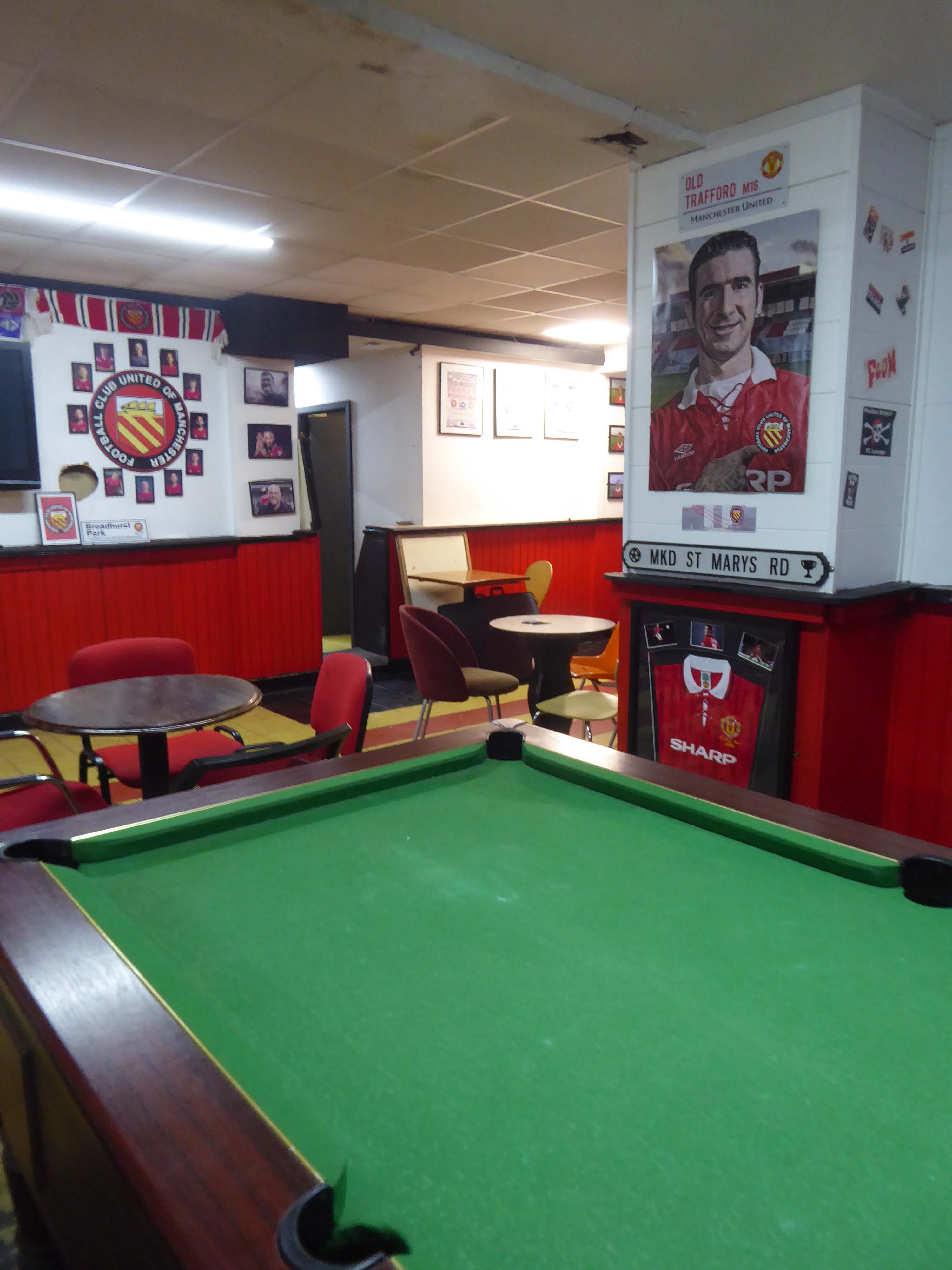
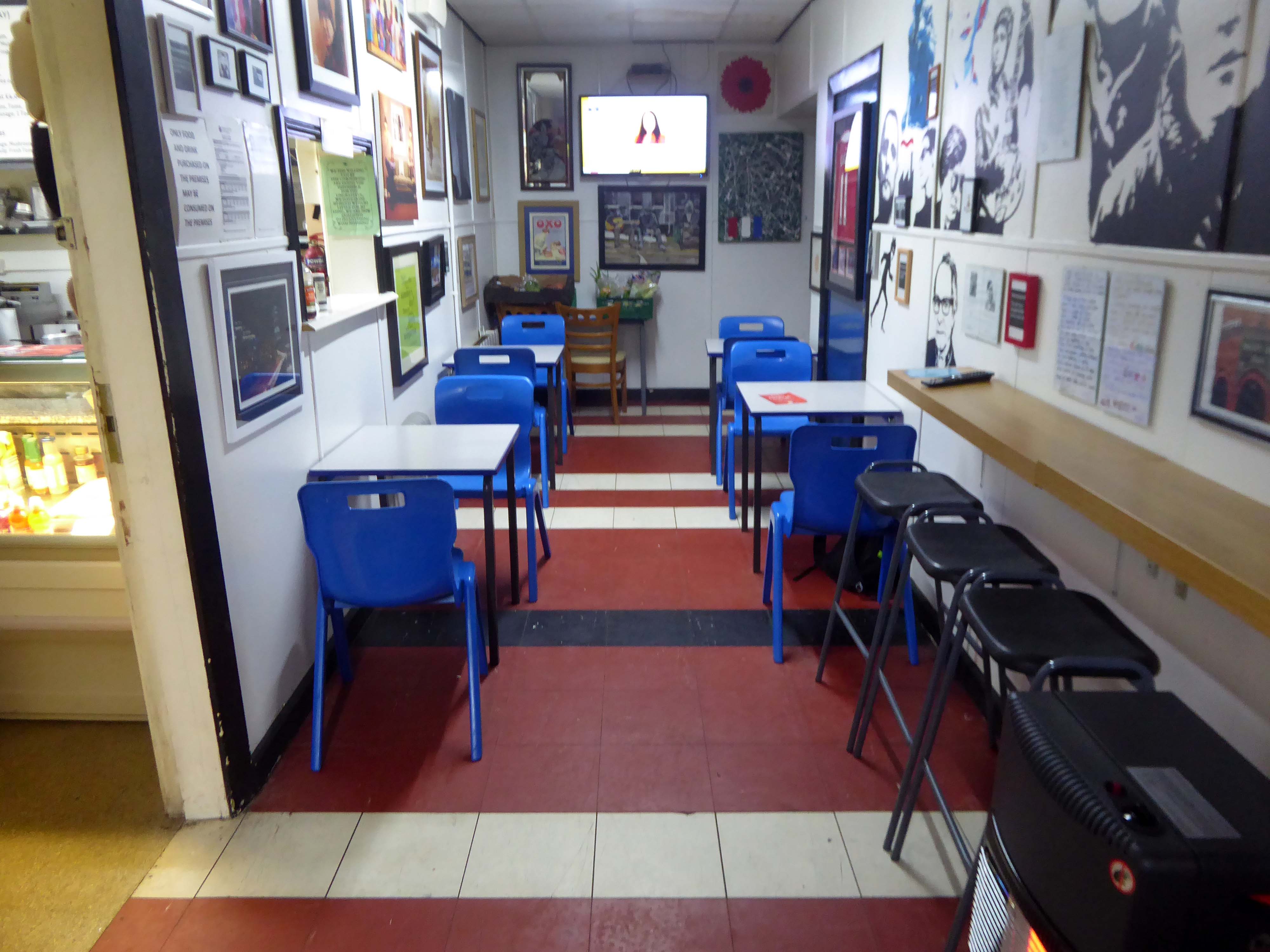
The community centre now provides space for local bands to rehearse, local artists to exhibit their work, a community cafe and larger function rooms that are available for events.
A wide range of events takes place here through the year including live gigs, pantomines, Halloween parties, cabaret nights and art exhibitions, and since 2012 it’s been home to the Moston Small Cinema which screens a range of films and sporting events.
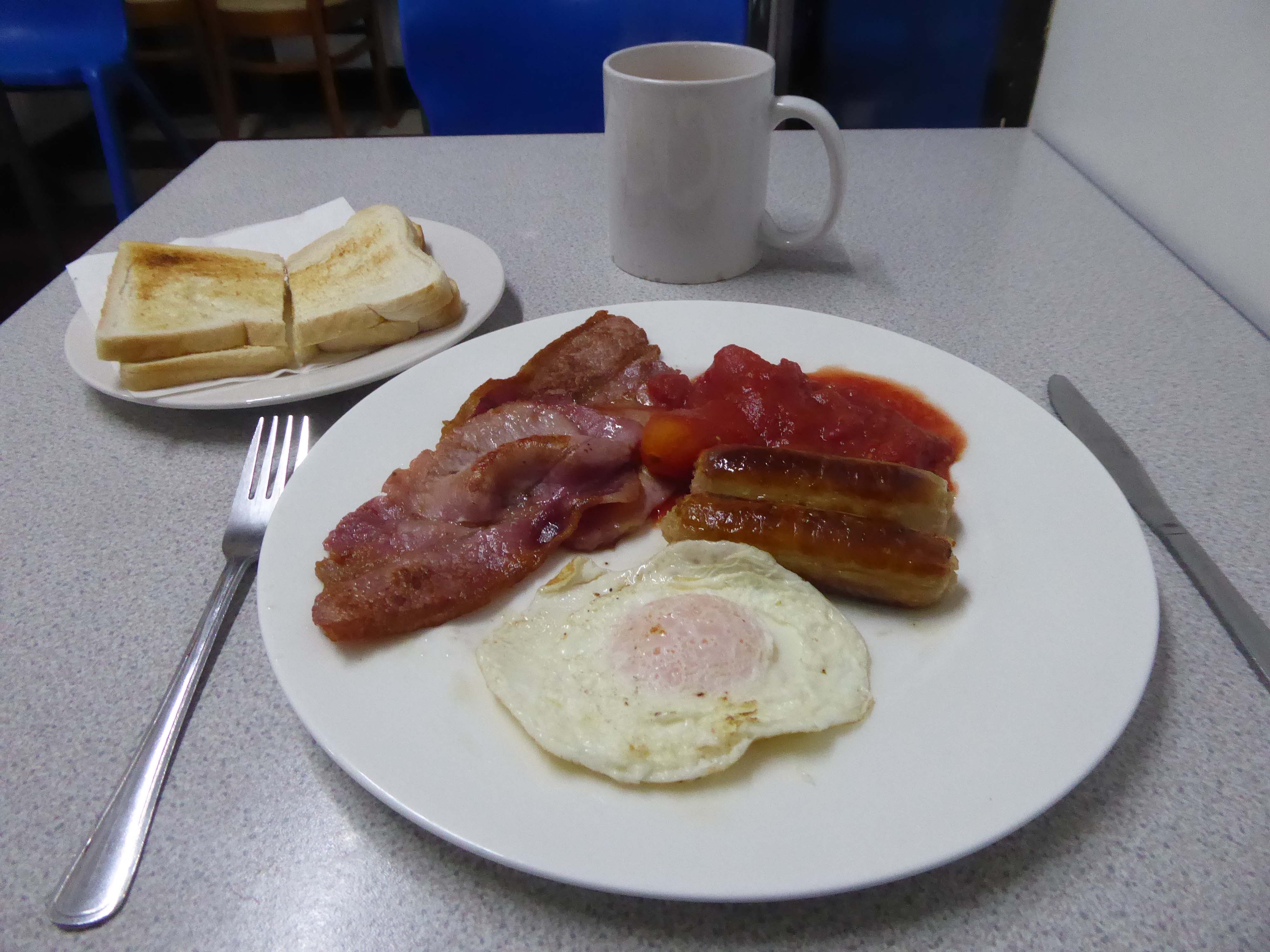
I popped by a couple of weeks ago and was given a terrific tour by Paula and Lou, along with a competitively priced tasty brew and breakfast.
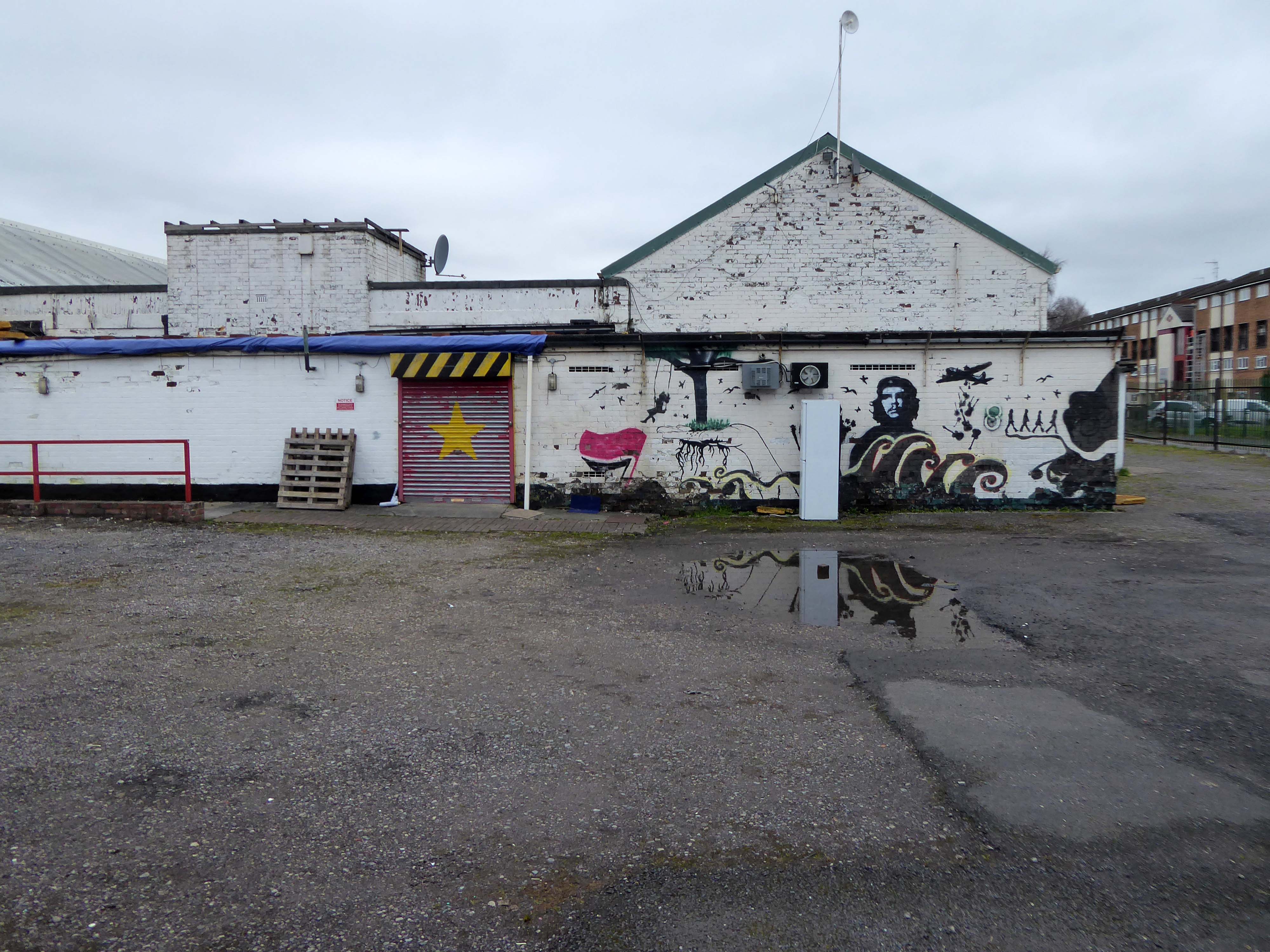
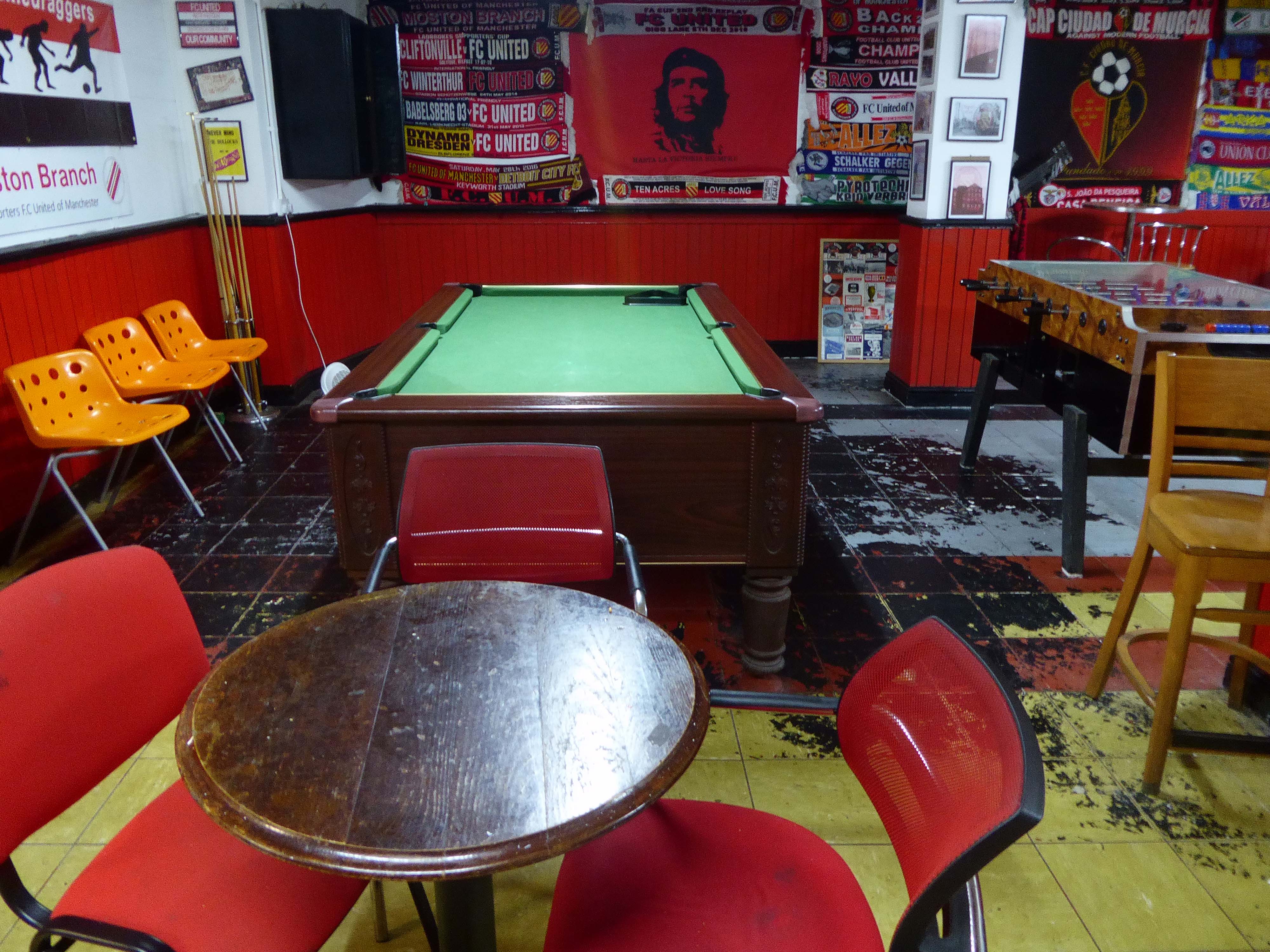
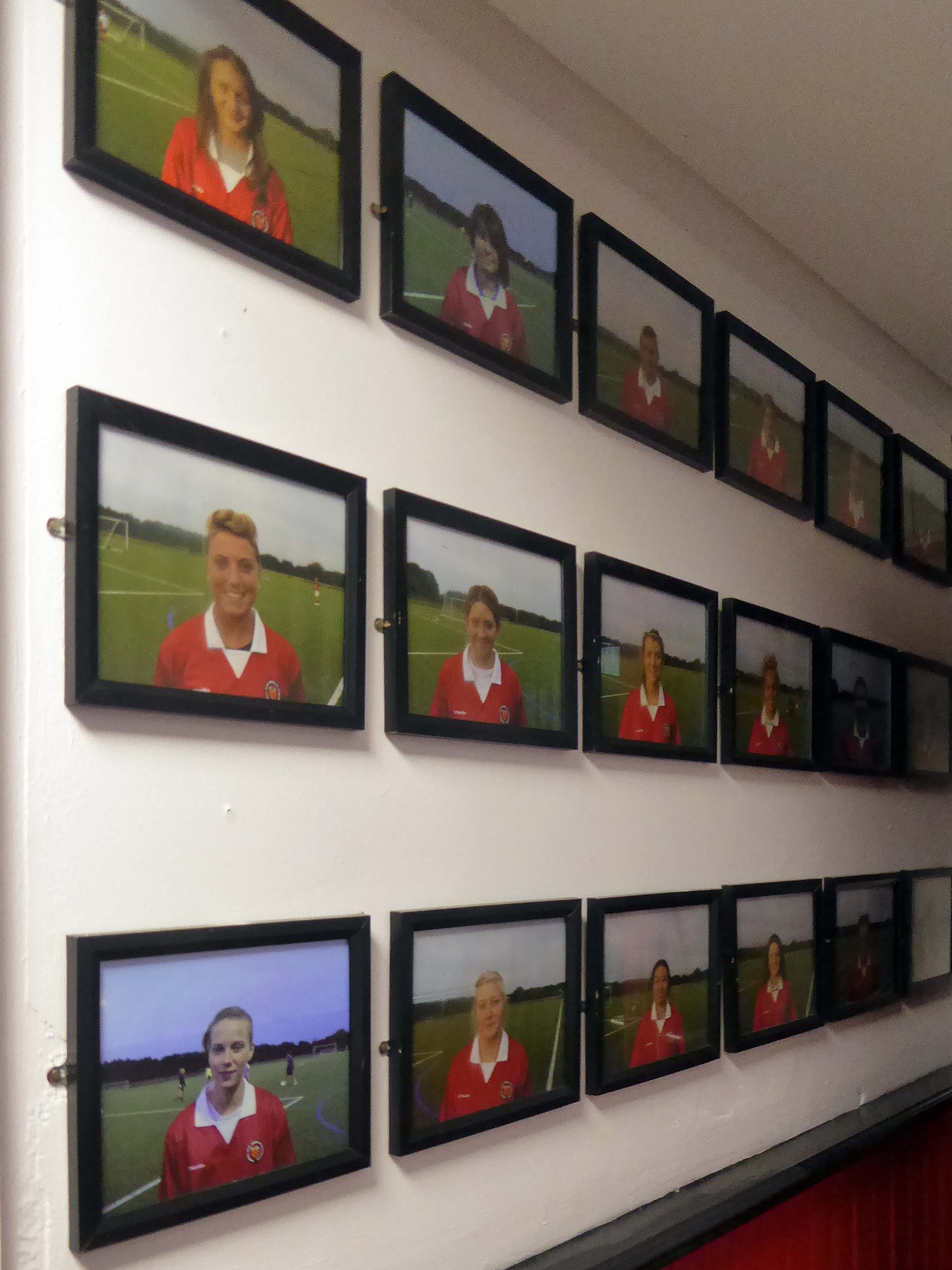
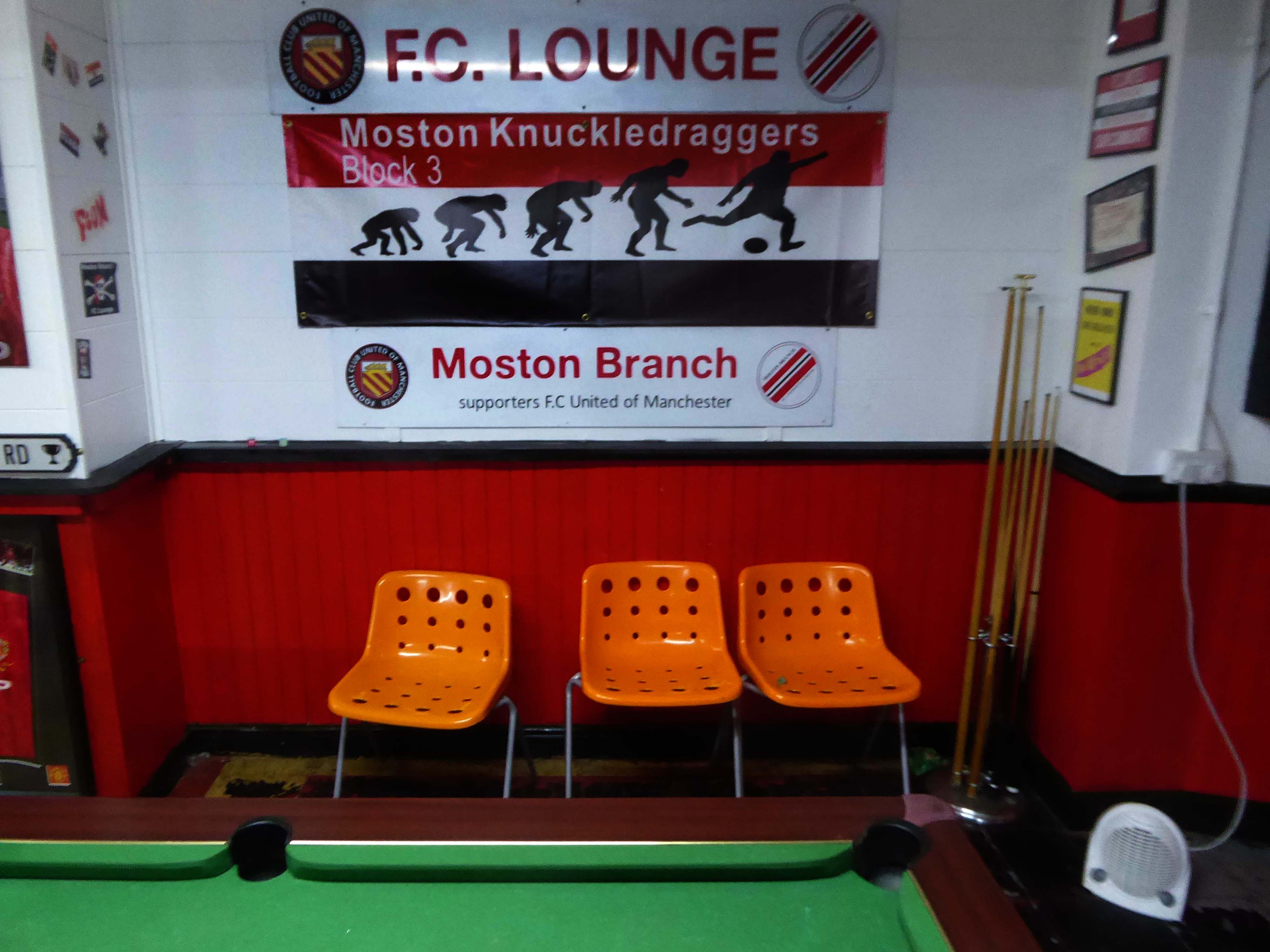
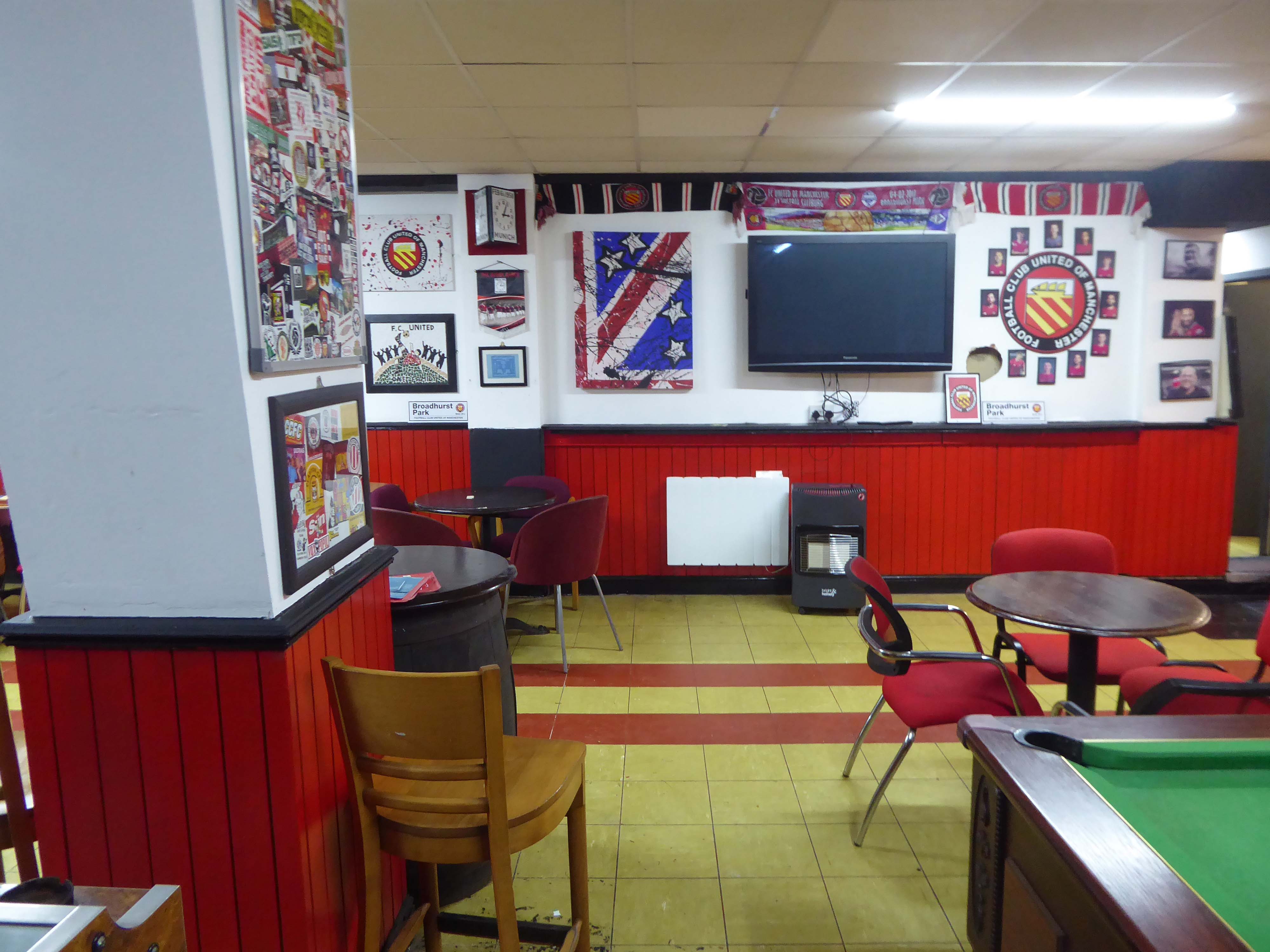
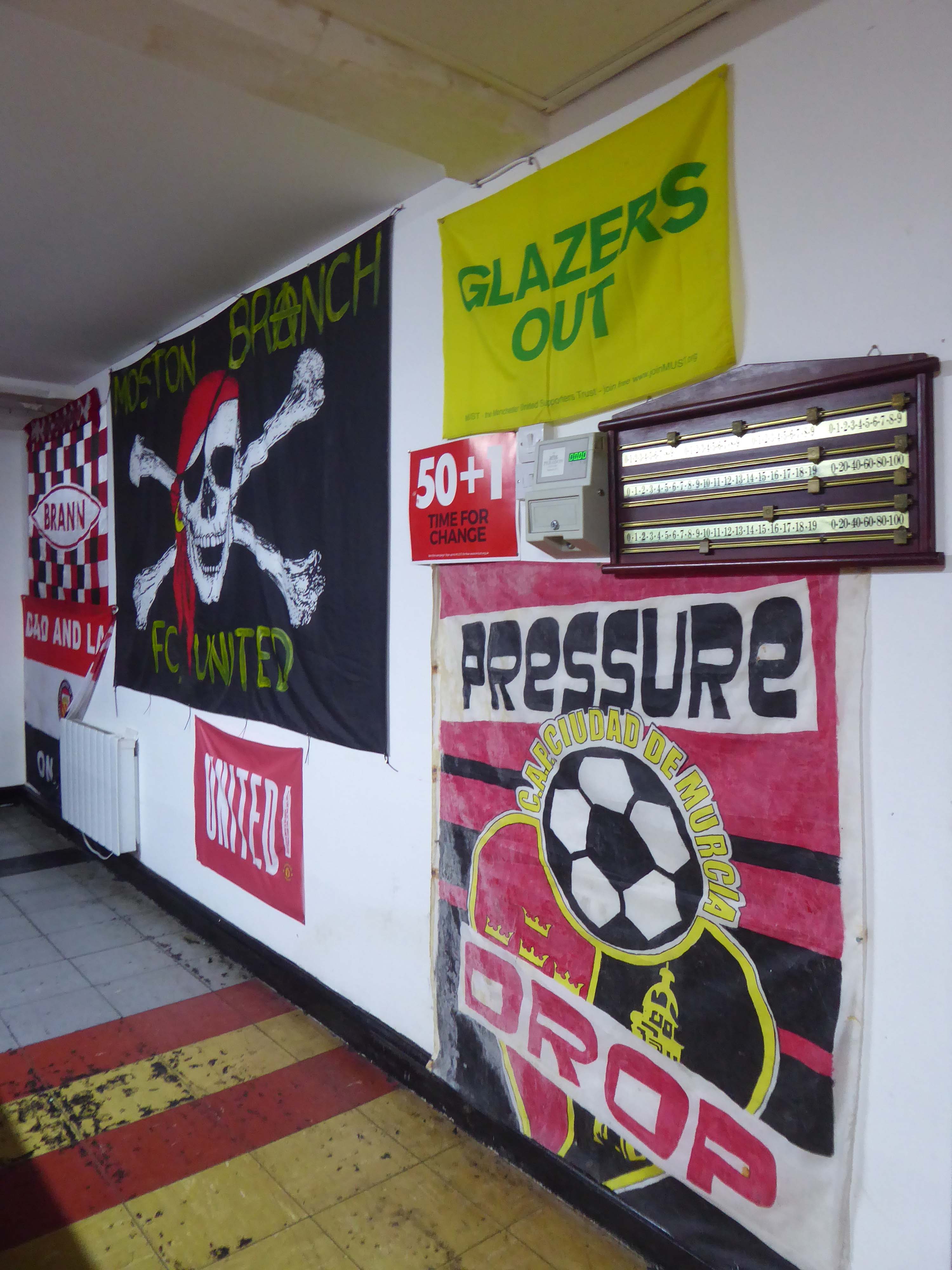
Work was underway for the current Art Show and evidence of the club’s affable affiliation with FC Unitedof Manchester, along with the results of the previous week’s art activities for the local youngsters.
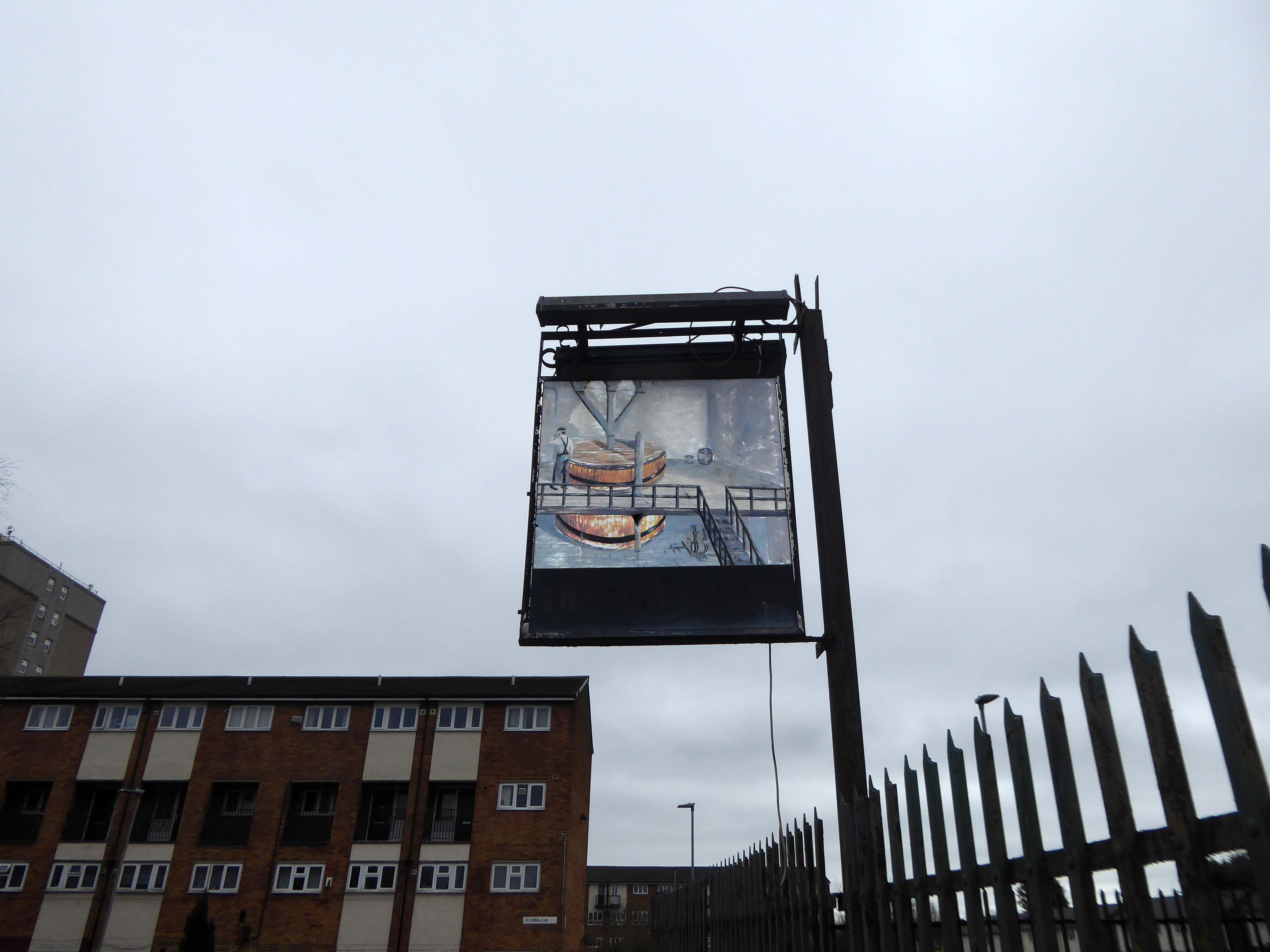
Let’s take a look around outside and in.
Keep an eye and ear out for forthcoming events – get y’self up there soon!
Antonio Fusciardi emigrated in the 1960s in search of a better life. He opened a number of businesses in Ireland. In 1965 he met Anna Morelli at an Italian wedding and romance blossomed. The couple married and set up home in Marine Parade, Eastbourne. They worked very hard in establishing the business and attributed their success to ambition, dedication and the family.
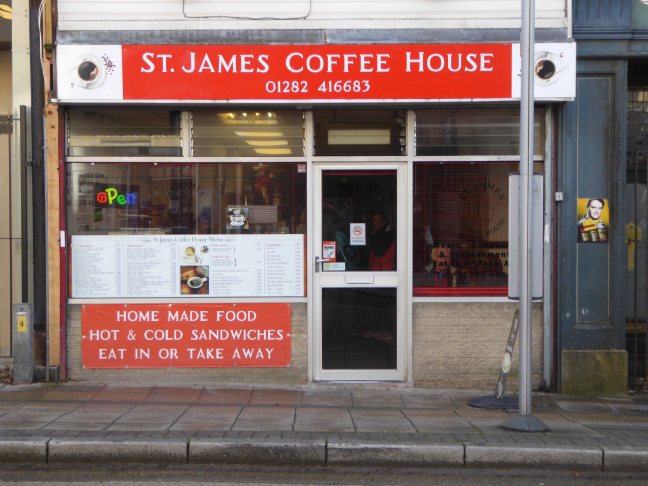
Several trains from Stockport later, along the length of the East Lancs Line, I arrived at Burnley Manchester Road Station via the reinstated Todmorden Curve.
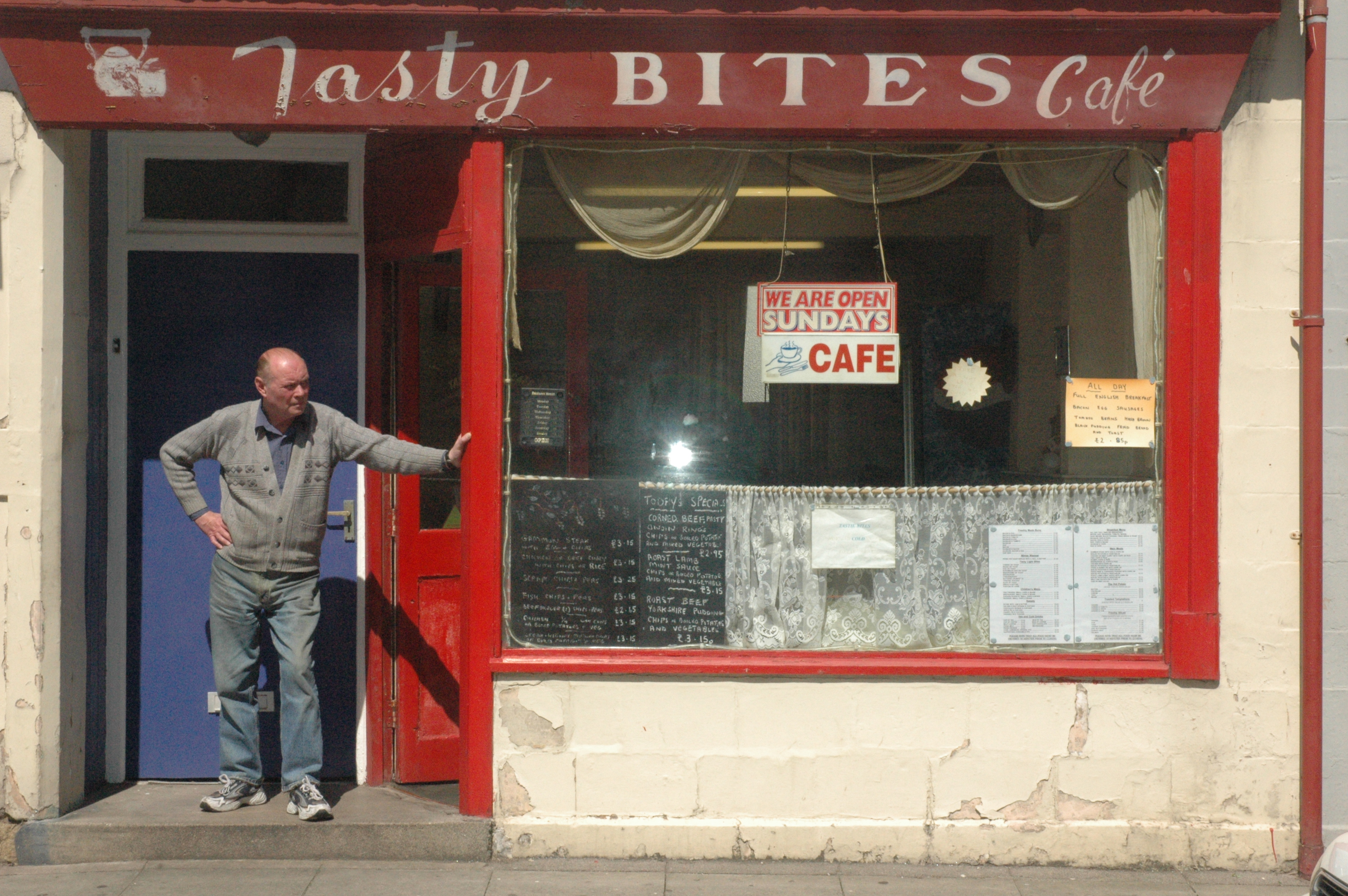
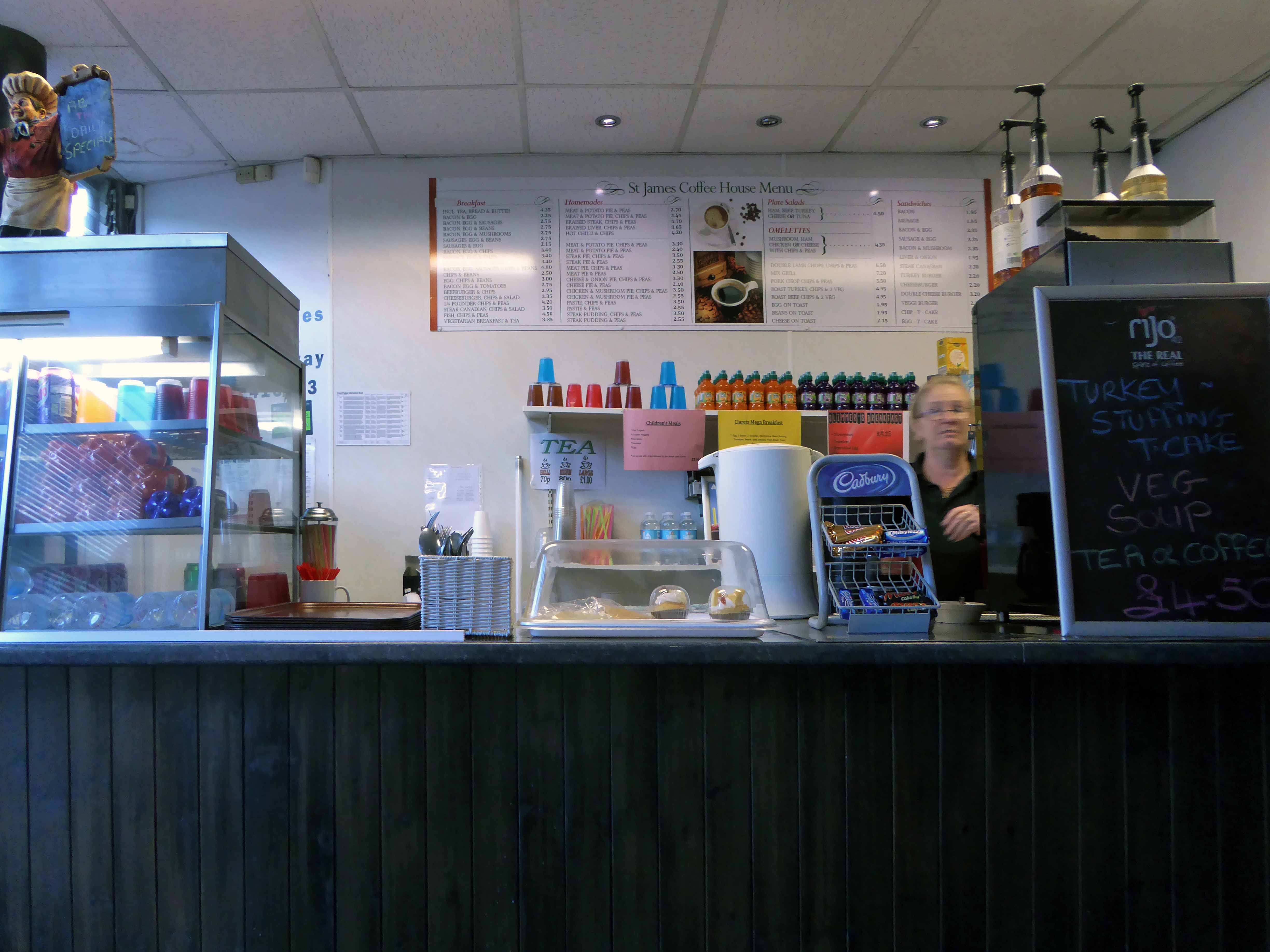
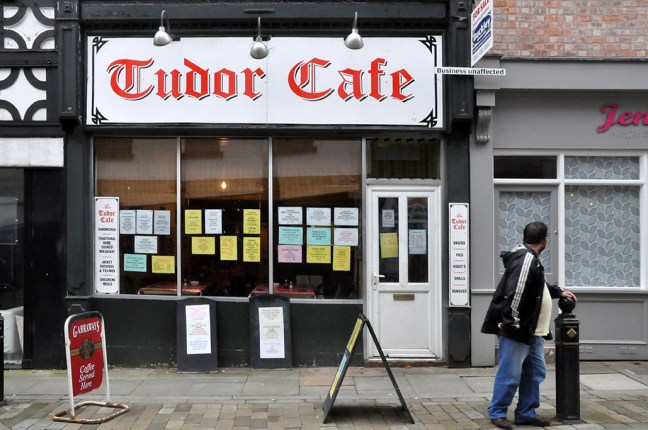
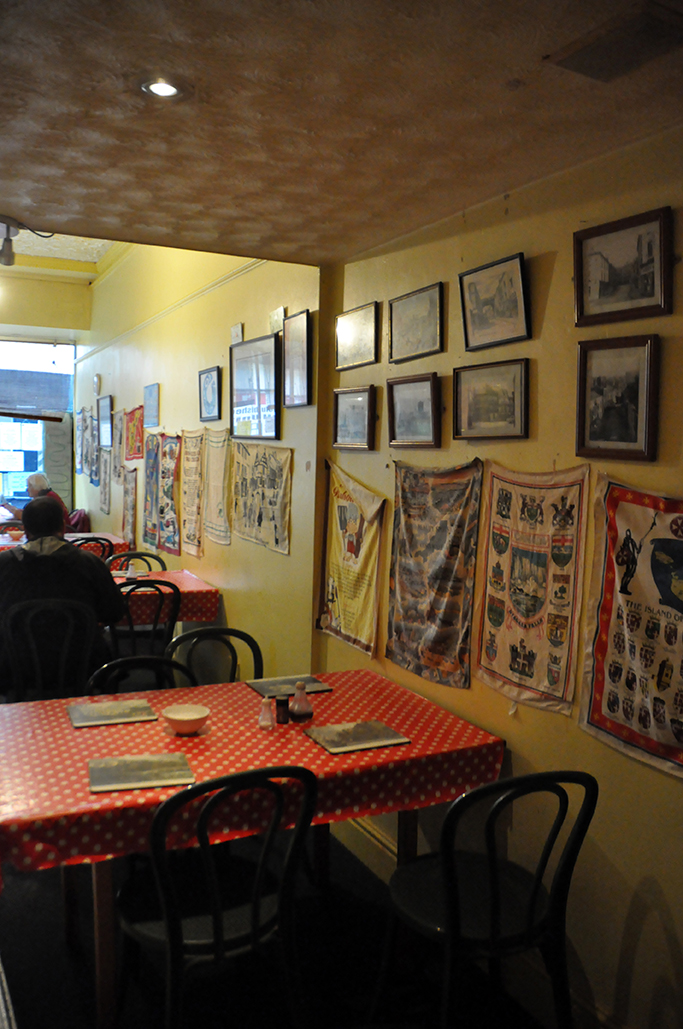
Having wandered aimlessly awhile, it was time for a spot to eat – and there it was a vision to behold before my very eyes.
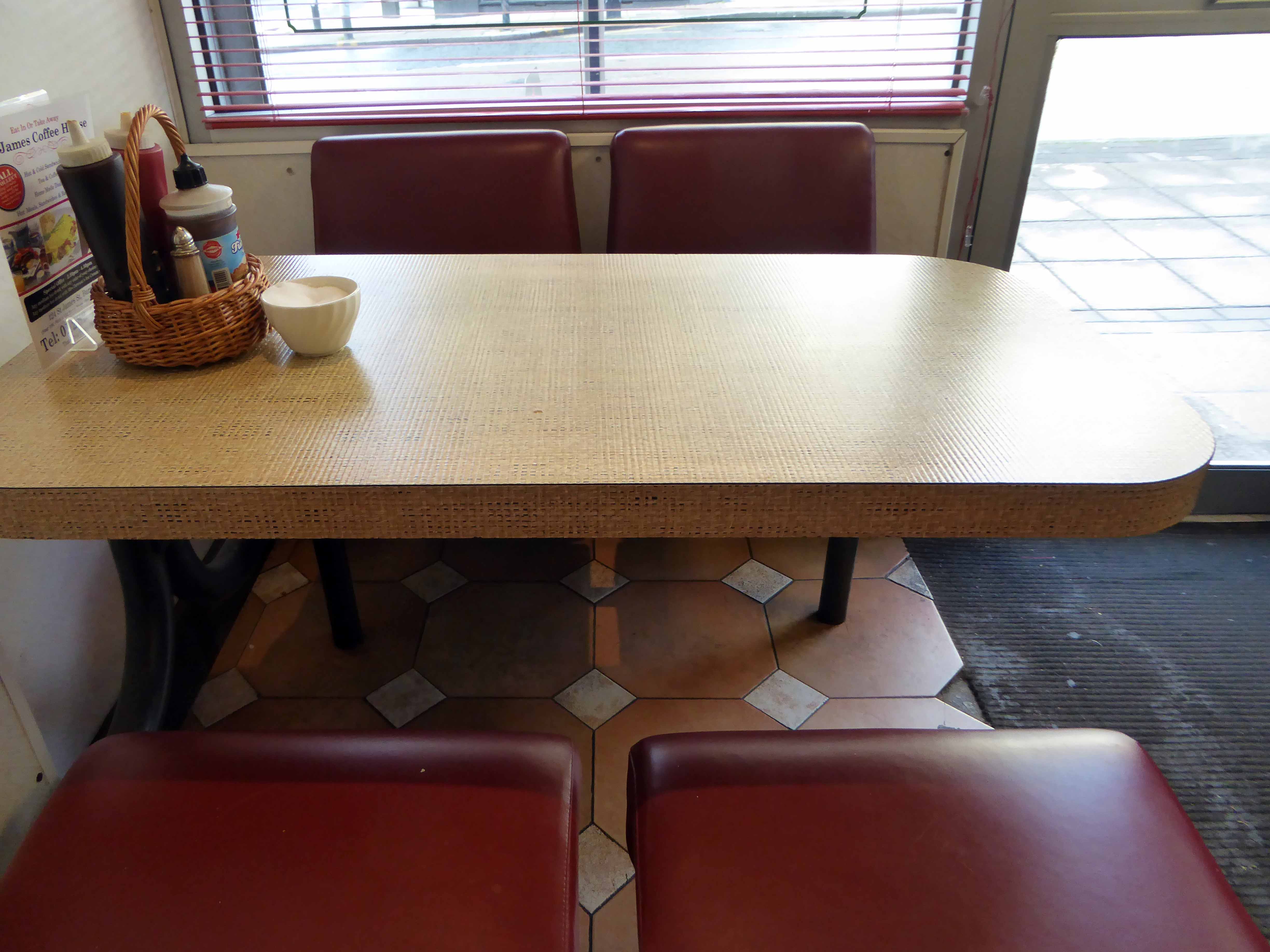
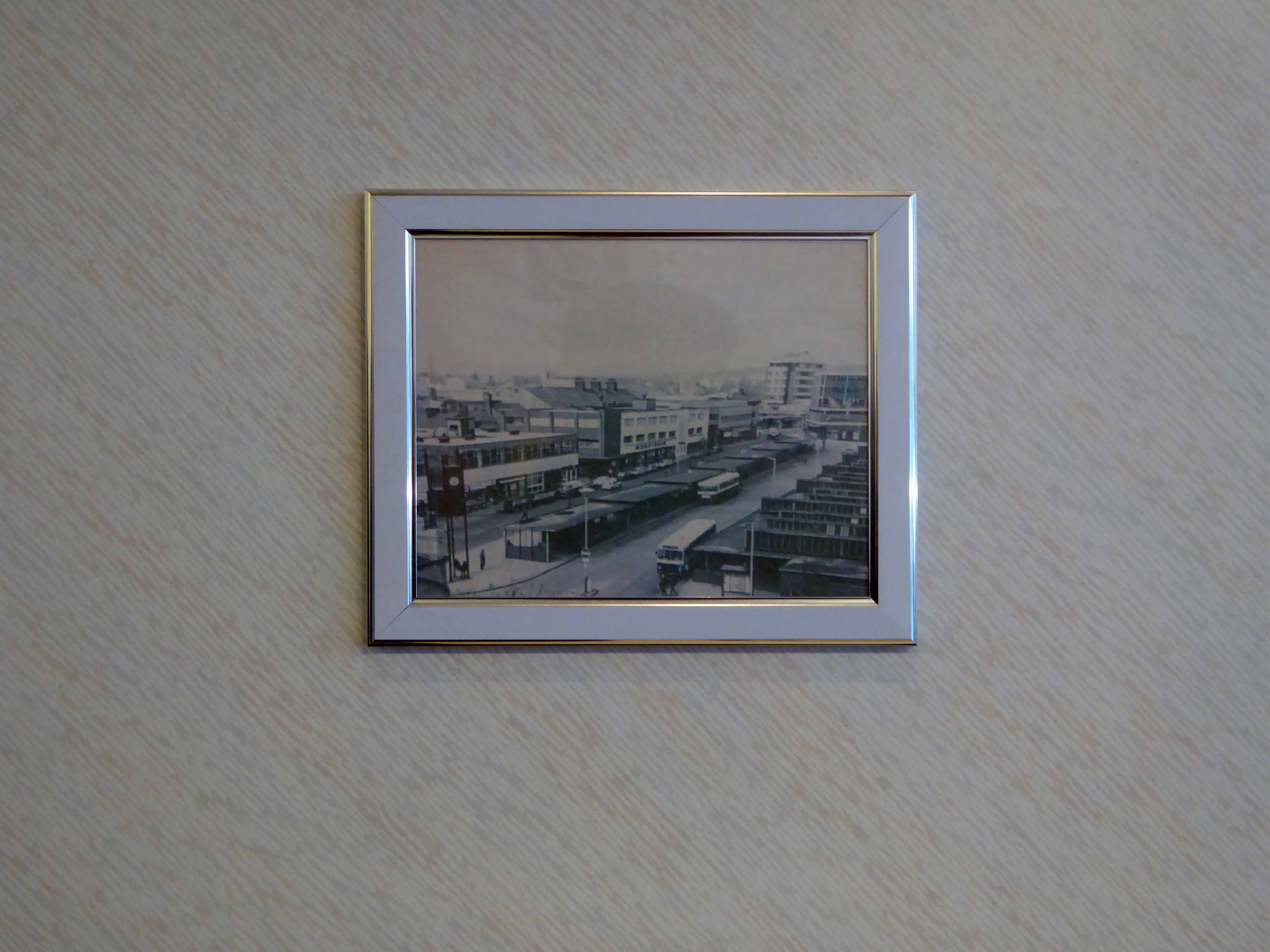
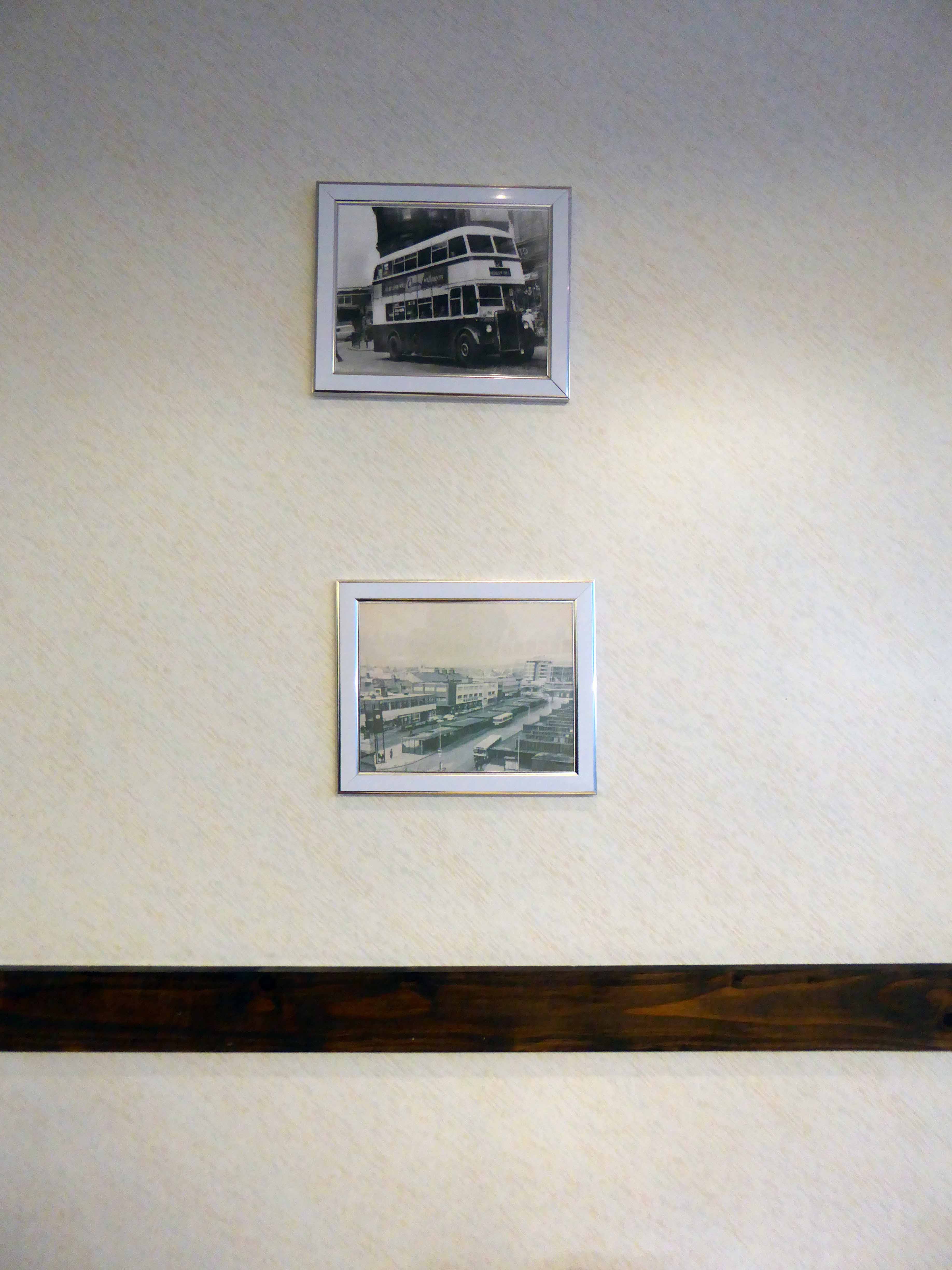
We’re situated in the town centre on St James’ Street, just a little bit further down from DW Sports – the old JJB store and next to the entrance to the old Empire Theatre, when you get to the art gallery you’ve gone too far!
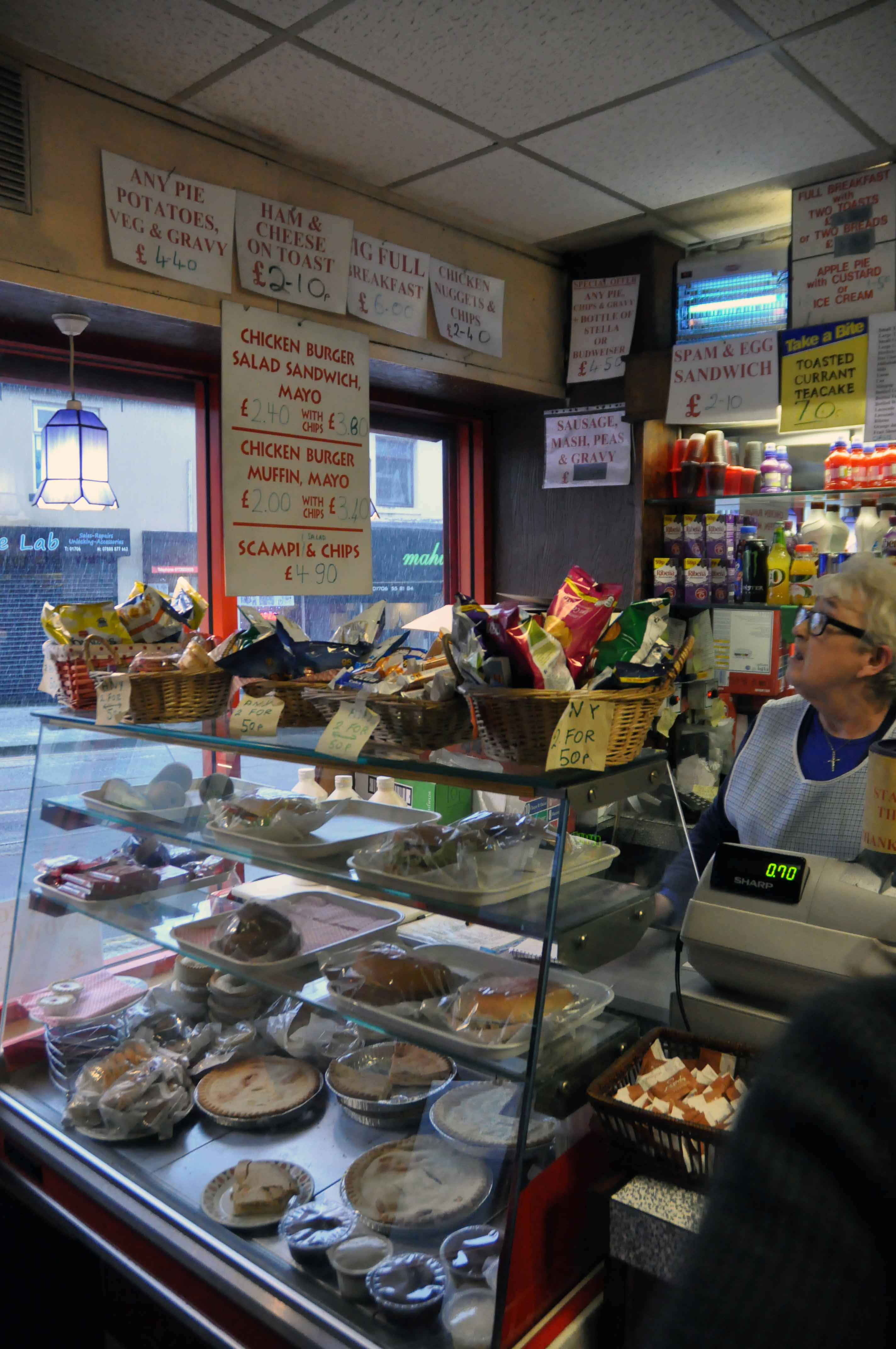
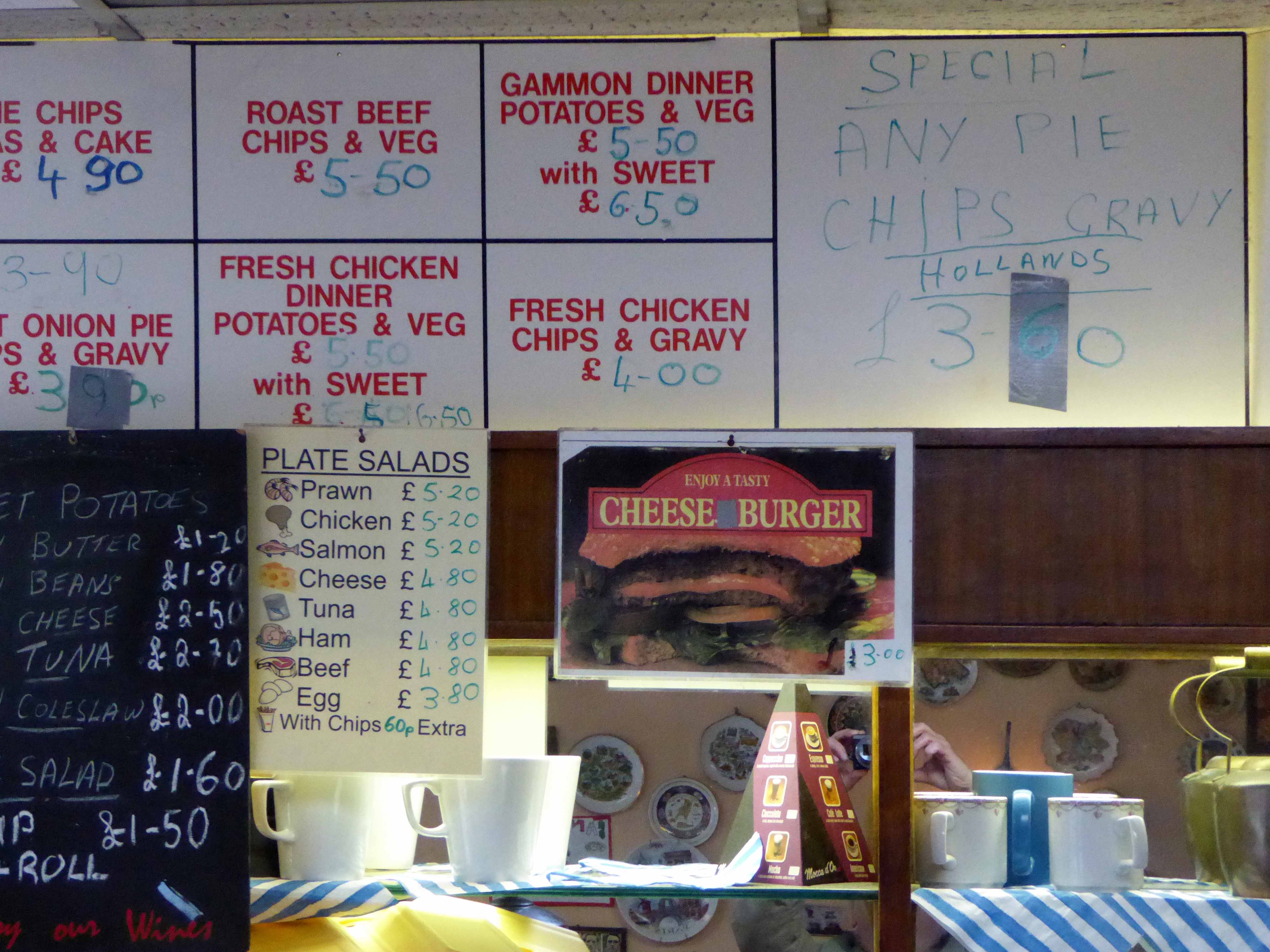
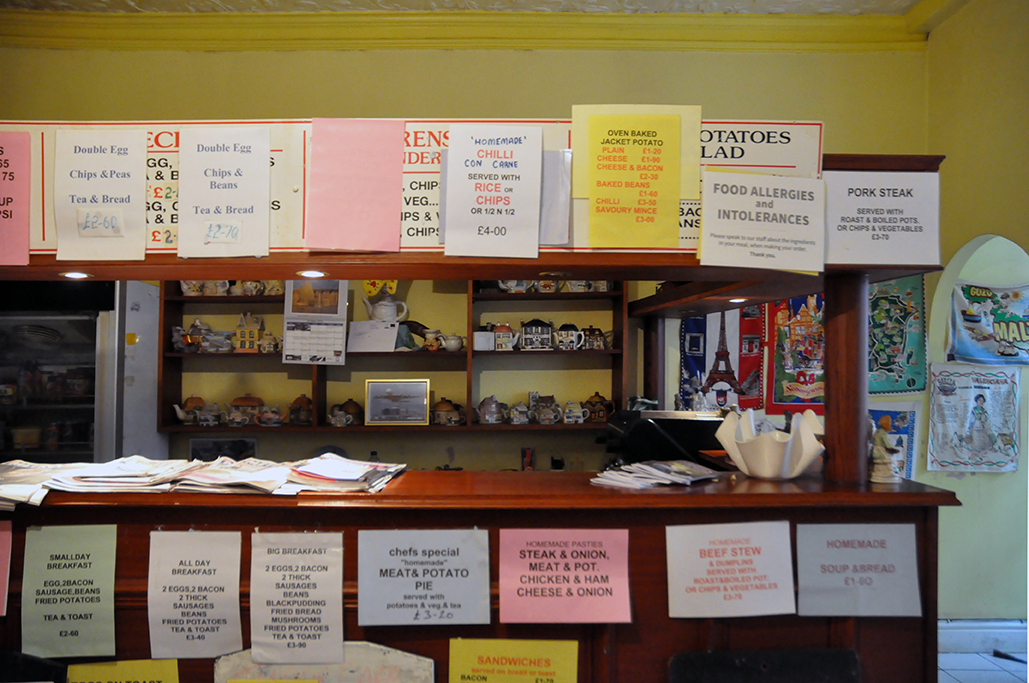
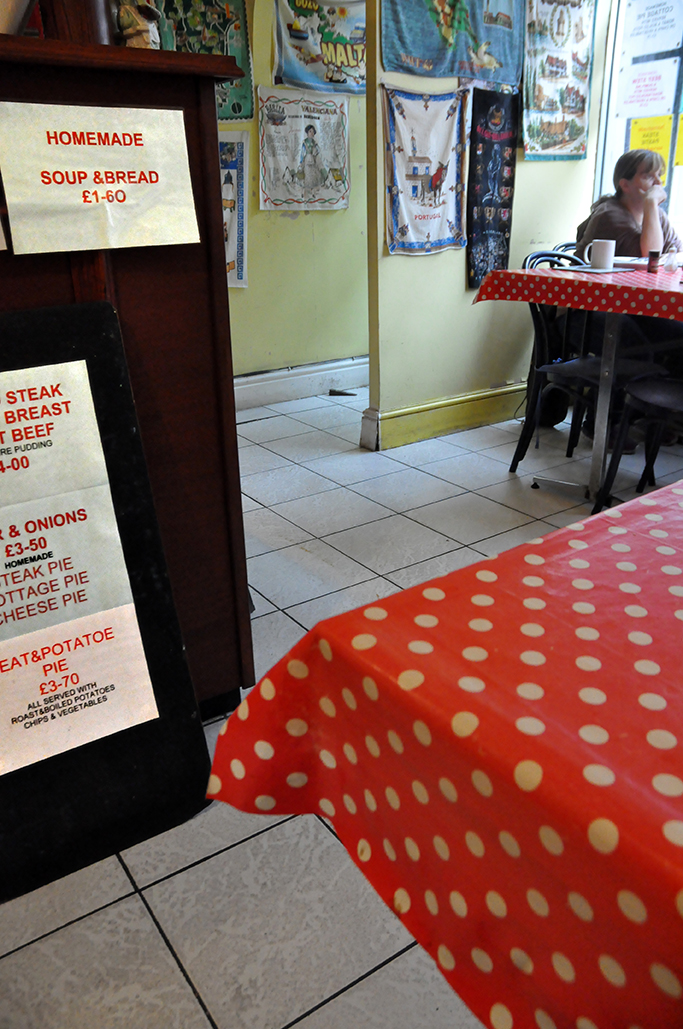
The menu had caught my eye – pie!
To get in and get some grub was my sole and urgent imperative.
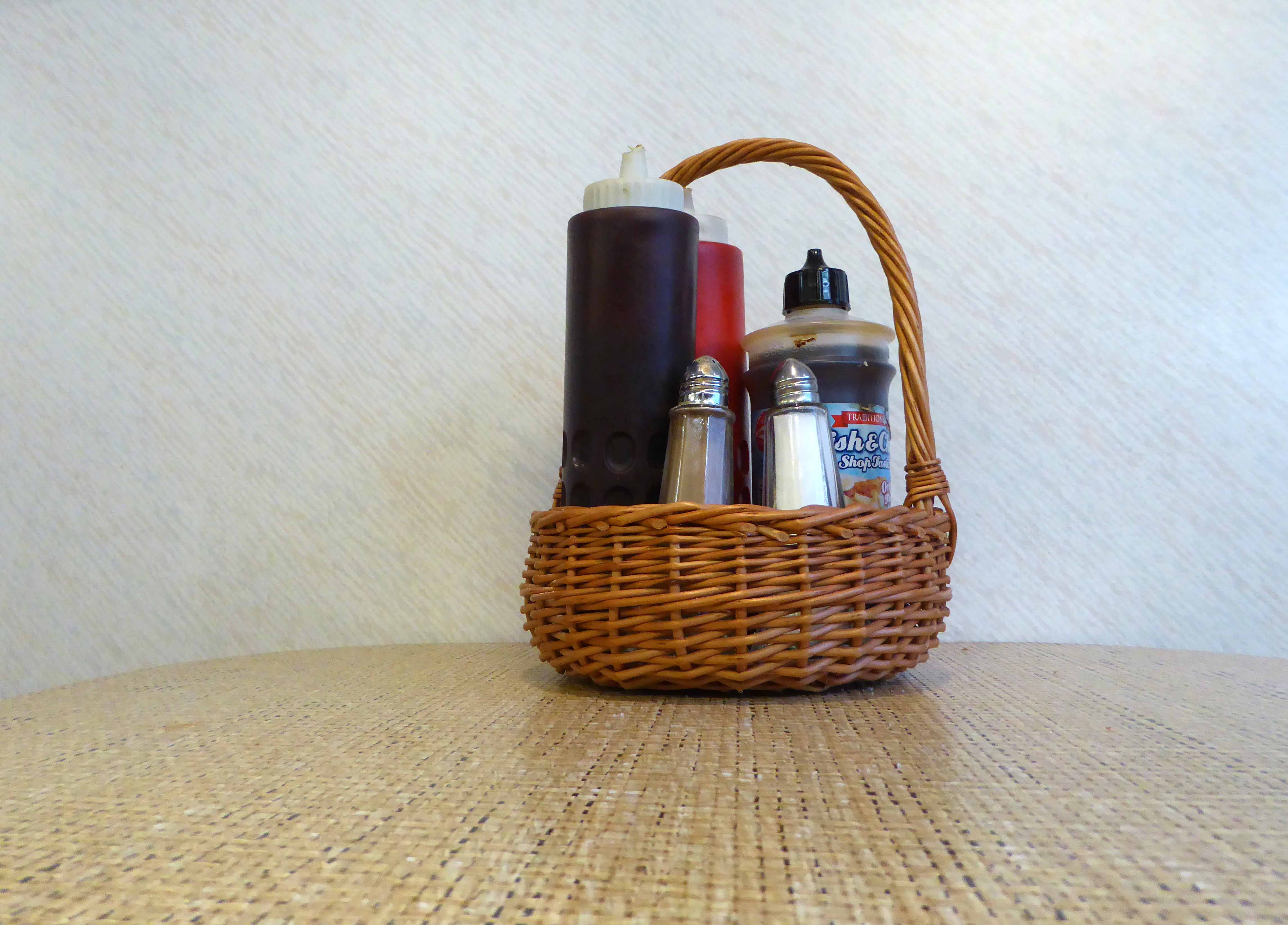
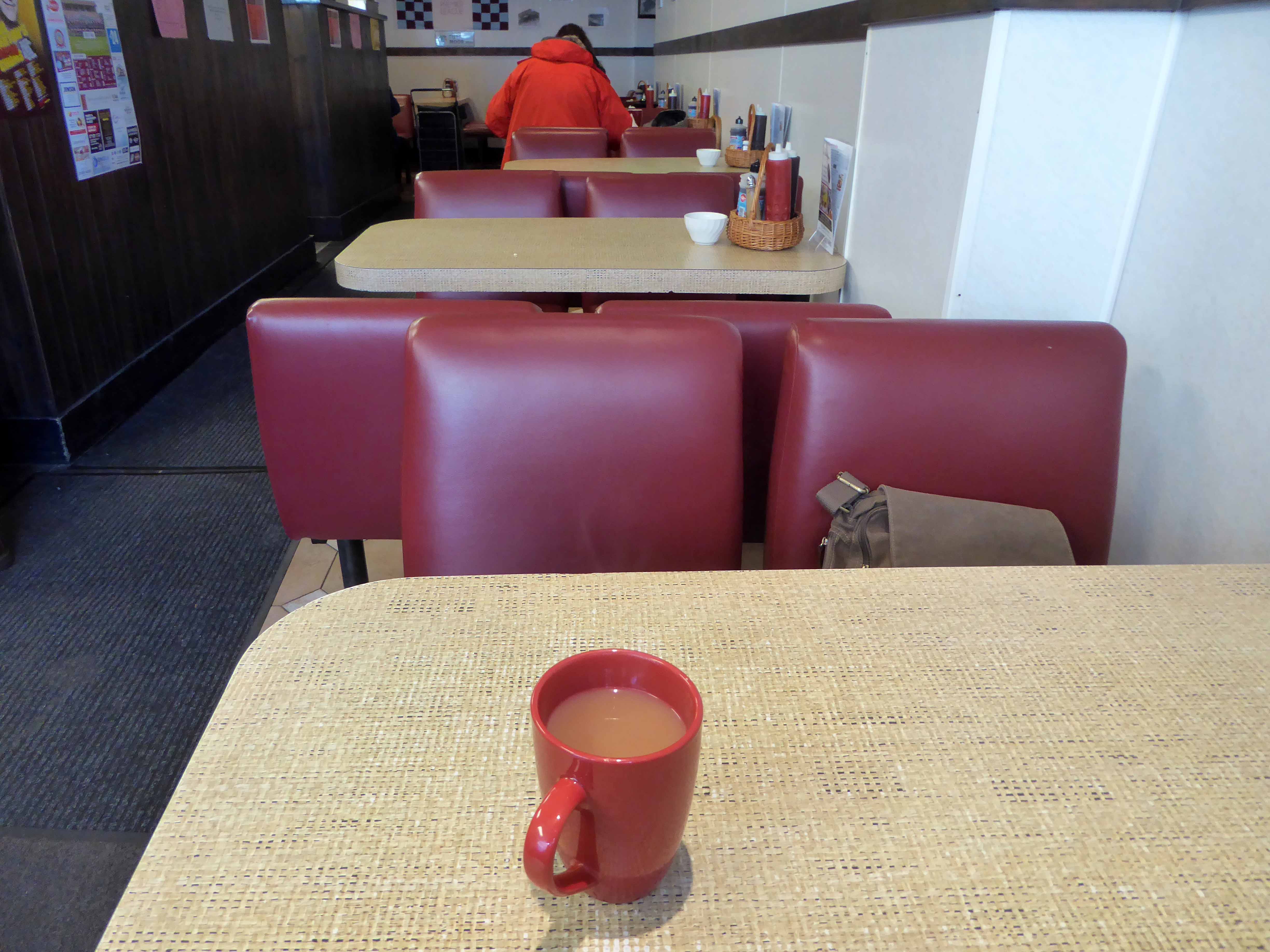
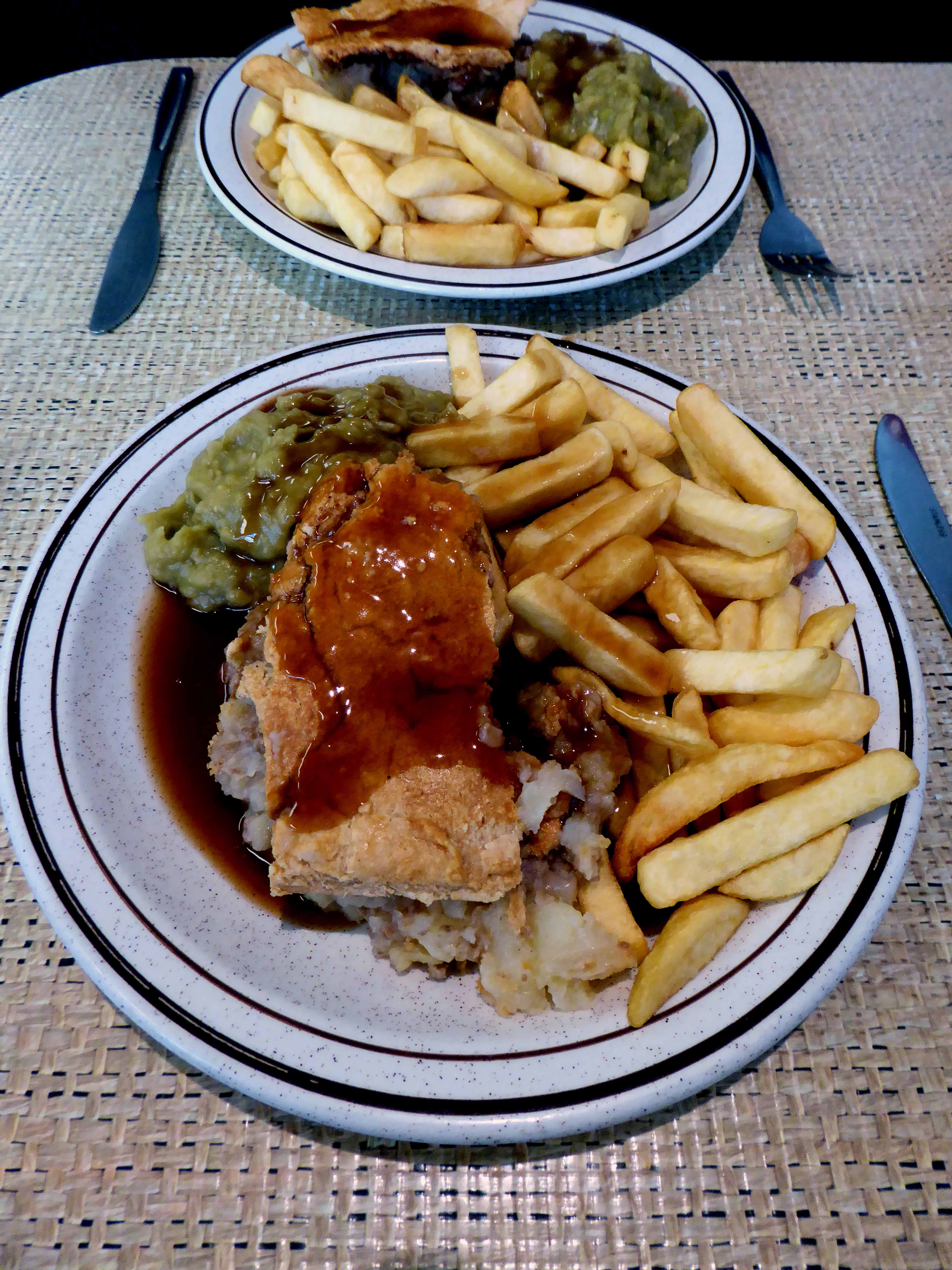
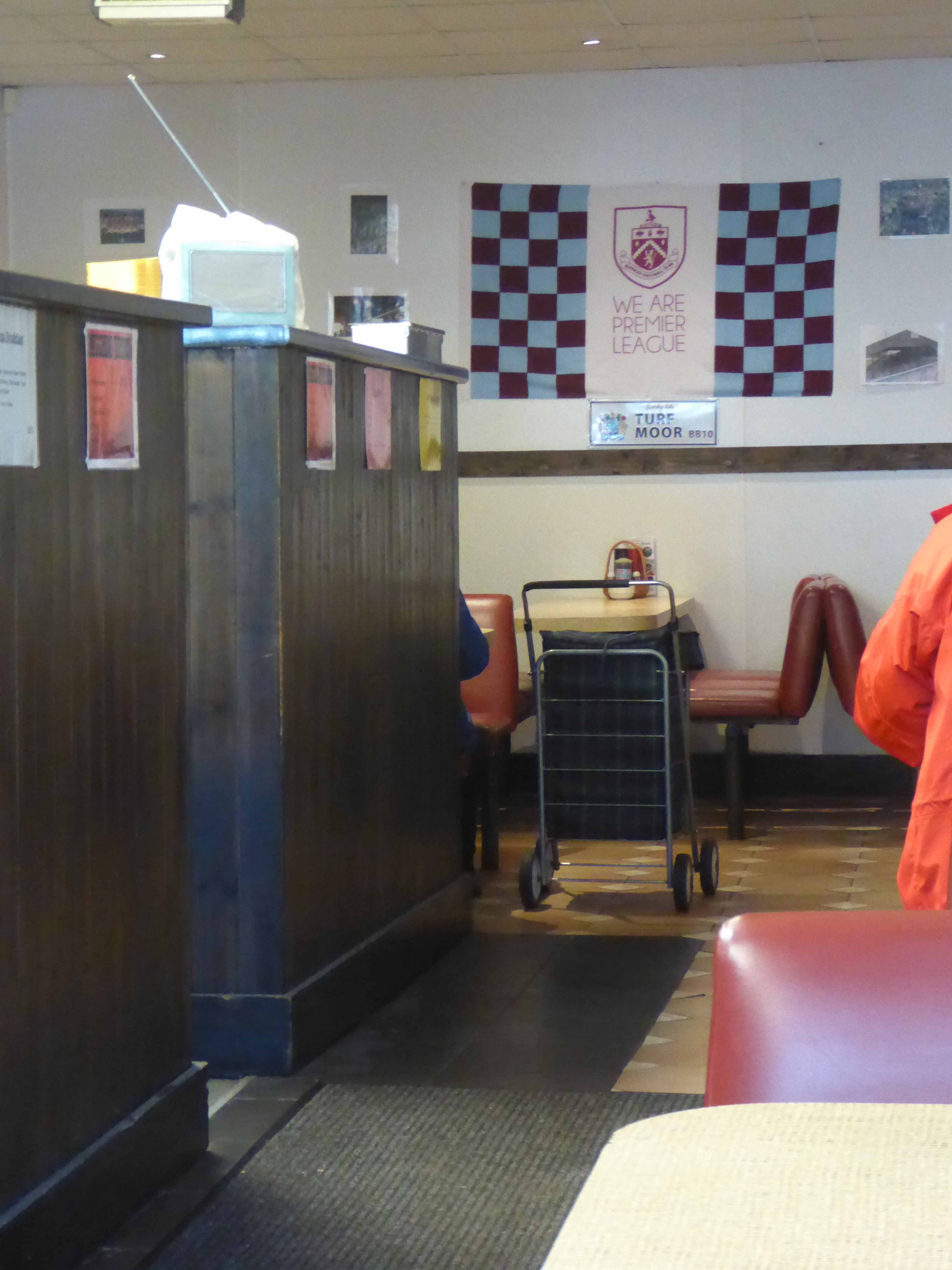
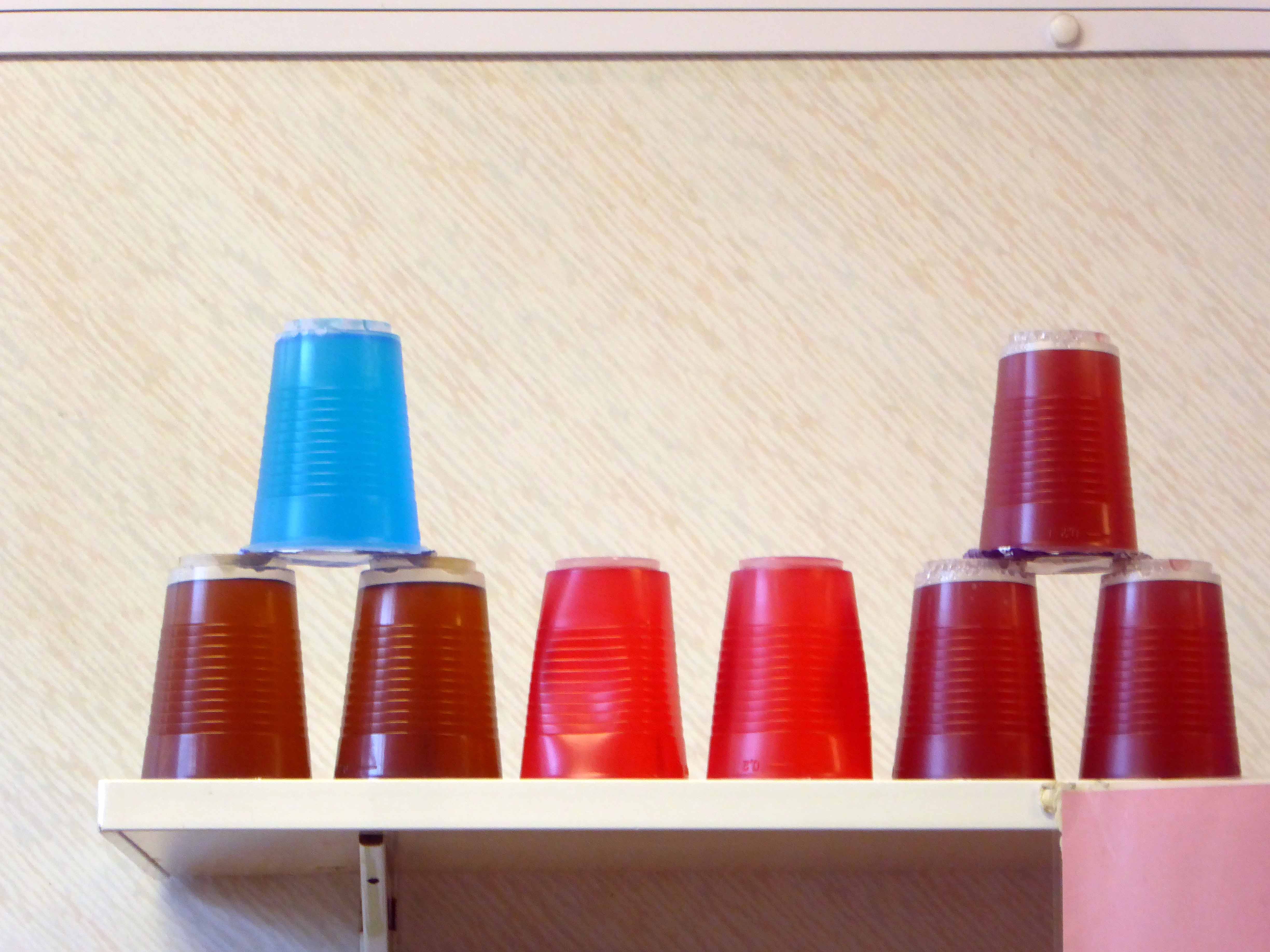
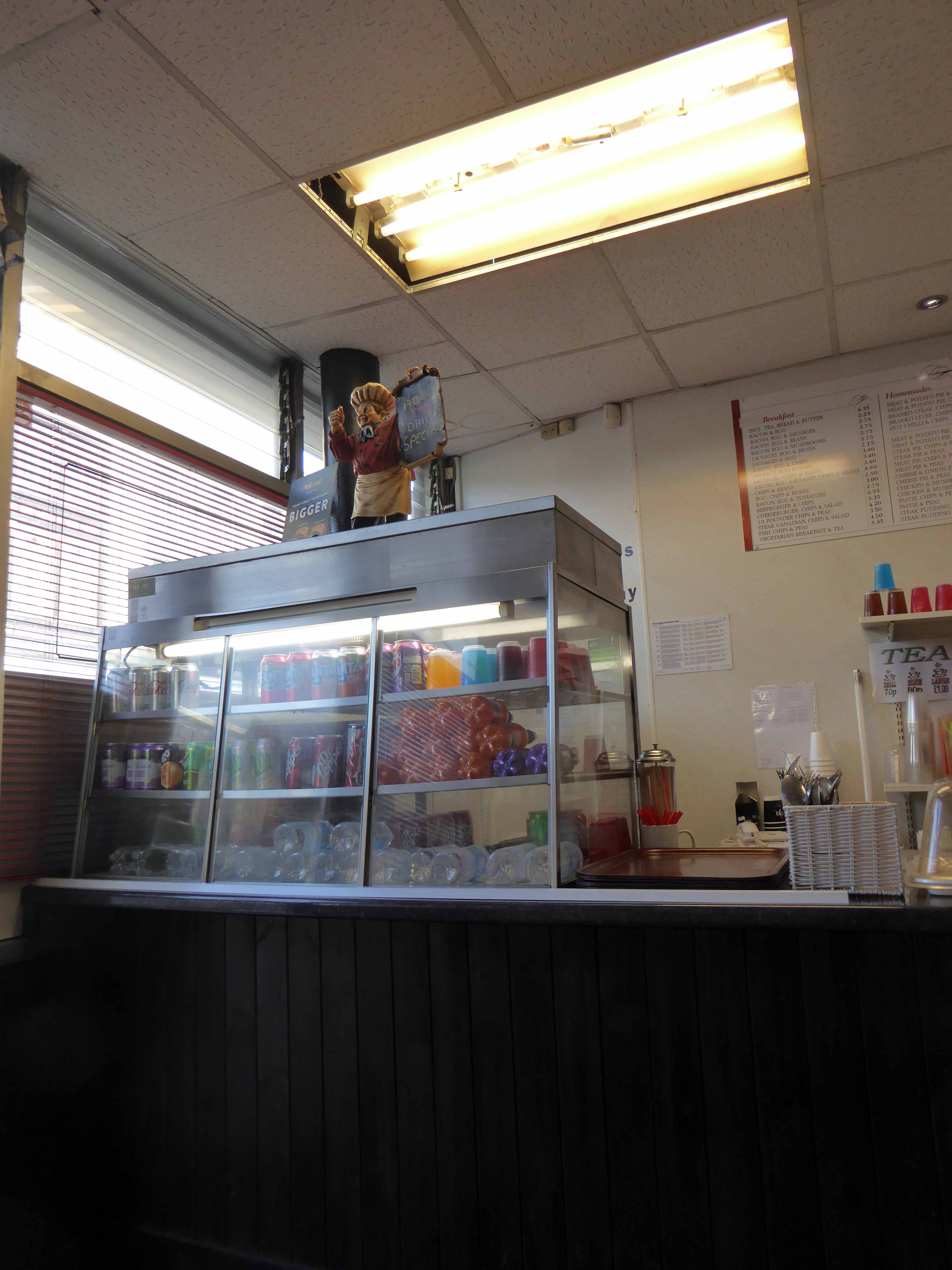
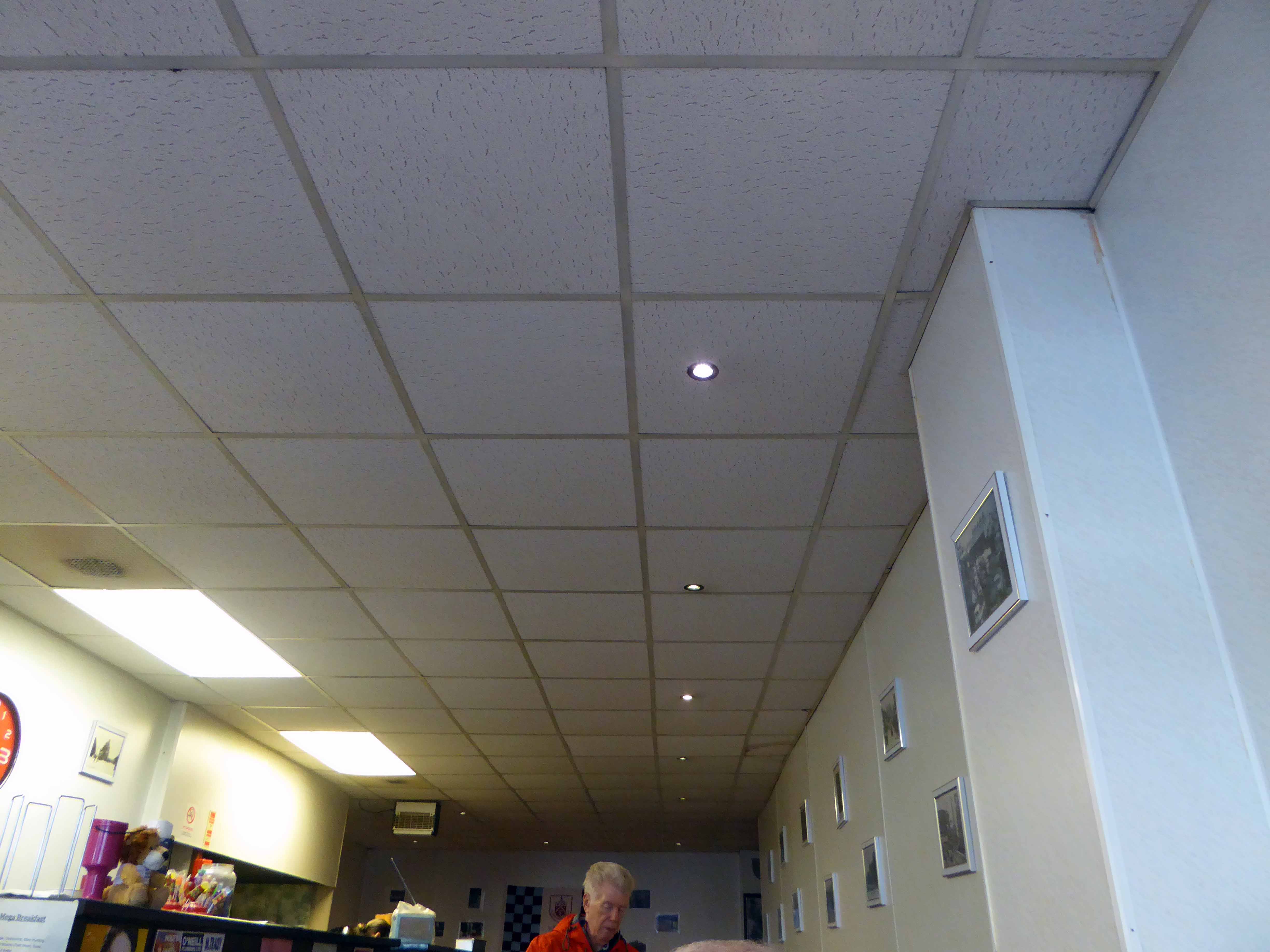
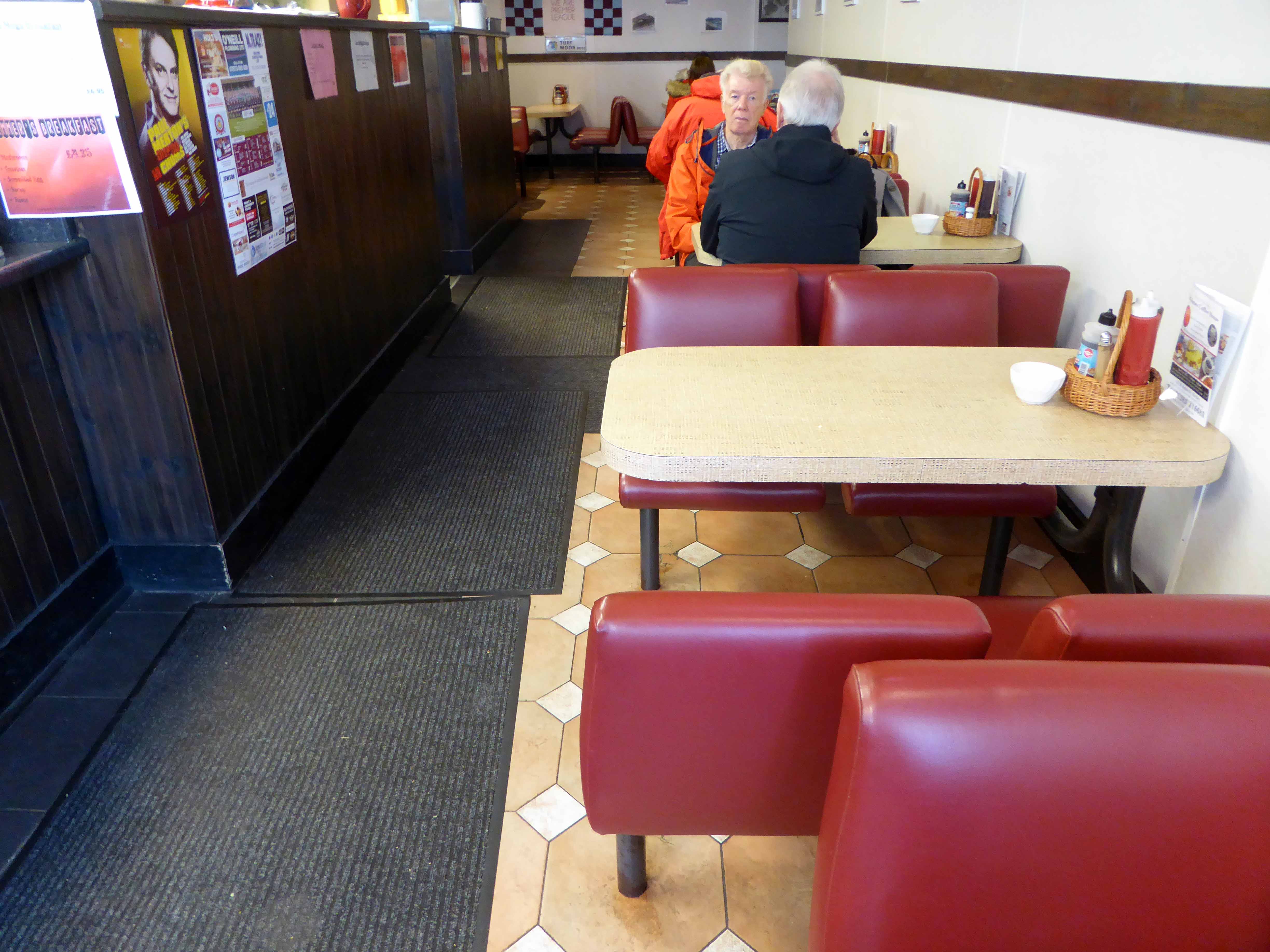
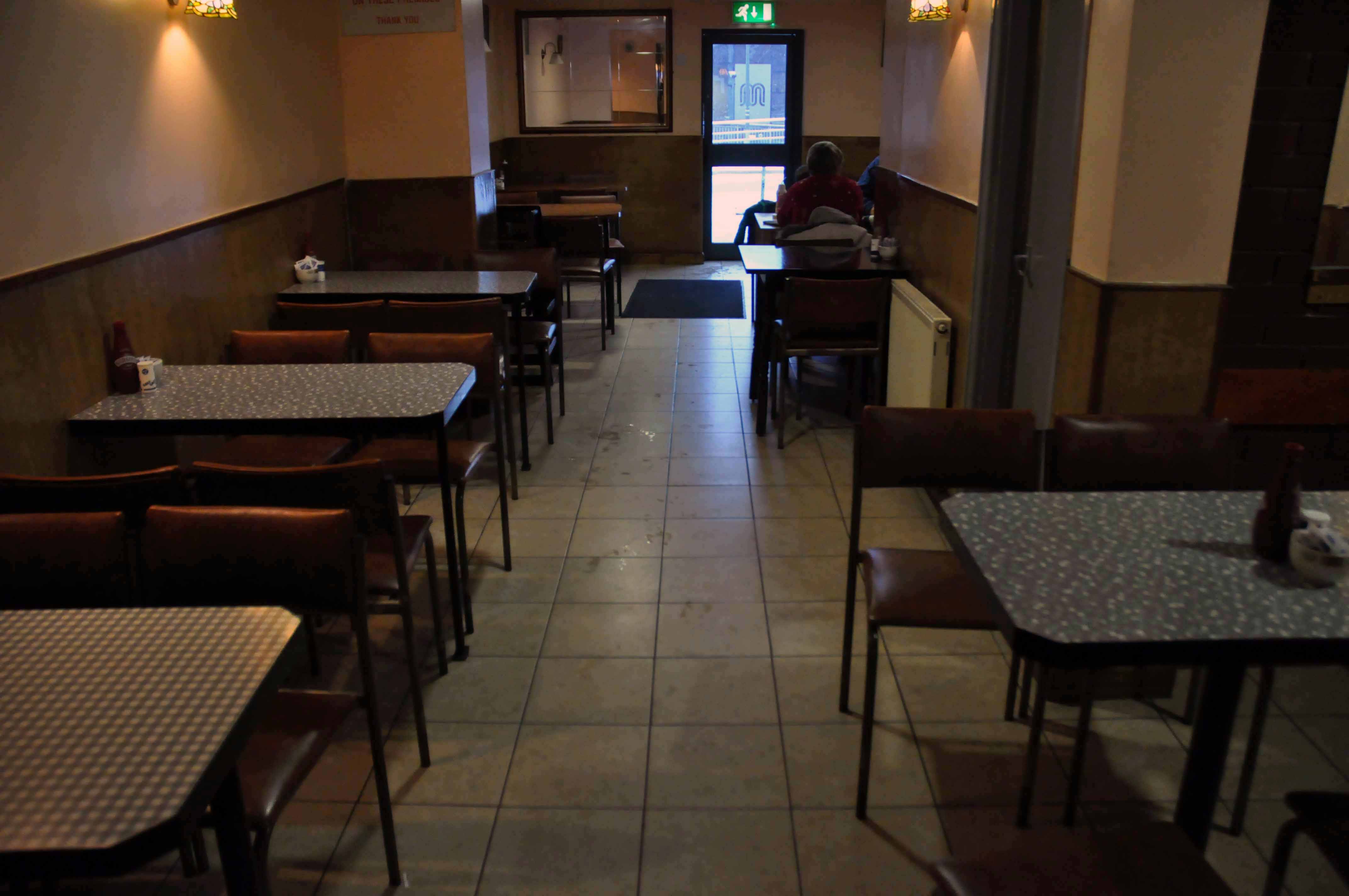
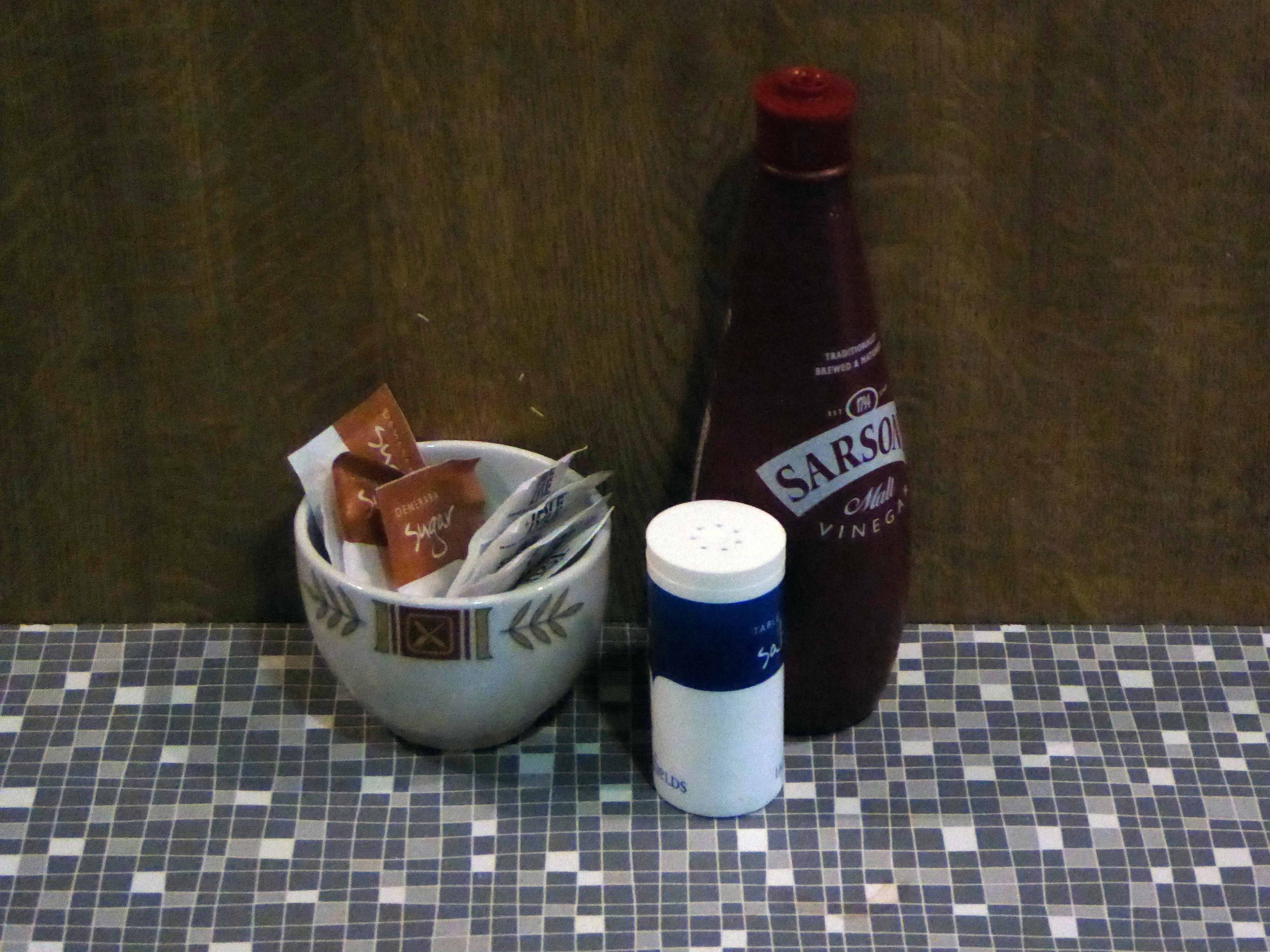
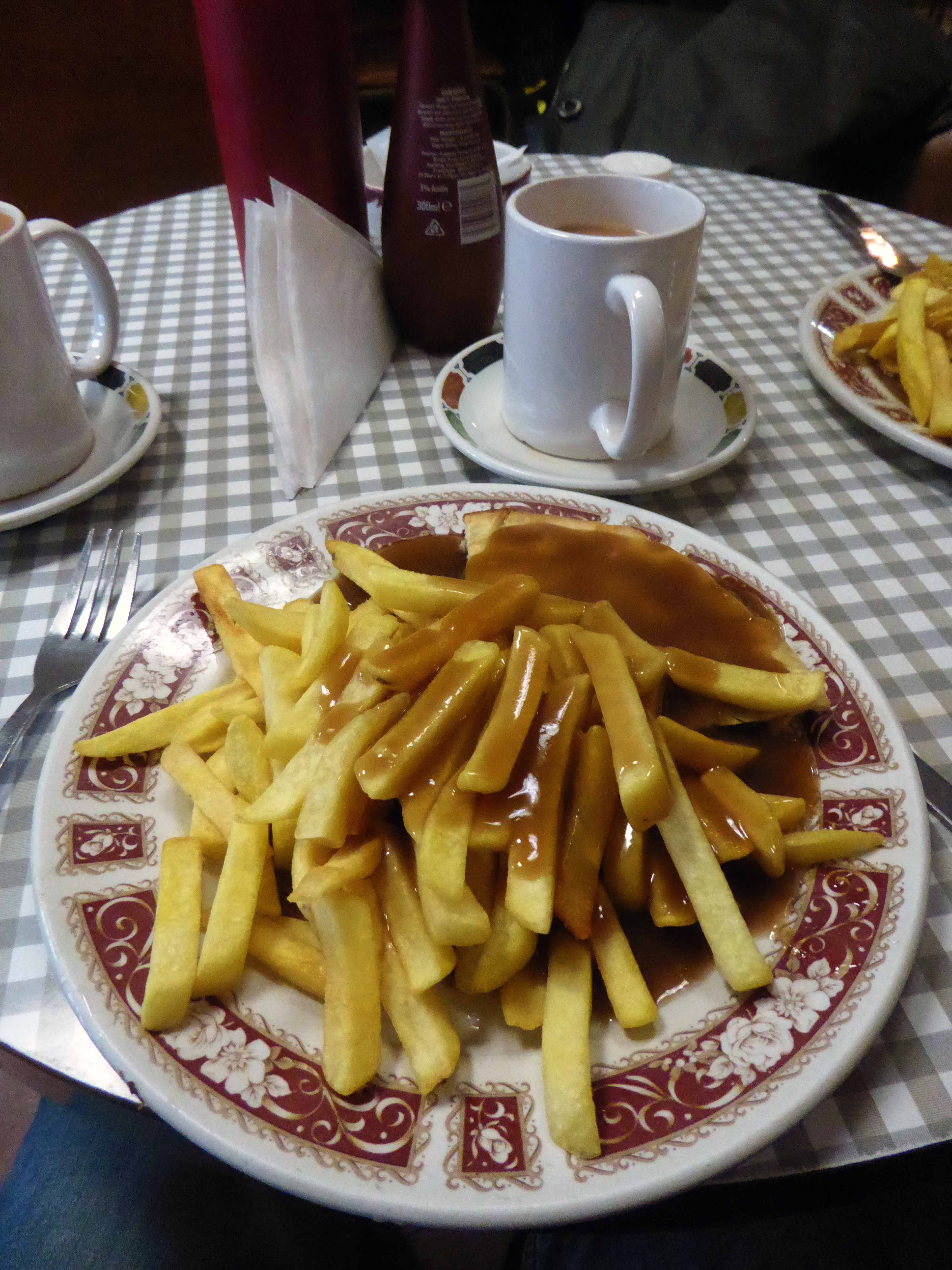
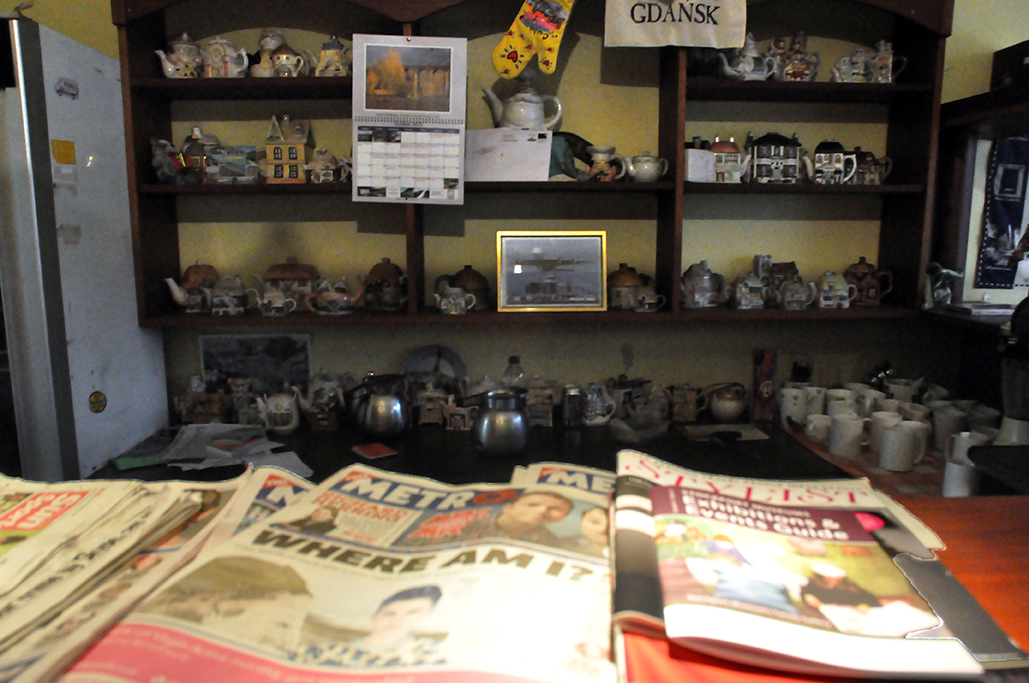
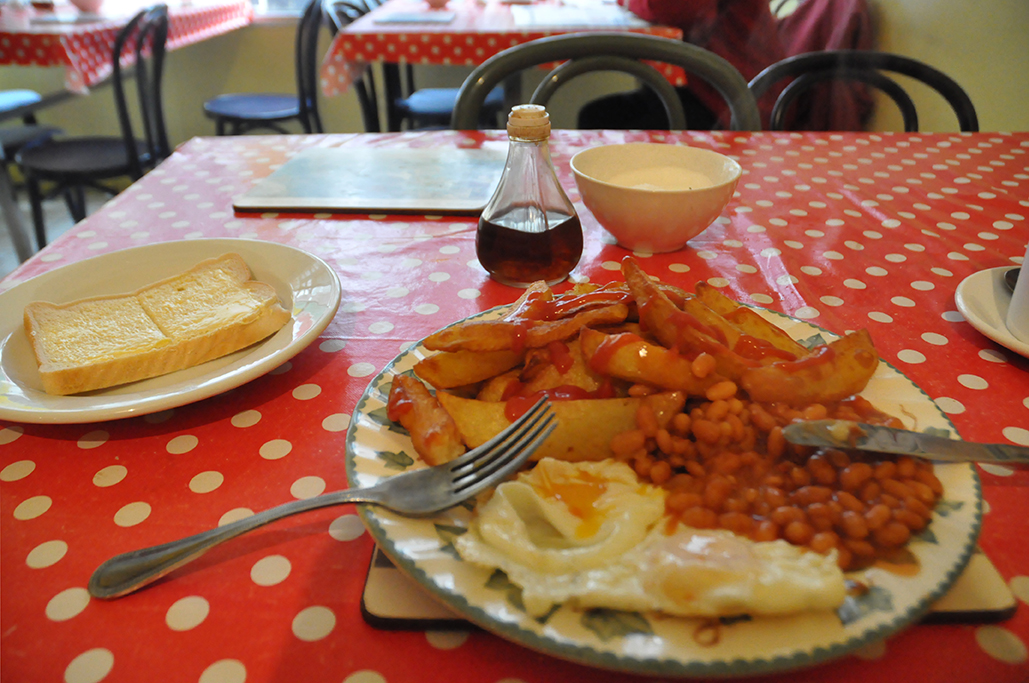
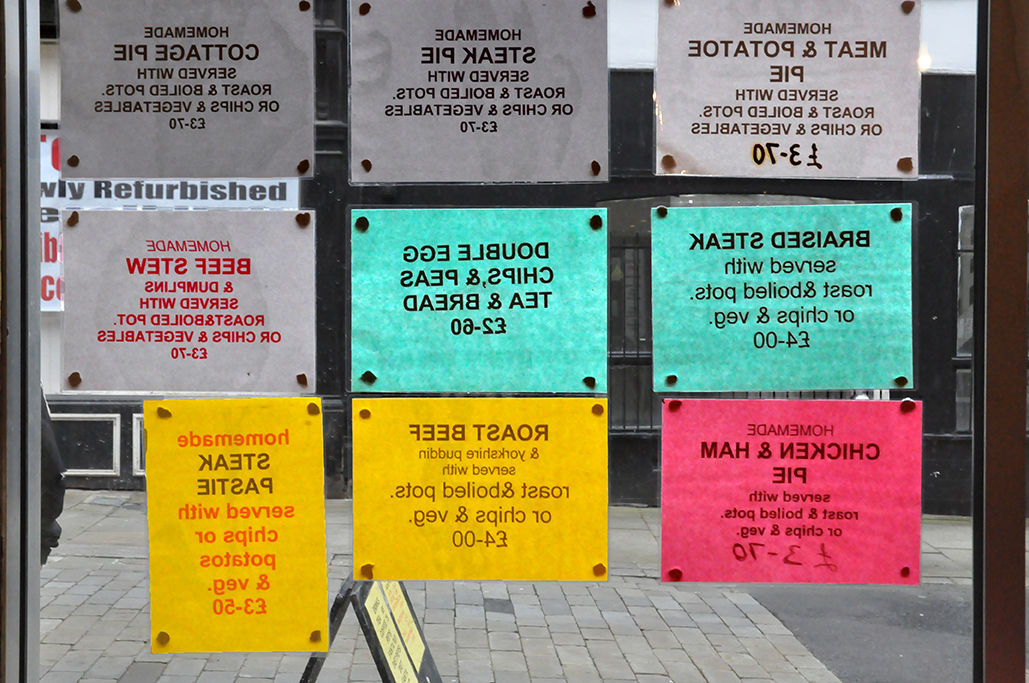
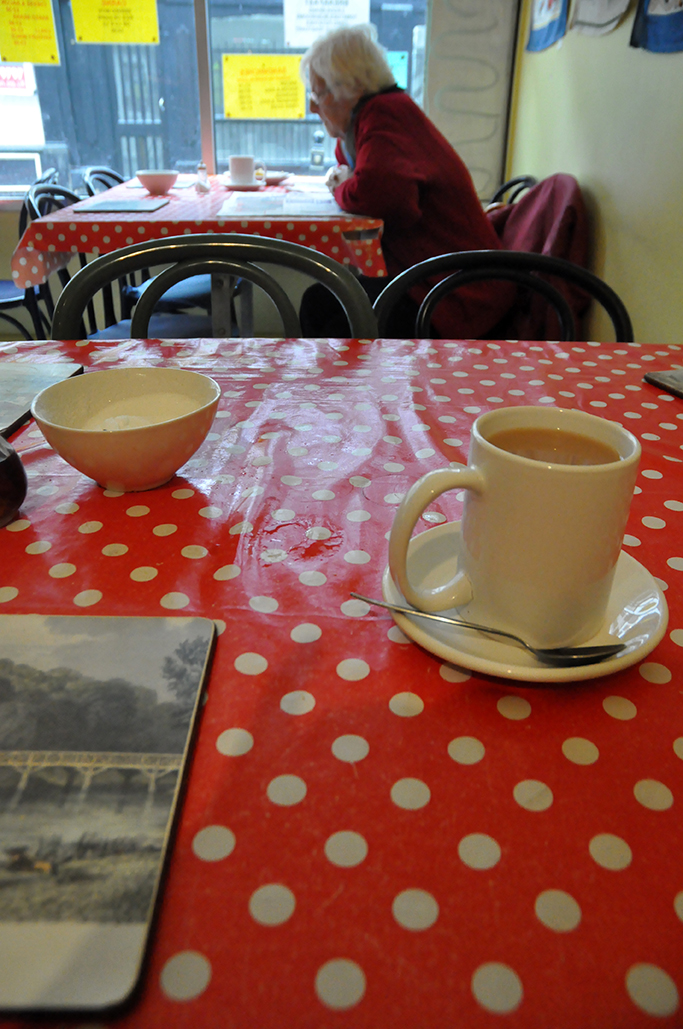
A warm welcome awaited, and even warmer food, served with alacrity and aplomb – tasty homemade meat and potato pie, chips, peas and gravy. A soft light crust and mushiest mushy peas – a real delight, seen off in no time and all washed down with a piping hot mug of tea.
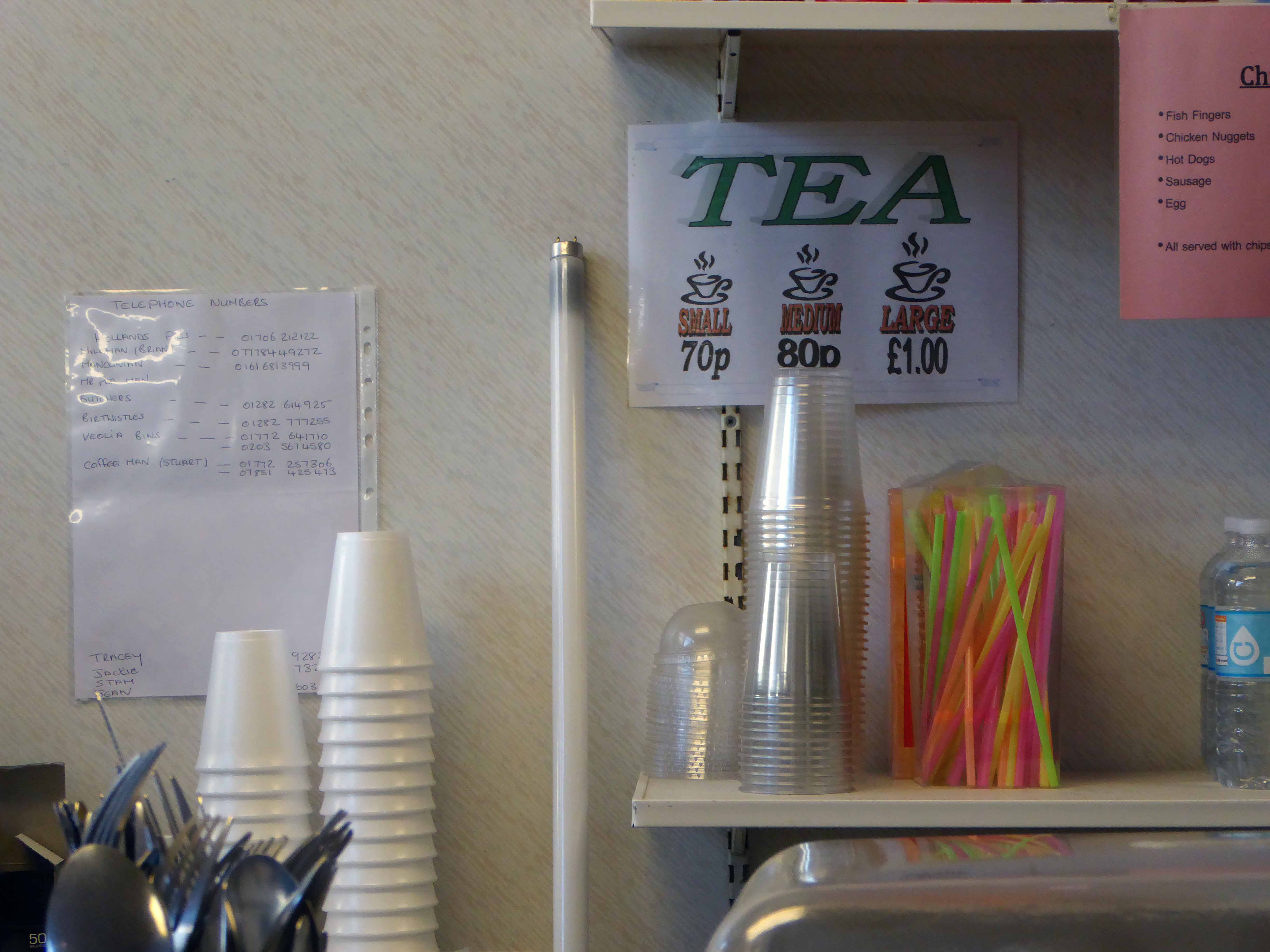
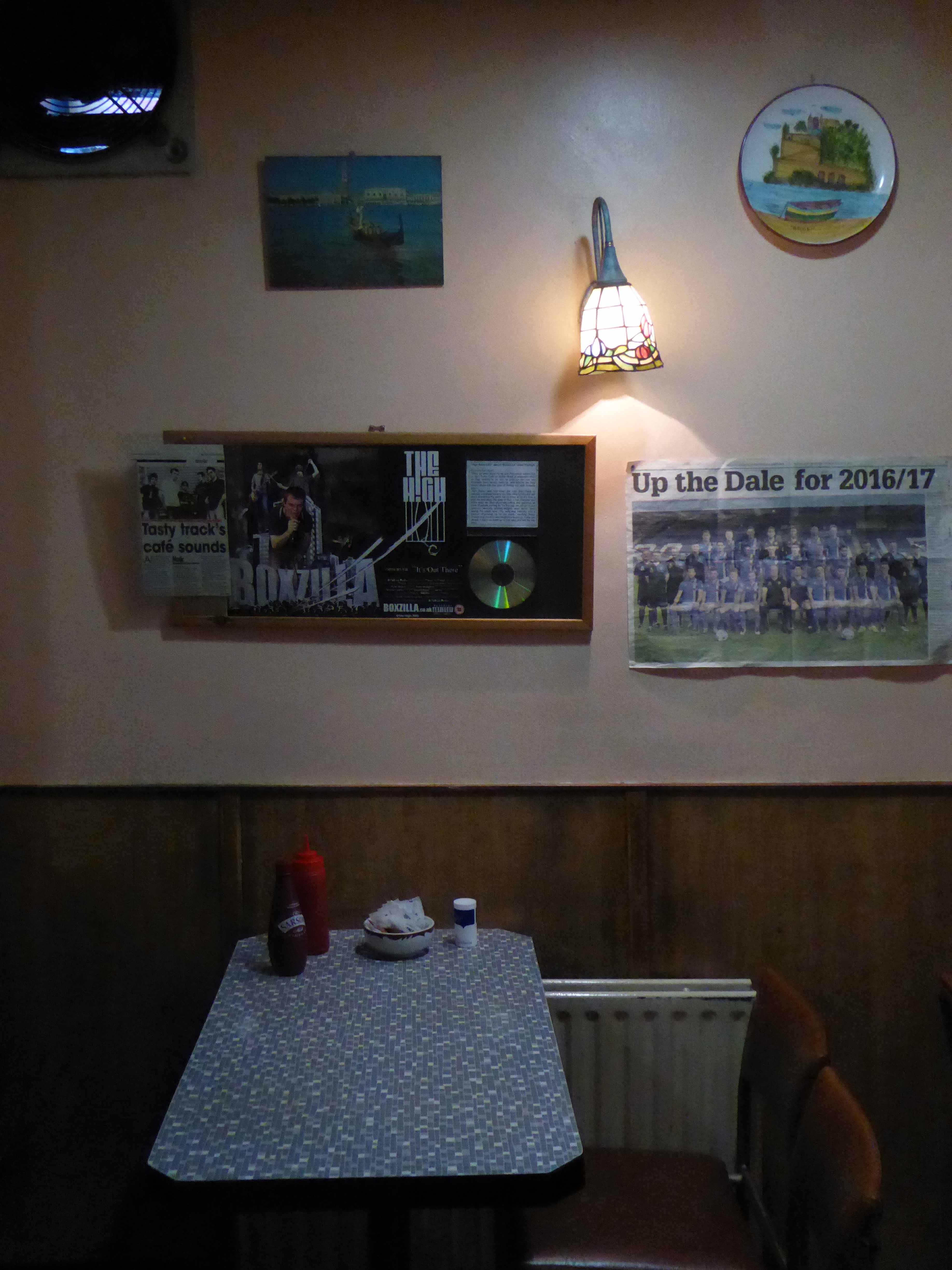
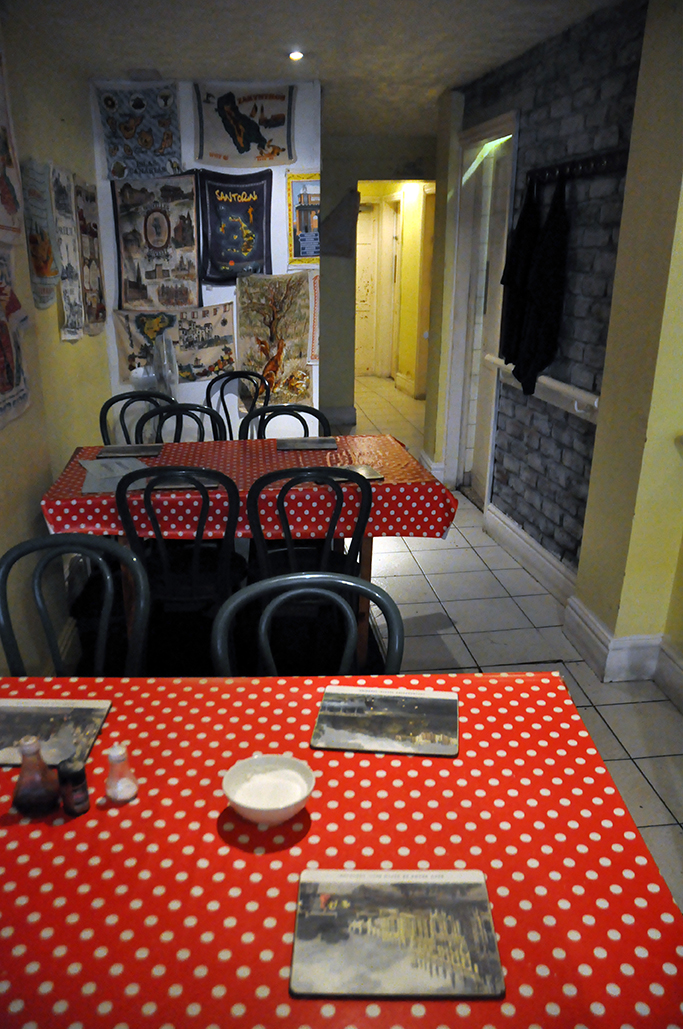
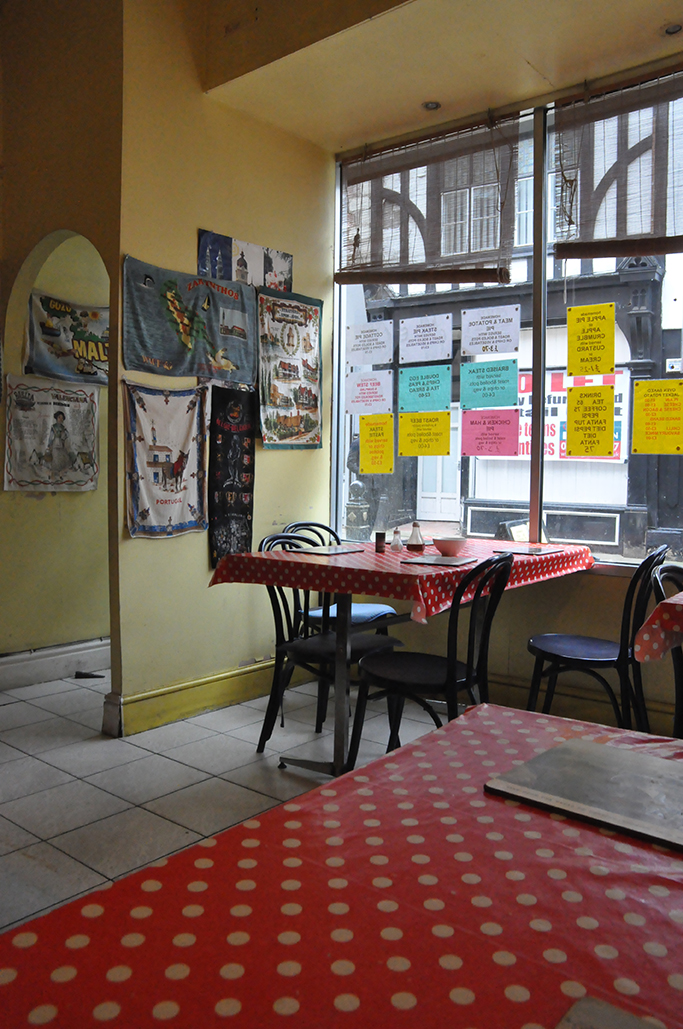
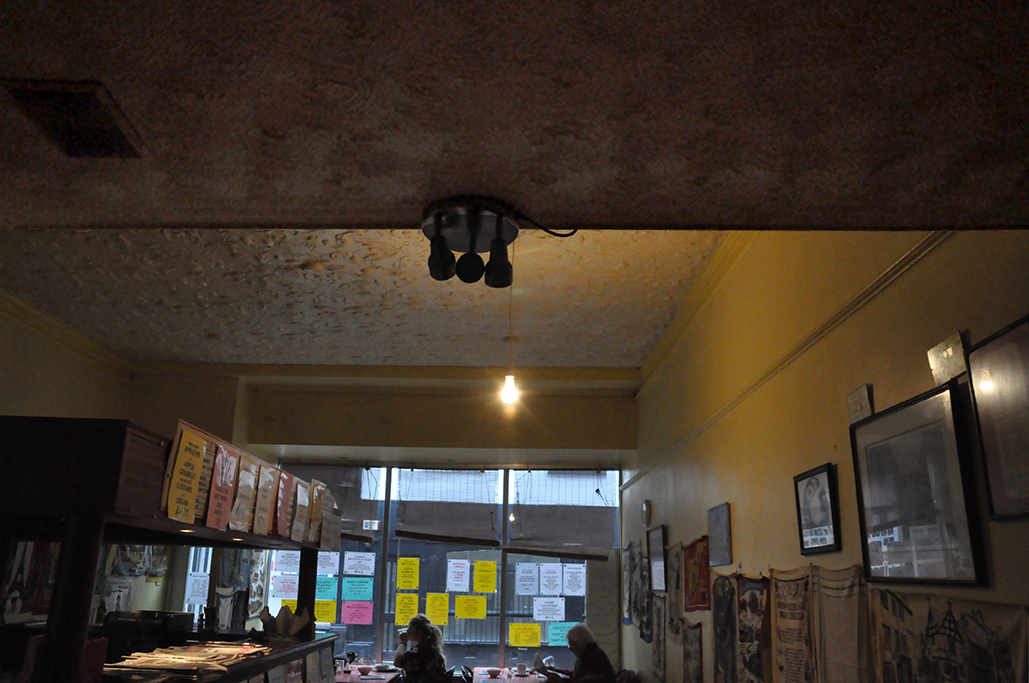
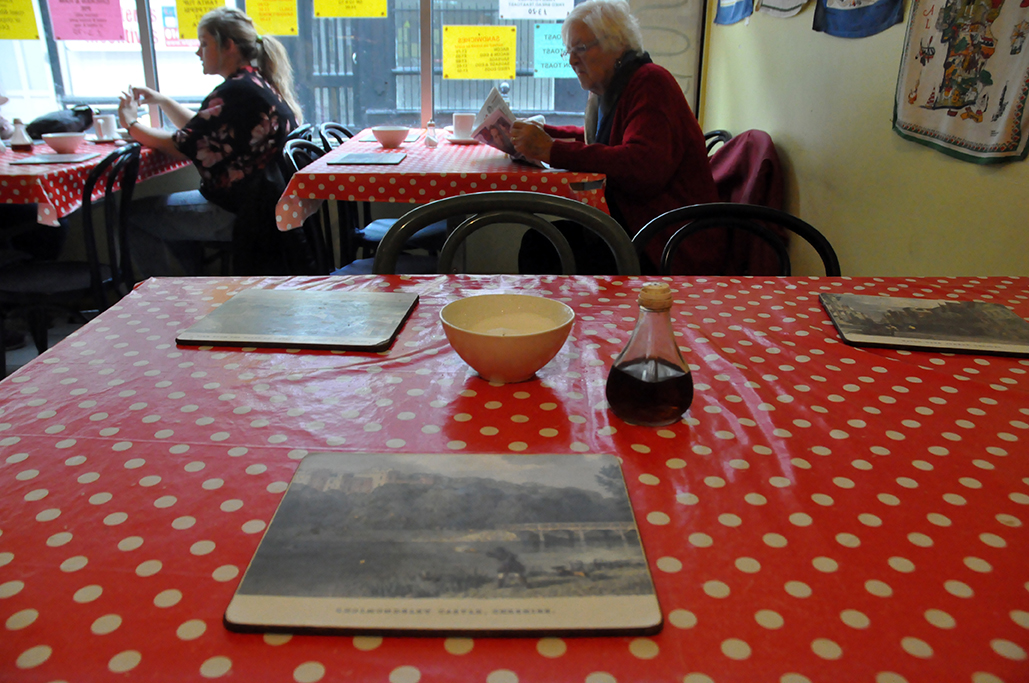
£4.40 all in – service with a smile, in cosy, comfortable, traditional café surroundings.
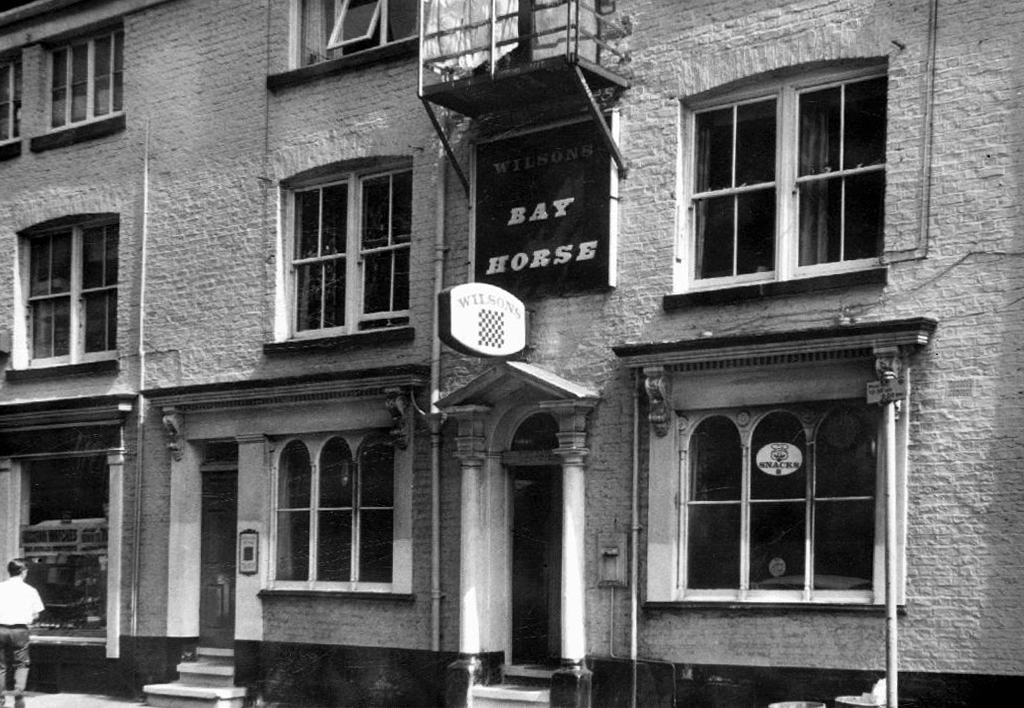
Both pubs have survived and the street is home to several relative newcomers, including the Richard Goodall Gallery and celebrated men’s outfitters Oi Polloi.
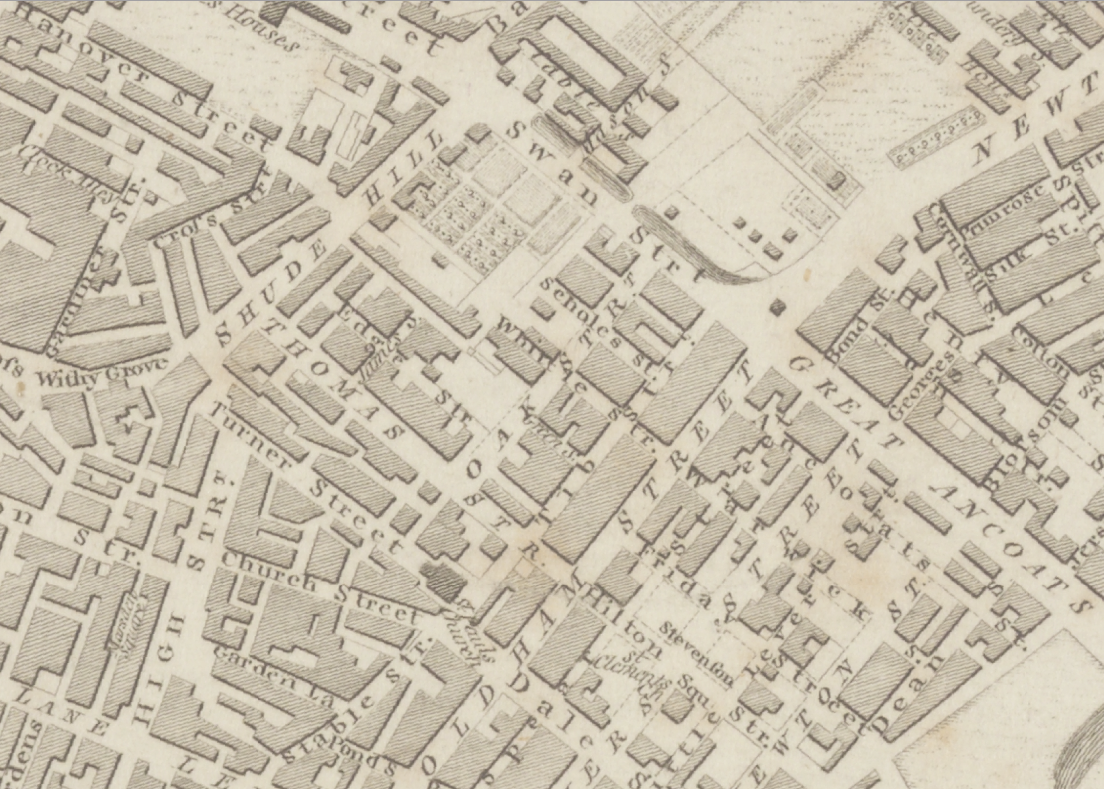
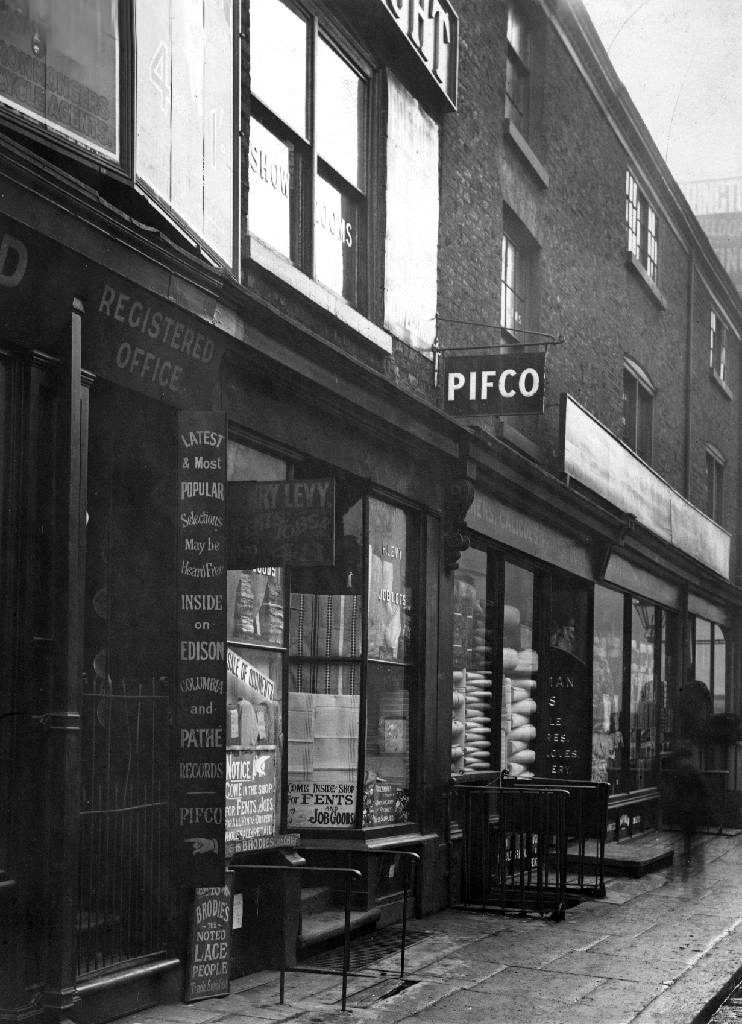
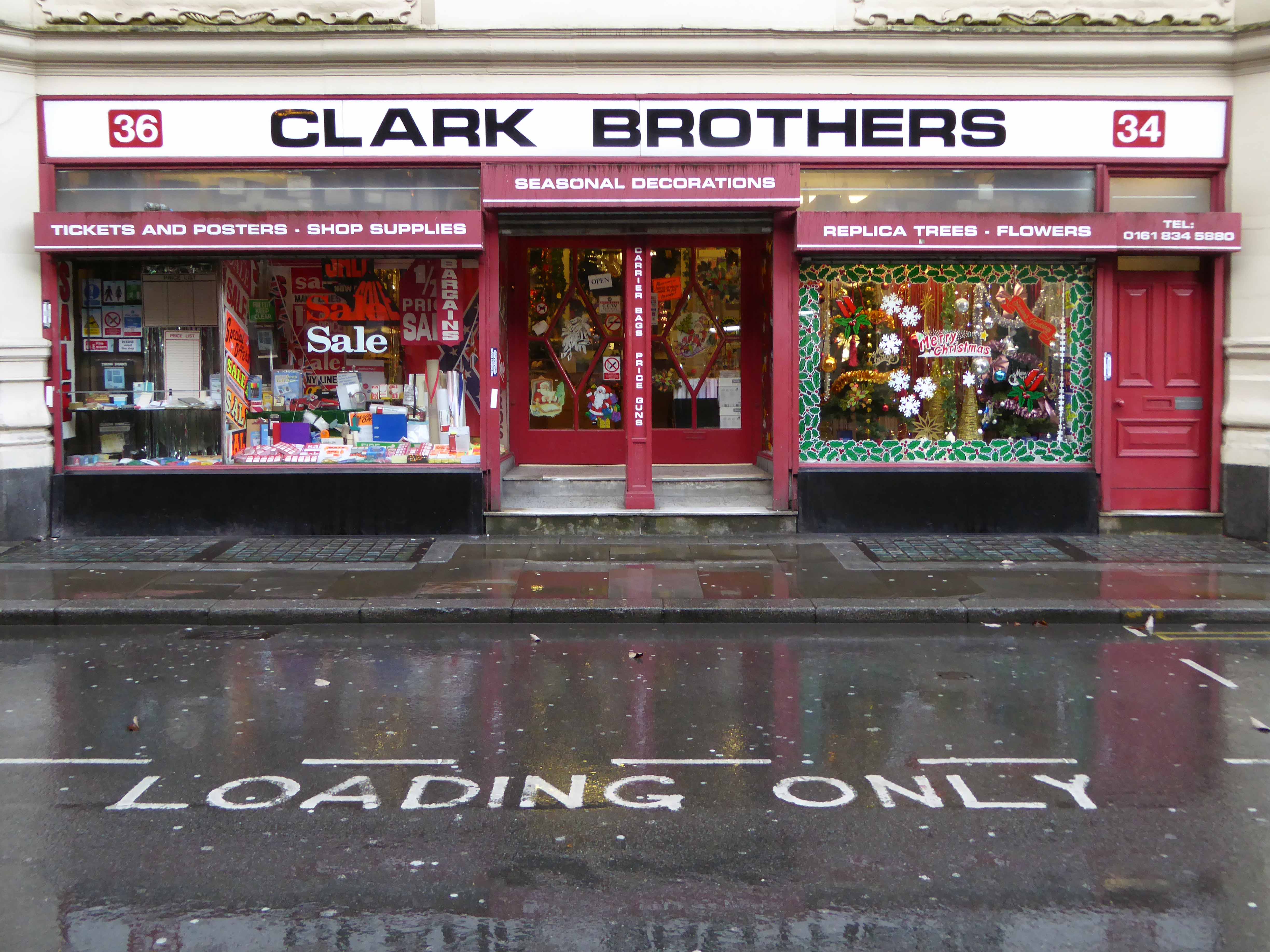
Also the location of my most favourite shop in the whole wide world.
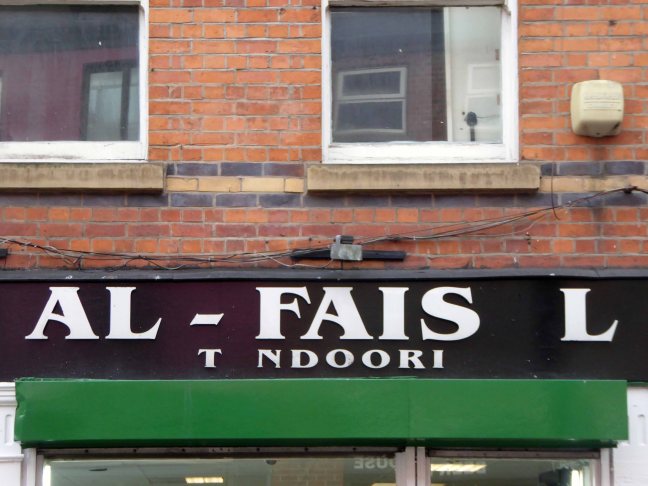
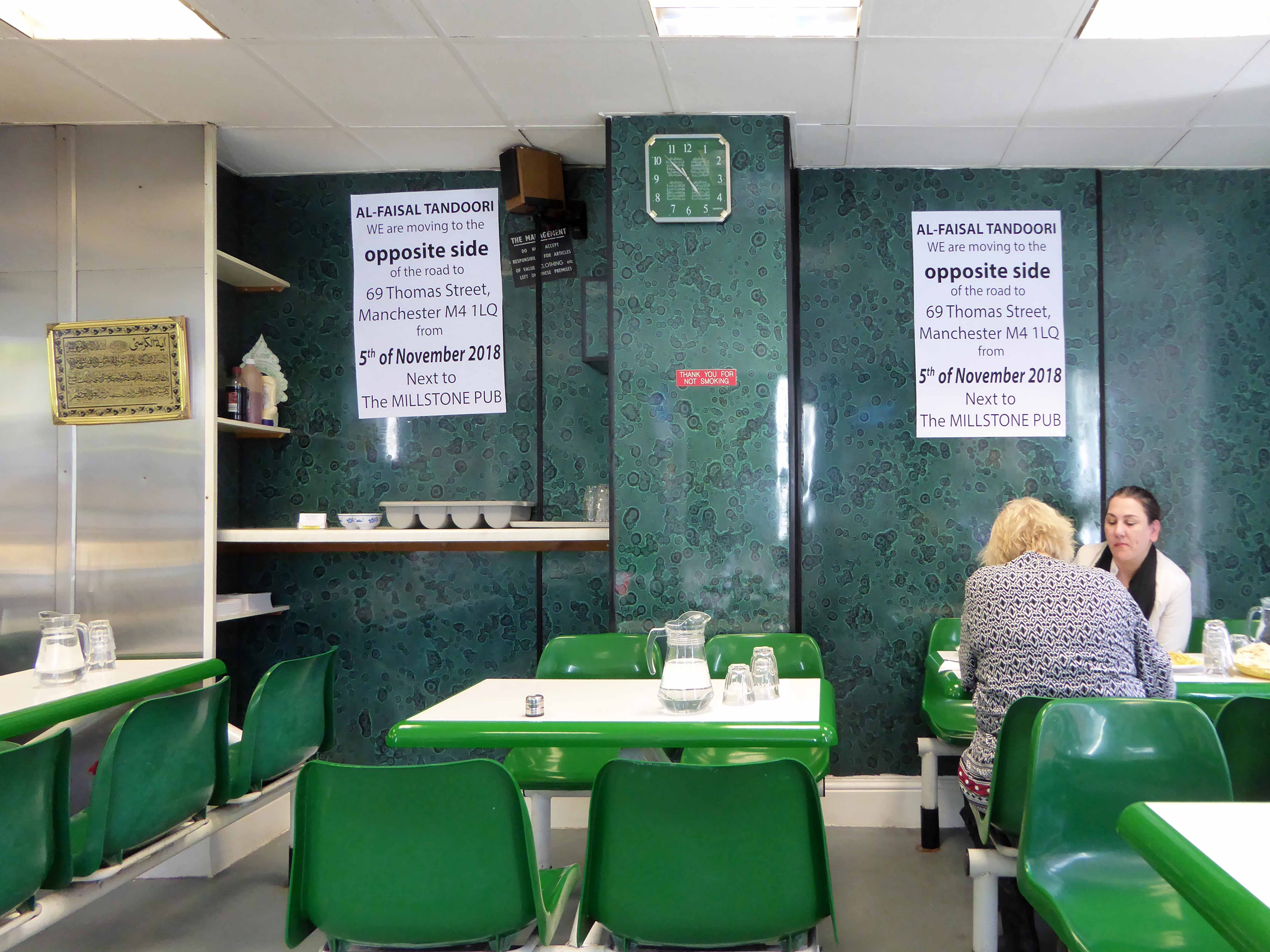
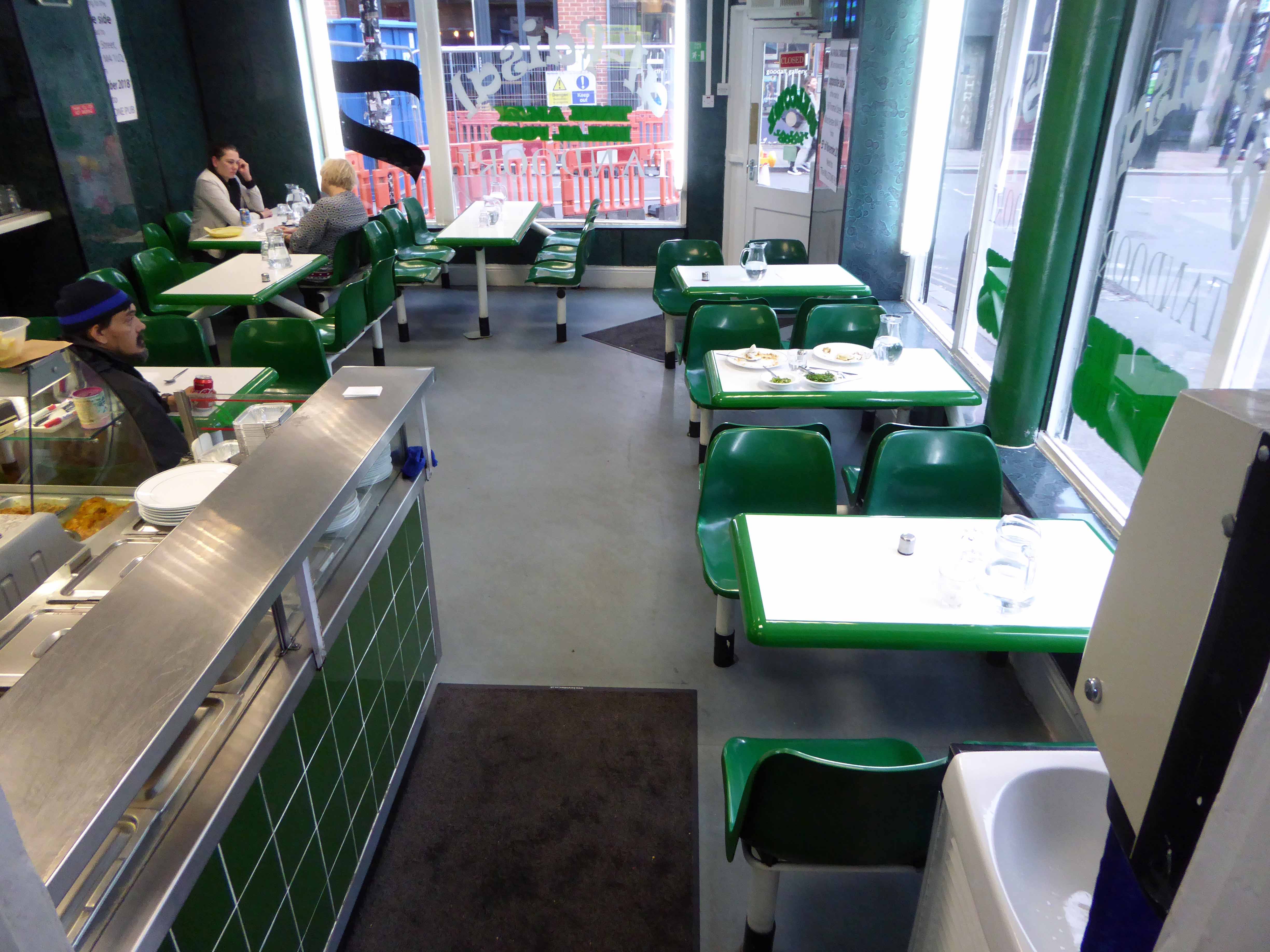
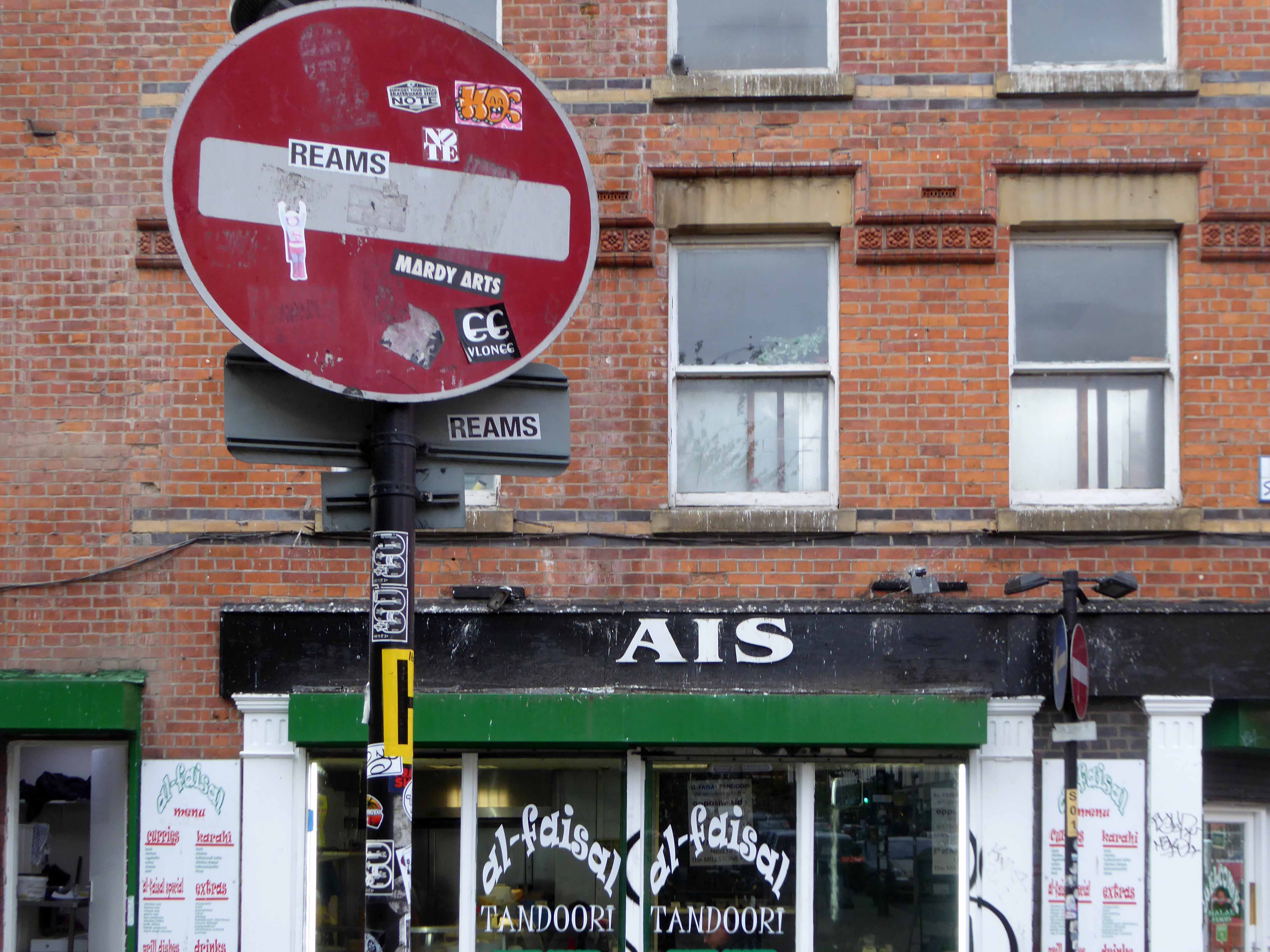
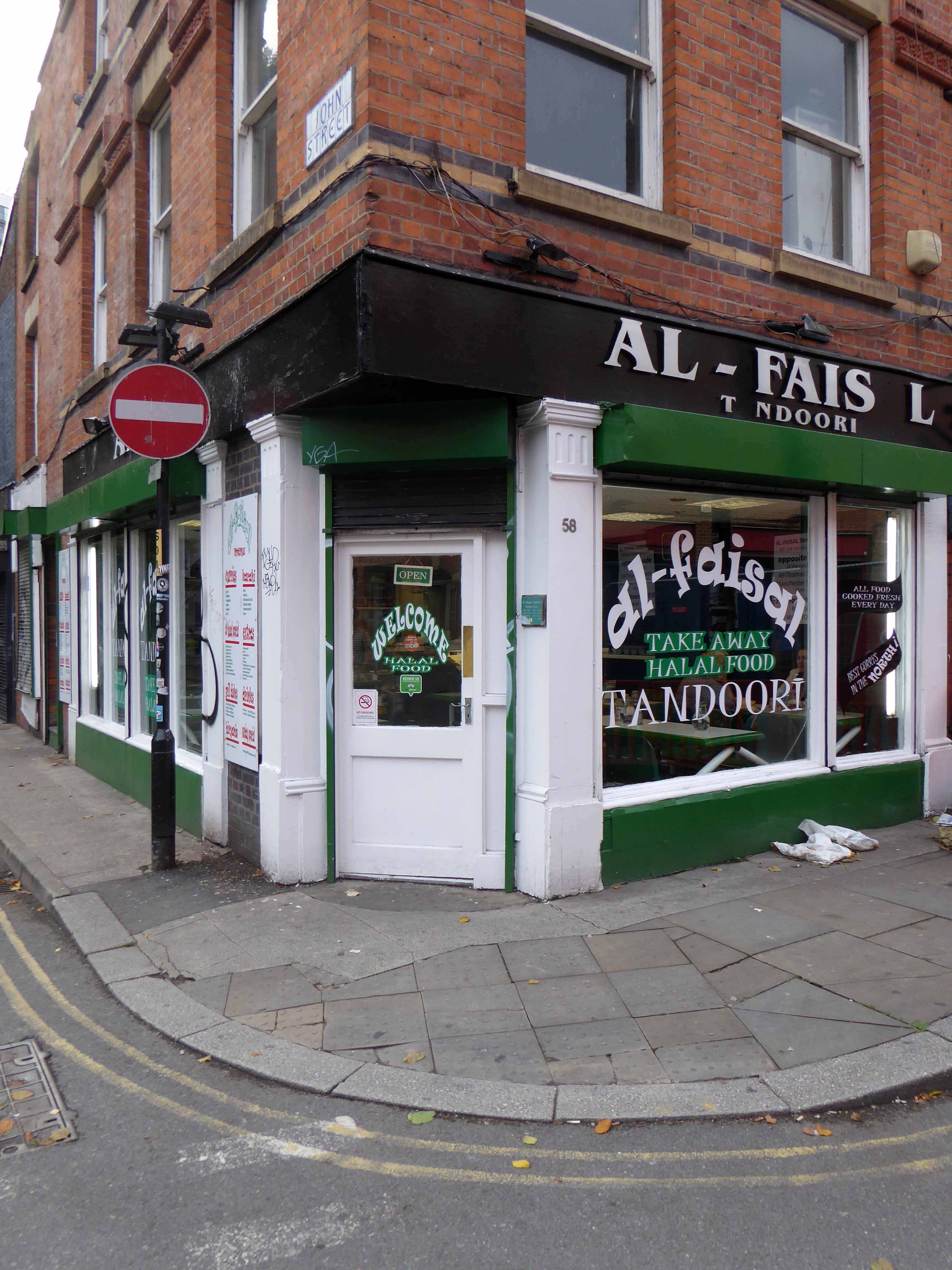
From the 70’s onwards the area had been at the centre of the Asian garment trade – and so it came to pass some 26 years ago the Al Faisal arrived, one of several curry cafés, feeding the faces of the passing parade.
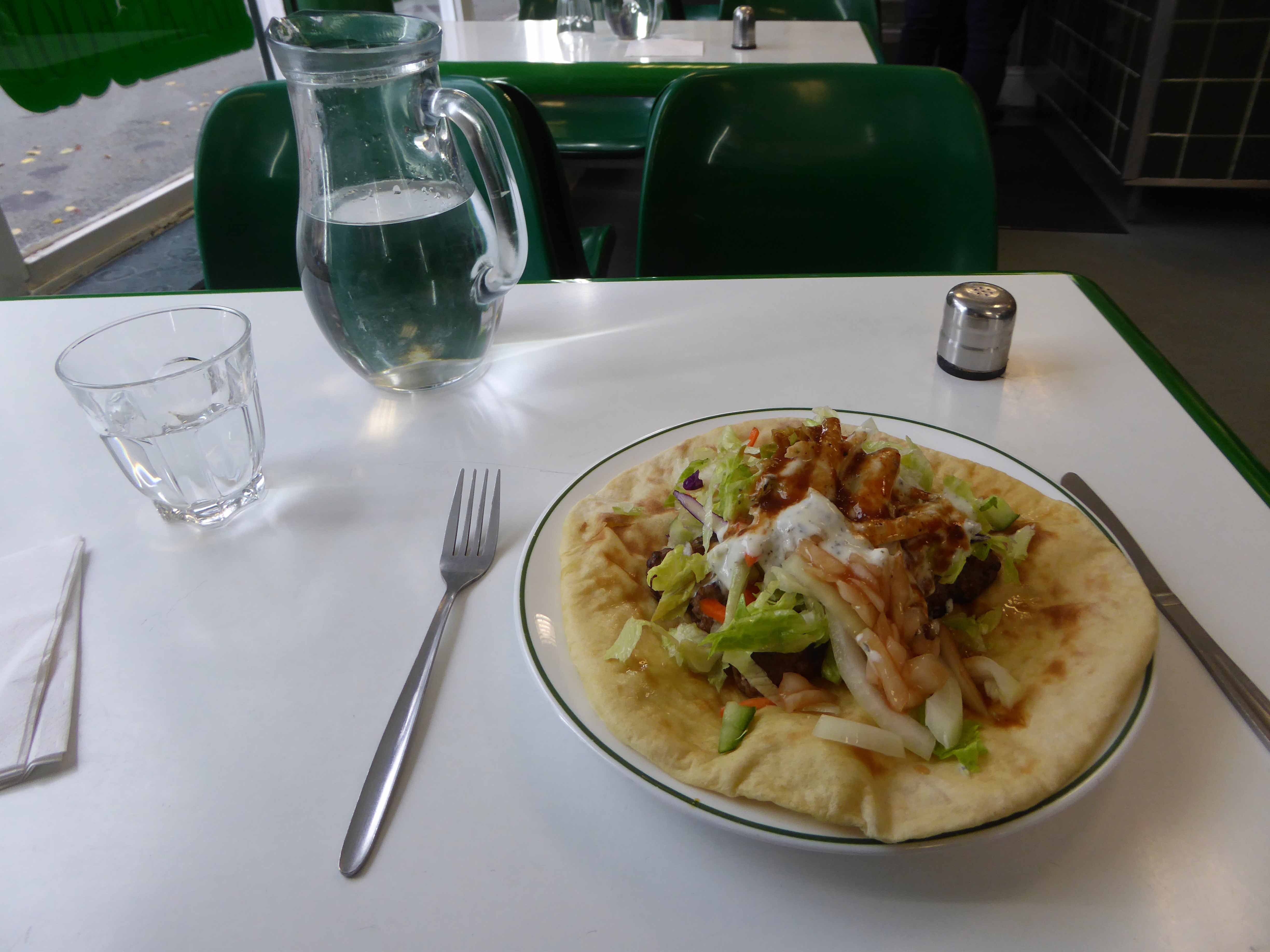
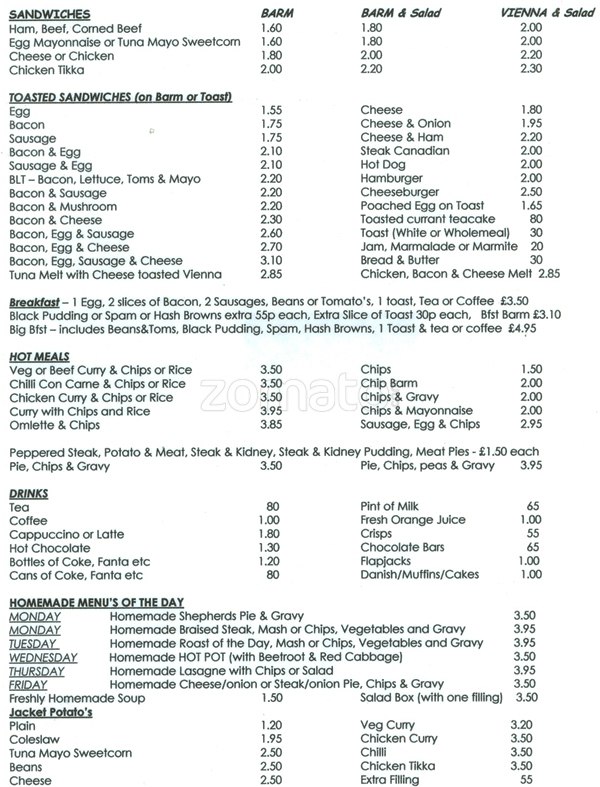
I’ve eaten there for most of that time, fed very well indeed thank you very much, for way less than a king’s ransom.
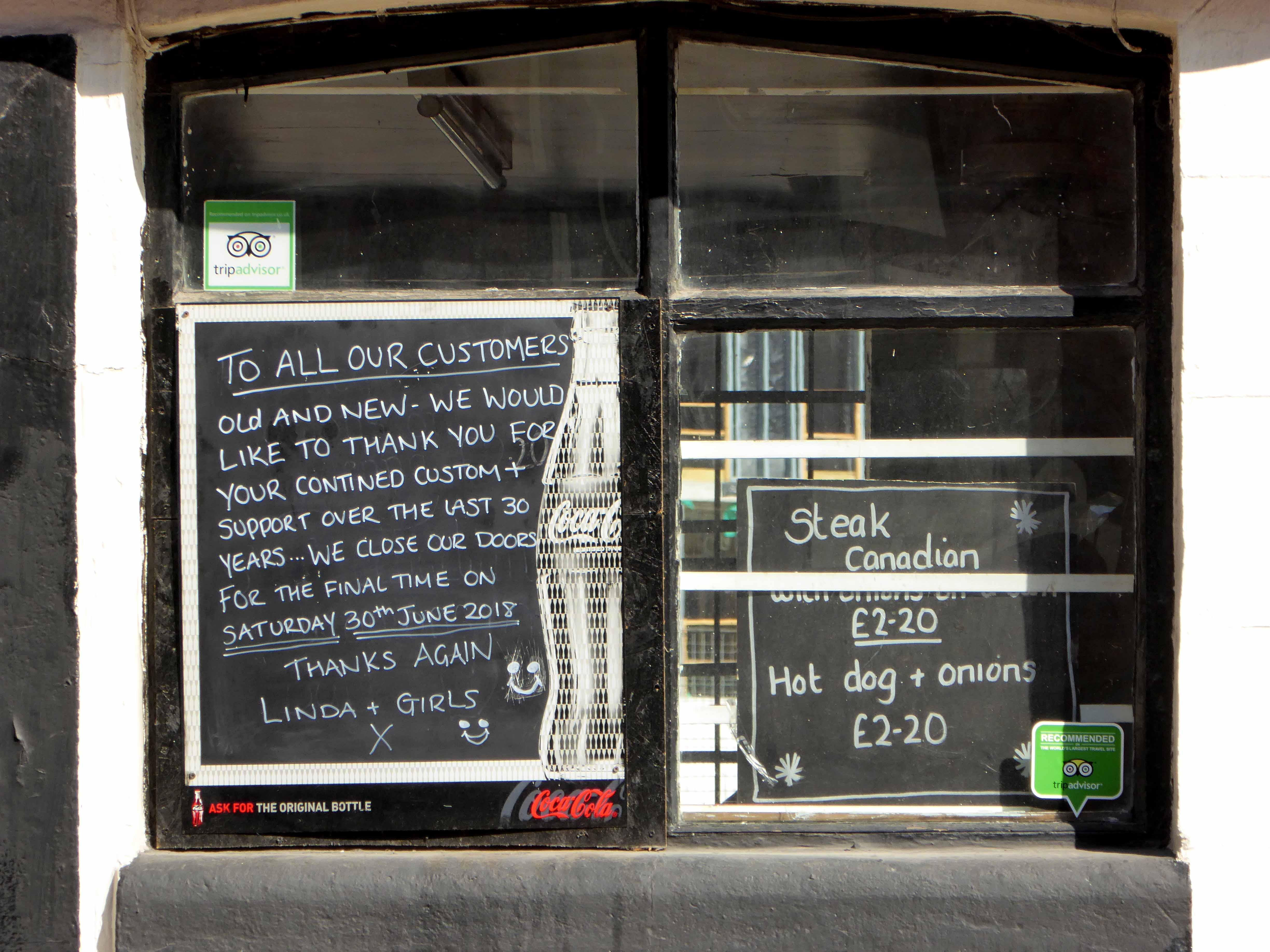
Yesterday I popped in at teatime, for my tea – posters proclaimed an imminent move.
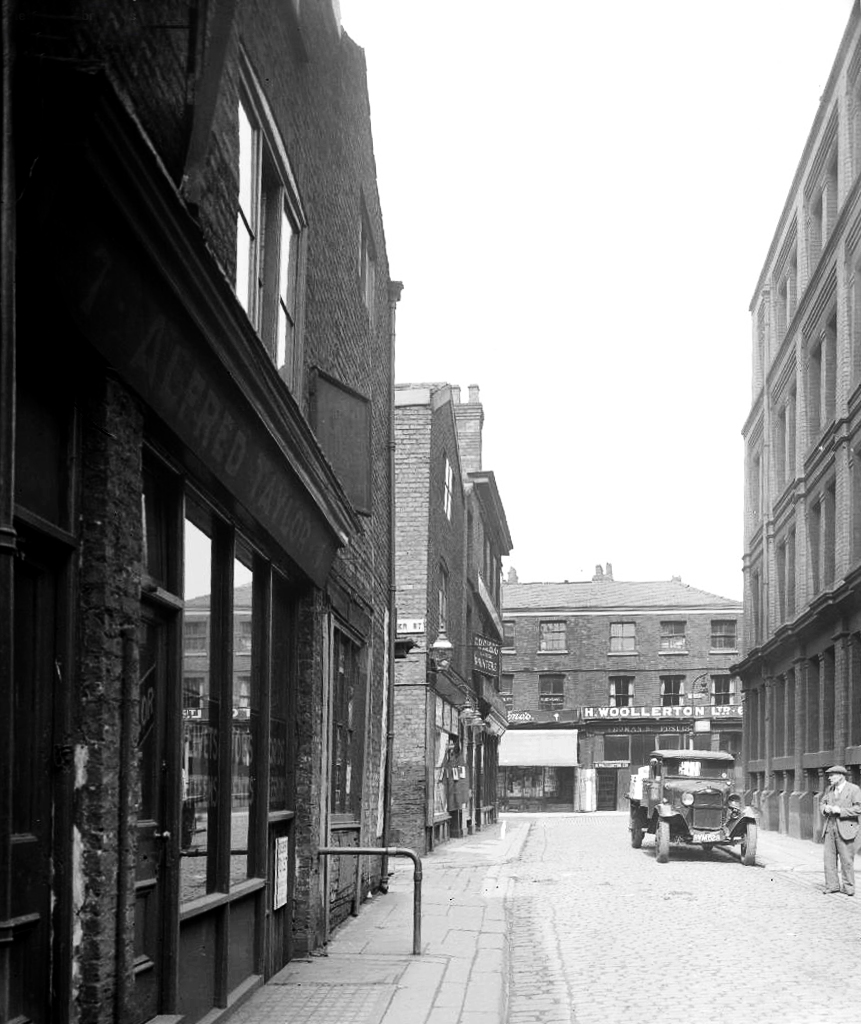
The whole block is to be demolished and a hotel to be built – there is naturally a suspicious resistance to such change, what was a protected area of historical interest, is fast becoming a deregulated playground for the avaricious developer.
A Manchester council spokesman said:
Our building control officers have been engaged with owner of the property on Thomas Street for some time.
The condition of the building means there is an imminent danger of collapse and a potential threat to pedestrians. Unfortunately, the poor weather has only served to add to our concern over the safety of the building.
A conservation specialist will be on site working closely with the building owner to ensure as much of the fabric of the property can be retained as possible, and only parts that are unsalvageable will be removed to ensure public safety.
Rumours have also been rife concerning the fate of the nearby This & That – an essential part of the heartbeat of the city – the affordable independent trader.
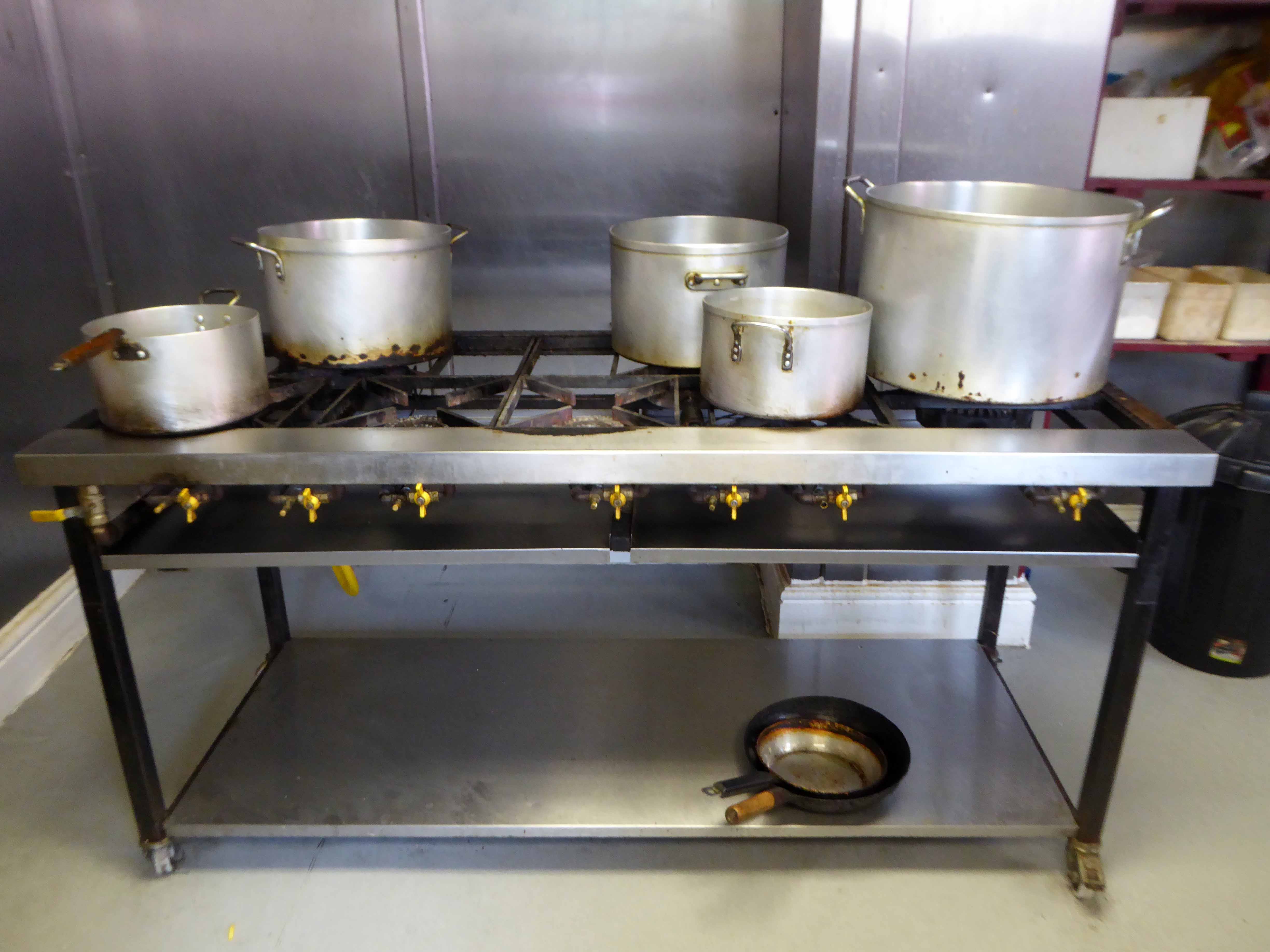
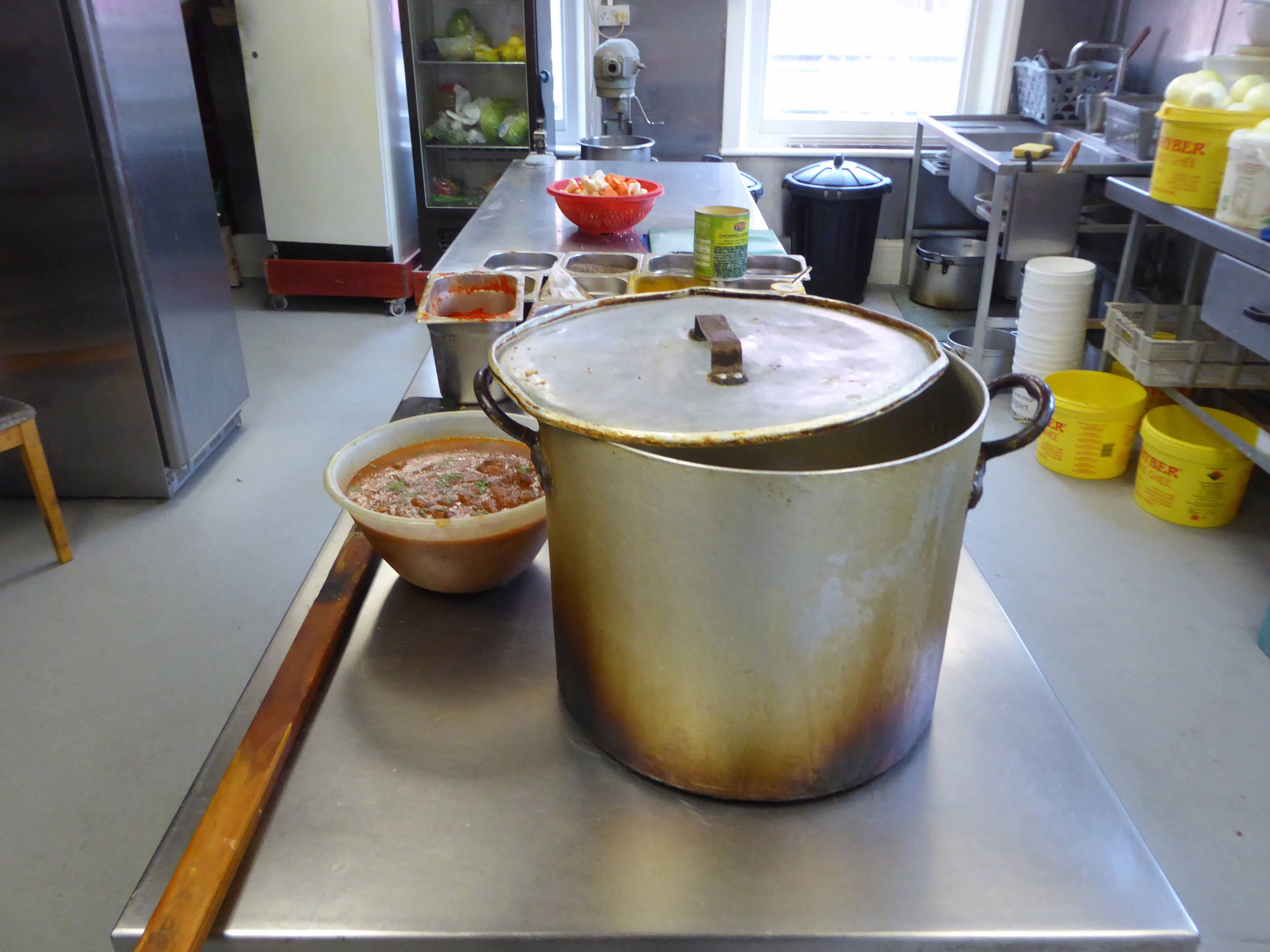
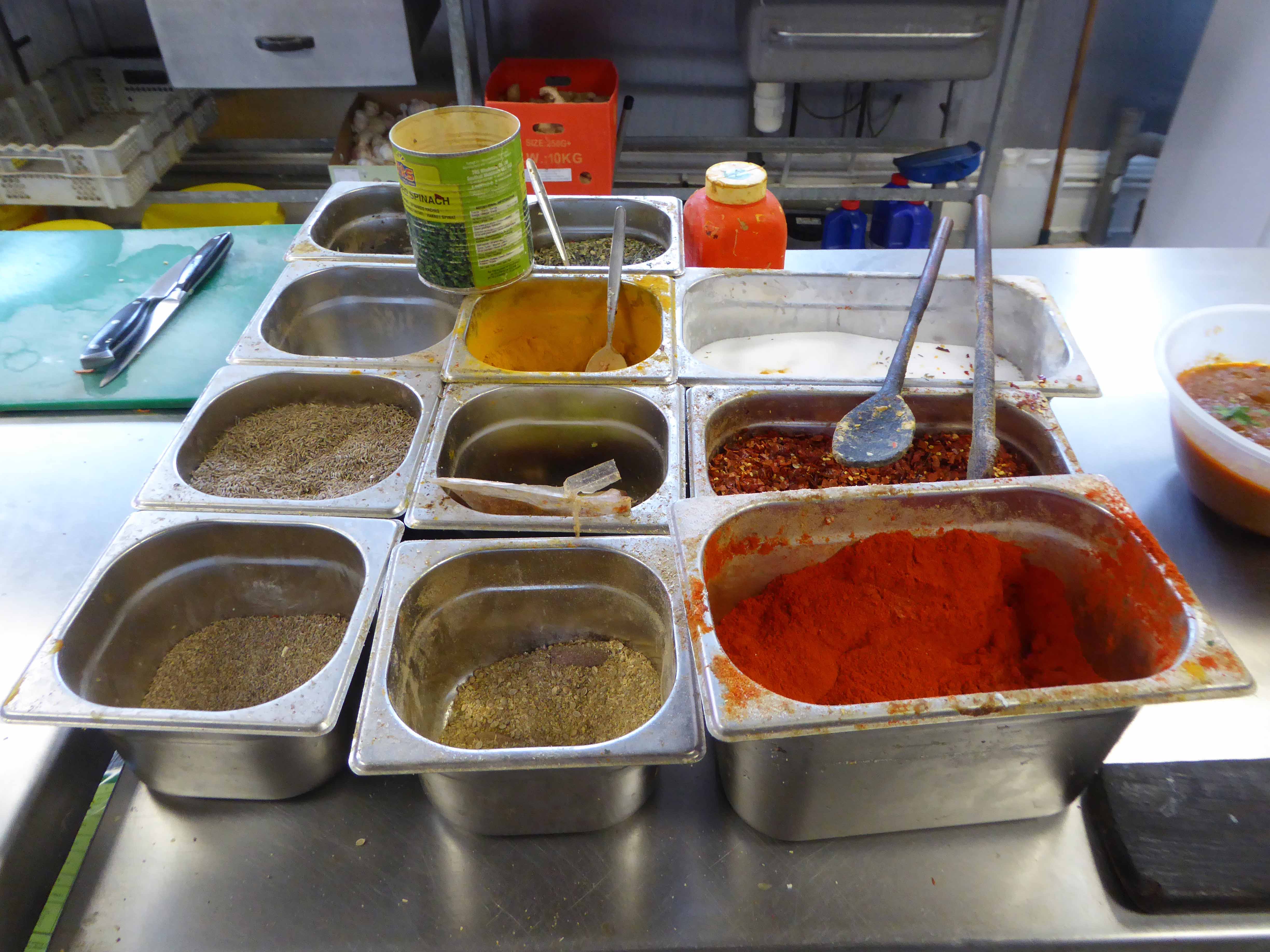
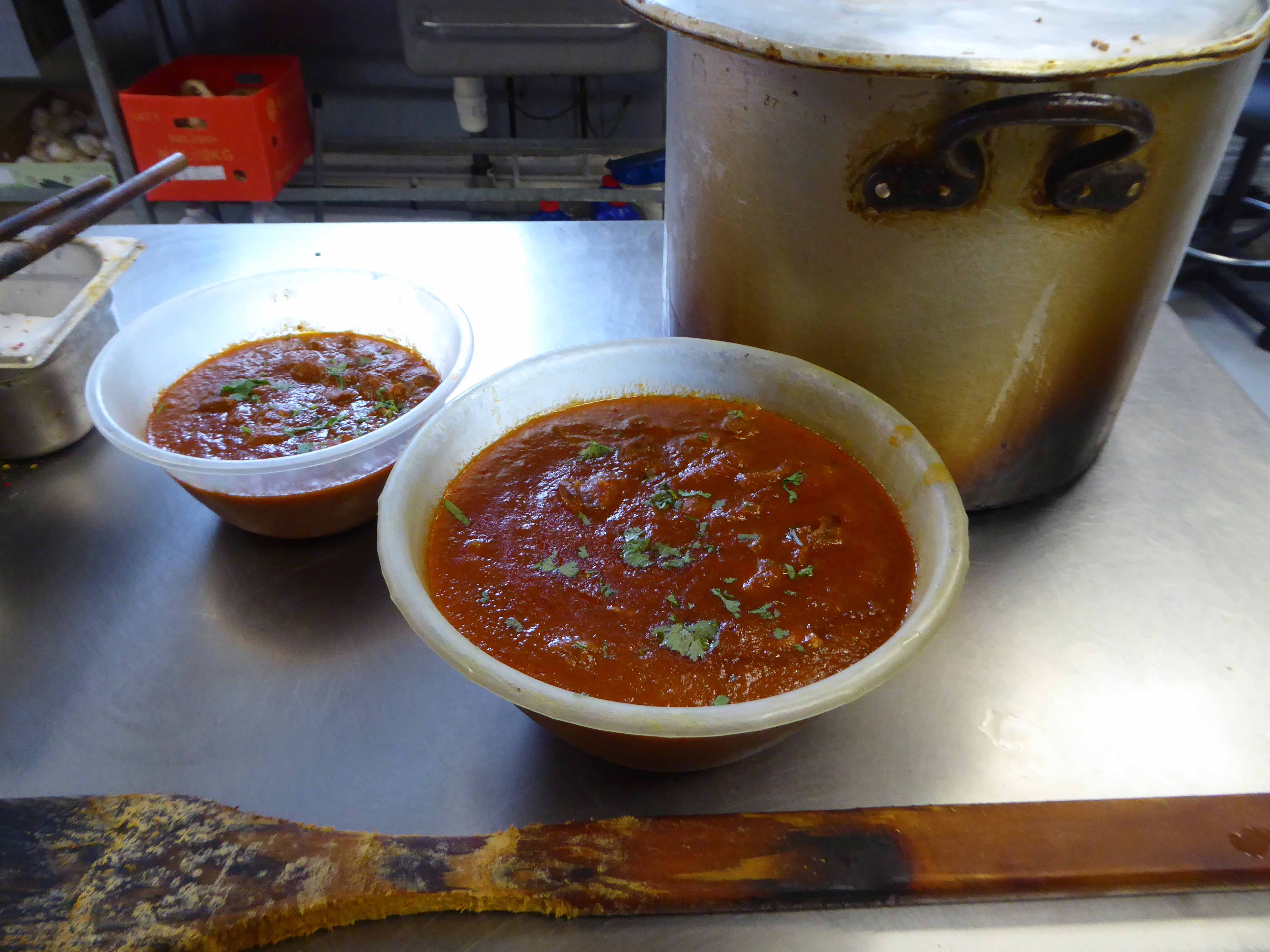
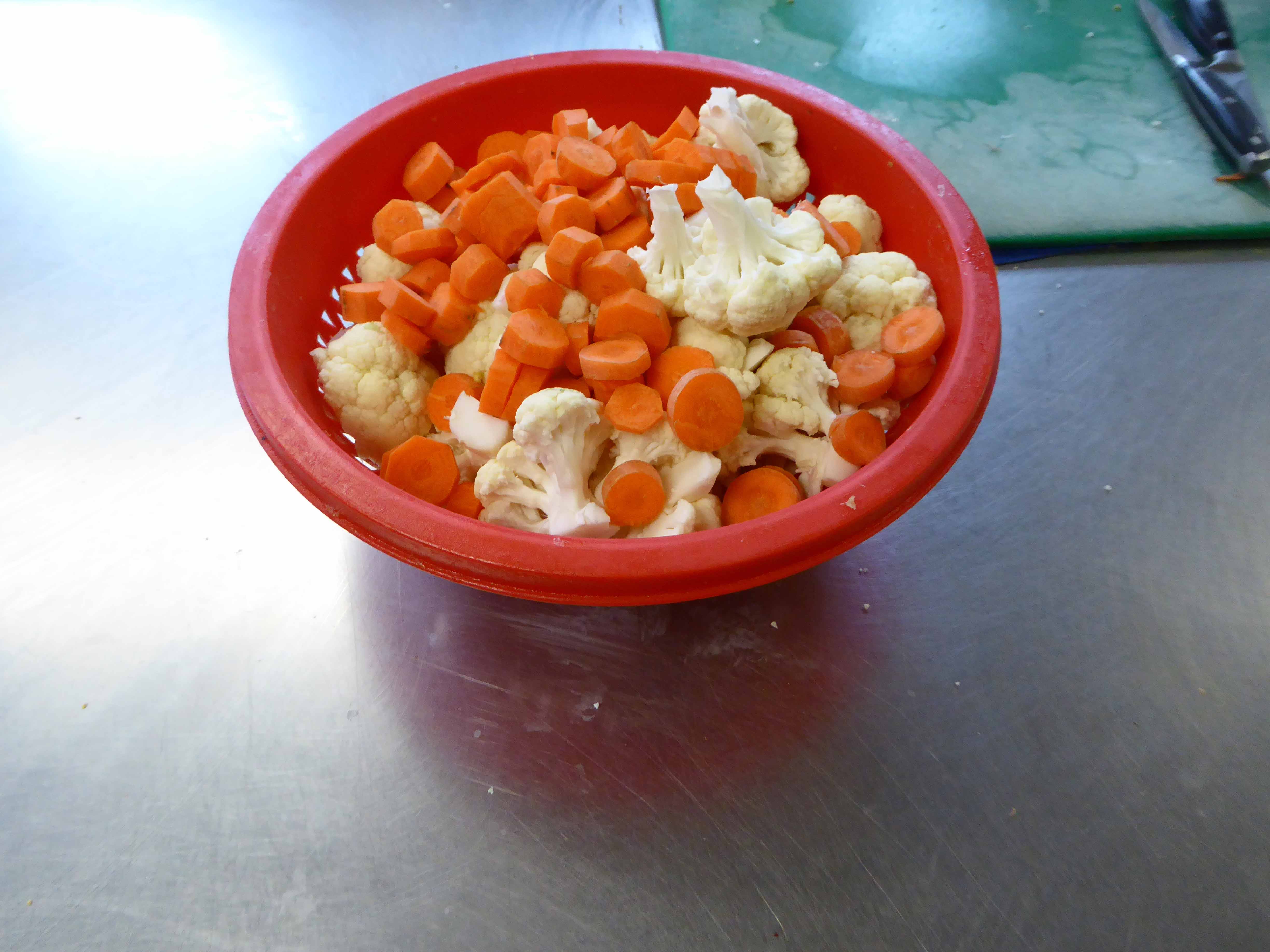
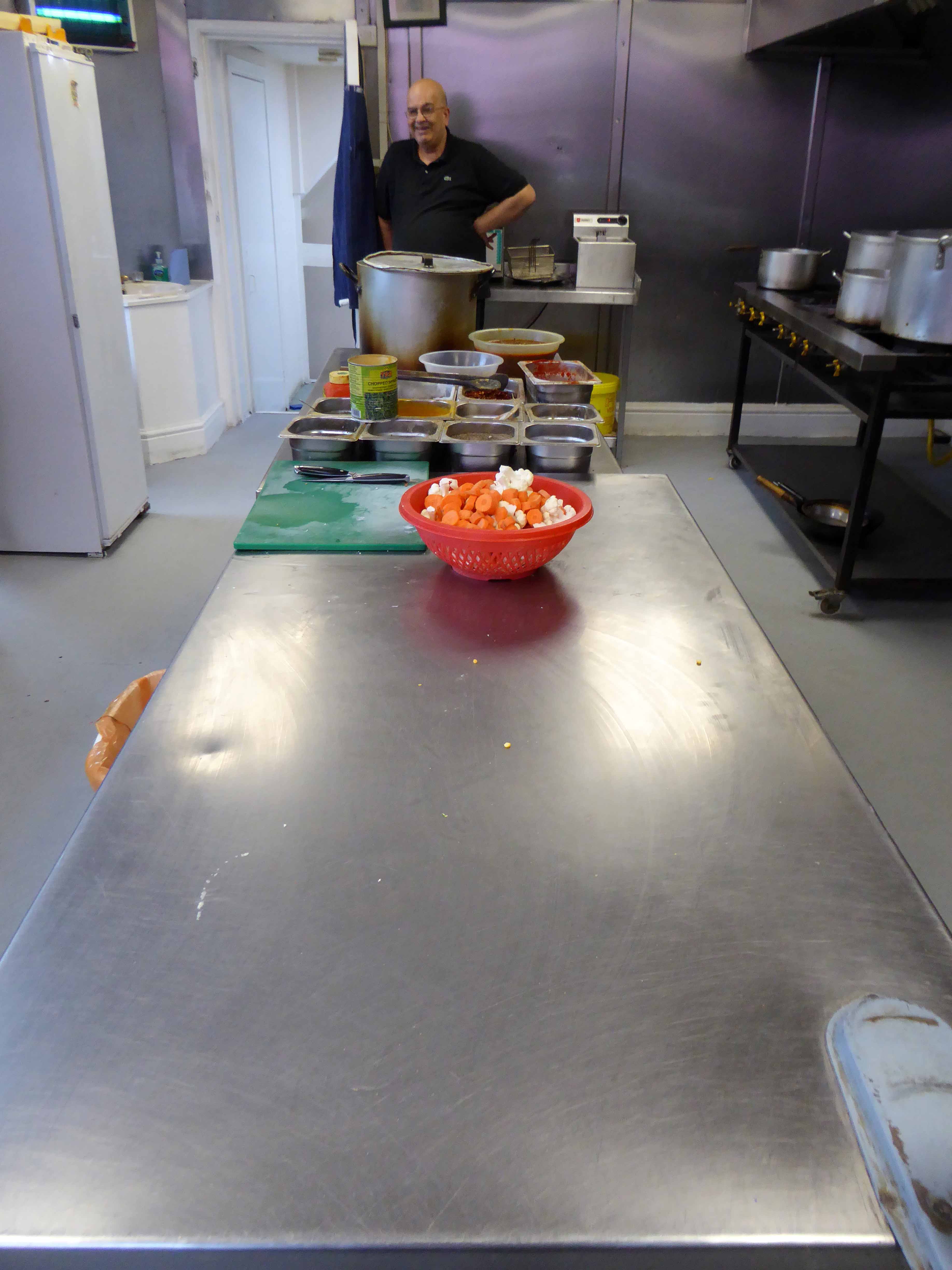
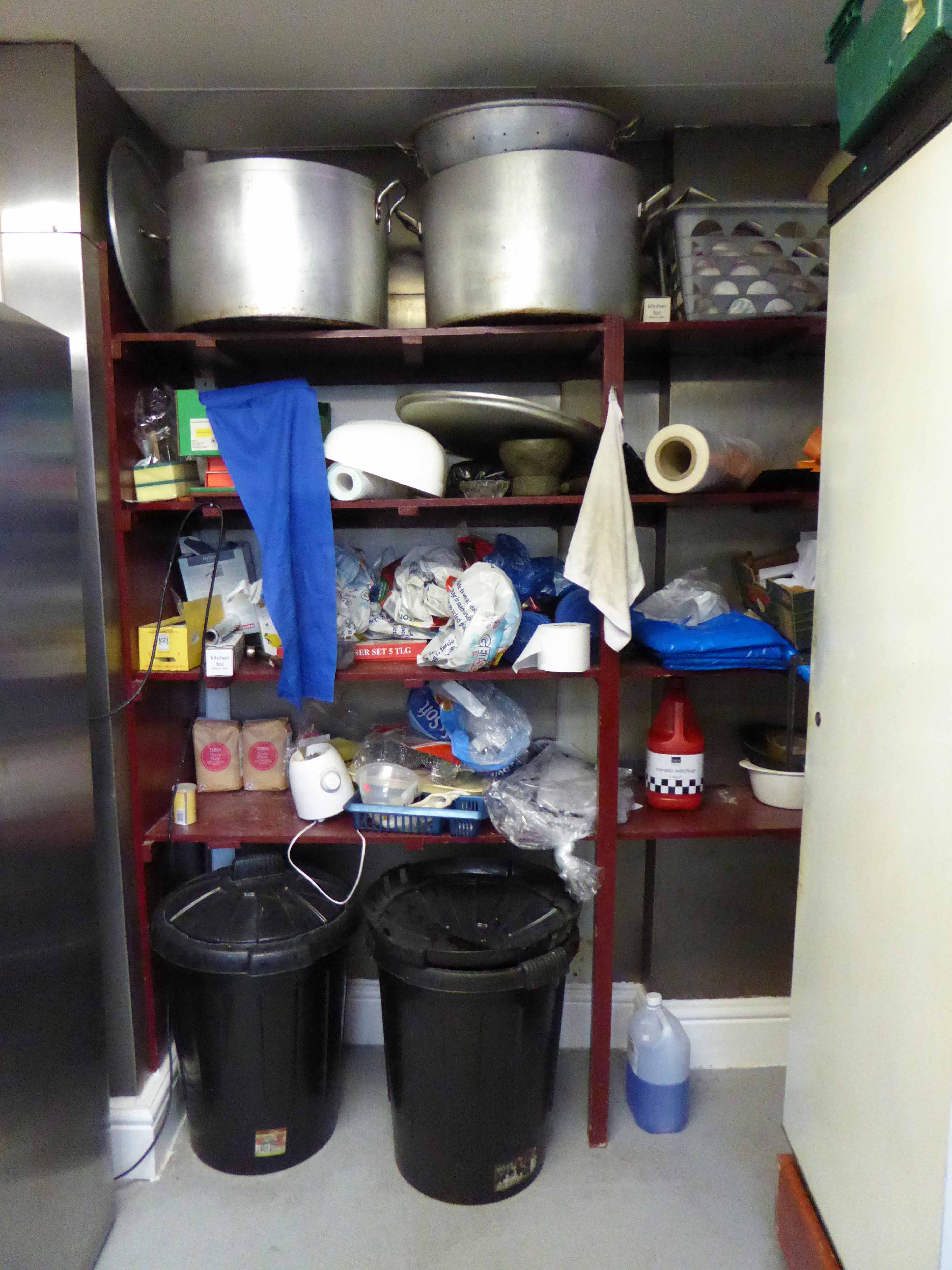
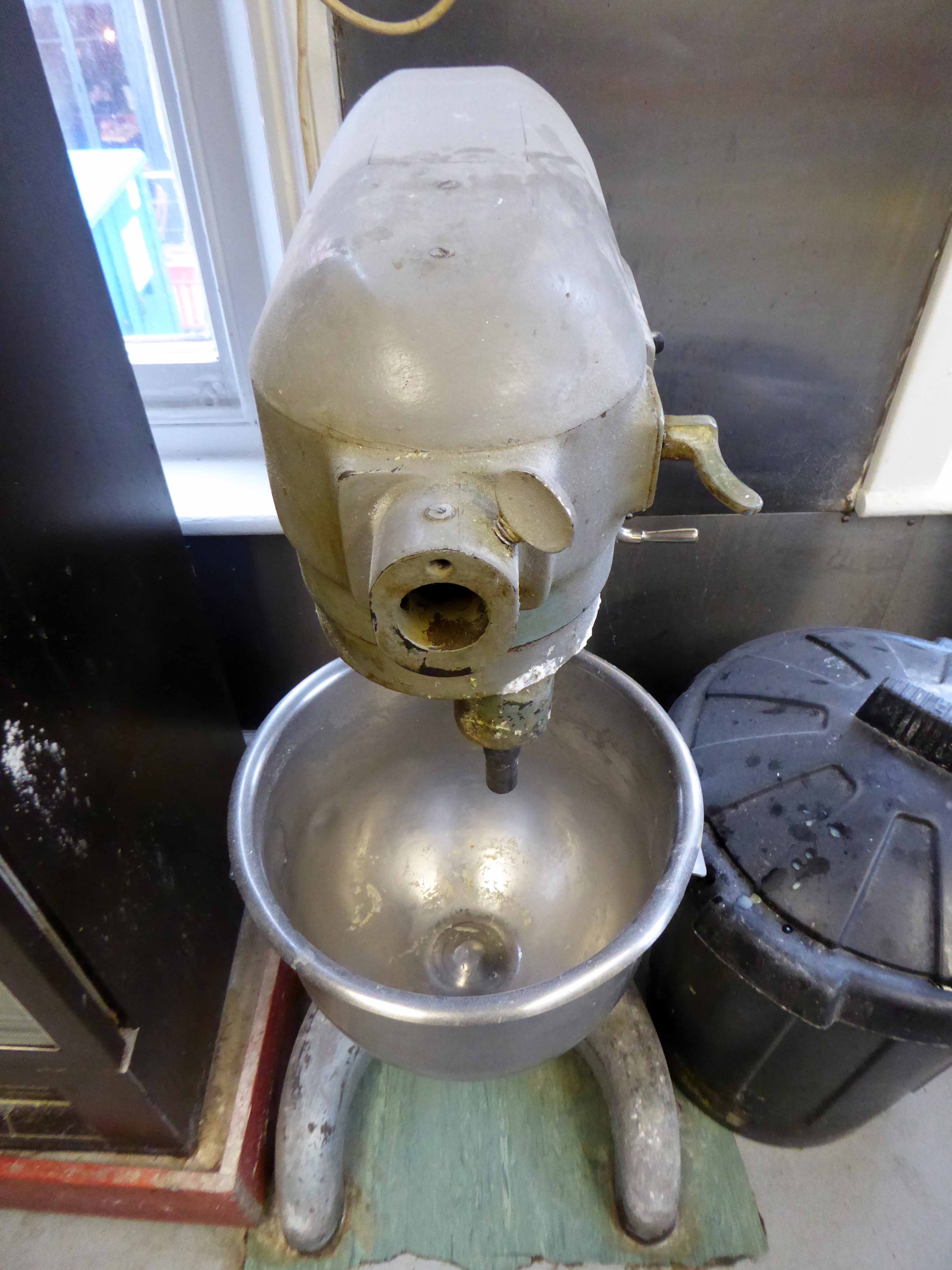
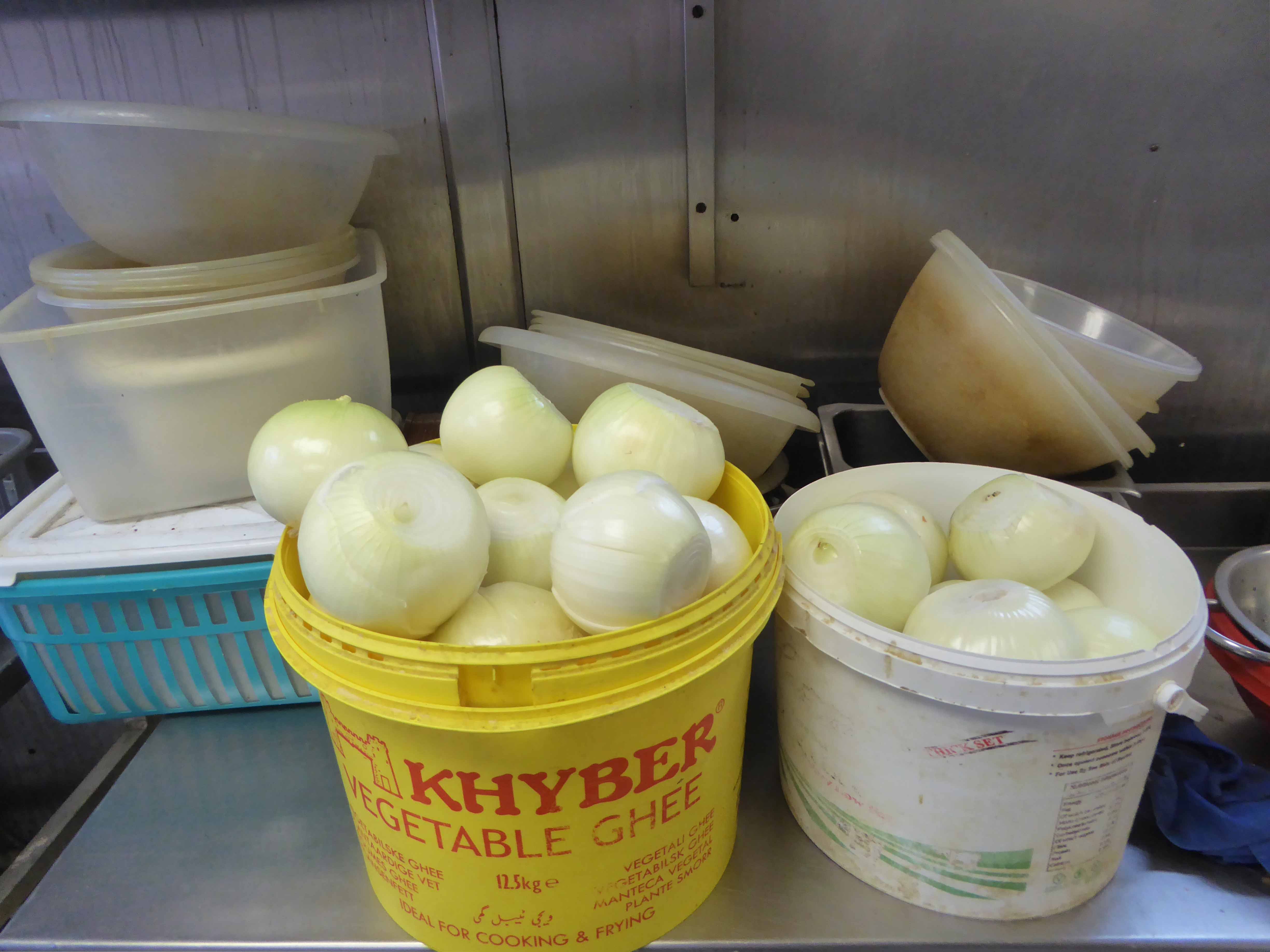
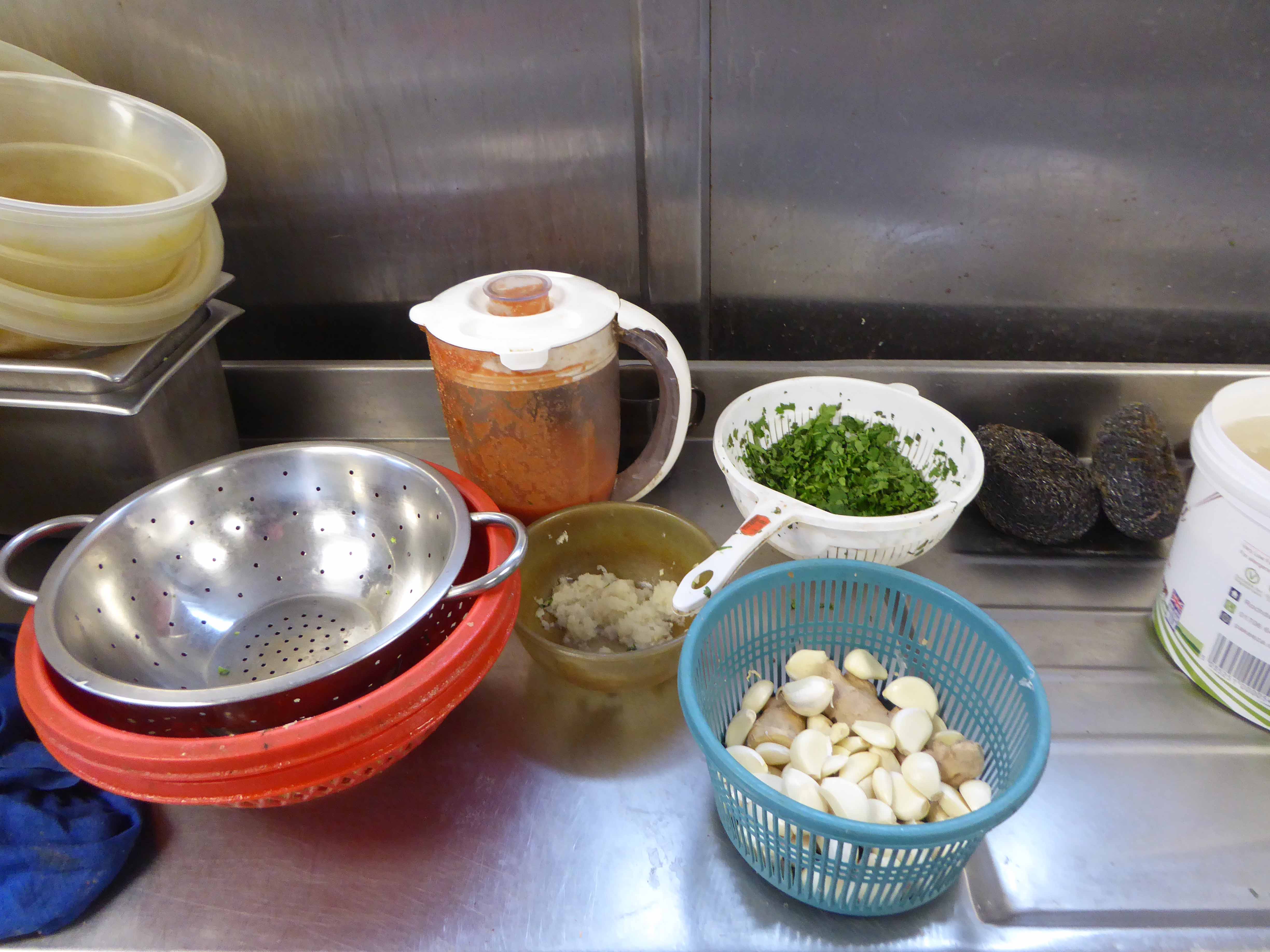
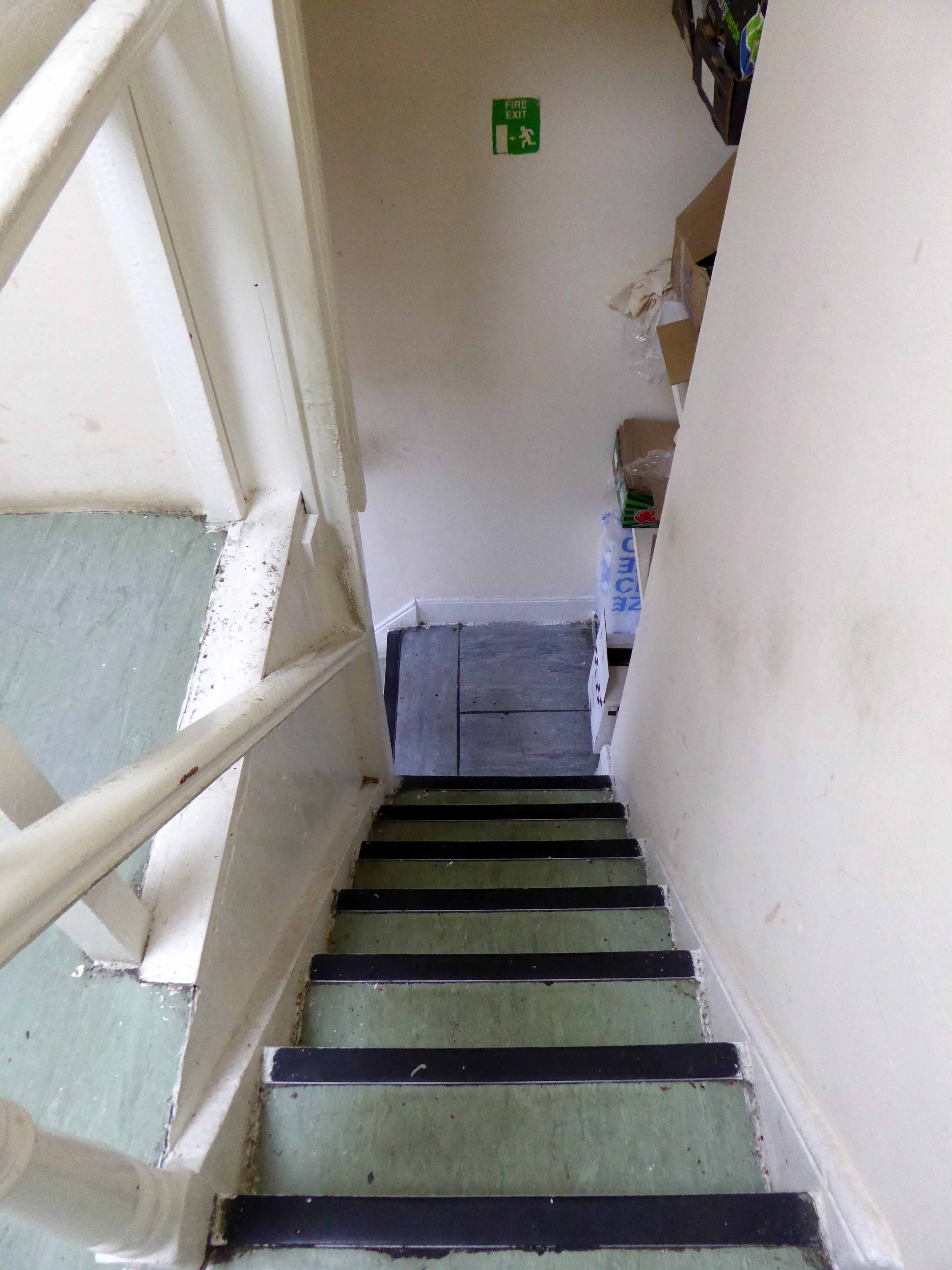
I sat and ate happily, and was privileged to be given a tour of the kitchens by owner Tariq, recording for posterity a site of some culinary and social consequence.
Let’s take a look around and look forward to a meal just across the road real soon.
The Beefeater Grill and Griddle is a long established family run grill and coffee house located at George Square Halifax. The place has an old fashioned feel to it and serves typical English cafe food which seems to make it popular amongst its local regulars.
Long may it do so.
Strangers to the town we wandered the streets in search of sustenance.
Bewitched bothered and bewildered – seduced by the tiles and signage, it was love at first sight.
The ability and will to resist the broad brush of regeneration and reinvention is all too rare, the traditional café is constantly under threat – the Beefeater has prevailed.
A stunning tiled exterior, a multi level interior and a menu to match, it’s win, win, win, win all the way.
1-3 Sandside, Scarborough, North Yorkshire, YO11 1PE.
Do you remember the first time?
Sometime around 2011, I fell in love with the Harbour Bar Scarborough.
A family business serving home made ice cream since 1945.
It’s a magical world of mirrors, melamine, signs and ice creams.
Since then I’ve been back for a banana split and take the opportunity to take a few more snaps, I never leave anything less than overwhelmingly happy and full.
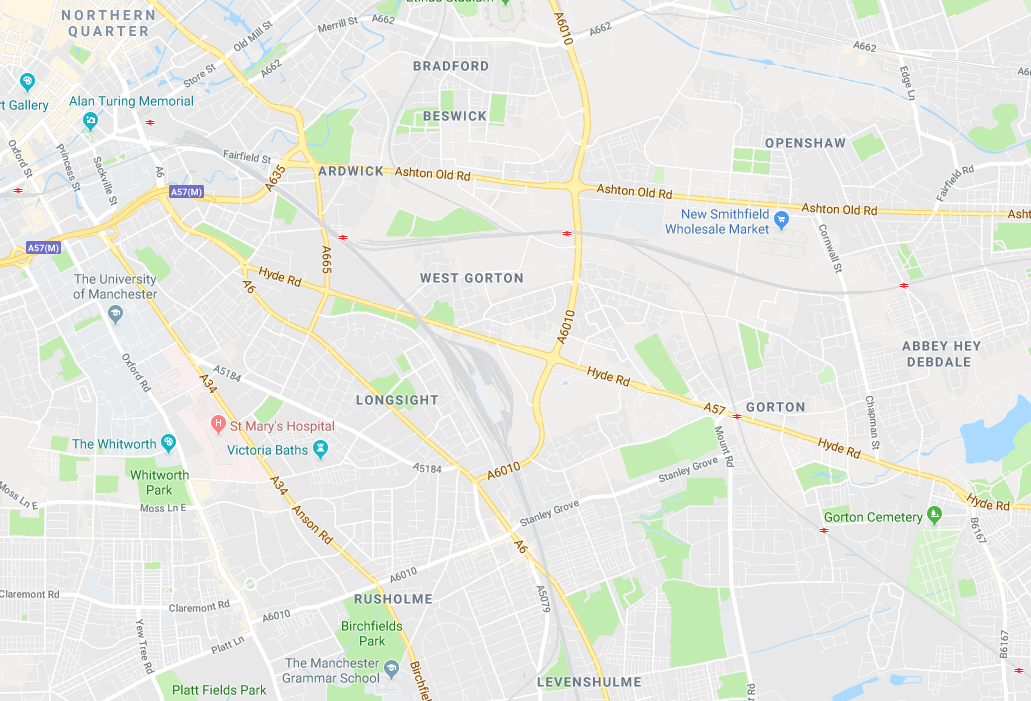
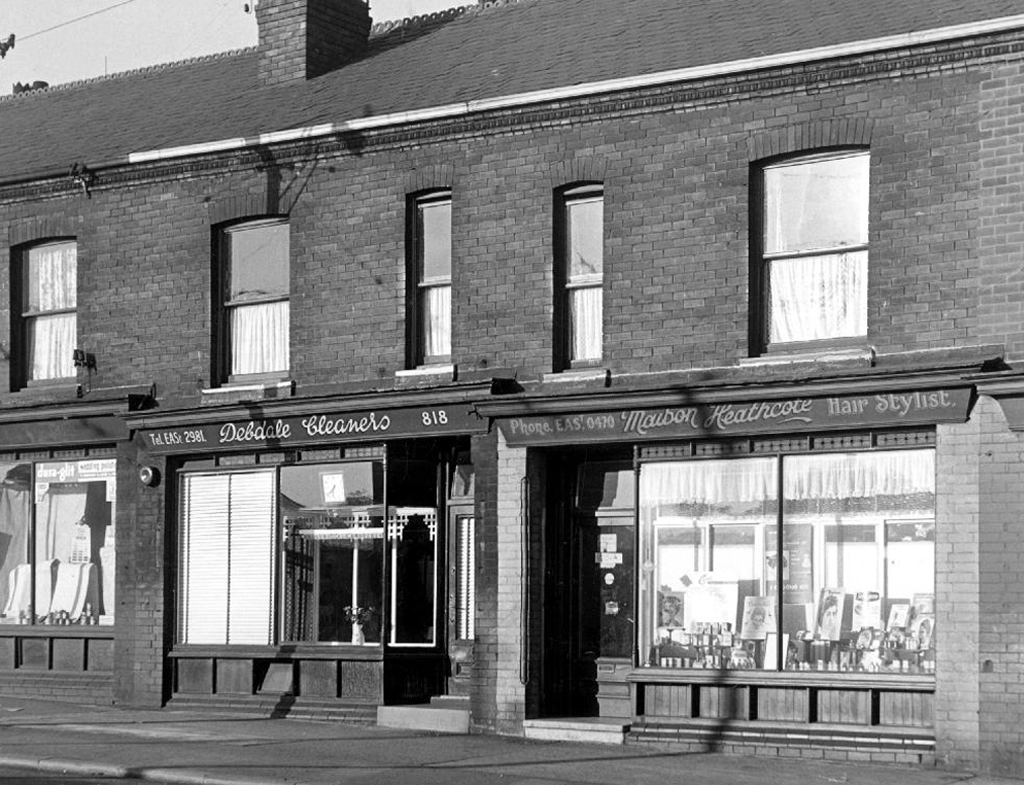
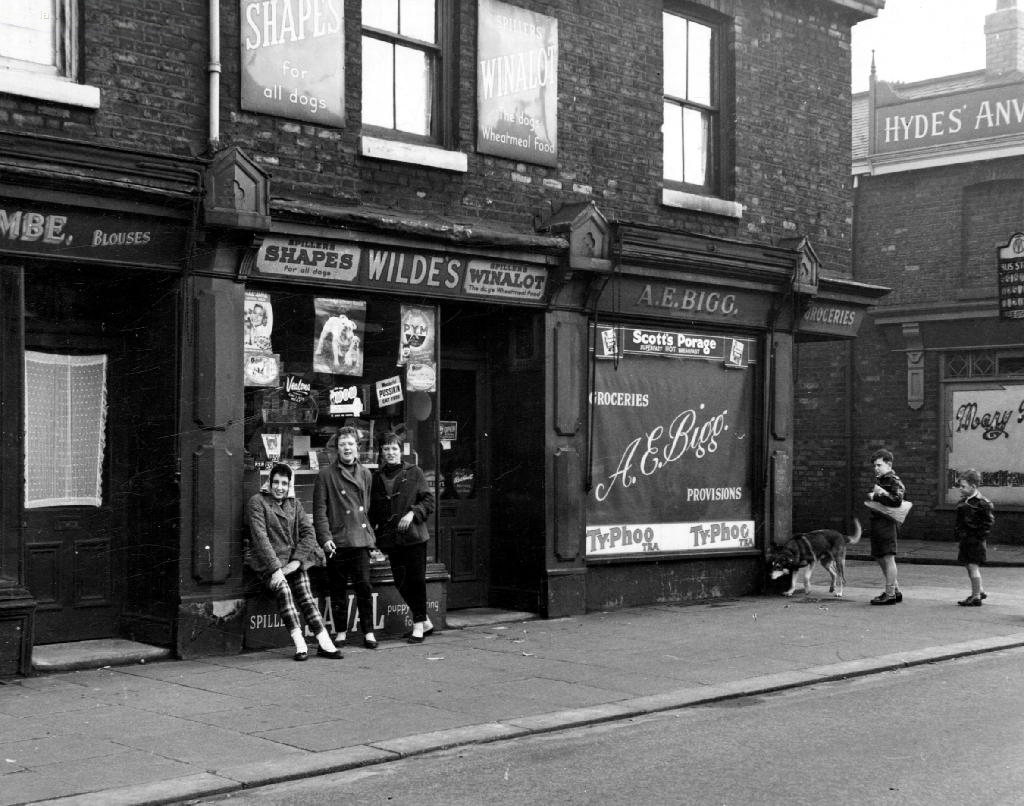
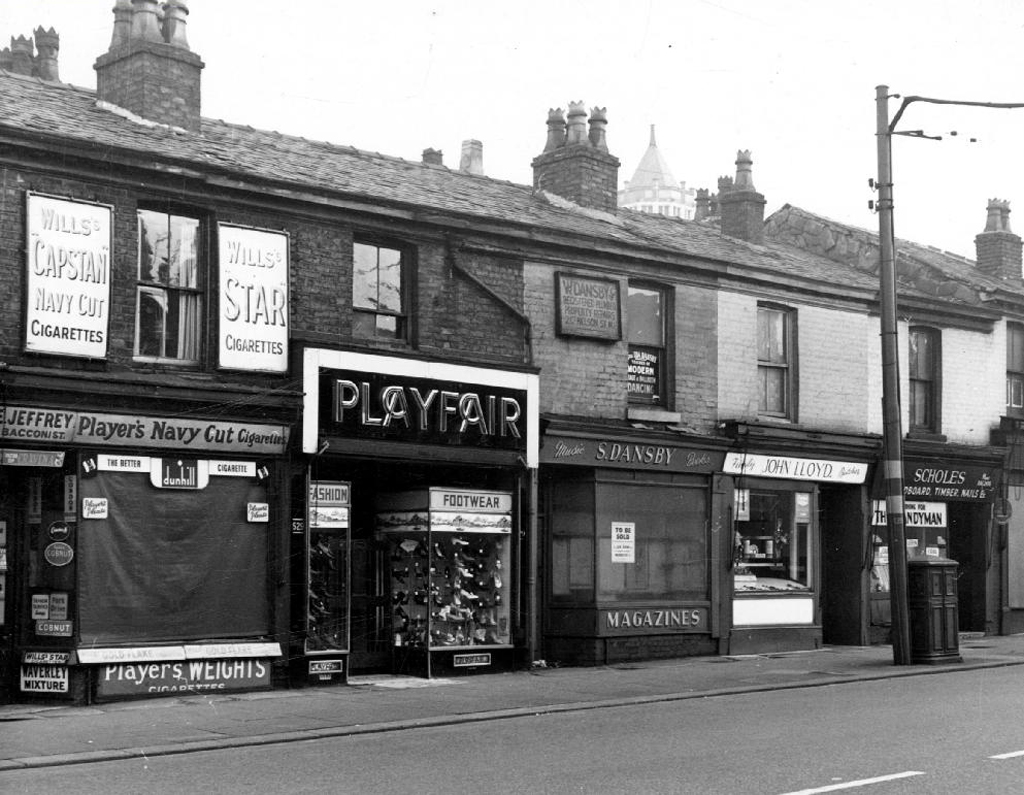
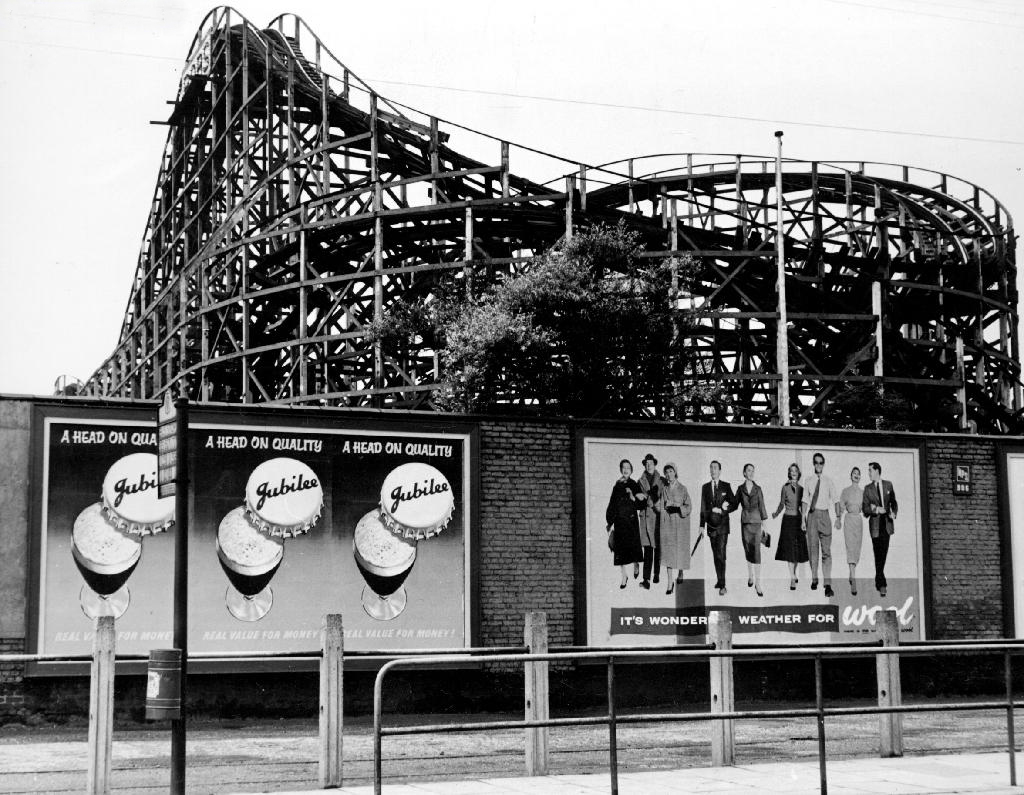
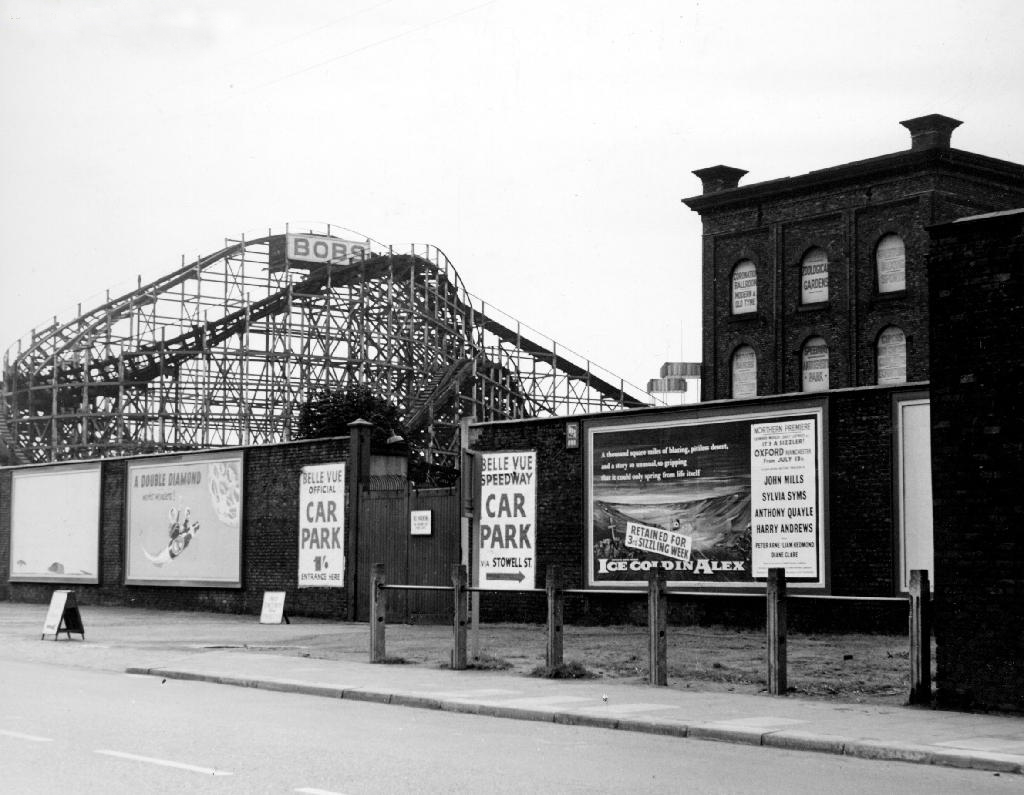
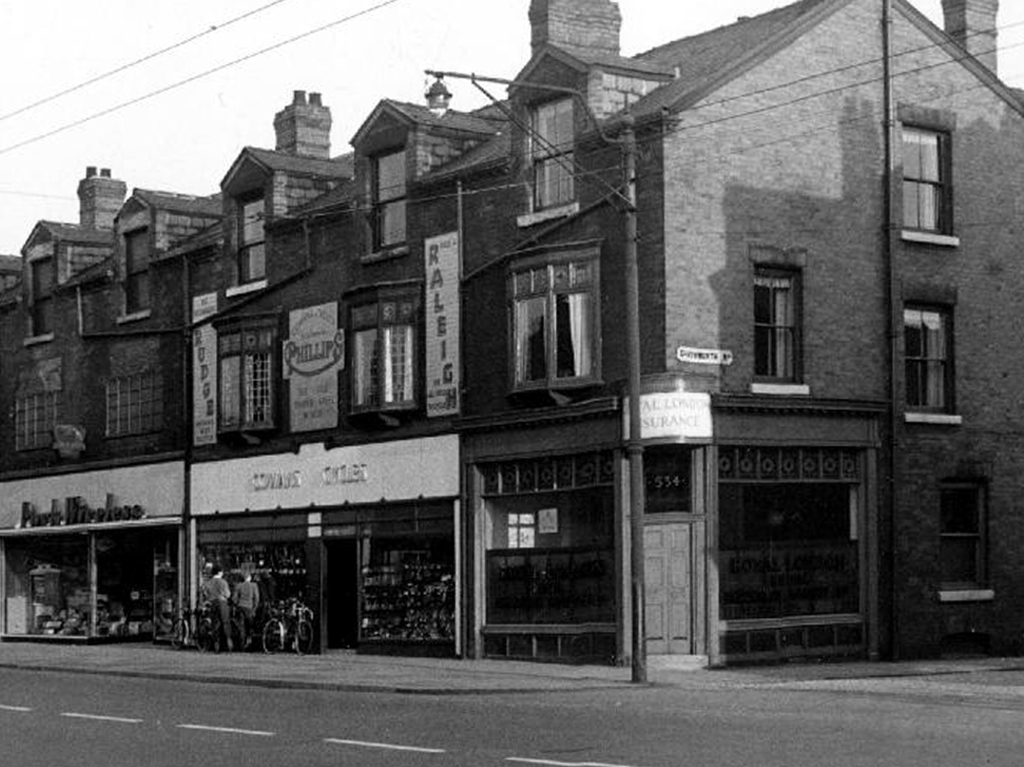
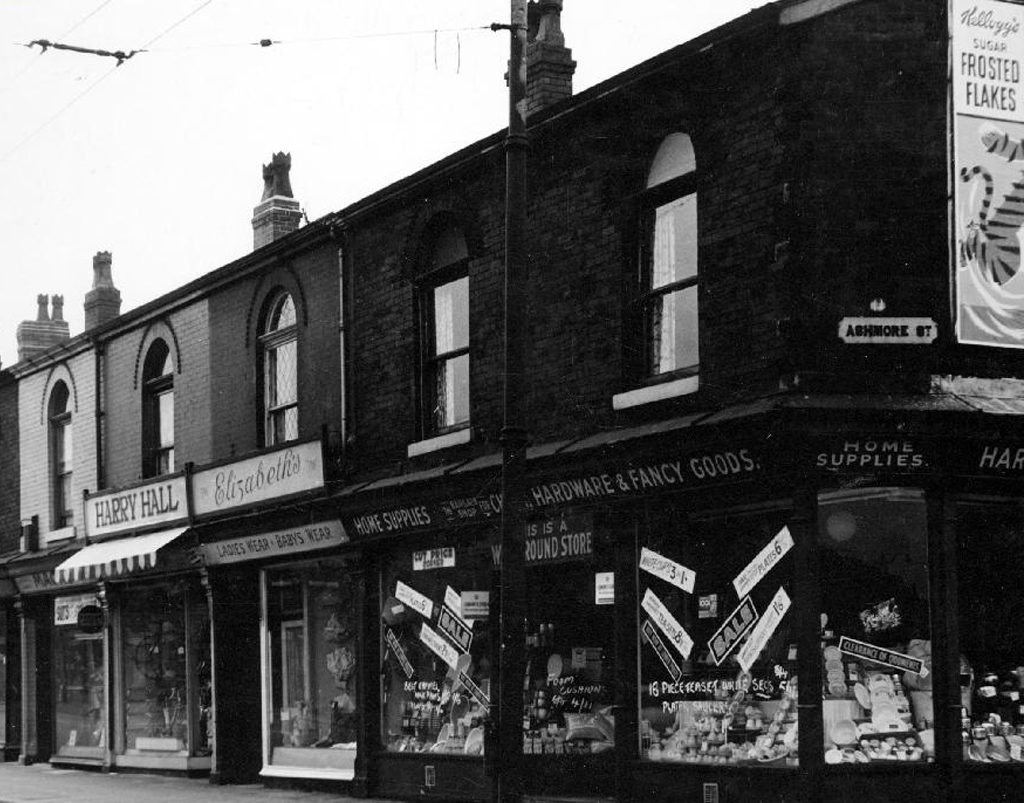
From Ardwick Green in the west to Abbey Hey in the east – runs Hyde Road Manchester.
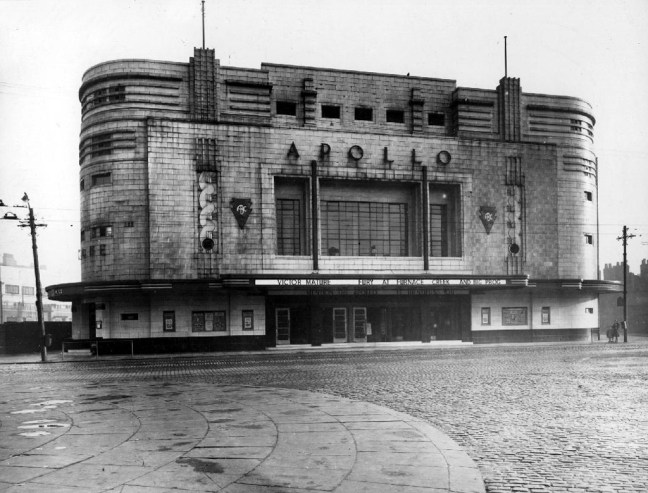
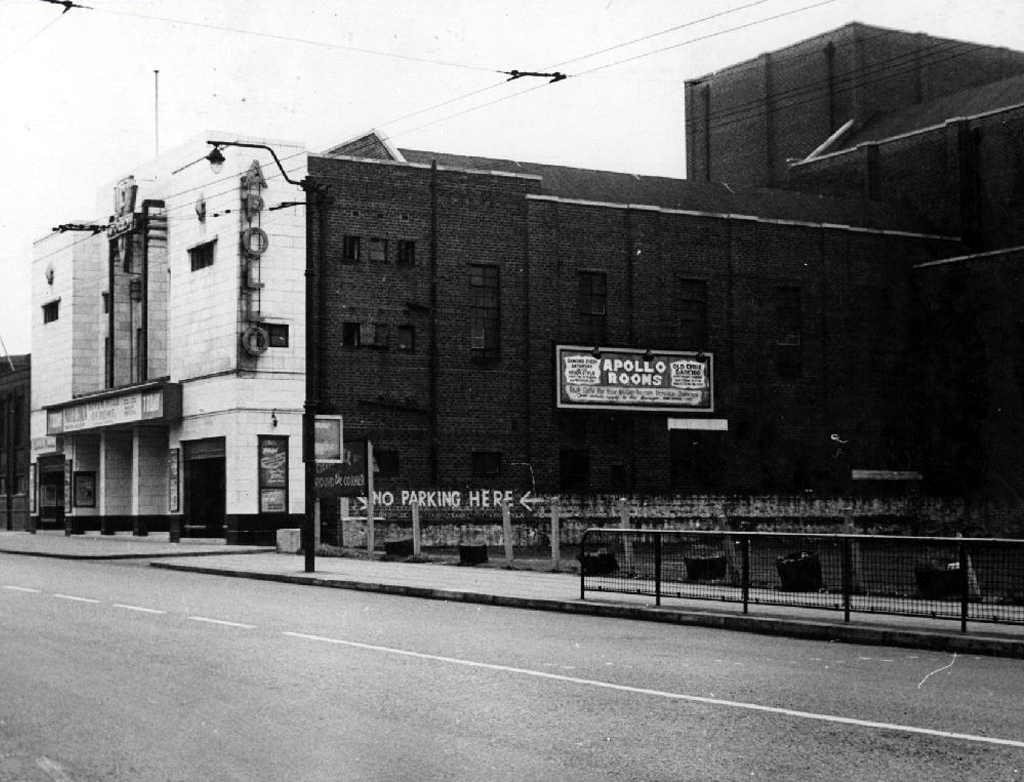
It’s a a road I have travelled from my early teens onwards, visiting friends, family, speedway, school sports days, fun and frolics at Belle Vue, tea and toast in Sivori’s, bike parts from Cowans. Working at the former Bishop Greer School, drinking in it’s many pubs, going to the flicks at the Apollo.
It was an area thick with the hustle and bustle of folks going about their business – working, shopping, boozing, waltzing in the Elizabethan, or the waltzers, bobbing up and down on the Bobs. A self contained community, just about prosperous enough in times of full employment – take just one more walk with me.
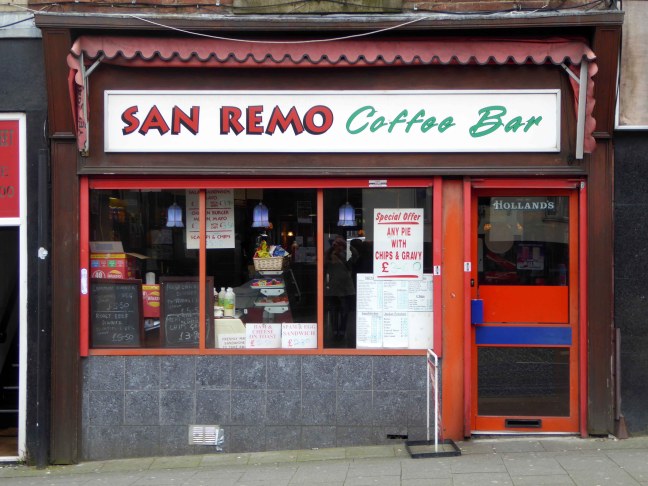
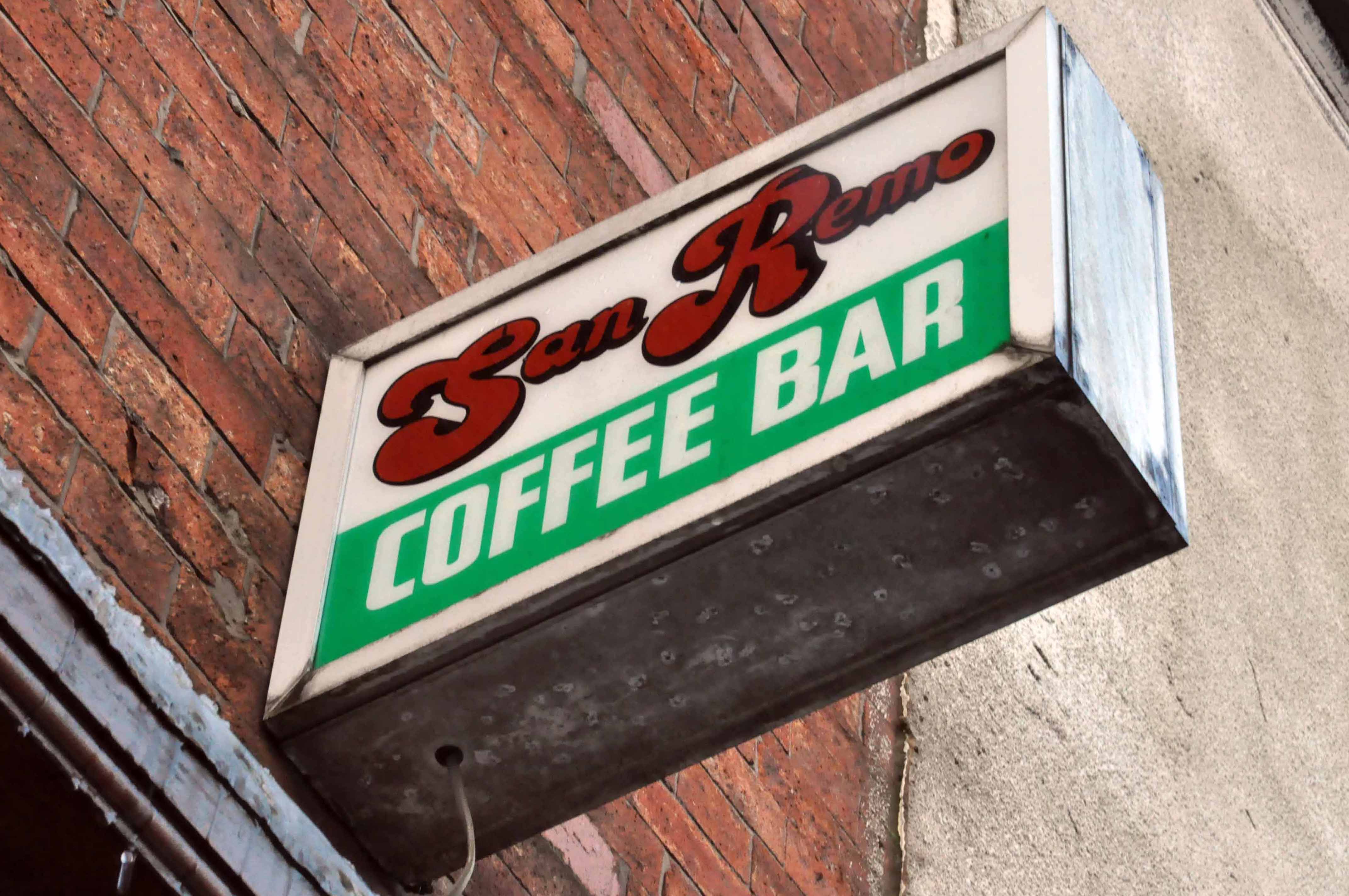
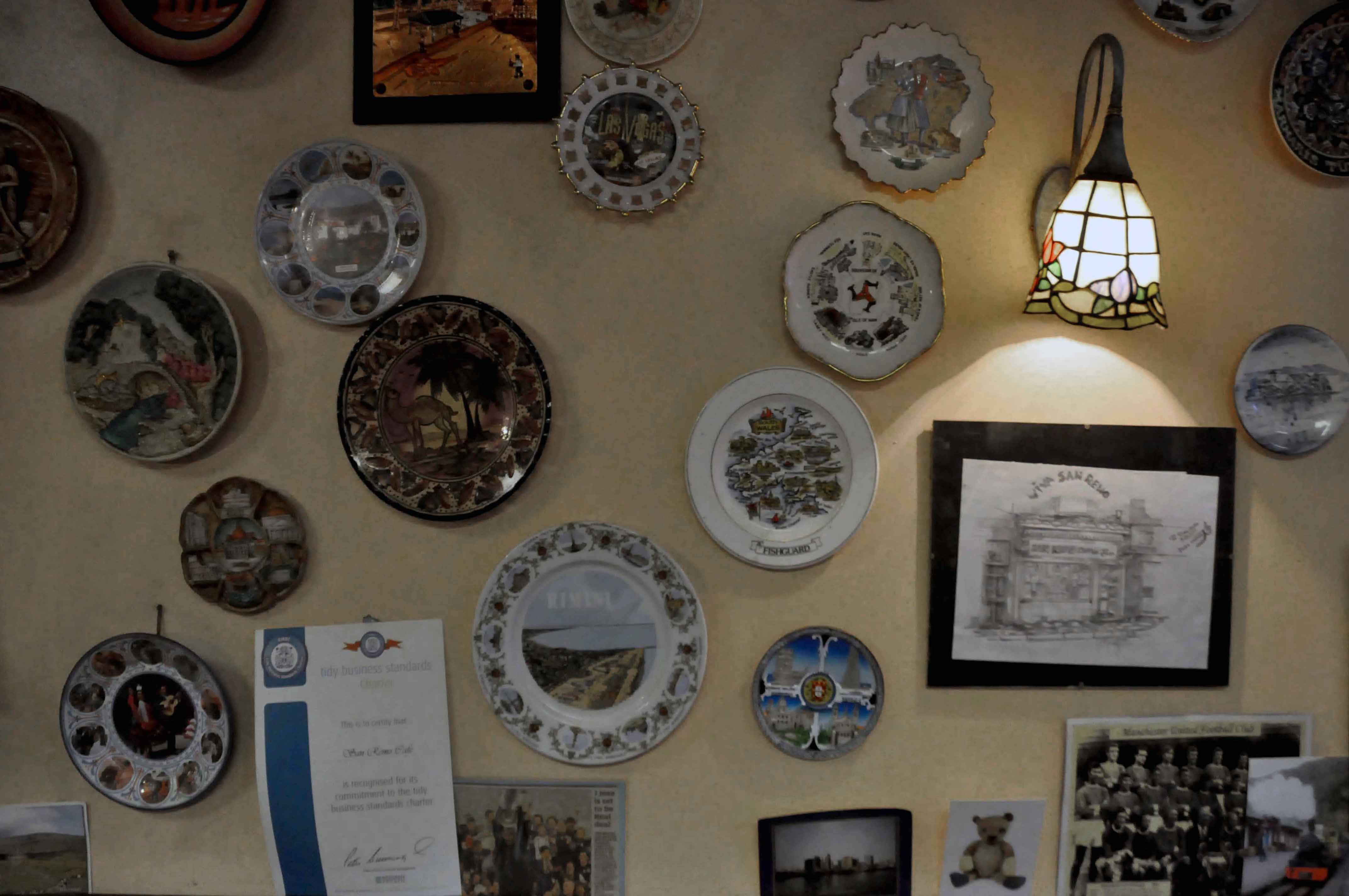
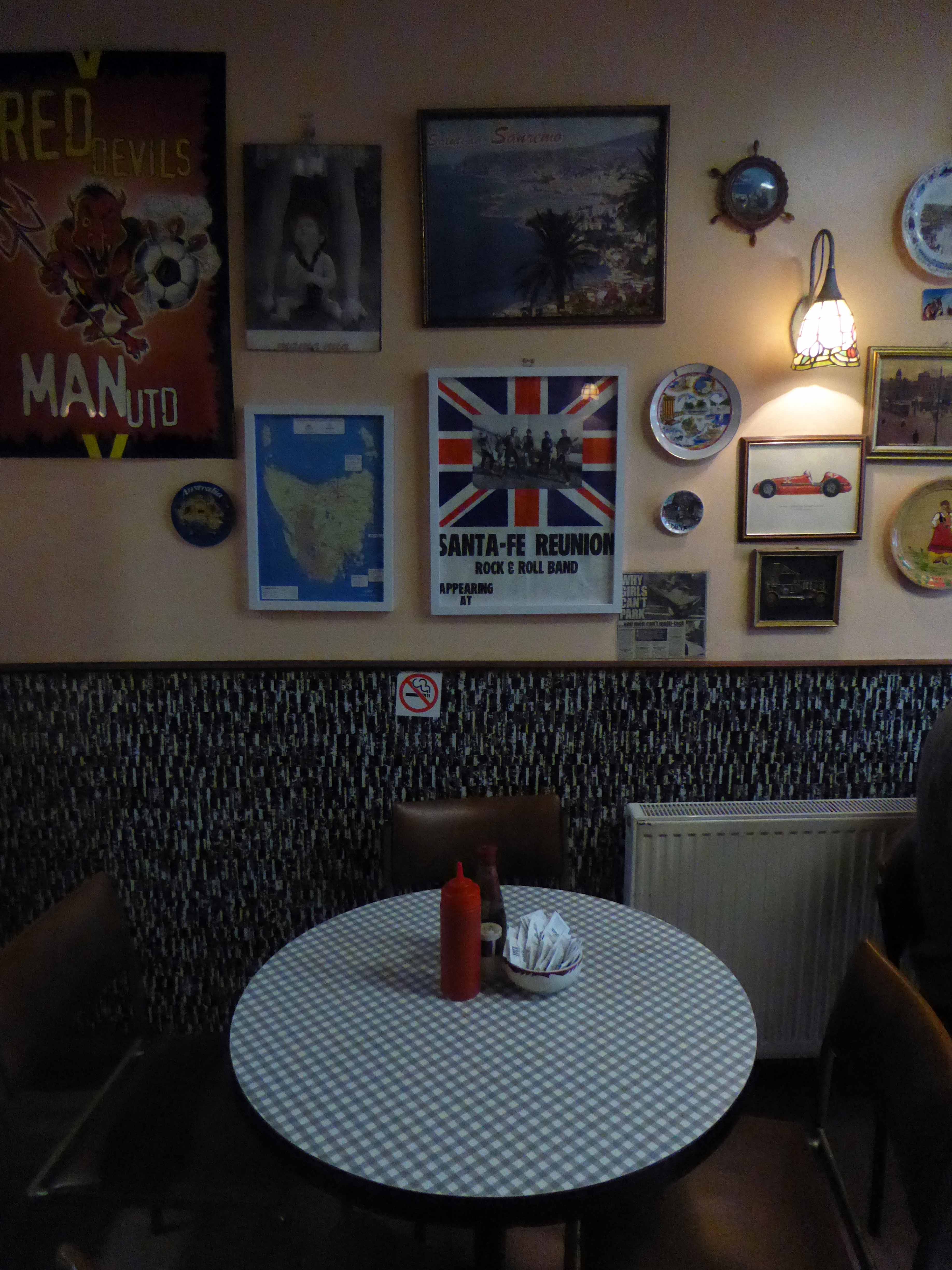
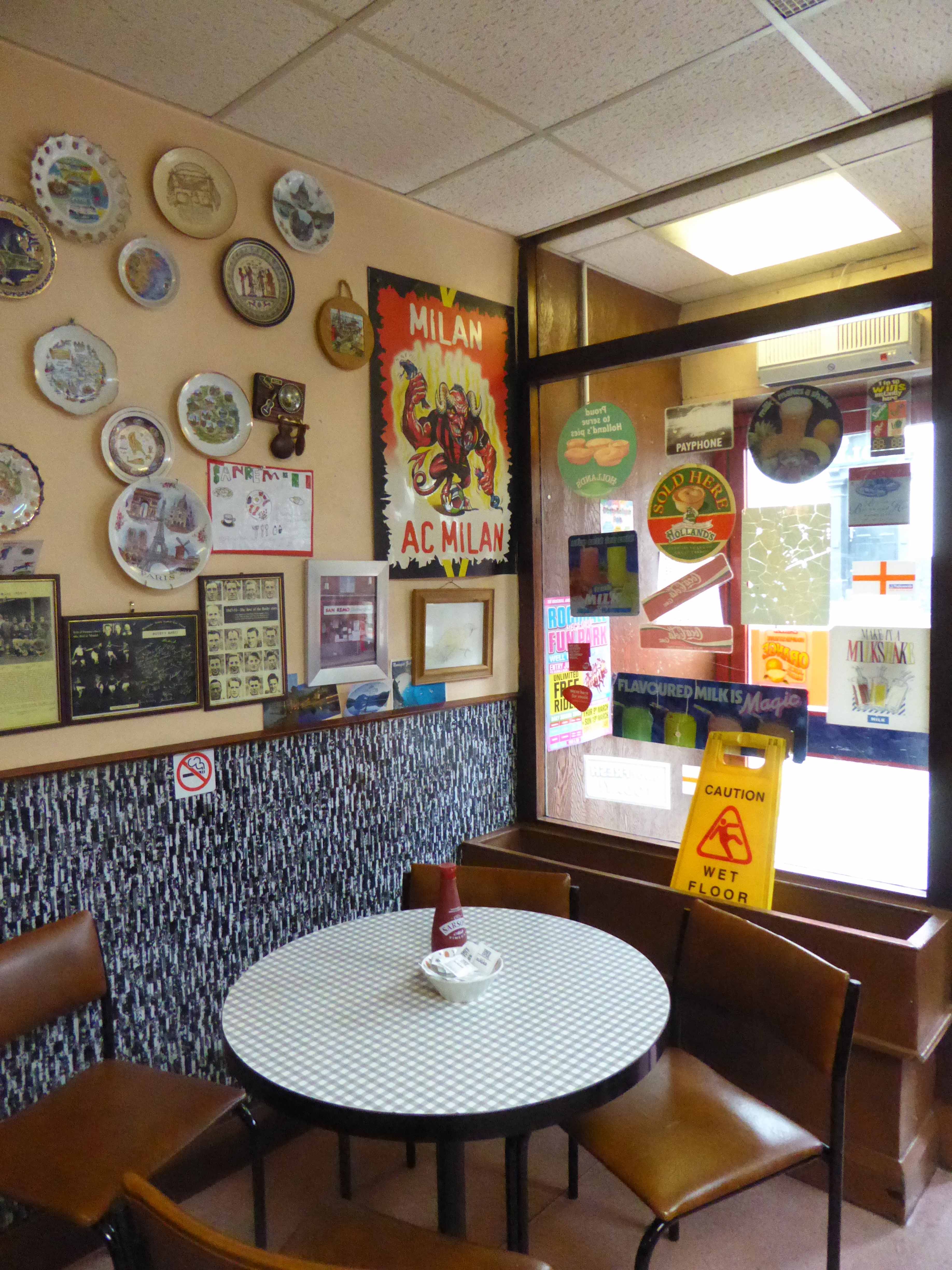
Sanremo or San Remo is a city on the Mediterranean coast of western Liguria in north-western Italy. Founded in Roman times, it has a population of 57,000, and is known as a tourist destination on the Italian Riviera. It hosts numerous cultural events, such as the Sanremo Music Festival and the Milan–San Remo cycling classic.
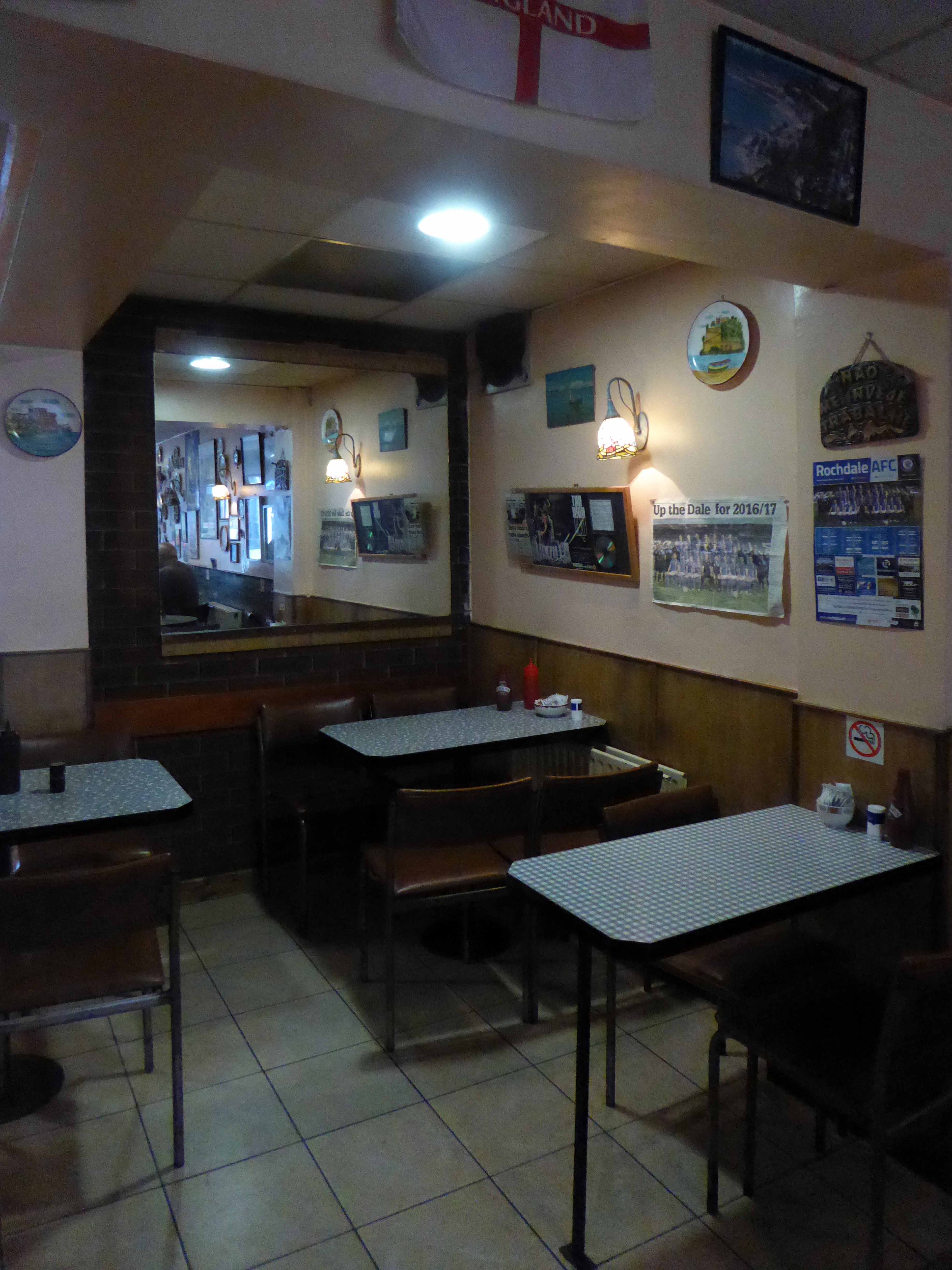
Rochdale is a market town in Greater Manchester, England, positioned at the foothills of the South Pennines on the River Roch, 5.3 miles north-northwest of Oldham, and 9.8 miles north-northeast of the city of Manchester. Rochdale is surrounded by several smaller settlements which together form the Metropolitan Borough of Rochdale, population 211,699. Rochdale is the largest settlement and administrative centre, with a total population of 107,926. Home to the Cooperative Movement, Rochdale AFC and a redundant cotton industry.
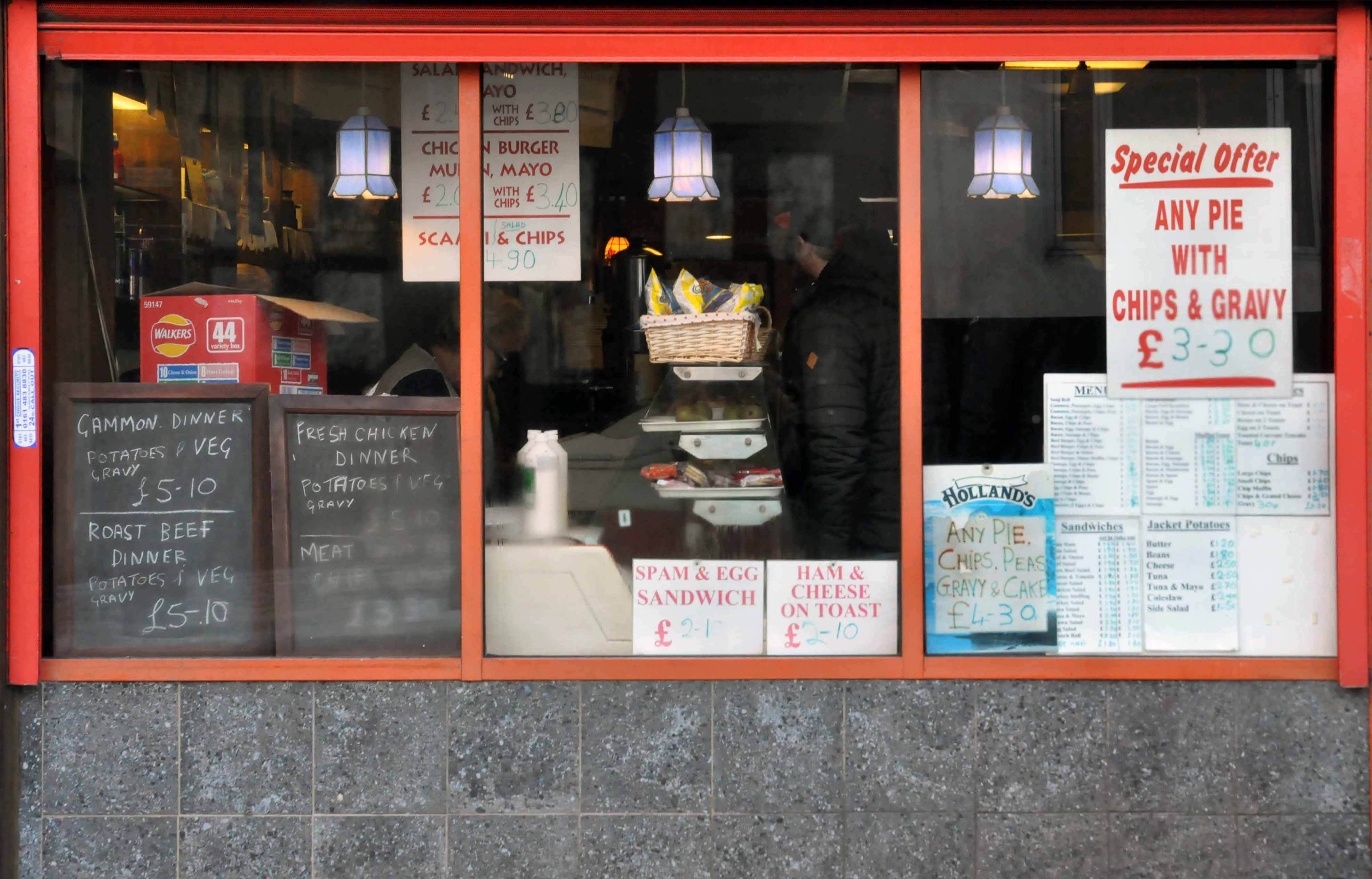
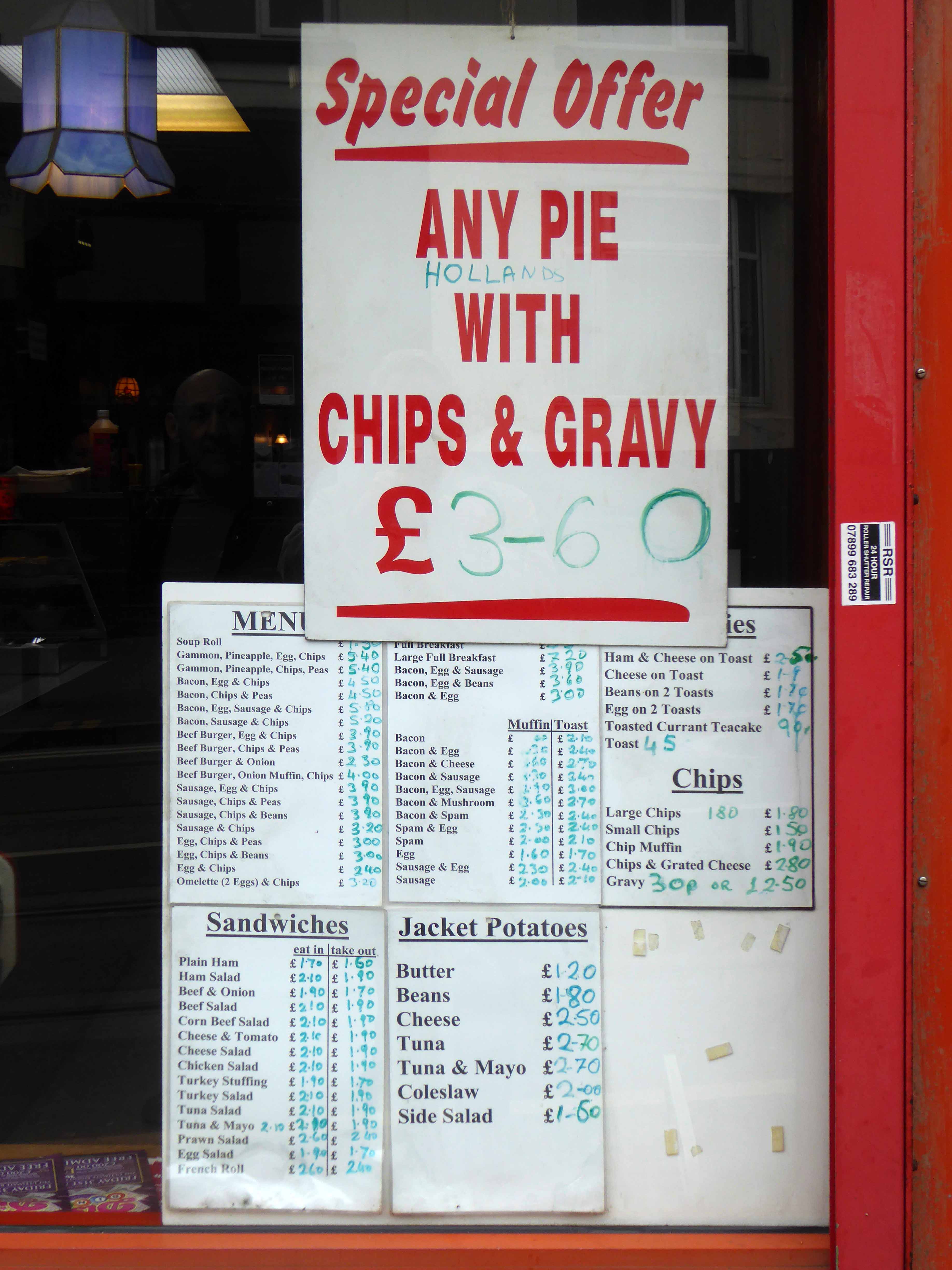
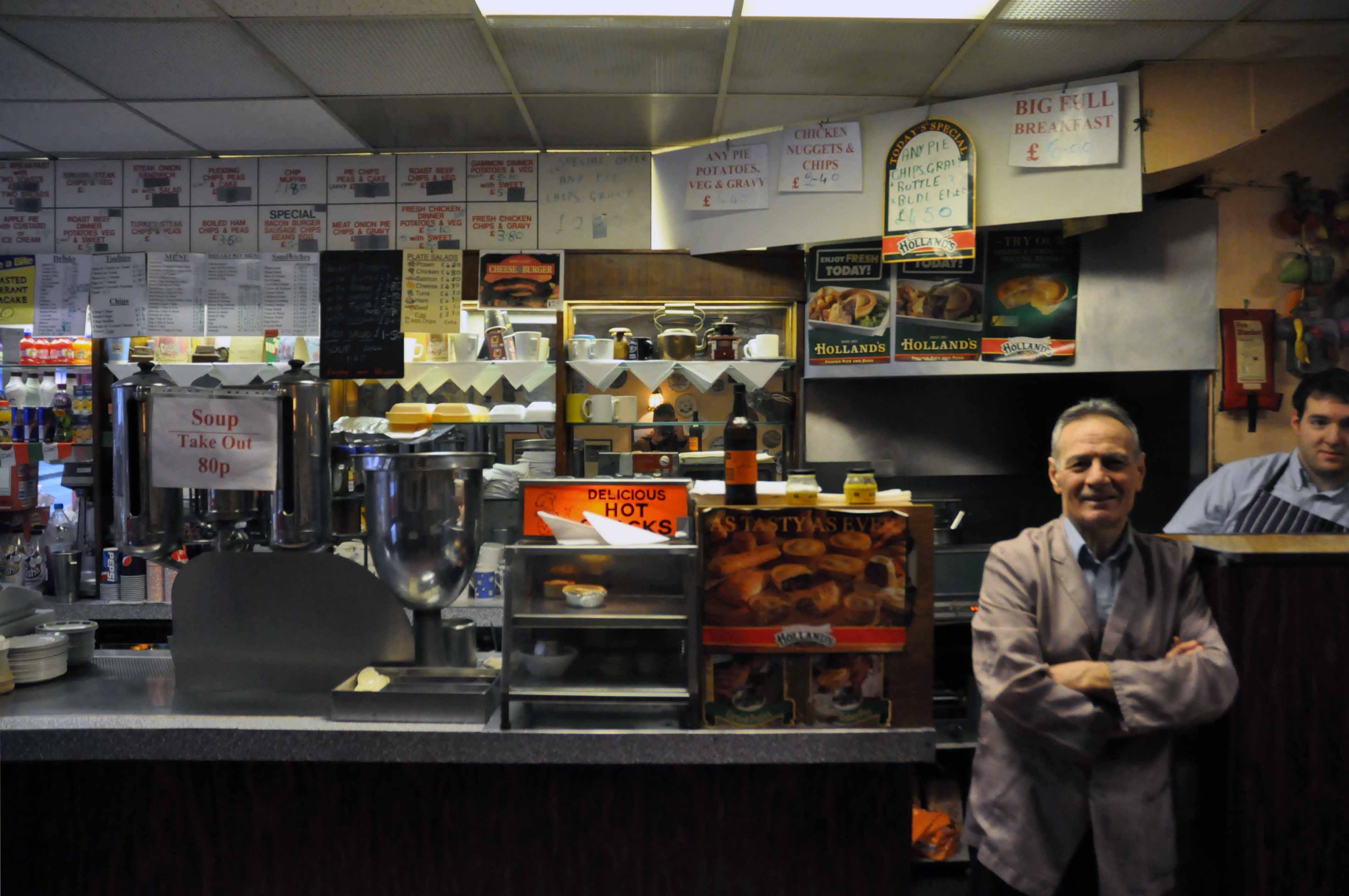
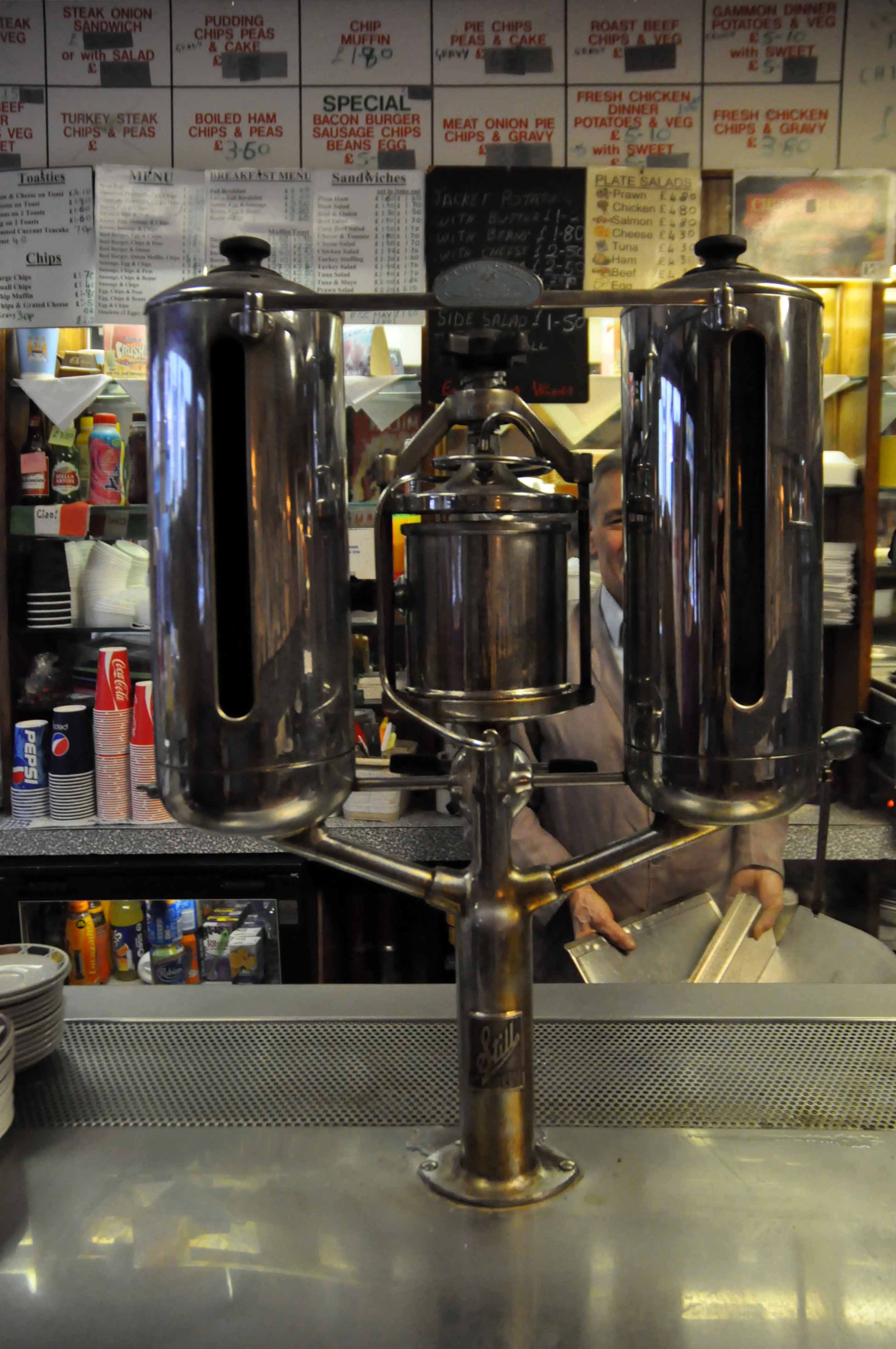
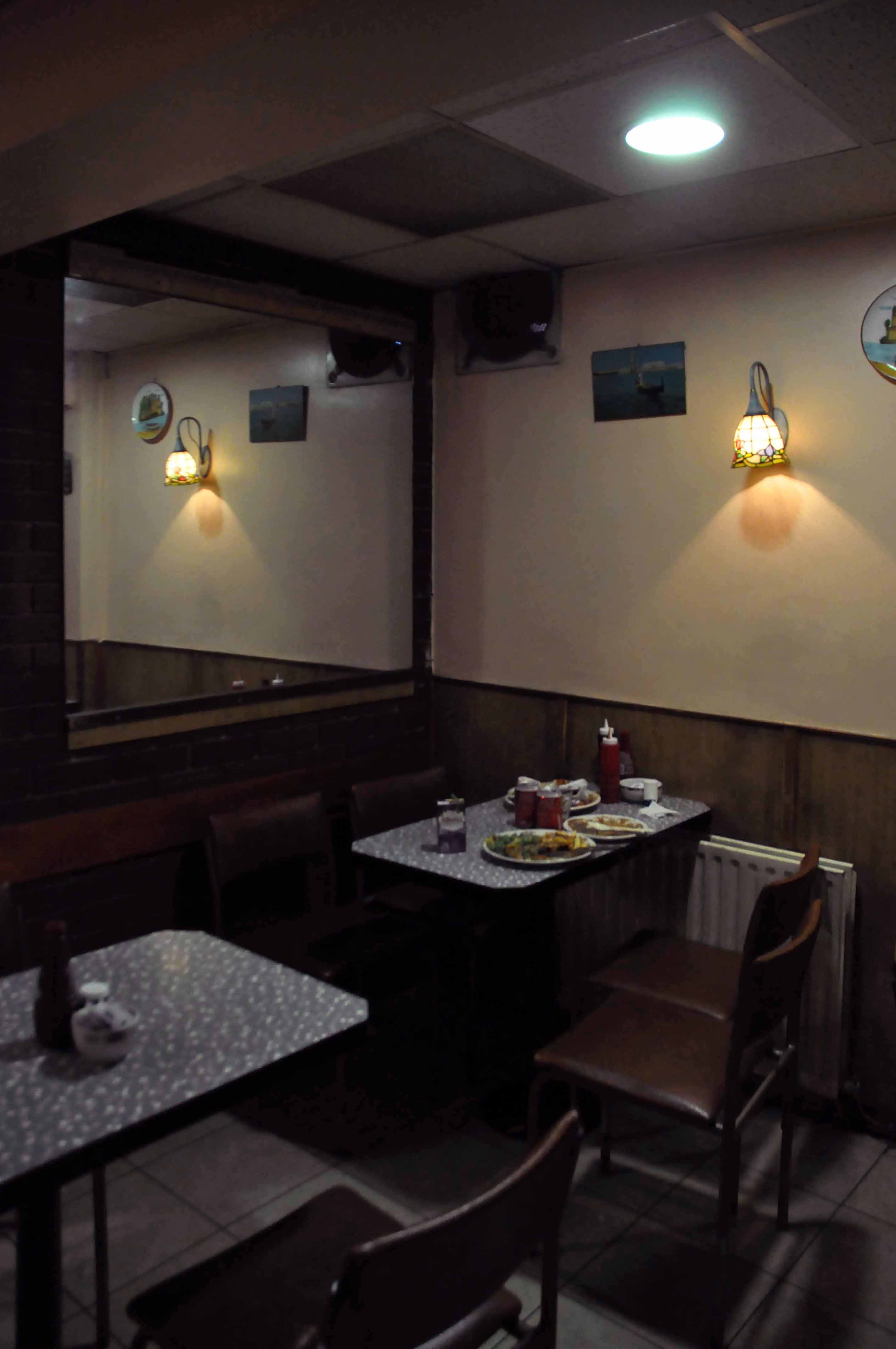
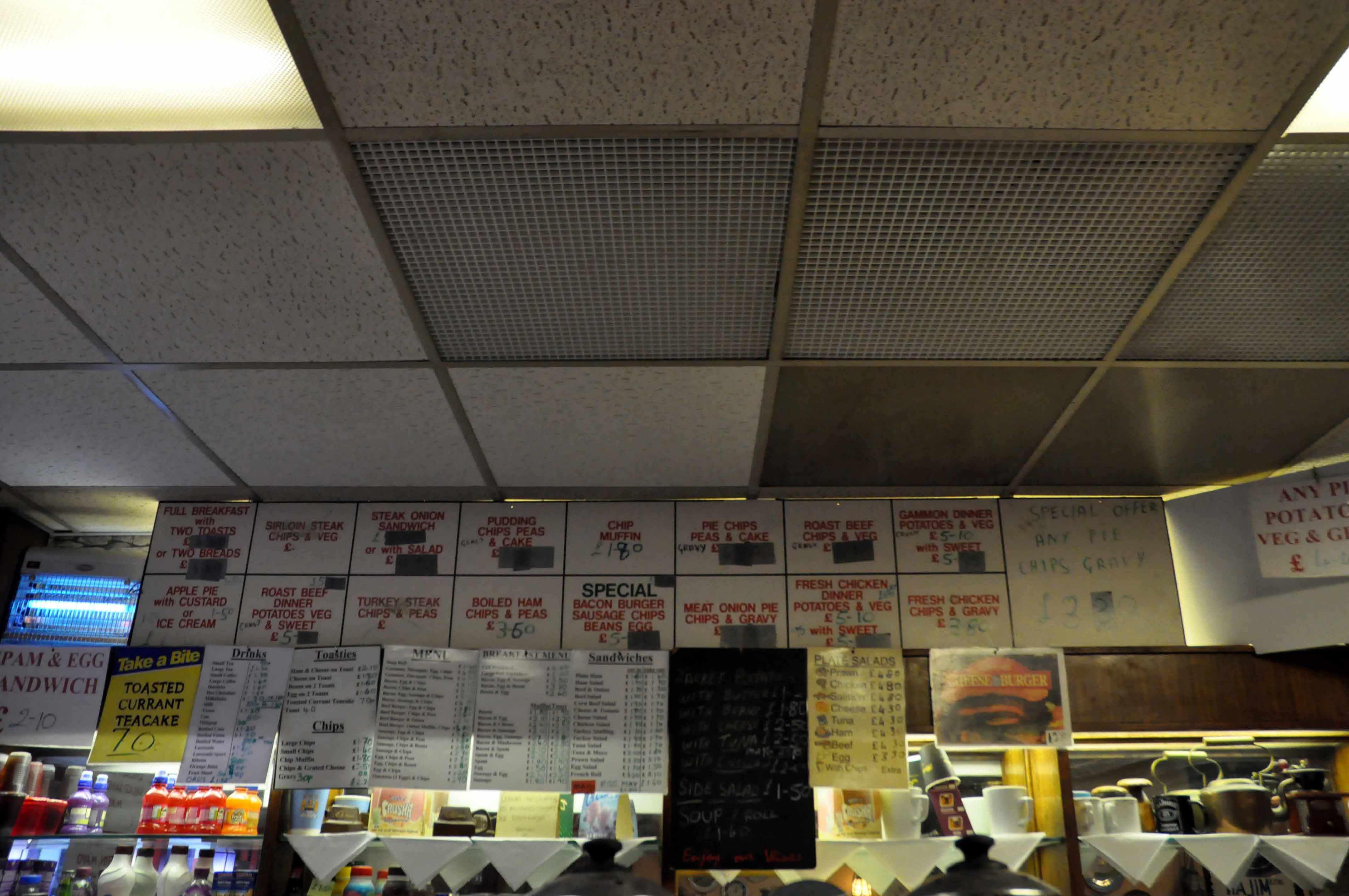
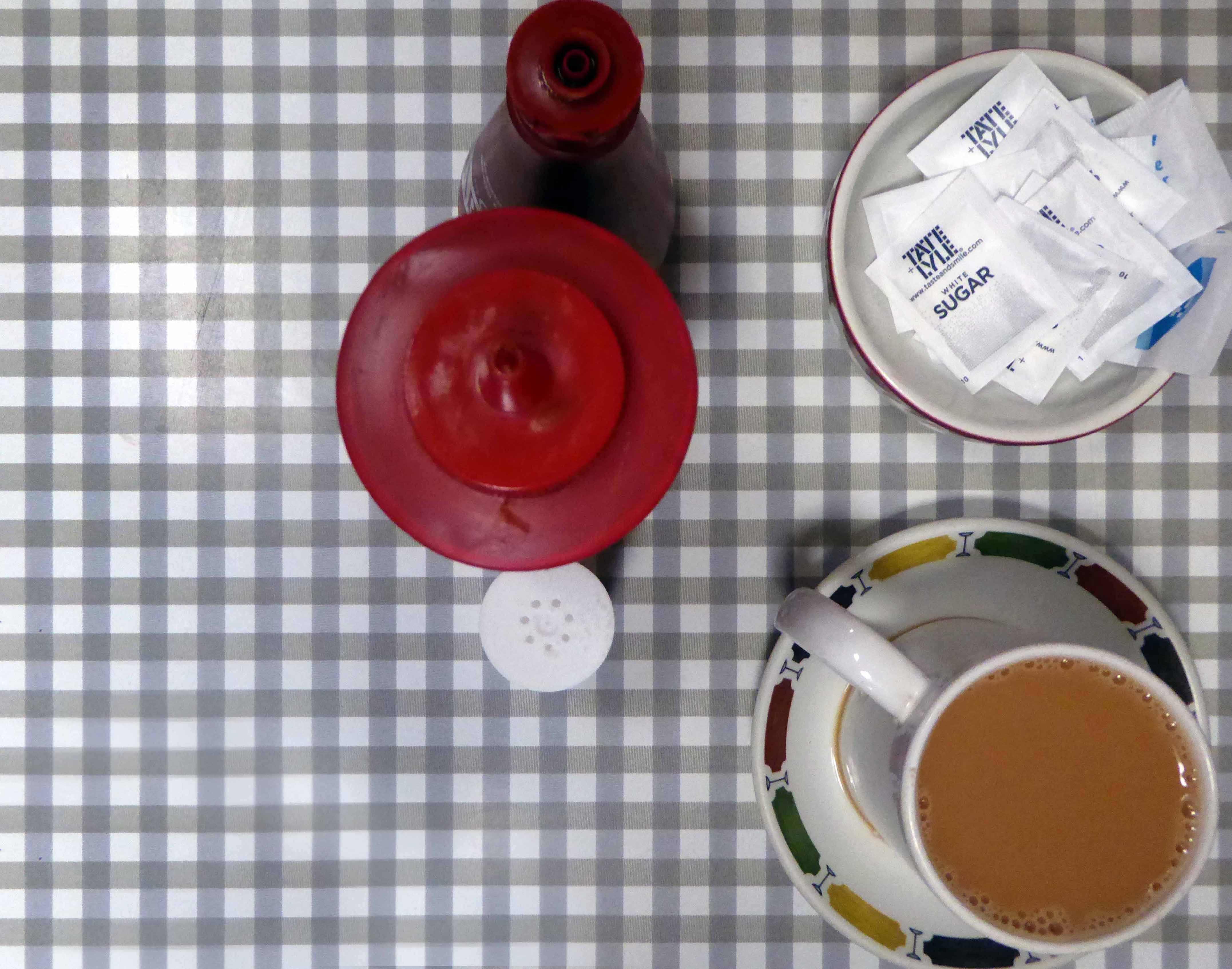
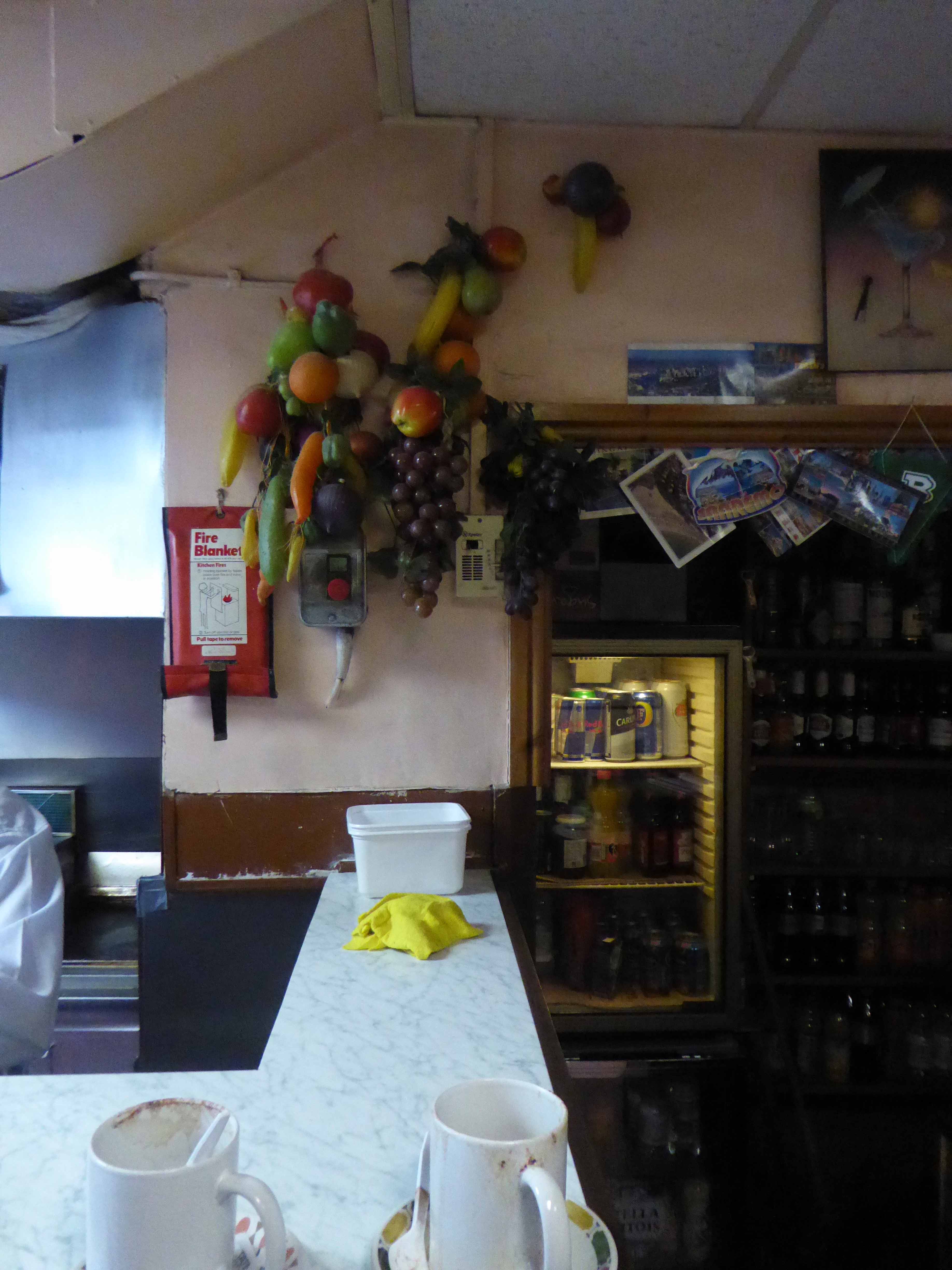
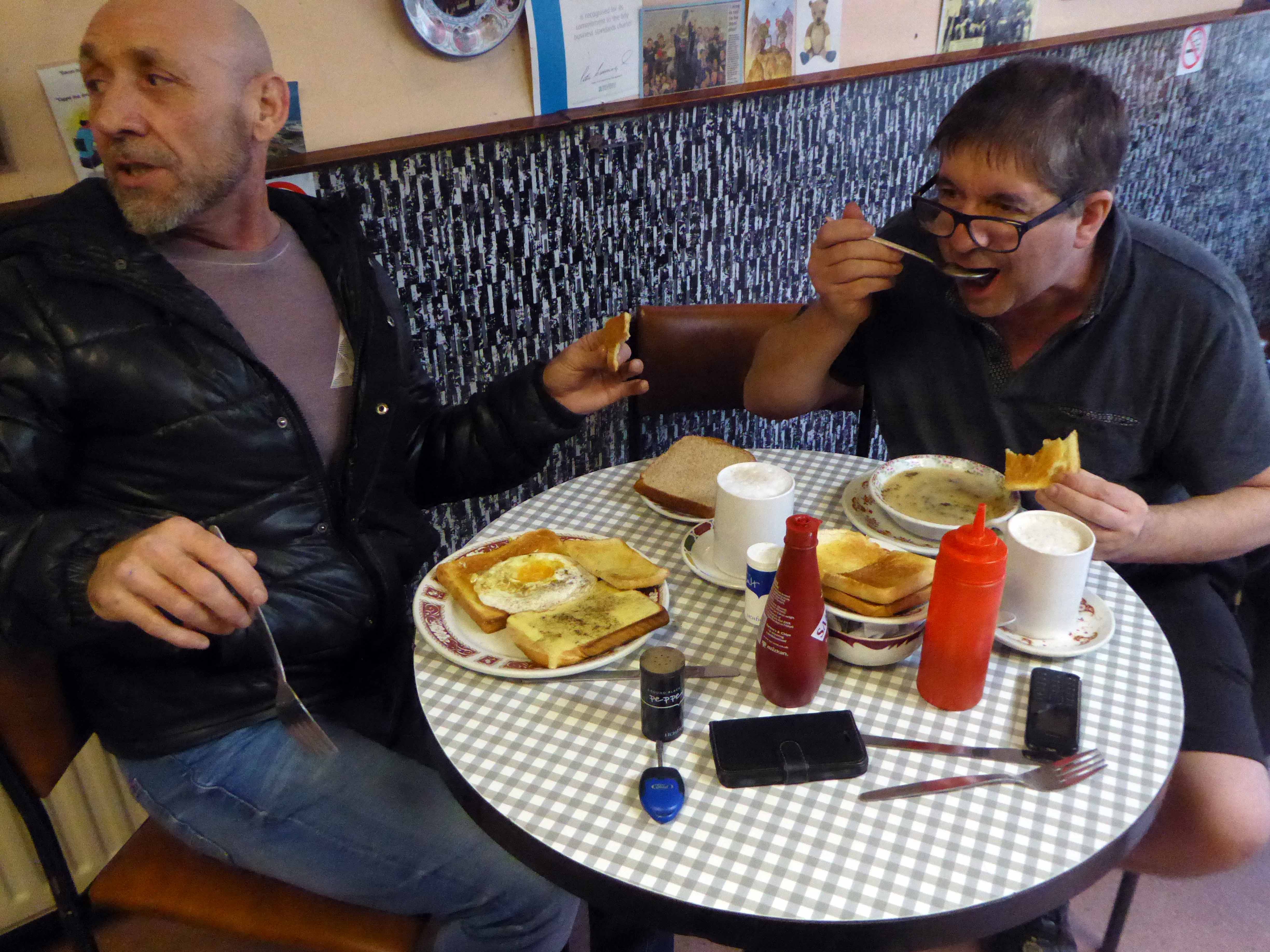
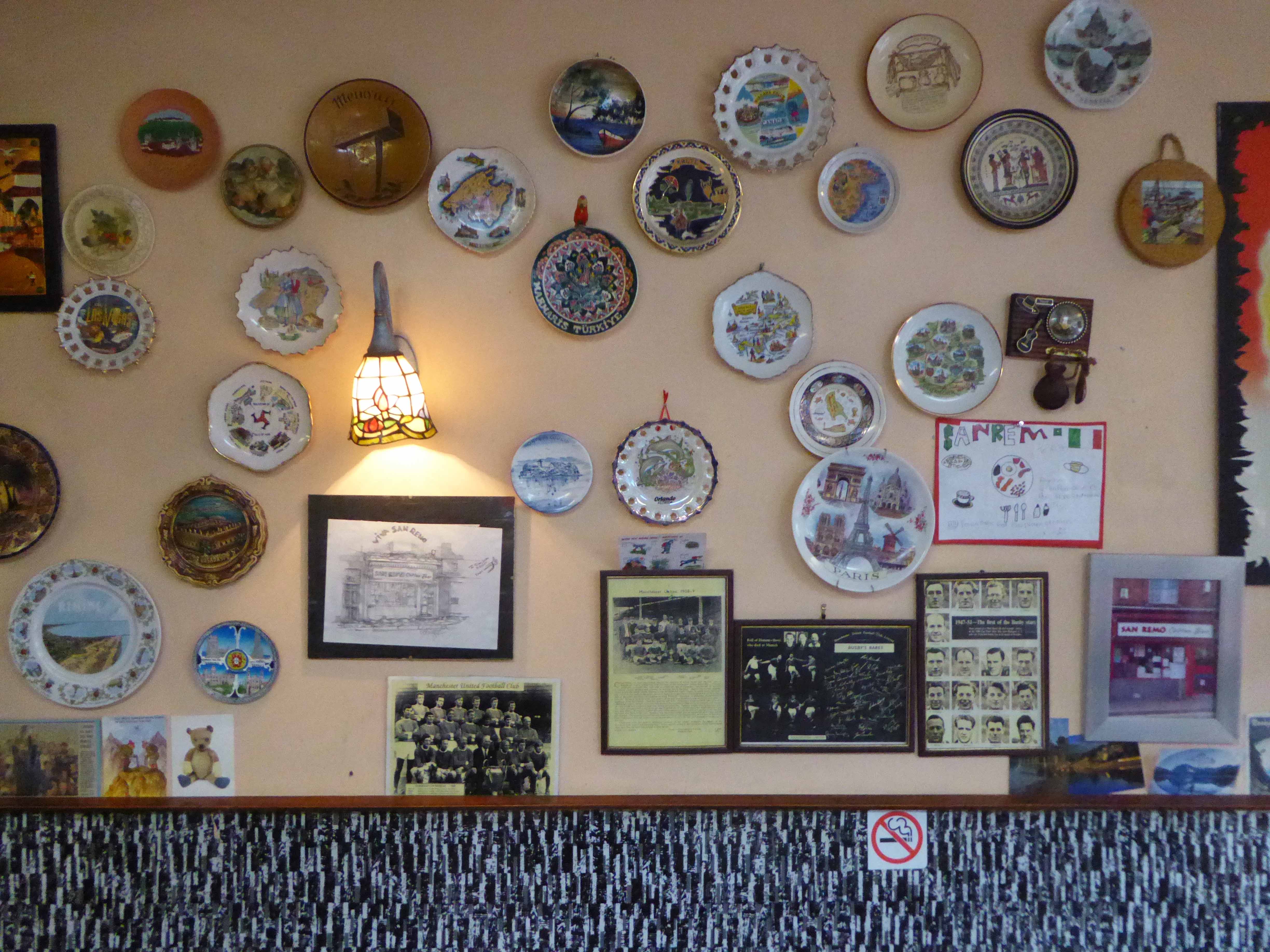
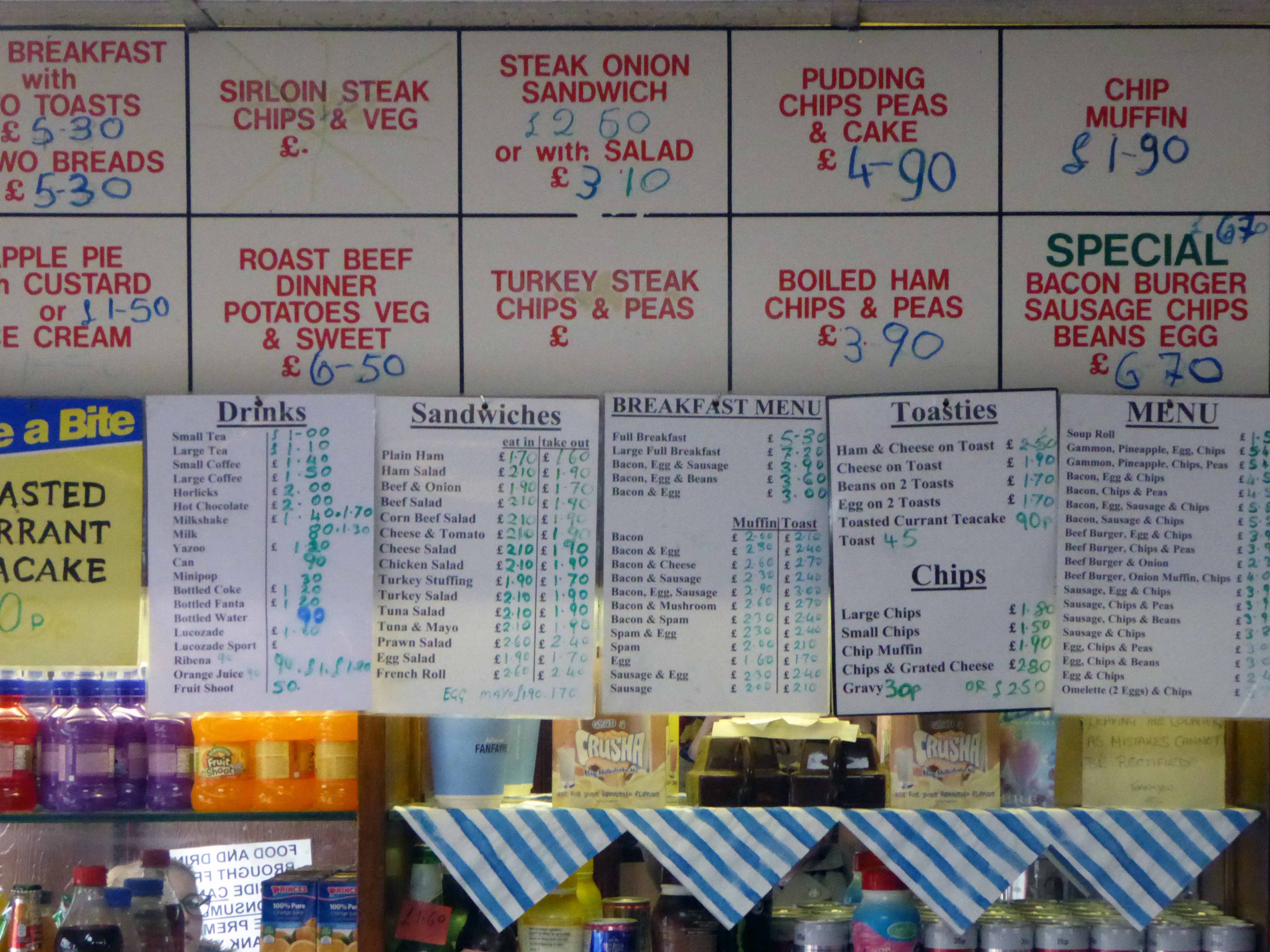
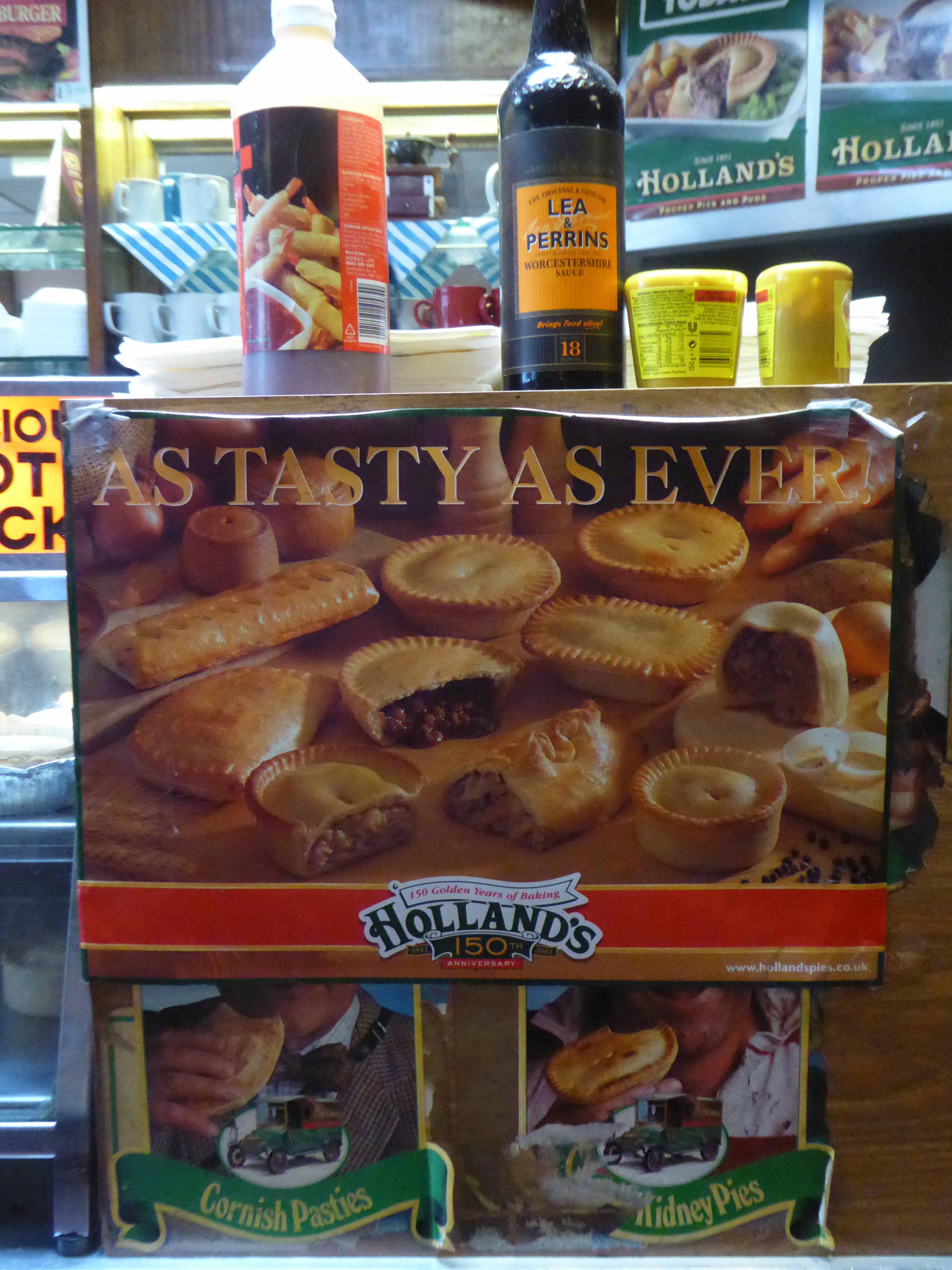
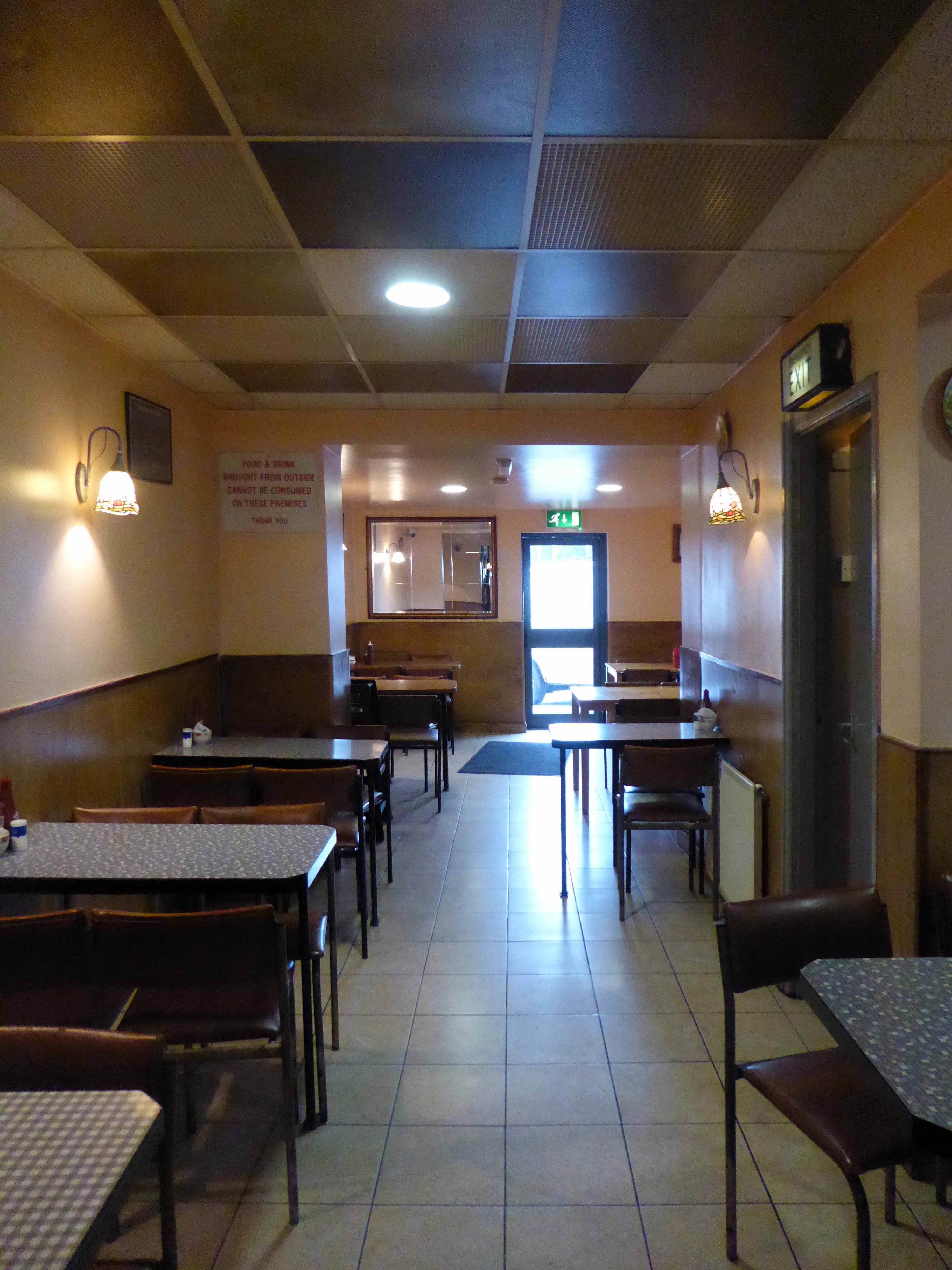
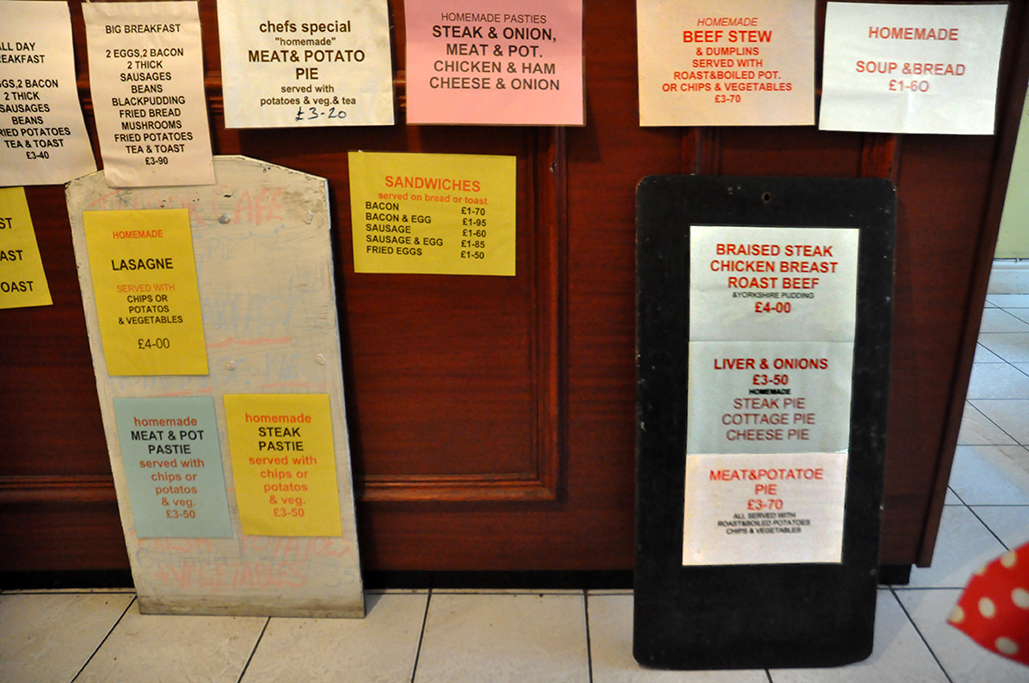
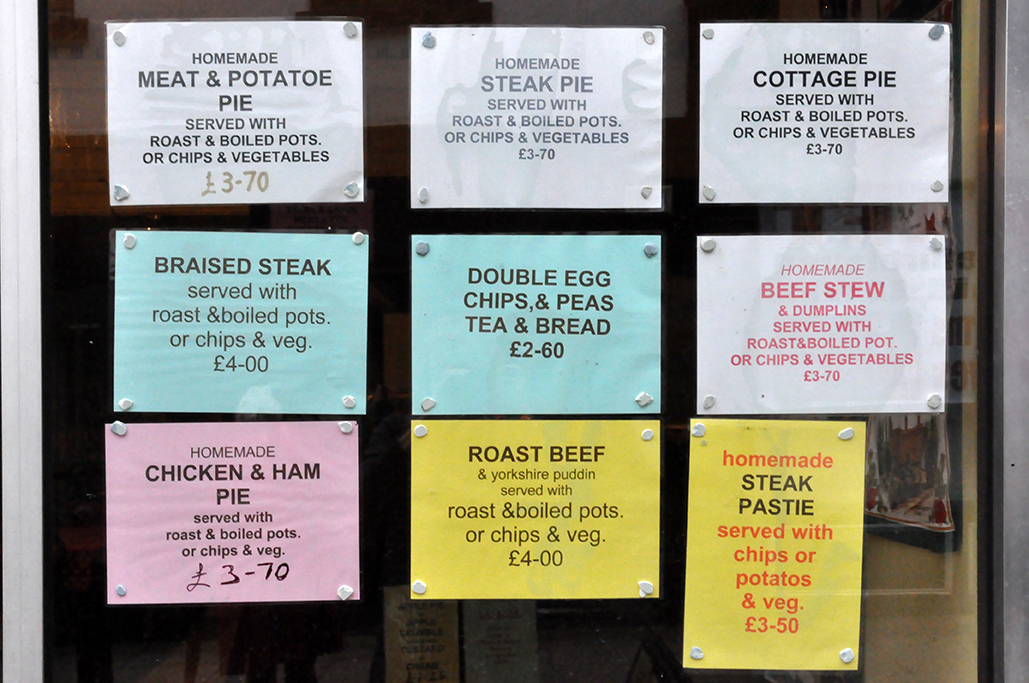
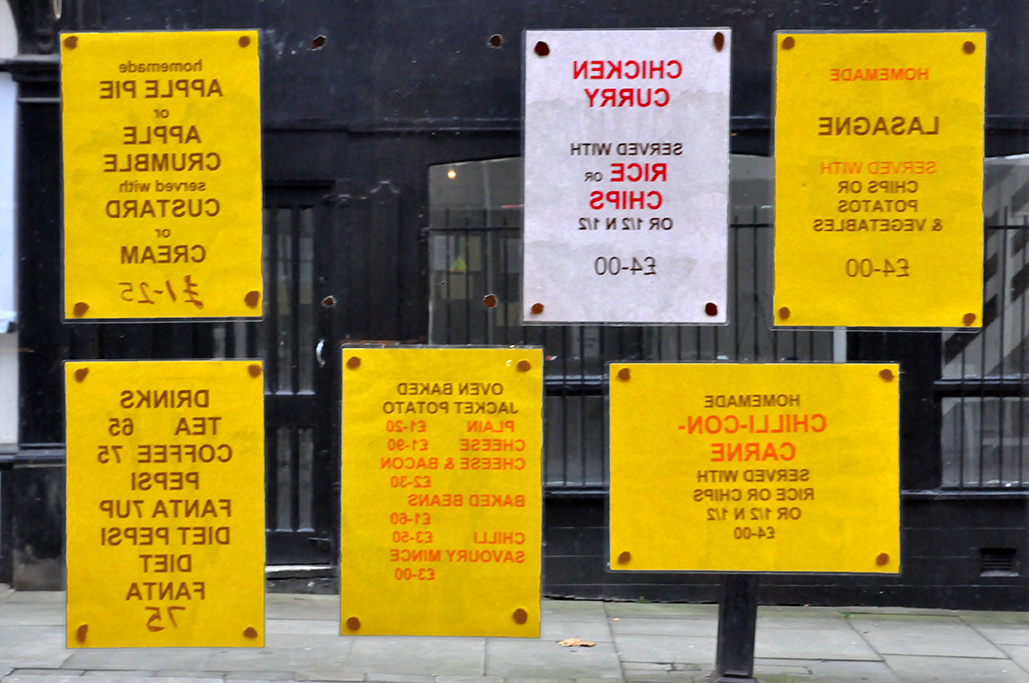
The two towns come together at 27 Drake Street, Rochdale, Lancashire OL161RX, home to a fine café and Italian born Tony and family. It has a well preserved menu that reflects industrial Lancastrian tastes rather than flavours of Liguria. It has an internal decorative order that is pure mid century a la mode – Pennine Style. Several more than several signs leave you in no doubt as to the availability of pies, pies with chips/potatoes, peas, gravy, veg – pies of all varieties, pies.
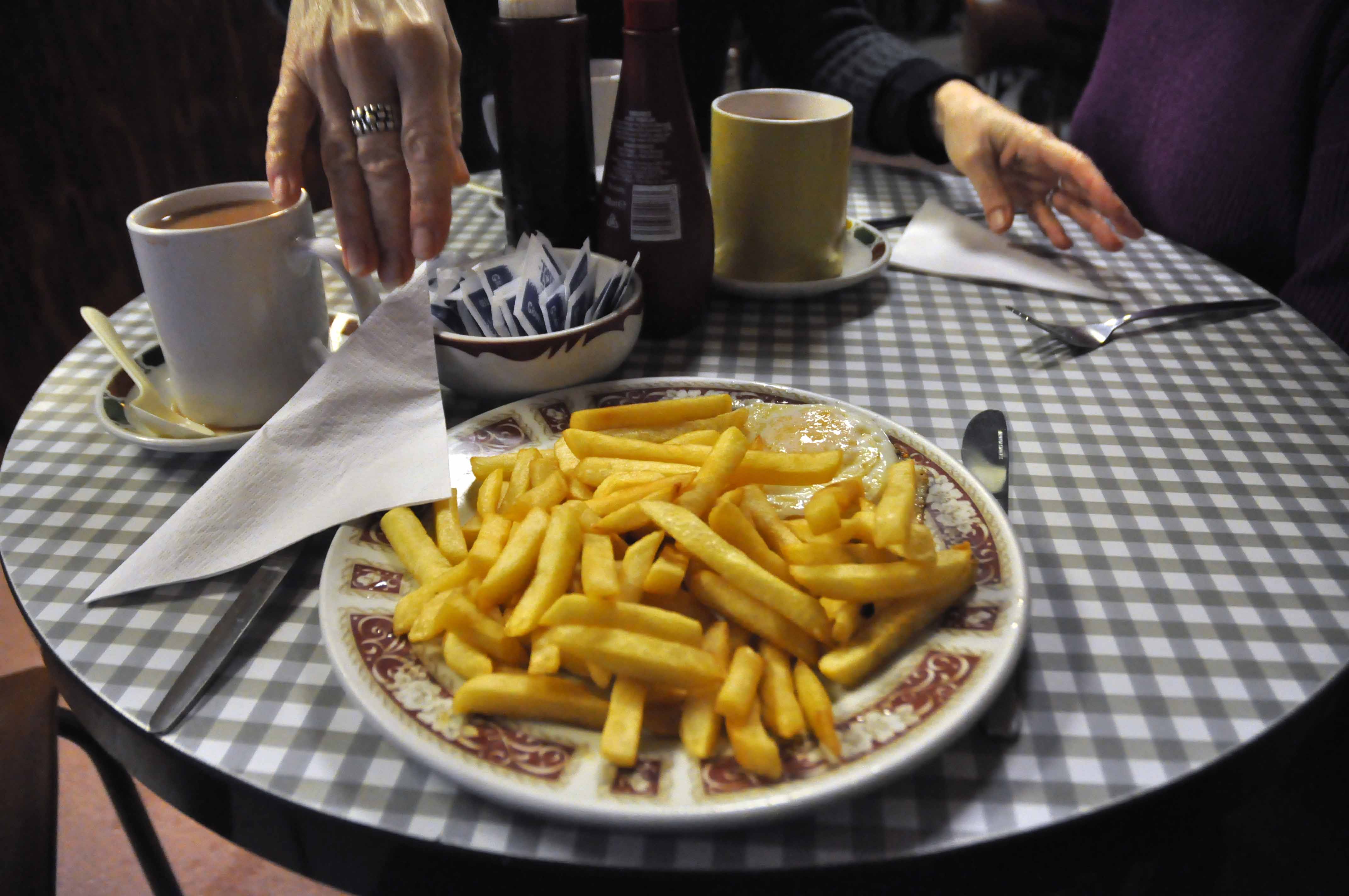
So pie, chips, peas and gravy it was, with a mug of tea – it always is.
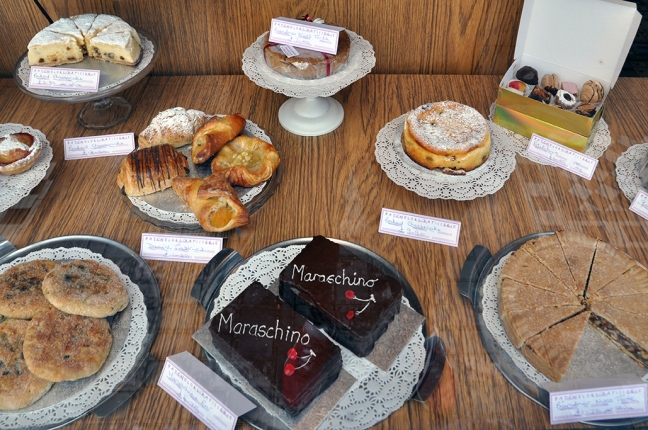
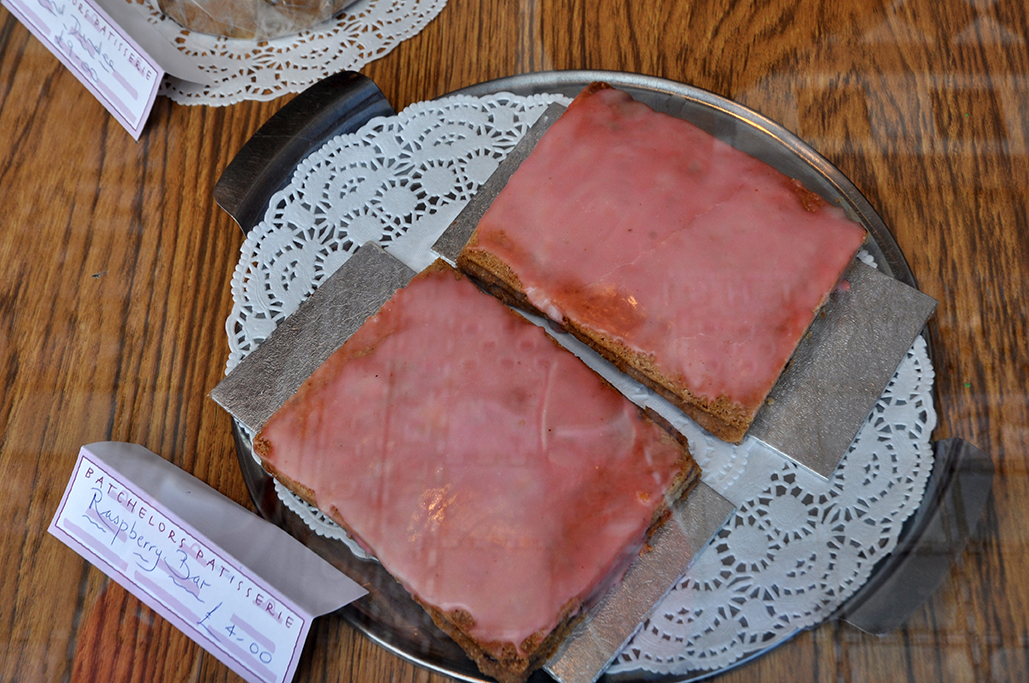
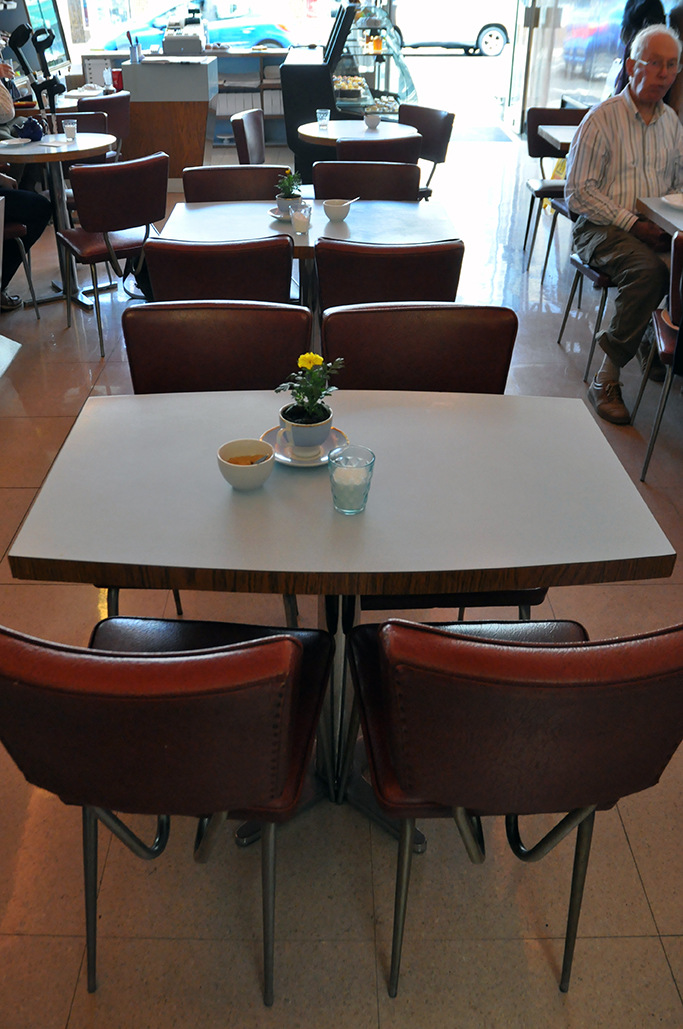
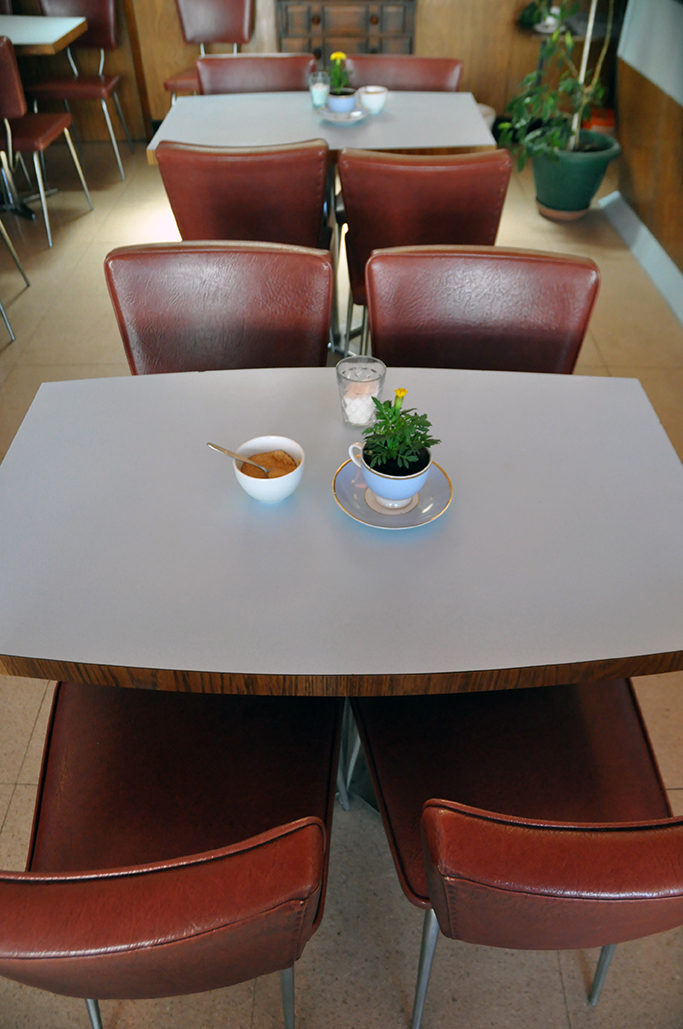
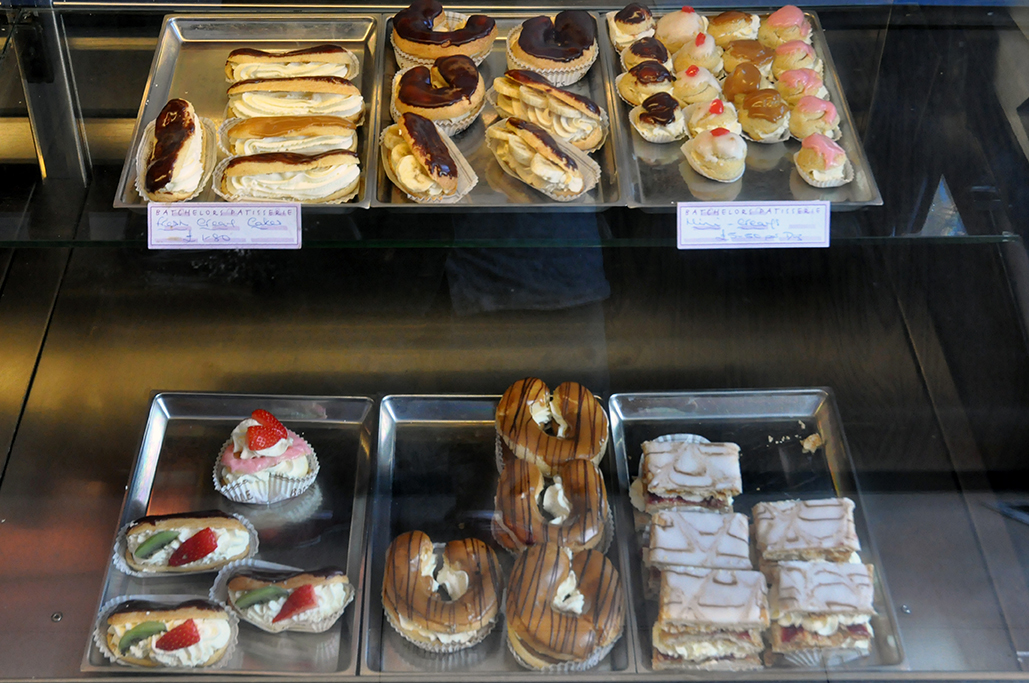
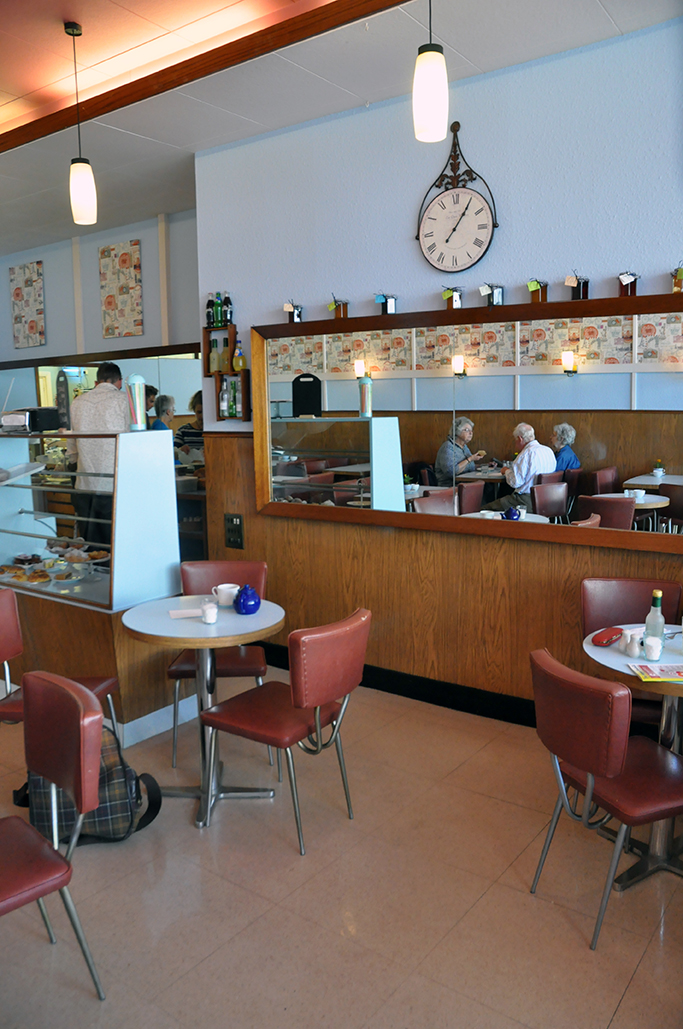
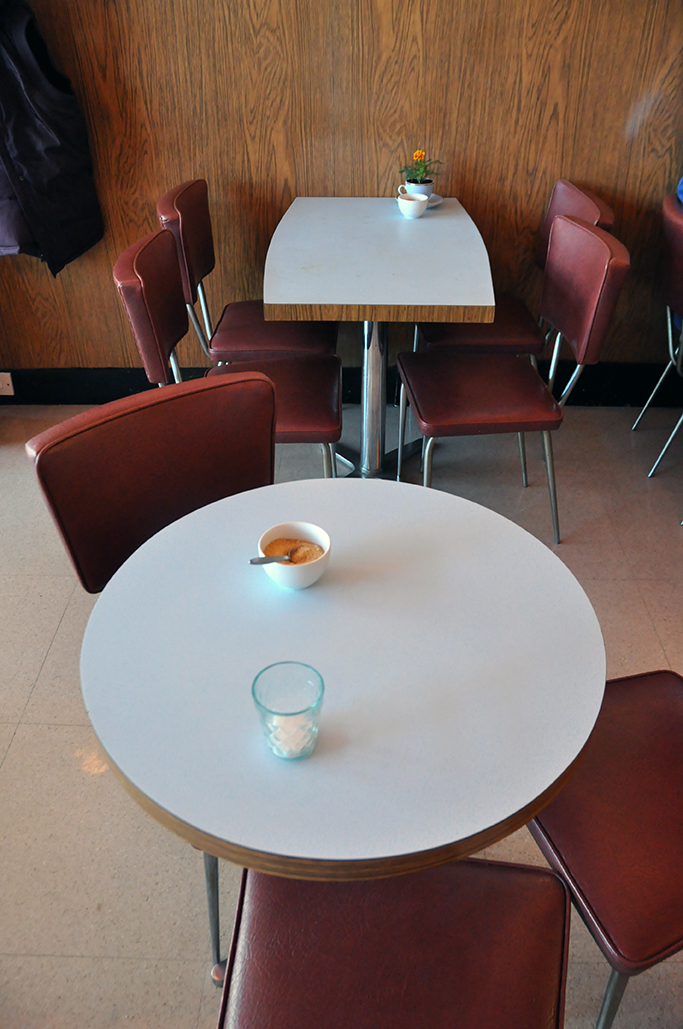
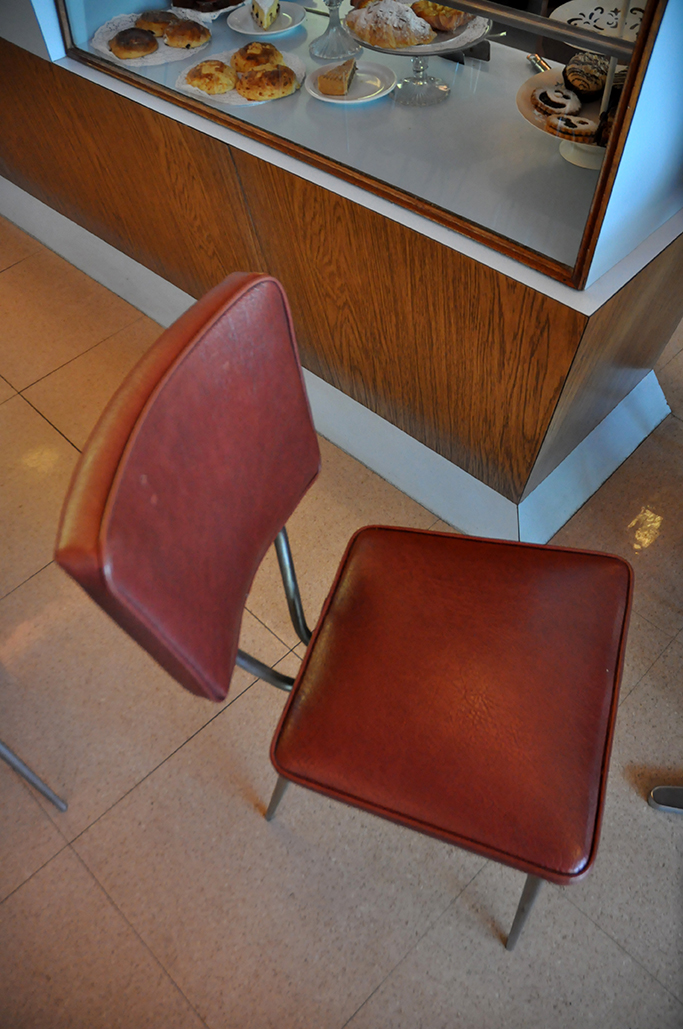
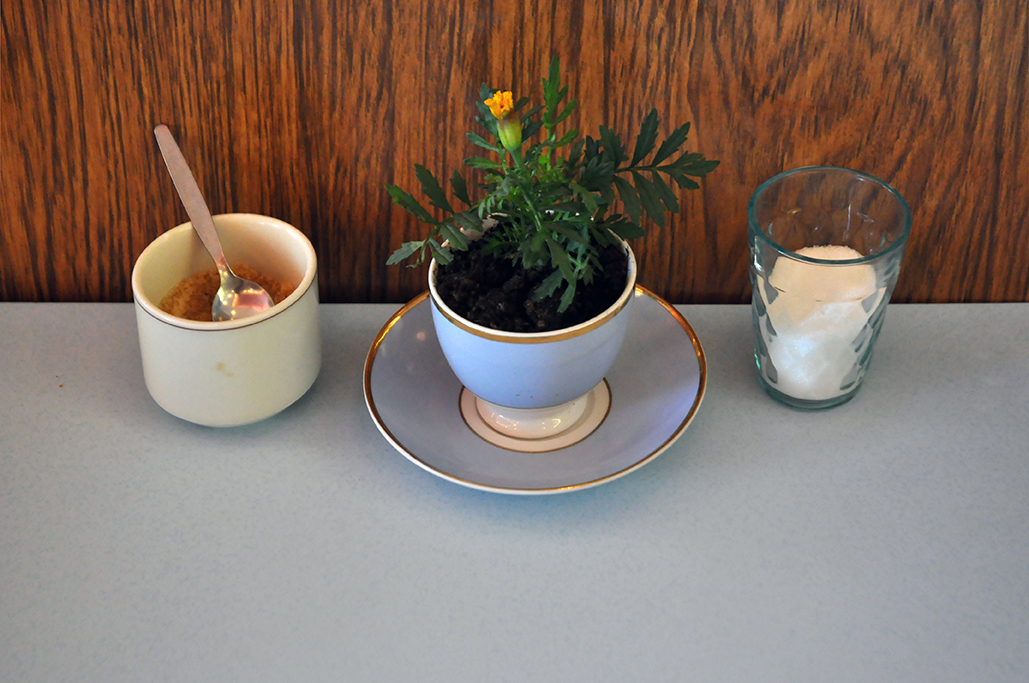
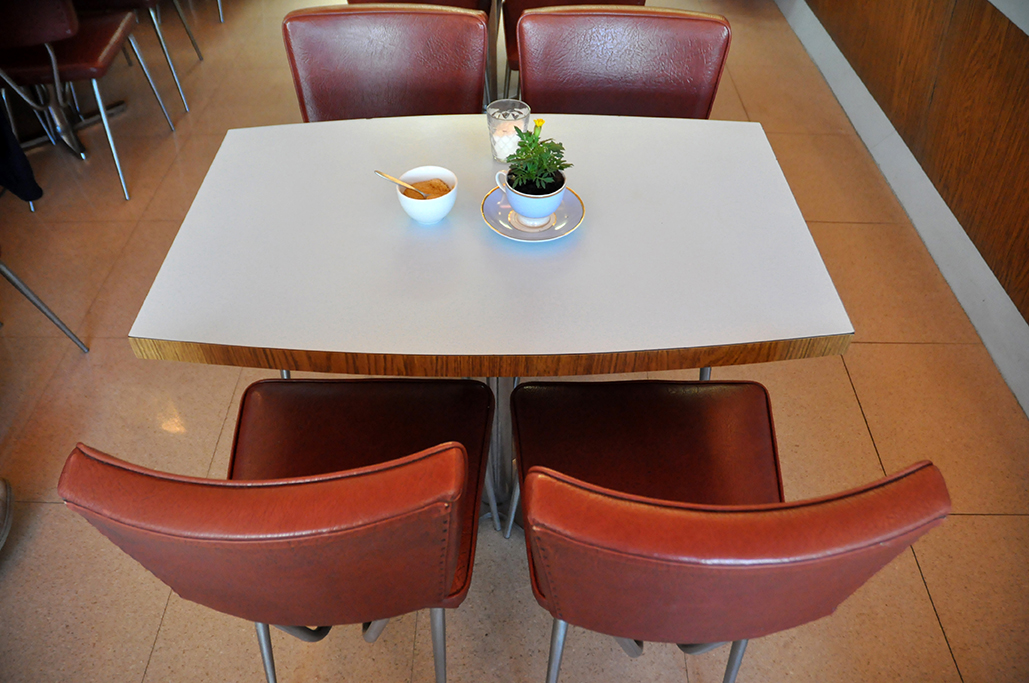
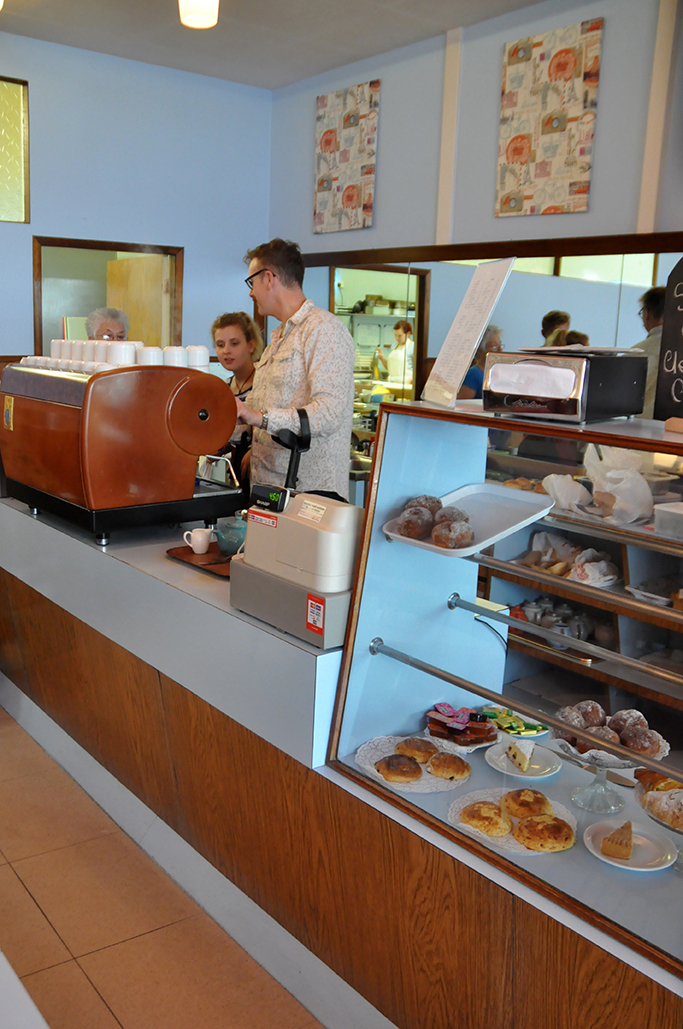
Idly meandering through Cliftonville, along Northdown Road, I chanced upon the most delightful of cake shop windows. Being something of an aficionado of cakes, shops and windows it seemed like an ideal opportunity to snap away, with customary broad-smiling, wide-eyed enthusiasm. Furthermore why not go in? I was met with the most charming of receptions from the patron Stuart Turner and staff – not unreasonably inquisitive regarding my impromptu picture taking, I explained my particular interest in the patisserie. The interior of the 50’s bakery, shop and café is perfectly preserved, with a little sympathetic restorative work. Well upholstered and formica topped the furniture is the finest of its kind, each table graced with fresh flowers, condiments and loving care and attention. An exquisite array of breads, pastries and cakes, resting on delicate doilies, displayed in glass fronted cases. I encourage you to visit, take tea, take cake, take away the fondest of sweet memories.
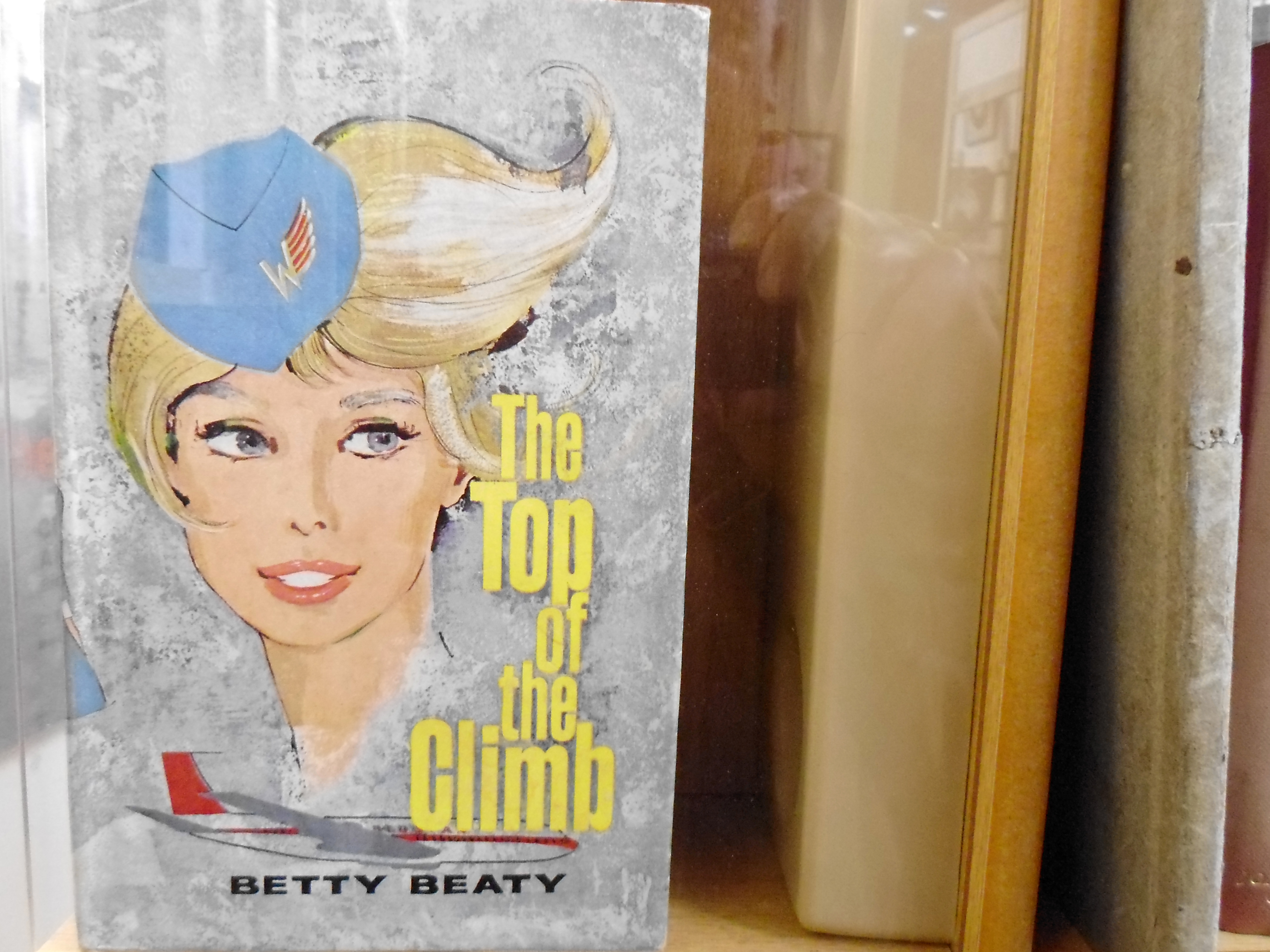
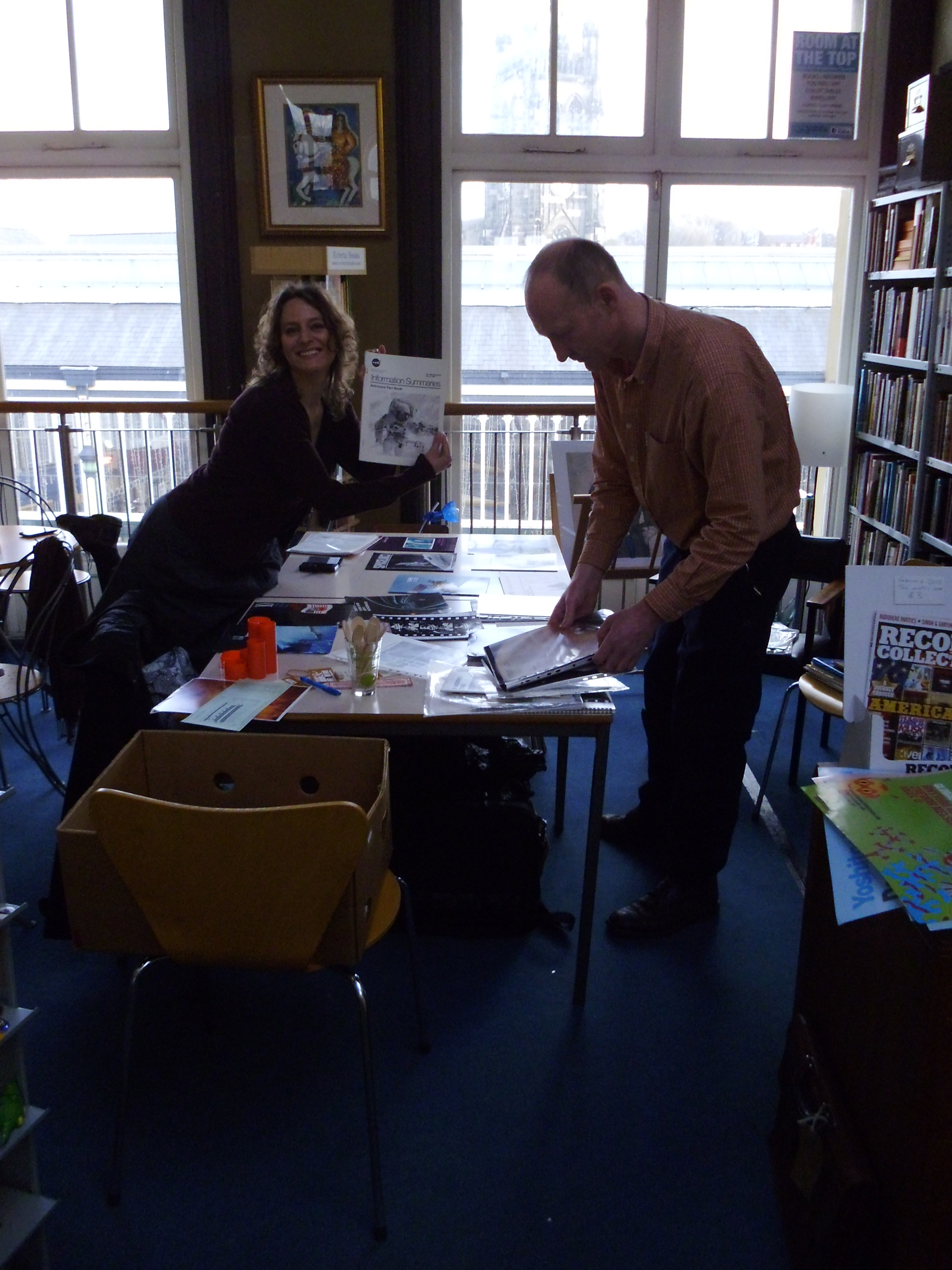
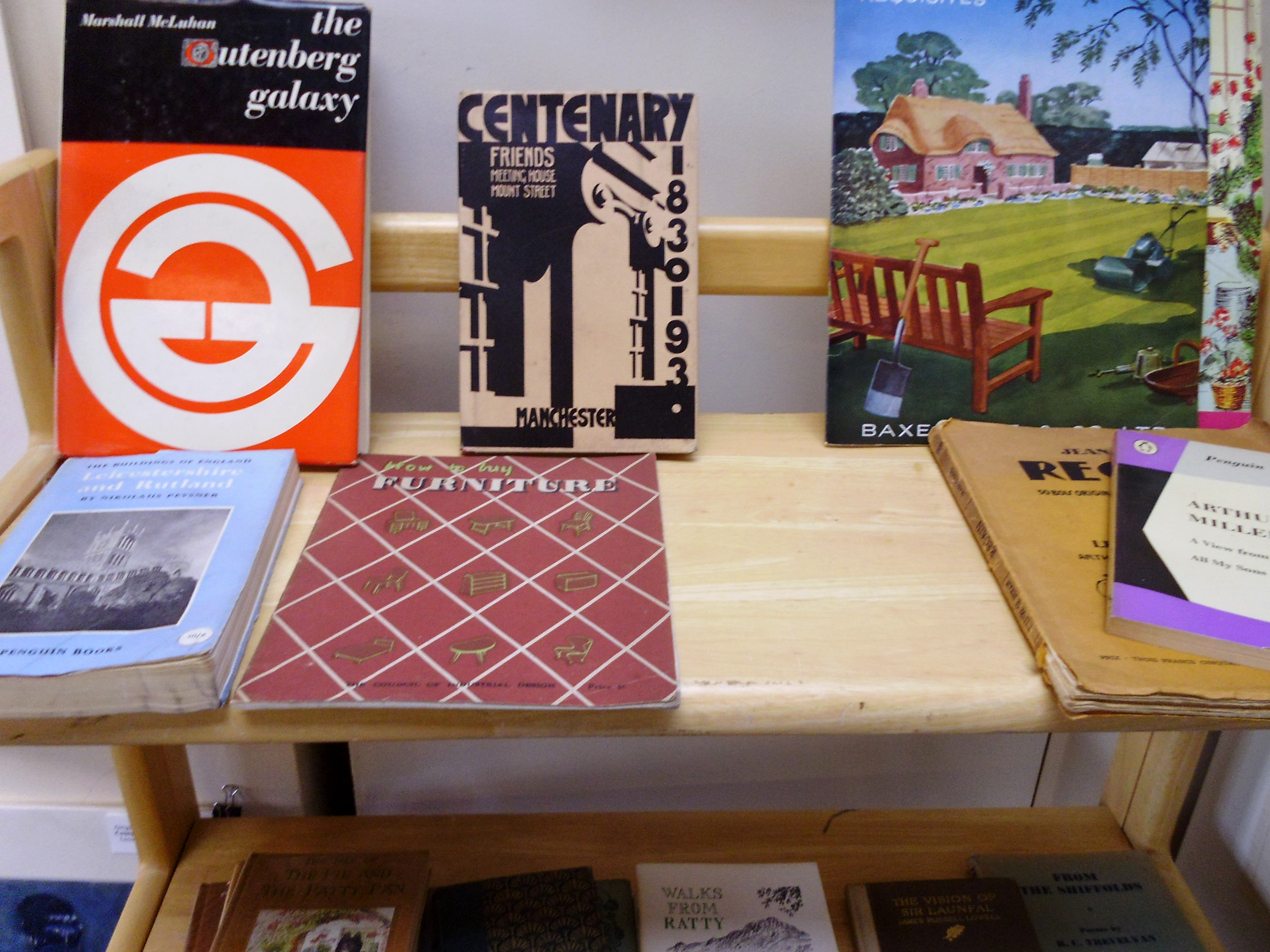
Every town worth its salt should have a decent second hand book shop.
Stockport does.
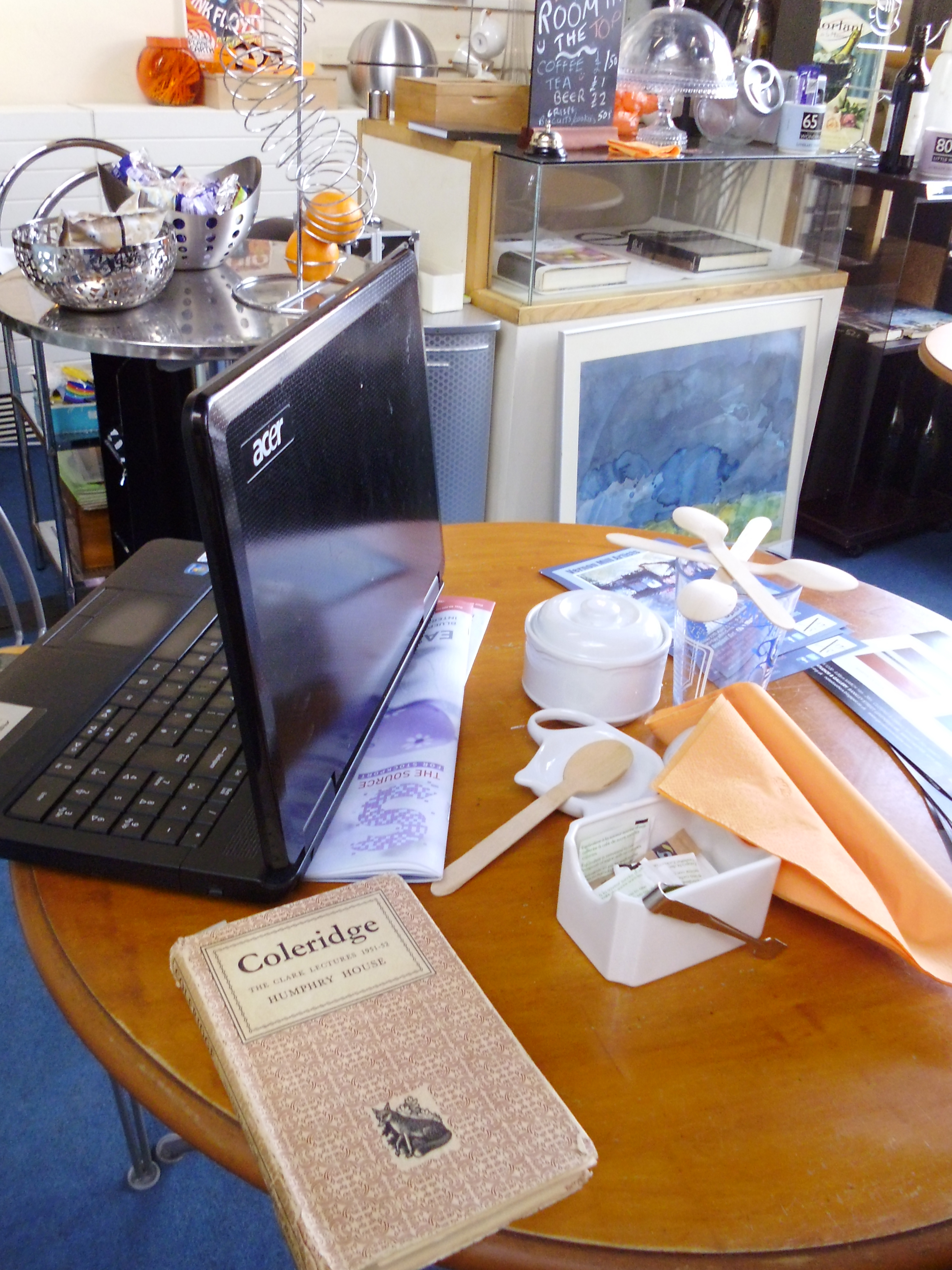
Room at the Top – on the ever so elegant Market Square, centre of the Old Town and part of the ever enlarging nexus of vintage shopping.
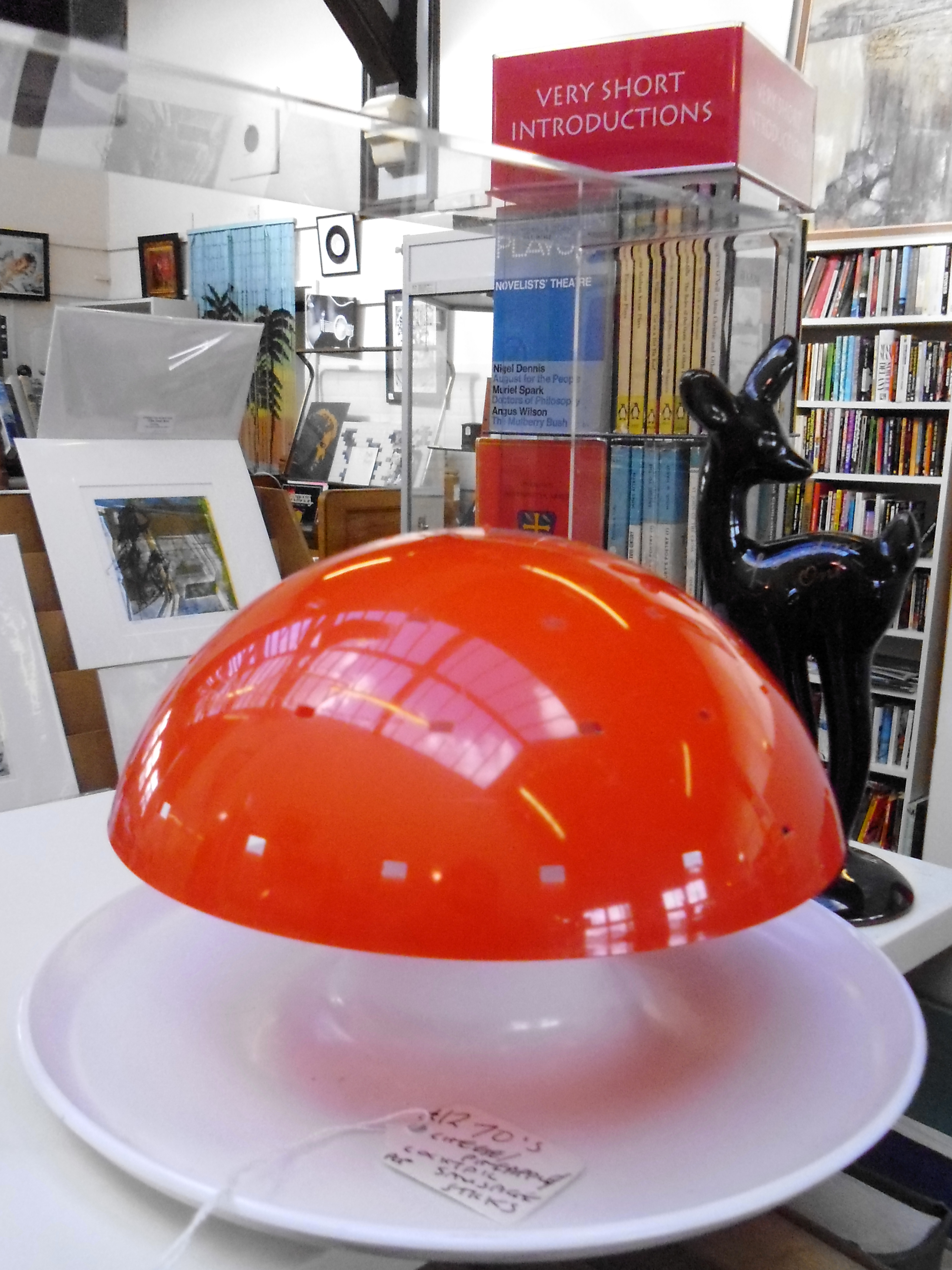
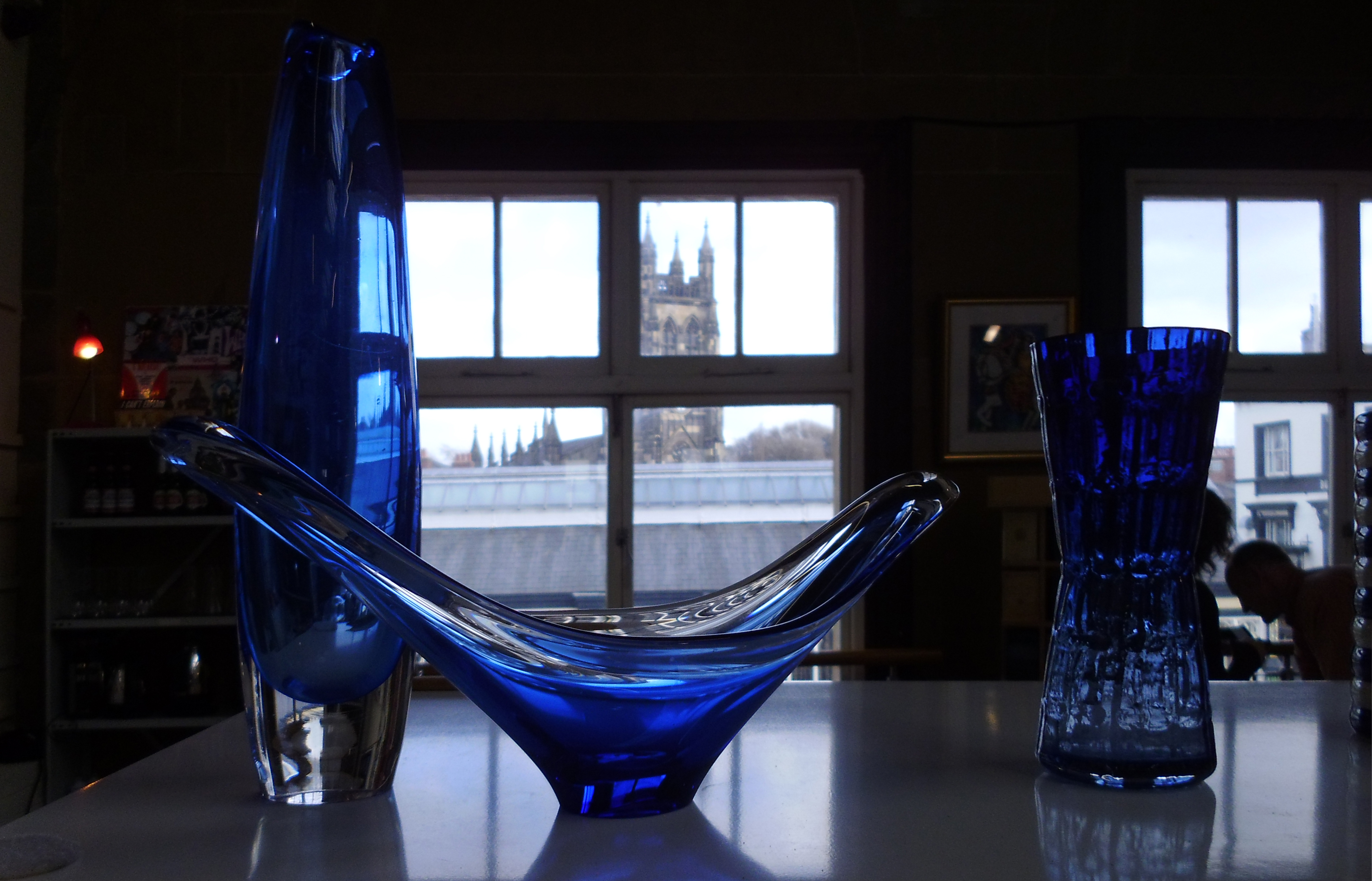
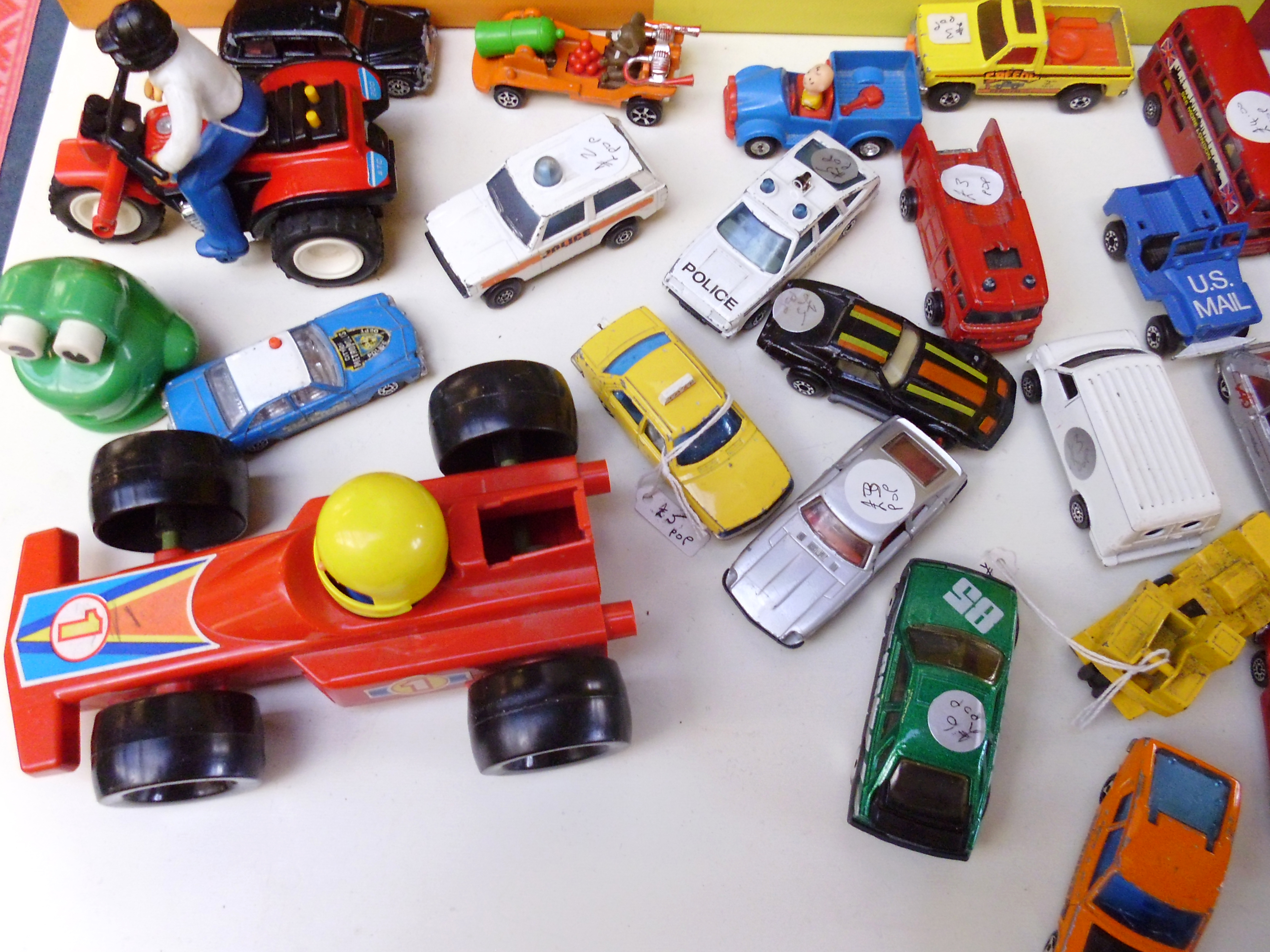
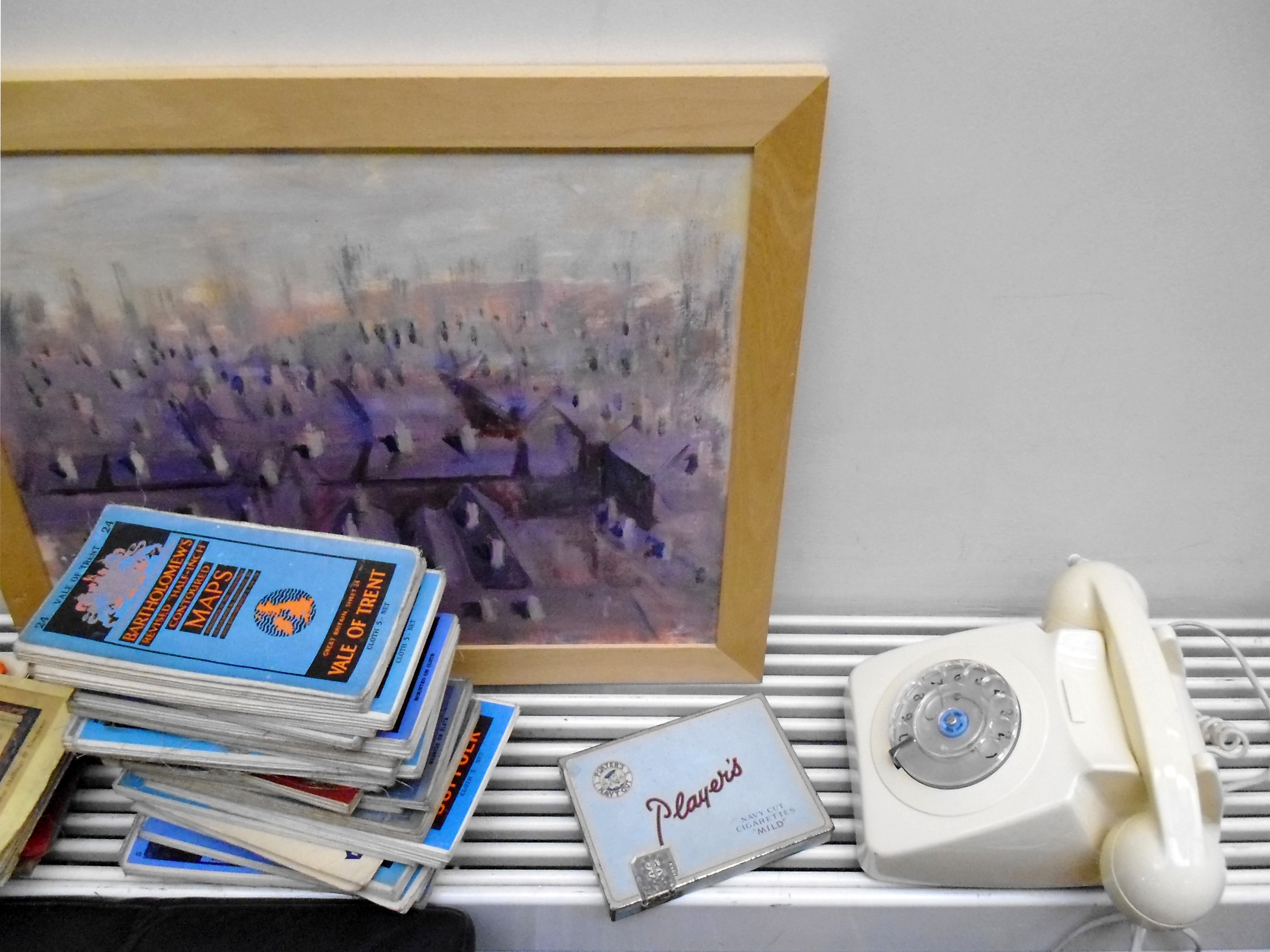
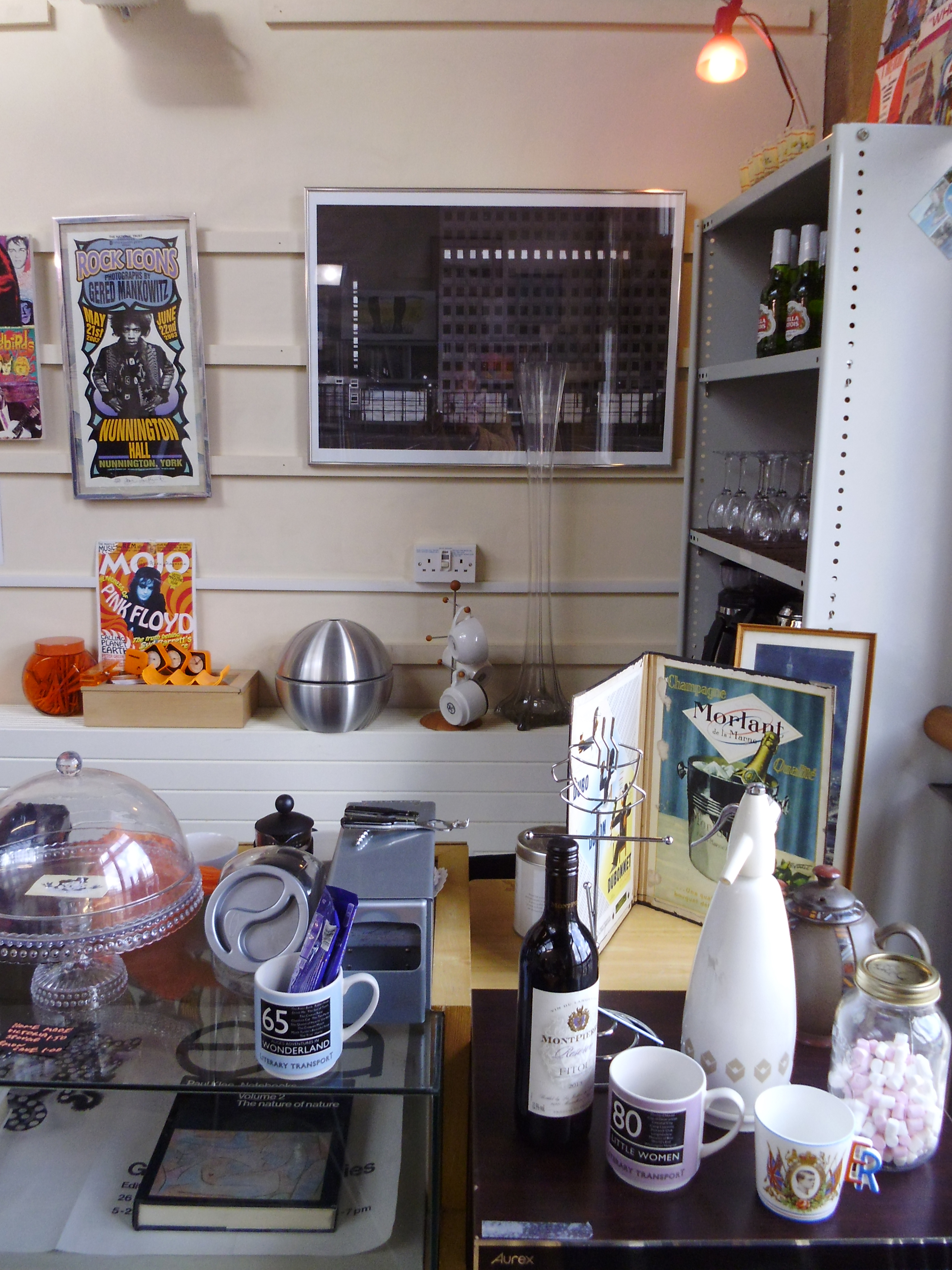
Jane, John and Lynn offer a wide selection of books, records, art, ephemera, glass, toys, ceramics and almost all sorts, in their first floor eyrie of happiness.
Always at the most reasonable of prices – you can get a brew too!
So take an hour out to browse, pursue and lollygag in convivial surroundings.
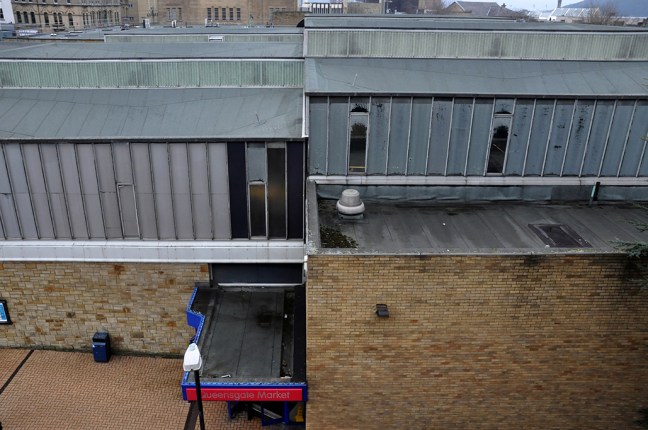
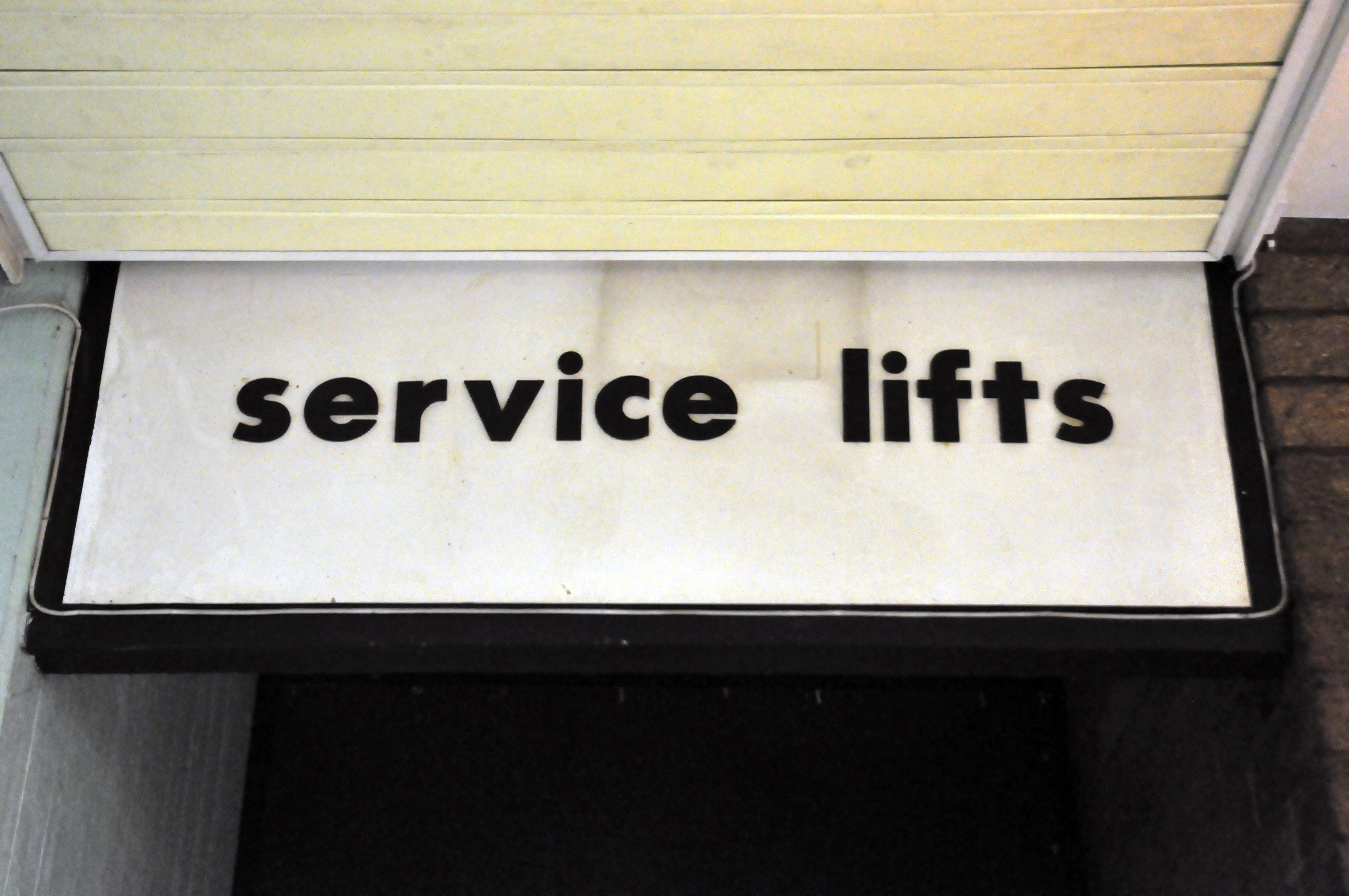
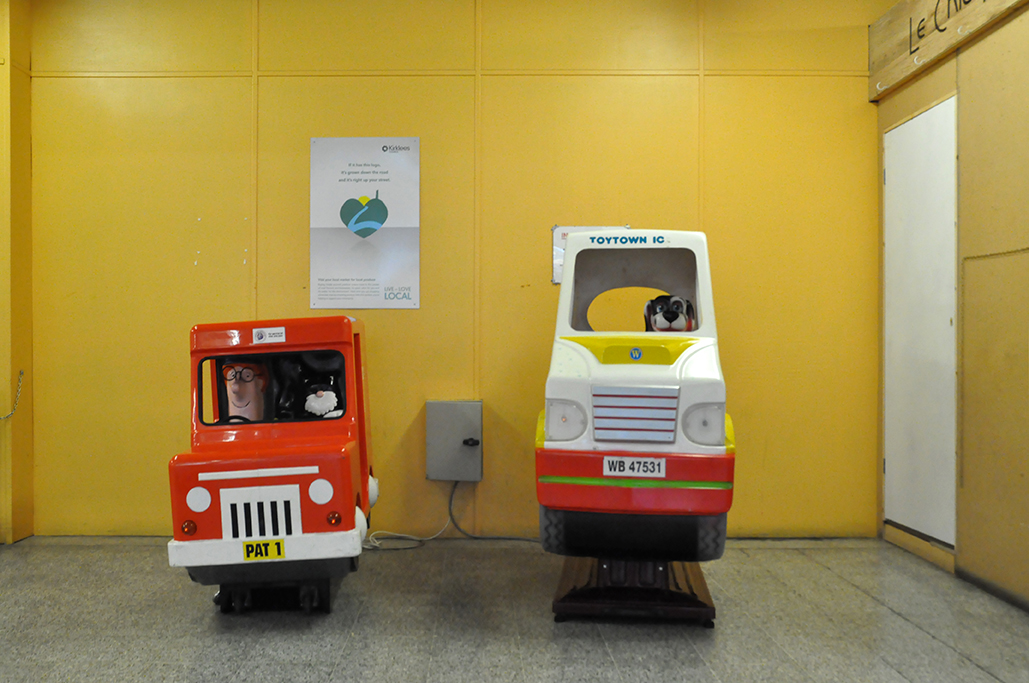
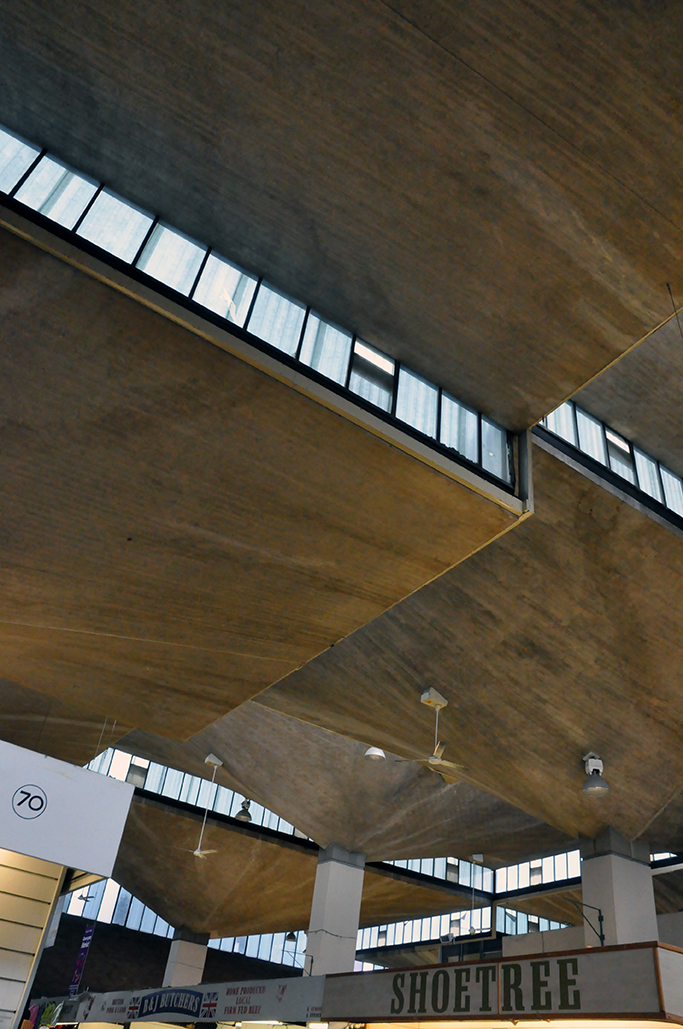
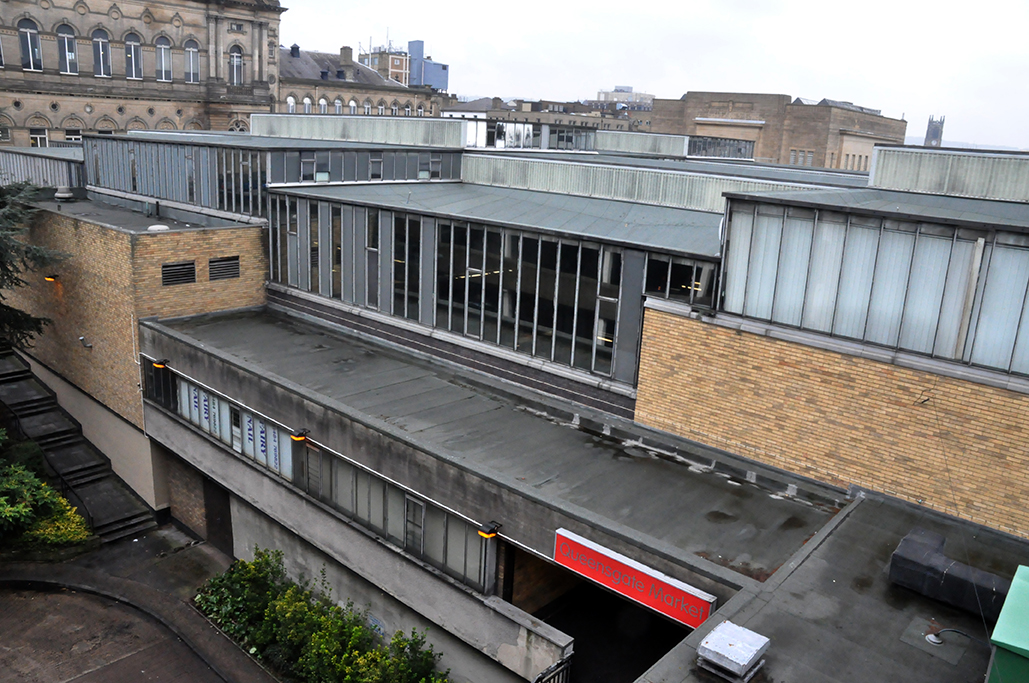
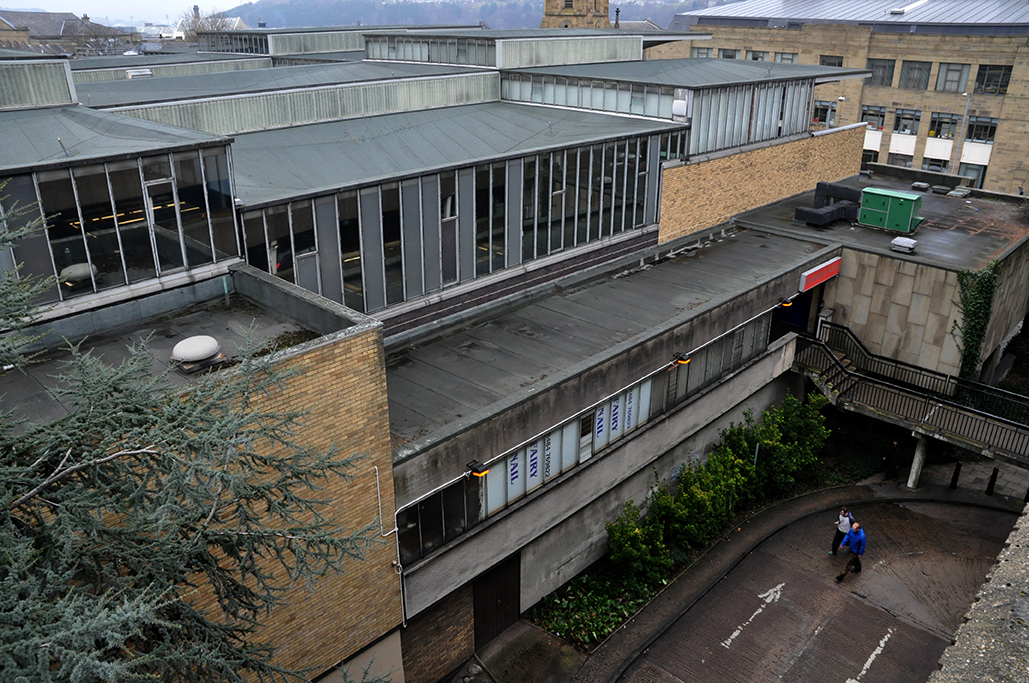
One can only marvel at the ingenuity and vision that brings together modern architecture, technology and municipal functionality. It has produced an indoor market place of lasting and everlasting beauty and wonder.
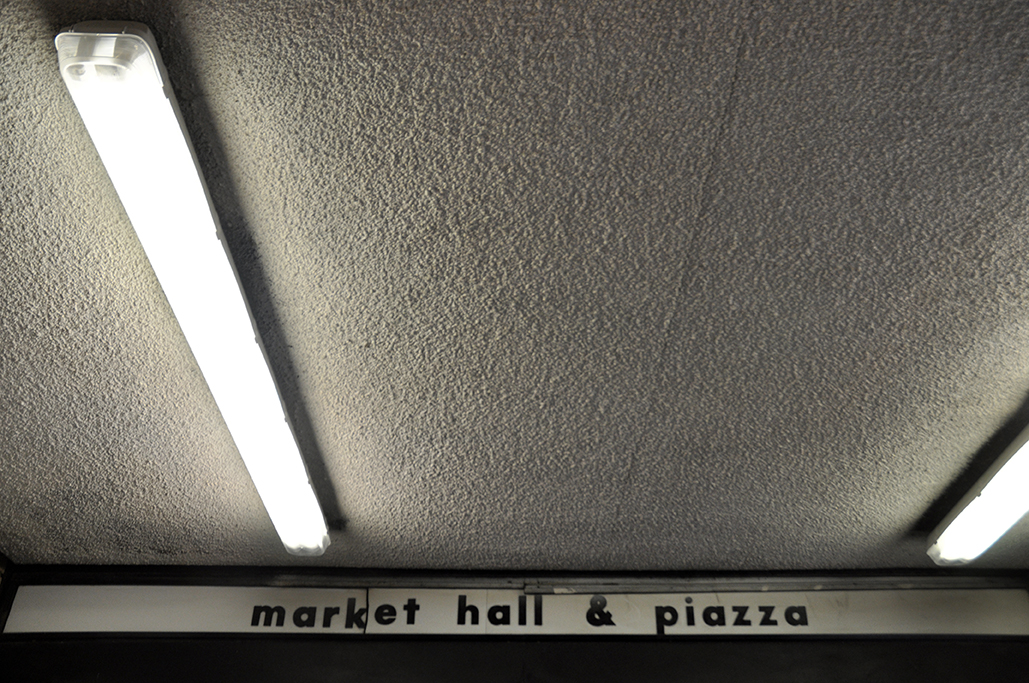
Vaulted concrete roof columns and high side lighting from the pierced window strips between the split level roofing lead the eye up towards eternity.
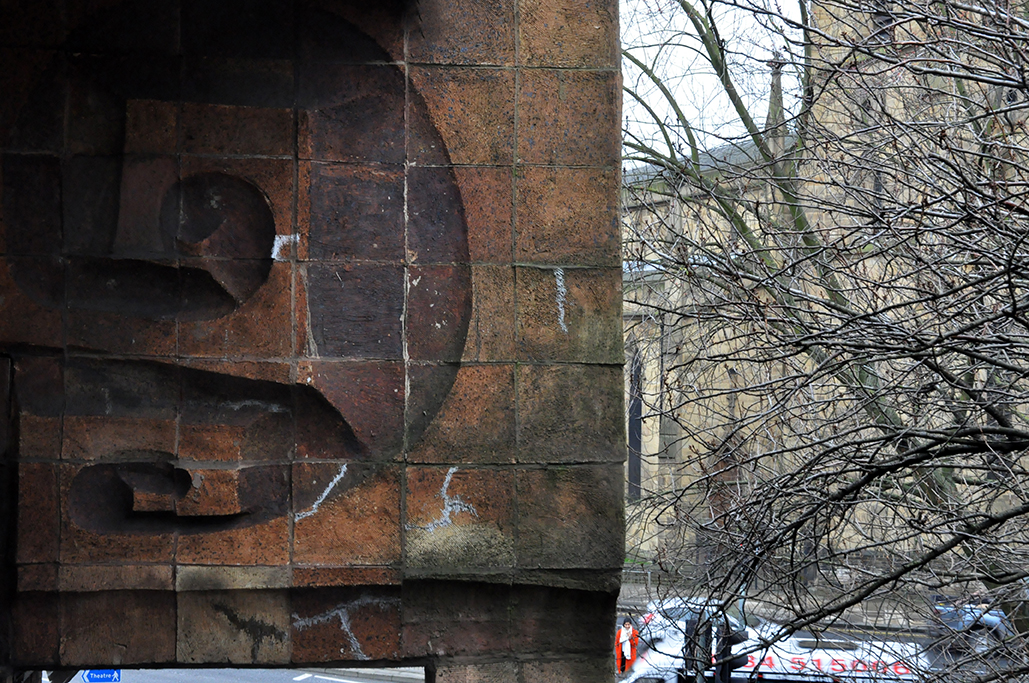
The exterior and interior walls are both adorned by some of the finest mid-century public art.
A lasting provincial splendour that offers more with each visit – it’s irresistible.
A local café group, that has the market cornered in West Riding mock-baronial dining.
Walking into a half-timbered, overwhelmingly cream and red, world of tea, toast and hot beef sandwiches, there is a dislocation in time and location. No longer March 2015 in the centre of a Yorkshire Town, but in a lukewarm Westworld totally lacking in animatronic psychopathic killers.
The furniture is brown.
Moves are afoot to refurbish and refresh the brand, one branch doing its best to emulate an Argos furniture showroom, with an incongruous suit of armour thrown in for good luck.
Clank!
Pop in make your own mind up – old new old, or new new old.