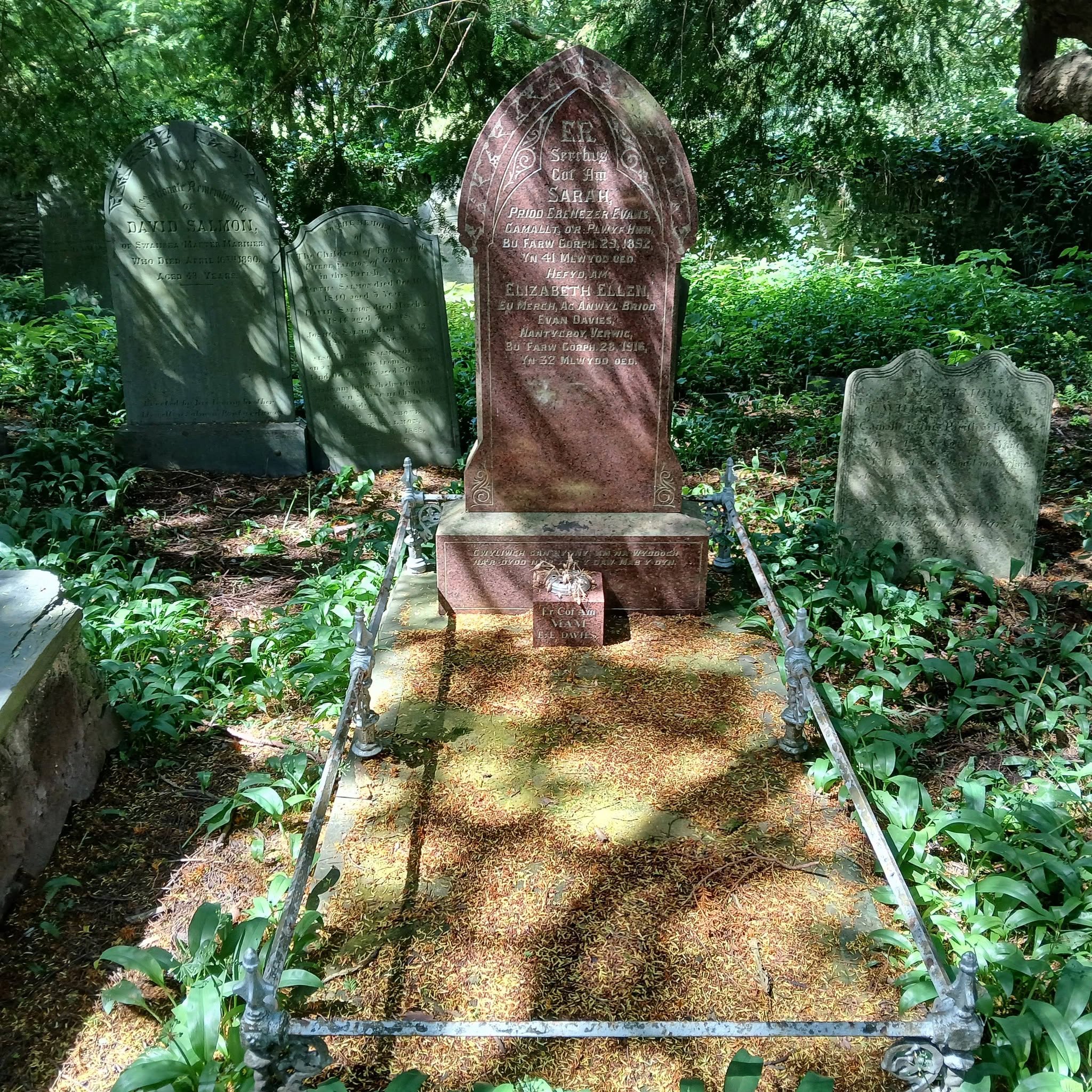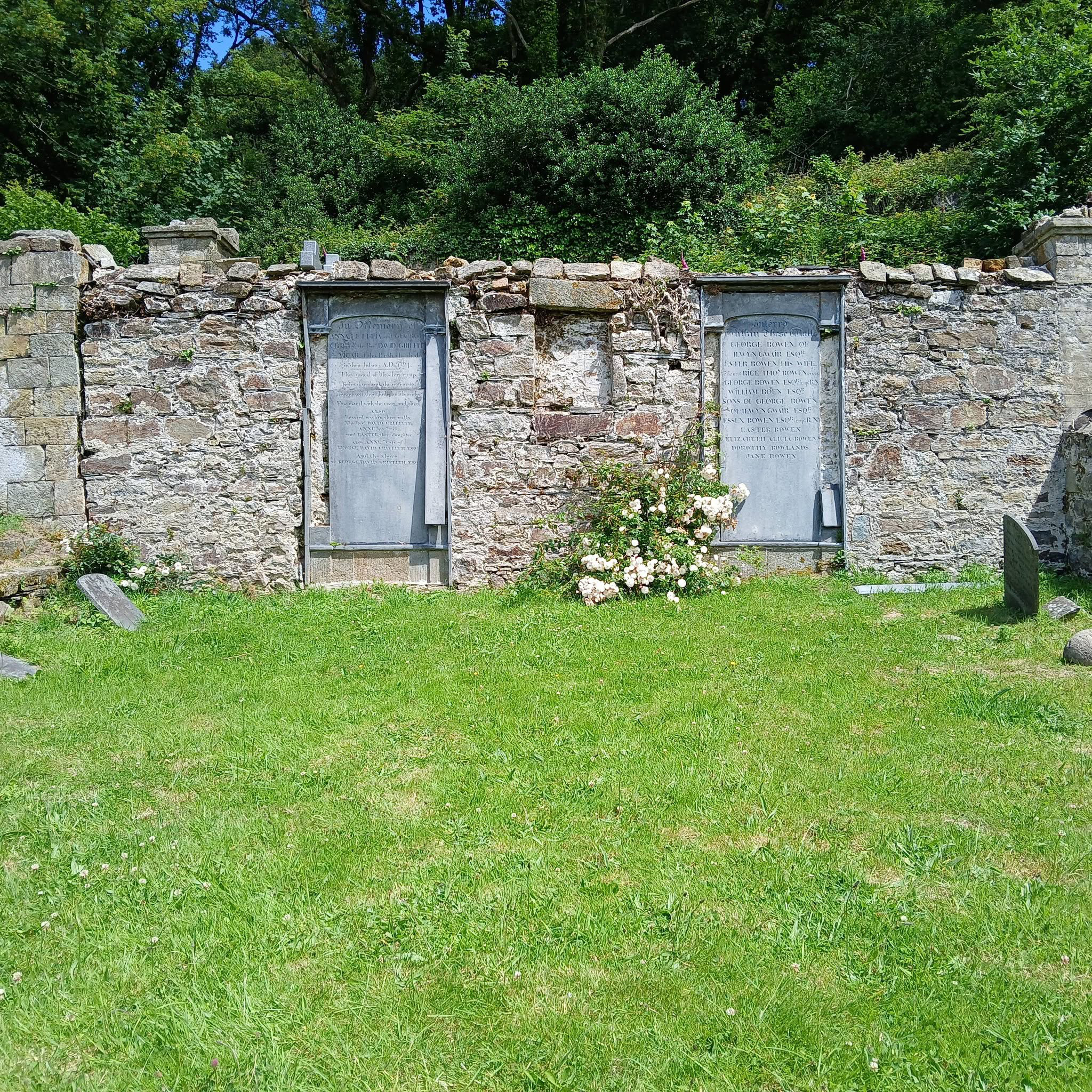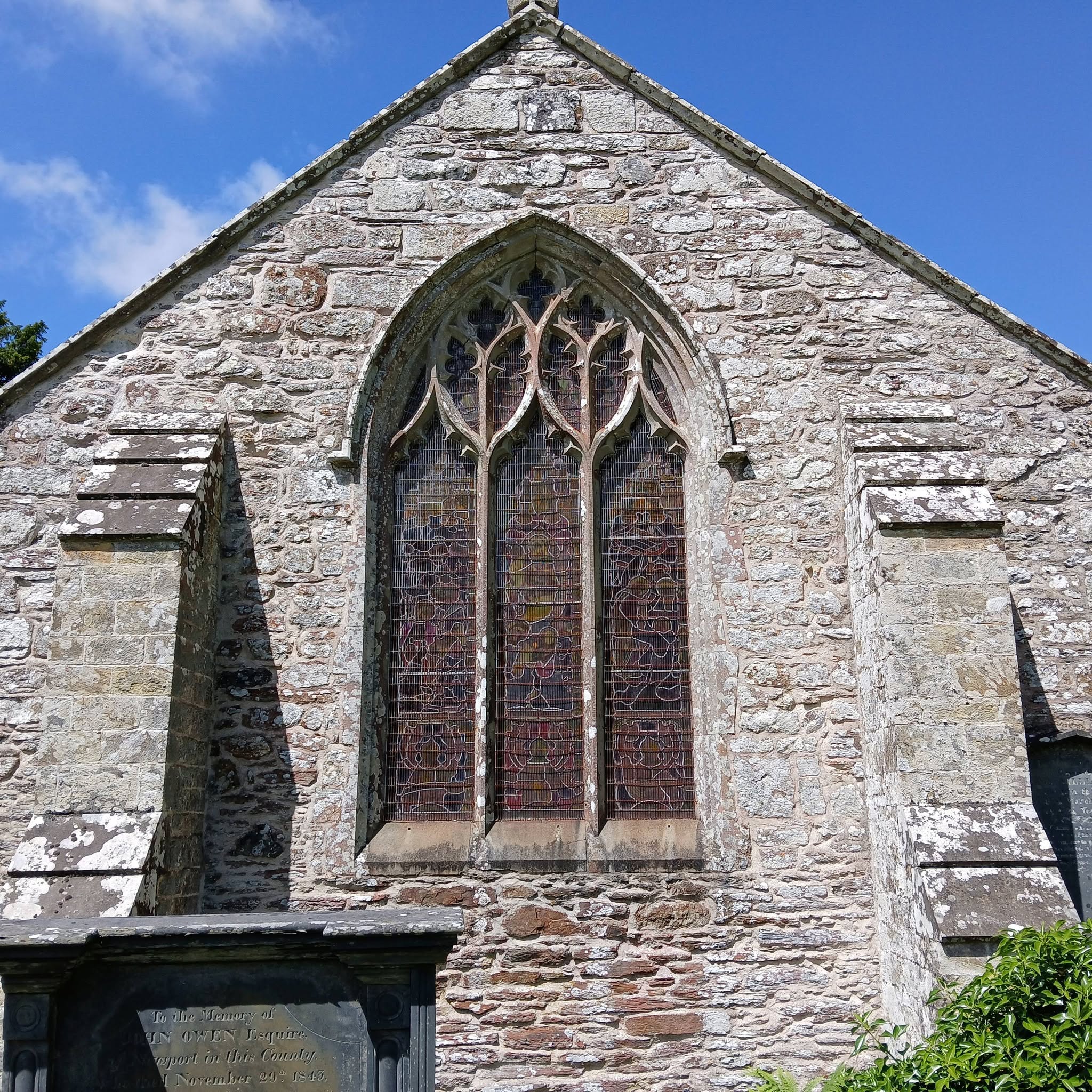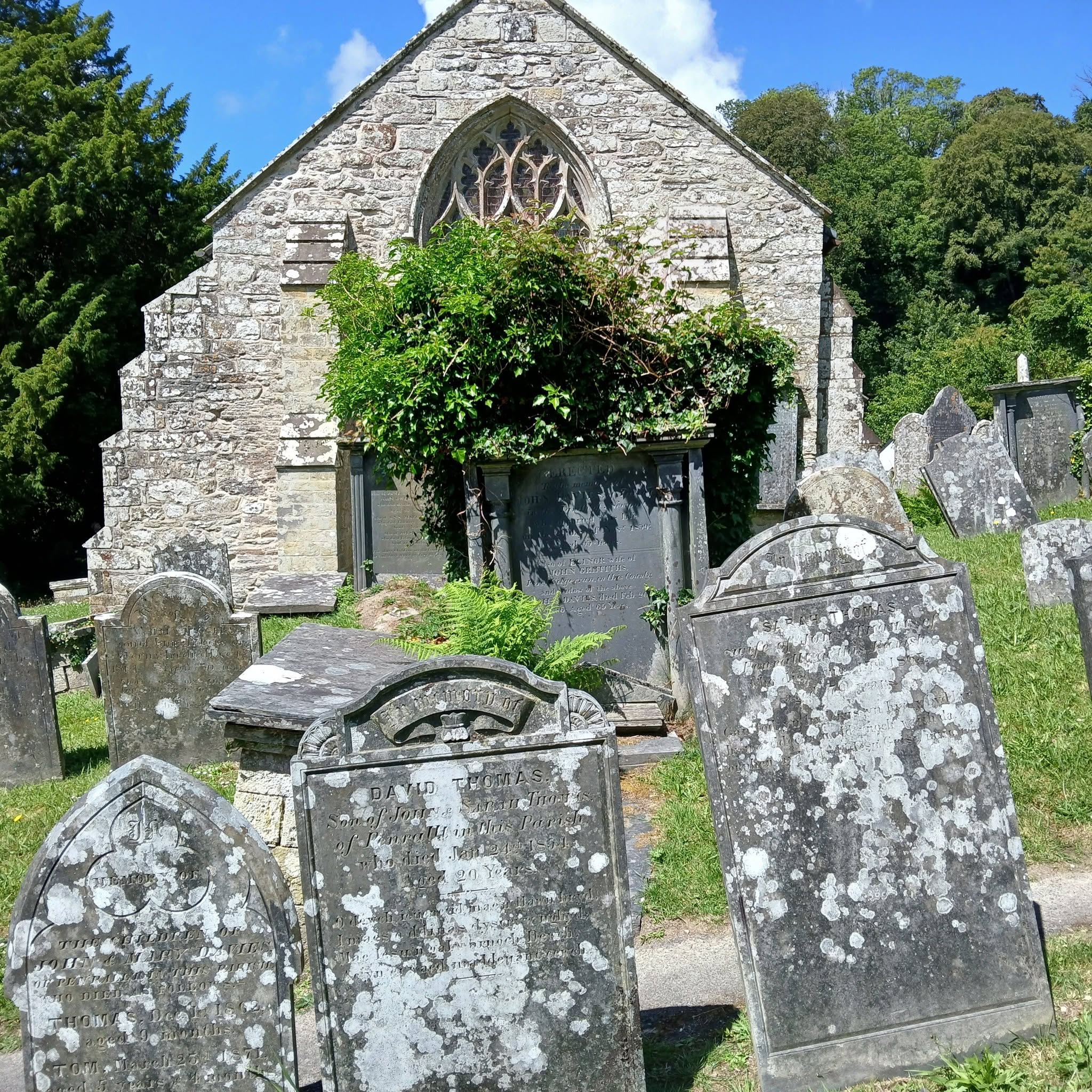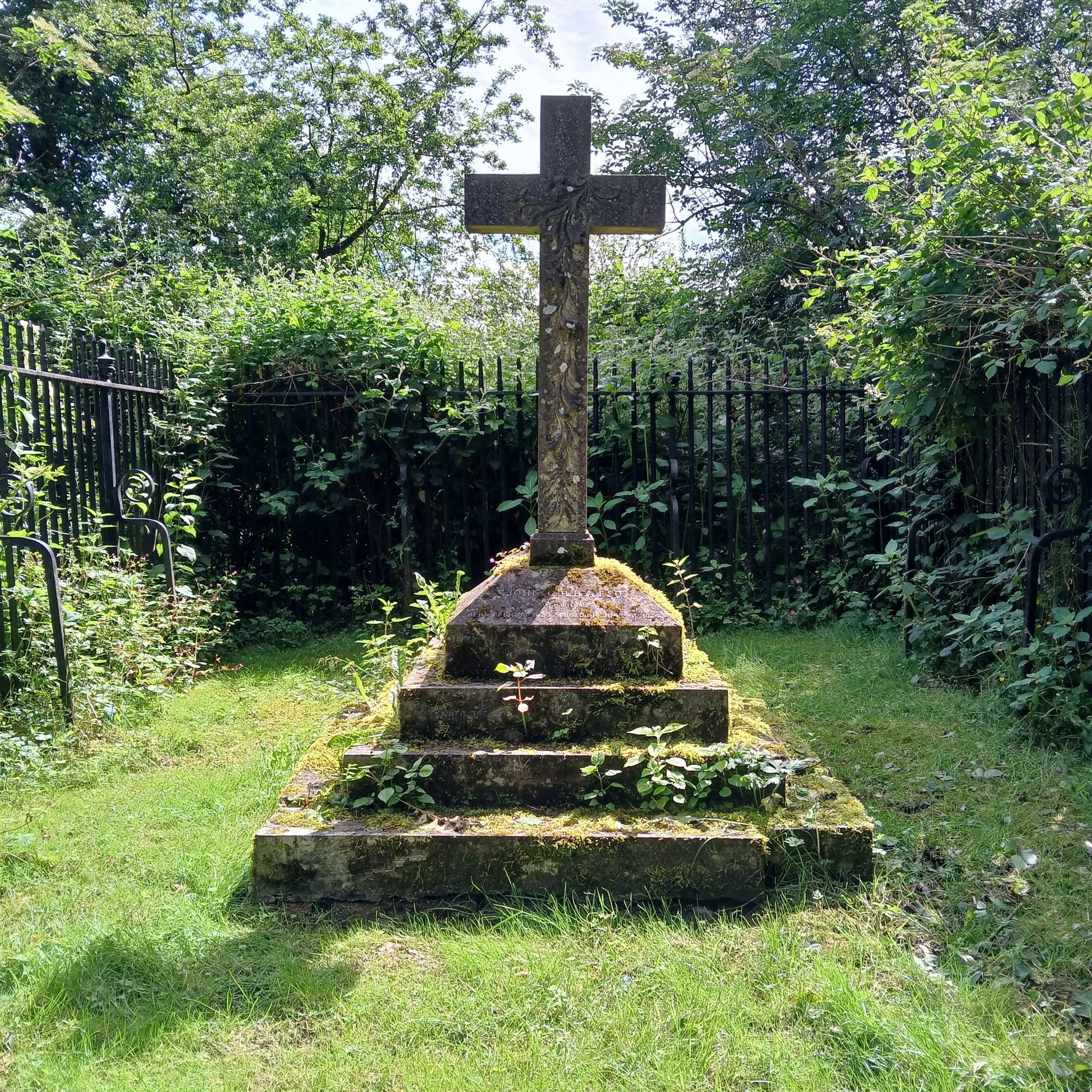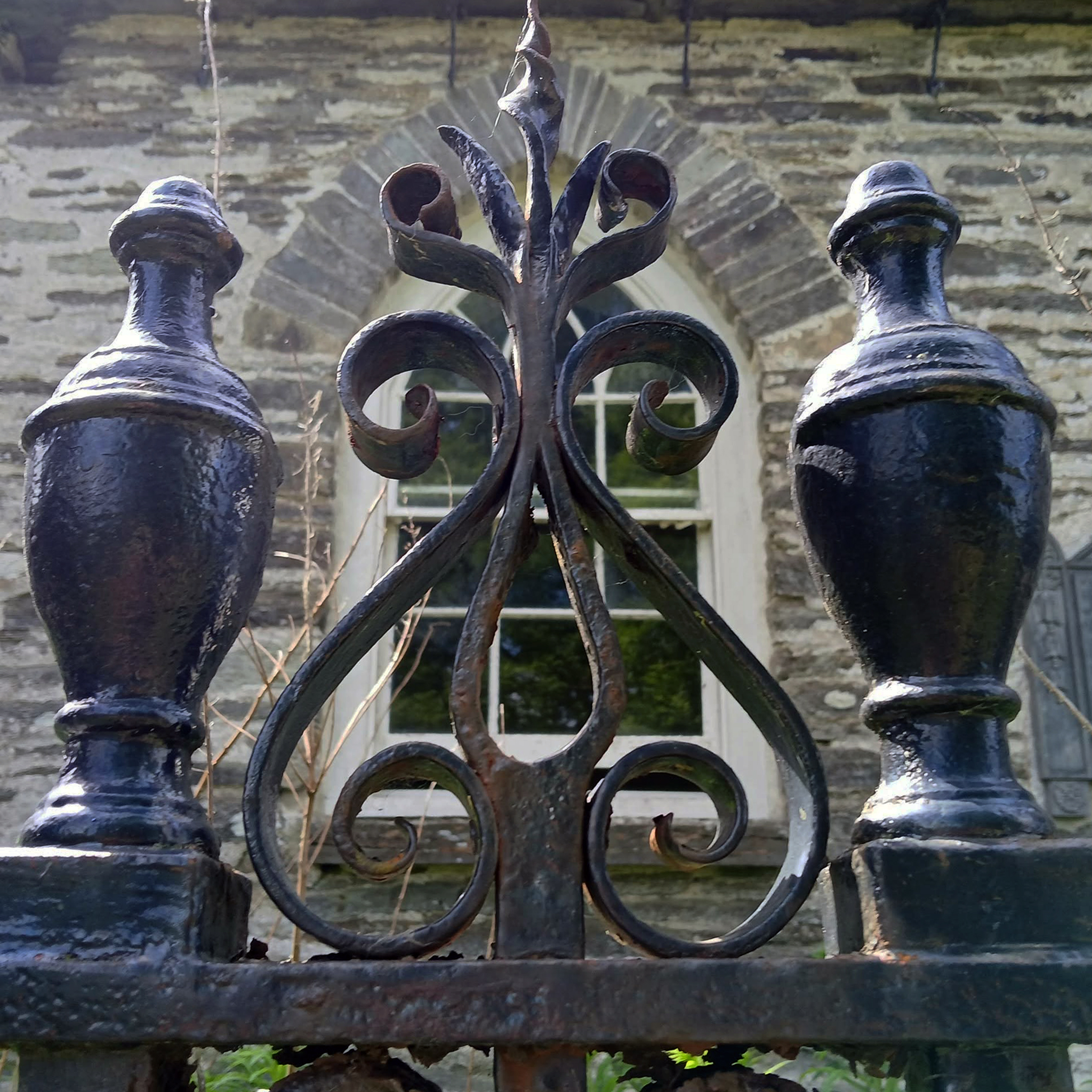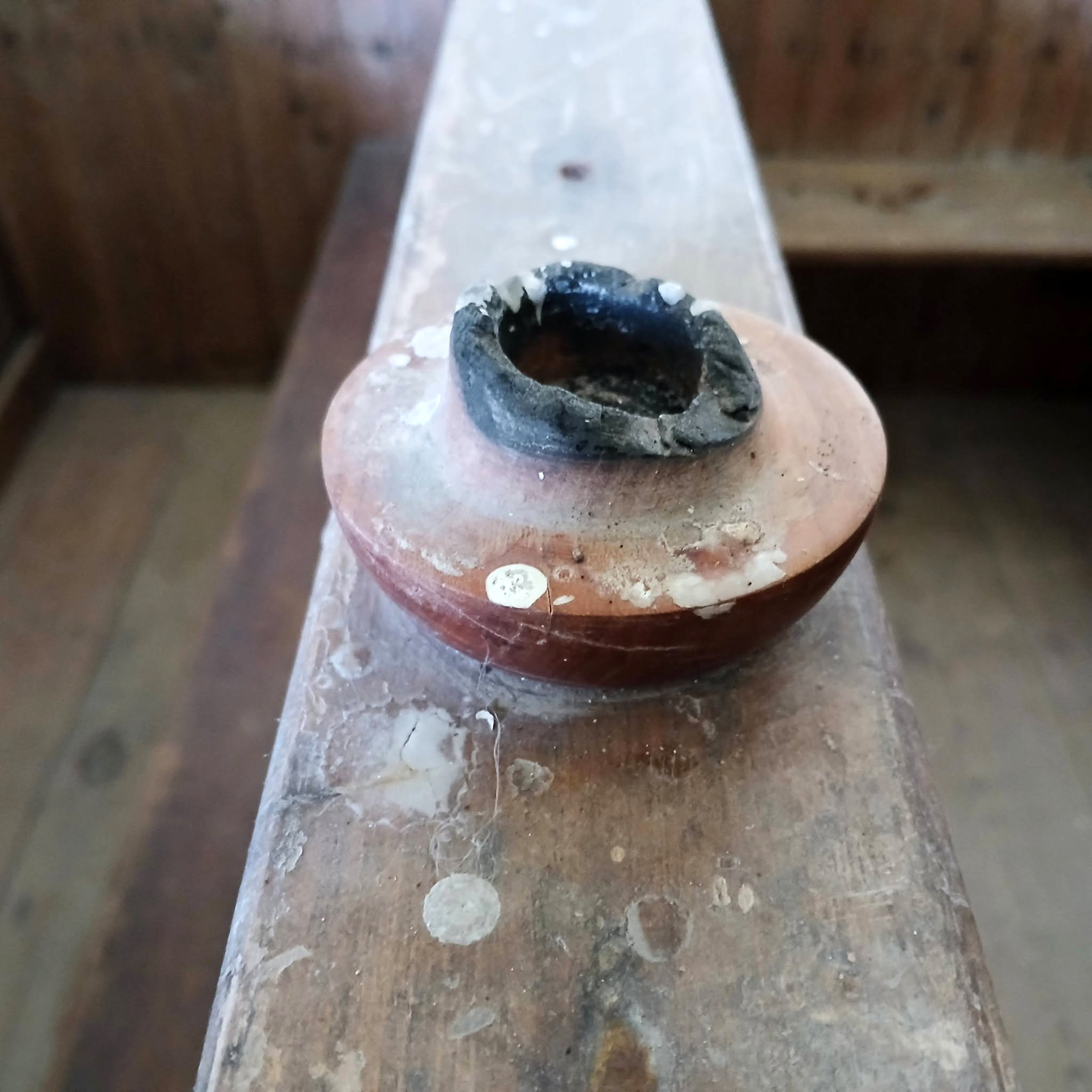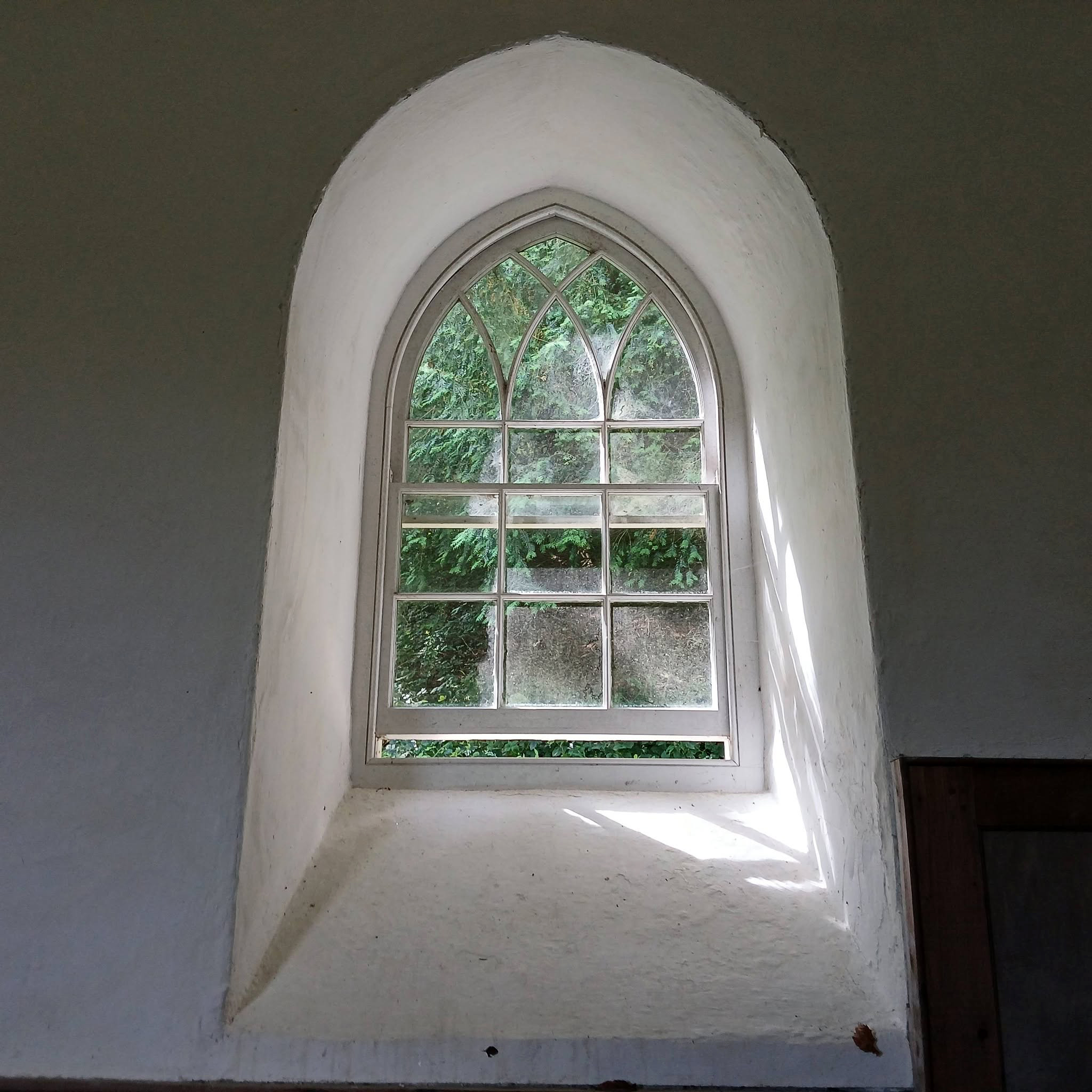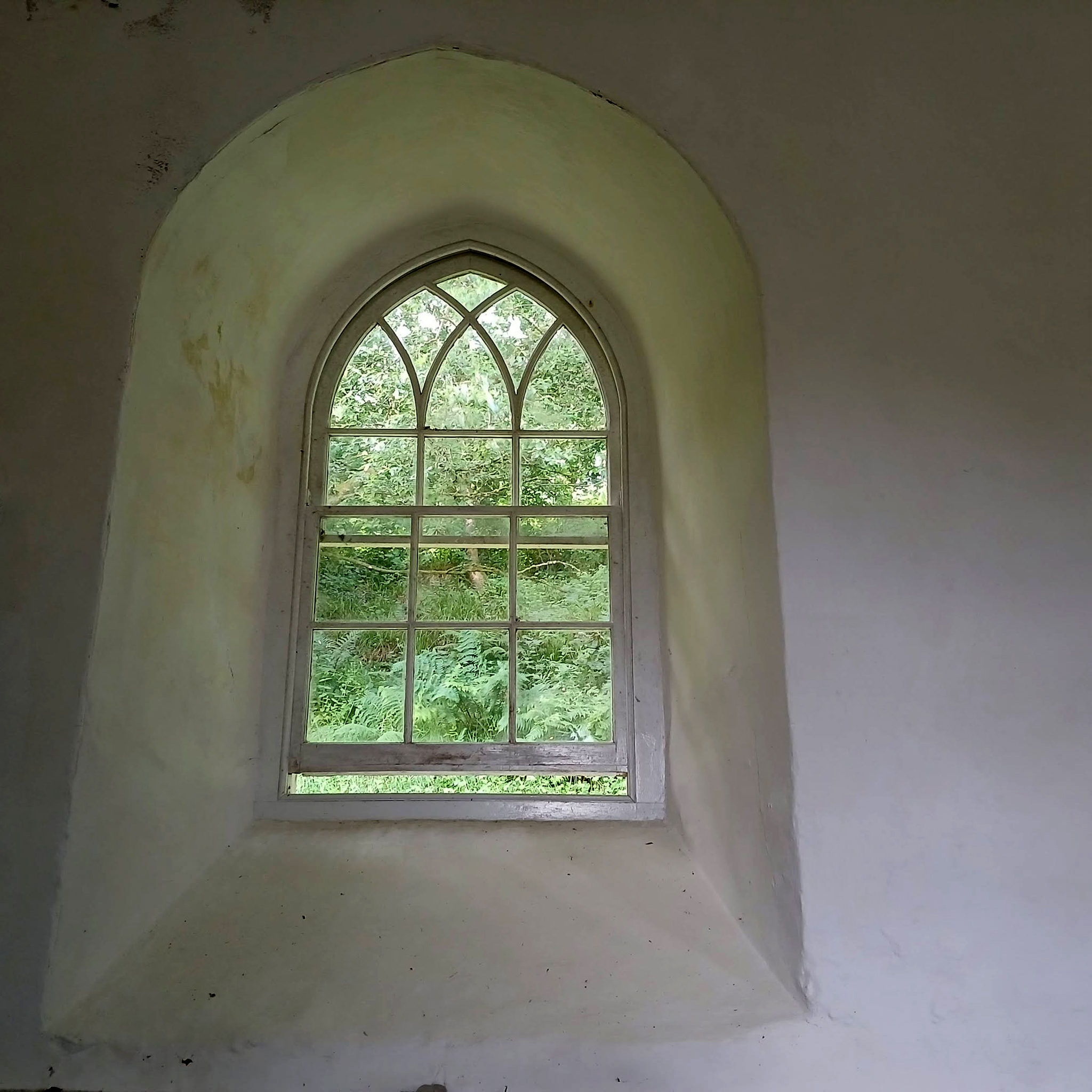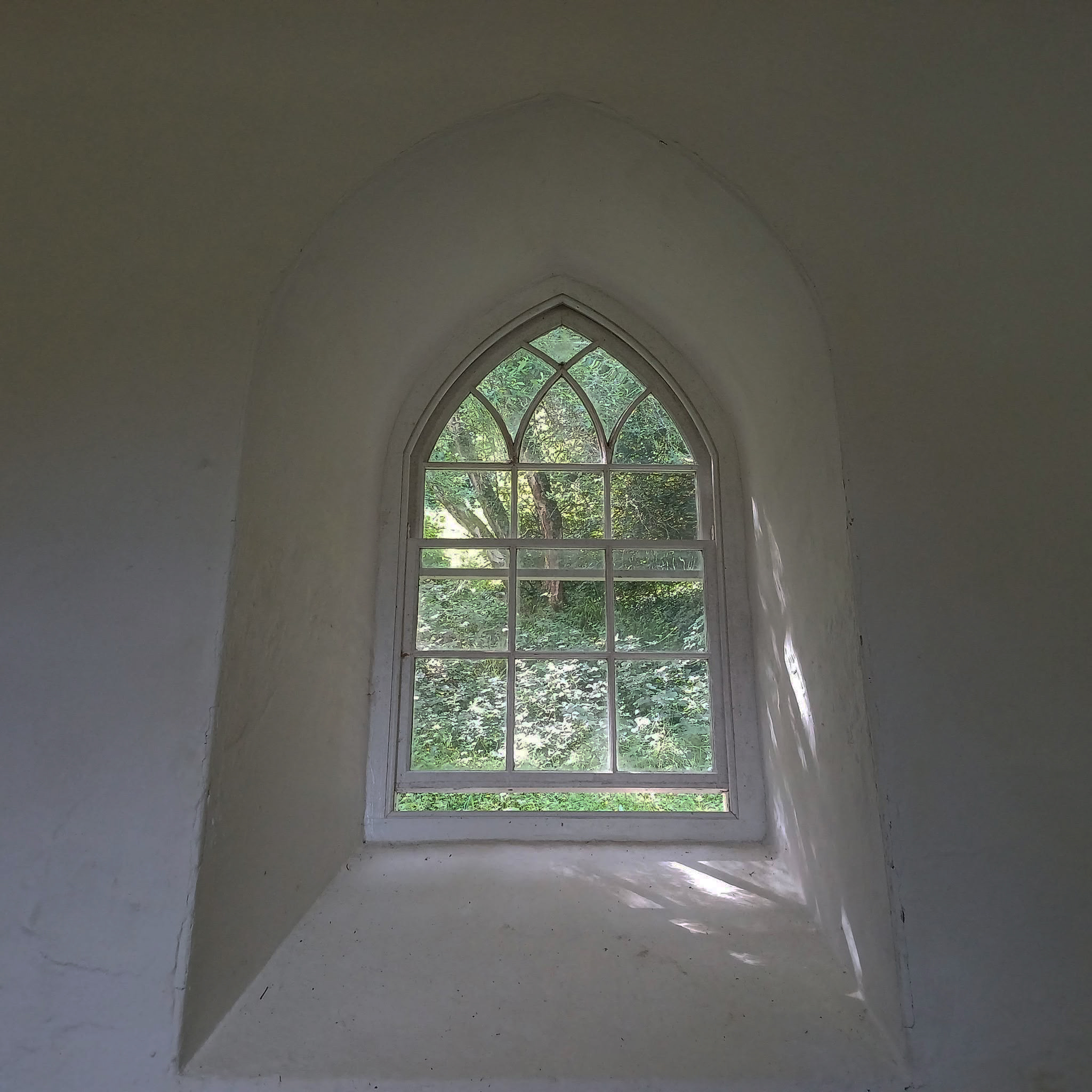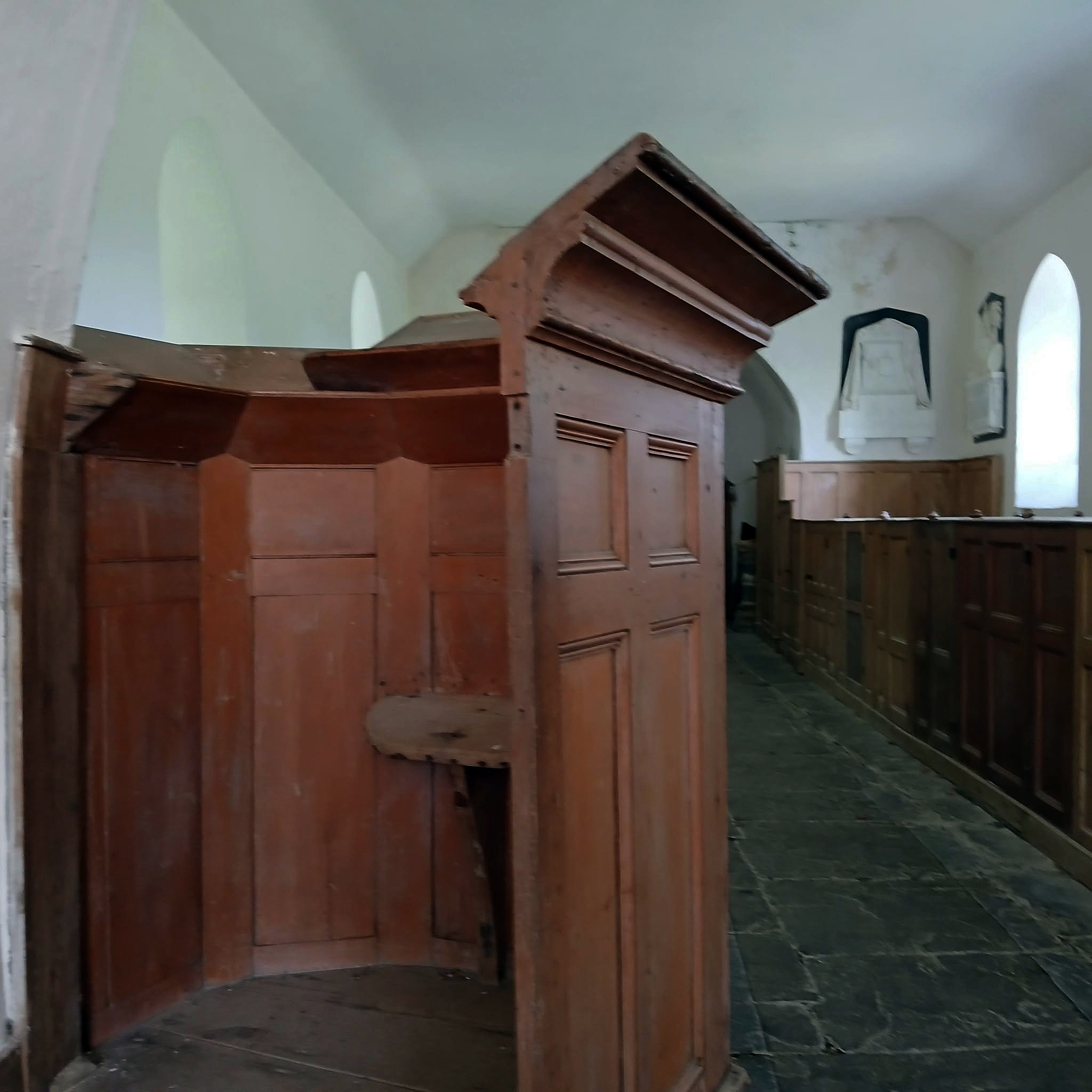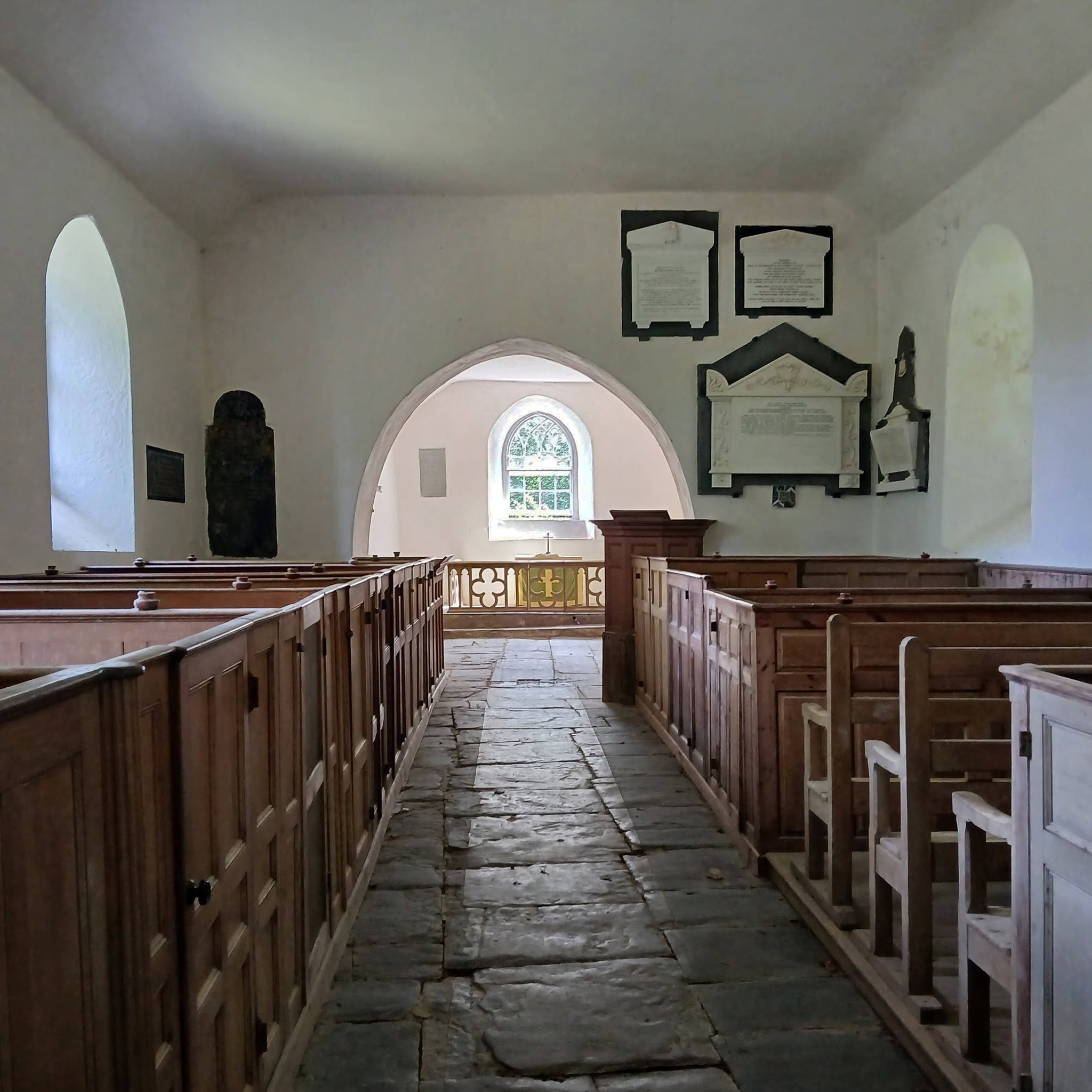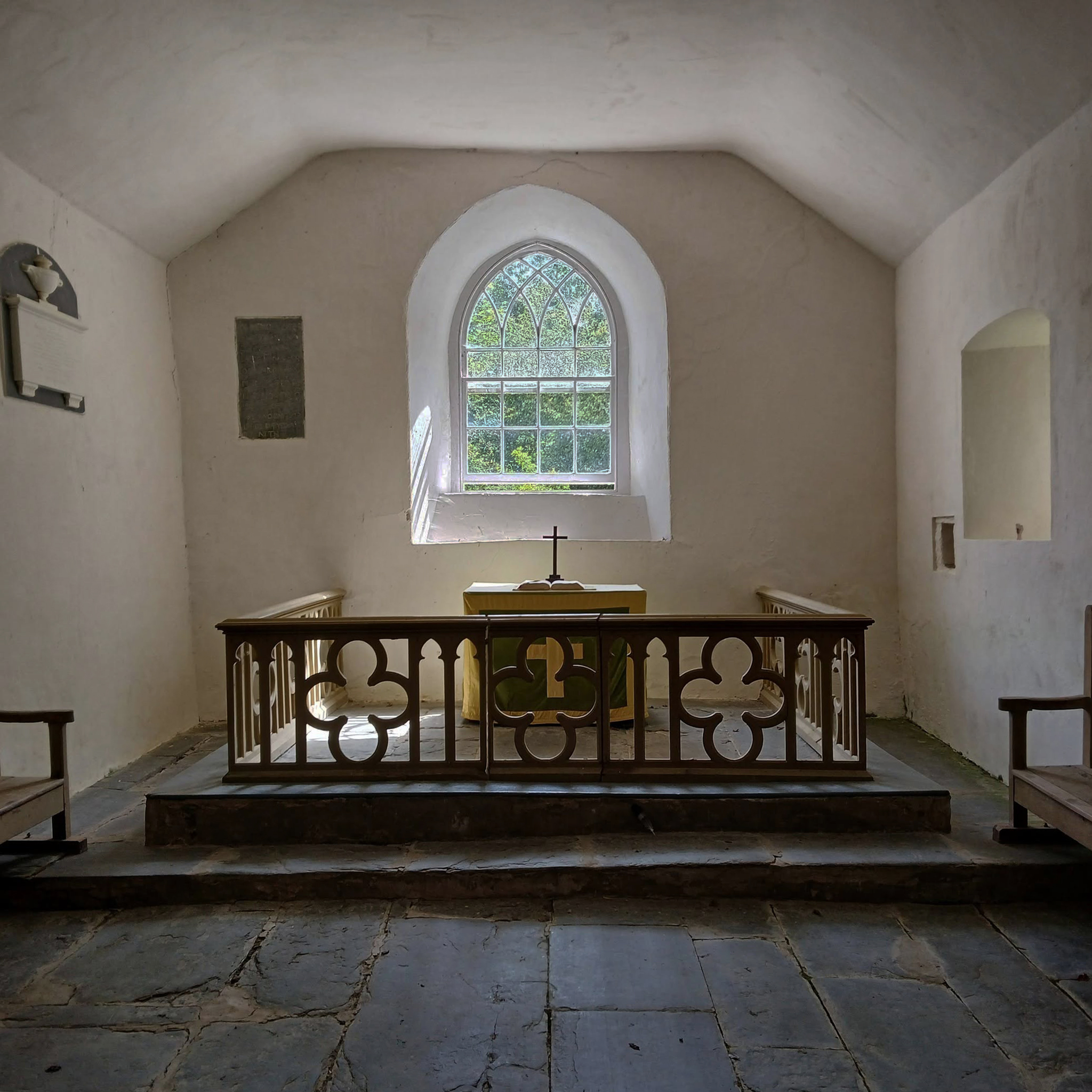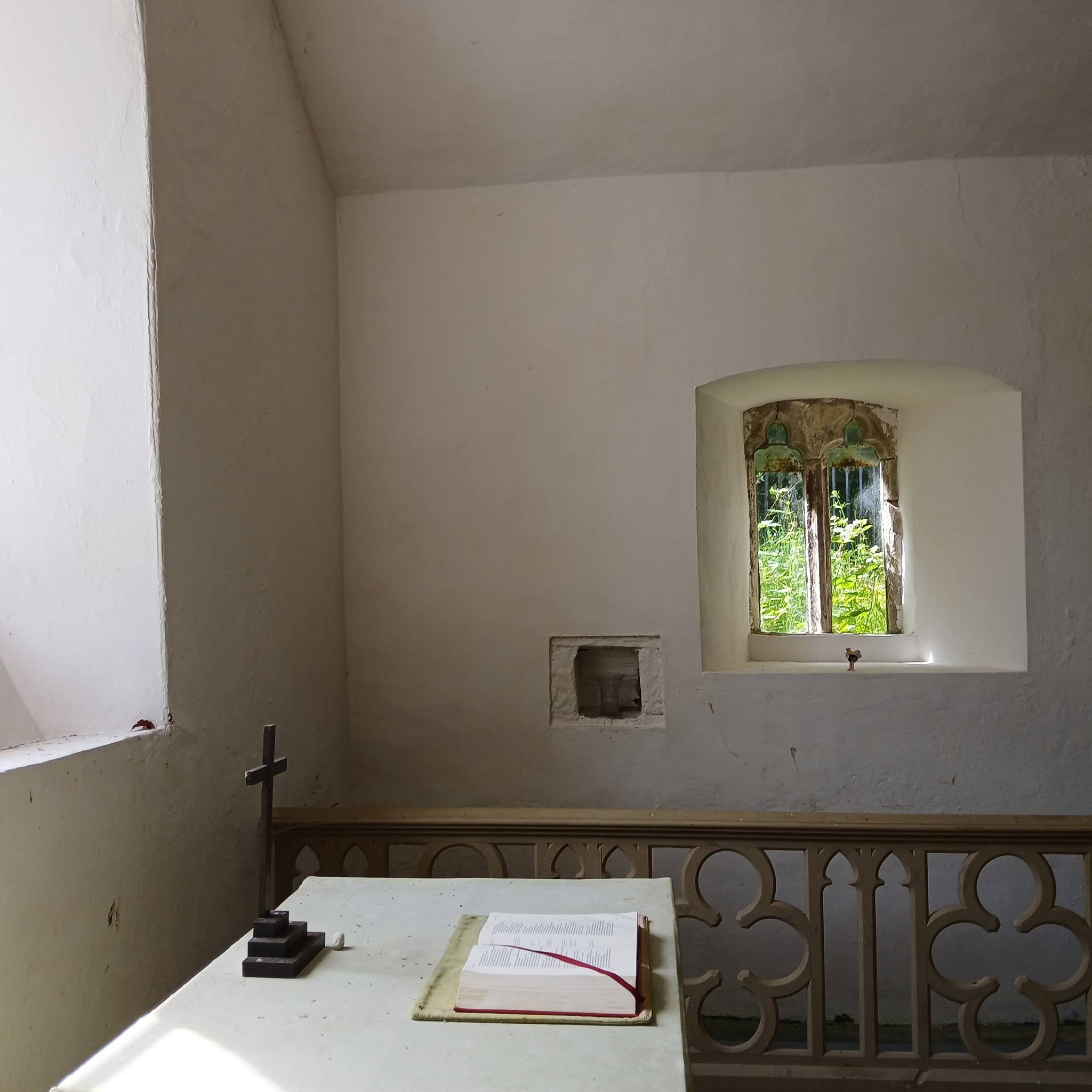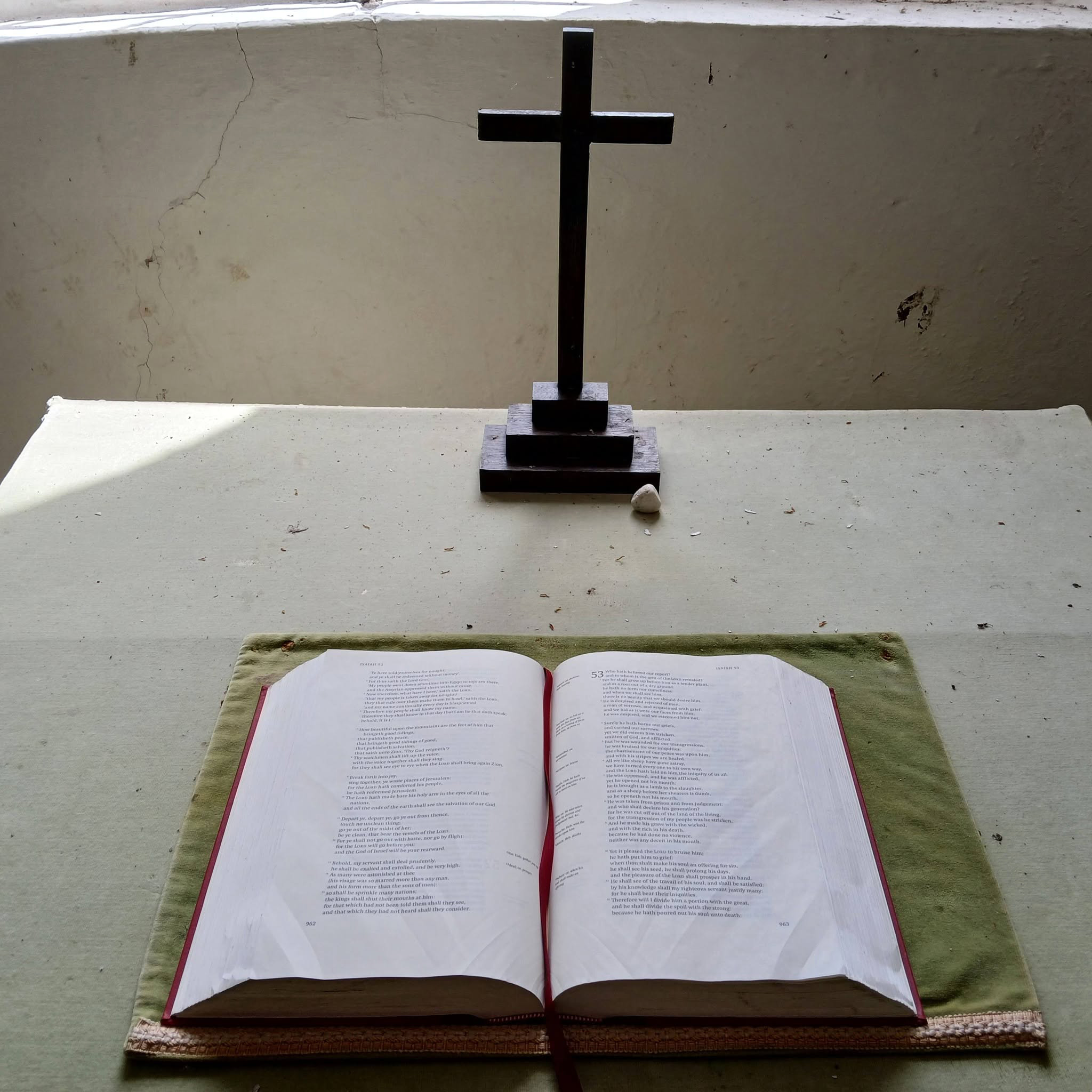
Eglwys Sant Brynach Nanhyfer – St Brynachs Church Nevern

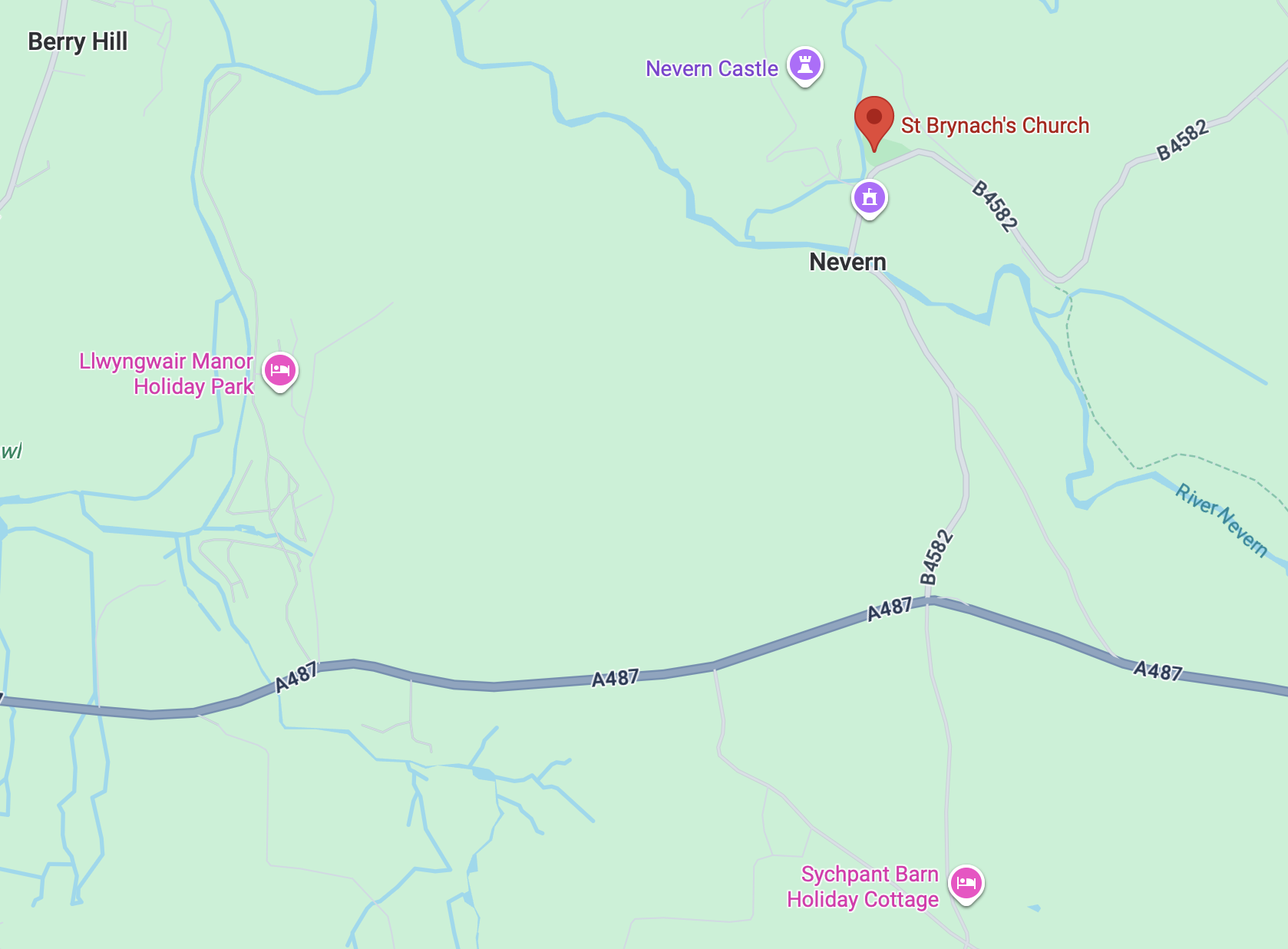
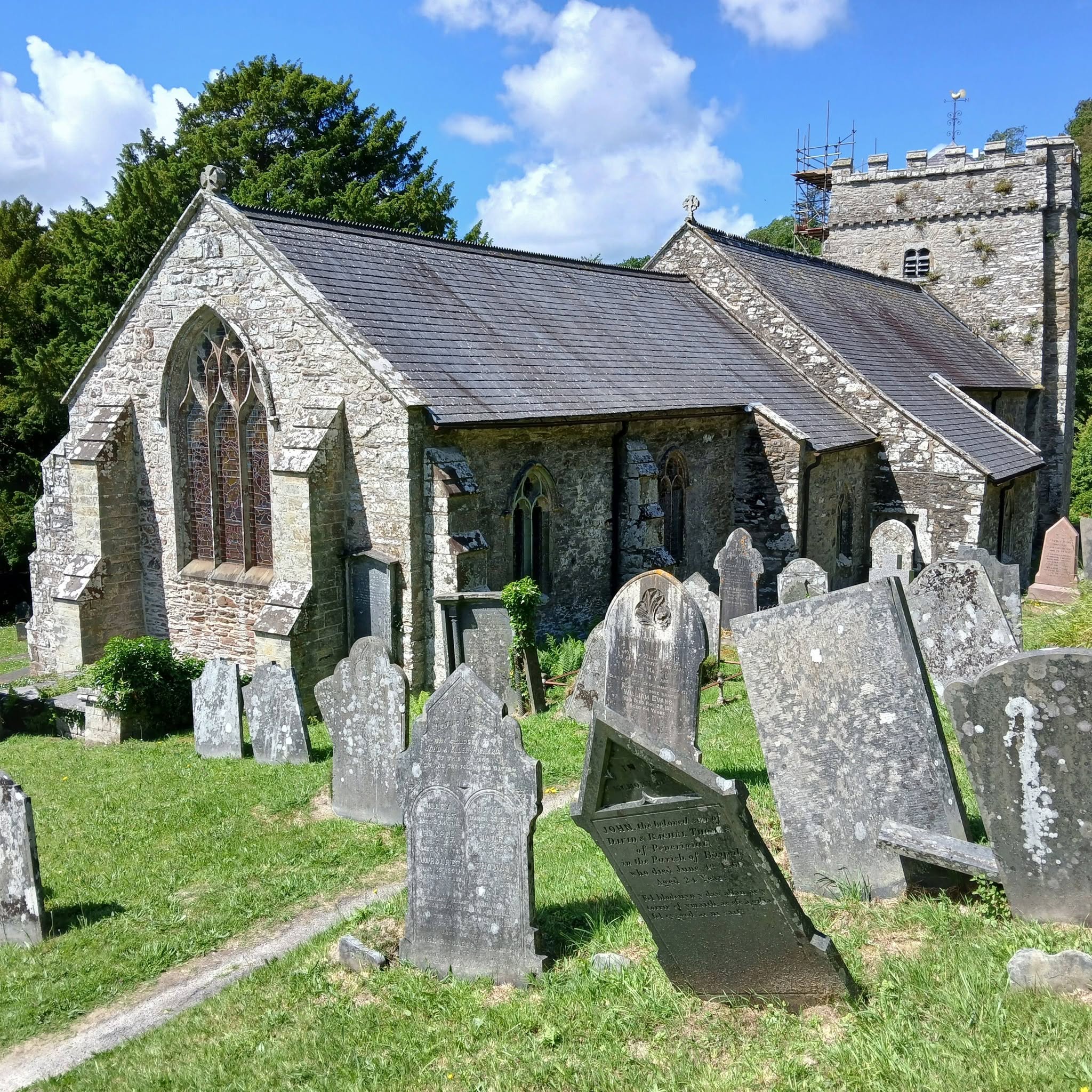
Nevern is a rural village in Pembrokeshire, West Wales.
The surrounding land is devoted largely to agriculture.
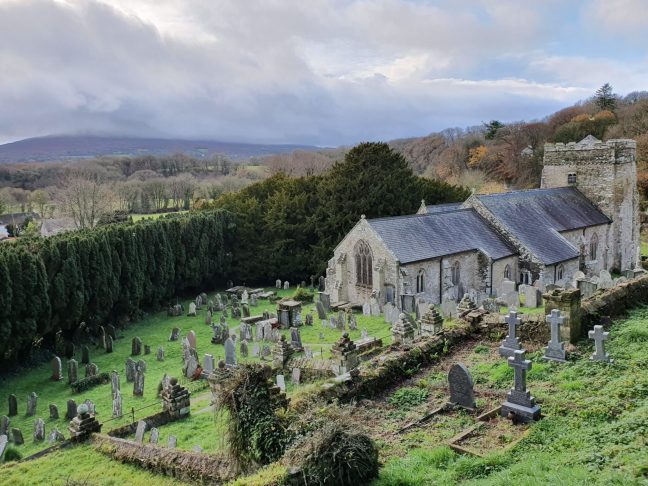
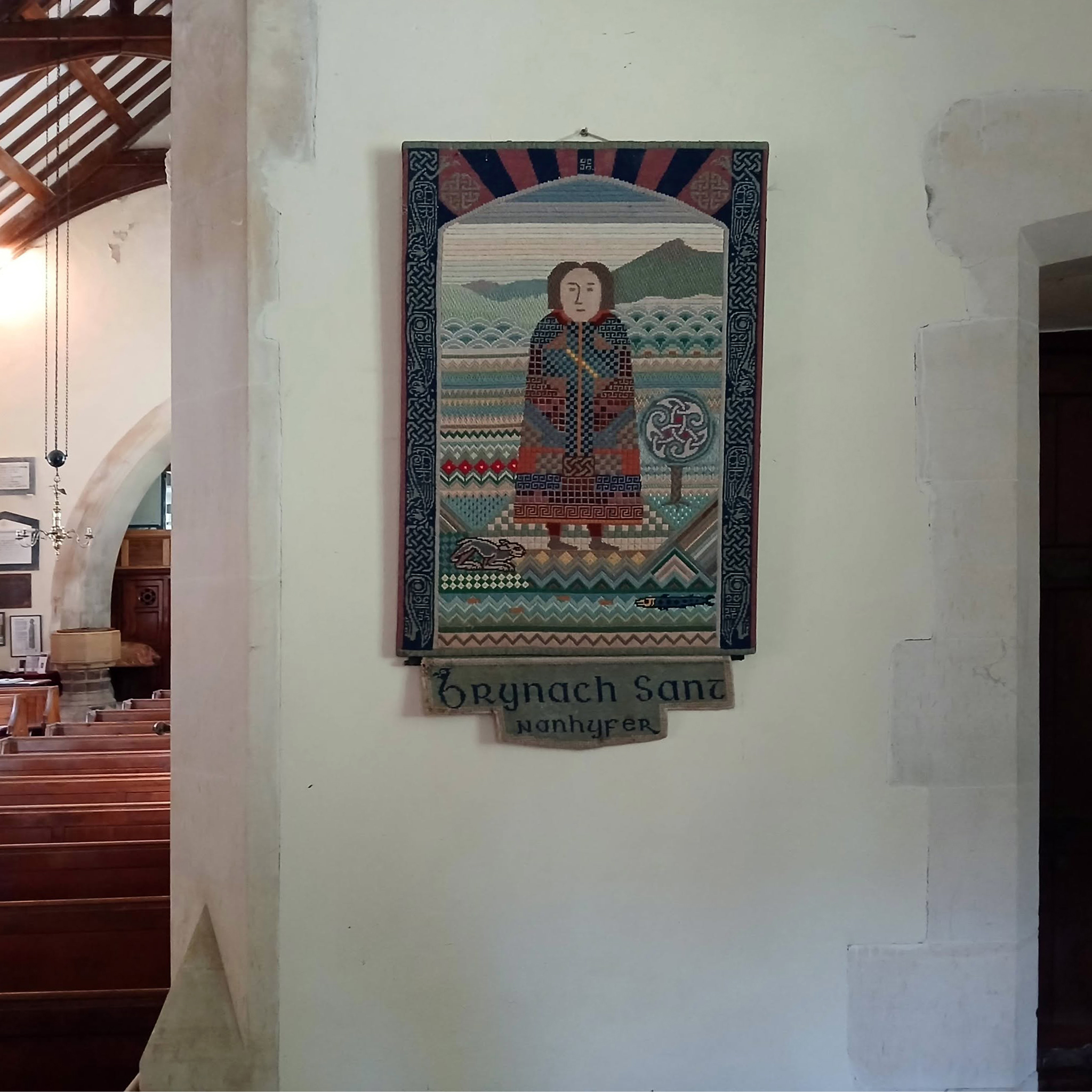
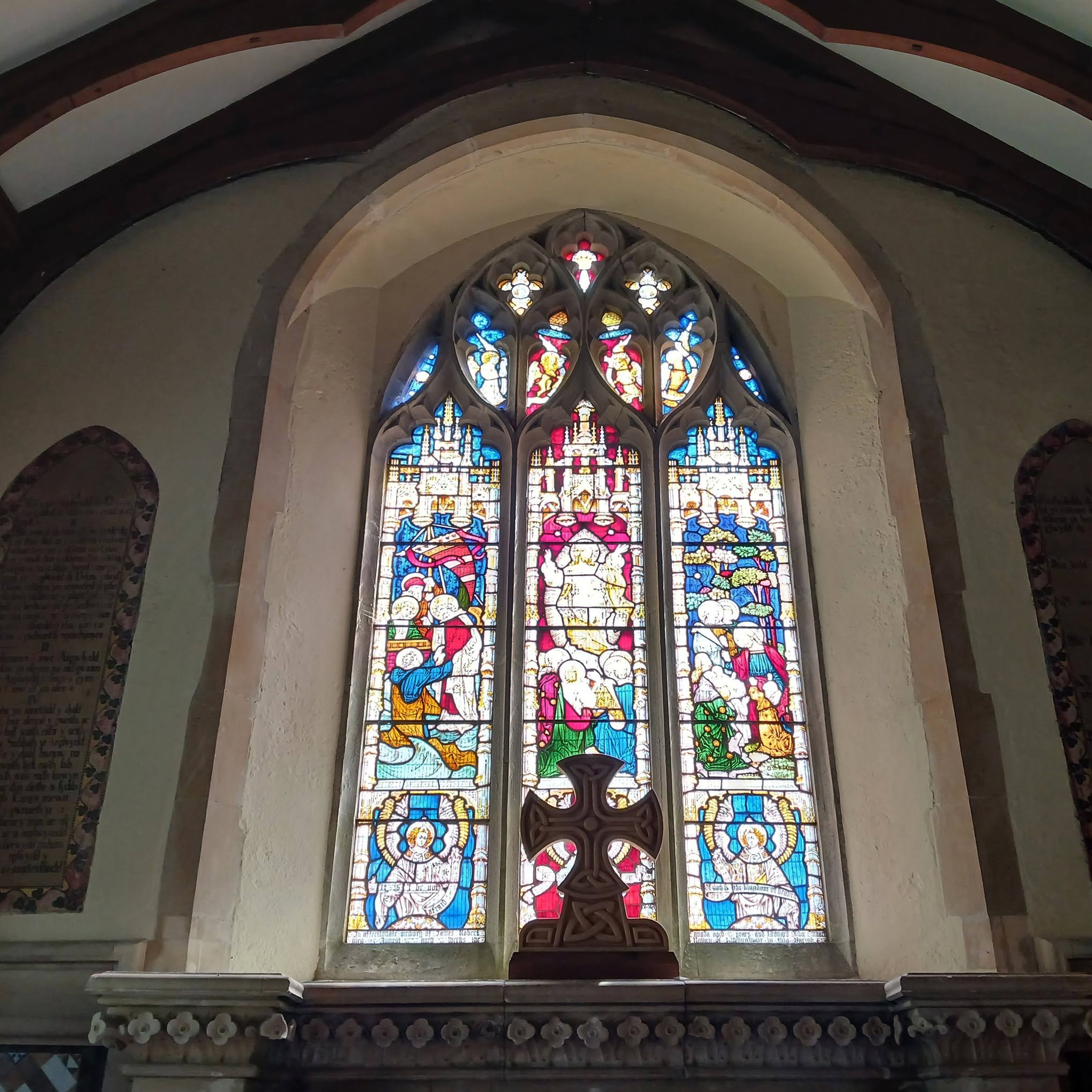
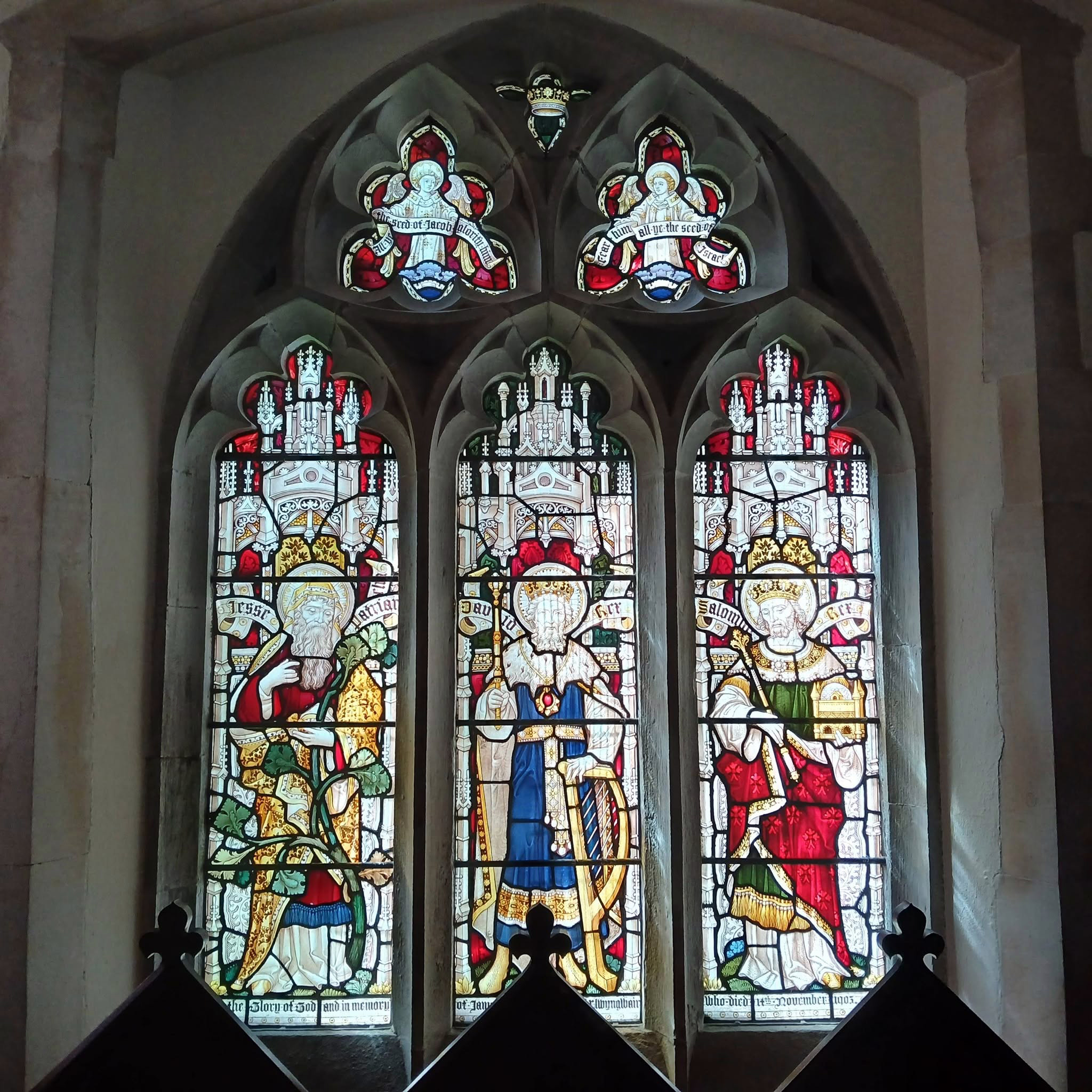
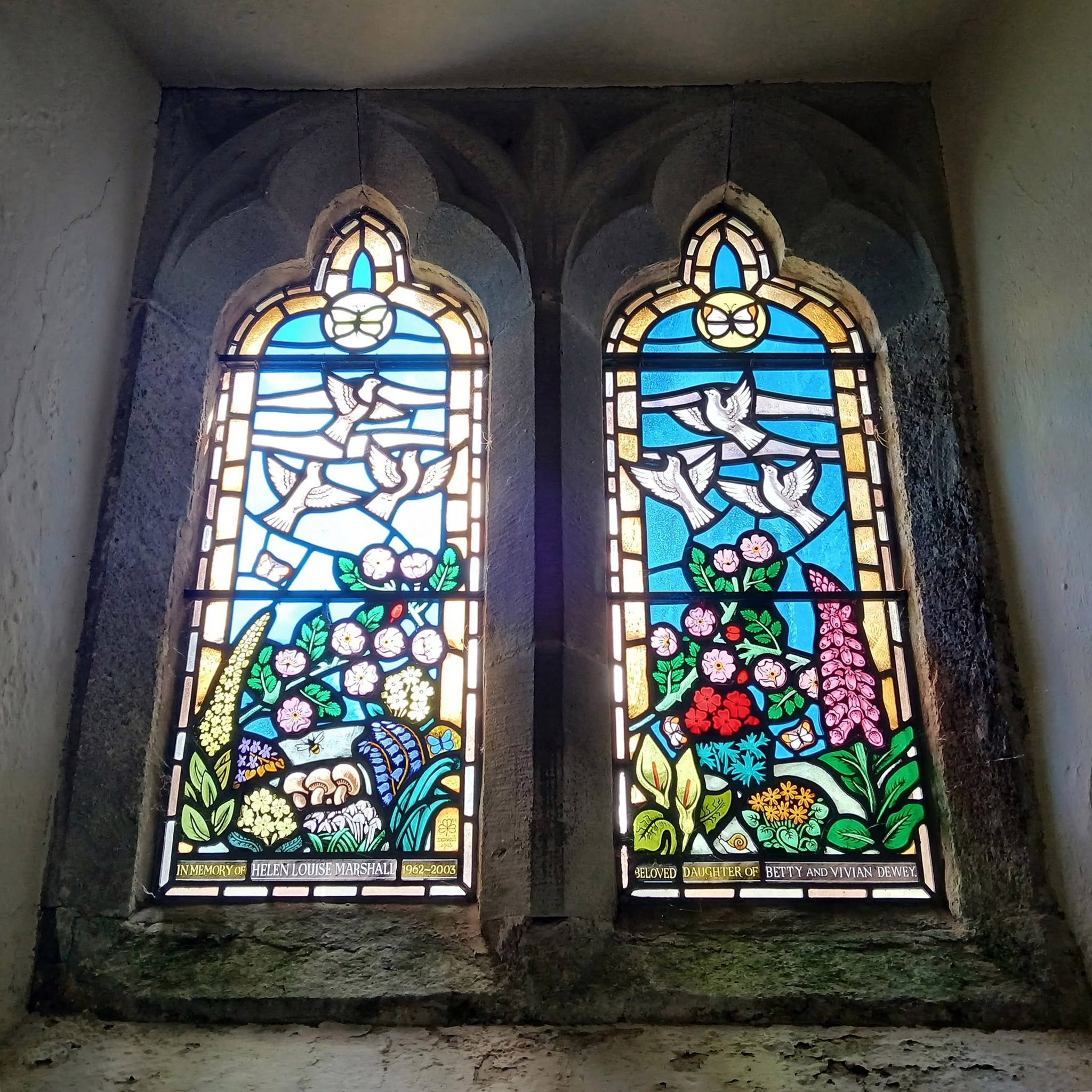
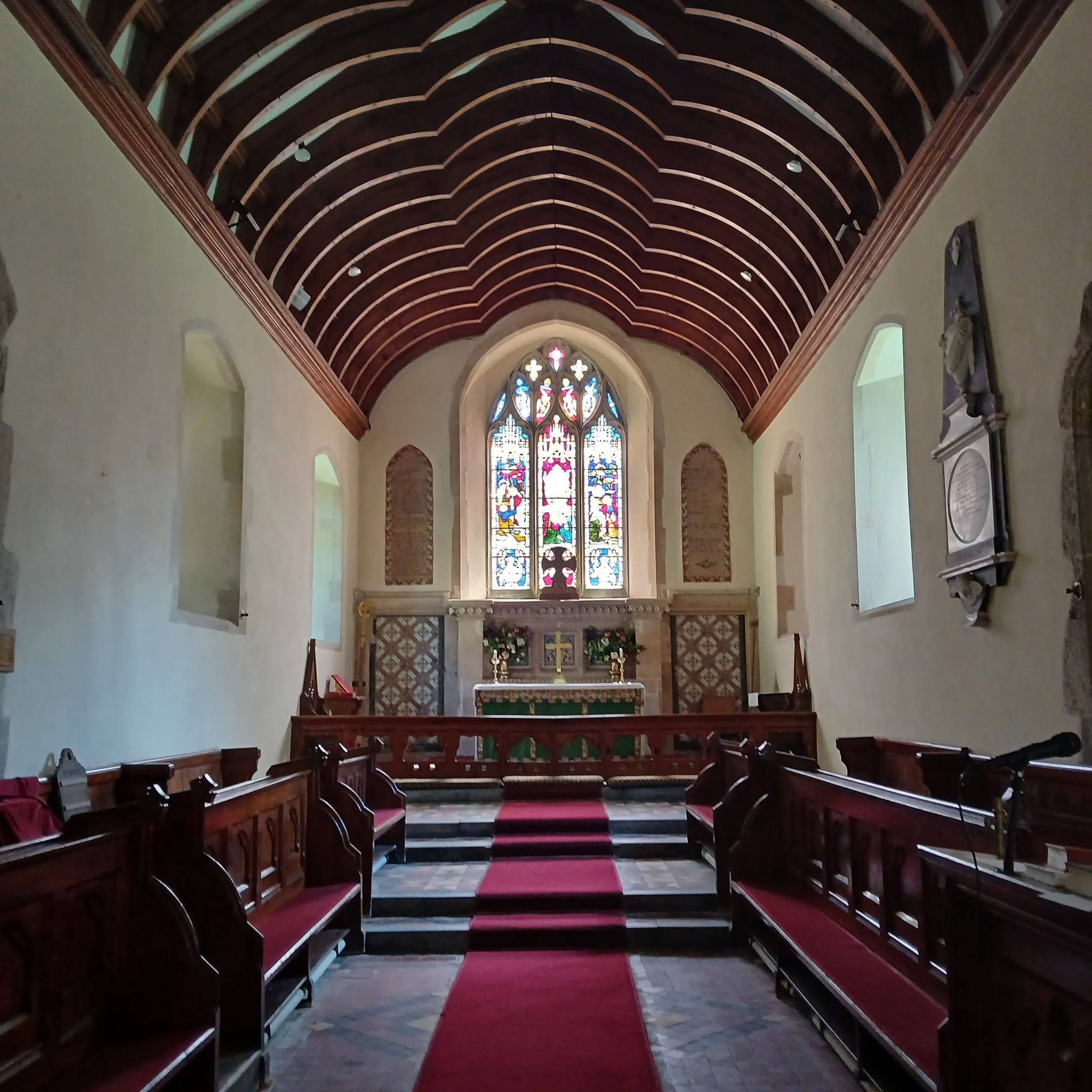
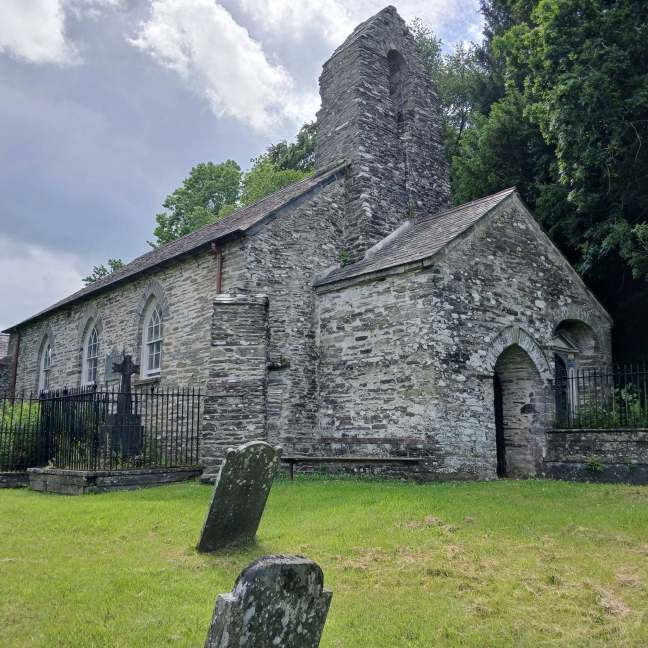
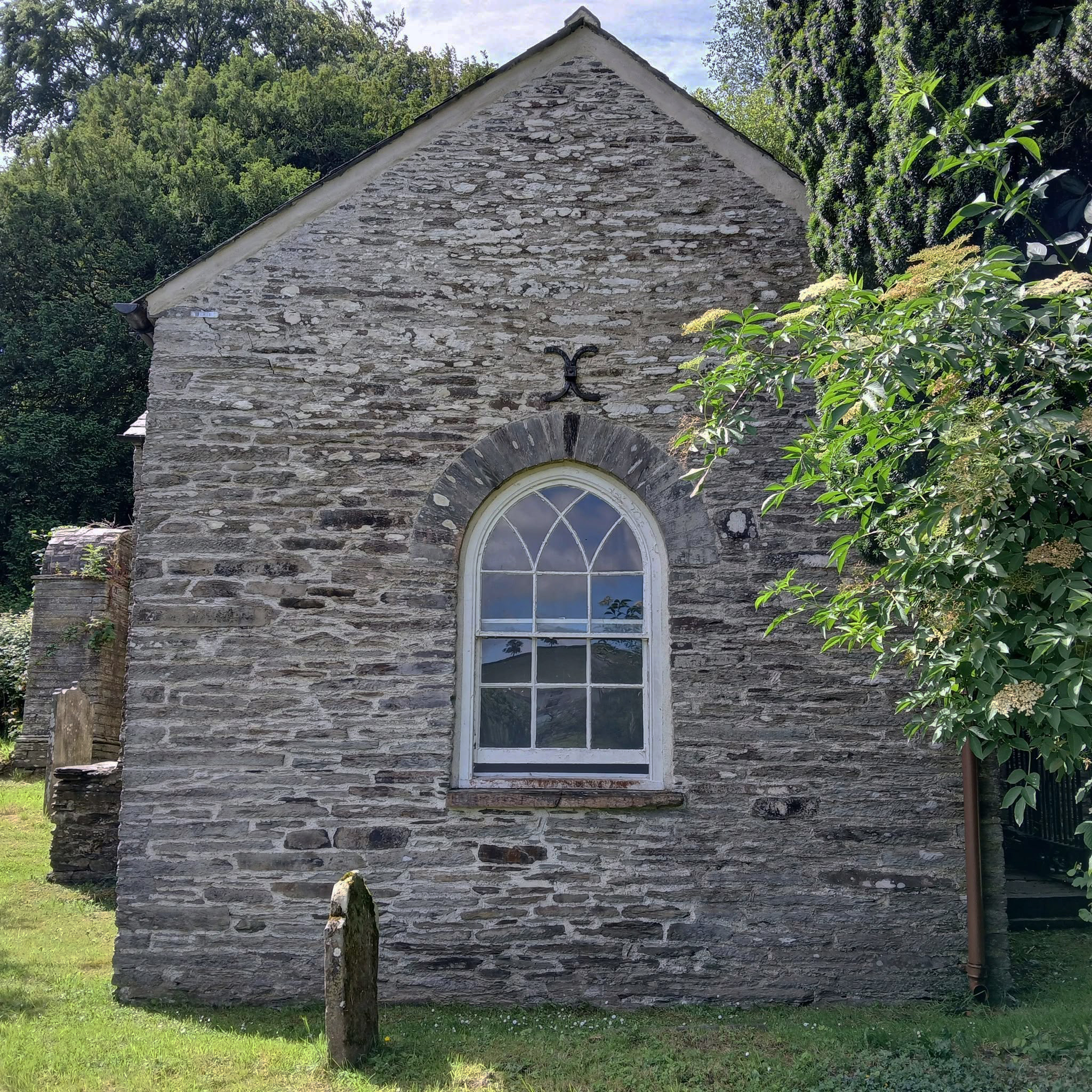
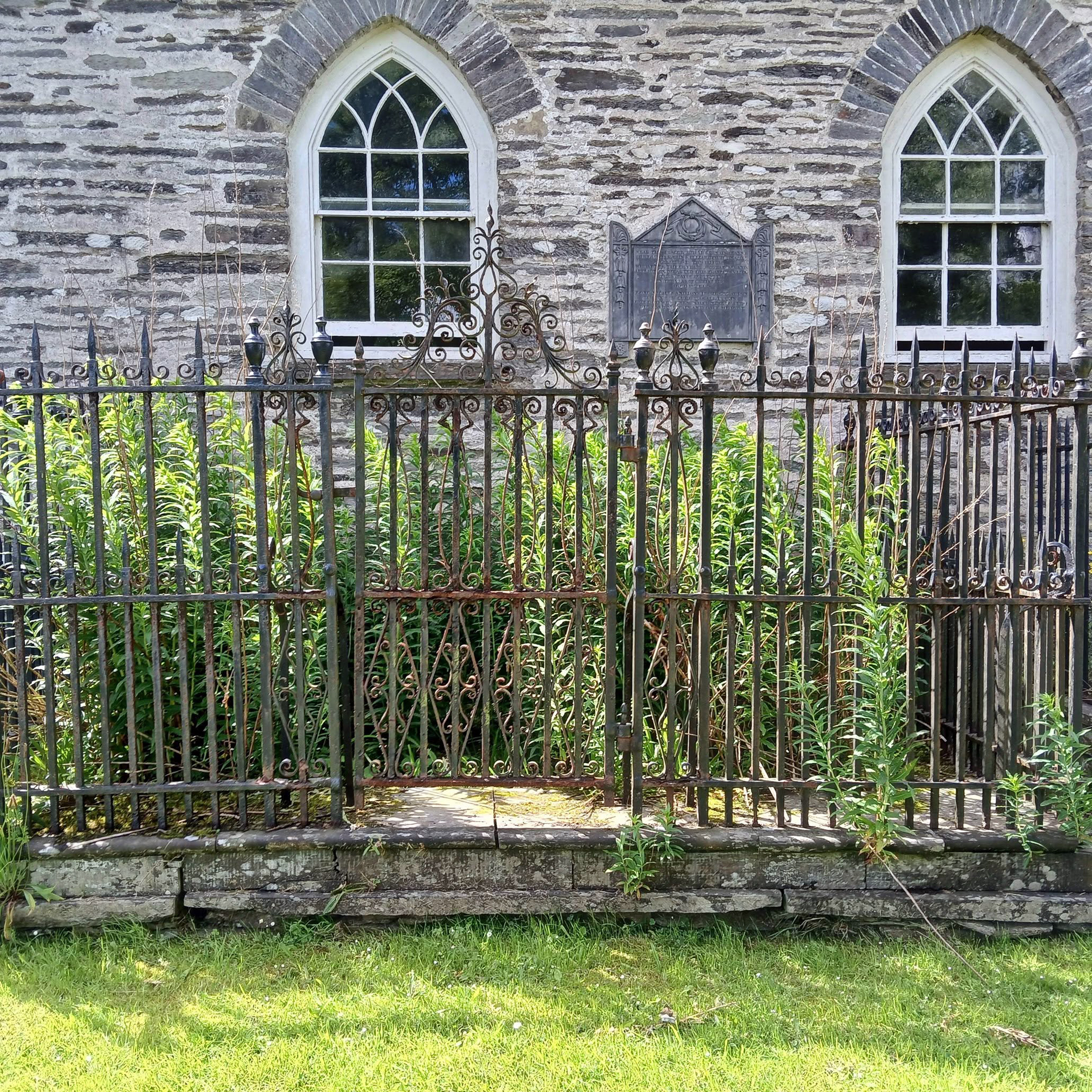
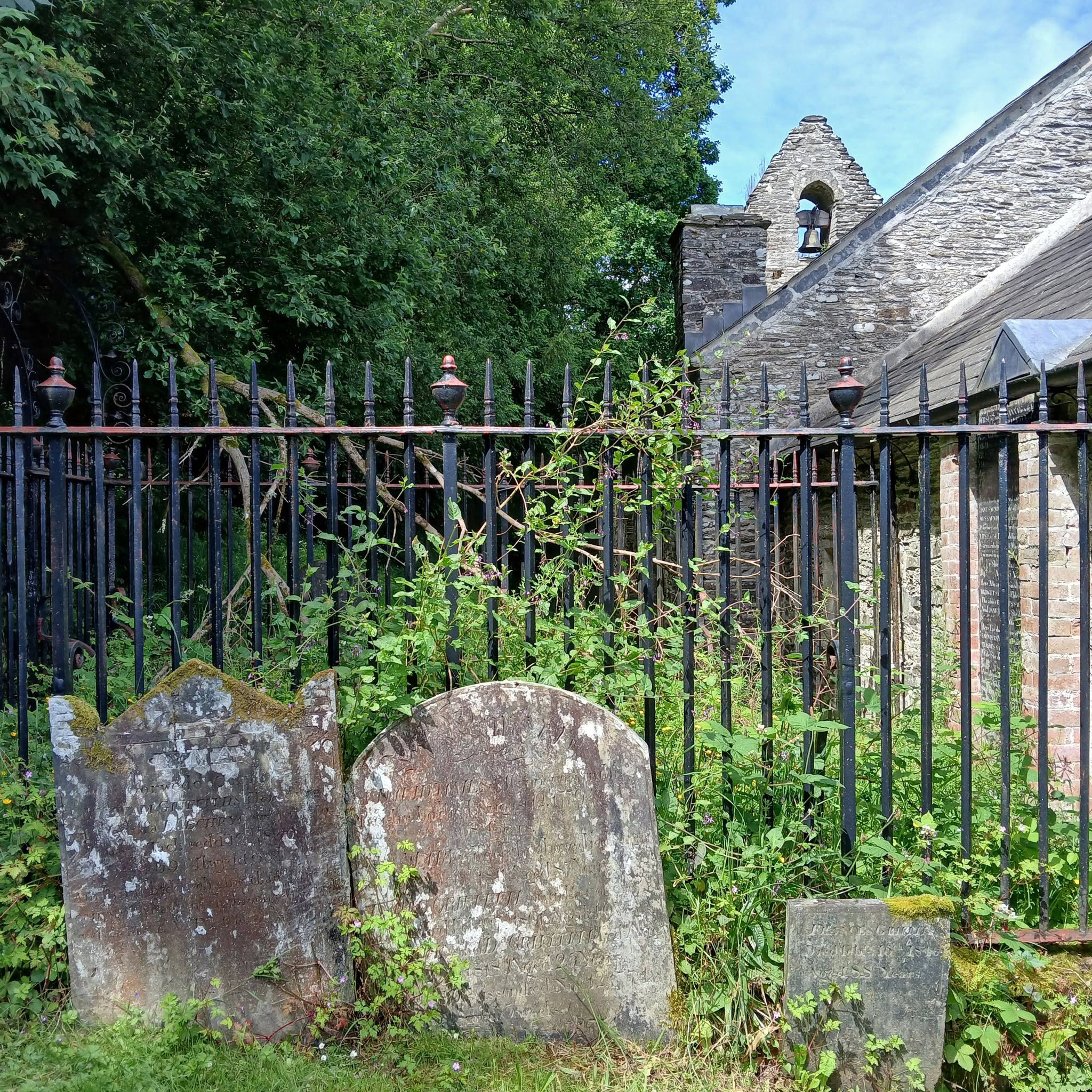
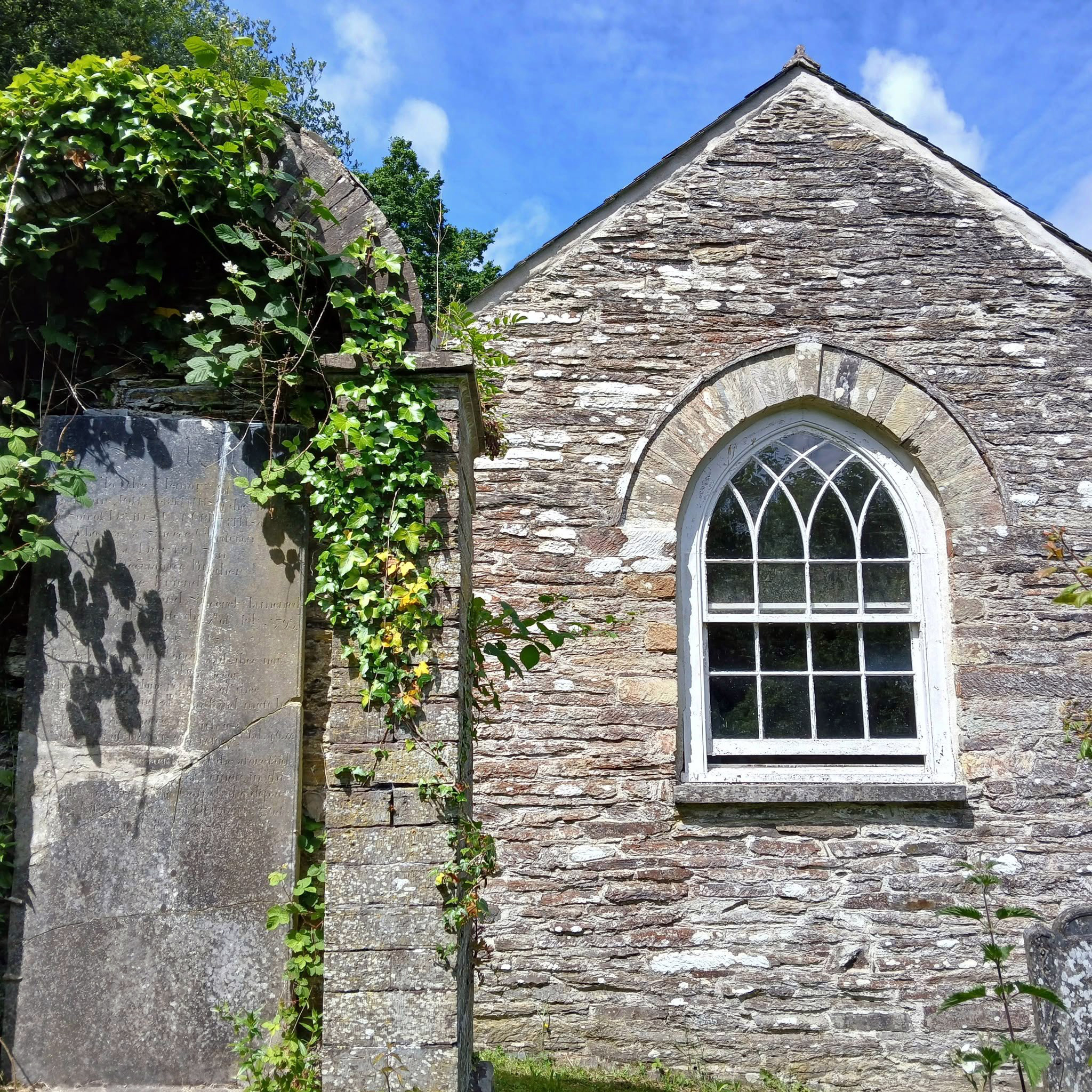
The church was founded by St Brynach in 540AD and the present building dates from around 1400.

Tim Rushton and I were cycling from Fishguard to Aberteifi on the Route 82 Lôn Teifi, which passes through Nevern.

So we stopped to have a look around.

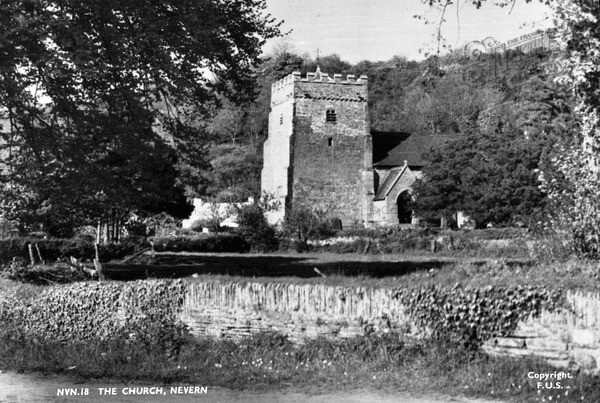
1955

The most probable reason Brynach chose Nevern was the protection afforded it by its obscurity and the Castle above the village which had been a fortified stronghold since Iron-age times. He was a kinsman of the Goedelic Tribal Chieftains who occupied it.

Though the Peregrinatio had learned their theology and scholarship by travelling to monasteries on the Continent under the rule of Rome, the Celtic Church was very different. The ‘churches’ were in essence small monasteries or ‘clas’ peopled by monks. They had a leader or Abbot such as Brynach but were centres of learning and small-scale industry as much as for worship.

Evangelising by monks took place from the ‘mother churches’, so when a church is said to have been founded by a certain saint it was probably named after the leader of the ‘clas’. The life of the ‘clas’ and its form of worship, essentially different to that of Rome, changed very little from its formation in the 6thC into the century after the Norman Conquest, except that in the C8th repeated persuasion by the Continental conquerors of middle Britain converted the Celtic Church to Catholicism, henceforth adopting its dates and some of its rites.

The Vikings sacked St. David’s in 878, killing the bishop, and were a constant scourge along the coast for the next three hundred years. This is where the Castle played its most important role in the life of the church. They built a tower stronghold on a spit of land separated from the main castle where they would ‘sit out’ the Viking raids literally burning their bridge behind them. Fortunately for them the Vikings had a short attention span and were loath to lay siege preferring to push on to other targets, so, apart from having to occasionally rebuild their church, the Christians at Nevern were left relatively unharmed.

Having landed in the country in 1066 the Normans arrived at Nevern in the latter years of the 11th Century. They usurped the local chieftains from the Castle – though their descendants still live in the parish to this day and rebuilt the Castle in their usual Motte and Bailey manner. They evidently intended to make Nevern their manor in this area, which accounts for an unusually large church in a small village, but changed their minds moving to Newport, building a much larger castle, and populating the town with their loyal English supporters.

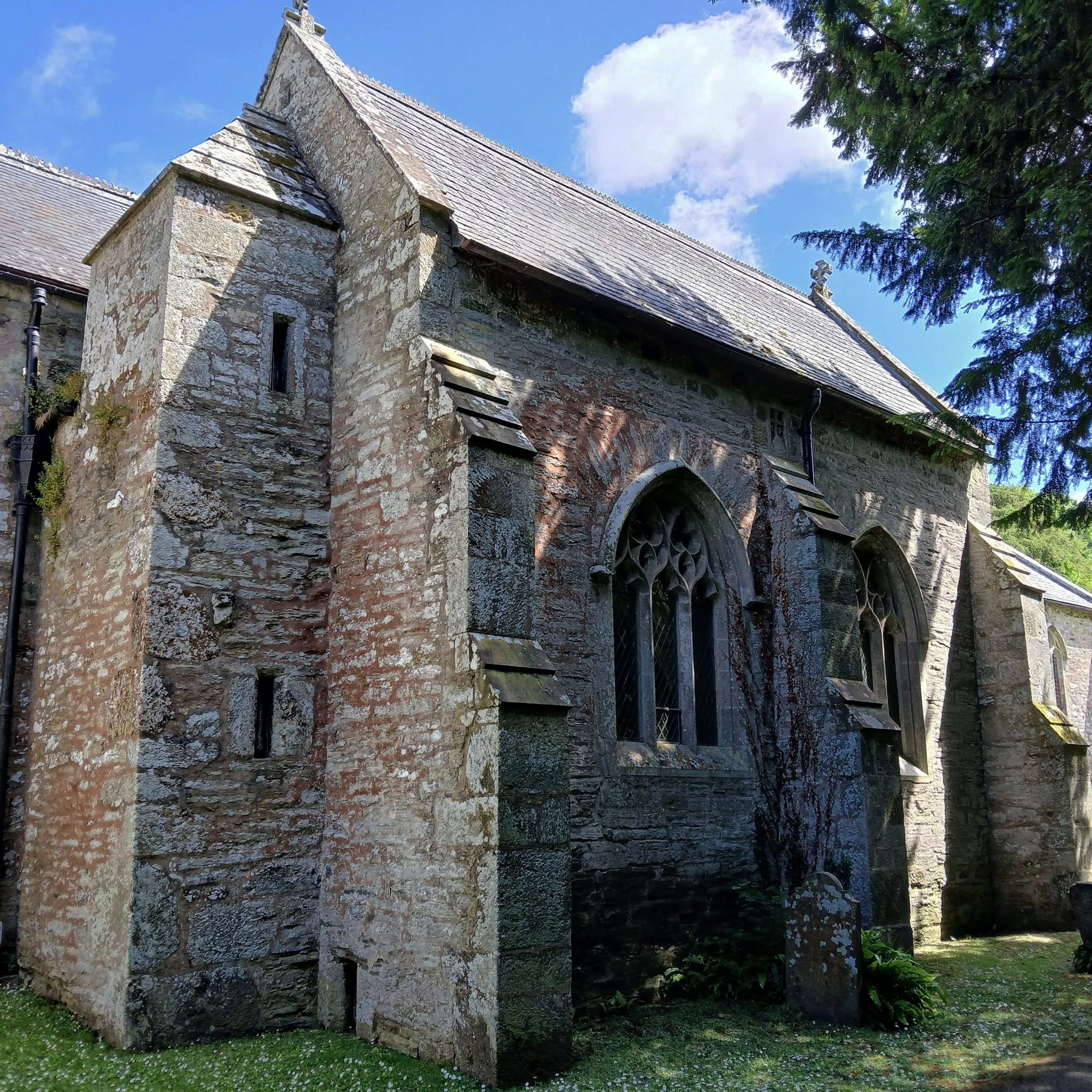
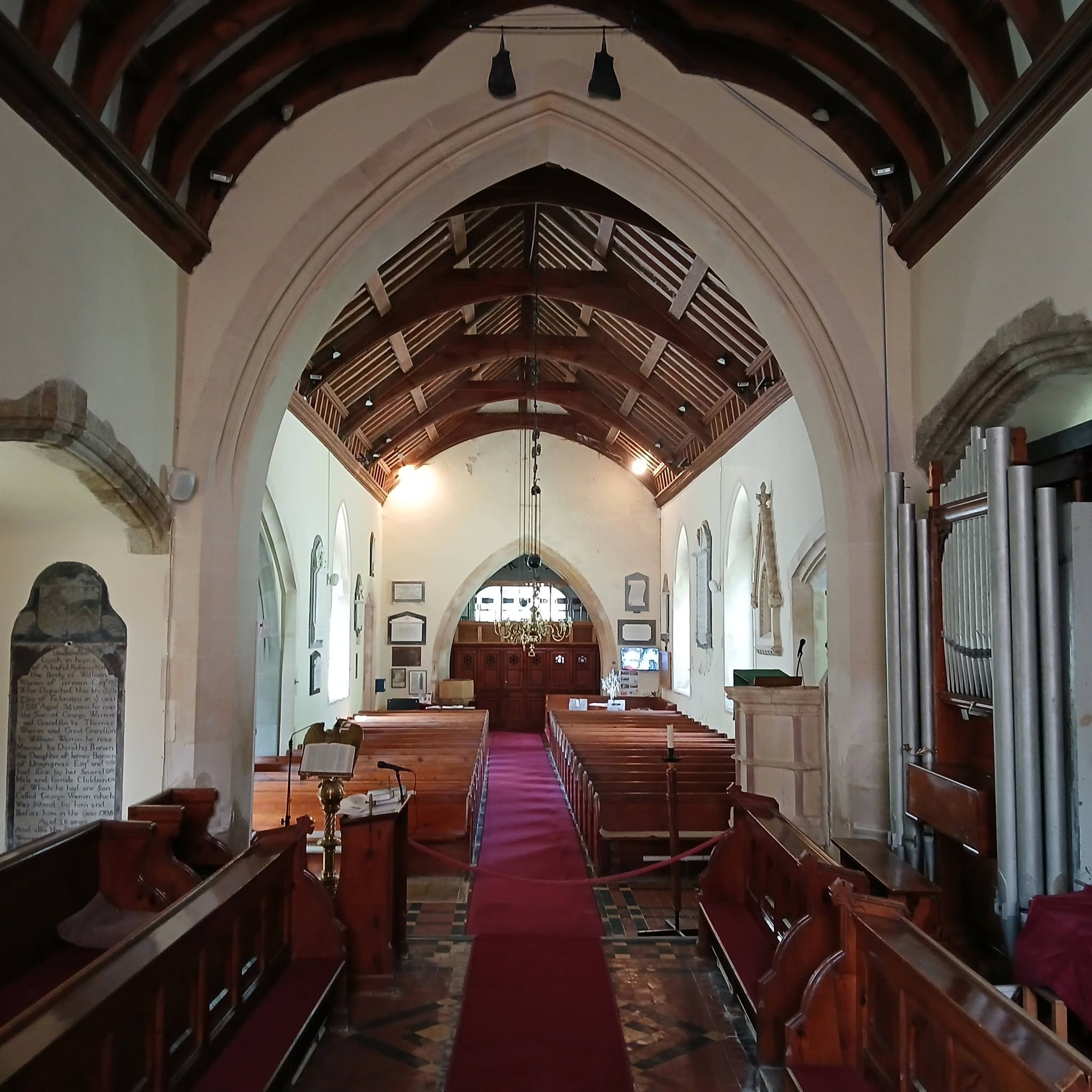
The church as it presently stands was built in this period, the oldest part being the Tower dating from about 1380 and the nave and Chancel following 1420-1450, built in the ‘Late Perpendicular’ style learned from the Normans. indeed, quite possibly supervised by French overseers. The church obviously held some status before this, because in 1291 Archbishop Baldwin and Giraldus Cambrensis came through raising money for Pope Nicholas IV’s 3rd Crusade, Nevern’s annual value was £16, more than double any other church in the Deanery.

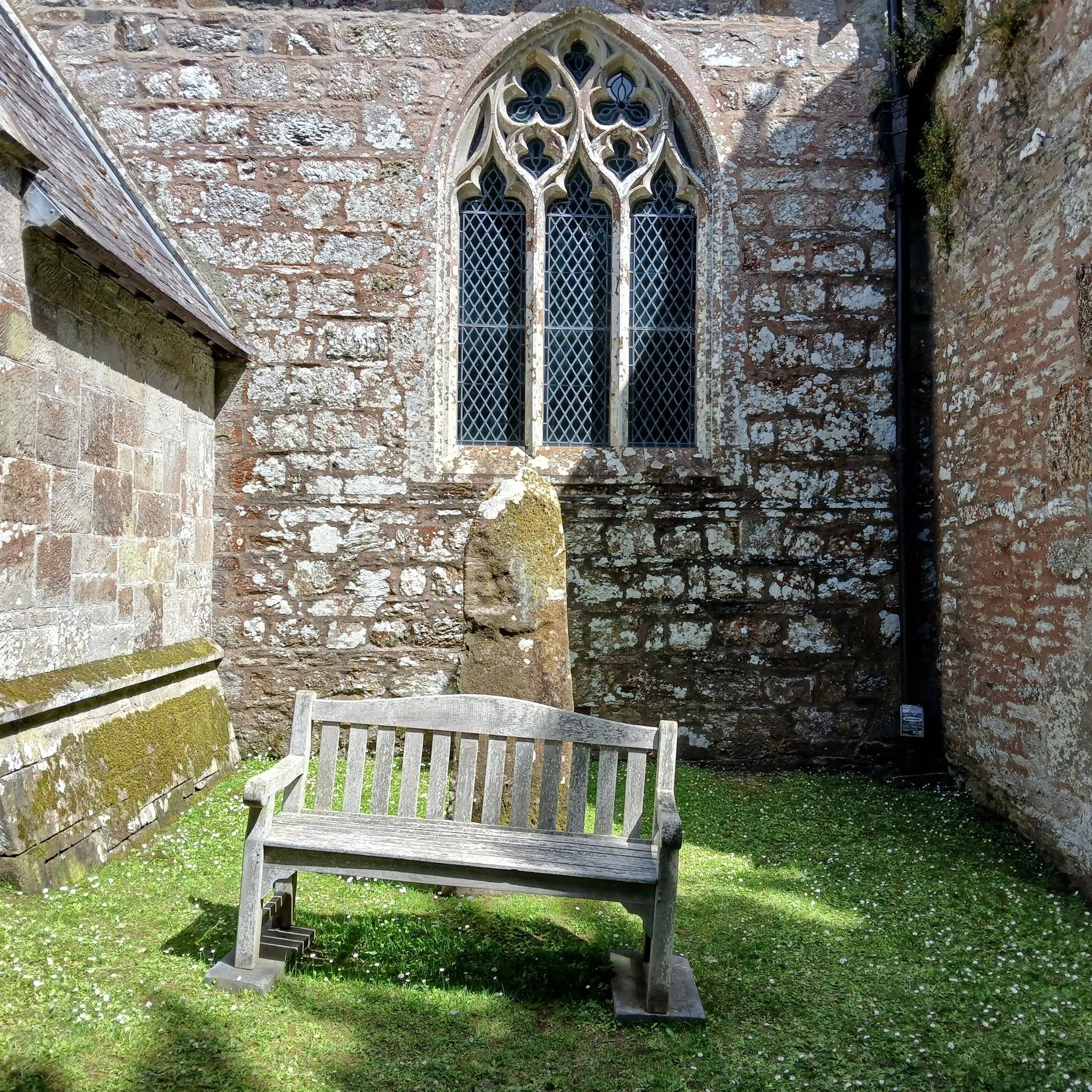
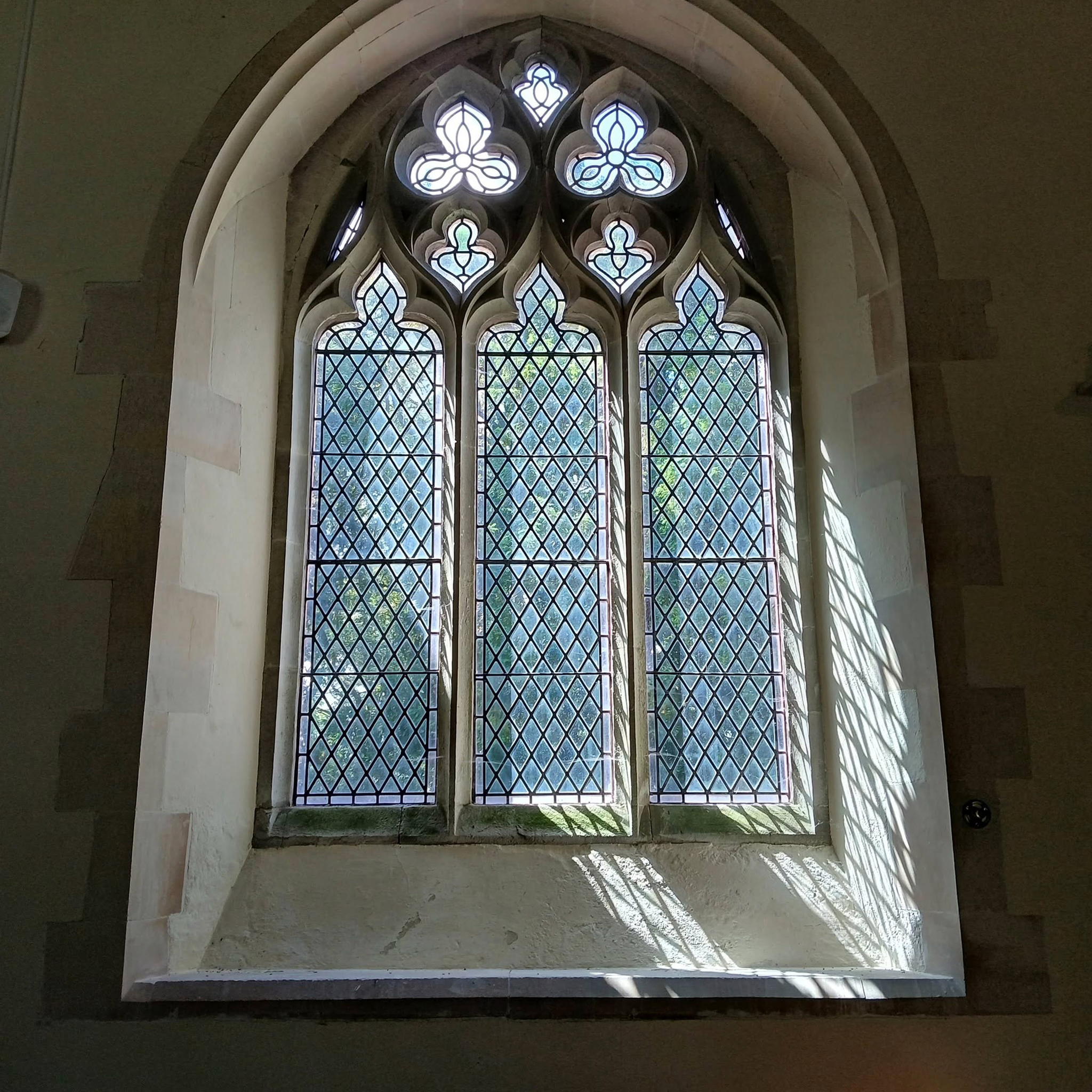
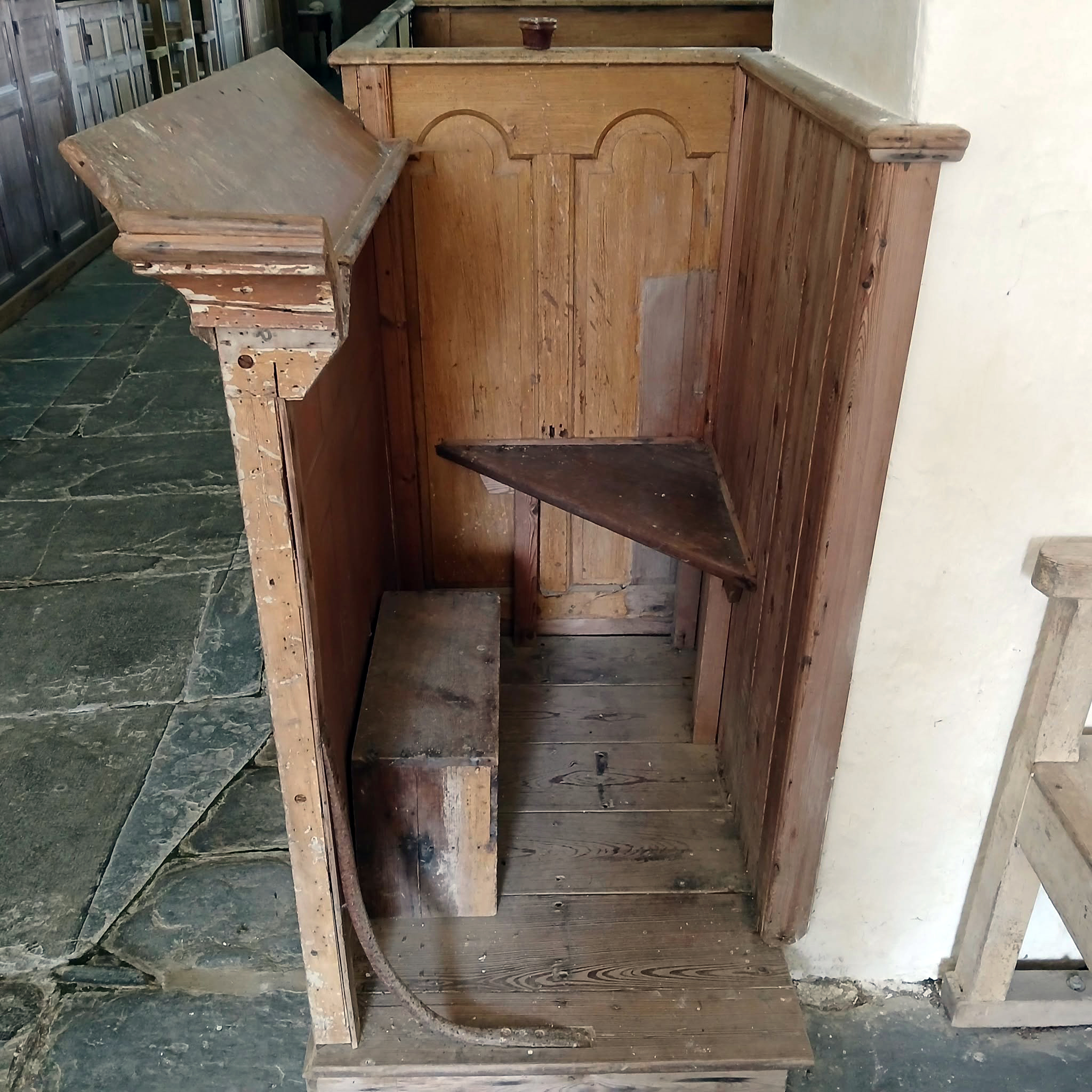
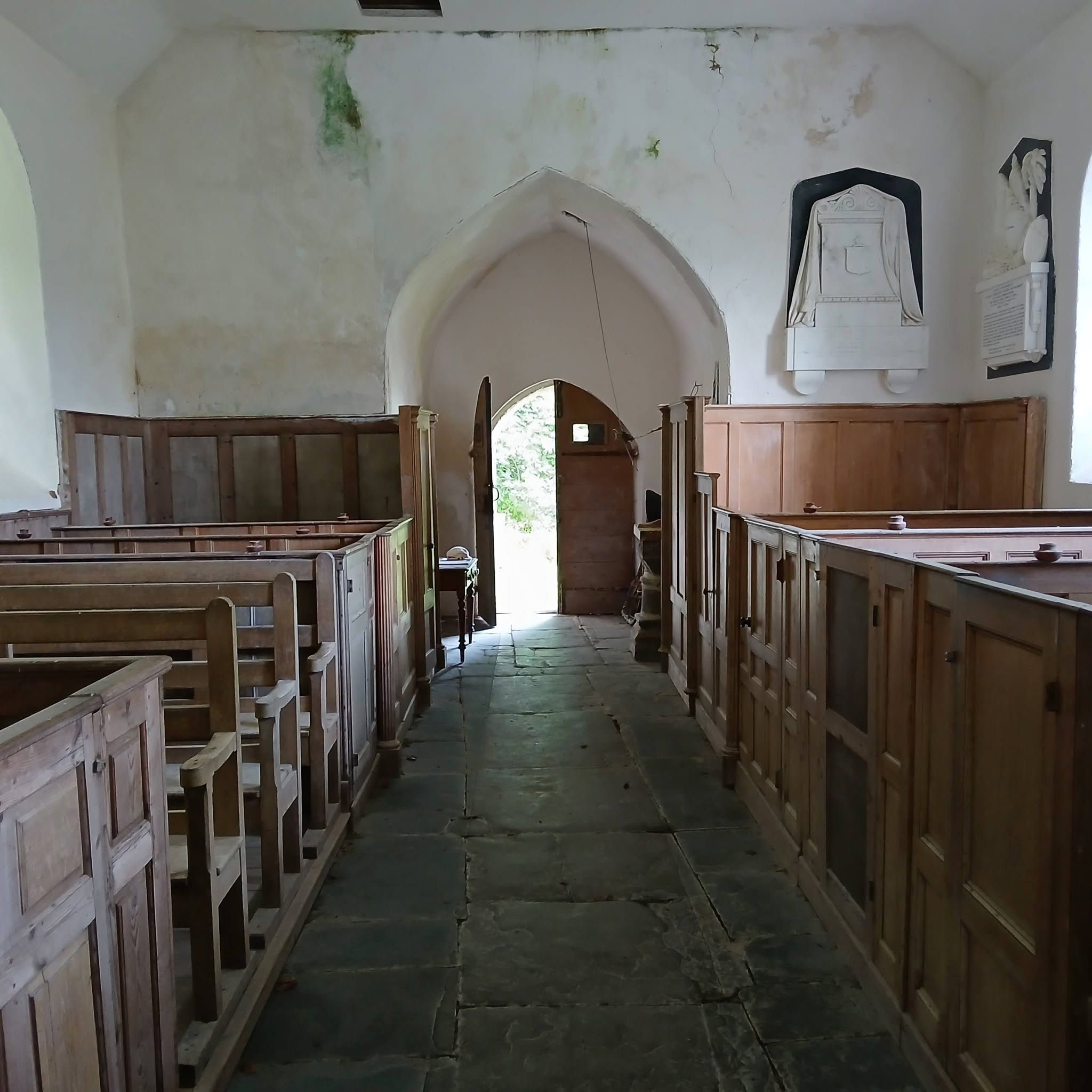
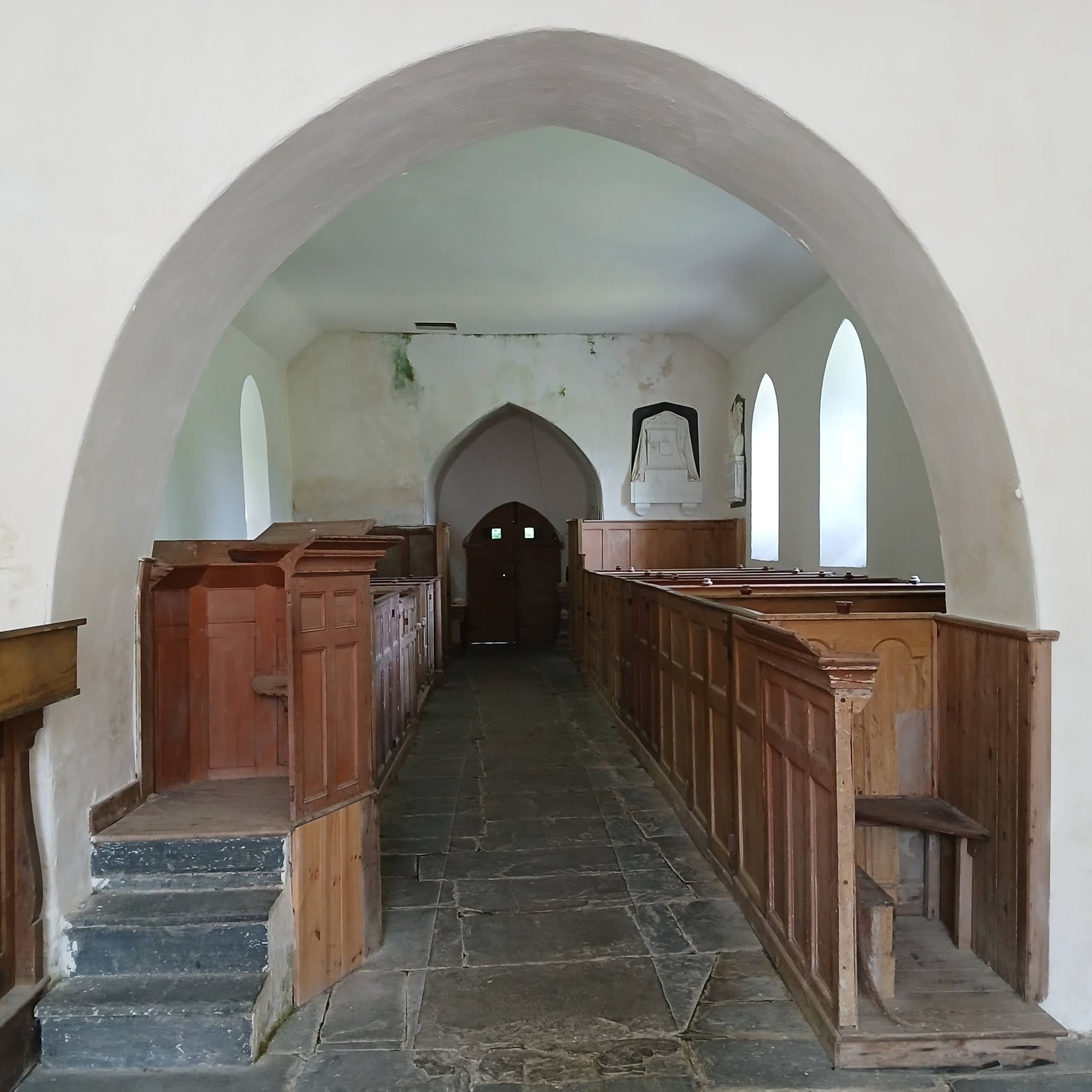
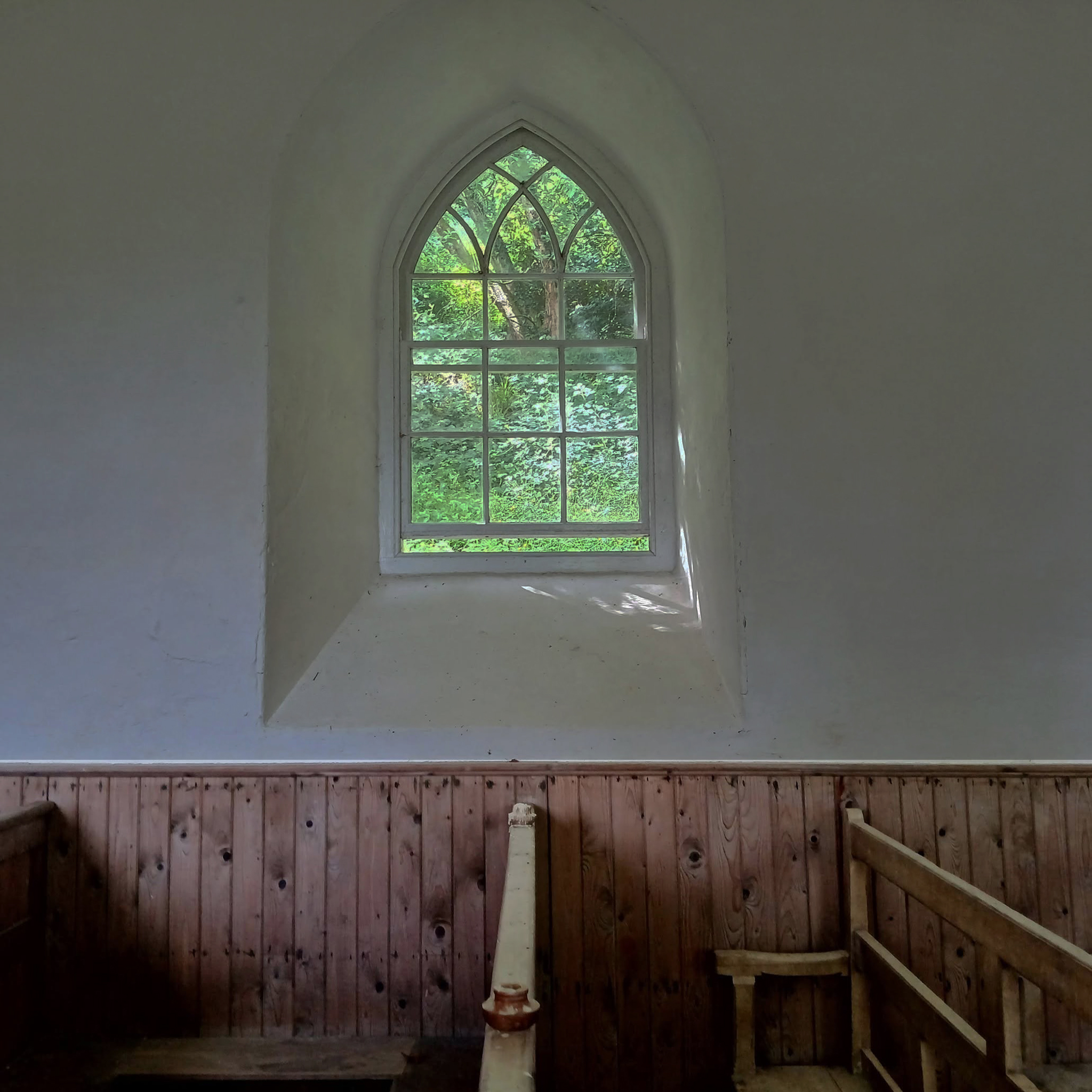
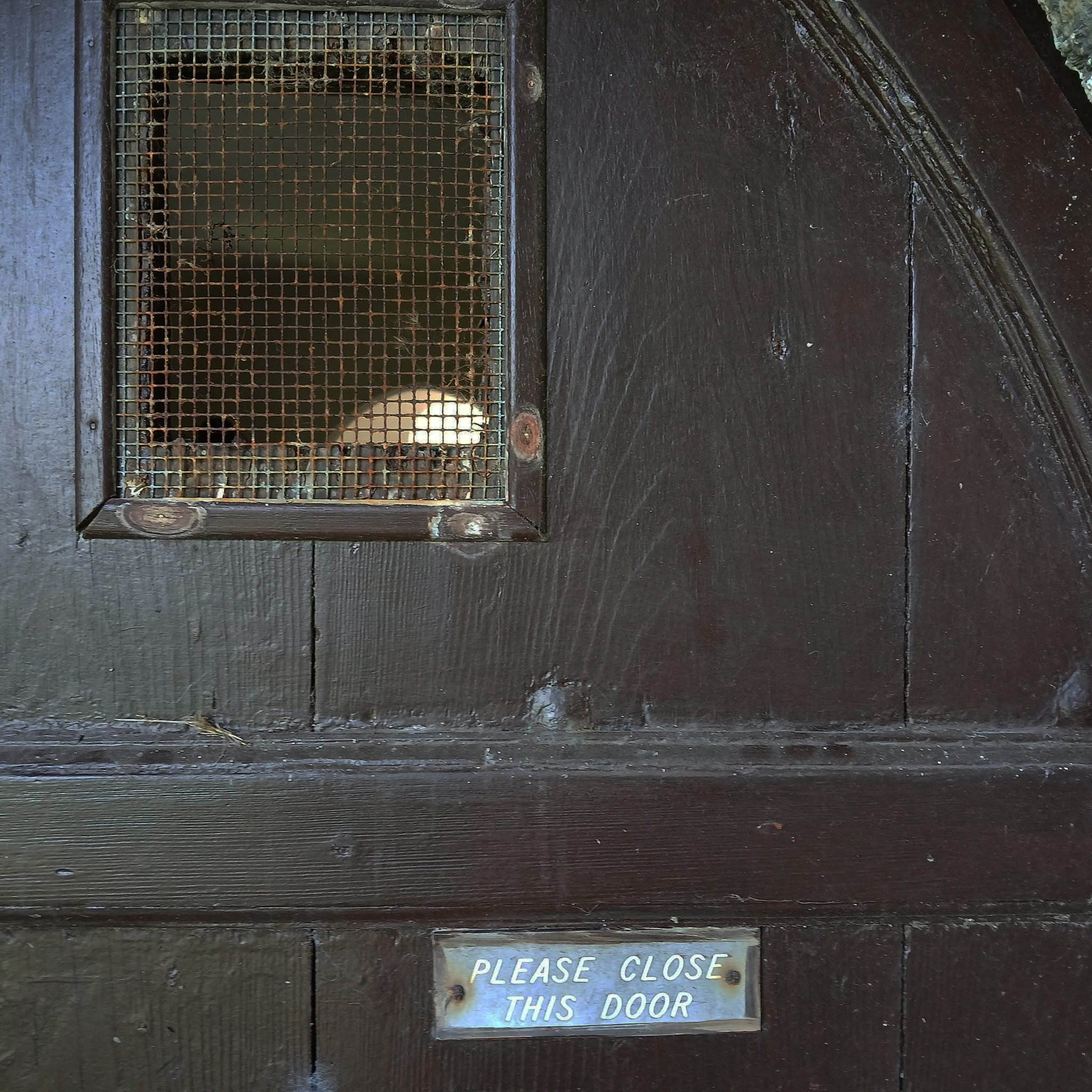
Nevern Church

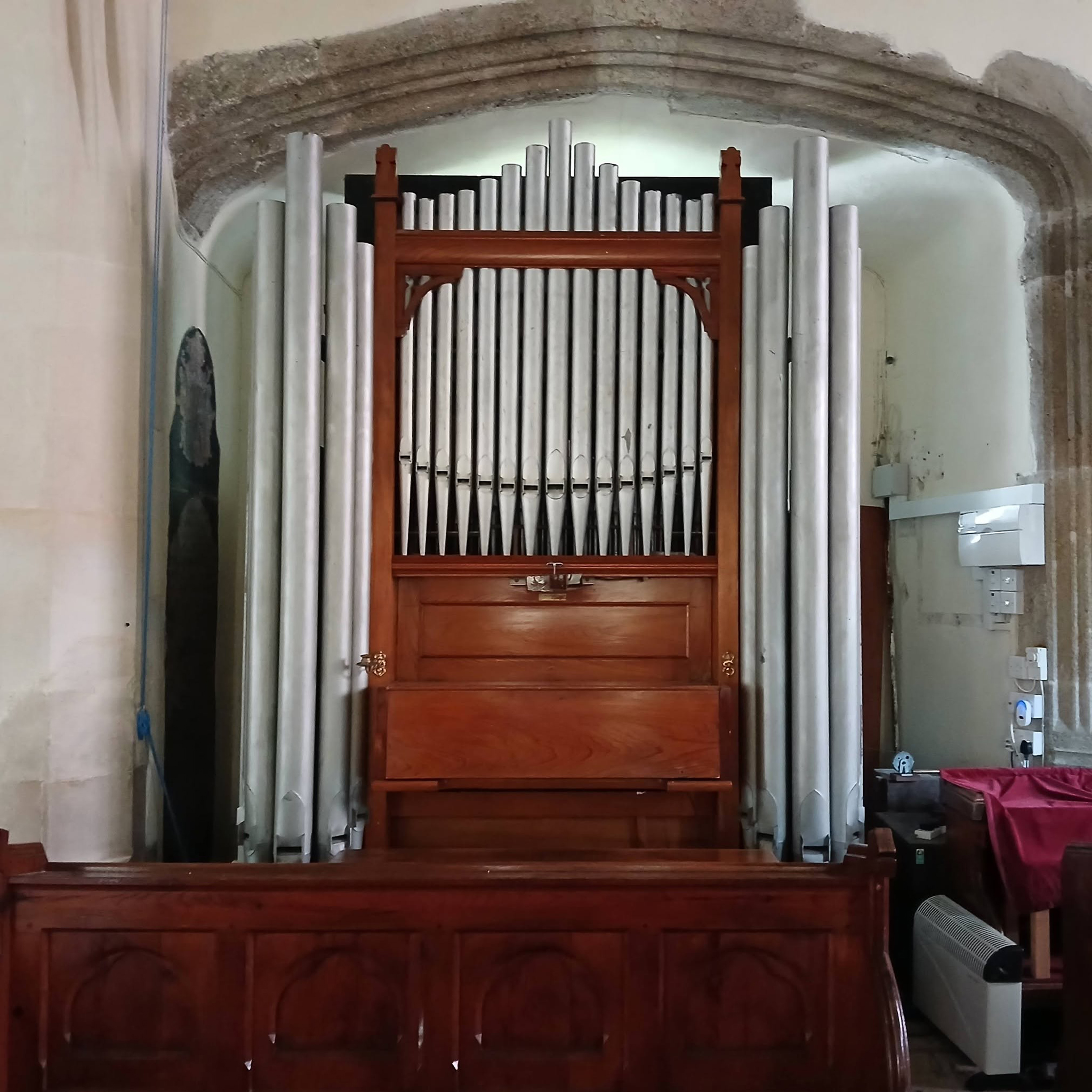
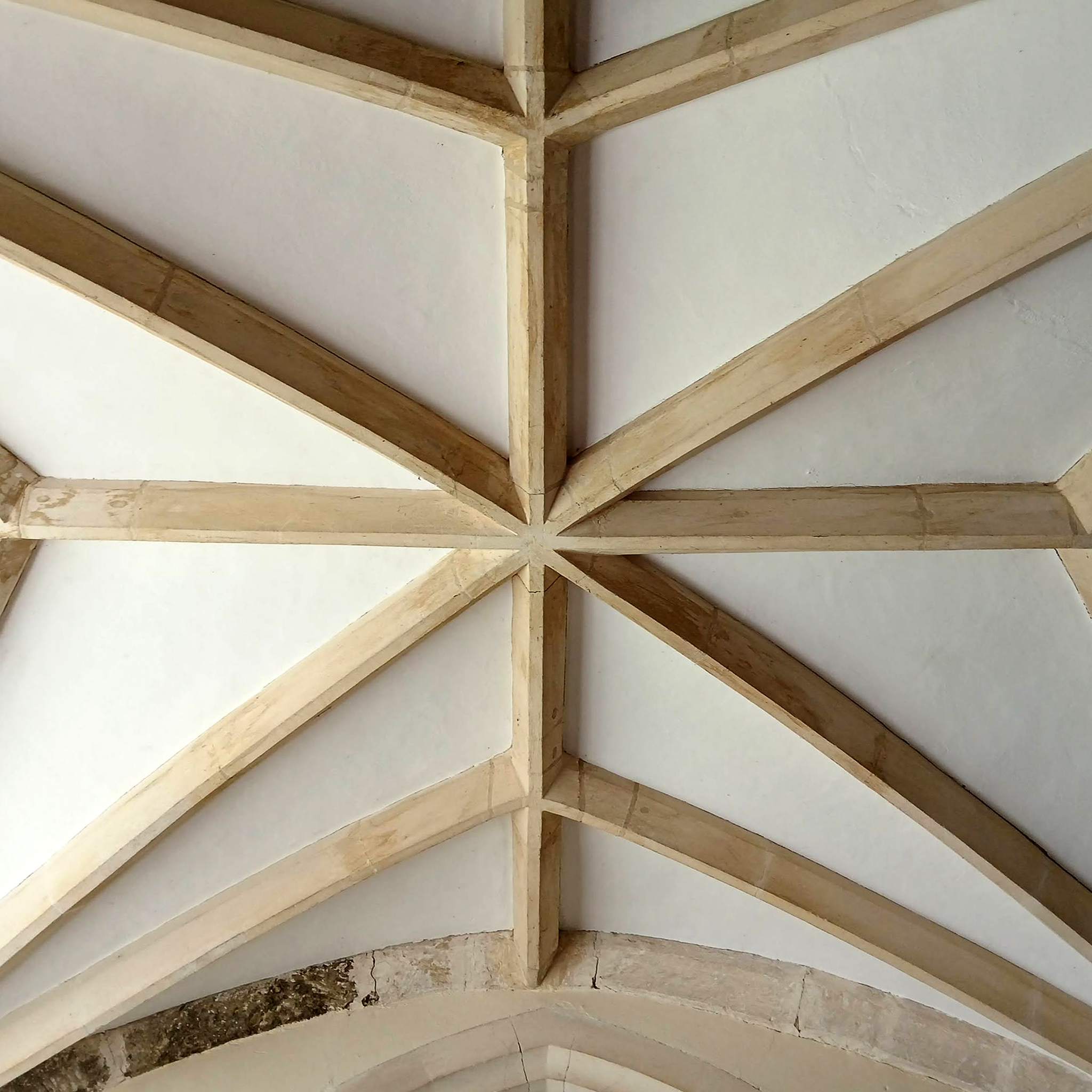
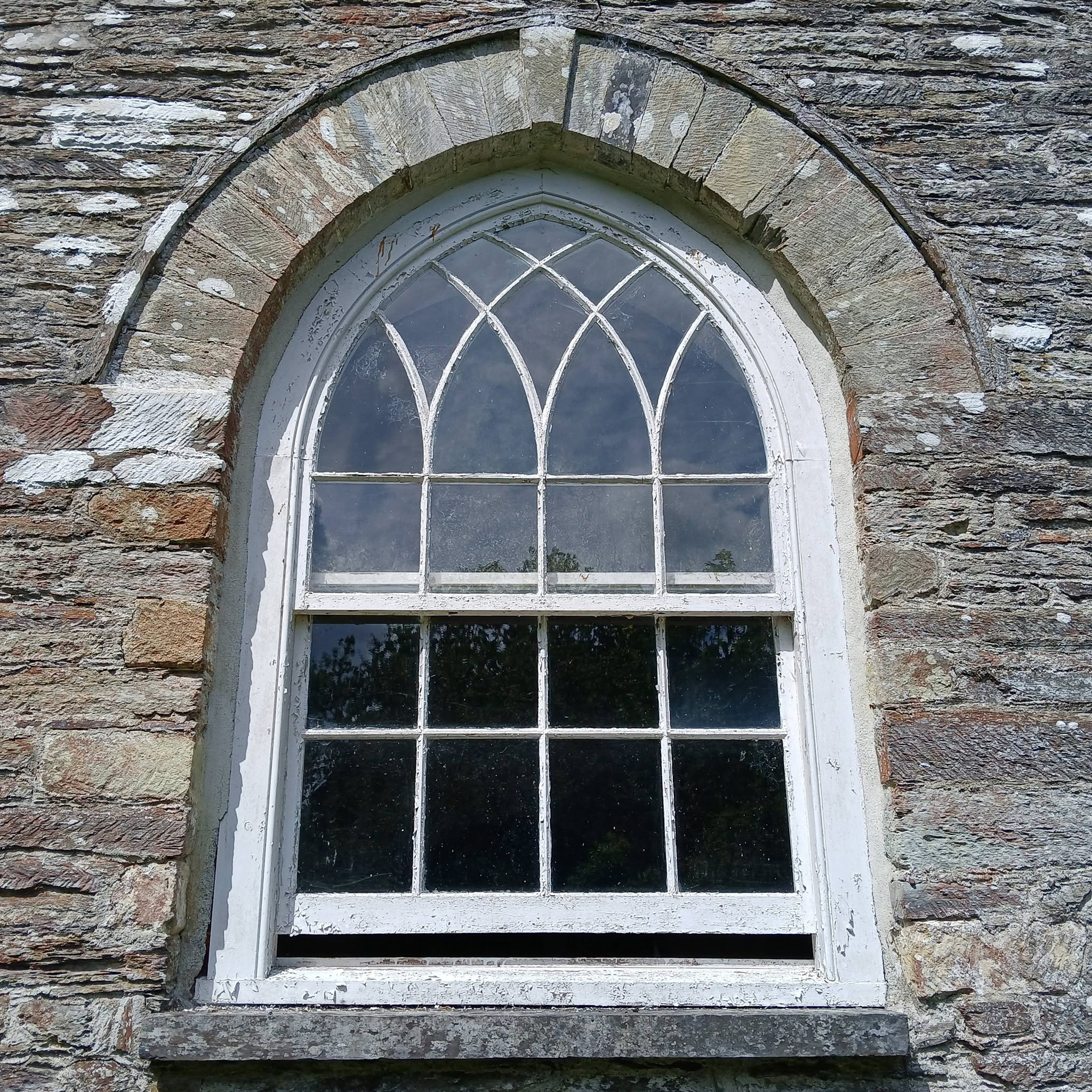
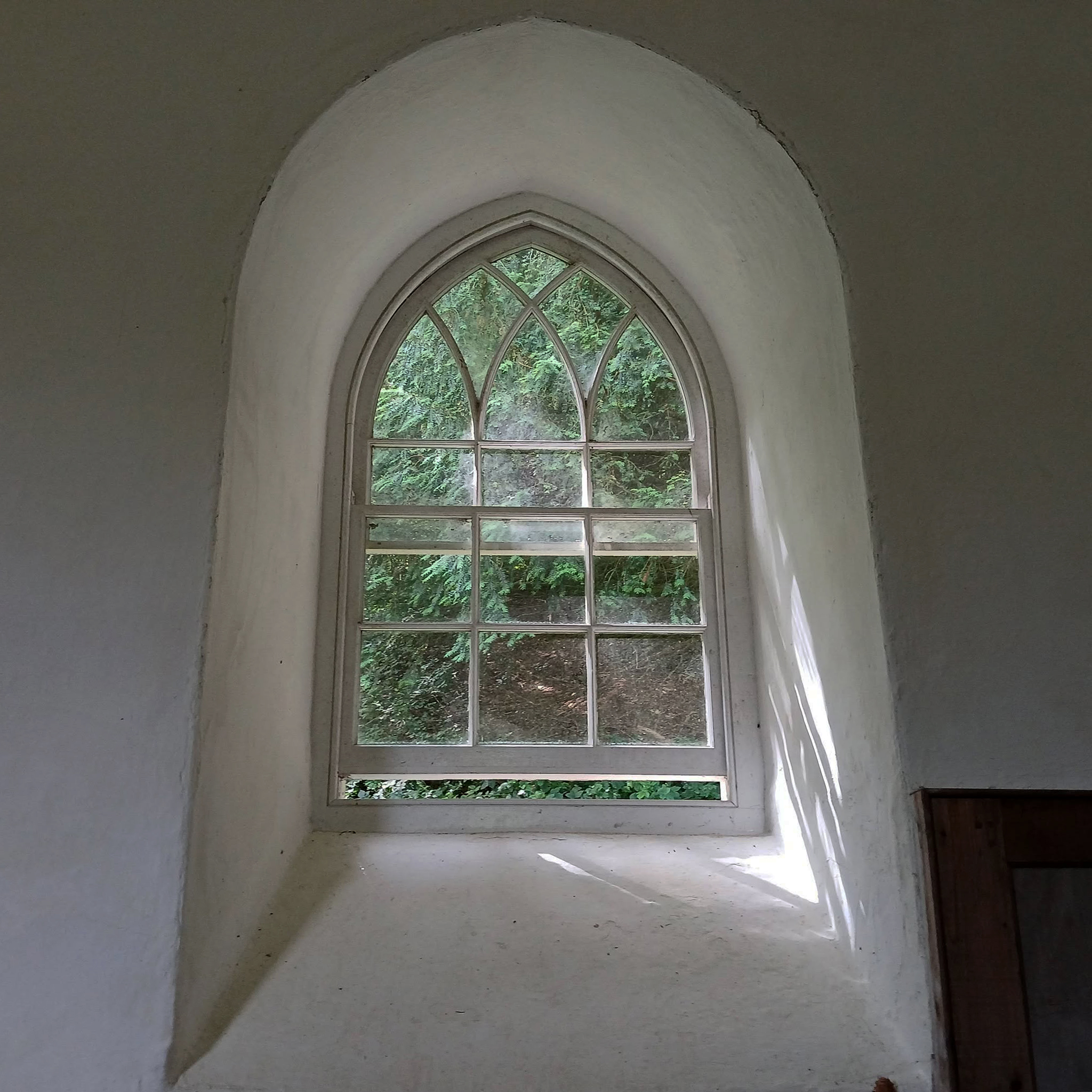
The church as it stands today has a Norman tower and Tudor nave, but it was rigorously restored in 1864.

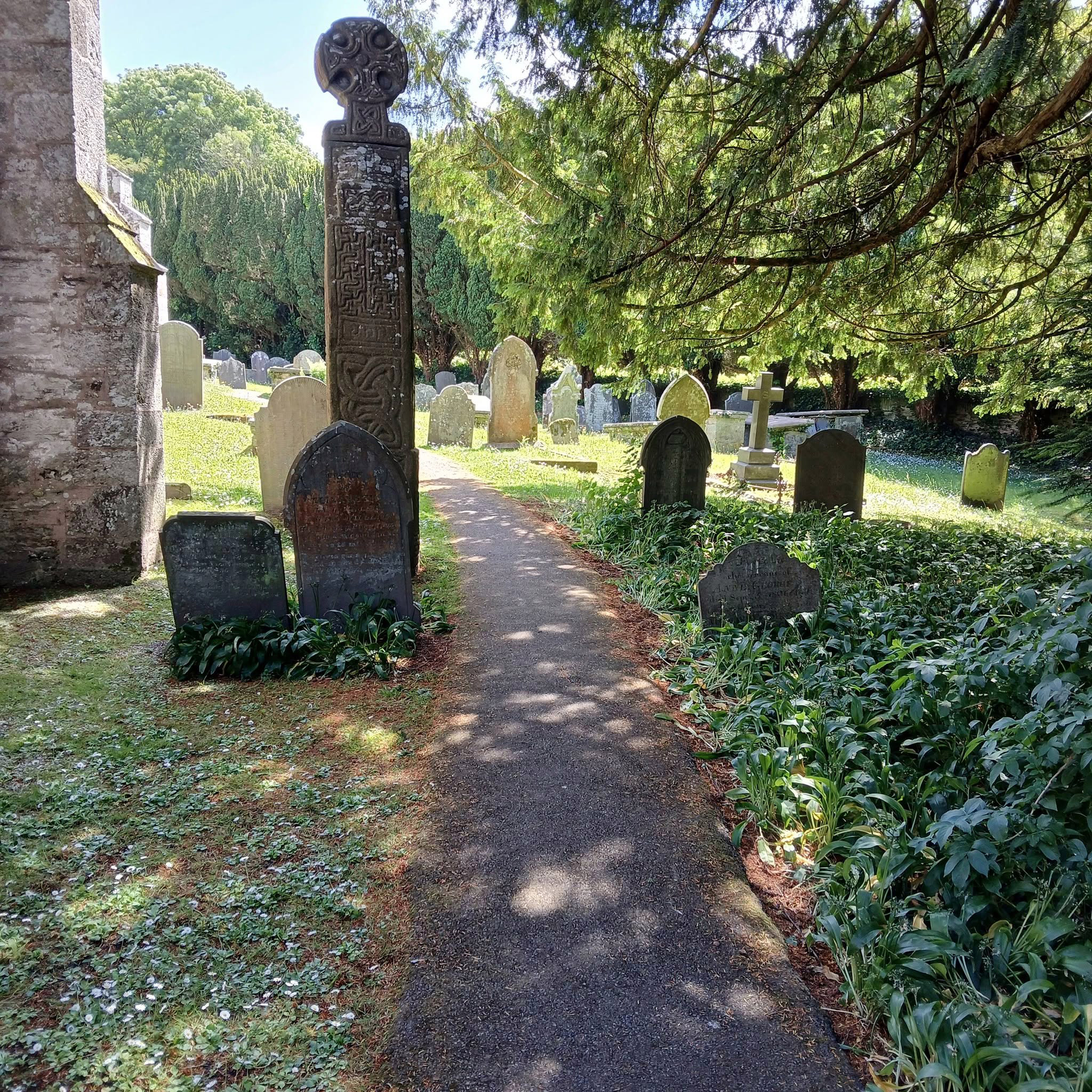
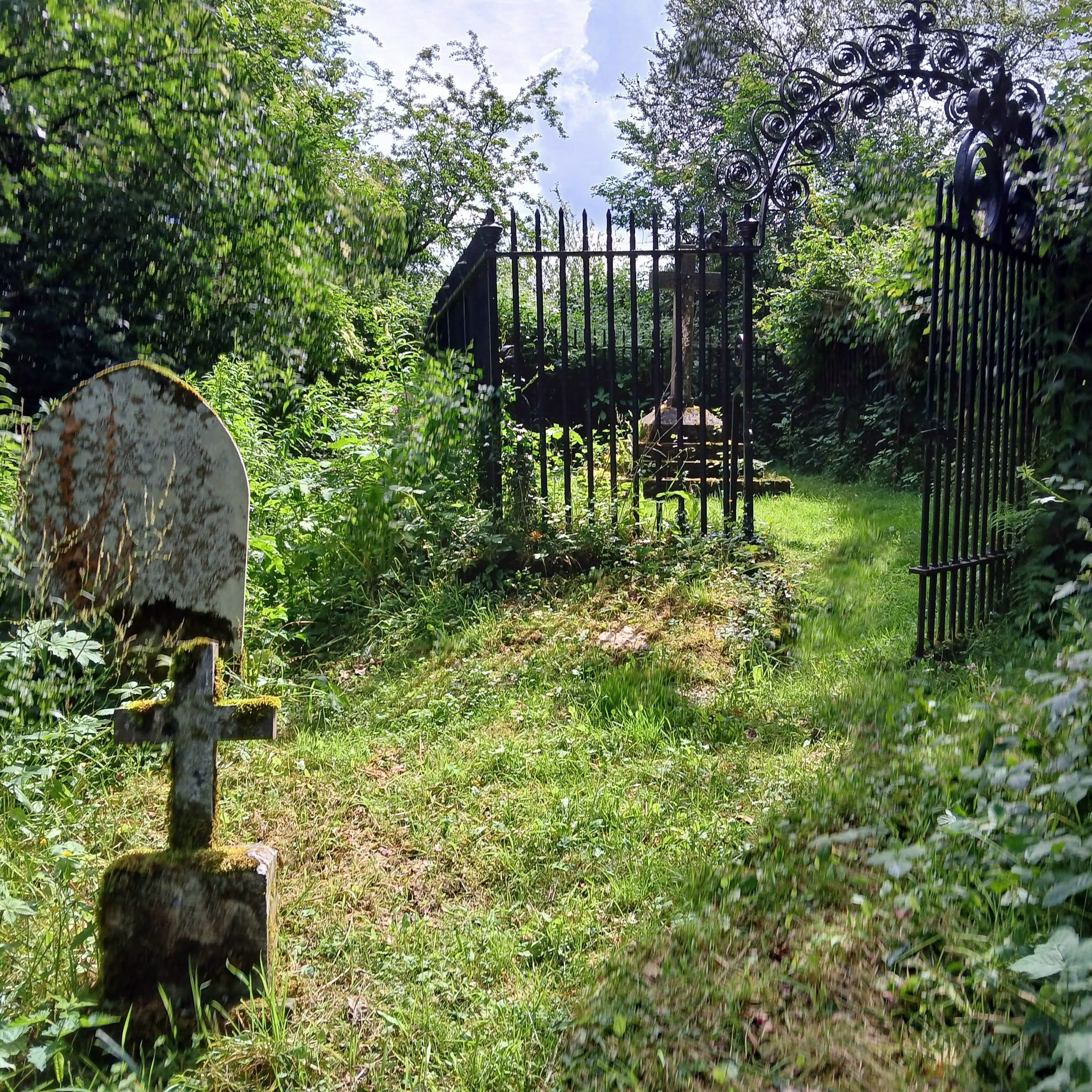
Legends abound here: one of the yew trees is called the Bleeding Yew, and has dark blood like sap that oozes year round. And the first cuckoo of Spring is supposed to sing from Nevern Cross on 7 April, St Brynach’s Day.

National Church Trust

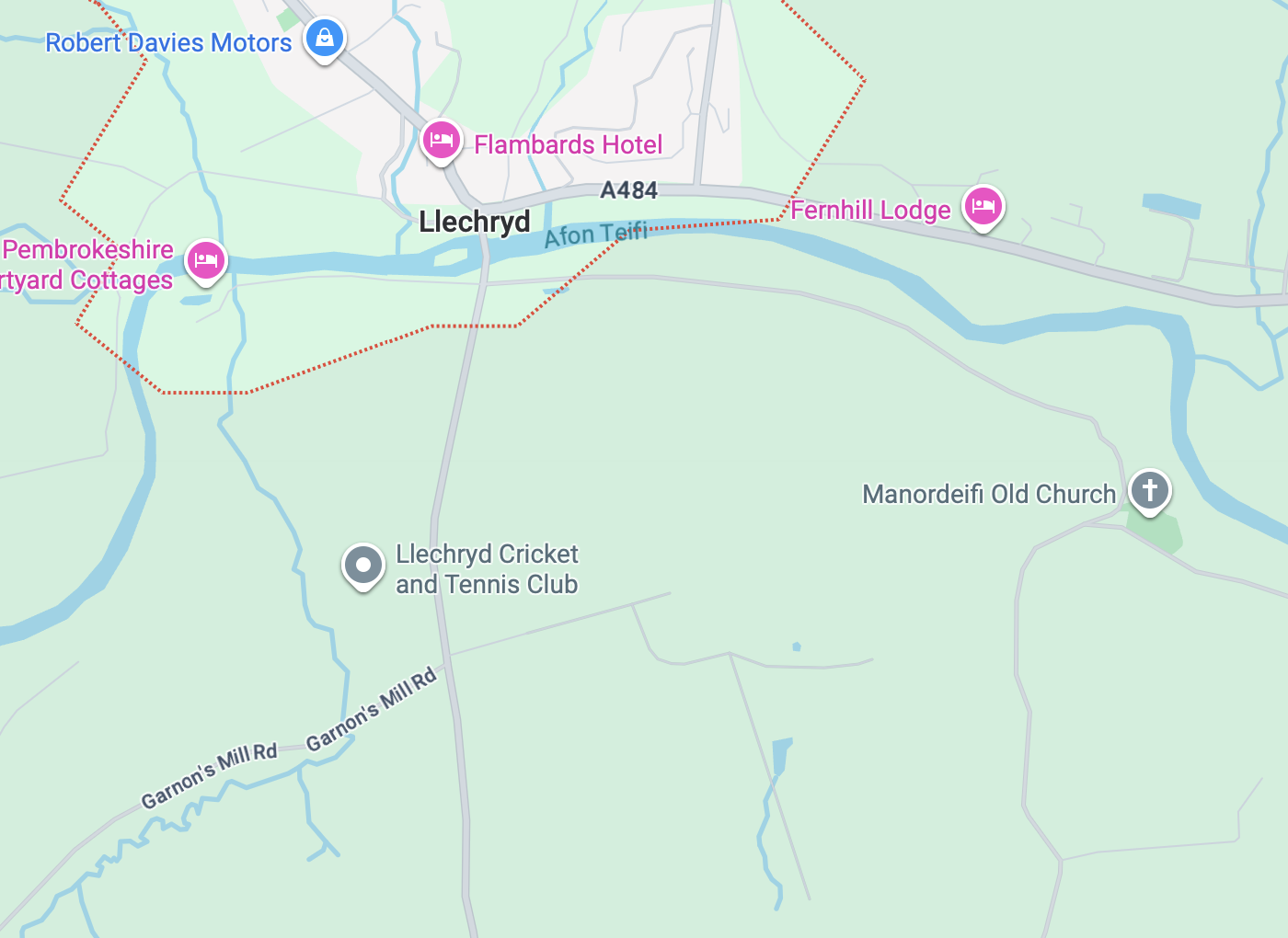
Manordeifi Old Church – St Davids

Tim Rushton and m’self were cycling from Fishguard to Aberystwyth, as we have in previous years, taking the train from Stockport and setting off on our way through Pembrokeshire and beyond. Modern pilgrims crossing the ancient pilgrim’s route.

This was the second day of our tour, from Aberteifi to Lllandysul.

At the end of a long lane that follows the Afon Teifi we saw this low stone church, tucked beneath the rising landscape to the right.

We both share a love of architecture and vernacular churches in particular – Tim, illustrated below, has produced a book on Welsh Chapels.

So we stopped to take a look around.

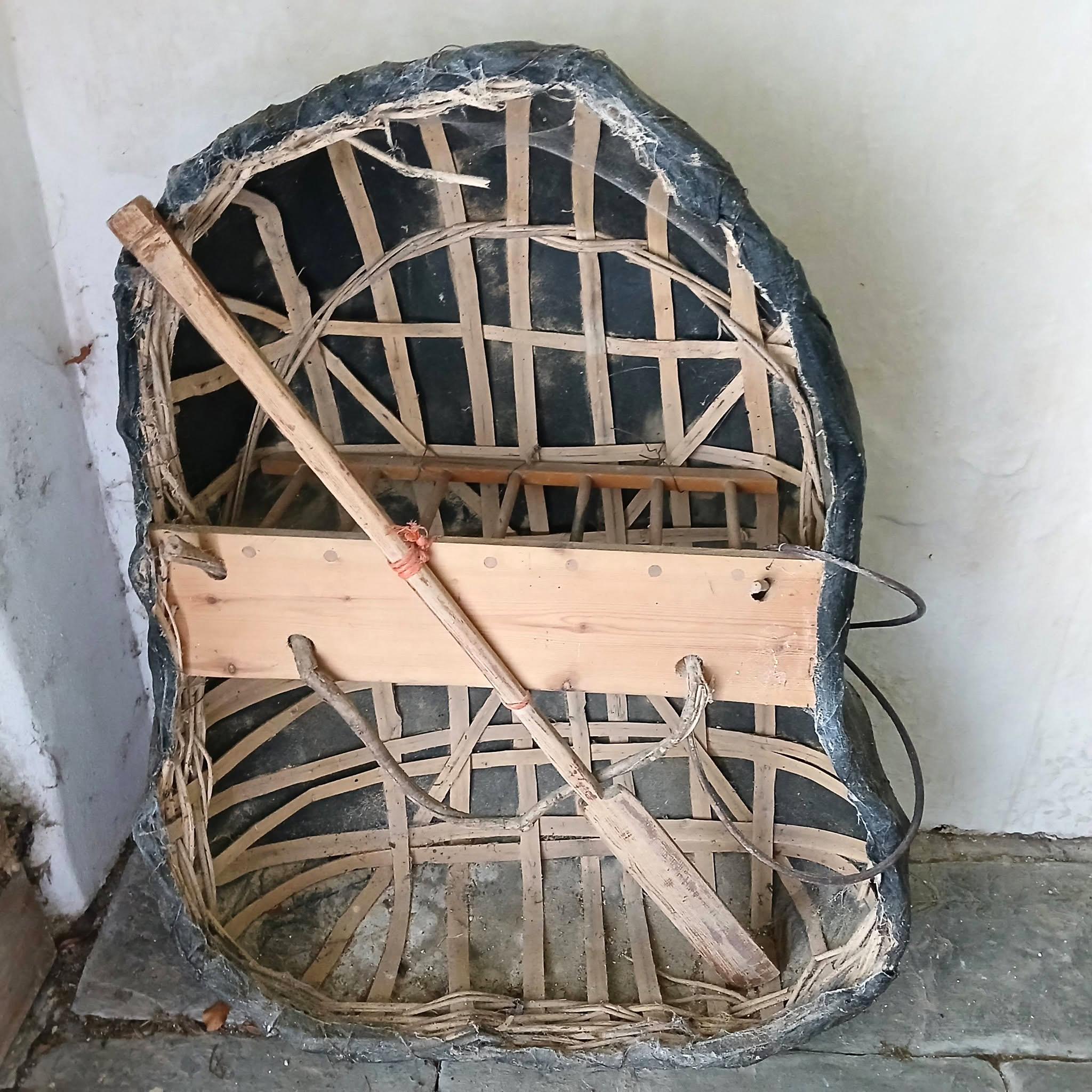
Old St David’s lies on the pilgrimage route to the cathedral of the same dedication and next to the Teifi River. Frequent flooding led to a new church being built on the other side of the river in the 19th century. It also explains why the church has its own coracle, which once ferried worshippers to and fro during a flood. Unfortunately, the church is still prone to flooding, most recently in September 2021.

This is a reproduction as the original was stolen.

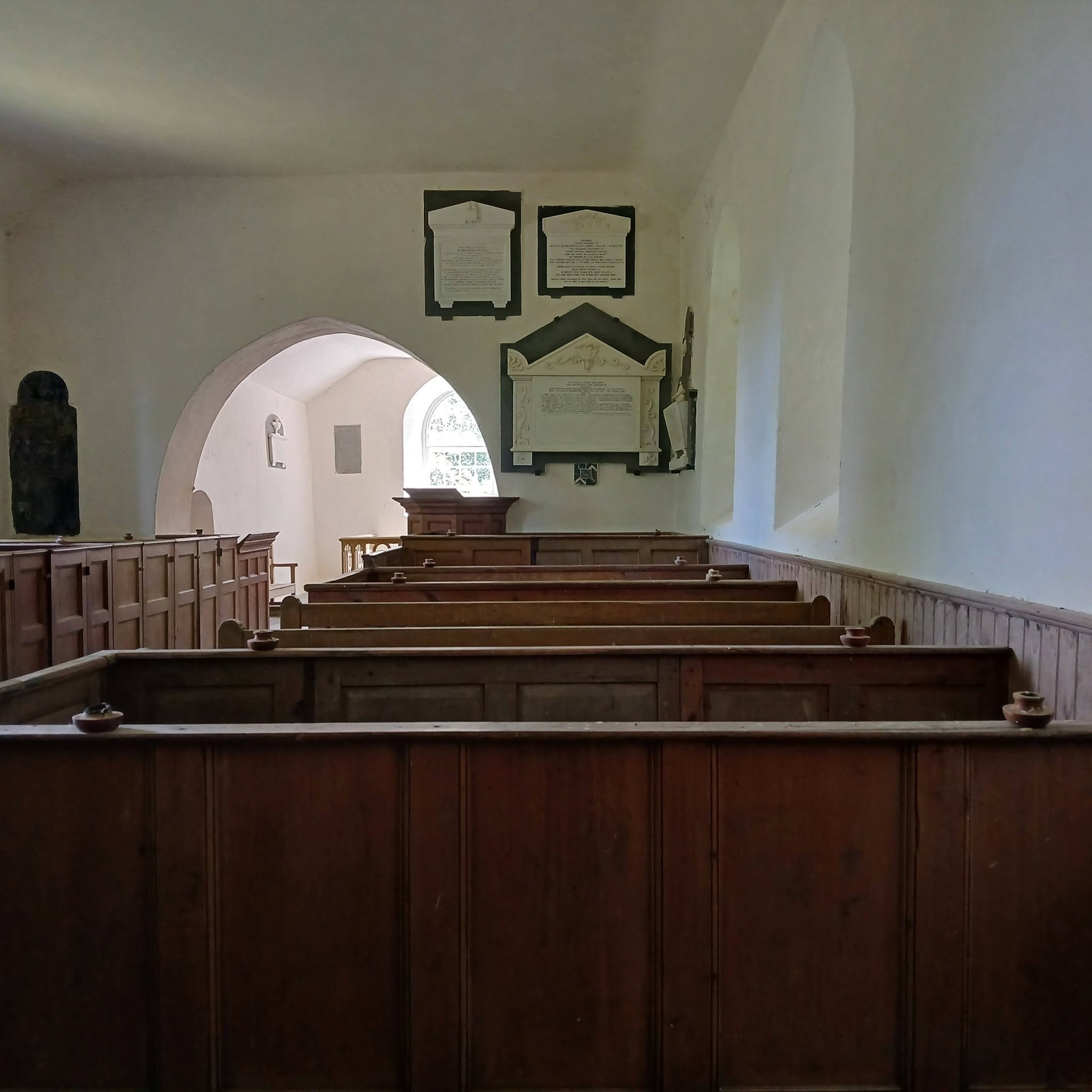
The church you see today is a 13th-century building, remodelled in 1847 to the elegant Georgian Gothick interior. This style was already out of fashion in more urban parts and by 1899, the church had fallen out of regular use.

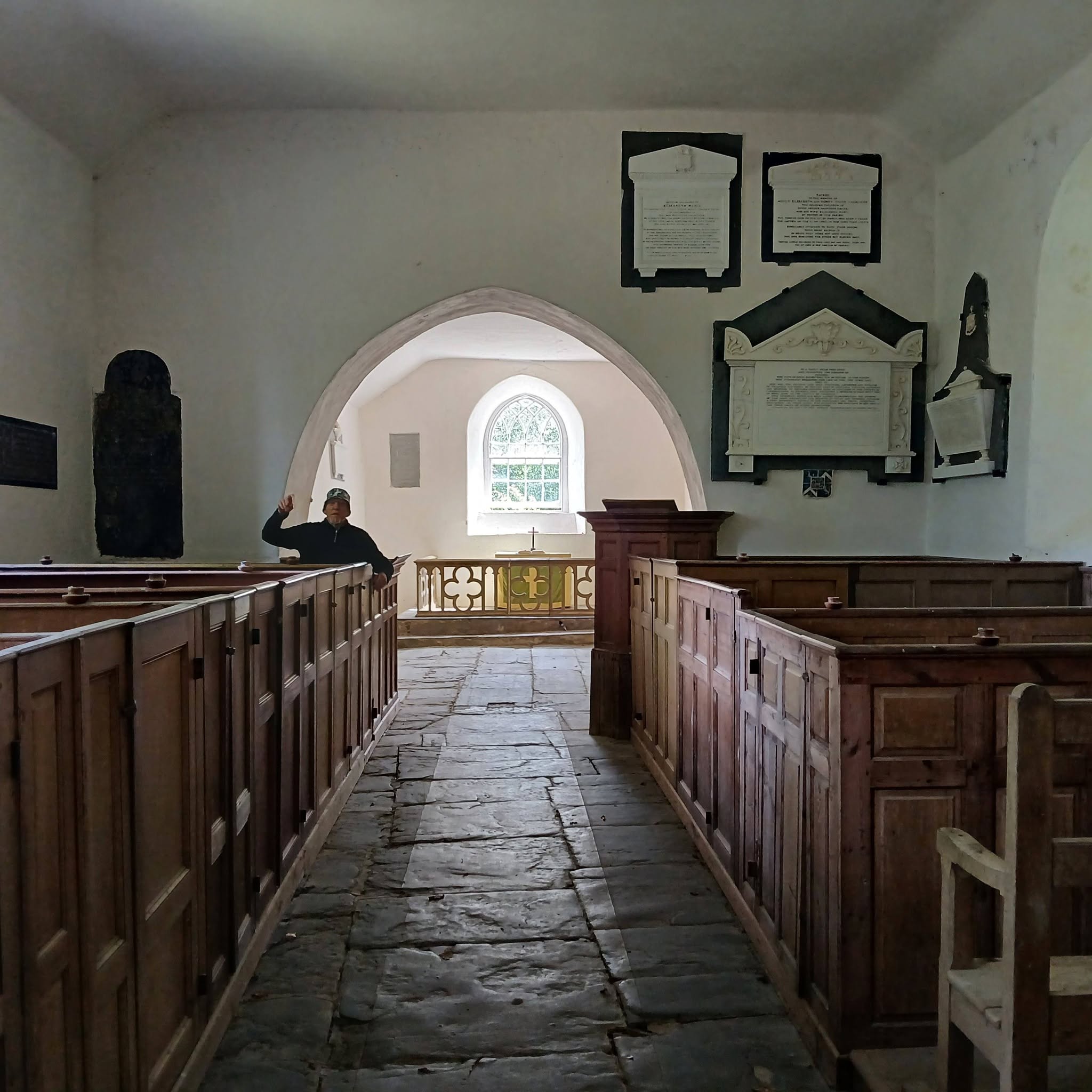
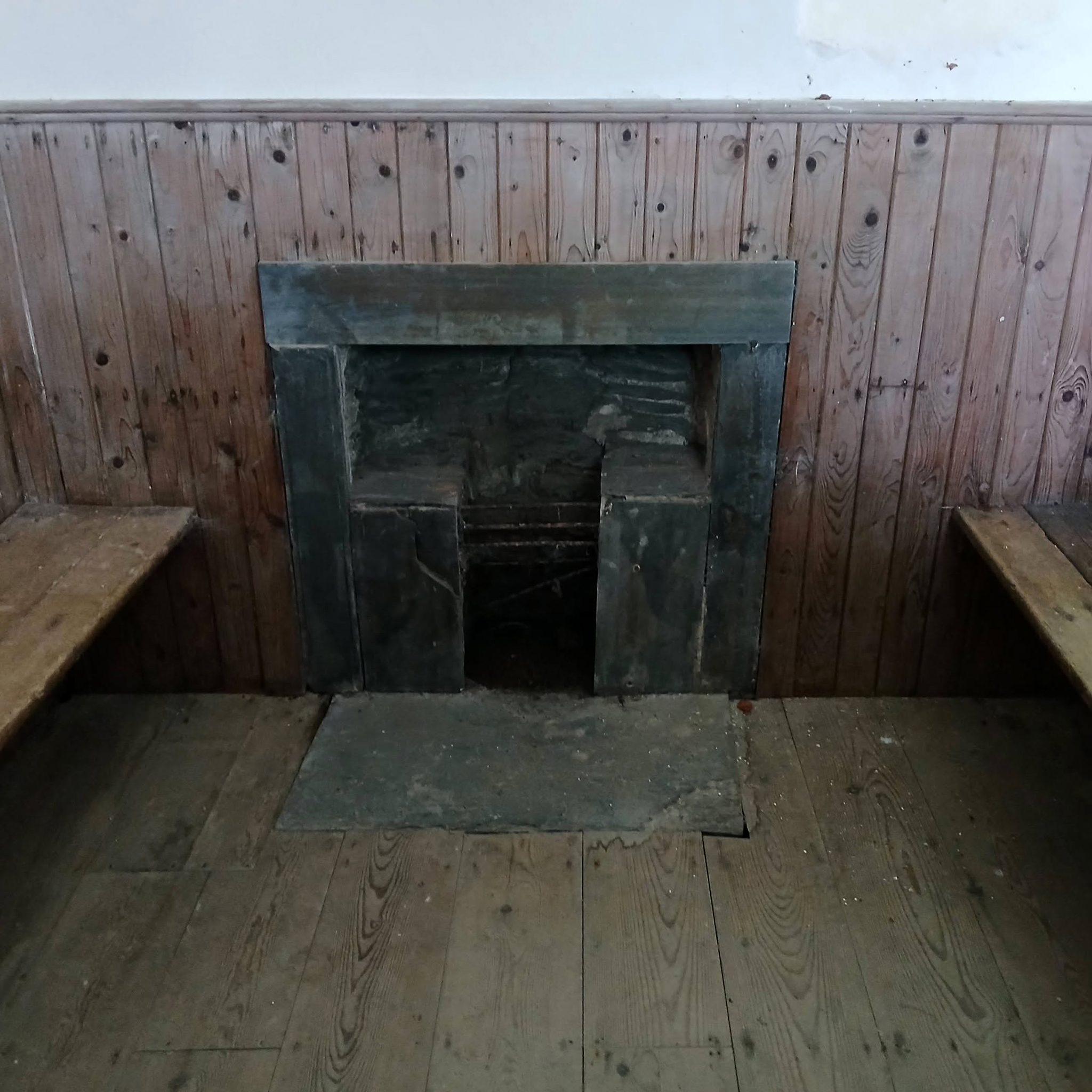
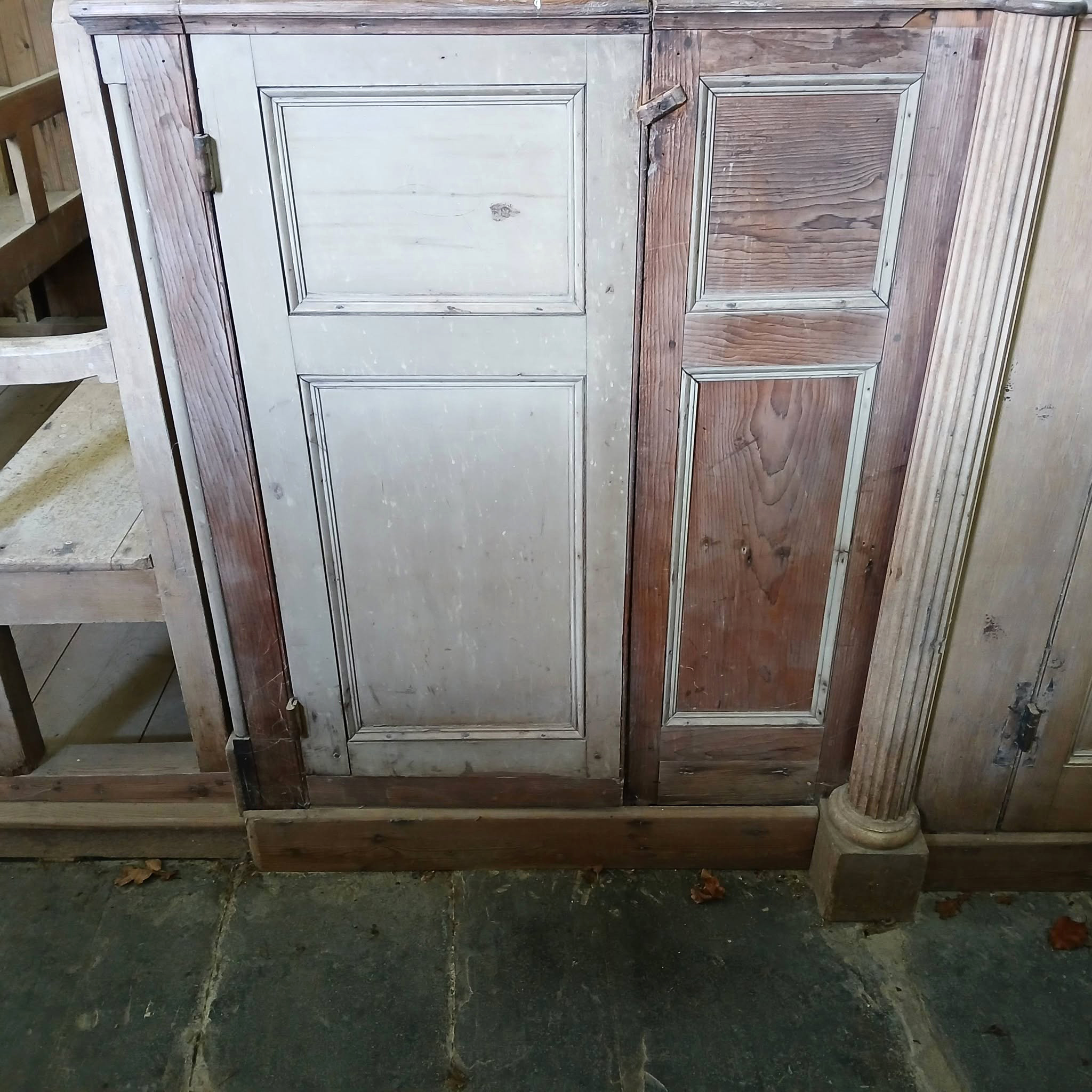
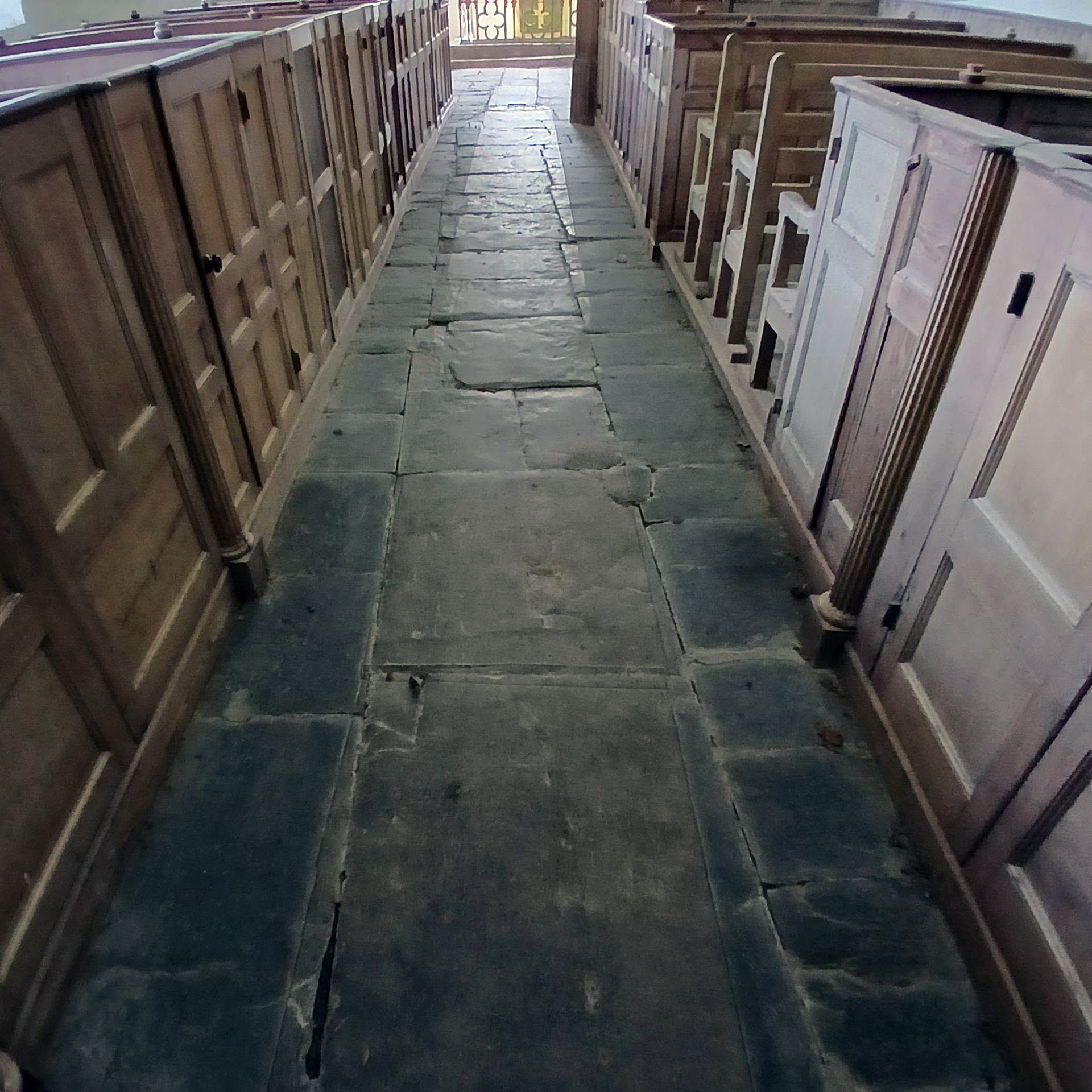
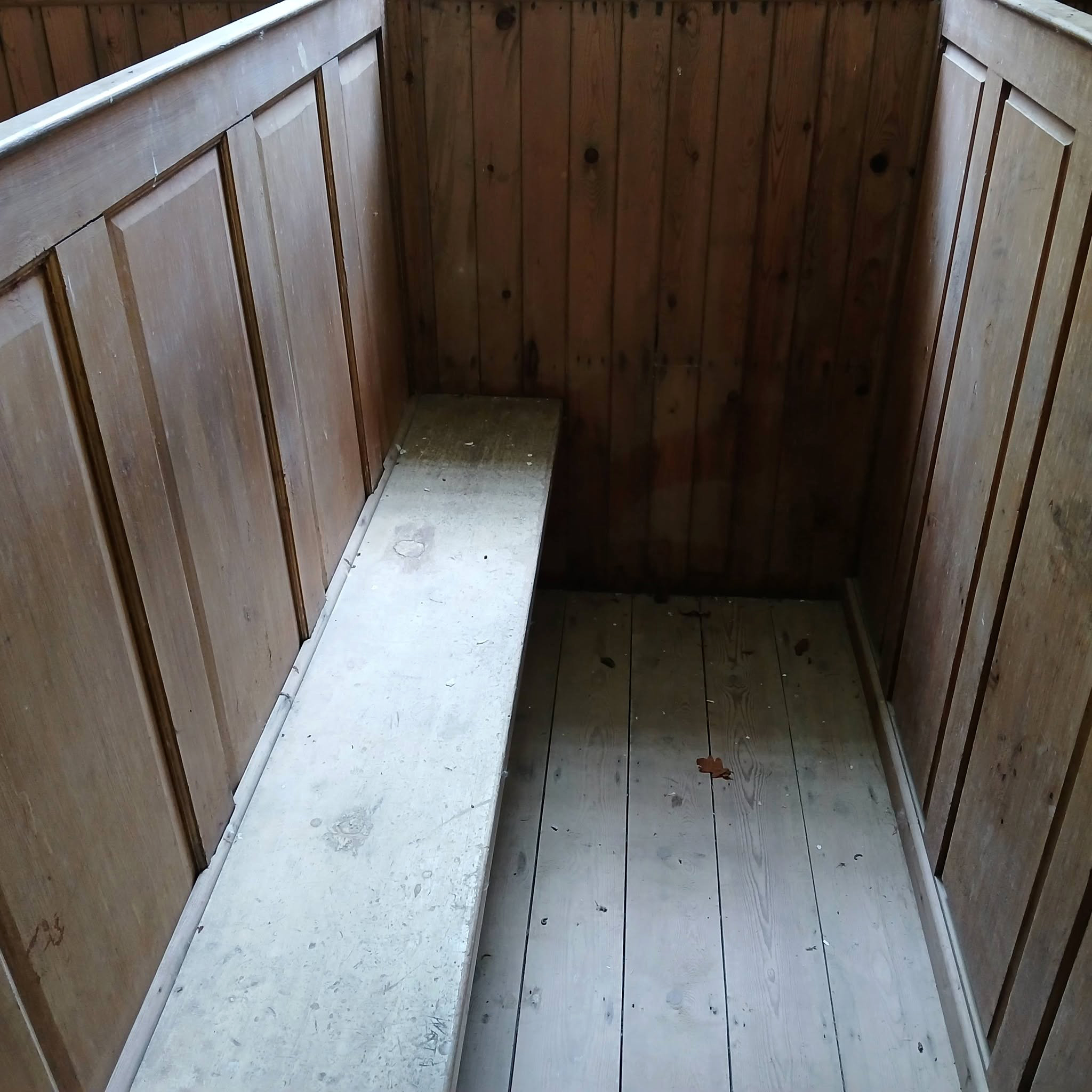
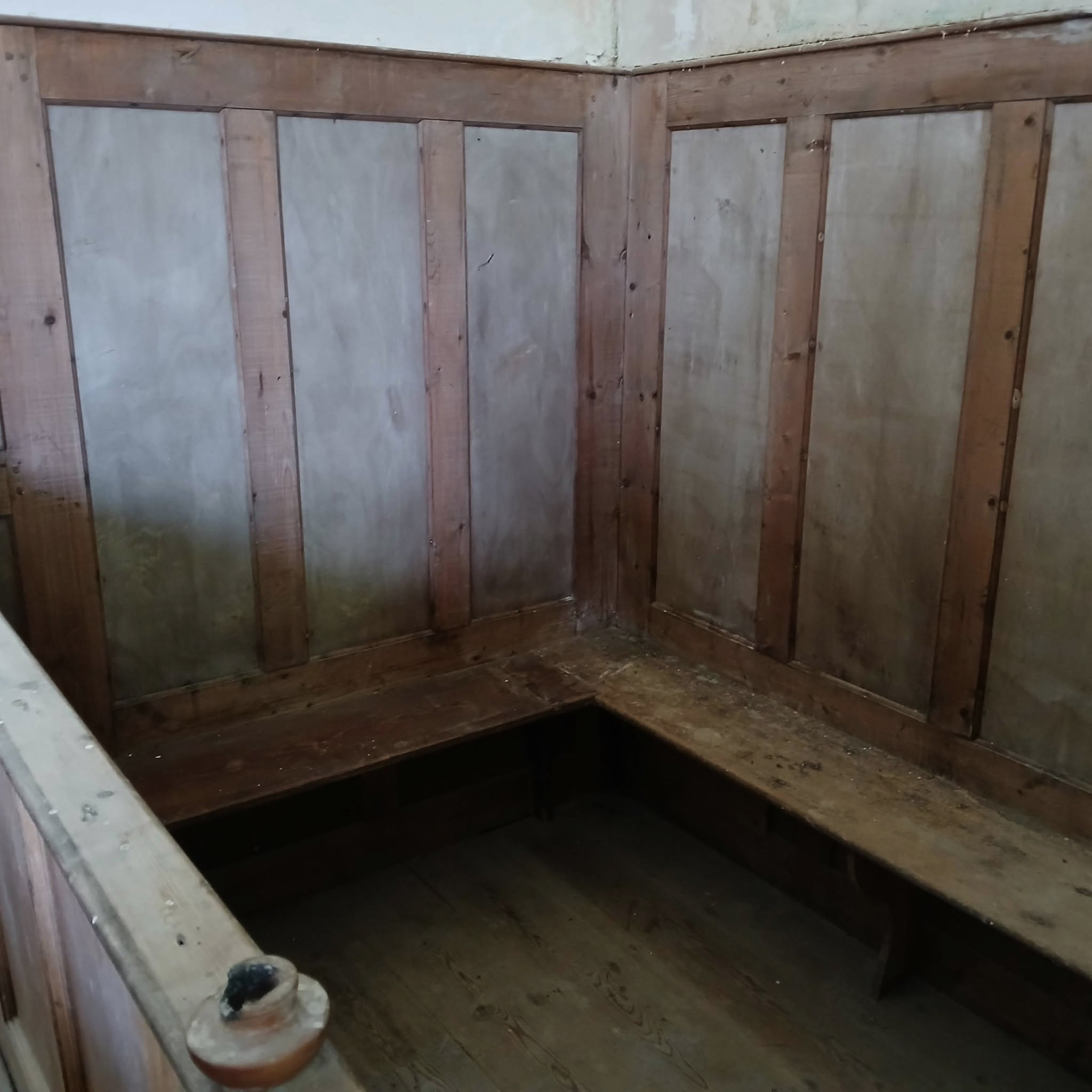
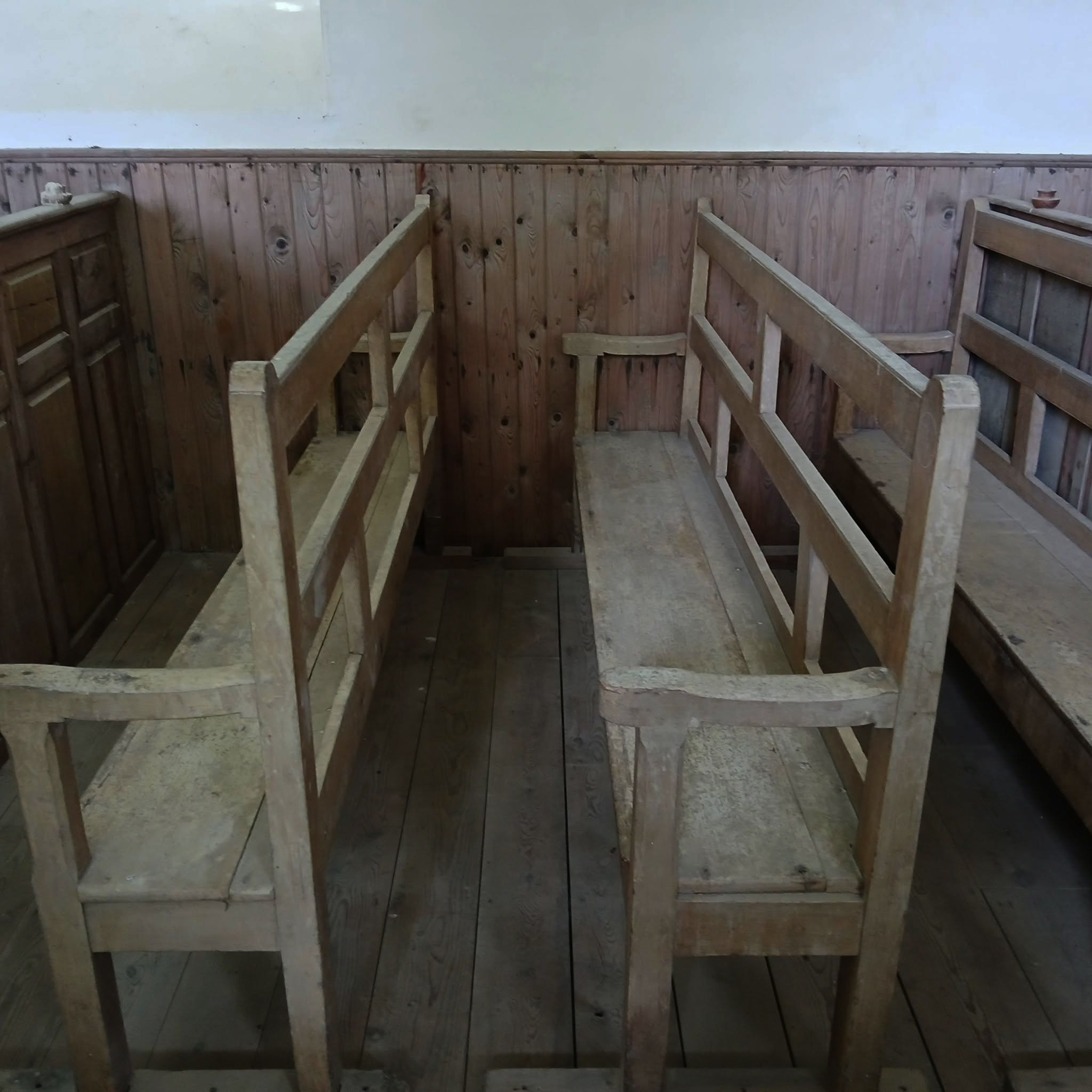
The nave walls are lined with a set of 18th-century box-pews; some have fluted columns, drawers with brass handles, and some even have their own fireplaces.

The square font, which you’ll find right inside the west porch, dates to the 13th century and is the only survivor from the early church. Its underside is fluted and its sides are carved with quatrefoils.

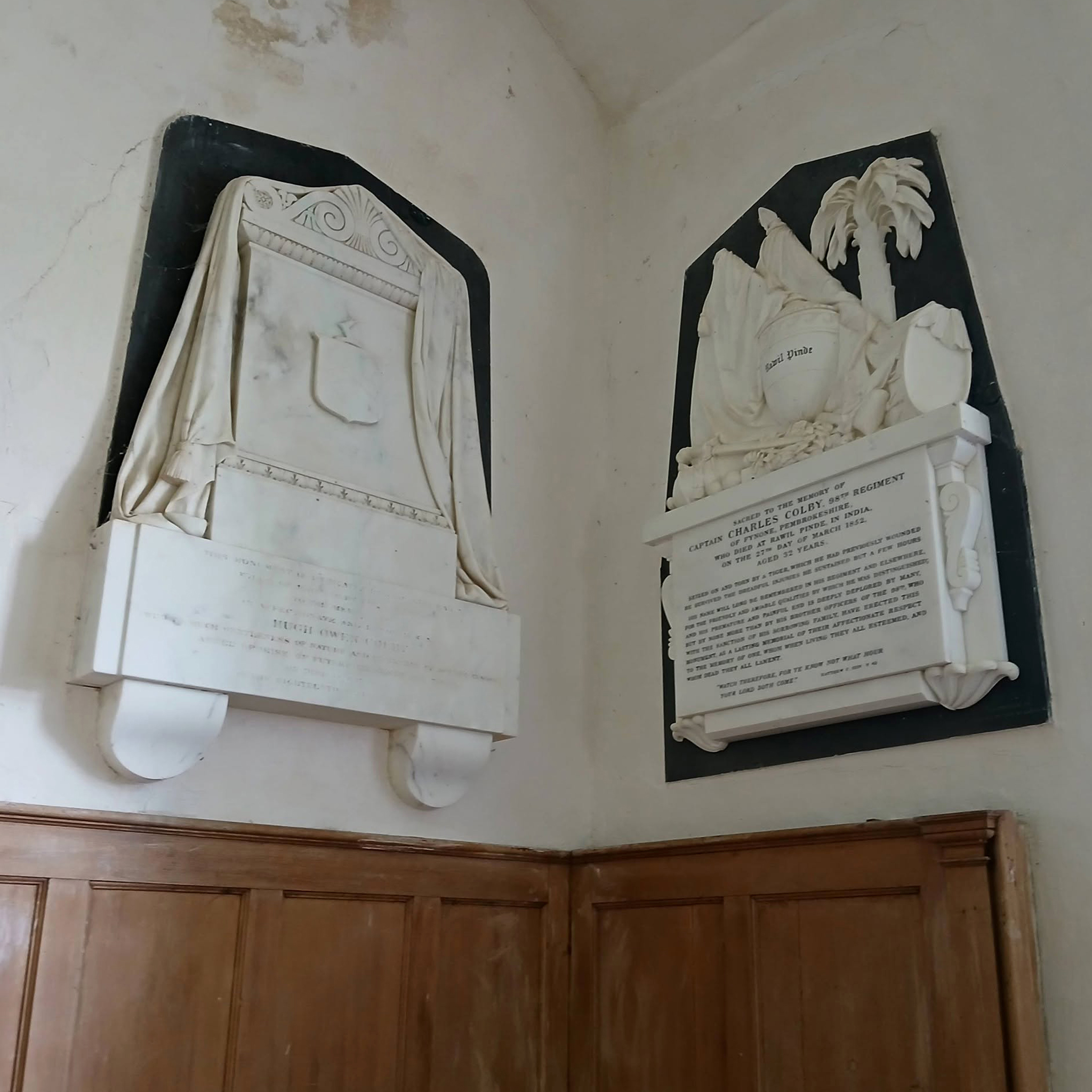
Don’t miss the memorial to Capt. Charles Colby, who was stationed to Rawalpindi – now in Pakistan in about 1850. On a day off, he went hunting on an elephant, and was unfortunately mauled by a tiger. His plaque bears an urn with the inscription ‘Rawil Pinde’ and a carved palm tree.

Friends of Friendless Churches

Many thanks to the Friends of Friendless churches for ensuring that the church remains open and maintained.

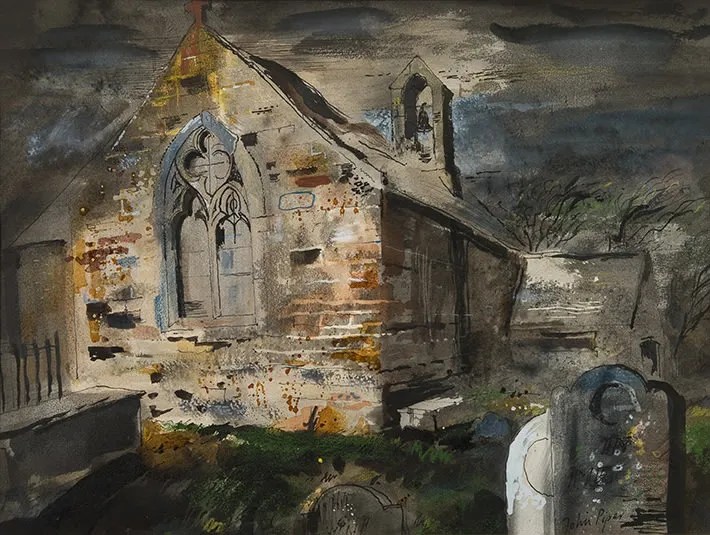
As a postscript – the appreciation of these wonderful Welsh churches must be due in part to John Piper.

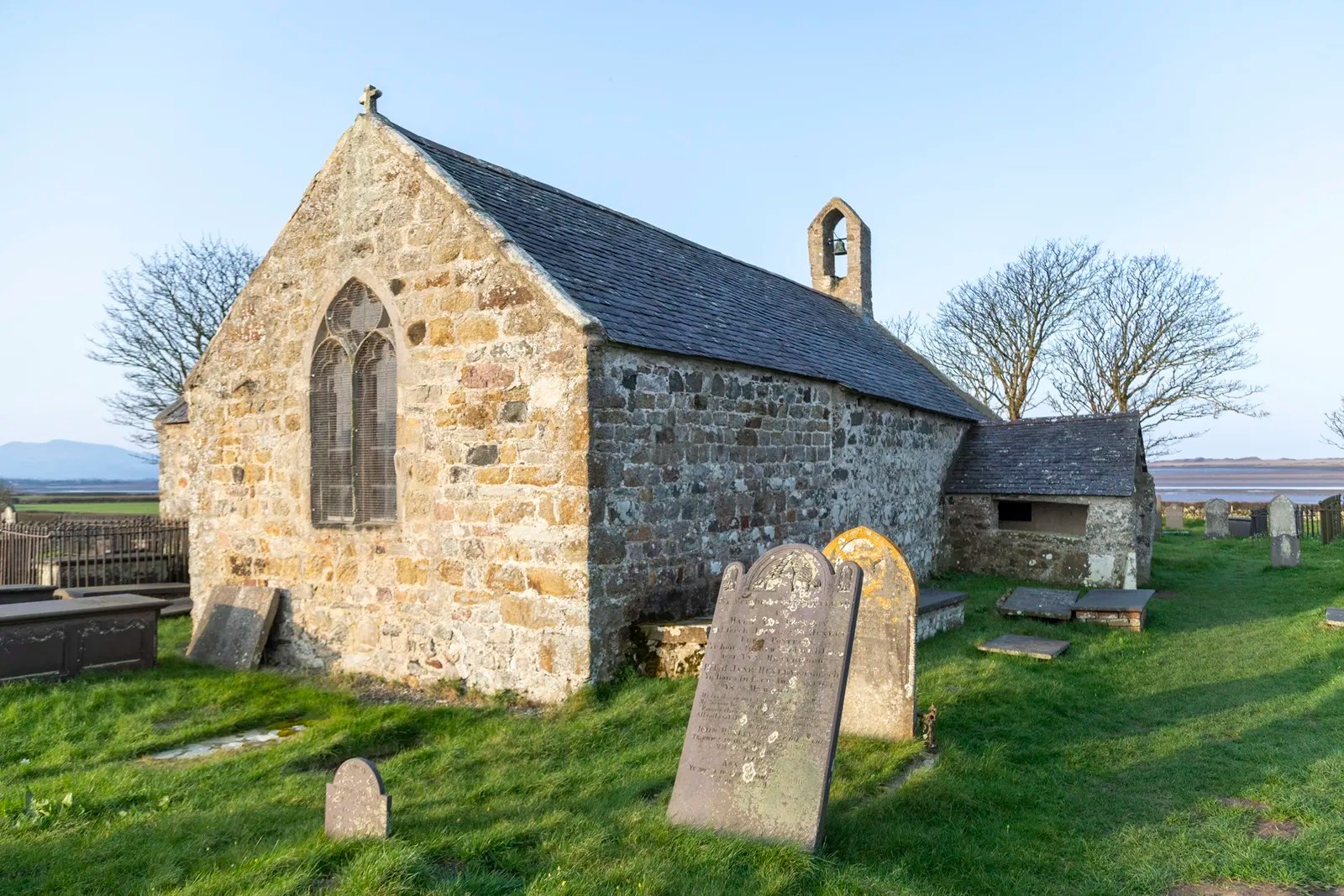
Jerwood Foundation was recently alerted to a renewed recognition of John Piper’s painting The churchyard, in Jerwood Collection, after it appeared as an illustration accompanying an online article. The image was immediately recognised by a reader as depicting St Baglan’s Church, near Caernarfon, viewed from a familiar angle.

John Piper, a founding member of Friends of Friendless Churches in the 1950s, painted many historic churches across the UK. Although St Baglan’s has been under the charity’s care since the 1970s, this rediscovery offers a valuable insight into Piper’s early engagement with sites that would later become key rescue projects. The recognition helps to piece together the history of how some of the charity’s earliest churches were identified, recorded and preserved.

Jerwood

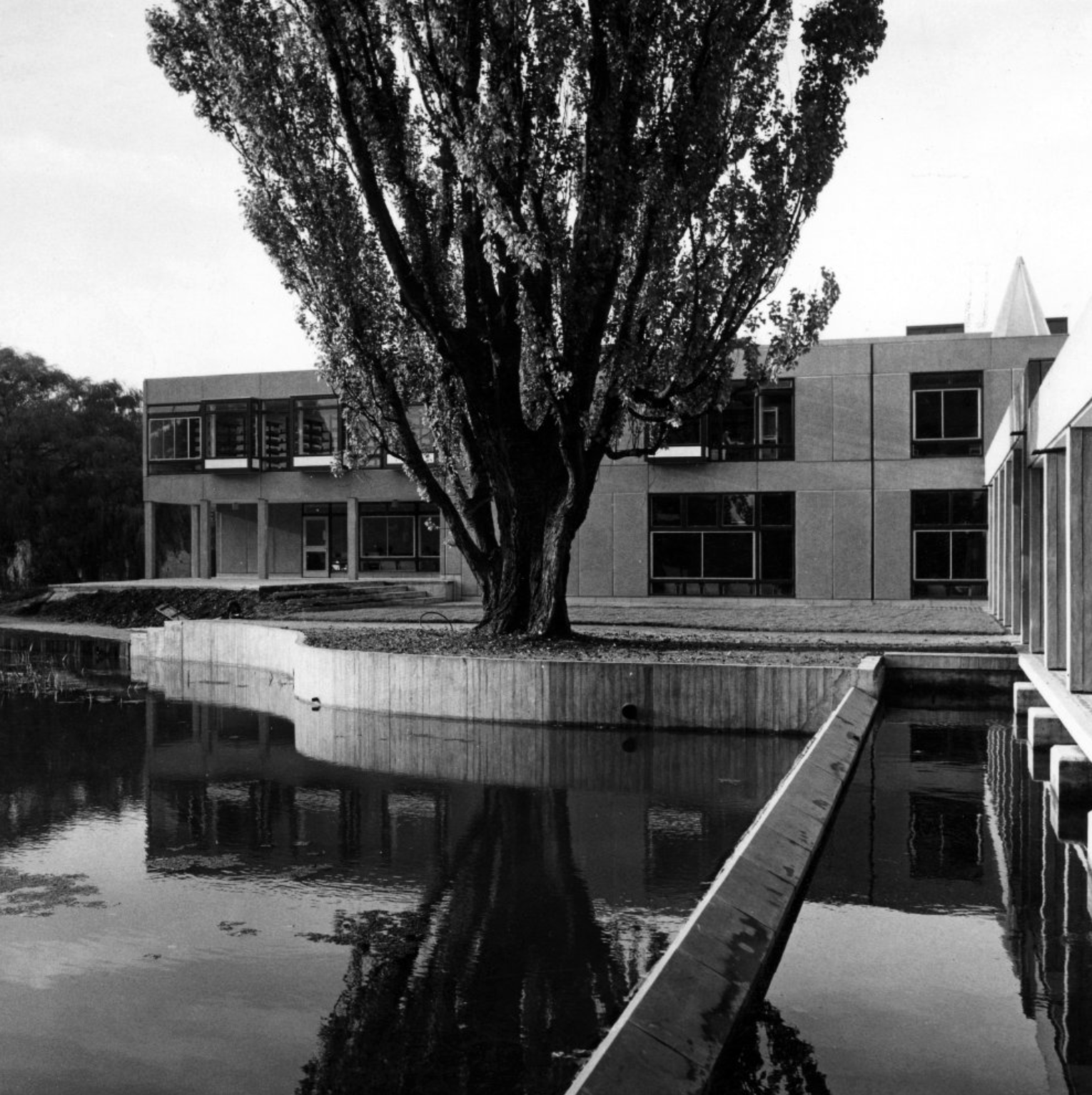
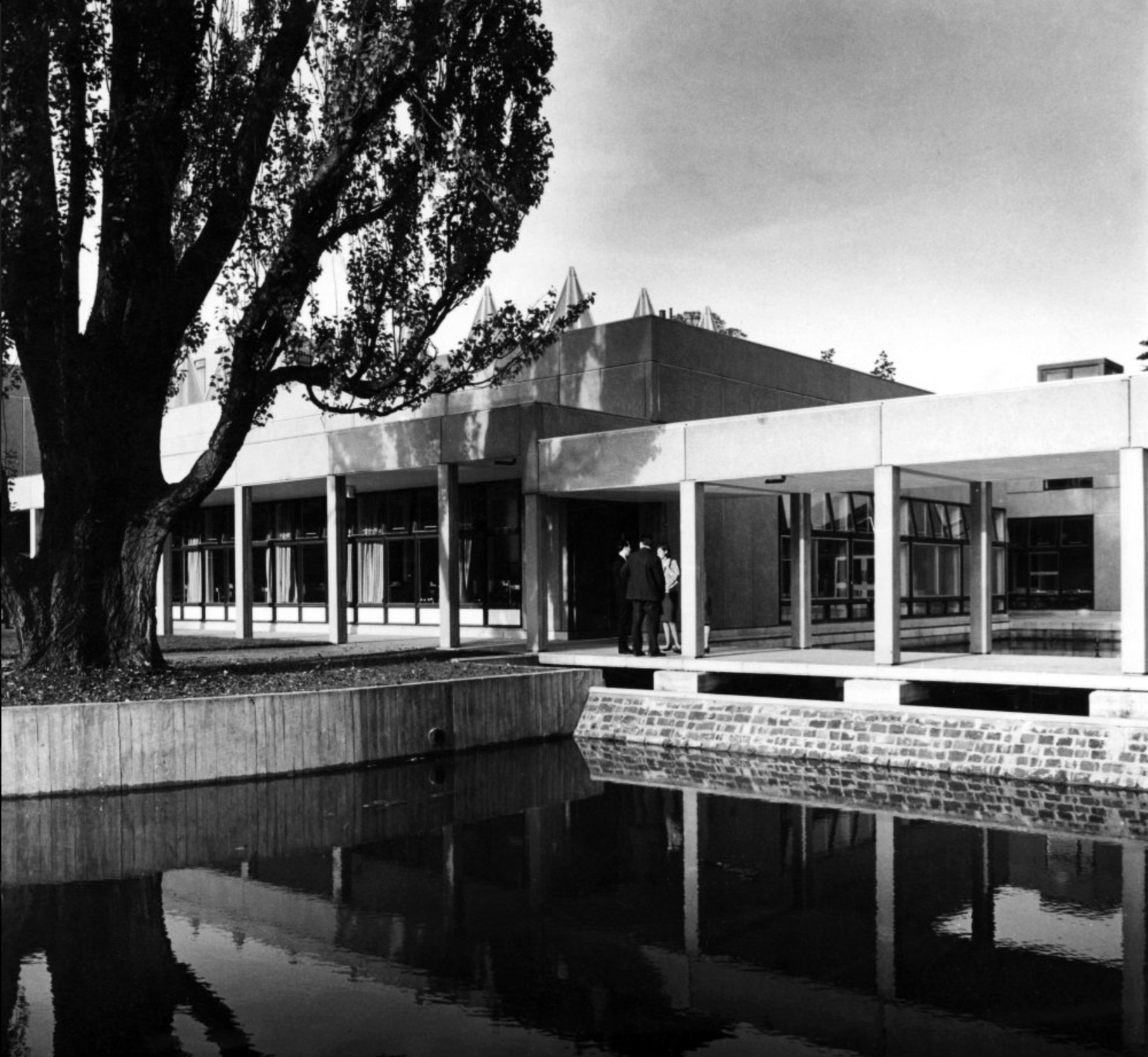
University of York – RIBA pix

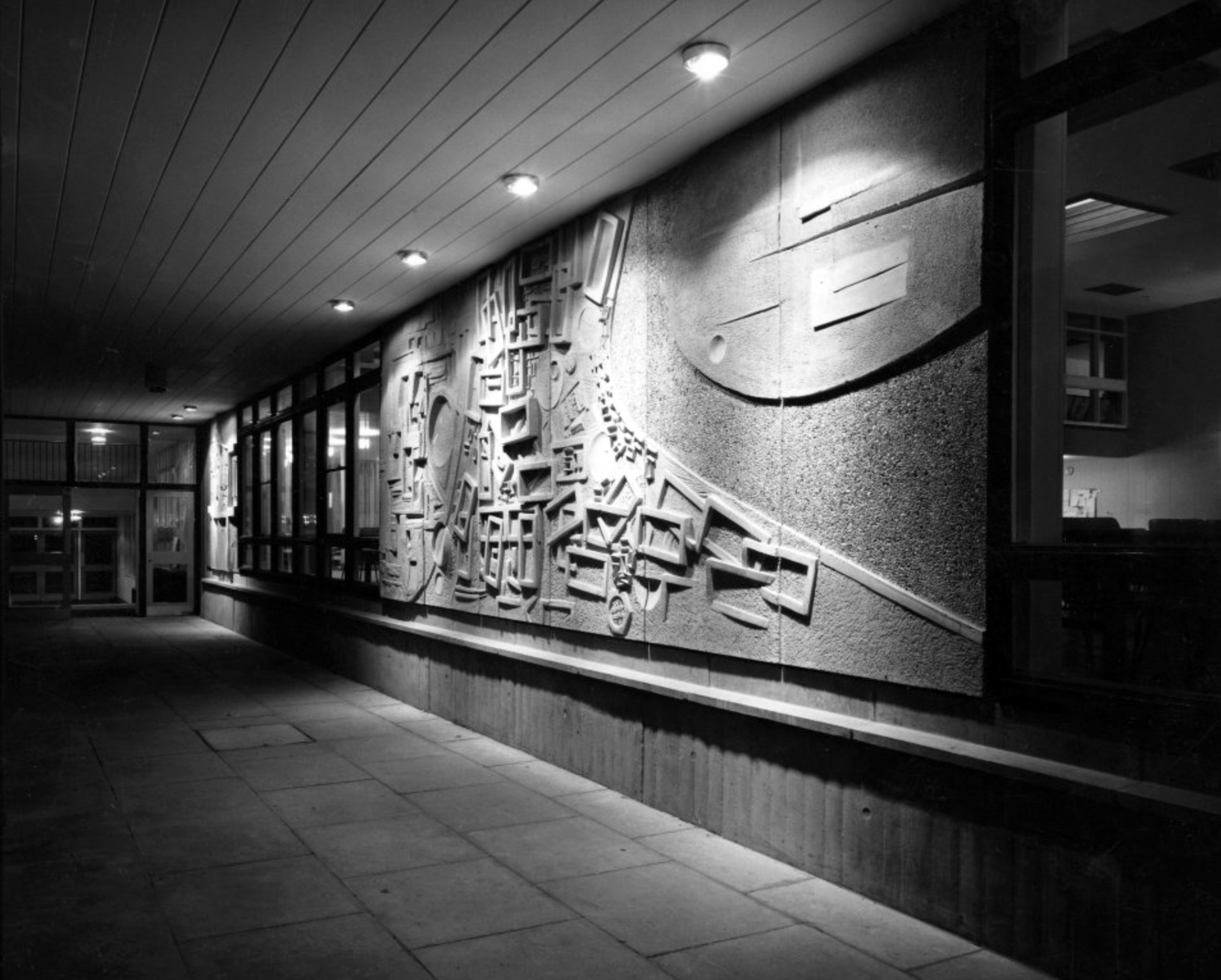
Following my previous visits to the University of York, recording the history and the Fred Millett Reliefs, I have searched the RIBA pix archives to find further images.

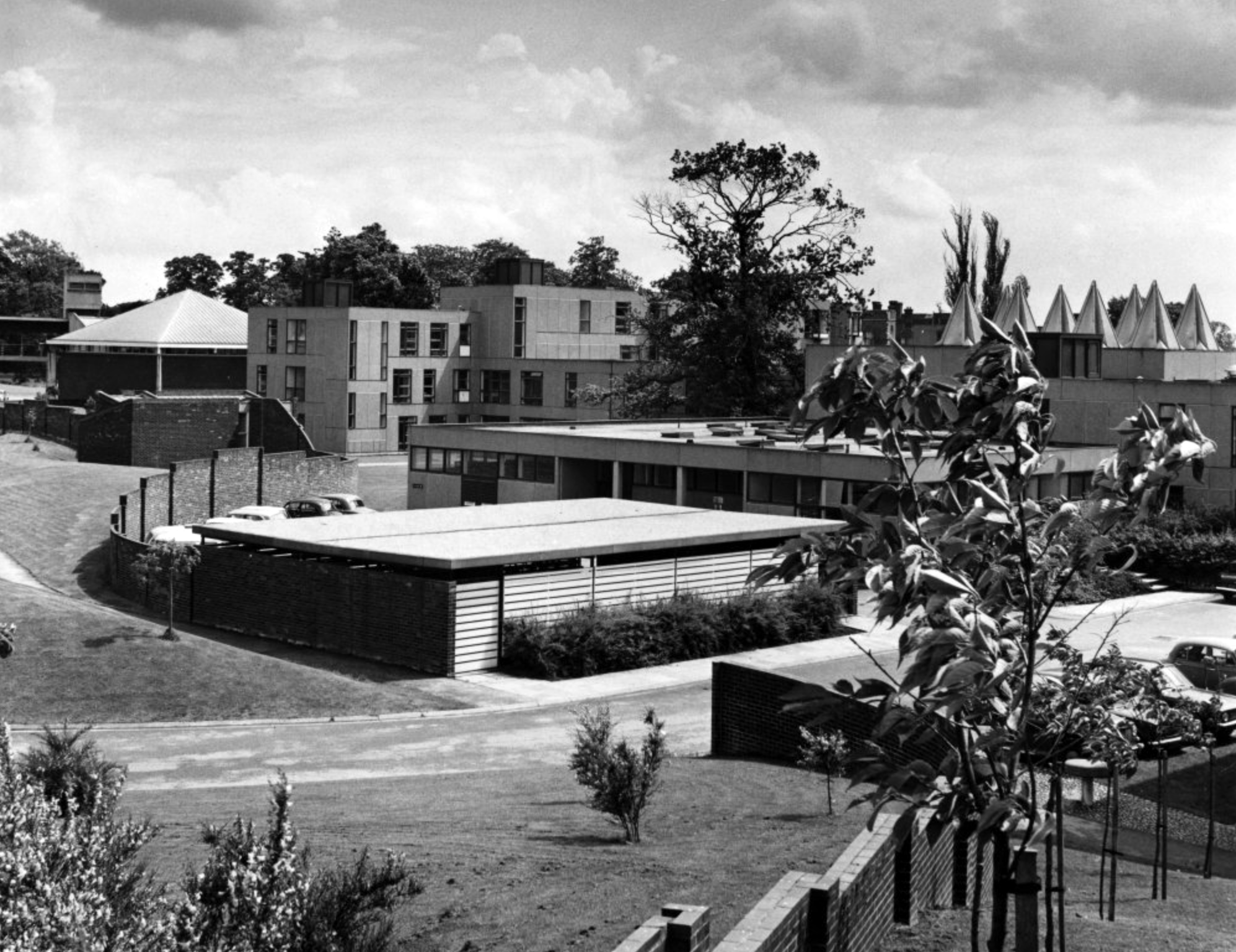
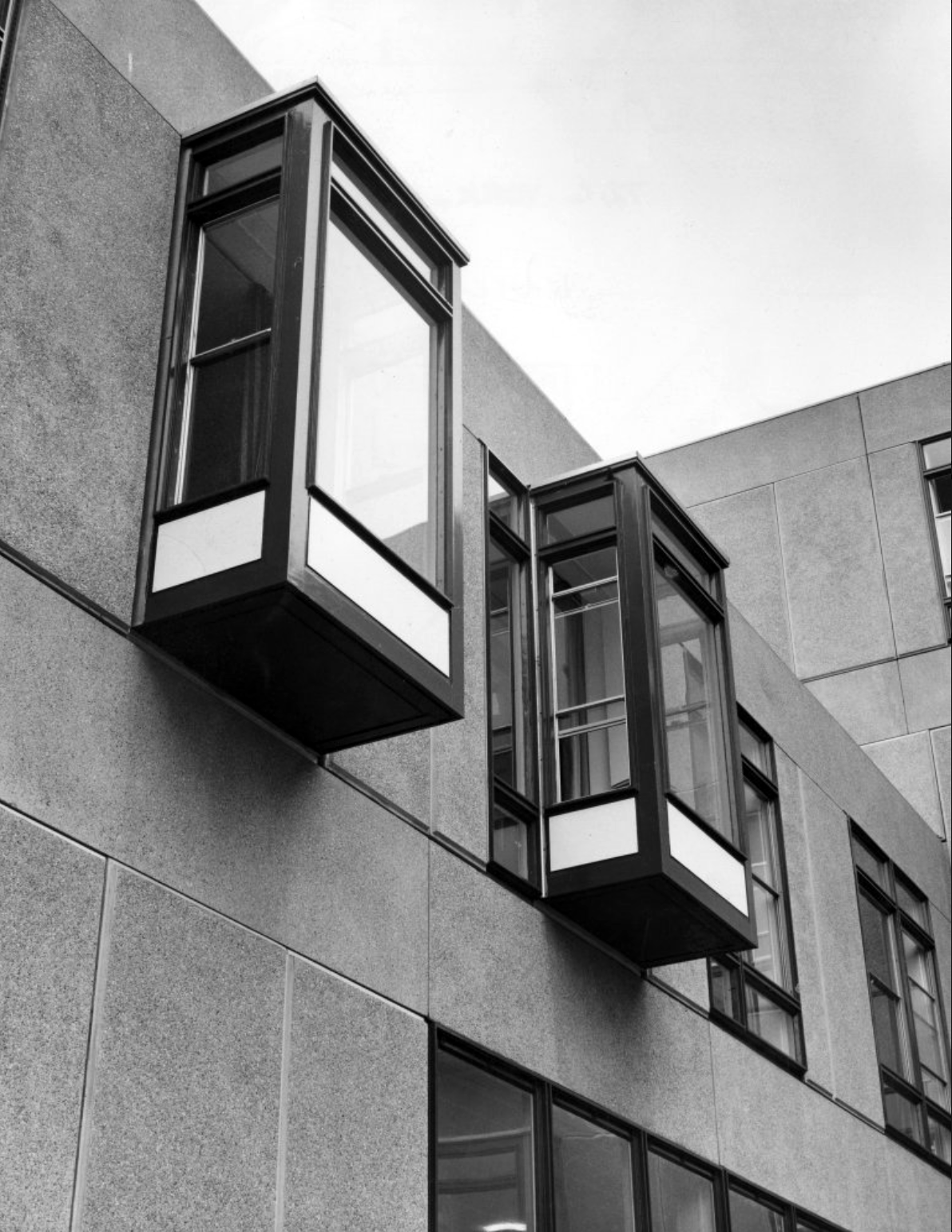
They mainly illustrate the Derwent and Langwith Colleges – both built using the CLASP system of construction.

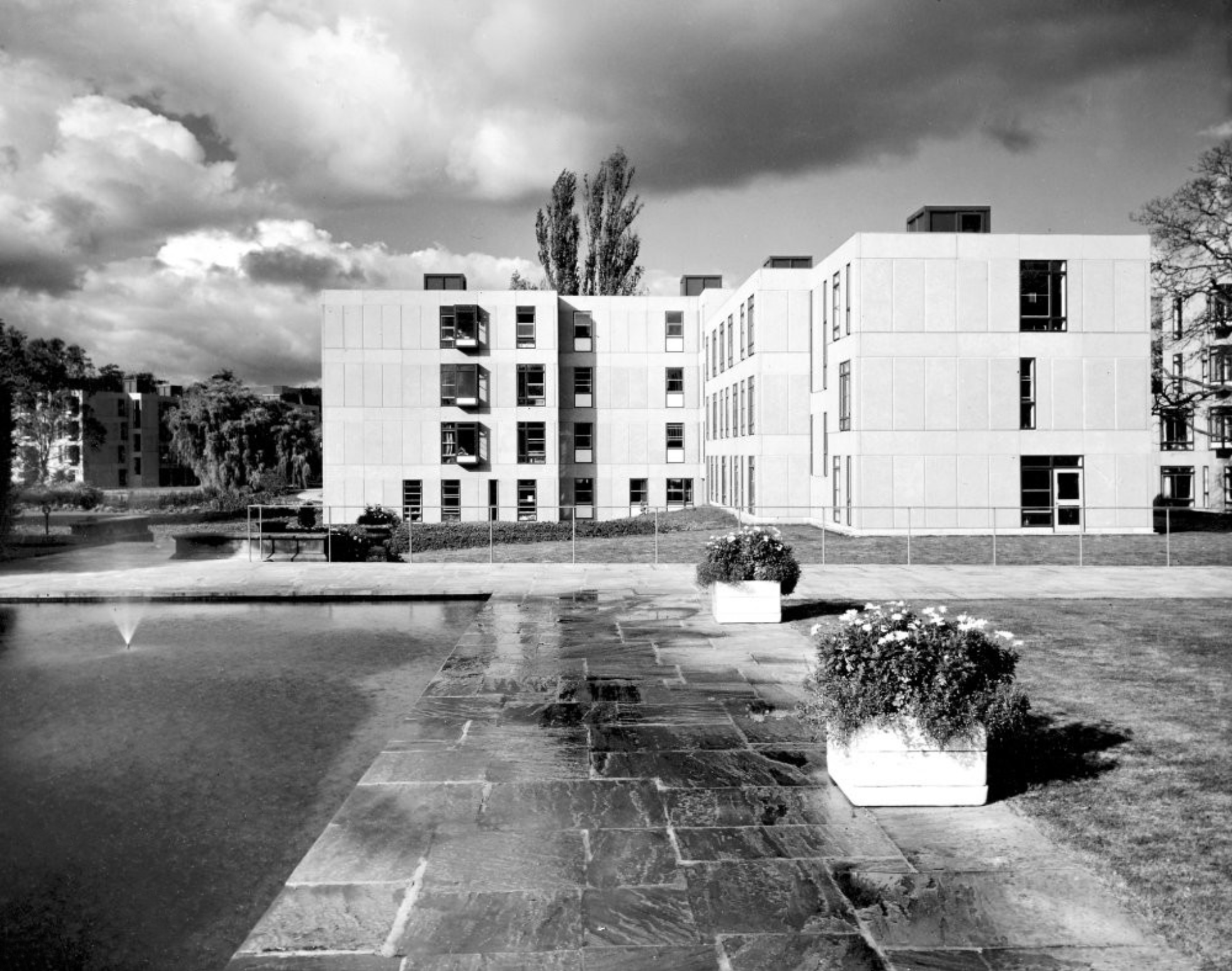
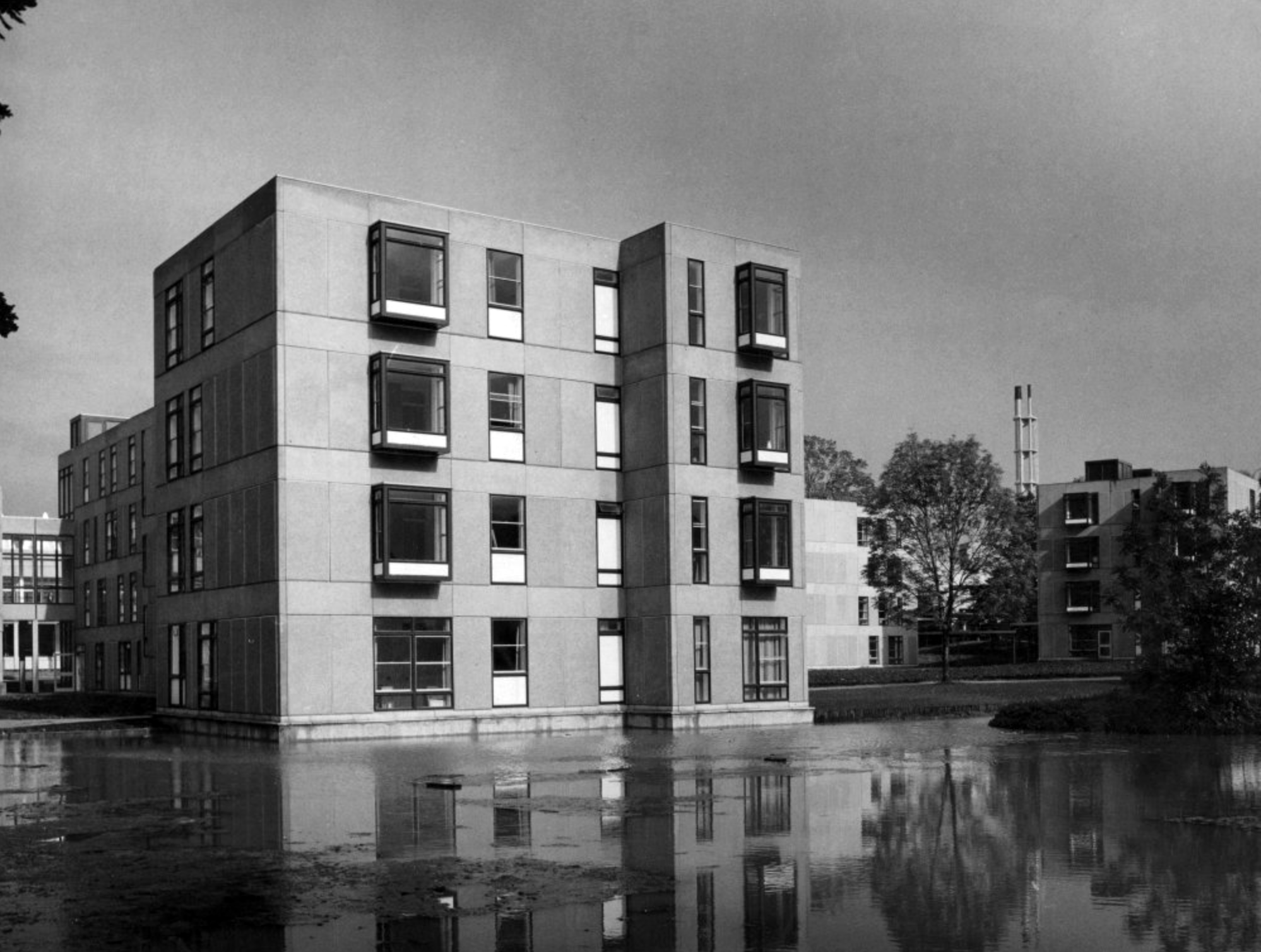
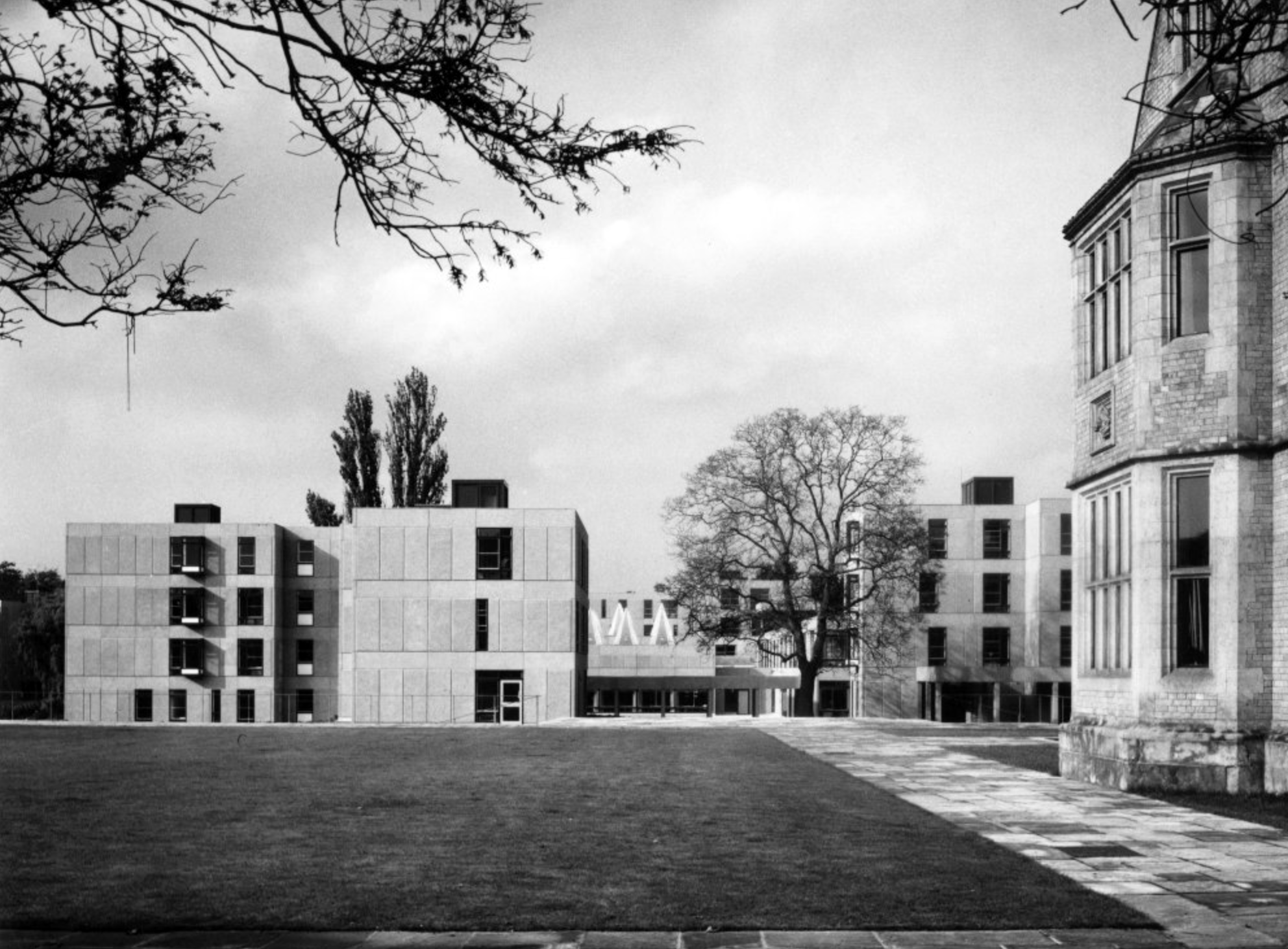
The University of York was founded in 1963 and work on its campus facilities in the grounds of Heslington Hall was begun in 1964. The first two colleges, Langwith and Derwent, accepted residential students for the autumn term of 1965. The original buildings were designed by Sir Andrew Derbyshire of Robert Matthew Johnson-Marshall & Partners, and assembled using the CLASP system of prefabricated construction.

RIBA

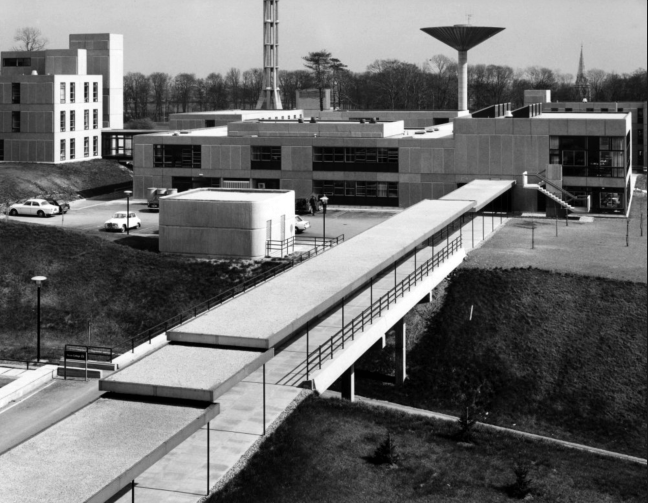
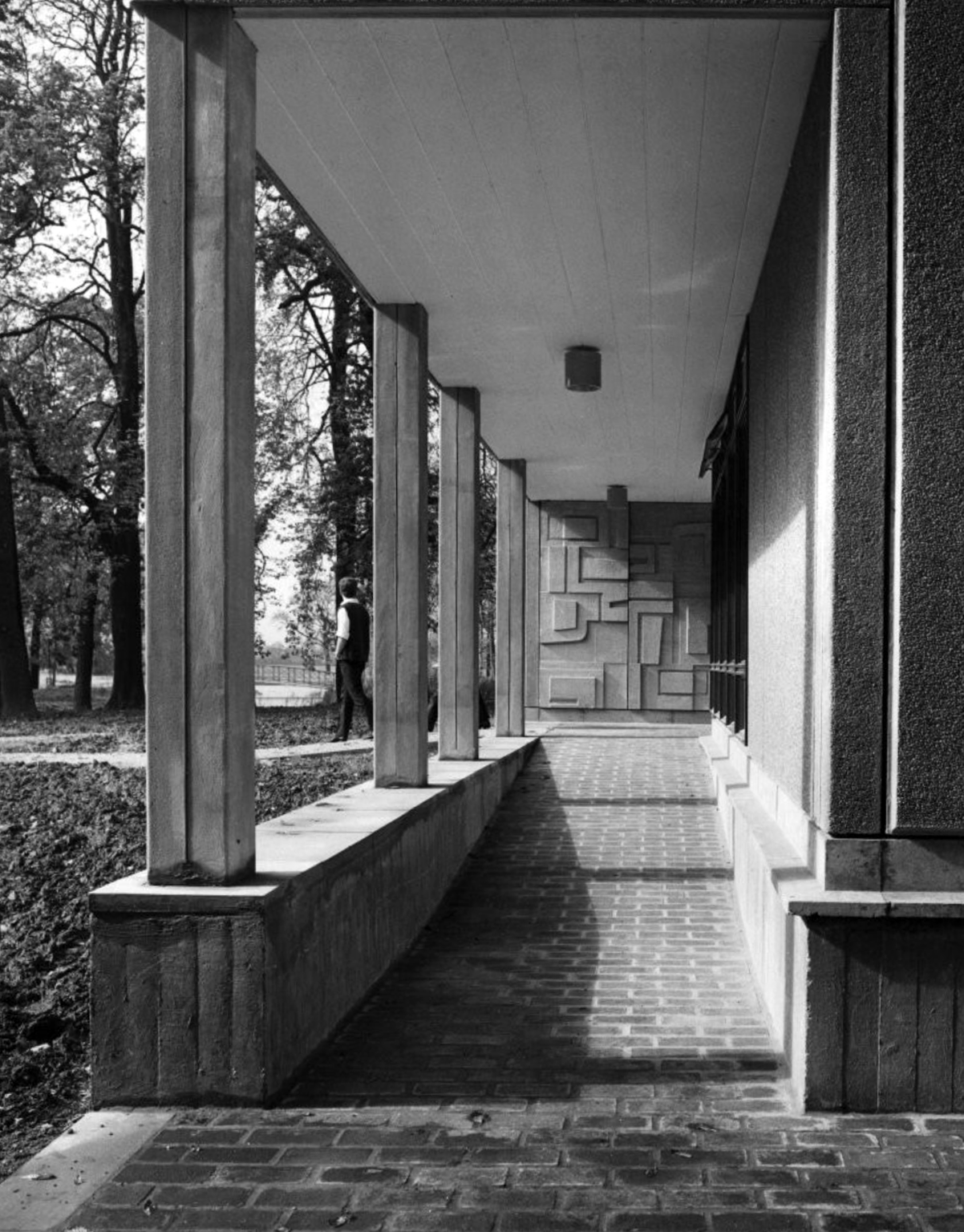
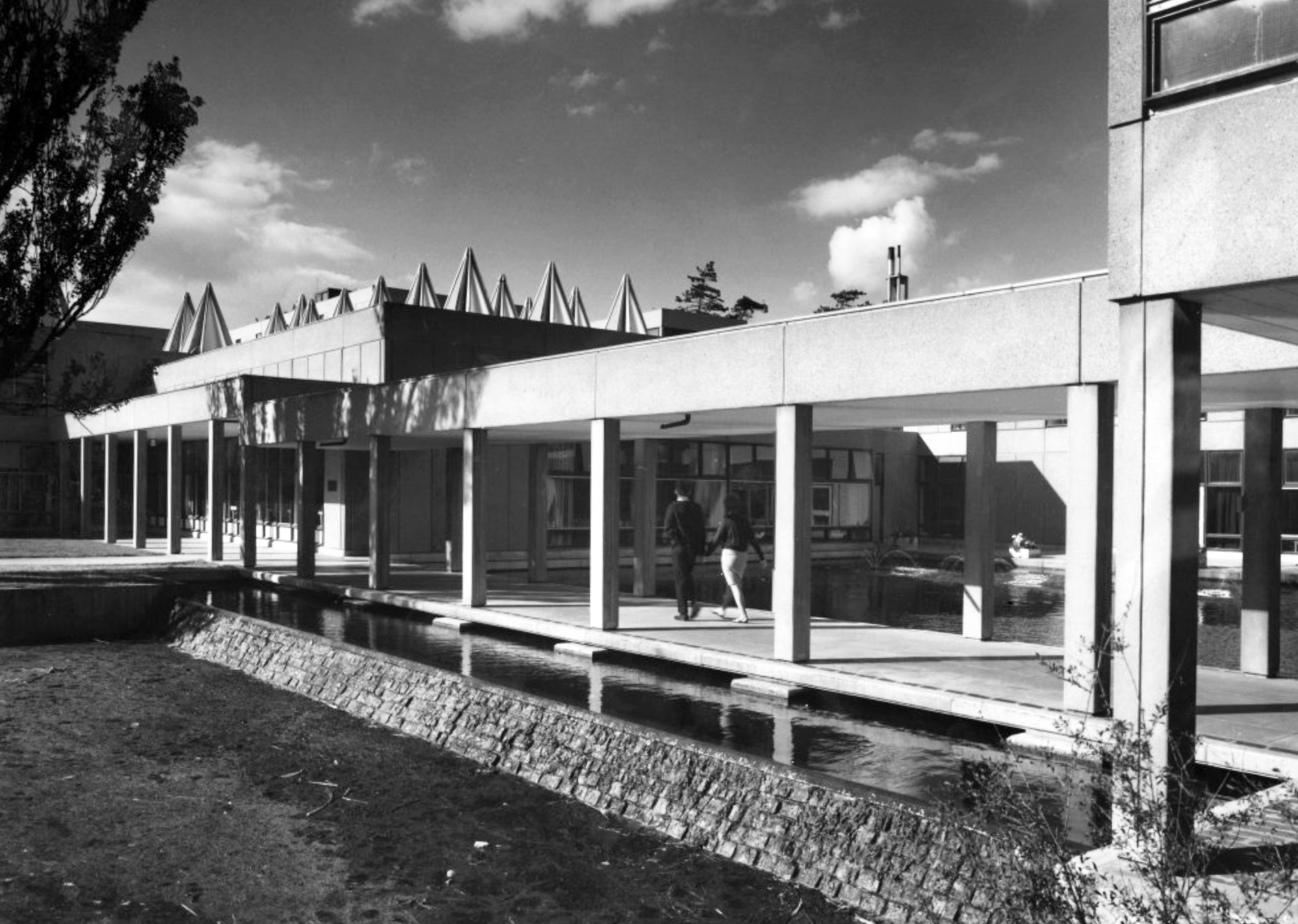
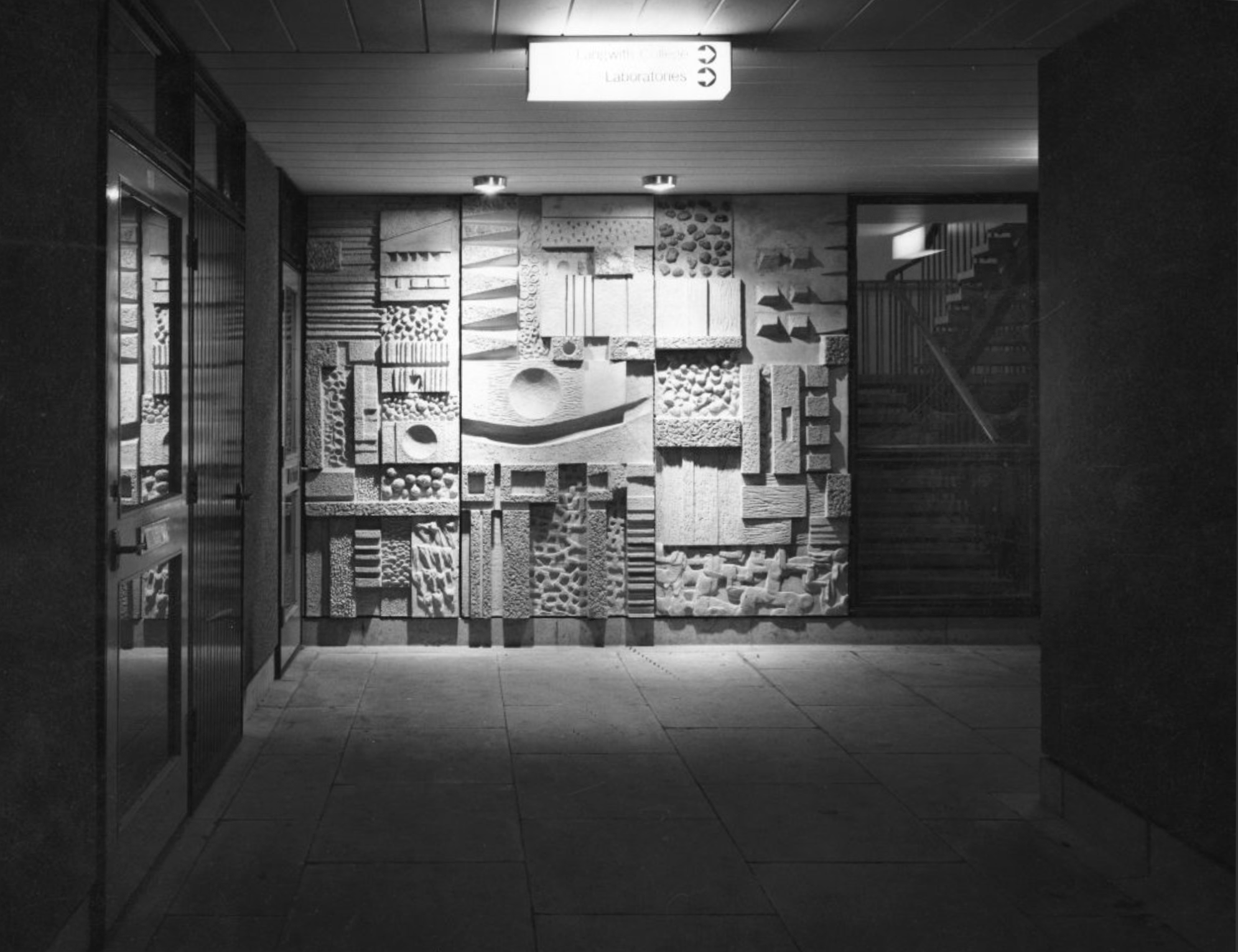
Derwent College: one of the two covered walkways linking the college buildings with sculptural relief by Fred Millett at the far end.

Photographs 1965 – Reginald Hugo de Burgh Galwey.

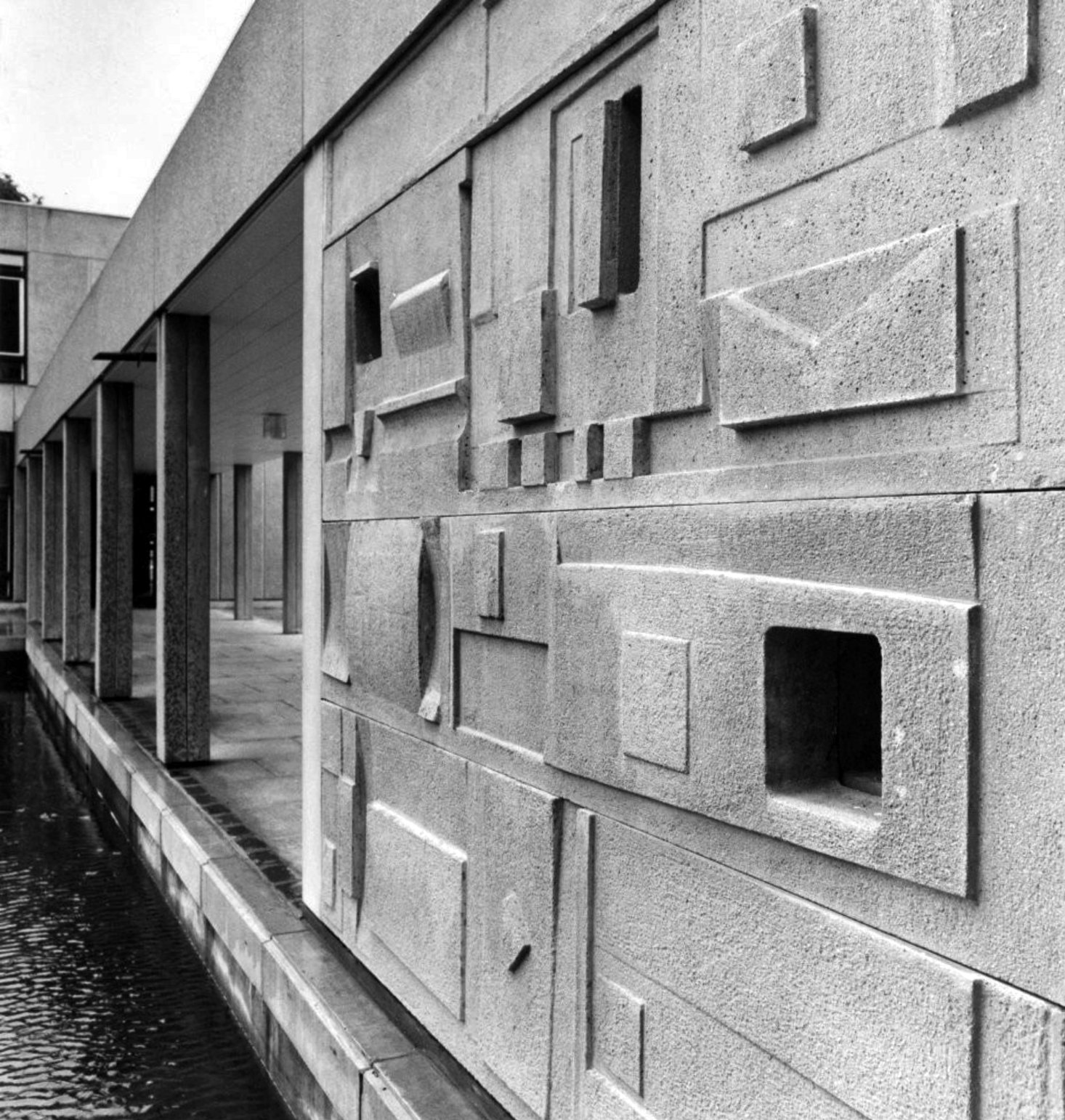
Derwent College: a concrete panel sculptured by Fred Millett.

Derwent College.

Photographs 1965 Keith Gibson.

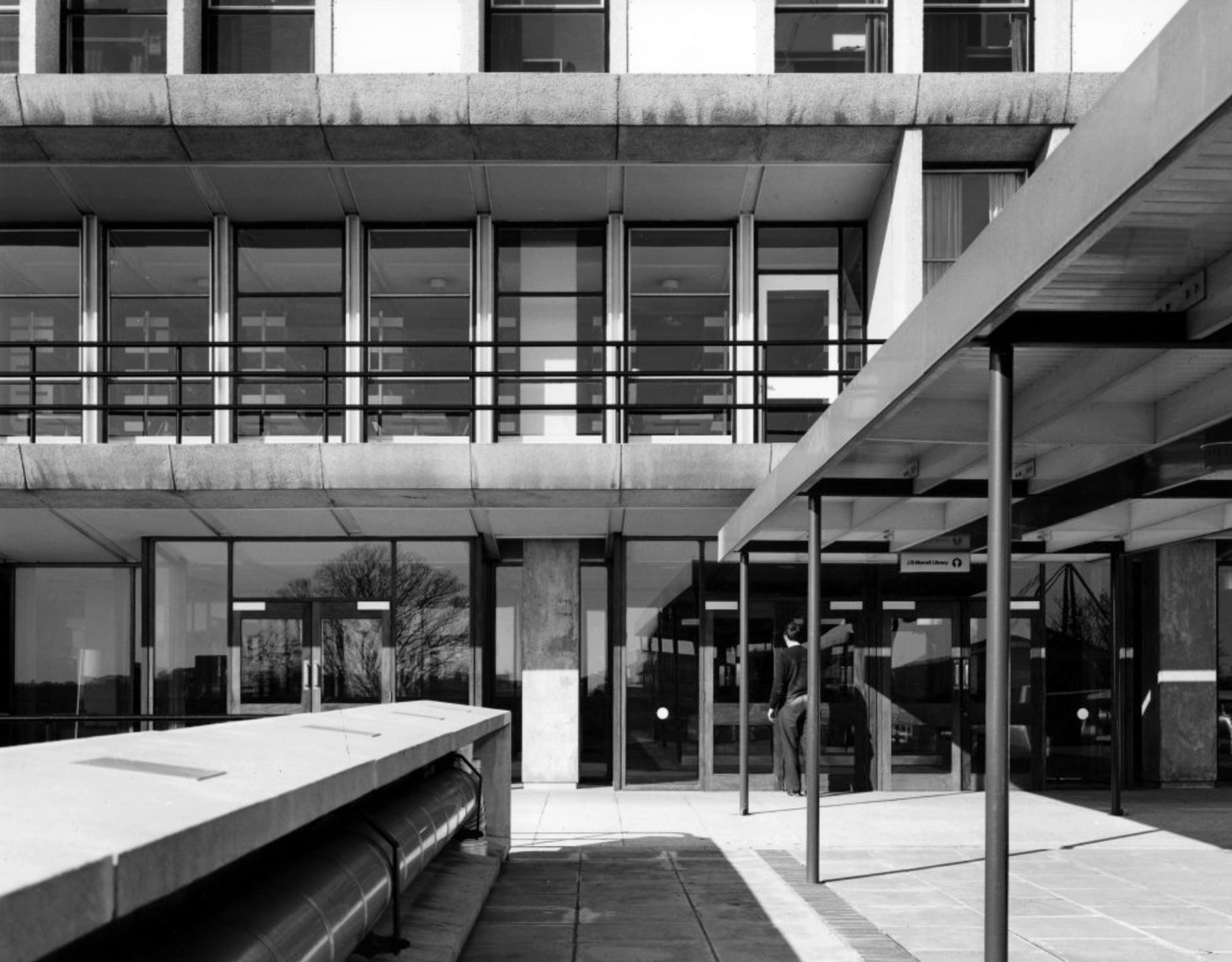
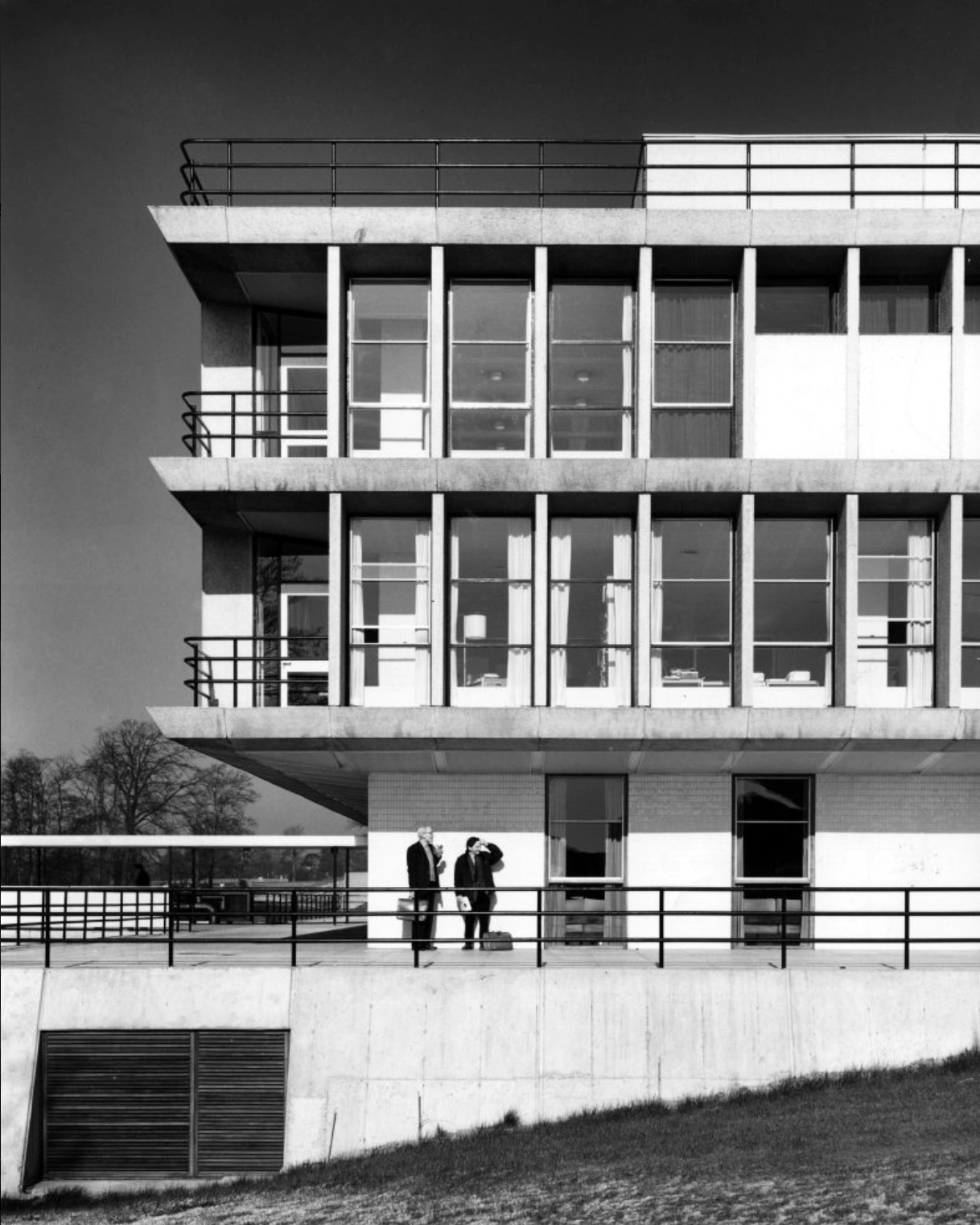
JB Morrell Library.

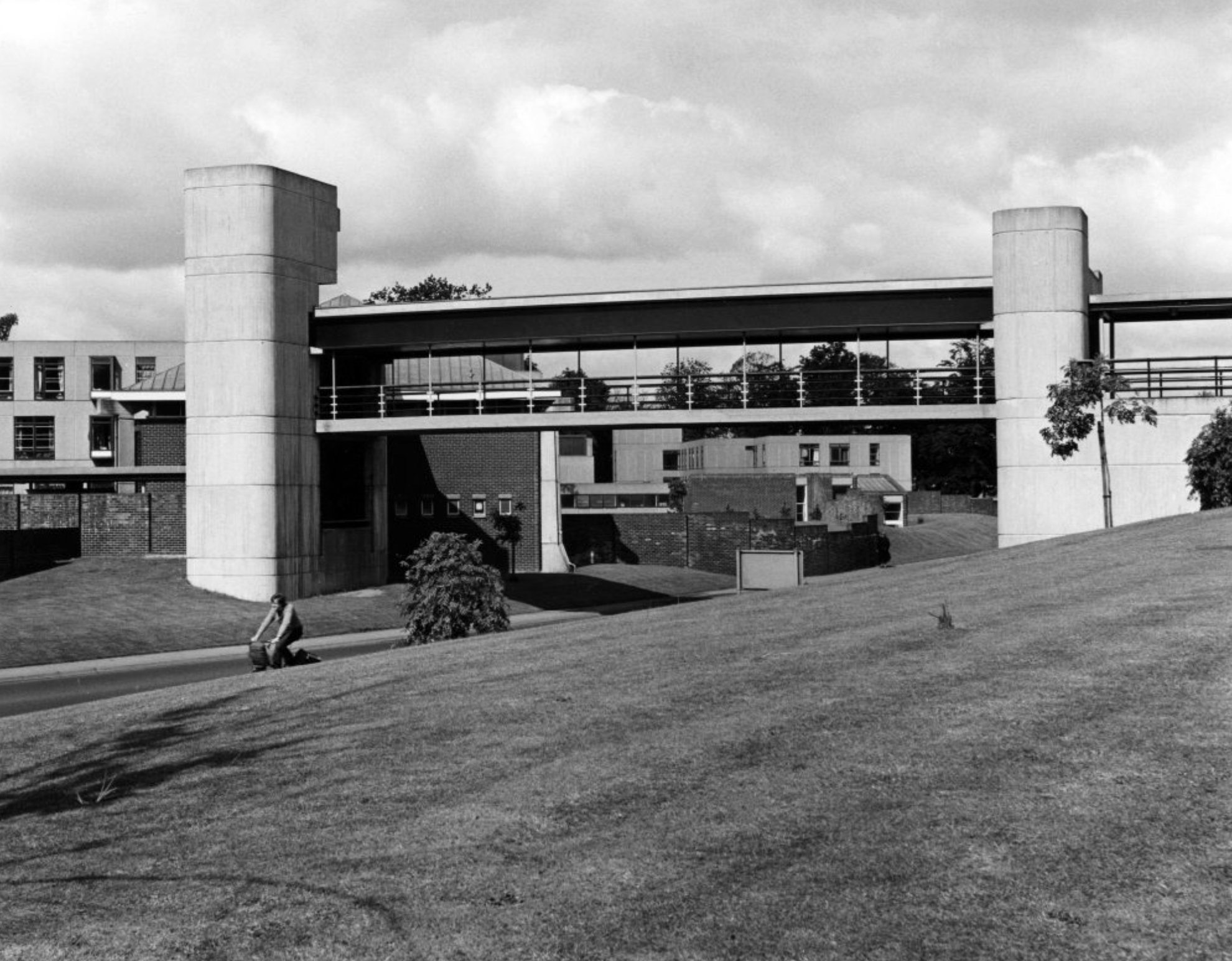
Derwent College: a covered walkway over the lake.

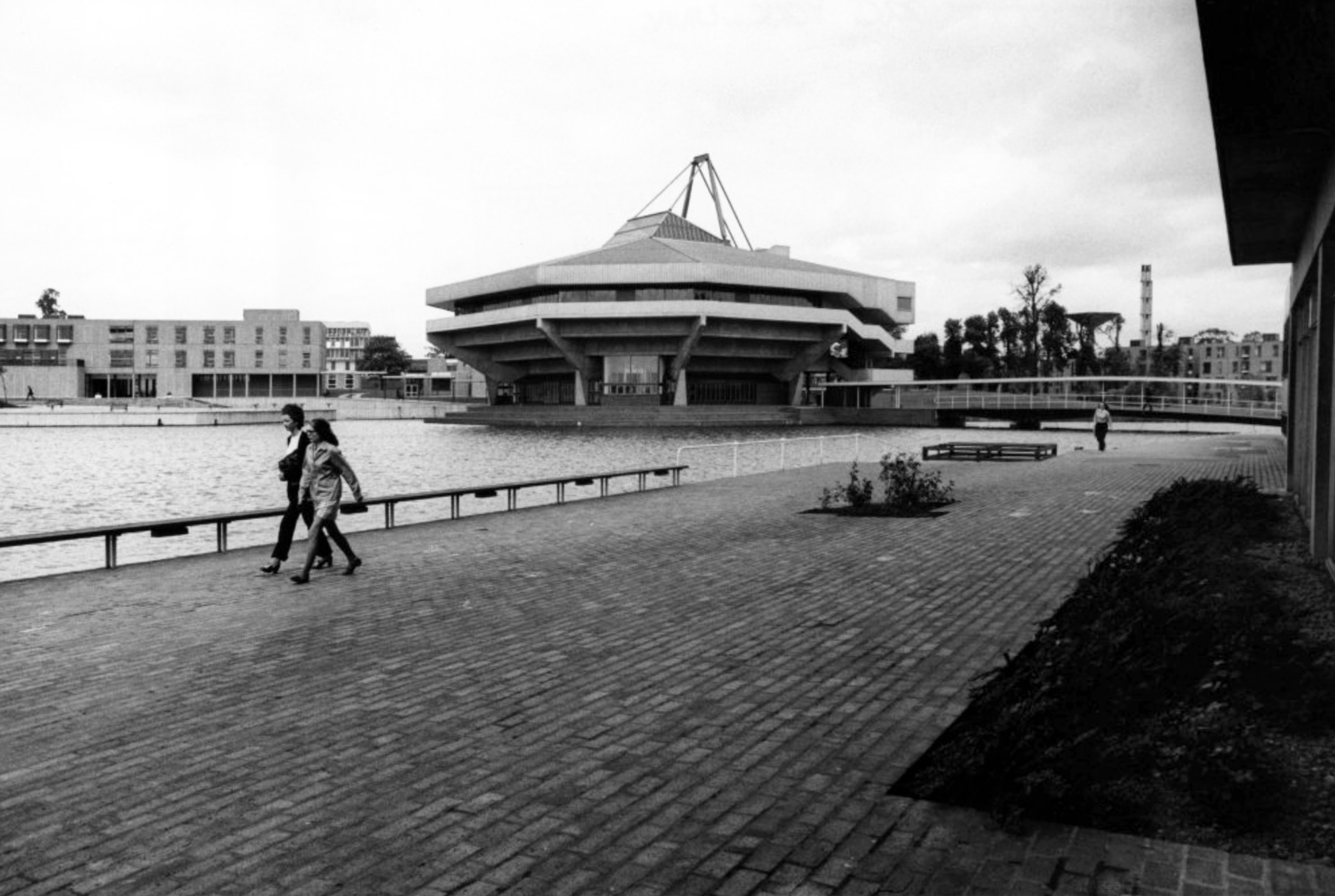
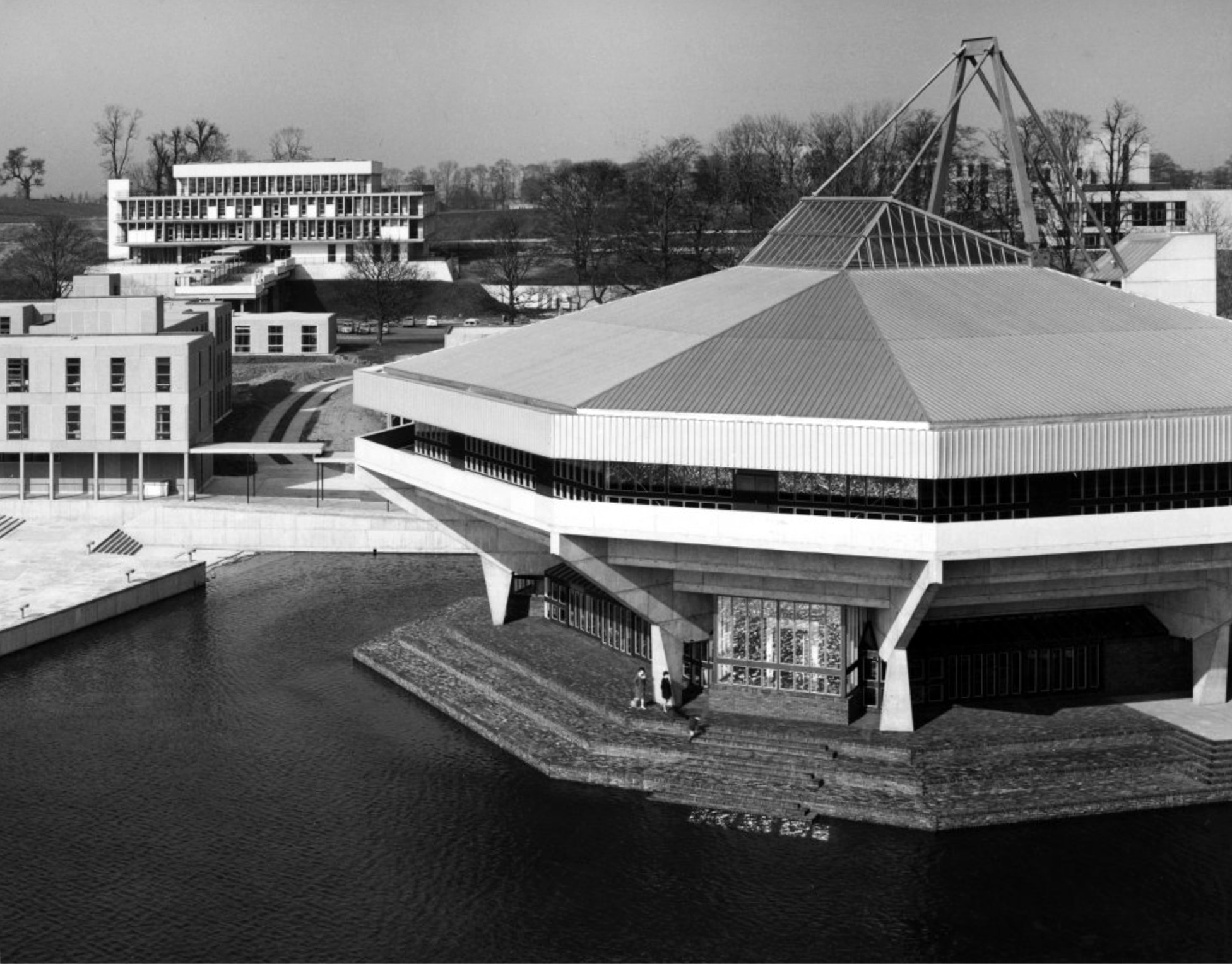
Central Hall.

Photograph 1972 Bill Toomey.

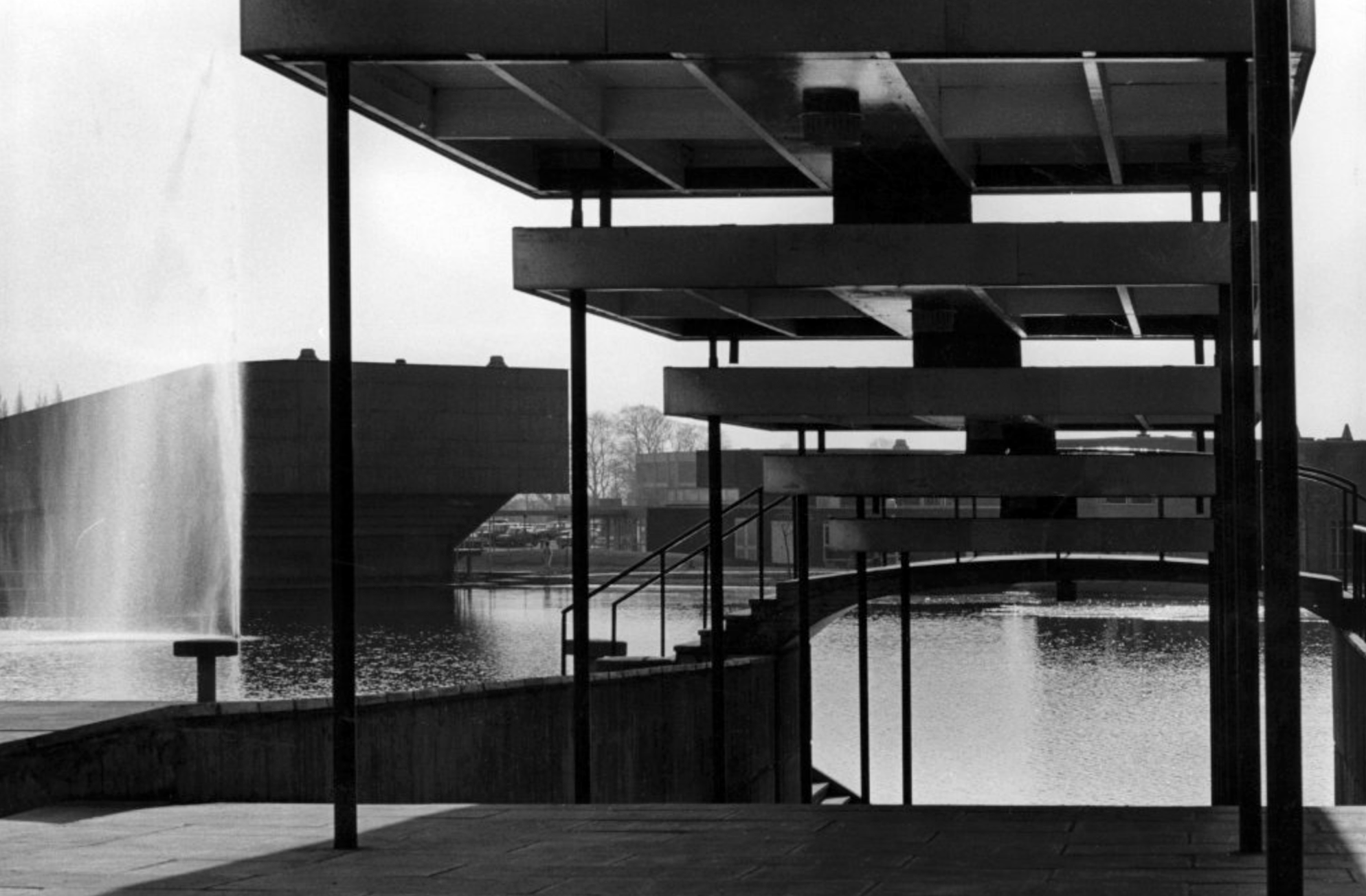
Vanbrugh College: stepped roof to the covered way leading down to the lake.

Photograph 1972 Peter Bairstow.

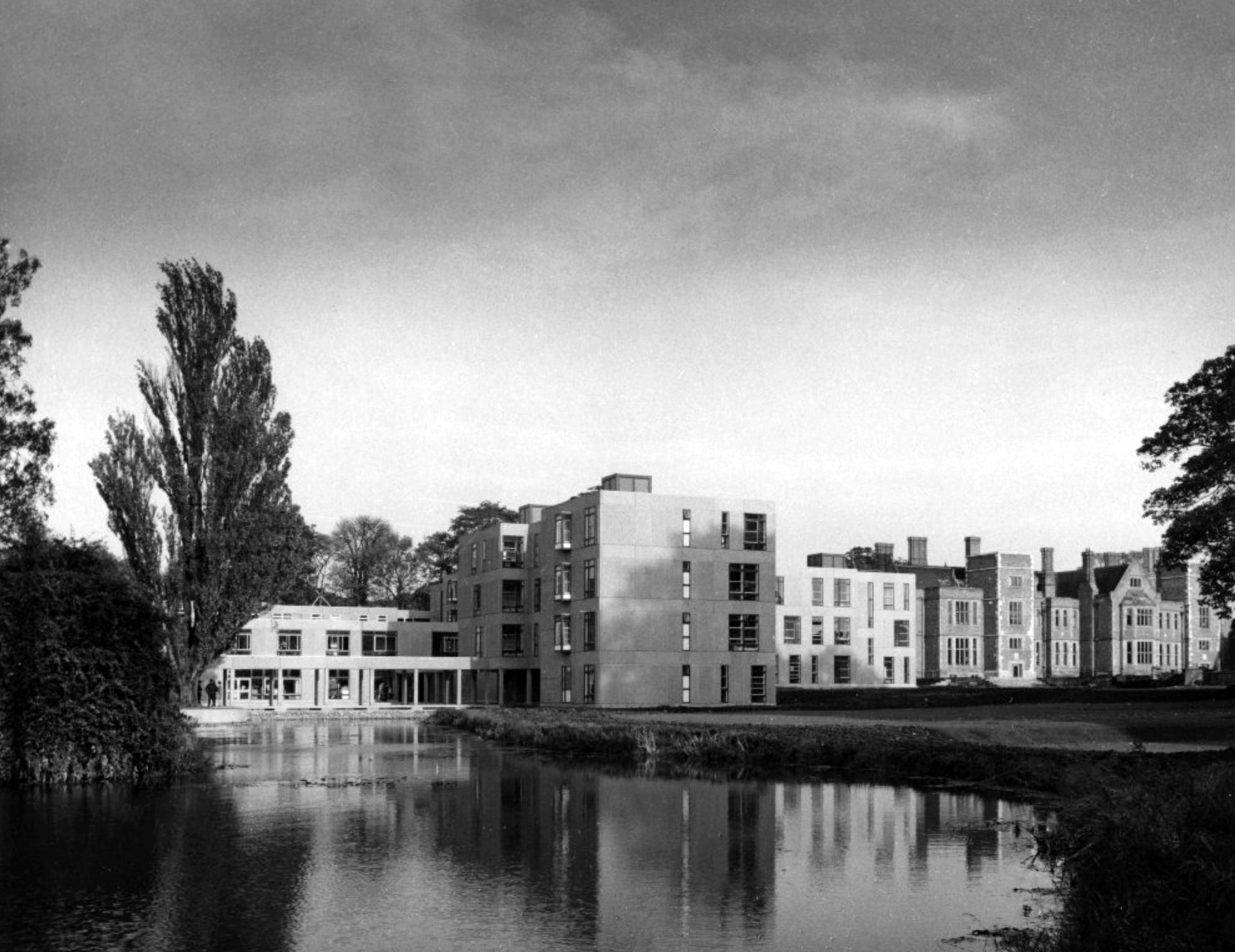
Derwent College and Heslington Hall.

Photographs 1965 – Reginald Hugo de Burgh Galwey.

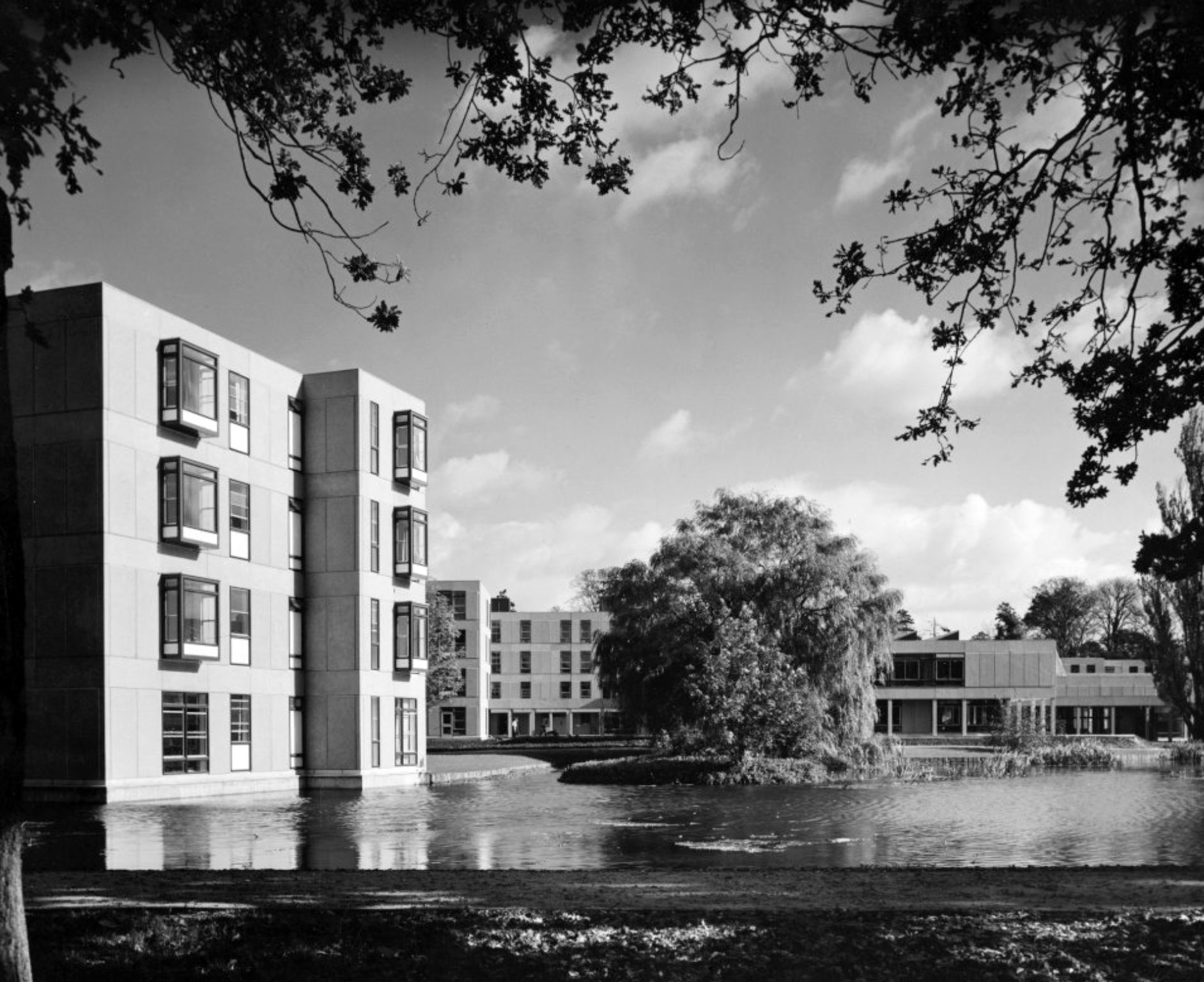
Langwith College, seen from the lake.

Langwith College.

Photographs 1965 Bill Toomey.

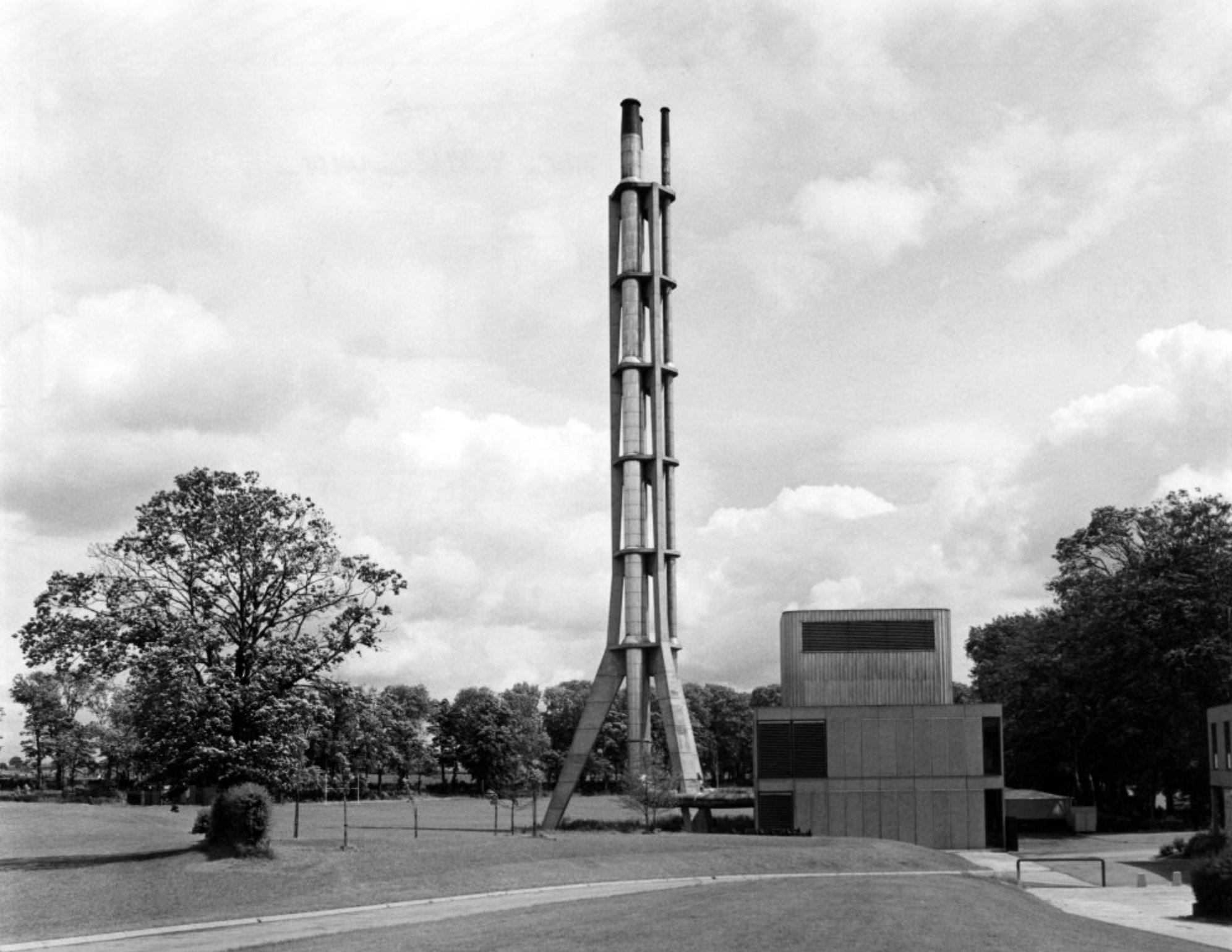
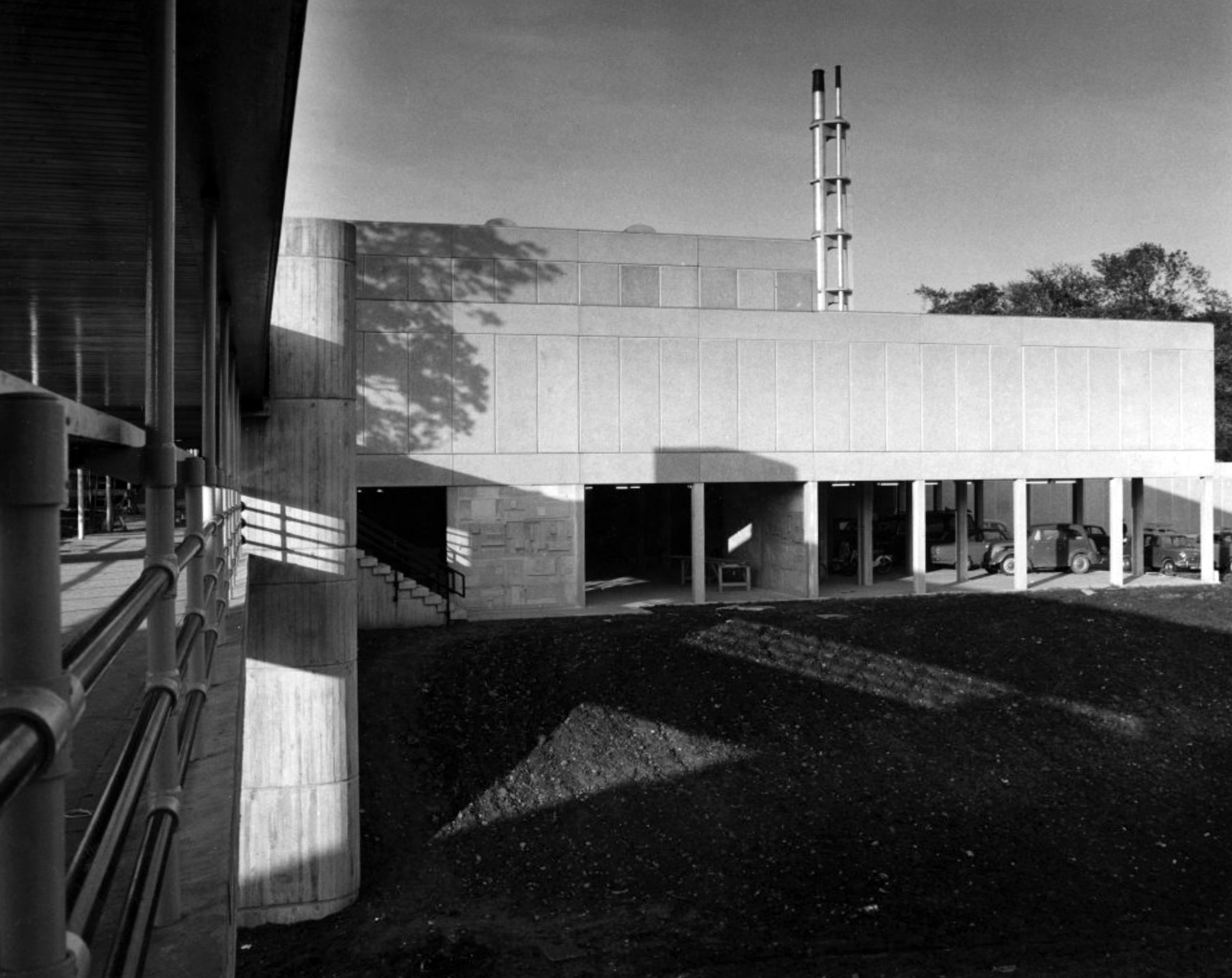
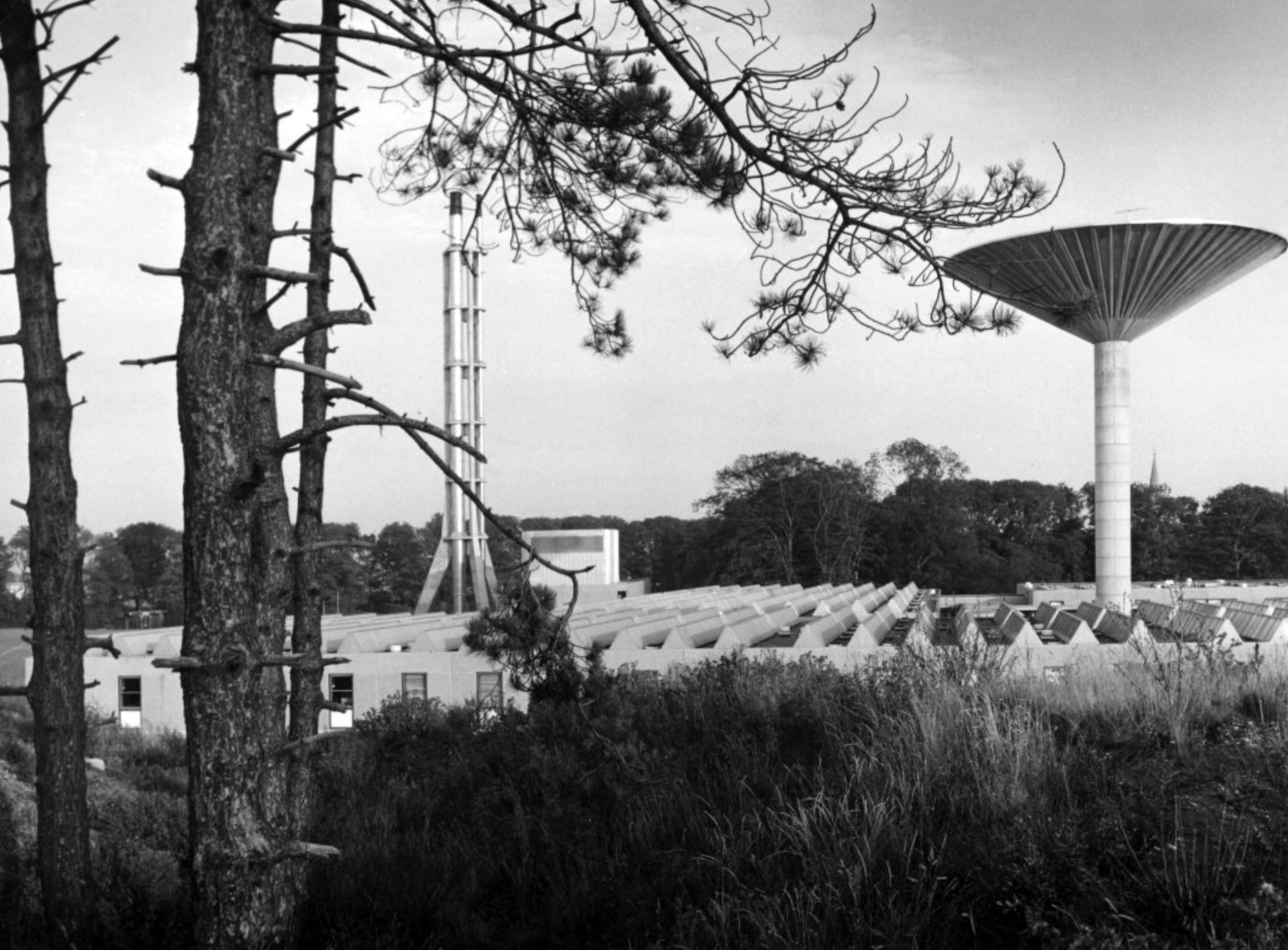
David Brown Laboratories: the flue stack.

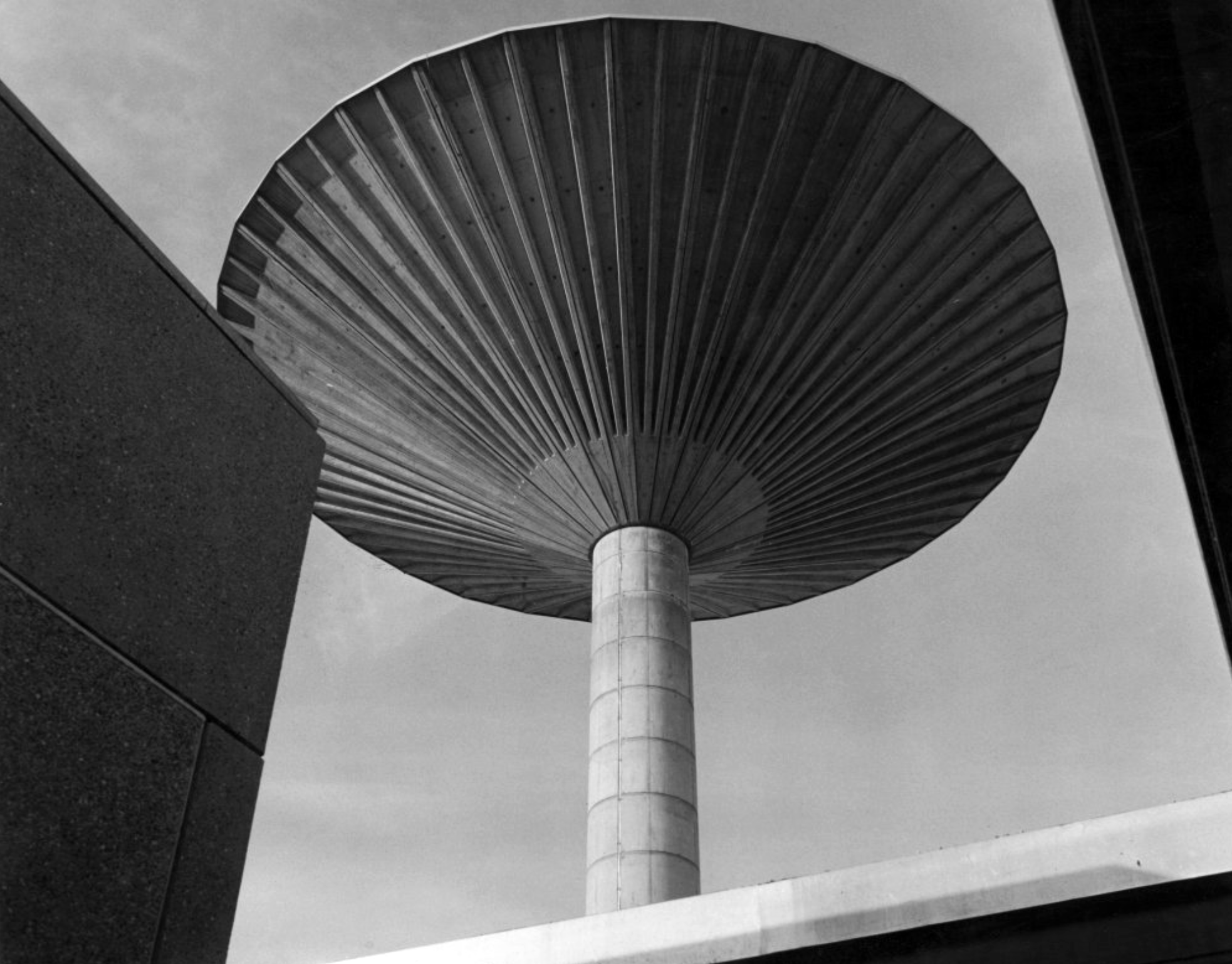
David Brown laboratories: the water tower.

Photographs 1965 – Reginald Hugo de Burgh Galwey.

Derwent College.

Derwent College.

Langwith College: close-up of the oriel windows.

Photographs 1965 Bill Toomey.

Derwent College: a concrete sculptured screen flanking a covered way.

Derwent College: a concrete sculptured screen flanking a covered way.

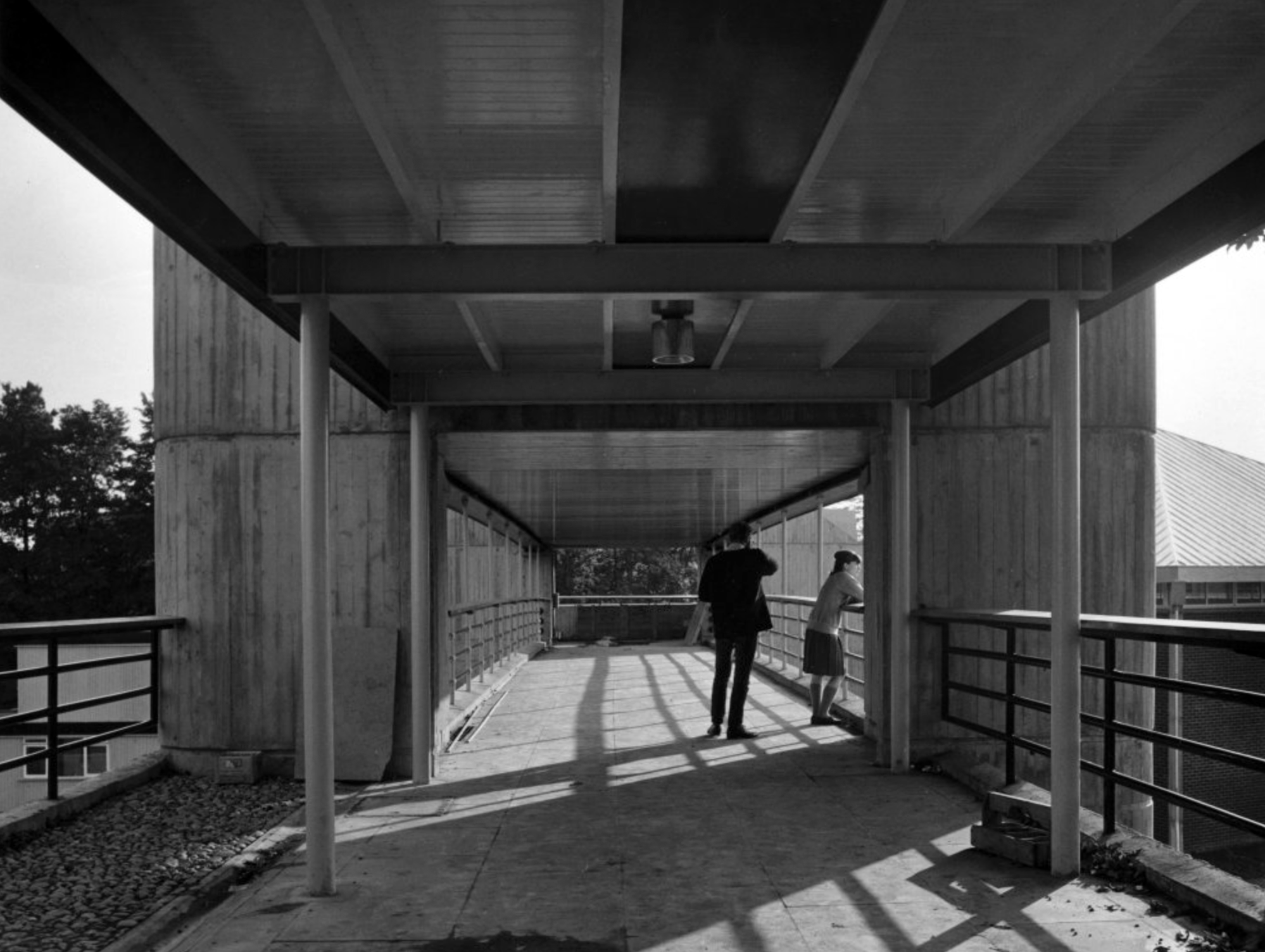
One of several concrete link bridges.

Another of the several concrete link bridges.

Photographs 1965 – Reginald Hugo de Burgh Galwey.

David Brown laboratories: seen from one of the link bridges.

David Brown Laboratories: the flue stack and water tower rising above the laboratory blocks.

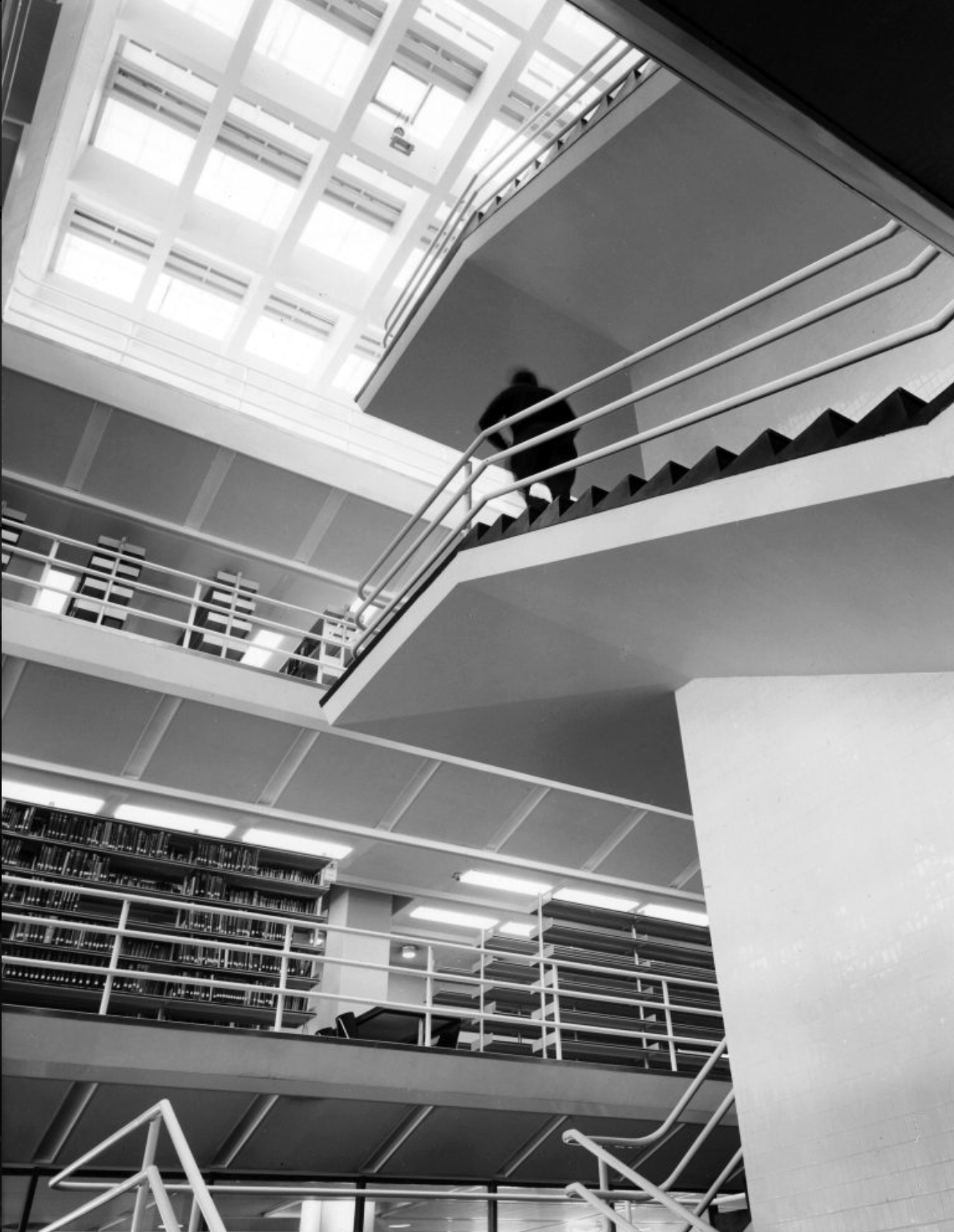
J. B. Morrell Library: the central staircase and lift tower.

Photographs 1965 Keith Gibson.

Central Hall.

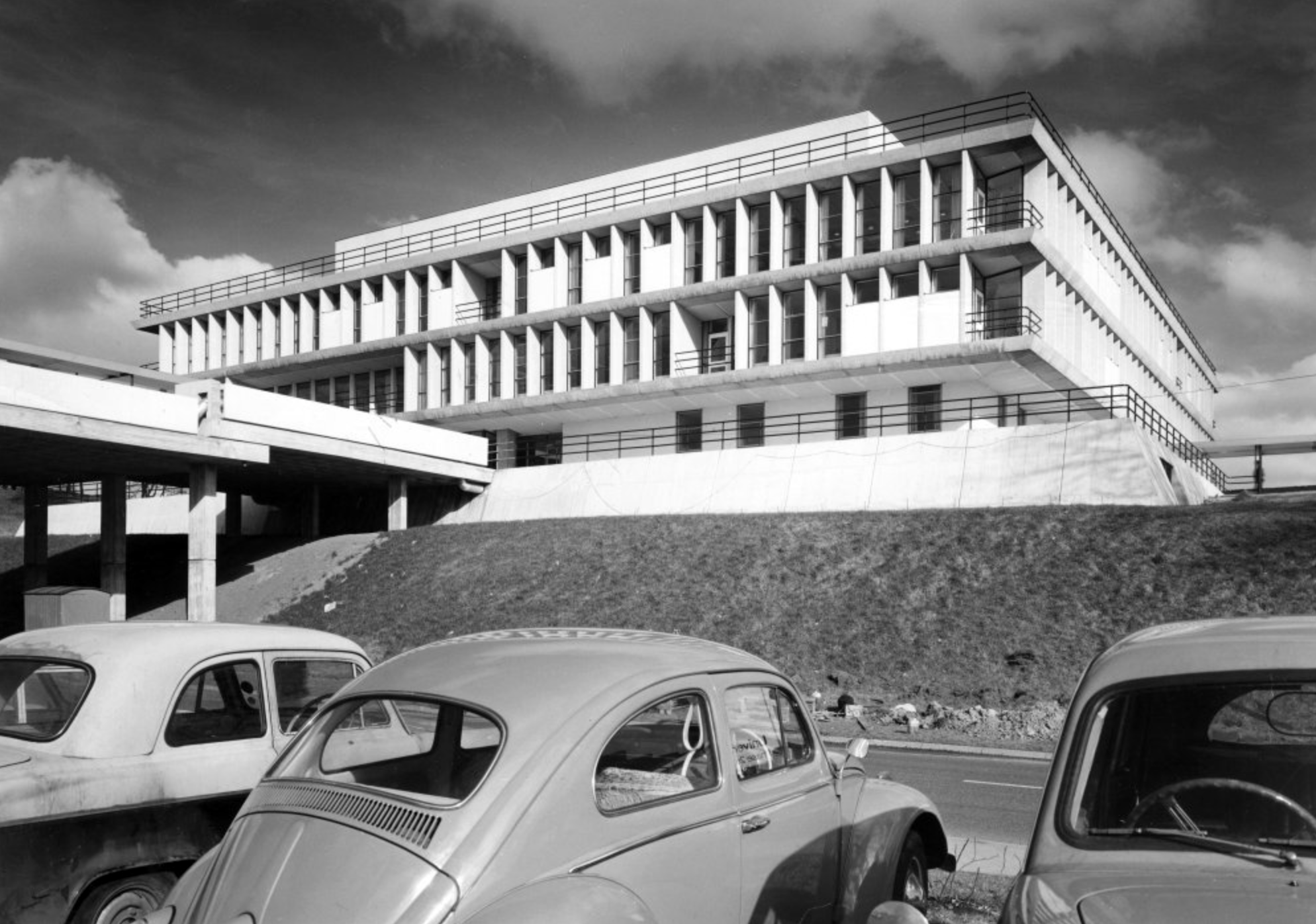
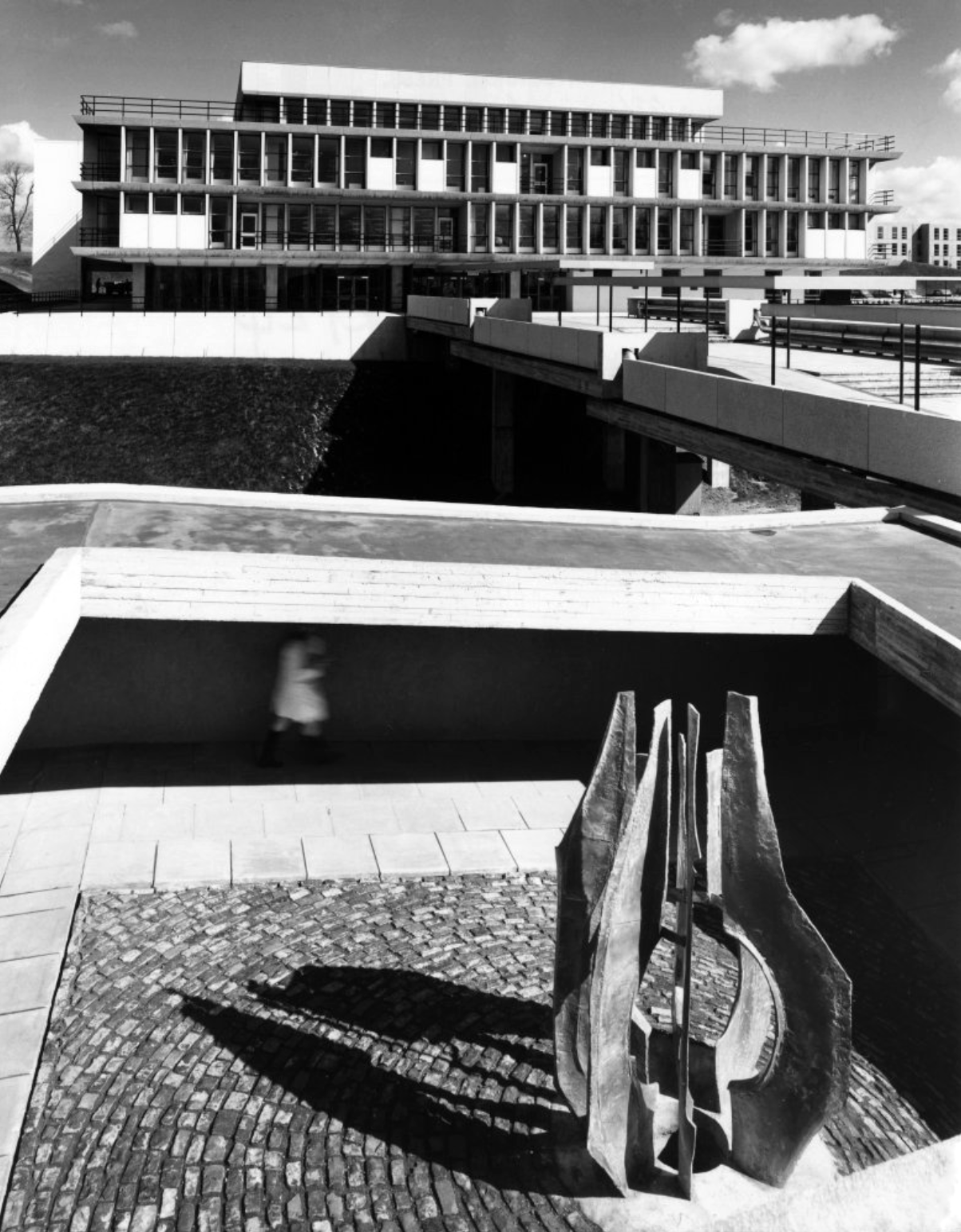
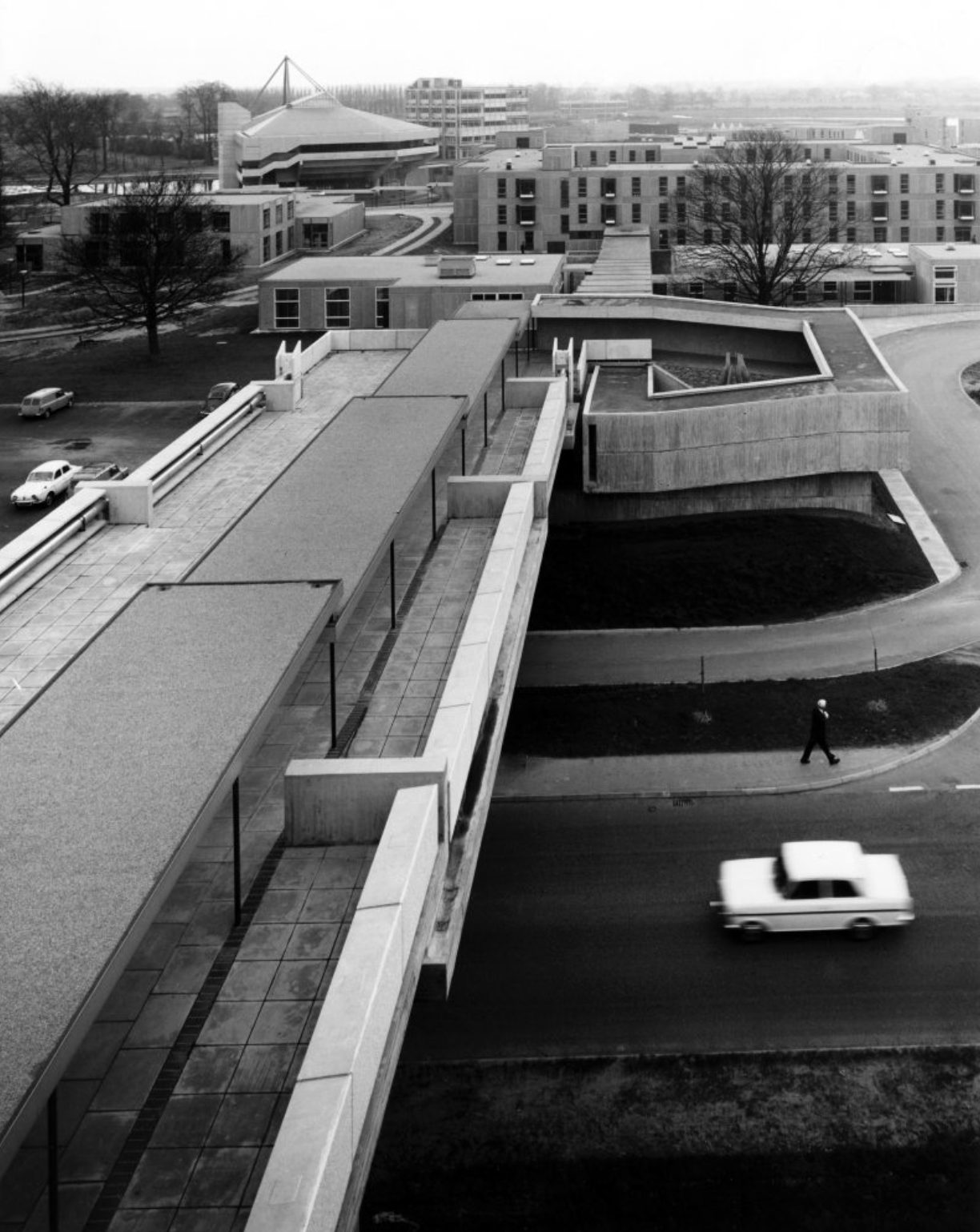
JB Morrell Library, University of York, seen from the south side of Heslington Road with linking pedestrian bridge and ramp in foreground and cast aluminium sculpture by Austin Wright

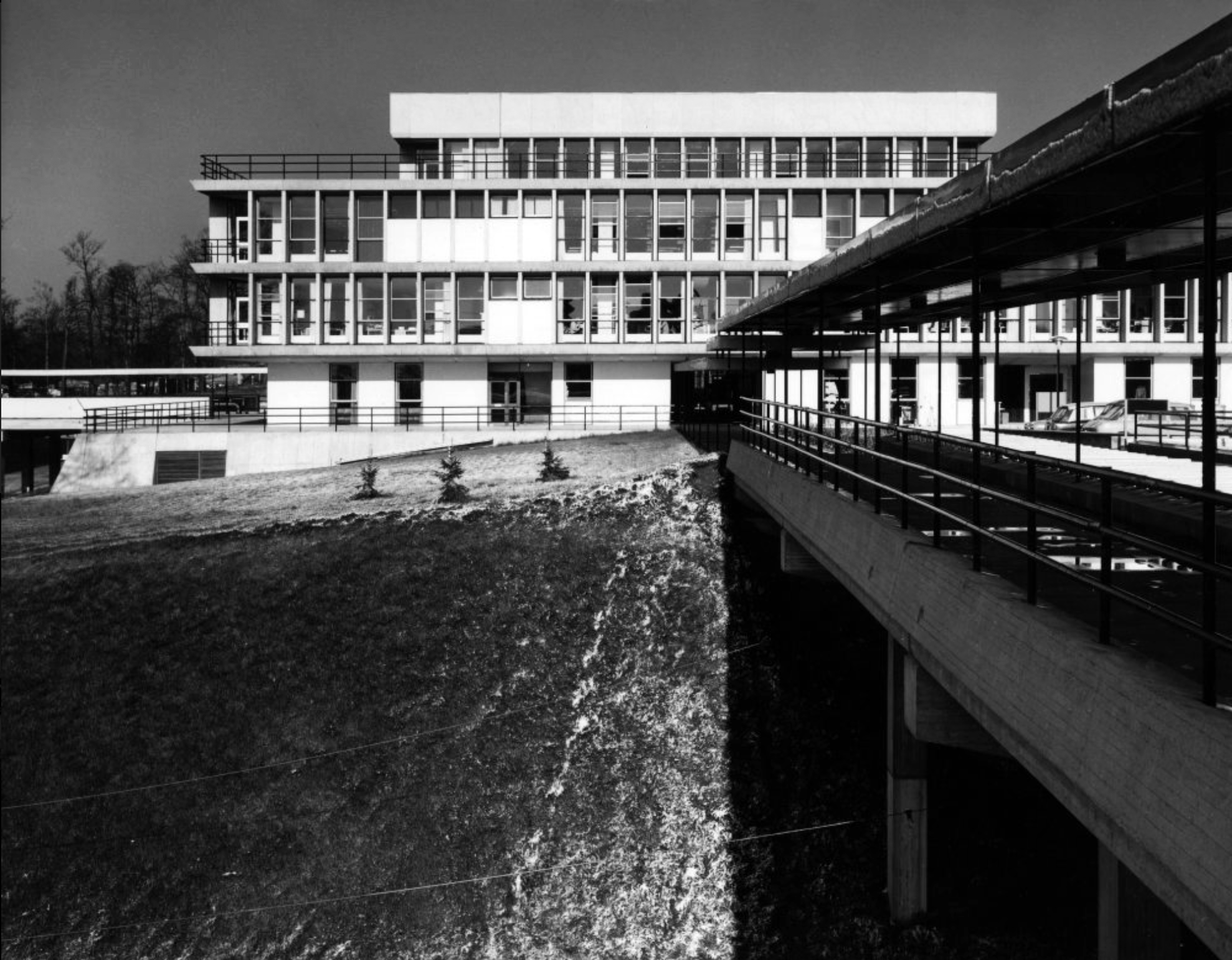
JB Morrell Library: the covered pedestrian bridge linking the library to the southern side of the campus.

JB Morrell Library.

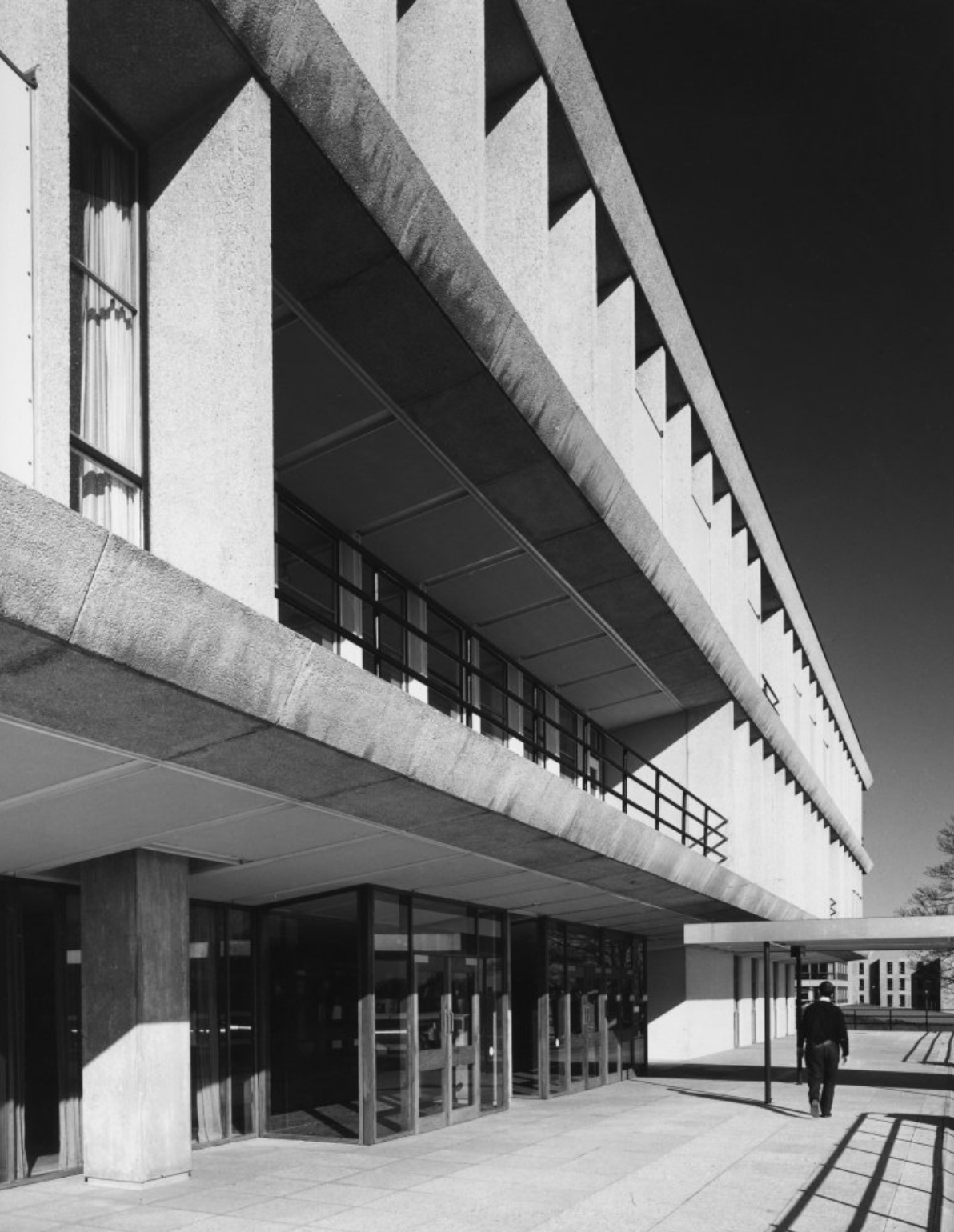
JB Morrell Library: the main entrance and terrace.

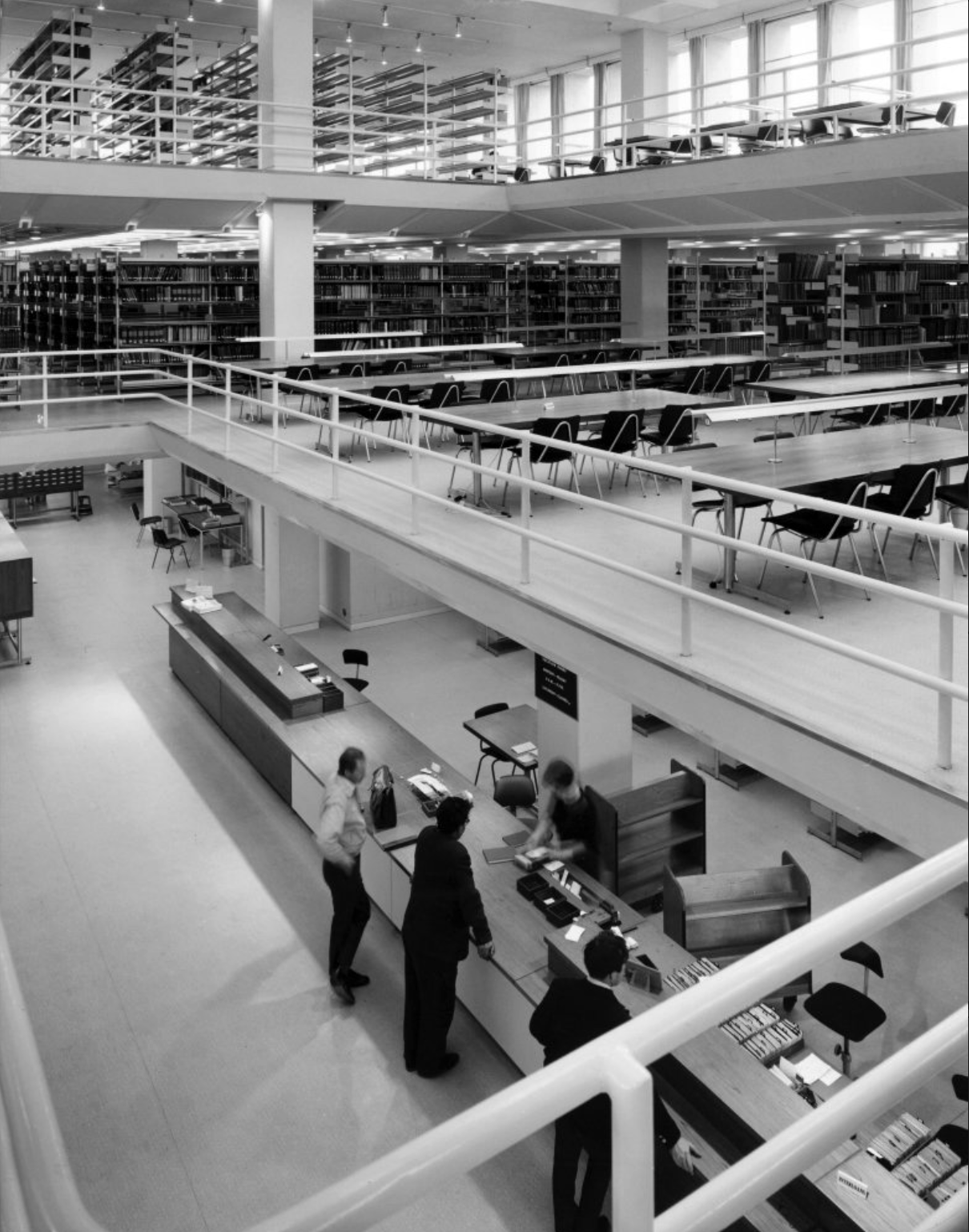
JB Morrell Library: the issue counter seen from the second floor.

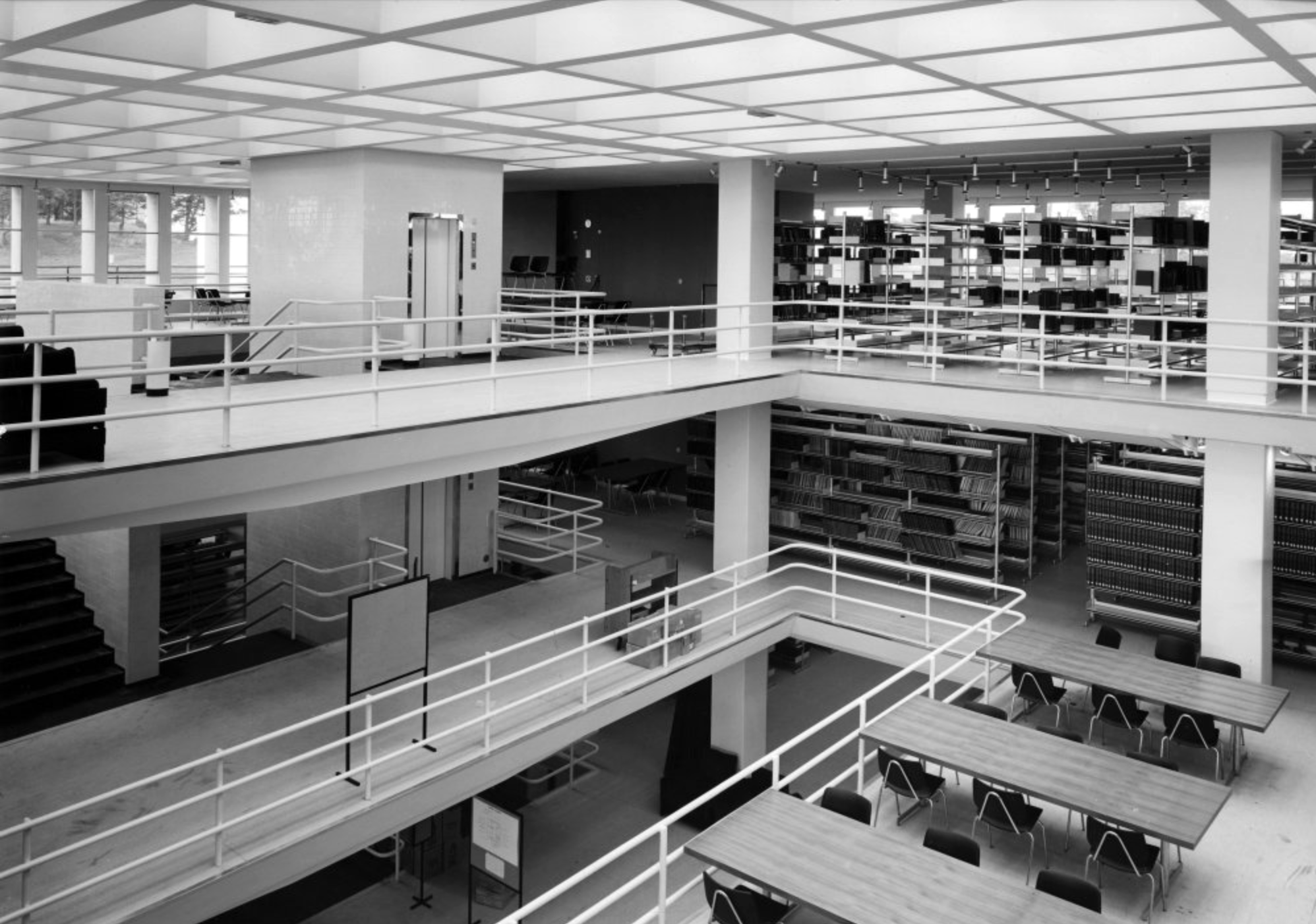
JB Morrell Library: viewpoint from the fourth floor.

The covered pedestrian bridge linking the southern side of the campus to the JB Morrell Library on the north side.

Langwith and Derwent Colleges.

Derwent College and Heslington Hall.

Photograph 1965 Henk Snoek.

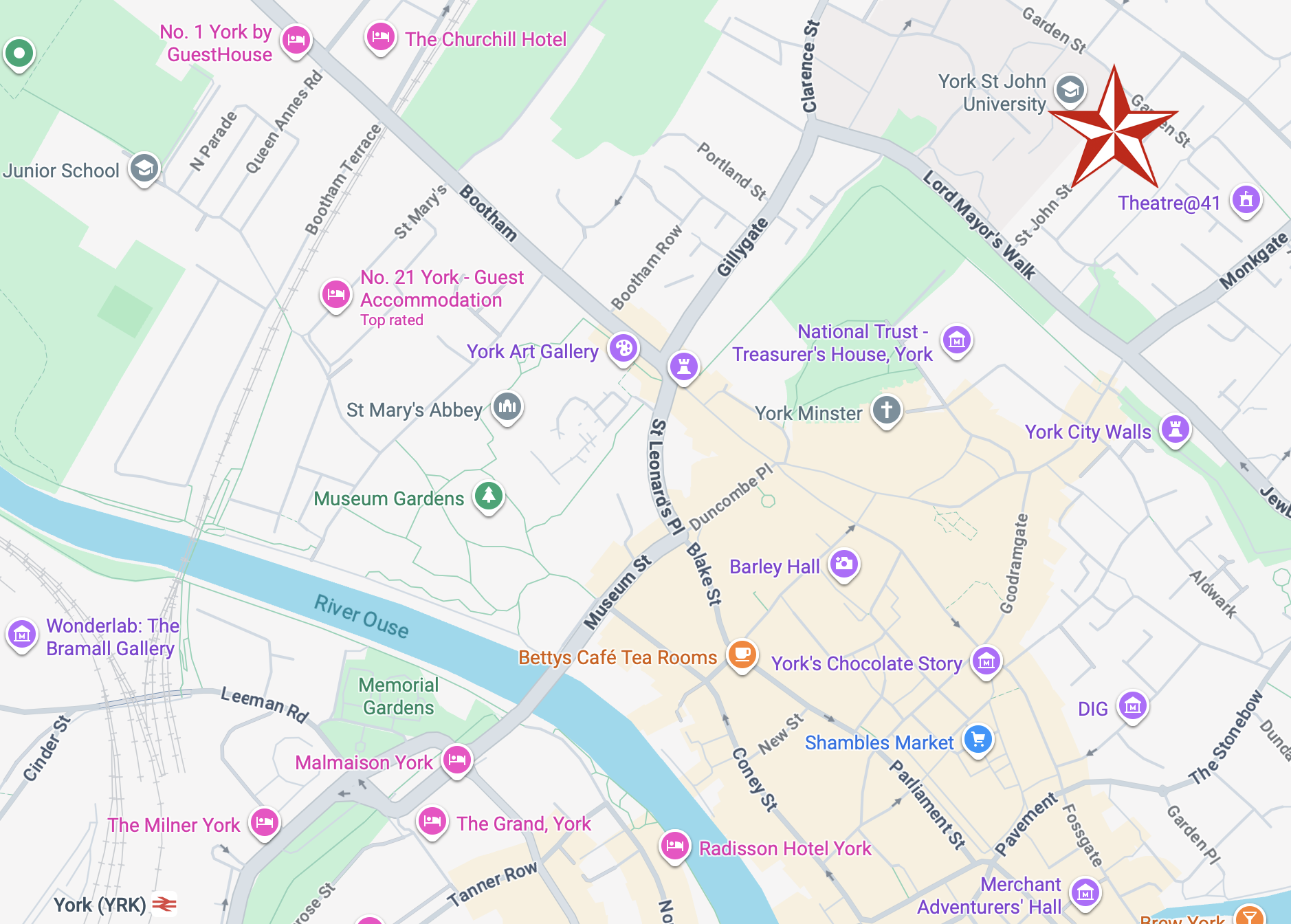
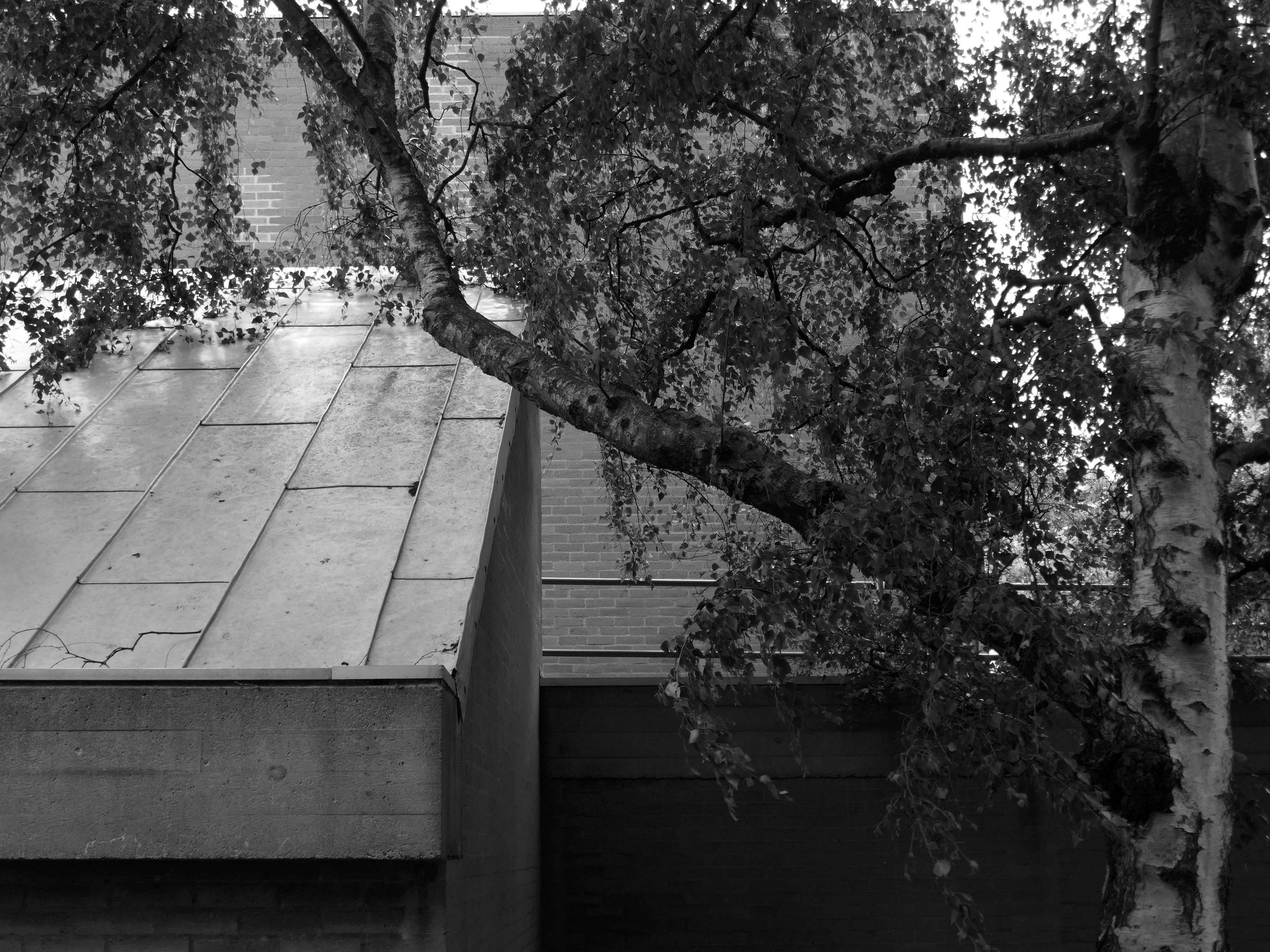
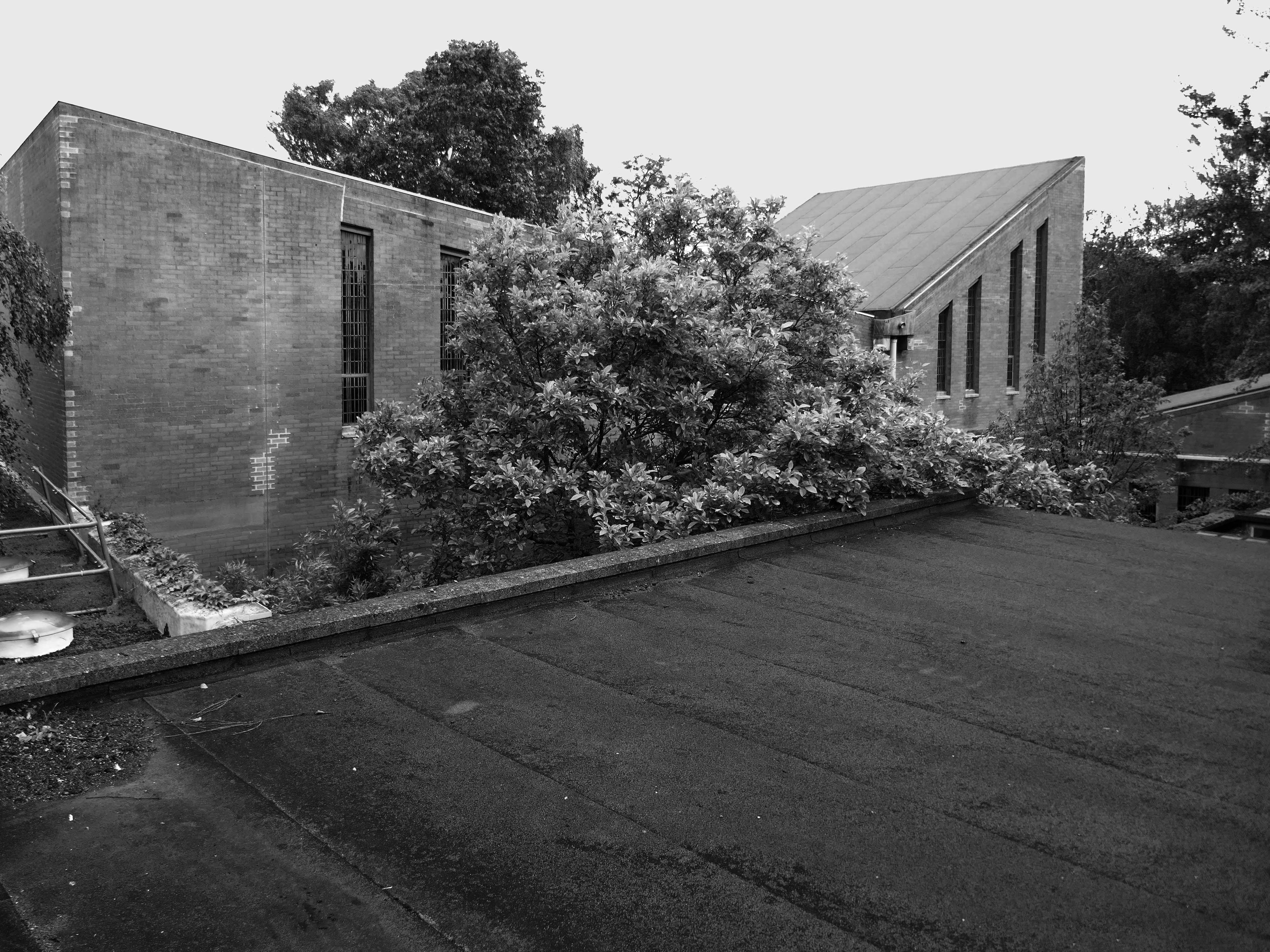
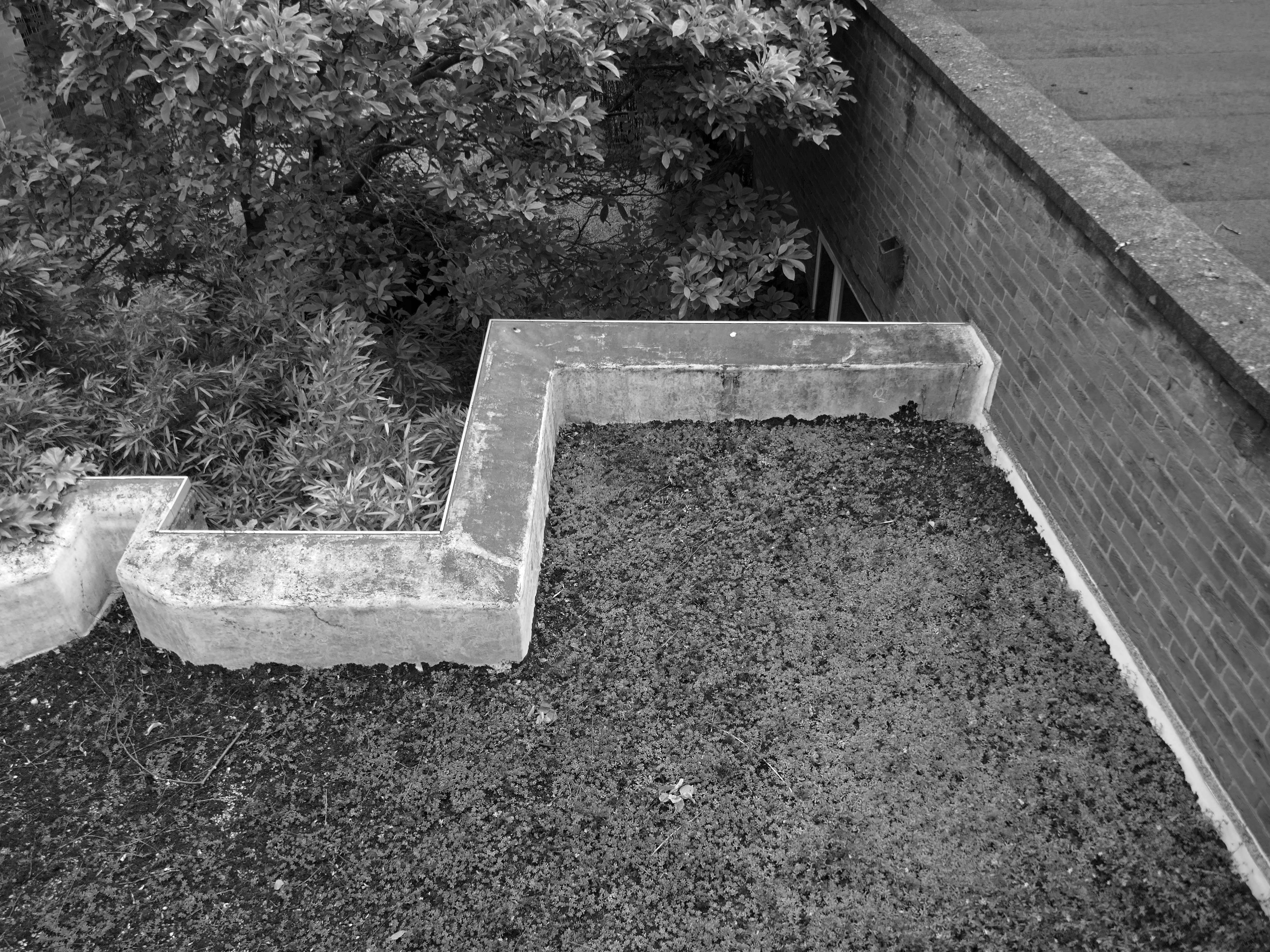
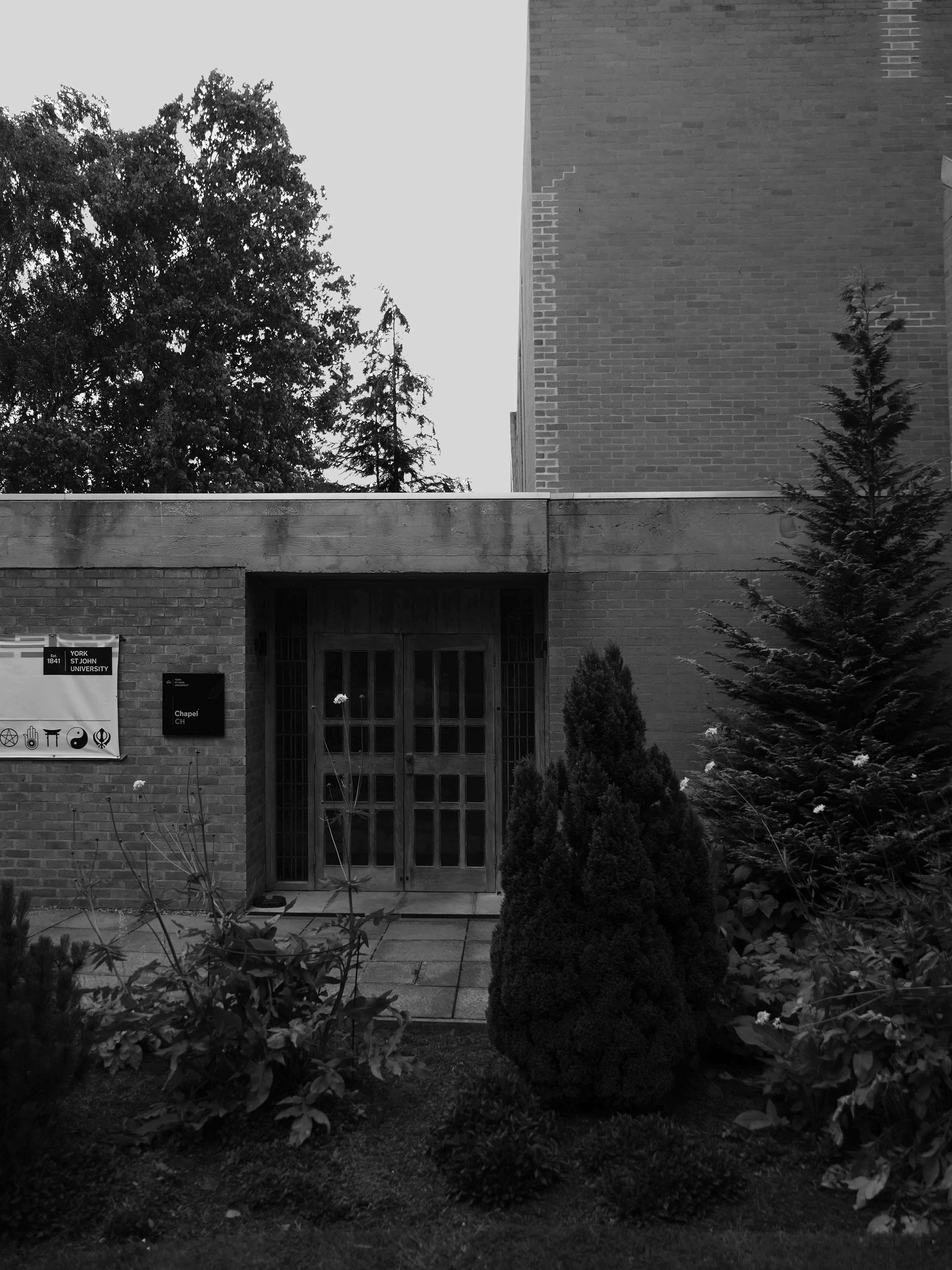
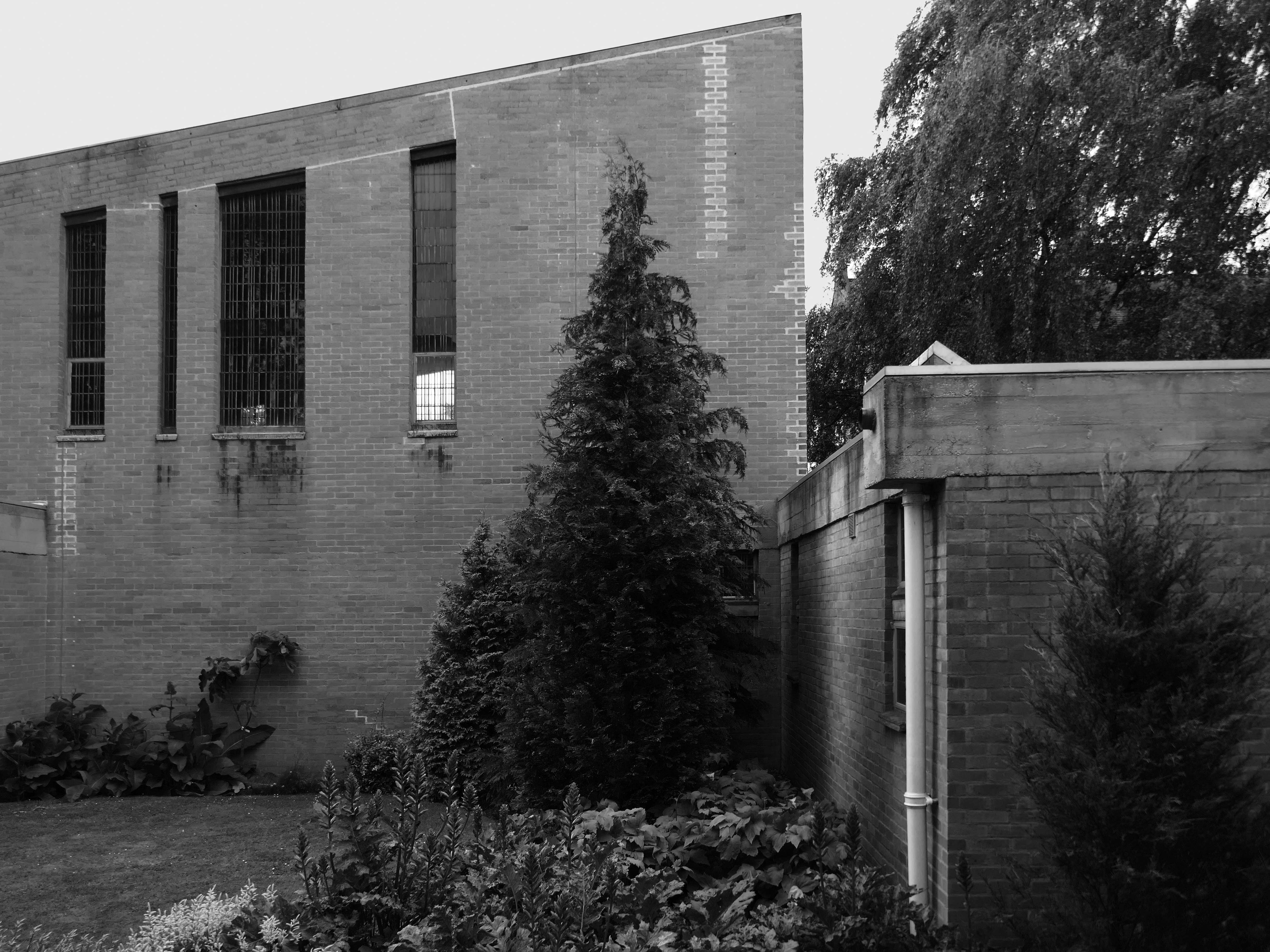
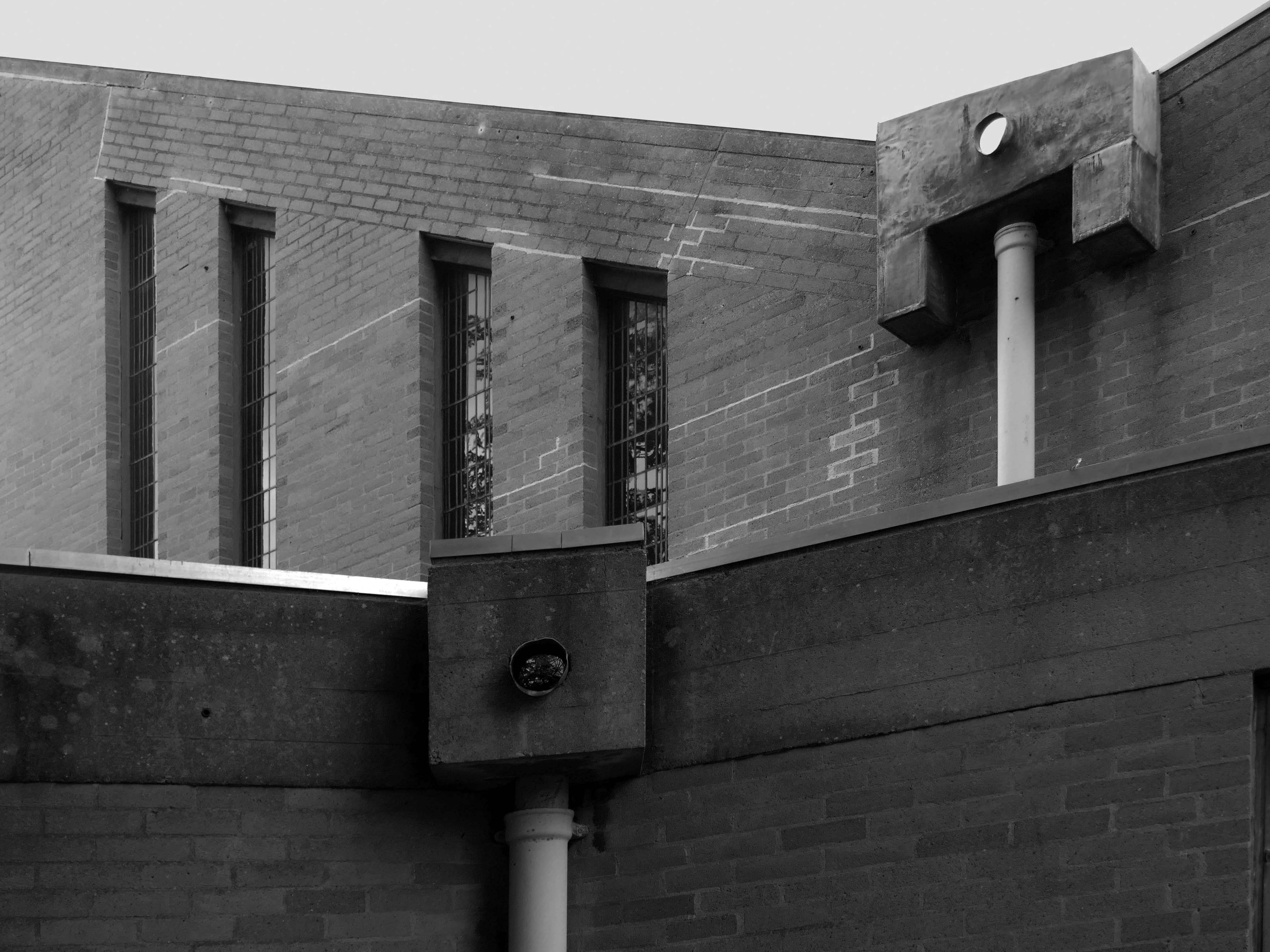
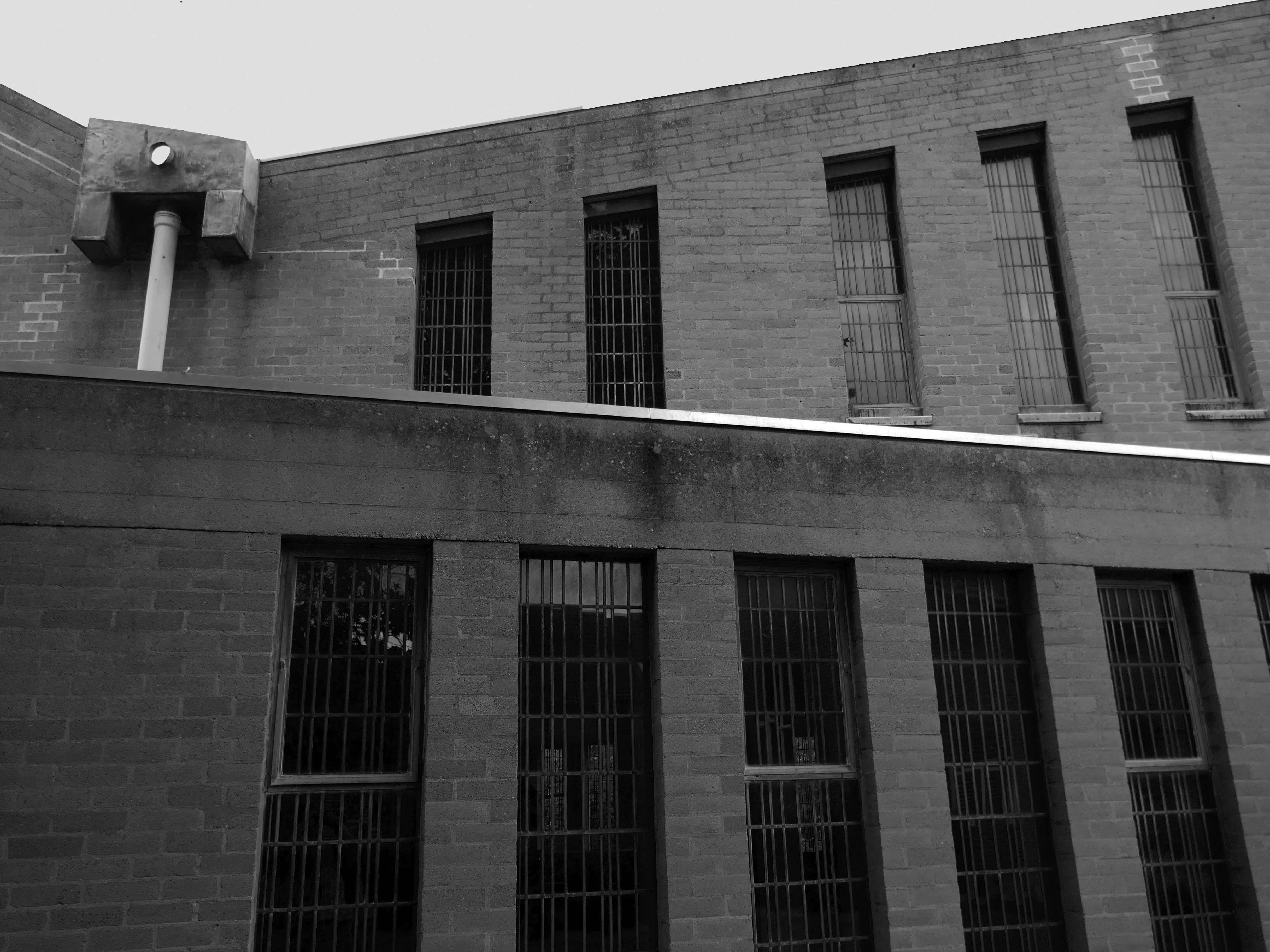
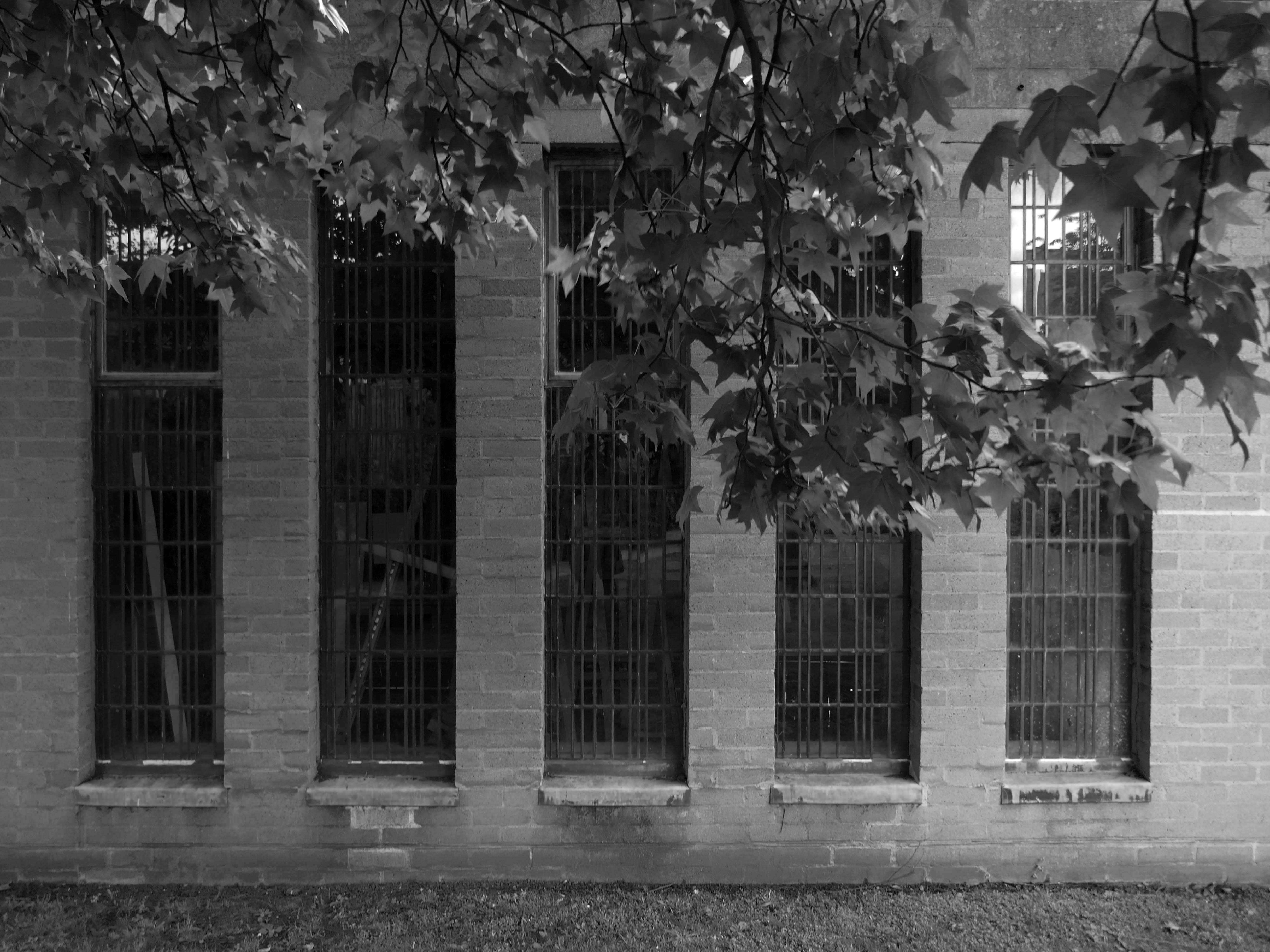
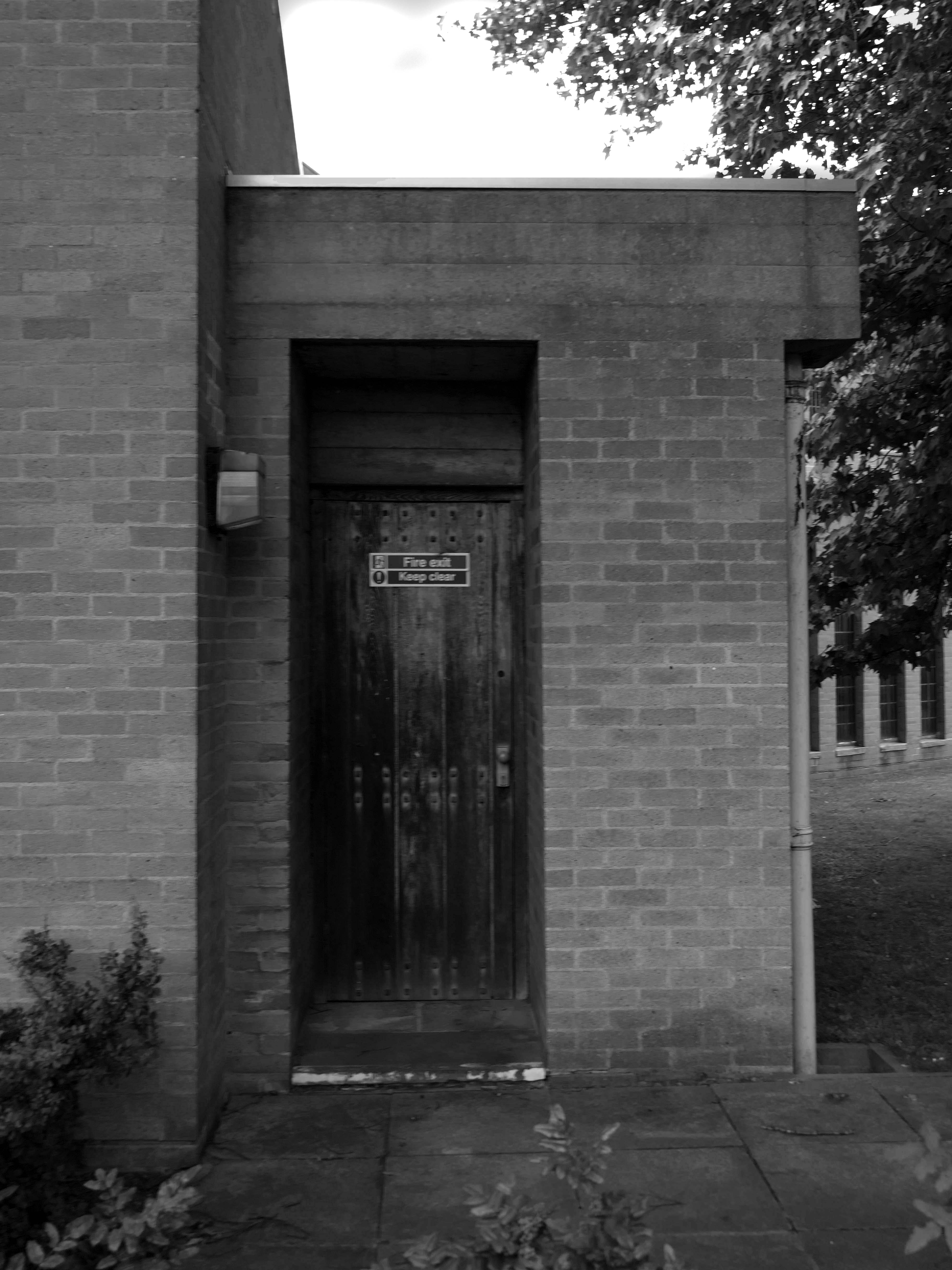
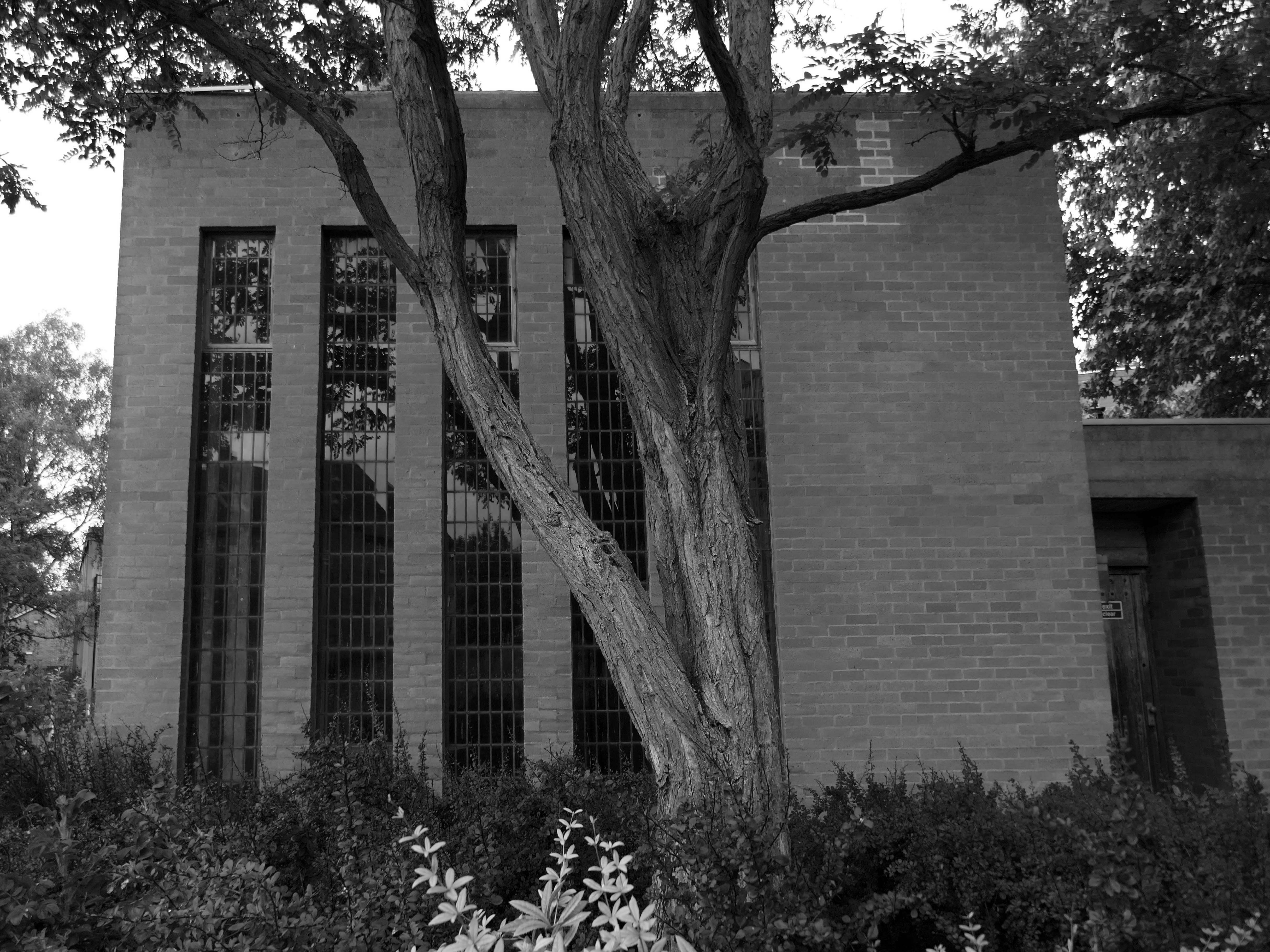
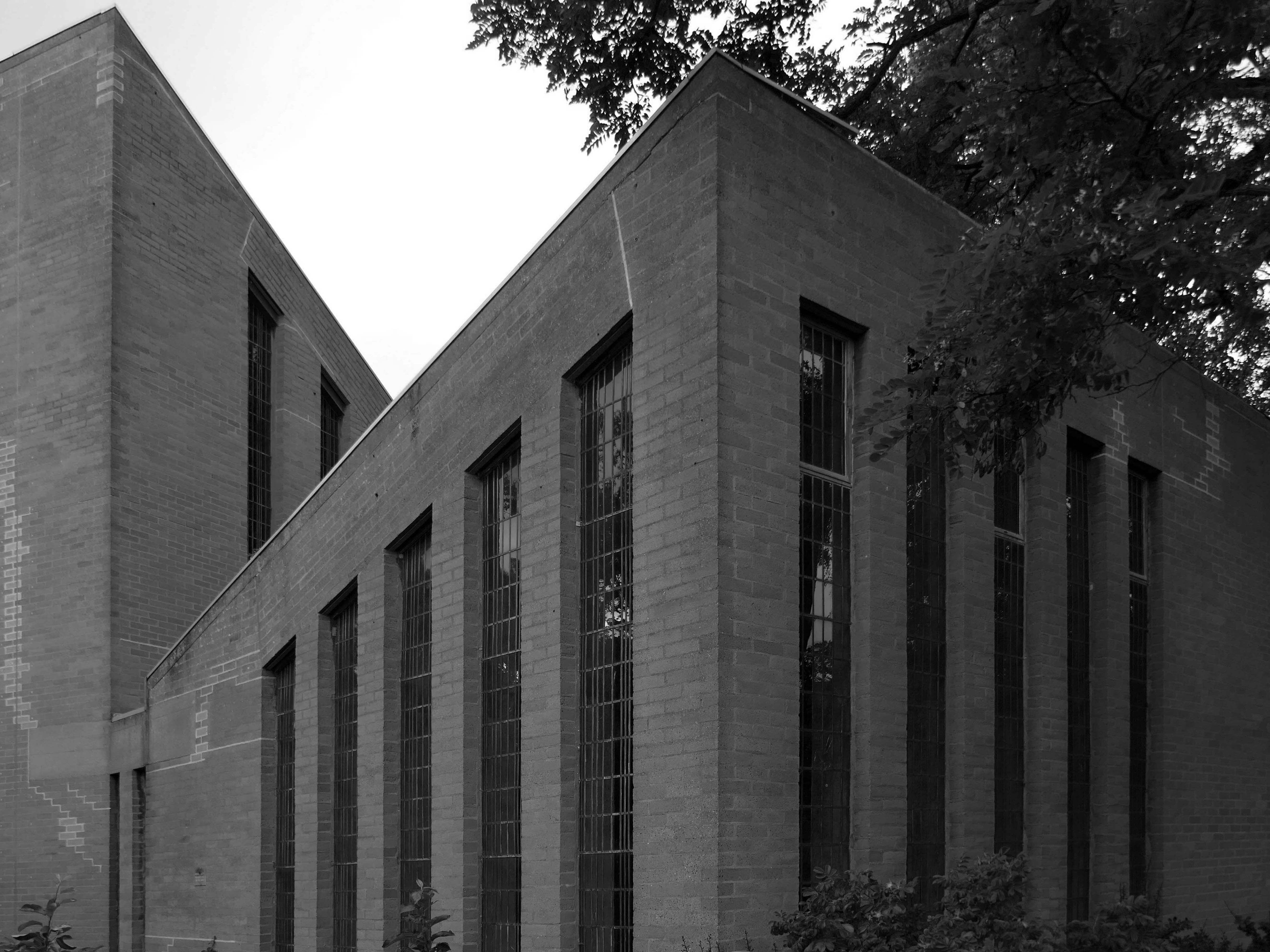
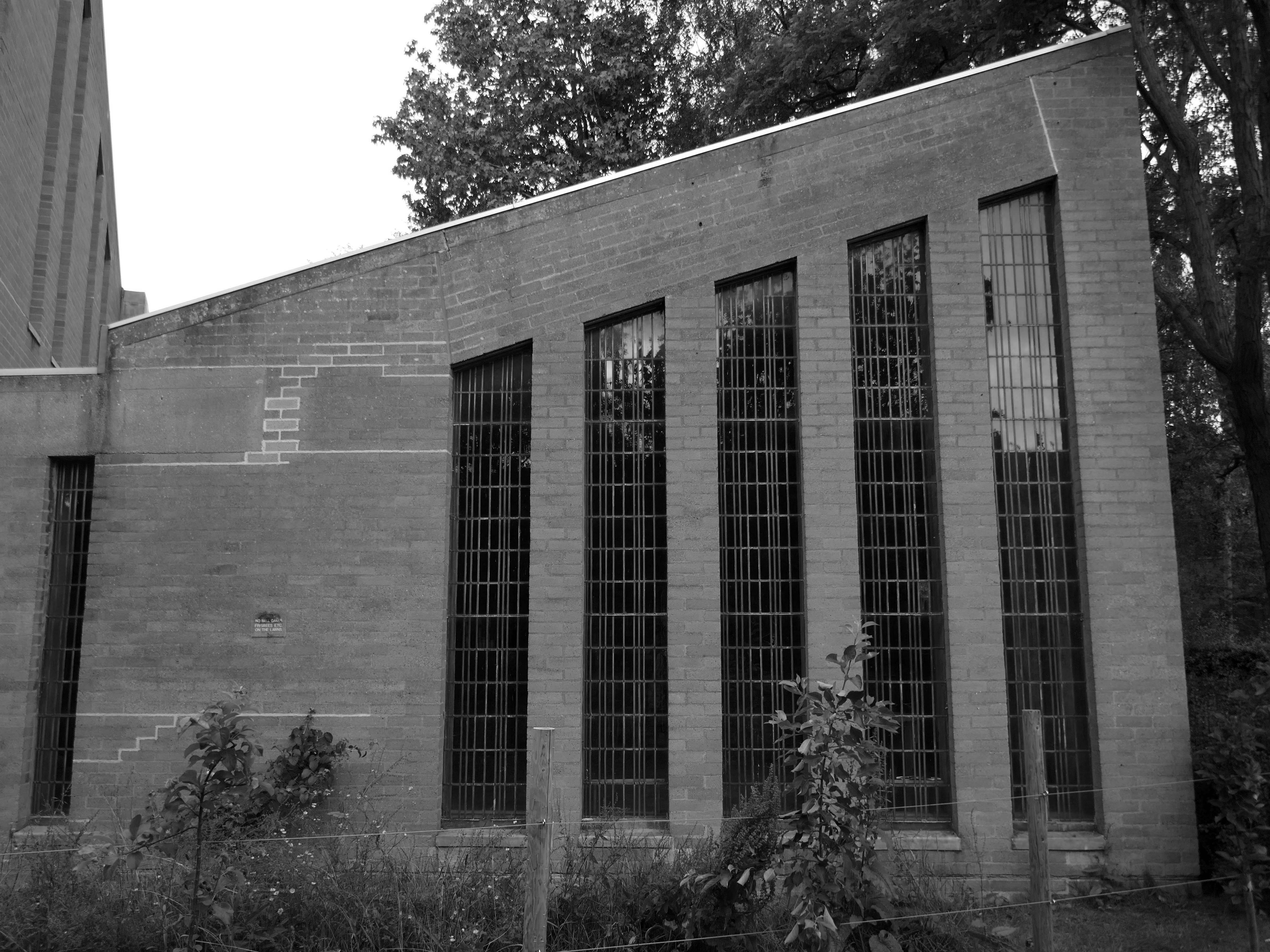
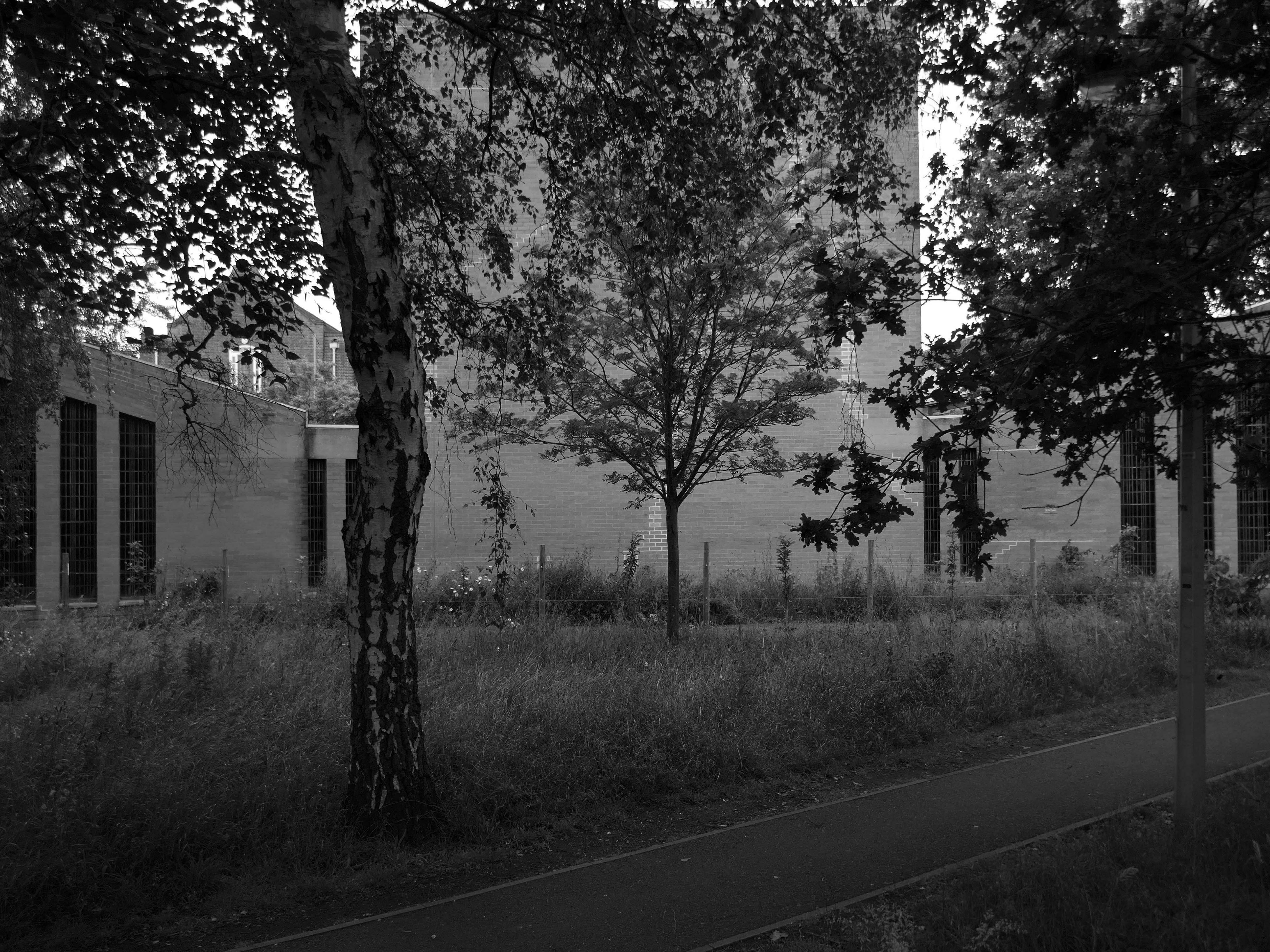
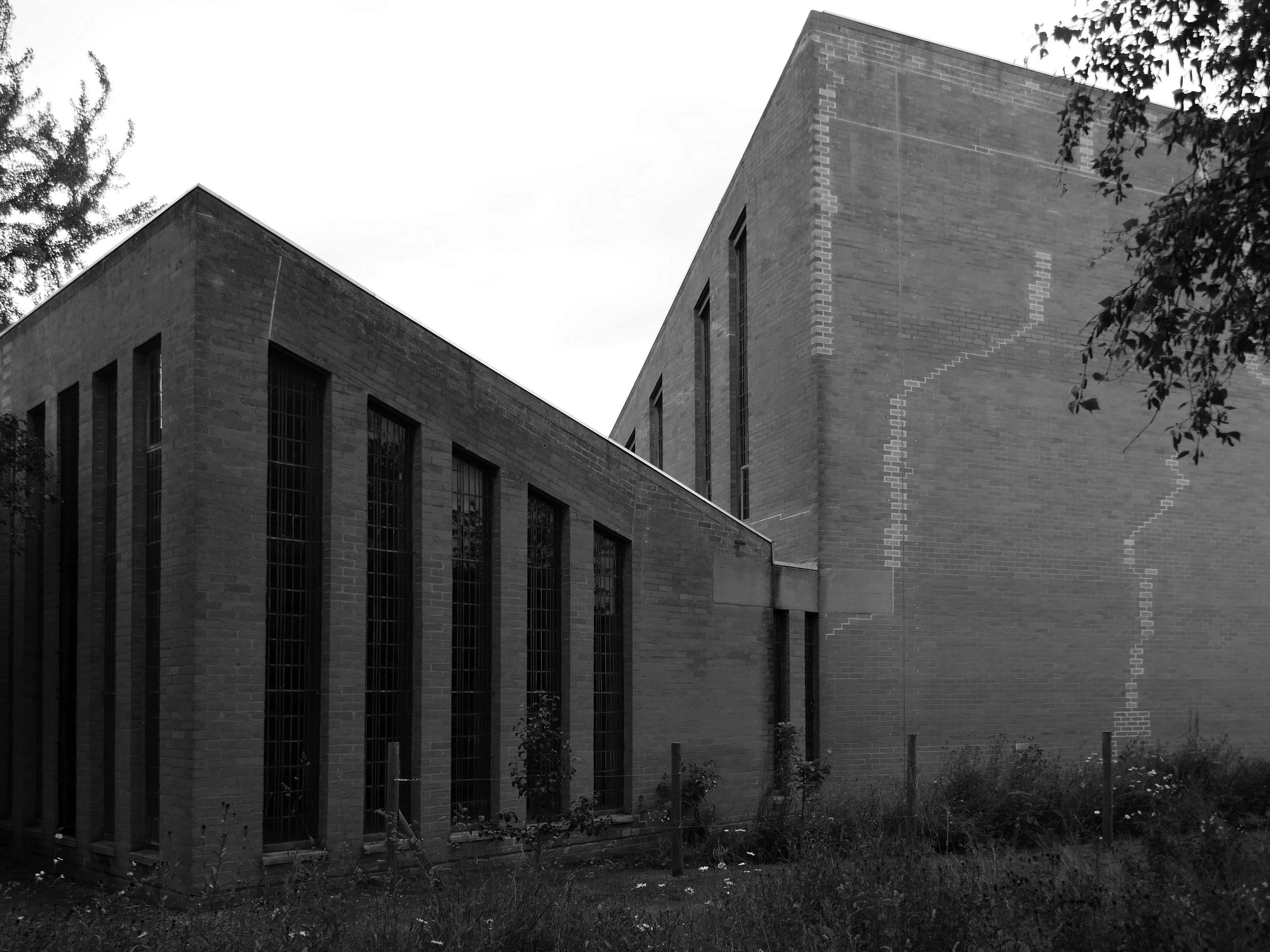
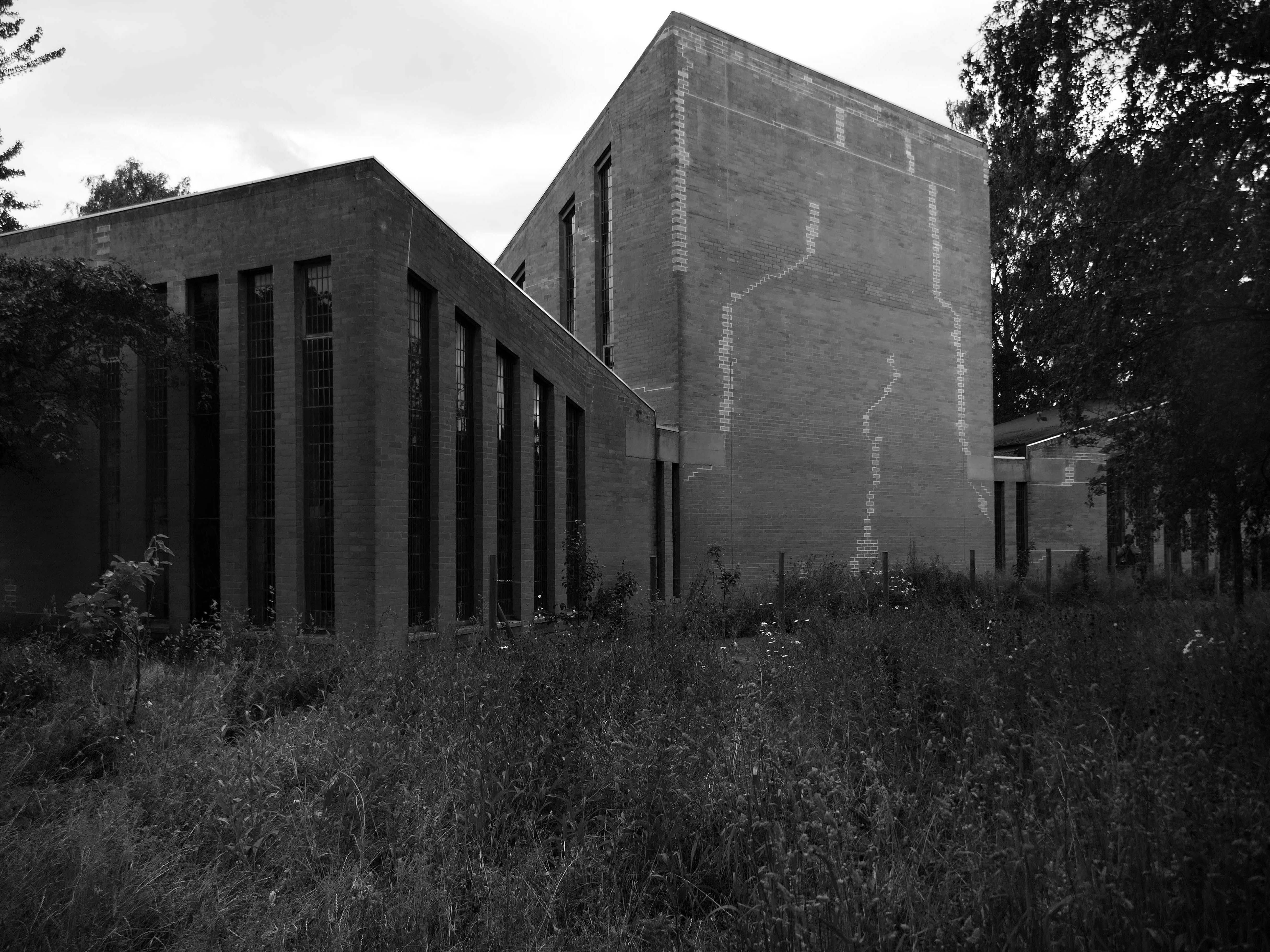
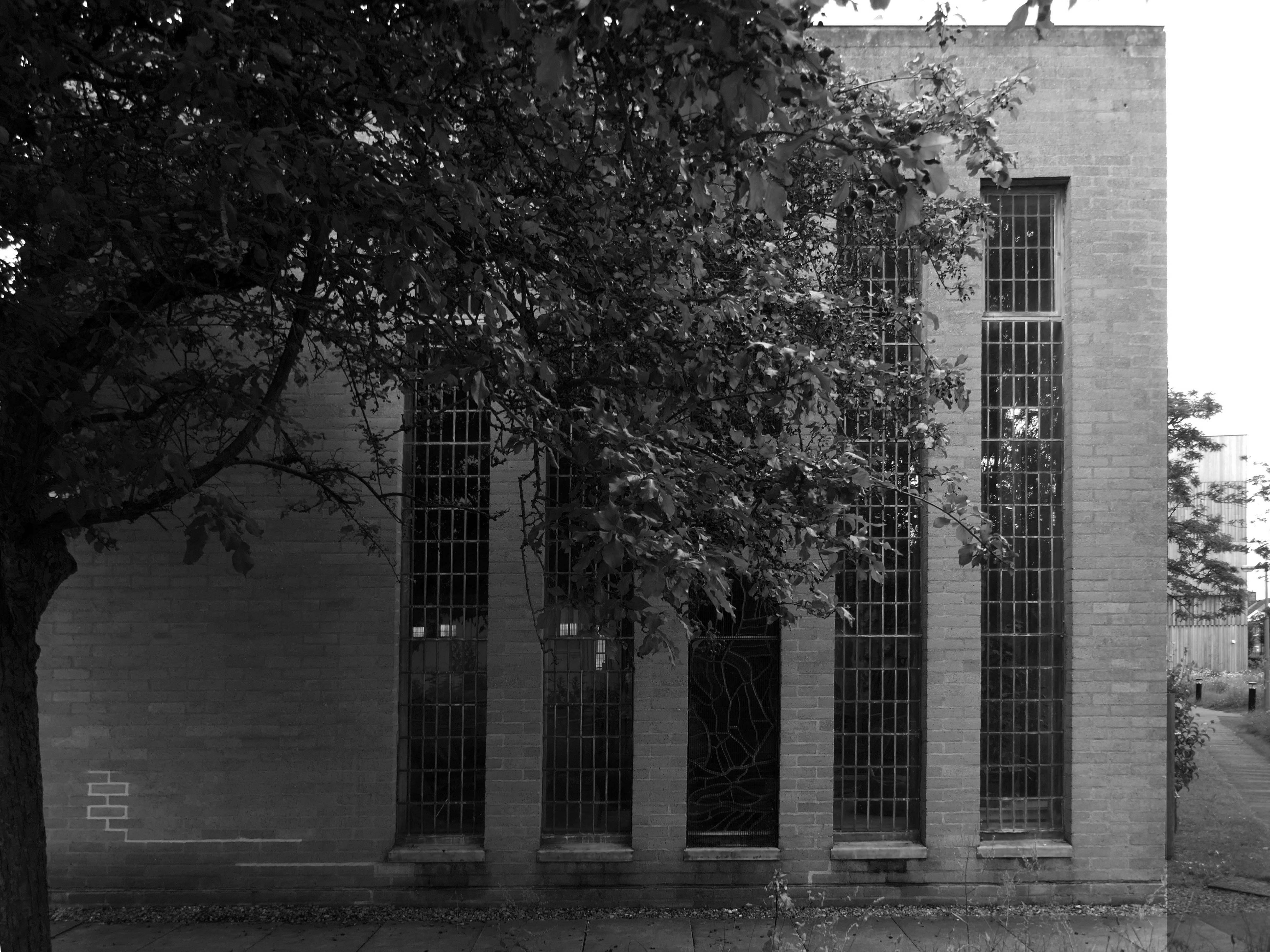
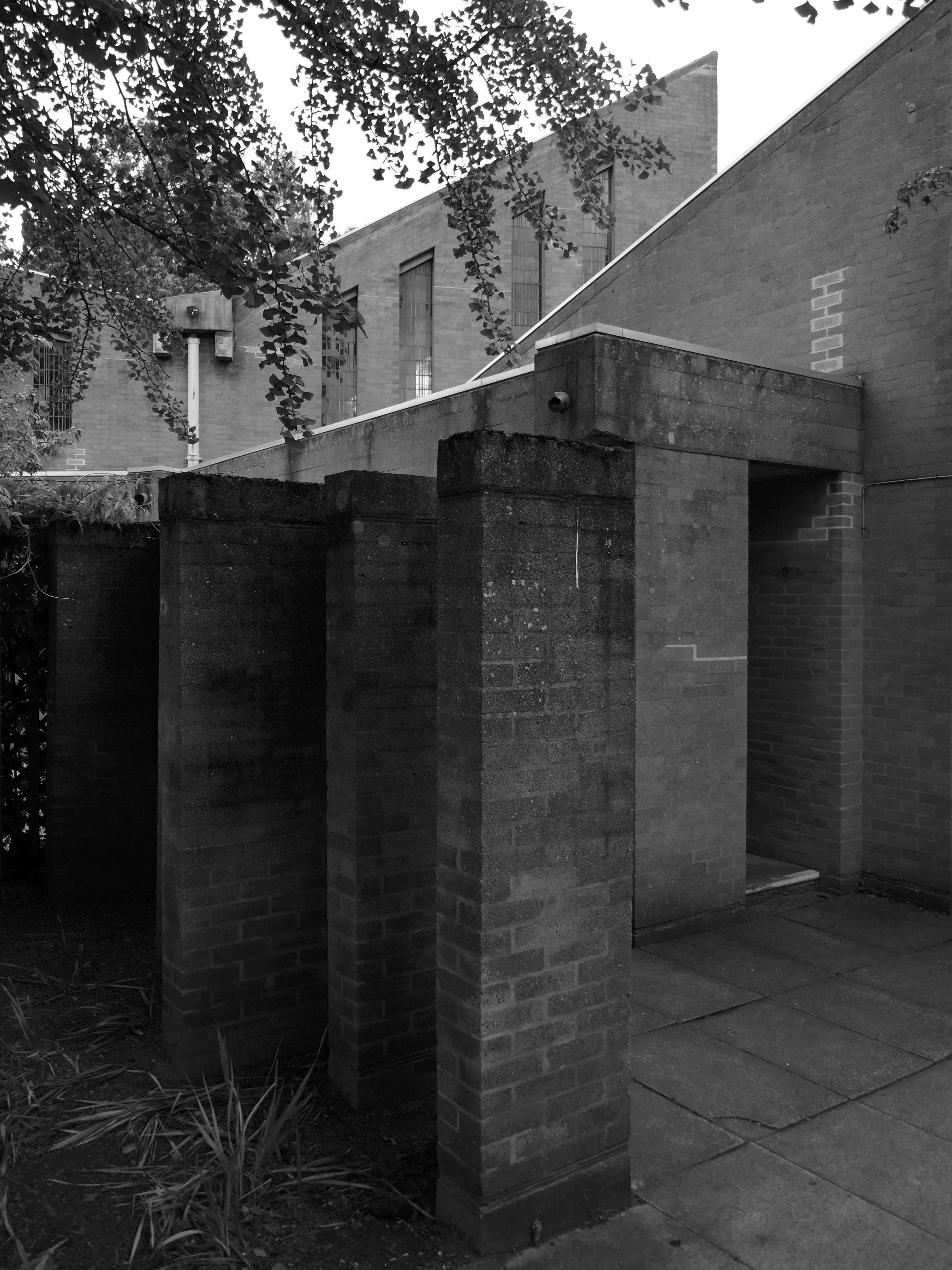
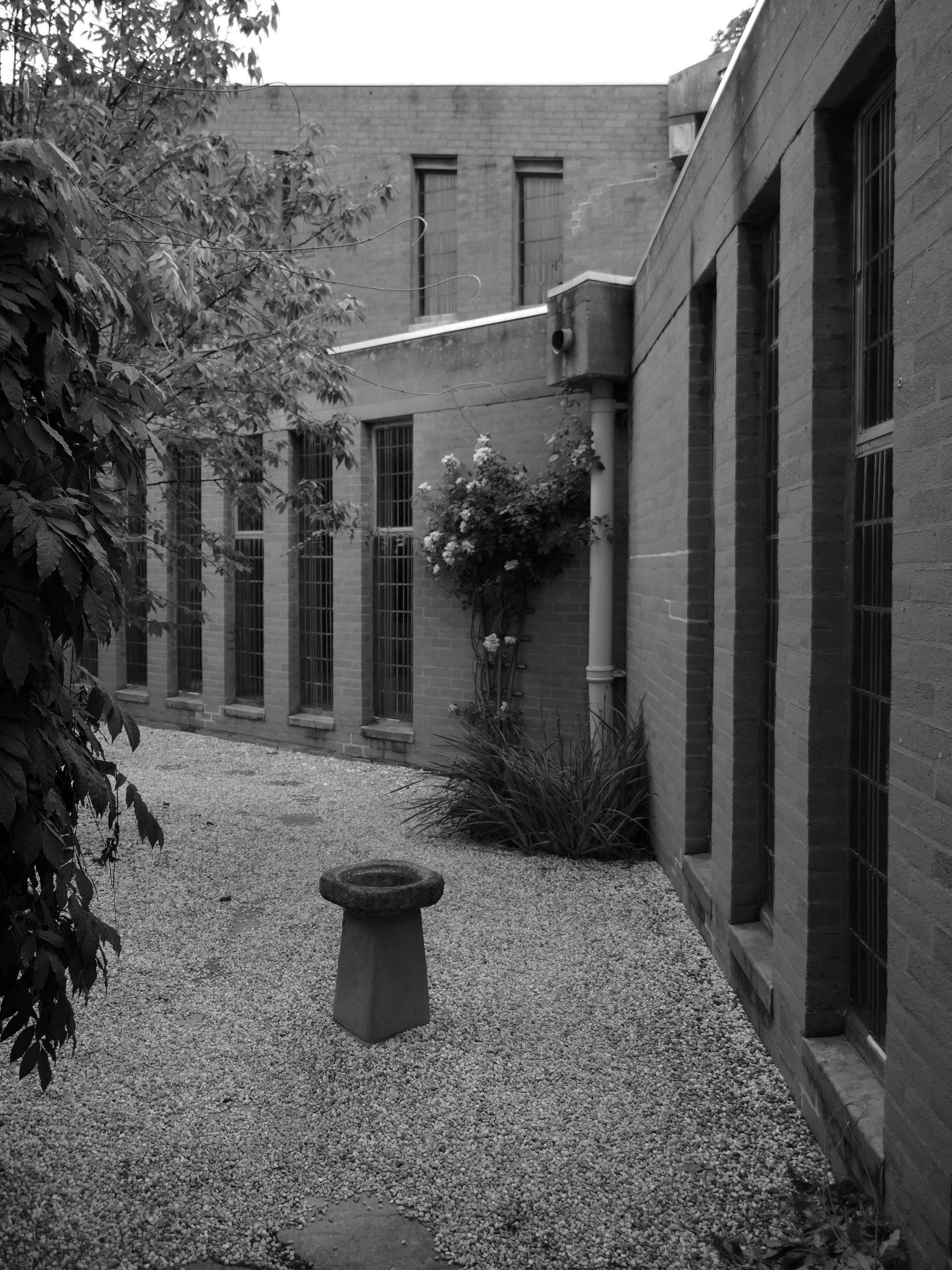
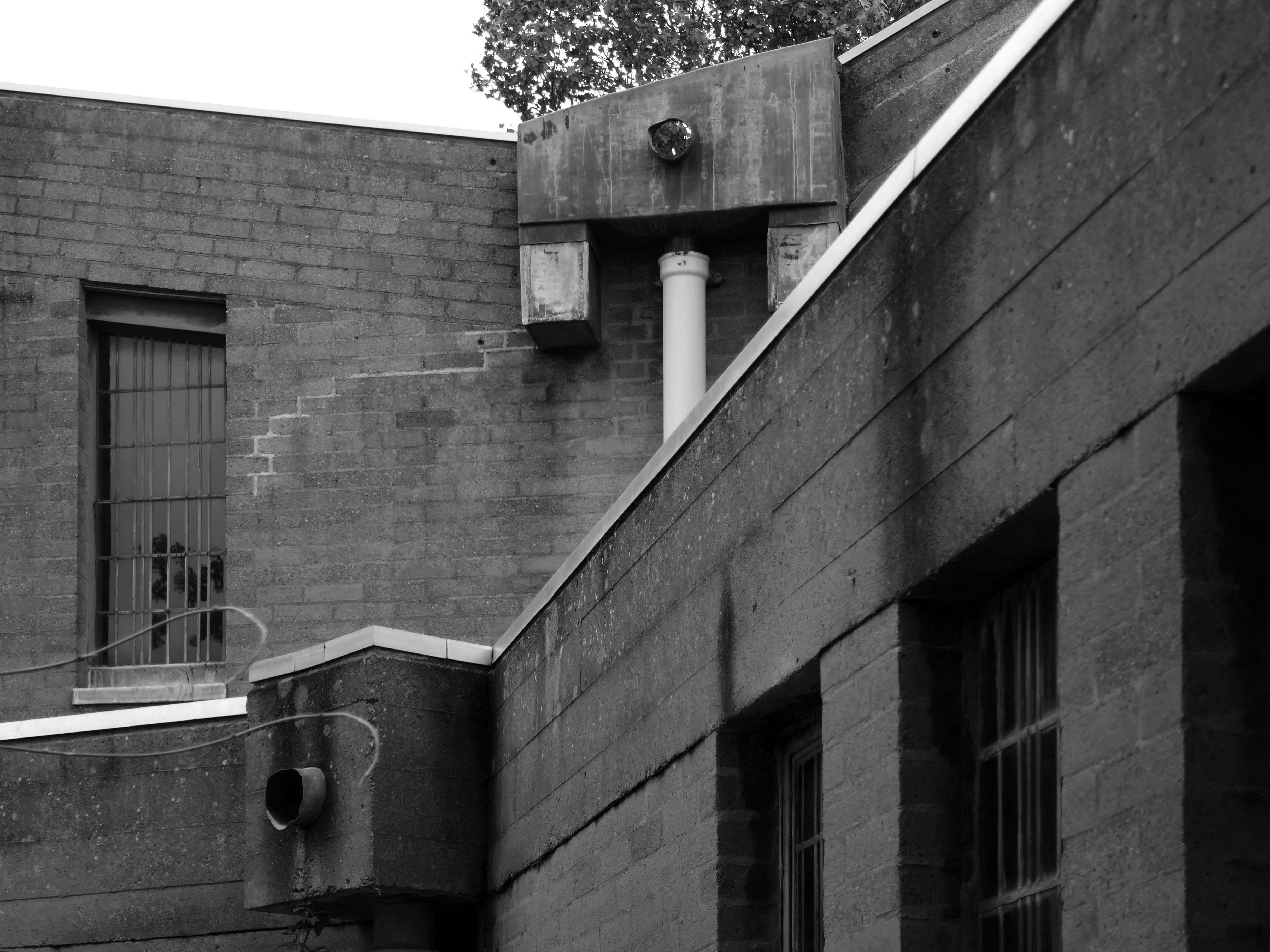
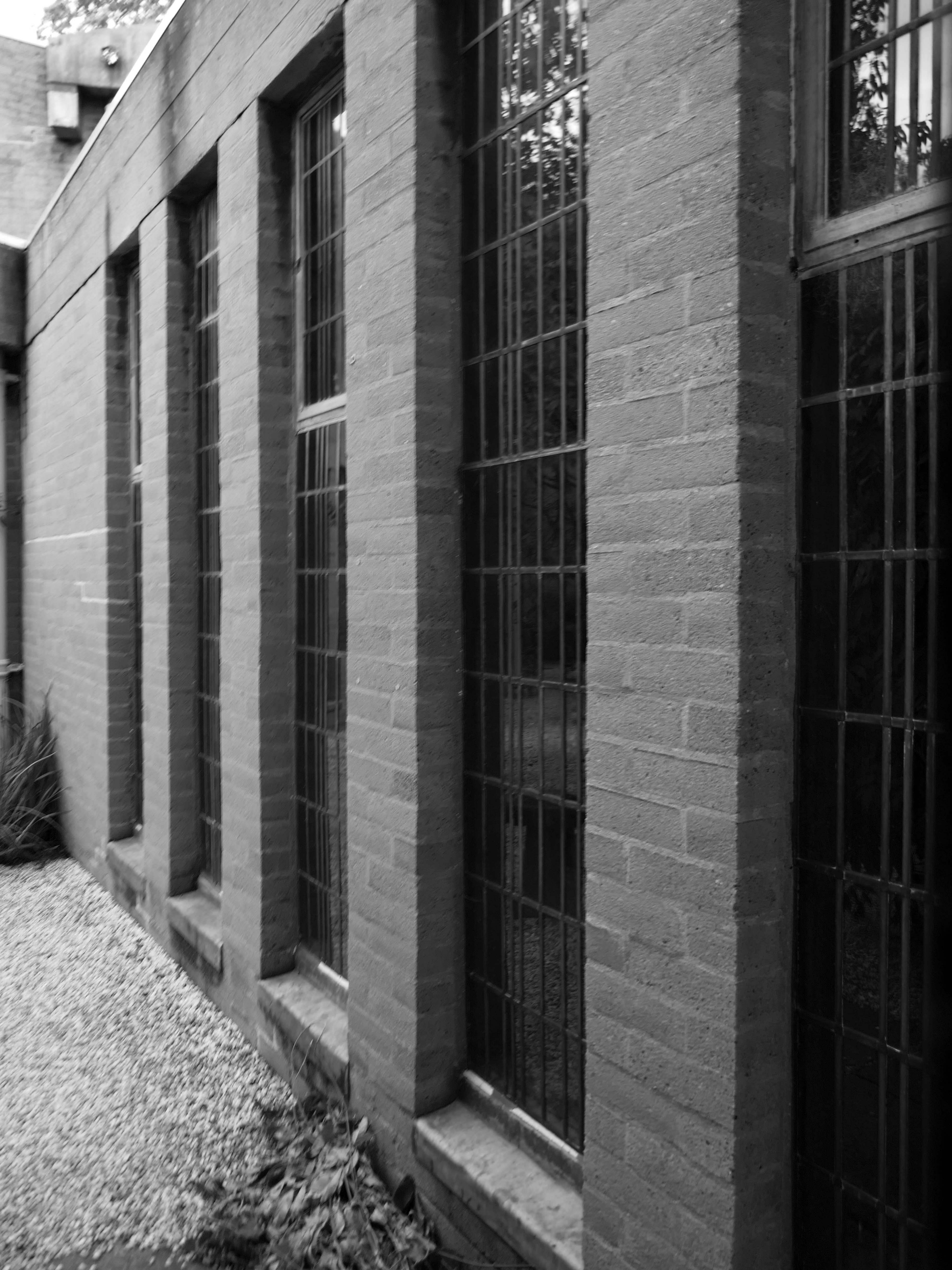
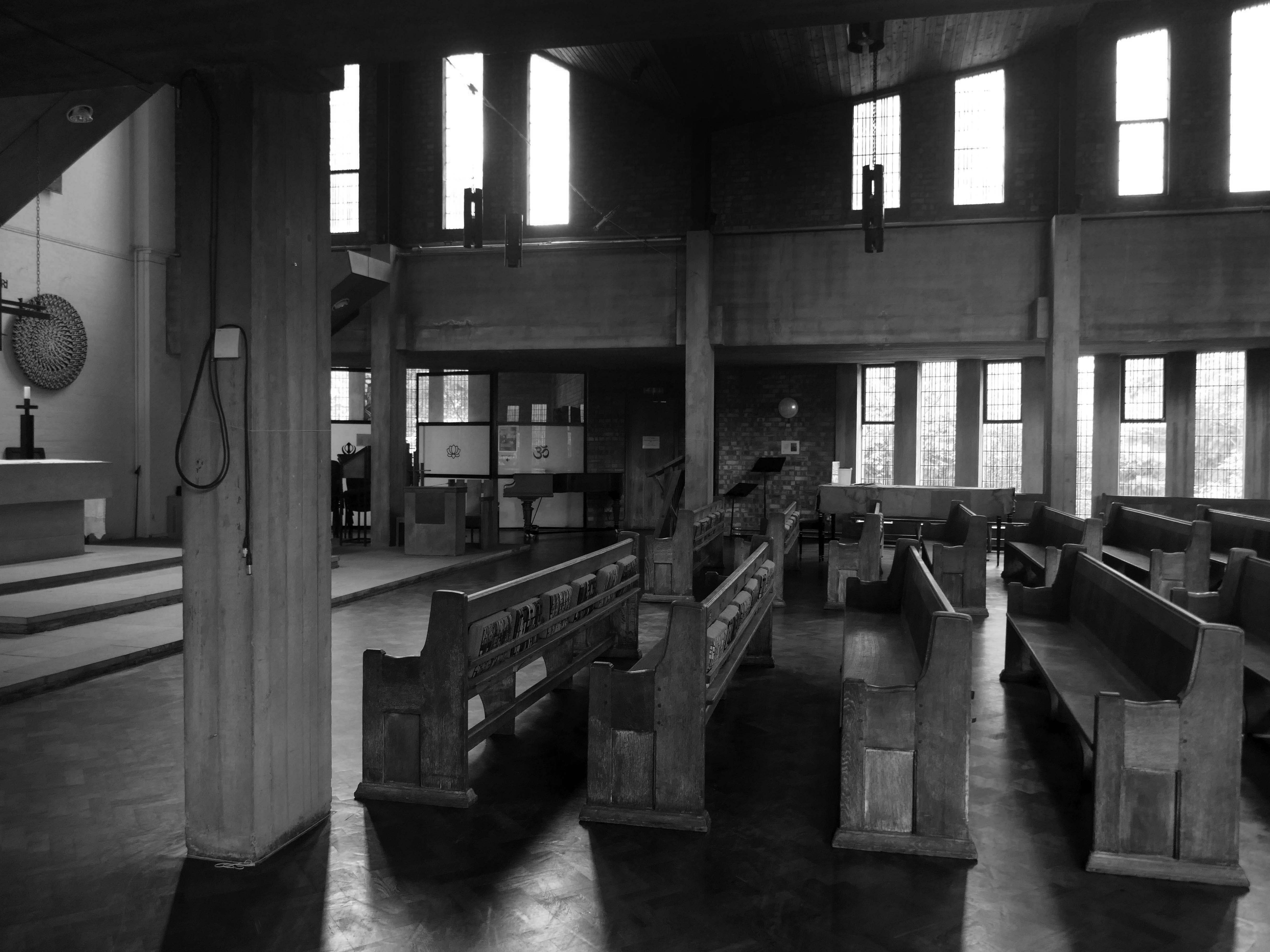
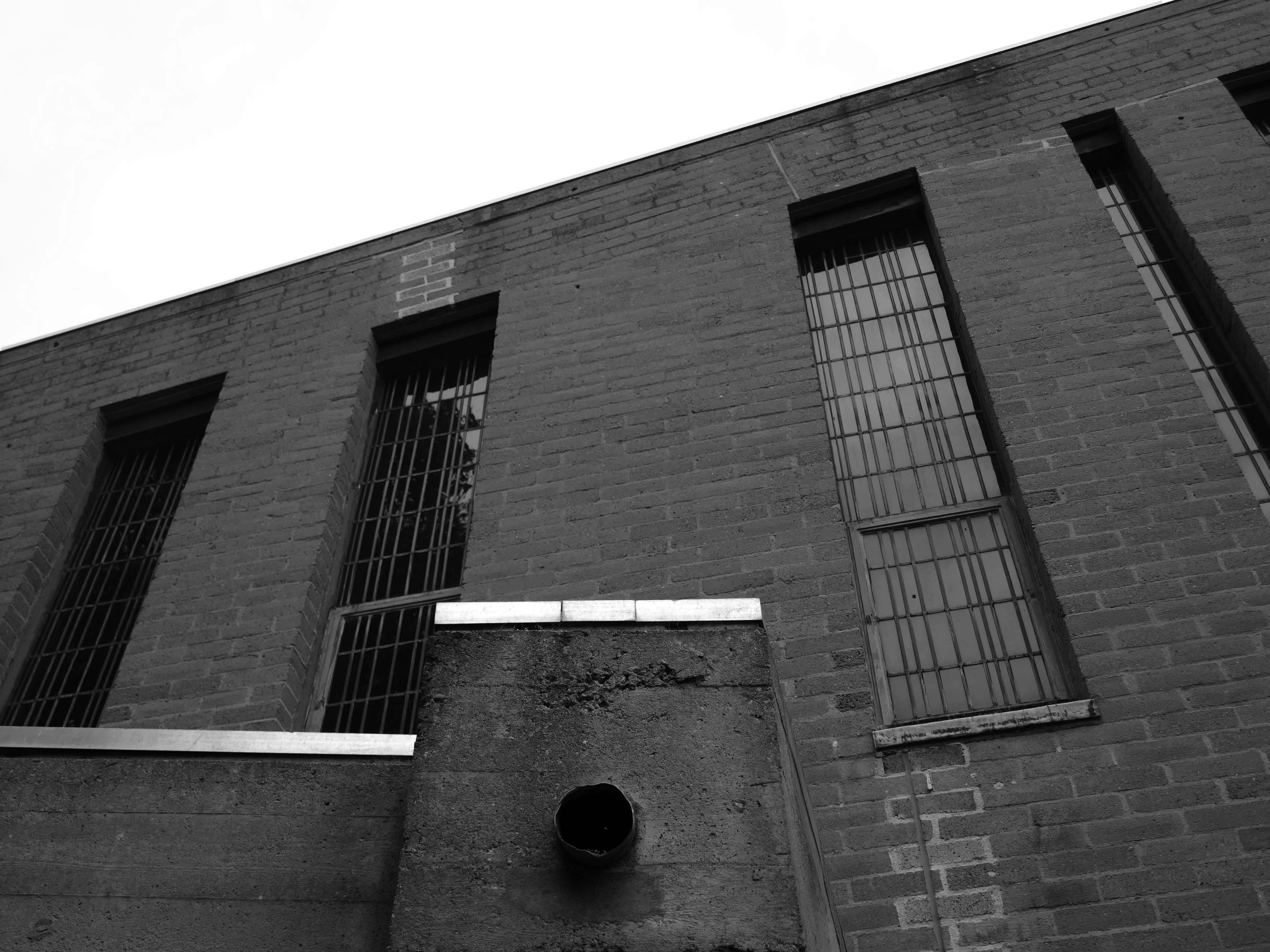
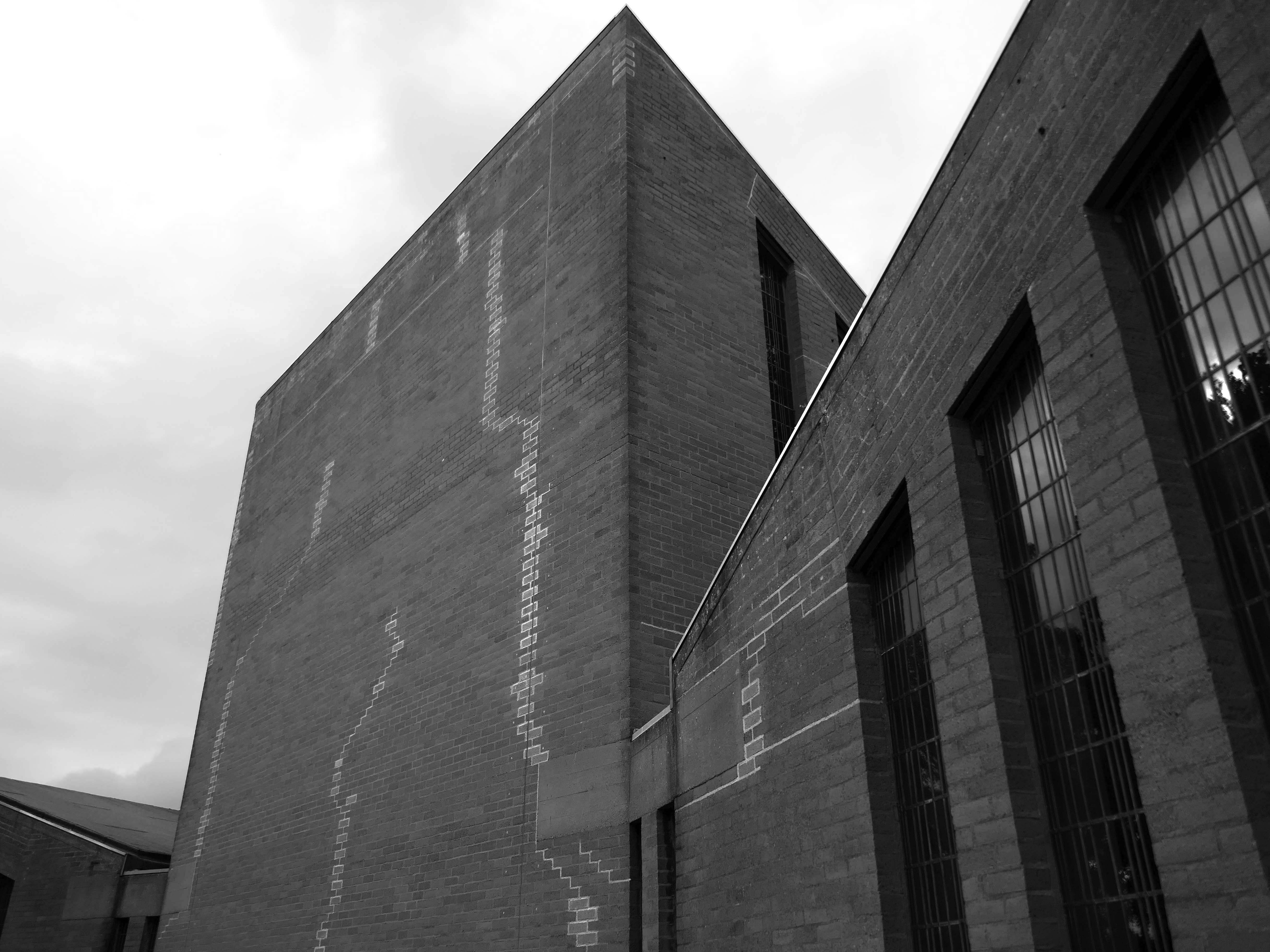
The Chapel of St John the Evangelist – York St John University

This is one of many George Pace Churches I have visited – St Marks BroomhillWilliam TempleSt Leonard and St JudeKeele University ChapelSt SavioursChurch of St Mark.

I am grateful to Natalie Ainscough for directing me here to York.

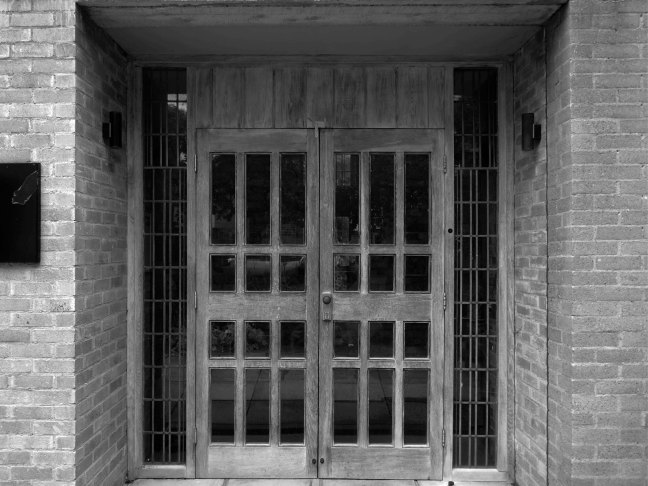
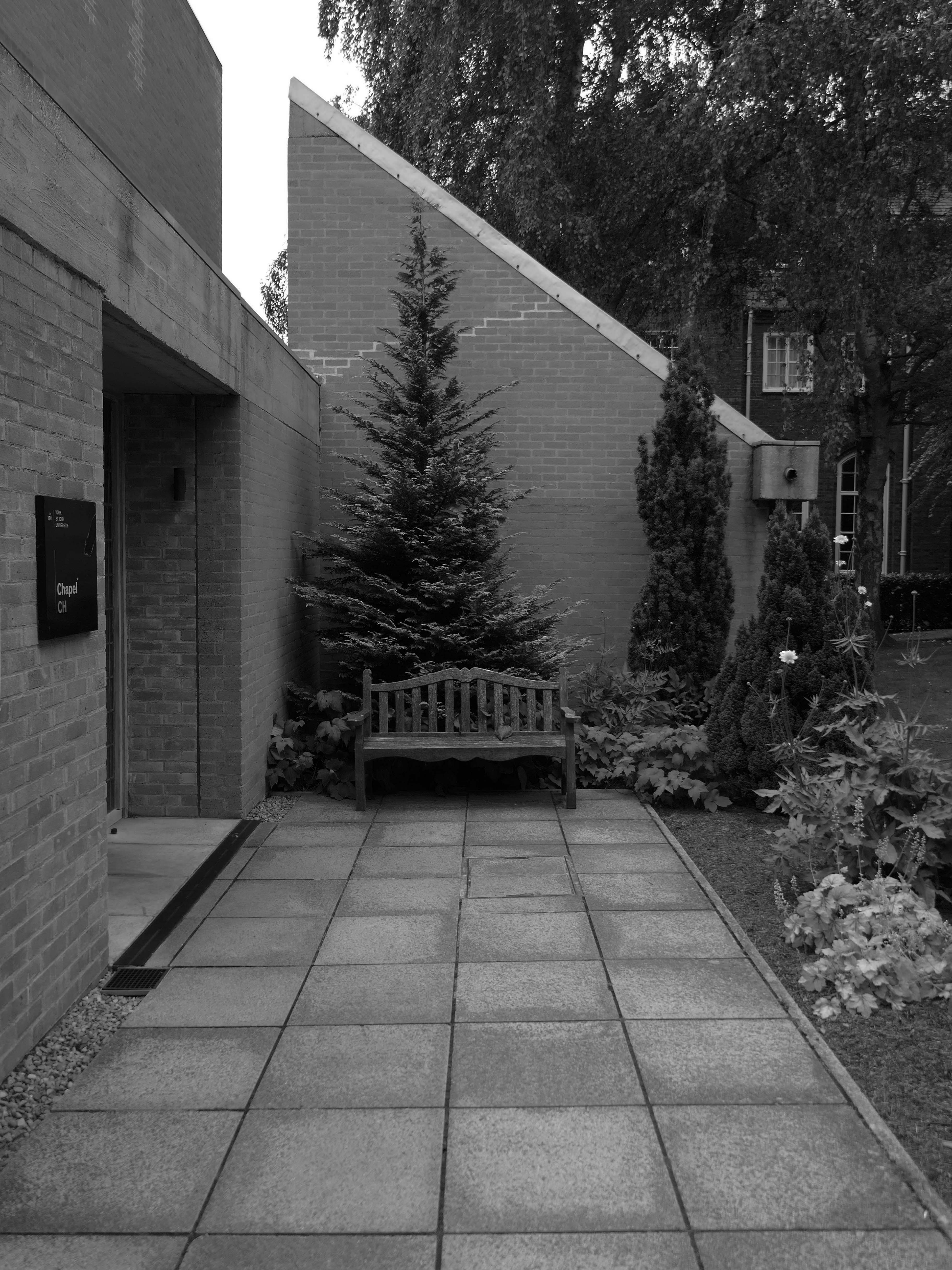
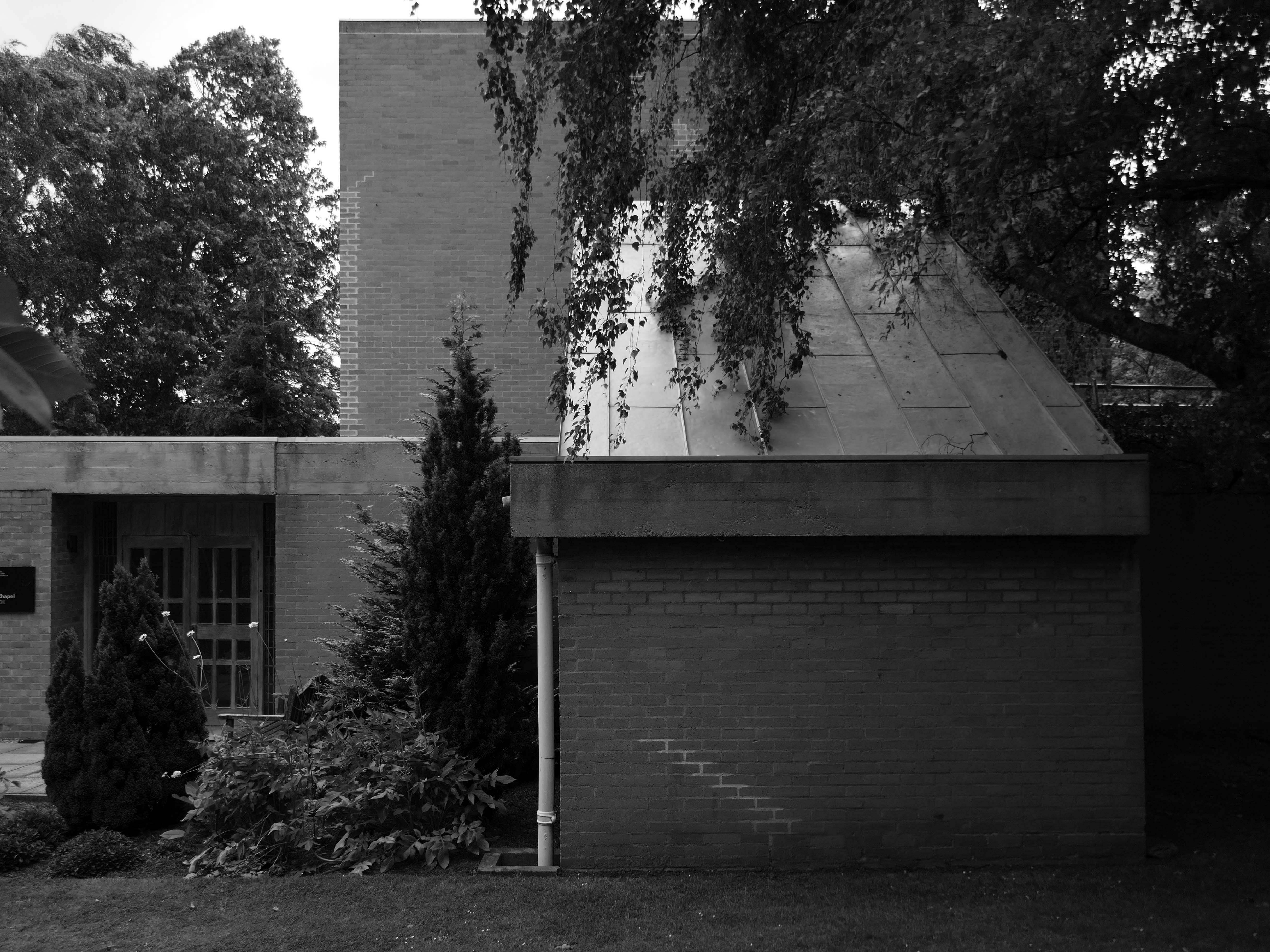
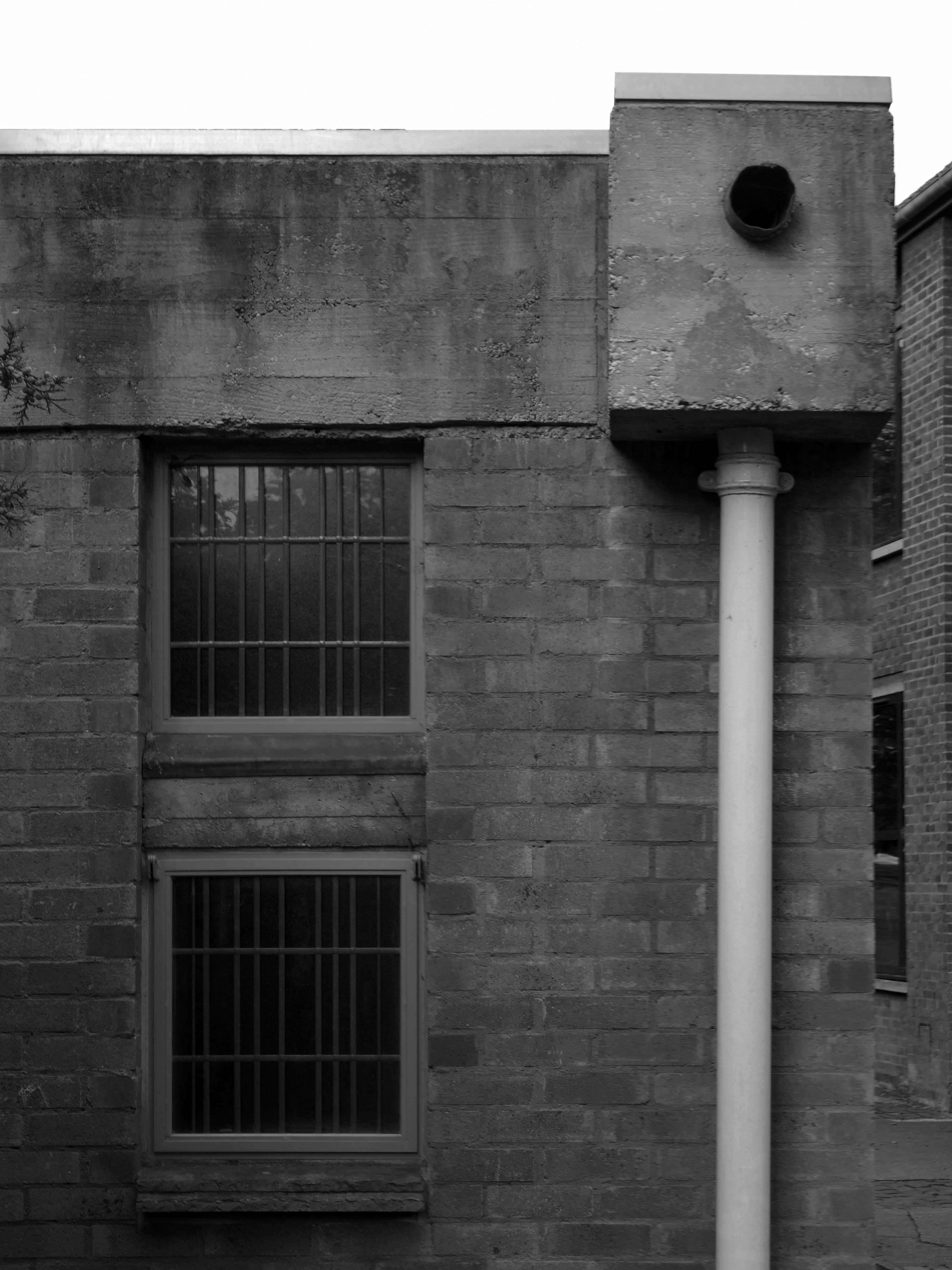
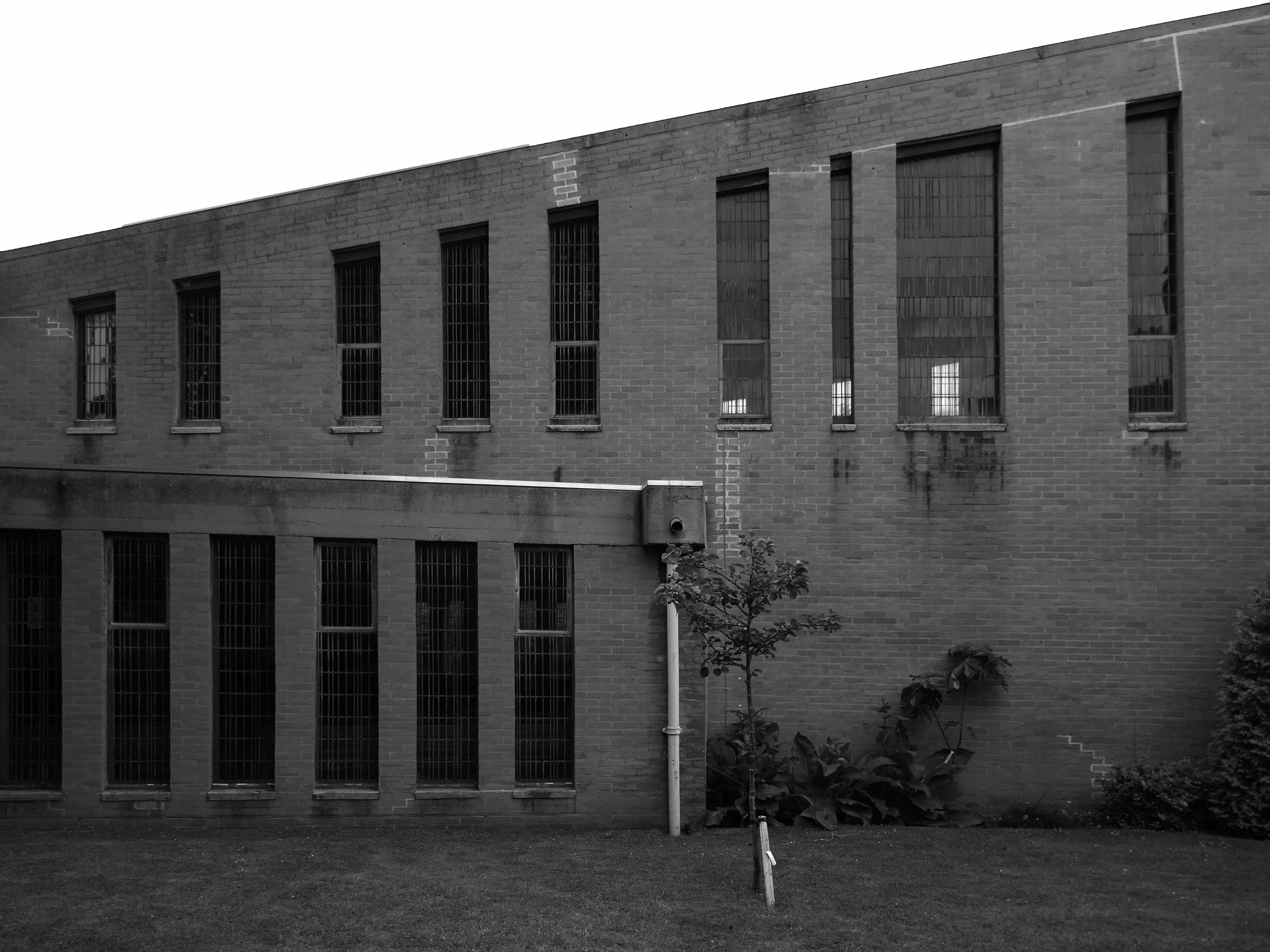
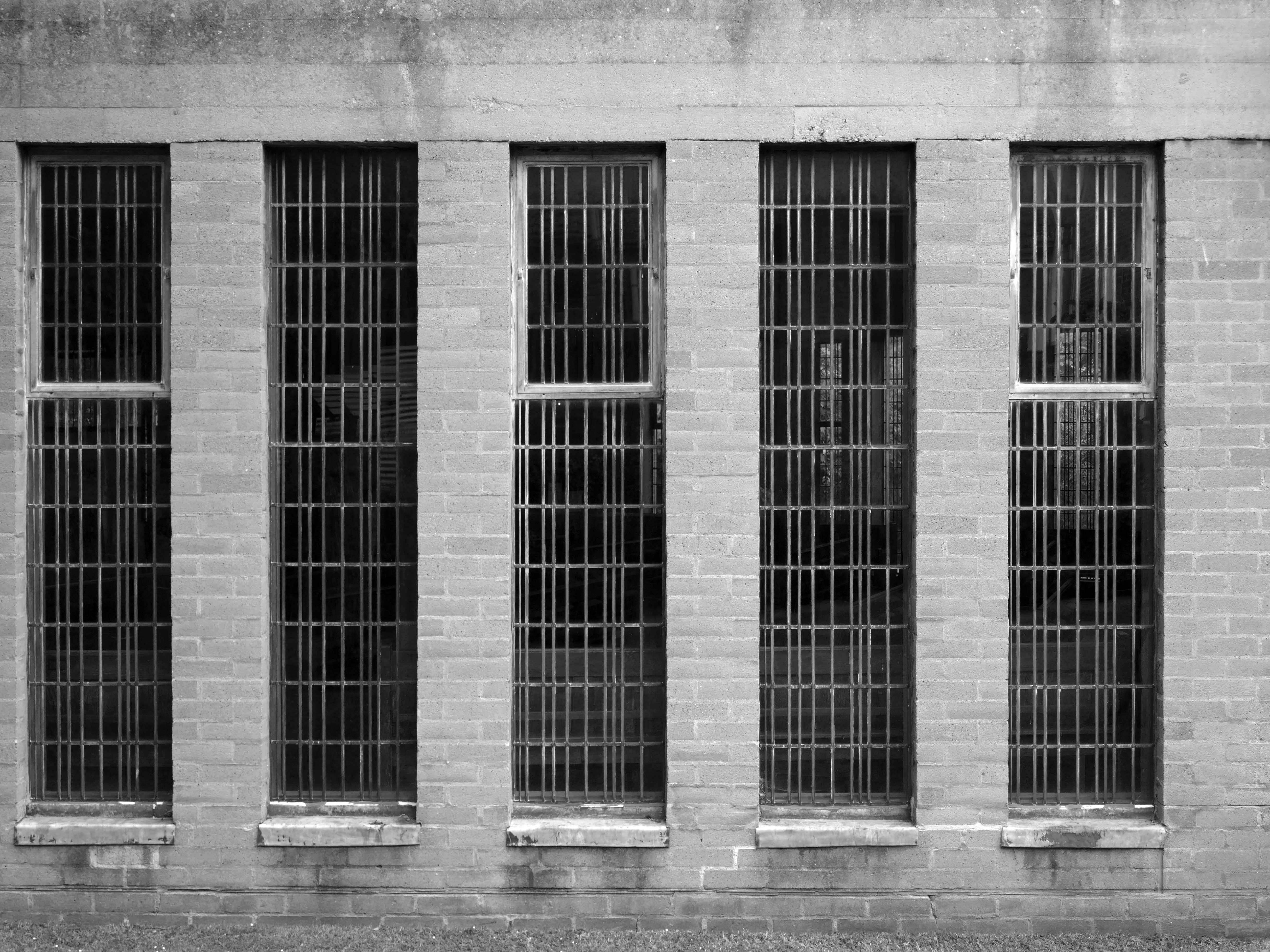
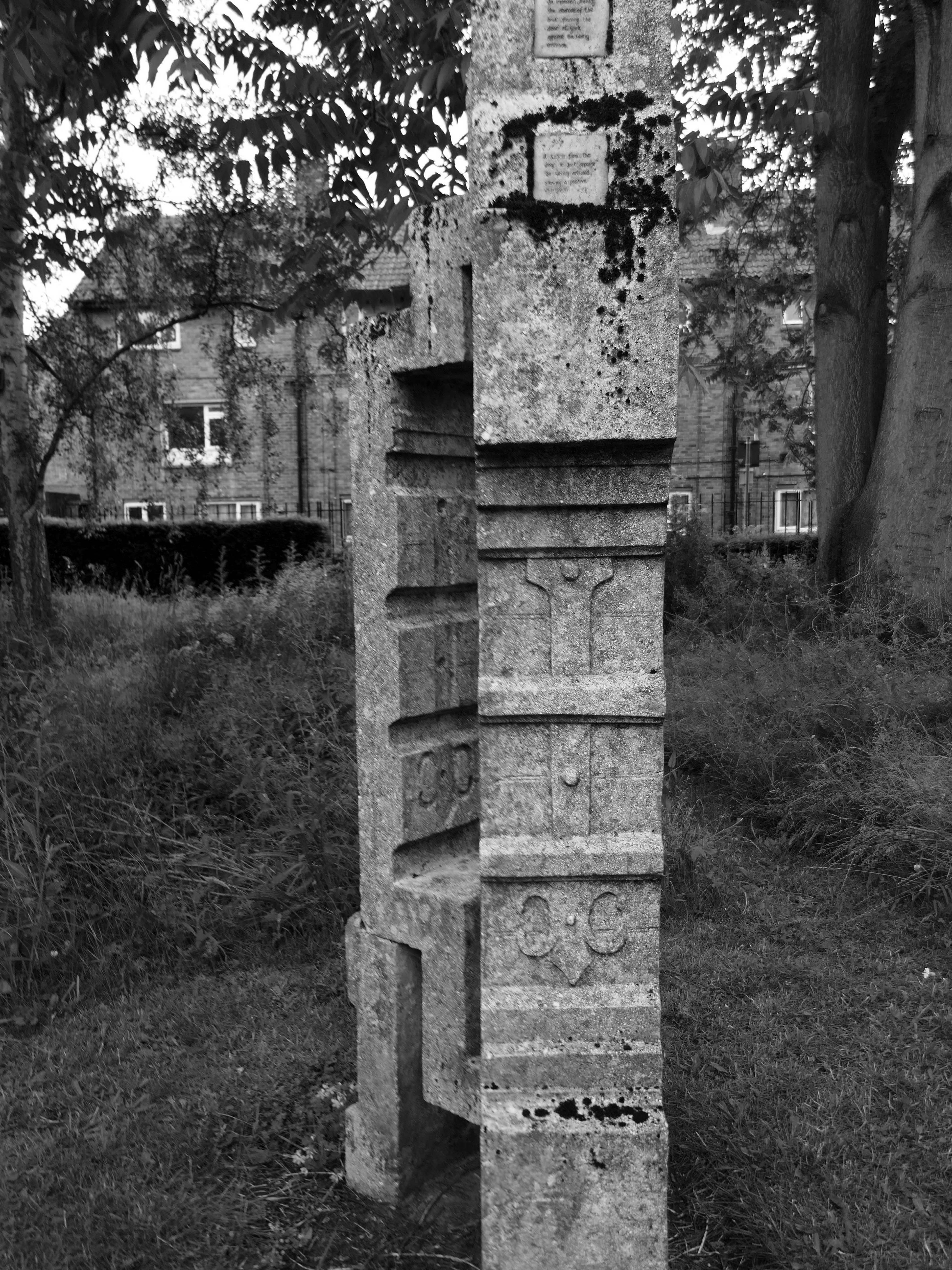
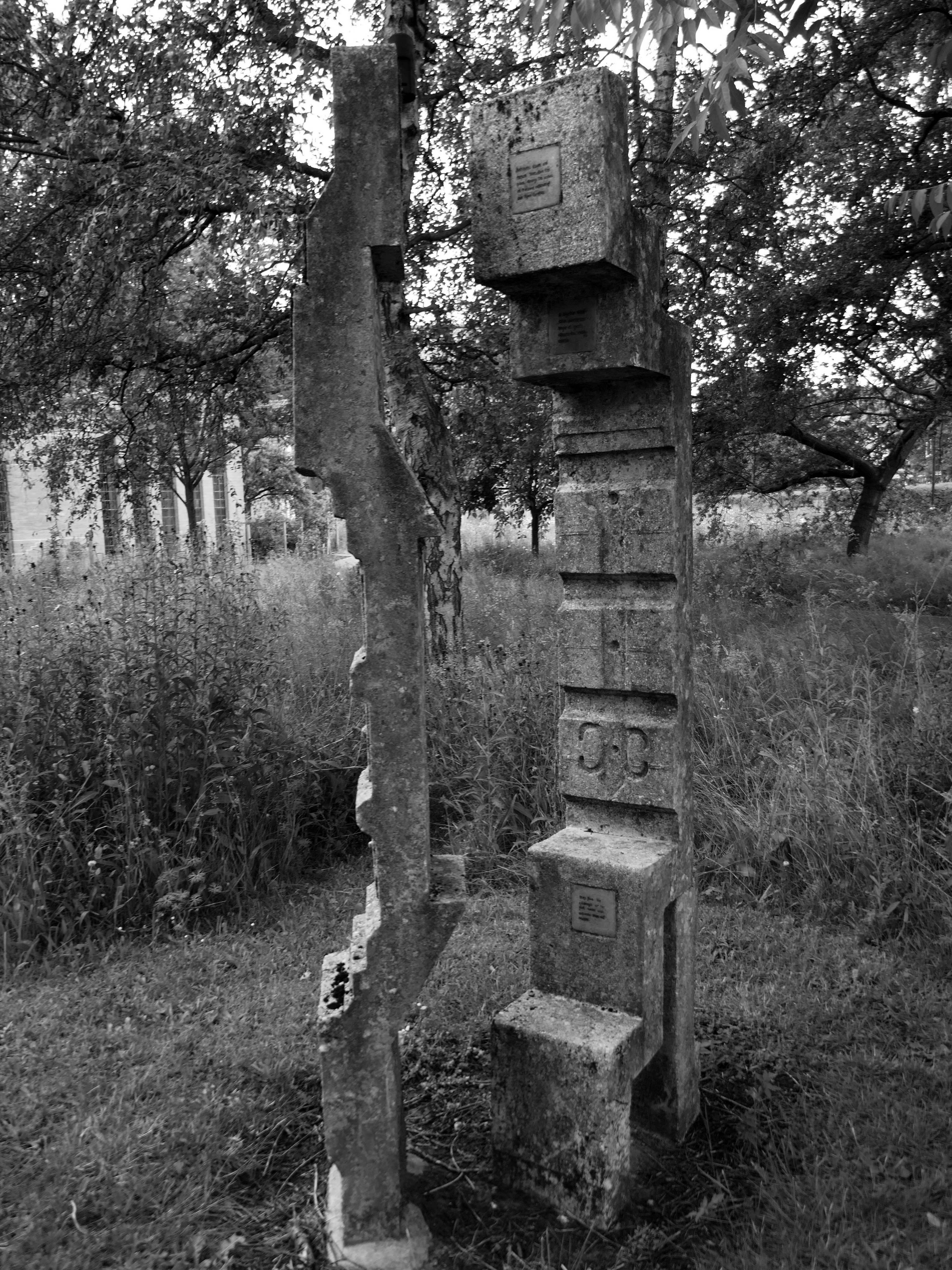
The chapel was closed on a Saturday so we wandered around outside, peering curiously through the windows. Surrounded by mature planting, the bare brick and glazing is more than somewhat softened, the planting however does inhibit the intrepid photographer.

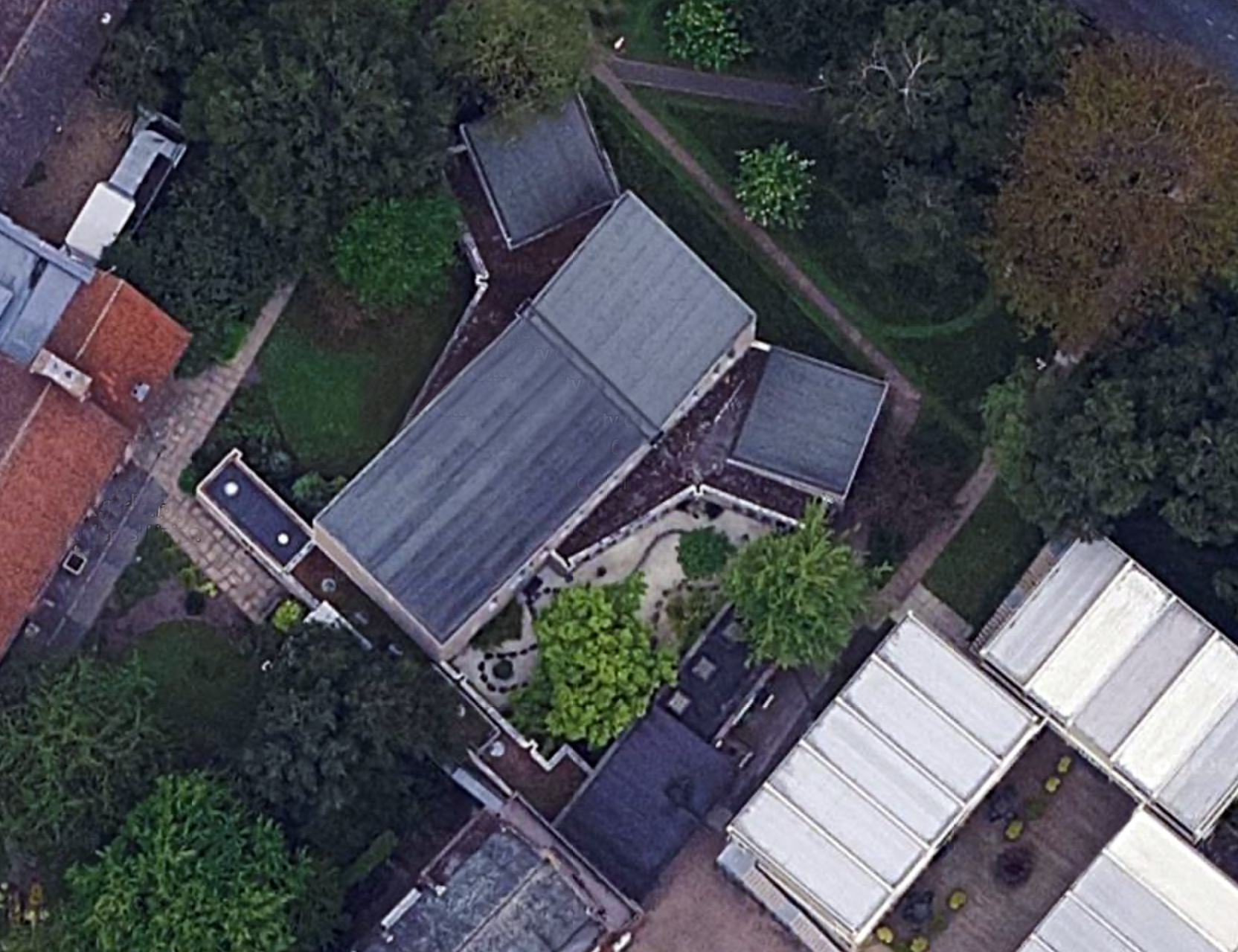
Designed 1965, built 1966-7; architect George Gaze Pace, executant assistant Ronald Sims.

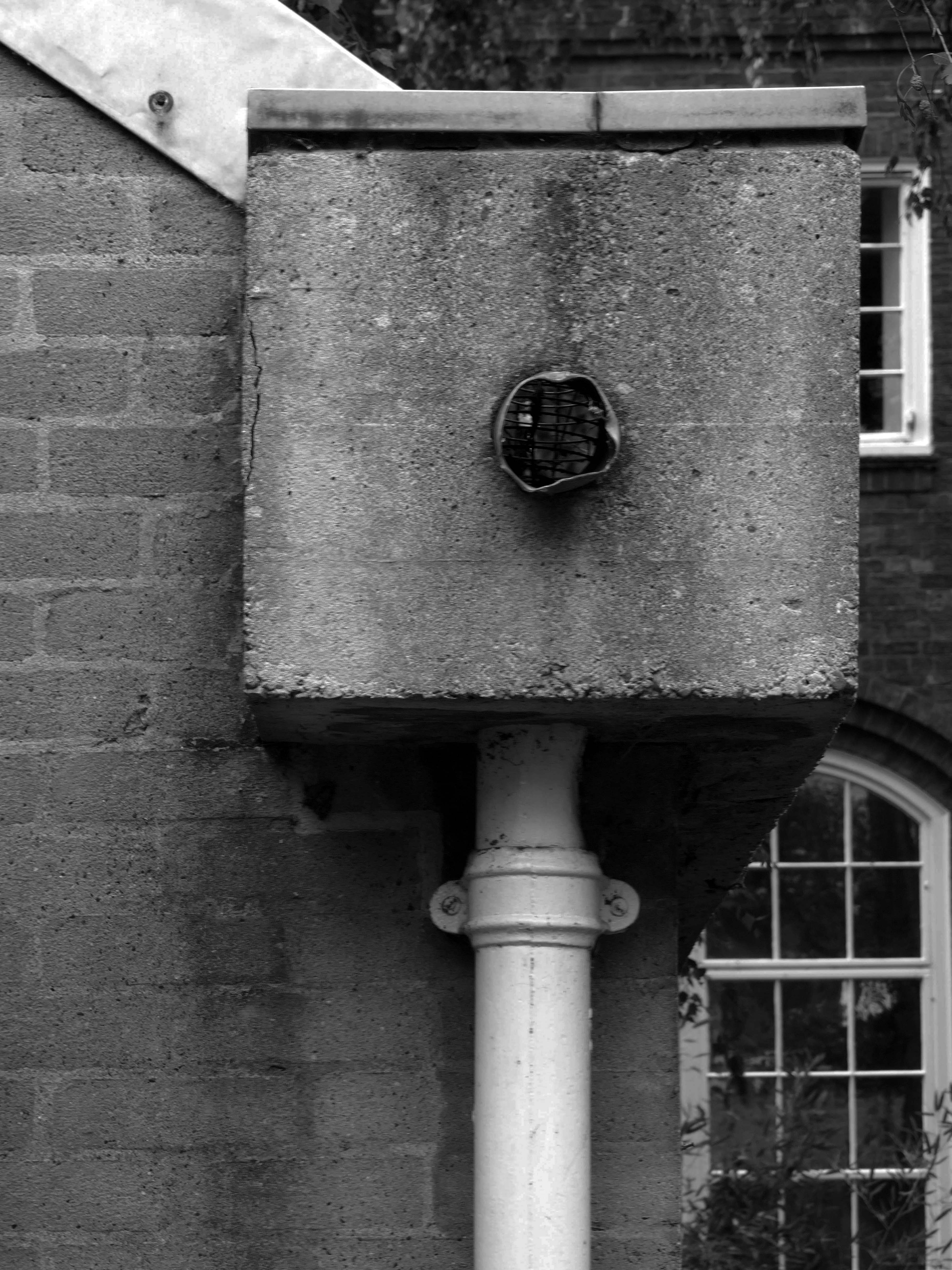
Reinforced concrete frame, partly left exposed, clad in pale brick. Monopitched roofs. Low flat roofs to entrances and between the three main elements with thick board-marked eaves. Central space flanked by angled transepts, with organ loft to (liturgical) west end and wing of offices behind. Long narrow flat-headed windows between brick mullions, timber doors. Attached walls and steel gate lead to inner garden, intended for contemplation.

Interior with exposed concrete frame, including piers and thick ring beam at gallery level, with brick infill. Boarded timber ceiling to main space; board-marked ceilings to low side aisles. Choir gallery with organ, designed by Pace, set behind timber lattice screen also to his designs, and reached via narrow spiral stair. Ceramic piece to balcony front 1999 by Helen Batty. Some pews, brought from the college’s former chapel of 1858 remodelled by Pace in the 1950s.

Hanging pendant light-fittings to Pace’s designs. Altar, lectern and altar seating all by Pace; pulpit designed 1998. Windows – internally the concrete of the mullions is exposed, all originally clear leaded lights, but now stained glass is being incorporated, most notably ‘The Water of Life’ by Cathy Nutkins, a 1990 graduate, in right-hand transept.

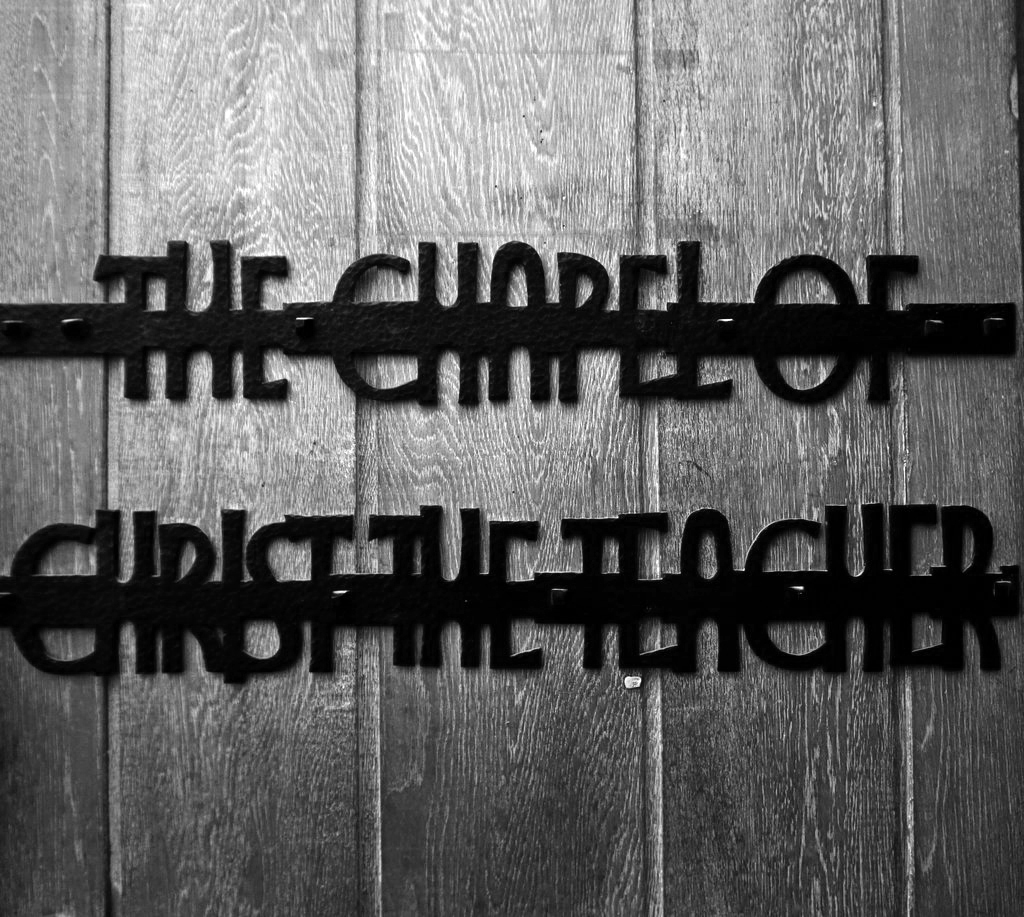
Chapel of Christ the Teacher to rear, by foyer, refurbished 1994 by Helen Turner, textile artist. The building is well-suited to the incorporation of student works of art, some temporary, some permanent, and additions are continually being made to the collection.

Grade II Listed

Photo: © Richard Burrows 2022

There is a full and thorough analysis of the building here at York C20

And an audio tour right here.

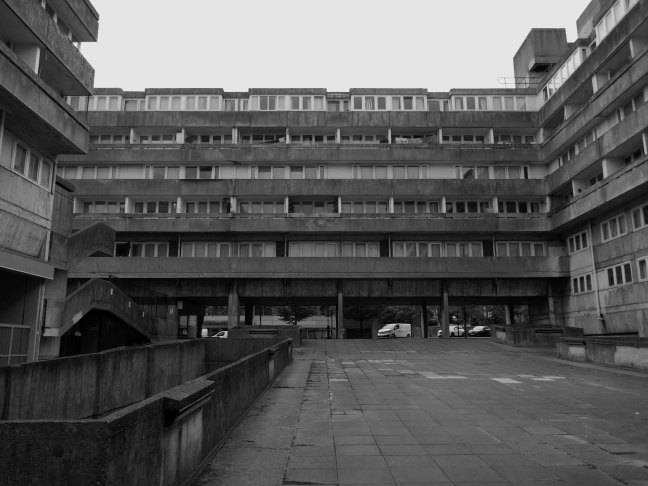
Wyndham Court Southampton – Again

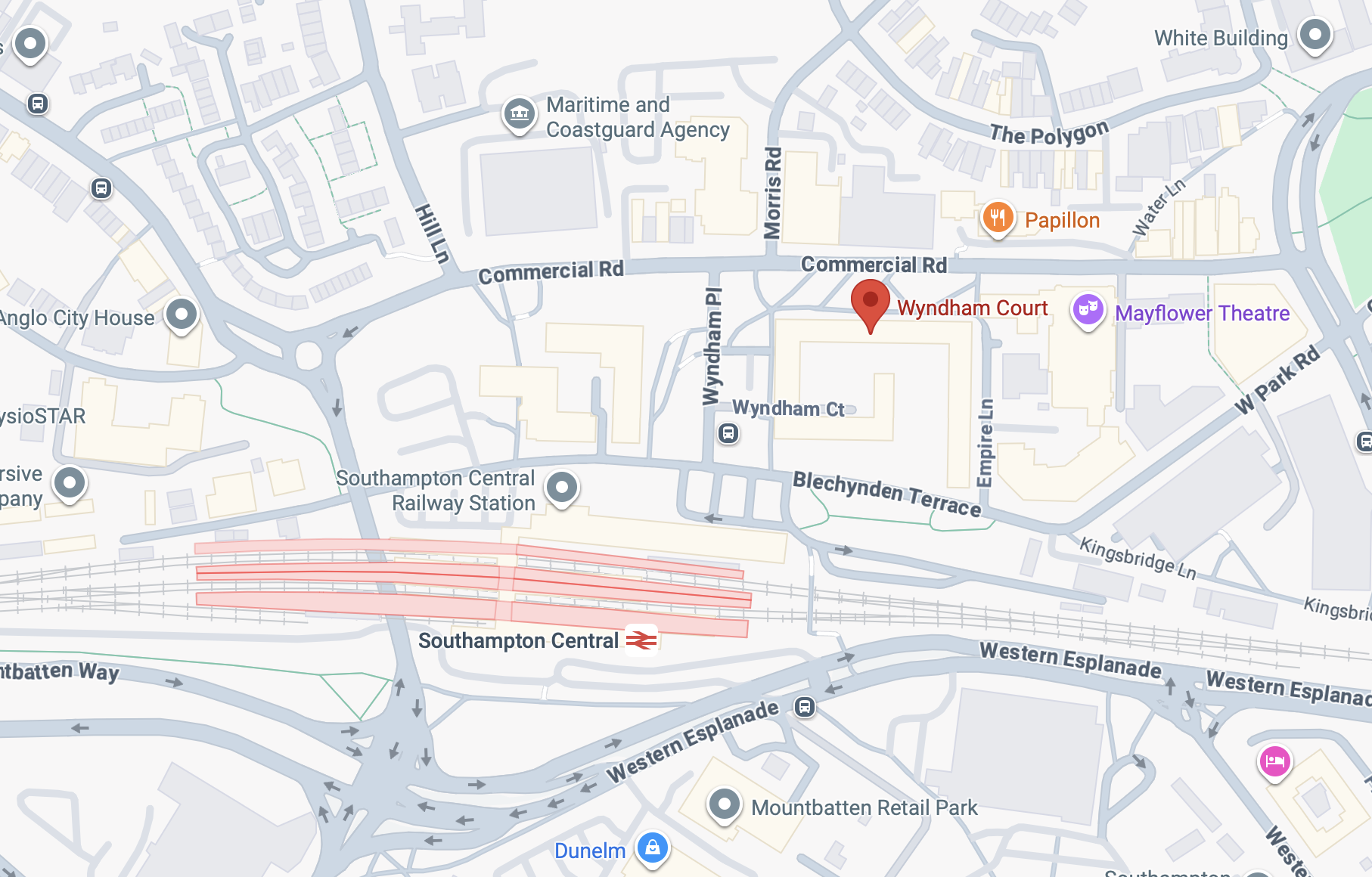
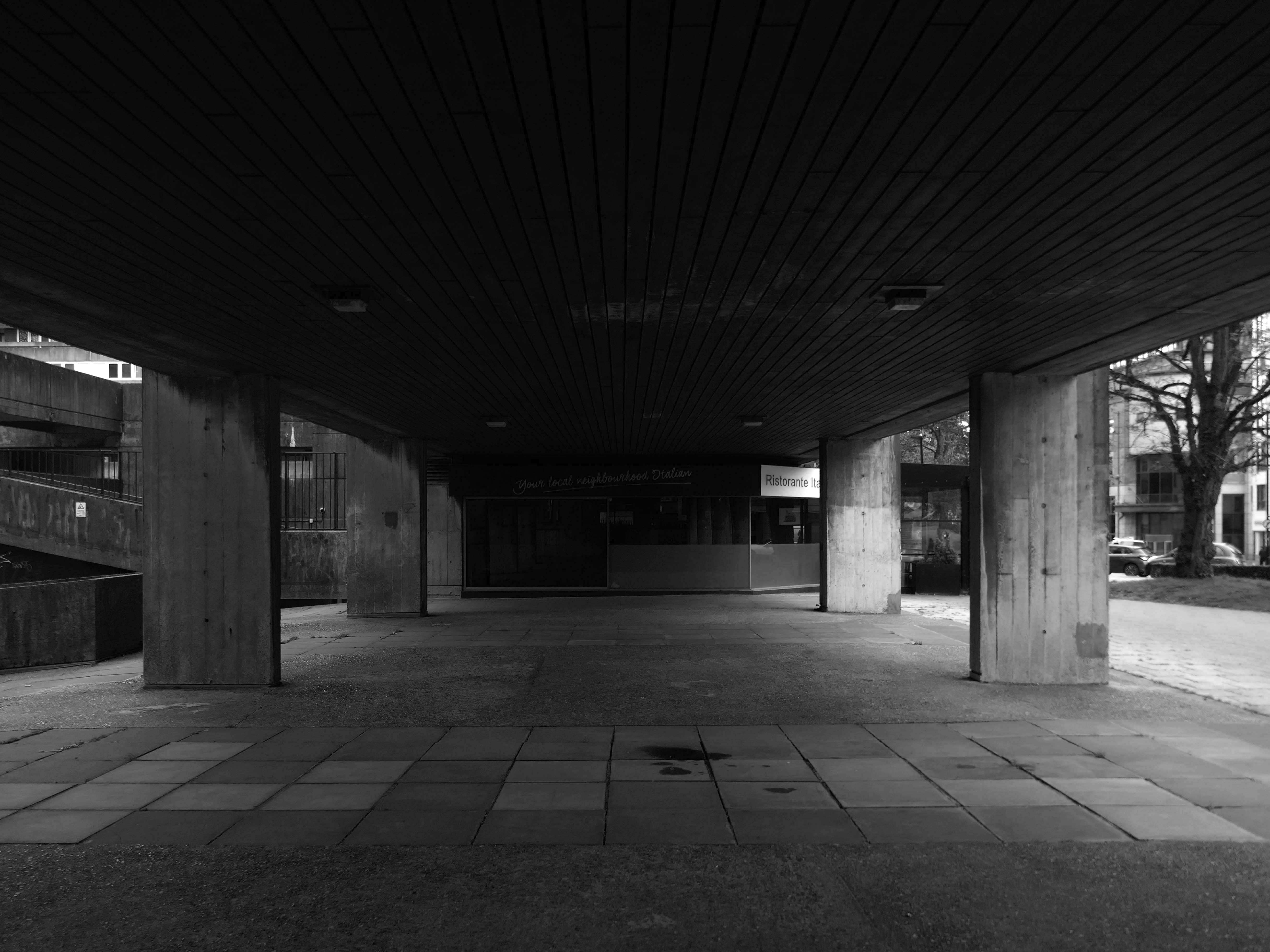
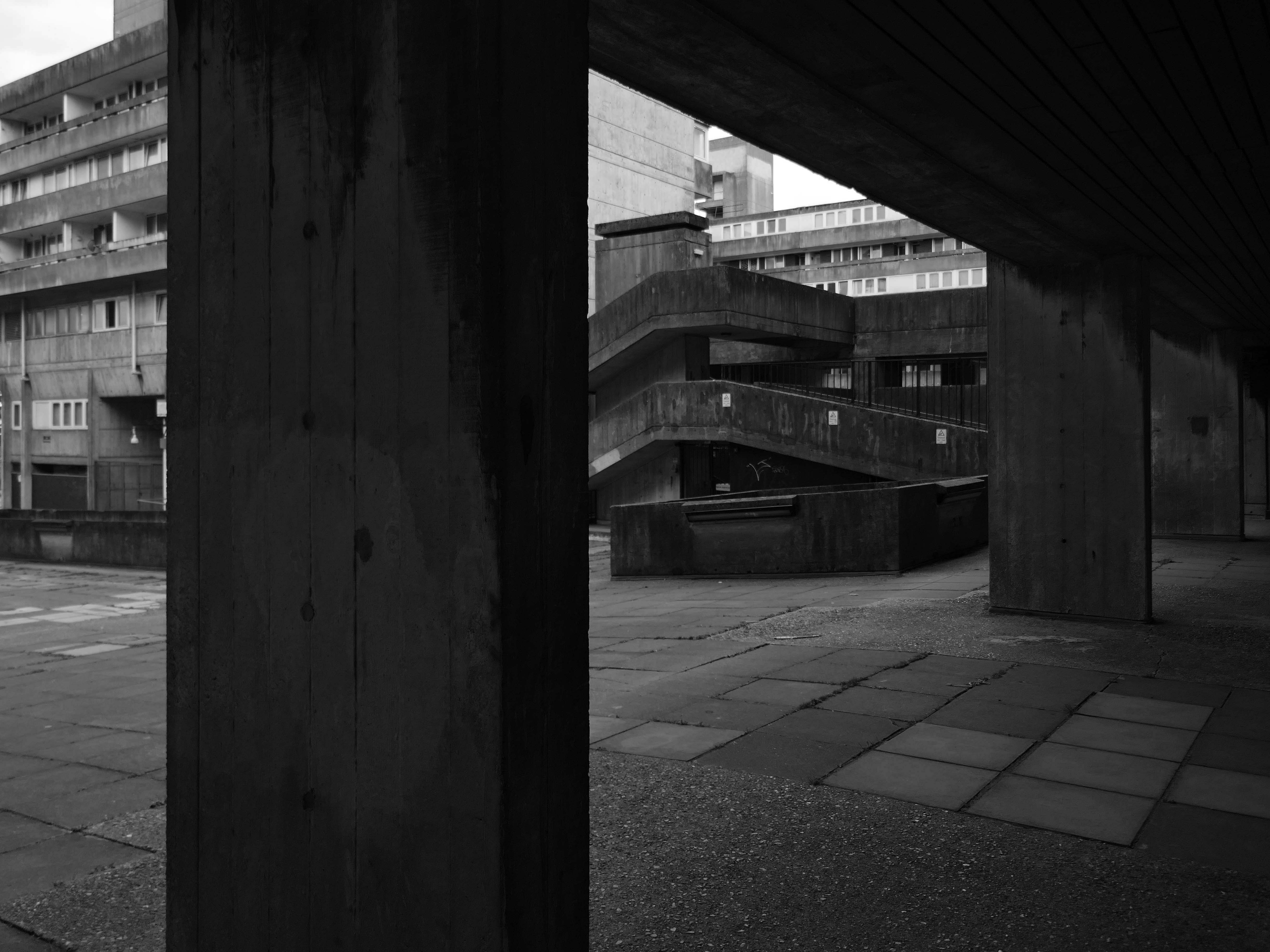
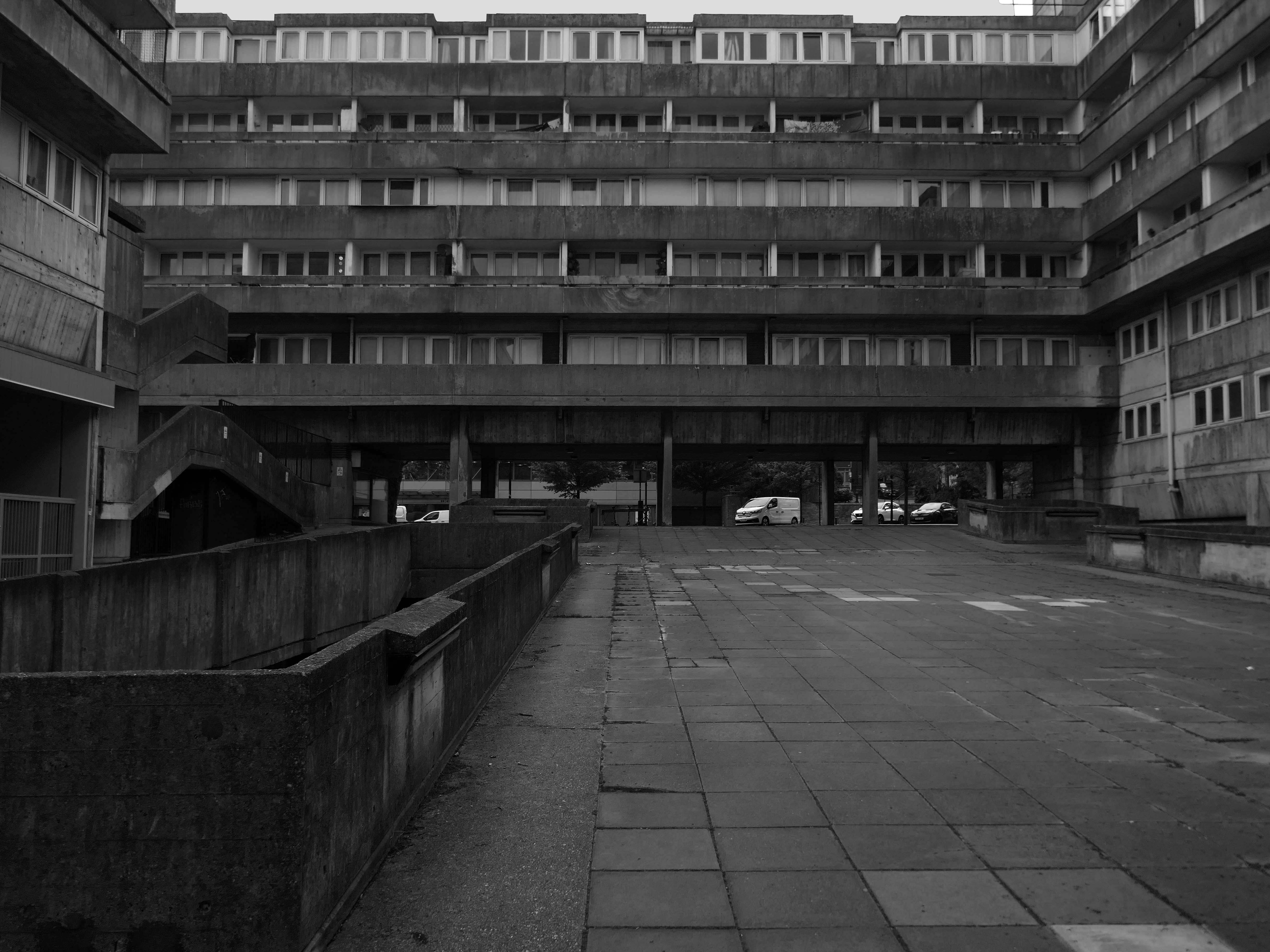
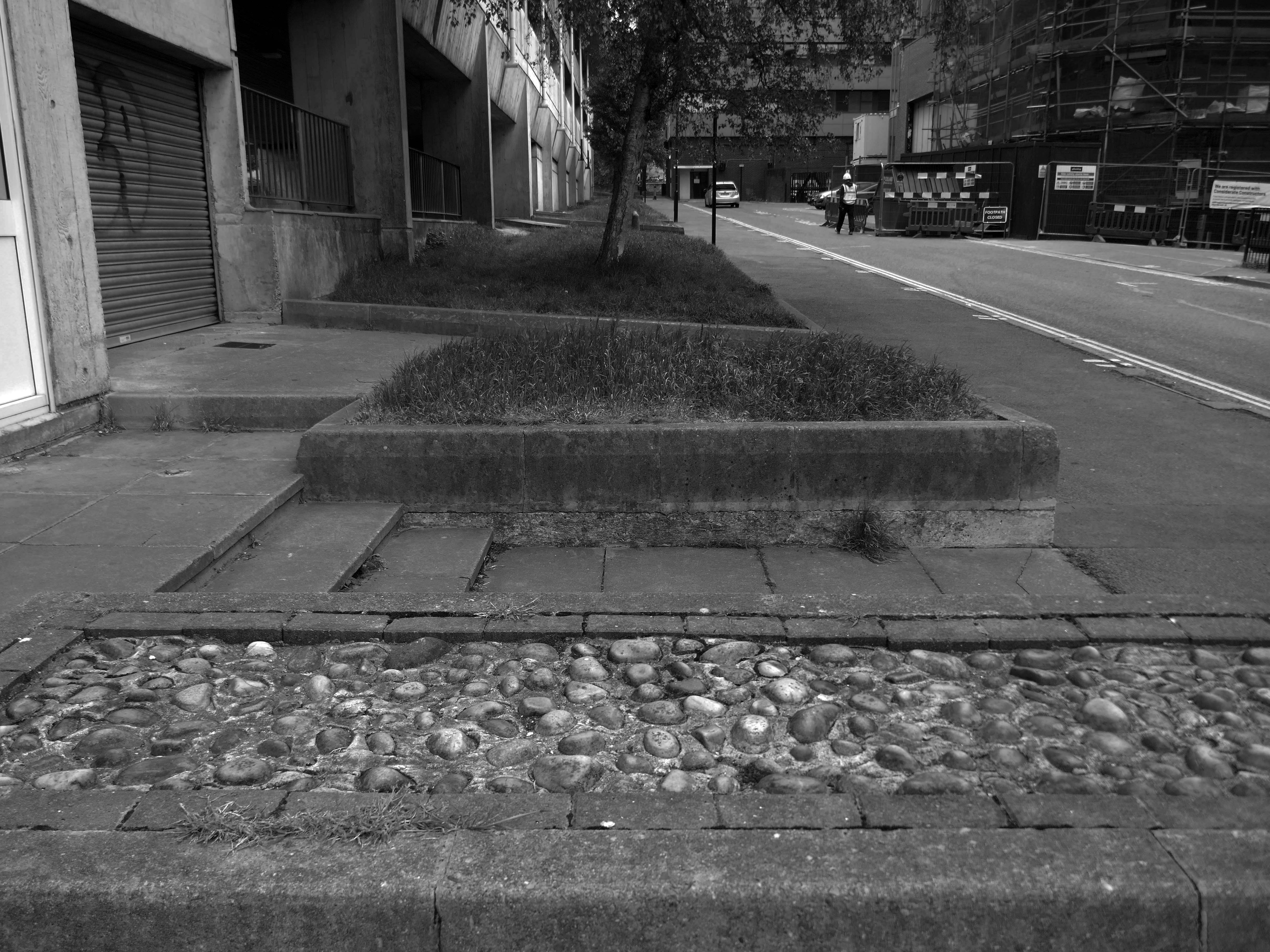
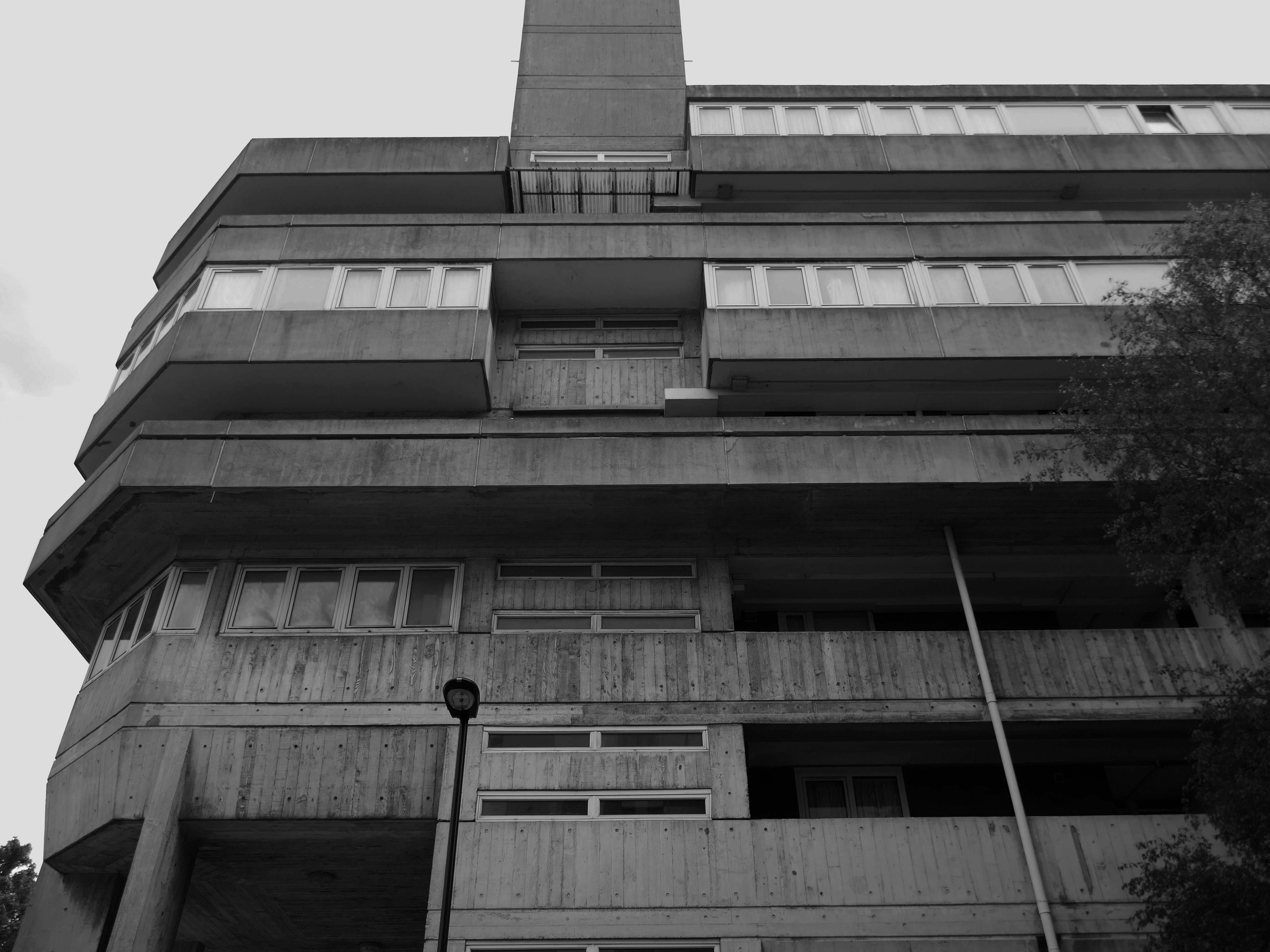
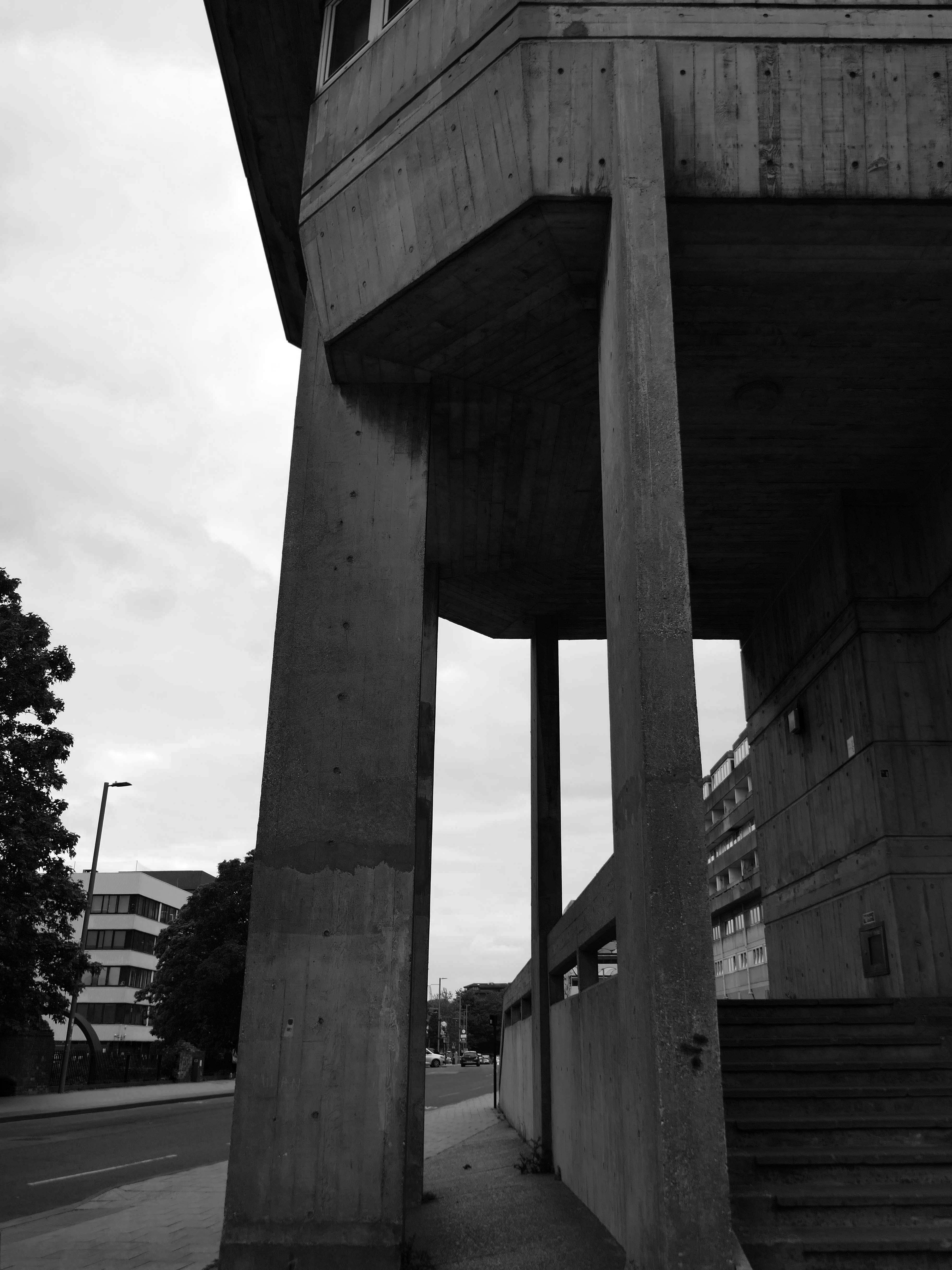
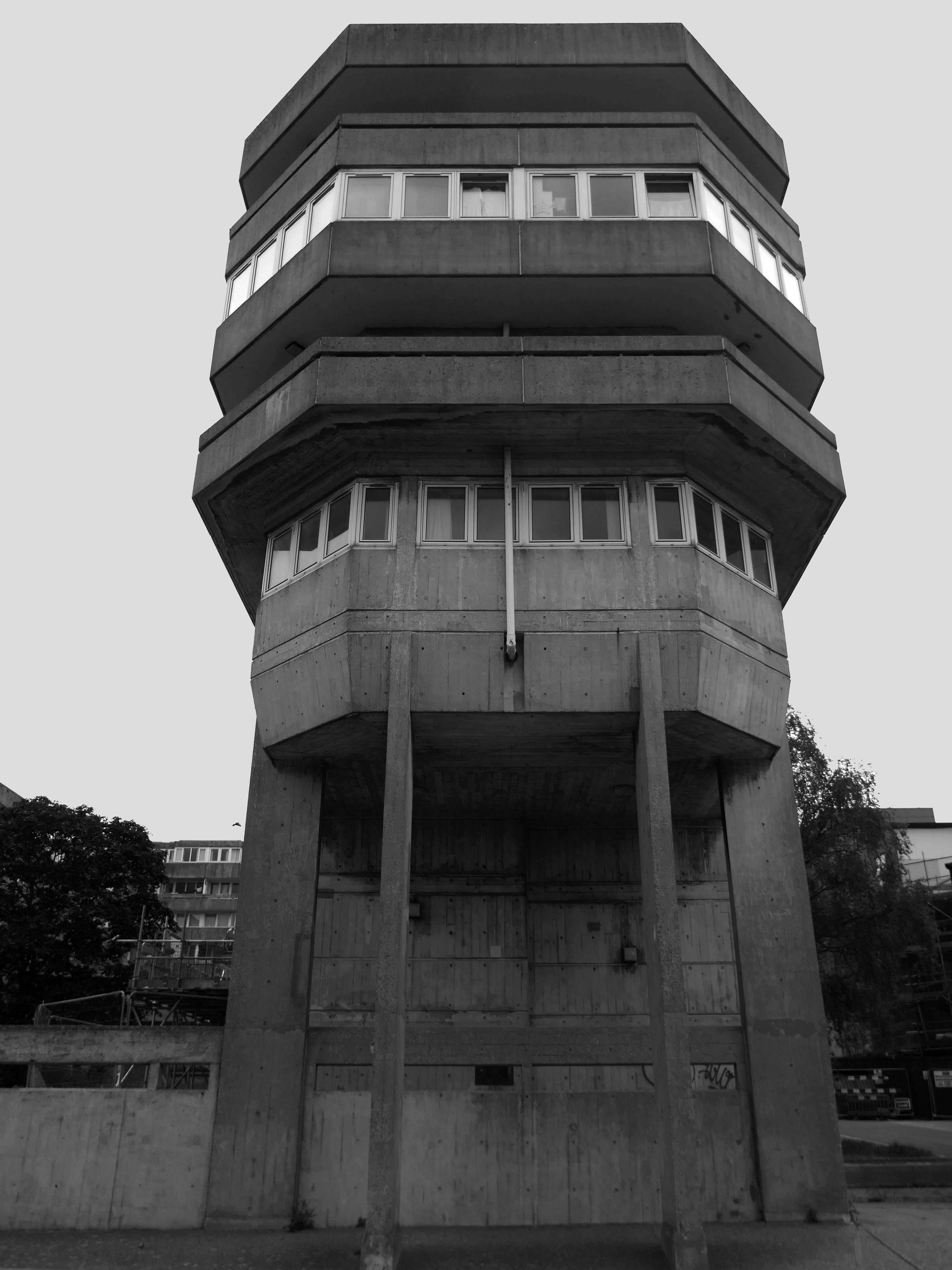
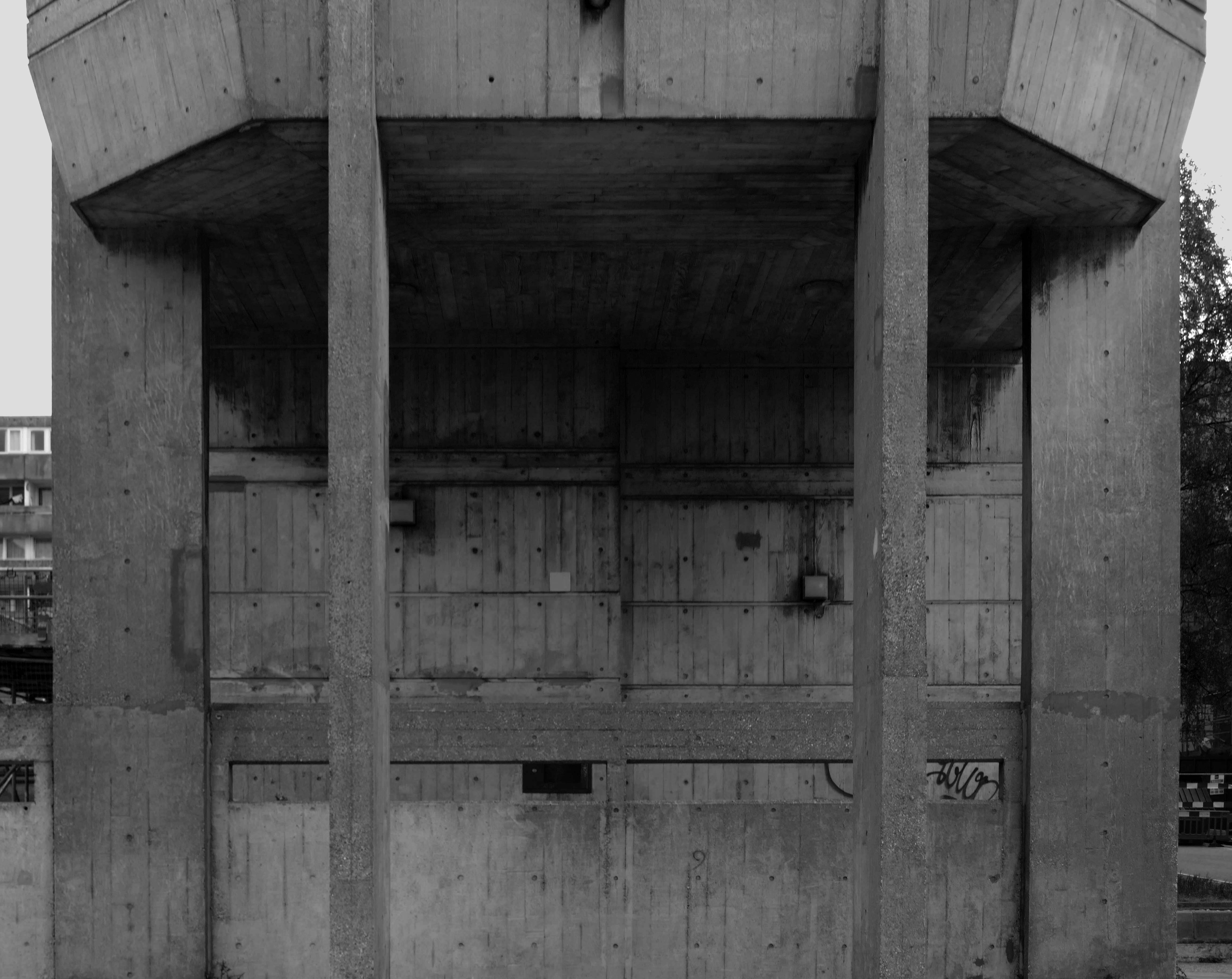
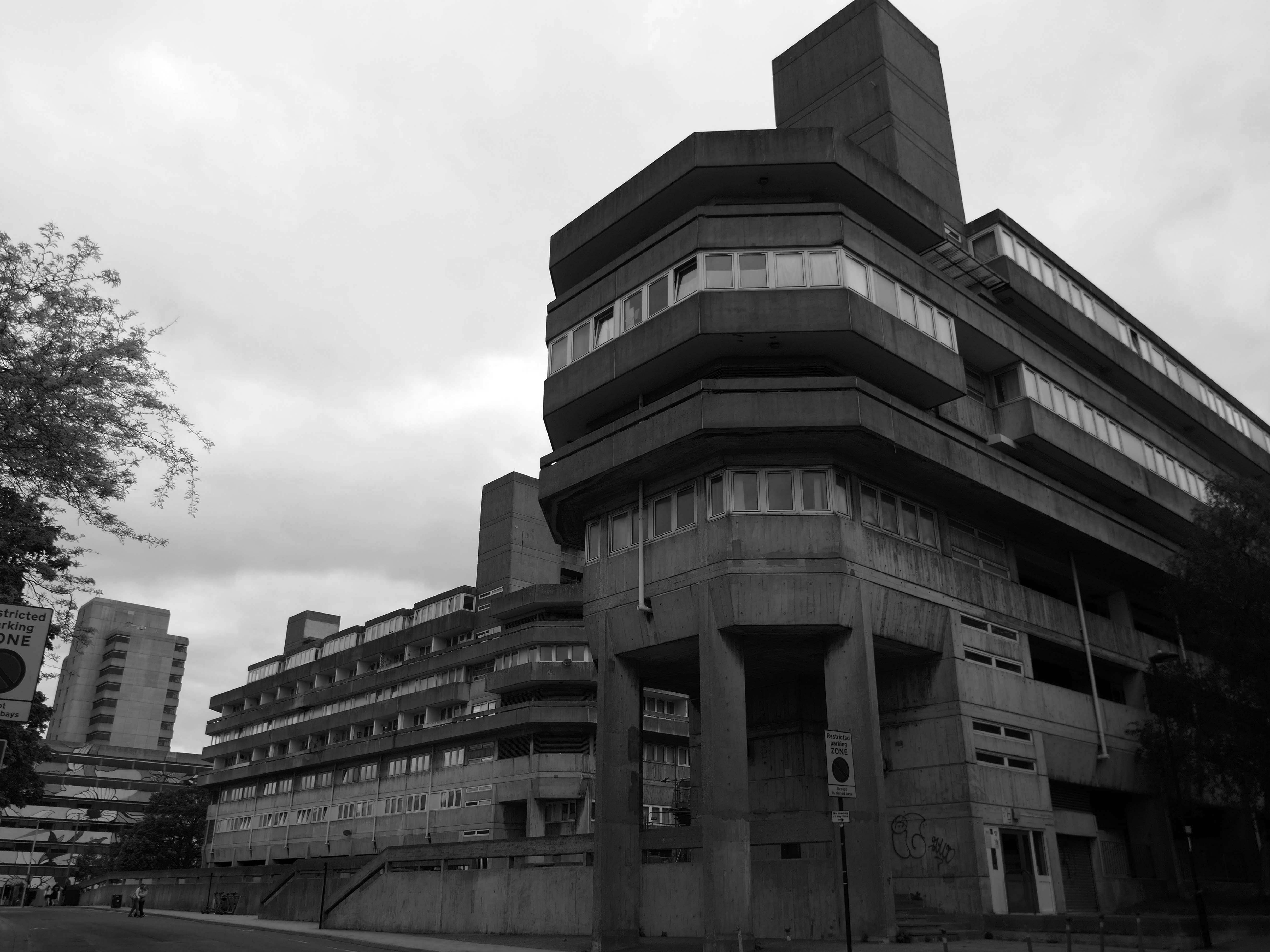
I had spent the day in Southampton in May, the first area I explored was Wyndham Court.

At the end of a long day I found myself there again, with an hour to spare before my train back to Bournemouth.

The sky was no longer blue, the sun was now occluded.

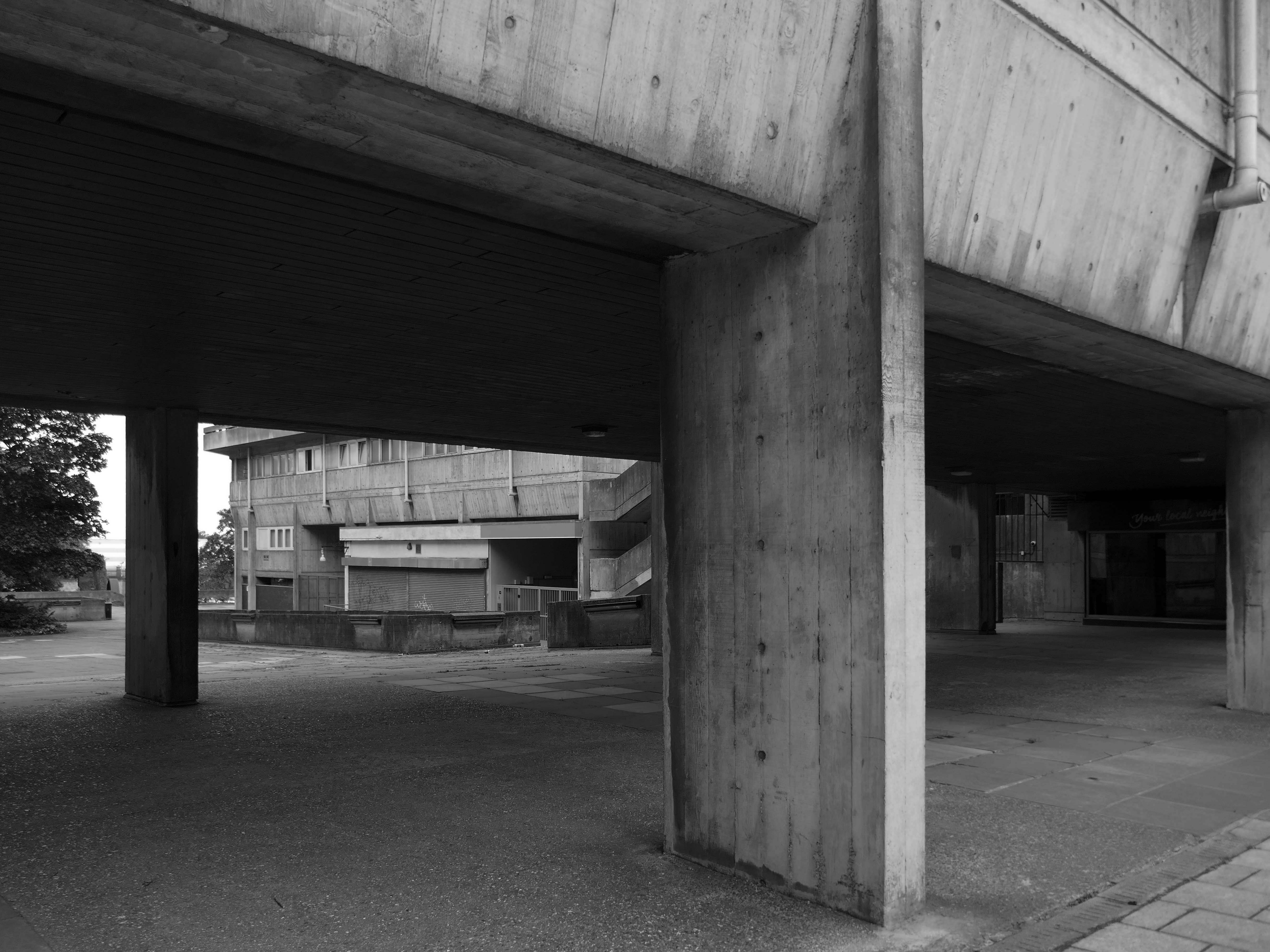
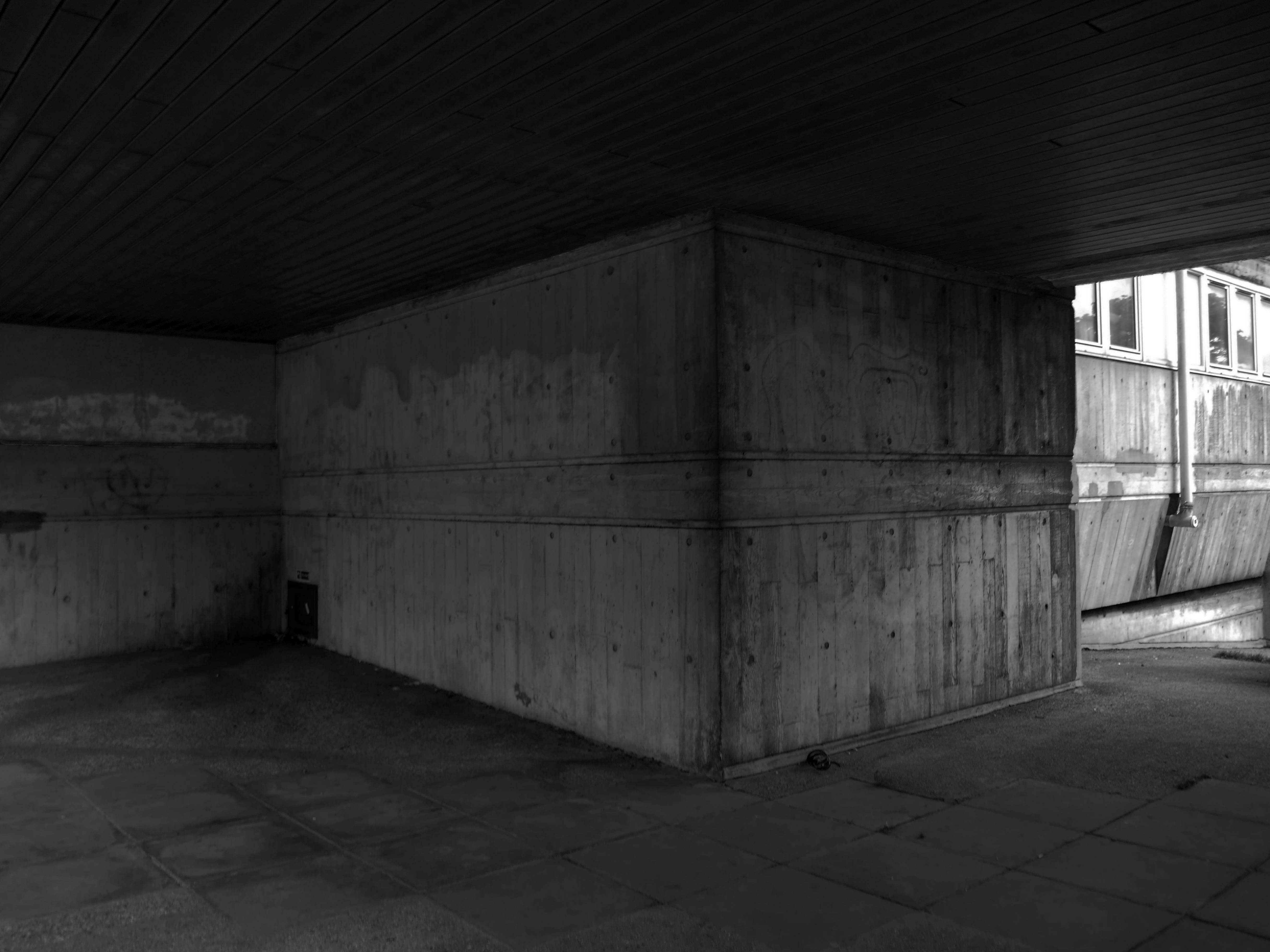
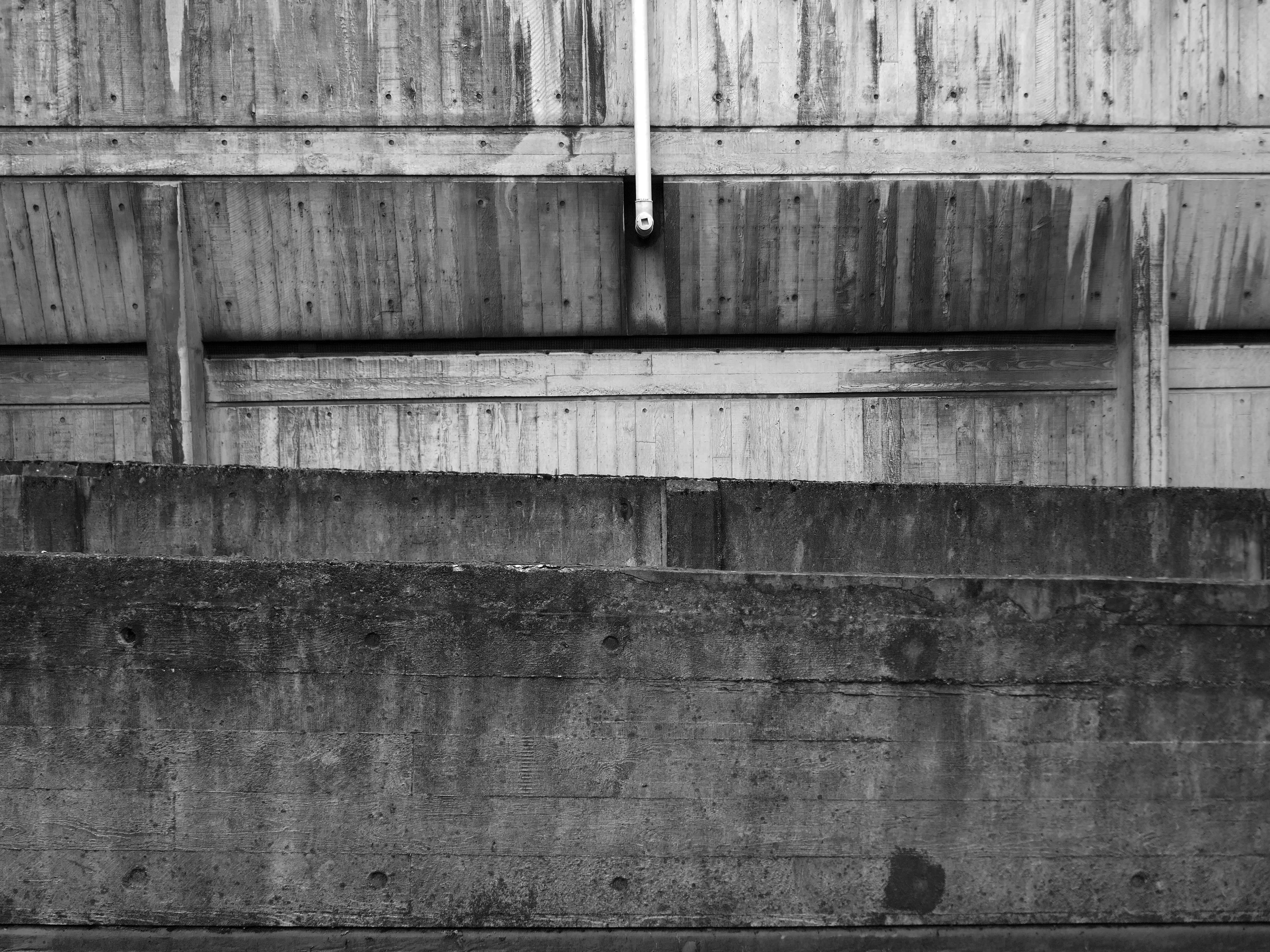
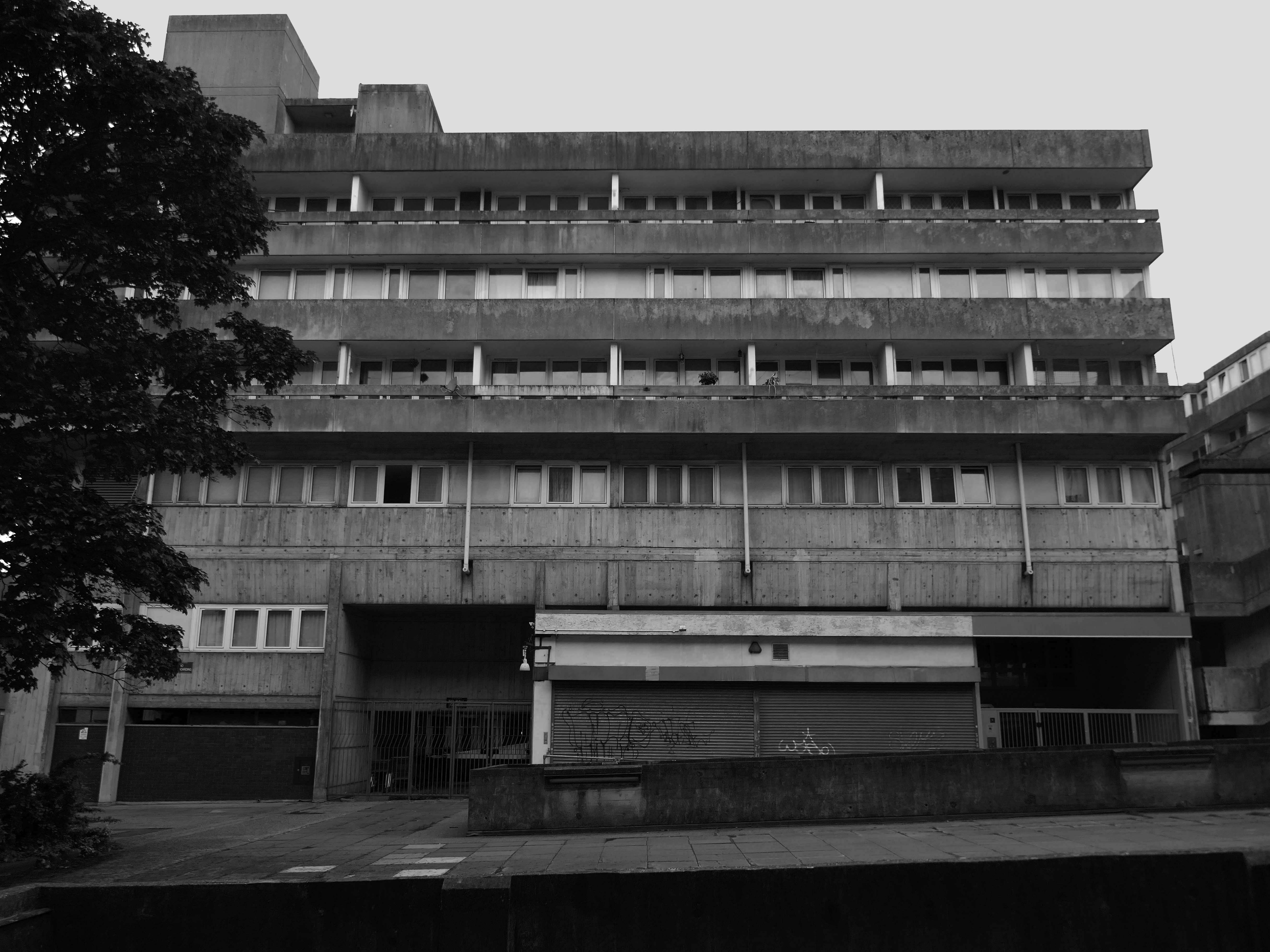
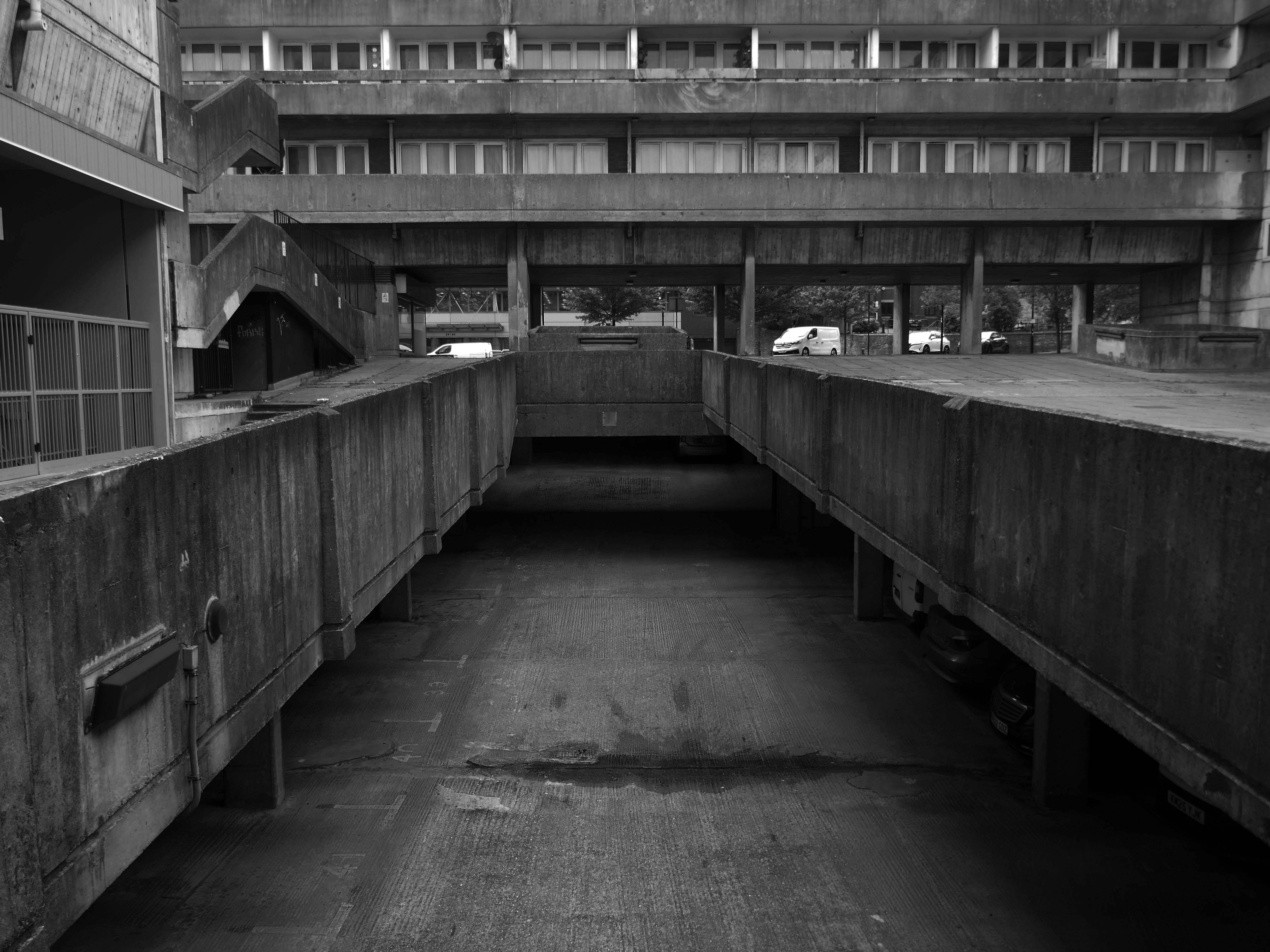
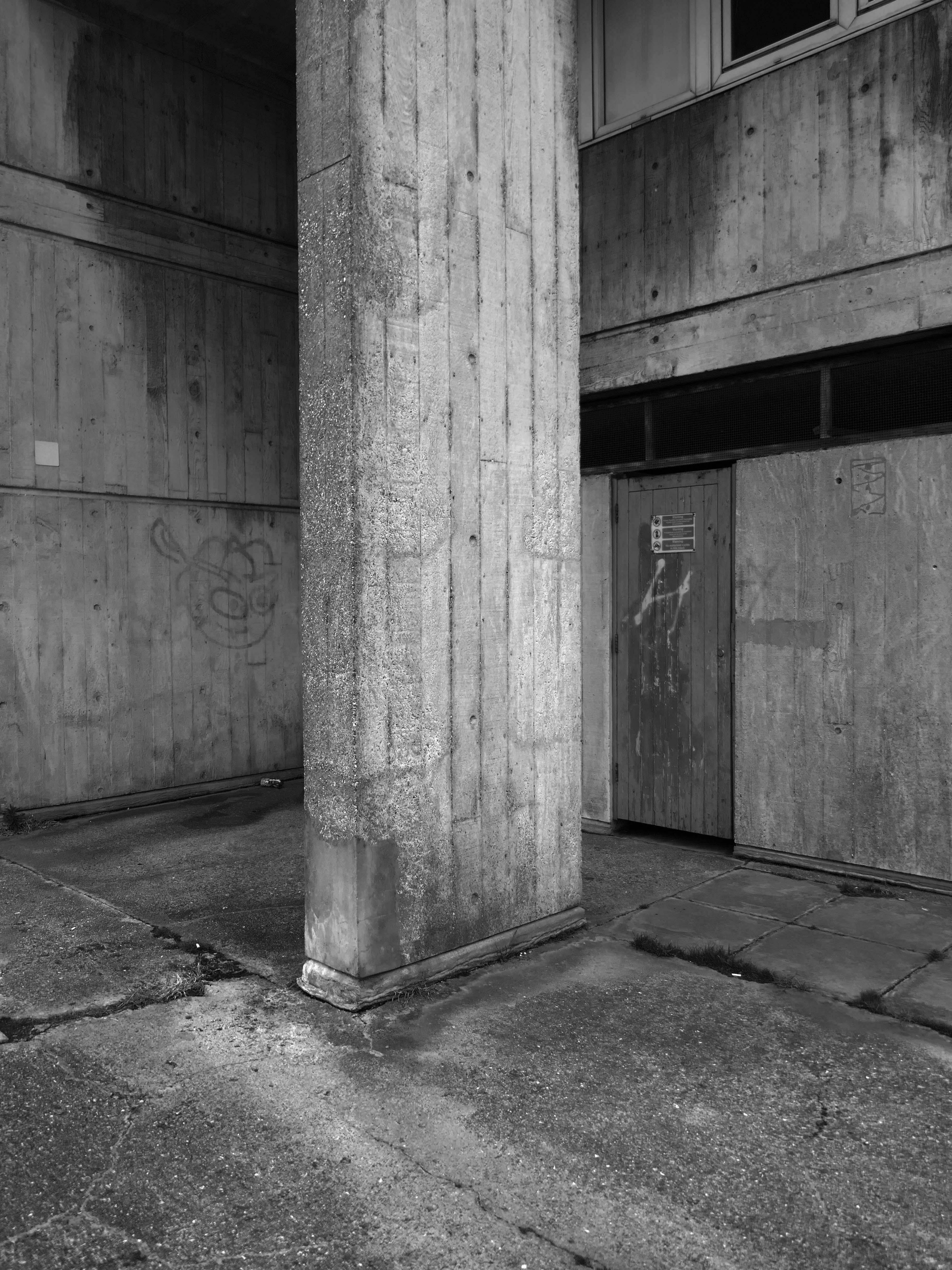
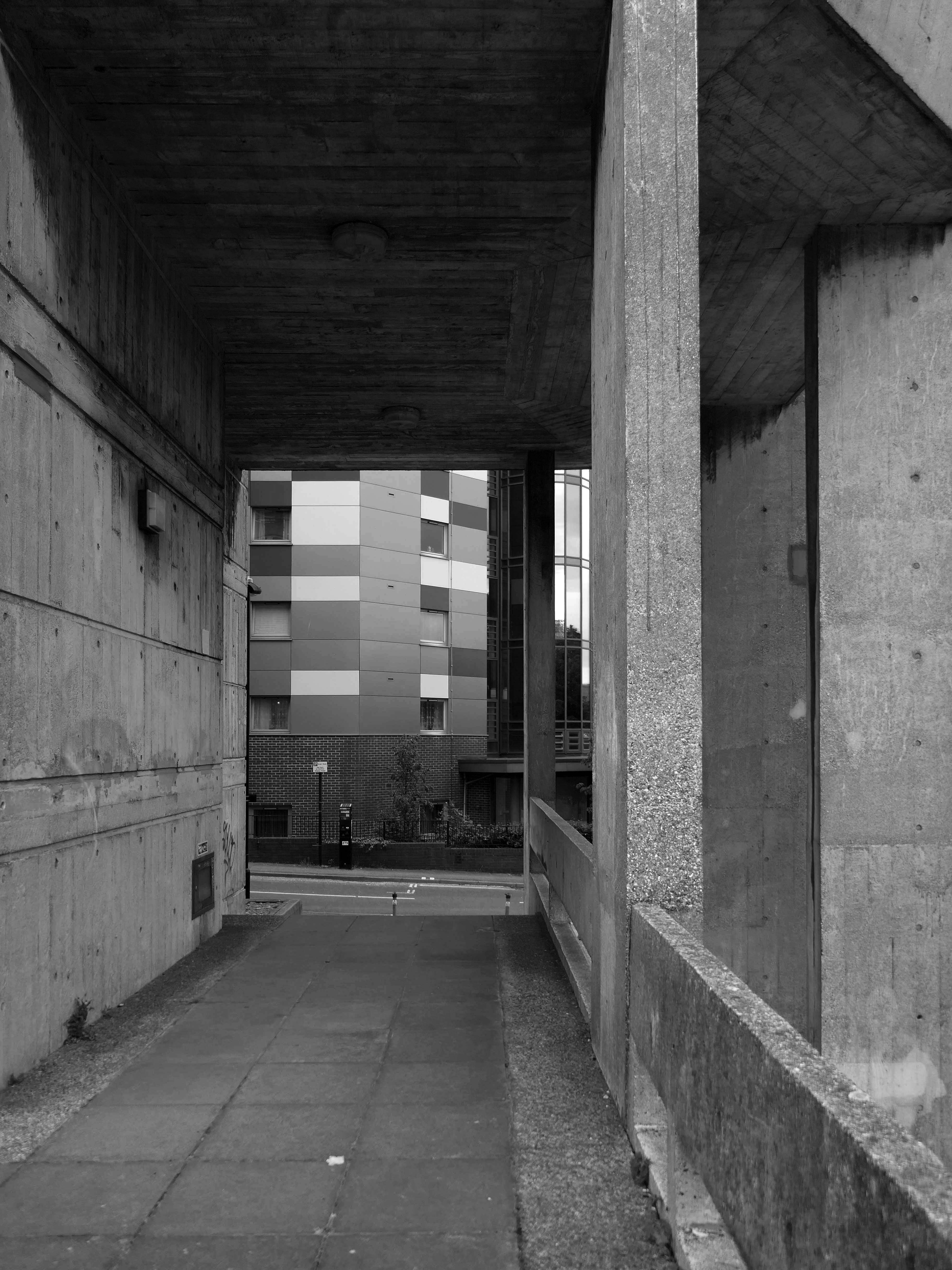
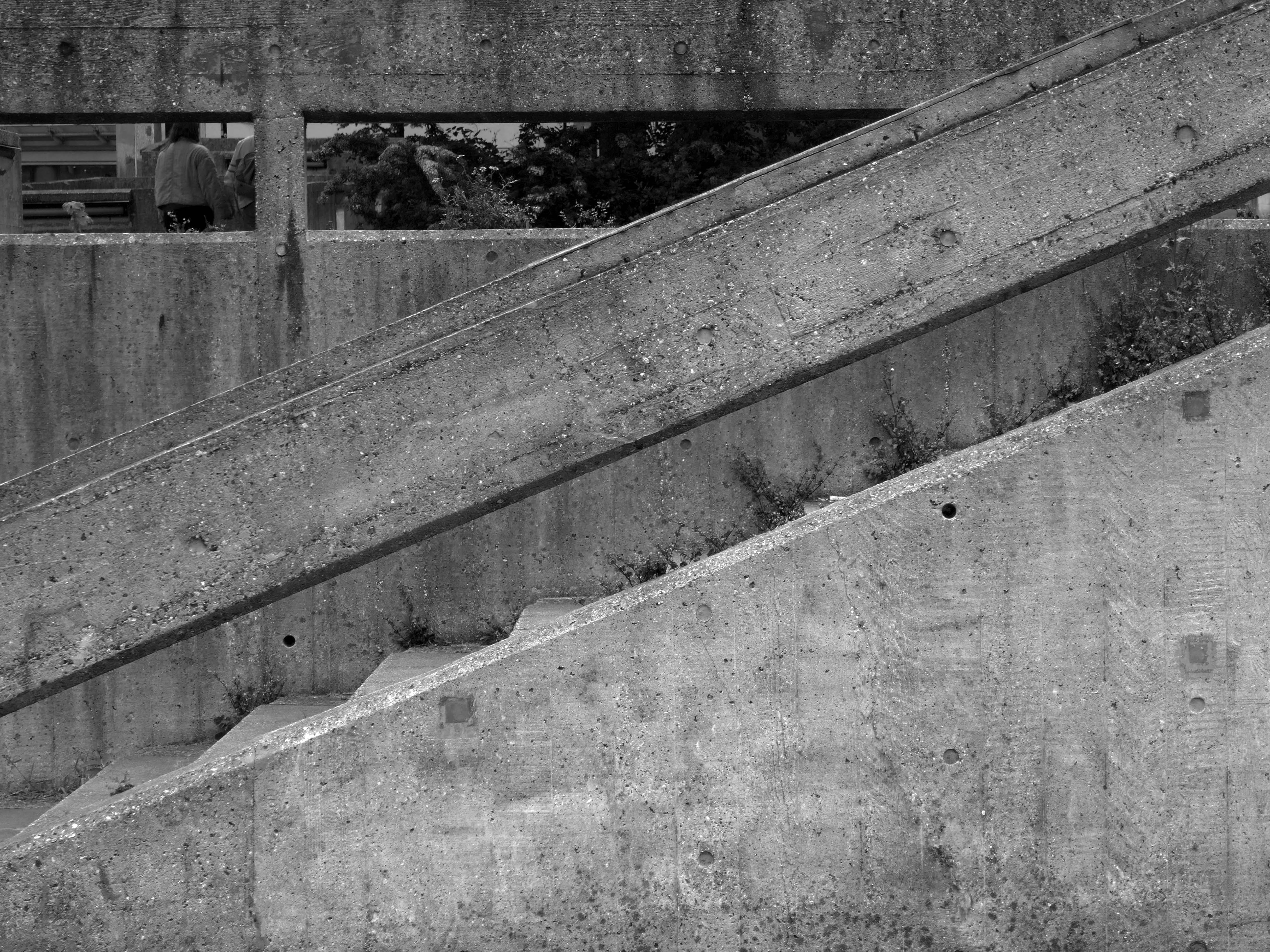
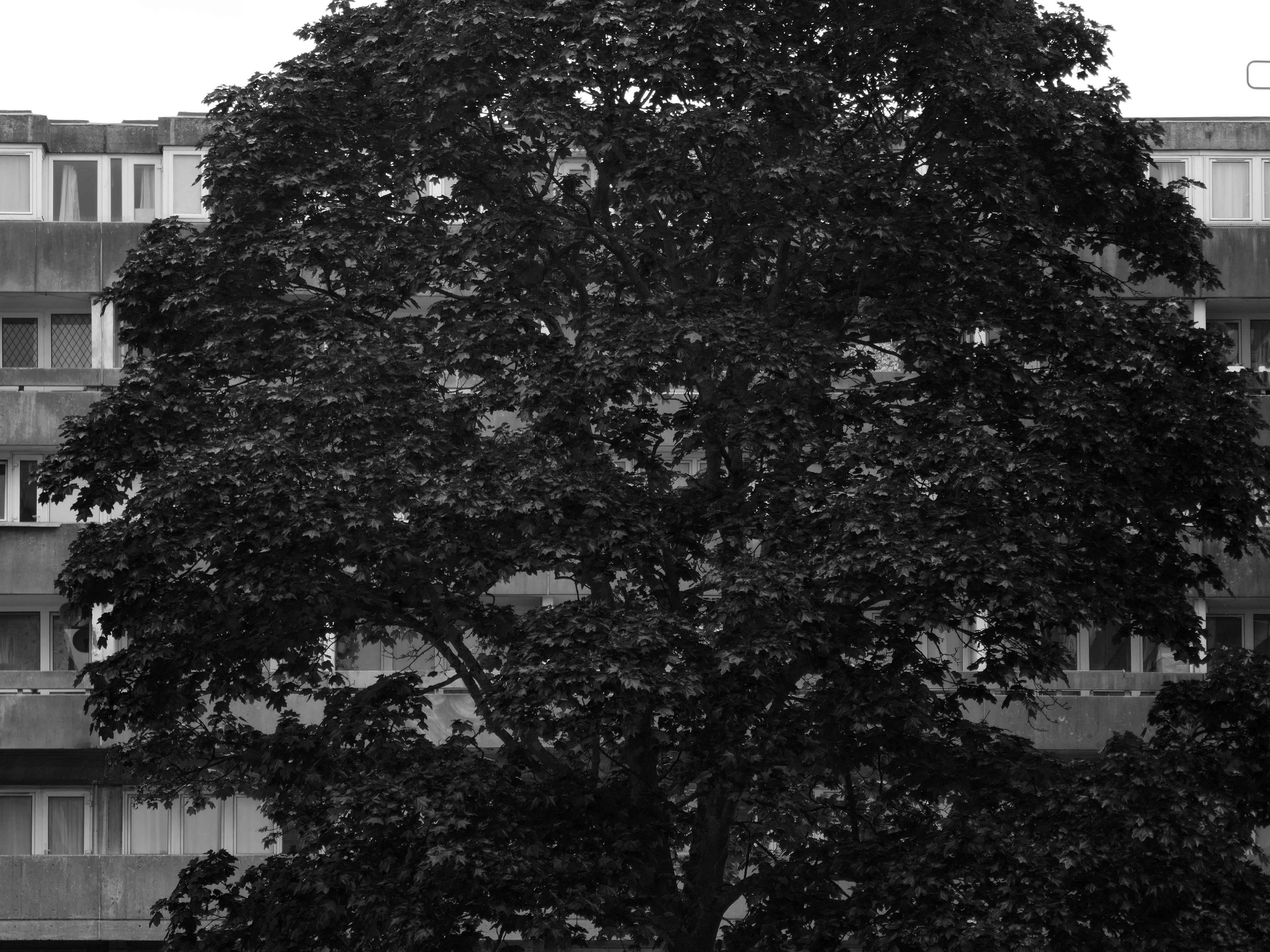
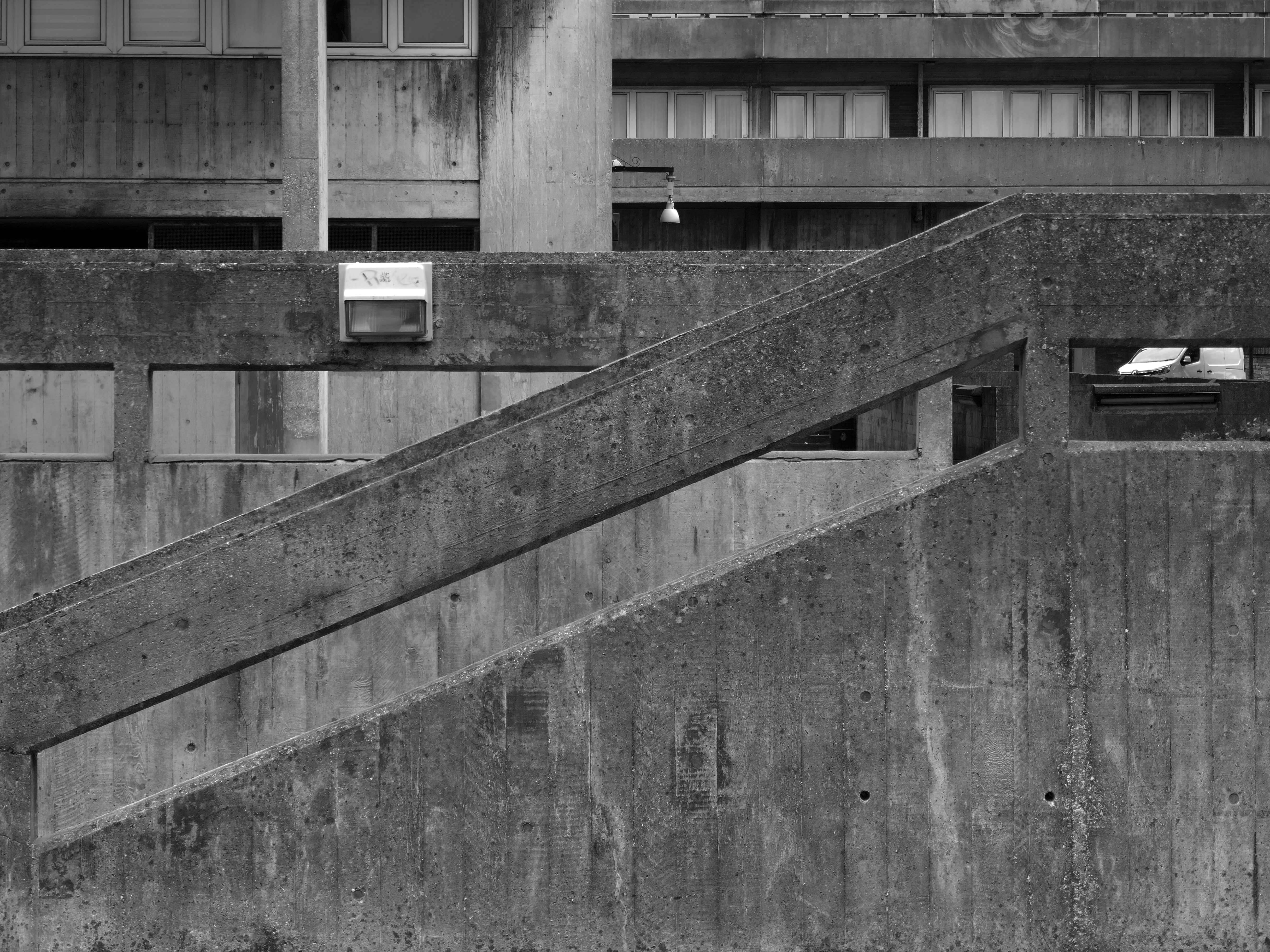
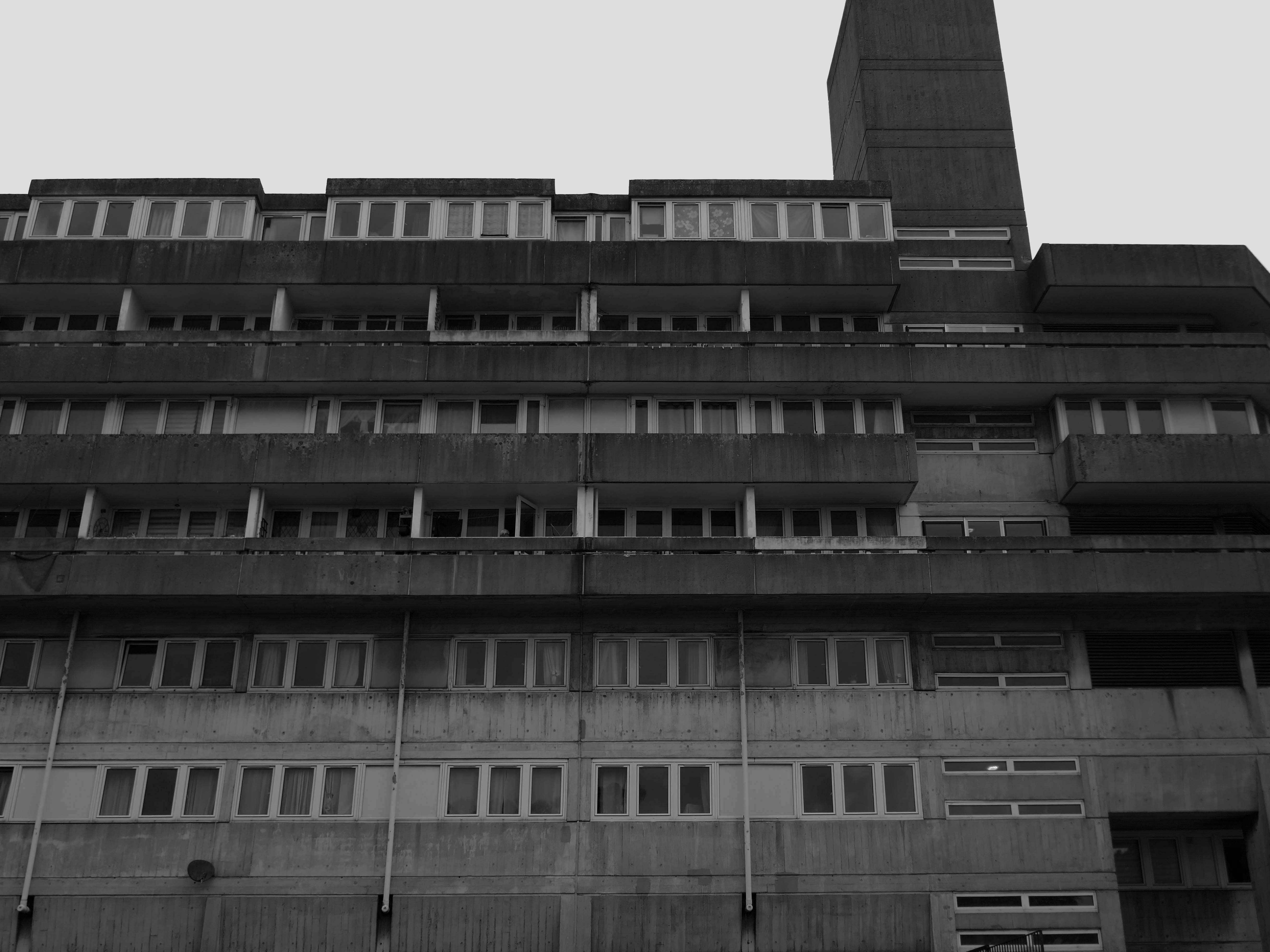
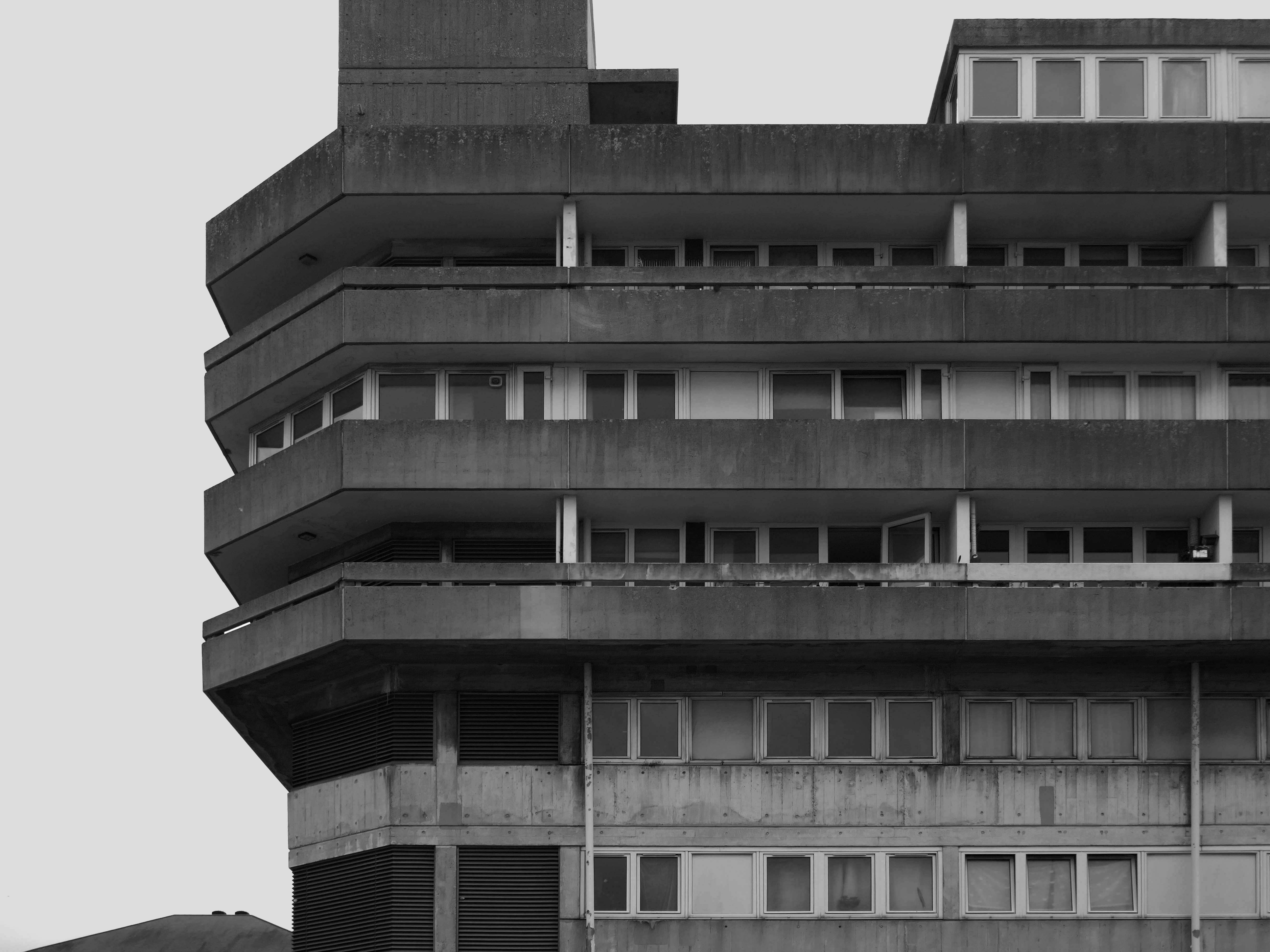
The photographs were almost monotone, so with a small tweak I made them monochrome.

Designed by Lyons Israel Ellis for Southampton City Council in 1966, ED Lyons being the partner in charge and architects Frank Linden and Aubrey Hume also assigned to the job.

The structural engineers were Hajnal-Konyi and Myers and the firm of builders was G Minter.

The building is Grade II Listed.

Lyons Israel Ellis, though well known as a finishing school for the famed likes of Stirling, Gowan, Colquhoun et al, were the sort of Brutalists that didn’t get Yale scholarships, shiny monographs or late careers in pomo. They are found more often designing local authority housing, comprehensive schools and other unsexy things – most of them robust enough to be extant and in good nick. From their Old Vic extension through to the London School of Engineering, they were giants of big, chunky, angular neo-constructivist architecture rife with skylines, cantilevers and complex geometries, all in satisfyingly raw, tactile concrete. As Colquhoun later put it, this was architecture for those who had nothing but contempt for ‘the Englishness of English art’ and other consolatory narratives.

Their masterpiece, Wyndham Court, ought to be as well-known as the Brunswick Centre or the Barbican, and isn’t largely because of where it is. It is a monumental, civic housing project on the grandest scale. As a building, it shows more than a hint of rhetoric creeping into LIE’s usually astringent aesthetic. Placed just outside Southampton Central Station with a fine view of the docks, its service tower skyline and long, streamlined volumes have more than a hint of the ocean liner about them. Here they arc around a square, with shops on the ground floor, high-density-city centre living for council tenants rather than as an aspirational loft-living lifestyle. A magnificent vote of confidence in a city which has built little of note since, it’s also, for me, the building that announces that I’m ‘home’ far less depressingly than BDP’s repugnant West Quay shopping centre on the other side of the railway line – a massive concrete statement that another city was and still is possible.

Owen Hatherley

Wigan Walk – 2026

It’s been four years since our 2022 Wigan Walk – so time to see if there has been a refreshing change.

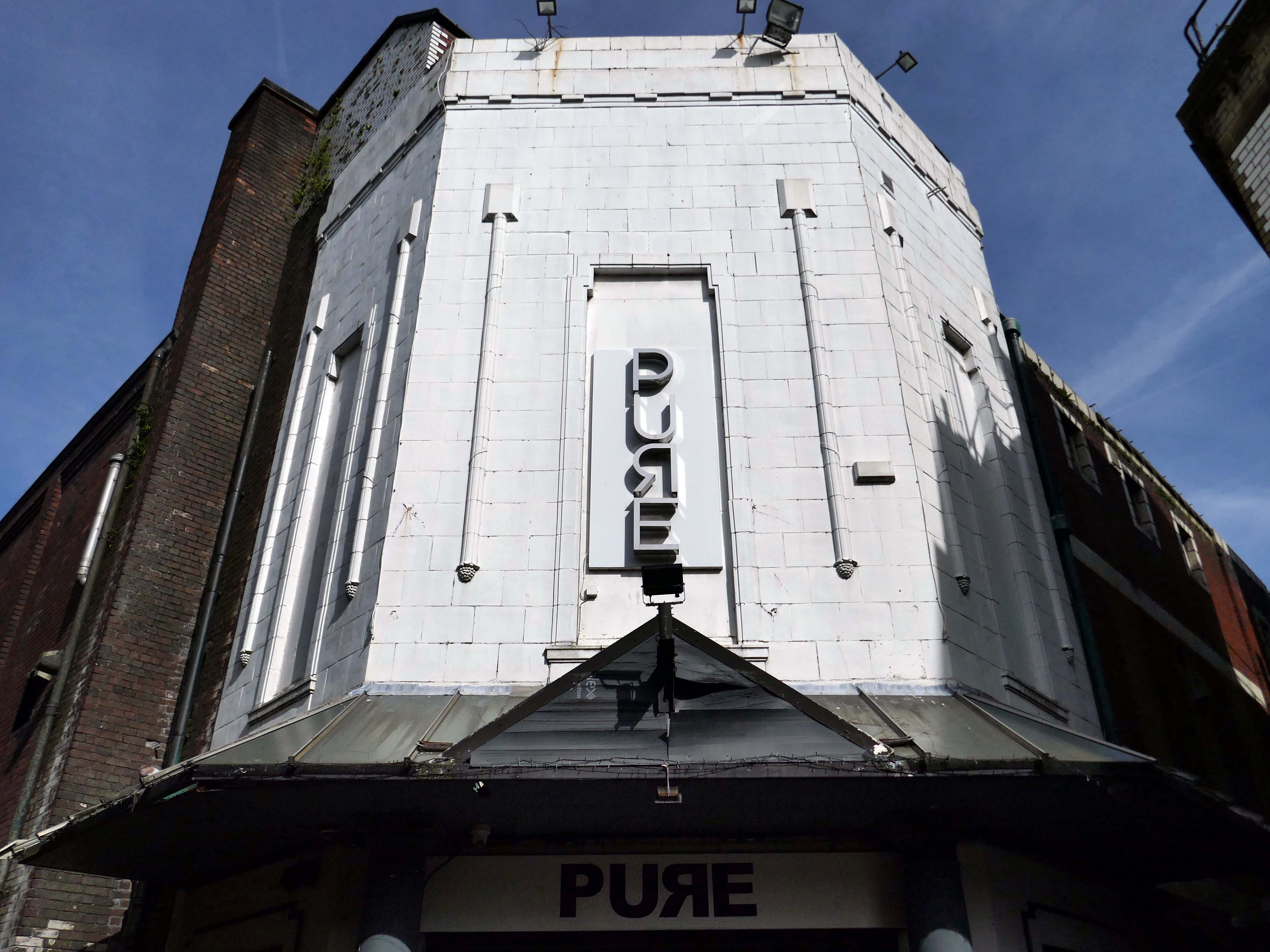
Beginning with a trip to the former flicks, the Princes Cinema now trading as Pure nightclub, sometimes home to Singo Bingo.

Originally the site of New Princes Theatre, opened on the 1st May 1911, the cinema was demolished and replaced, on an adjacent plot, by Princes Cinema in 1933.

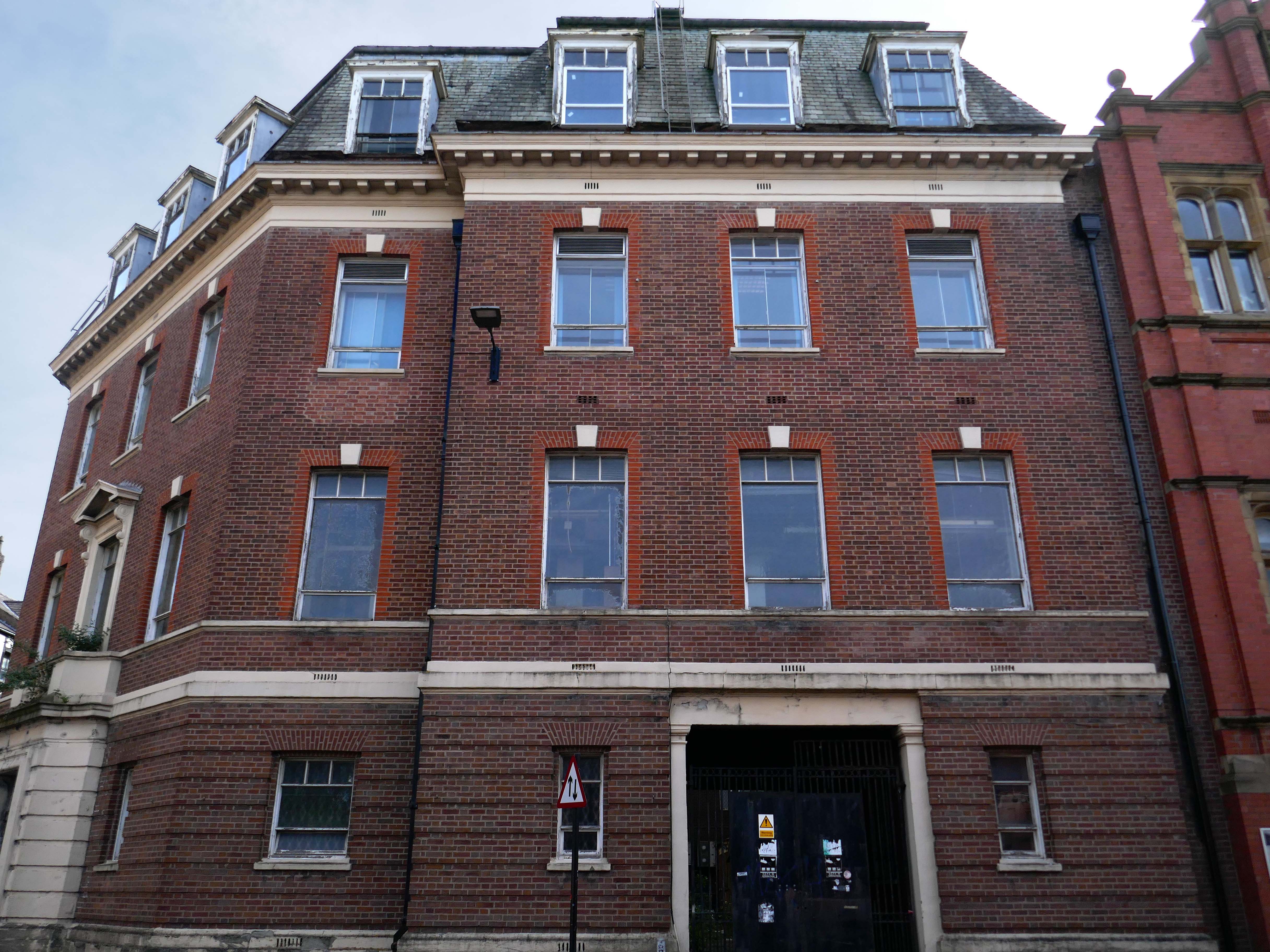
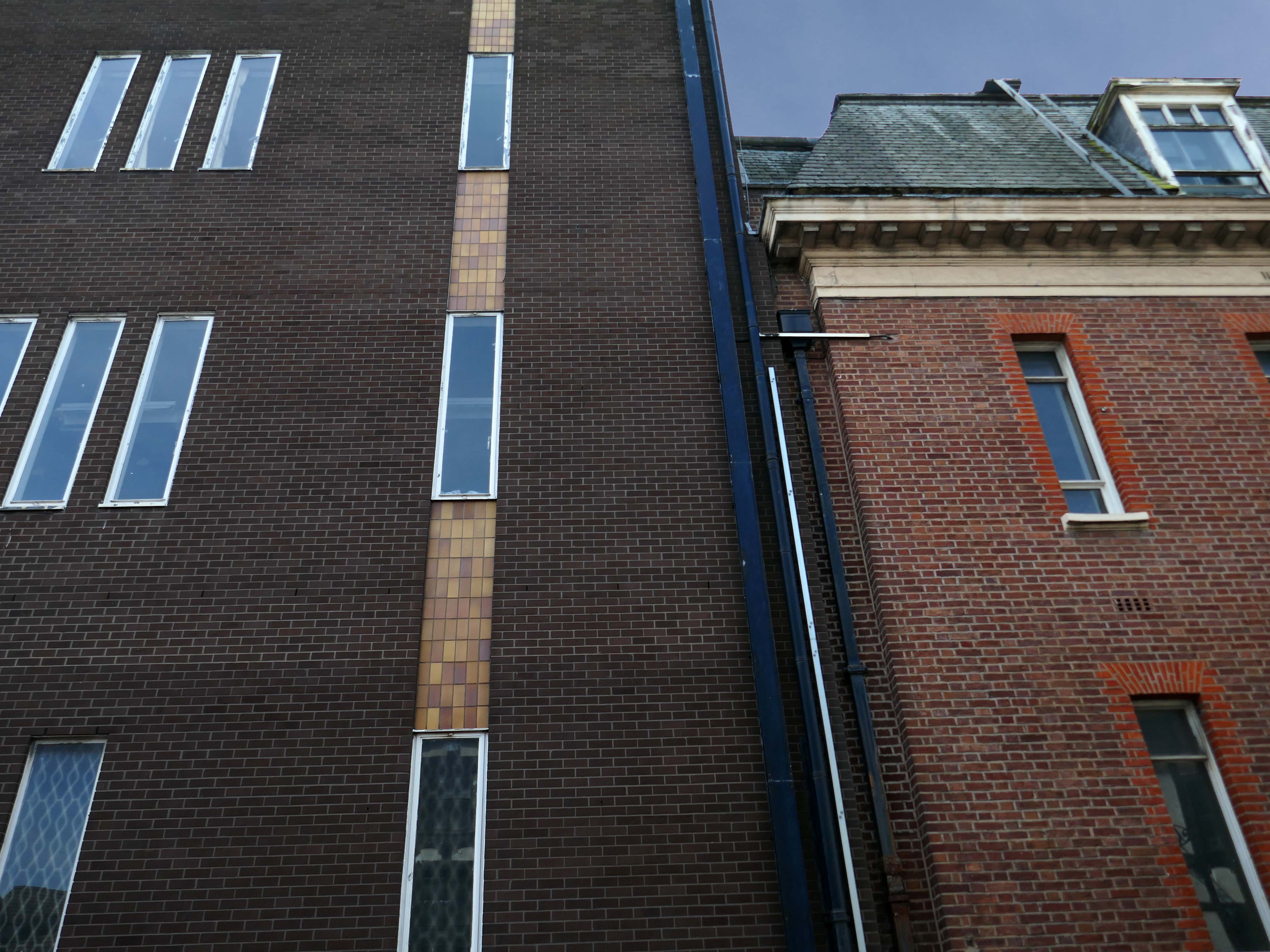
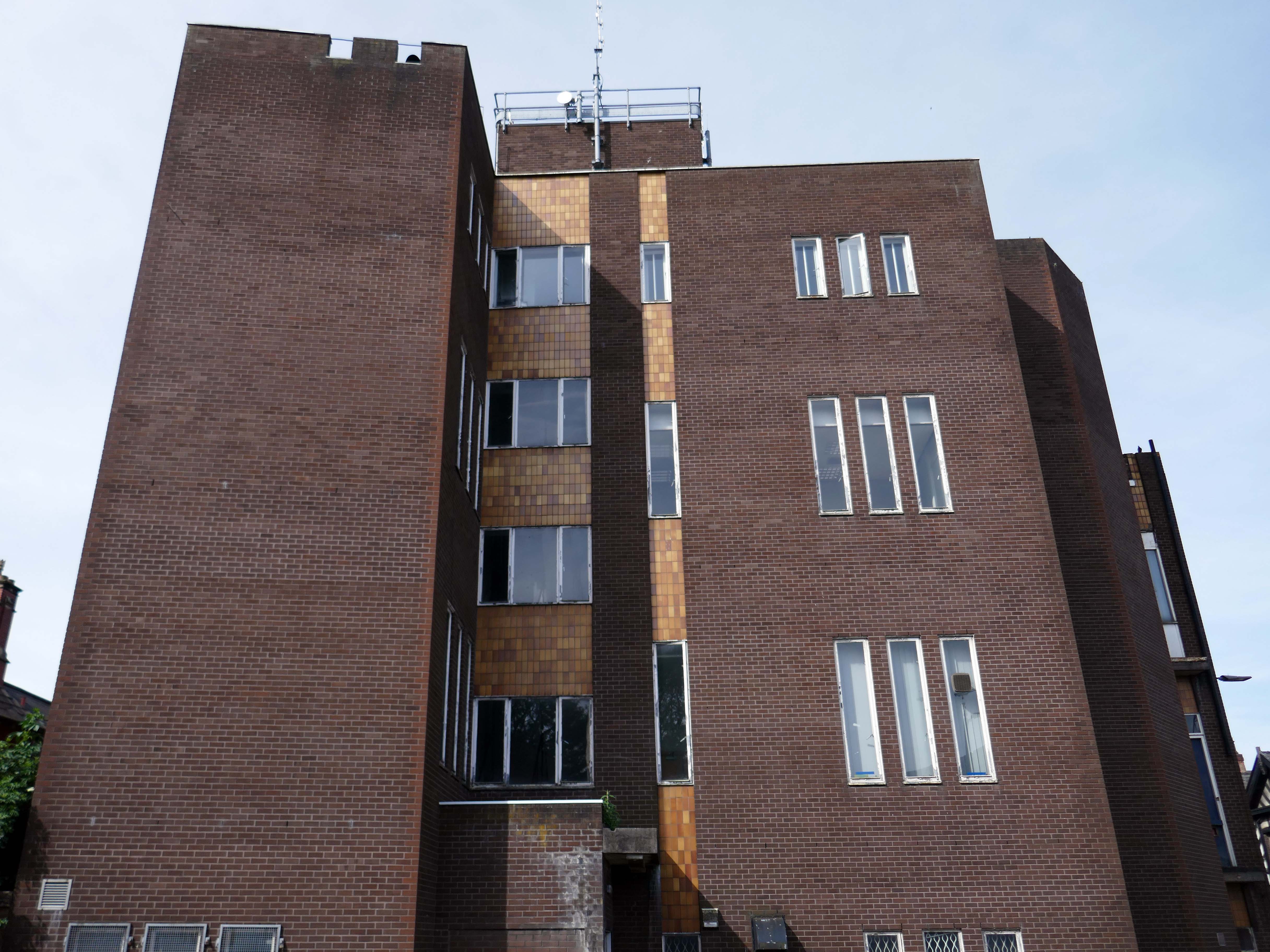
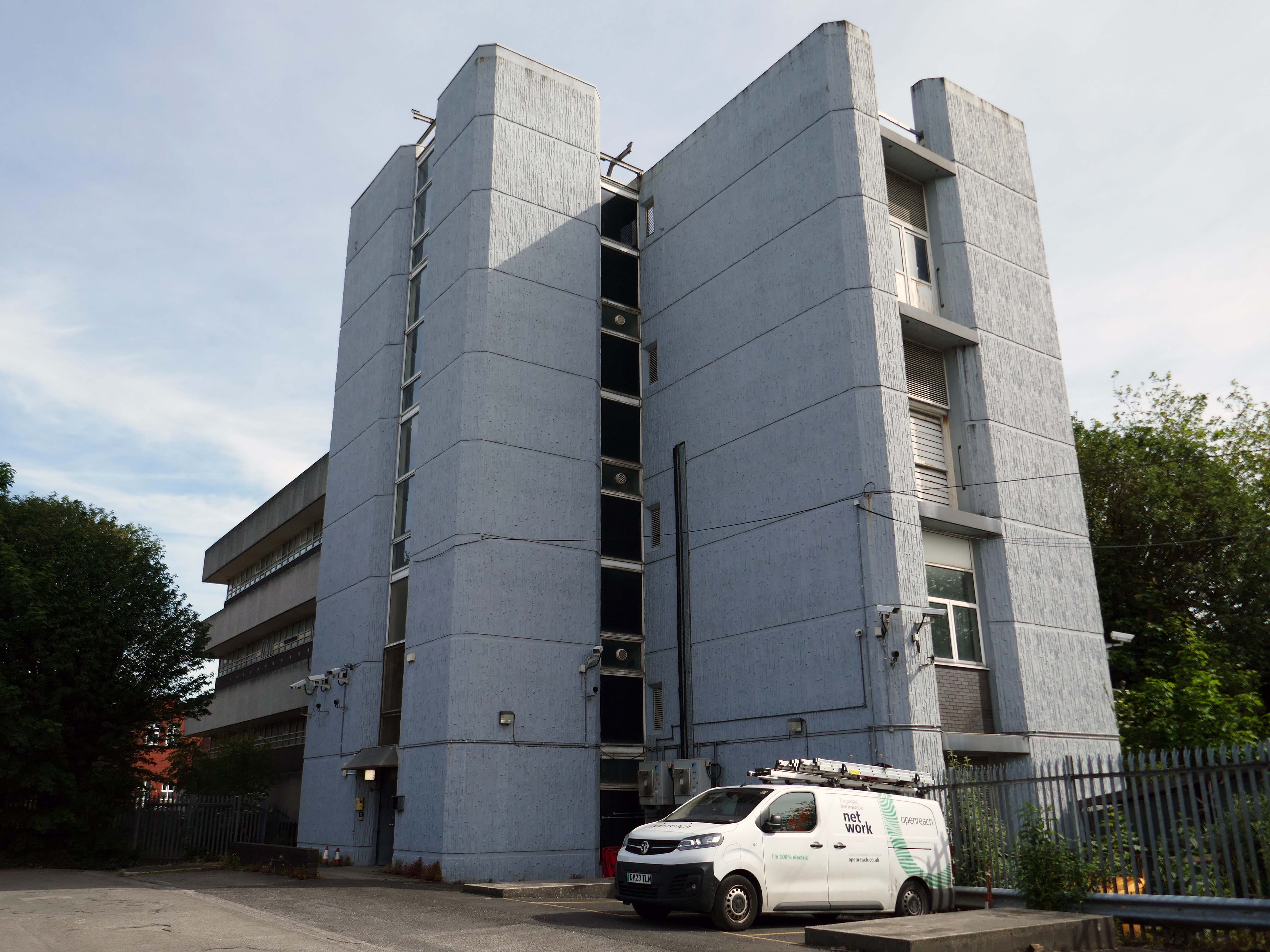
Onward now to see the three Telephone Exchanges.

Interwar

Sixties

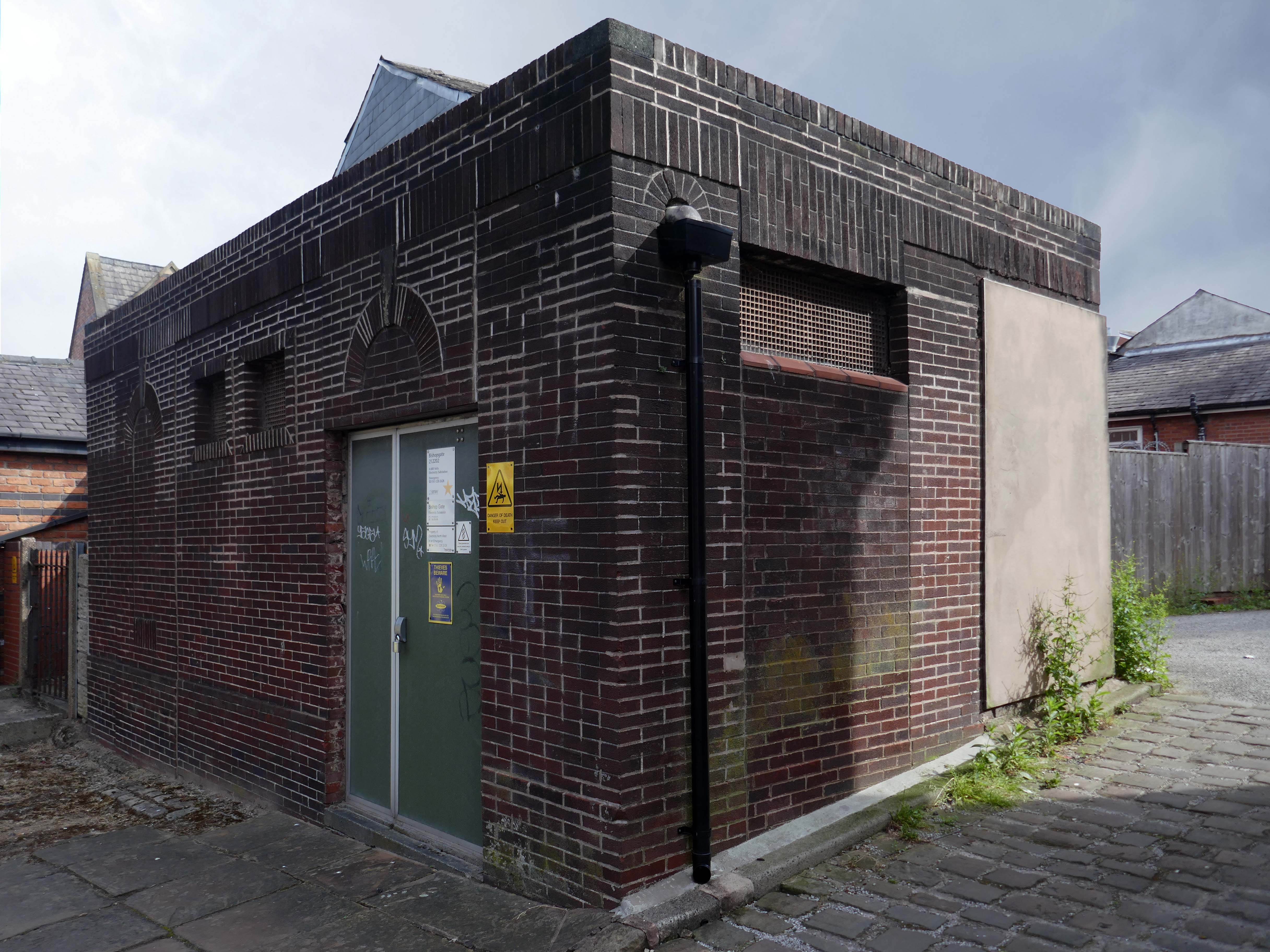
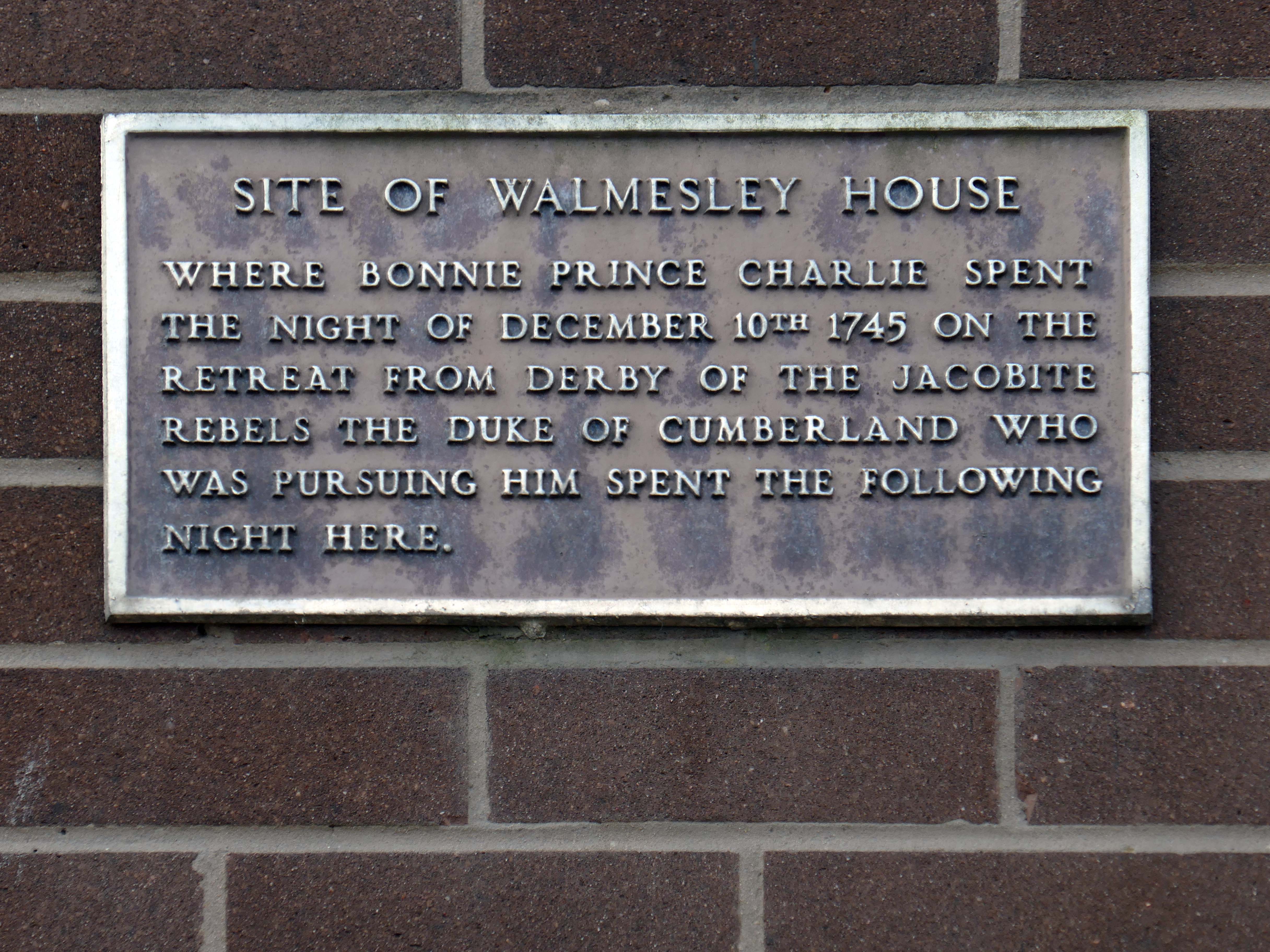
Ofd special note the adjacent Electrical Substation of the day.

Plus extra added military history.

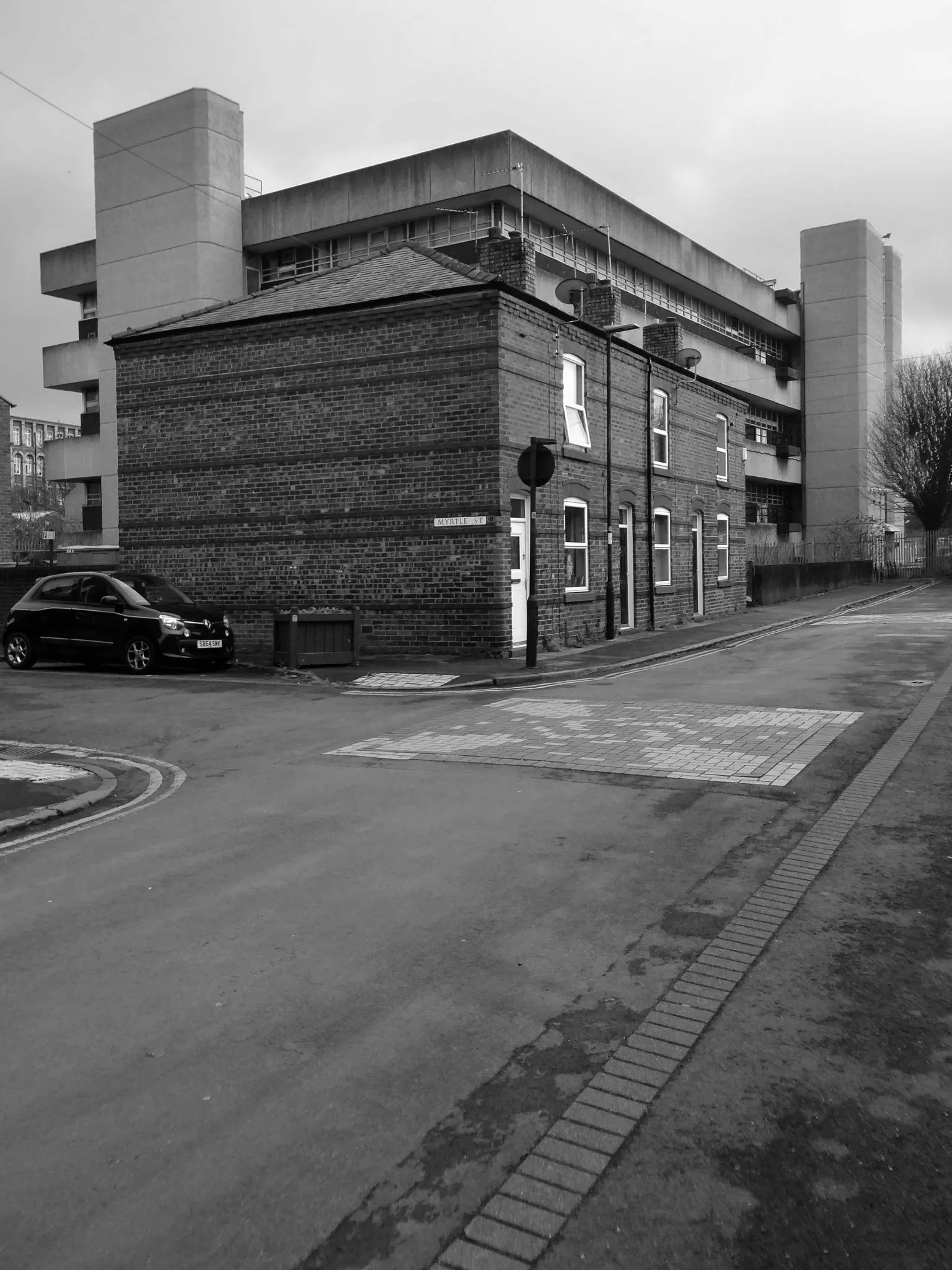
Seventies

Tucked in behind the Telephone Exchange are several streets of Edwardian social housing – the Spring Gardens Scheme of 1905.

The property is practically paying its way, and all the present generation has to find is a small sum of ninety odd pounds for sinking funds. For this we get fifty-nine families decently housed, the rateable value of the town increased, a slum abolished, an eyesore removed, the health of the inhabitants remarkably improved, their environment made clean, refined, and elevating, whilst our successors in 1959 will inherit an unencumbered estate.

Municipal Dreams

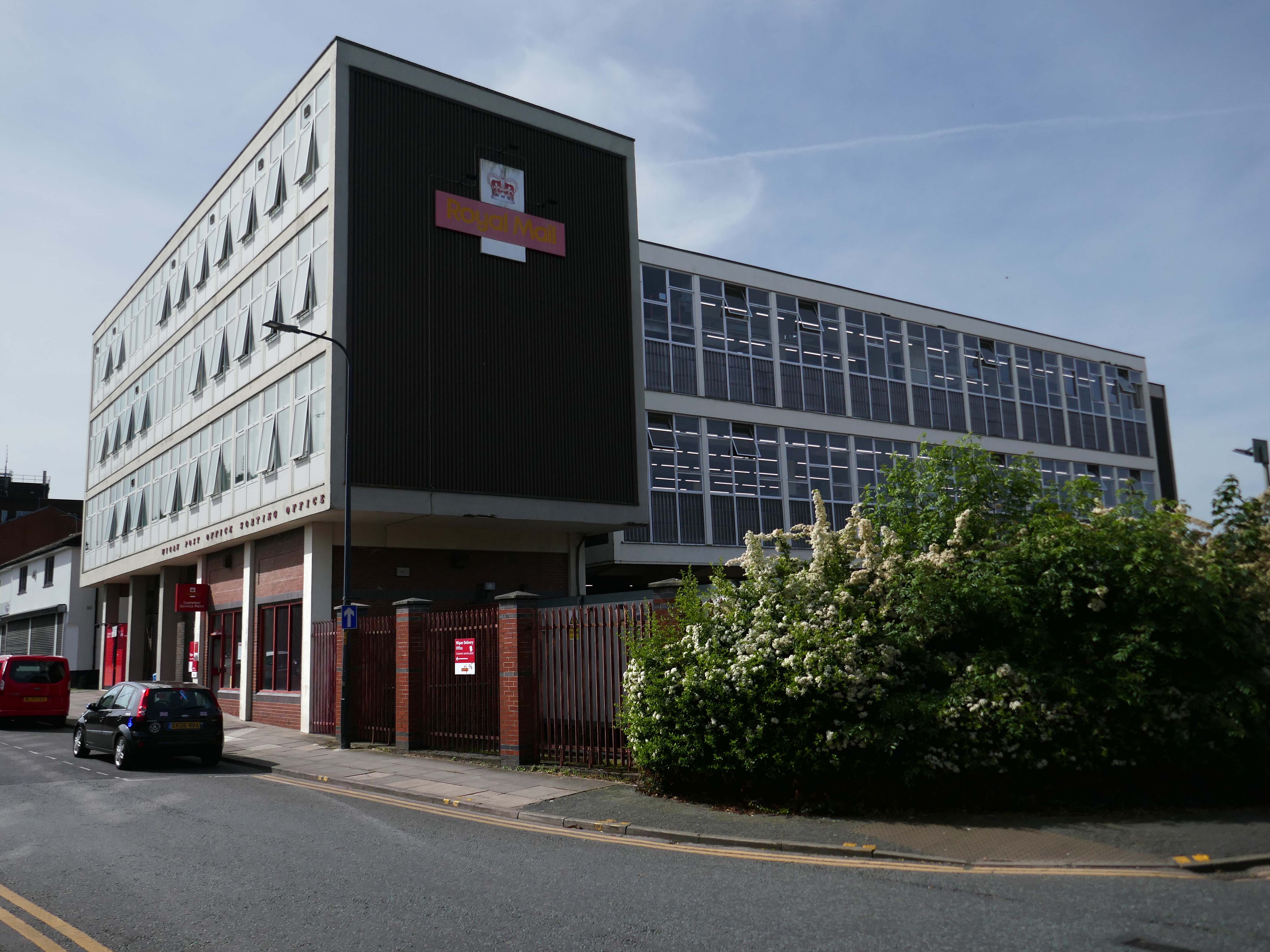
Next to the Wigan Post Office Sorting Office 1959.

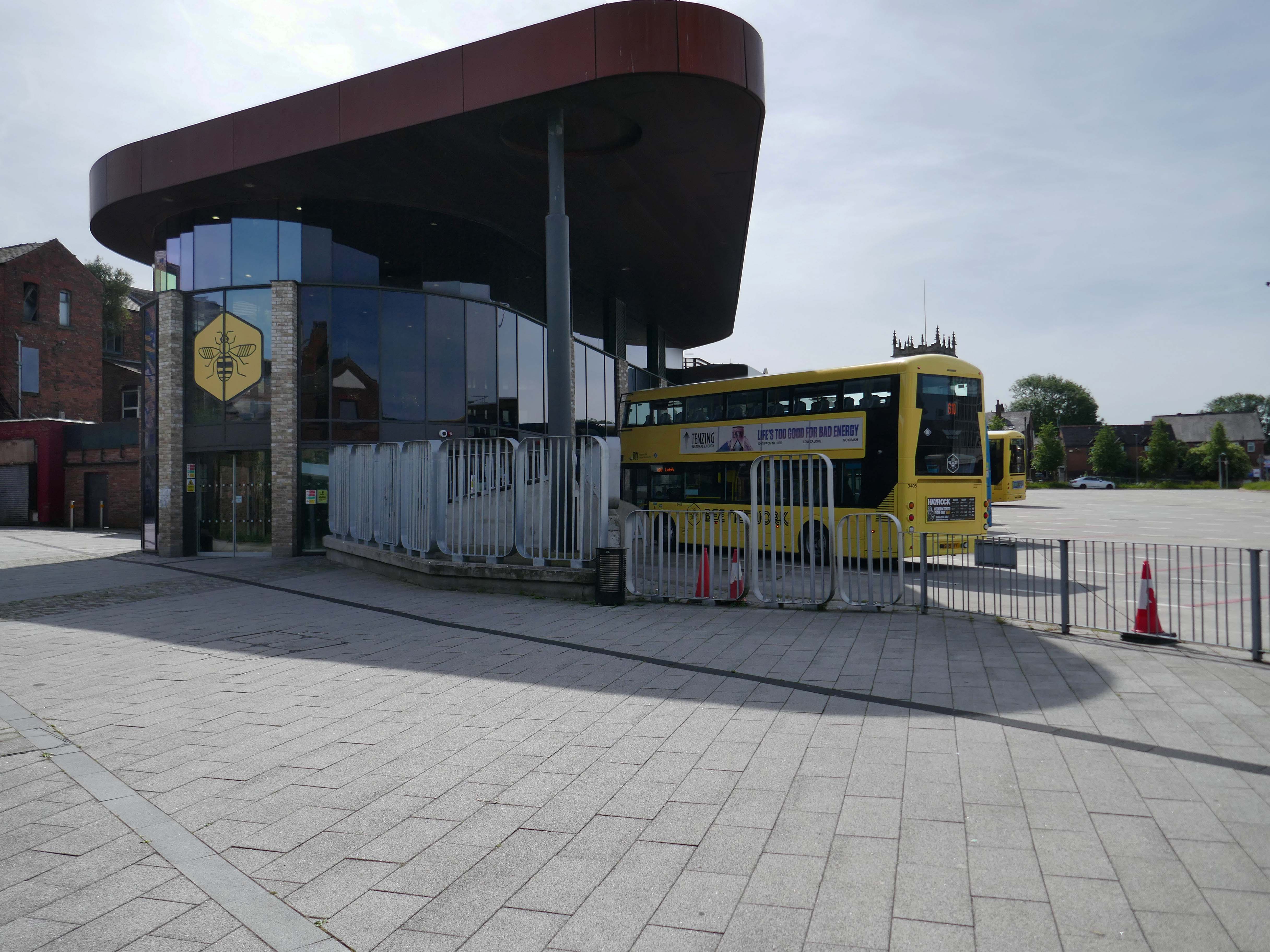
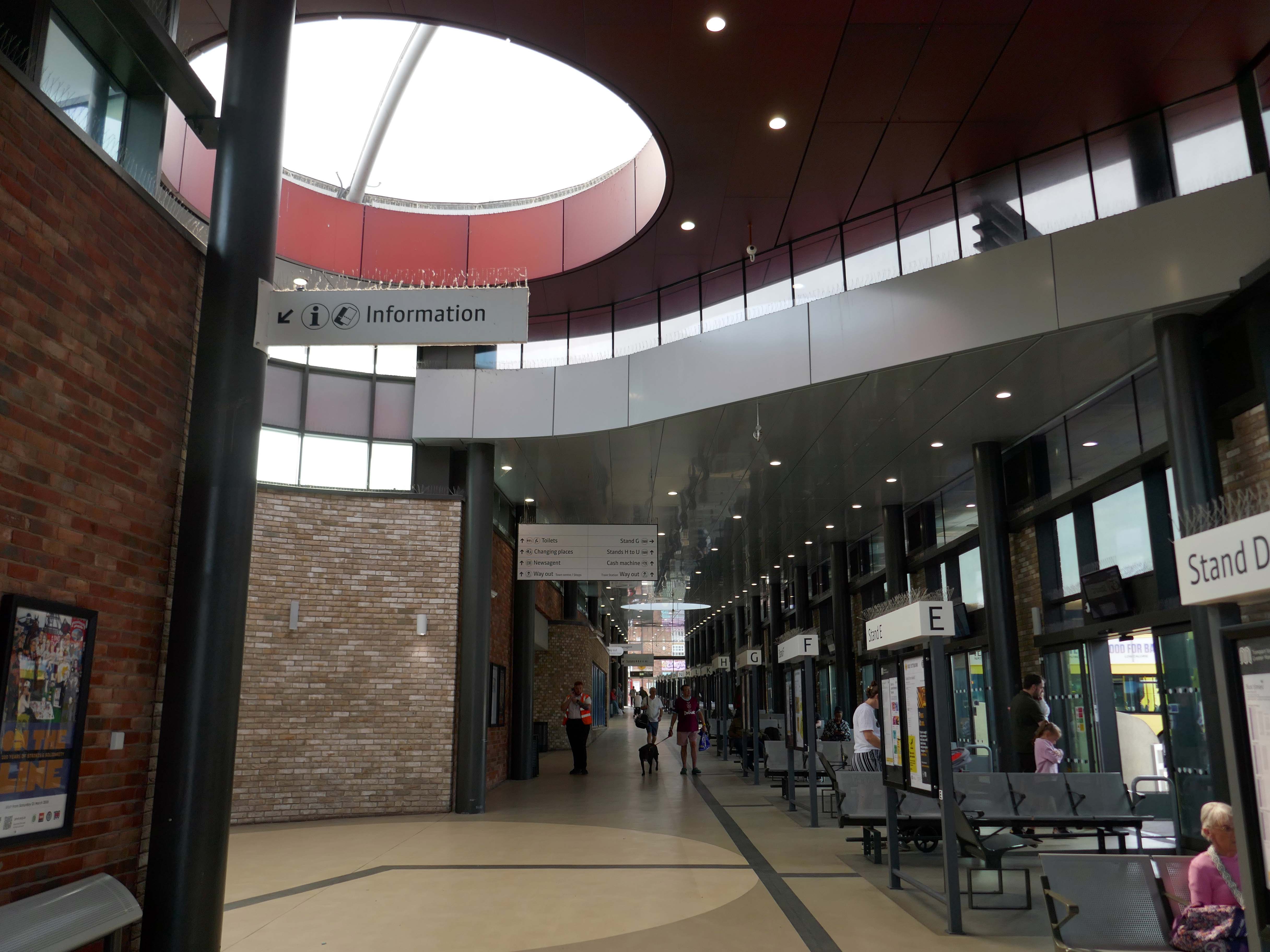
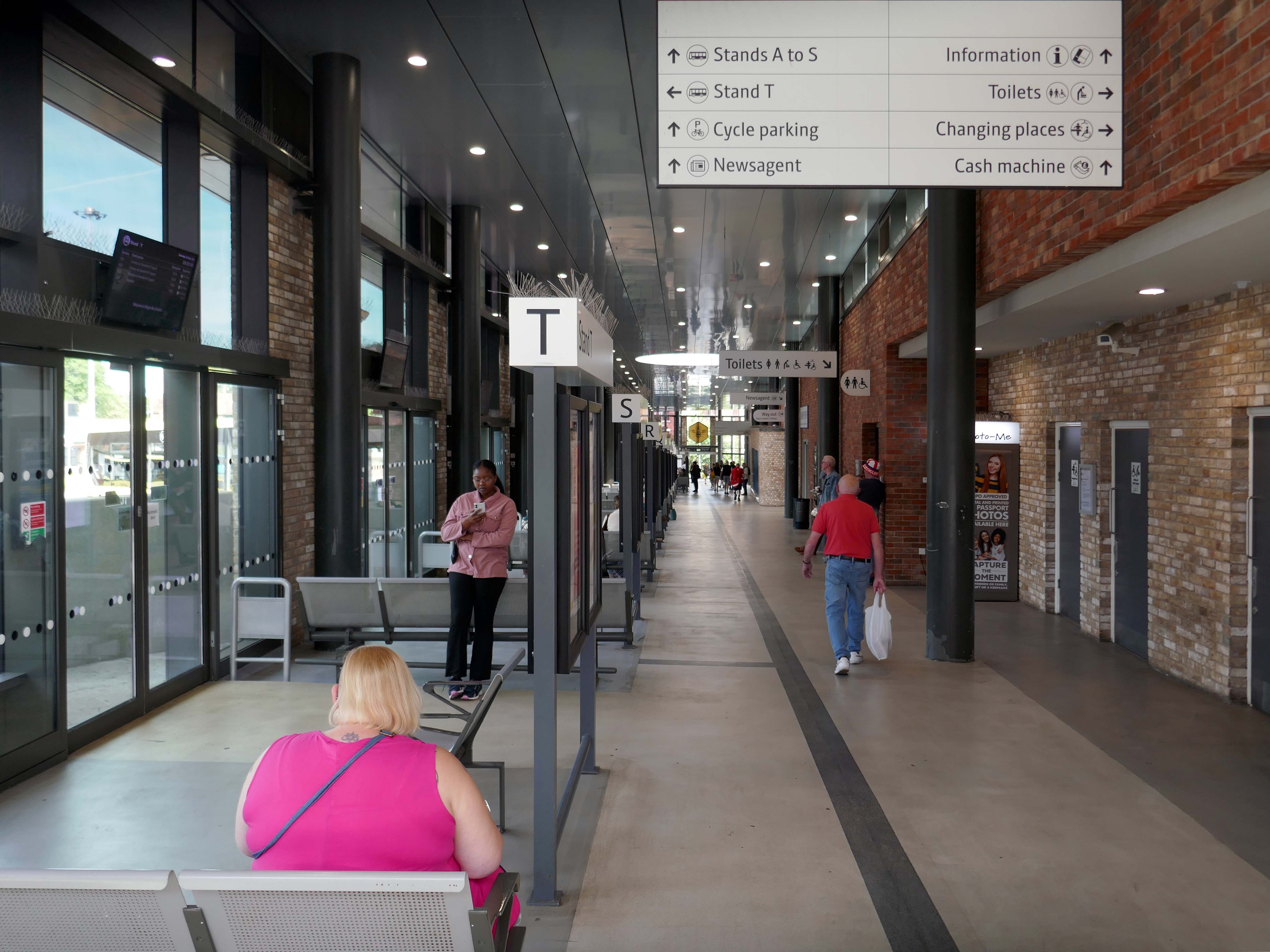
Next we take a look at the Bus Station.

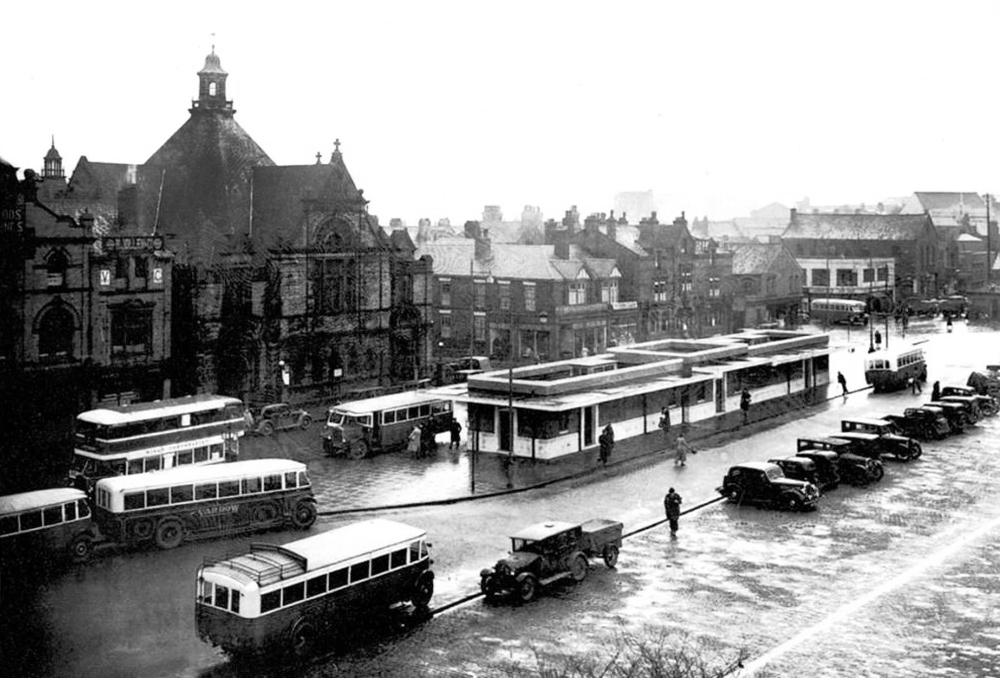
Wigan’s original bus station was on Market Square.

Image Wigan World

It was demolished in 1985 as part of a wider redevelopment of the town centre to make way for the Galleries Shopping Centre. A new bus station, built at a cost of £2.3 million, began construction in April 1986, and opened in November 1987.

Wikipedia

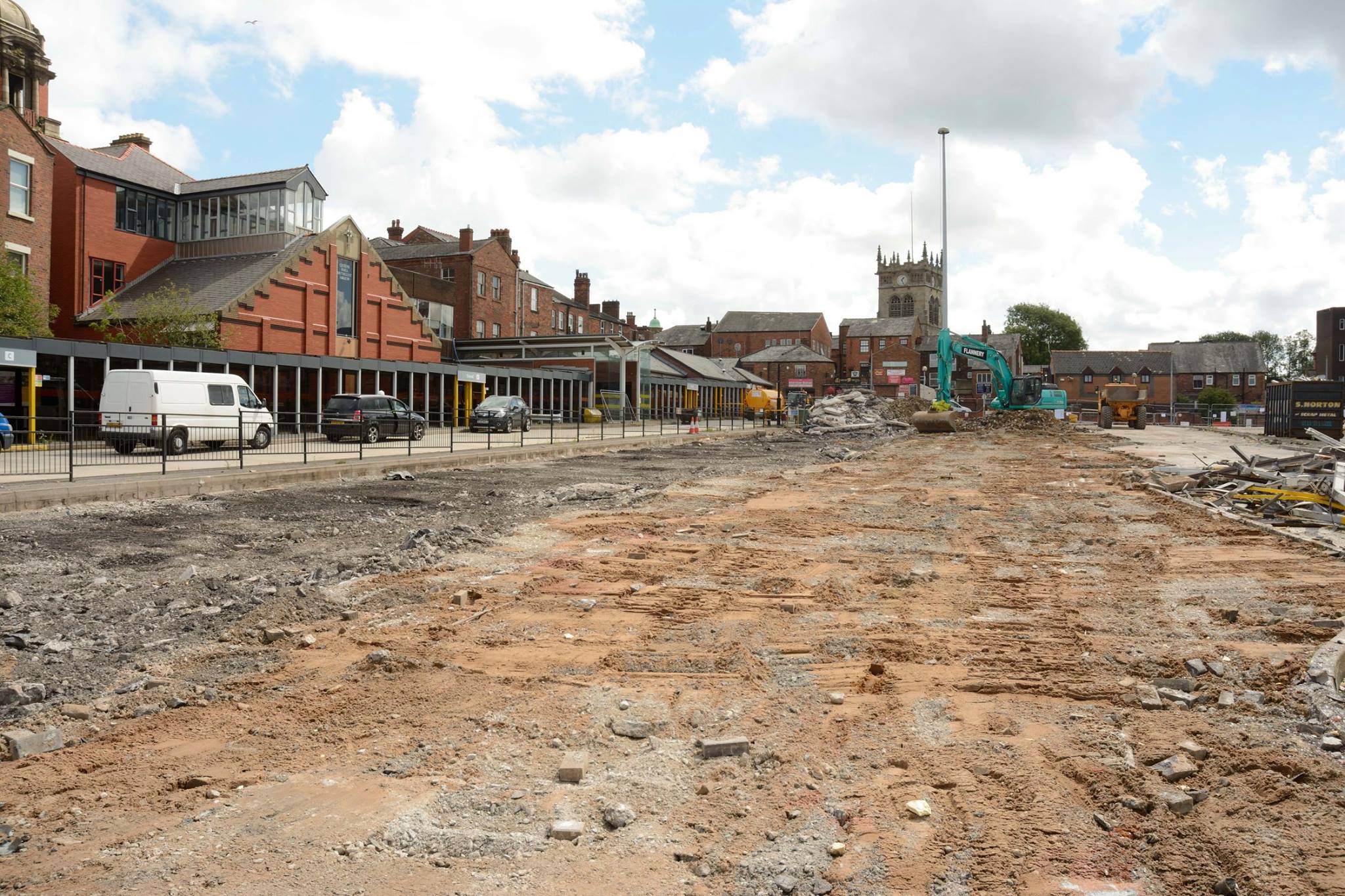
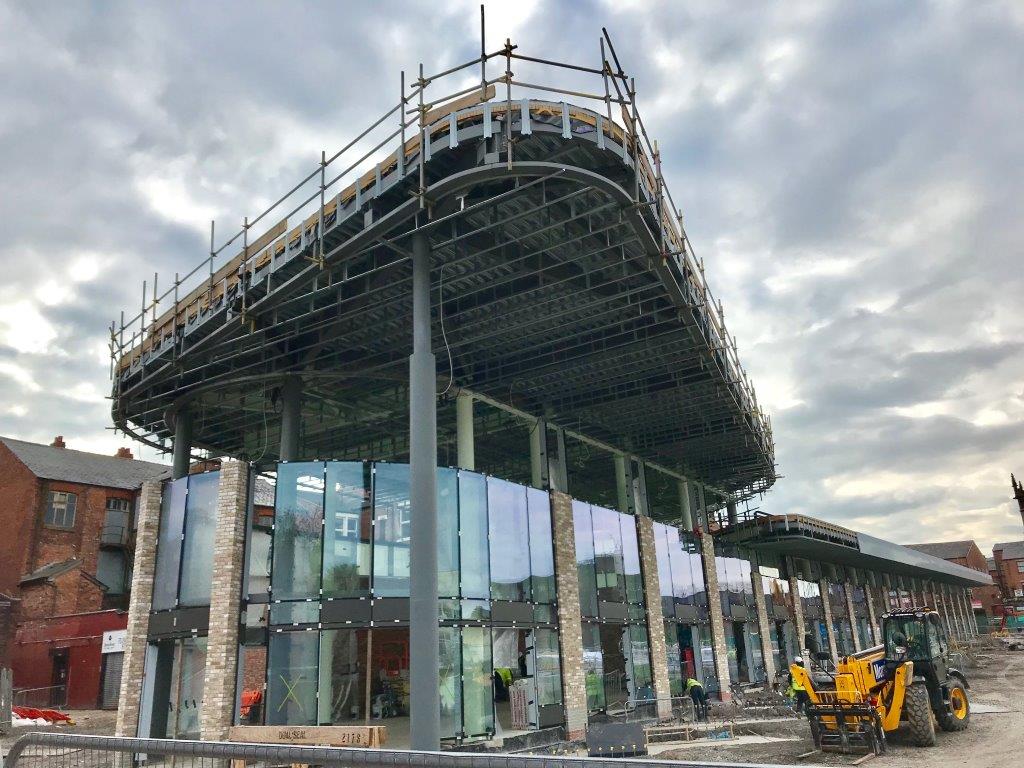
Transport for Greater Manchester commissioned Austin-Smith:Lord to design a replacement nineteen stand £15.7m bus station in Wigan Town Centre, the project was completed in October 2018.

Construction images – Bee Network.

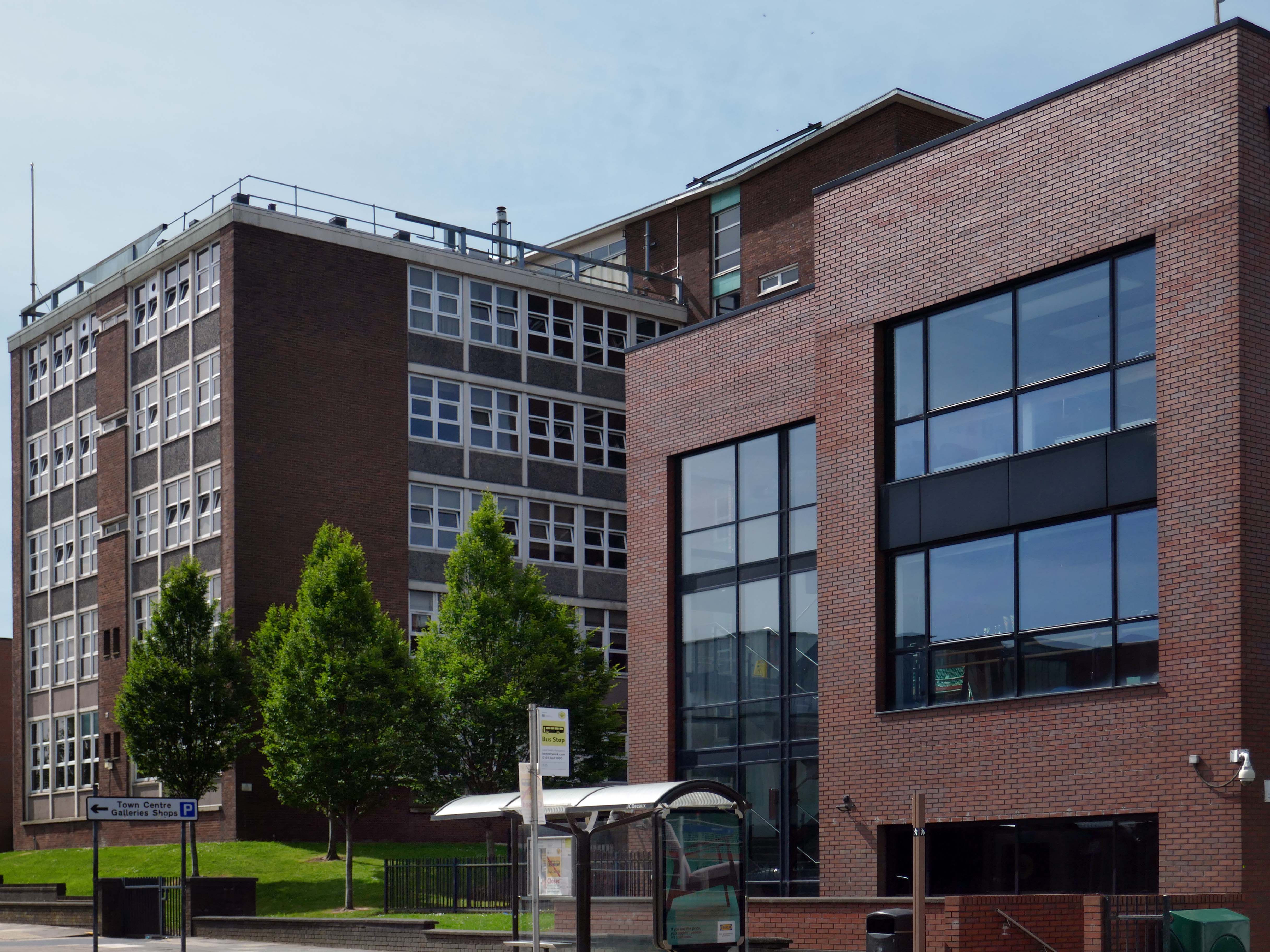
Around the corner to the Wigan & Leigh College.

The original building of 1954 by Howard V Lobb G Grenfell Bains & Hargreaves, with later extension.

There have been several phases of redevelopment and new build in recent years.

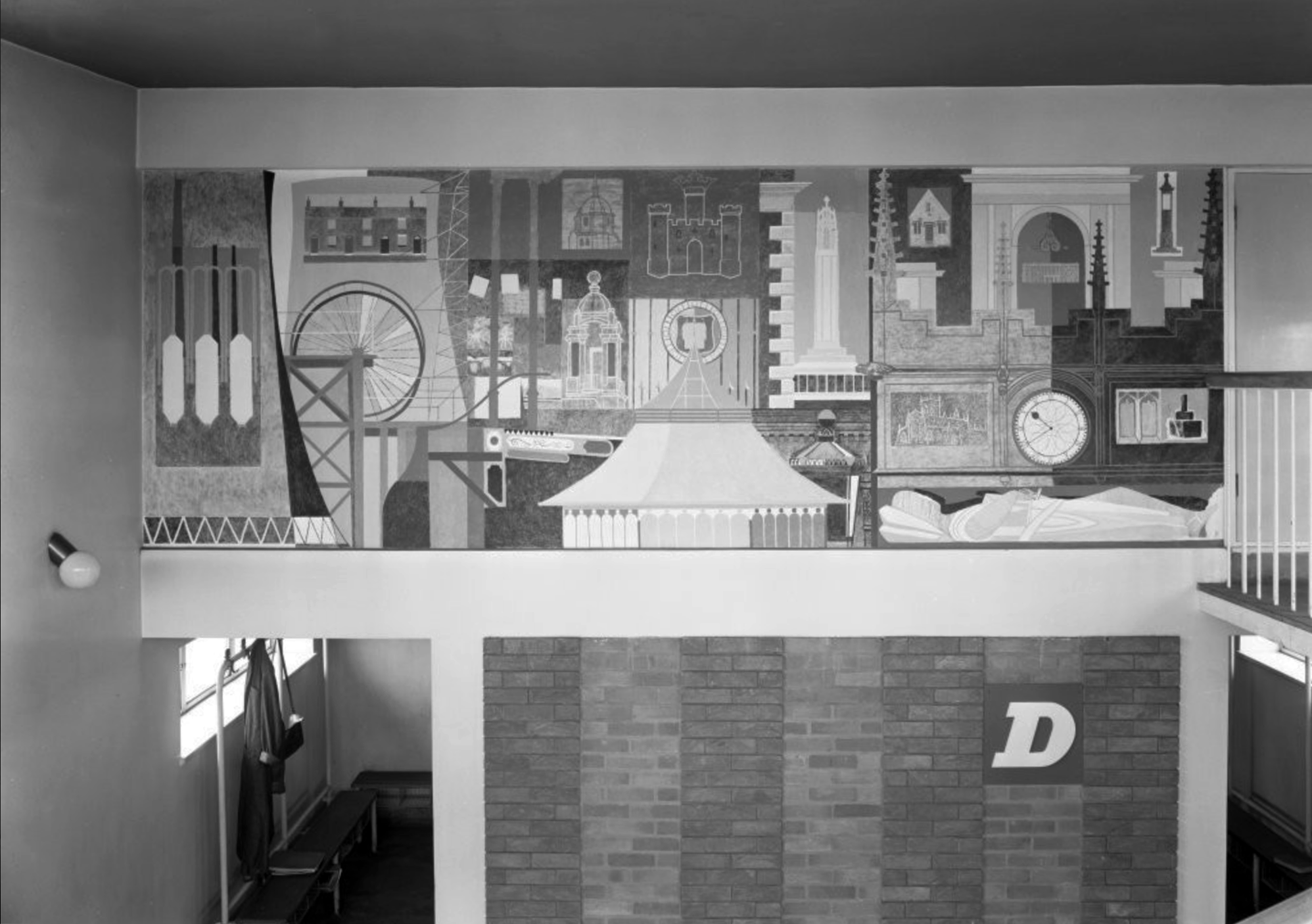
This block of the Technical School has been demolished since my last visit.

Thomas Linacre Technical School for Boys mural 1954.

Image – RIBA pix

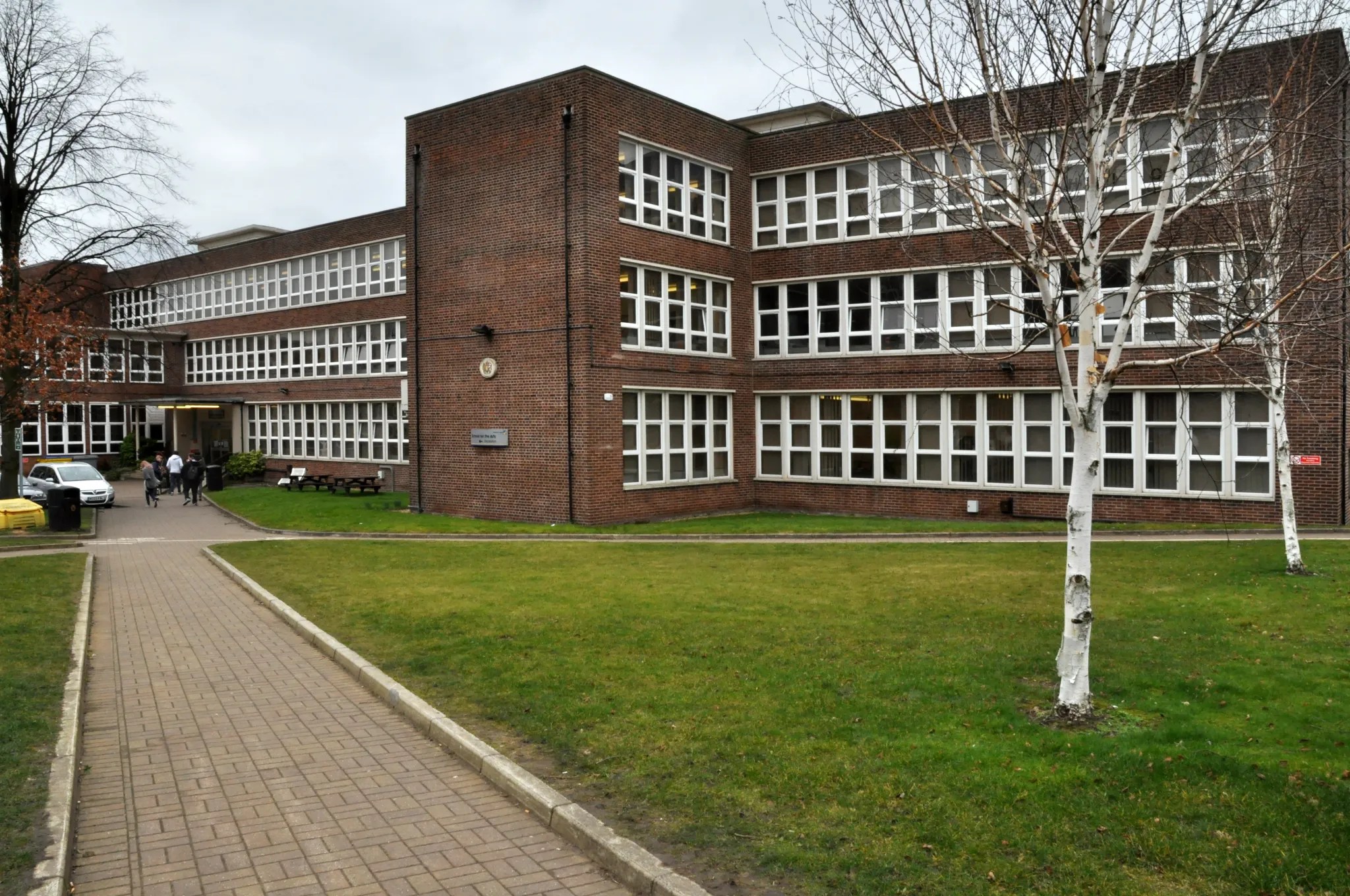
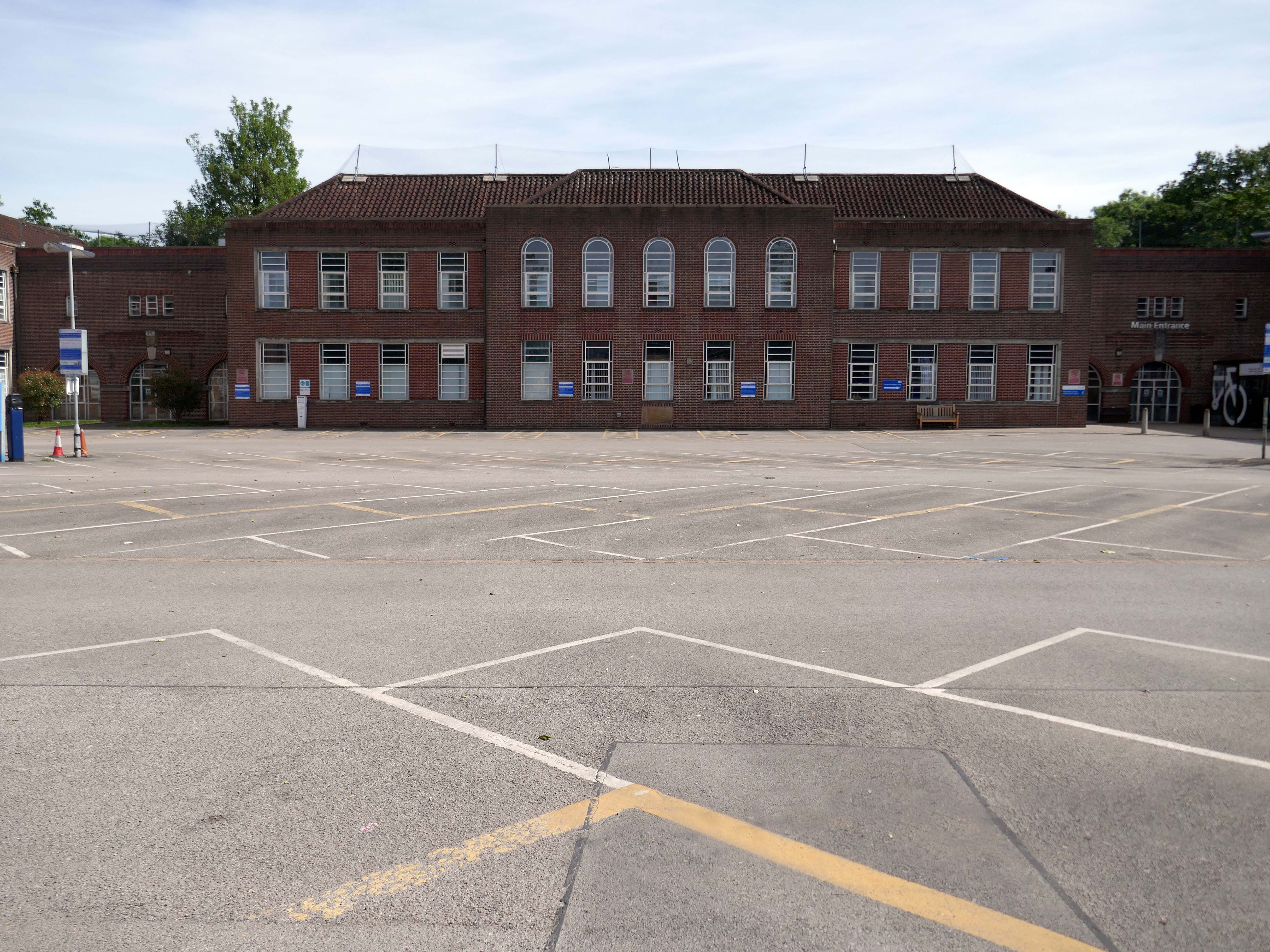
Across the road the former Grammar School.

Wigan Grammar School was founded in 1597 and closed in 1972, as part of the comprehensive education movement.

It then became Mesnes High School, and subsequently Wigan College’s Mesnes Building in 1989. 

Since 2003, it has been known as the Thomas Linacre Centre and is an out-patient department for the Wrightington Wigan and Leigh NHS Trust.

It was designated a Grade II listed building in 1997.

Architect: A E Munby

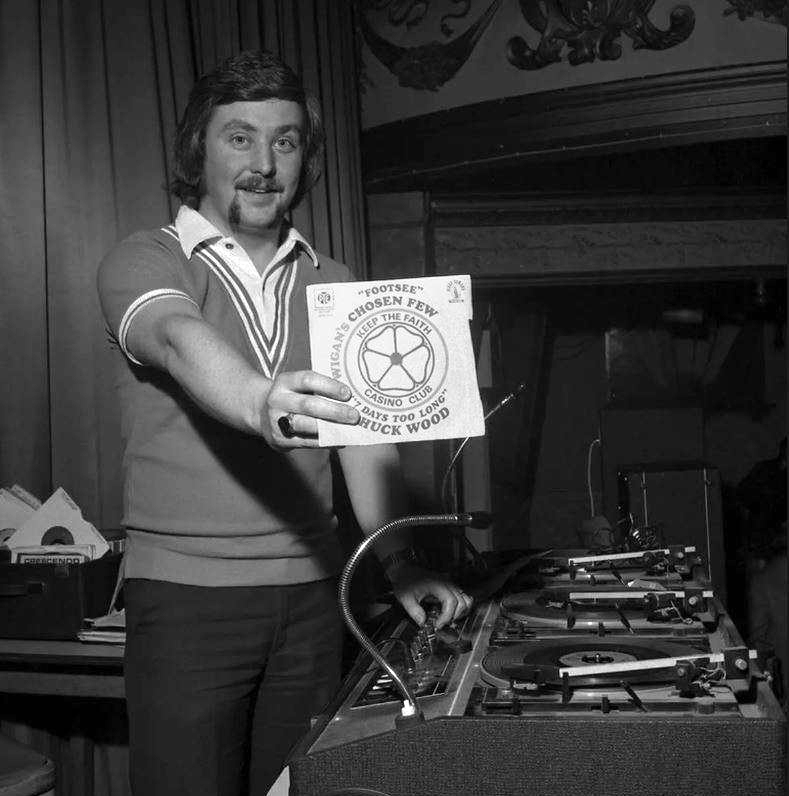
DJ Russ Winstanley was a former pupil, here he is in 1975 at the Wigan Casino holding up a copy of Footsee by Wigan’s Chosen Few b/w Seven Days Too Long by Chuck Wood.

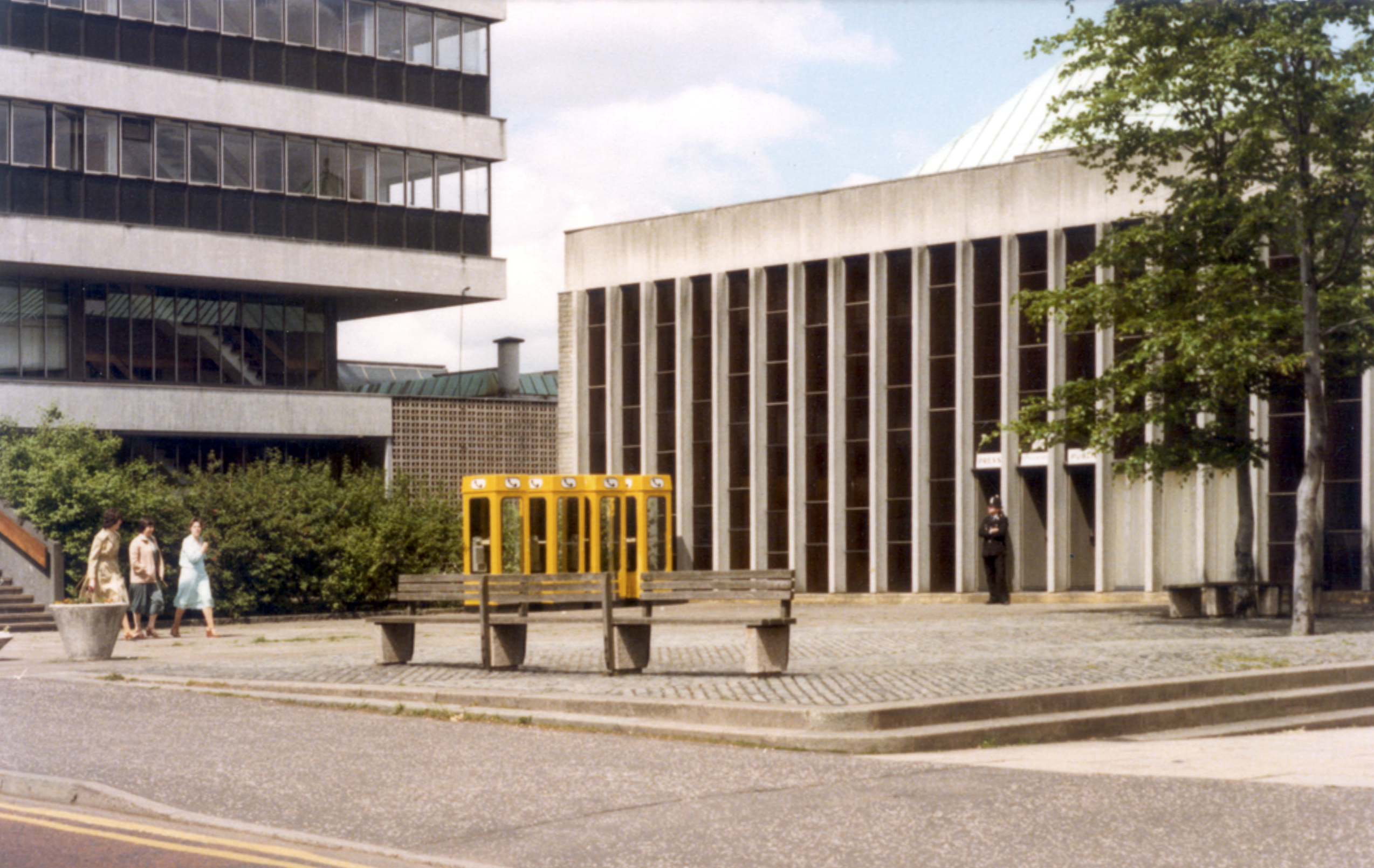
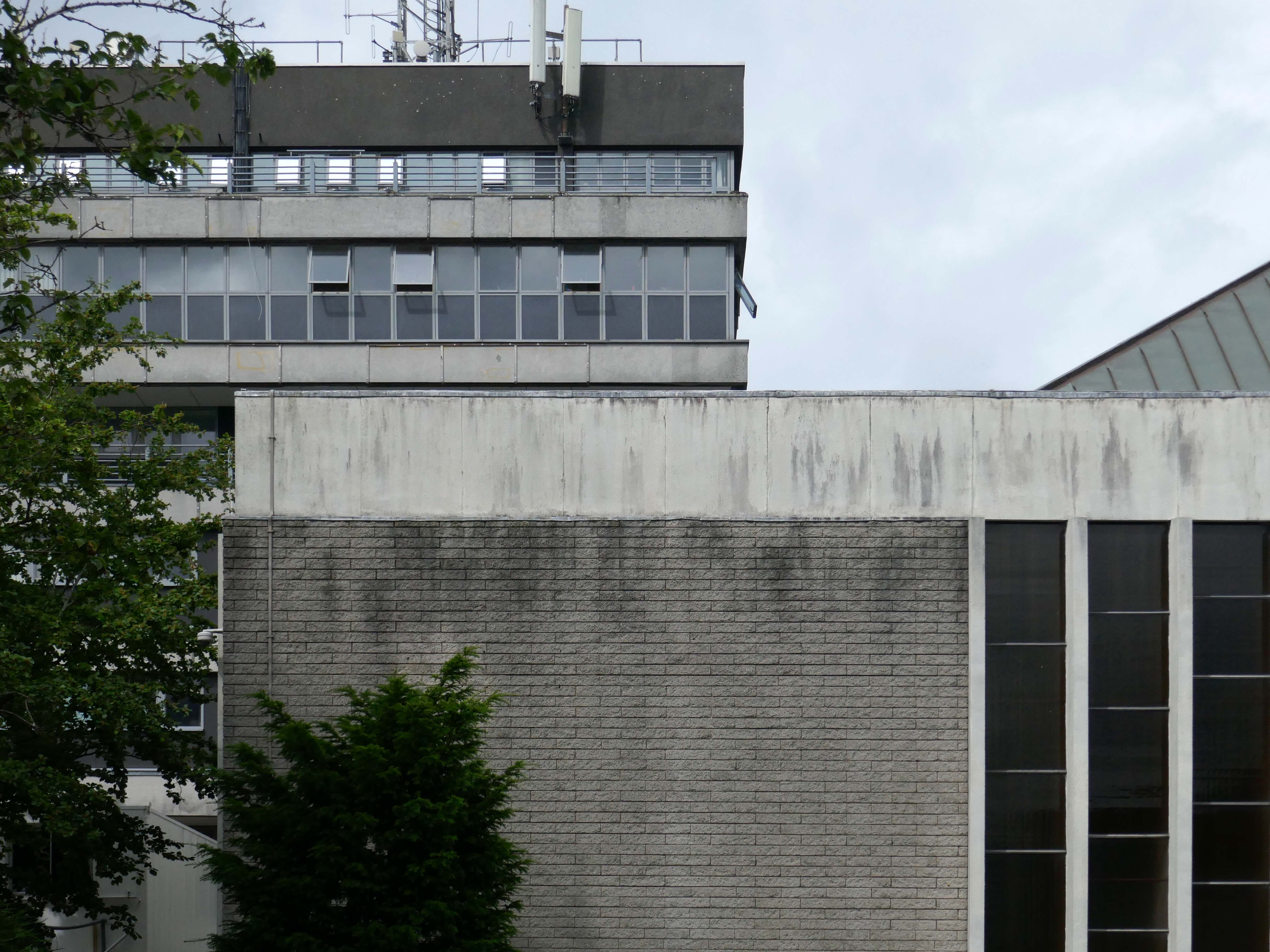
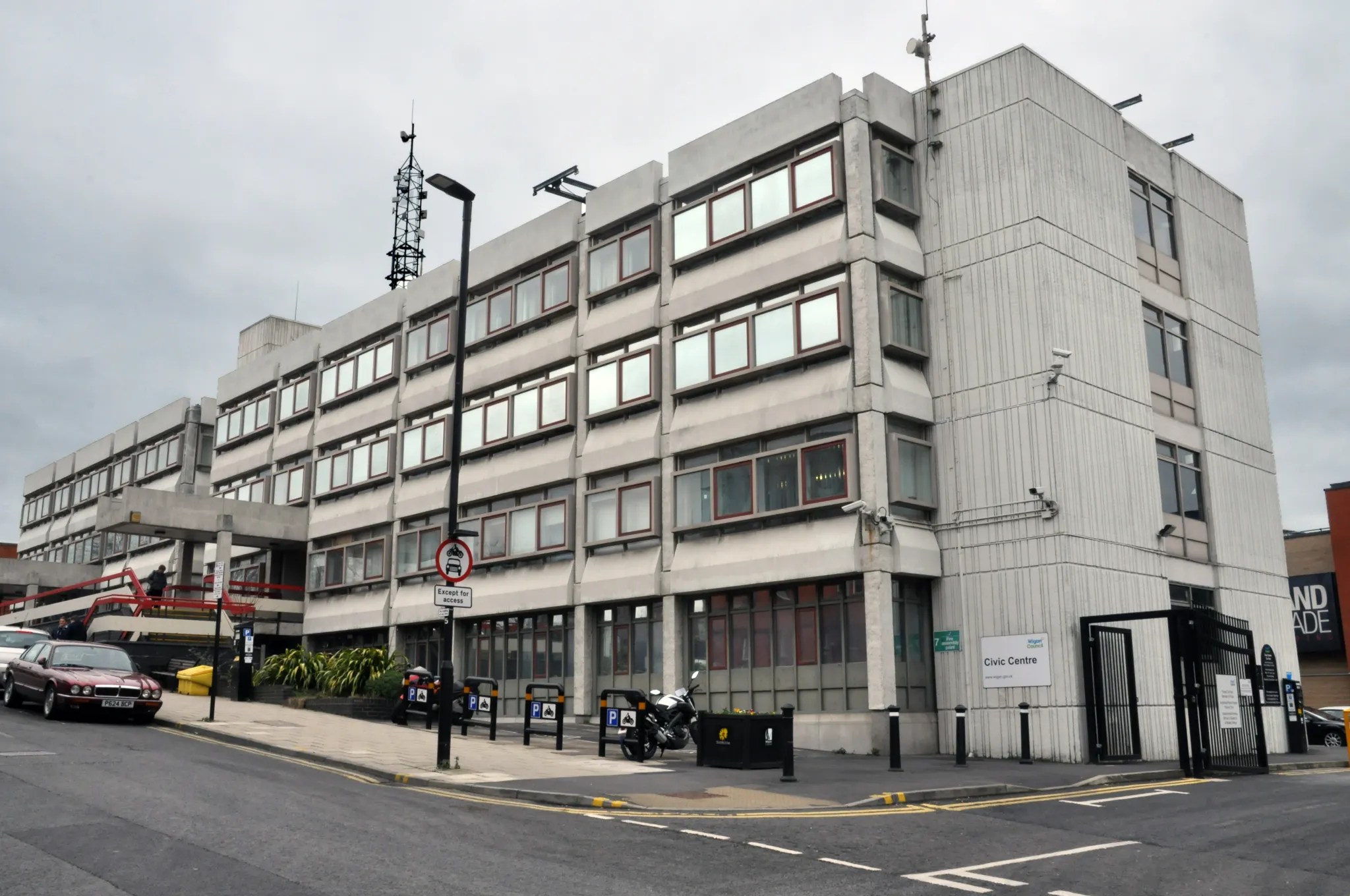
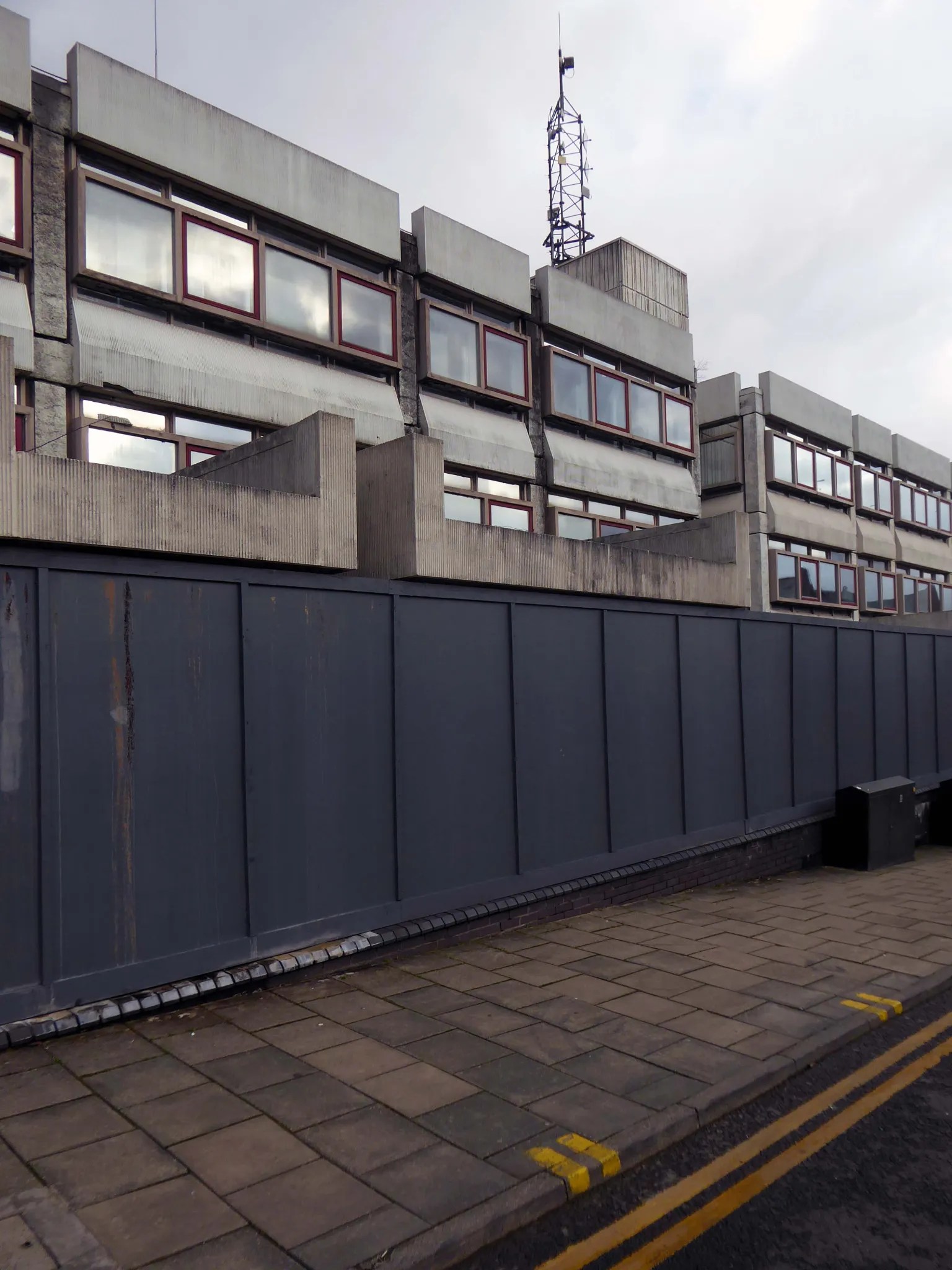
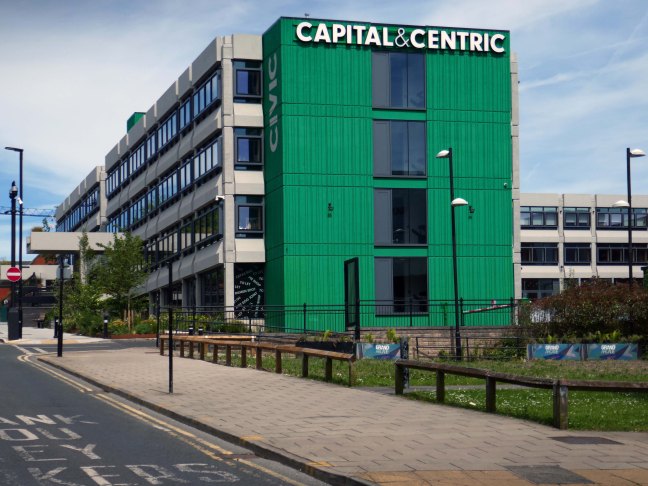
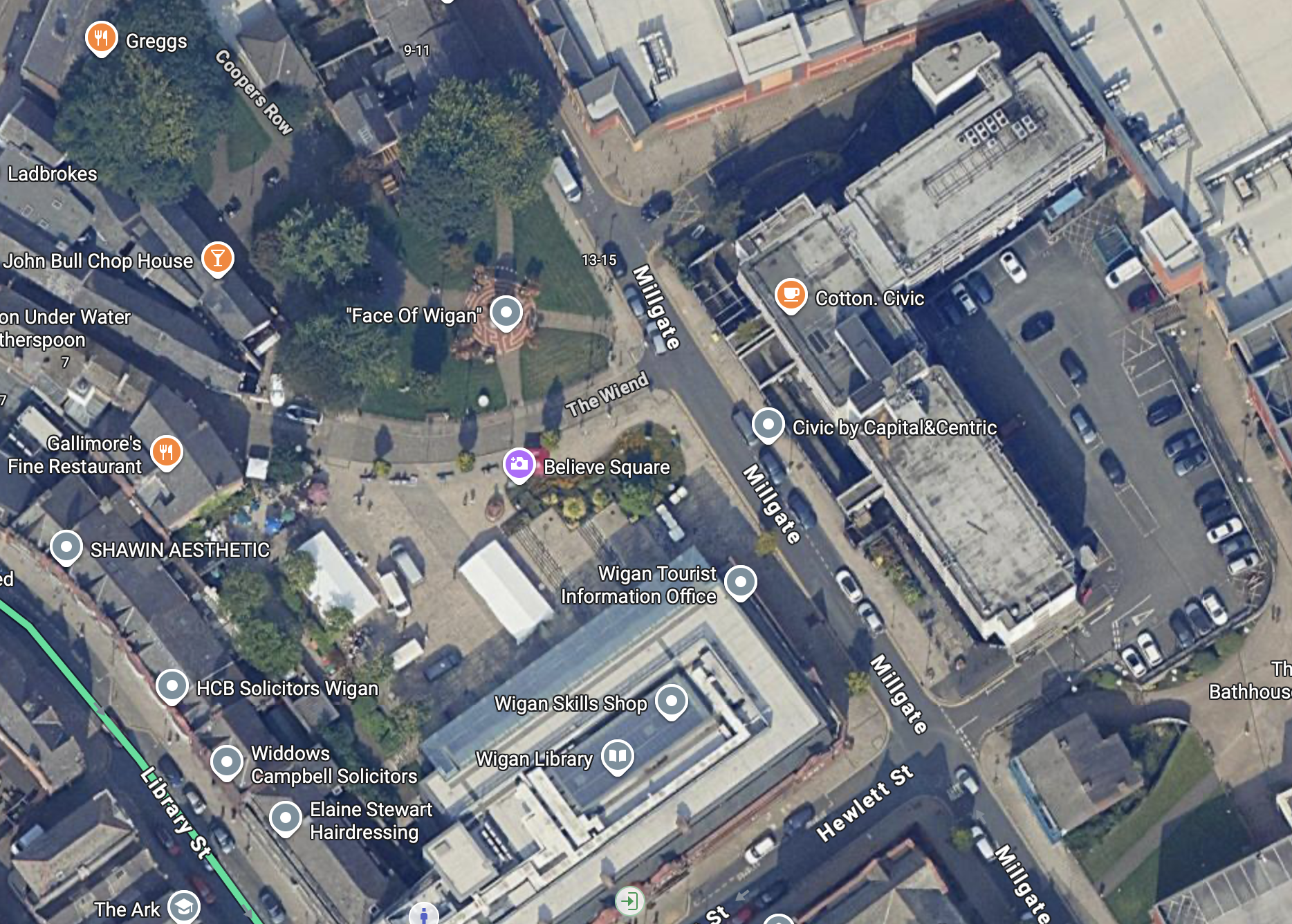
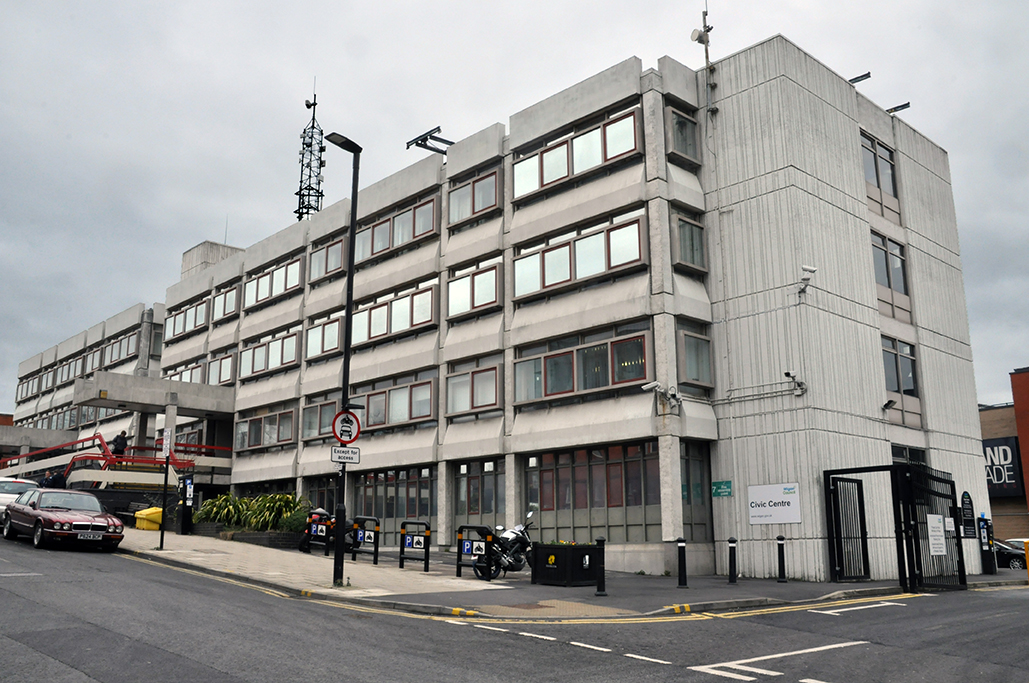
On Millgate we find the former Wigan Civic Centre.

Once it was all boarded up with nowhere to go.

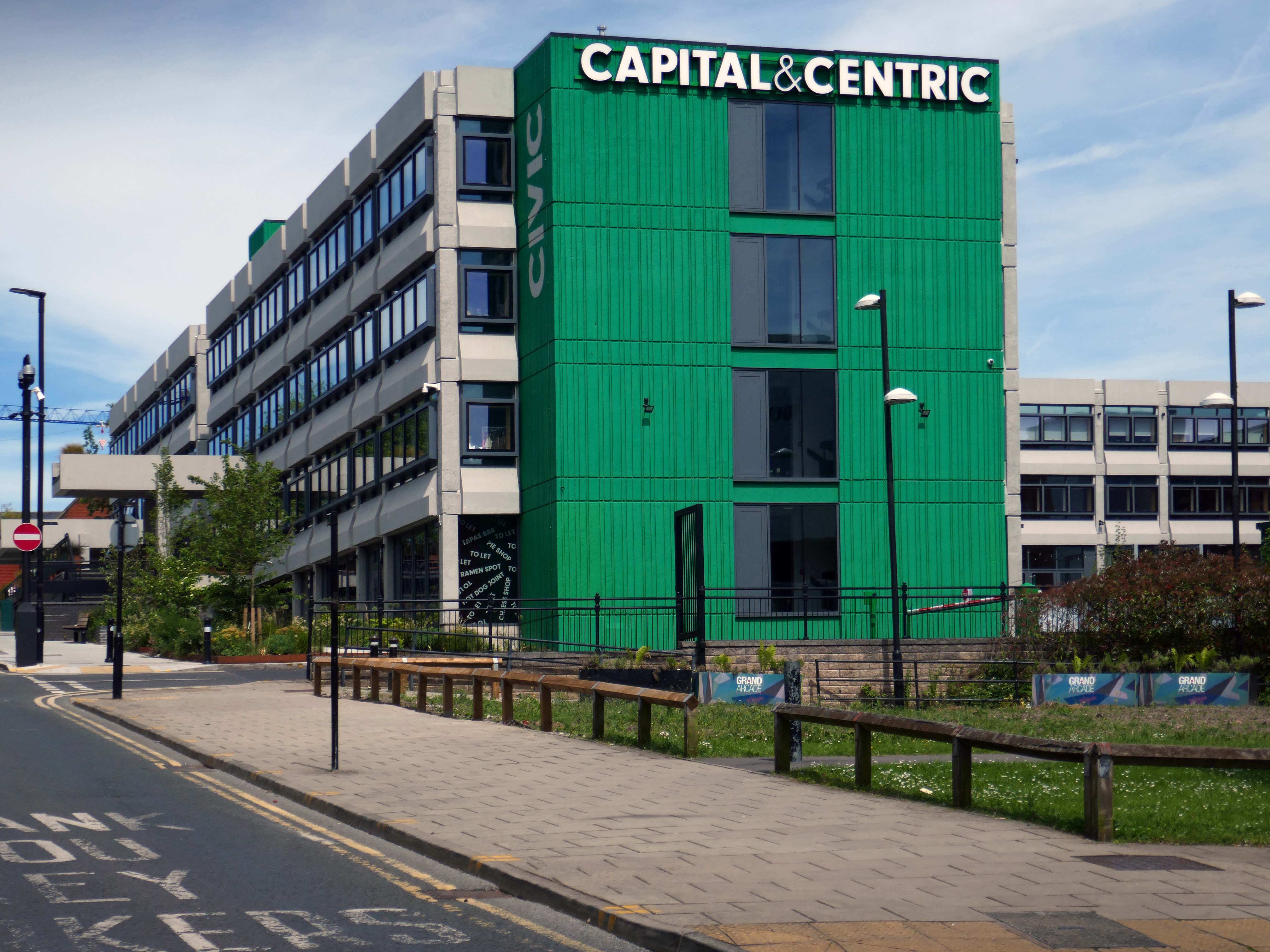
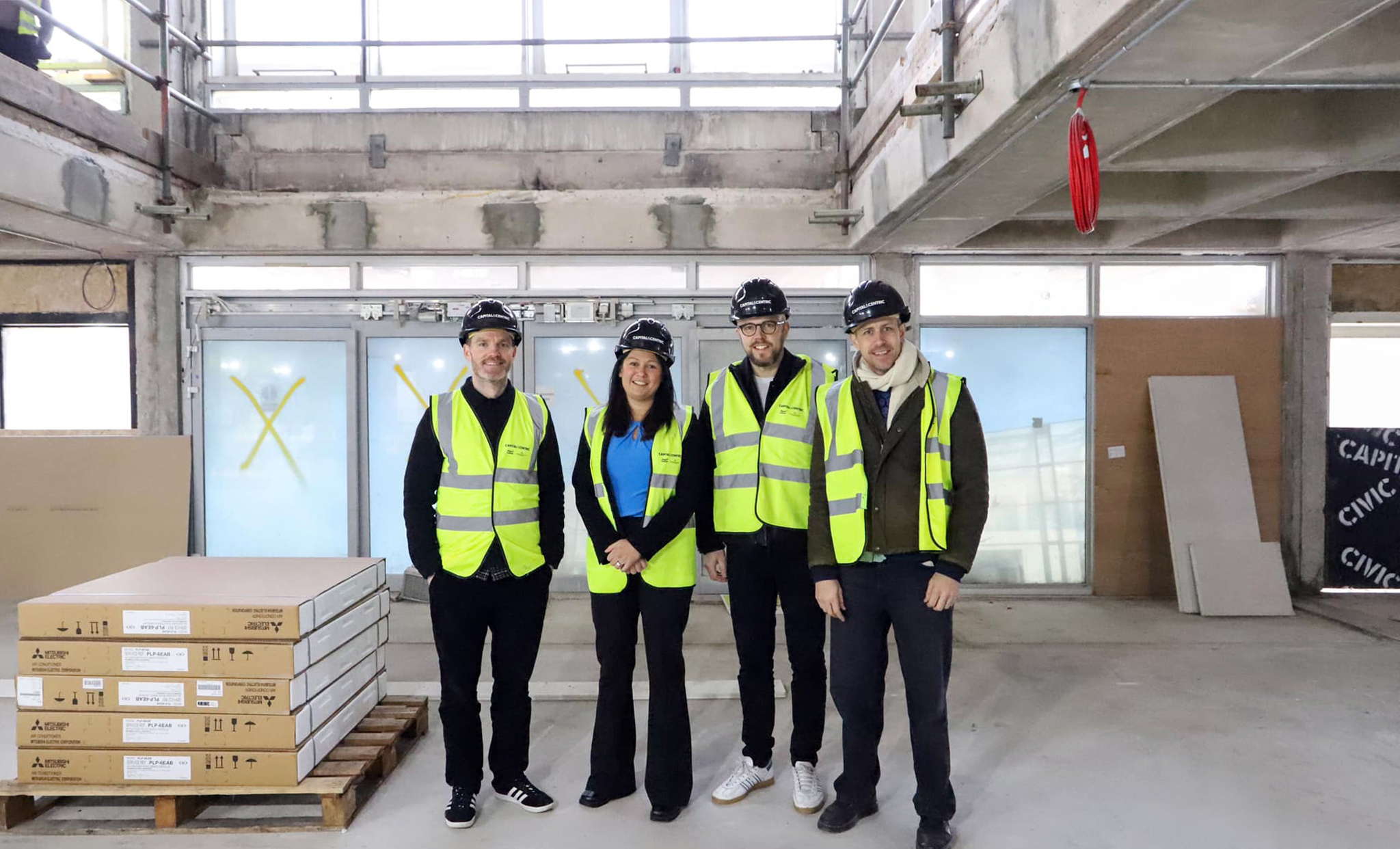
Subsequently resuscitated by Capital&Centric.

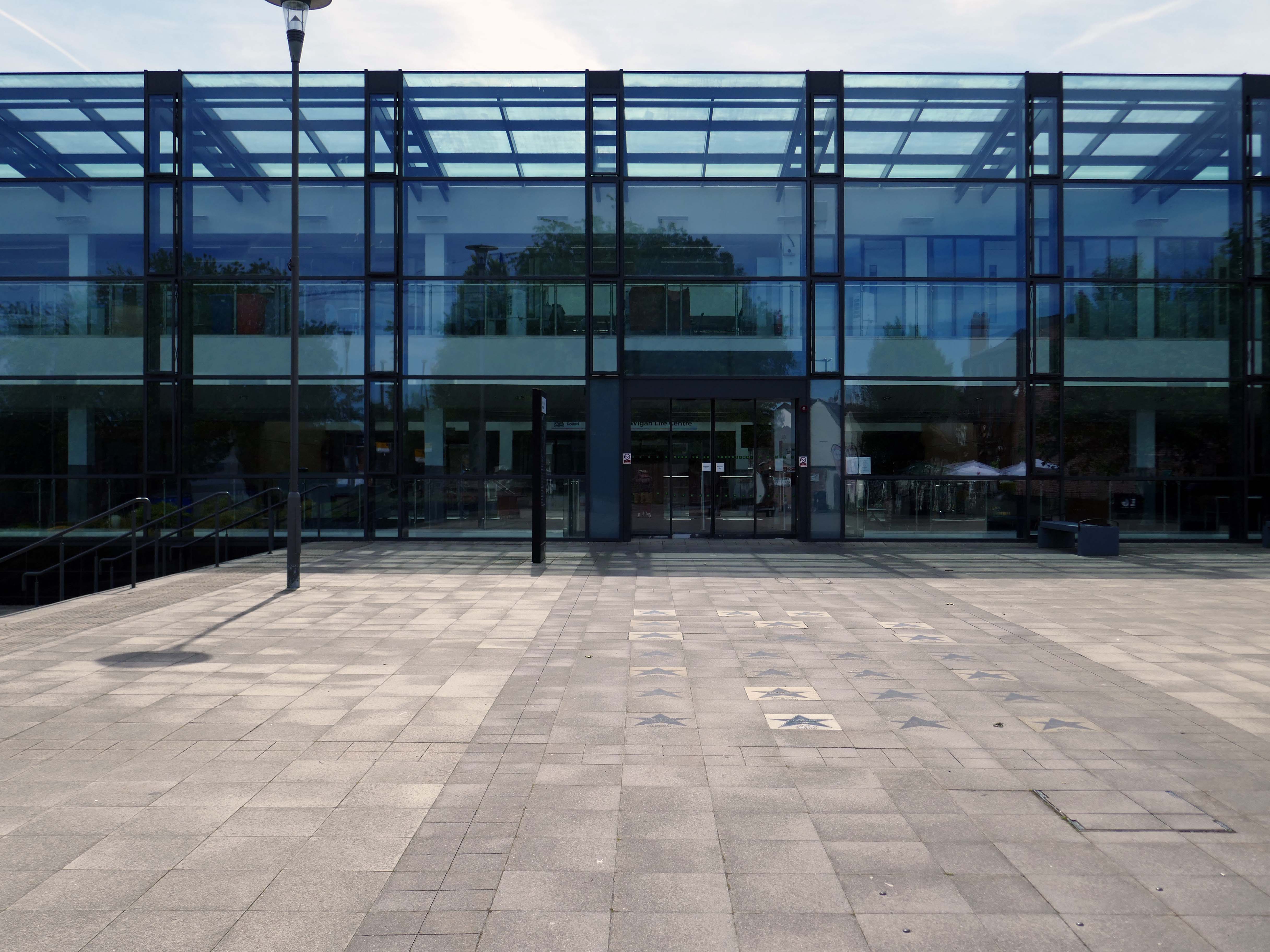
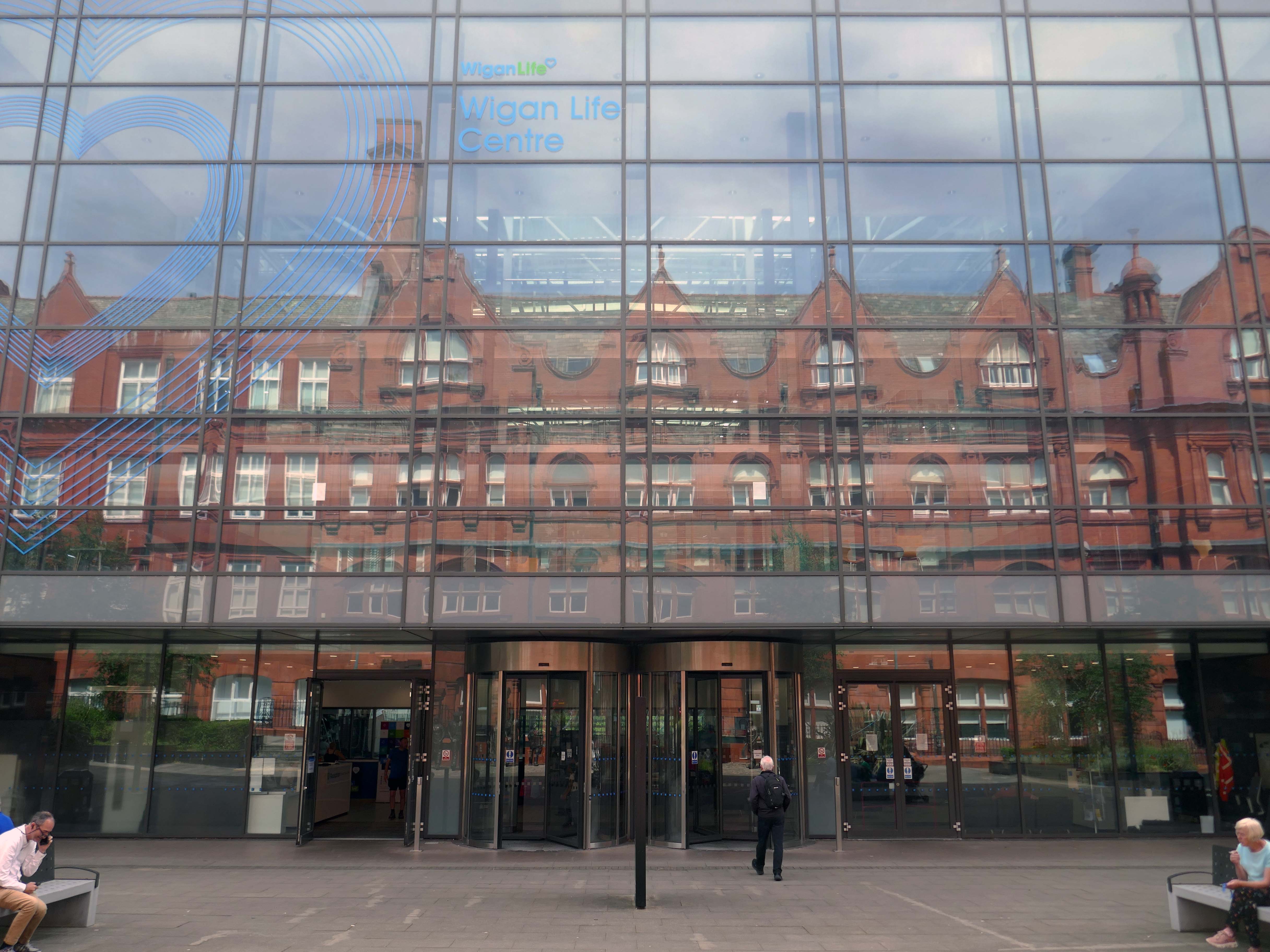
Across the way the new Library and Life Centre by Astudio and LCE Architects.

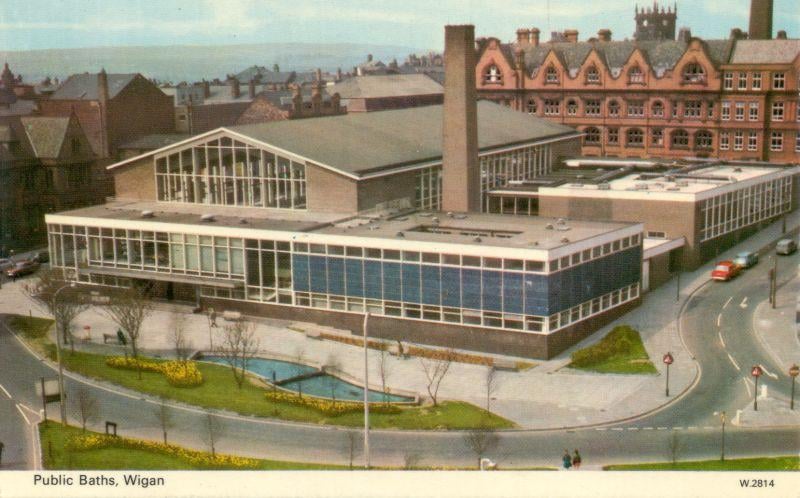
Down the road is the recently refurbished Leisure Centre.

Built on the site of the International Swimming Pool – opened 1968 demolished 2010.

Across the way to Scholes Comprehensive Development 1964

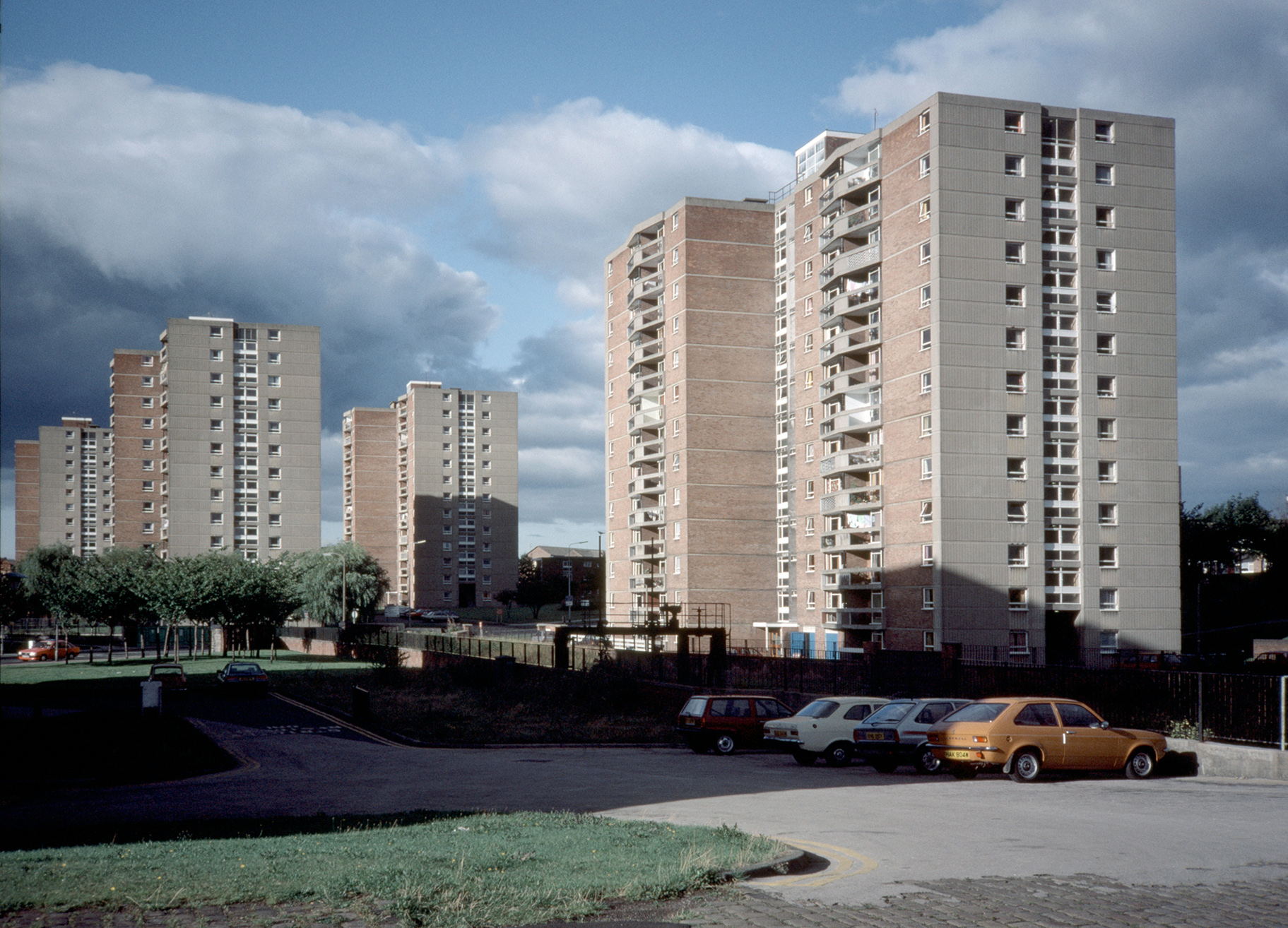
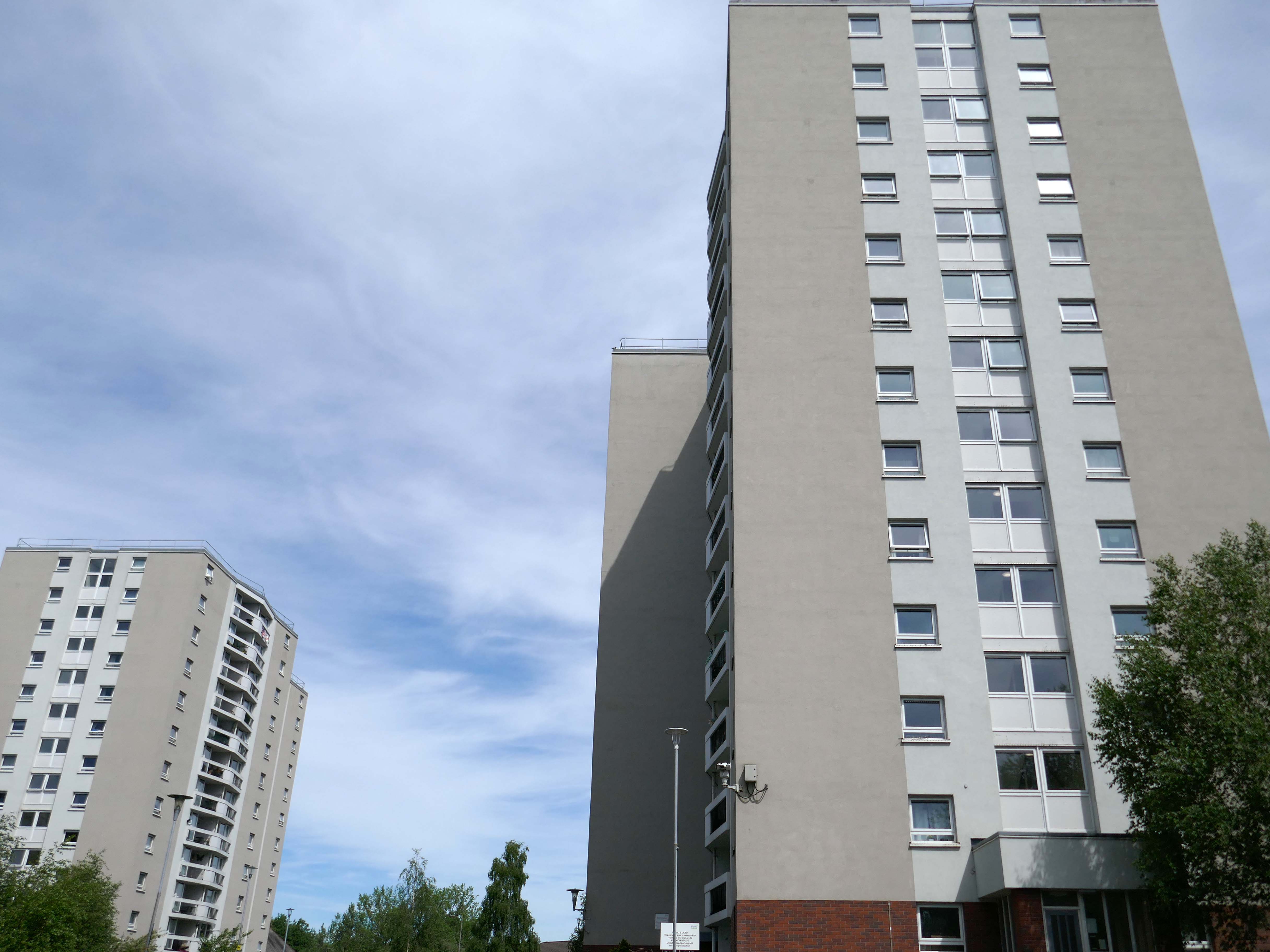
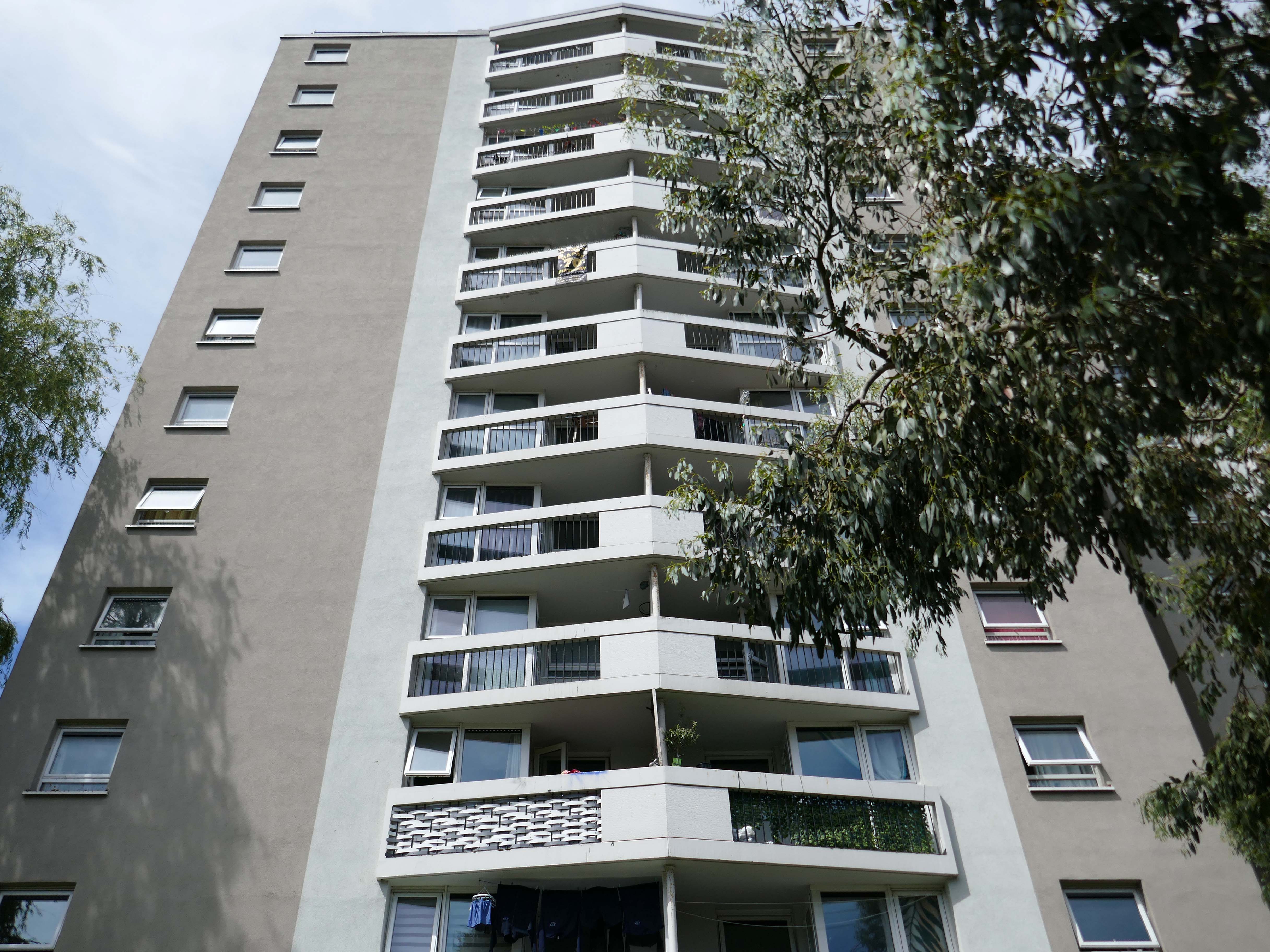
Five thirteen-storey tower blocks adjacent to Douglas House in Scholes were approved in 1964. Lower-rise housing and flats spread to the east. In 1968, a further 13-storey block, Boyswell House, was built at this eastern end of the Scholes Comprehensive Development Area. Almost 500 slum houses, housing 566 families, were demolished that same year and 581 new council homes completed.

Municipal Dreams

Image – Tower Block 1987

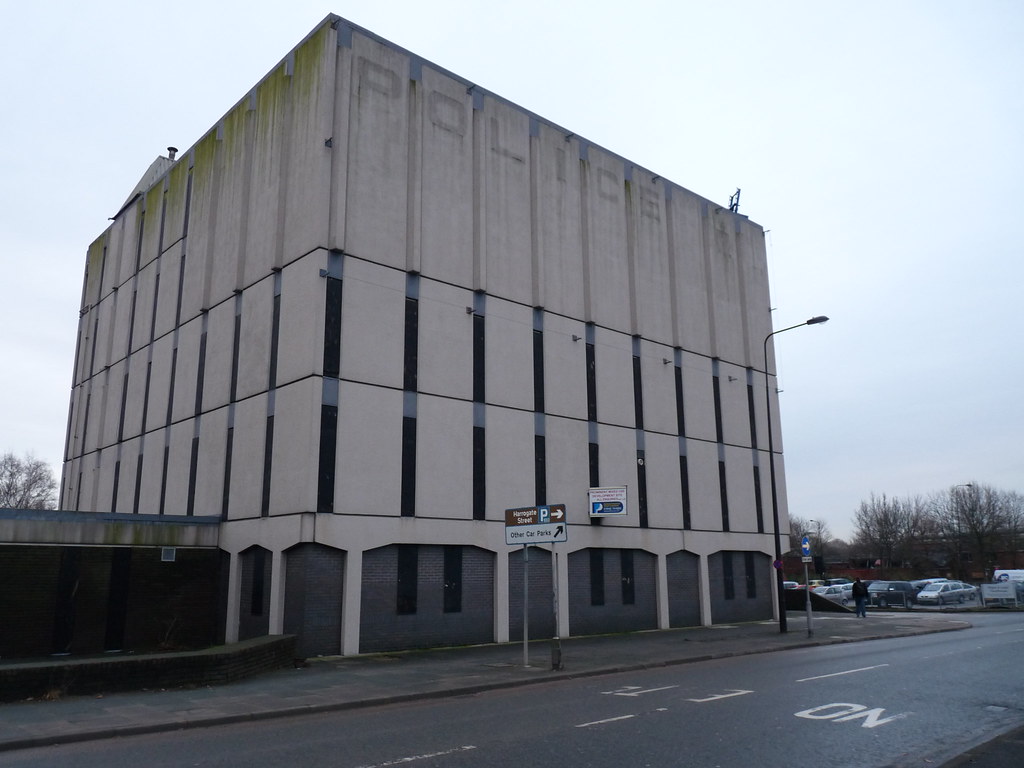
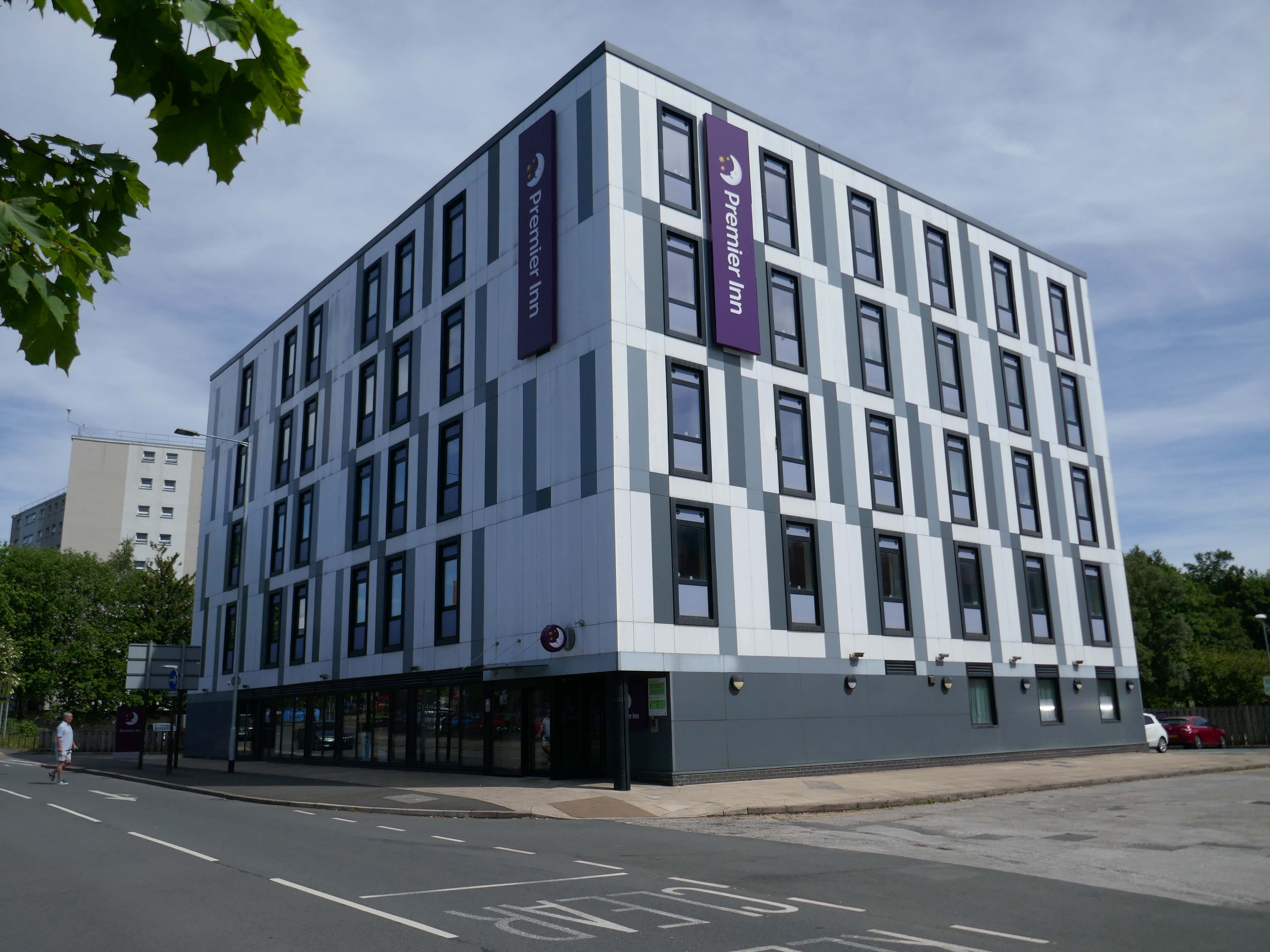
Next to the Roger Booth cop shop that became a Premier Inn.

A super-comfy bed, blackout curtains, a powerful shower and free Wi-Fi – our double rooms have everything you’ll need for a great night’s sleep.

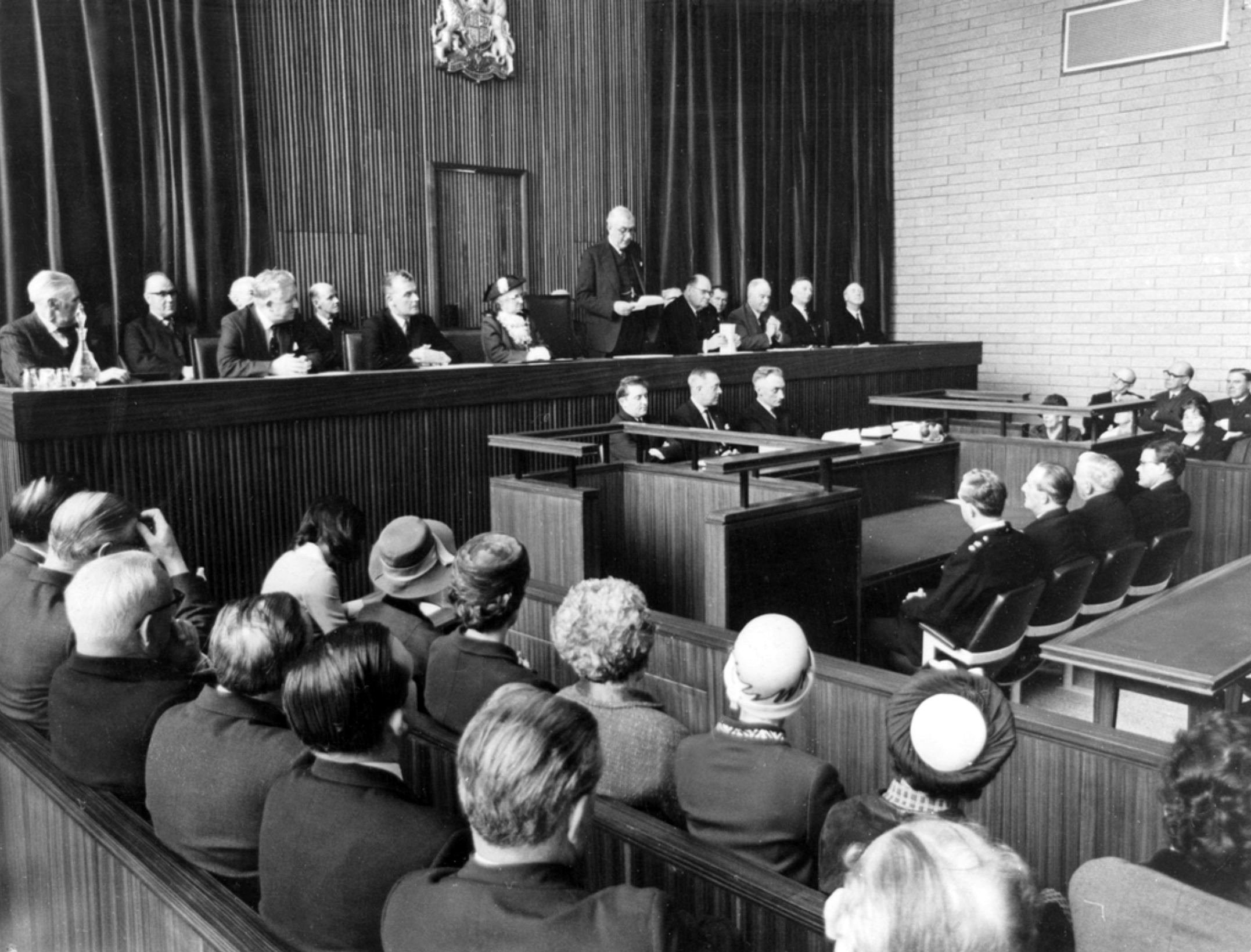
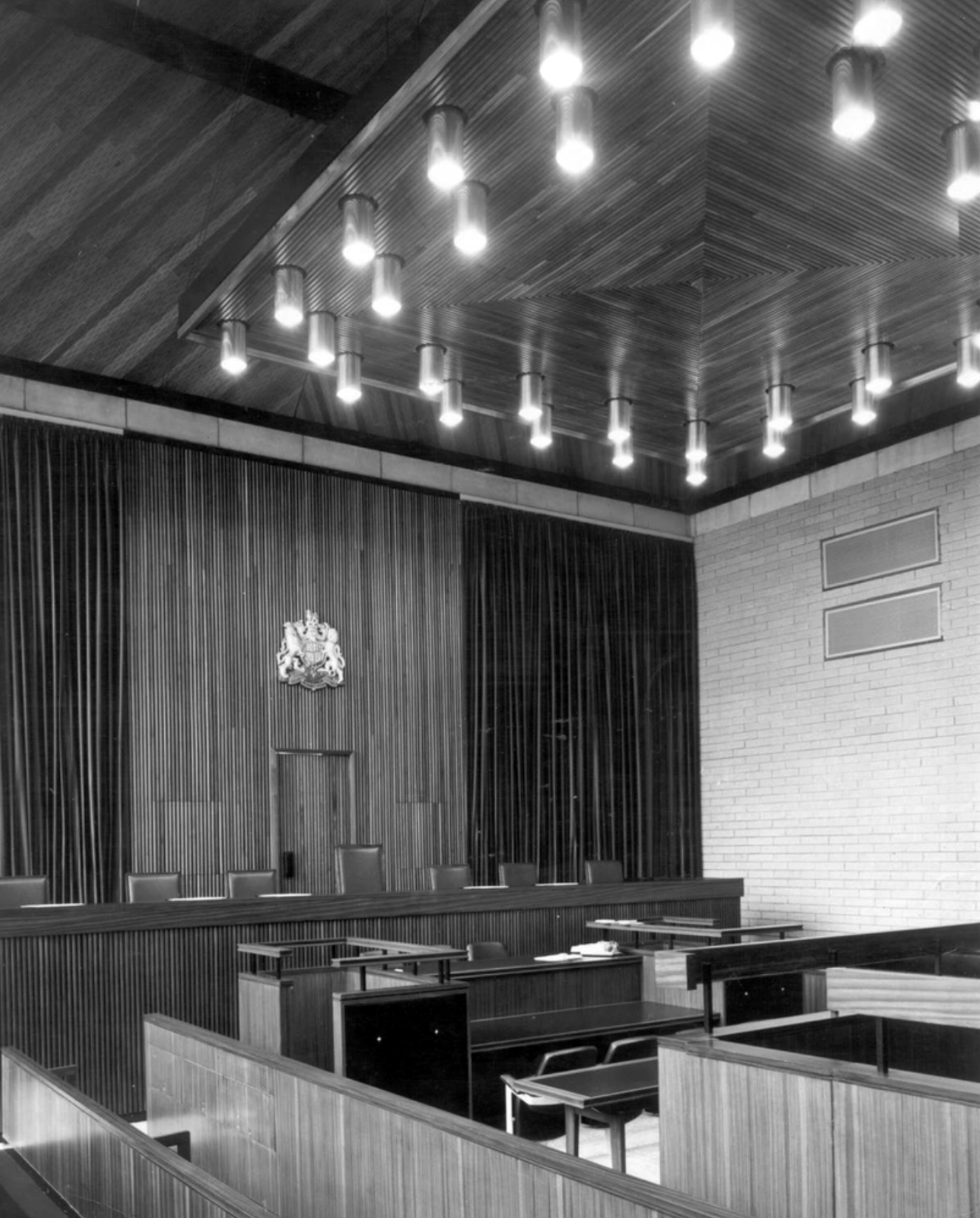
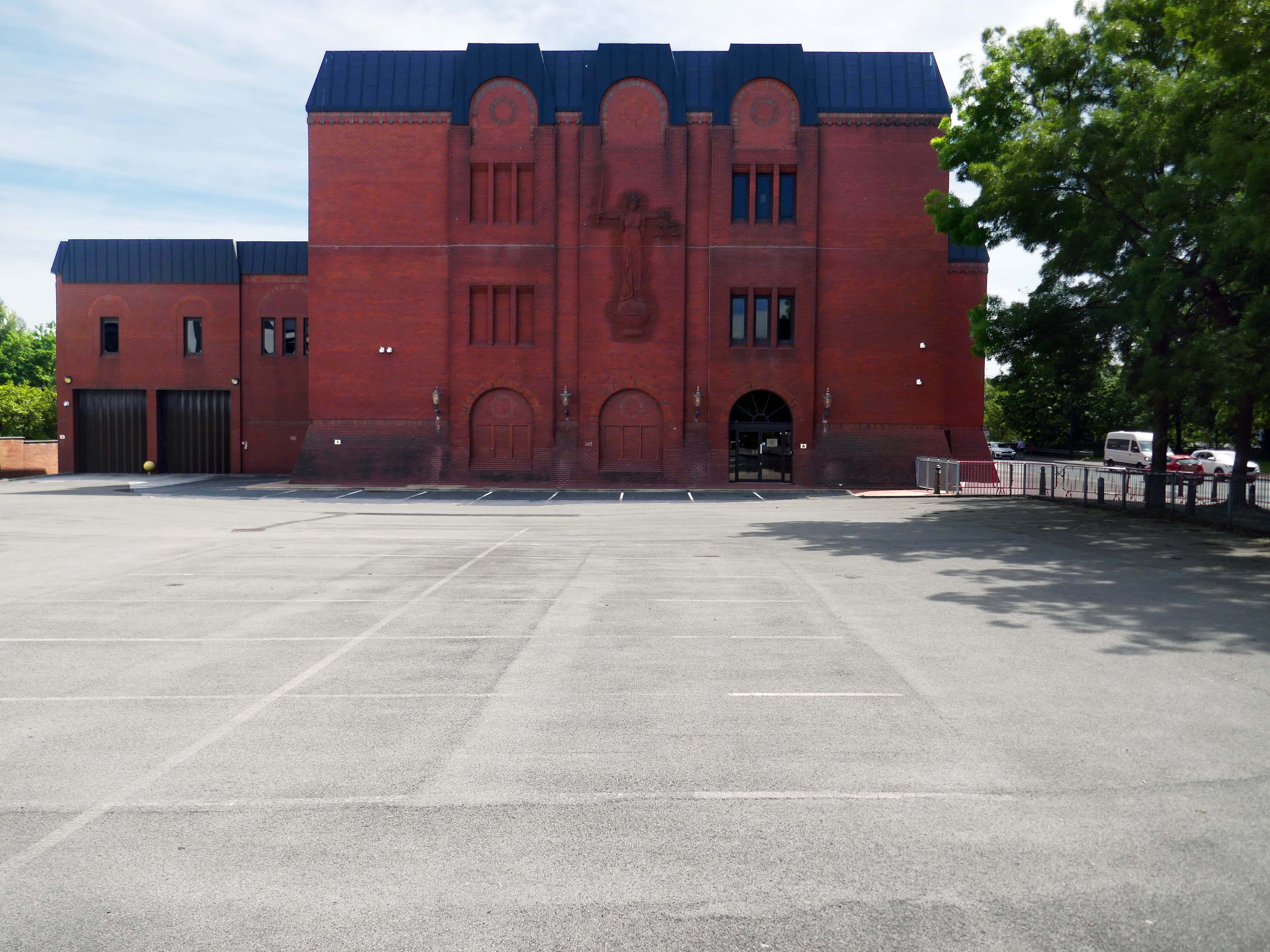
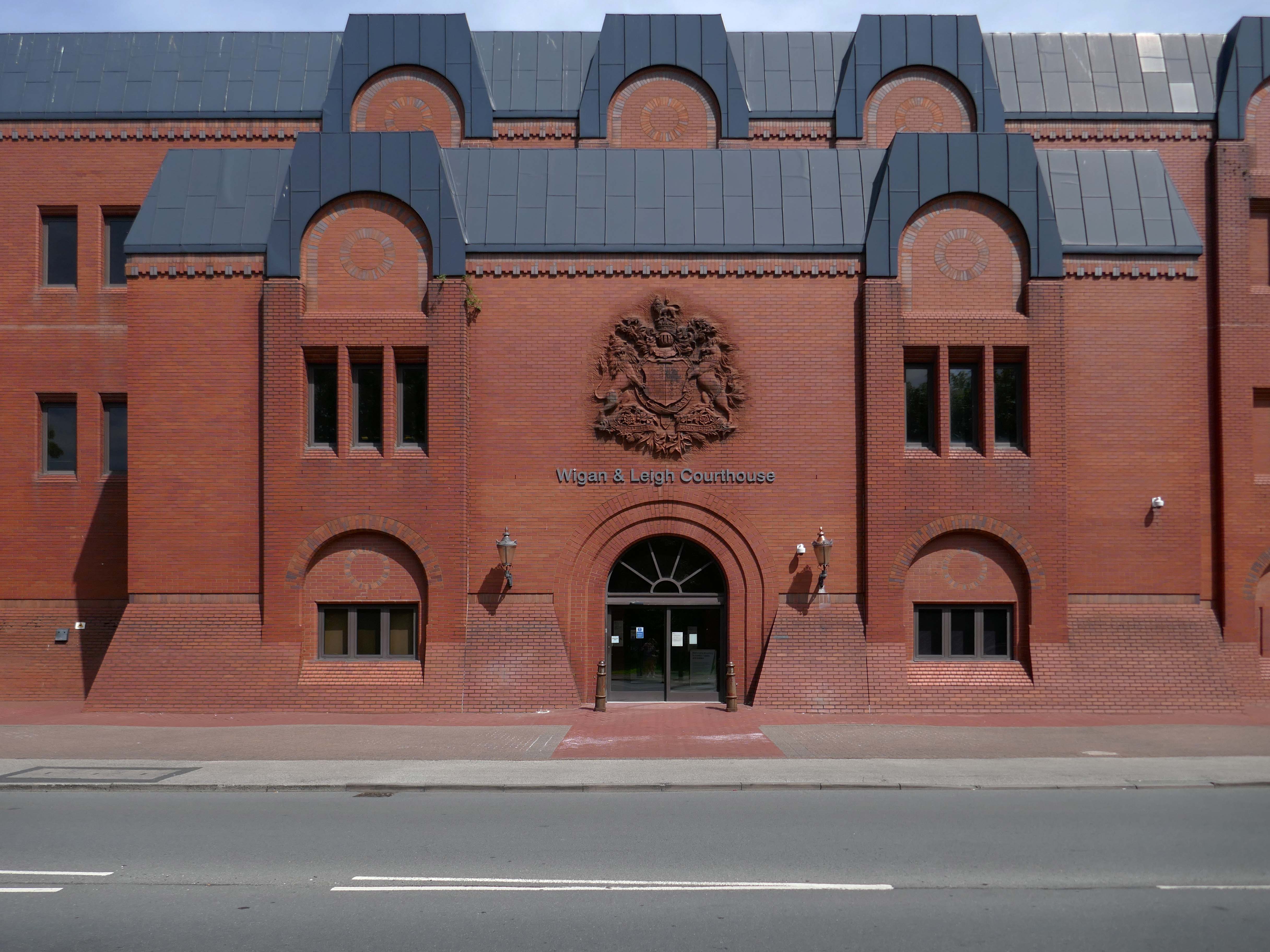
Next door the Wigan & Leigh Courthouse 1992 Wigan MBC Architect.

Relief figure of justice by Christine Ward.

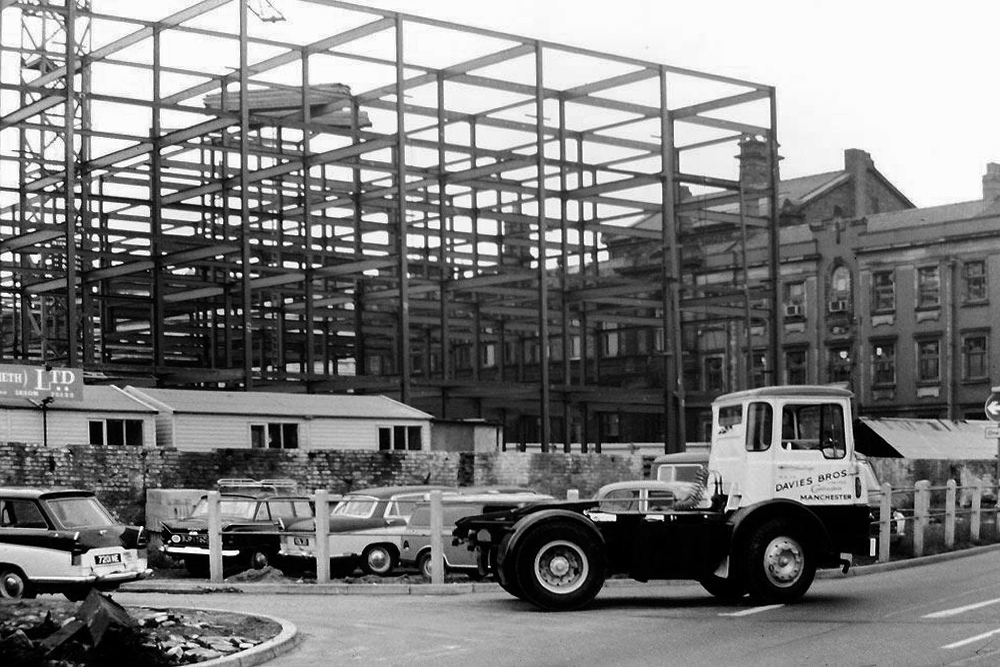
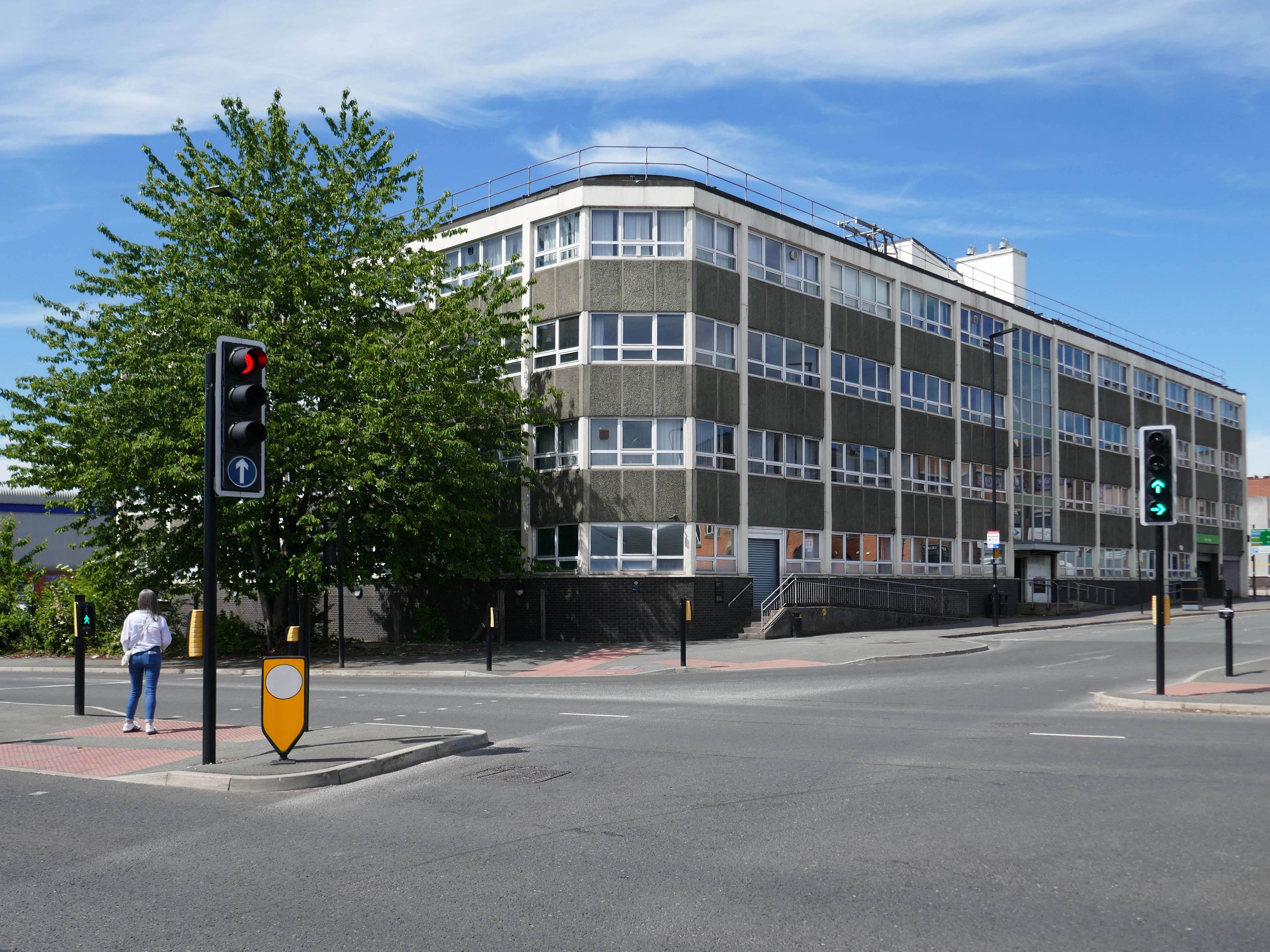
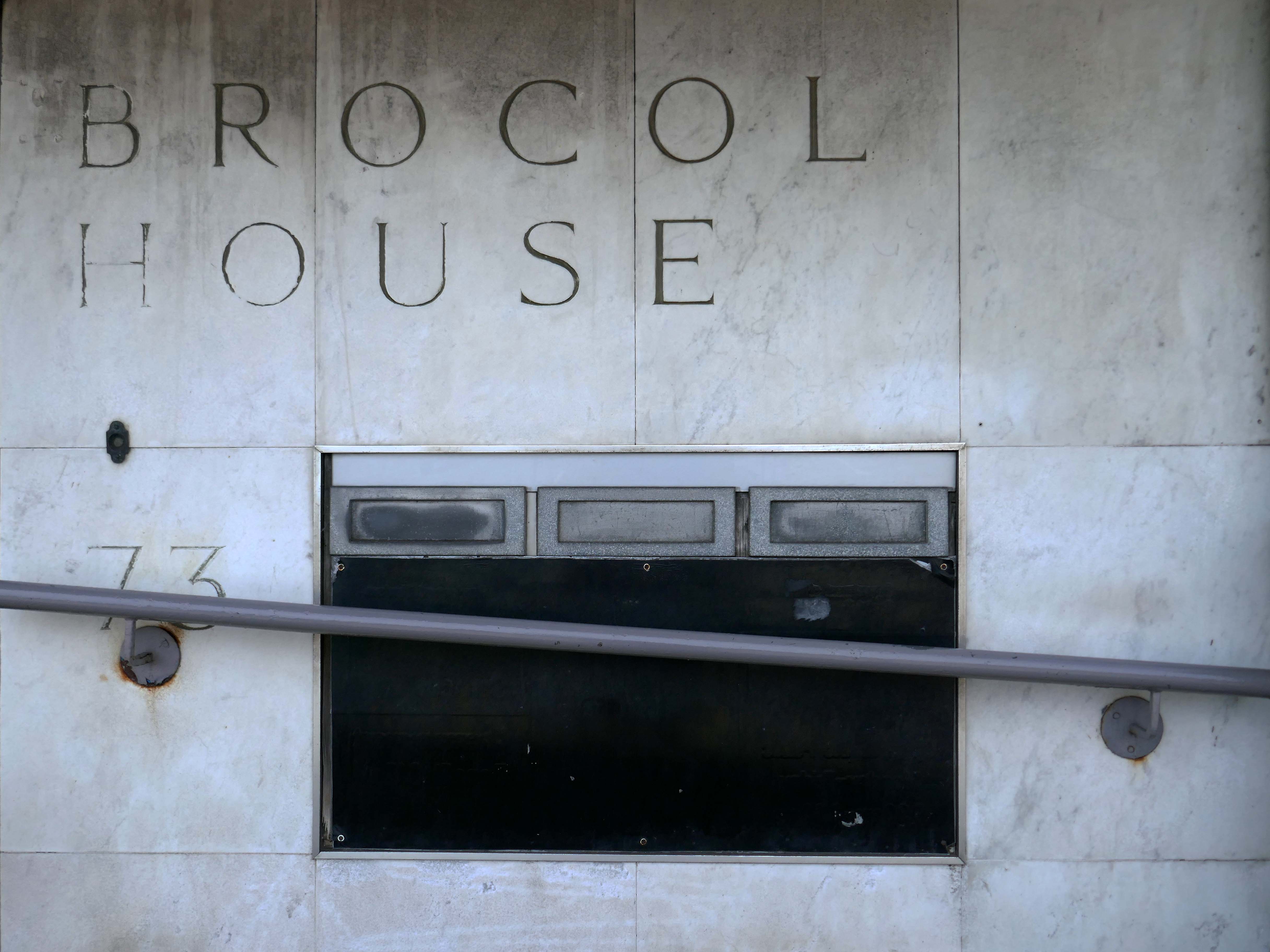
Onward to Brocol House – currently home to the Job Centre

Image – Wigan Peers

Originally built for the Inland Revenue one the site of the Brewers Arms – has the welcoming charm shared by the majority of Ministry of Works buildings of the period.

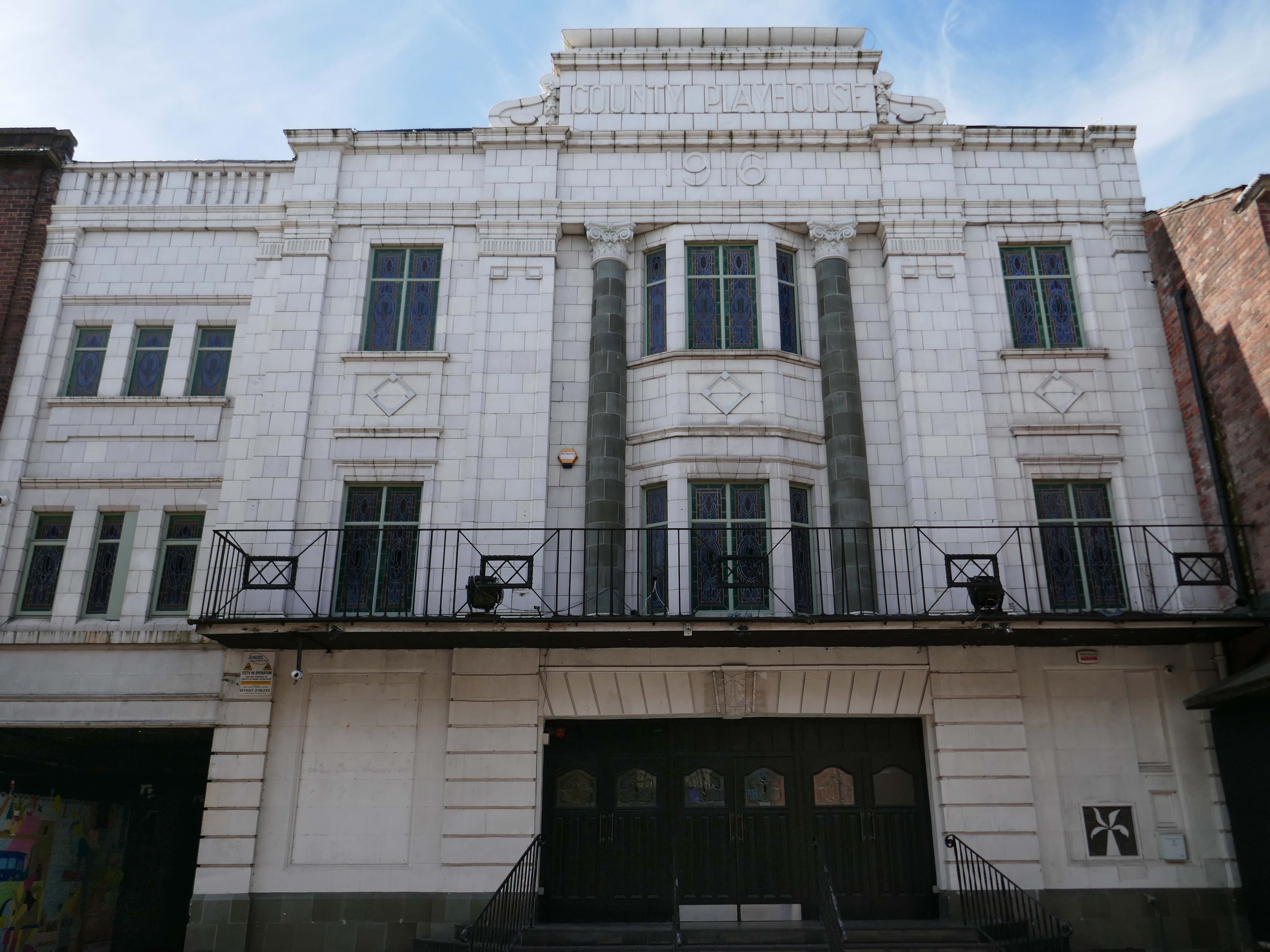
Nearly done – up the road to the County Playhouse.

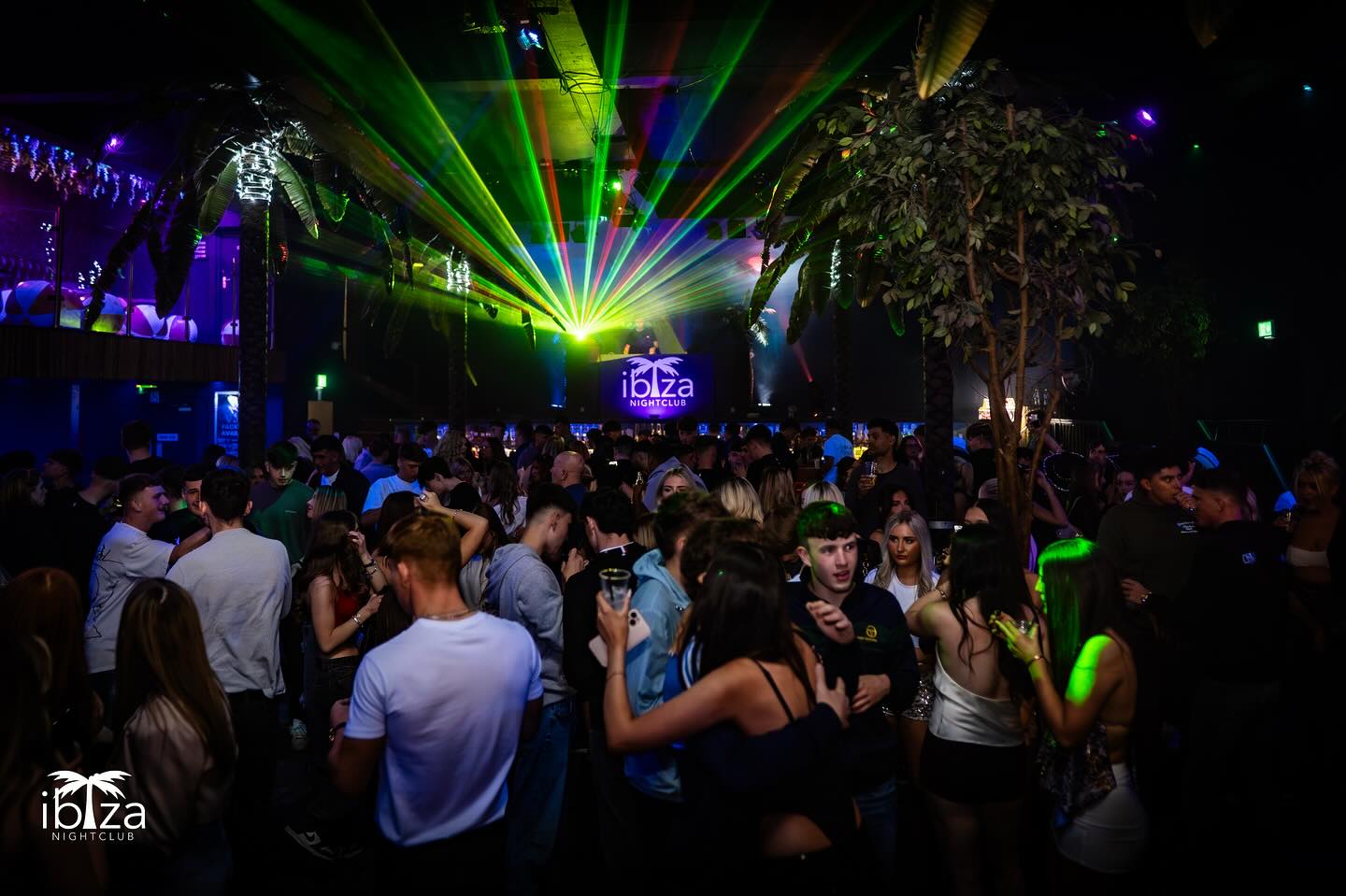
Which masquerades as Ibiza.

The club’s atmosphere is defined by thumping music and a vibrant crowd eager to dance and celebrate. Its modern interior design complements the lively ambience, creating an inviting space for locals and visitors alike.

Construction began on the County Playhouse in 1916. However, due to a shortage of materials and labour during World War I, it was not completed until 1919.

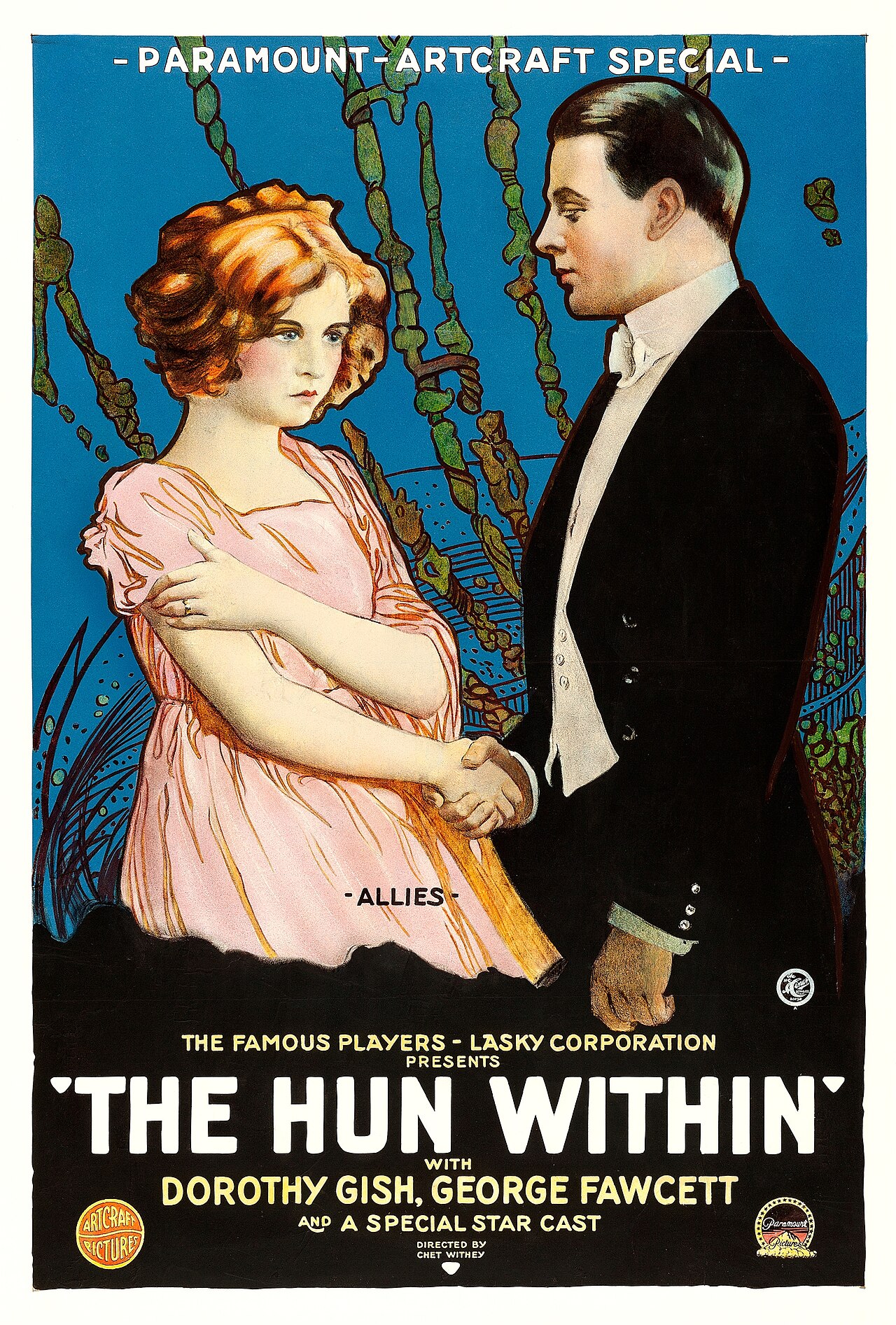
Finally opened on 22nd December 1919 with The Hun Within – starring Dorothy Gish.

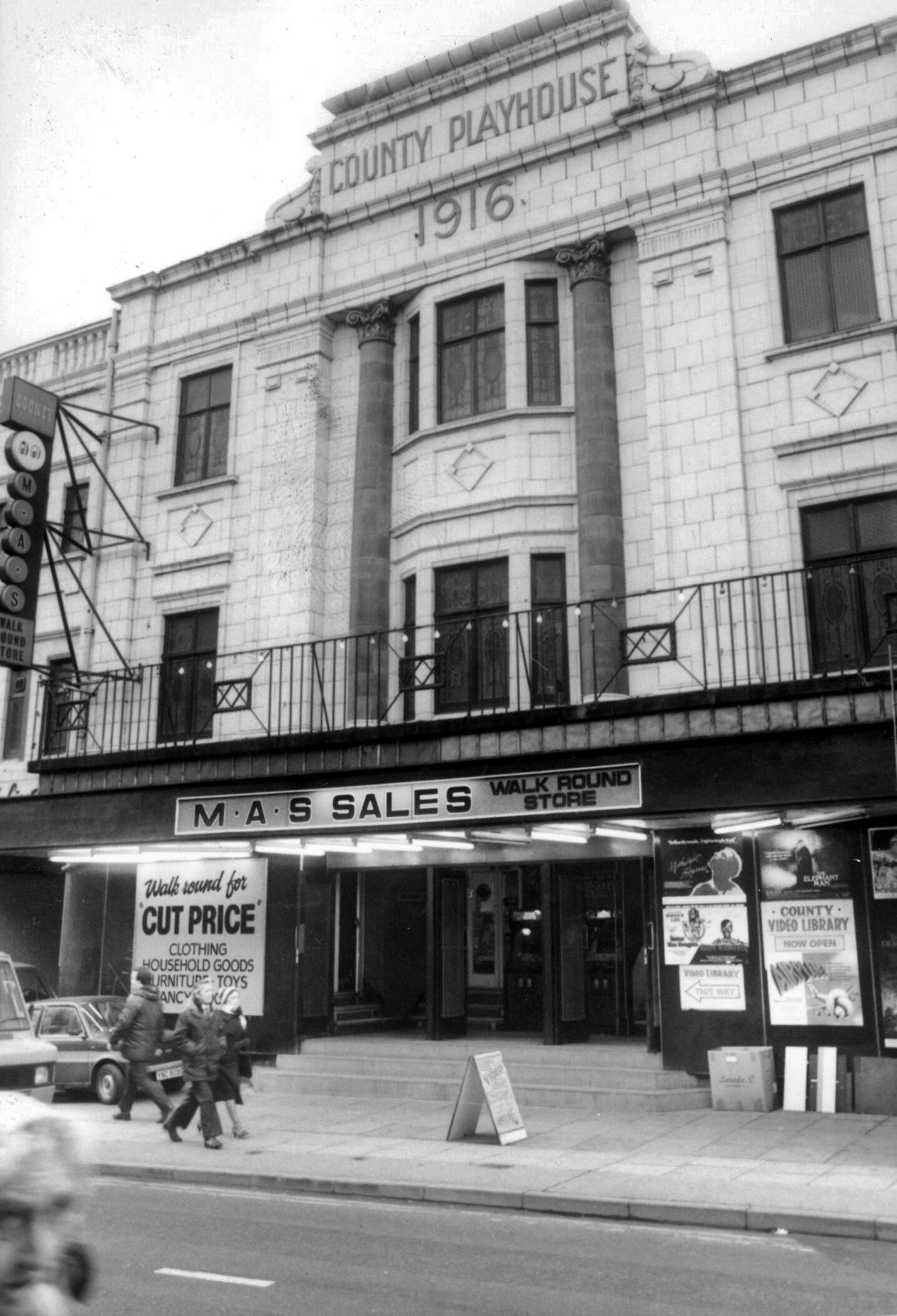
The County Playhouse closed on Sunday 13th November 1966 with Disney’s “The Sword and the Stone”. It was taken over by the Leeds Based Star Cinemas chain and they converted it into Star Bingo and Social Club opened on 24th November 1966.

MAS sales store 1982 – Frank Orrell Photography

The building has since been used as a discount store and Playhouse Club Café. It then became home to the 1,200 capacity Pure Nightclub. In the early-2000’s it became the Ibiza nightclub. The Pure nightclub move into the former Princes Cinema

Cinema Treasures

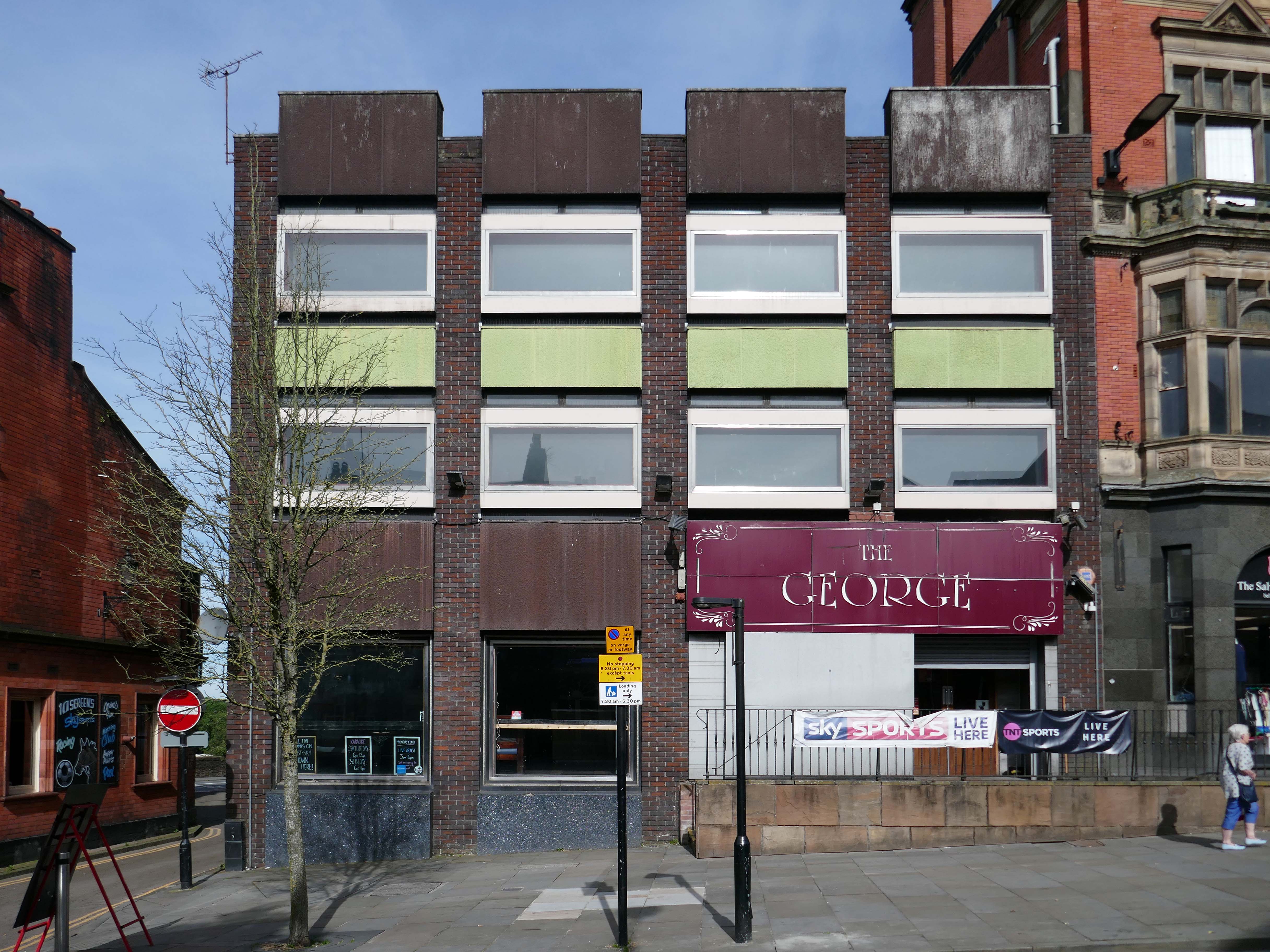
Time for a swift half in The George to end your tour?

Great for a local pint one of the cheapest in Wigan I believe, slightly rough at times but no fights just real local people who are generally friendly. Proper drinking gaff, and karaoke on certain nights.

Use Your Local

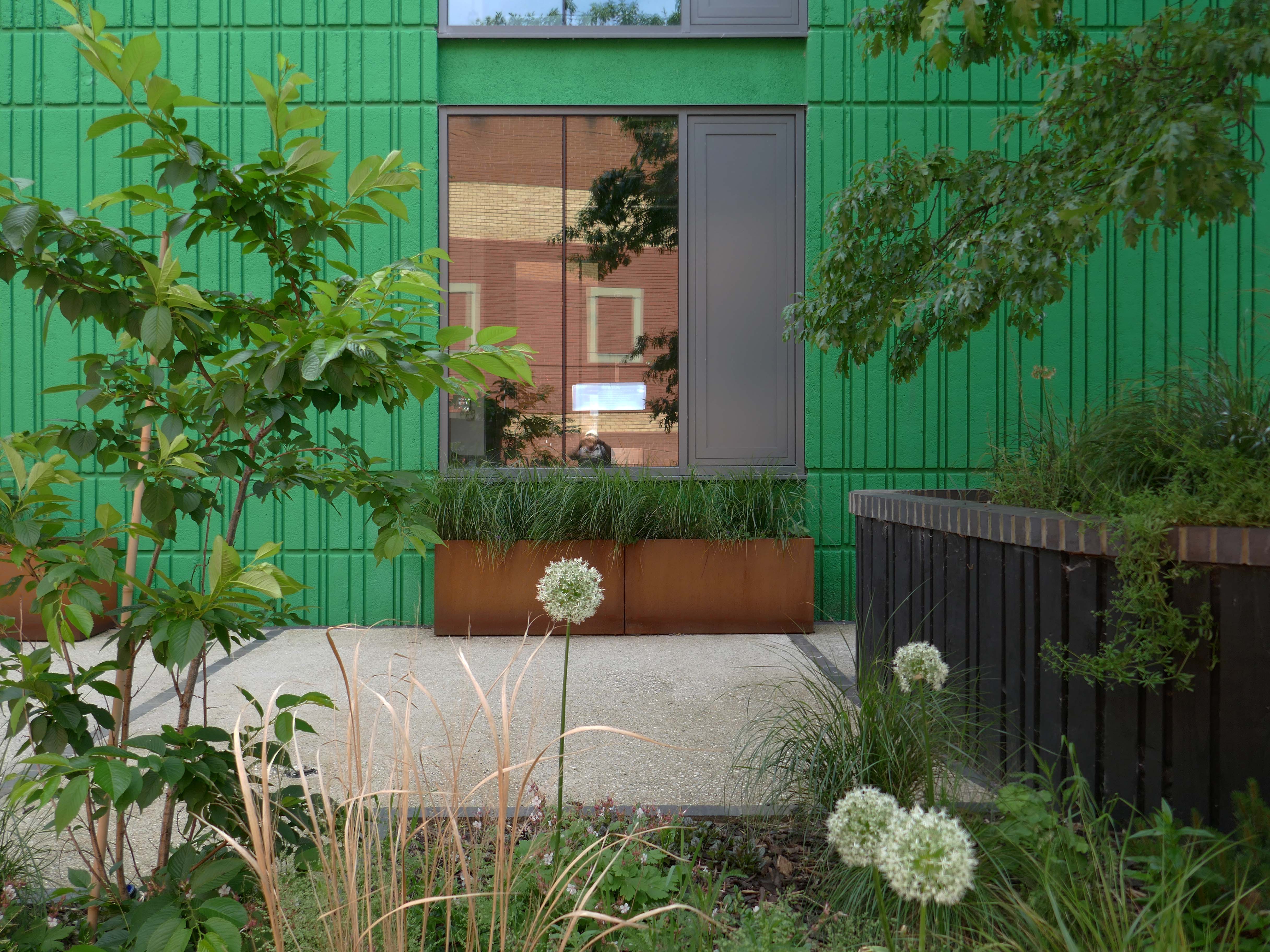
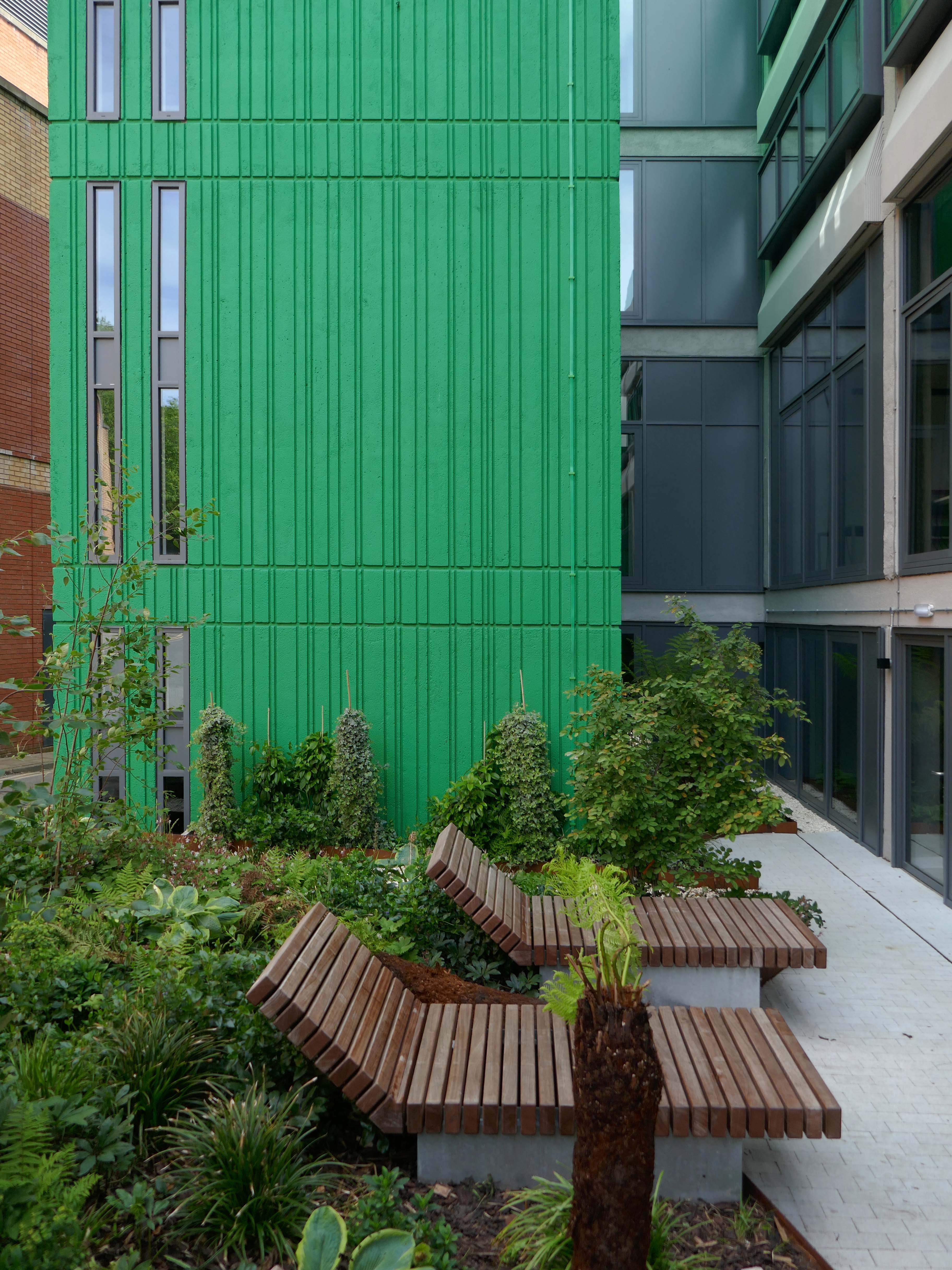
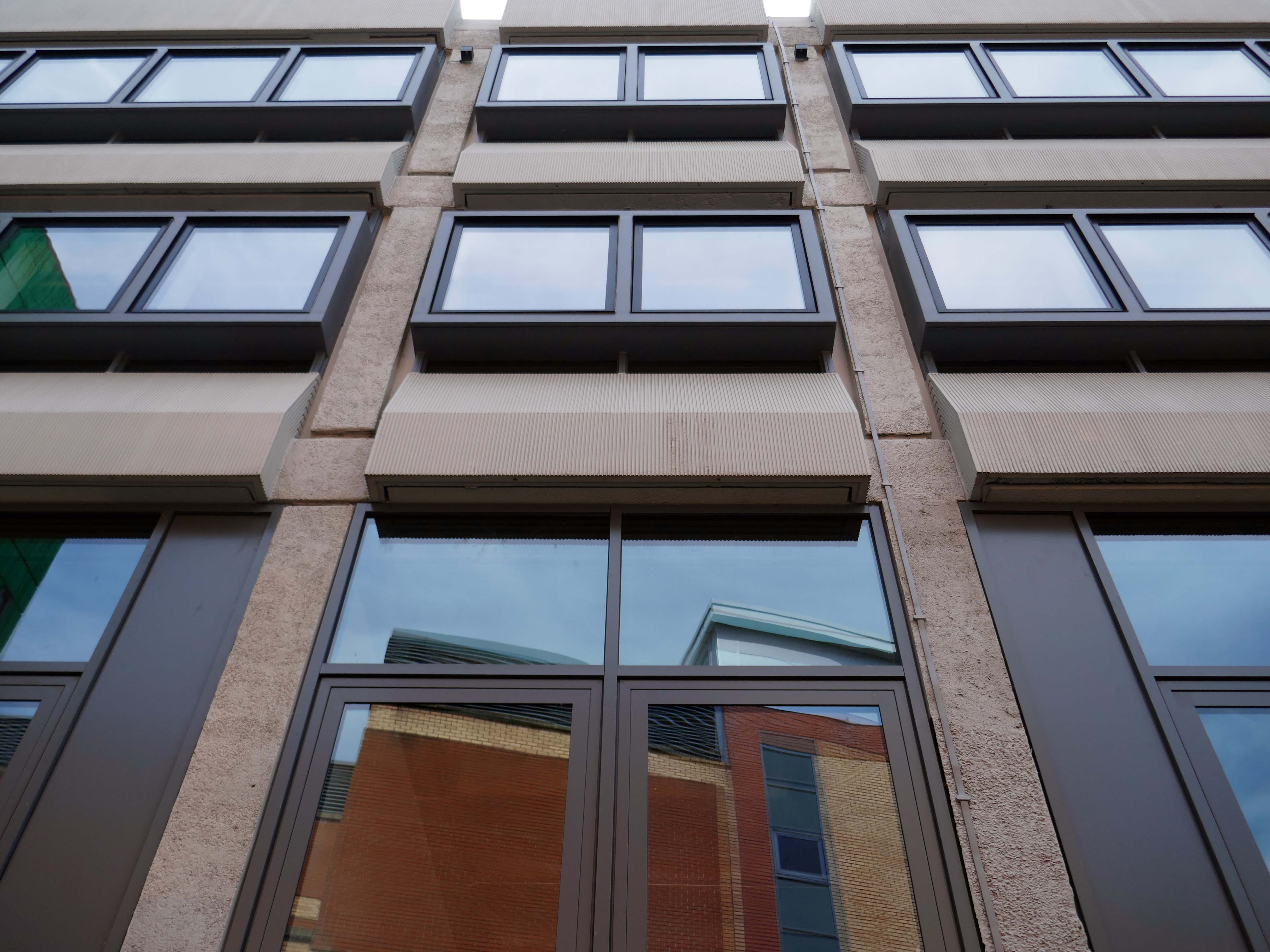
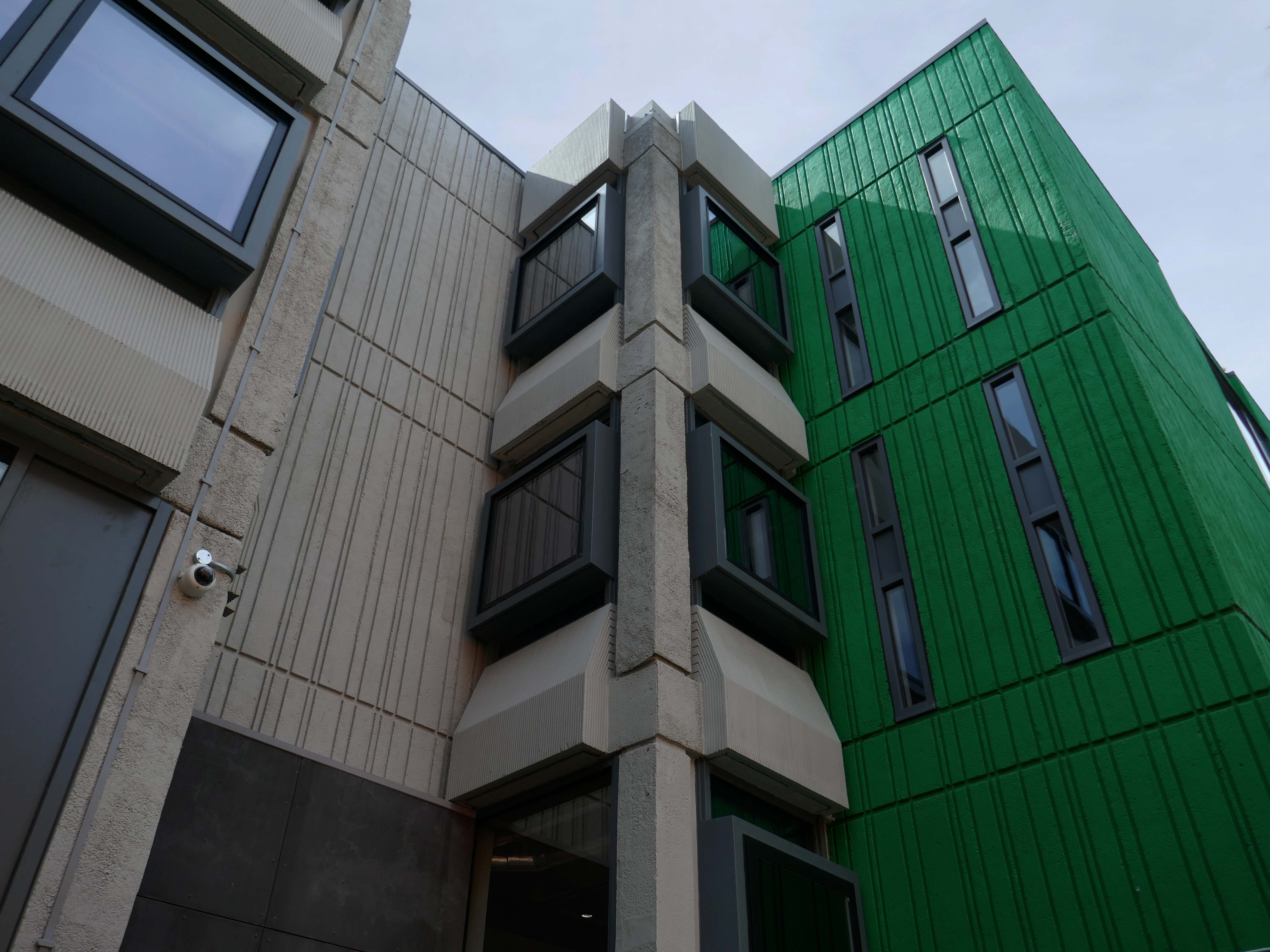
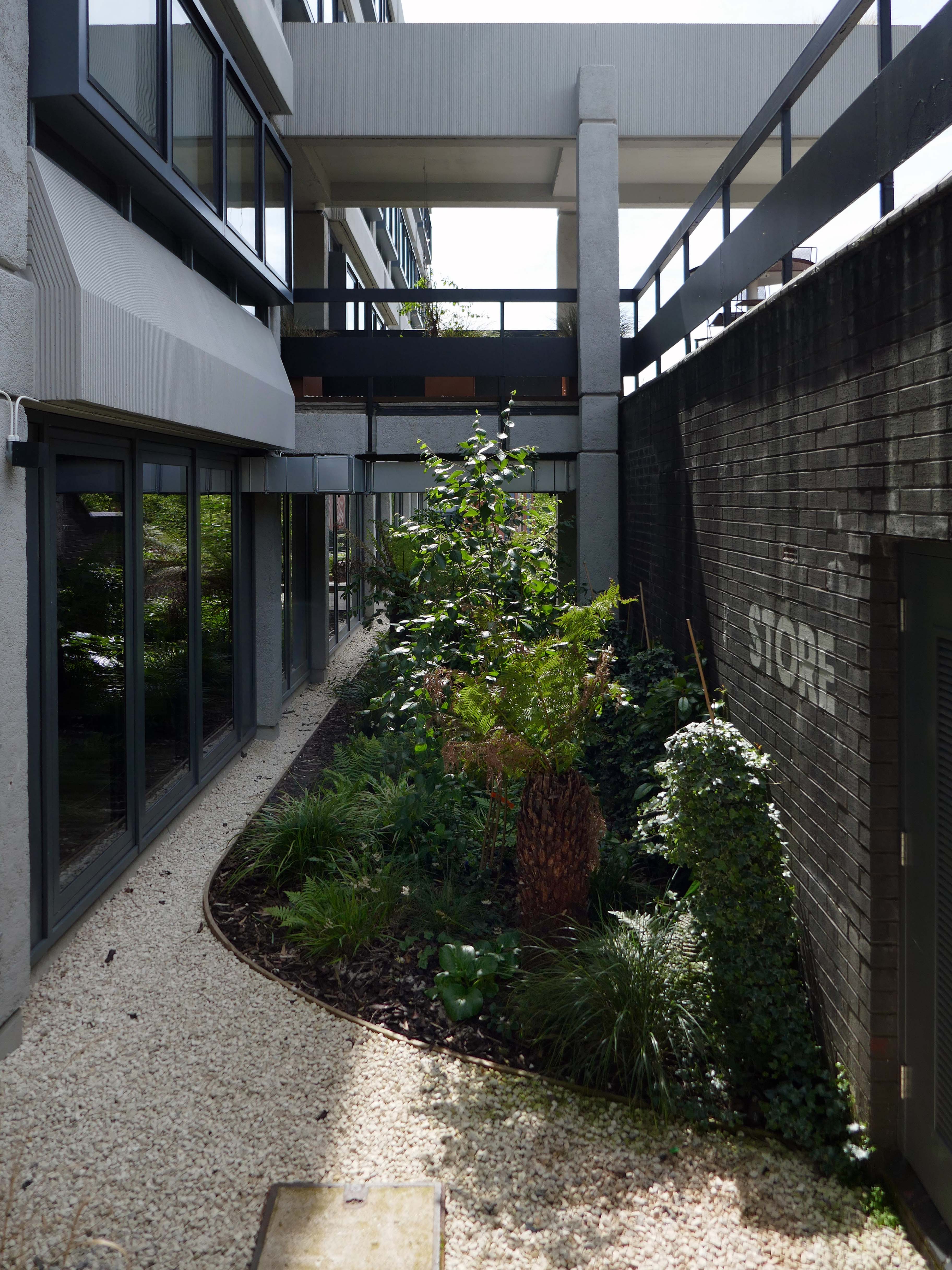
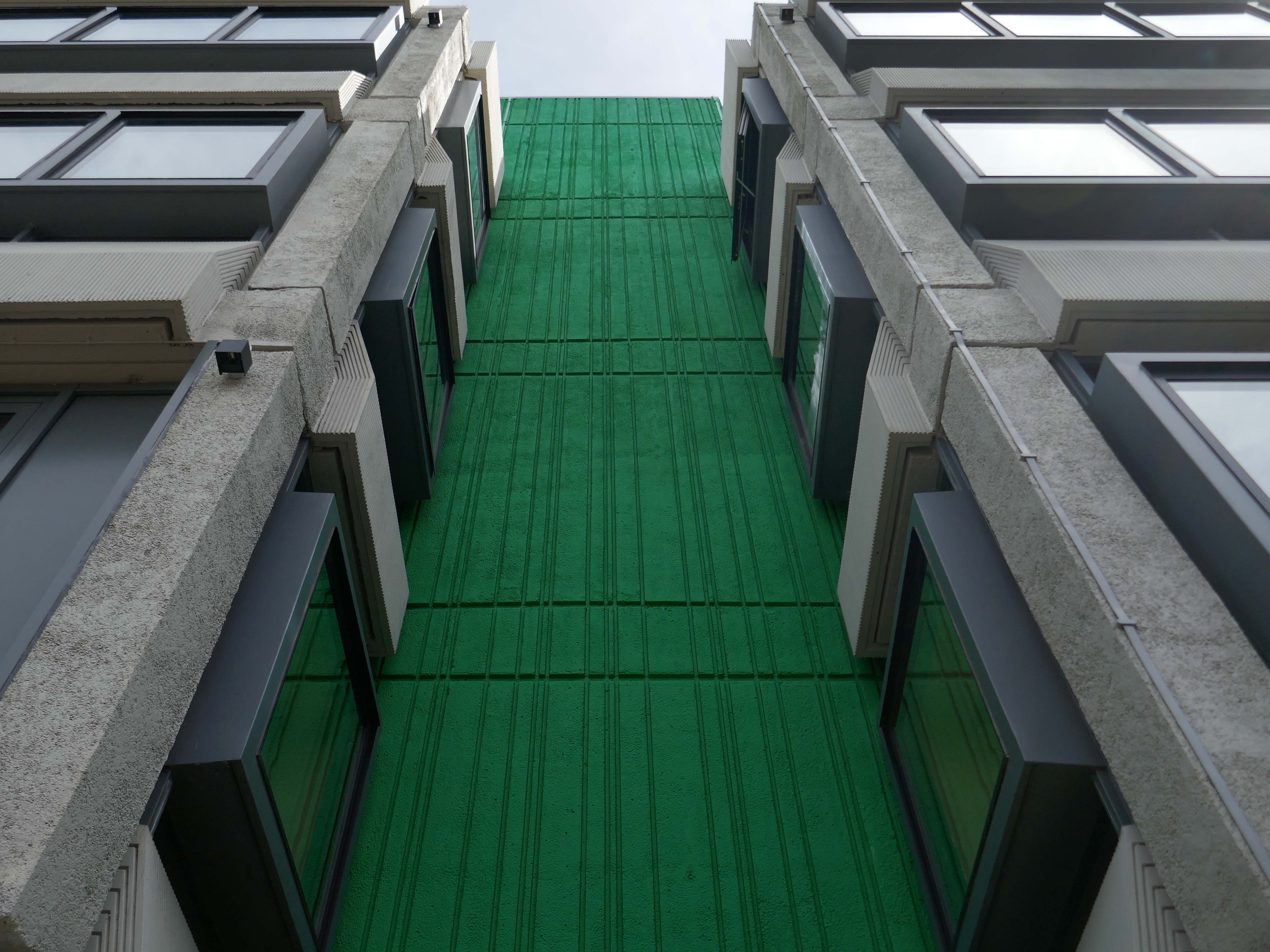
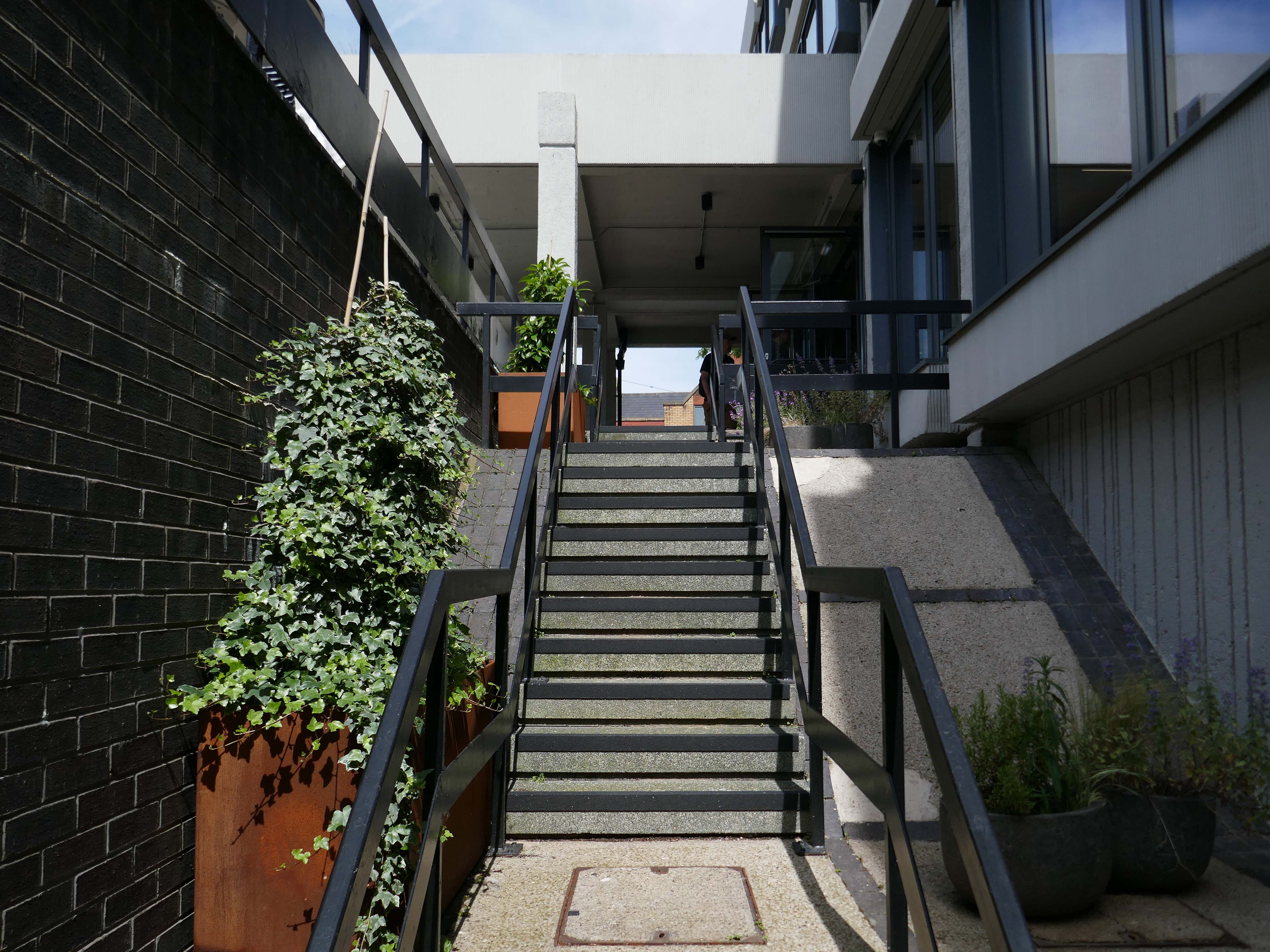
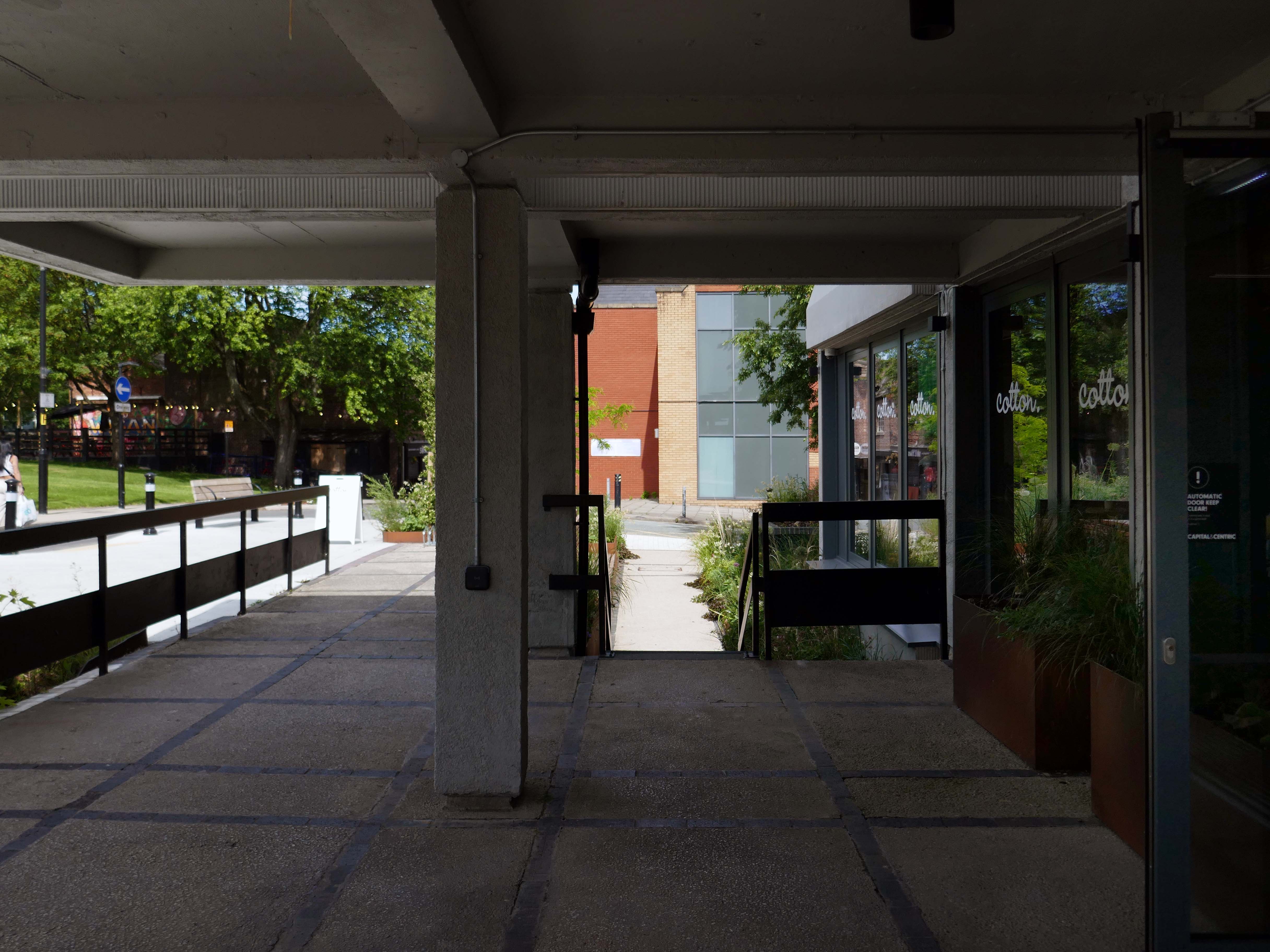
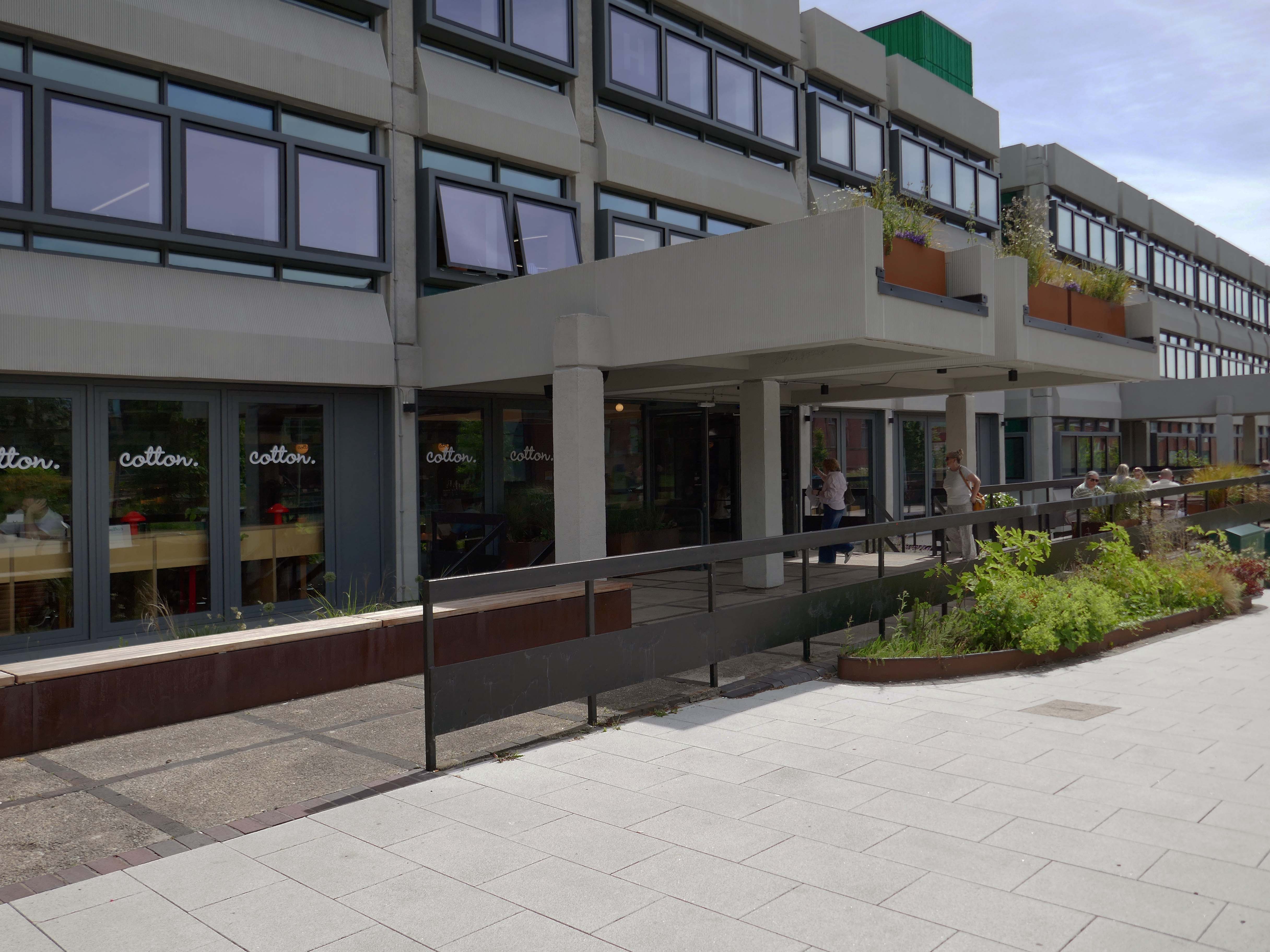
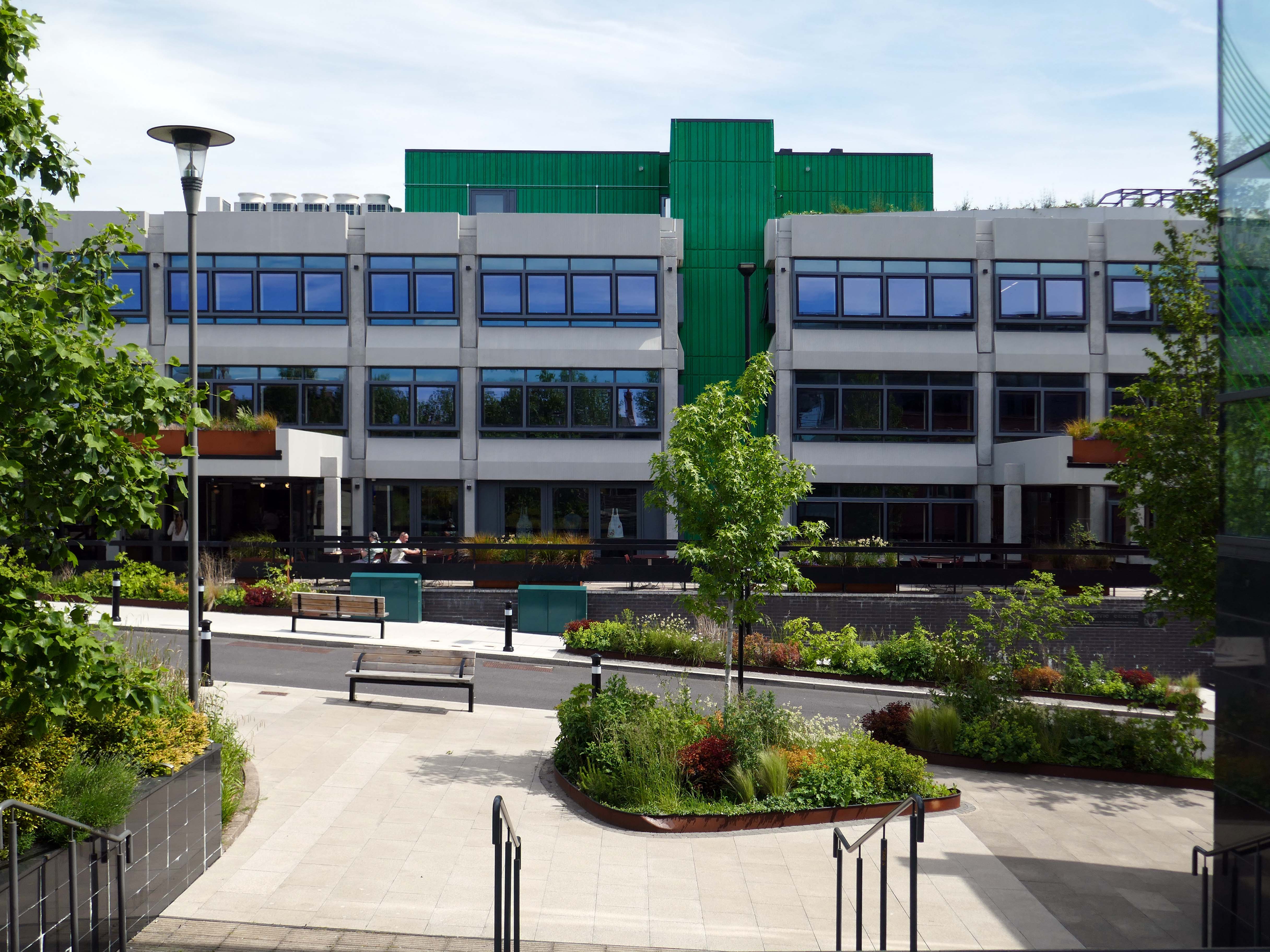
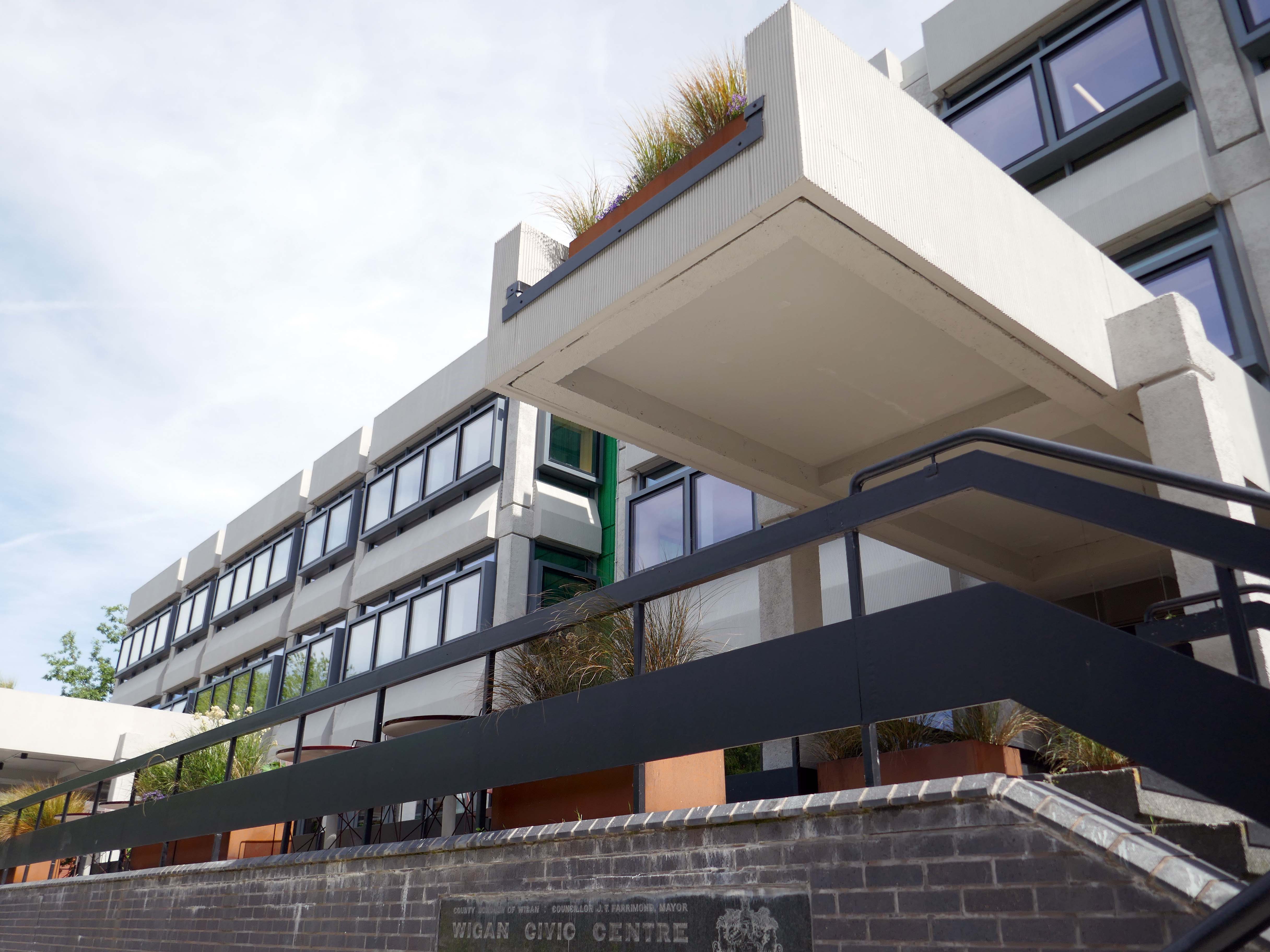
Wigan Civic Centre 2026

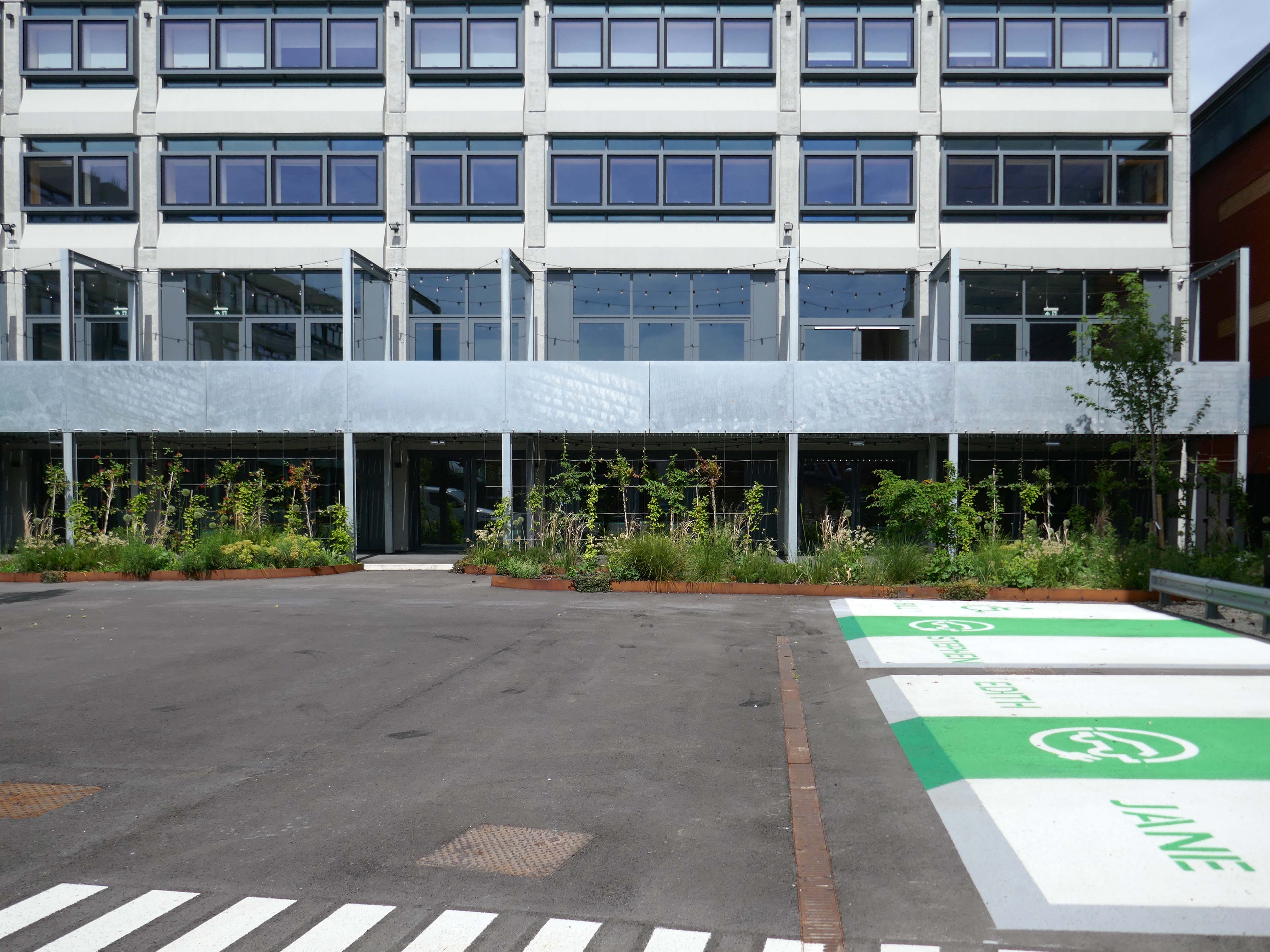
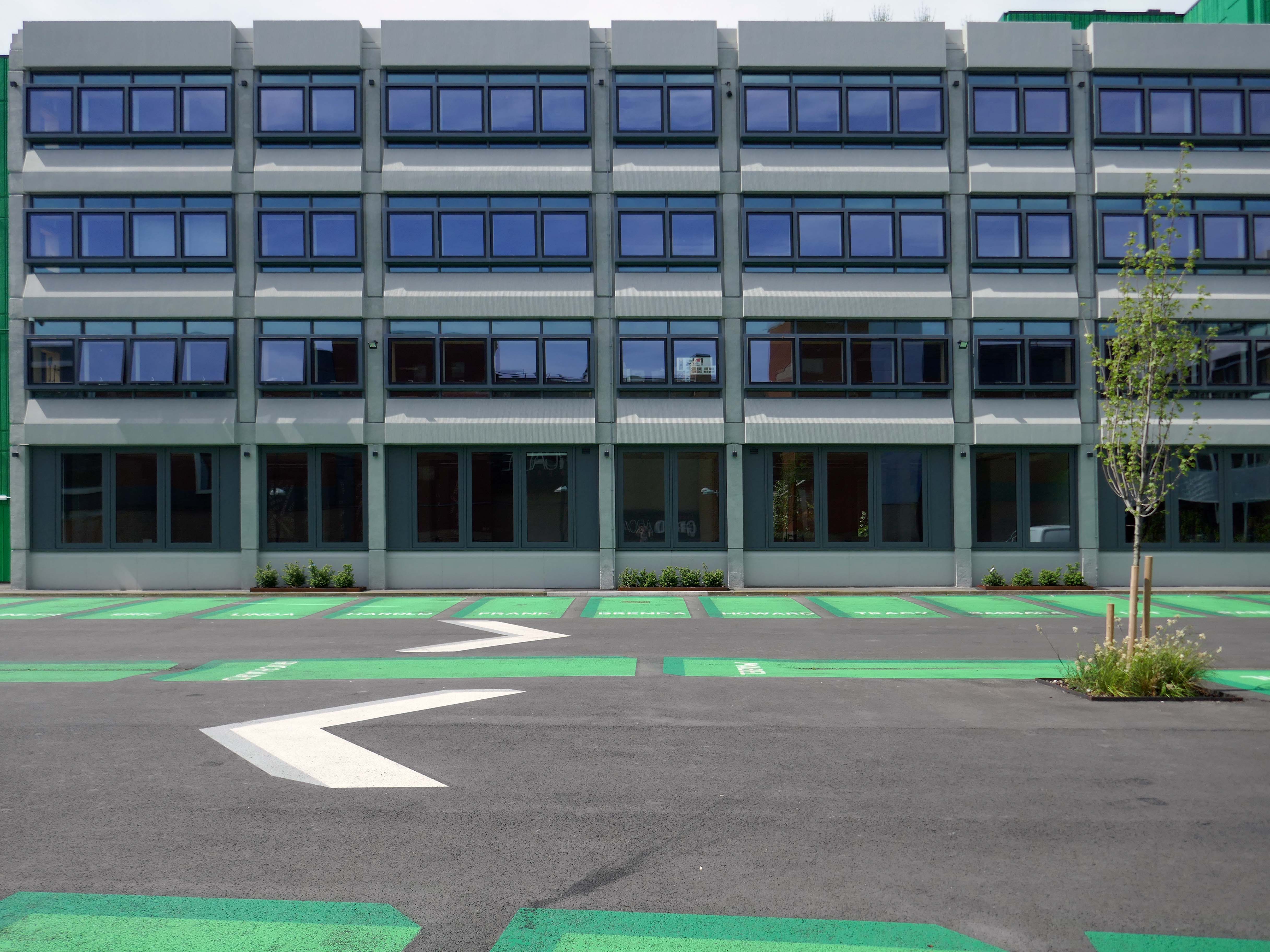
Over ten years ago I visited Wigan Civic Centre.

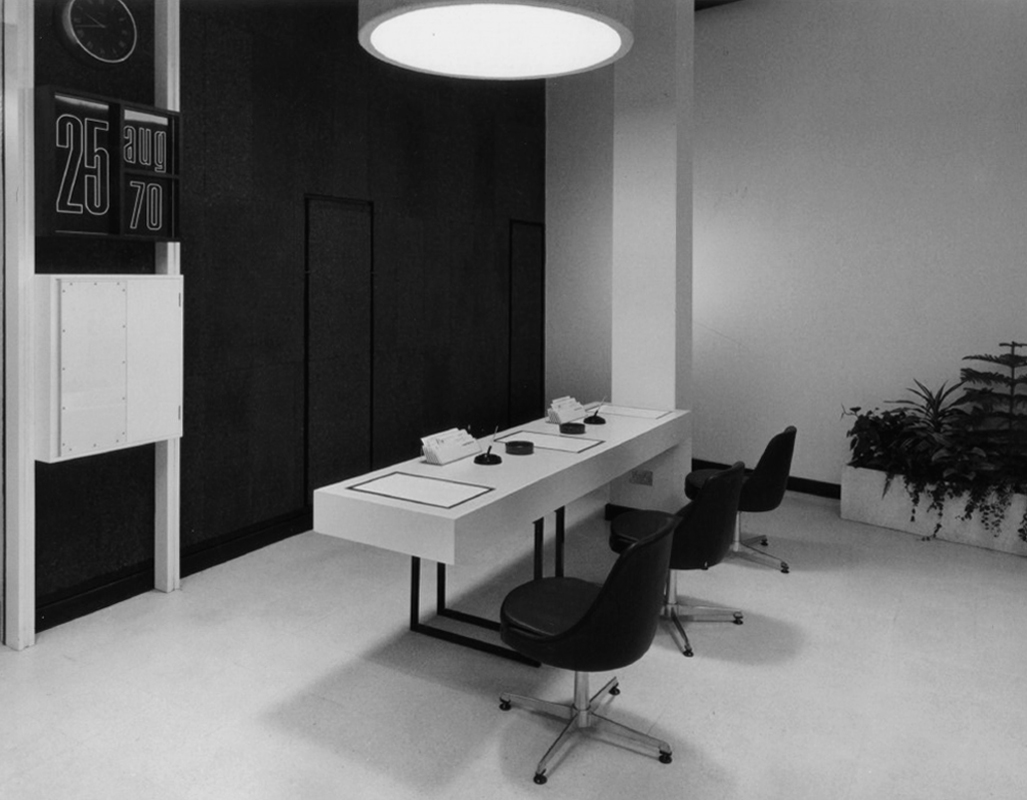
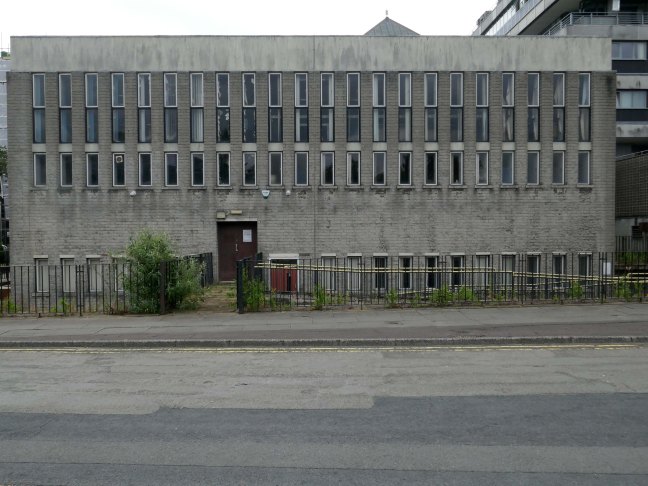
It looked a lot like this:

The current Pevsner Guide remarks:

1971 built of a pre-cast concrete panel system, dour, on an awkwardly sloping site.

I beg to differ – what’s the opposite of dour?

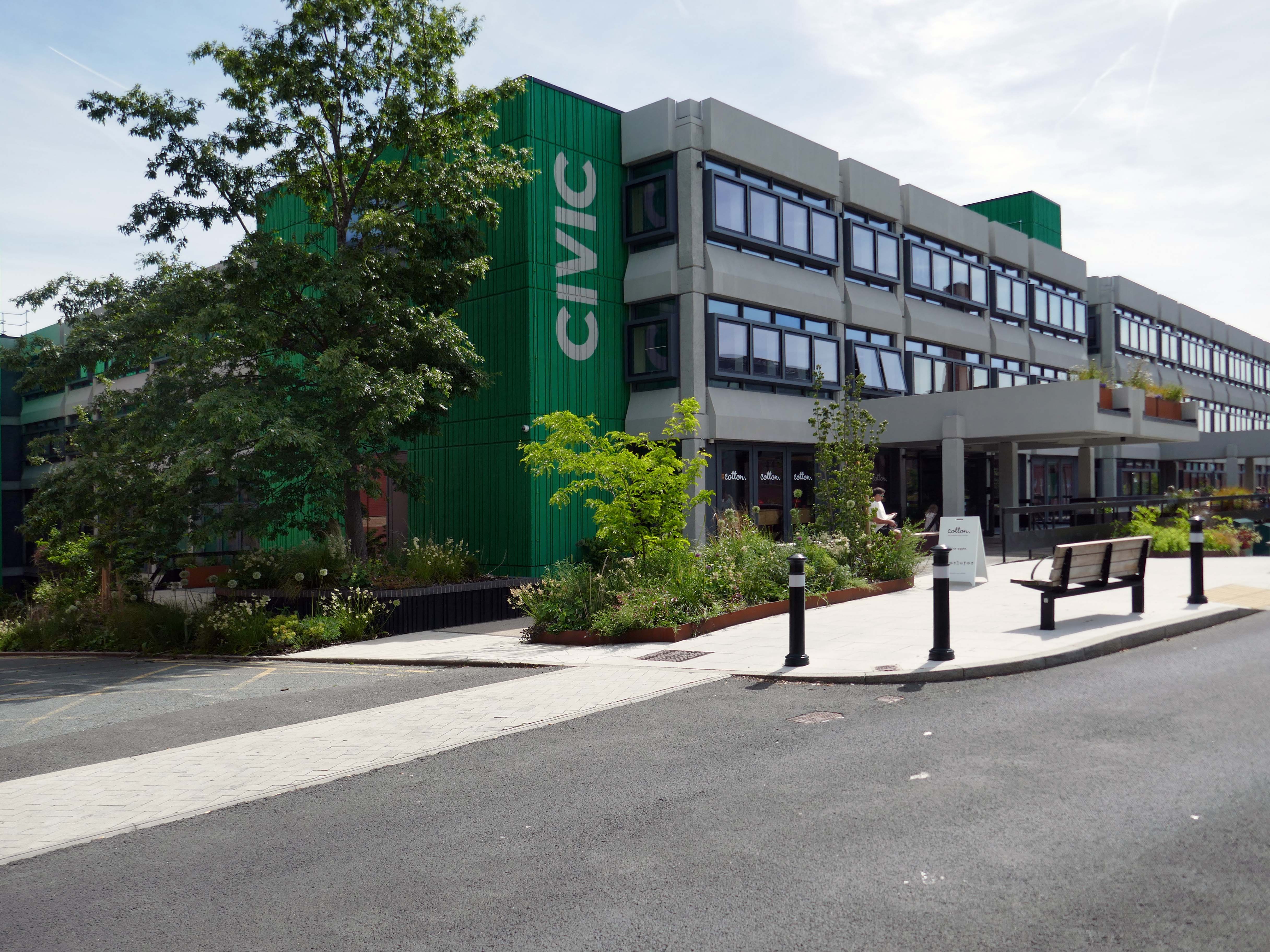
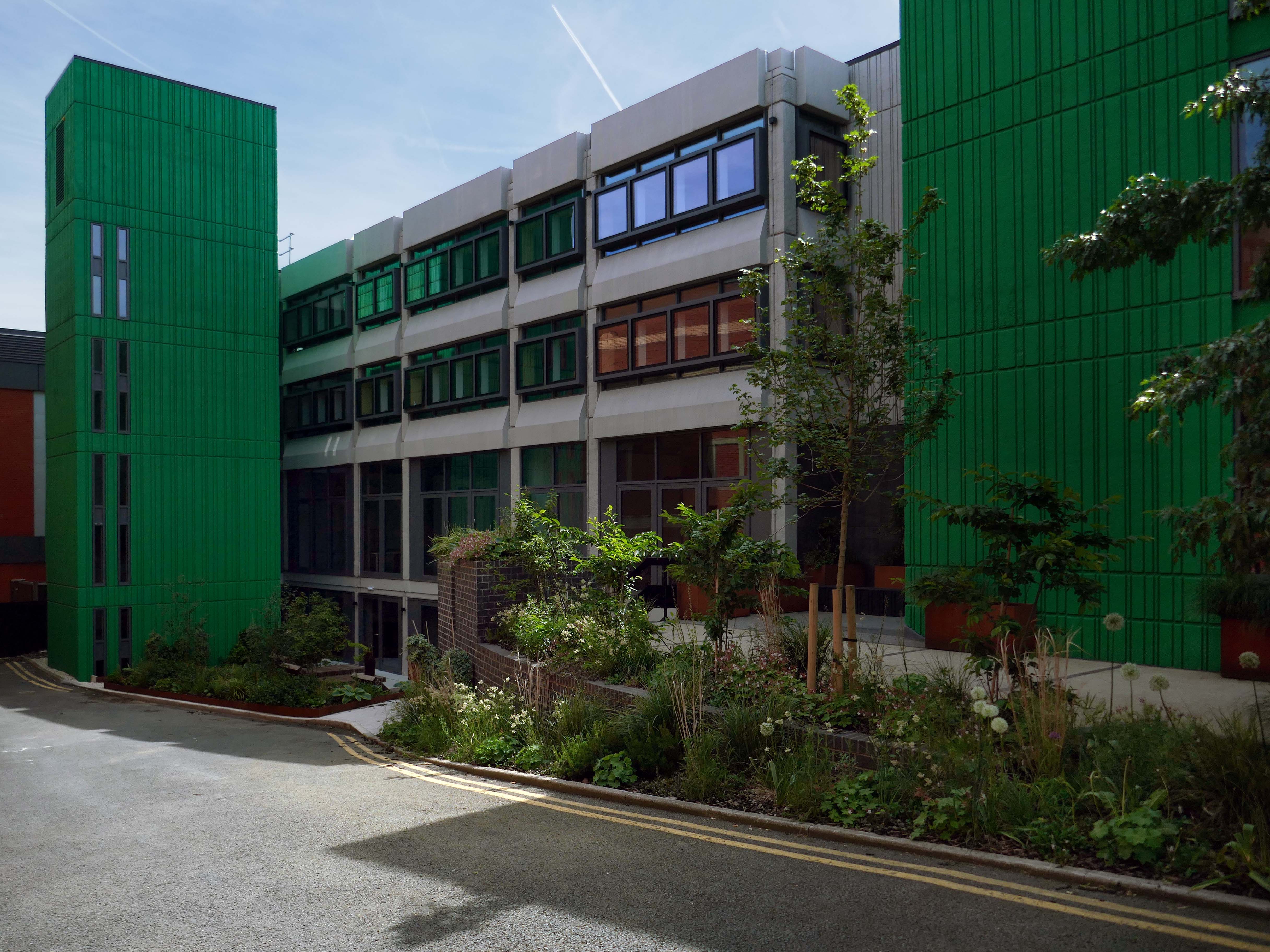
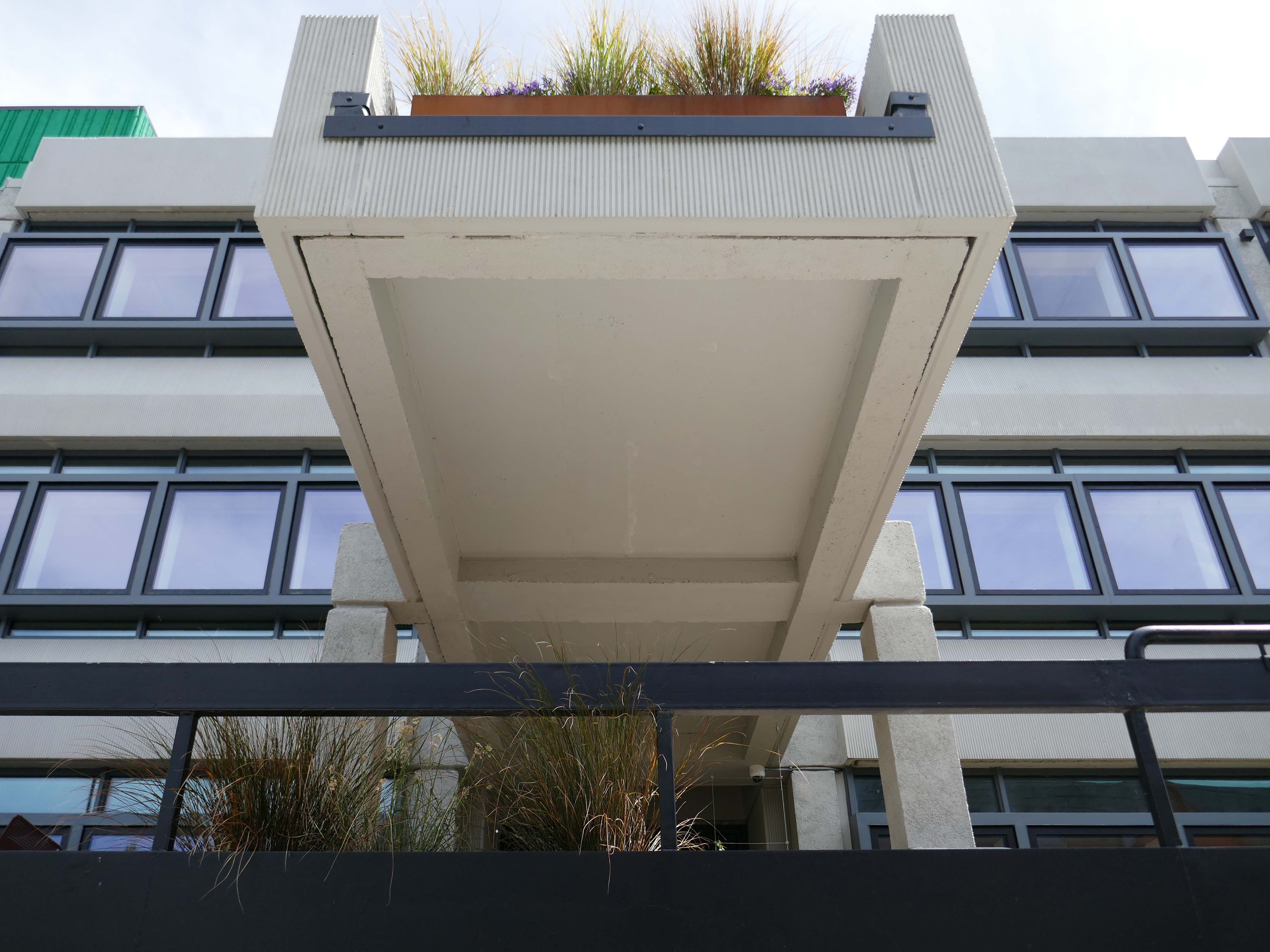
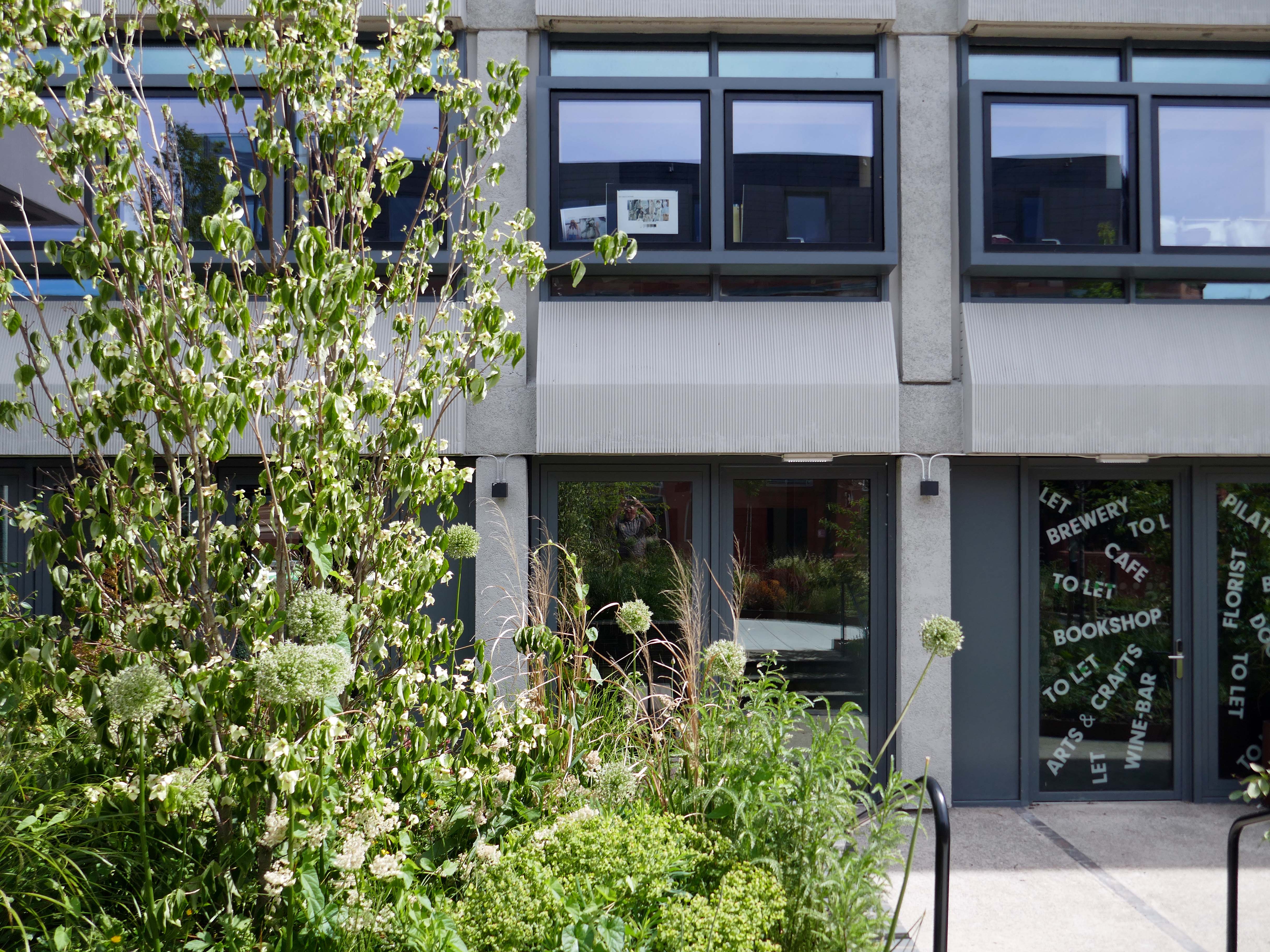
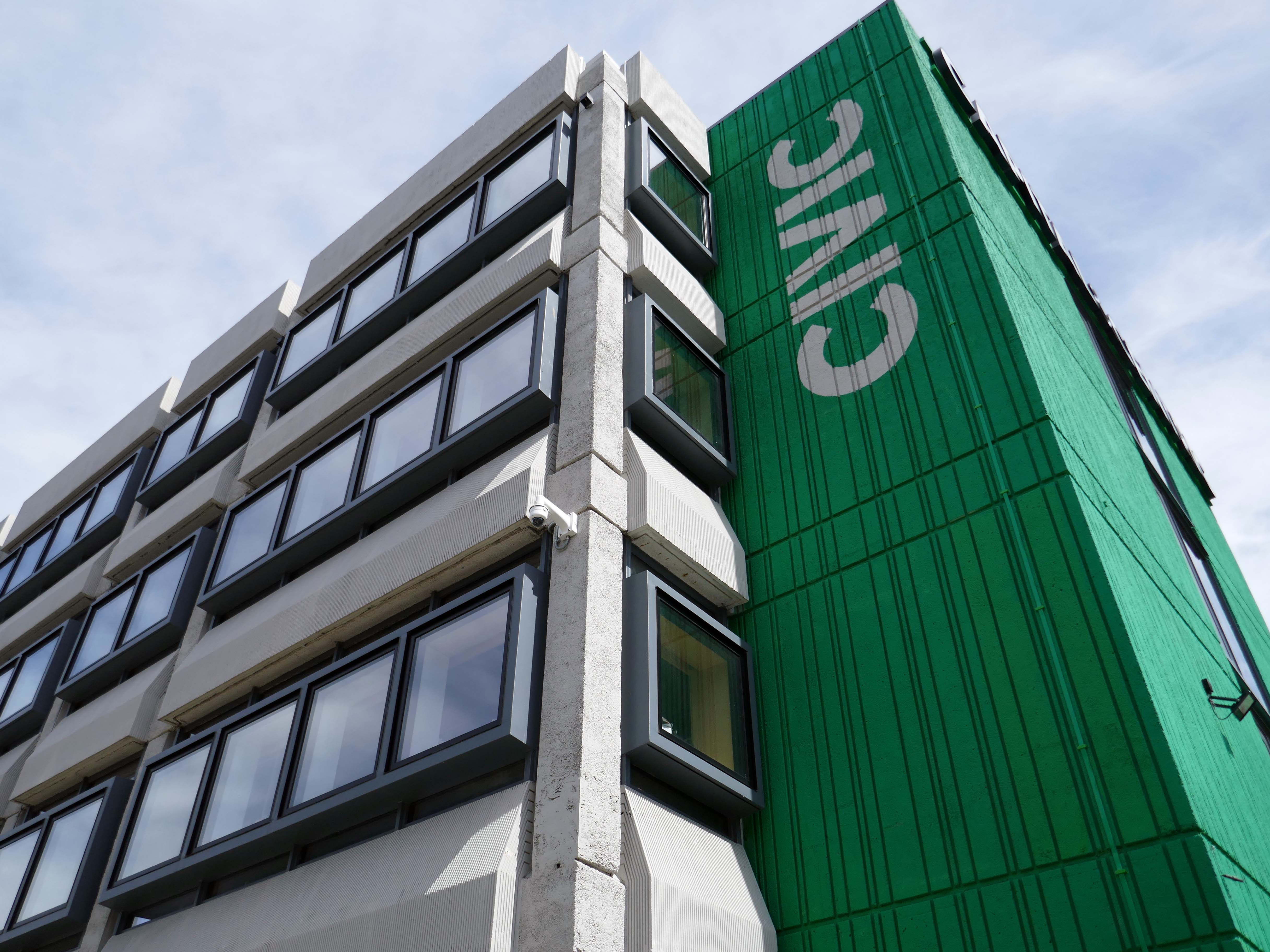
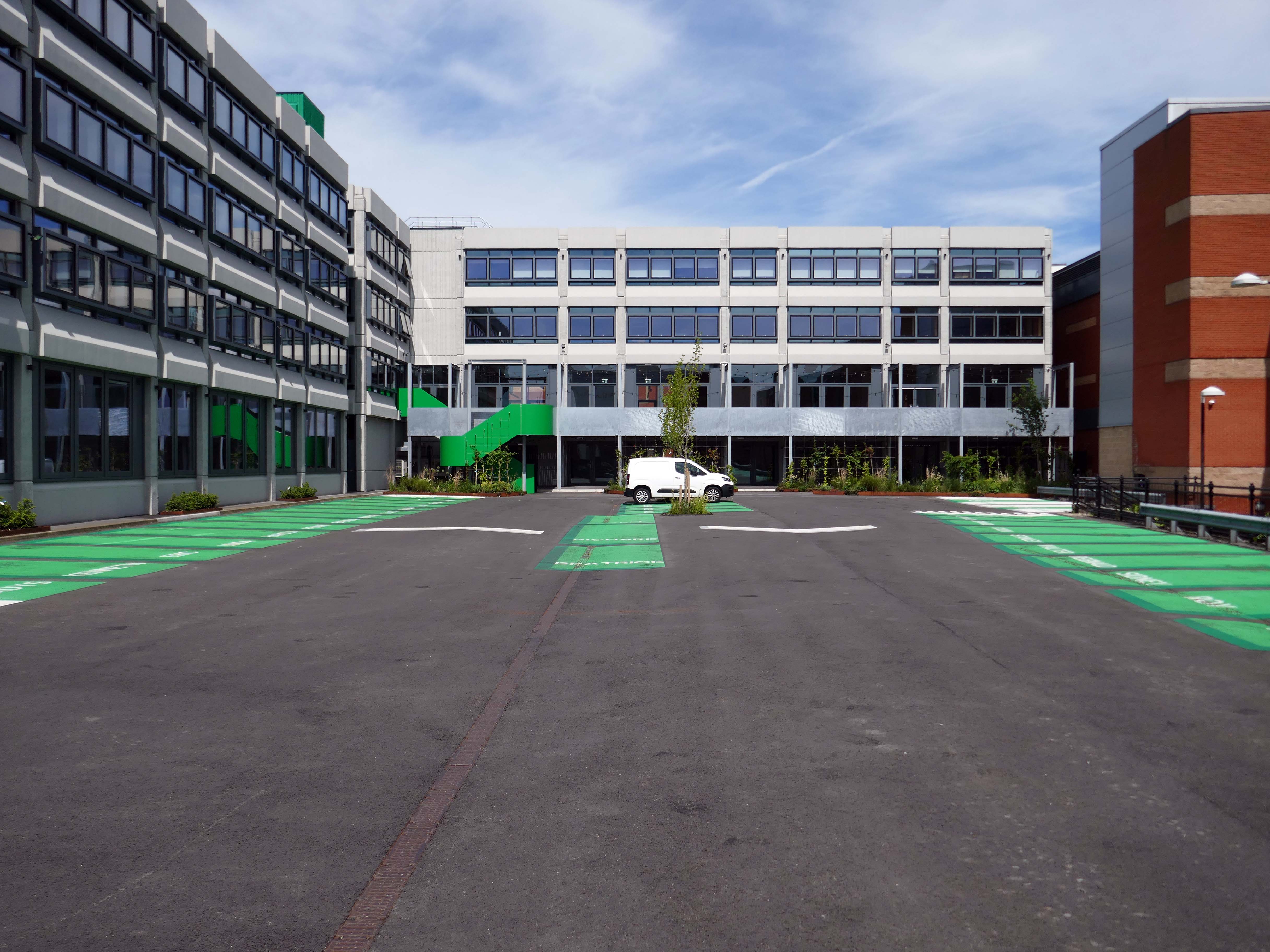
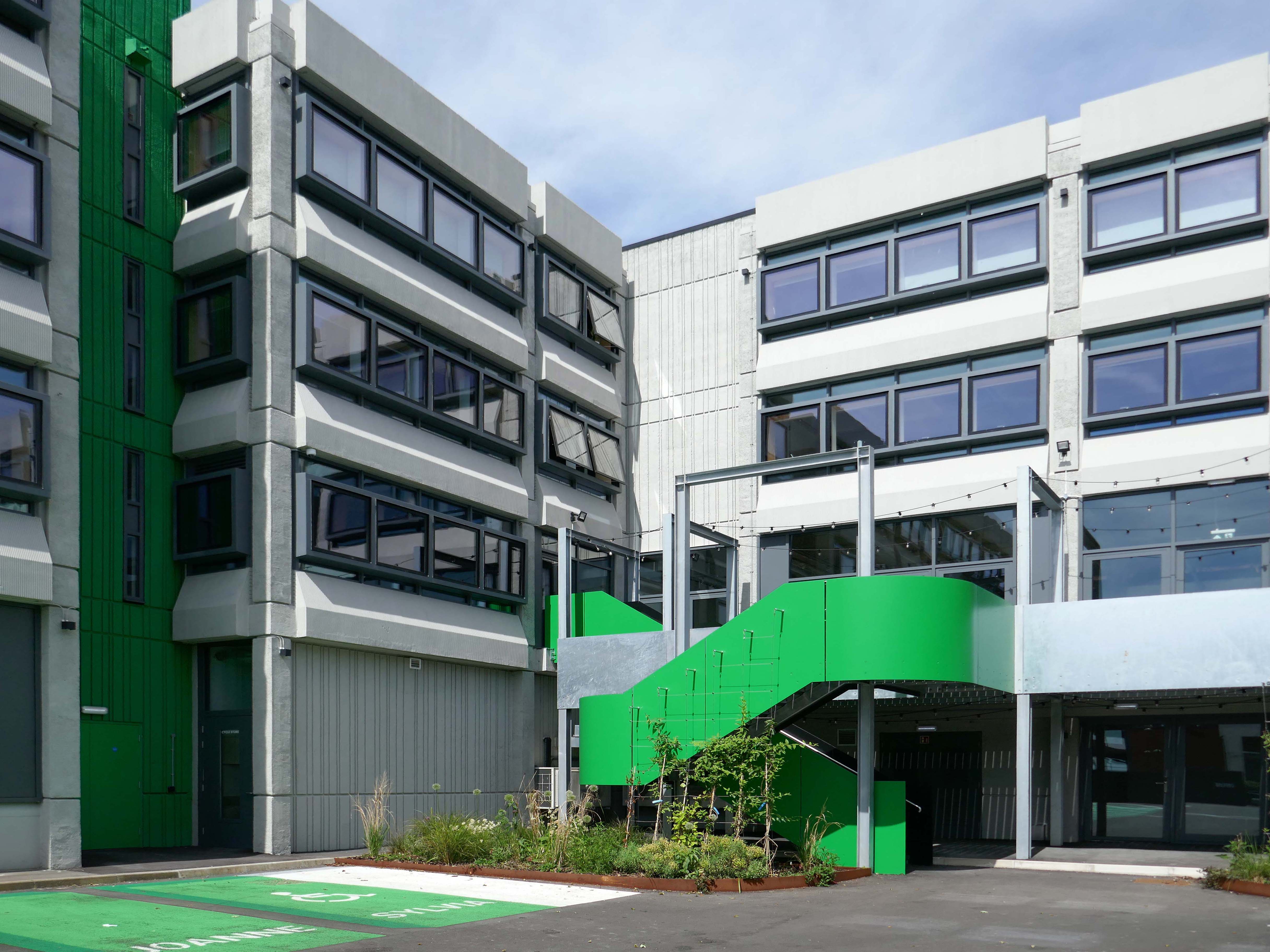
So says the online Thesaurus – and I heartily concur, for the whole building has had a makeover and a half.

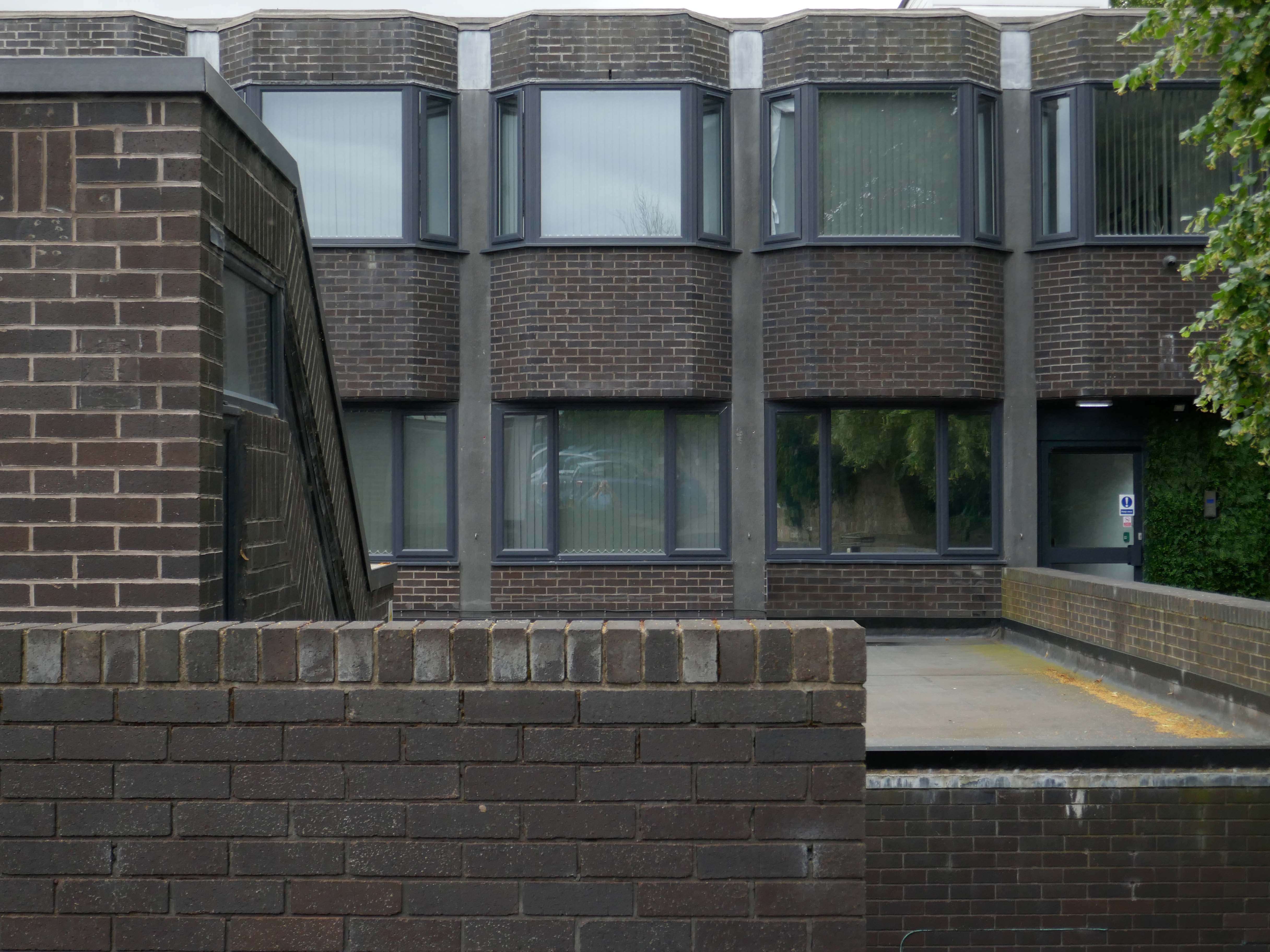
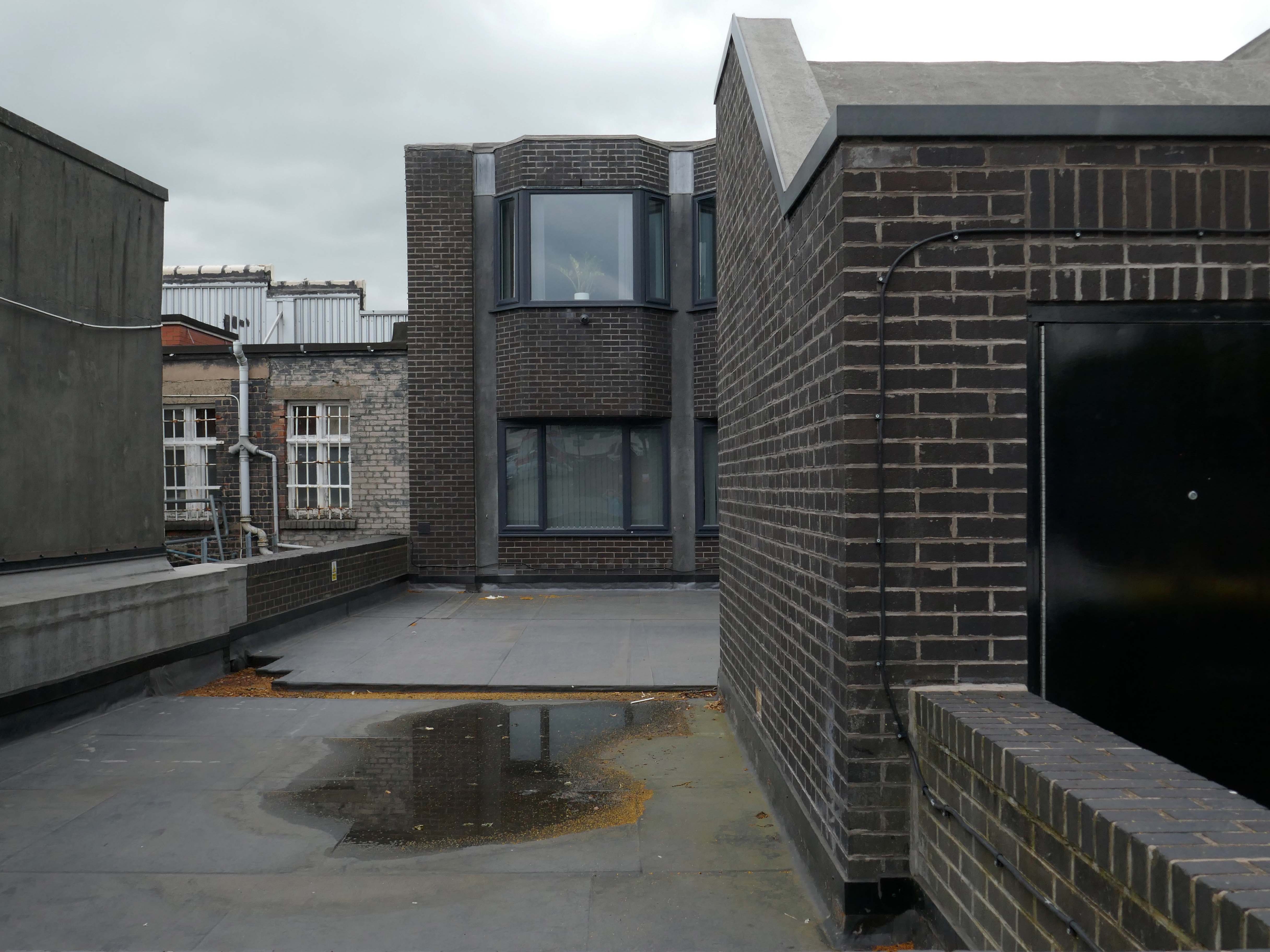
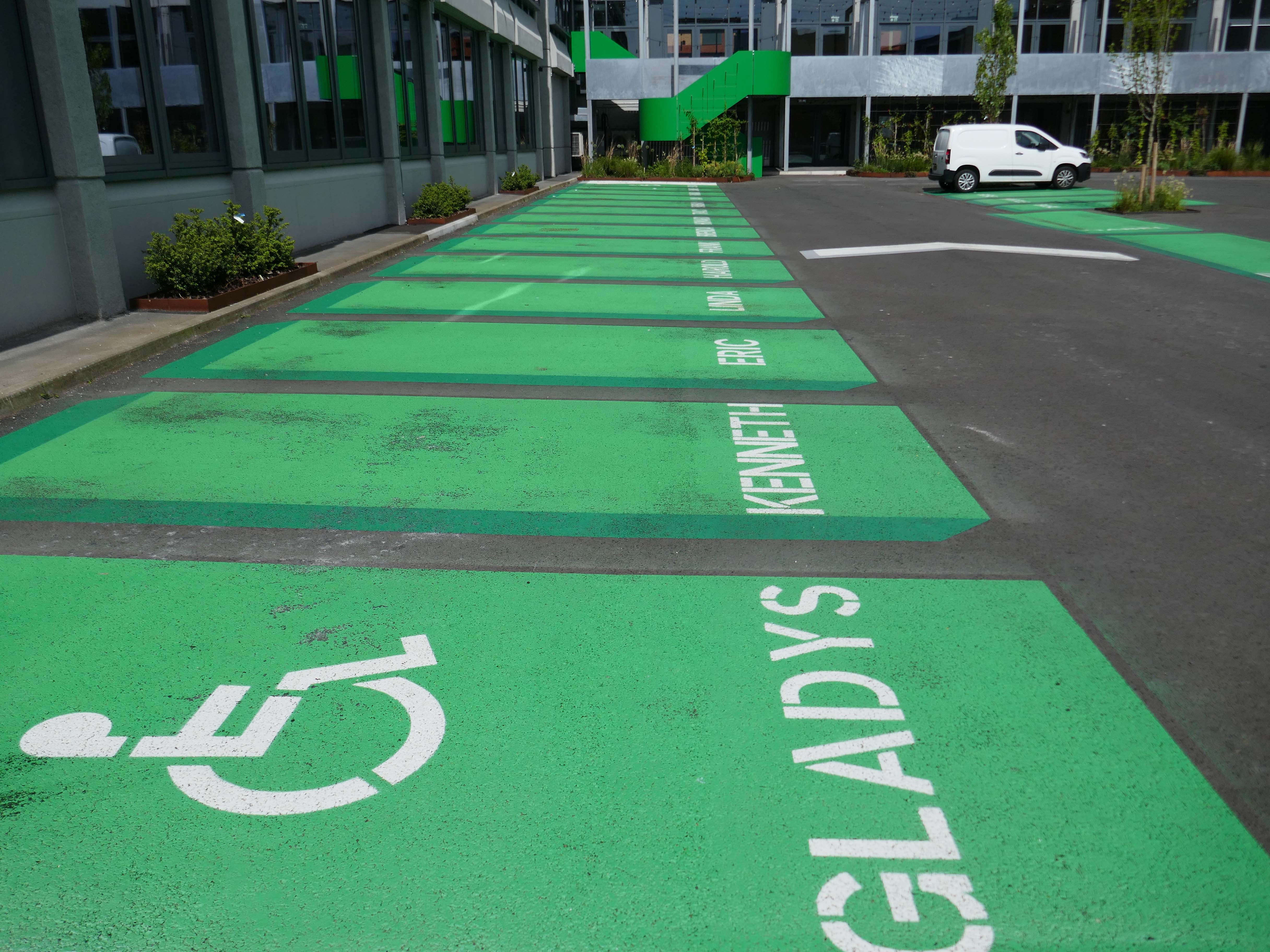
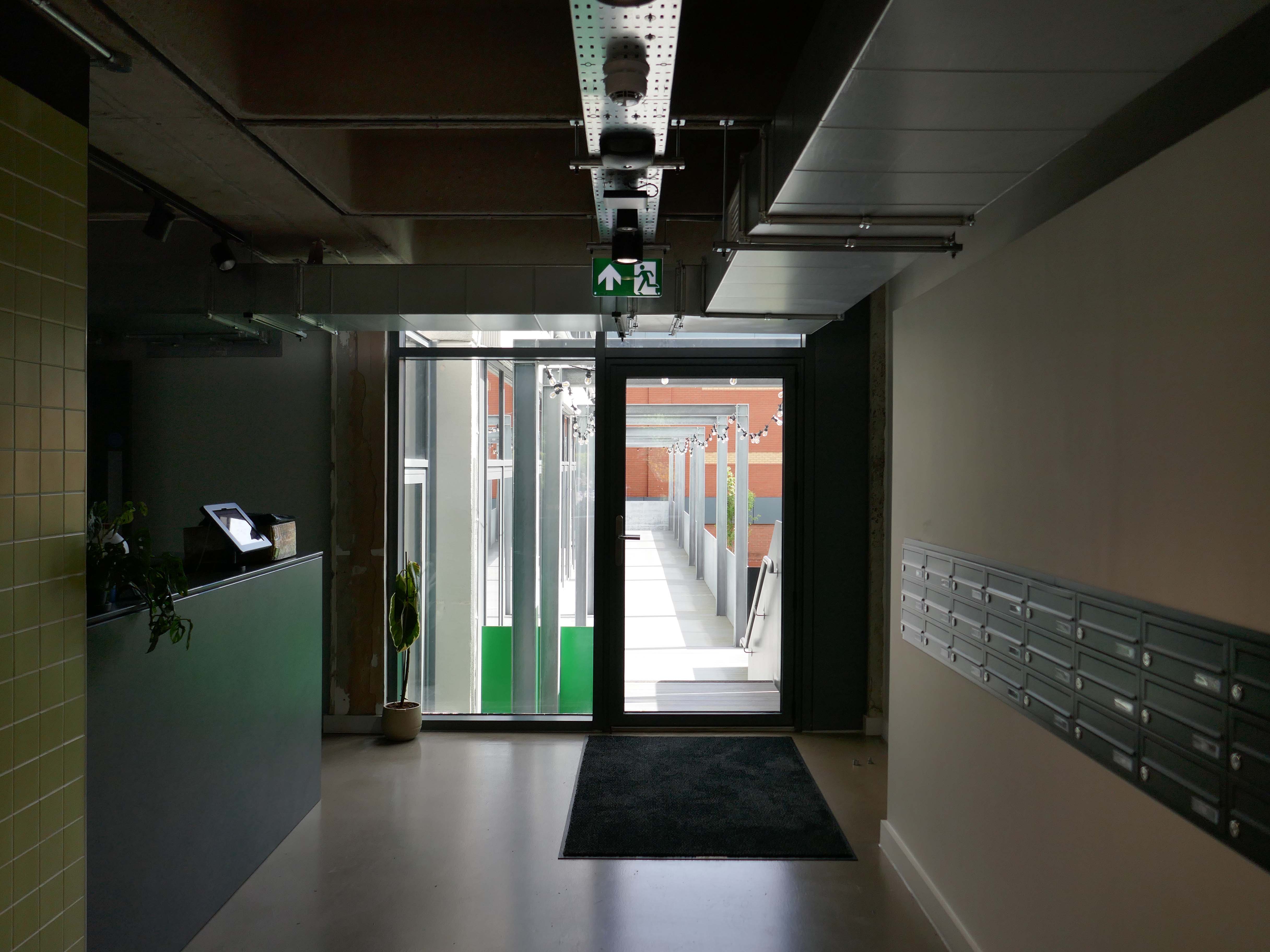
Civic is a super energy-efficient workspace in the centre of Wigan town centre. The BREEAM Excellent building has space for business of all sizes, from desks for solo start-ups, all the way to big open plan offices with their own front door.

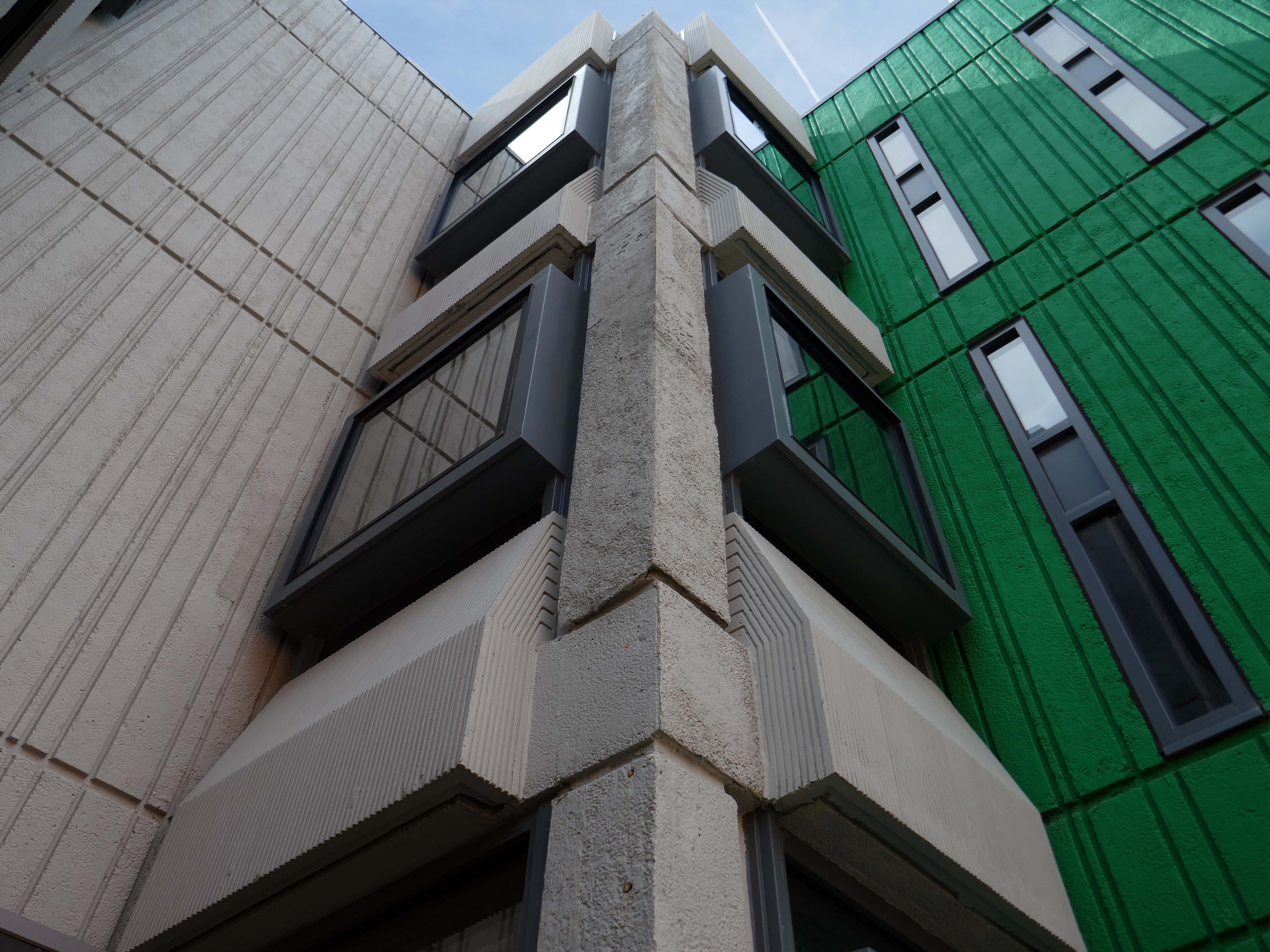
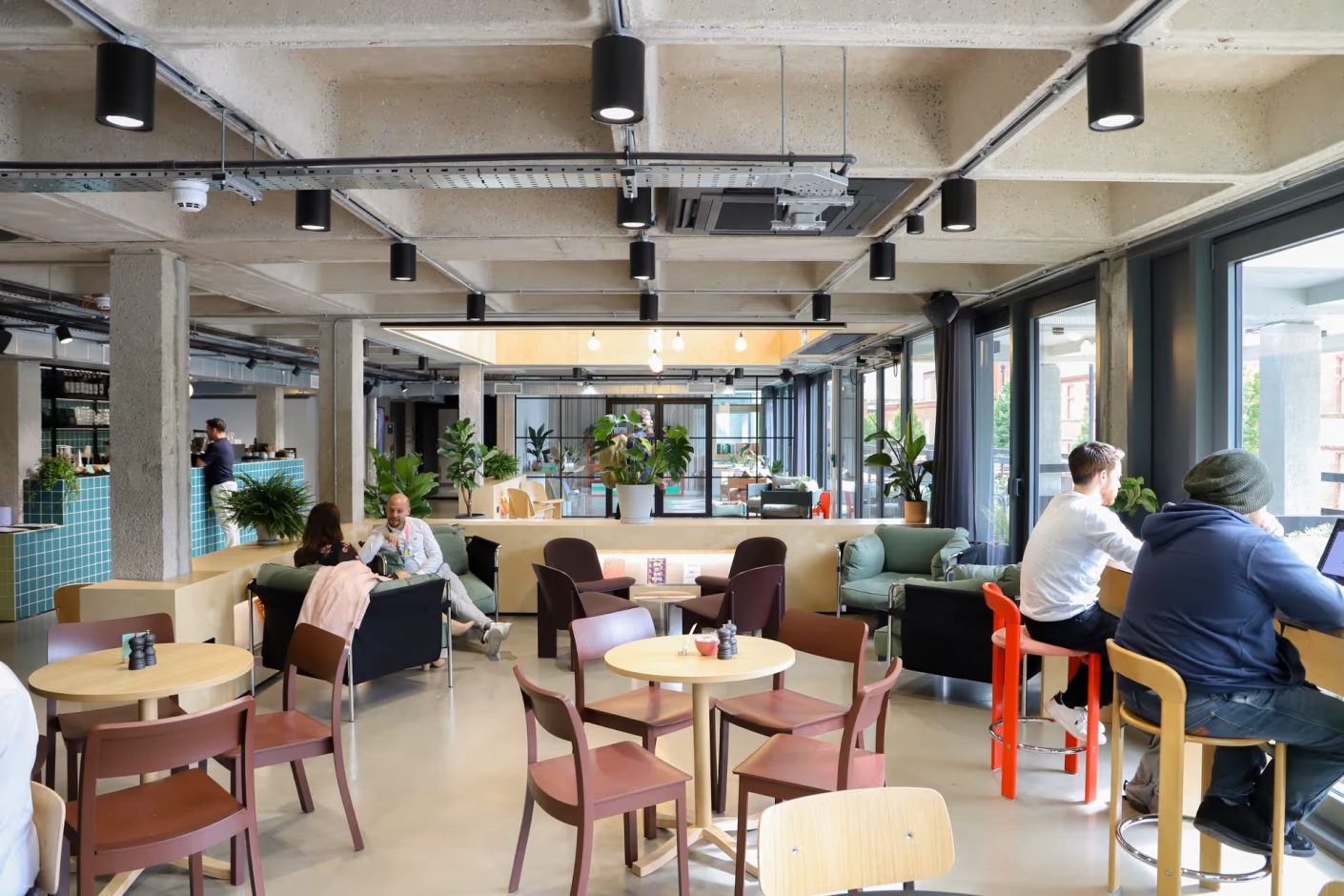
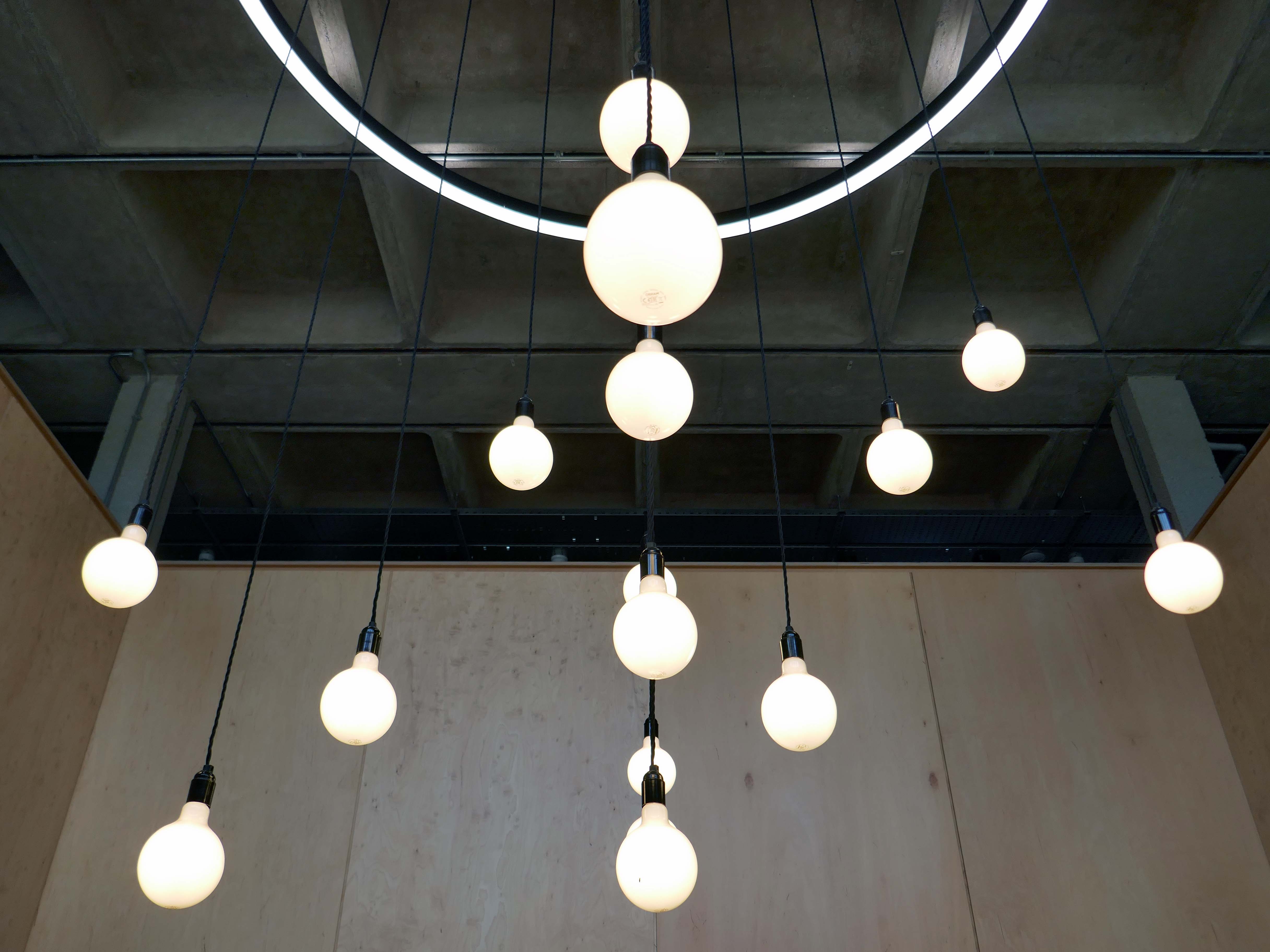
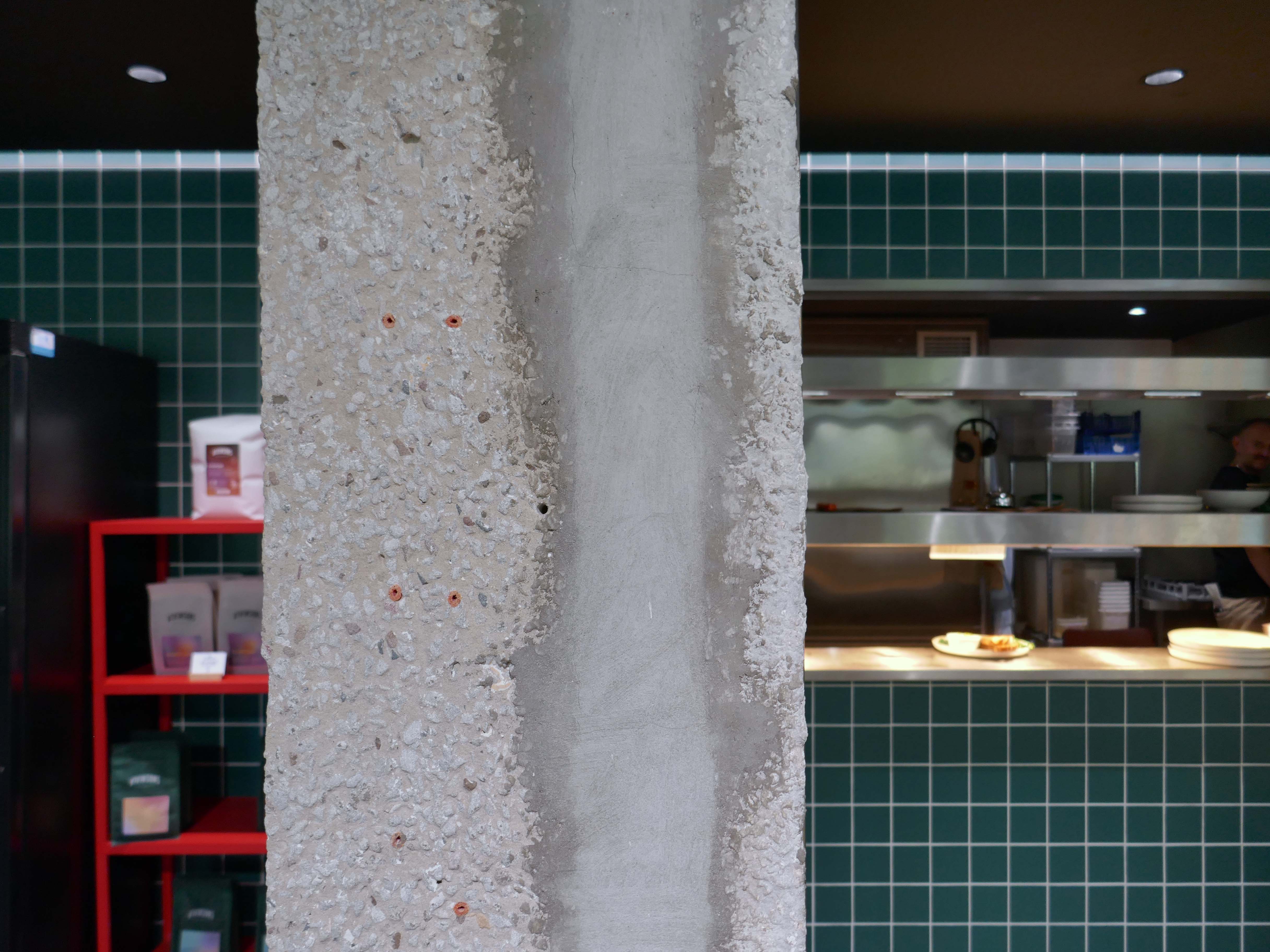
The brutalist beast has been lovingly restored by Capital&Centric to celebrate its architecture, with original waffle ceilings, corduroy concrete and stunning feature windows that flood the space with light.

Capital&Centric

The redevelopment was supported by cash from the UK Shared Prosperity Fund – UKSPF.

Dave Molyneux, the leader of Wigan Council, said:

I had an office in here for quite a while and it had that 1970s retro, concrete building style but this is something special. 

For businesses, we’re probably the best located local authority in Greater Manchester because of the West Coast Main Line and the M6 motorway.

BBC

It was great to visit and tour Wigan Civic Centre on Millgate, to see the inspiring work being done to create sustainable workspaces and amenities in the centre of our town. This development, alongside others taking place and planned across the North West, will help to revitalise our public spaces

Lisa Nandy MP

The refit was handled by shedkm.

With students, start-ups and professionals situating themselves elsewhere in Greater Manchester, Wigan town had been missing out on the economic and cultural vitality that high quality workspace brings. Civic’s transformation represents not just the overhaul of a tired concrete building, but a wider renewal of place and opportunity for Wigan.

Main interior contractors were Workspace Design & Build.

Working with Wigan Council and Capital & Centric, we completed the refurbishment of the 50,000 sq ft building that is Wigan Civic Centre. Delivering aspirational office accommodation to stimulate economic growth with the goal to create a lasting social impact in Wigan. In addition to exemplar market-leading workspace, amenities include a rooftop terrace, mini cinema, gym studio and co-working/coffee shop space.

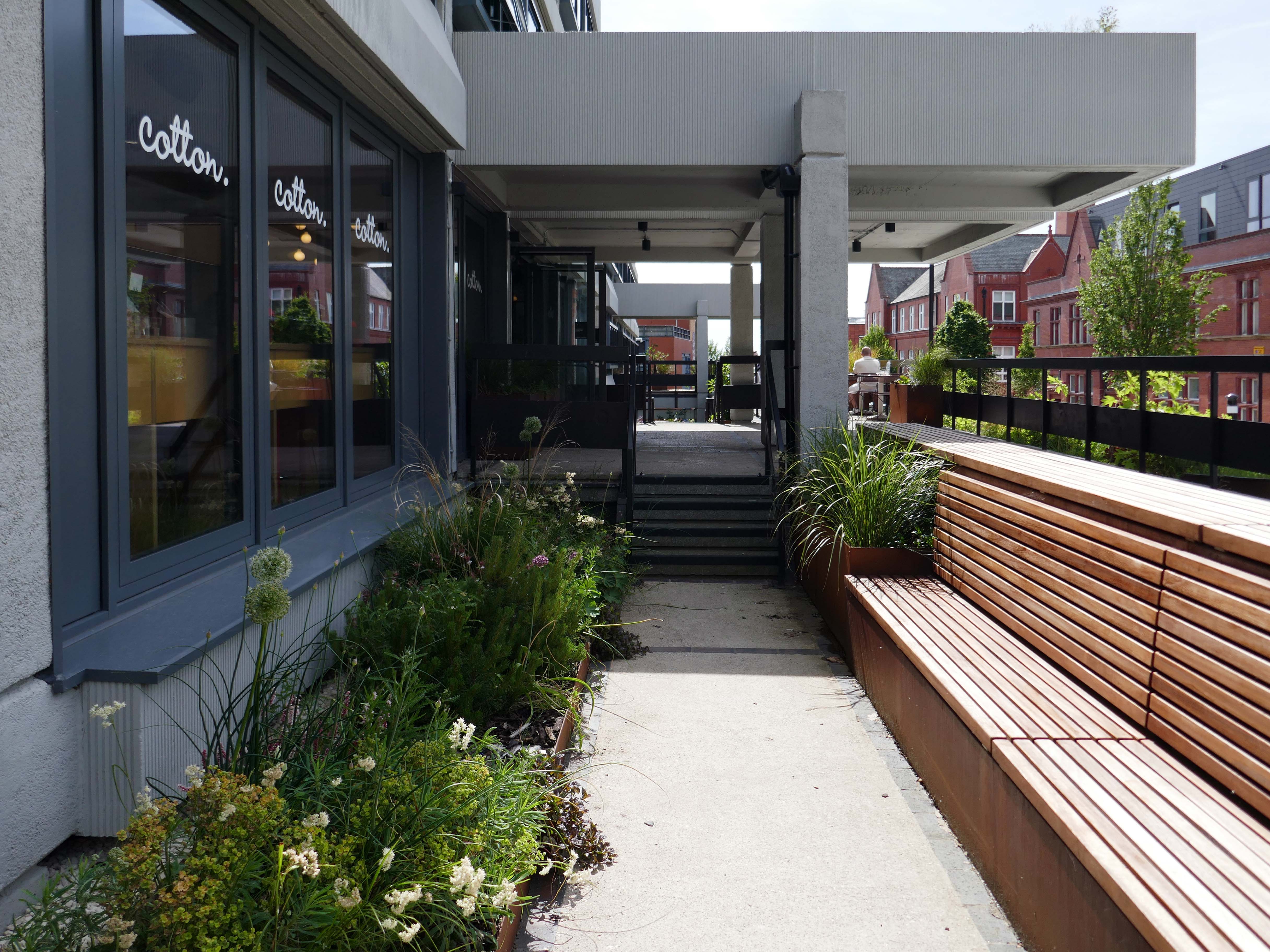
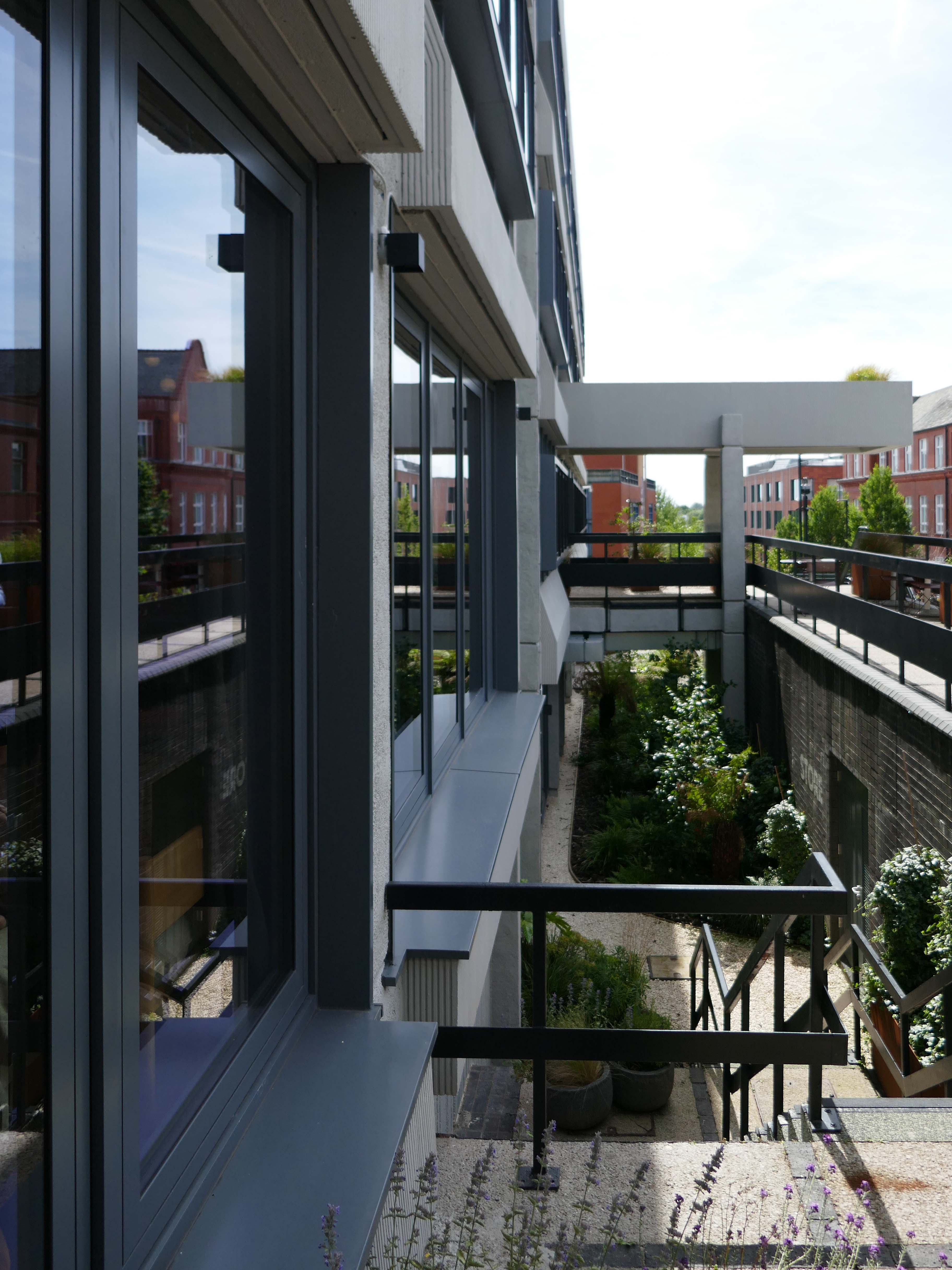
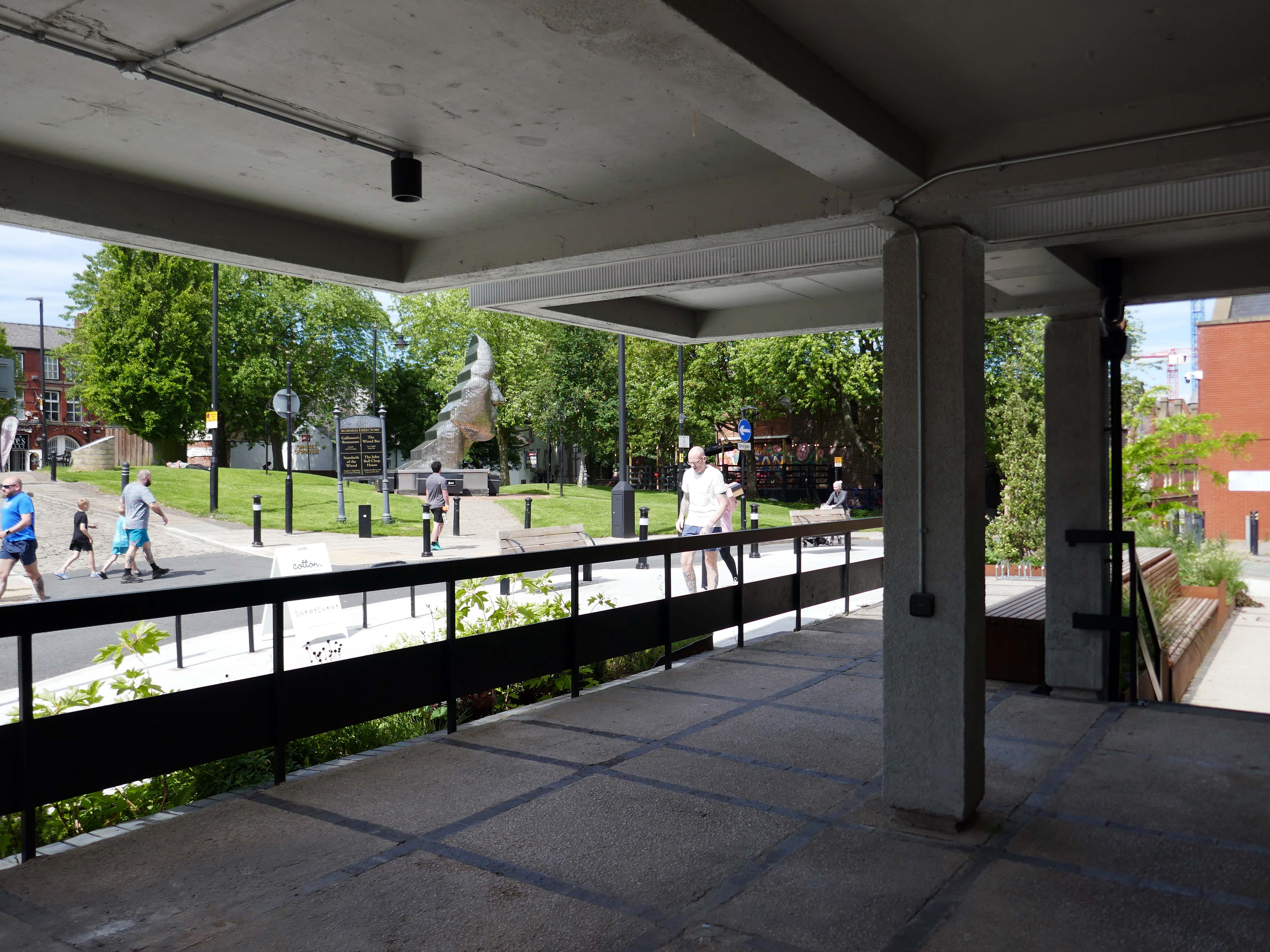
Here’s the exterior.

Many thanks to the Cotton Café Bar for kindly allowing us in after hours.

Diners image Canning O’Neill – spaces to let.

Ultimately, civic stands as a symbol of optimism for Wigan, proving that intelligent commercial design can catalyse economic renewal, secure a sustainable future, and truly lift a town’s spirits, without erasing its history. It is a gold standard for the adaptive reuse of 20th-century landmarks.

Judge, BCO Awards 2026

Open for business bob along pronto.