Wigan Walk – 2026

It’s been four years since our 2022 Wigan Walk – so time to see if there has been a refreshing change.

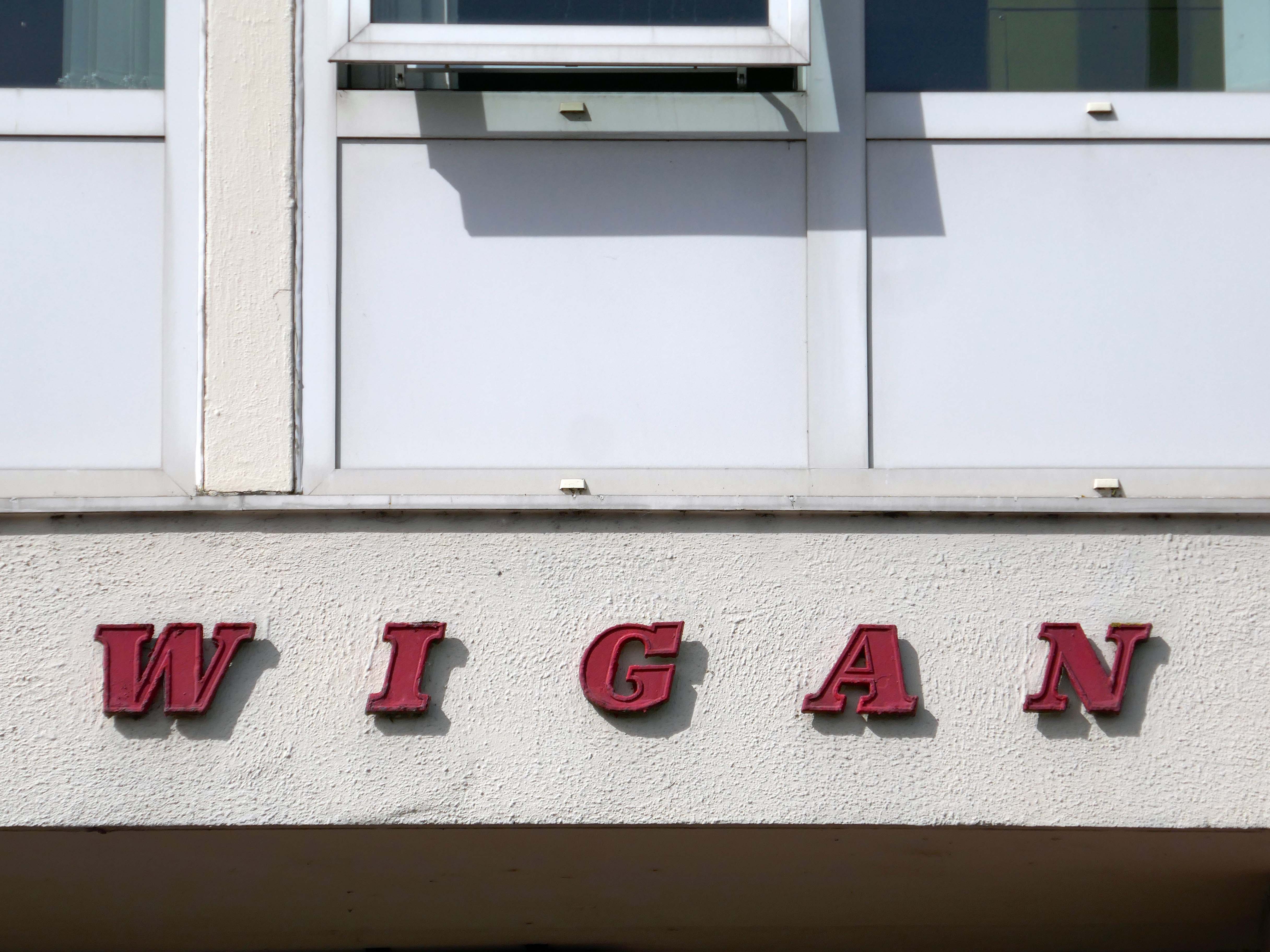
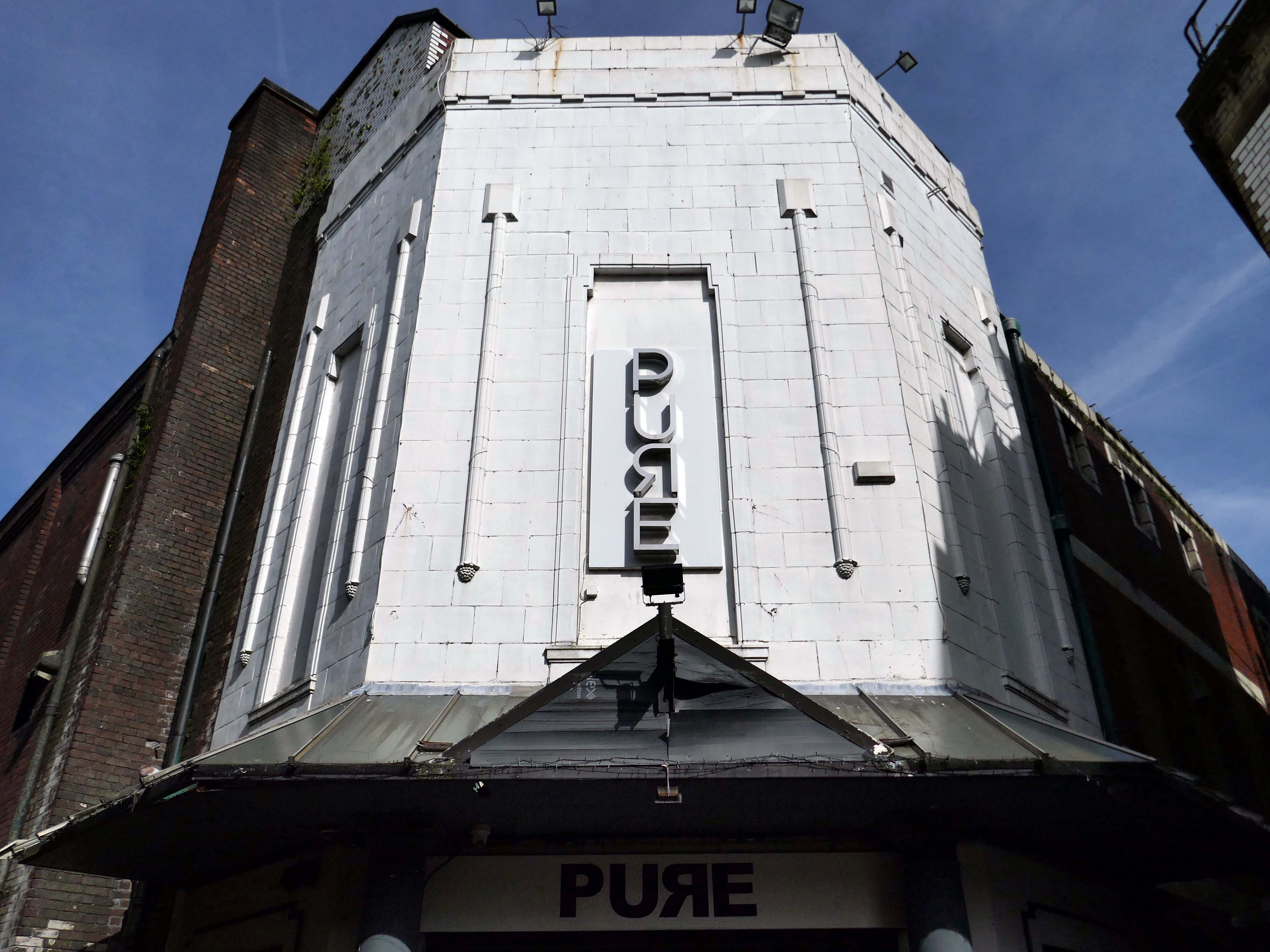
Beginning with a trip to the former flicks, the Princes Cinema now trading as Pure nightclub, sometimes home to Singo Bingo.

Originally the site of New Princes Theatre, opened on the 1st May 1911, the cinema was demolished and replaced, on an adjacent plot, by Princes Cinema in 1933.

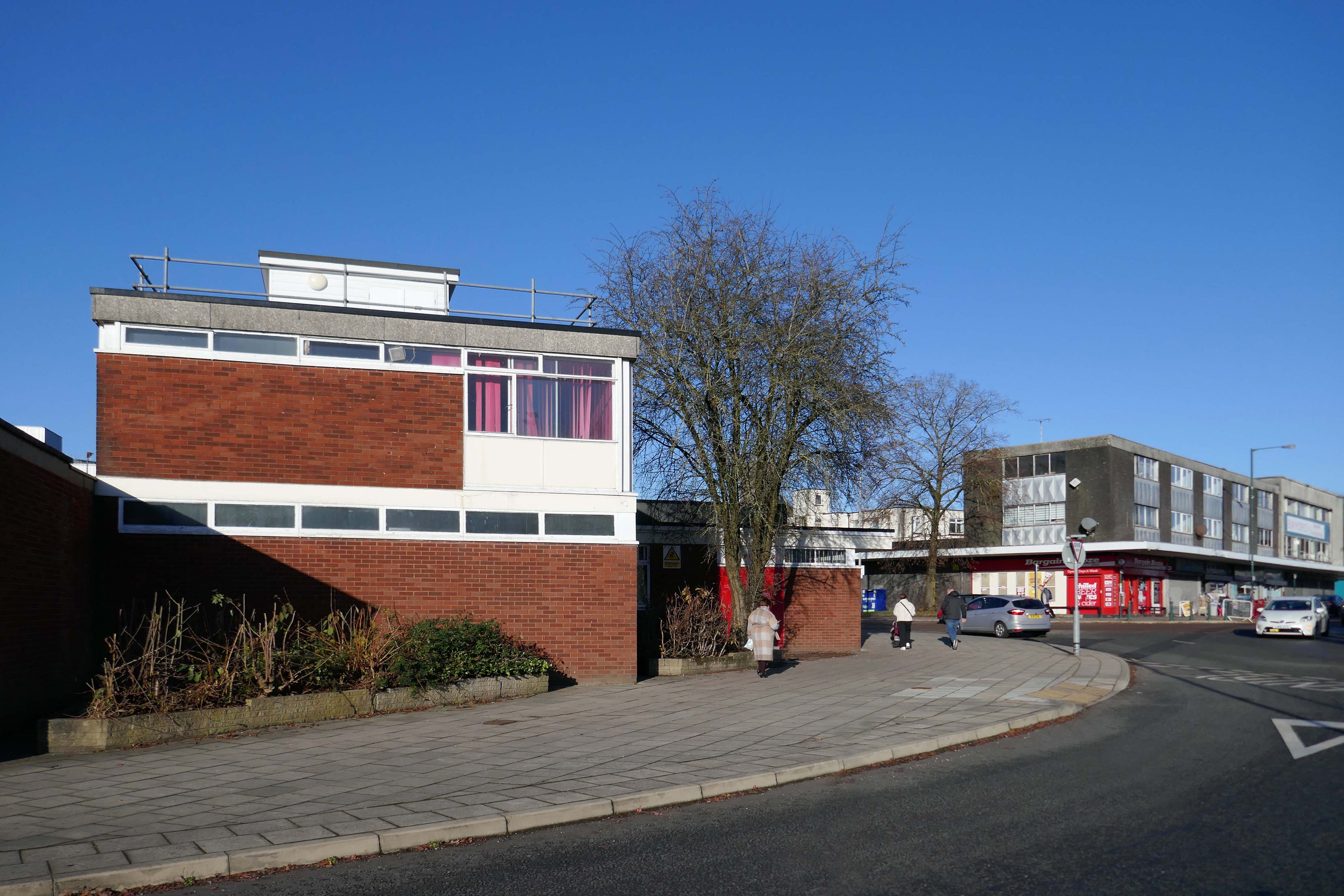
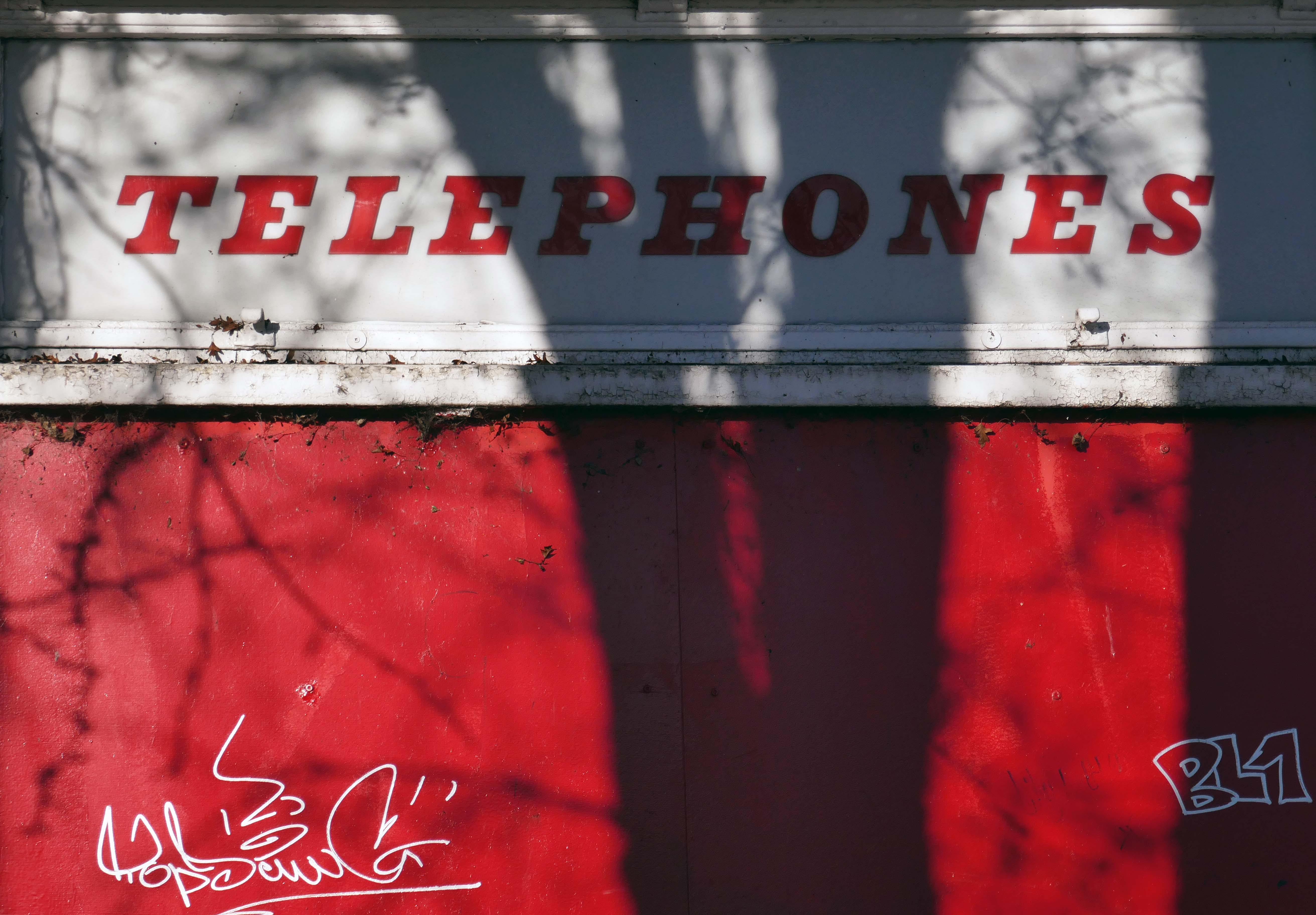
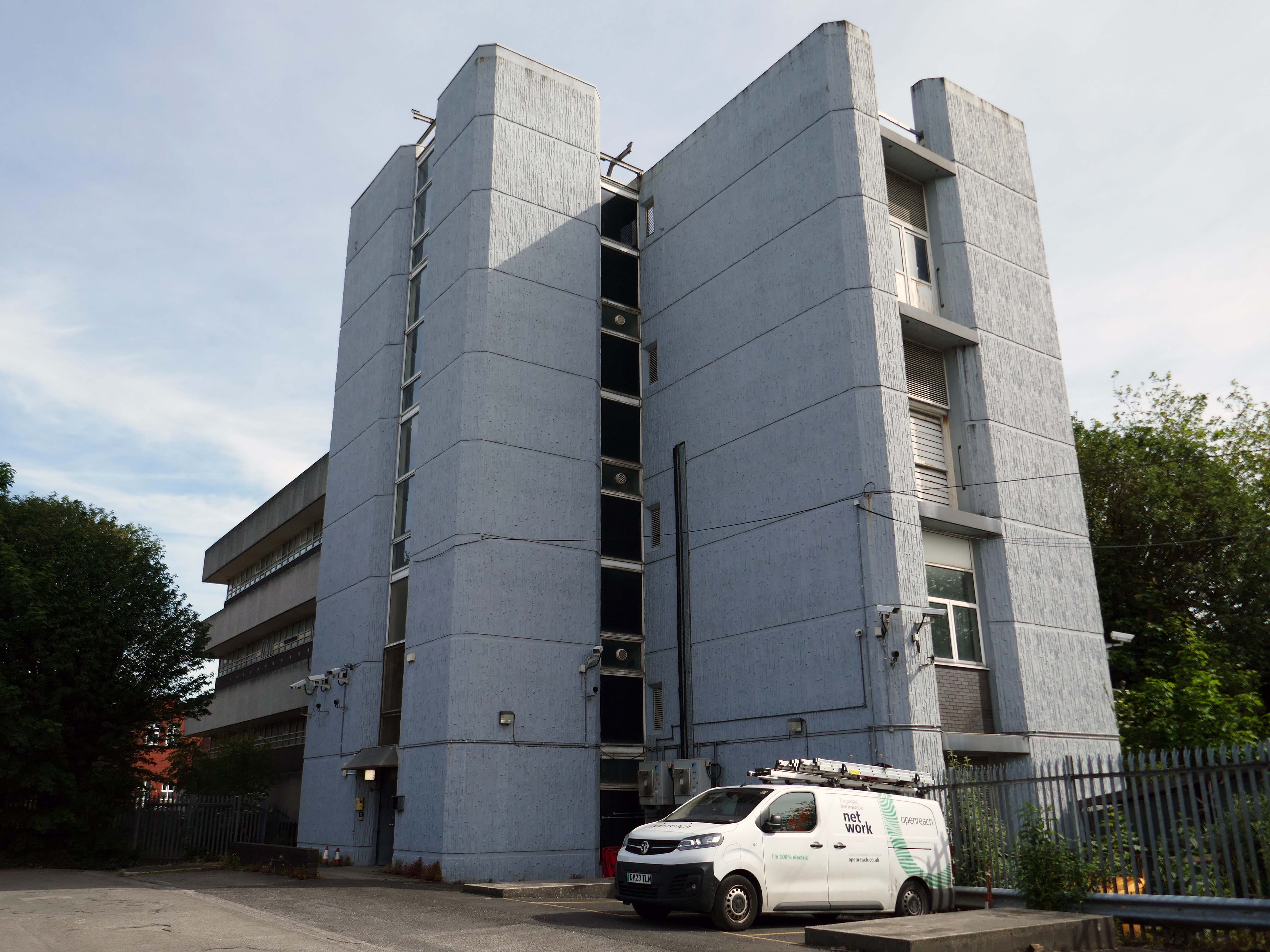
Onward now to see the three Telephone Exchanges.

Interwar
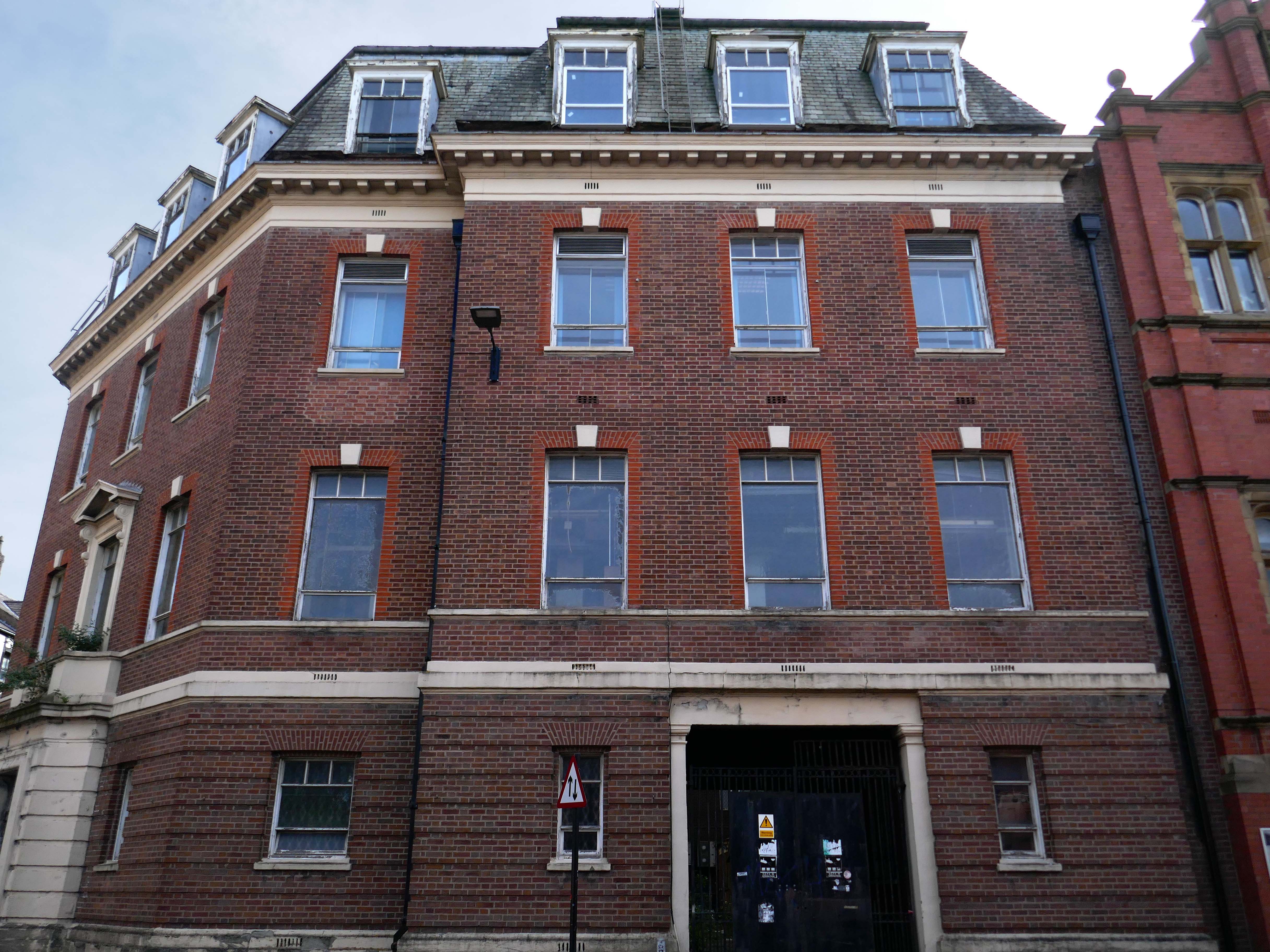
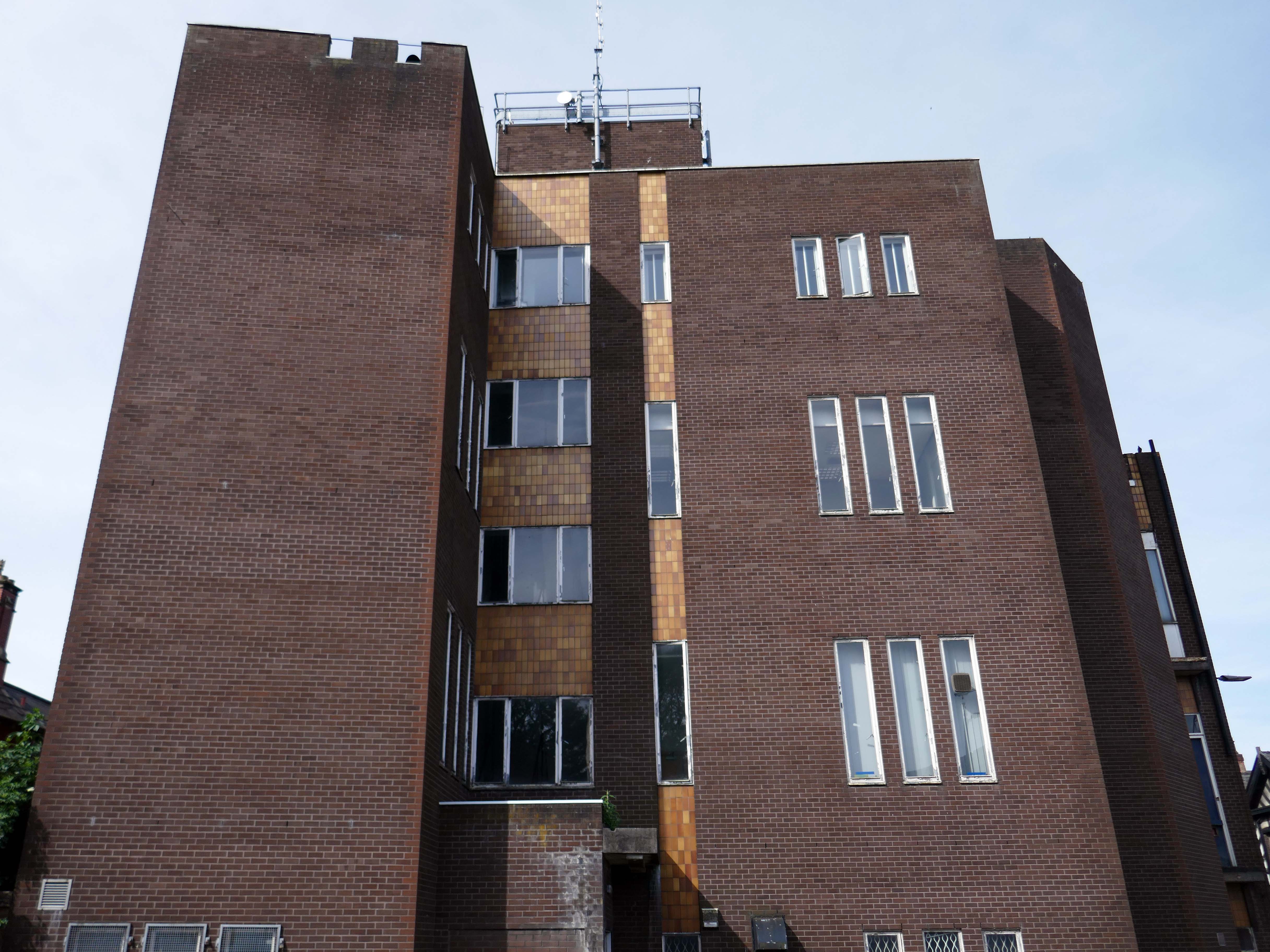
Sixties
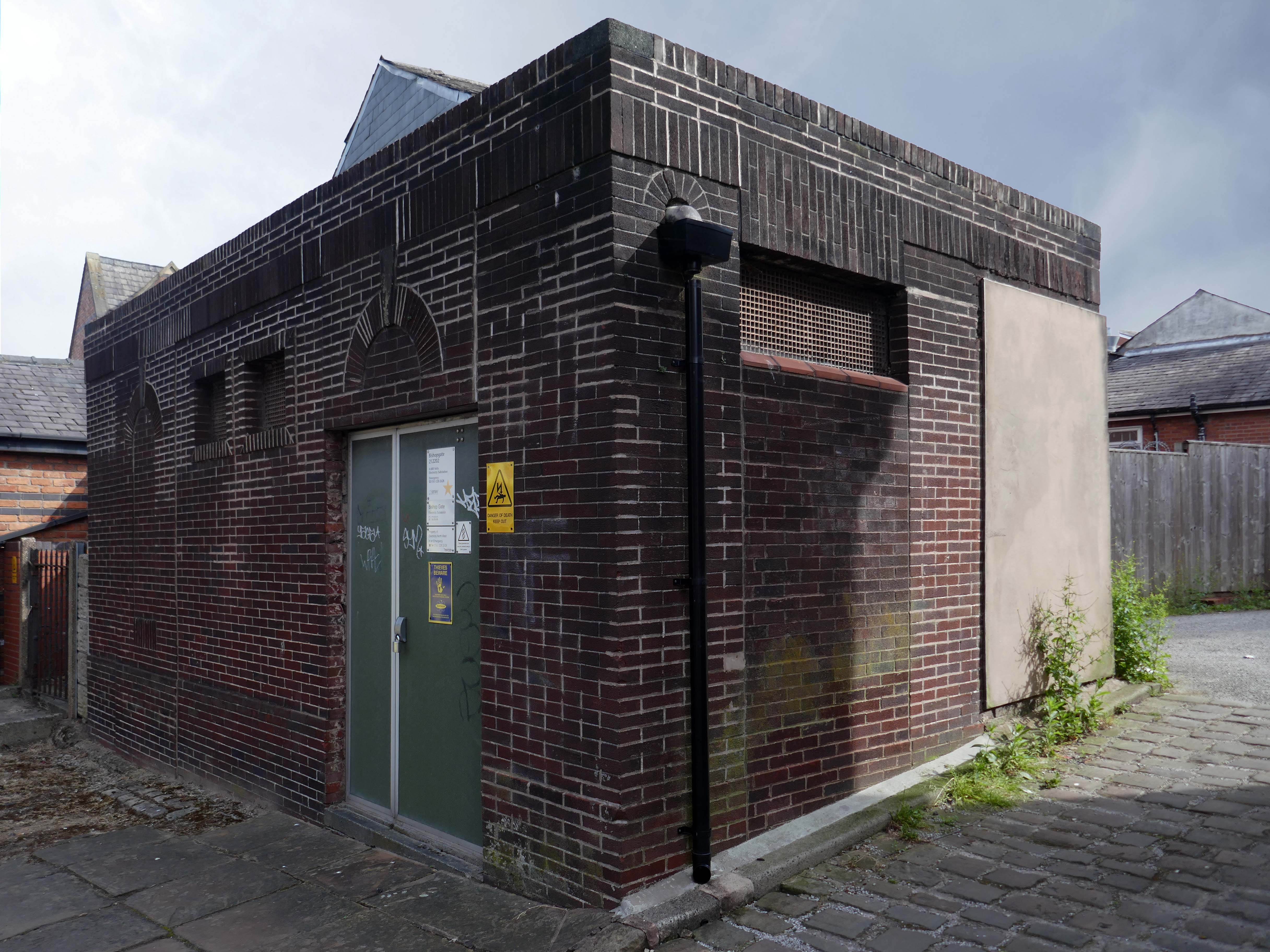
Ofd special note the adjacent Electrical Substation of the day.
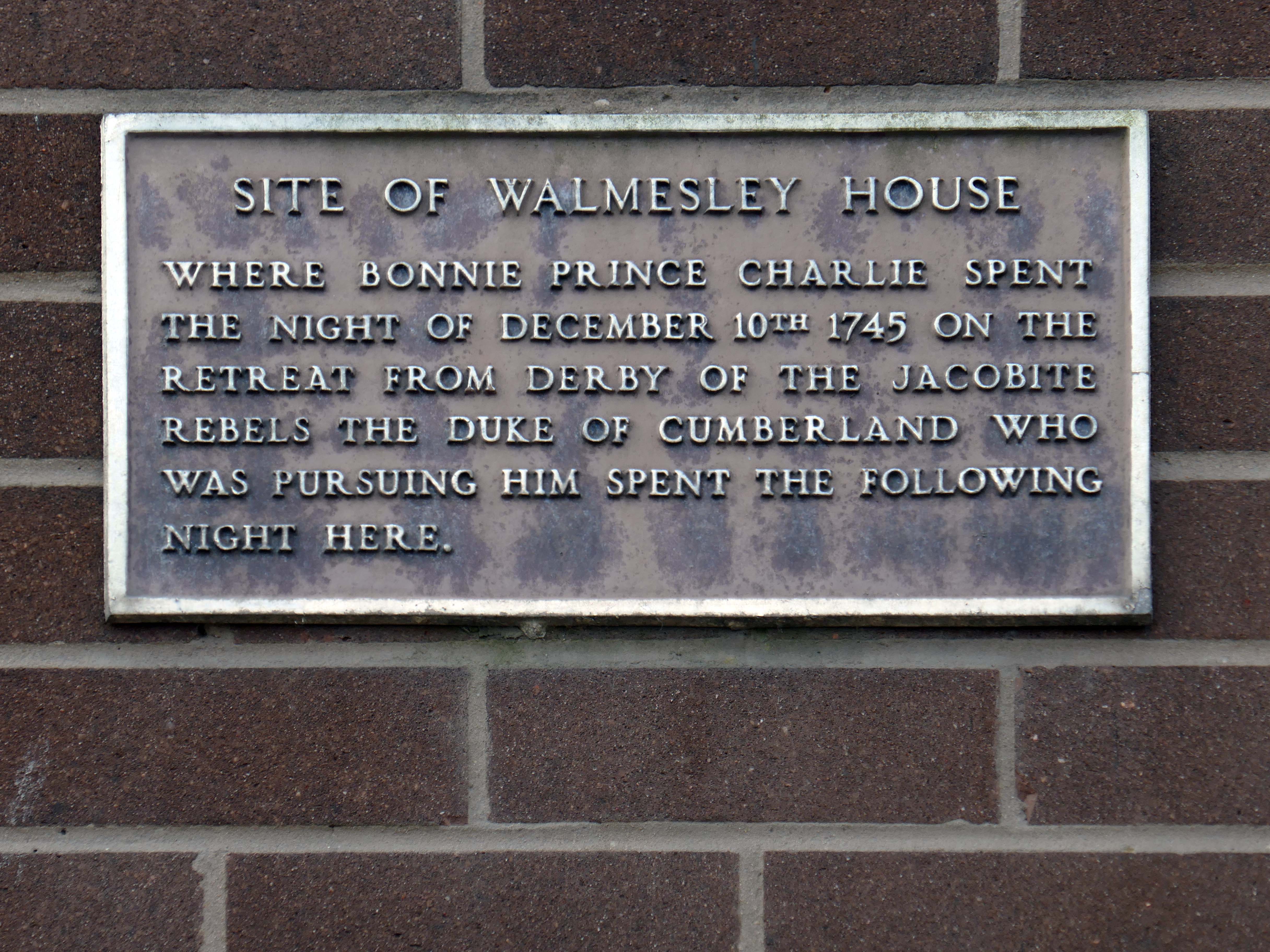
Plus extra added military history.
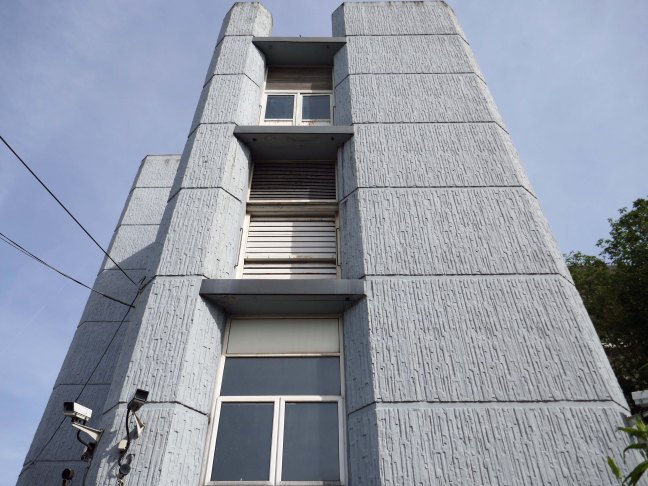
Seventies
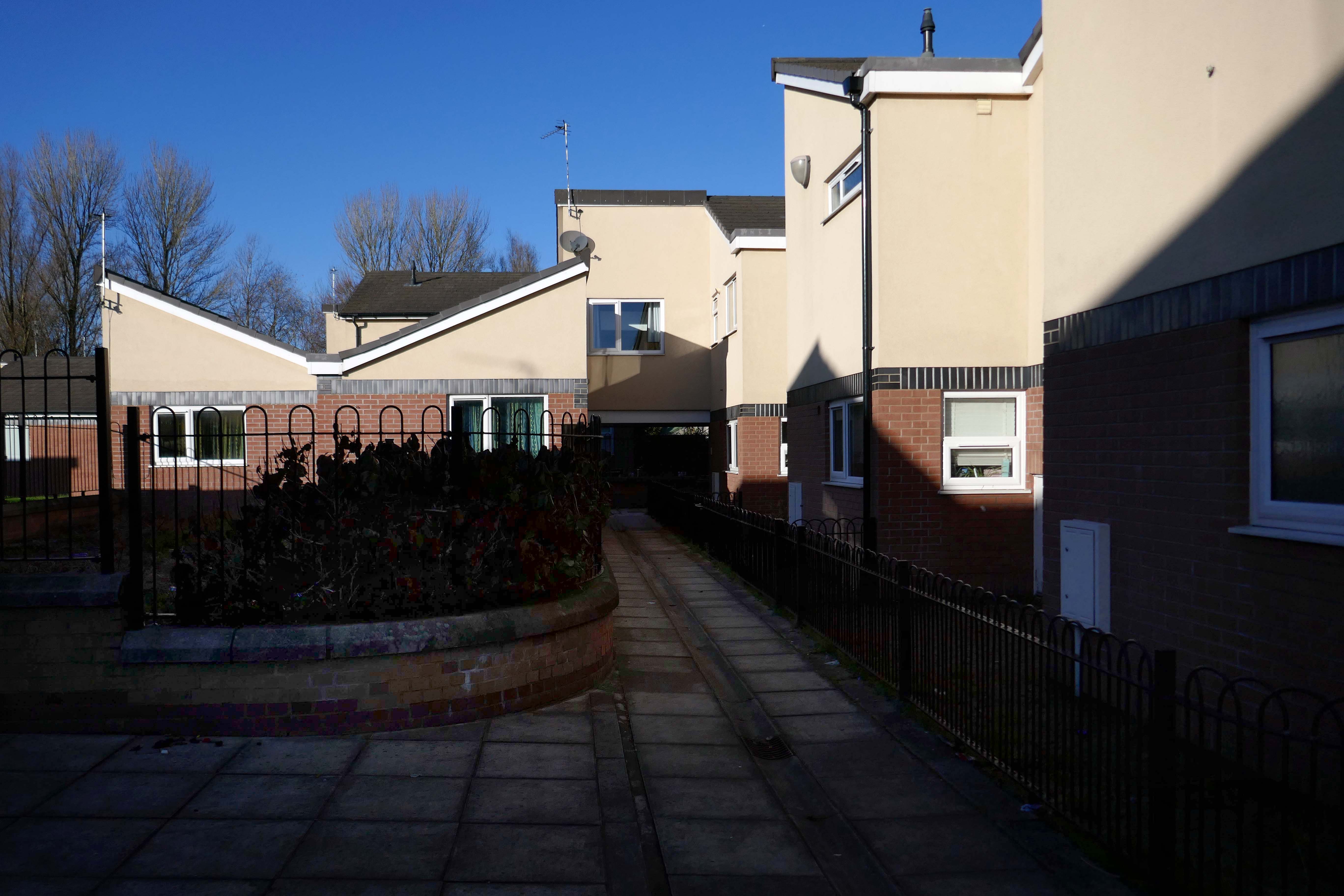
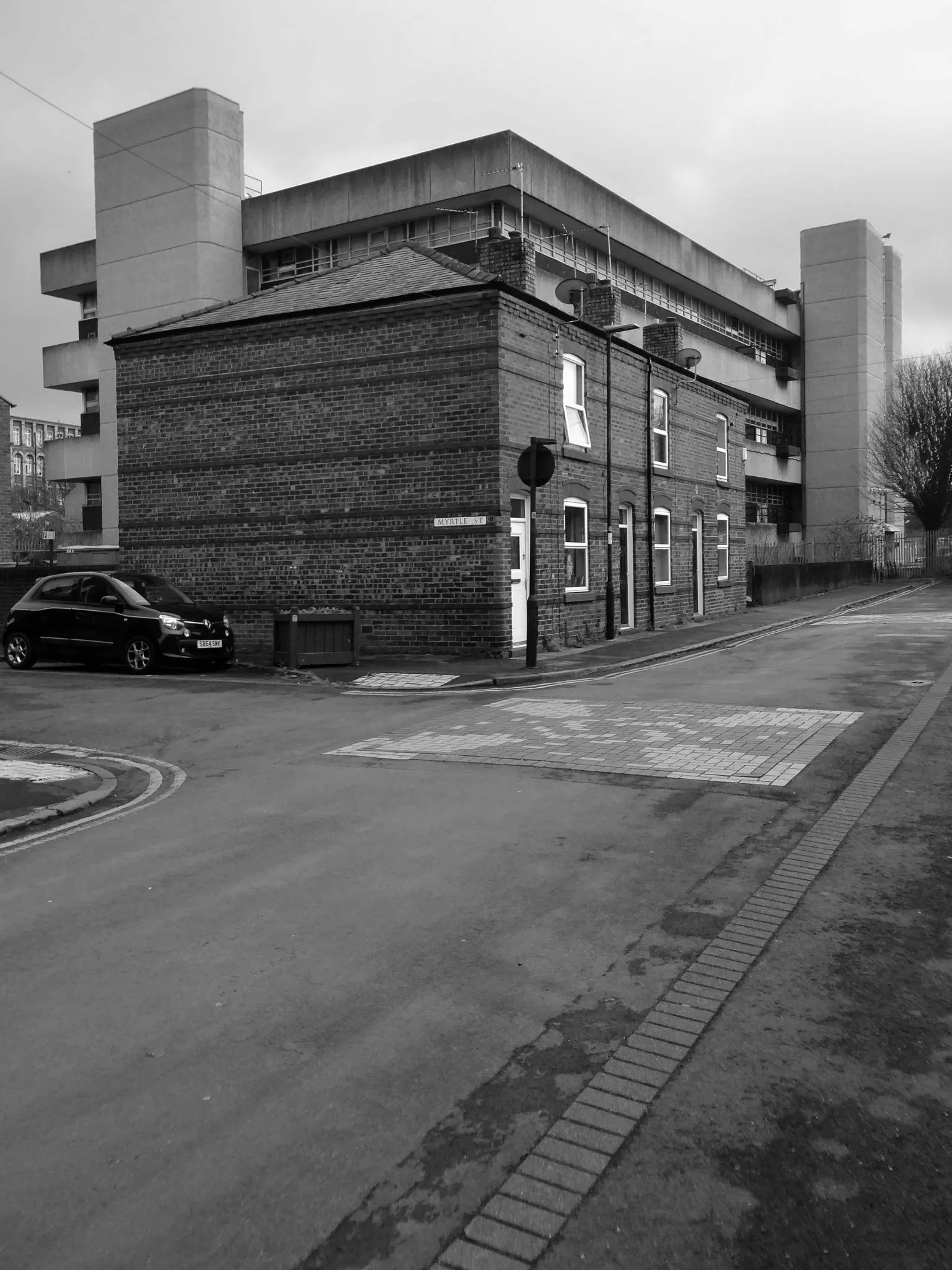
Tucked in behind the Telephone Exchange are several streets of Edwardian social housing – the Spring Gardens Scheme of 1905.

The property is practically paying its way, and all the present generation has to find is a small sum of ninety odd pounds for sinking funds. For this we get fifty-nine families decently housed, the rateable value of the town increased, a slum abolished, an eyesore removed, the health of the inhabitants remarkably improved, their environment made clean, refined, and elevating, whilst our successors in 1959 will inherit an unencumbered estate.
Municipal Dreams

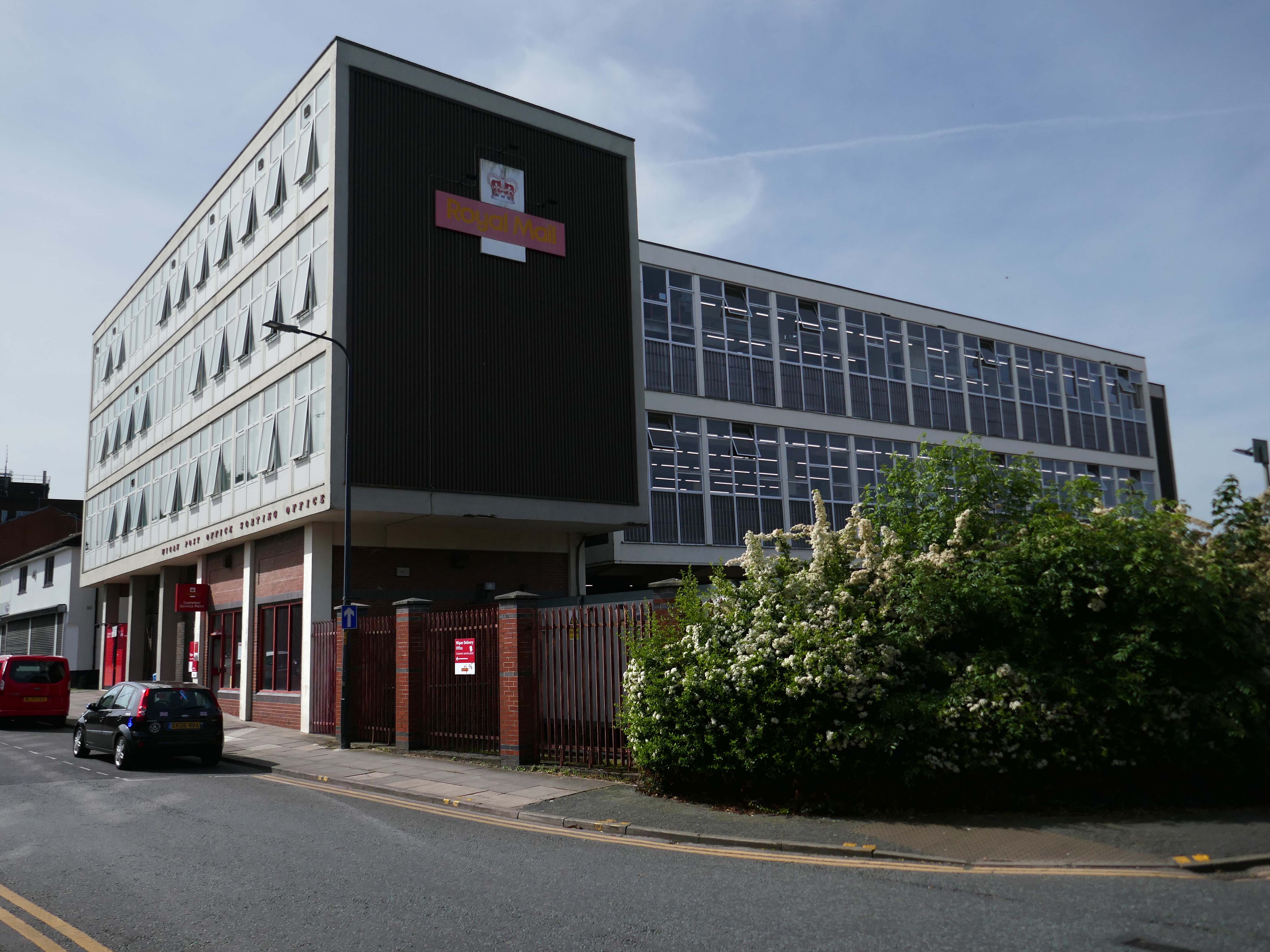
Next to the Wigan Post Office Sorting Office 1959.
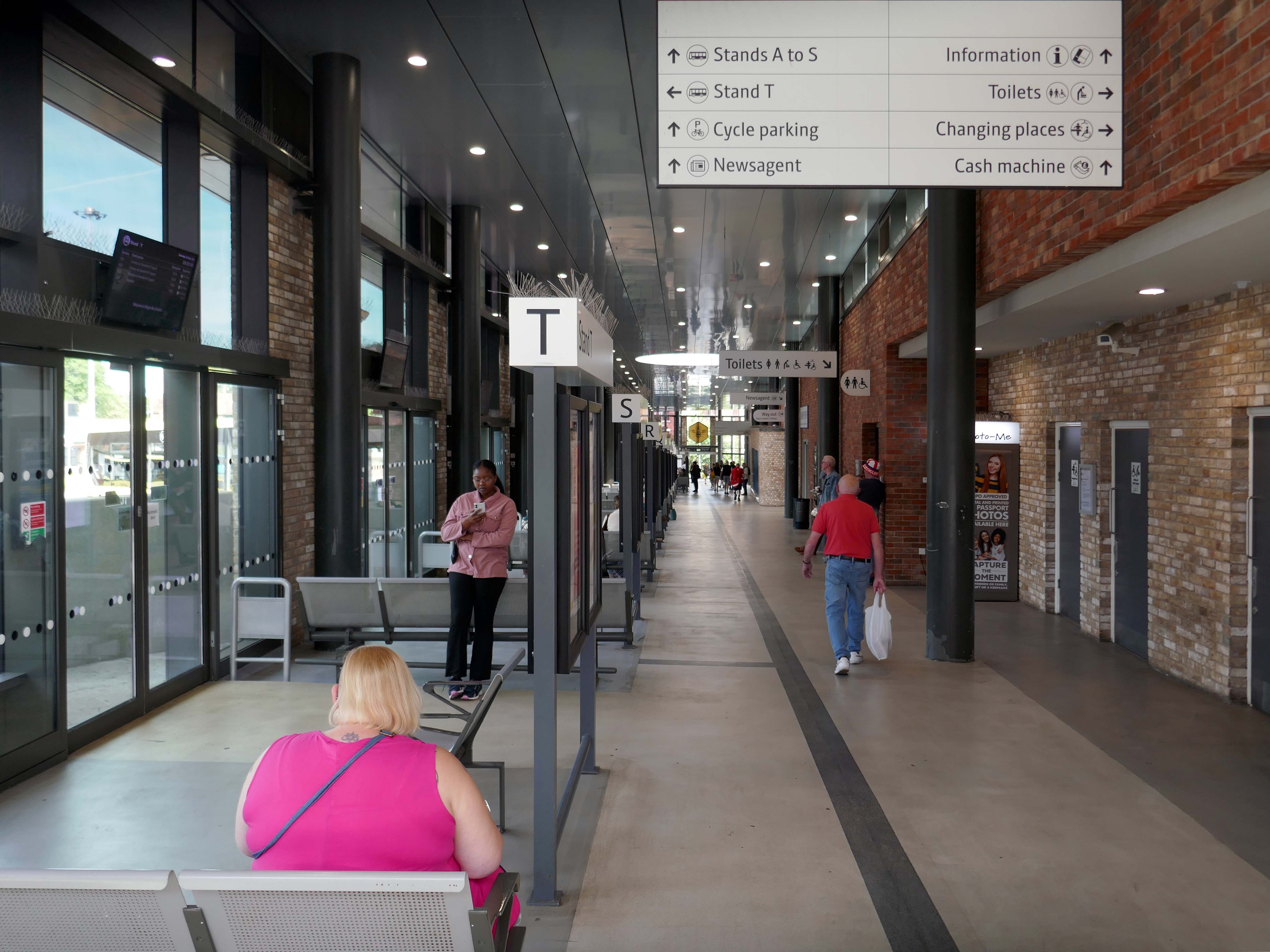
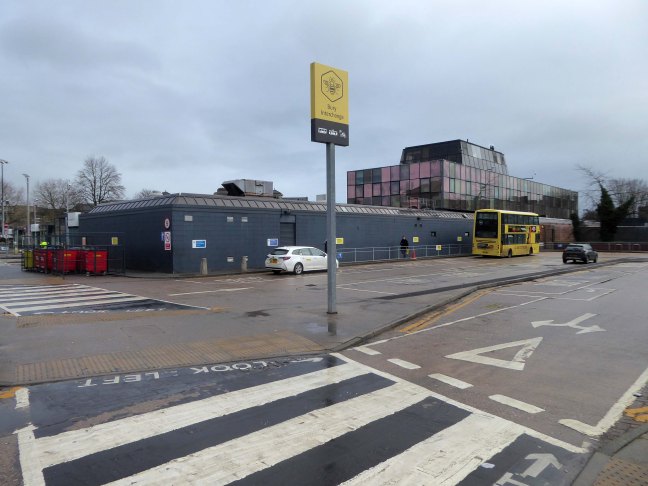
Next we take a look at the Bus Station.

Wigan’s original bus station was on Market Square.
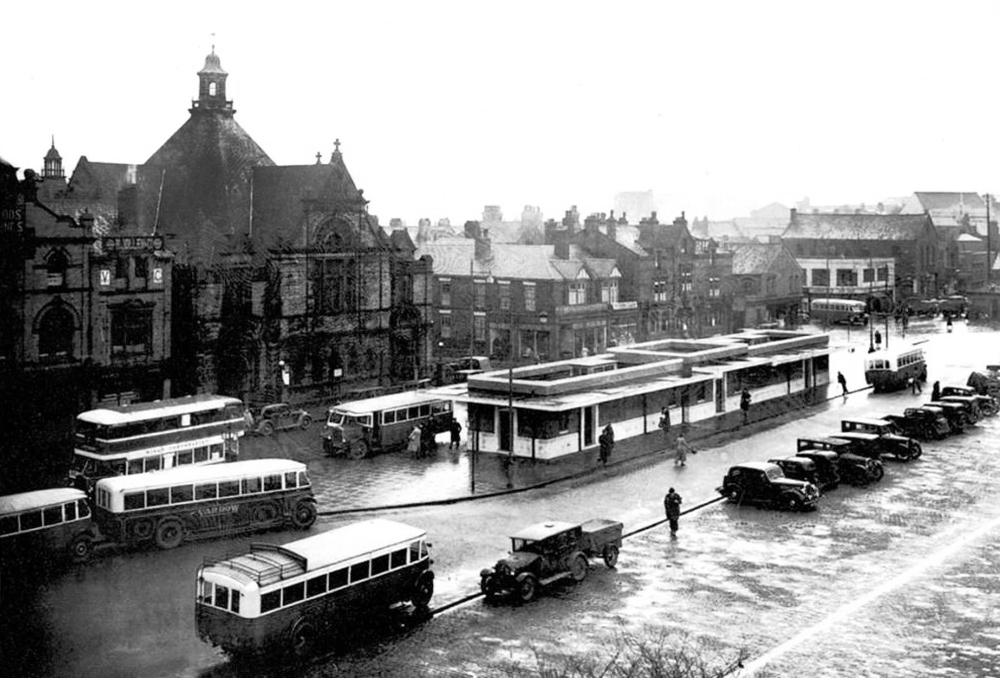
Image Wigan World

It was demolished in 1985 as part of a wider redevelopment of the town centre to make way for the Galleries Shopping Centre. A new bus station, built at a cost of £2.3 million, began construction in April 1986, and opened in November 1987.
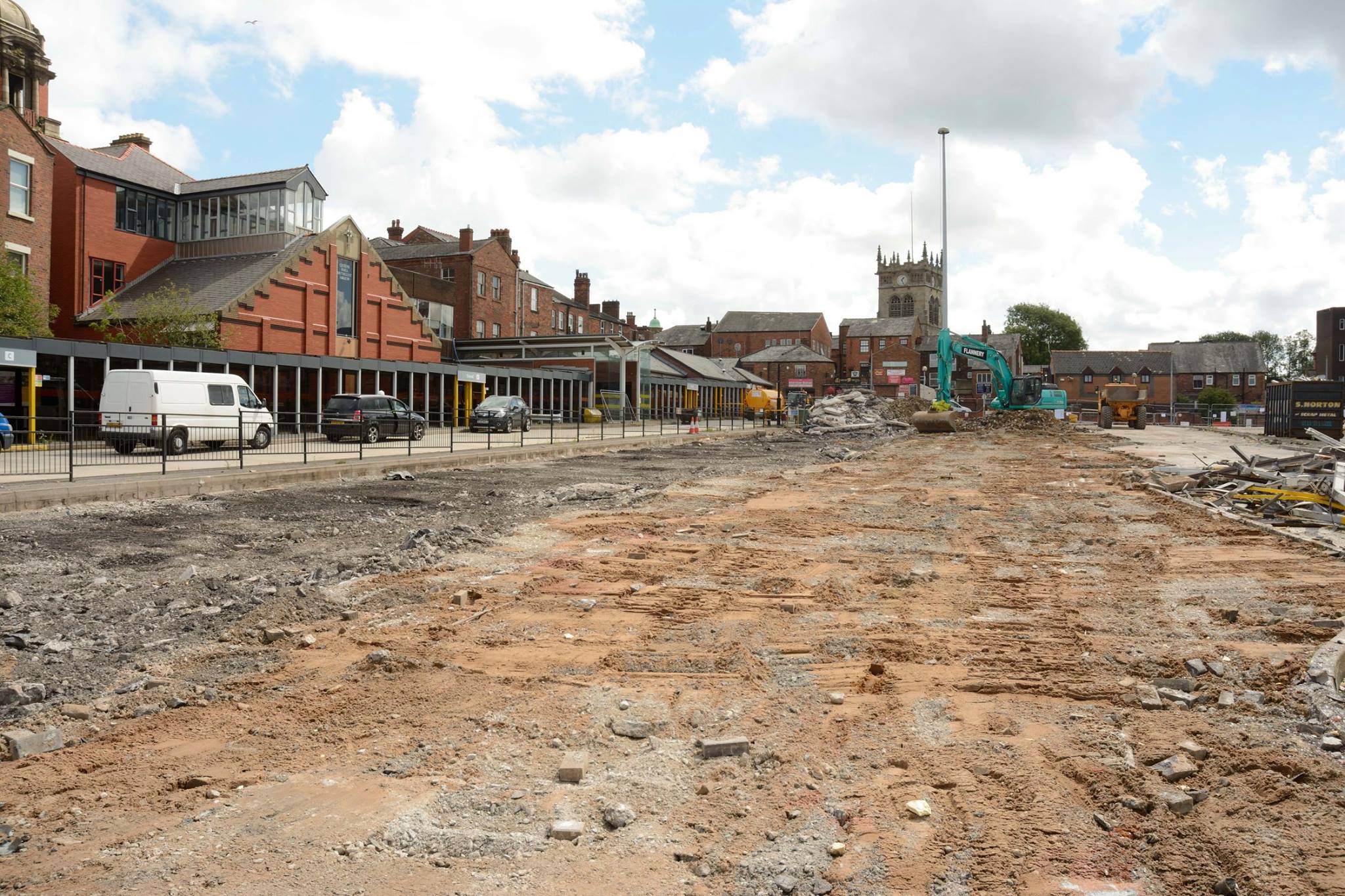
Wikipedia

Transport for Greater Manchester commissioned Austin-Smith:Lord to design a replacement nineteen stand £15.7m bus station in Wigan Town Centre, the project was completed in October 2018.
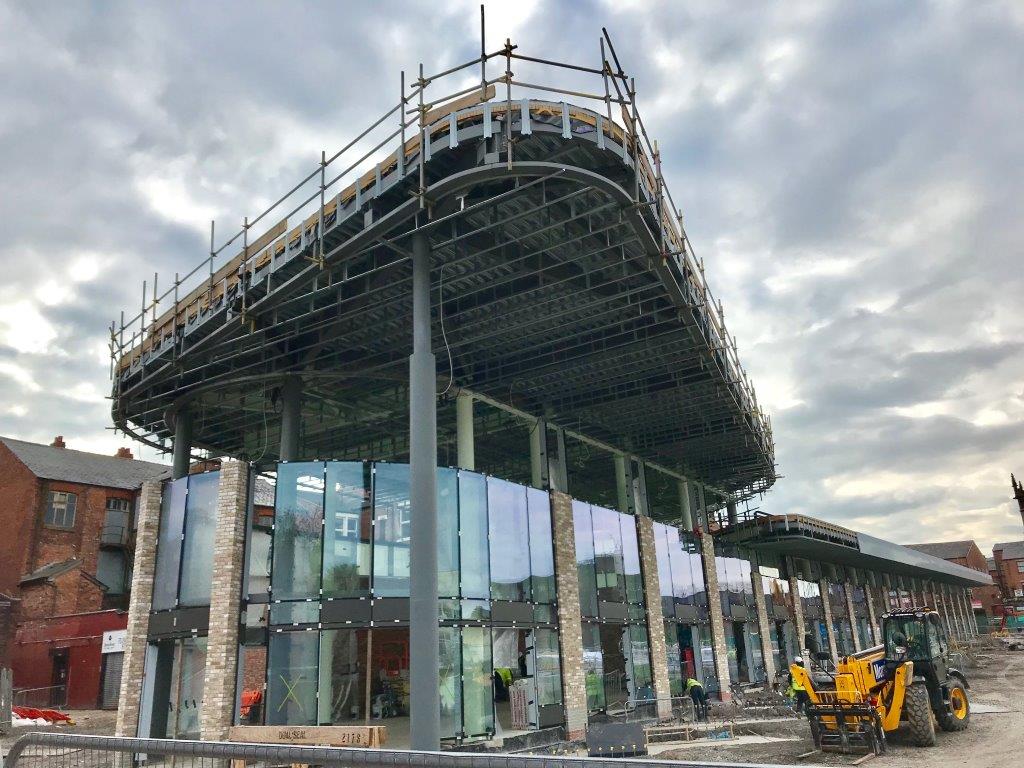
Construction images – Bee Network.
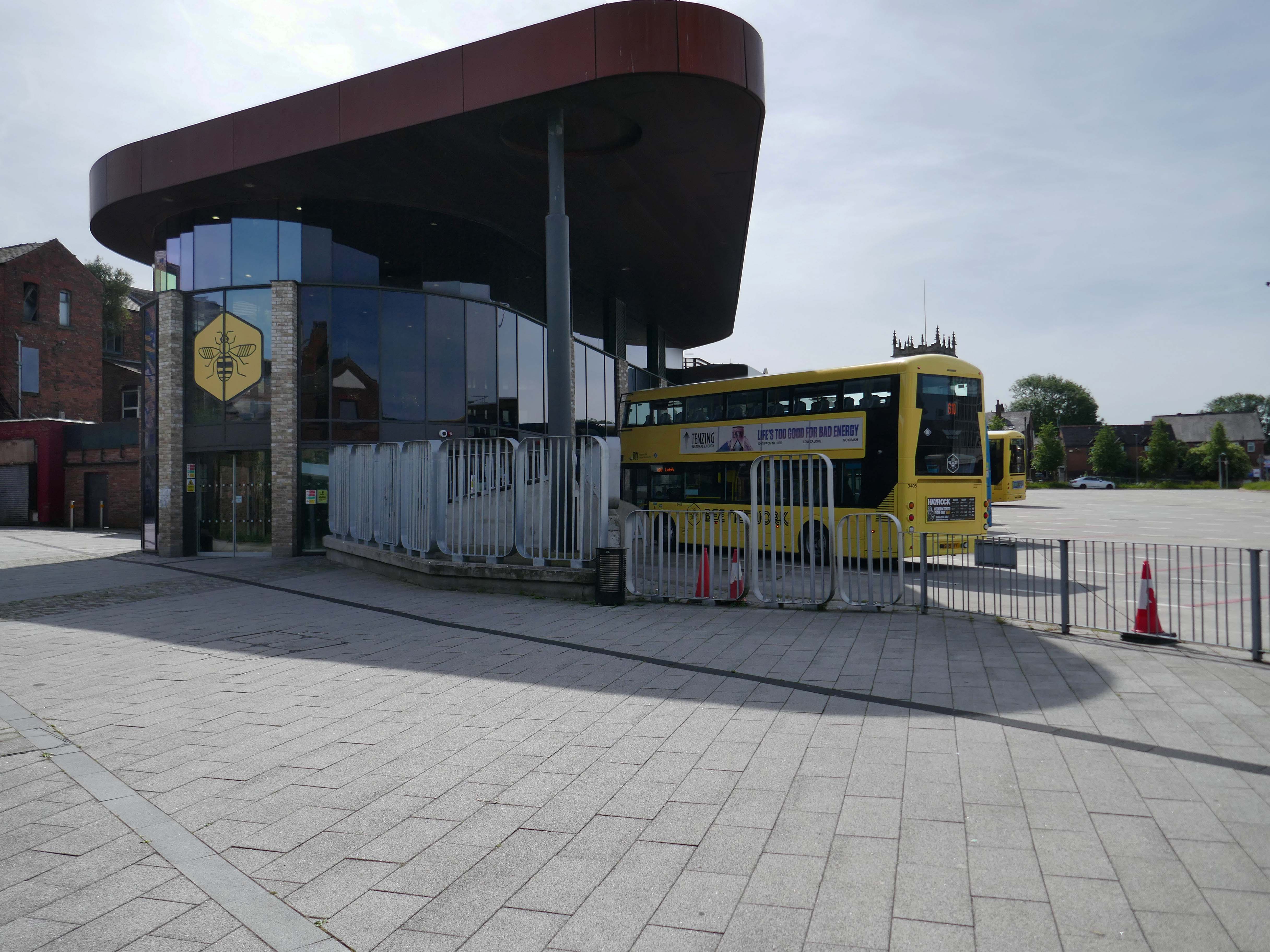
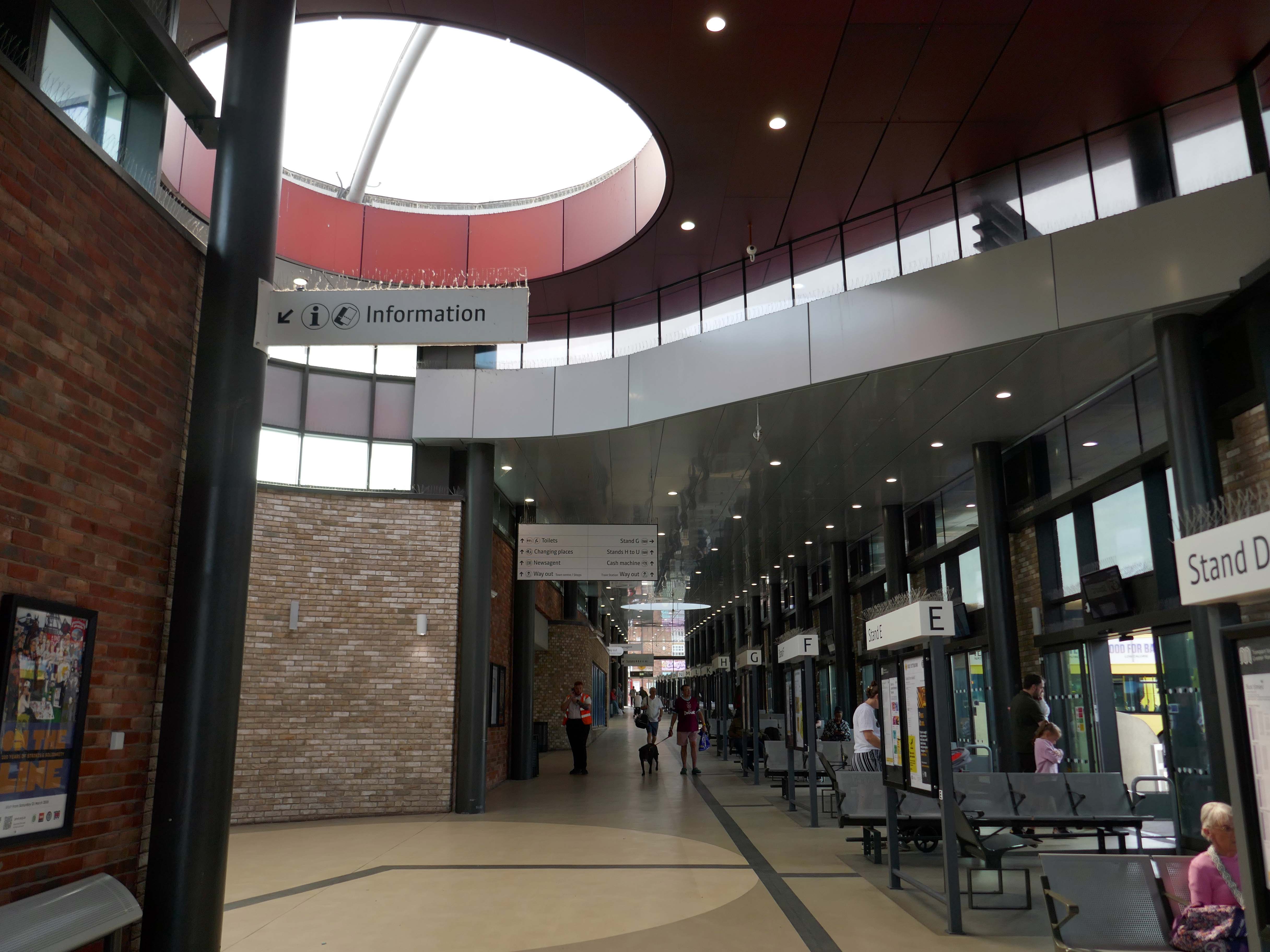
Around the corner to the Wigan & Leigh College.

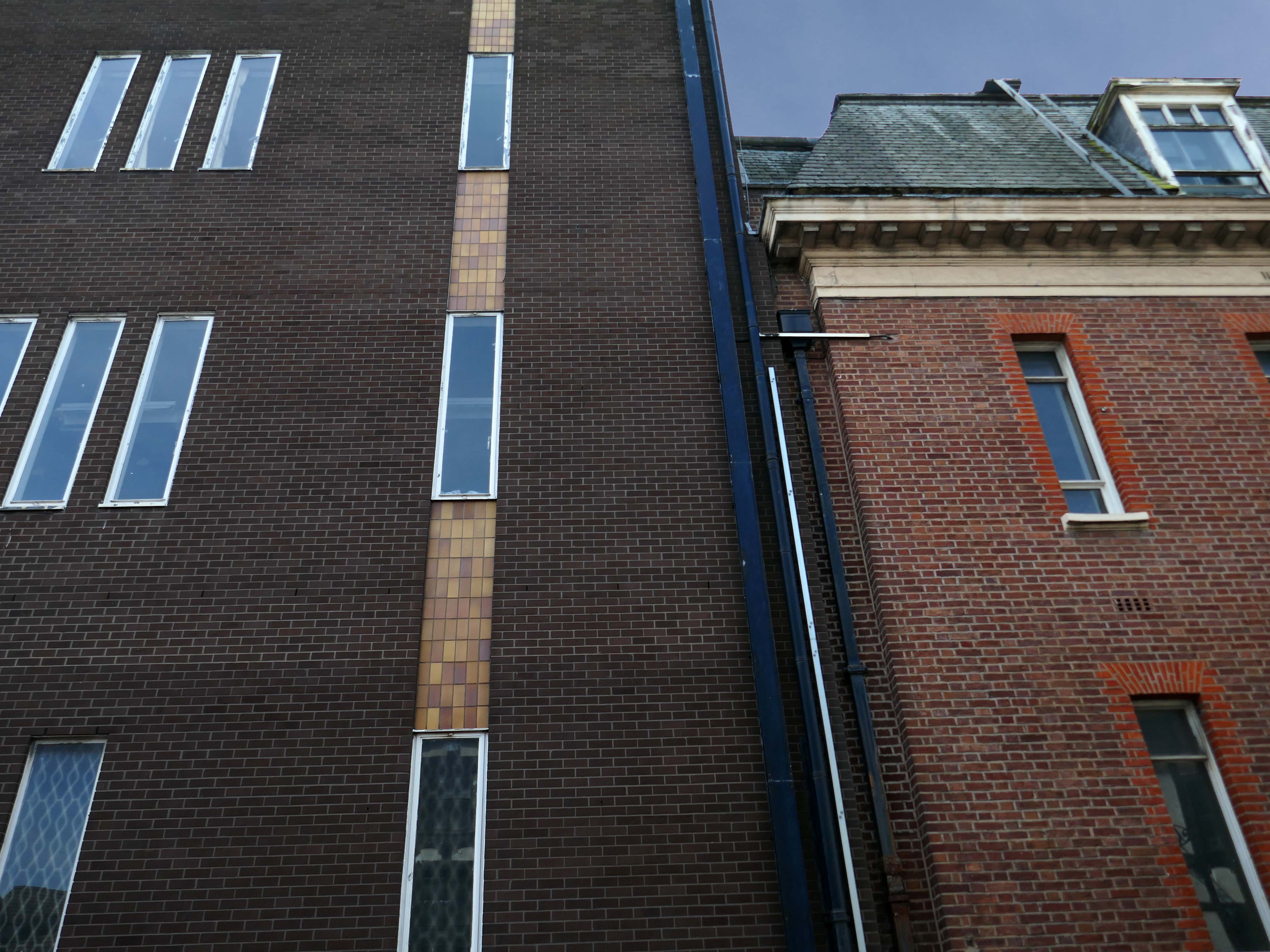
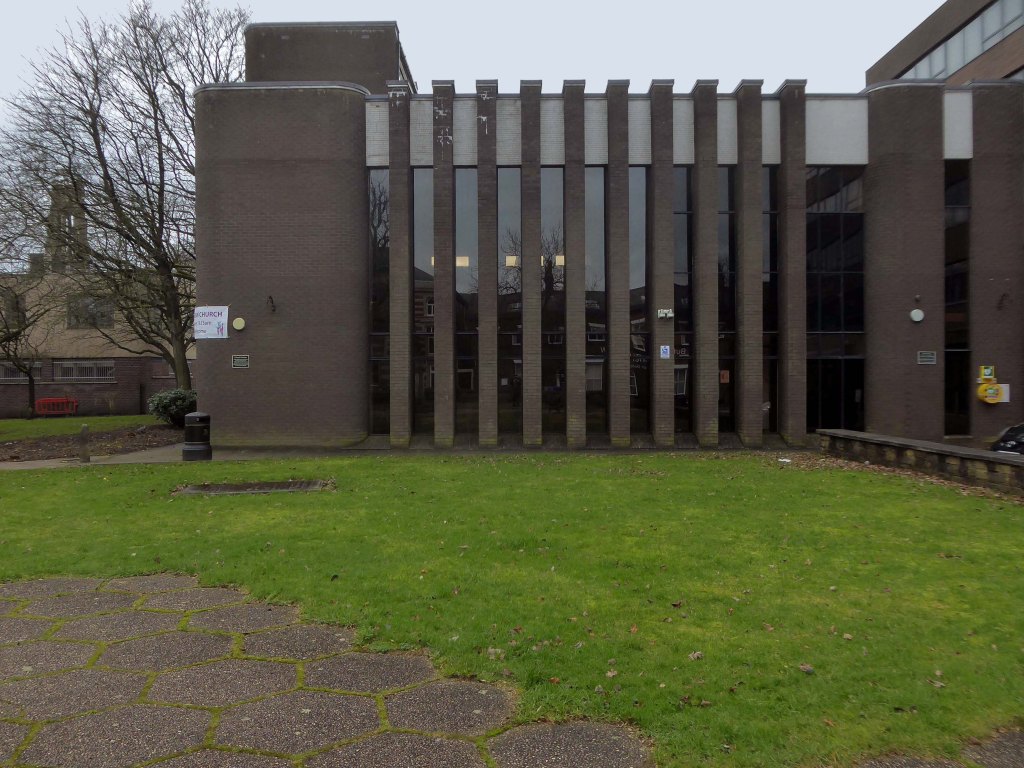
The original building of 1954 by Howard V Lobb G Grenfell Bains & Hargreaves, with later extension.
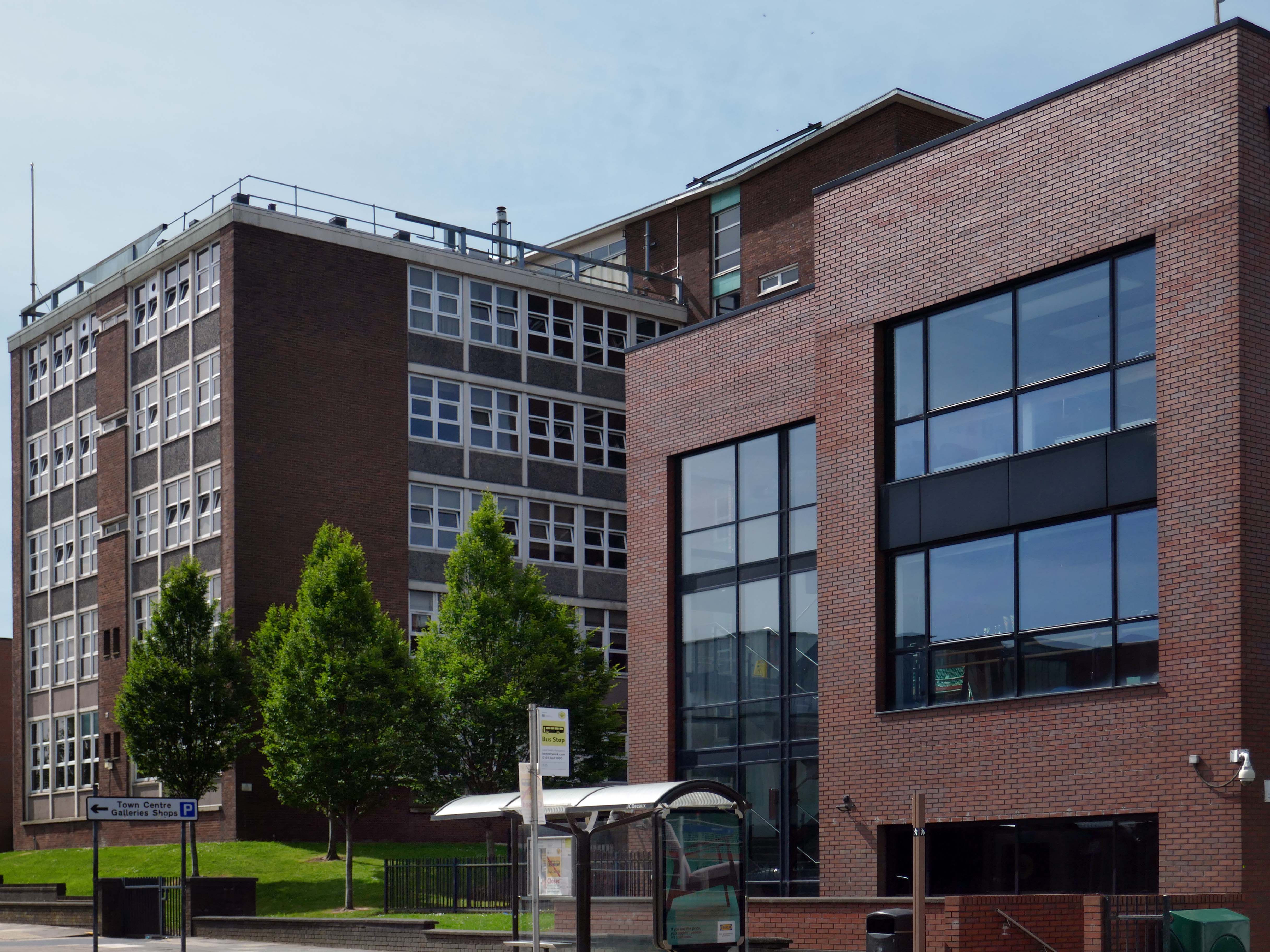
There have been several phases of redevelopment and new build in recent years.

This block of the Technical School has been demolished since my last visit.
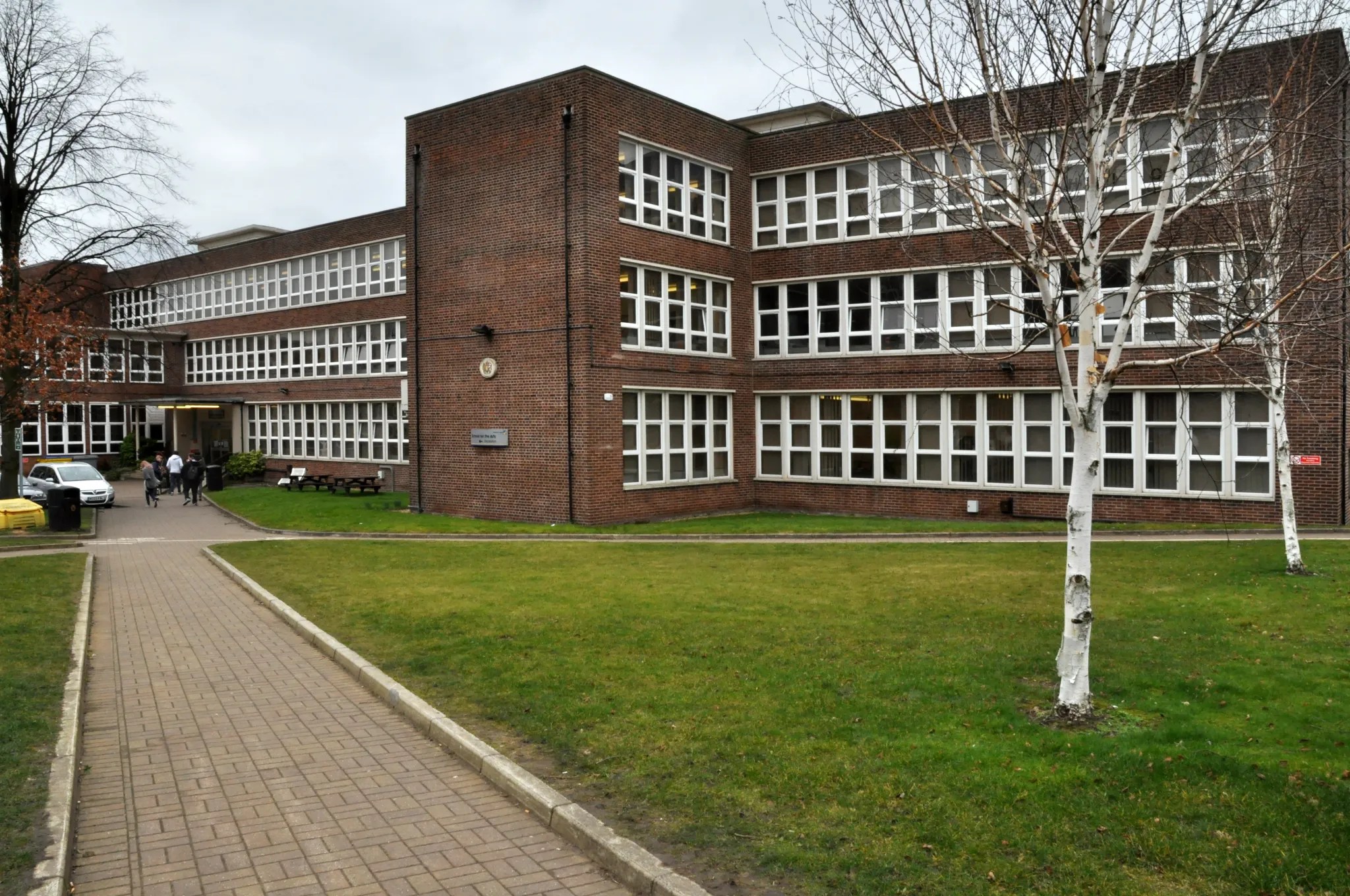
Thomas Linacre Technical School for Boys mural 1954.
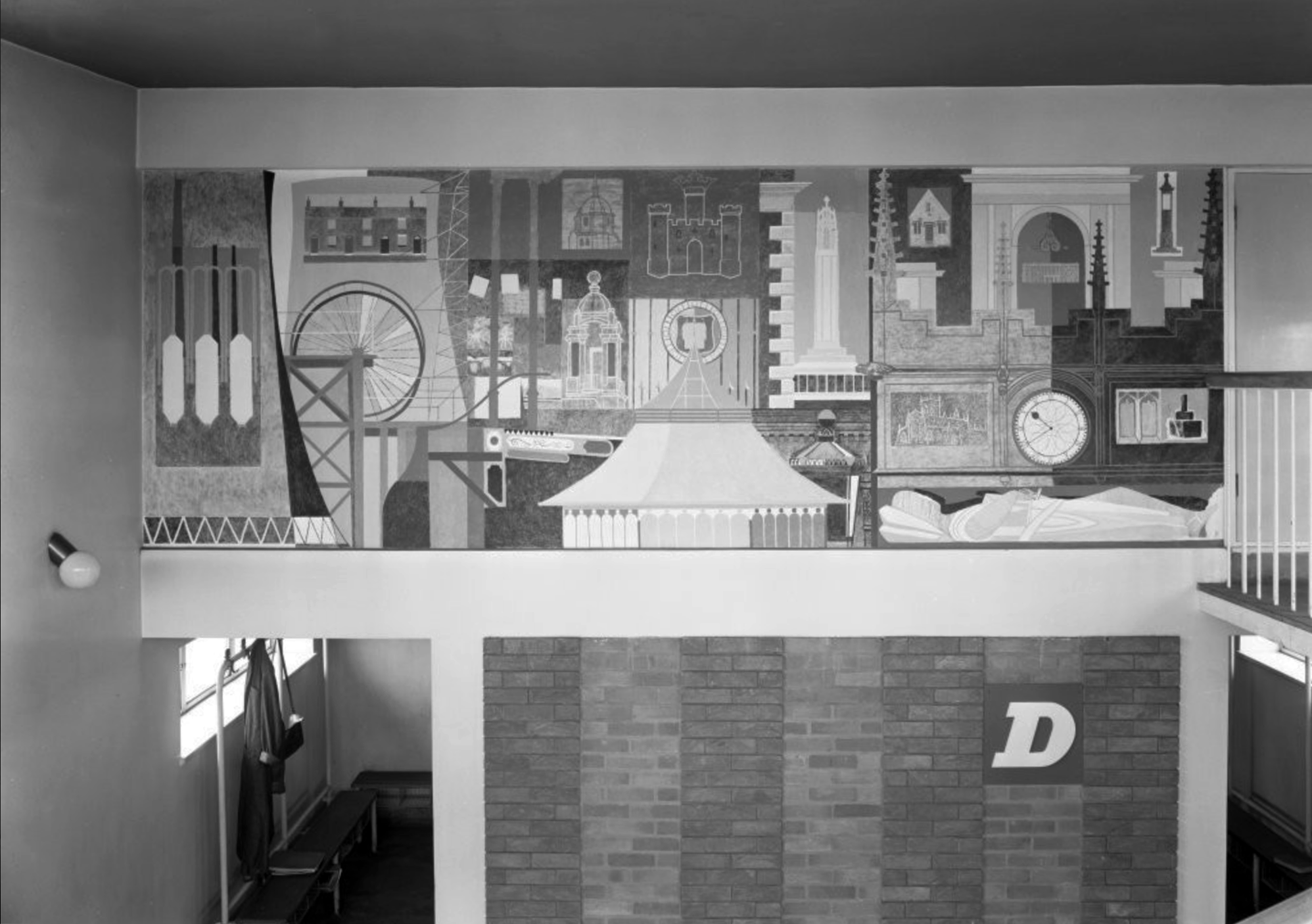
Image – RIBA pix

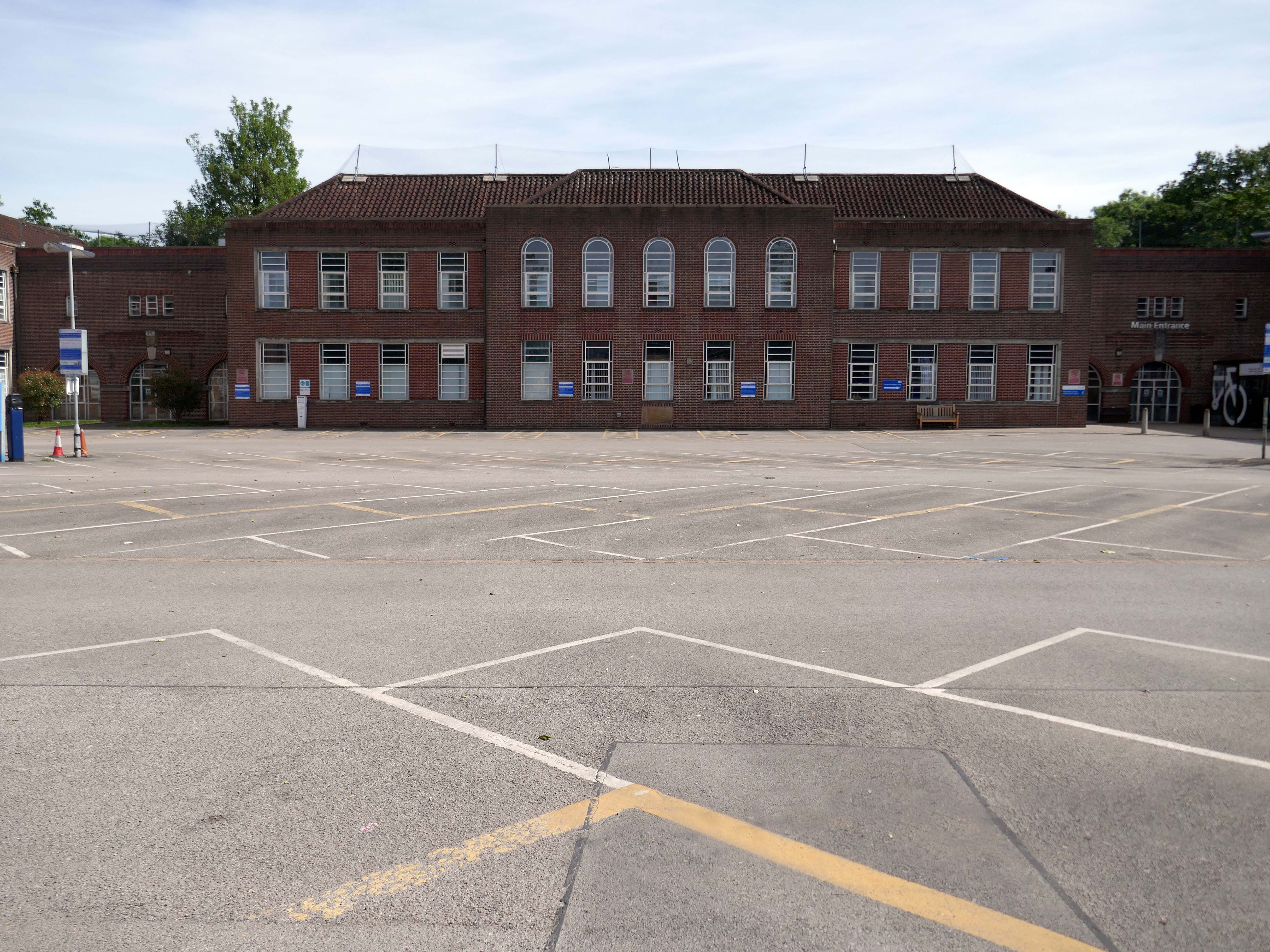
Across the road the former Grammar School.

Wigan Grammar School was founded in 1597 and closed in 1972, as part of the comprehensive education movement.

It then became Mesnes High School, and subsequently Wigan College’s Mesnes Building in 1989. 

Since 2003, it has been known as the Thomas Linacre Centre and is an out-patient department for the Wrightington Wigan and Leigh NHS Trust.

It was designated a Grade II listed building in 1997.

Architect: A E Munby
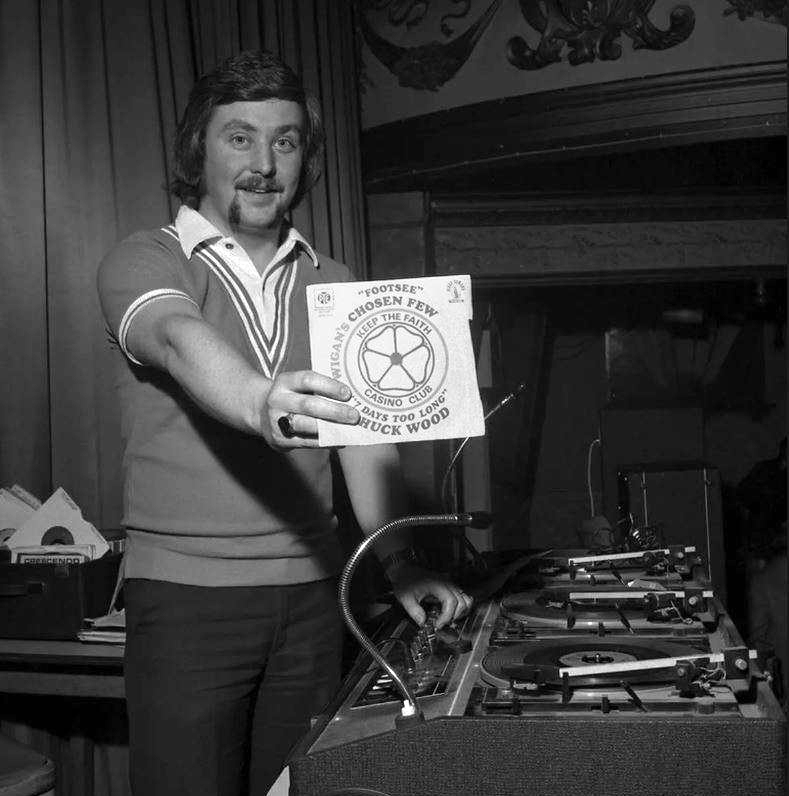
DJ Russ Winstanley was a former pupil, here he is in 1975 at the Wigan Casino holding up a copy of Footsee by Wigan’s Chosen Few b/w Seven Days Too Long by Chuck Wood.
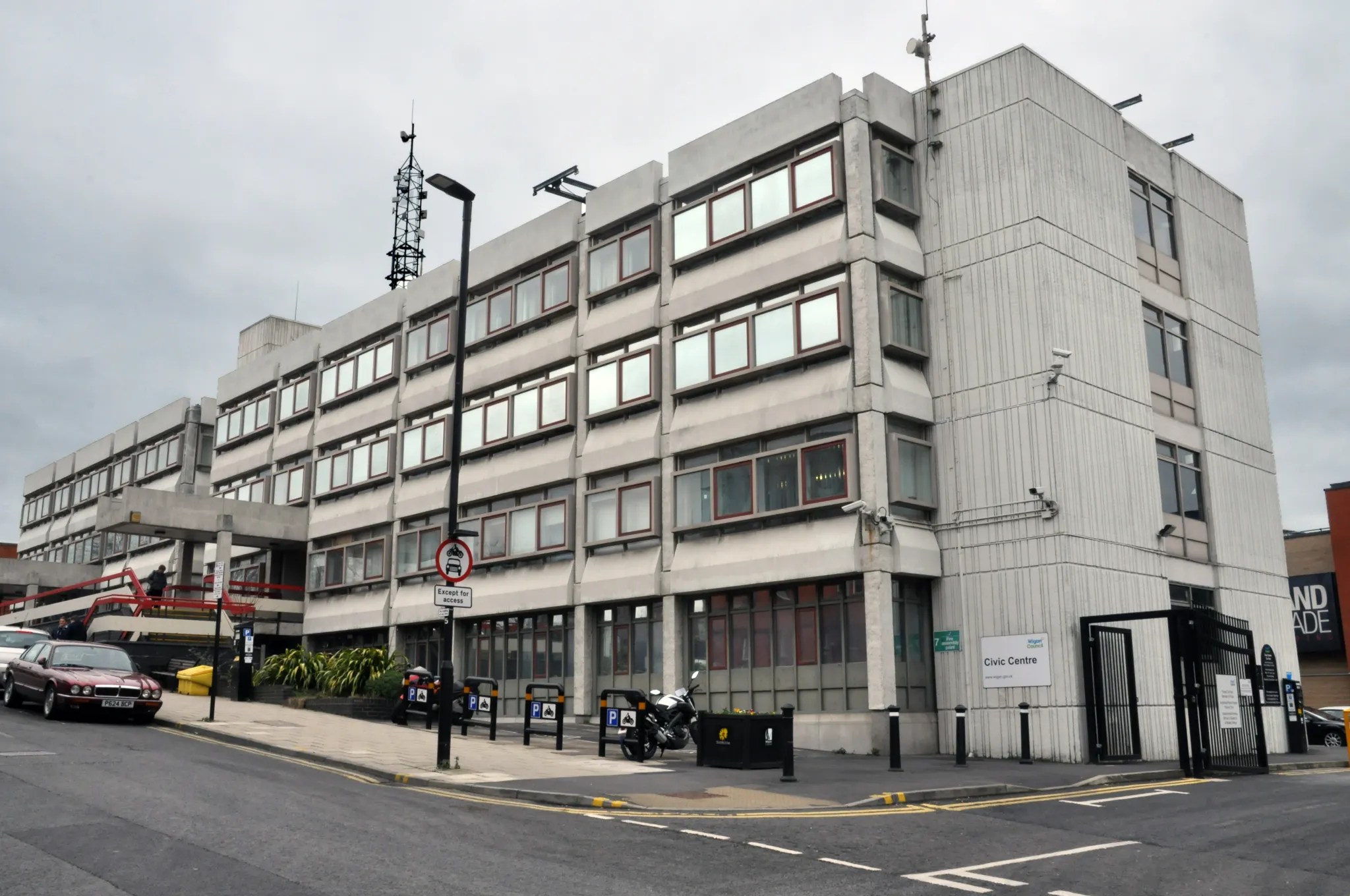
On Millgate we find the former Wigan Civic Centre.
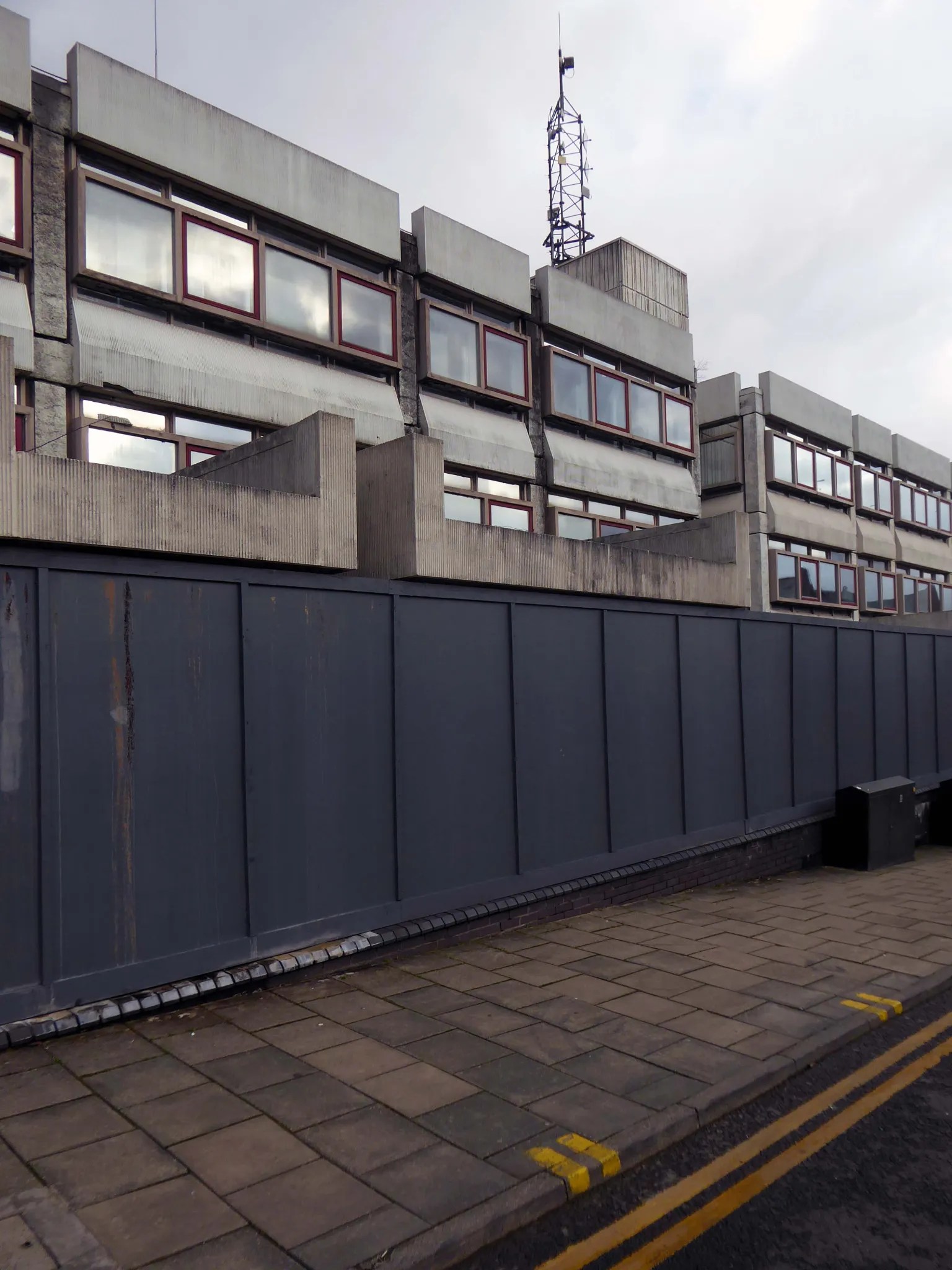
Once it was all boarded up with nowhere to go.
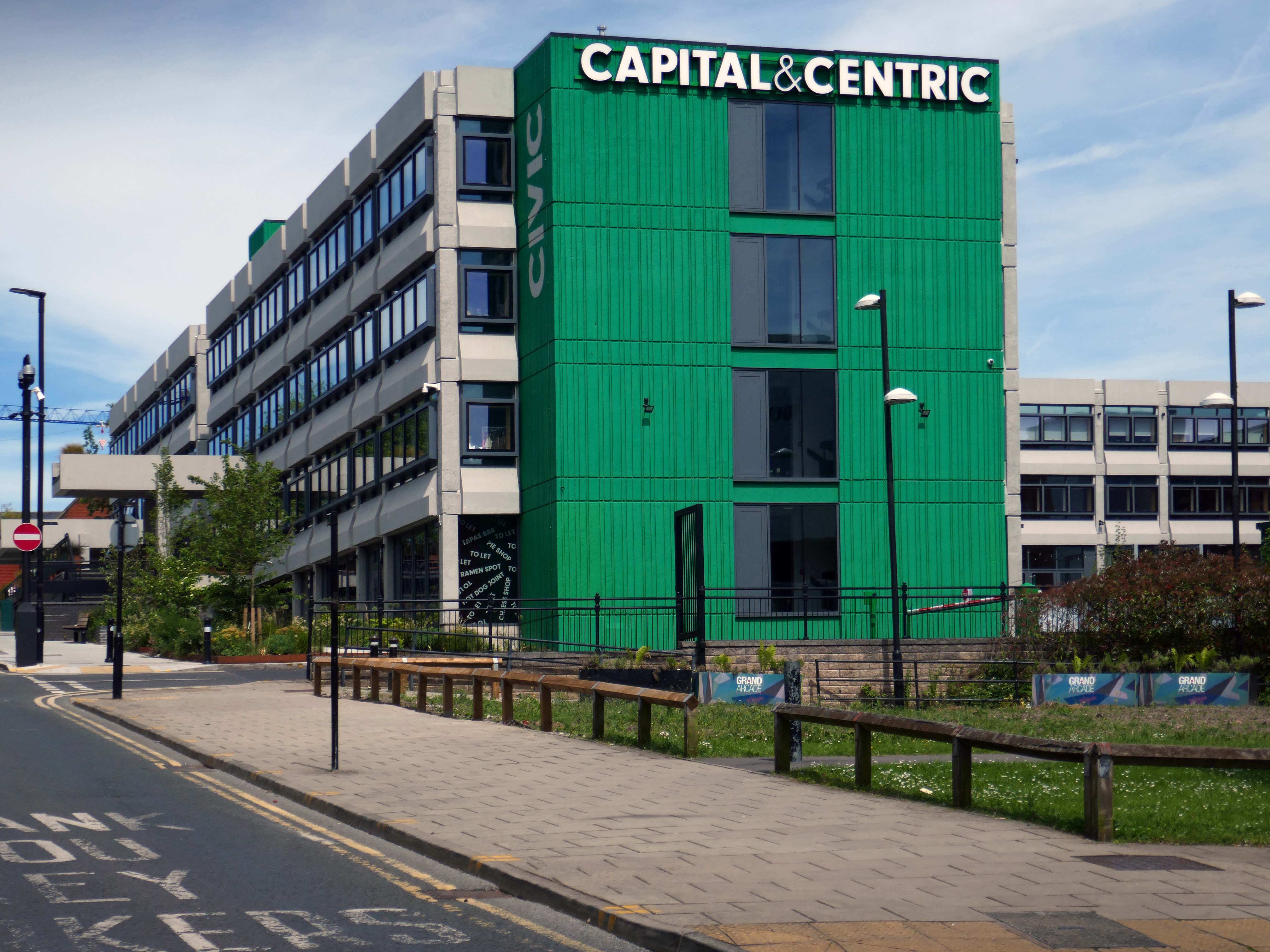
Subsequently resuscitated by Capital&Centric.
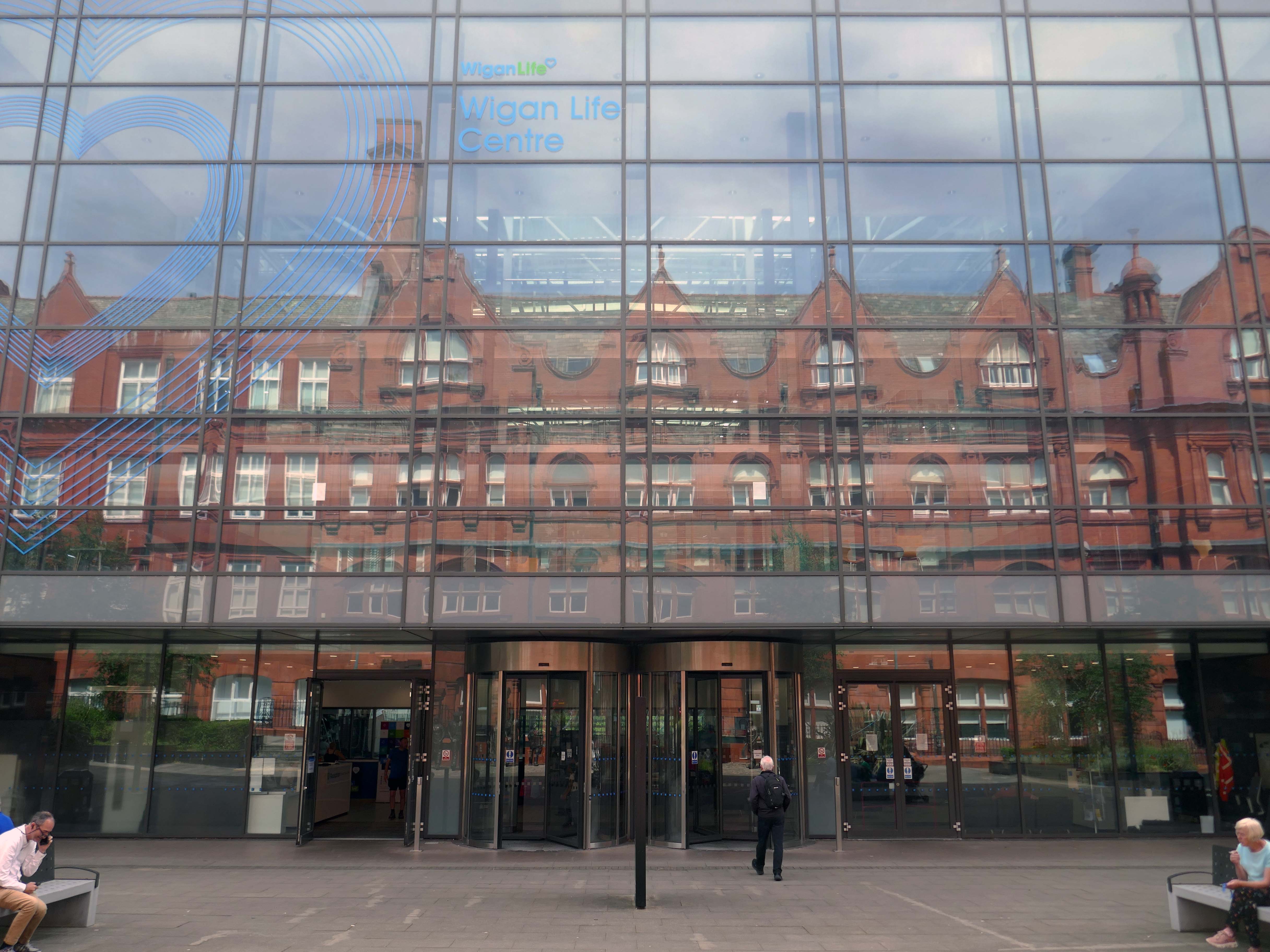
Across the way the new Library and Life Centre by Astudio and LCE Architects.
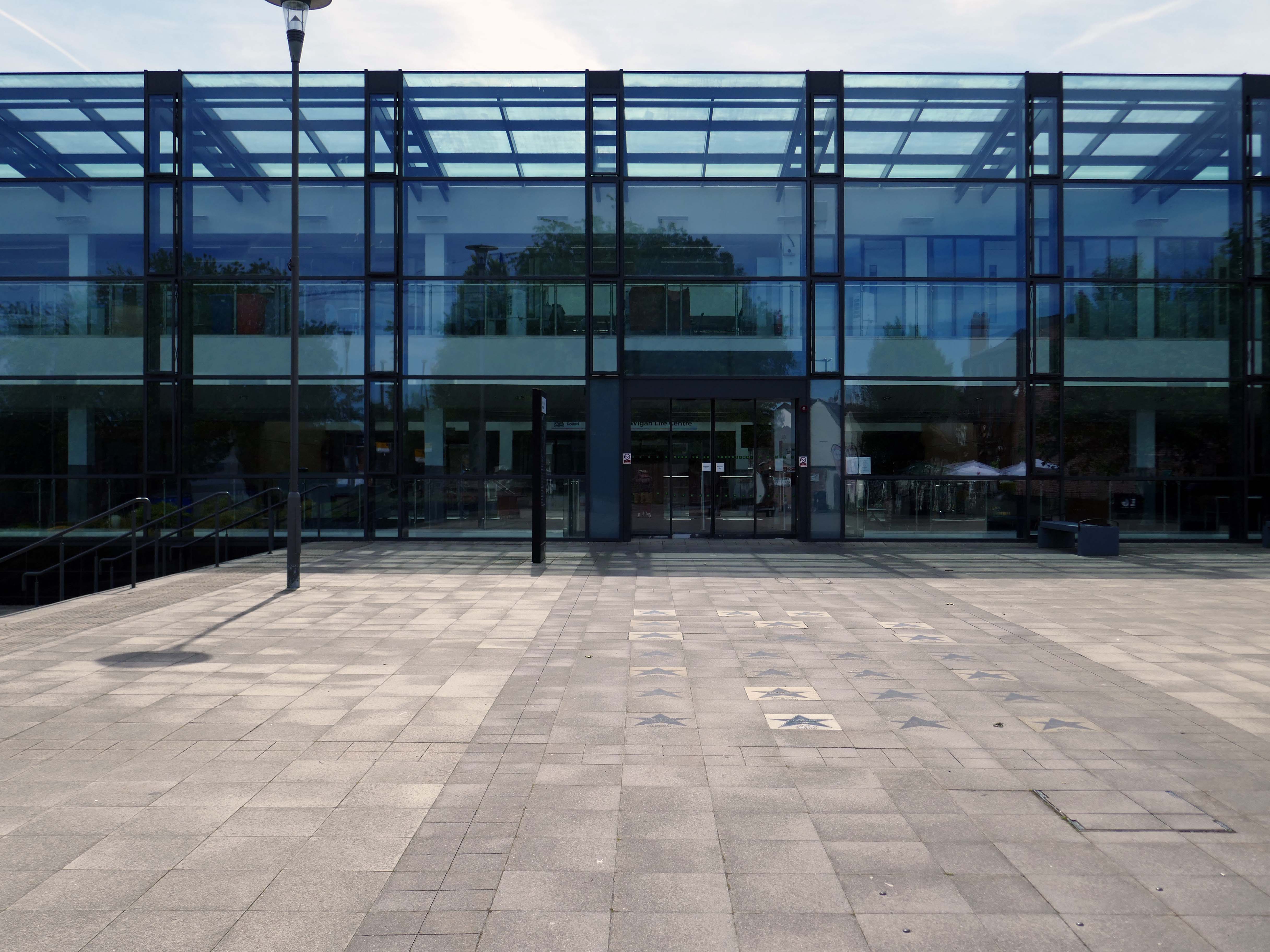
Down the road is the recently refurbished Leisure Centre.
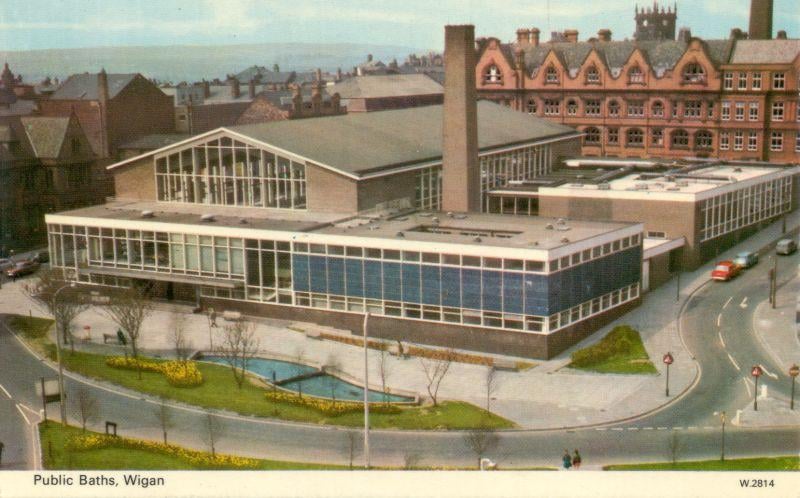
Built on the site of the International Swimming Pool – opened 1968 demolished 2010.
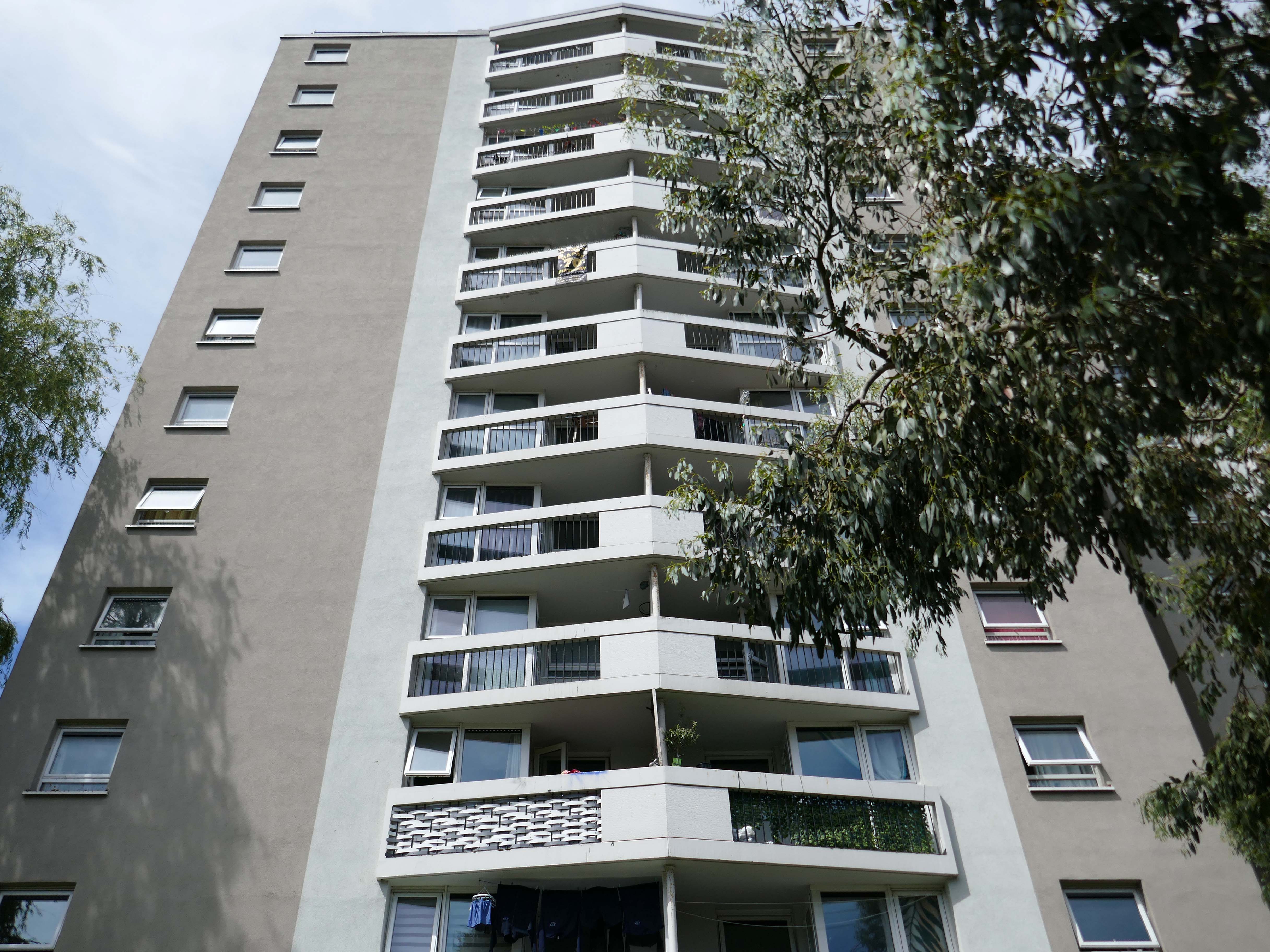
Across the way to Scholes Comprehensive Development 1964

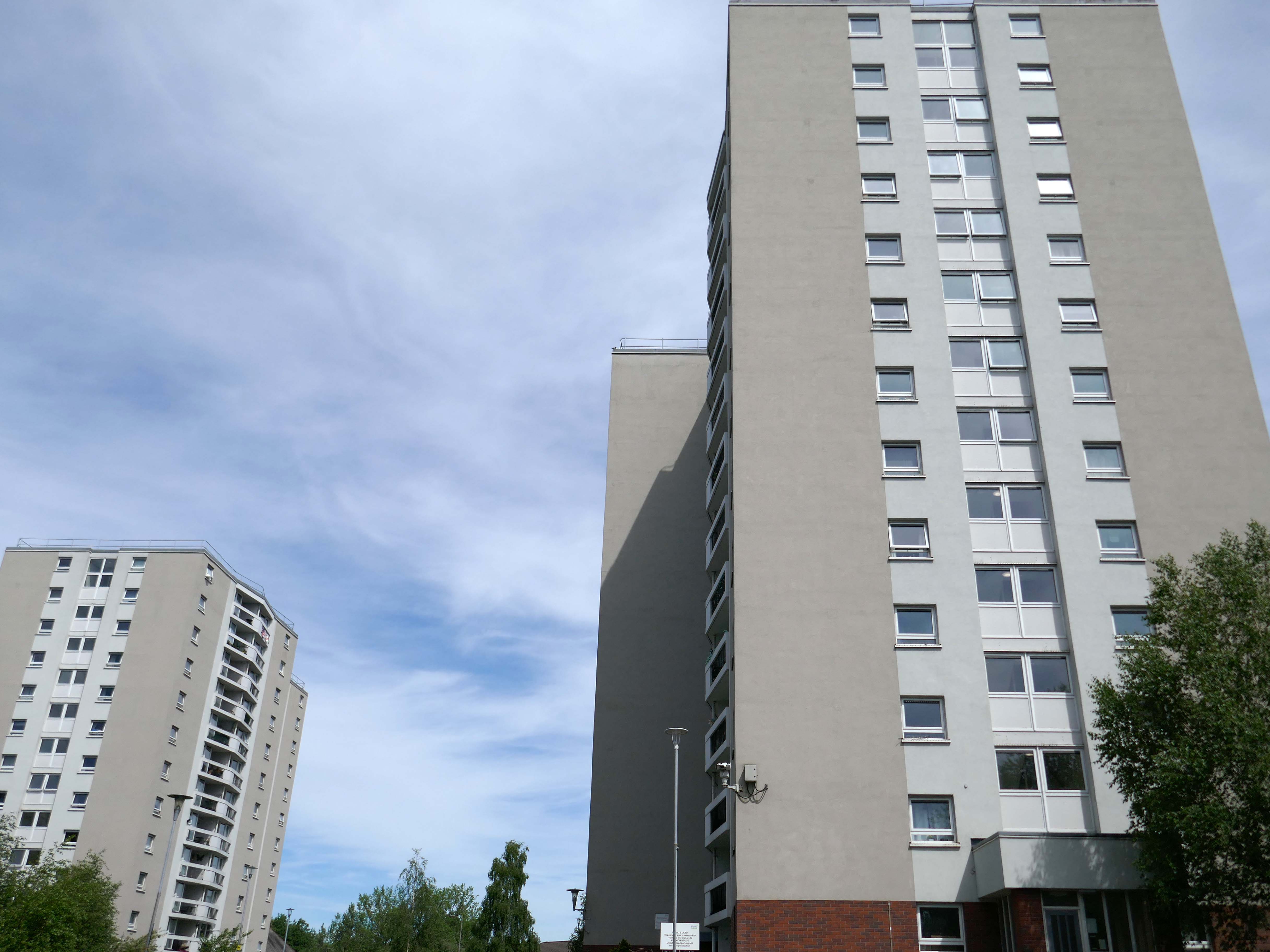
Five thirteen-storey tower blocks adjacent to Douglas House in Scholes were approved in 1964. Lower-rise housing and flats spread to the east. In 1968, a further 13-storey block, Boyswell House, was built at this eastern end of the Scholes Comprehensive Development Area. Almost 500 slum houses, housing 566 families, were demolished that same year and 581 new council homes completed.
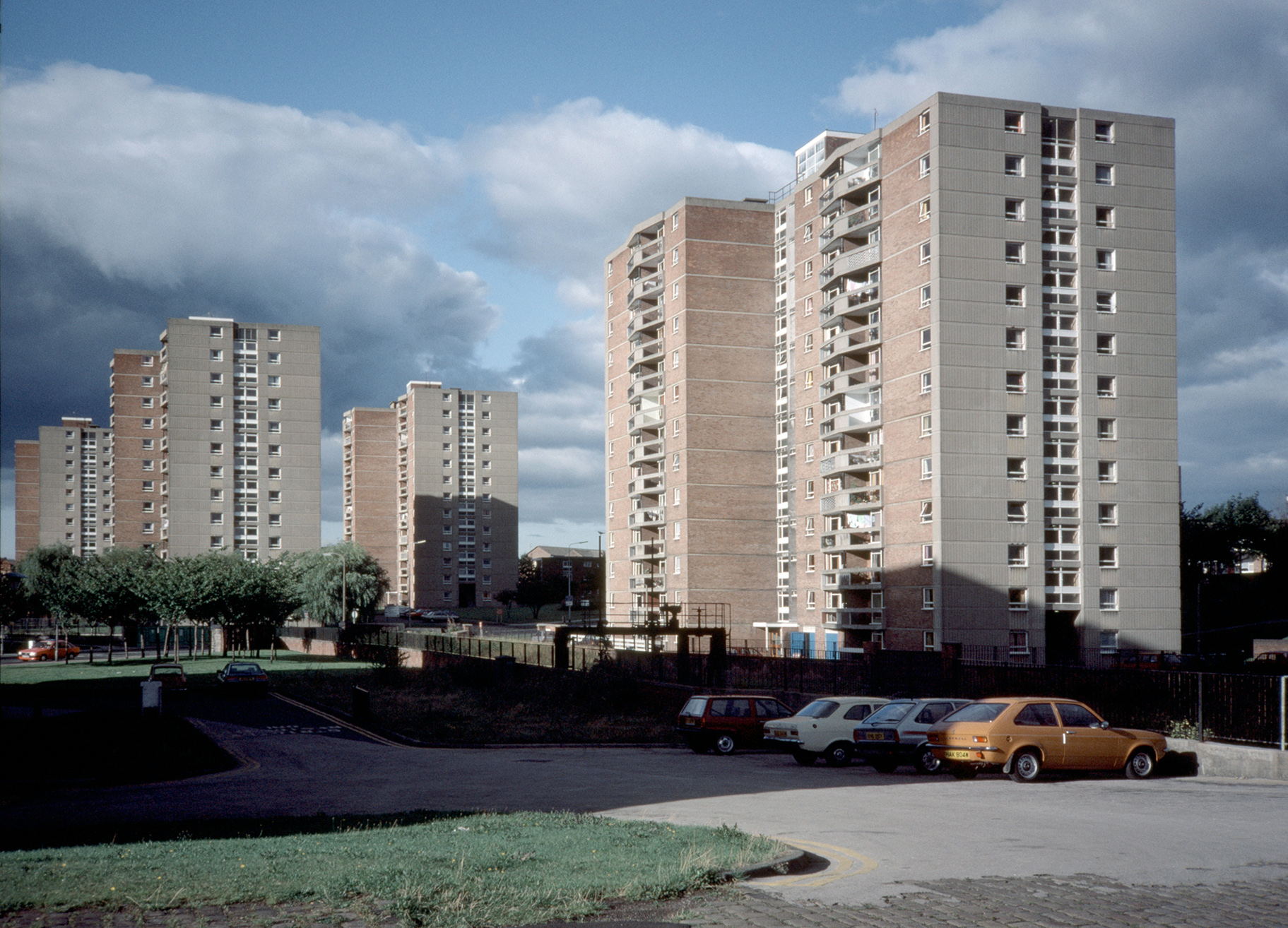
Municipal Dreams

Image – Tower Block 1987

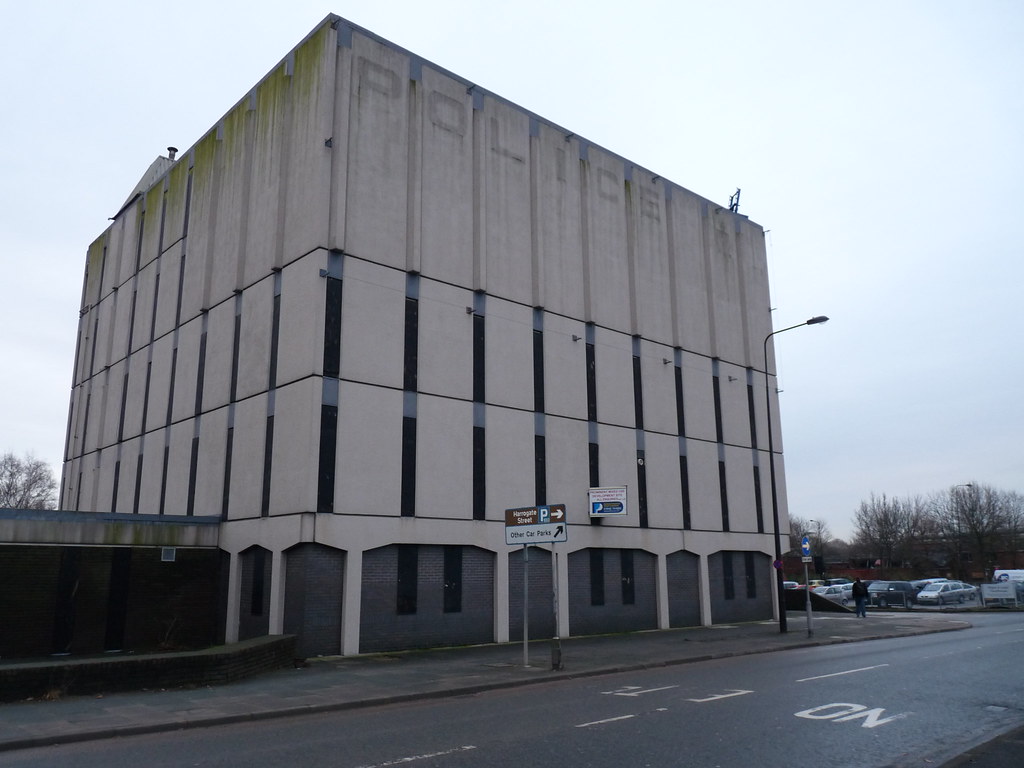
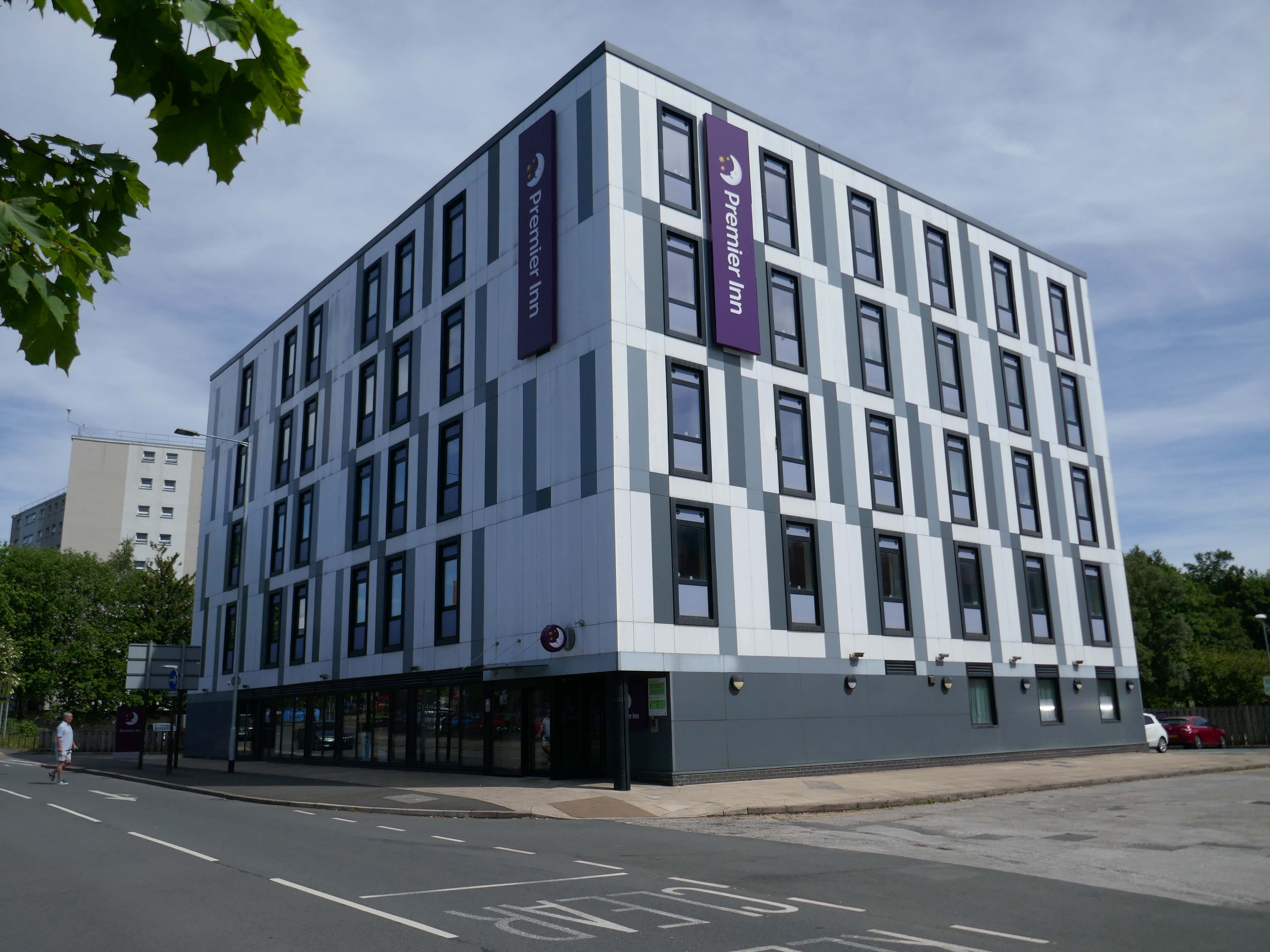
Next to the Roger Booth cop shop that became a Premier Inn.

A super-comfy bed, blackout curtains, a powerful shower and free Wi-Fi – our double rooms have everything you’ll need for a great night’s sleep.
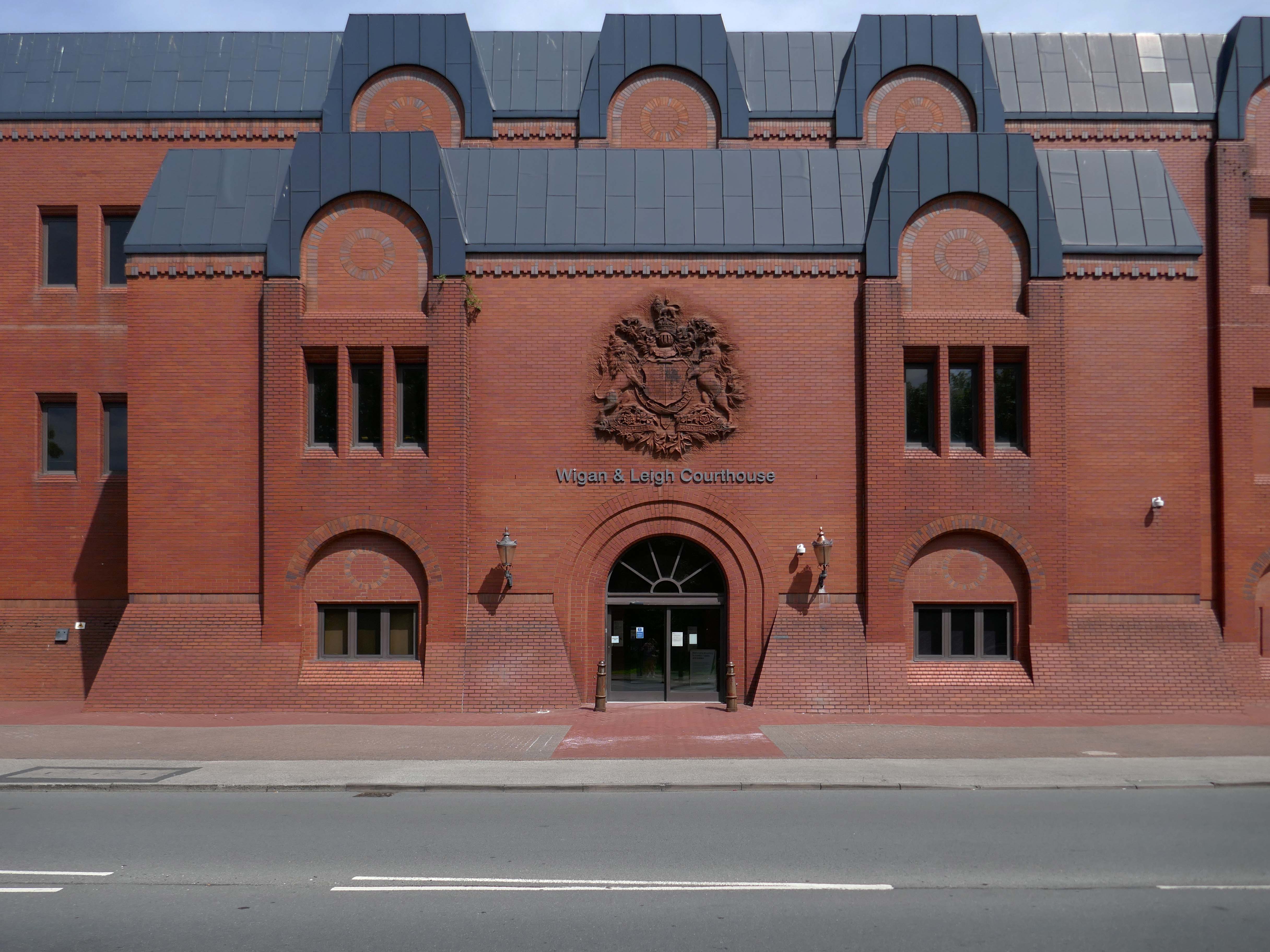
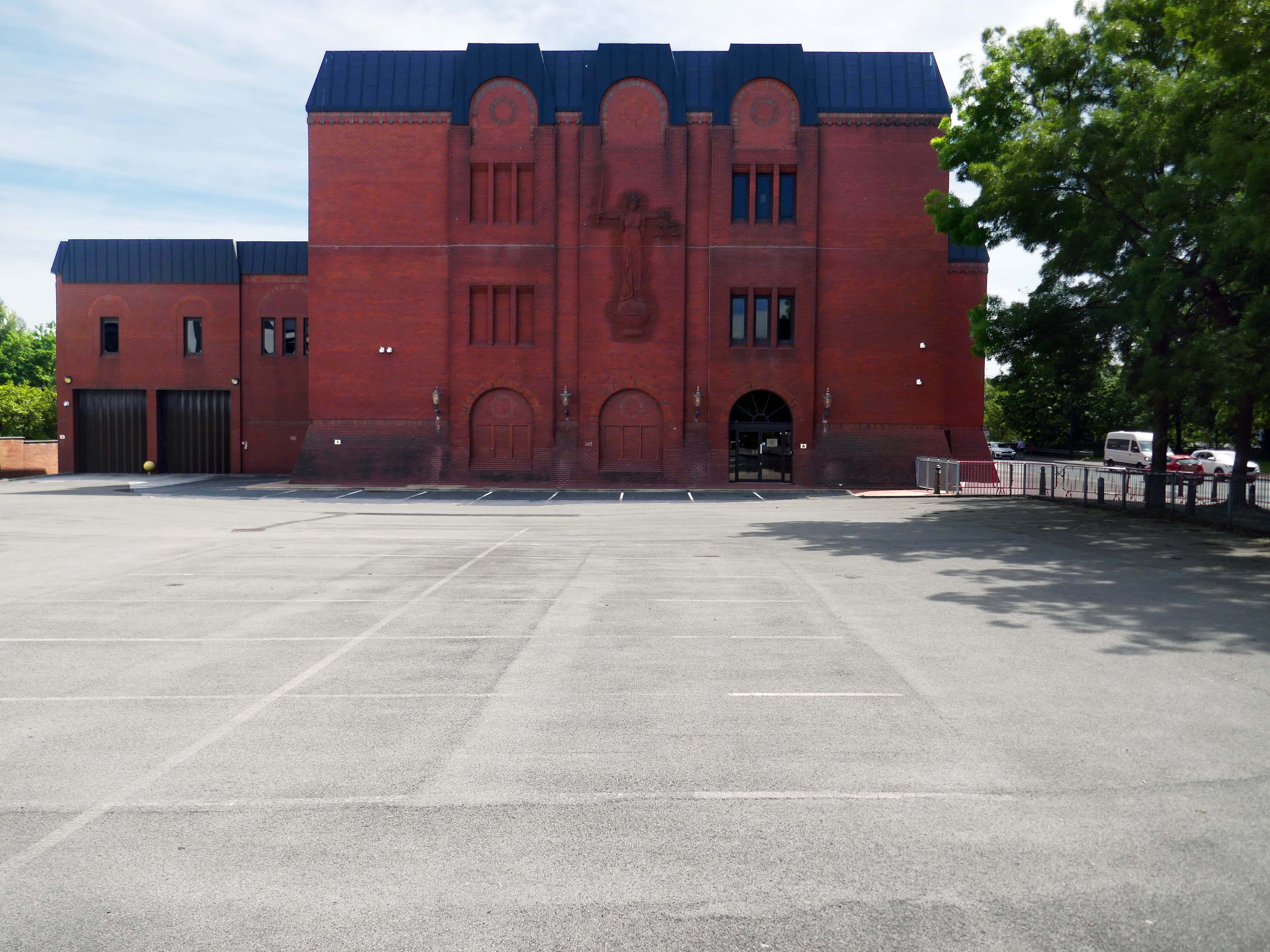
Next door the Wigan & Leigh Courthouse 1992 Wigan MBC Architect.

Relief figure of justice by Christine Ward.
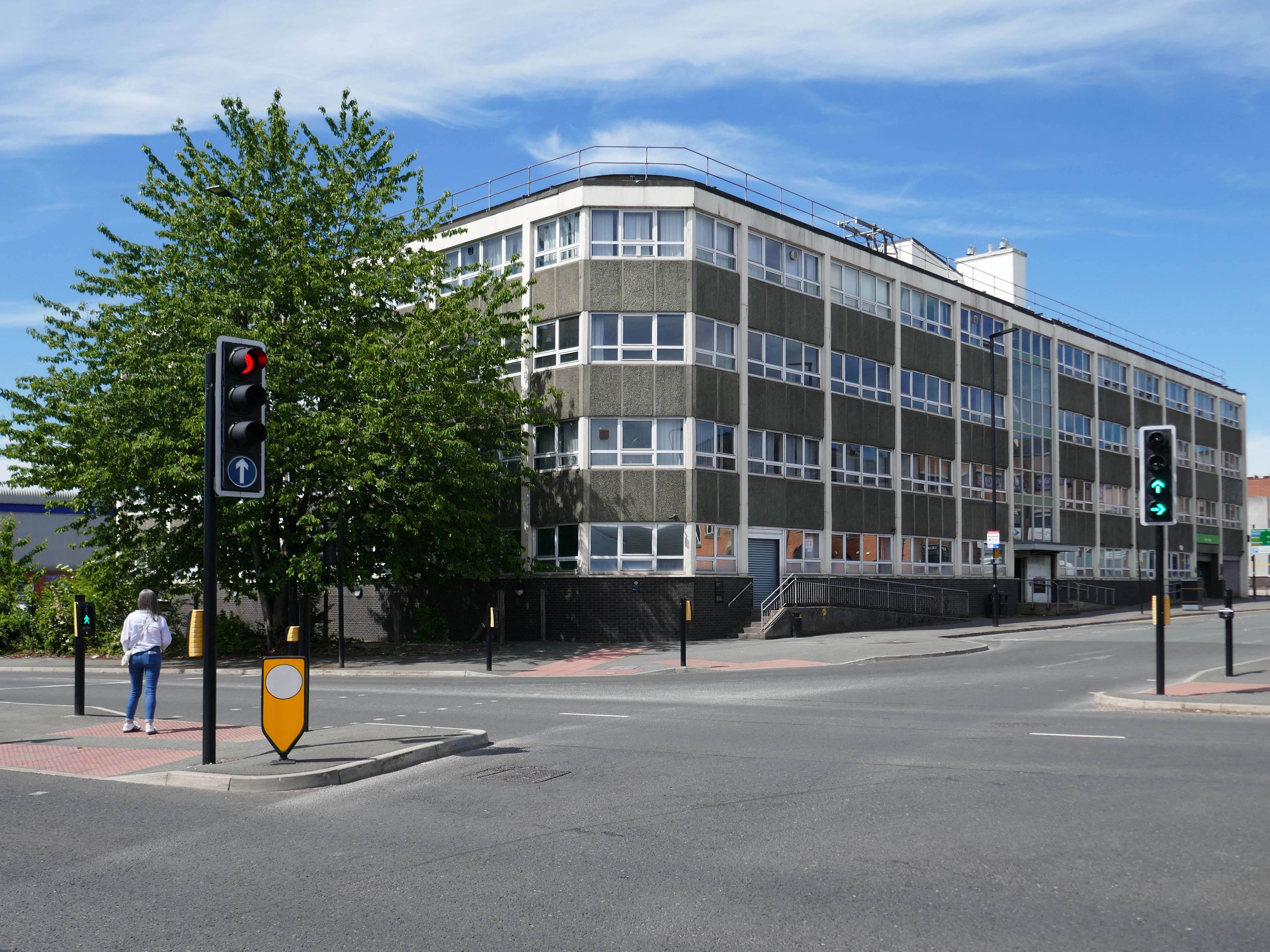
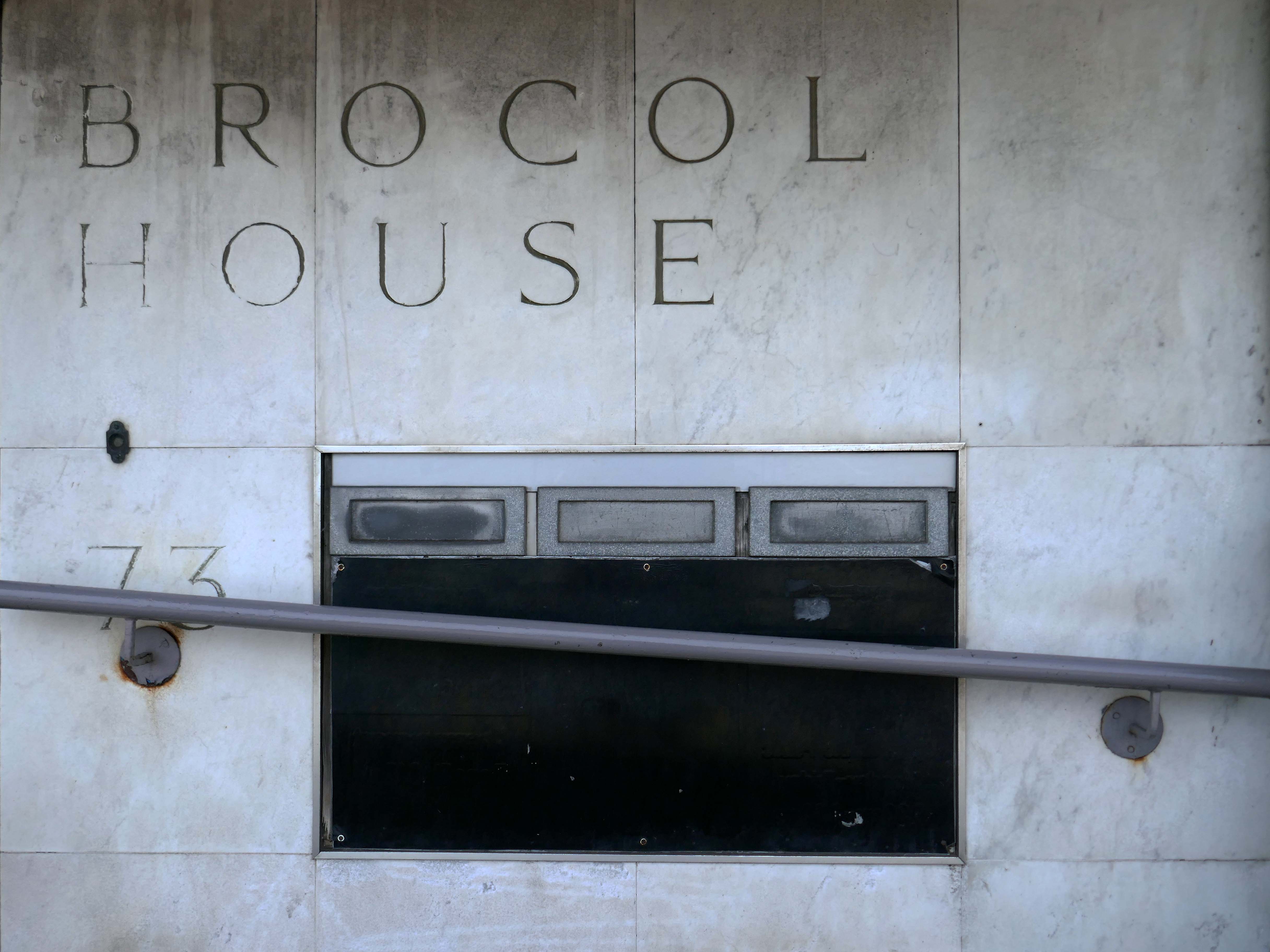
Onward to Brocol House – currently home to the Job Centre
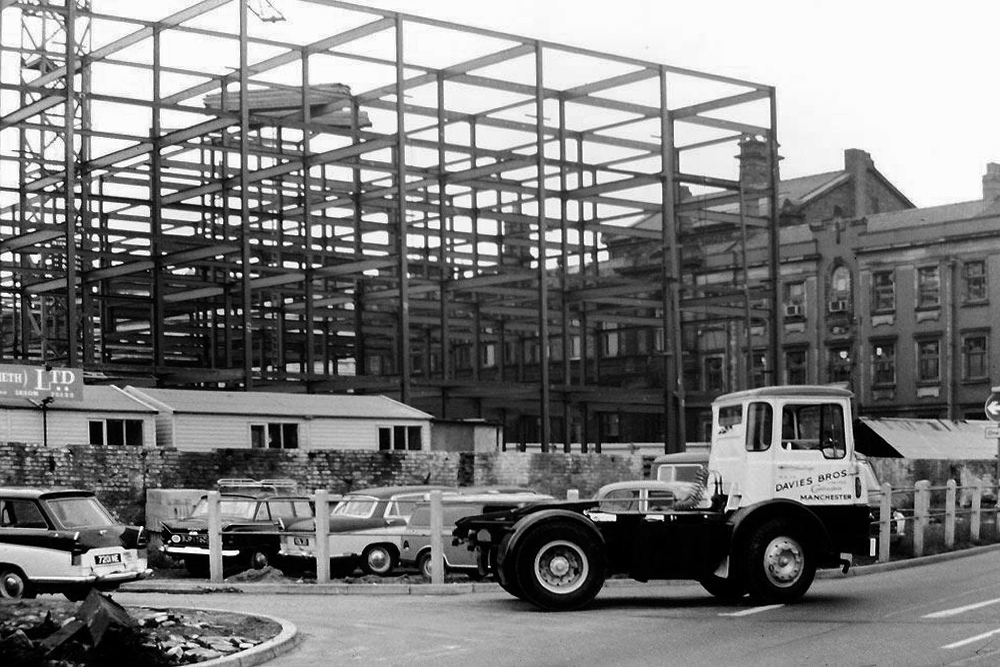
Image – Wigan Peers

Originally built for the Inland Revenue one the site of the Brewers Arms – has the welcoming charm shared by the majority of Ministry of Works buildings of the period.
Nearly done – up the road to the County Playhouse.

Which masquerades as Ibiza.
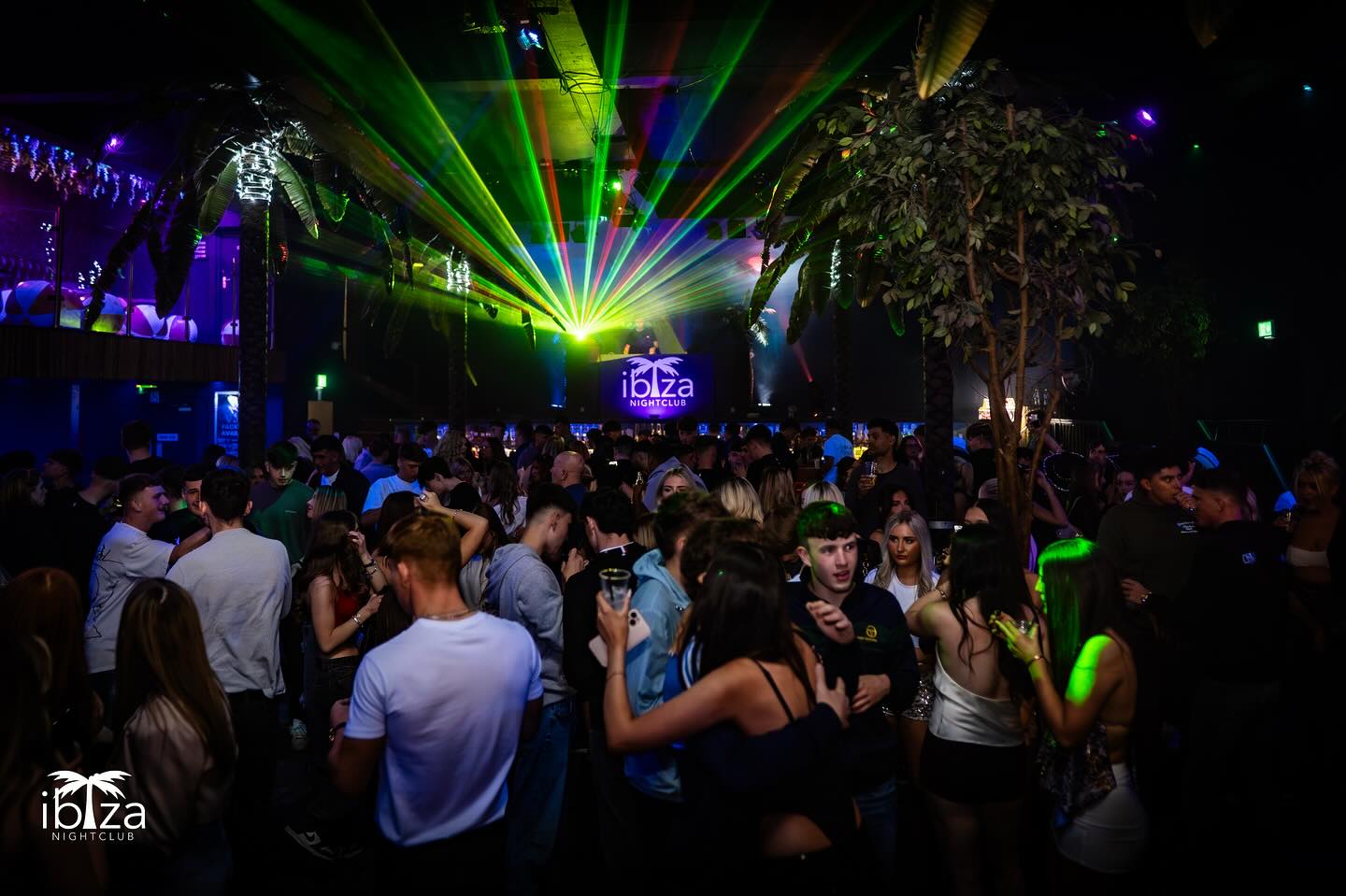
The club’s atmosphere is defined by thumping music and a vibrant crowd eager to dance and celebrate. Its modern interior design complements the lively ambience, creating an inviting space for locals and visitors alike.
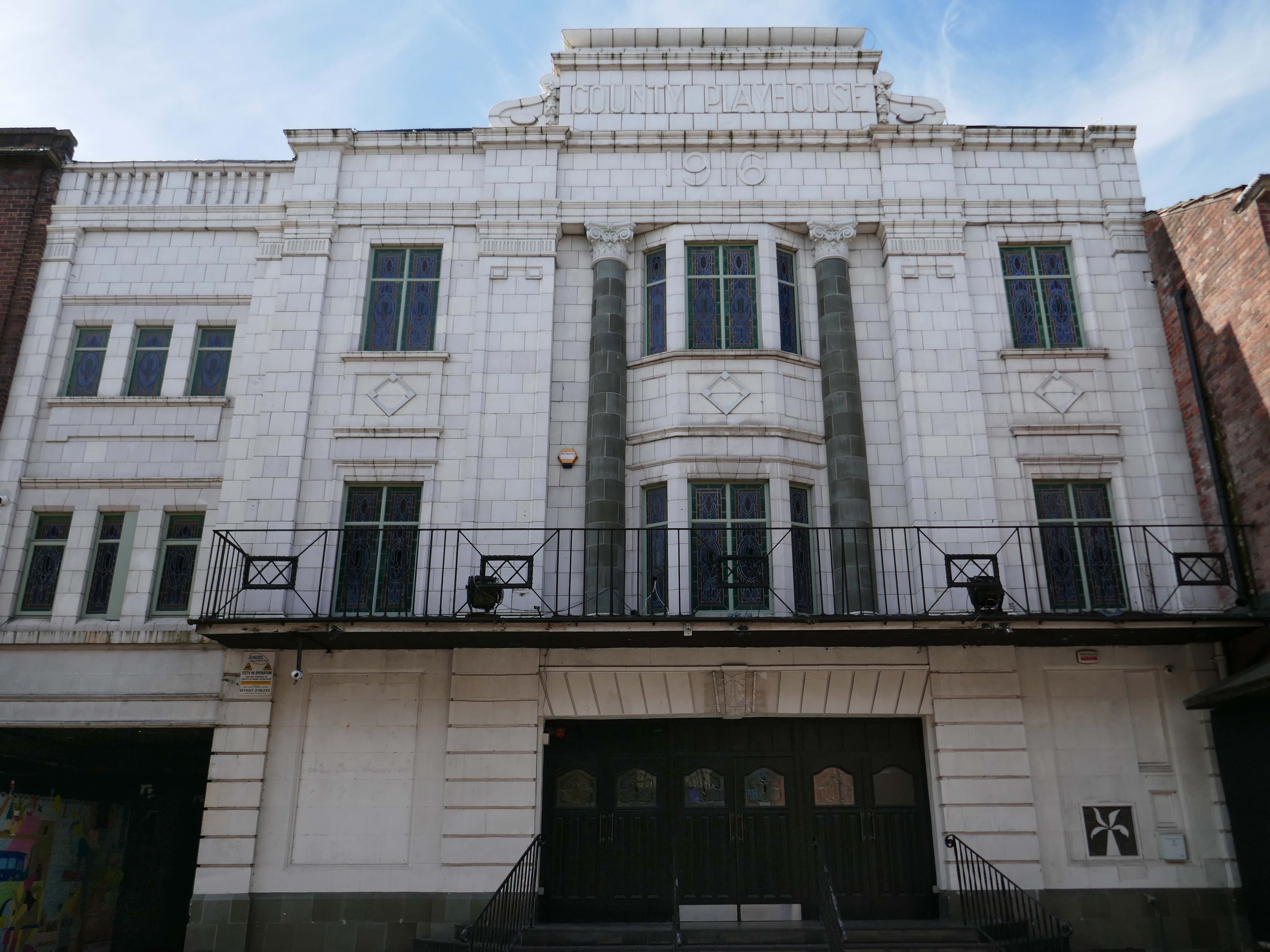
Construction began on the County Playhouse in 1916. However, due to a shortage of materials and labour during World War I, it was not completed until 1919.

Finally opened on 22nd December 1919 with The Hun Within – starring Dorothy Gish.

The County Playhouse closed on Sunday 13th November 1966 with Disney’s “The Sword and the Stone”. It was taken over by the Leeds Based Star Cinemas chain and they converted it into Star Bingo and Social Club opened on 24th November 1966.
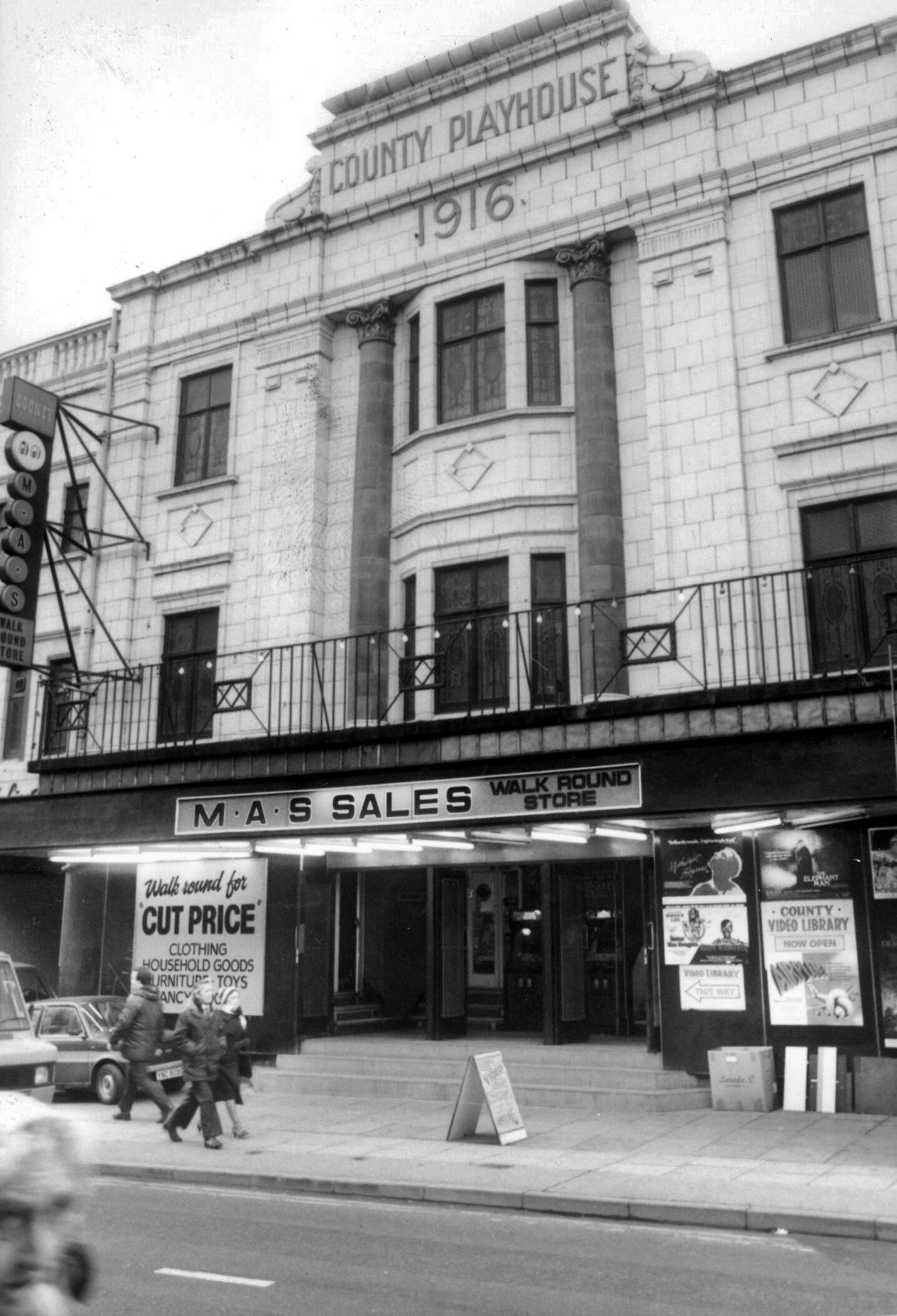
MAS sales store 1982 – Frank Orrell Photography

The building has since been used as a discount store and Playhouse Club Café. It then became home to the 1,200 capacity Pure Nightclub. In the early-2000’s it became the Ibiza nightclub. The Pure nightclub move into the former Princes Cinema
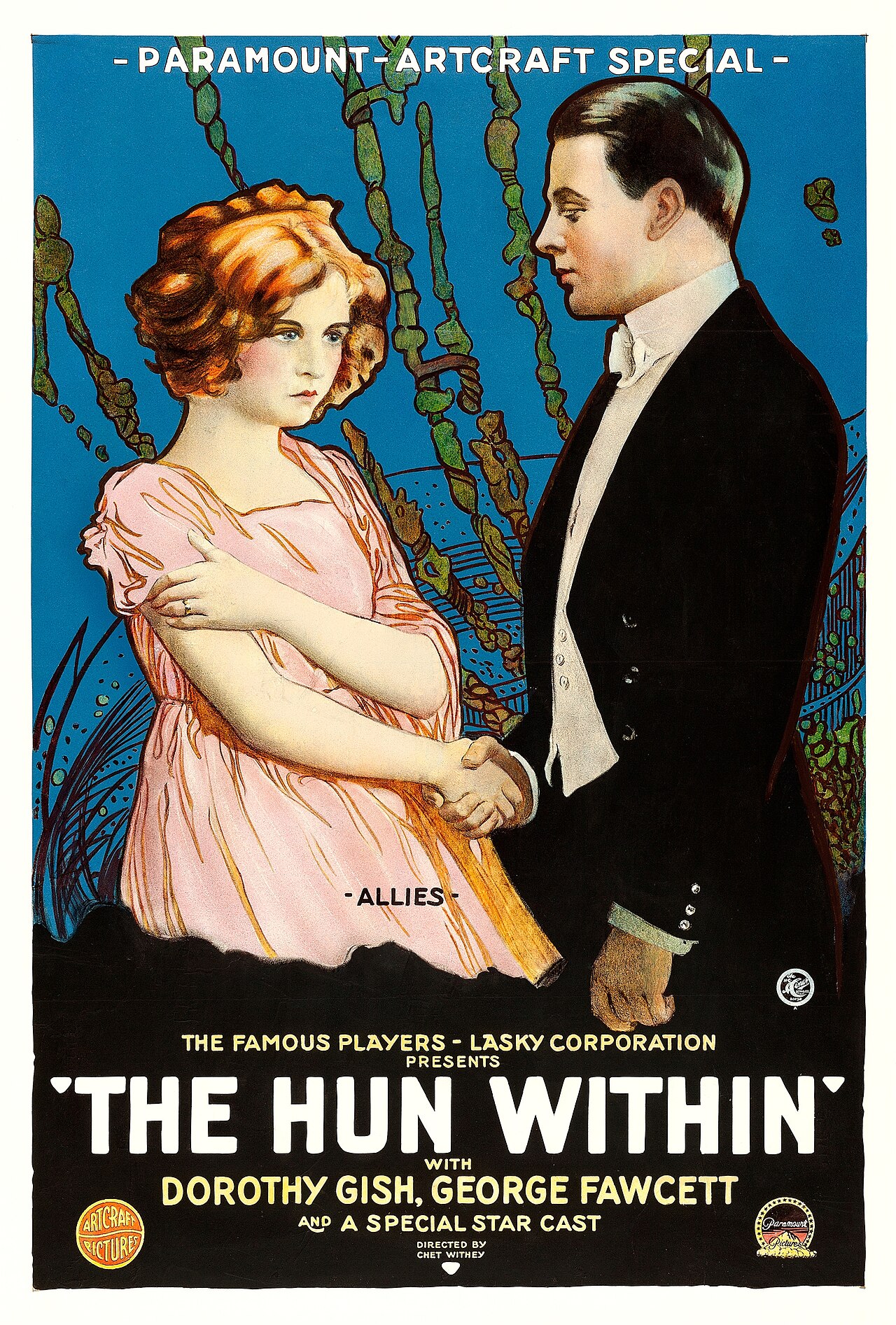
Cinema Treasures

Time for a swift half in The George to end your tour?
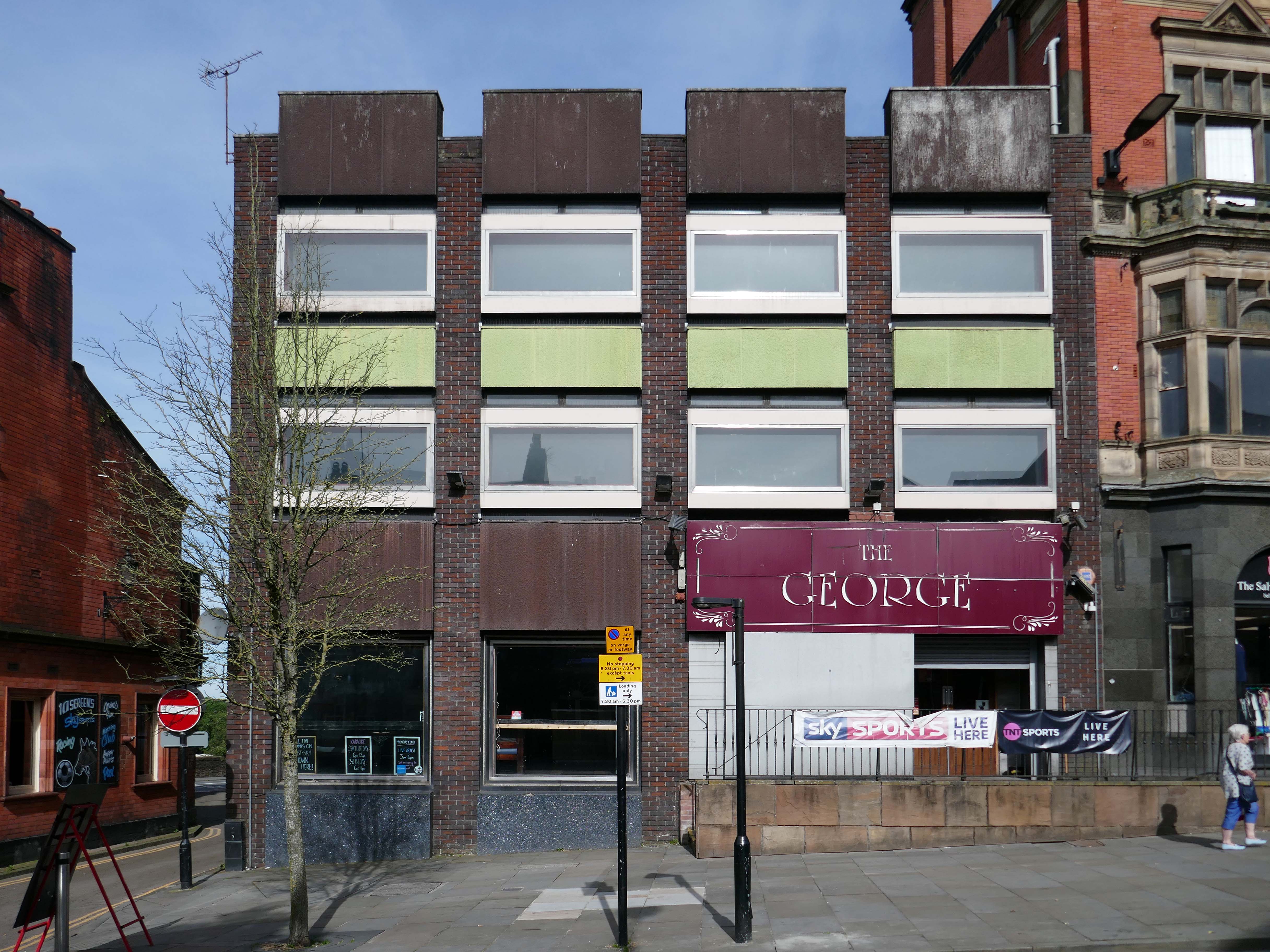
Great for a local pint one of the cheapest in Wigan I believe, slightly rough at times but no fights just real local people who are generally friendly. Proper drinking gaff, and karaoke on certain nights.
Use Your Local

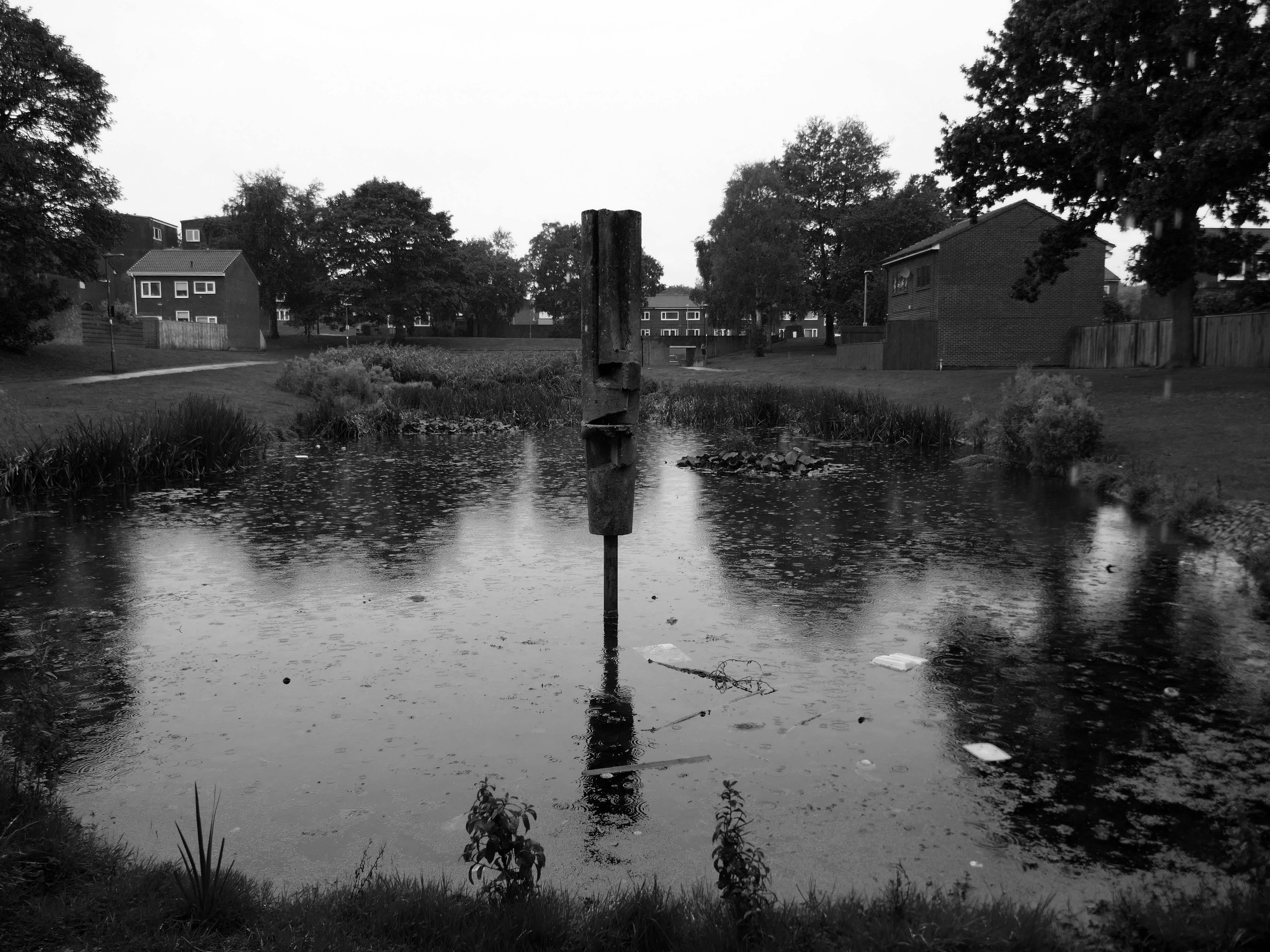
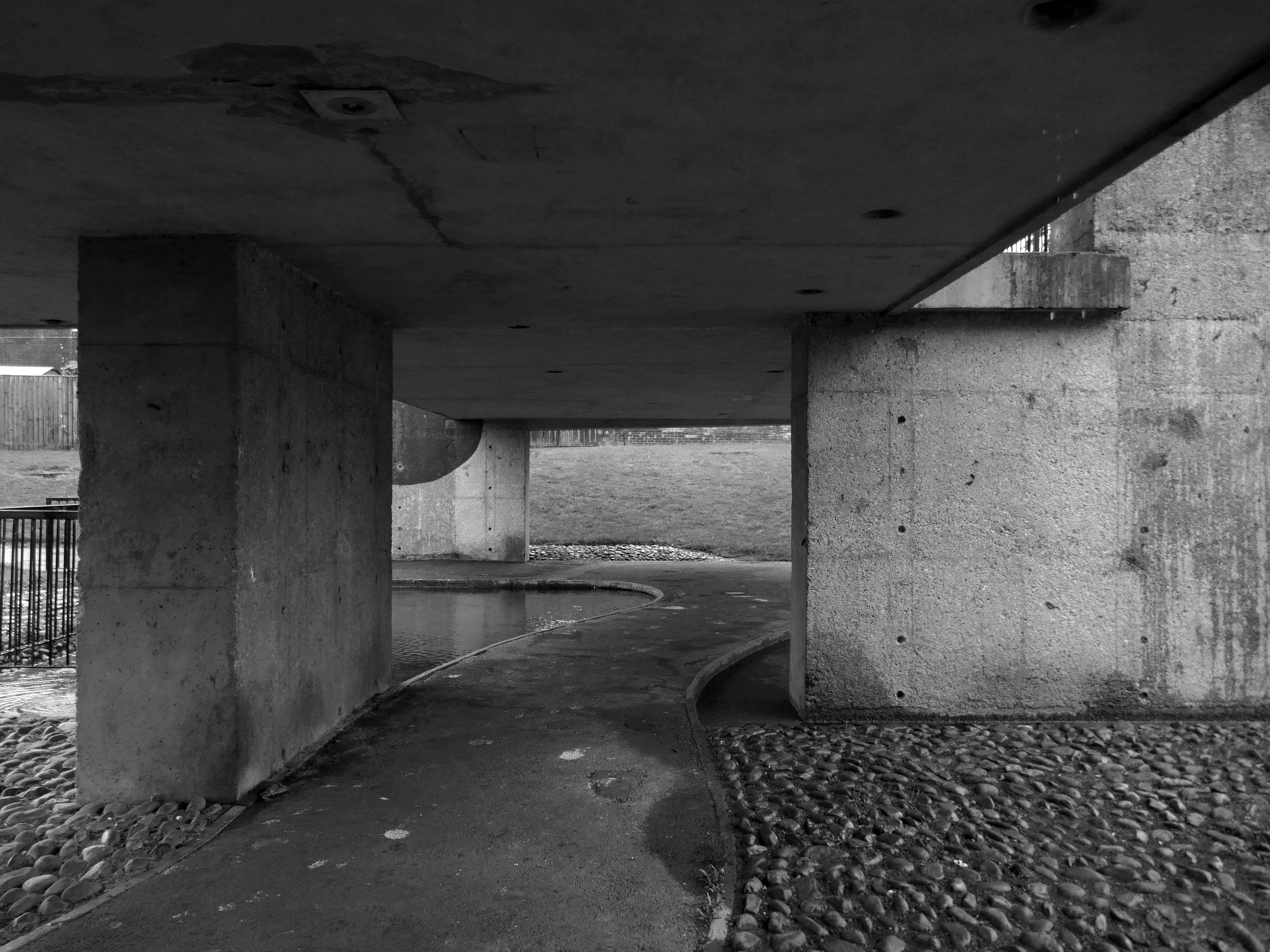
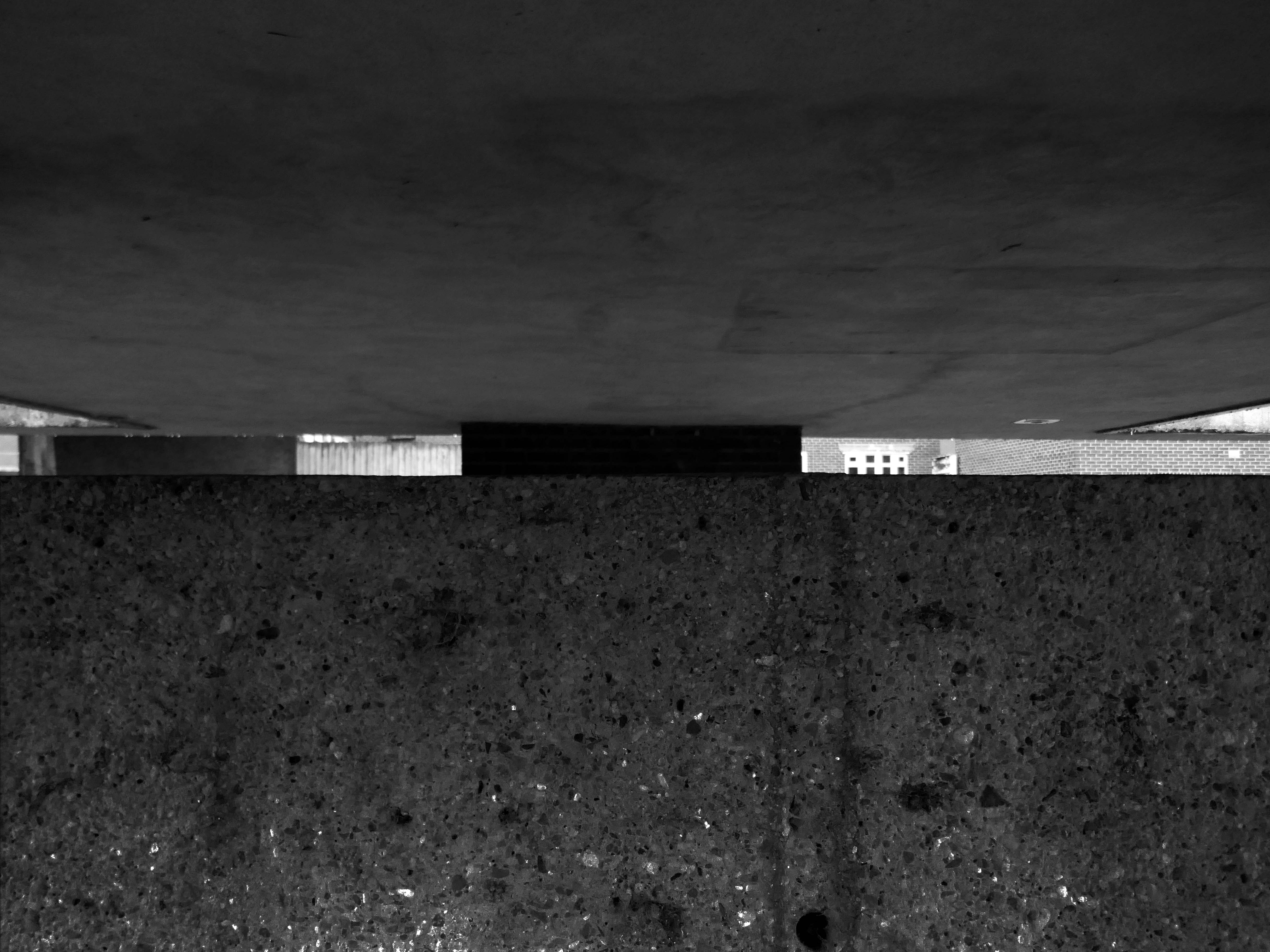
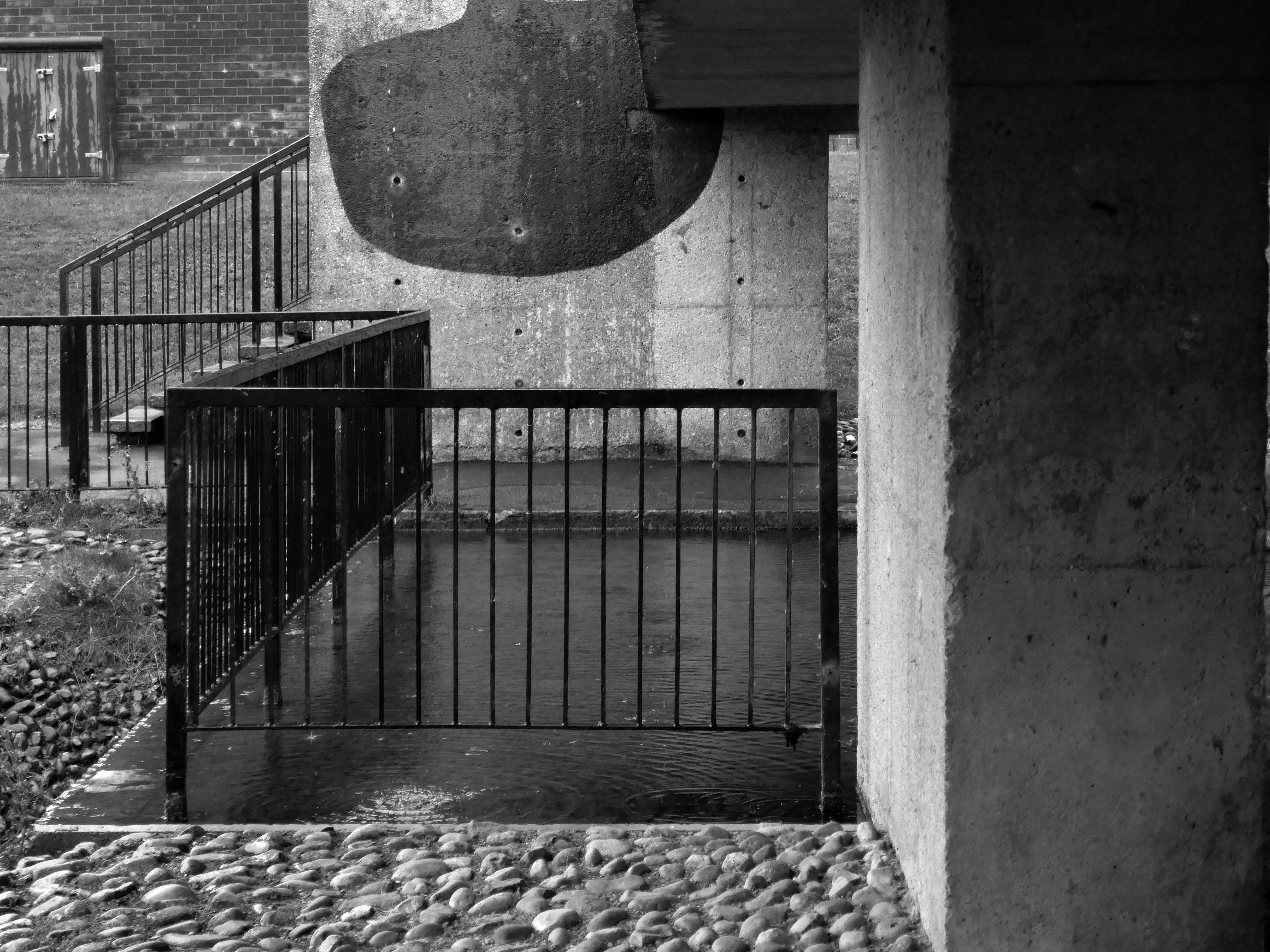
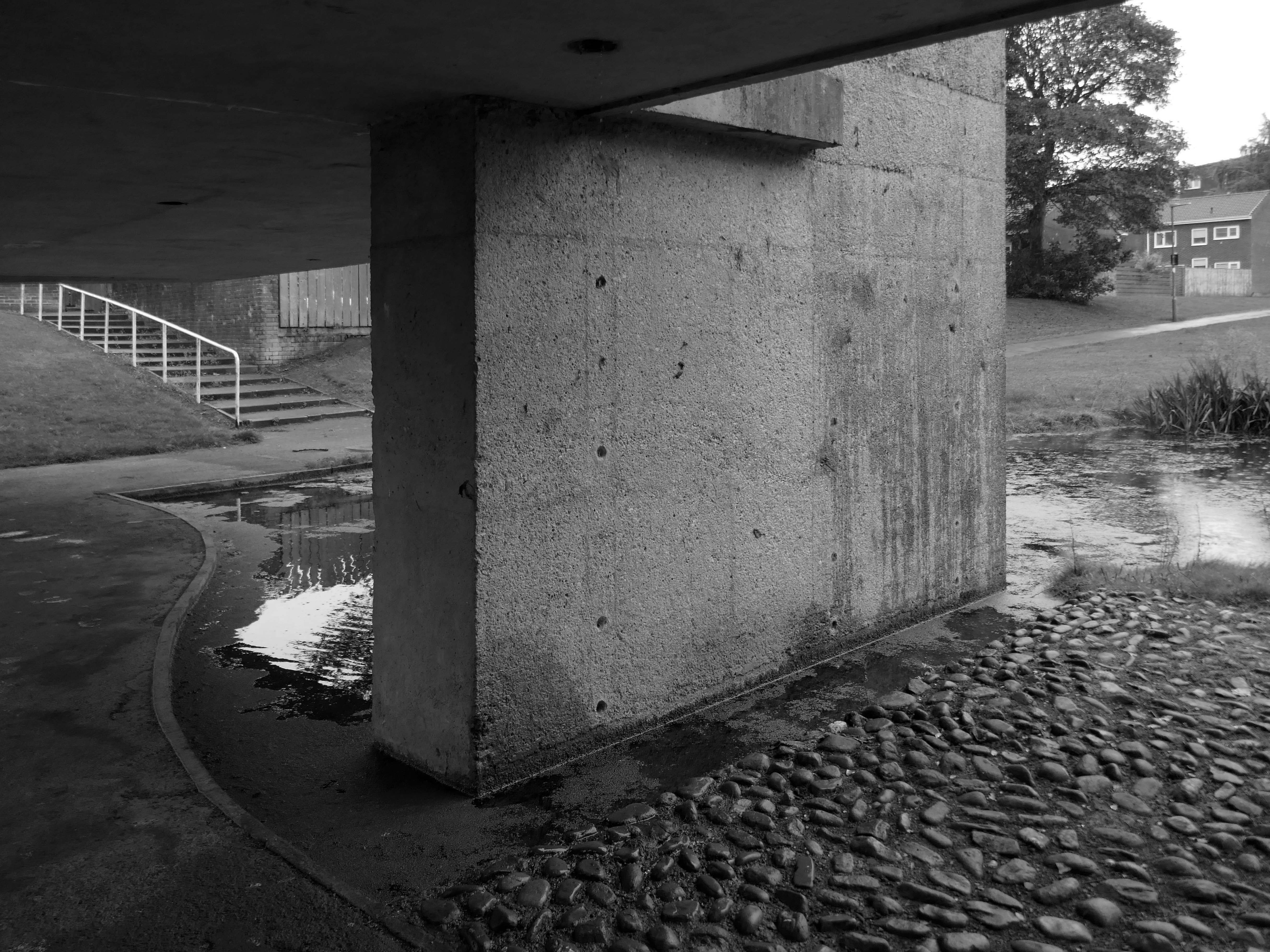
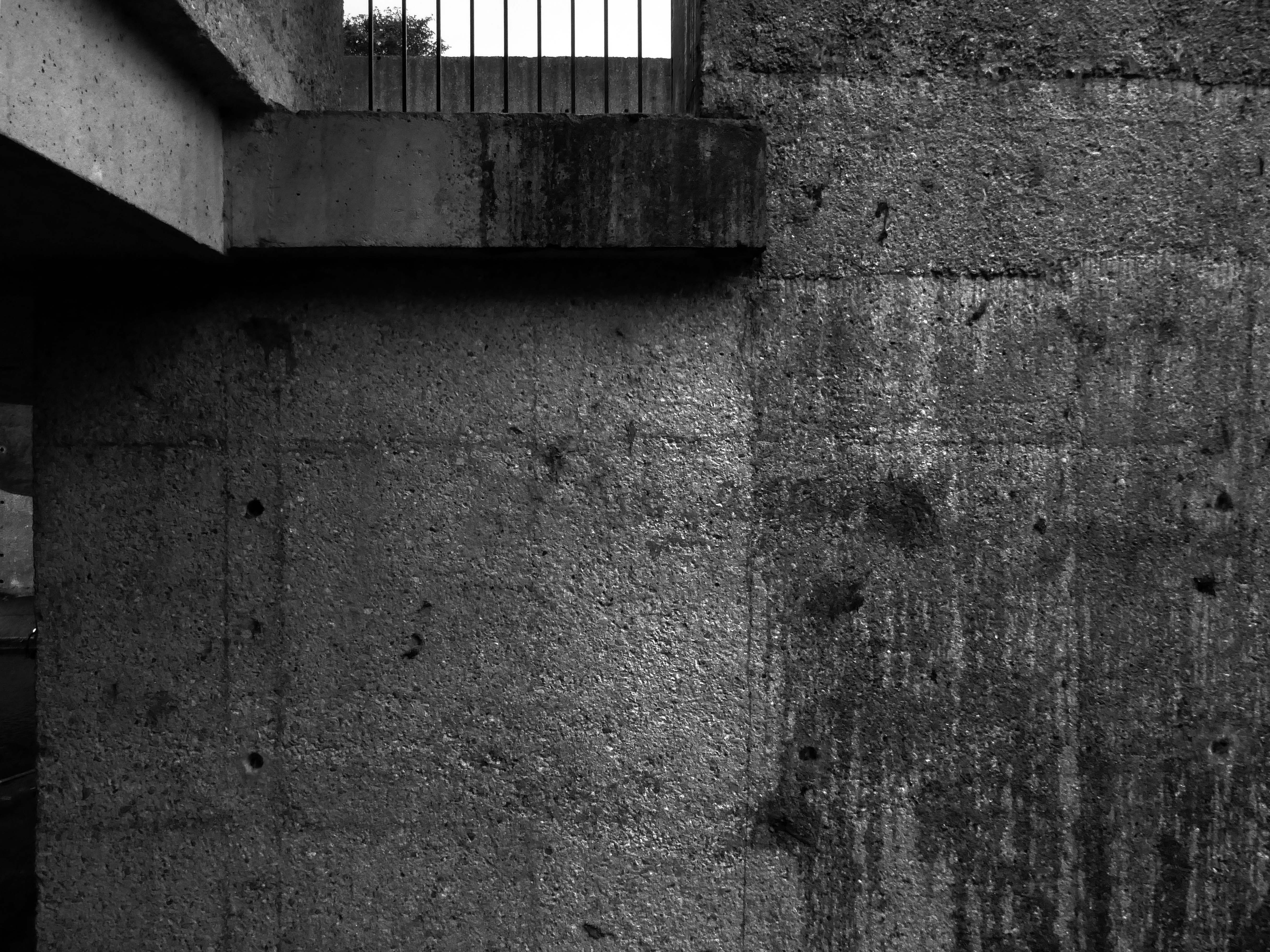
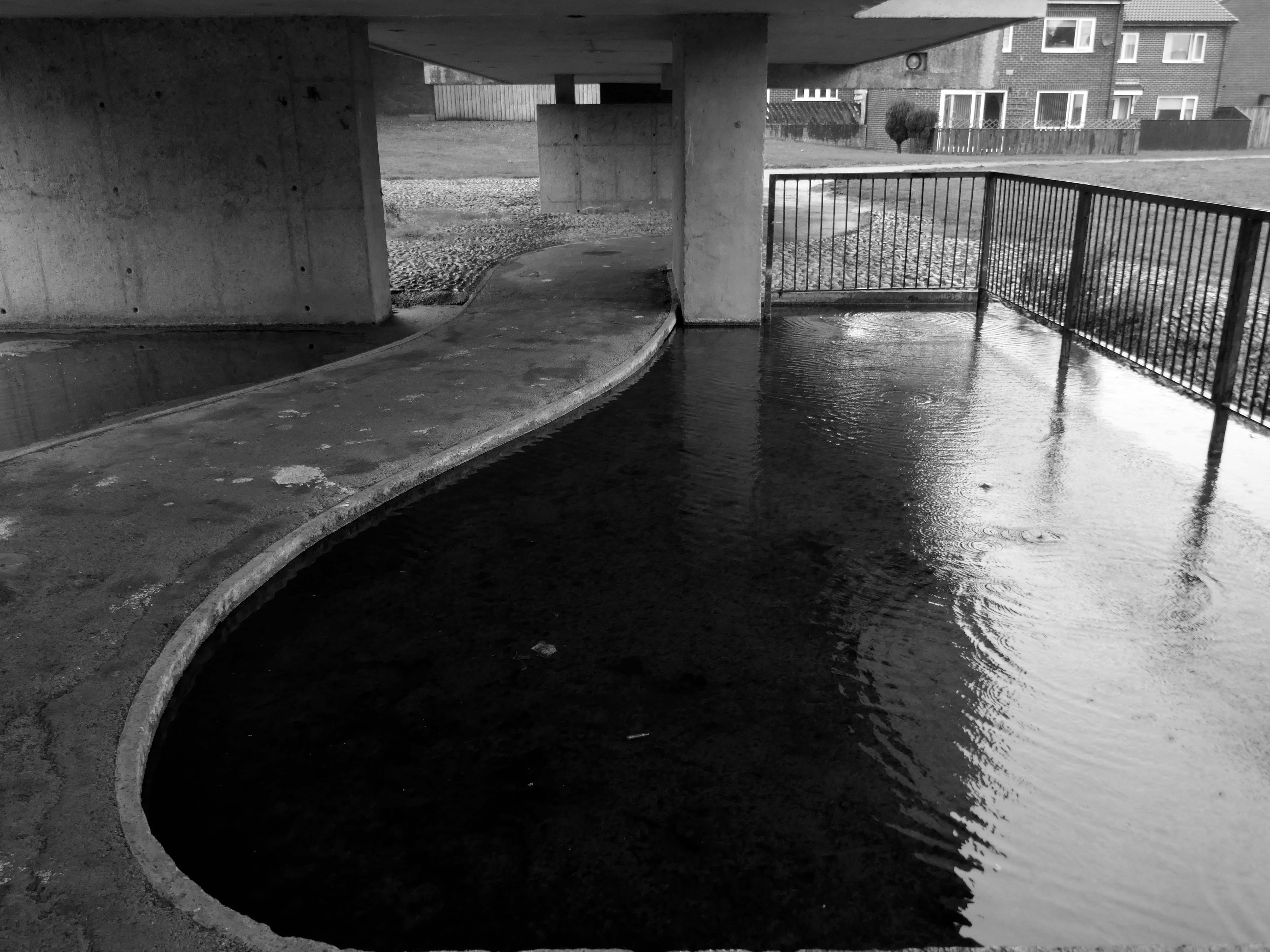
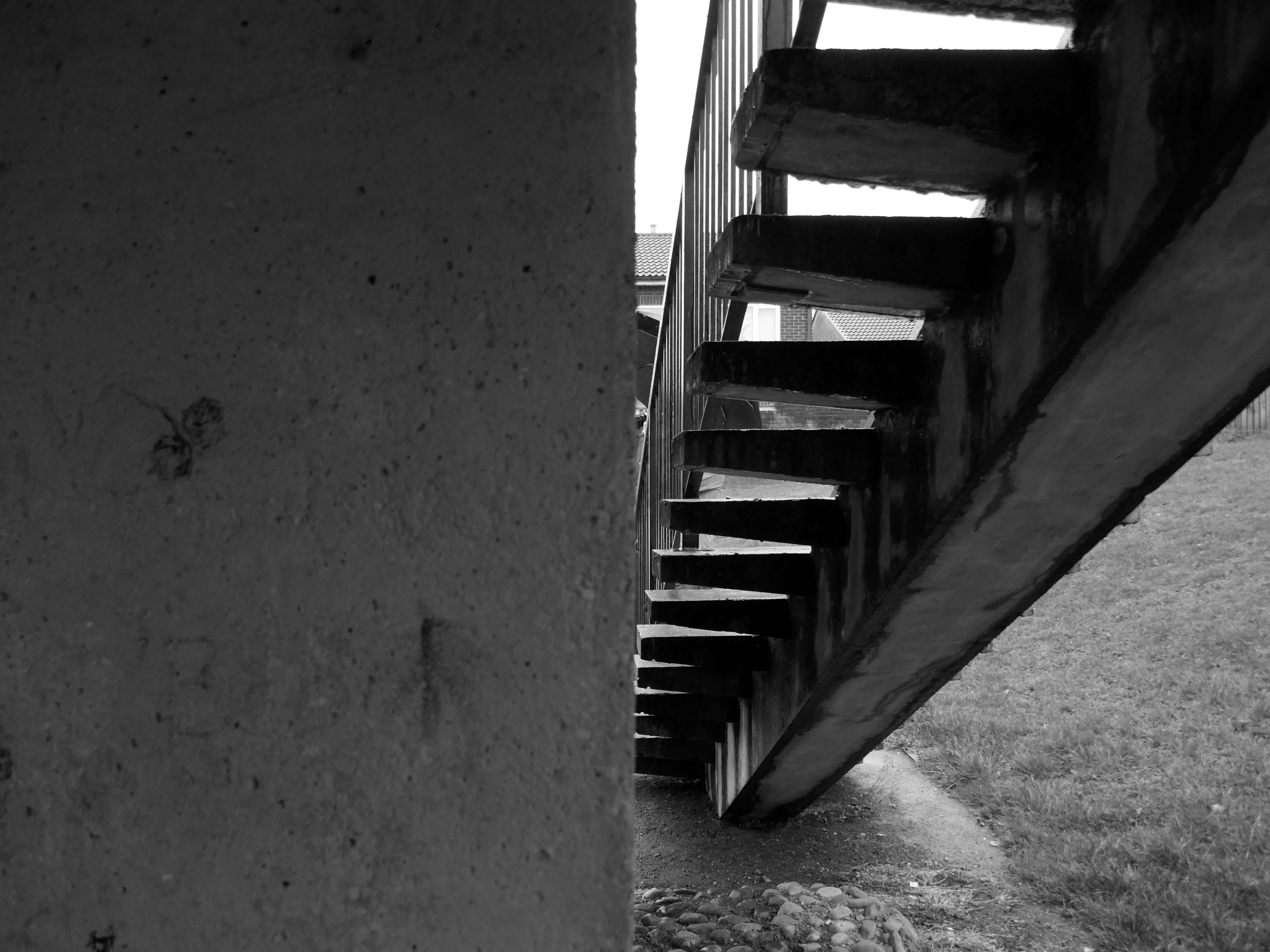
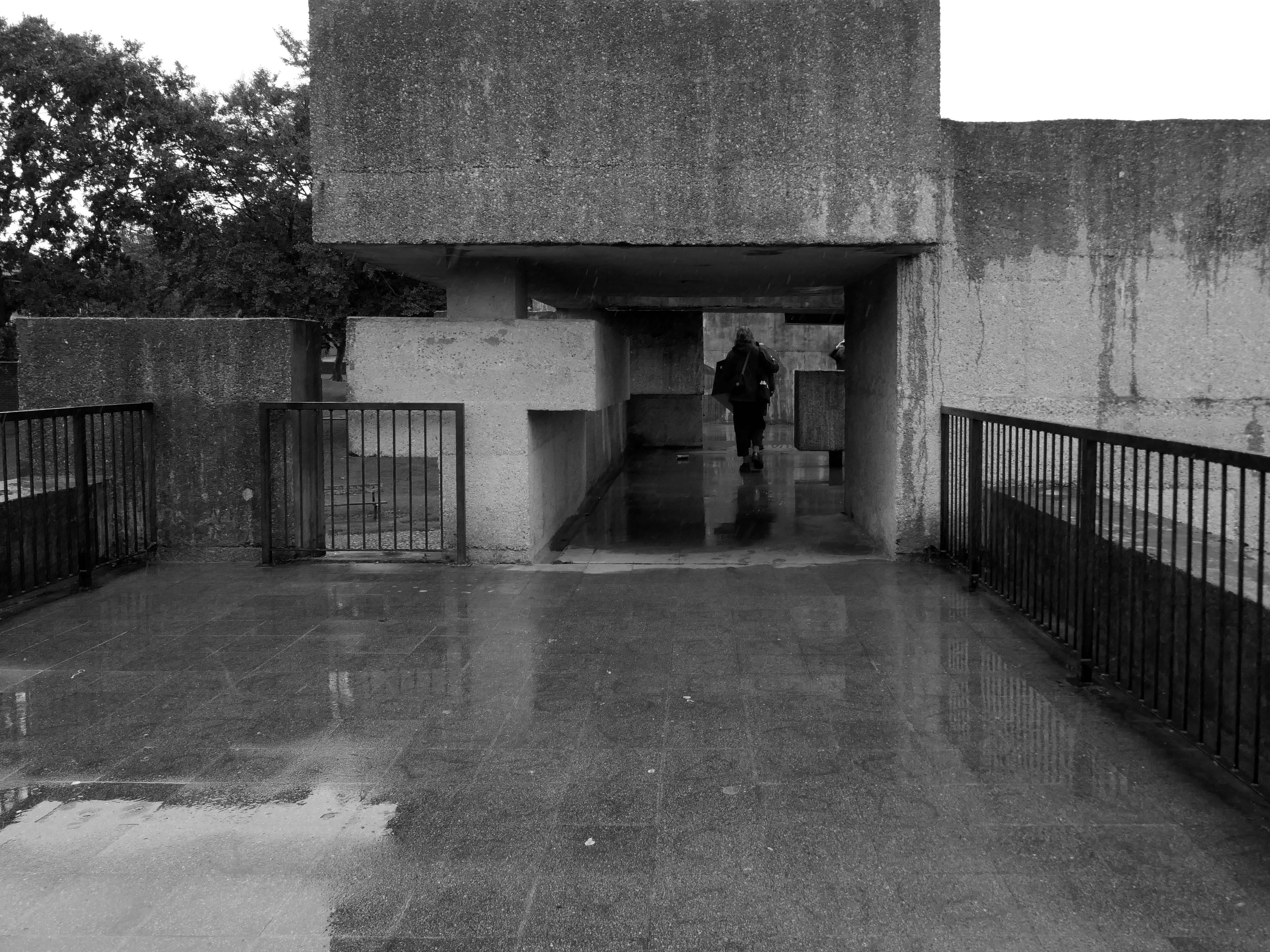
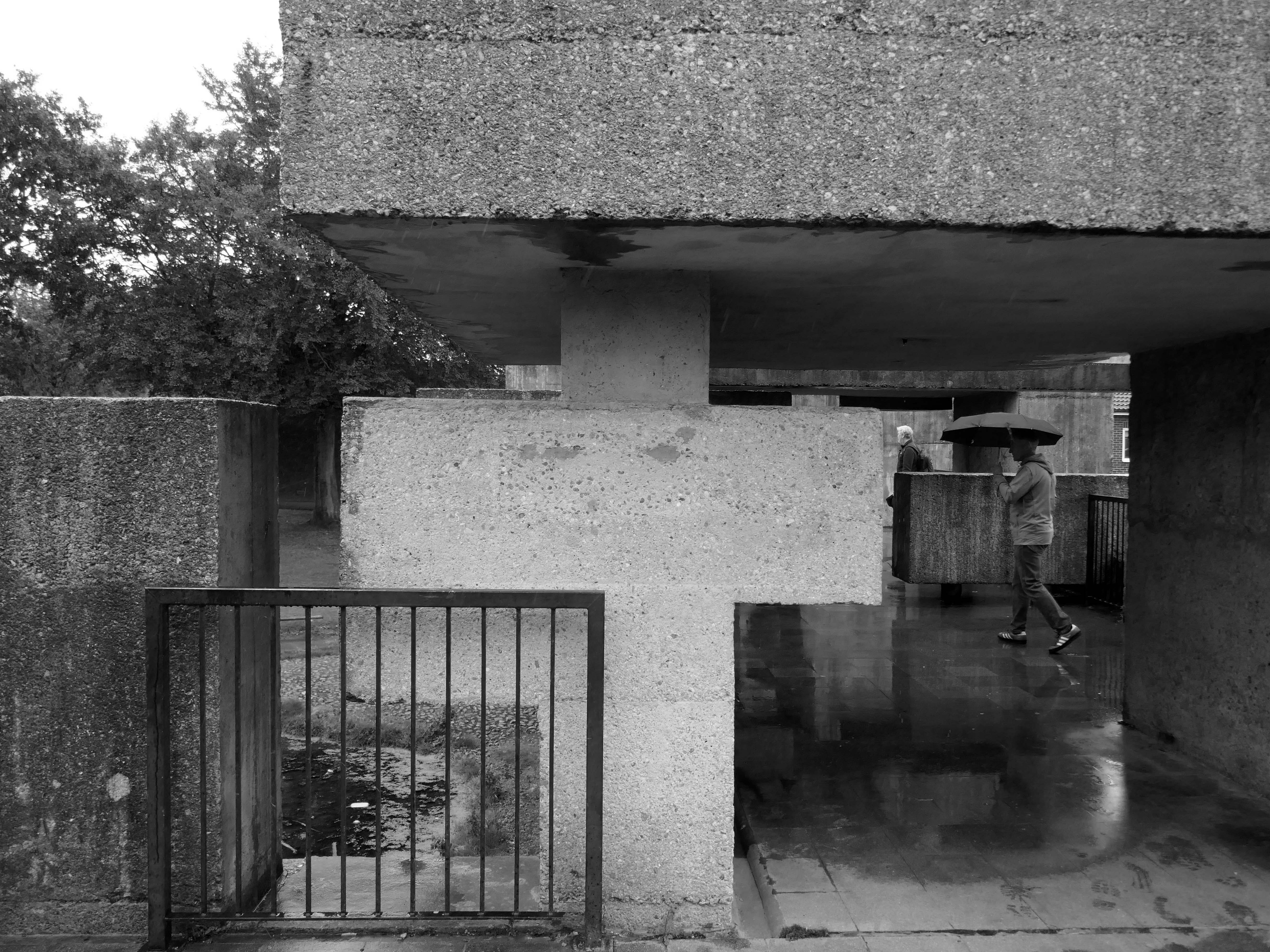
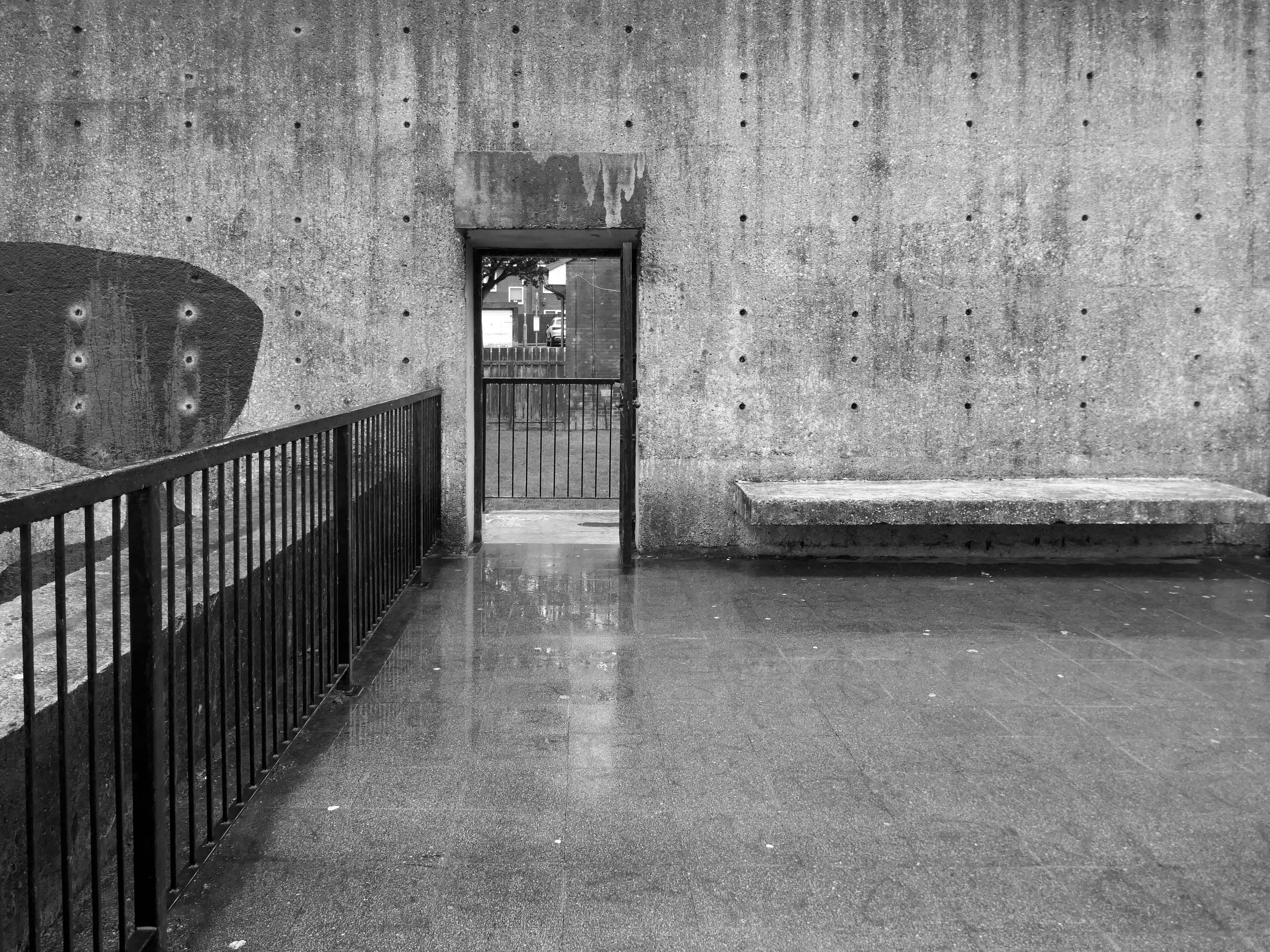
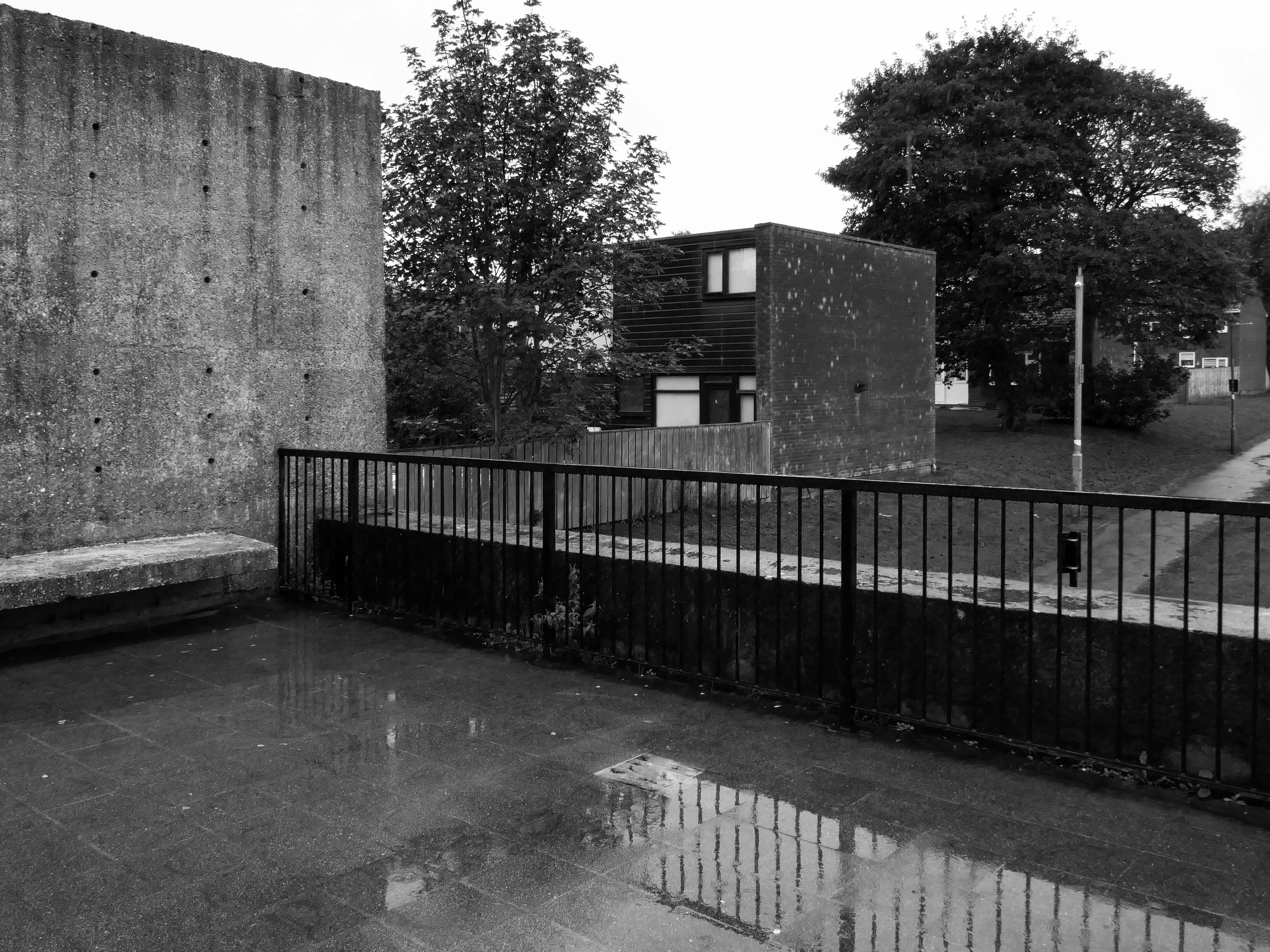
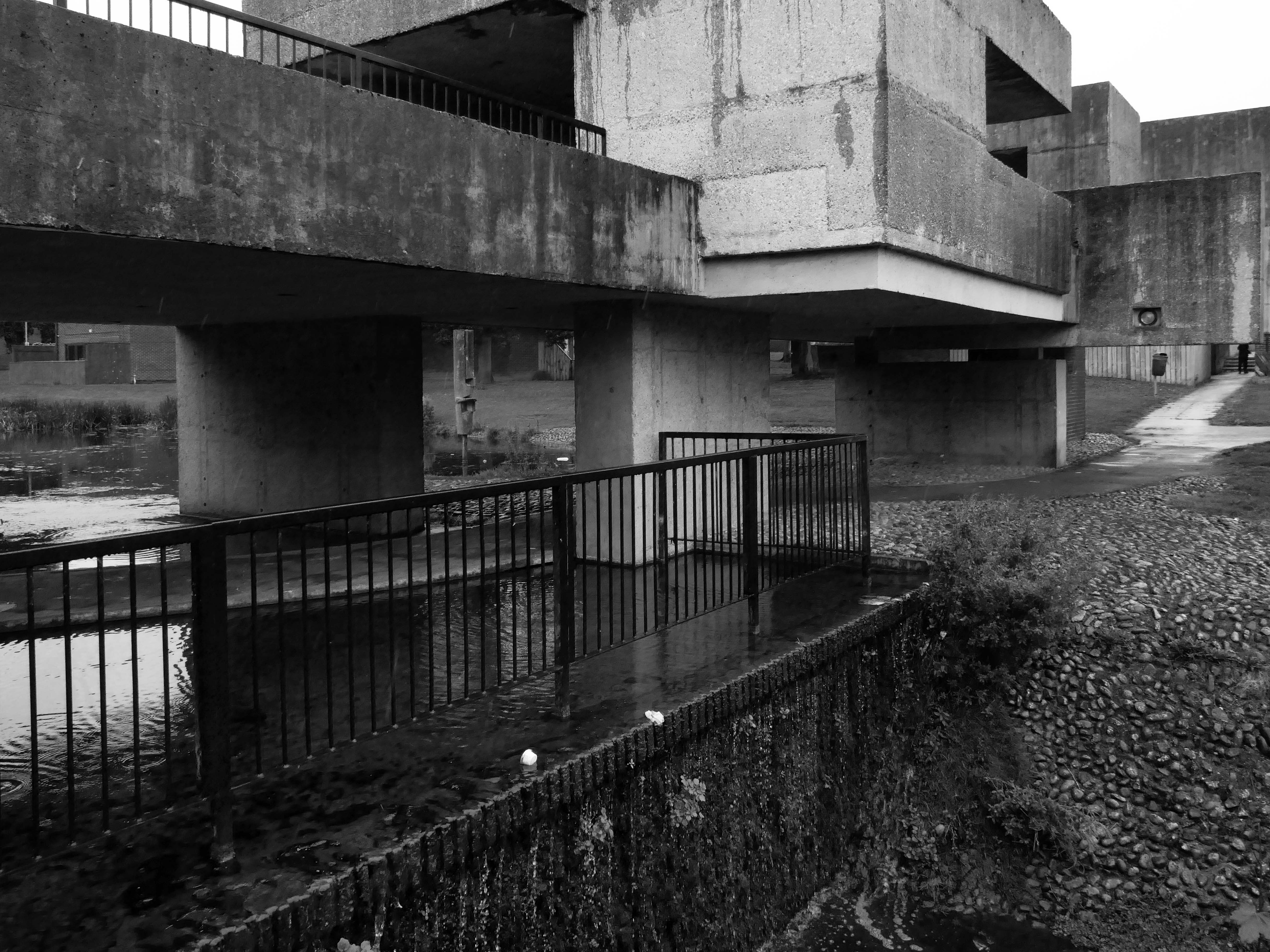
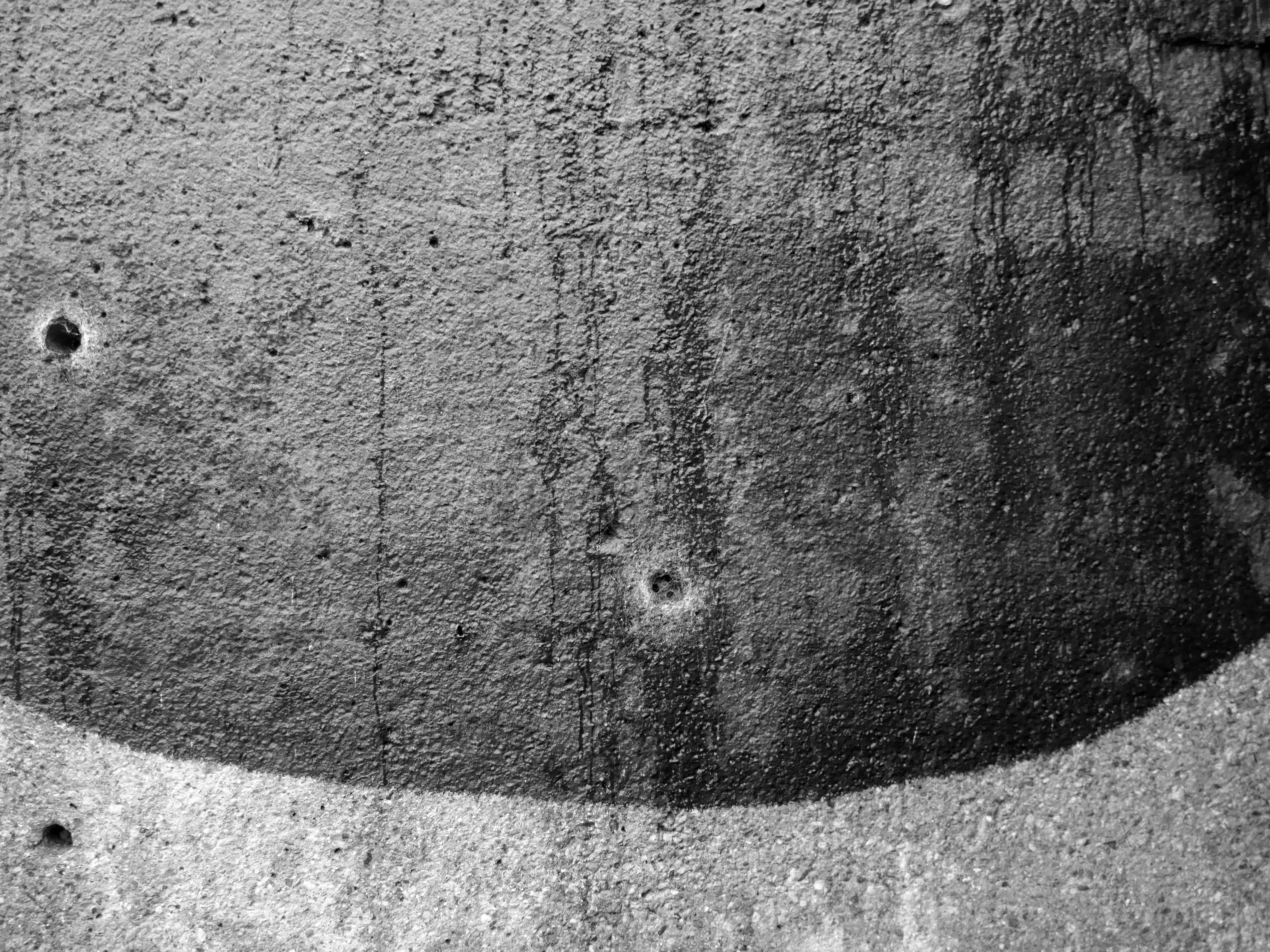
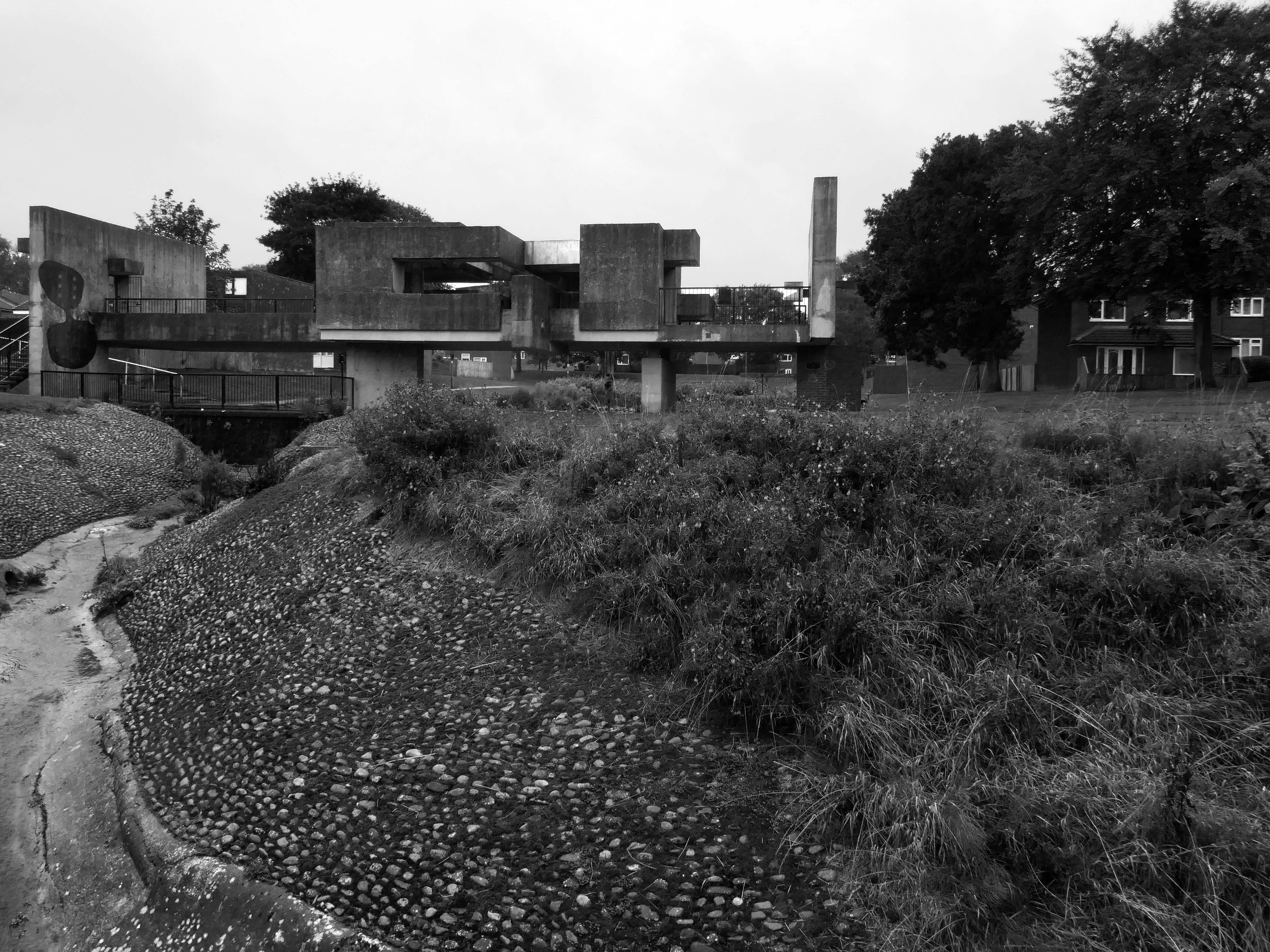
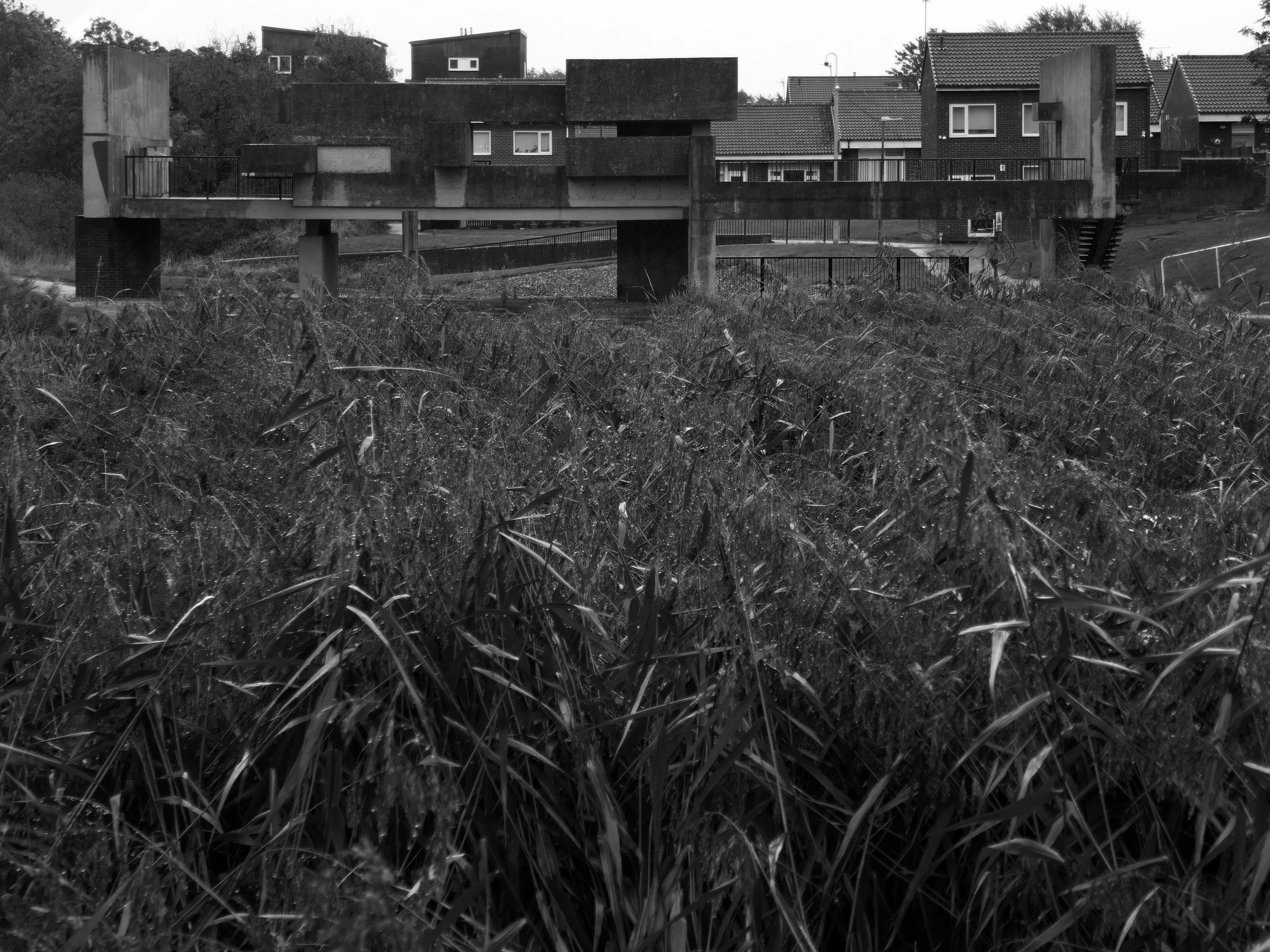
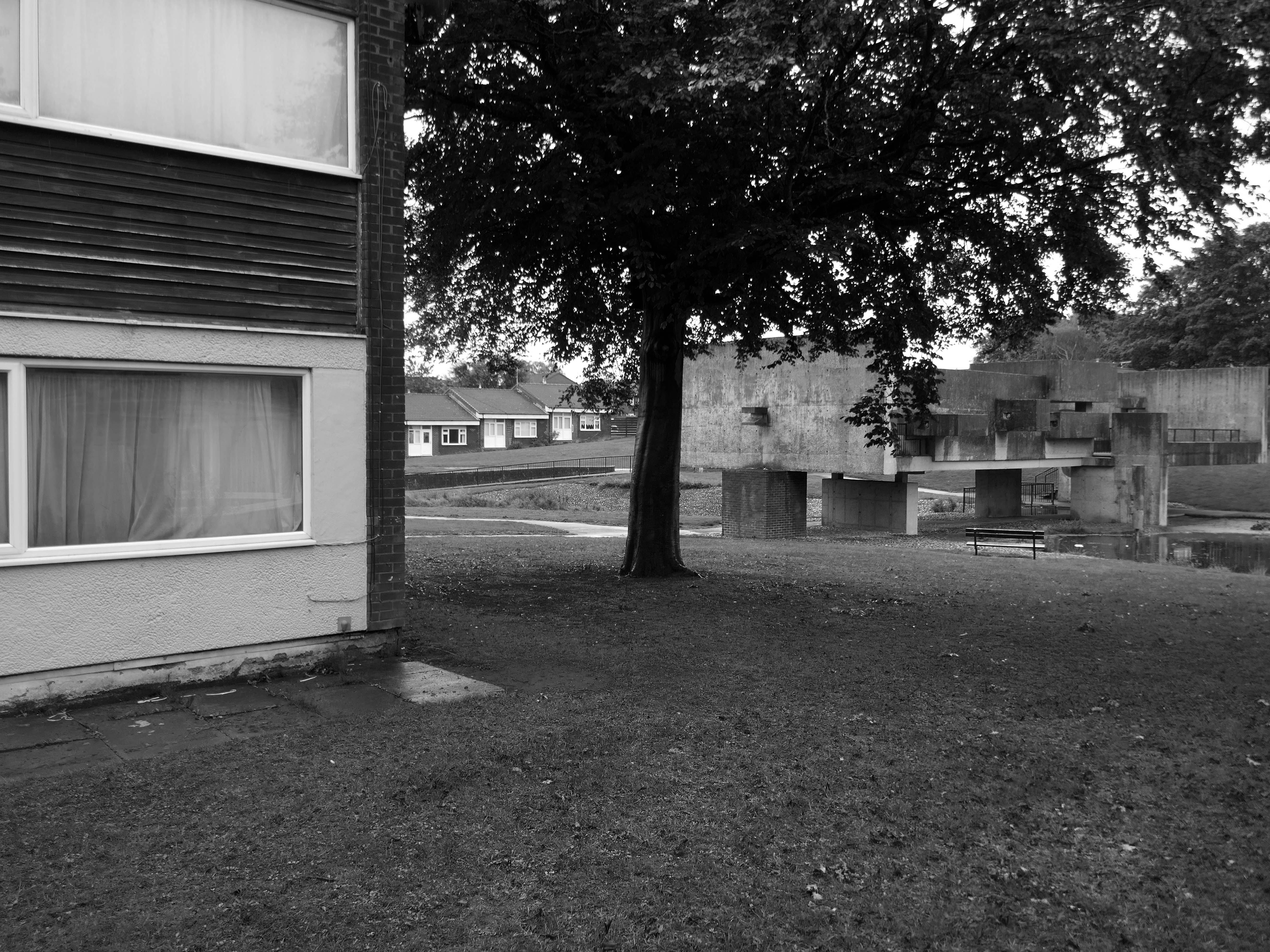
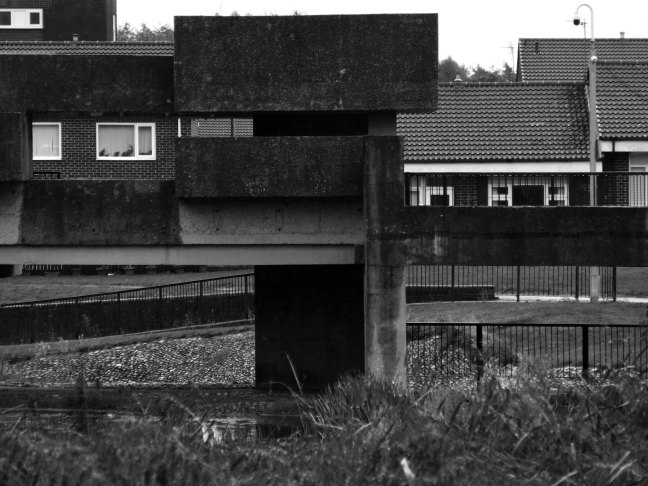
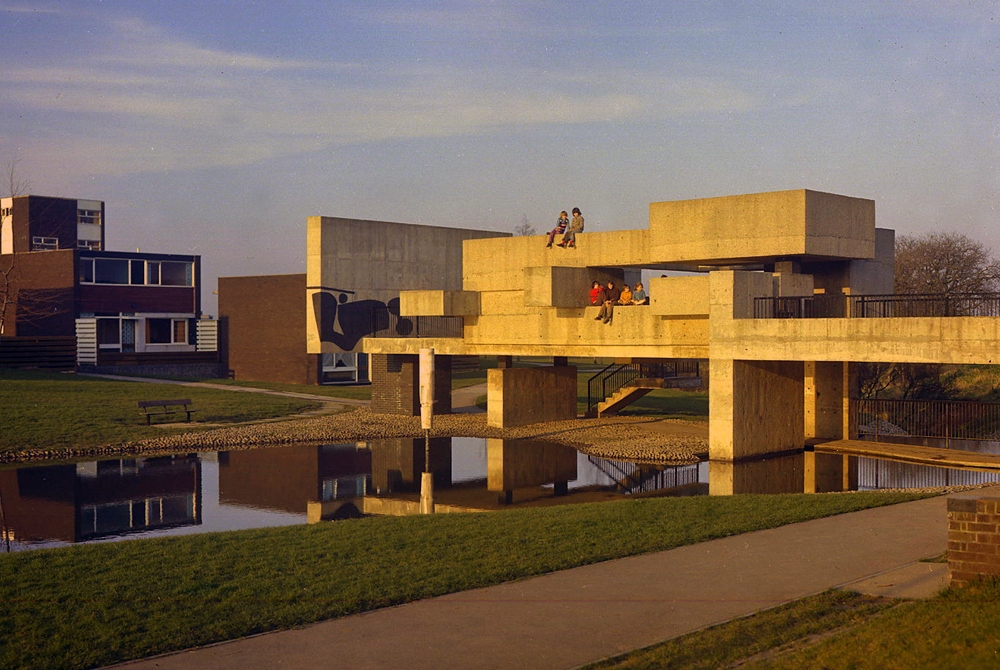
Apollo Pavilion – Peterlee 2025

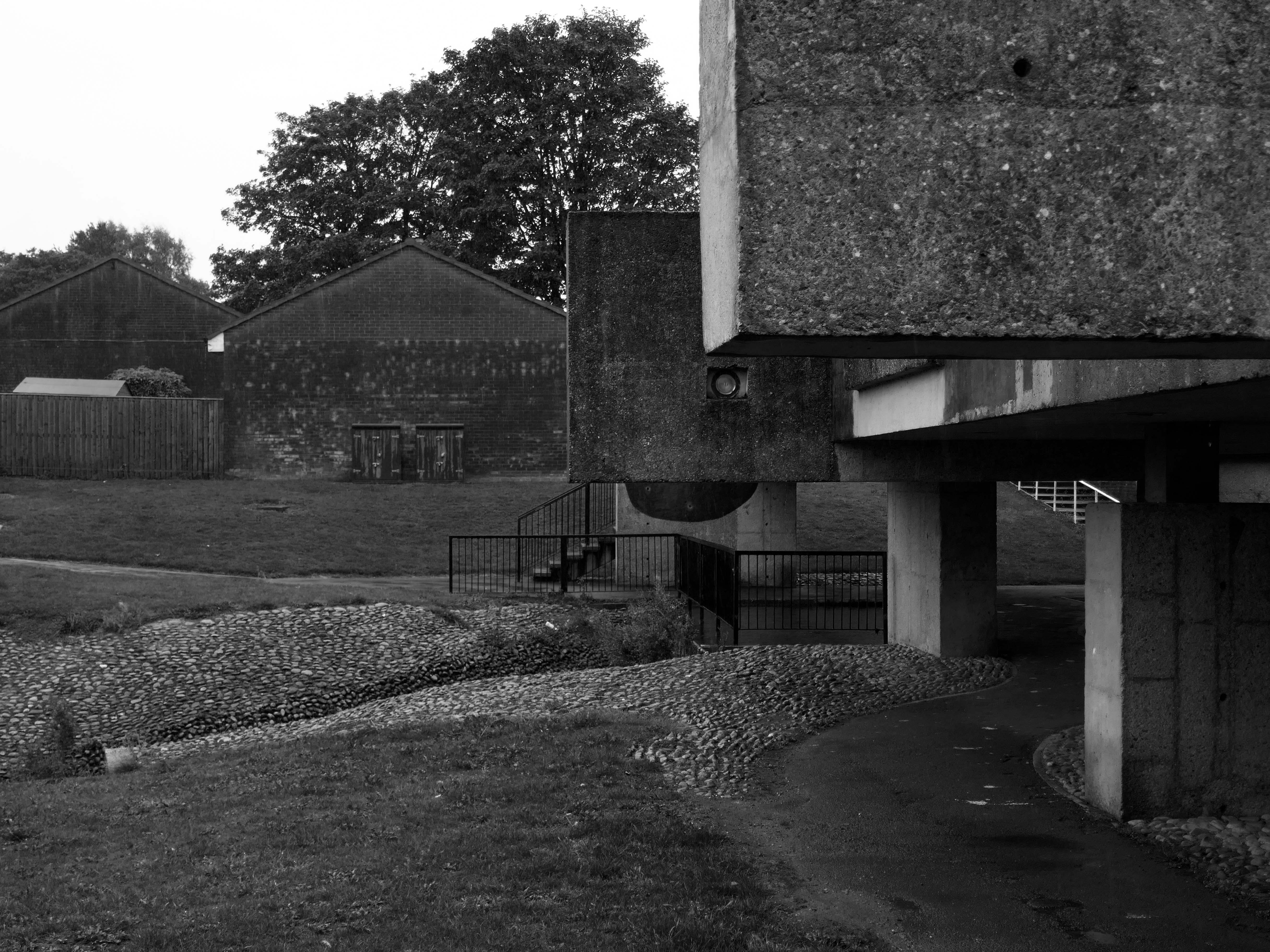
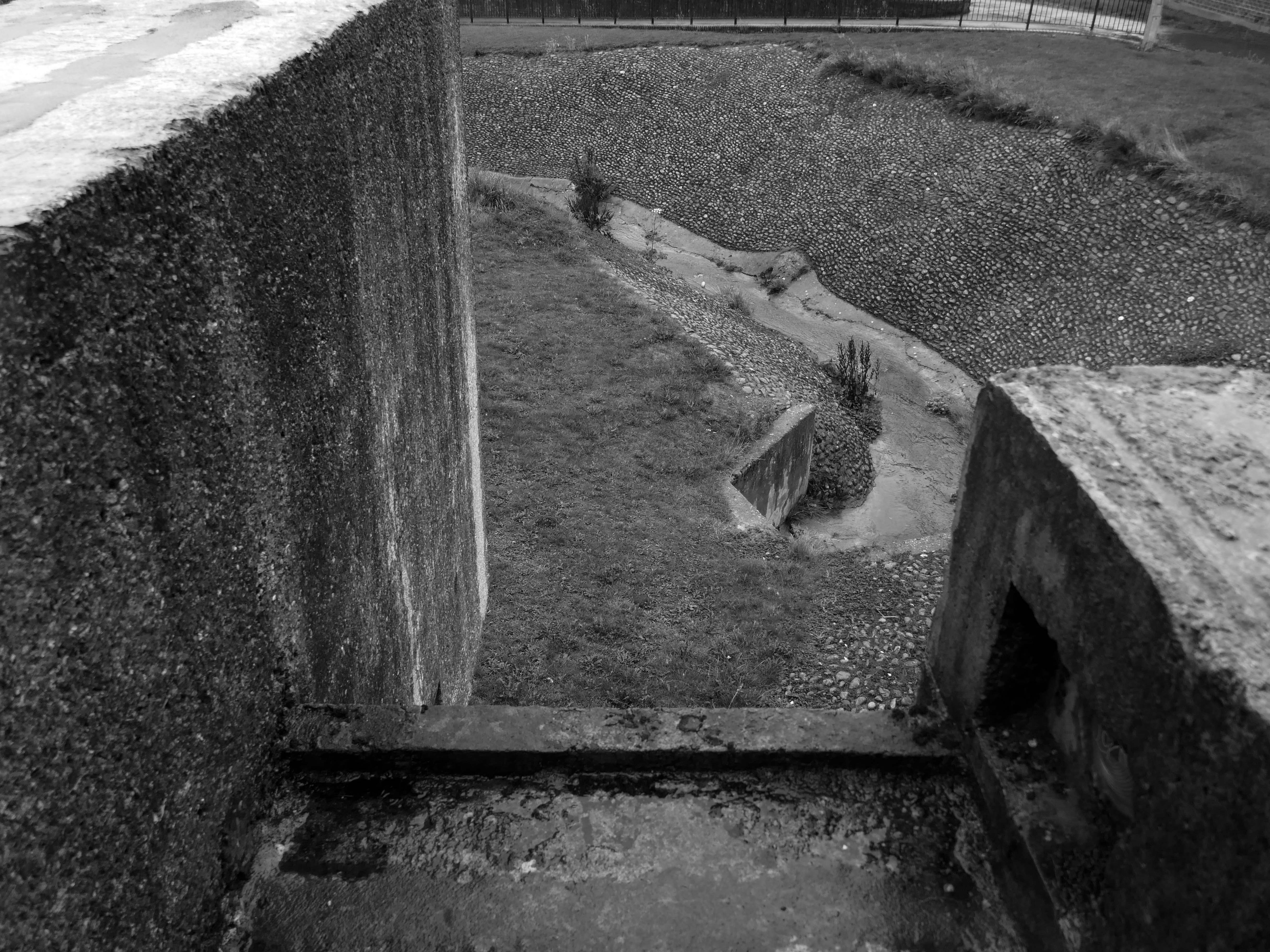
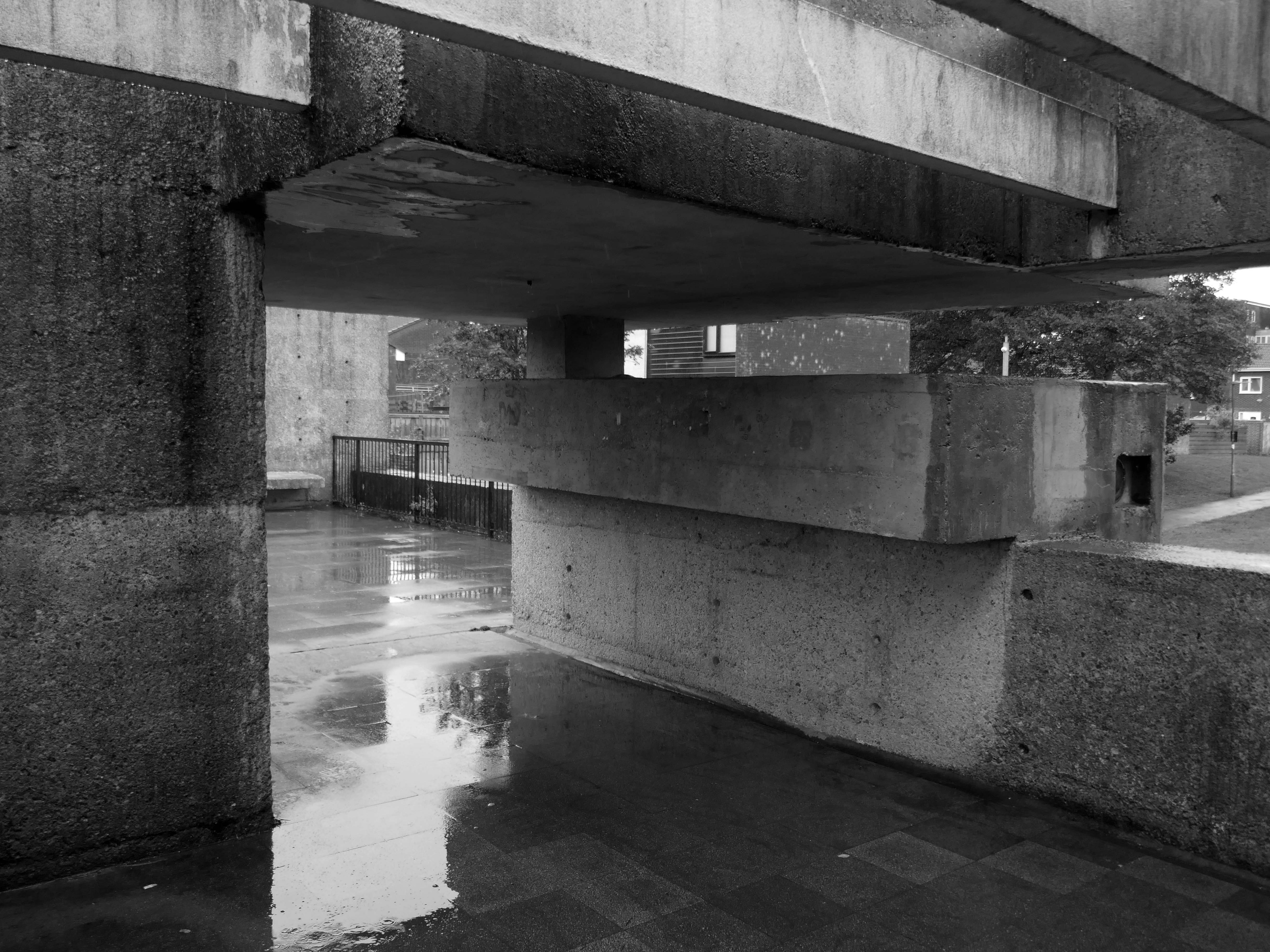
Apollo Pavilion Oakerside Drive Peterlee County Durham

Second time around for the Victor Pasmore Pavilion – having been here in 2021.

Children sitting on the Apollo Pavilion 1973 © The Pasmore Estate

The idea for the Apollo Pavilion was the culmination of Victor Pasmore’s involvement with the planning and design of the new town of Peterlee in County Durham which began in 1954 with his appointment by AV Williams, the General Manager, as a consultant architectural designer to the Corporation. The brief was to inject a new initiative into the new town’s design, which had been limited by practical and financial constraints. The early departure of Berthold Lubetkin from the original design team, and the limitations imposed by building on land subject to underground mining, had led to a deterioration in the quality of the architecture being produced at Peterlee.
Peterlee Gov

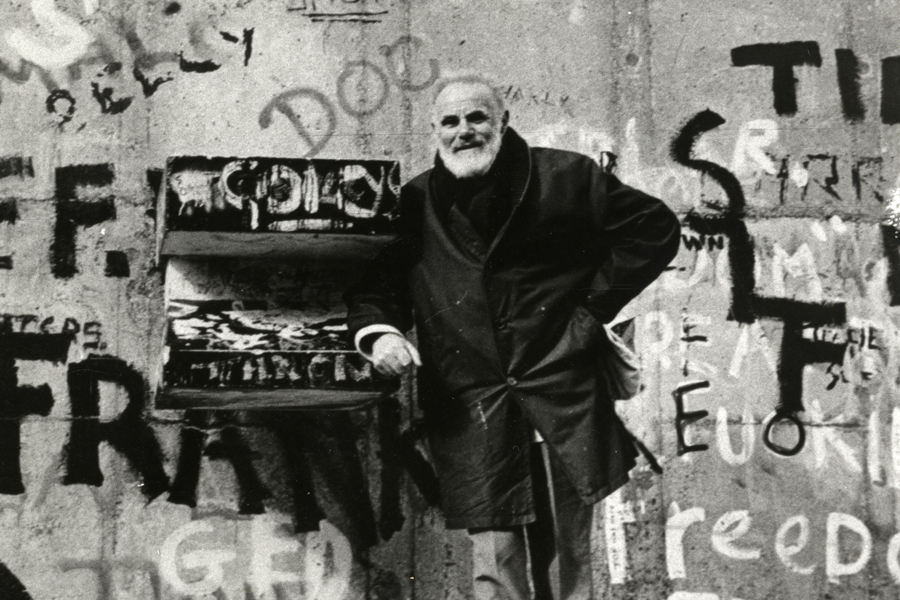
Victor Pasmore in front of the grafitti-covered Apollo Pavilion © Durham Record Office

The Apollo Pavilion, created by Victor Pasmore in 1969, is designated at Grade II* for the following principal reasons: Architectural interest: the structure is of very high architectural quality, forming the centrepiece of a registered landscape Artistic quality: the only truly three-dimensional work by the internationally known artist Victor Pasmore, the Pavilion is an abstract work of art, a demonstration of Constructivist ideas on a large scale and an expression of brutalist architecture Setting: the setting of the structure is the centrepiece of the registered Pavilion Landscape and as such survives intact.

Historic England

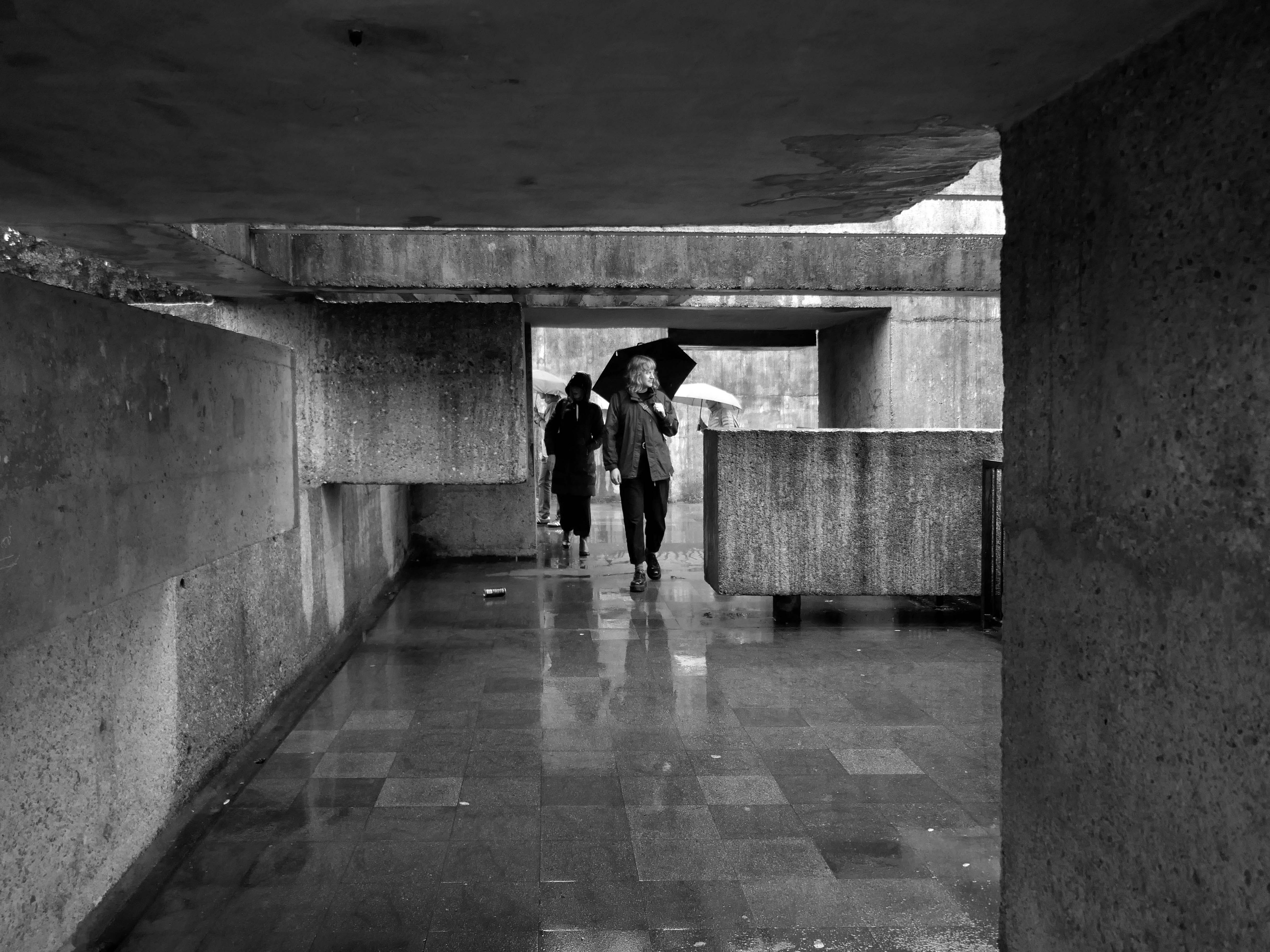
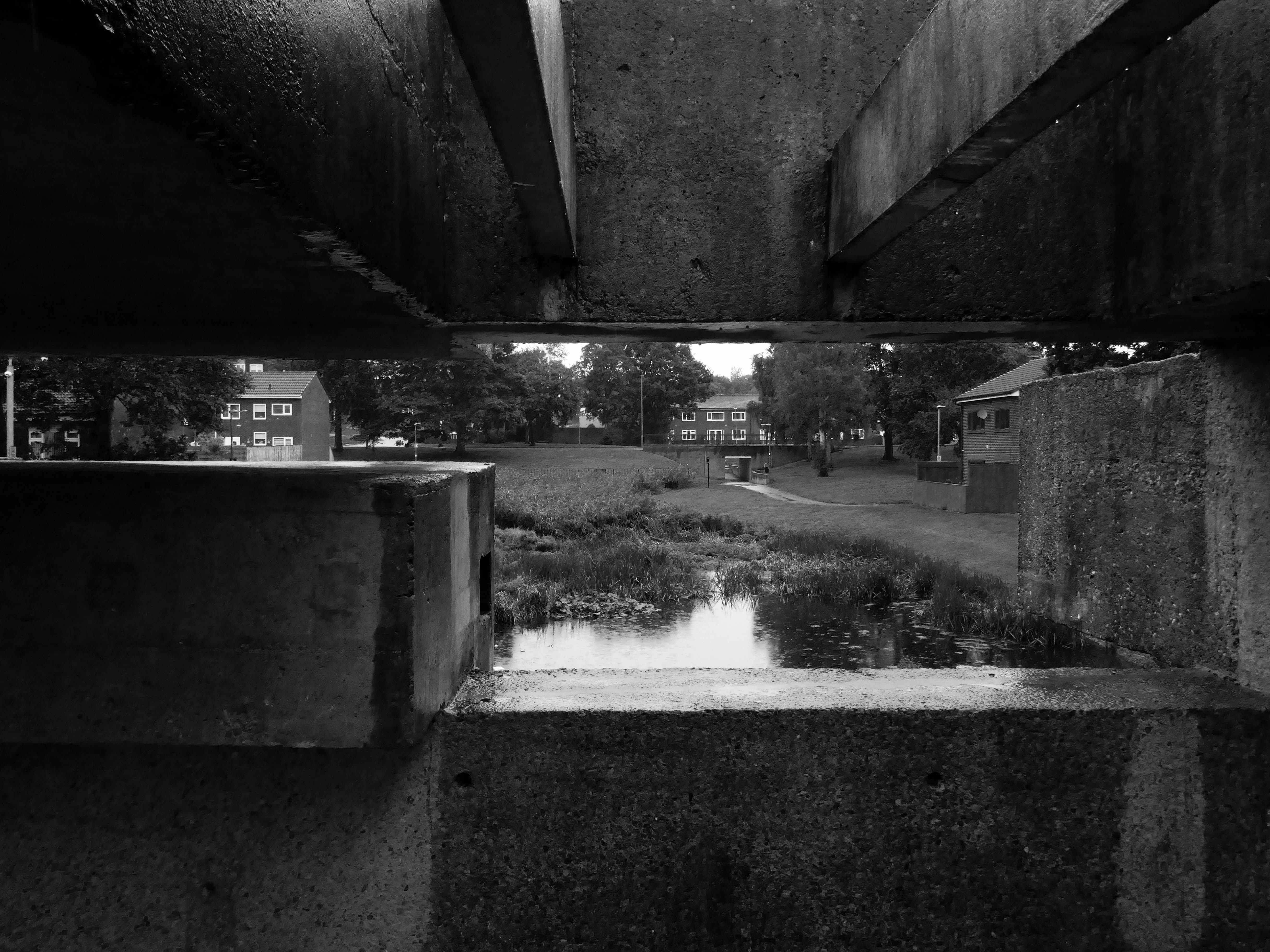
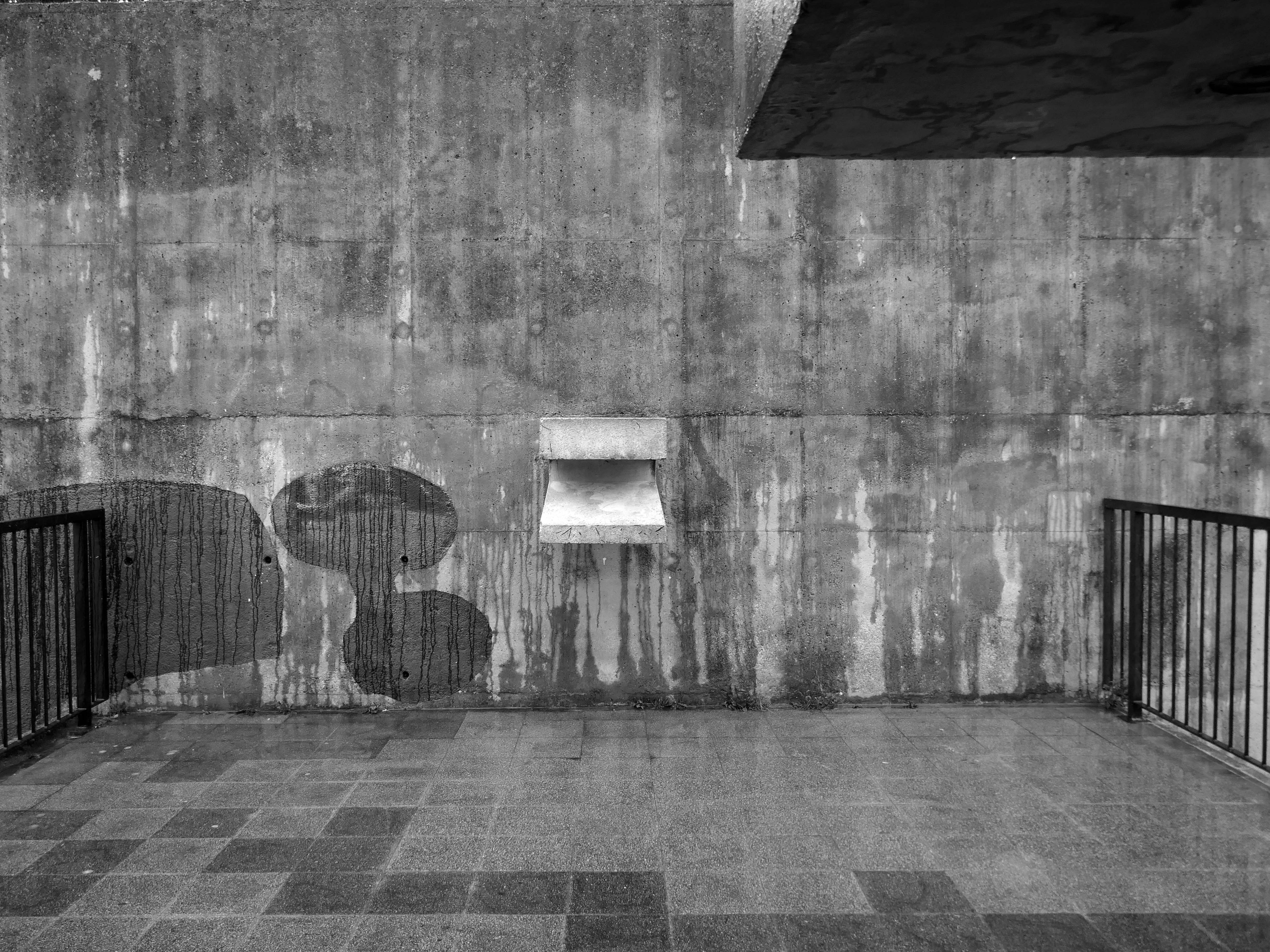
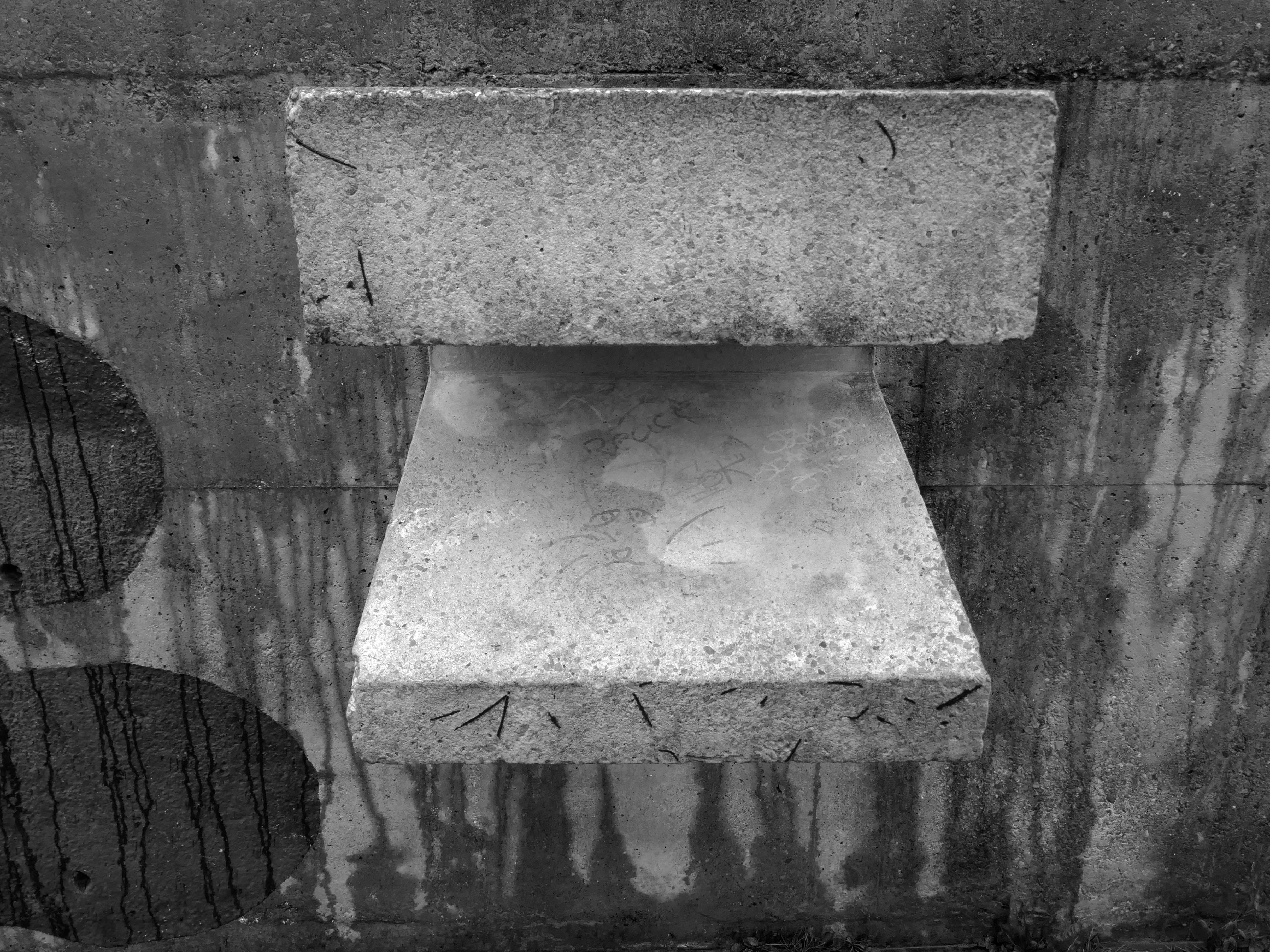
Saturday 20th September was a day of persistent rain, we arrived by bus and walked undeterred to the site – here’s what we saw.

Many thanks to Euan Lynn for leading this Modernist walk.

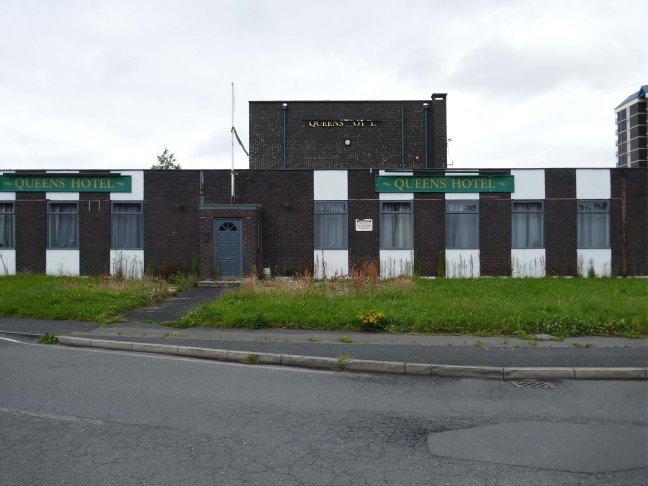
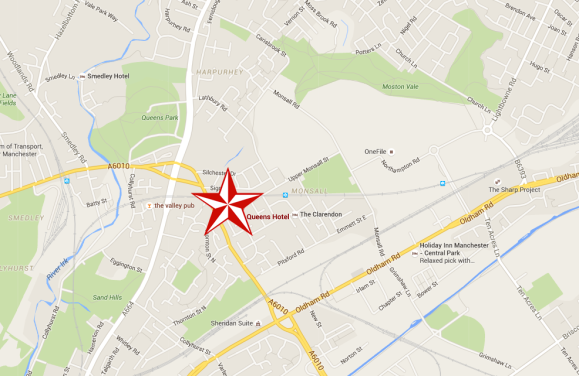
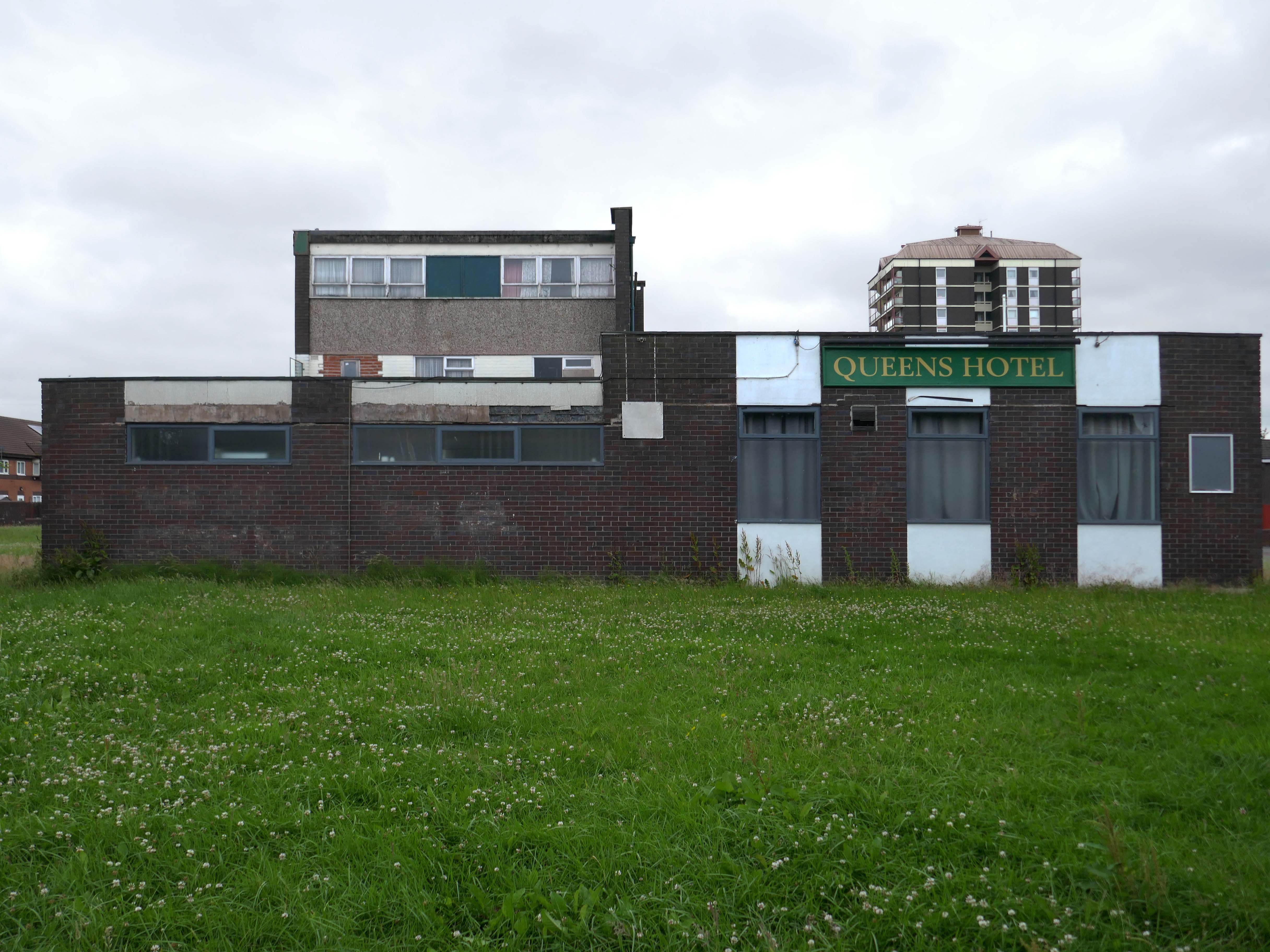
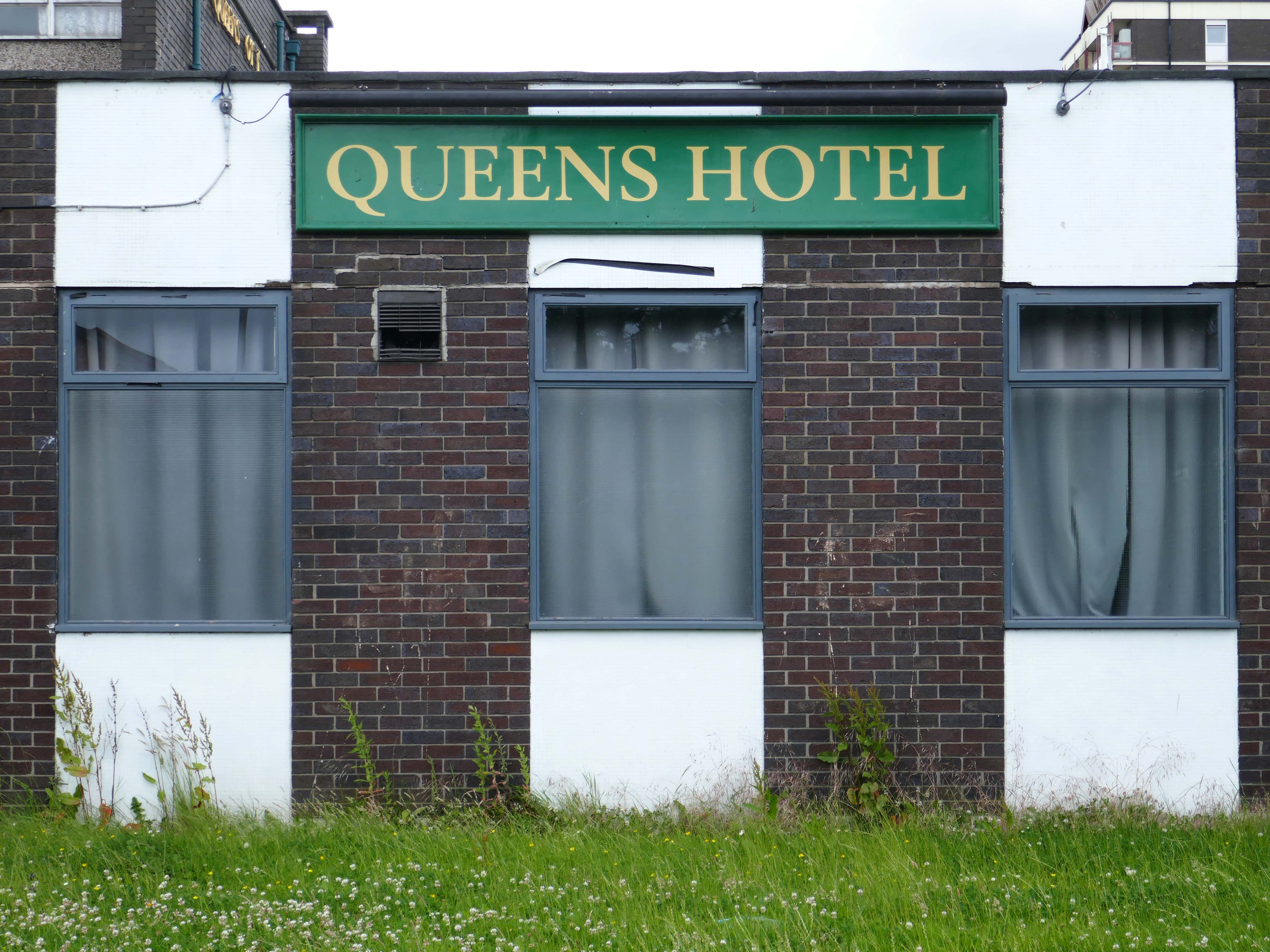
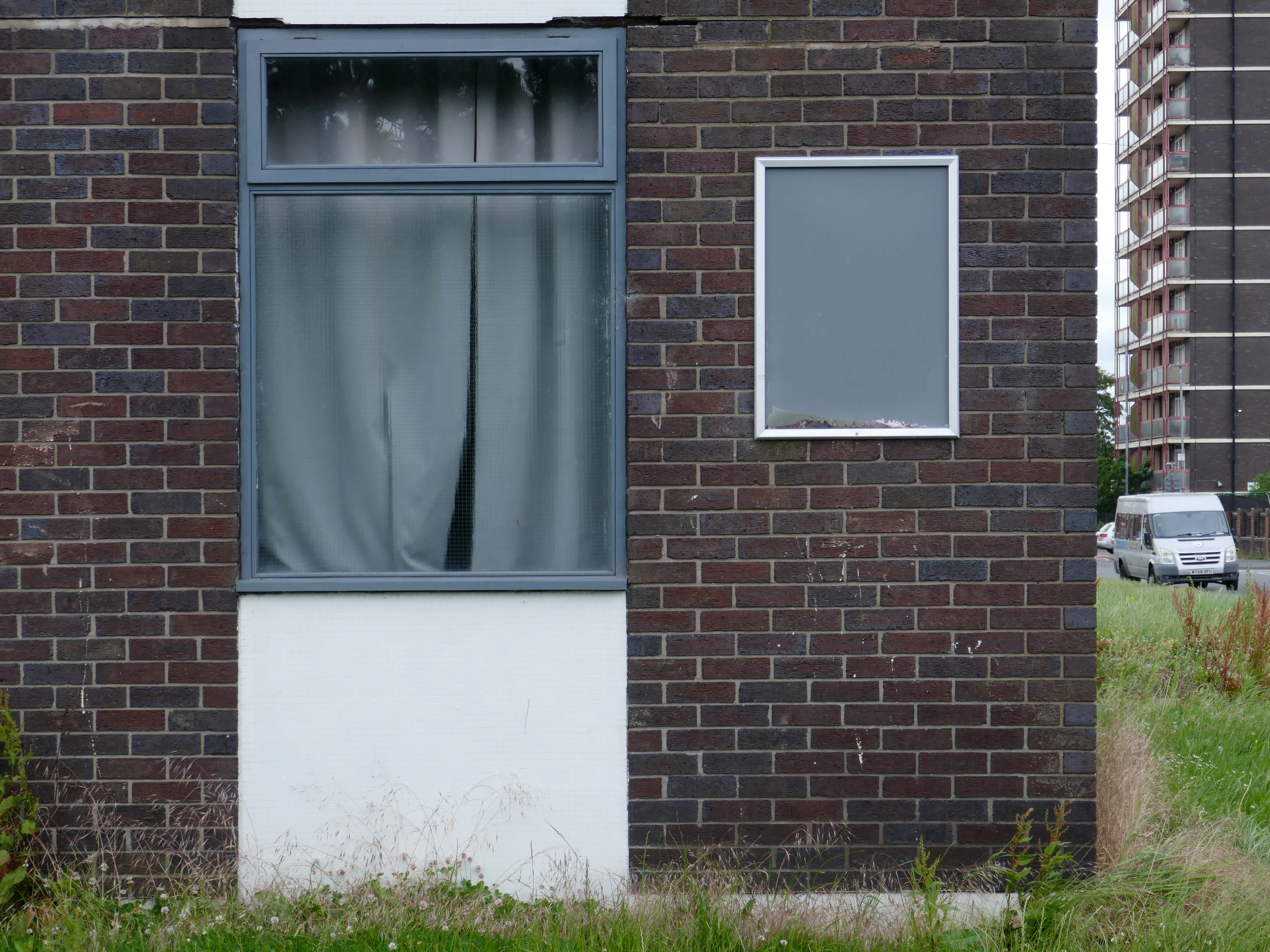
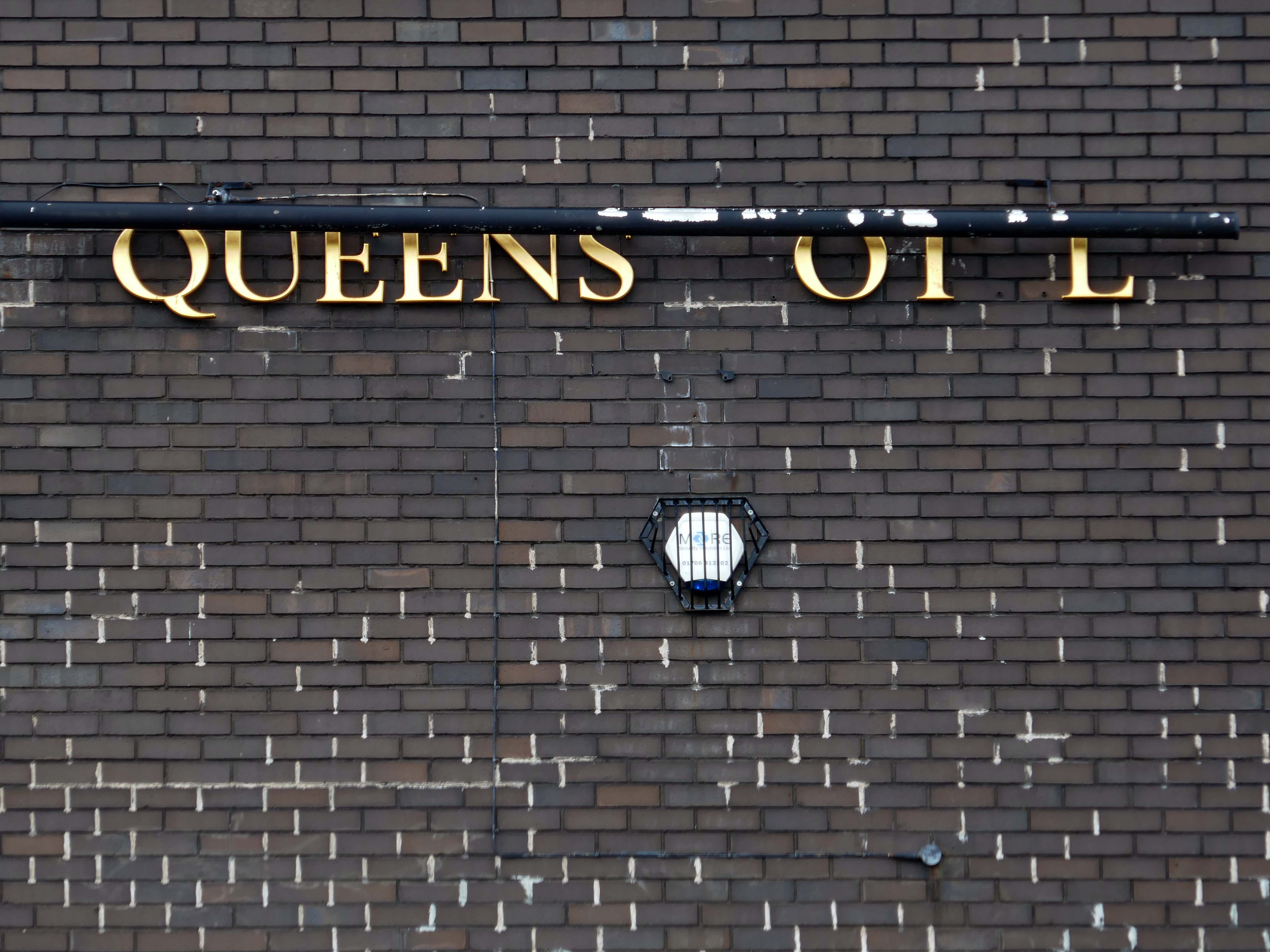
Queens Hotel – Monsall/Collyhurst Manchester

Sedgeford Rd Manchester M40 8QU

I have been here before, notably, as recored on my Manchester Estate Pubs site.

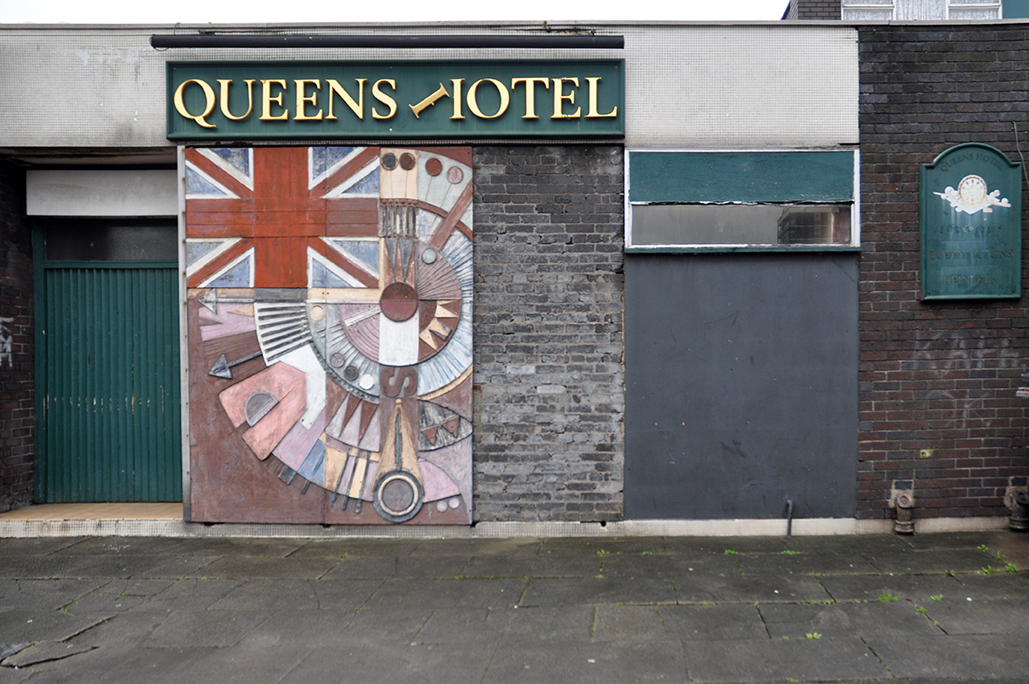
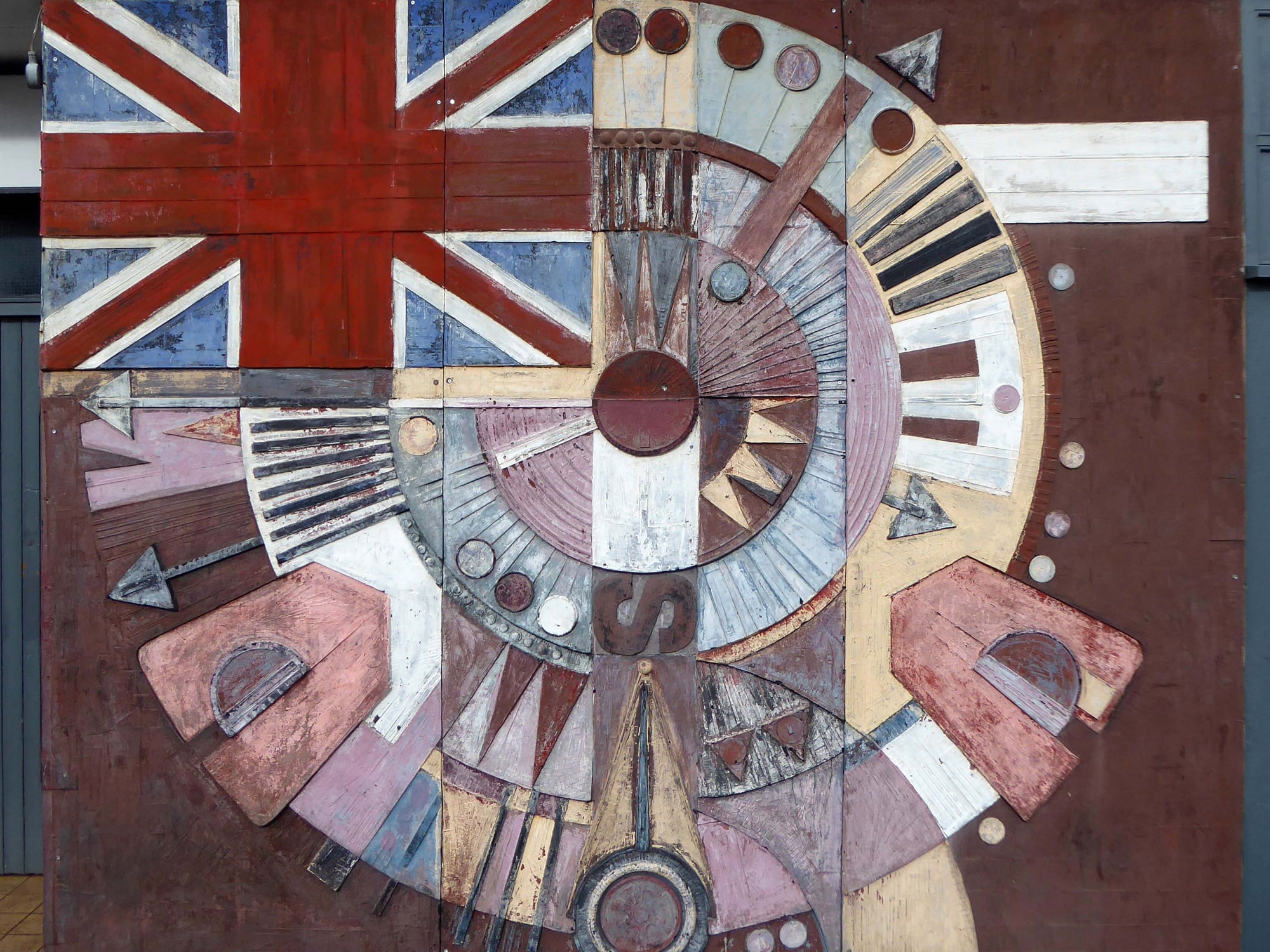
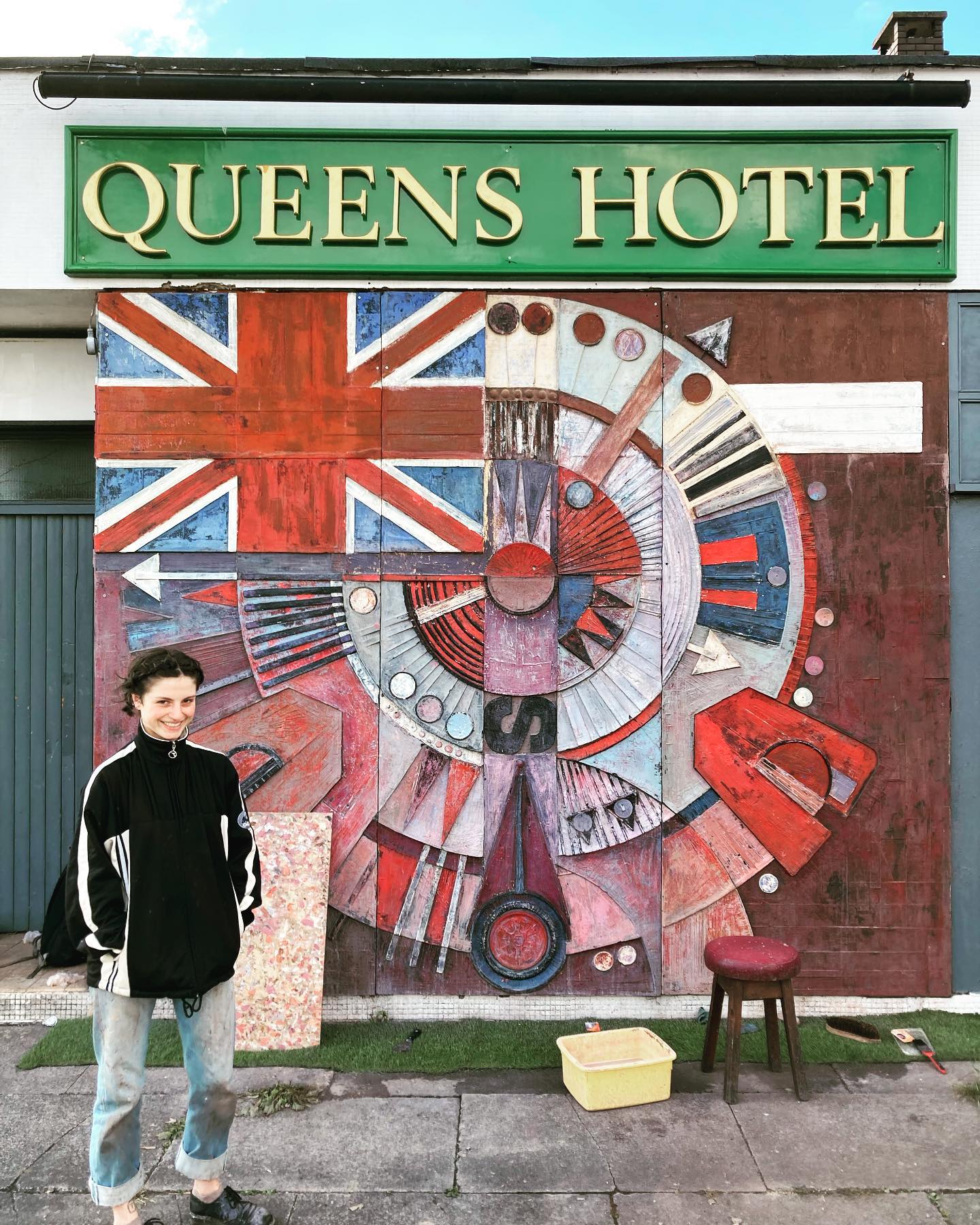
The pub was open, but the Alan Boyson mural was in need of repair.

The missing panel, stored in the pub’s cellar was subsequently reinstated.

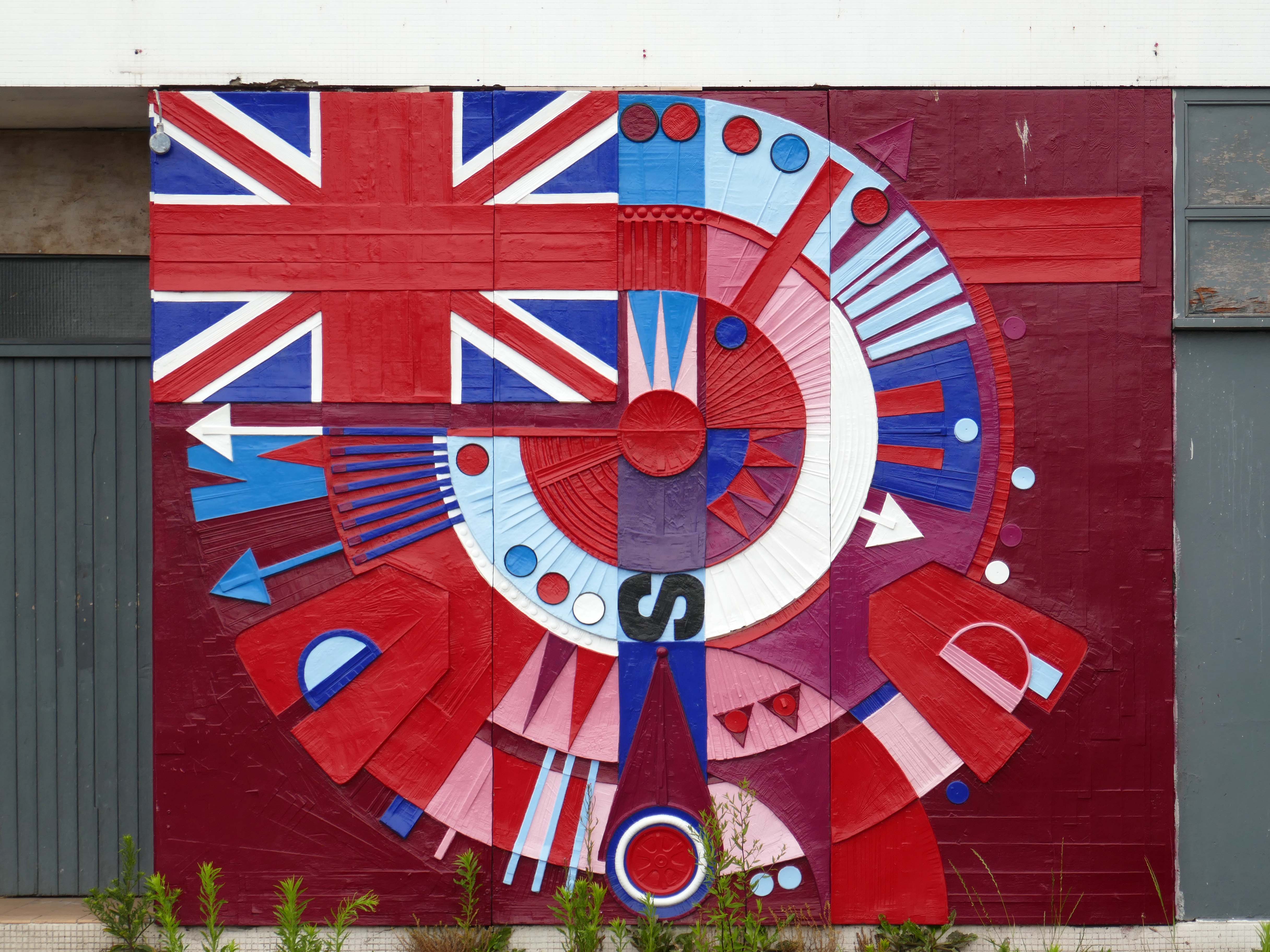
Then, following a Modernist crowdfunding project instigated by Richard Brook and Christopher Marsden, Alice Vincent-Barwood restored the work, during July 2022.

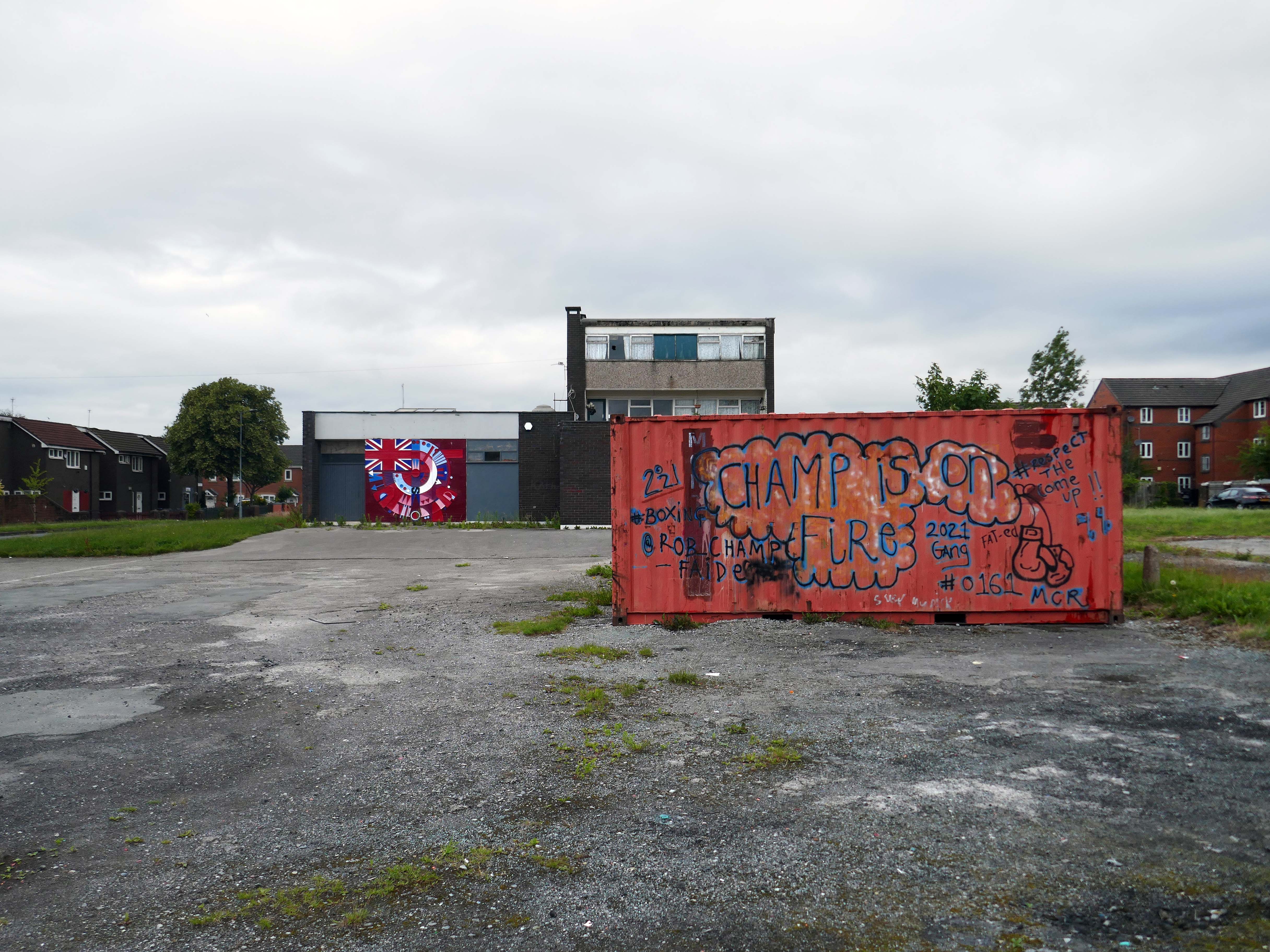
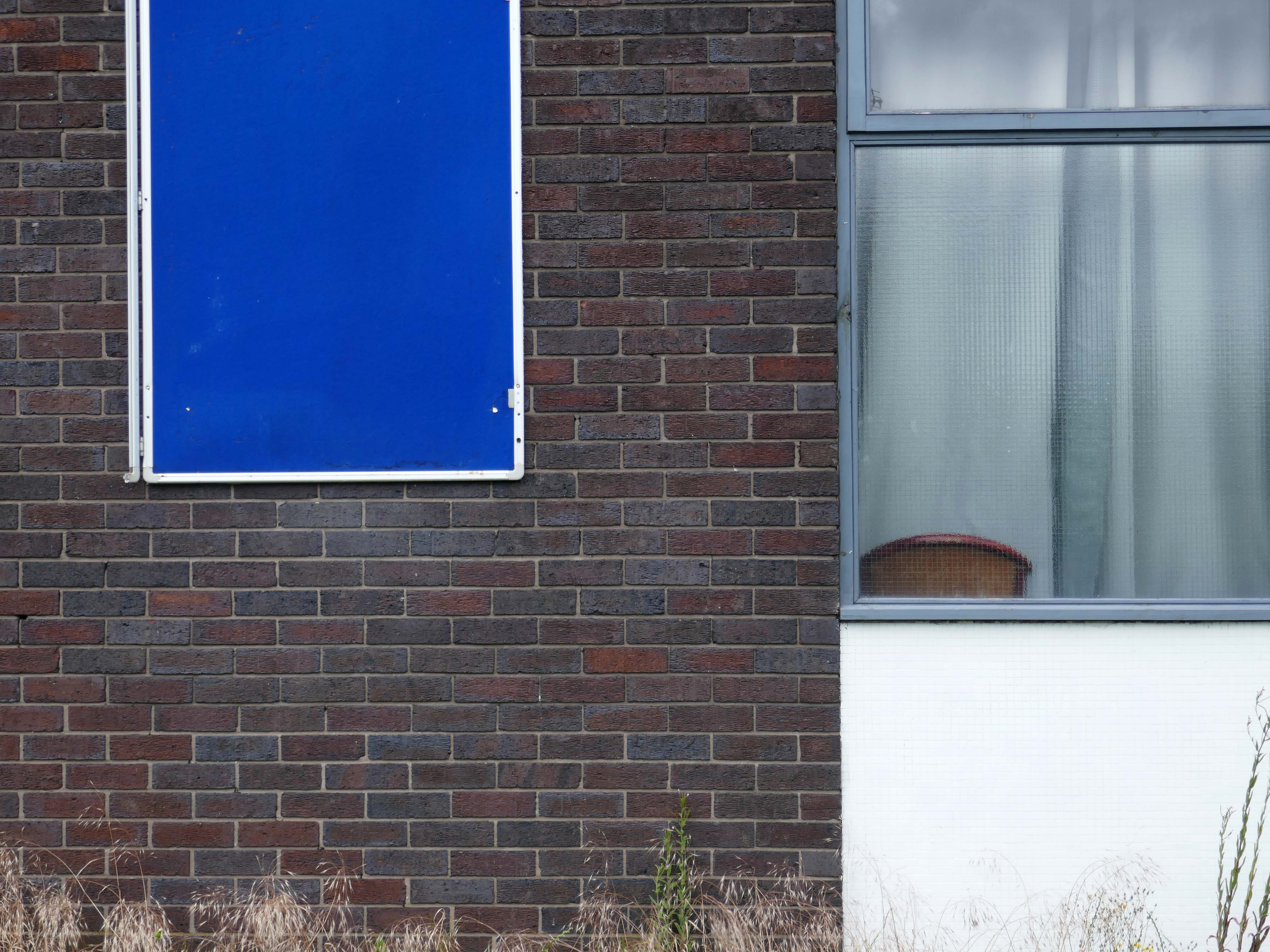
Sadly in August 2023 the pub lost its licence and remains closed.

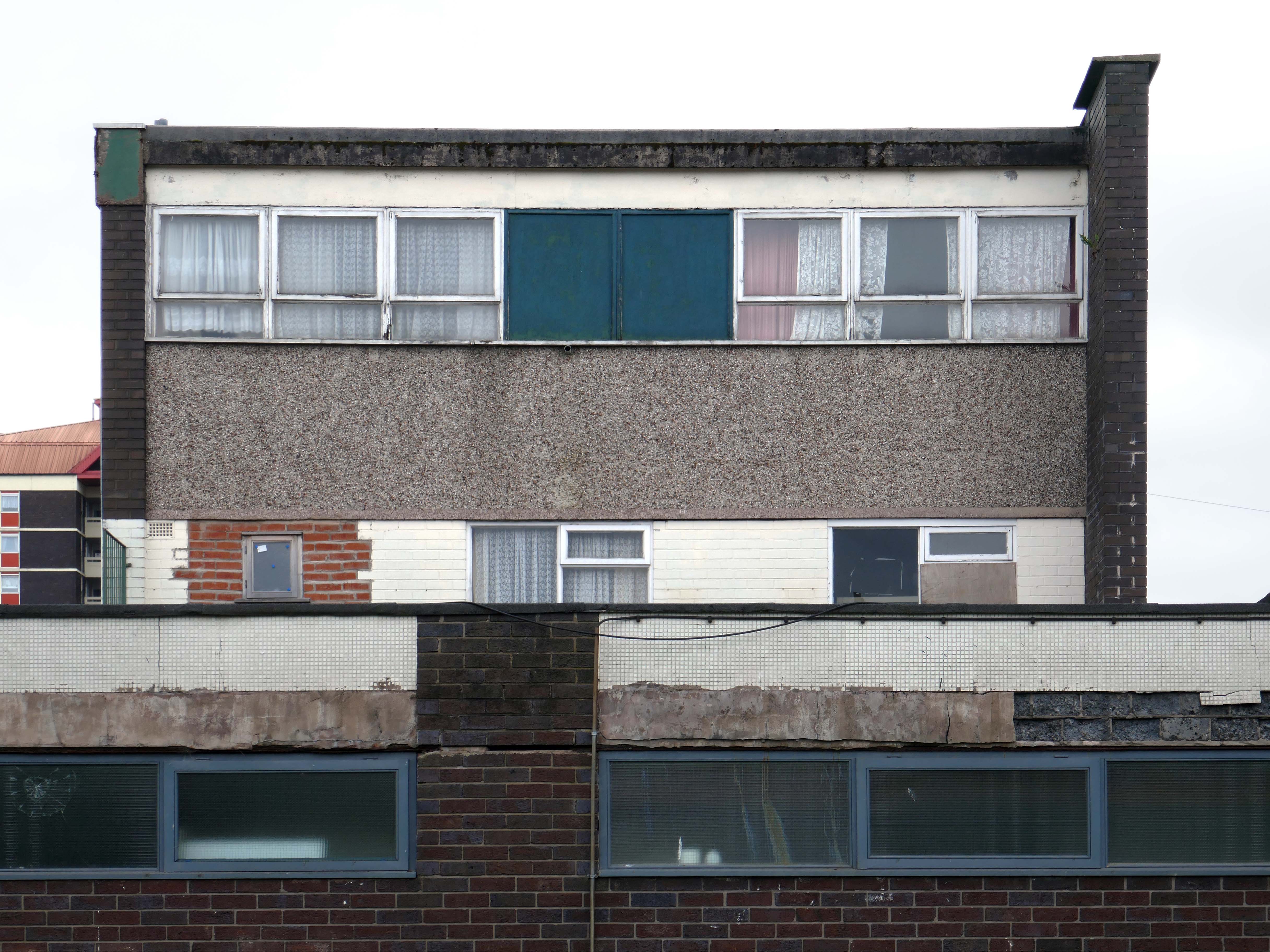
Wandering from Town to Moston yesterday, I happened to pass by, so I took some photos, here they are:

Tram Trip To Bury

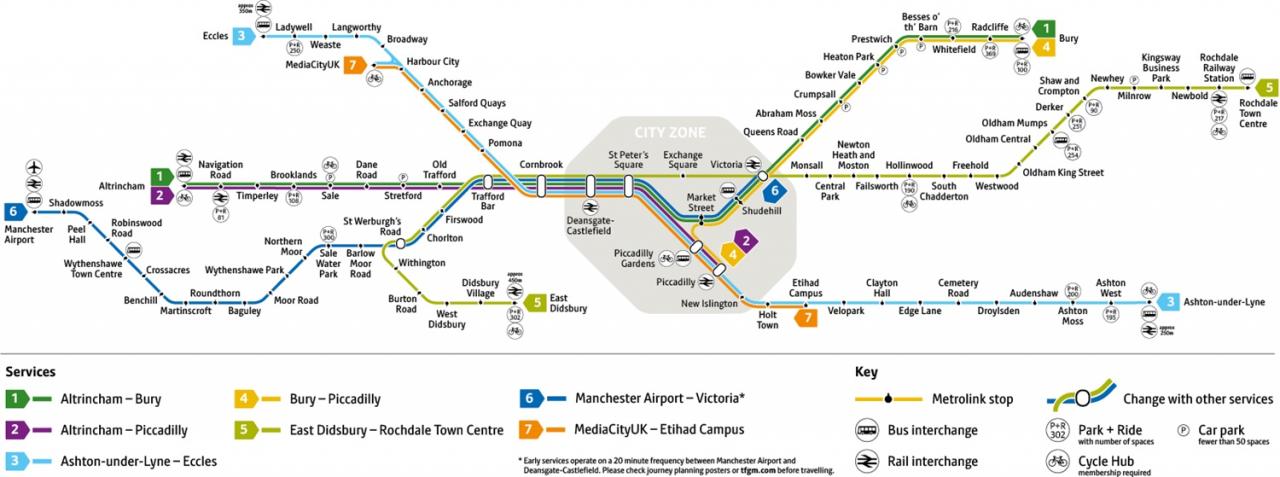
I was cordially requested to produce tram based walk, by the good folk at the modernist – travelling from Victoria Station to Bury. Alighting at each stop and seeing what could be seen, by way of modern buildings along the byways.
By the way, I do have previous experience, having undertaken a similar task travelling to Ashton.
So I set off as instructed, clutching my GMPTE senior concessionary travel pass.

Queens Road

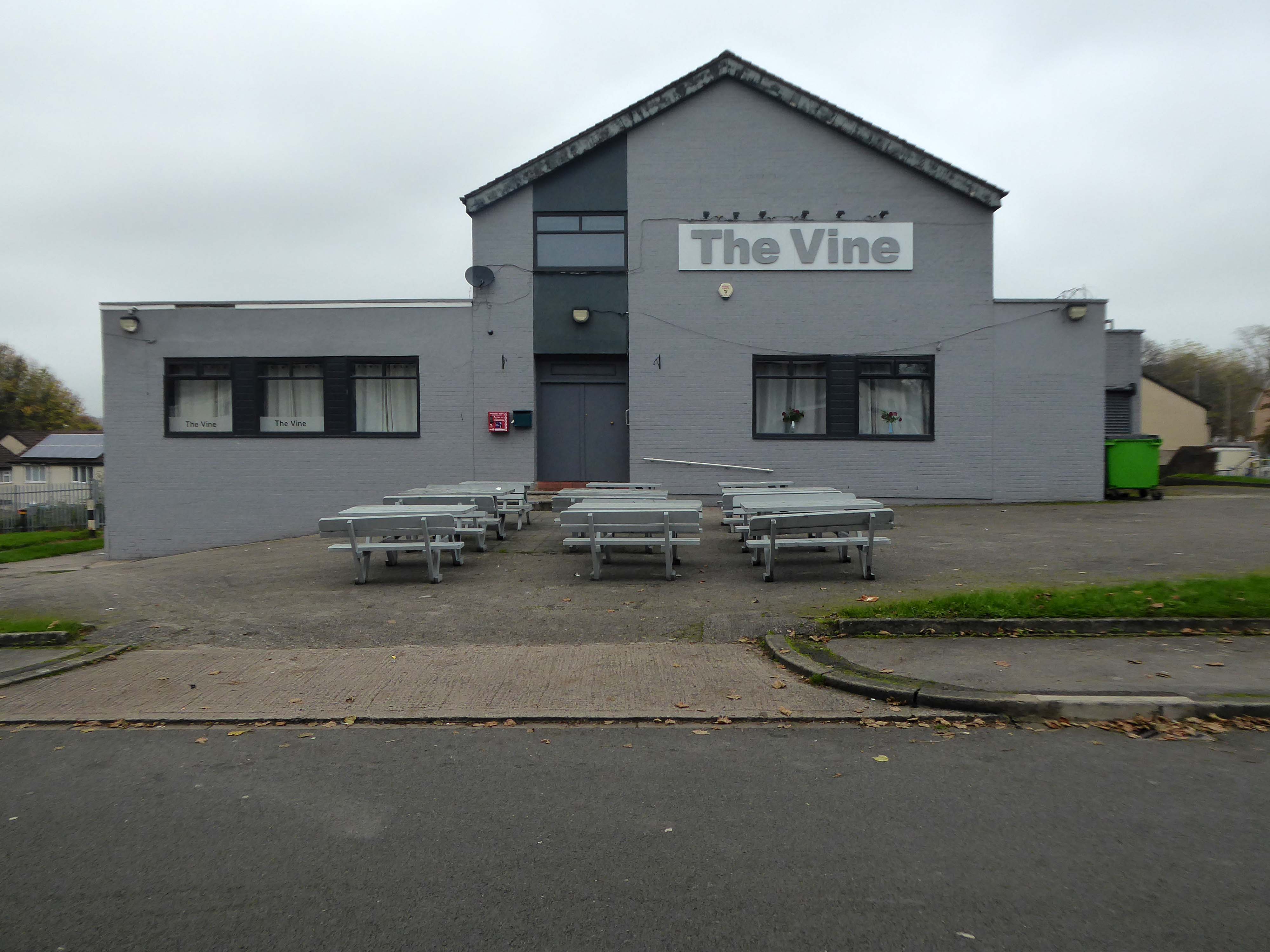
Turn right on leaving the station, right then left – you have reached The Vine.

Glendower Dr, Manchester, Greater Manchester M40 7TD.

Head for Rochdale Road and turn right back toward the city centre, you have reached Eastford Square.

Manchester M40 7QT

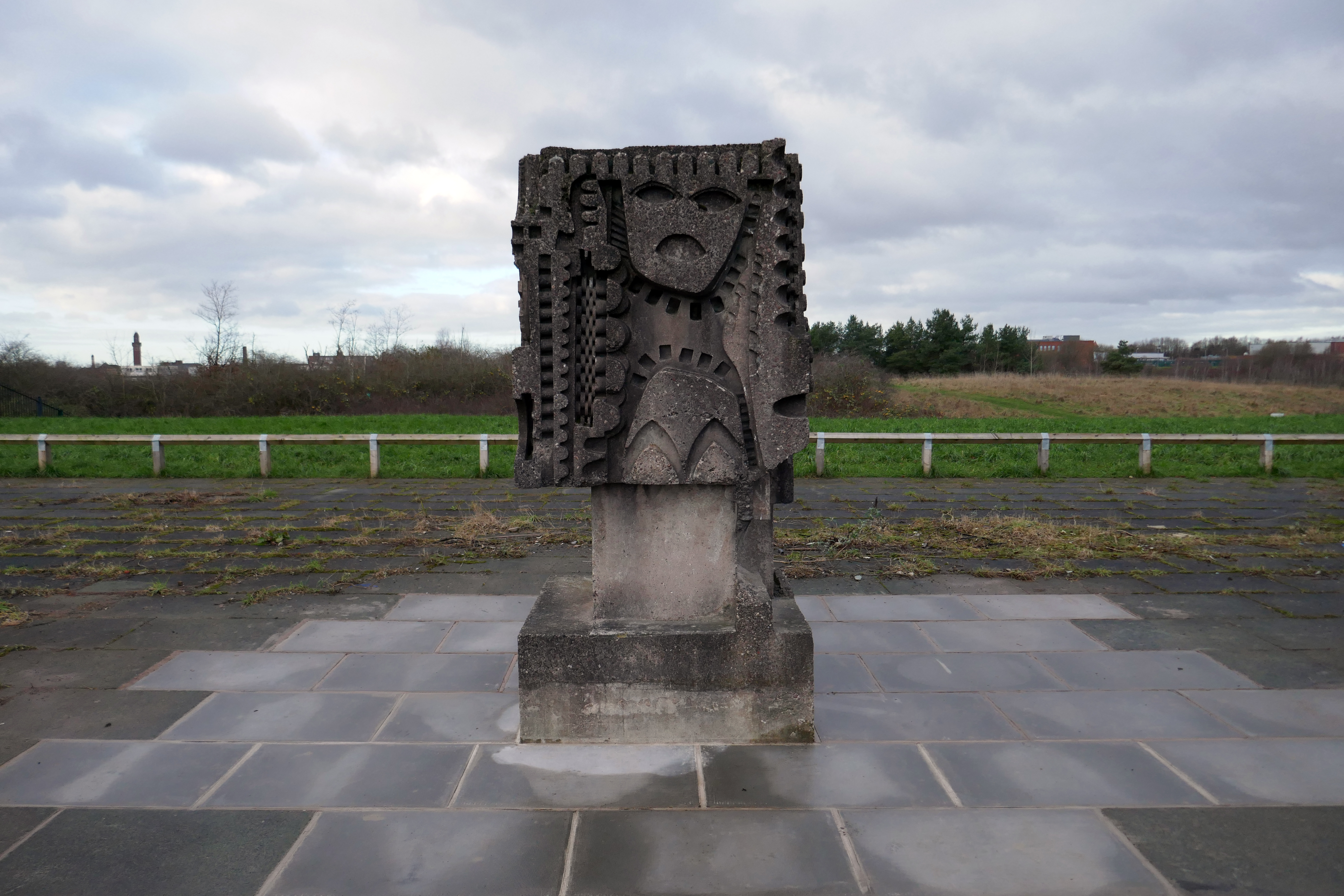
Formerly home to homes and shops – currently home to the William Mitchell Totem.

Abraham Moss

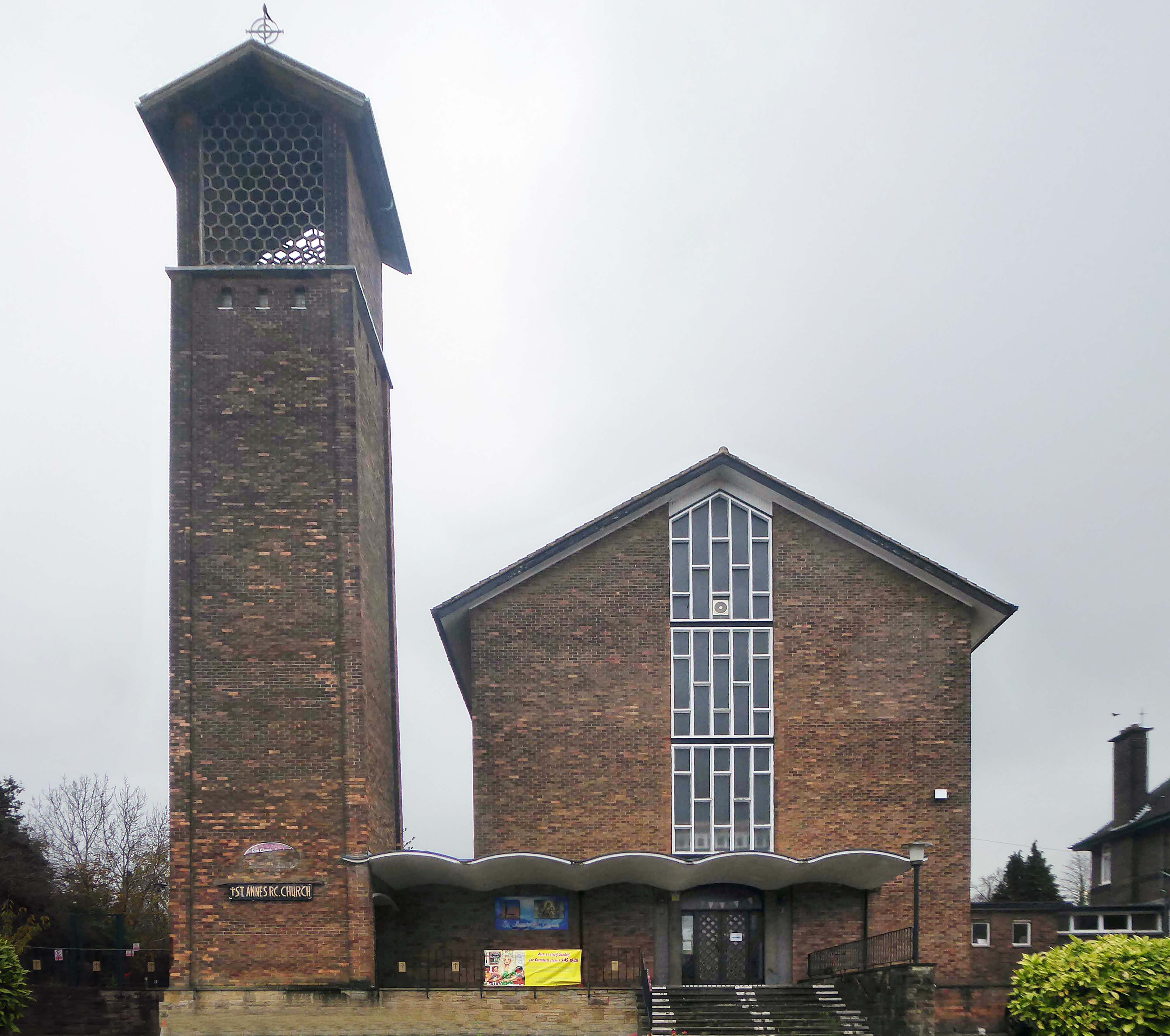
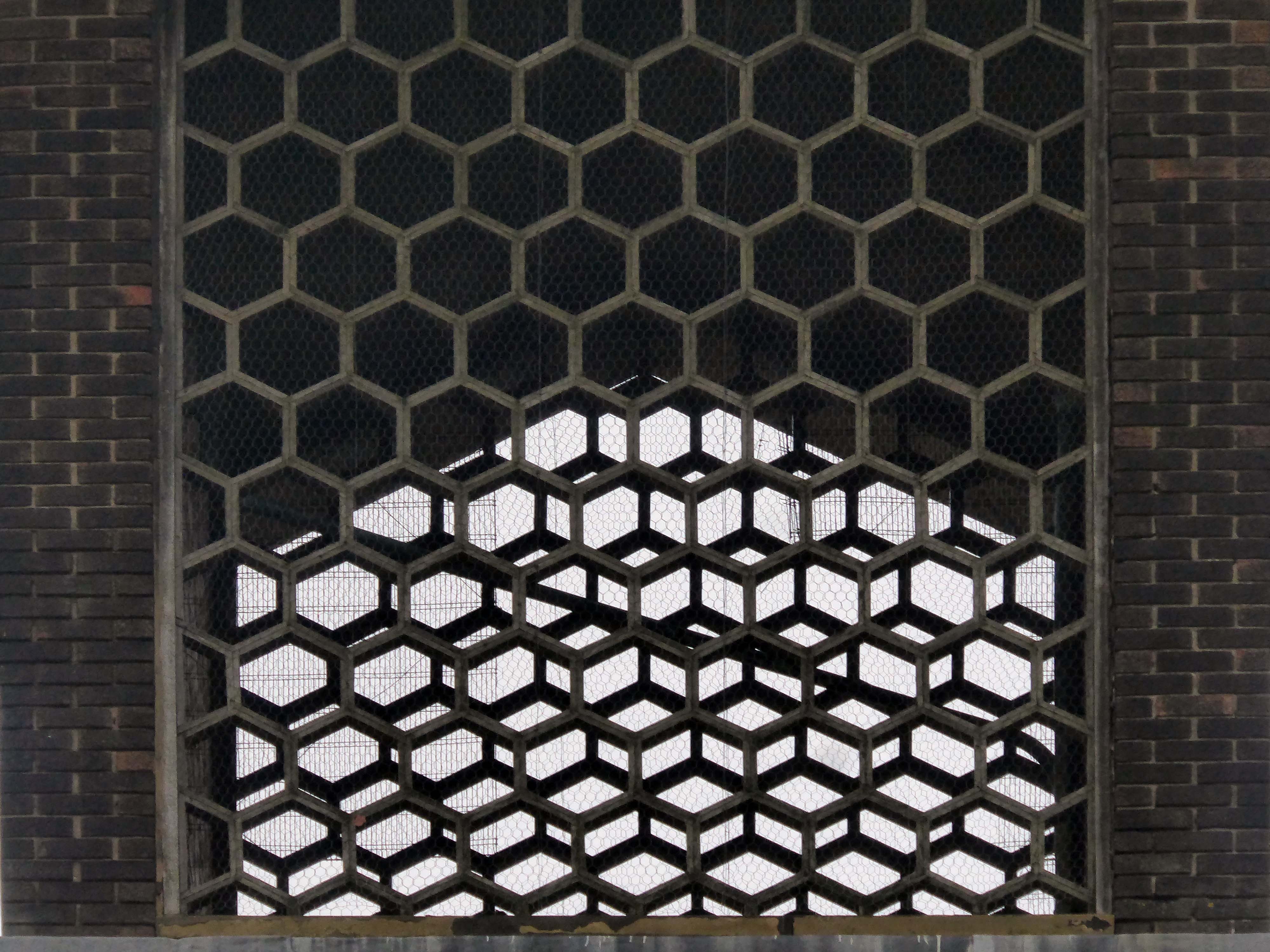
Head toward where you will find St Annes RC Church – Architect: Greenhalgh & Williams 1958

Crescent Rd, Crumpsall, Manchester M8 5UE

Crumpsall

Turn right out of the station onto Crumpsall Lane

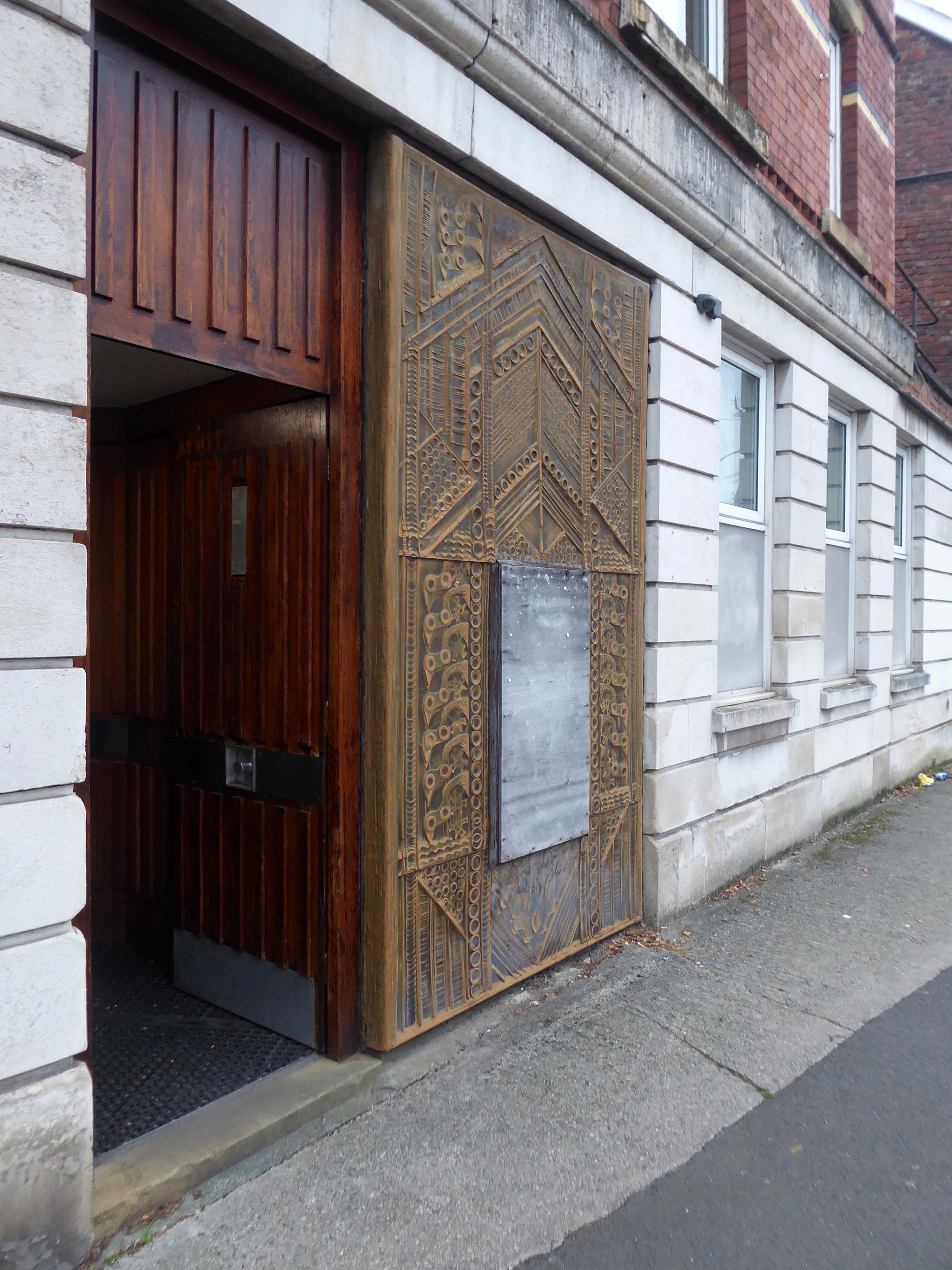
Former District Bank latterly Nat West – decorative relief and door.

Currently Greater Manchester Immigration Aid Unit

1 Delaunays Rd, Crumpsall, Manchester M8 4QS

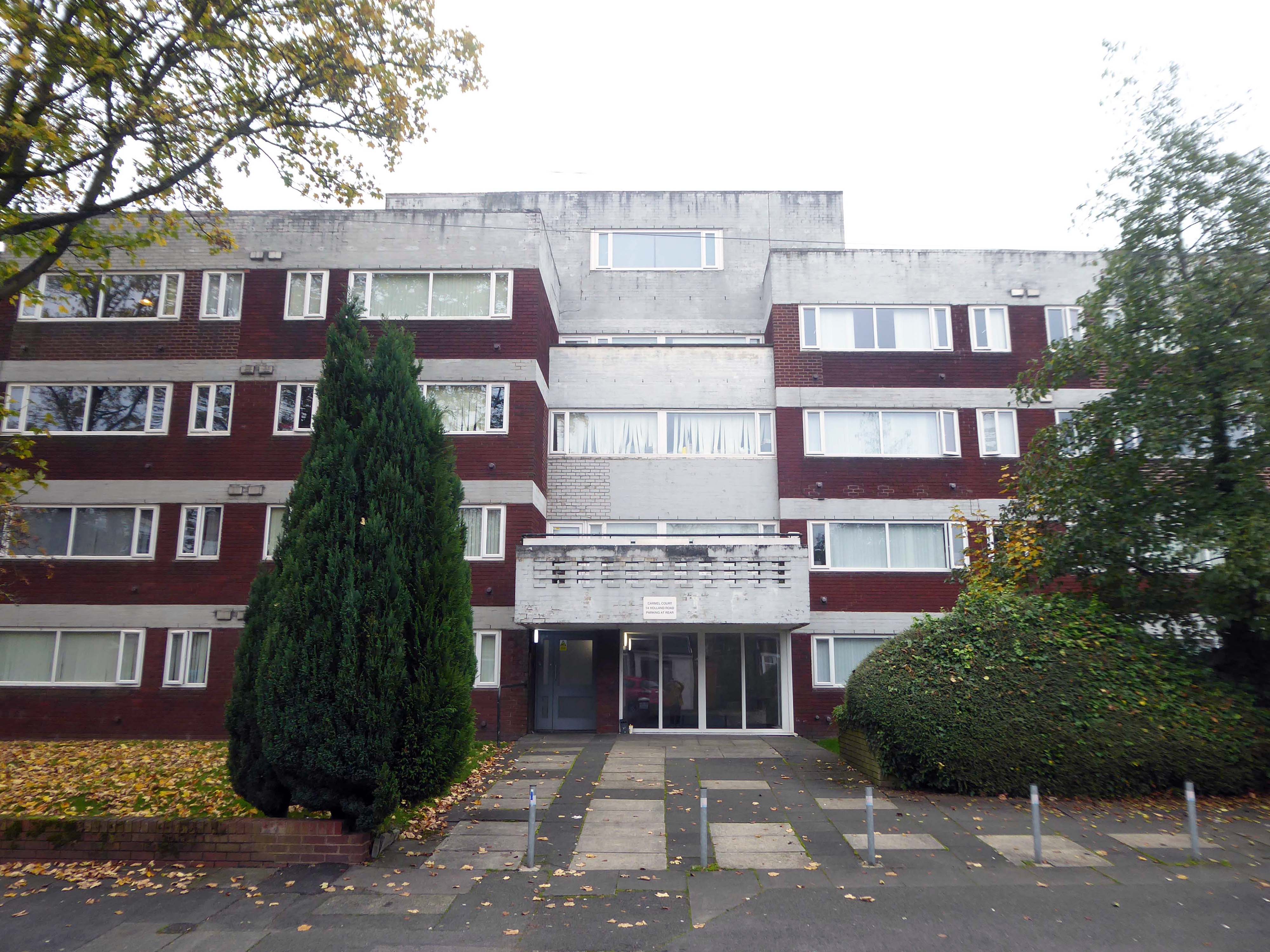
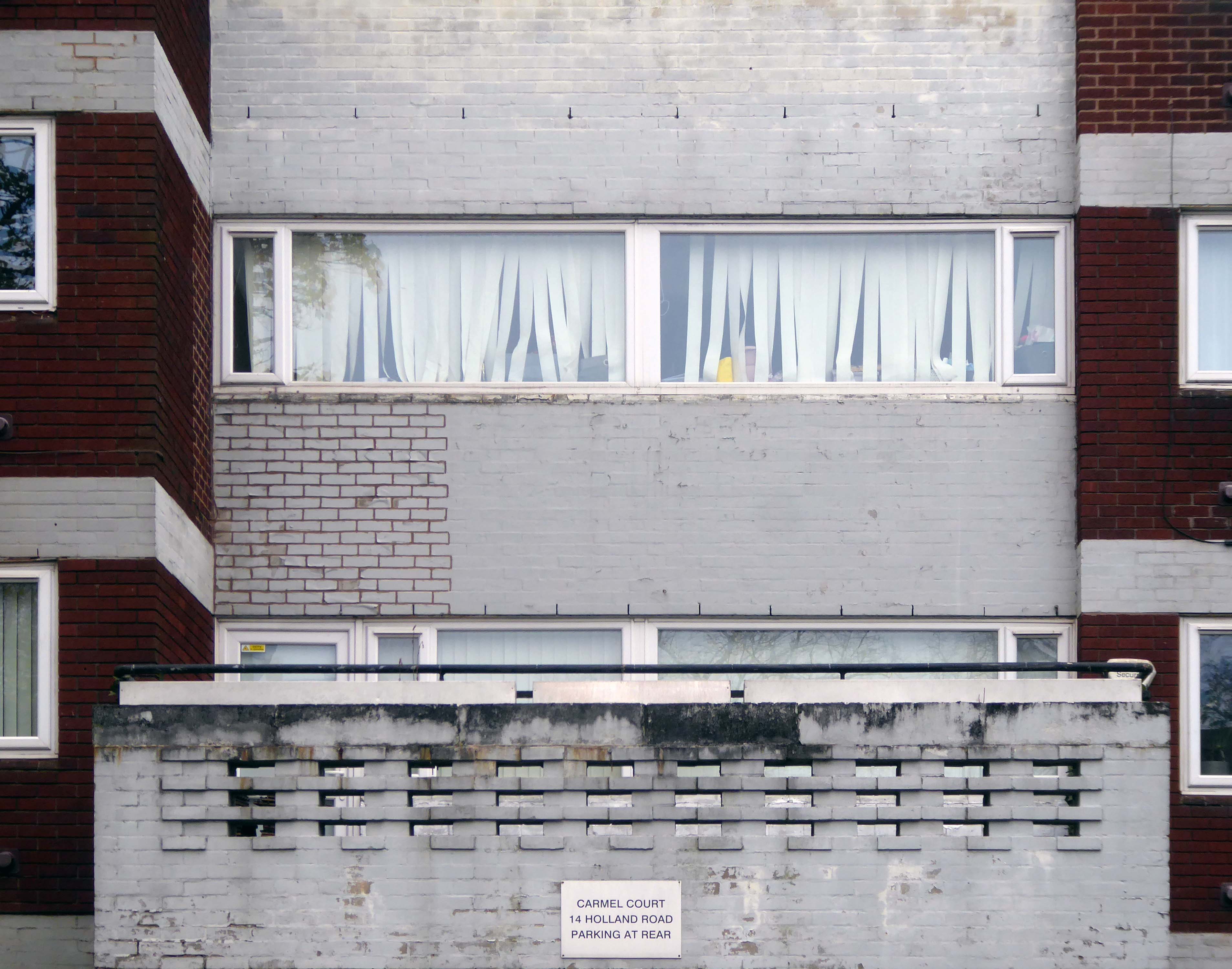
Carmel Court

Turn back along Crumpsall Lane past the station until you reach Holland Road on your right.

14 Holland Rd, Crumpsall, Manchester M8 4NP

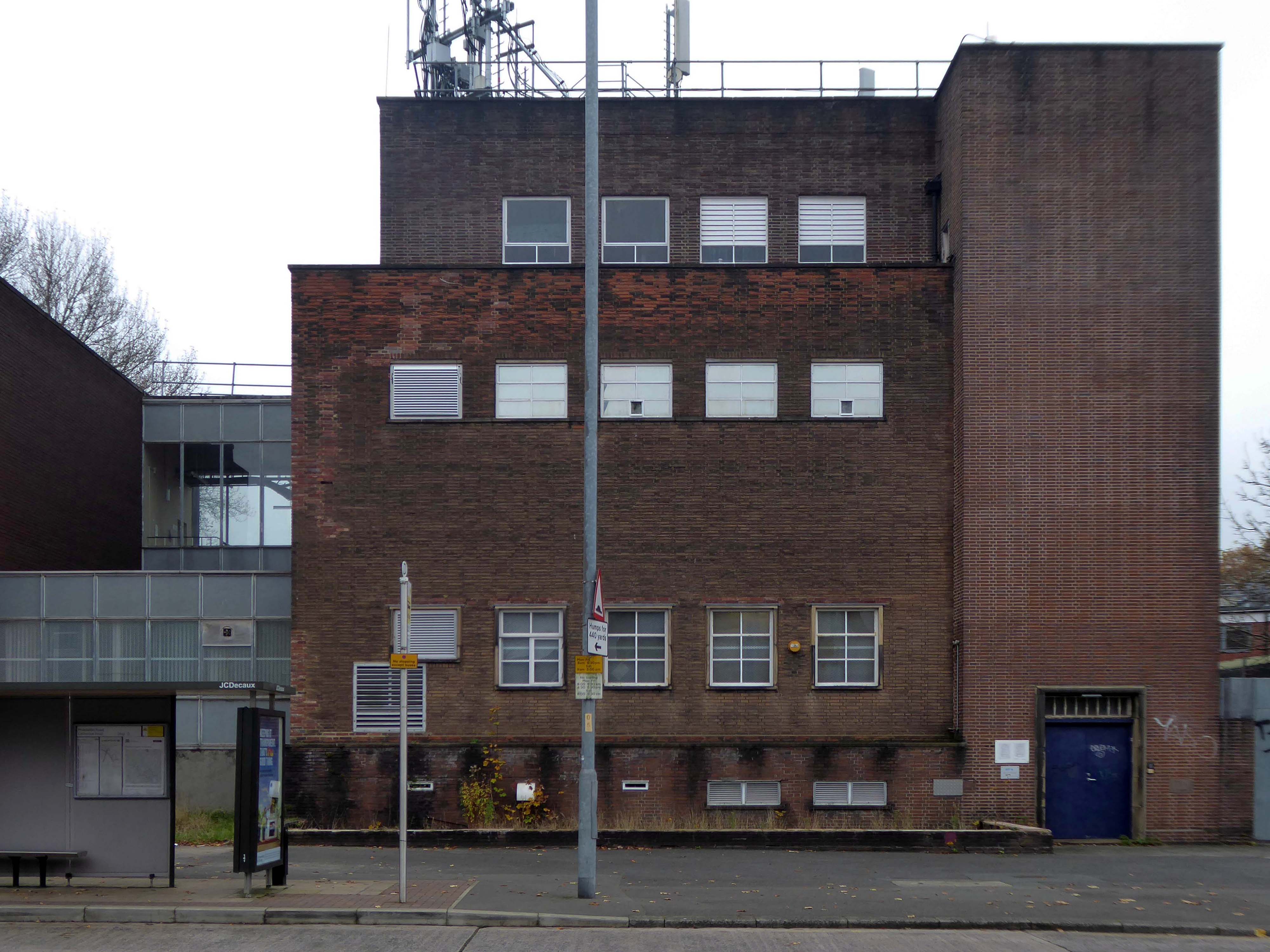
Onto Middleton Road and turn left where you will find the Telephone Exchange.

Middleton Road, Manchester. M8 5DS

Back track along Middleton Road toward Bowker Vale station.

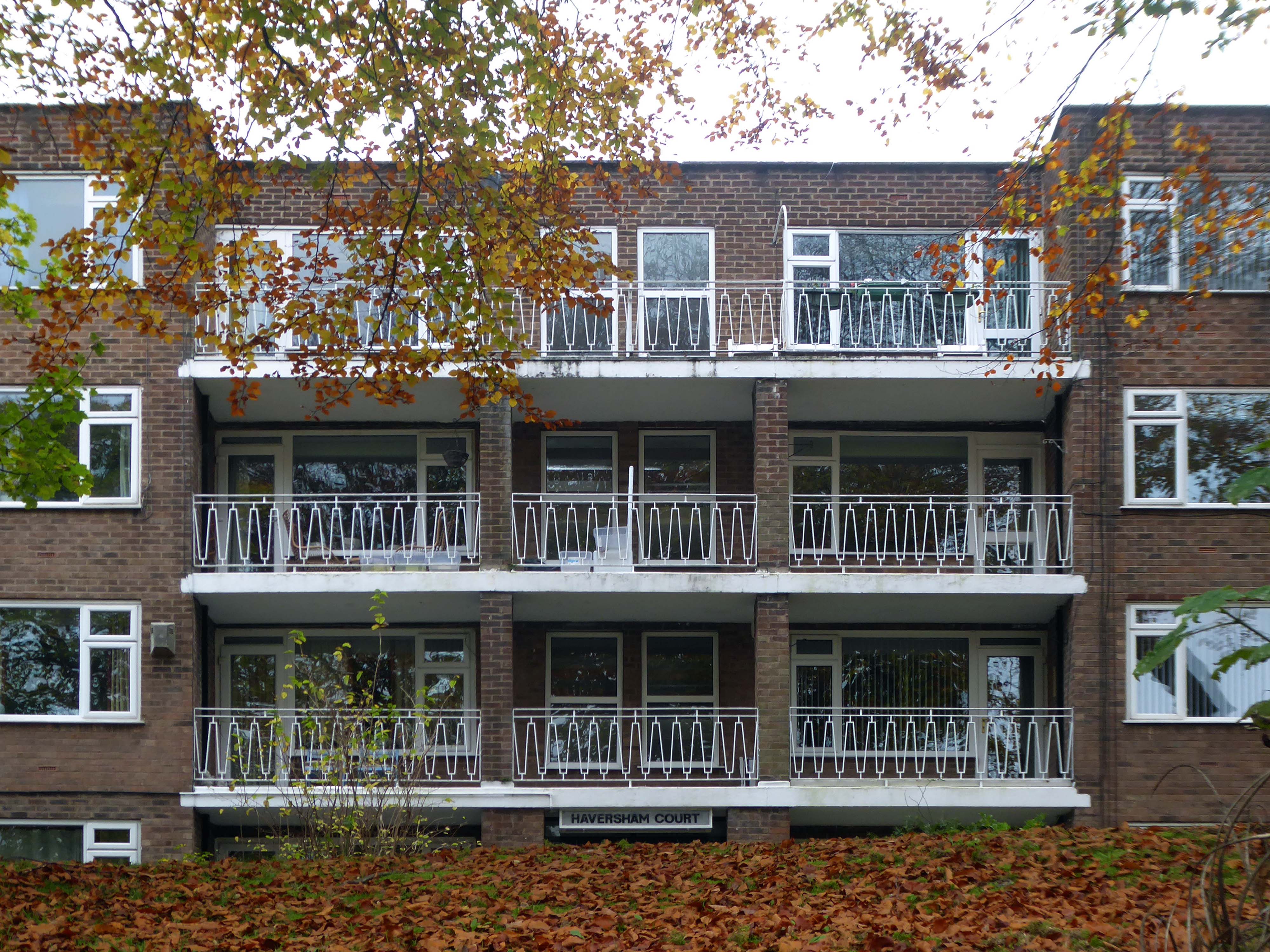
There are several post-war residential low rise block along the route.

Haversham Court

Middleton Rd, Crumpsall, Manchester M8 4JY

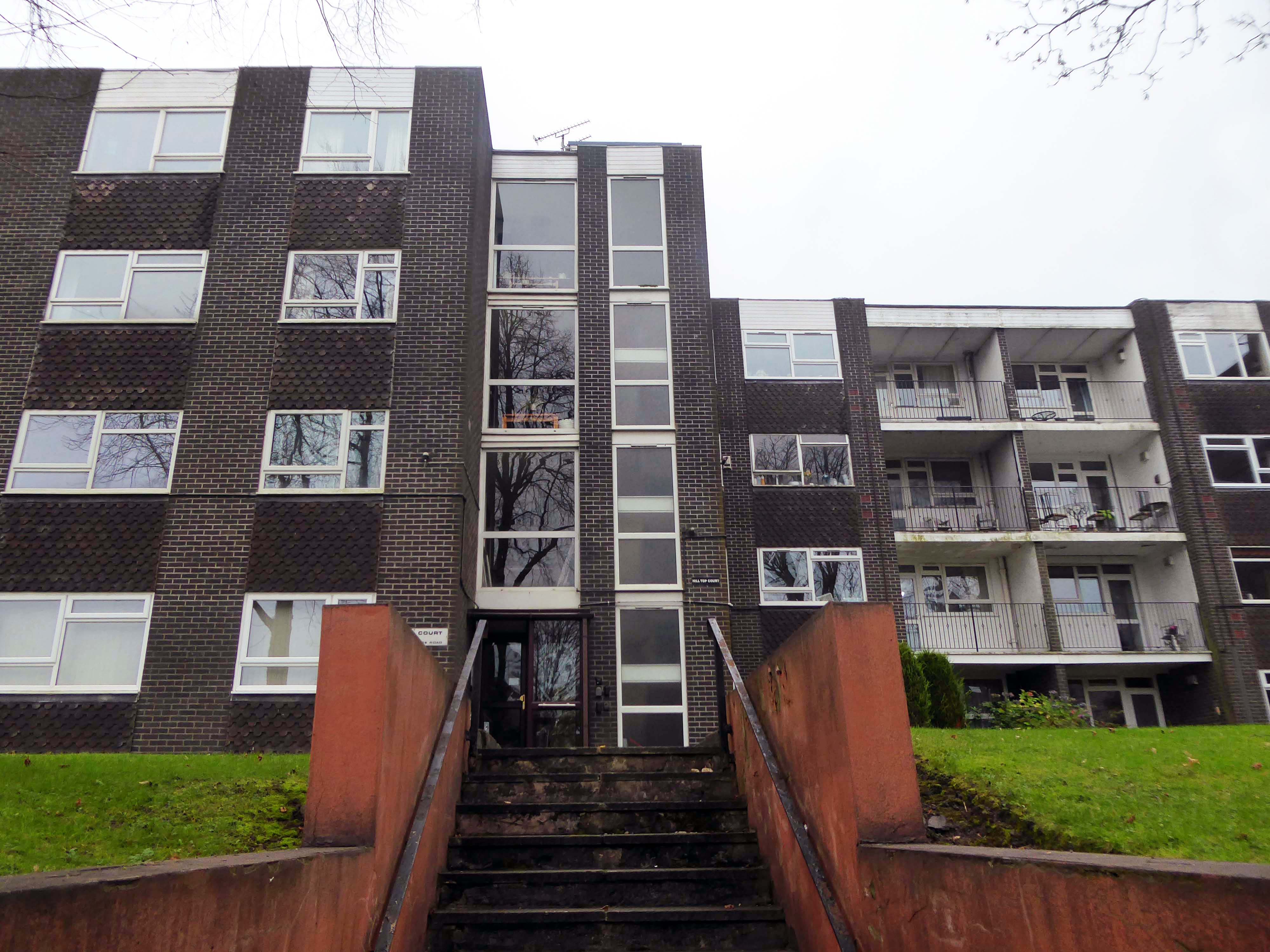
Hilltop Court – just off to the left of Middleton Road.

Brooklands Road, Crumpsall, Manchester M8 4JH

Bowker Vale

Heaton Park

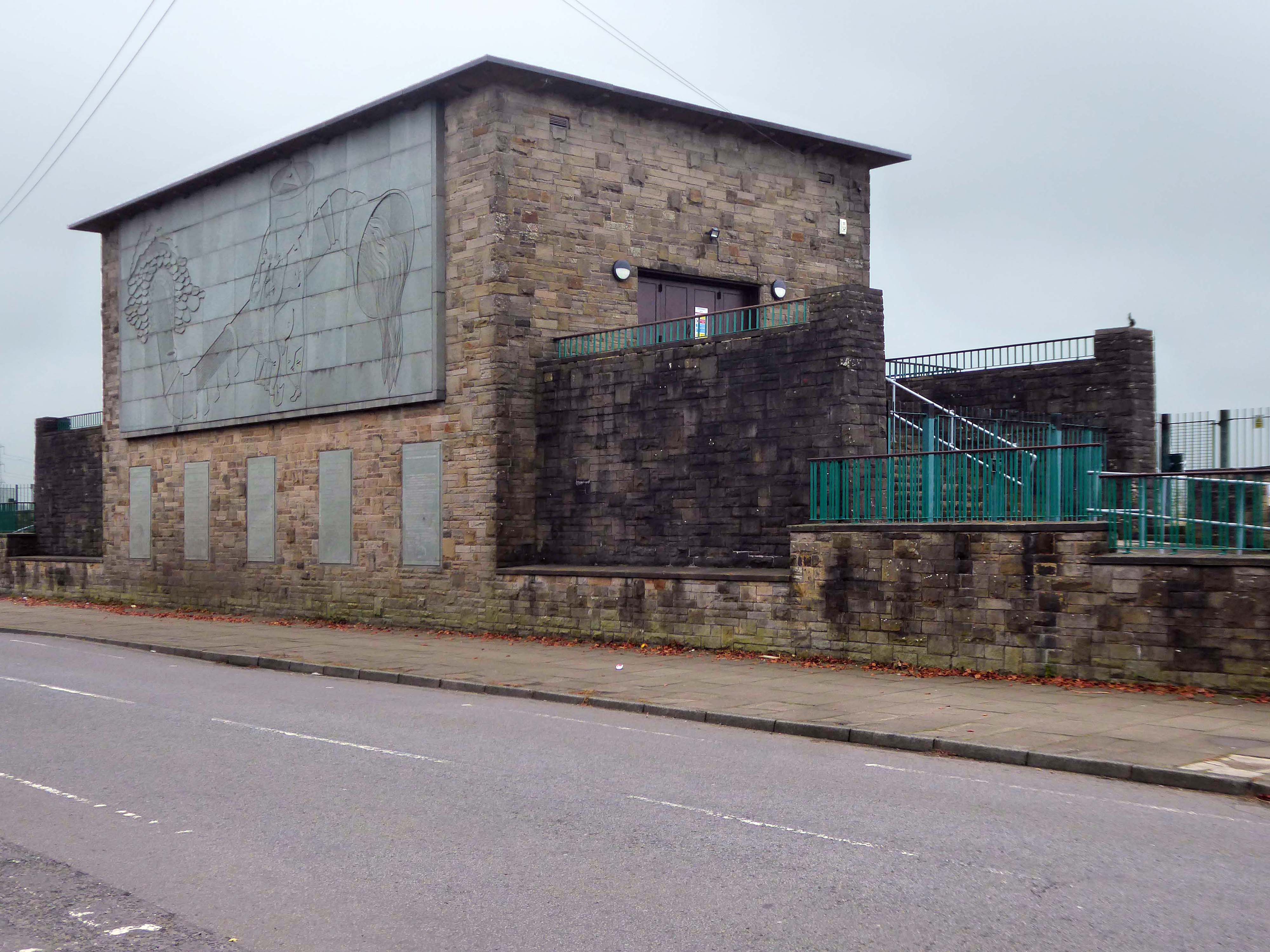
A good twenty minute walk from the station to Heaton Park Pumping Station.

Turn left from the station along Bury Old Road until you reach Heywood Road on your right.

Heywood Road, Prestwich, Manchester M25 2GT

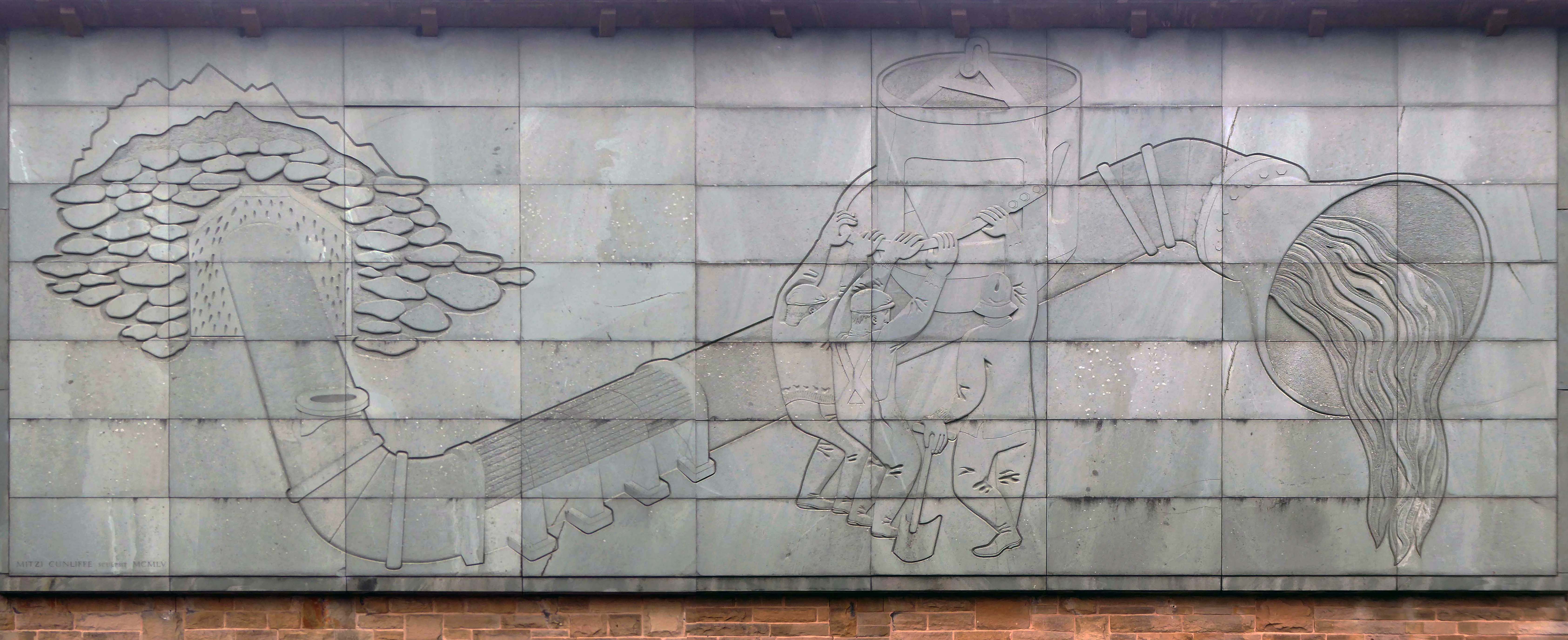
1954-5 by the Manchester City Architect’s Department, Chief Architect Leonard C Howitt, for the Manchester Corporation Waterworks. Alan Atkinson, engineer. Incorporates large relief by Mitzi Cunliffe, signed and dated 1955.

Prestwich

Development by architects Leach Rhodes Walker.

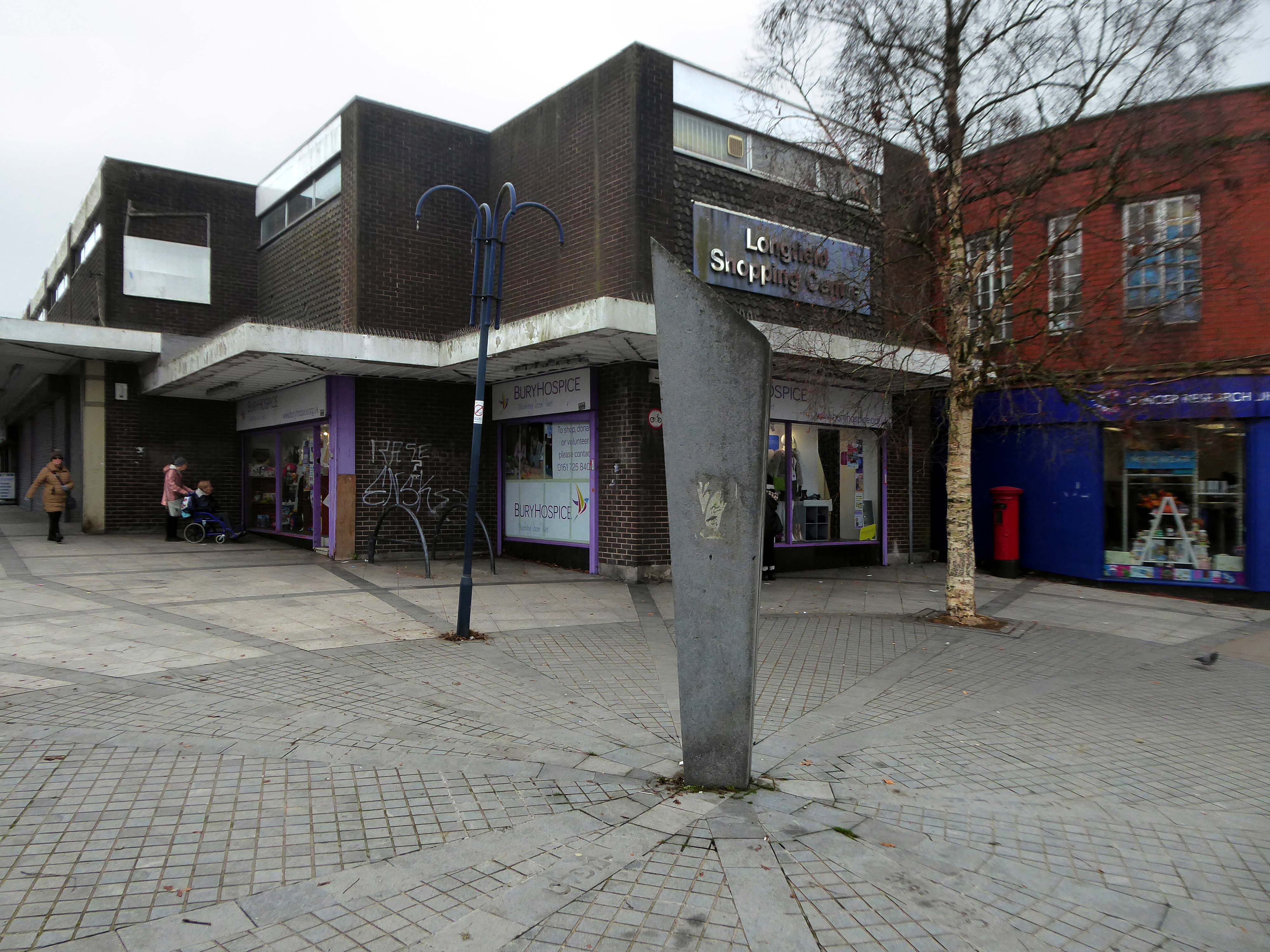
Longfield Shopping Centre

Prestwich Library

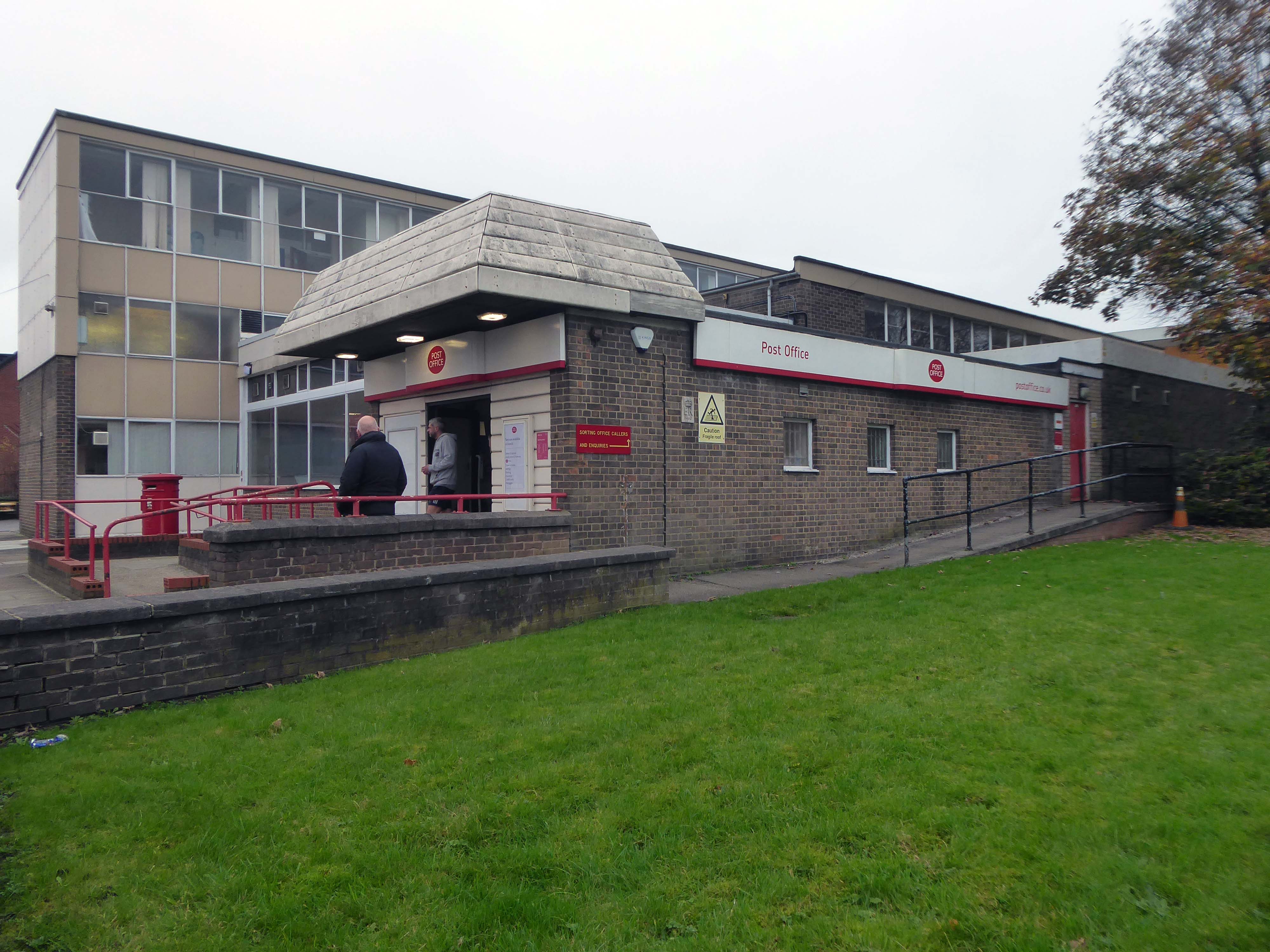
Post Office

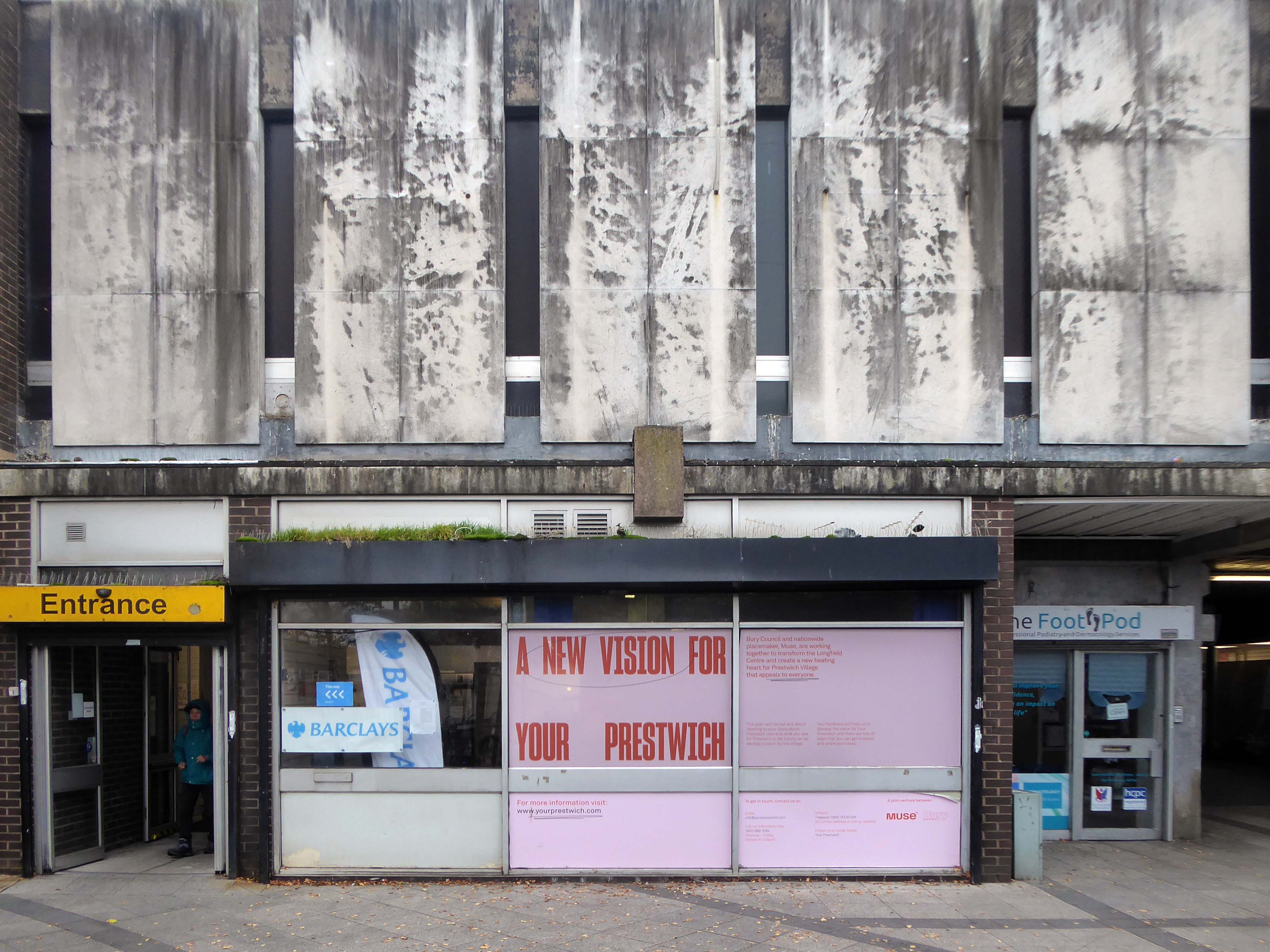
After months of public consultation, the joint venture has firmed up its proposals for the redevelopment of the Longfield Centre and is aiming to be on site before the end of the year.

Muse and Bury Council have submitted a hybrid application to transform six acres of Prestwich town centre.

Place North West

Besses o’ th Barn

Whitefield

Almost directly facing the station along Bury New Road.

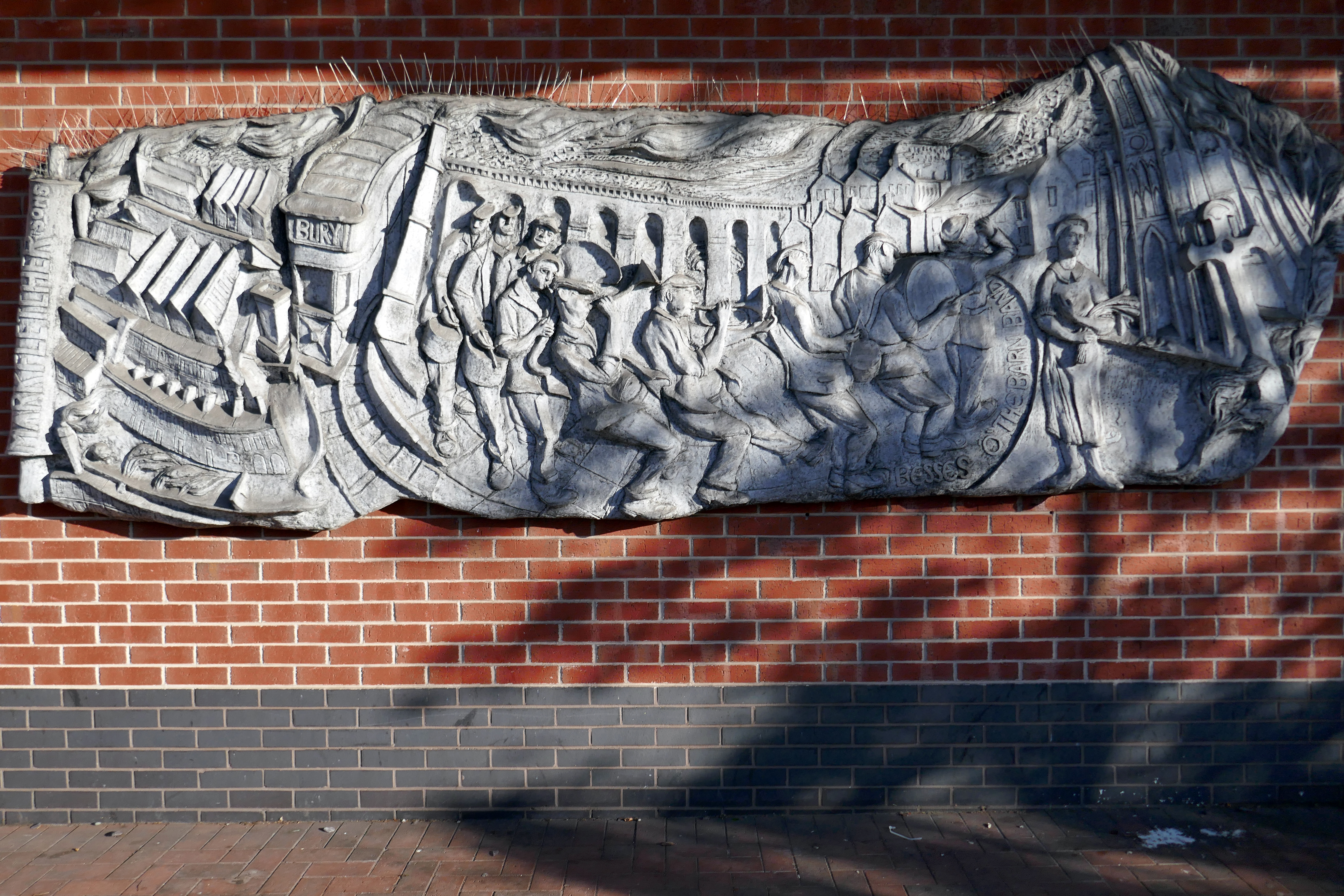
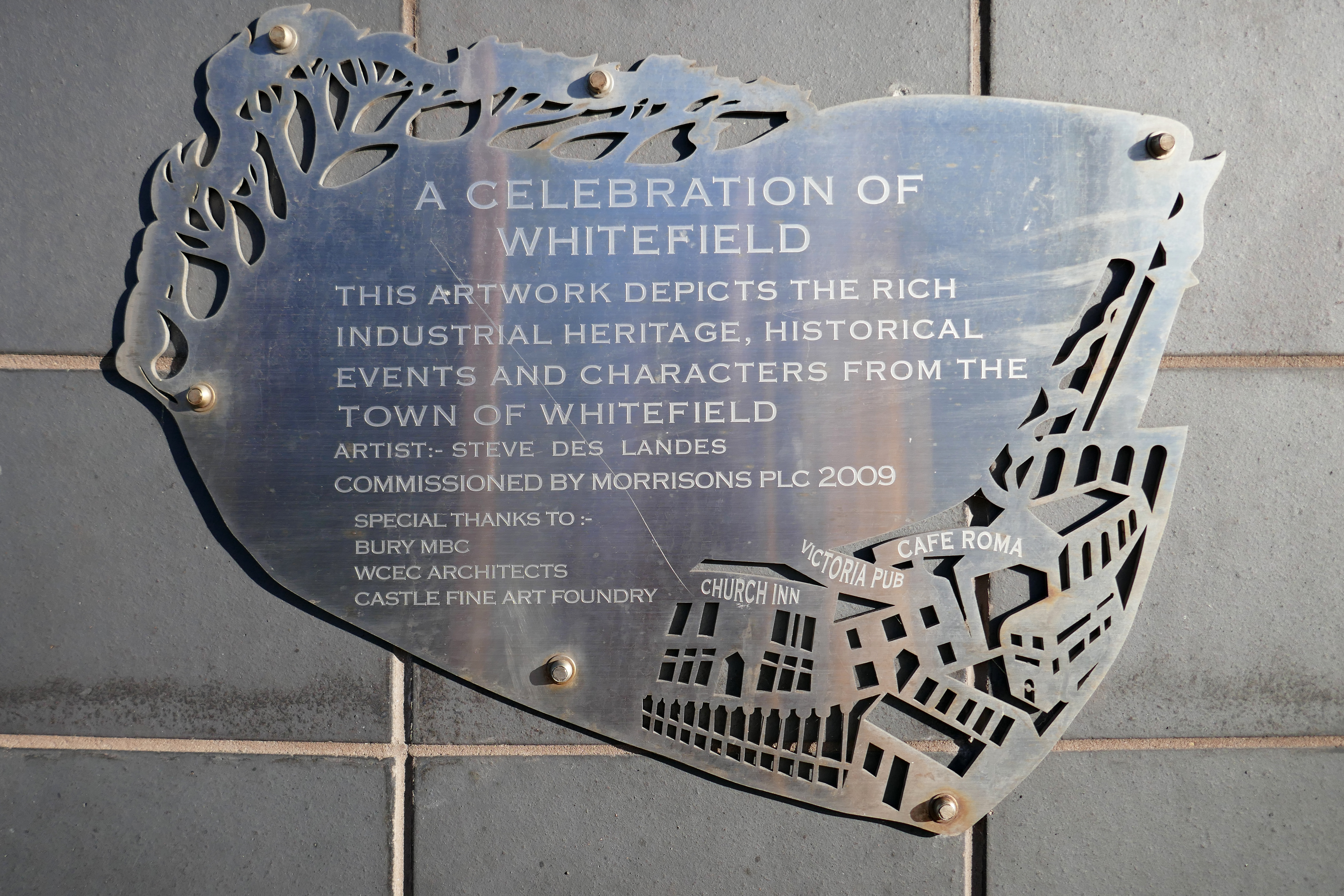
Morrison’s – a Celebration of Whitefield relief Steve des Landes 2009.

5 Stanley Road Whitefield Manchester M45 8QH

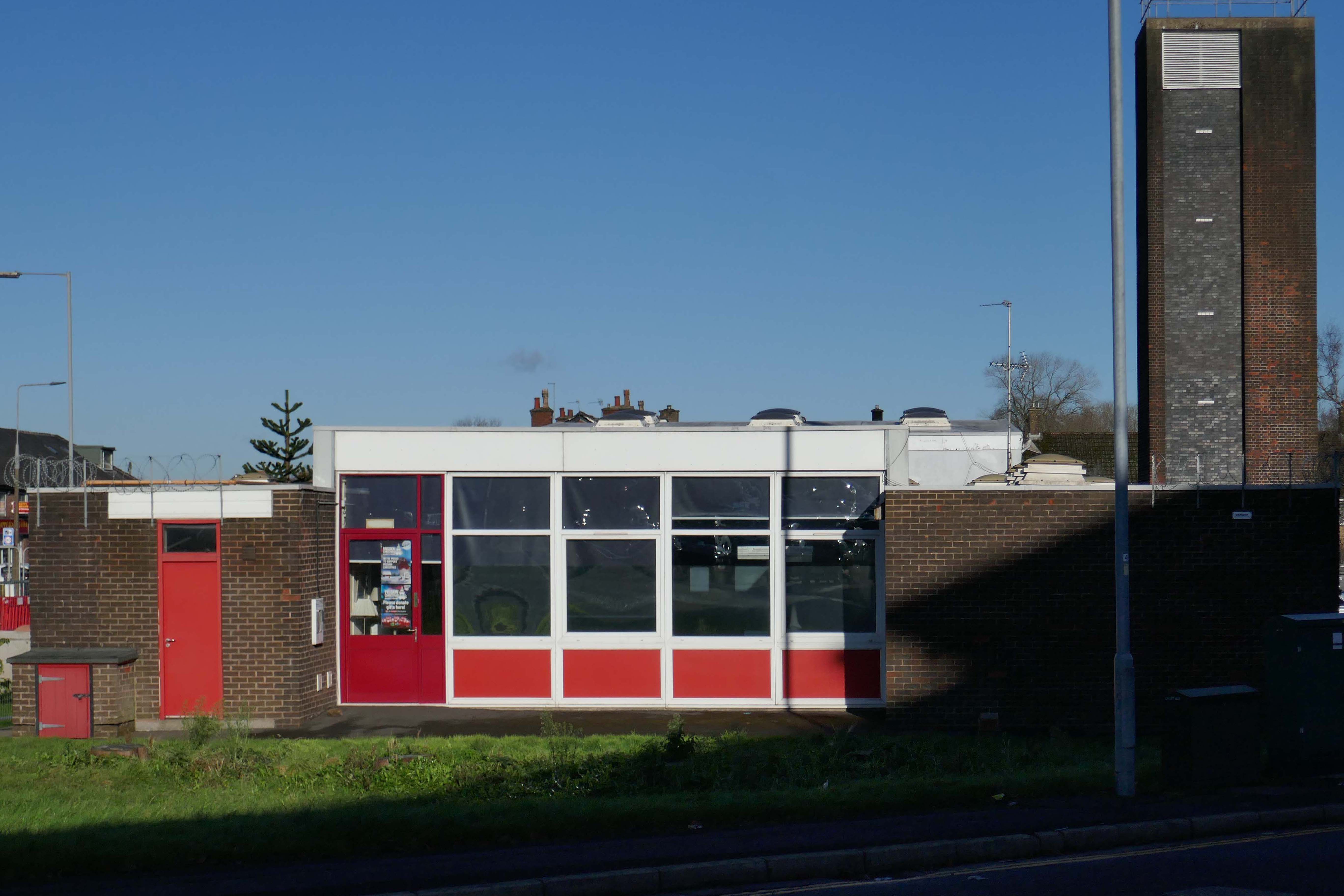
Community Fire Station

Bury New Rd, Unsworth, Manchester M45 7SY

Radcliffe

Turn left out of the station onto Church Street West turn right toward the town centre.

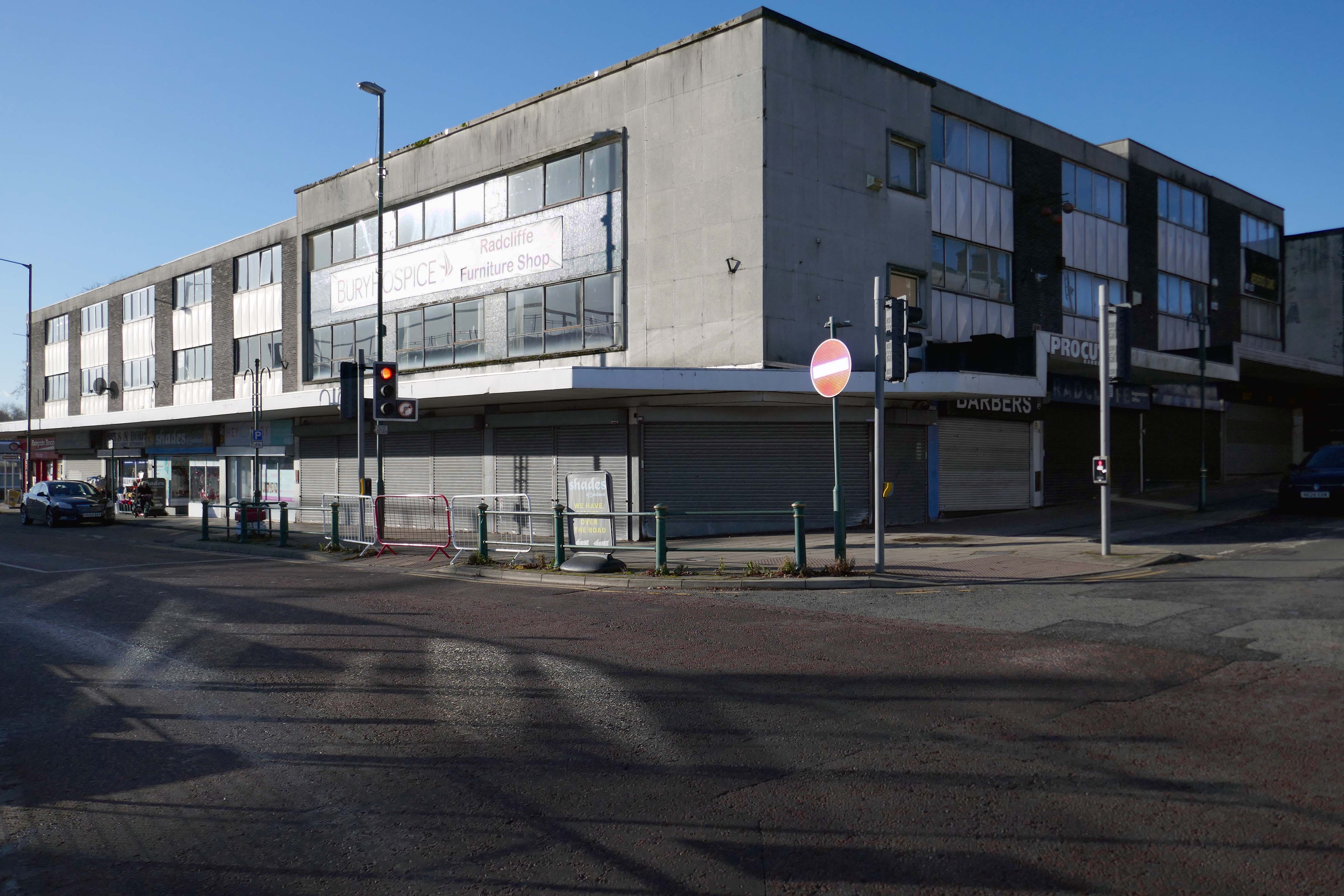
Shopping Block

Corner of Dale Street and Blackburn Street.

Former Post now Delivery Office

St Thomas Estate

By Wilson and Womersley 1968, the project architect was John Sheard.

New-towny, dense low-rise housing irregularly grouped around and over pedestrian access paths.

Pevsner 1996/2004

The Strategic Regeneration Framework is the guide that is shaping the direction of Radcliffe’s growth over the next 15 years with a series of realistic short, medium, and longer-term actions. It is also shaping the direction of future council investment, supporting bids for central governmental funding and providing certainty for third parties wanting to invest in town.

Work has begun on Strategic Regeneration Framework’s priority projects, these include:

  • A new civic hub in central Radcliffe, which will bring together a mix of functions at the heart of the town
  • Refurbishment of the market basement and the revamping of market chambers
  • New leisure facilities
  • A secondary school on the Coney Green site
  • A “whole town approach” to housing, bringing forward a comprehensive approach to residential development in Radcliffe
  • A transportation strategy, which will consider matters such as active travel and car parking

Bury Council

Bury

We undertook a Bury Walk for the first time in 2024

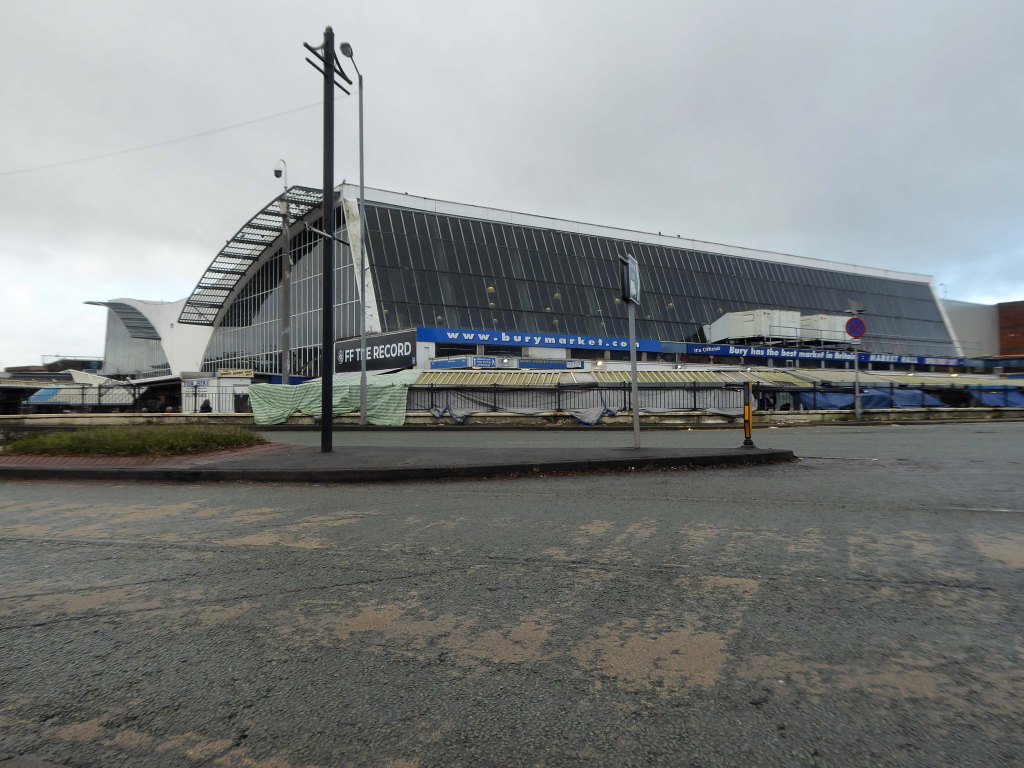
Arriving at and looking around the Interchange – 1980 architects: Essex Goodman & Suggitt

A view of the Market Hall 1971 – architects: Harry S Fairhurst.

Unitarian Church.

The new church was designed and constructed by local architects James T Ratcliffe.

That’s the end of the line.