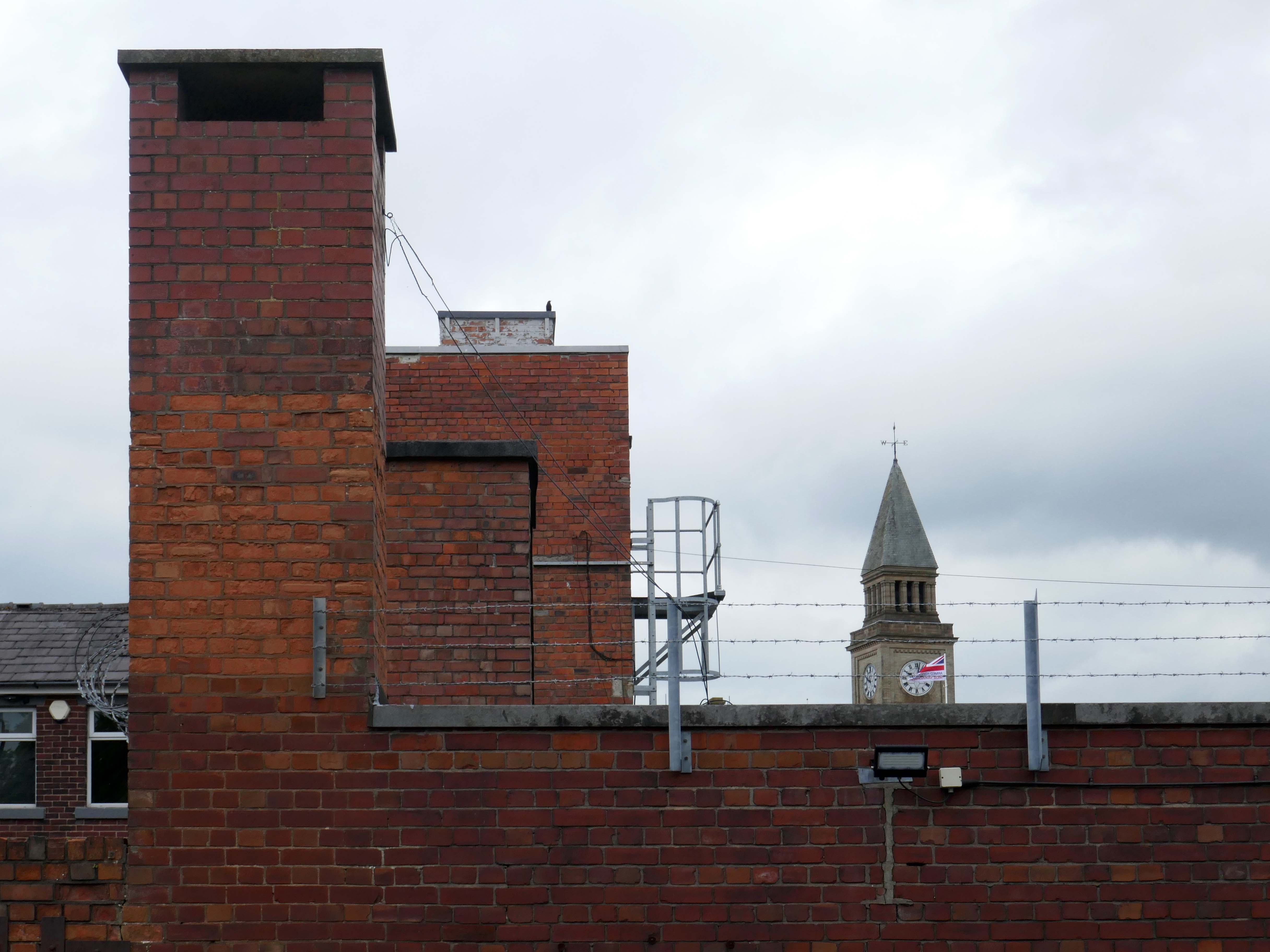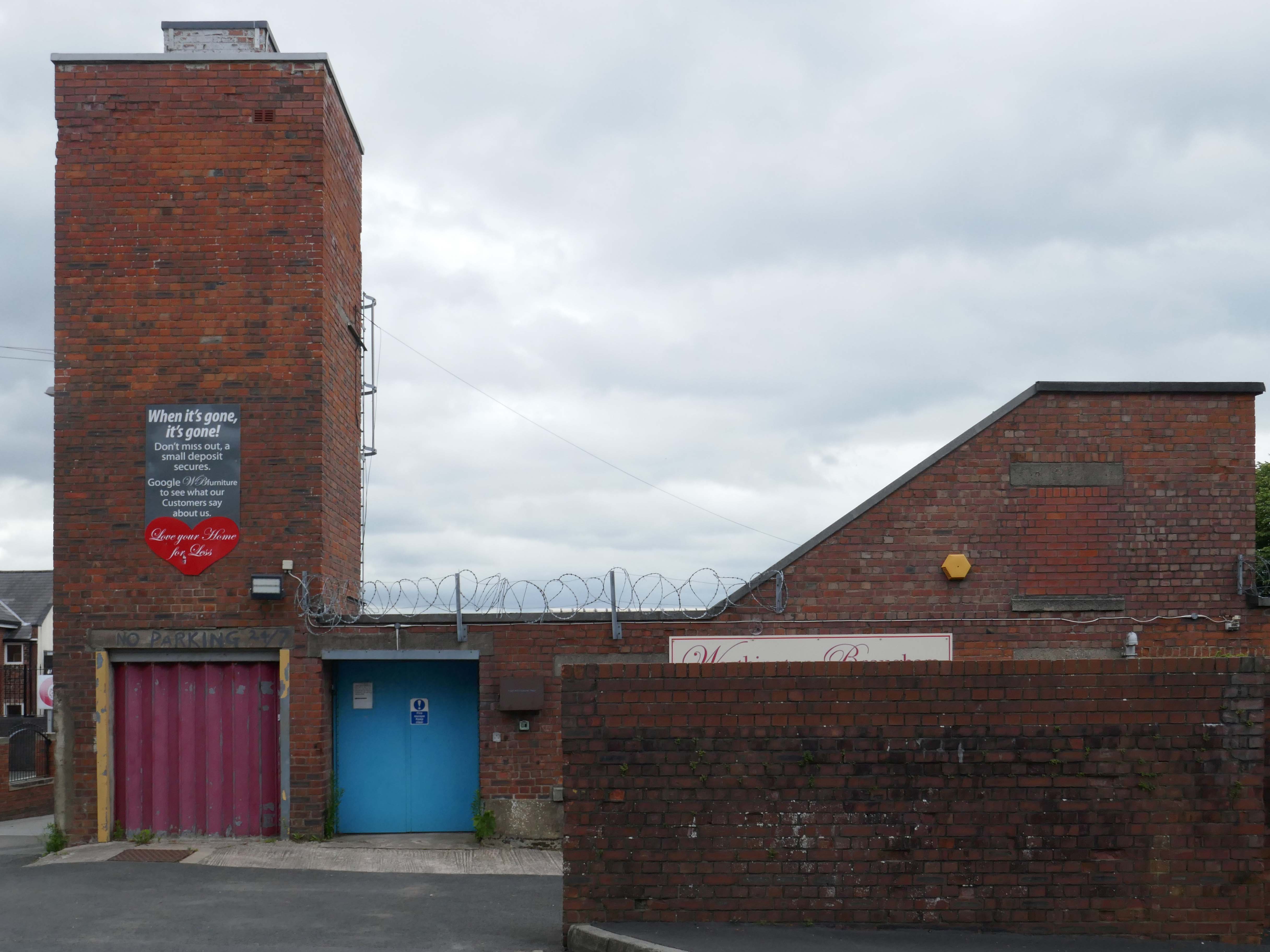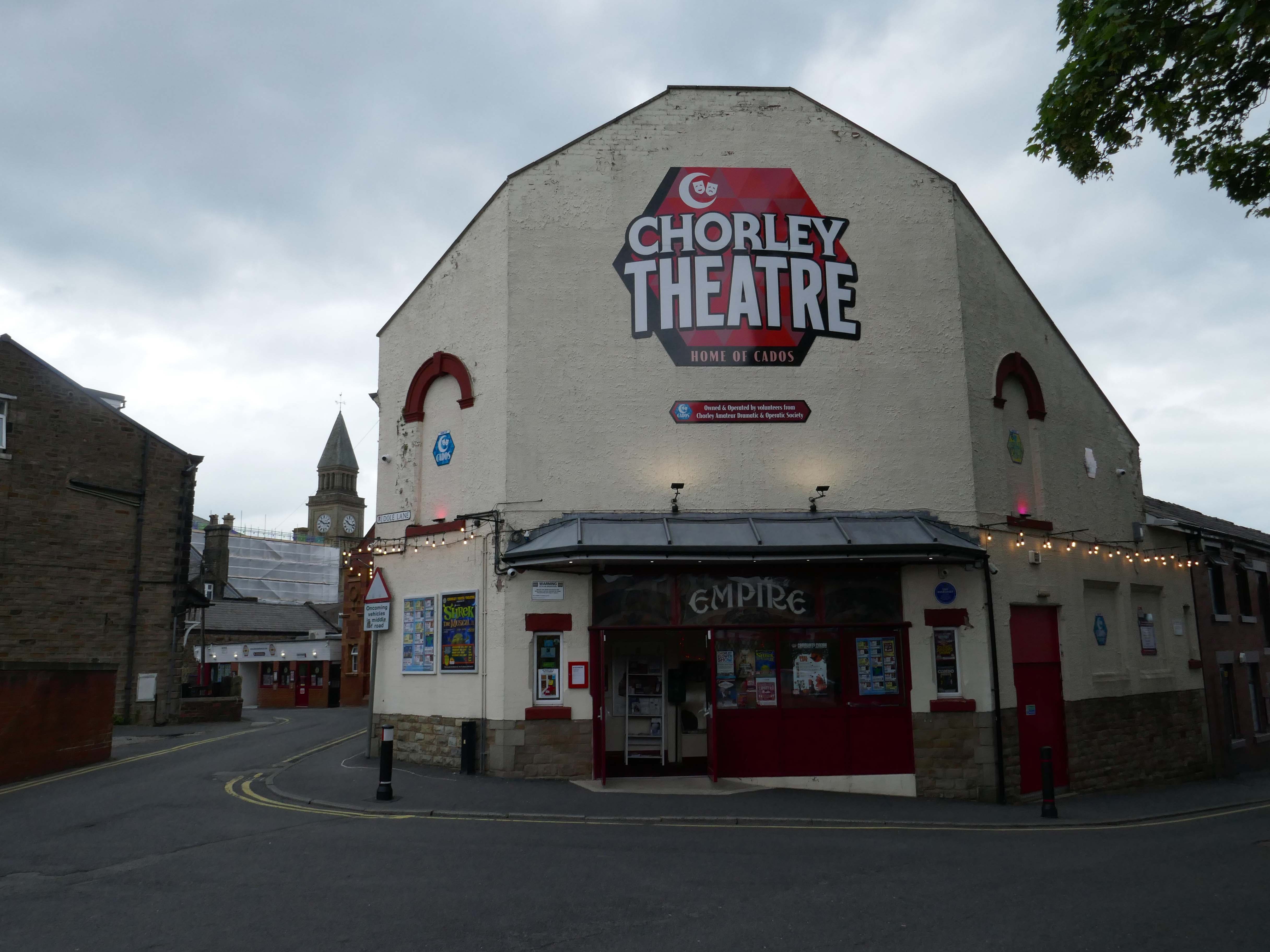
Wigan Walk – 2026

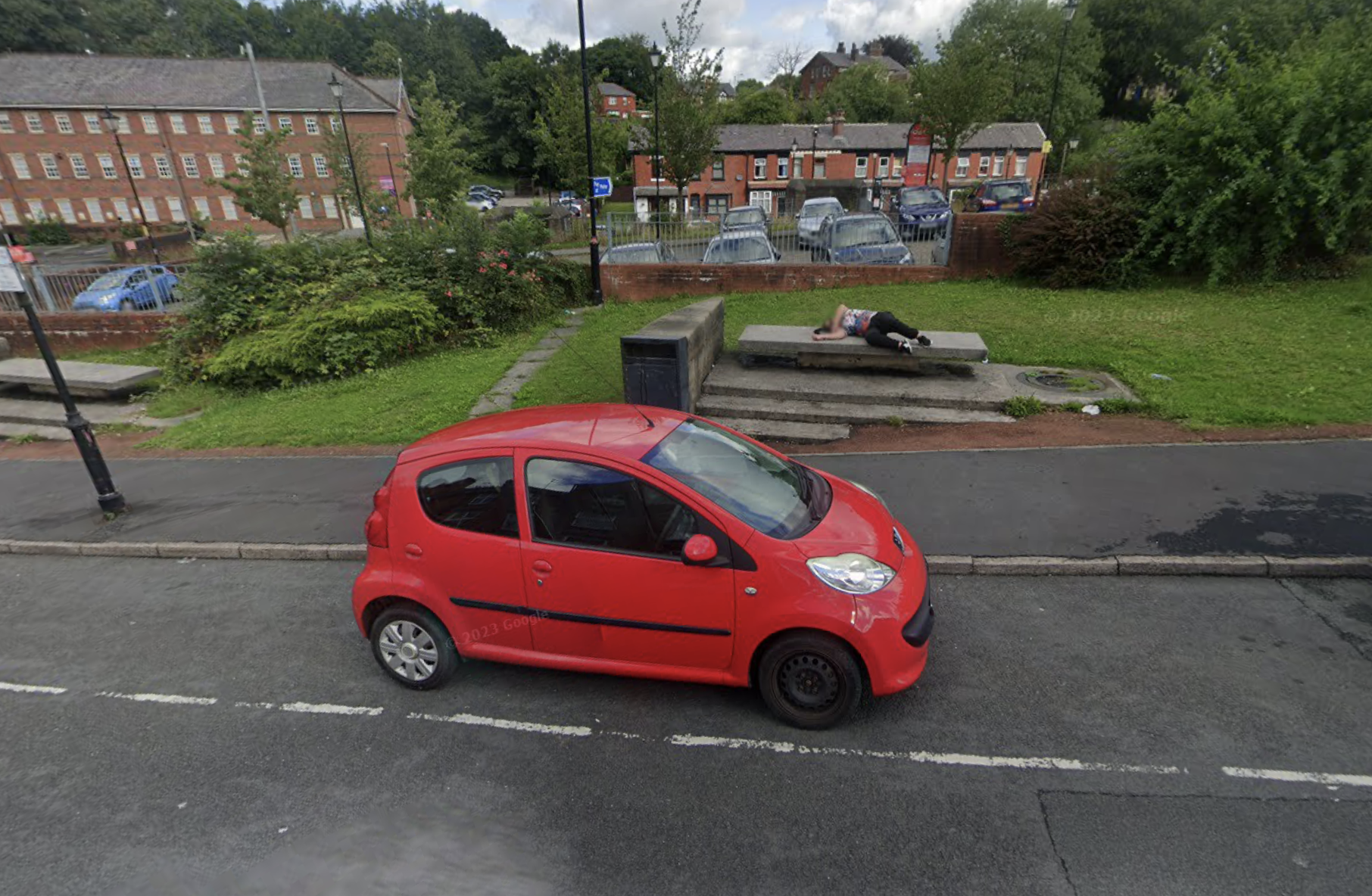
It’s been four years since our 2022 Wigan Walk – so time to see if there has been a refreshing change.

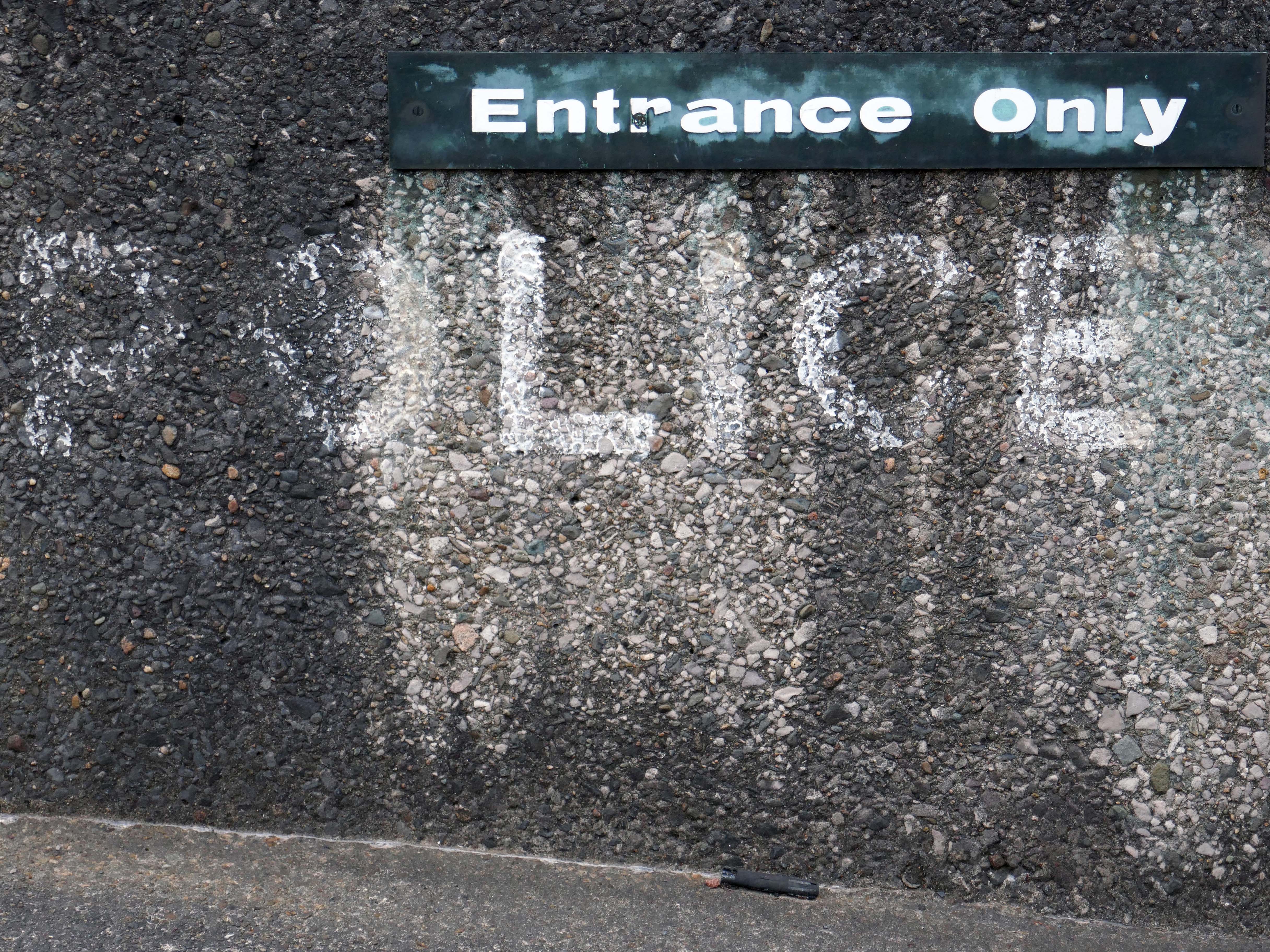
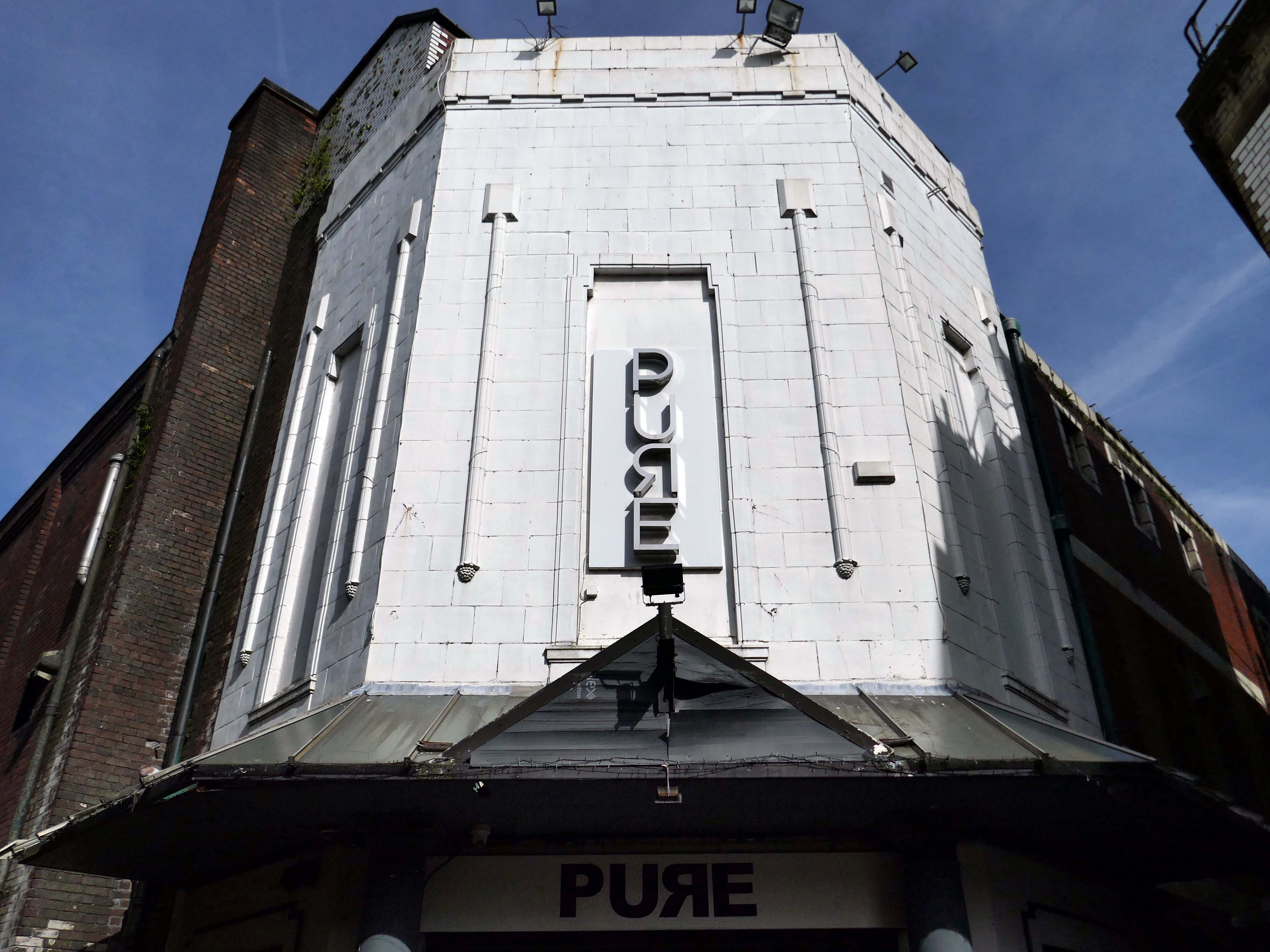
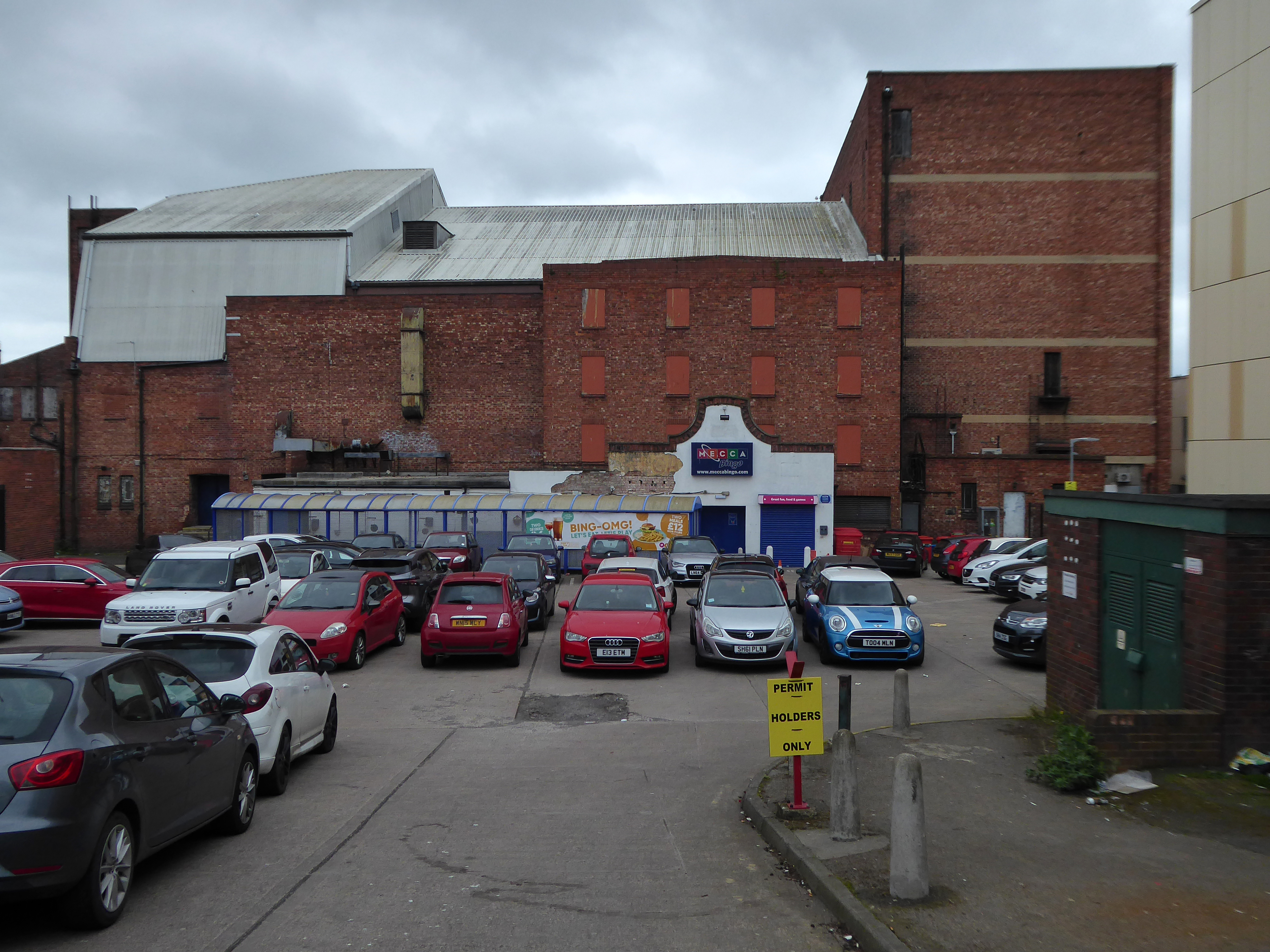
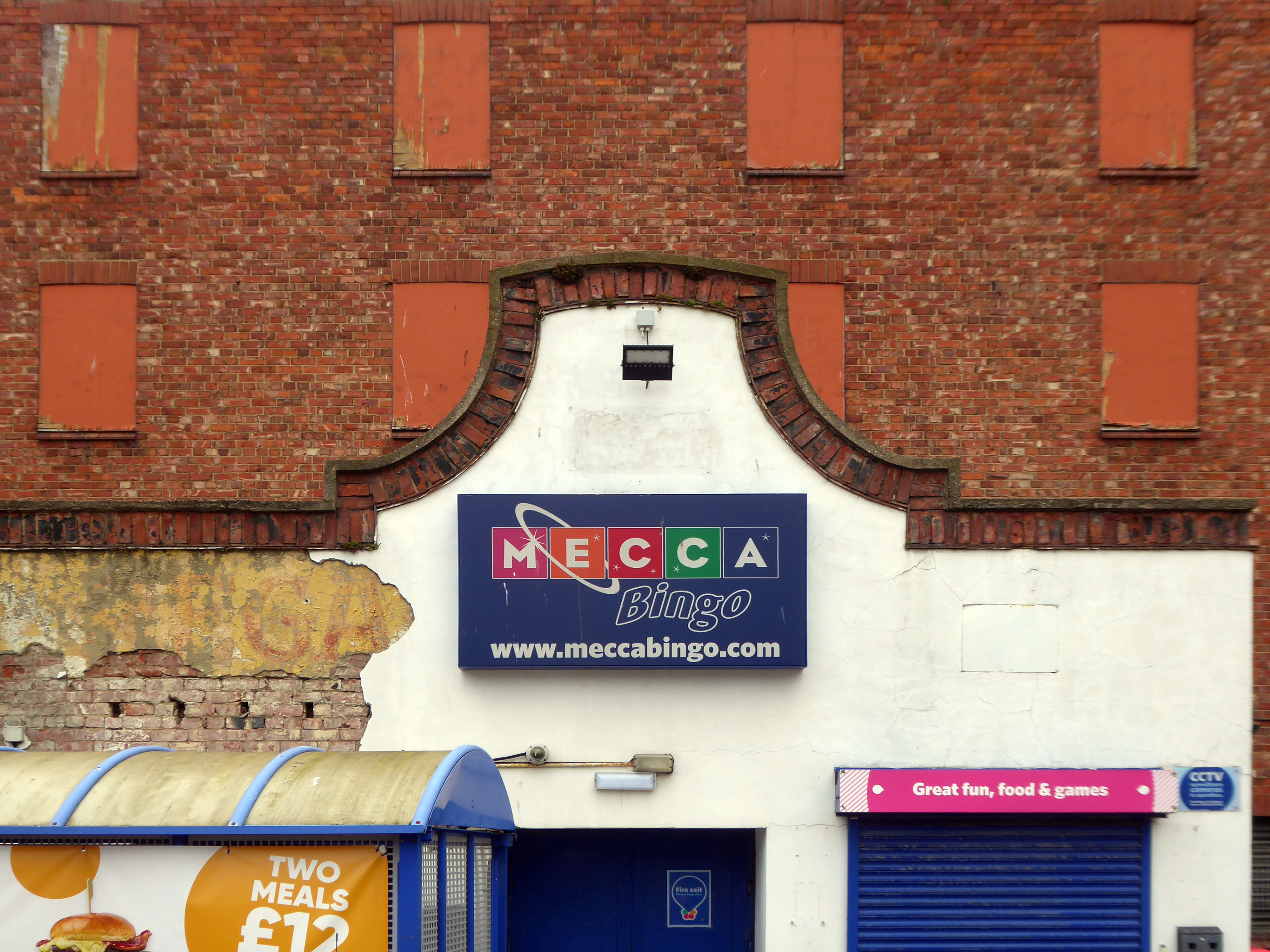
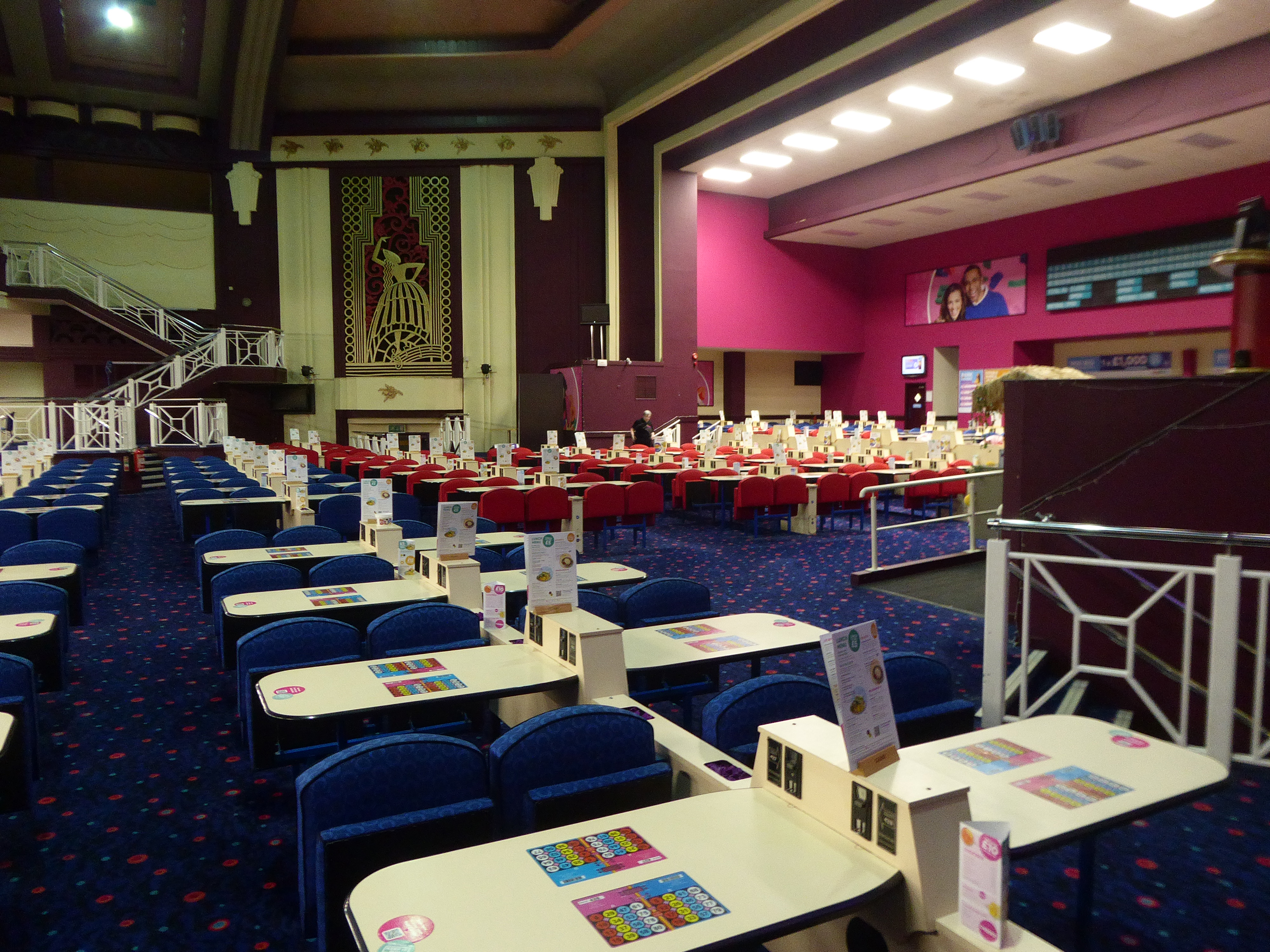
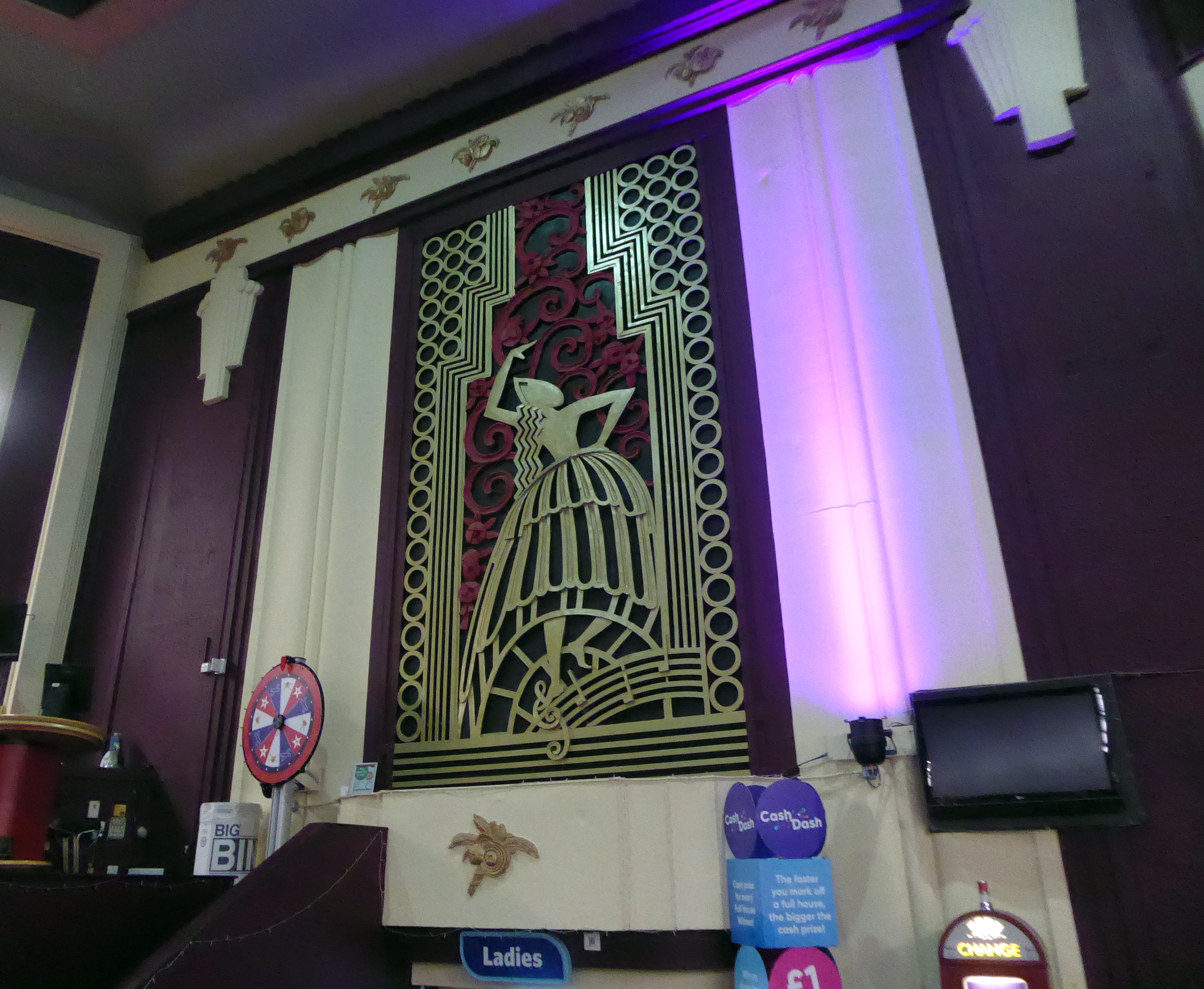
Beginning with a trip to the former flicks, the Princes Cinema now trading as Pure nightclub, sometimes home to Singo Bingo.

Originally the site of New Princes Theatre, opened on the 1st May 1911, the cinema was demolished and replaced, on an adjacent plot, by Princes Cinema in 1933.

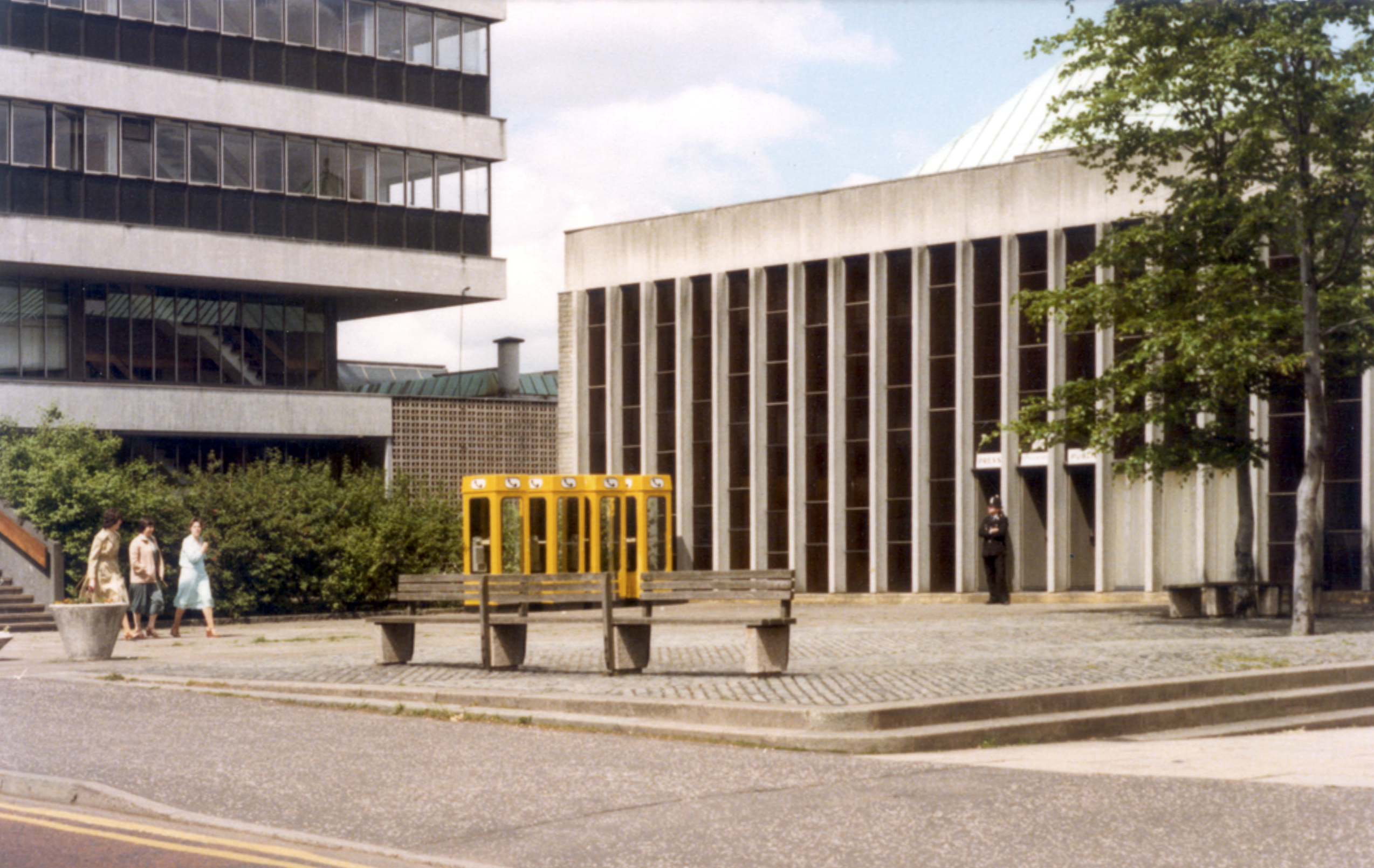
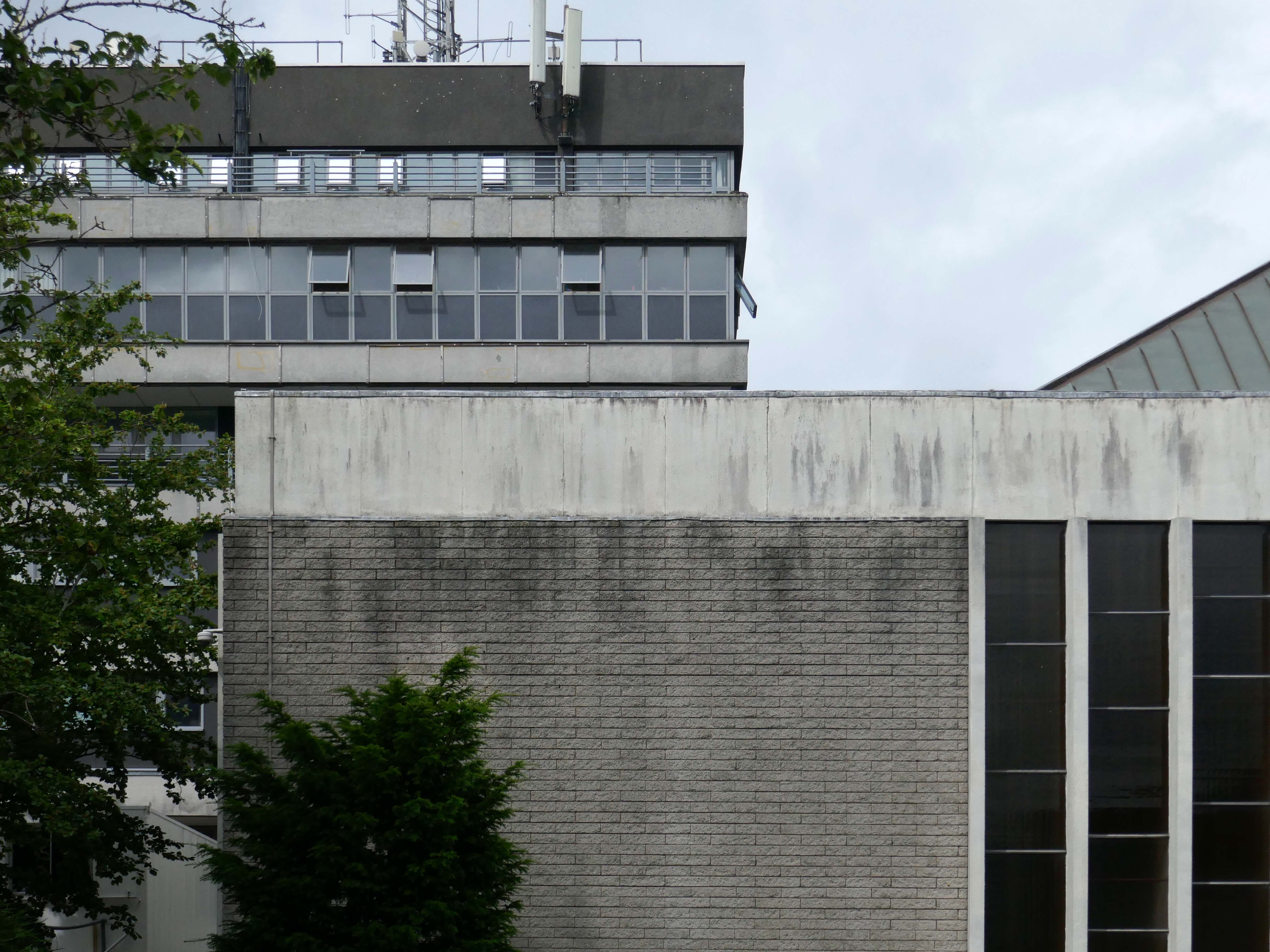
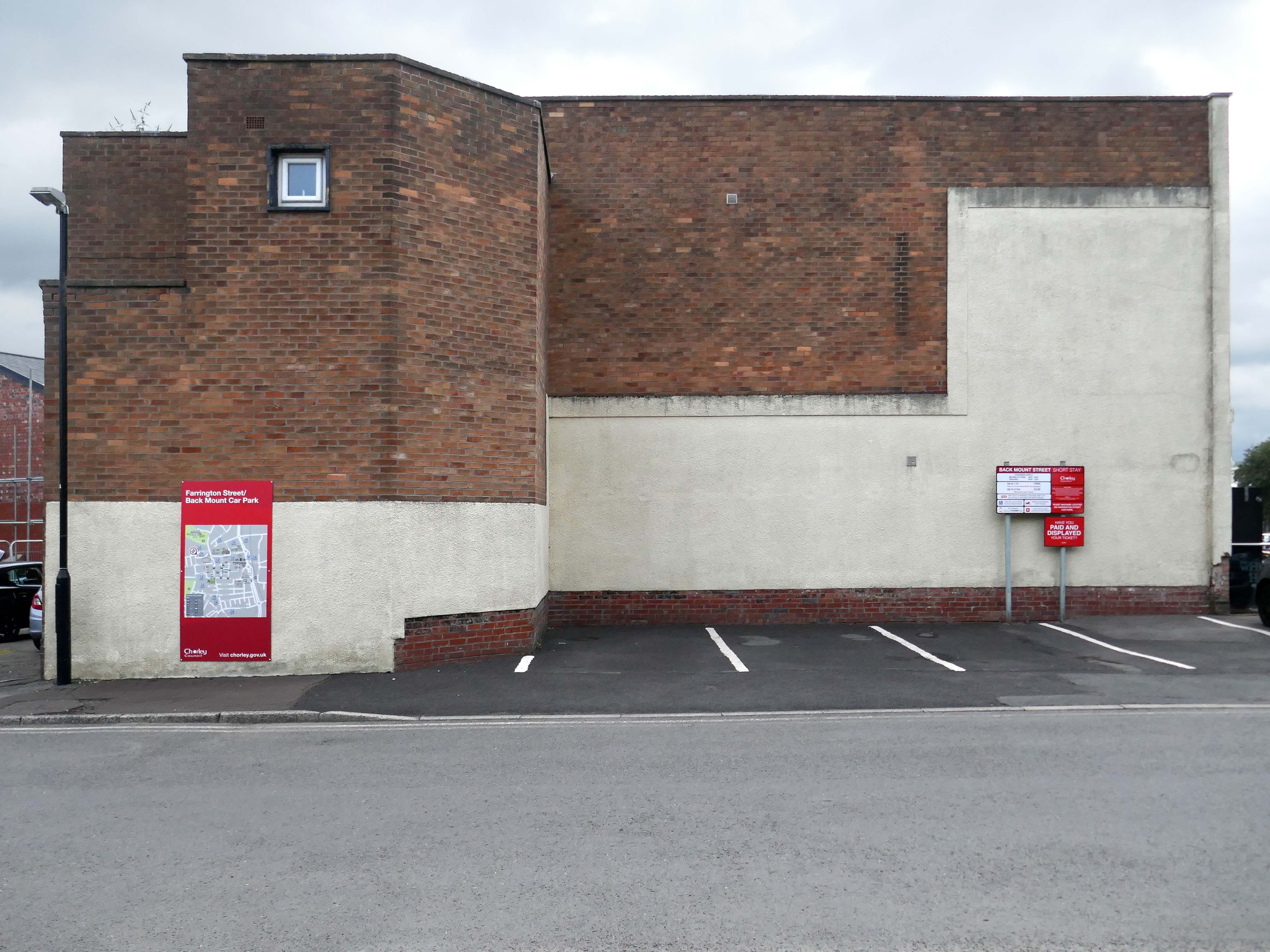
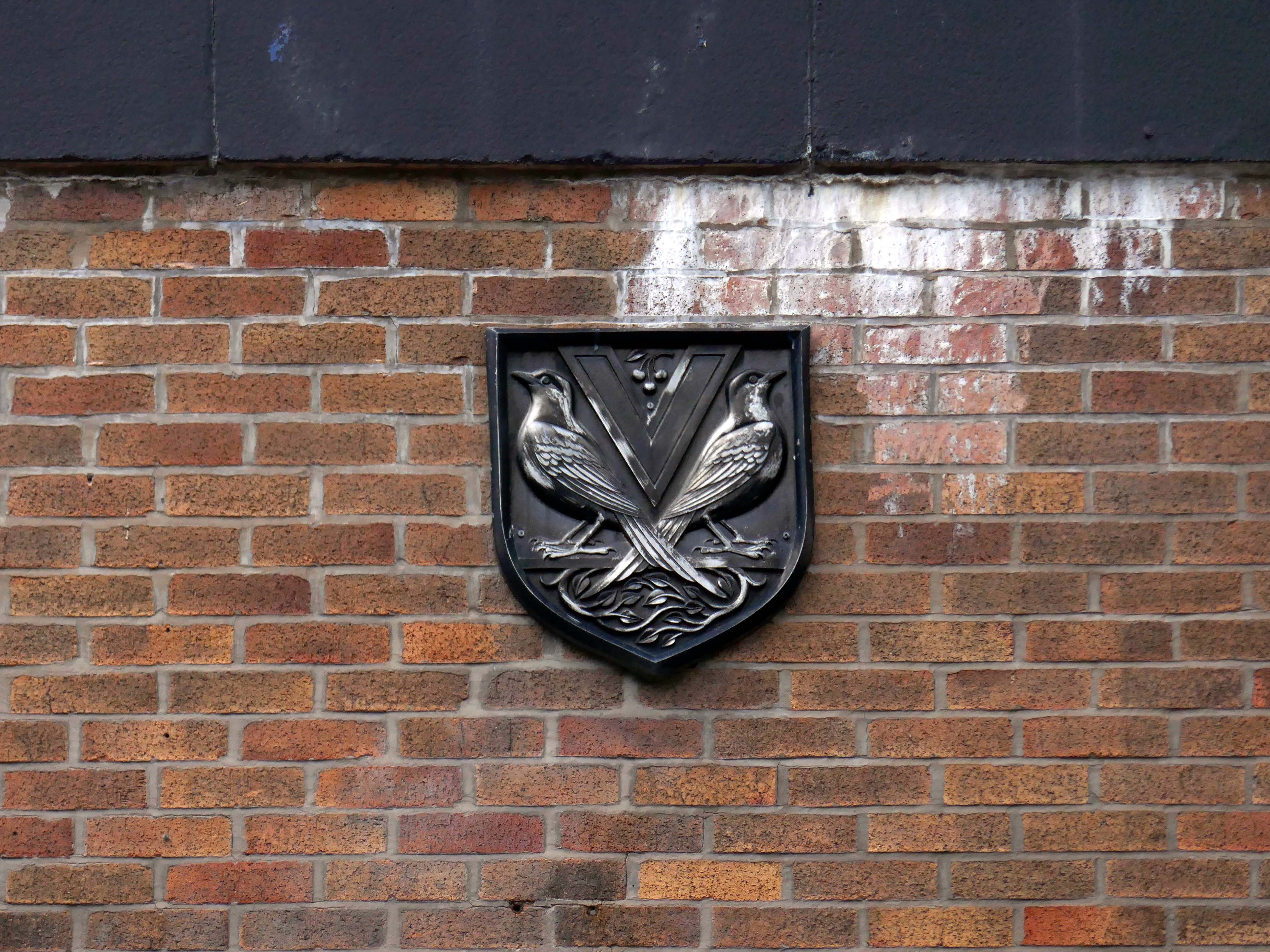
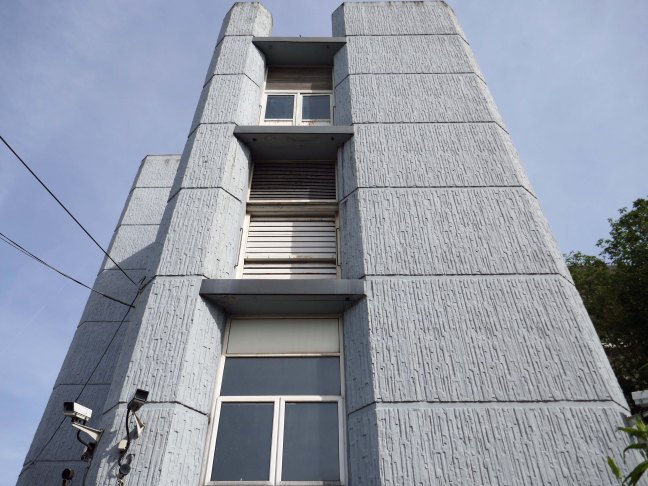
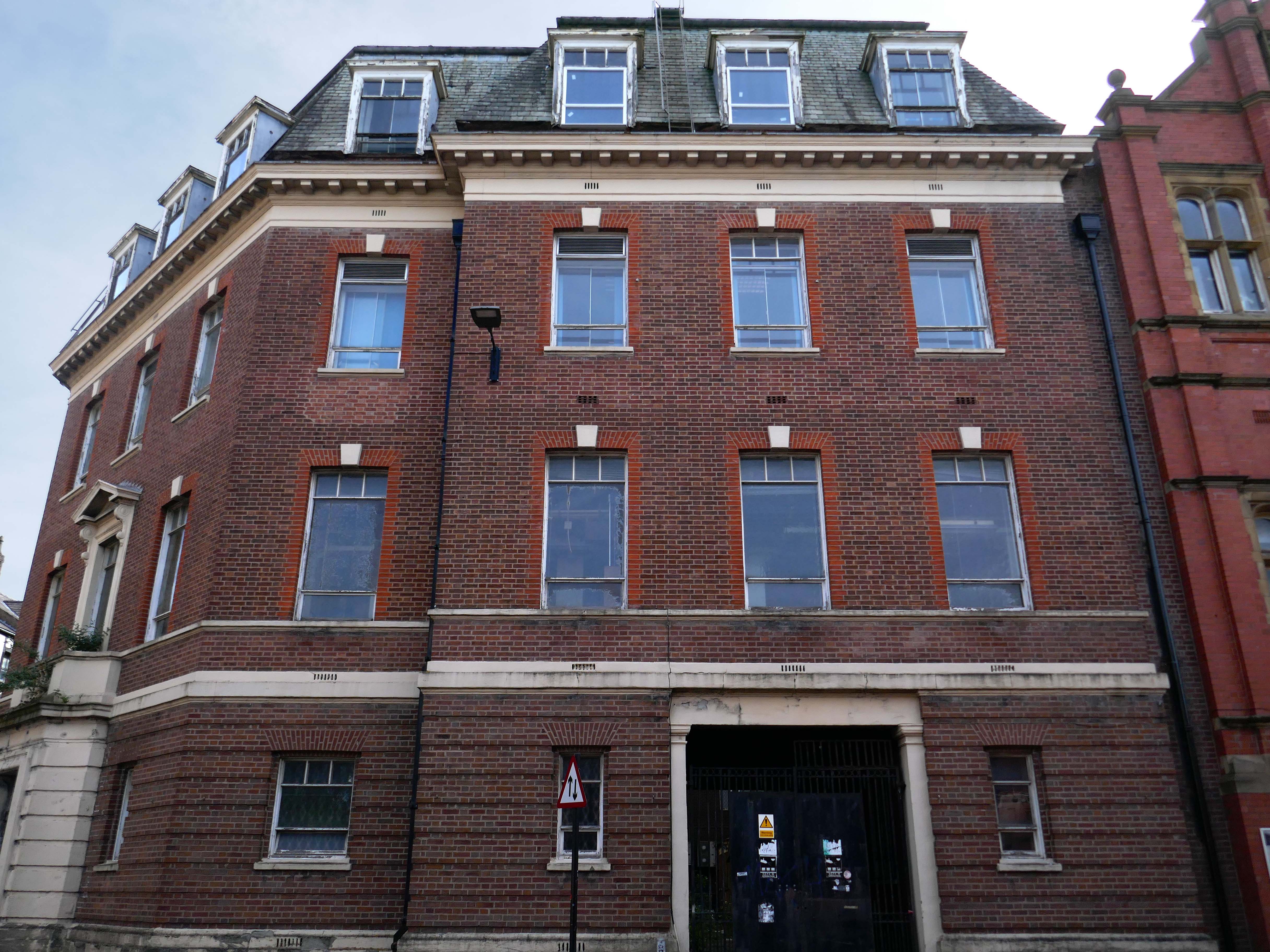
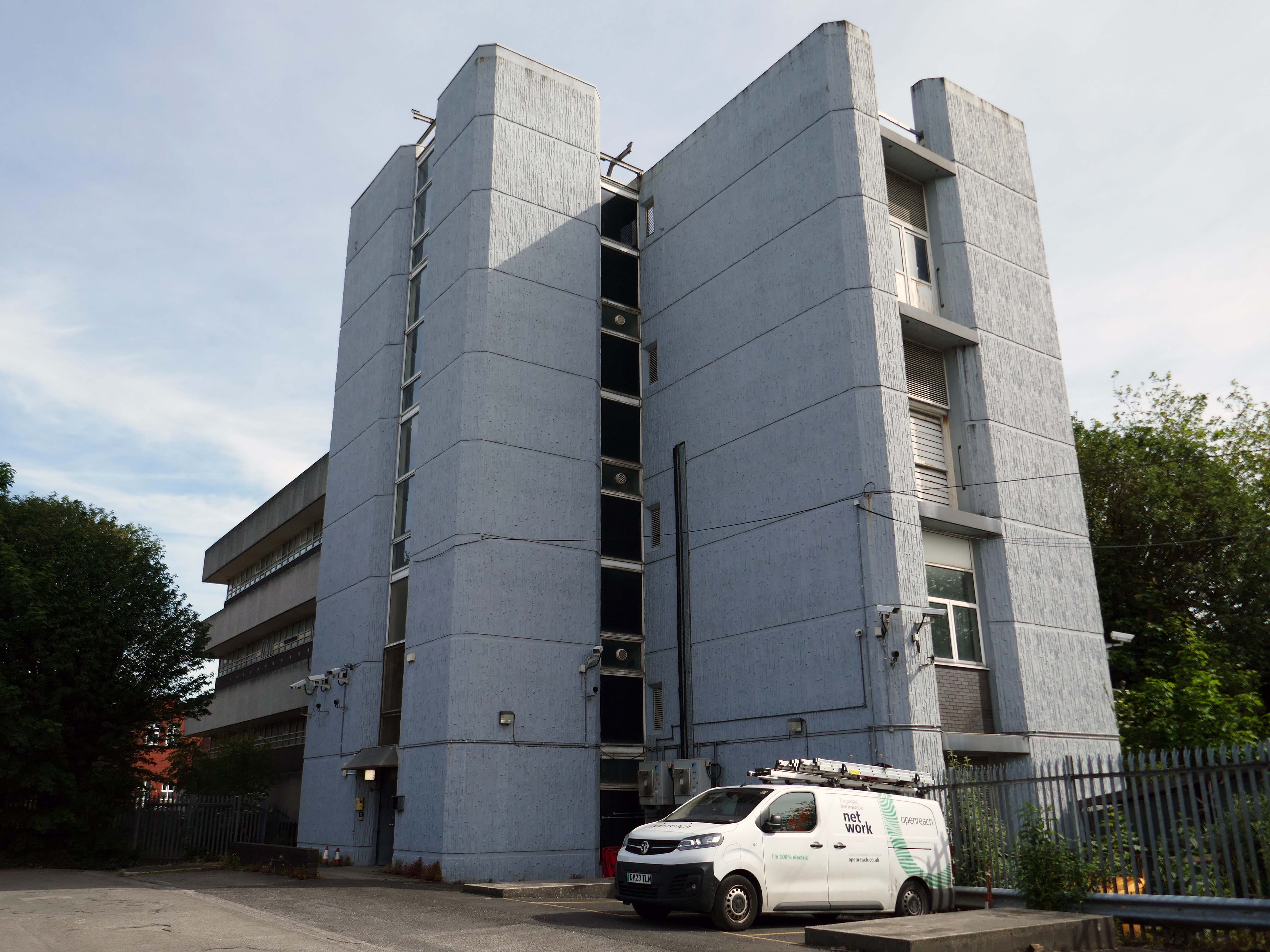
Onward now to see the three Telephone Exchanges.

Interwar

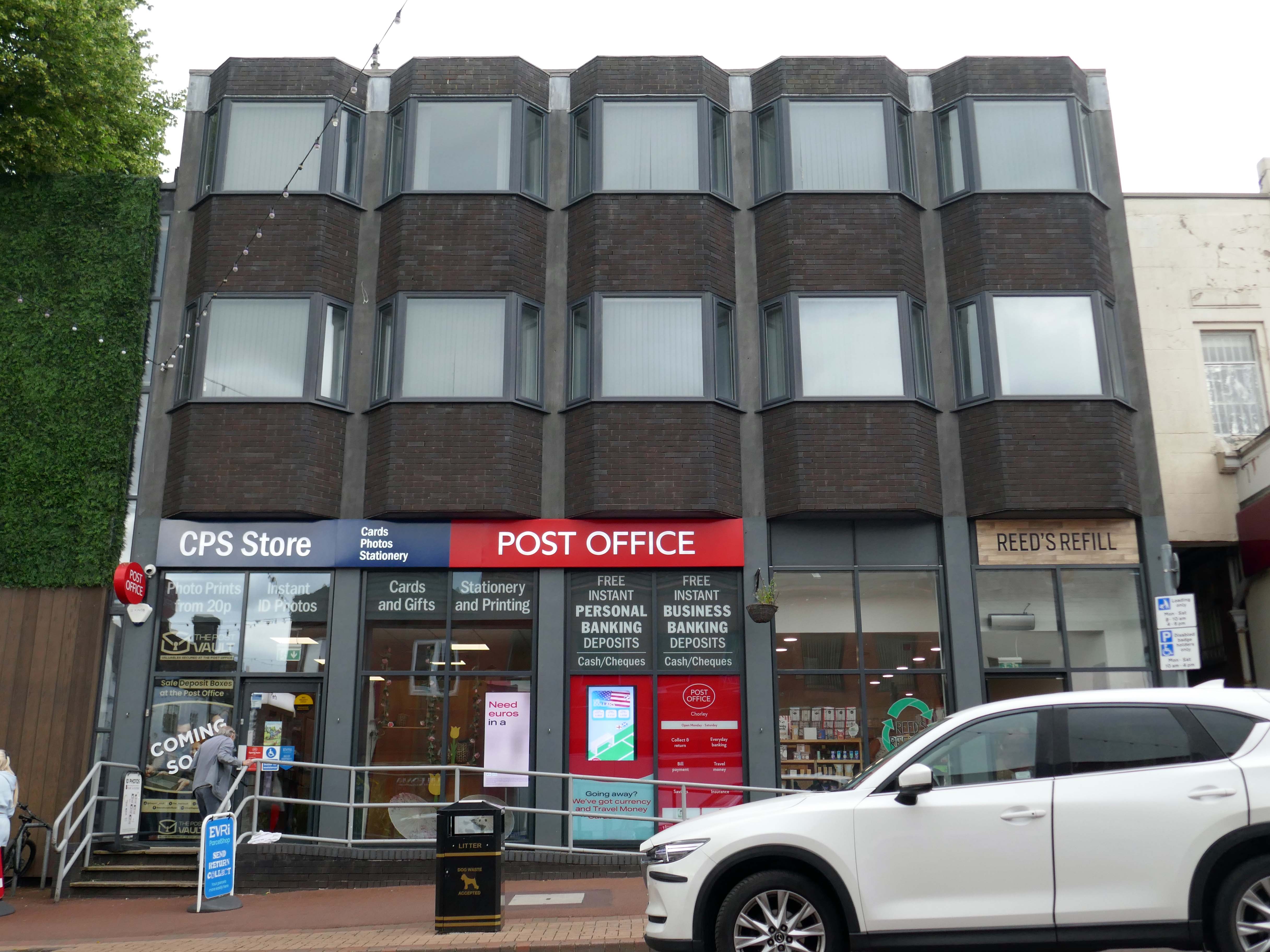
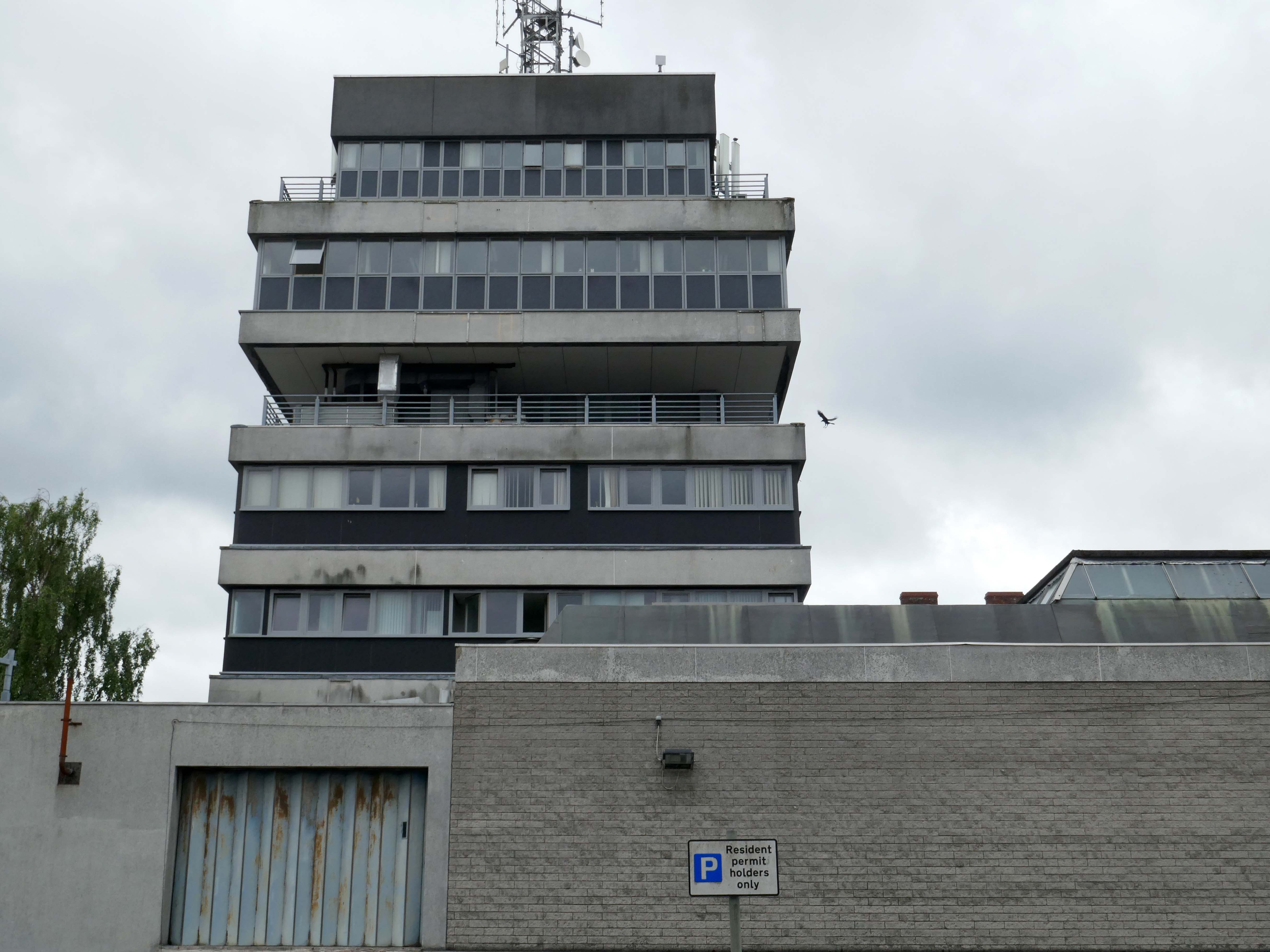
Sixties

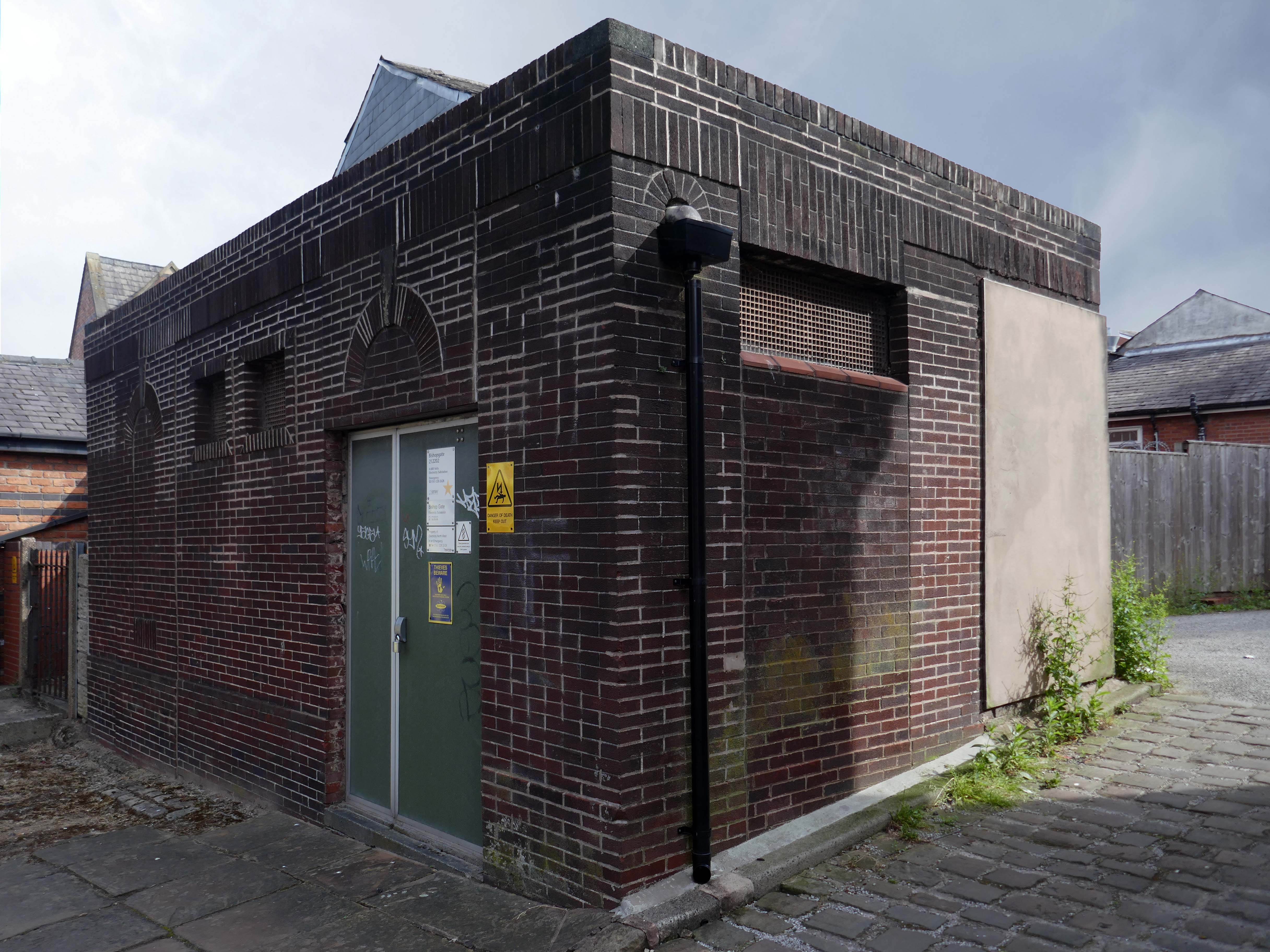
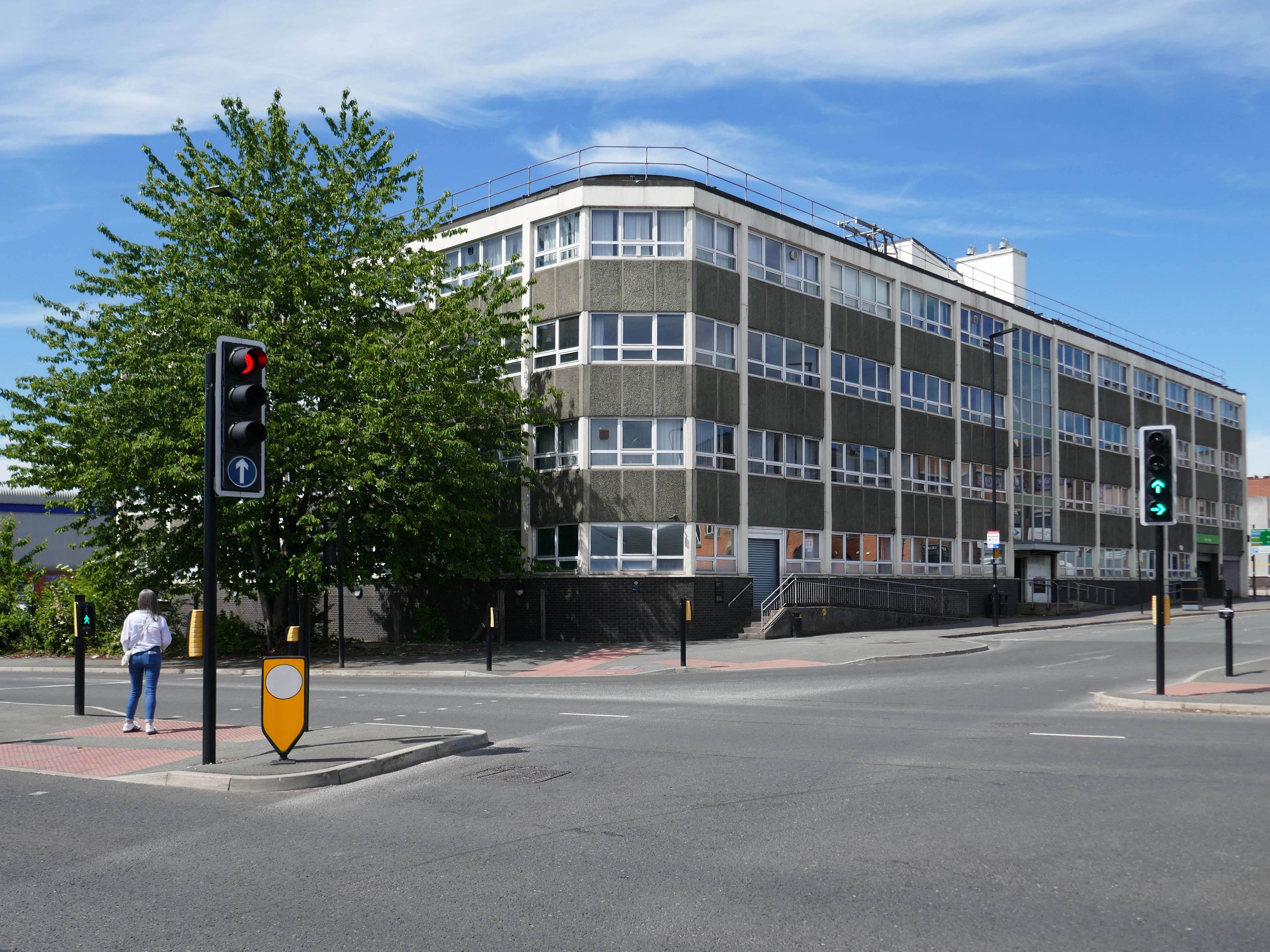
Ofd special note the adjacent Electrical Substation of the day.

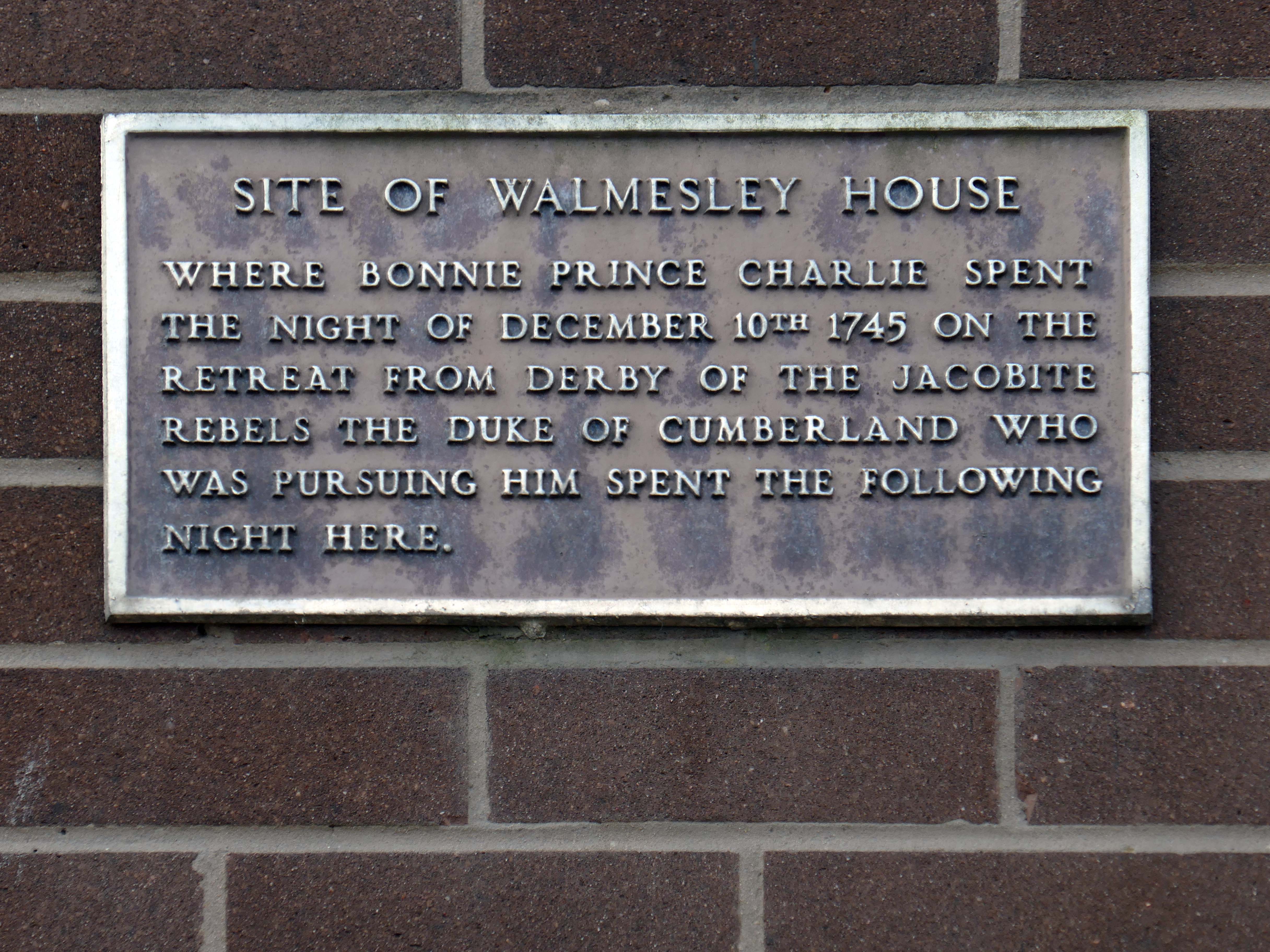
Plus extra added military history.

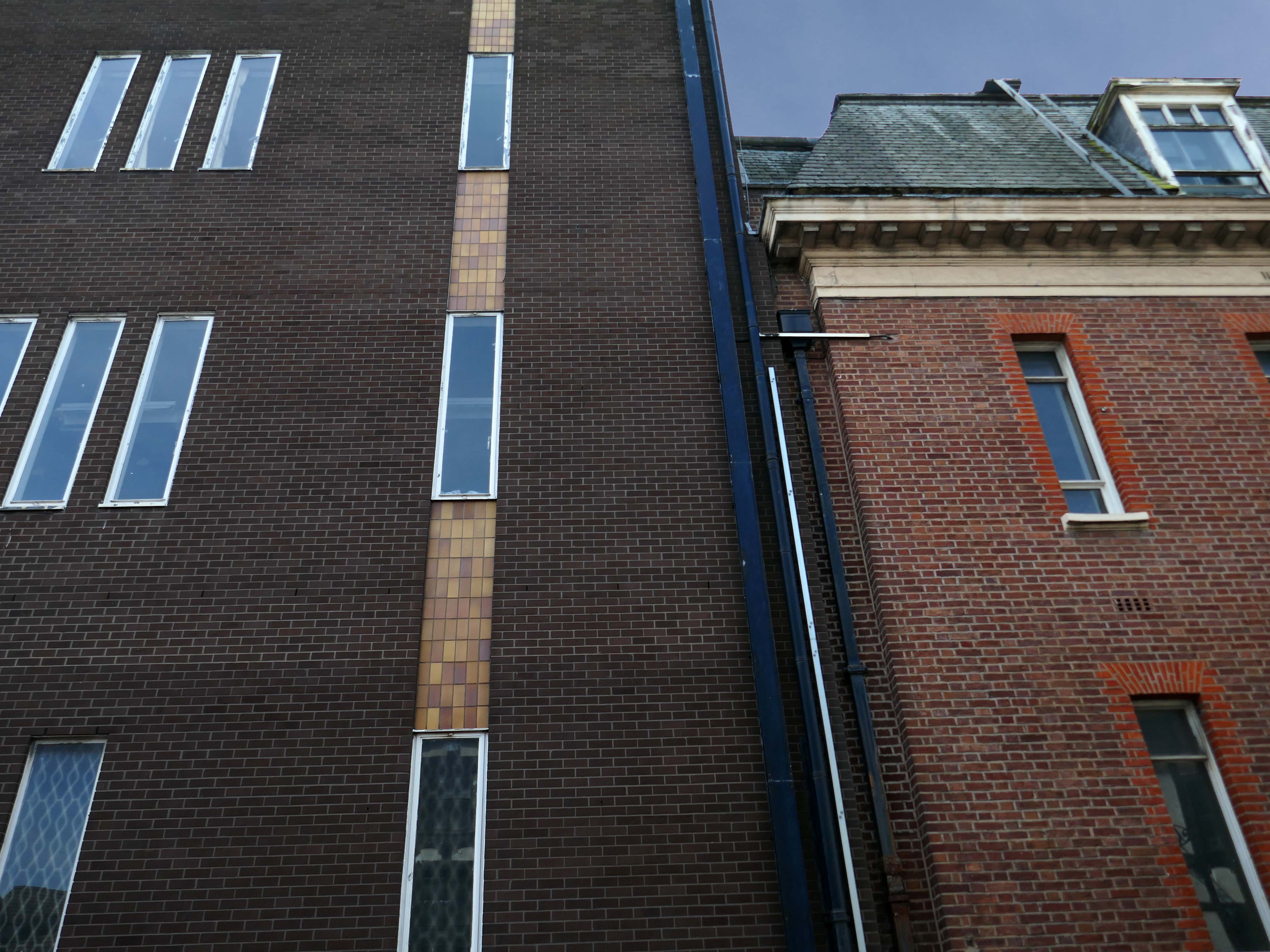
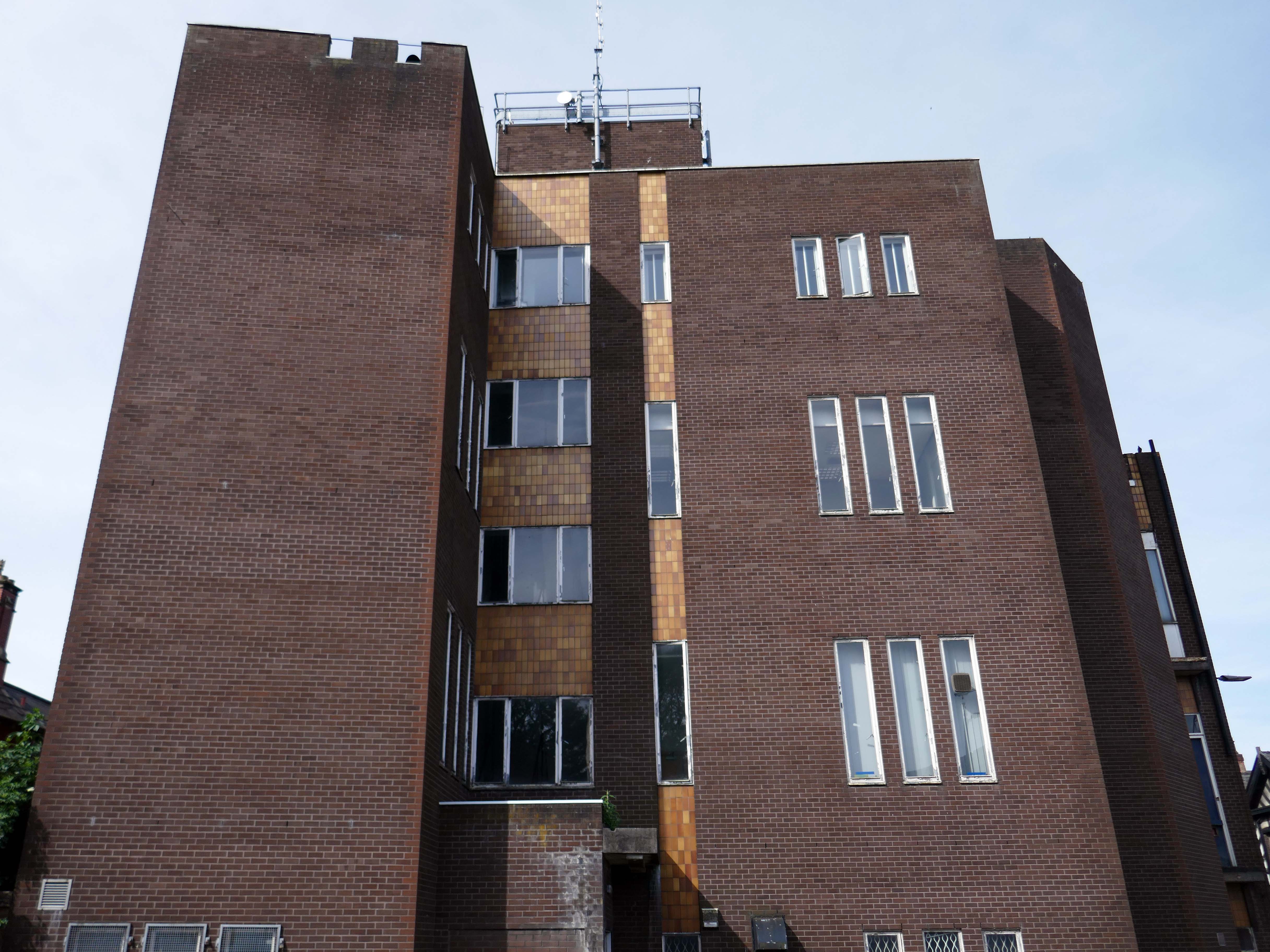
Seventies

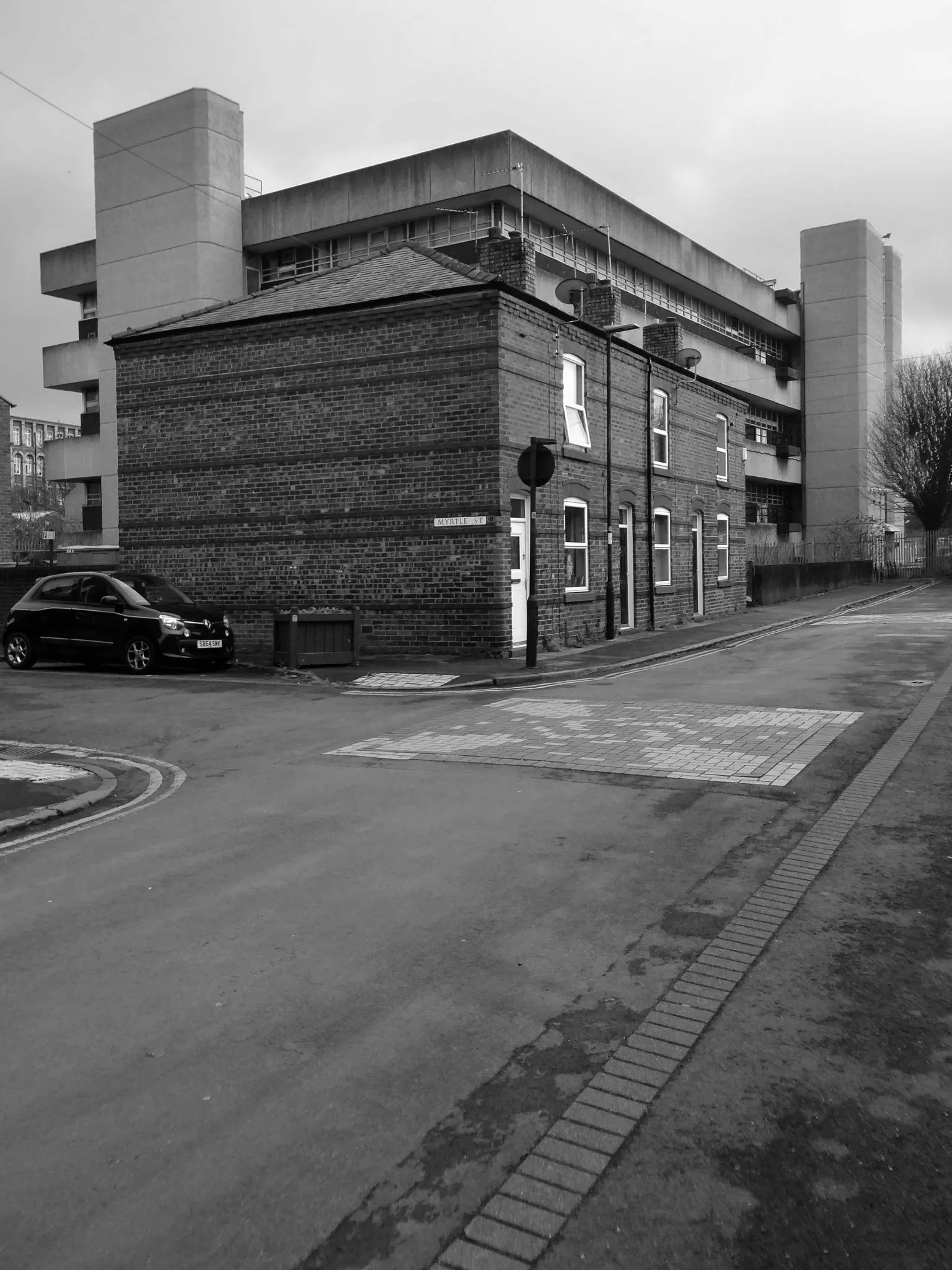
Tucked in behind the Telephone Exchange are several streets of Edwardian social housing – the Spring Gardens Scheme of 1905.

The property is practically paying its way, and all the present generation has to find is a small sum of ninety odd pounds for sinking funds. For this we get fifty-nine families decently housed, the rateable value of the town increased, a slum abolished, an eyesore removed, the health of the inhabitants remarkably improved, their environment made clean, refined, and elevating, whilst our successors in 1959 will inherit an unencumbered estate.

Municipal Dreams

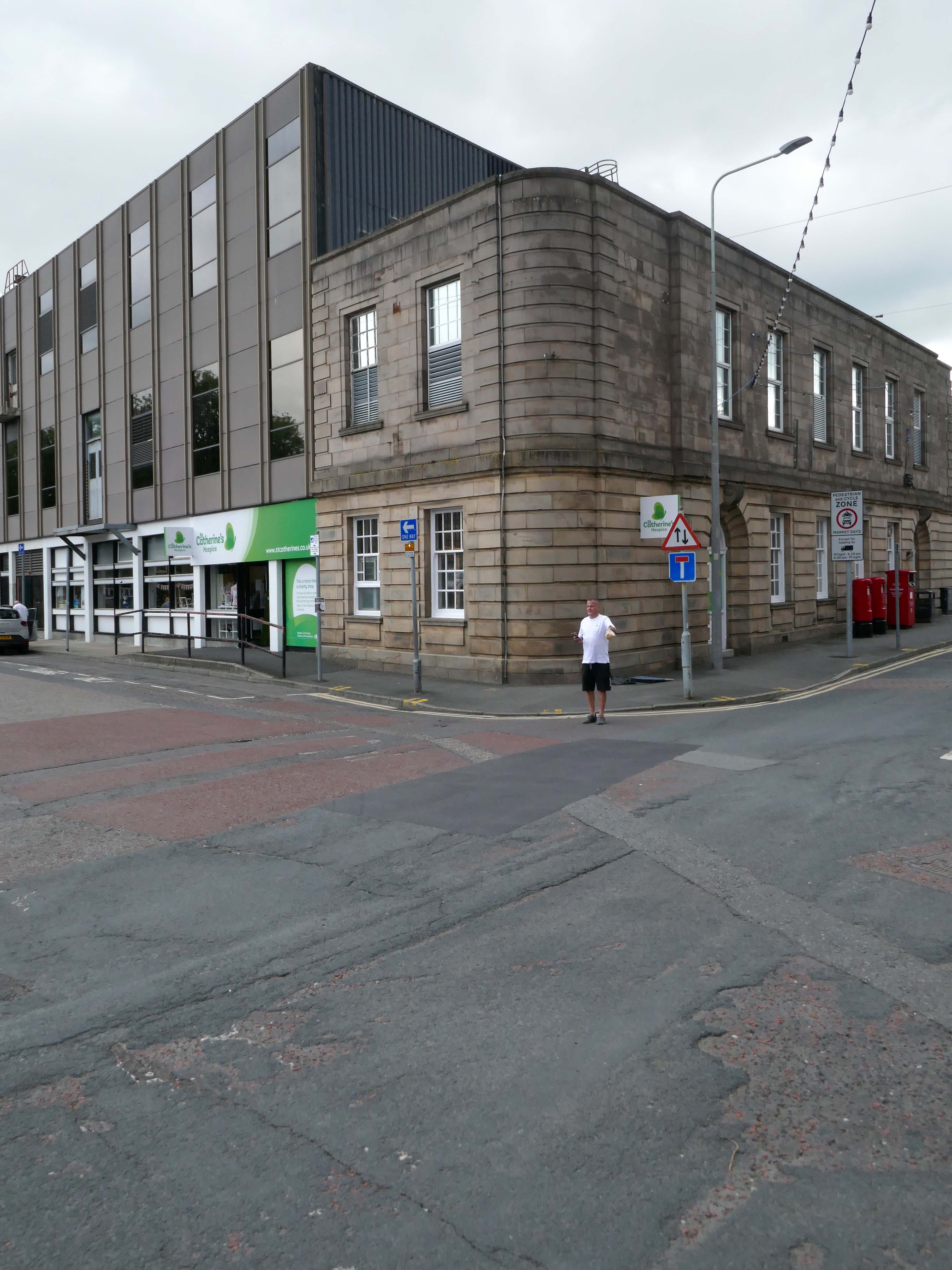
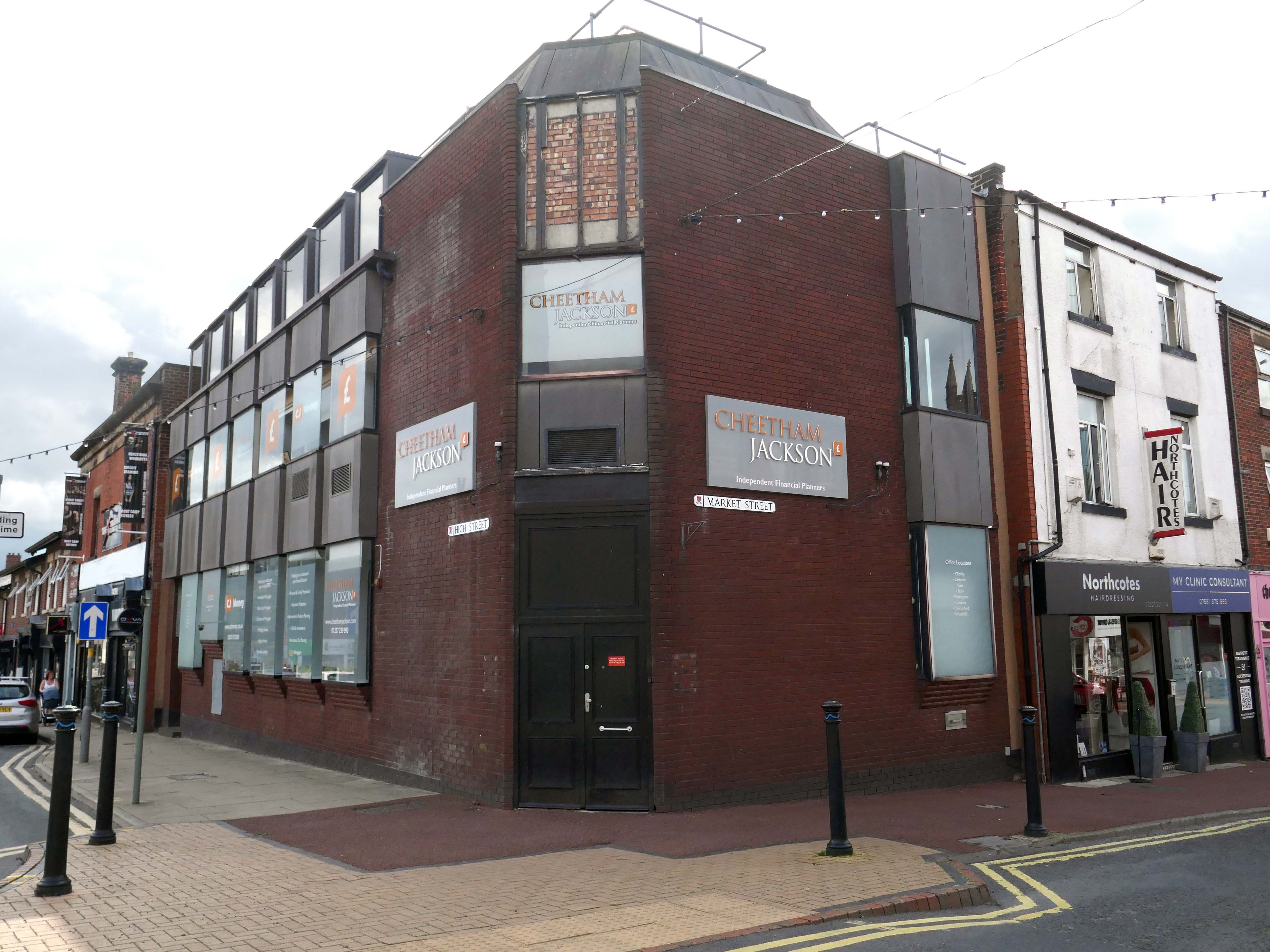
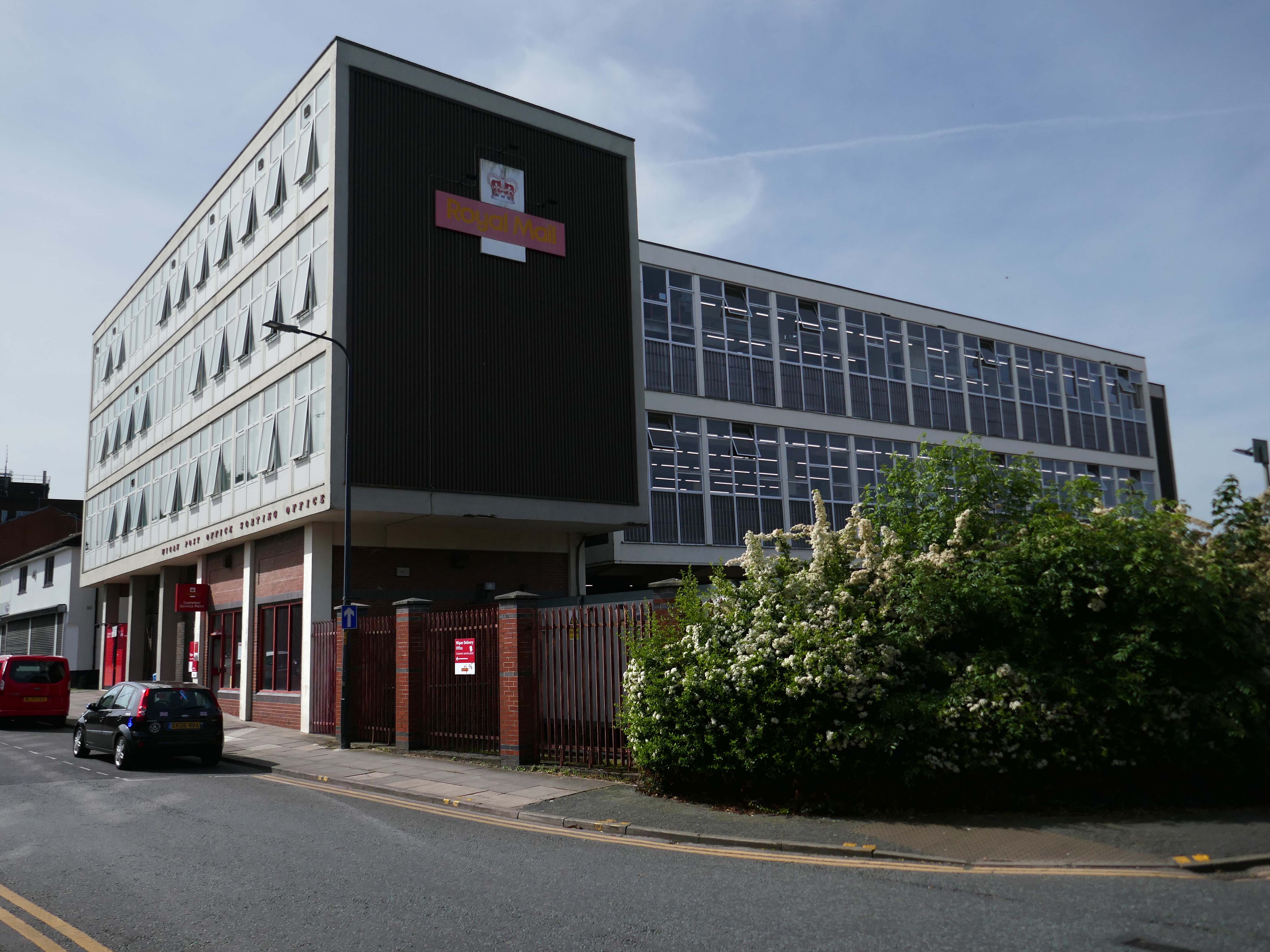
Next to the Wigan Post Office Sorting Office 1959.

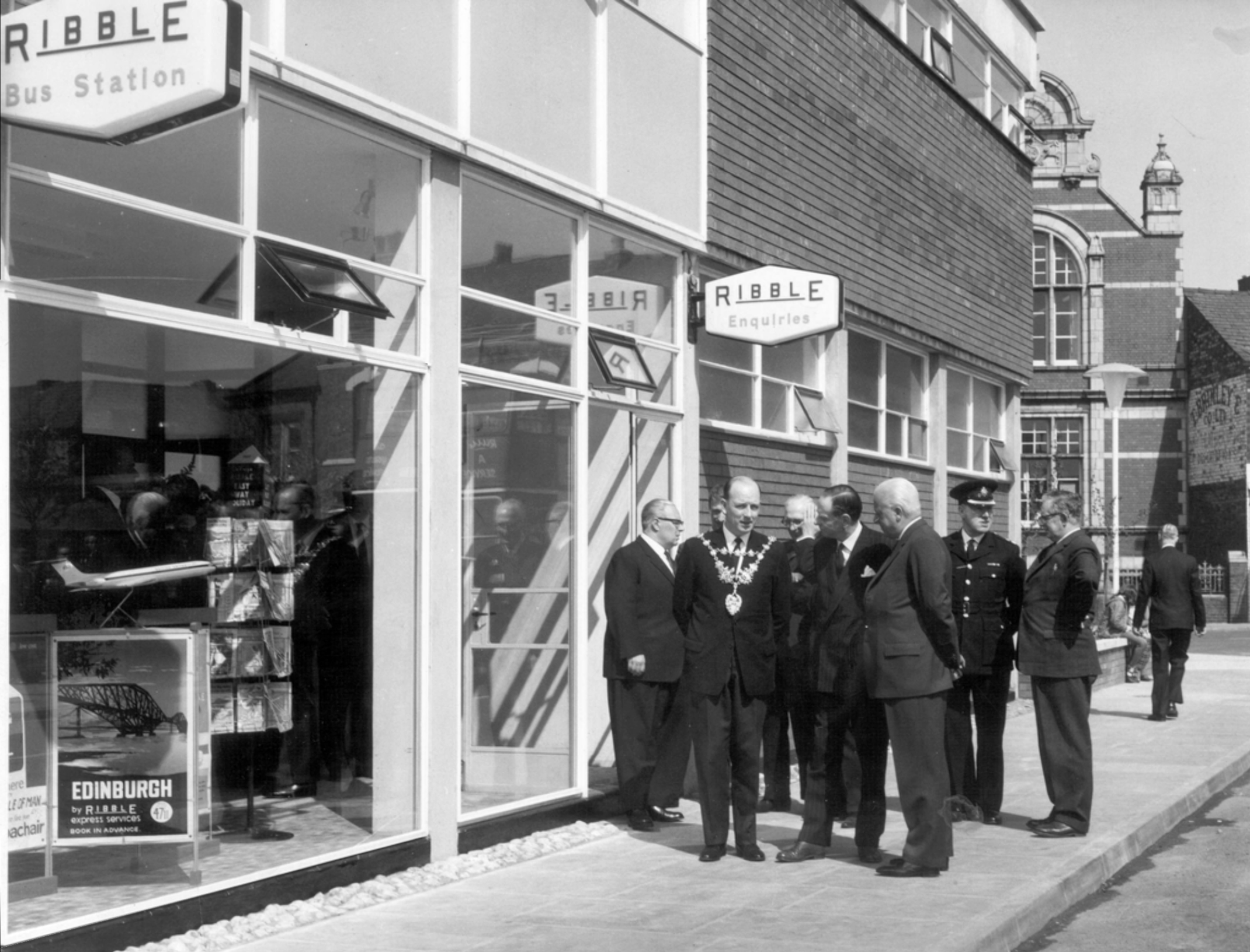
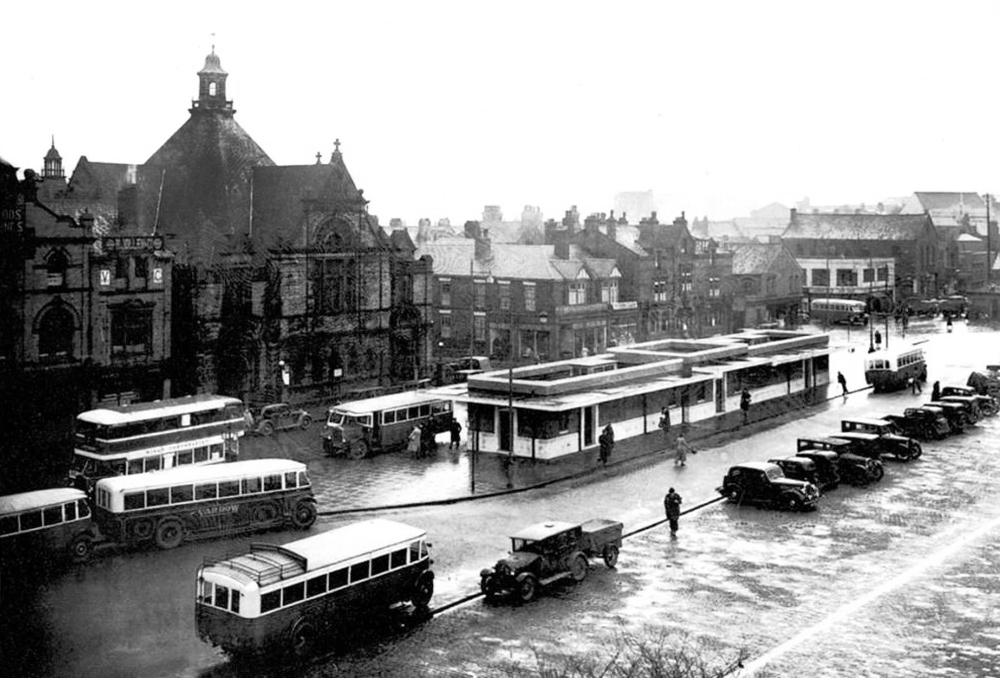
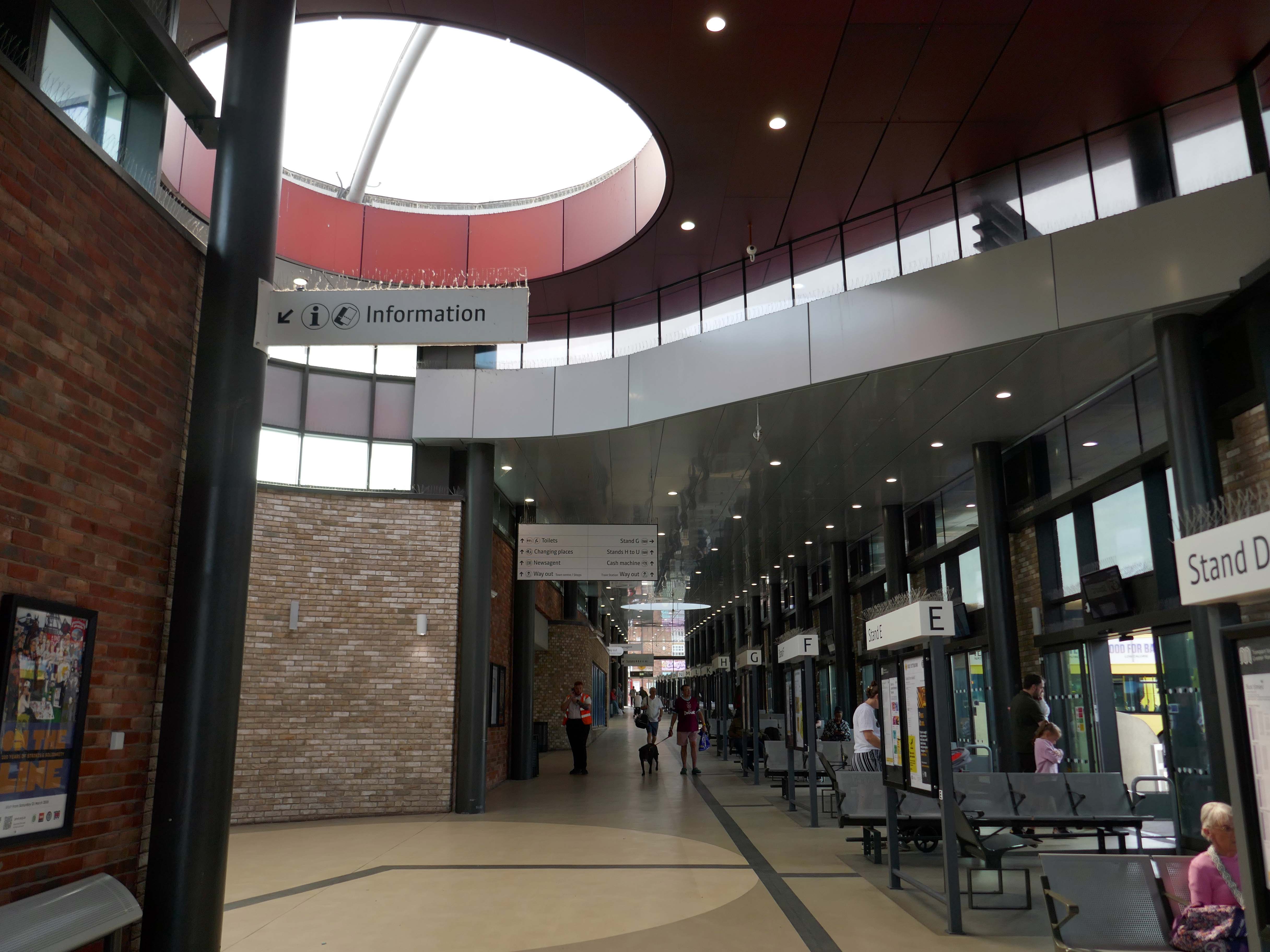
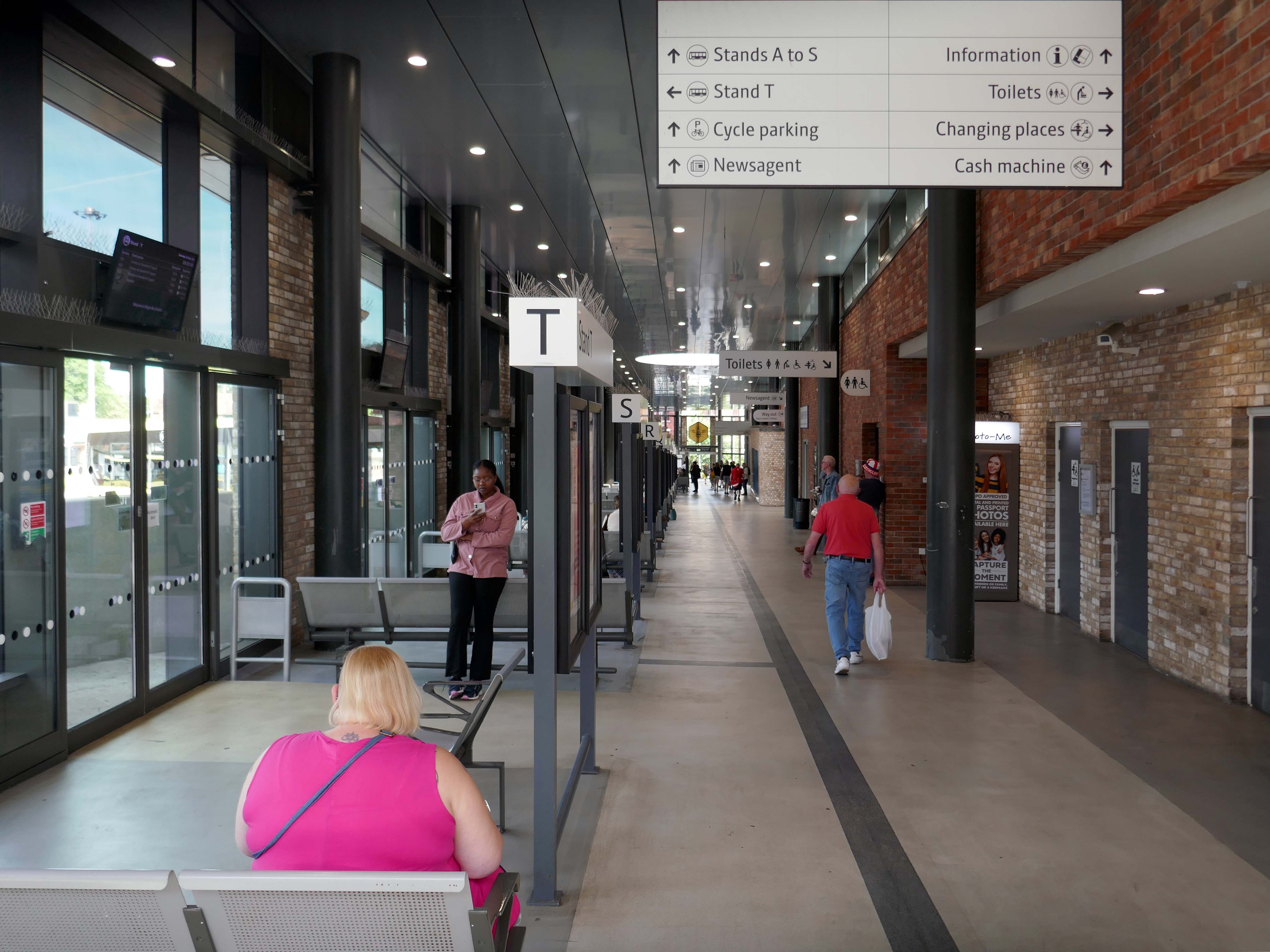
Next we take a look at the Bus Station.

Wigan’s original bus station was on Market Square.

Image Wigan World

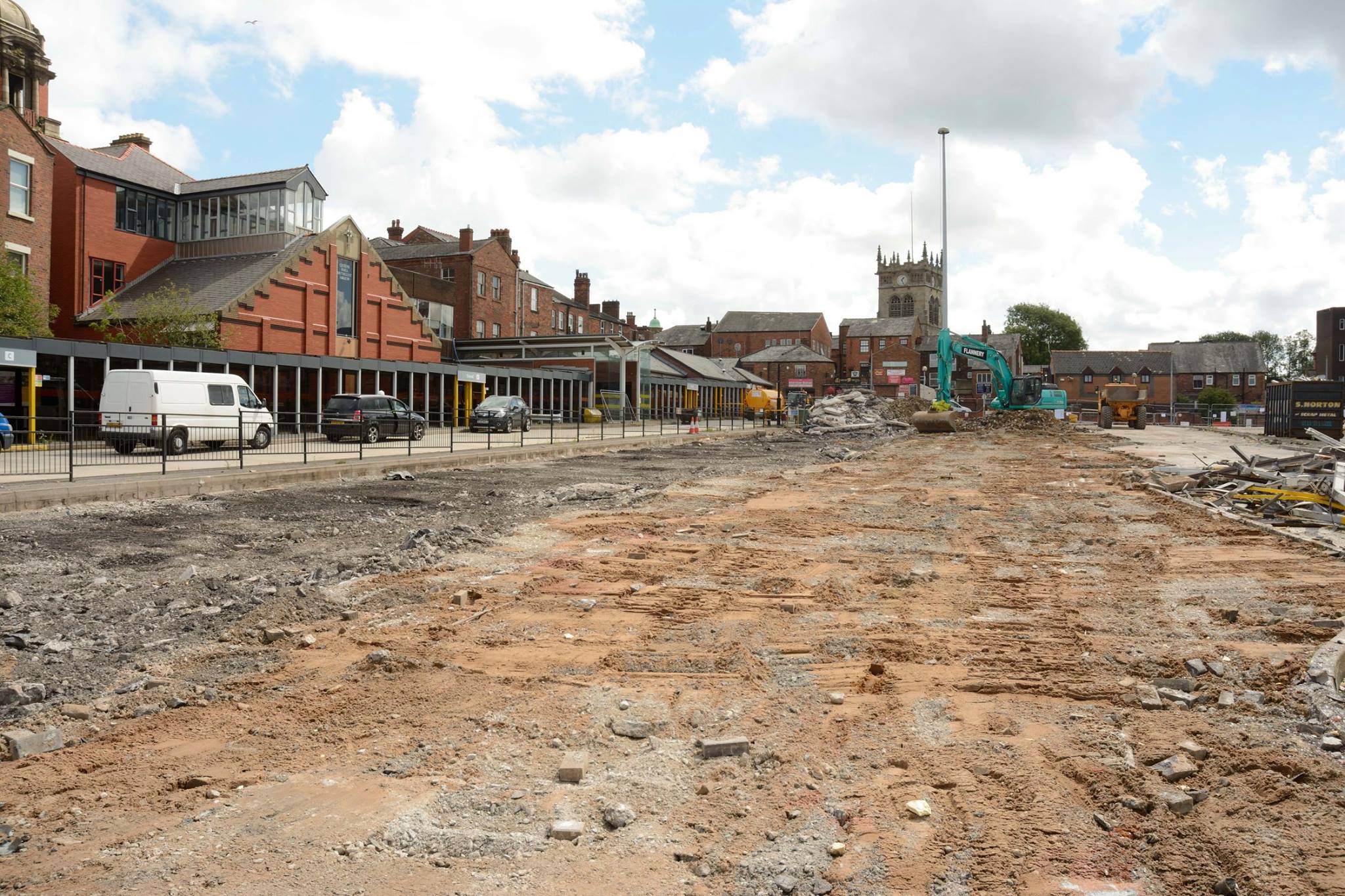
It was demolished in 1985 as part of a wider redevelopment of the town centre to make way for the Galleries Shopping Centre. A new bus station, built at a cost of £2.3 million, began construction in April 1986, and opened in November 1987.

Wikipedia

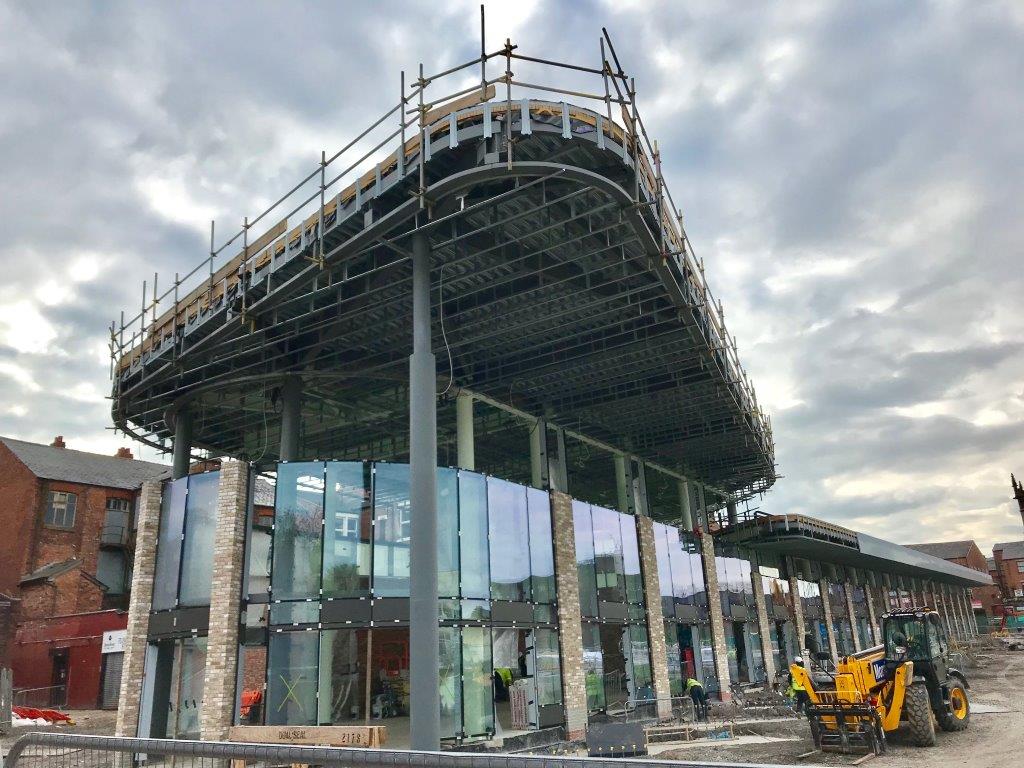
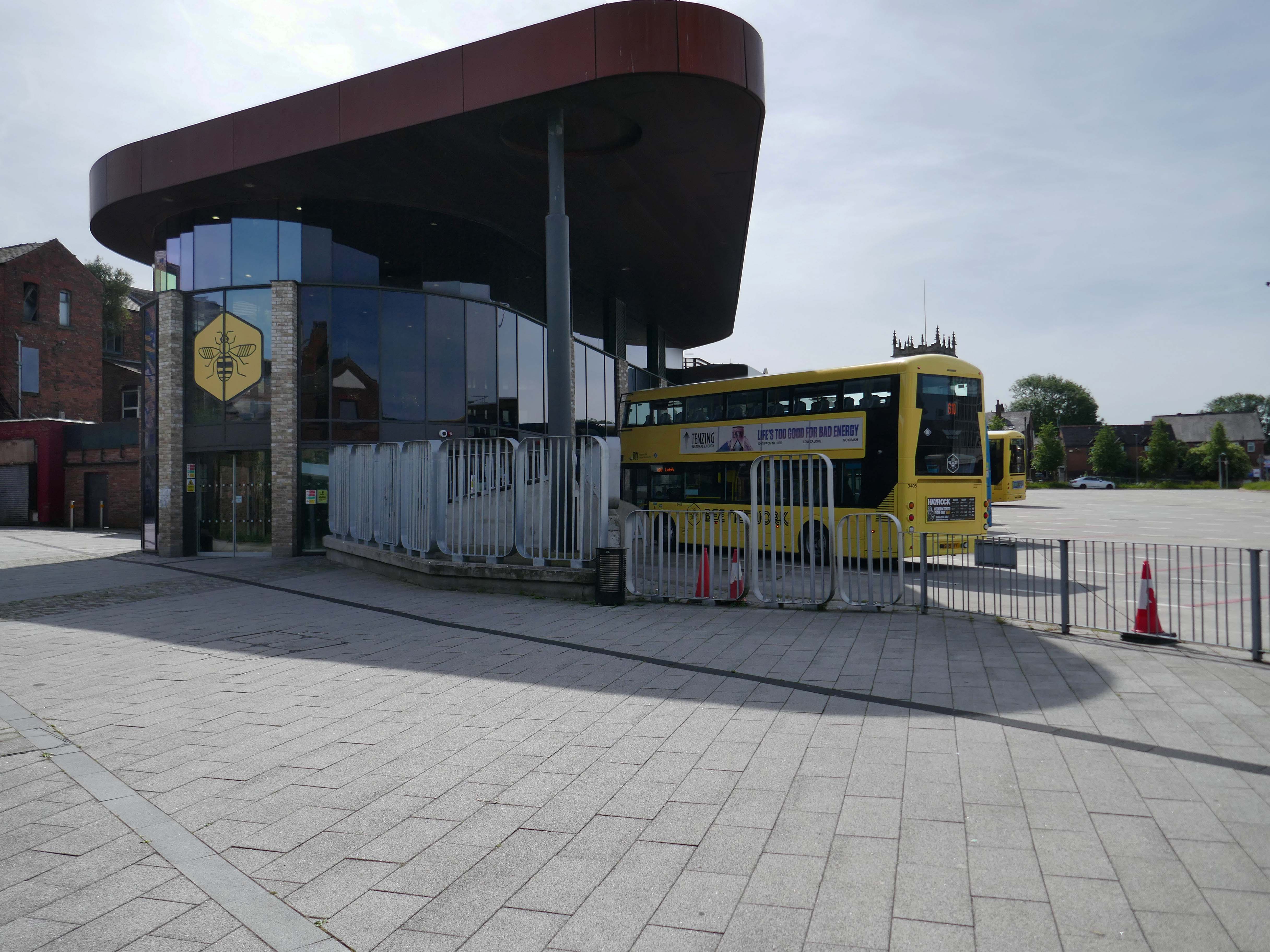
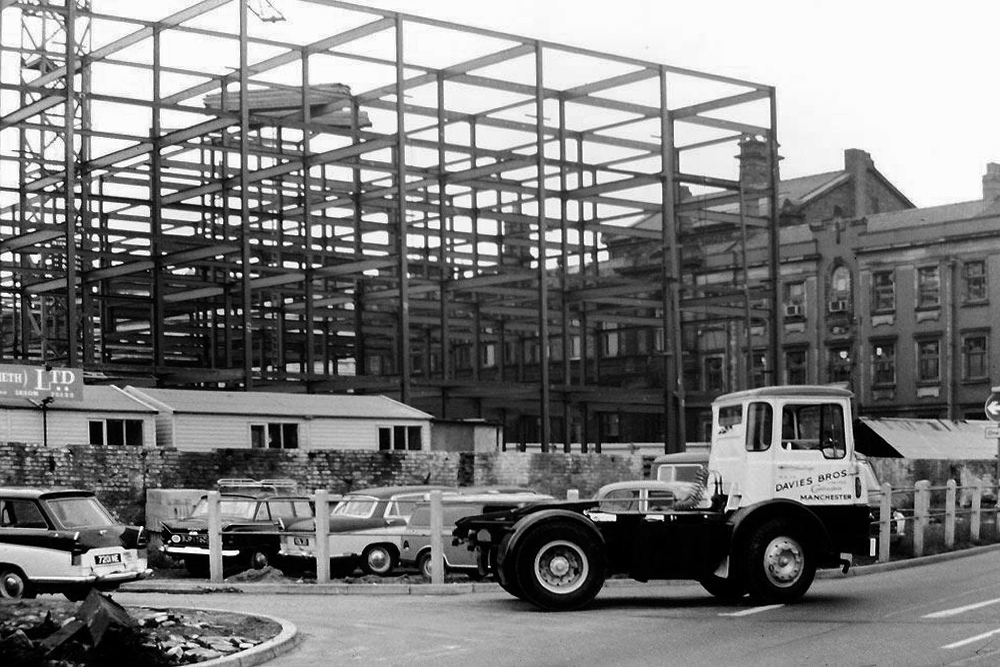
Transport for Greater Manchester commissioned Austin-Smith:Lord to design a replacement nineteen stand £15.7m bus station in Wigan Town Centre, the project was completed in October 2018.

Construction images – Bee Network.

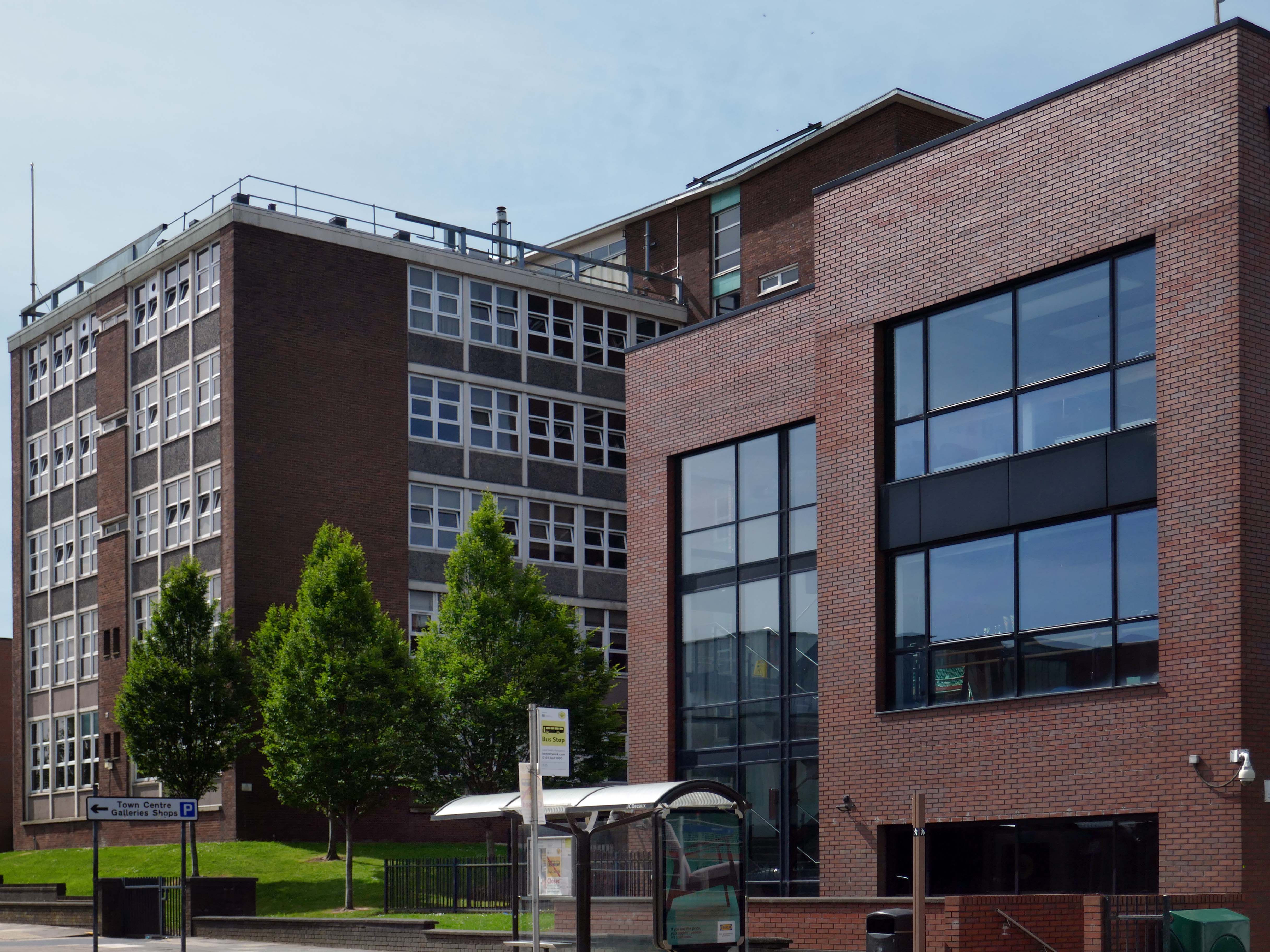
Around the corner to the Wigan & Leigh College.

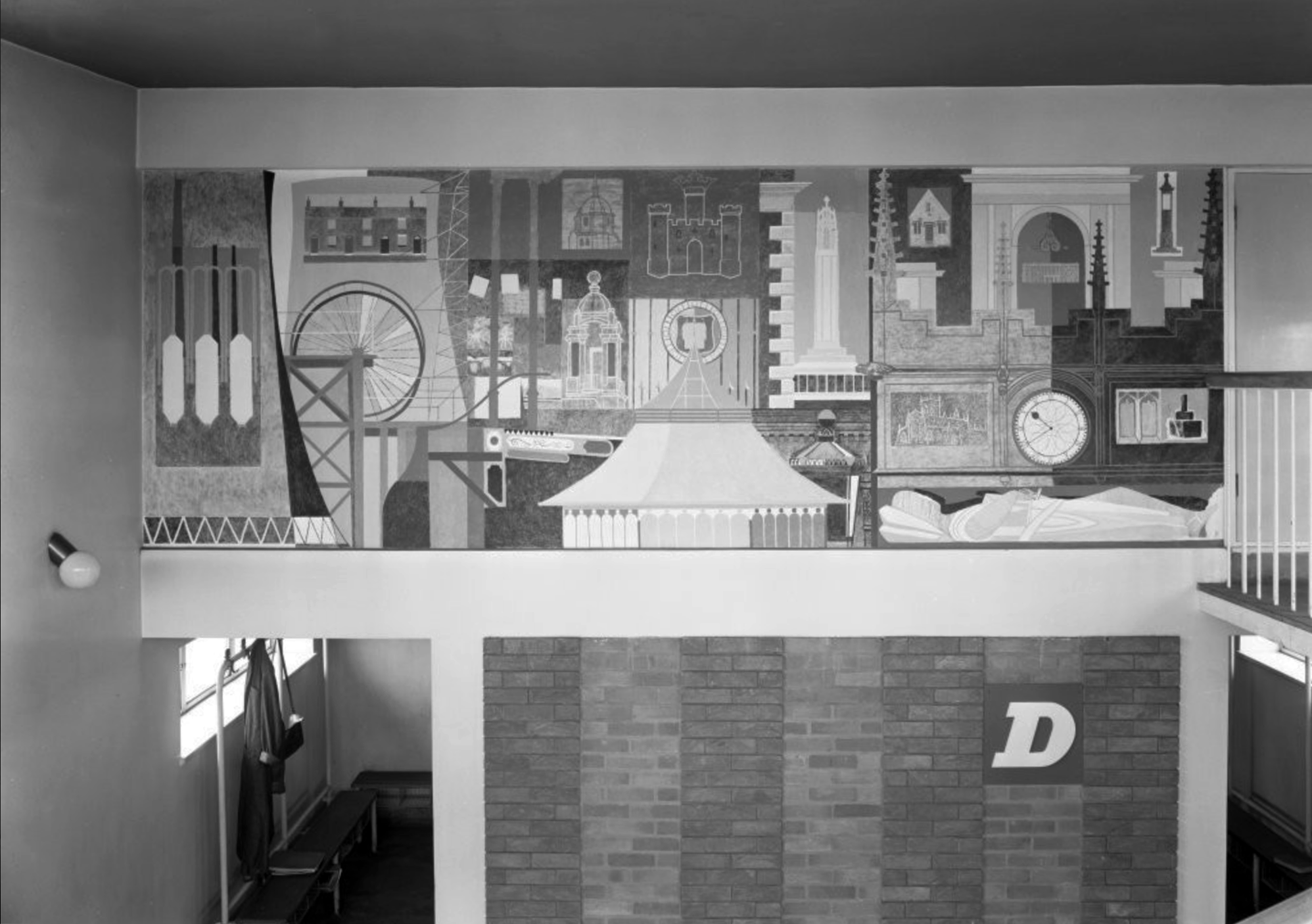
The original building of 1954 by Howard V Lobb G Grenfell Bains & Hargreaves, with later extension.

There have been several phases of redevelopment and new build in recent years.

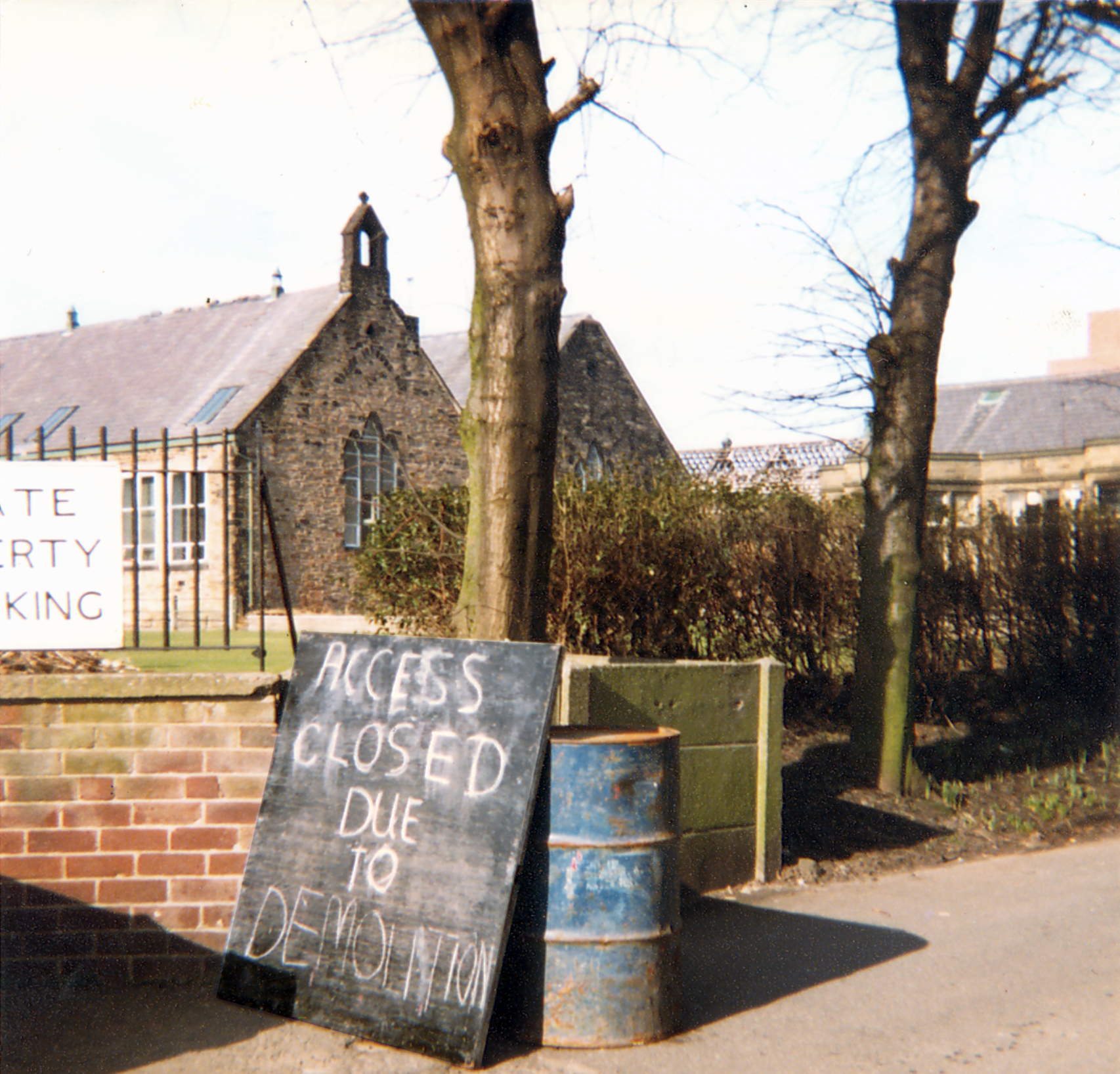
This block of the Technical School has been demolished since my last visit.

Thomas Linacre Technical School for Boys mural 1954.

Image – RIBA pix

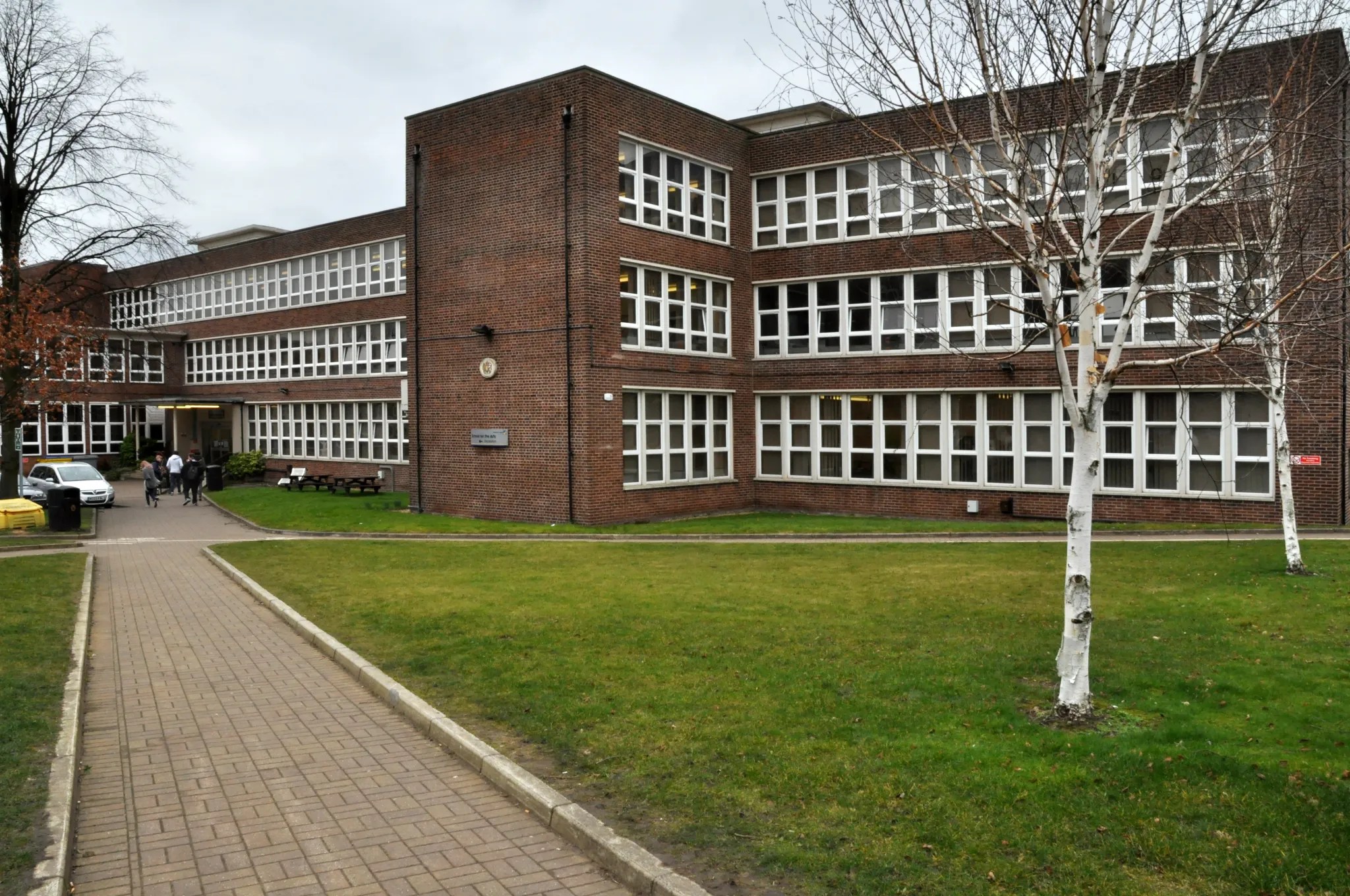
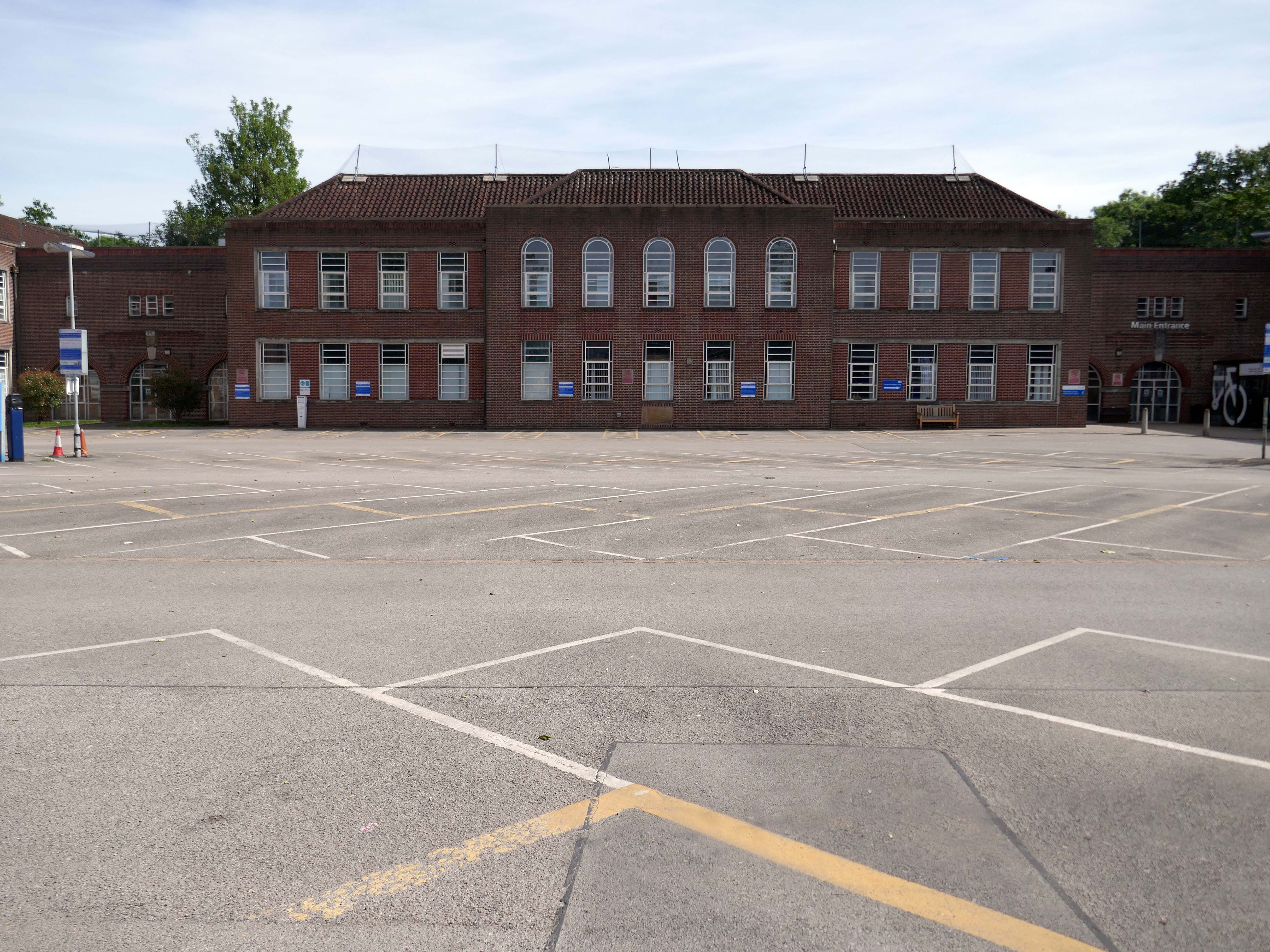
Across the road the former Grammar School.

Wigan Grammar School was founded in 1597 and closed in 1972, as part of the comprehensive education movement.

It then became Mesnes High School, and subsequently Wigan College’s Mesnes Building in 1989. 

Since 2003, it has been known as the Thomas Linacre Centre and is an out-patient department for the Wrightington Wigan and Leigh NHS Trust.

It was designated a Grade II listed building in 1997.

Architect: A E Munby

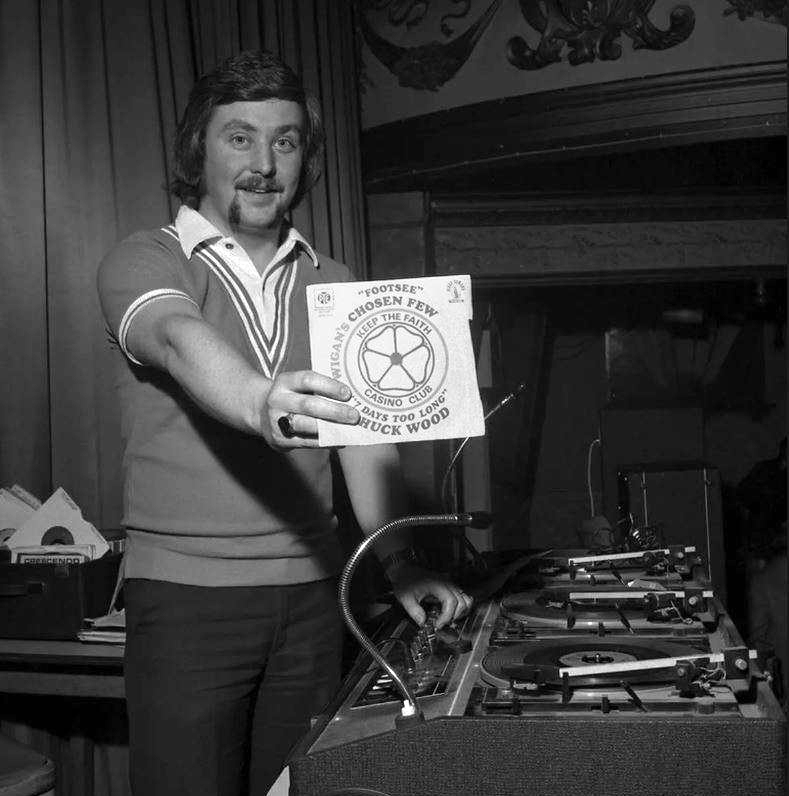
DJ Russ Winstanley was a former pupil, here he is in 1975 at the Wigan Casino holding up a copy of Footsee by Wigan’s Chosen Few b/w Seven Days Too Long by Chuck Wood.

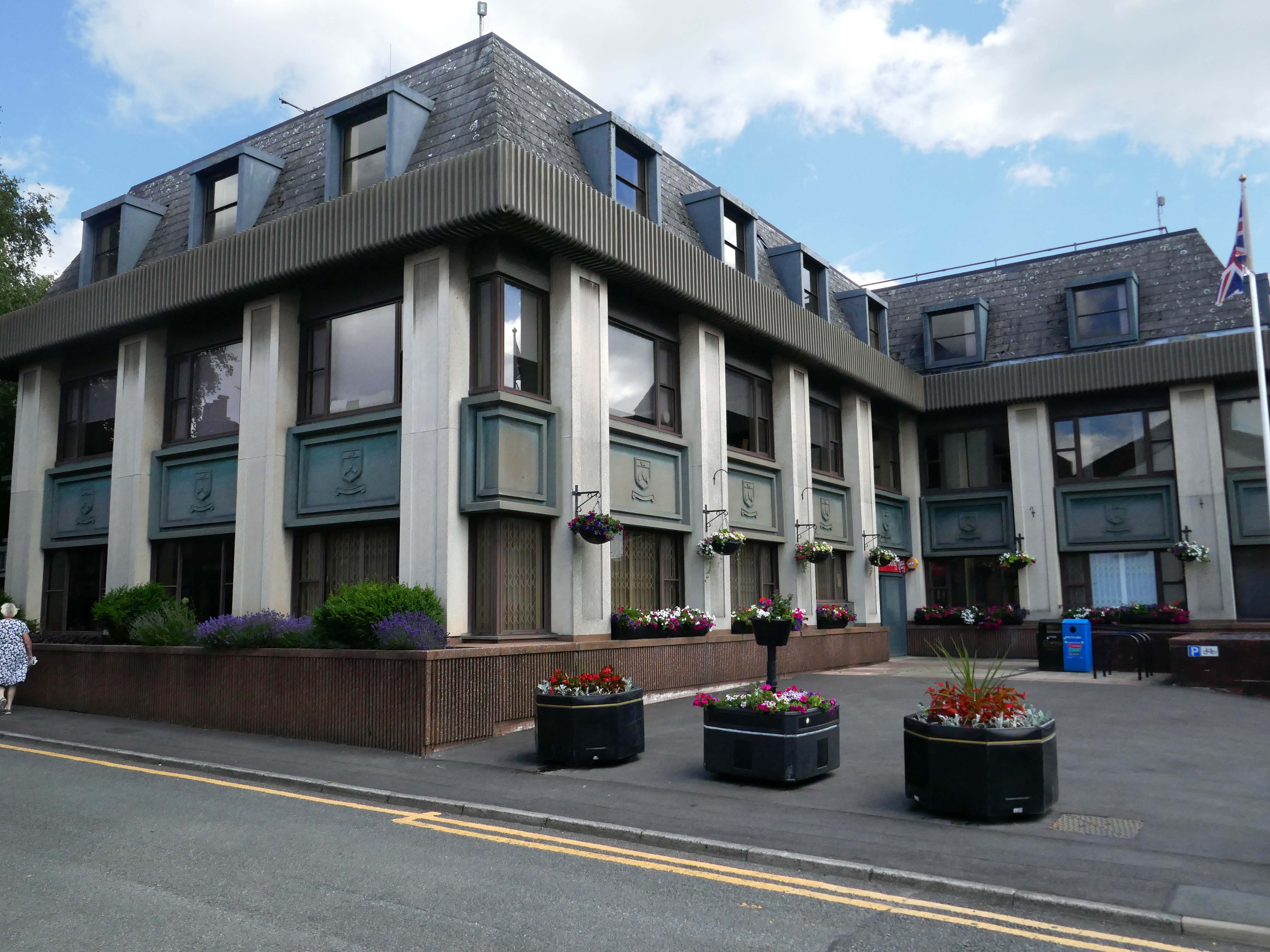
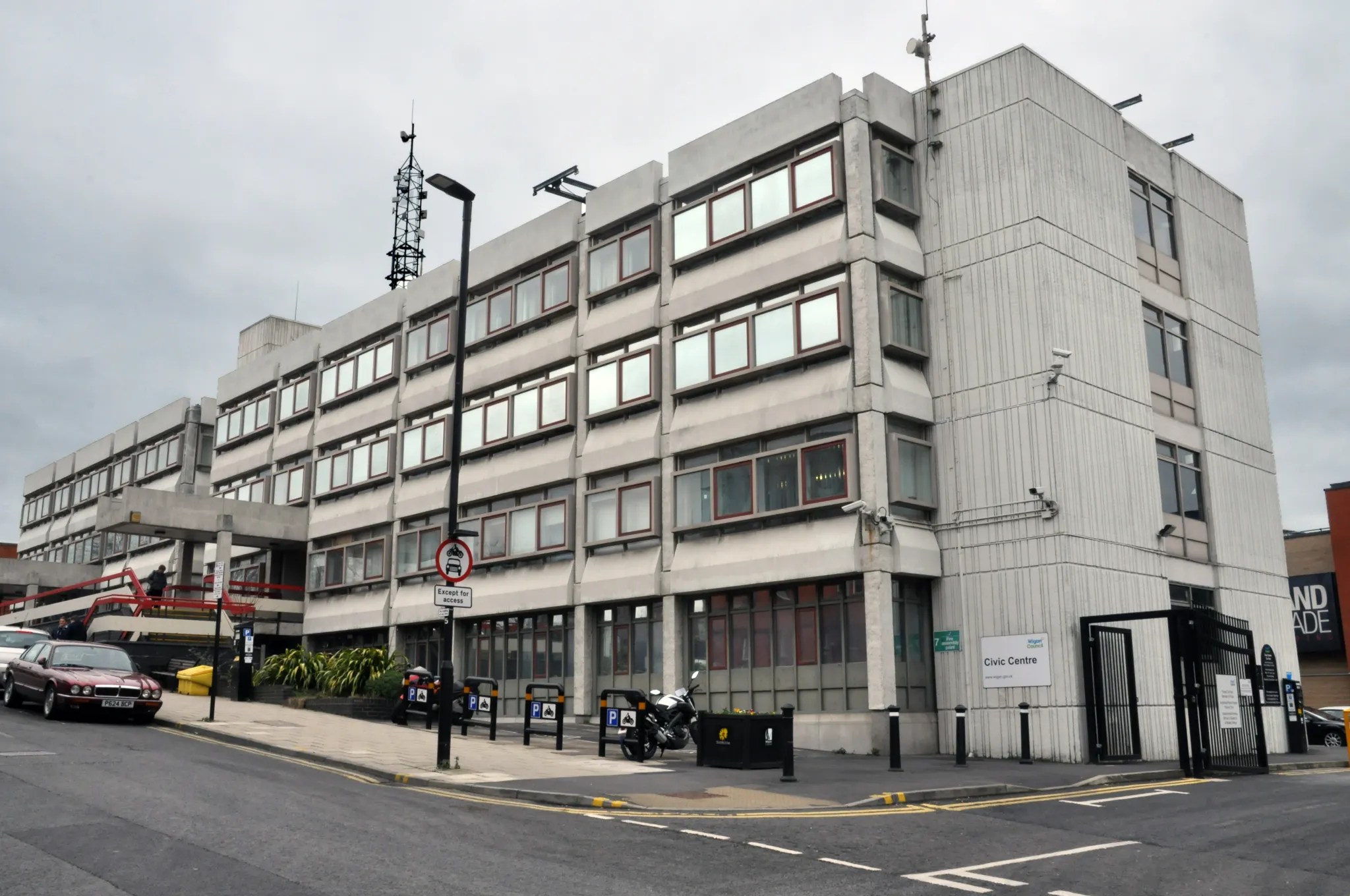
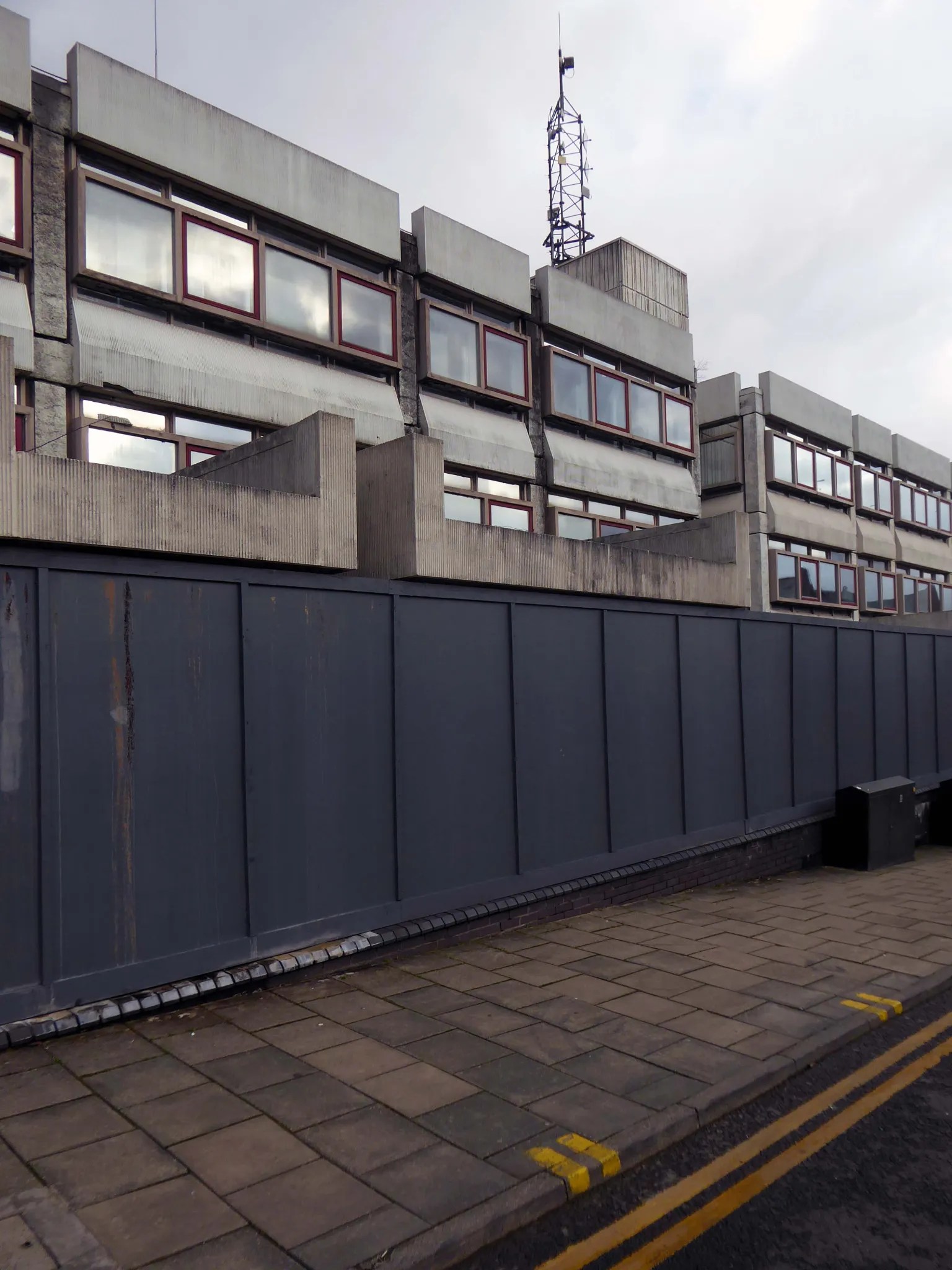
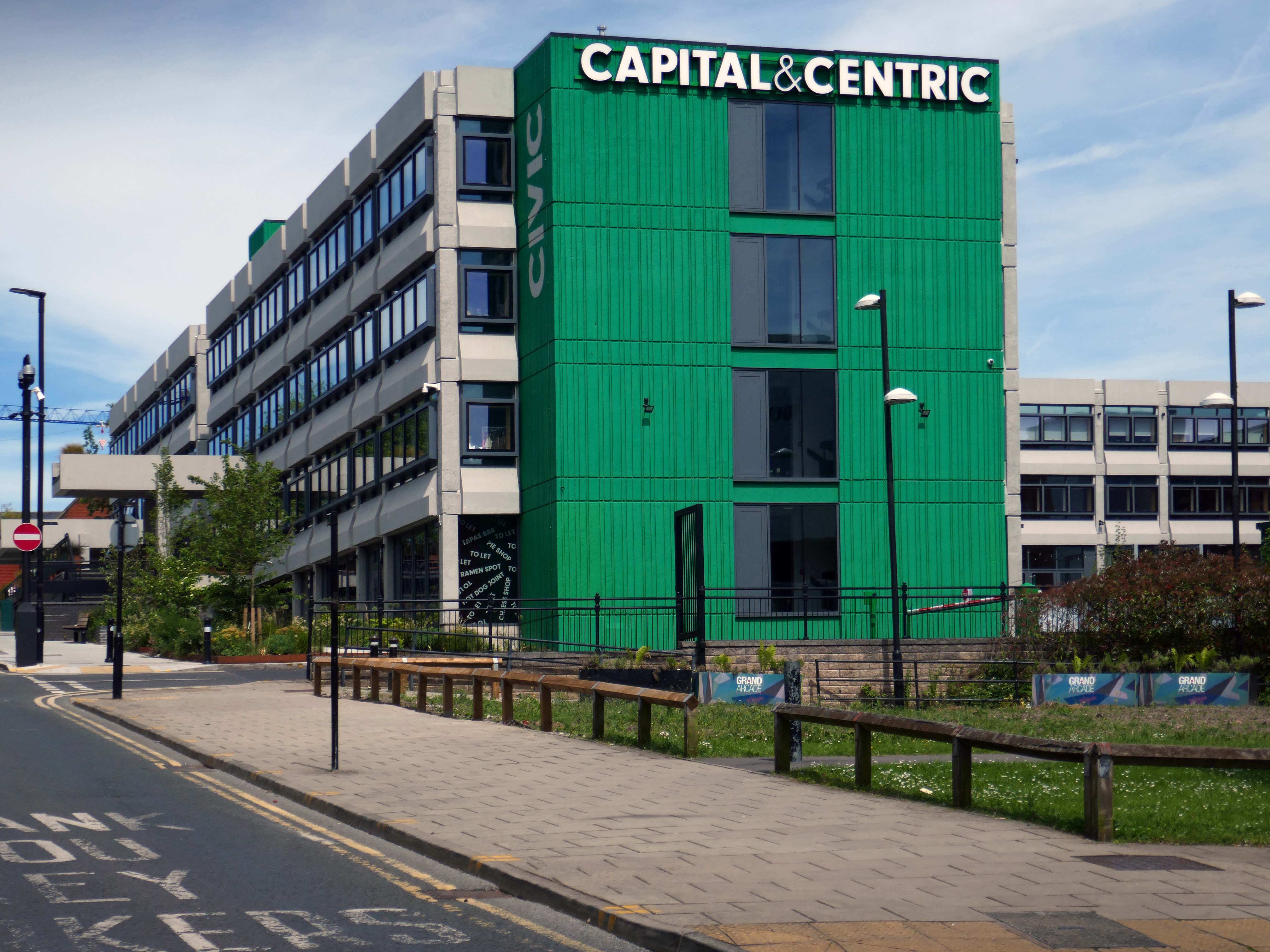
On Millgate we find the former Wigan Civic Centre.

Once it was all boarded up with nowhere to go.

Subsequently resuscitated by Capital&Centric.

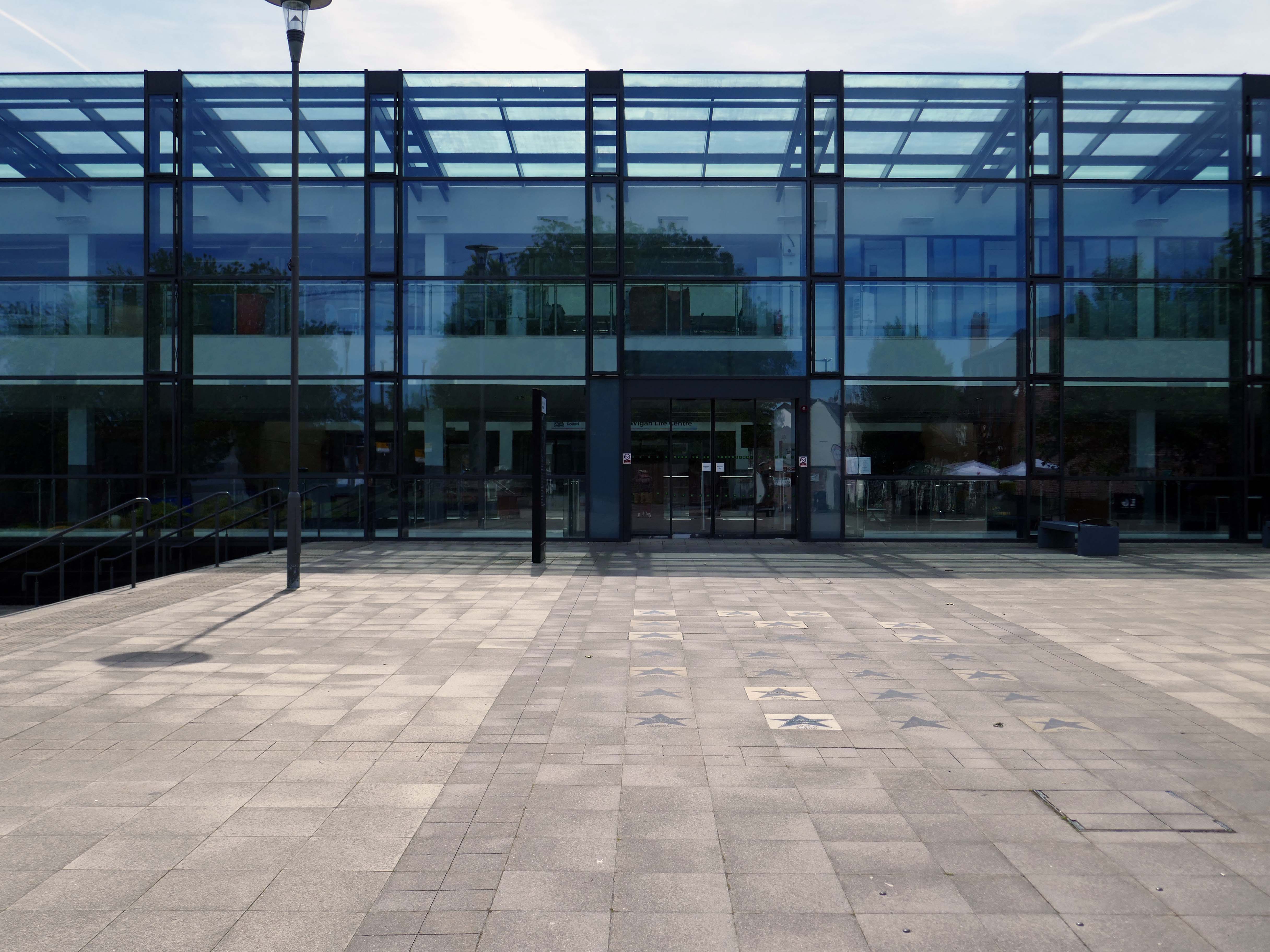
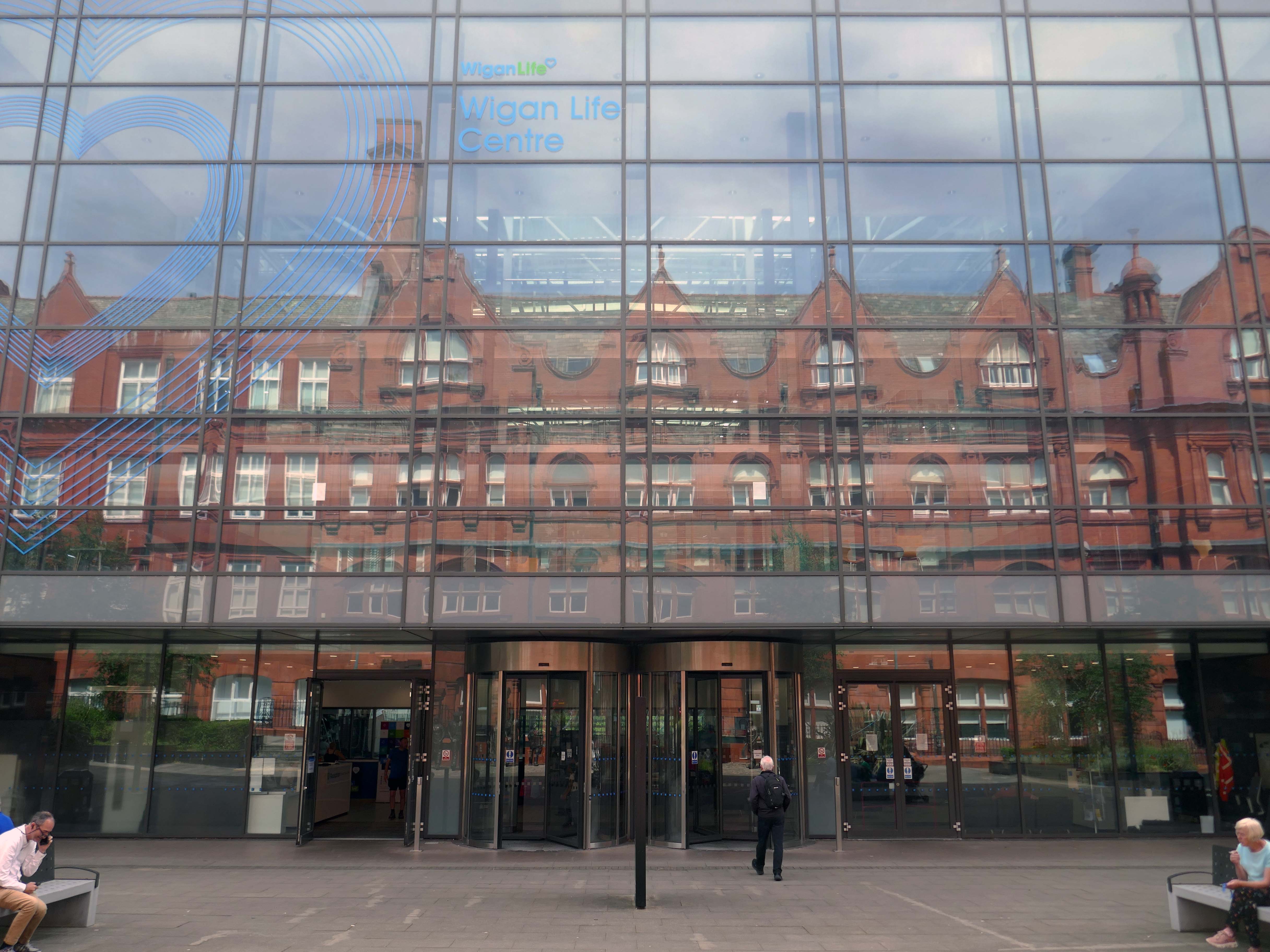
Across the way the new Library and Life Centre by Astudio and LCE Architects.

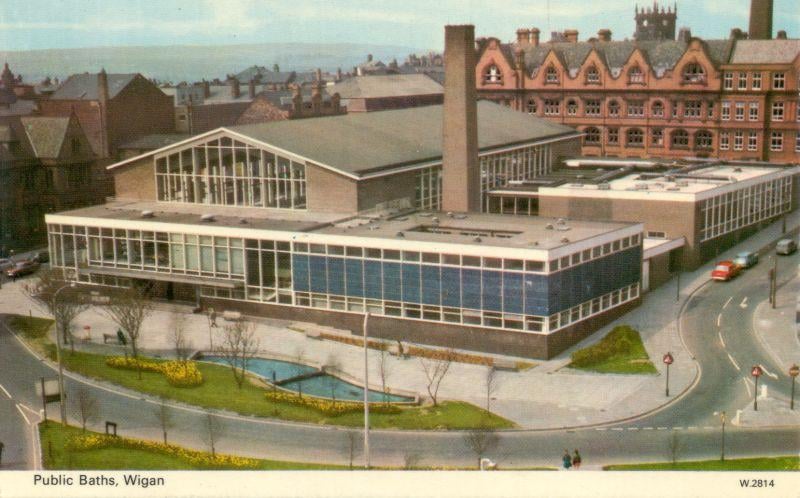
Down the road is the recently refurbished Leisure Centre.

Built on the site of the International Swimming Pool – opened 1968 demolished 2010.

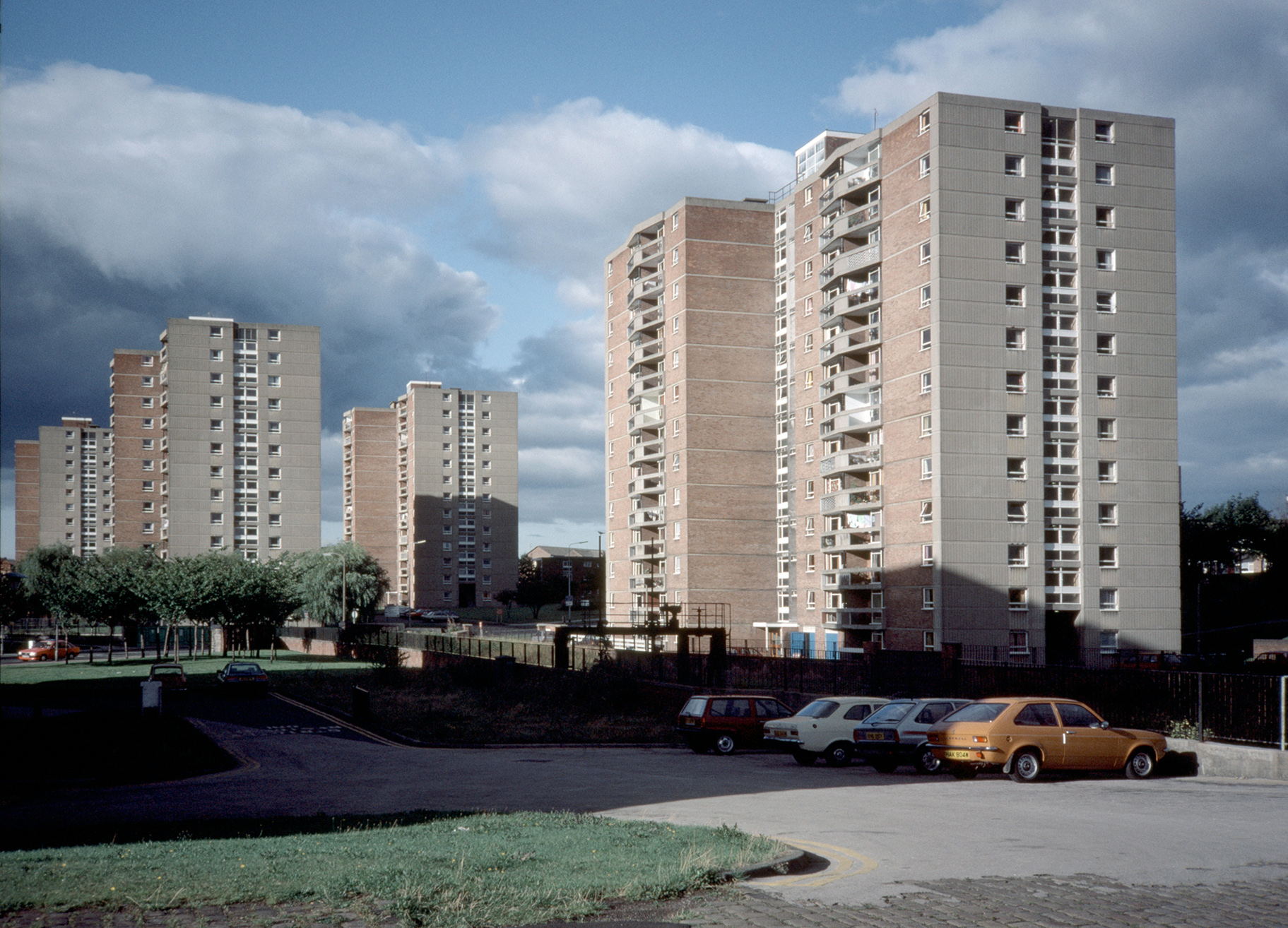
Across the way to Scholes Comprehensive Development 1964

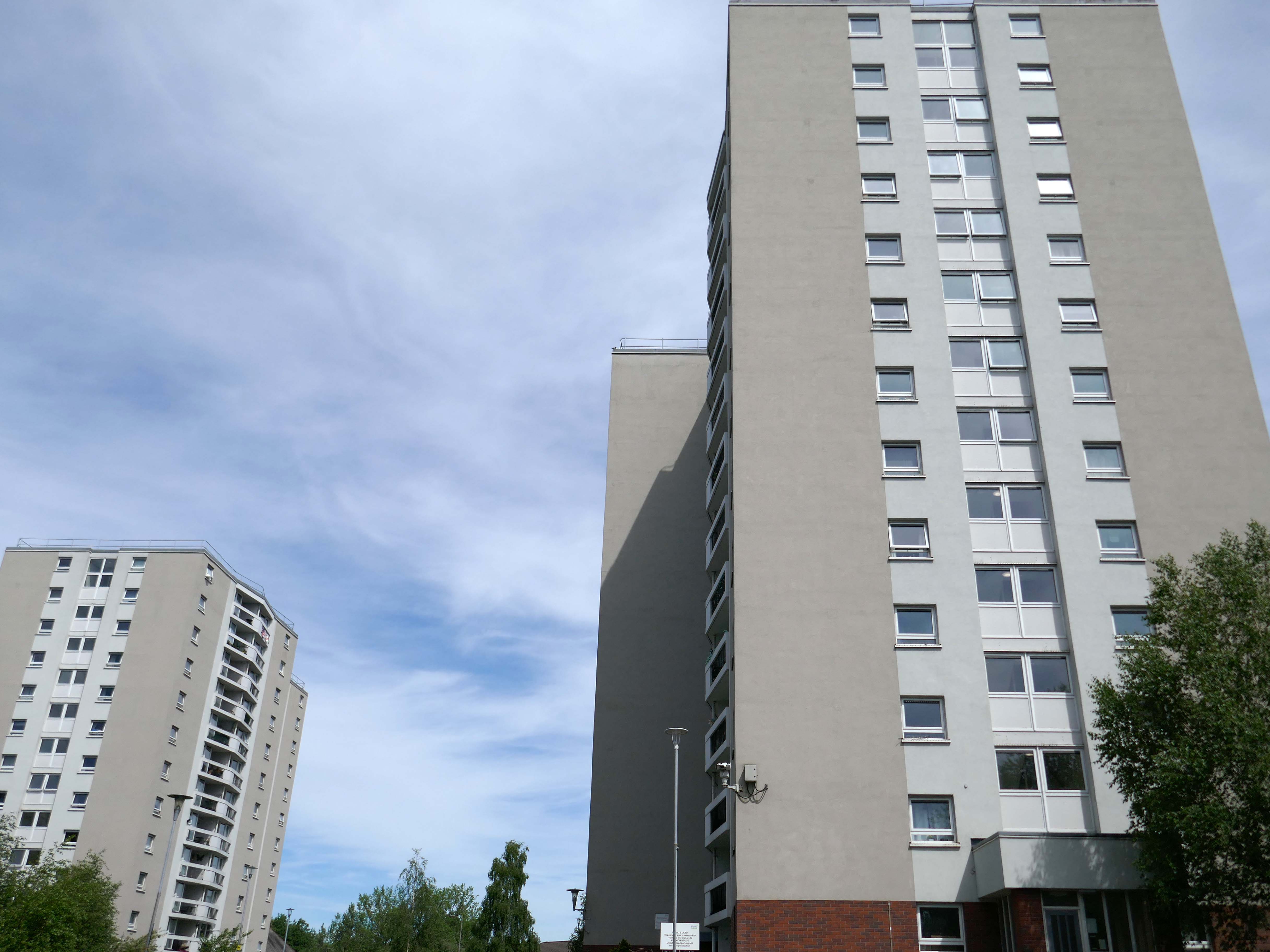
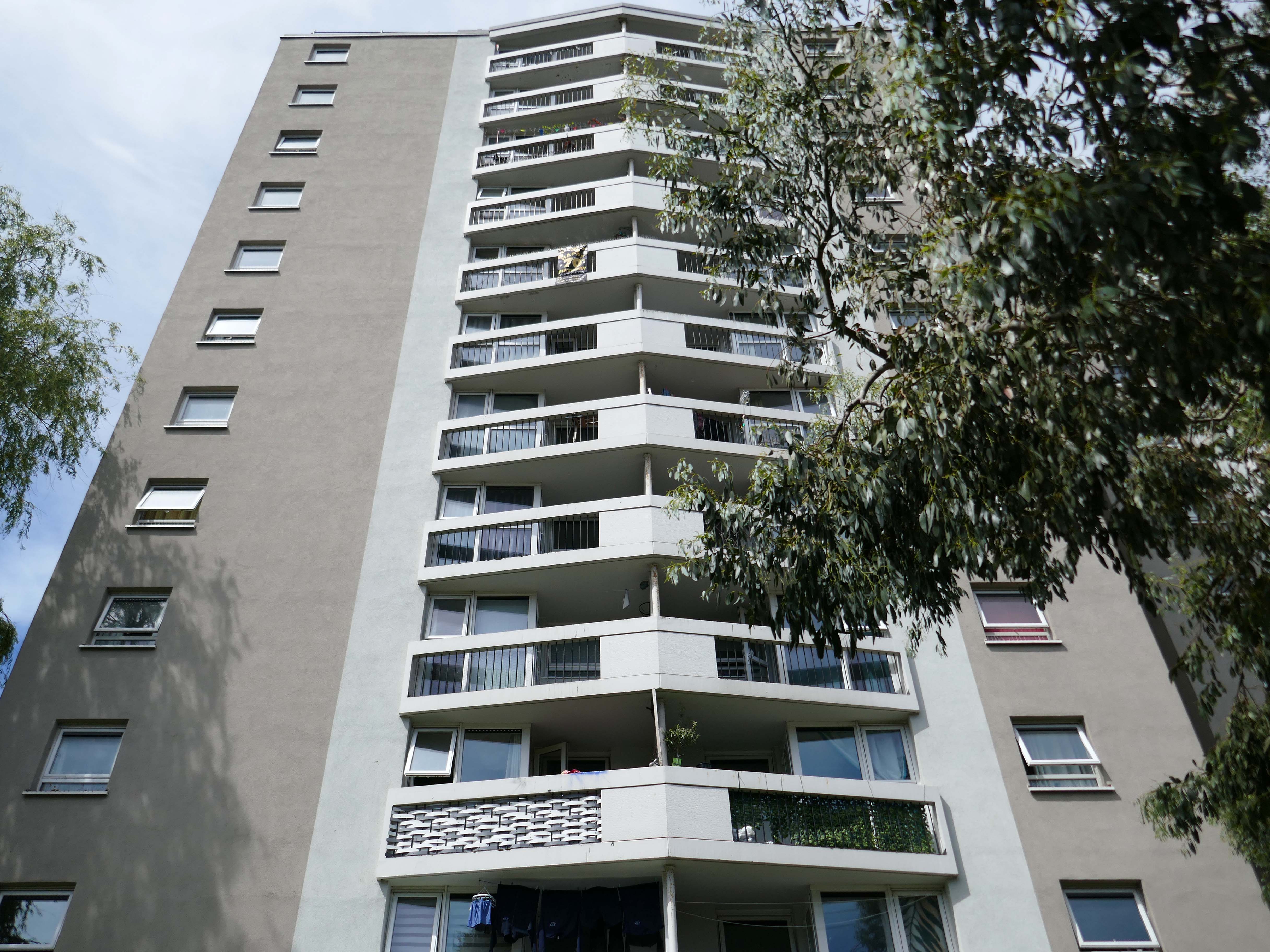
Five thirteen-storey tower blocks adjacent to Douglas House in Scholes were approved in 1964. Lower-rise housing and flats spread to the east. In 1968, a further 13-storey block, Boyswell House, was built at this eastern end of the Scholes Comprehensive Development Area. Almost 500 slum houses, housing 566 families, were demolished that same year and 581 new council homes completed.

Municipal Dreams

Image – Tower Block 1987

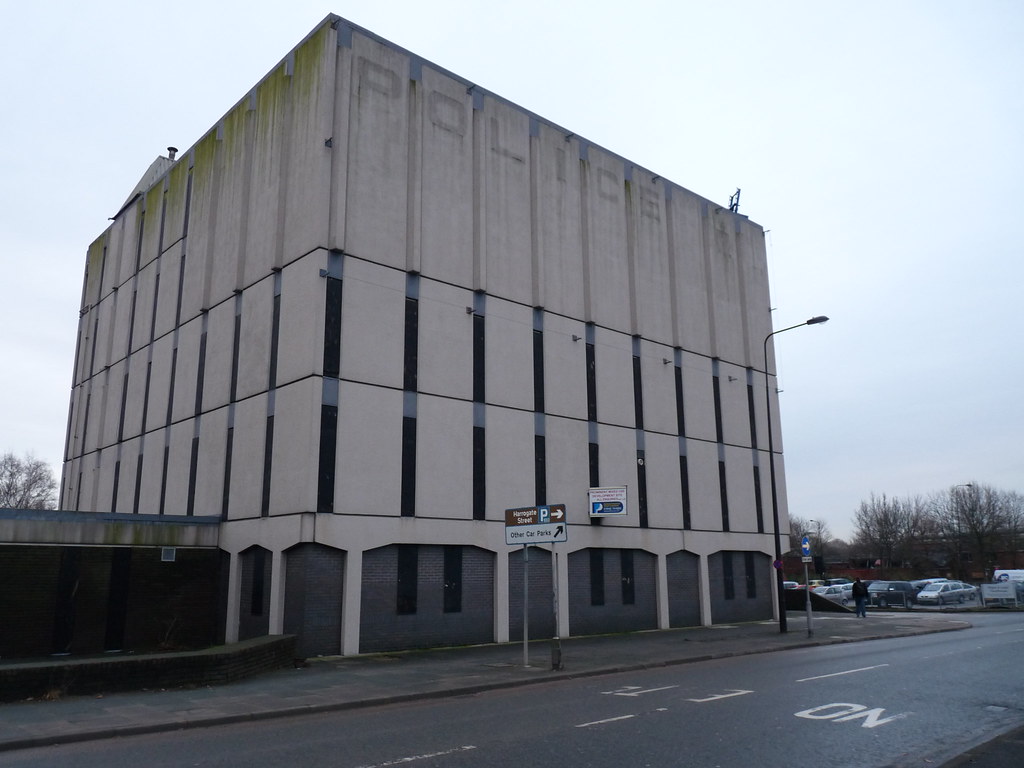
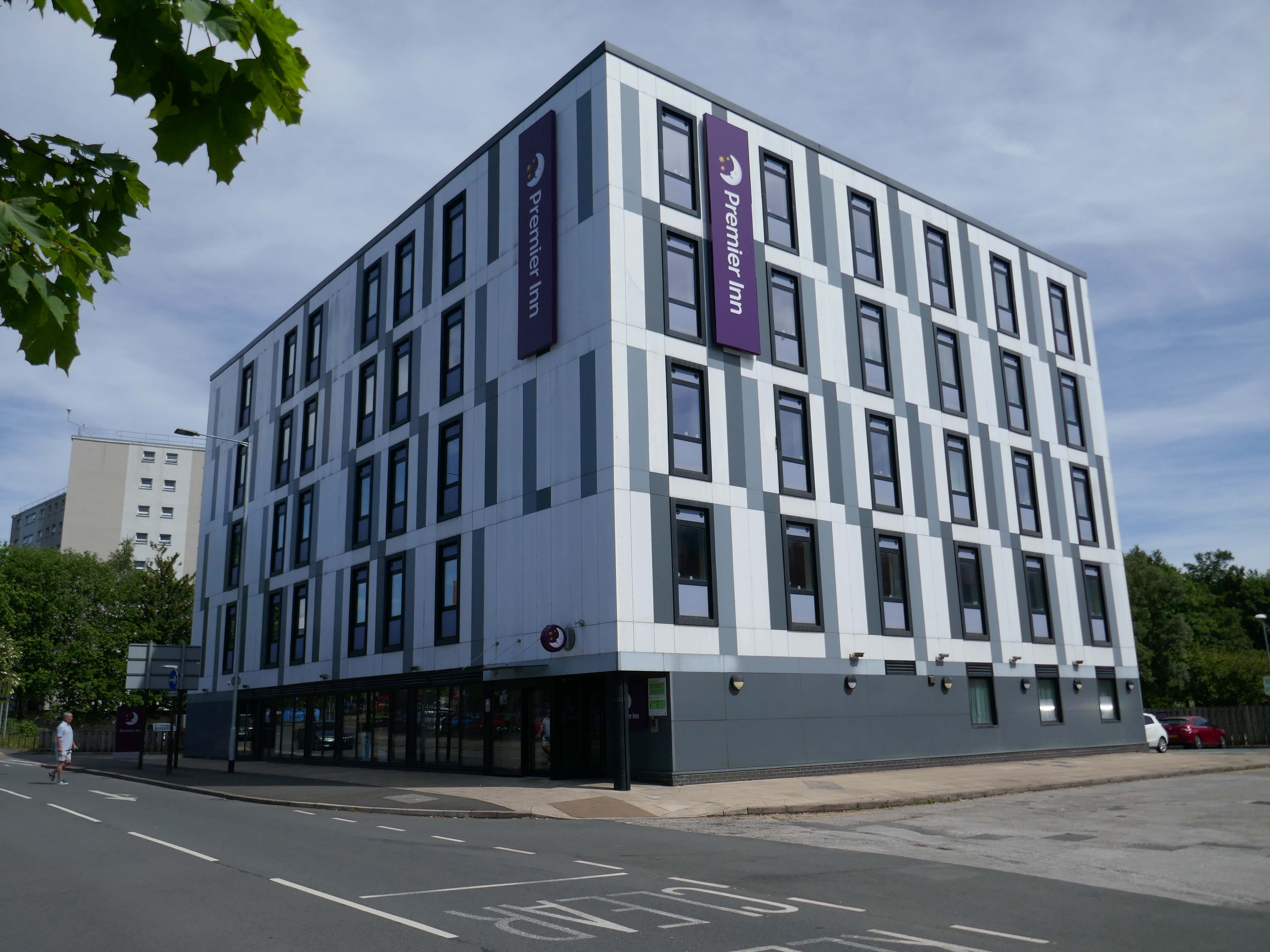
Next to the Roger Booth cop shop that became a Premier Inn.

A super-comfy bed, blackout curtains, a powerful shower and free Wi-Fi – our double rooms have everything you’ll need for a great night’s sleep.

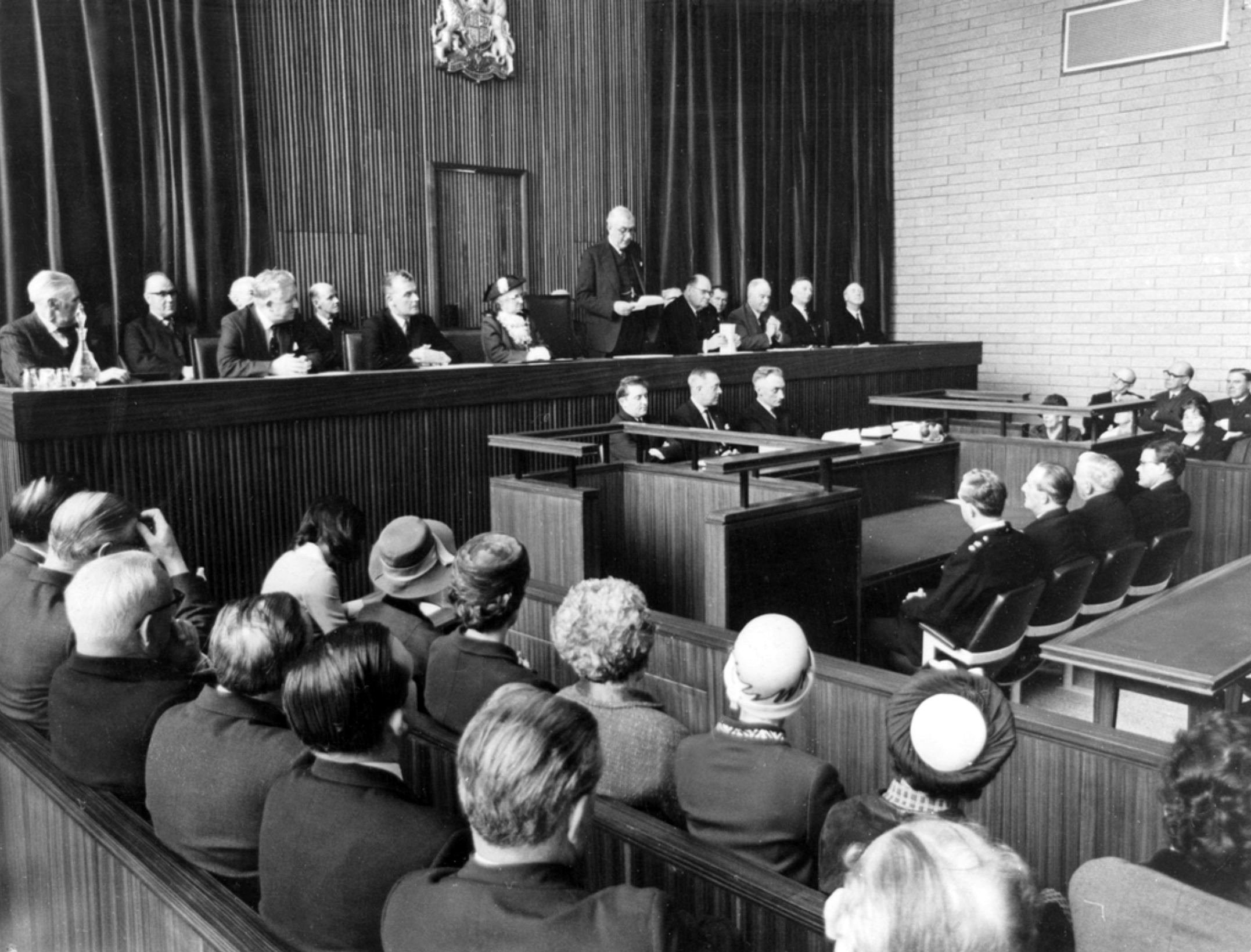
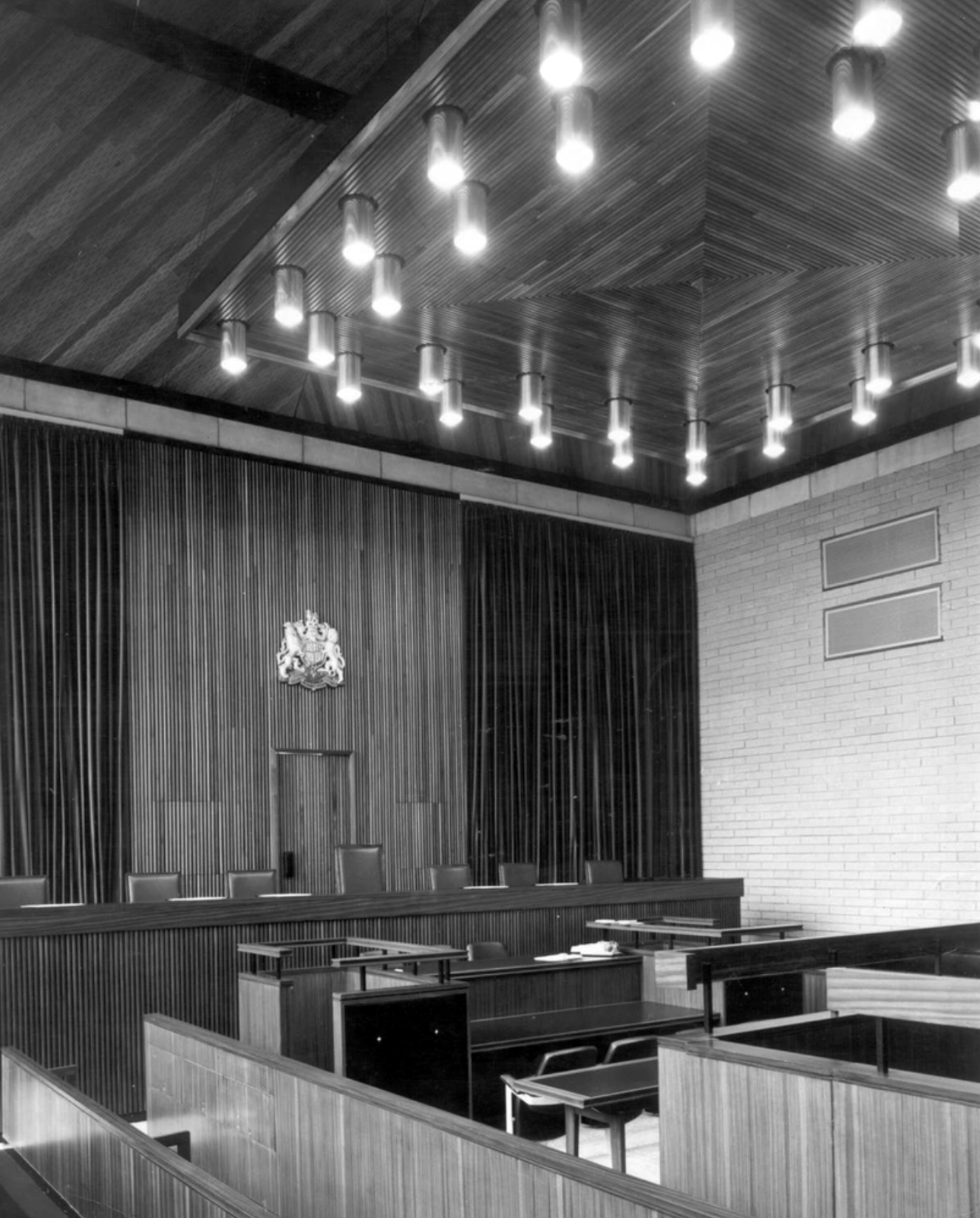
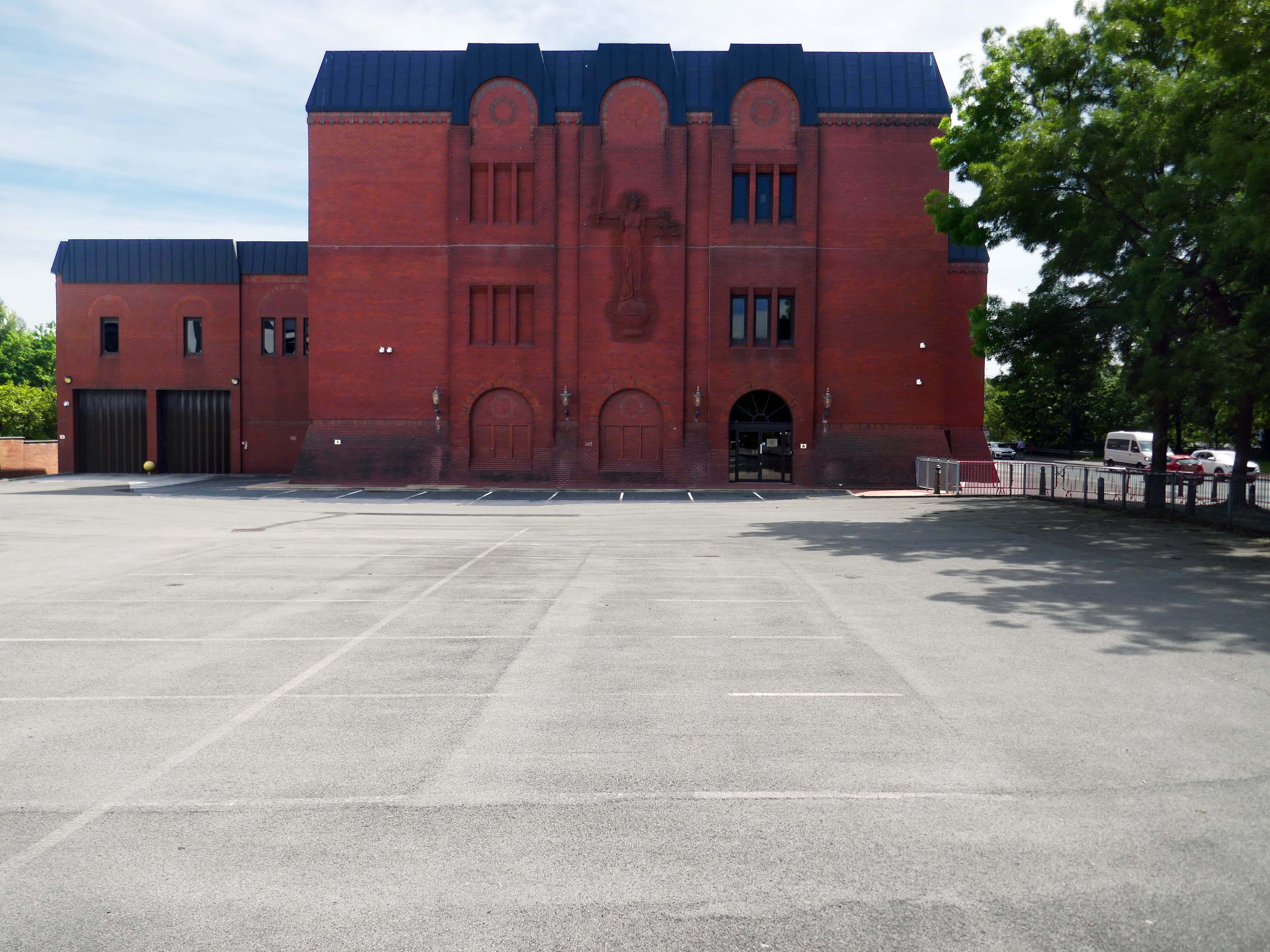
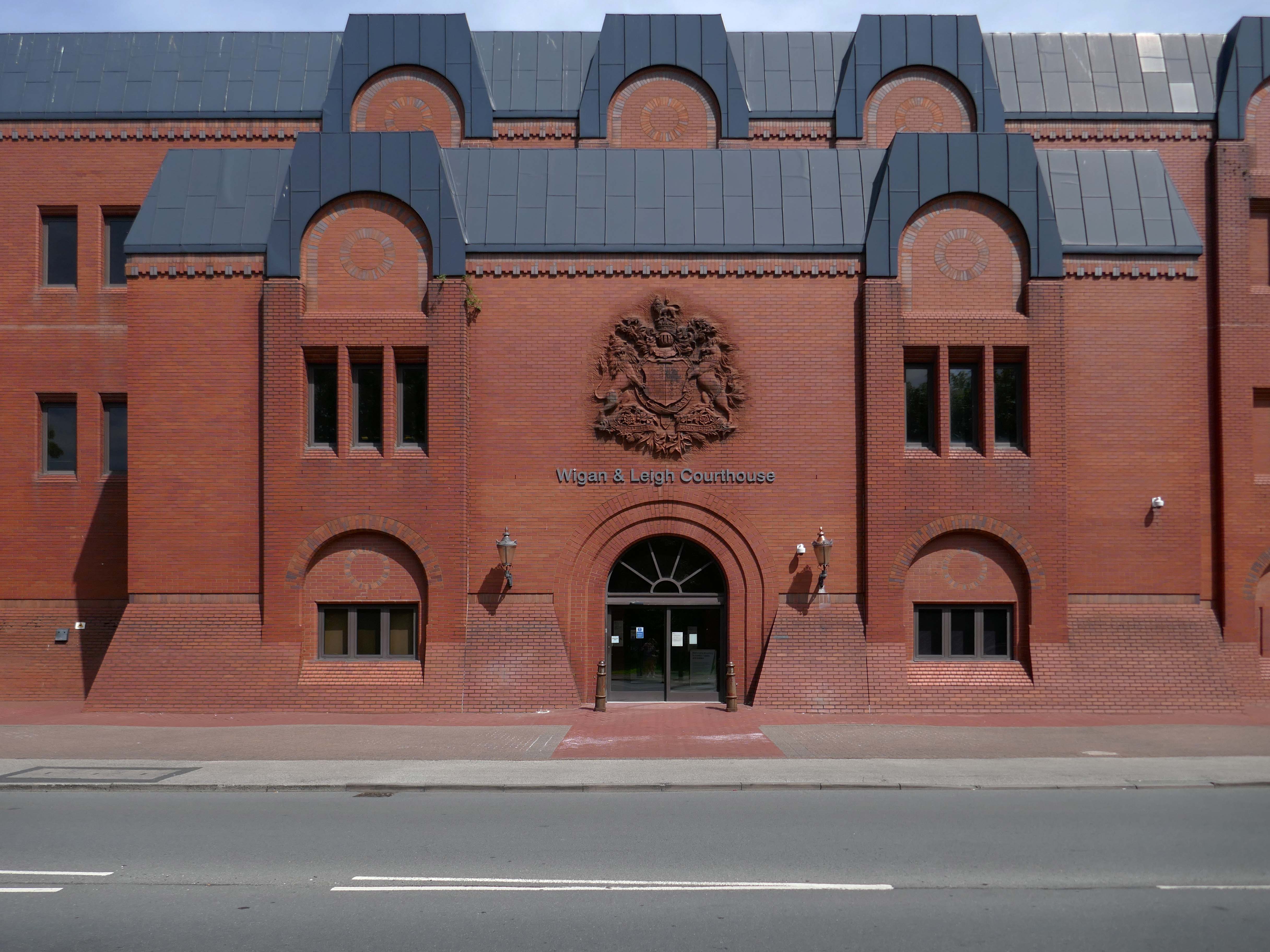
Next door the Wigan & Leigh Courthouse 1992 Wigan MBC Architect.

Relief figure of justice by Christine Ward.

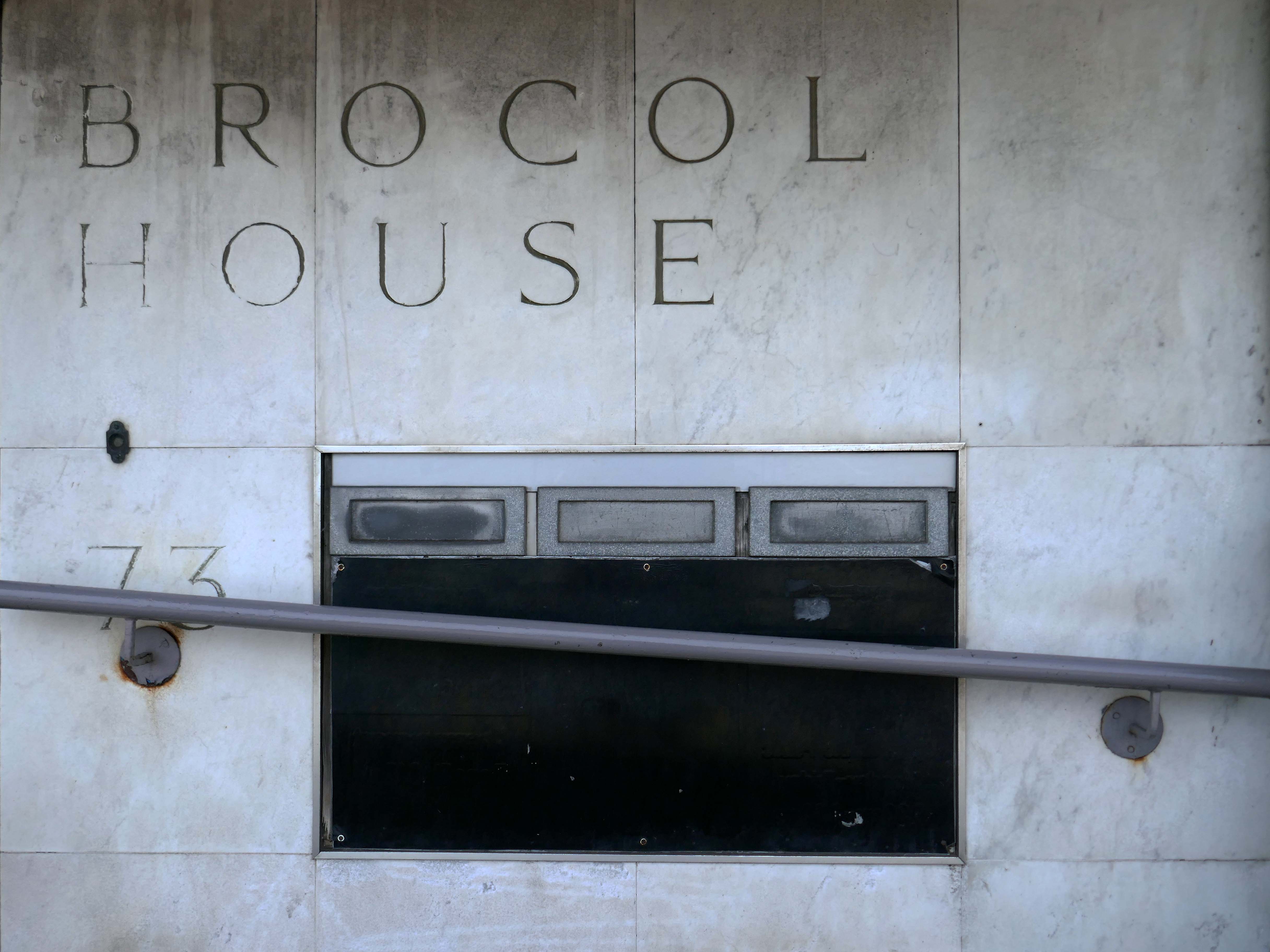
Onward to Brocol House – currently home to the Job Centre

Image – Wigan Peers

Originally built for the Inland Revenue one the site of the Brewers Arms – has the welcoming charm shared by the majority of Ministry of Works buildings of the period.

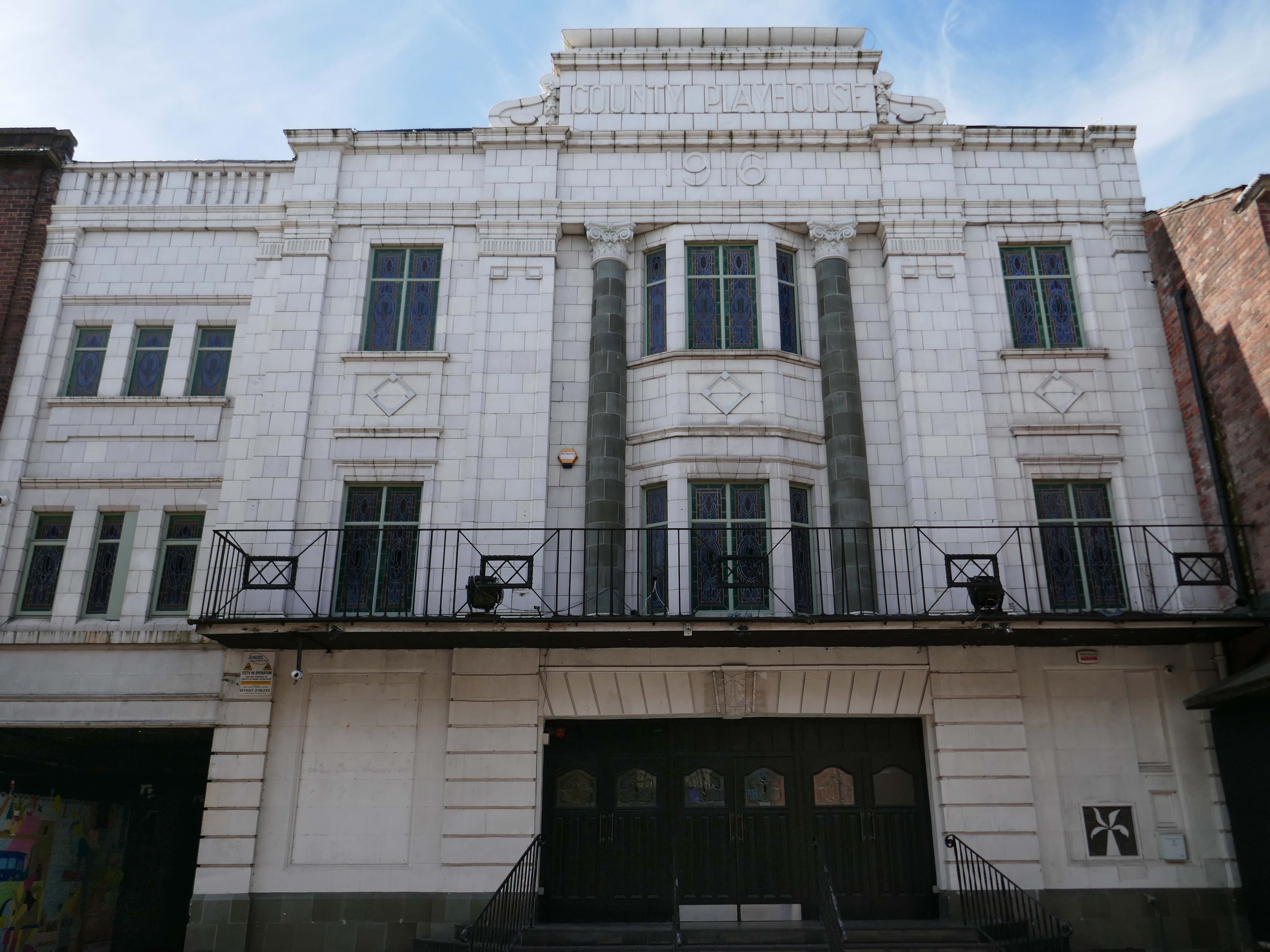
Nearly done – up the road to the County Playhouse.

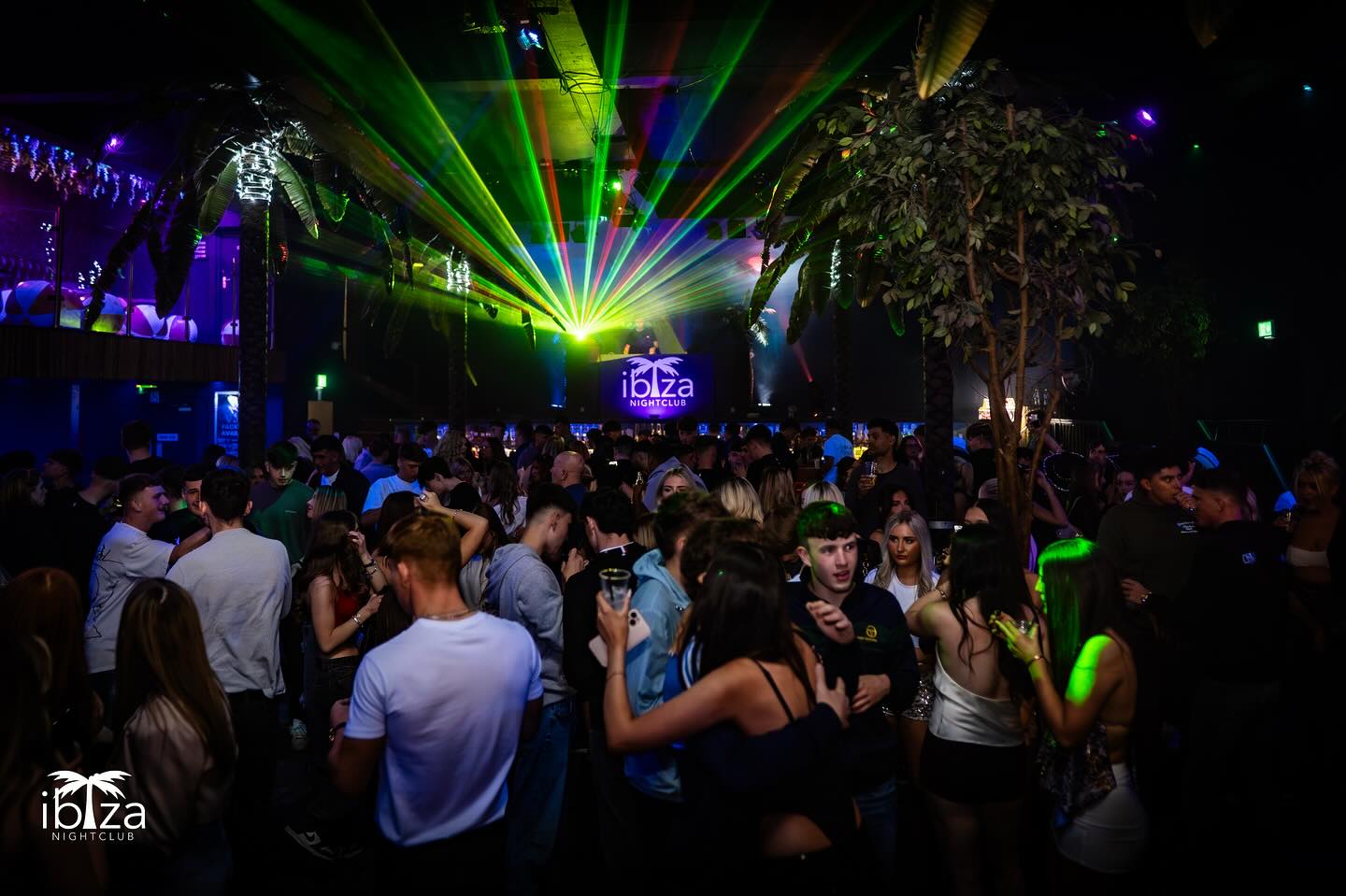
Which masquerades as Ibiza.

The club’s atmosphere is defined by thumping music and a vibrant crowd eager to dance and celebrate. Its modern interior design complements the lively ambience, creating an inviting space for locals and visitors alike.

Construction began on the County Playhouse in 1916. However, due to a shortage of materials and labour during World War I, it was not completed until 1919.

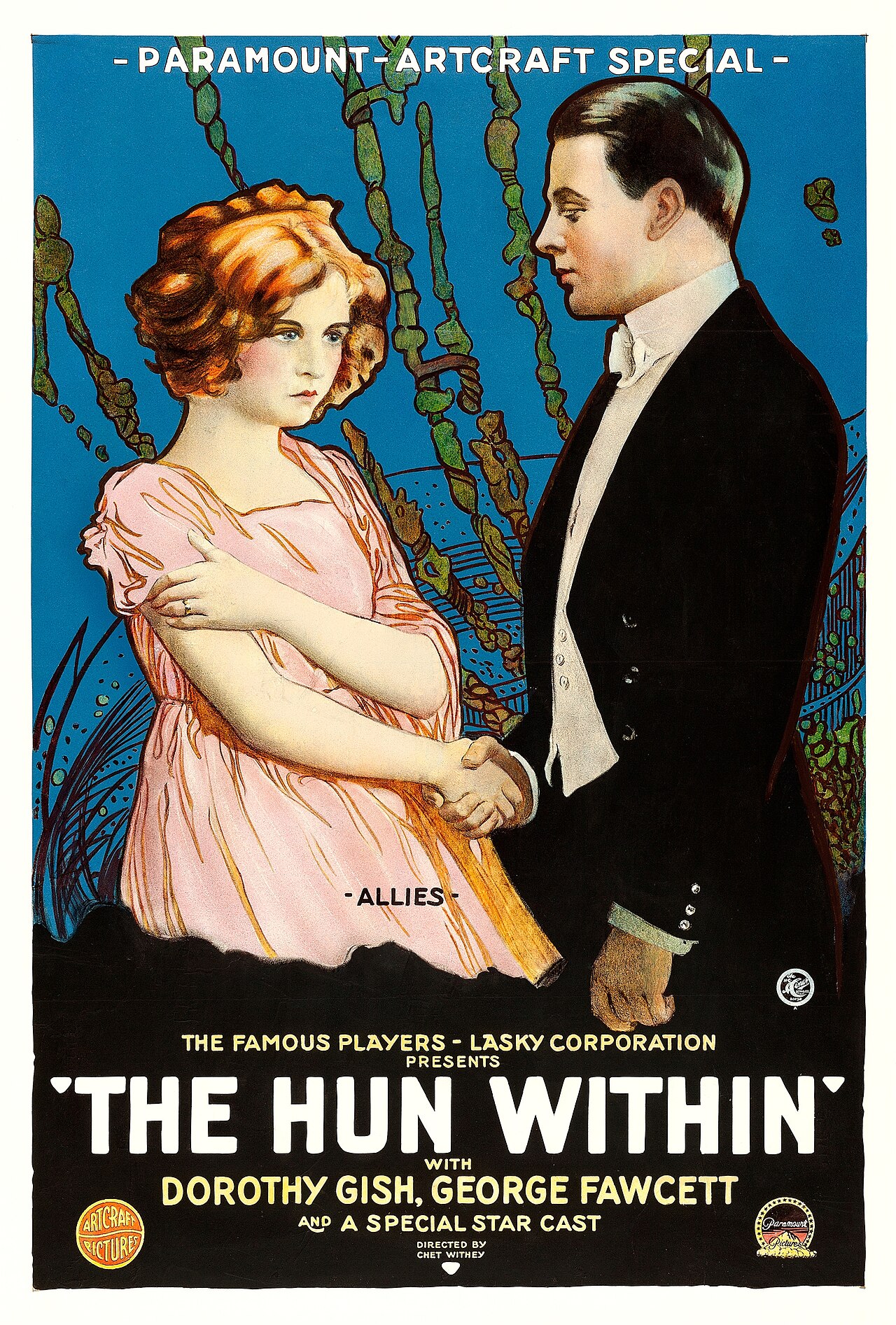
Finally opened on 22nd December 1919 with The Hun Within – starring Dorothy Gish.

The County Playhouse closed on Sunday 13th November 1966 with Disney’s “The Sword and the Stone”. It was taken over by the Leeds Based Star Cinemas chain and they converted it into Star Bingo and Social Club opened on 24th November 1966.

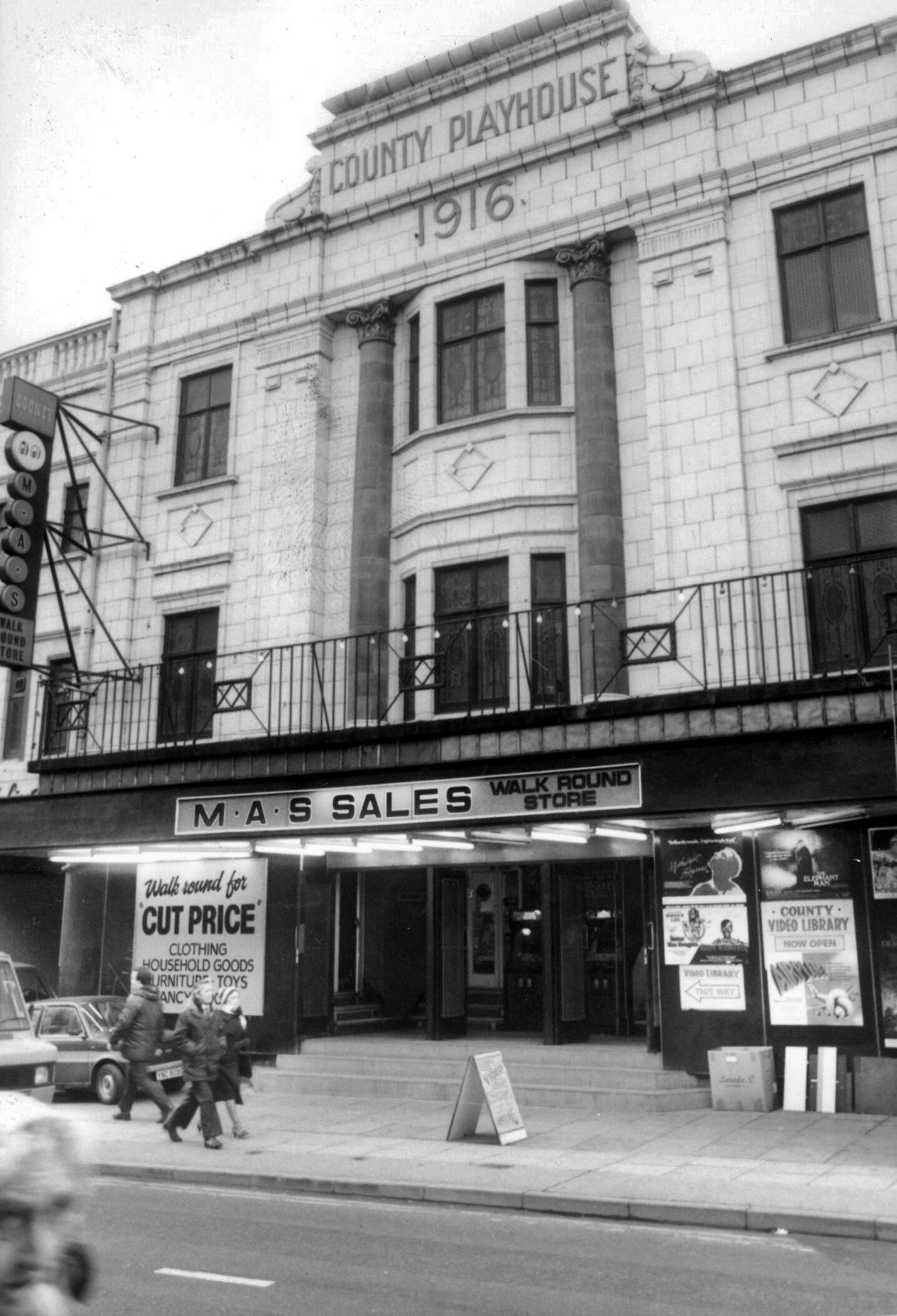
MAS sales store 1982 – Frank Orrell Photography

The building has since been used as a discount store and Playhouse Club Café. It then became home to the 1,200 capacity Pure Nightclub. In the early-2000’s it became the Ibiza nightclub. The Pure nightclub move into the former Princes Cinema

Cinema Treasures

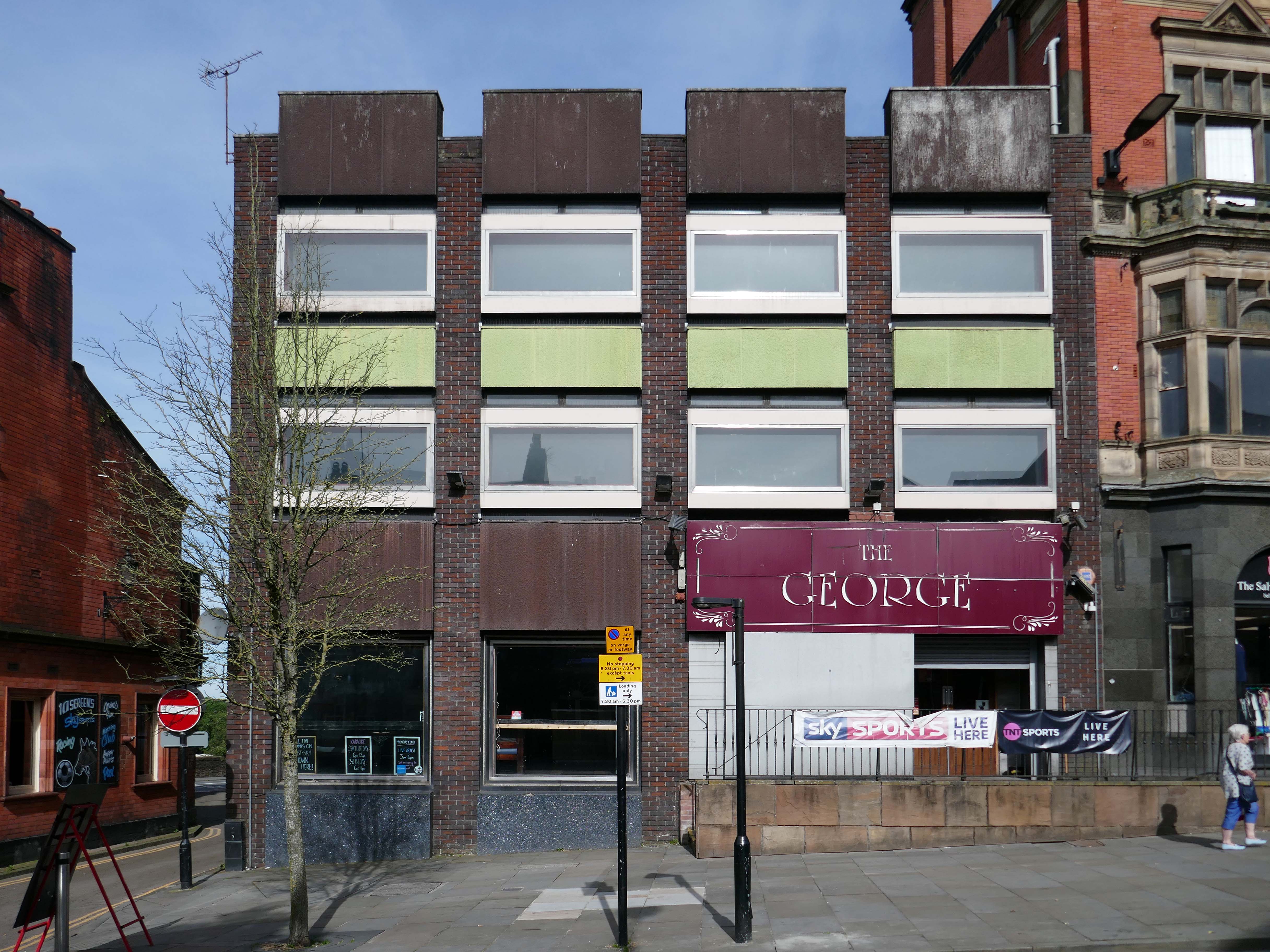
Time for a swift half in The George to end your tour?

Great for a local pint one of the cheapest in Wigan I believe, slightly rough at times but no fights just real local people who are generally friendly. Proper drinking gaff, and karaoke on certain nights.

Use Your Local

AMC – The Point Milton Keynes

602 Midsummer Blvd Milton Keynes MK9 3NB

Famous in the history of British cinema as being the first purpose built multiplex cinema to be built in the UK. The 10-screen AMC-The Point opened on 23rd November 1985 with a Royal Premiere of the Harrison Ford film Presumed Innocent which was attended by Sarah, Duchess of York.

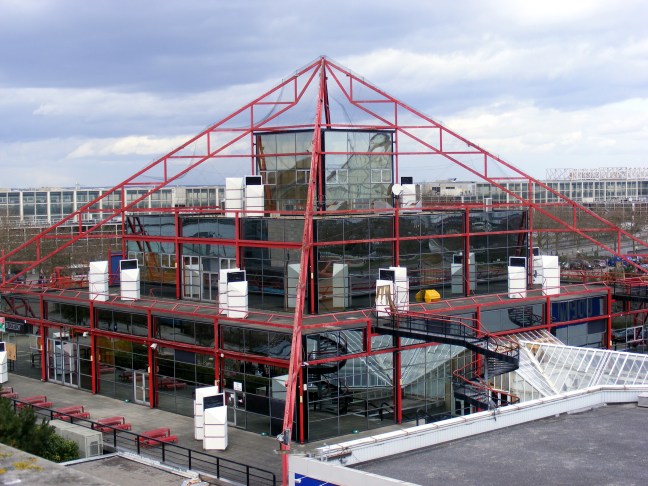
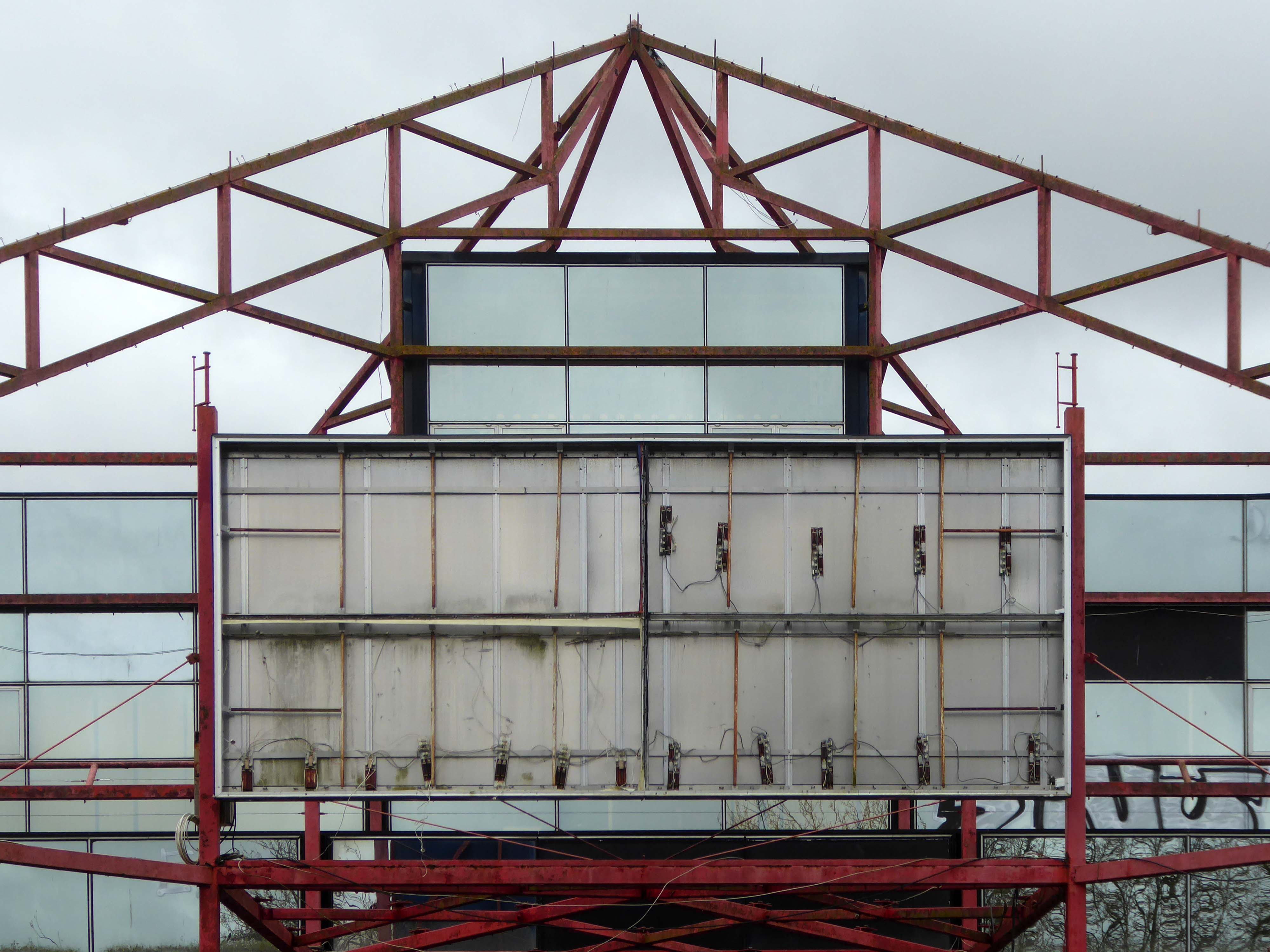
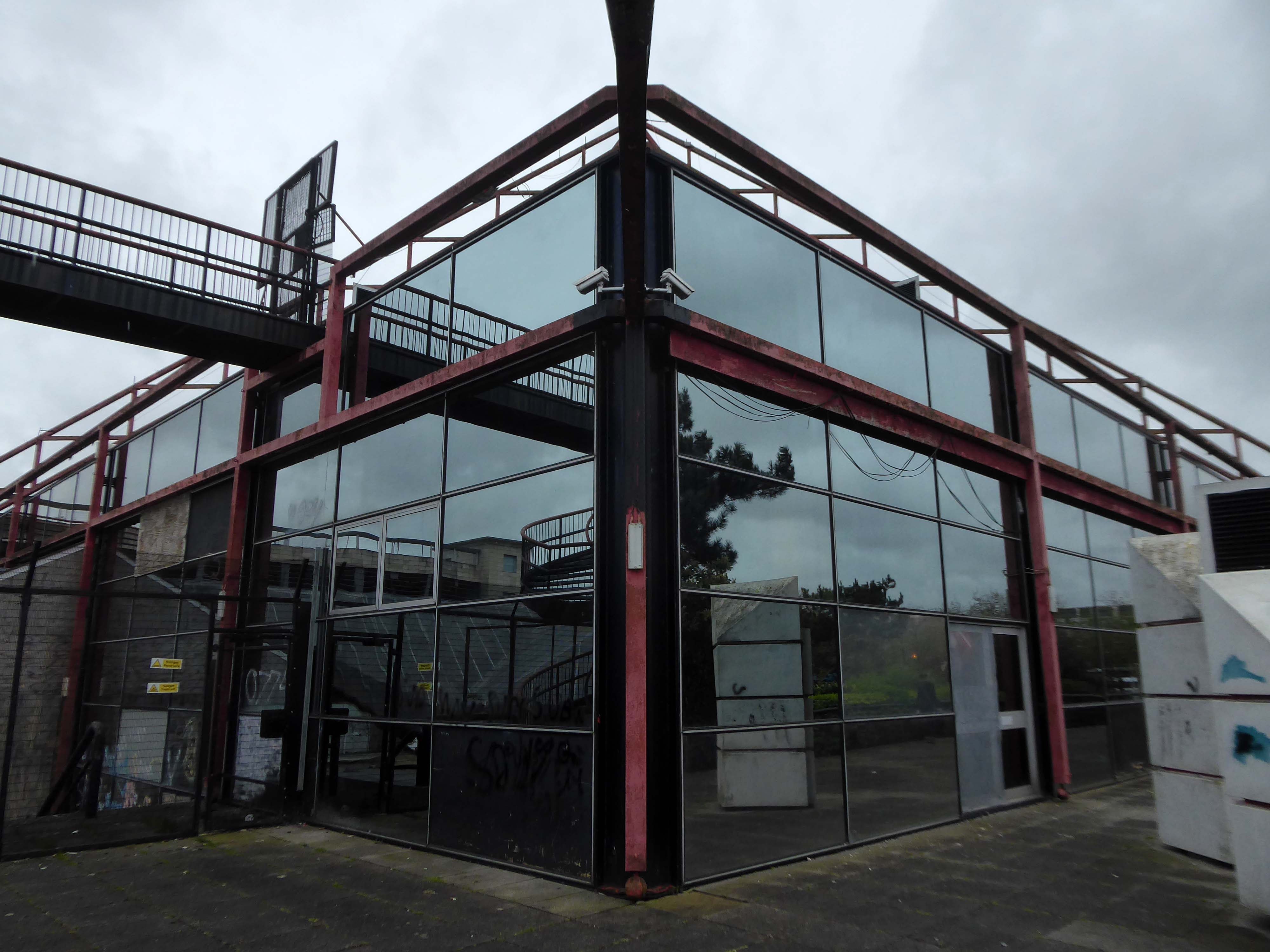
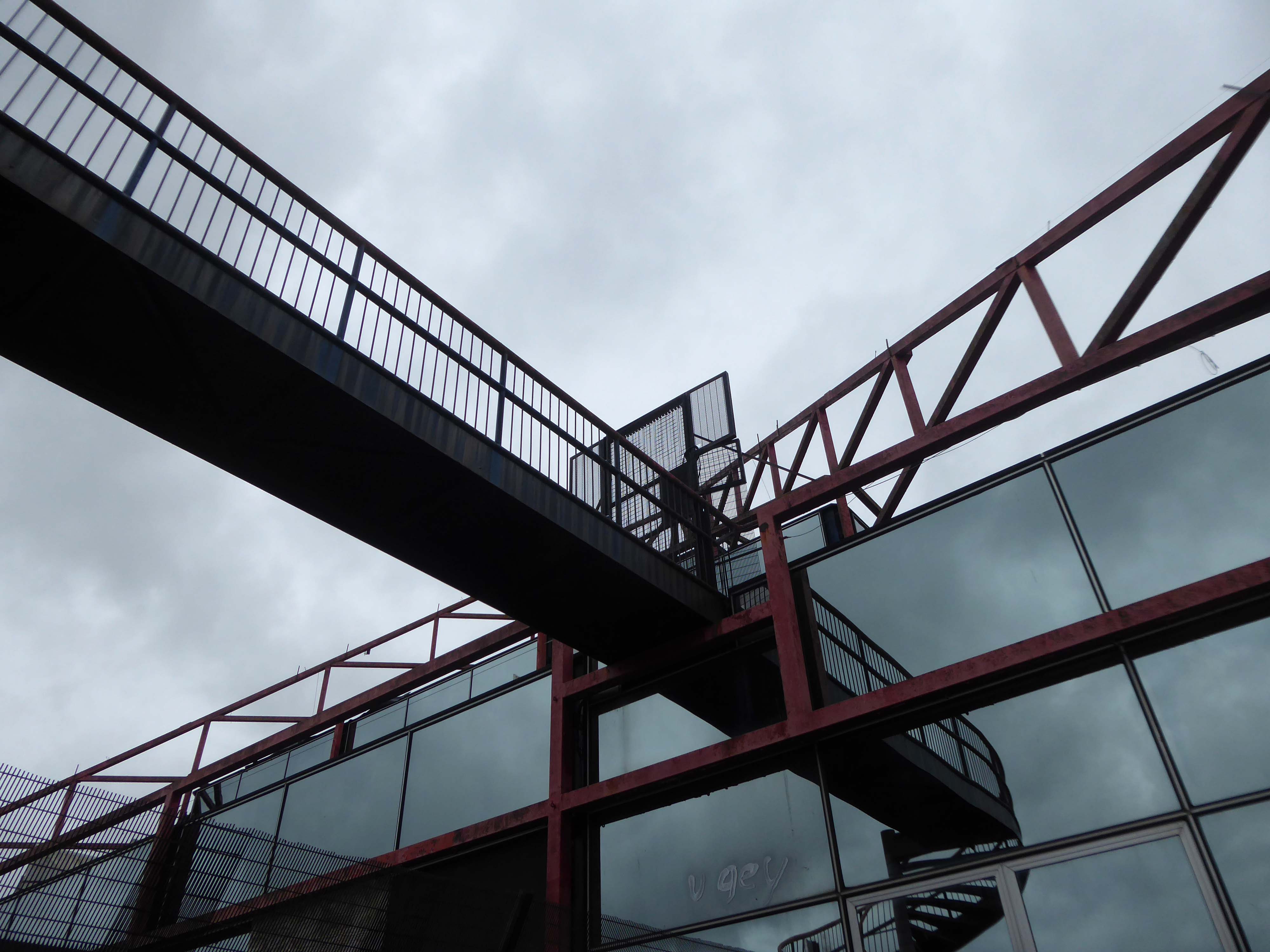
Built for and operated by American Multi-Cinemas, it has a foyer section, designed in the shape of a pyramid, hence the name The Point. The supporting struts were originally edged in red neon. The structure containing the auditoriums is just a plain block. Also in the complex is a Gala Bingo Club located under the cinema foyer entrance, a nightclub and cafes and restaurants.

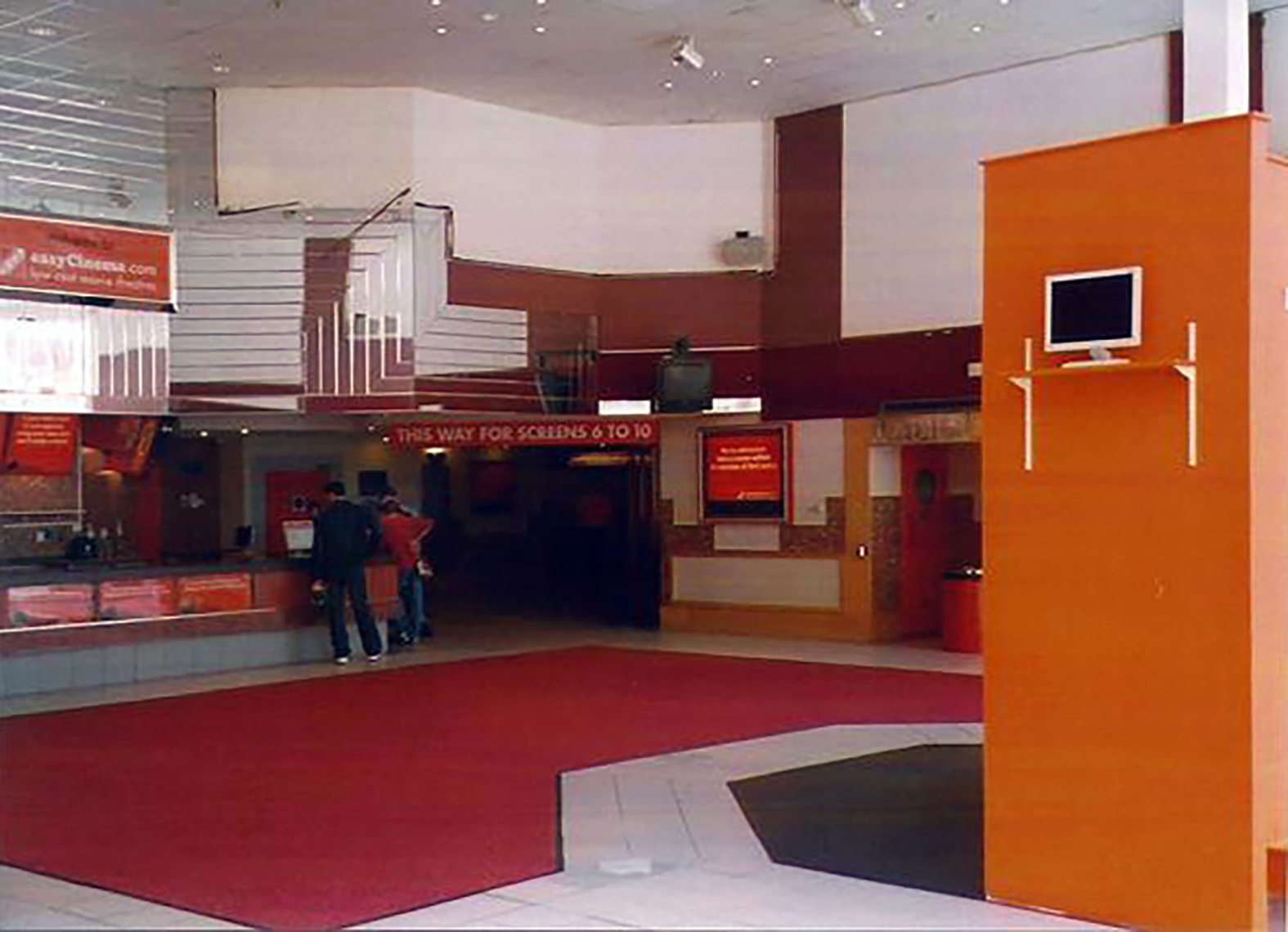
In December 1988, it was taken over by UCI and re-named. In April 2003 it was leased to easyCinema, operated by the budget airline easyJet, when a policy of taking bookings only online and charging a minimum admission, created interest, but turned out to be a failure. In May 2006 it was taken over by Odeon Cinemas Group. Seating capacities in the screens range from 248, down to 156.

The Odeon was closed on 26th February 2015 with Kingsman, The Last Service being the final film in one its auditoriums. There had been hope that the cinema would be given a Grade II Listed status due to its historical relevance as the UK’s first multiplex cinema, but it was turned down by English Heritage. It will be demolished and replaced by new shops and leisure facilities. The Gala Bingo Club – re-named Buzz Bingo Club from June 2018, was closed on March 21, 2020 due to the Covid-19 Pandemic. It was announced on 15th July 2020 that the closure would be permanent.

Milton Keynes now has a new 16-screen Odeon Stadium + IMAX, located at the MK Dons Stadium, which has an IMAX screen and two screens equipped with Atmos sound. It opened on 27th February, 2015.

Cinema Treasures

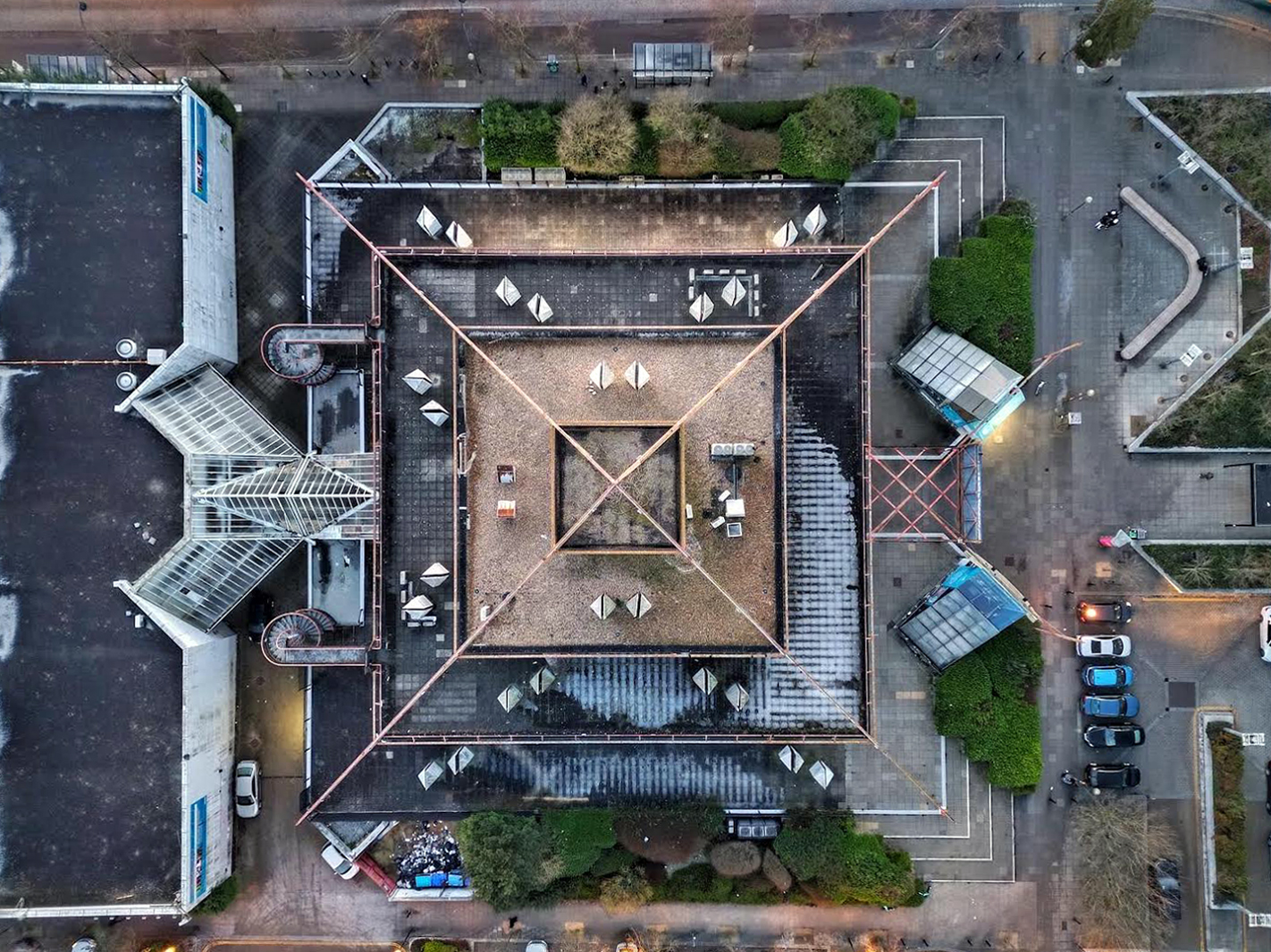
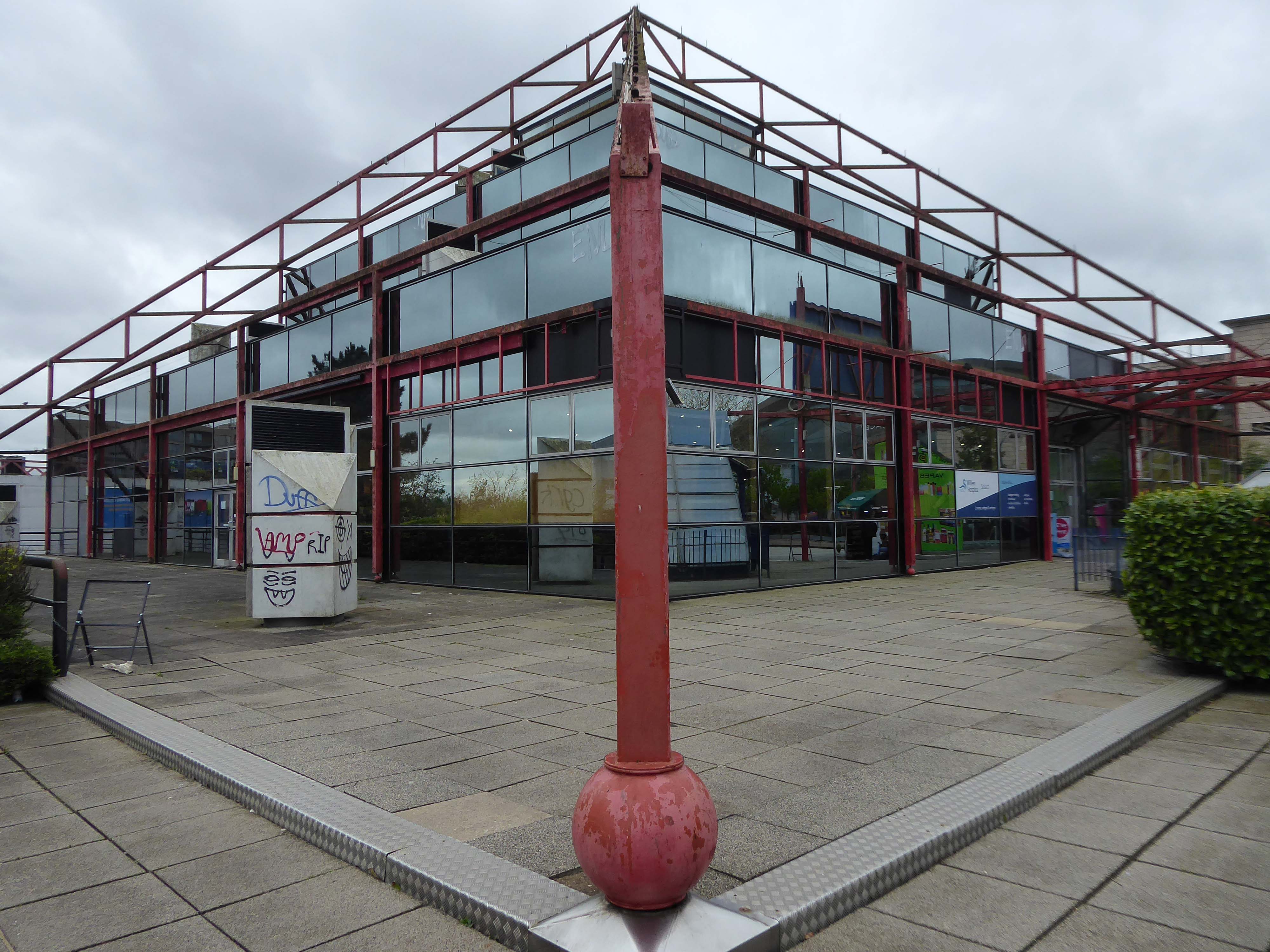
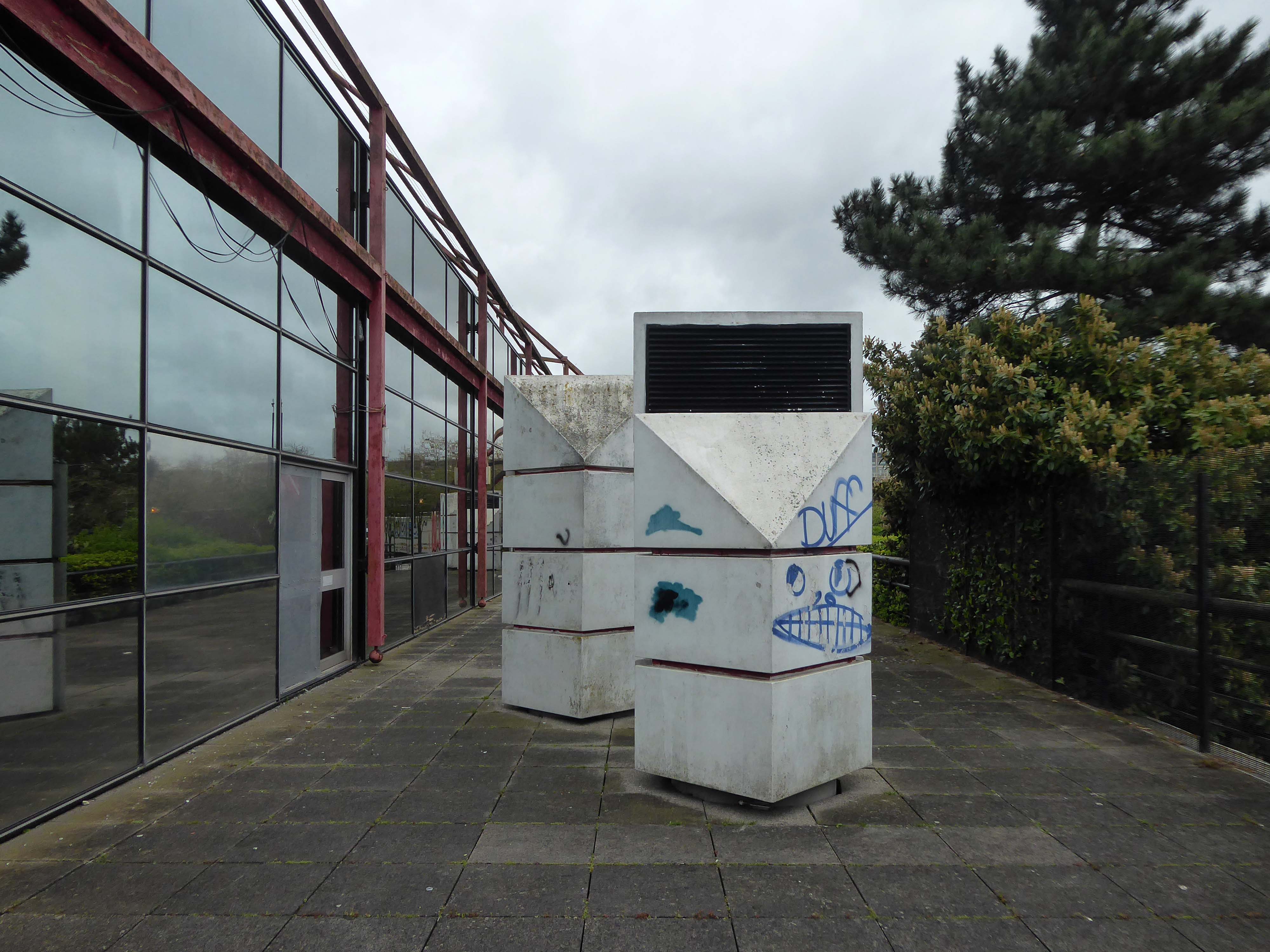
Designed by Building Design Partnership, the Point was reputedly inspired by the work of avant grade provocateurs Archigram and became an instant Milton Keynes landmark upon its opening in 1985. As well has being one of the UK’s first multiplex cinemas, the unconventional structure housed a games arcade, bingo hall and nightclub. These individual functions are externally expressed as stacked, mirrored boxes beneath the 70ft bright red steel pyramidal frame – illuminated at night as a space-age beacon across the low-rise city centre.

c20

An application as been submitted by developers GHL – Galliard Holdings Ltd, the intention is to demolish the famous pyramid structure and replace it with 487 new flats in tower blocks of up to 21 storeys high.

MK Citizen

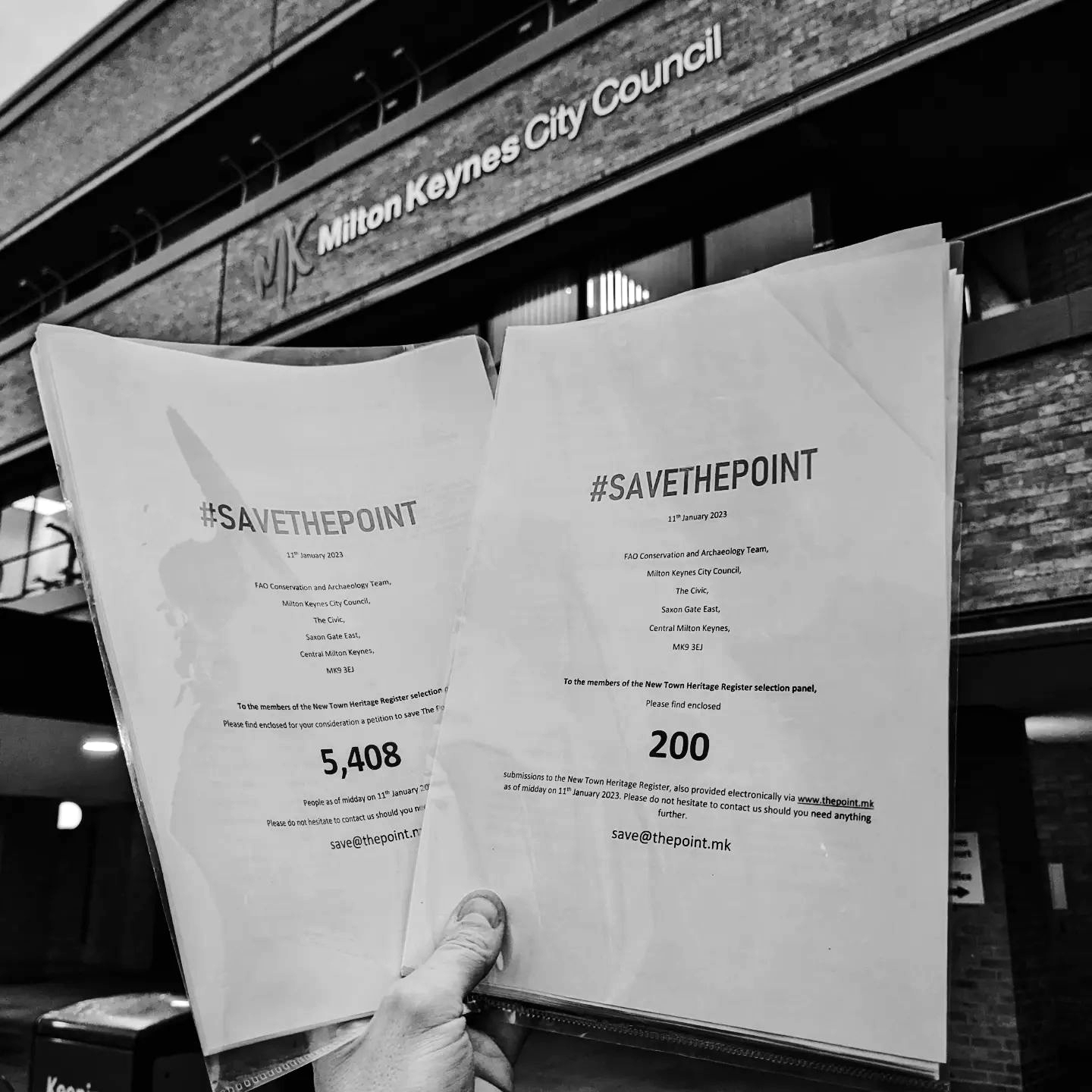
There is a local grassroots campaign to save the Point – with its own Facebook page.

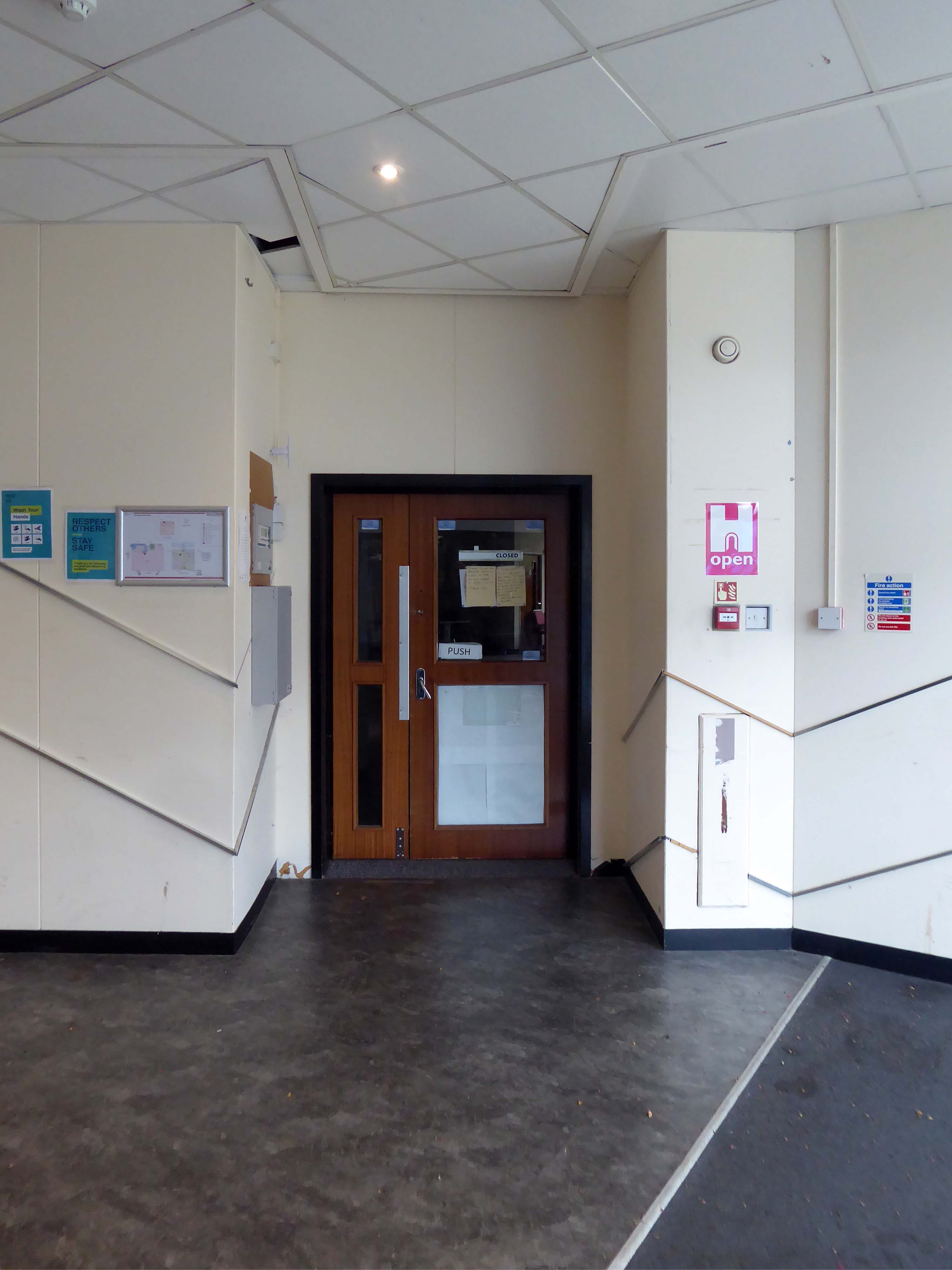
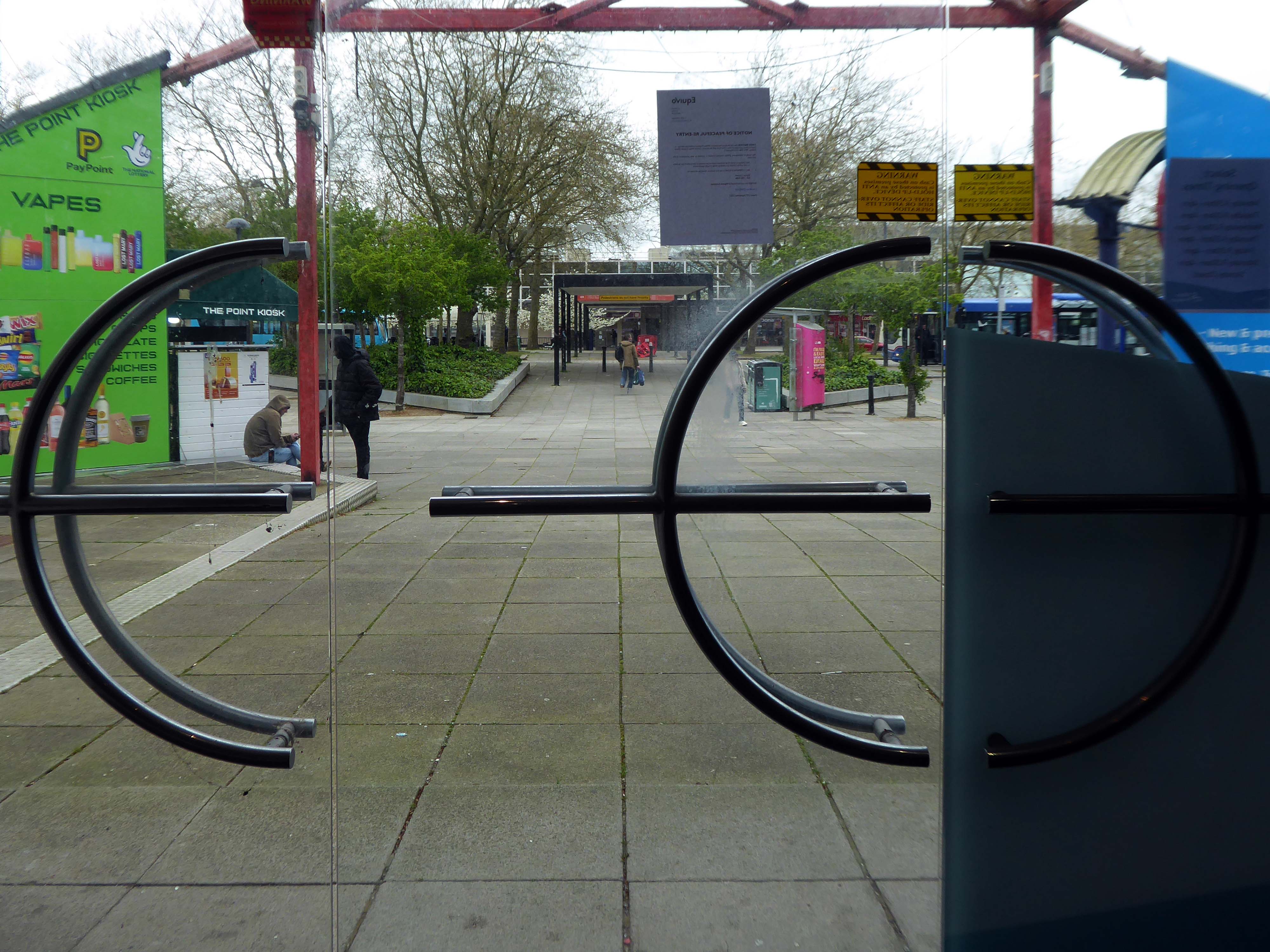
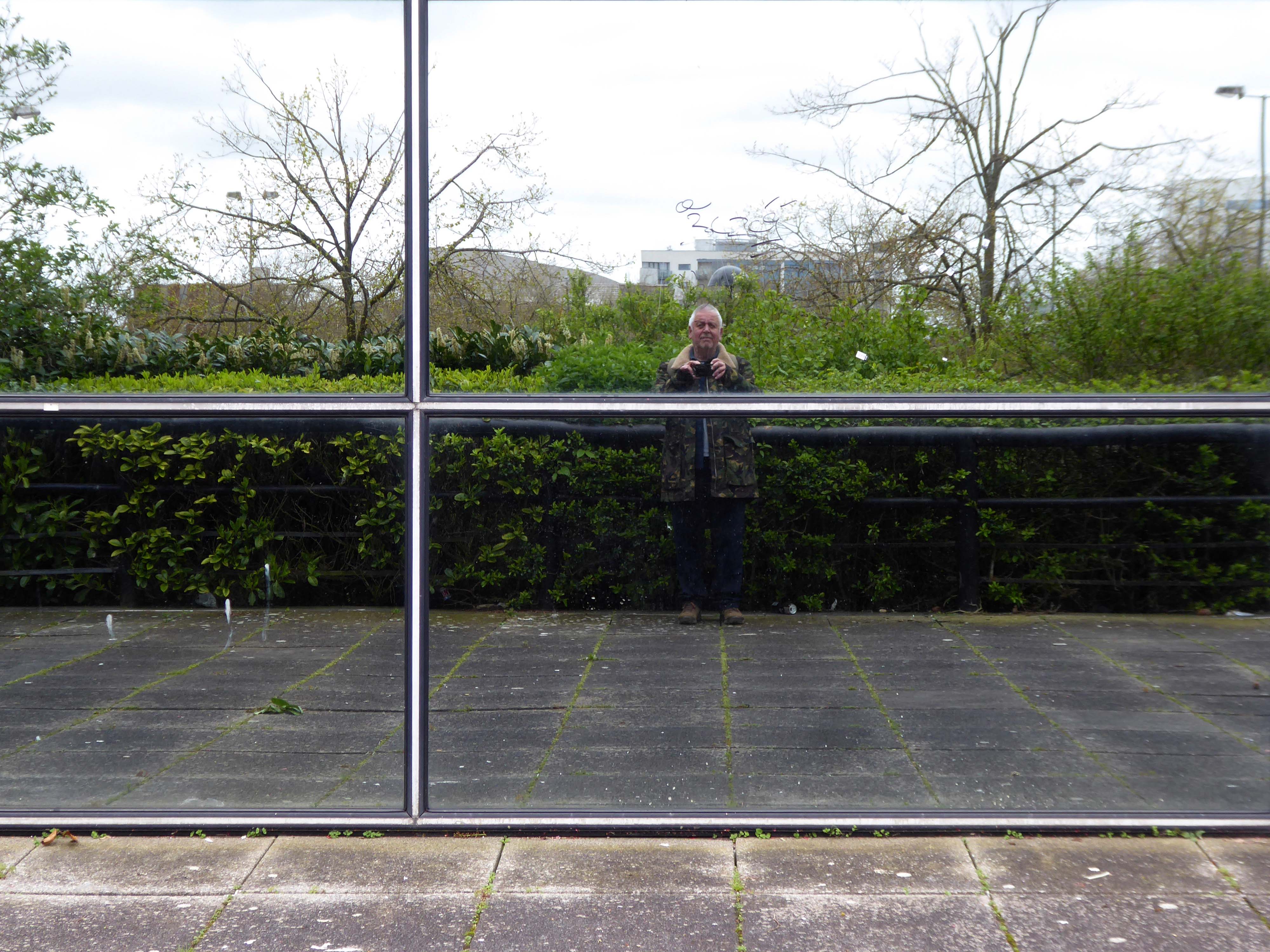
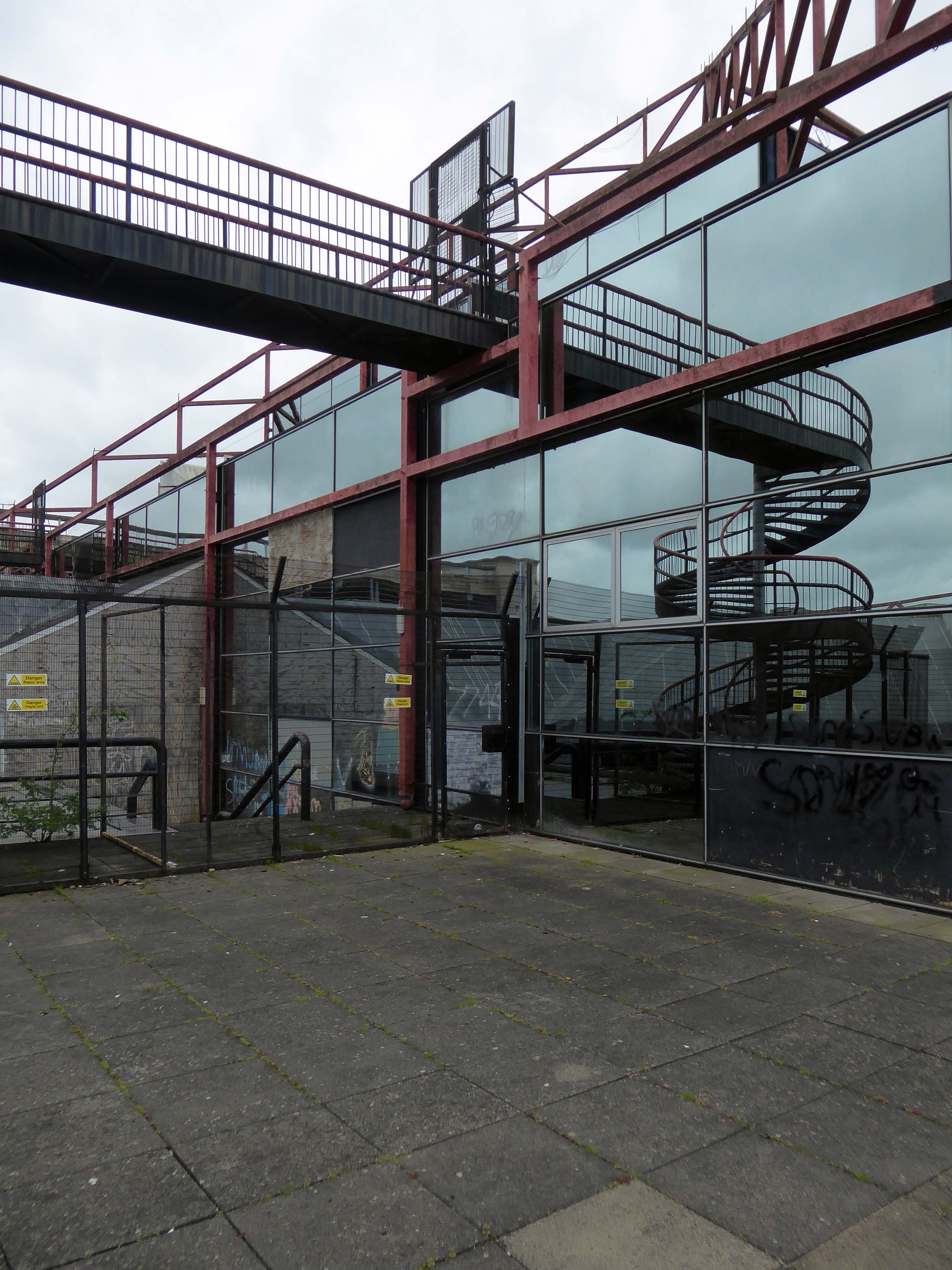
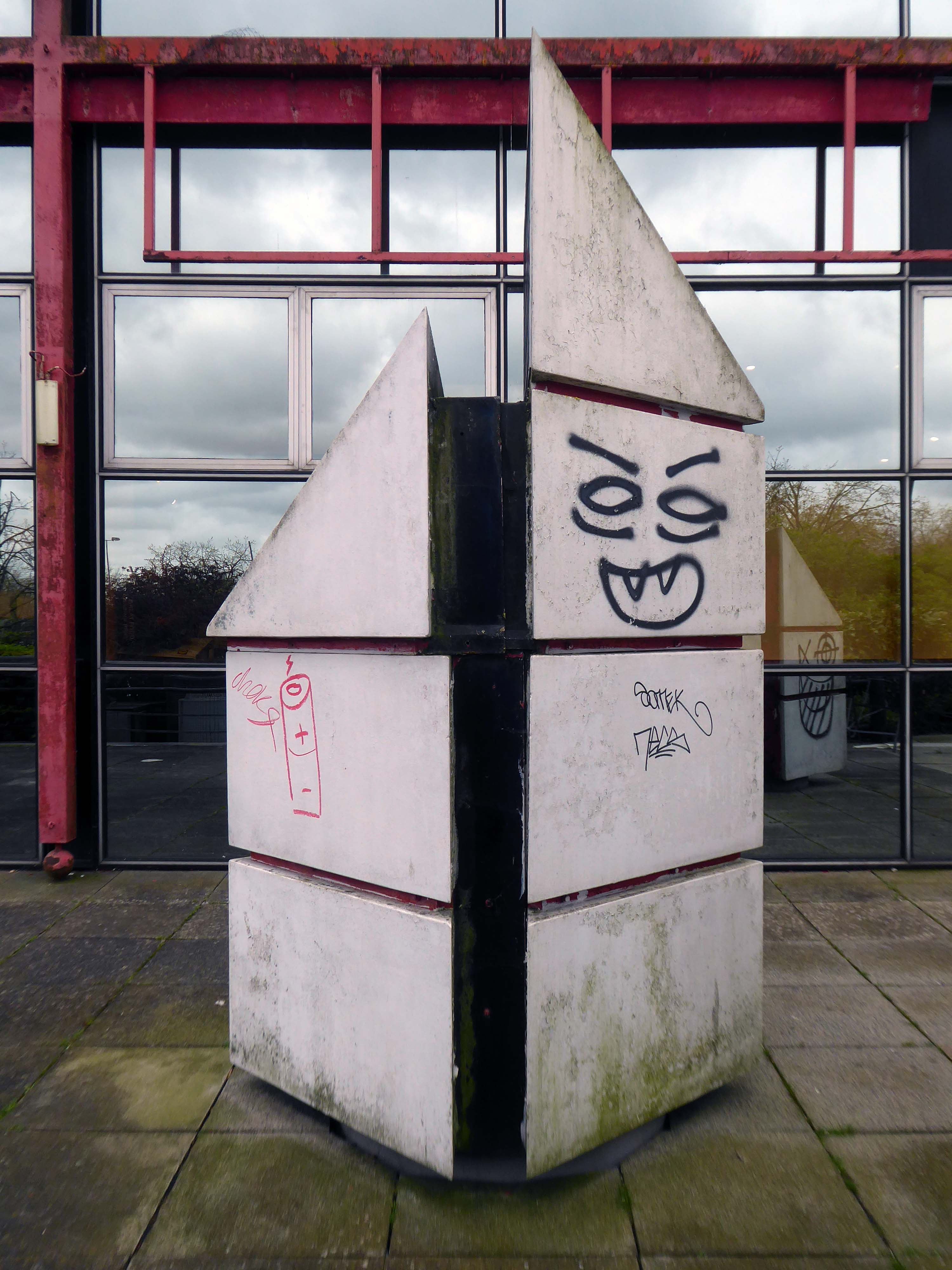
On the day of my visit April 10th 2024 – this is what it looks like.

I’ve known about The Point for as long as I can remember. It’s always been there. When I was a lot younger and we’d drive into MK at night, we’d always look out for the glowing red beacon in the shape of a pyramid on the horizon. It’s an iconic and even historic to Milton Keynes building, and it’s a shame to see that it’s just being left to become a shadow of its former self. I mean it surely wouldn’t cost much to put some led lights on it and light it up at night time again. So much money is wasted elsewhere in the city they should think about the upkeep of the actual landmarks they have.

Bobby D – Local Guide

Odeon and Ritz Cinemas – Sunderland

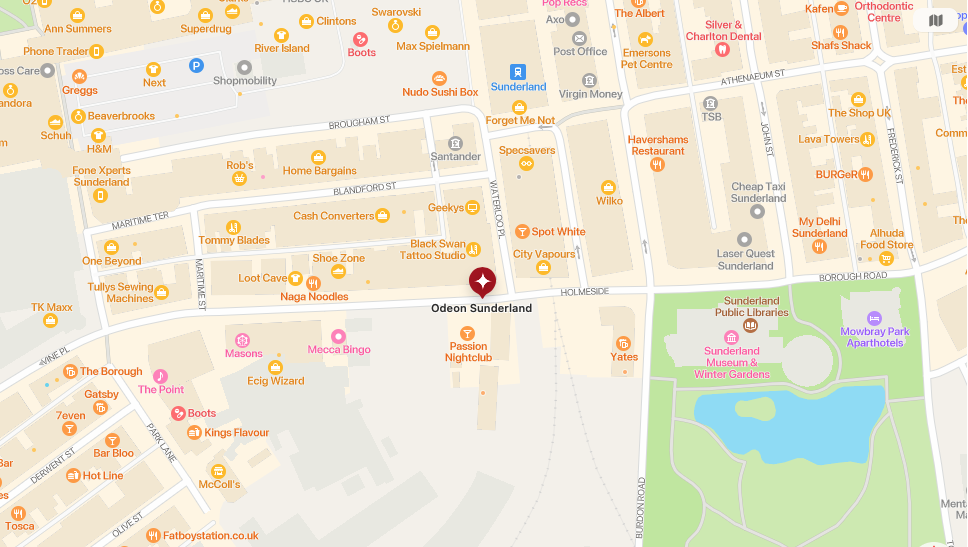
44 Holmeside  Sunderland  SR1 3JE

Architects: Frederick EvansEdwin Sheridan Gray

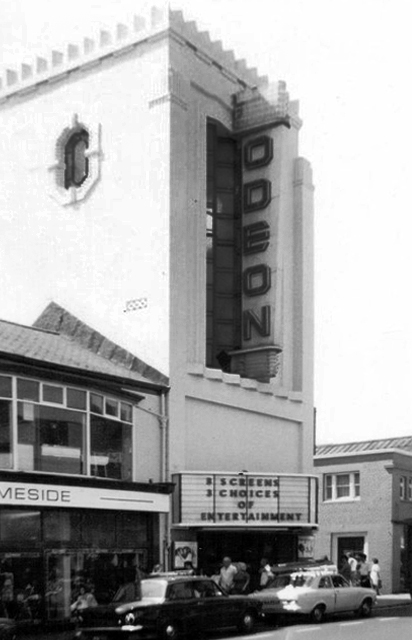
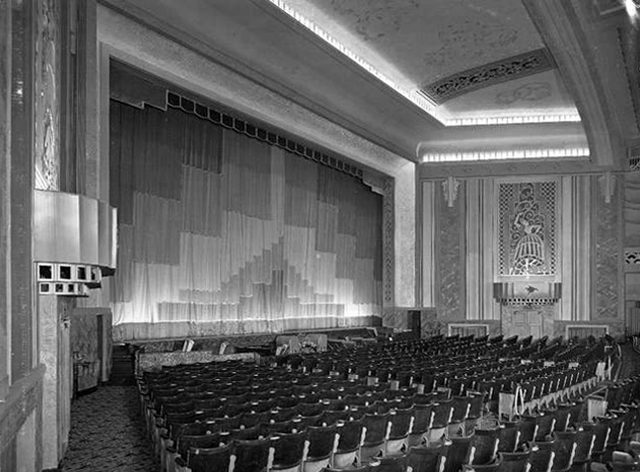
Black’s Regal Theatre was built on the site of the Olympia Exhibition Hall and Pleasuredrome 1897-1910 and it was built for the northern independent Black’s circuit. It opened on 28th March 1932 with Jessie Matthews in Out of the Blue.

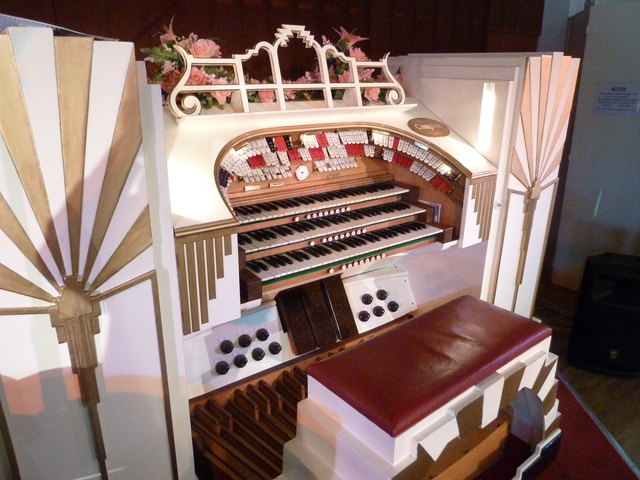
The theatre was equipped with a Compton three manual, nine ranks theatre organ which had an Art Deco style console on a lift.

This was opened by organist J Arnold Eagle. The policy of the theatre for many years was pictures and variety and it had a fifty seven feet wide proscenium, the stage was forty feet deep and there were ten dressing rooms. Other facilities included a cafe and roller rink.

Regal/Odeon, Holmeside, Sunderland, Co. Durham

In 1955 the Black’s circuit was taken over by the Rank Organisation and the Regal was re-named Odeon from 28th November 1955. It was divided into a three screen cinema in 1975 with 1,200 seats in the former circle and two 150 seat screens in the rear stalls.

On 28th March 1982 a special 50th Anniversary concert was given by Phil Kelsall on the Compton organ. Three months later, on 26th June 1982 the Odeon was closed with One Flew Over the Cuckoo’s Nest, Star Wars & The Empire Strikes Back, Mary Millington’s True Blue Confessions.

The building was boarded up and abandonded for a long period of time.

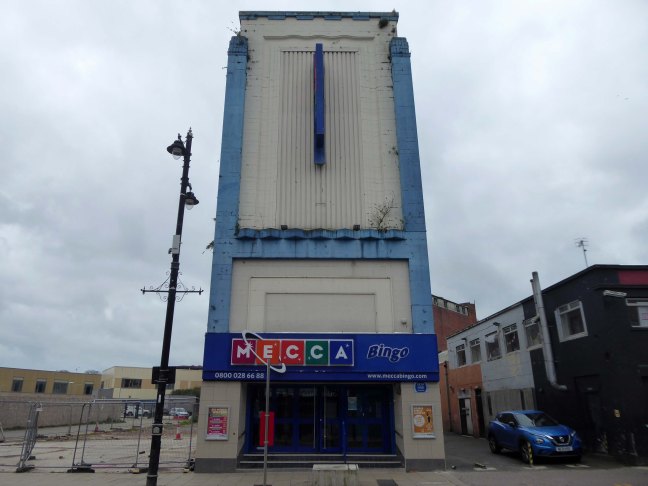
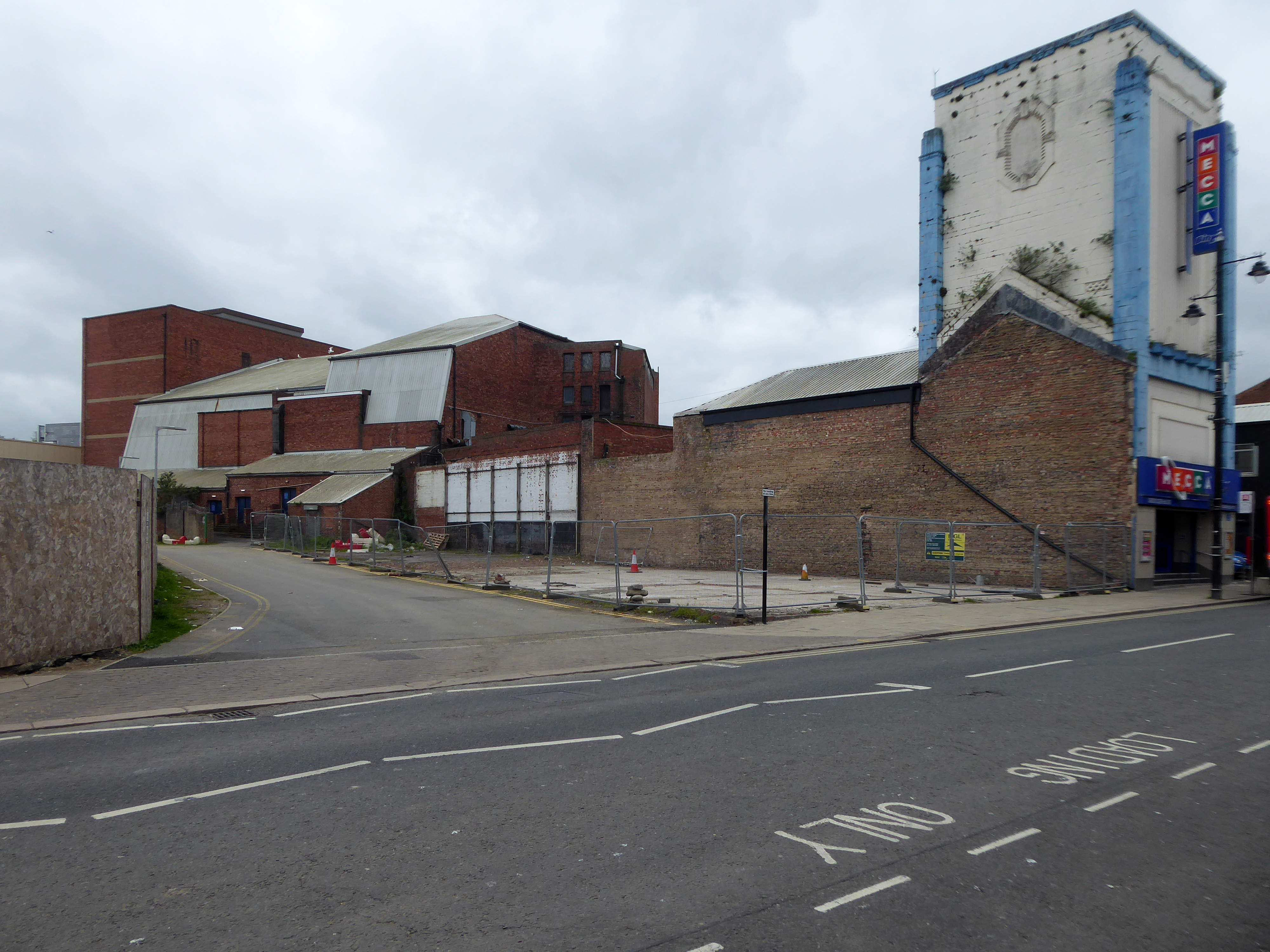
However it was to re-open as a Top Rank Bingo Club and remains in use today as a Mecca Bingo Club. The sub-division of the auditorium has been removed. In July 2009, it was announced that the building and the entire block had been the subject of a compulsory purchase order.

Cinema Treasures

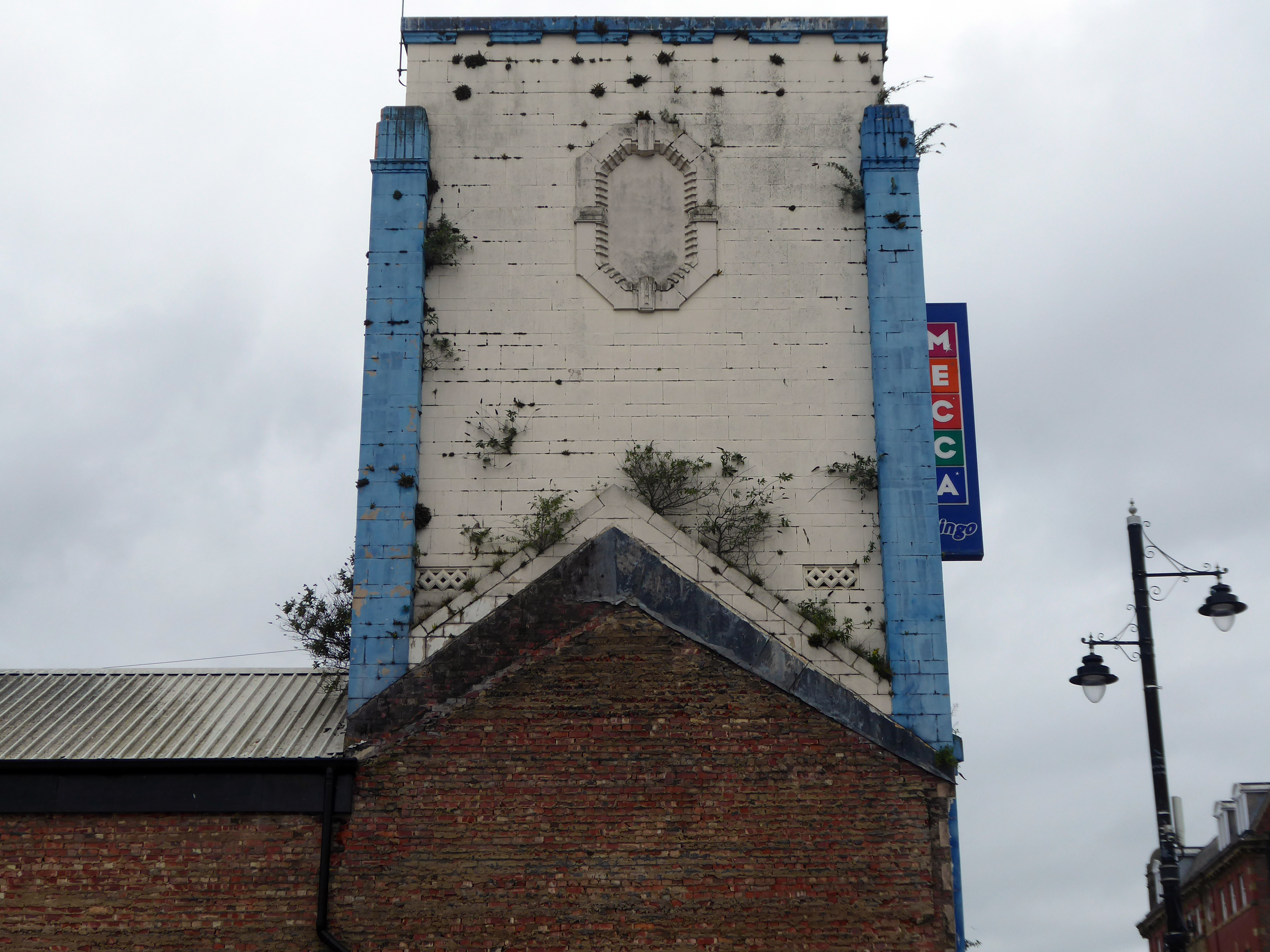
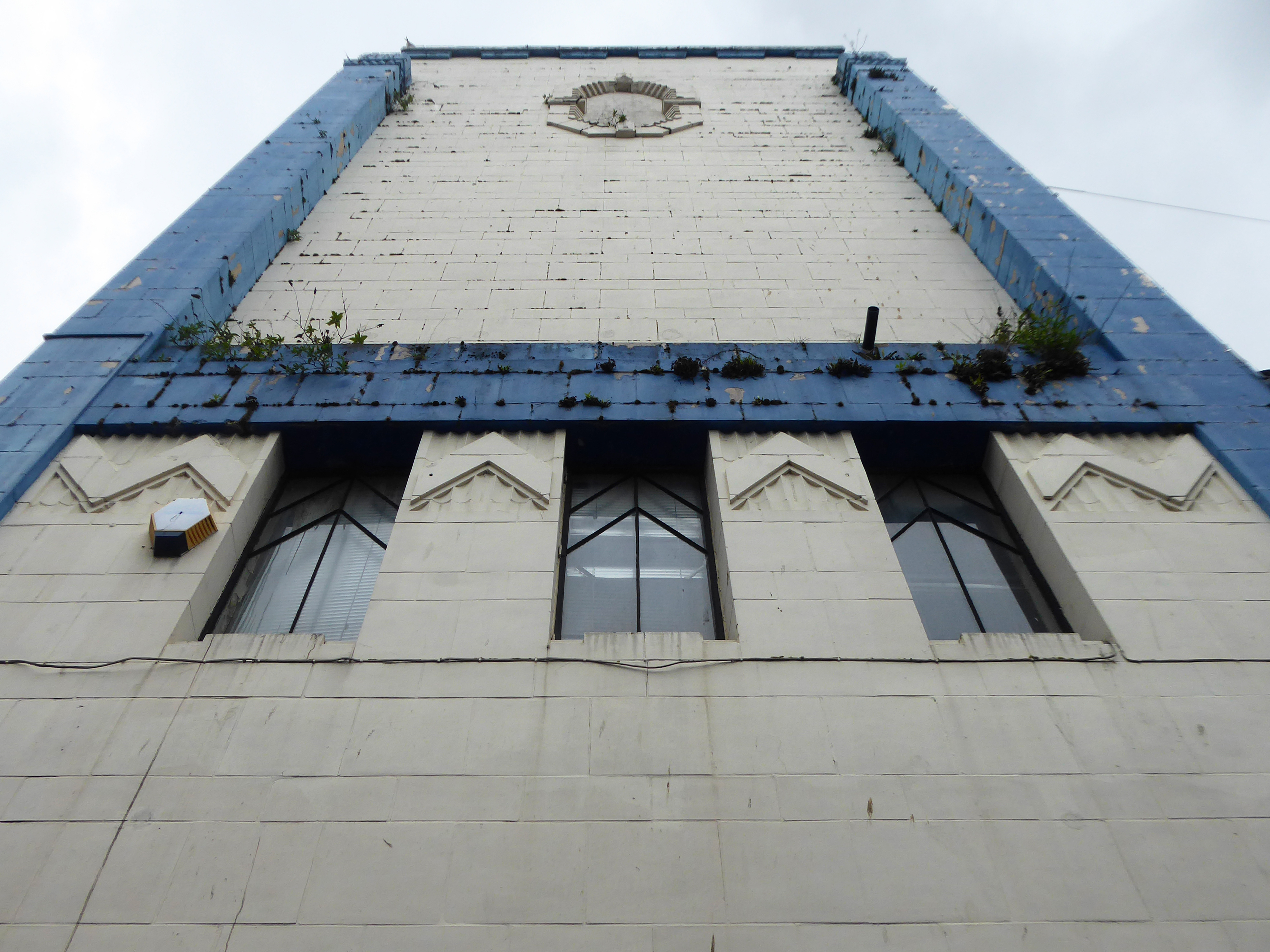
I happened by the other day – attracted by the distinctive Deco tower.

And the building’s amazing mass.

I walked around the corner to find the side entrance – as the original lobby is no longer in use.

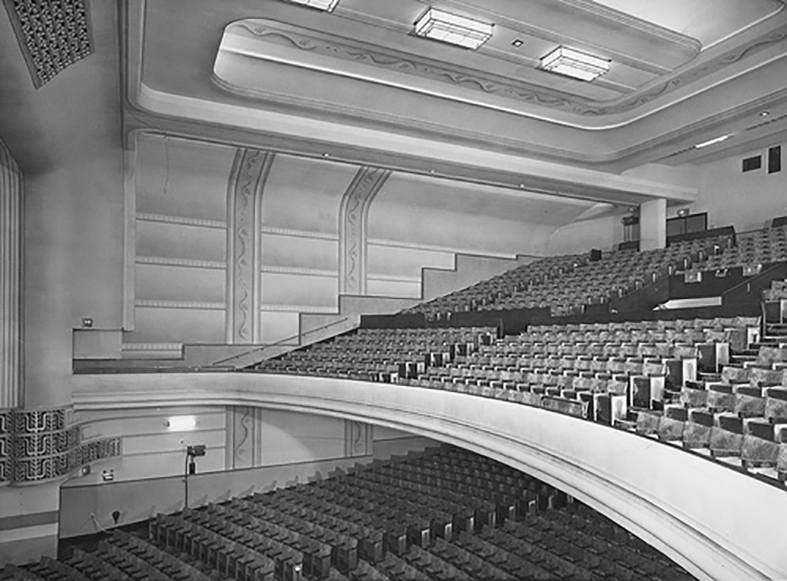
I was ever so fortunate to happen upon a convivial cleaner, who kindly invited me inside the auditorium.

Much of the interior detail is intact though the balcony was no longer in use.

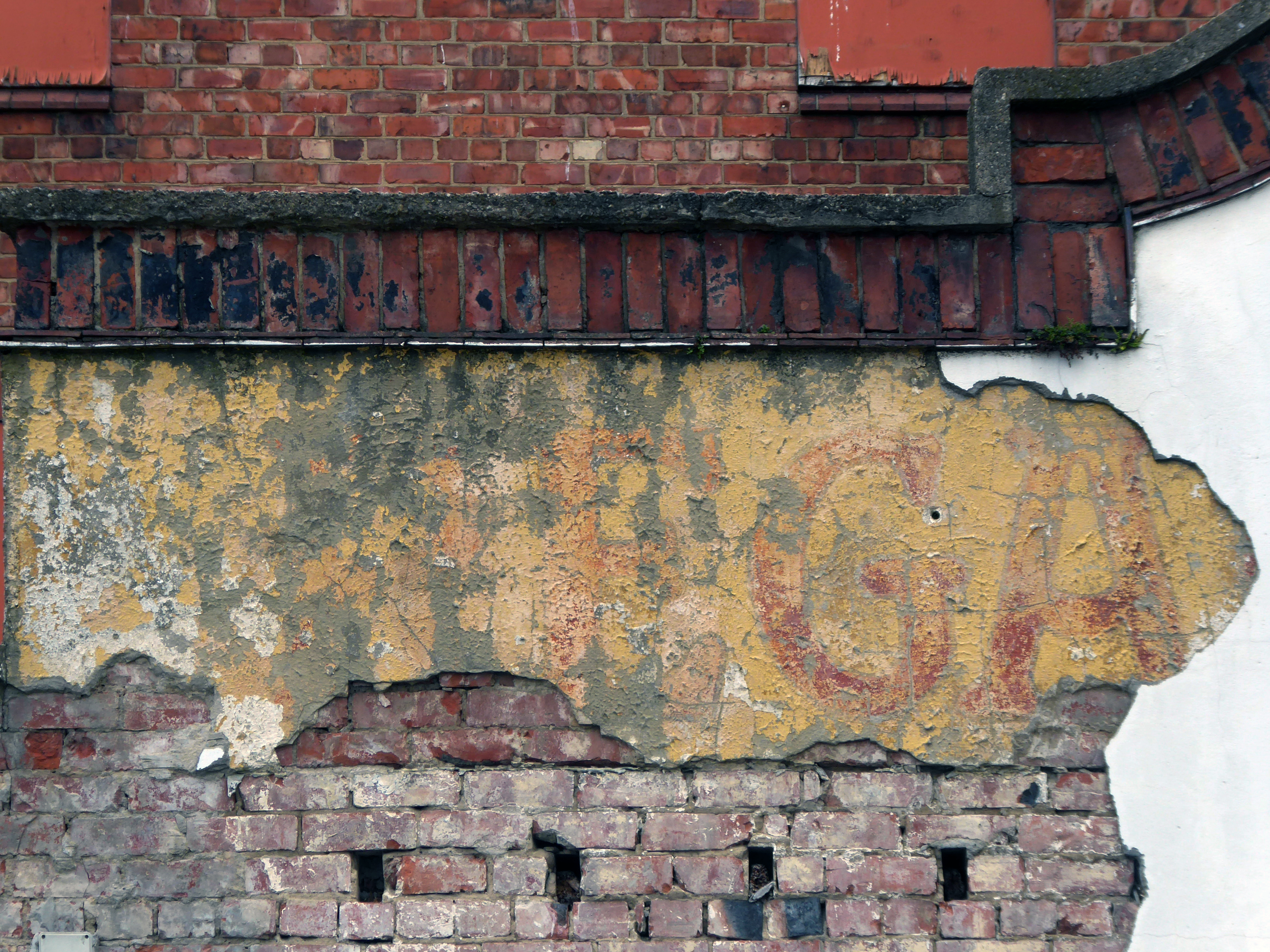
On exiting, I noticed the ghost of the Regal.

Though the exterior is a pale shadow of its former self, the building is still intact and in use.

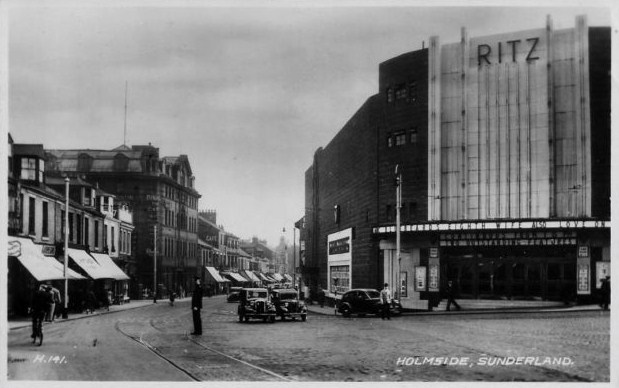
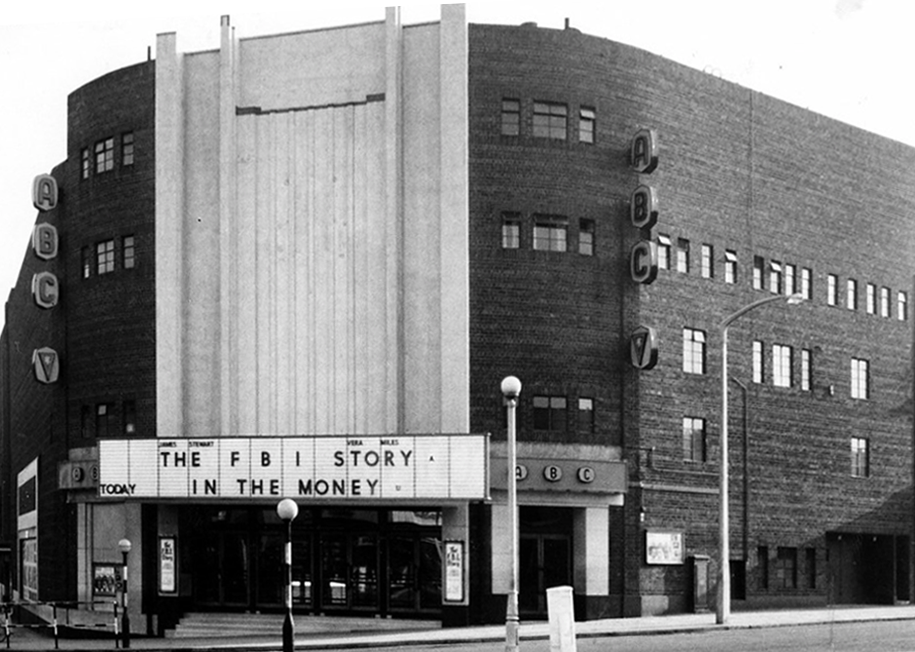
A close neighbour is the what was the Ritz latterly ABC Cinema.

Architects: William Riddell Glen

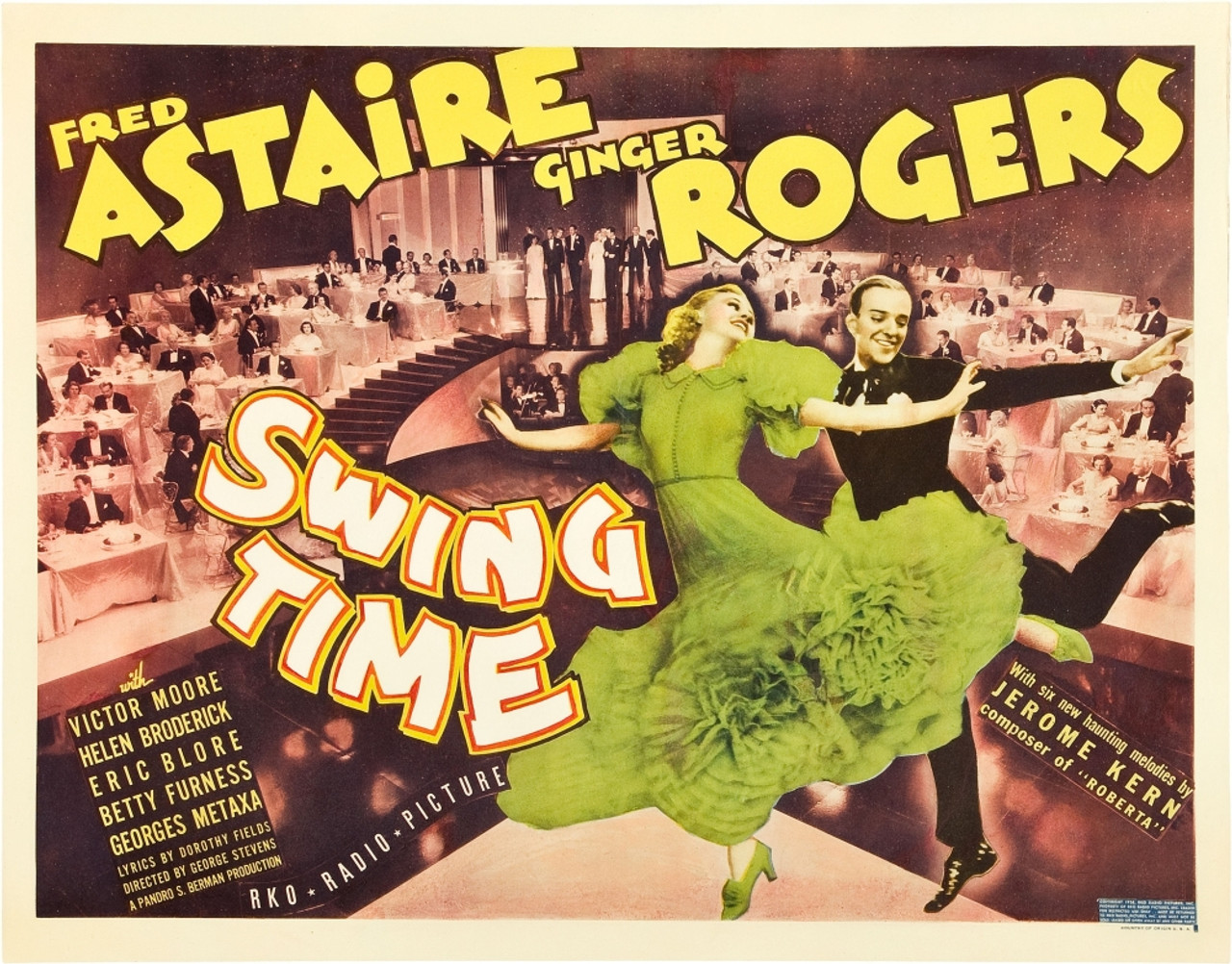
Opened on 1st March 1937 with Fred Astaire & Ginger Rogers in Swing Time, the Ritz Cinema was built by the Union Cinemas chain. They were soon taken over by Associated British Cinemas – ABC. It was lavishly fitted with deep pile carpets and chandeliers.

In 1961 it was re-named ABC. It was converted into a two screen cinema from July/August 1974 when the former circle became a 534 seat screen and the front stalls a second screen seating 212. The rear stalls area was converted into a Painted Wagon pub. Sadly the conversion destroyed much of the original interior of the auditorium. It was later taken over by the Cannon Cinemas group, but later went back to the ABC name.
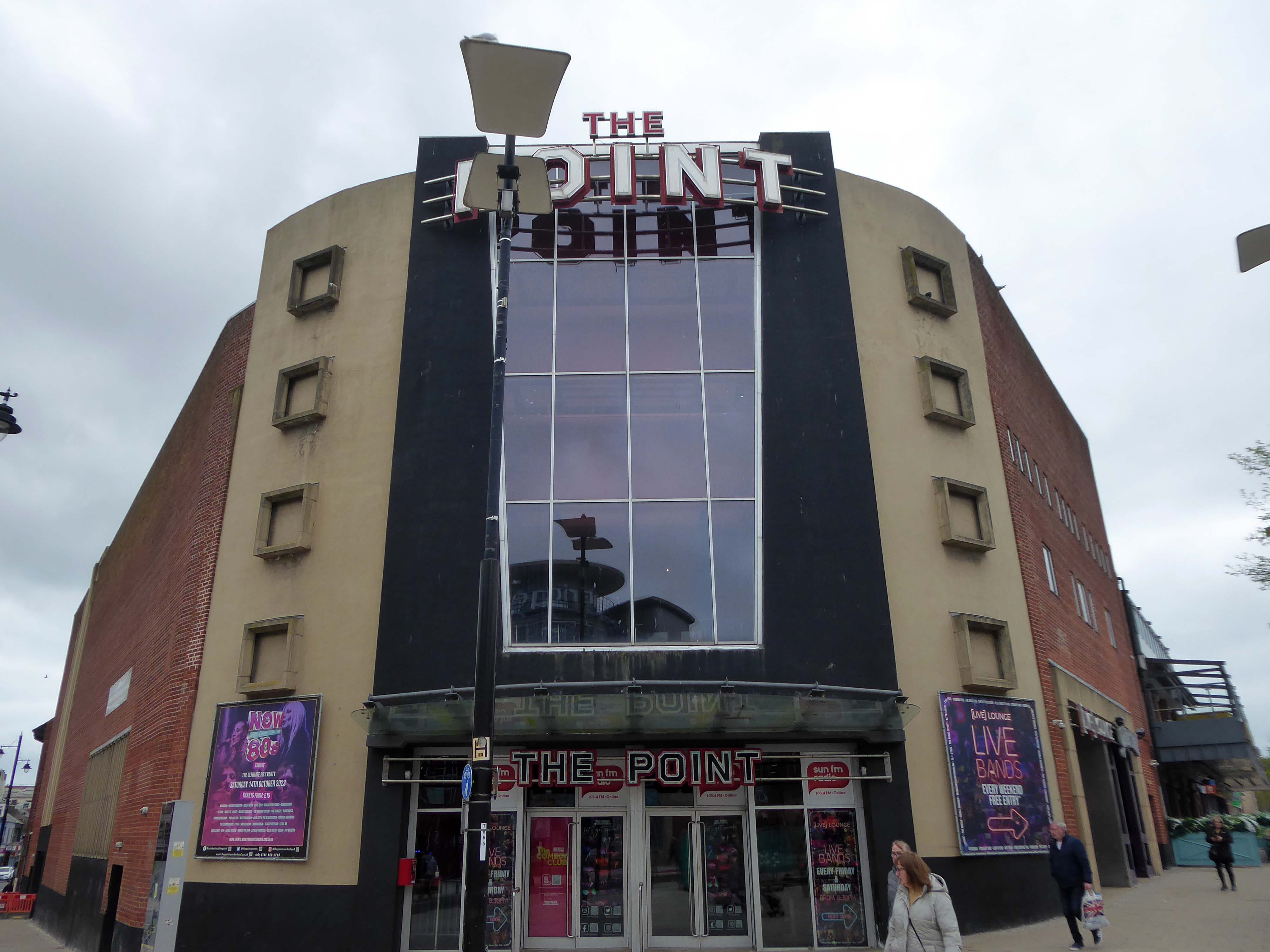
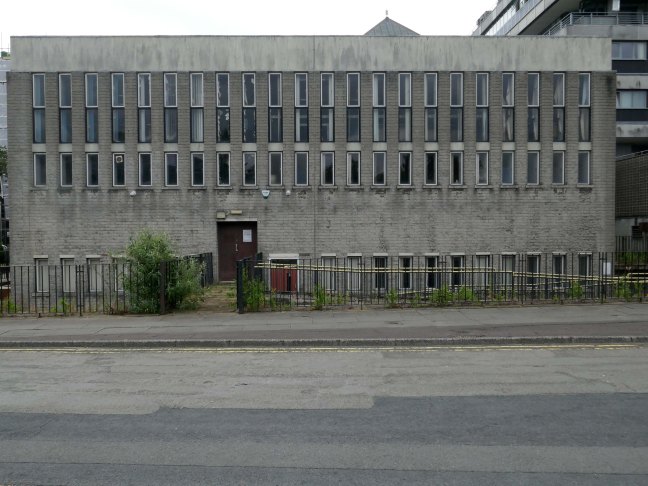
Sadly it closed on 29th April 1999, the last of Sunderland’s major cinemas.

It has recently reopened as The Point a nightclub which has four dance floors and has now completely lost all features of its cinematic past.

Cinema Treasures

Get y’self pumped!

Carlton Theatre – Hull

470-476 Anlaby Rd Hull HU3 6SH

Opened on 9th September 1928 with the silent film Lonesome Ladies.

The Carlton Picture Theatre in Anlaby Road was designed by the firm of Blackmore & Sykes and was built by Messrs. Greenwood and Sons.

It was run by Hull Picture Playhouse Ltd.

This was a lavish suburban cinema, with an elaborate green and gold sliding dome utilising Venetian glass and housing hundreds of concealled lights. Roman marble mosaics and painted plaster panels on the walls added to the sense of occasion engendered by a trip to the flicks.

A Fitton & Haley organ was installed, but this was later removed to the more central Cecil Theatre and was destroyed when that theatre was bombed during WW II.

The cinema had two entrances, one in each of the two towers on the front corners of the building. Above the proscenium was the inscription, rather inapt given how soon talkies arrived :

“A Picture is a poem without words”.

There was a single balcony and, for its date, a surprisingly large car park.

It continued unaltered, save for minor war damage, until its closure in April 1967, after which it was simply converted to bingo usage which continued as a Mecca Bingo Club until 2008.

Cinema Treasures

This is an immense and noble building, a once great single screen cinema.

Unluckily closed for some thirteen years, now looking neglected and forlorn.

Tinned up and awaiting an uncertain future, planning was applied for conversion to apartments, it was refused.

It is unlisted and unloved in need of friends and funds, who could operate a cinema and theatre in the manner of The Plaza in my hometown of Stockport.

The interior has been recorded by 28 Days Later.

We all deserve better.

The number of cinemas in Hull peaked at thirty six in 1938.

British film making flourished during the war years and cinema attendances were much higher, but by the end of the Second World War there were only twenty five – several had been bombed.

In 1964 competition from radio and television, and latterly bingo, reduced the number of cinemas to ten.

Now there are four.

A Taste of the North

Where is the North and what does it look like?

It’s up there somewhere isn’t it, a dark elsewhere, a mythological other place.

I was curious, searching for clues.

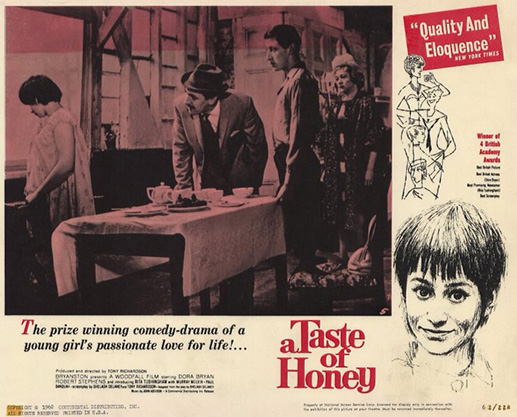
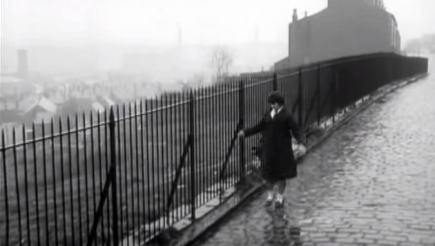
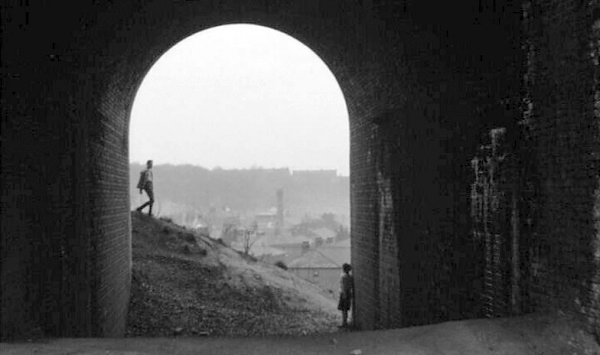
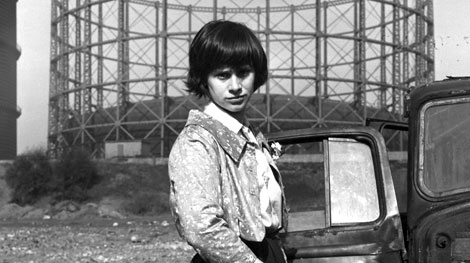
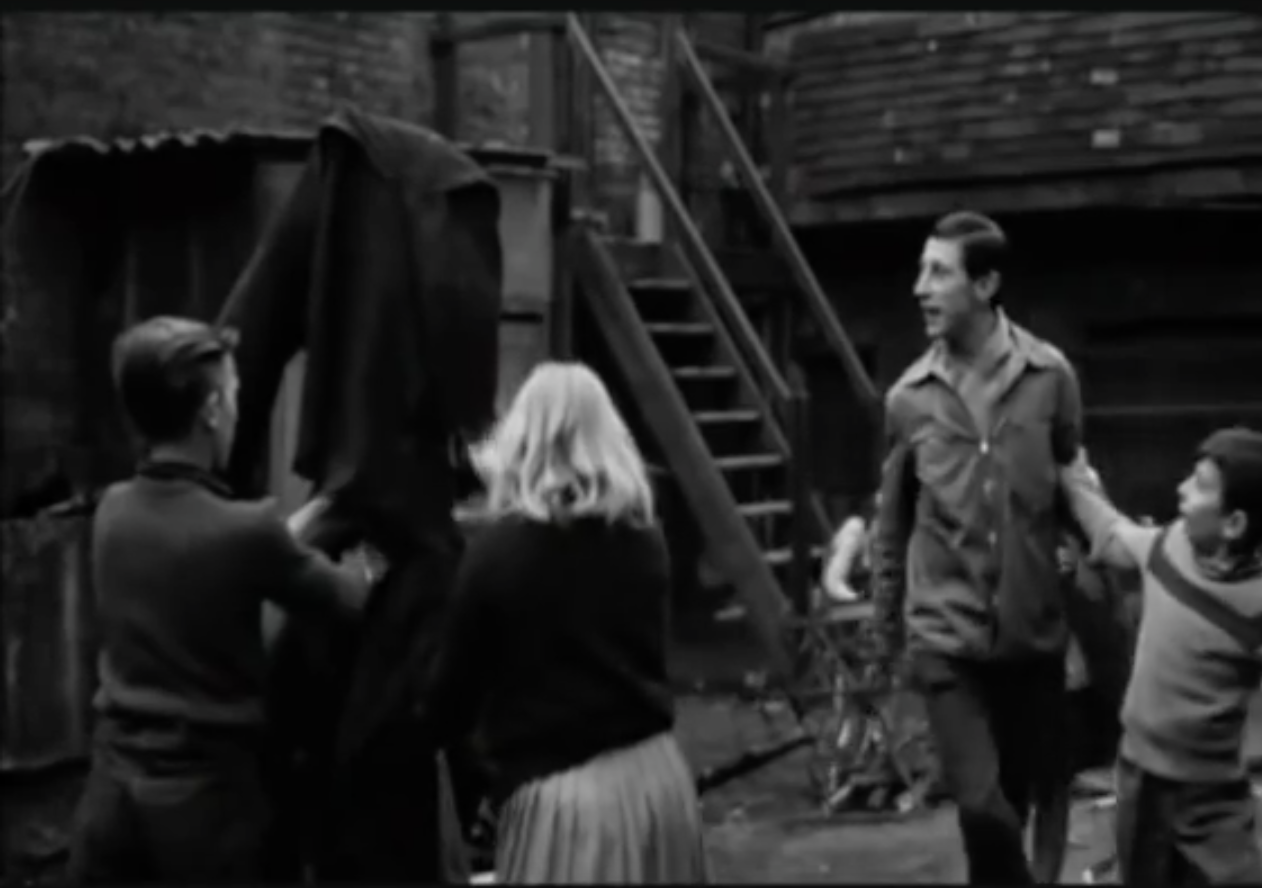
I began in a nearby place in a faraway time, my first reference point, the film adaptation of Shelagh Delaney’s play A Taste of Honey.

Set in Salford by Salford born teenager Shelagh.

A  teenager becomes pregnant by a black sailor. She leaves her feckless mother and her flashy new boyfriend to set up her own home. She moves in with a young gay man, who helps look after her as she faces an uncertain future.

I have compiled a series of photographs of the film’s locations. 

poster2

The film’s release in 1962 broke new ground in terms of its matter of fact depiction of contentious and sensational subject matter. My interest in this instance rests with the visual image of the North that it created.

a_taste_of_honey_1961_film_woodfall_film_productions_mm

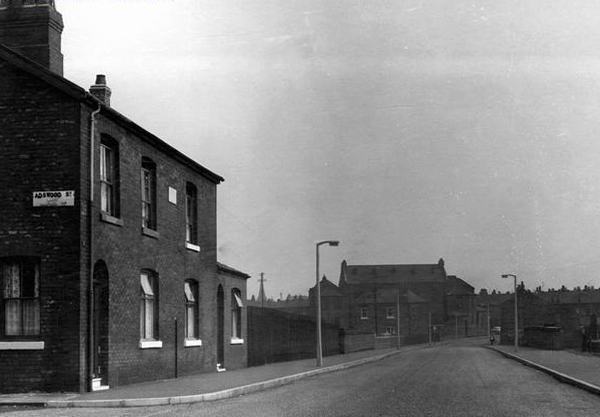
Larkhill Road Edgeley Stockport

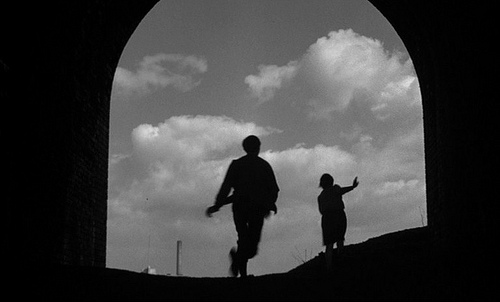
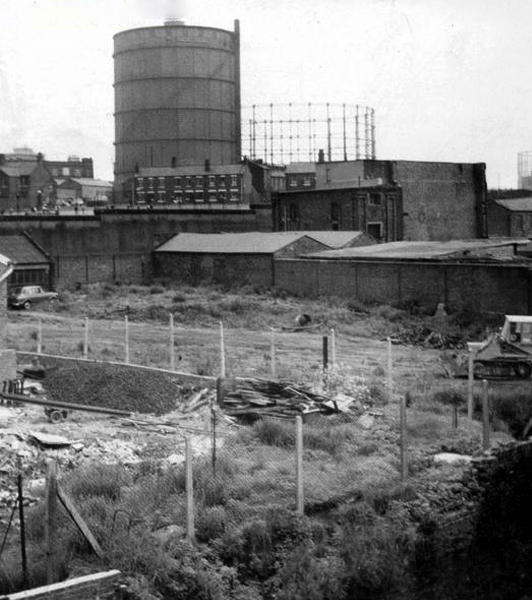
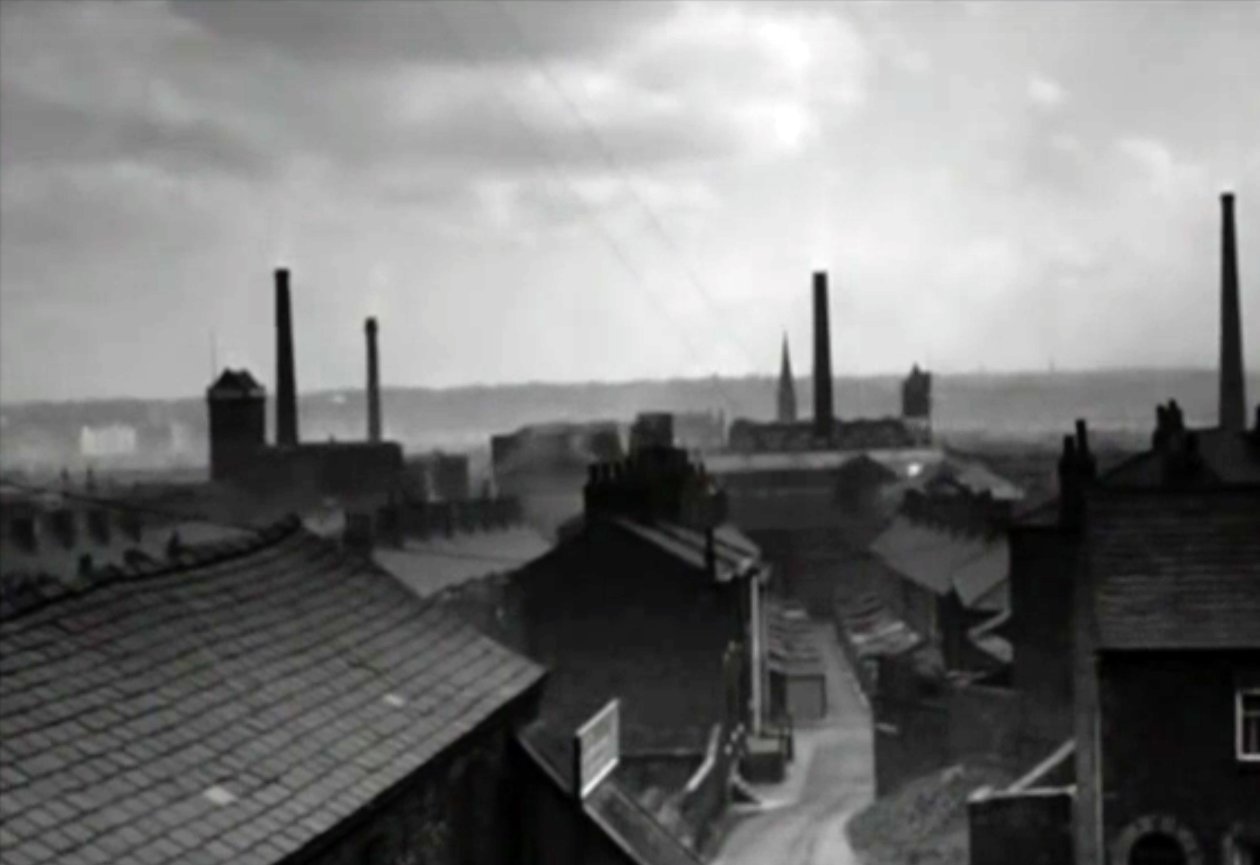
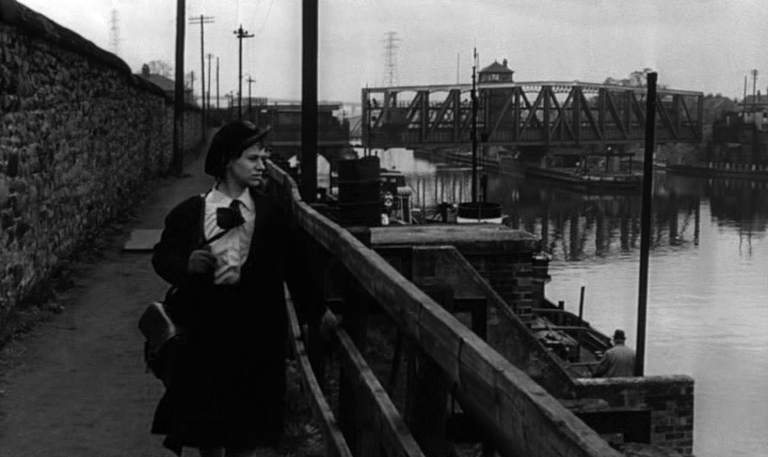
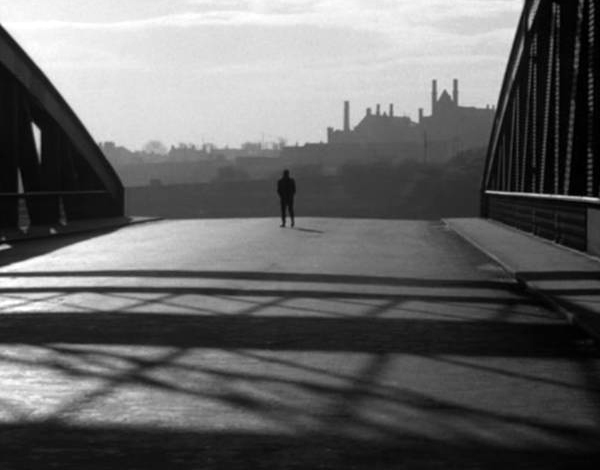
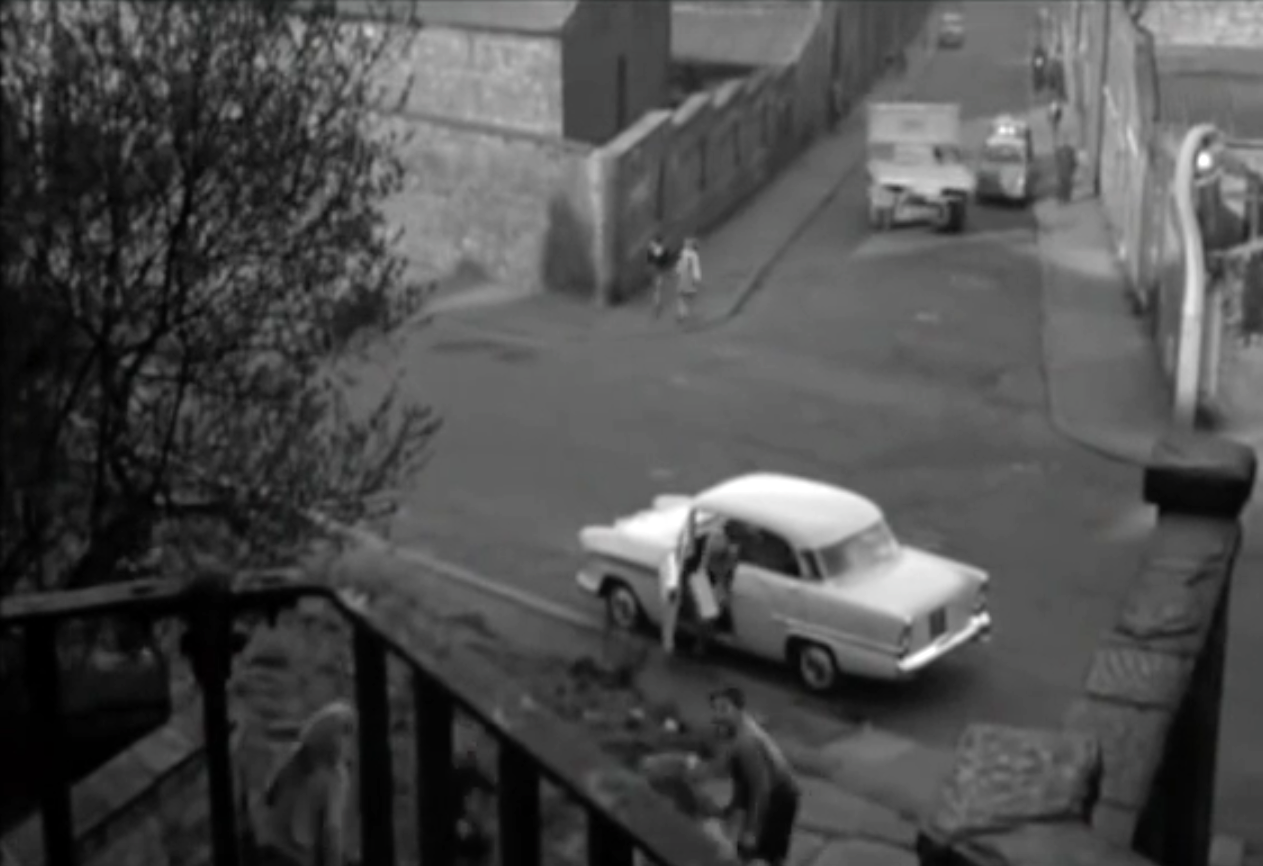
Shot almost entirely on location in black and white by cinematographer Walter Lassally, we are treated to dark treeless vistas, cobbled streets, industrial areas almost perpetually in decline, bleak canals and terraced homes.

As shown in these archive images of the 1950s, illustrating locations that would subsequently be used in the film adaptation.

There is a comprehensive list of locations here at Reel Streets

cambrian-street

Cambrian Street Holt Town Manchester

gas

Phillips Park Gasworks Manchester

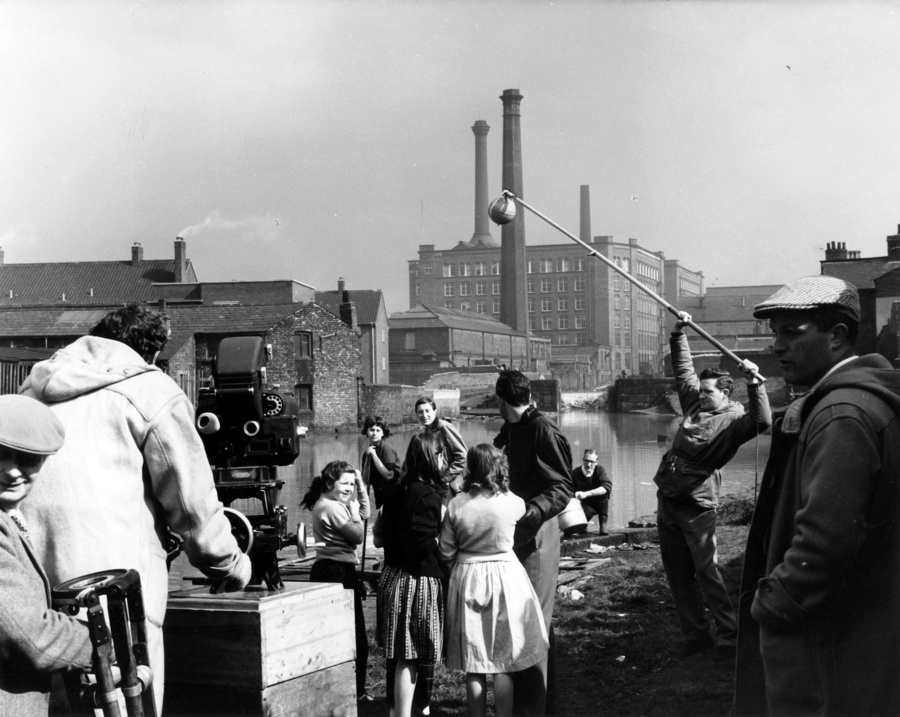
Director Tony Richardson was a product of the British Free Cinema movement, which had previously produced short, sharp documentary and drama work, driven by a leftist outlook and using a restless, immediate approach, aided by the new lightweight cameras and faster film stocks. This is an ethos and methodology that would be carried over into the feature productions of the Woodfall Films company.

bfi-00m-nn0.jpg

Rochdale Canal Manchester

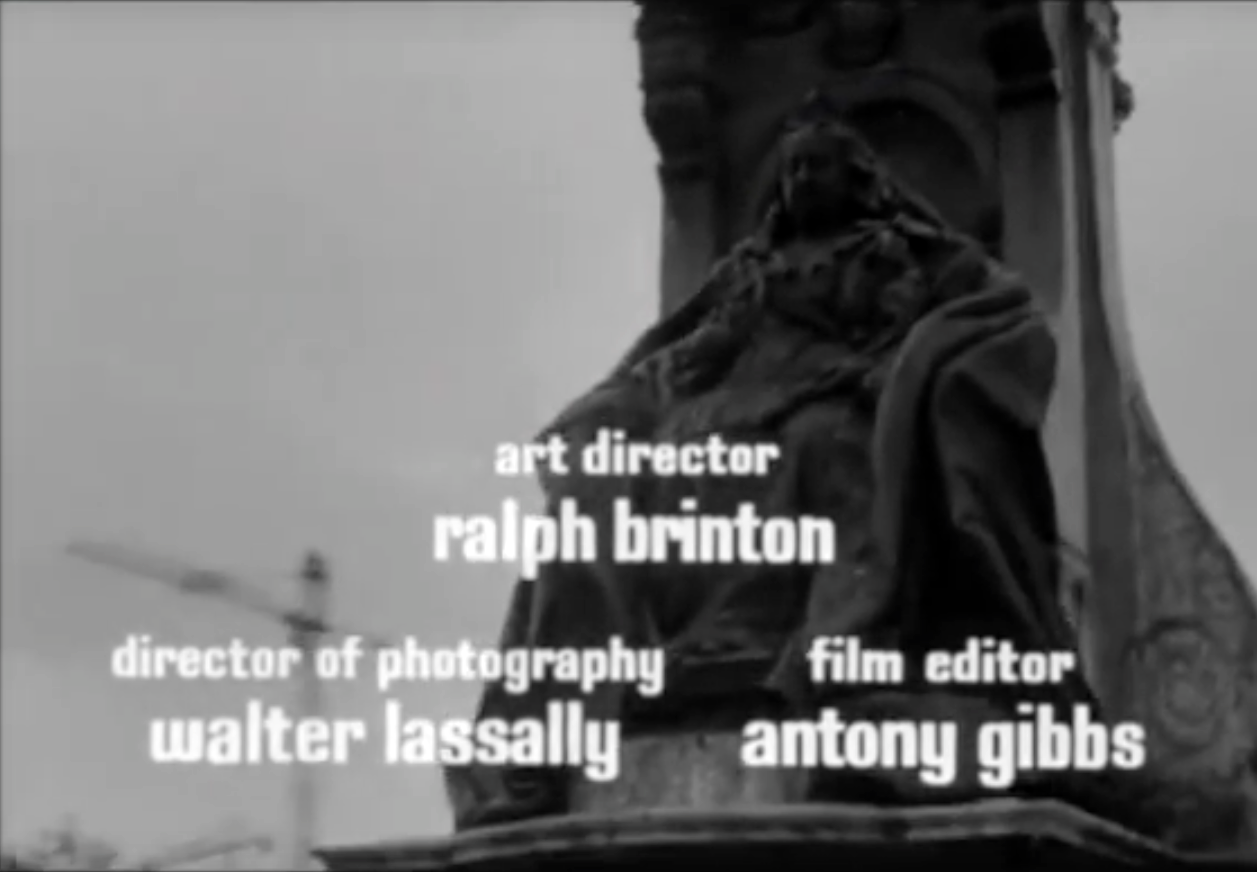
The film was shot in the flat, low, even light of the Winter which heightened the mildly desolate character of the landscape, though ostensibly Salford set many of the locations are in nearby Manchester and Stockport. An early long and free flowing title sequence and establishing shot, is a bus tour around Central Manchester, a city centre which at the time was still graced by a thick accumulation of dark industrial emissions and miasma.

screen-shot-2017-02-03-at-19-44-30

A soot blackened Queen Victoria mute and imperious in Piccadilly Gardens, the freshly blooming cranes of post-war renewal tentatively appearing in the background.

screen-shot-2017-02-03-at-20-30-43

The skyline punctuated by factory chimneys, the tight huddled streets of terraced houses chuffing billowing great grey clouds of smoke – a view familiar in the work of LS Lowry.

a-taste-of-honey-new-4

Barton Bridge

lr-taste-of-honey-msc-swing-bridge

Trafford Swing Bridge

taste-of-honey

Stockport Rail Viaduct

taste_of_honey_01

Phillips Park Gasworks

screen-shot-2017-02-03-at-20-05-24

The location of the home that Jo sets up was ironically the stage set workshop of the Royal Court Theatre (the very theatre where the play was developed and produced) in London – that most northern of cities.

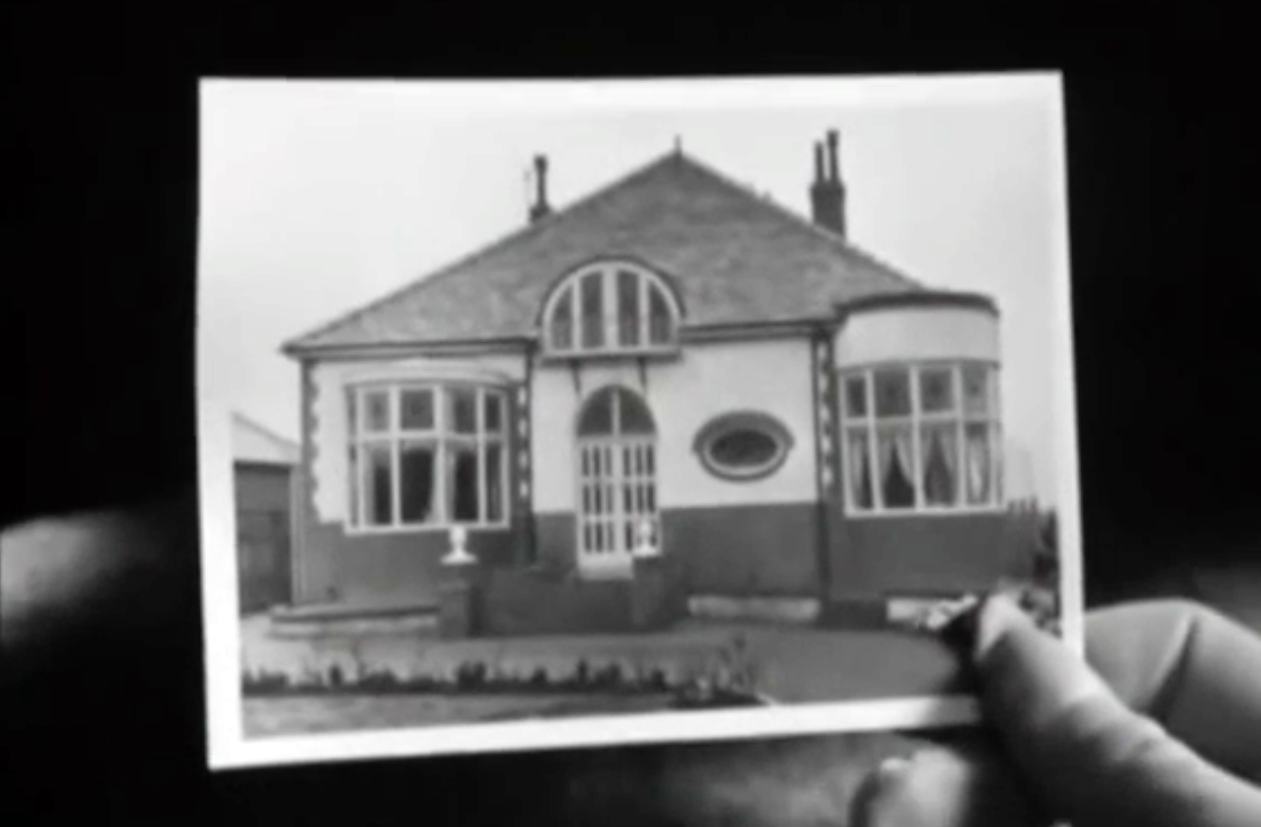
There is a brief respite from this milieu, through a picture in picture sequence based on the image of a suburban bungalow – which along with the coming age of mass motor car ownership, offers the promise of escape.

screen-shot-2017-02-03-at-20-34-51

screen-shot-2017-02-03-at-20-37-15

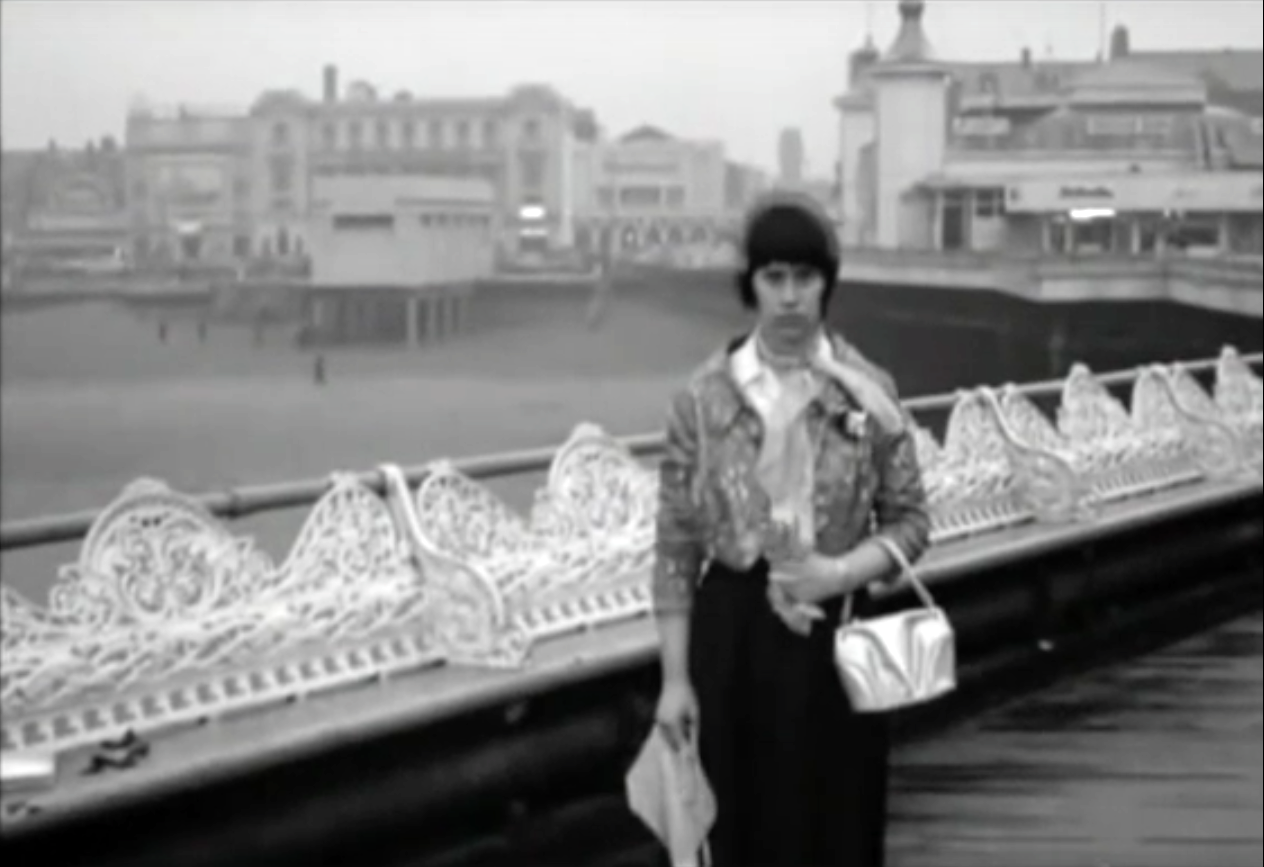
A giddy day trip to Blackpool represents the temporary release from a contrasting and constricting world, a trip which for Jo emphasises the divide between Mother and her lover.

screen-shot-2017-02-03-at-20-35-56

So we the viewers are left with a cloudily clear, black and white world, a pervasive construct that the North and Manchester is eagerly beginning to casually shuffle off.

Where streets are no longer paved with Eccles Cakes and whippets are hip.

Identity through landscape and location can both define and constrain, but that landscape, its representation, and the identity that it produces are all mutually mutable.

Take some time to watch and rewatch the film, freeze frame where are we?

Who are you?