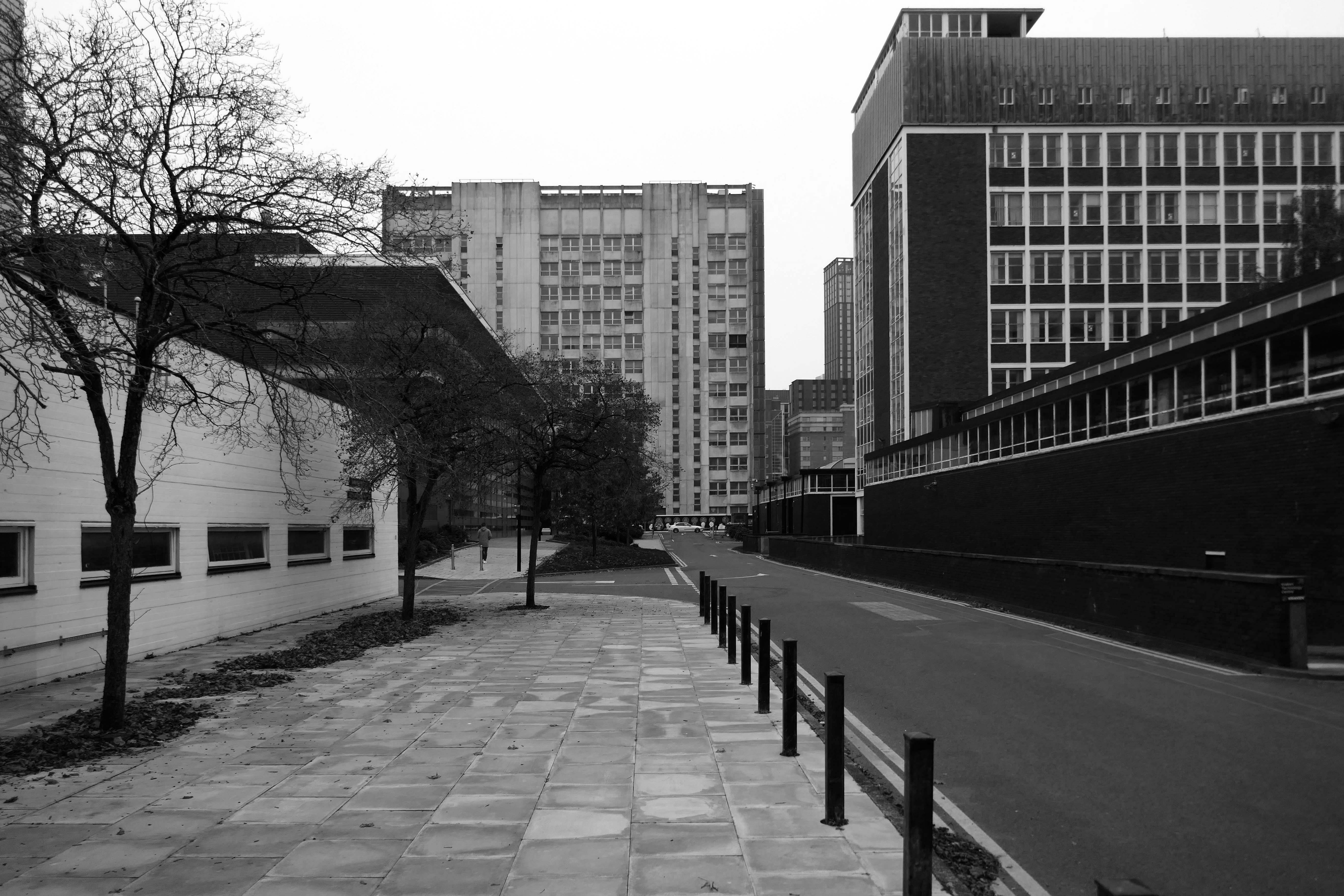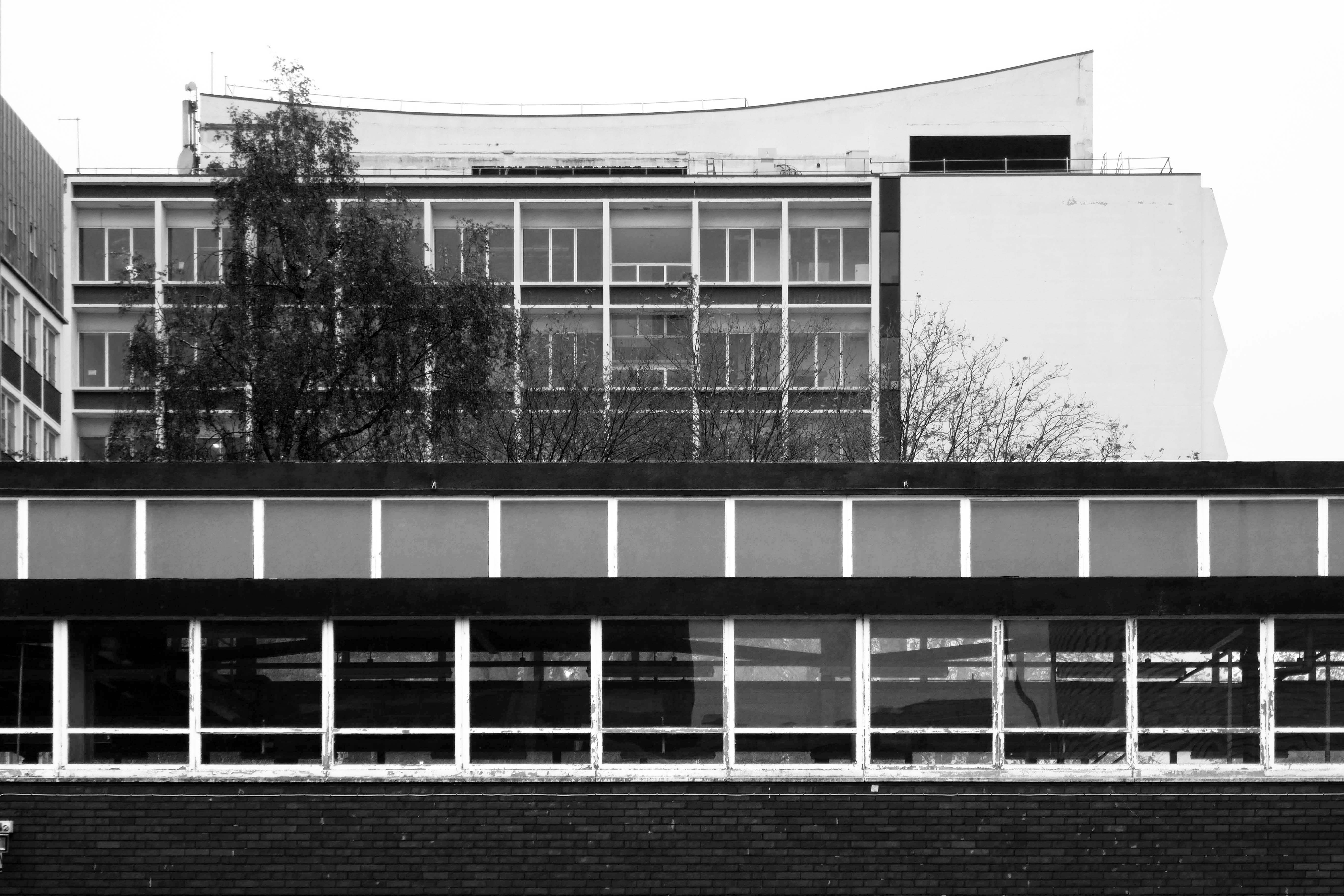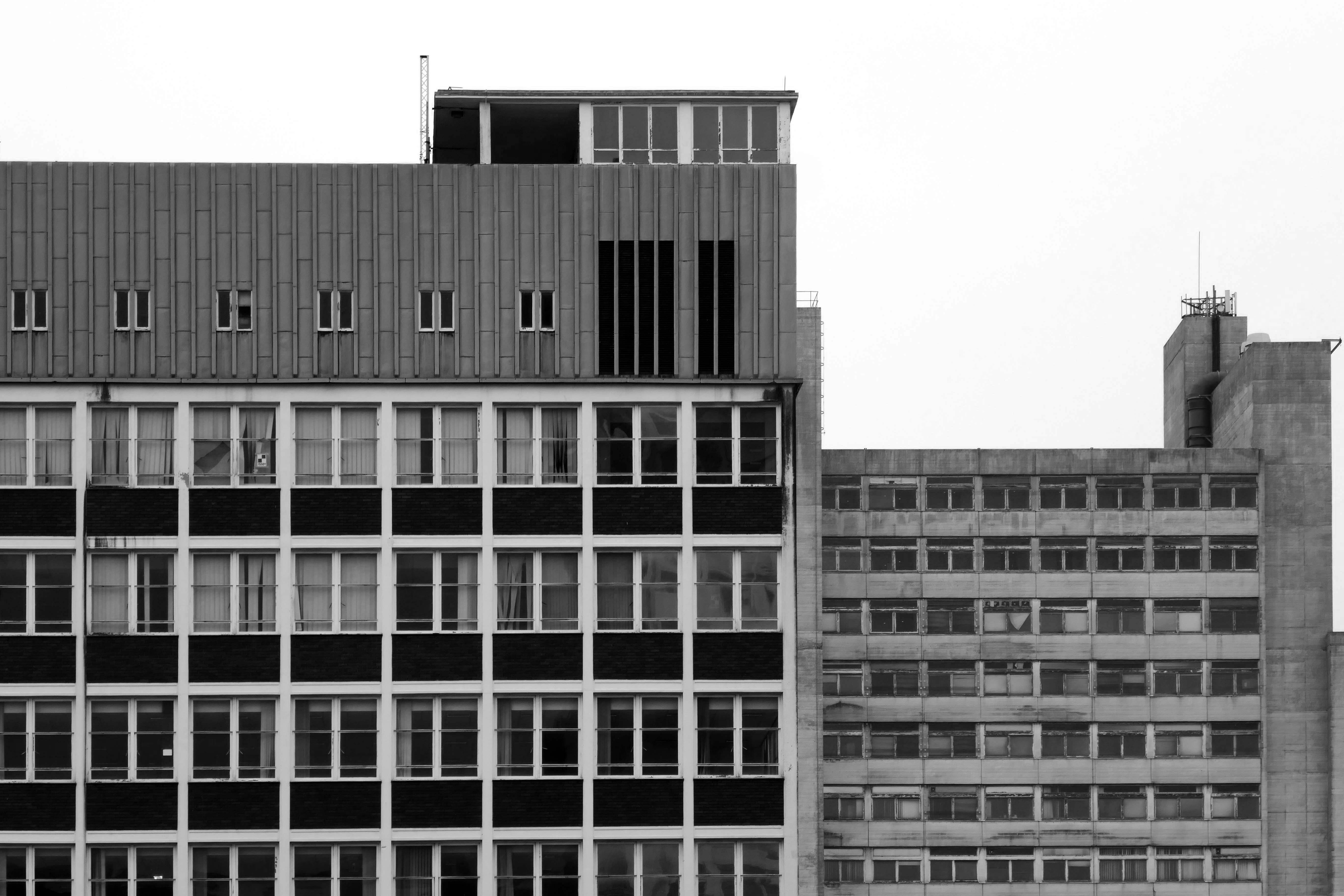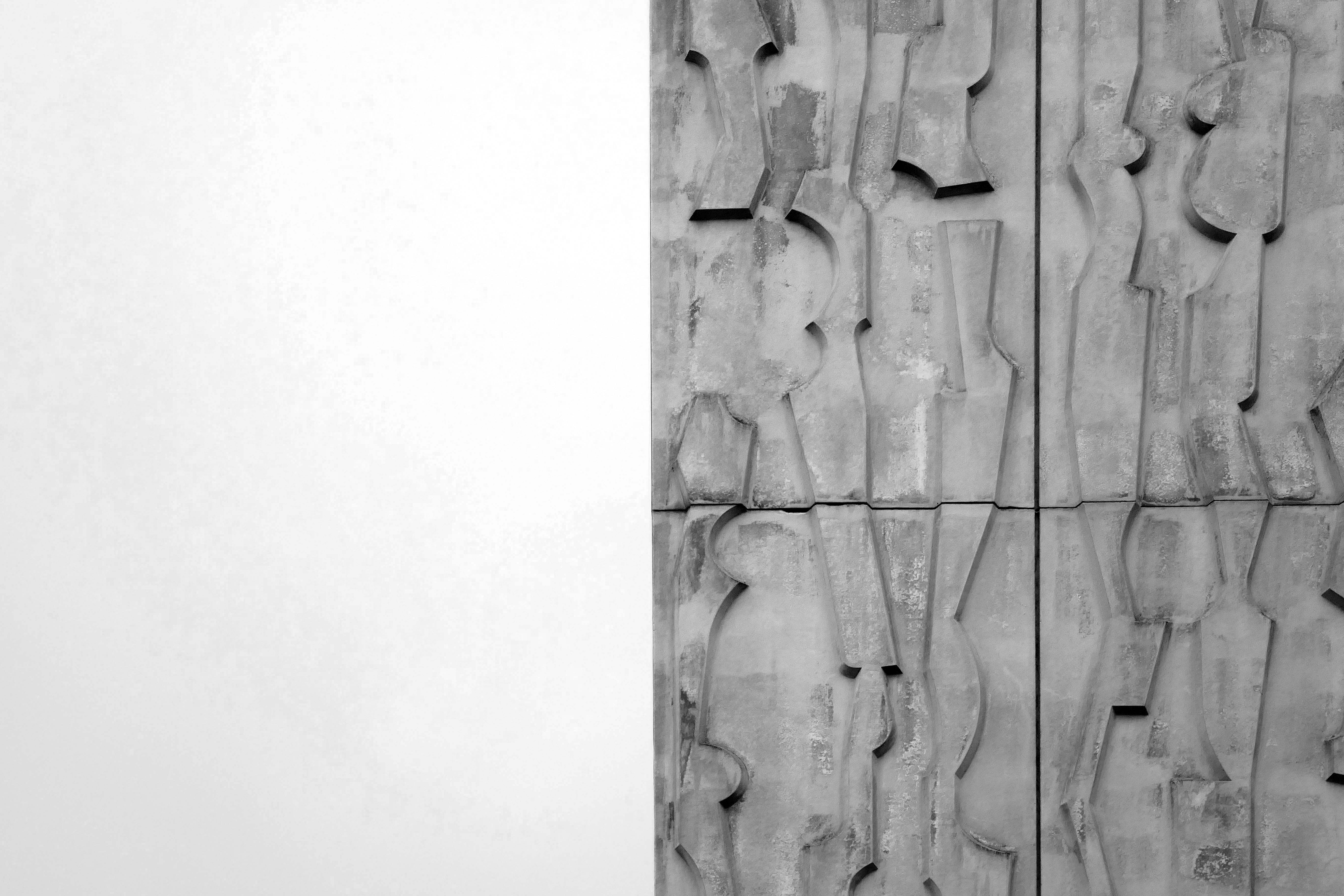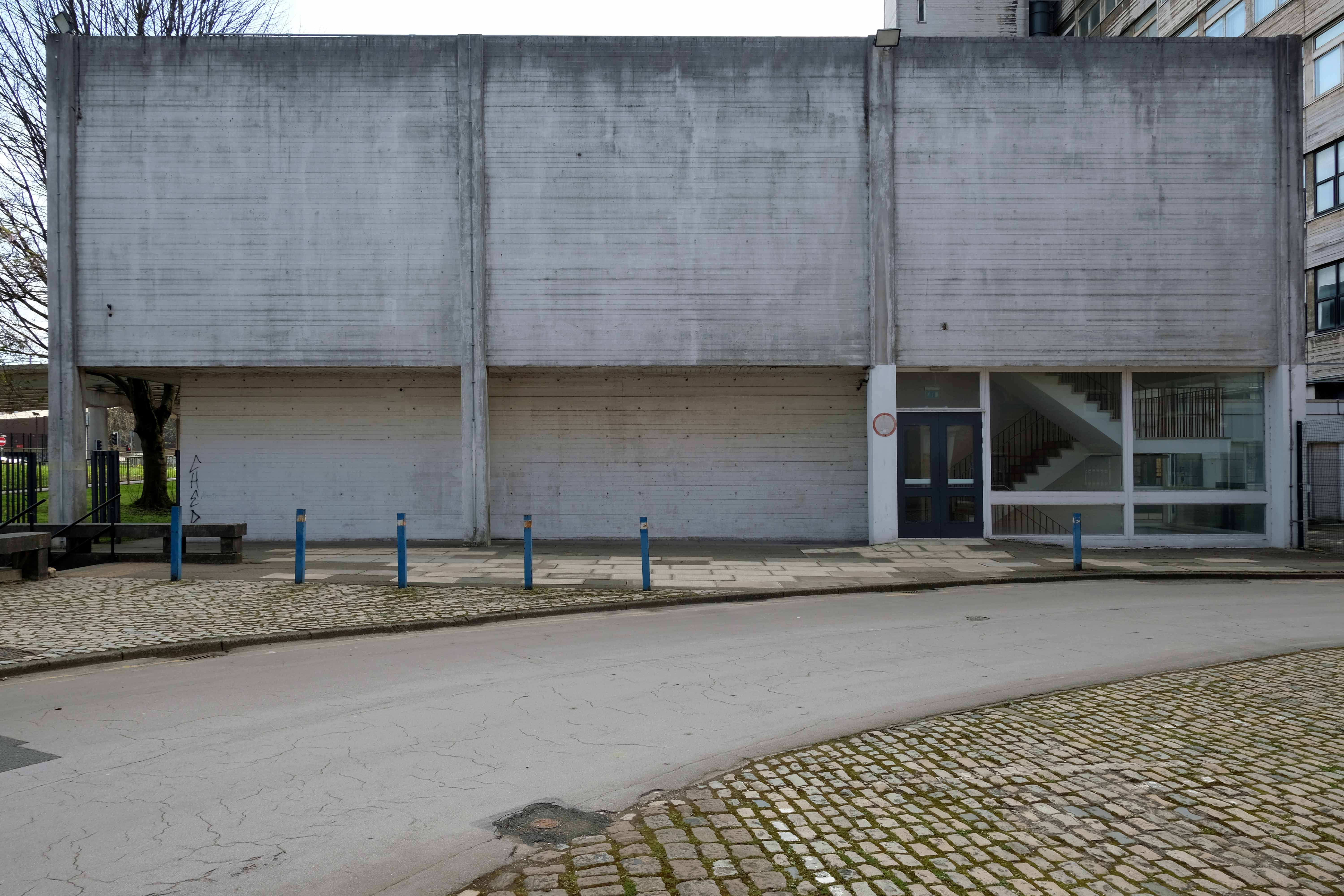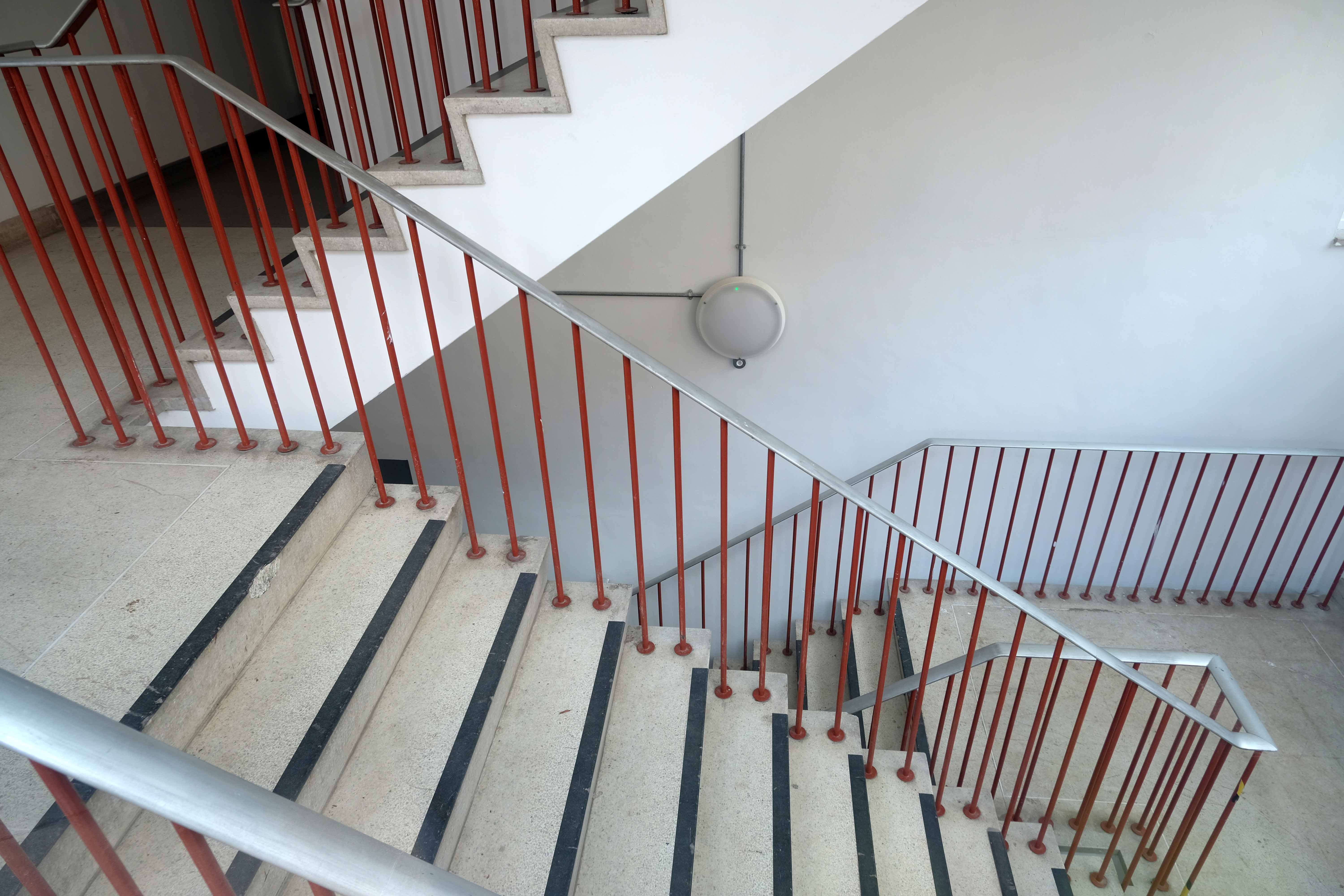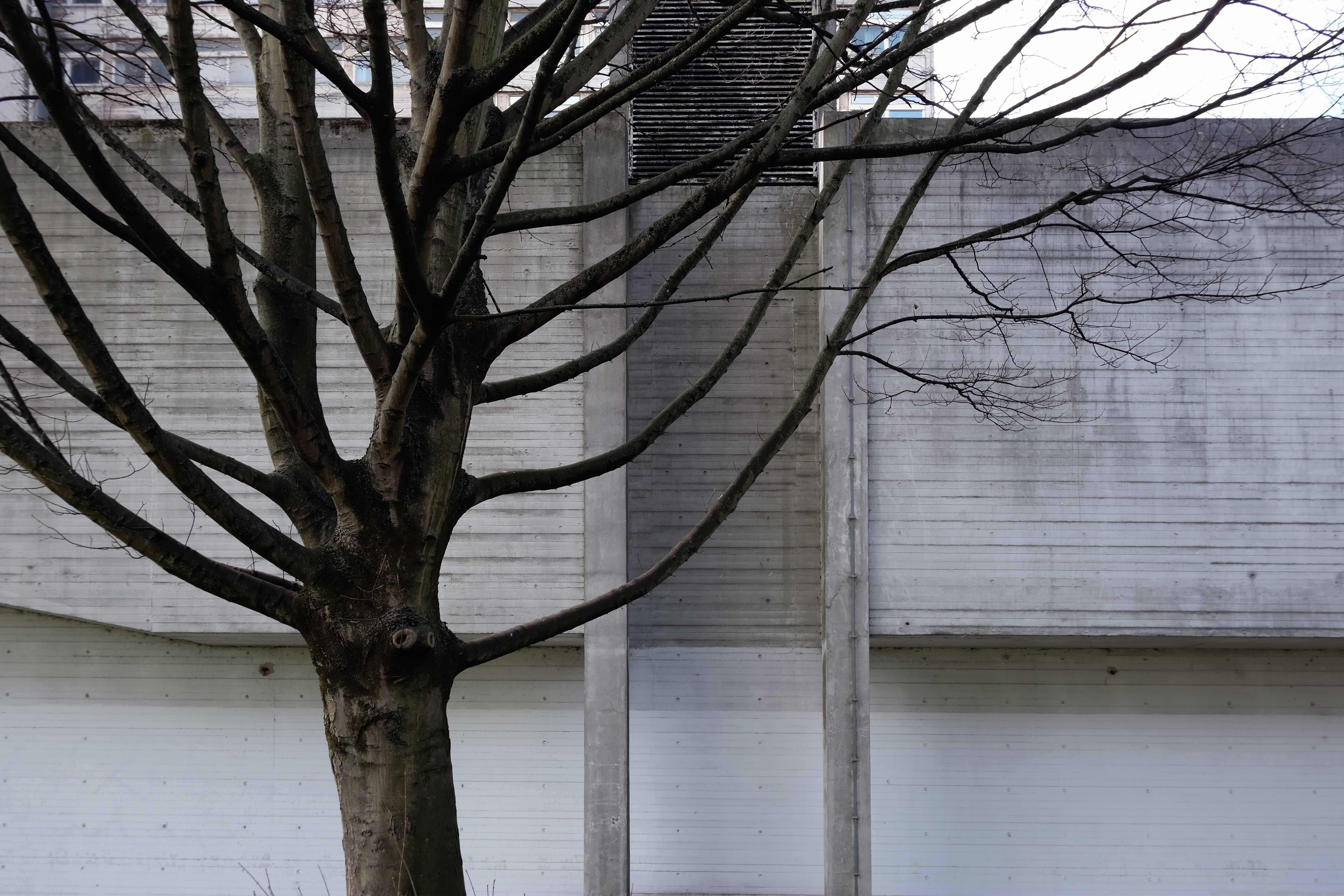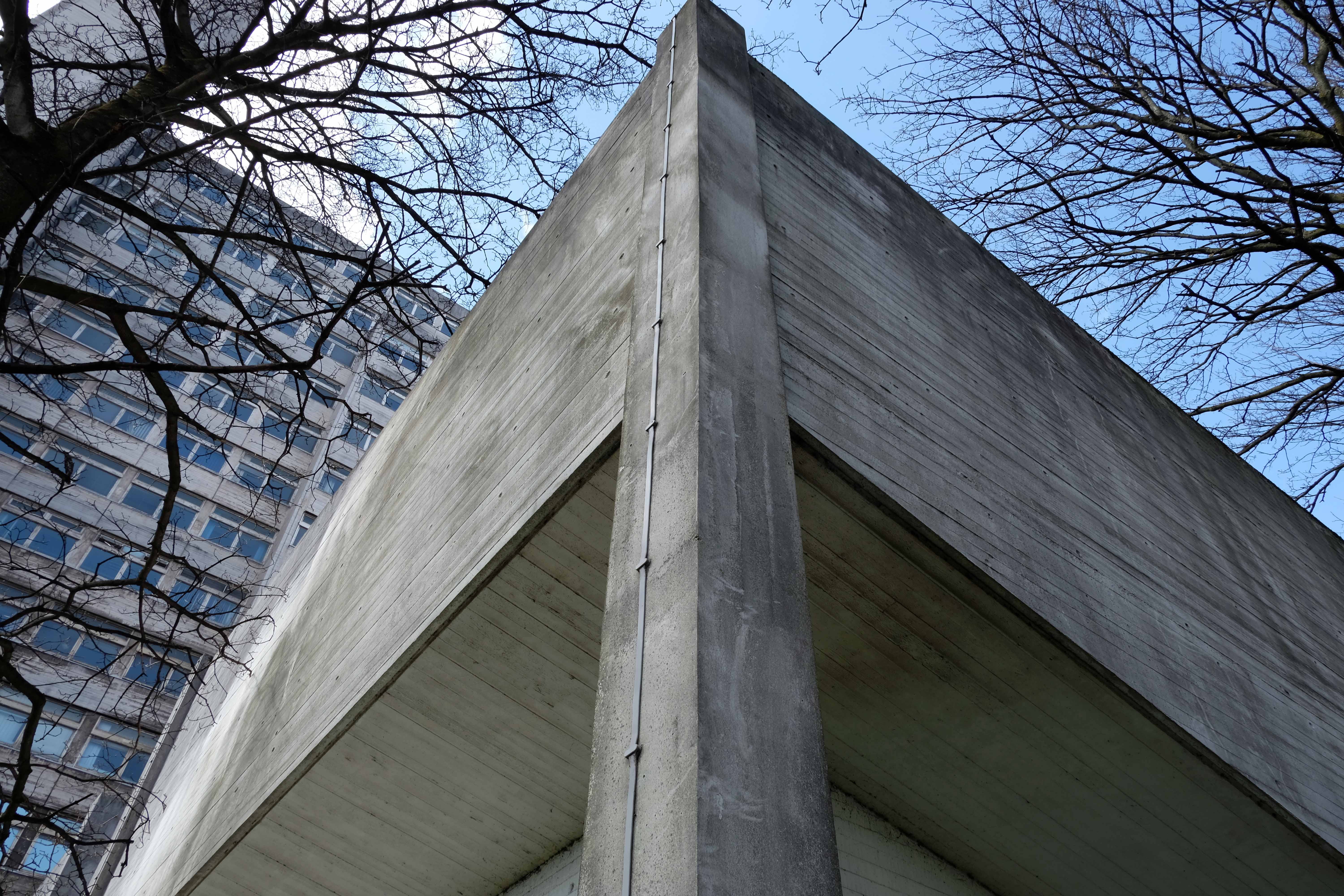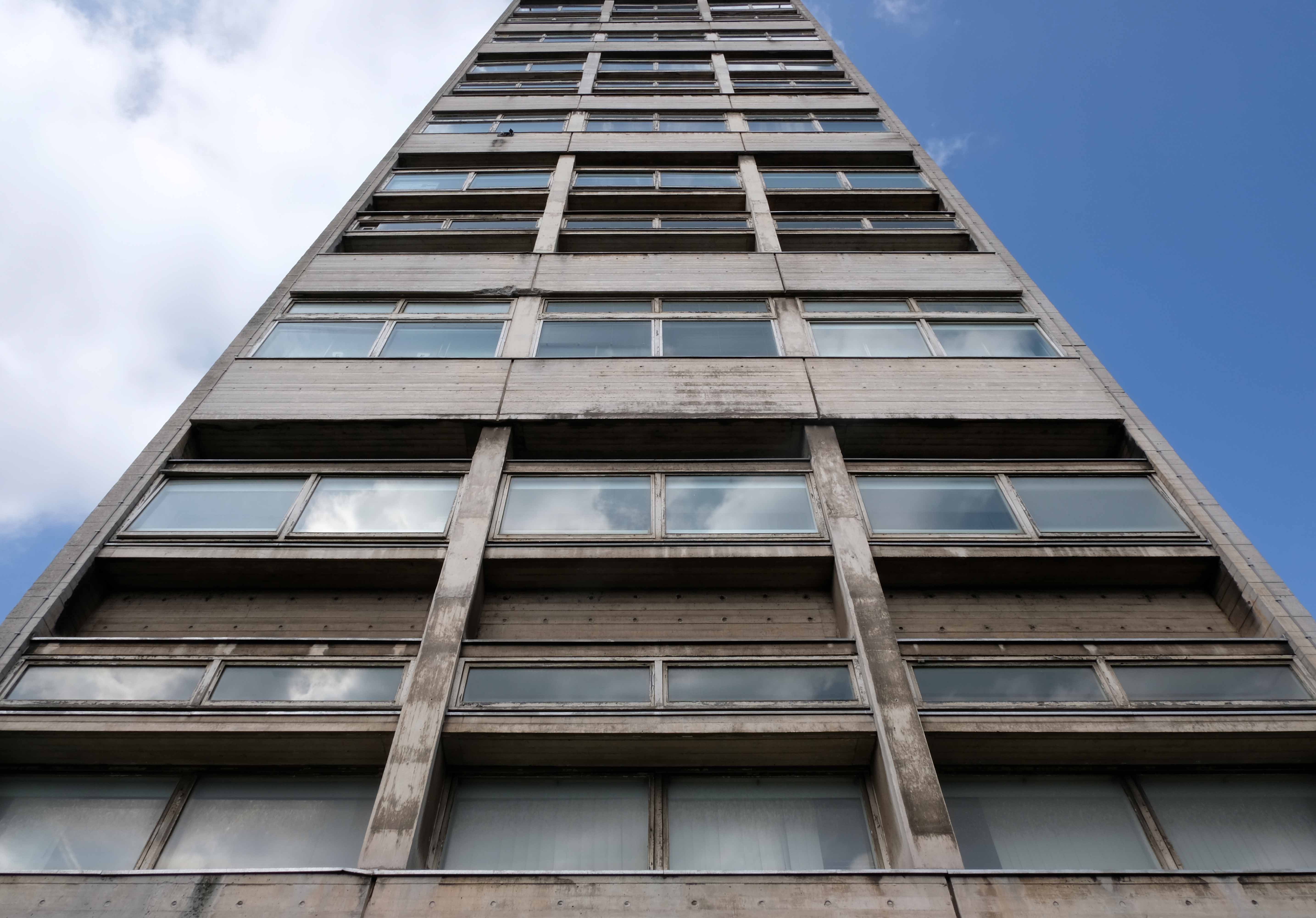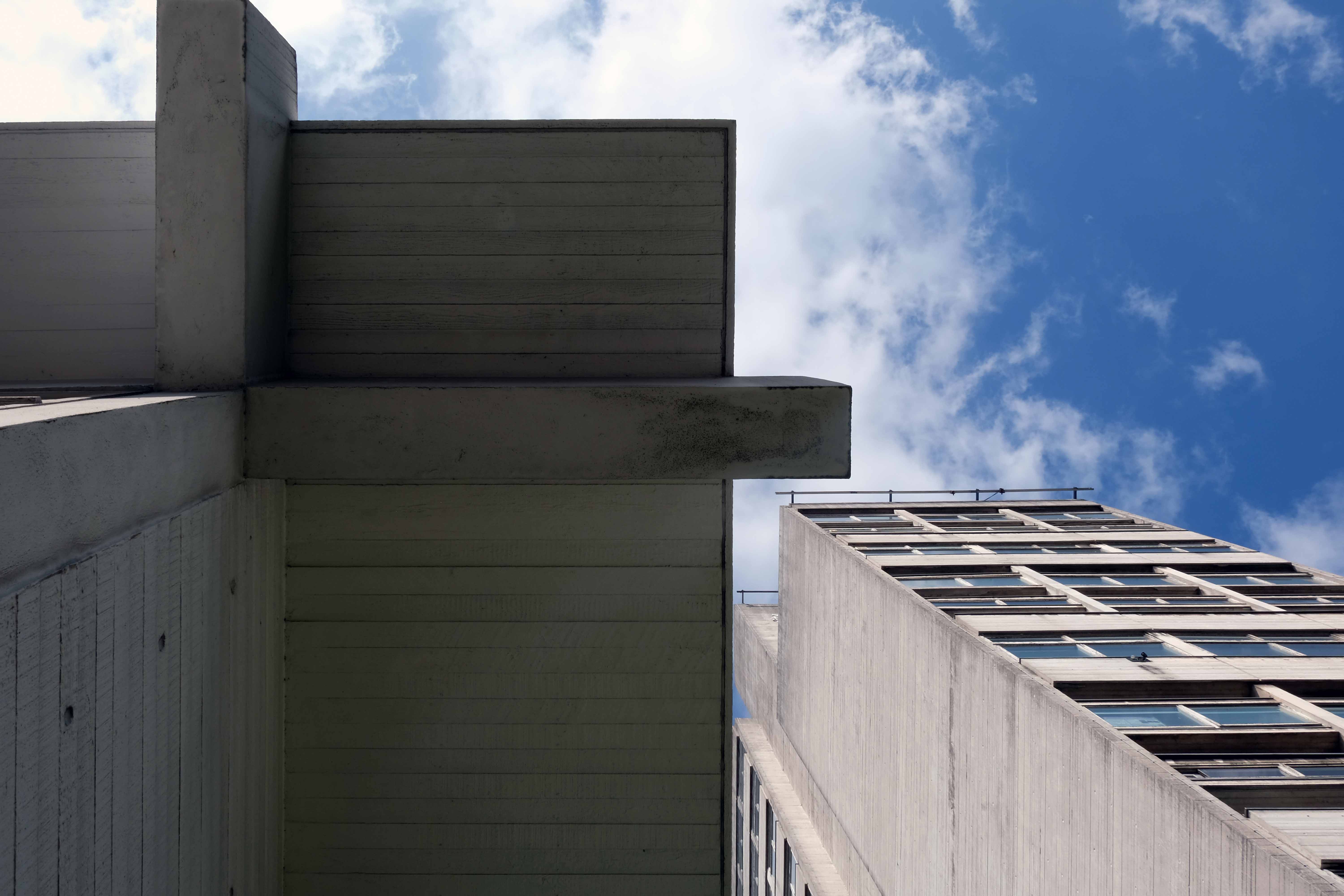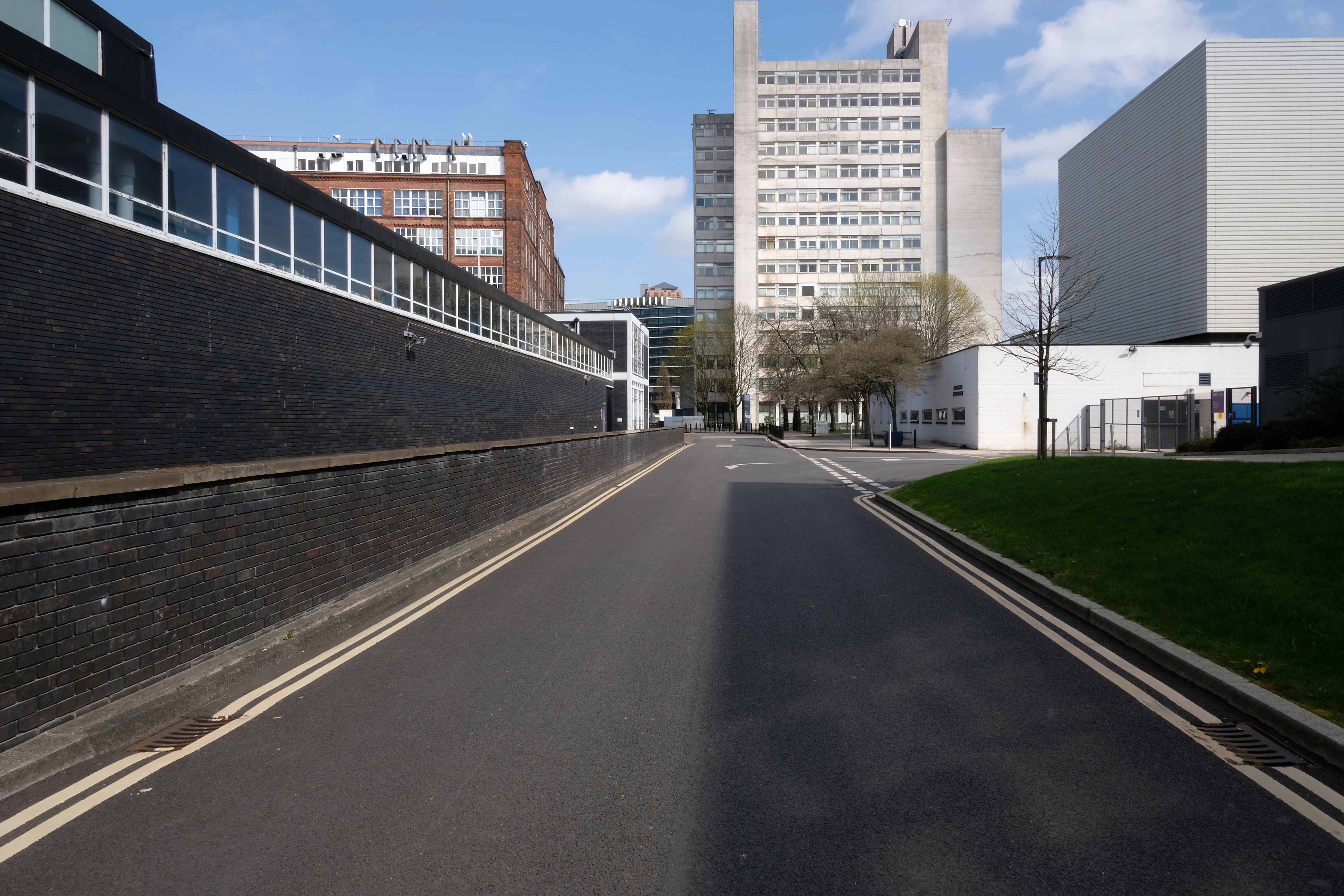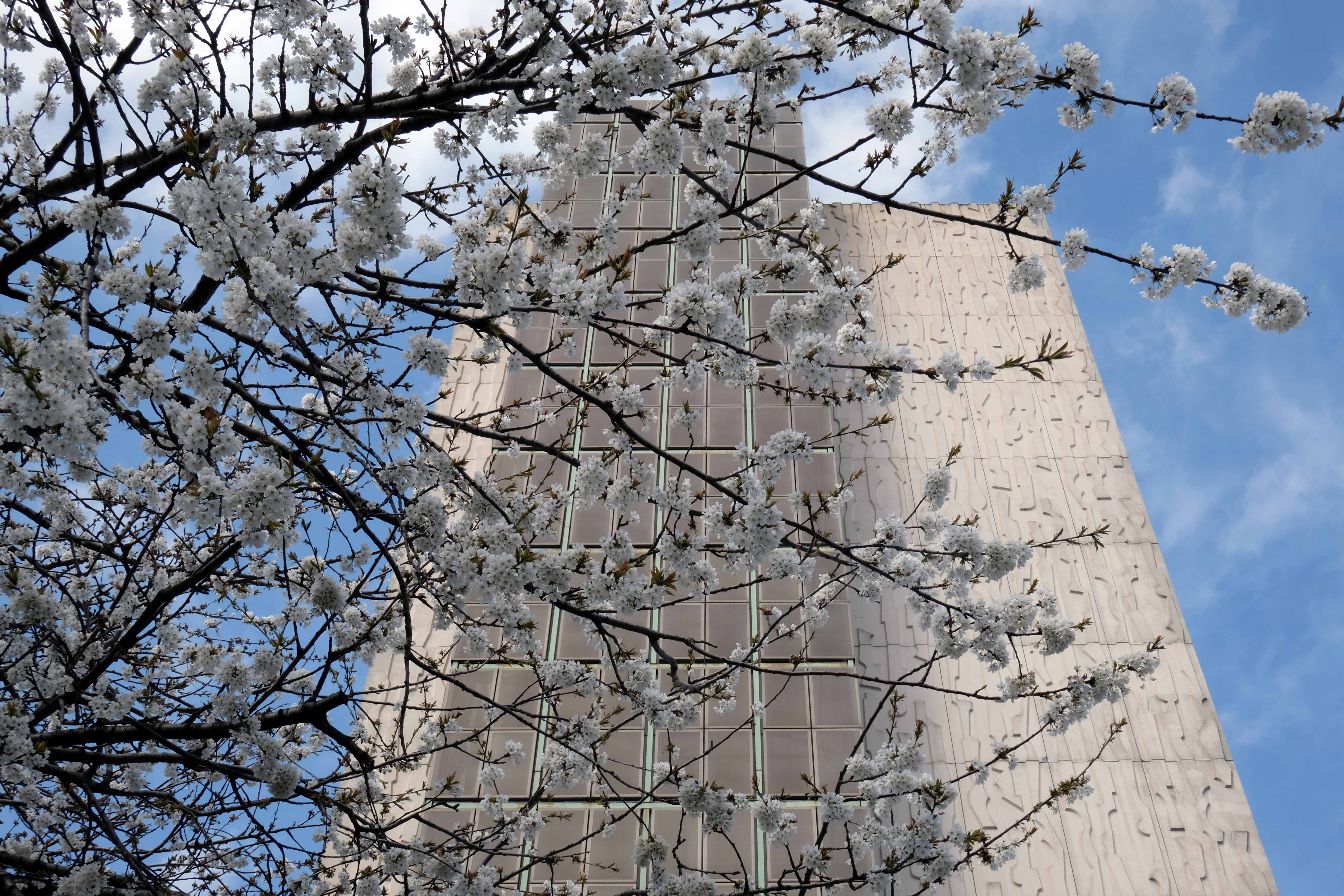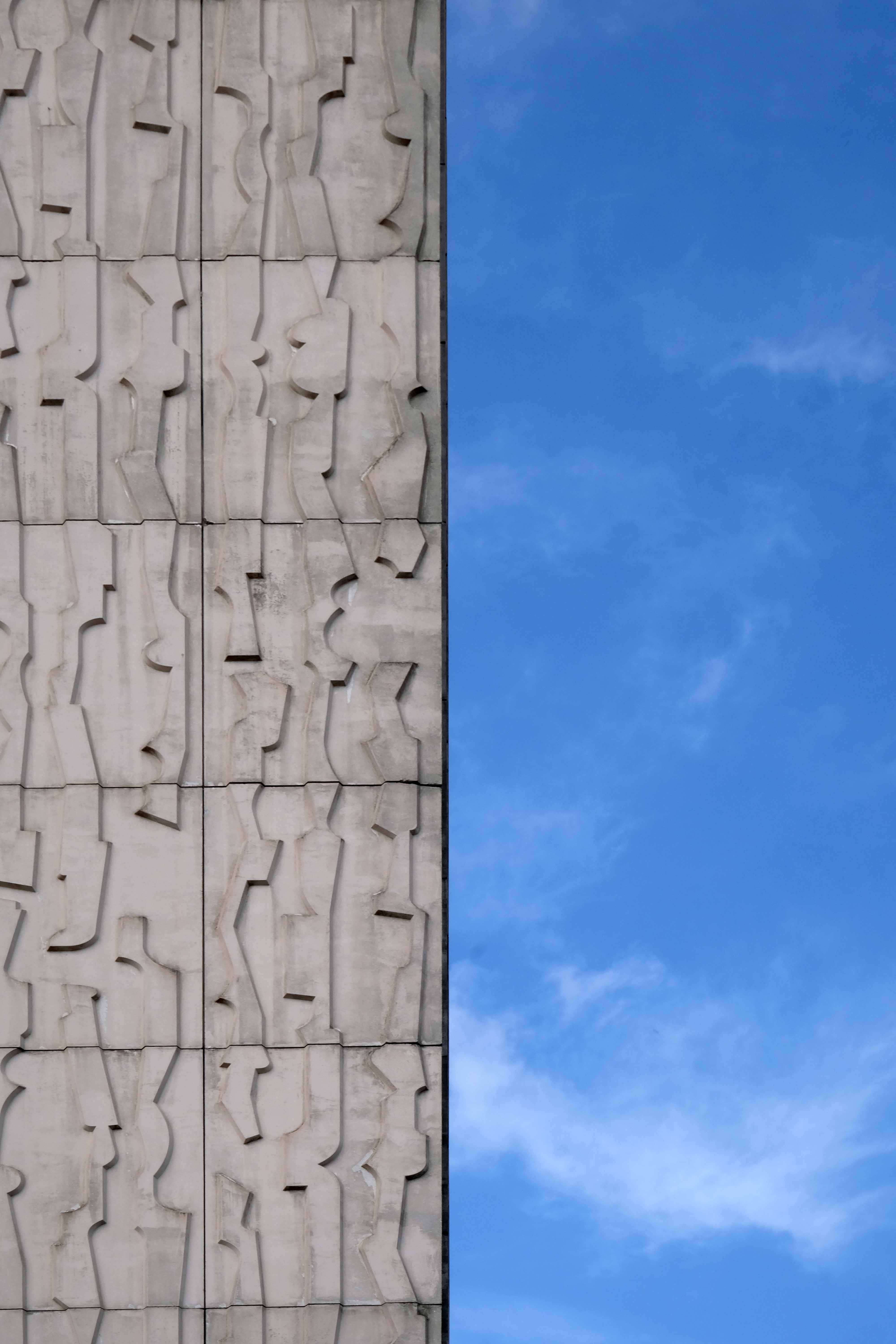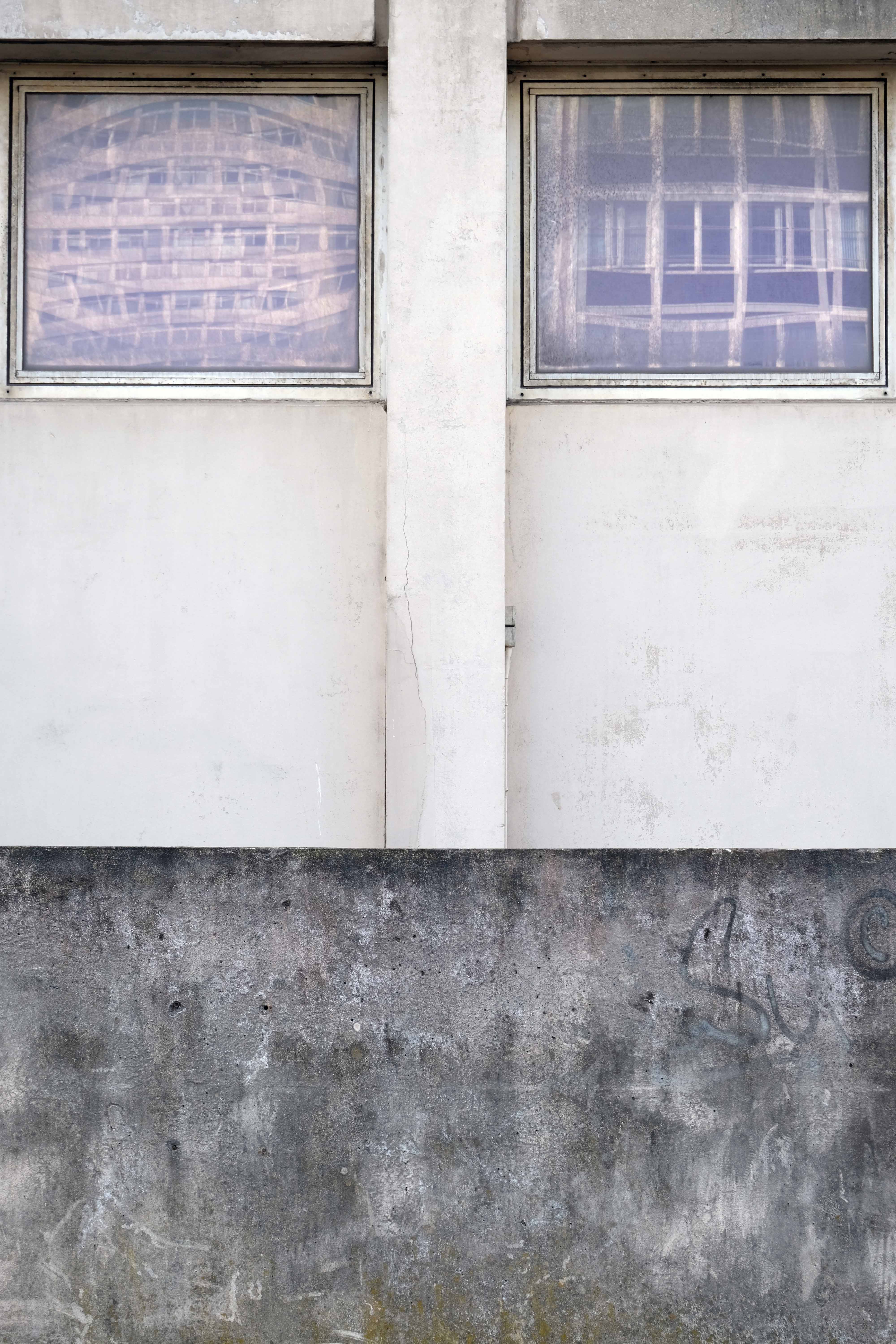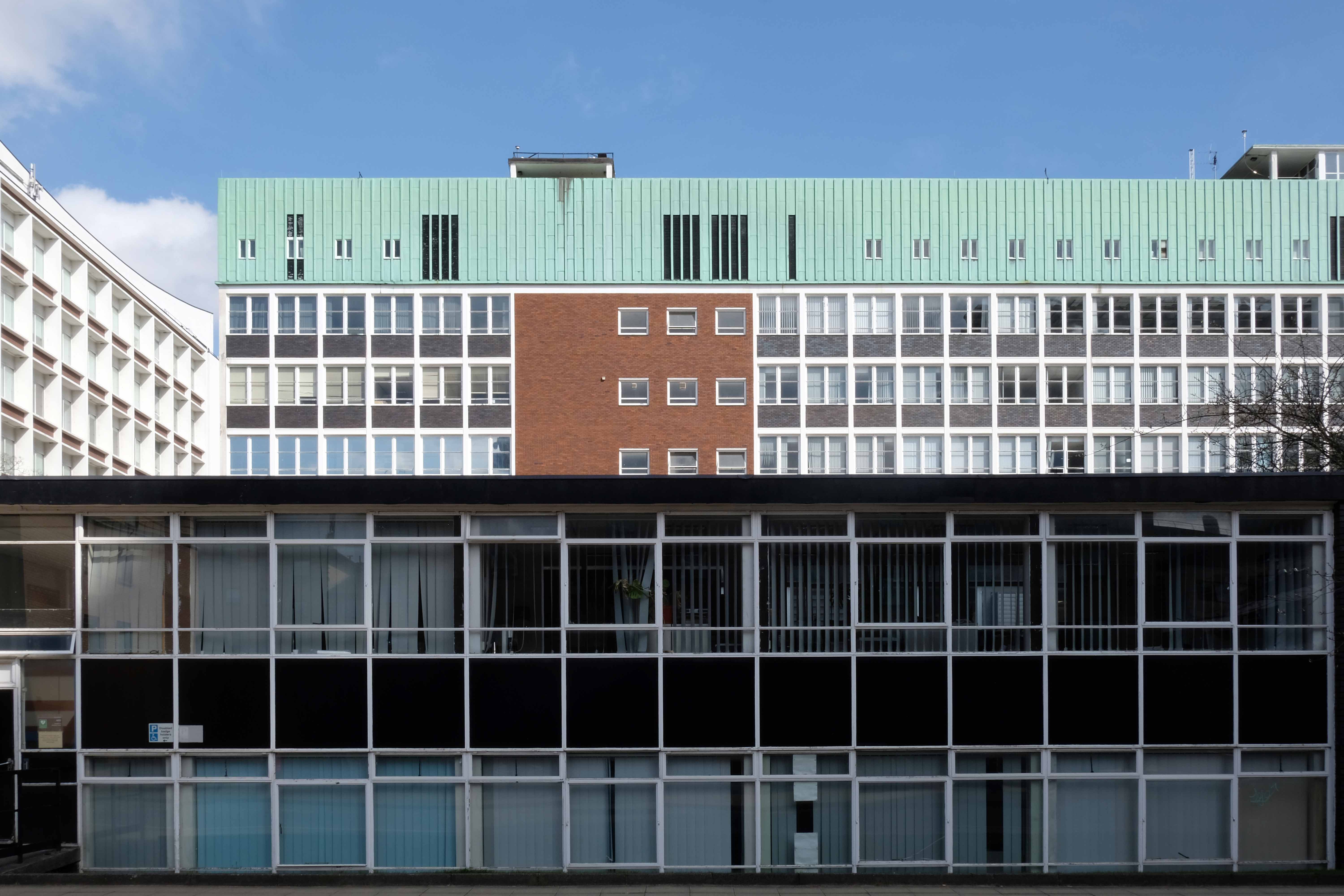
Chorley Walk – 2026

Once upon a time it was 2022 and I was in Chorley.

Then all of a sudden it wasn’t and I was elsewhere – fast forward to yesterday and I was in Chorley again.

Arriving at the Railway Station.
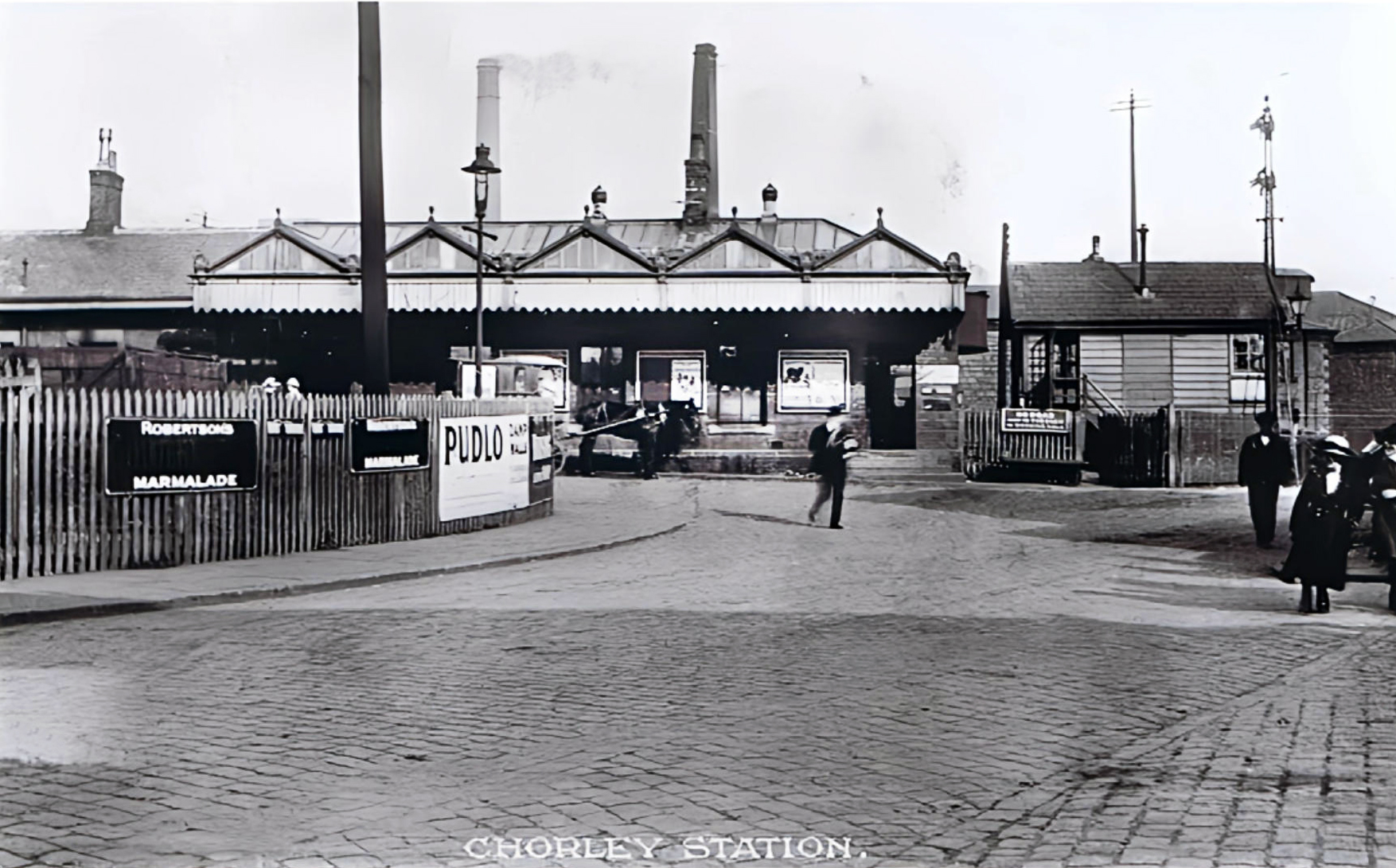
White Coppice

The current railway station is a modern version from the 1980s that was built on top of the original station – it is entirely functional, but more than somewhat undistinguished.
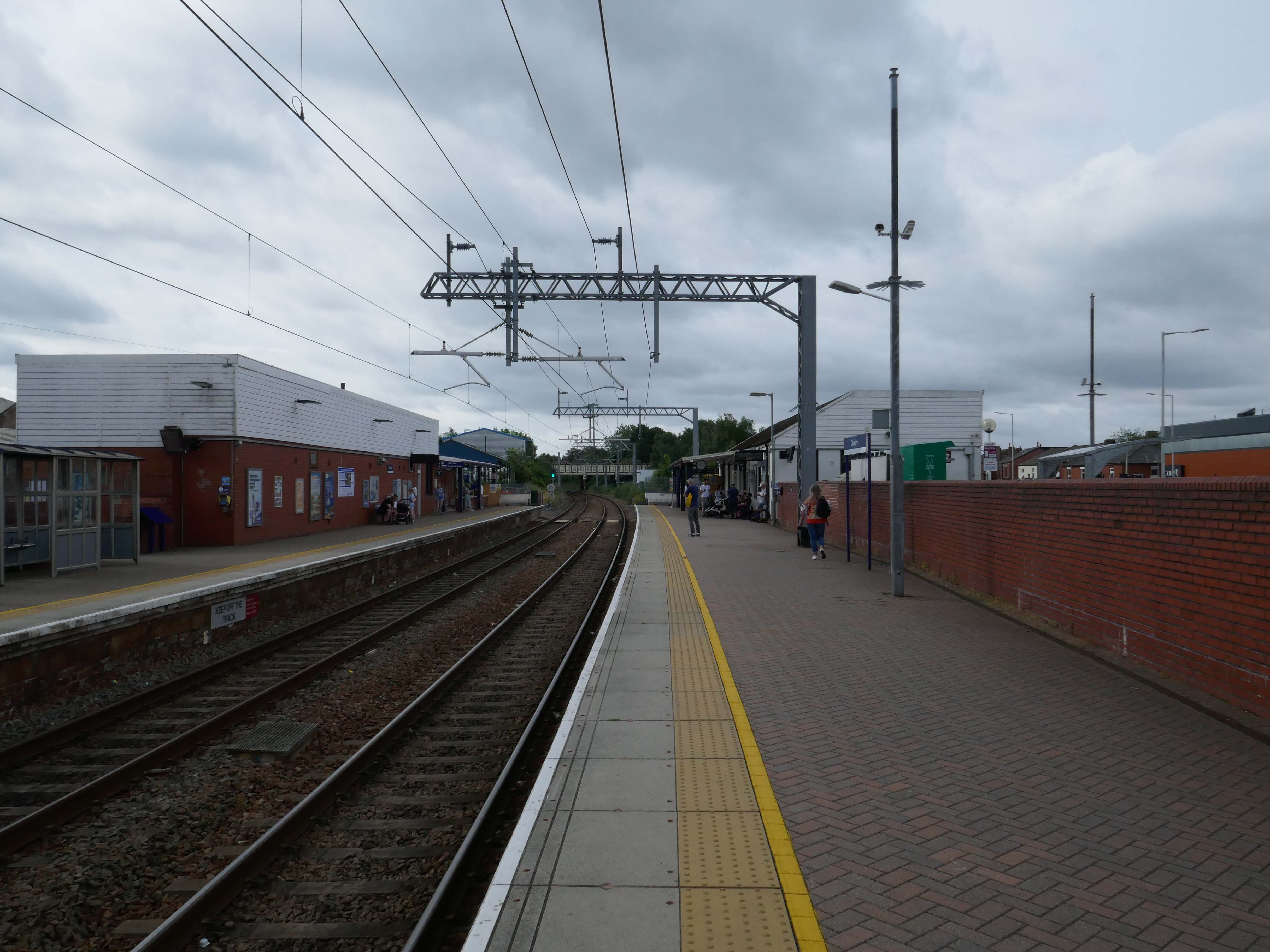
Crossing over the road to Market Walk.

Whether it’s fashion, gifts, everyday essentials or an entertaining day out that you’re after, Market Walk has it all. With over thirty shops along an outdoor parade, plus entertainment and hospitality venues, there’s something for everyone.

AEW Architects were appointed by Chorley Council in 2015 as Architects for the Market Walk Scheme.

The Council’s aspiration was to breathe life back into the town centre by enhancing Chorley’s retail and leisure offer and refocusing Chorley’s centre as a destination for local residents and surrounding towns. The development needed to entice new, and retain existing, businesses in the town. Aesthetically, the development also needed to be a landmark for, and create a modern gateway into, the town – driving footfall towards Chorley’s commercial centre.
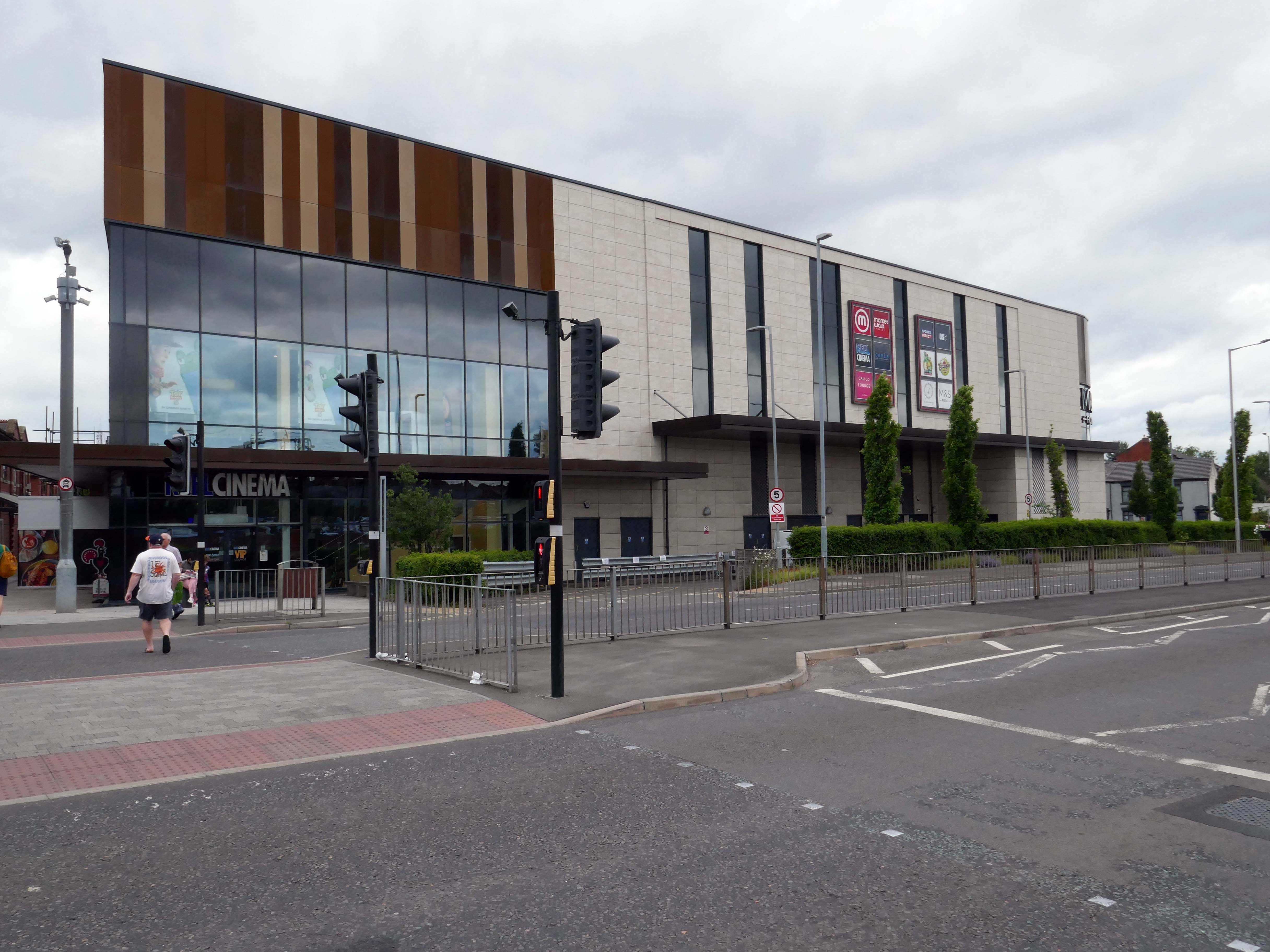
Next door is the Bus Station, opened in February 2003 replacing the previous structure.

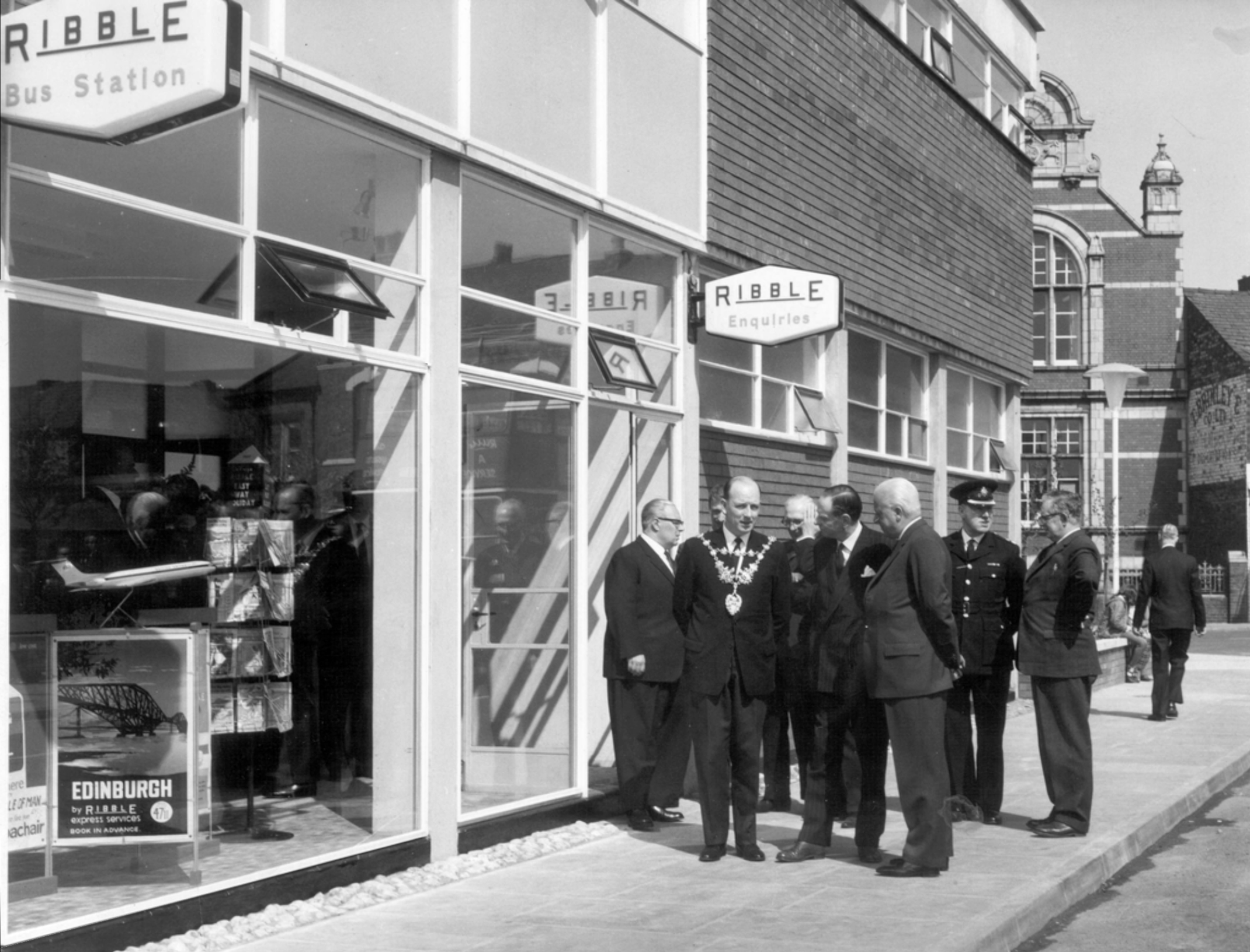
Opening of the previous Bus Station – Ribble the area’s operators, before the Stagecoach arrived.
Red Rose Collections.

The Post Office – with its later extension.

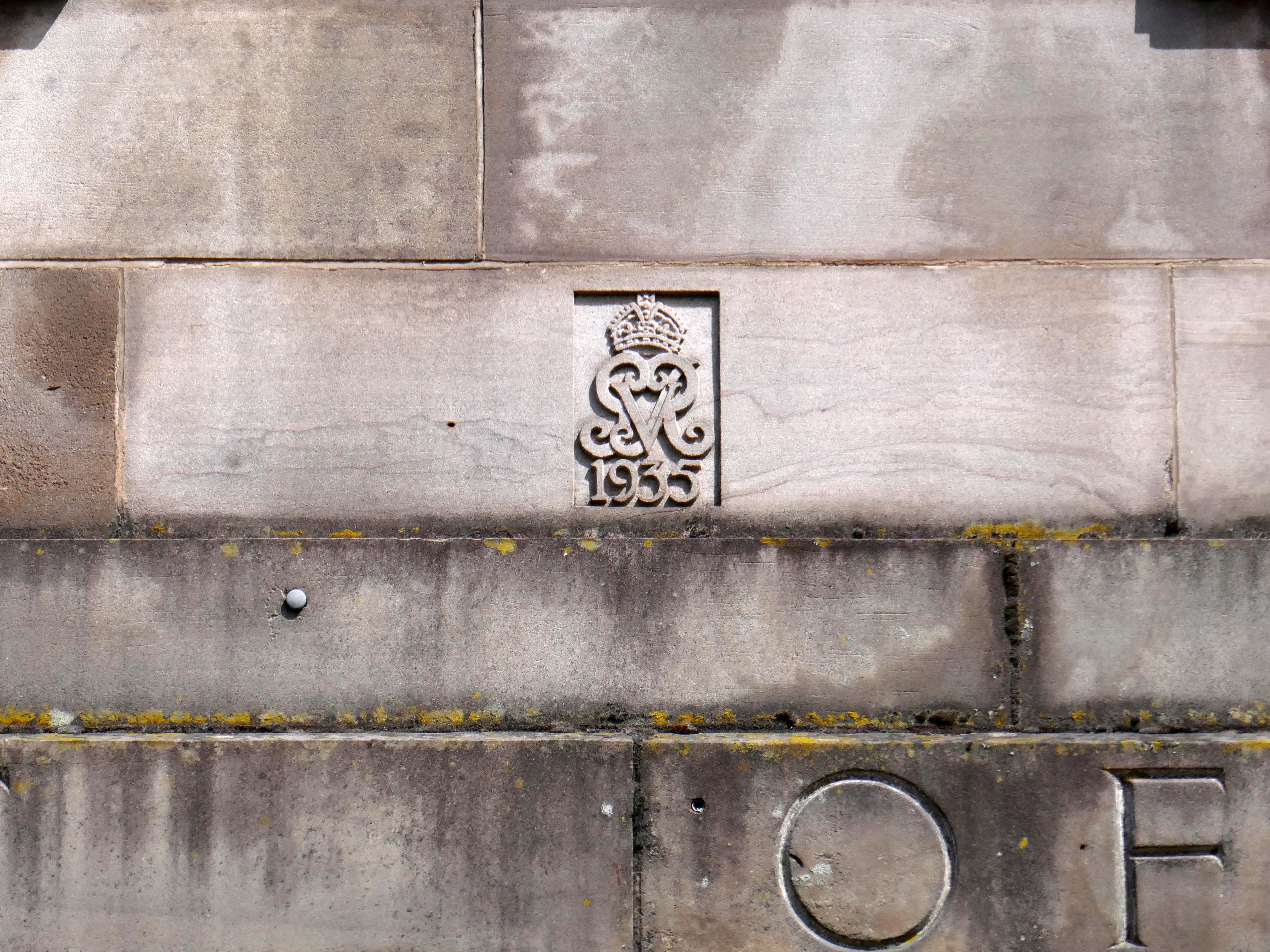
Though dated 1935 the architect  Charles Wilkinson died in 1927 – posthumous construction following his earlier plans?
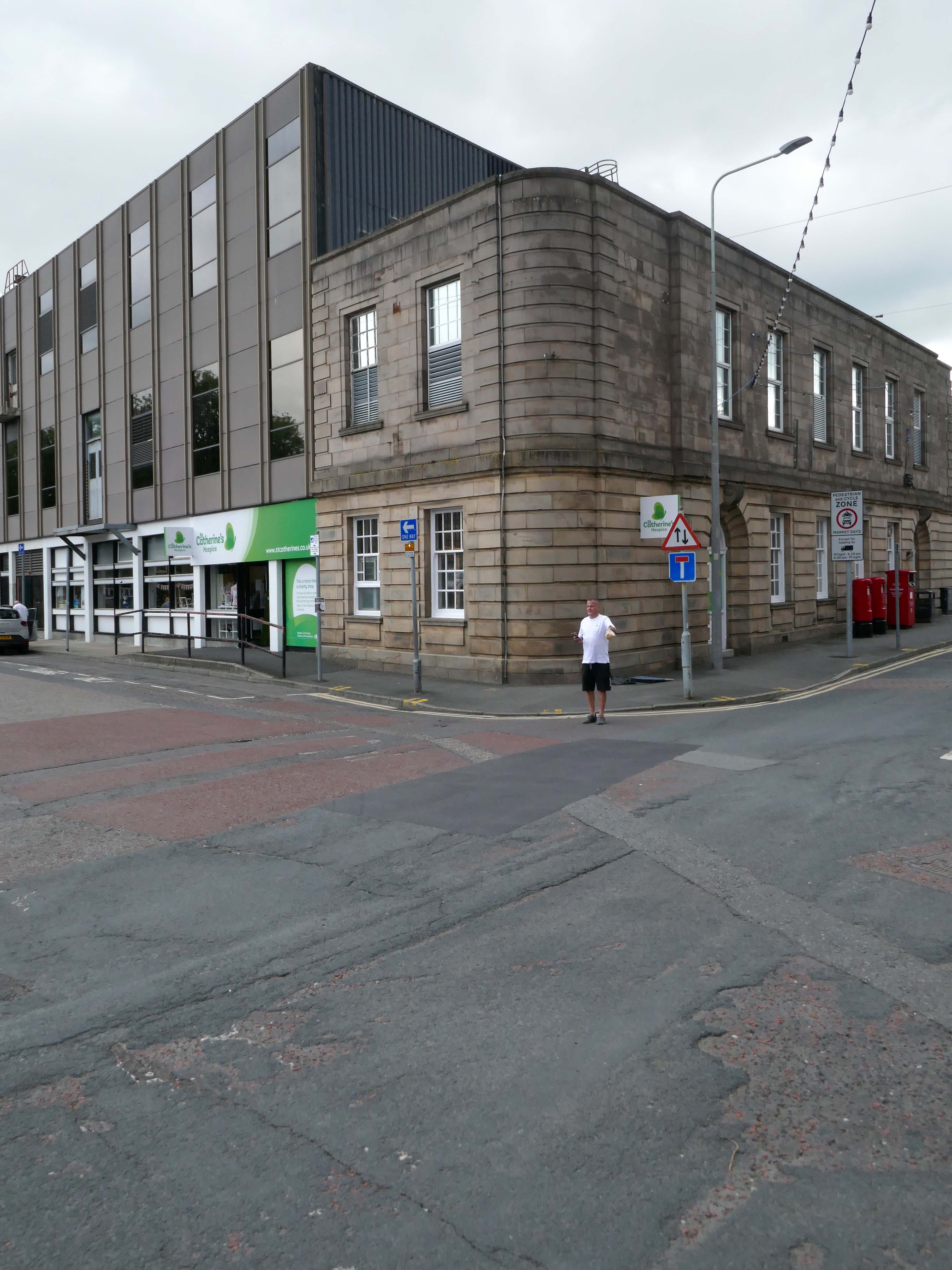
Former Fine Fare finds a new occupant the Big Bargain Store.

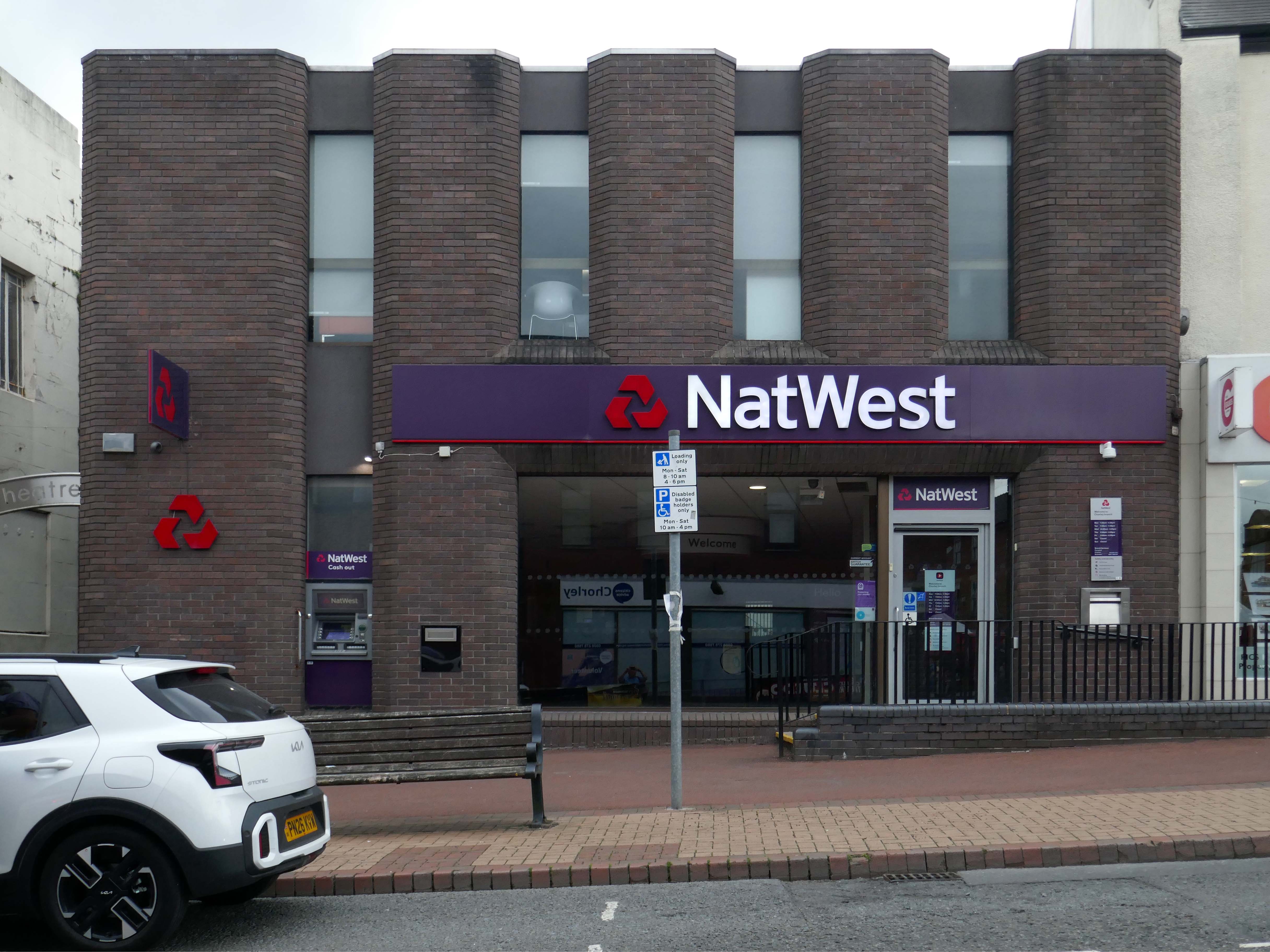
The NatWest Bank is still a NatWest Bank.
Next the Royal Bank of Scotland presenting and passing as a Post Office.

My good friend Mainstream Modern informs me that the architects were Cruickshank & Seward.
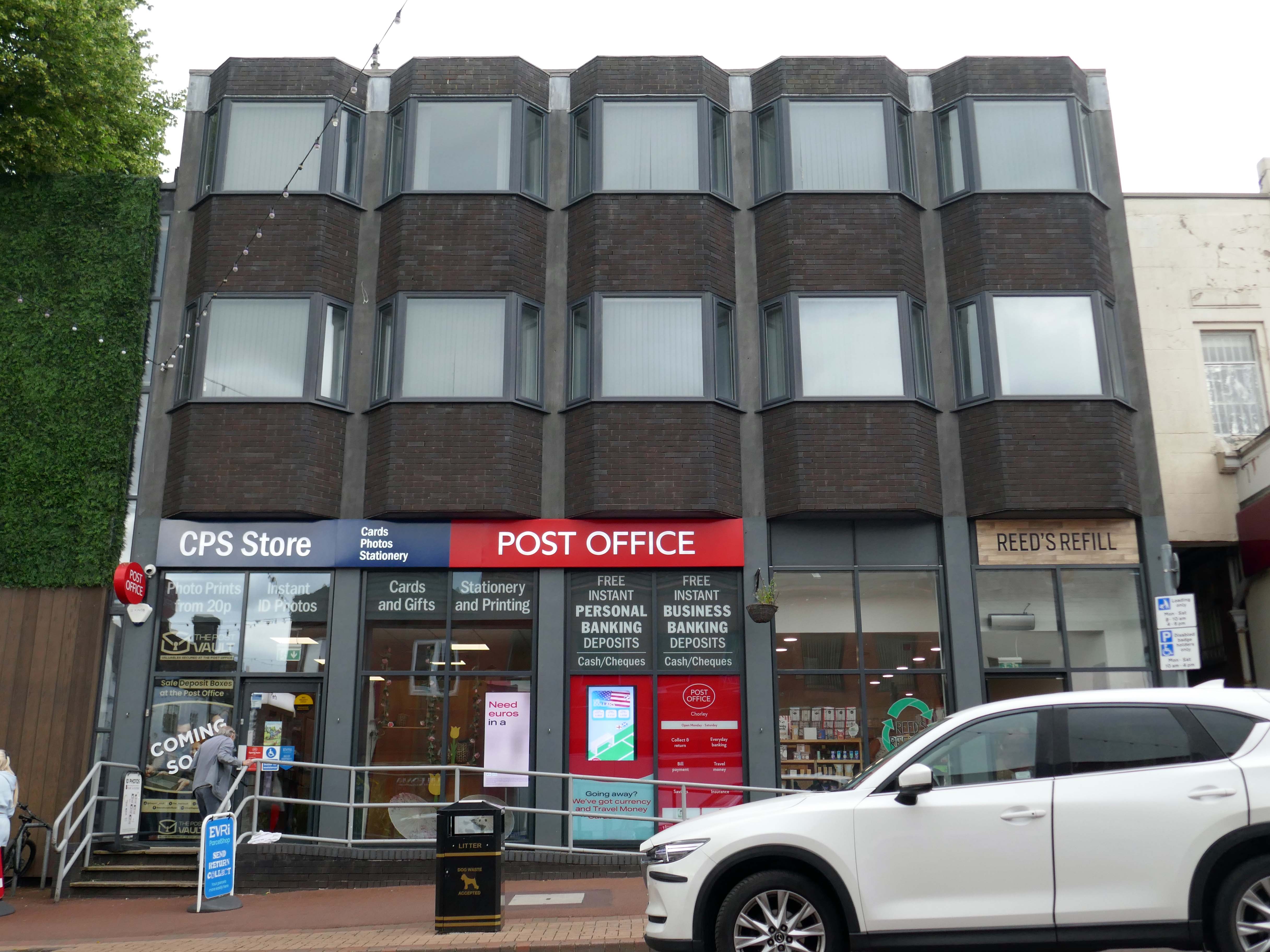
The distinctive white tiles of 2020 having become a living wall.

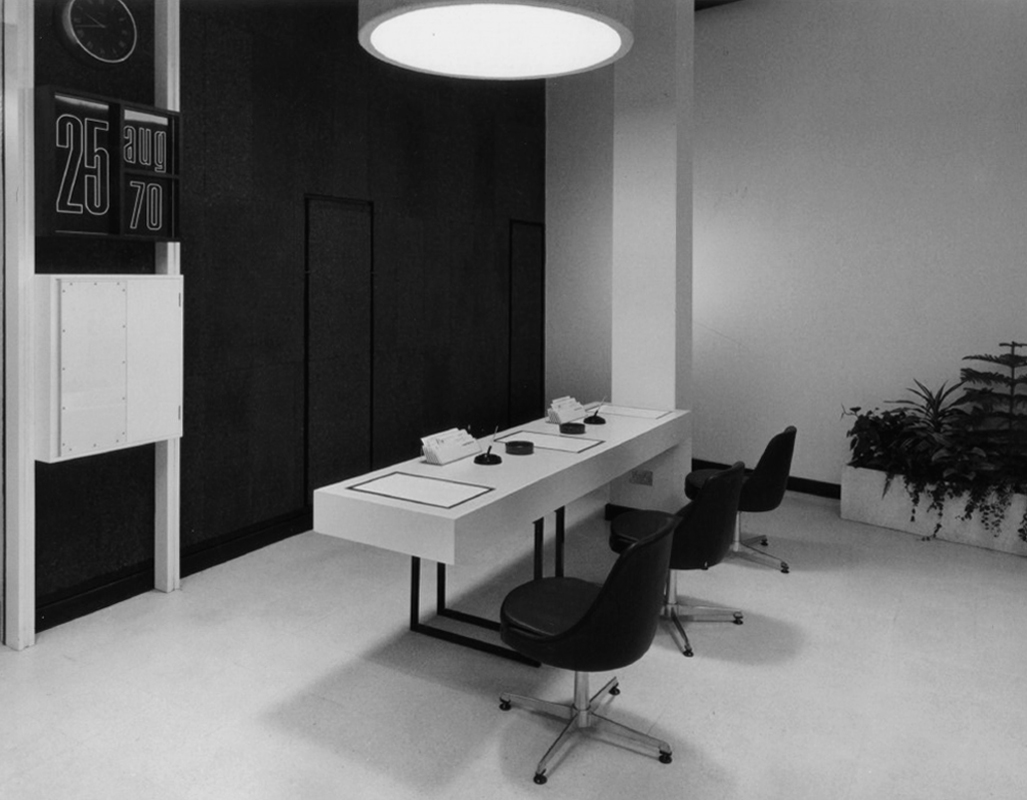
Long gone – this swish interior with its alarmingly charming calendar.
Let’s have a look around the back.
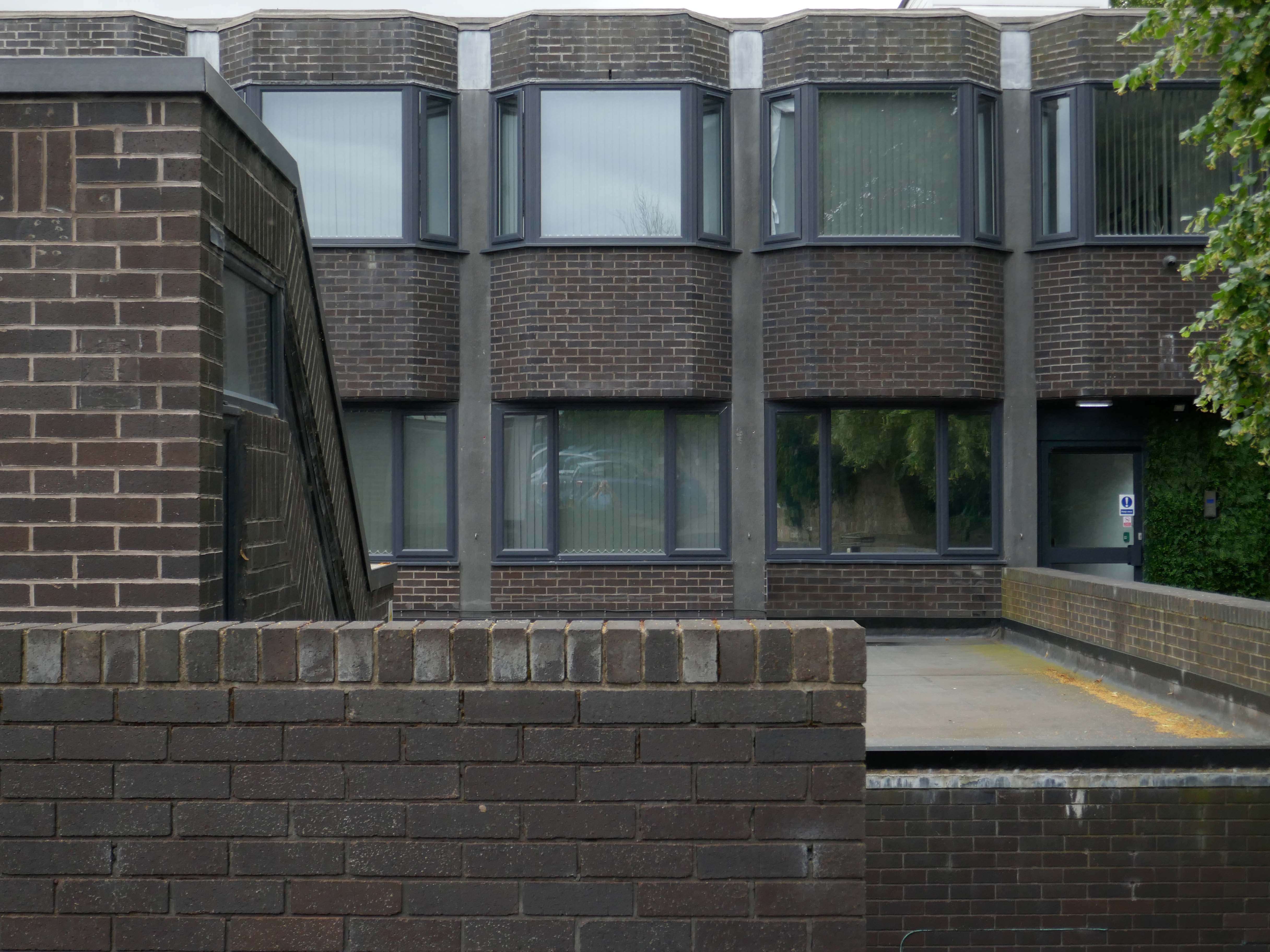
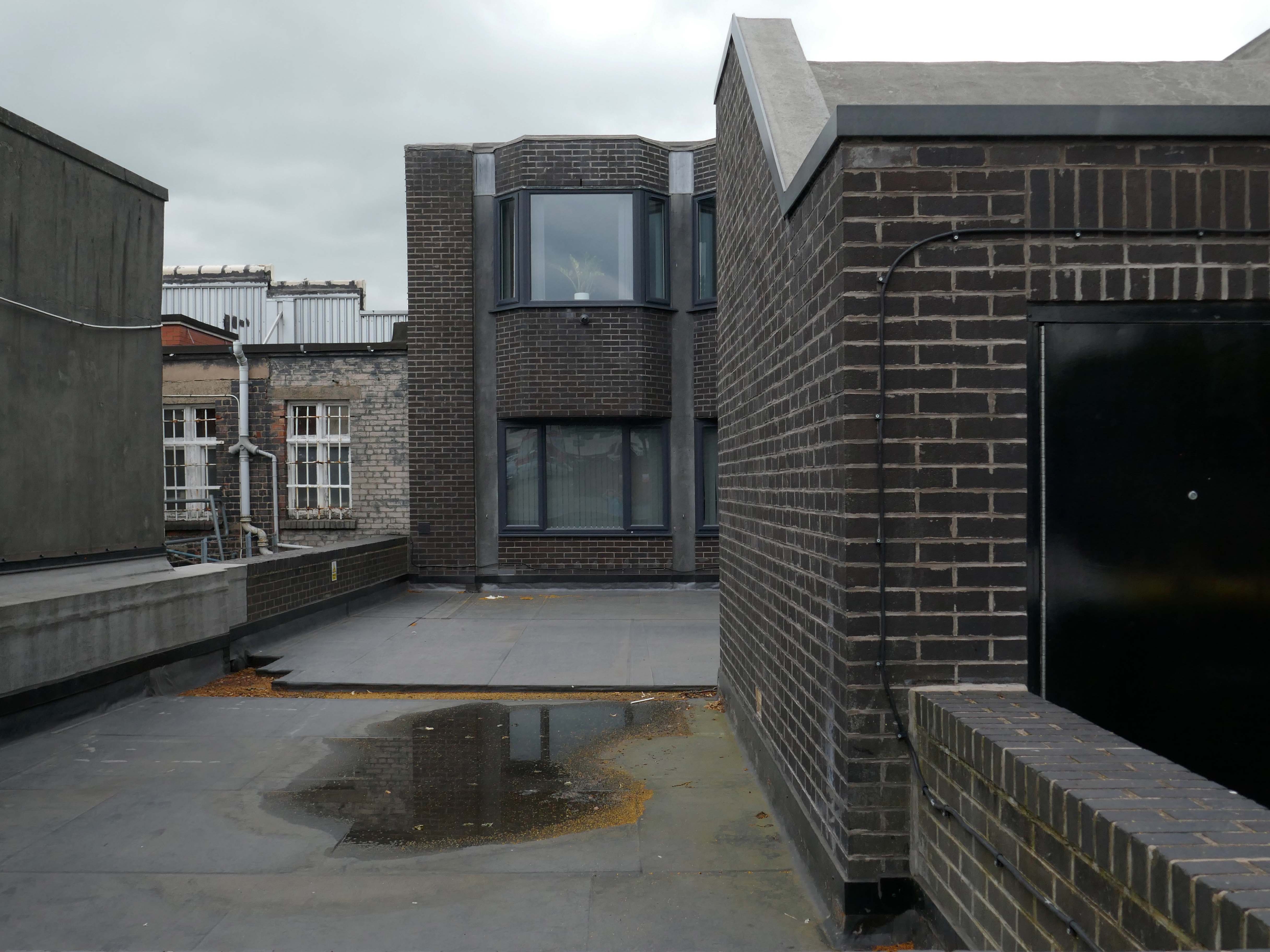
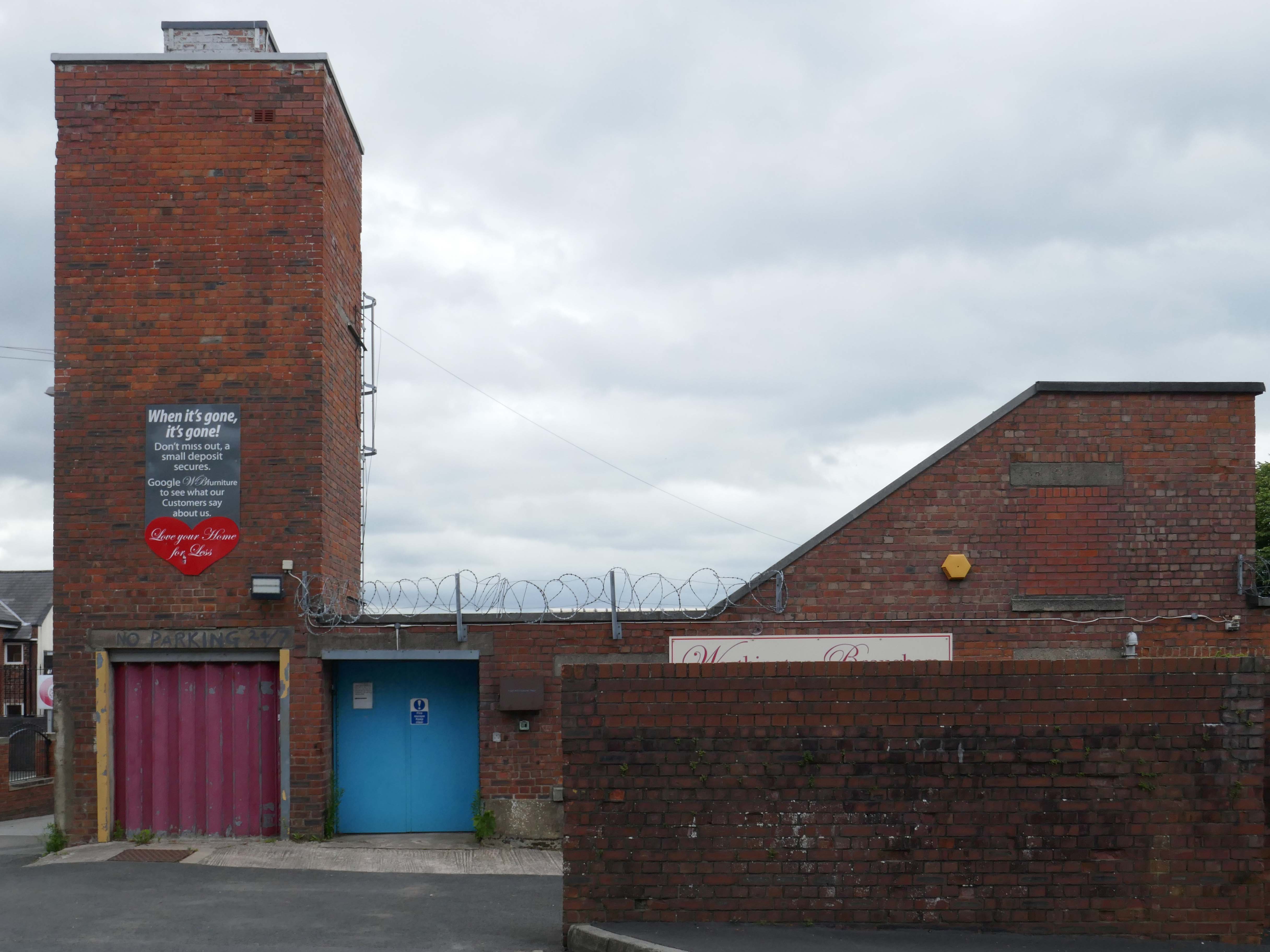
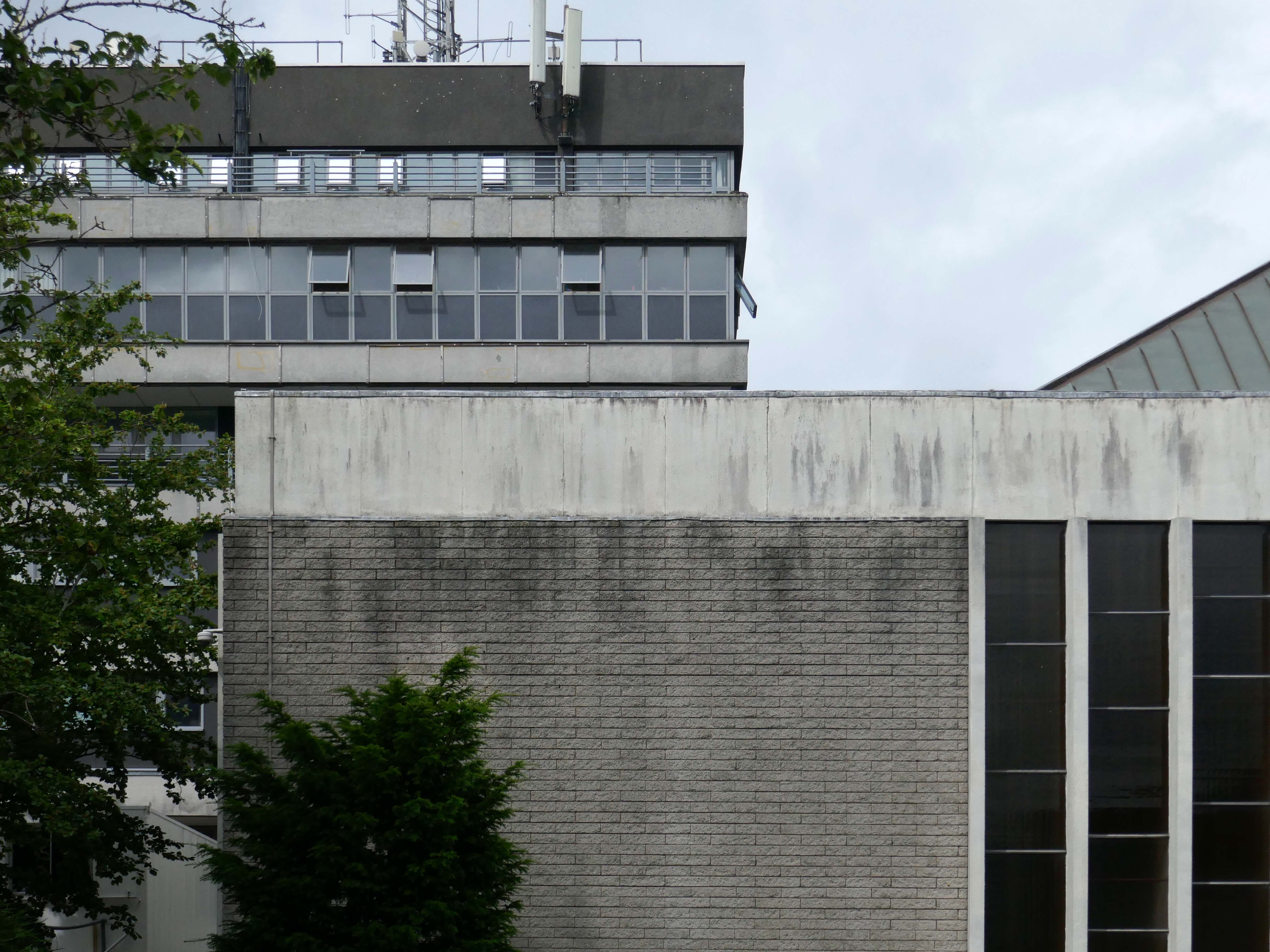
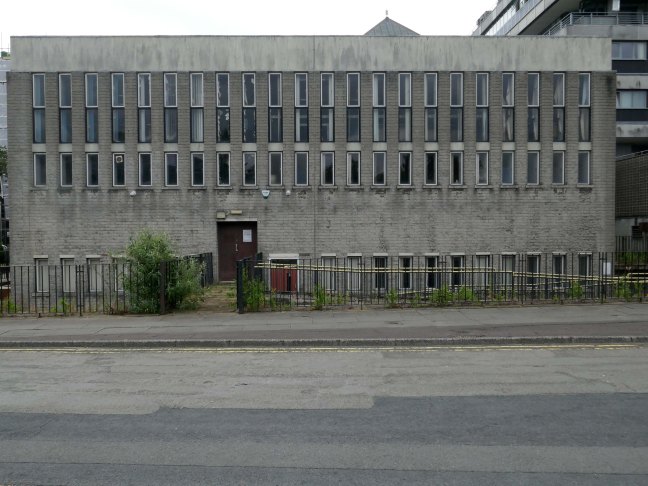
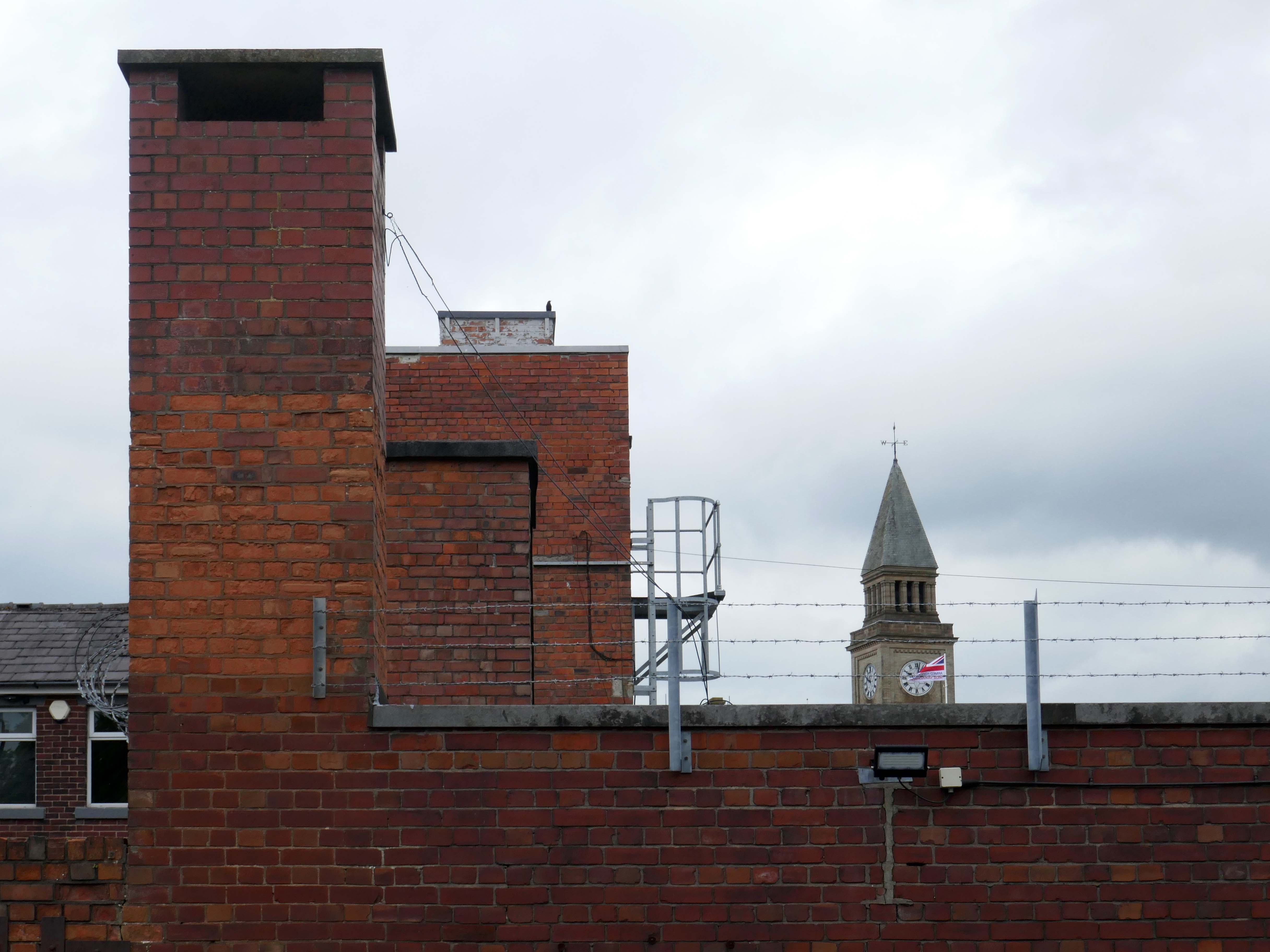
Next door this sinister functionalist brick structure.
Next to the Chorley Theatre, formerly the Empire Electric Theatre and currently the Empire Cinema.

Opened on on 3rd September 1910, one of the nation’s longest continuously running cinemas.
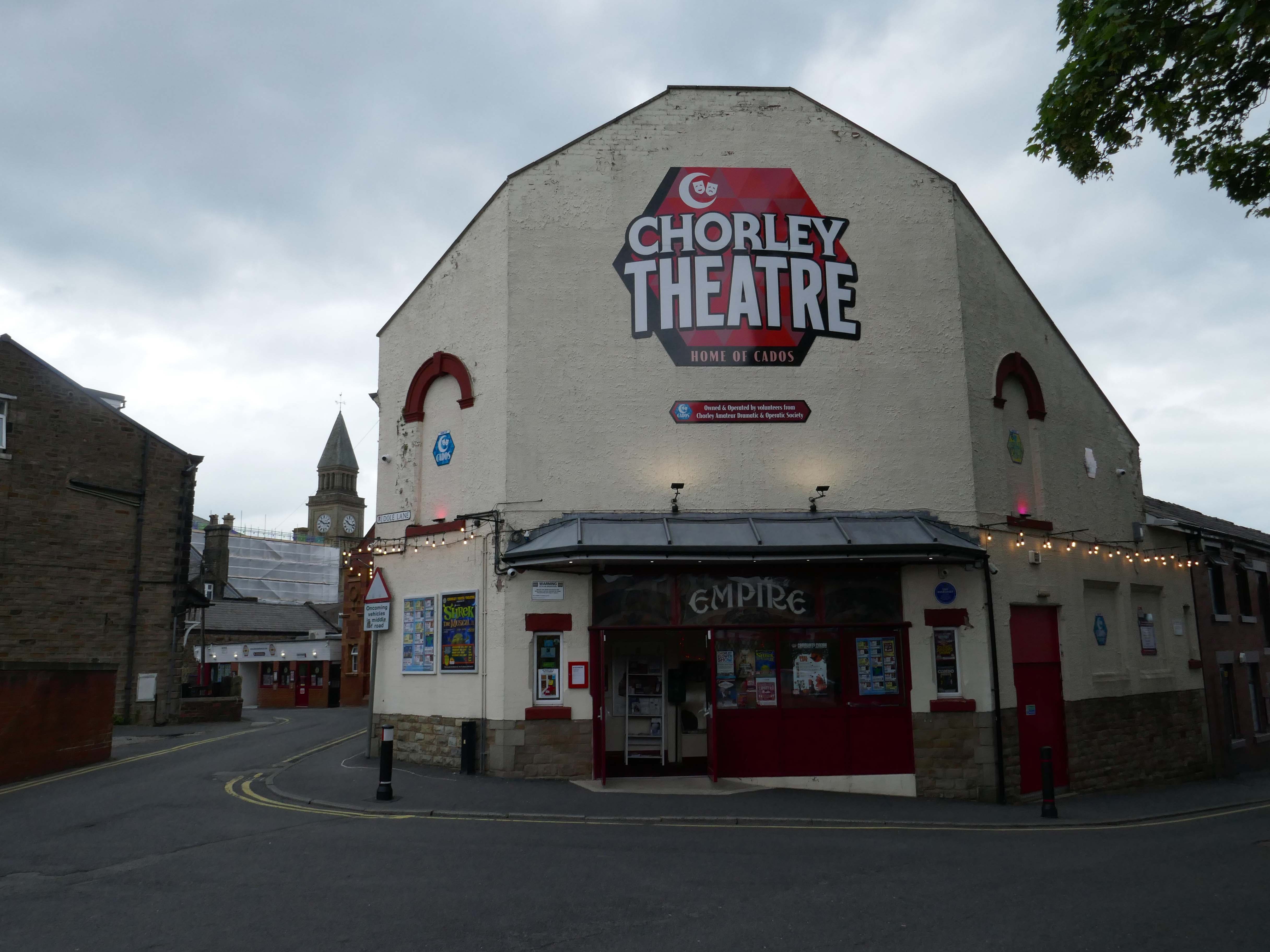
I spent some time chatting to the chatty guardian of the booking office, I learnt that the recently installed blue plaque commemorates the areas links to esteemed Beano artist Leo Baxendale.

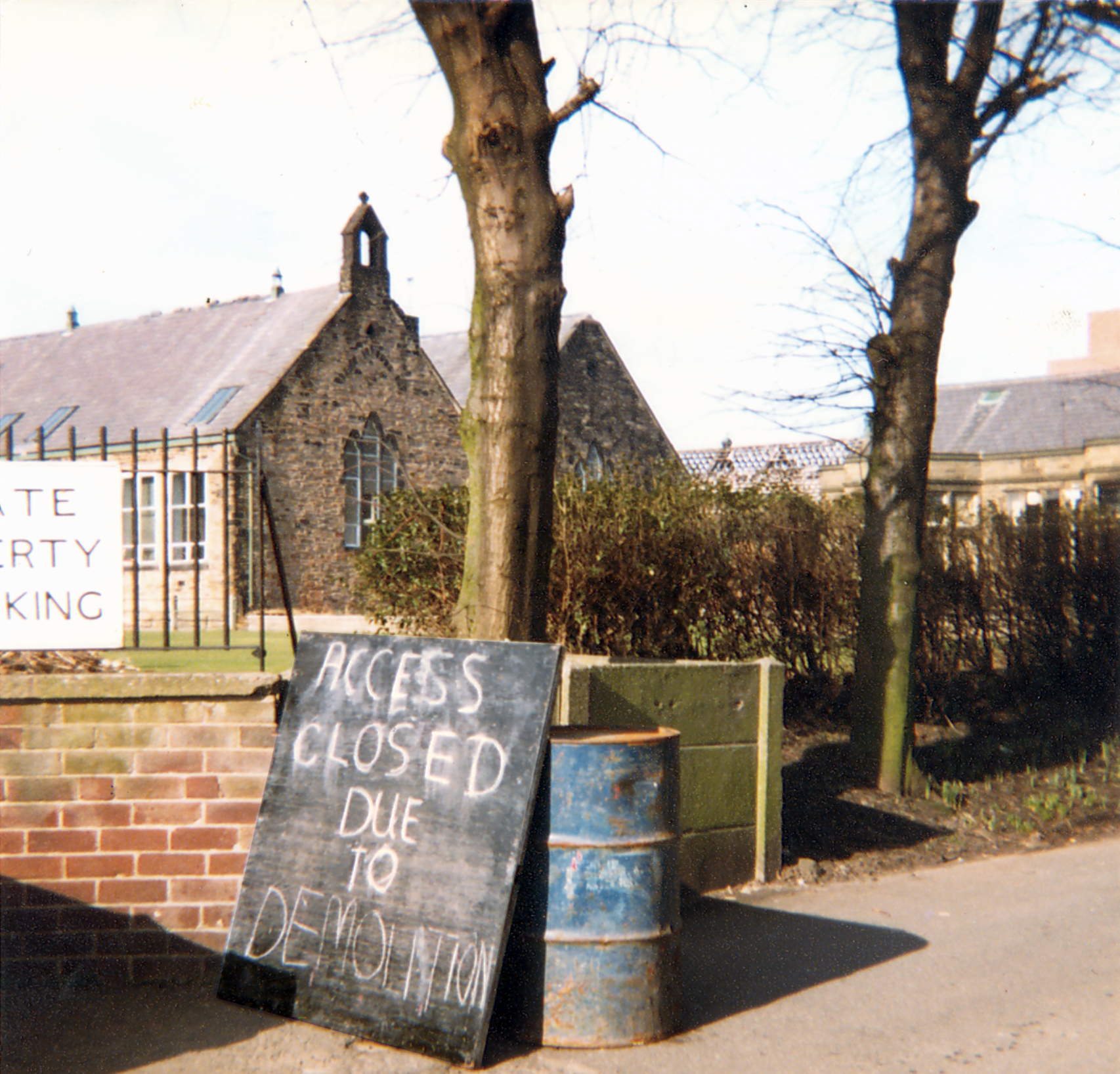
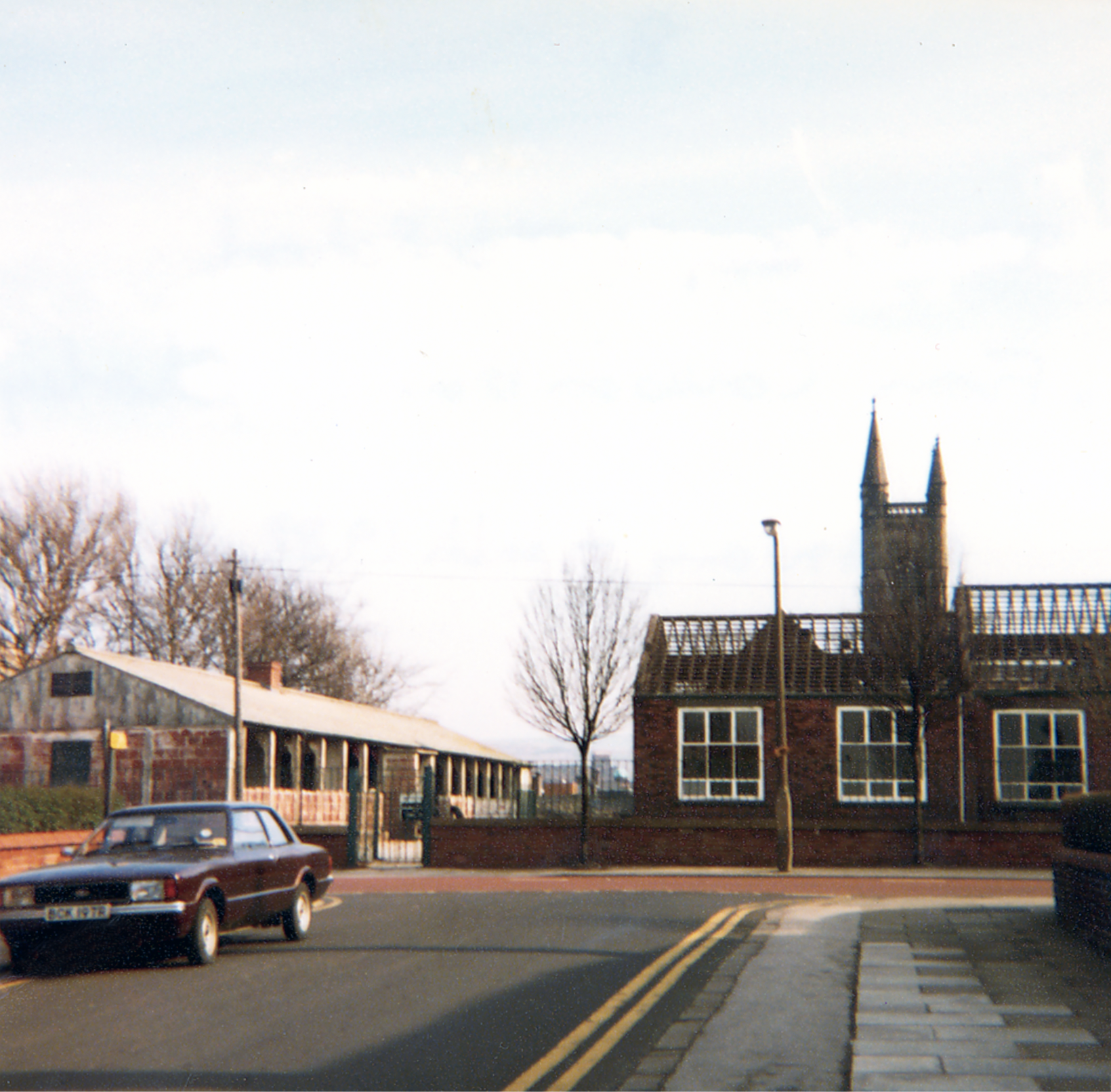
Leo attended St Mary’s School which was sited opposite the theatre, he had a miserable time there, an experience which formed the basis for the famed Bash Street Kids.

He may well now chuckle to himself in comic book heaven, knowing that the school was demolished in 1982.
Red Rose Collections

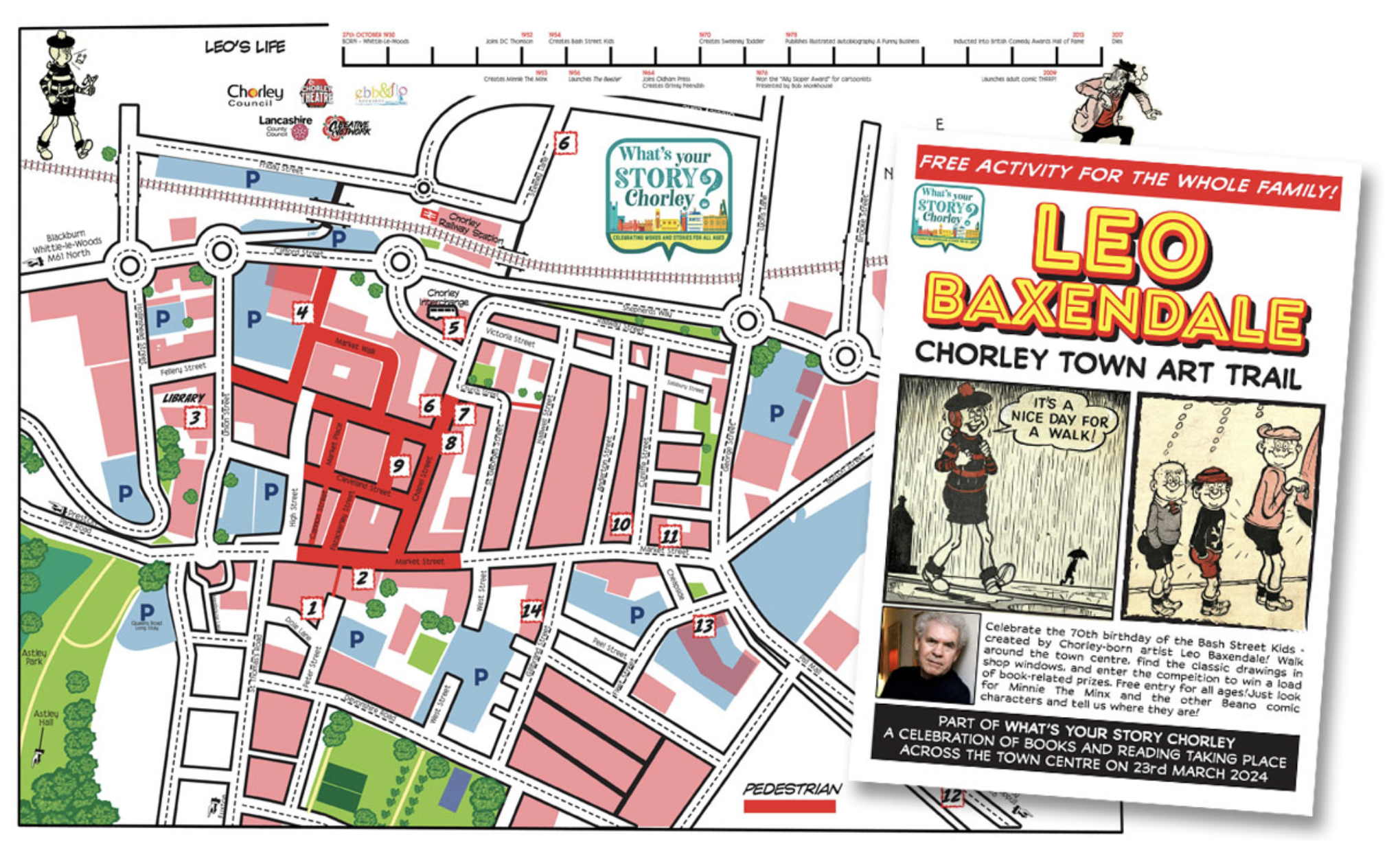
It’s only right that the town boasts a Leo Baxendale Trail.
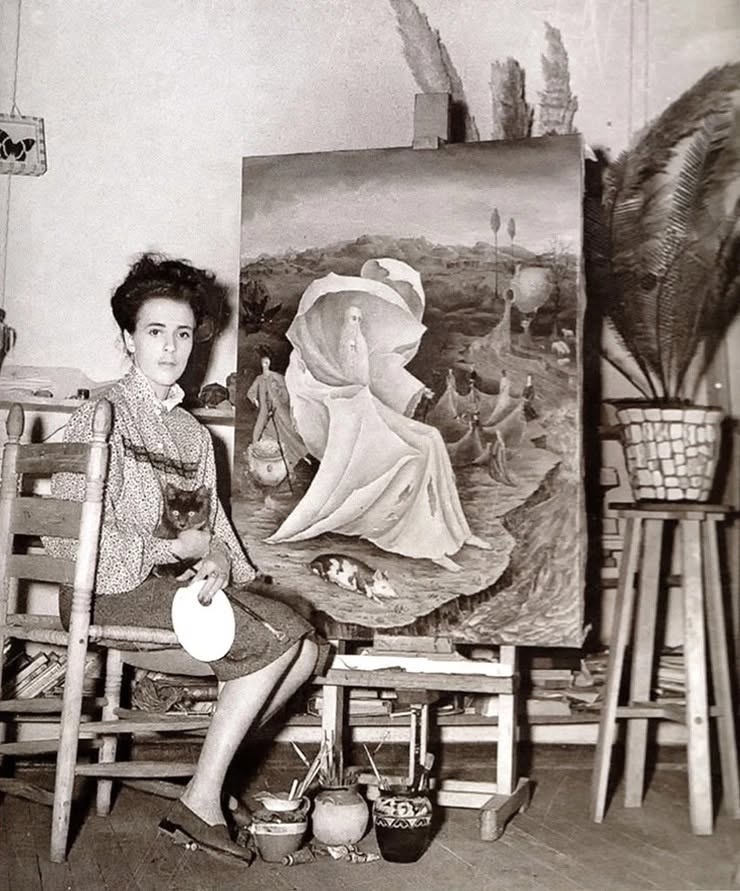
Furthermore, I was ever so excited to hear that the really surreal Leonora Carrington, was a local lass and that the theatre were screening her biopic Leonora in the Morning Light.
Back down to earth with a bang and just around the bend – here’s a former Social Services building, very much in the post-war manner.
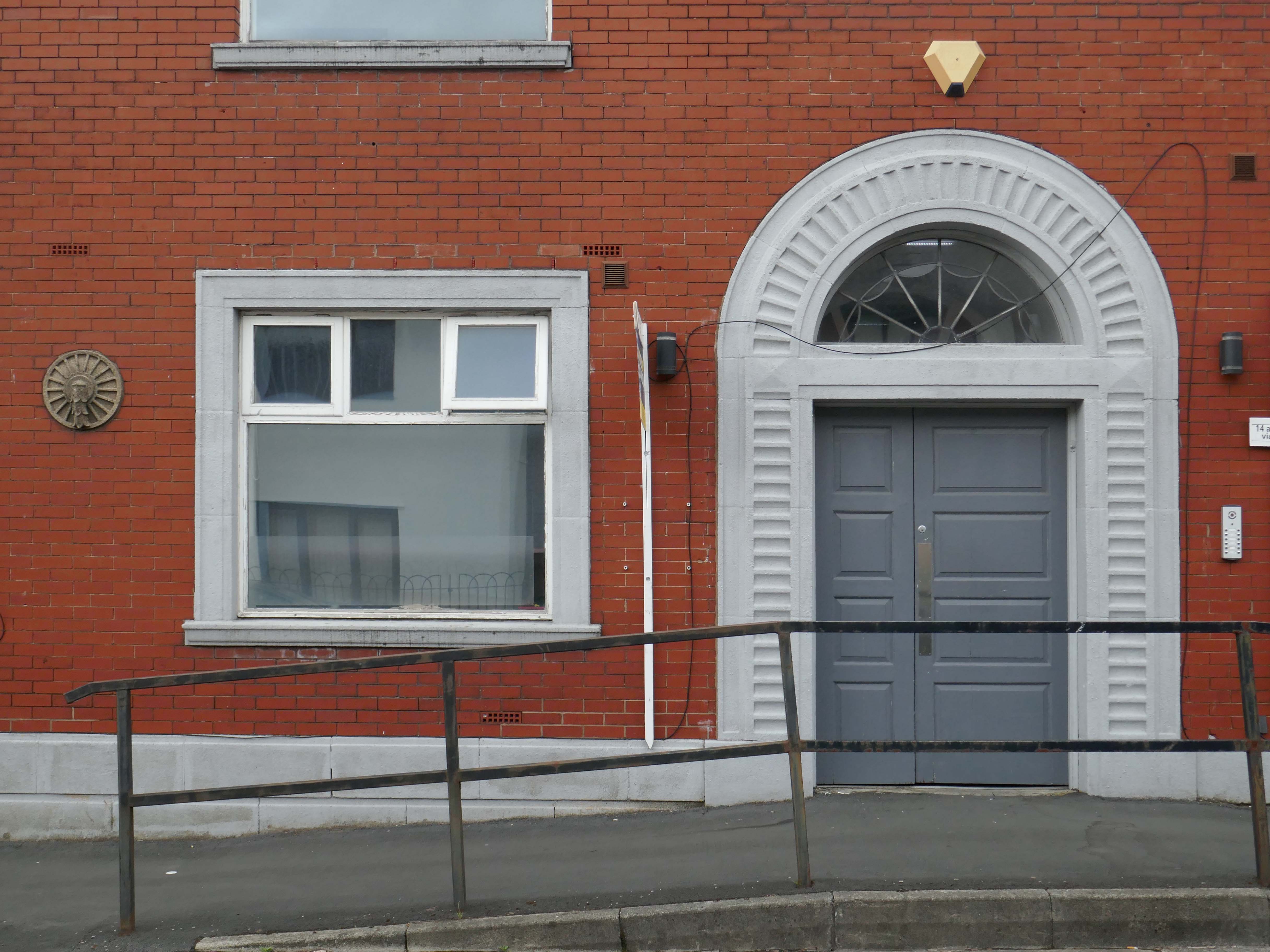
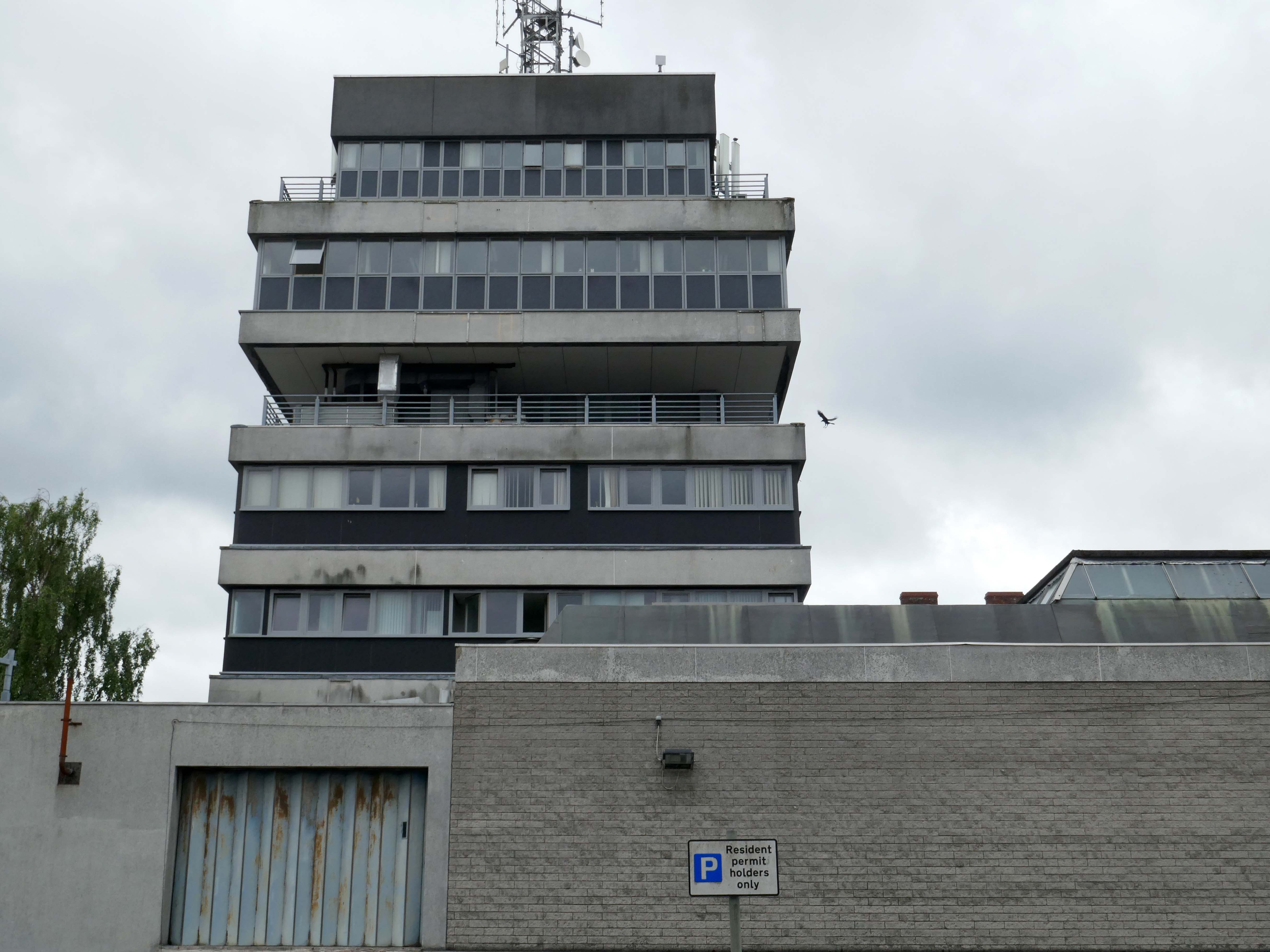
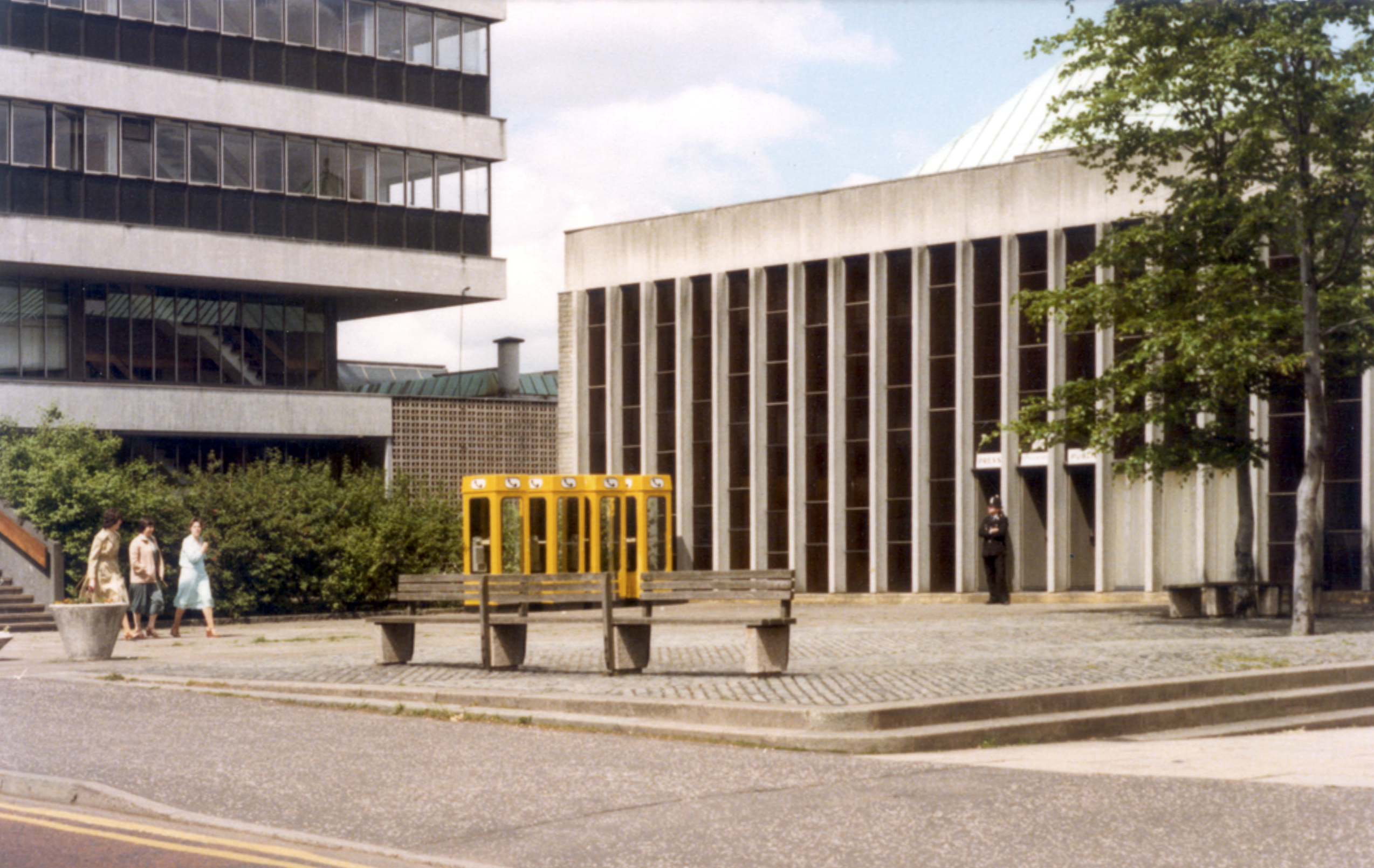
Next thing you know we are at the Police Station.

County Architect’s Report: 1963-64.

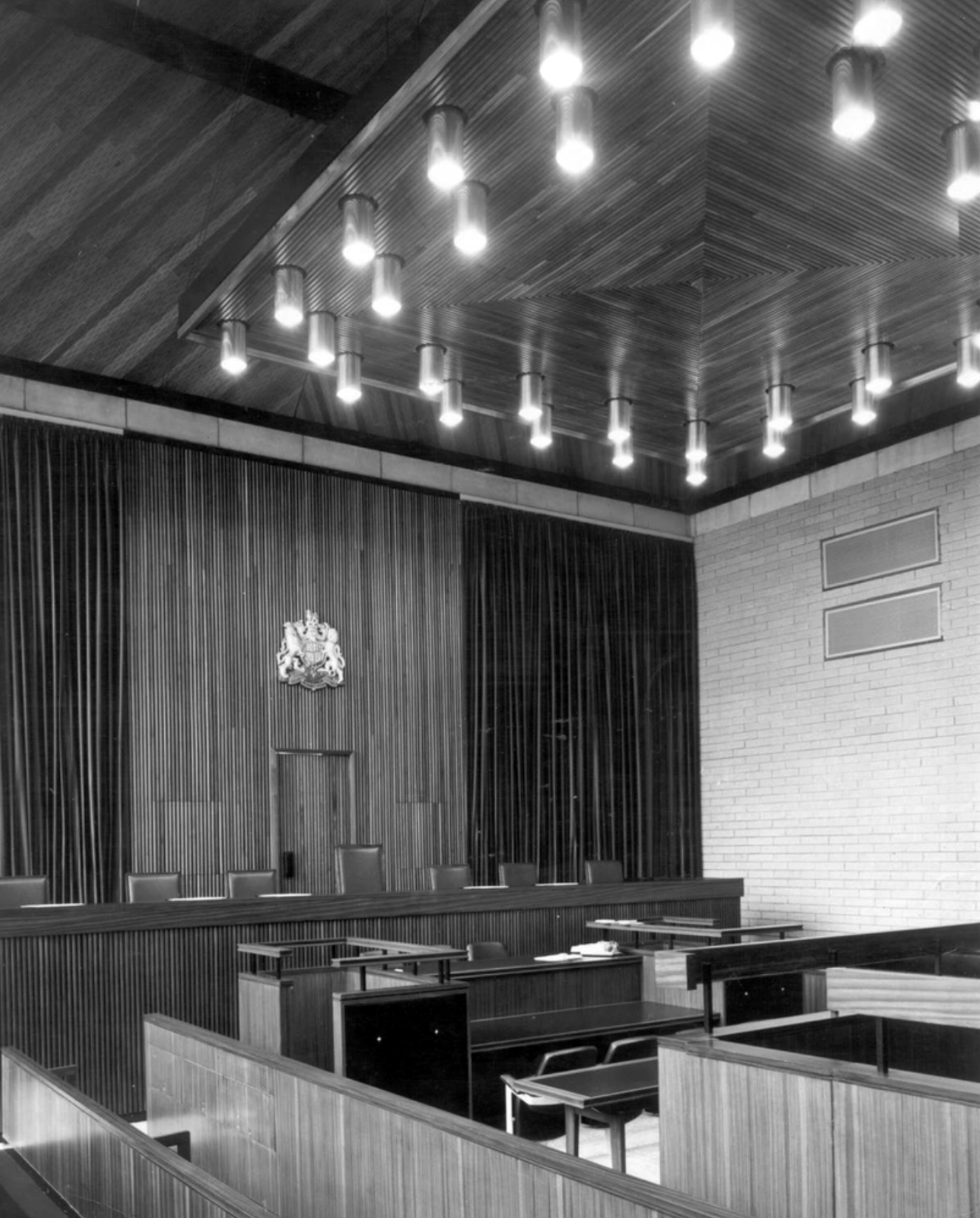
The design team was Roger Booth, Lancashire County Architect; CA Spivey, Assistant County Architect; DB Stephenson, Design Architect; and DG Edwards, AG Gass, responsible for the detailed design and construction. The seven-storey in-situ concrete framed main block was the last bespoke police station to be built in Lancashire, following this the department developed a systemised concrete construction method which was deployed across the county. The dramatic cantilevers gave the new building a stature and presence that signalled authority. The lower levels were accessed by ramps and provided space for police vehicles. To enter the police station one ascended a set of external stairs across a pool that once contained koi carp – fittingly, one boy described the new building as a ‘fishtank’ upon its completion. The magistrates’ court was finished externally in a grey brick and carried the signature pyramid rooflights that were synonymous with the Department.

Many thanks to Richard at Mainstream Modern
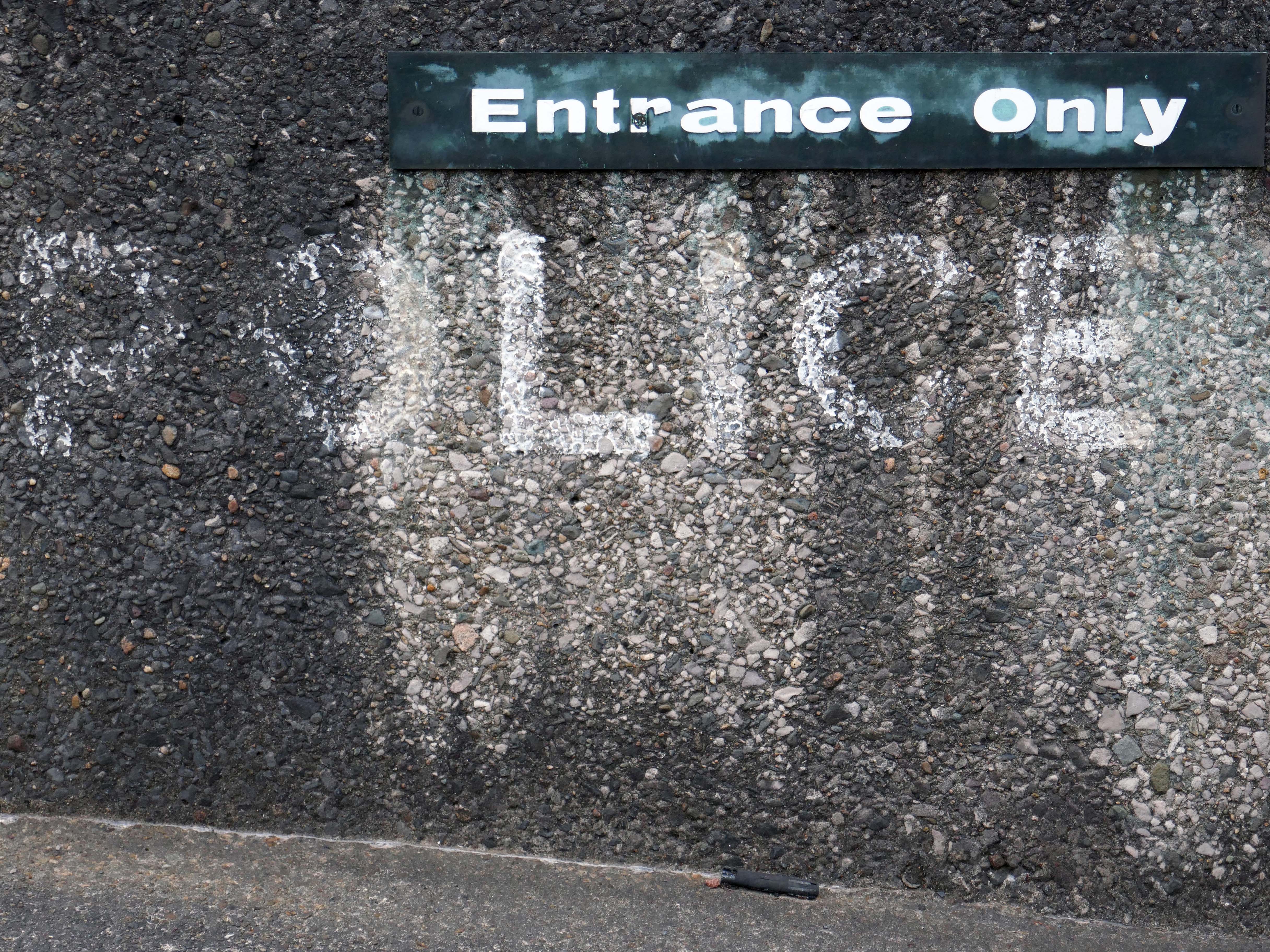
Next door its partner in crime the Magistrates Courts.

Opened in 1968.
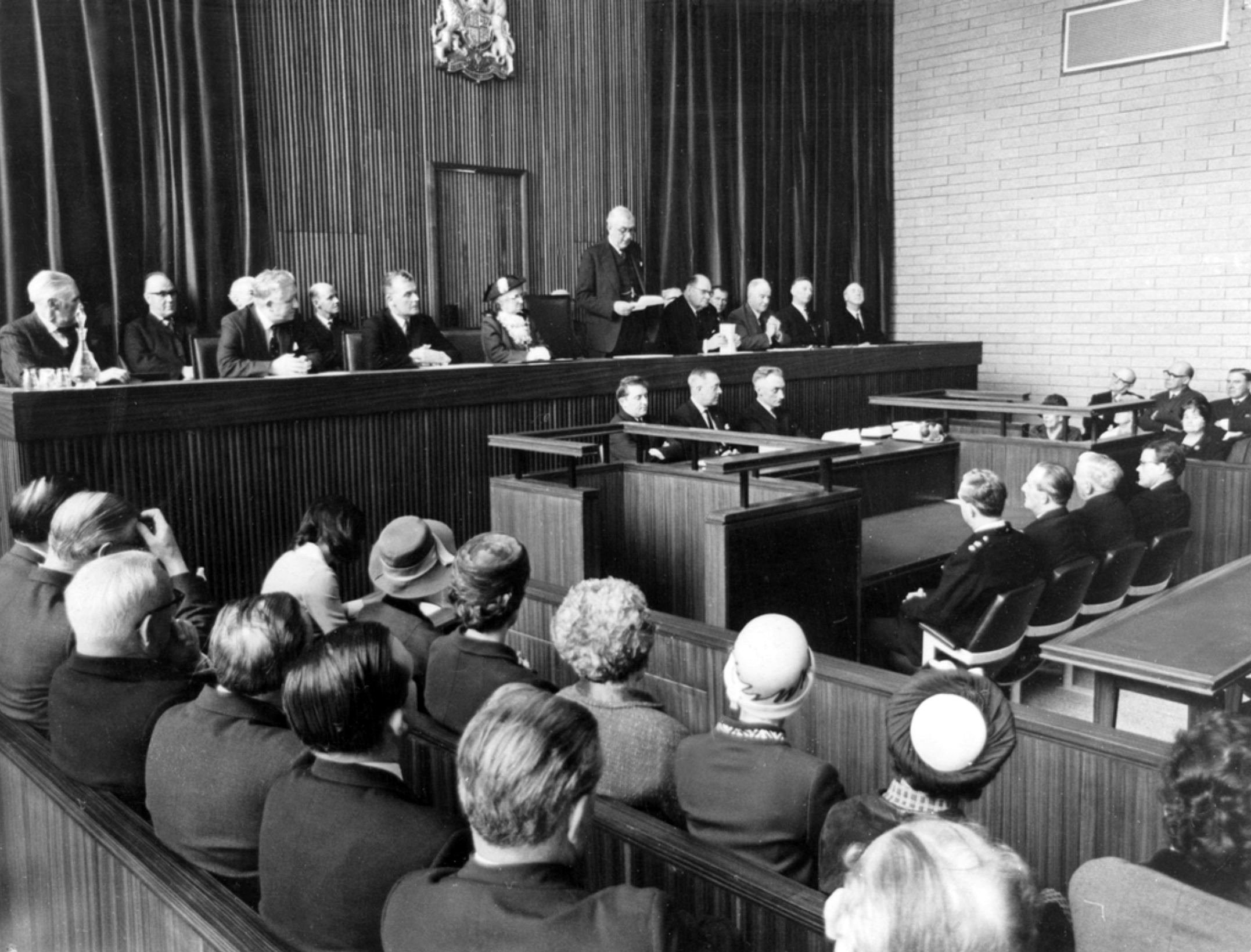
The courts are up for sale – offers in the region of £800,000 – the property has planning permission for an eleven storey apartment building with fifty two flats, three ground floor retail units and roof terrace.

The disused court building was last sold in 2022 for £300,000, according to the Land Registry.

Designs for the scheme were drawn up by FWP Group.

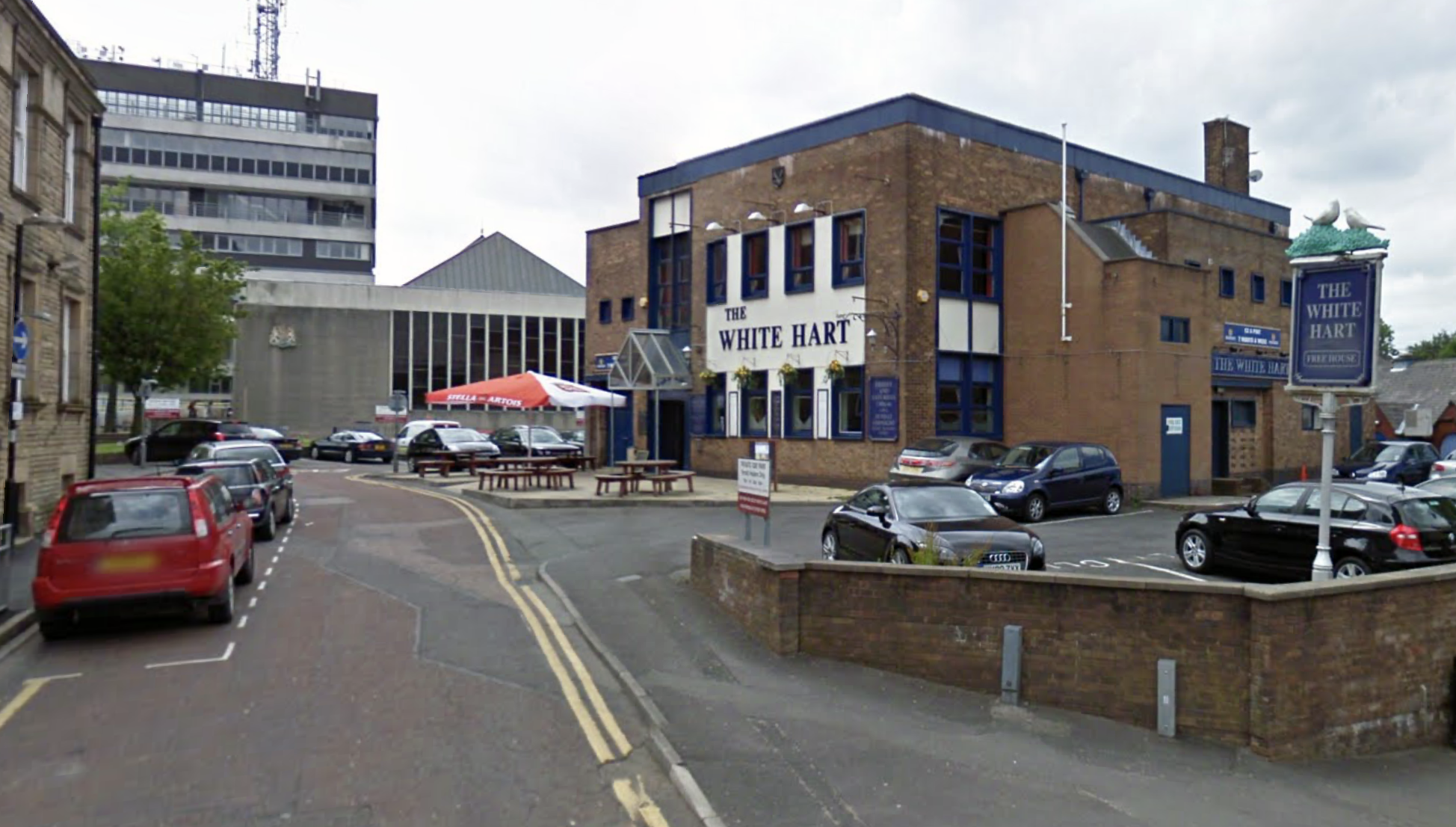
Next door is a pub no longer a pub.
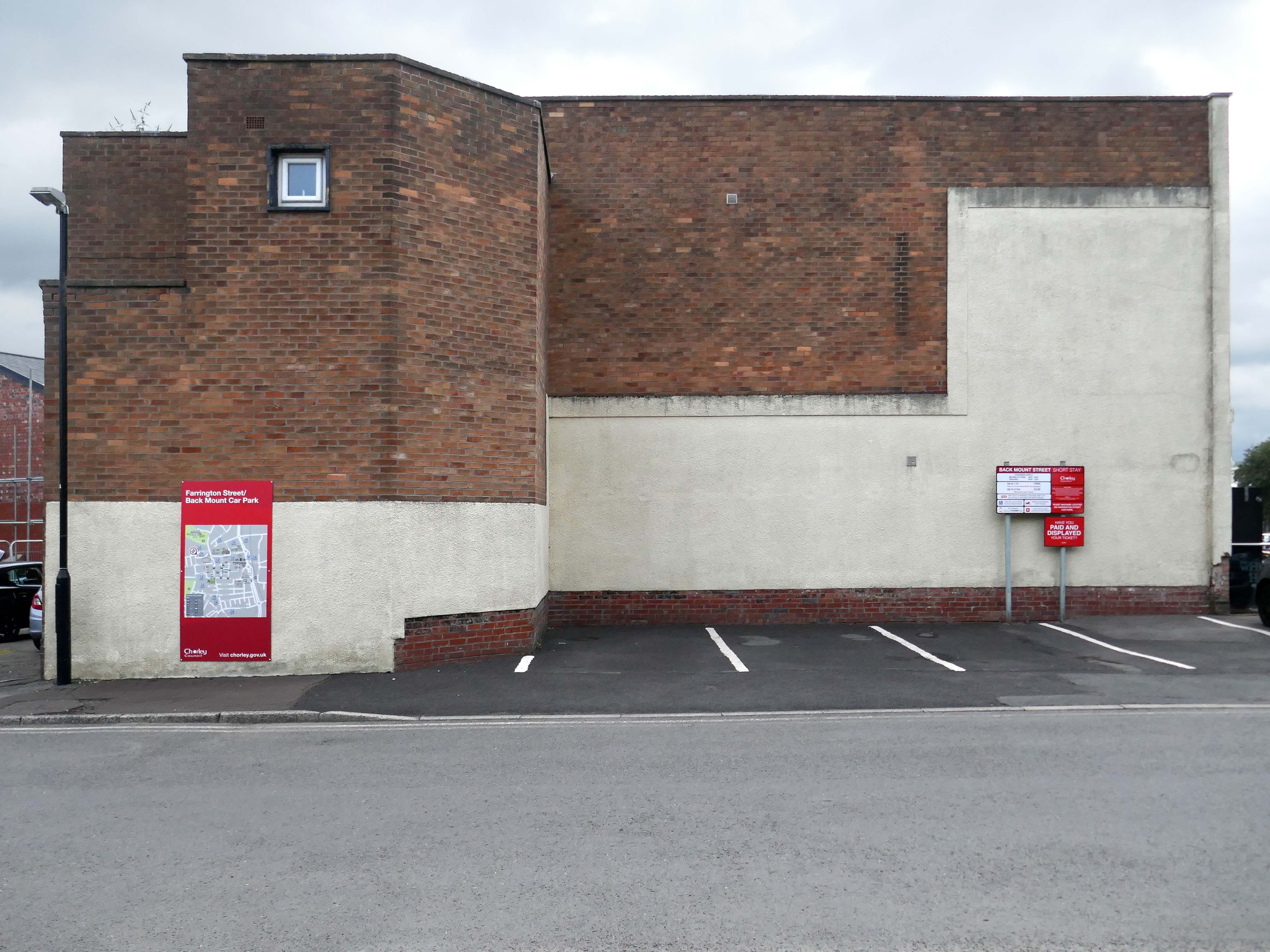
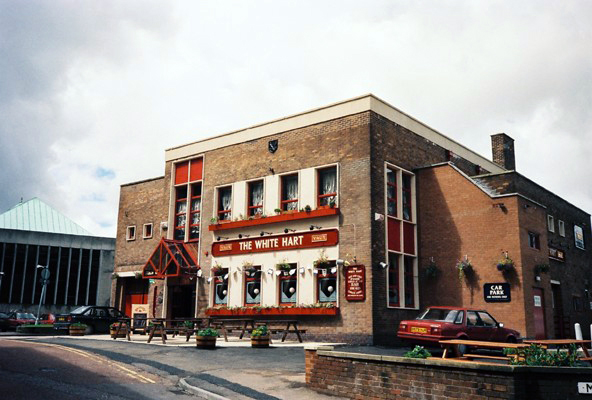
Once upon a time a Vaux Brewery house the White Hart – implausibly renamed the Snooty Fox for a brief period.
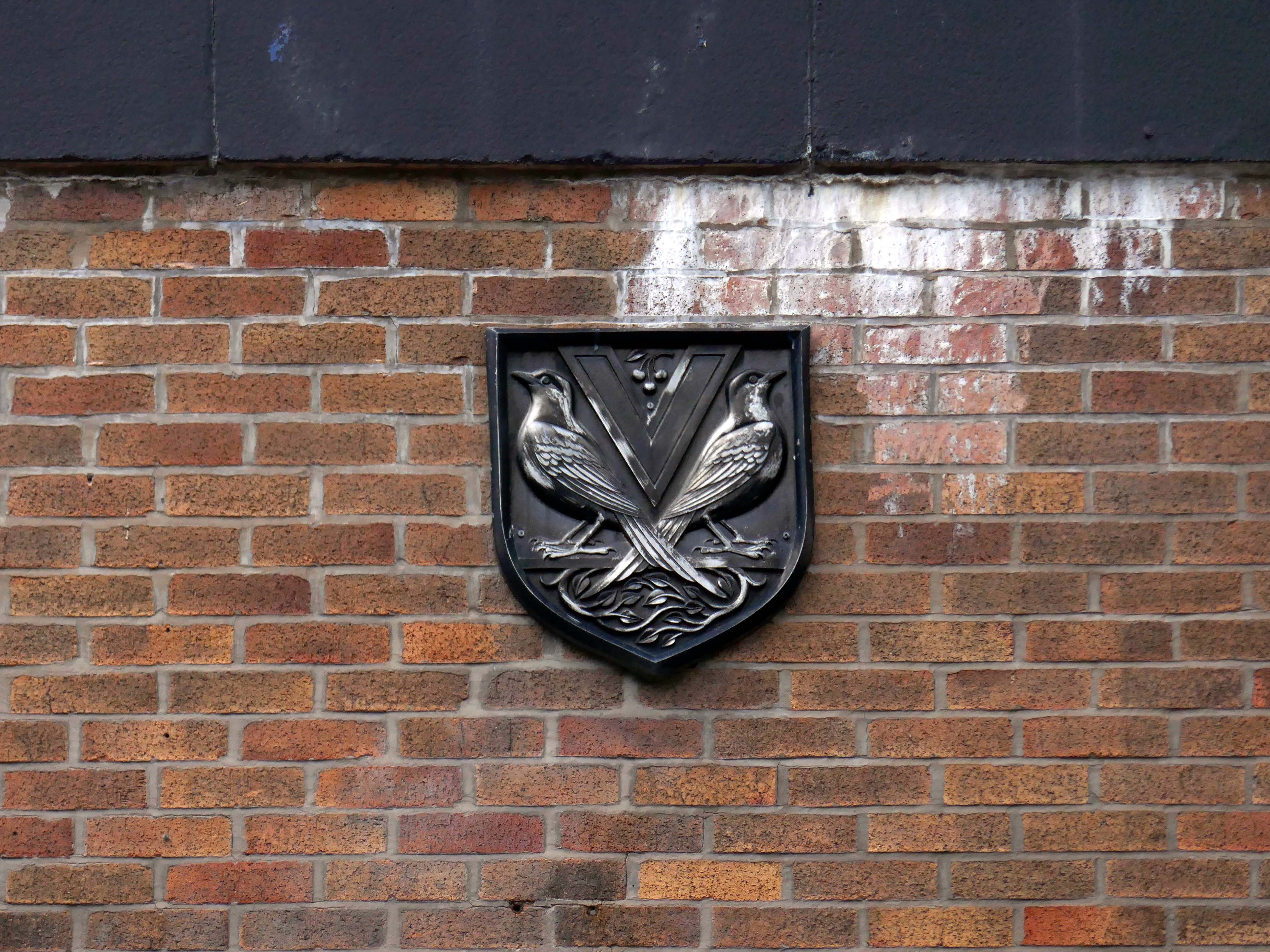
Photo Alan Winfield 1988 – The Never Ending Pub Crawl

This was a really big looking pub.

The pub was decent enough inside with a large room which was empty on our Friday dinner visit, the pub was a Vaux tied house so we were well pleased as we had not done many of them.


We had a drink of Vaux bitter which went down well.
Interior from Red Rose Collections.

Currently the Ukraine Unit Donation Centre.

Our group was created in February 2022 to try and help raise awareness of the crisis in Ukraine and to help organise and coordinate local efforts to send support from across the Borough of Chorley in Lancashire. We have since grown into a major hub for donations.

Across Chorley & District multiple educational facilities, community groups and organisations reacted and began to spread awareness and collect donations. In order to sift and sort a lot of local donations, a unit has been loaned by Chorley Council. A large percentage of the region’s aid has come into this unit and we are regularly packaging aid and supplies in preparation for the next leg of the journey to Ukraine, whether it’s transported there by us or other charitable organisations.

Our philosophy is that if we can all do a little bit, together we can make a big difference.
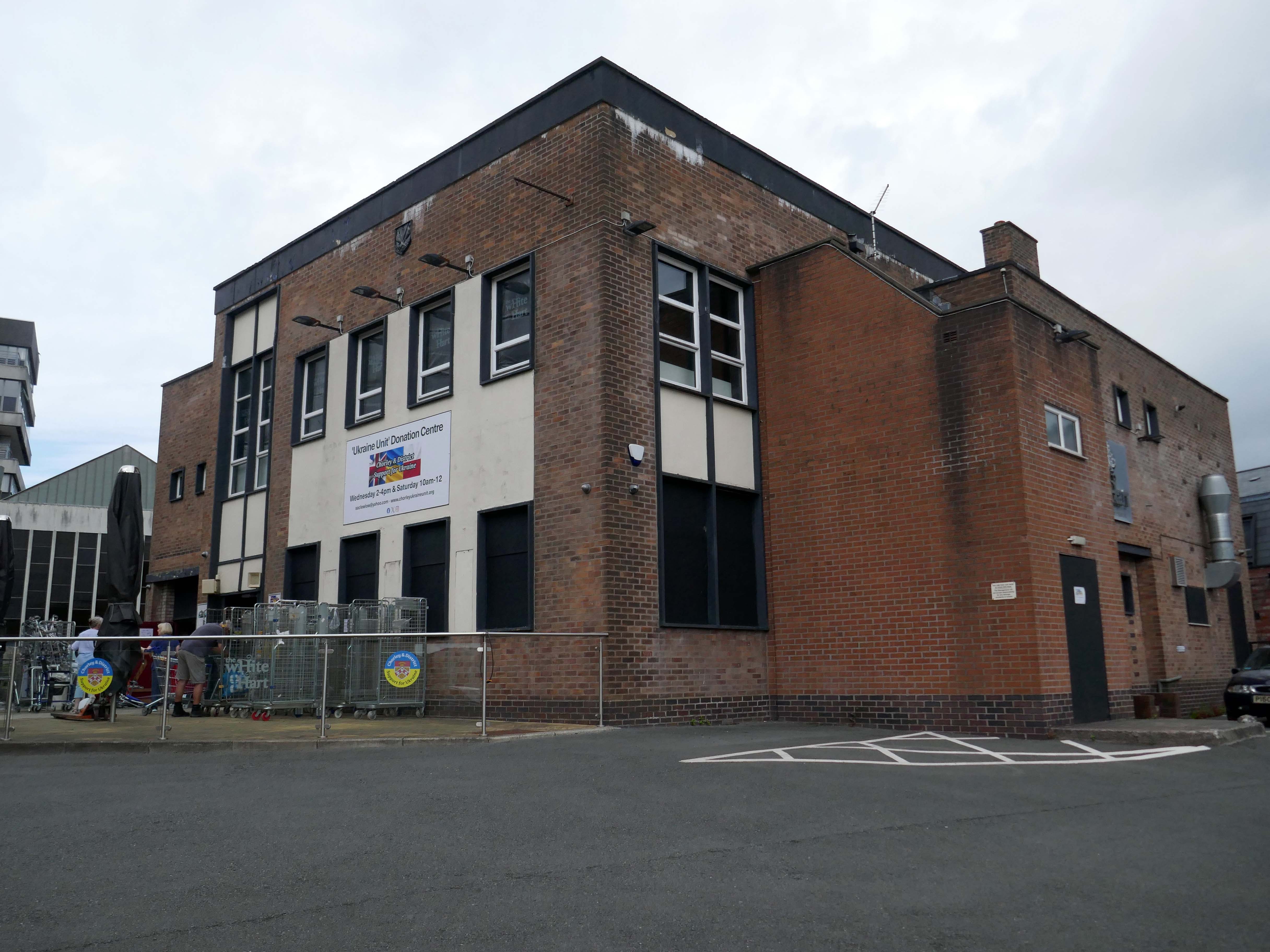
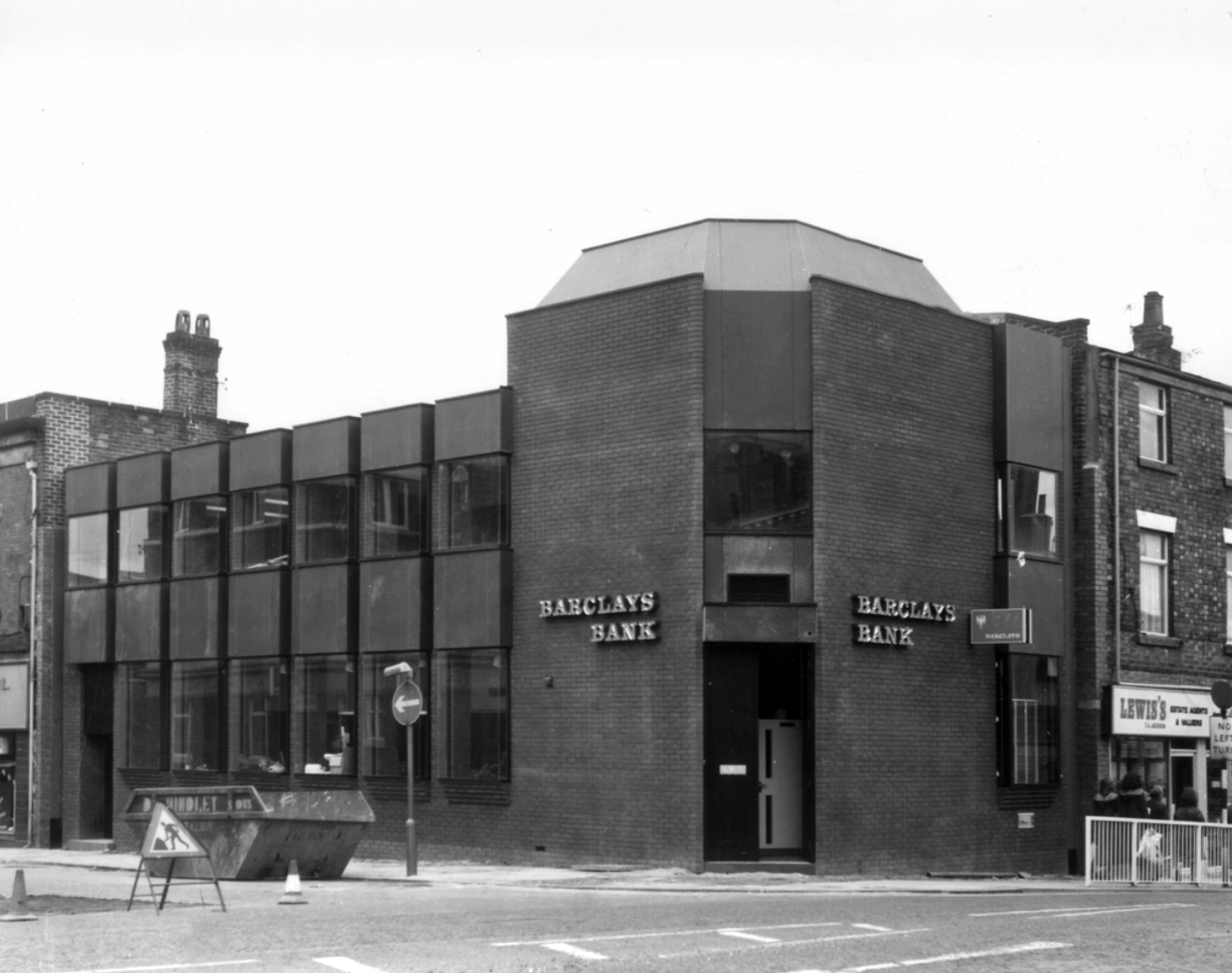
Bouncing back to what was and never shall be no more Barclays Bank.
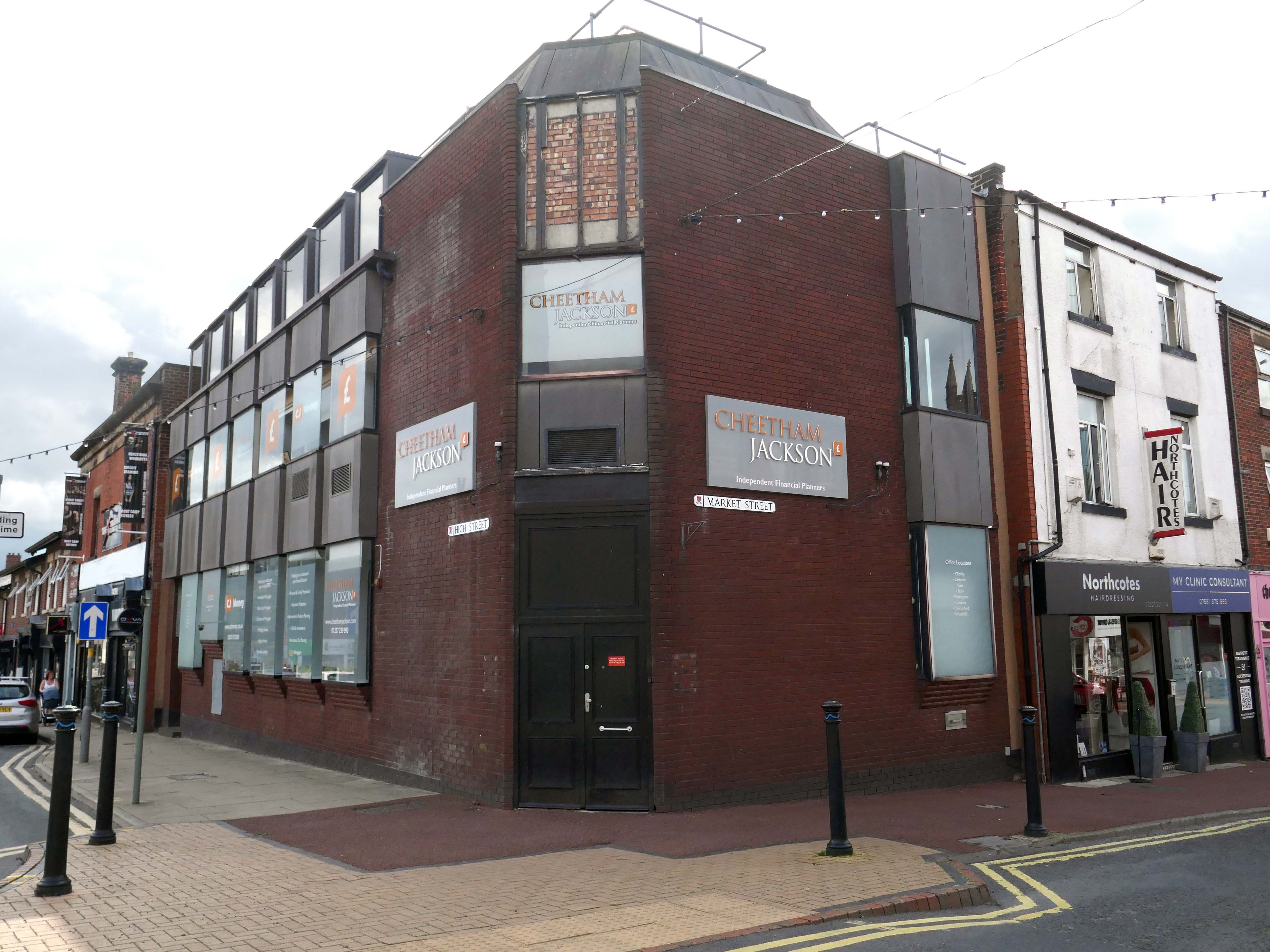
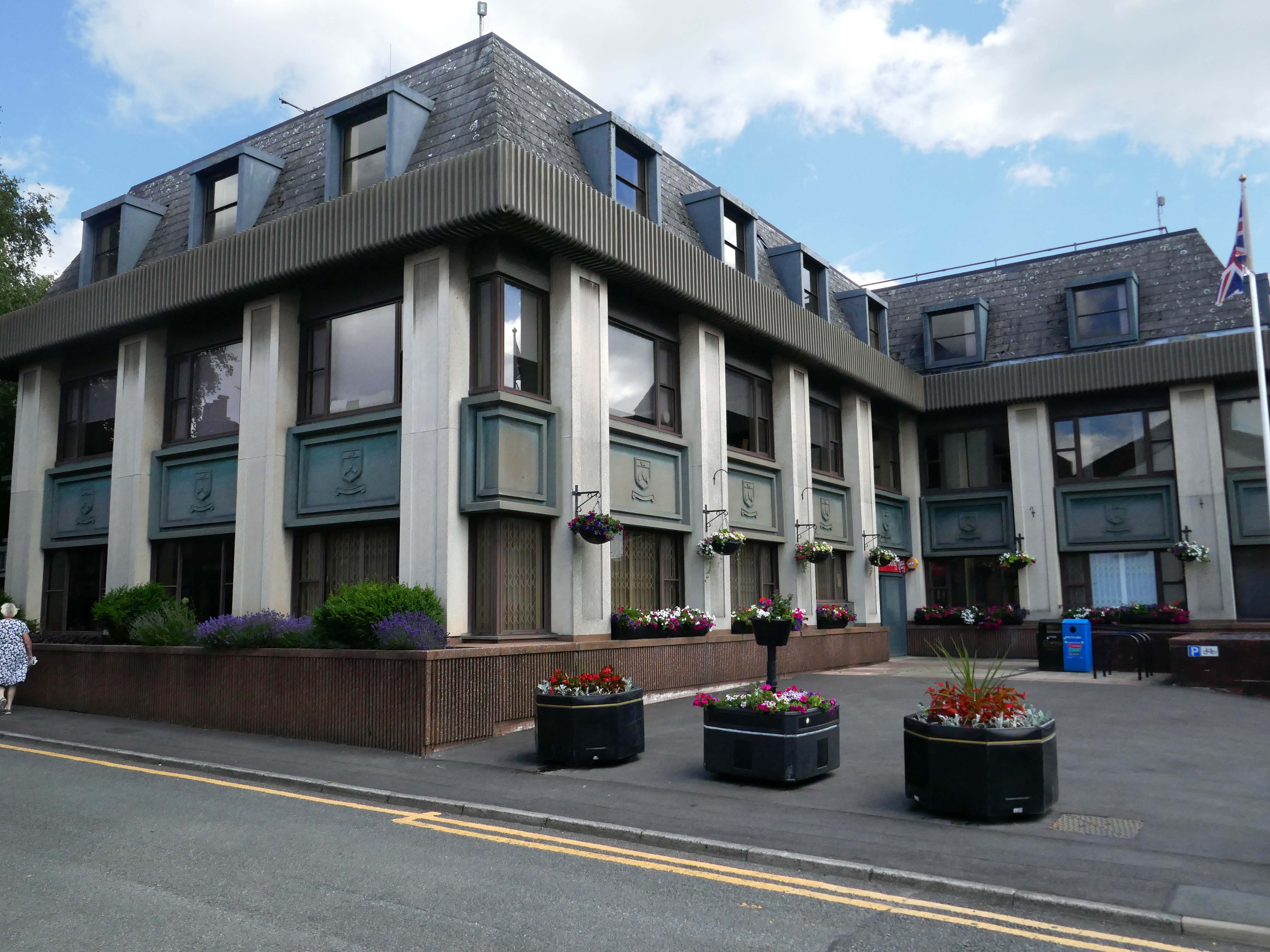
Almost finally we find ourselves at the Council Offices 1982.
You will be delighted to hear that Chorley Council has a Masterplan
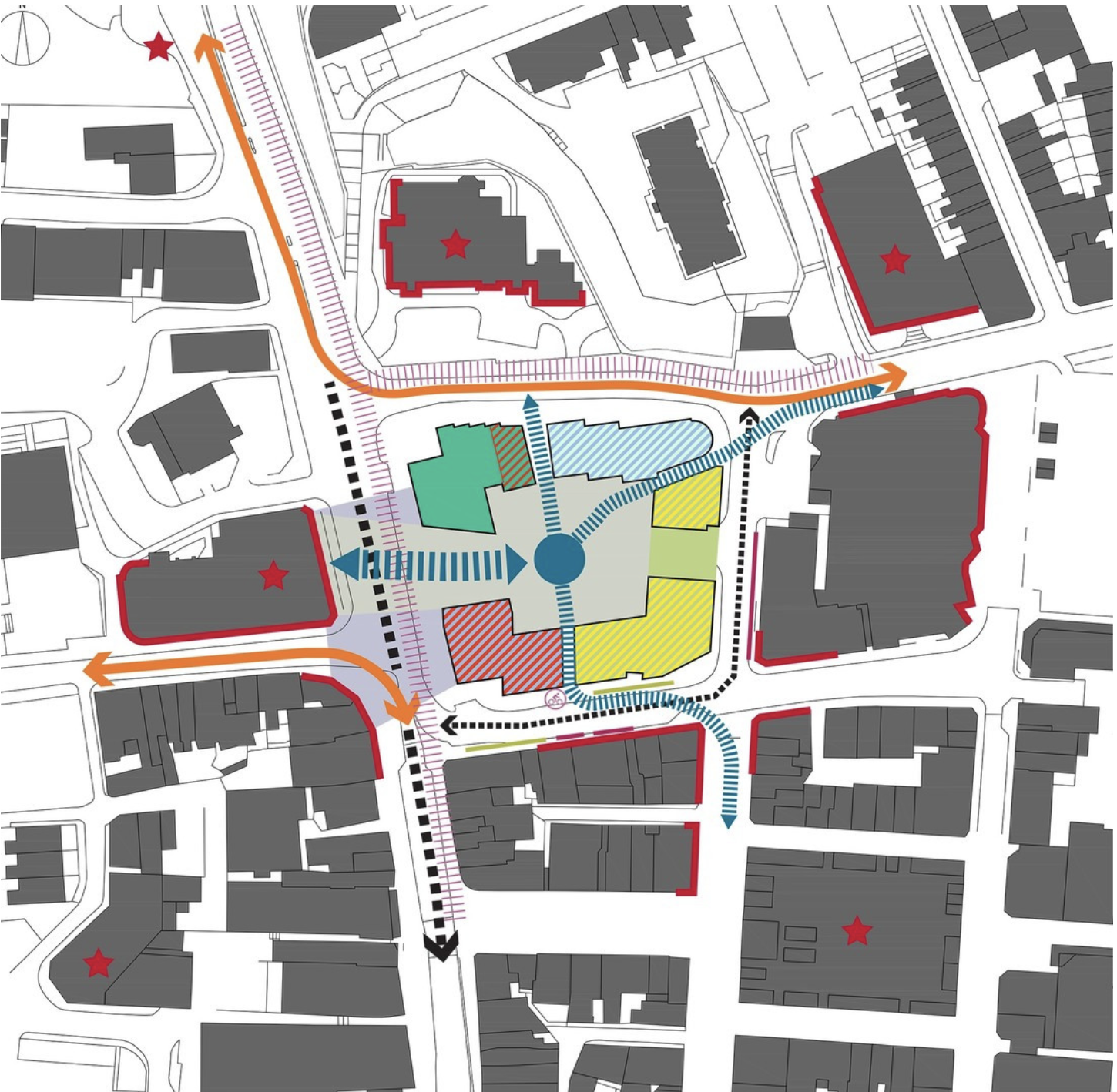
Self Architects generated a high level Masterplan for this prominent site. The scheme proposes a boutique hotel, offices, restaurants/bars, along with apartments, aiming to transform the town centre by intervention to enhance the overall vision by:

  • Establish a series of formal/informal public spaces
  • Diagonally link public spaces
  • Greening pedestrian streets
  • Reducing dominance of cars
  • Improving evening economy

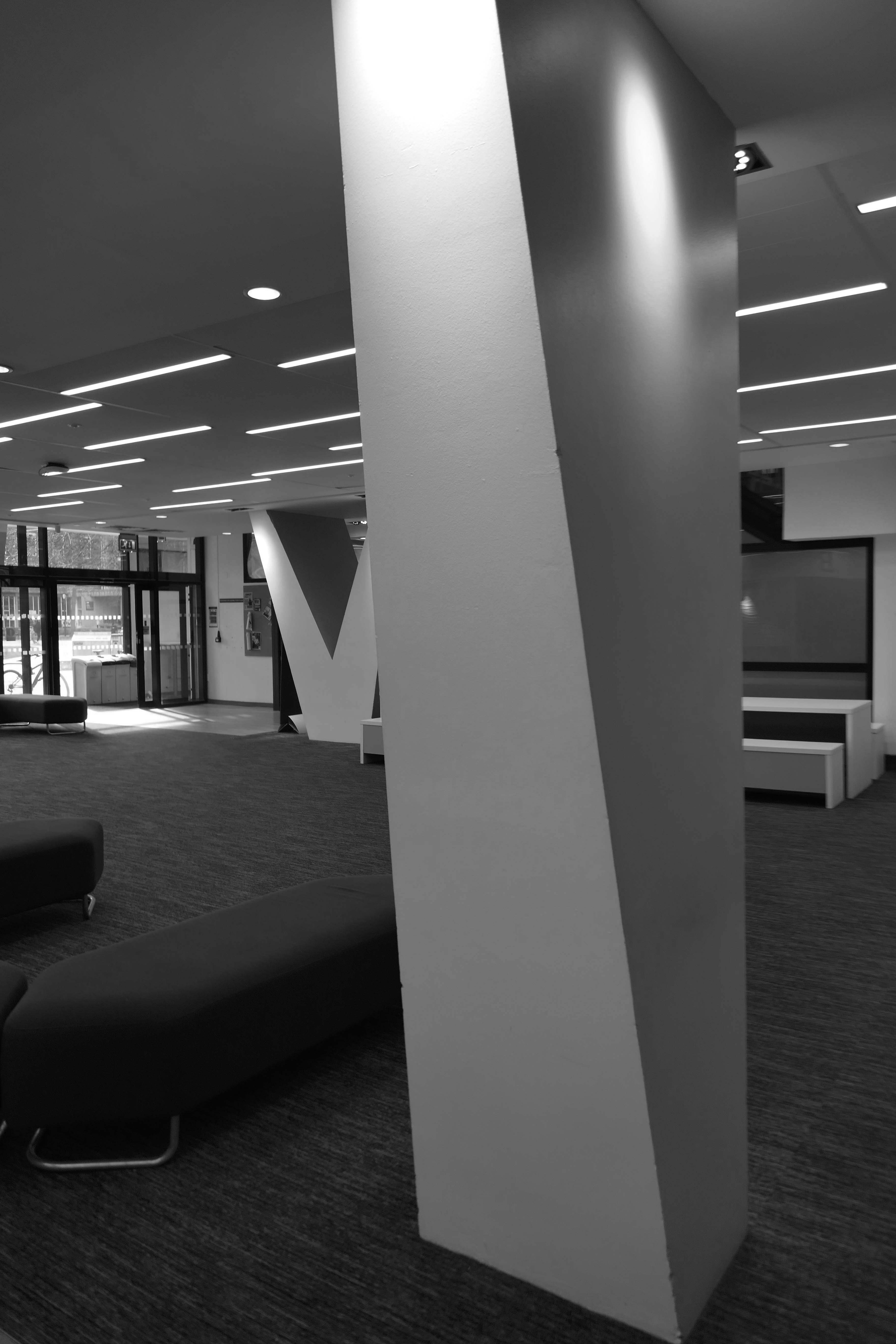
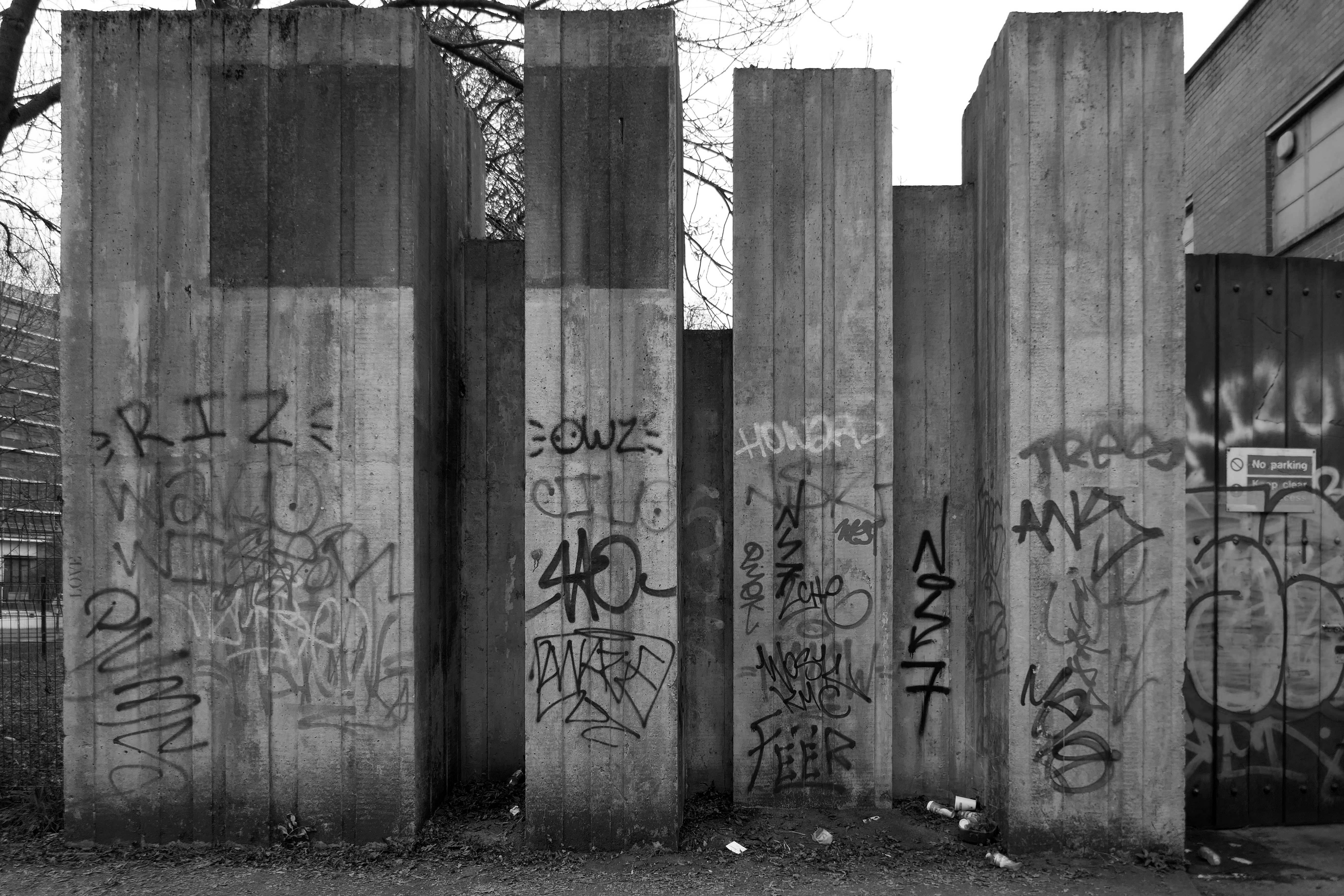
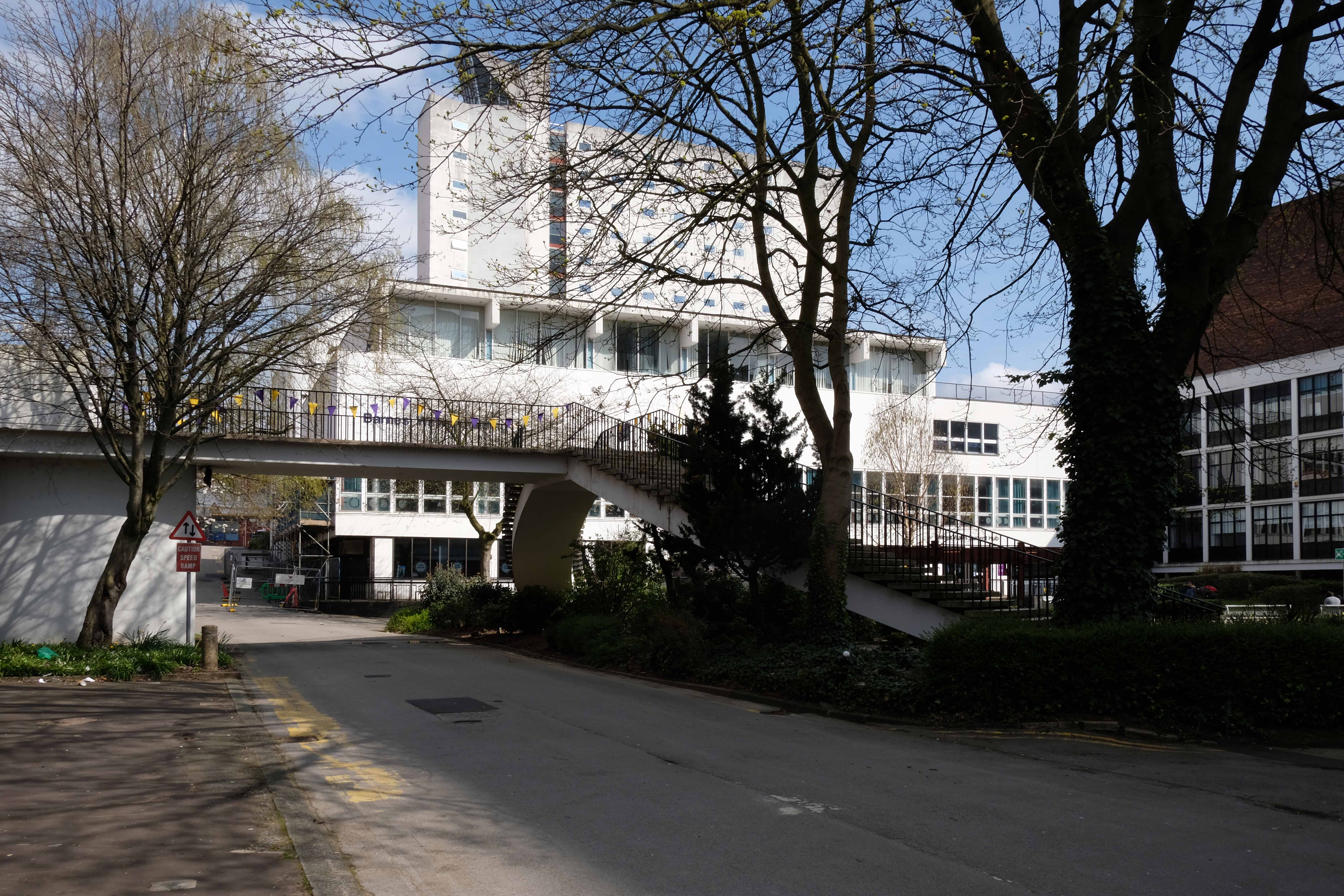
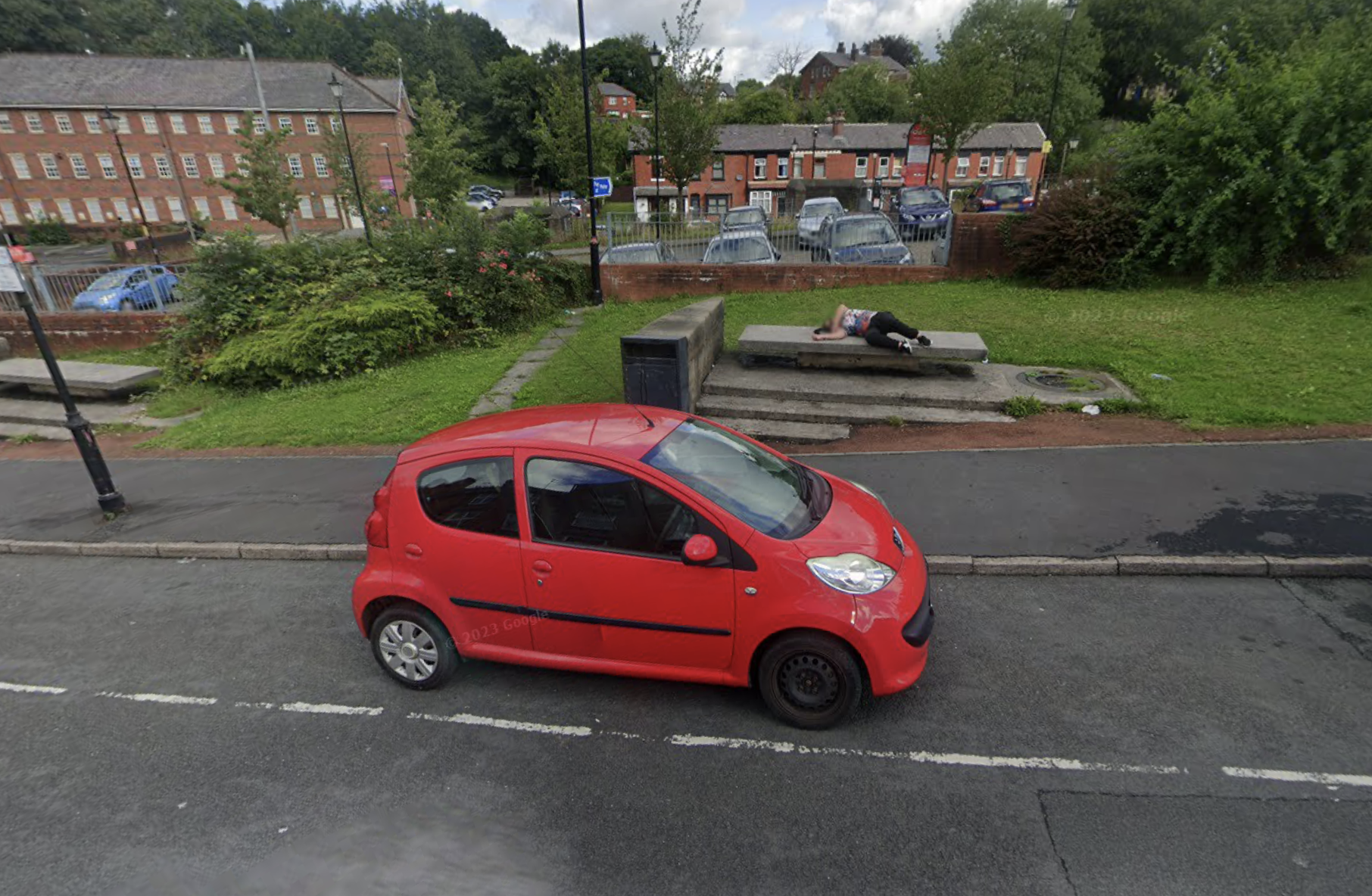
Having a moment or two on my hands I ventured to the land beyond beyond – the land of the concrete bench, bin and planter combo.

They are on Hollinshead Street.
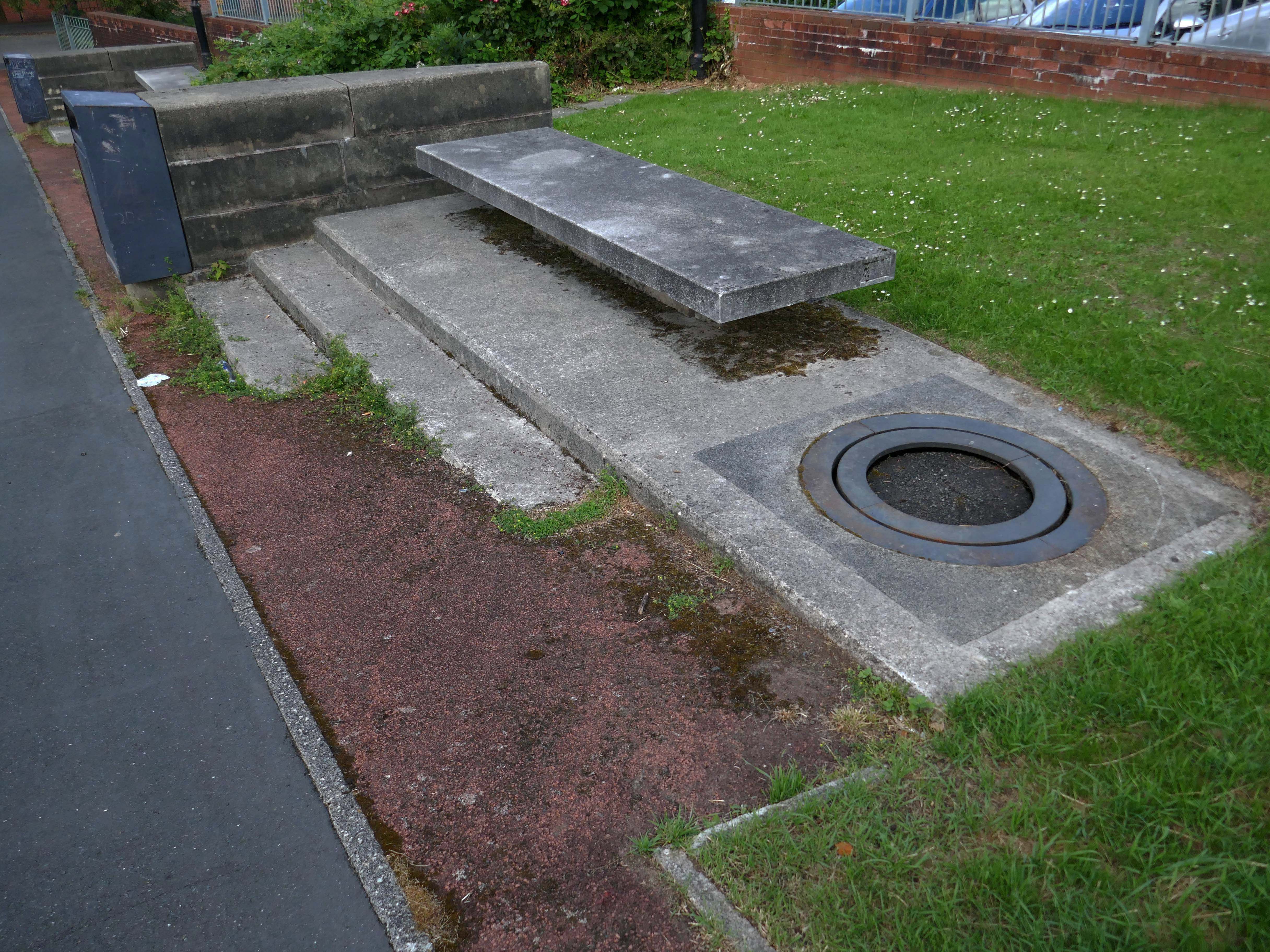
Google Streetview 2022.
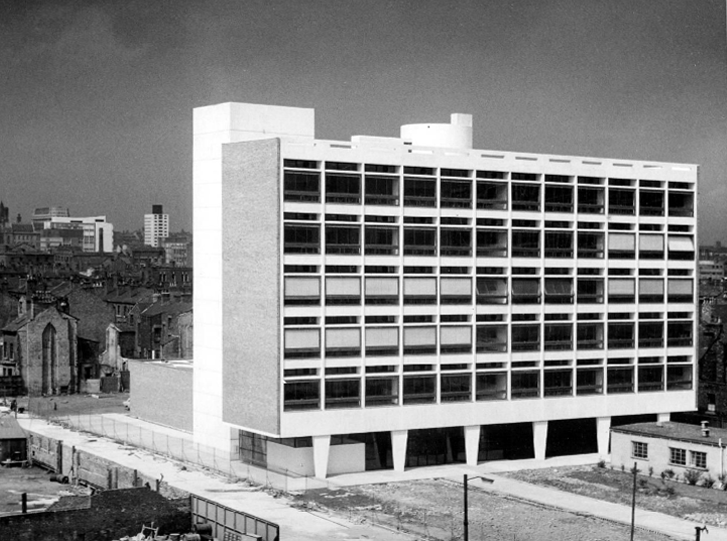
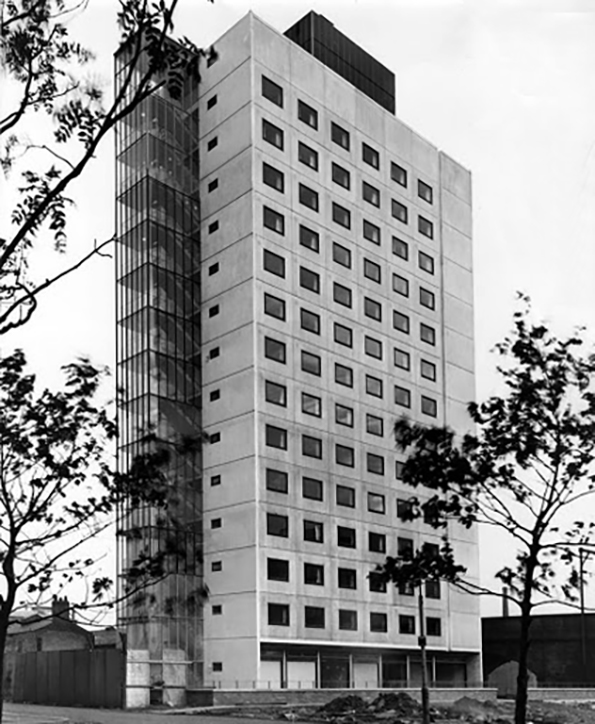
Roscoe Building

Local Image Collection 1964

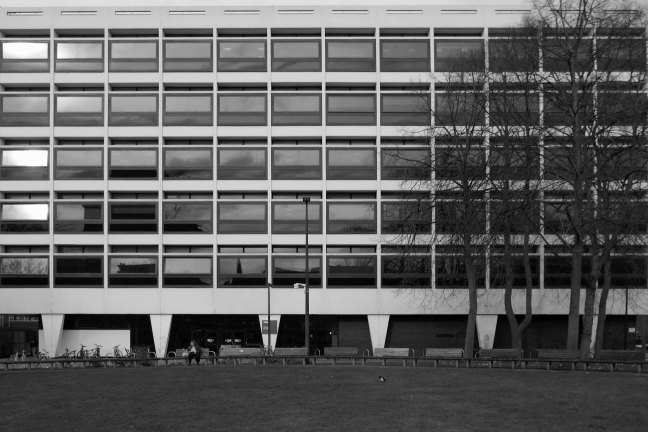
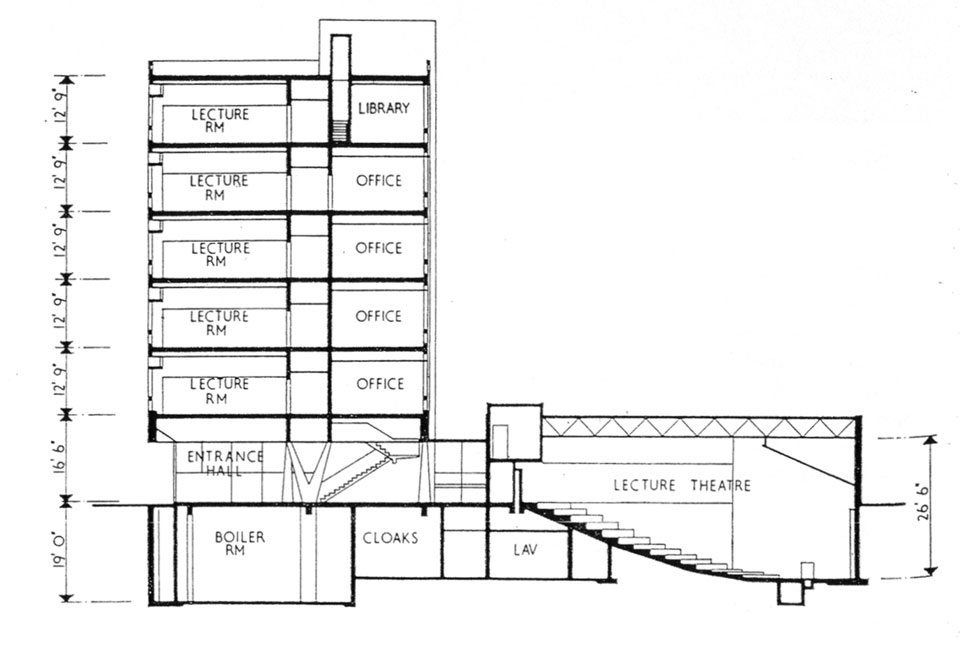
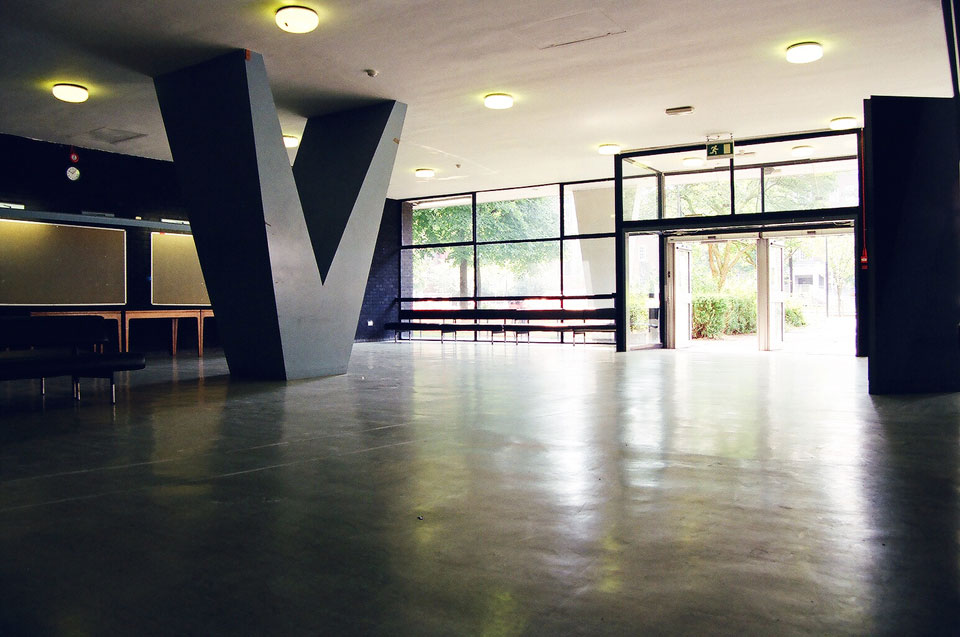
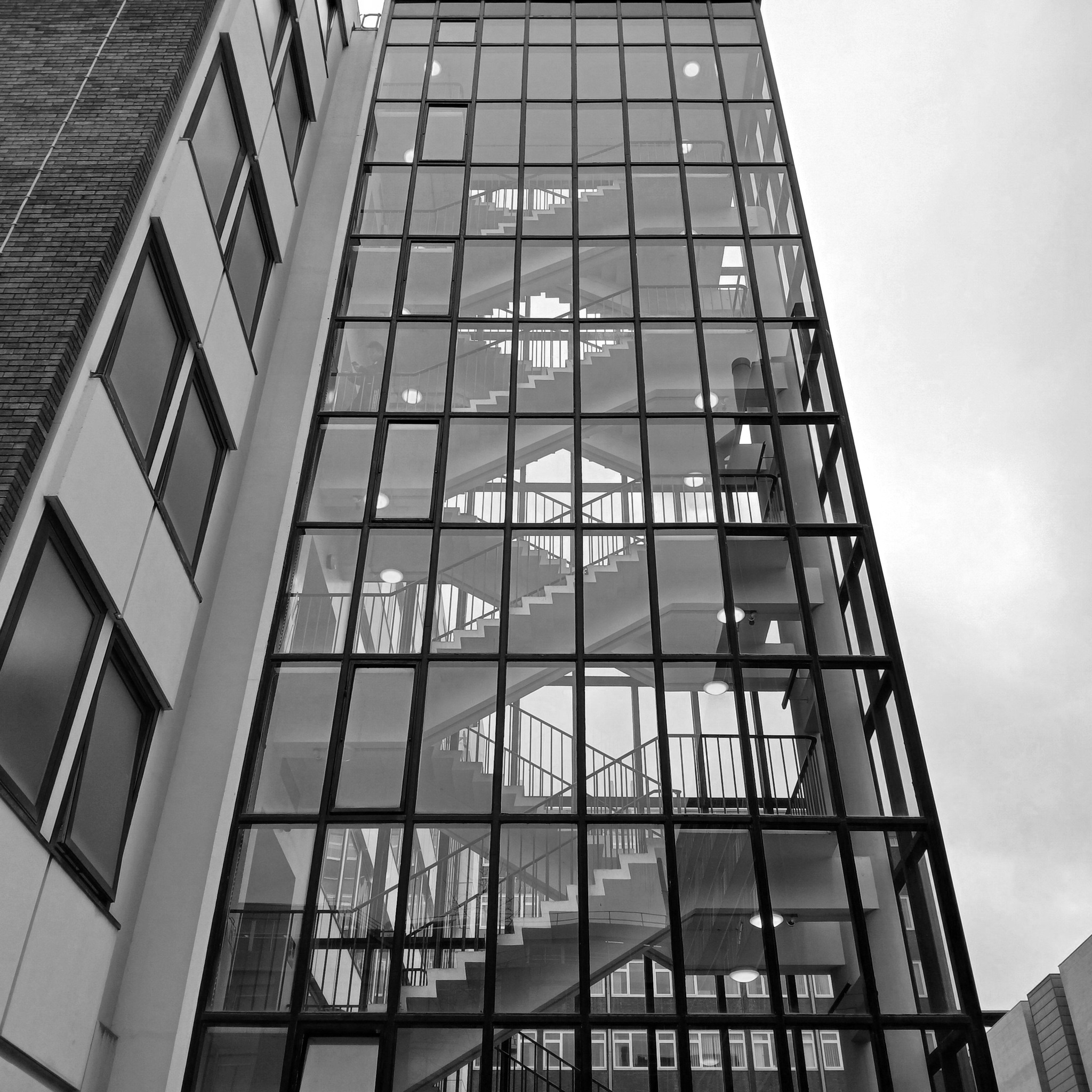
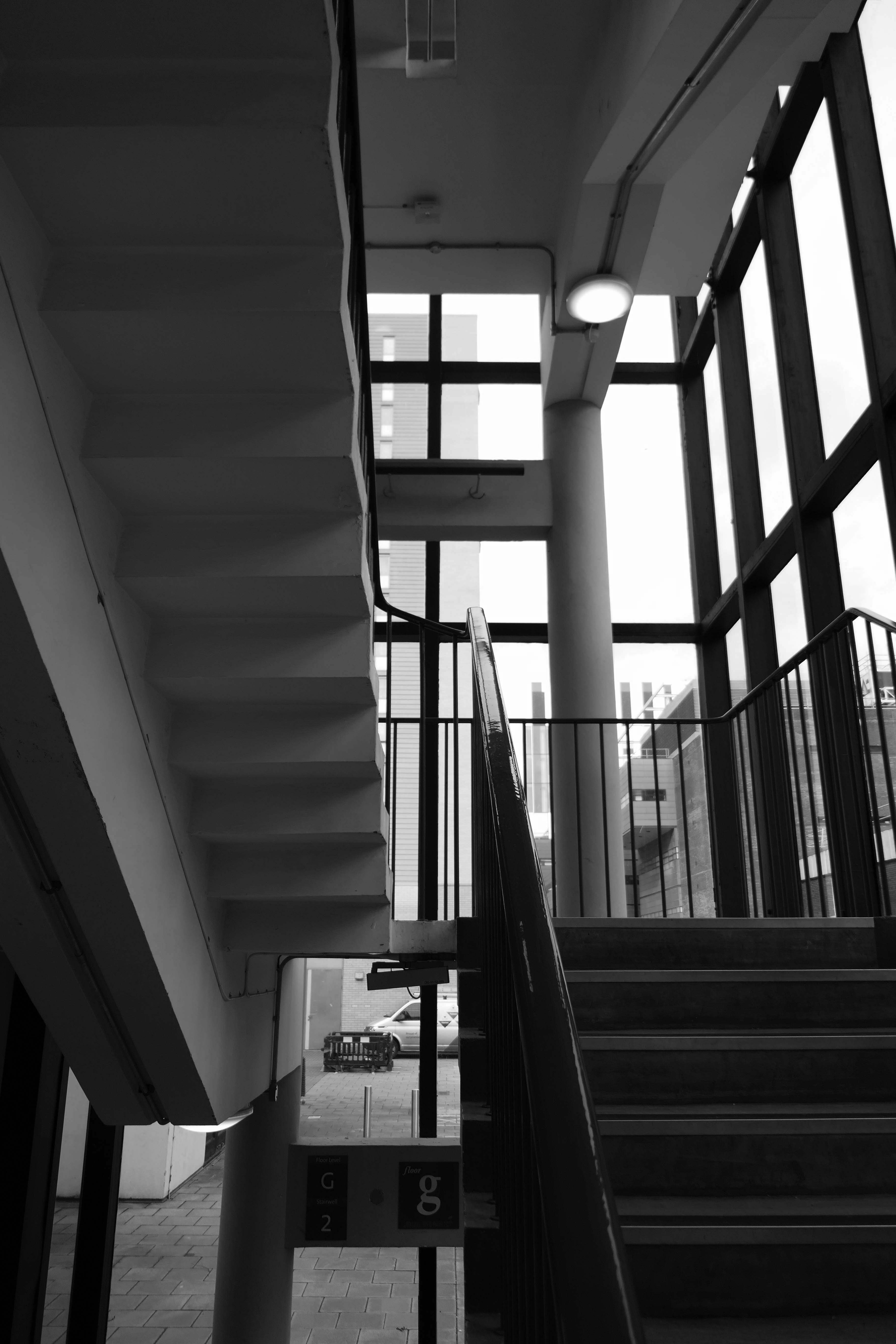
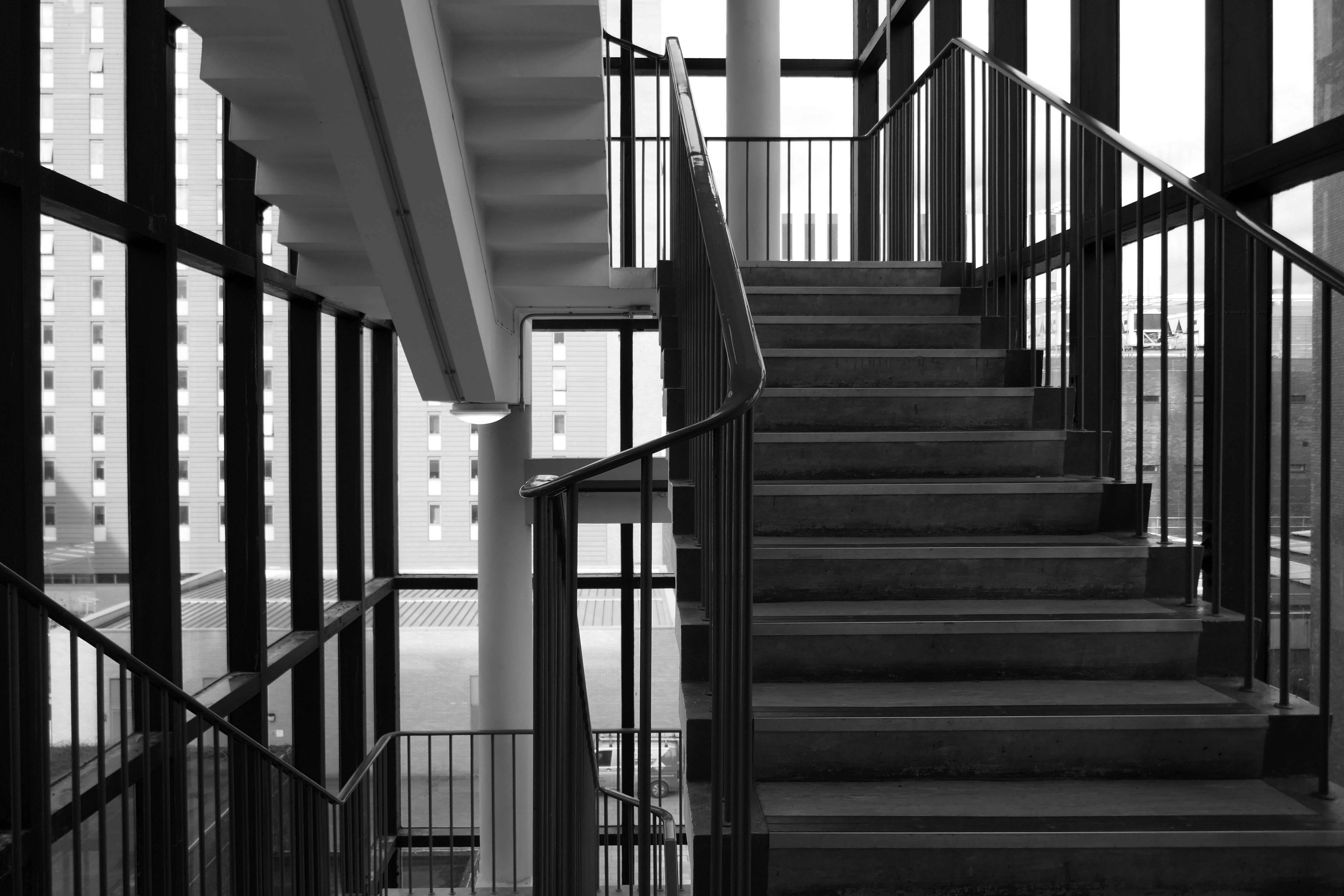
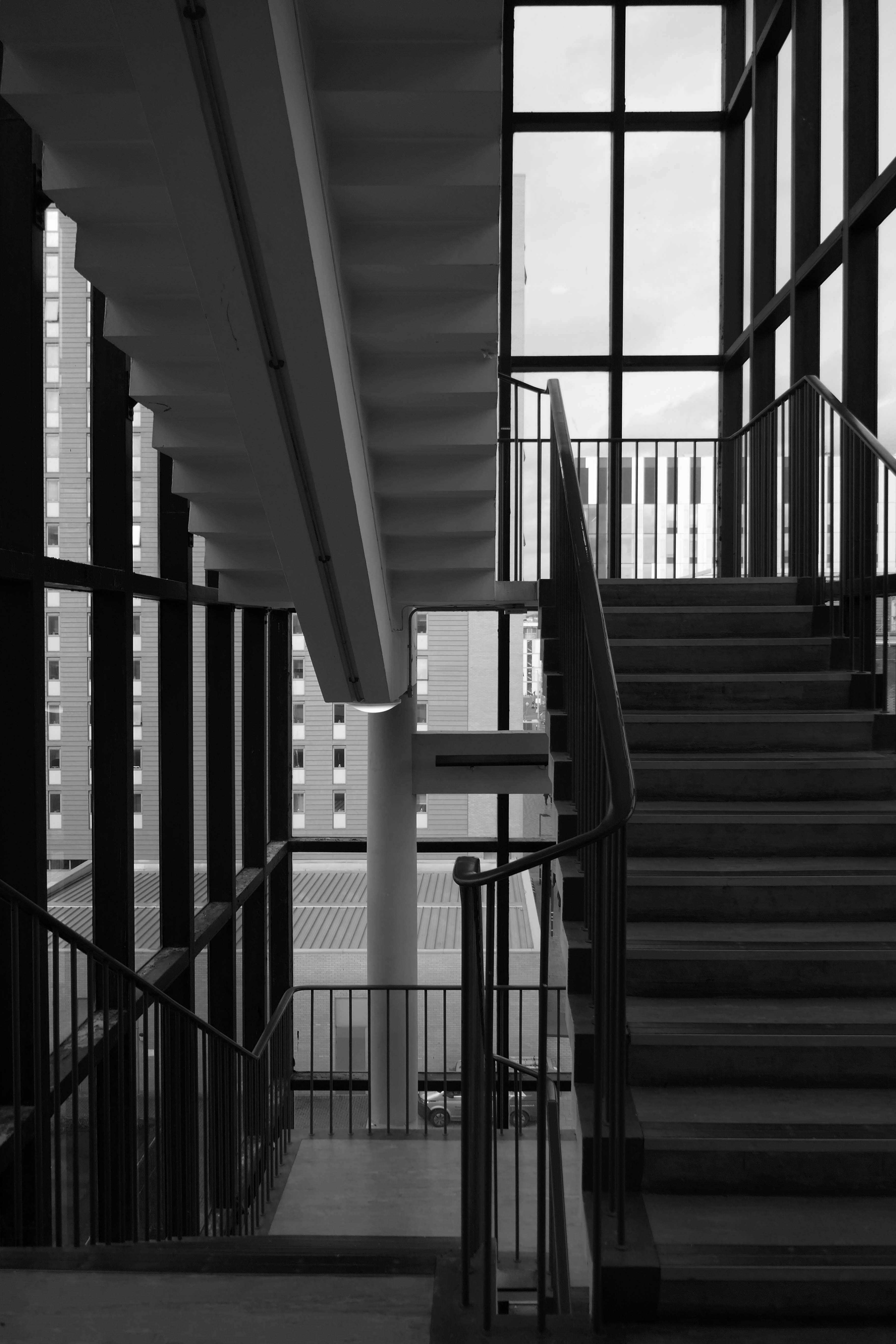
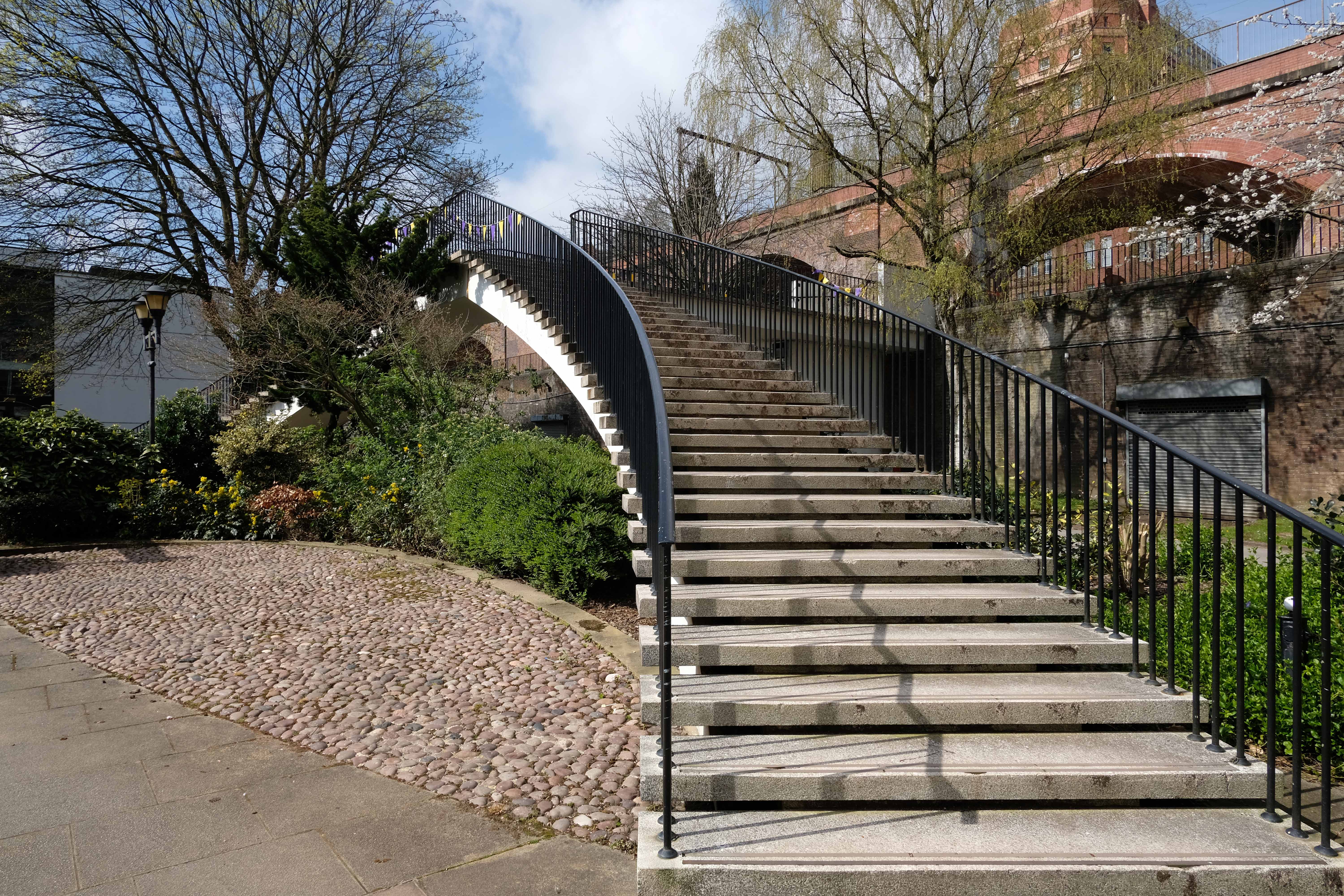
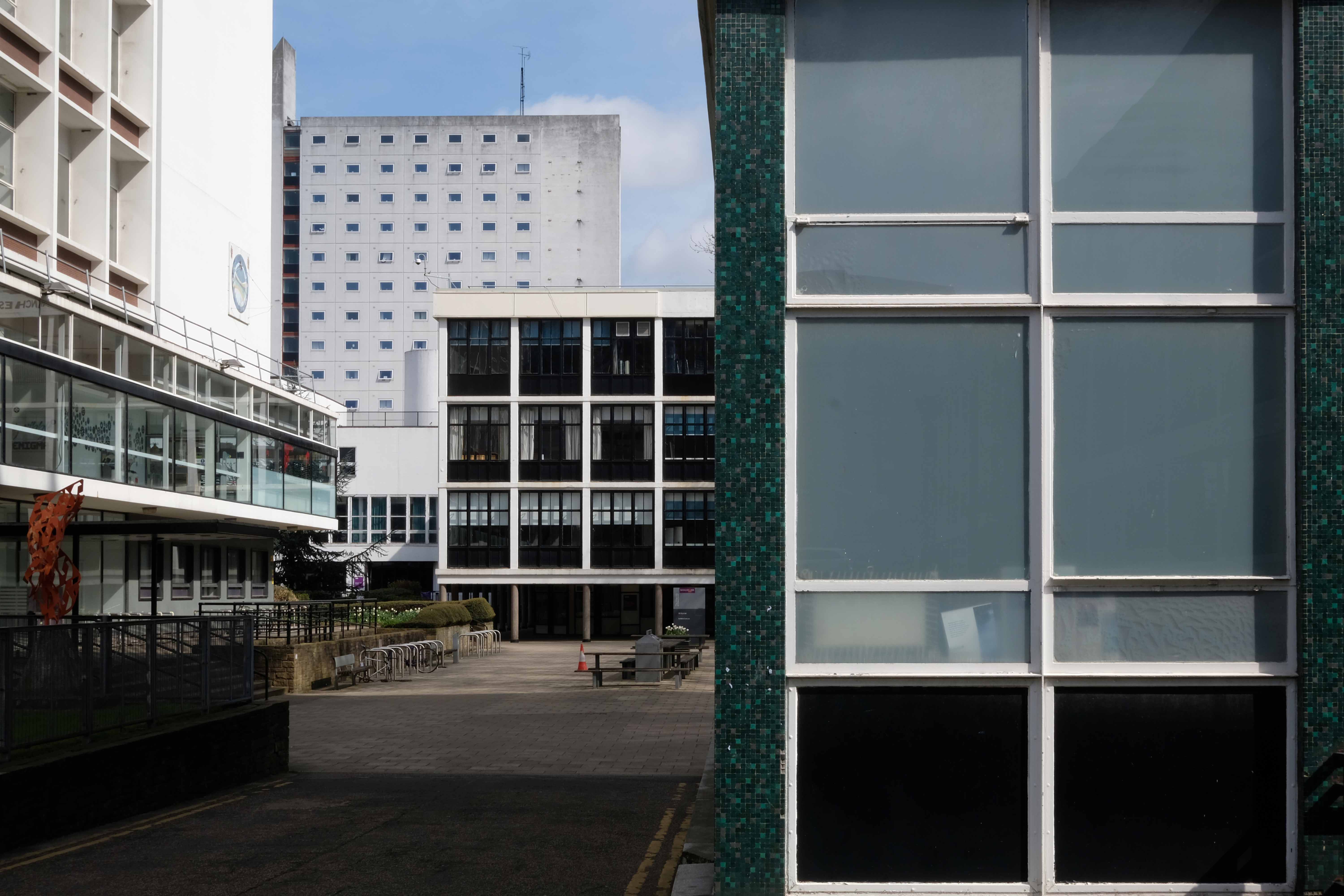
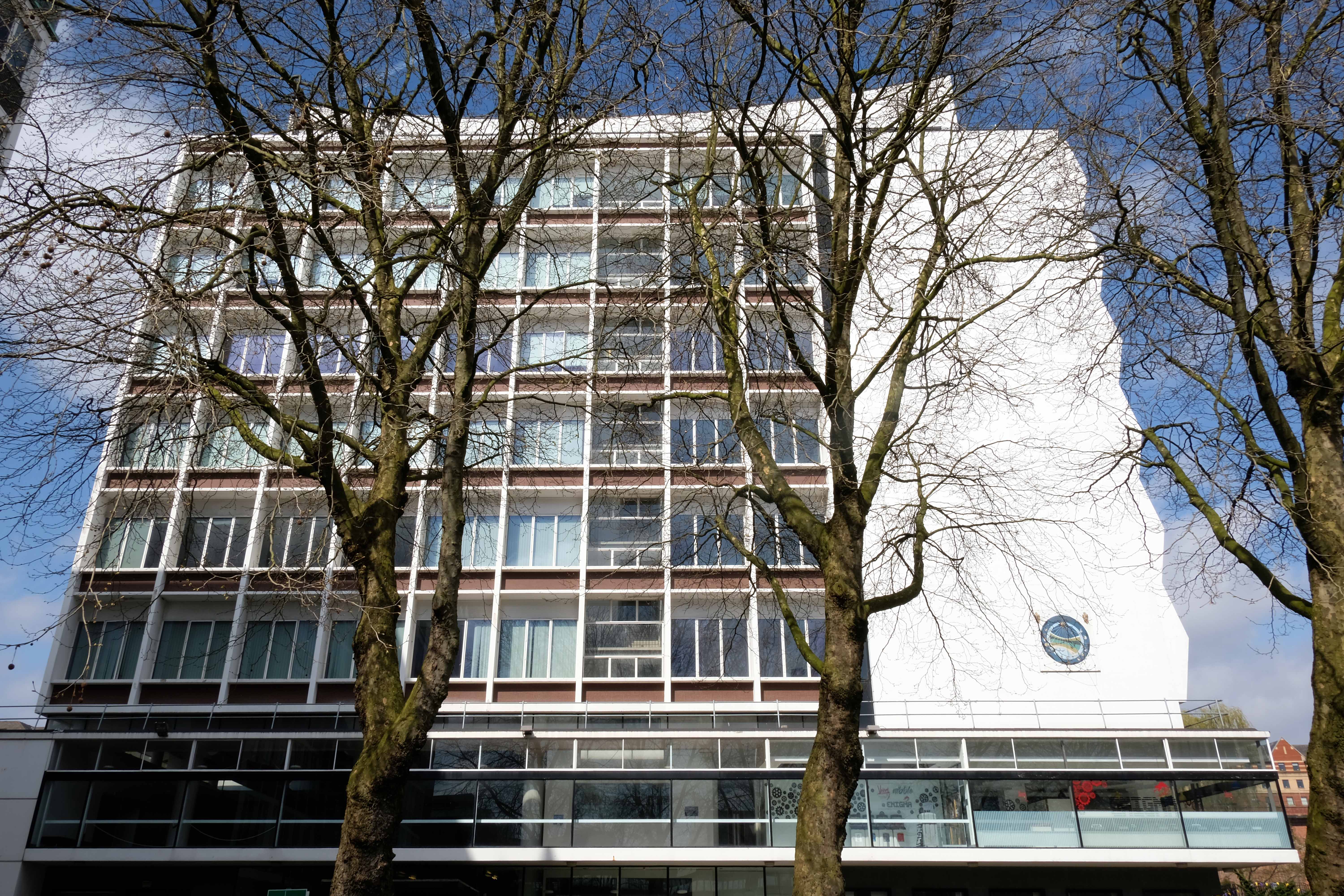
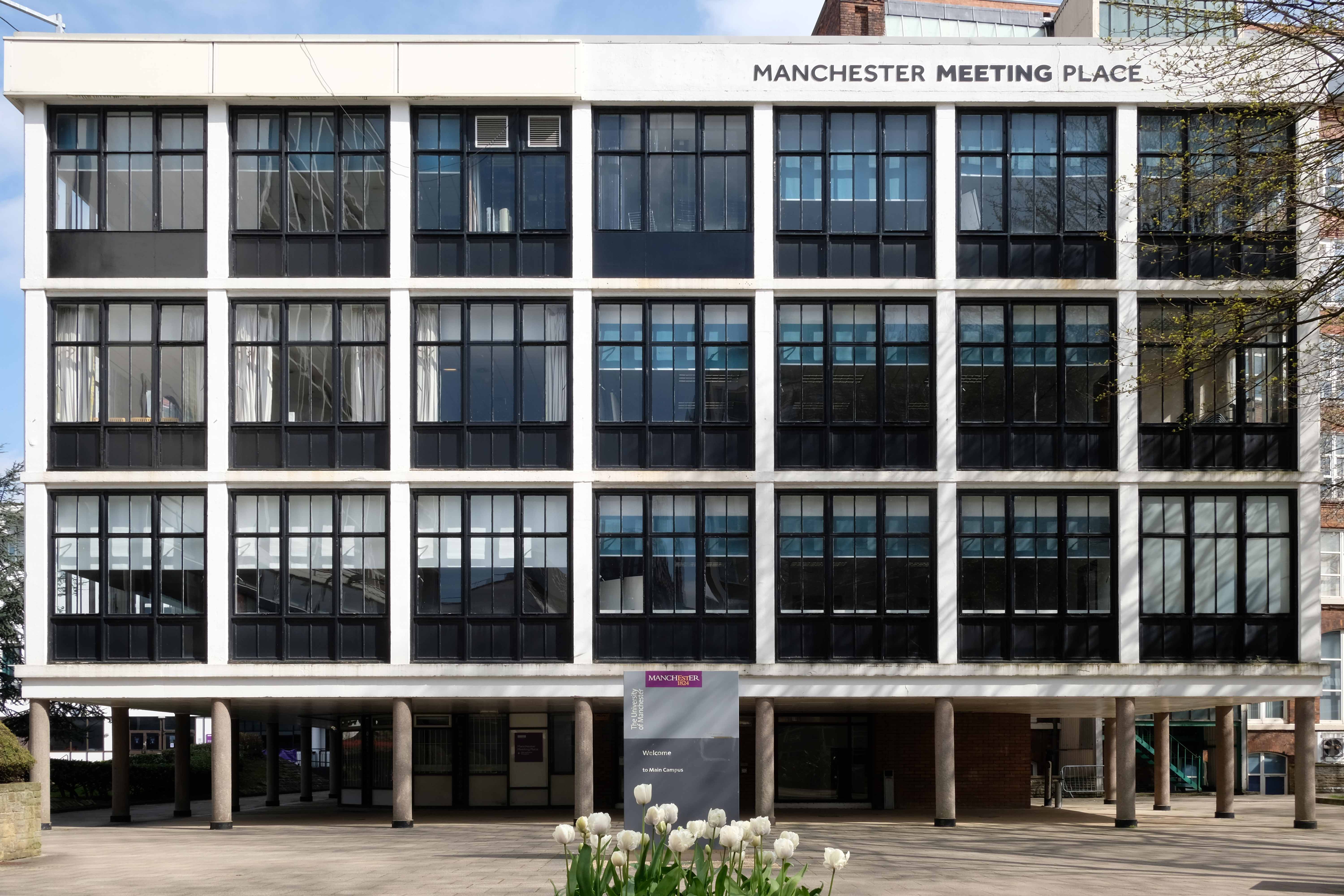
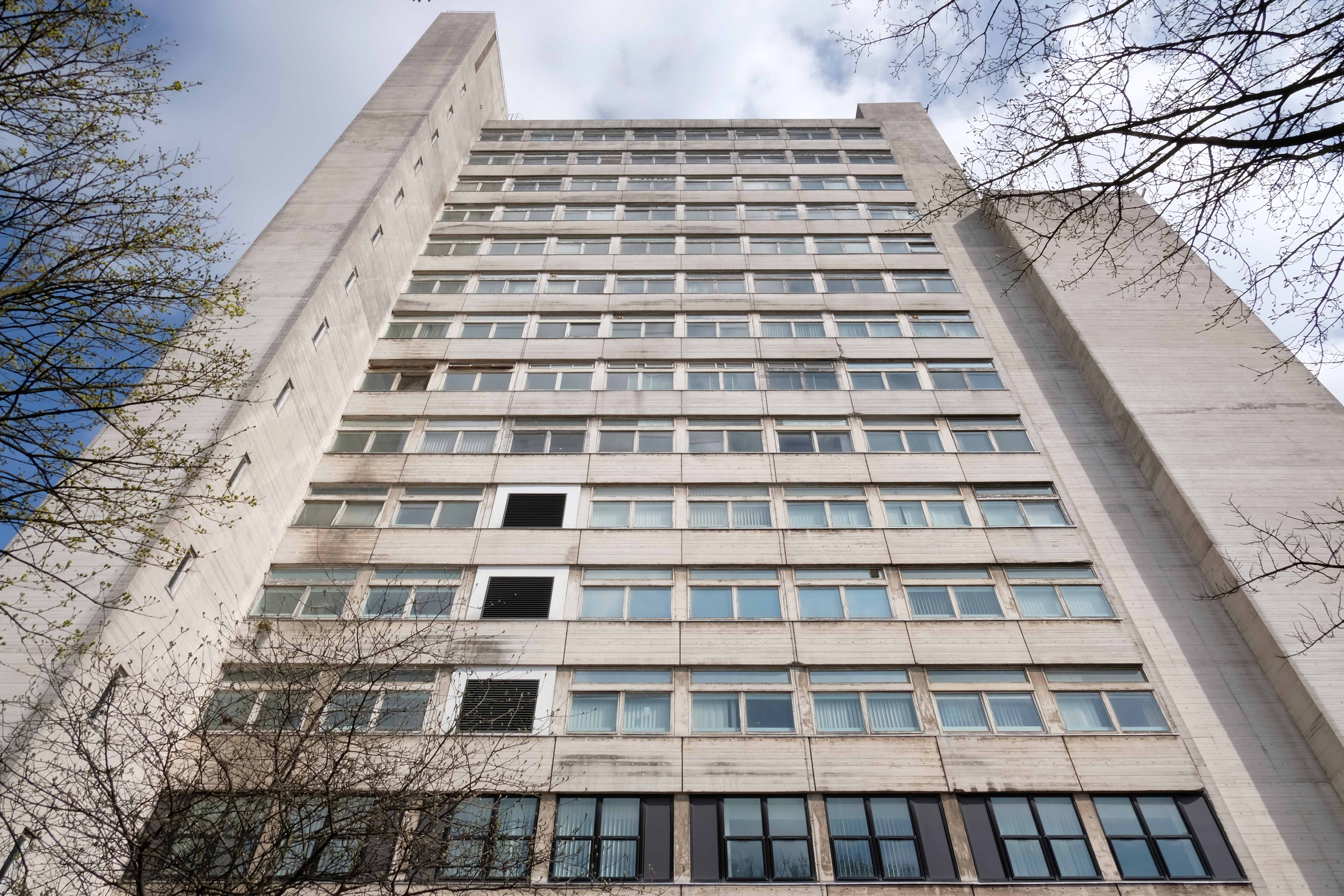
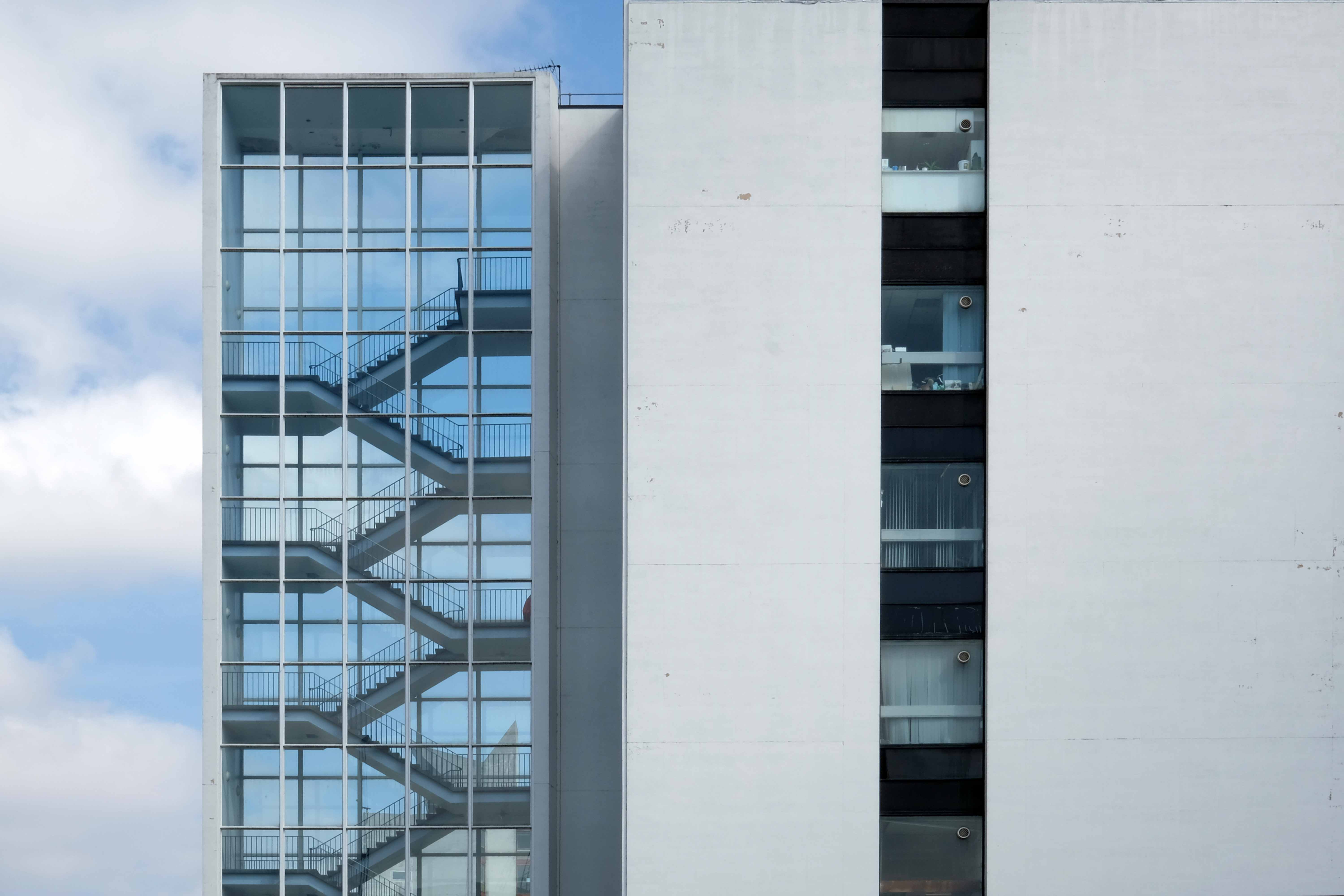
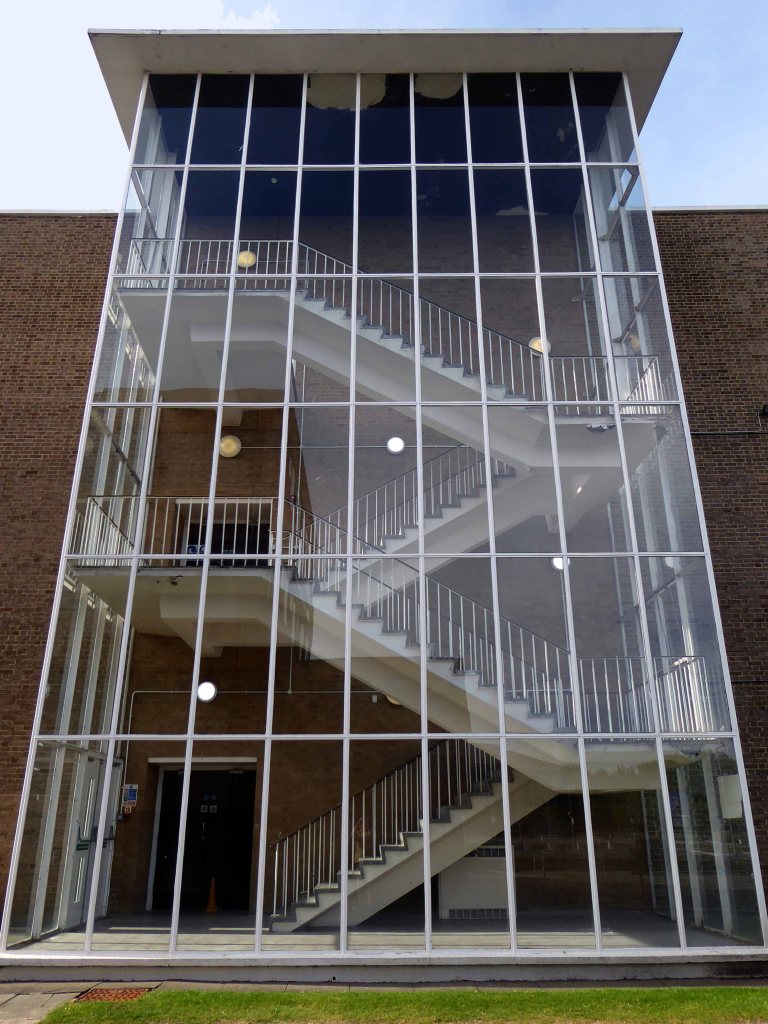
The Roscoe Building is to the University of Manchester what the Renold Building was to UMIST; its purpose was the unification of disparate lecture rooms into one building. In this instance it was a central hub for the Faculty of Science. Both buildings are by Cruickshank and Seward and share traits, though the Renold has arguably more flare. In the Roscoe Building the ground floor houses the smaller of the two main lecture theatres, the larger is an appendage to the main building, but both are accessed from the main foyer. As one ascends, the five upper floors are served by a central corridor flanked by smaller offices and laboratories on one side and larger flexible teaching and seminar rooms to the other. The glazed stairwell is expressed as a separate element.
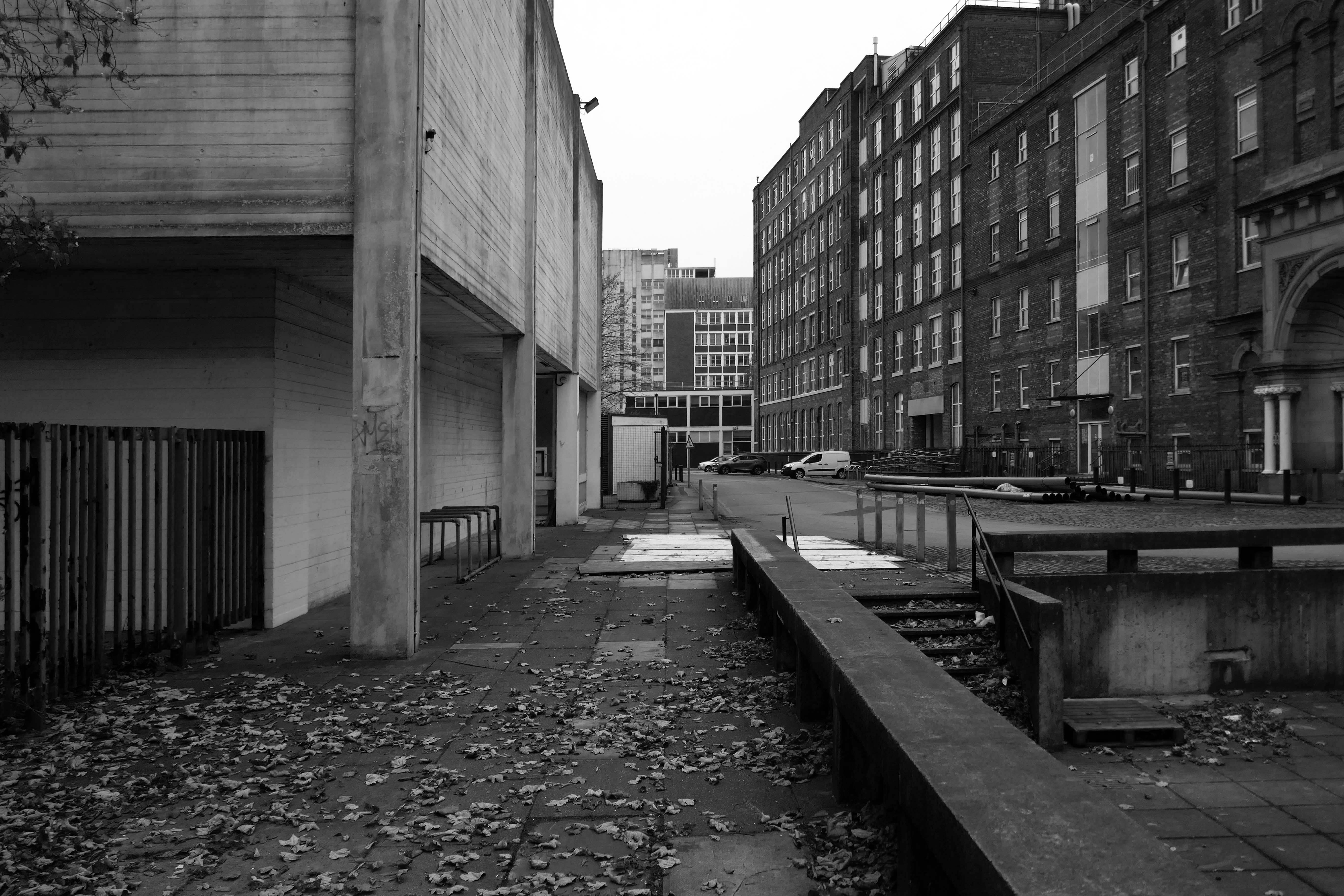
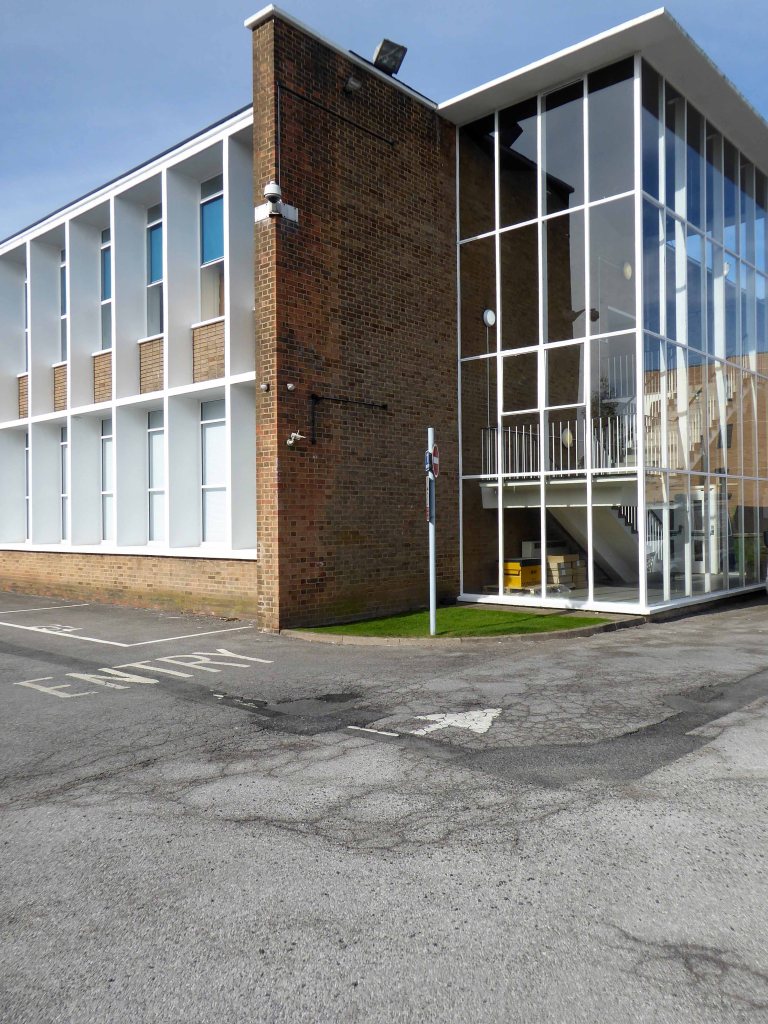
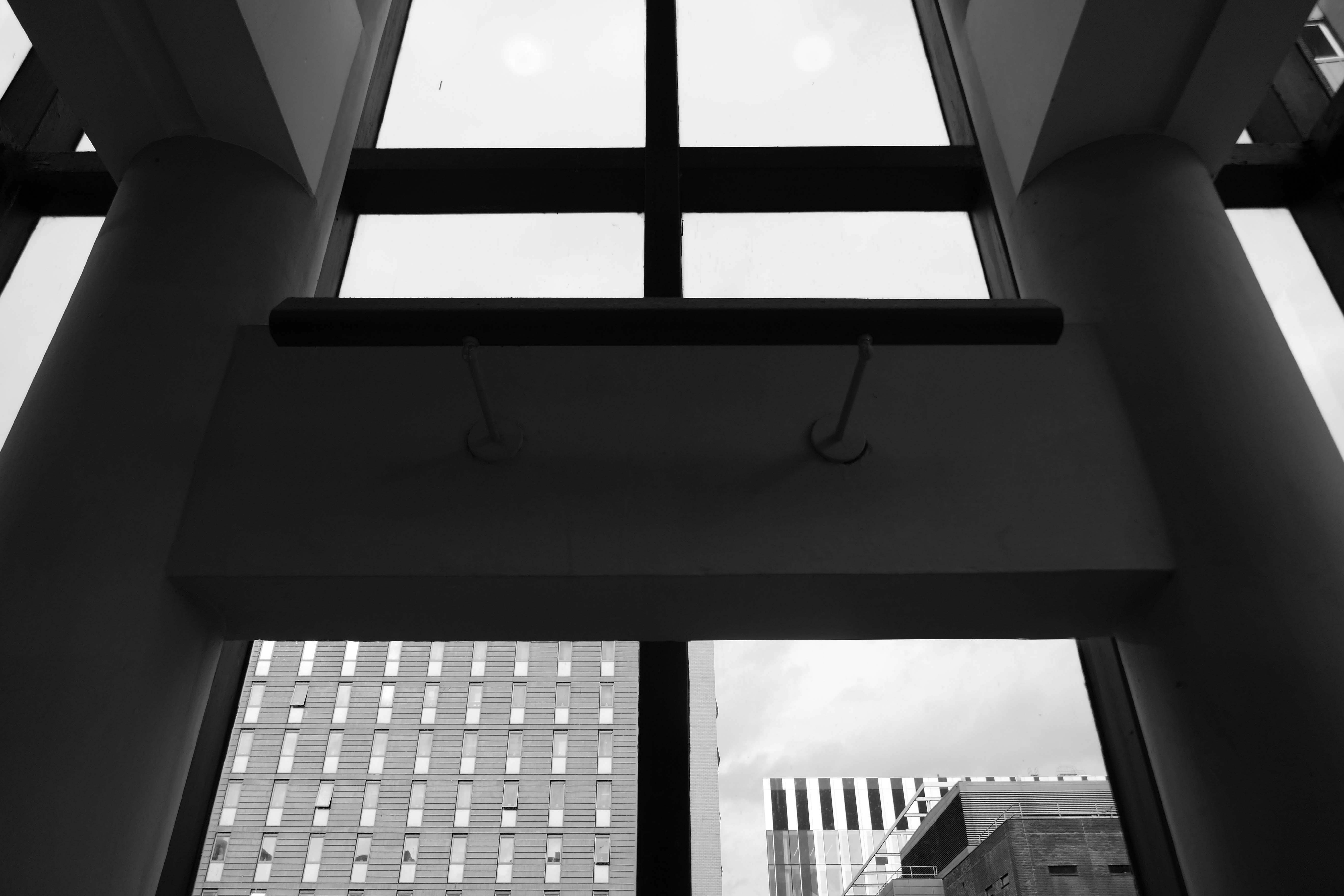
The appraisal of the scheme in the AJ Building Study made claim that, ‘aesthetically the relationship of this staircase with the main tower is scarcely resolved, but the design has achieved the aim of making this an exciting staircase to use’.

This was the aim of the architect – if all the seminar rooms and lecture theatres emptied at the same time, there was not enough capacity in the two lifts to move everyone. The climb up the stairs is rewarded with a good view of the city centre, a photograph of which was illustrated in the same pages. The clear expression of the component parts of this building is a functional response to the demands, but also the part of the formal language developed through Cruickshank & Seward’s practice. Strong volumetric forms became something of a motif in the work of both John Seward and Arthur Gibbon.

Mainstream Modern

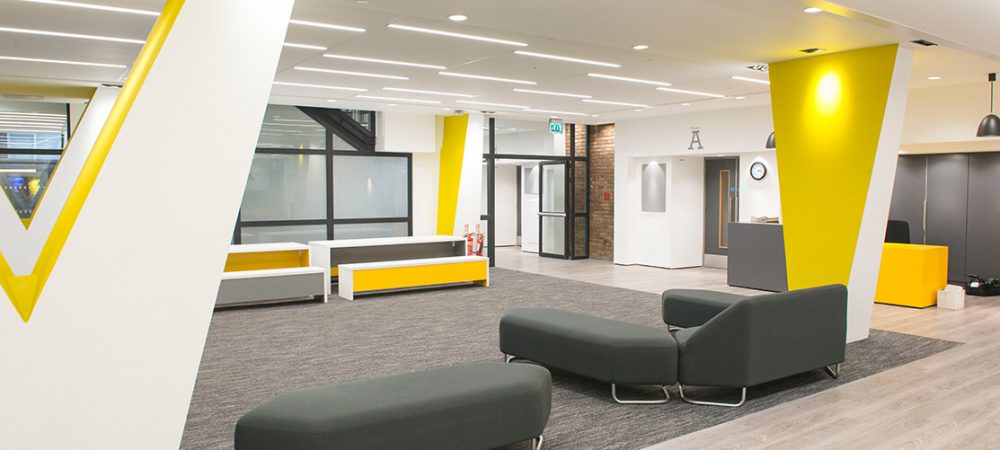
The open entrance area has subsequently been compromised.

Photo: Richard Brook

Performance Electrical Limited was employed to carry out the full electrical refurbishment to the new reception at the University of Manchester’s Roscoe Building on behalf of Armitage Construction.

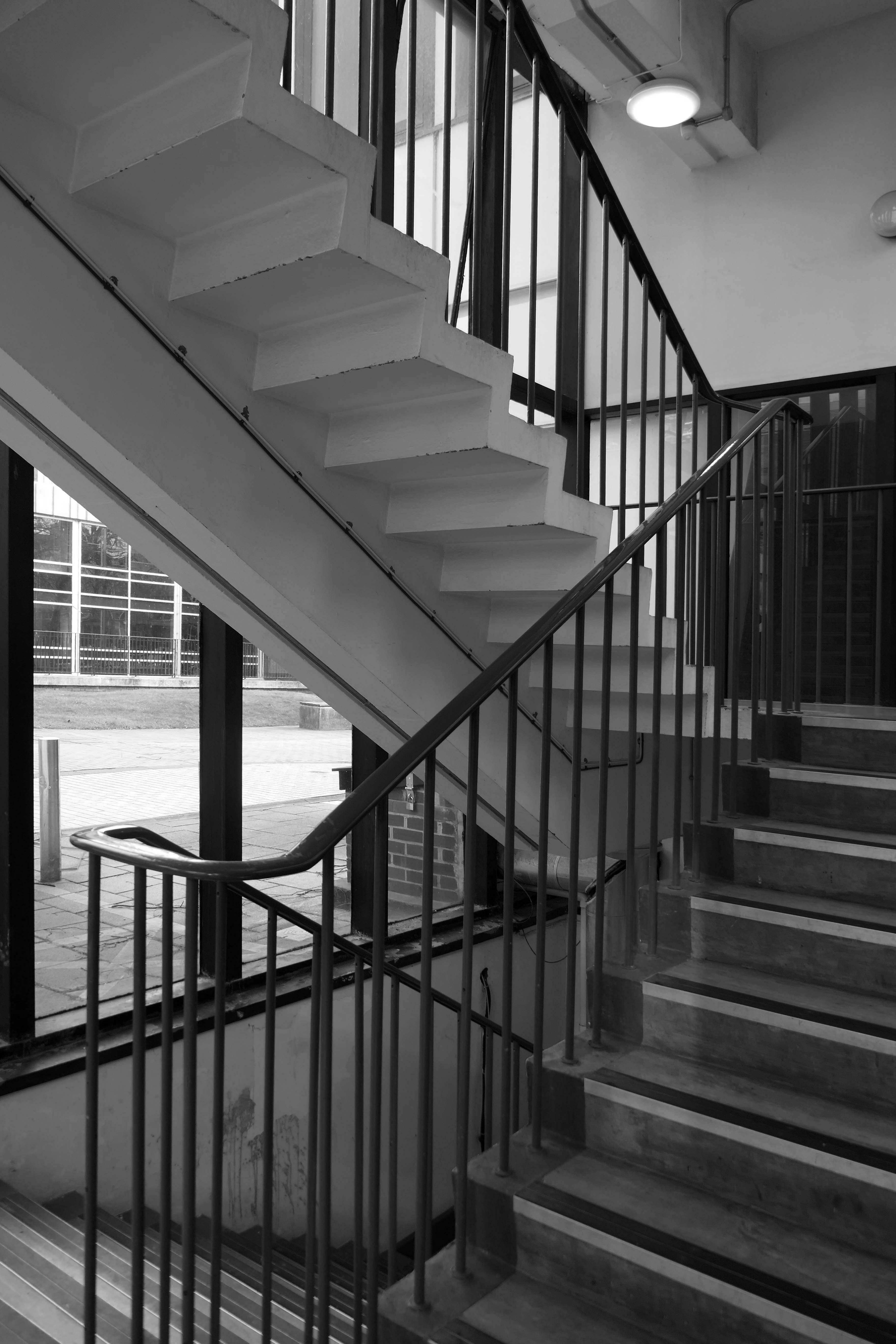
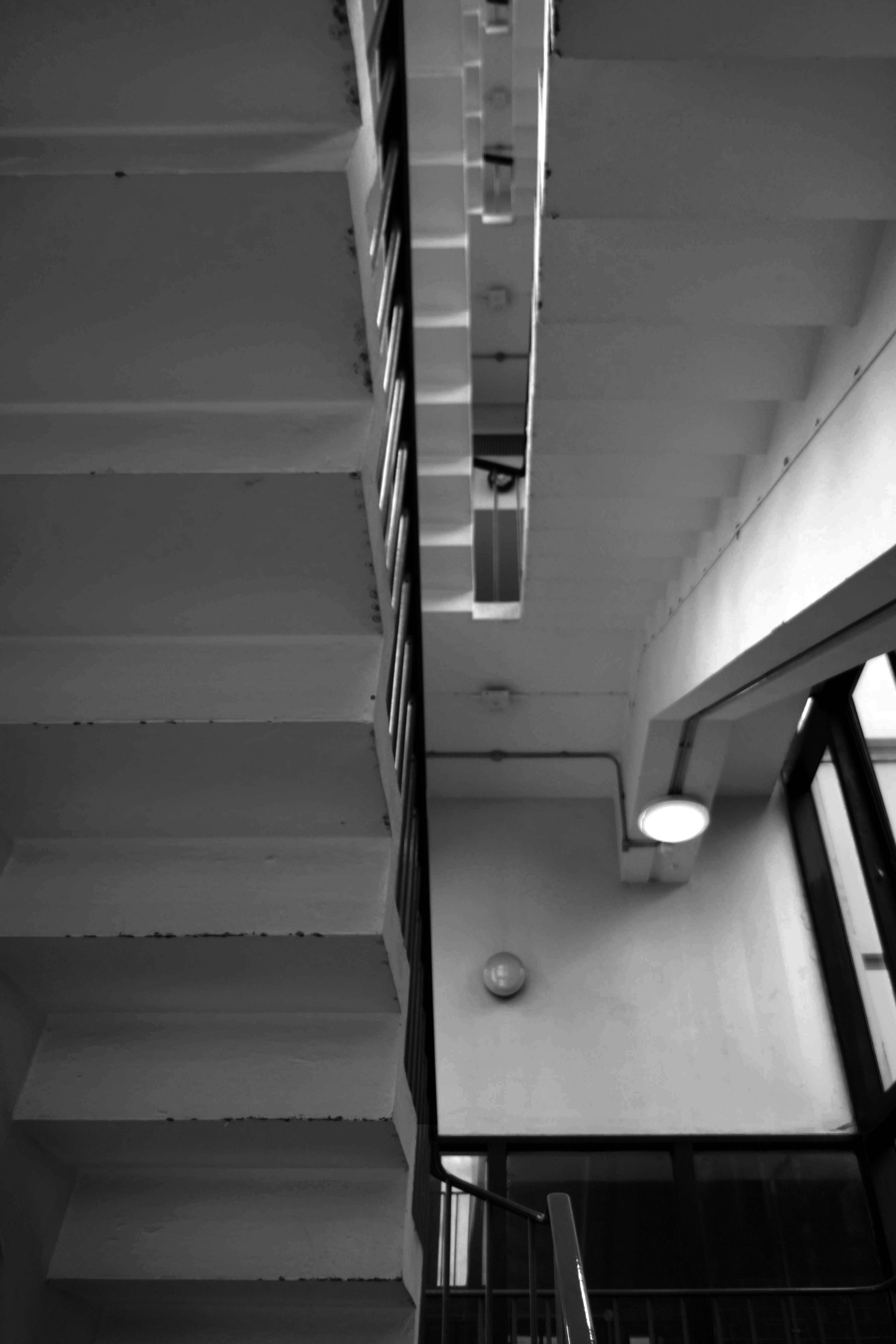
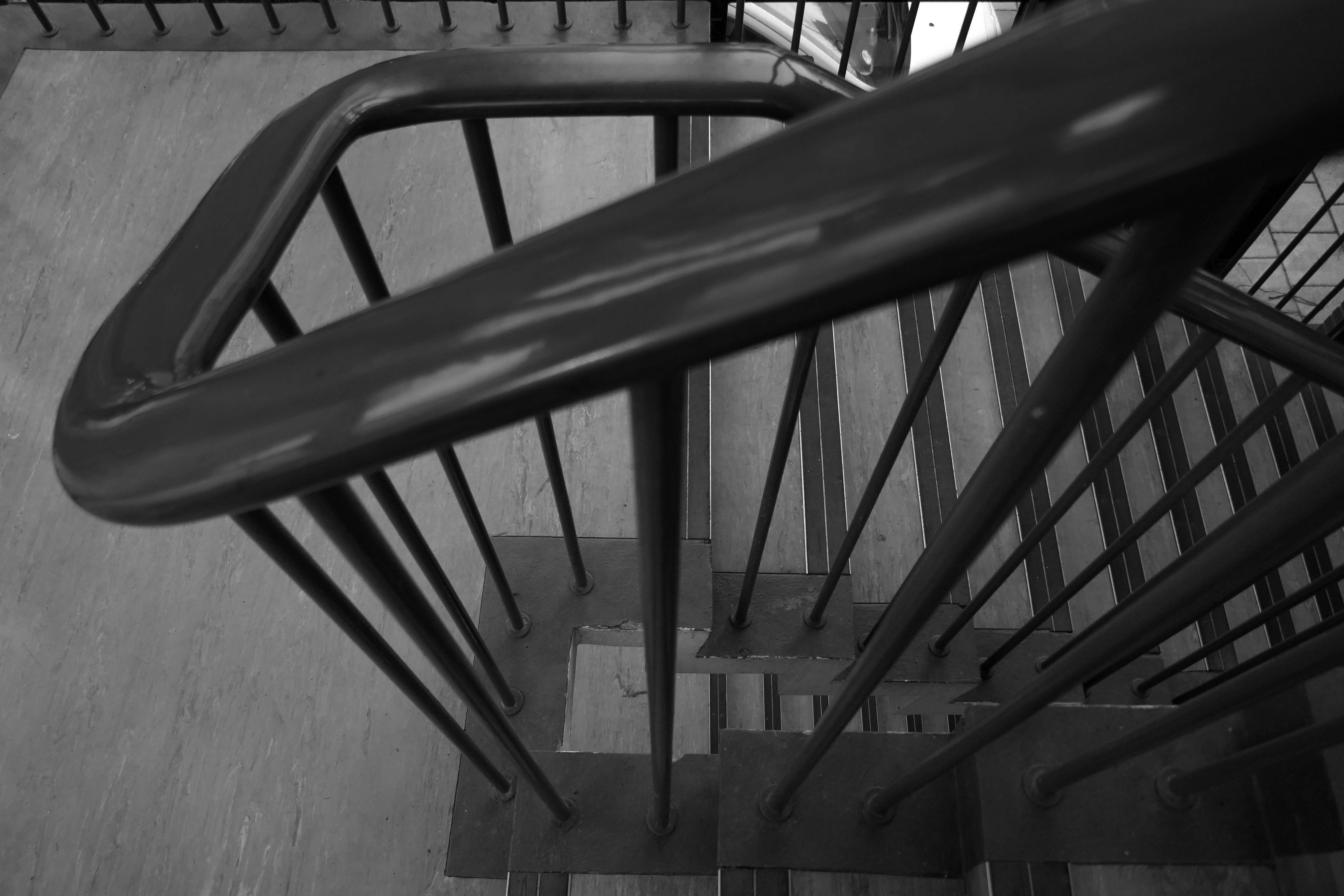
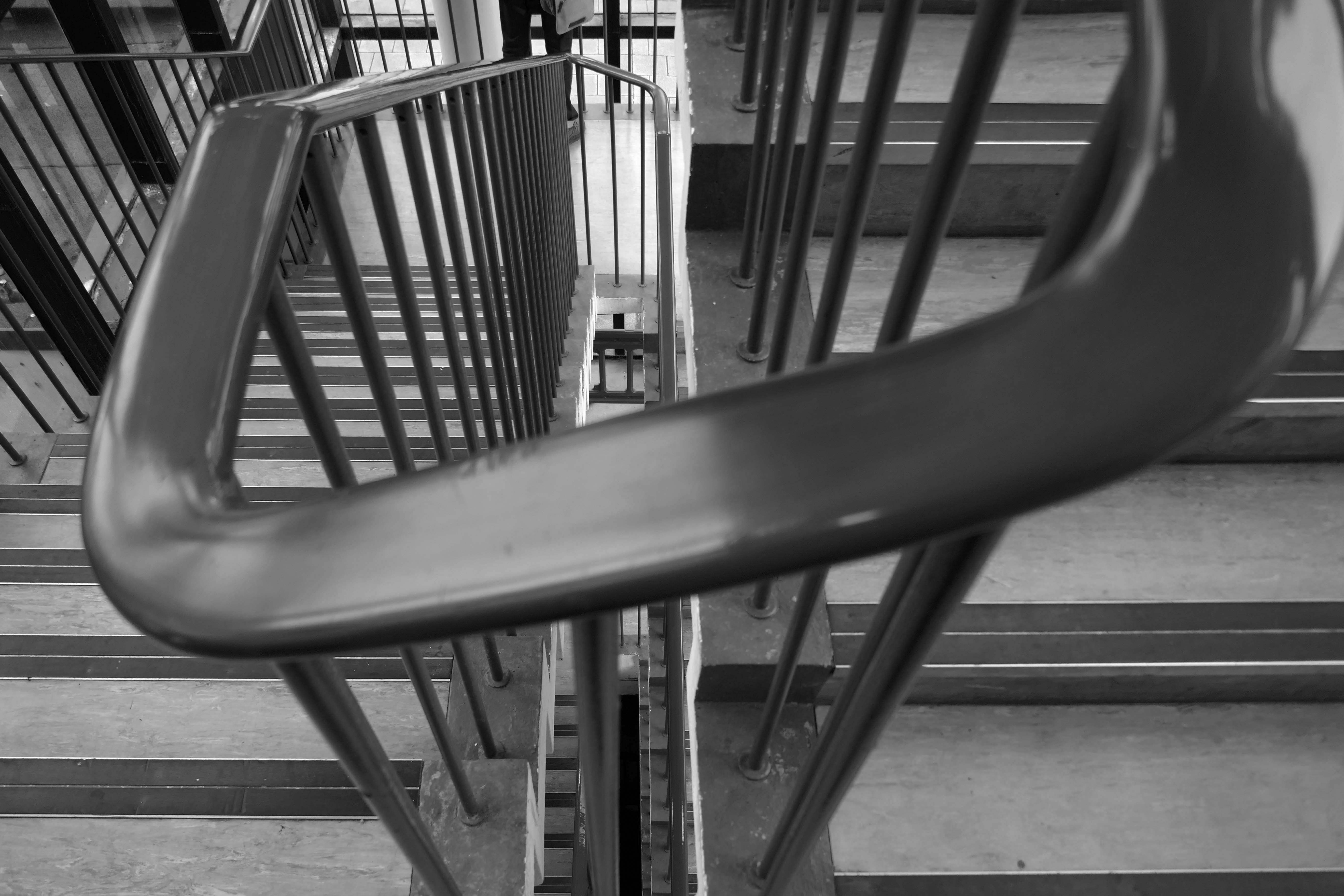
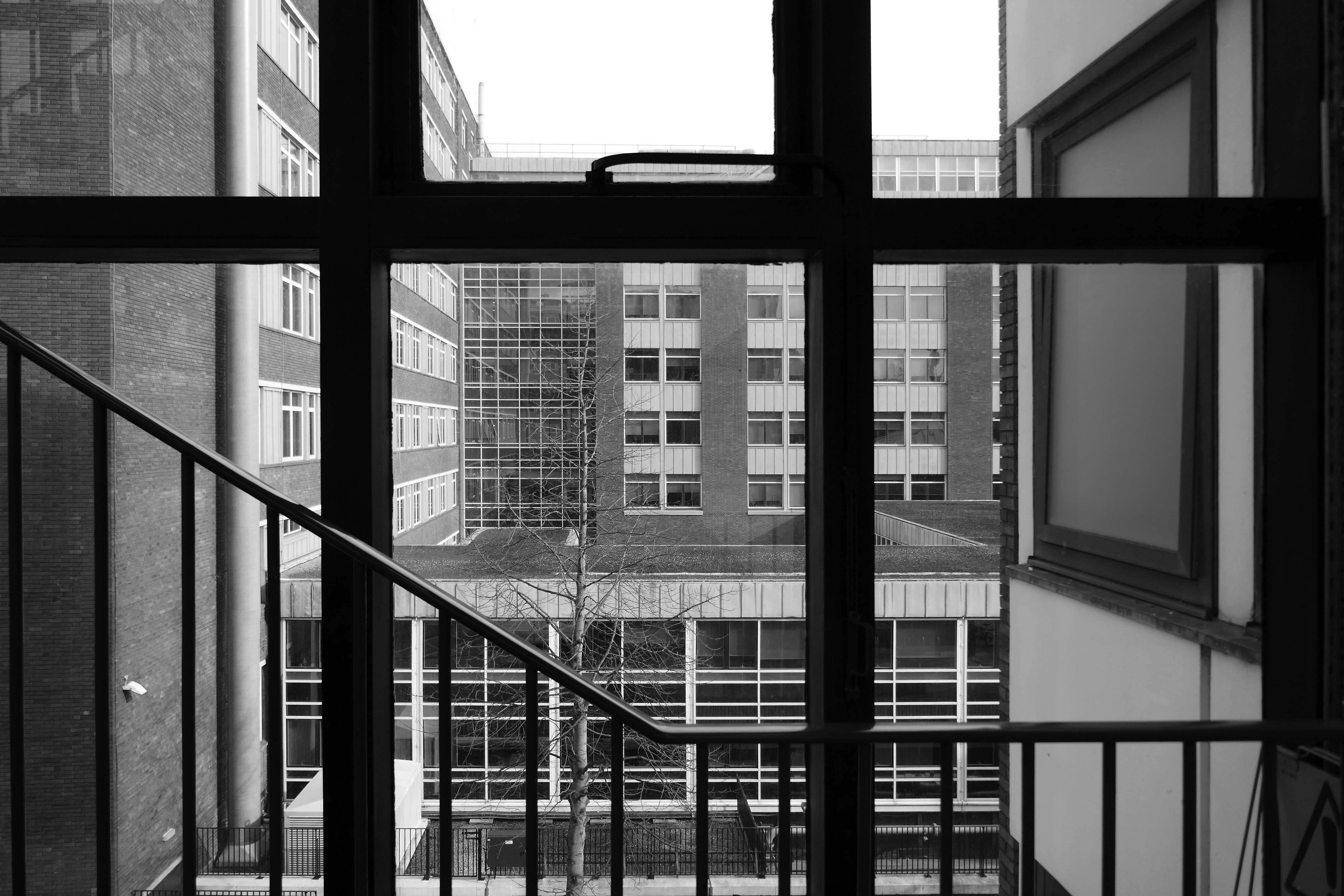
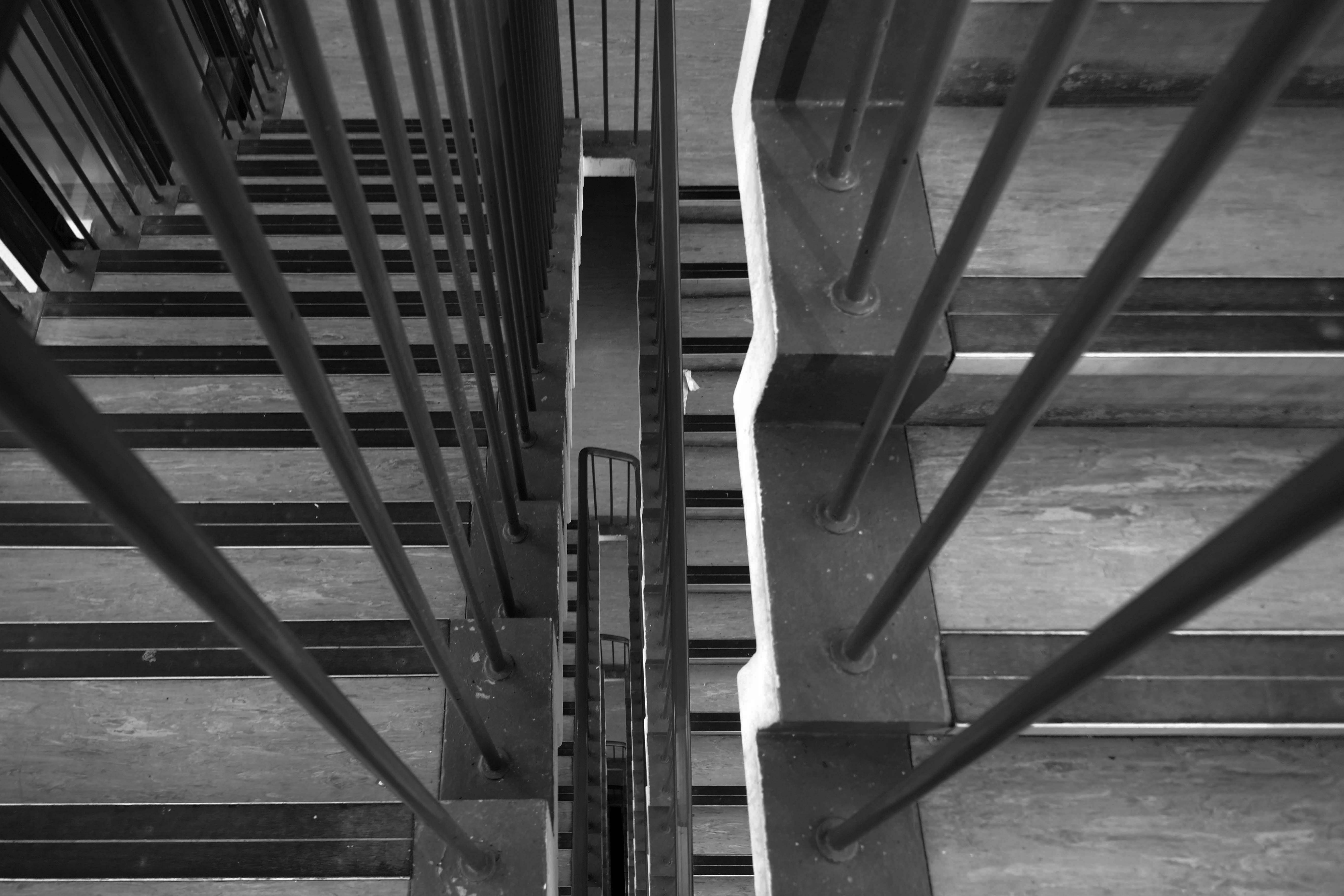
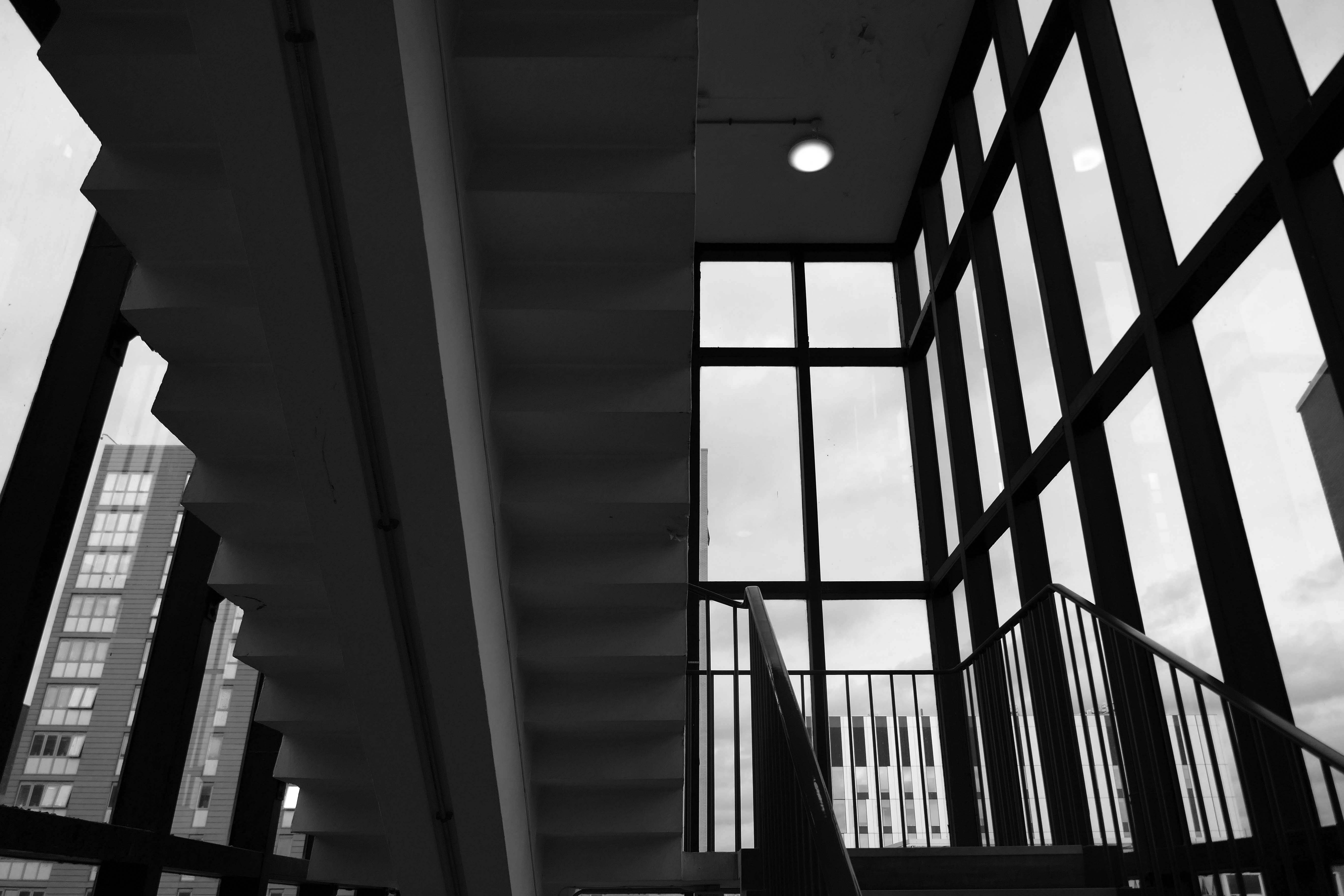
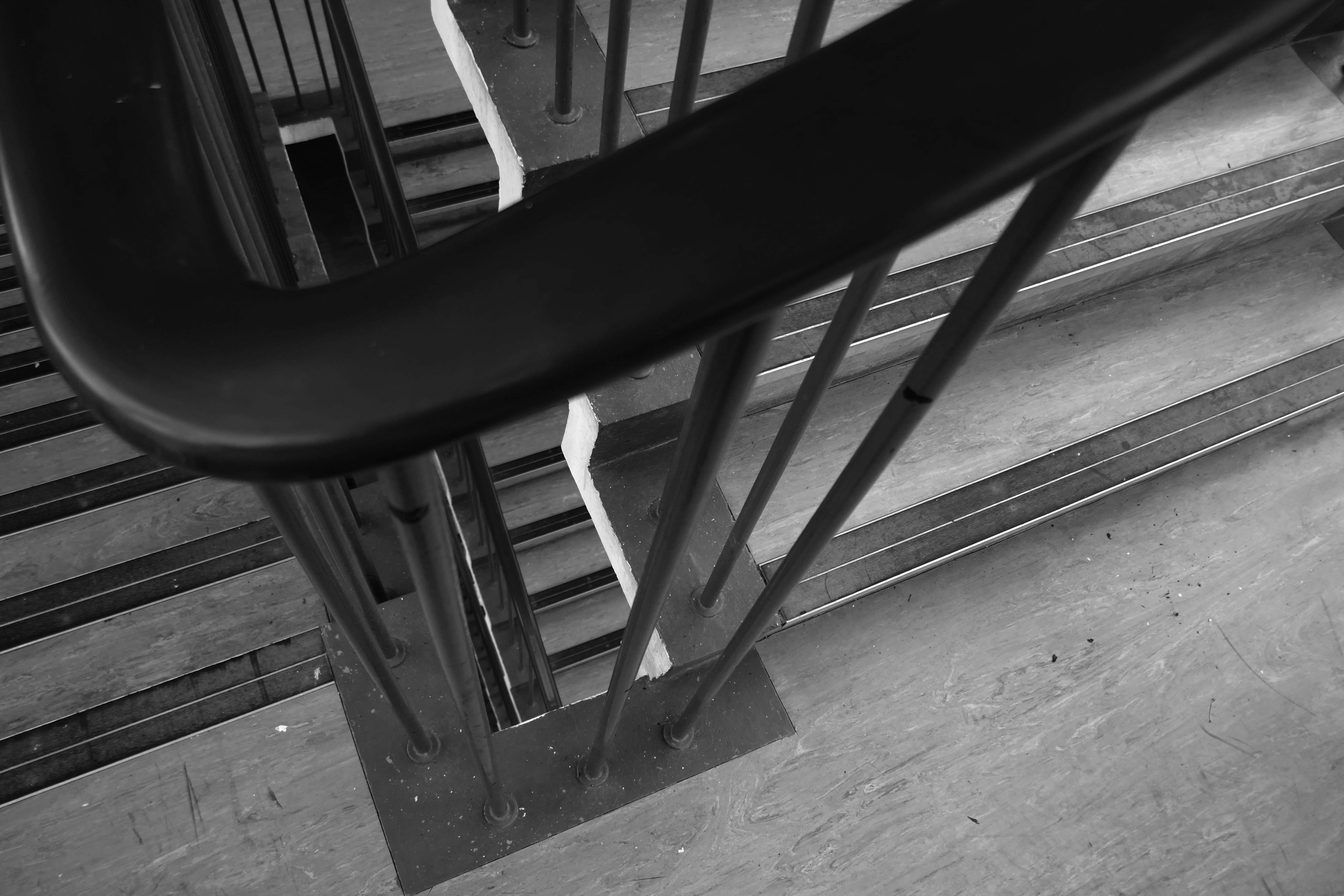
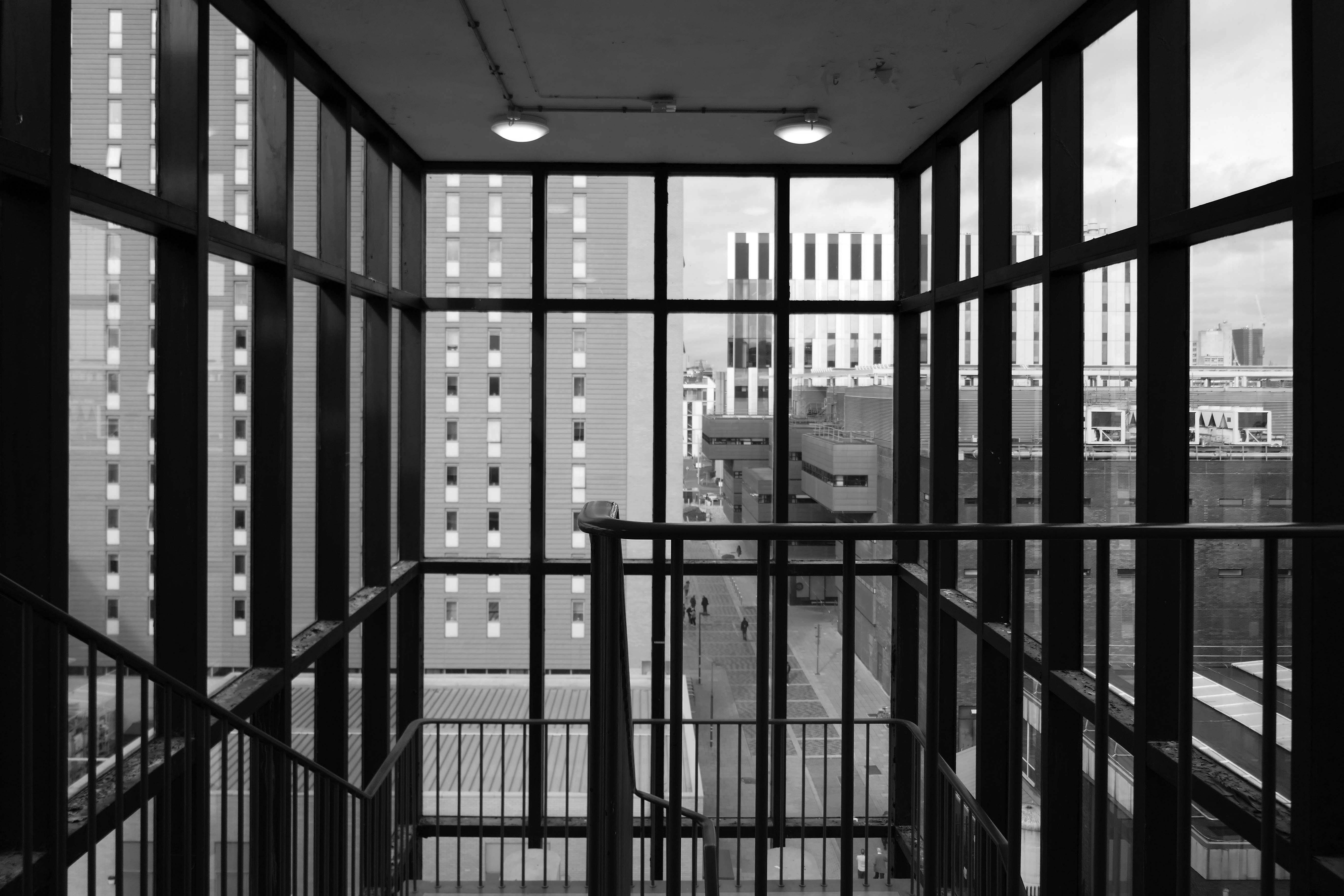
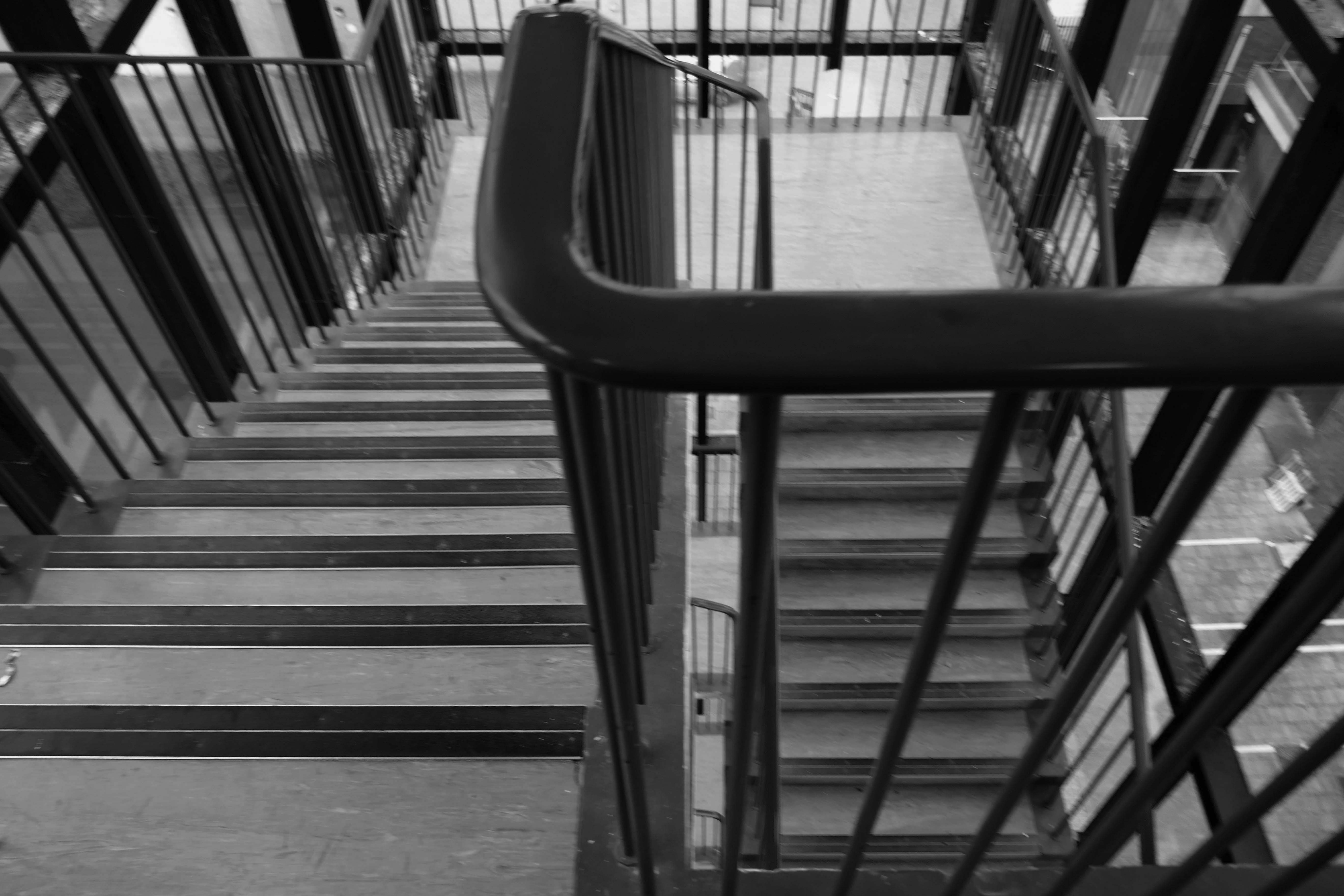
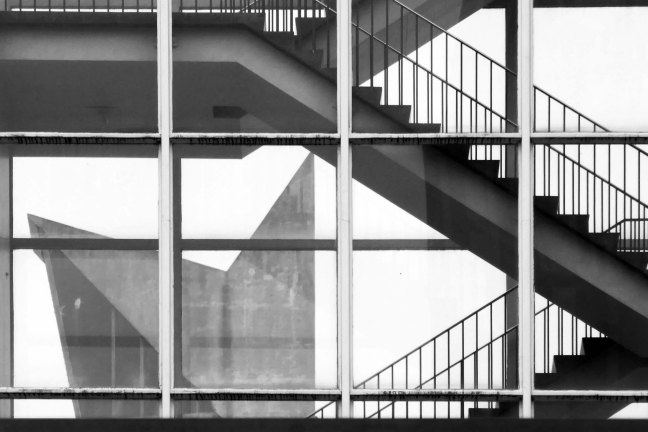
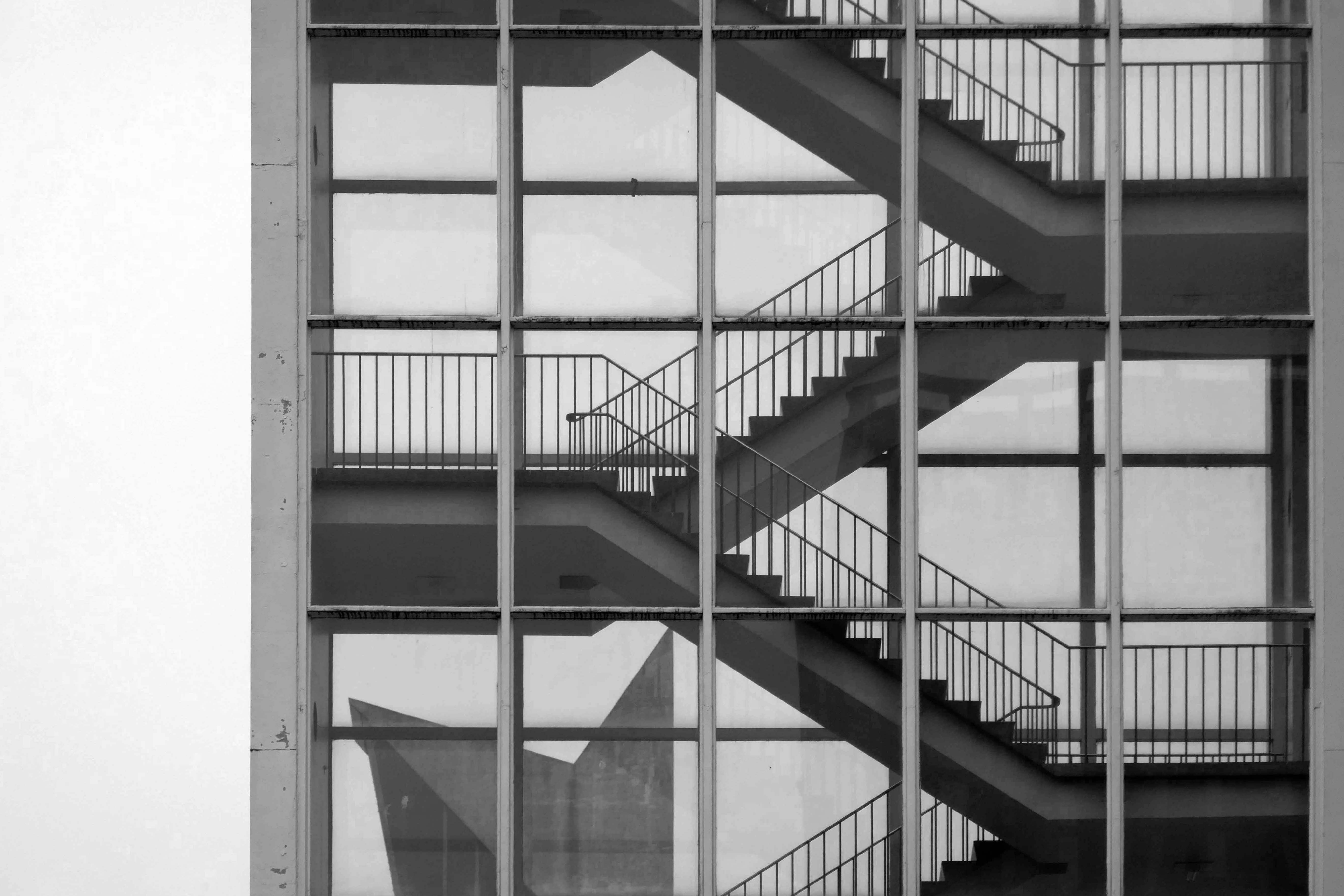
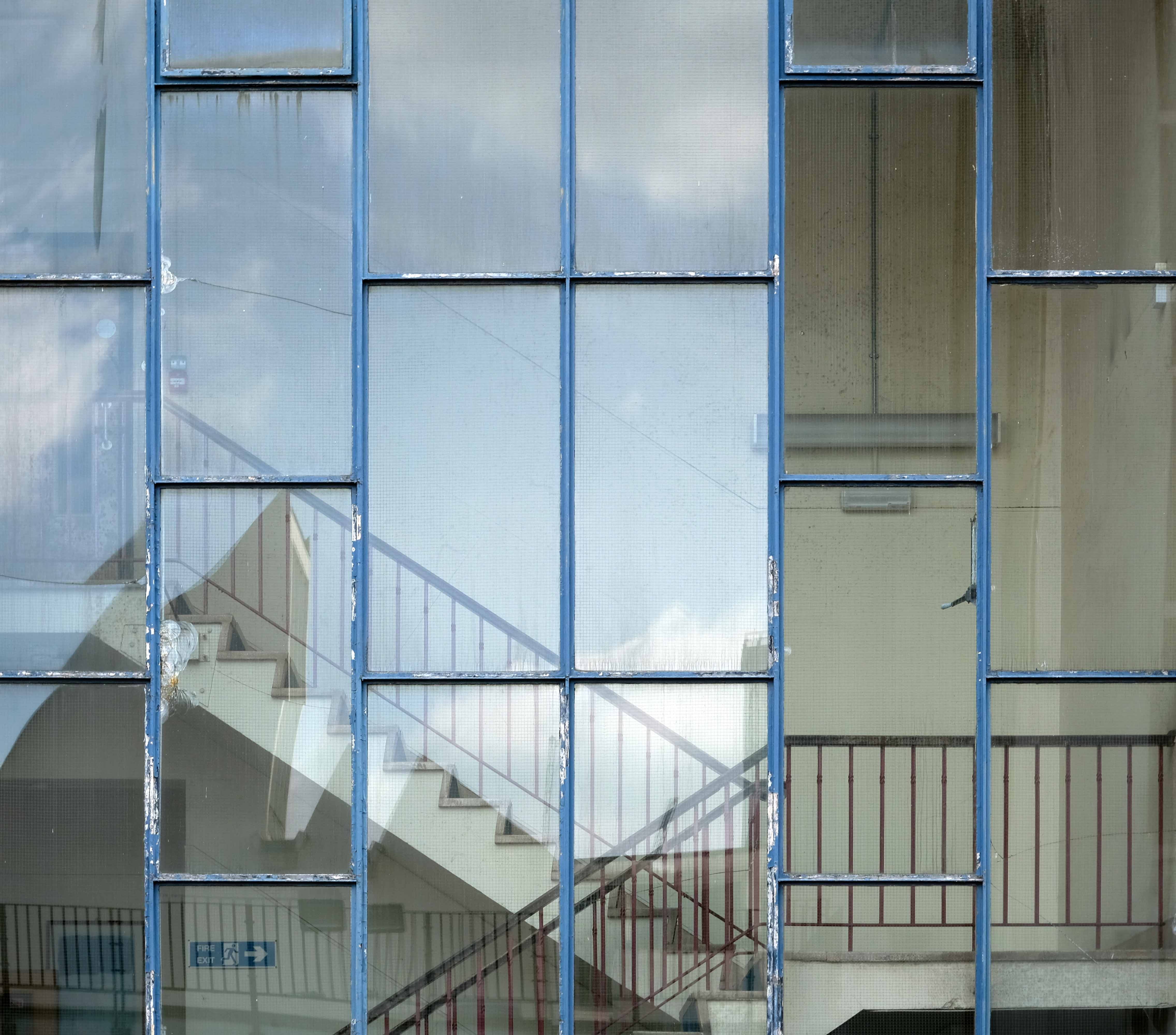
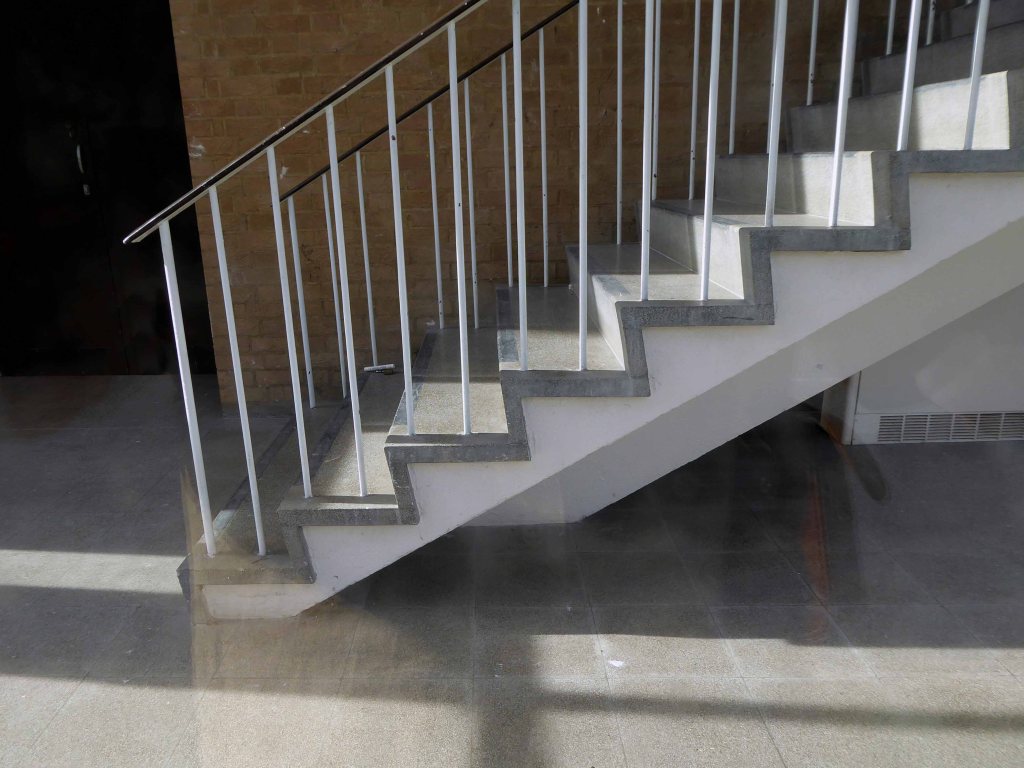
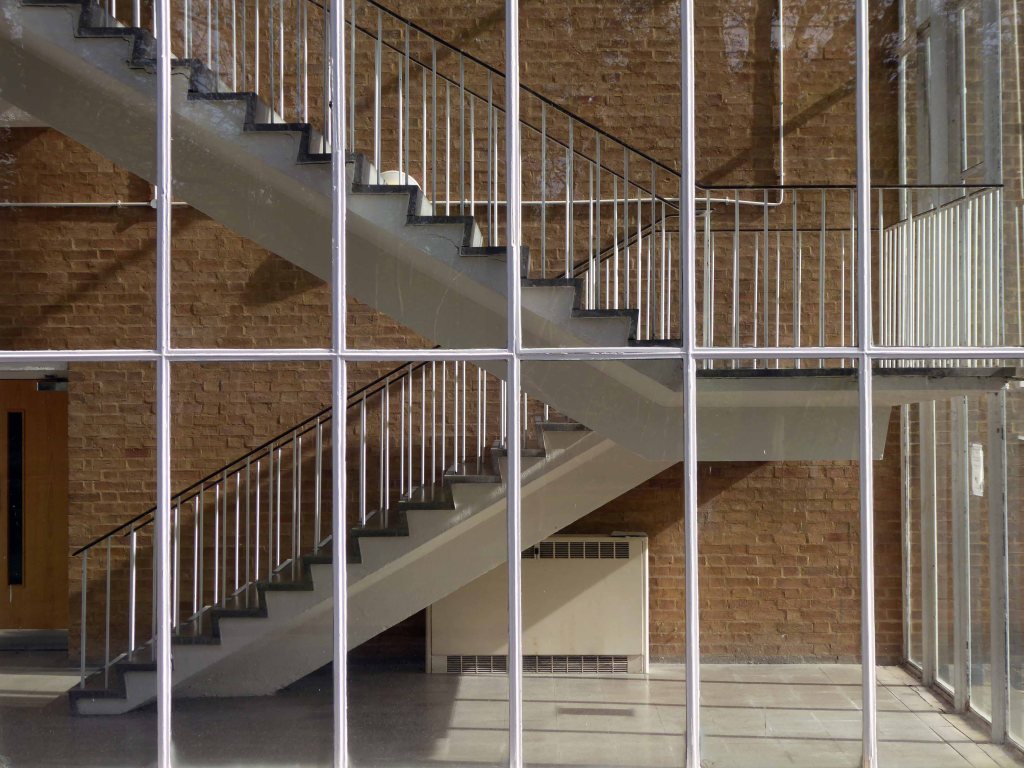
In common with the Renold Building the Roscoe has an elegant glazed staircase.

So I walked it up and down.

UMIST 2024 – Manchester

This may be the last time, may be the last time, I don’t know.

I’ve been taking a look around for several years now, but now the writing is now on the wall.

Anthony Holloway’s wall – the only listed structure on the site.

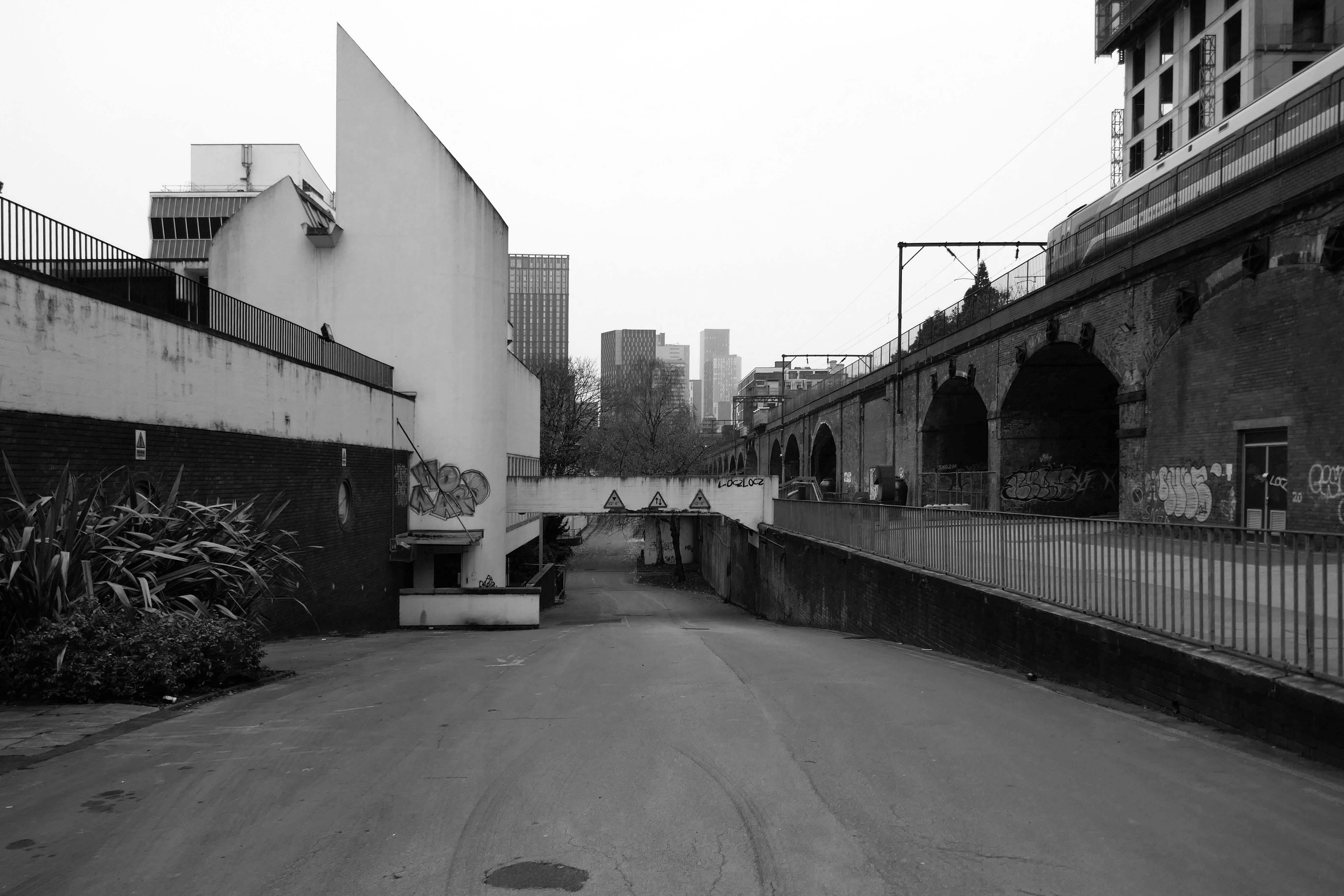
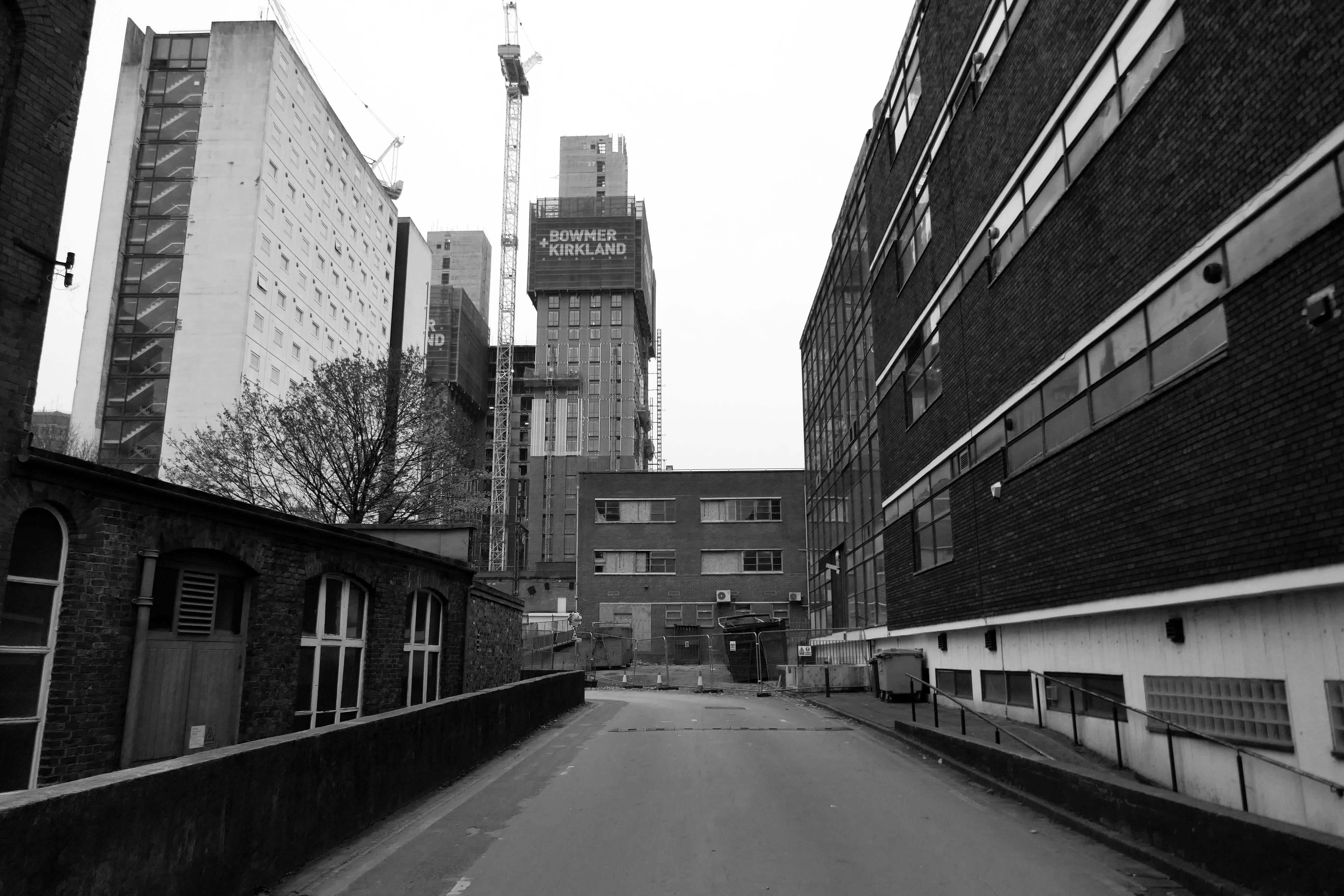
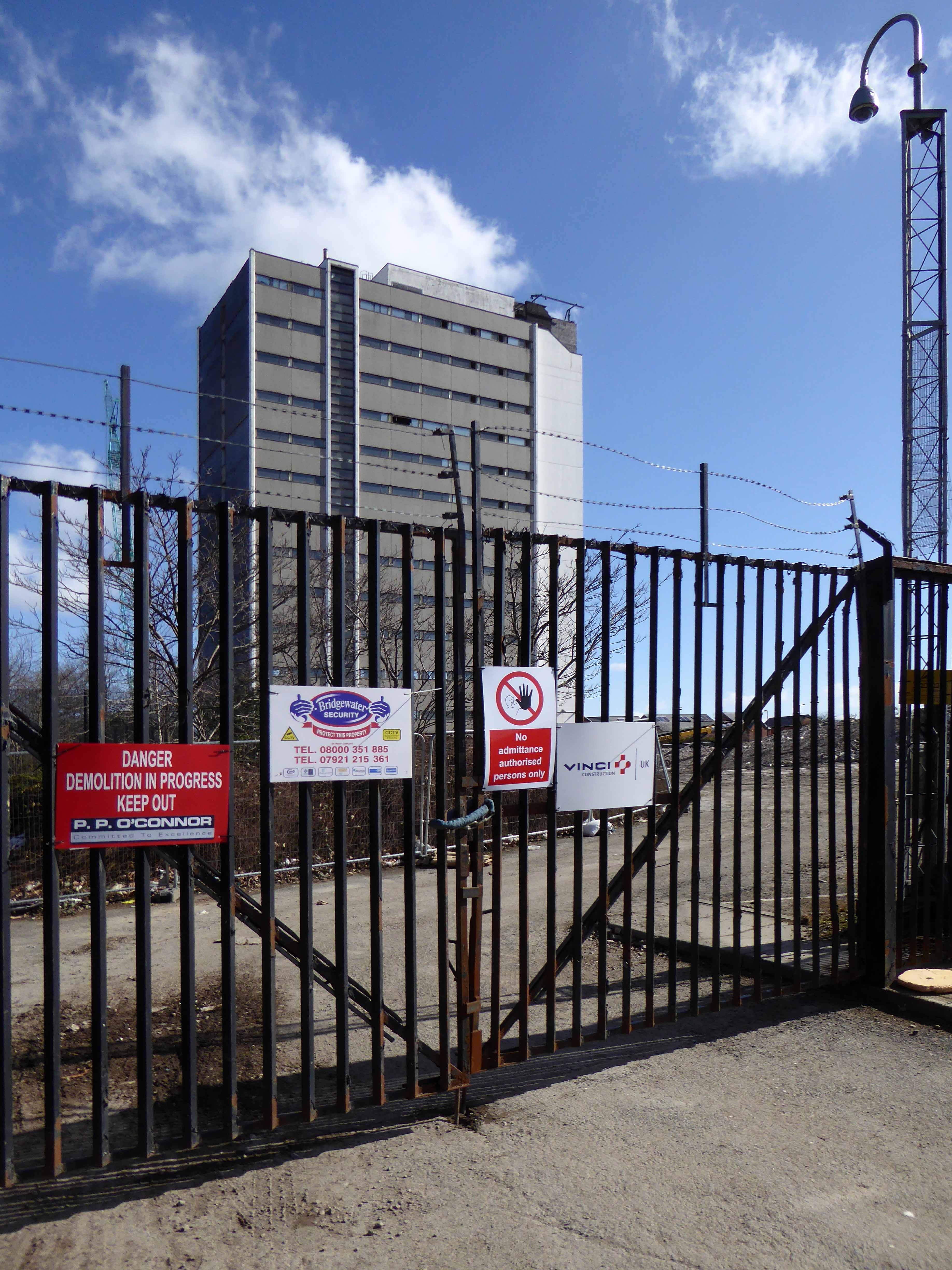
The site is sold, the contractors have arrived, stripping out the buildings earmarked for demolition.

The site is to be contracted – despite all efforts to have its integrity preserved.

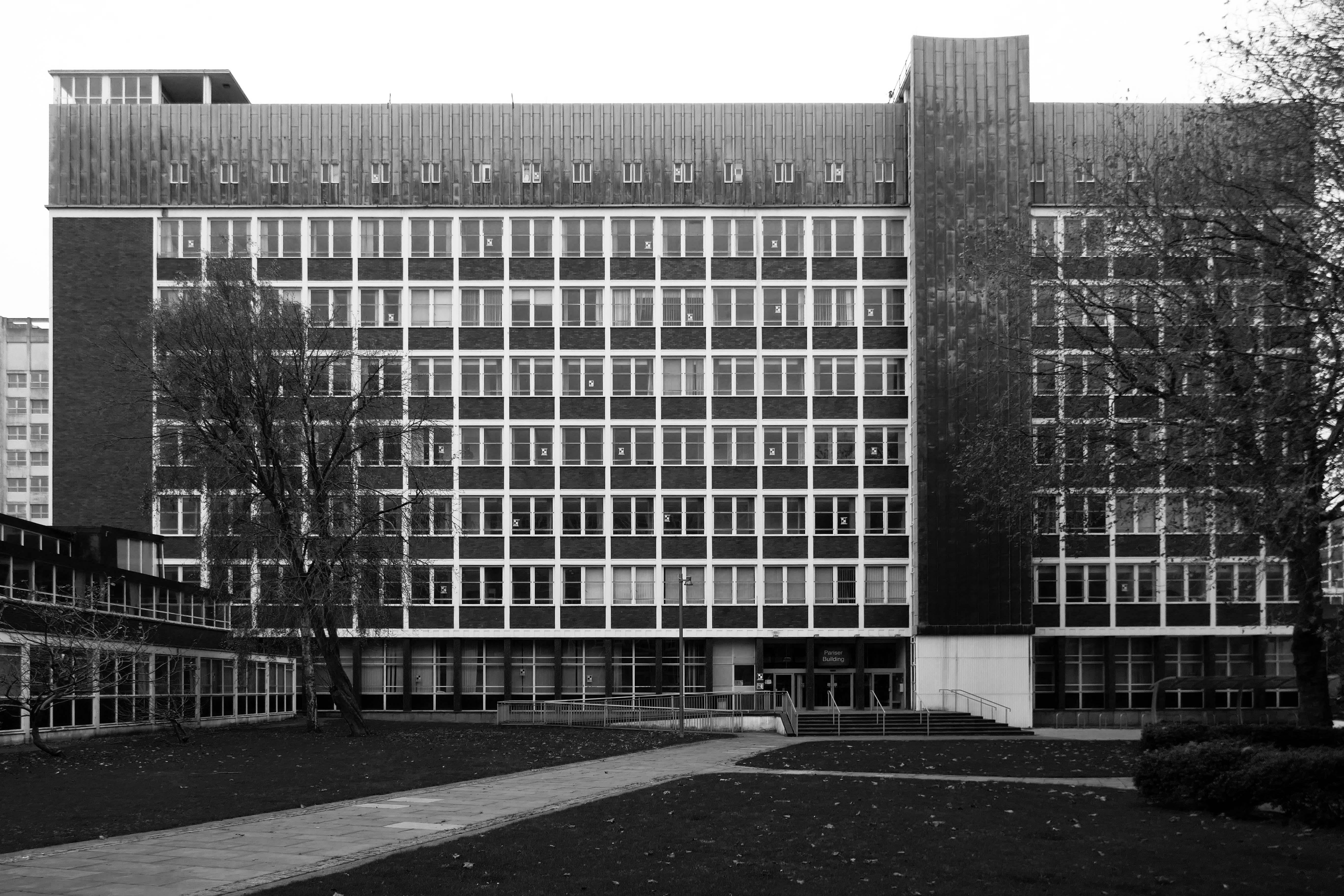
The Pariser Building is to be retained.

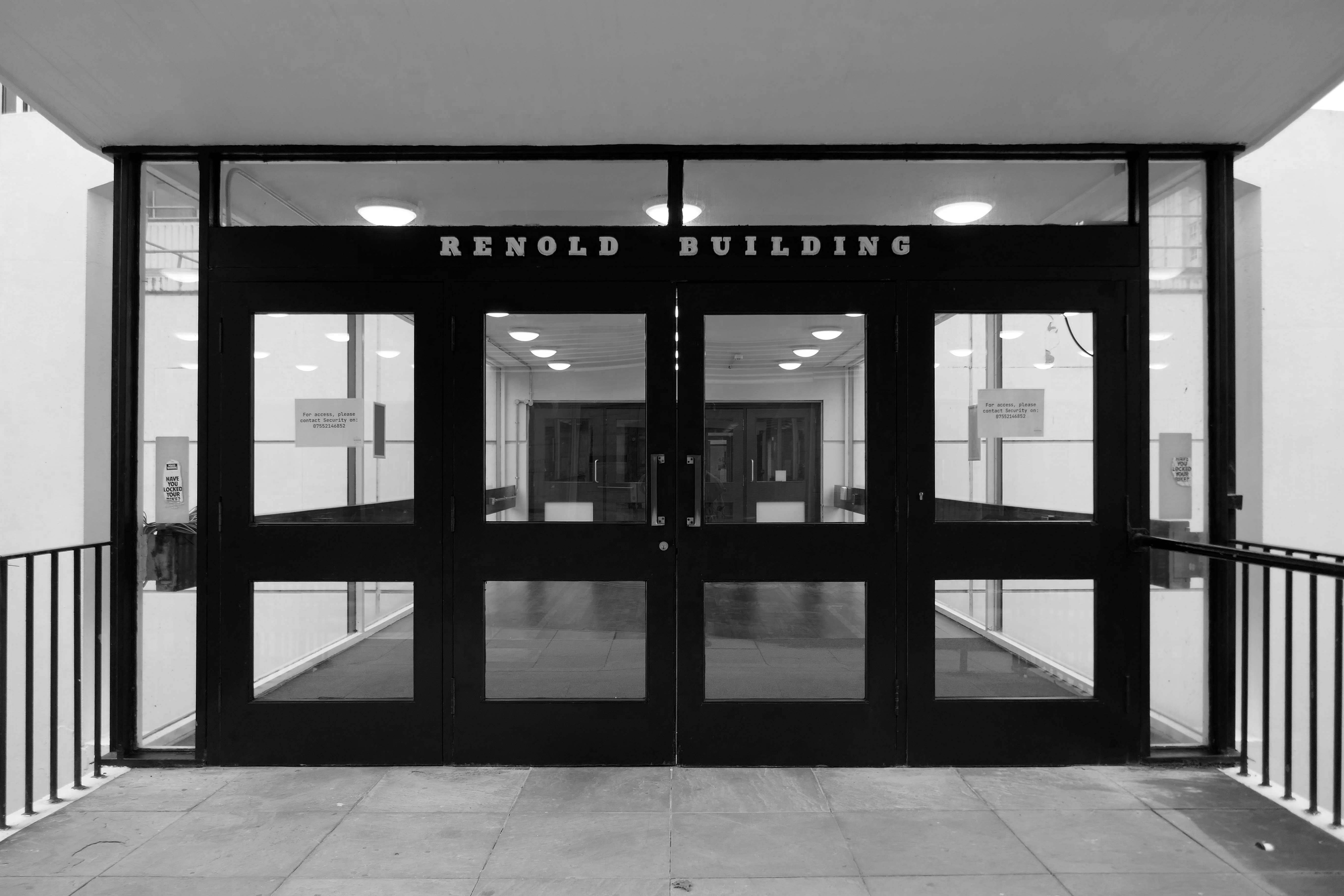
Along with the Renold Building – which is already home to start up tech businesses.

The city council has approved Bruntwood SciTech’s change of use bid to transform the 110,000 sq ft Renold building into a tech and science hub.

In a joint venture with the University of Manchester, Bruntwood will create 42,000 sq ft coworking and business incubator spaces for businesses in the sector at the Altrincham Street building.

Place Northwest

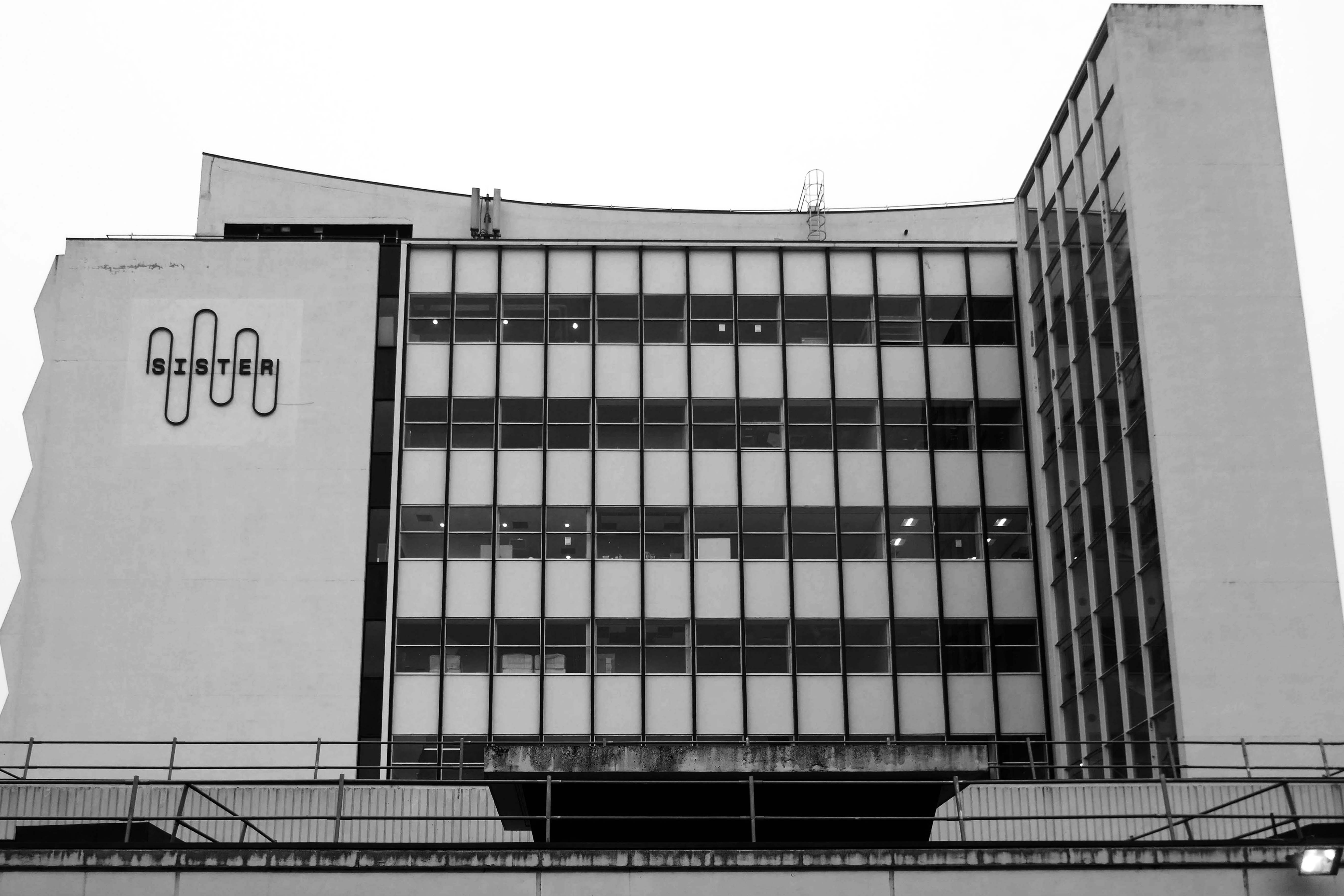
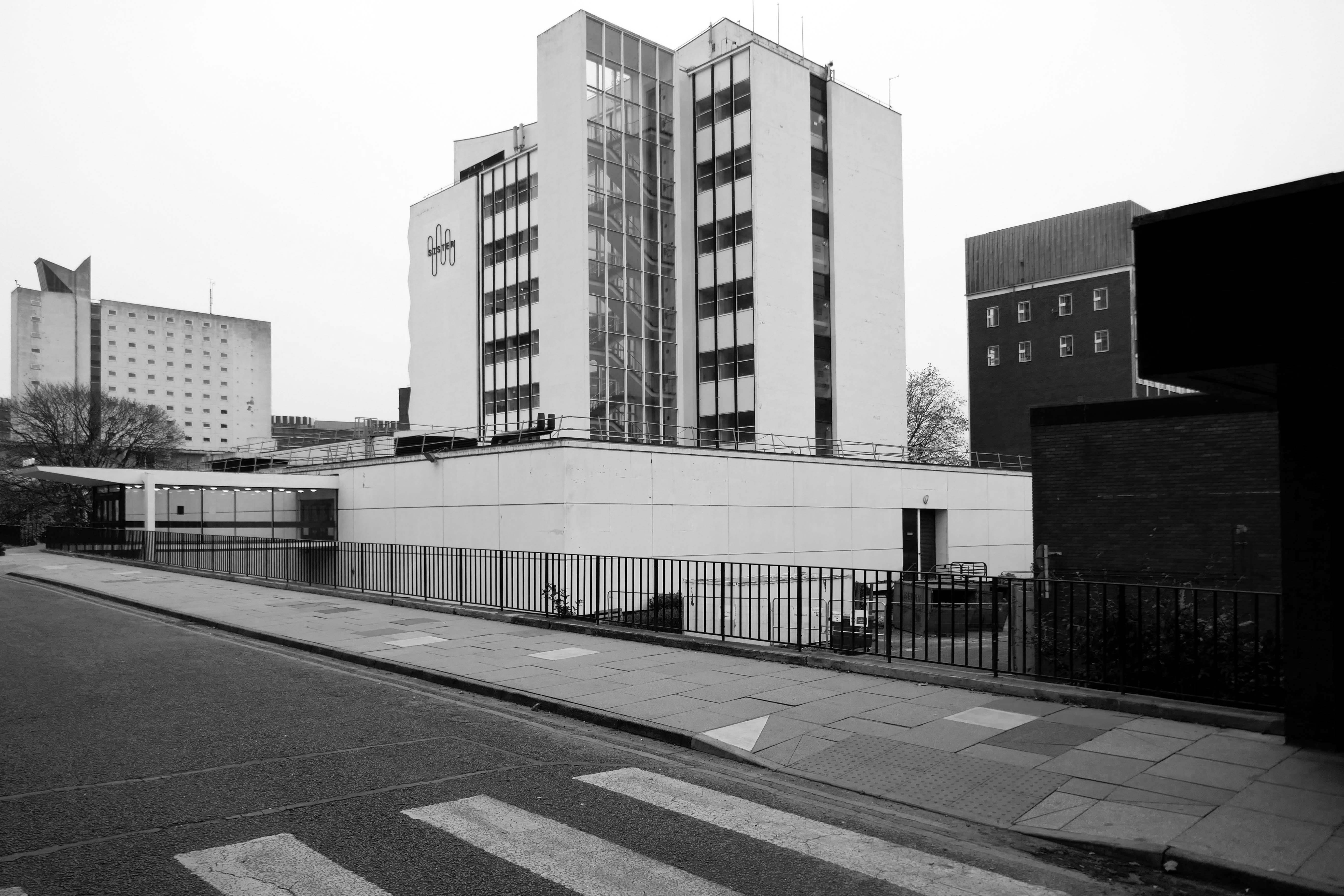
Sister is Manchester’s new innovation district. A £1.7bn investment into the city, its setting – the former University of Manchester North Campus and UMIST site – is steeped in science and engineering history. Home to the UK’s most exciting new ideas and disruptive technologies, Sister is a worldclass innovation platform in the heart of one of the most exciting global cities. It stands as the city’s symbol of a new era of discovery that promises progress against humanity’s greatest challenges.

Sister Manchester

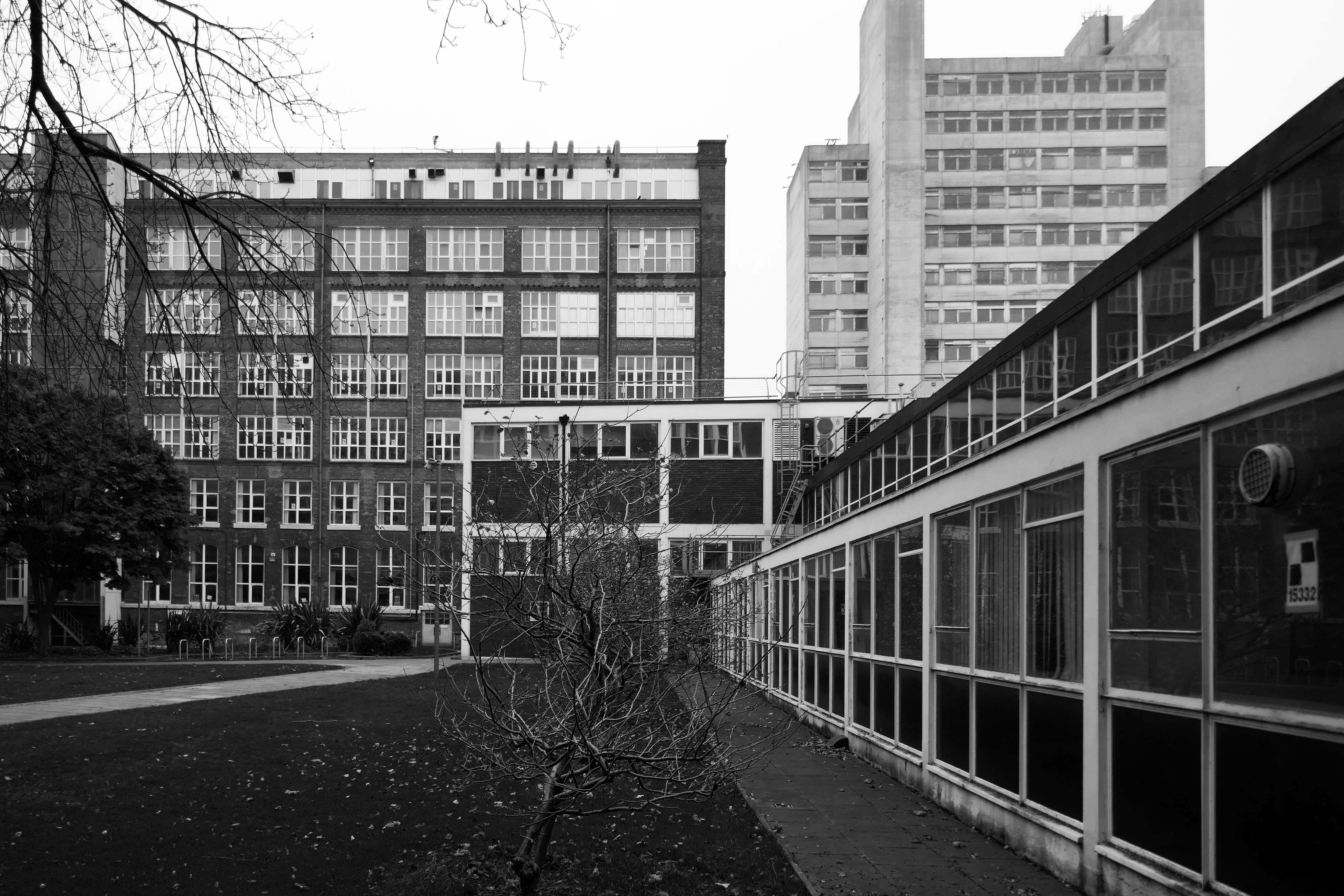
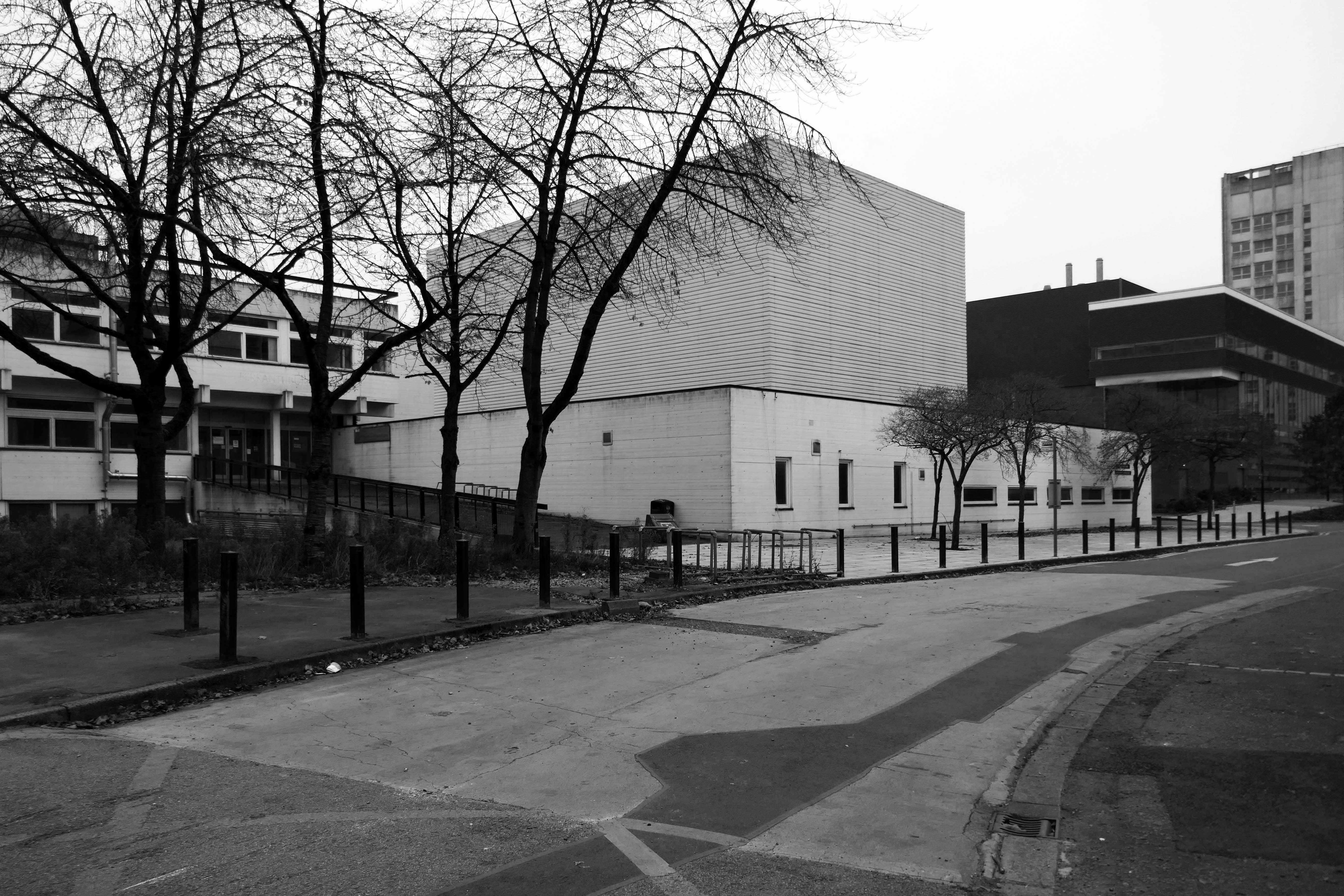
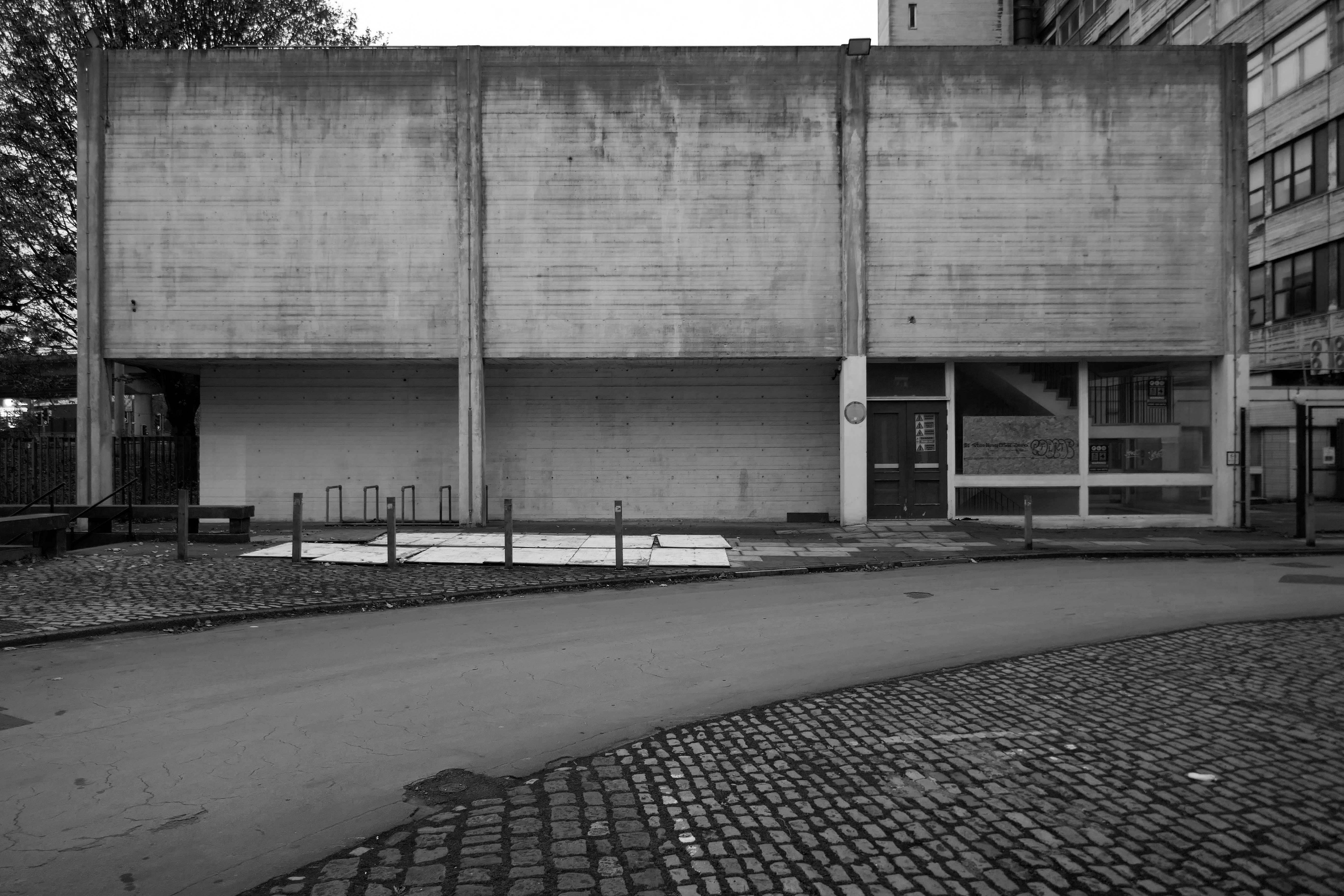
So it is with a bitter sweet feeling that I took a group of Modernist Moochers around the site this Saturday – a number of whom had been students there.

As a former UMIST student 1990-1997, I had a wander round the old site recently, sad to see it so empty and run-down.

So let’s take a look at the current state of affairs.


UMIST – Manchester

Every now and then, I get the yen to come back here again.

Having included the site on one of my Manchester Modernist Walks, I pop by protectively just to make sure everything’s still there.

The custodians The University of Manchester may well be averse to listing and have already removed Chandos Hall.

Forever.

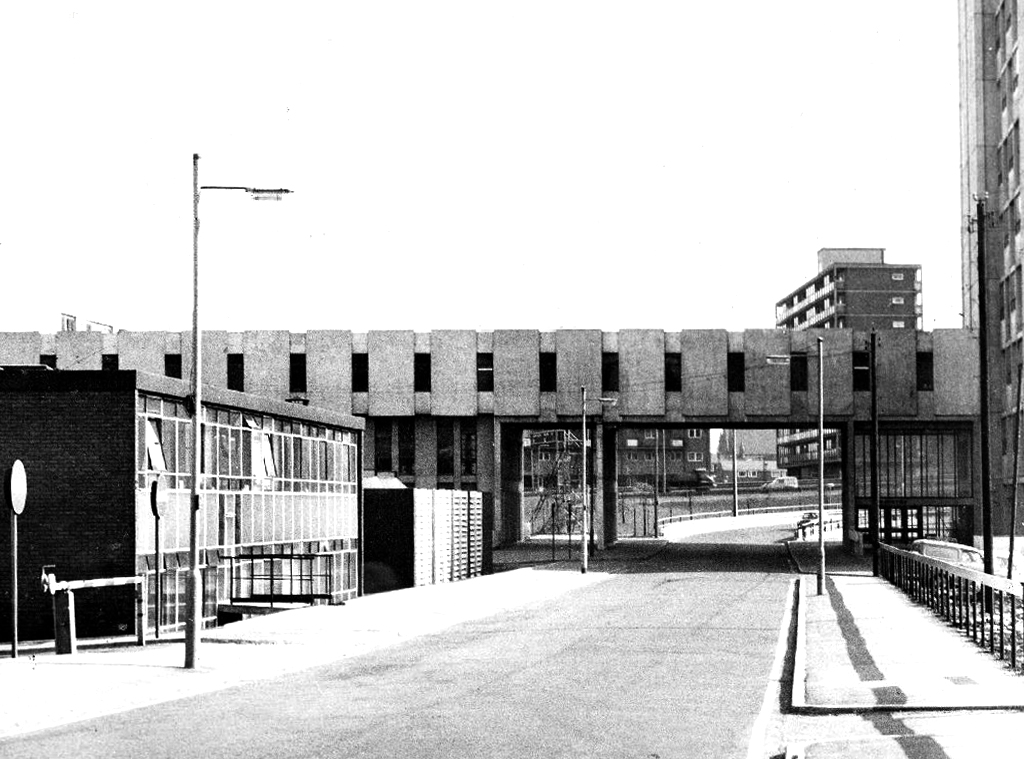
In addition, a whole block and a walkway have been subtracted.

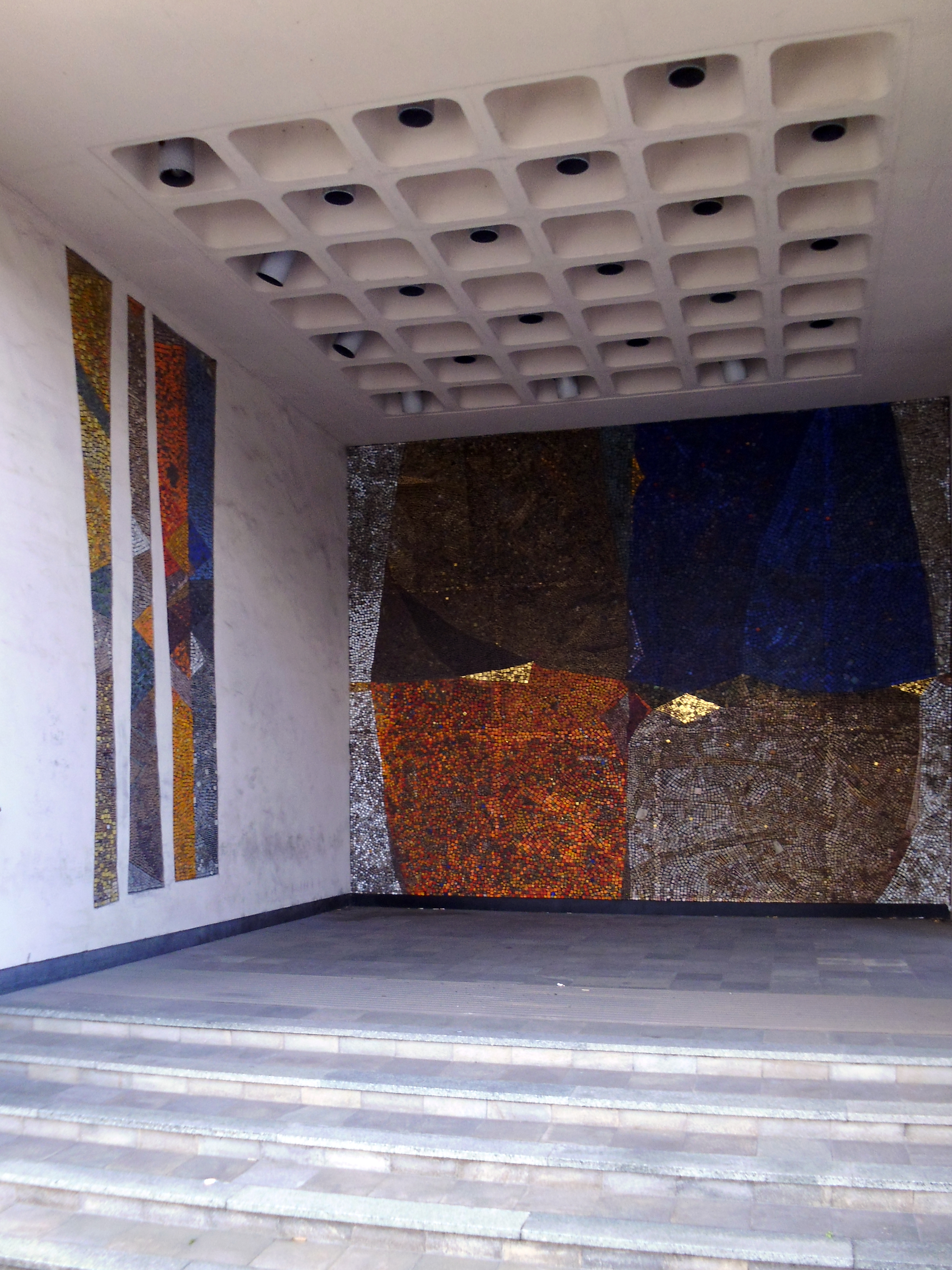
Thereby placing the Hans Tisdall mosaics: The Alchemist’s Elements in jeopardy – currently held in storage, who knows what fate awaits them?

Discussions have taken place pre-lockdown, another year on and possibly the possibility of a positive resolution.

Consequently I always approach the site with a slight sense of foreboding, it’s Easter and there’s nobody about.

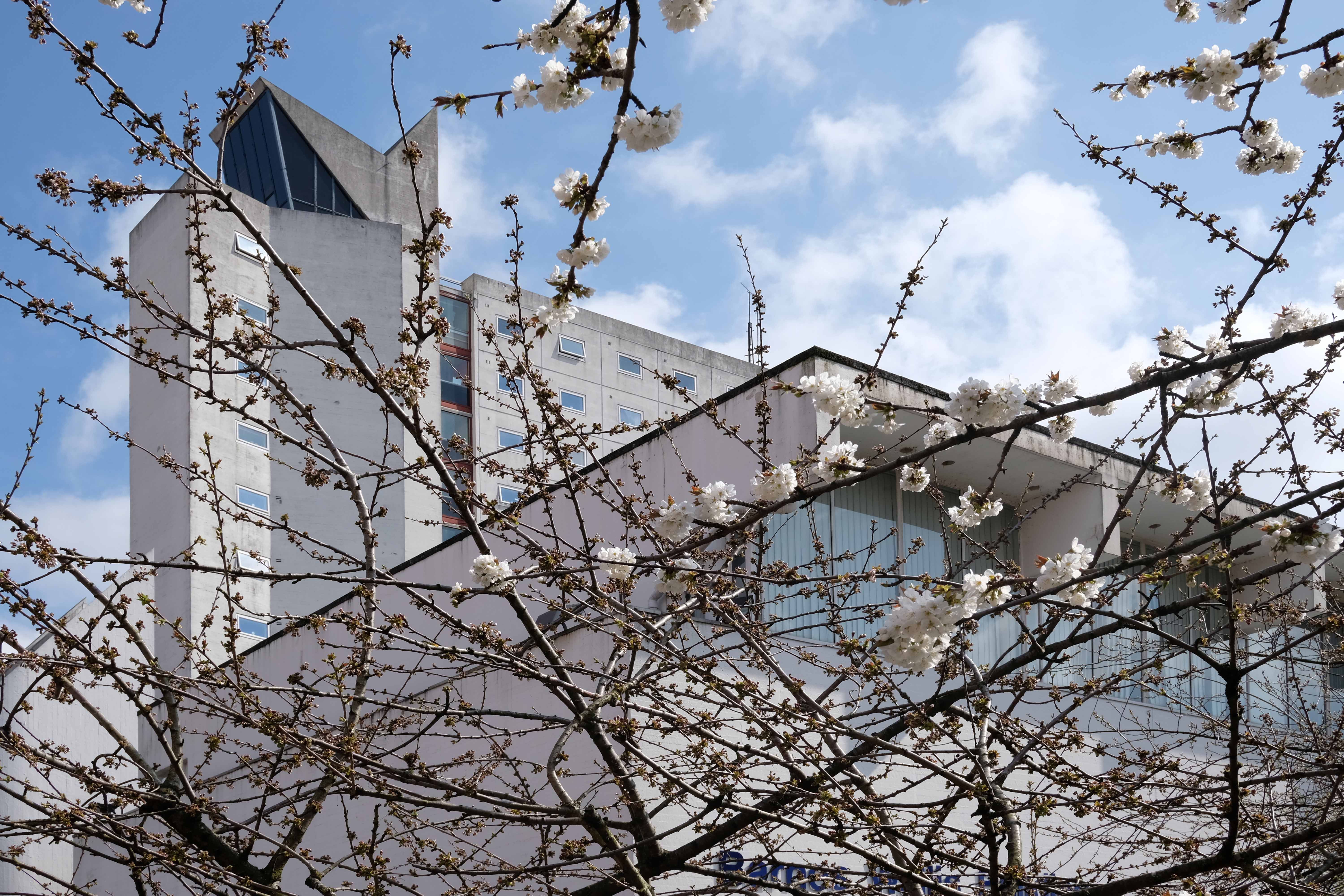
The trees are just about to burst into leaf, there are bright bursts of cherry blossom on the bough.

The sun shines down from a big blue sky, strewn with wisps of cloud.

Let’s have a look around – it’s springtime for UMIST and Modernity!

Renold House

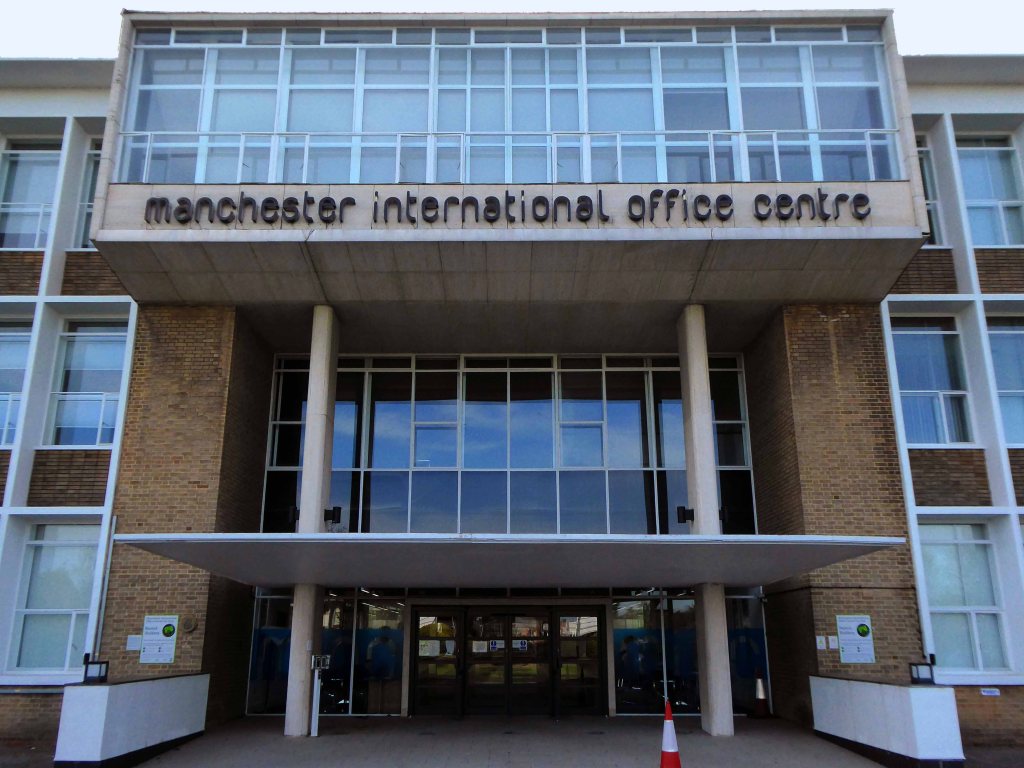
Manchester International Office Centre
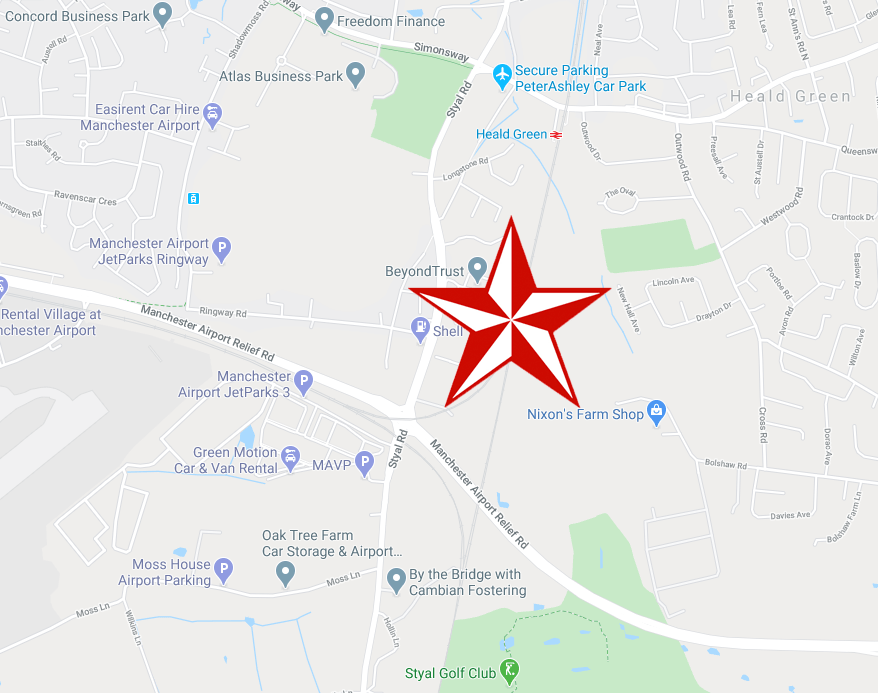
11 Styal Rd Wythenshawe Manchester M22 5WB

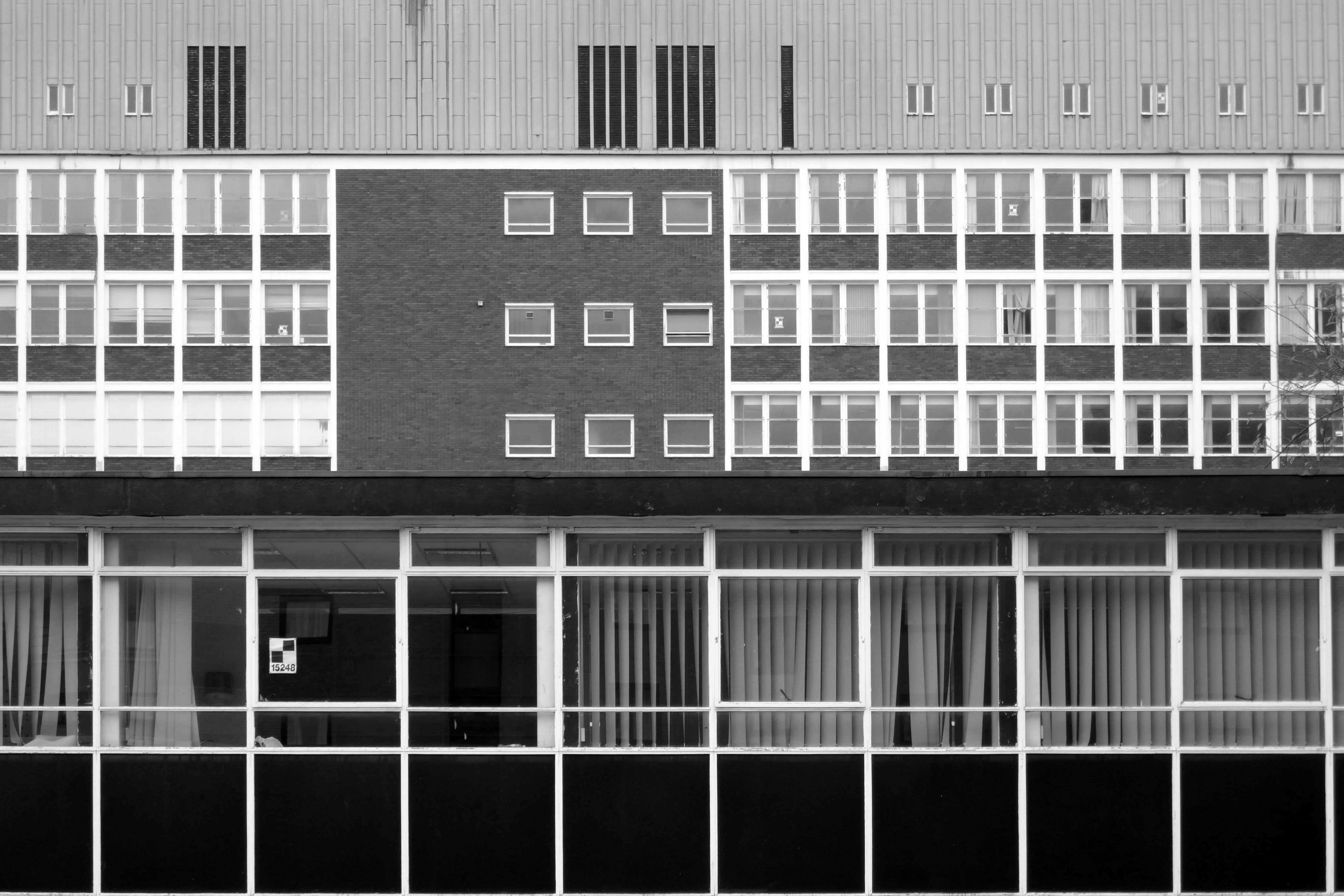
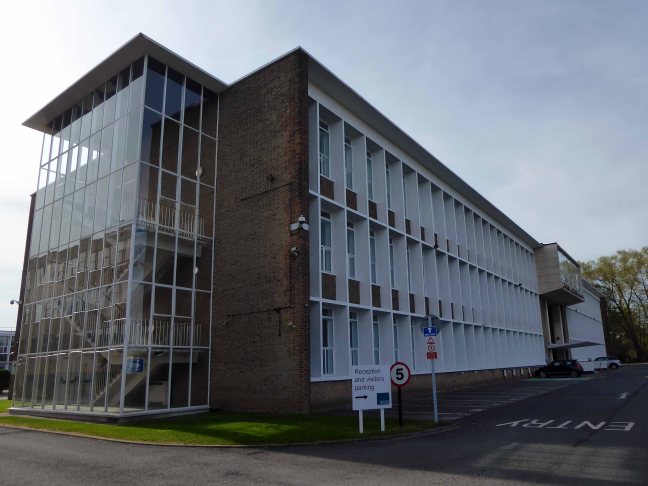
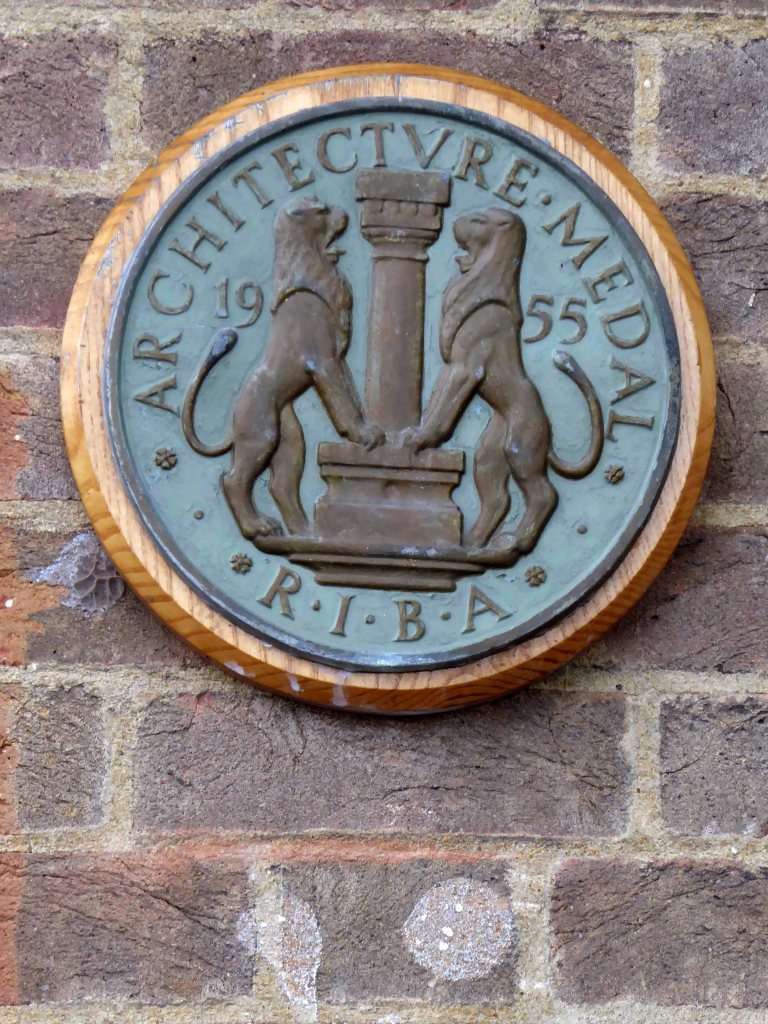
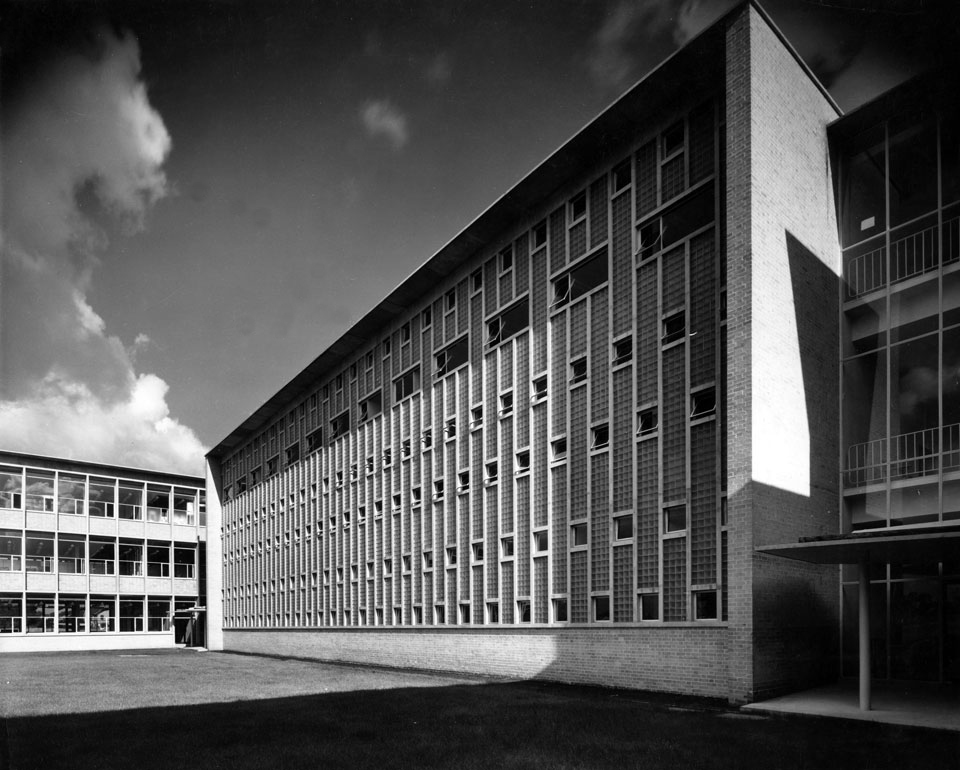
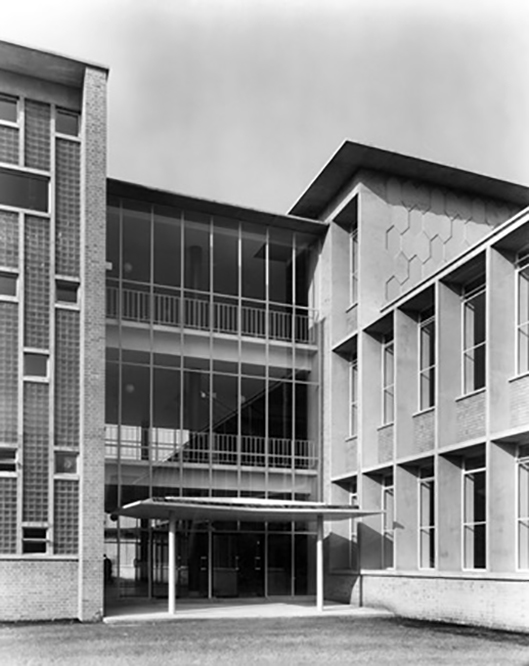
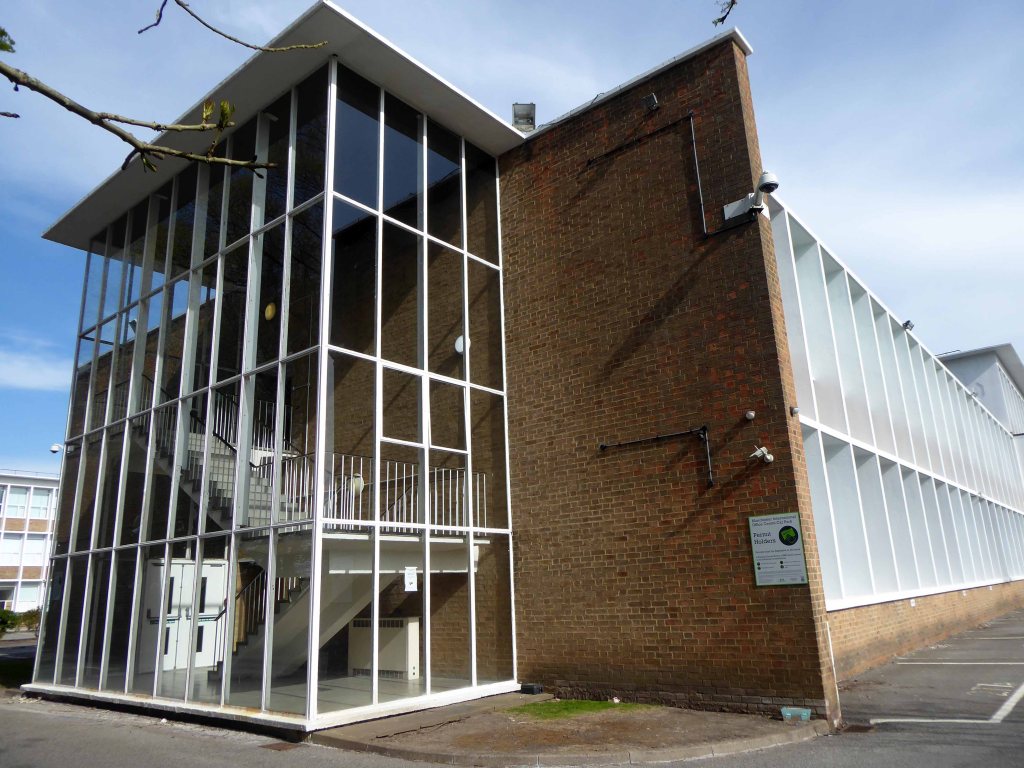
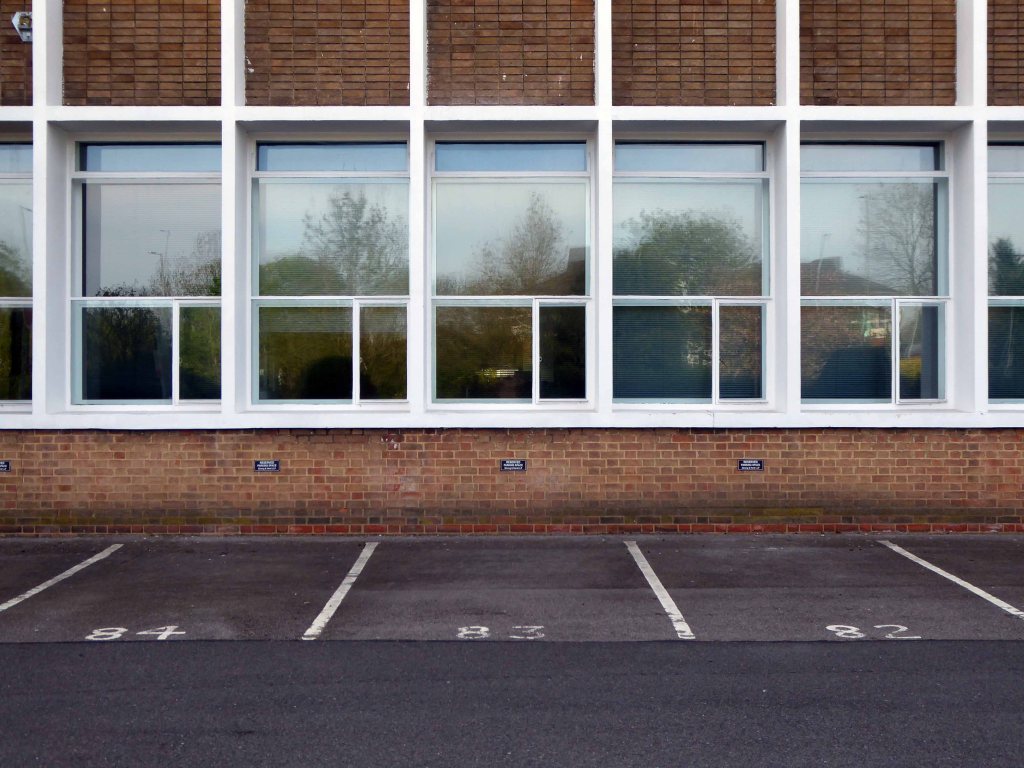
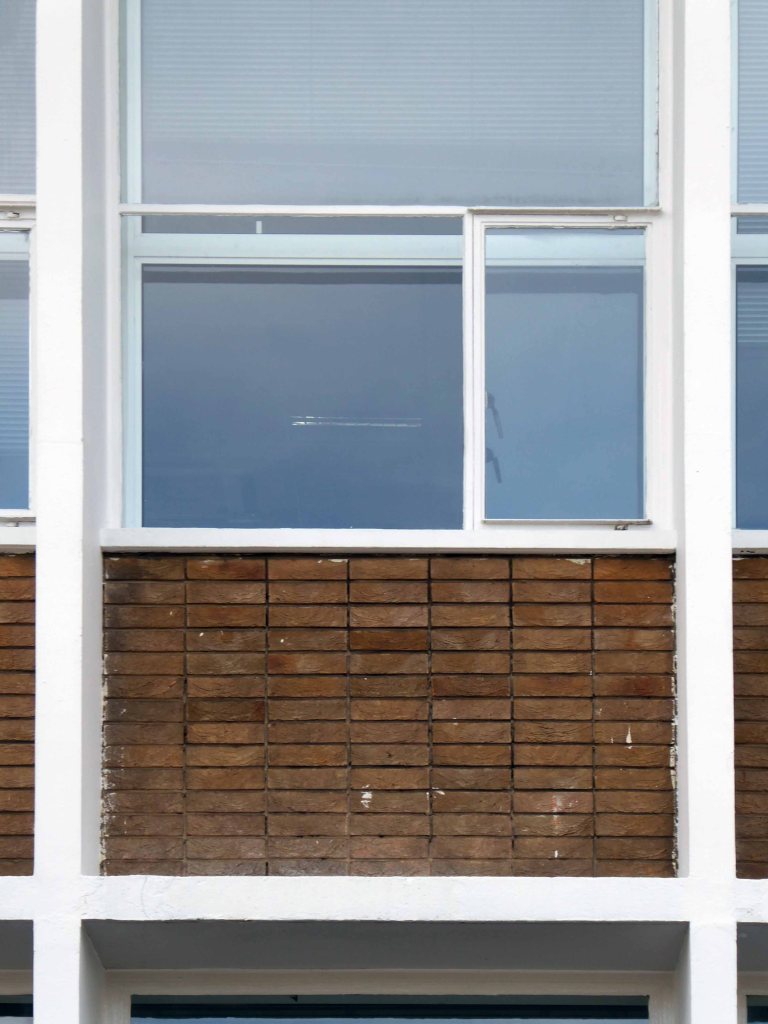
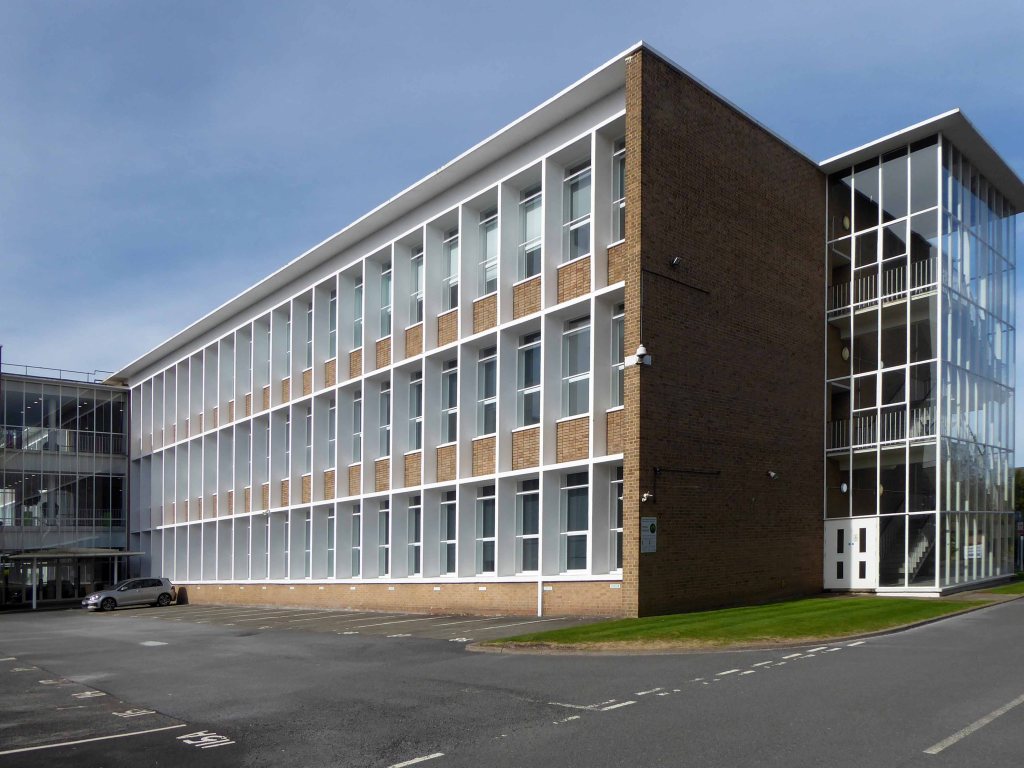
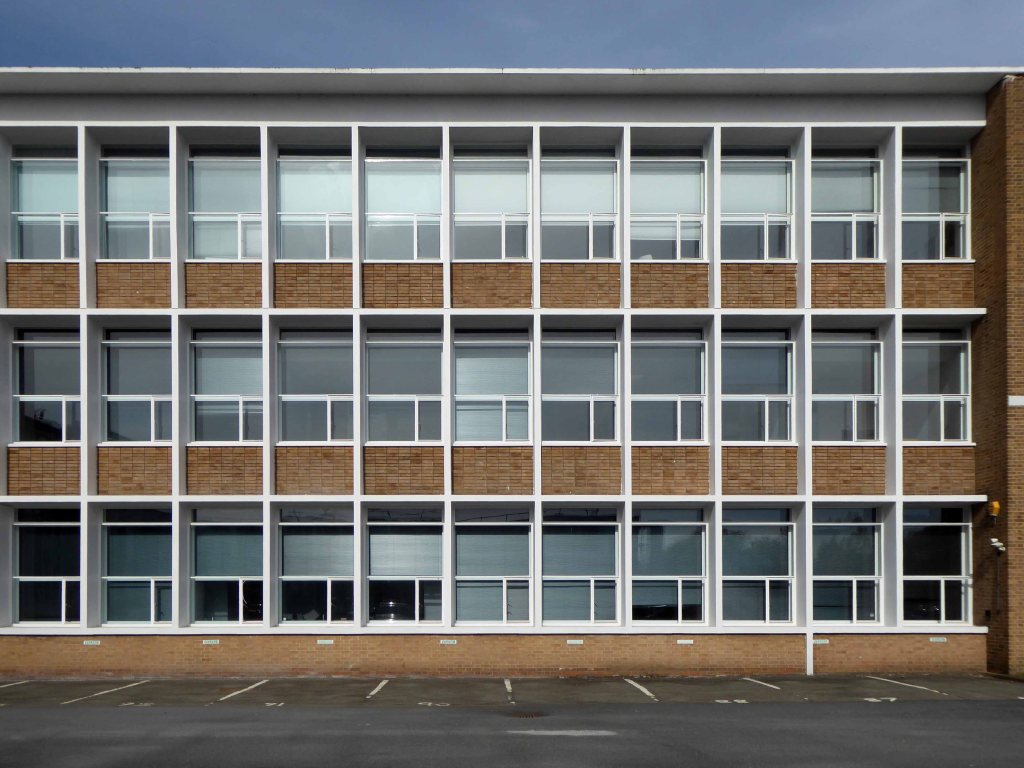
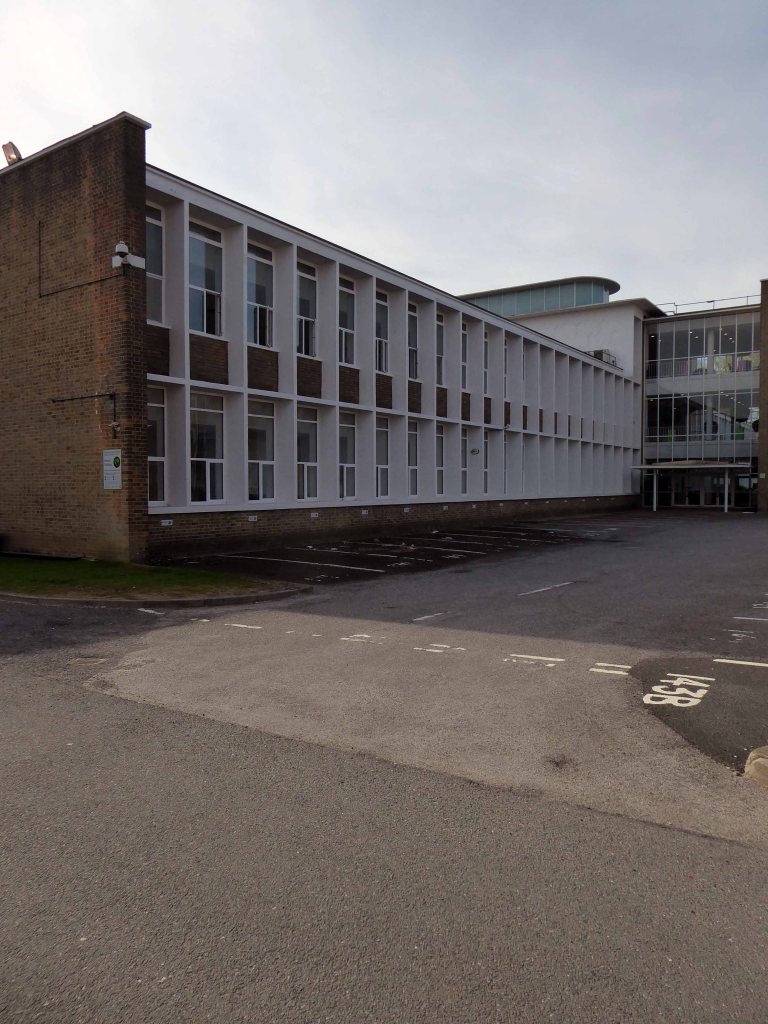
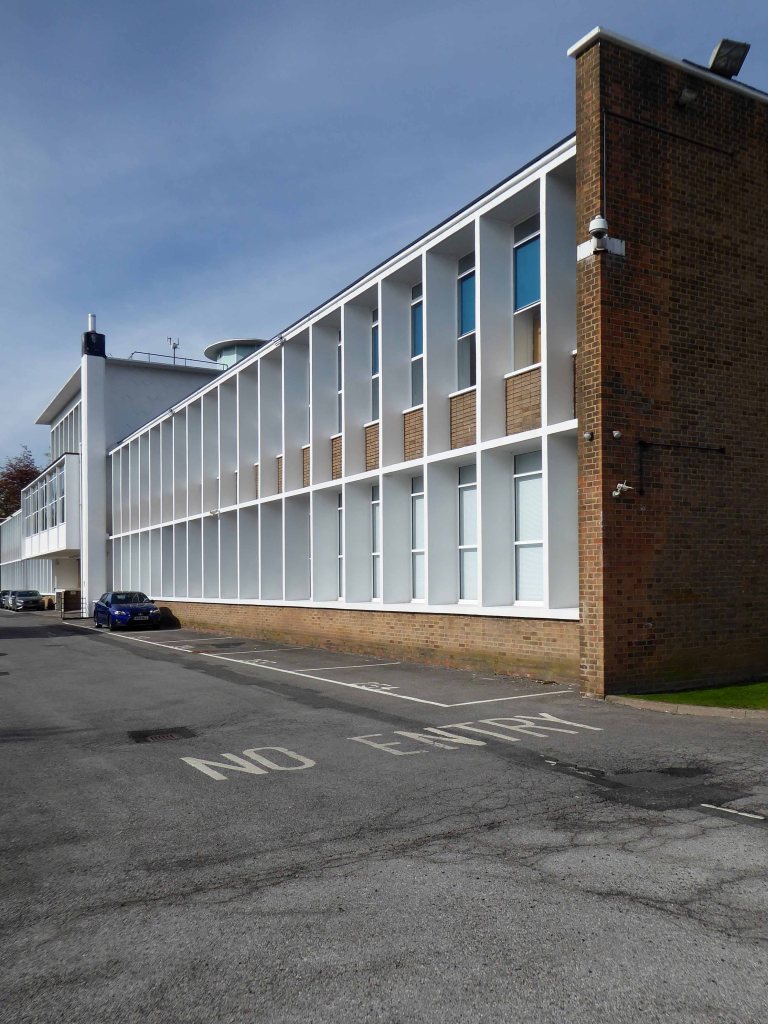
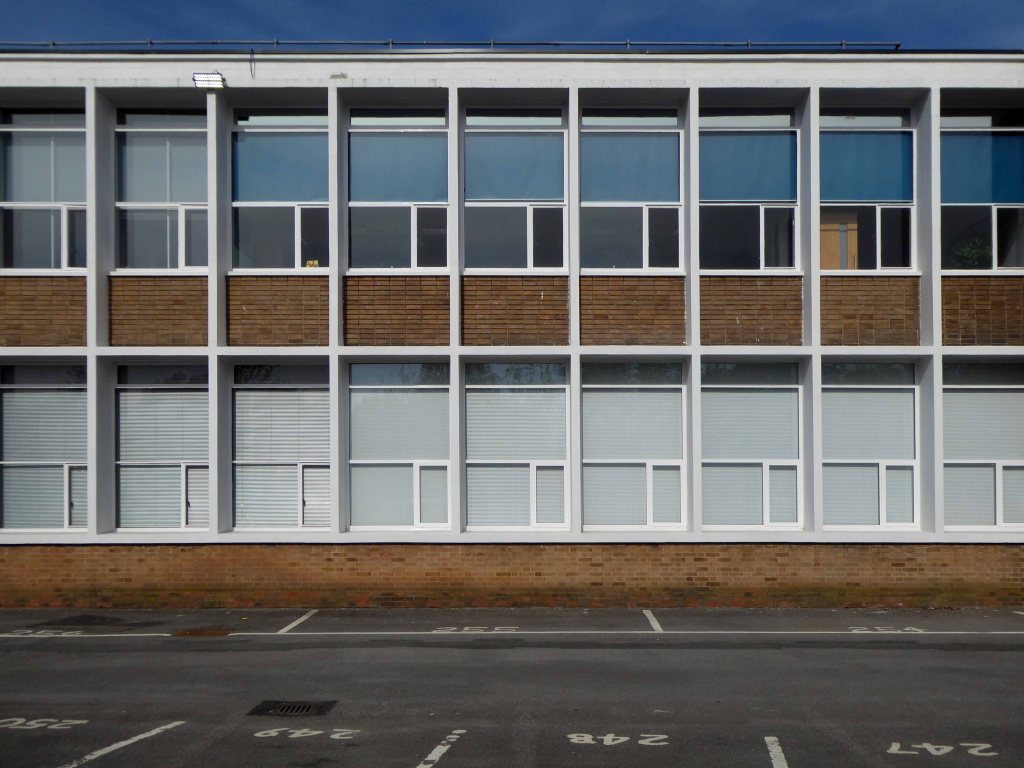
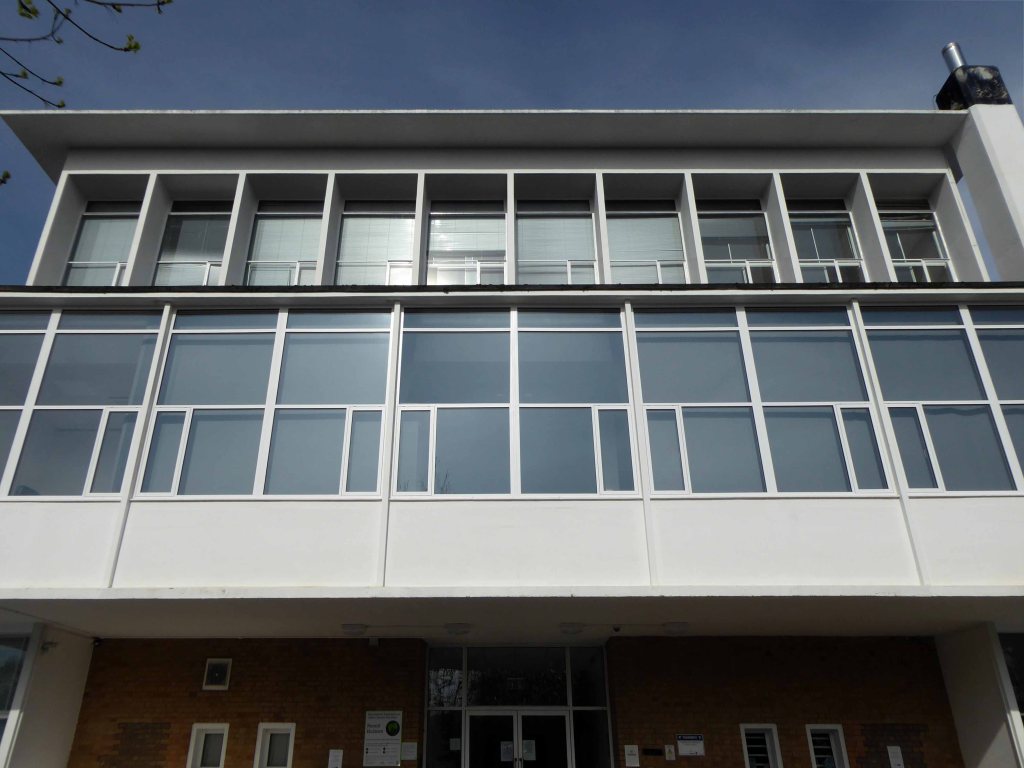
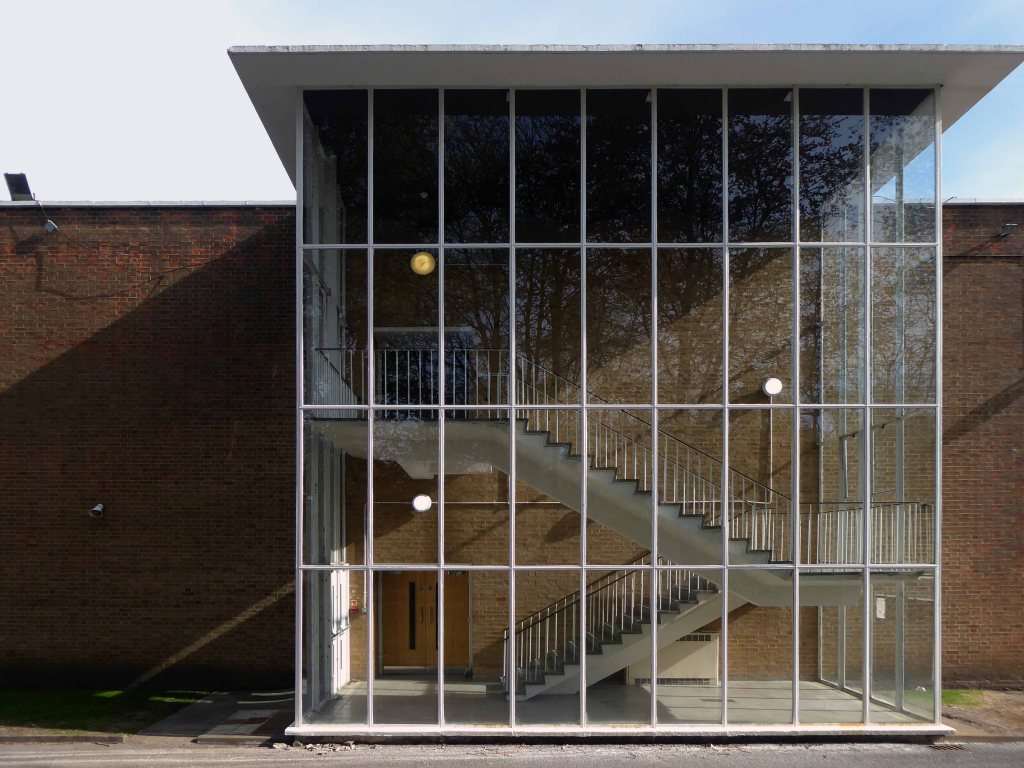
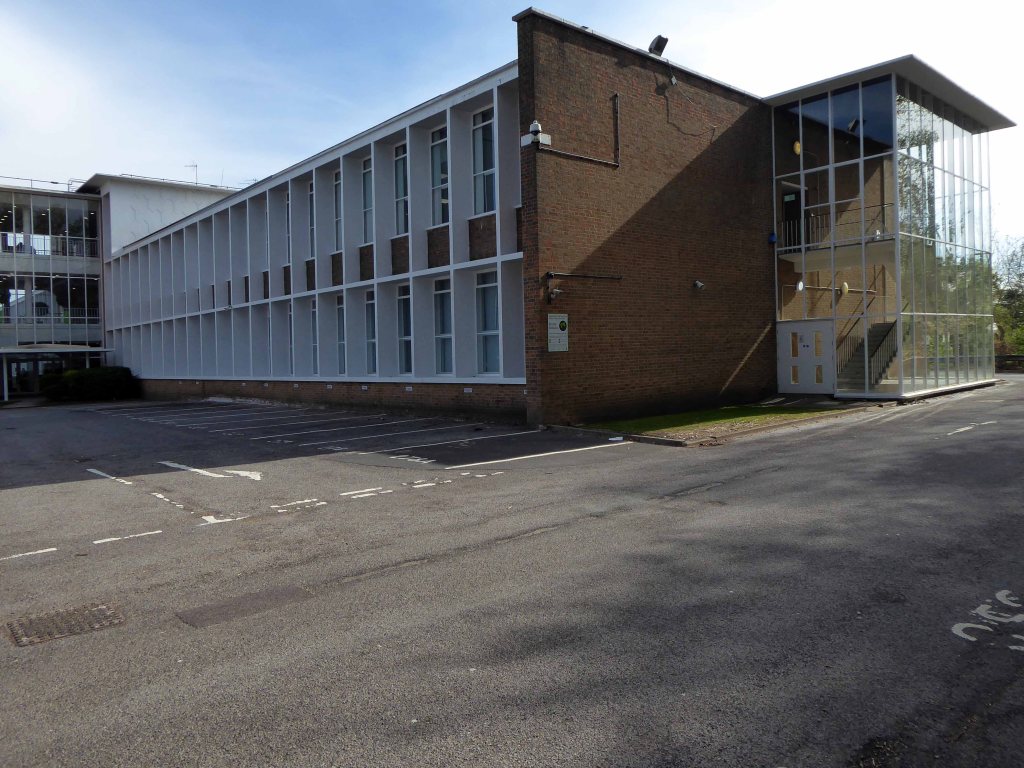
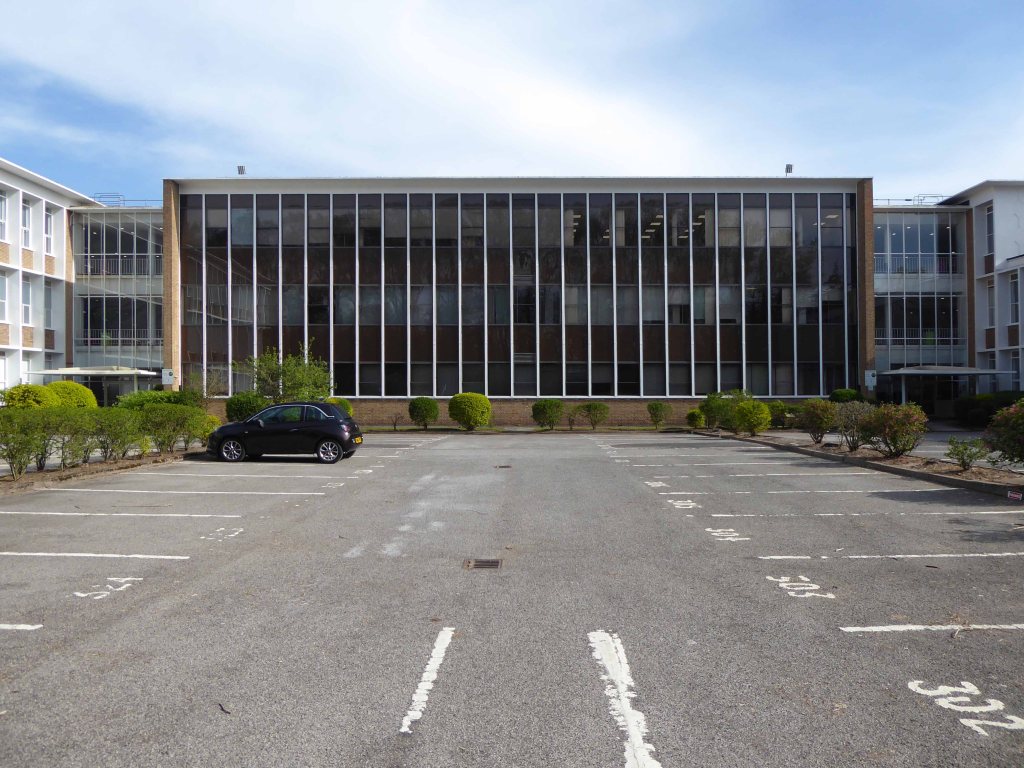
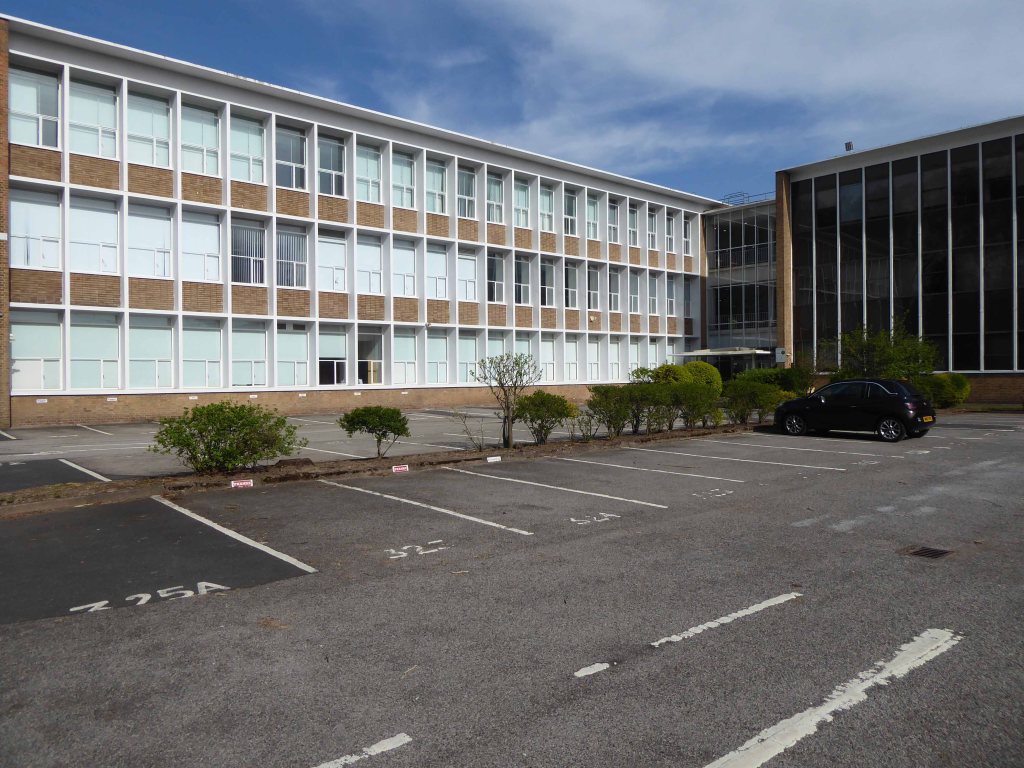
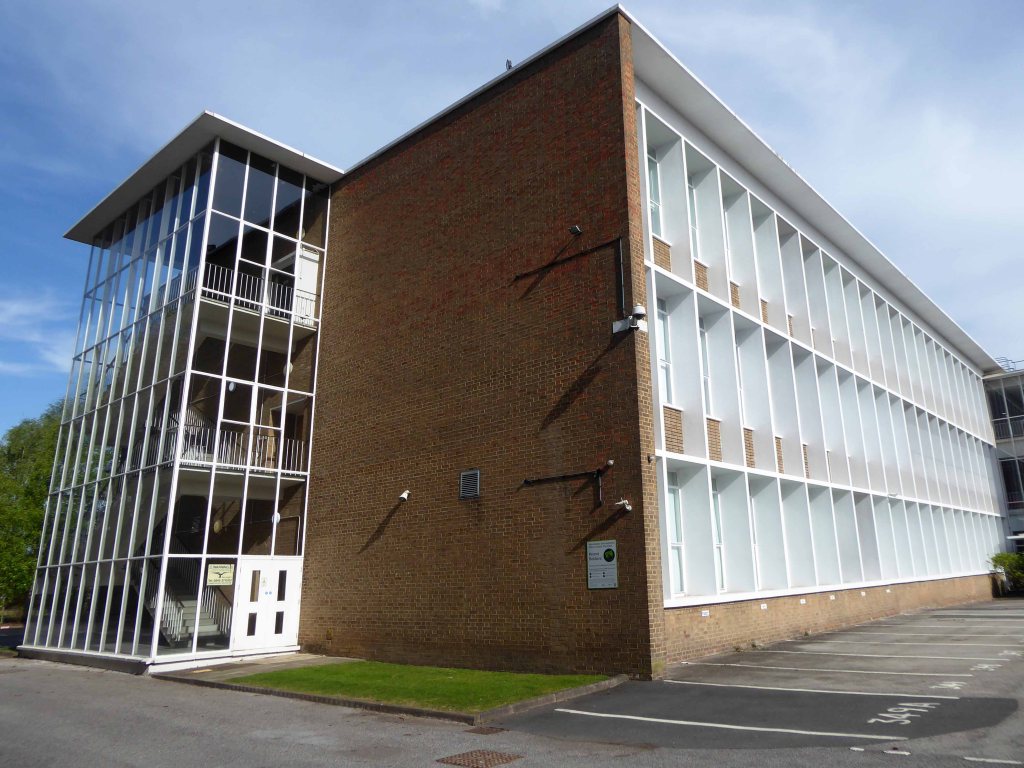
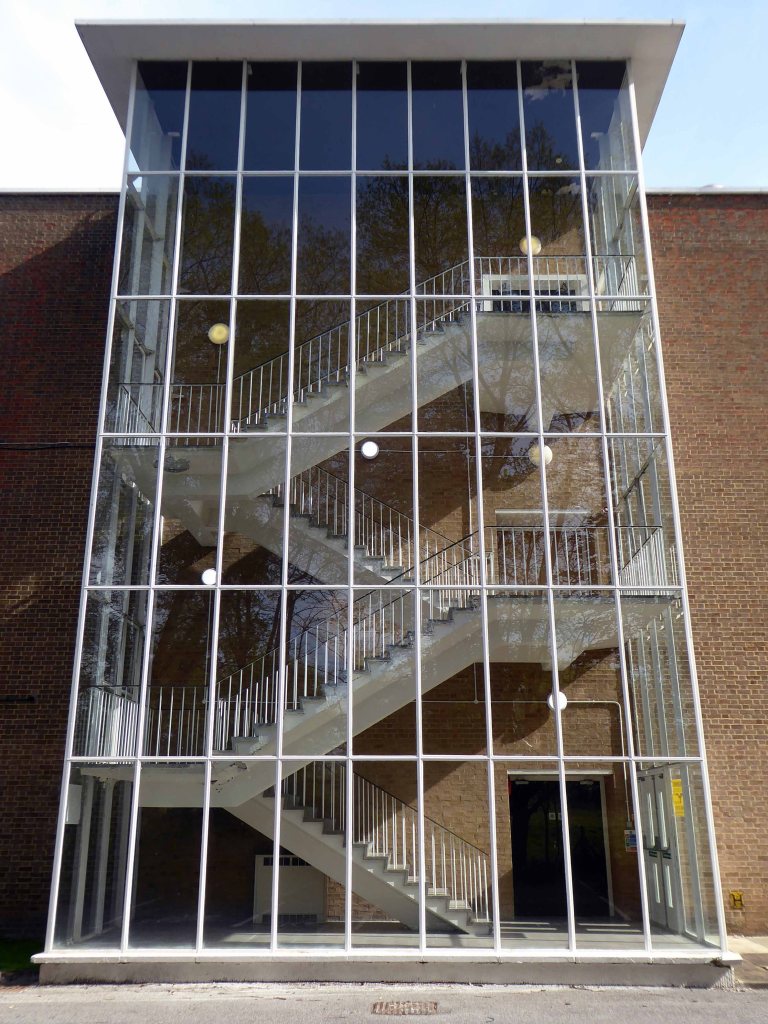
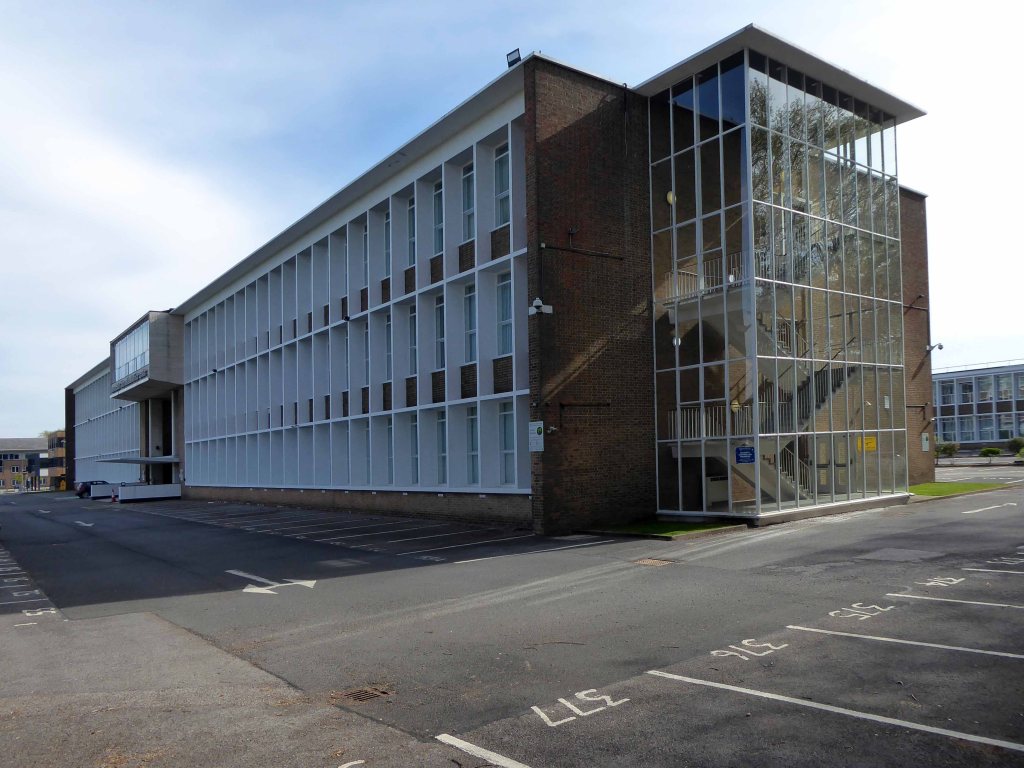
Renold Chains were once a huge firm employing thousands in south Manchester, their main factory at Burnage, now demolished to make way for a supermarket. This grouping was designed as the administrative headquarters for the company and was in receipt of an RIBA Architecture Bronze Medal in 1955. The scheme, of two parallel wings connected by a central hub running perpendicular, now seems fairly pedestrian, though still exudes some presence by virtue of the evident control in the design and construction of relief within the main façade. This building, though, actually points toward the moment where Cruickshank & Seward were turning, with the rest of the profession, toward new engineered, curtain walling solutions. The three storey glazed stair towers are made of a relatively fine steel section glazing bar and are clearly expressed at the ends of the blocks; these perhaps pre-empt the altogether more refined towers at the Renold Building and Roscoe Building of the Universities. The third floor boardroom was also positively expressed as a curved solid, cantilevered above the entrance canopy. That the building was developed in such close proximity to the airport has ensured its continued viability as office and conferencing space. The firm also delivered the adjacent building for the same client in the 1970s.

Mainstream Modern

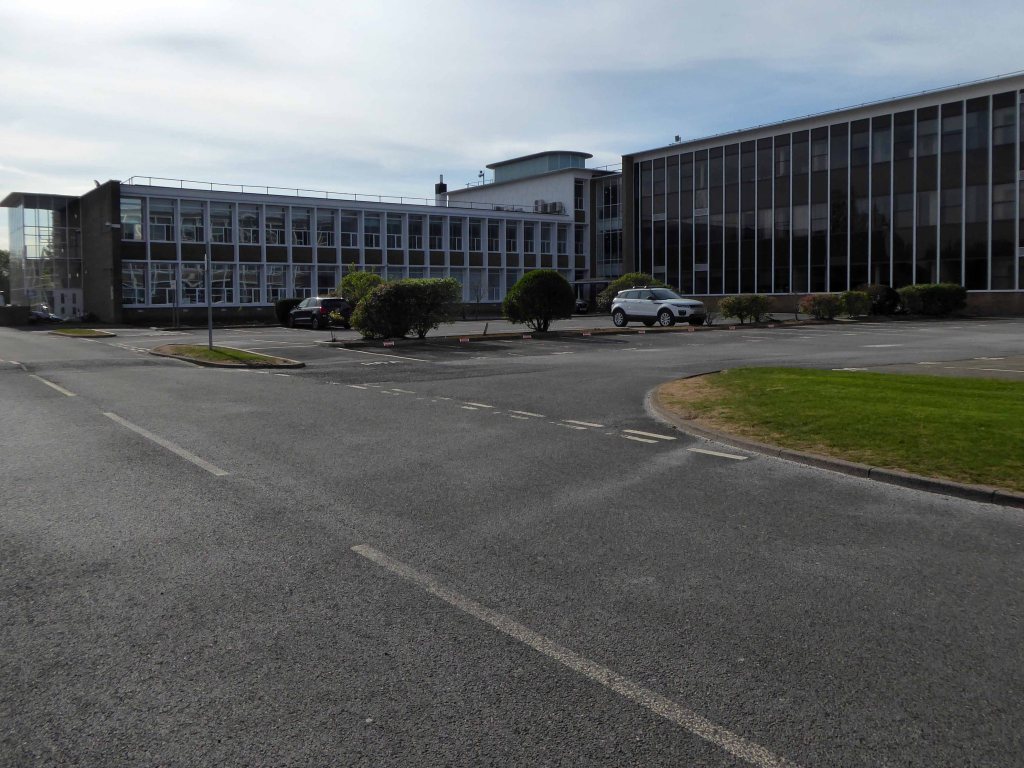
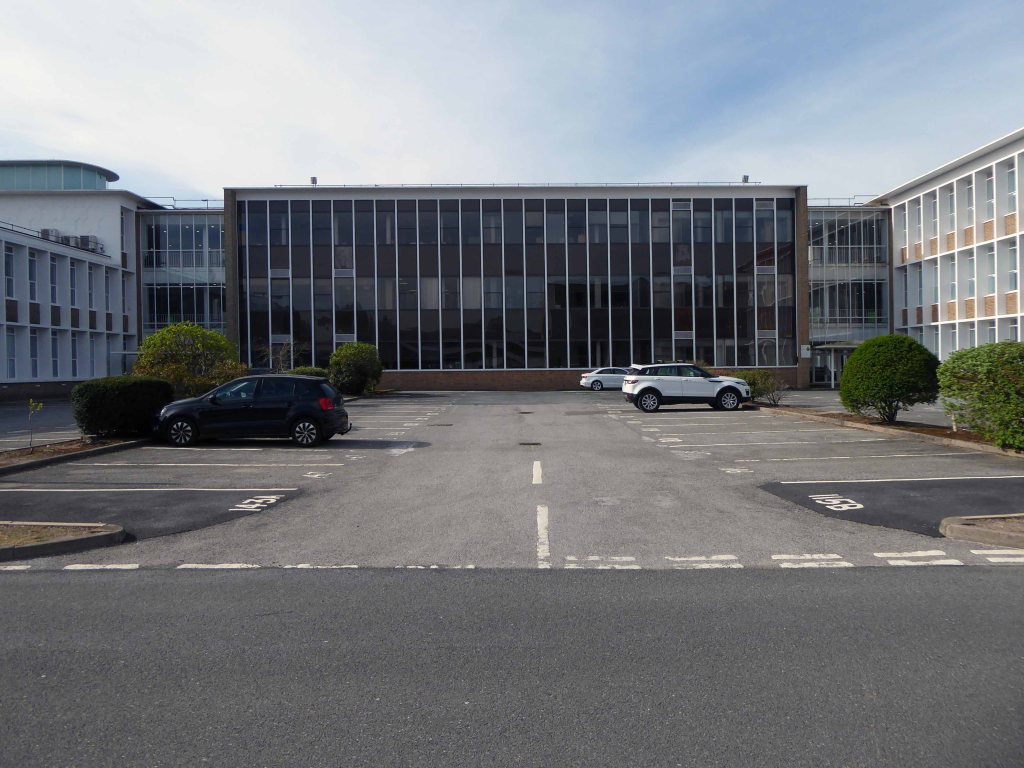
Four weeks into a pandemic – cycling somewhere else. I turned off and into the grounds of the former Renold House, currently trading as Manchester International Office Ccentre.

Manchester International Office Centre (MIOC) is a prominent landmark office building extending to some 100,000 sq ft which provides occupiers with high quality space ranging from suites of 450 to 8,000 sq ft.

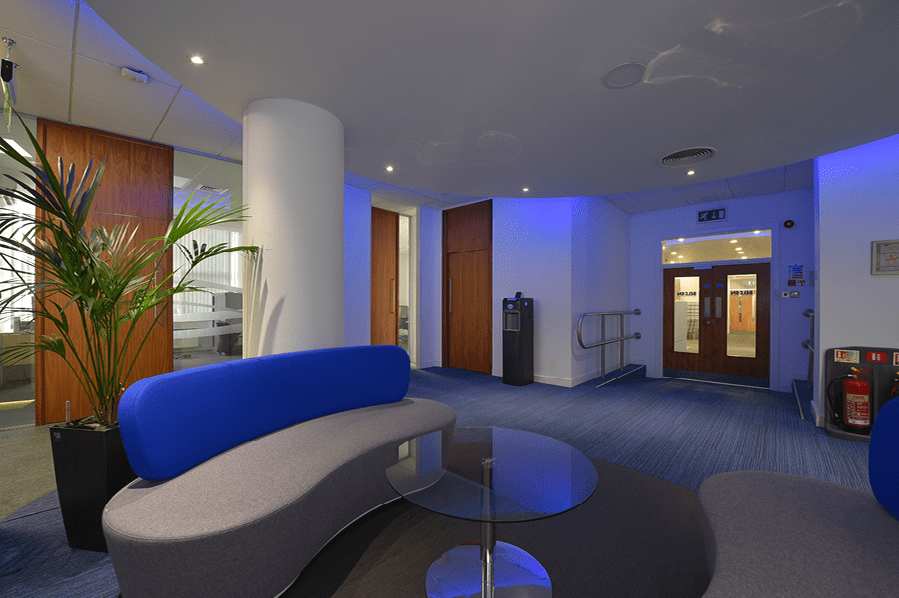
The building has undergone a complete internal transformation with a total refurbishment of the reception and common areas. The office suites provide a superb working environment in line with the demands of todays occupier.

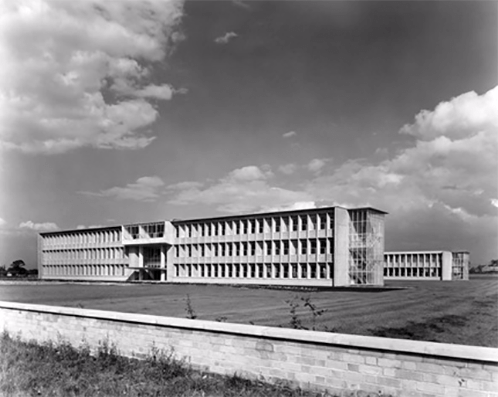
On arriving home I hungrily rustled up a few RIBA Archive images from 1954.

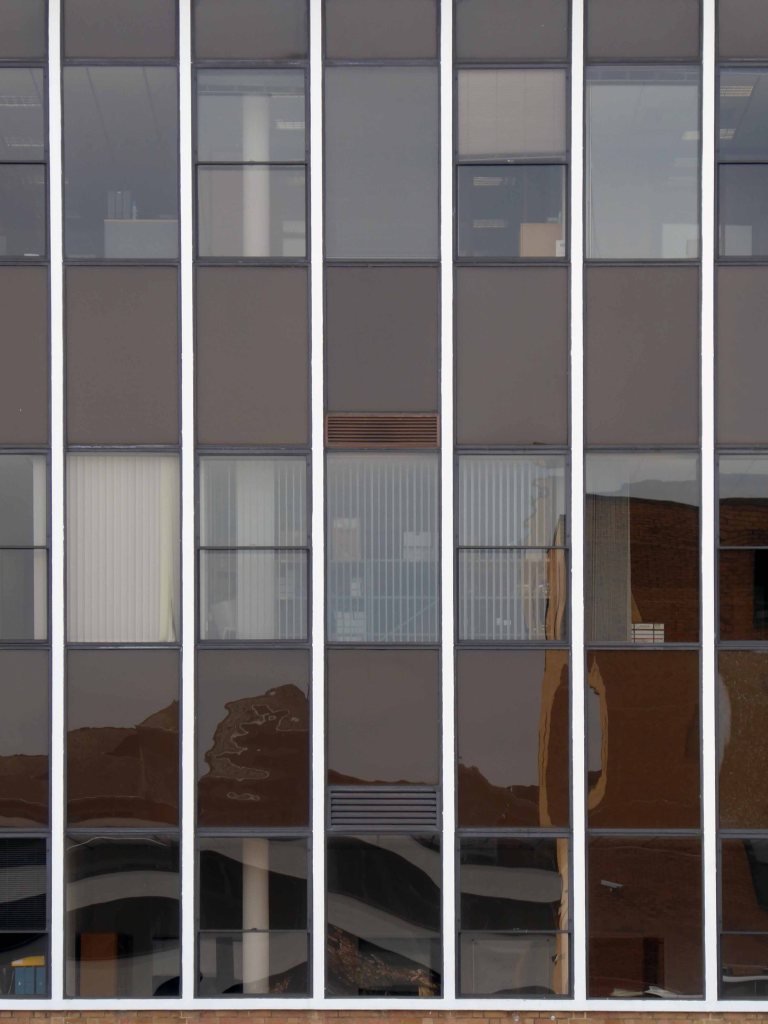
Much remains intact – though gone is the concrete grid and glass brick insertions of the 1954 central section – replaced with a slick glass and steel skin.

And there are unpleasant intrusions made by the fitting of contemporary security and lighting – using intrusive exterior conduit.

It’s a sunny day with a southwest light – there’s nobody about, let’s take a look around.

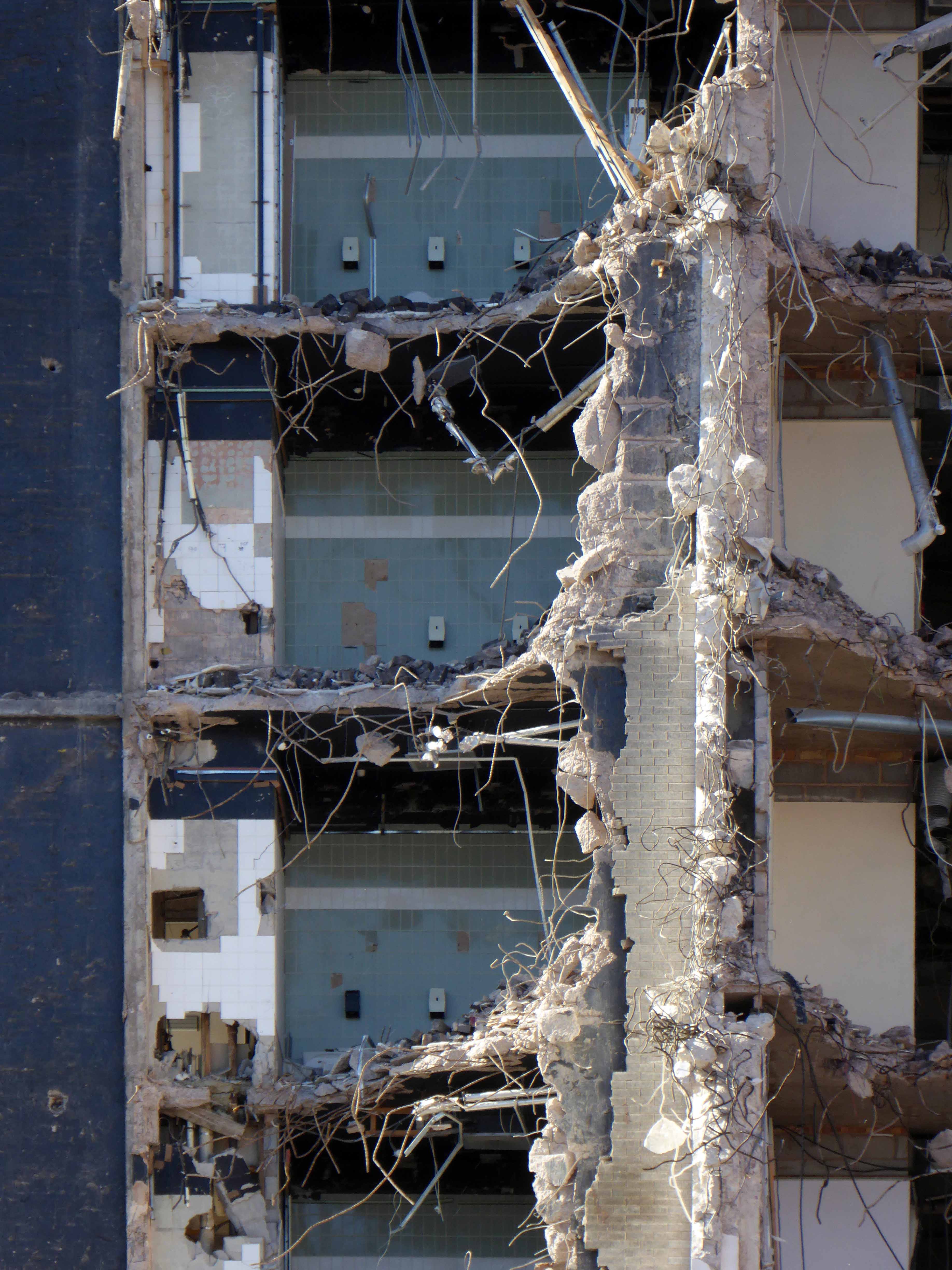
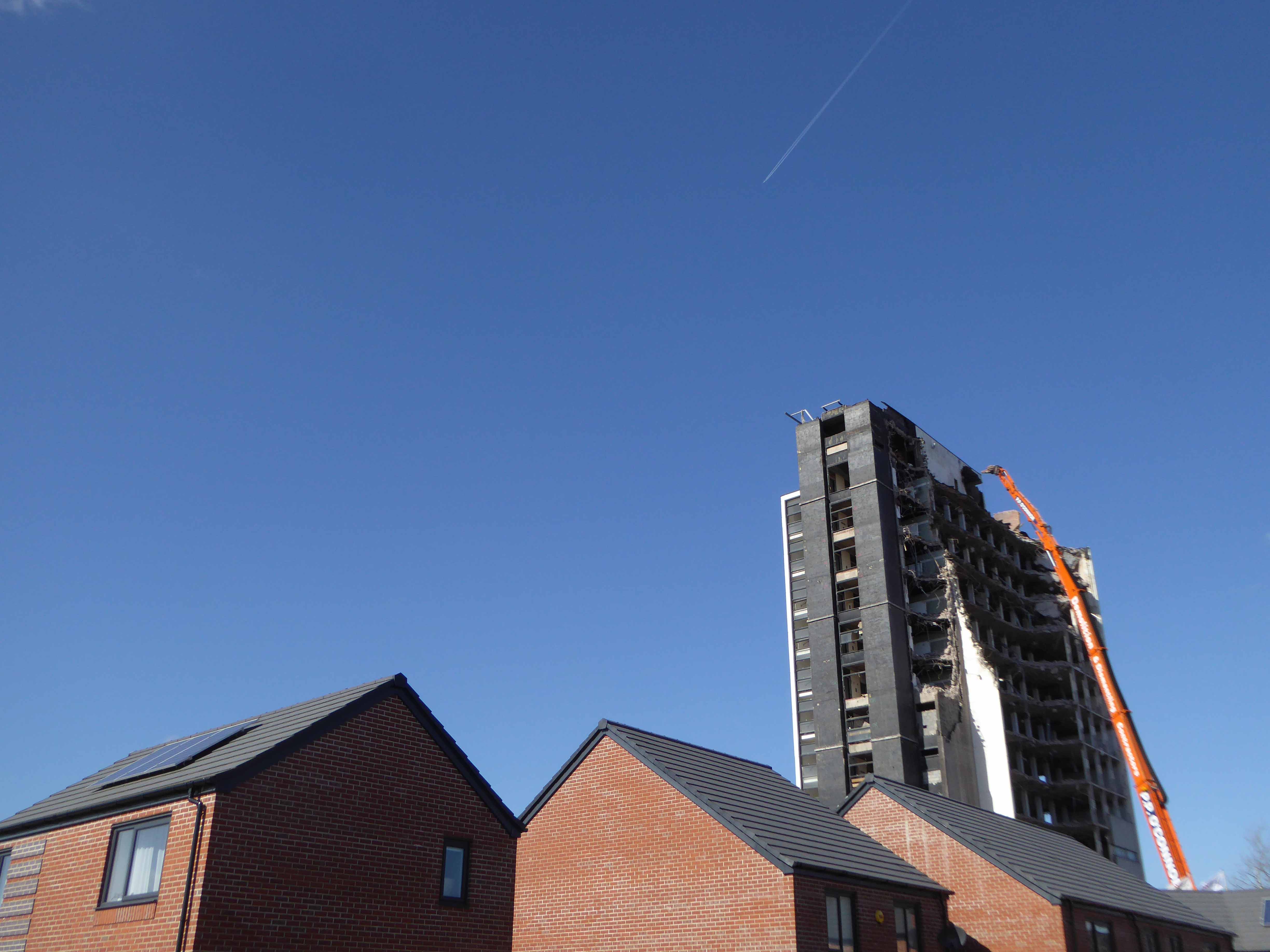
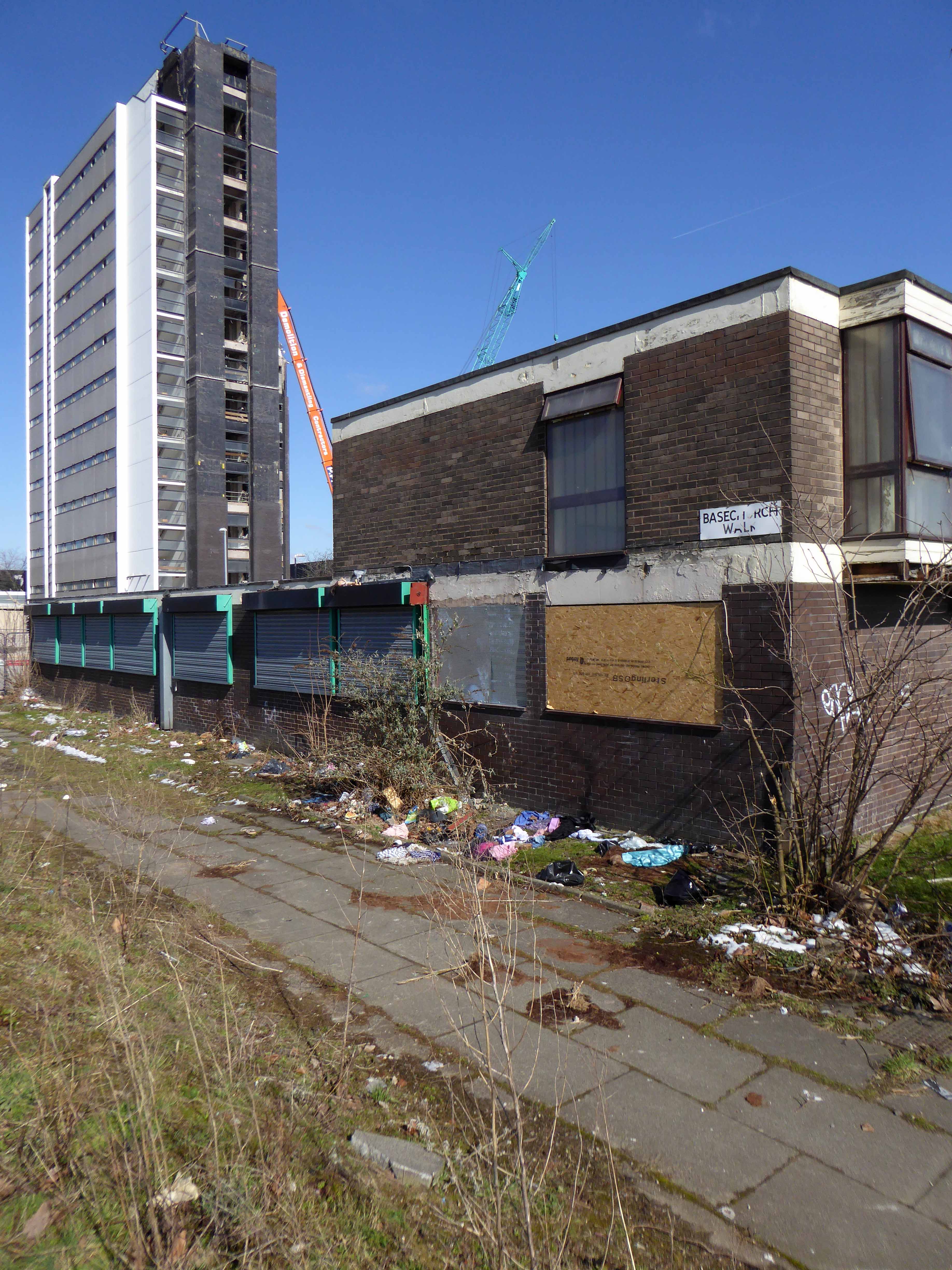
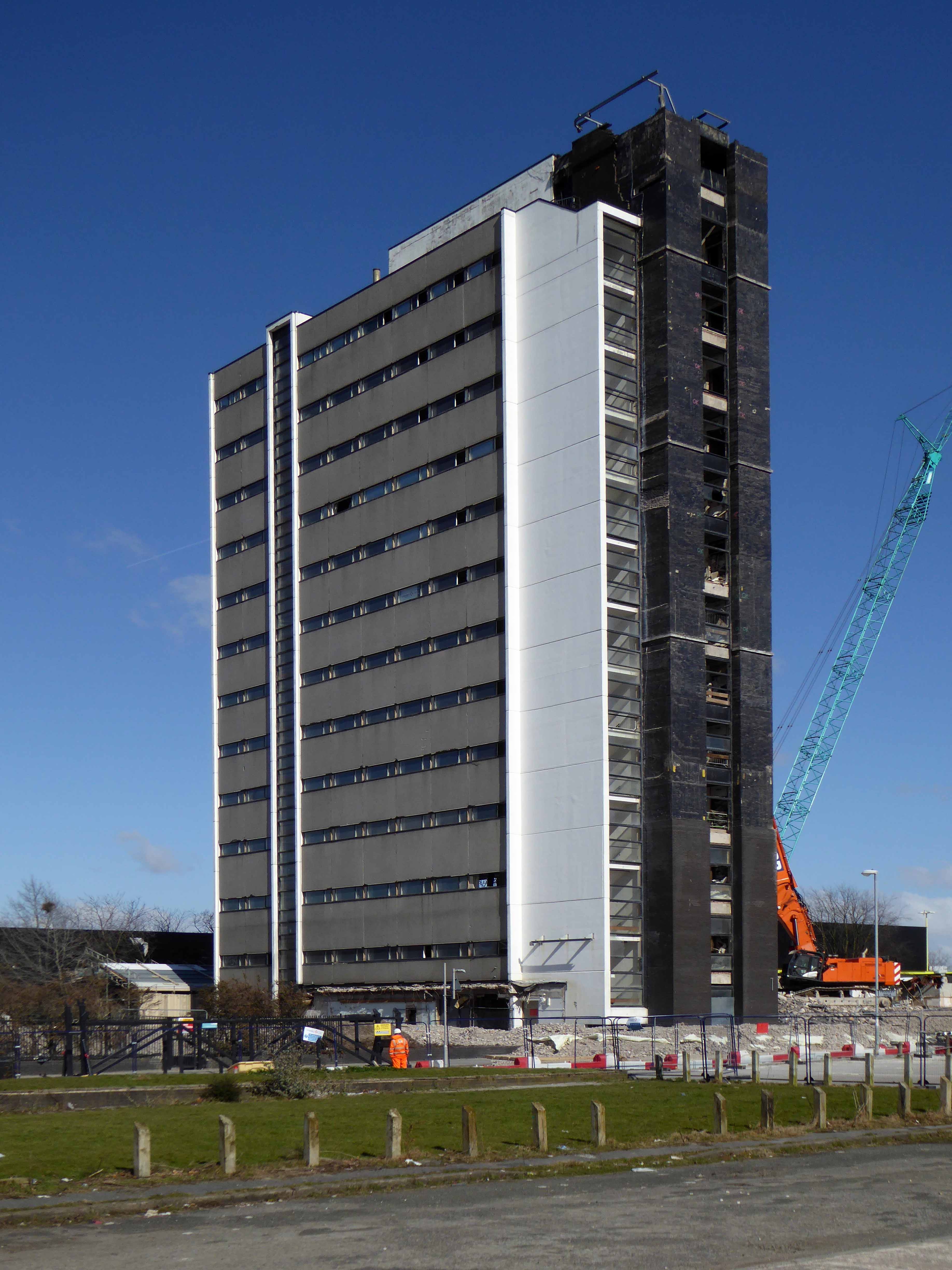
ICL Tower – Gorton Manchester

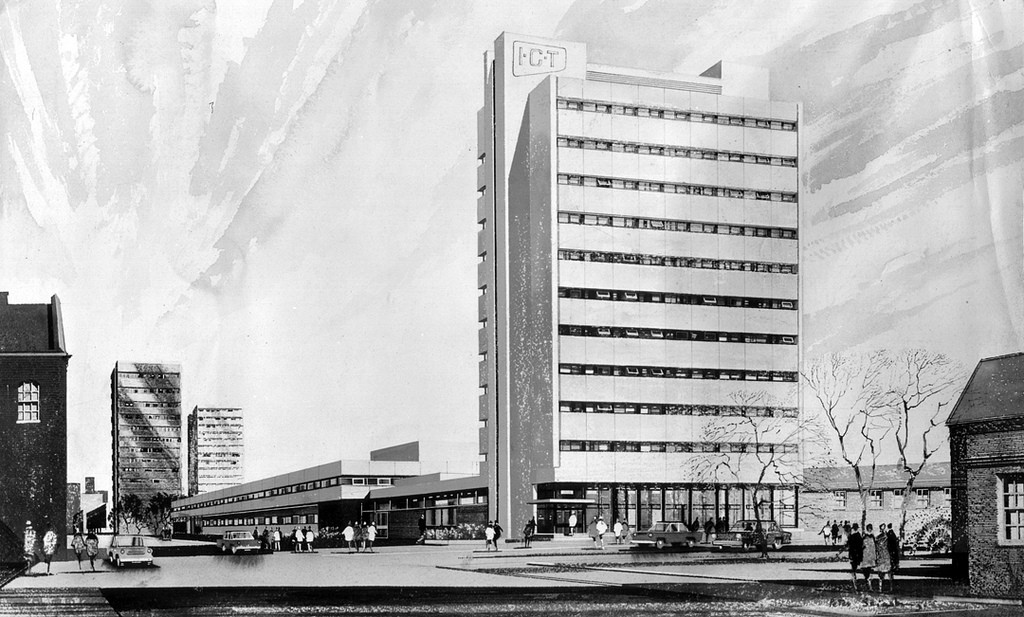
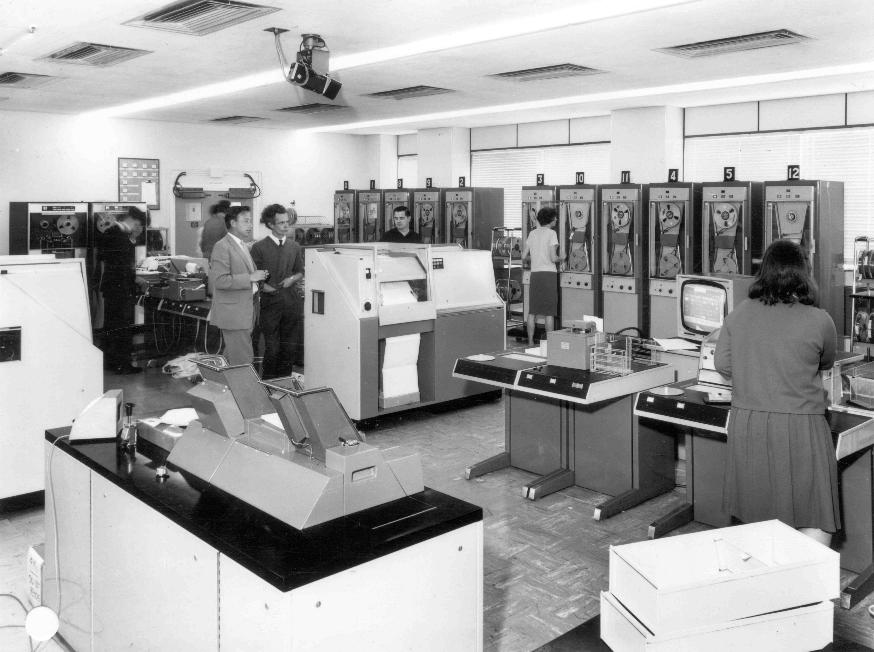
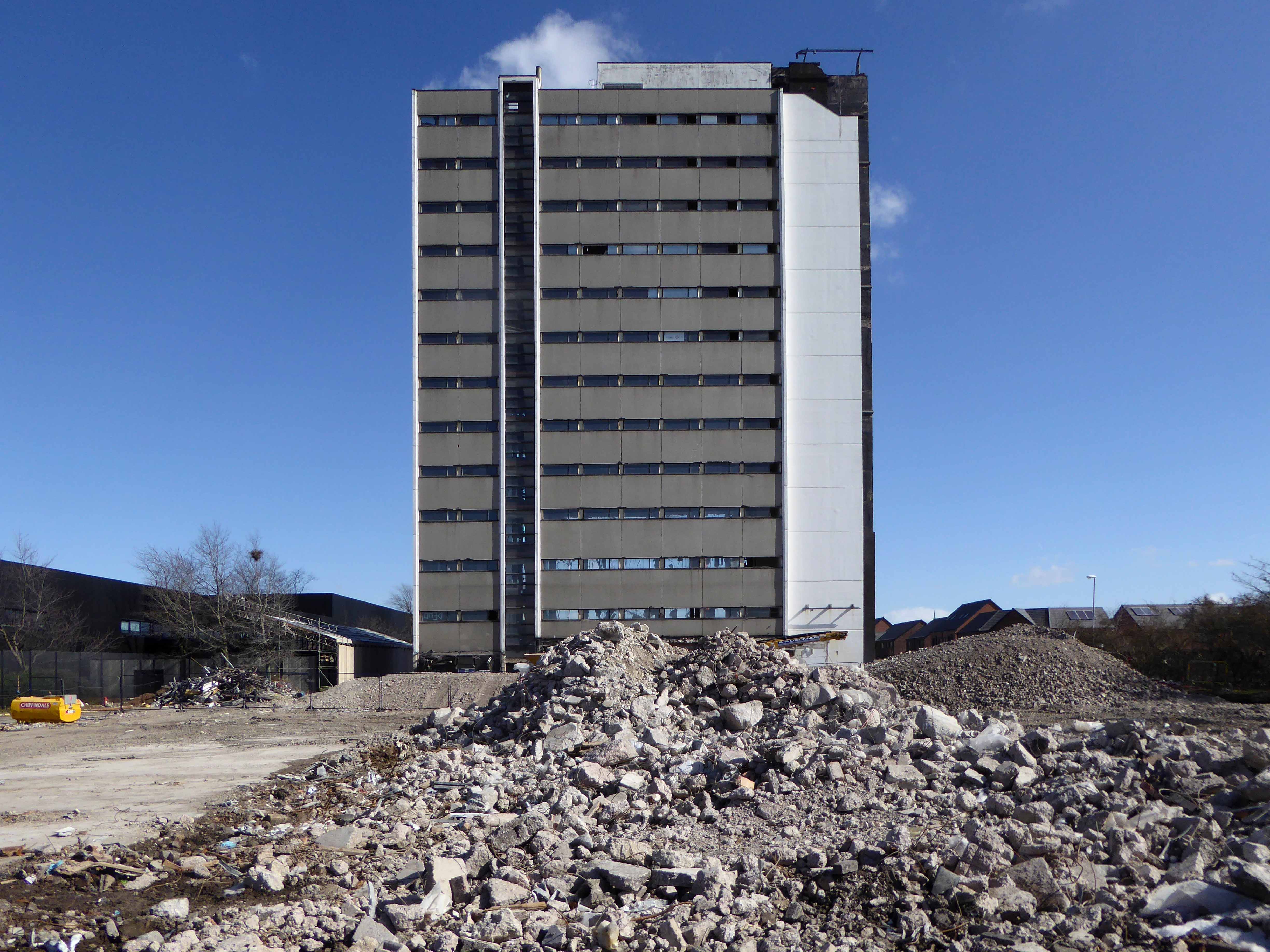
Designed by architects Cruickshank and Seward in the Sixties, to house the cutting-edge computing power of the time, the ICT later ICL Tower, towered over Wenlock Way, Gorton in East Manchester.

A landmark for many from bus, train, car, Shanks’s pony or low flying VC10.

A place of work for thousands.

7500908638_b289e691ec_b

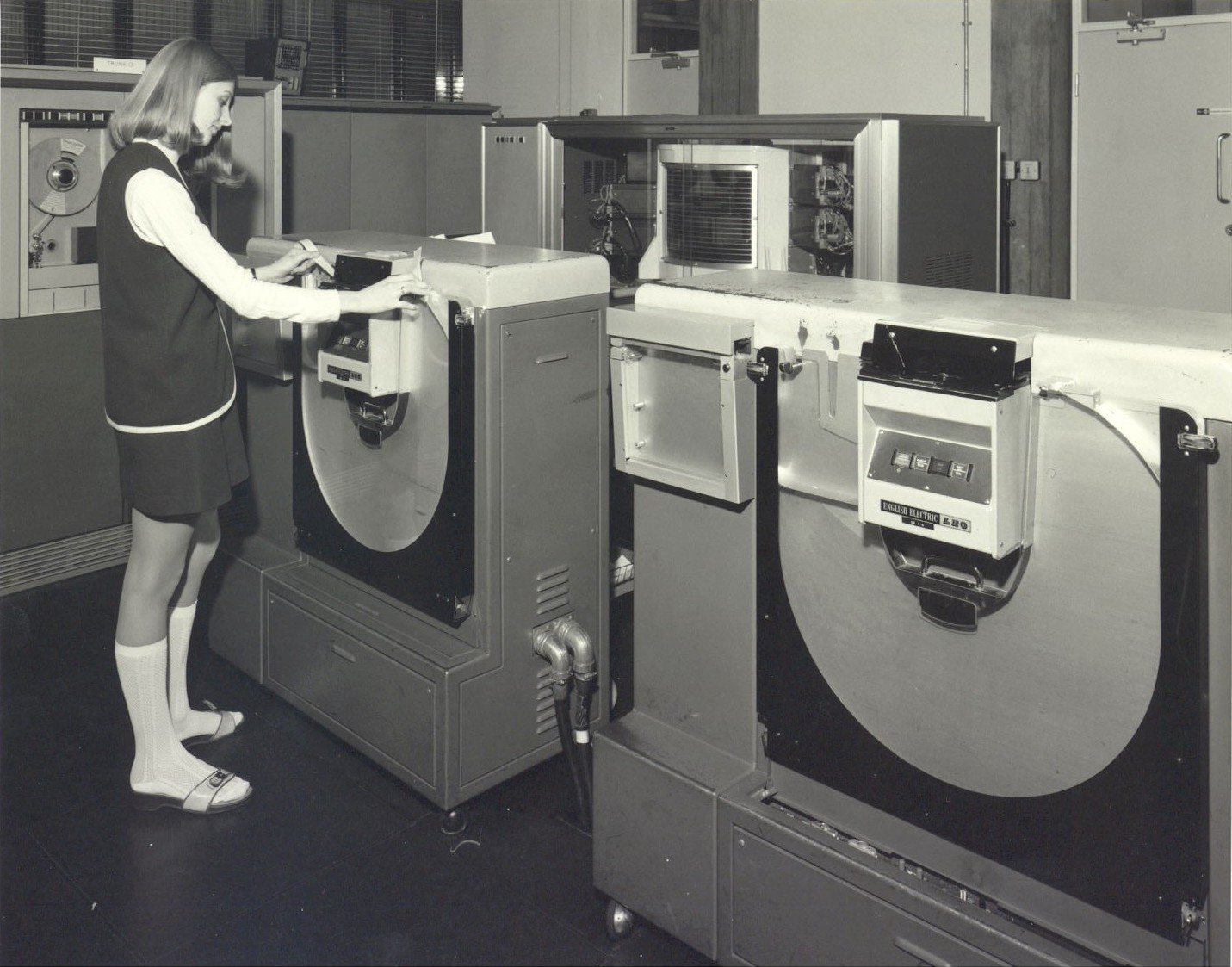
At a time when modern technology looked a little like this:

res49d

resi

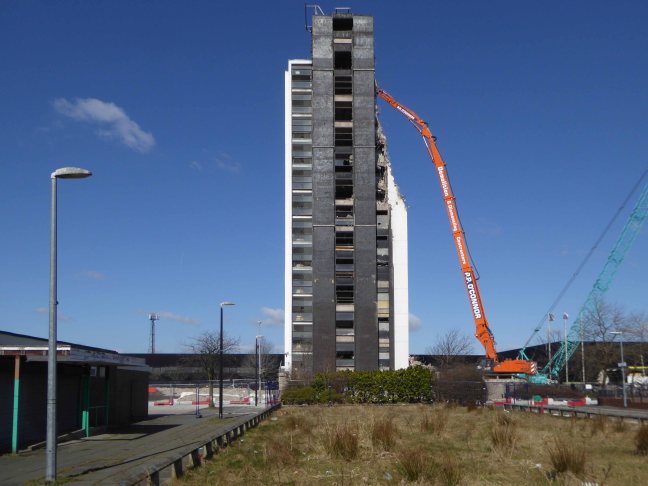
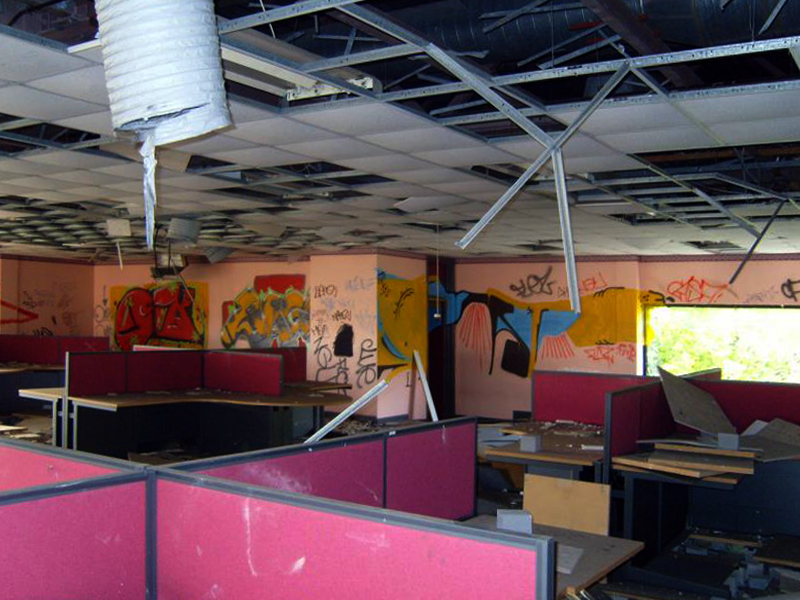
Sadly ending like this:

S1031451

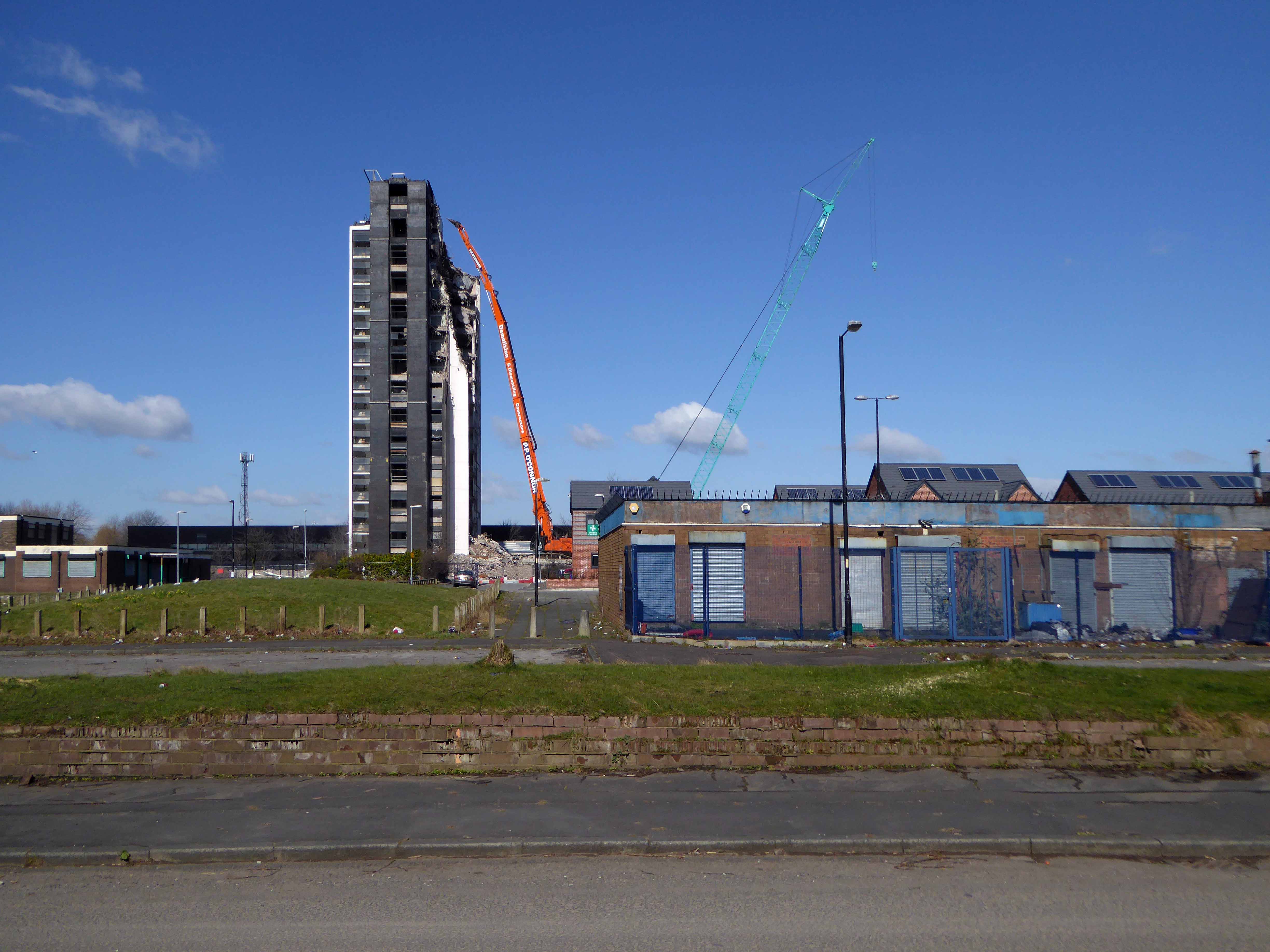
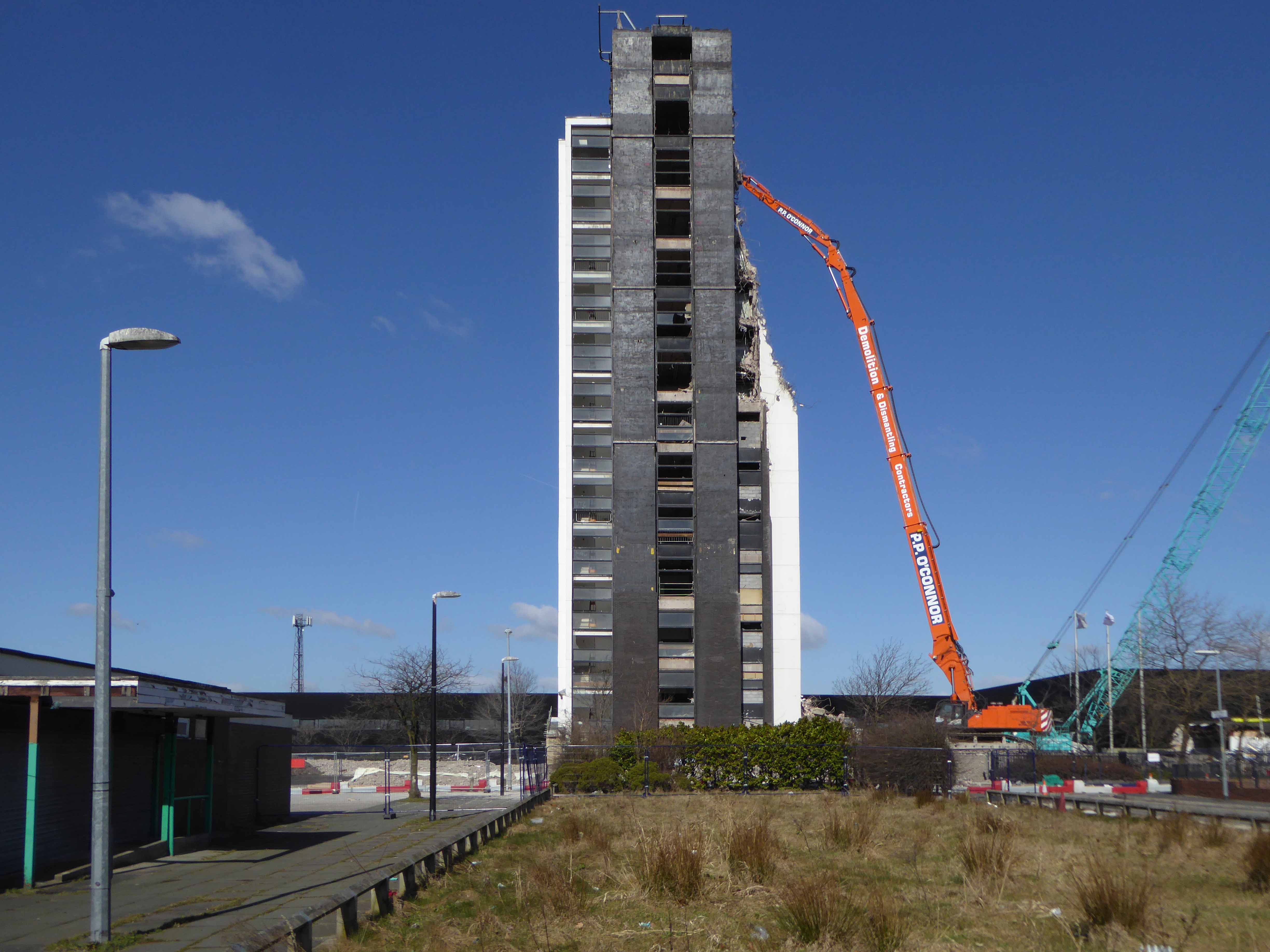
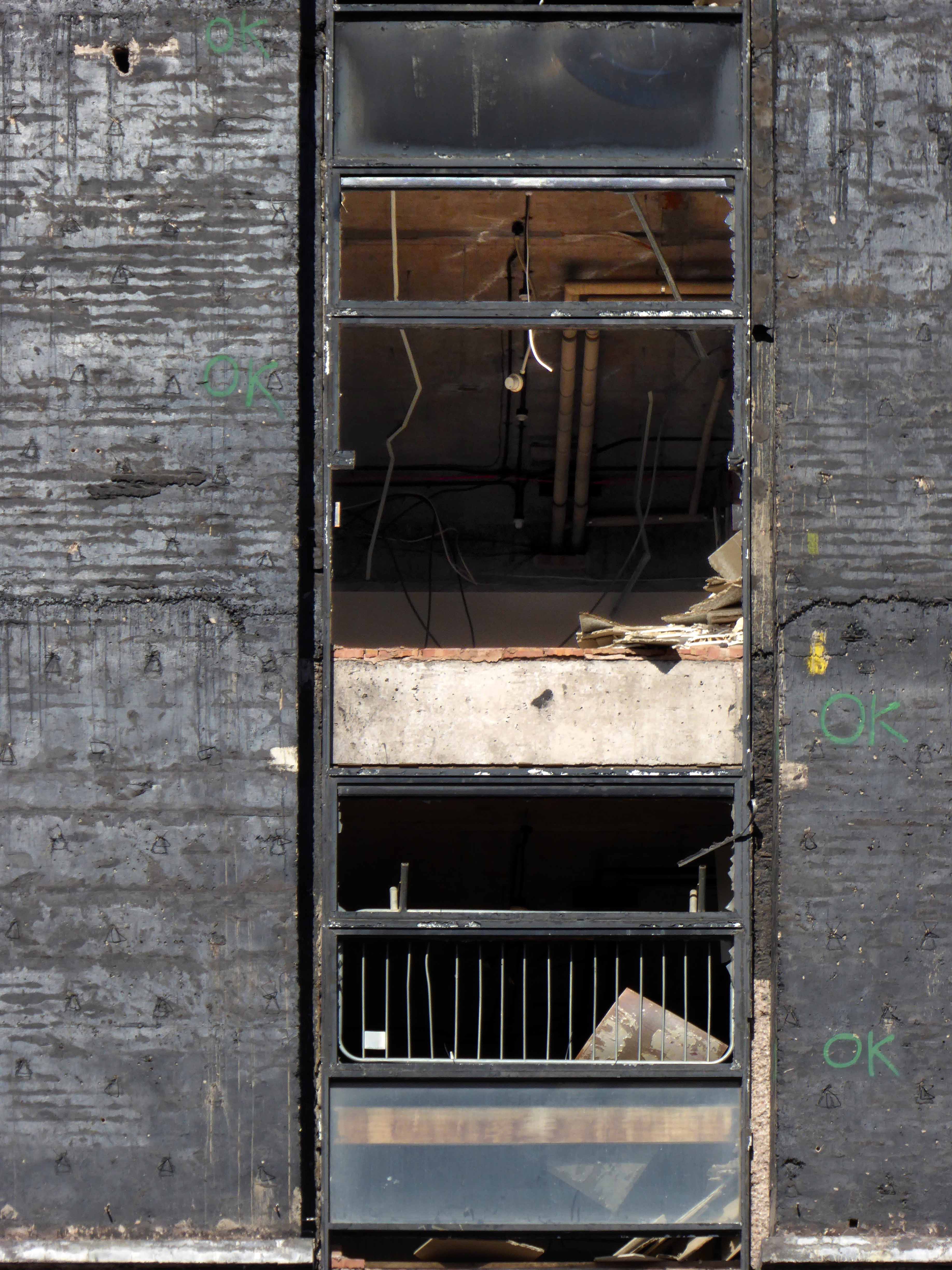
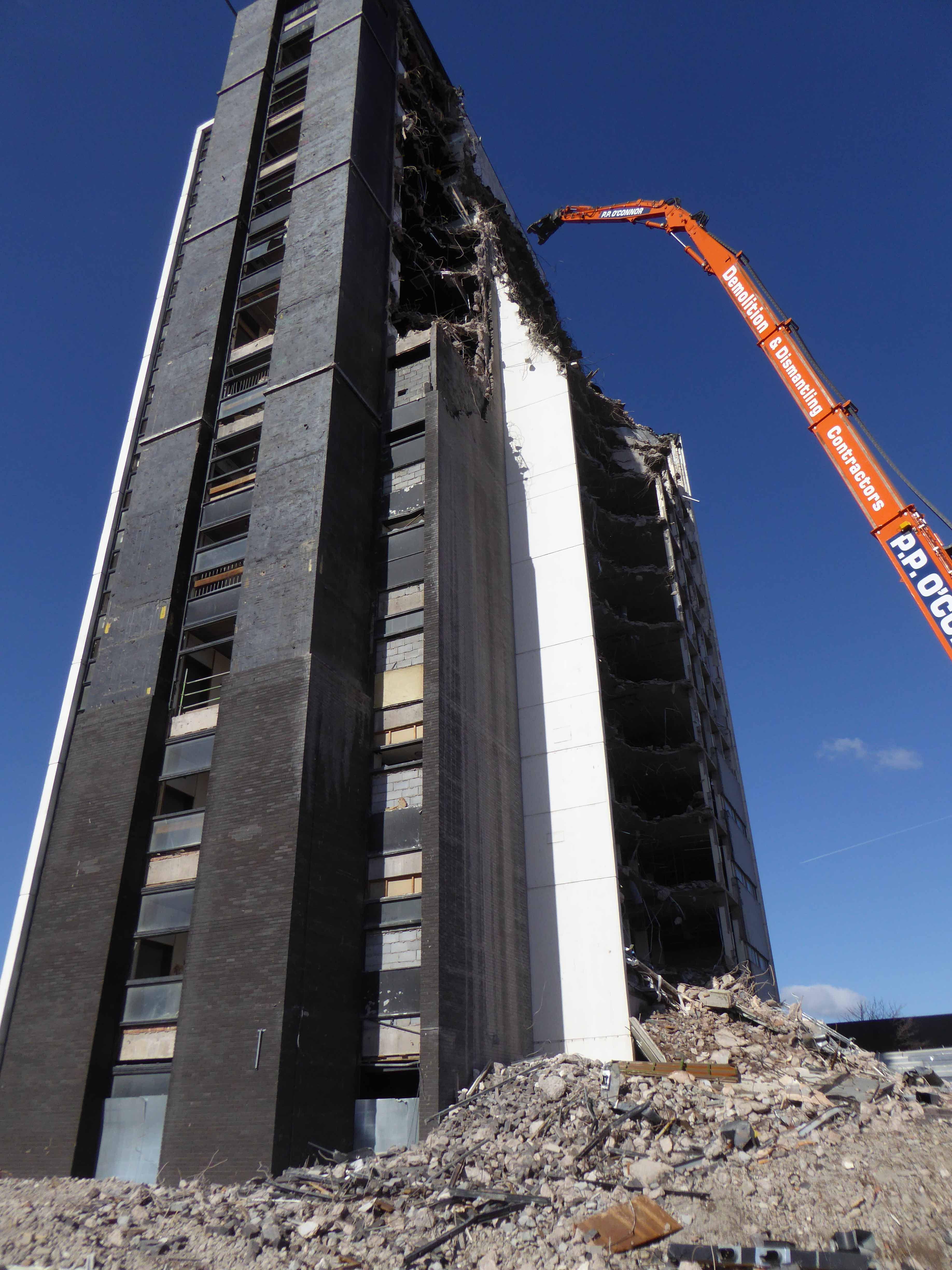
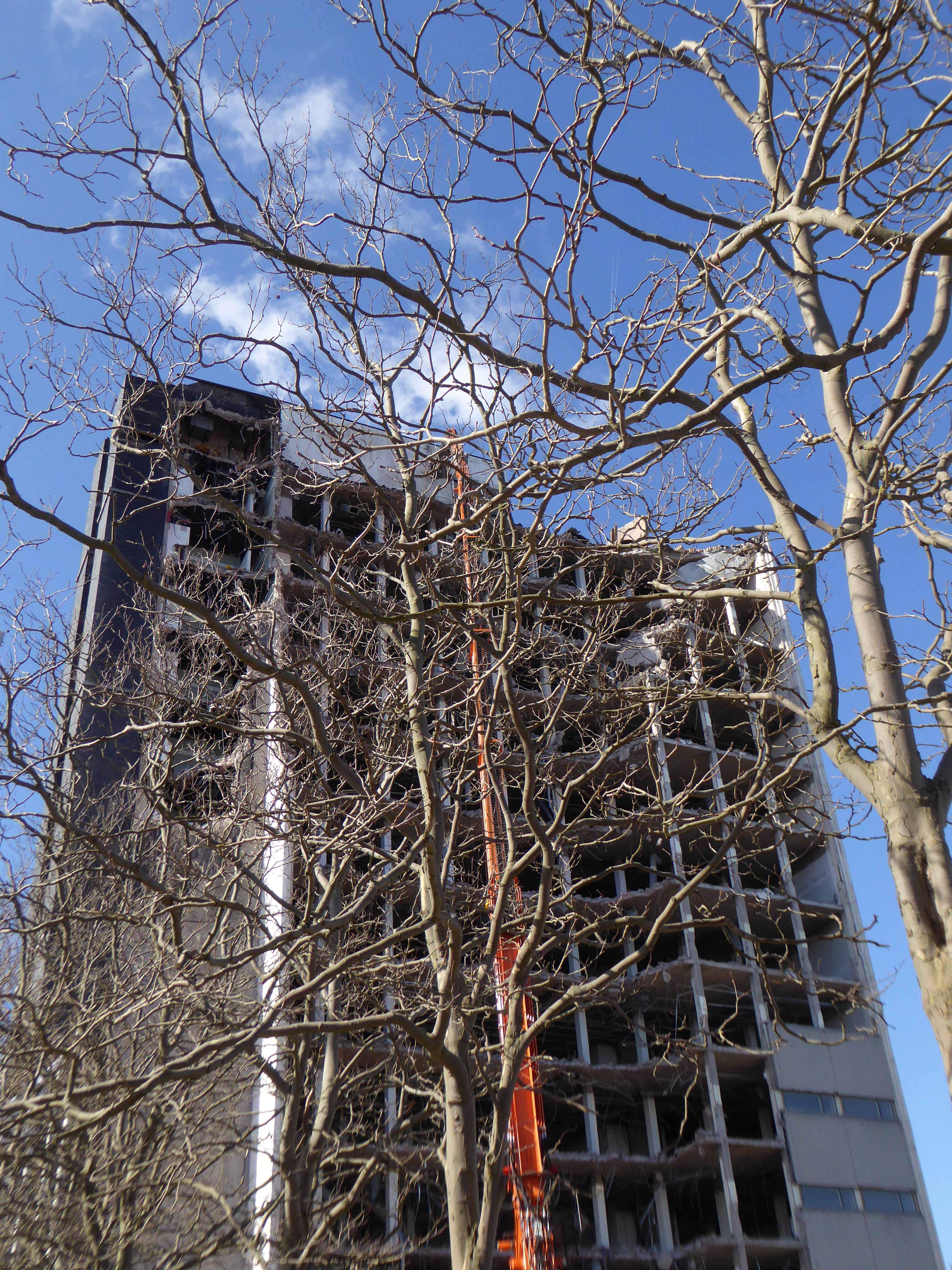
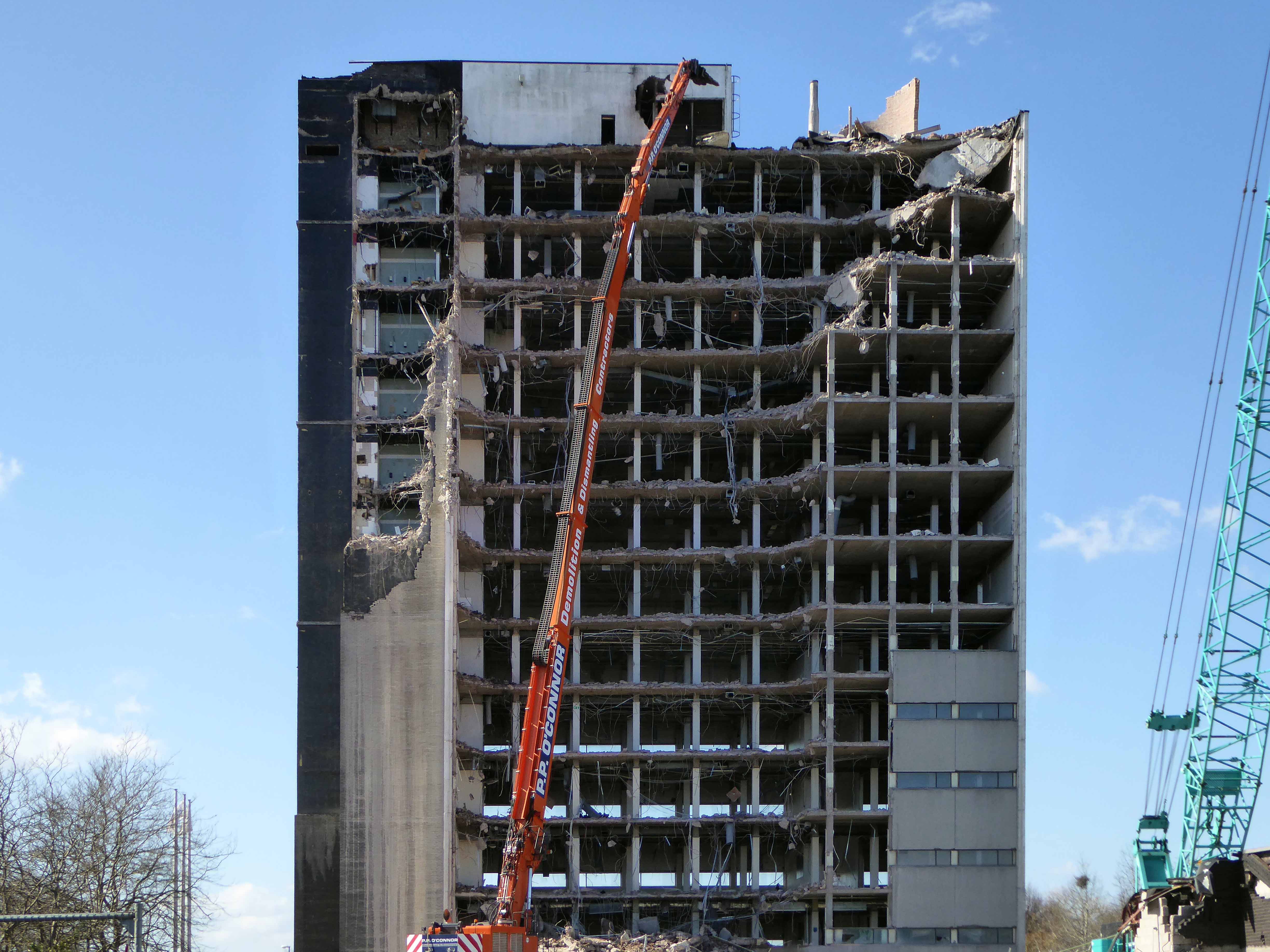
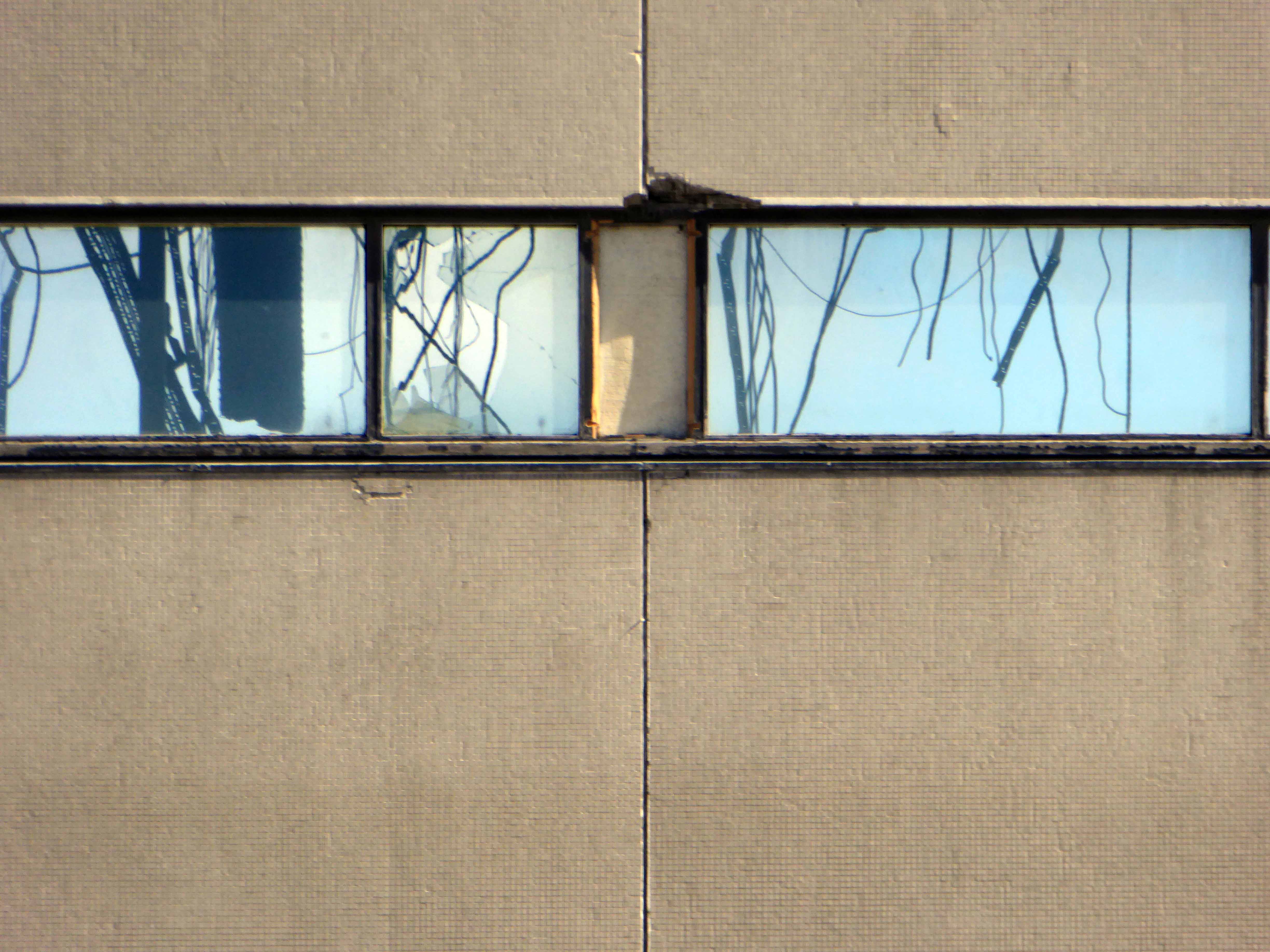
Two weeks into the demolition process the east elevation is no more, revealing a concrete honeycomb of torn steel and fresh air.

A few weeks time and it will be little more than so much dust and memories.

P1240074

P1240078

P1240079

P1240080

P1240084

P1240088

P1240089

P1240091

P1240092

P1240093

P1240099

P1240102

P1240105

P1240107

P1240108

P1240110

P1240113