30 Milkstone Rd Rochdale OL11 1EB

At some time in the not too distant past it seems to have lost its fascia board.

After also trading as HMA Launderette.

Google streetview.

On my way somewhere else with time to spar I popped in.




30 Milkstone Rd Rochdale OL11 1EB
At some time in the not too distant past it seems to have lost its fascia board.
After also trading as HMA Launderette.
Google streetview.
On my way somewhere else with time to spar I popped in.

St Catherine’s College: 1961-66. Arne Jacobsen – Grade I Listed
Podium and all buildings upon it. GV I College buildings, raised on a podium, including dining hall, common room blocks; two residential blocks; library; Bernard Sunley Lecture Theatre; bell tower; piers and covering to walkways to east and west of library and east and west of hall; bridge adjoining west side of podium; brick walls enclosing canal and patio areas on western edge of podium; brick walls to patio areas to eastern edge of podium; twenty five short stretches of garden wall all running east-west, some incorporating seats; paving to podium surface and steps to east and south sides.
The dining hall seen from the east 1970 – Roy Herman Kantorowic

The dining hall 1963 – Edwin Smith

The Fellows’ dining table with ‘Oxford’ chairs designed by Arne Jacobsen at the south end of the dining hall 1964 – Eric de Mare.

The cruciform-section columns which carry the precast beams of the dining hall 1964 – Bill Toomey.

The south elevation of the Master’s house 1964 – Bill Toomey

The music room located in the south-west corner of the campus 1964 – Bill Toomey.

Close-up of the fenestration of a residential block overlooking the quadrangle 1964 – Bill Toomey.

A student room with fitted bookcase 1964 – Eric de Mare.

The bell tower and library block seen from the north-west 1964 – Gilbert Davies.

Library block 1963 – Eric de Mare

The library seen from the gallery 1964 – Eric de Mare.

The library 1964 – Colin Westwood.

The bicycle store 1964 – Colin Westwood.

The small lecture room in the auditorium block furnished with ‘Pot’ chairs designed by Arne Jacobsen 1971 – Johnathan Moor.

The quadrangle seen from the junior common room with the gable of a residential block on the left and the dining hall on the right 1964 – Bill Toomey.

The east elevation of the Master’s house 1964 – Eric de Mare.

The living room with connecting dining room in the Master’s house 1964 – Eric de Mare.

Close-up of the covered way to the dining hall from the west residential block 1964 – Bill Toomey.

Tthe junior common room furnished with ‘Swan’ armchairs by Arne Jacobsen 1964 – Bill Toomey.

The main auditorium of the lecture-room block with raked seating of swivel ‘Series 7’ chairs by Arne Jacobsen 1964 – Bill Toomey.

All images from RIBA pix.
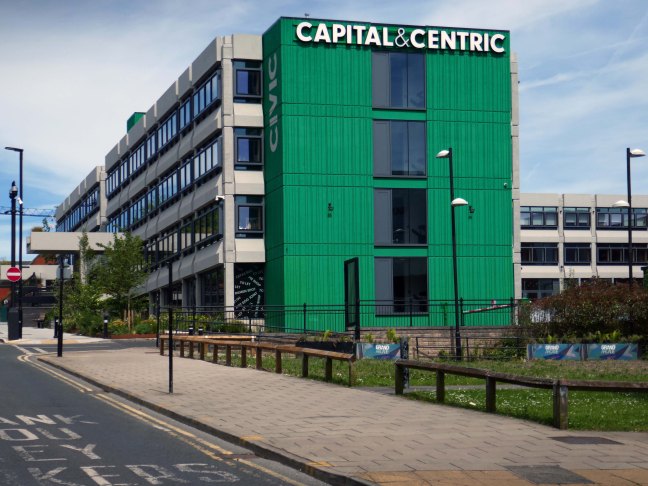
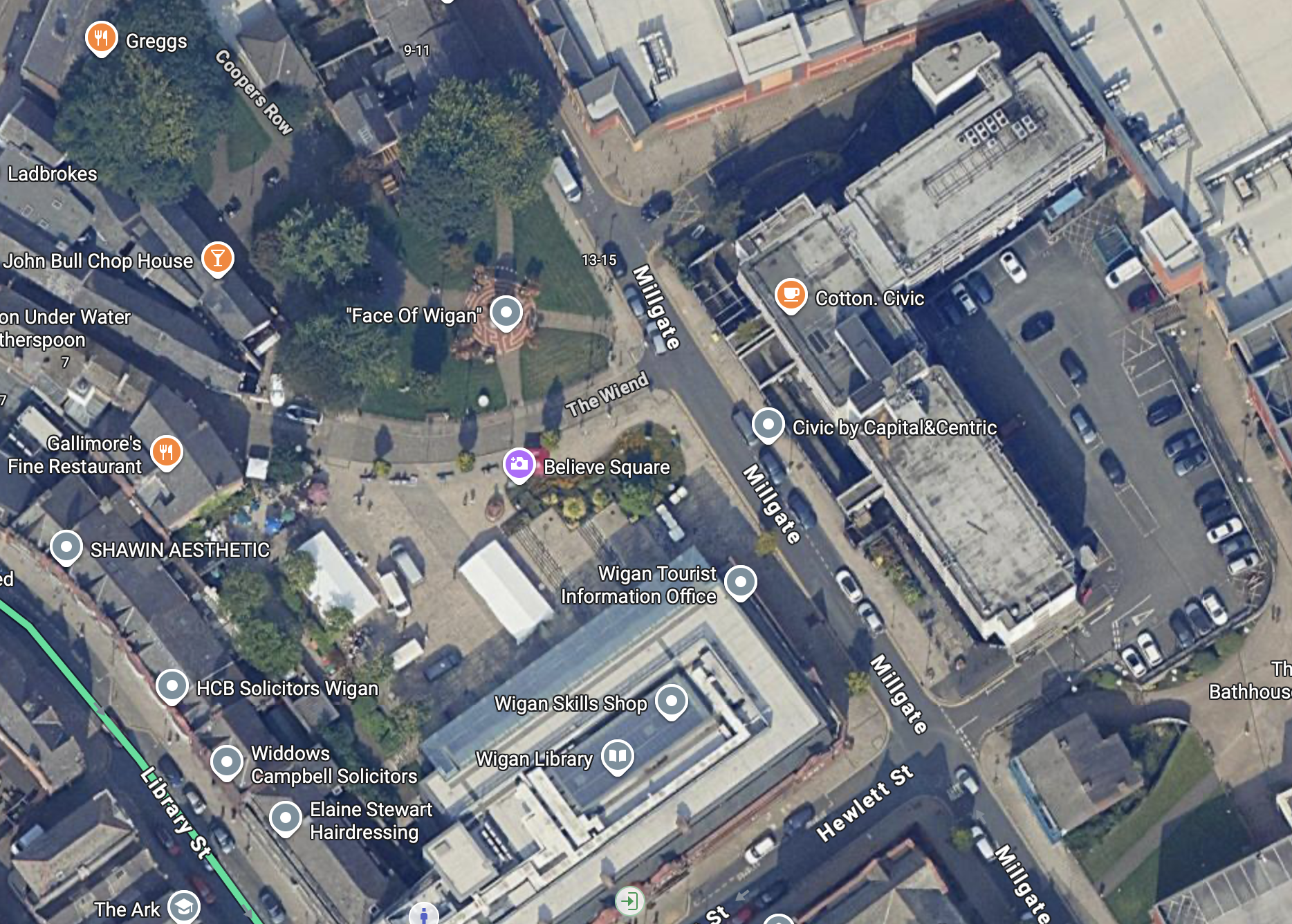
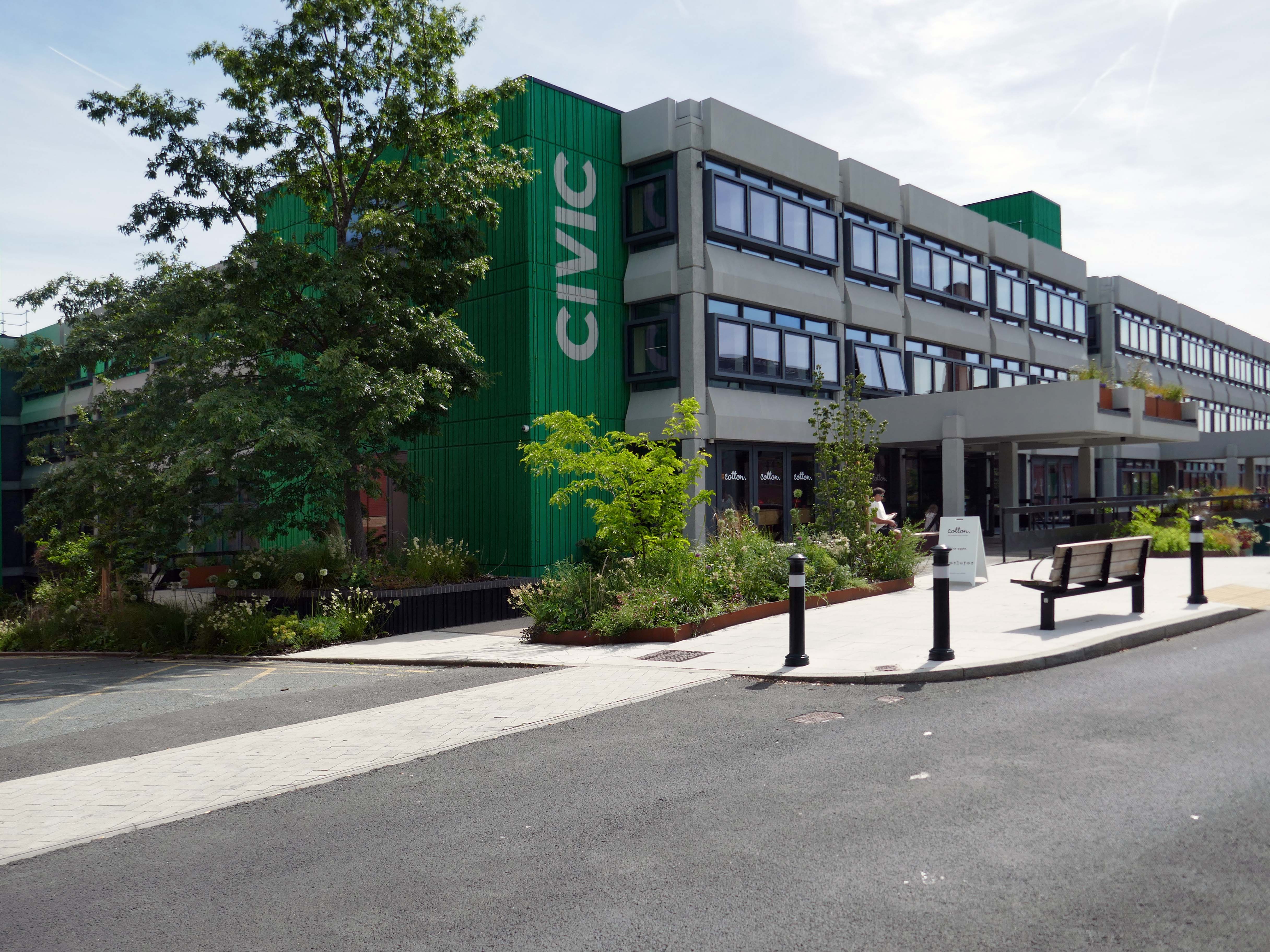
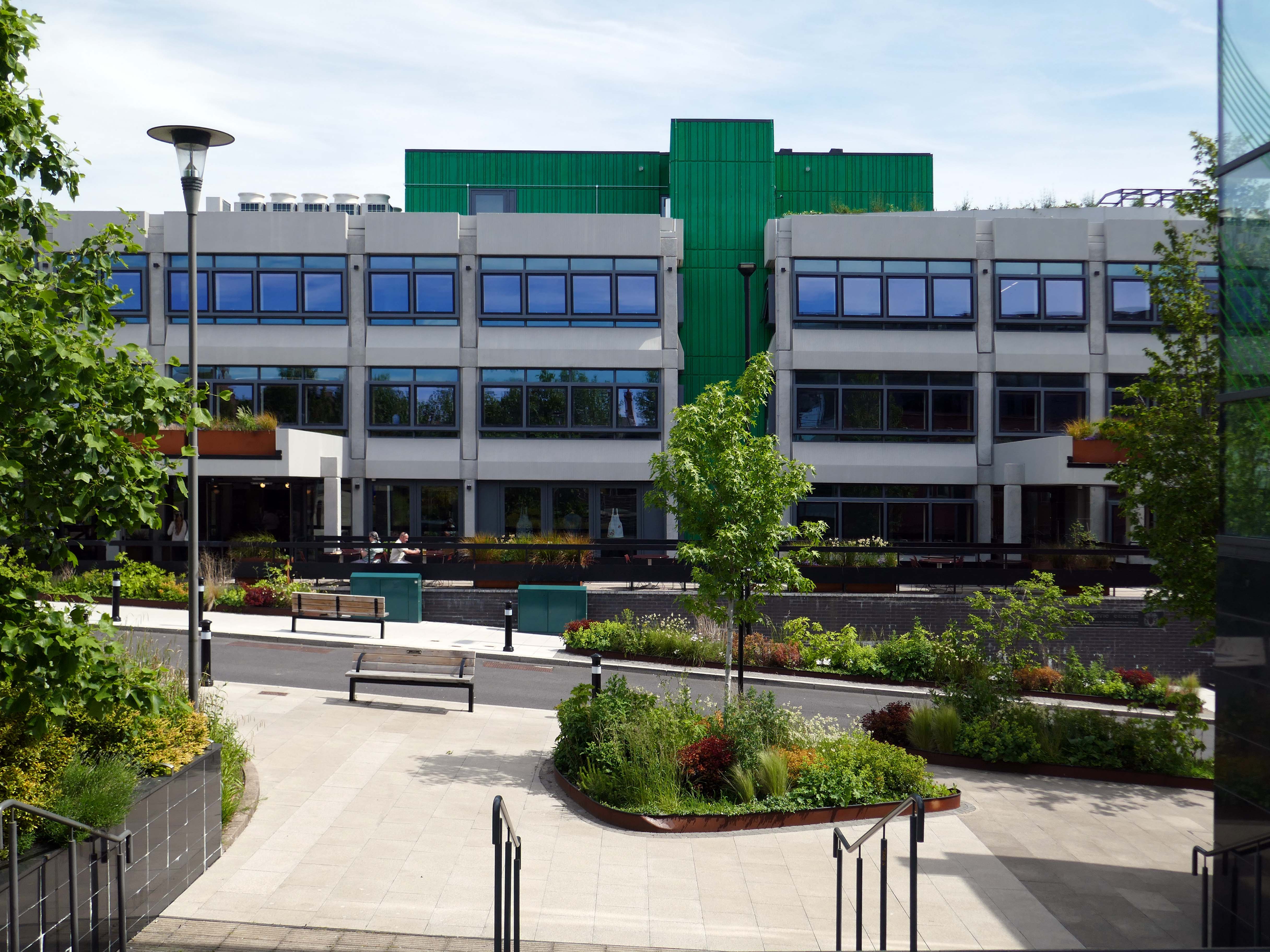
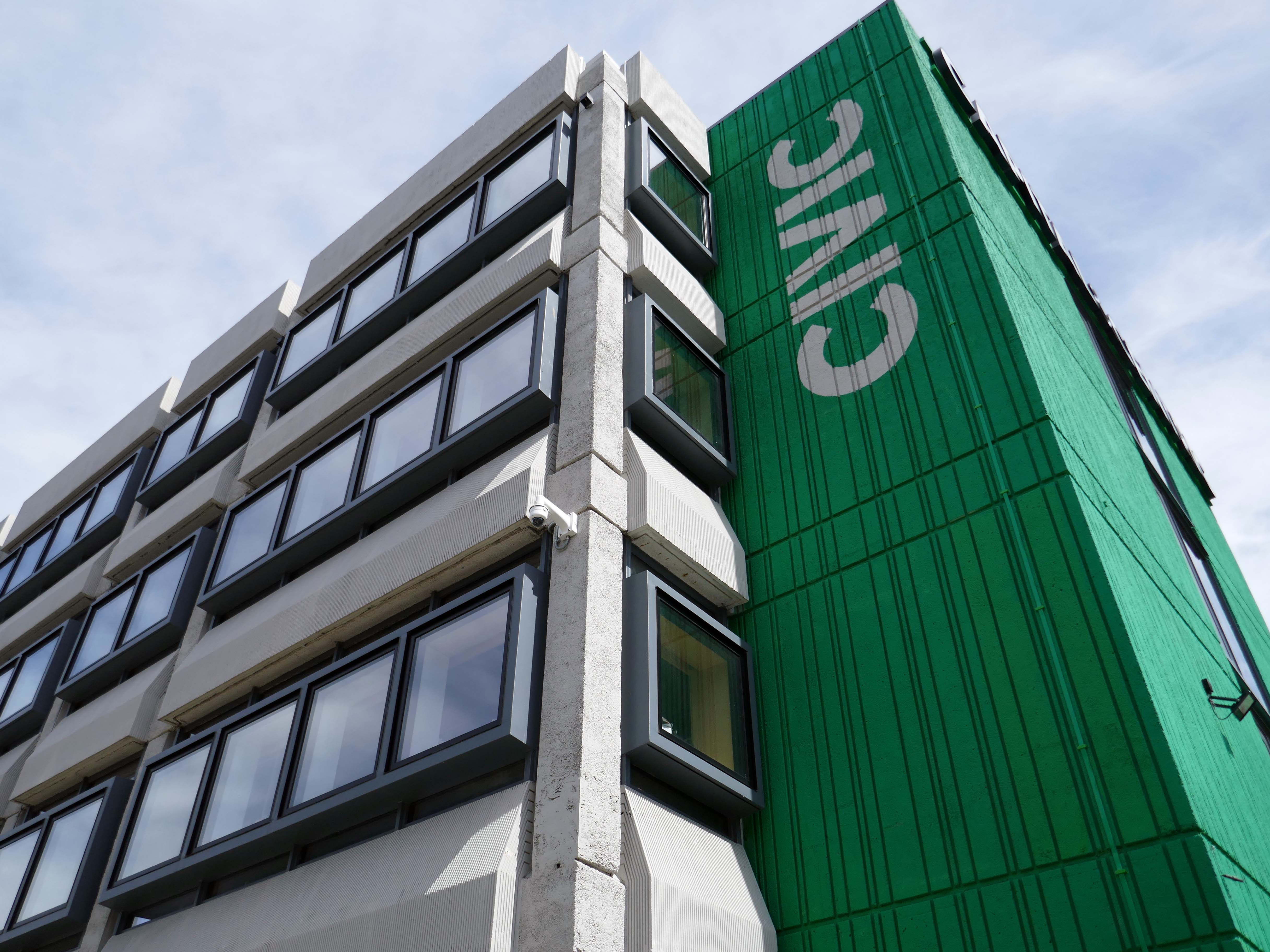
Over ten years ago I visited Wigan Civic Centre.
It looked a lot like this:
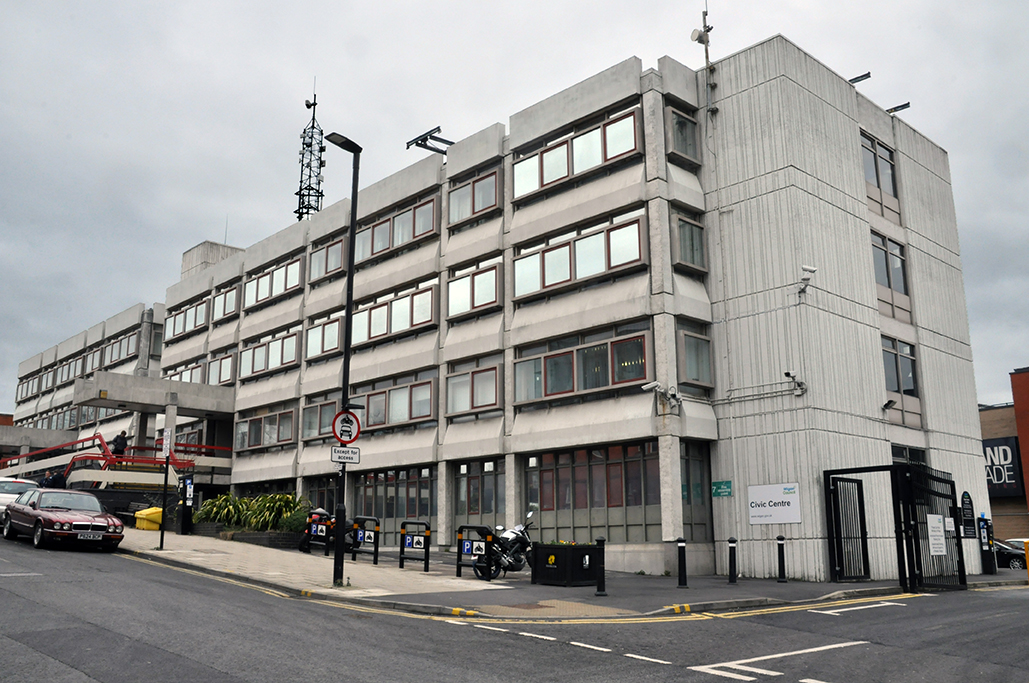
The current Pevsner Guide remarks:
1971 built of a pre-cast concrete panel system, dour, on an awkwardly sloping site.
I beg to differ – what’s the opposite of dour?

So says the online Thesaurus – and I heartily concur, for the whole building has had a makeover and a half.
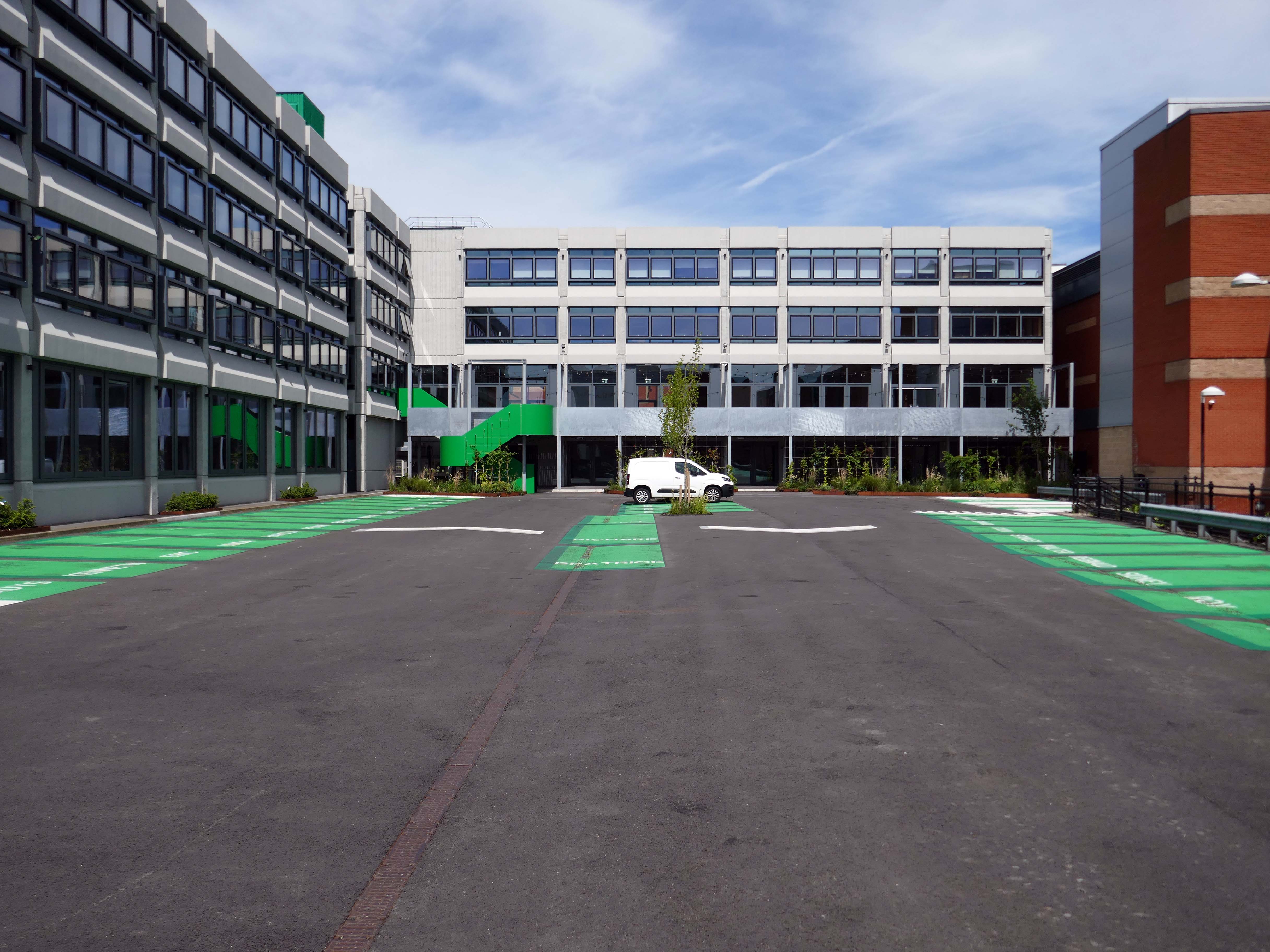
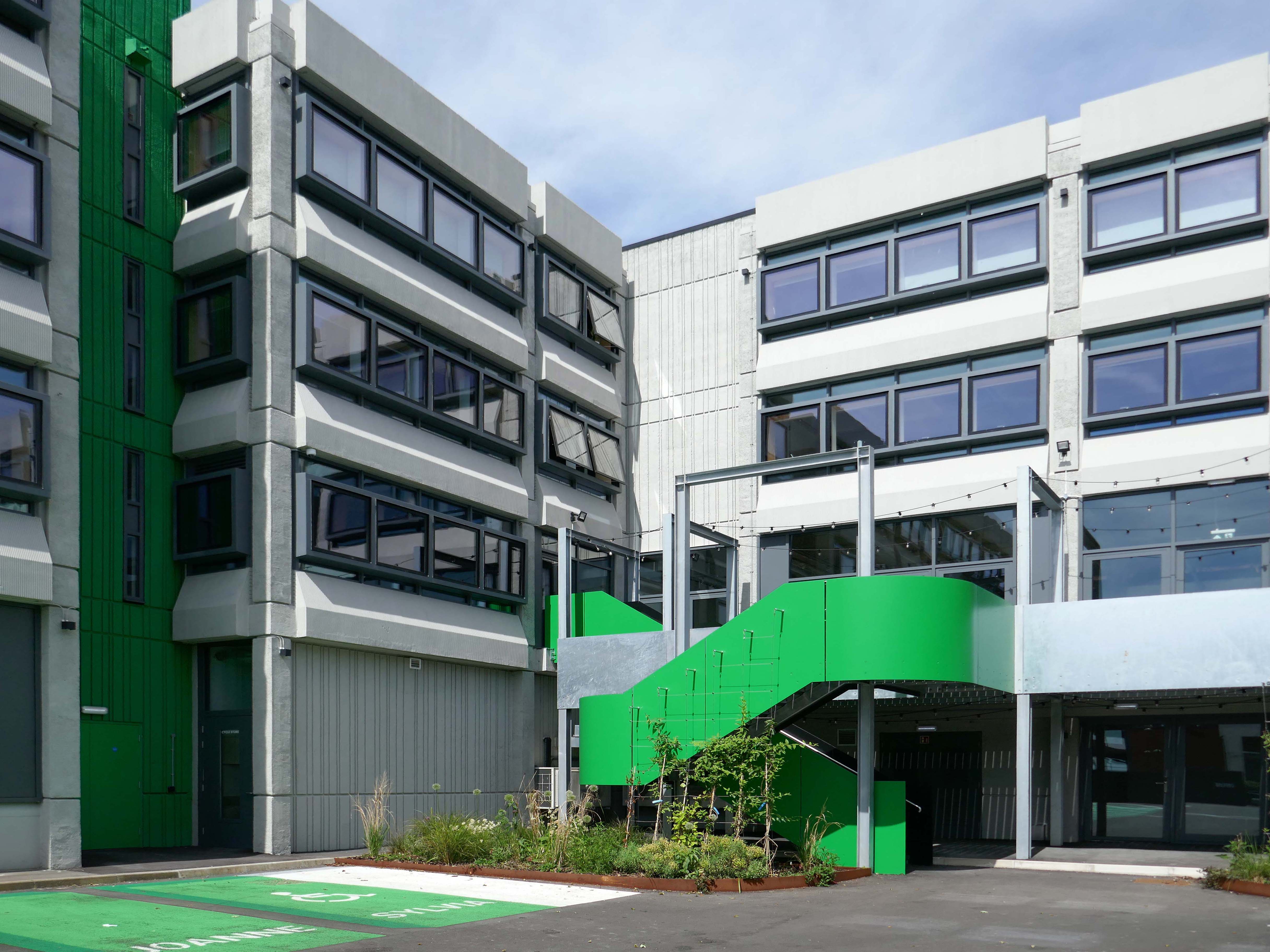
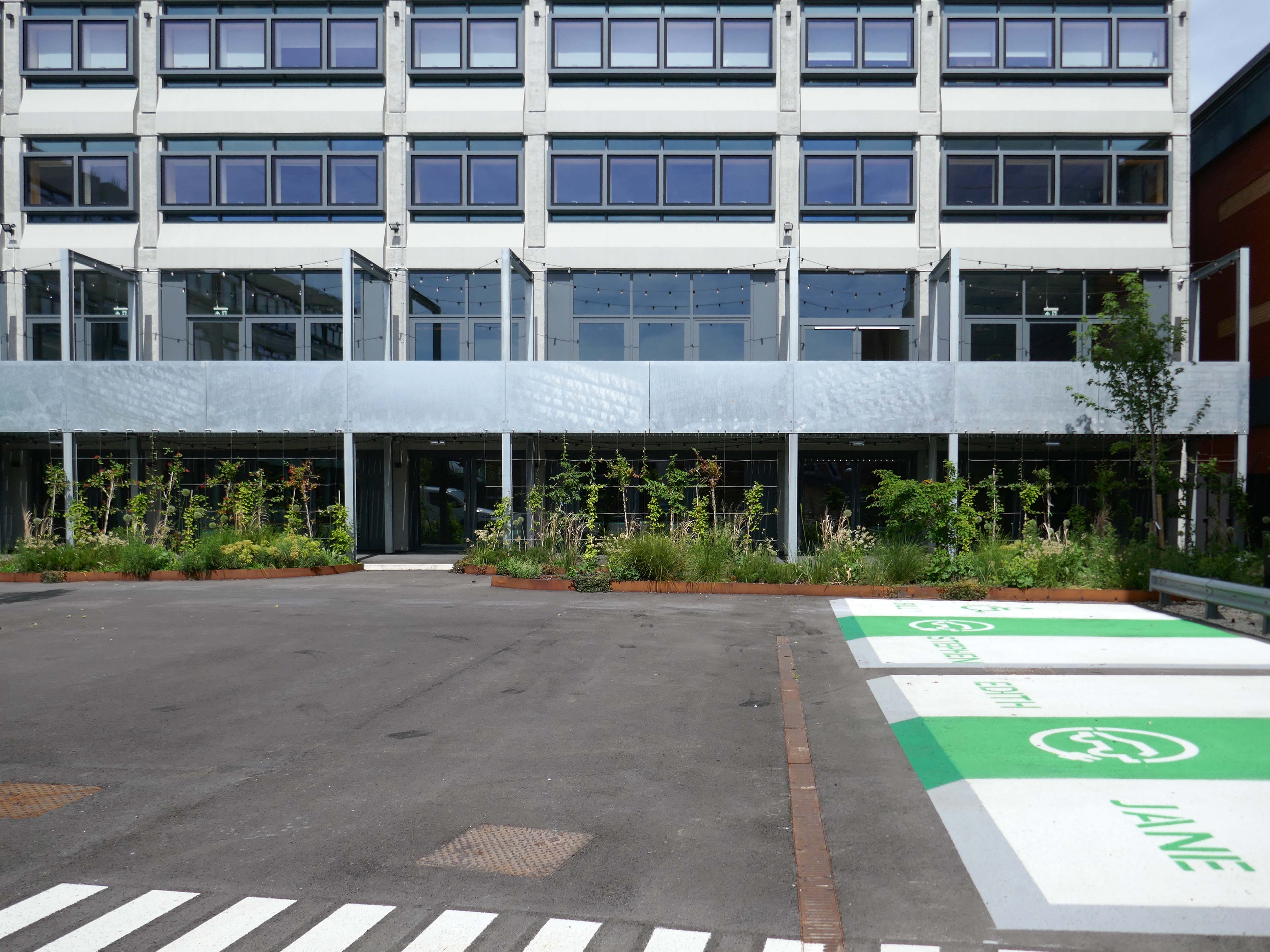
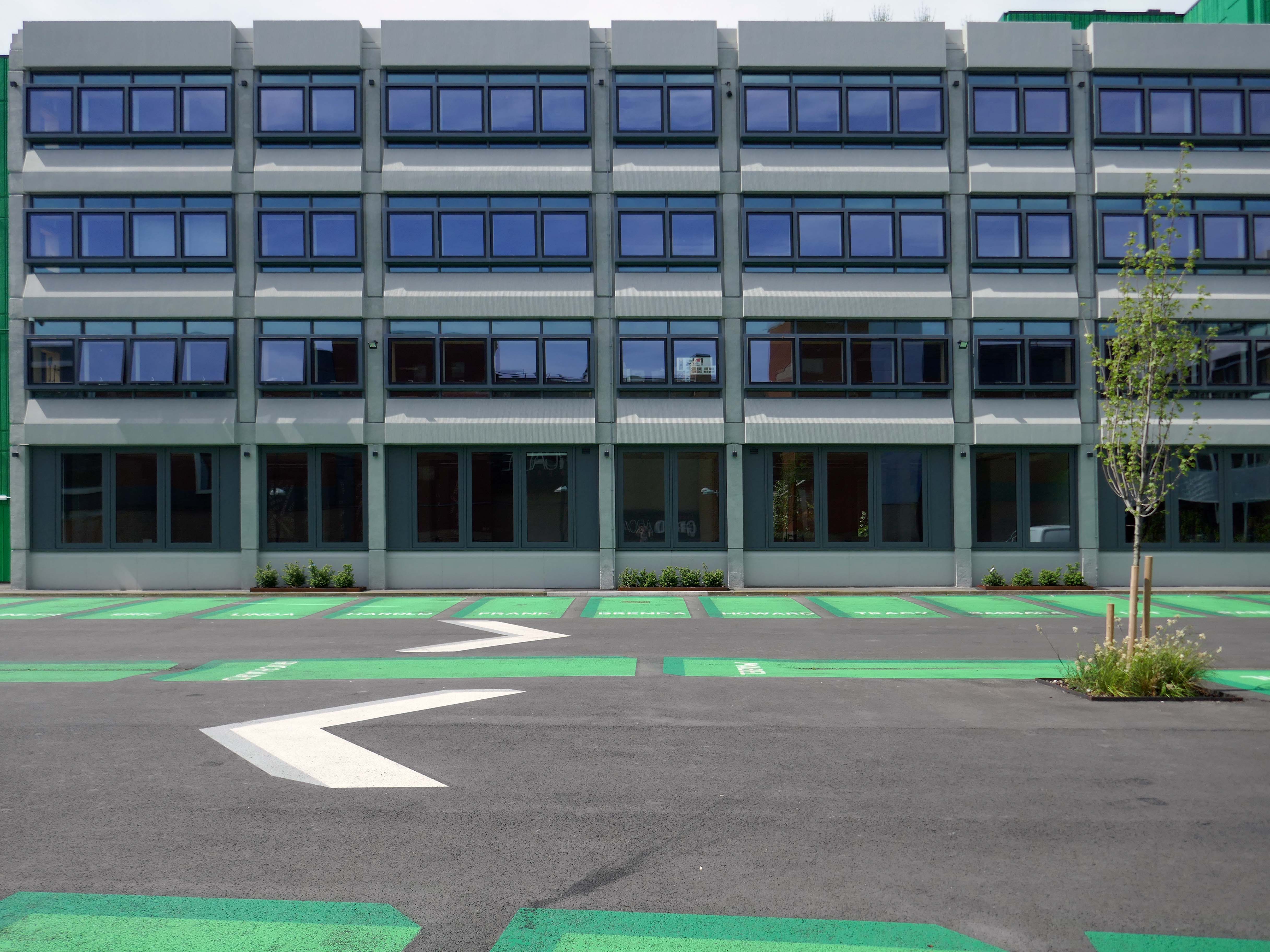
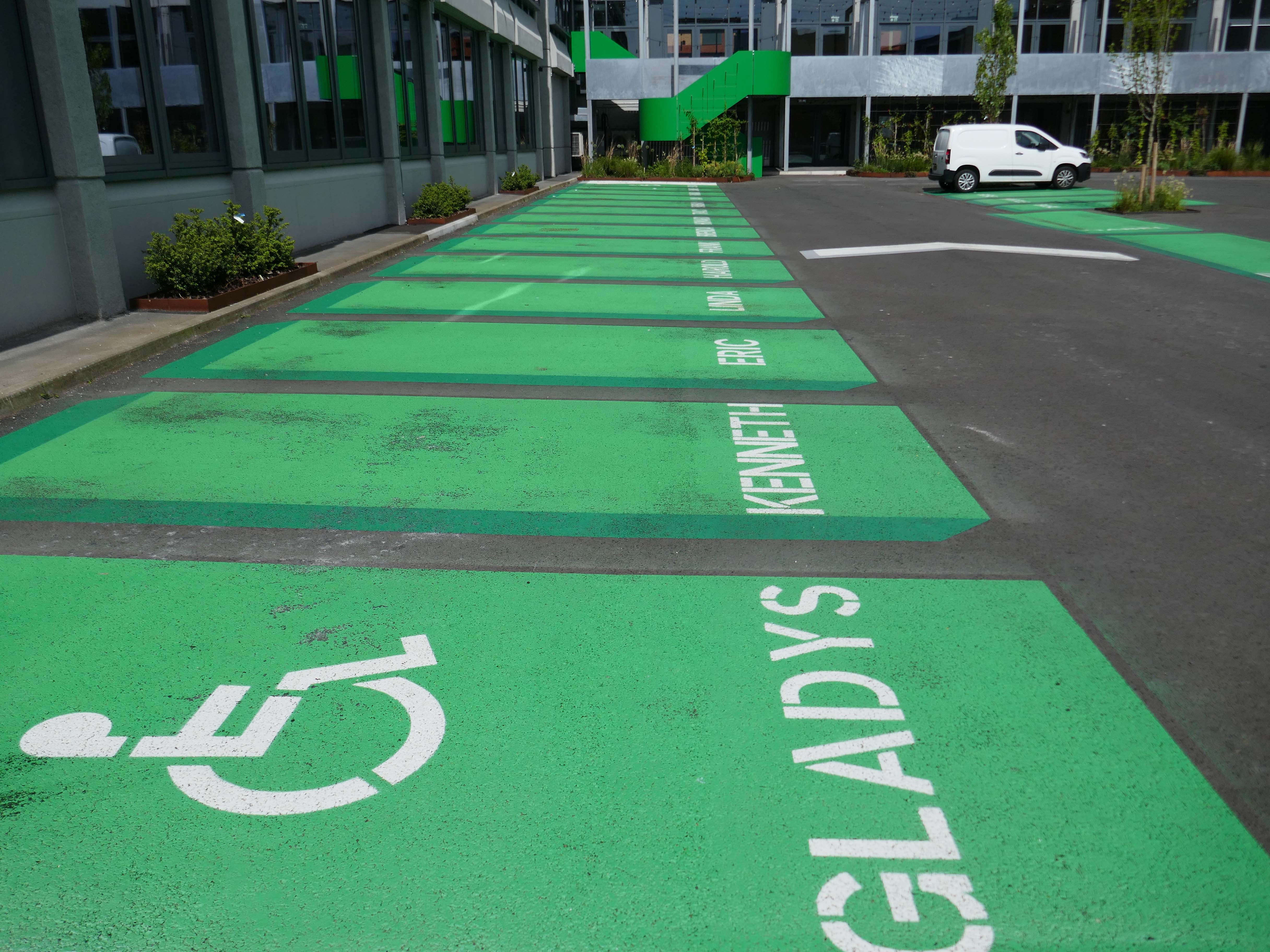
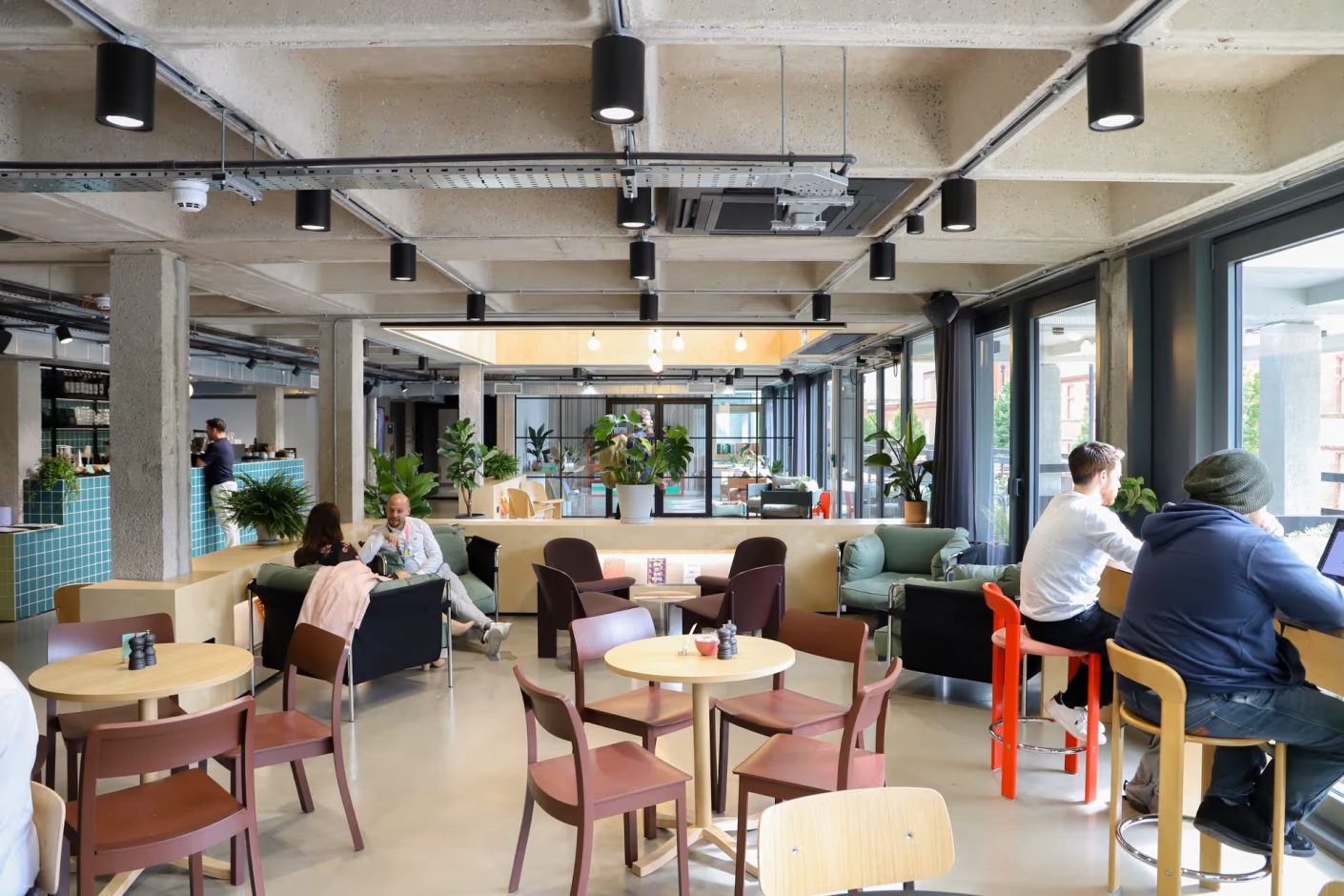
Civic is a super energy-efficient workspace in the centre of Wigan town centre. The BREEAM Excellent building has space for business of all sizes, from desks for solo start-ups, all the way to big open plan offices with their own front door.
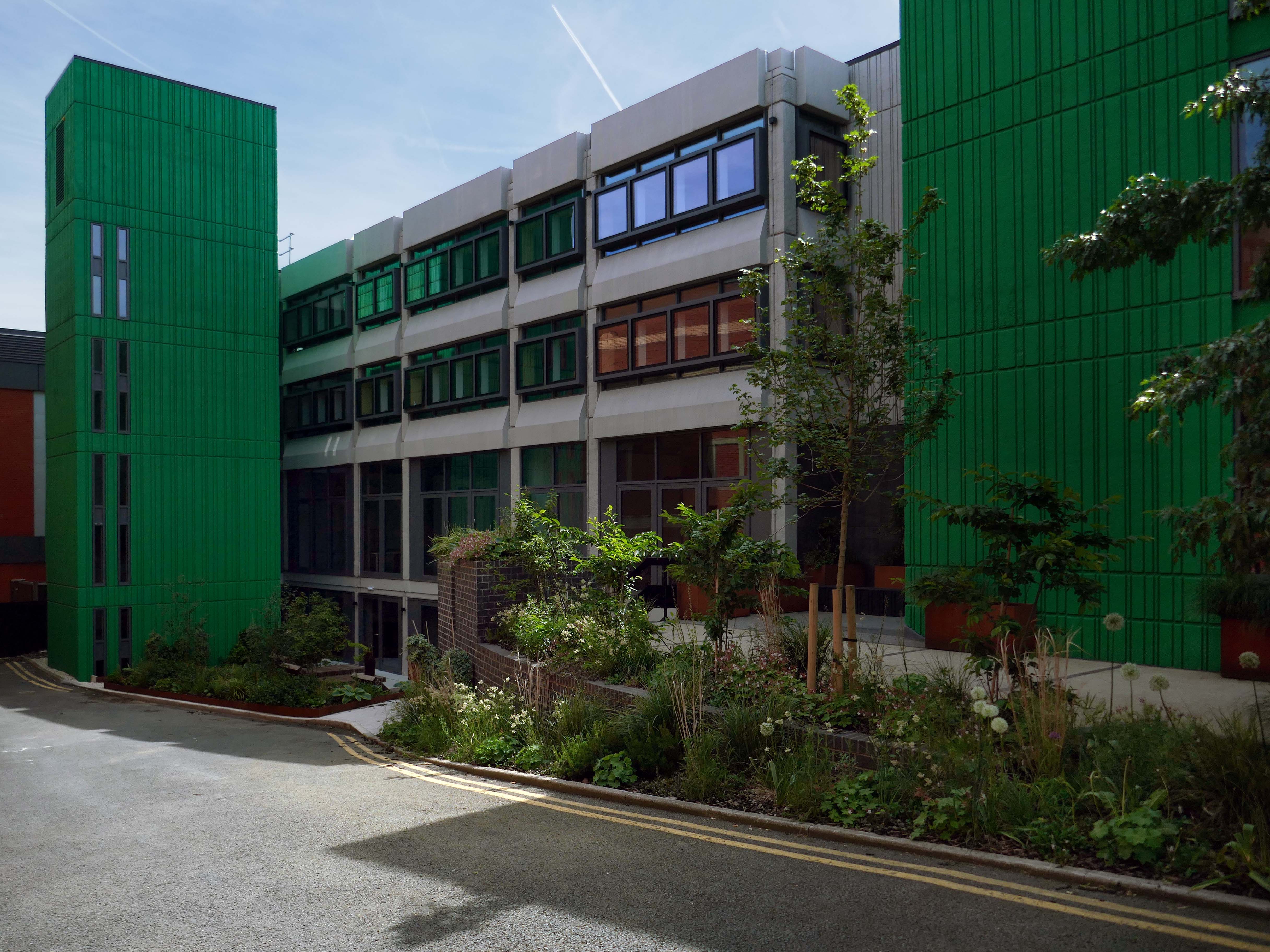
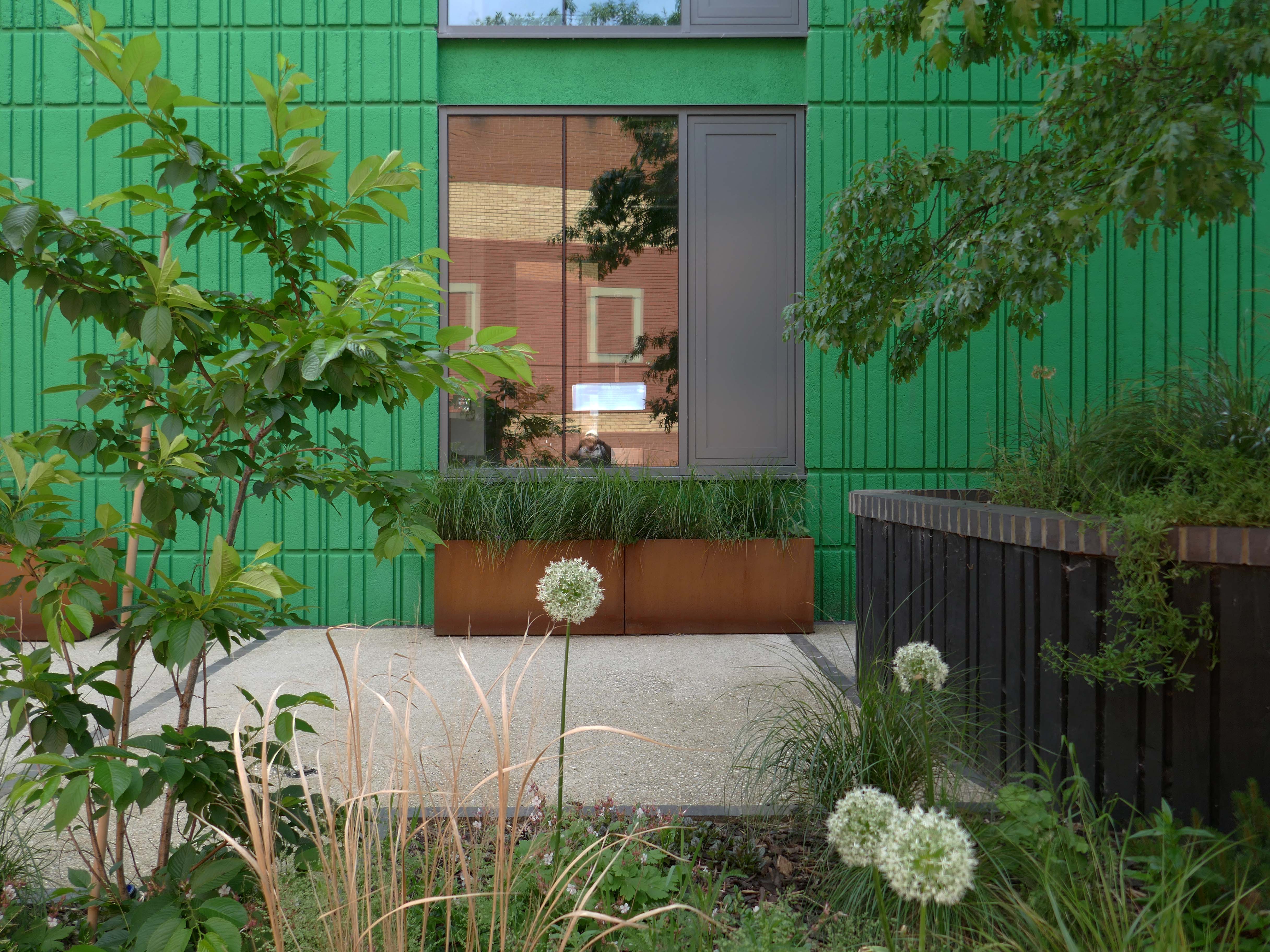
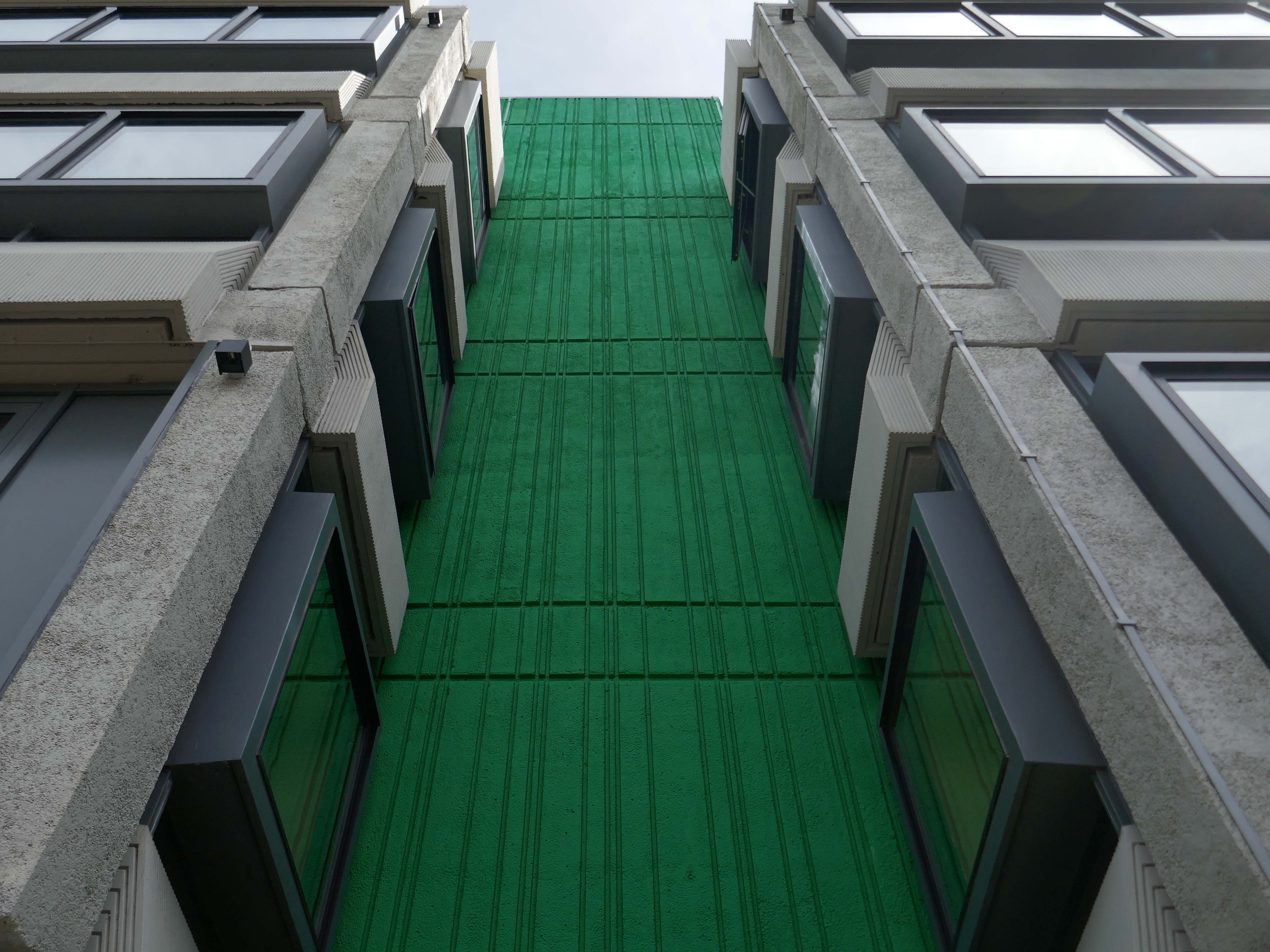
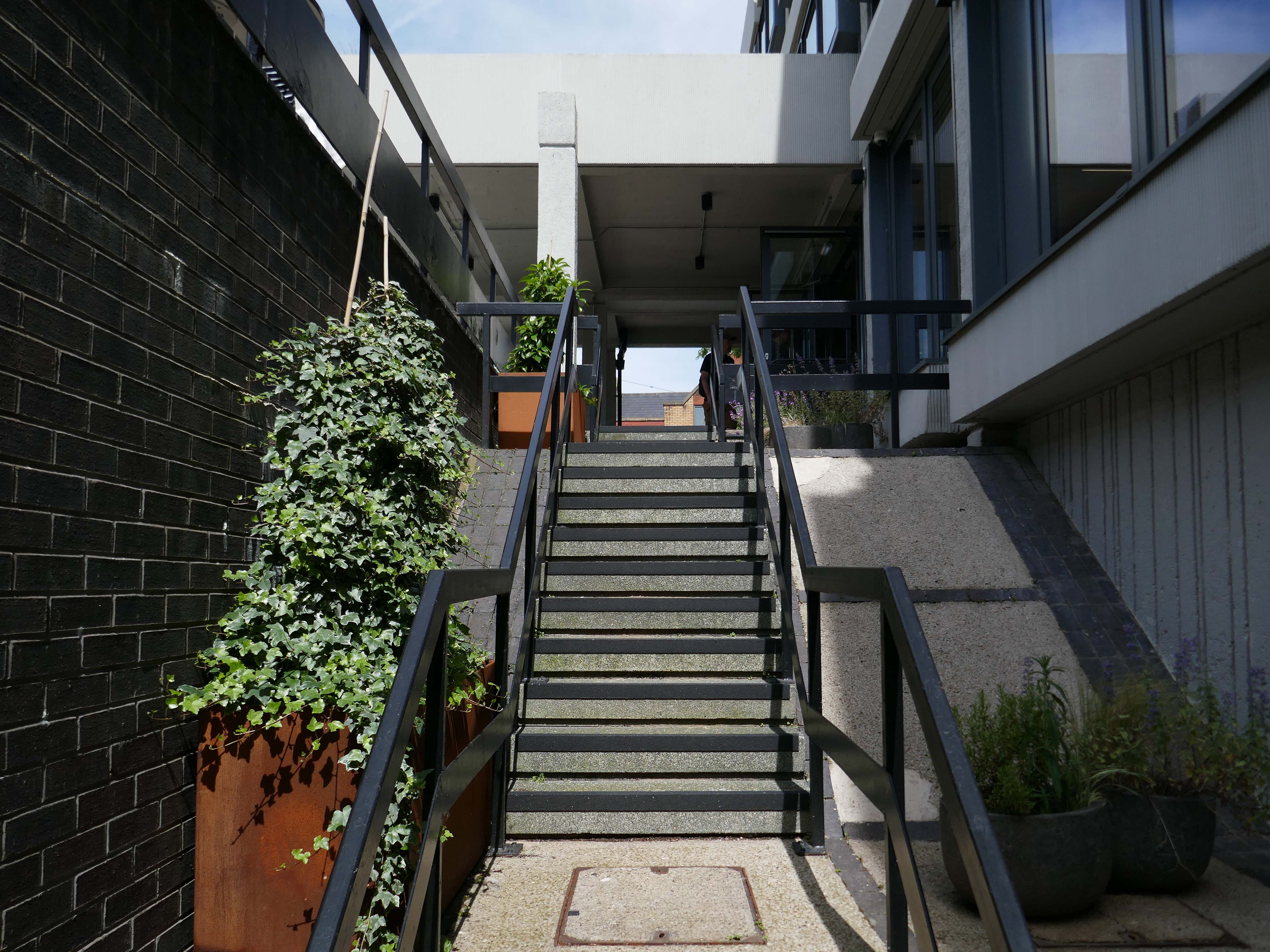
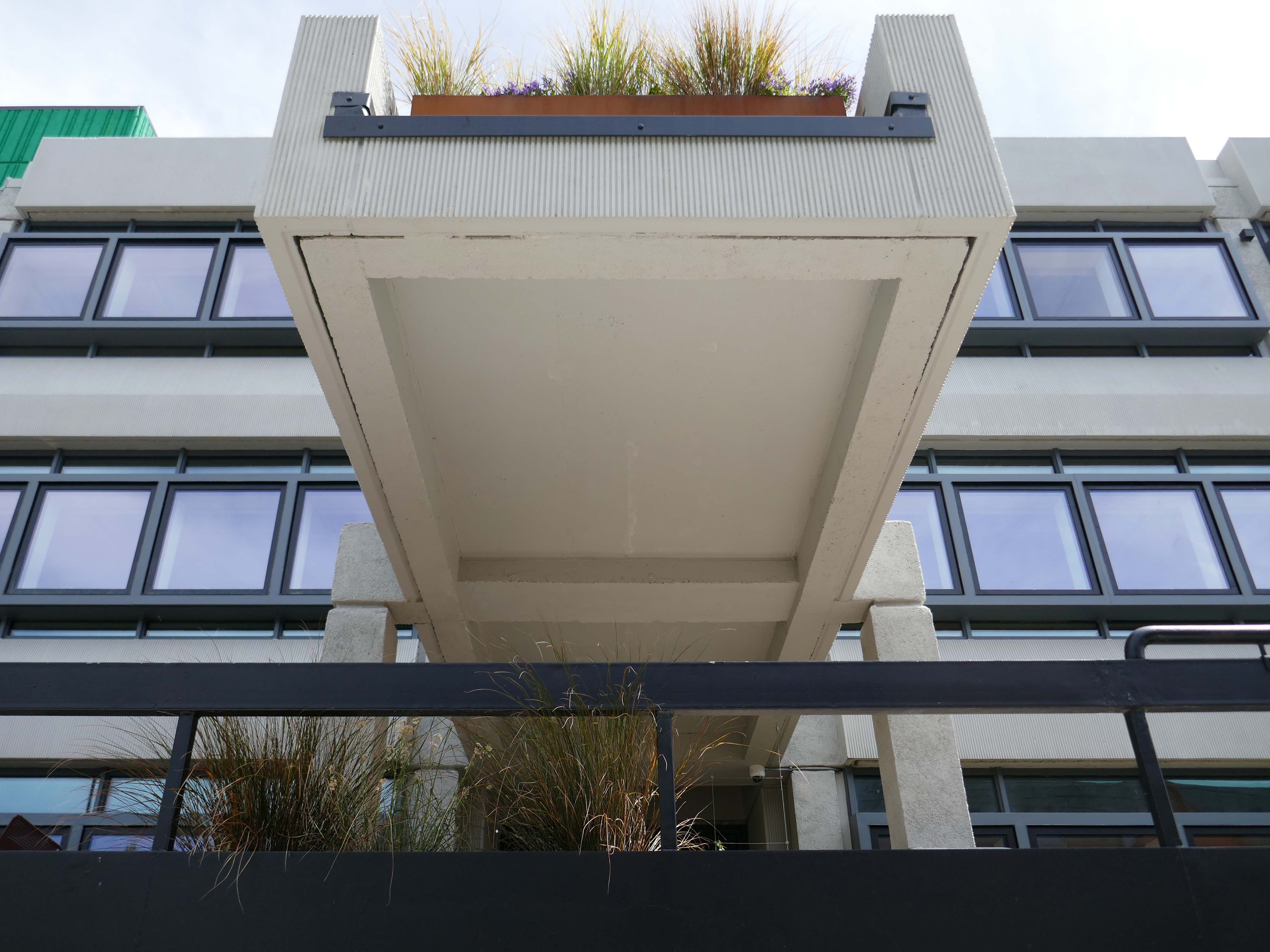
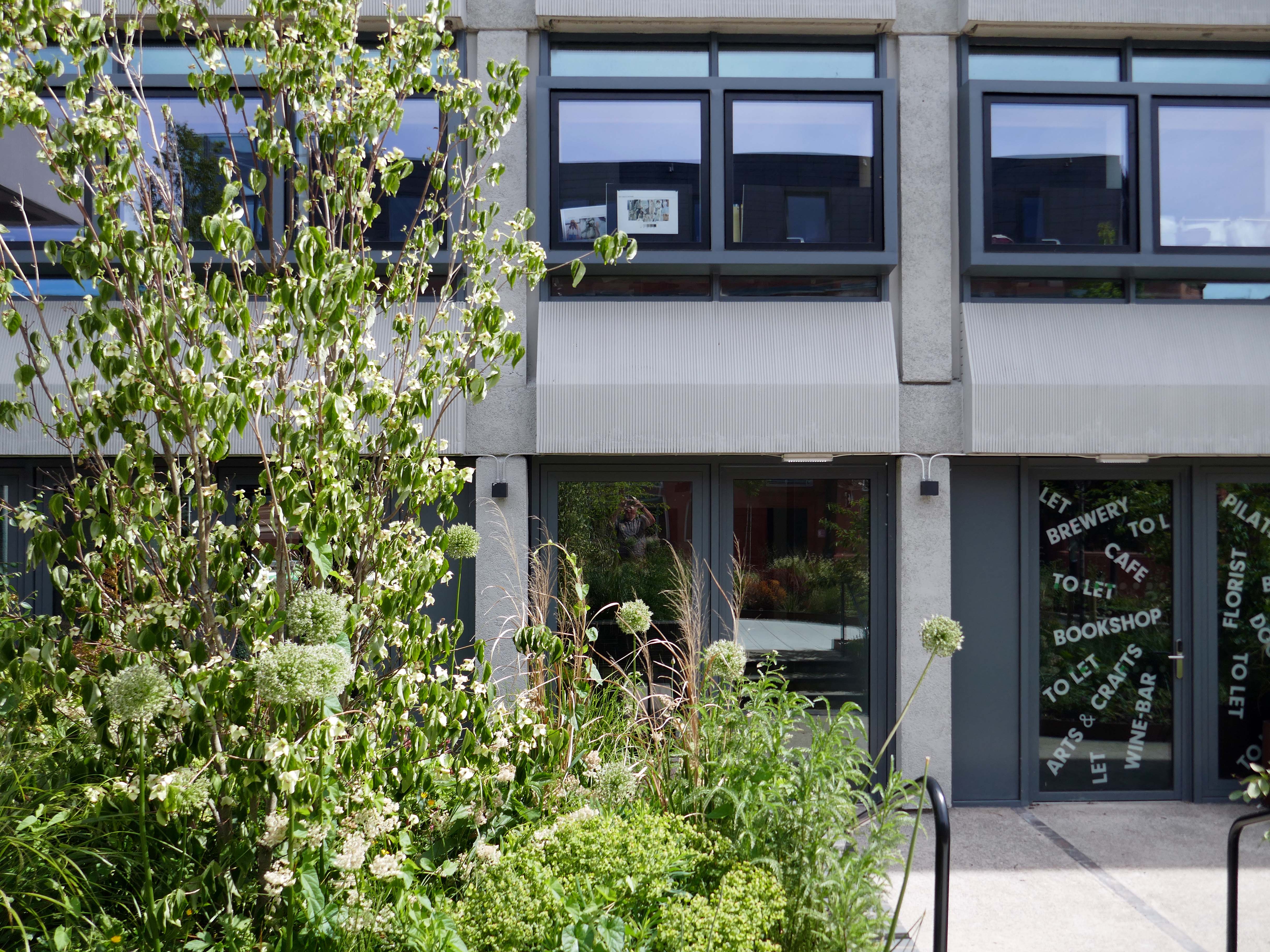
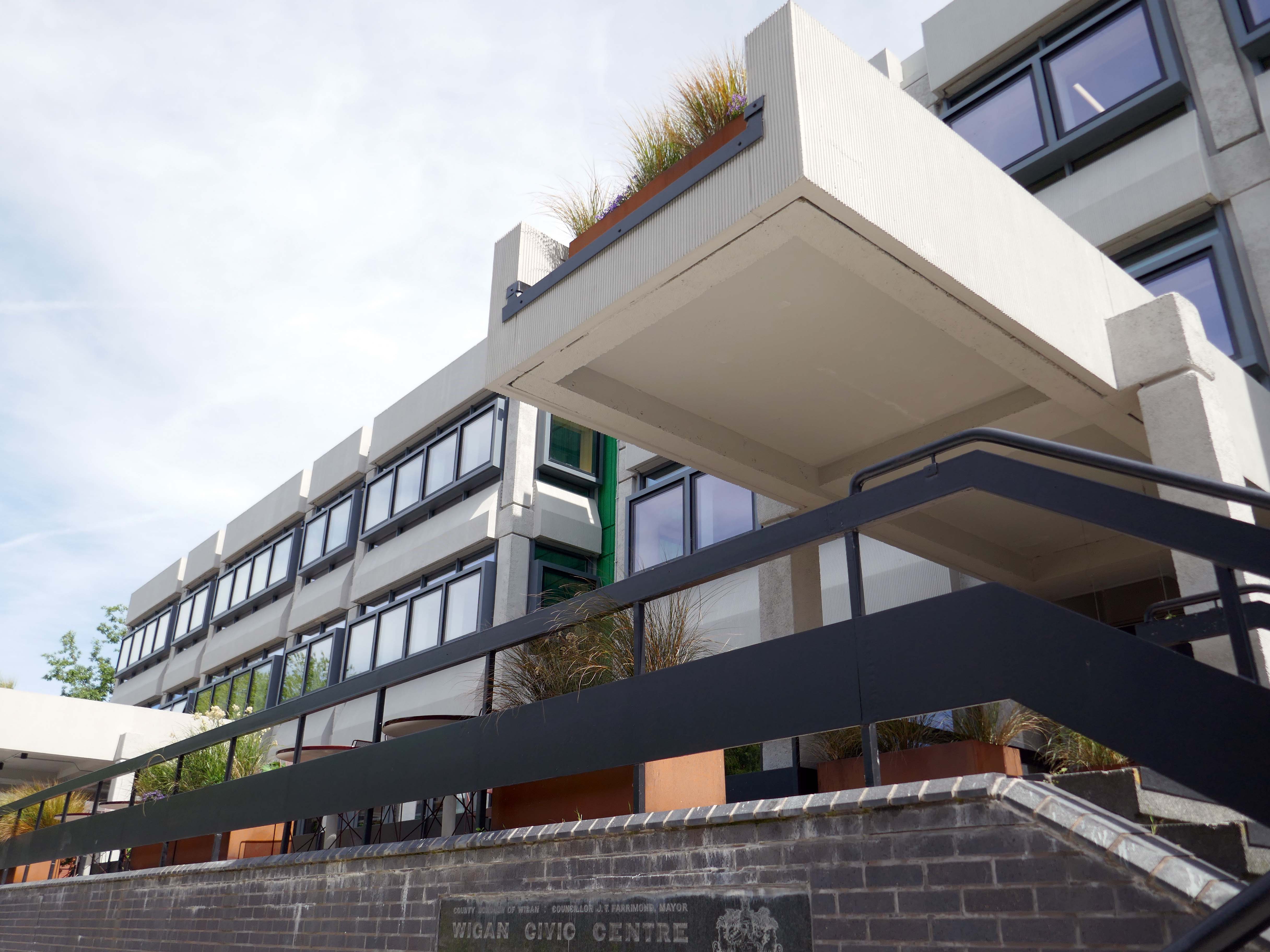
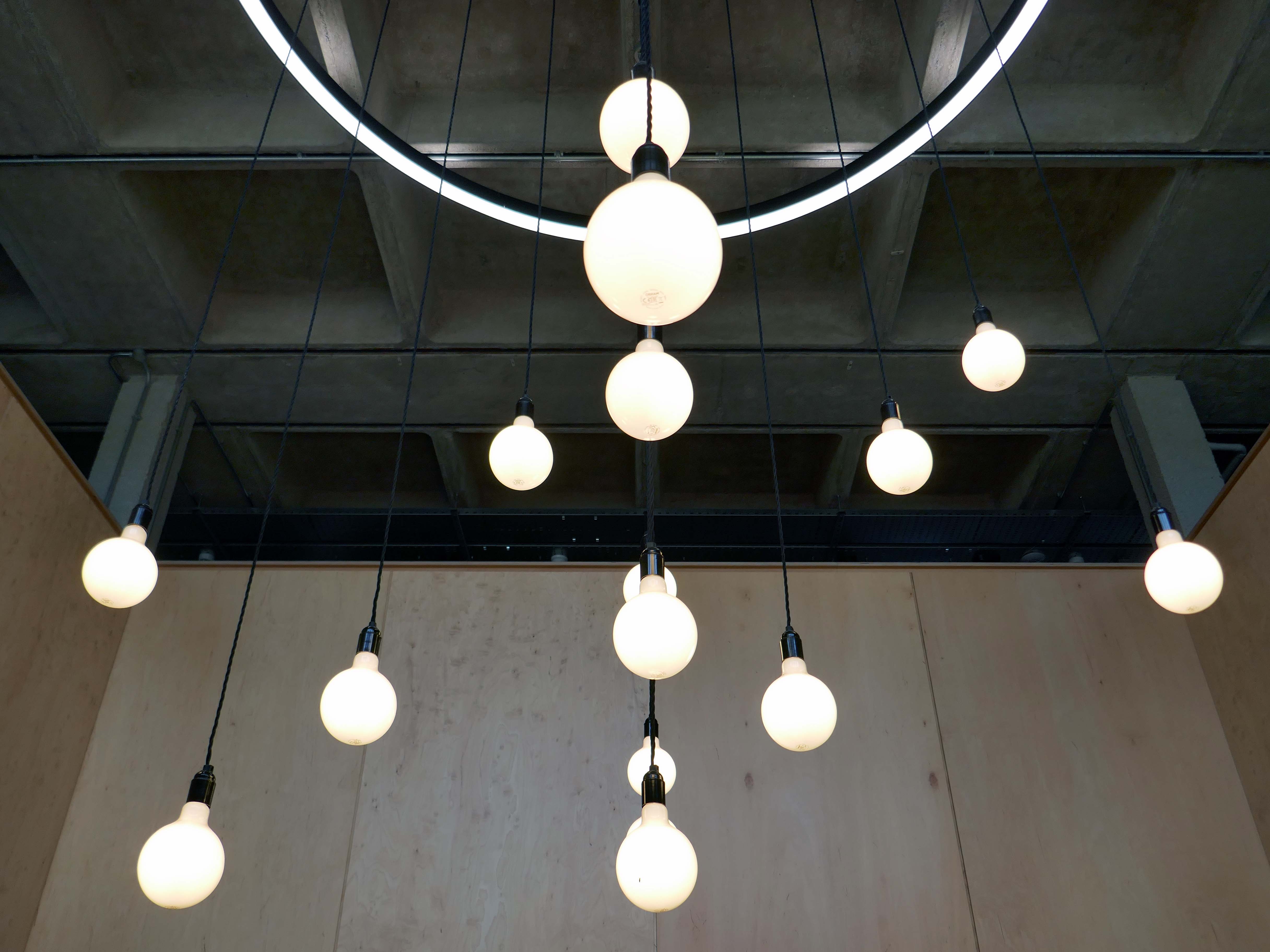
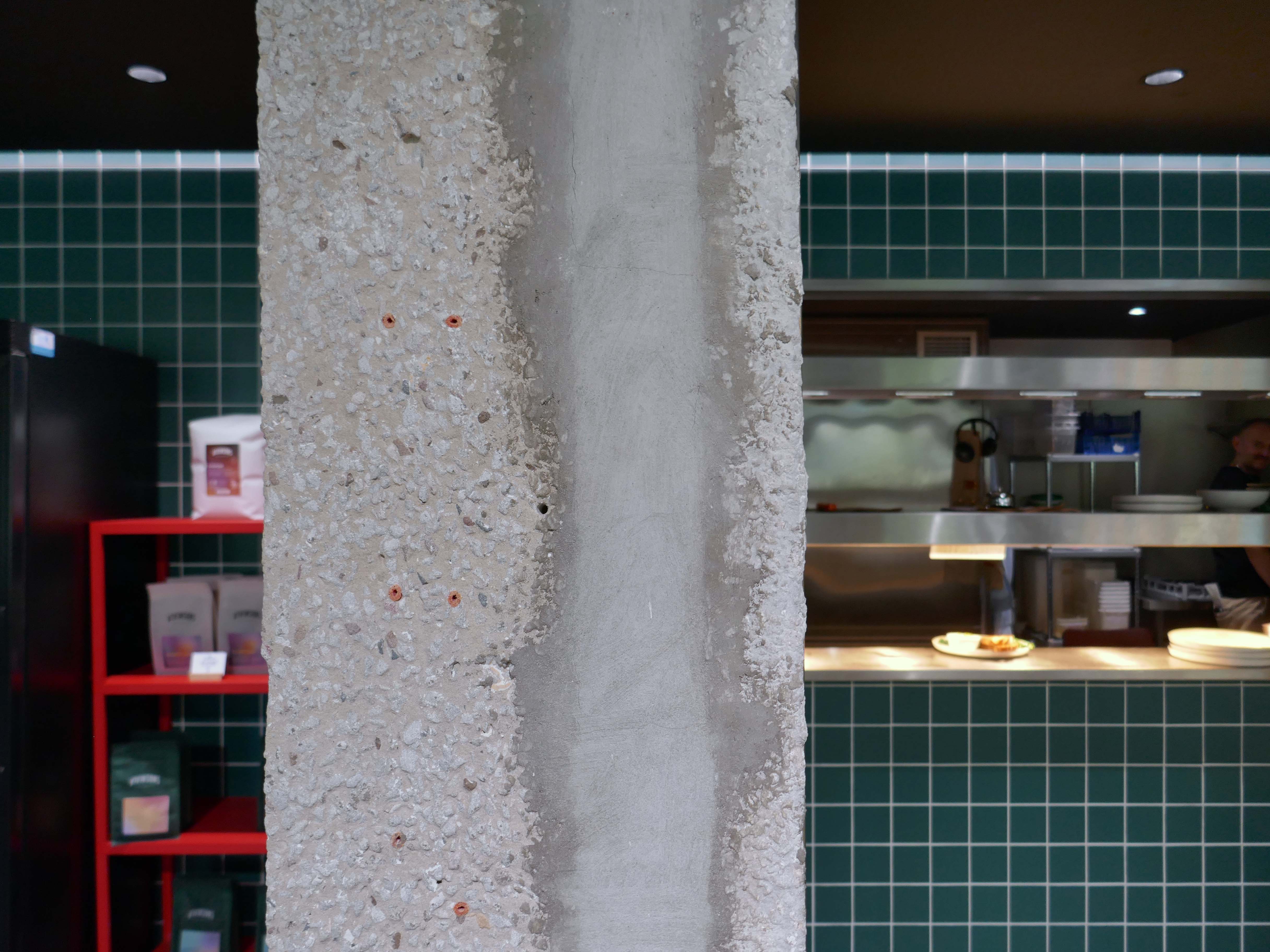
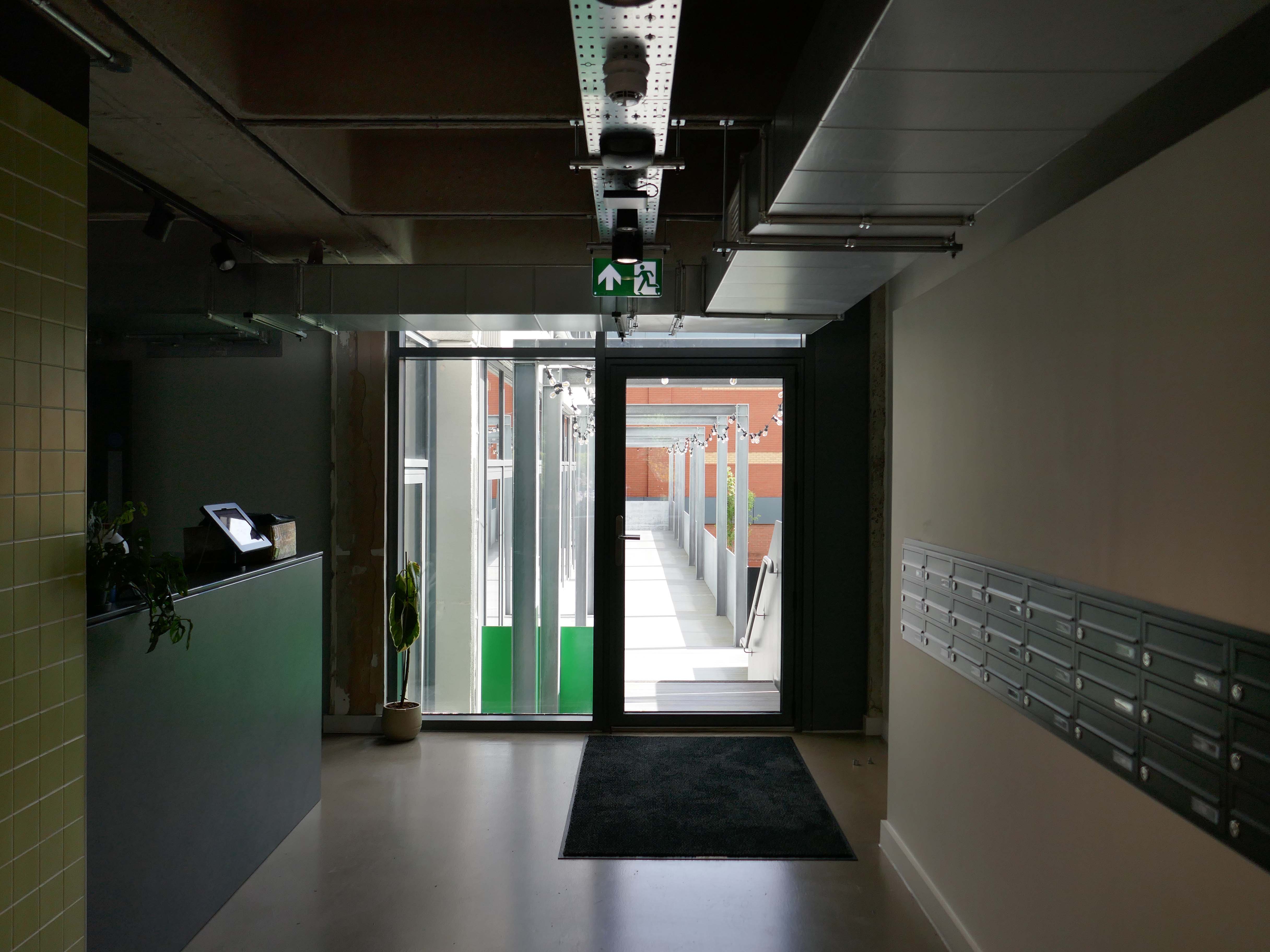
The brutalist beast has been lovingly restored by Capital&Centric to celebrate its architecture, with original waffle ceilings, corduroy concrete and stunning feature windows that flood the space with light.
The redevelopment was supported by cash from the UK Shared Prosperity Fund – UKSPF.
Dave Molyneux, the leader of Wigan Council, said:
I had an office in here for quite a while and it had that 1970s retro, concrete building style but this is something special.
For businesses, we’re probably the best located local authority in Greater Manchester because of the West Coast Main Line and the M6 motorway.
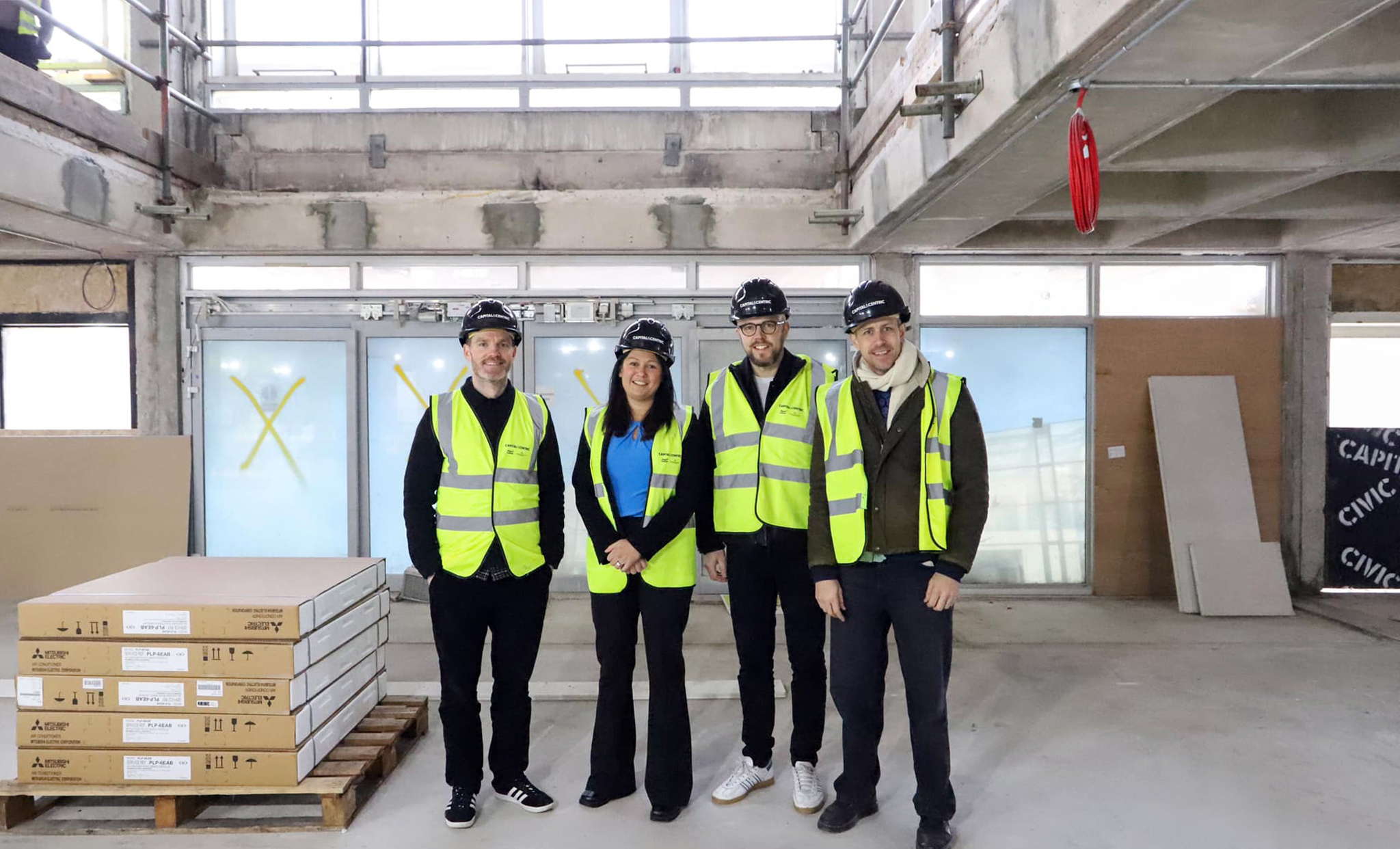
It was great to visit and tour Wigan Civic Centre on Millgate, to see the inspiring work being done to create sustainable workspaces and amenities in the centre of our town. This development, alongside others taking place and planned across the North West, will help to revitalise our public spaces
Lisa Nandy MP
The refit was handled by shedkm.
With students, start-ups and professionals situating themselves elsewhere in Greater Manchester, Wigan town had been missing out on the economic and cultural vitality that high quality workspace brings. Civic’s transformation represents not just the overhaul of a tired concrete building, but a wider renewal of place and opportunity for Wigan.
Main interior contractors were Workspace Design & Build.
Working with Wigan Council and Capital & Centric, we completed the refurbishment of the 50,000 sq ft building that is Wigan Civic Centre. Delivering aspirational office accommodation to stimulate economic growth with the goal to create a lasting social impact in Wigan. In addition to exemplar market-leading workspace, amenities include a rooftop terrace, mini cinema, gym studio and co-working/coffee shop space.
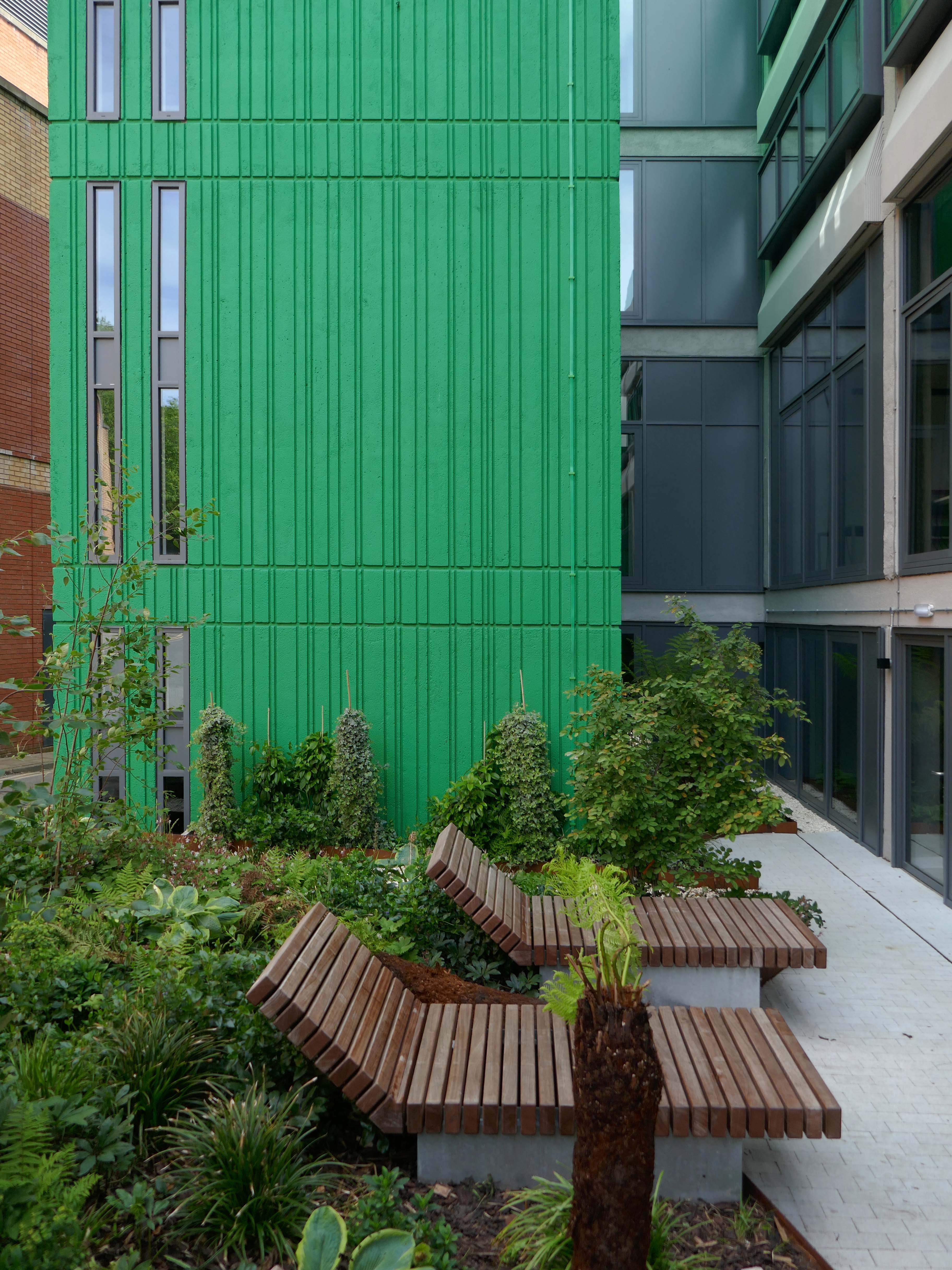
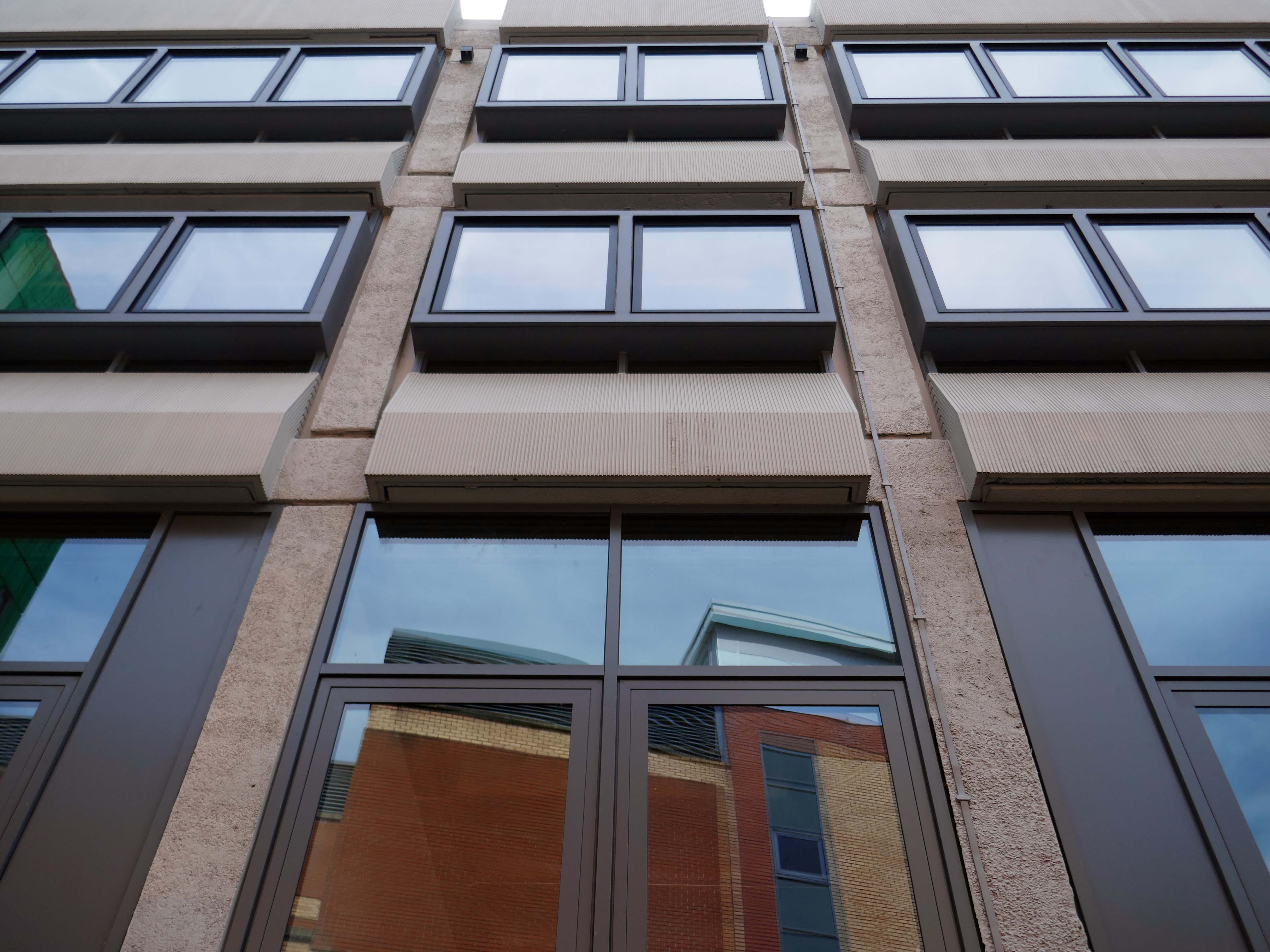
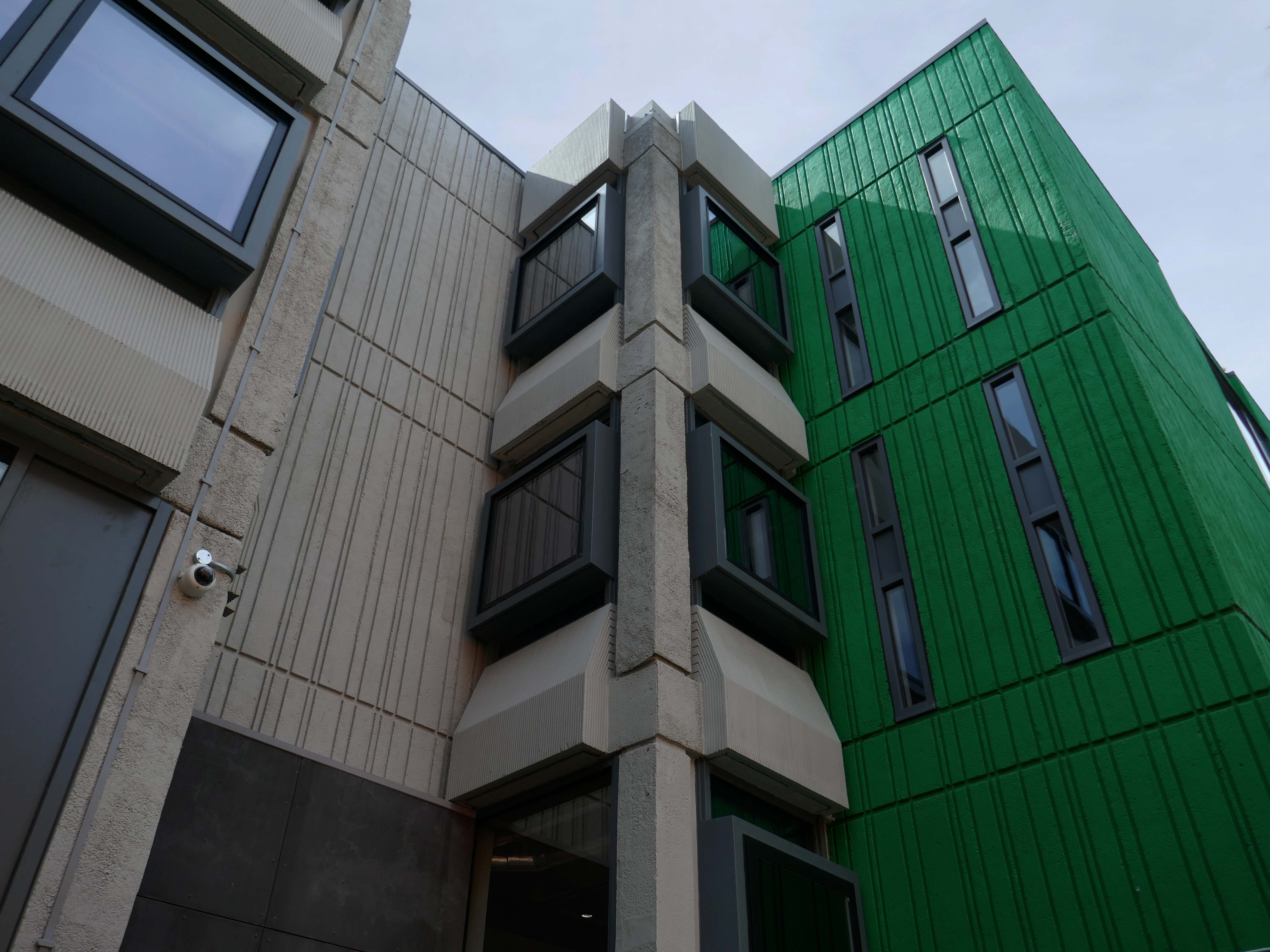
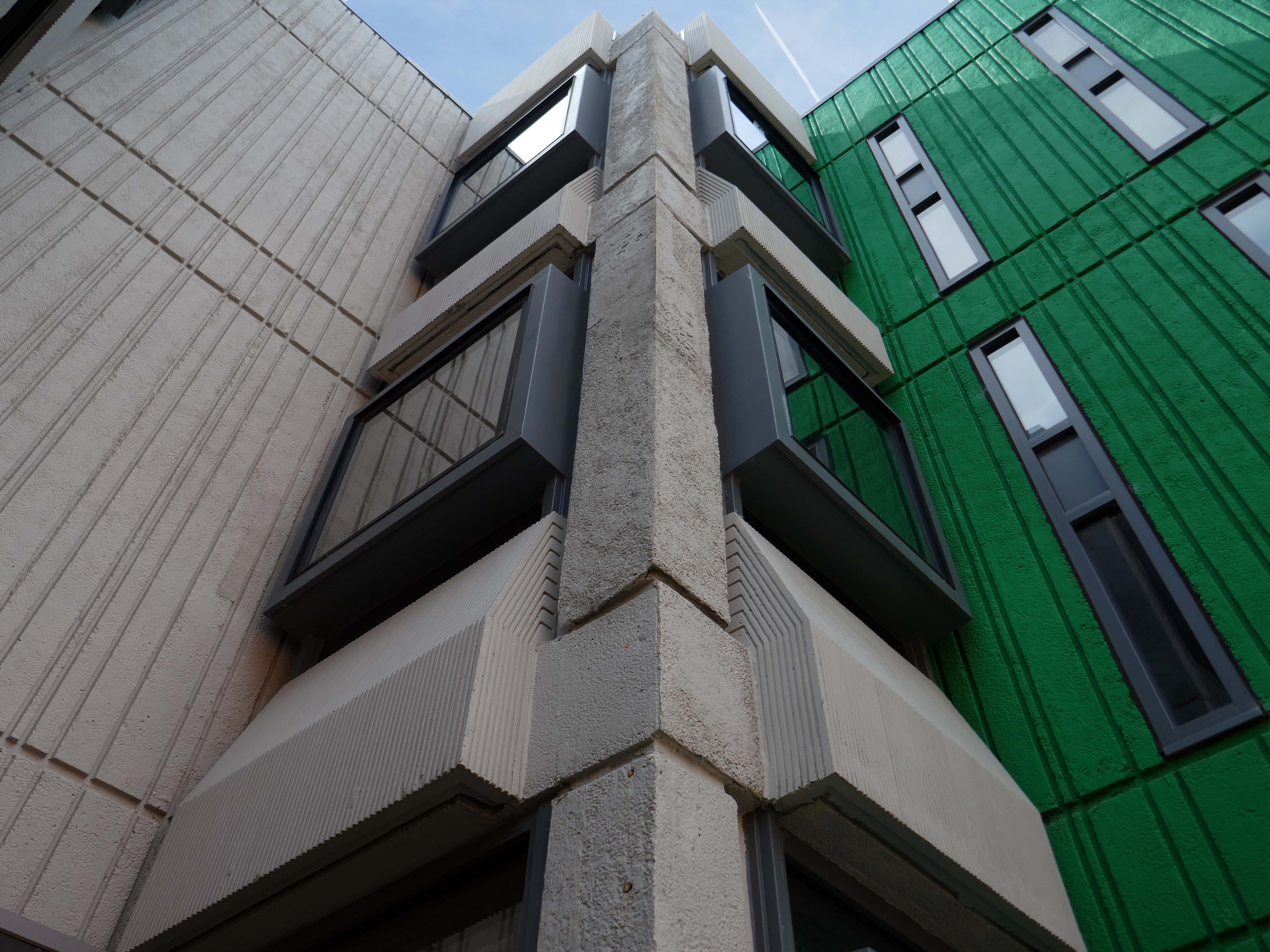
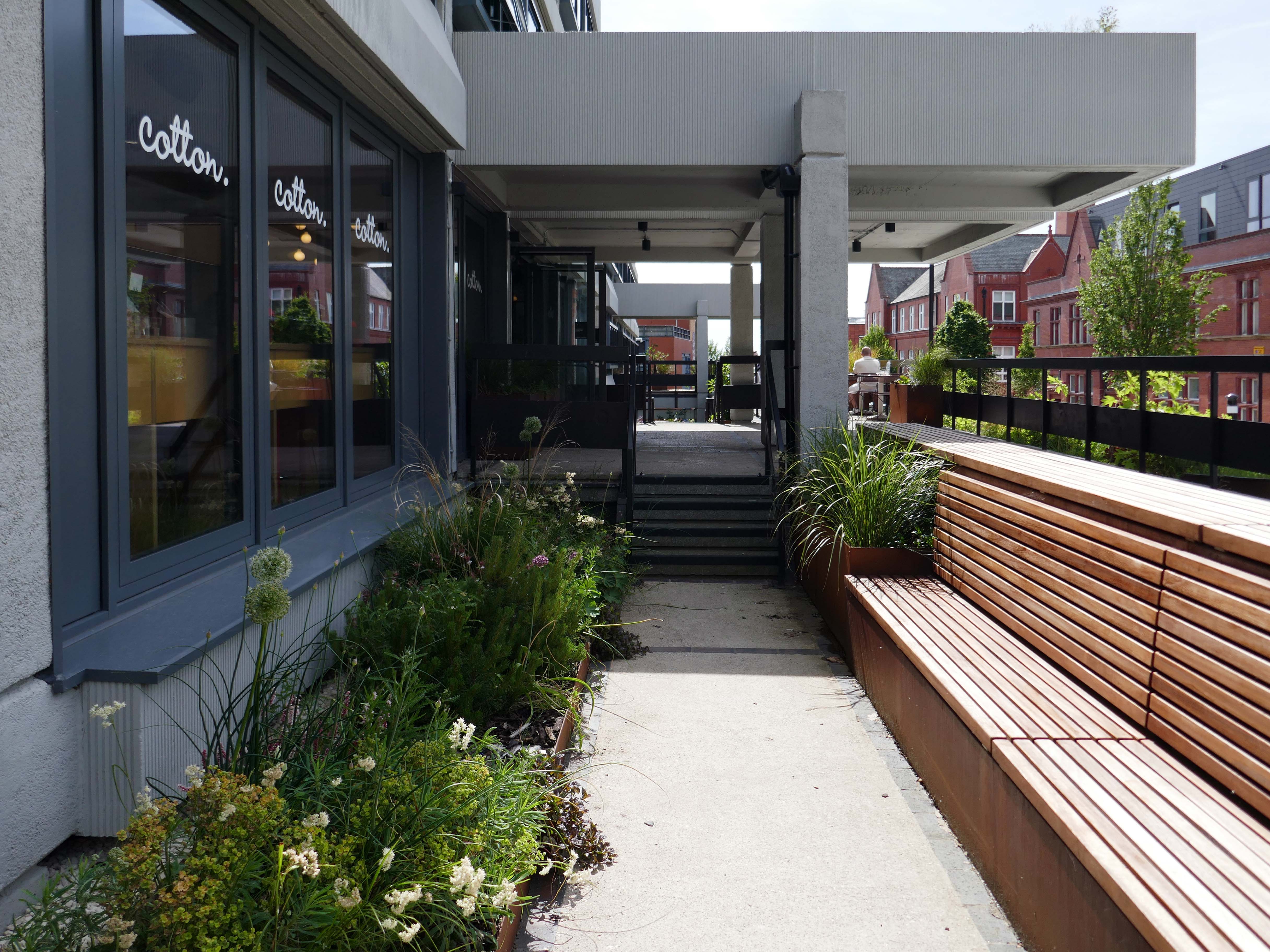
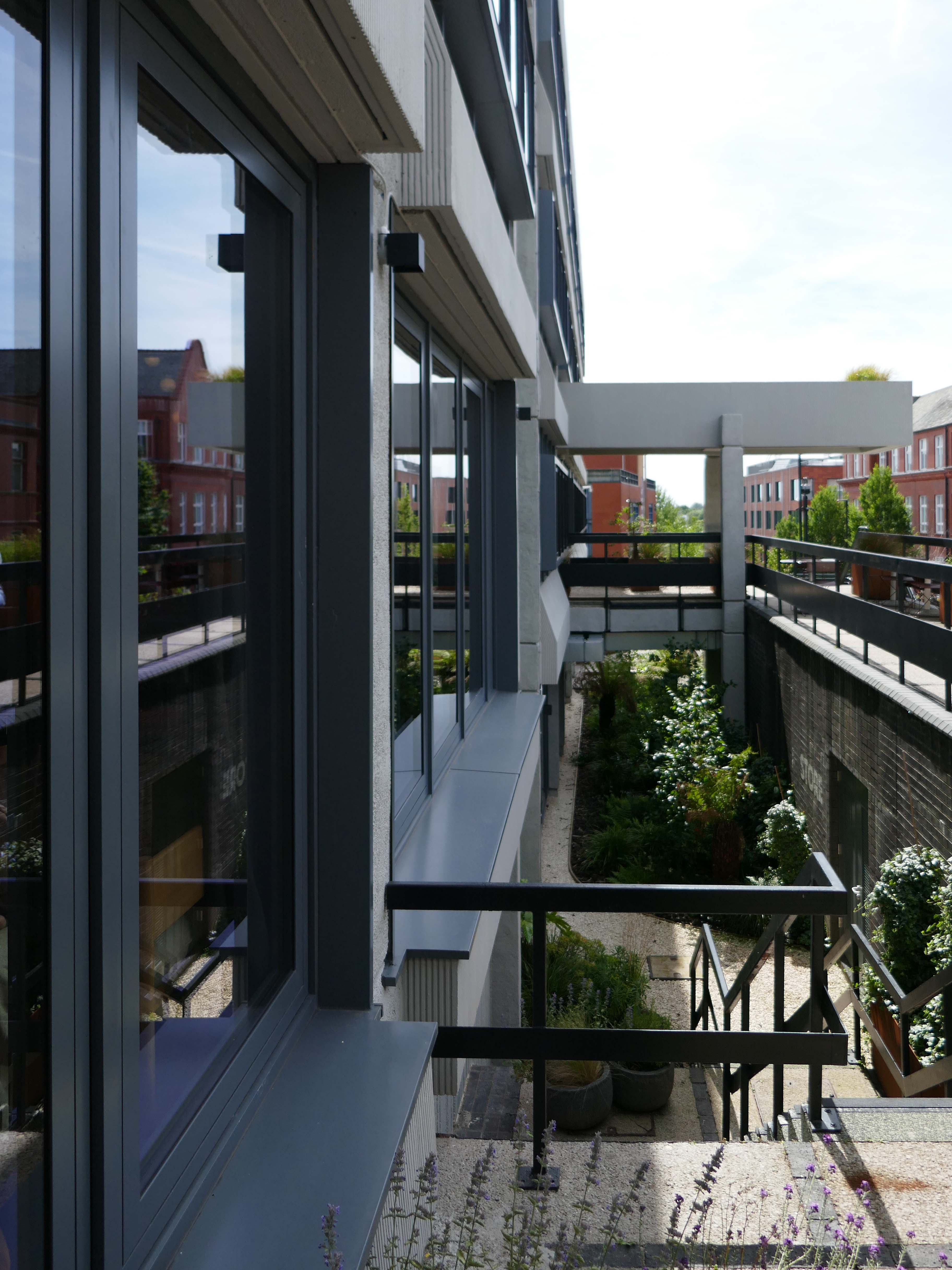
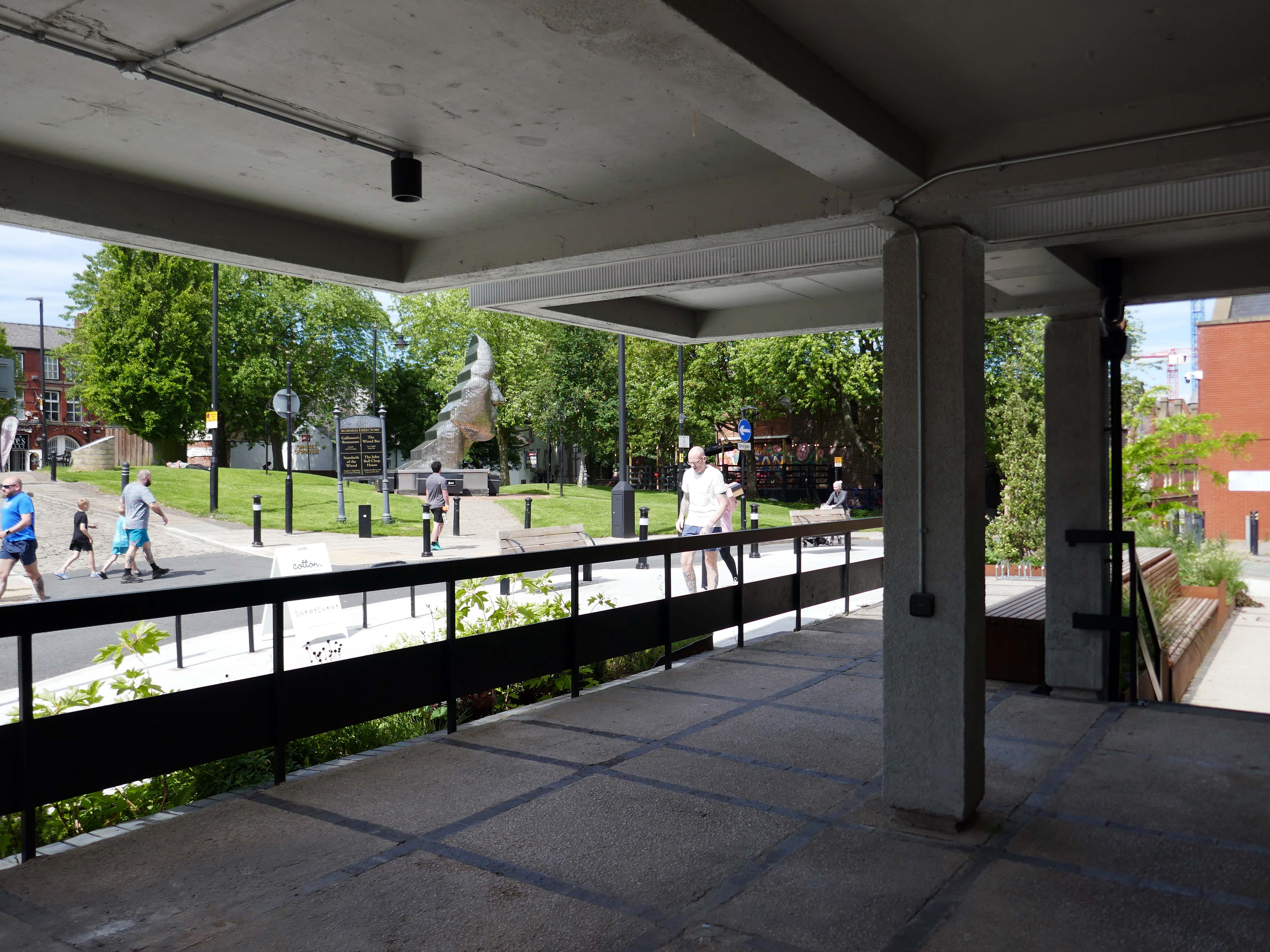
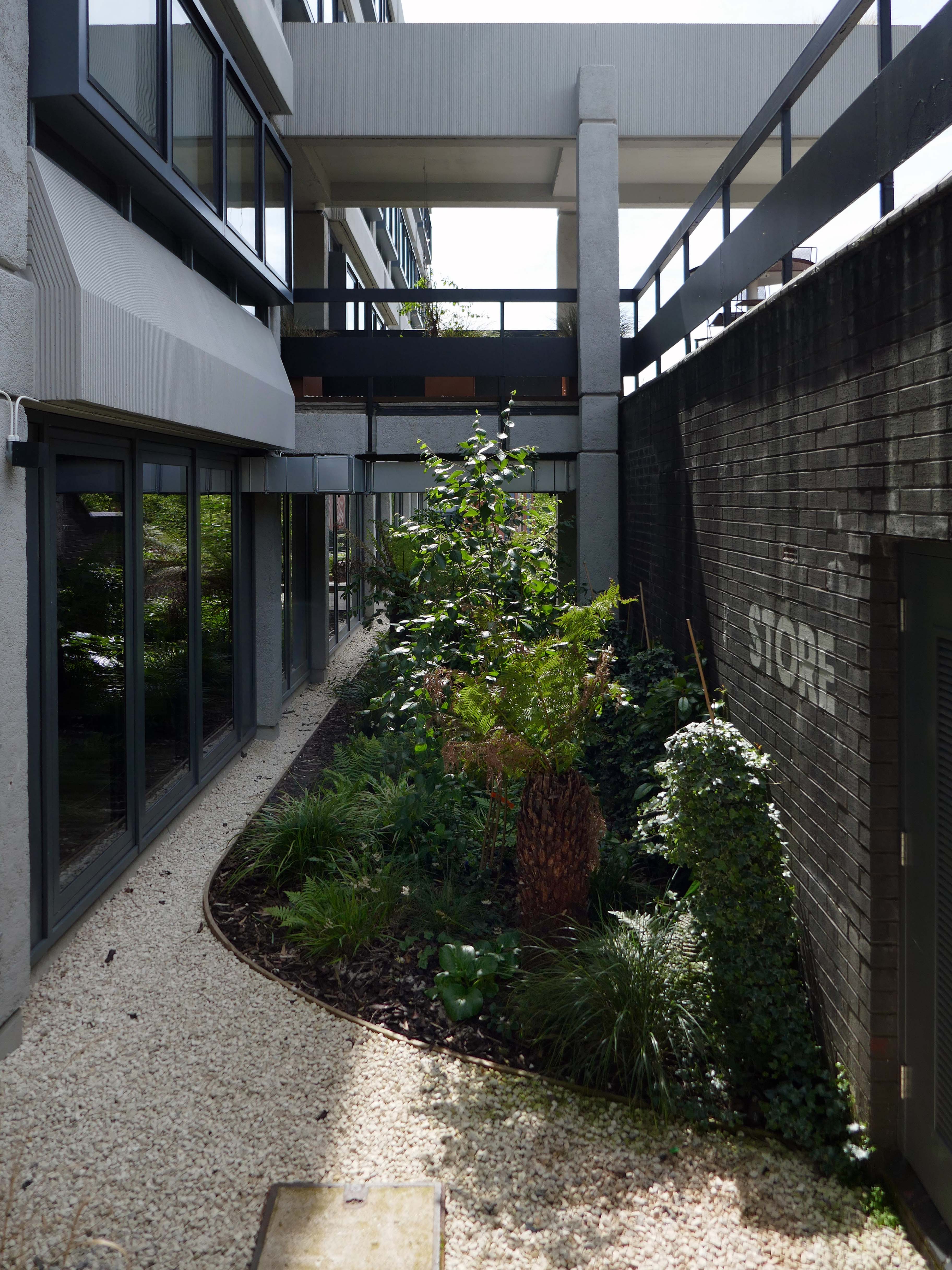
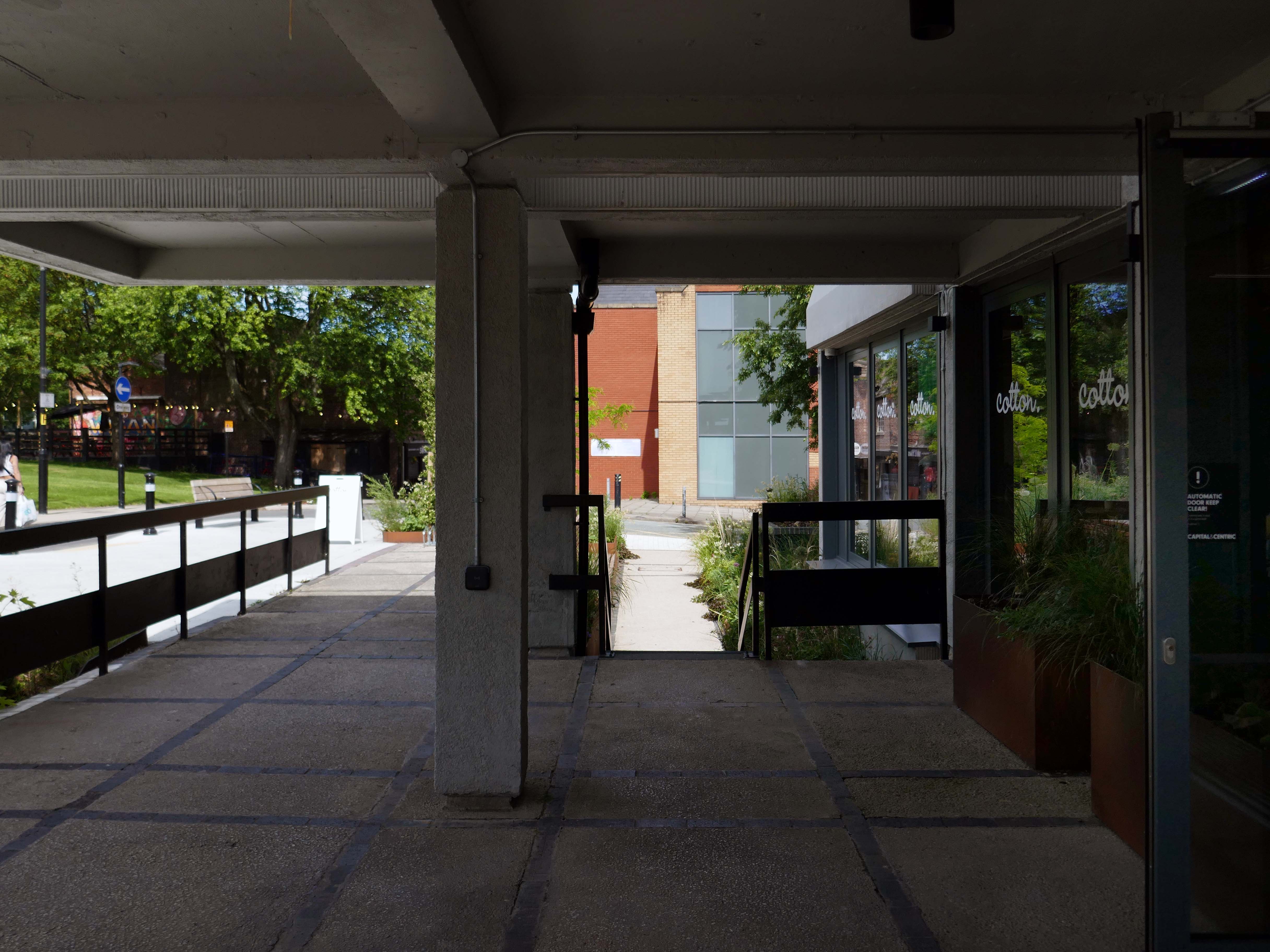
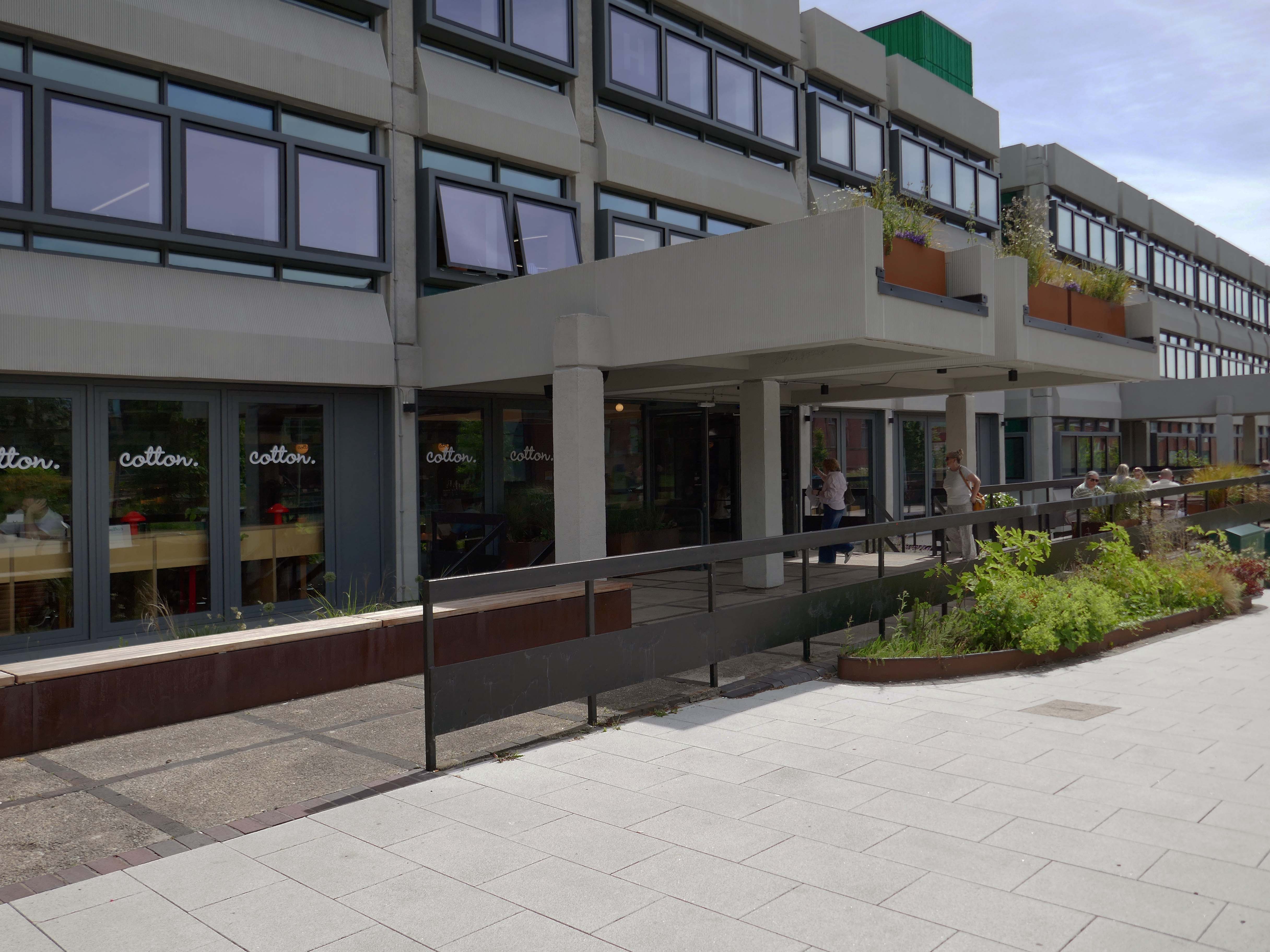
Here’s the exterior.
Many thanks to the Cotton Café Bar for kindly allowing us in after hours.
Diners image Canning O’Neill – spaces to let.
Ultimately, civic stands as a symbol of optimism for Wigan, proving that intelligent commercial design can catalyse economic renewal, secure a sustainable future, and truly lift a town’s spirits, without erasing its history. It is a gold standard for the adaptive reuse of 20th-century landmarks.
Judge, BCO Awards 2026
Open for business bob along pronto.
Montagu Court Gosforth Newcastle upon Tyne NE3
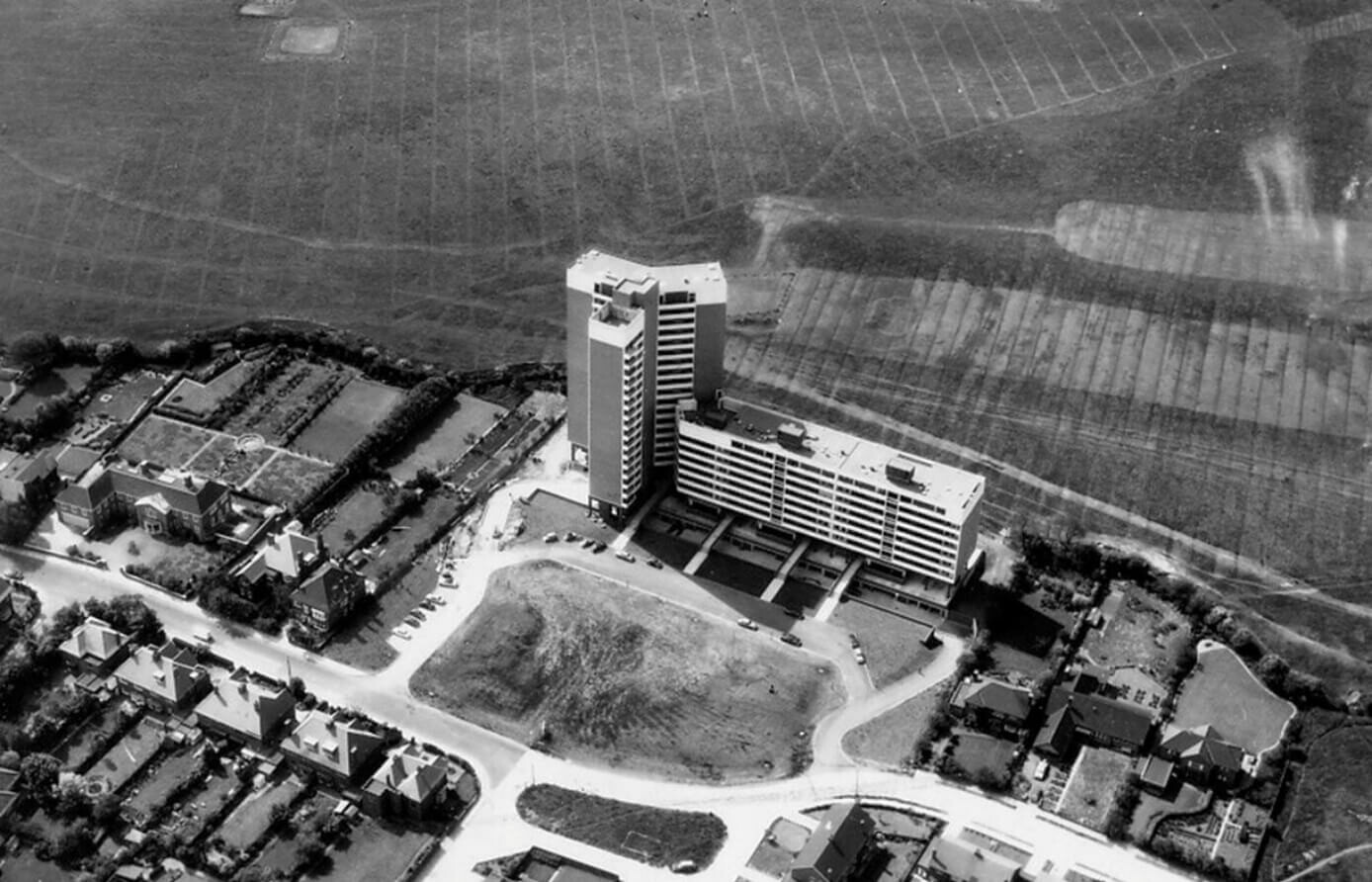
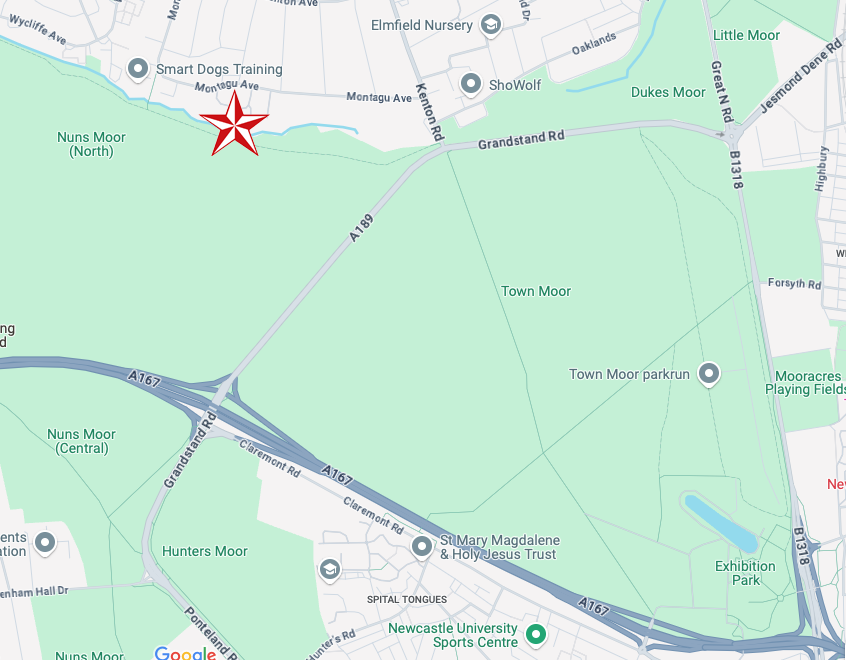
I walked across the Town Moor toward Gosforth, then along Kenton Road and left onto Montagu Avenue.
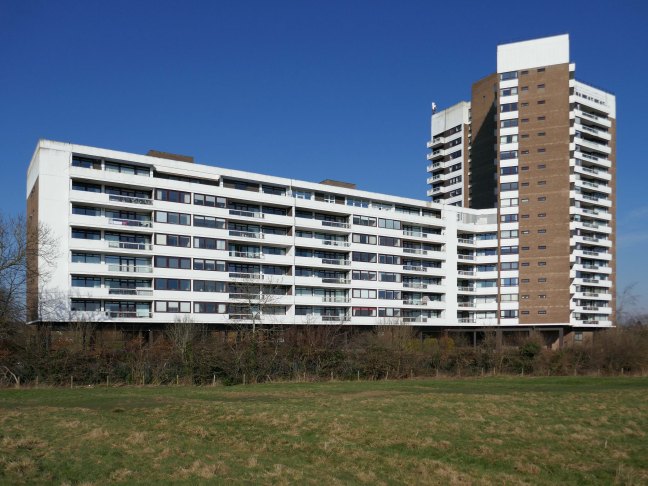
Coming to Montagu Court – facing north, in shadow from the spring sun – constructed in 1963 by local architects Waring & Netts.
Modelled here by Northumbria University.
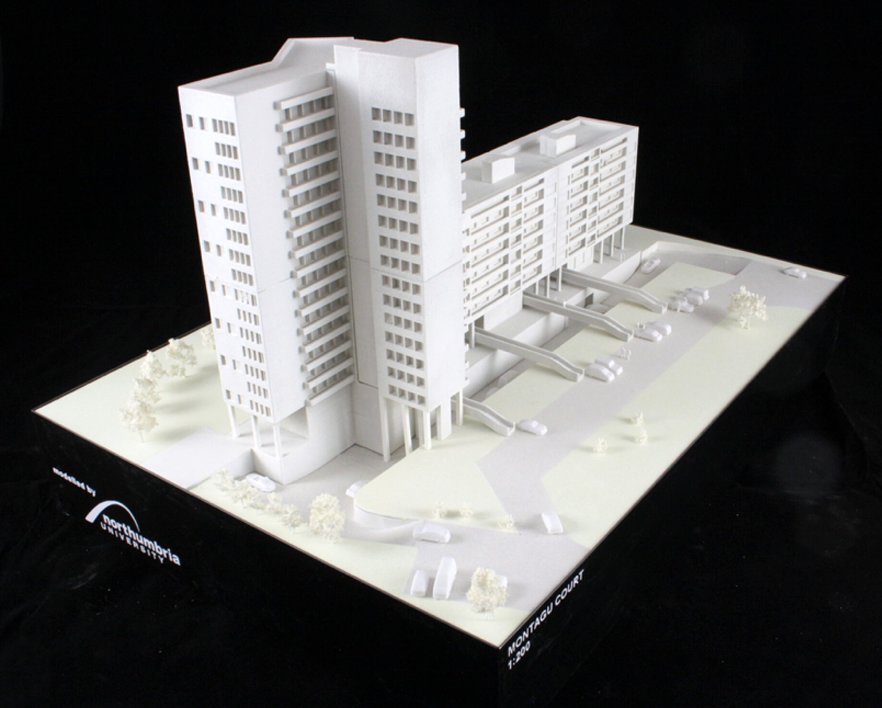
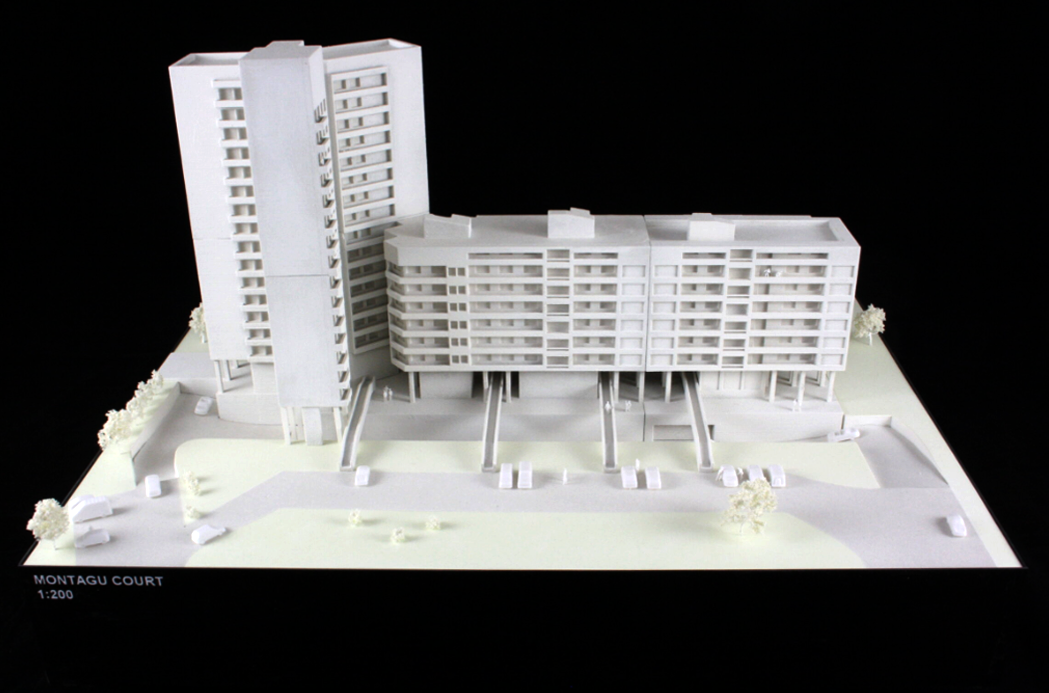
I took a look around, many thanks to the amiable resident, who gave me the lowdown on this high rise.
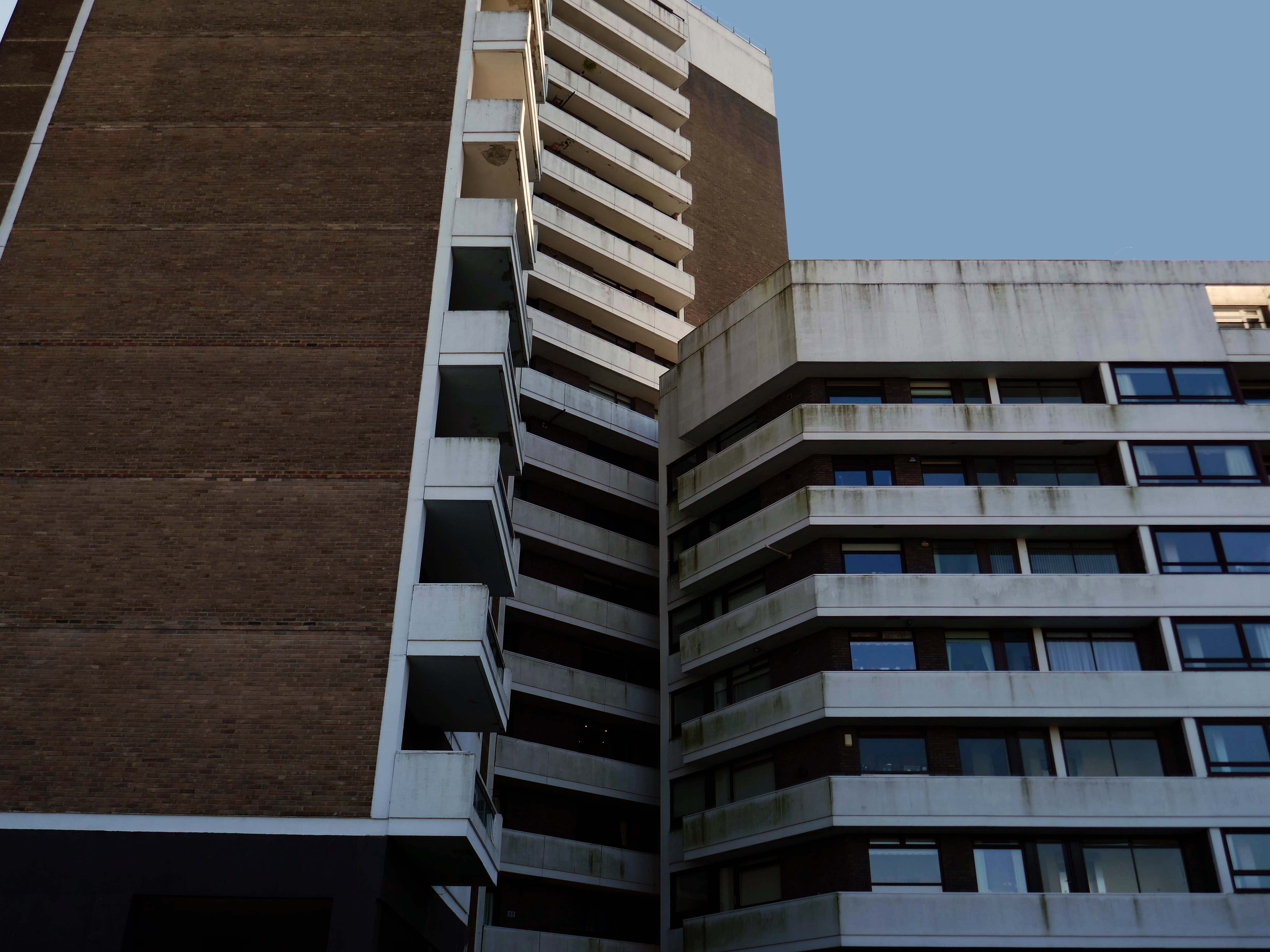
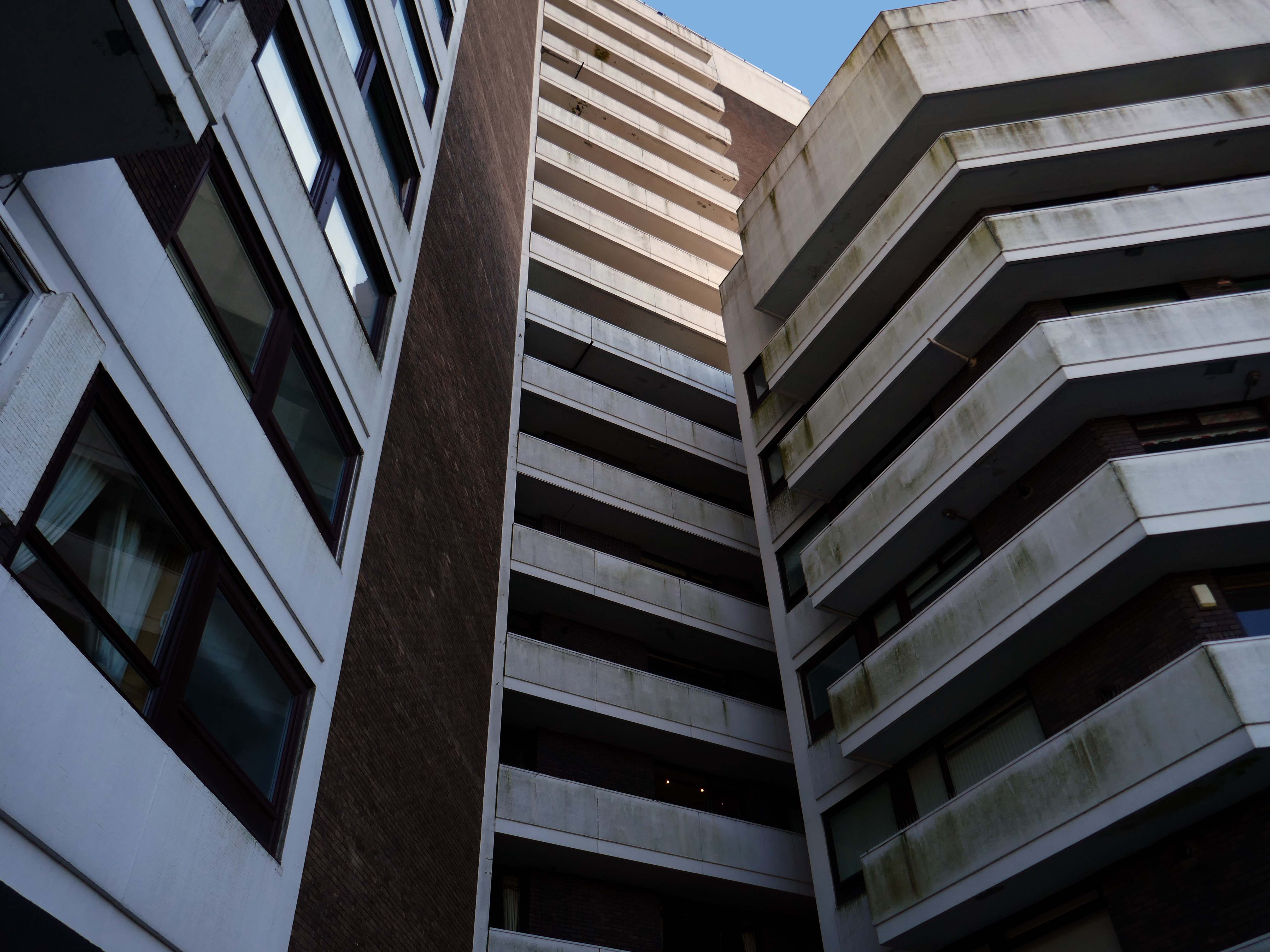
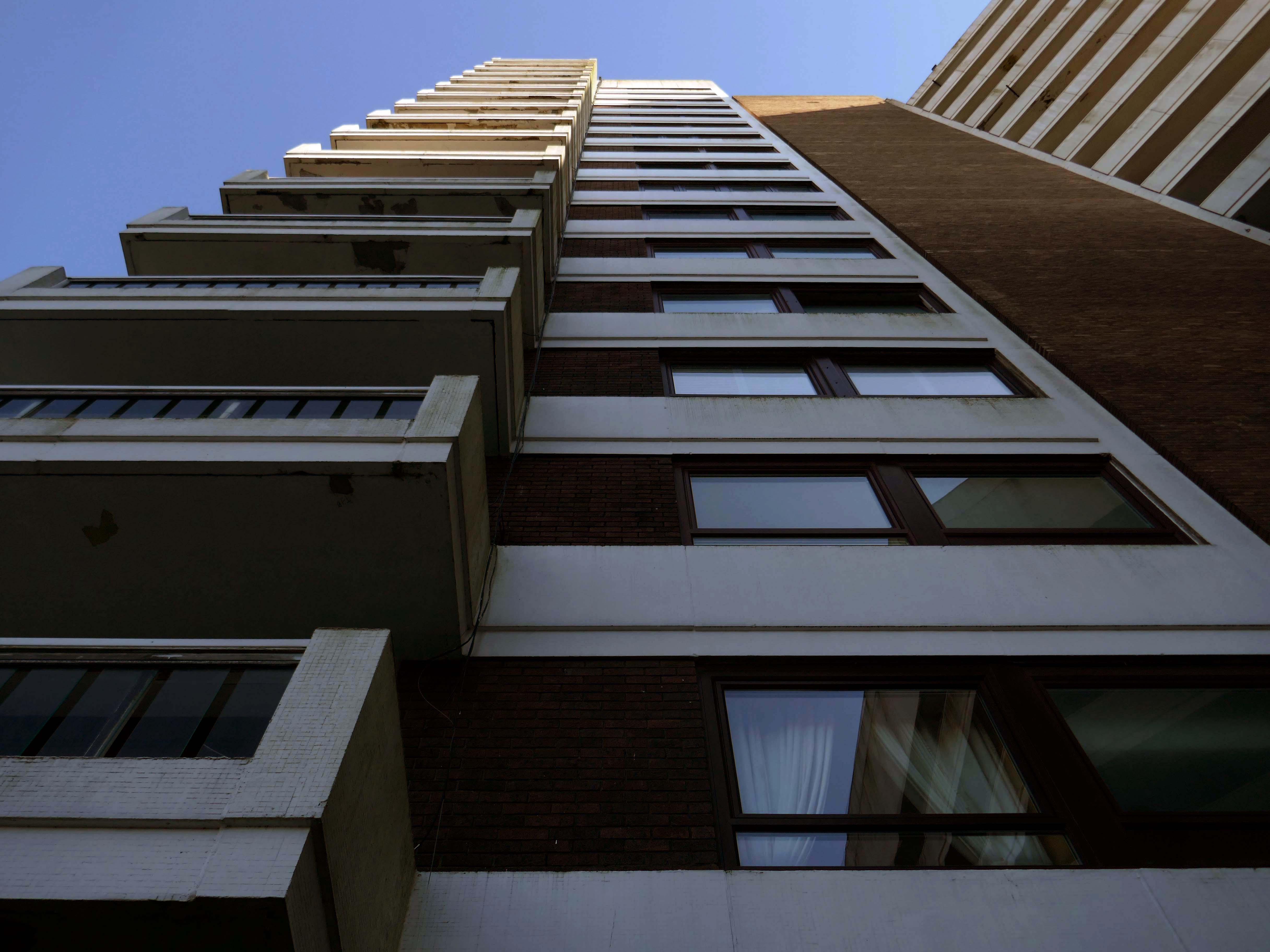
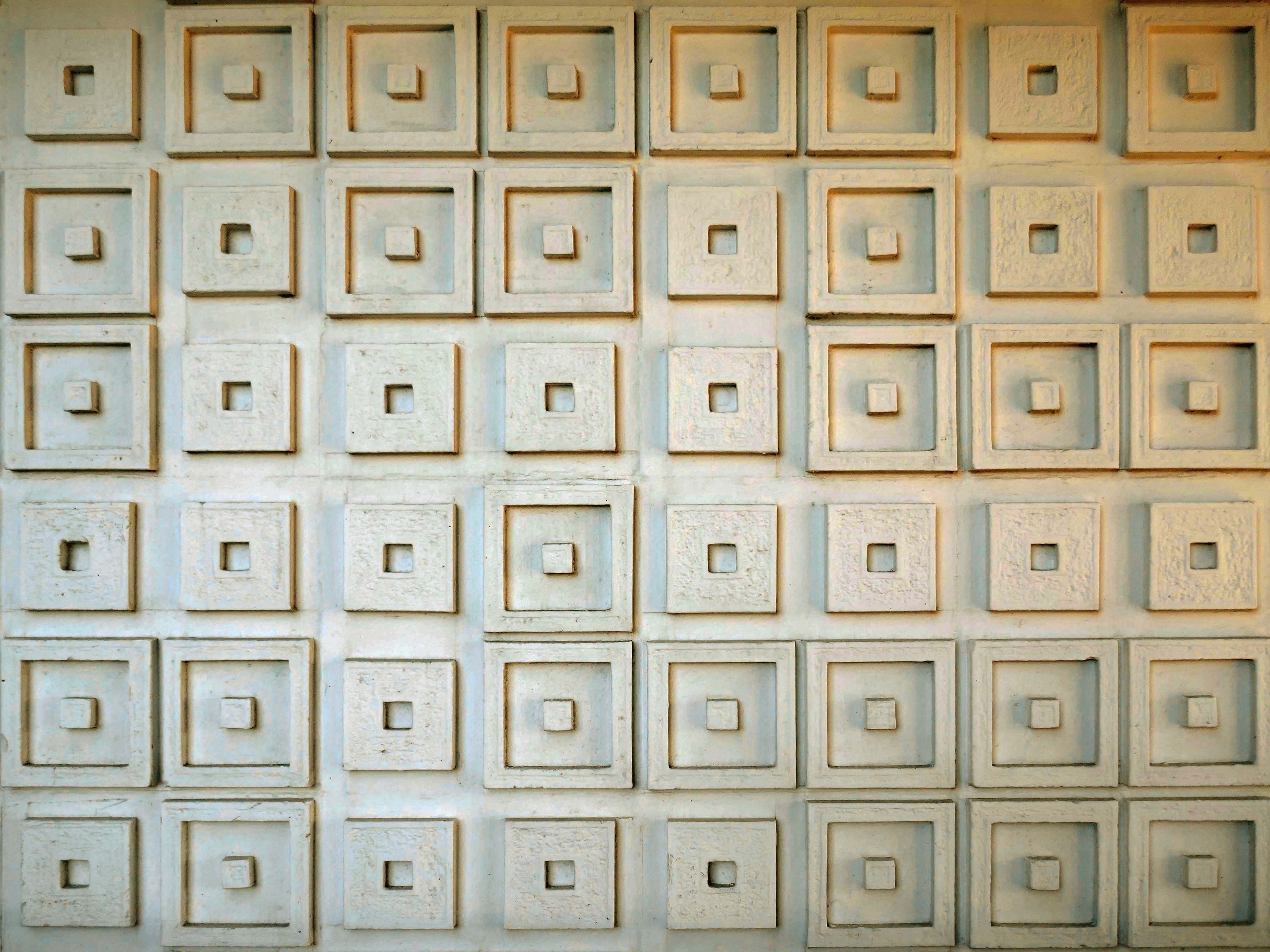
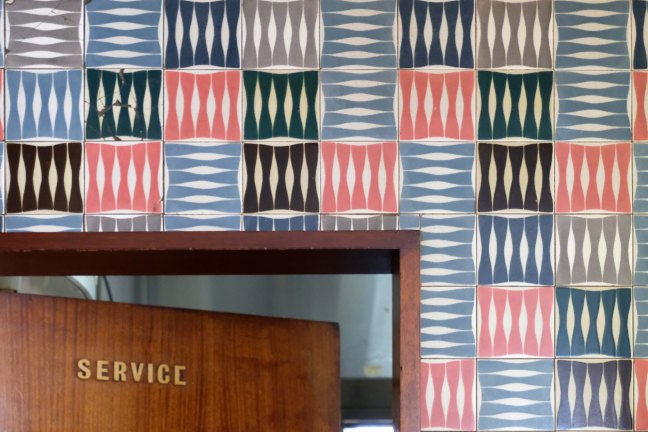
By the main entrance to the tower is this delightful concrete relief.
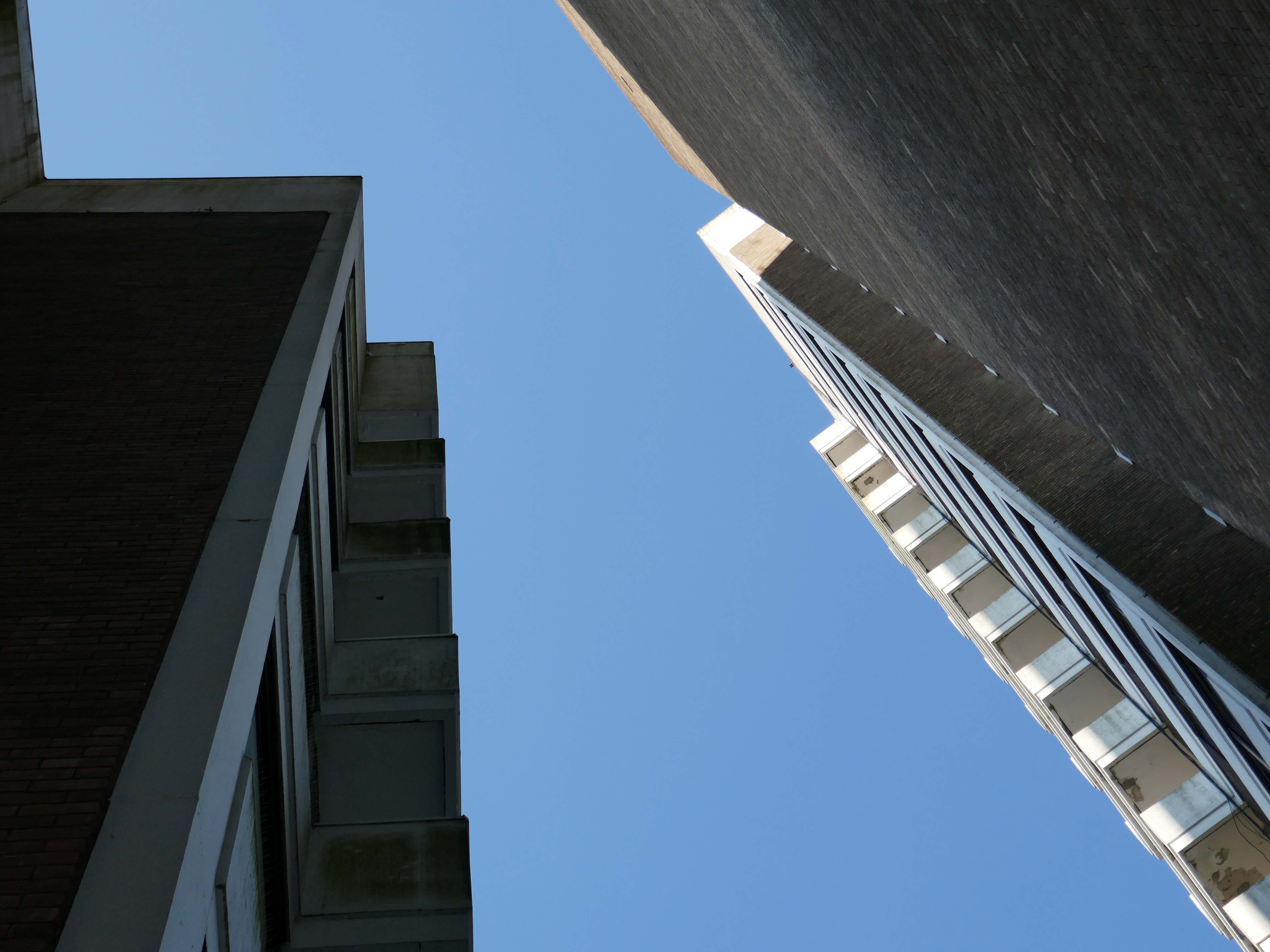
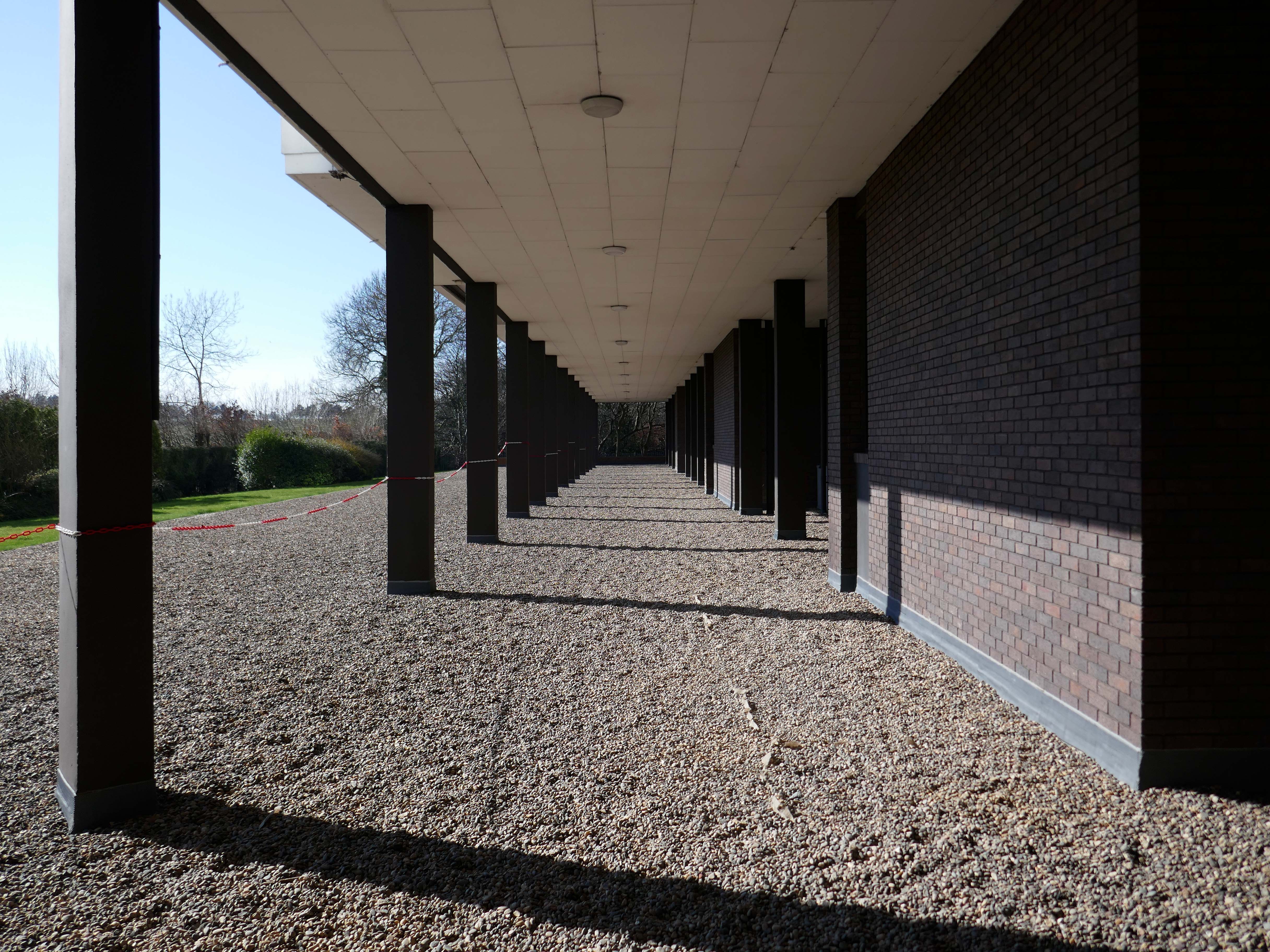
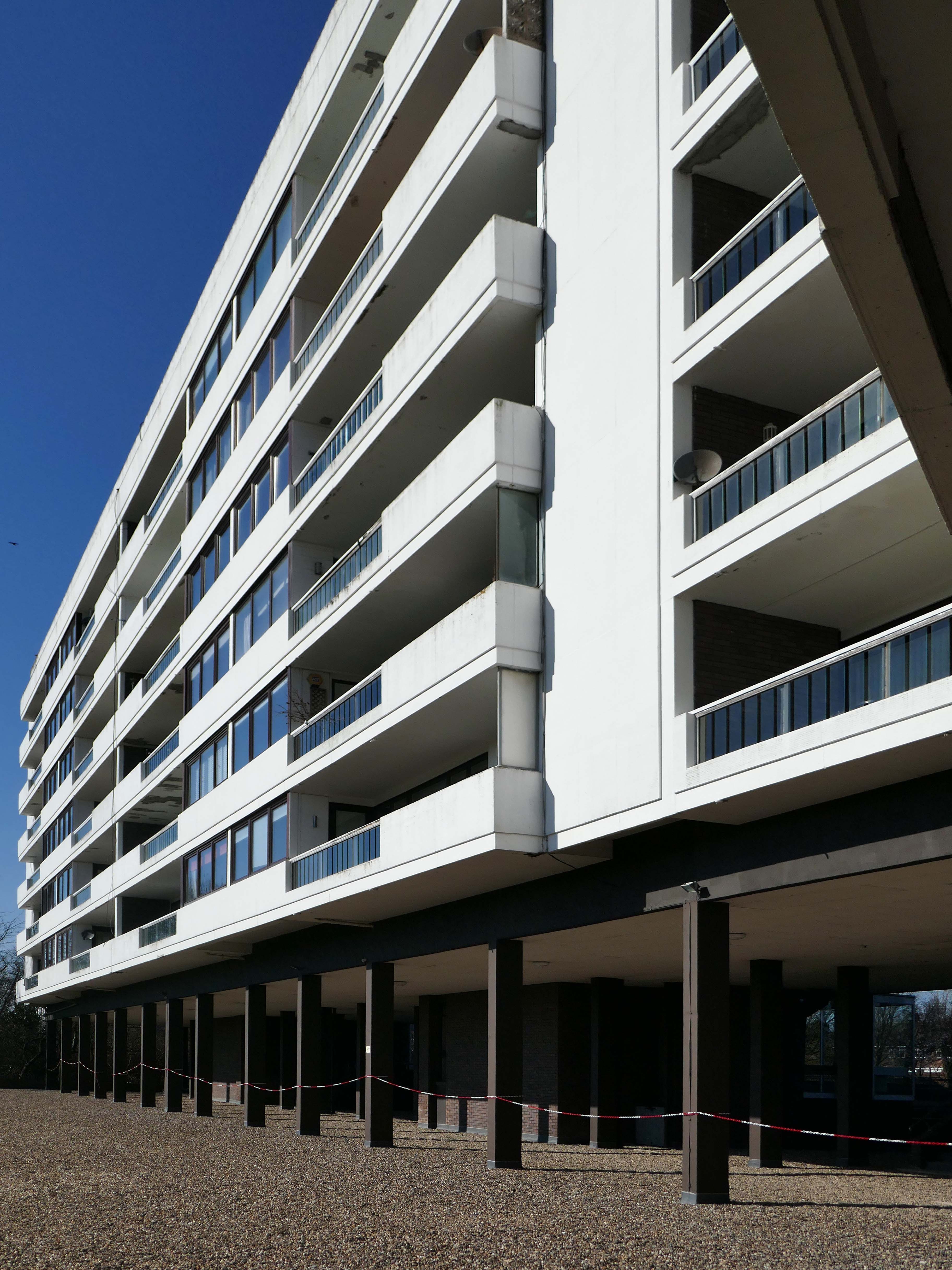
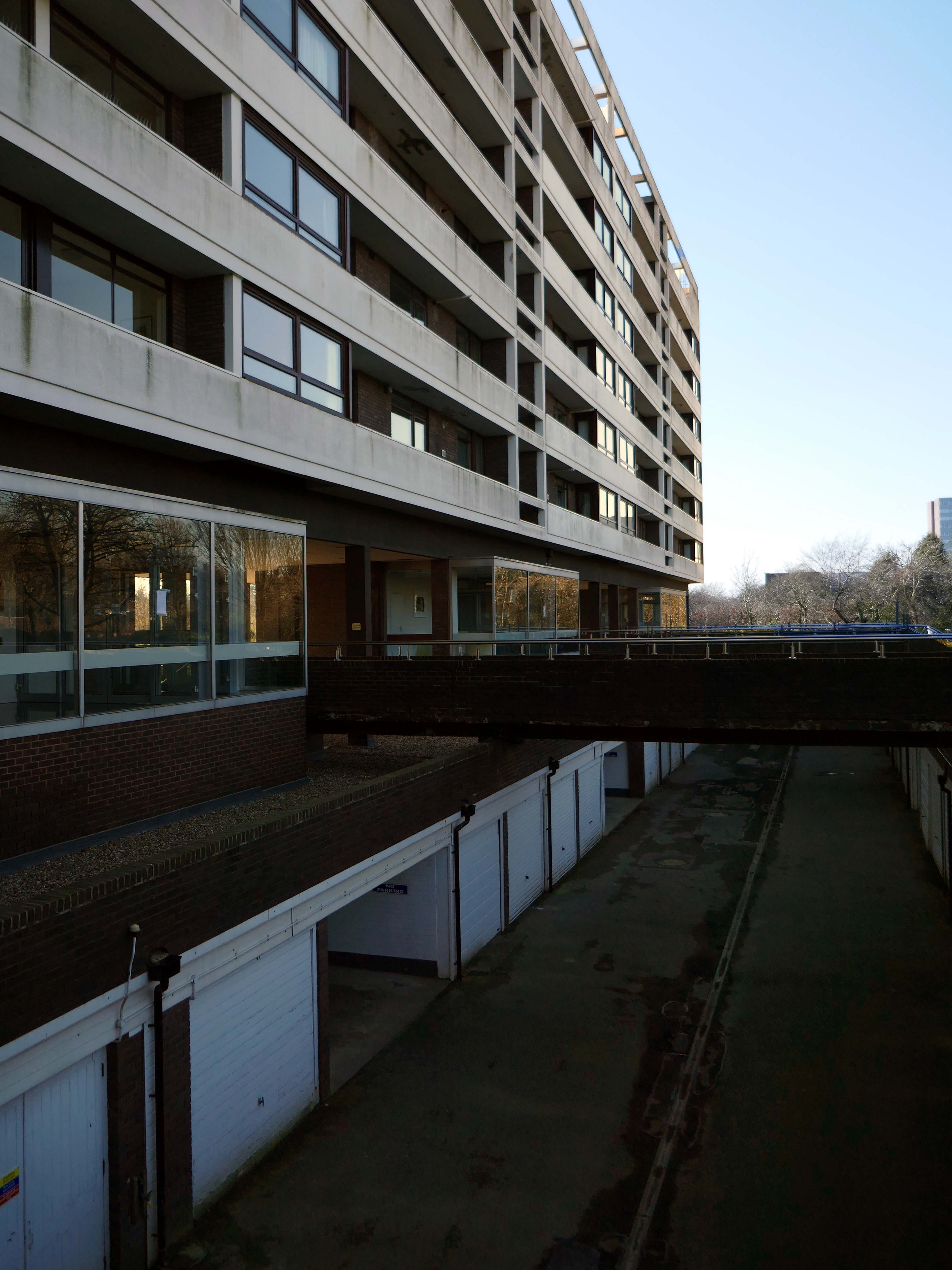
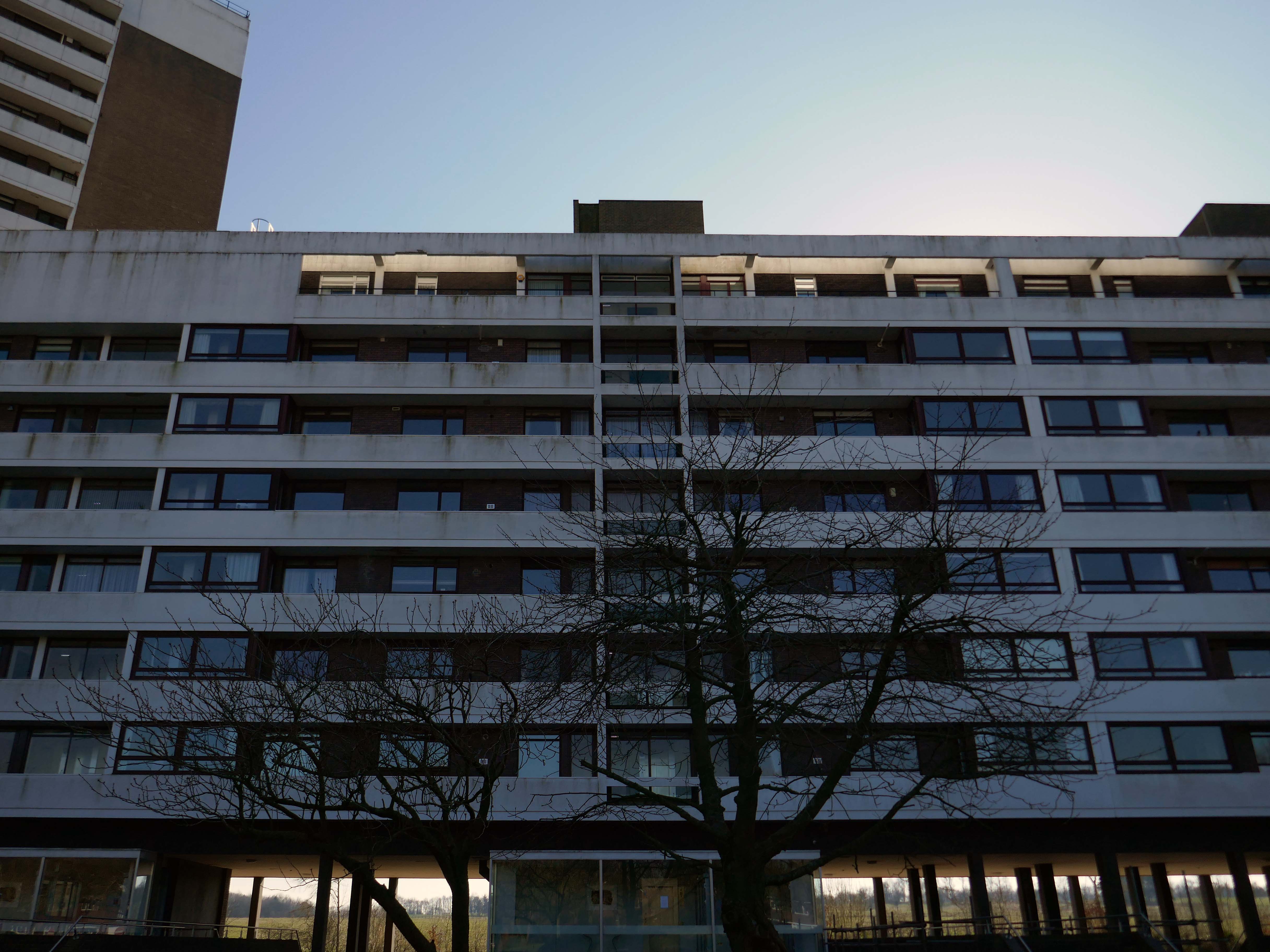
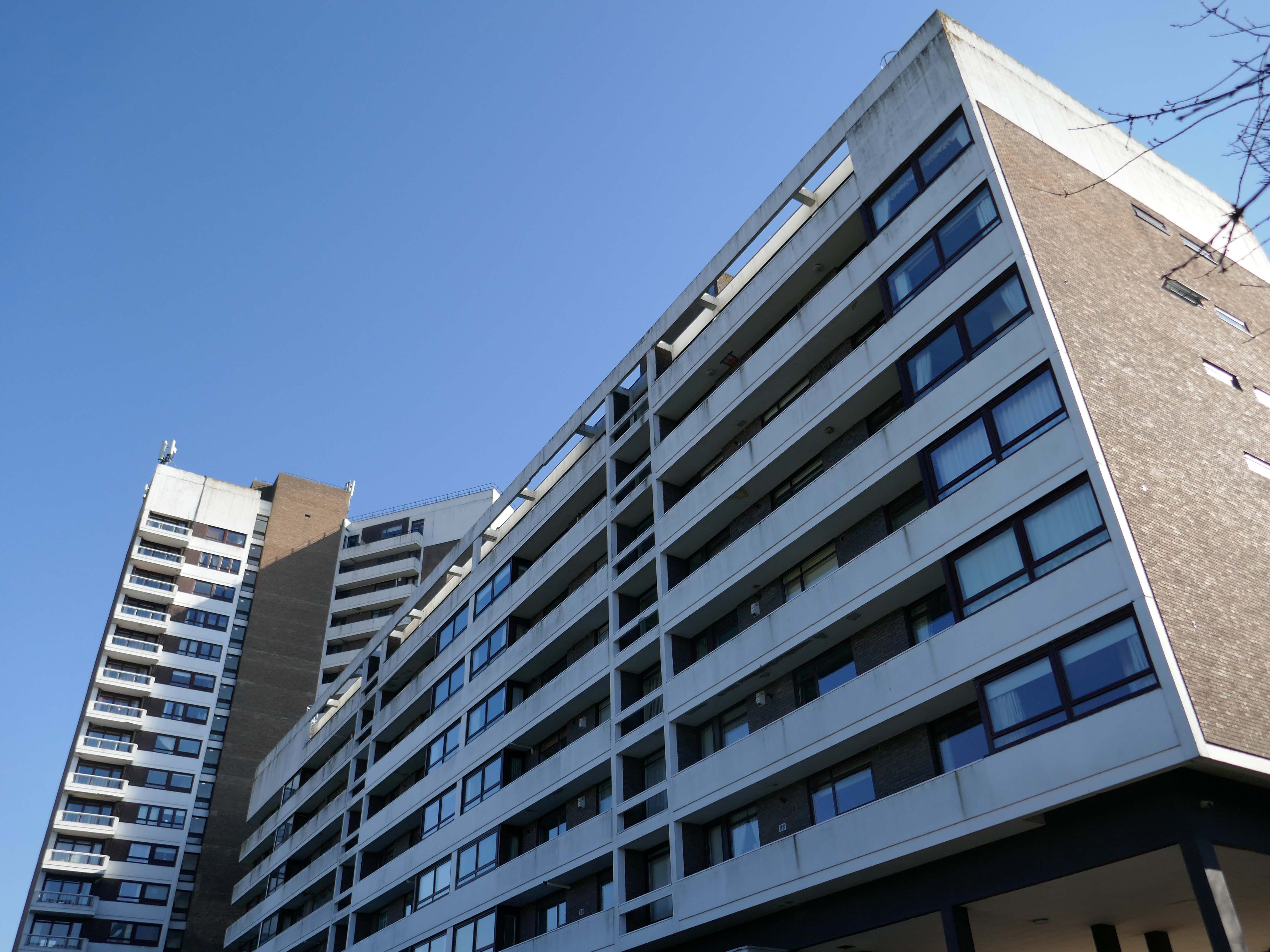
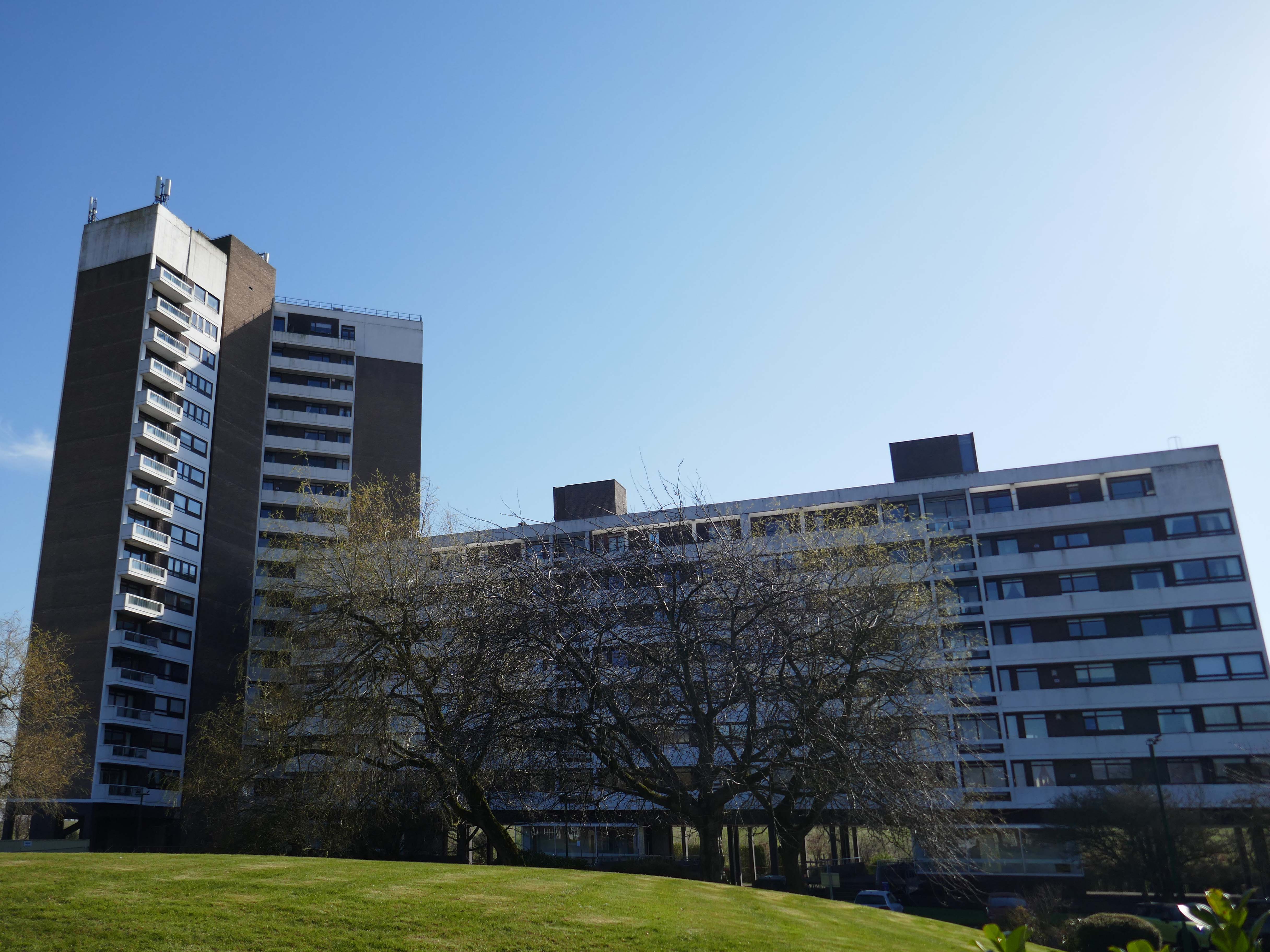
Rather circuitously I wandered around the adjoining streets – finding myself on the edge of the grassland facing the southern elevation.
I suggest that you take the footpath by the side of Ferndene Court, I didn’t.
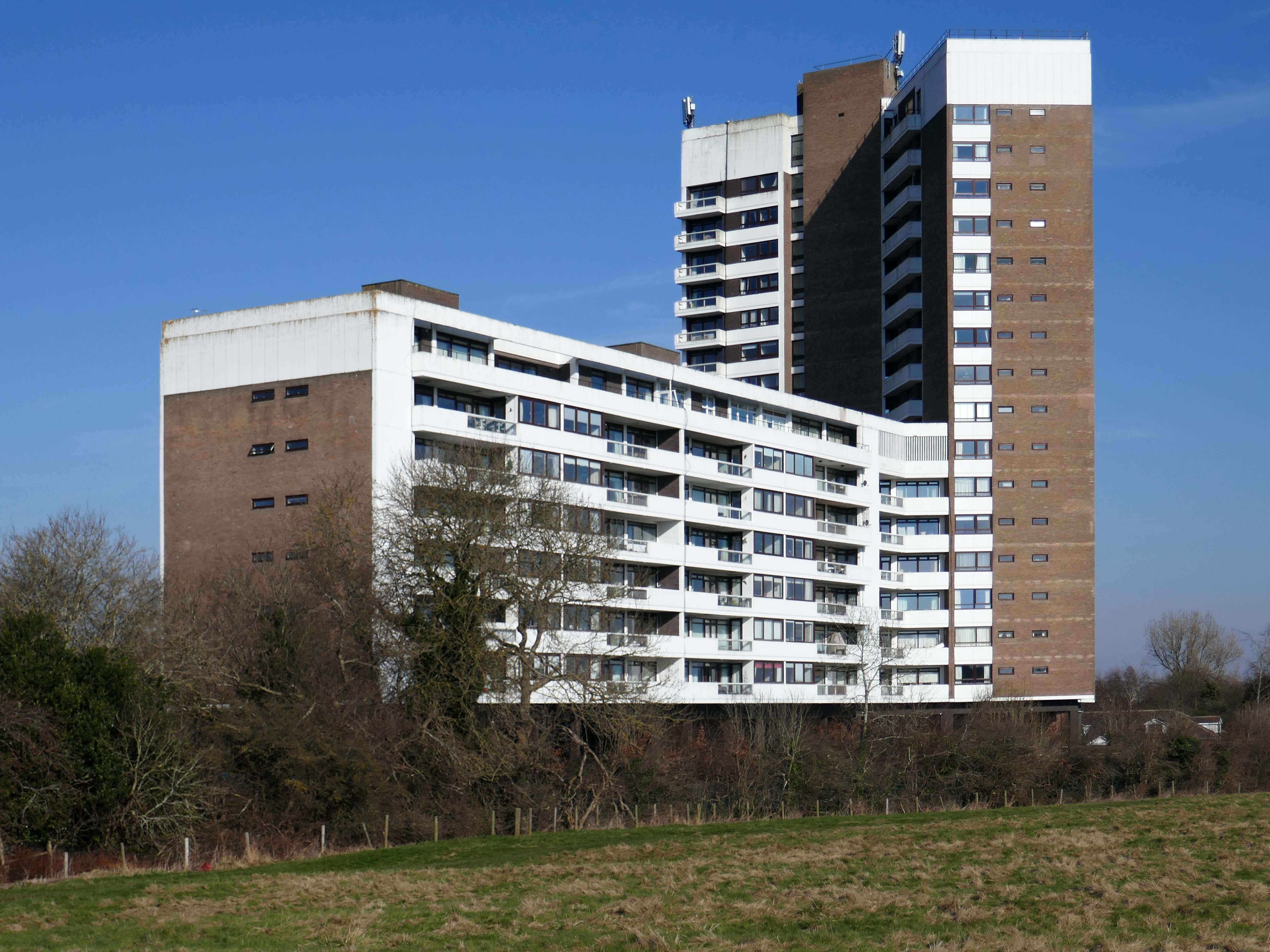
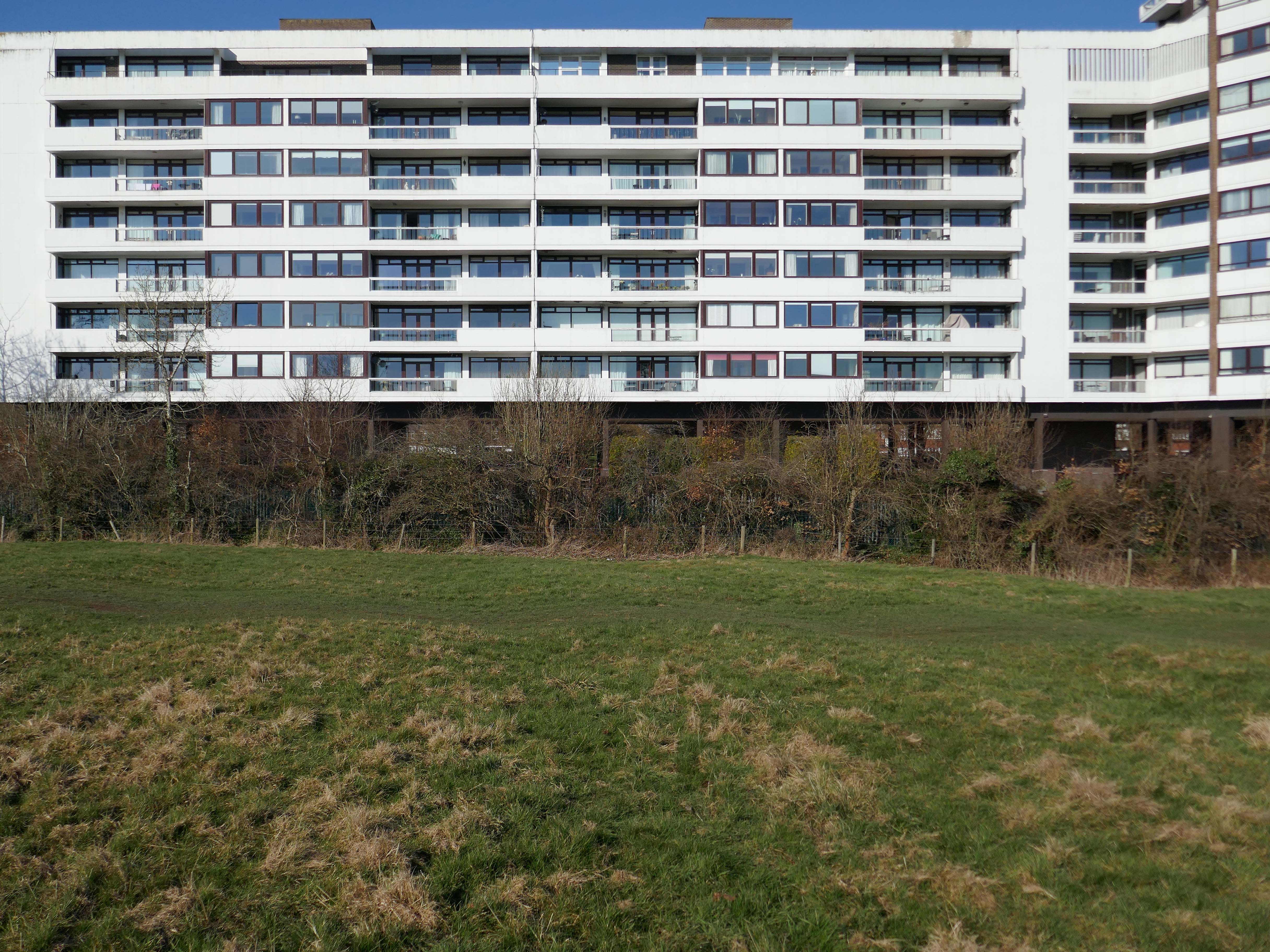
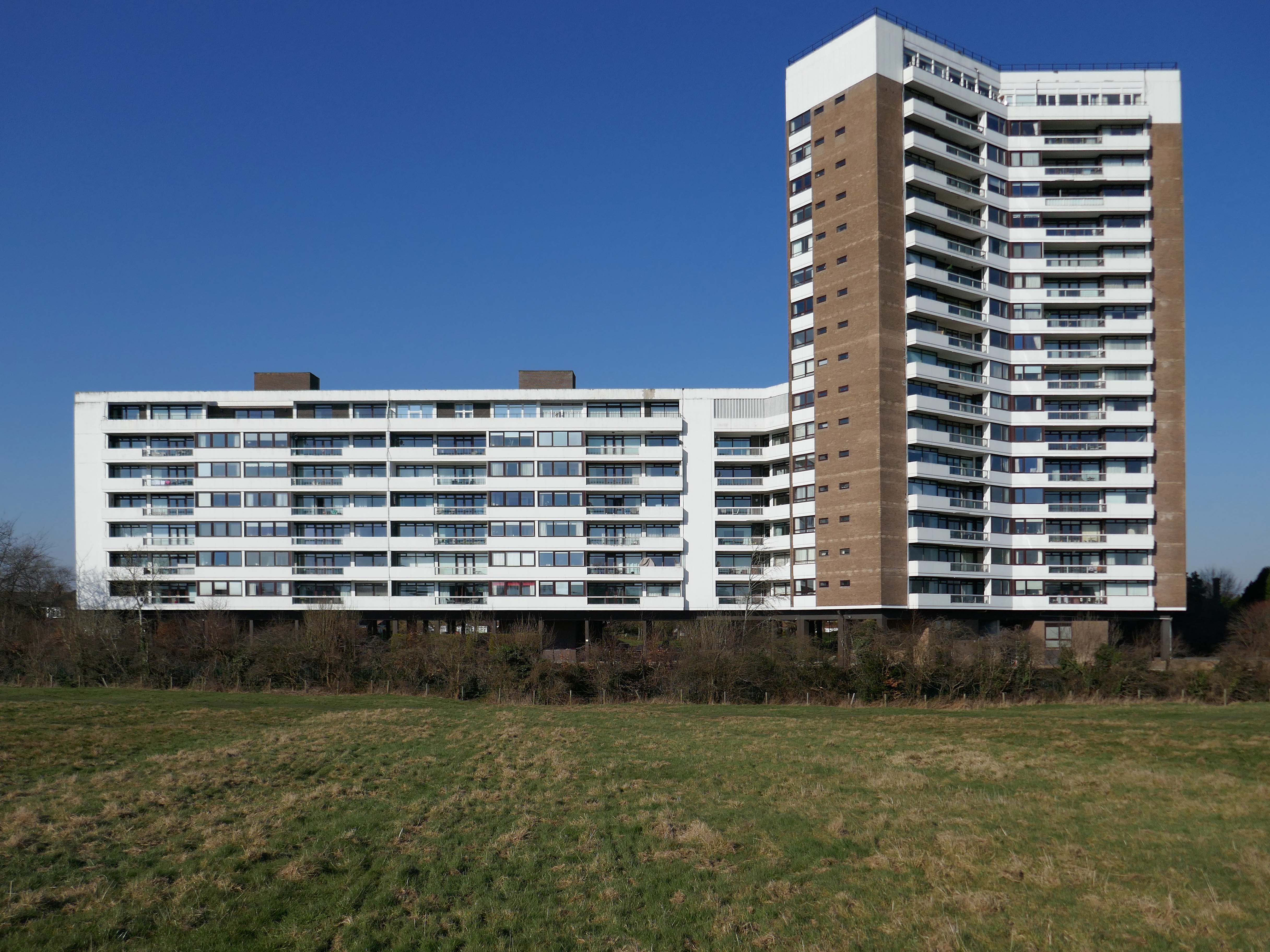
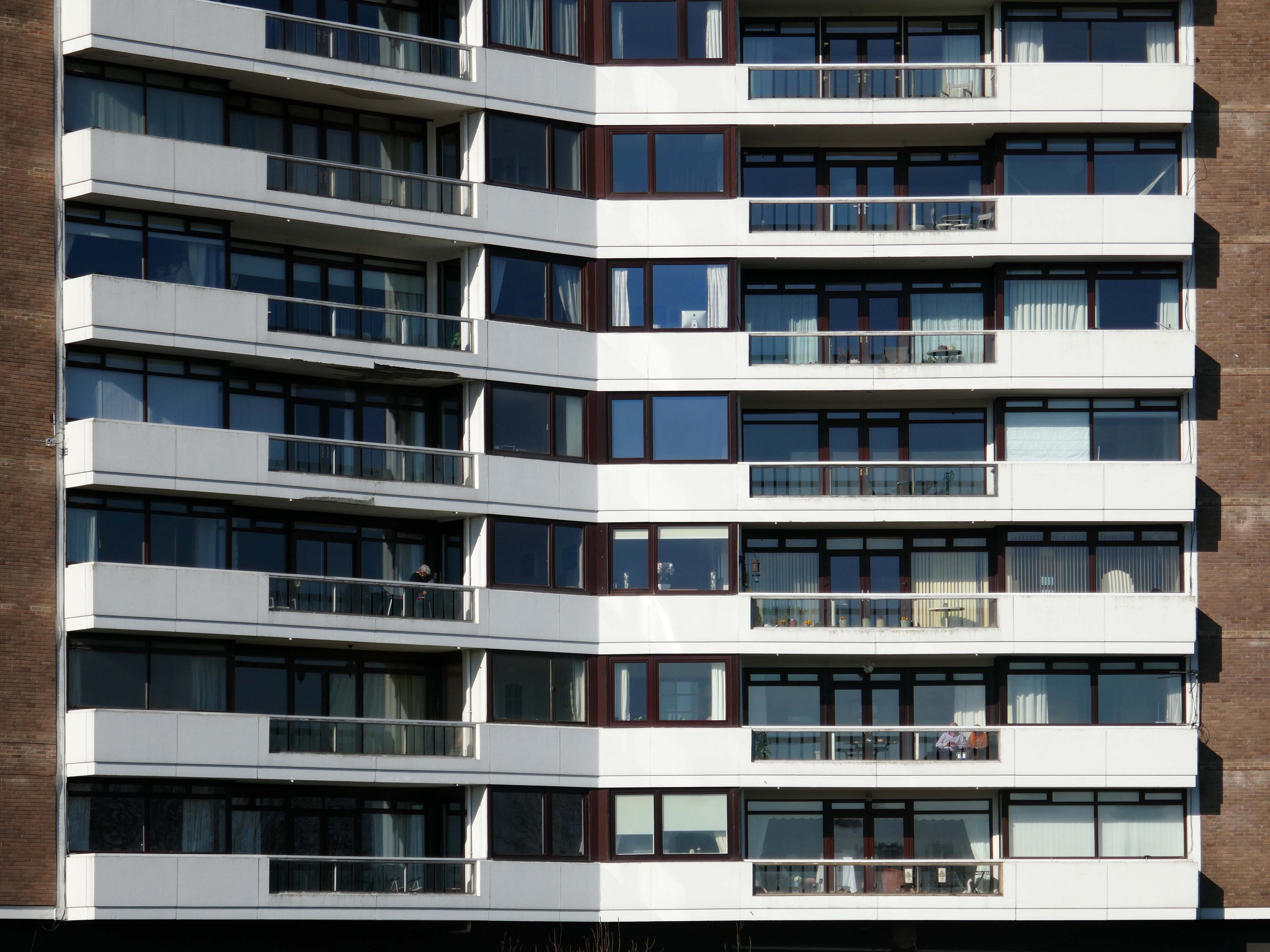
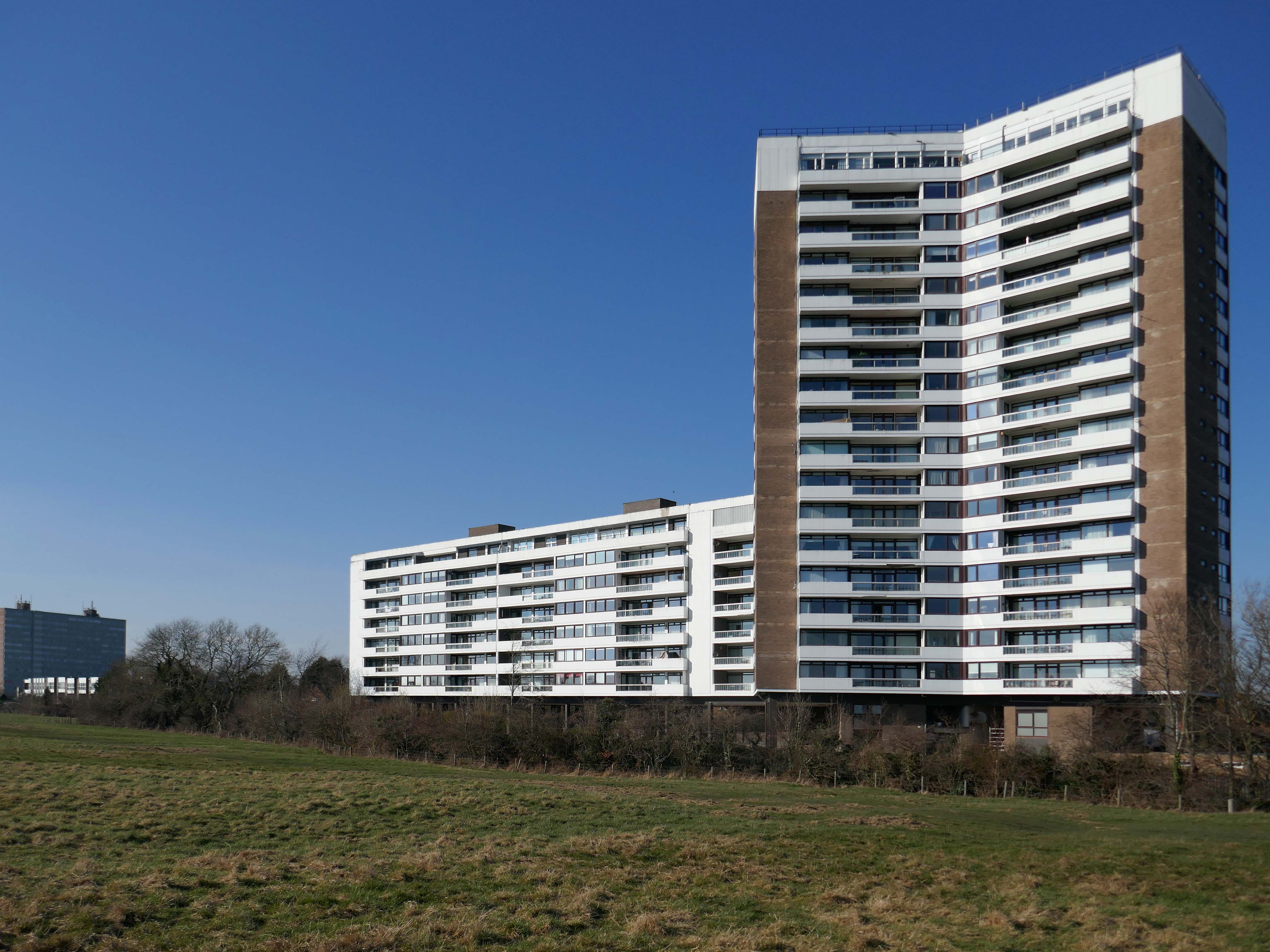
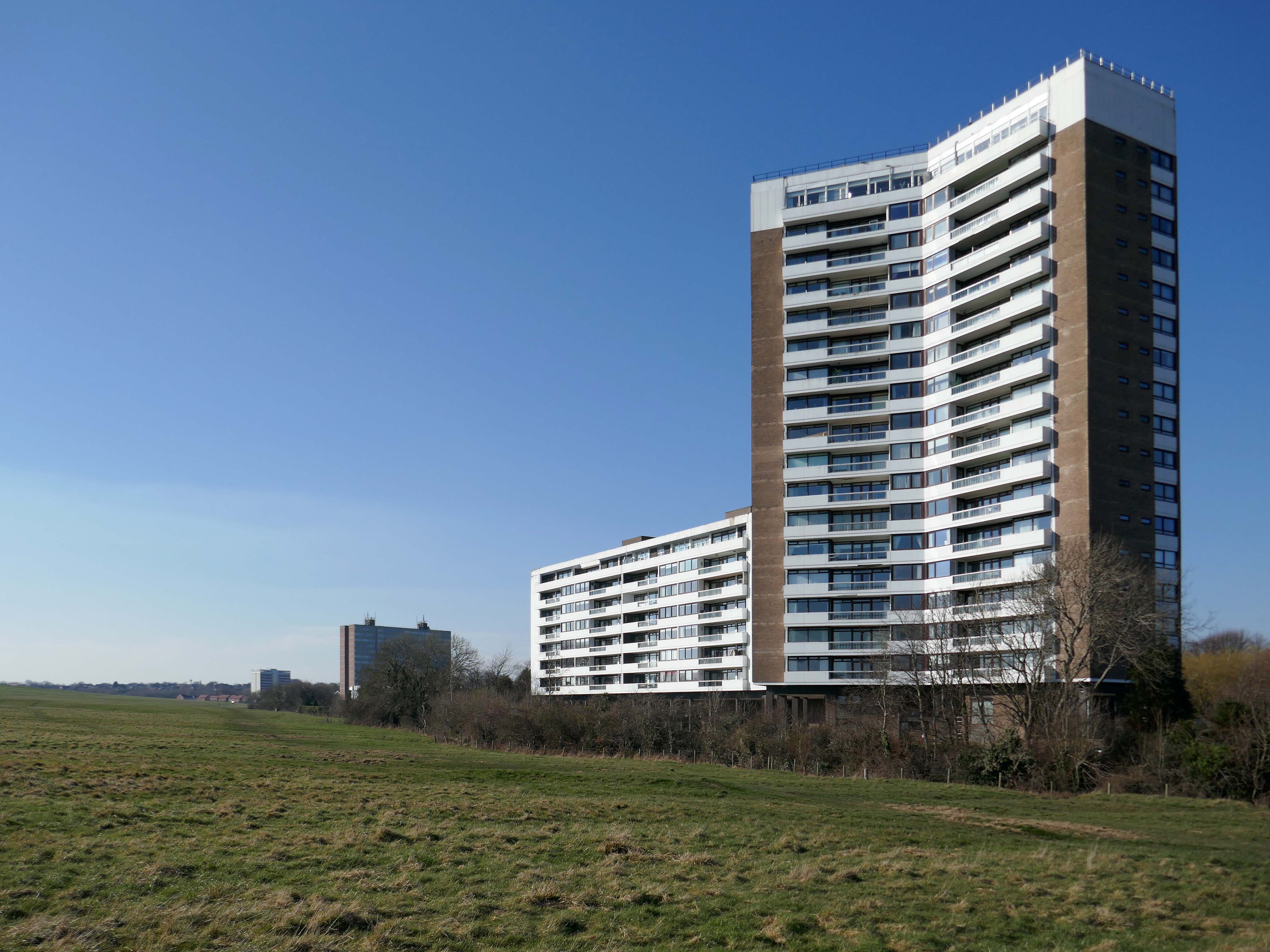
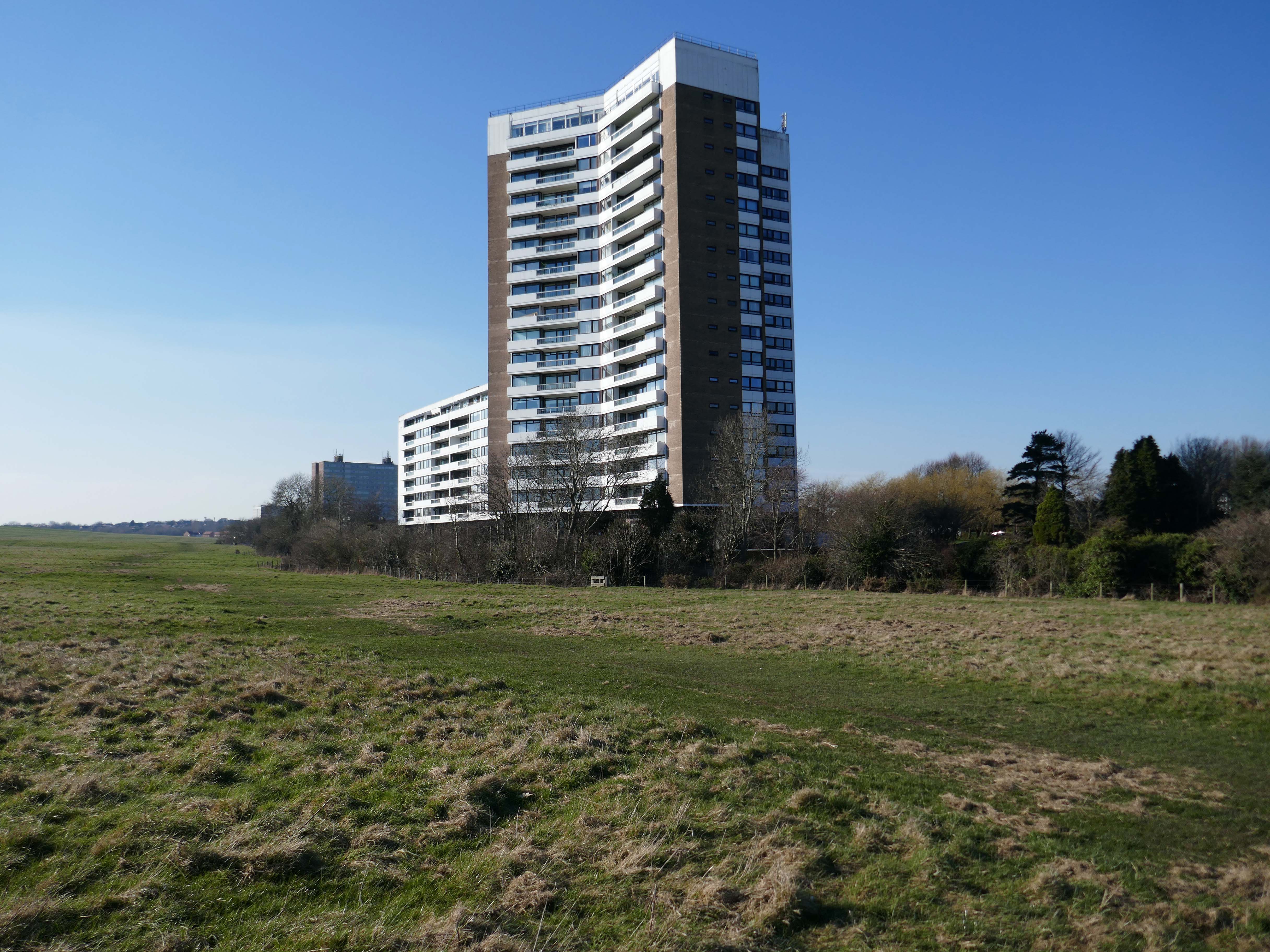
Should you fancy a flat with a view house prices in Montagu Court have an overall average of £456,667 over the last year.
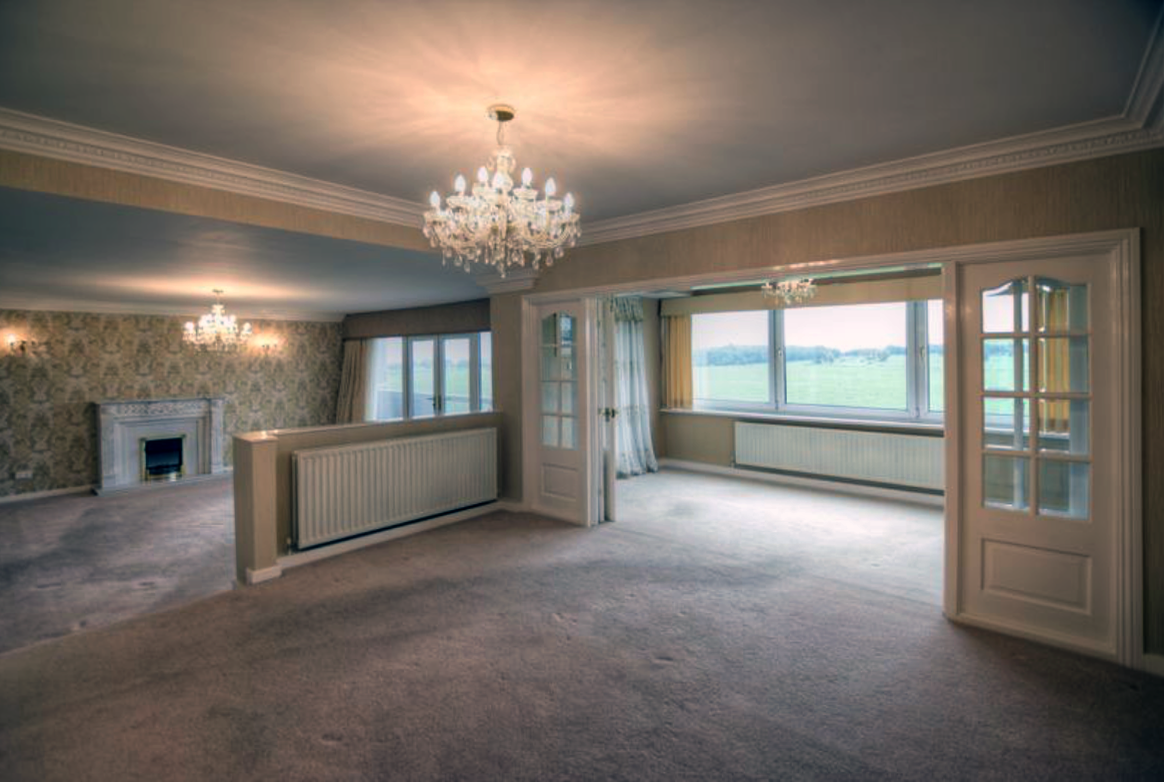
Then you can transform your home in the George Bond style.
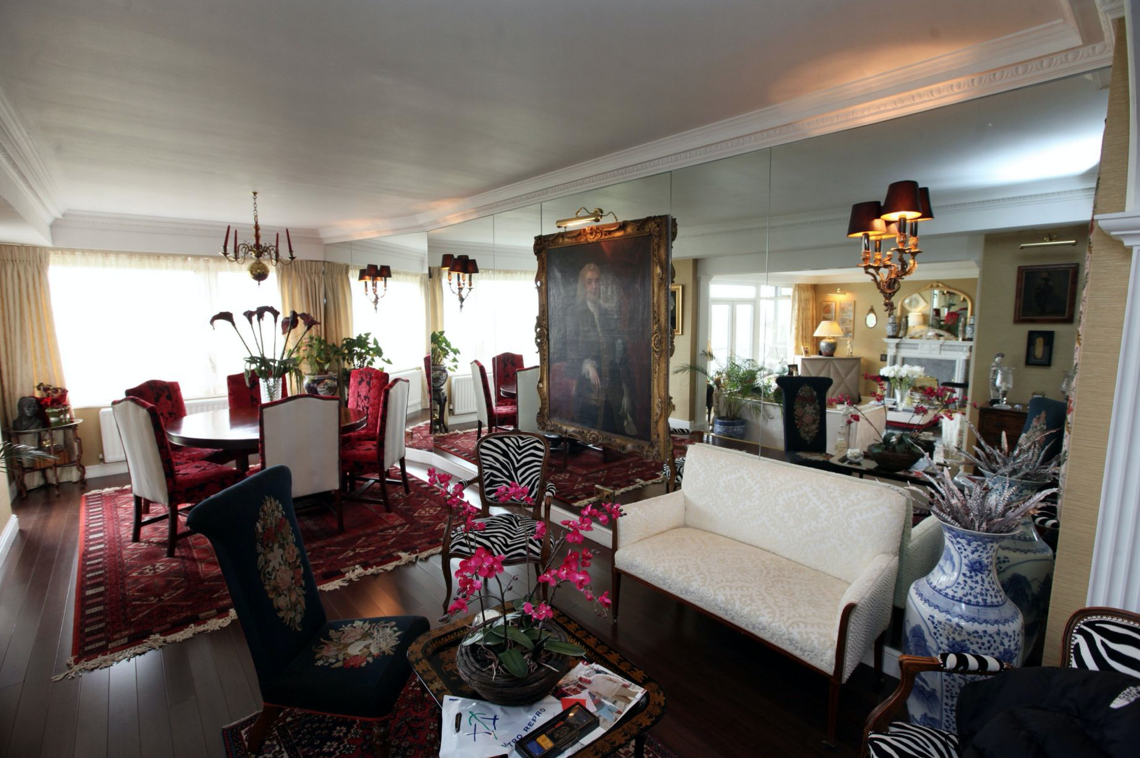
Morris Buildings 11 Portland St Swansea SA1 3DH
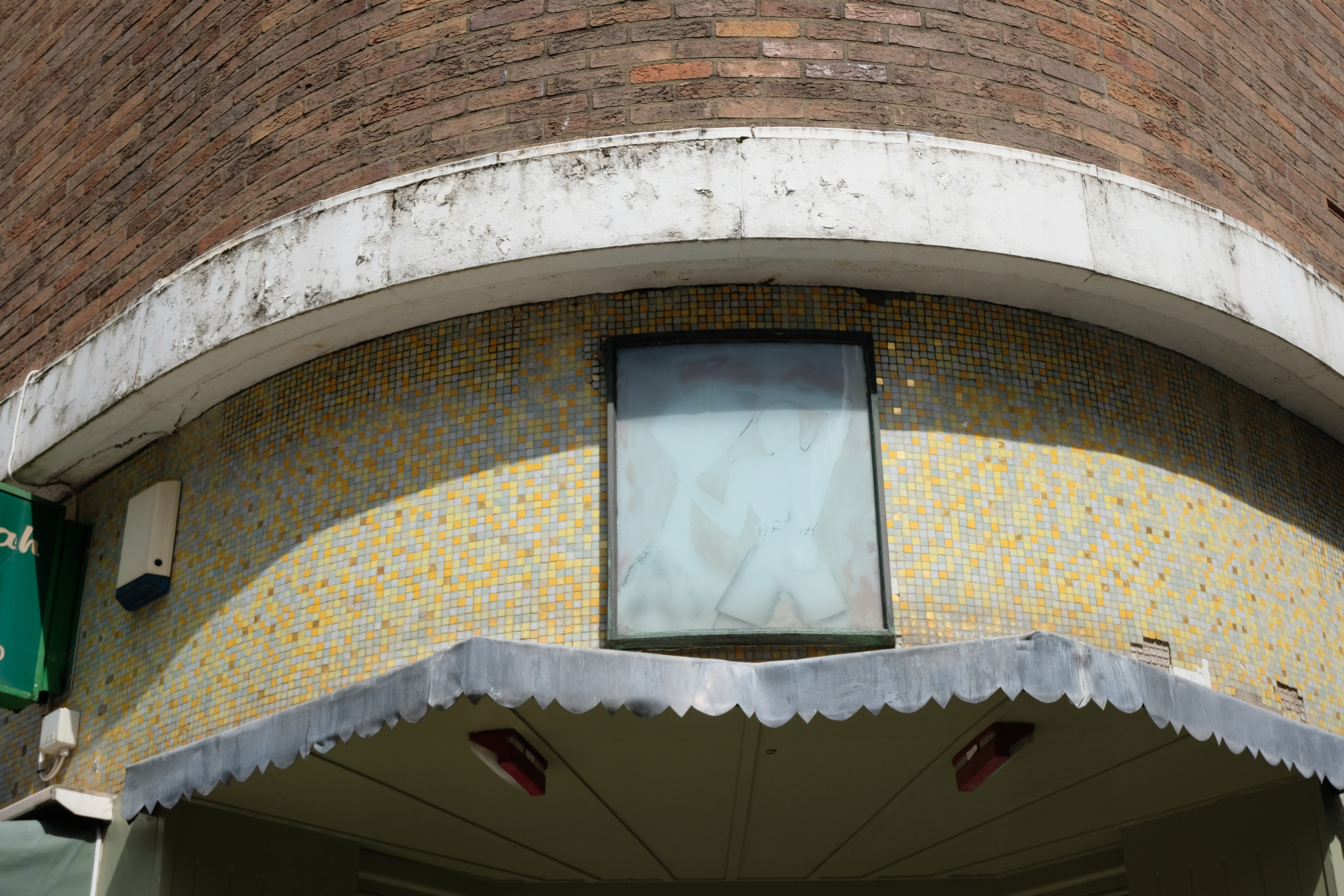
Welcome, at the Kardomah Cafe we have a long history of excellent service, great food and wonderful coffee. We are an independent, established, family run business of nearly 50 years. Traditional values are important to us and have helped us create a warm and friendly atmosphere, which is seen by many of our customers as an important part of their lives, a place to meet their friends, whilst enjoying quality food and drink.

The company that created the Kardomah brand began in Pudsey Street, Liverpool in 1844 as the Vey Brothers teadealers and grocers. In 1868 the business was acquired by the newly created Liverpool China and India Tea Company, and a series of brand names was created beginning with Mikado. The Kardomah brand of tea was first served at the Liverpool colonial exhibition of 1887, and the brand was later applied to a range of teas, coffees and coffee houses. The parent company was renamed Kardomah Limited in 1938. The brand was acquired by the Forte Group in 1962, sold to Cadbury Schweppes Typhoo in 1971, and became part of Premier Brands some time between 1980 and 1997. The brand still exists, selling items such as instant coffee and coffee whitener.
The Kardomah Cafés in London and Manchester were designed by Sir Misha Black between 1936 and 1950.
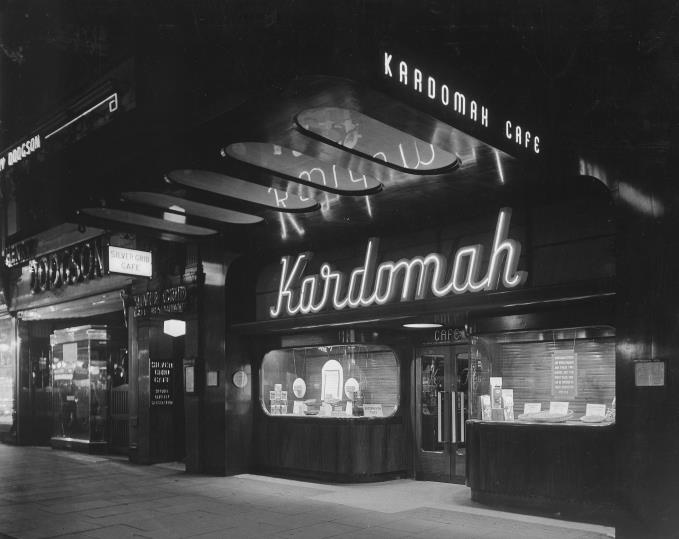
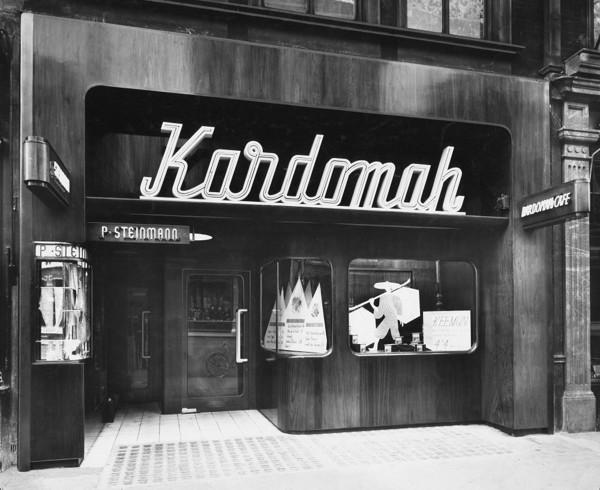
The original Swansea branch was at 232 High St, and known as ‘The Kardomah Exhibition Cafe & Tea Rooms’, moving to the Castle Street in 1908.
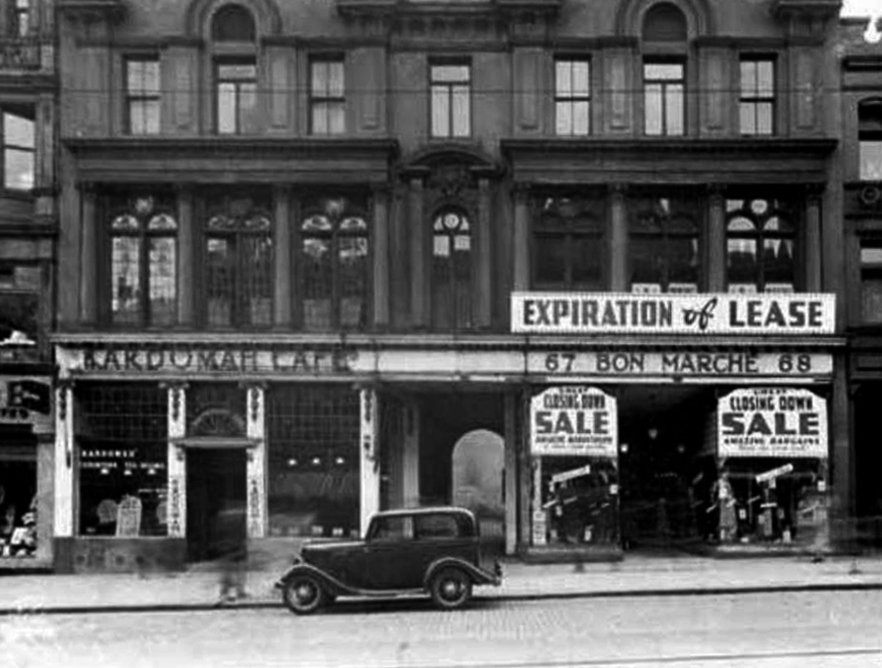
The Castle Street cafe was the meeting place of The Kardomah Gang, which included Dylan Thomas, and was built on the site of the former Congregational Chapel where Thomas’s parents were married in 1903. The cafe was bombed during WW2 and was later replaced by the present Kardomah Coffee Shop Restaurant in Portland Street.
An in-depth history is available here.
I’d never had the pleasure of visiting a Kardomah before, imagine my delight when I was directed there by local artist, activist and archivist Catrin Saran James, during our delightful Swansea Moderne tour!
Following an extensive walk from one end of town to the other, I returned there for a late midday bite to eat and a sit down – it looked a little like this:
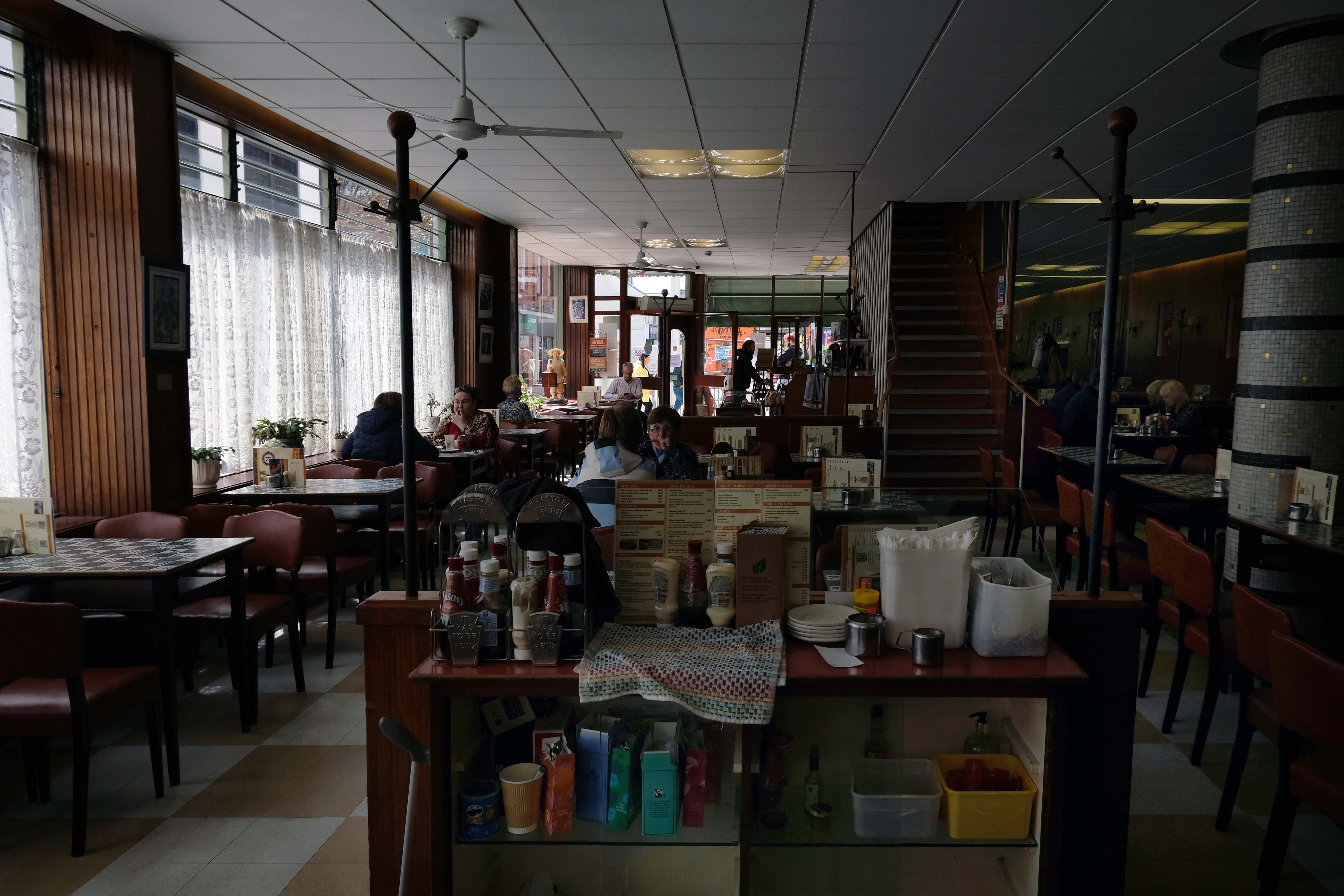


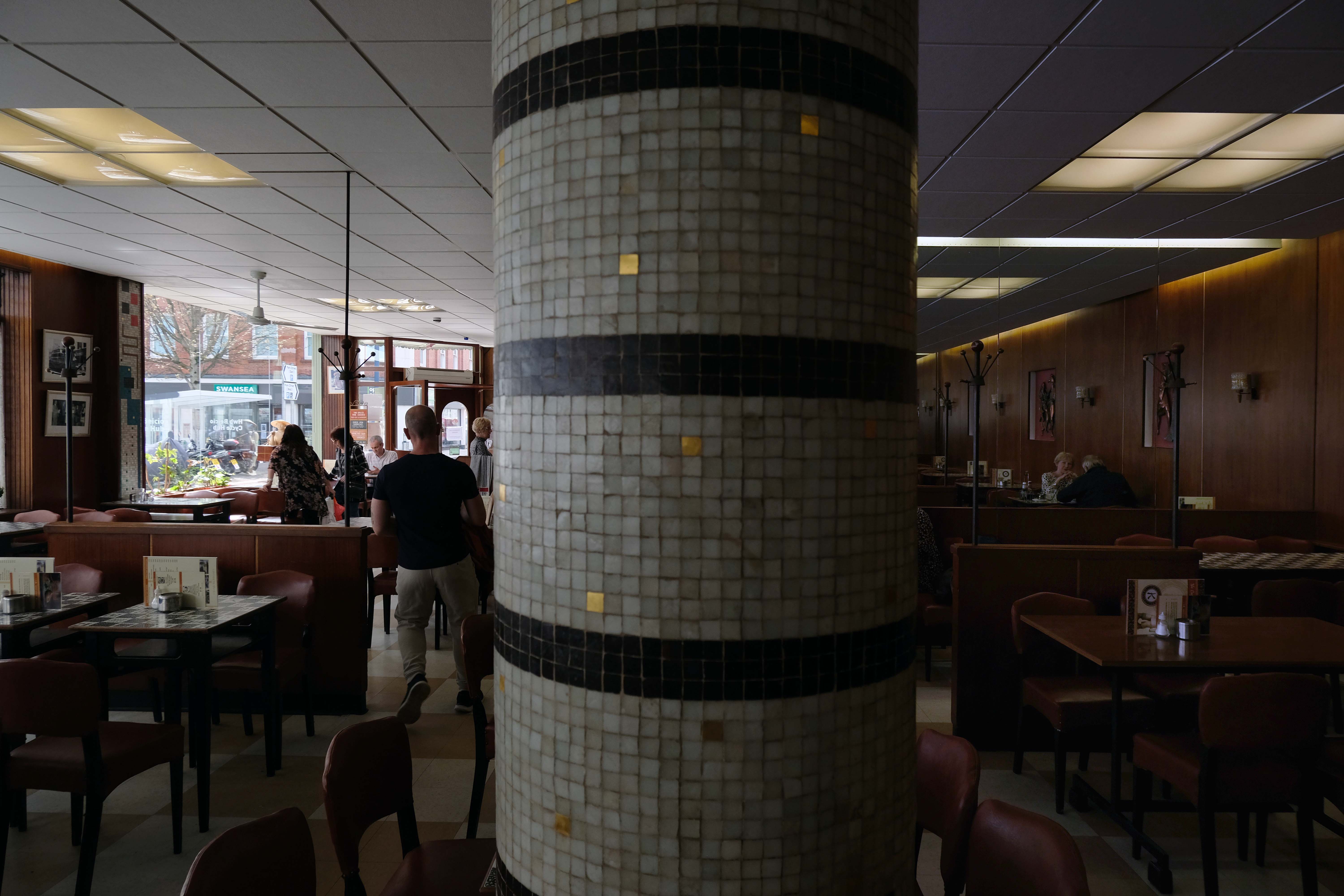
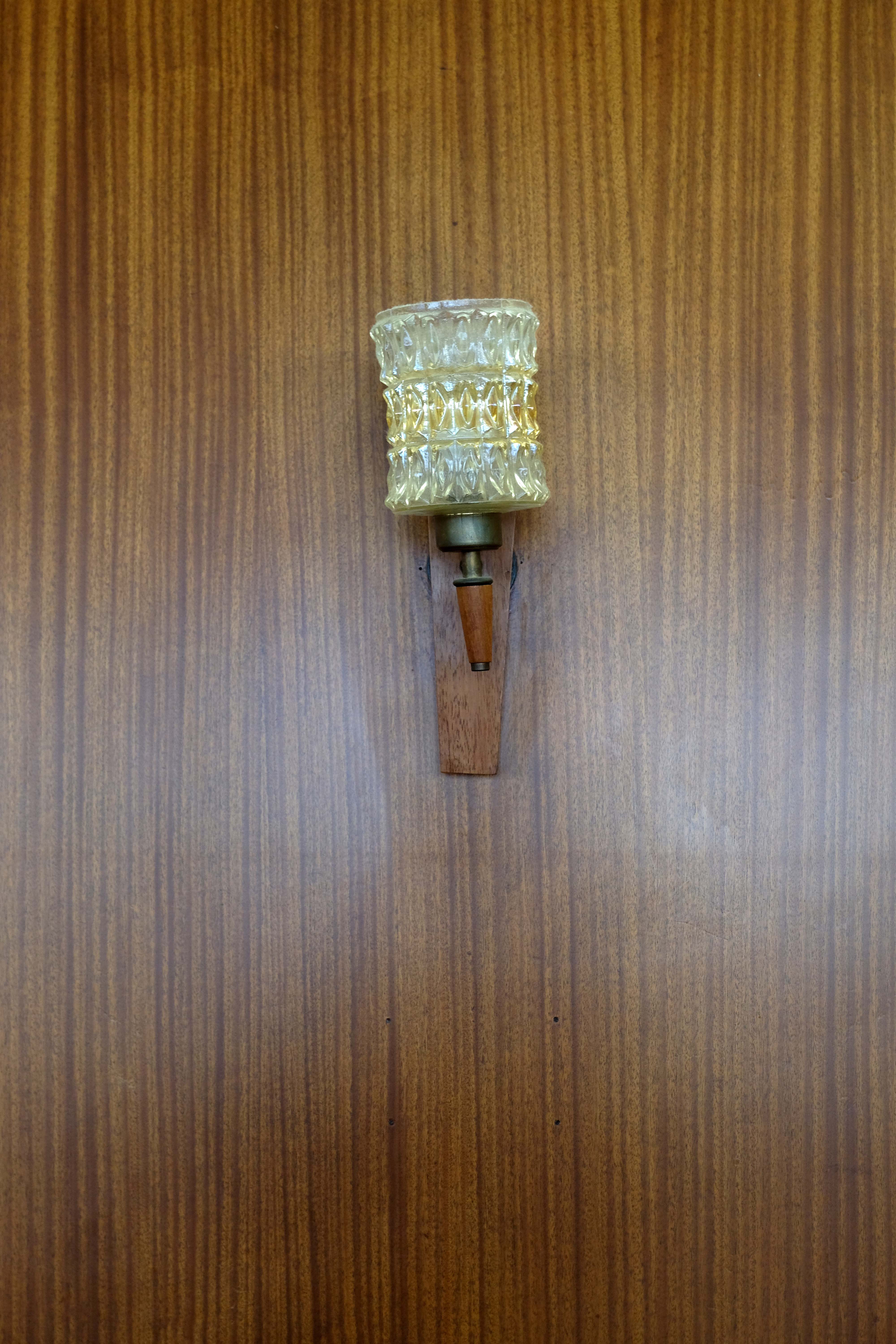
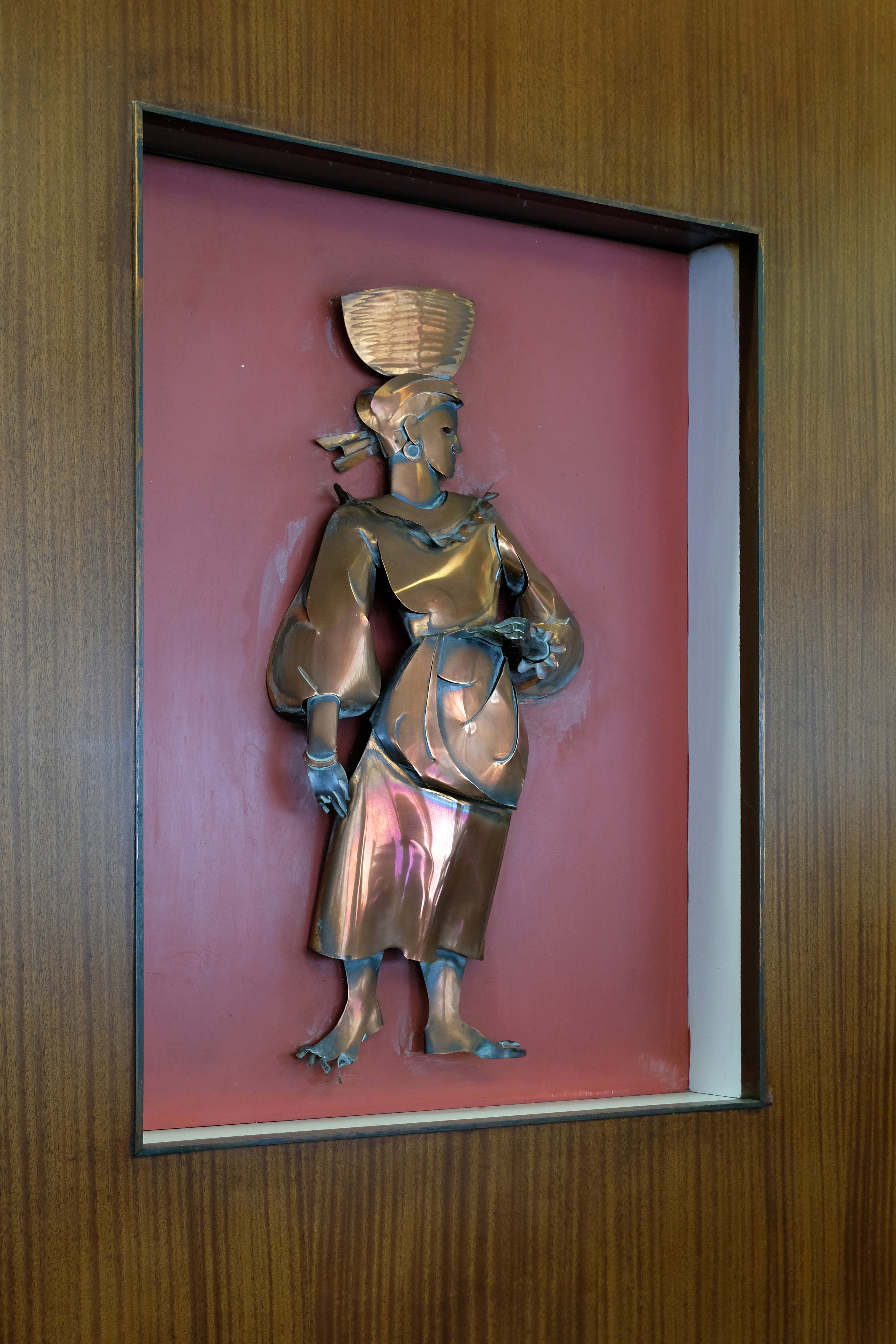


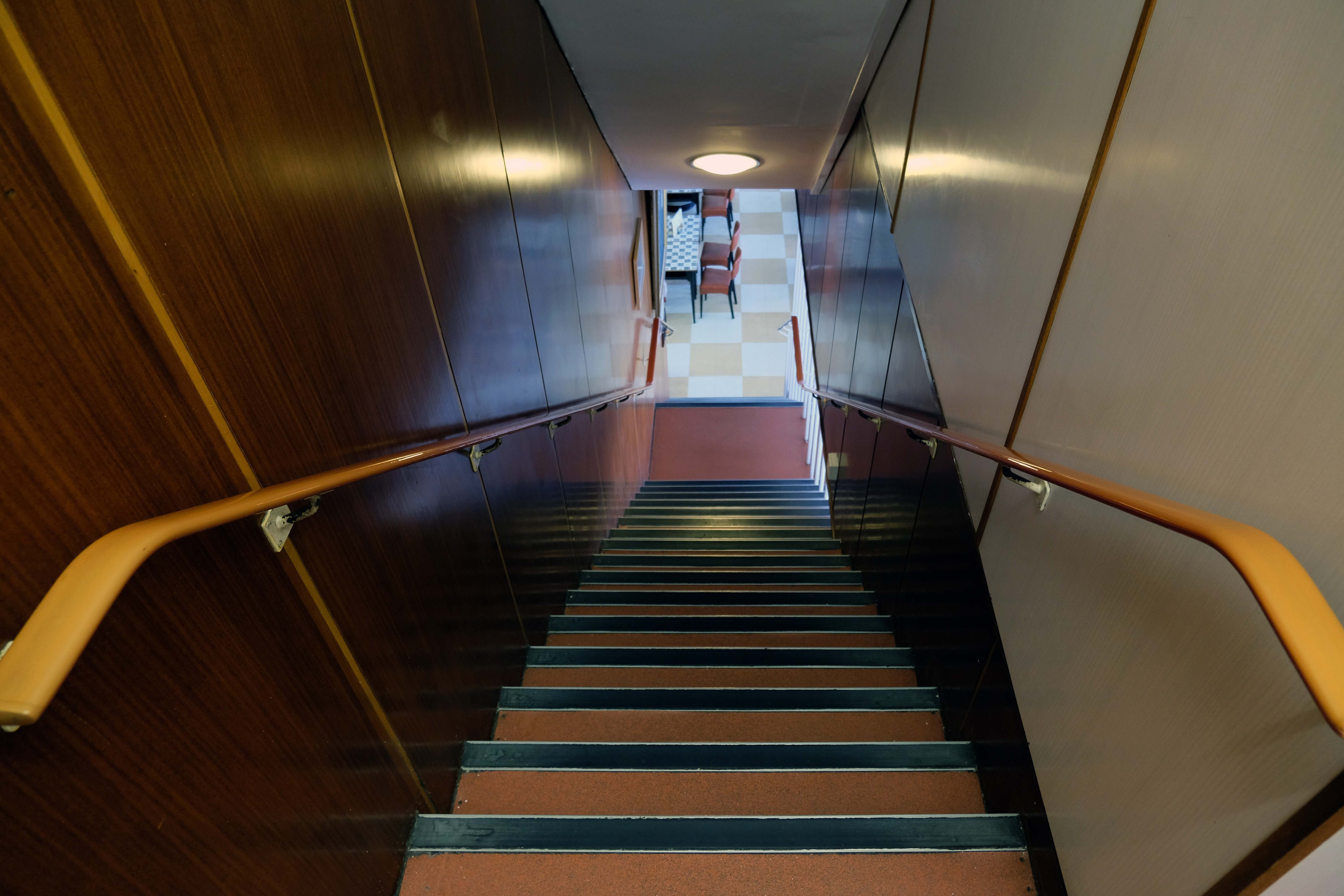


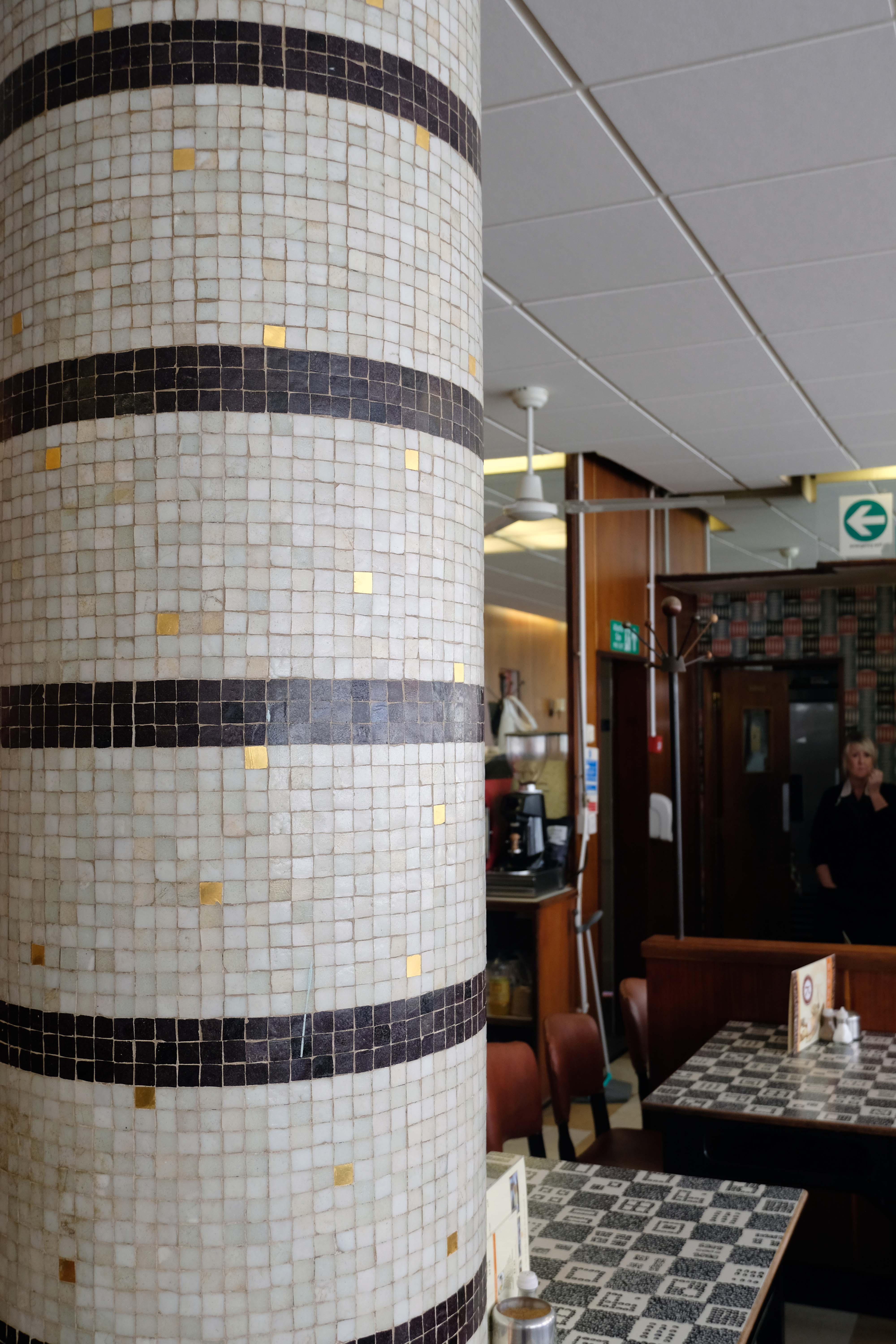
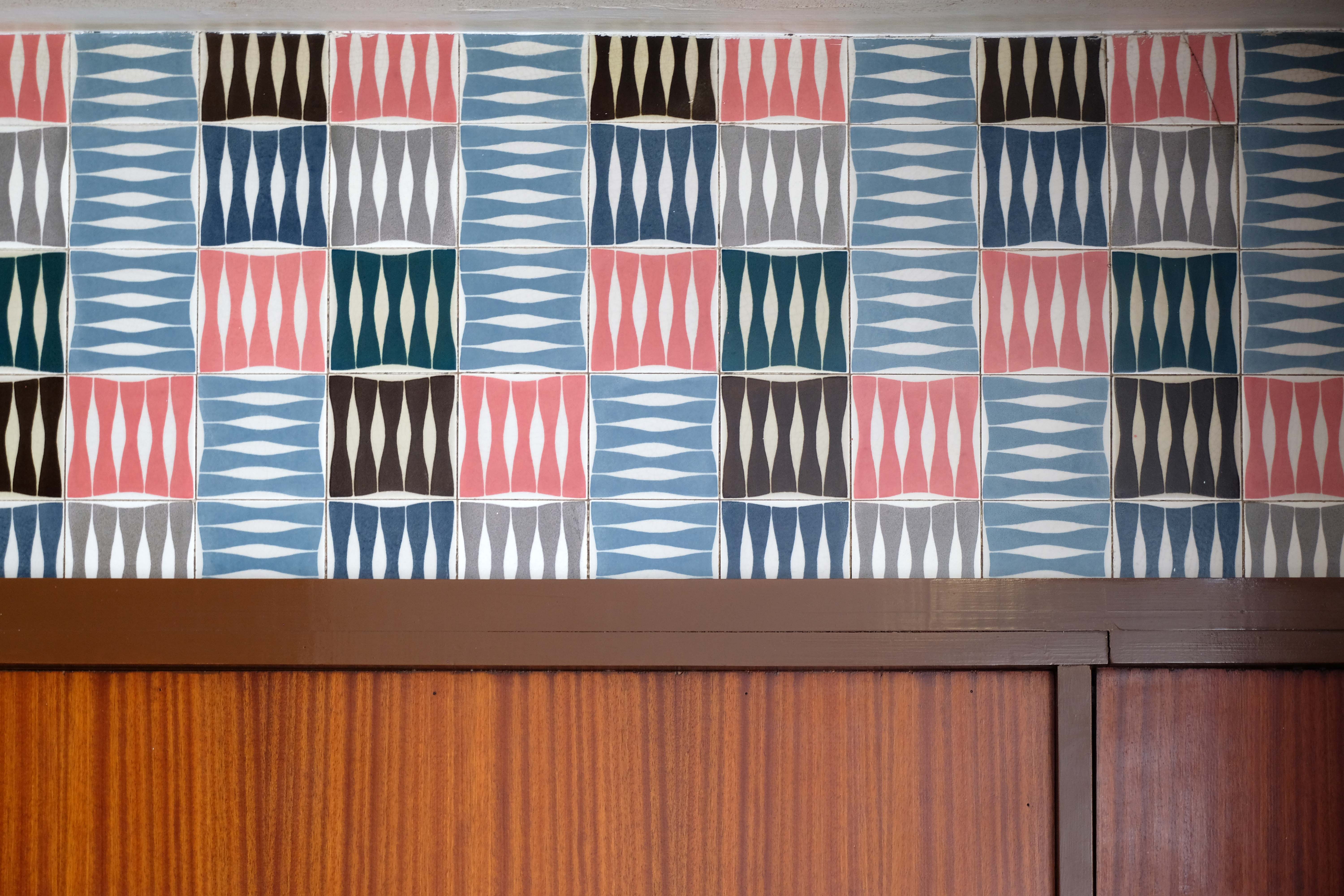


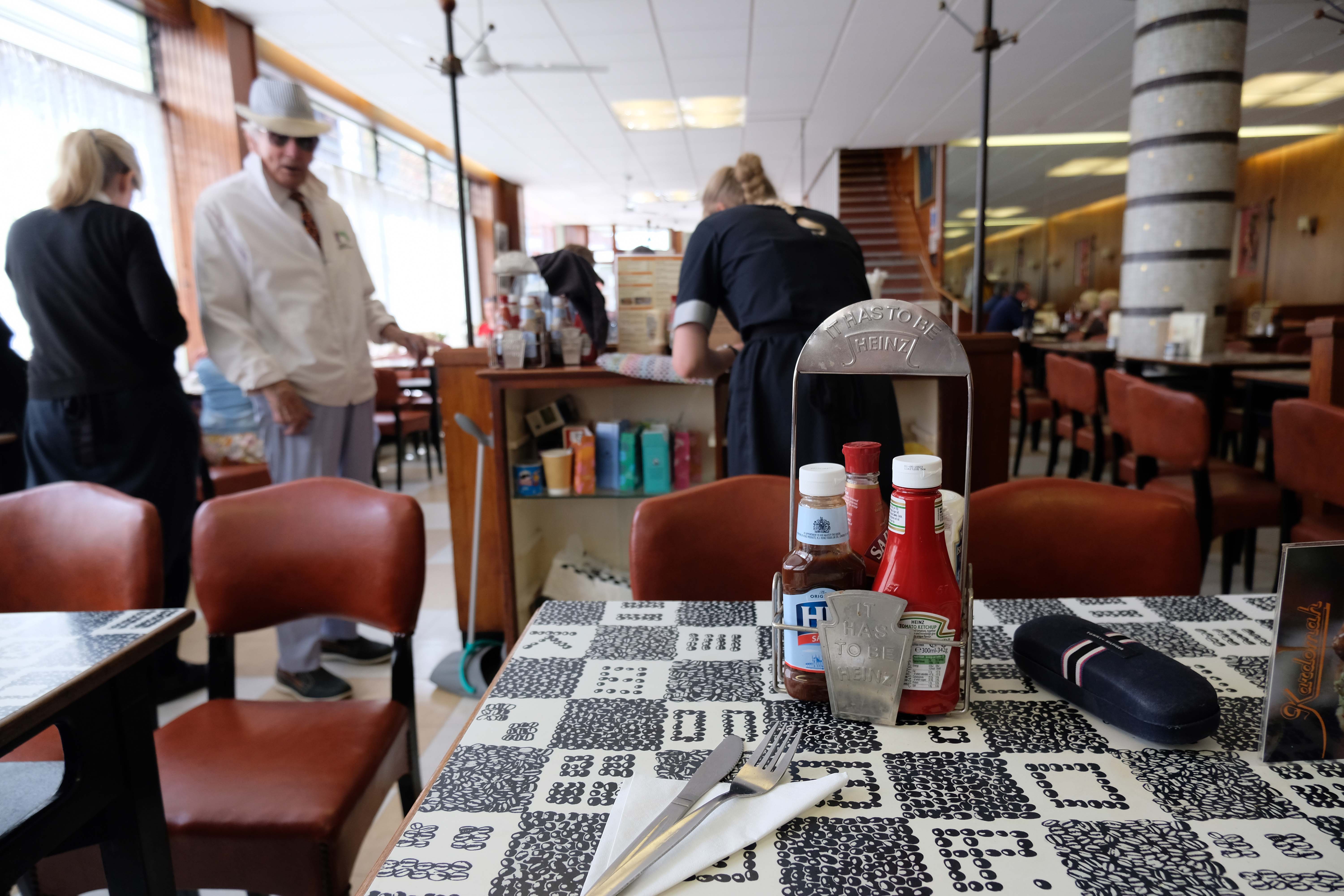
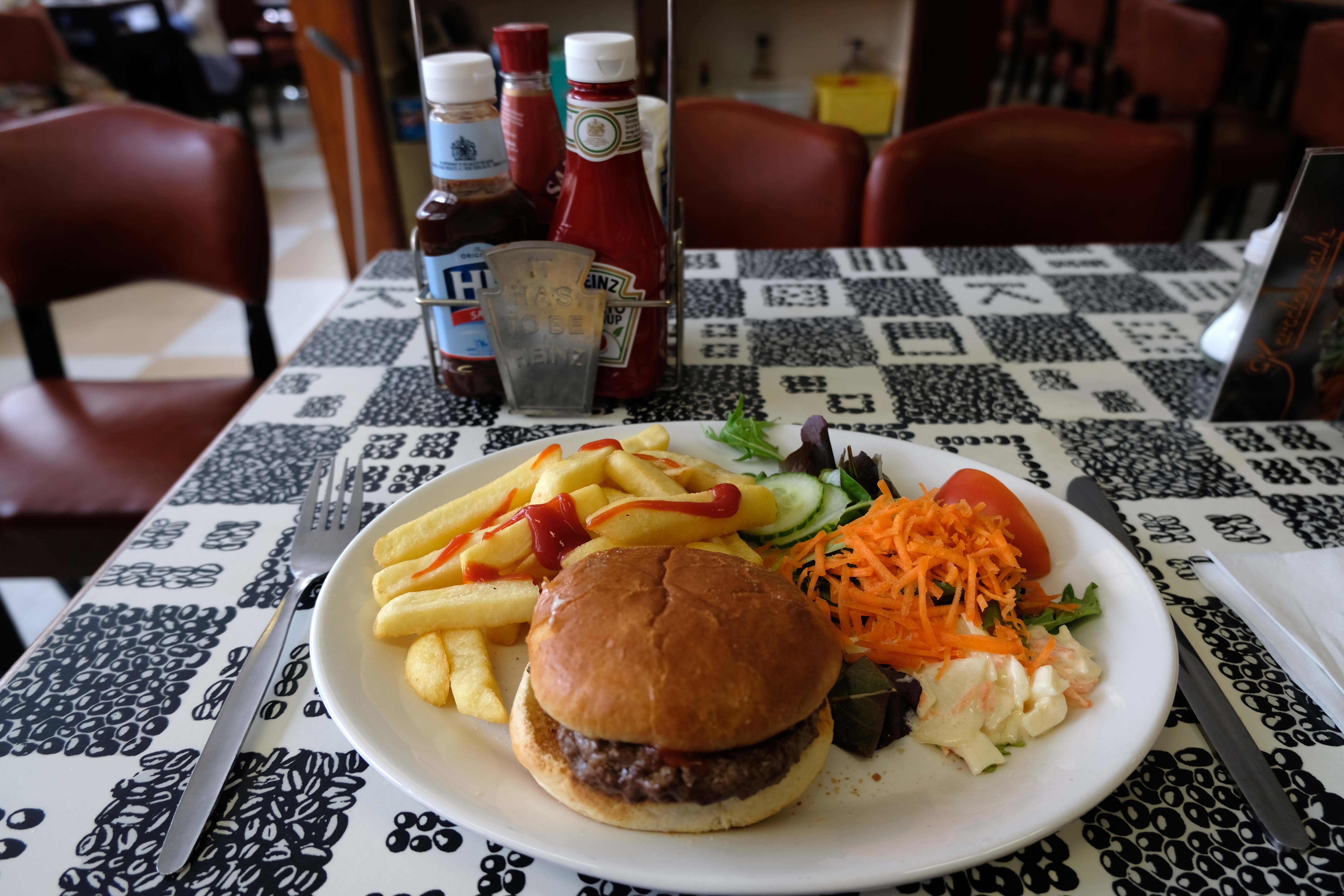
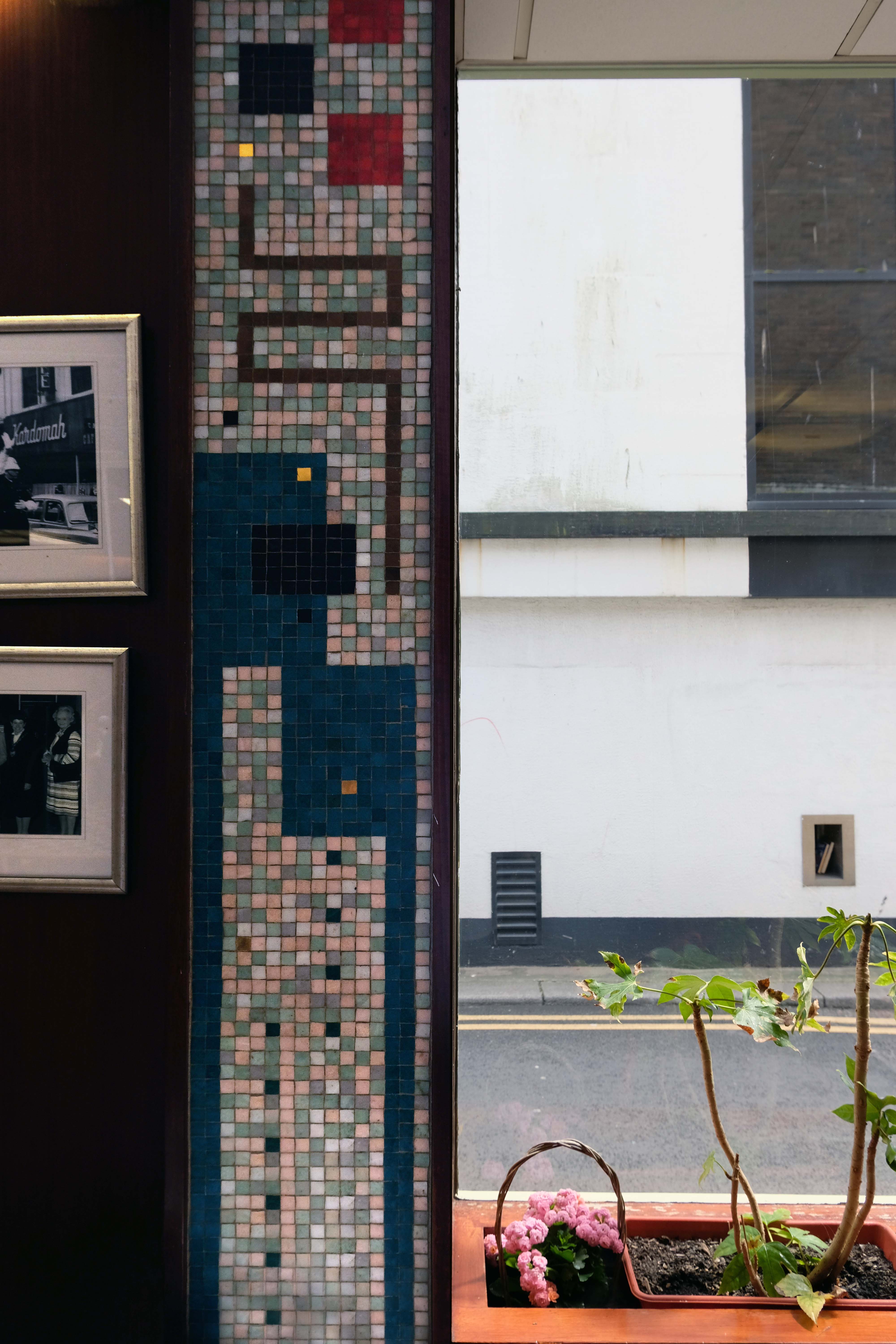
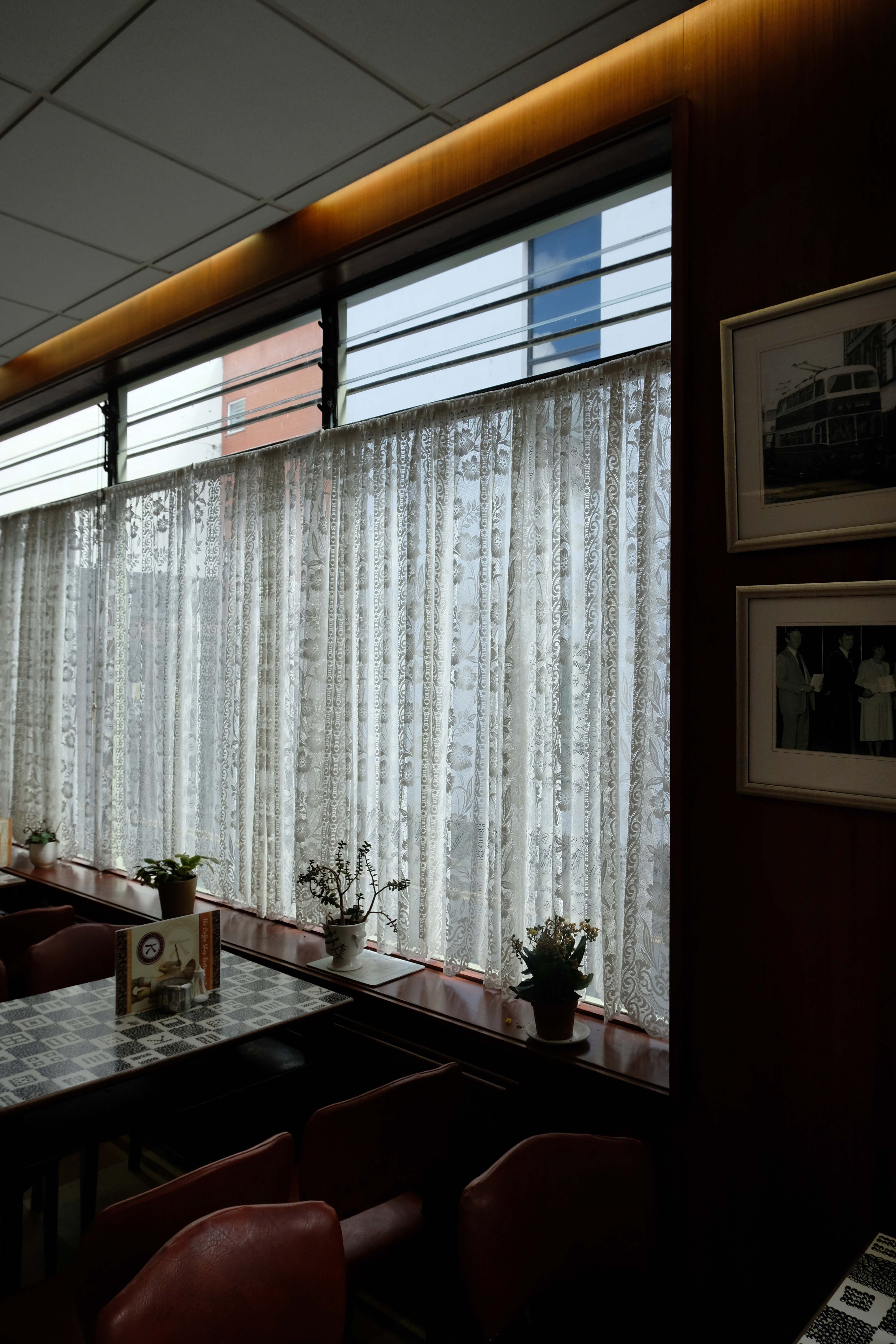

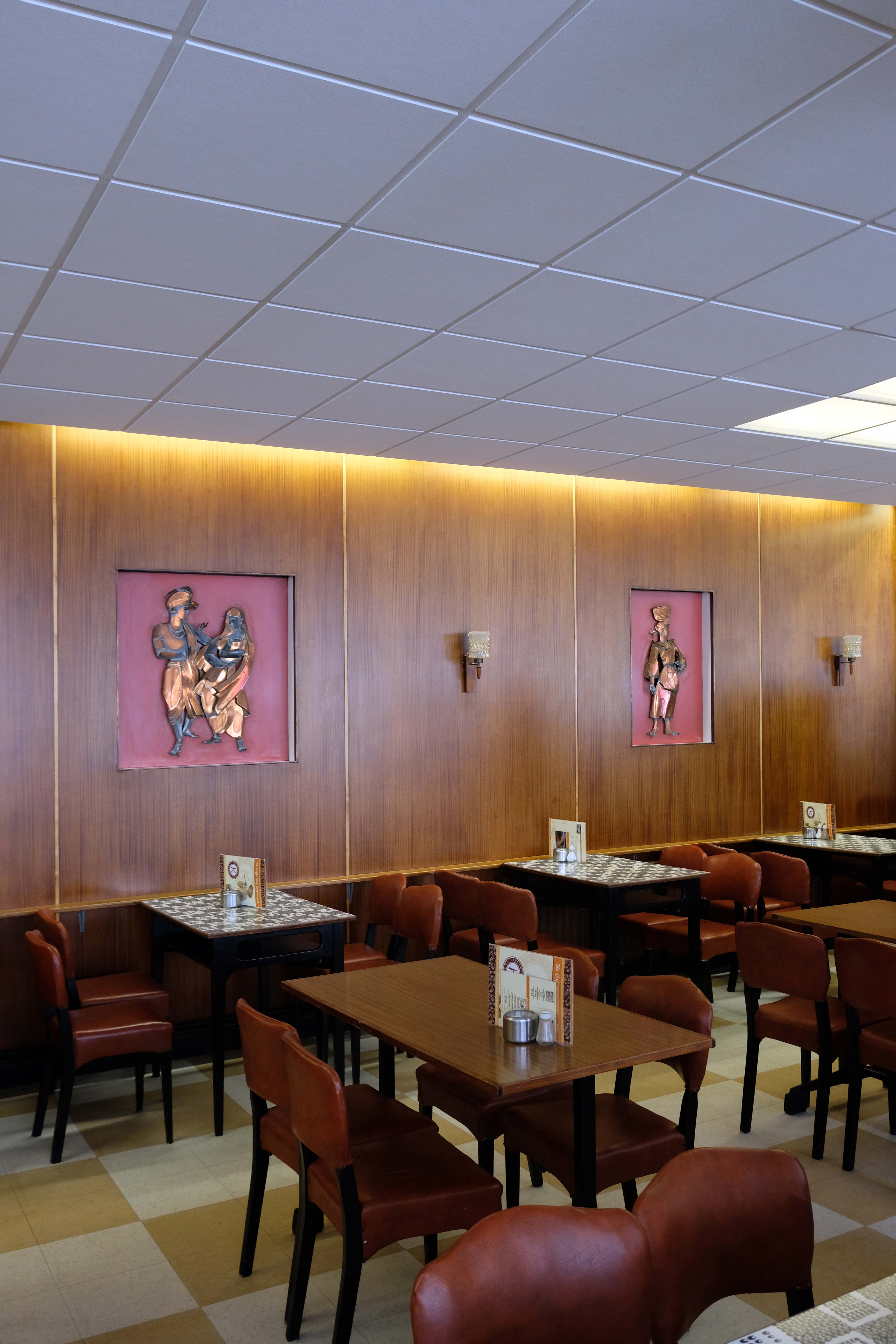
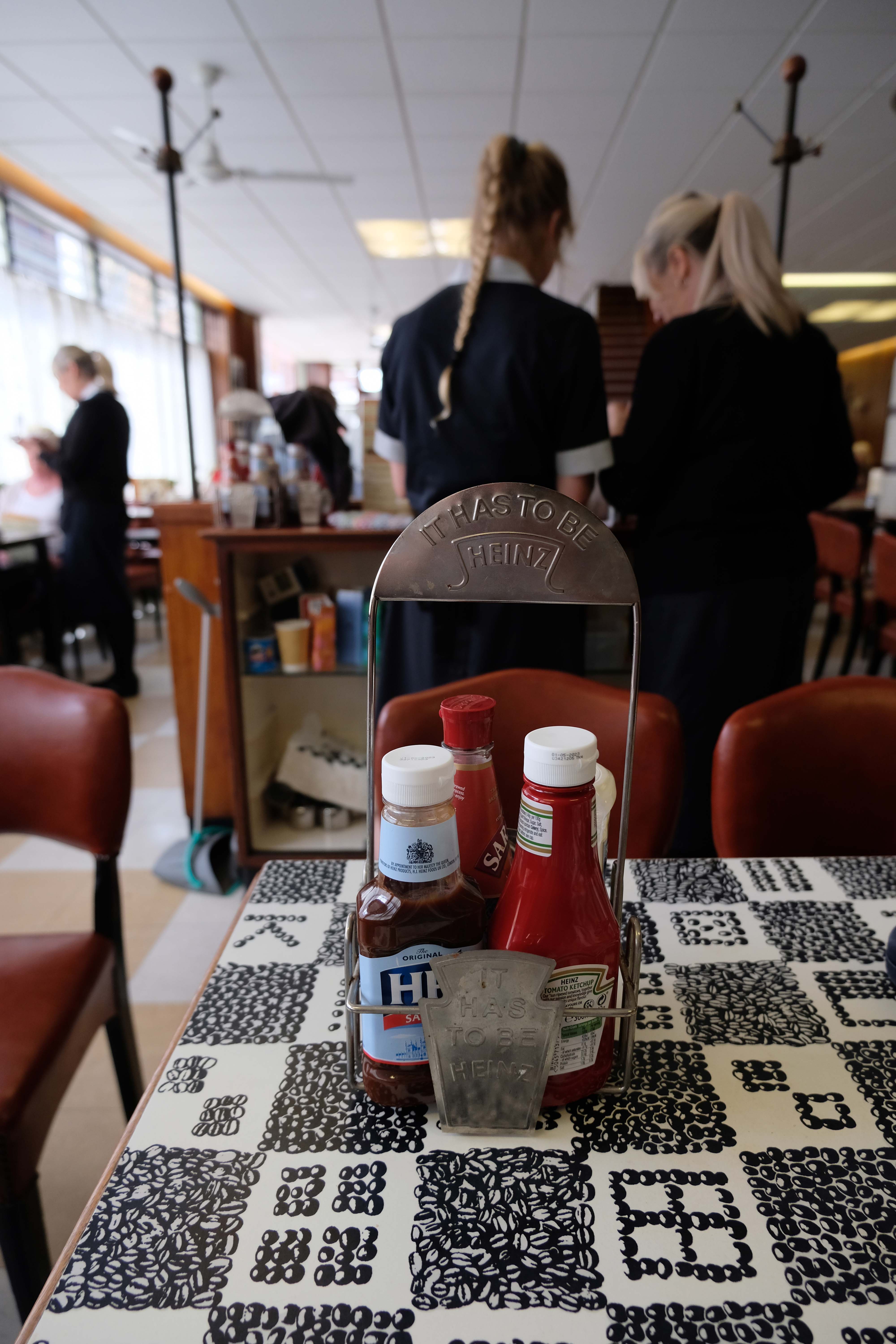

Many thanks to the staff and customers for putting up with me wandering around for a while with my camera, whilst they worked and ate.
Diolch yn fawr.
75 Manchester Rd Denton Manchester M34 2AF
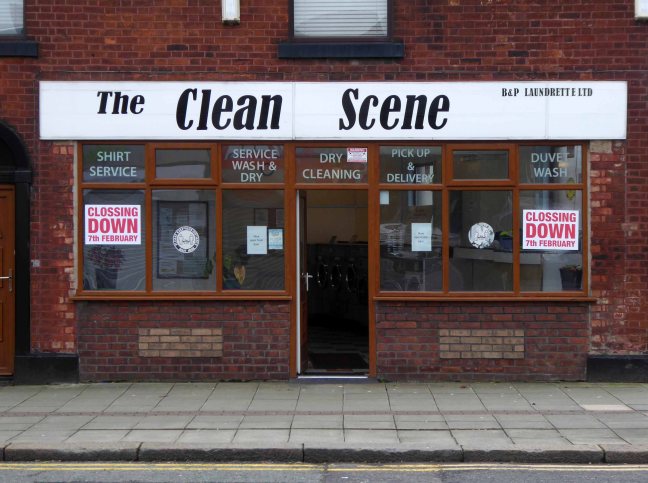
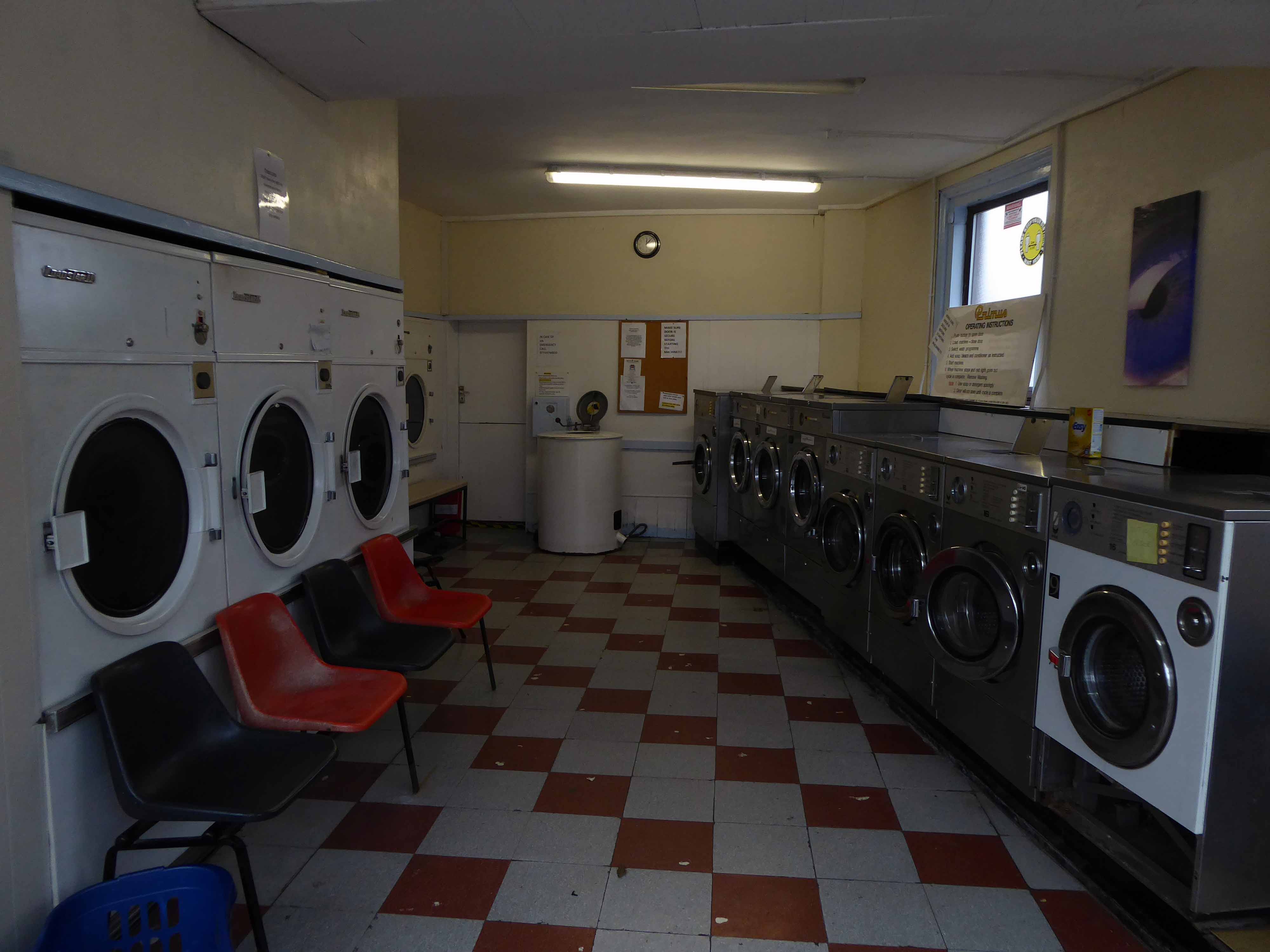
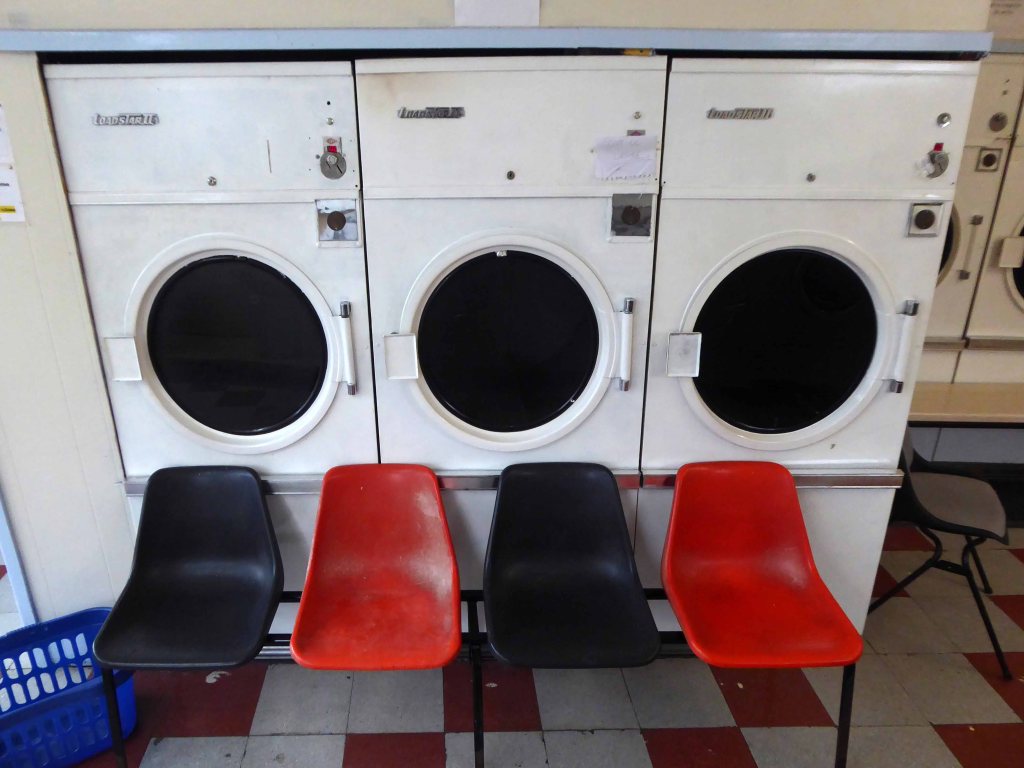
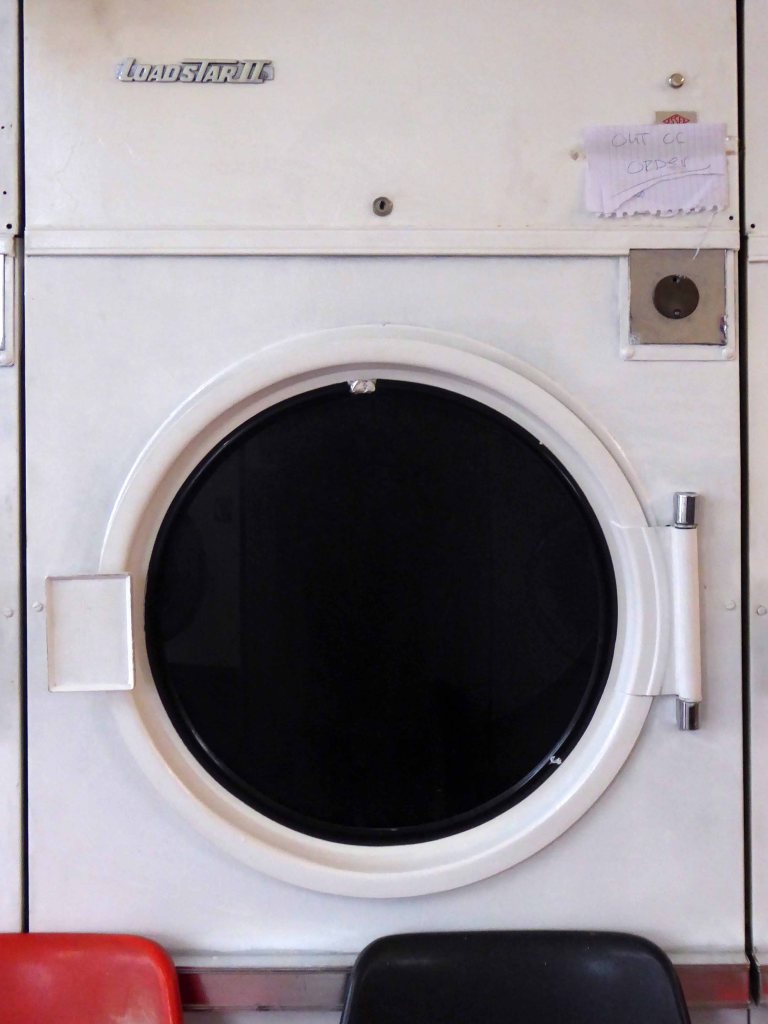
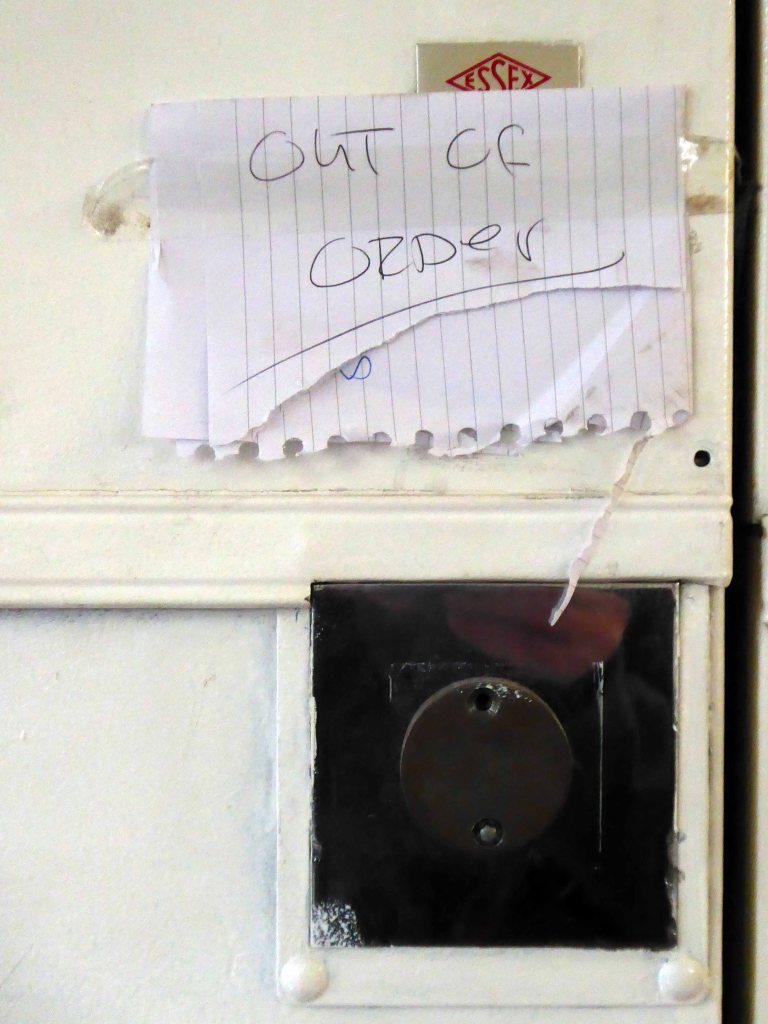
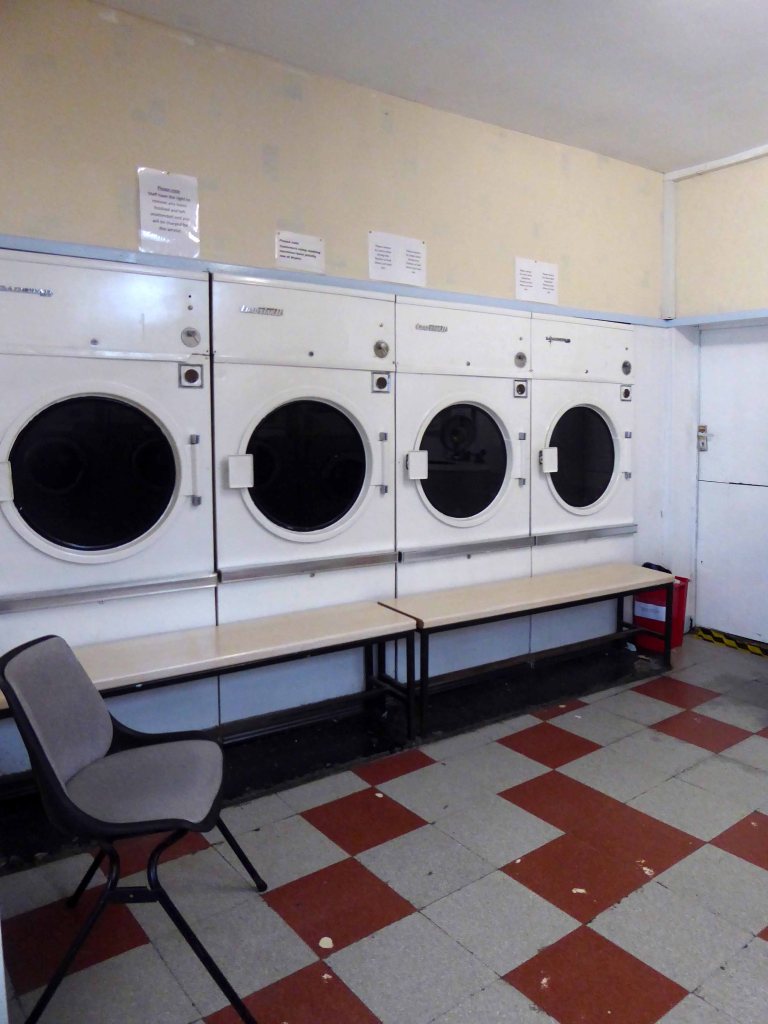
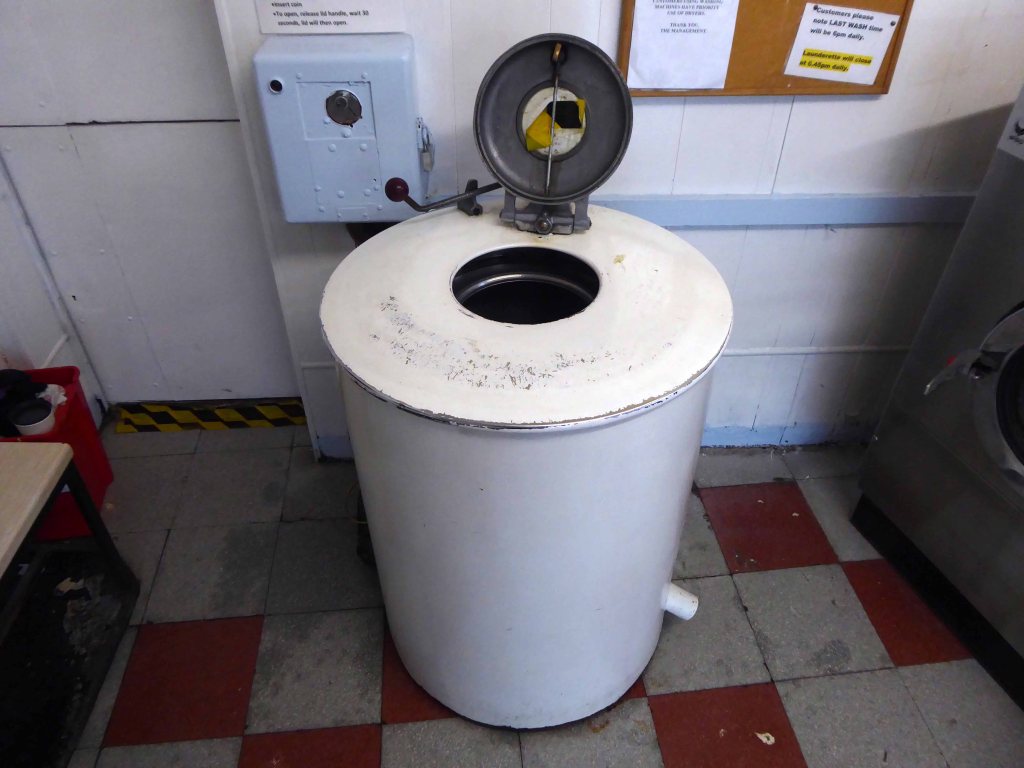
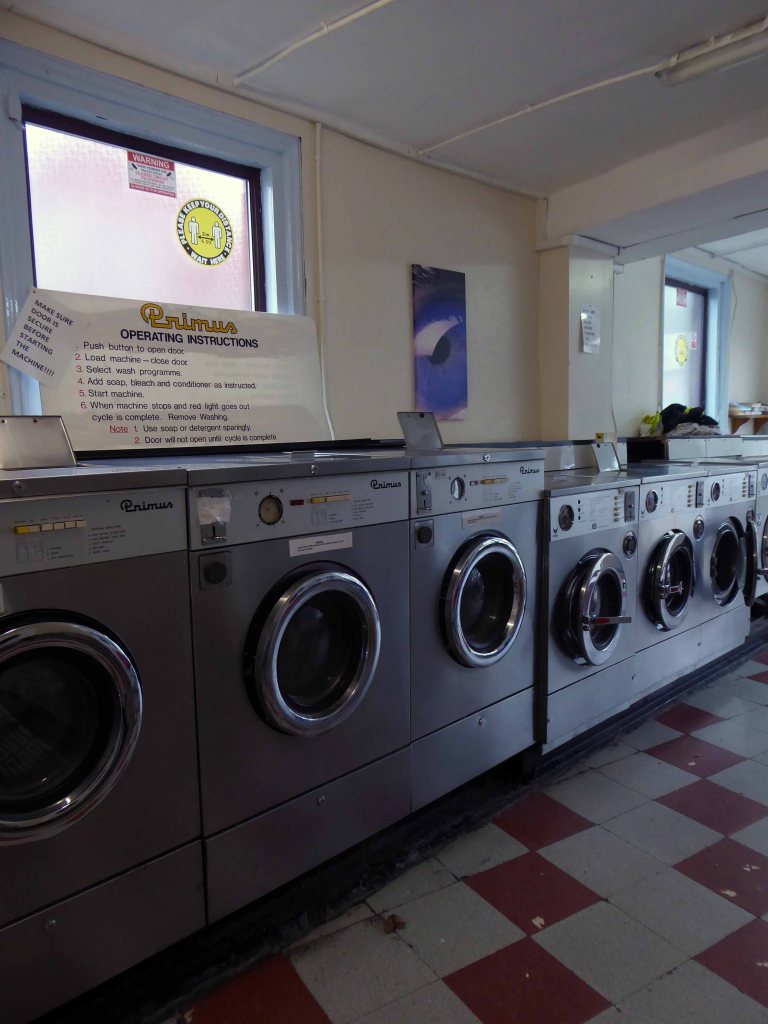
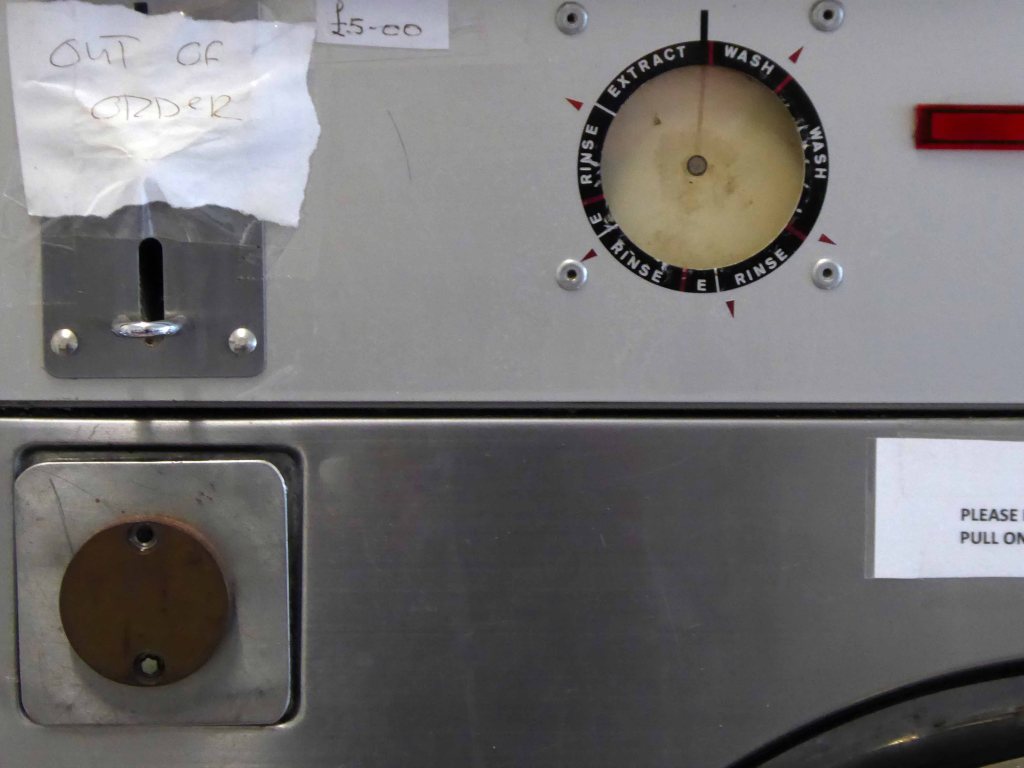
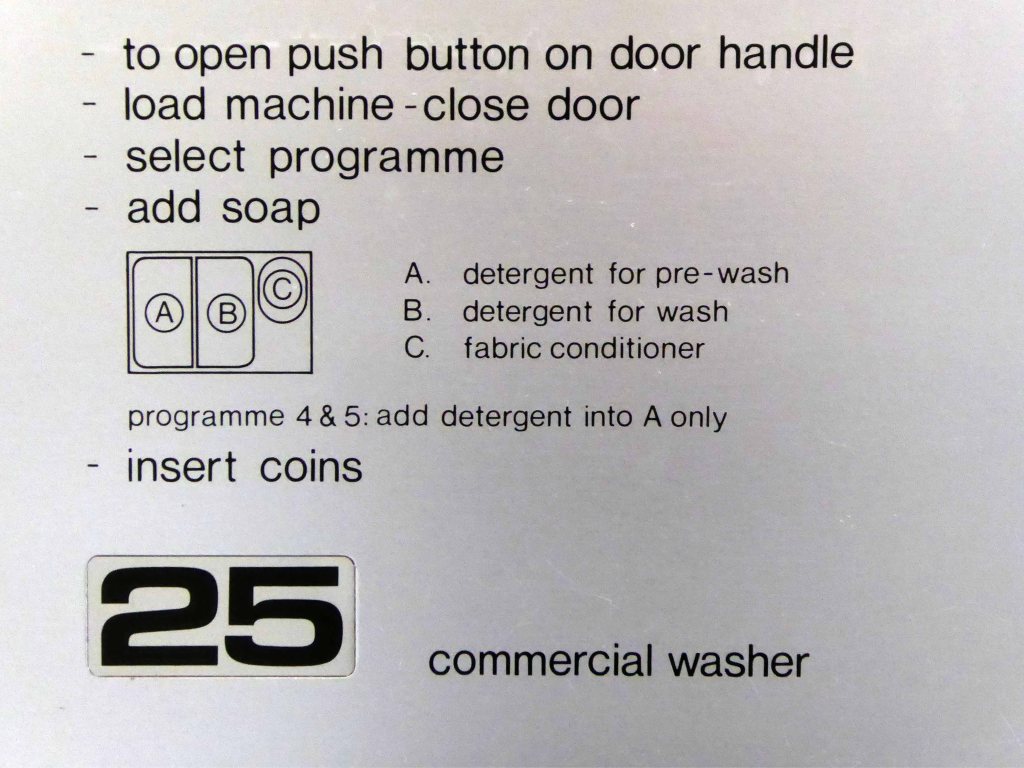
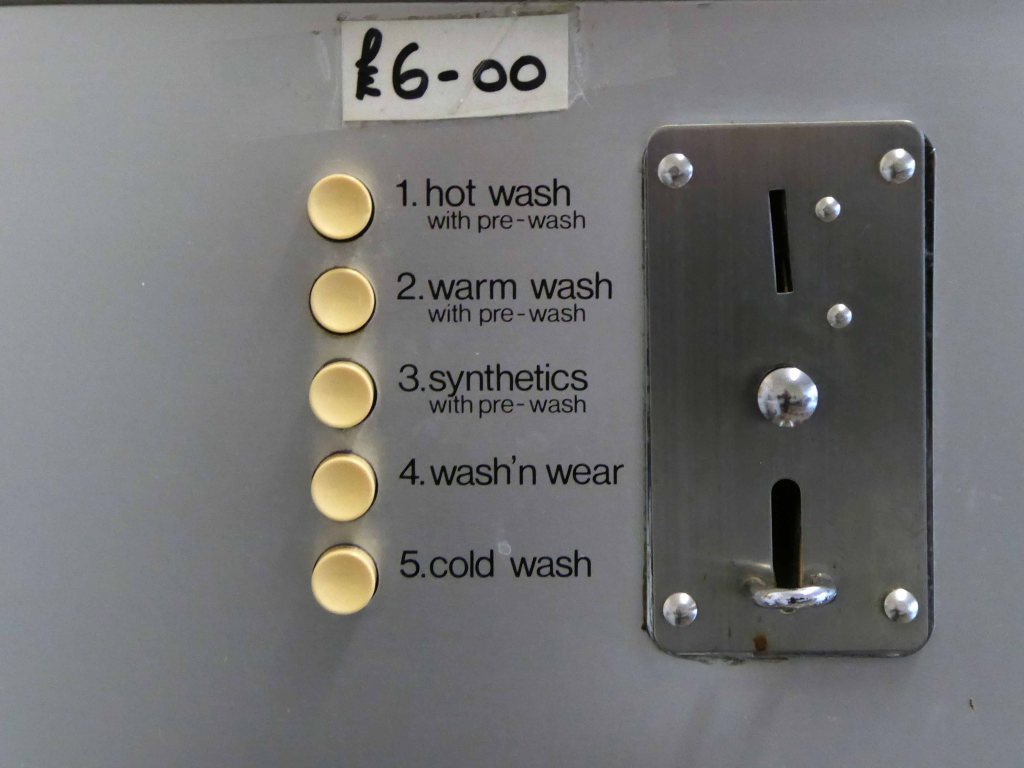
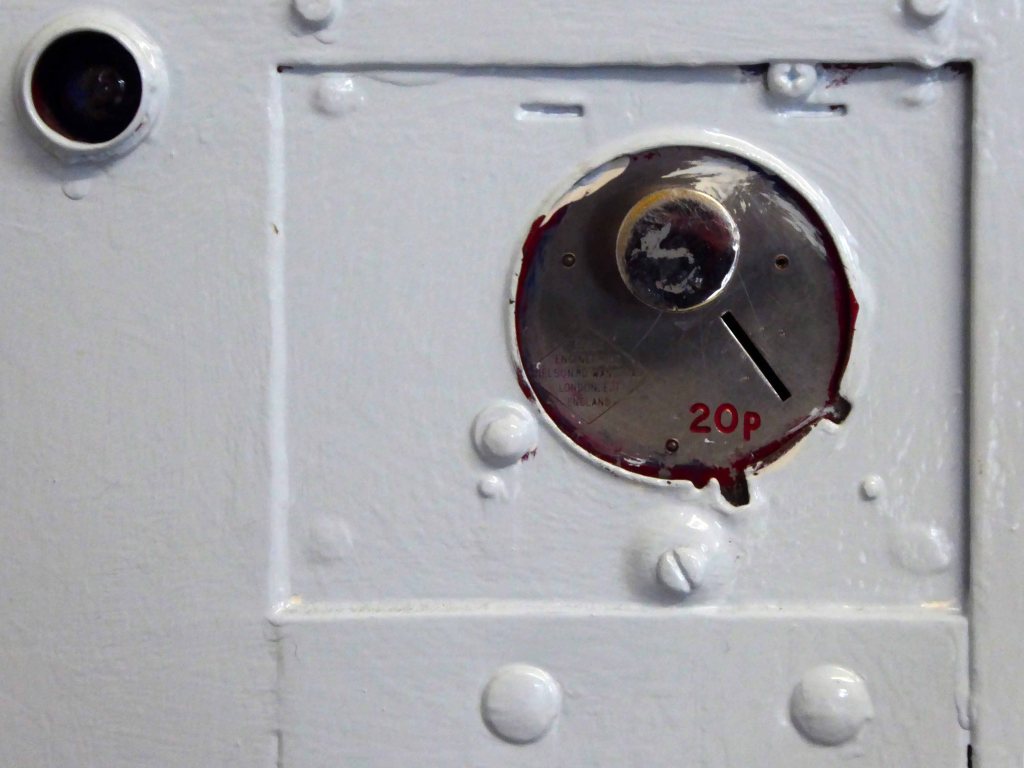
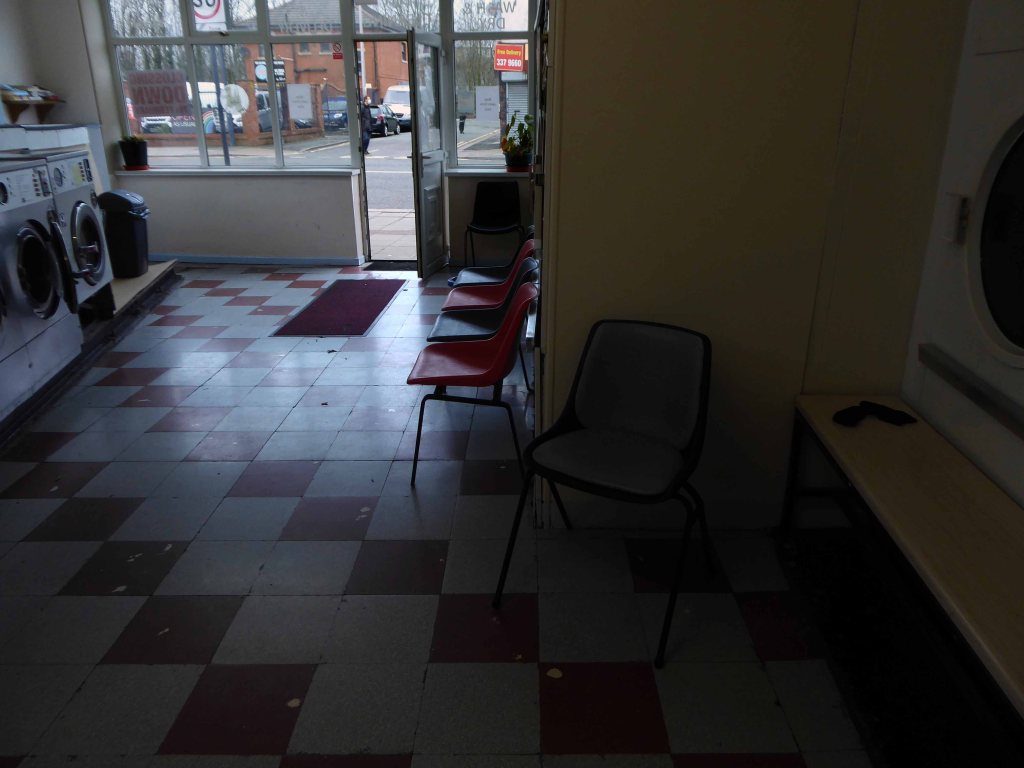
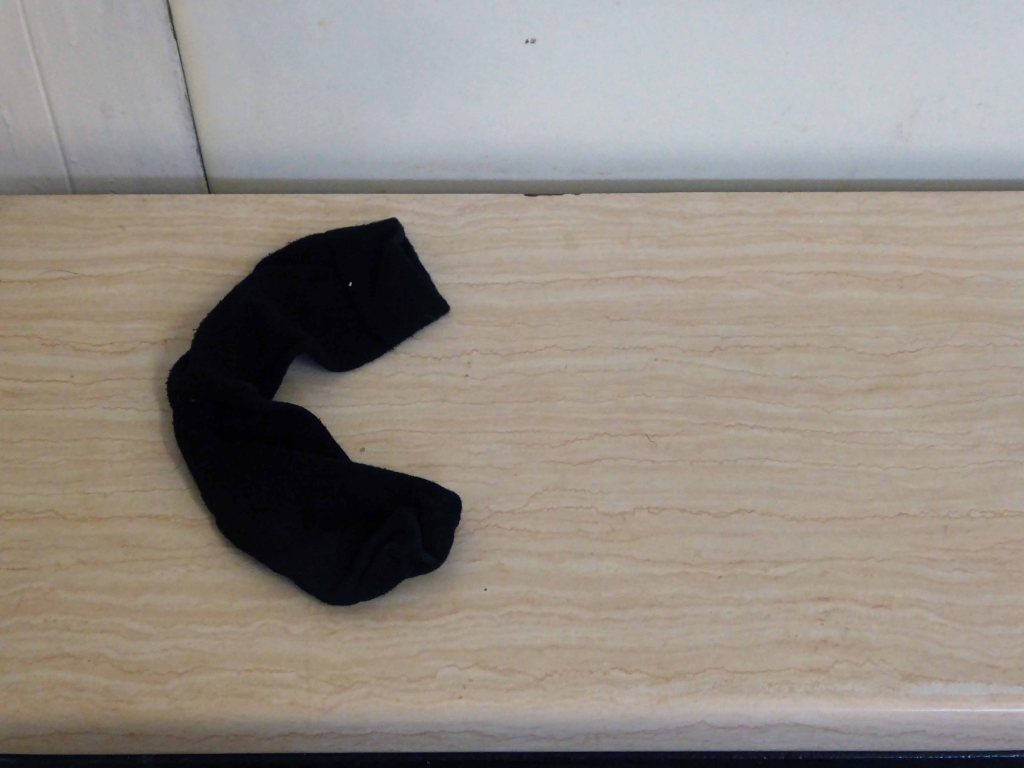
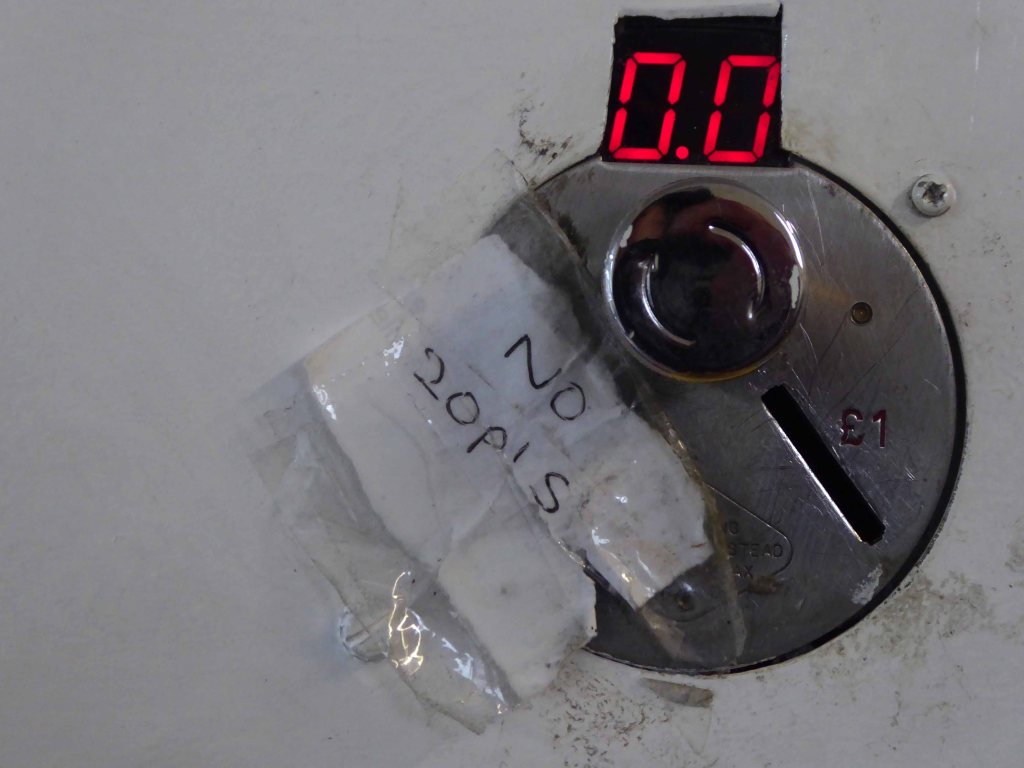
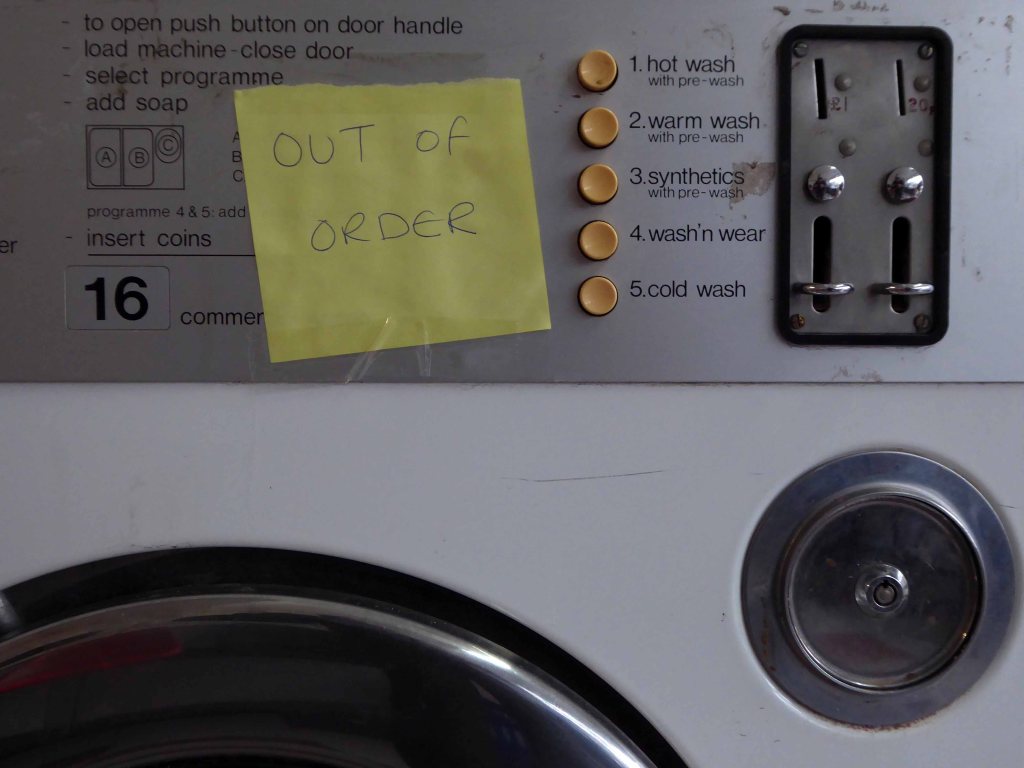
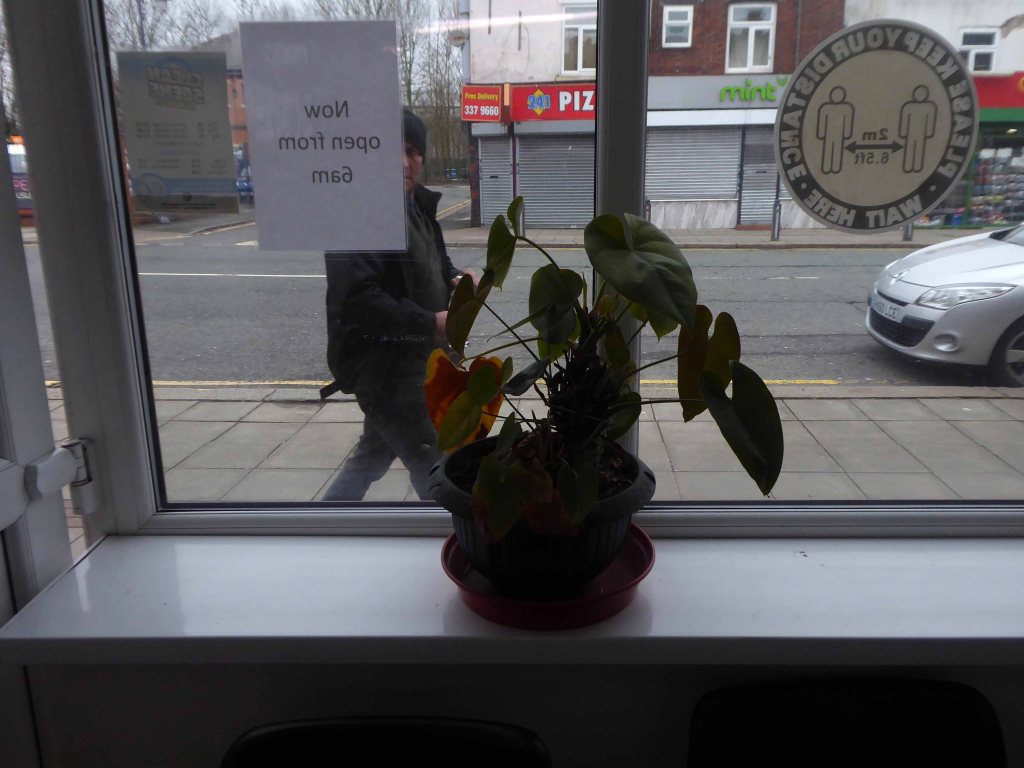
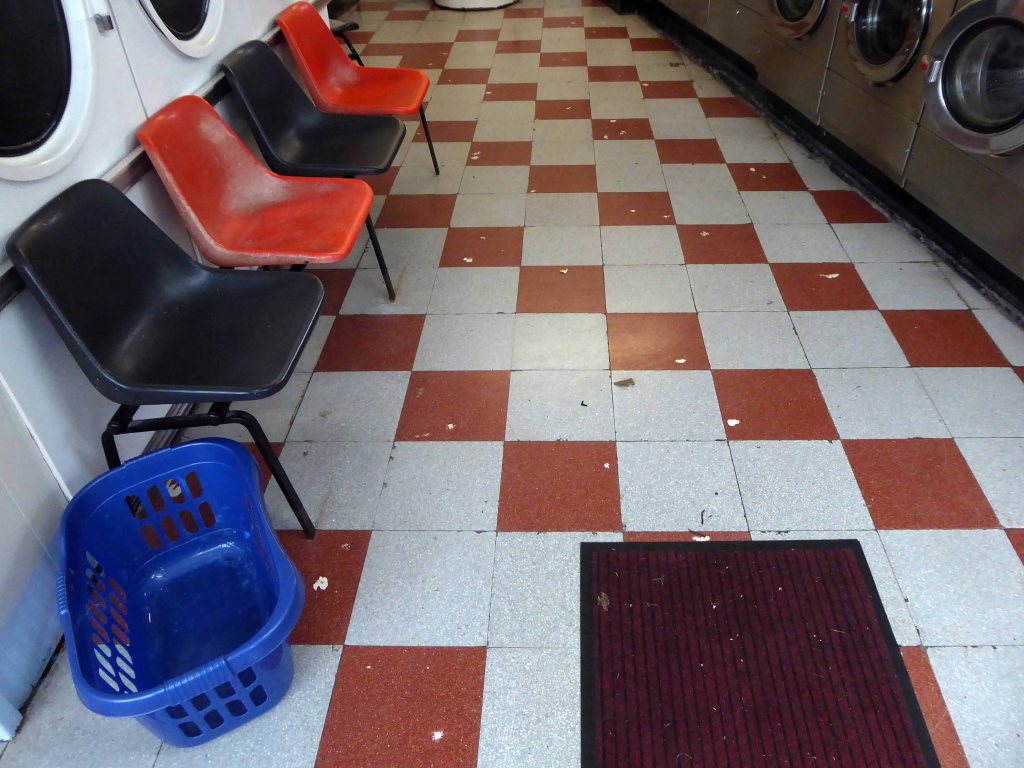
Not unusually, whilst on my way somewhere else, quite by chance, I came upon The Clean Scene.
Sadly soon to be CLOSSING DOWN.
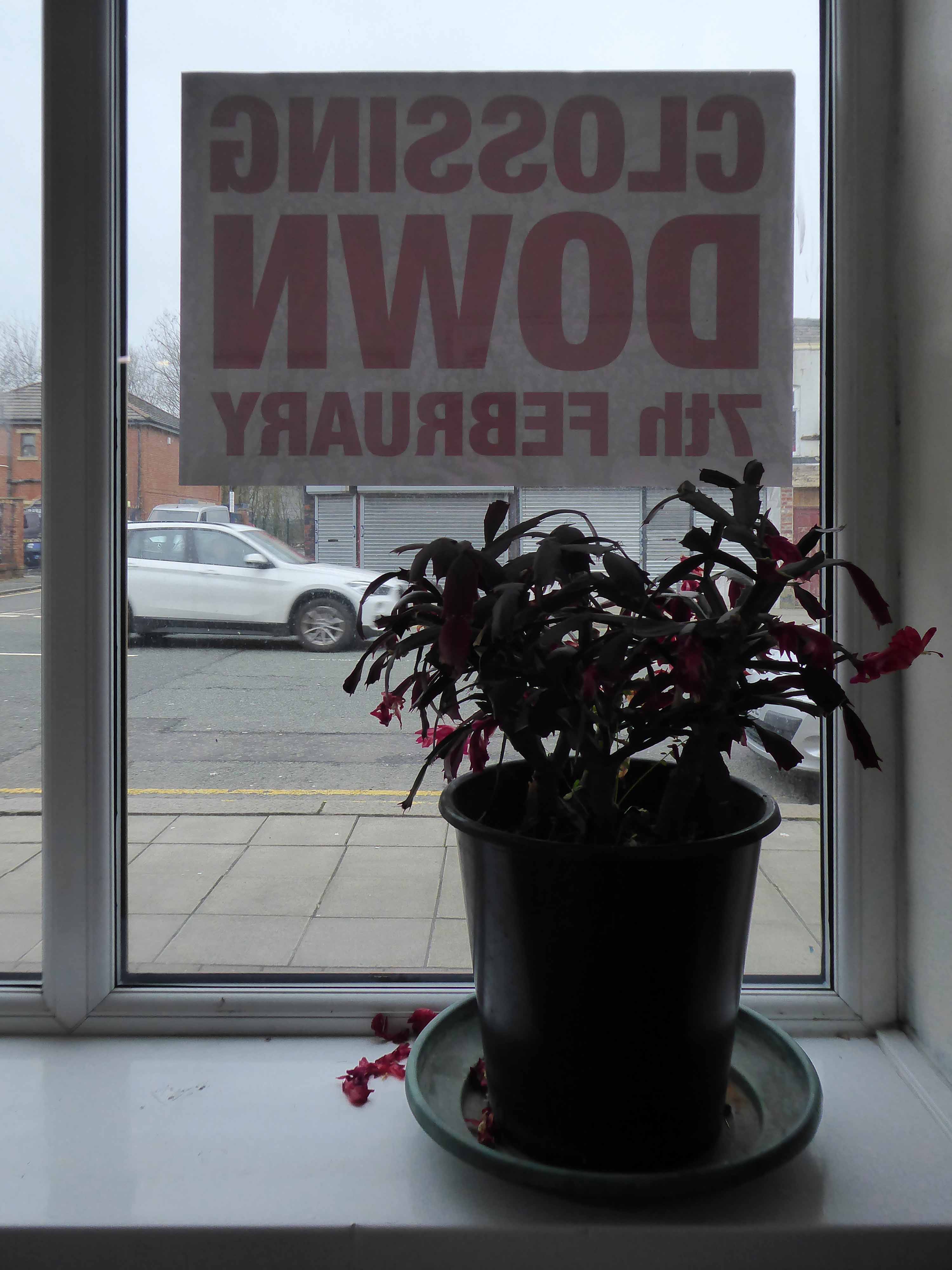
Pleas such as: Are you open Christmas Eve I need the dryers
– will from hereon in remained unanswered.
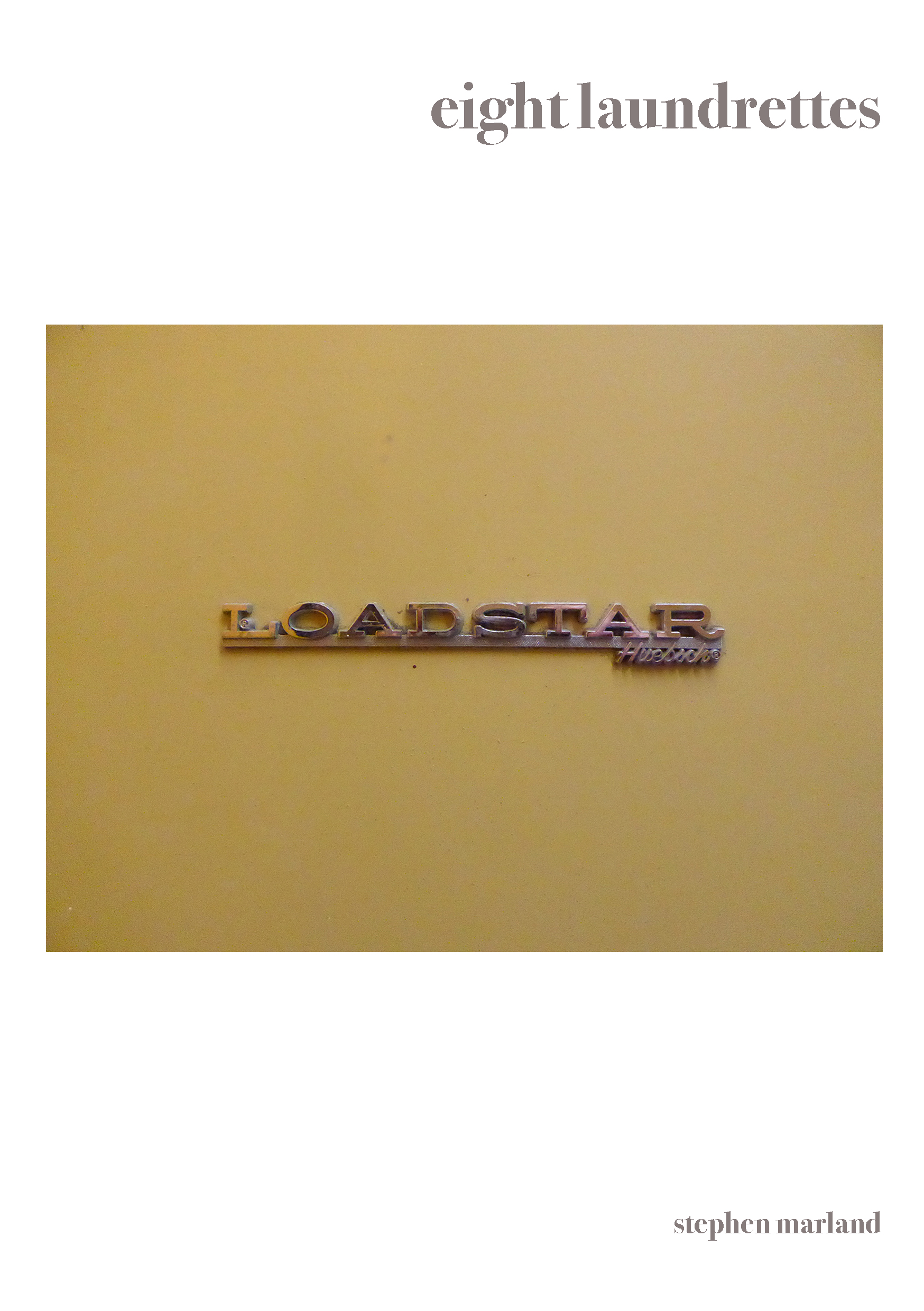
Having almost abandoned the wet and dry world of the laundrette, following the publication of the era-defining, runaway success of my eight laundrettes, I almost walked on by.
For just one brief moment I hesitated, then walked right on in.


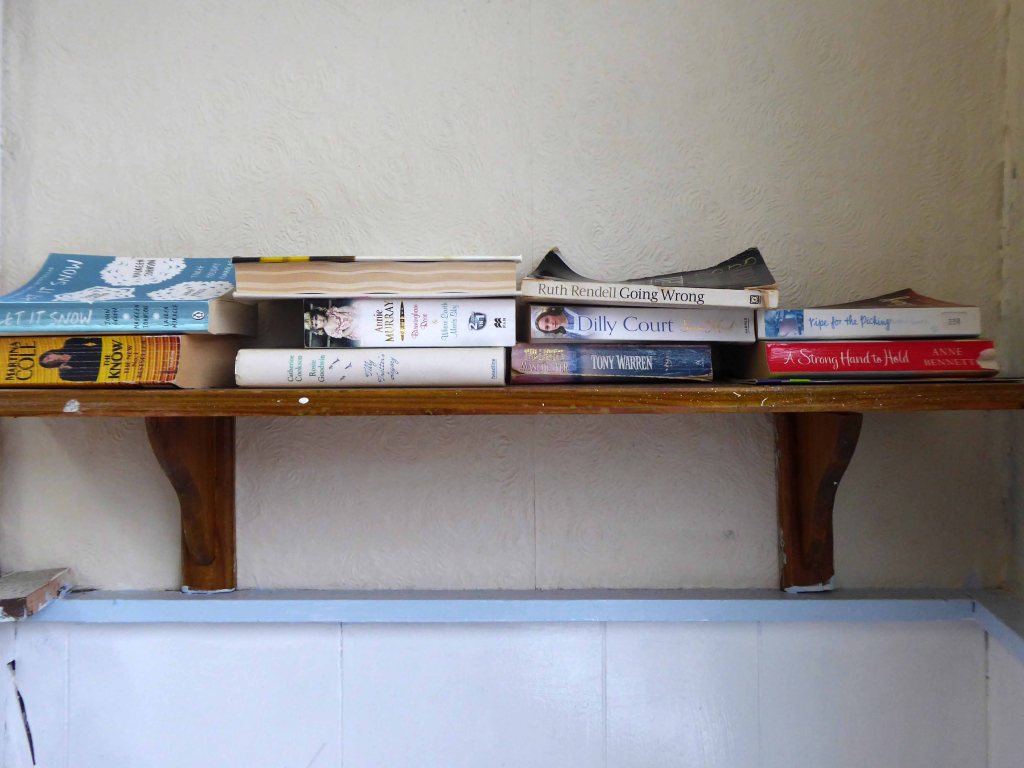

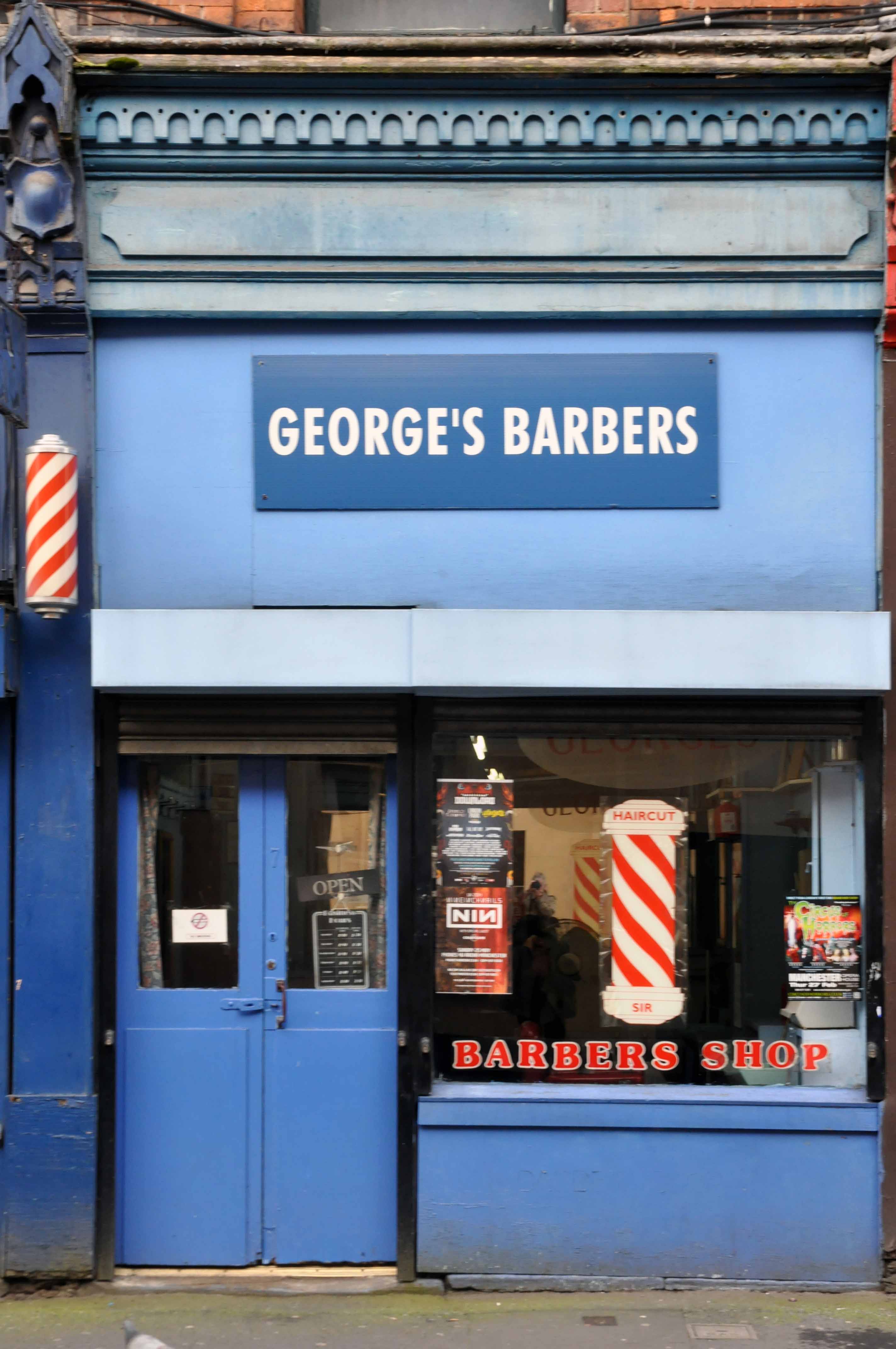
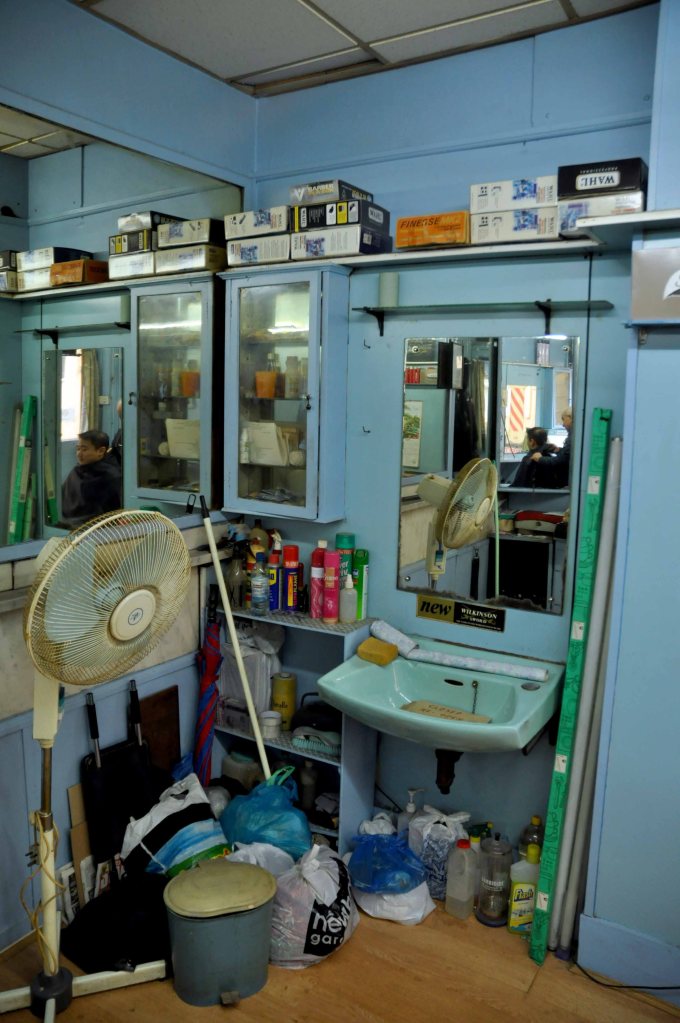
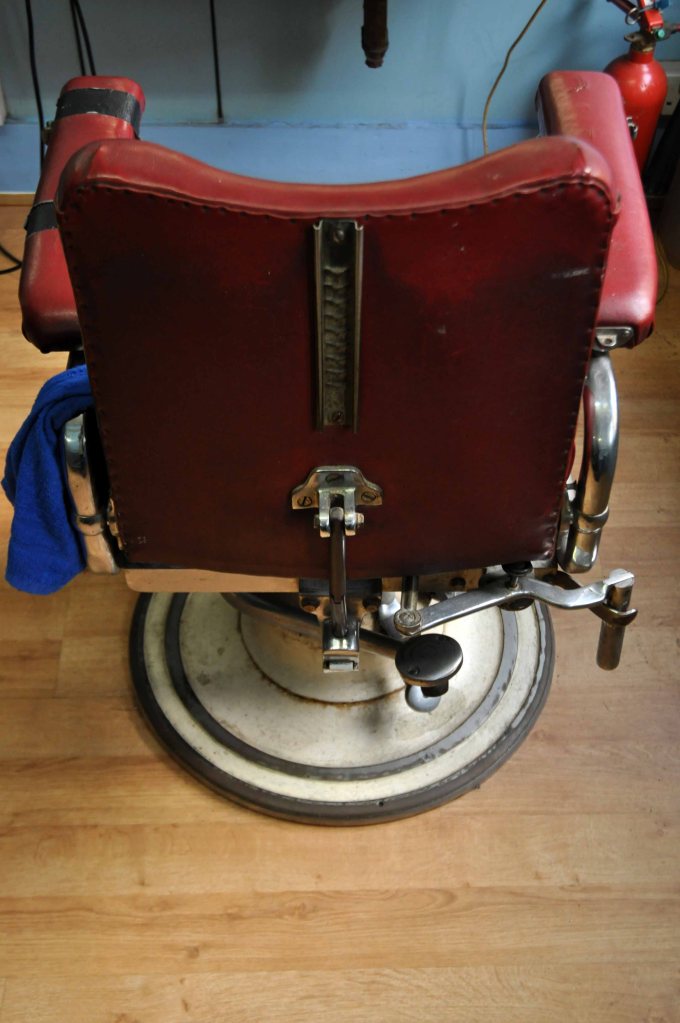
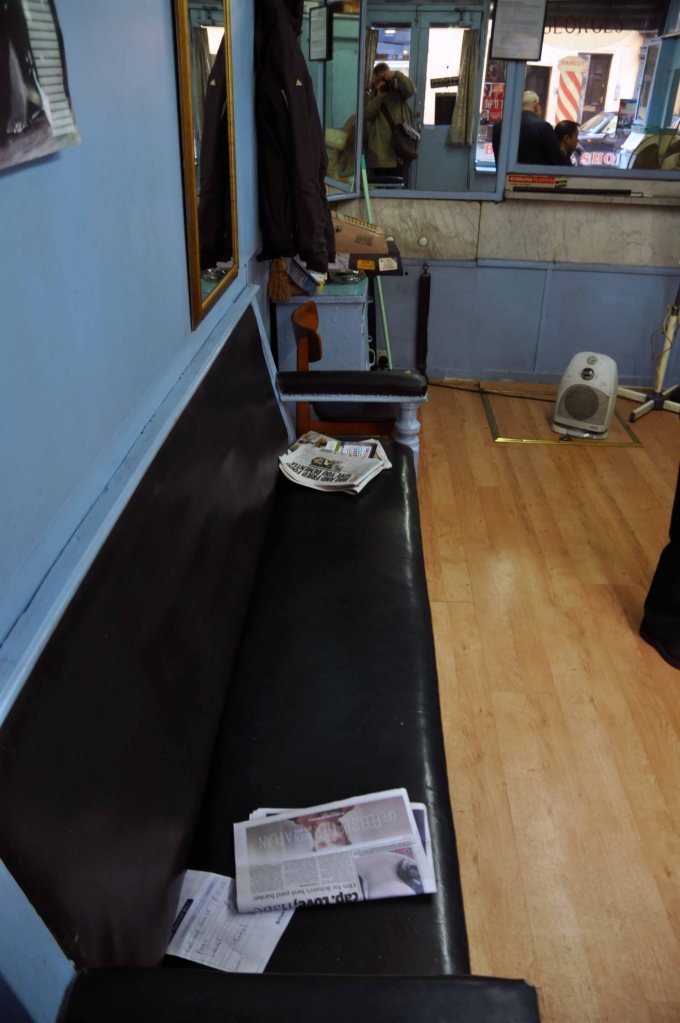
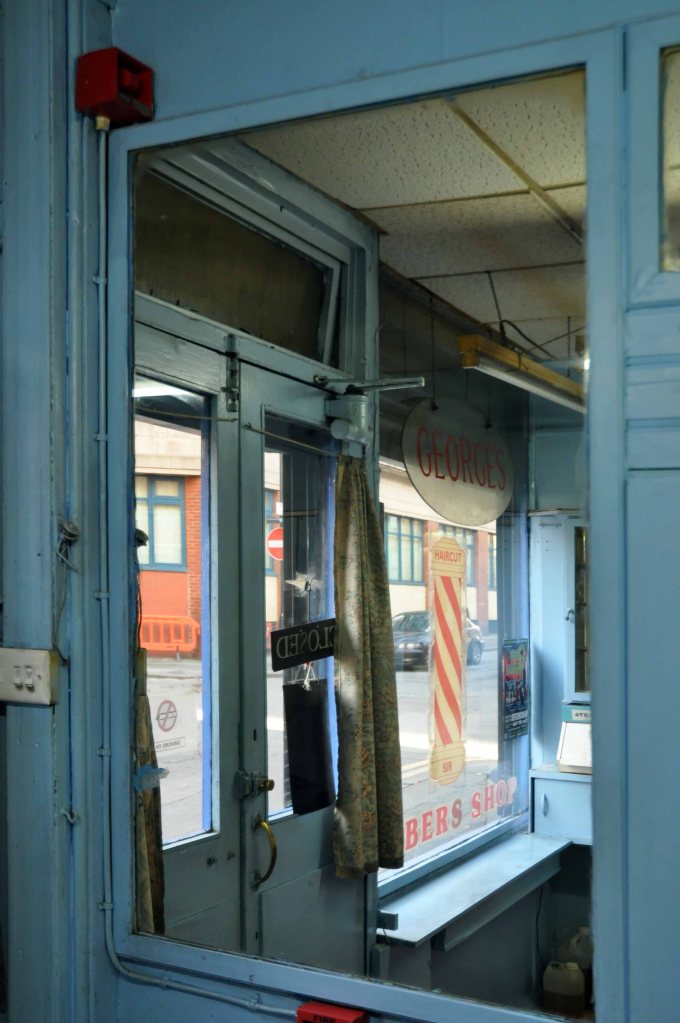
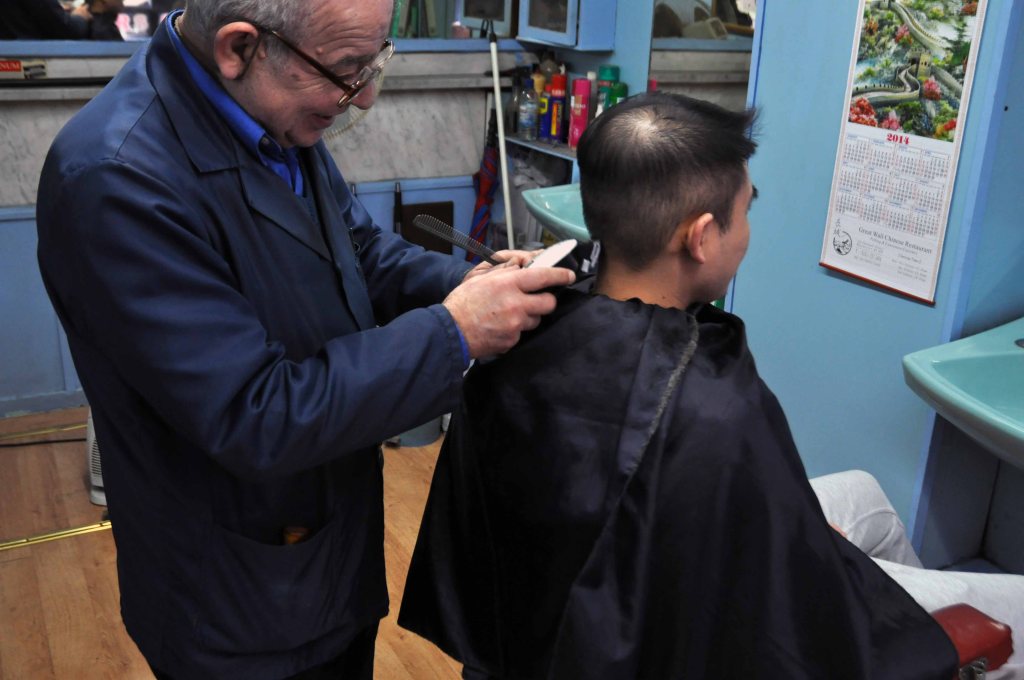
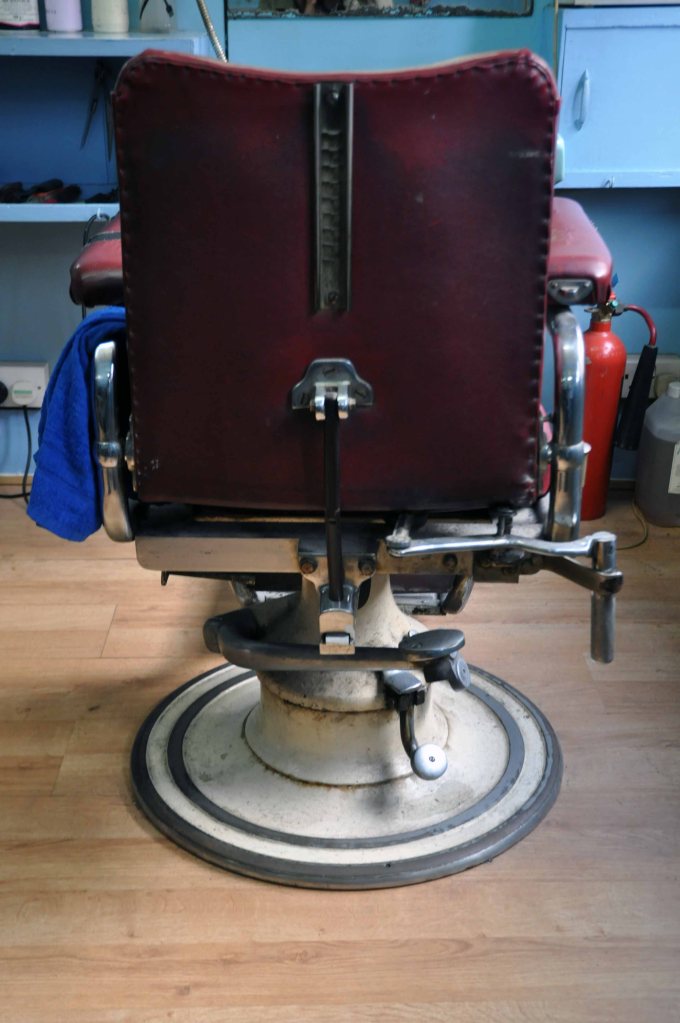
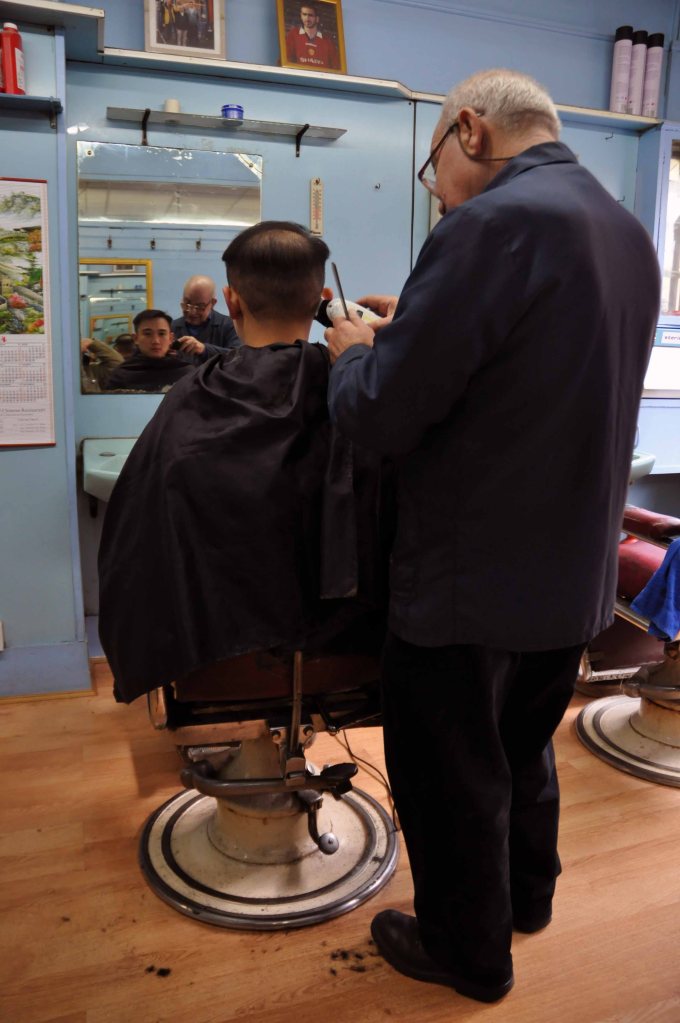
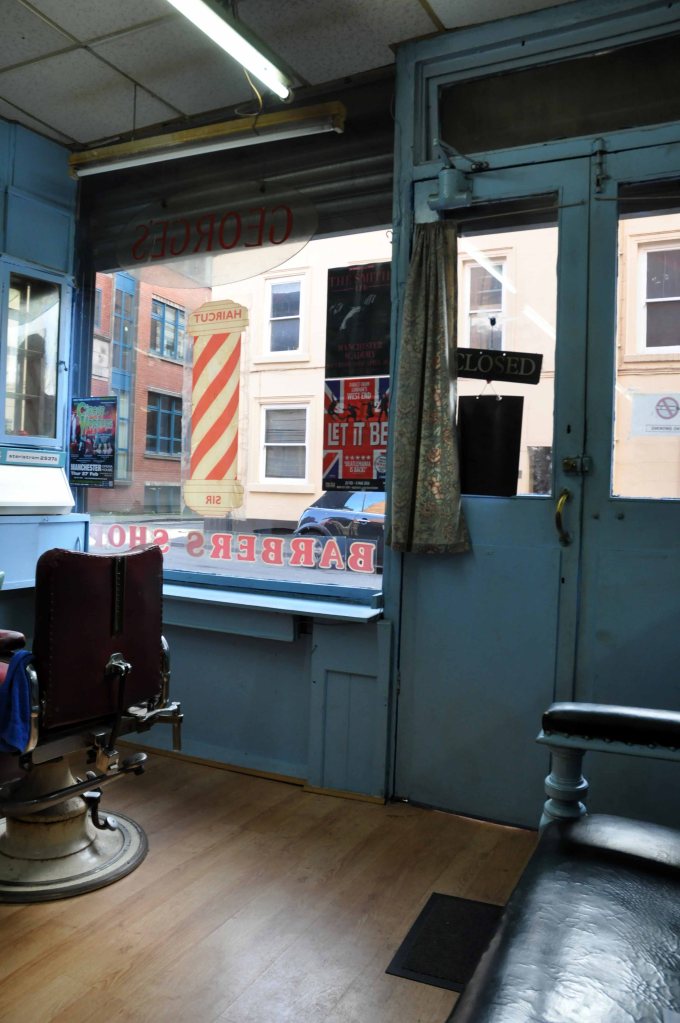
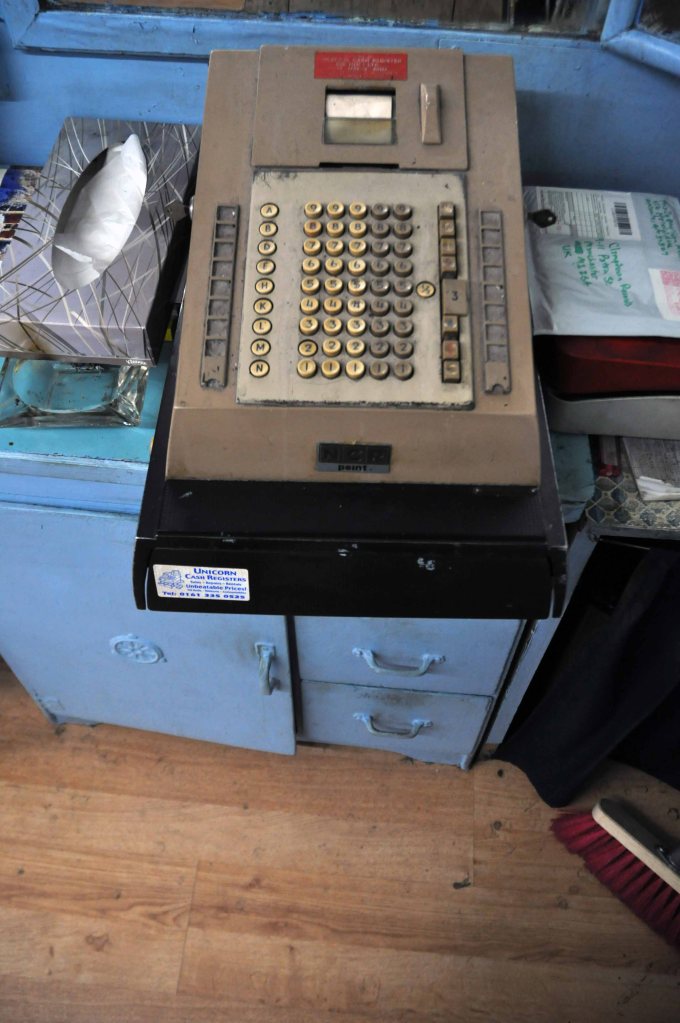
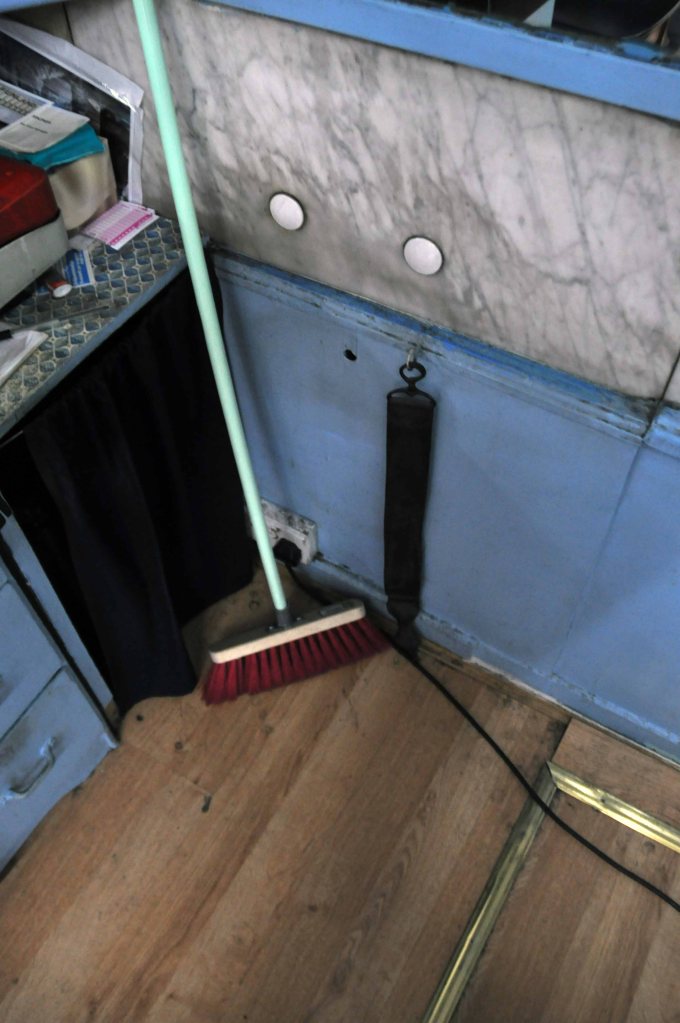
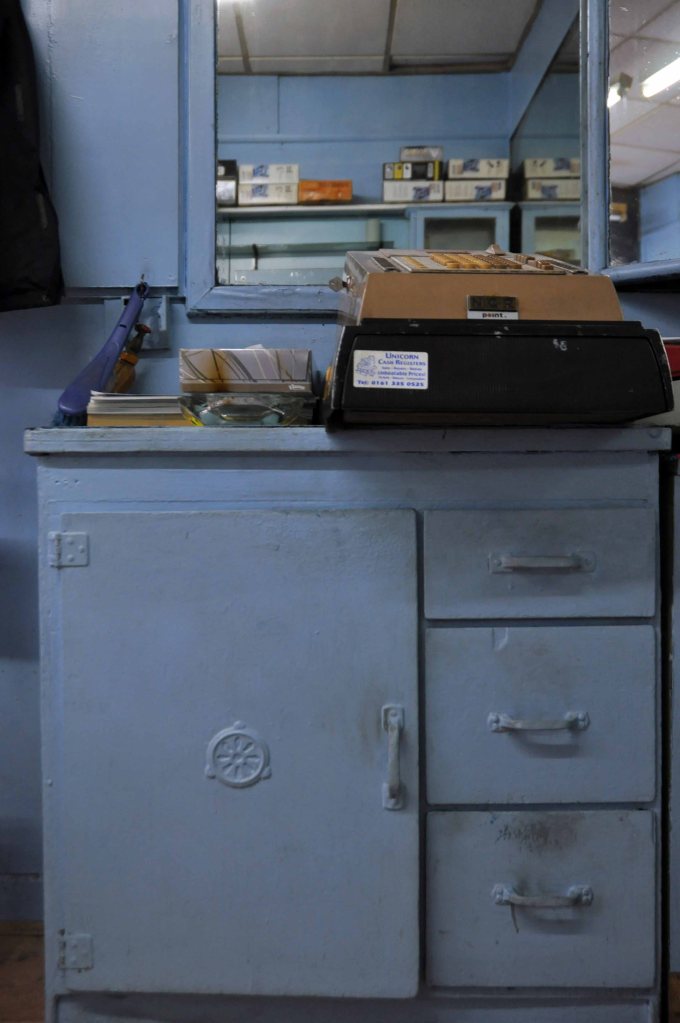
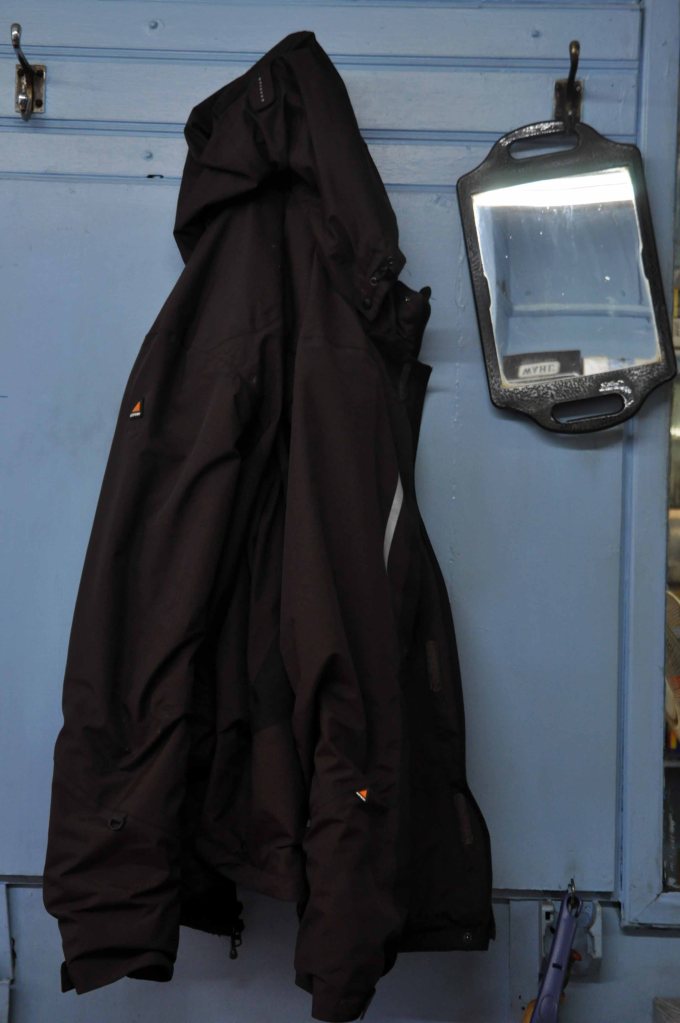
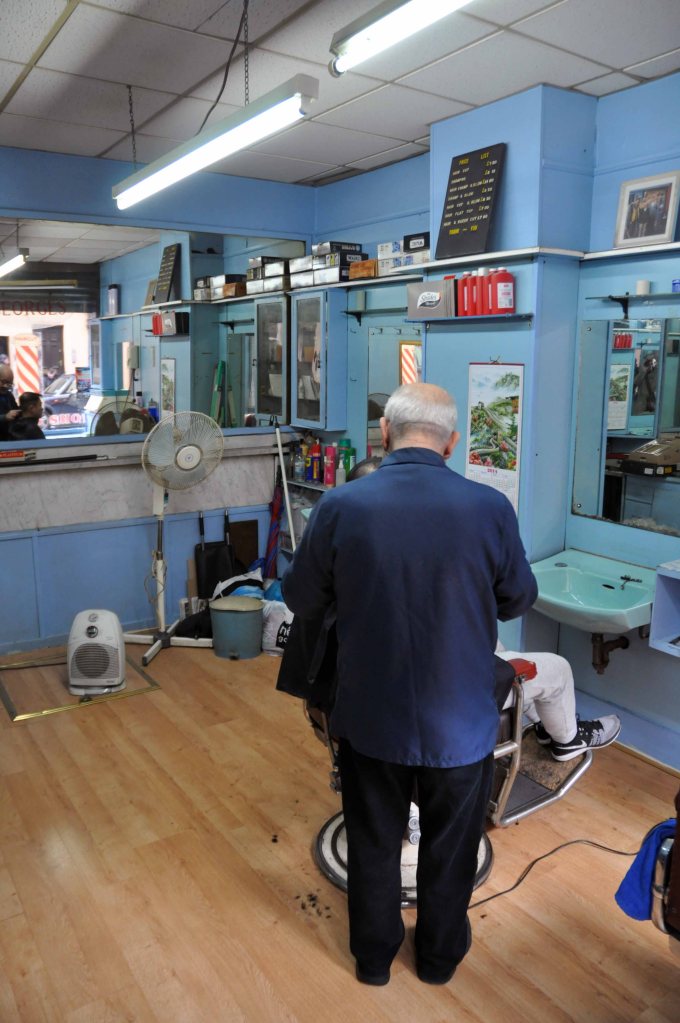
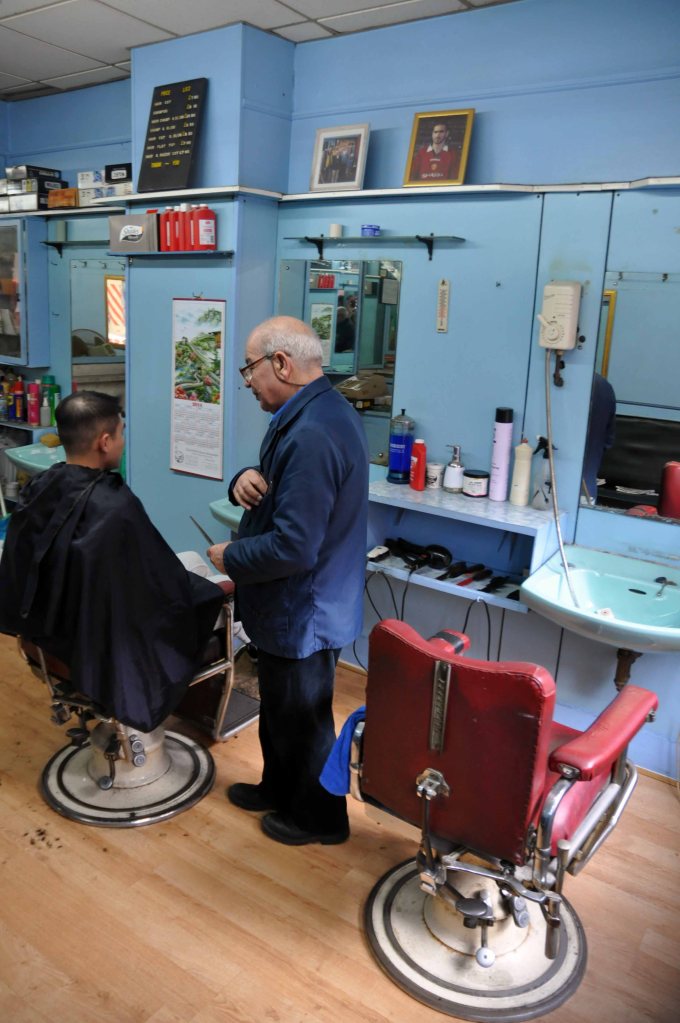
7 Paton Street M1 2BA
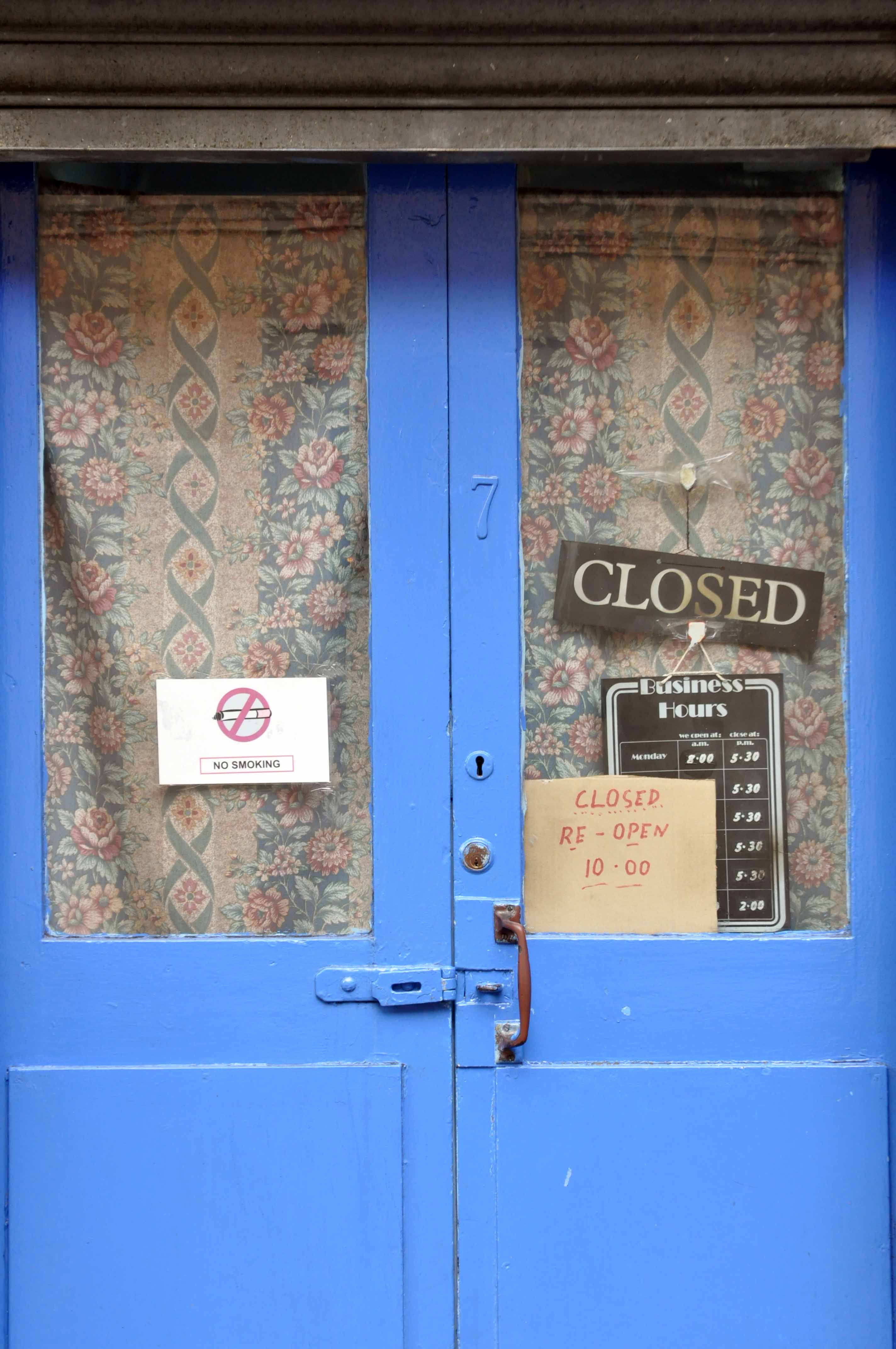
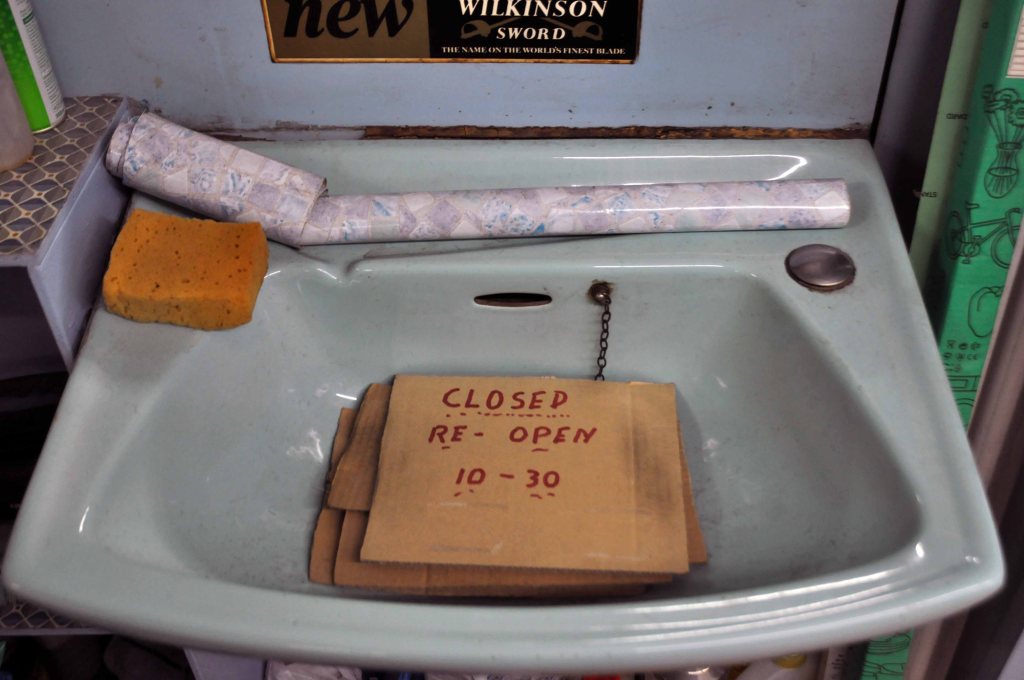
I came here on February 25th 2014, arrived early the shop was still closed, I’ll pop back.
Walked around the block and found that true to his word, he had re-opened.
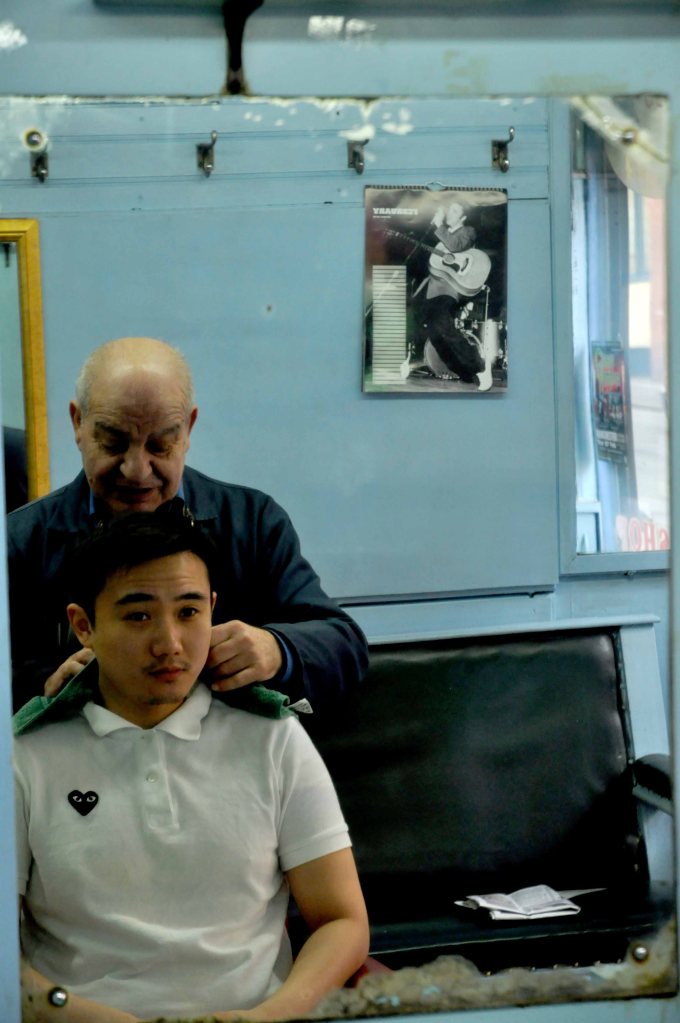
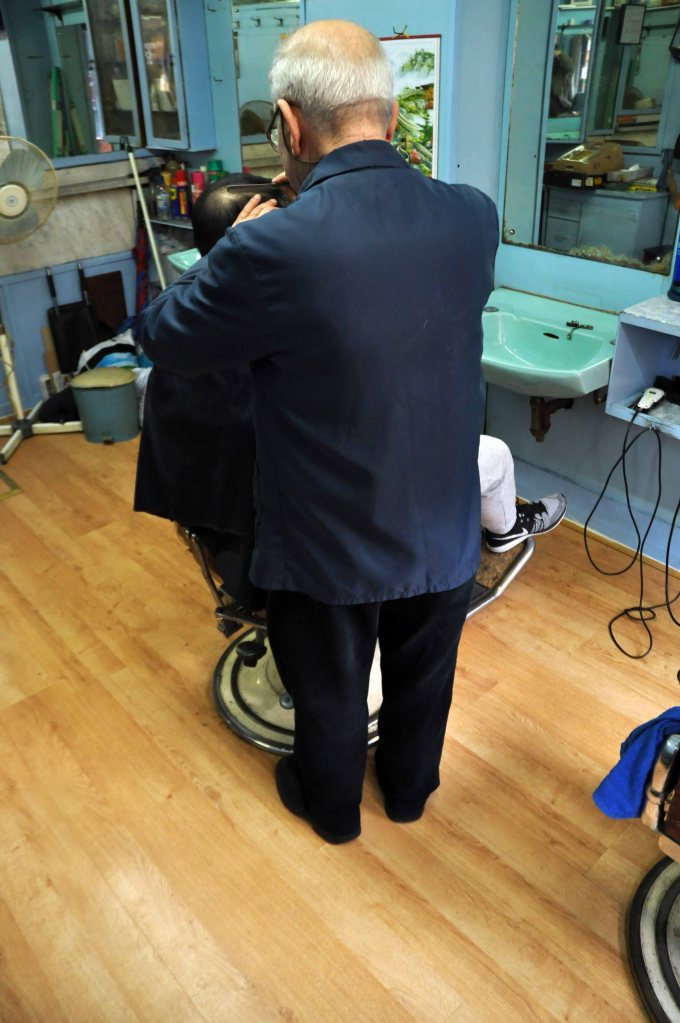
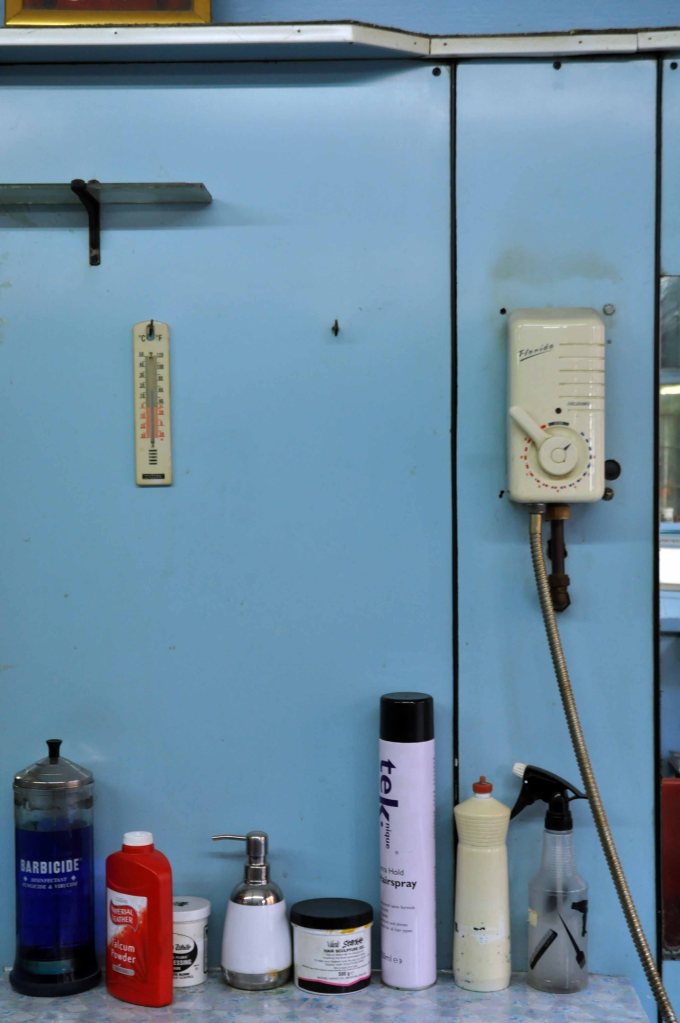
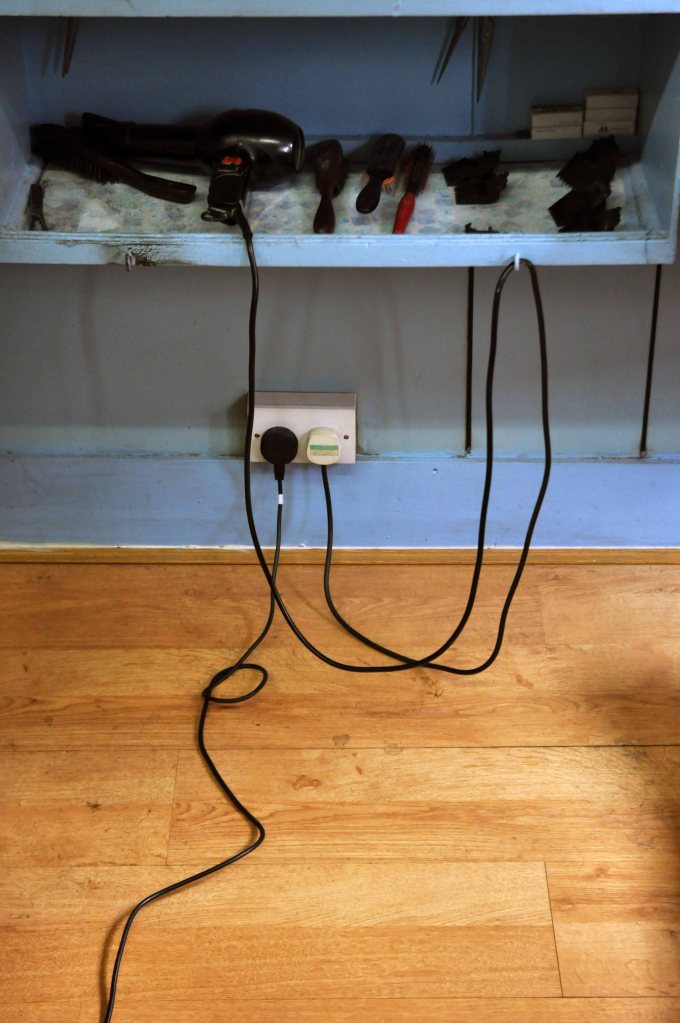
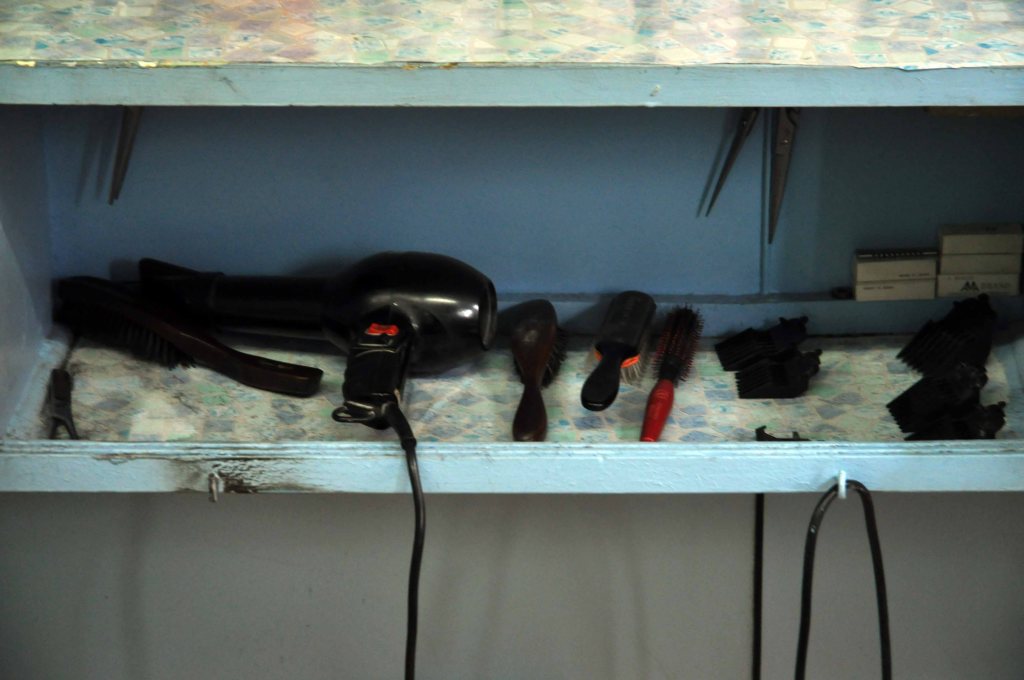
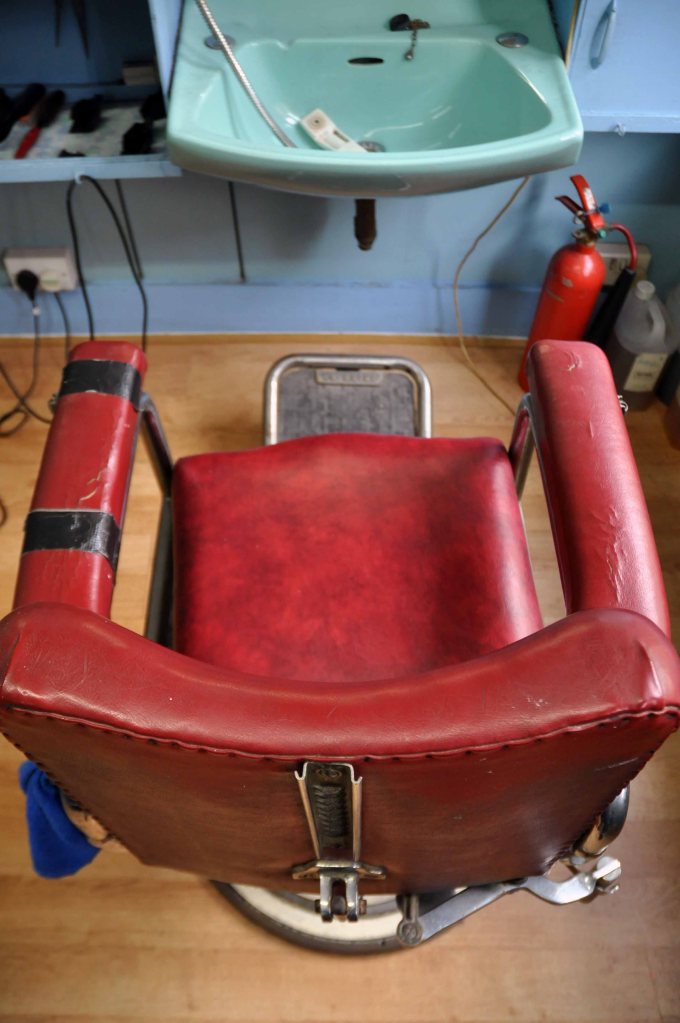
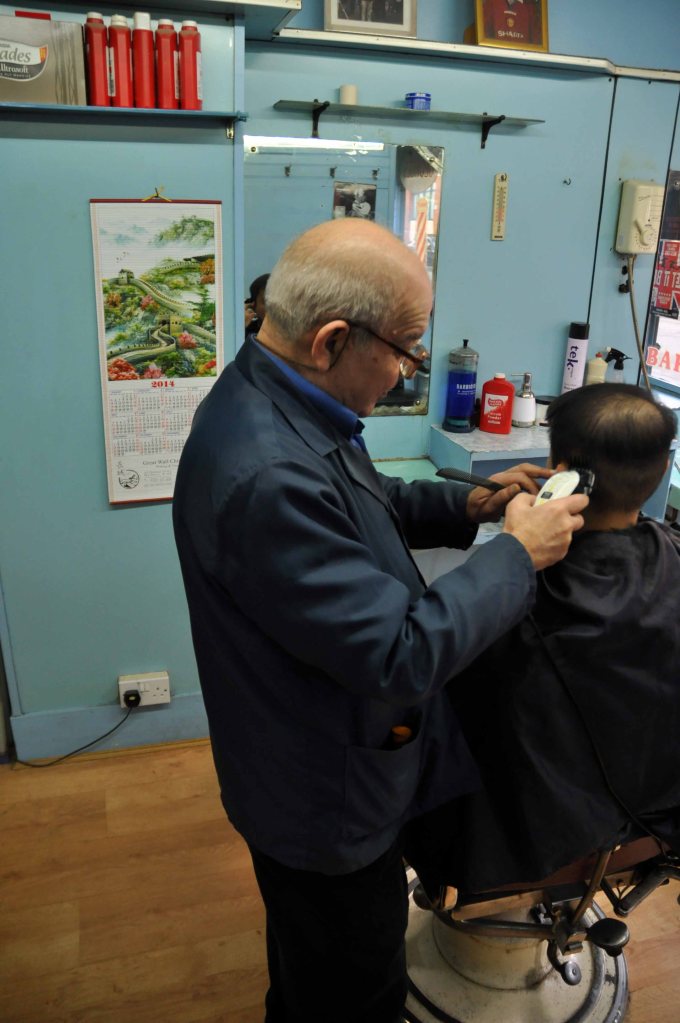
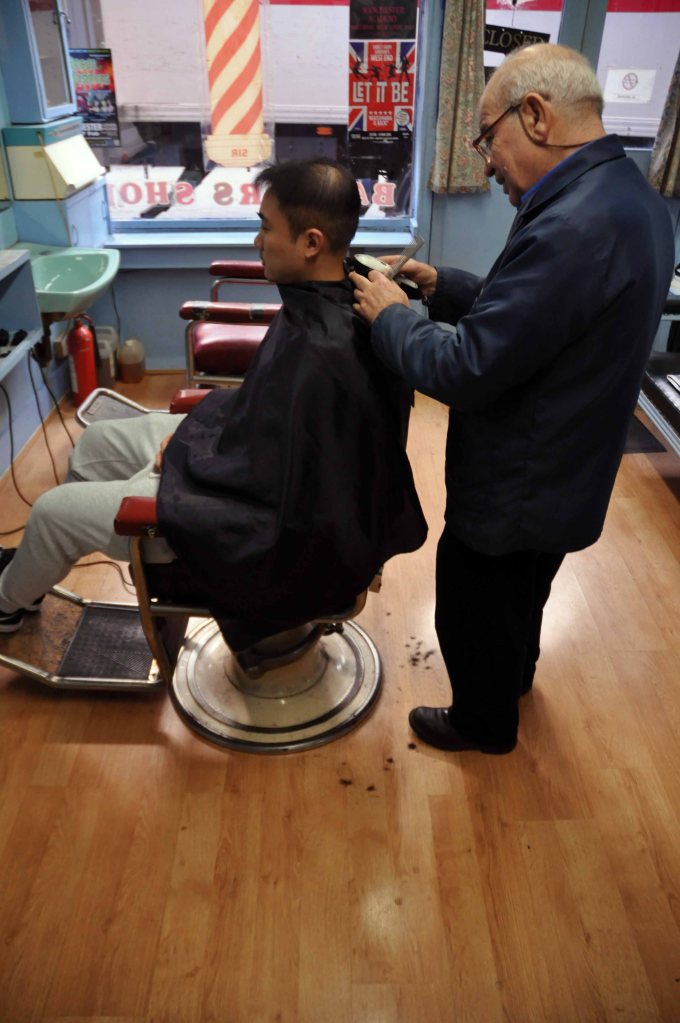
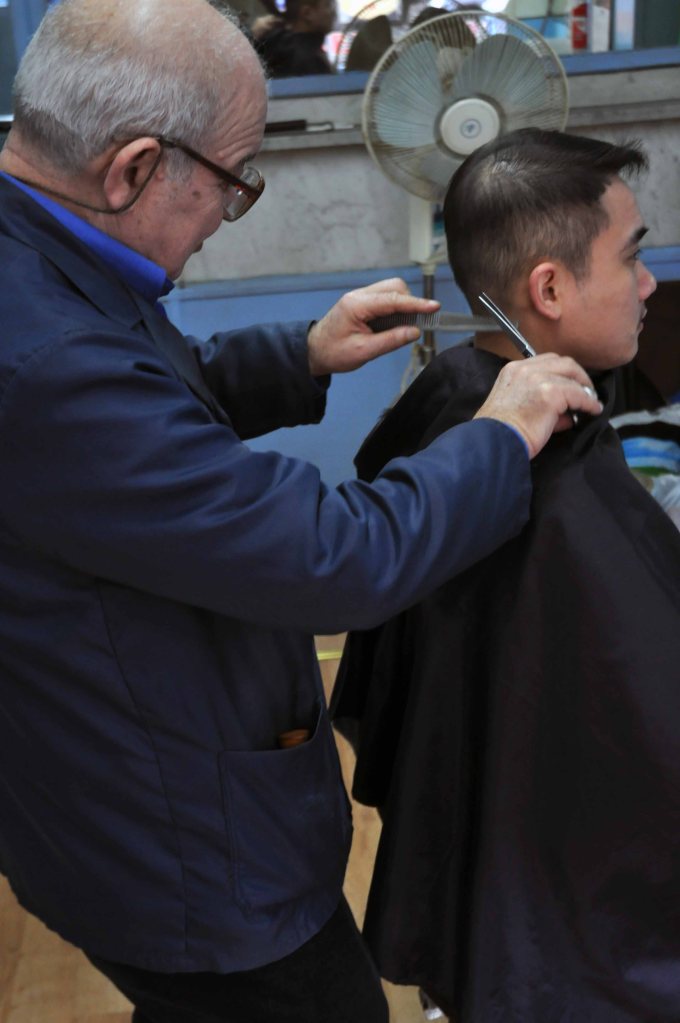
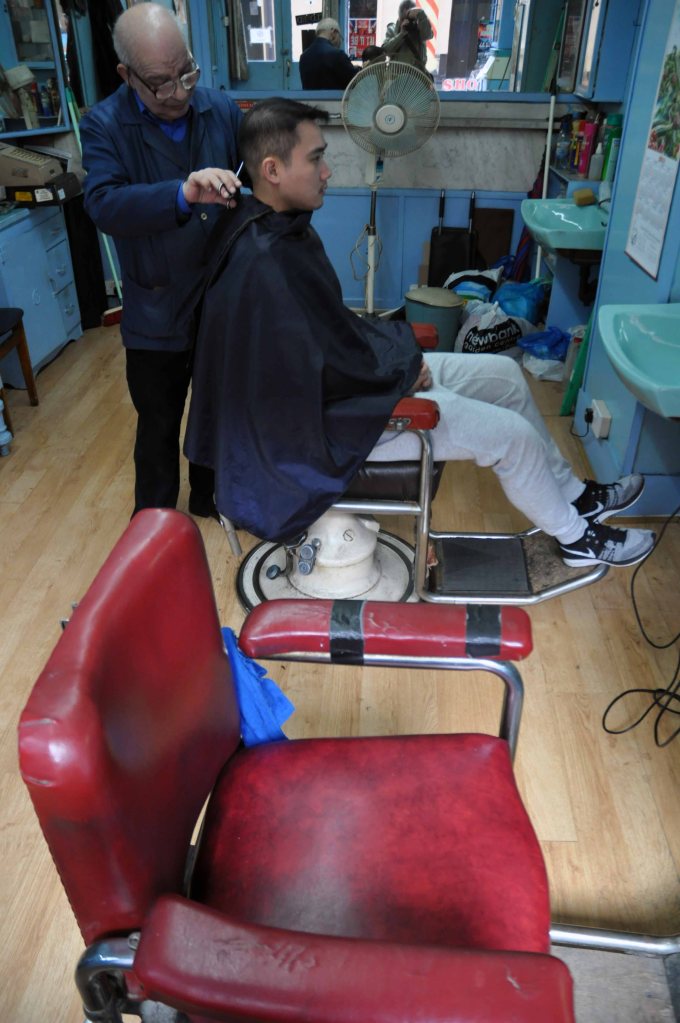
I explained my intentions, asking to spend some time in the salon, chat and take some snaps as he worked away.
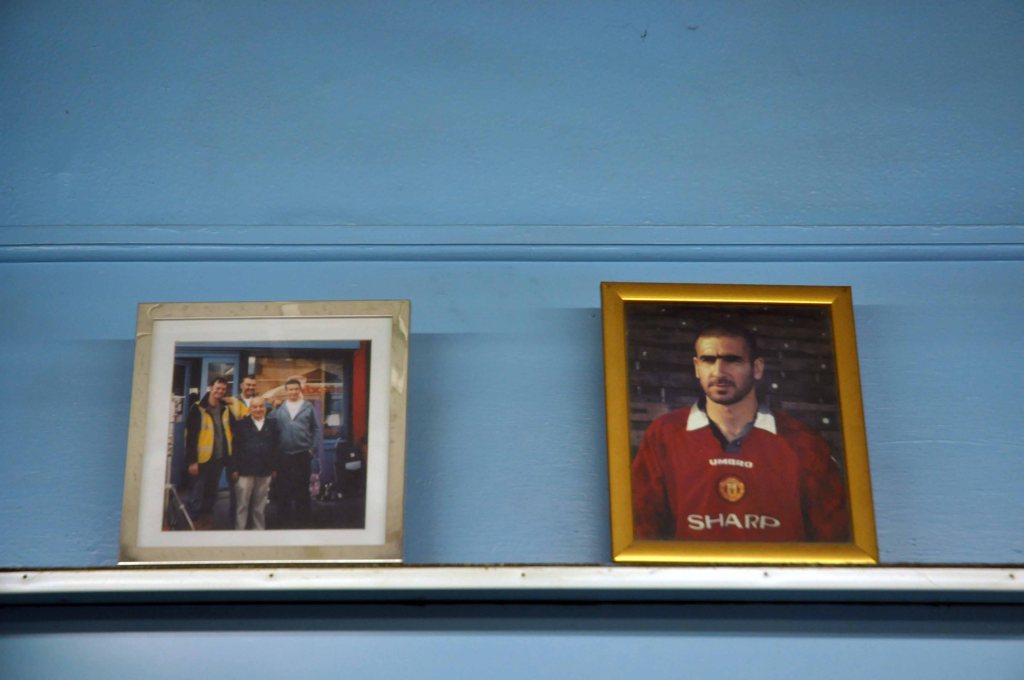
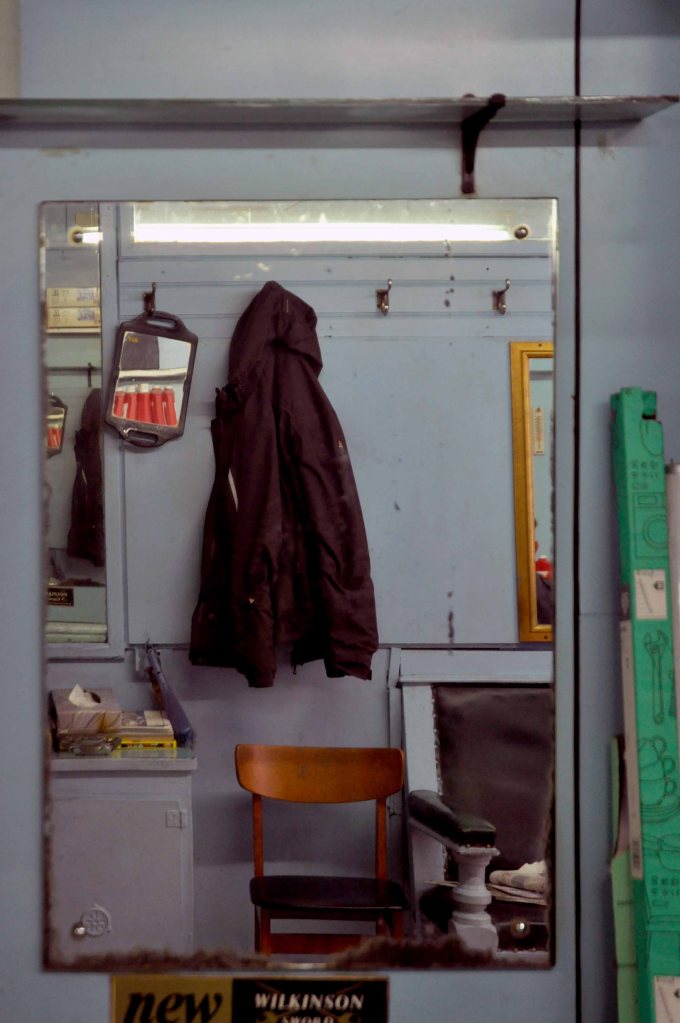
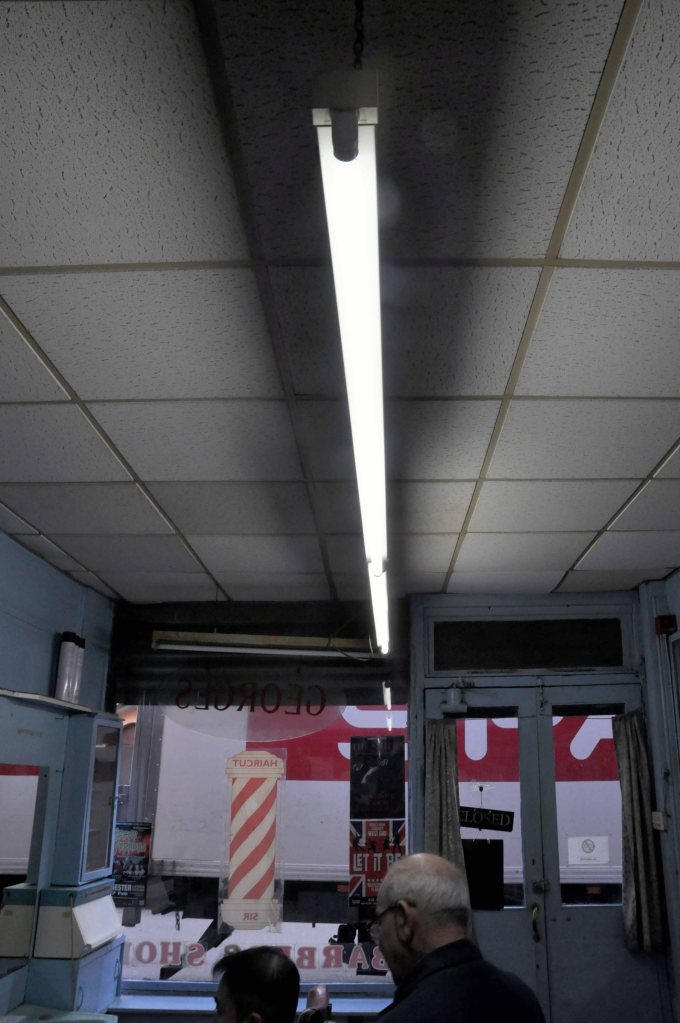
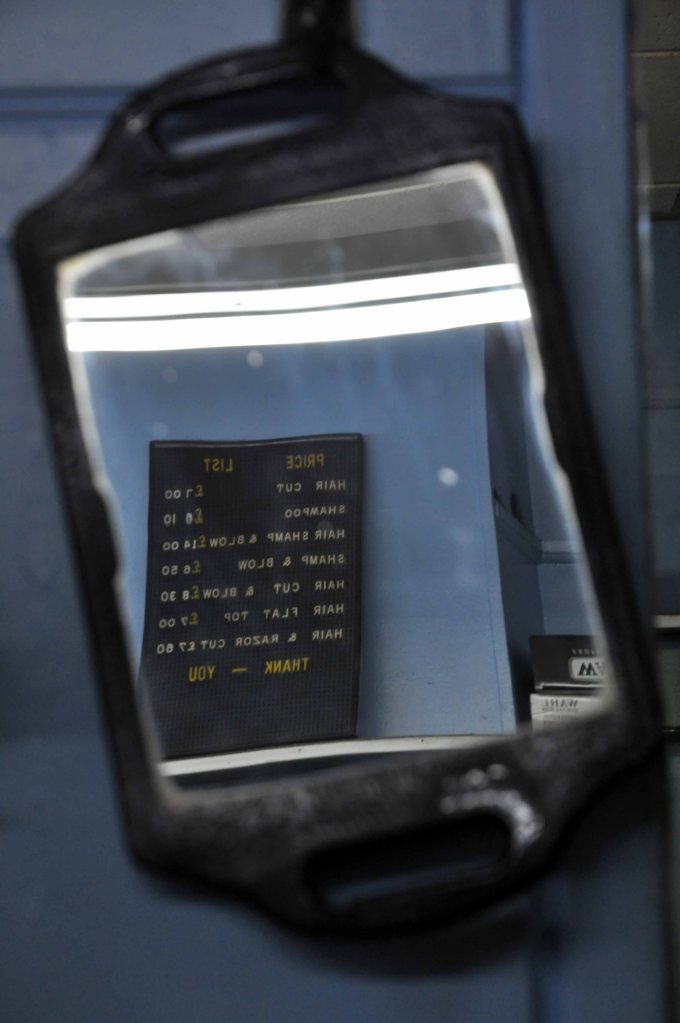
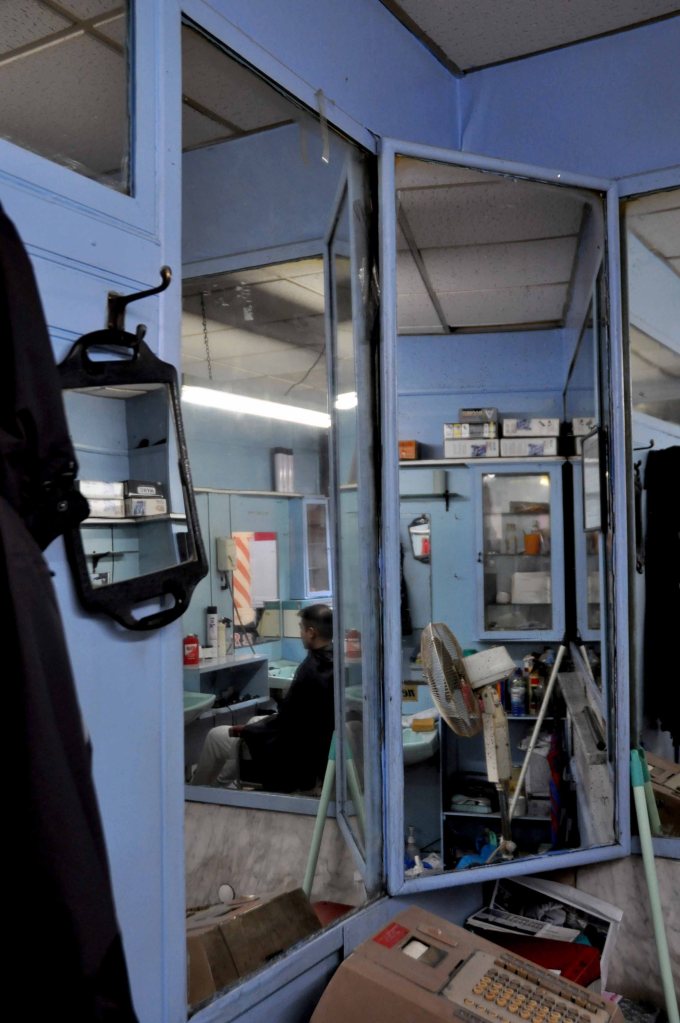
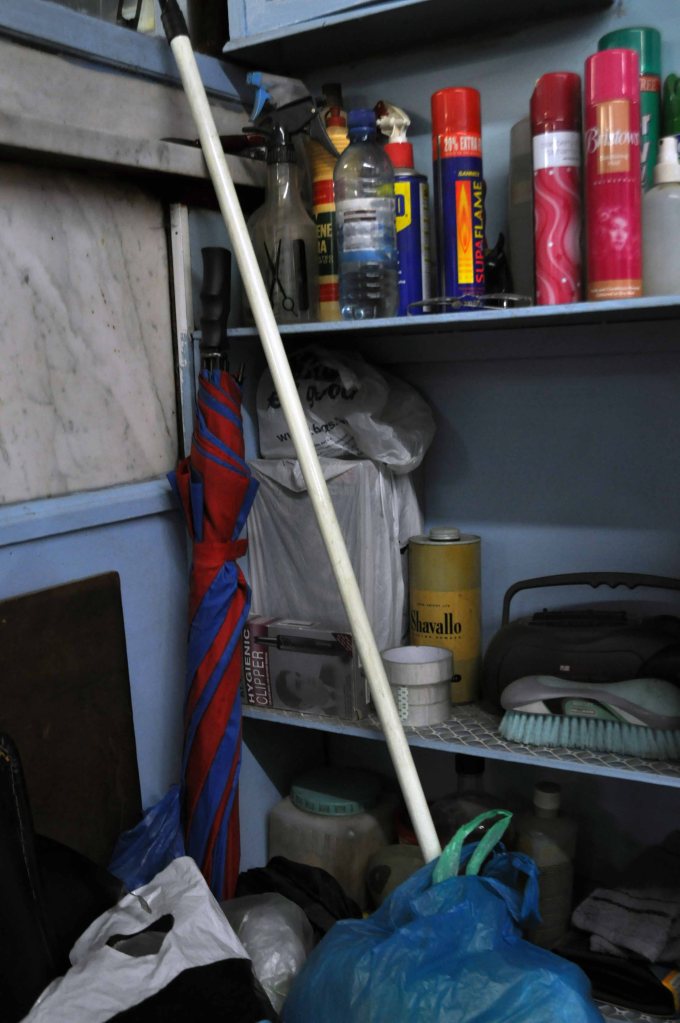
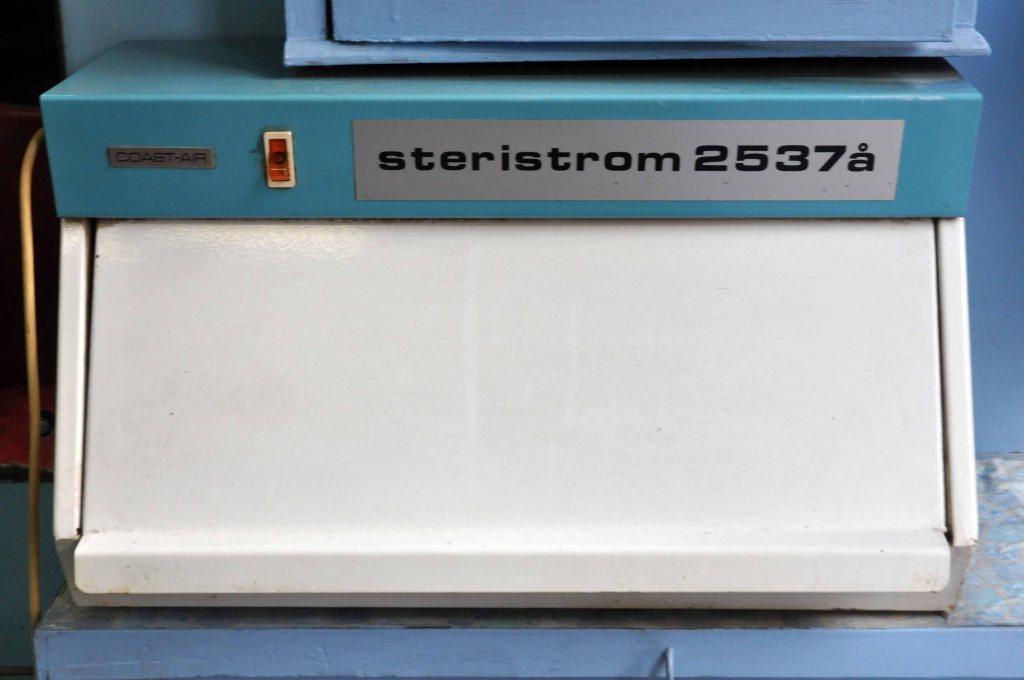
He was more than happy to accommodate my needs, he worked, we chatted, I snapped. This was some seven years ago now, typically, I forgot to make any written notes. Suffice to say he had been there some 48 years finally retiring on Christmas Eve 2014.
As city centre Manchester changes for good or for bad, the likelihood of a neighbourhood barber appearing is negligible. It was a privilege to spend some time with George, one of many Cypriot immigrants who found work here between and after the wars, we were more than happy to welcome him here.
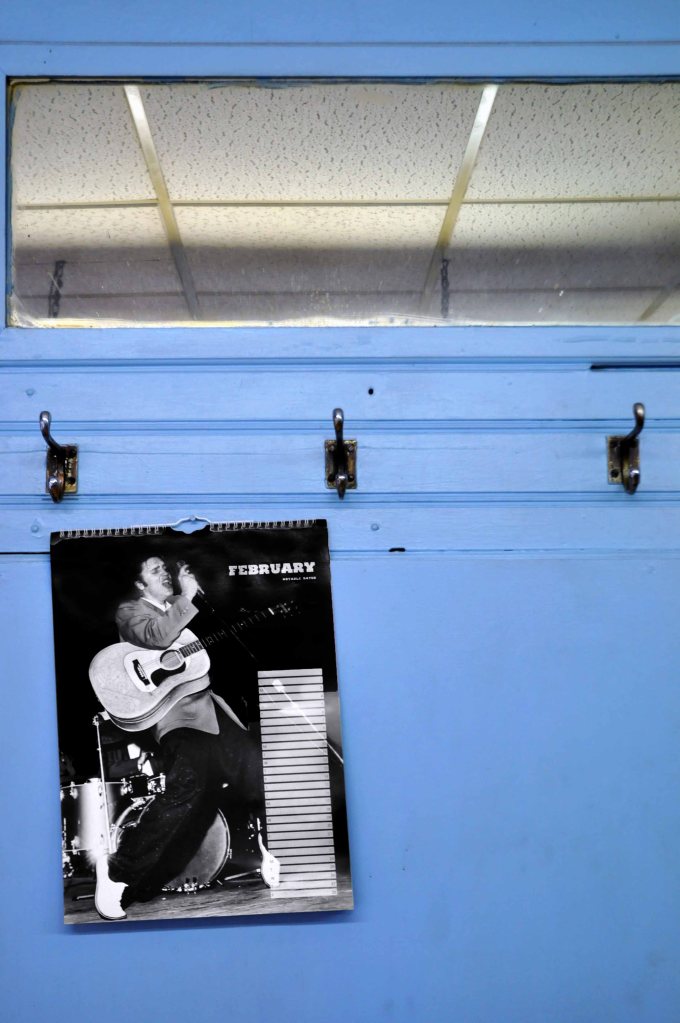
Let’s take a look around.


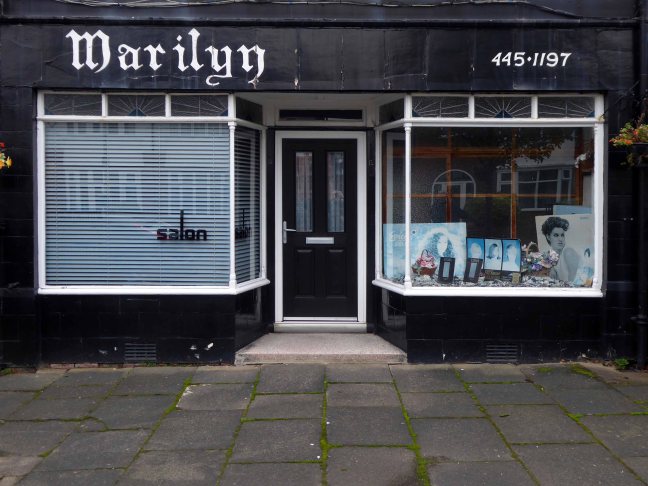
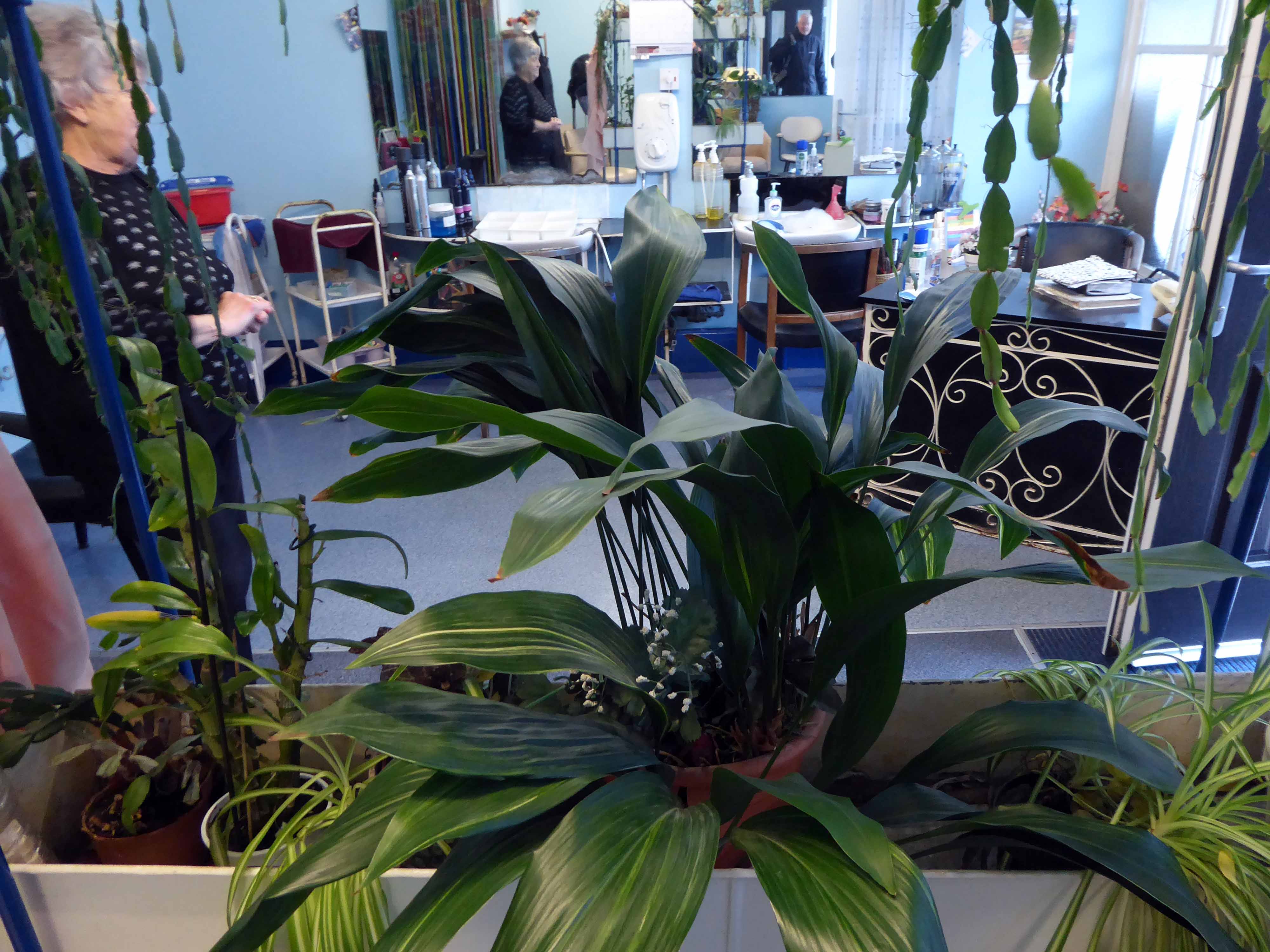
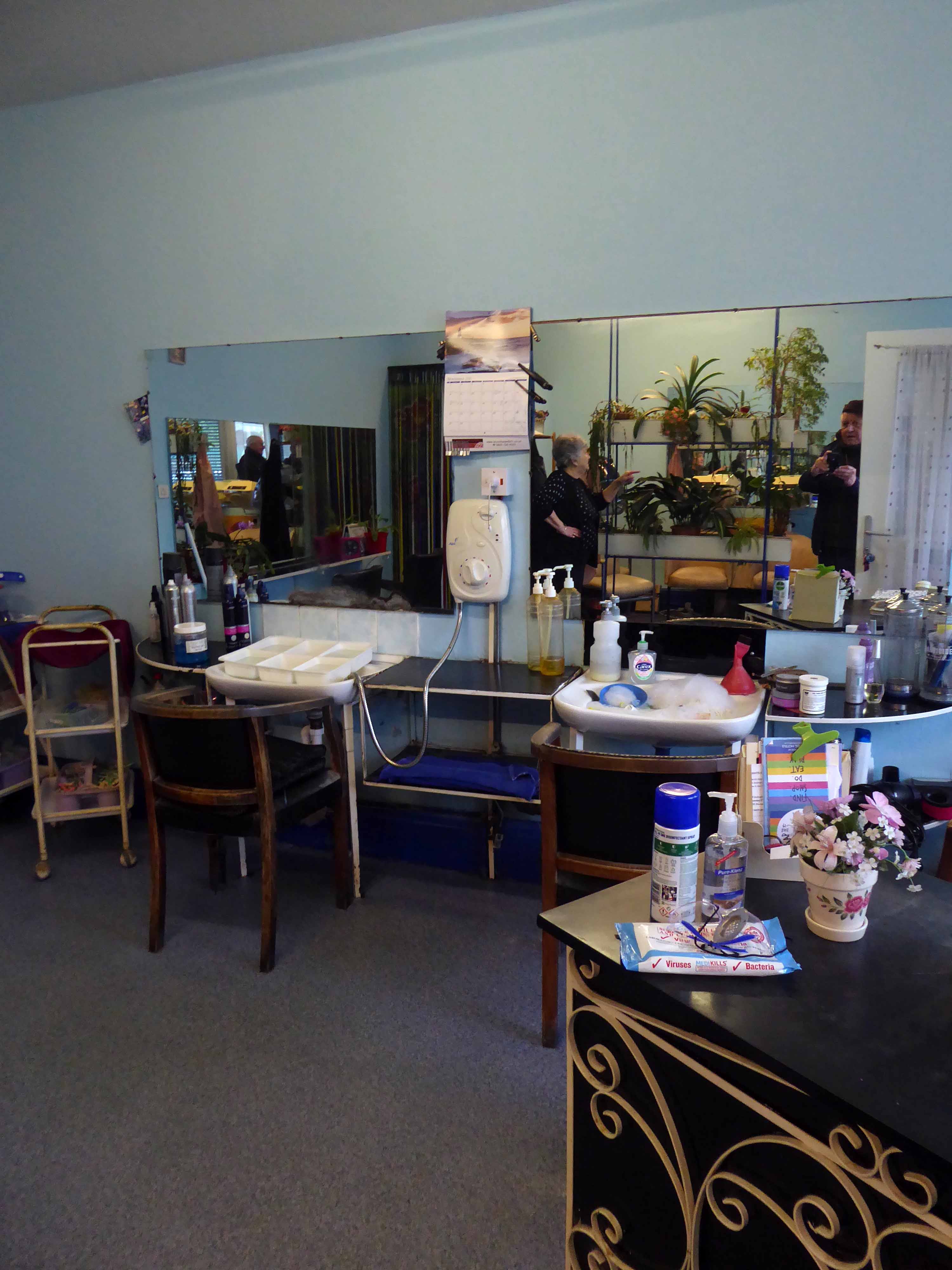
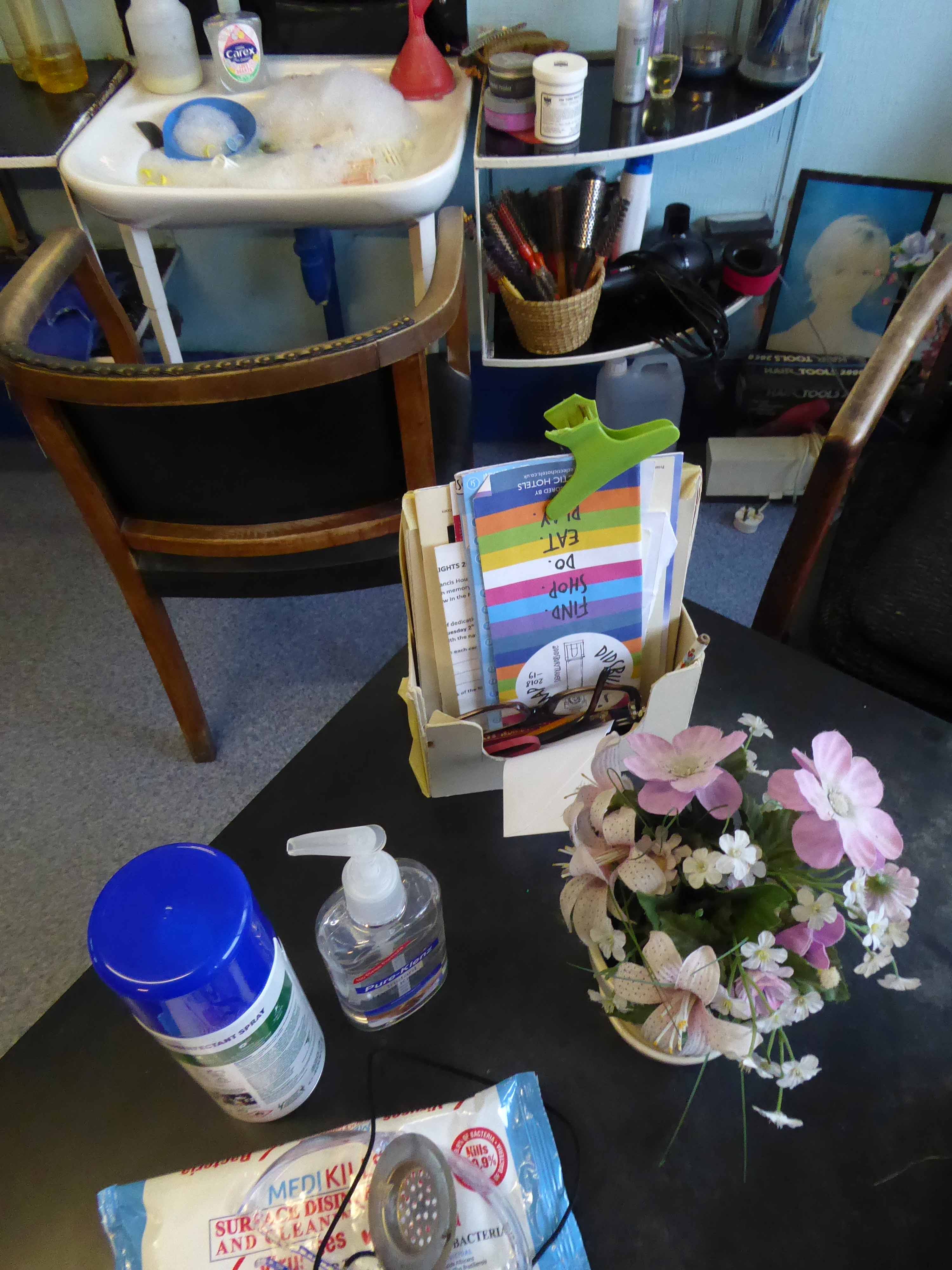
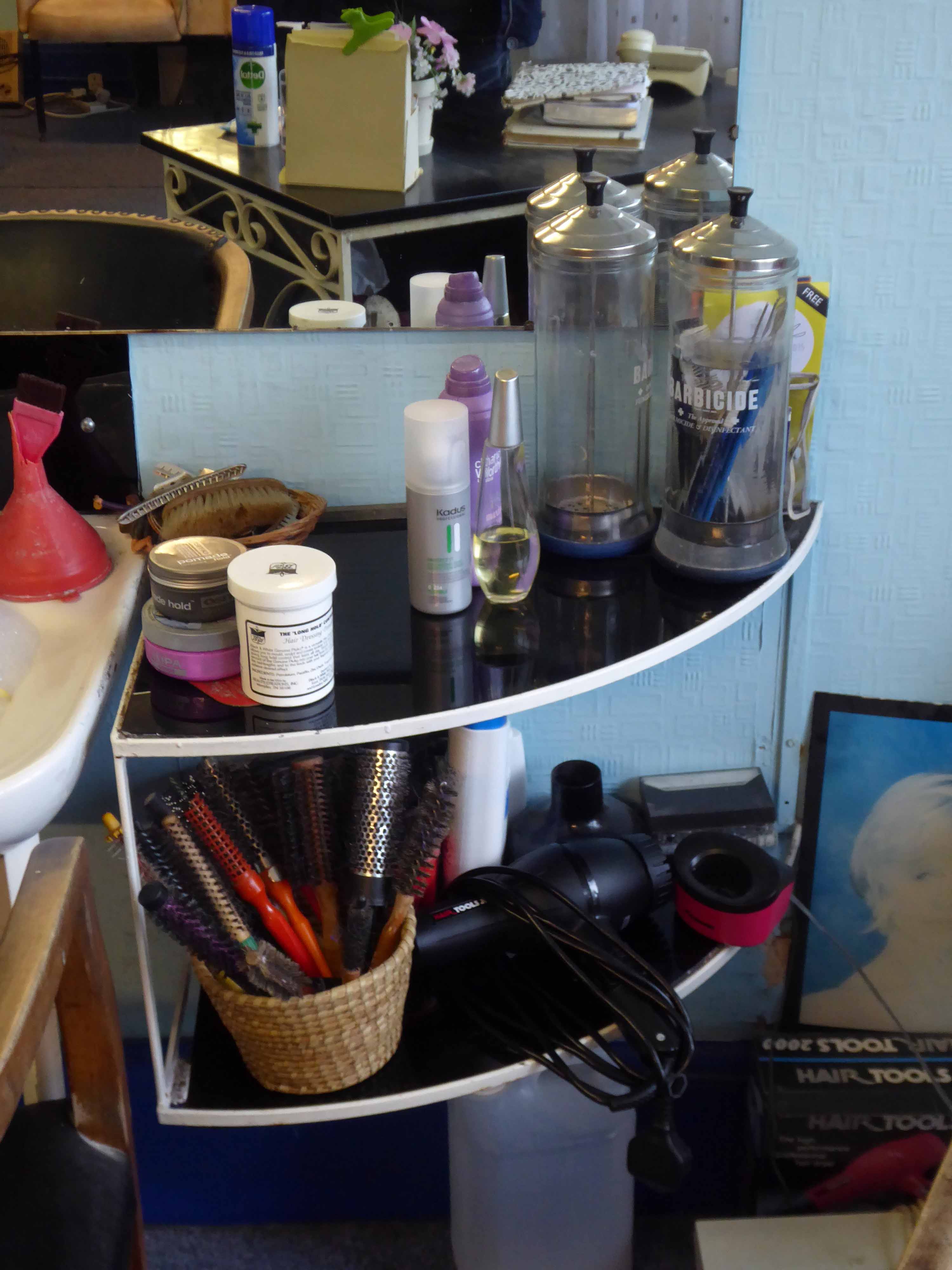
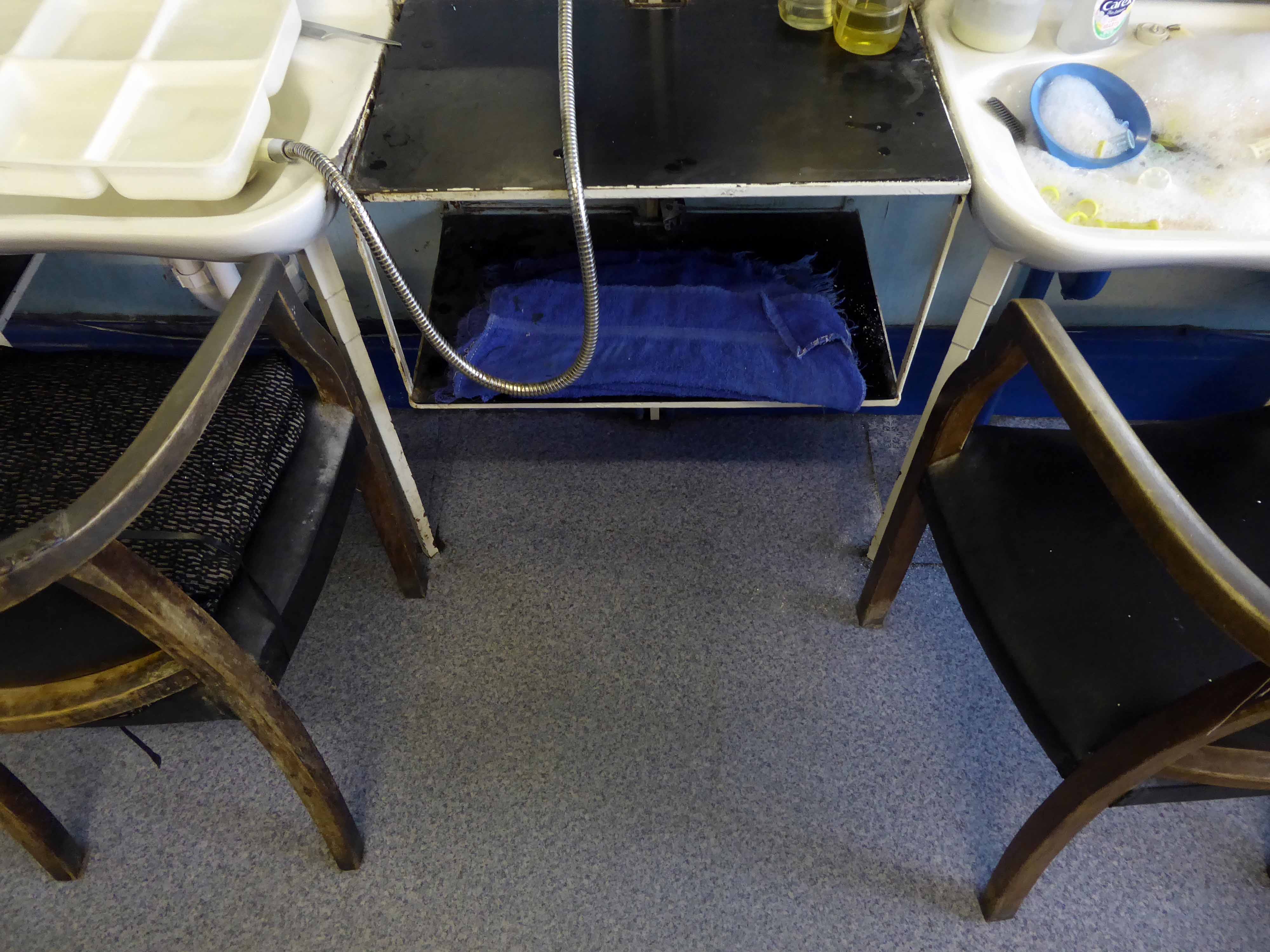
12 Gawsworth Ave Manchester M20 5NF
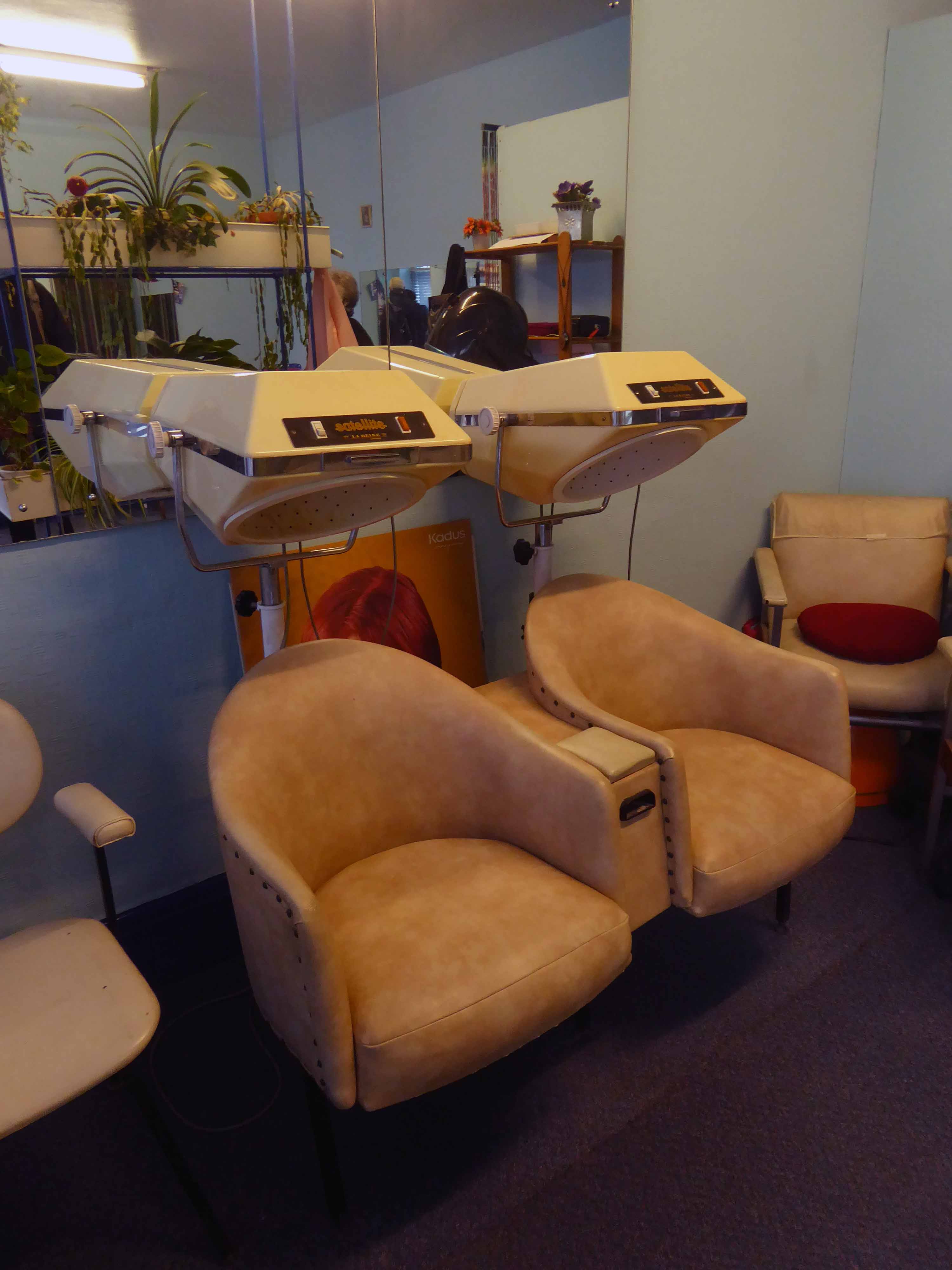
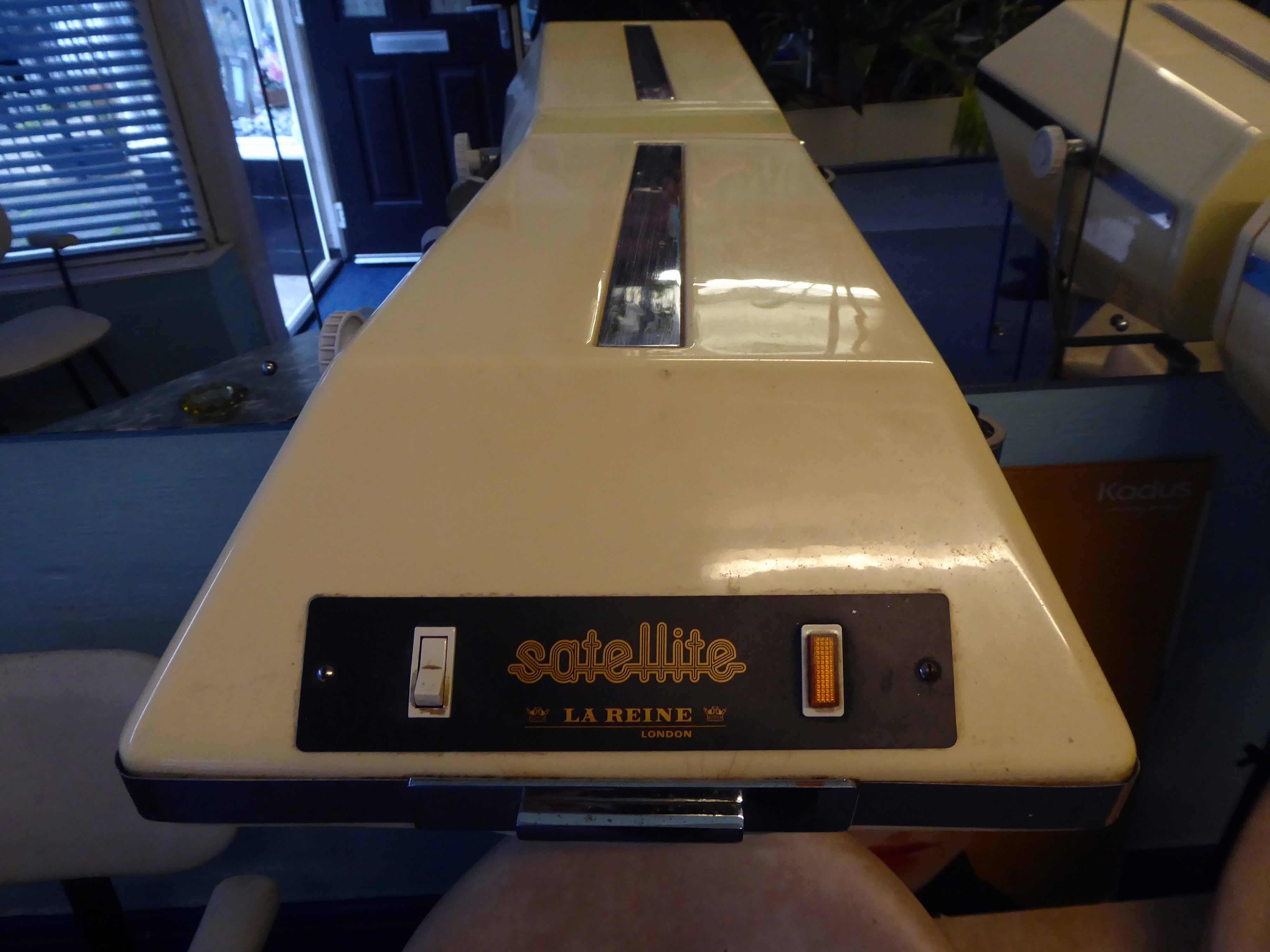
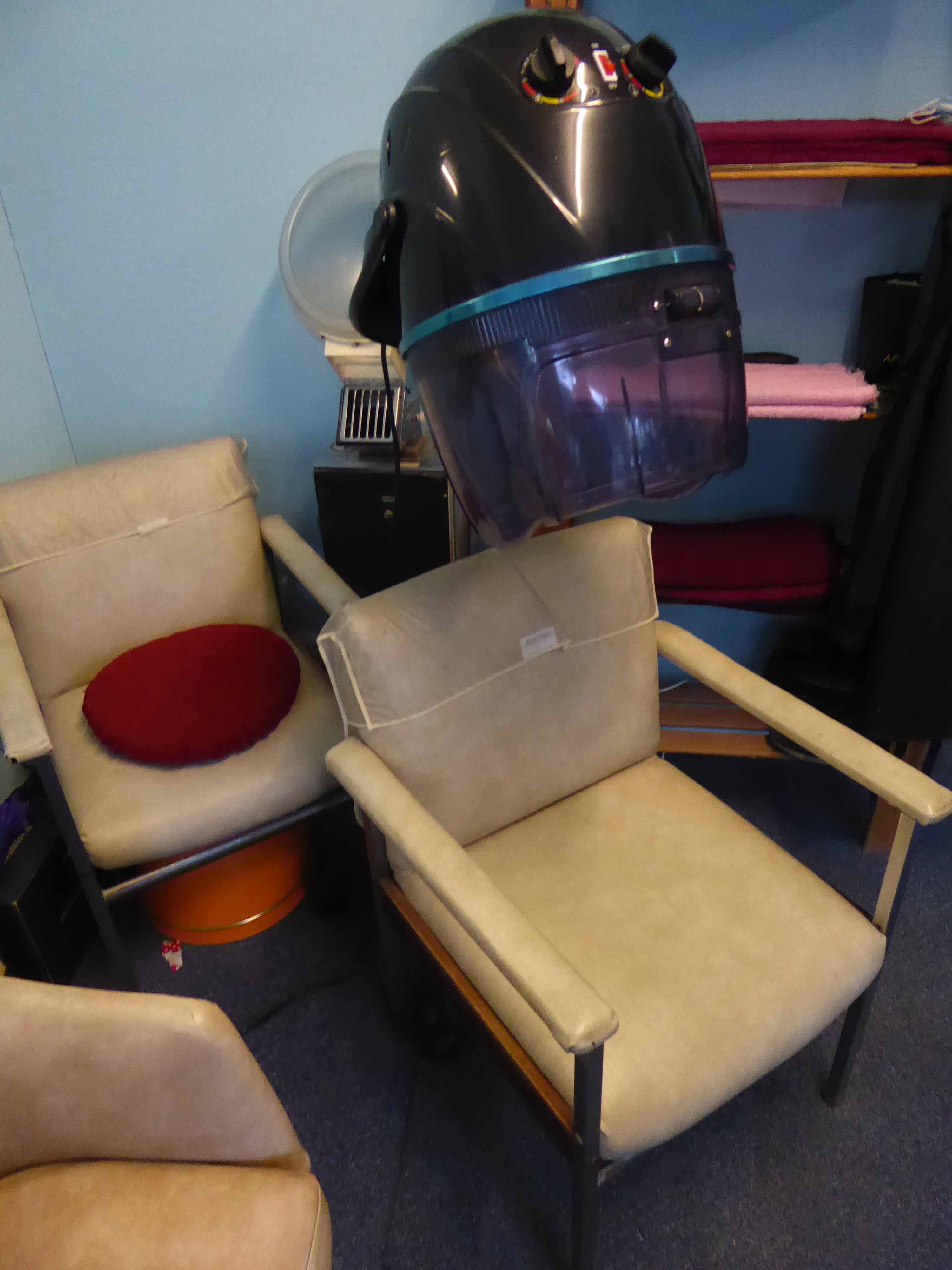
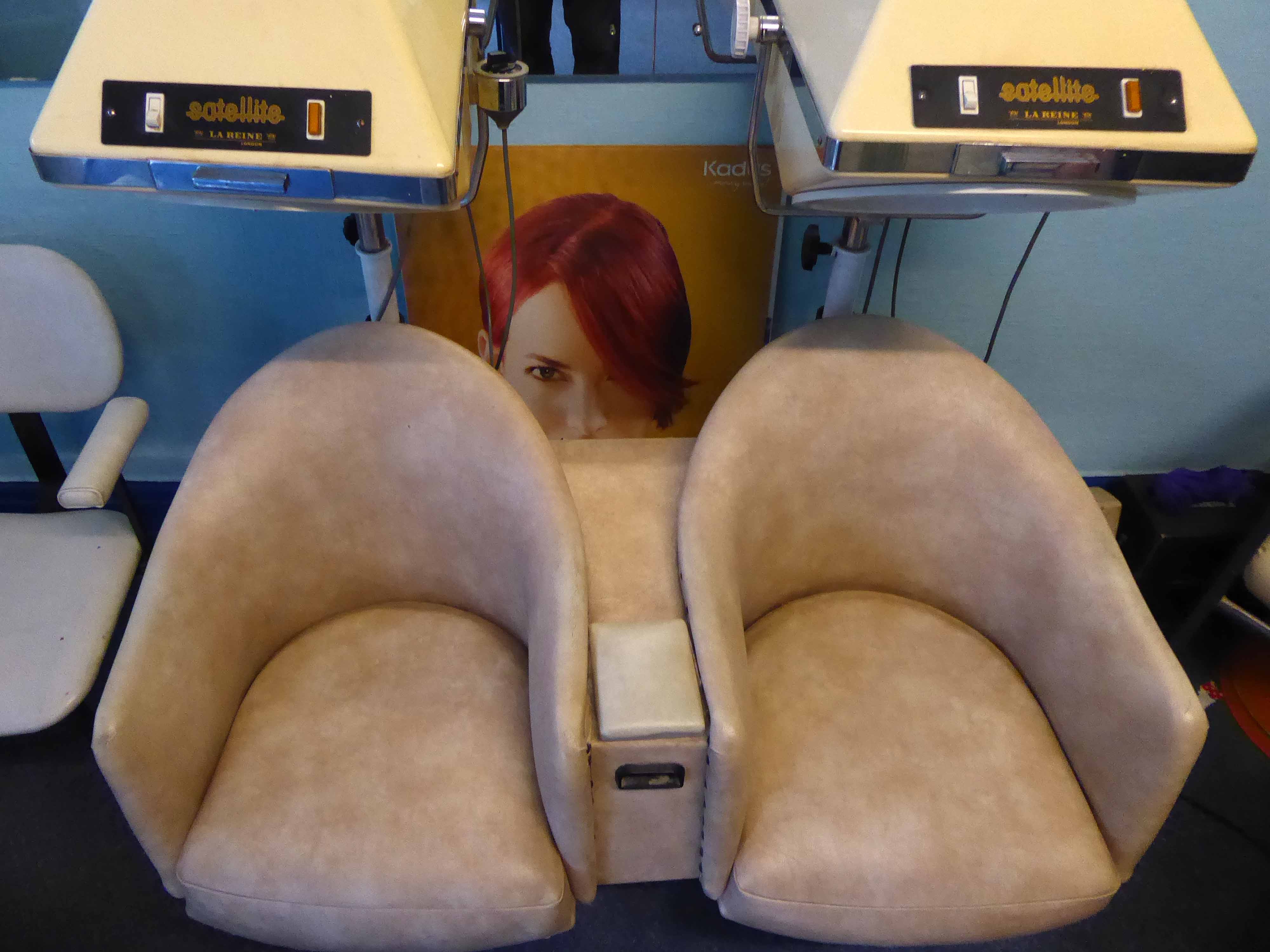
This is not the first time that I have crossed the threshold of a hair salon – having done so first in Failsworth, keeping company with Sheila Gregory and her chatty clientele.
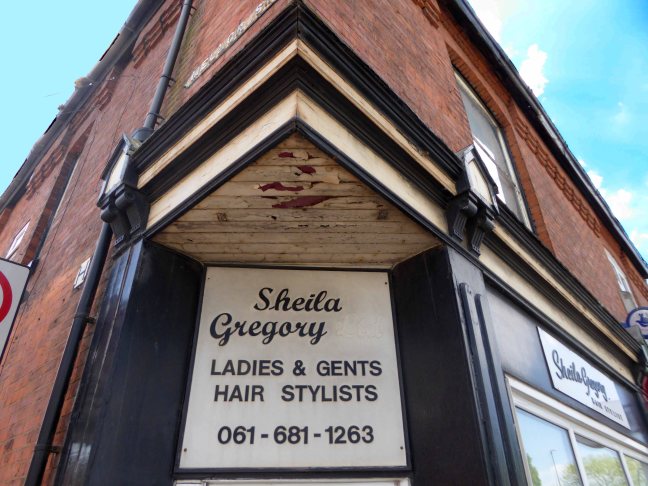
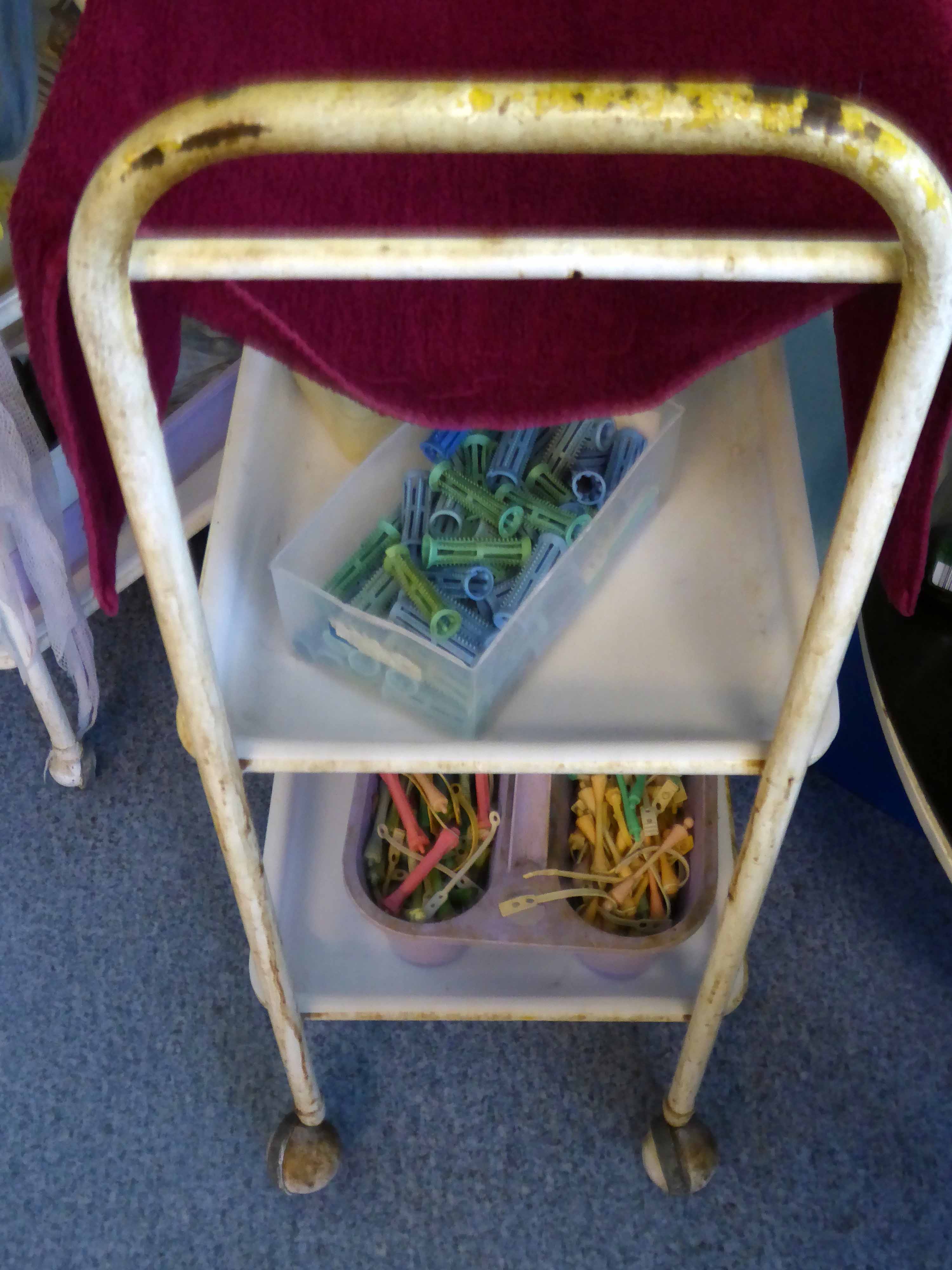
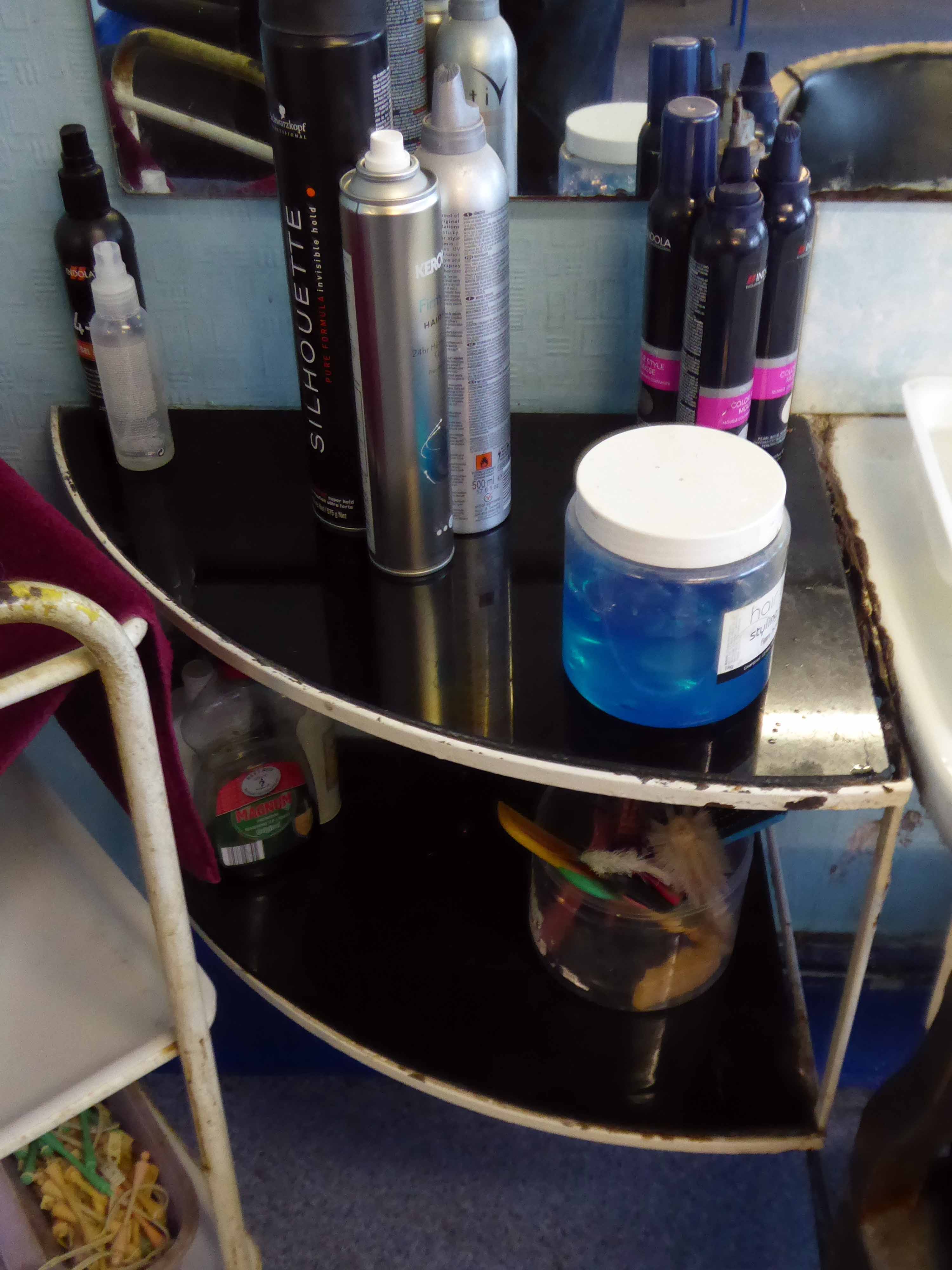
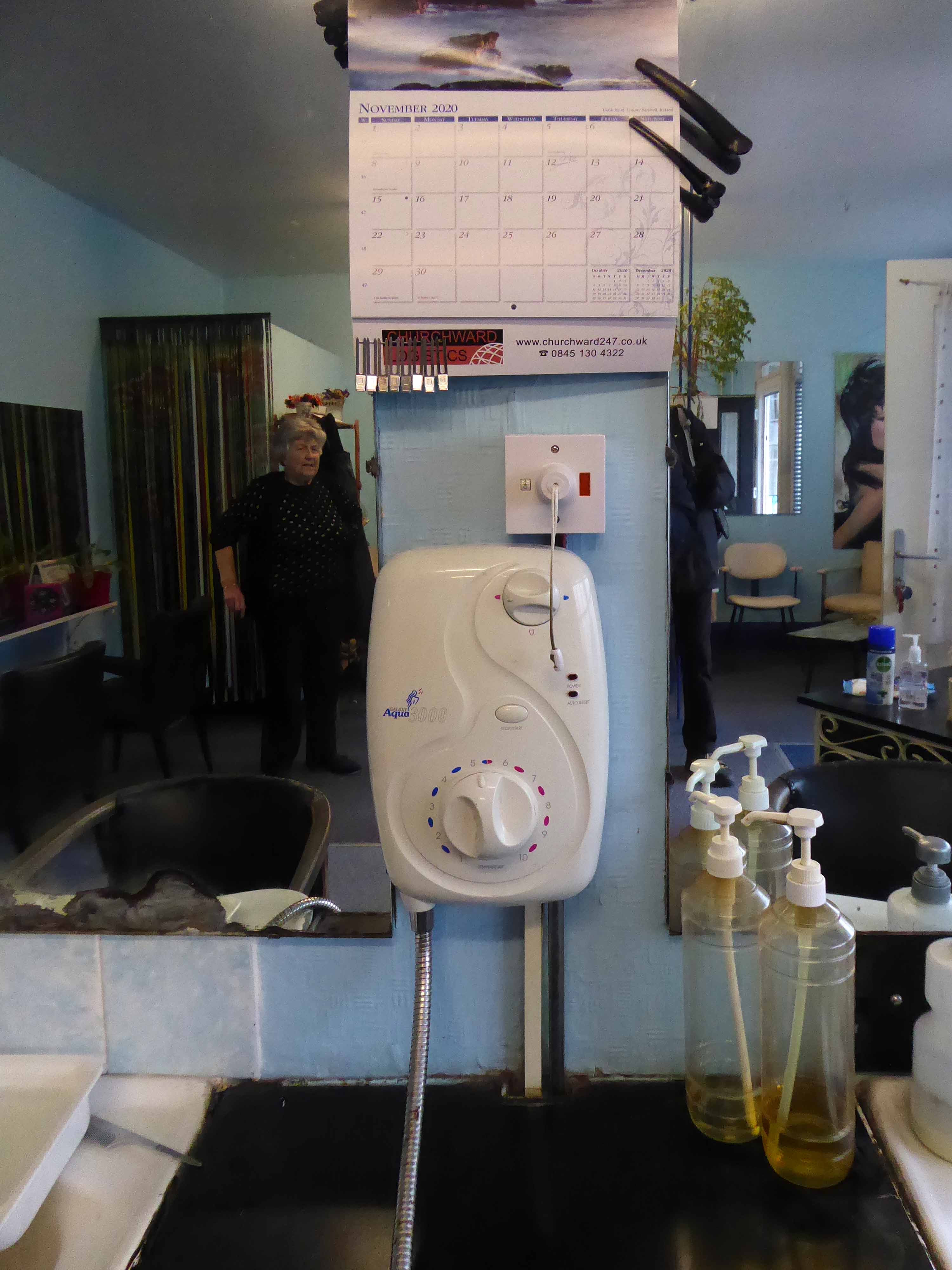
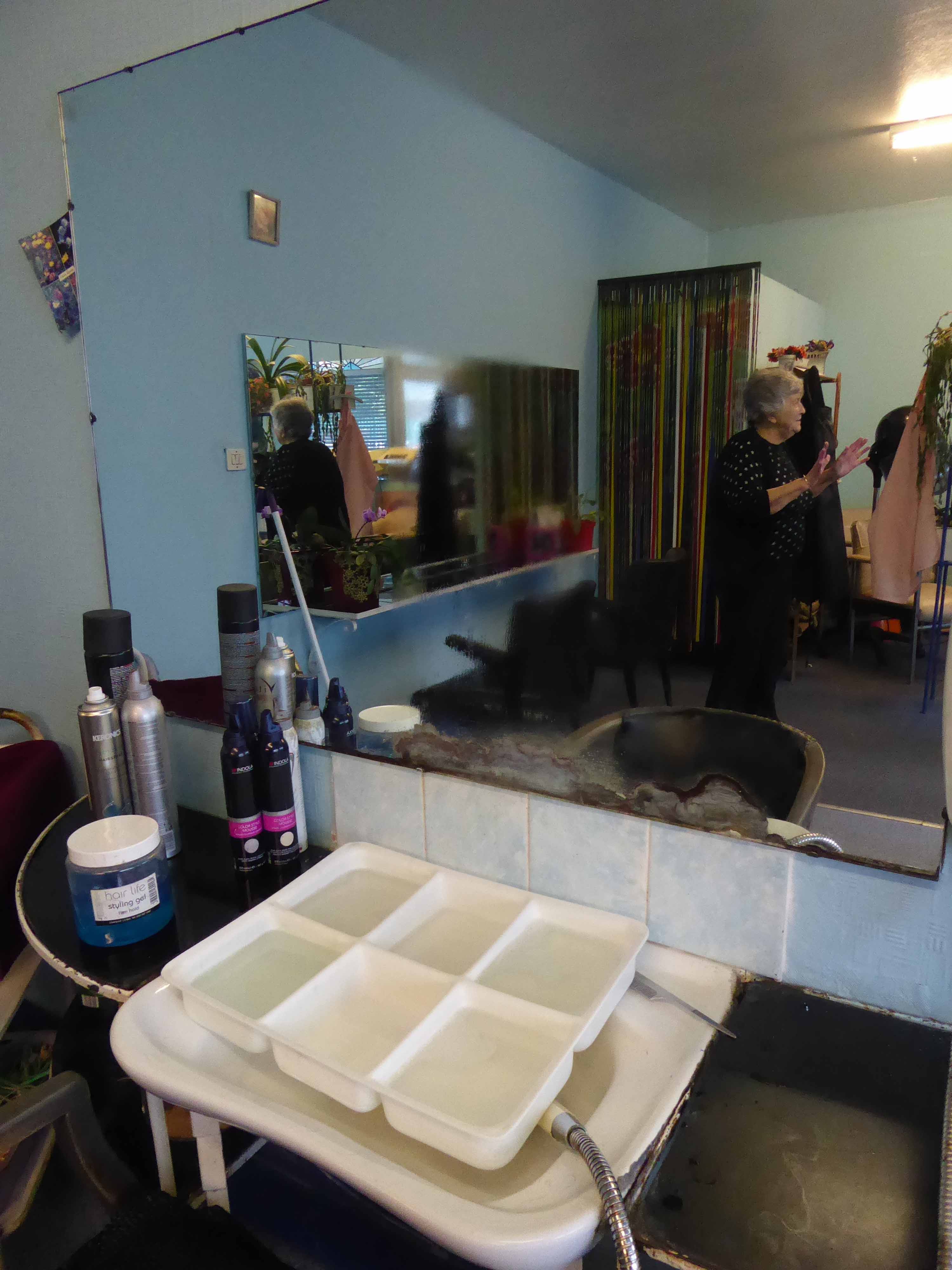
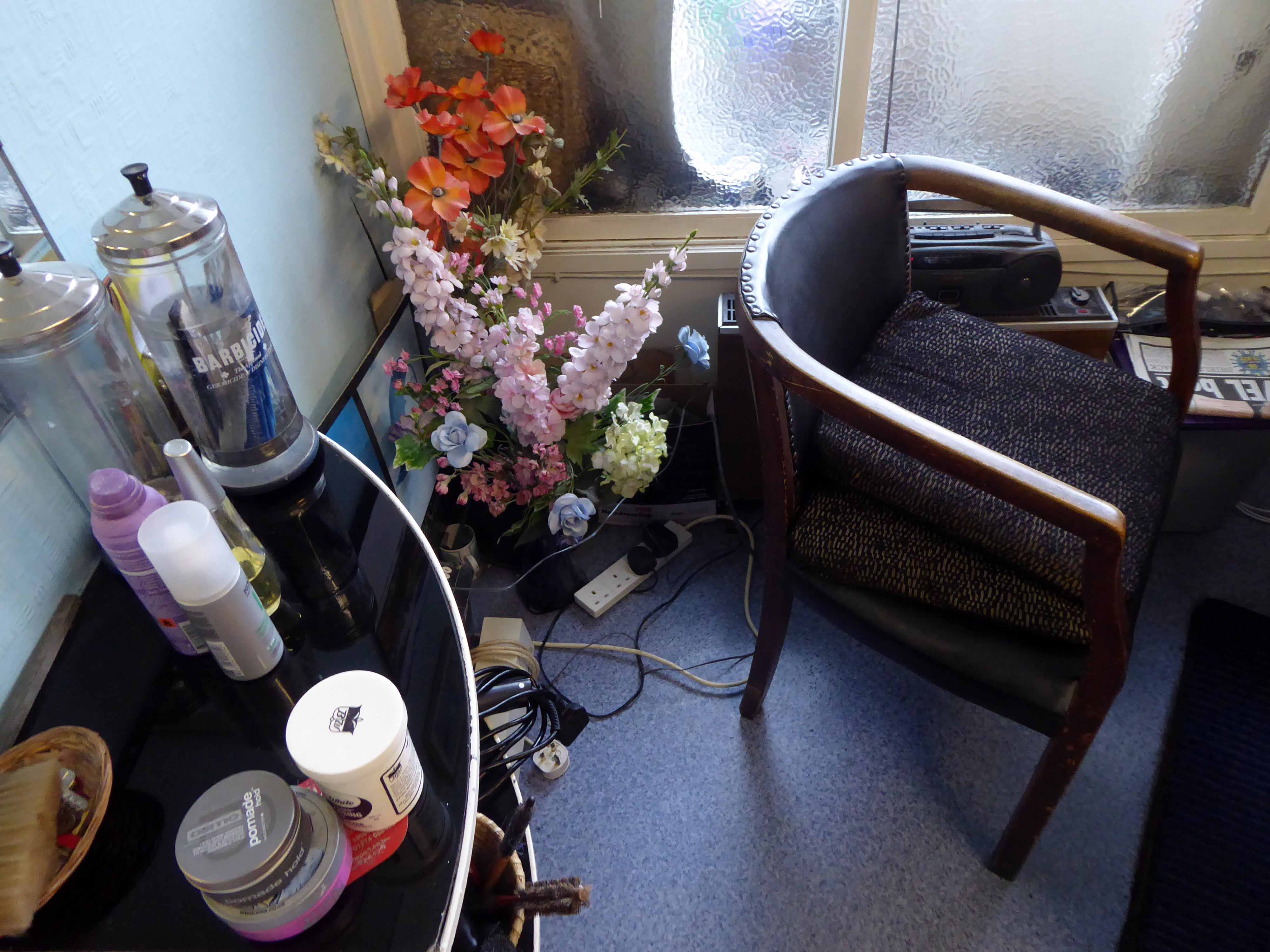
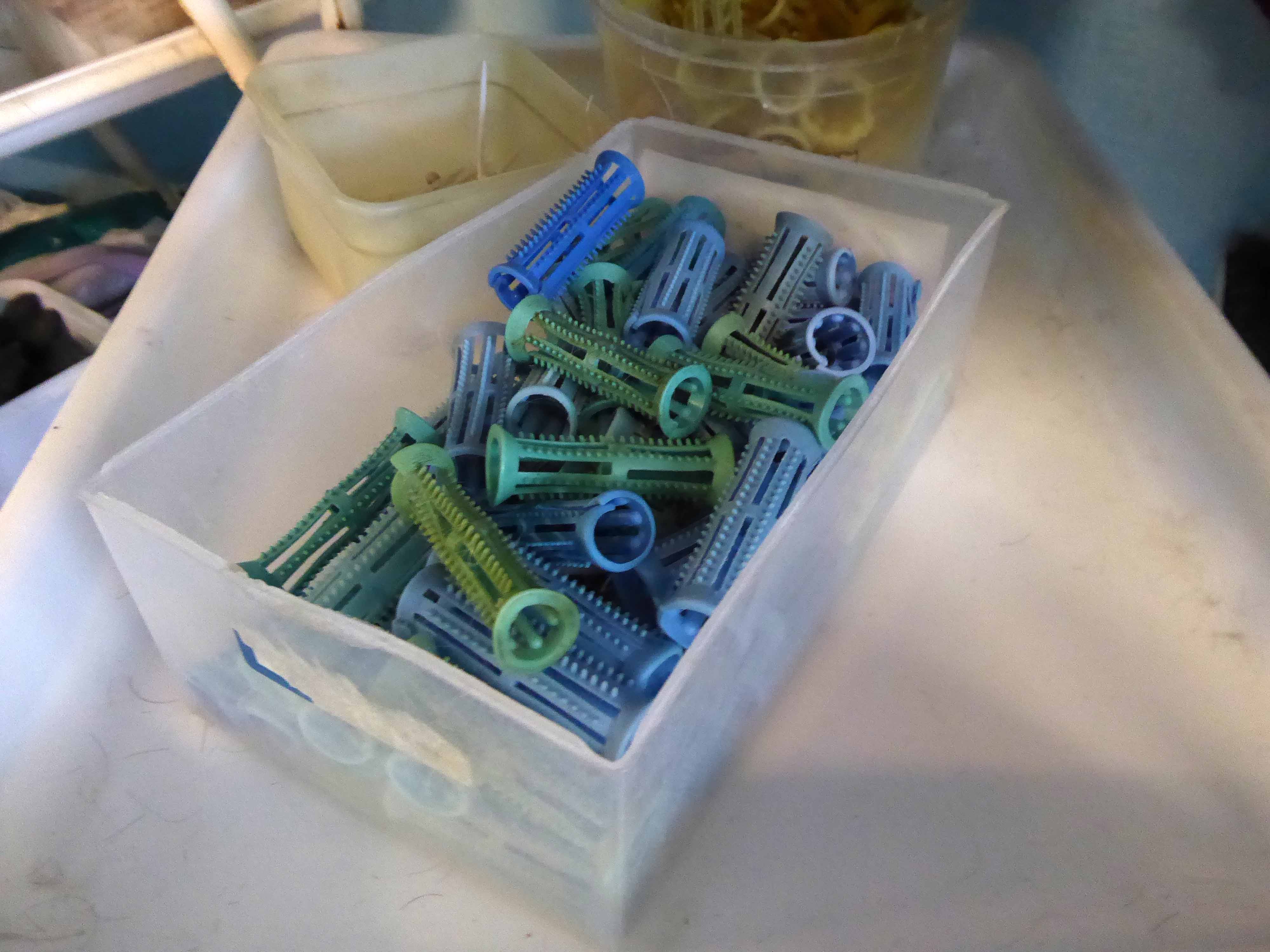
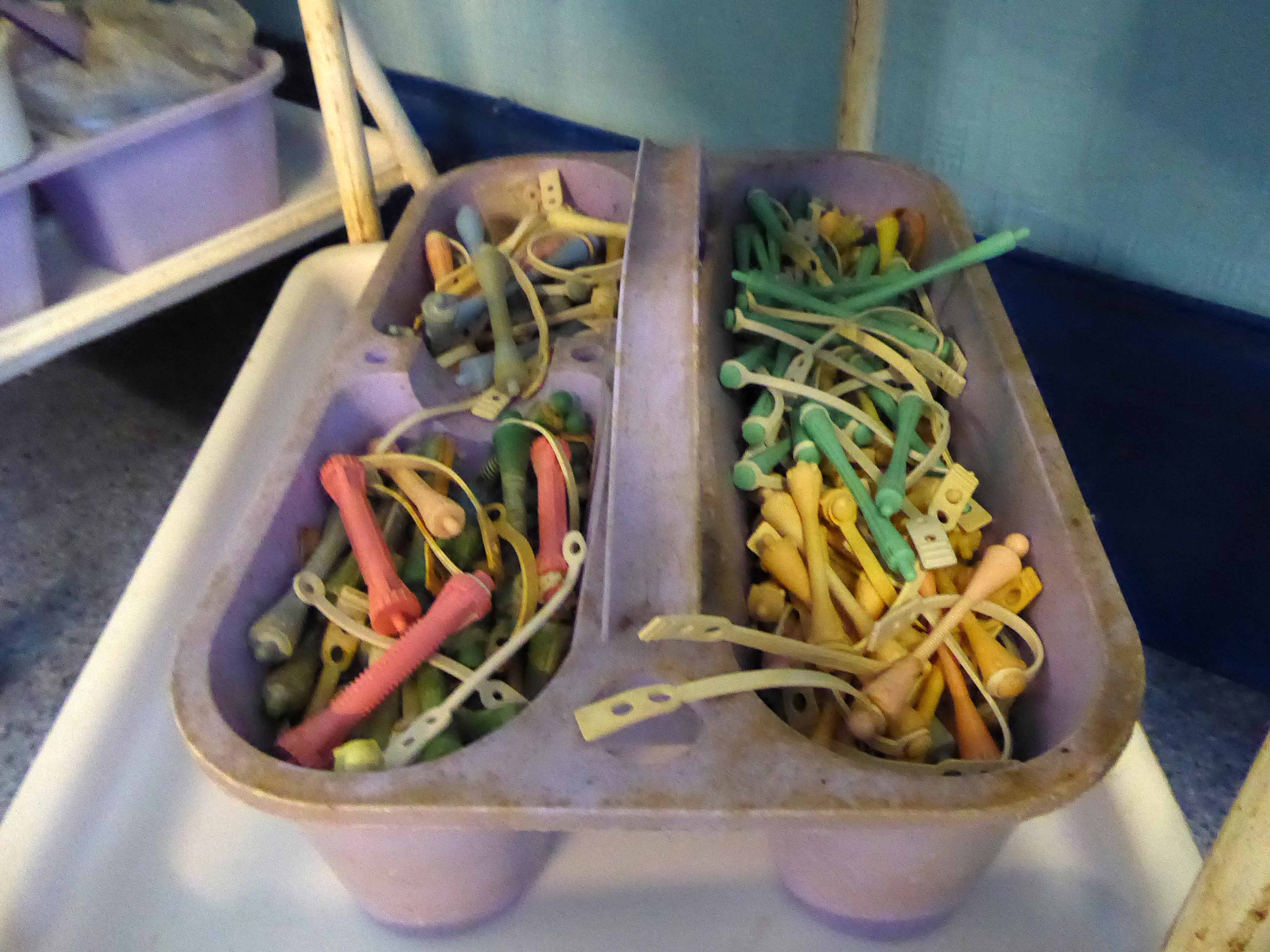
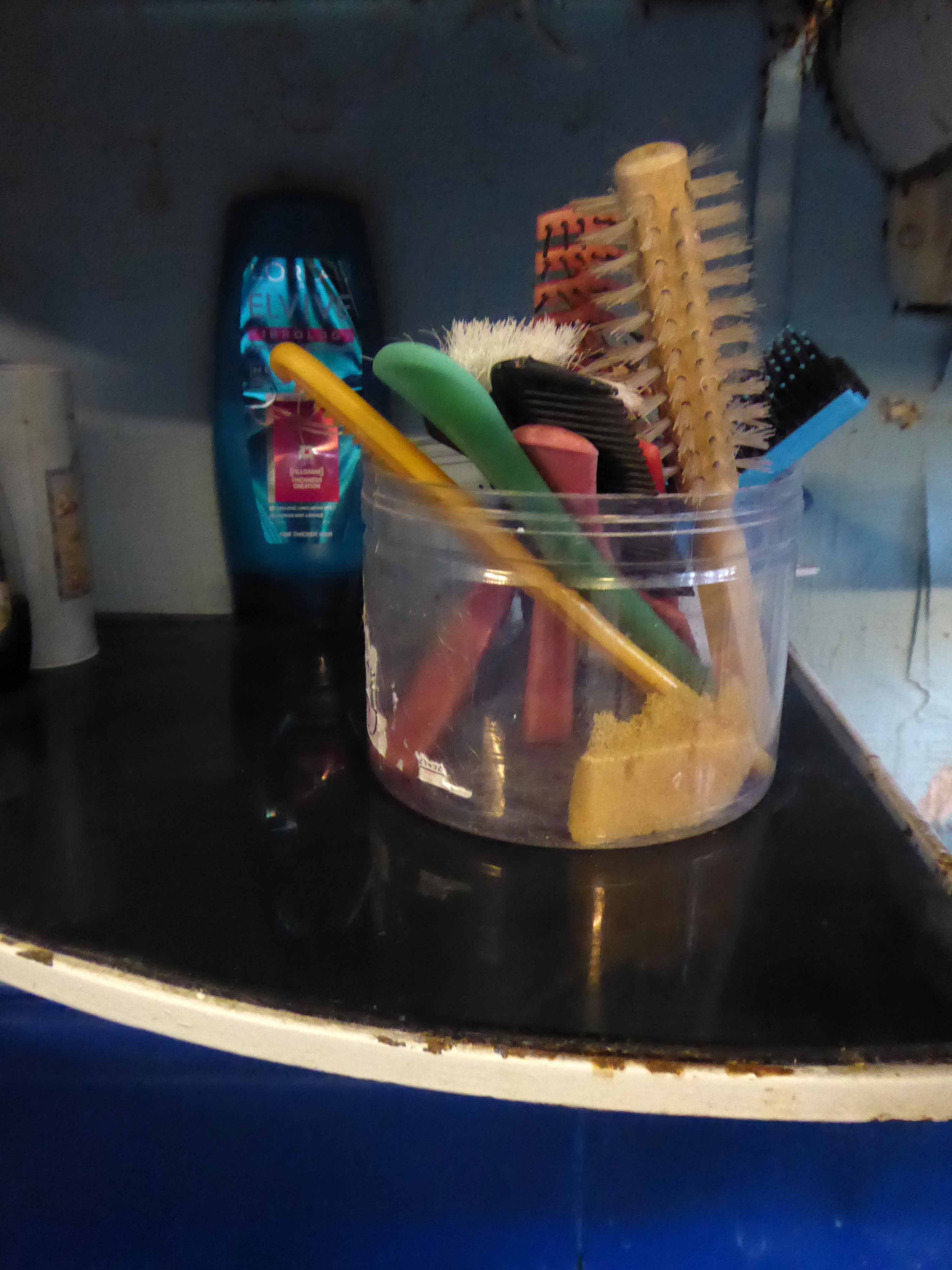
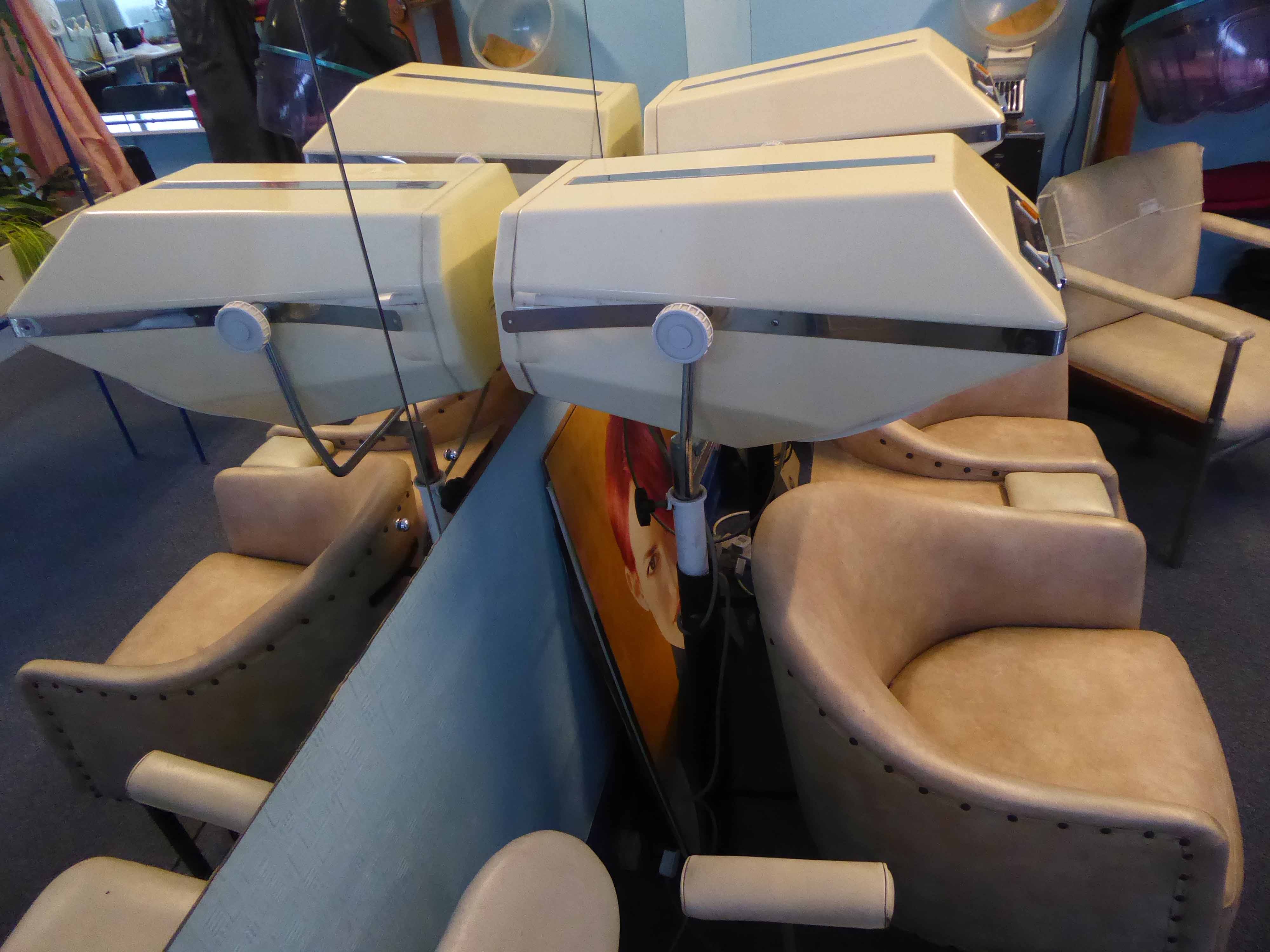
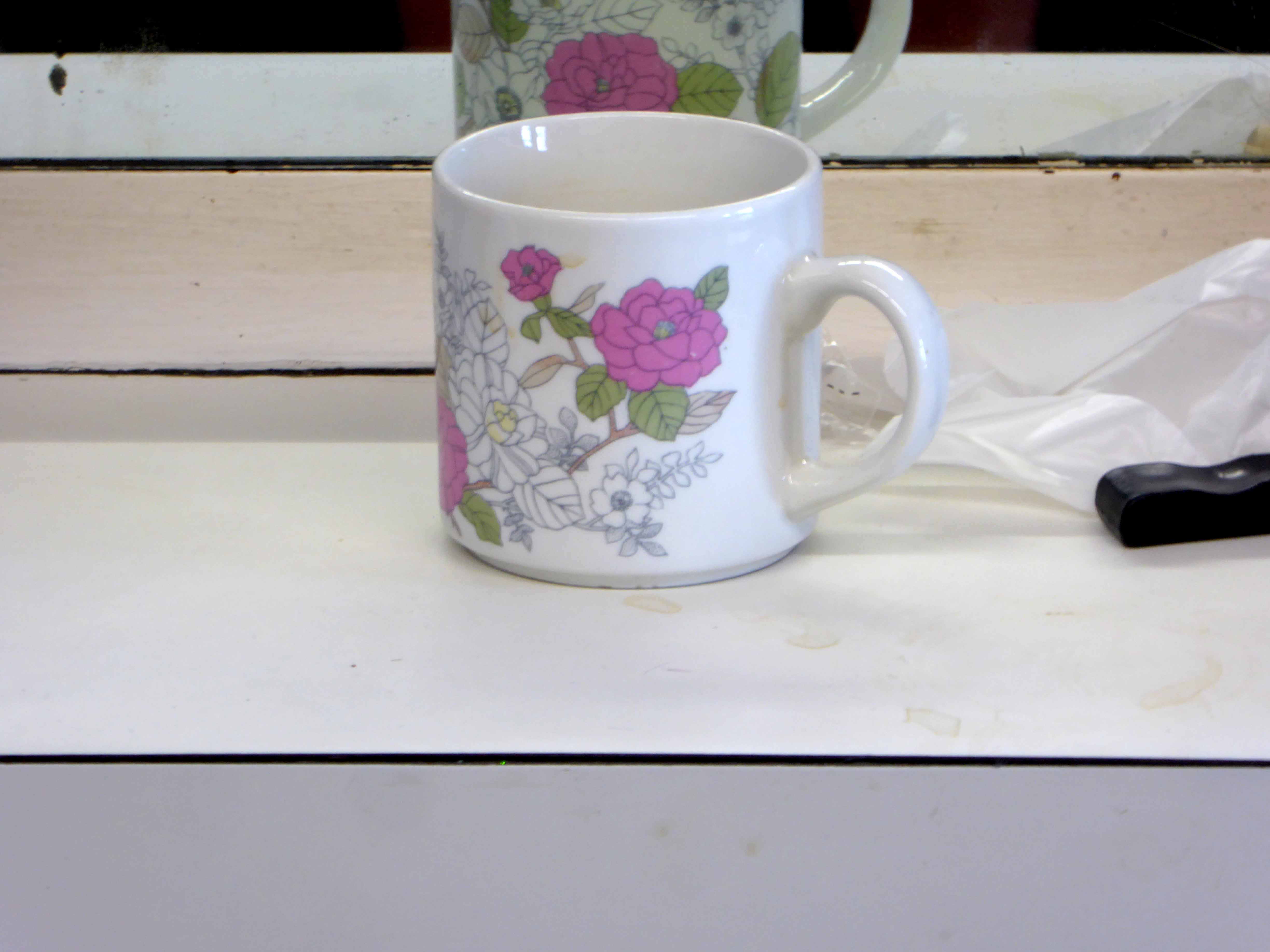
Both Sheila and Marilyn preserve something of the past, not just in fixtures and fittings, but also in something of an old world charm. A land of shampoos and sets, lacquer and curlers, conviviality and coffee cups.
On the day of our chance encounter here in East Didsbury, we are all experiencing the first week of Covid lockdown – the salon is ostensibly closed, yet Marilyn was kind enough to allow us a few socially distanced moments to stop, snap and chat.
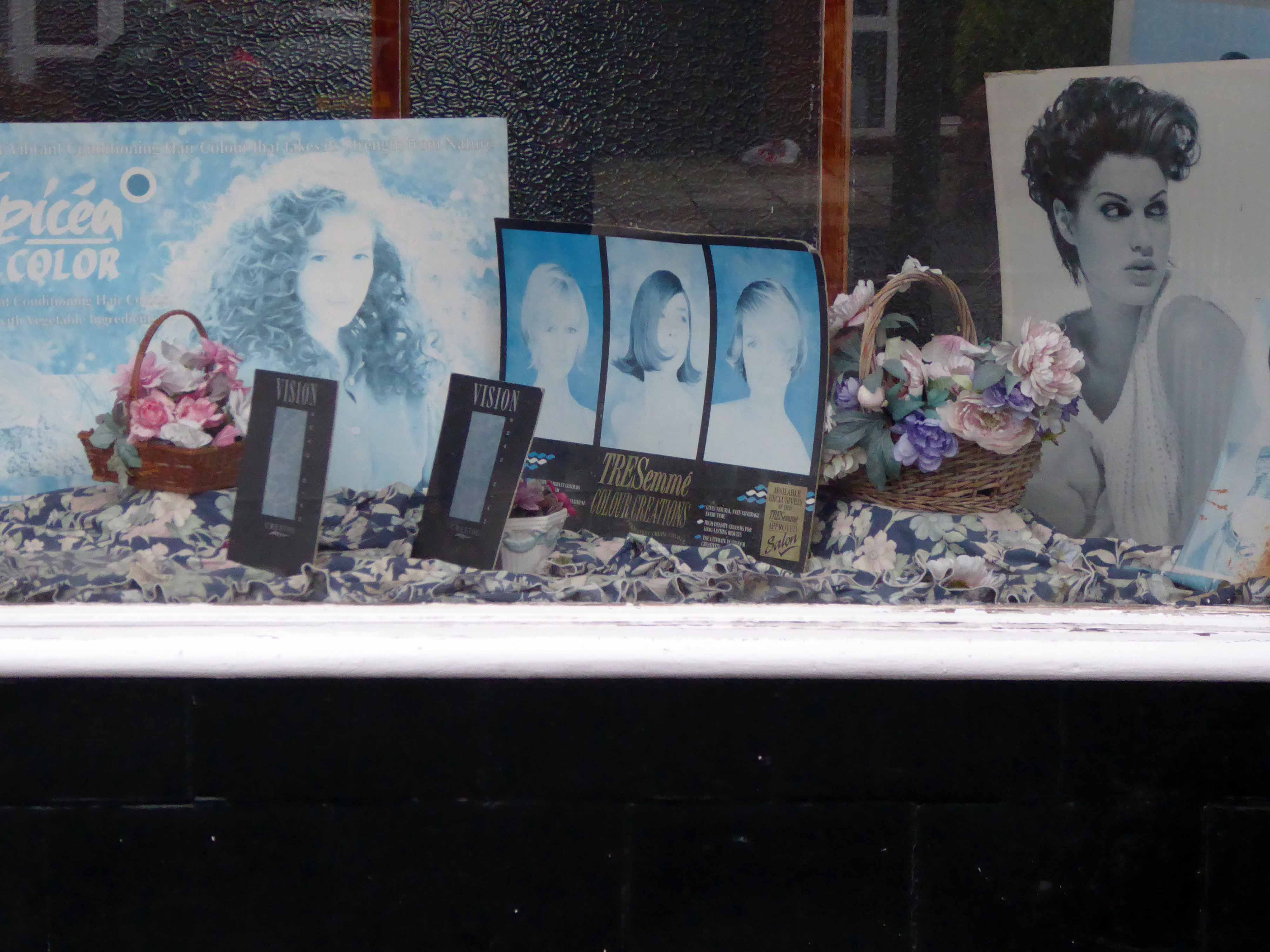
She has been here since 1963, nothing and everything has changed. She had intended to retire some time ago, but on the death of her husband she decided to continue cutting and curling, three days a week, living above the shop, doing just enough.
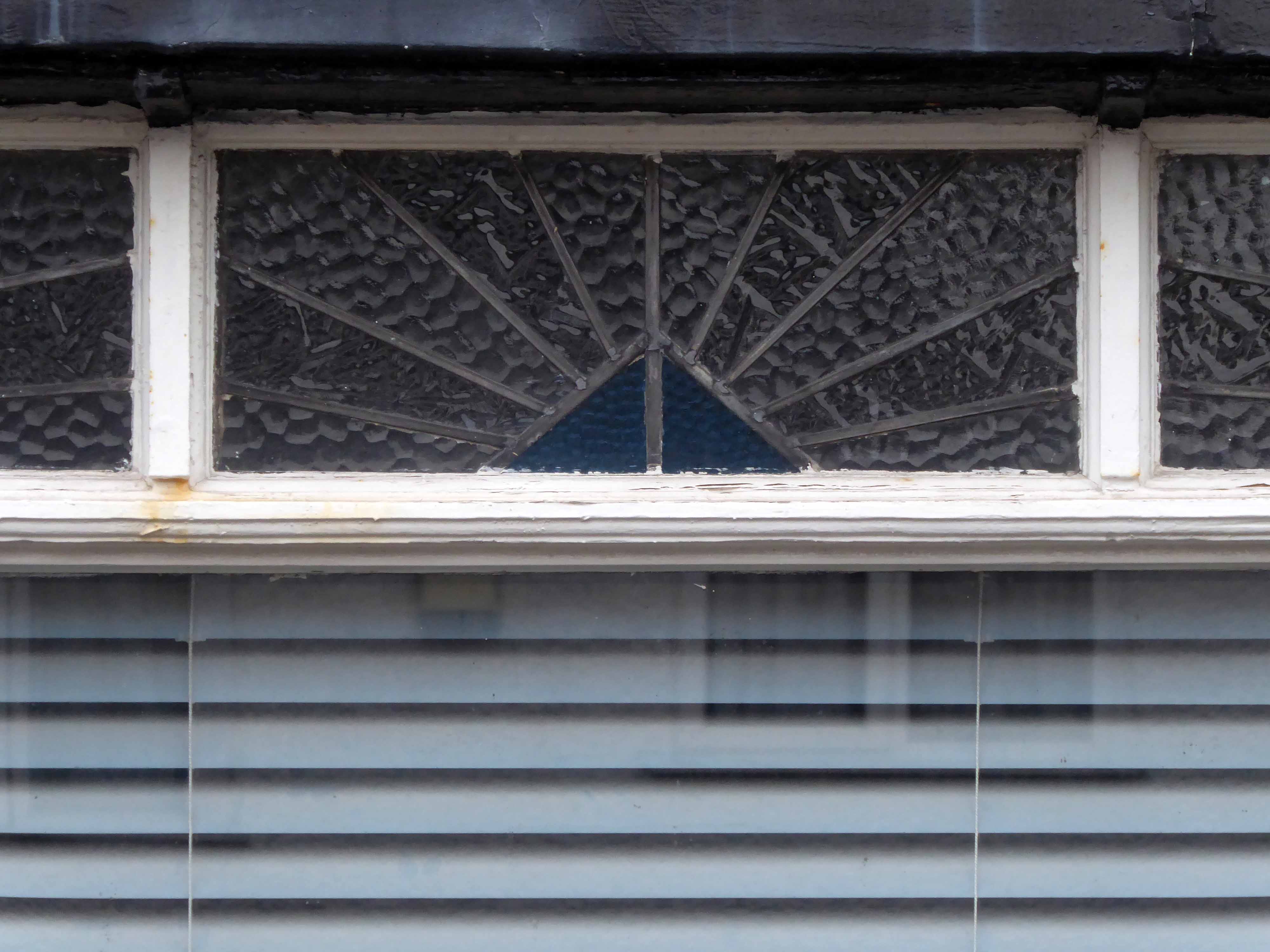
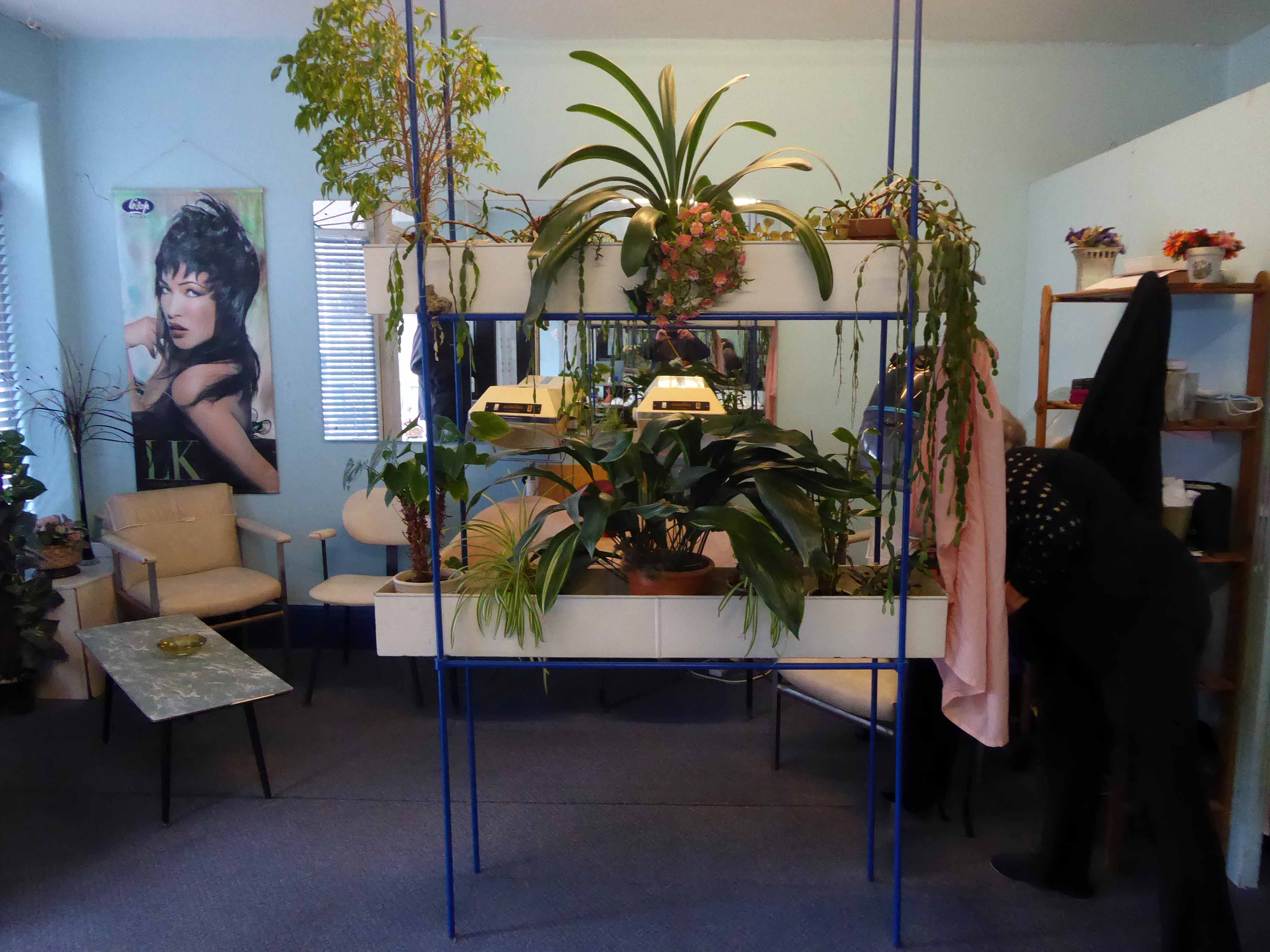
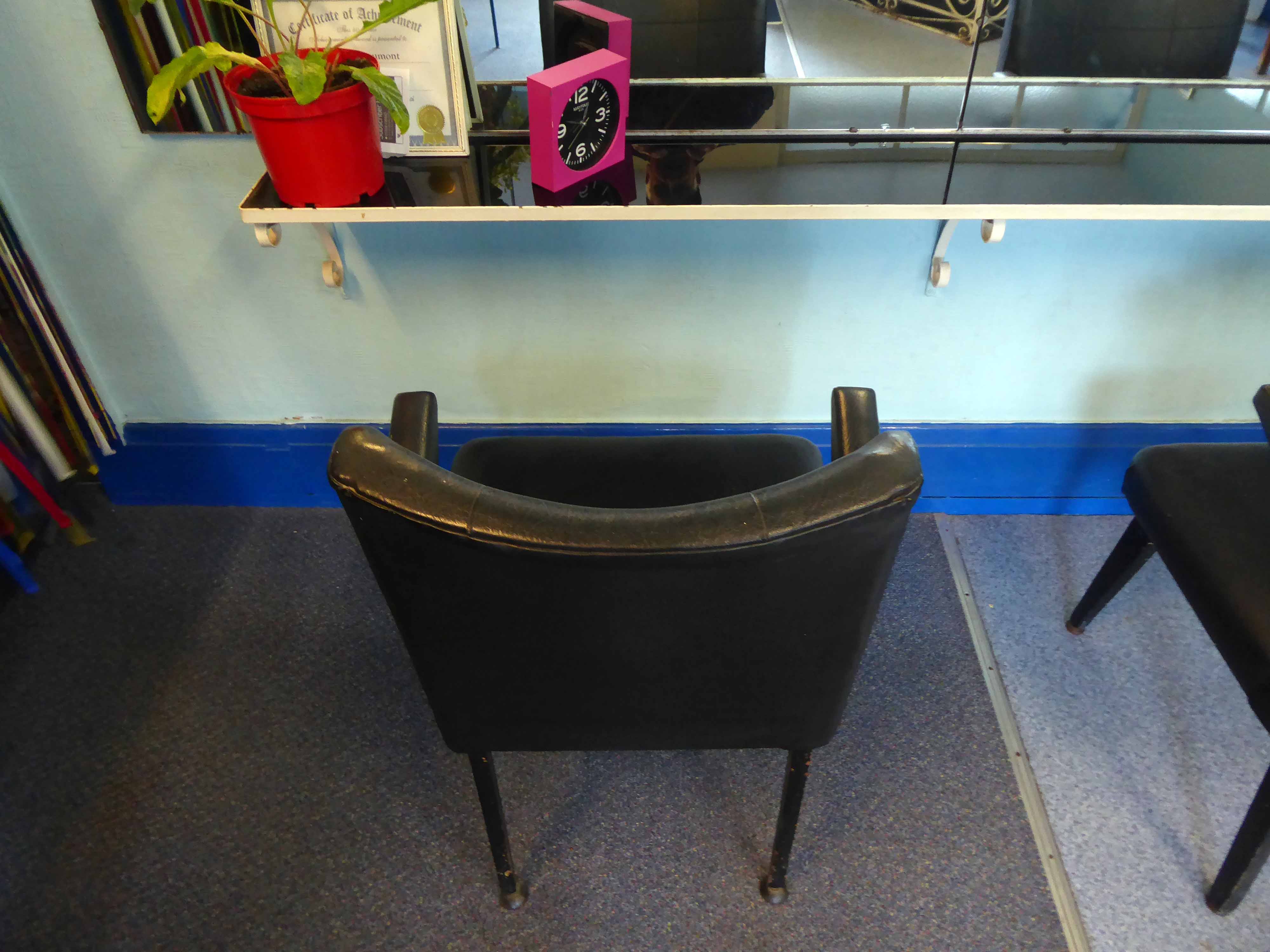
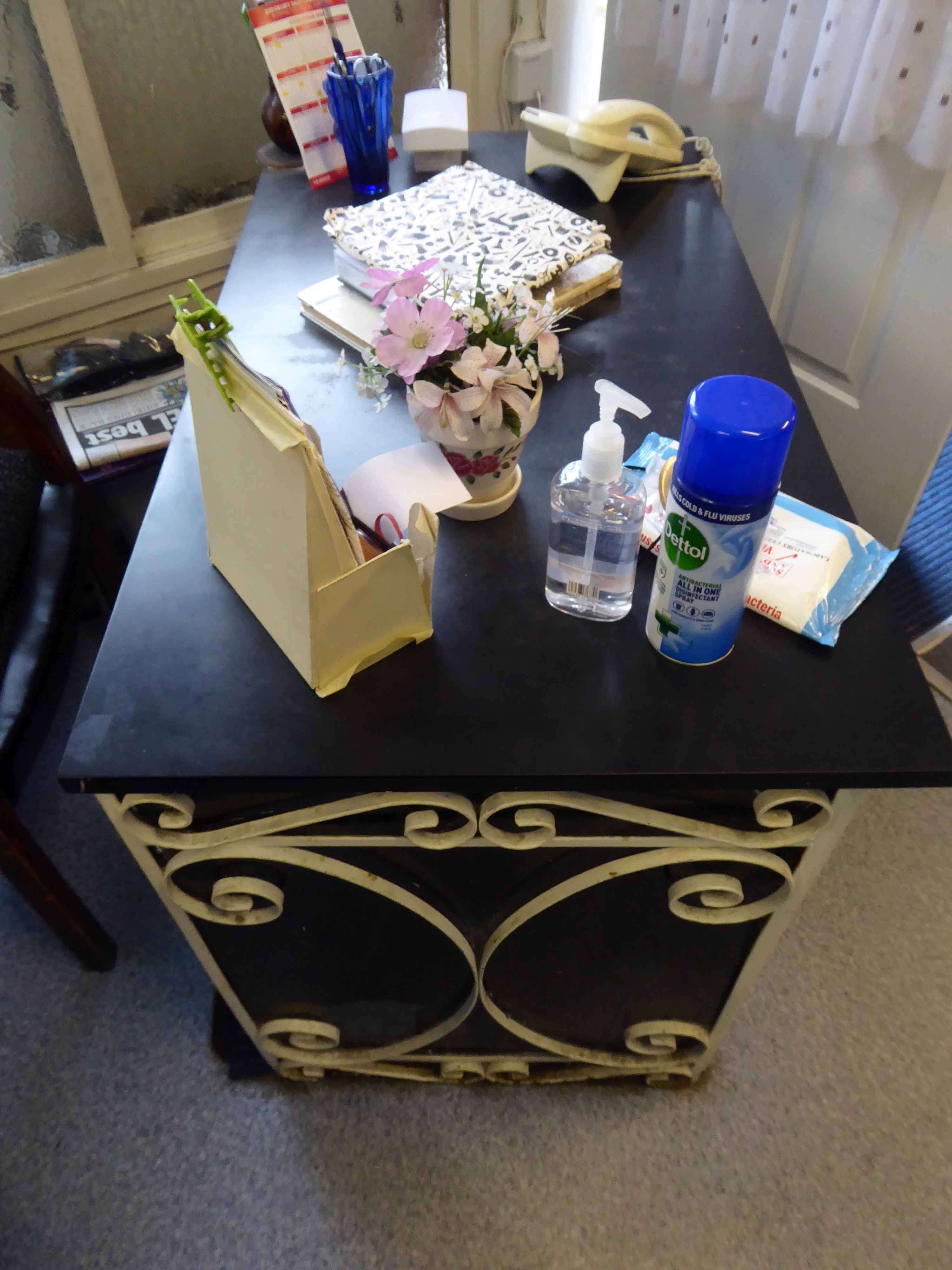
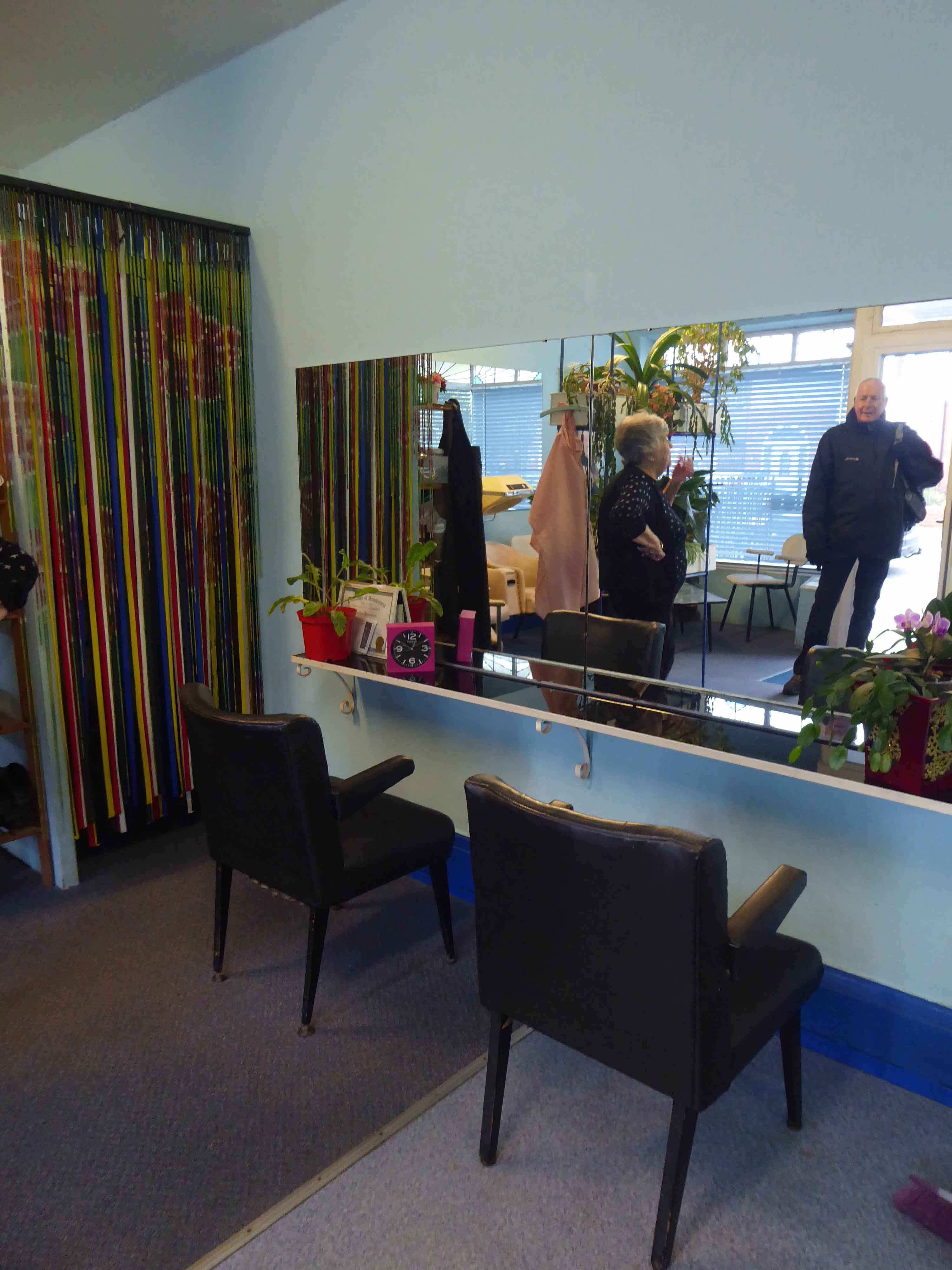
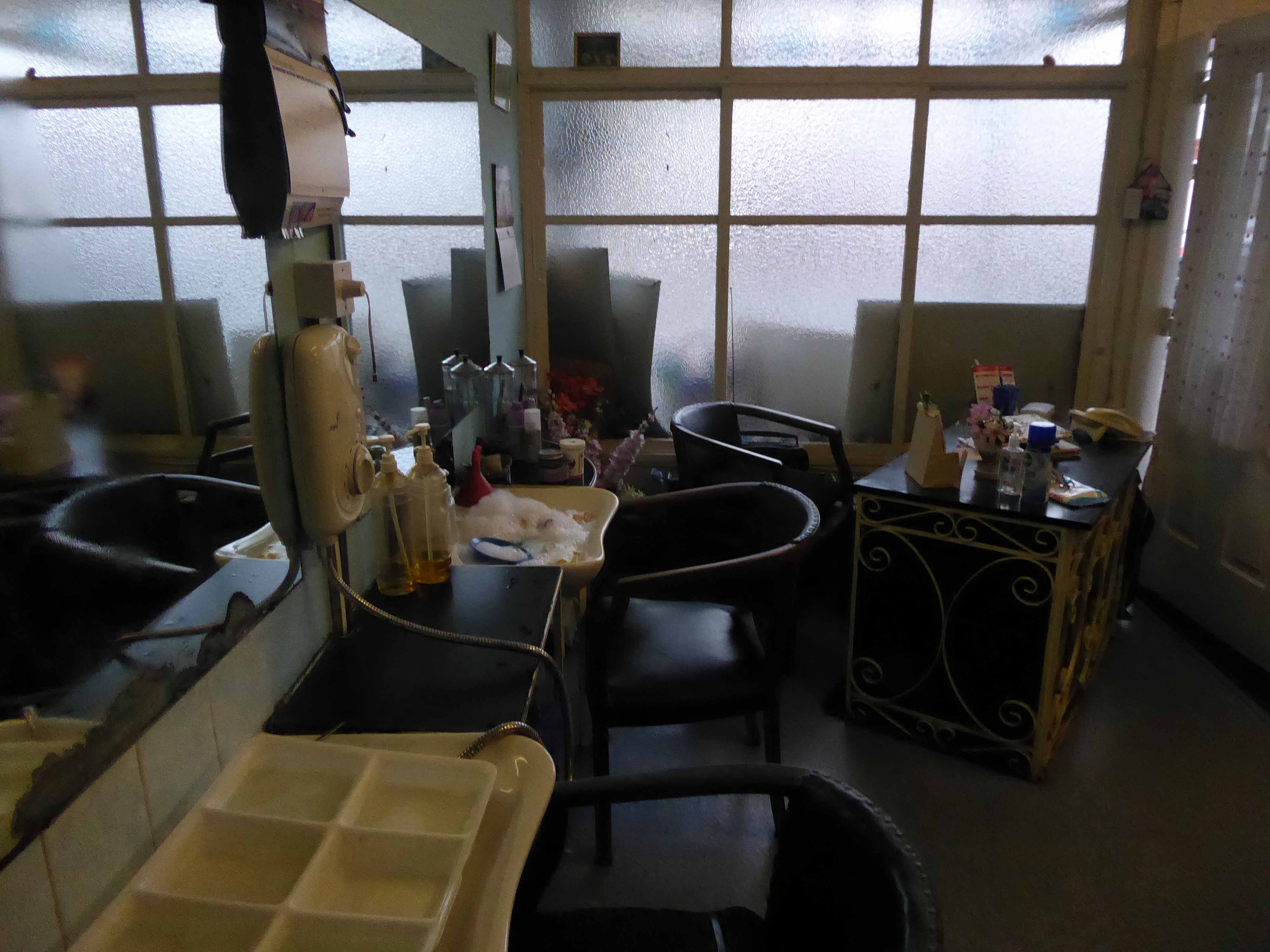
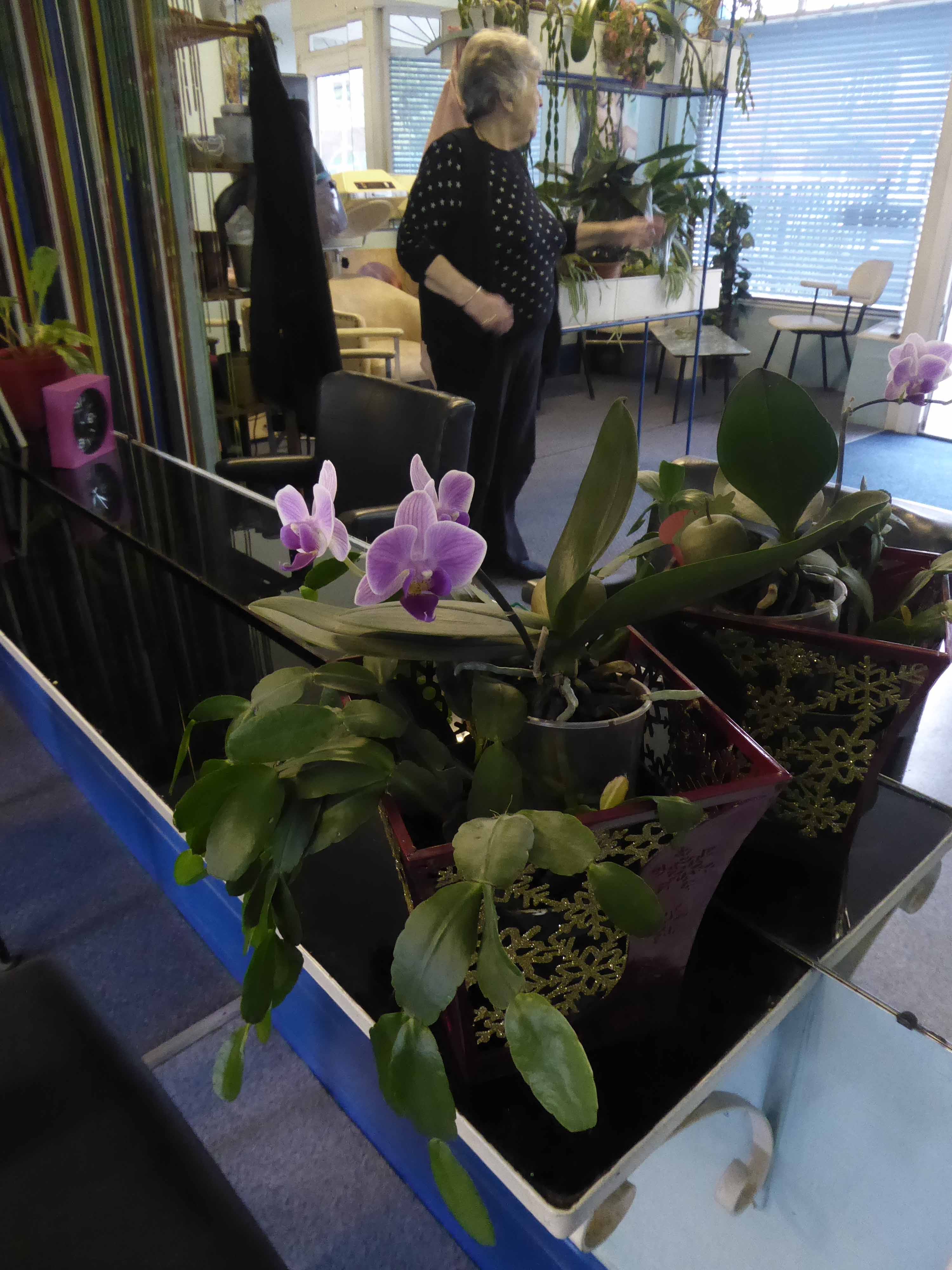
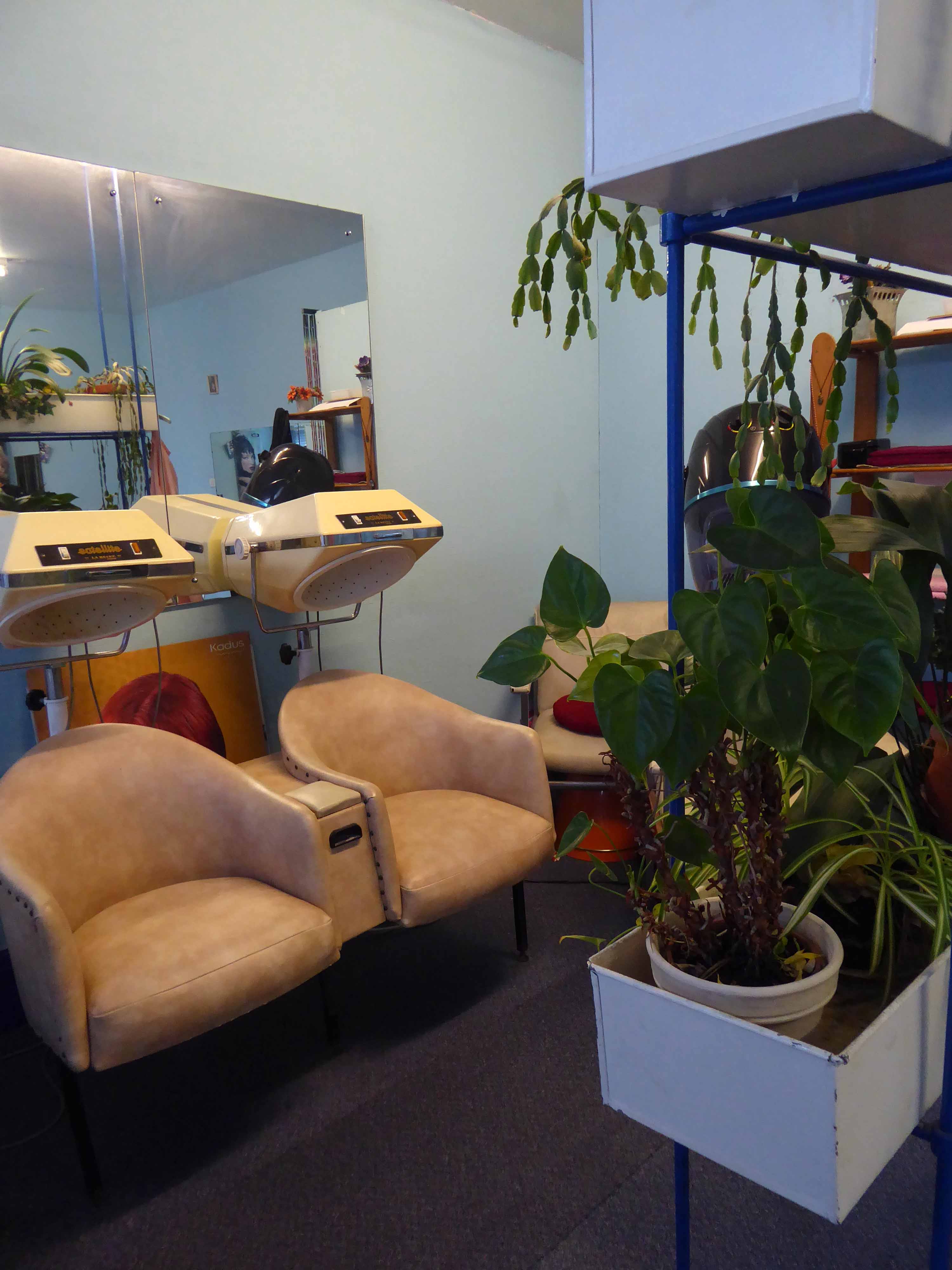
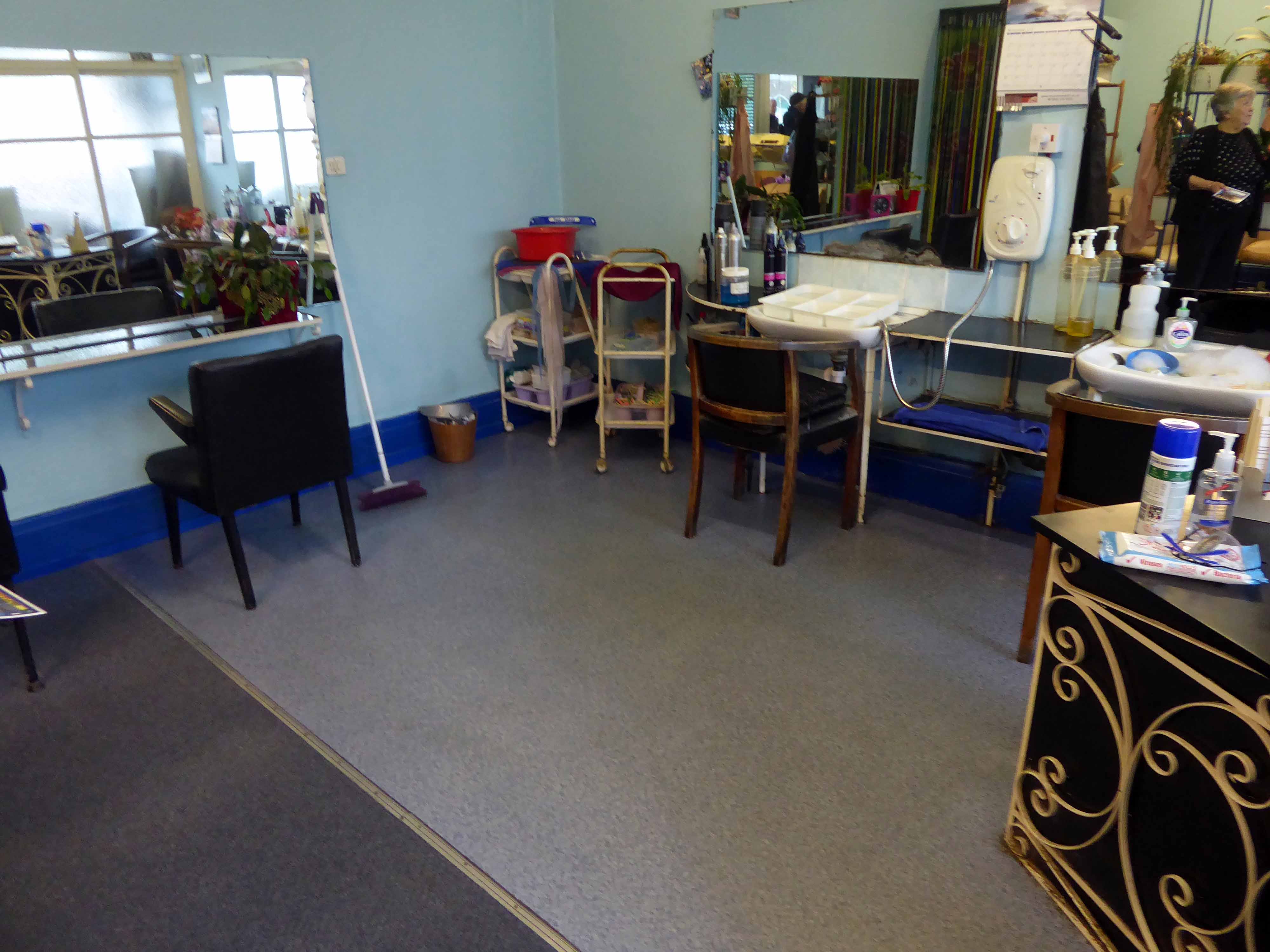
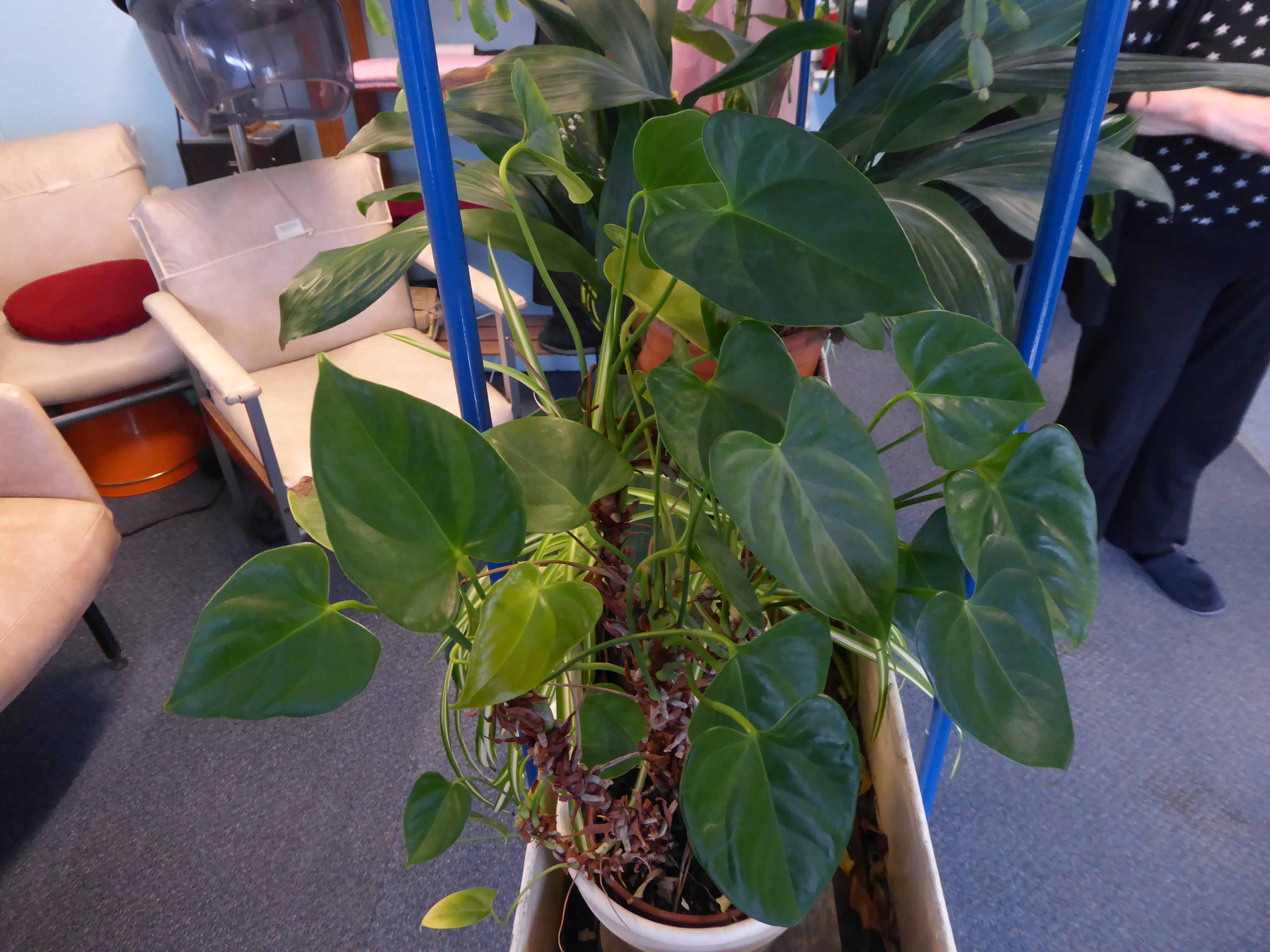
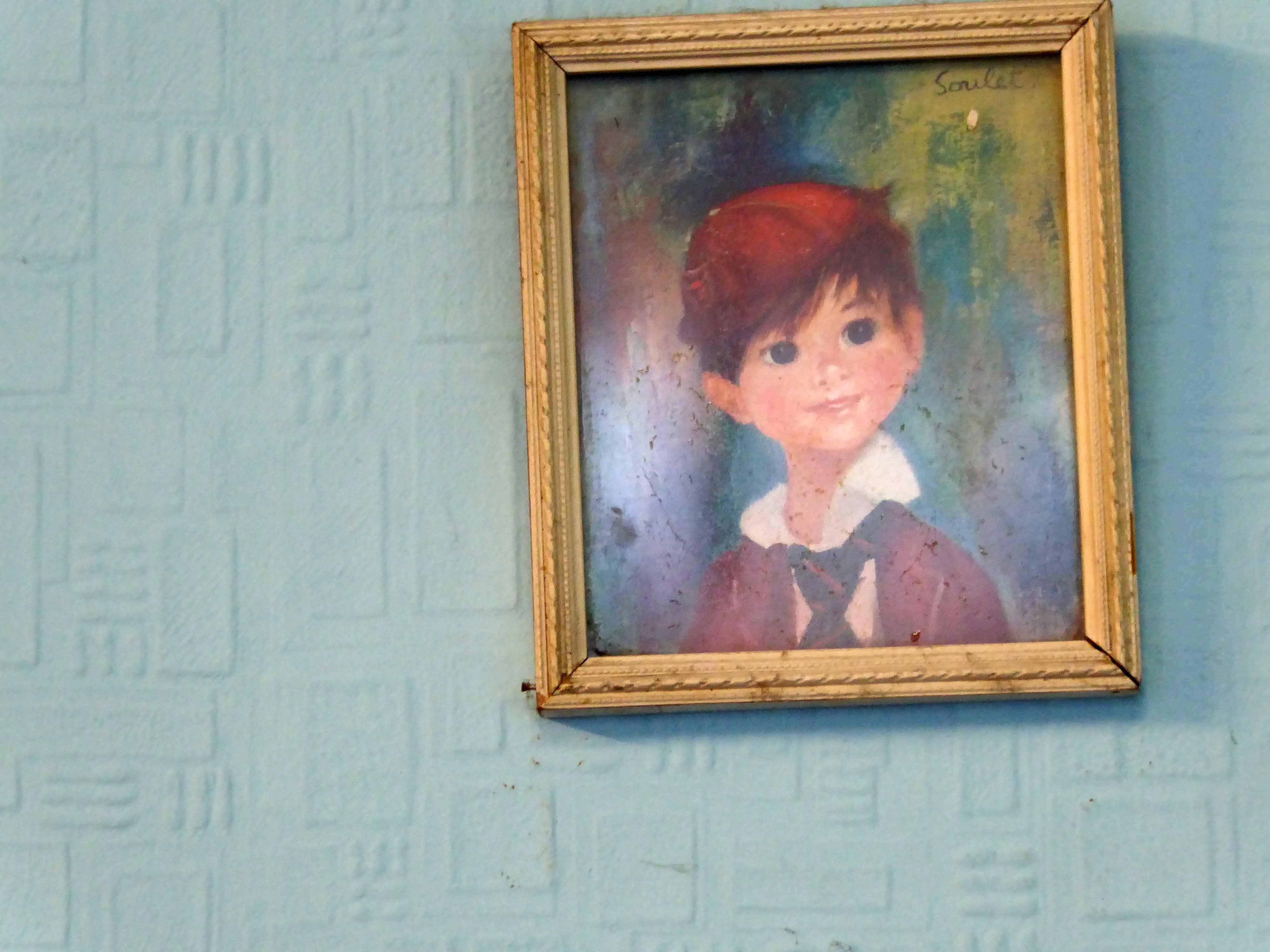
The interior is largely as was, mirrored, Formica topped and charming – with a delightful reception seating area.
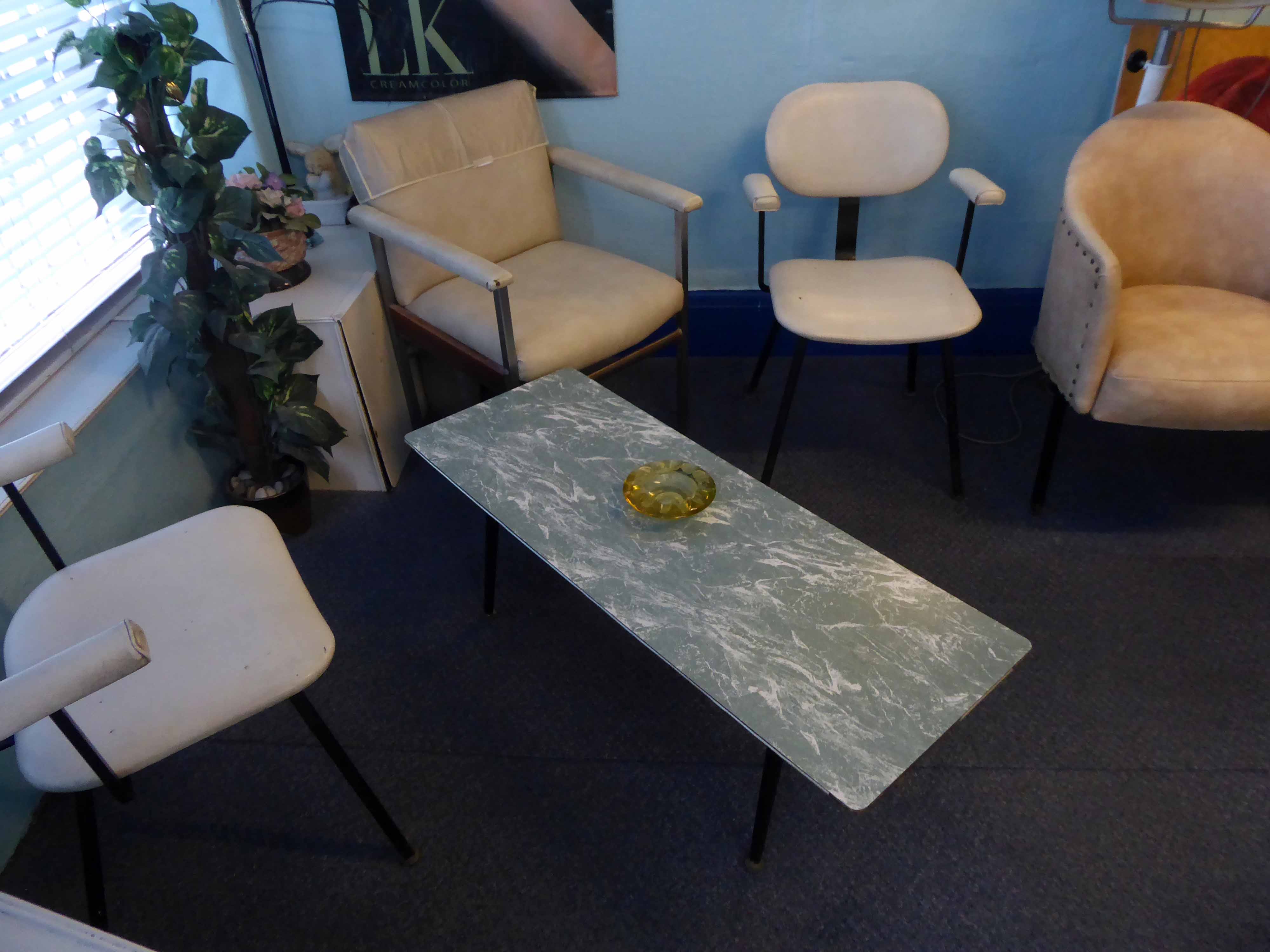
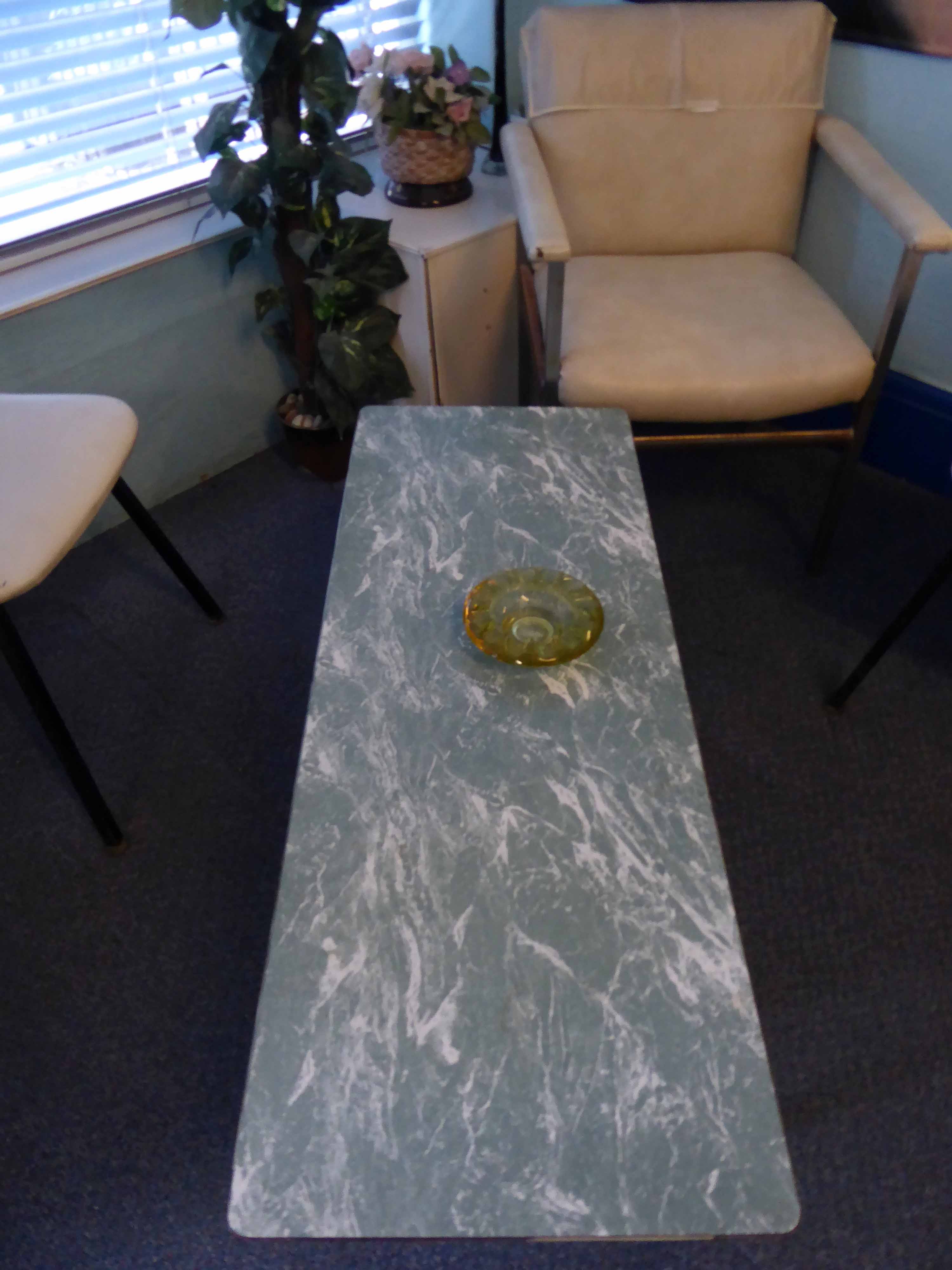
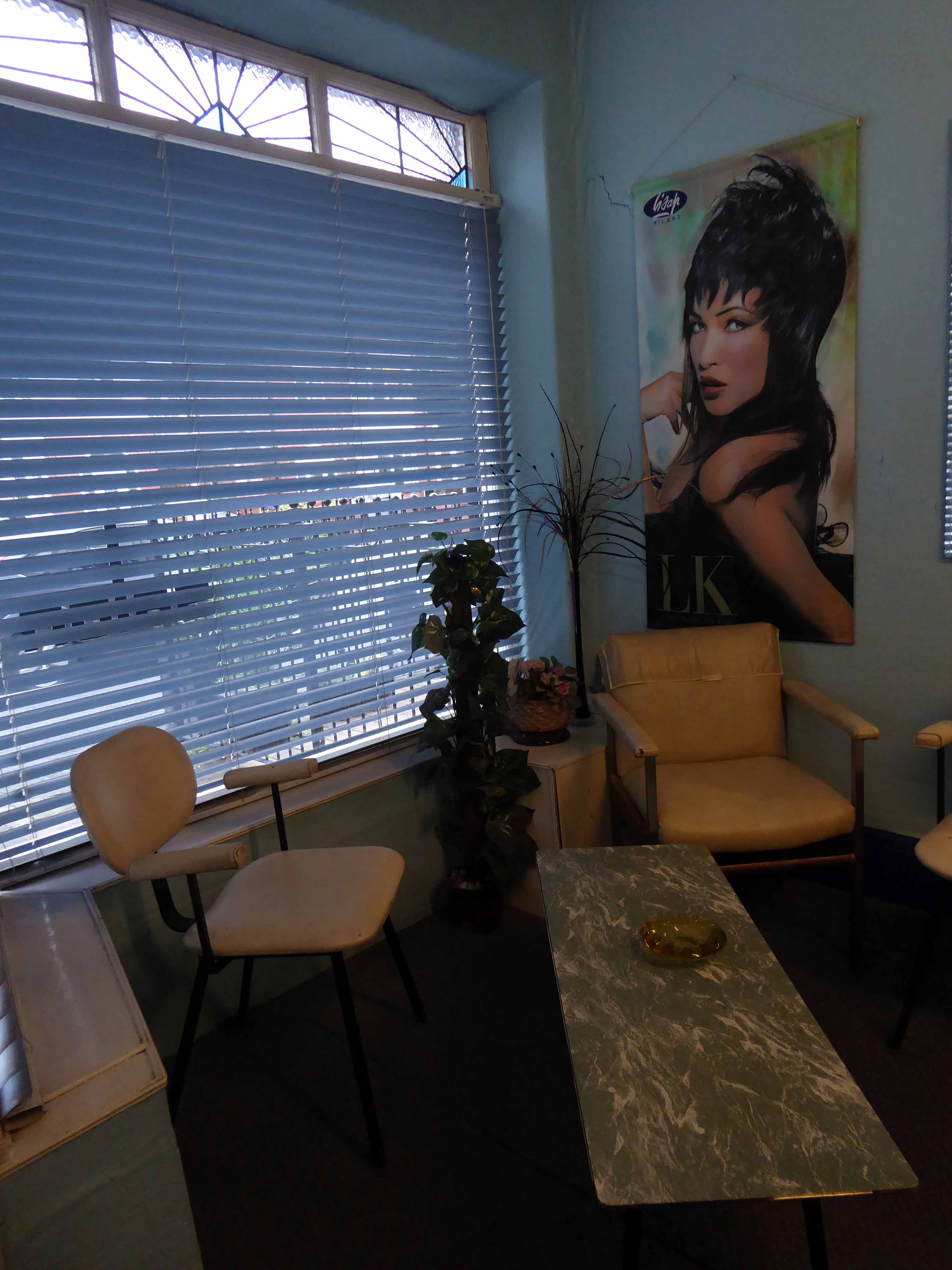
All so lovingly cared for – Marilyn was using the current closure to keep up with the upkeep, washing towels and sweeping up.
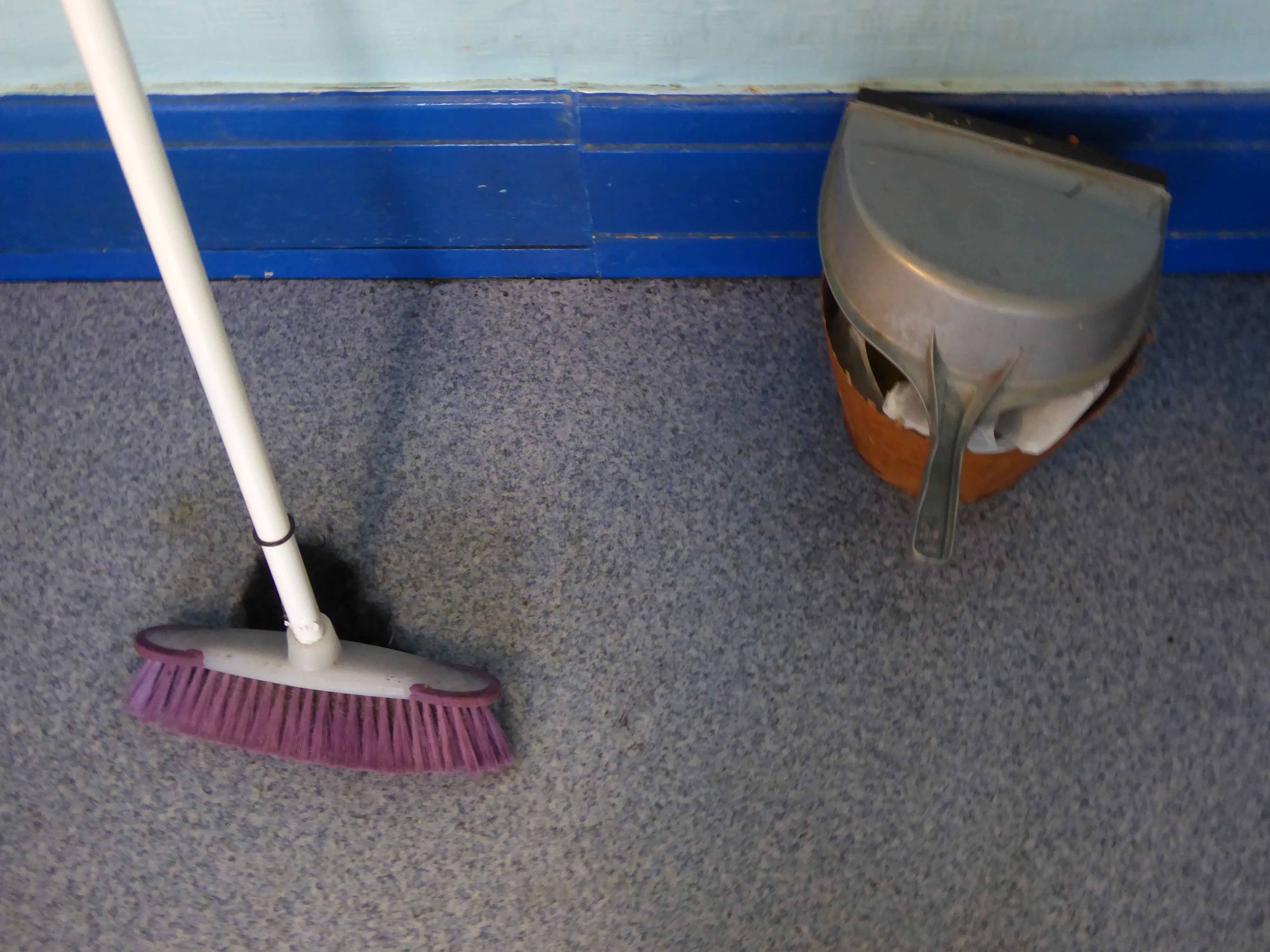
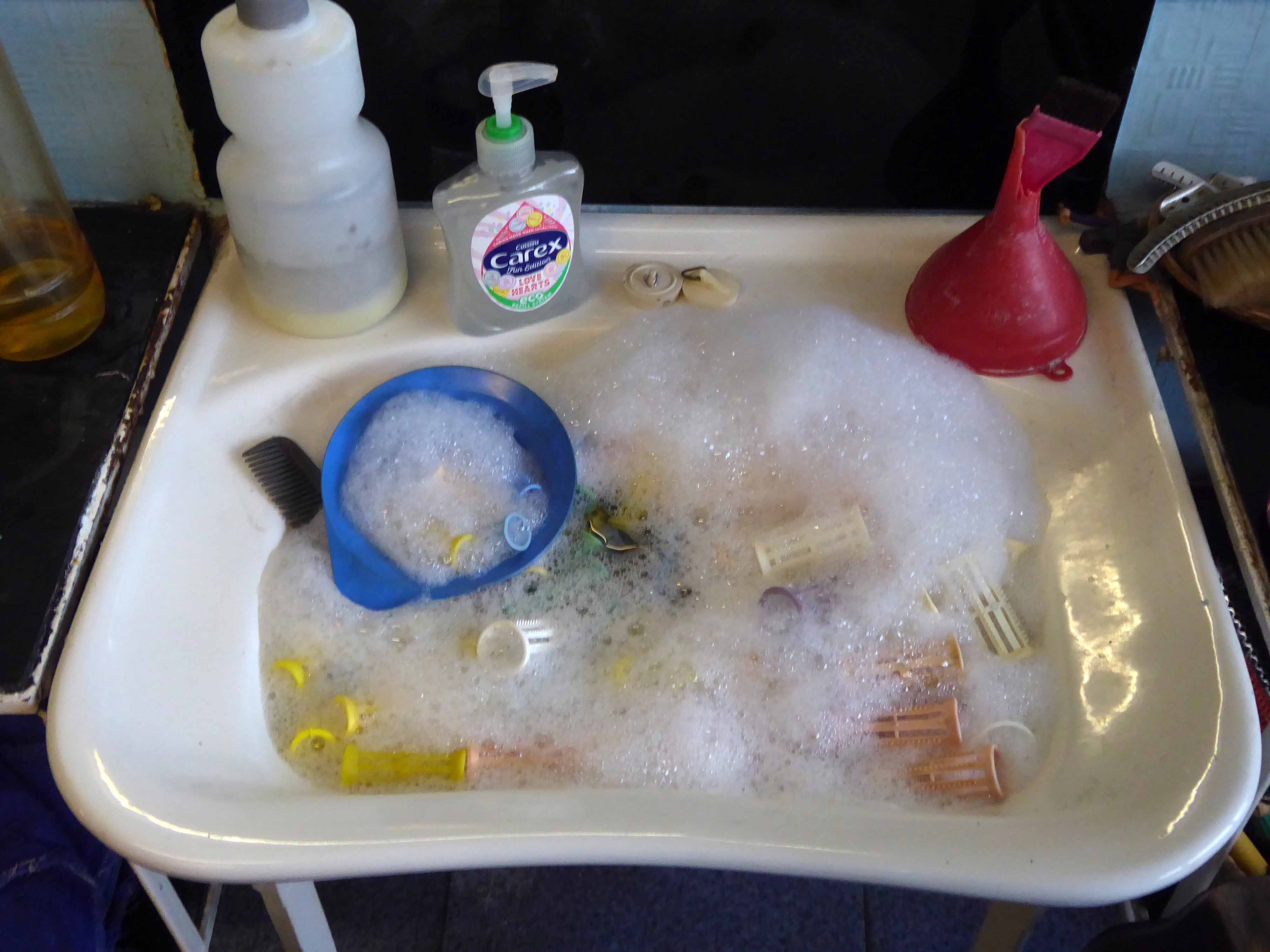
I worked as quickly as possible not wishing to compromise anyone’s well-being. As ever on these occasions it is a privilege to be permitted to spend time in someone else’s world, thanks ever so Marilyn.
let’s take a quick look around.
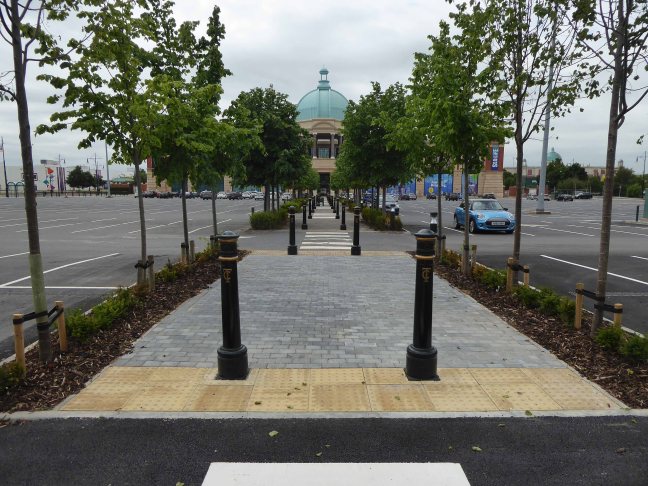
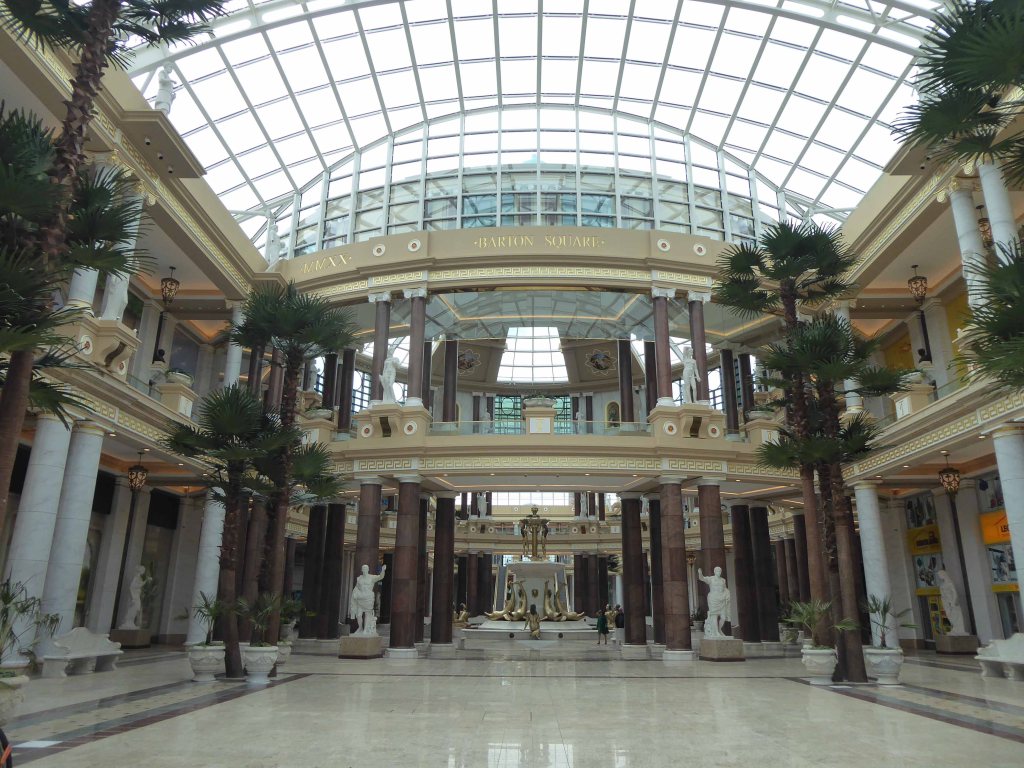
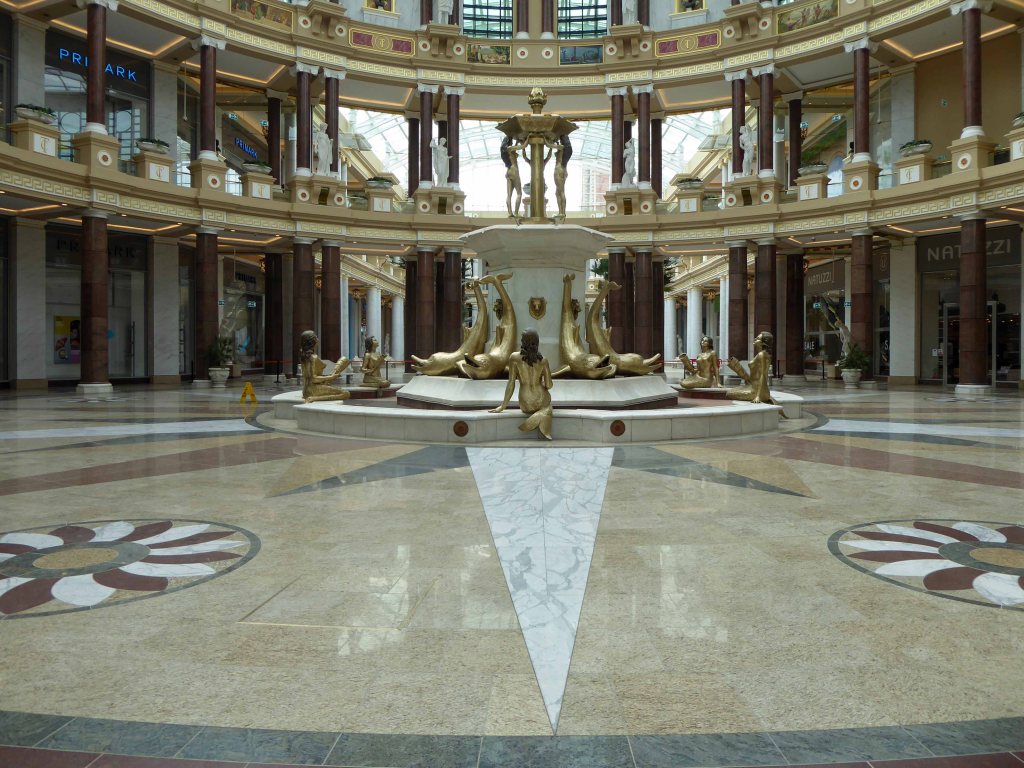
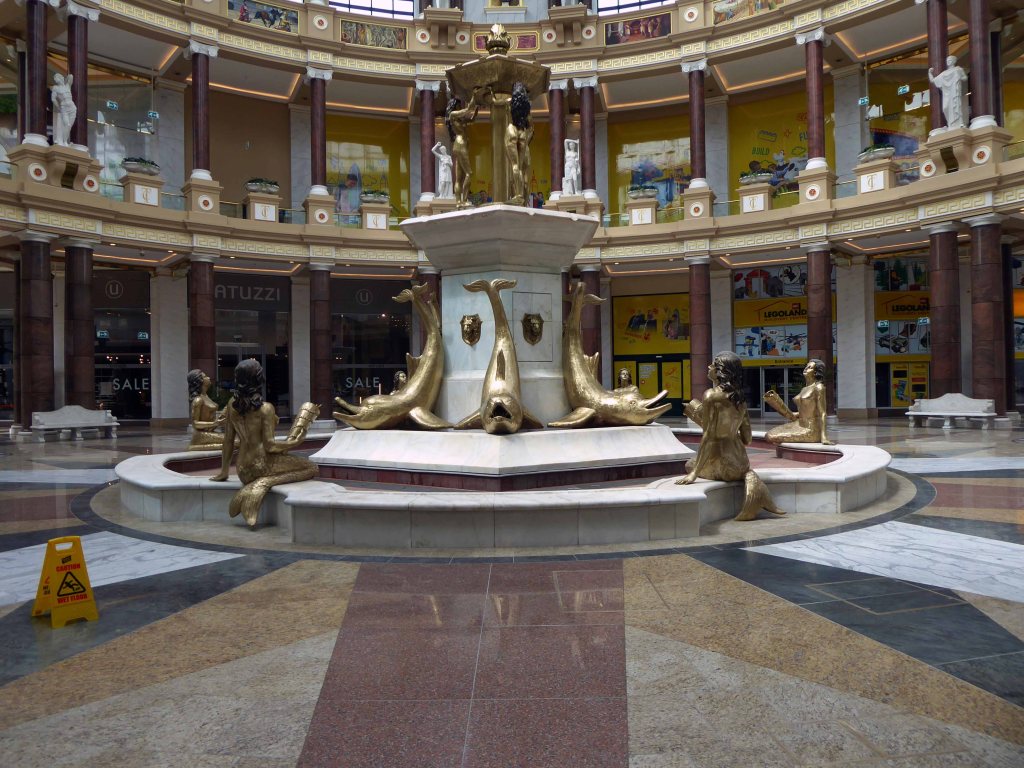
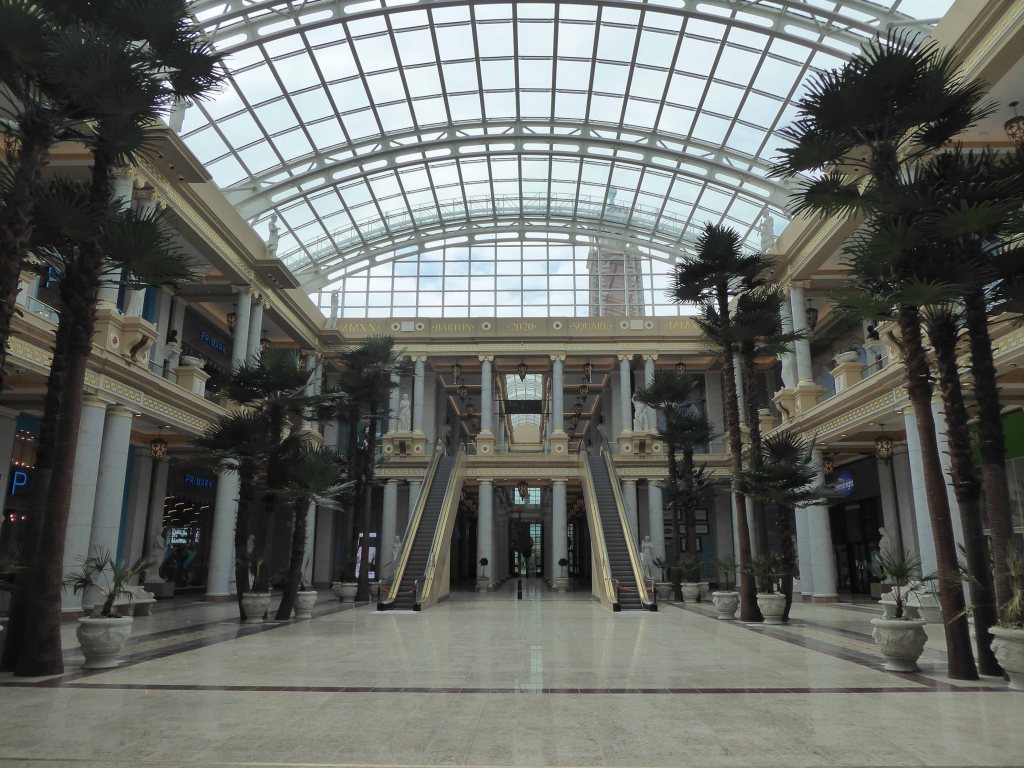
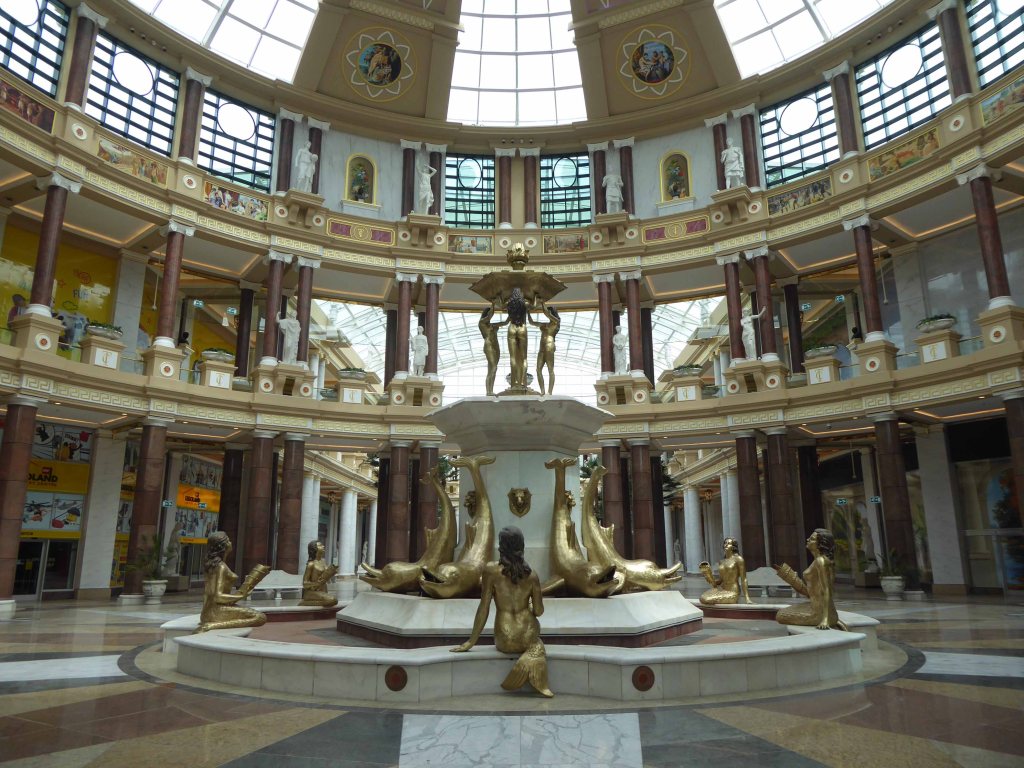
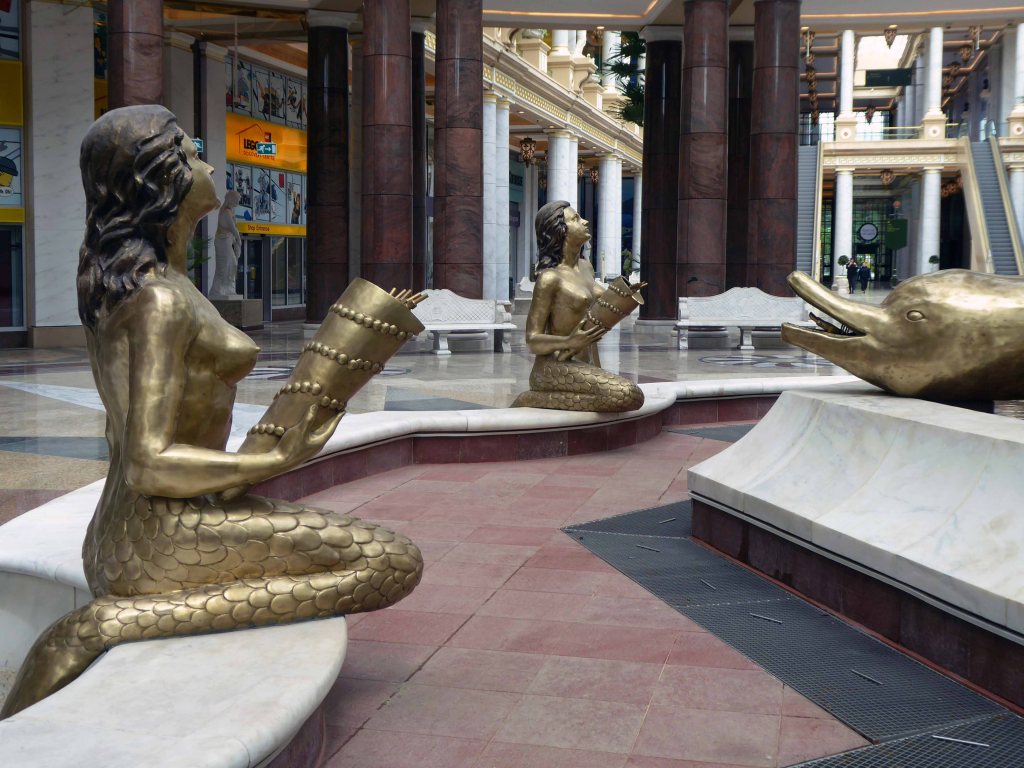
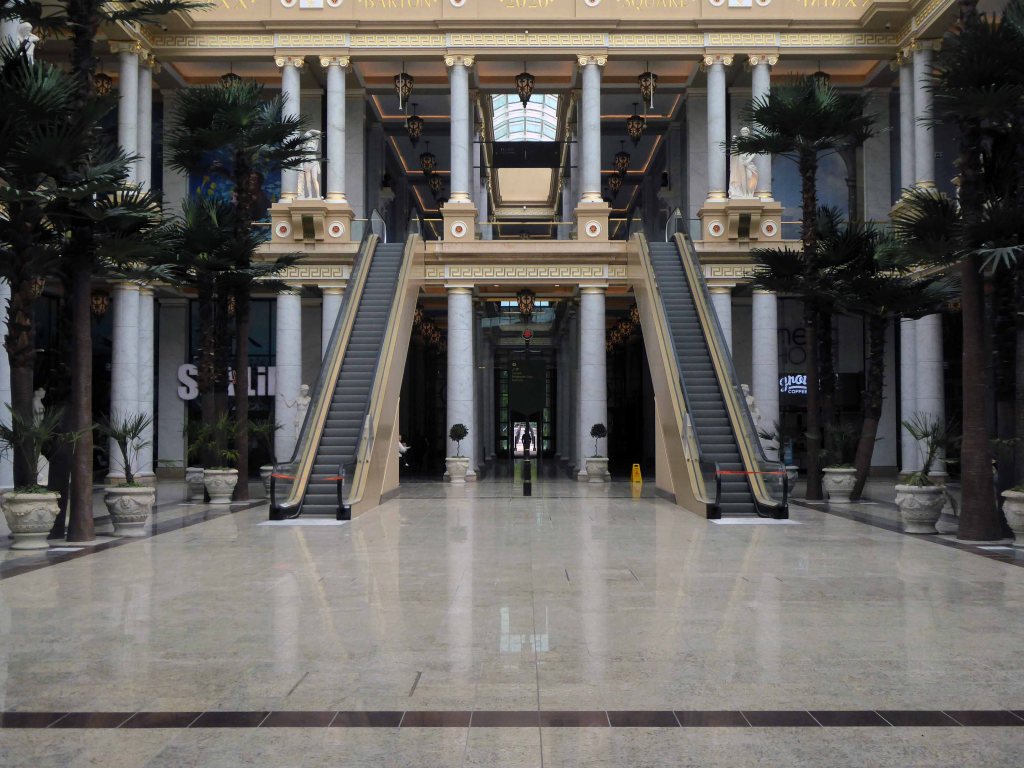
Welcome to the world renowned shopping and entertainment destination.
Intu, who own the Manchester shopping centre, expects to breach covenants on its current debts as shopping centres struggle in the face of the coronavirus pandemic.
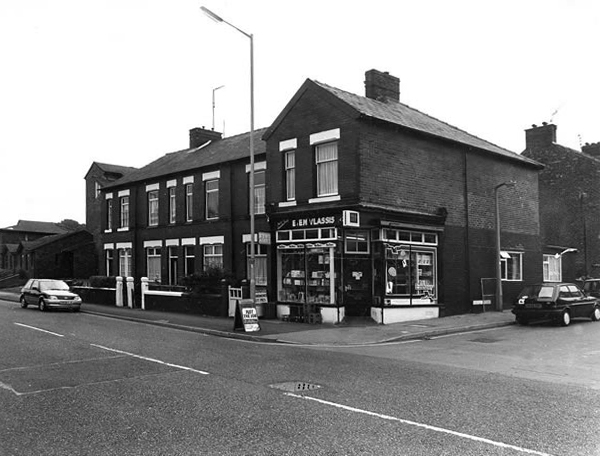
This is a journey from the corner shop to the high street, by the banks of the Bridgewater Canal, a whole retail history told during troubled times.
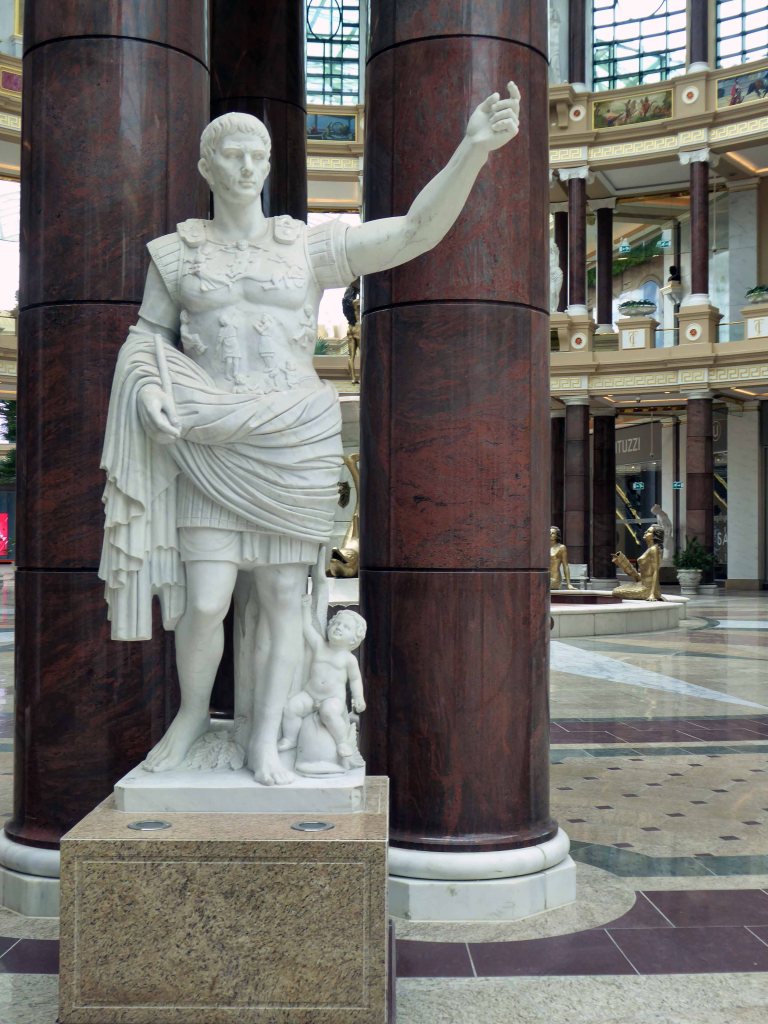
The Trafford Centre opened in 1998 and is the third largest shopping centre in the United Kingdom by retail size. It was developed by the Peel Group and is owned by Intu Properties following a £1.65 billion sale in 2011 the largest single property acquisition in British history. As of 2017, the centre has a market value of £2.312 billion.
The advent of the motor car, and the development of out of town shopping has seriously affected the viability of the traditional town centre and the almost long gone local shop.
And now in turn the mall is threatened by the increase in online trade and the current lockdown.
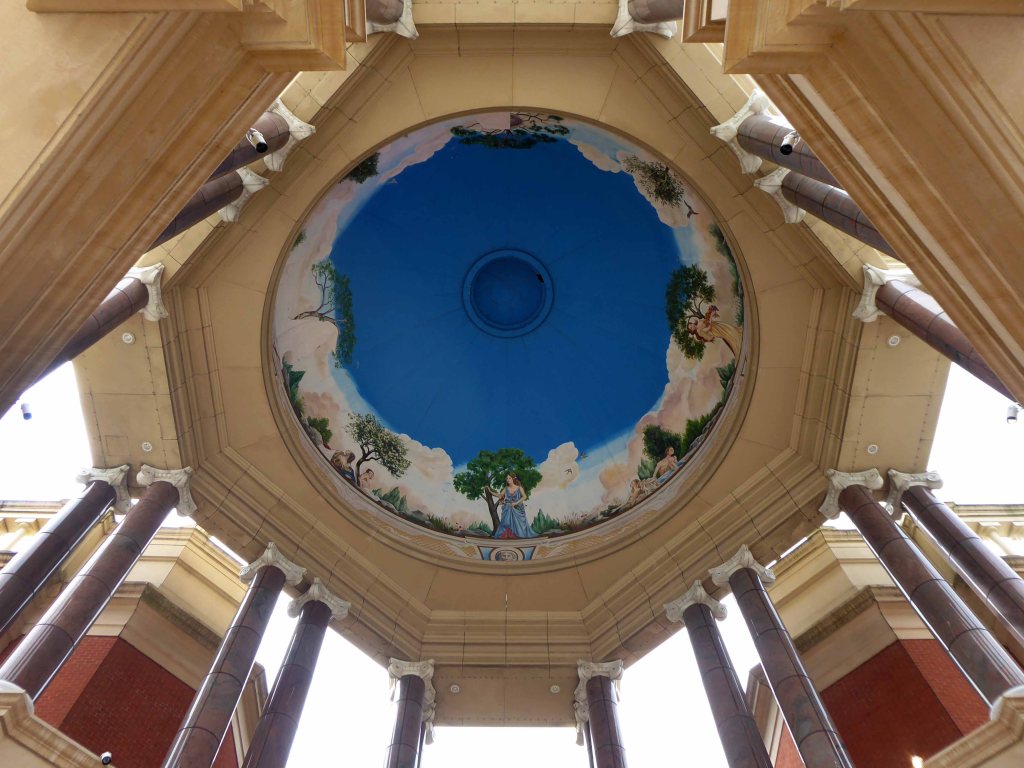
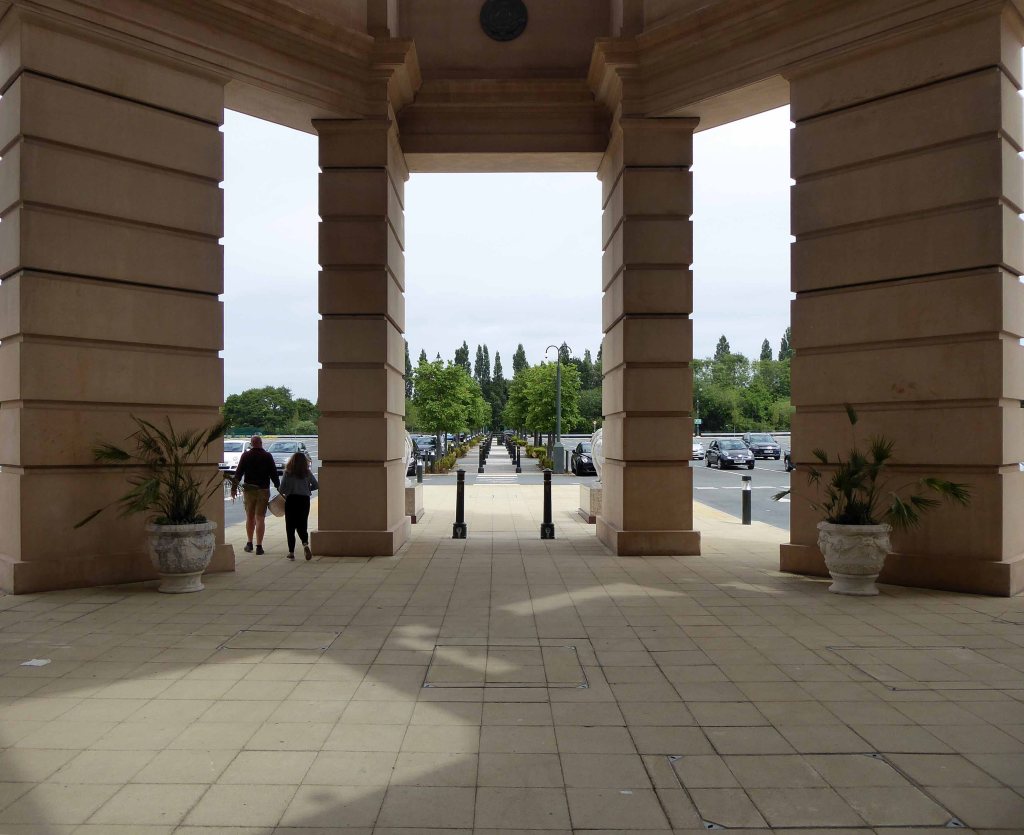
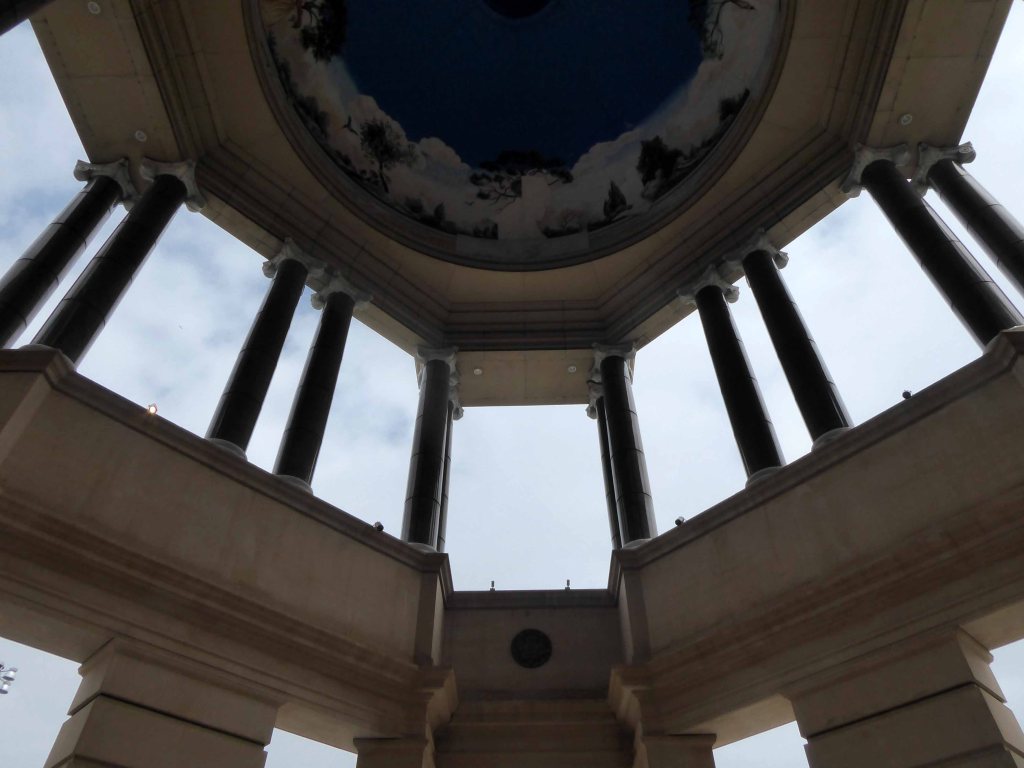
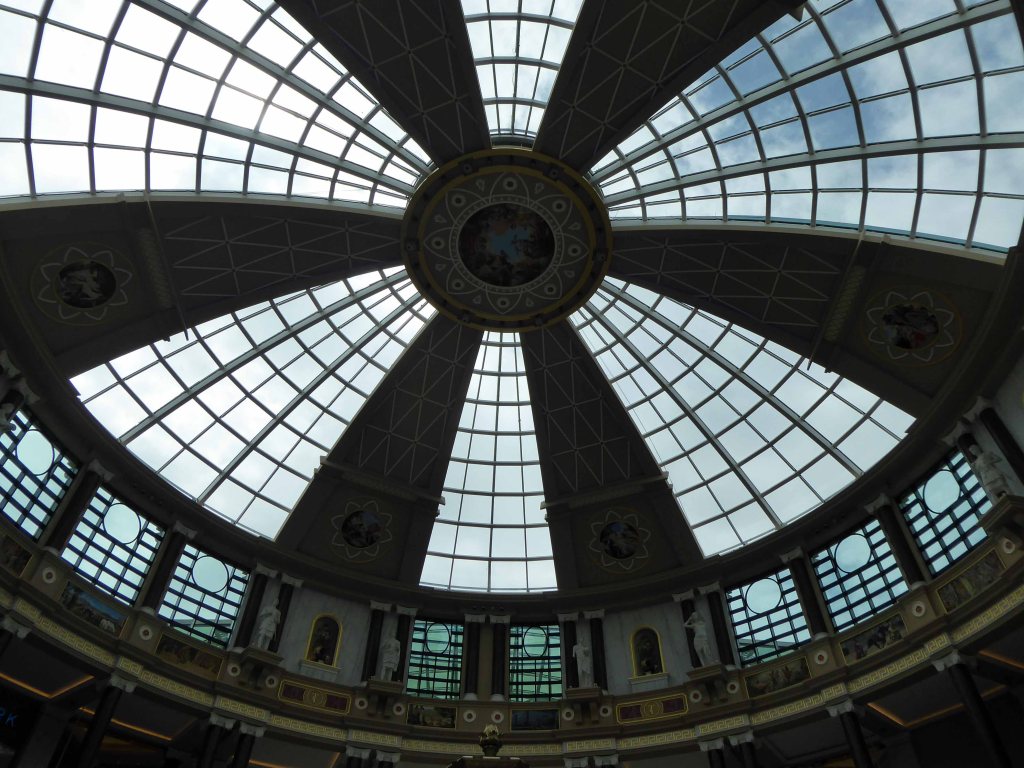
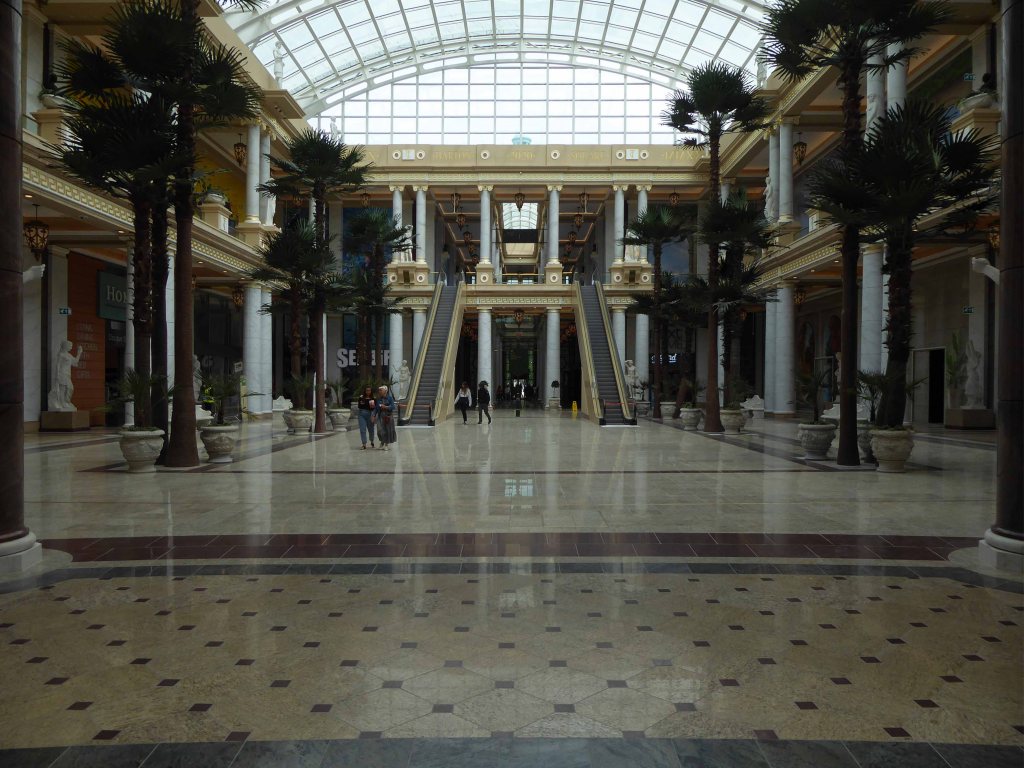
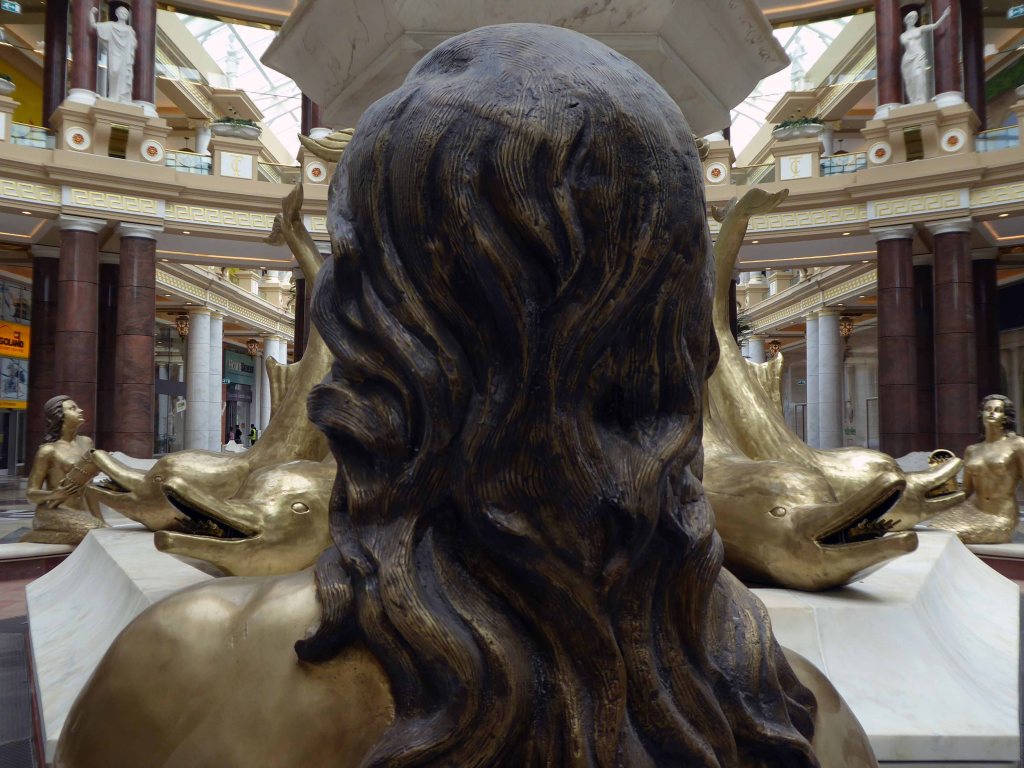
The Trafford Centre reopens on June 15th, no doubt the sensation seeking, thrill a moment shoppers will return in droves, to further satiate their unquenchable desire for stuff and more stuff, in a pseudo Romano Soviet oligarch setting.
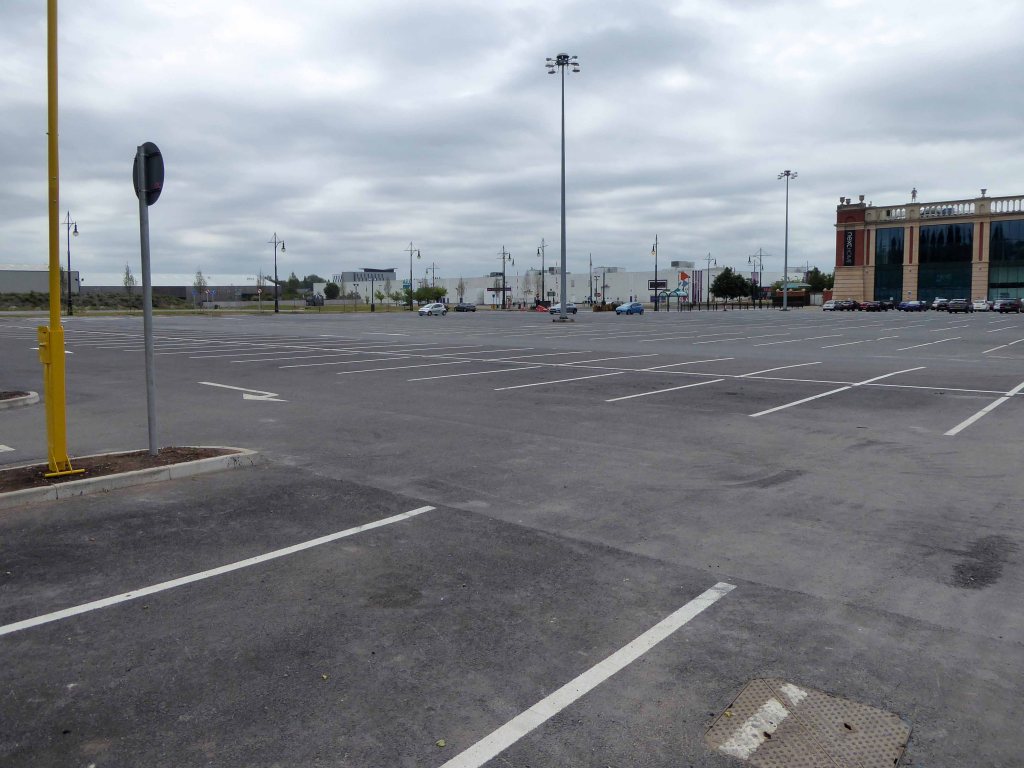
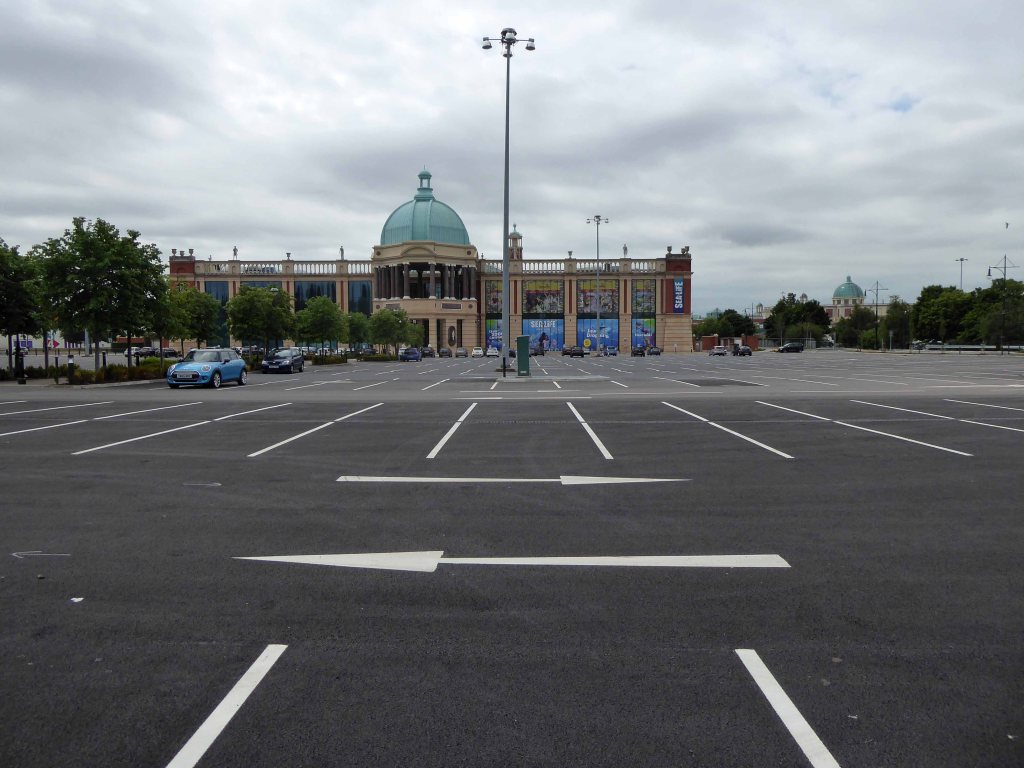
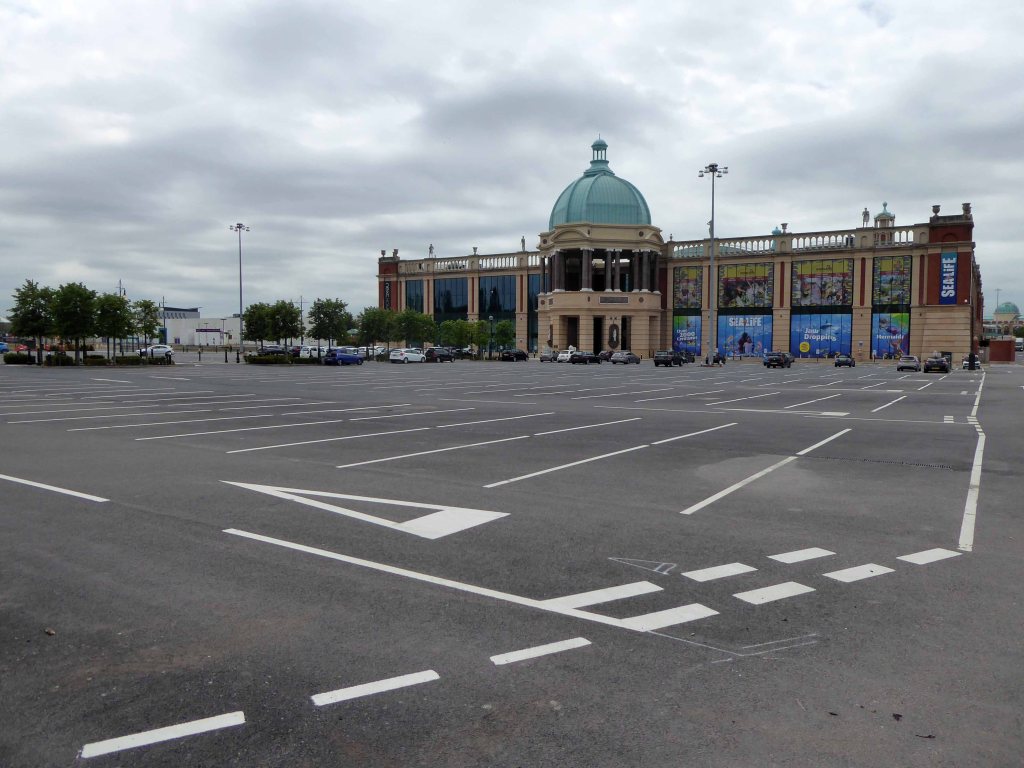
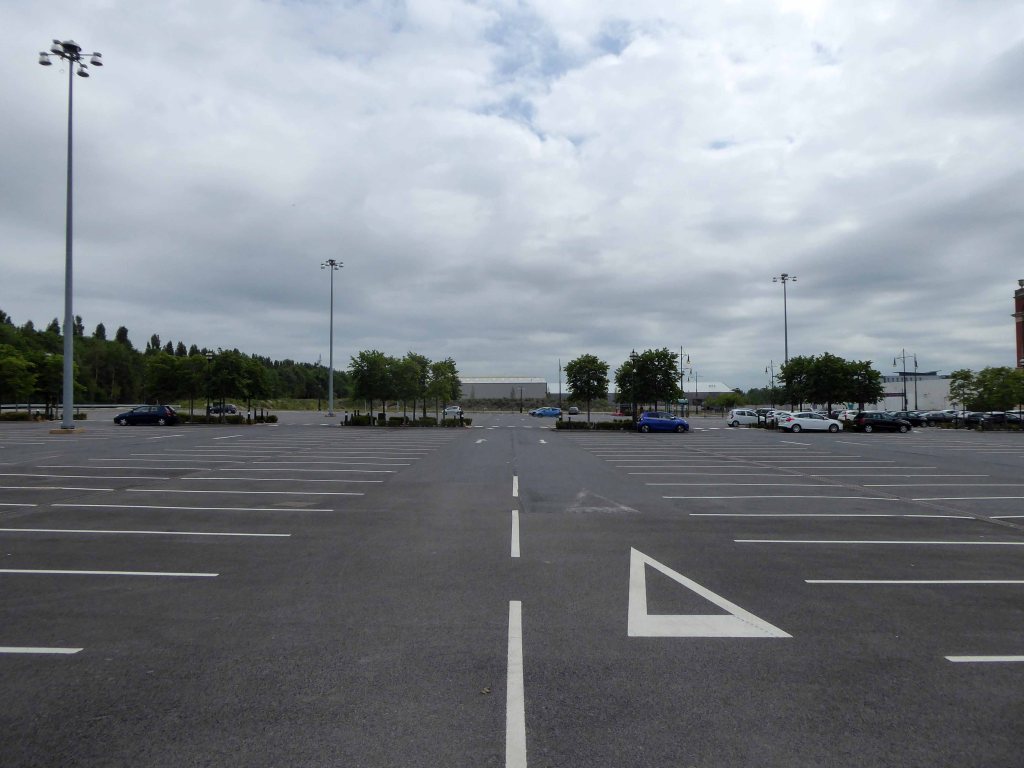
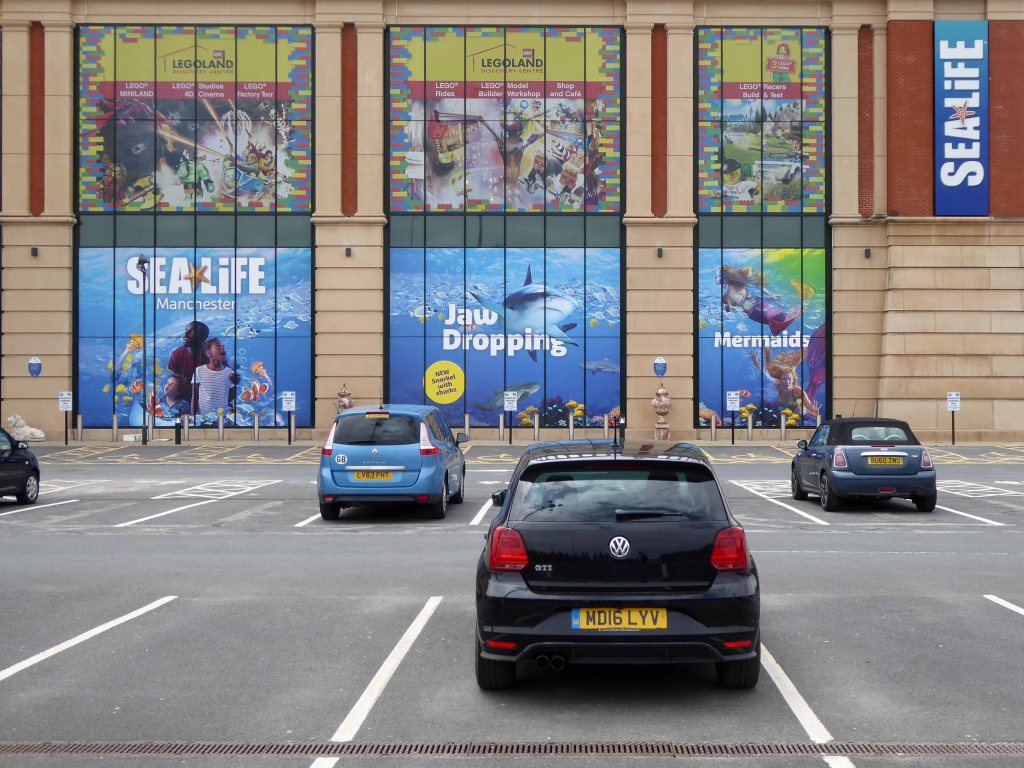
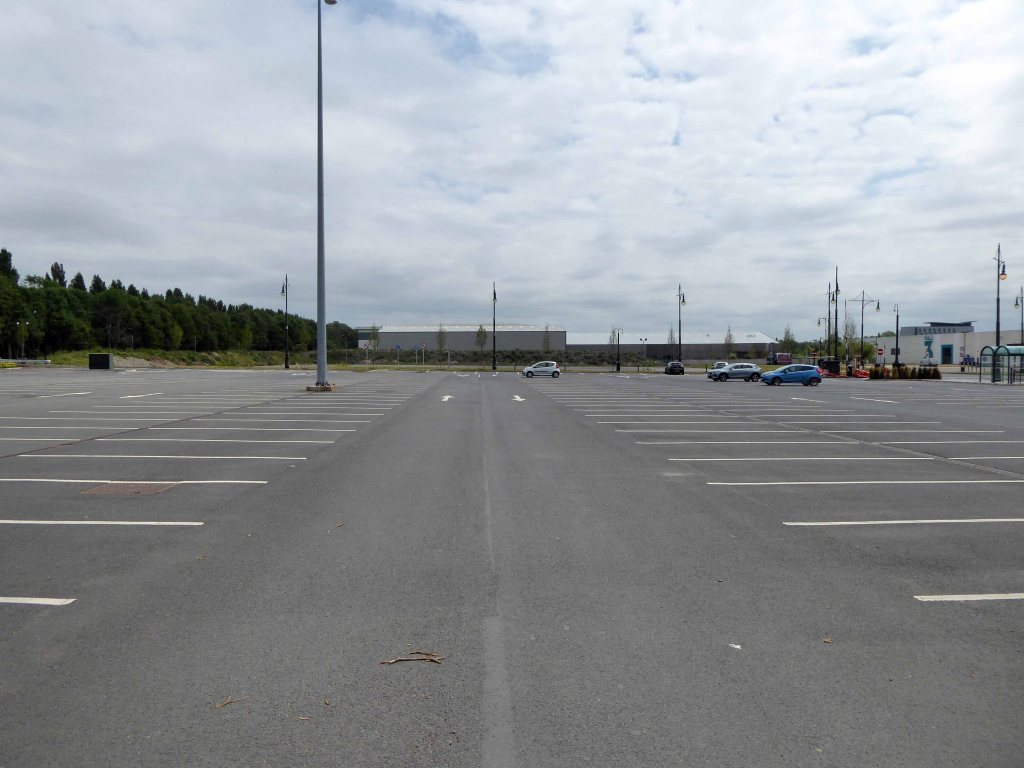
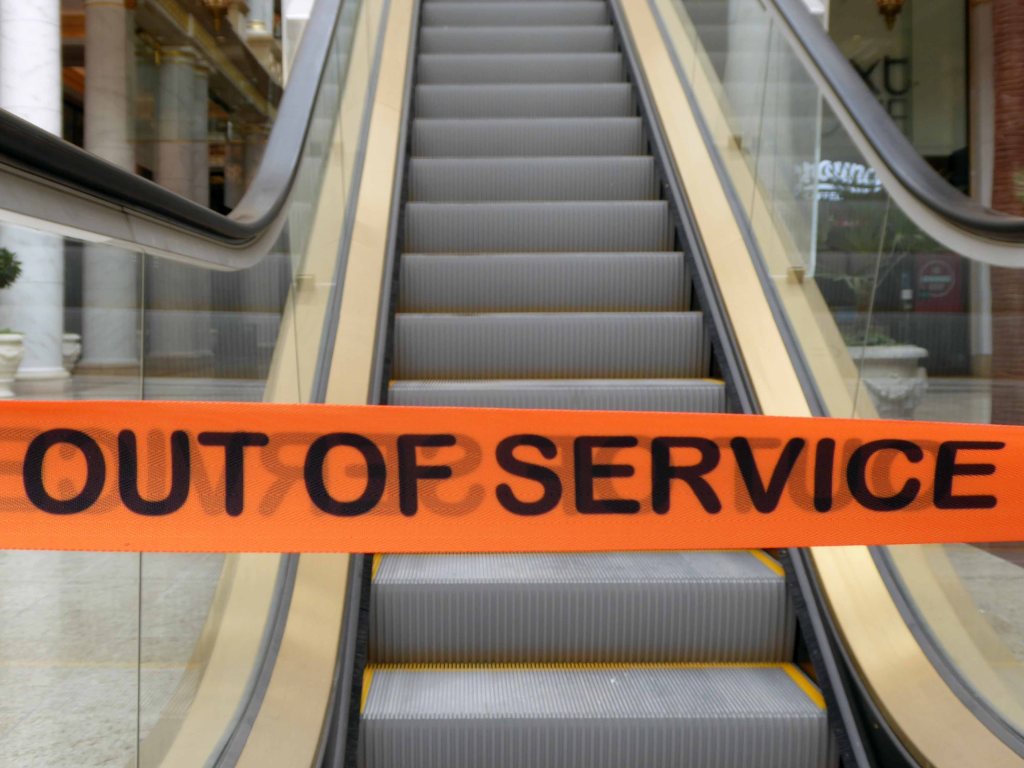
As of Monday 8th the space was mostly devoid of both customers and cars – there are two home stores open, we arrived on foot and took a look around.
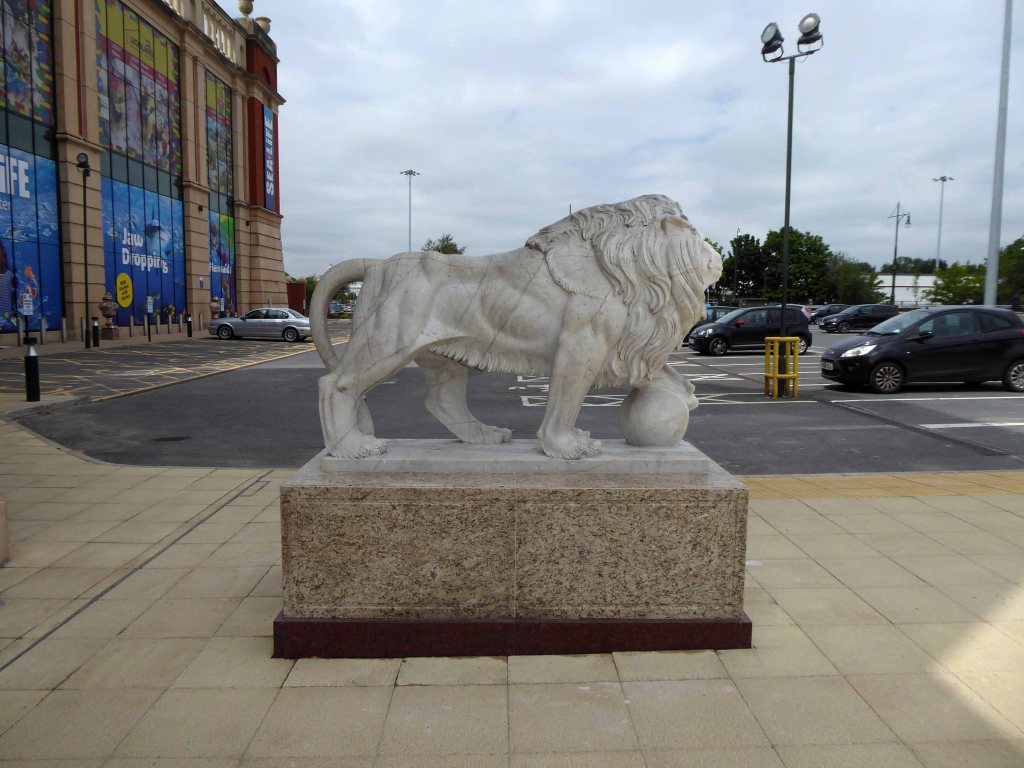
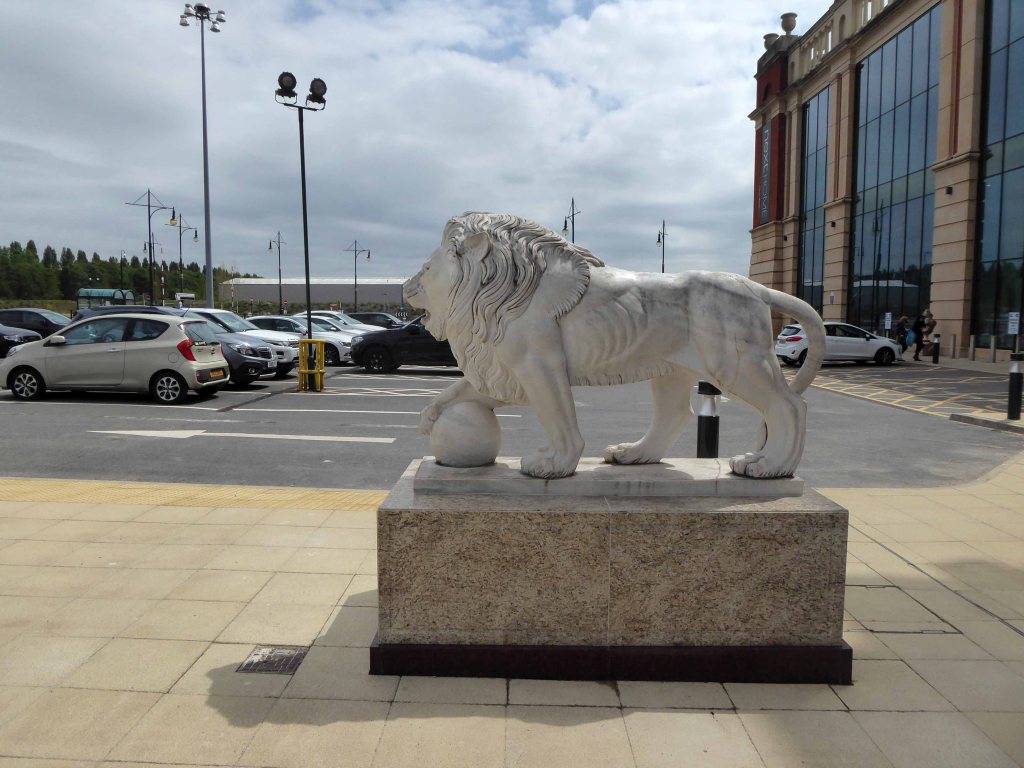
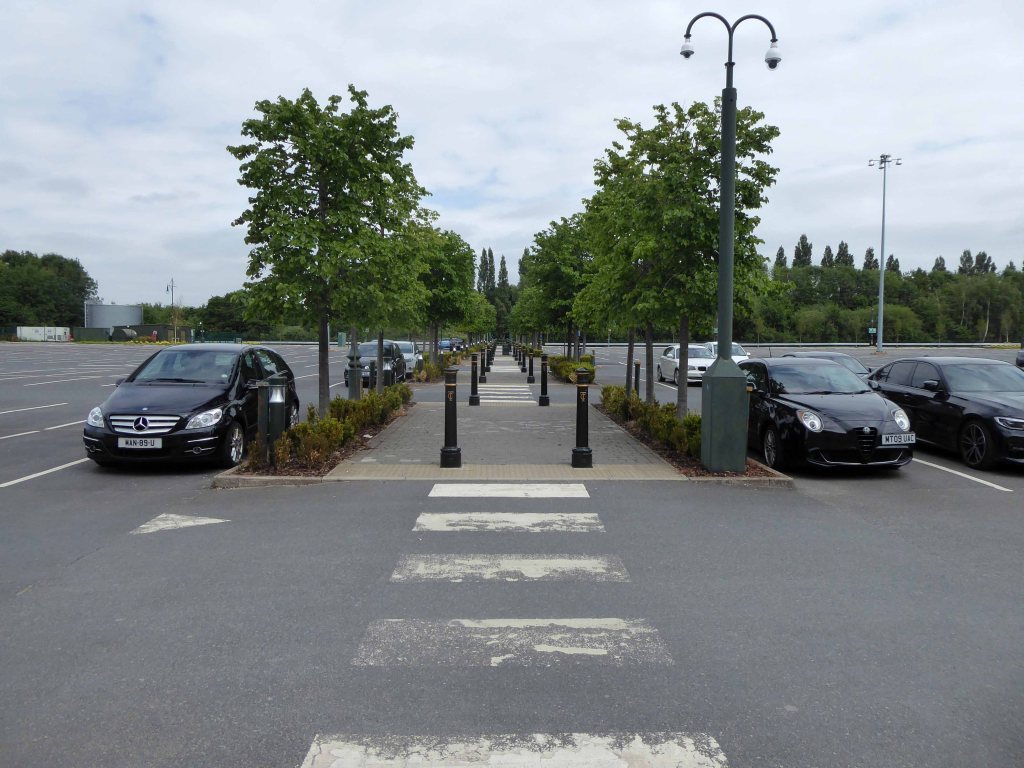
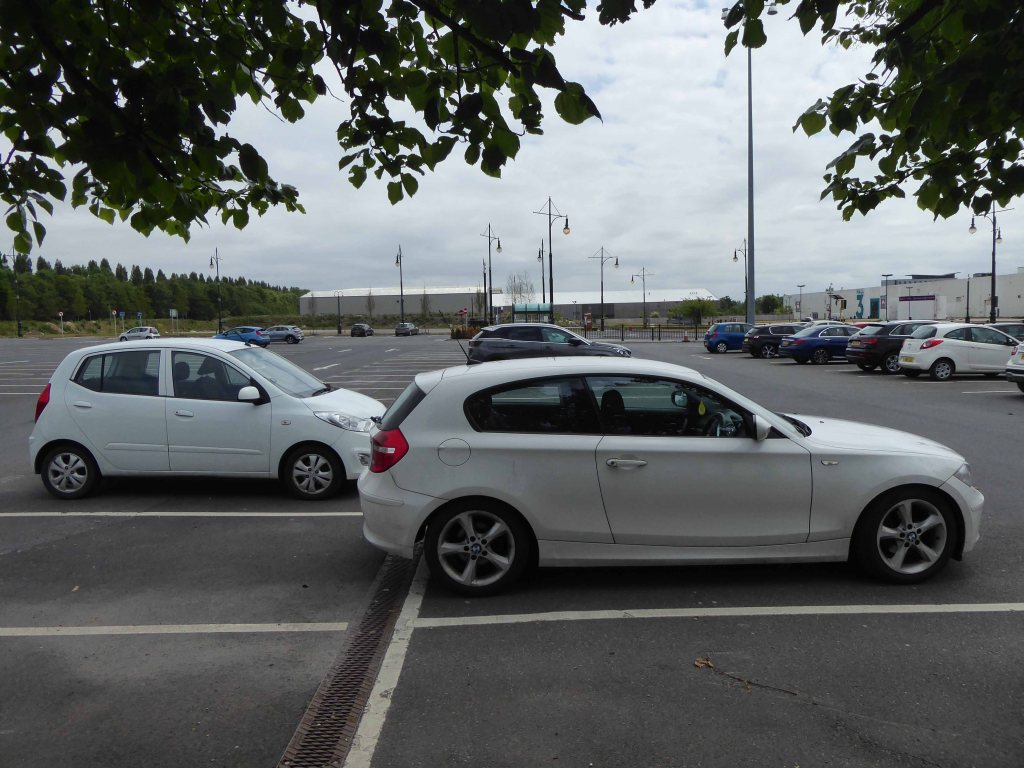
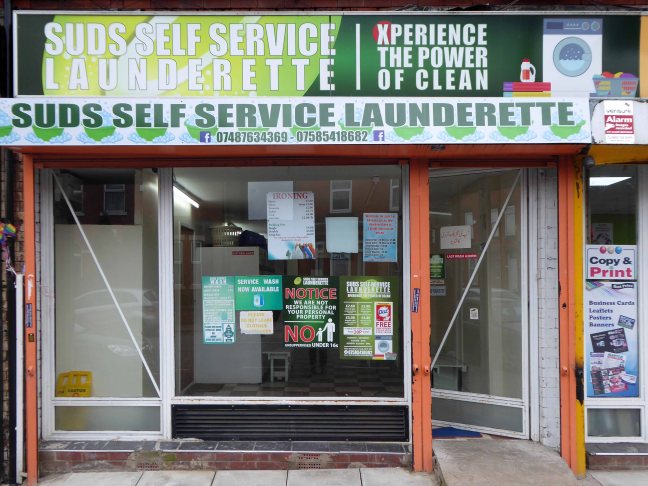
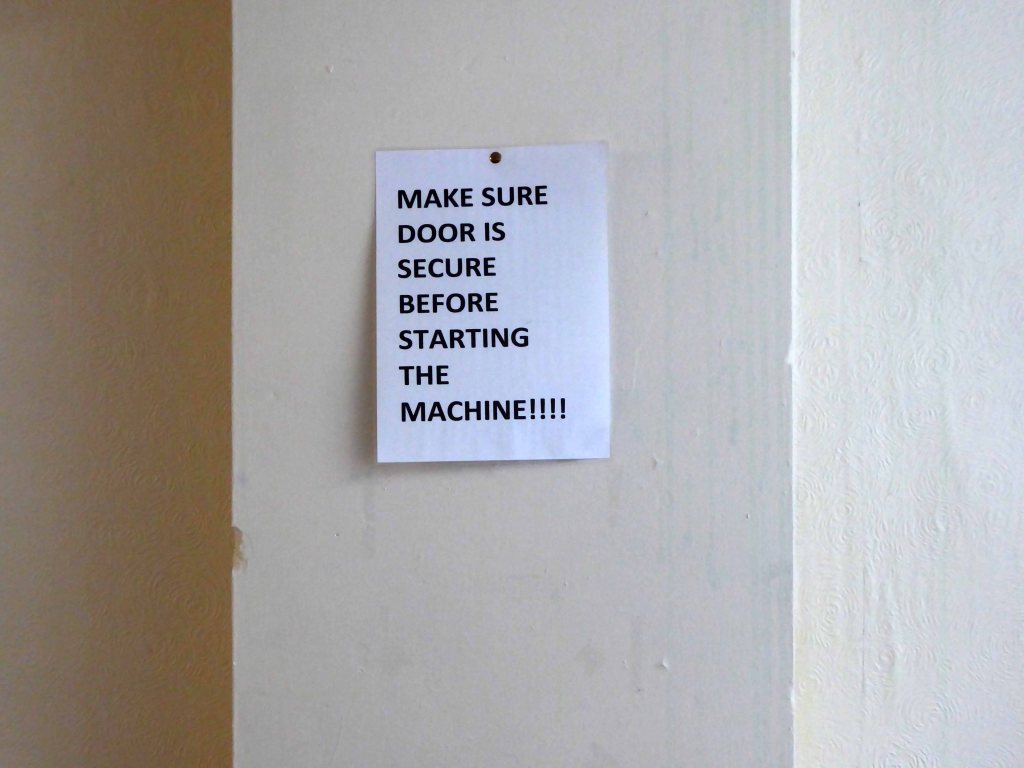
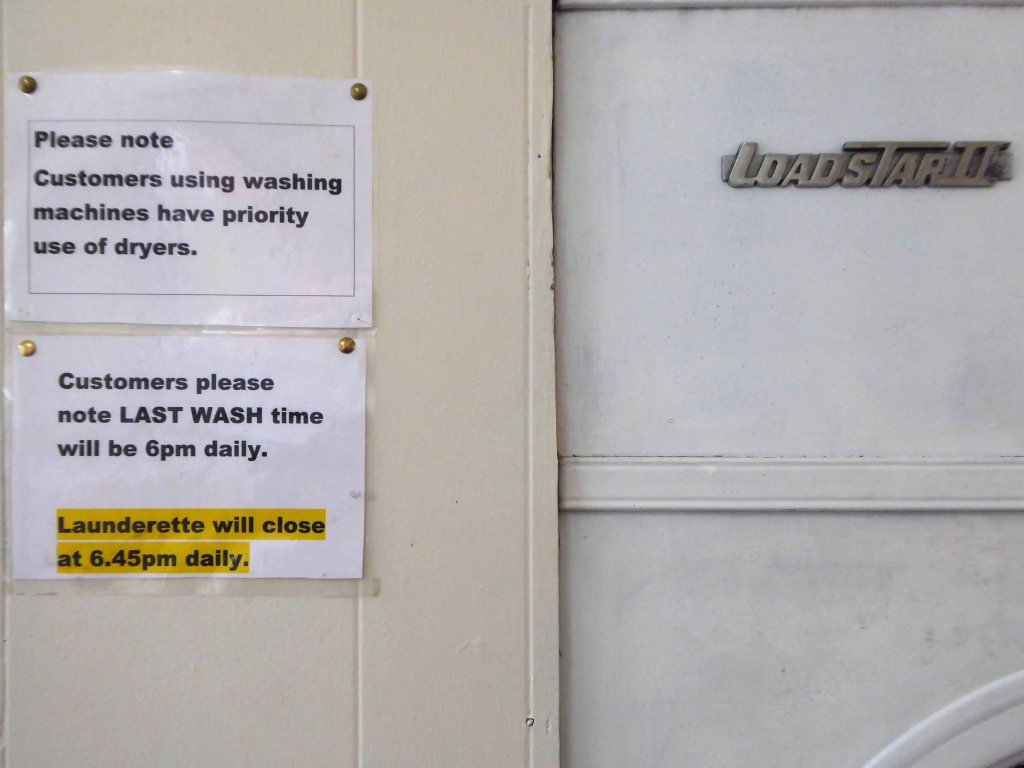
We have entered a new age – the age of the A6 based computer generated A4 Blu-Tack attached laminated print out.
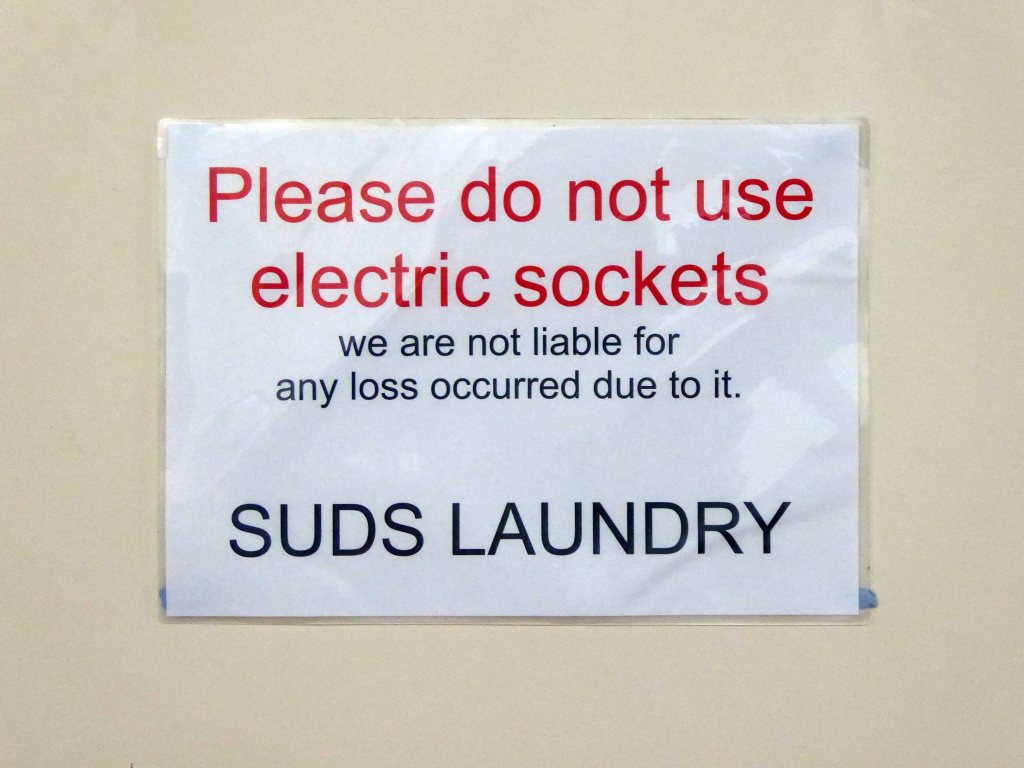
An informal typography for the age of informality – long gone the etched plastic, hand rendered fascia days of yore.
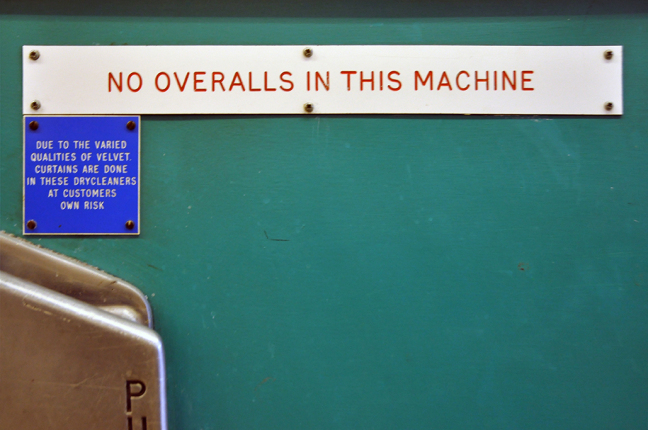
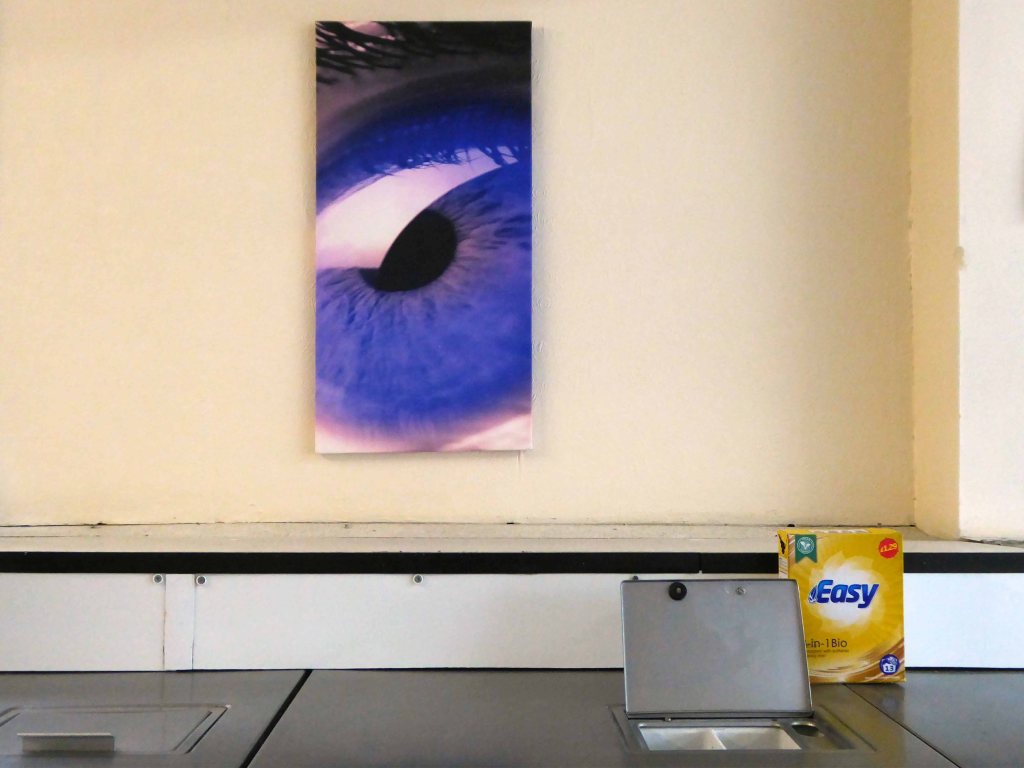
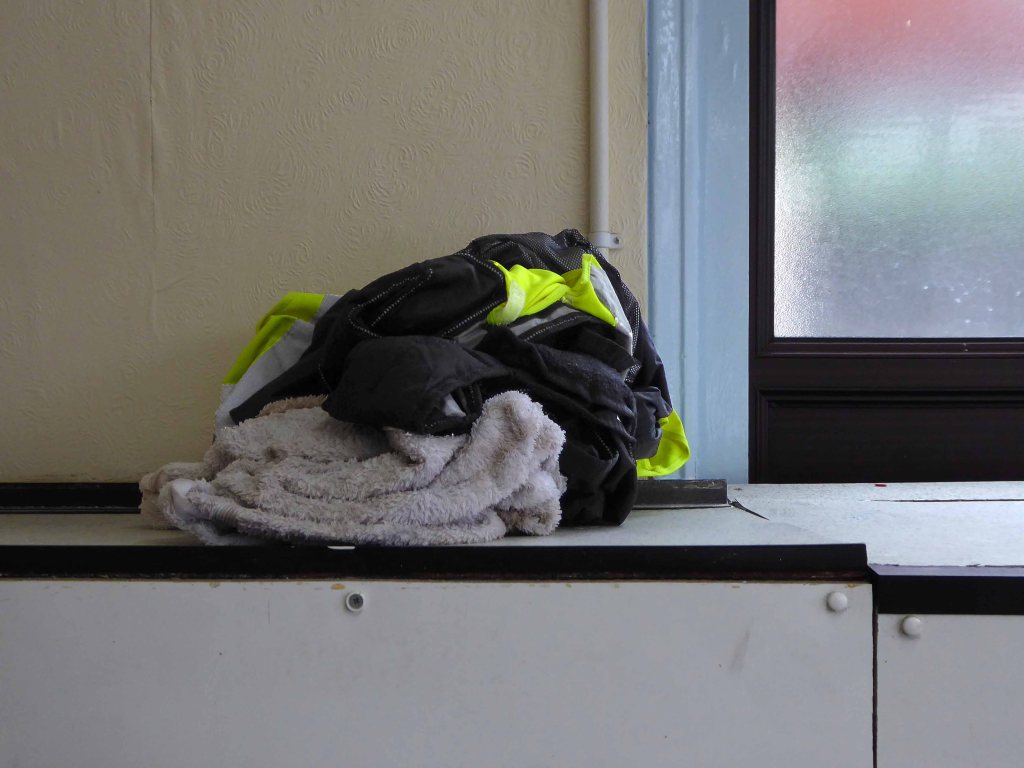
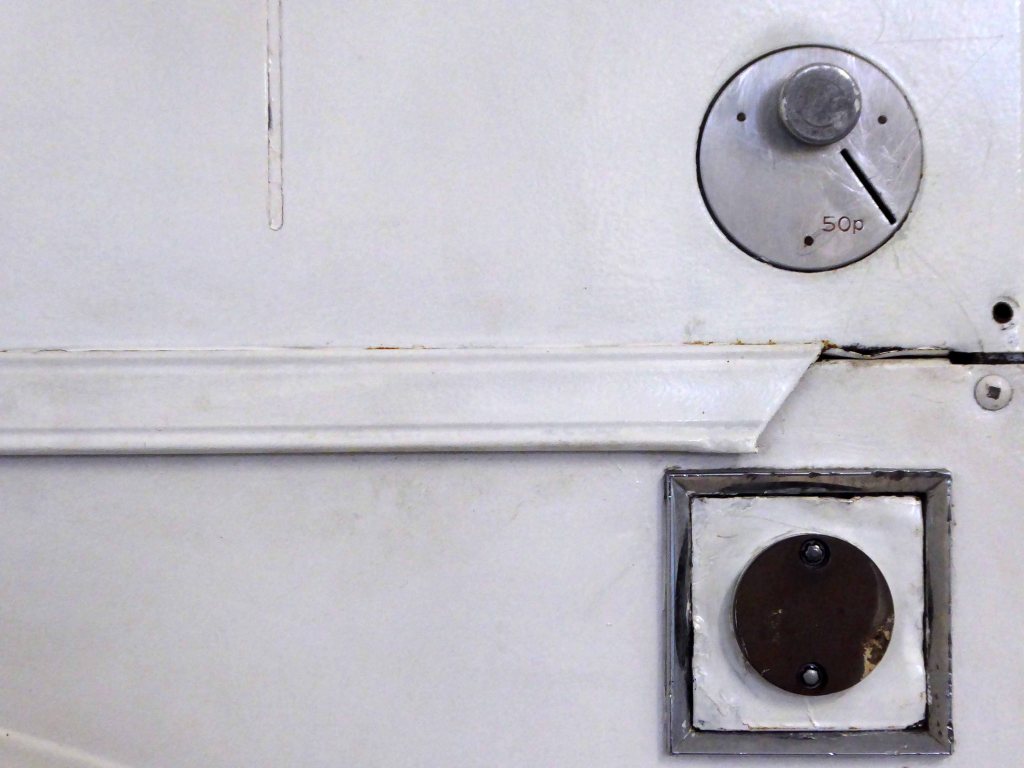
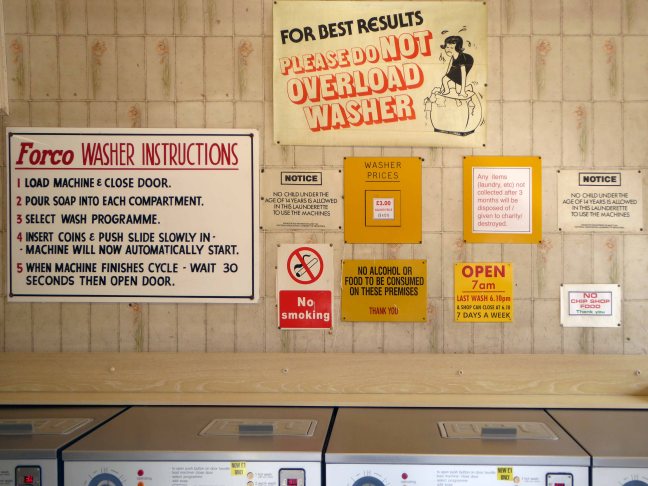
This is now one of many launderama dramas – my sole intent to record the state of the nation’s dirty washing.
There is even to be a book published this March.
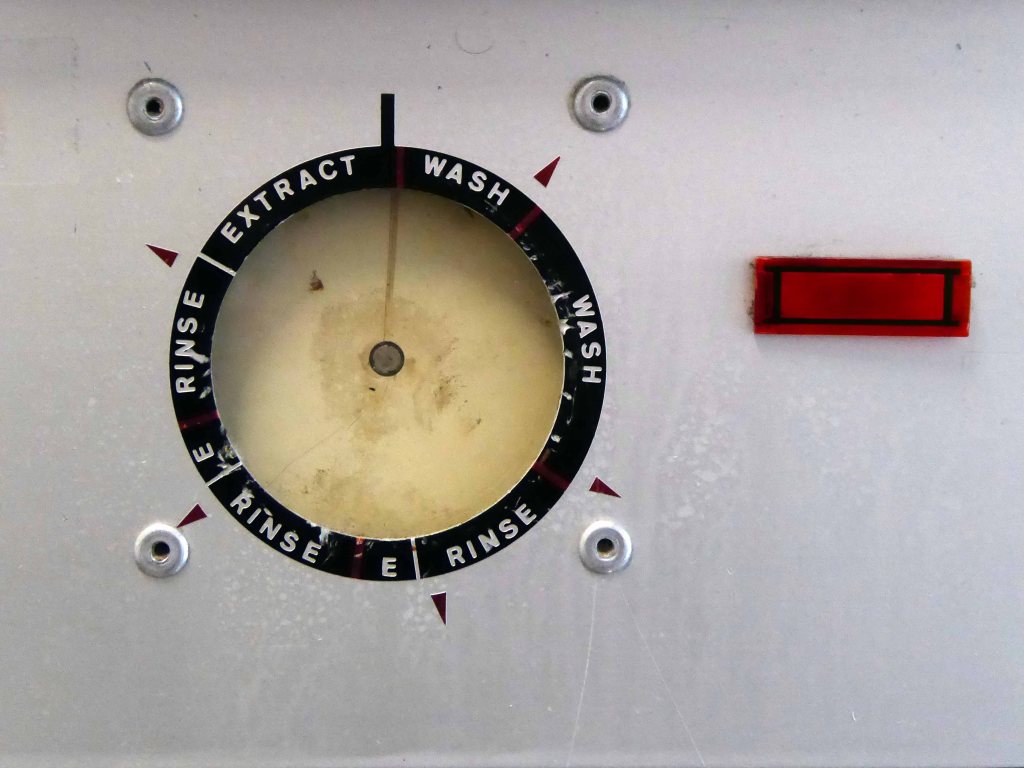
So one more for the road – load up the Loadstar with washers and slugs, let’s all get dry, one way or another.
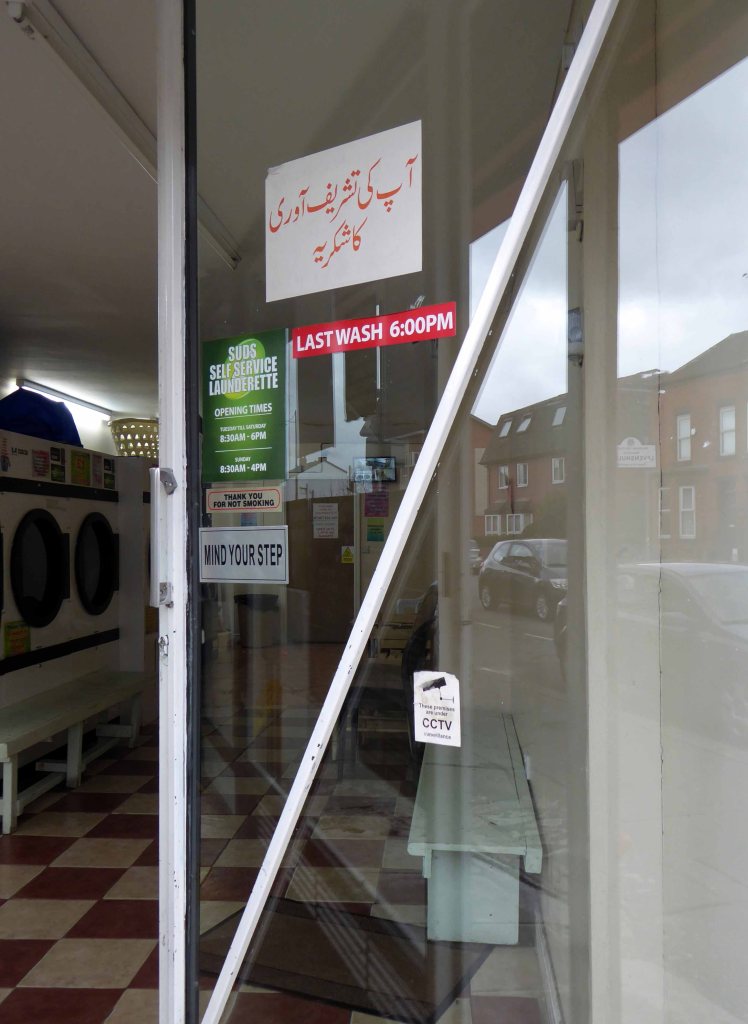
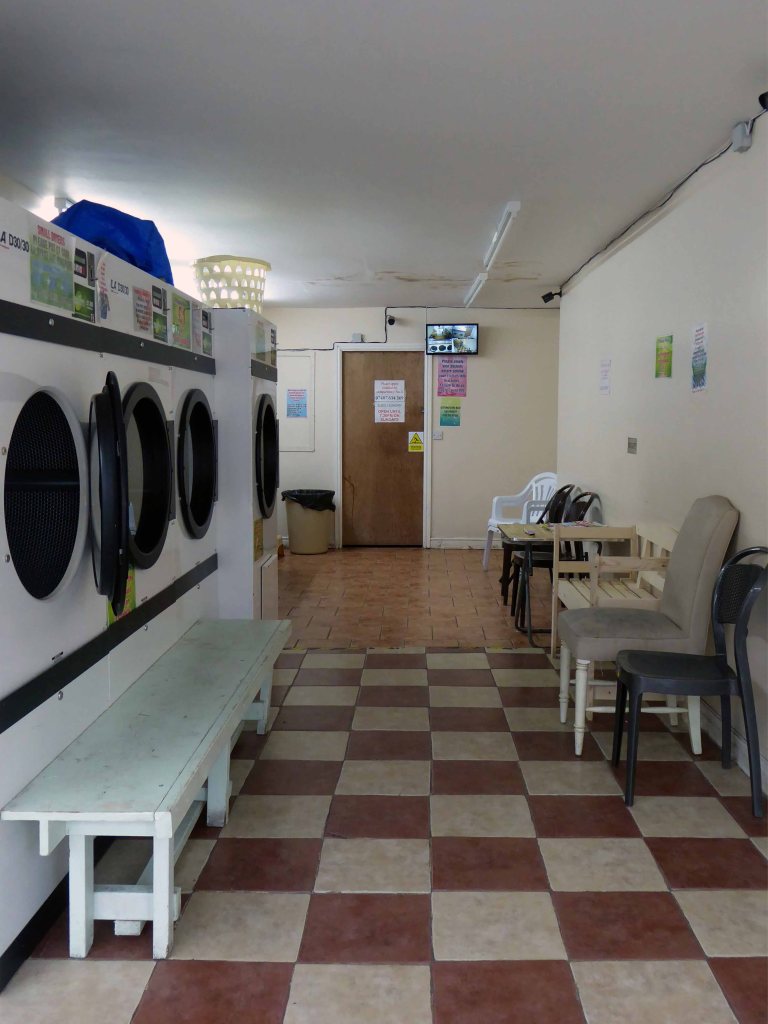
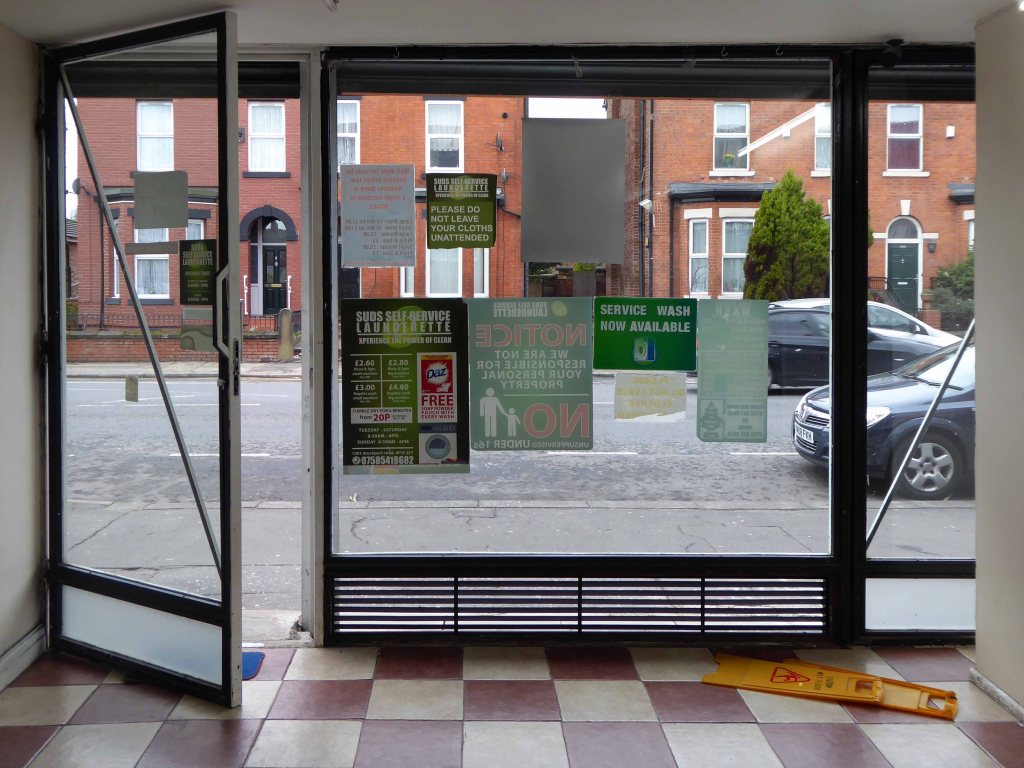
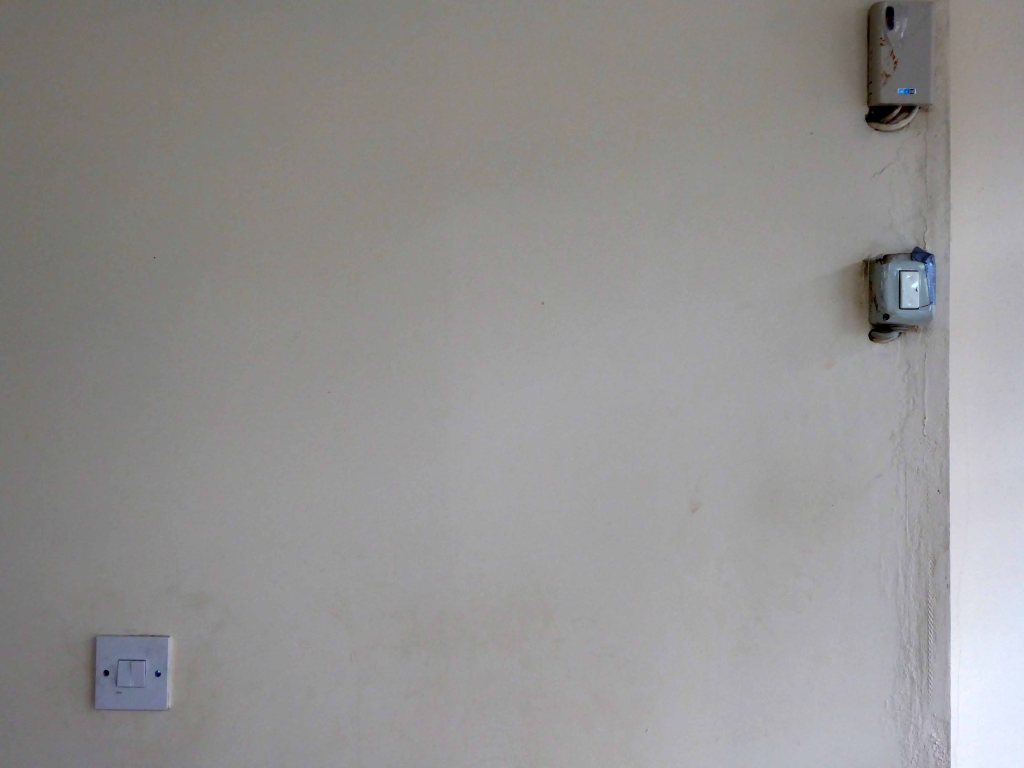
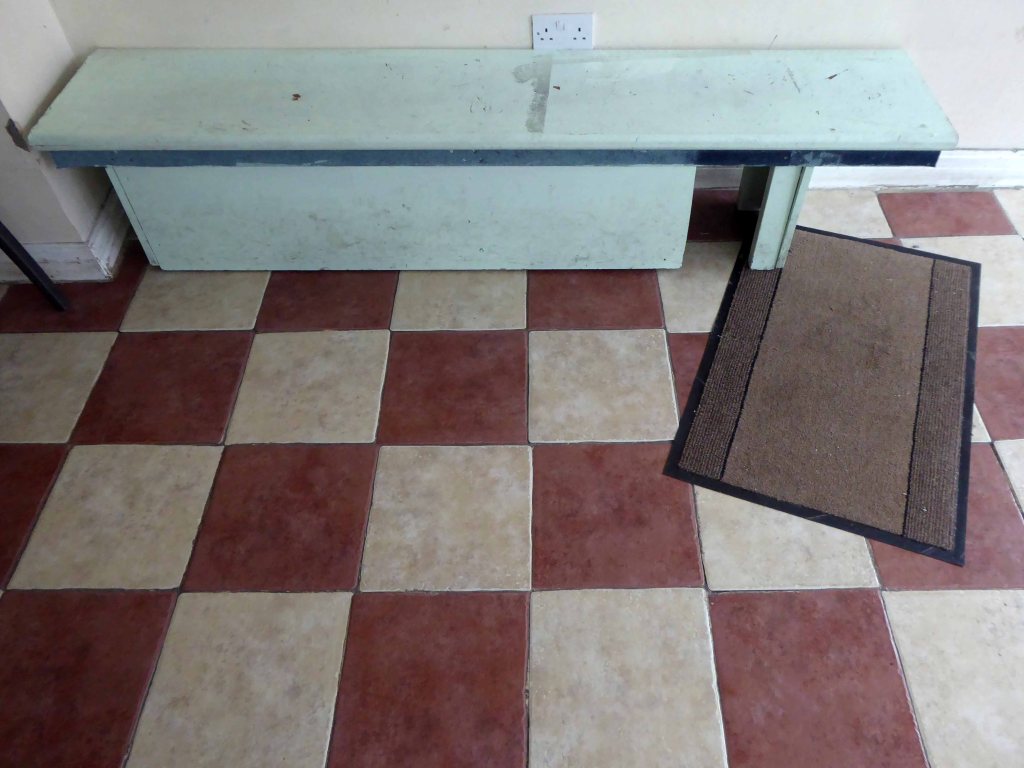
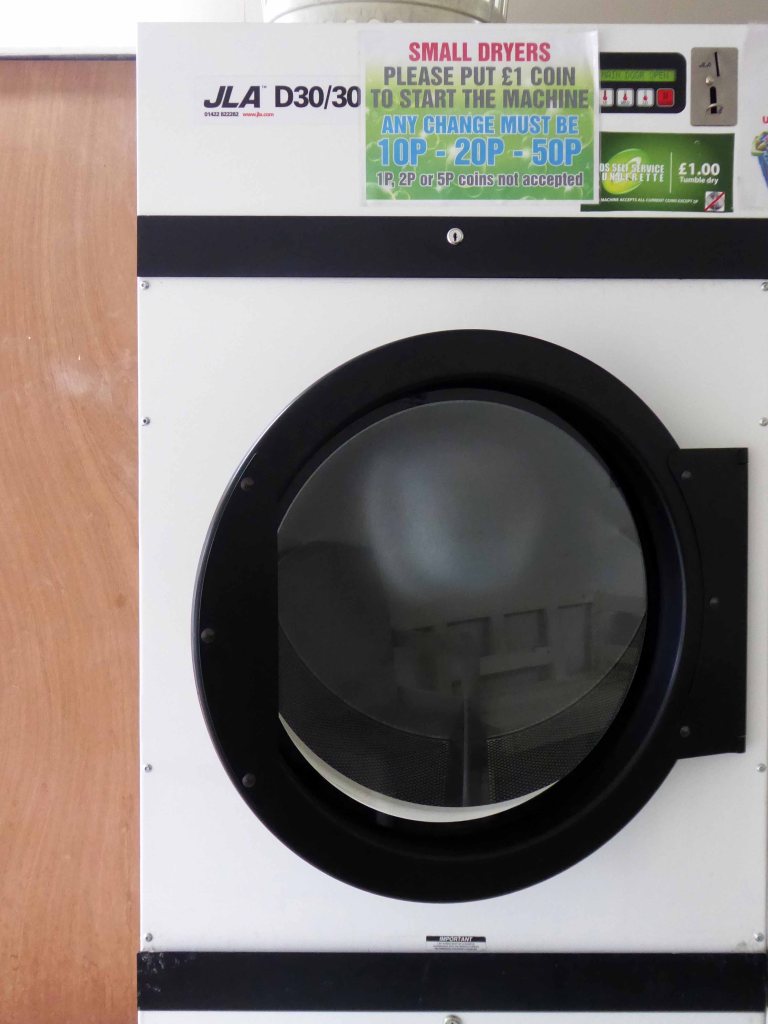
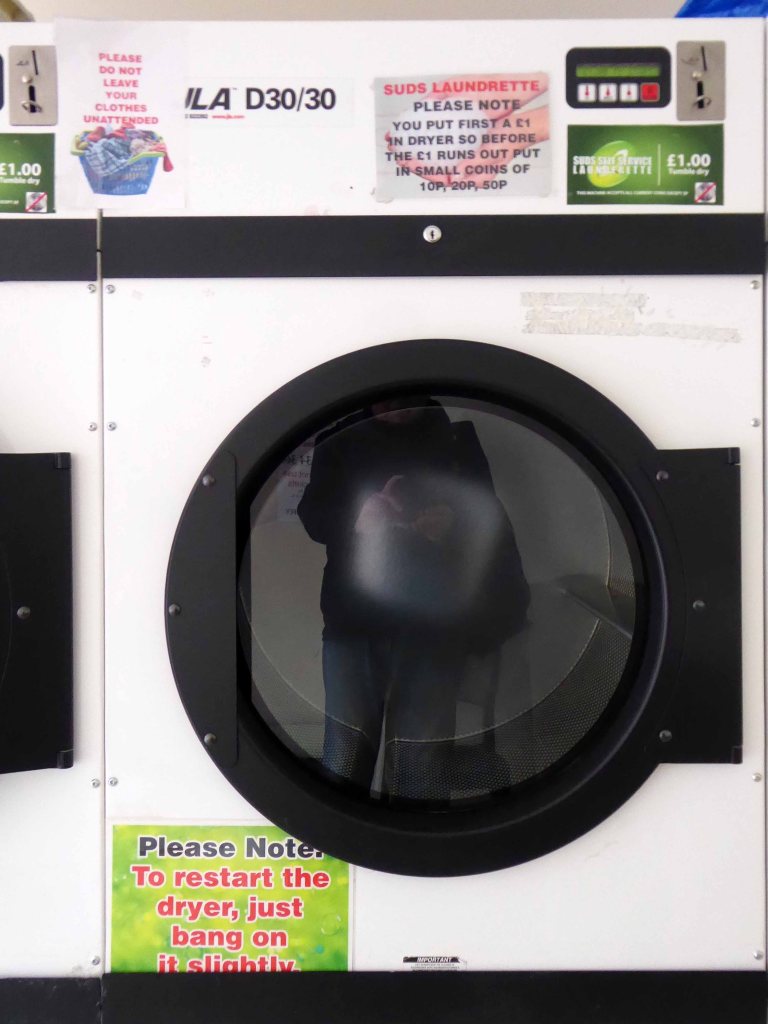
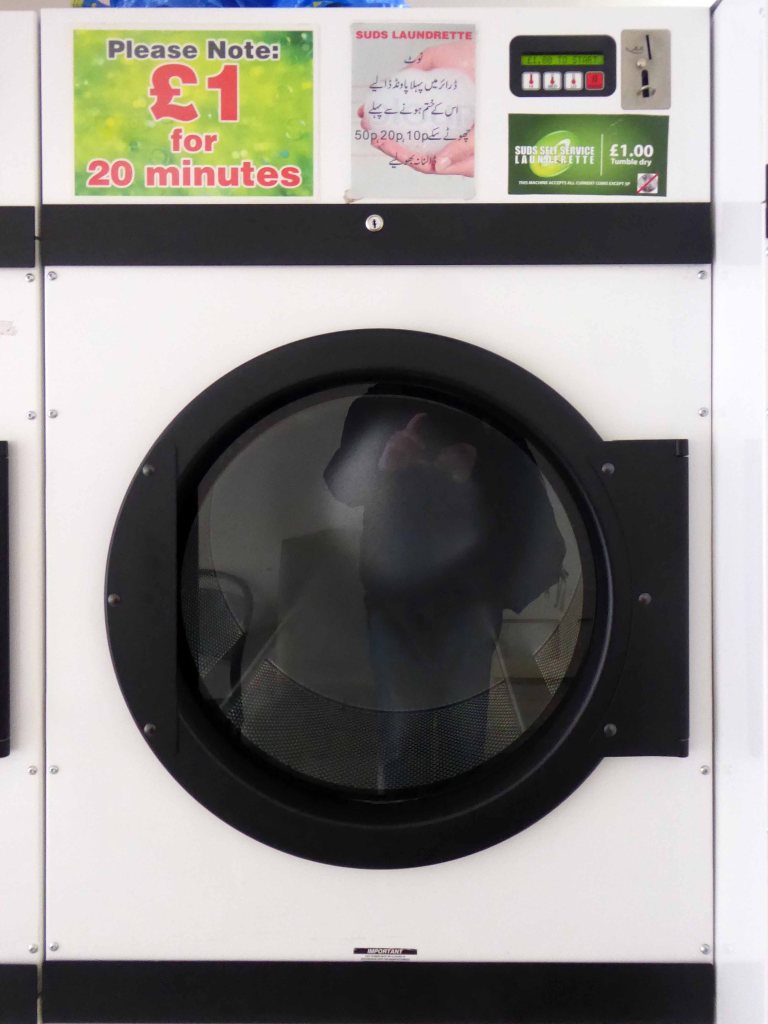
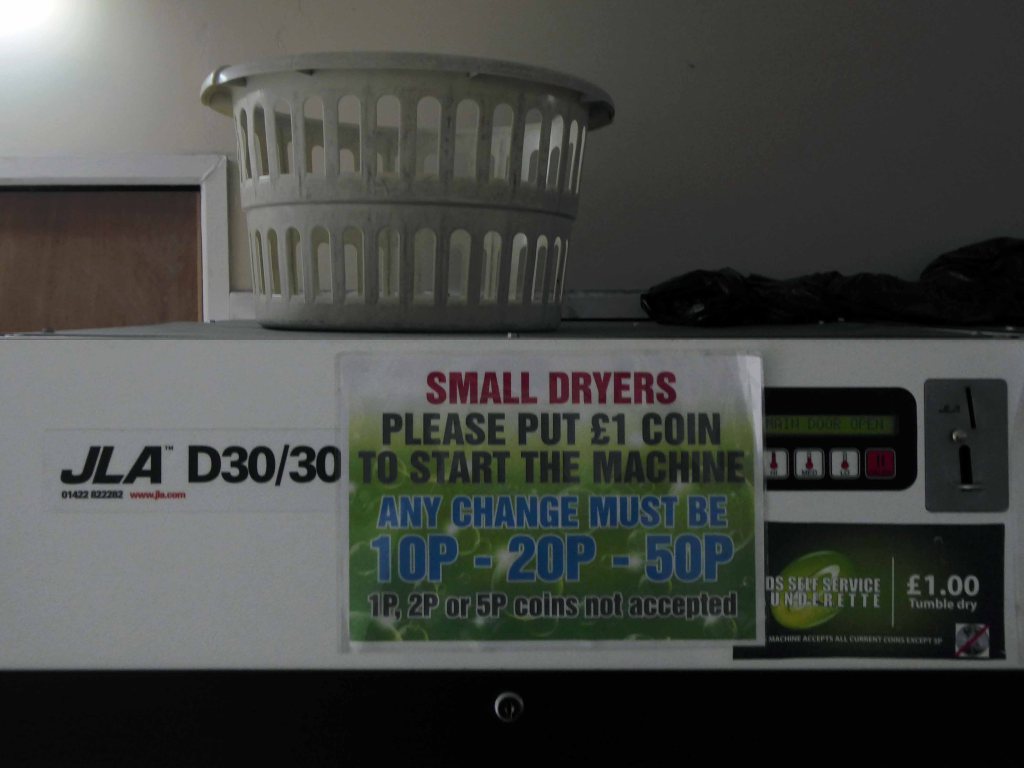
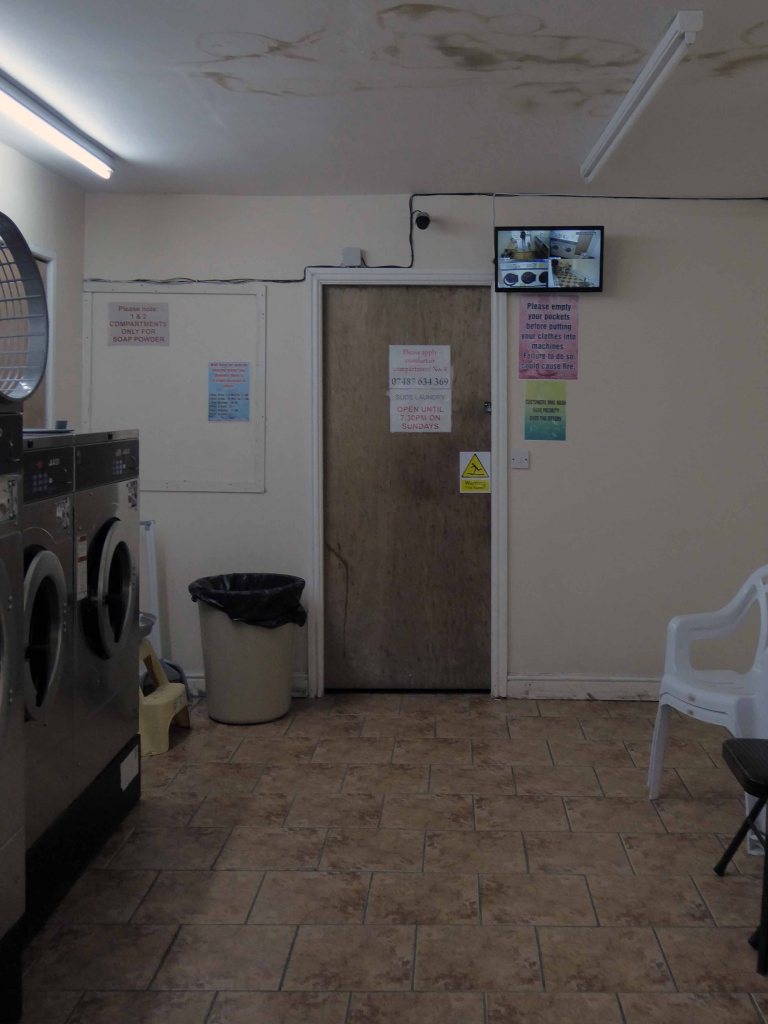
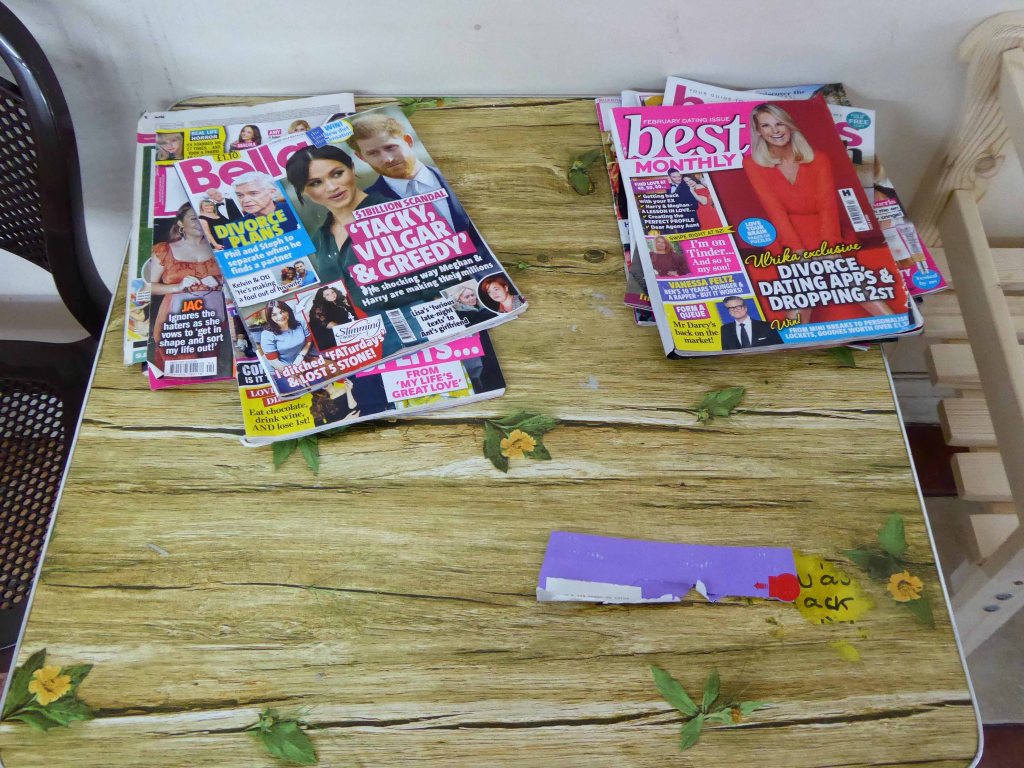
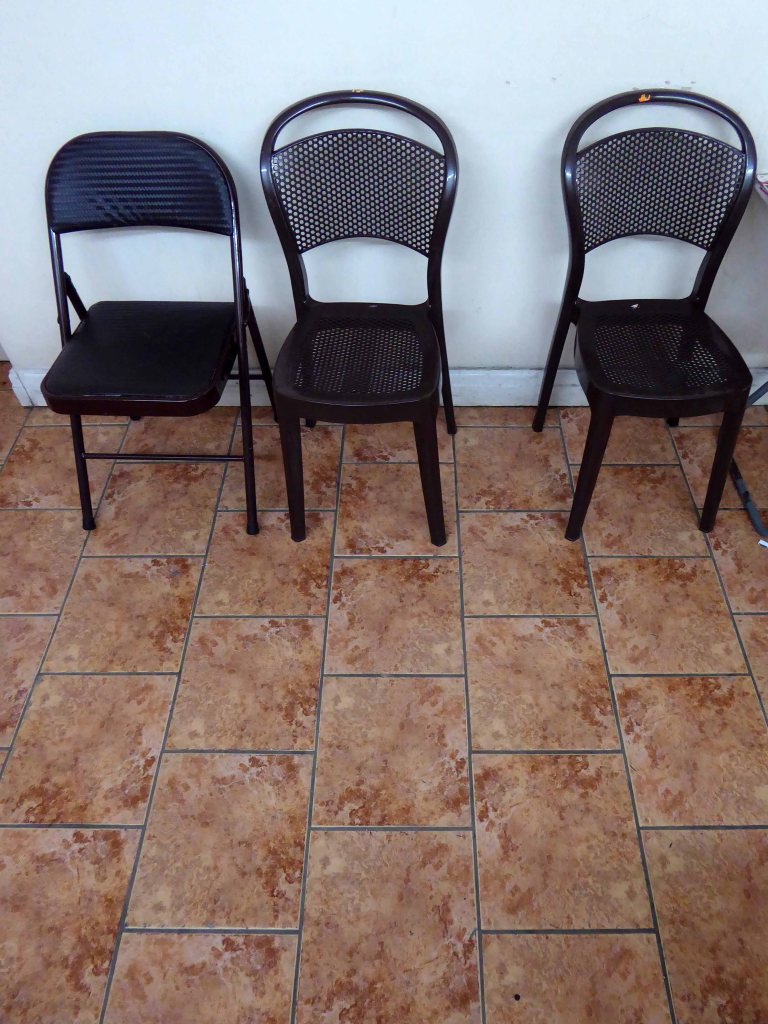
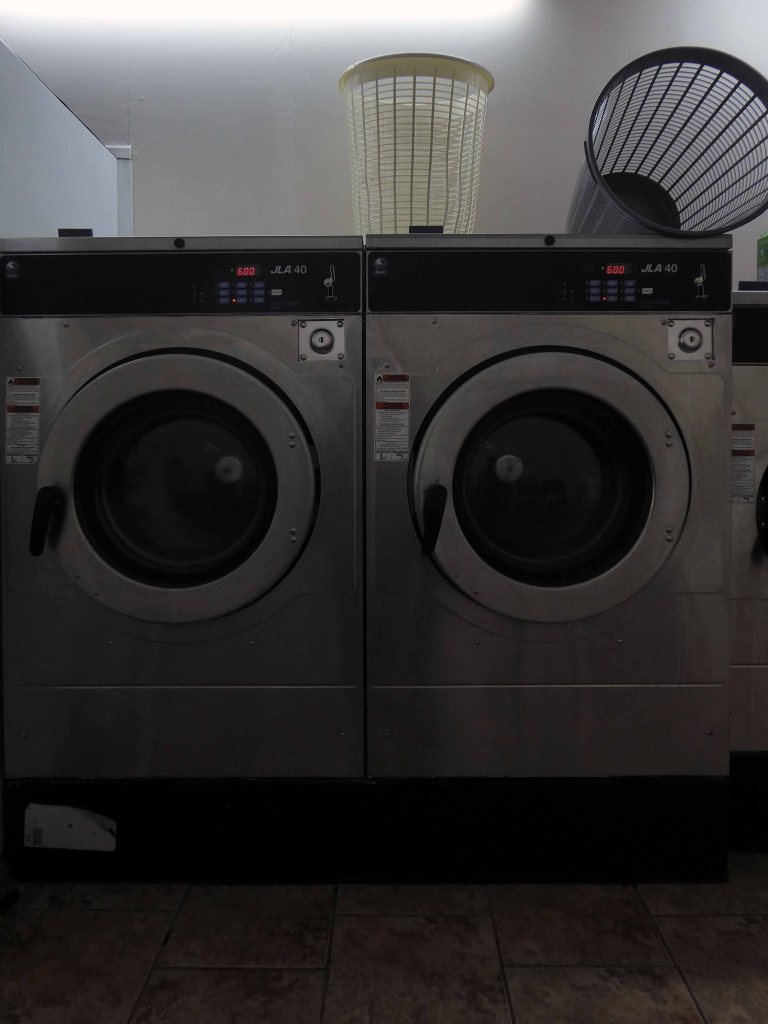
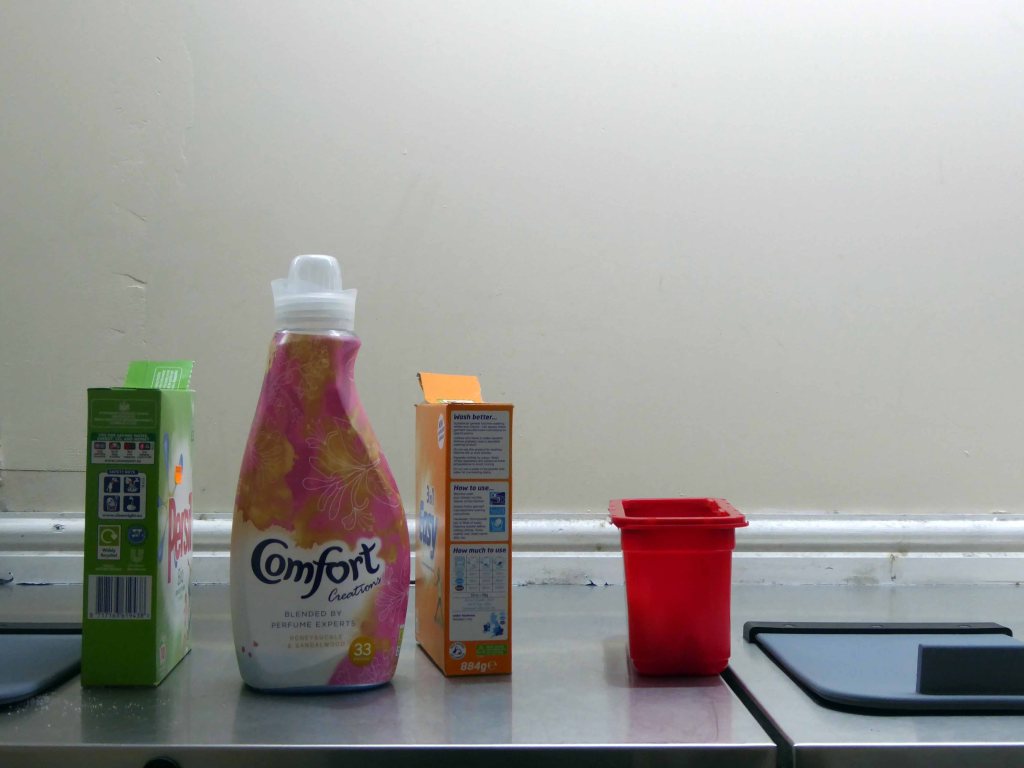
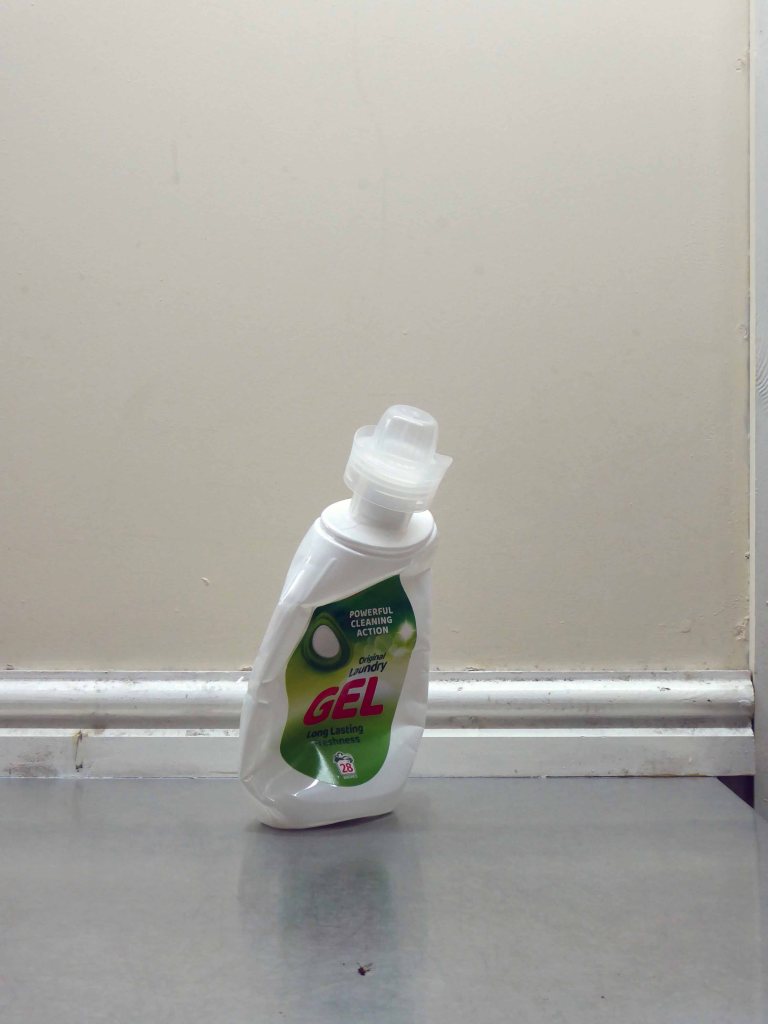
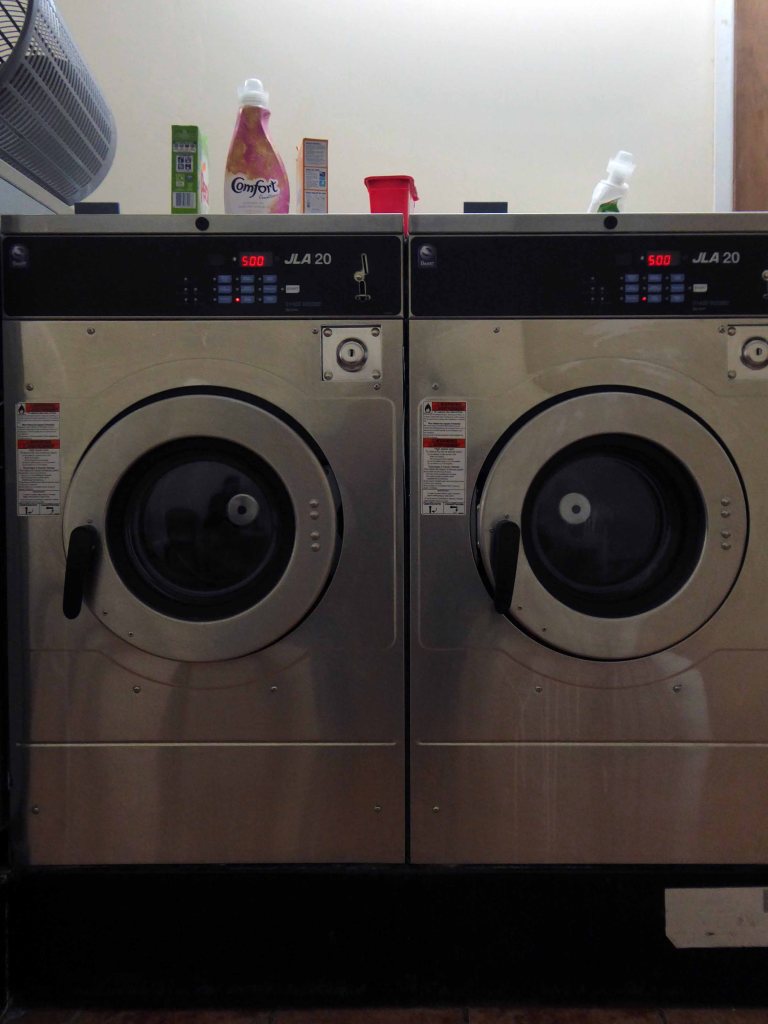


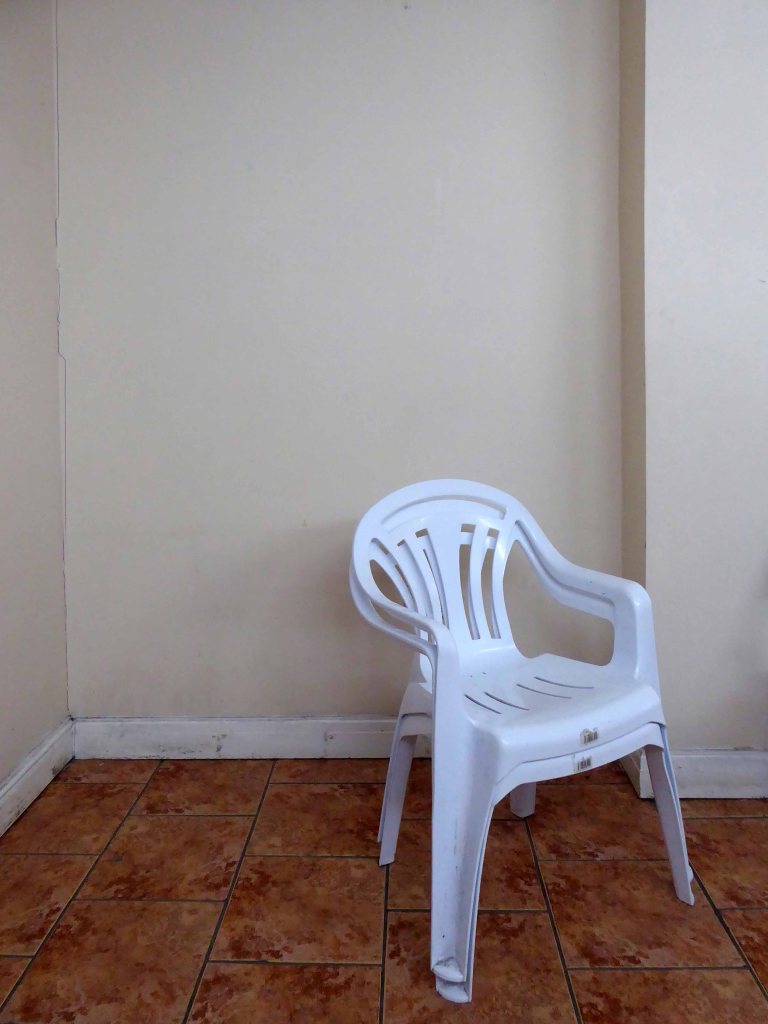
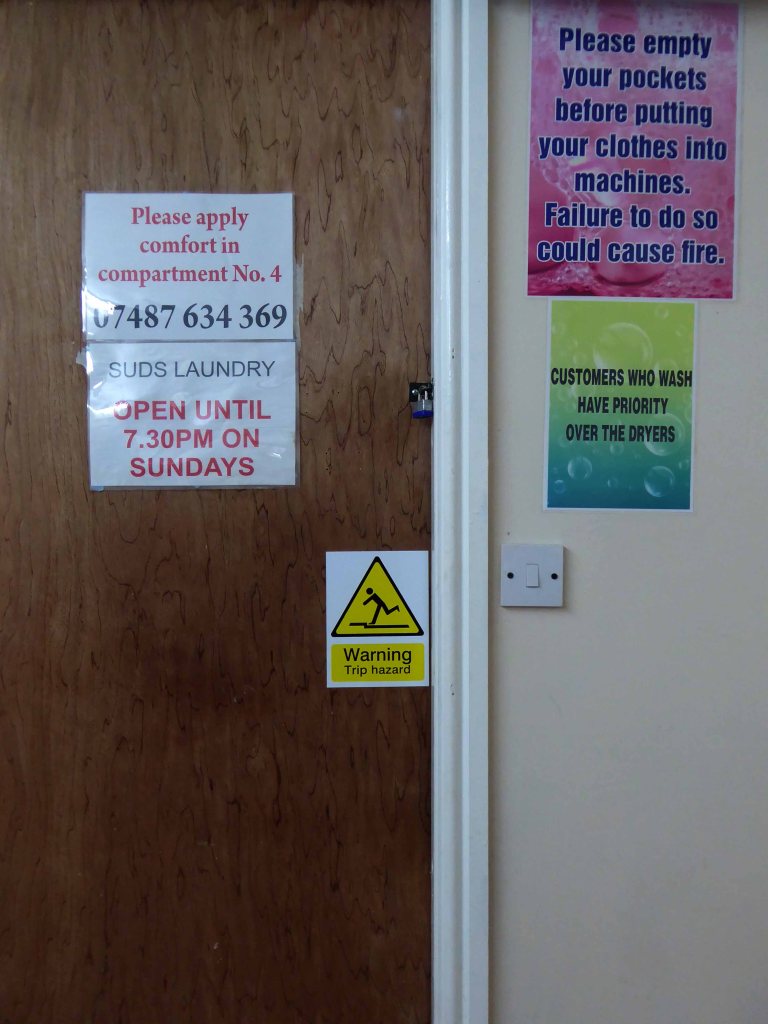
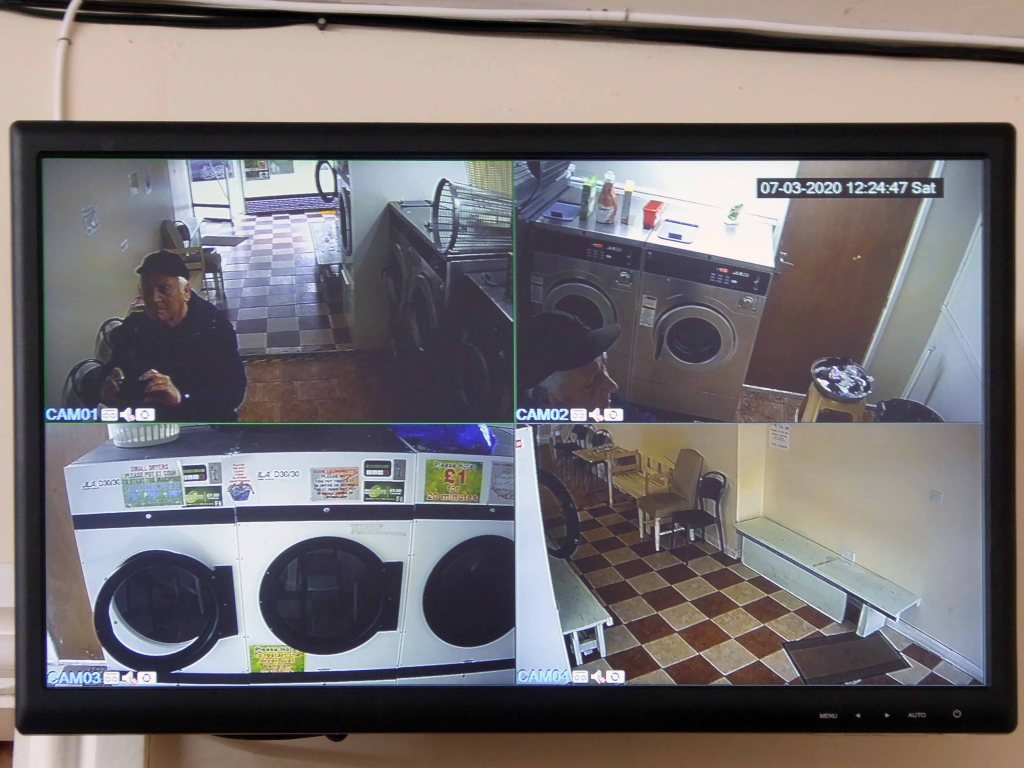
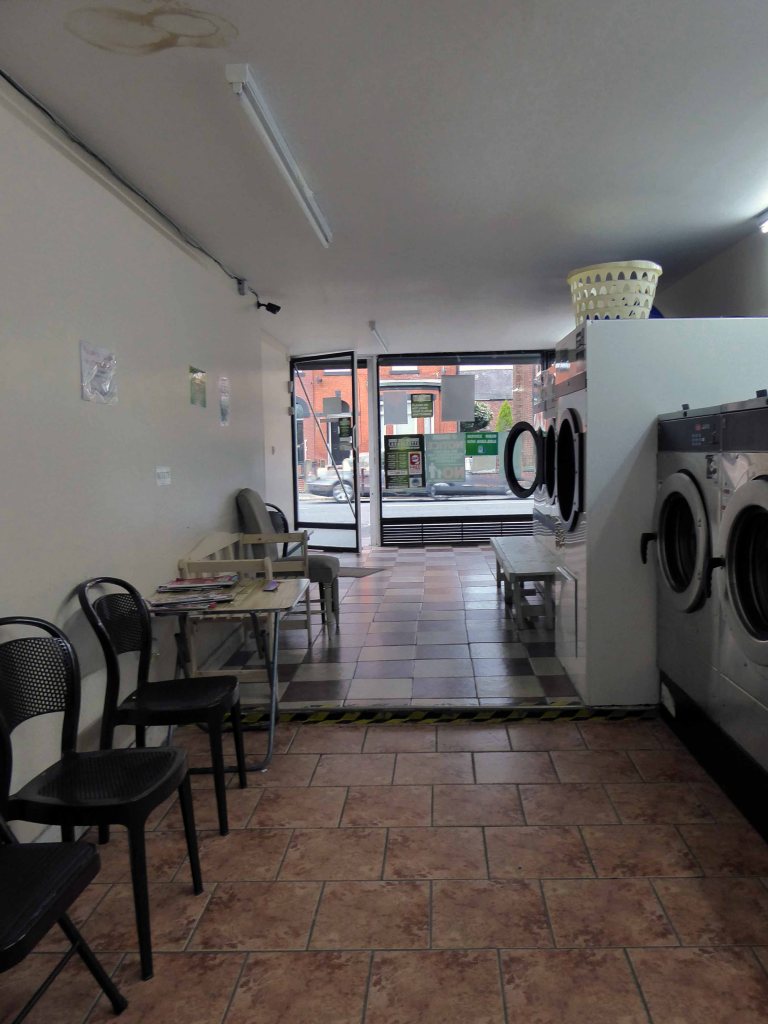
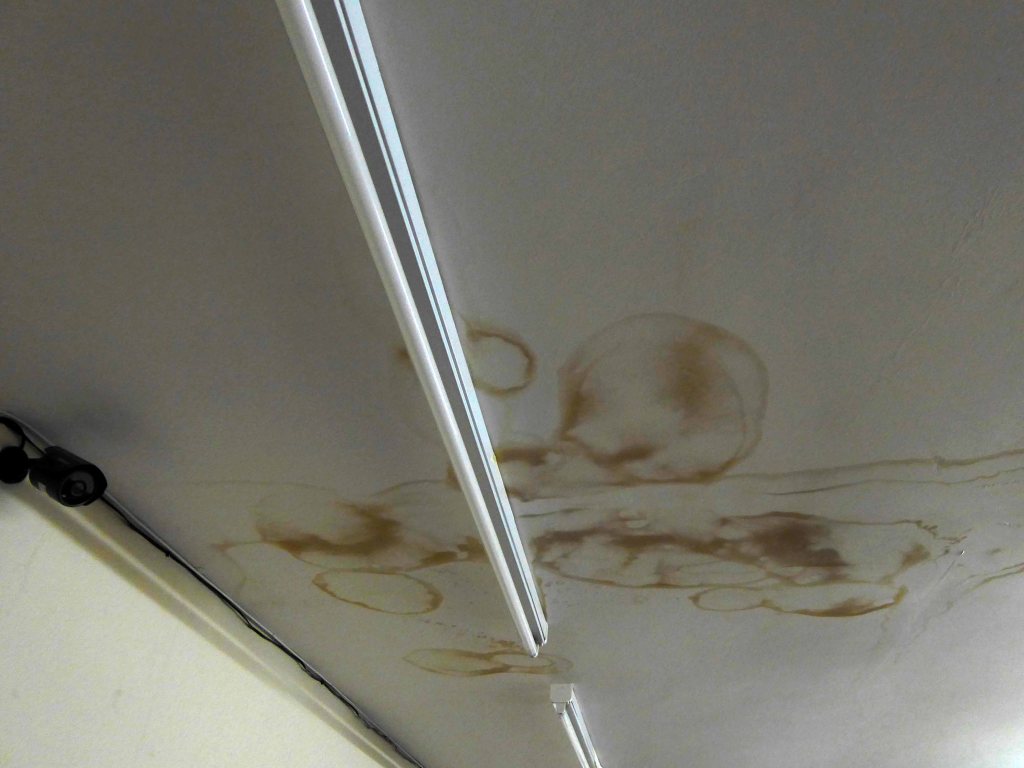
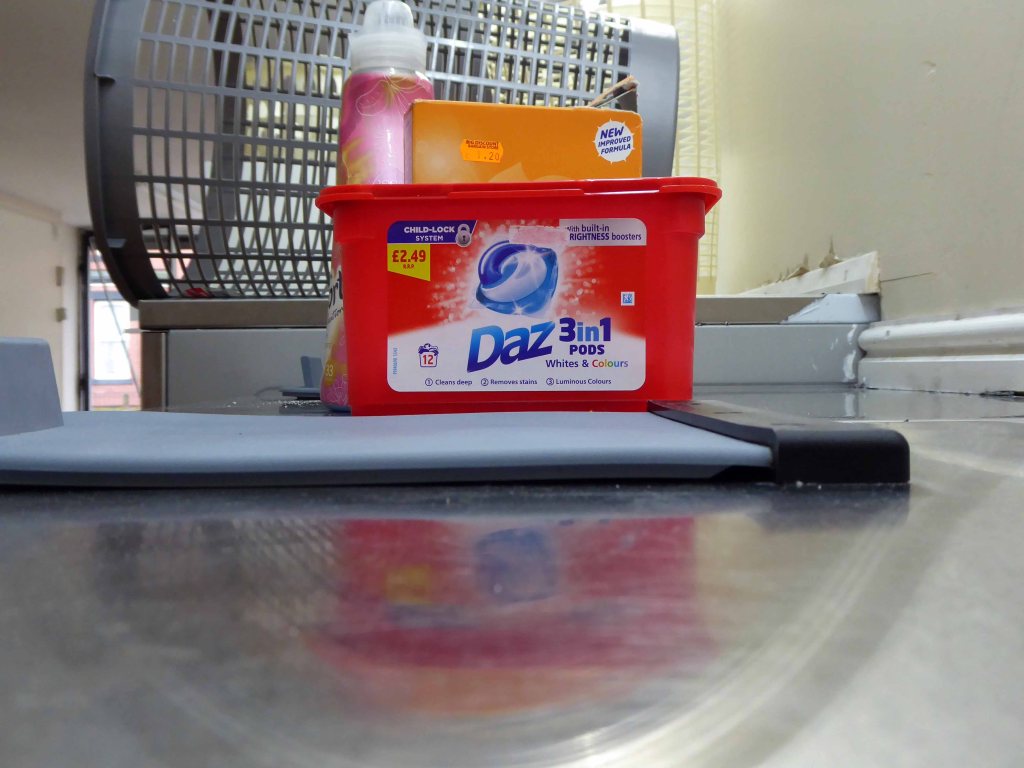
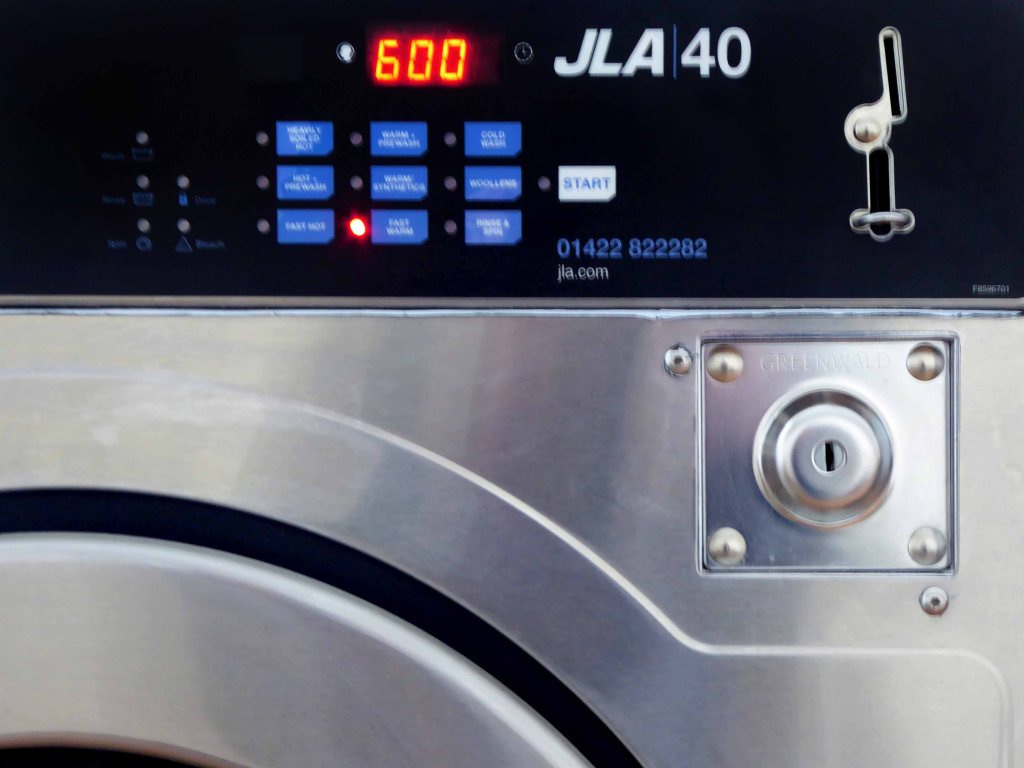
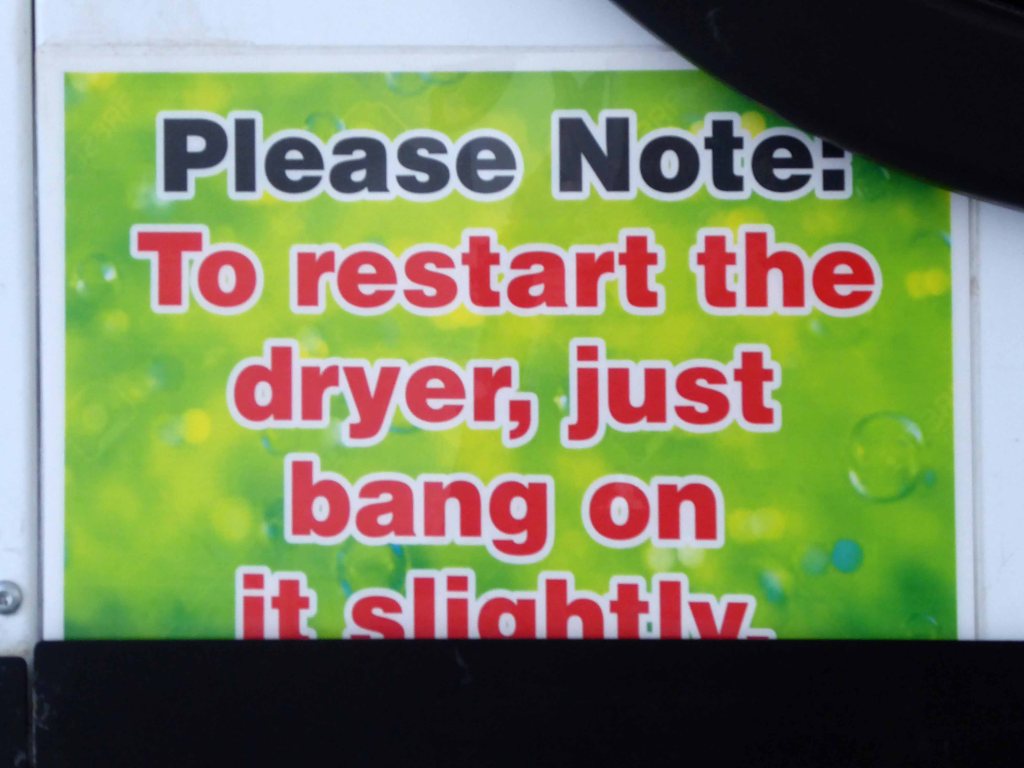
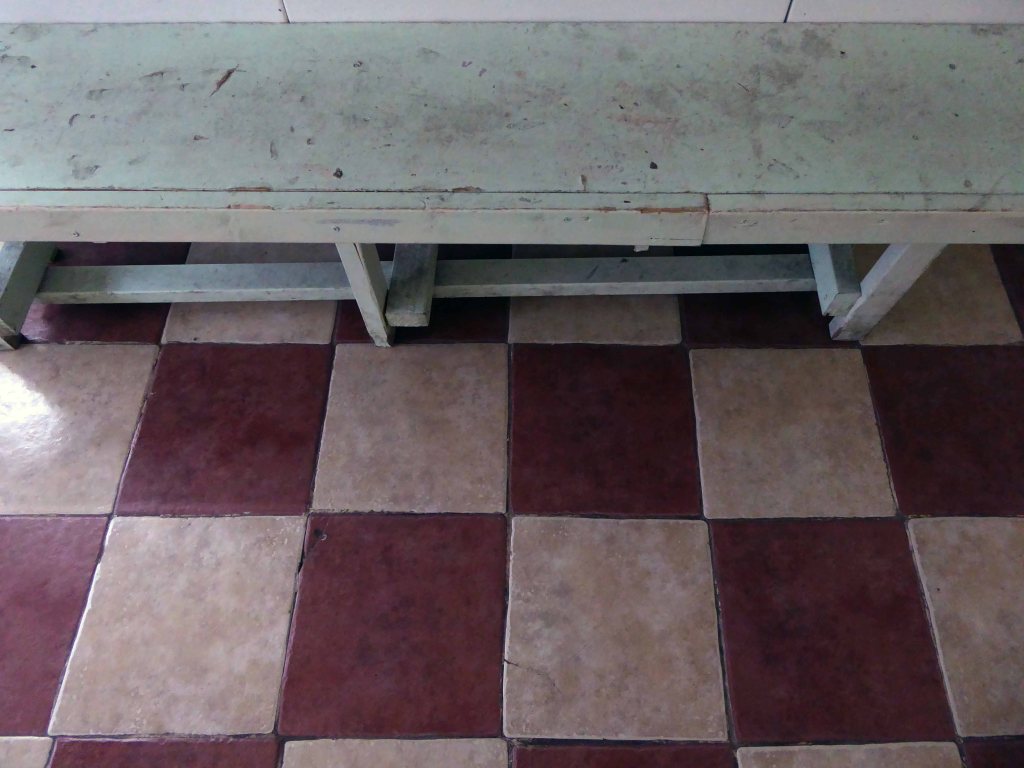
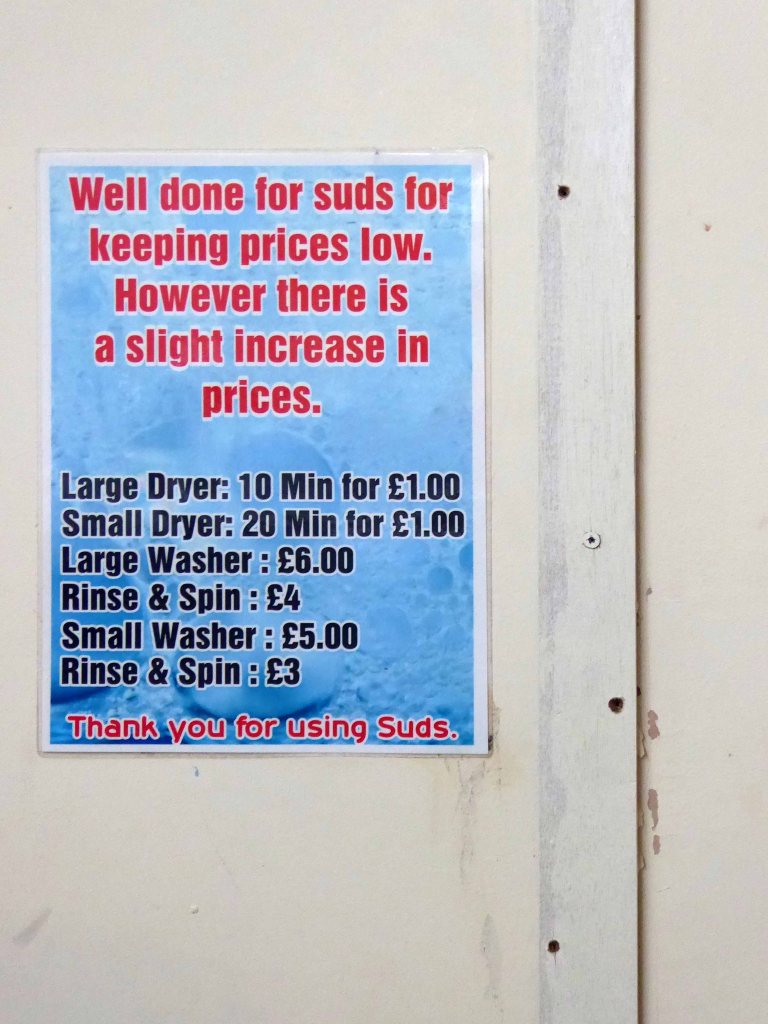
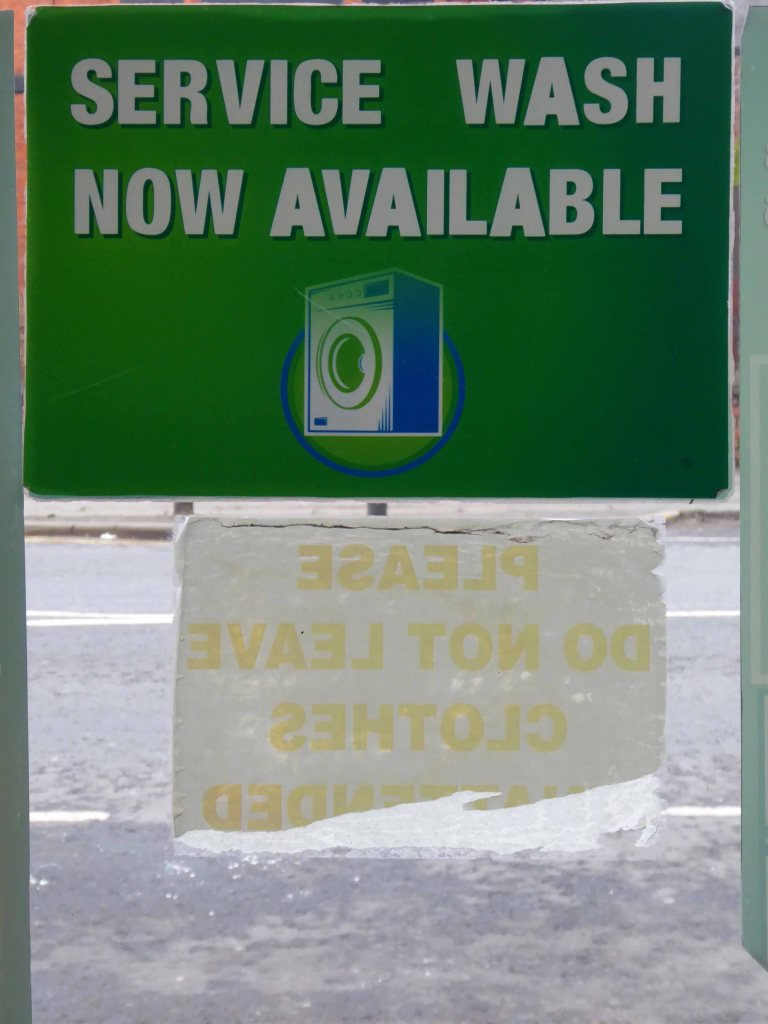

Whilst walking down Beverley Road I caught sight of of you out of the corner of my eye – my left eye.
My beautiful laundrette:
In this damn country, which we hate and love, you can get anything you want, it’s all spread out and available.
That’s why I believe in England.
Set back slightly from the road and the rest of the world.

Queens Road a street with an incident packed street view.
Without hesitation I entered the world of washing, soap and suds, signs and surfaces.
Dirty linen has never been so public.


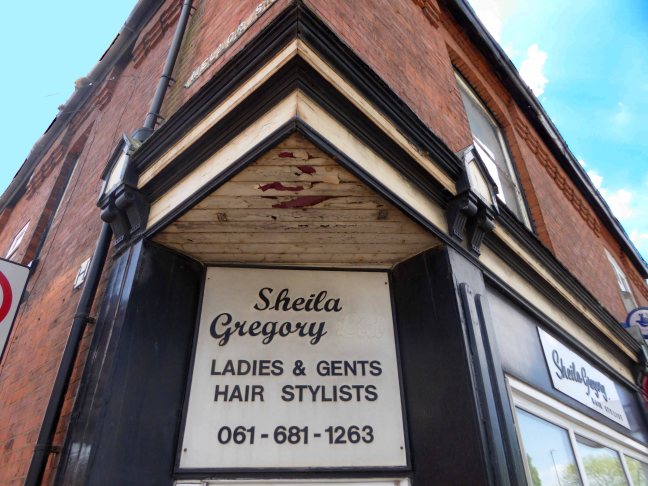
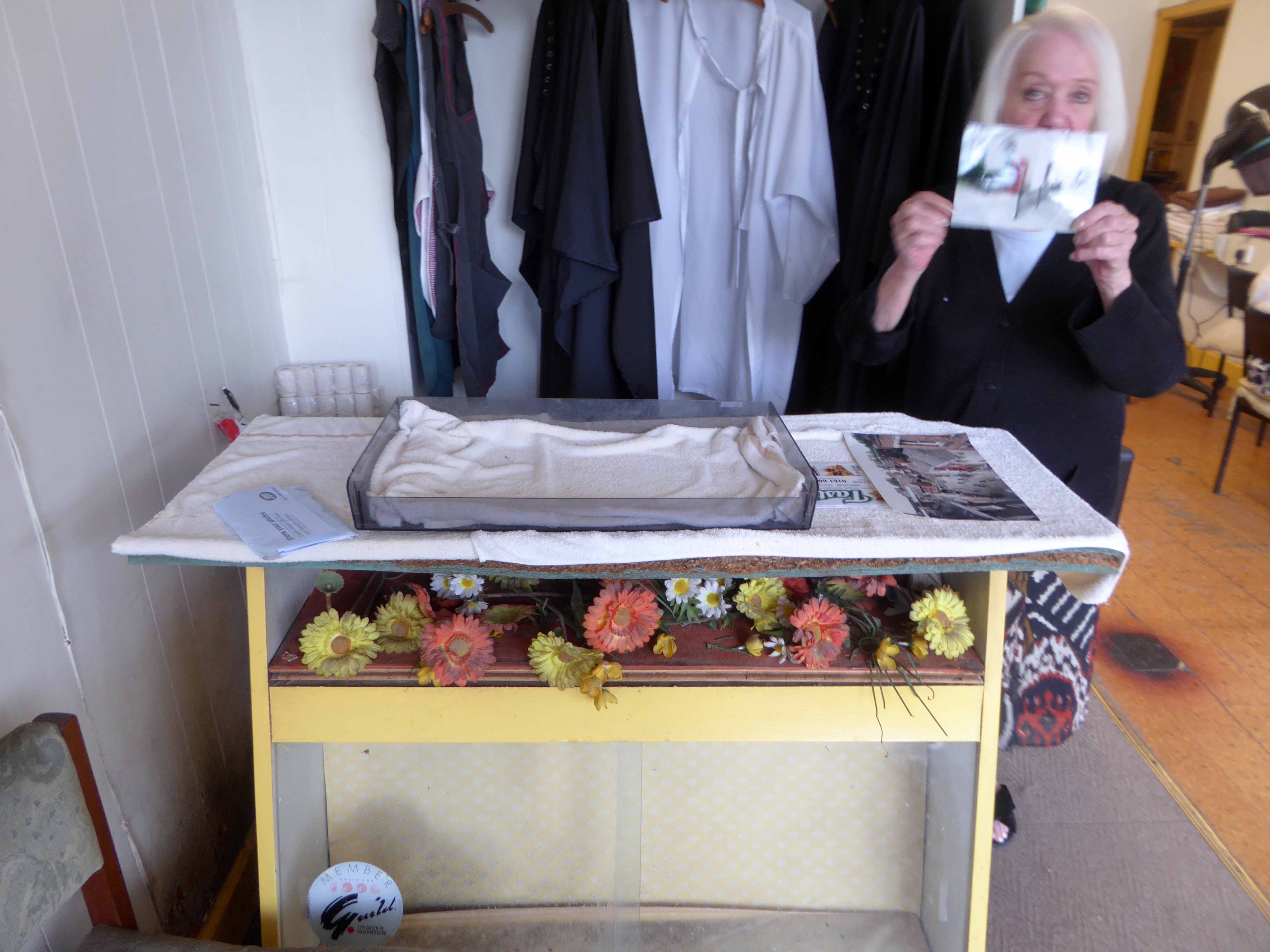
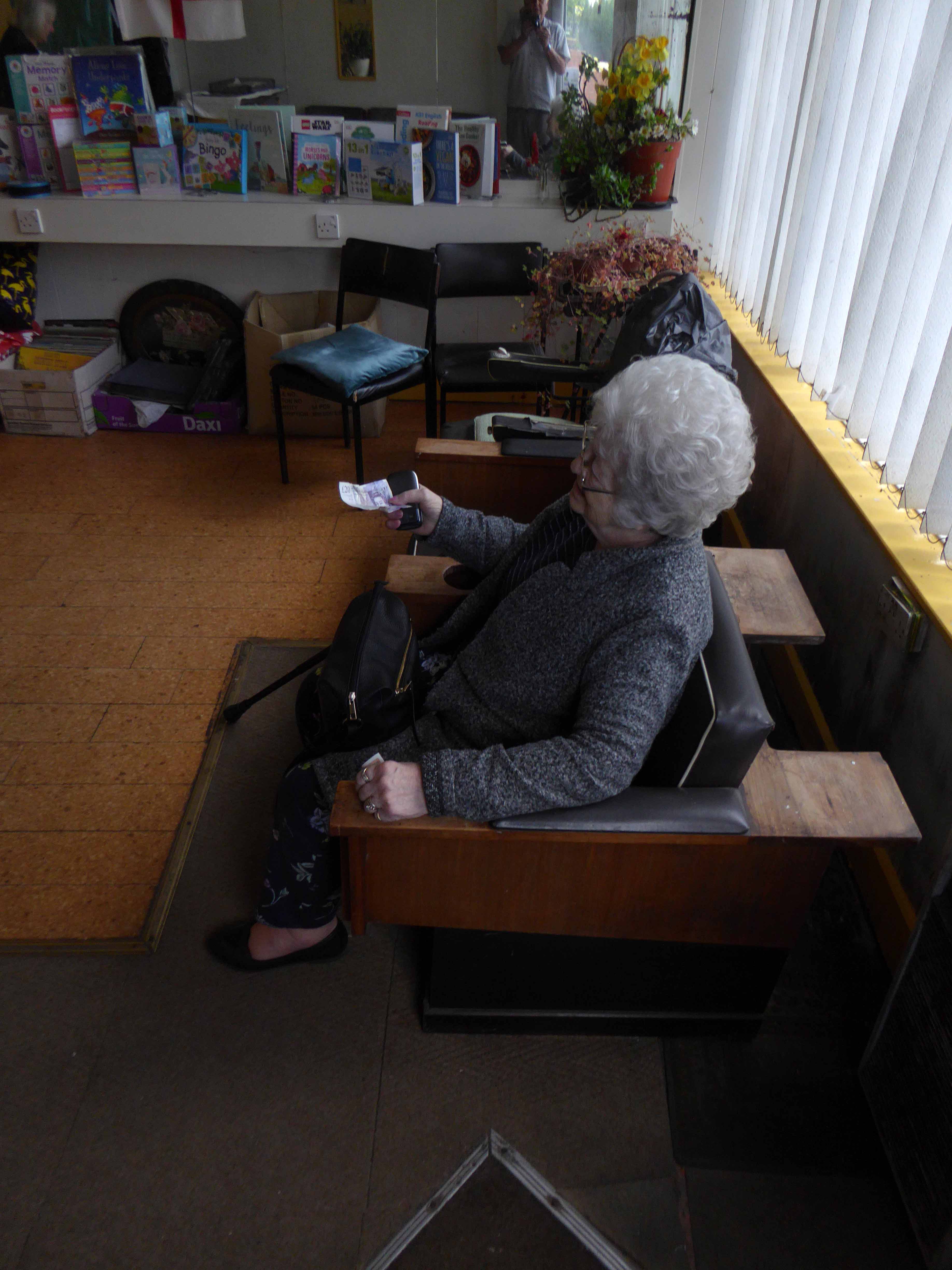
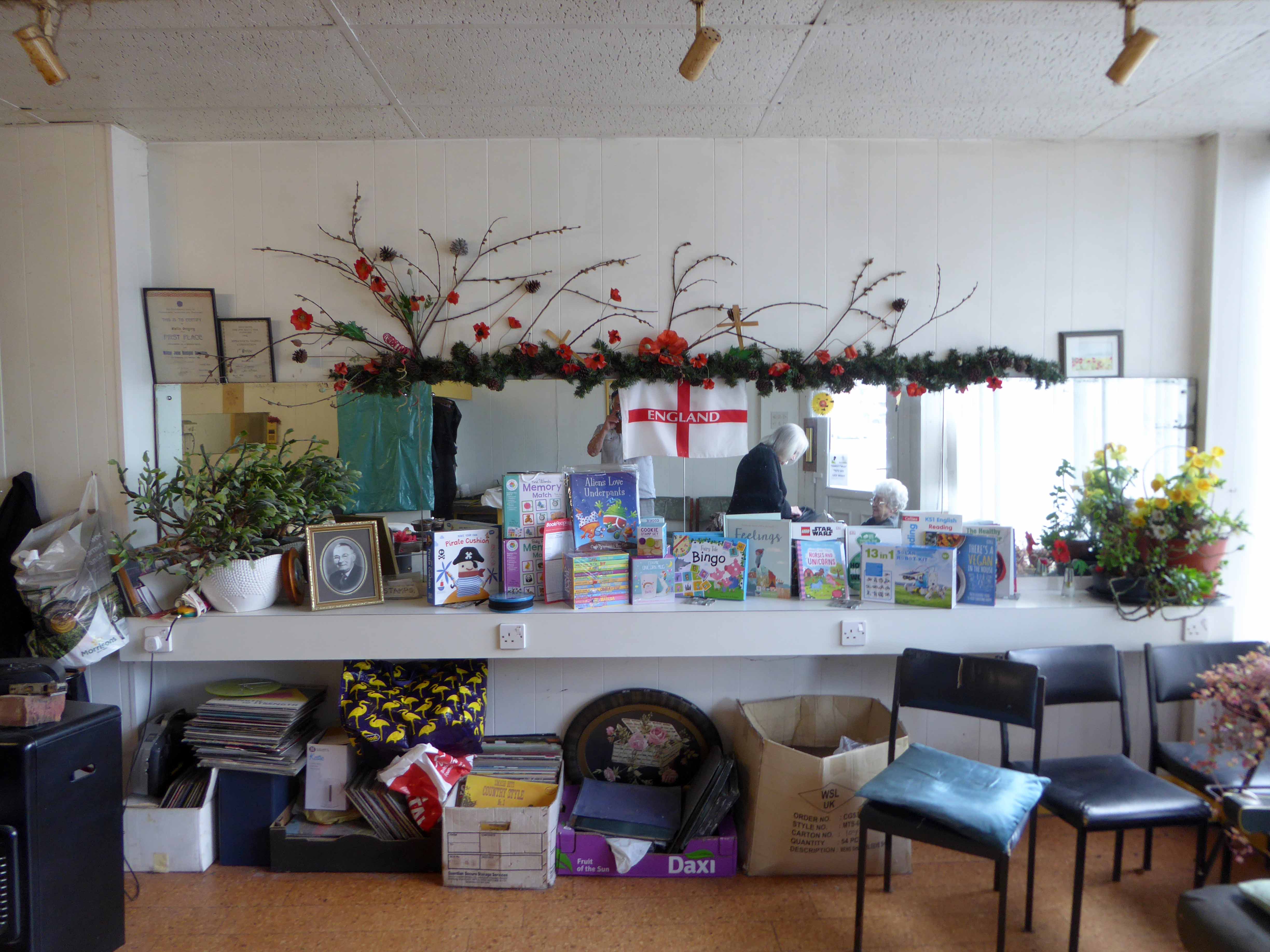
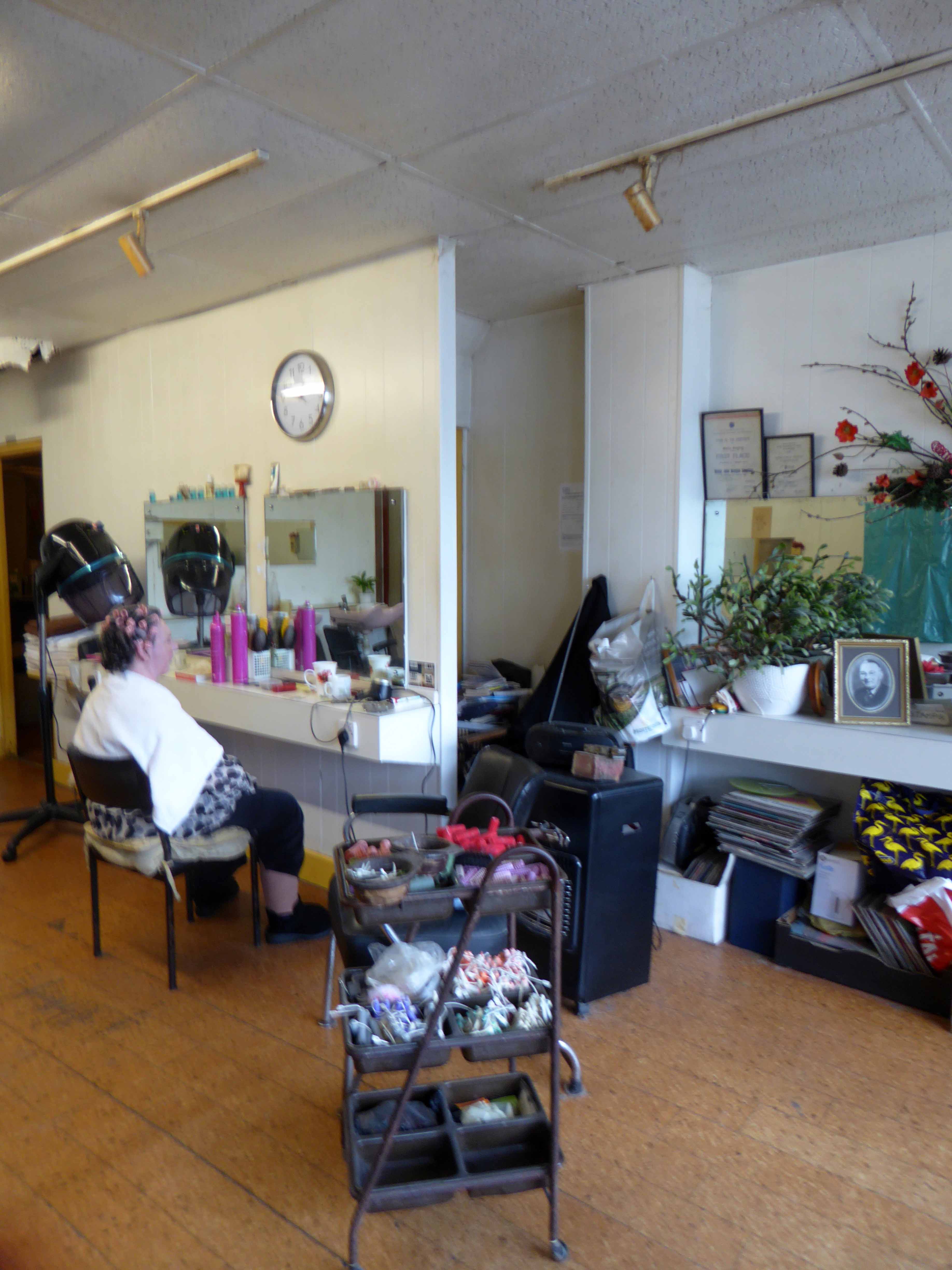
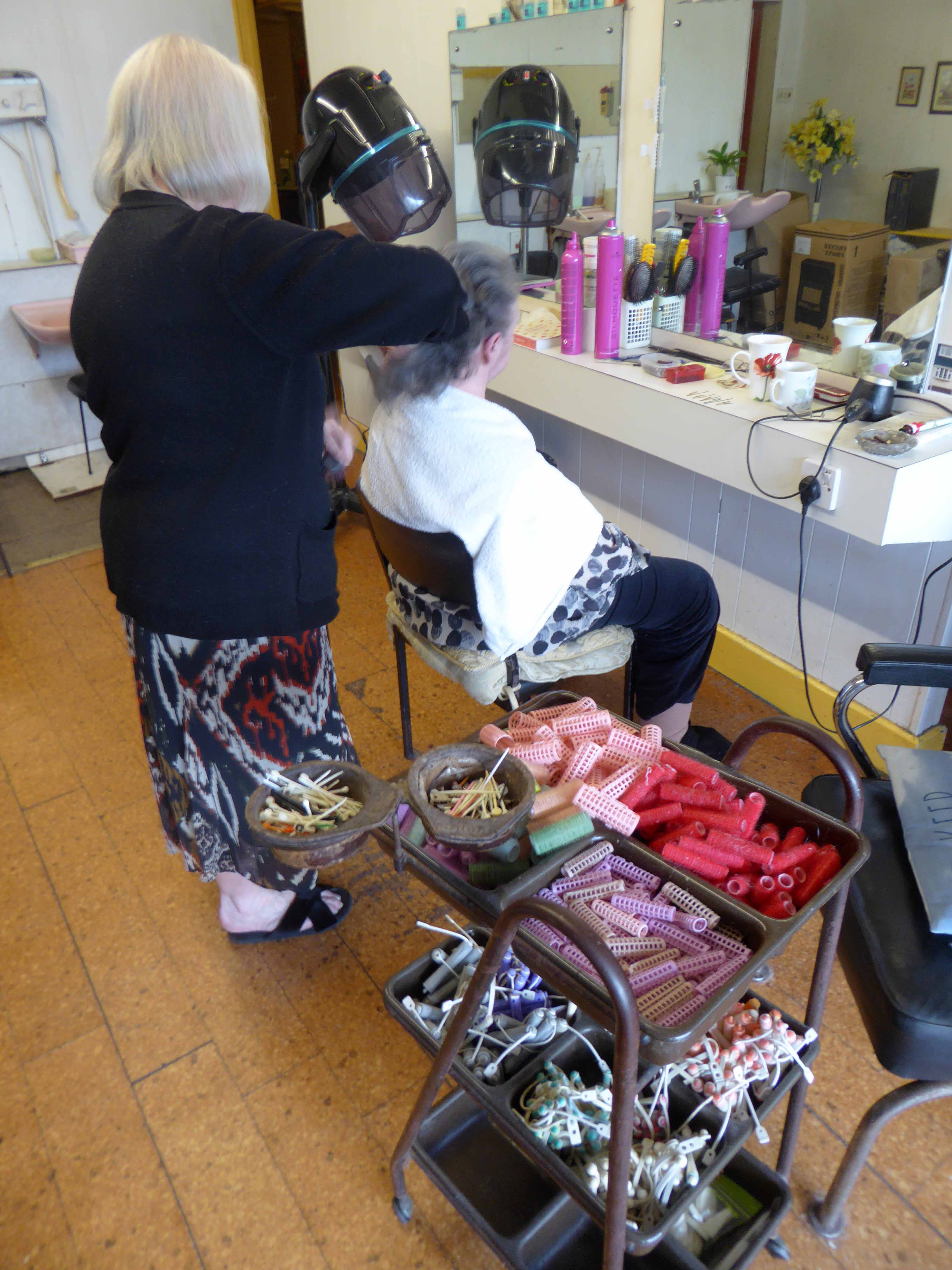
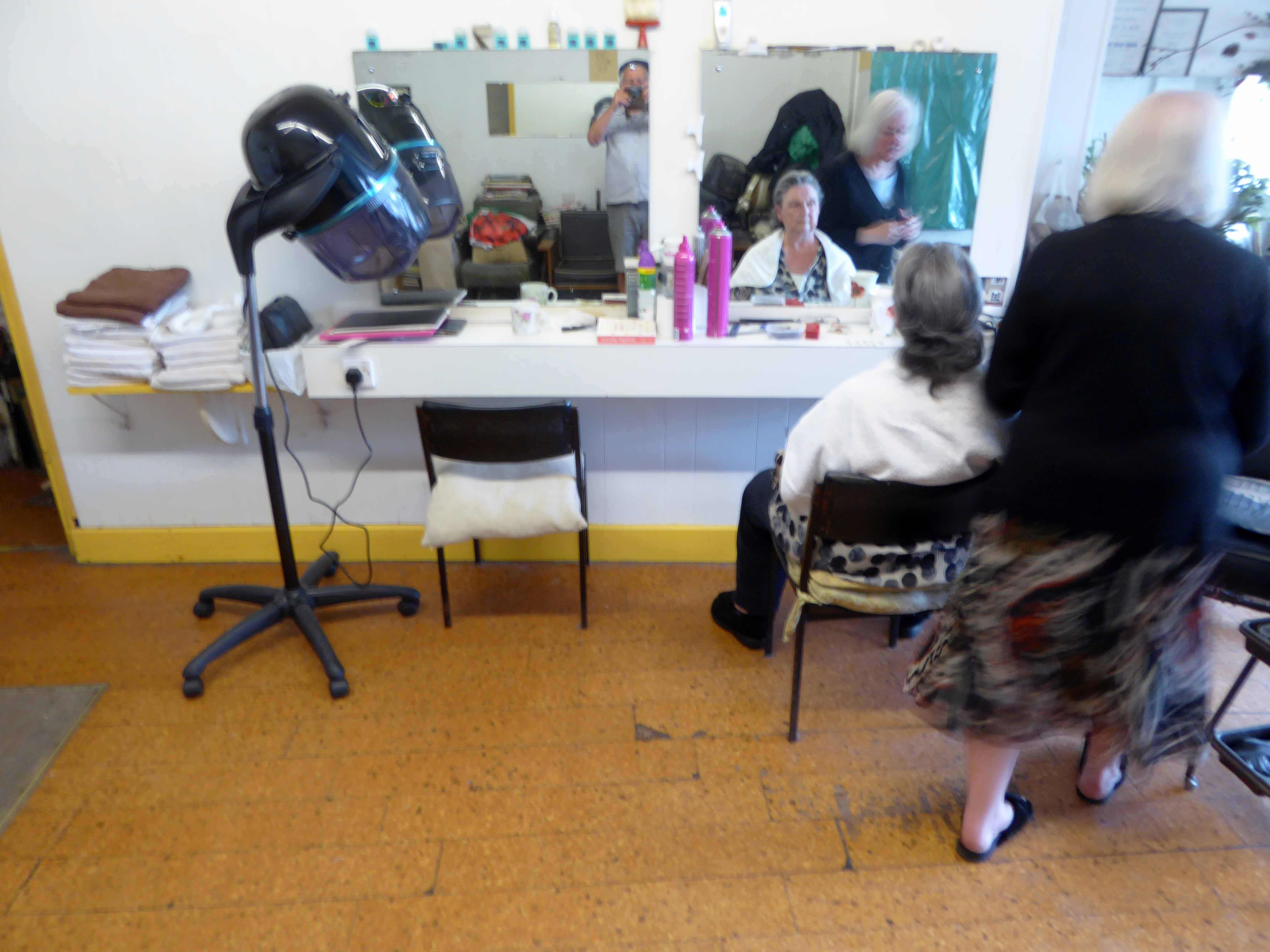
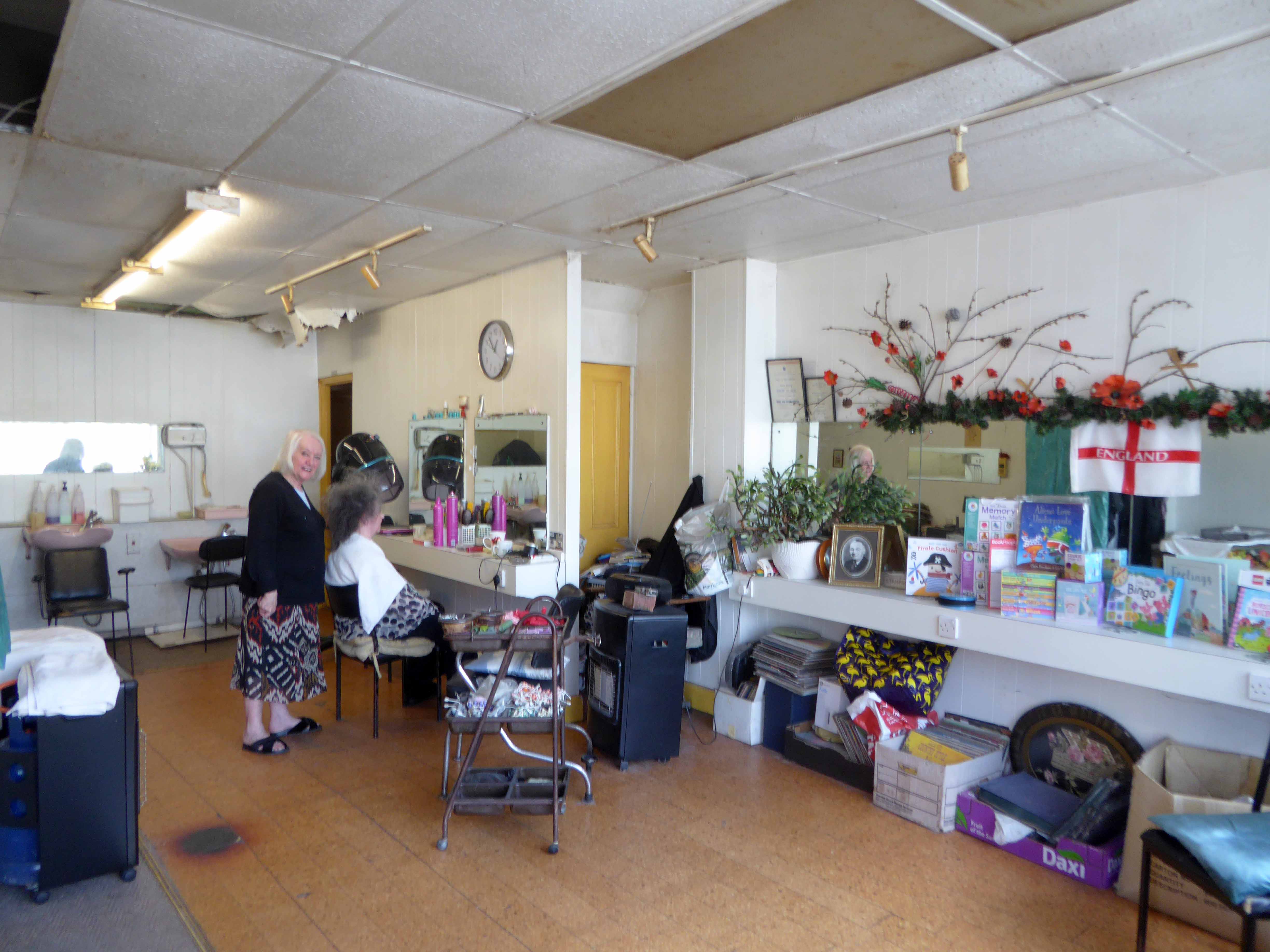
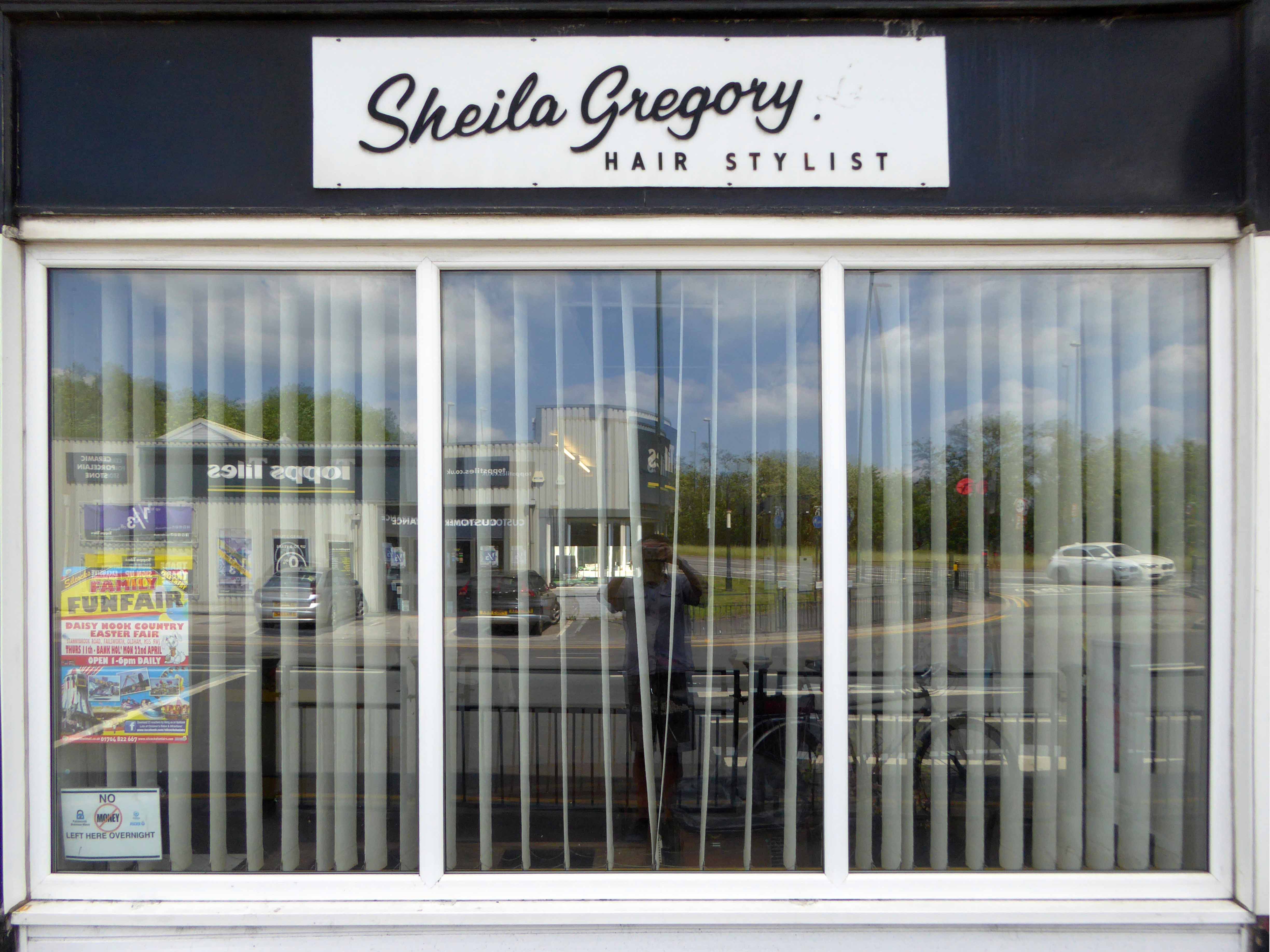
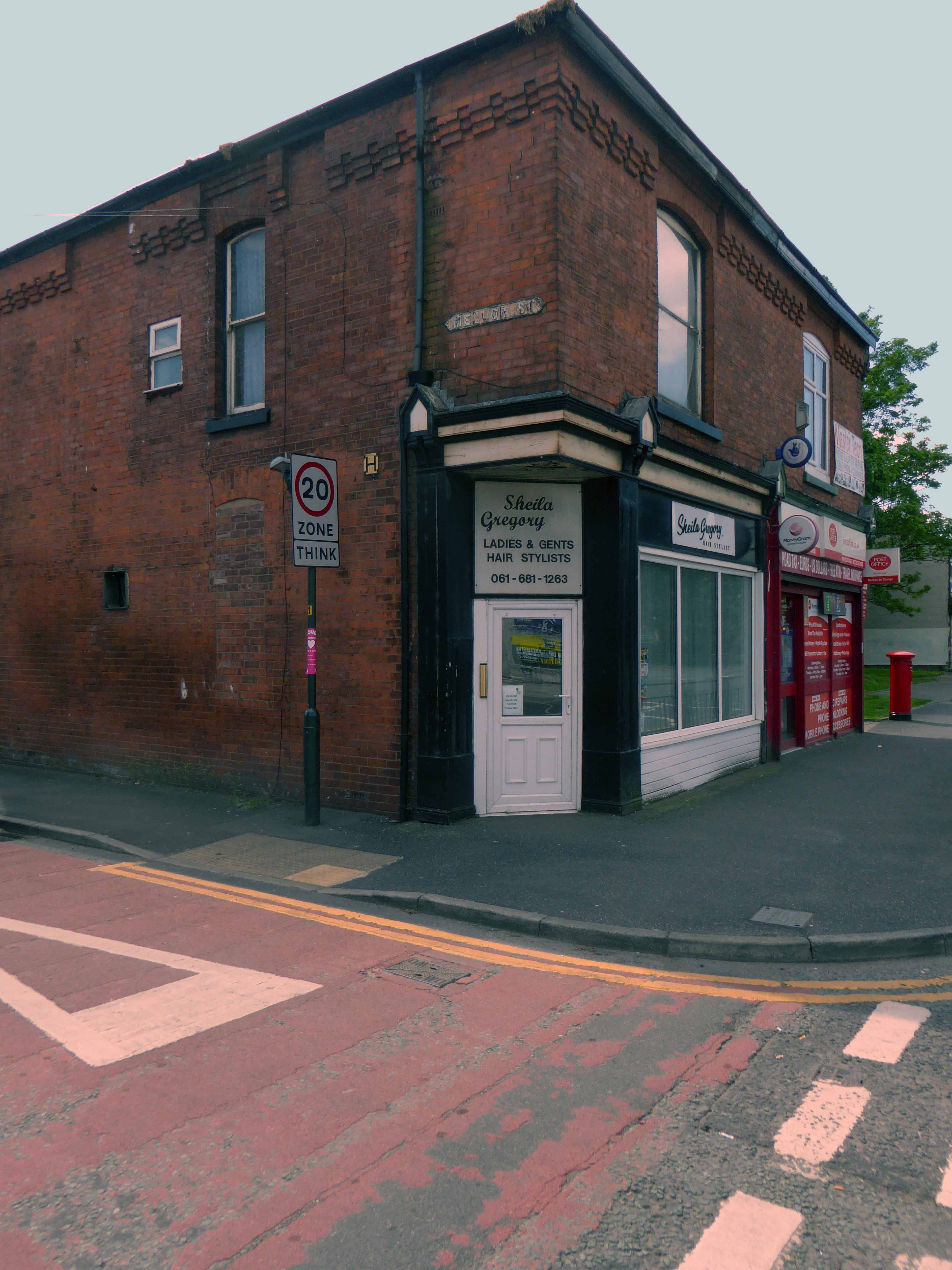
142 Oldham Road Failsworth Manchester M35 0HP
I’m in a different world:
A world I never knew, I’m in a different world.
A world so sweet and true, I’m in a different world.
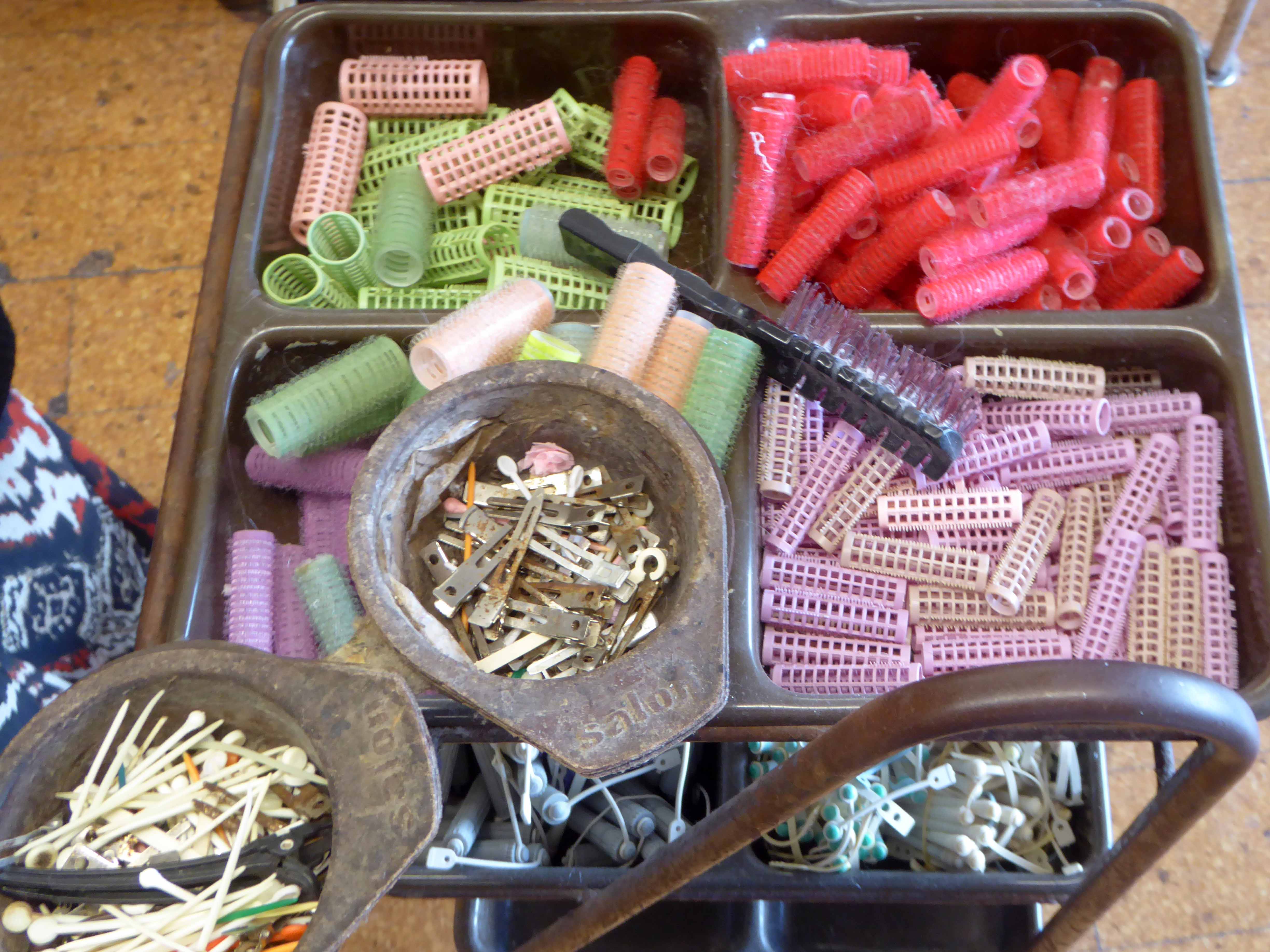
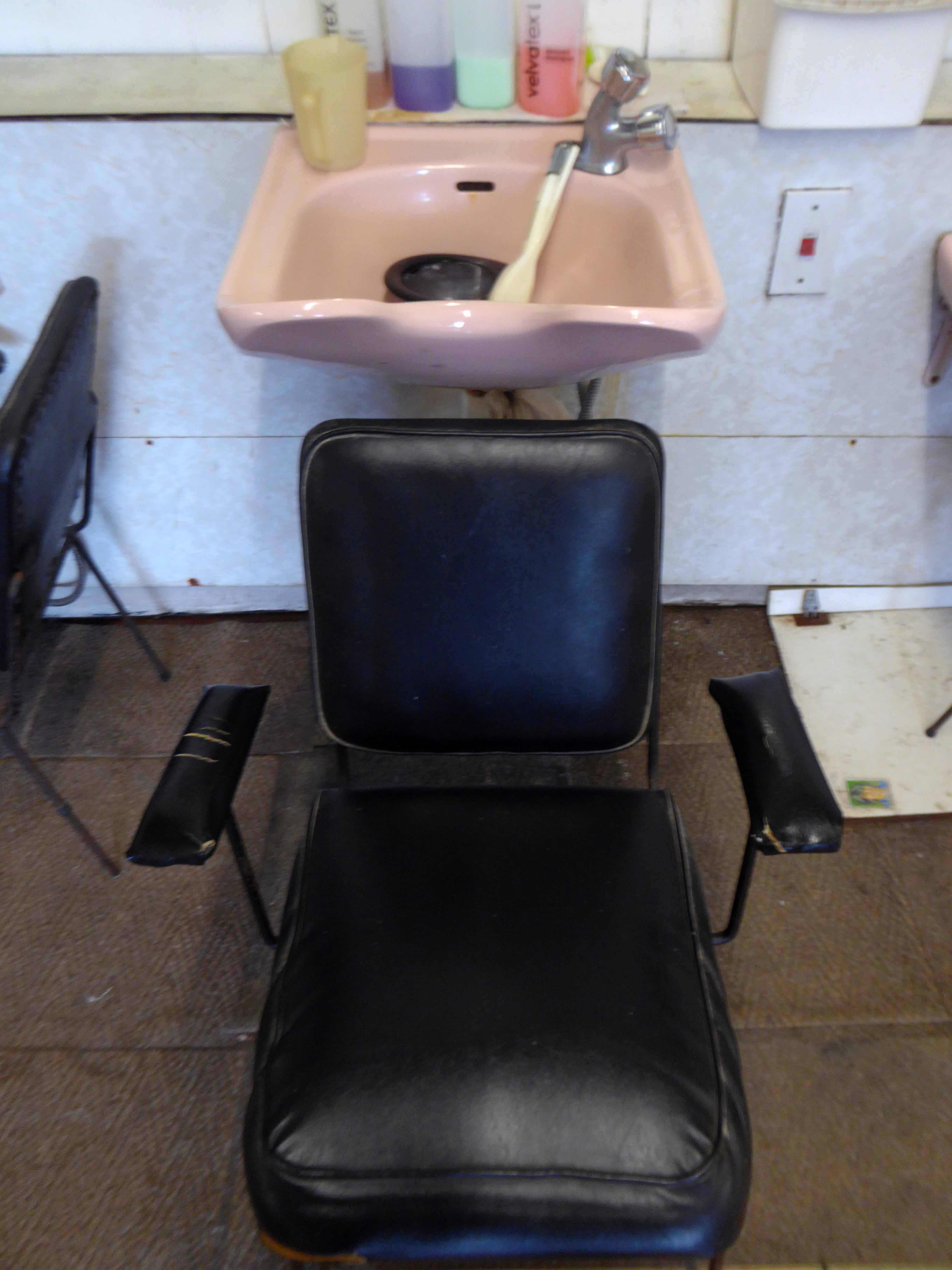
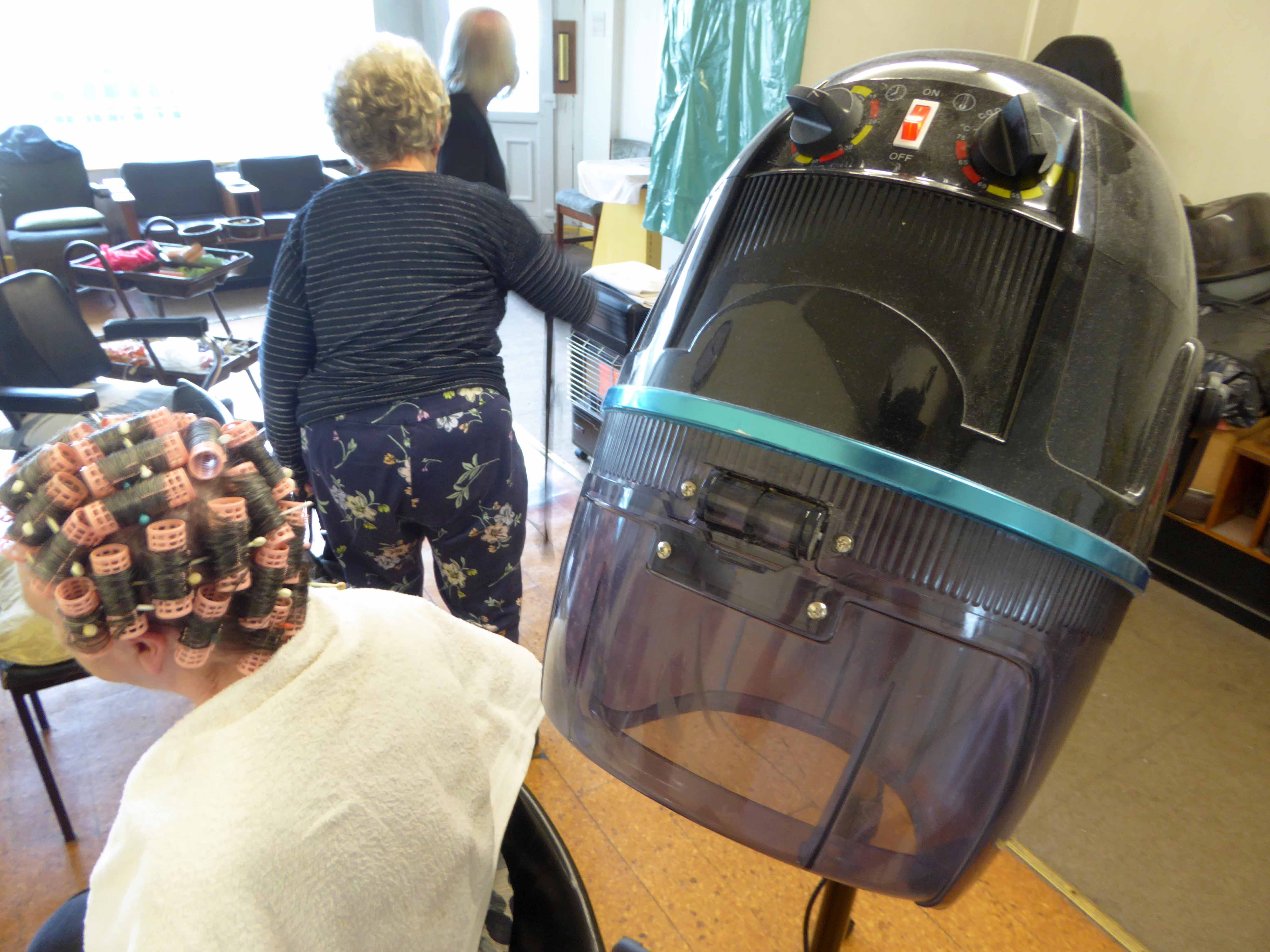
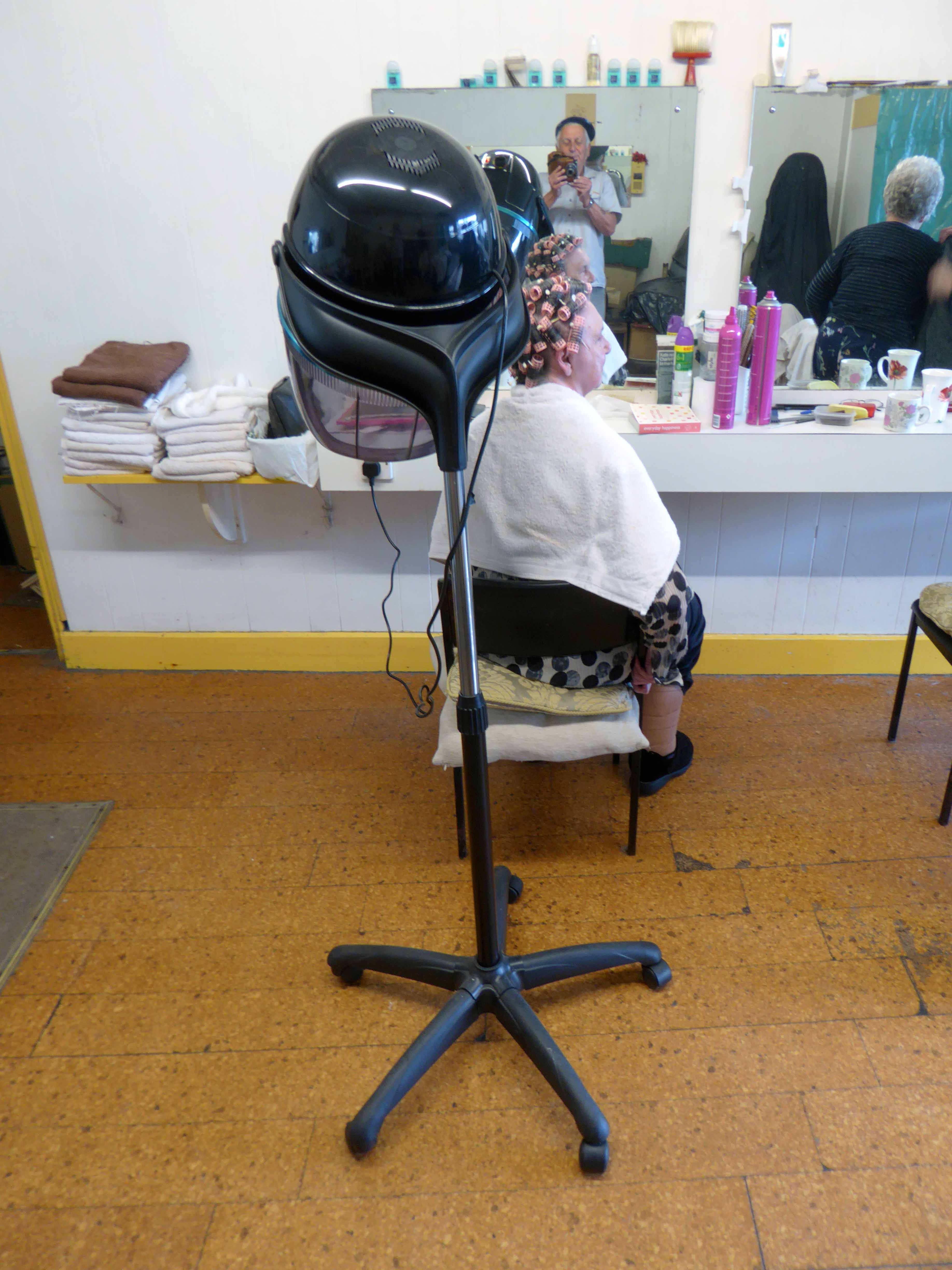
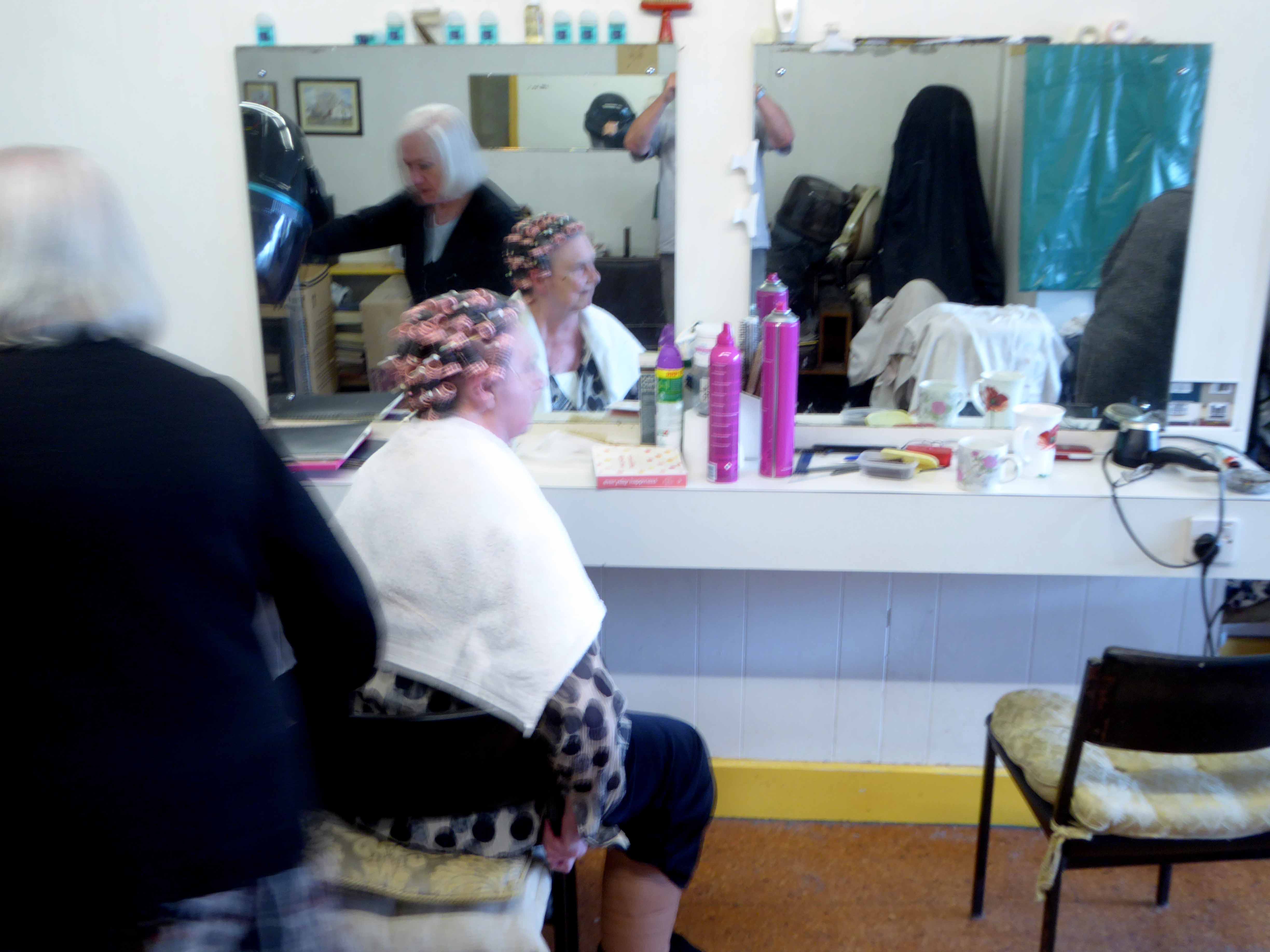
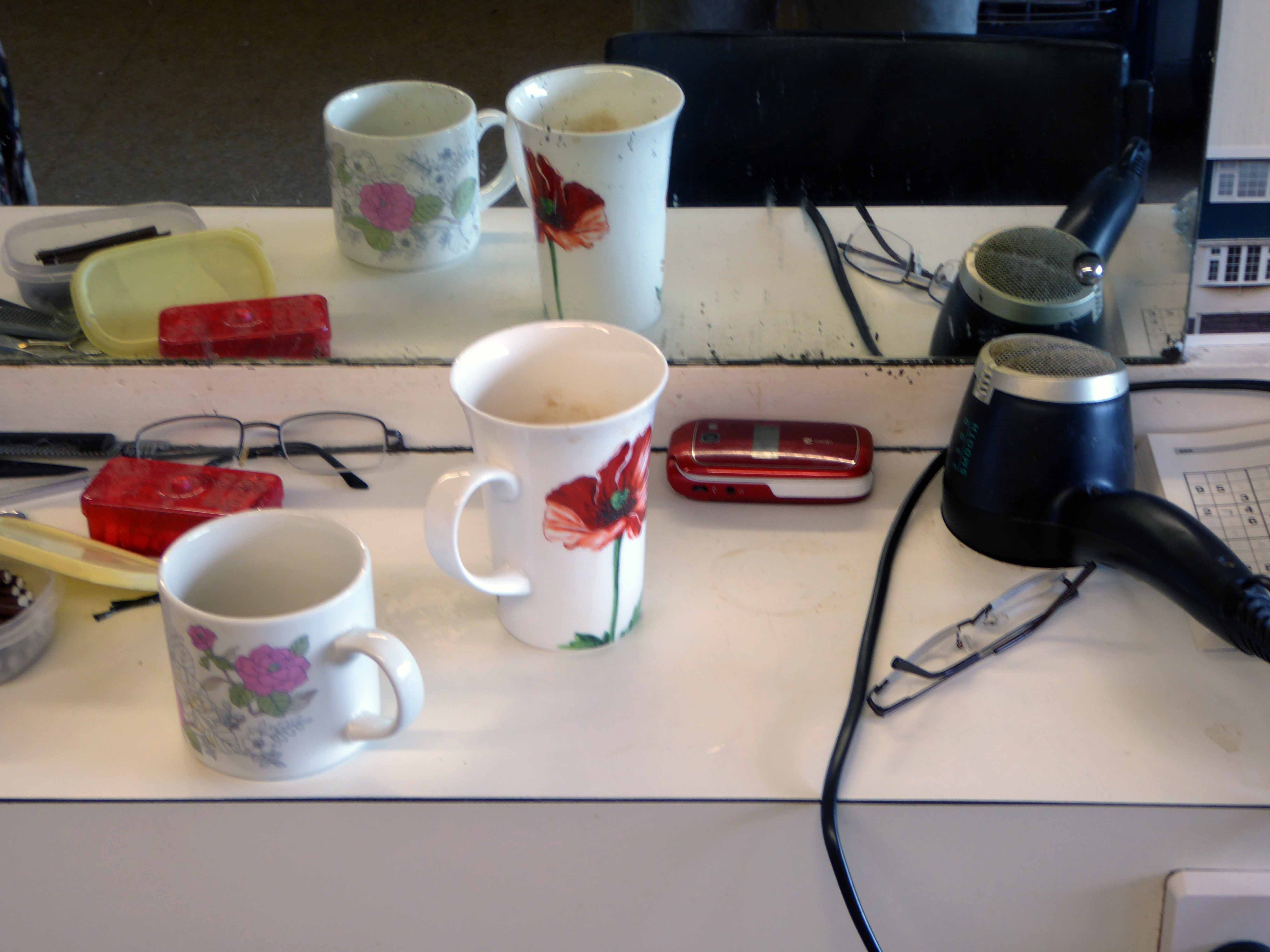
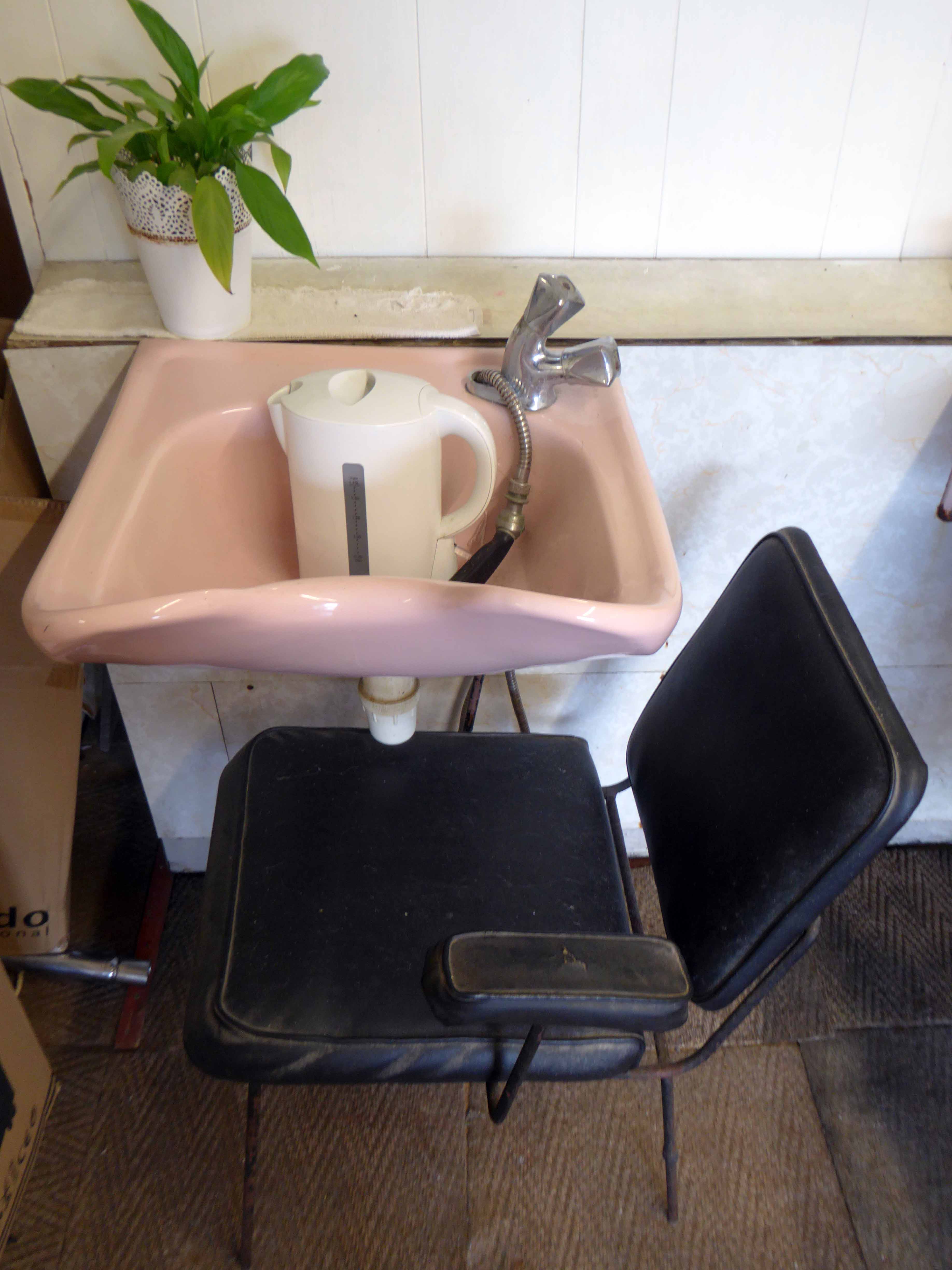
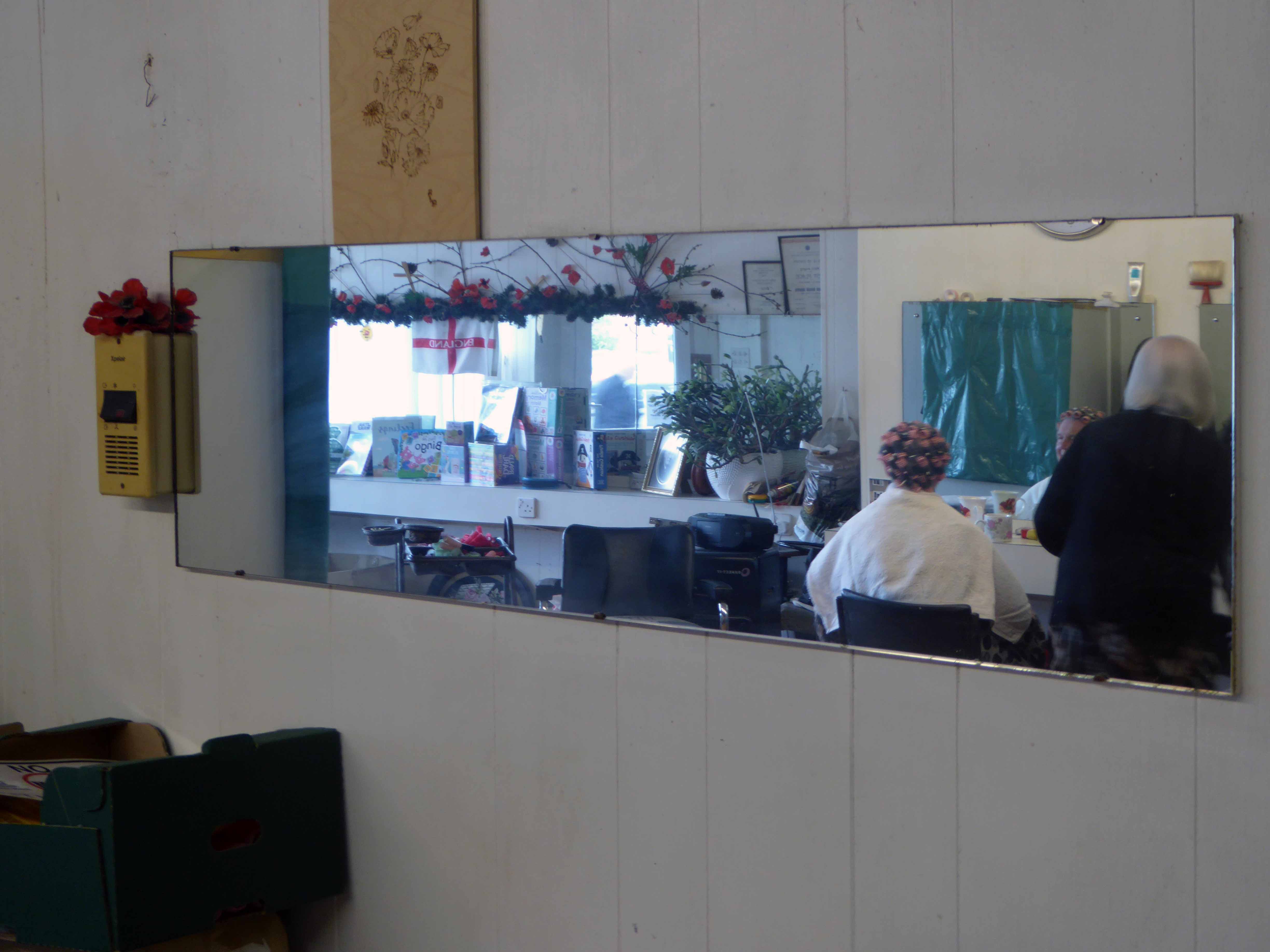
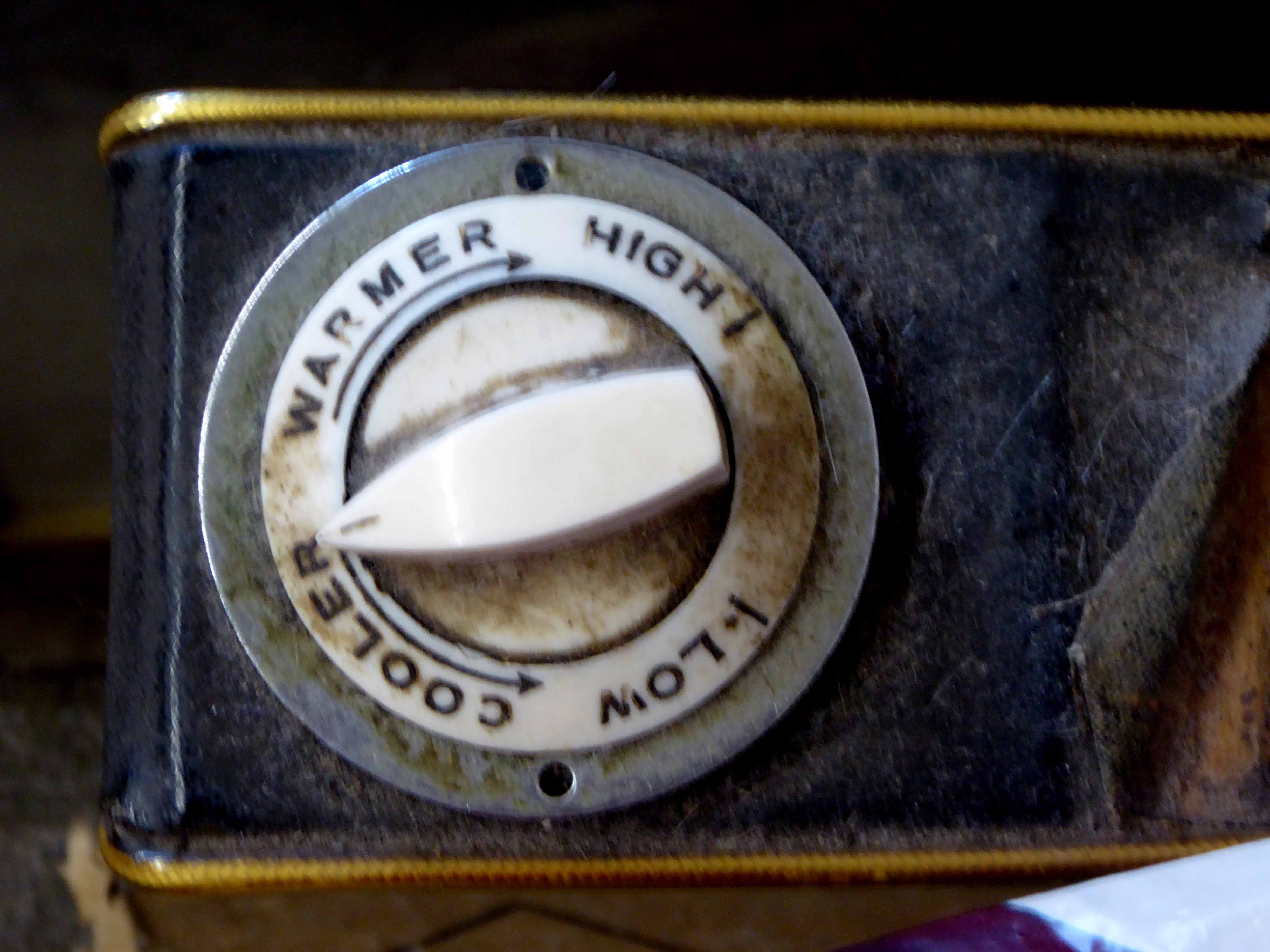
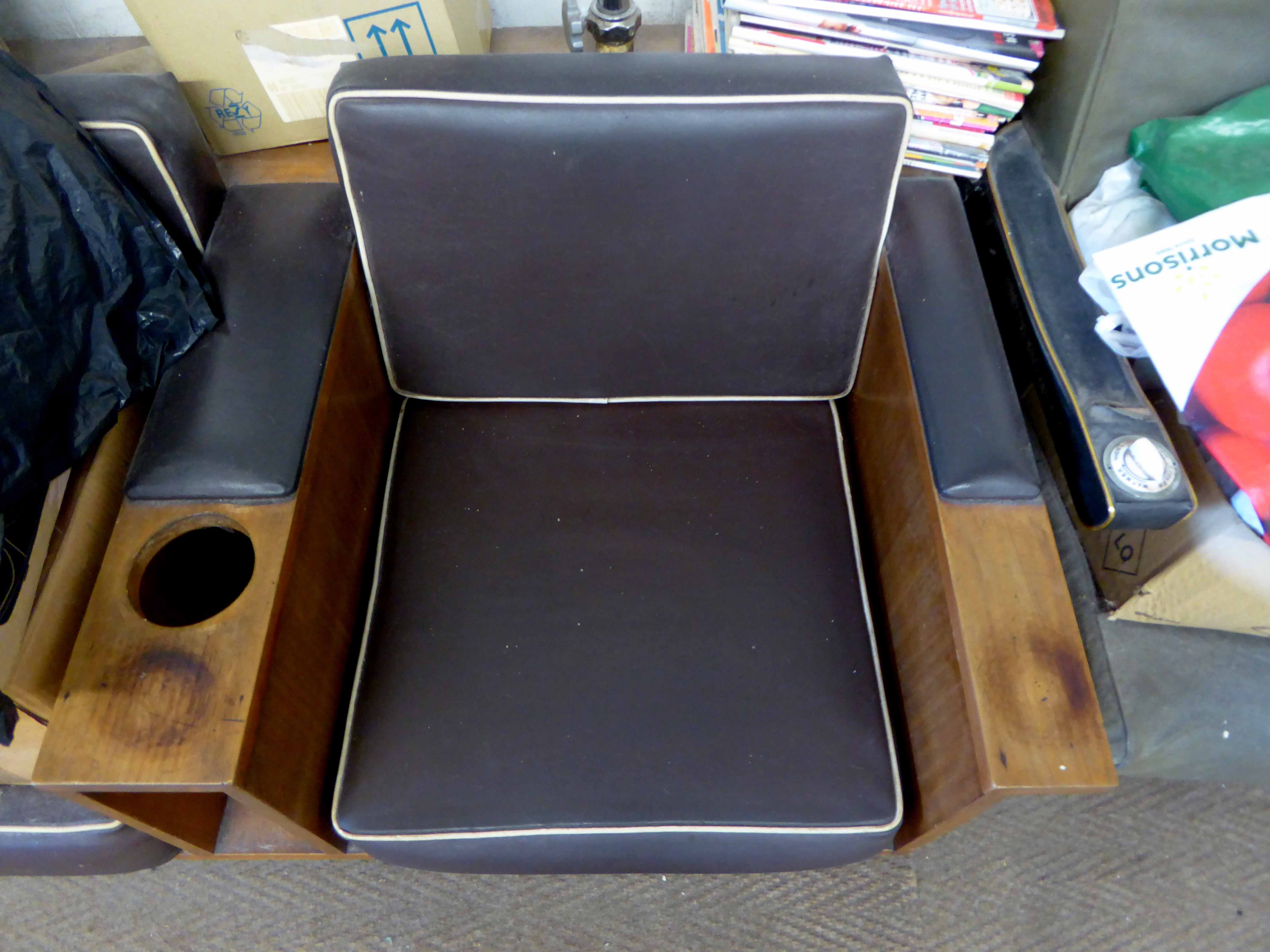
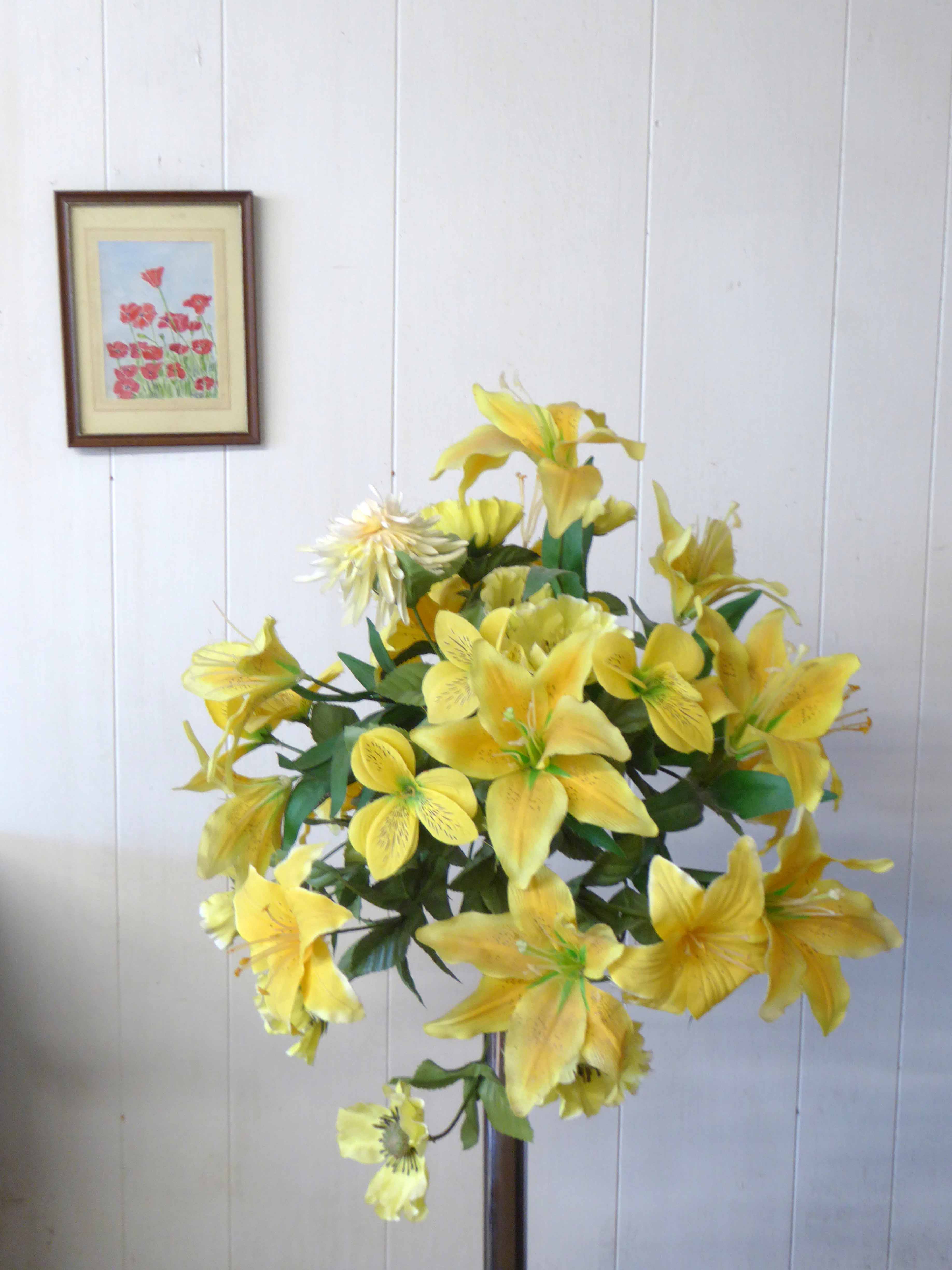
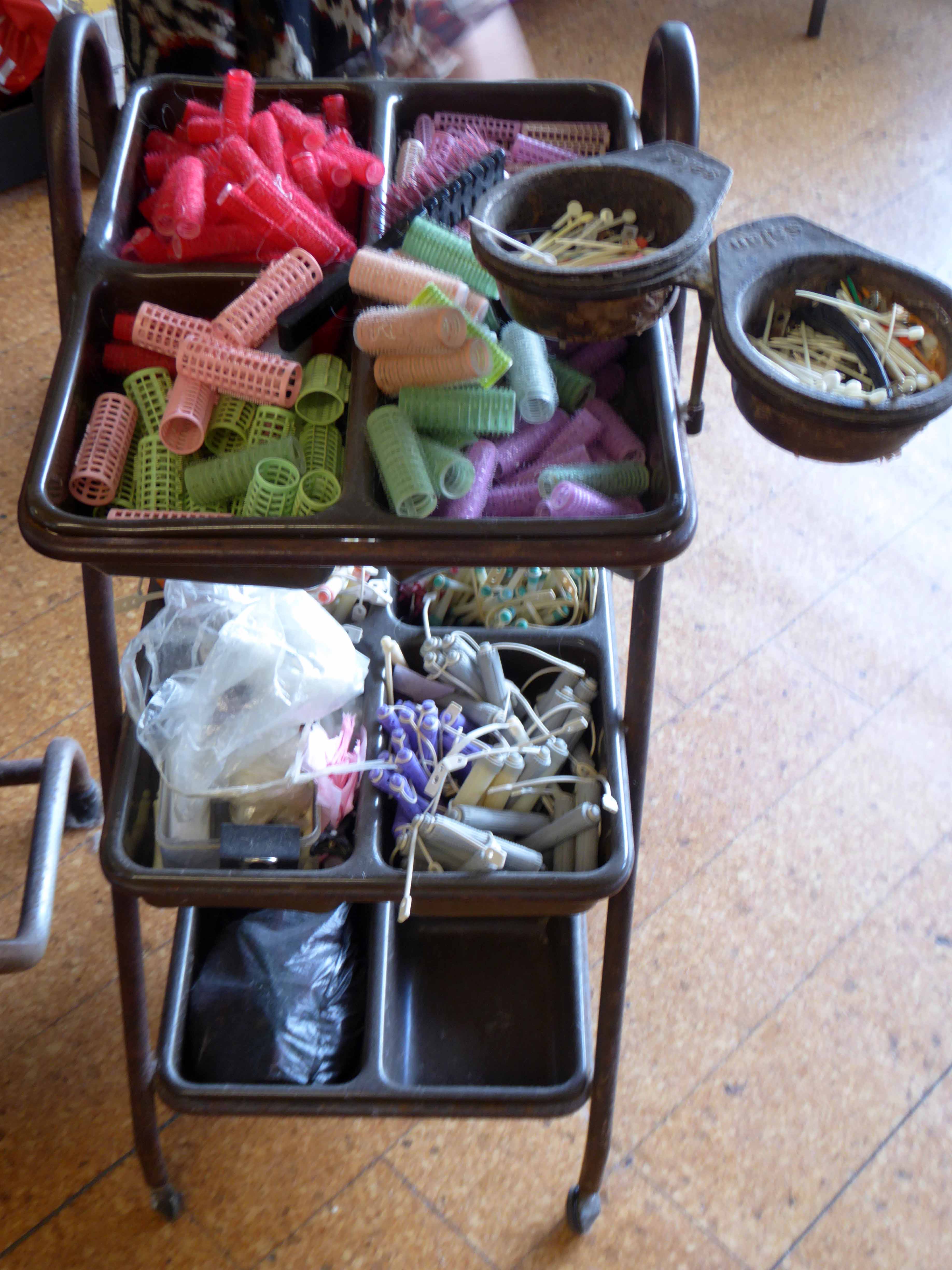
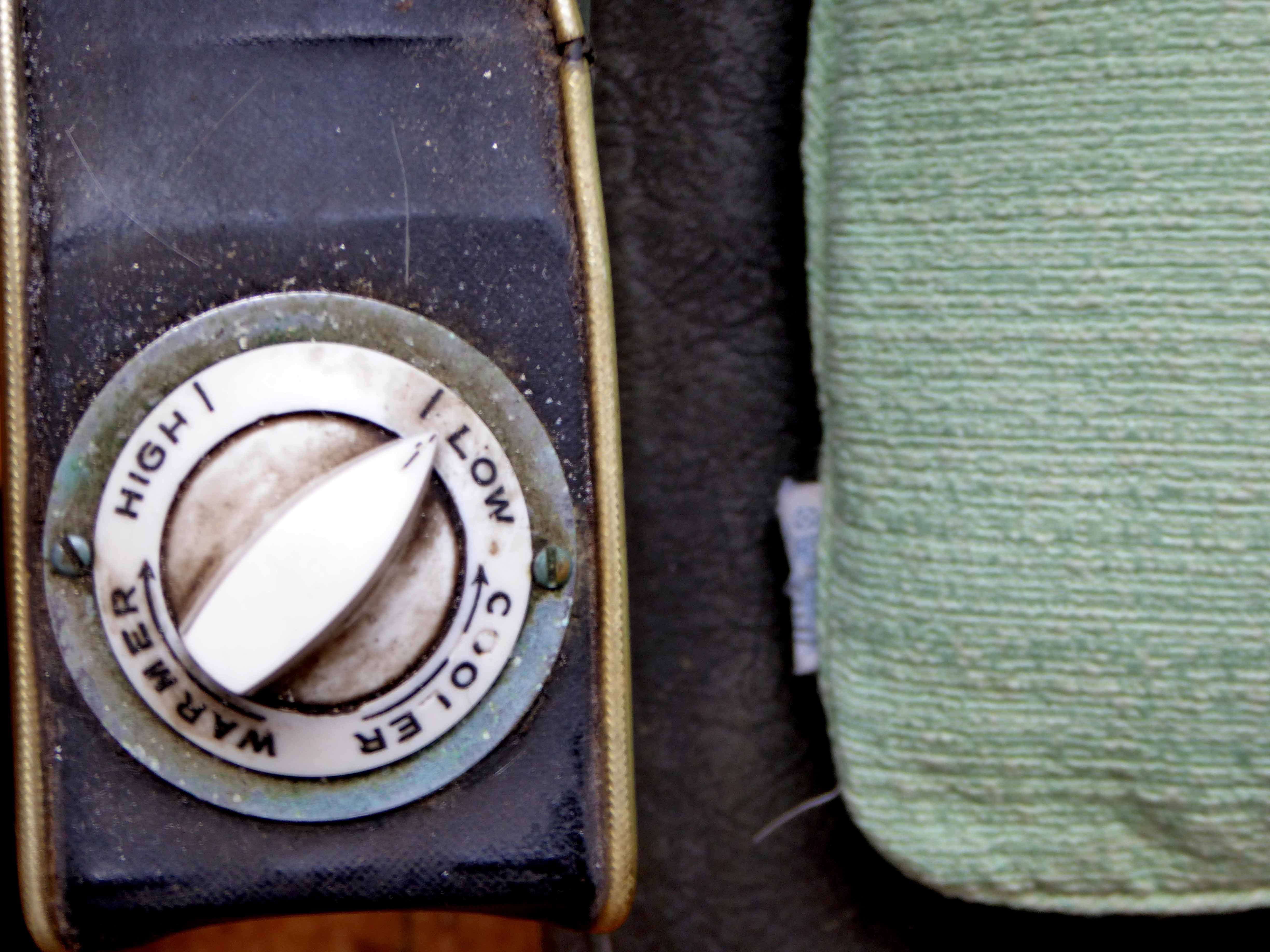
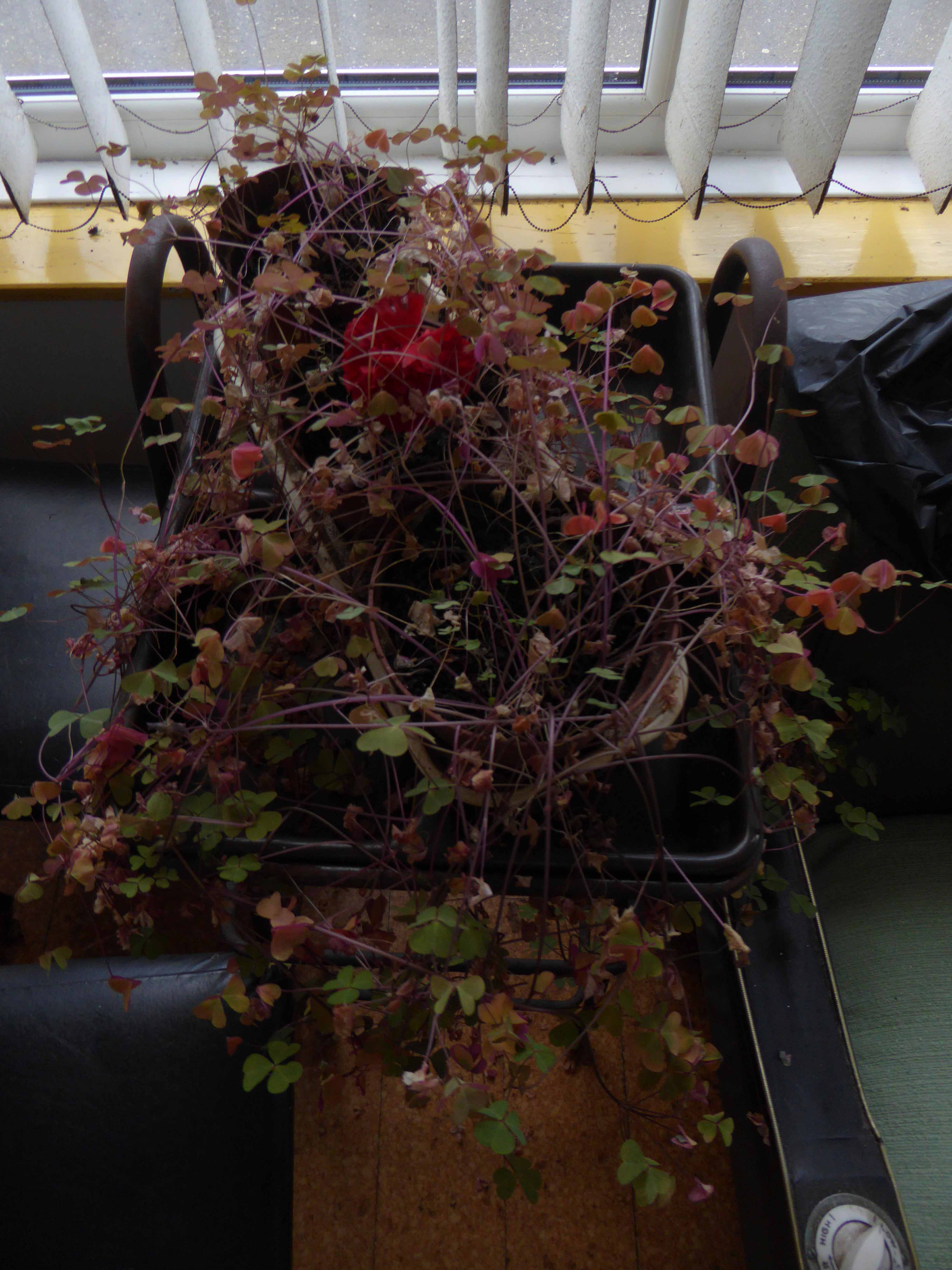
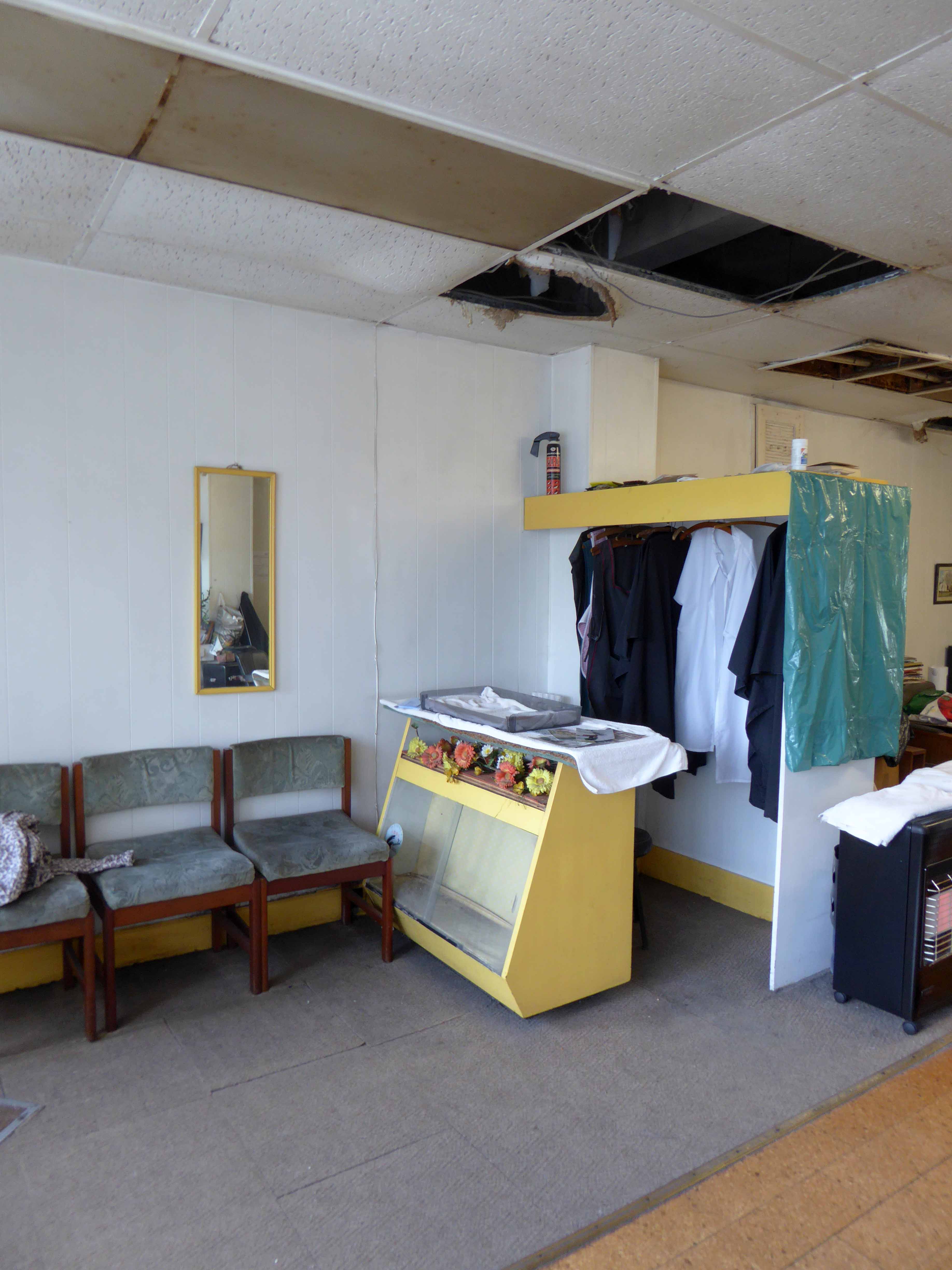
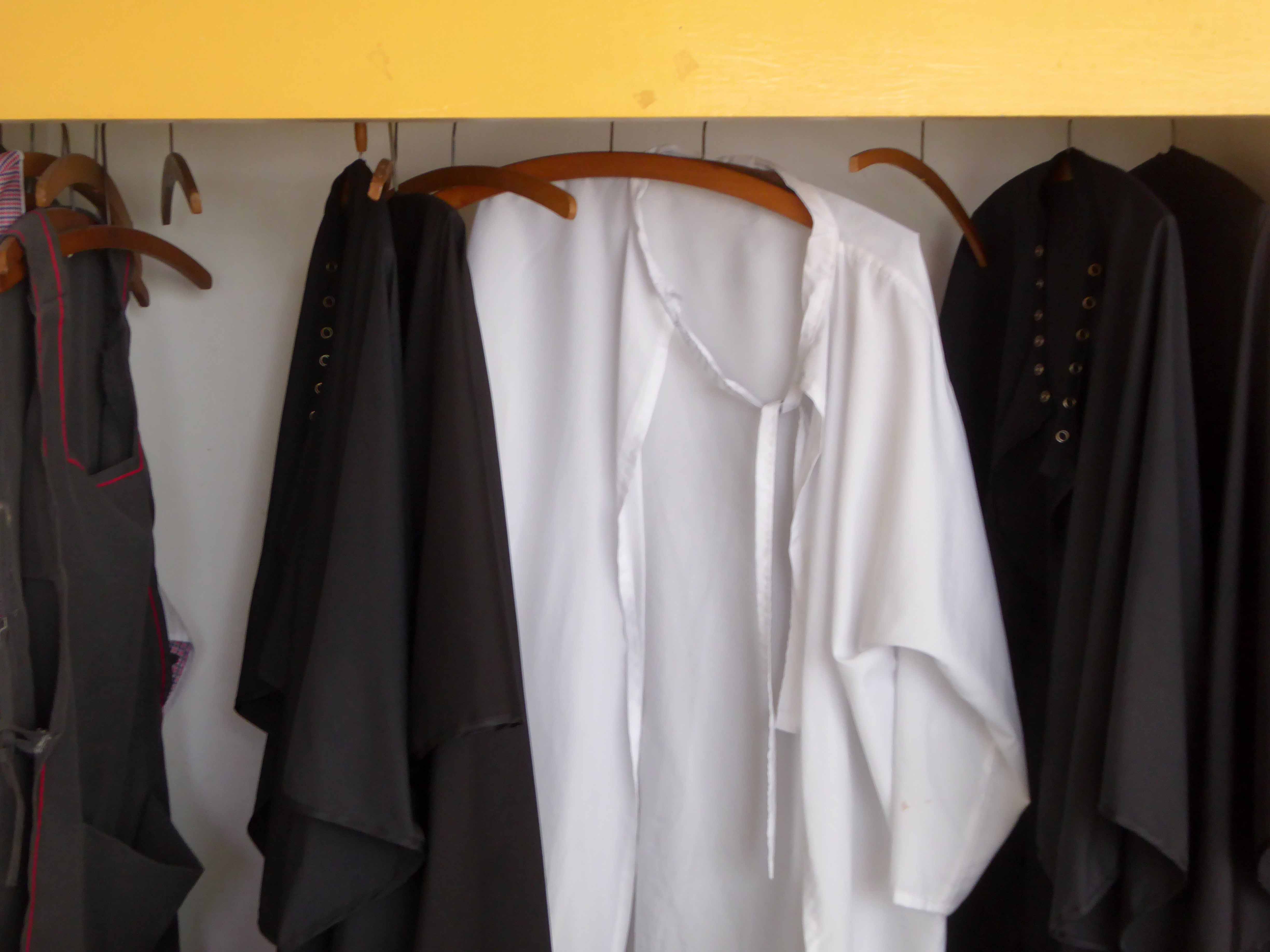
A world of rollers, pins, grips, hair dryers and drying hair.
A world permanently waving at itself.
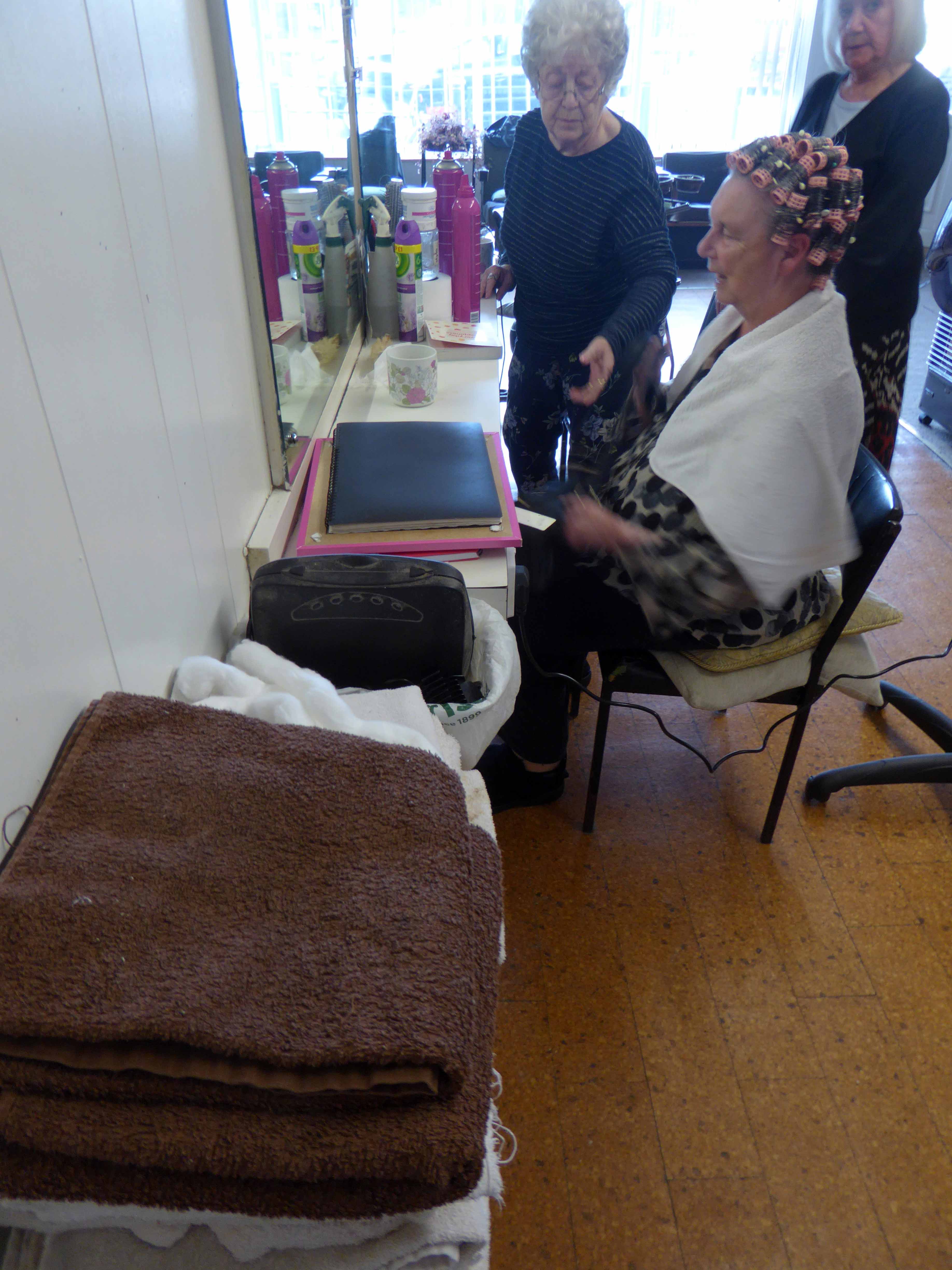
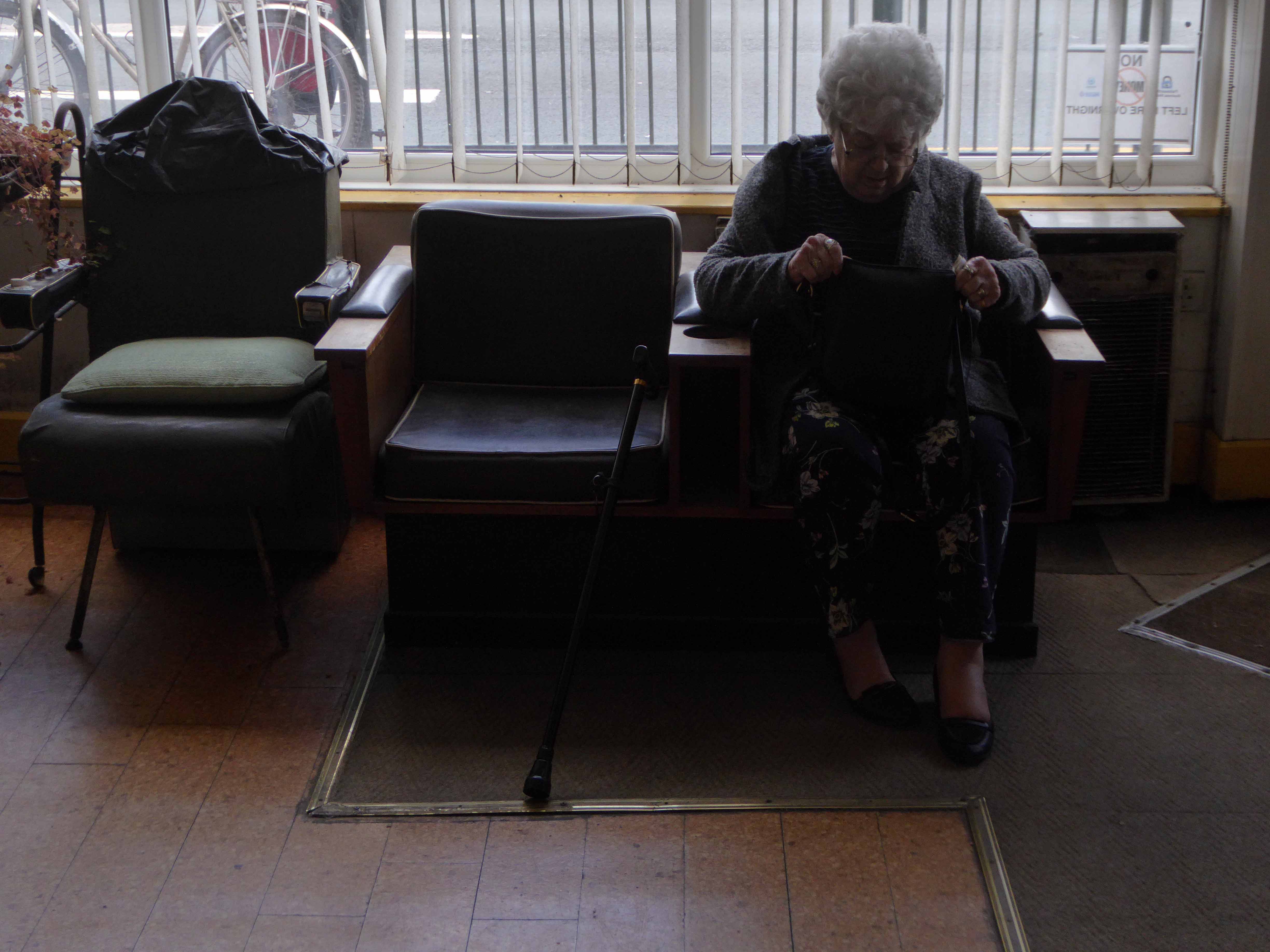
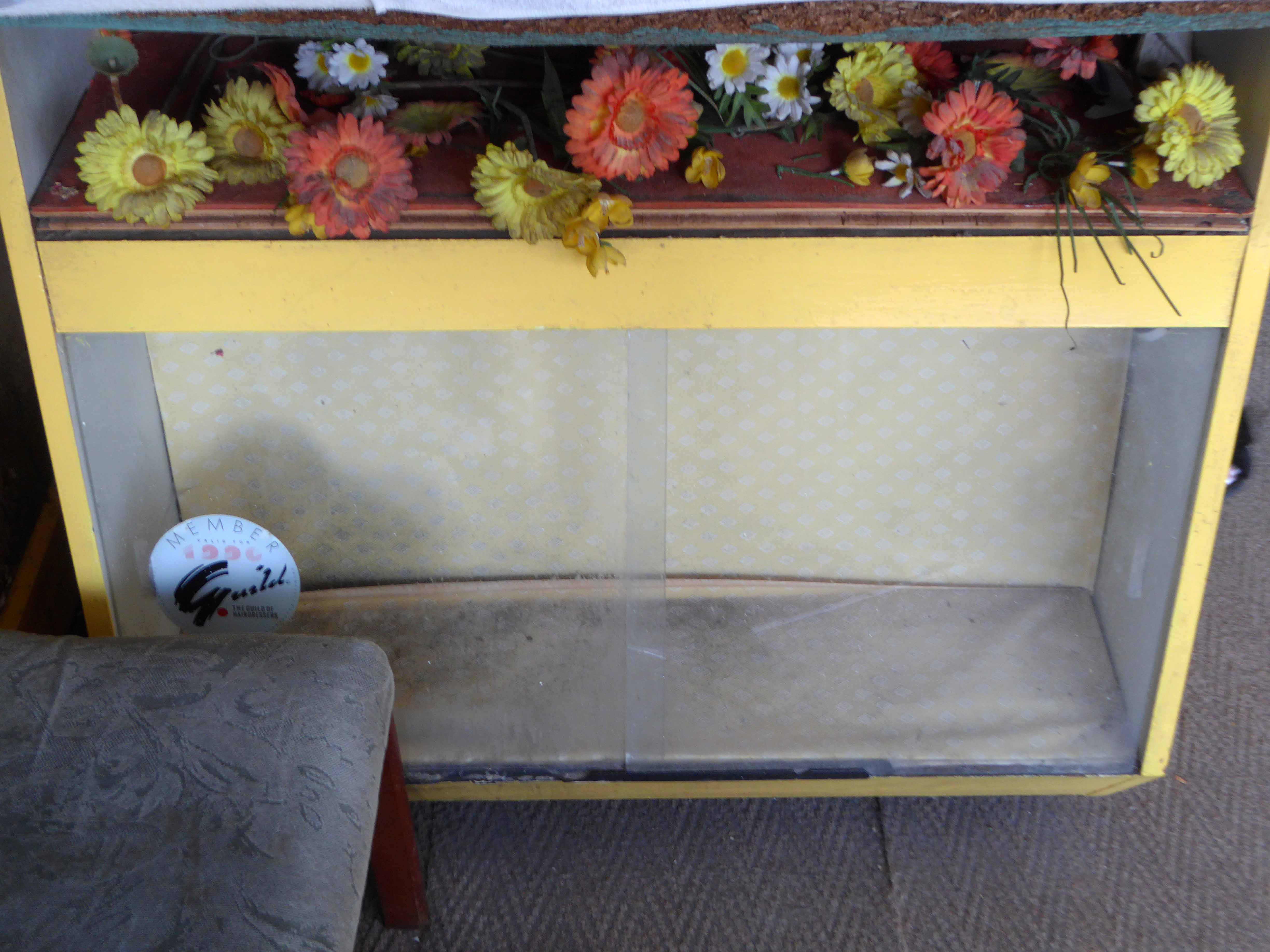
My thanks to Sheila – sixty years a stylist and her customers for allowing me into their world for a short time – a privilege and a pleasure.
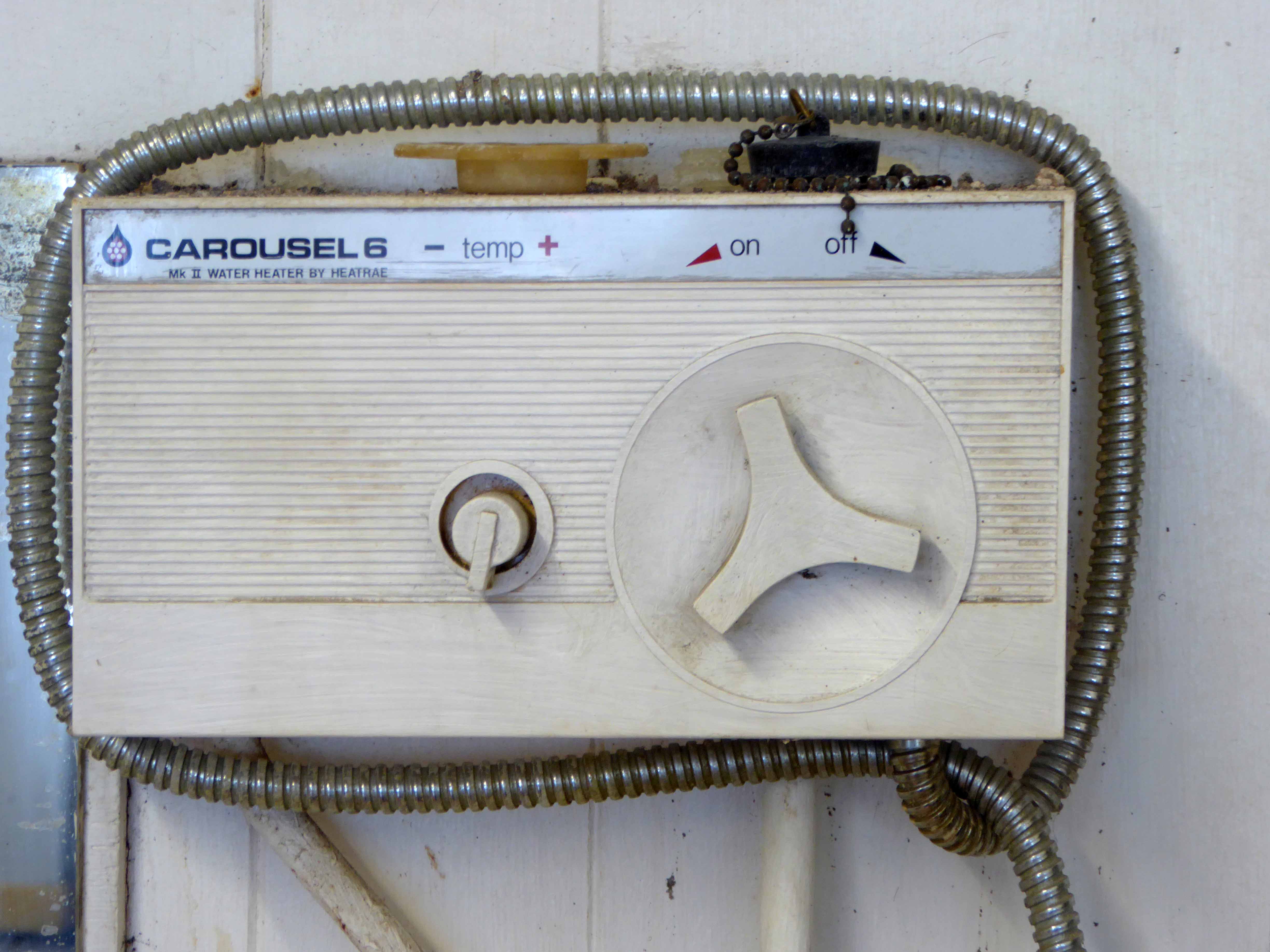
Little seems to have changed here within – on the corner of Oldham Road and Mellor Street.
Let’s take a little look.
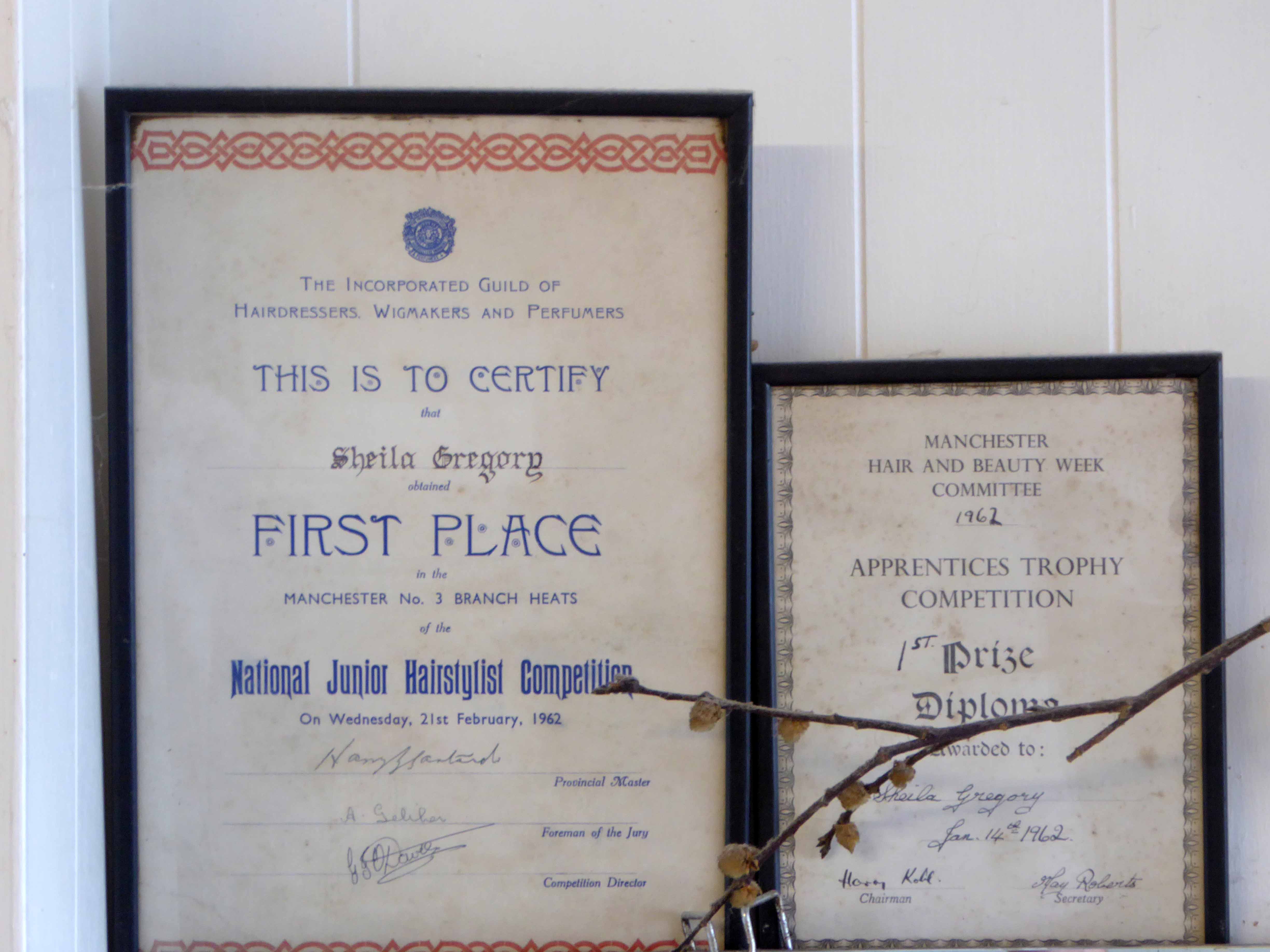
Shelia’s certificates of 1962 – so proudly displayed.
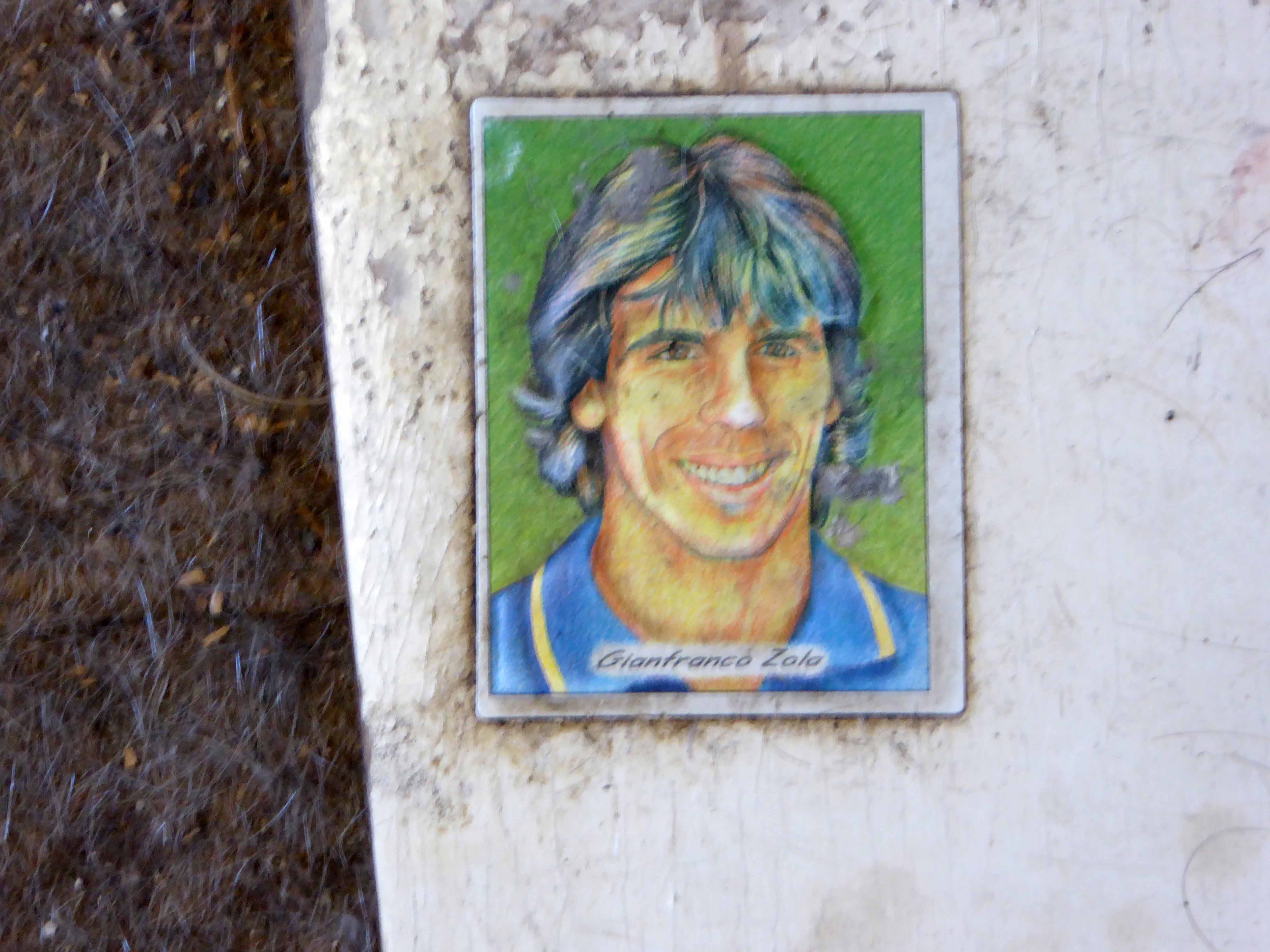
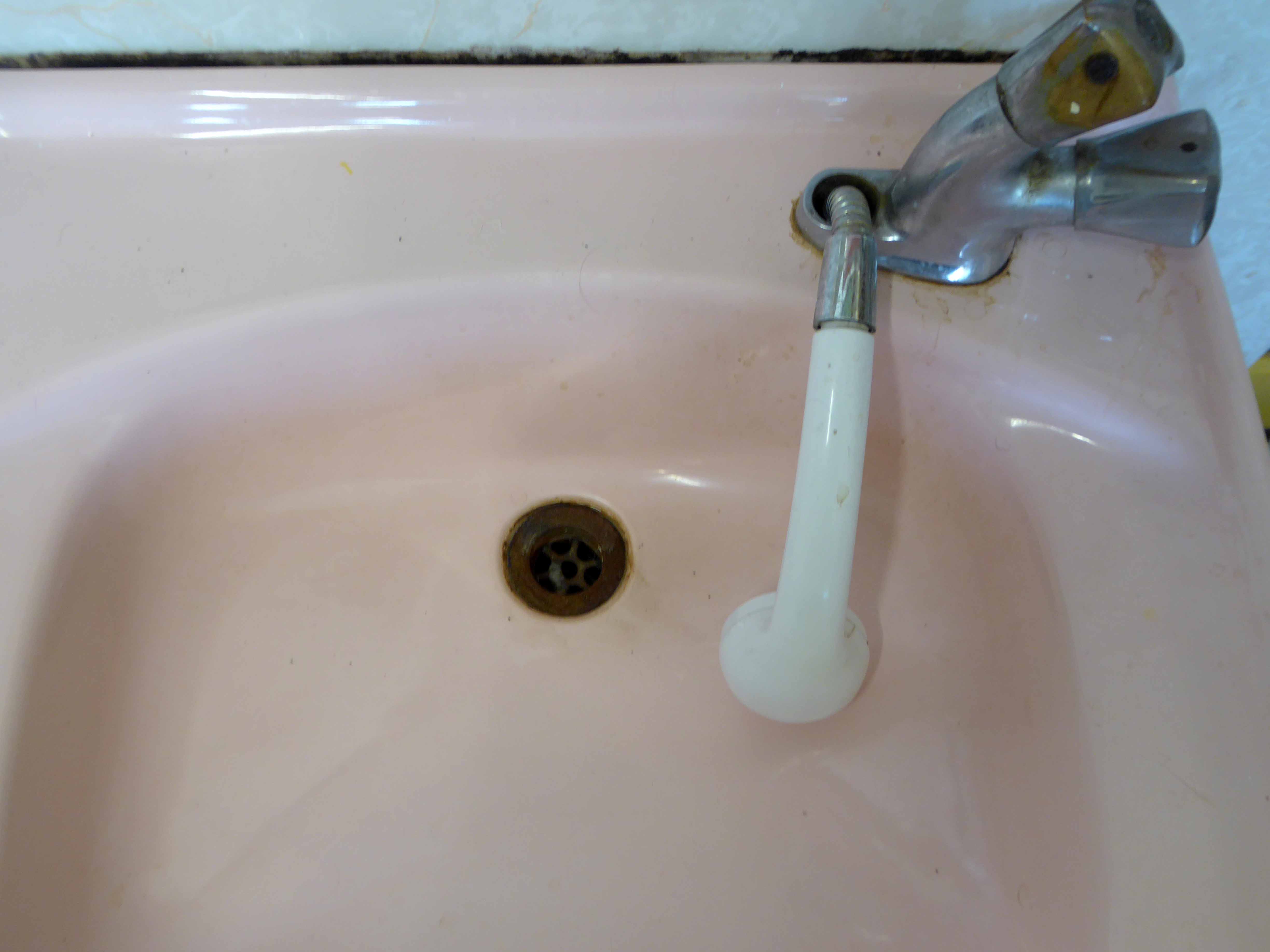
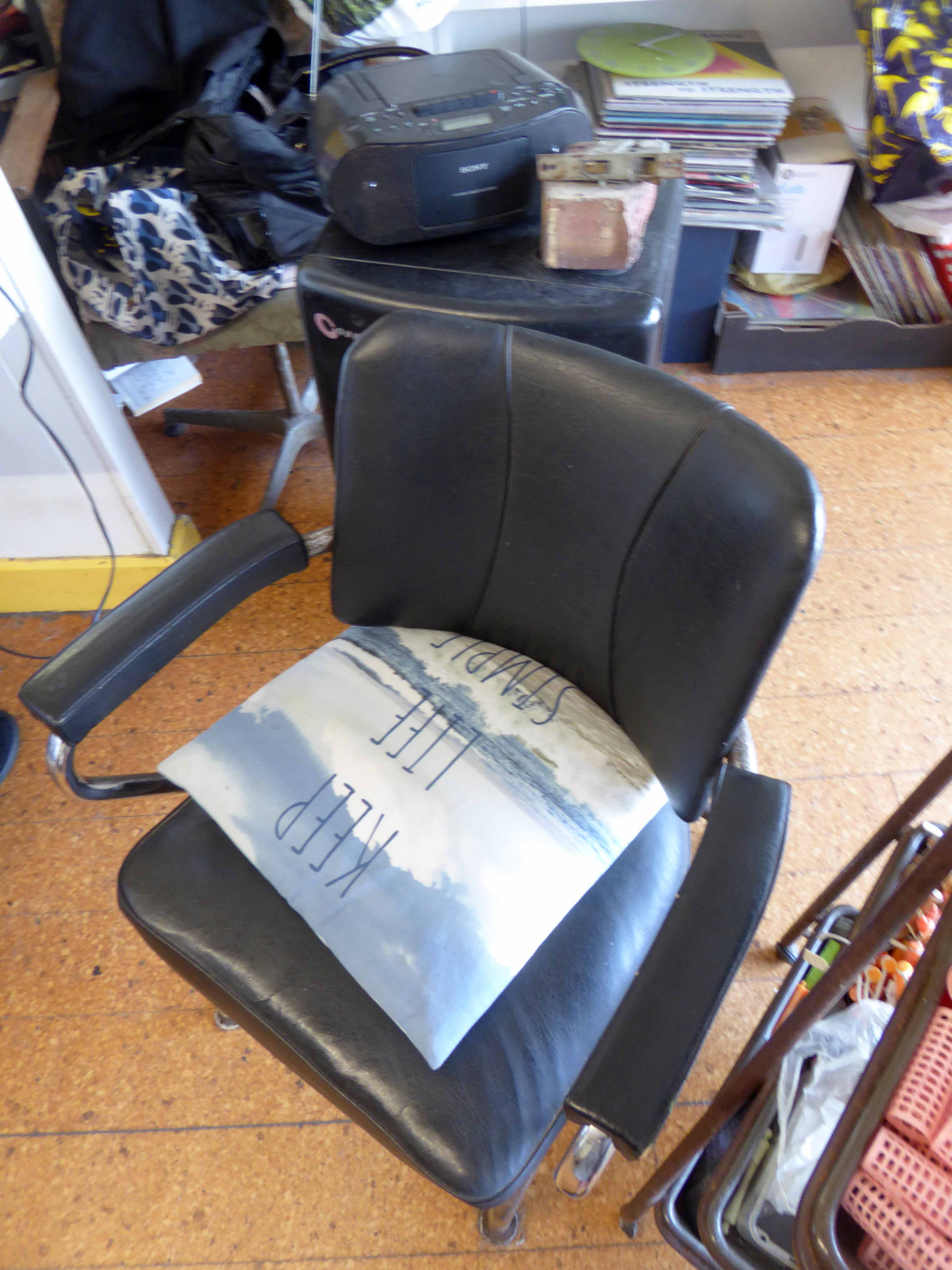
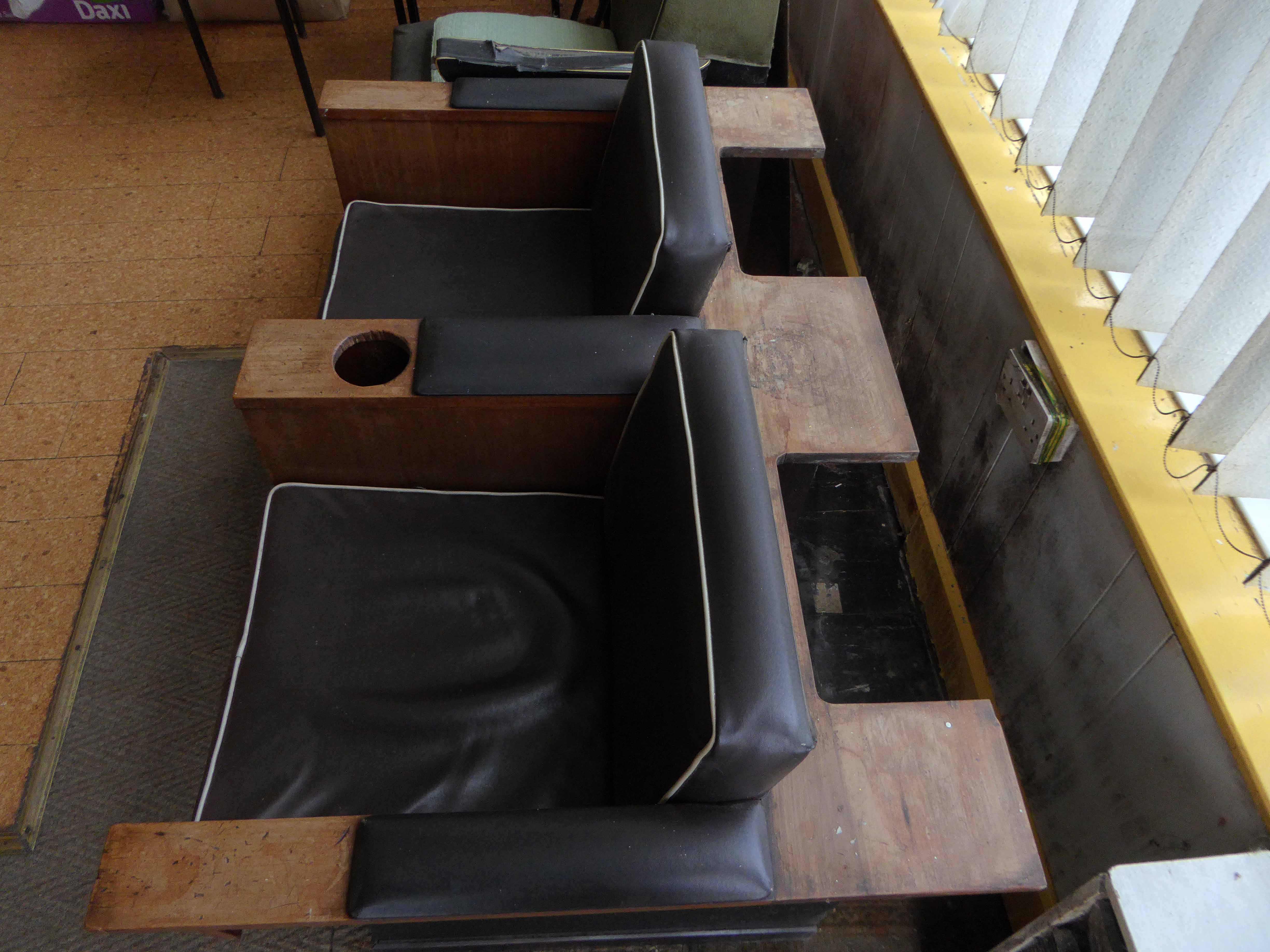
14 Matthews Lane Manchester M19 3DS
It’s been quite a while – following a spate there has been an abatement.
Time was I couldn’t pass a coin-op operation without snapping.
It all began in a Wigan Washeteria one thing lead to another then another.
I was all washed up, rinsed and spun out – I had to call it a day.
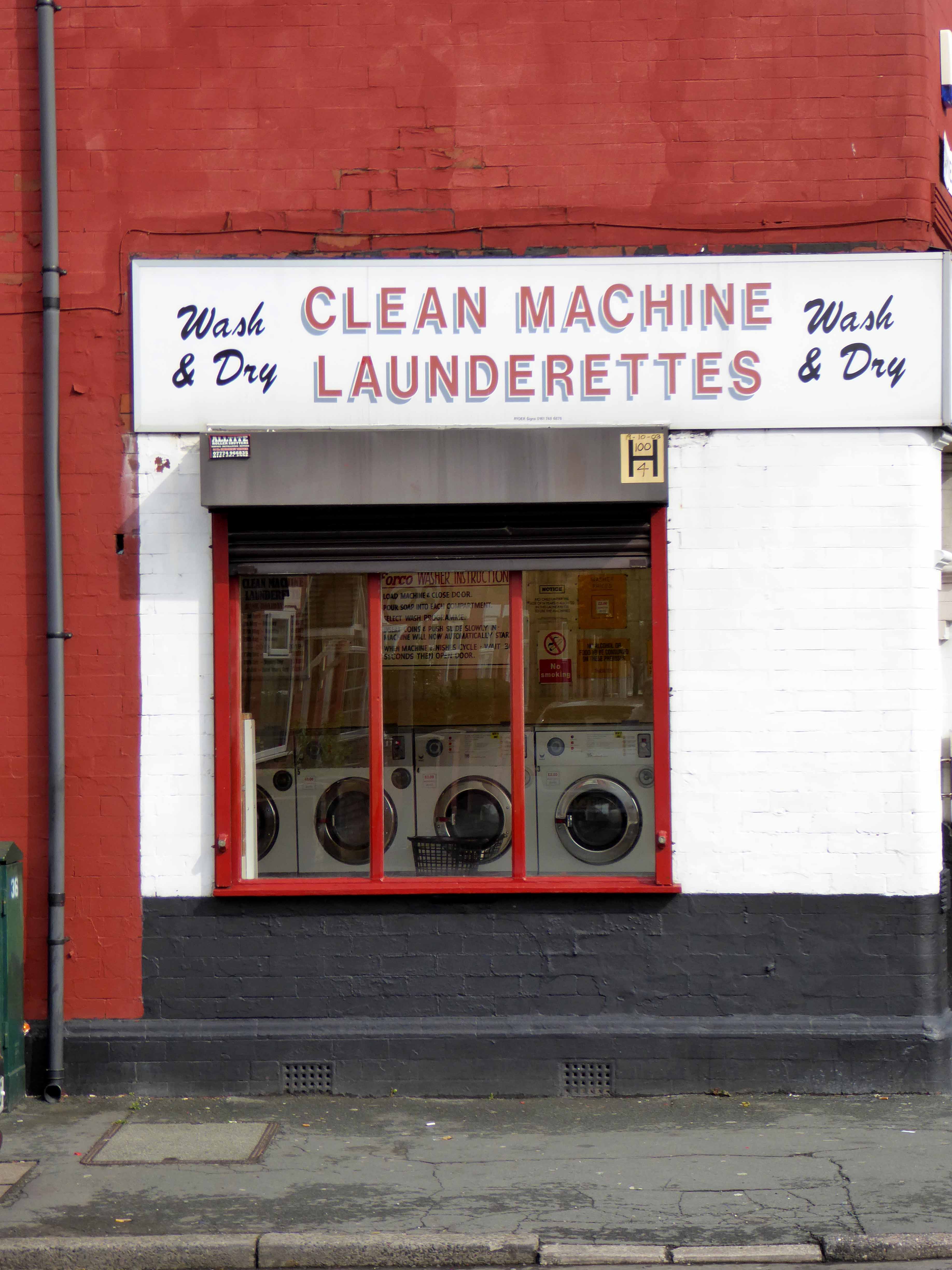
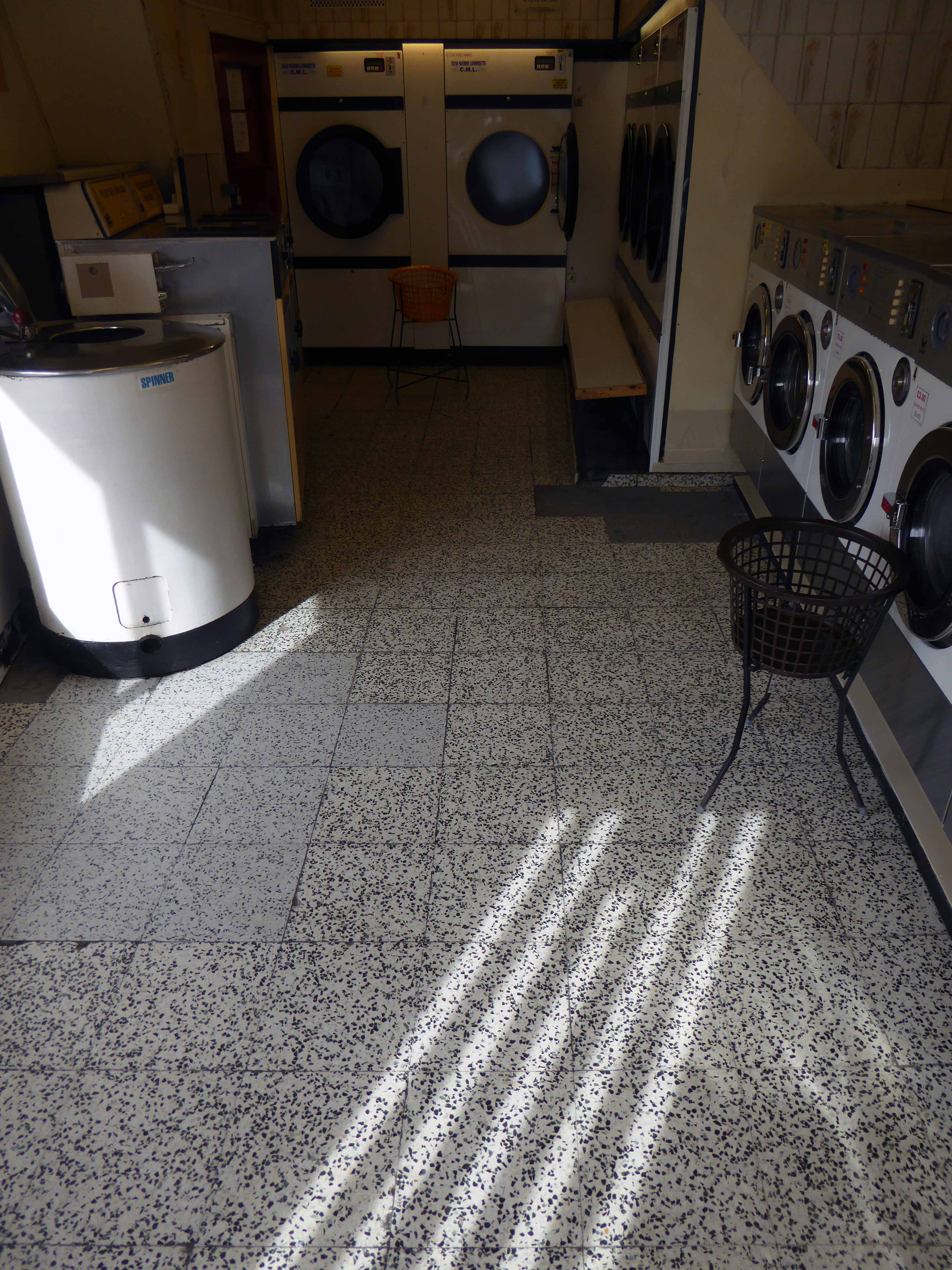
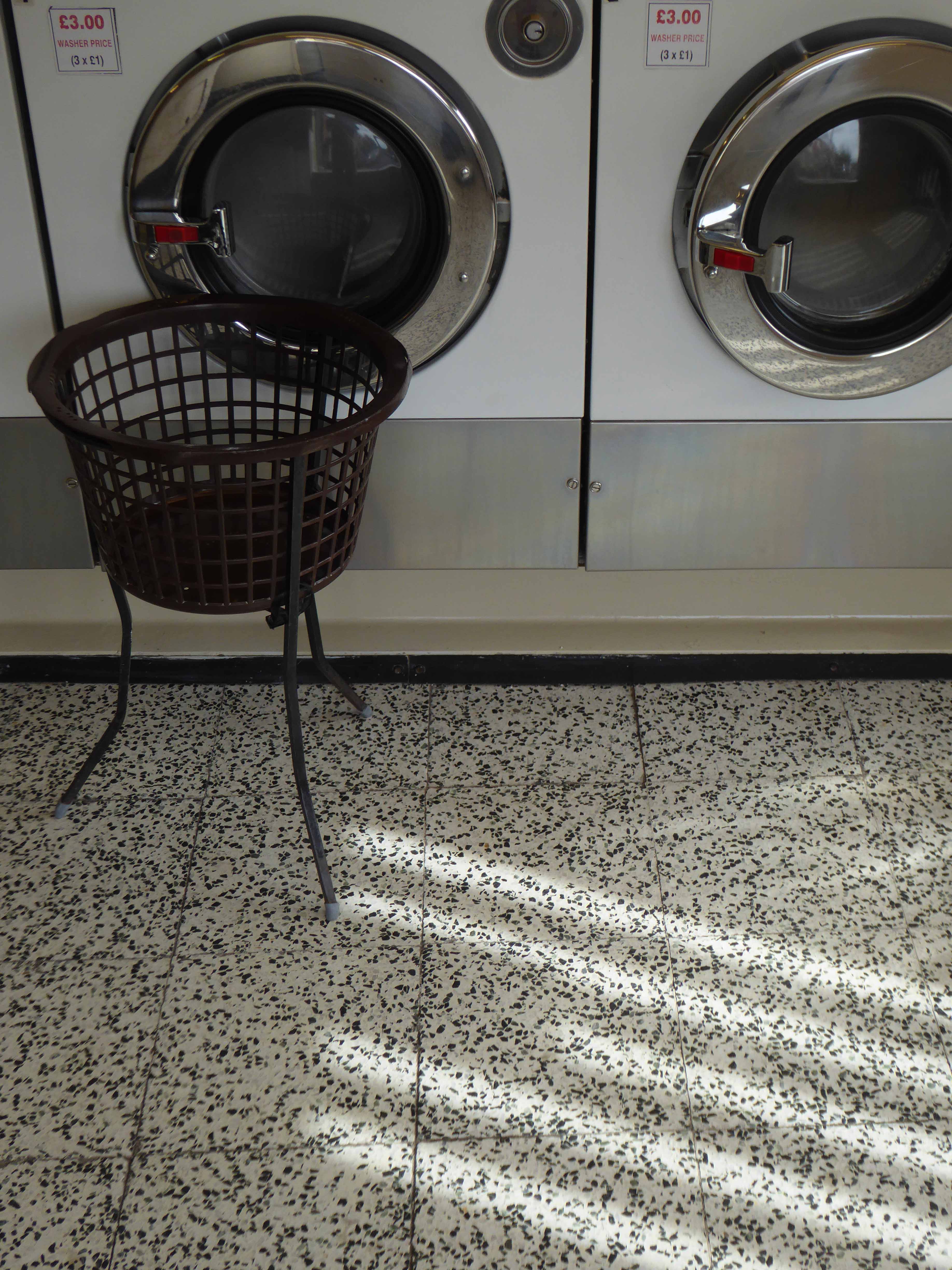
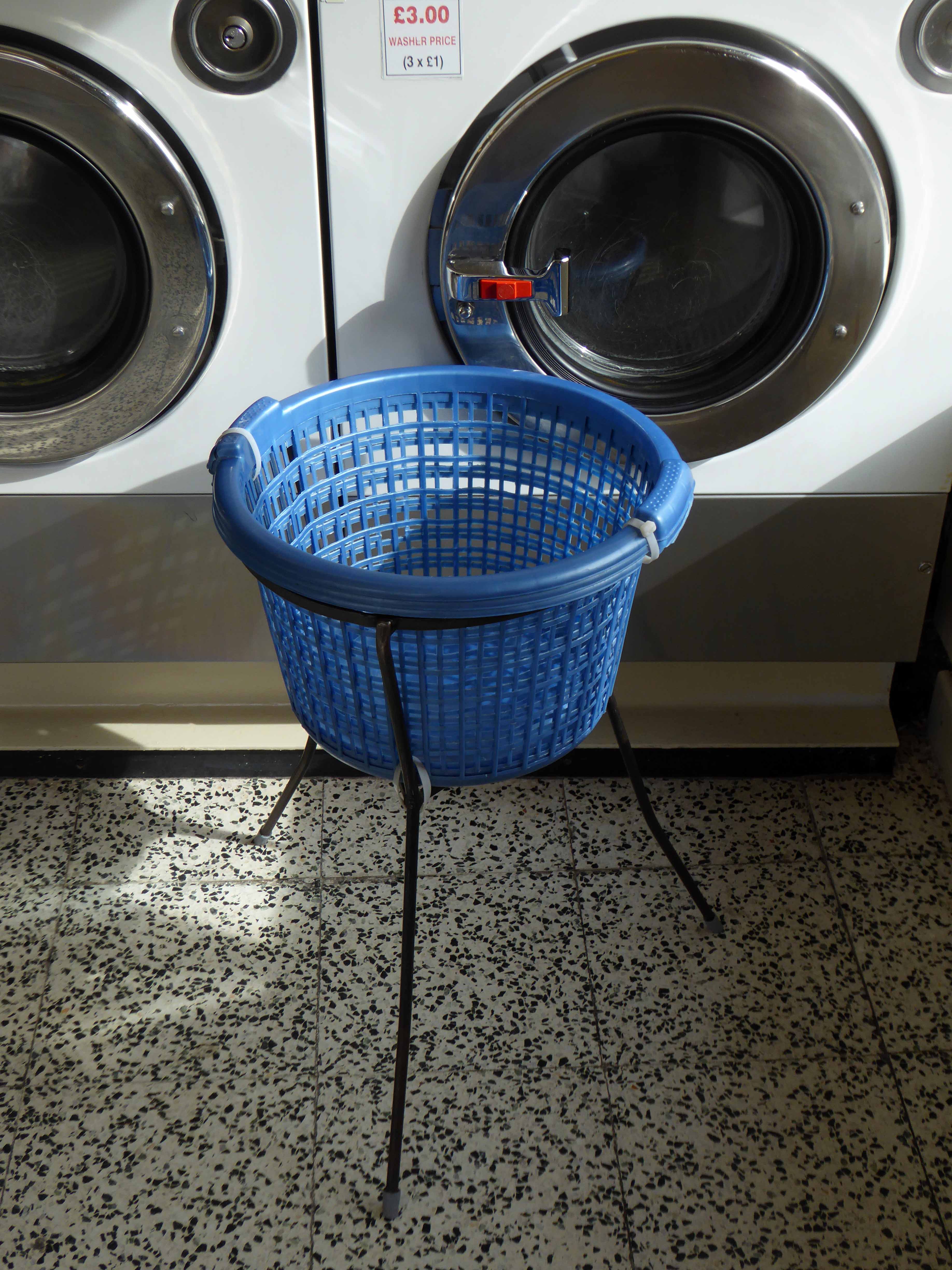
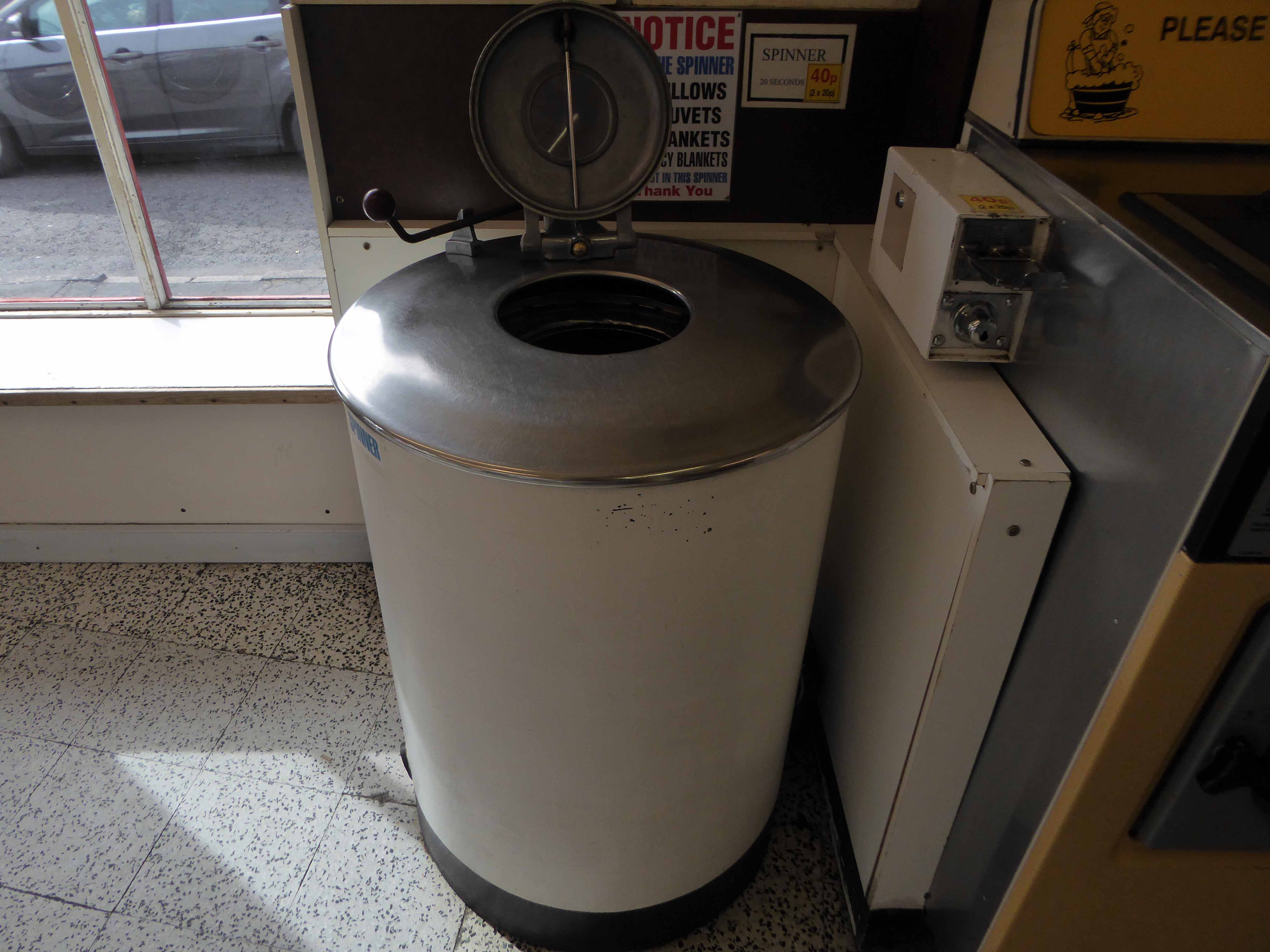
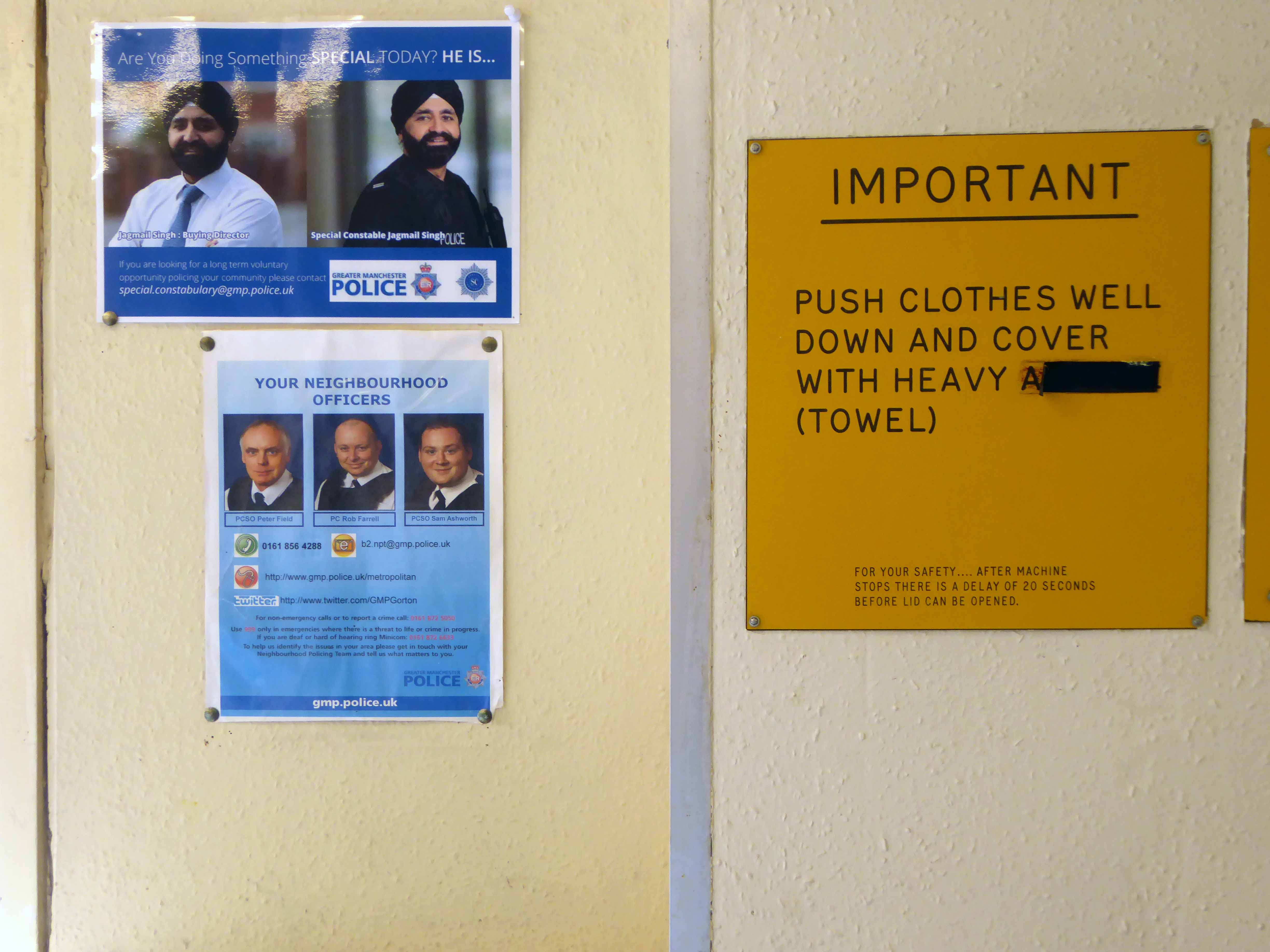
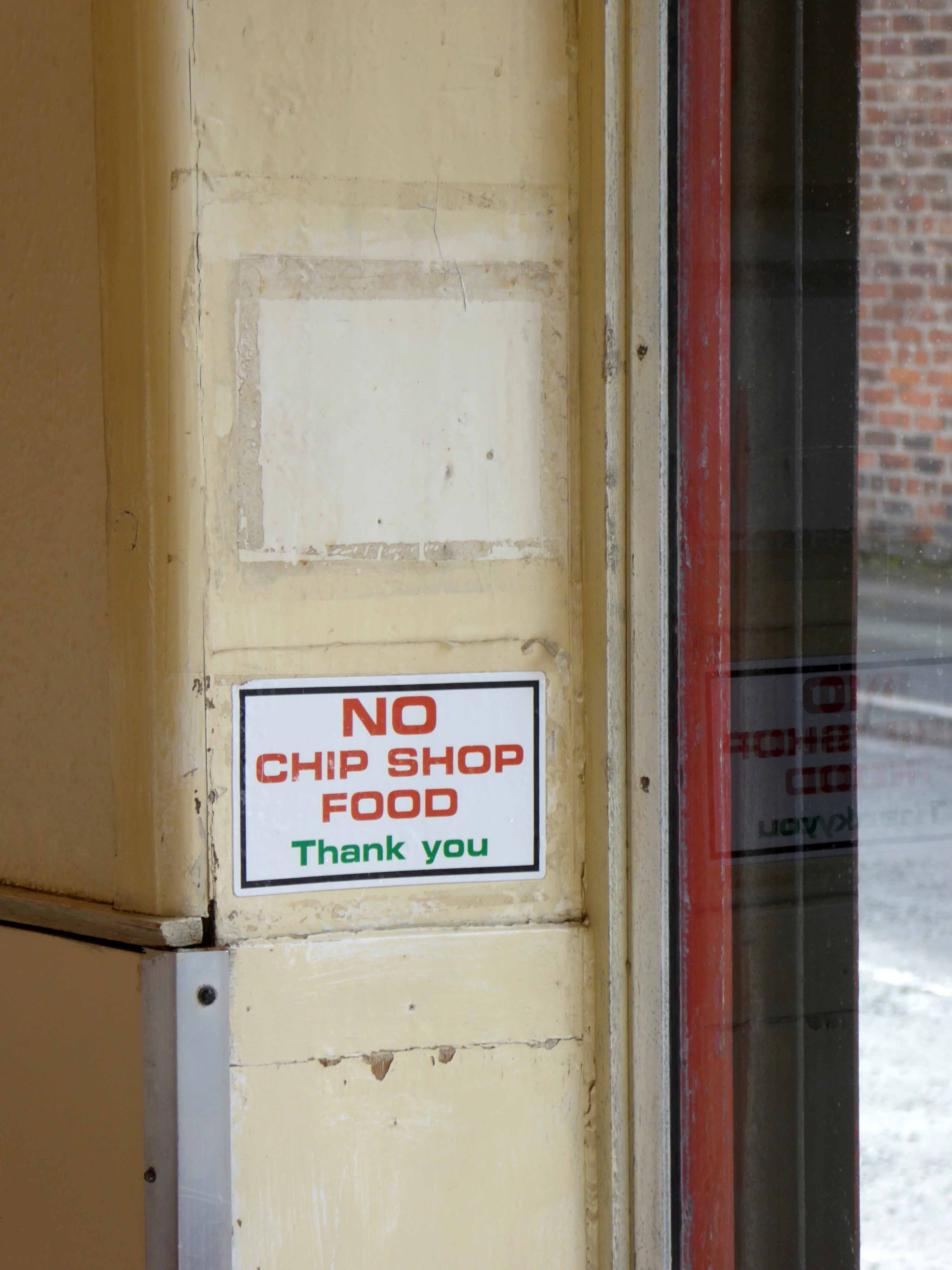
Yesterday things changed – I turned a corner in life when I turned the corner into Matthews Road, the familiar aroma, signs and things signified came flooding right back – time stood still beneath a strip light lit suspended ceiling.
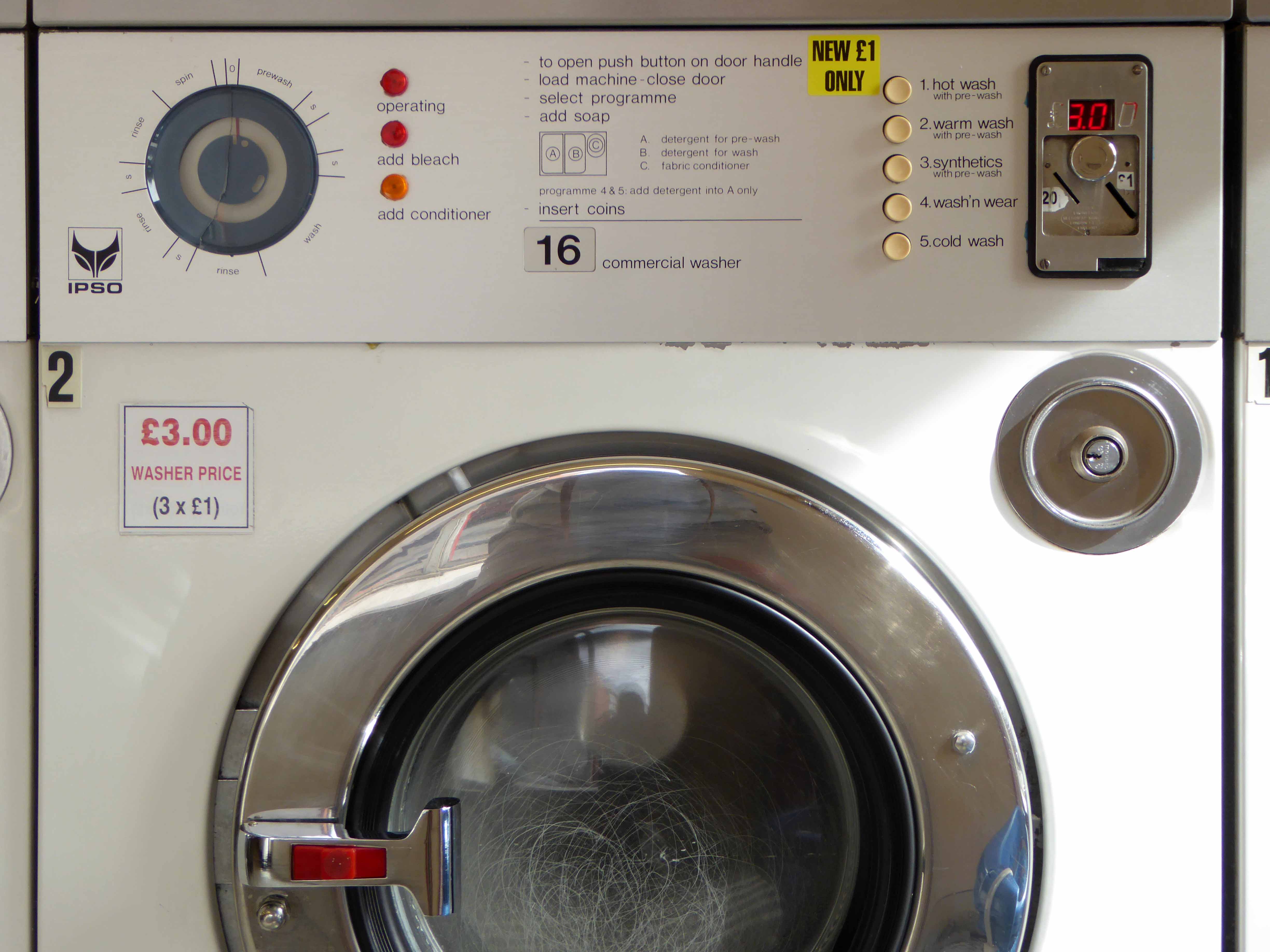
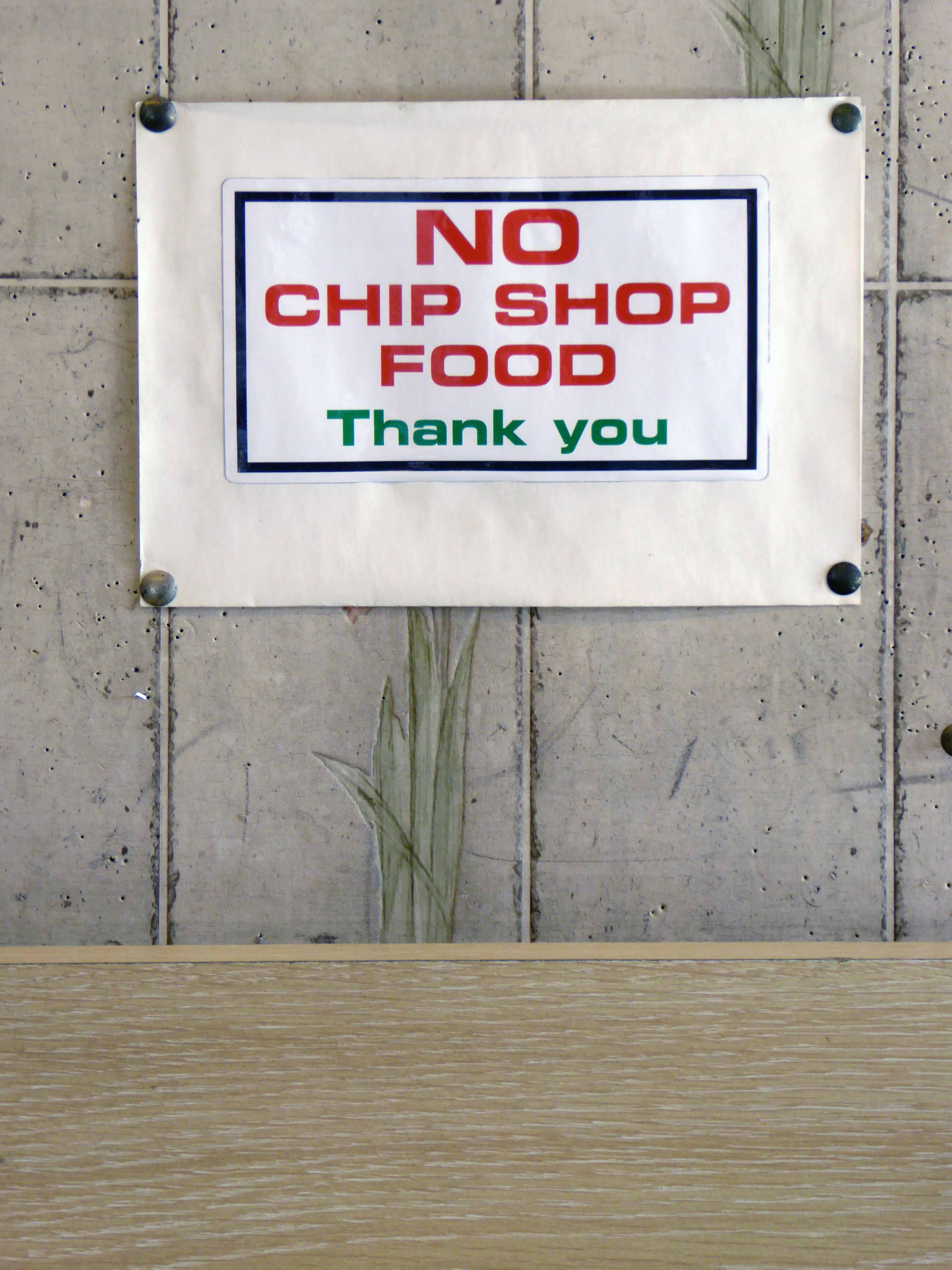
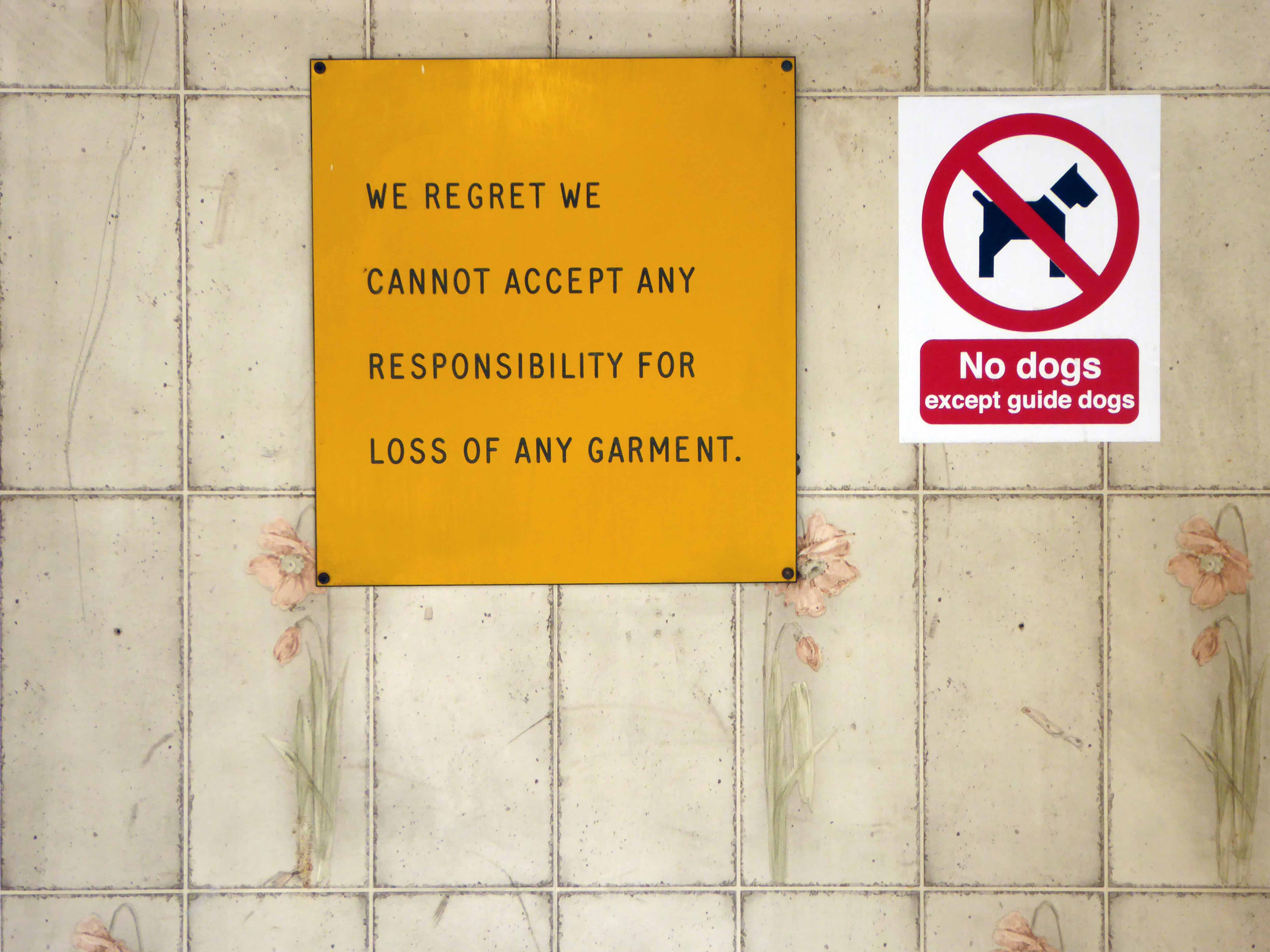
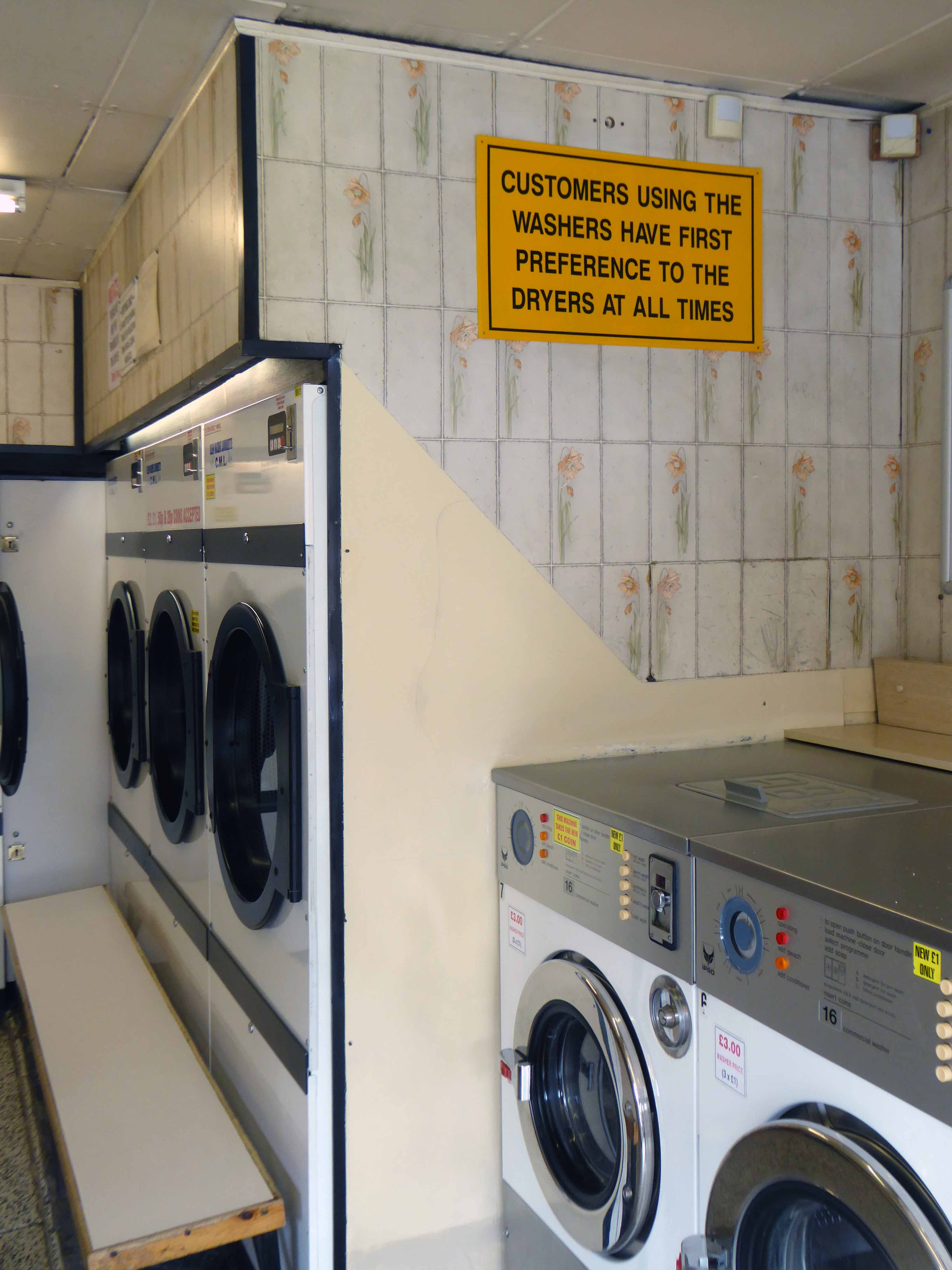
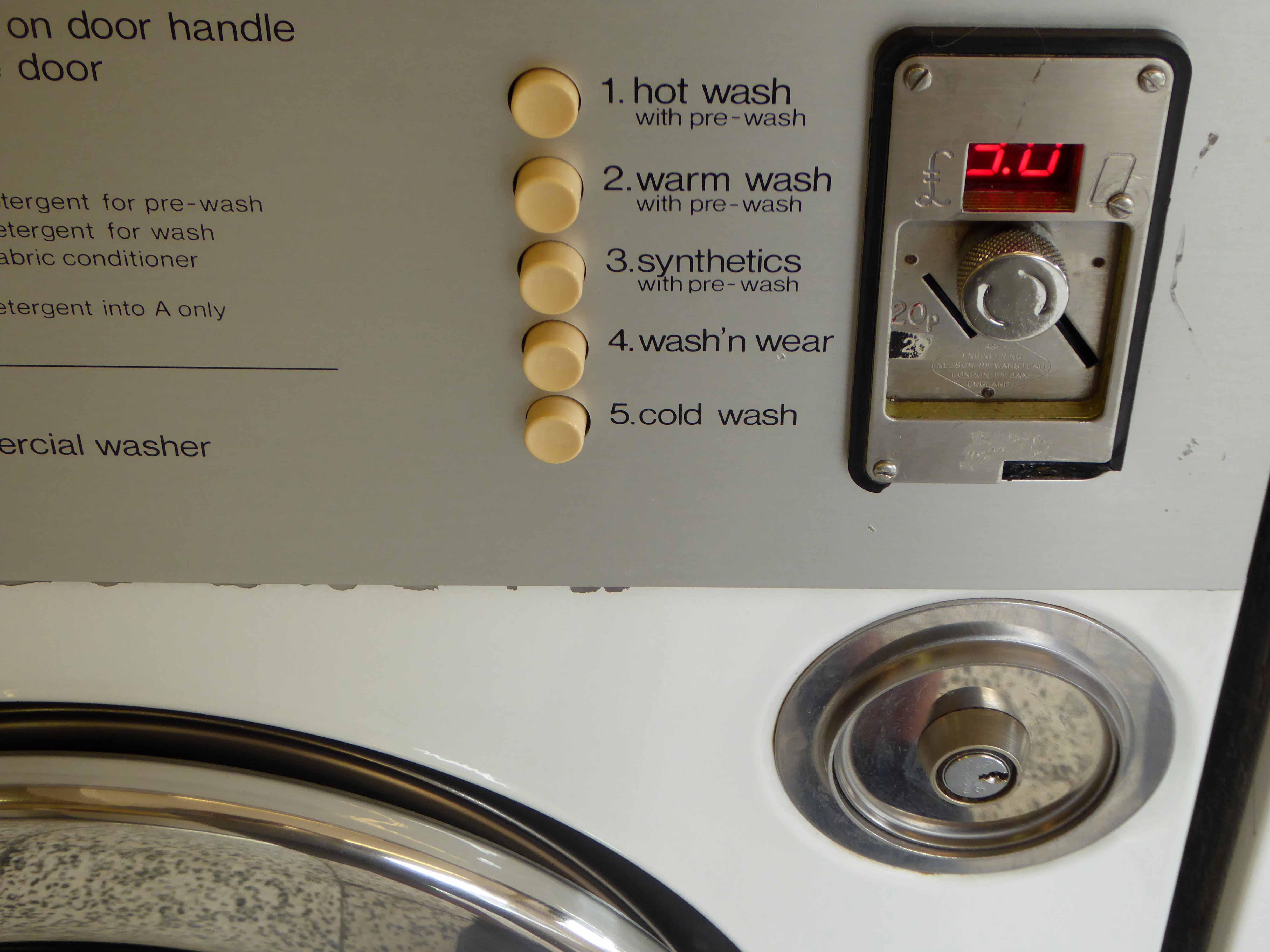
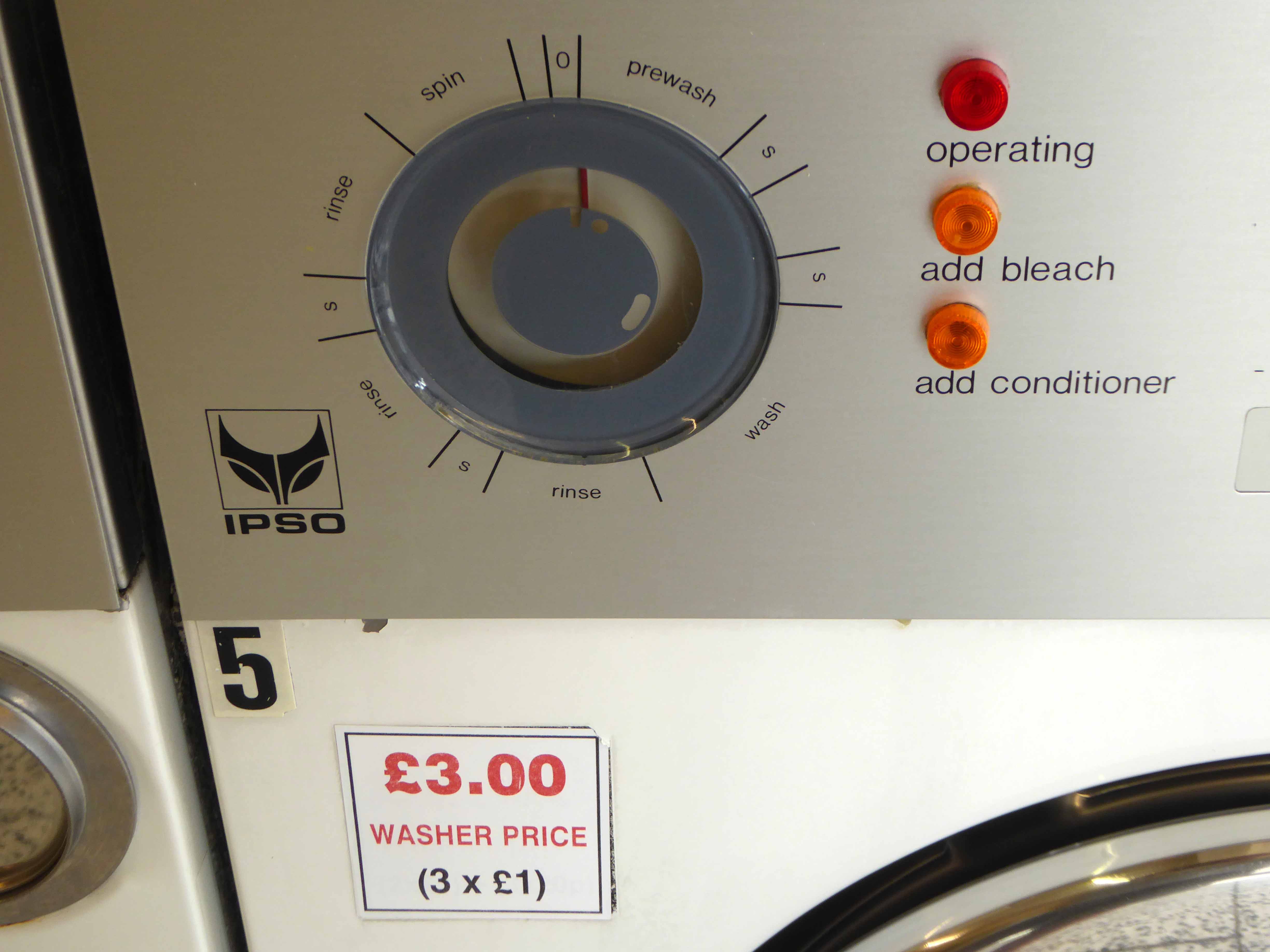
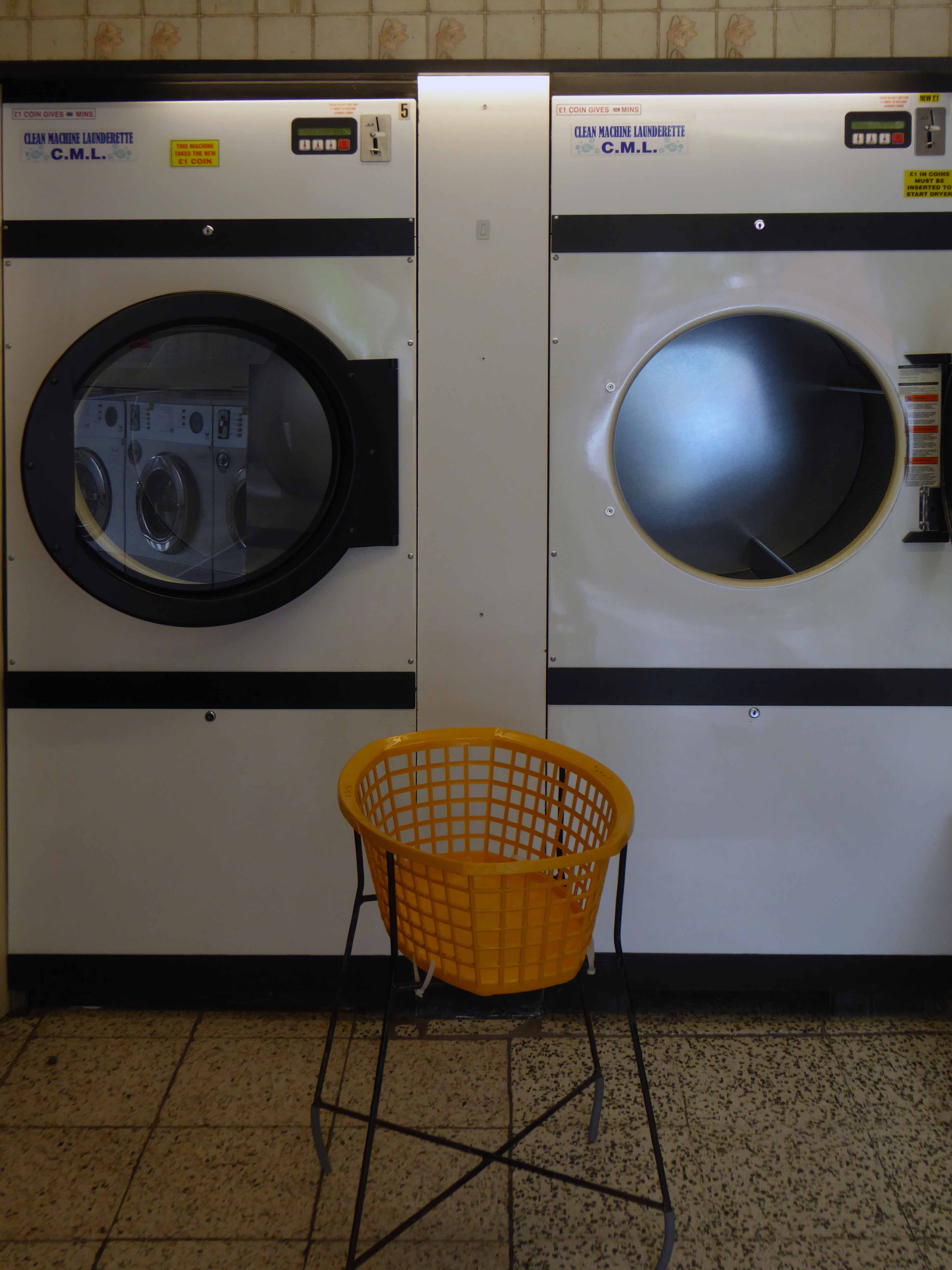
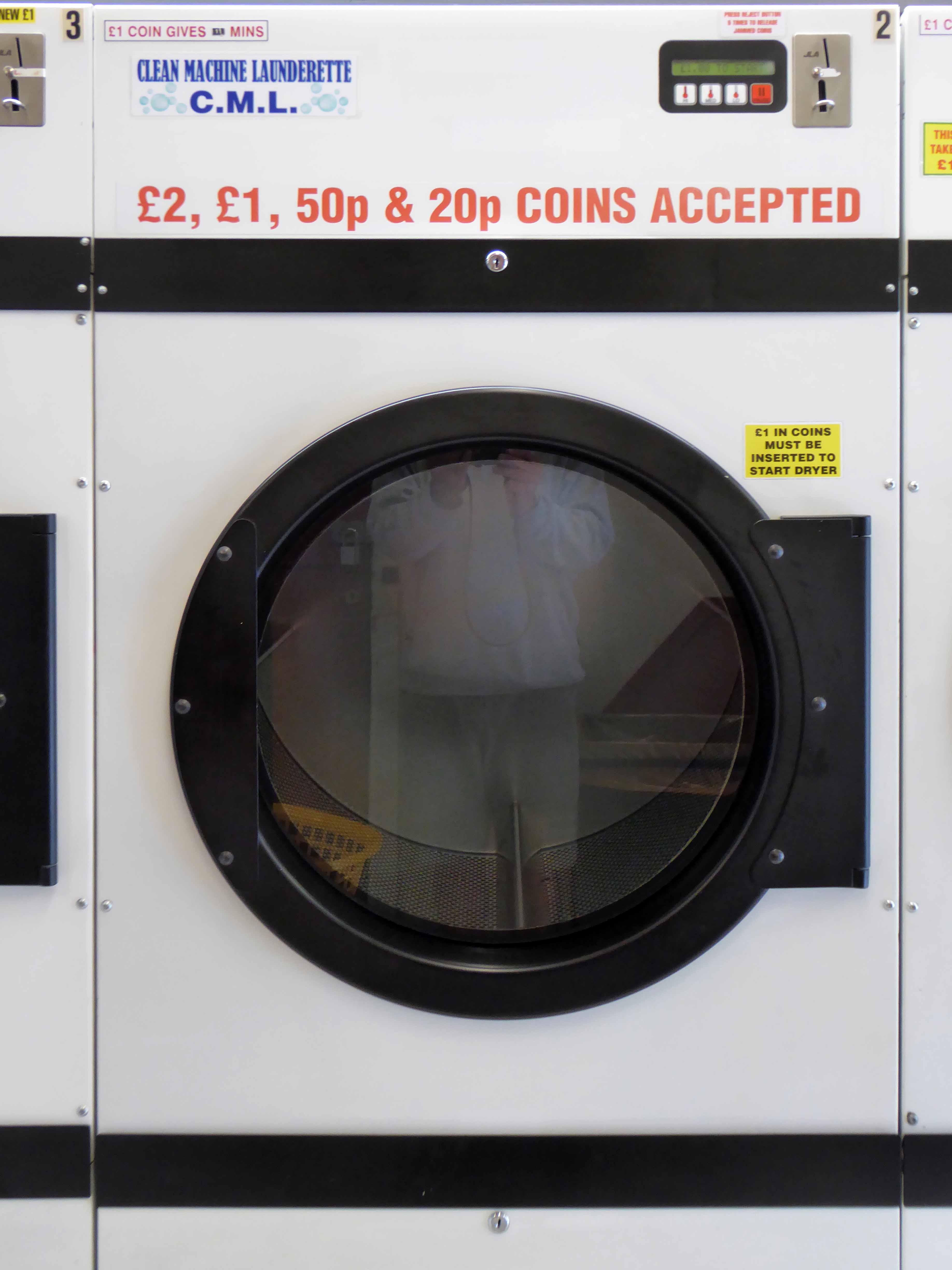

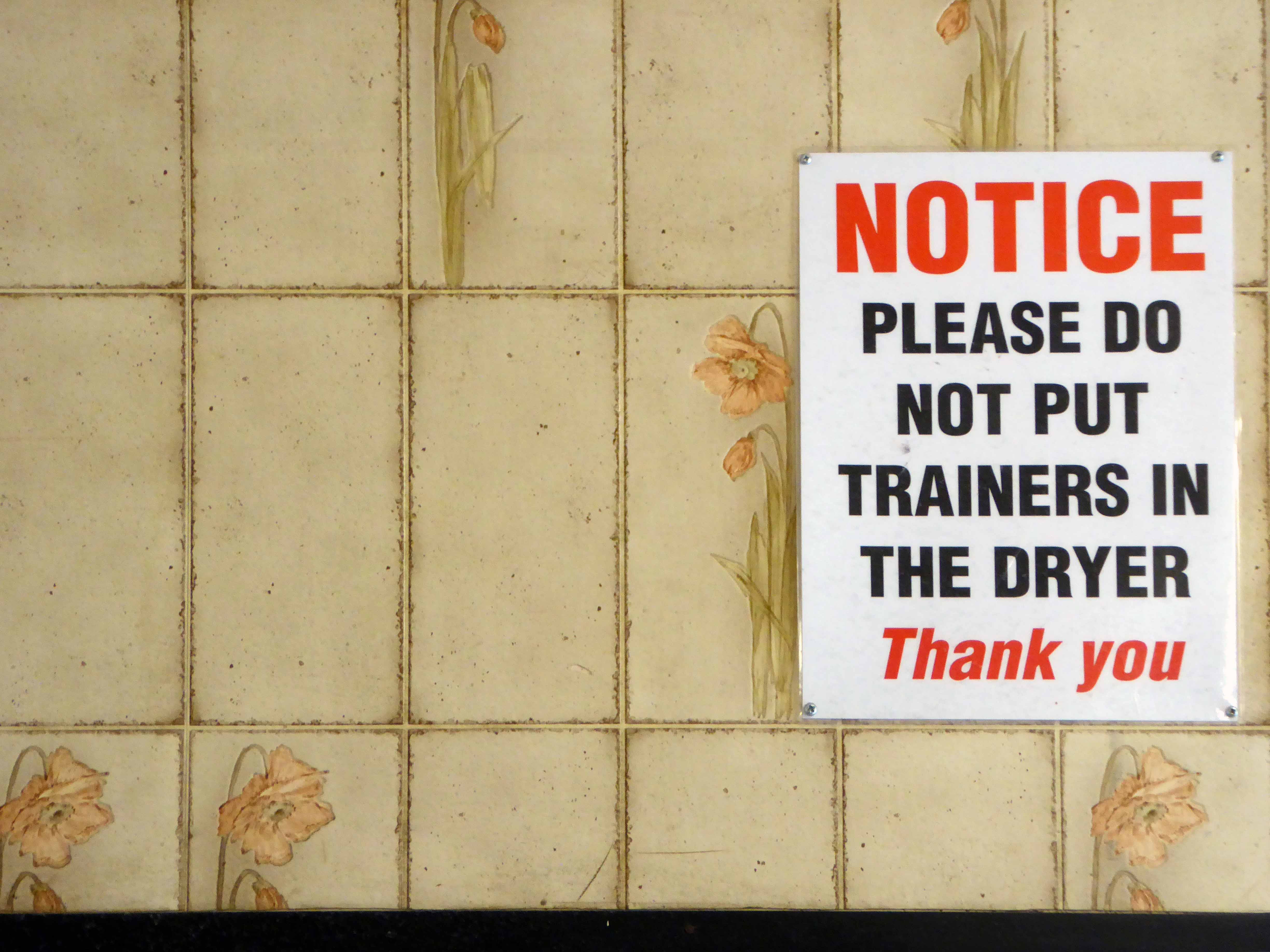
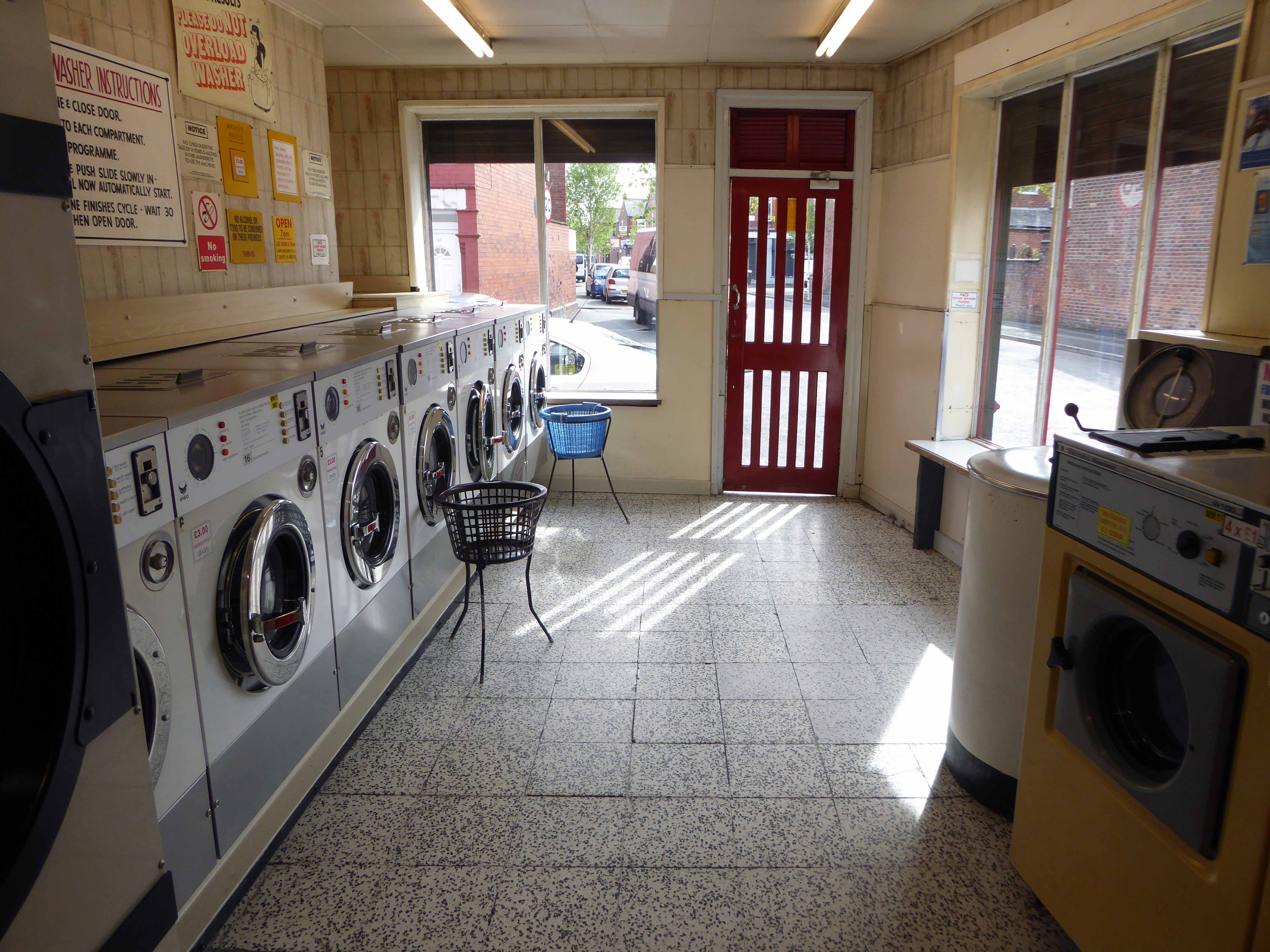
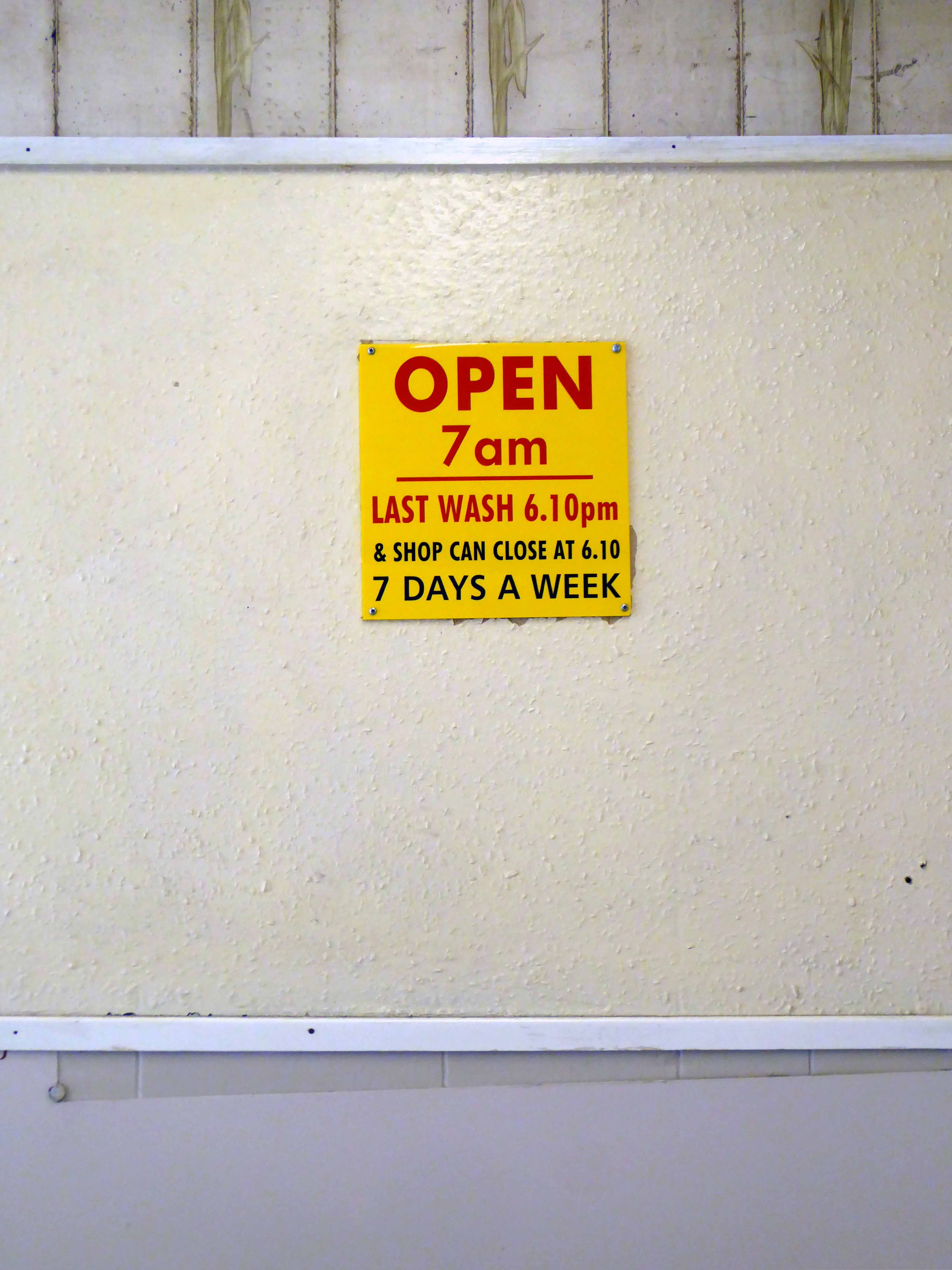
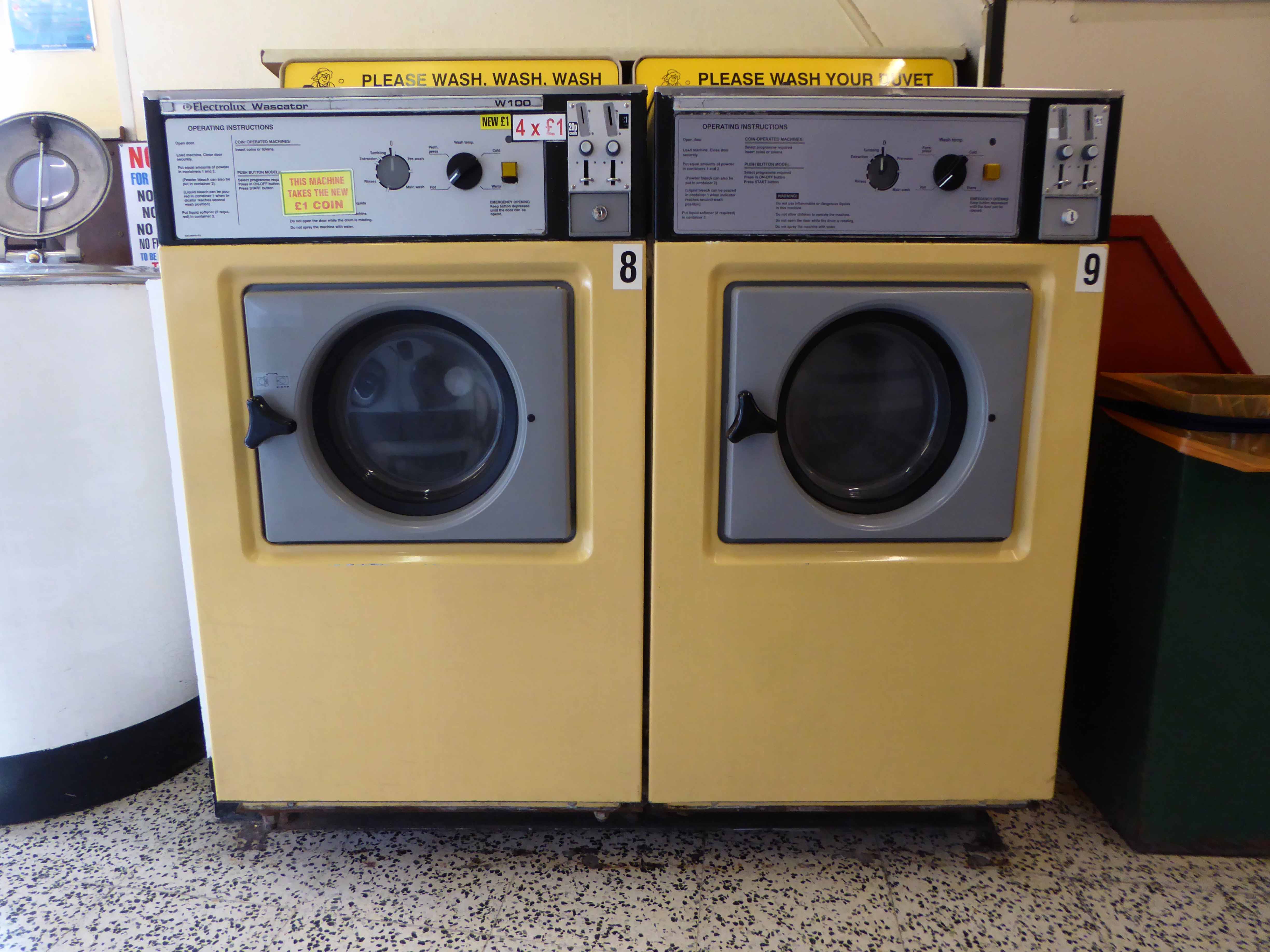
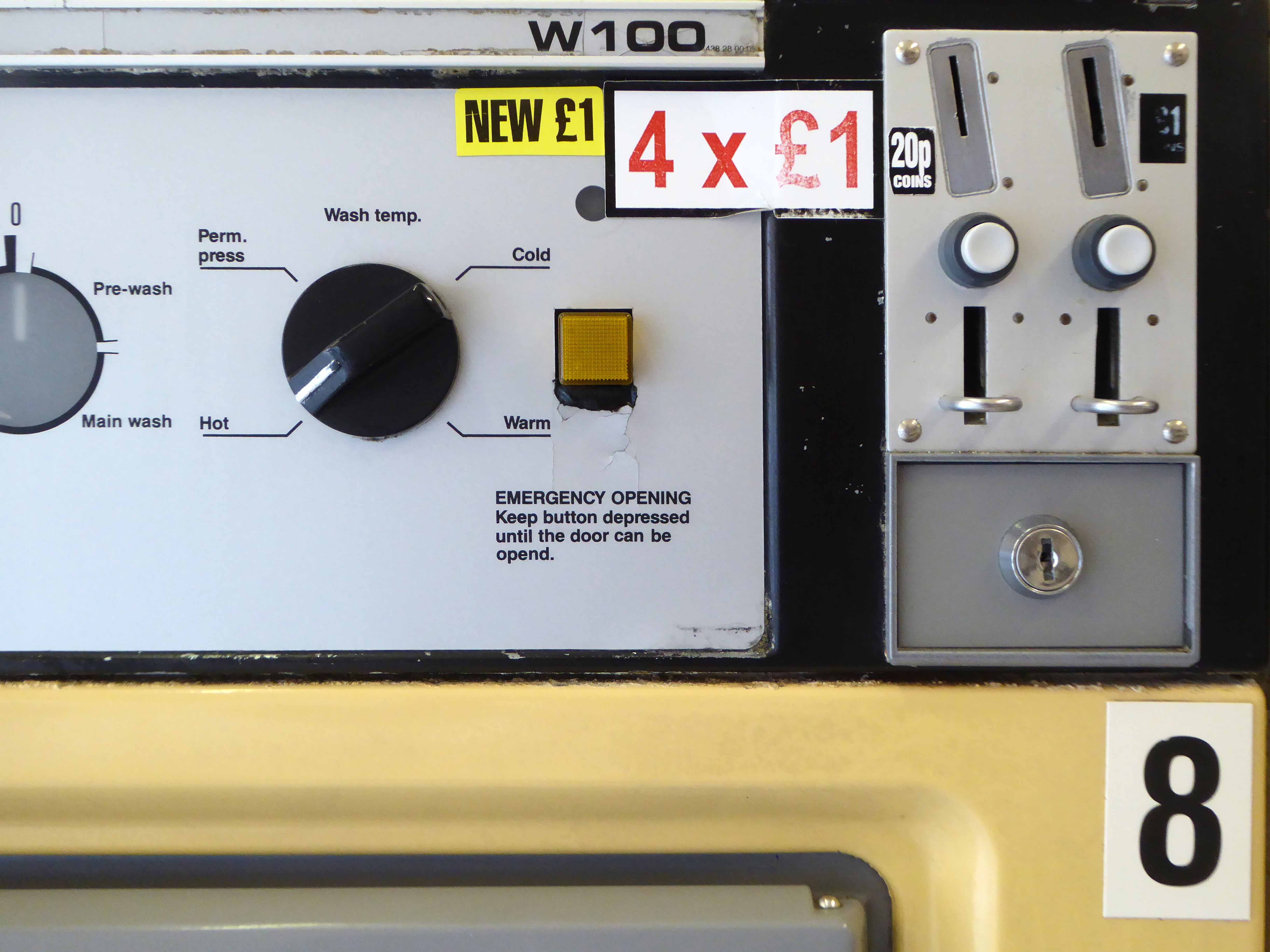
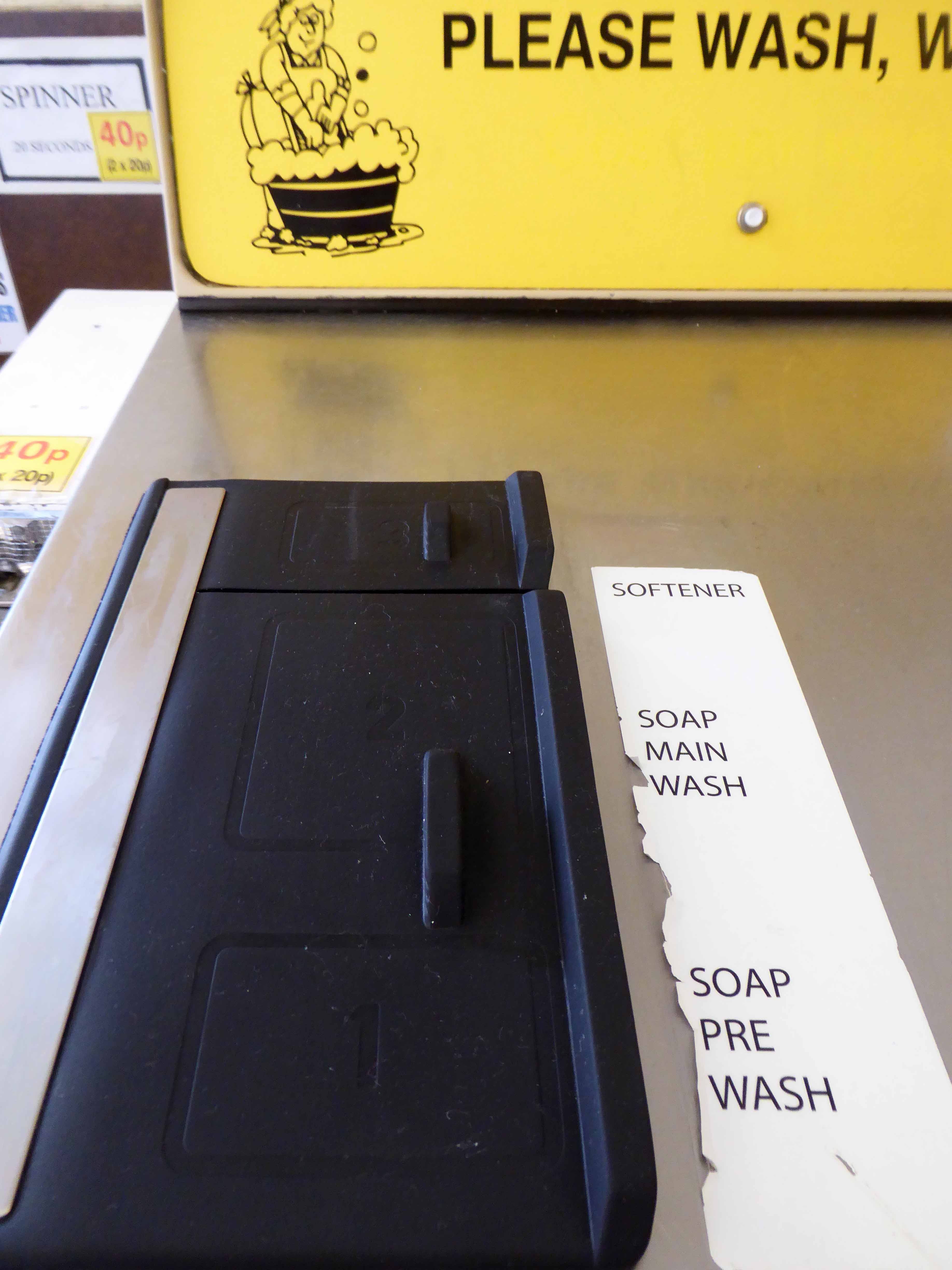
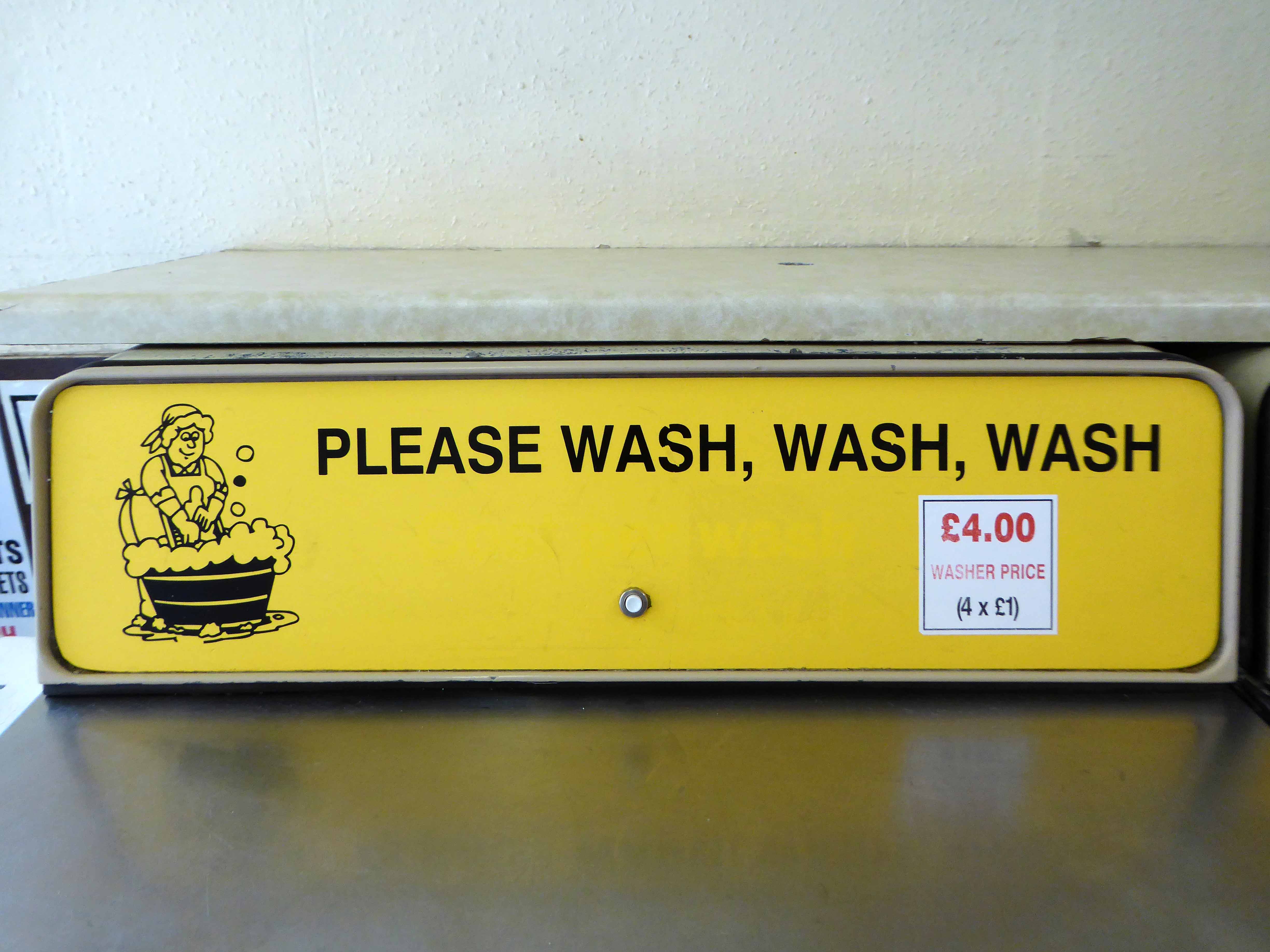
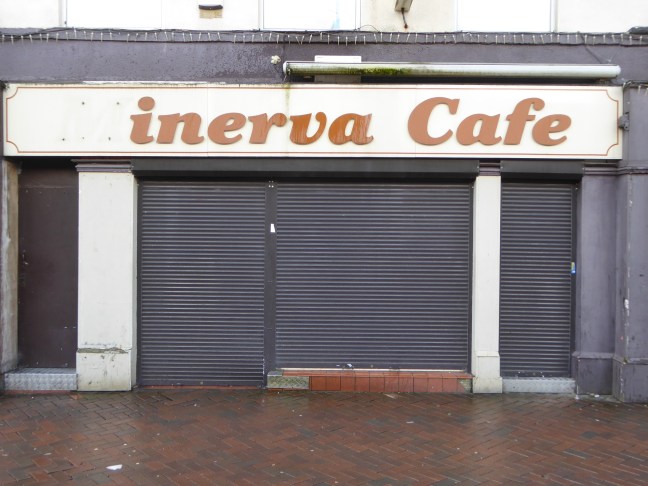
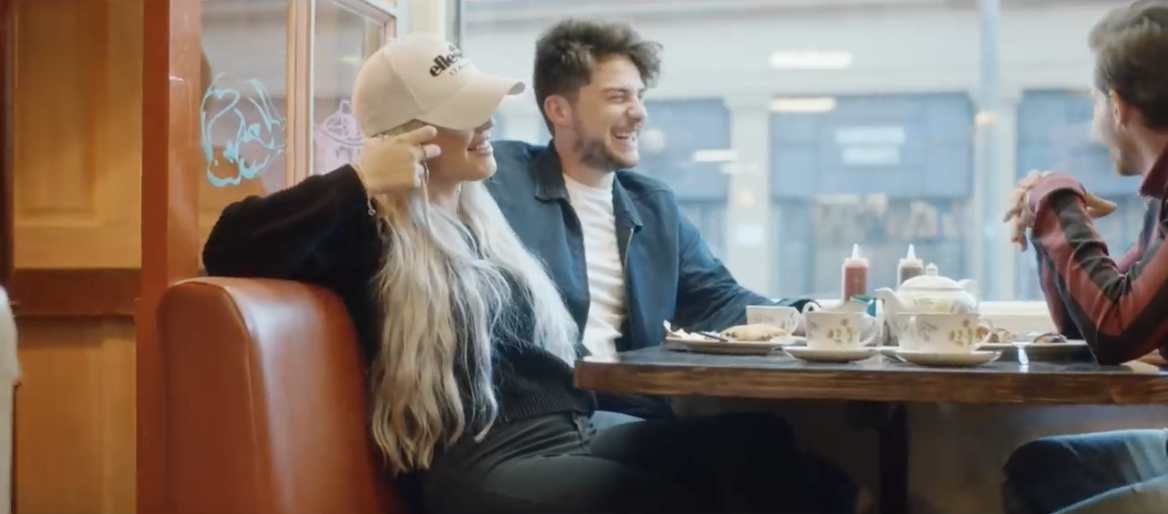
A Doncaster town centre cafe, once used by former pop star Louis Tomlinson to film a pop video, has closed after trading for more nearly 50 years near the market. The Minerva Cafe has closed down after trading sine the 1970s offering breakfasts and lunches to shoppers.
The shutters are now down on the shop, which has not now been used for two weeks, say neighbouring businesses. Minerva was well known for its big breakfasts which often earned rave reviews on the internet. It also had a celebrity link, having been used by the former One Direction star Louis Tomlinson for the shooting of his Back to You video, last year. Doncaster Council town center bosses confirmed they understood the cafe had closed down, but did not know the reason. Long serving Doncaster market trader Nigel Berrysaid he had seen no sign of activity at the cafe for two weeks. He said: It has been here in the market for such a long time. It’s been there since I first started on the market in 1971. People have commented to me it feels like it has been there forever.
“It is a shame to see it closed. It has been a bit of an institution round here.”
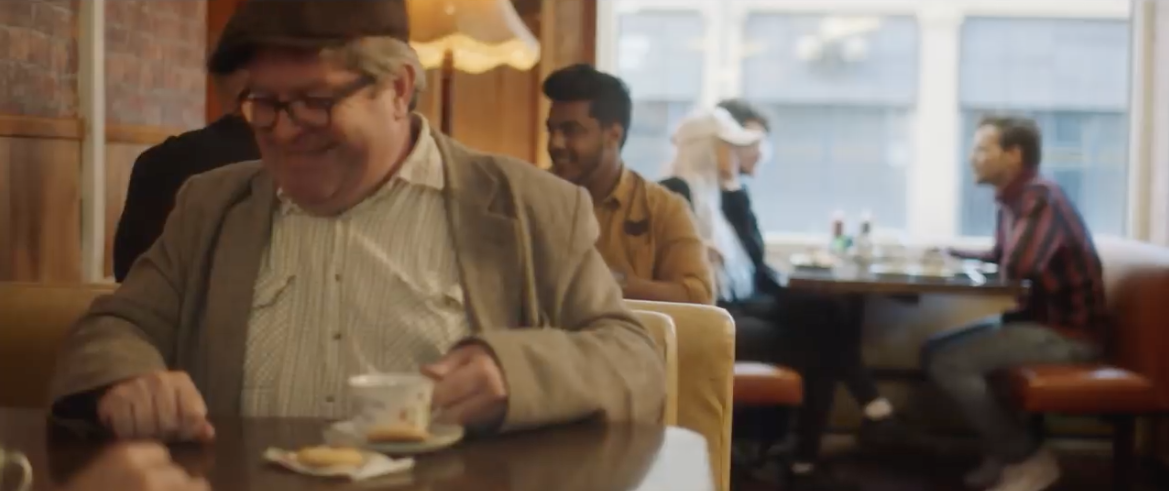
I came here on the 8th of February 2016, hungry but no alone – unaware of the Minerva’s popular cultural significance.
I just wanted a pie.
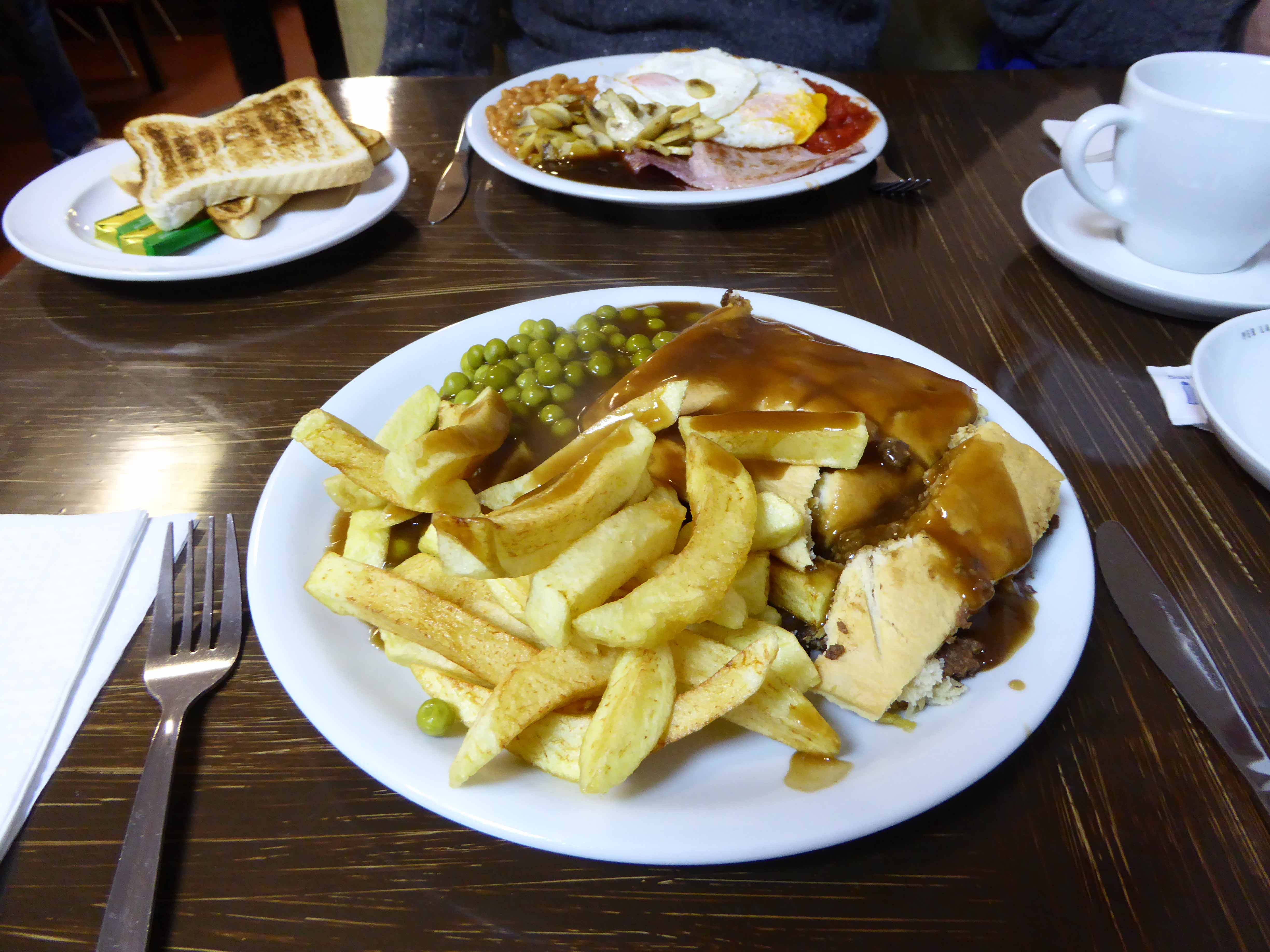
It came with chips peas and gravy – proper chips, proper tinned peas and an authentic plate pie pastry top and bottom, meaty minced meat filling.
My partner in crime had the full breakfast
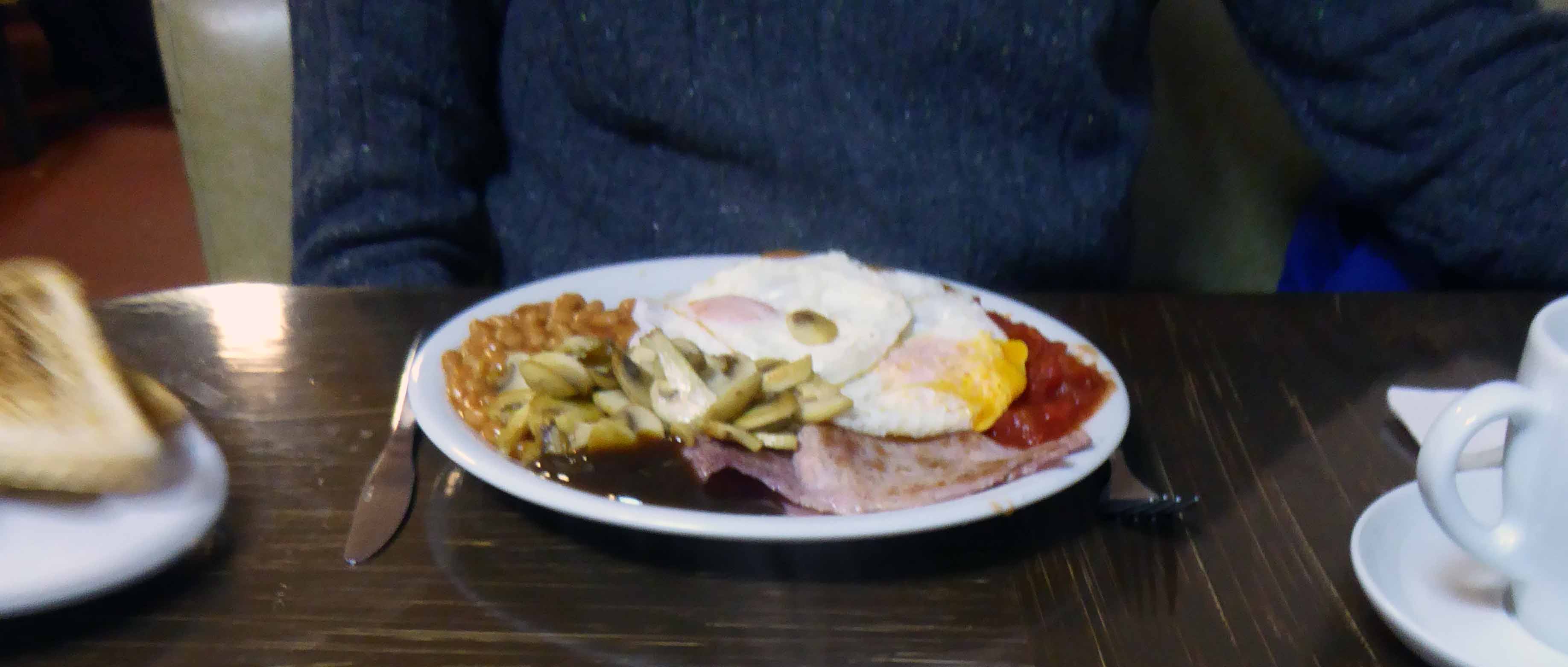
We drank hot tea, chatted sporadically and ate the lot.
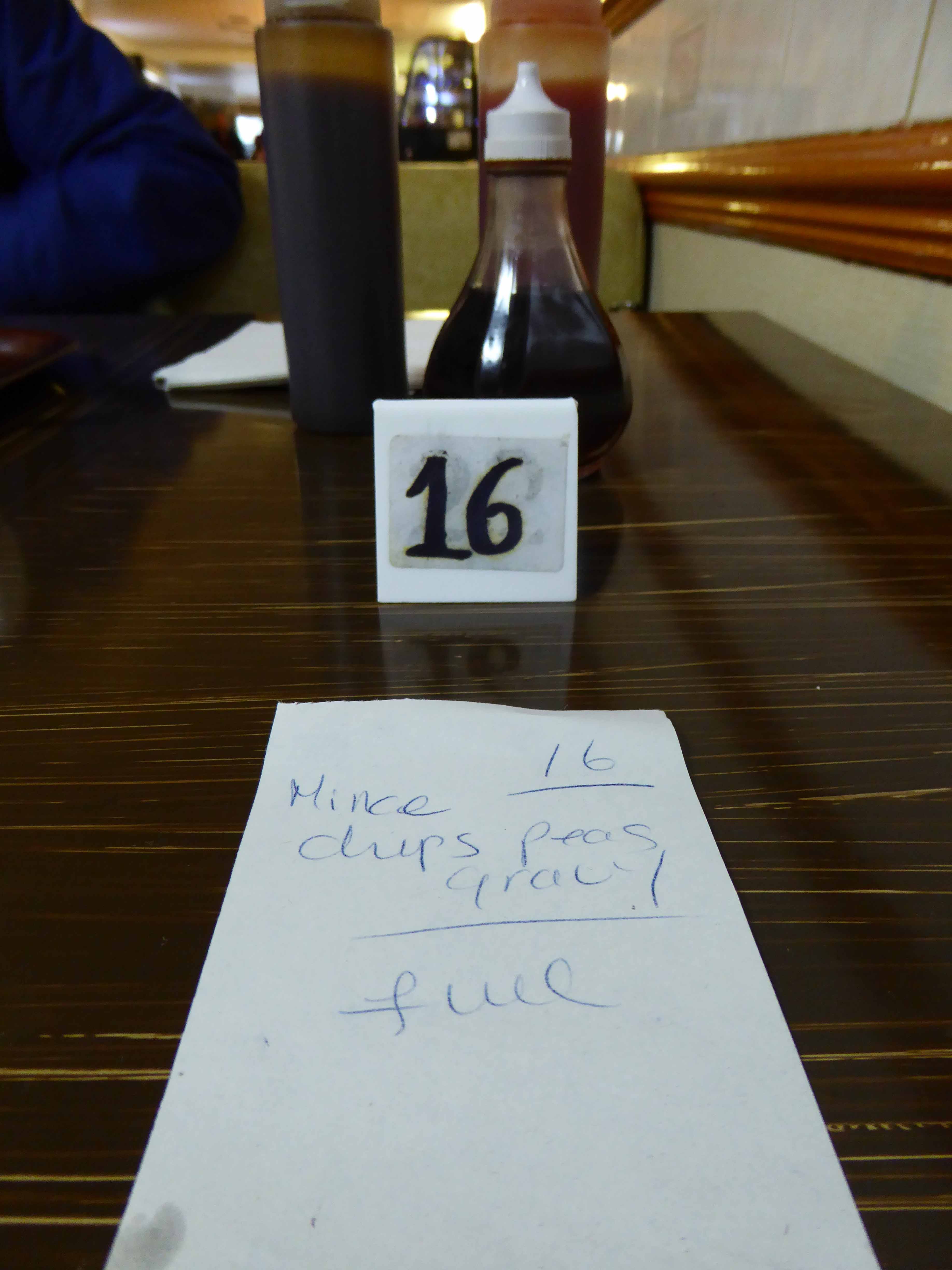
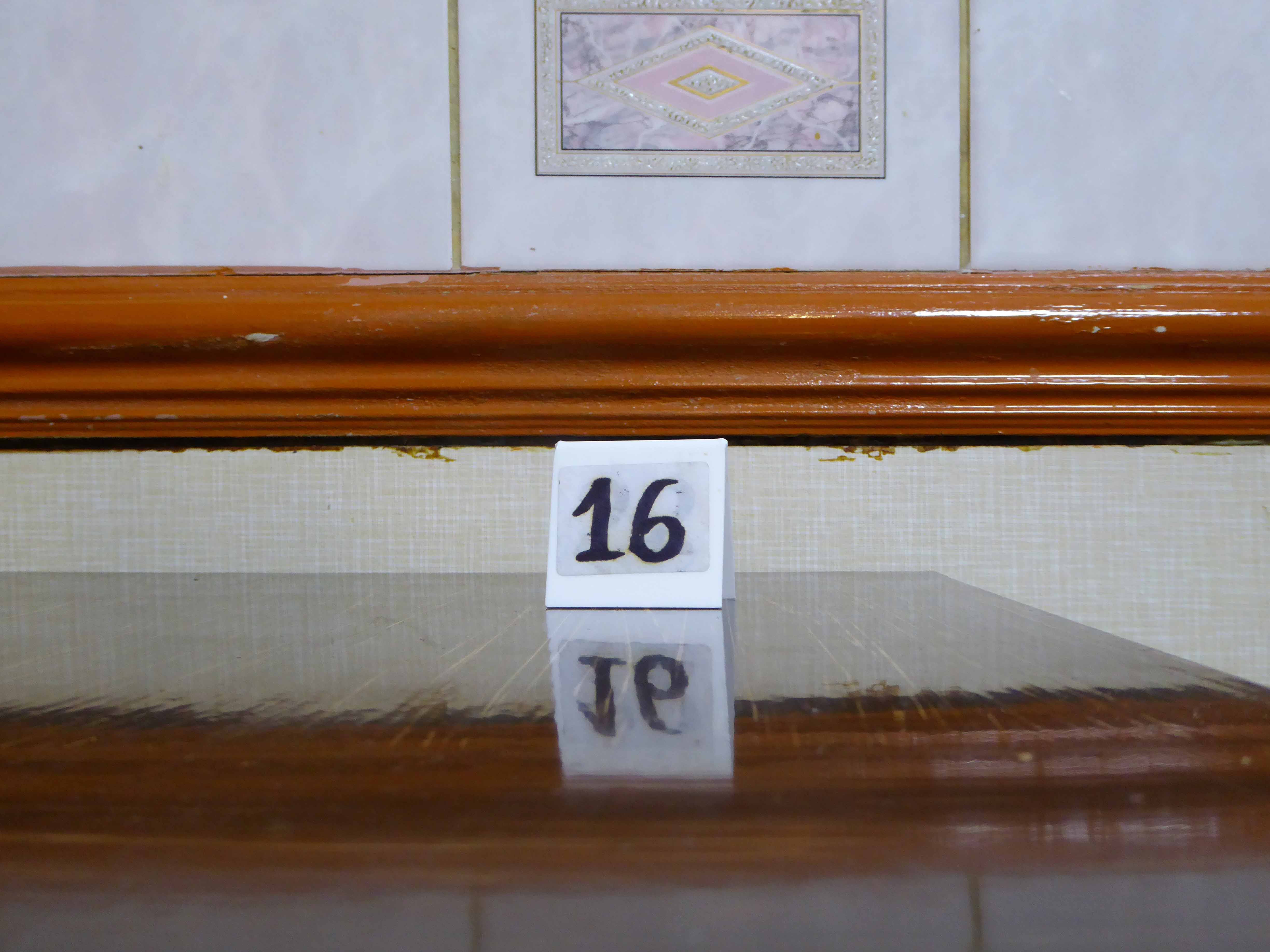
Table 16 aka table 22 – was more than satisfied.
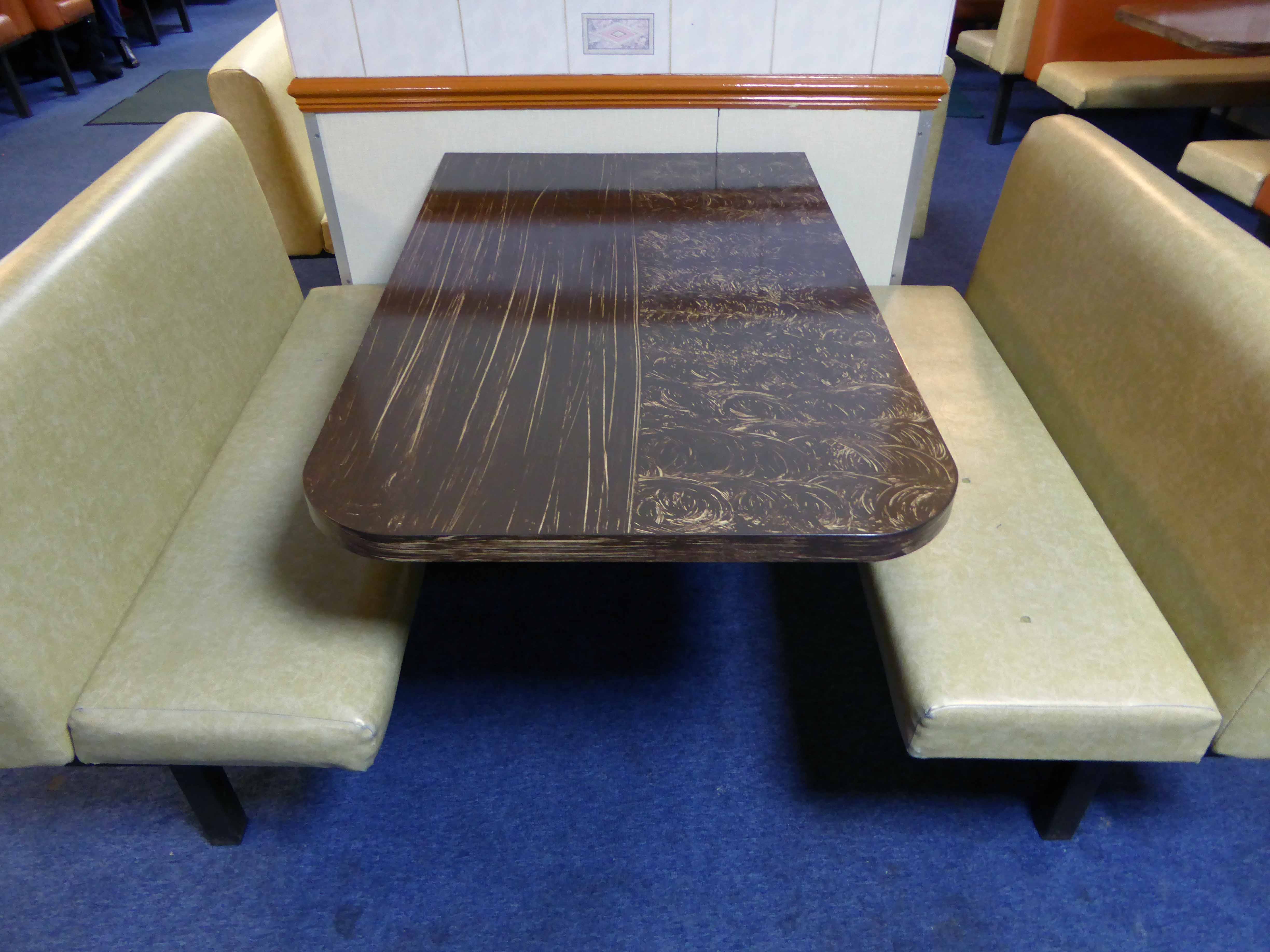
The table was more than satisfactory a pale leatherette seated booth, with erratic homespun wood grain effects.
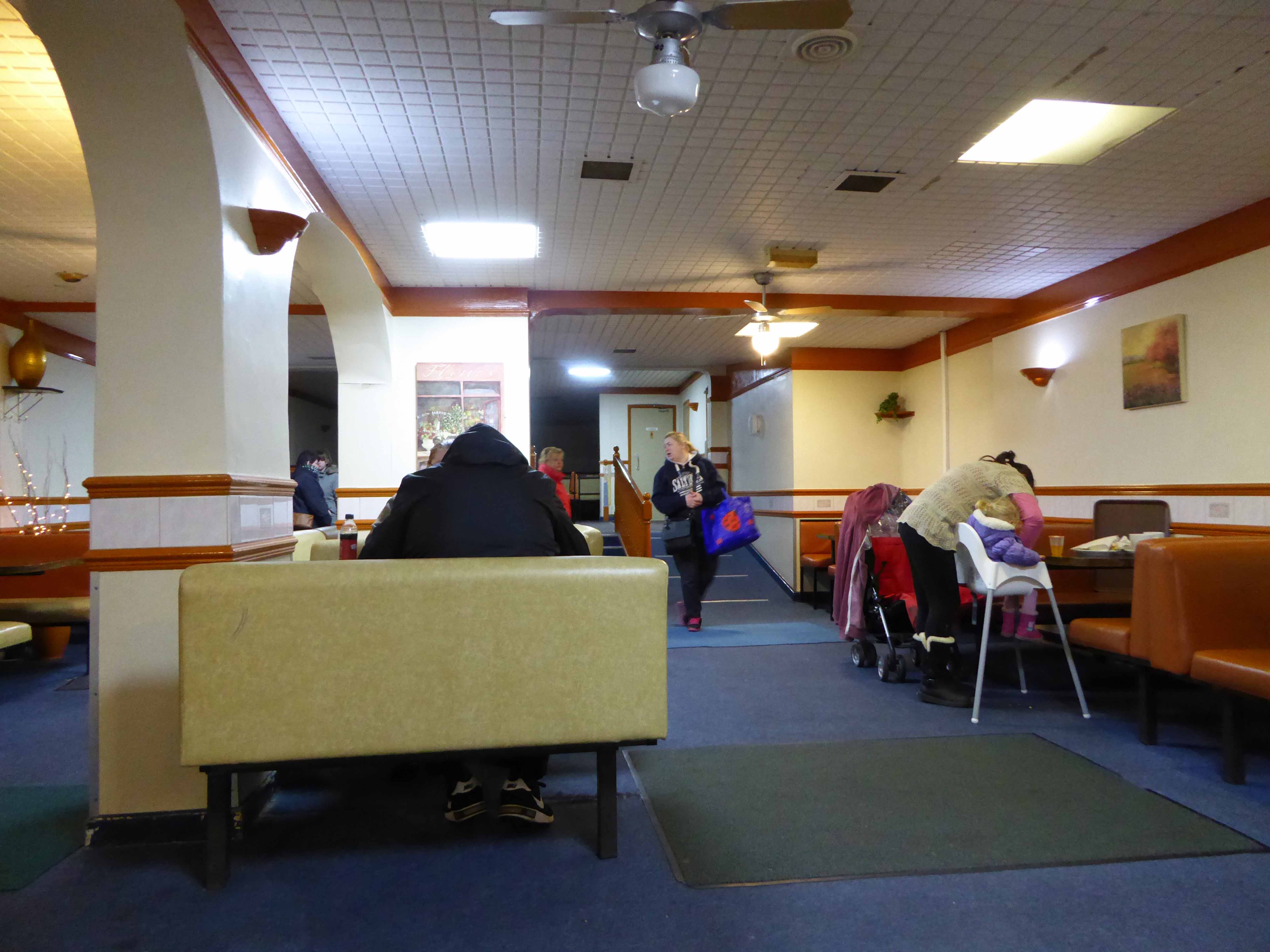
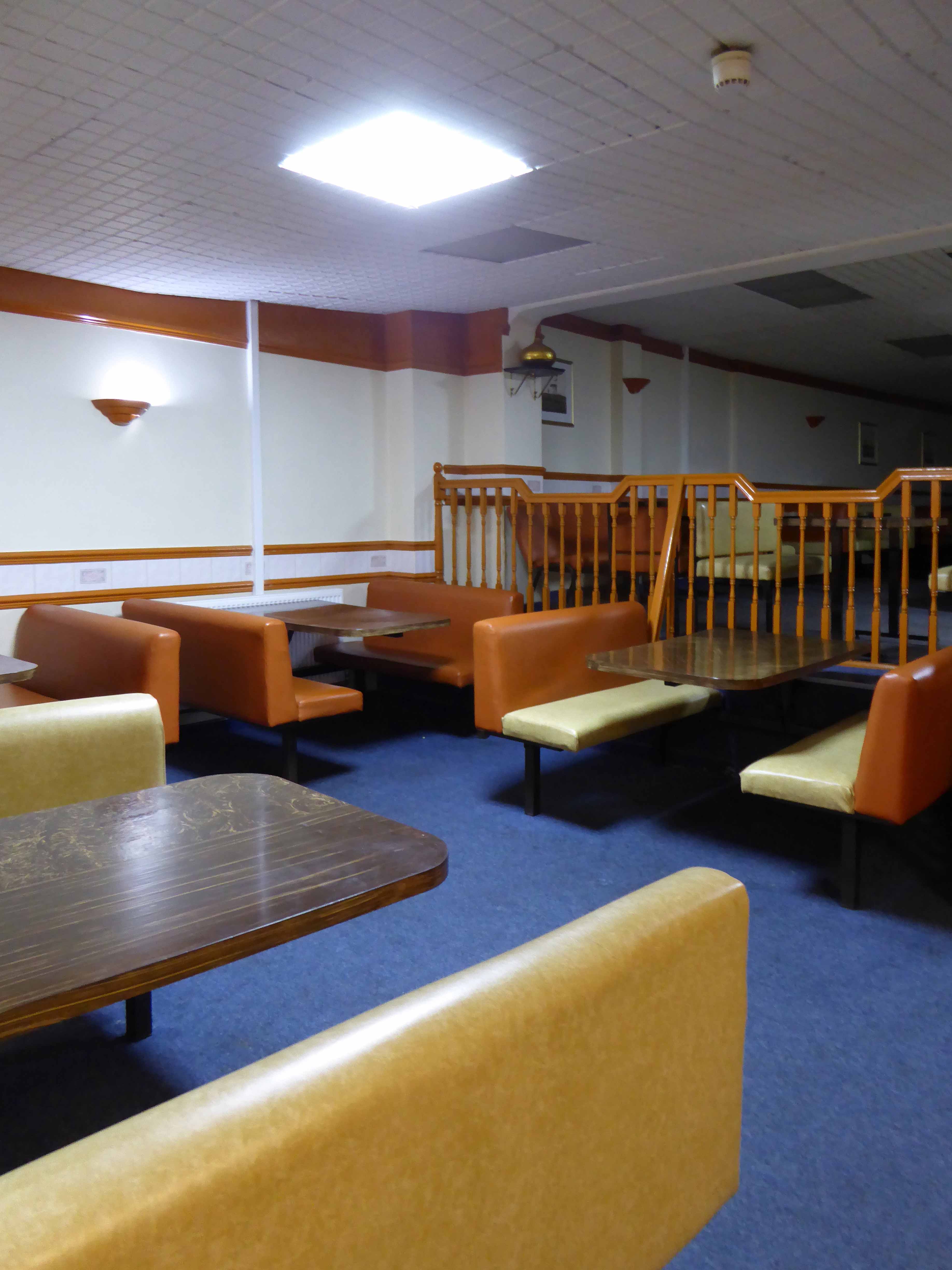
This was a place with hidden depths receding back from the entrance into deeper and deeper space.
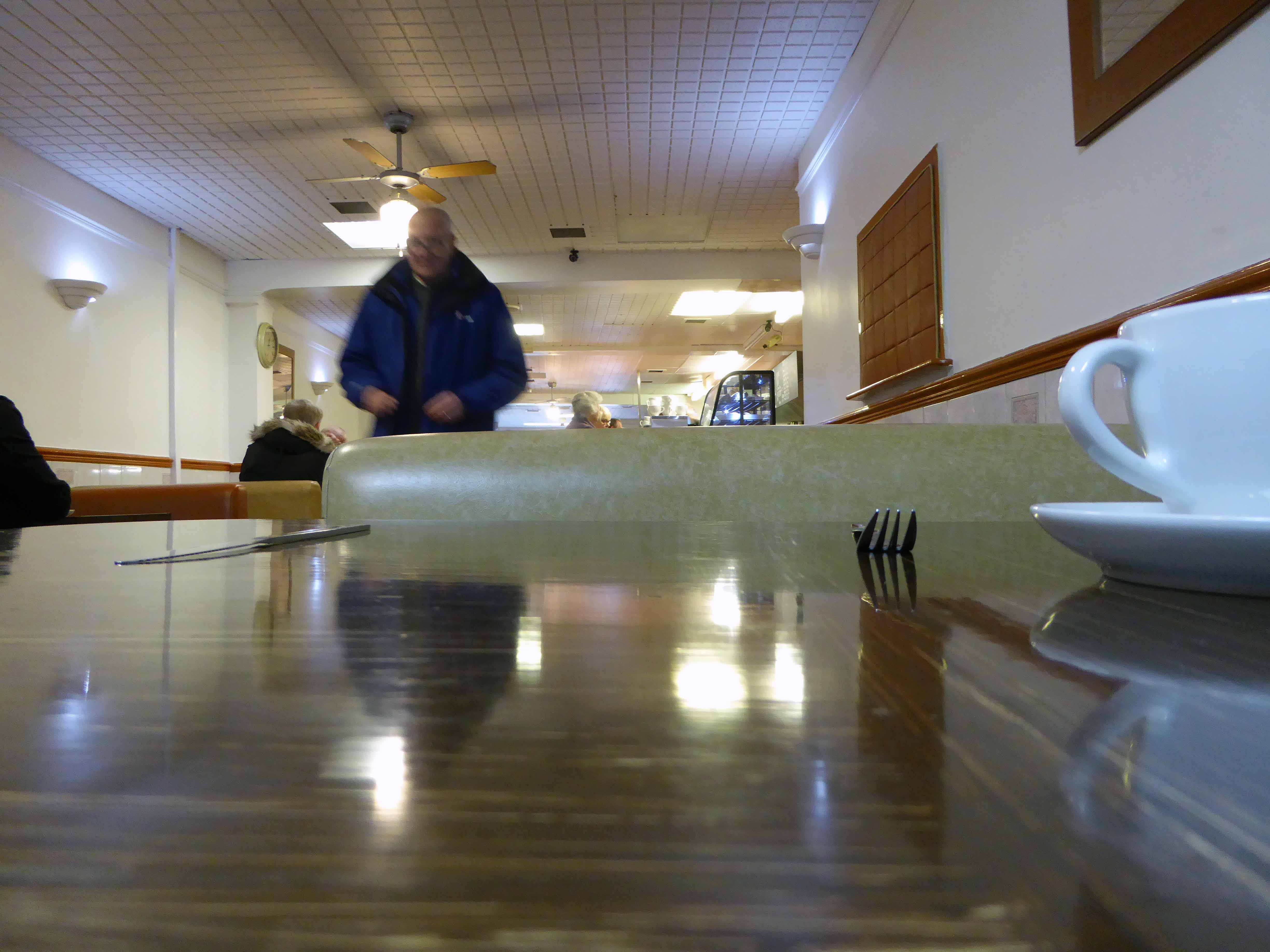
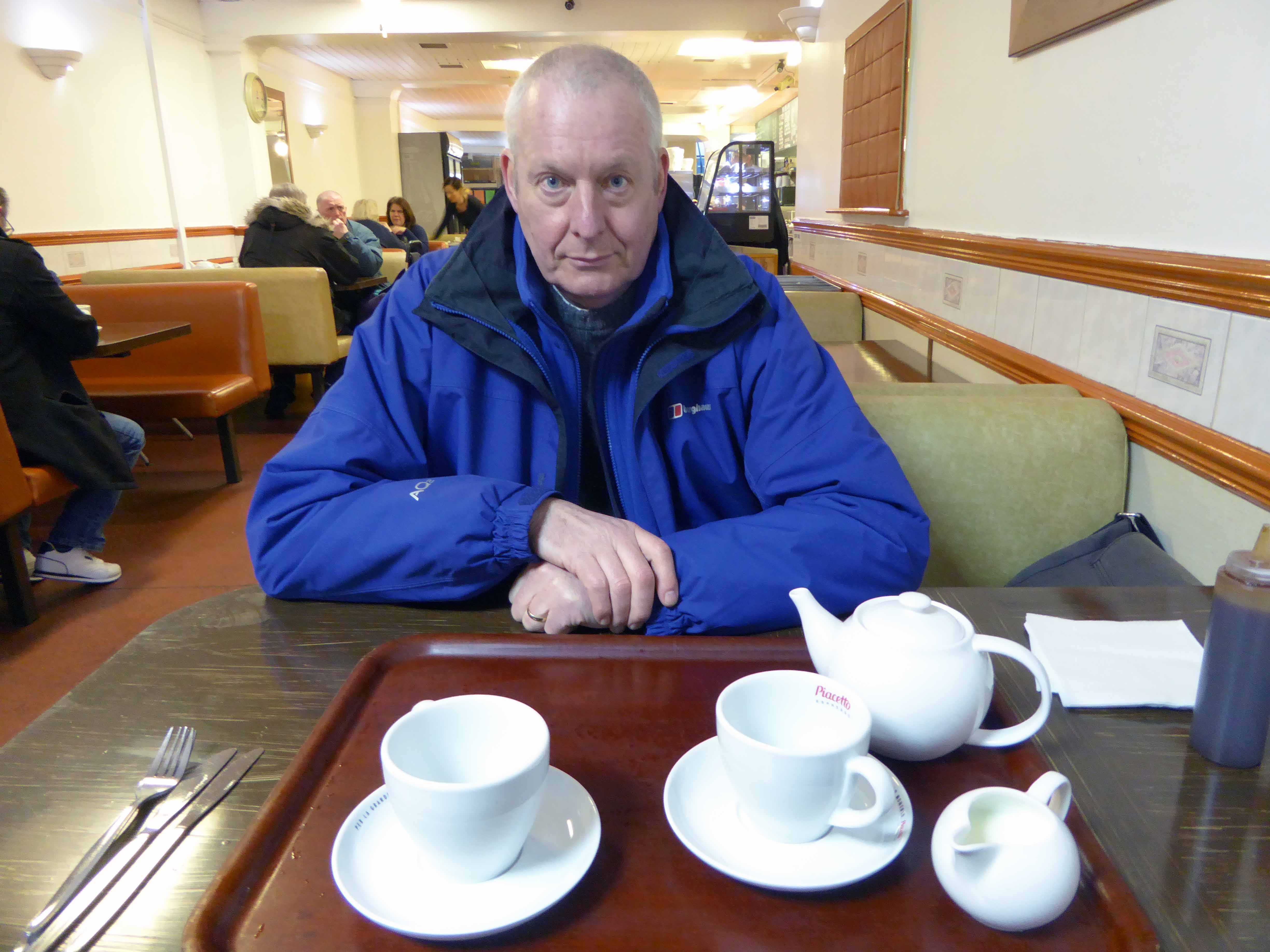
And a proper regard for tea service etiquette – with no room for poor pouring stainless steel pragmatism.
But where are we now?
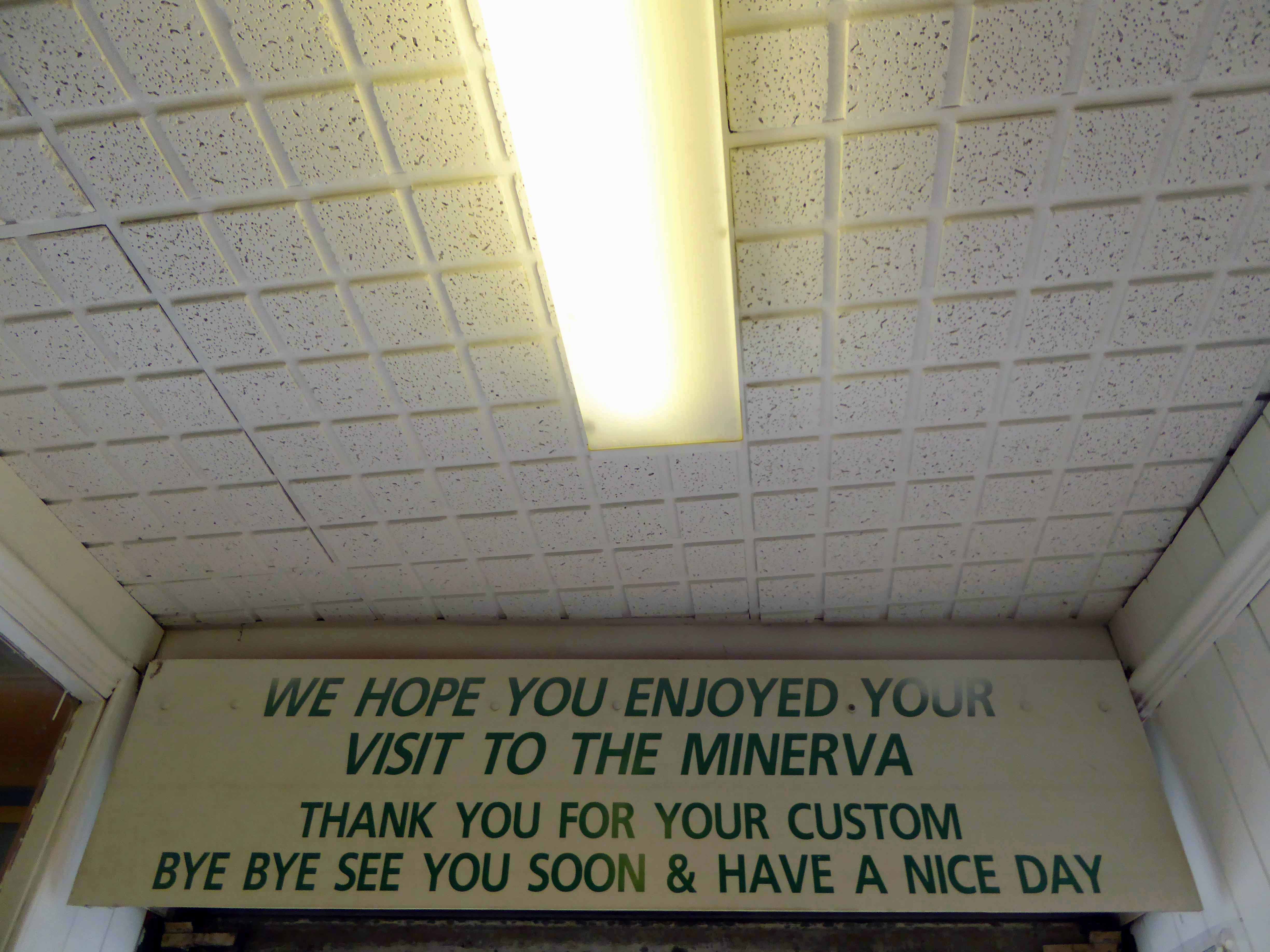
I returned on February 9th 2019 and the M was missing the Minerva was missing the shutters were down – ain’t nobody home.
No more pie, peas, chips and gravy no more full up upon full breakfasts.
No more Minerva, no more.
Who you gonna call?
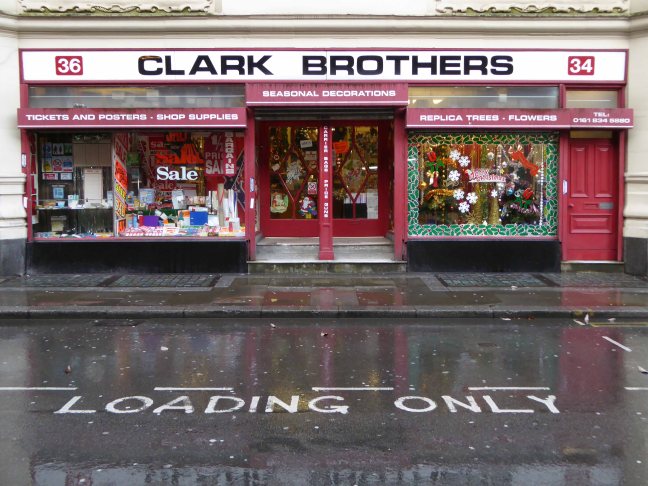
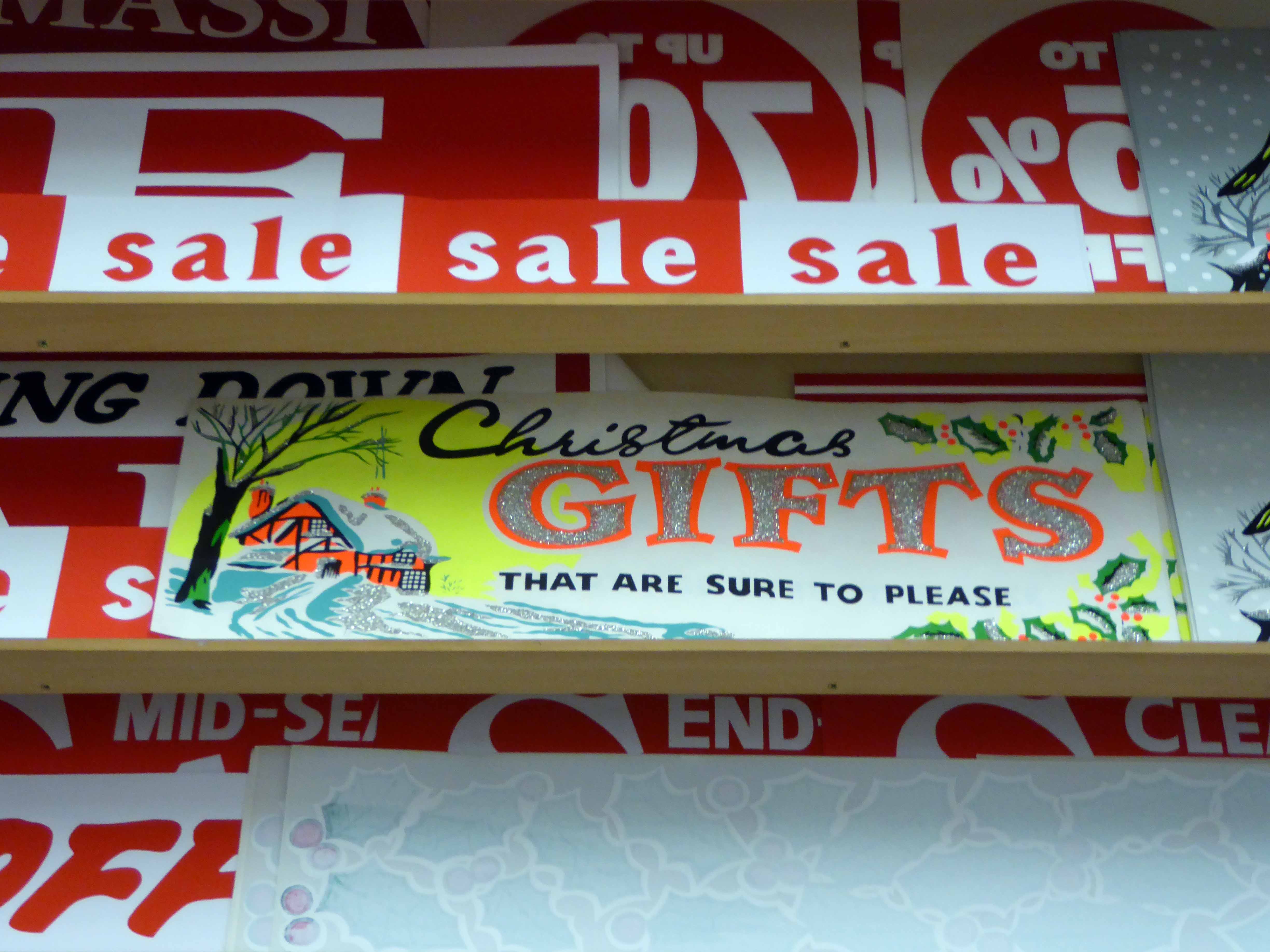
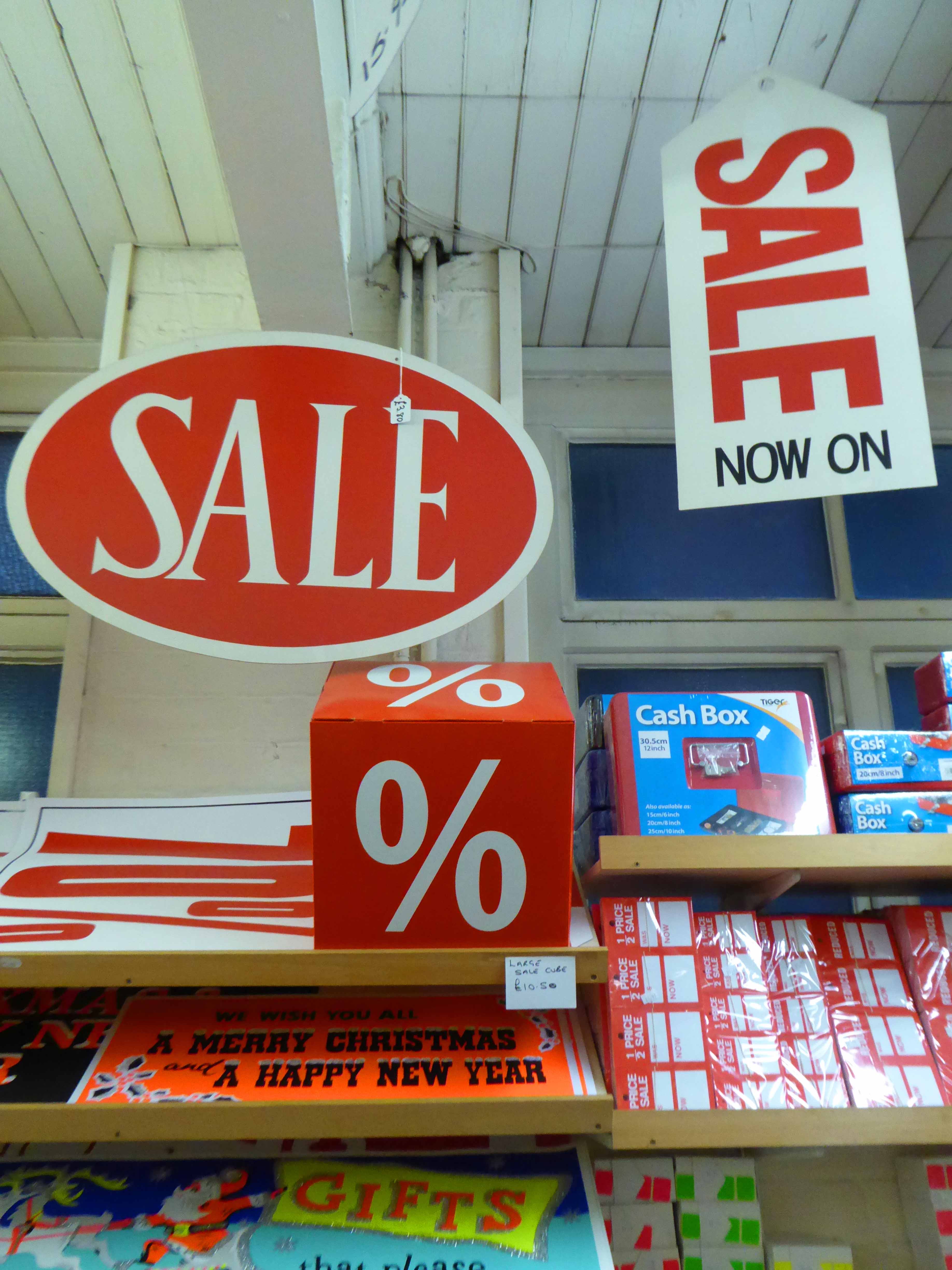
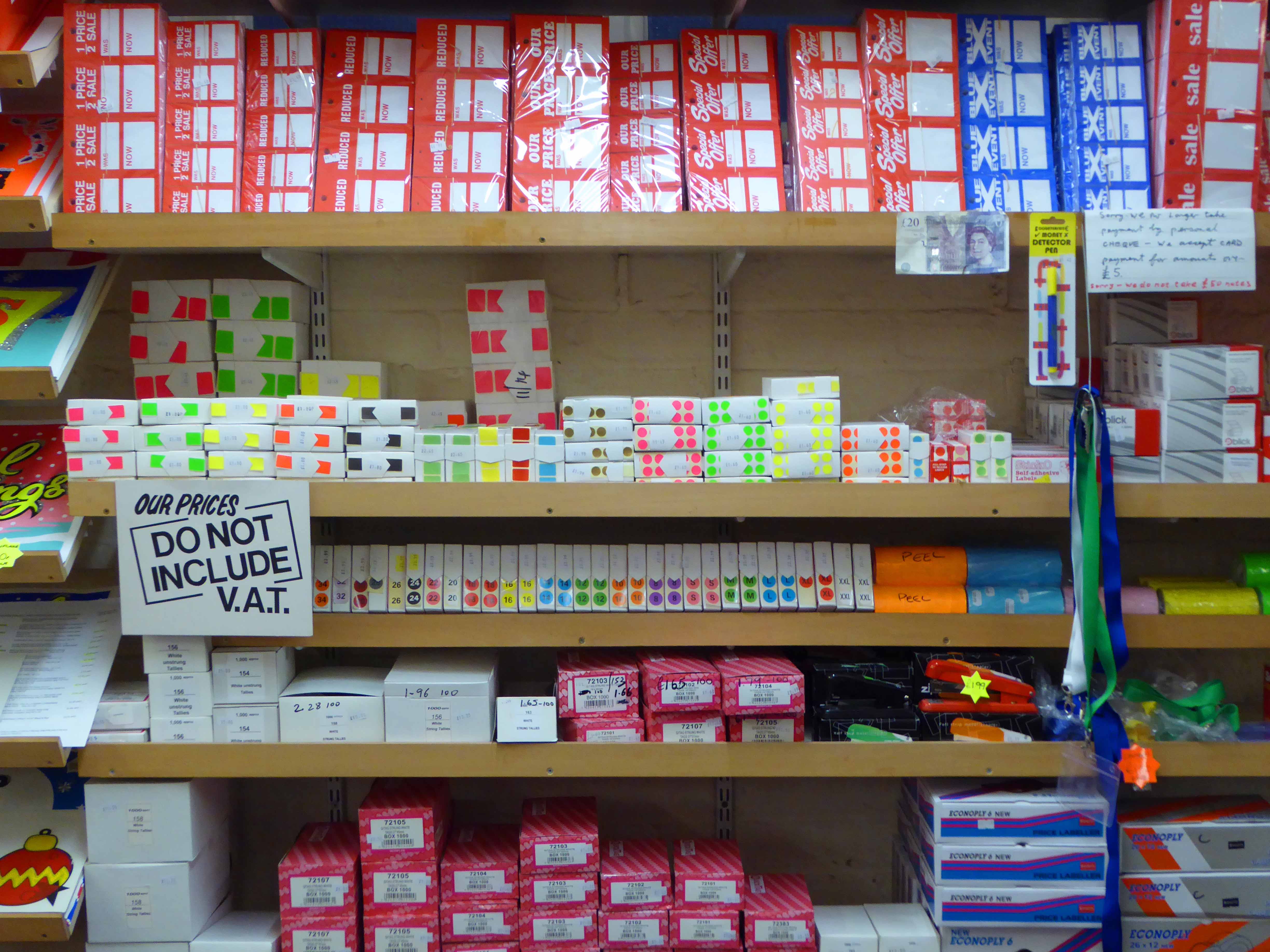
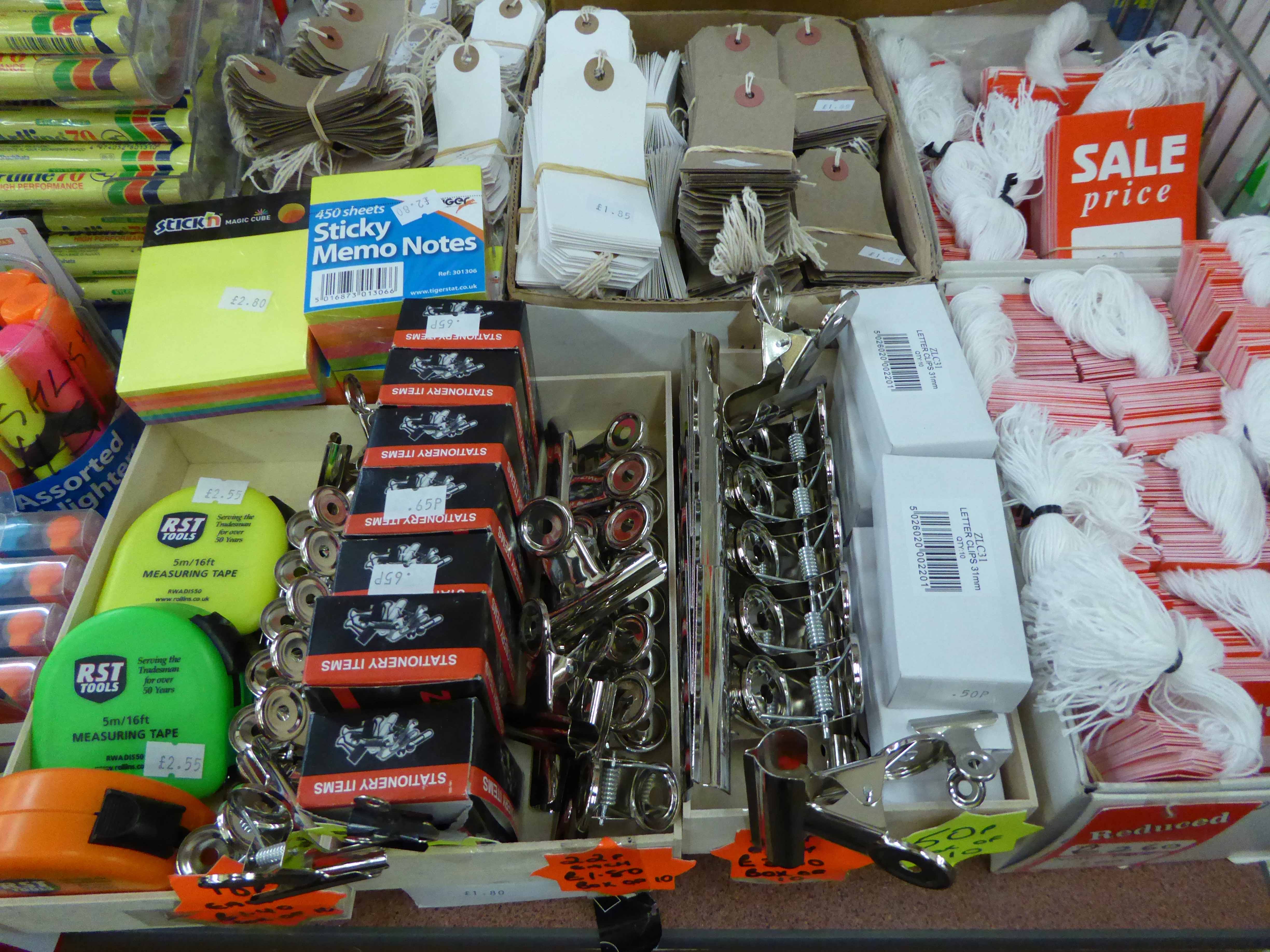
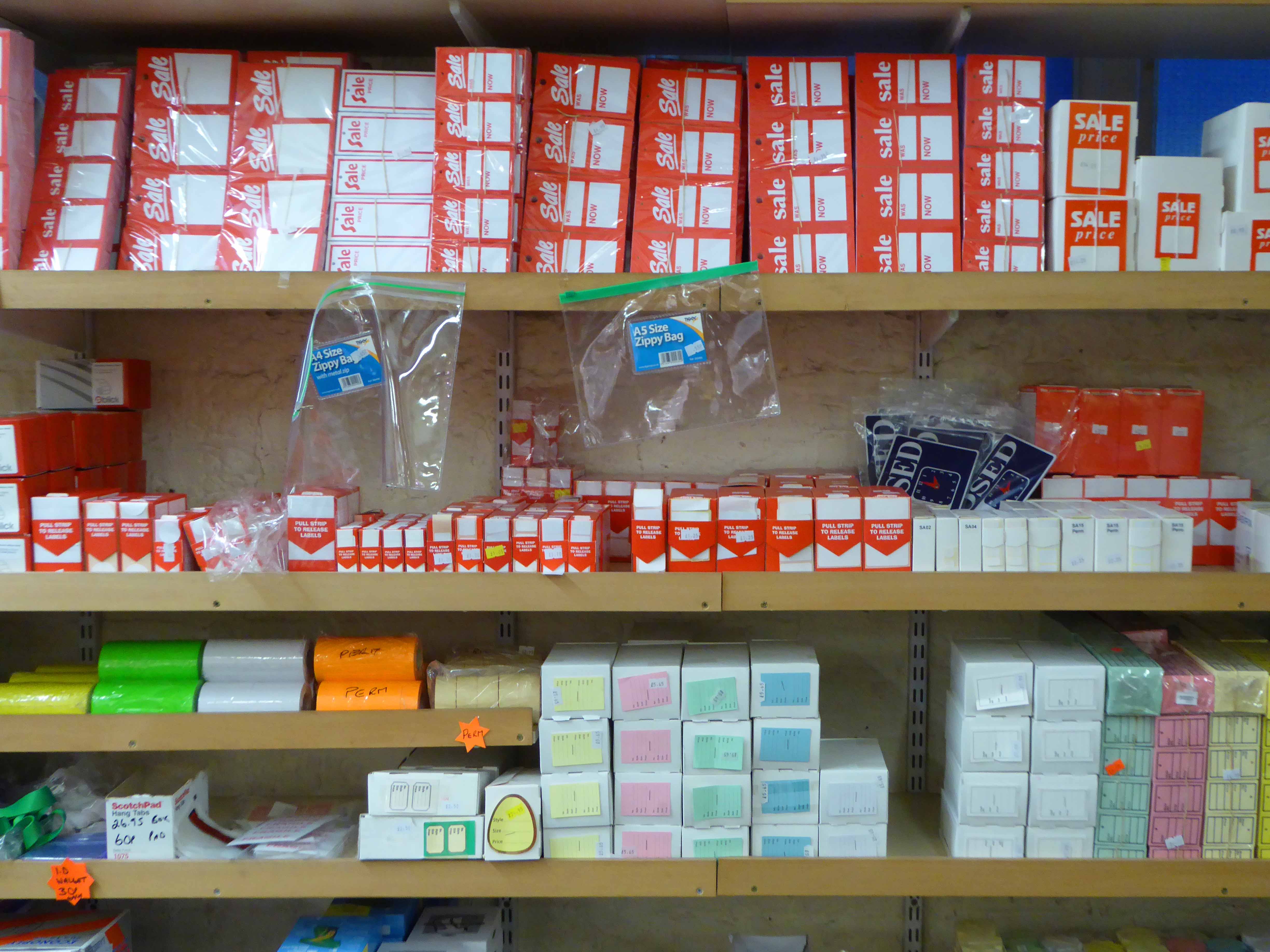
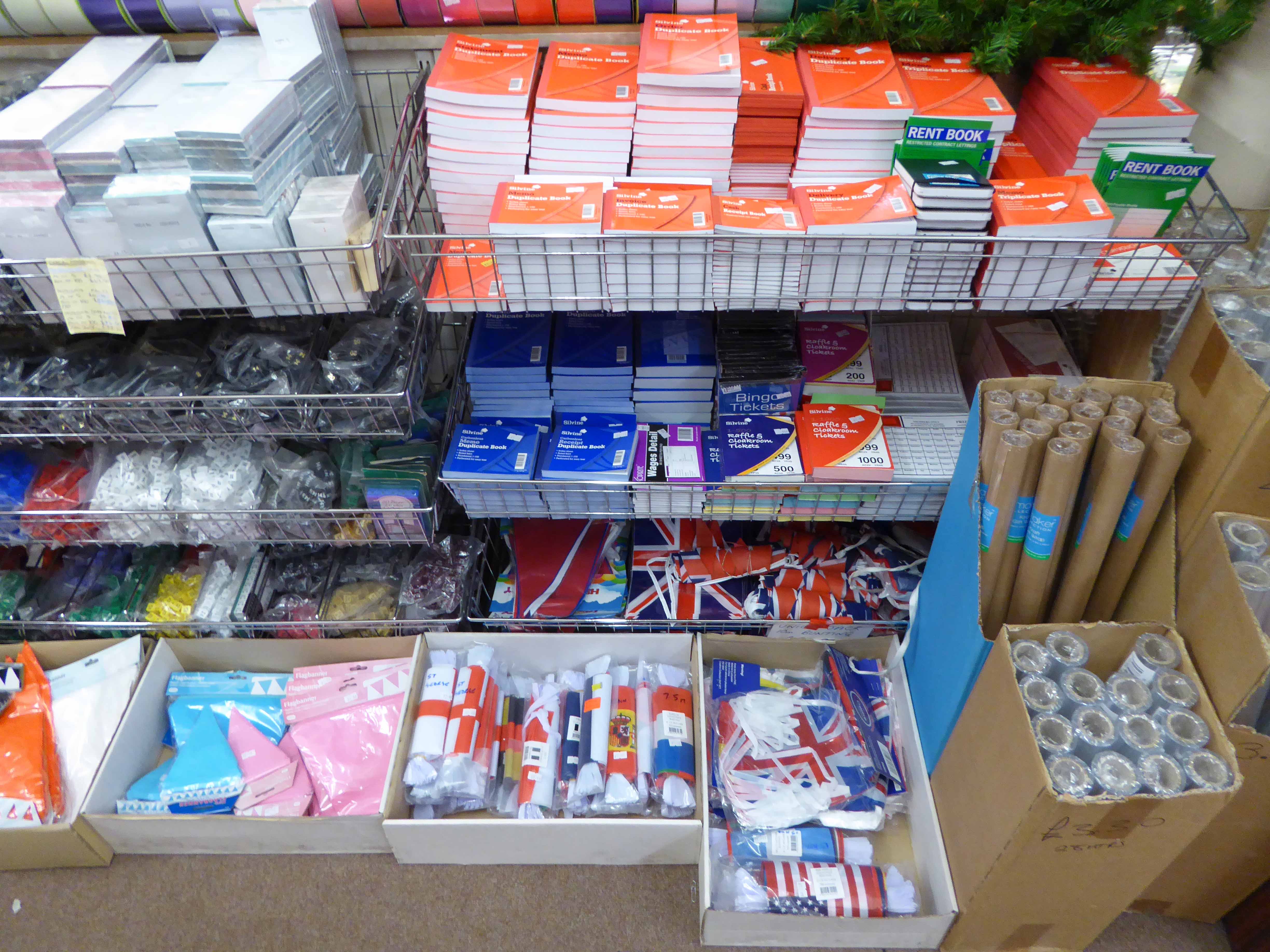
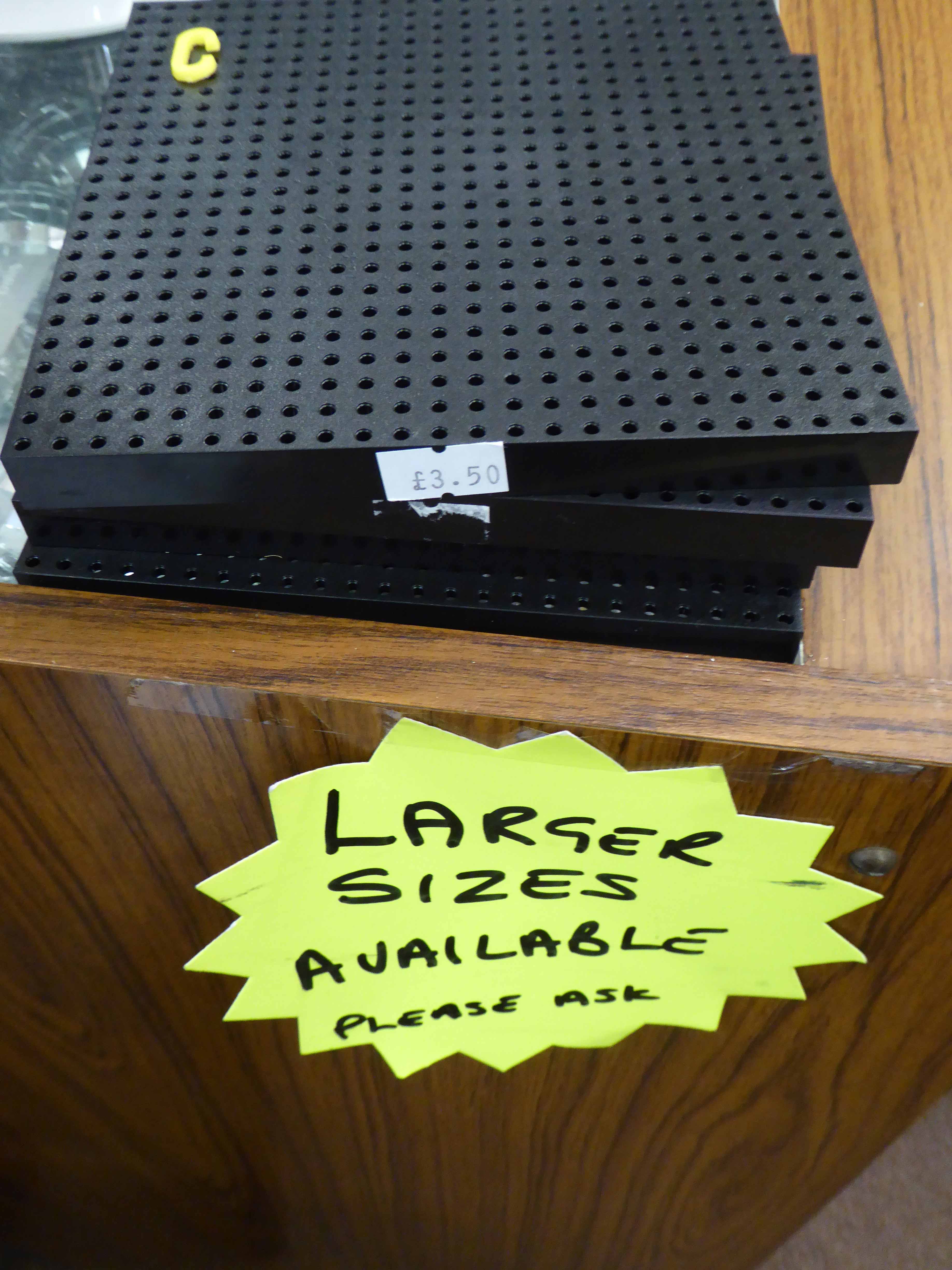
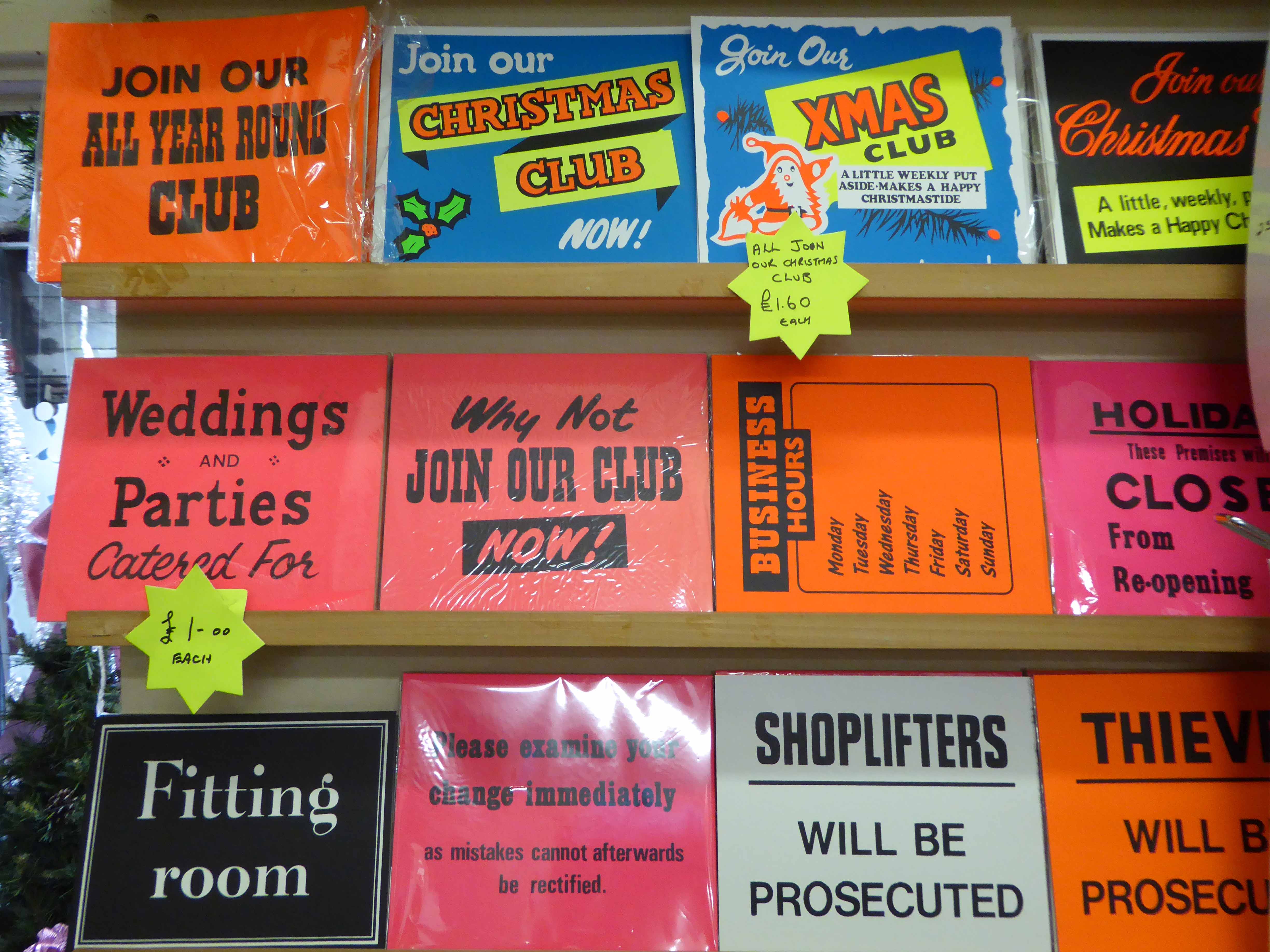
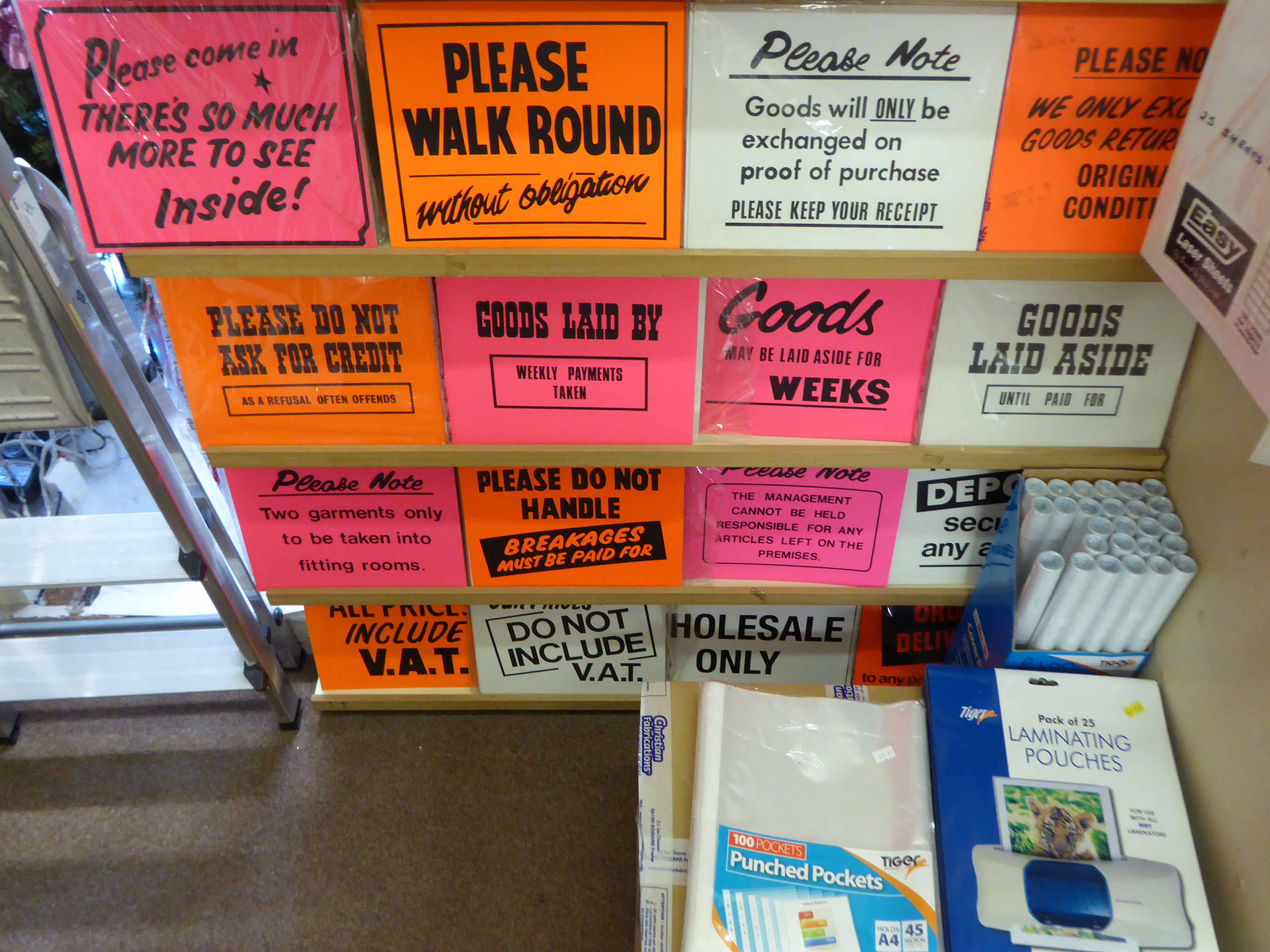
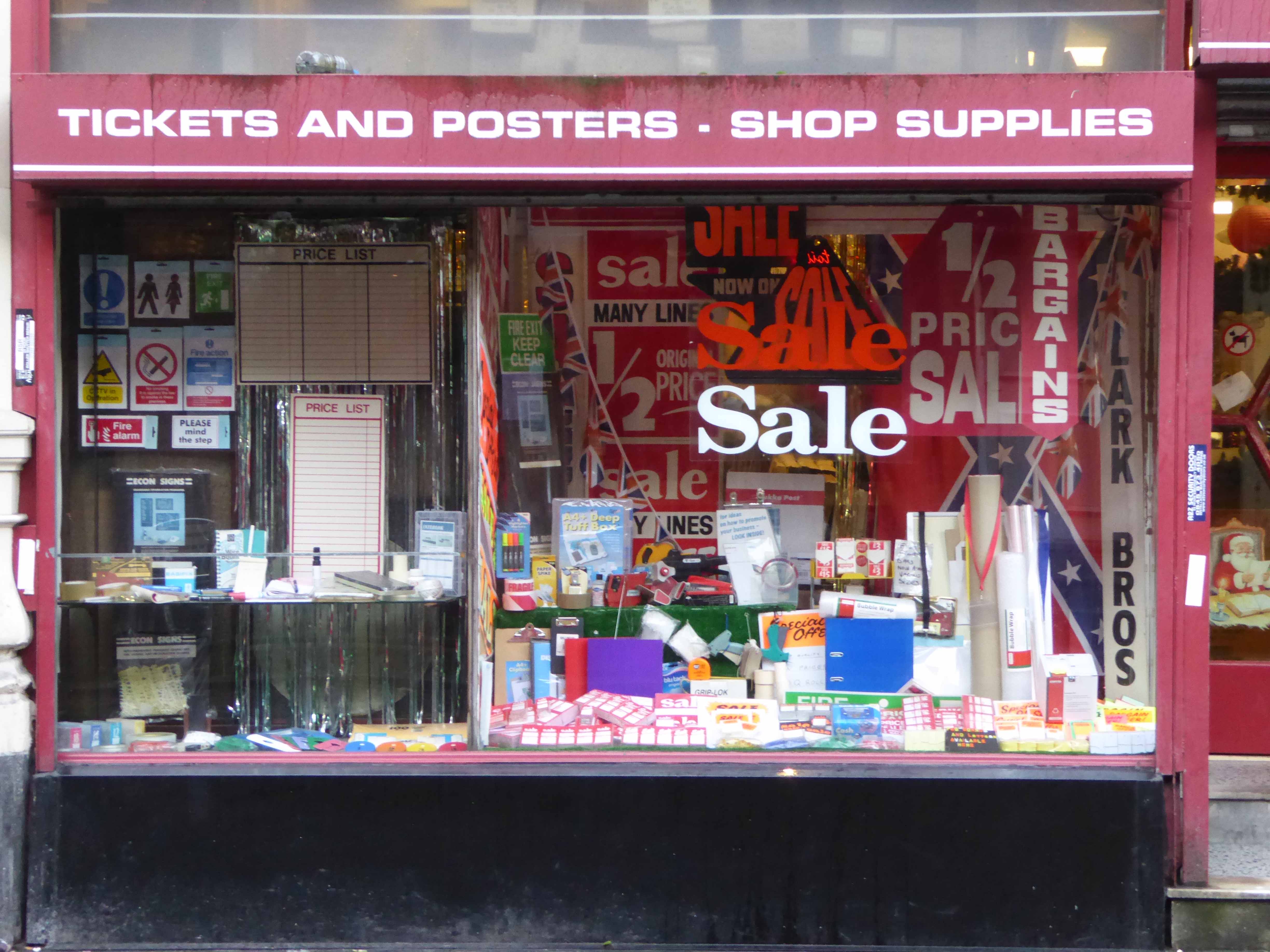
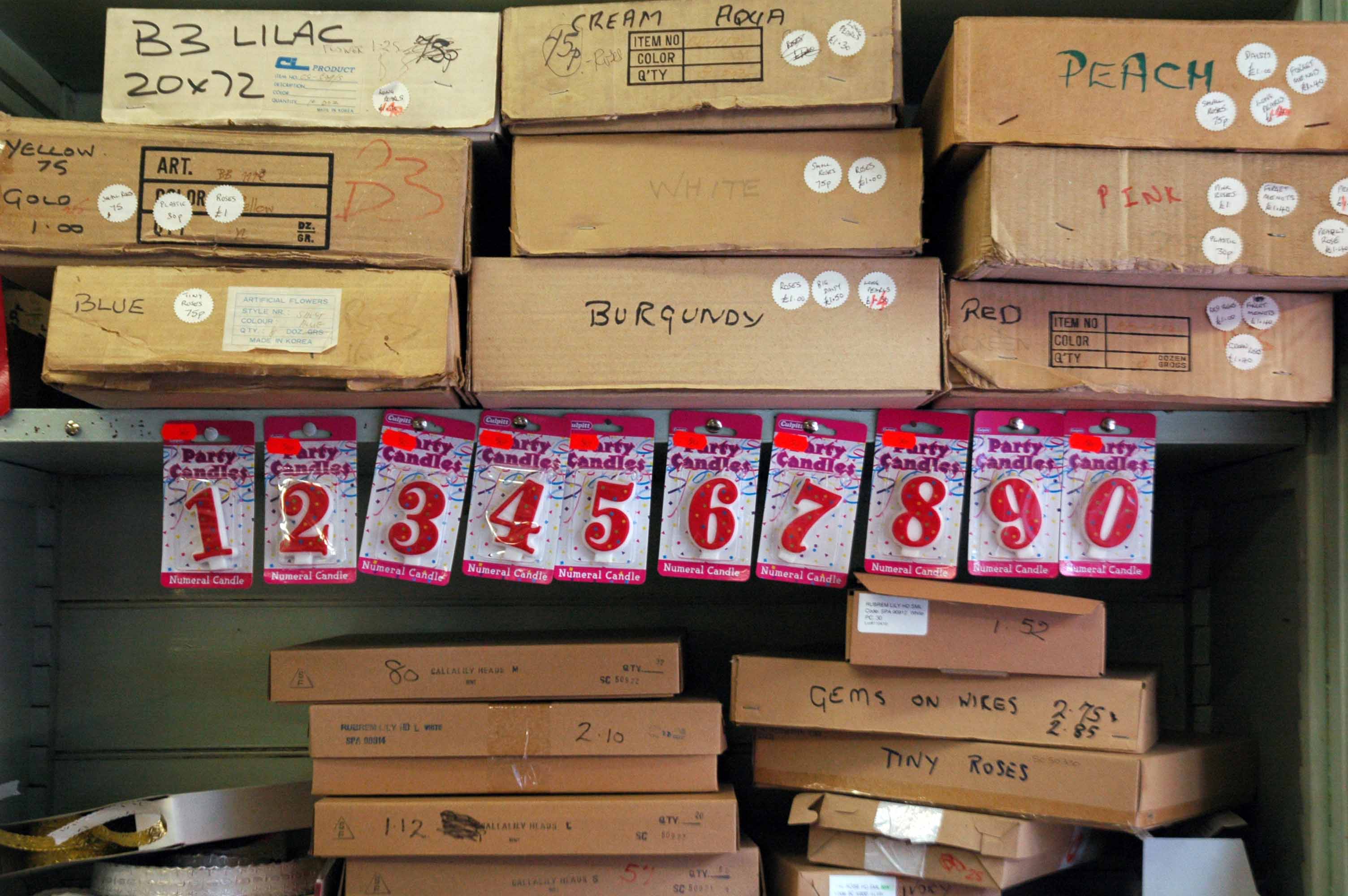
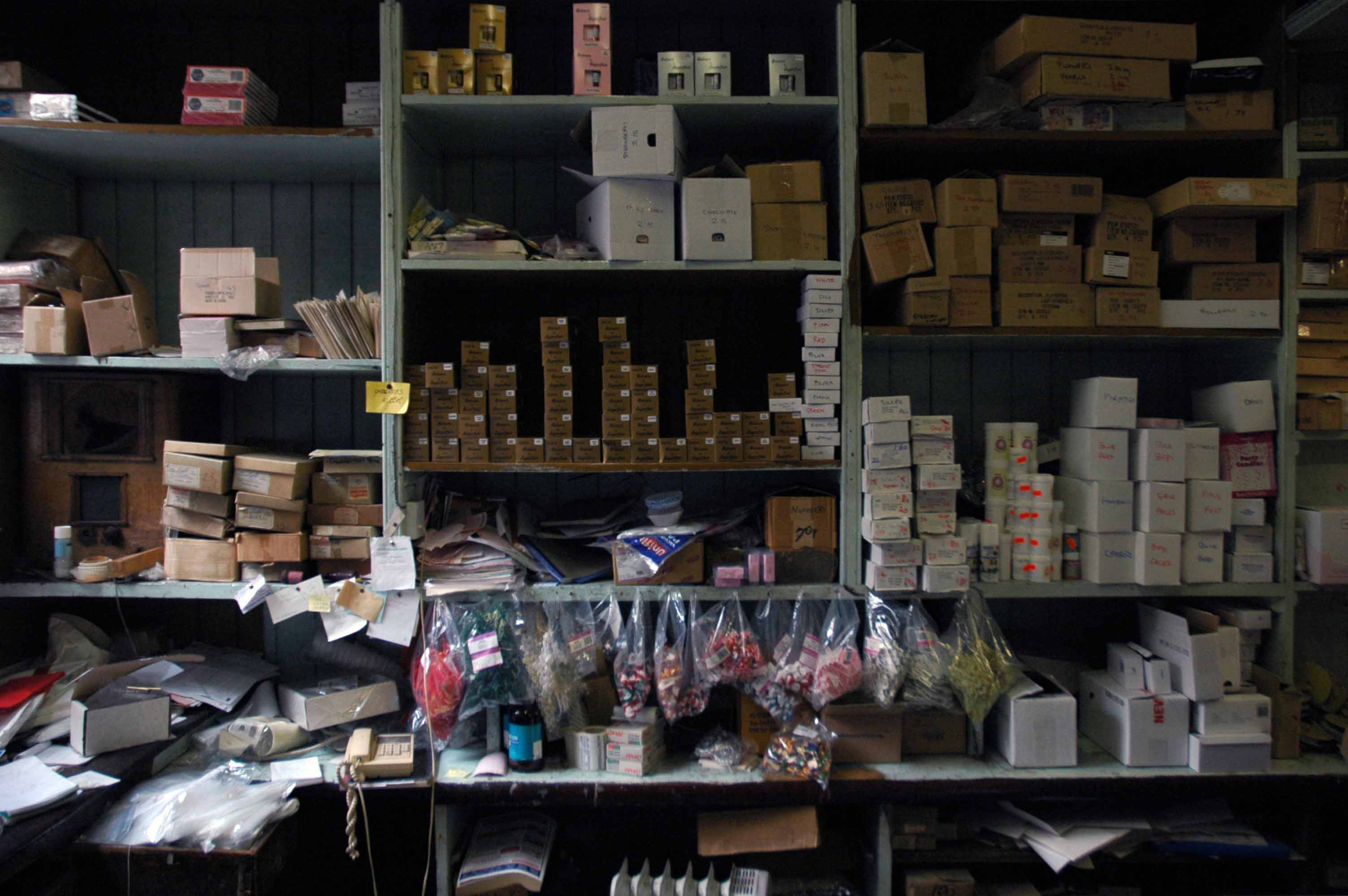
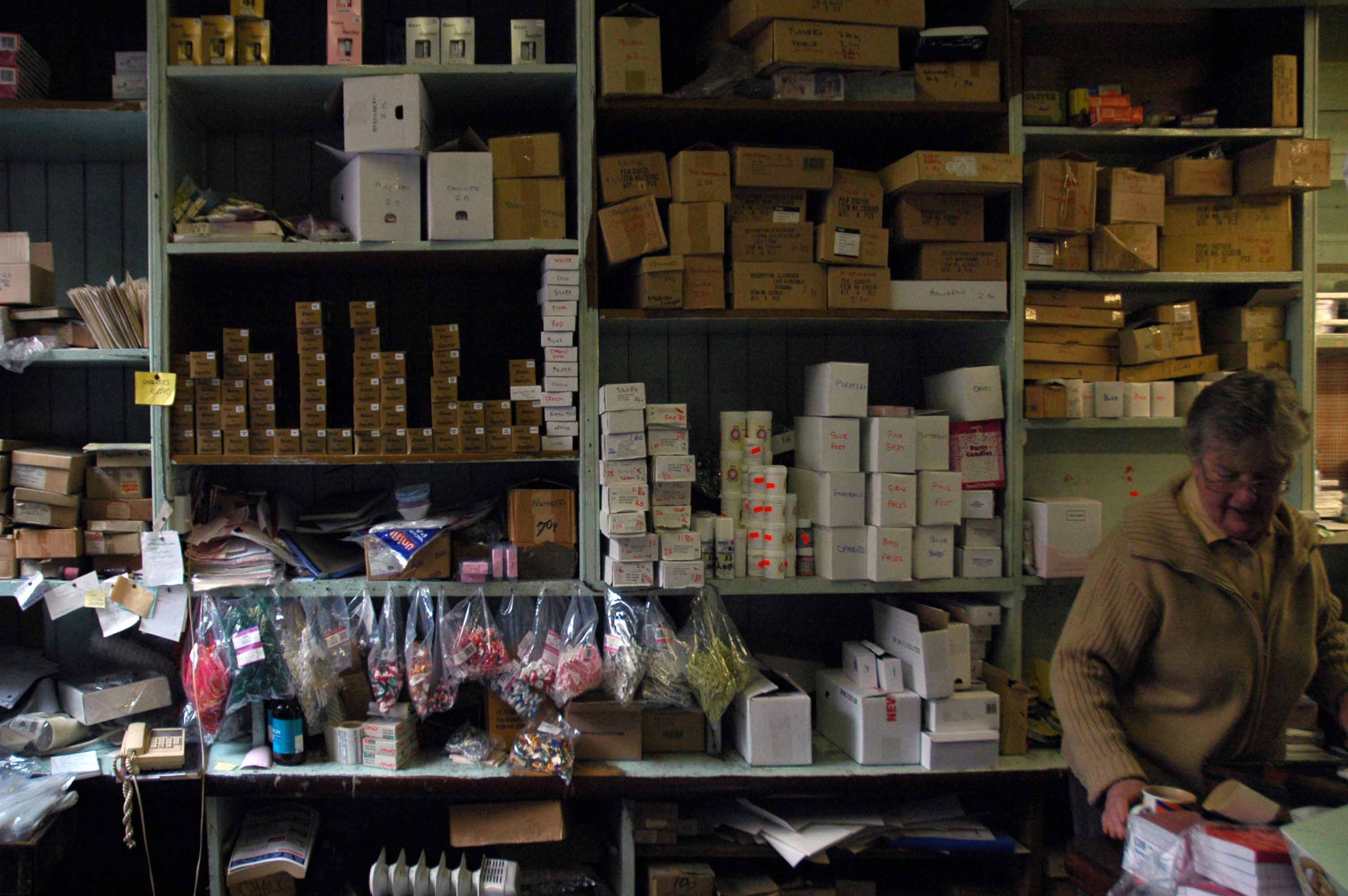
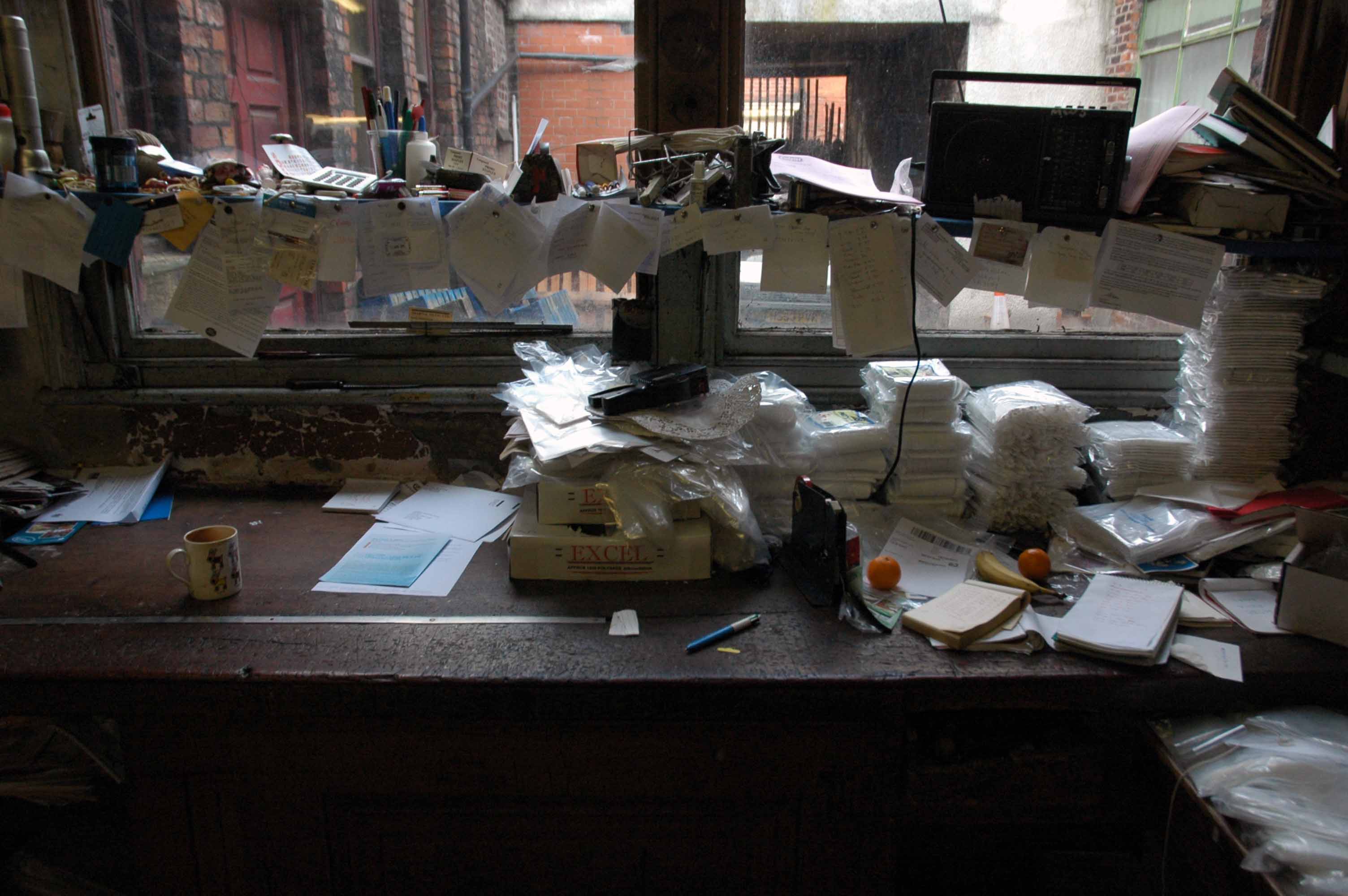
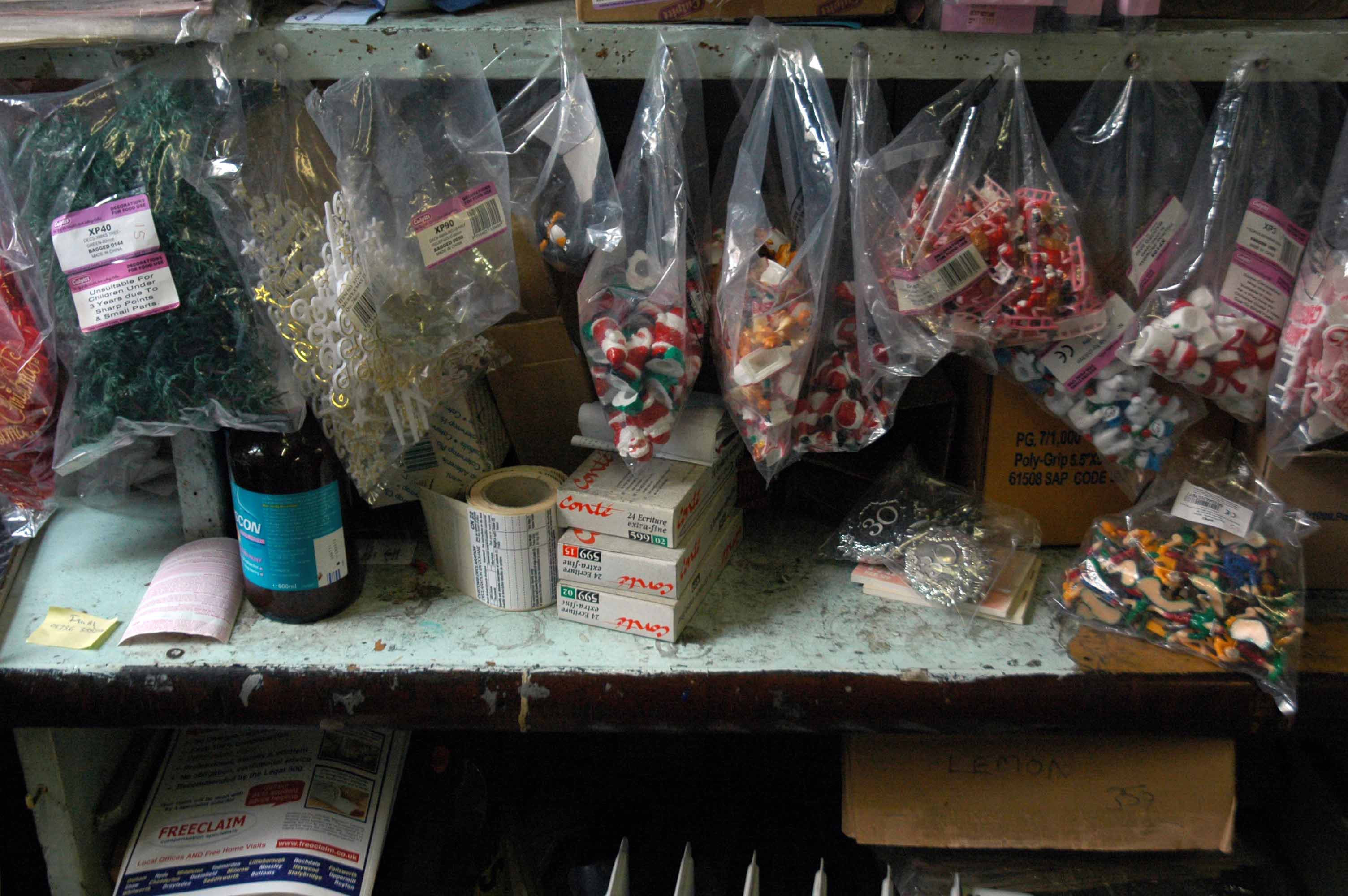
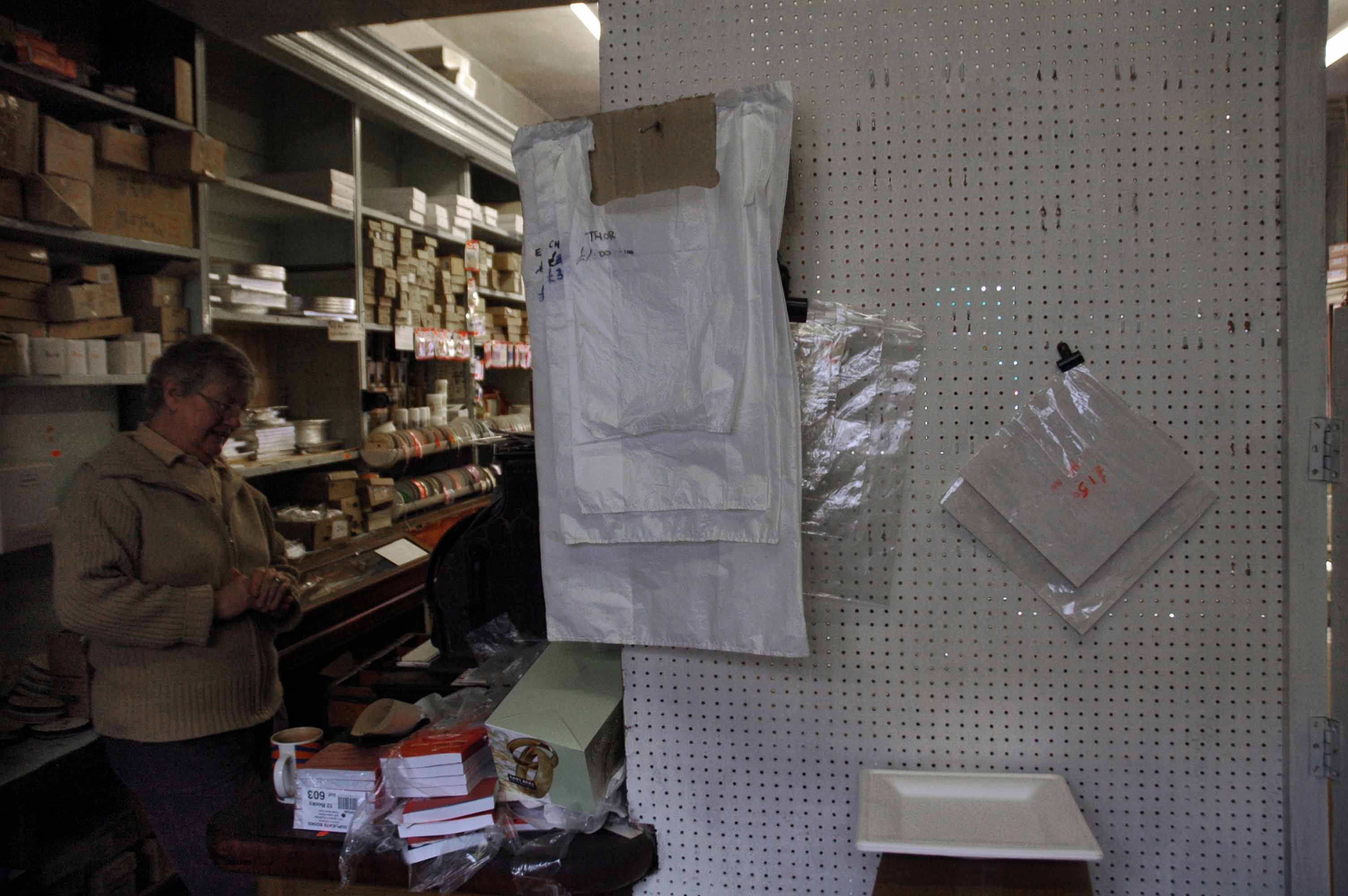
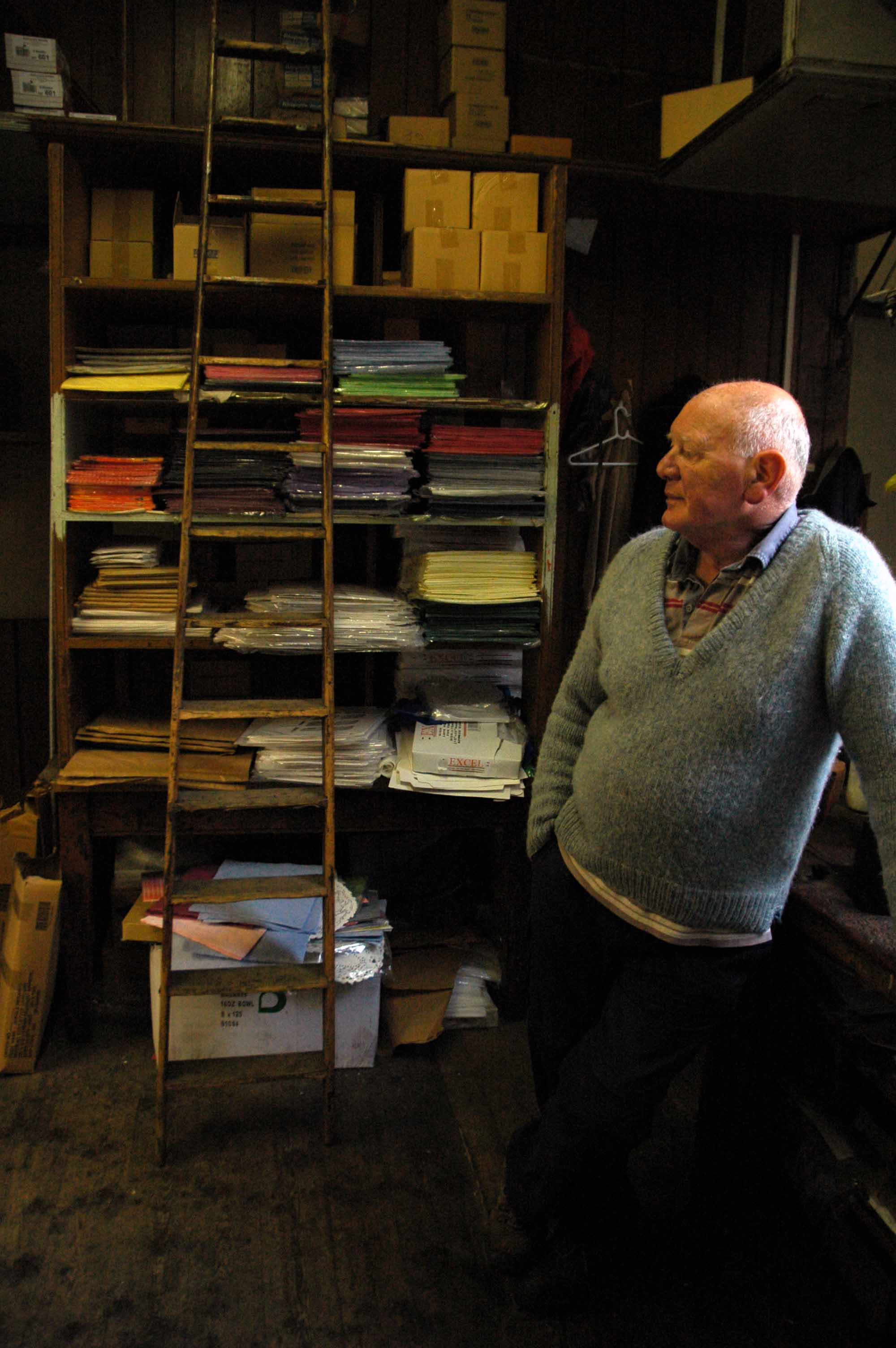
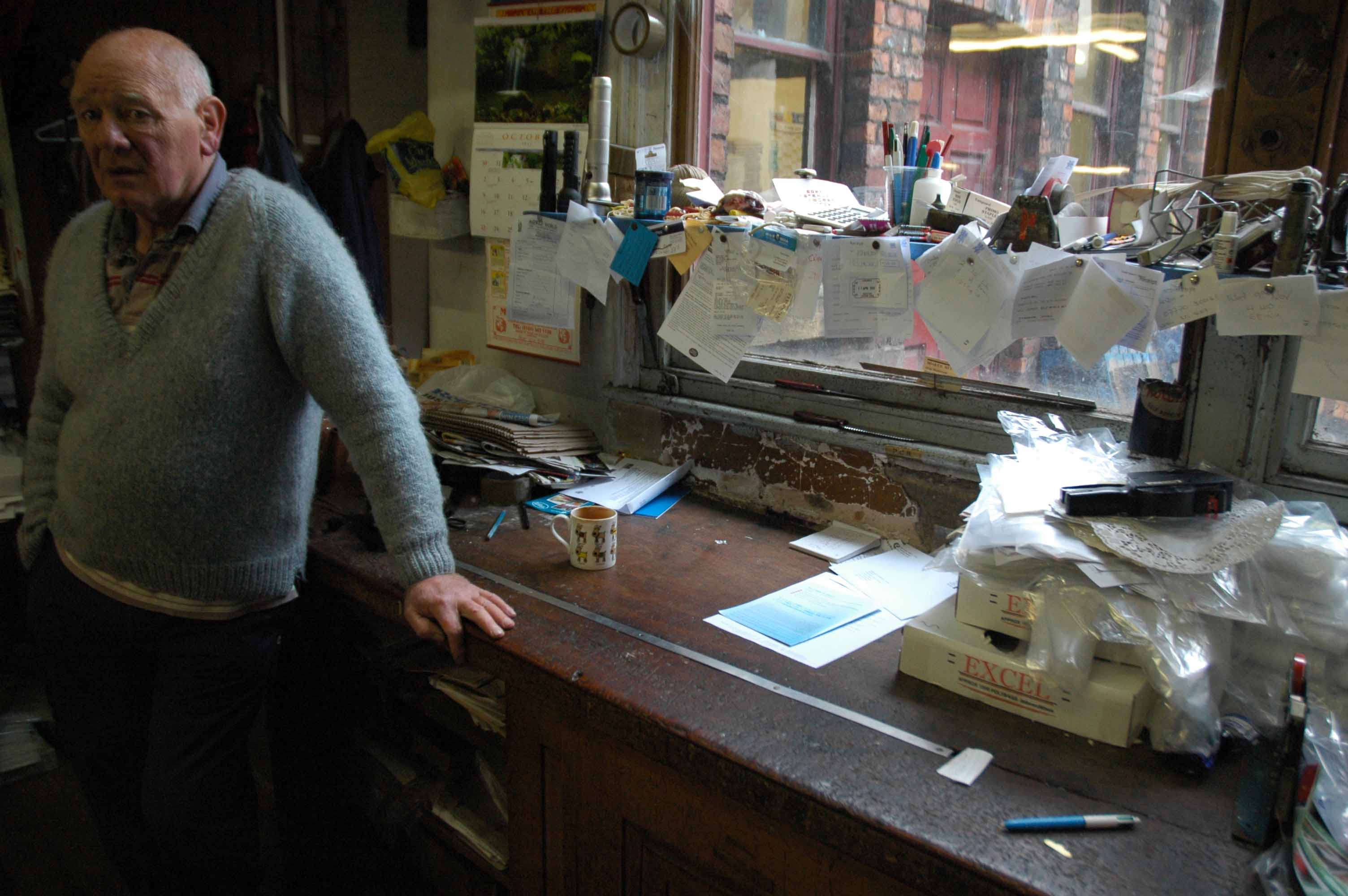
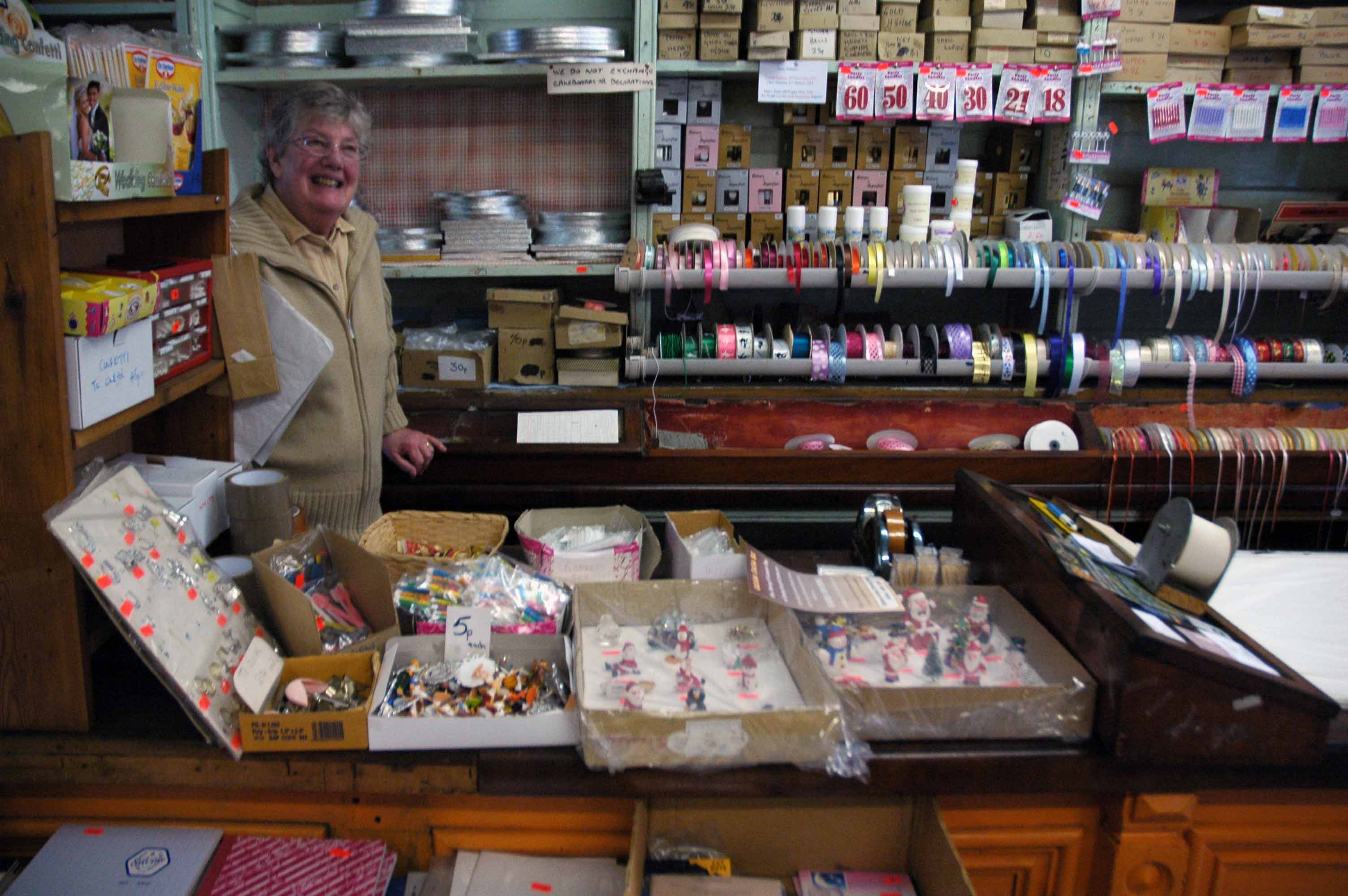
0161 834 5880 · 34-36 Thomas Street M4 1ER Manchester – Clark Brothers.
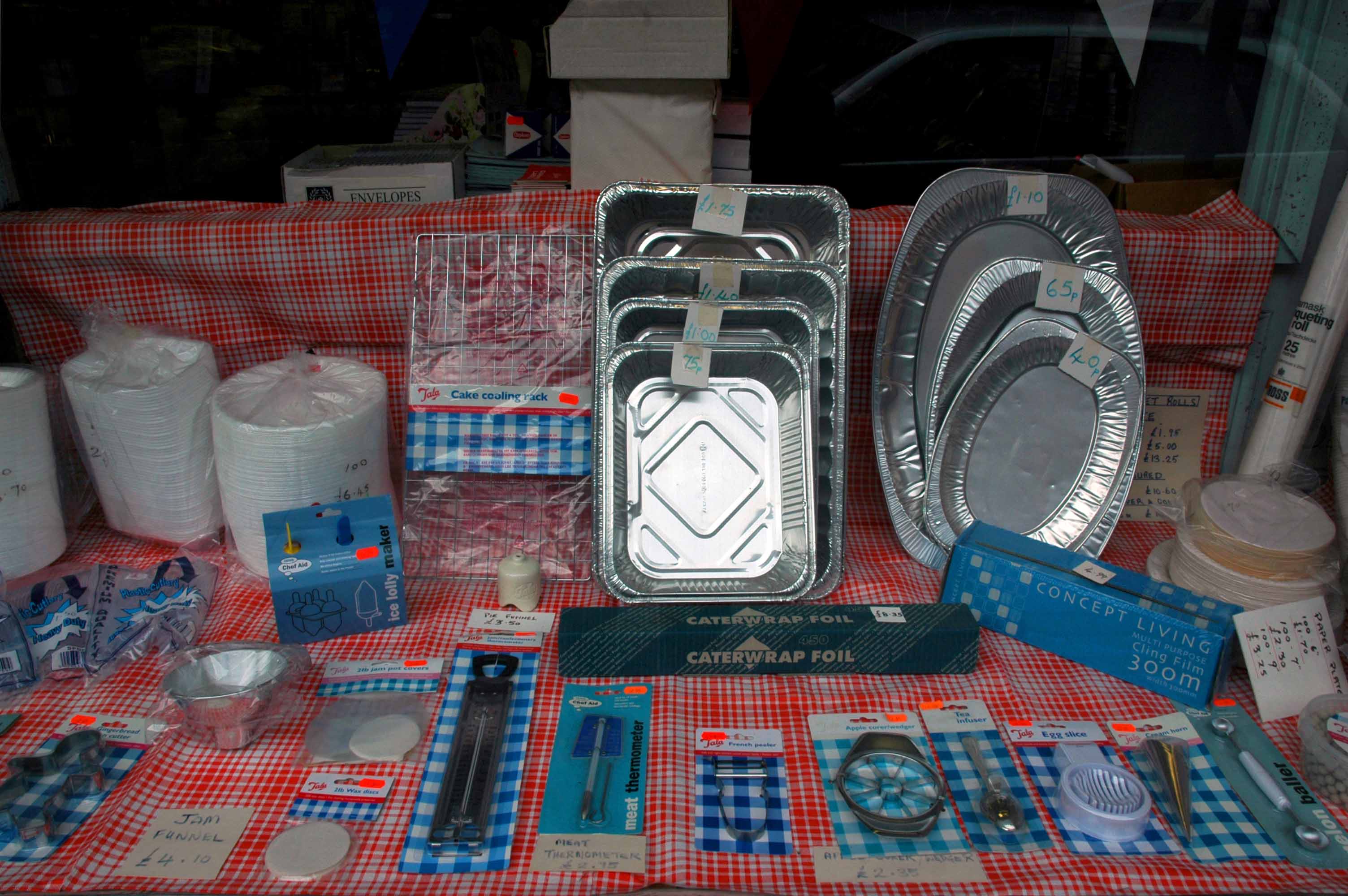
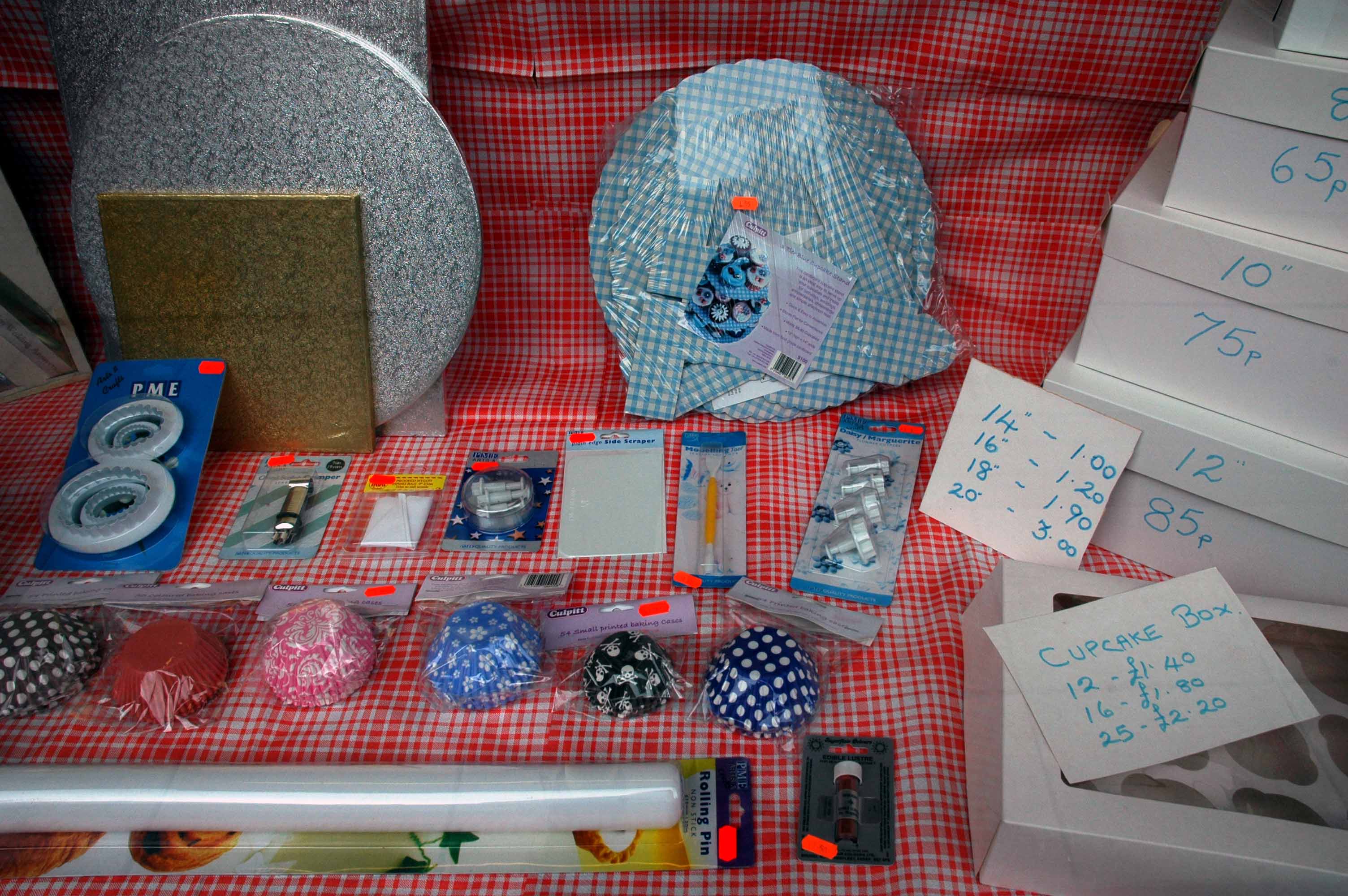
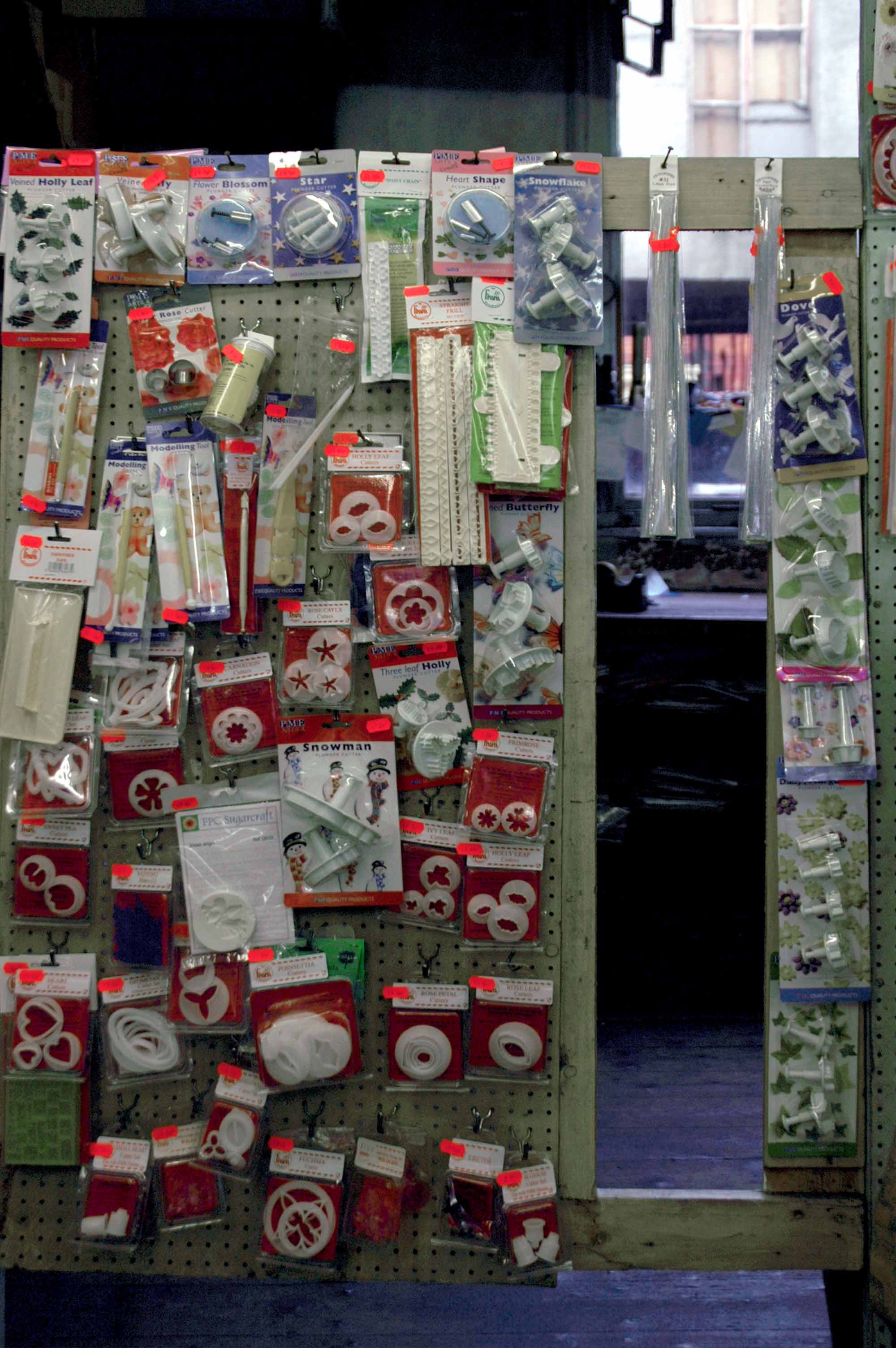
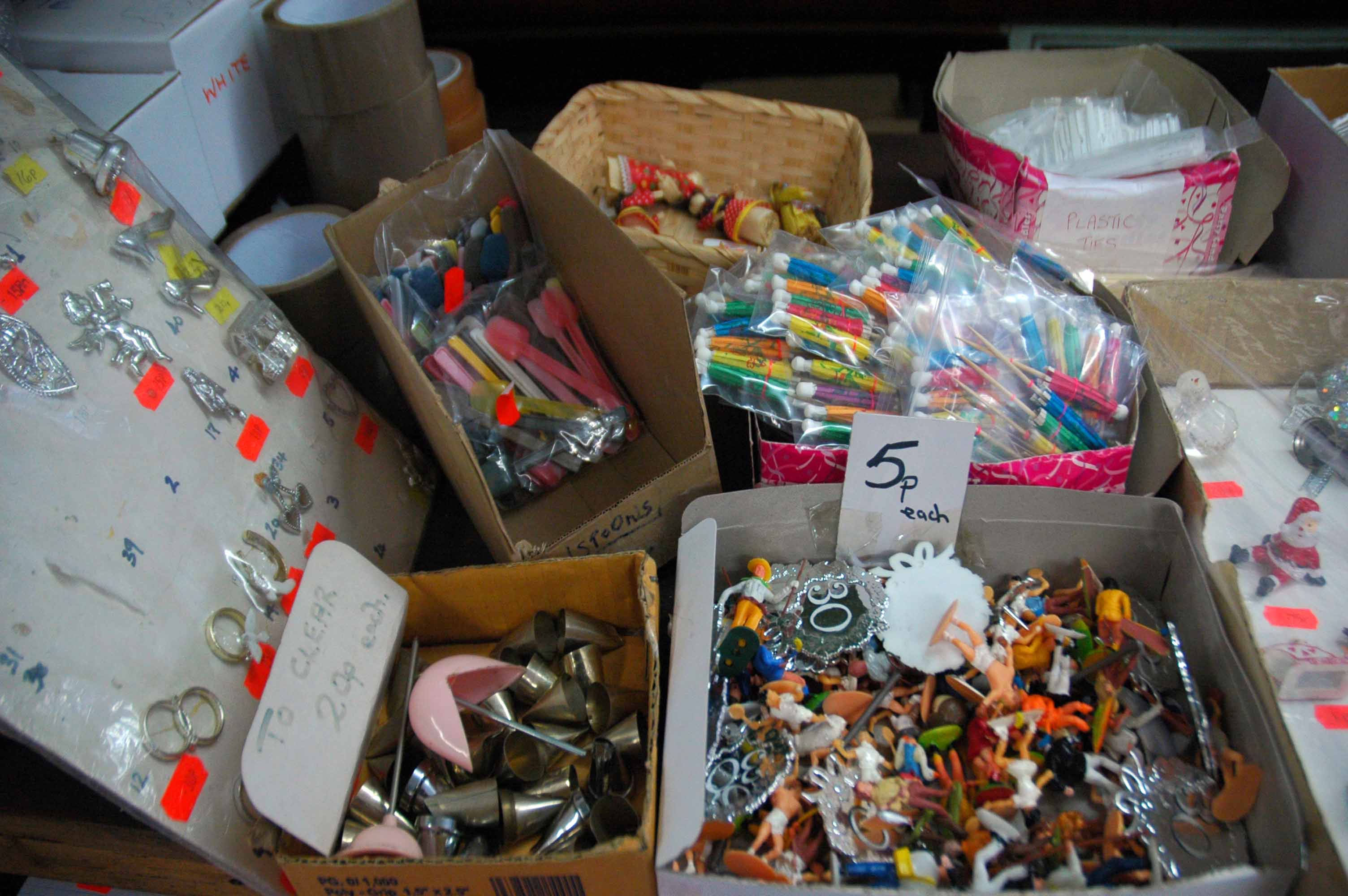
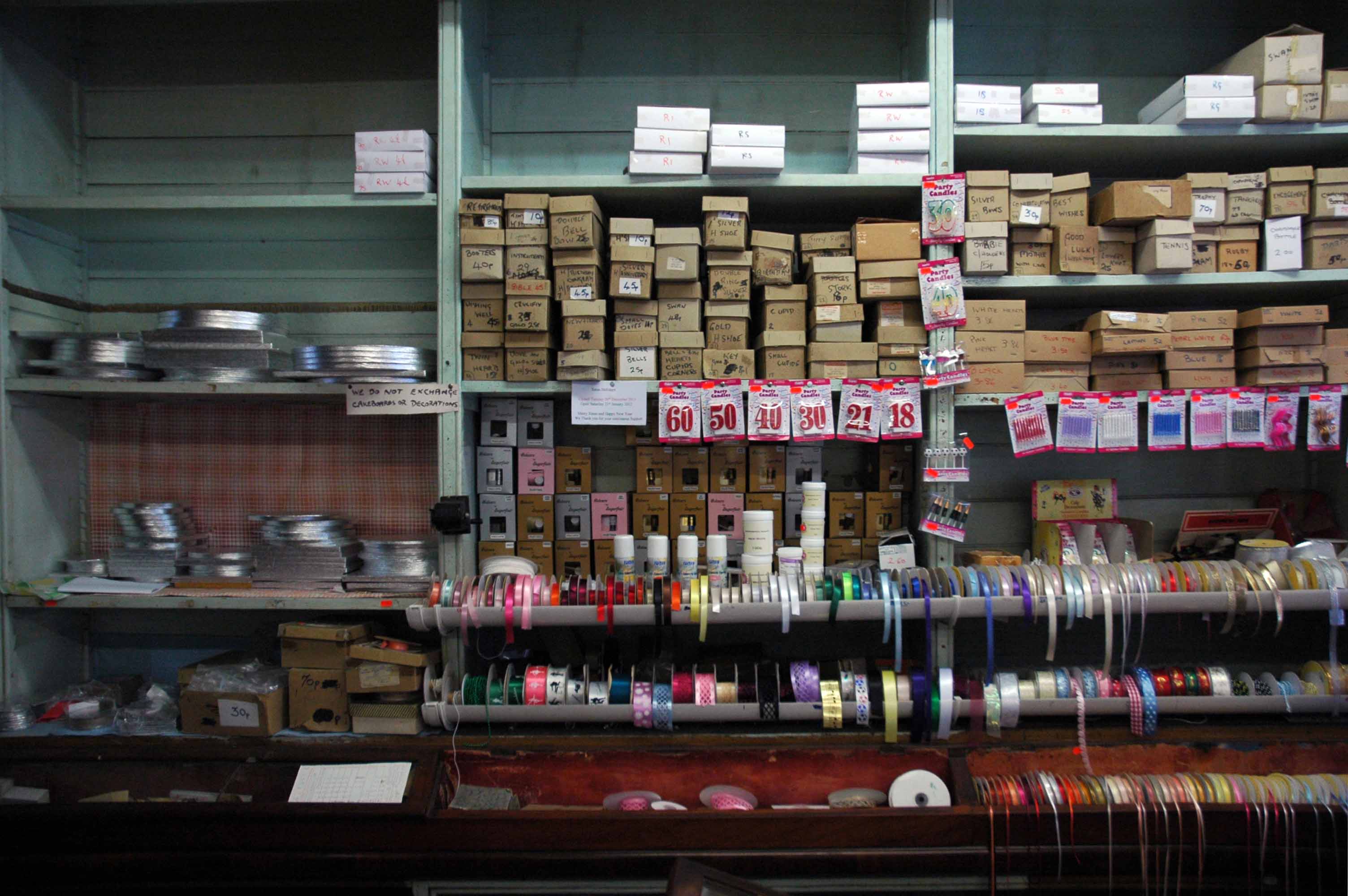
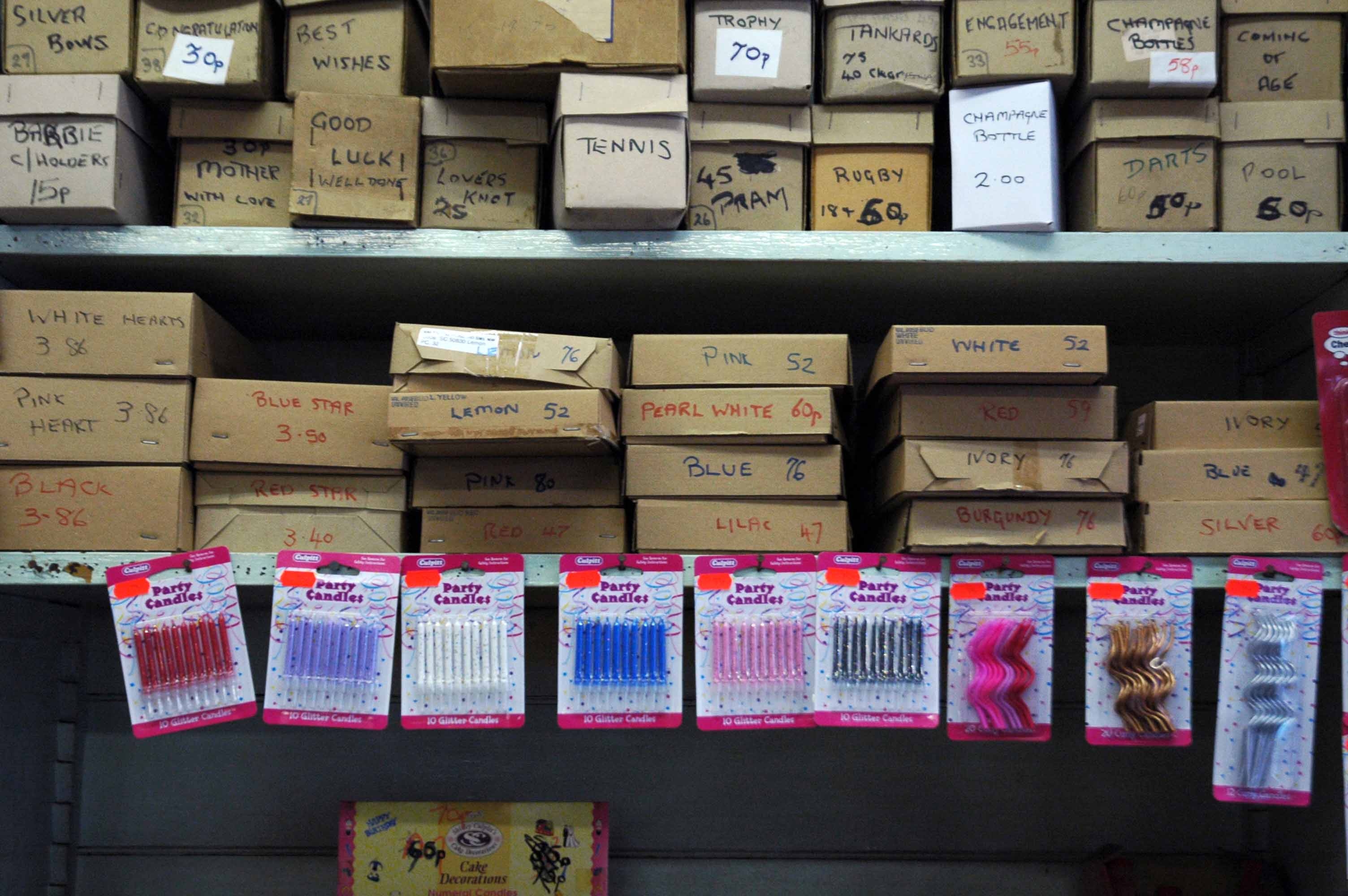
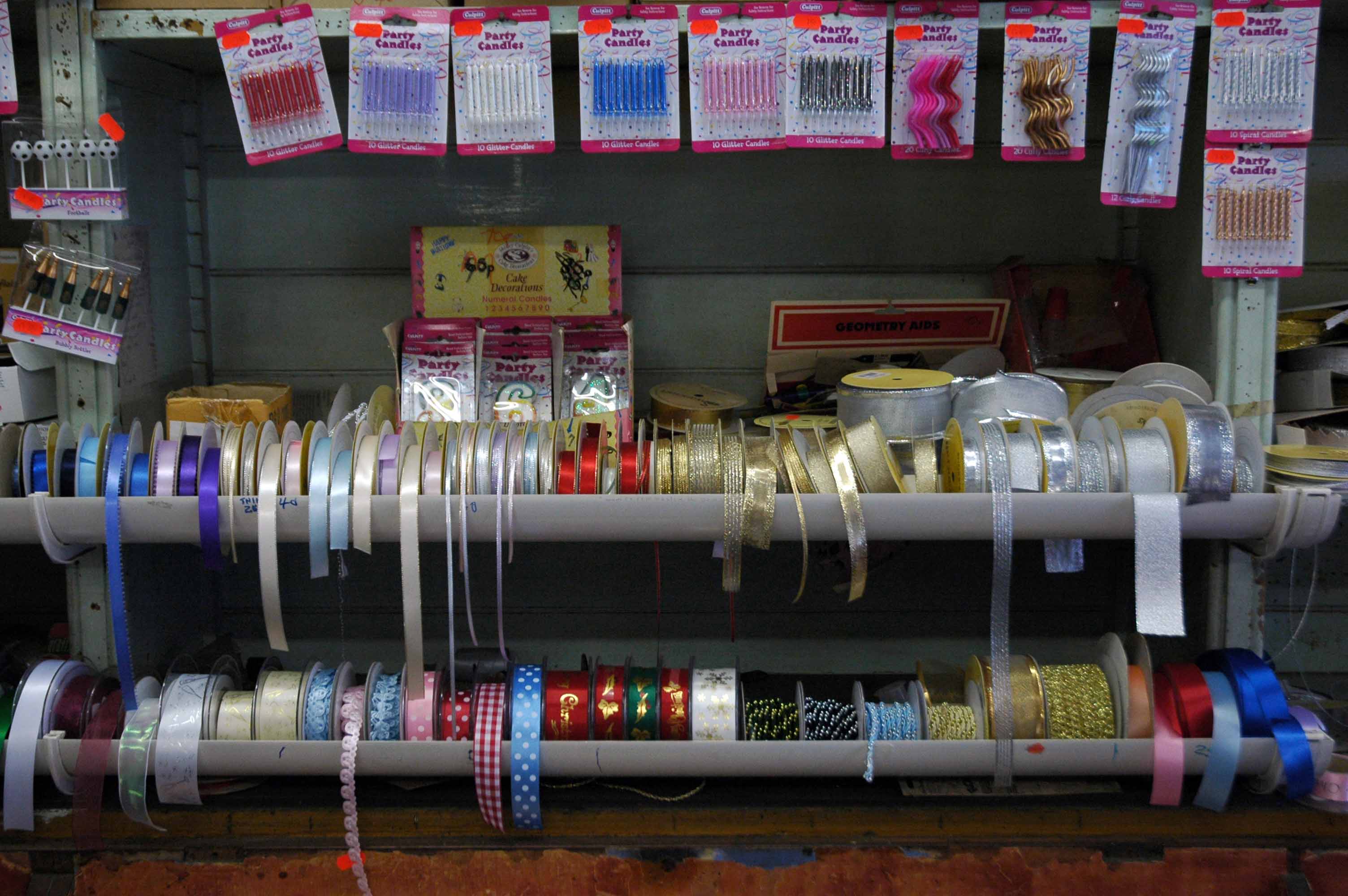
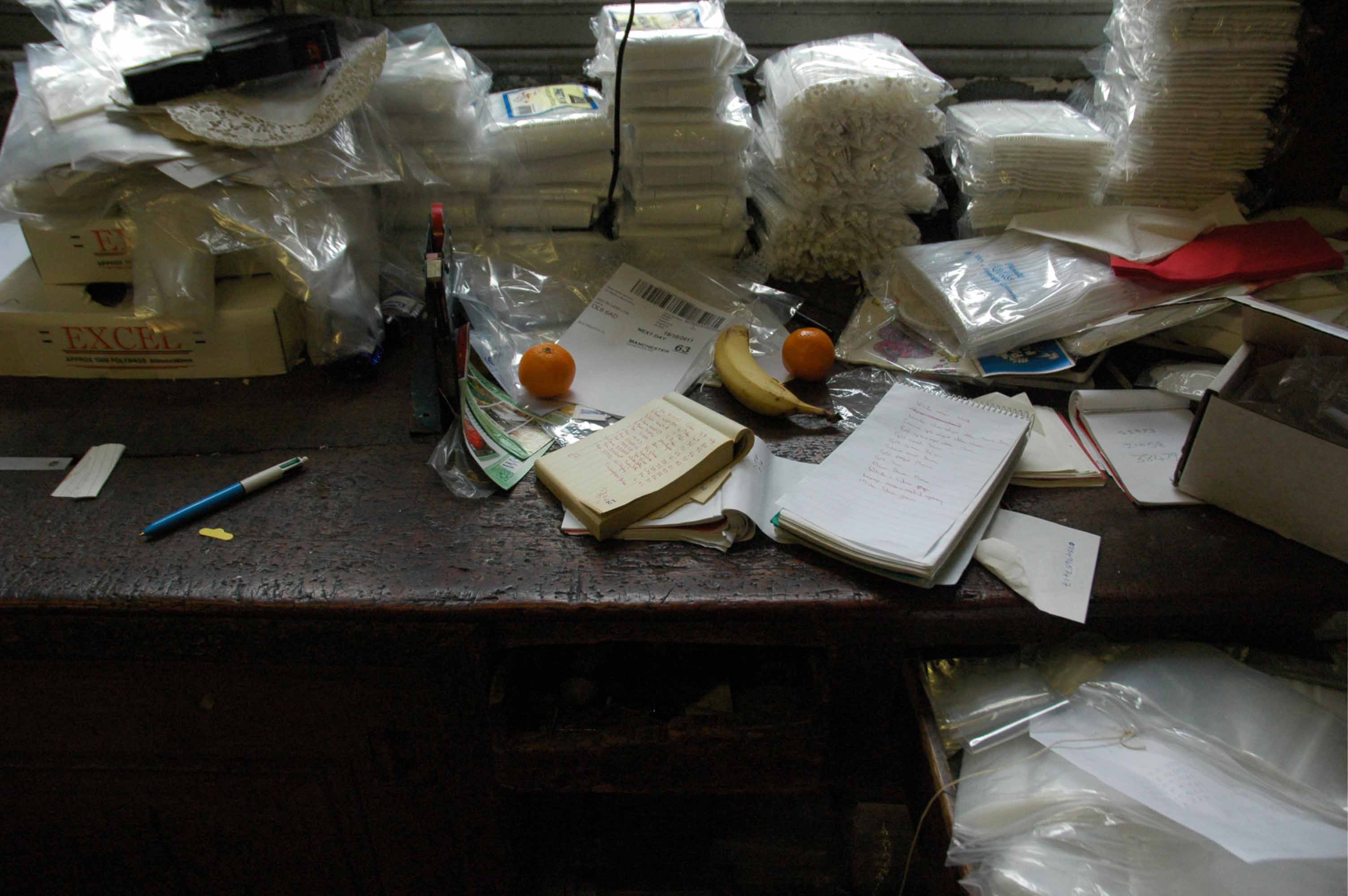
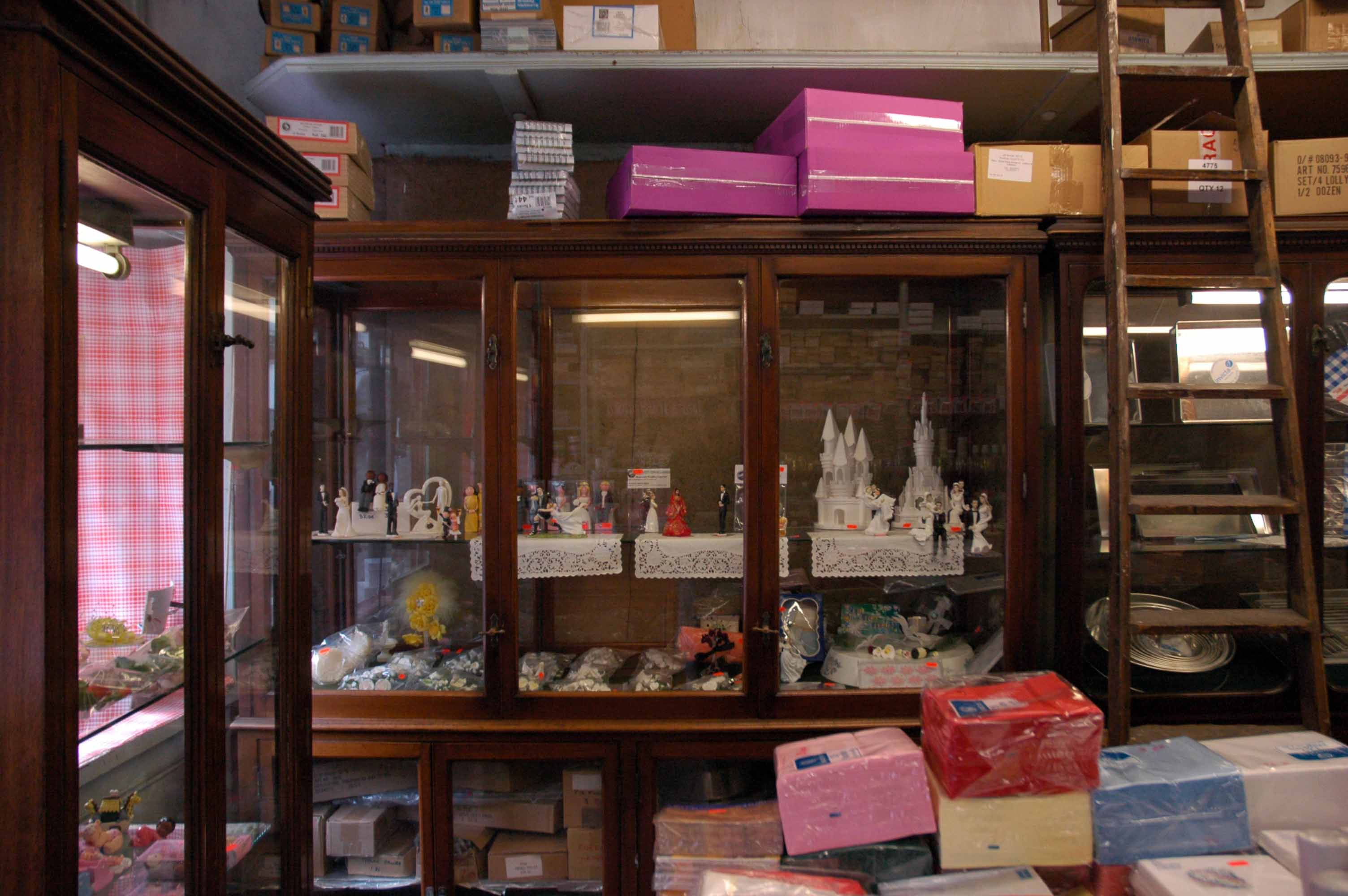
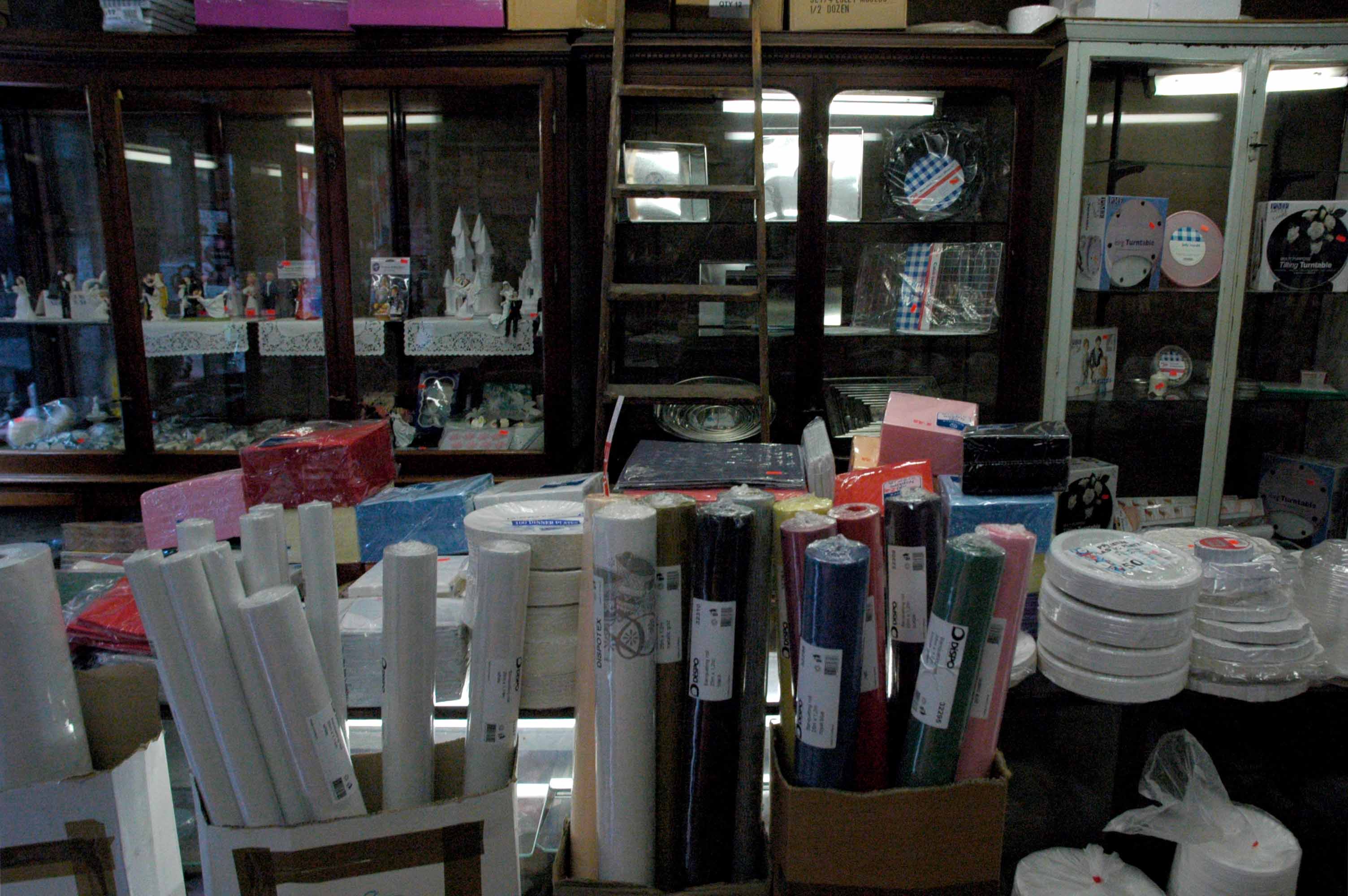
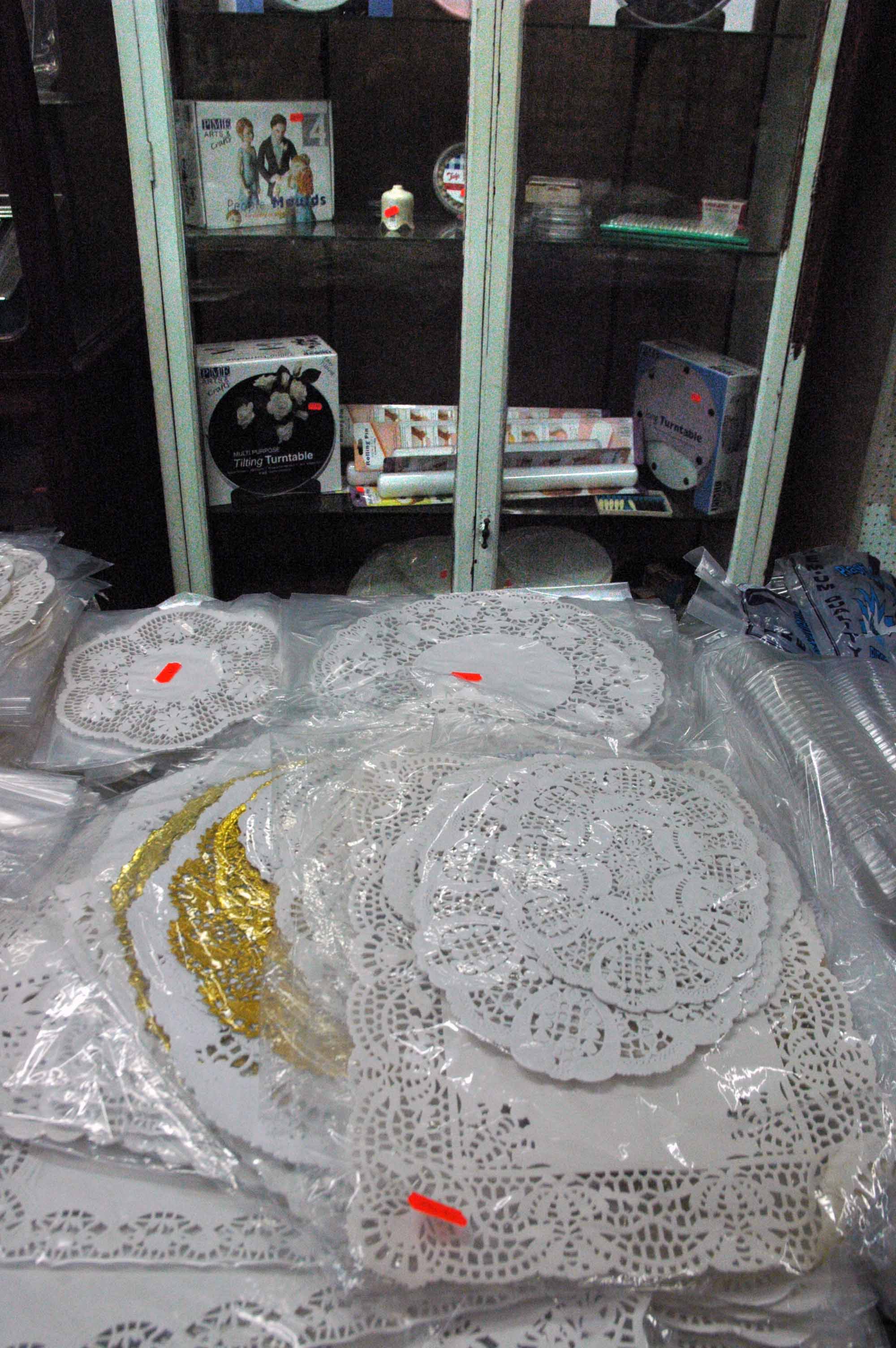
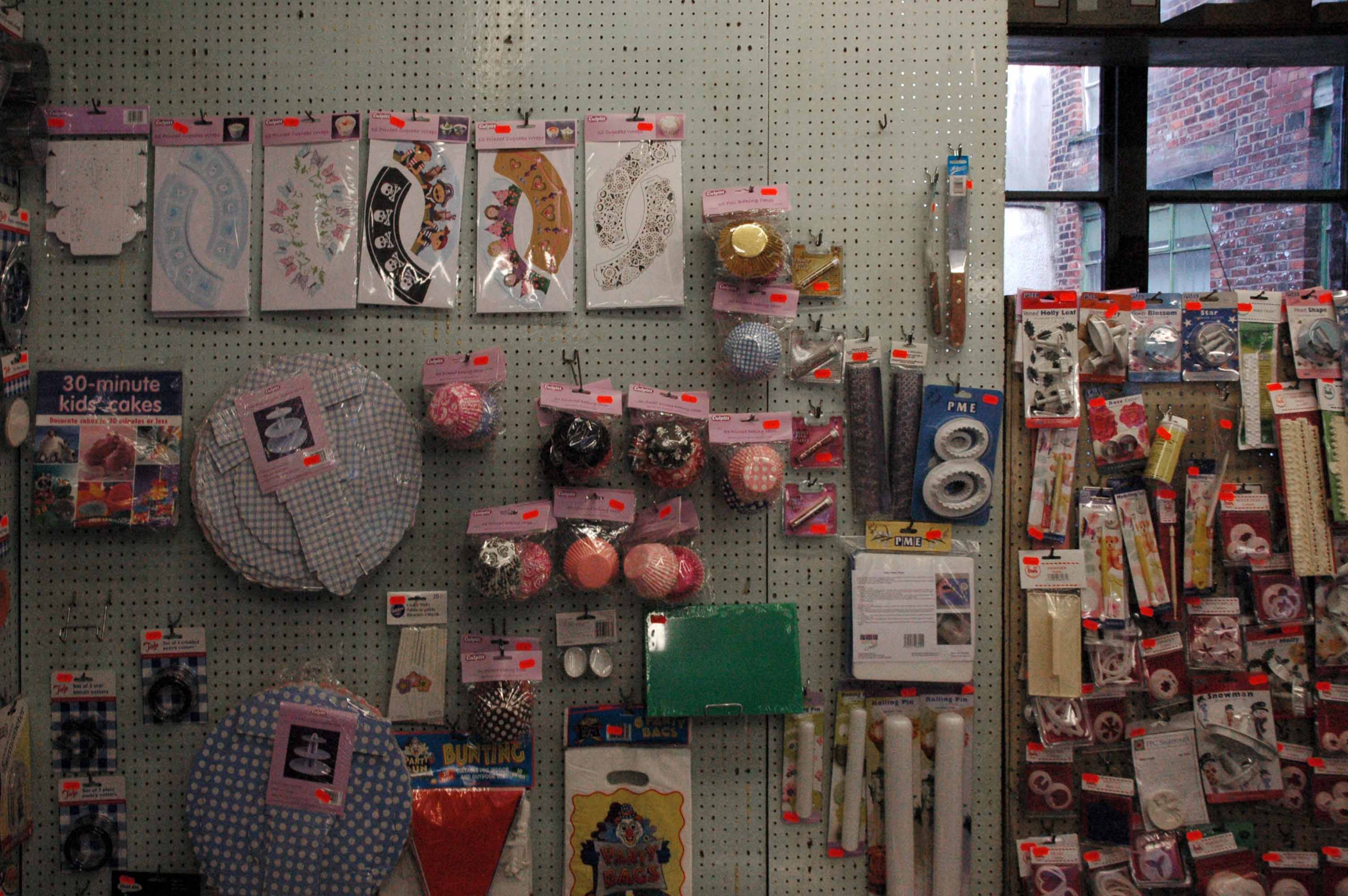
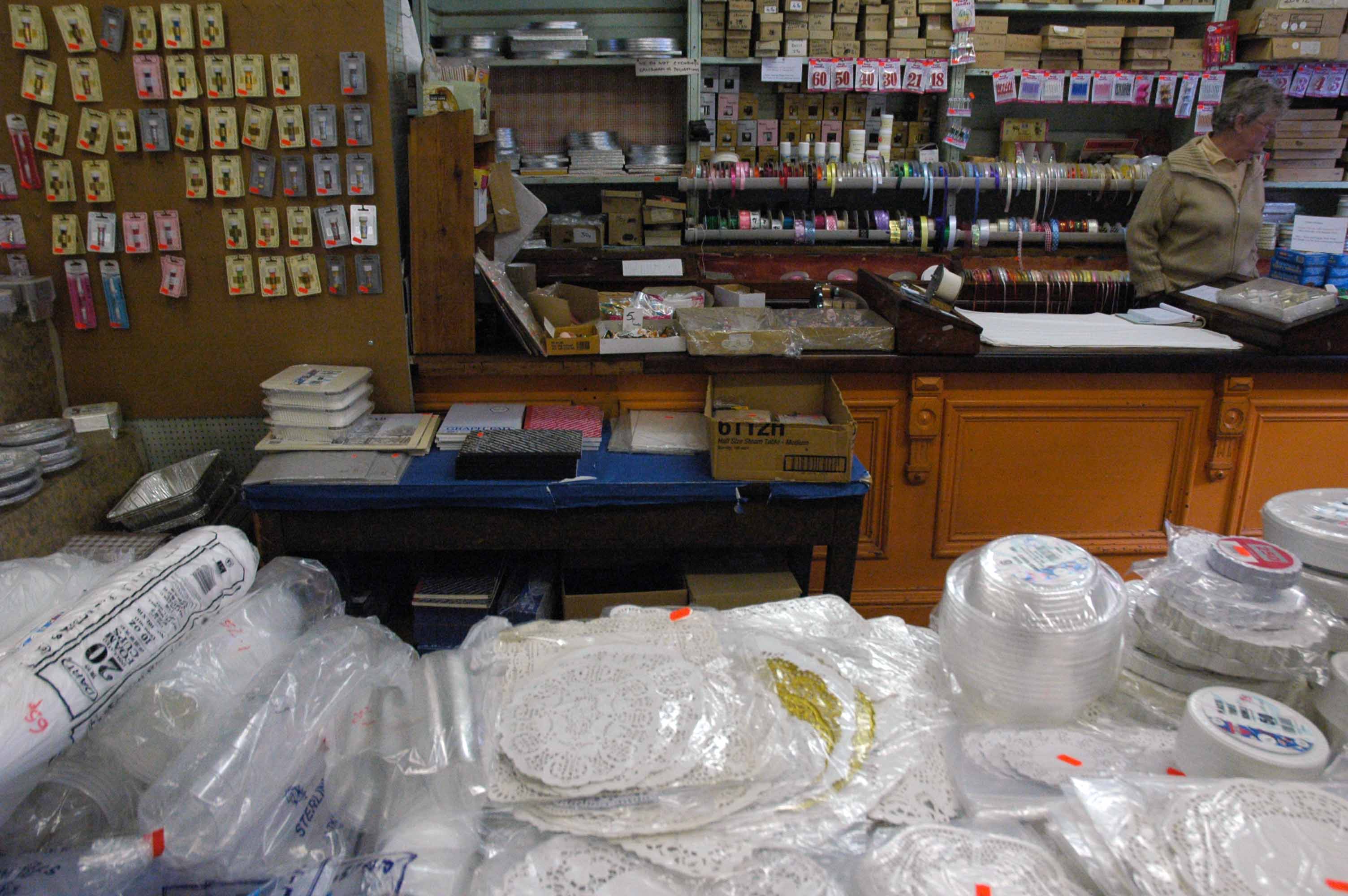
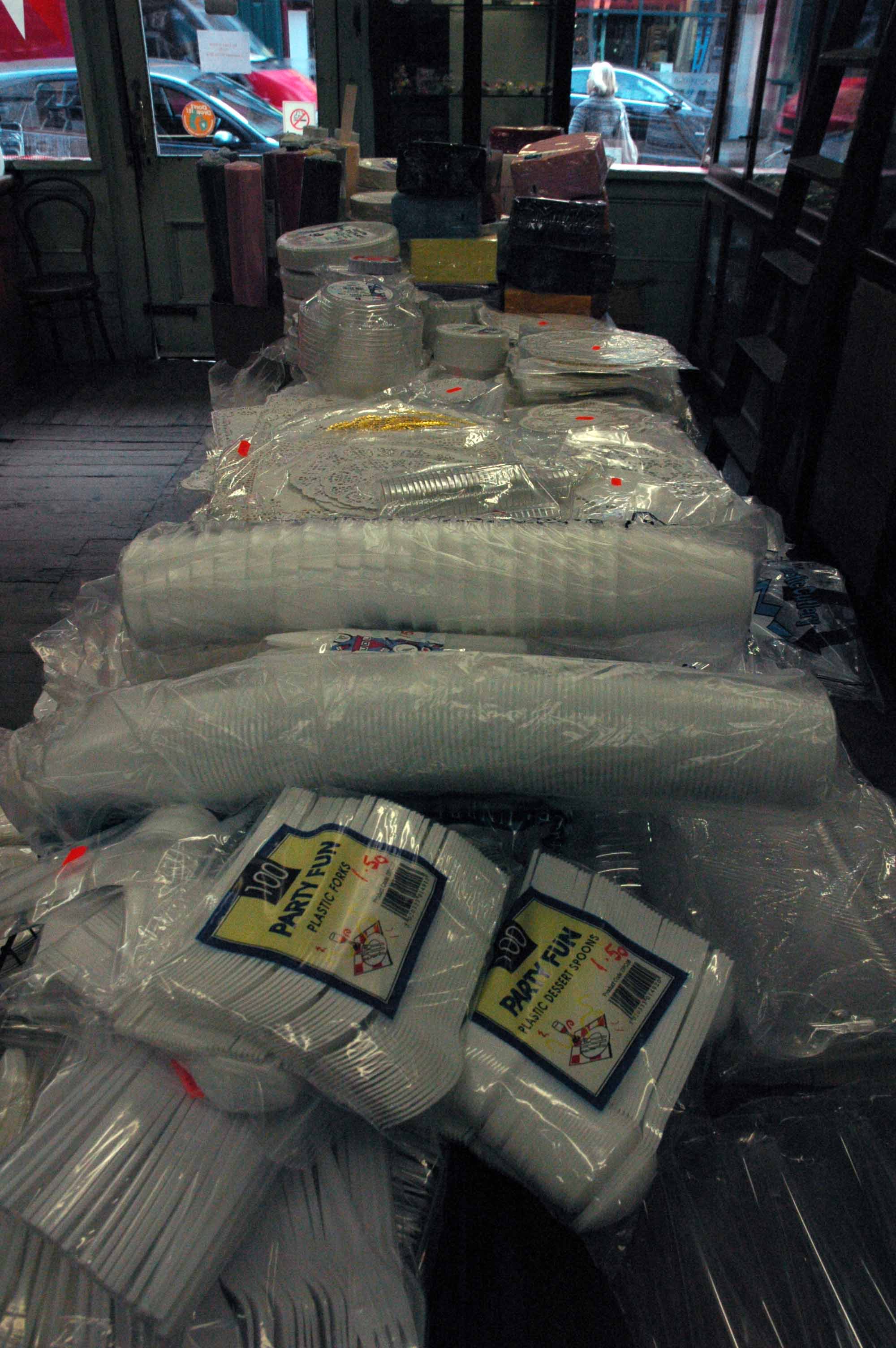
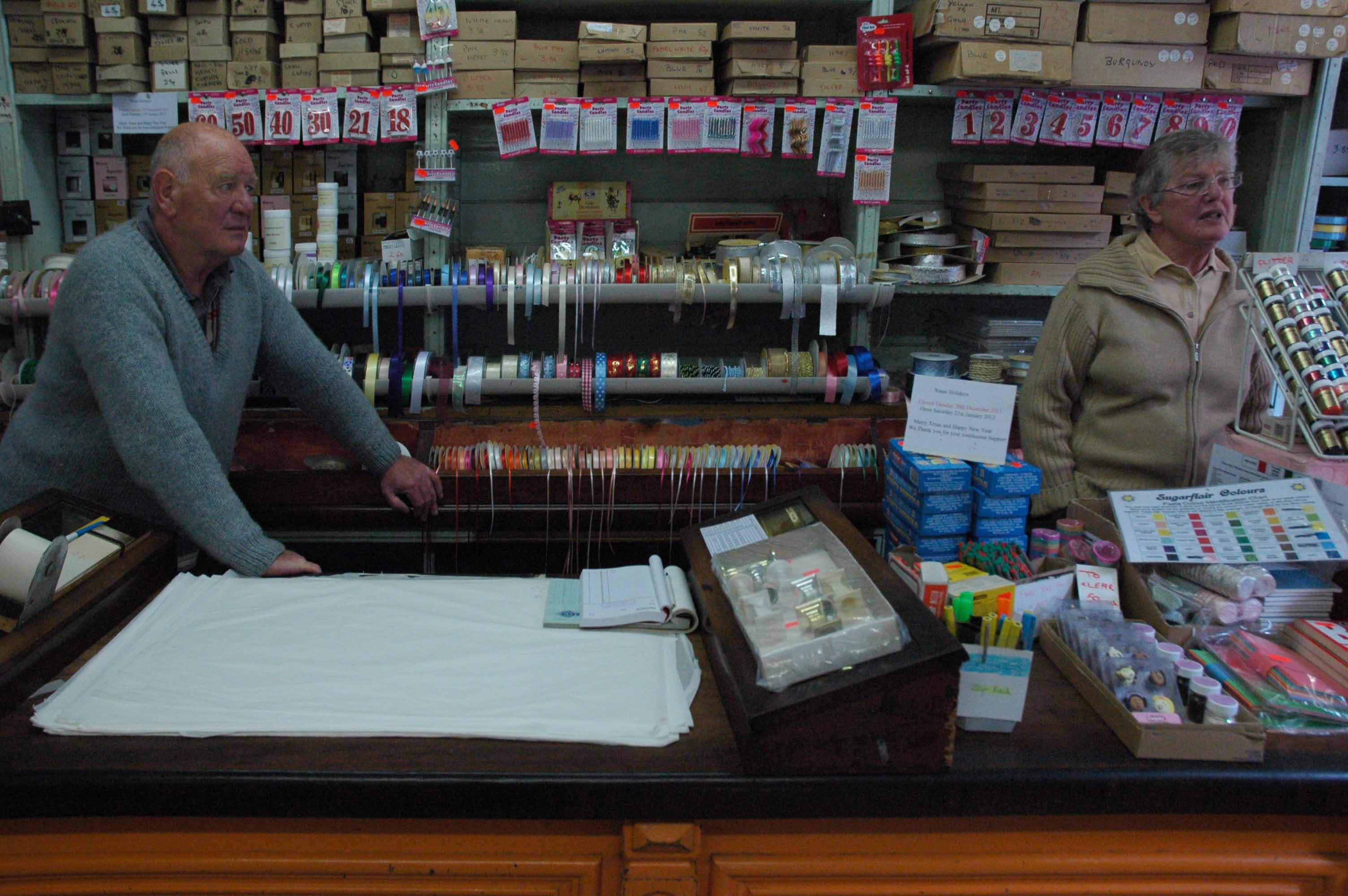
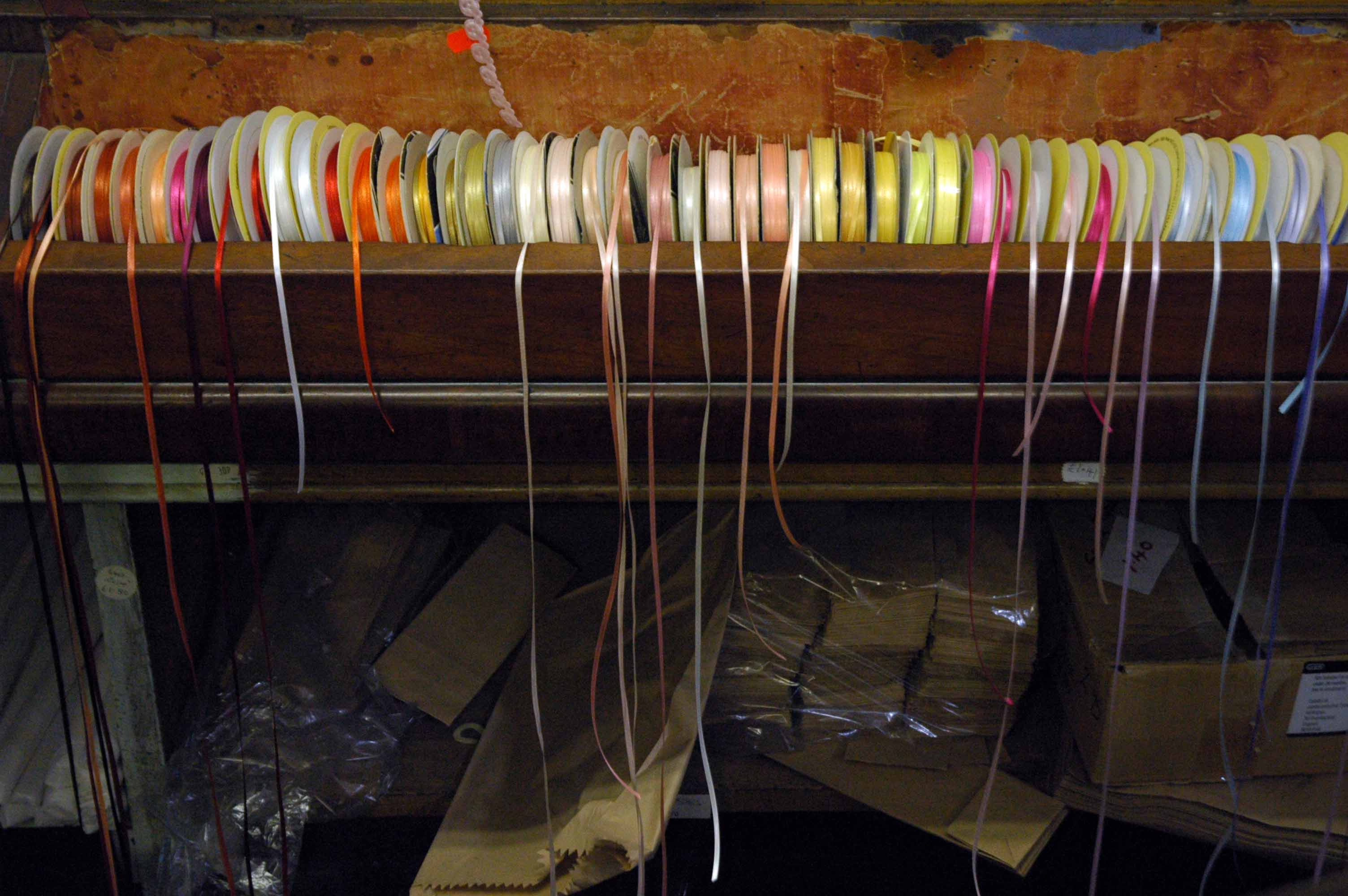
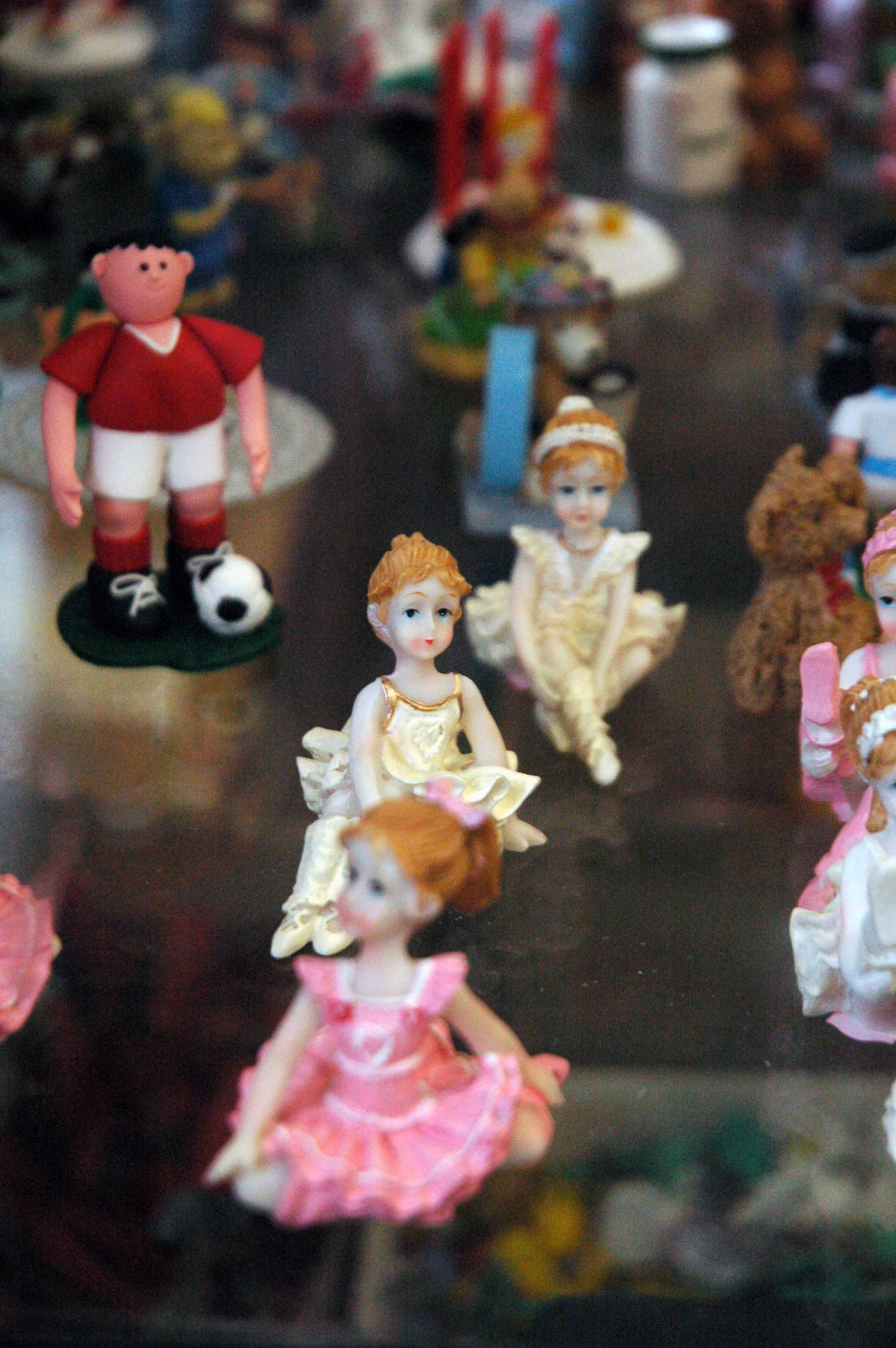
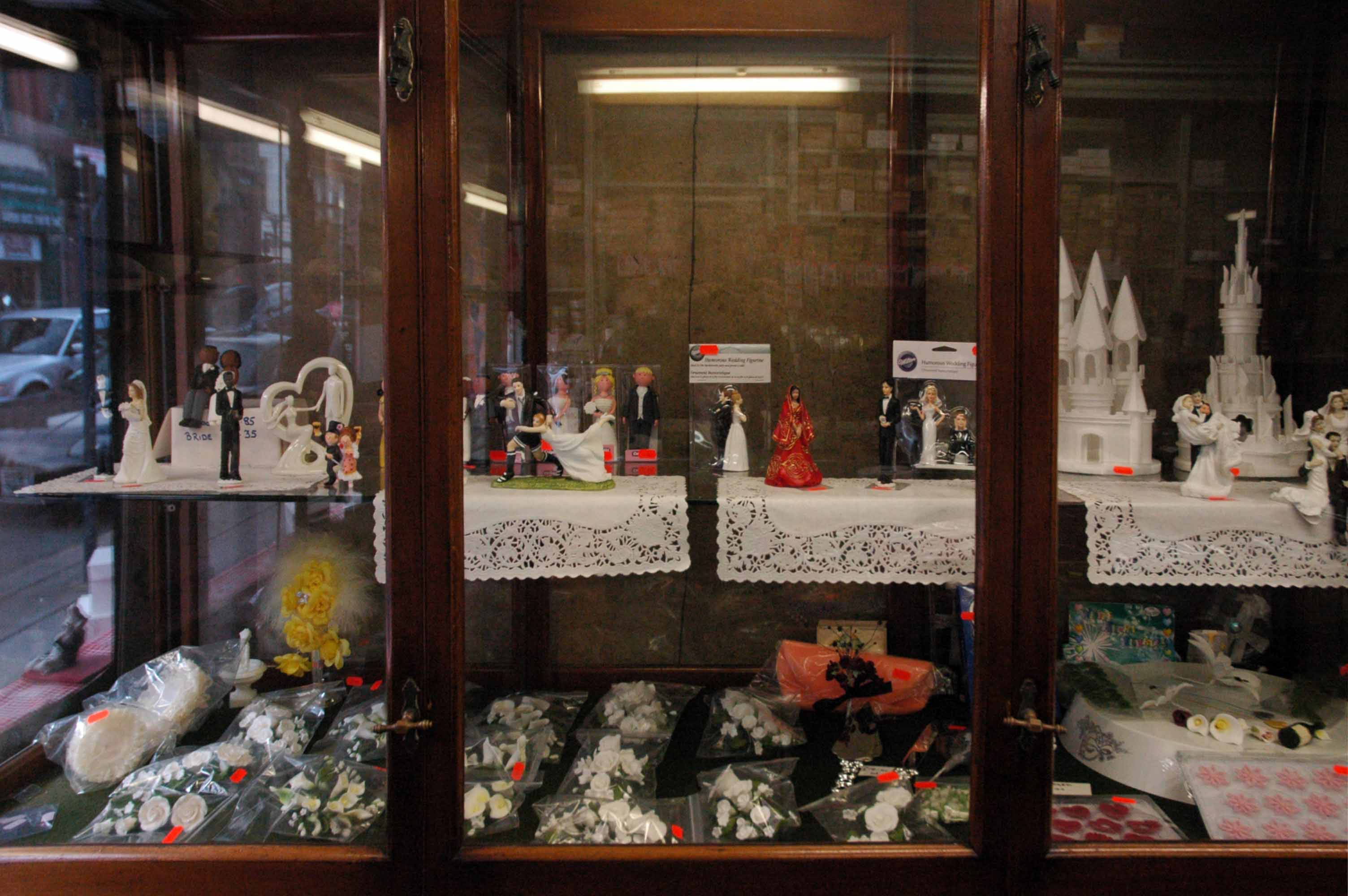
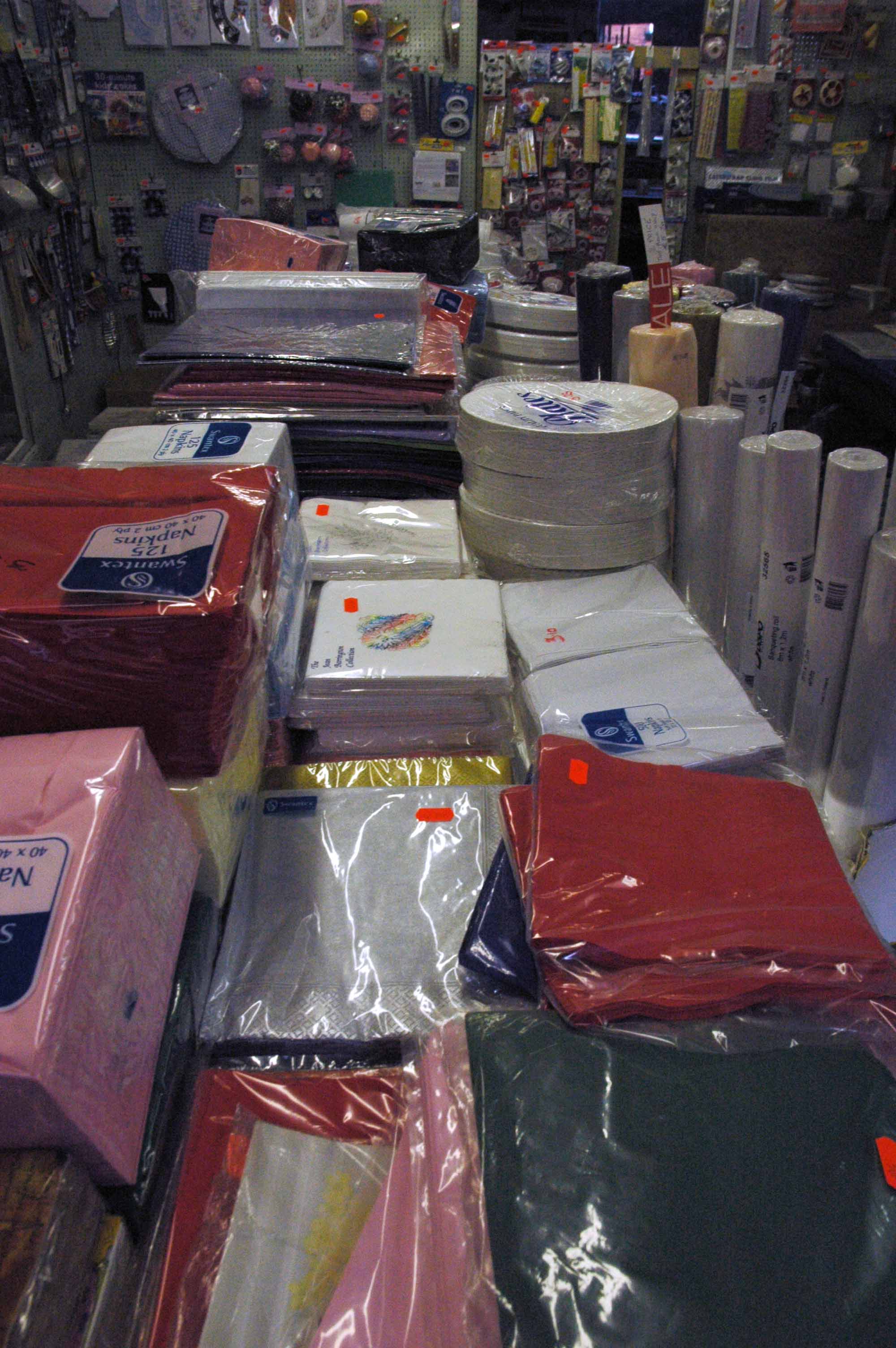
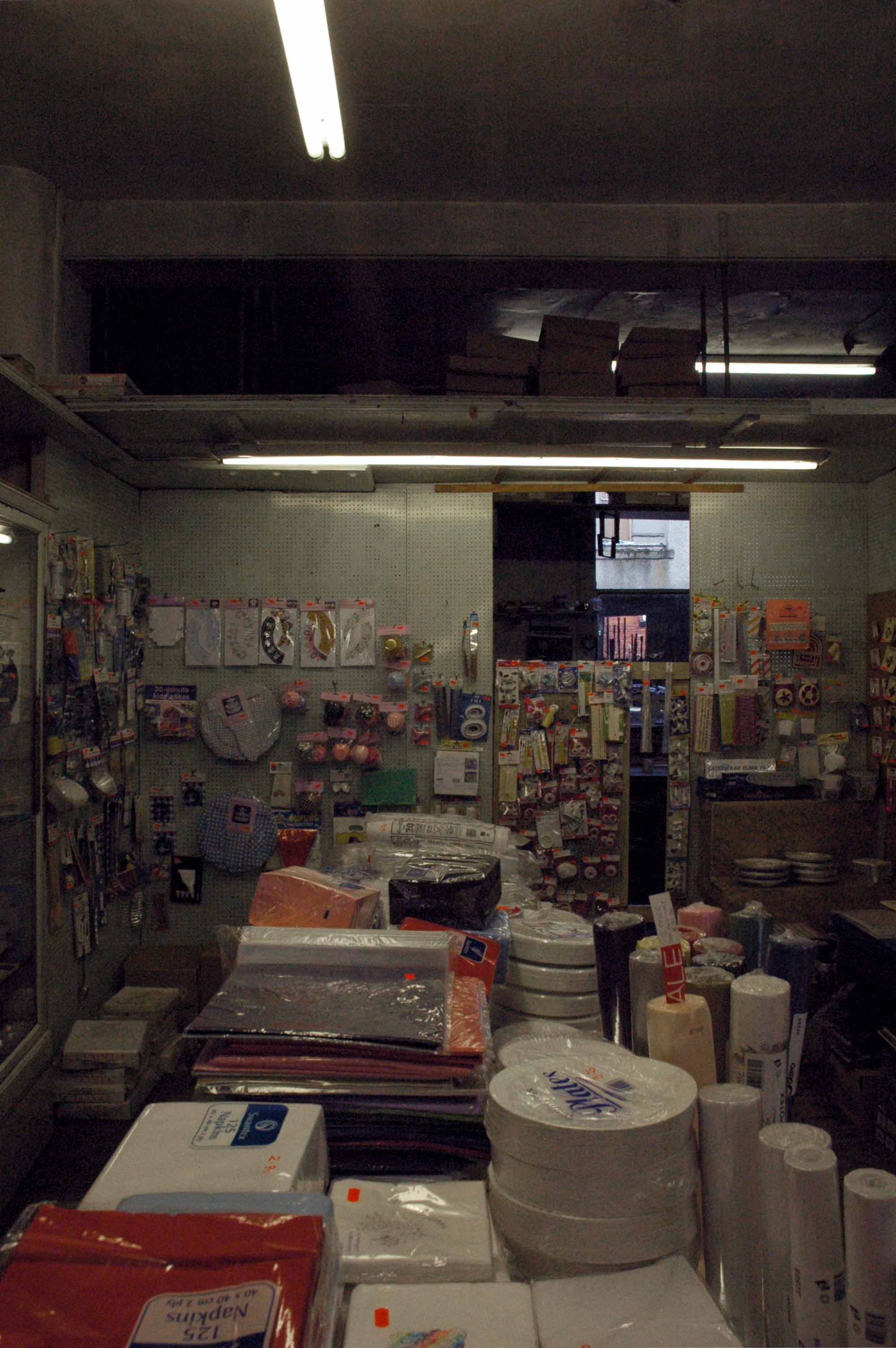
There’s nowhere quite like it – a wonderland of wares from who knows where?
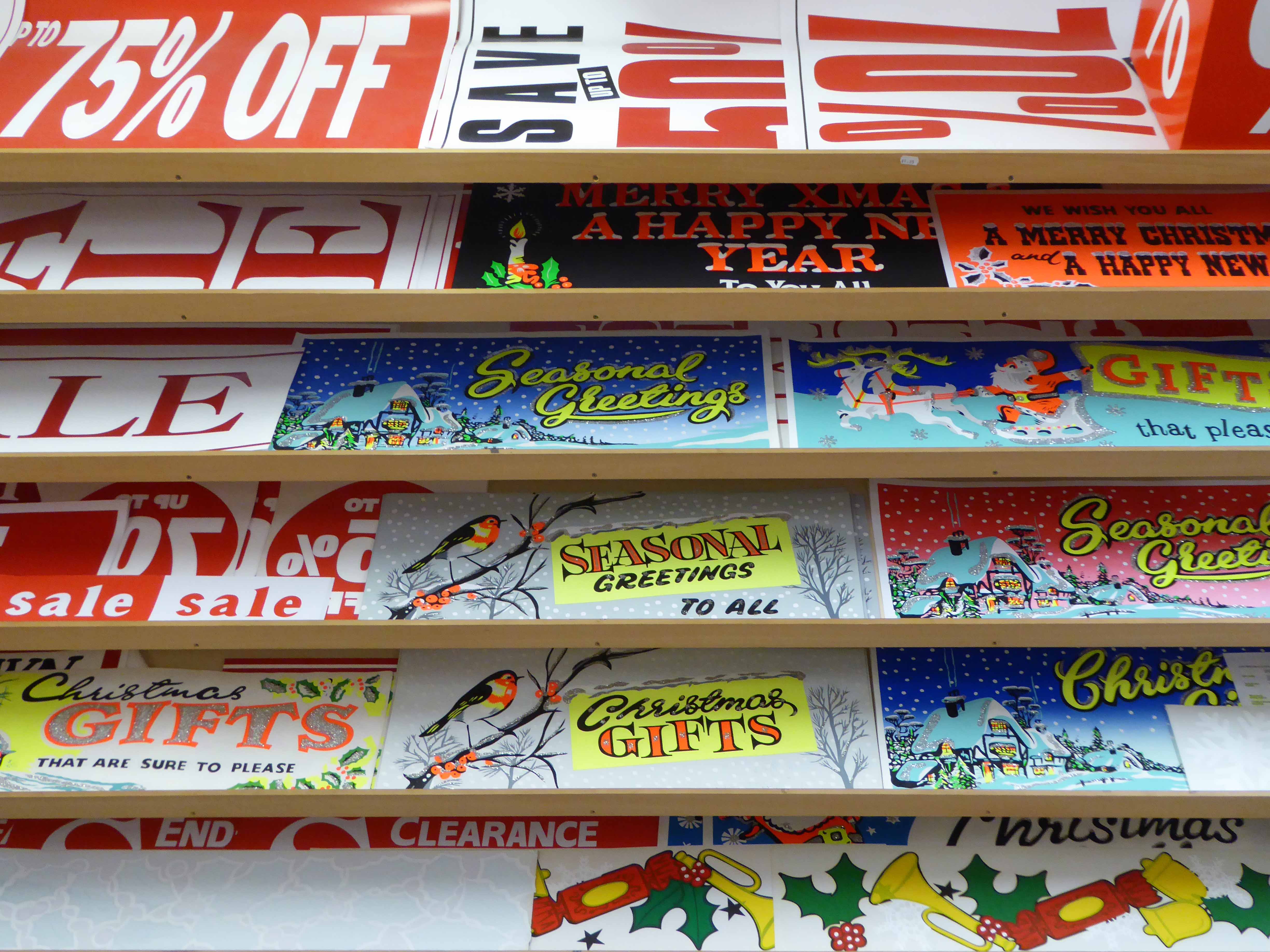
Well mostly from upstairs where they hand print the signs.
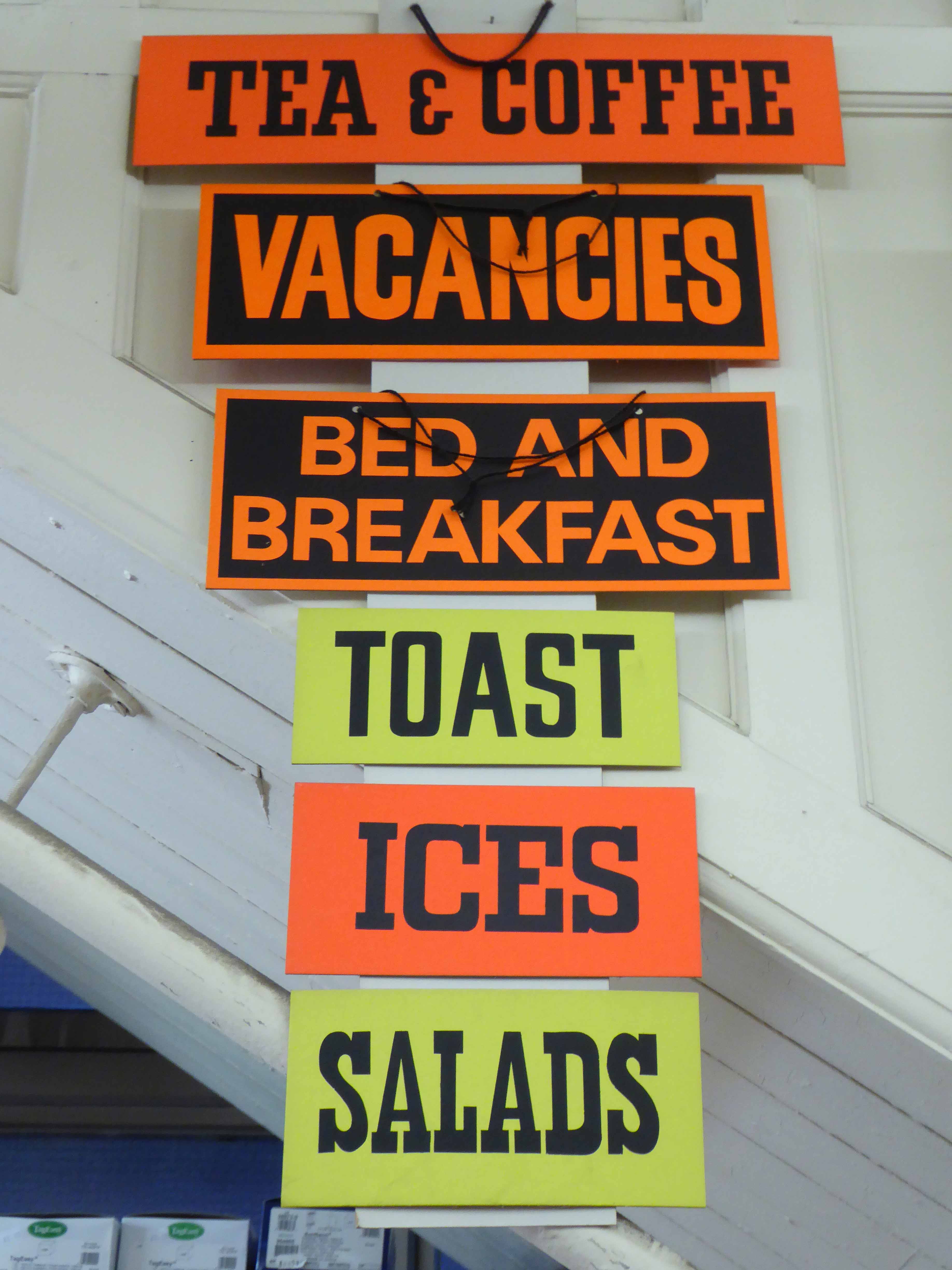
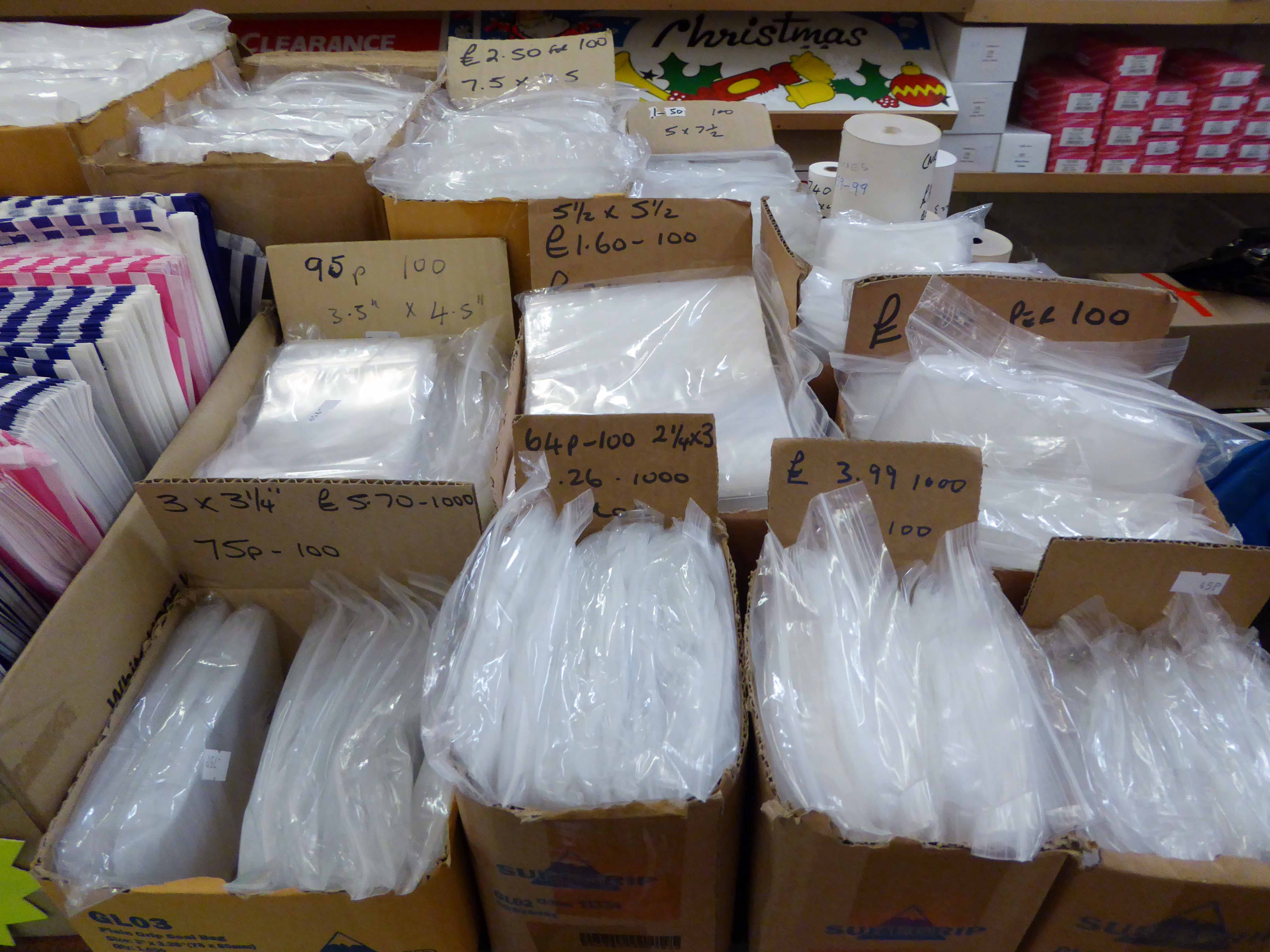
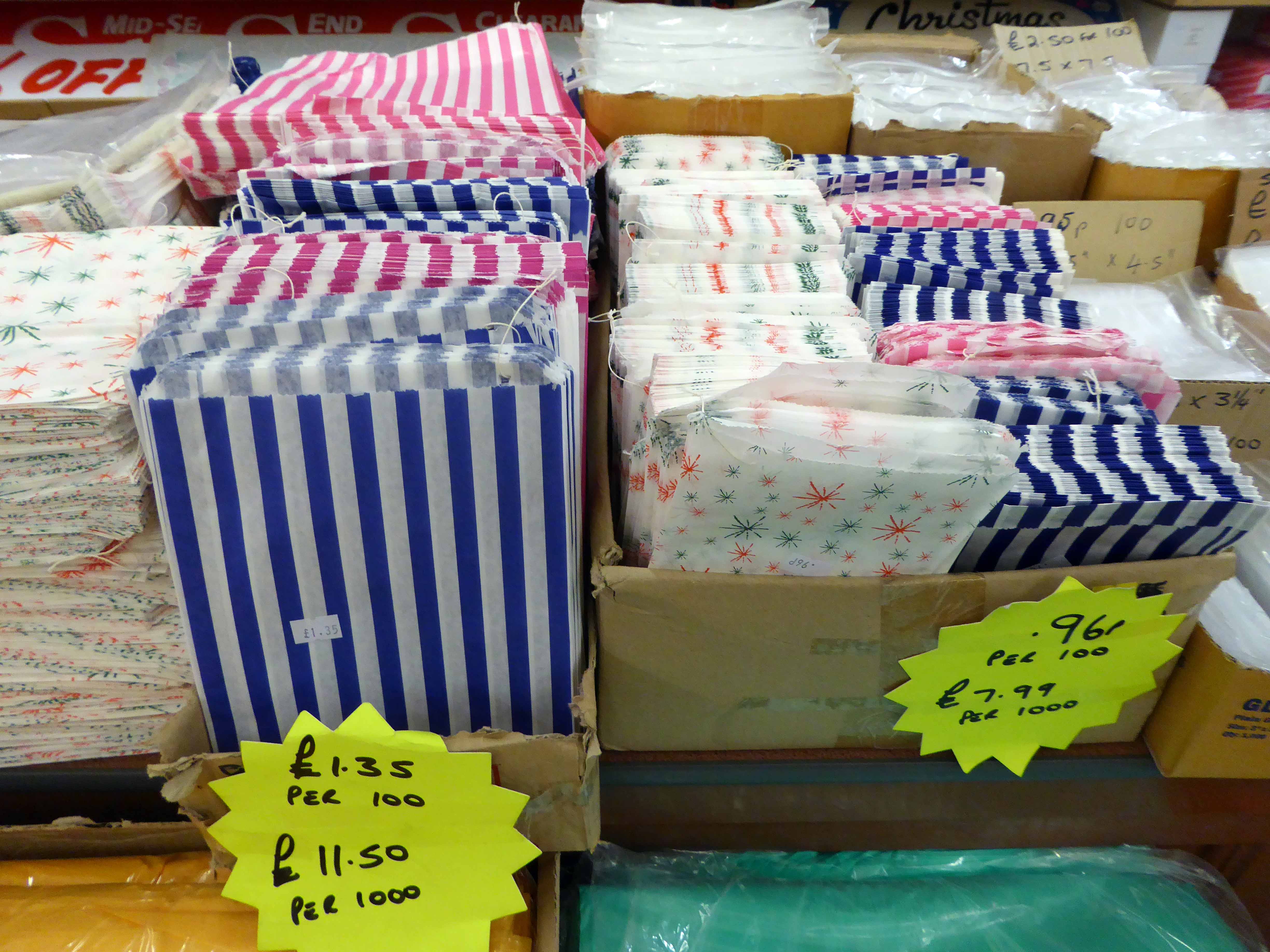
They have everything that you never ever knew that you really wanted.
At prices you just can’t resist.
The finest selection of candy striped bags.
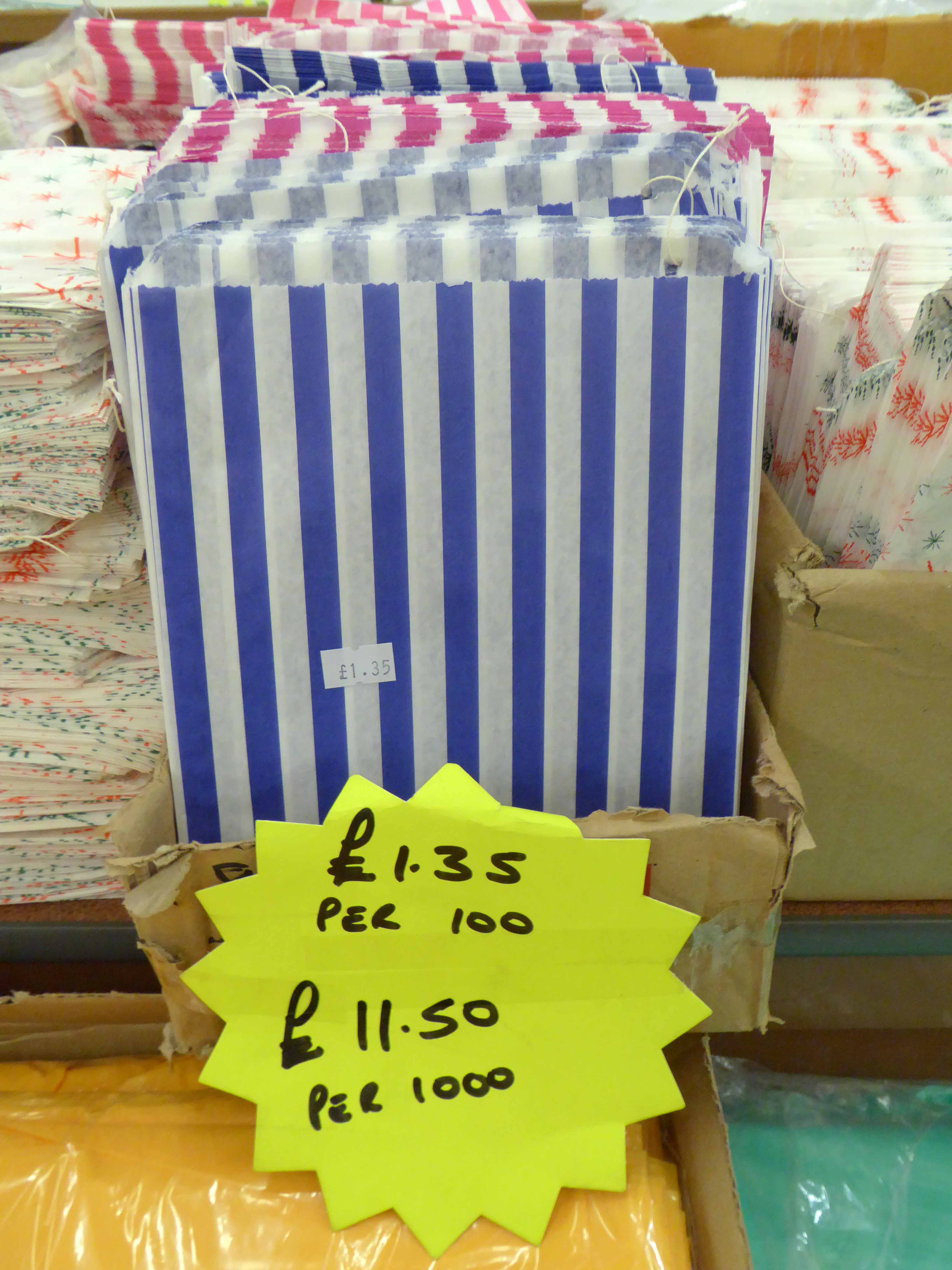
Things which twinkle and shimmer like no other things could ever do.
Transform your home into a 380 degree 365 24/7 winter landscape or tropical retreat.
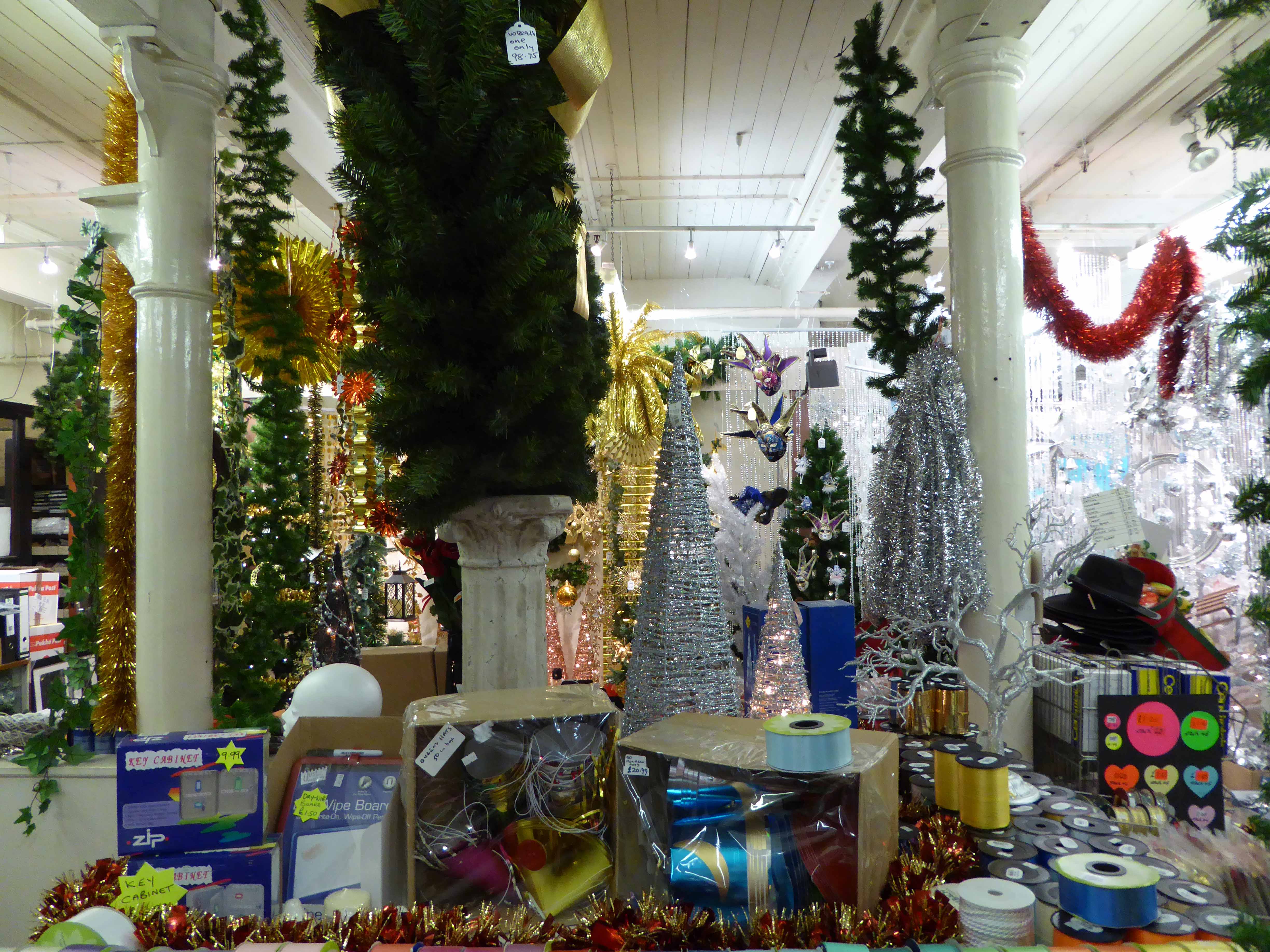
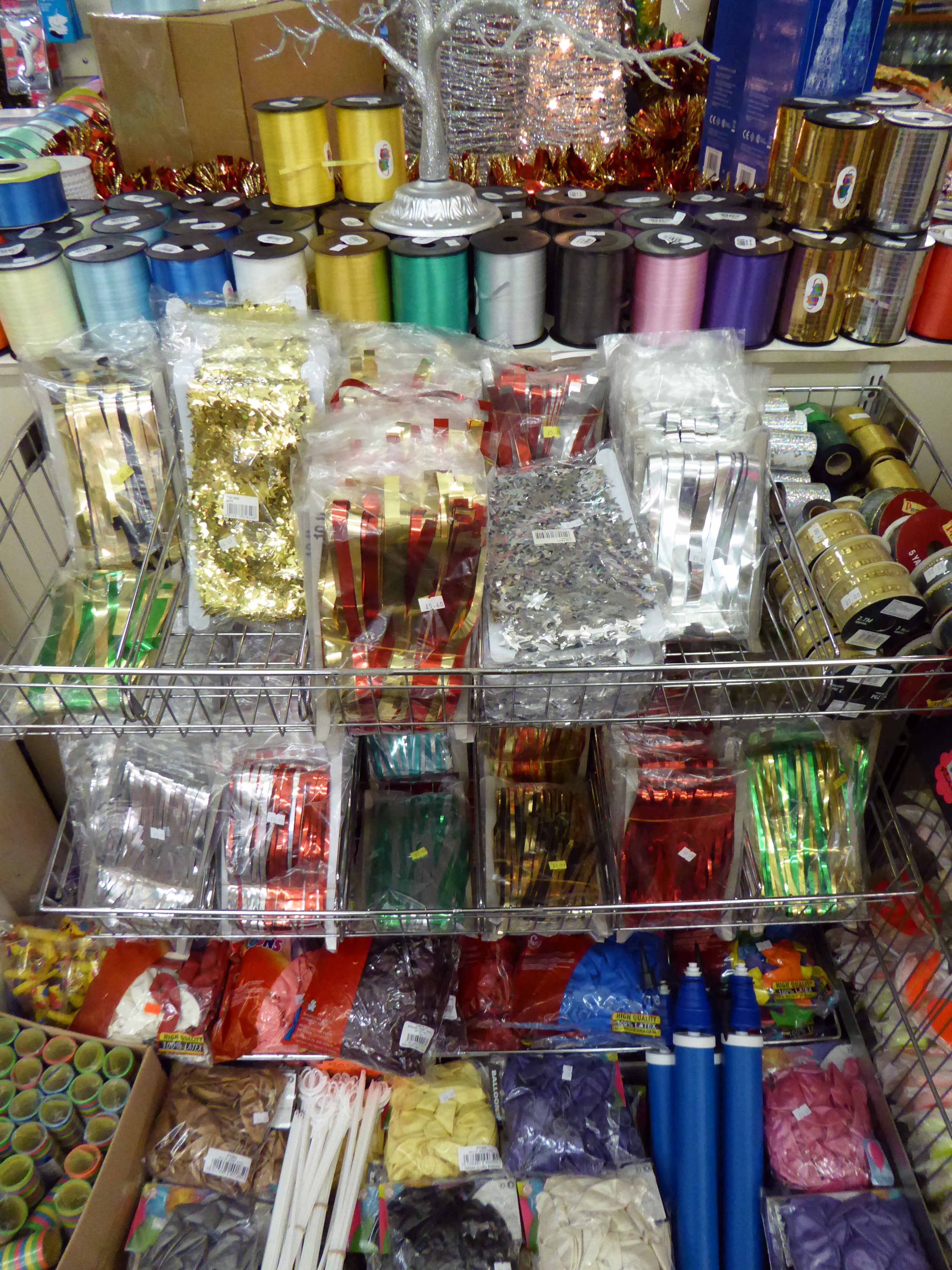
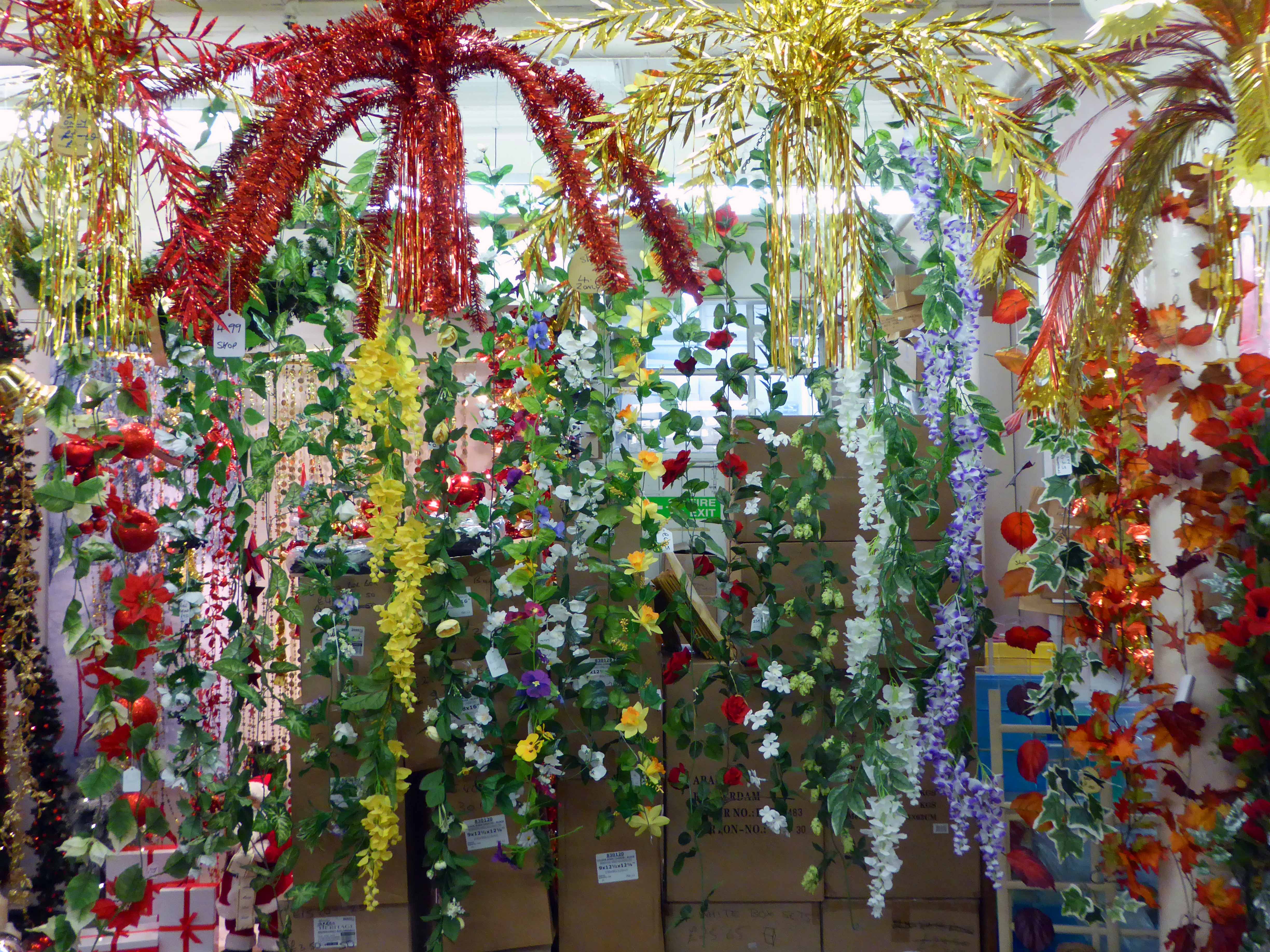
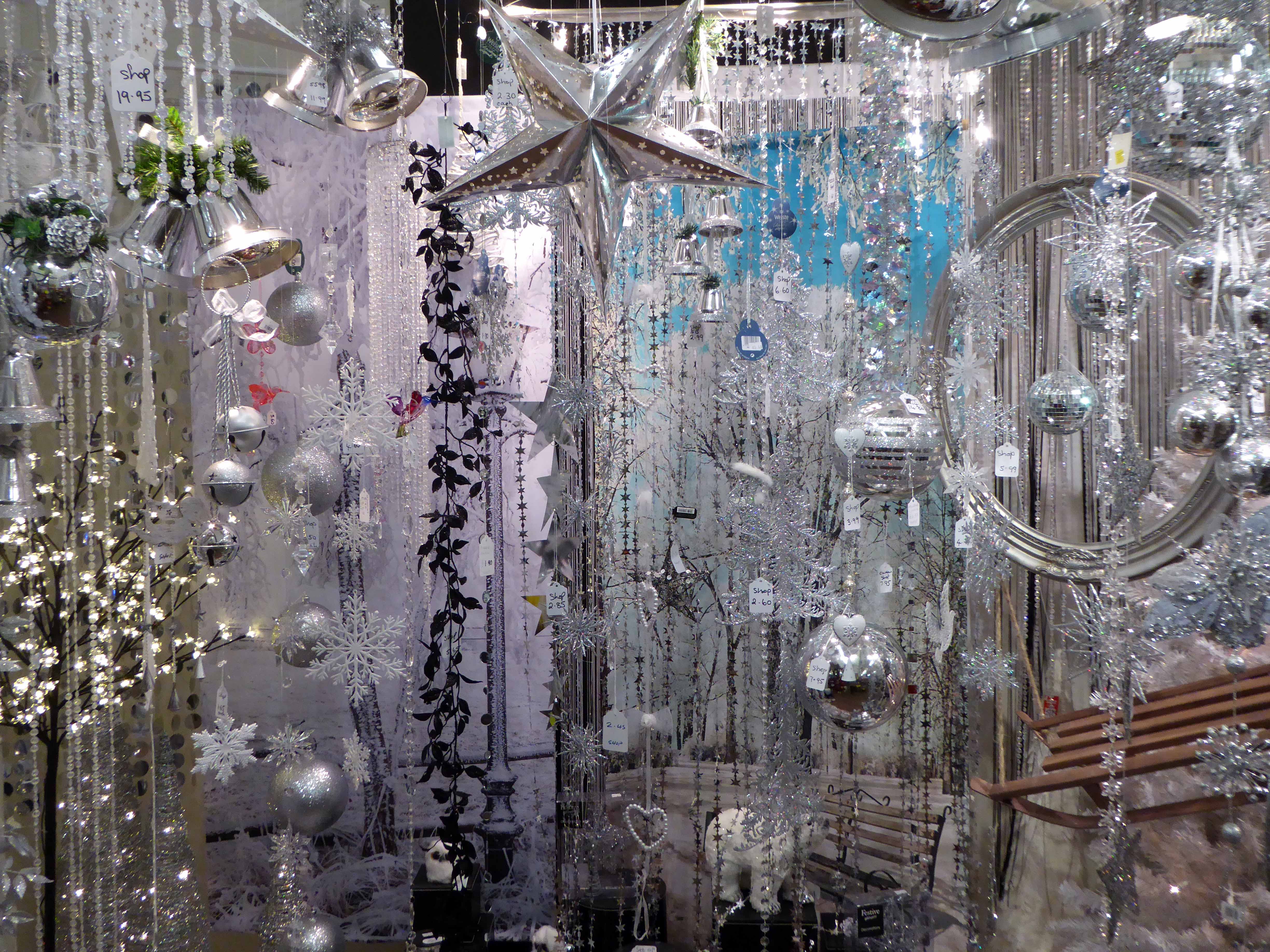
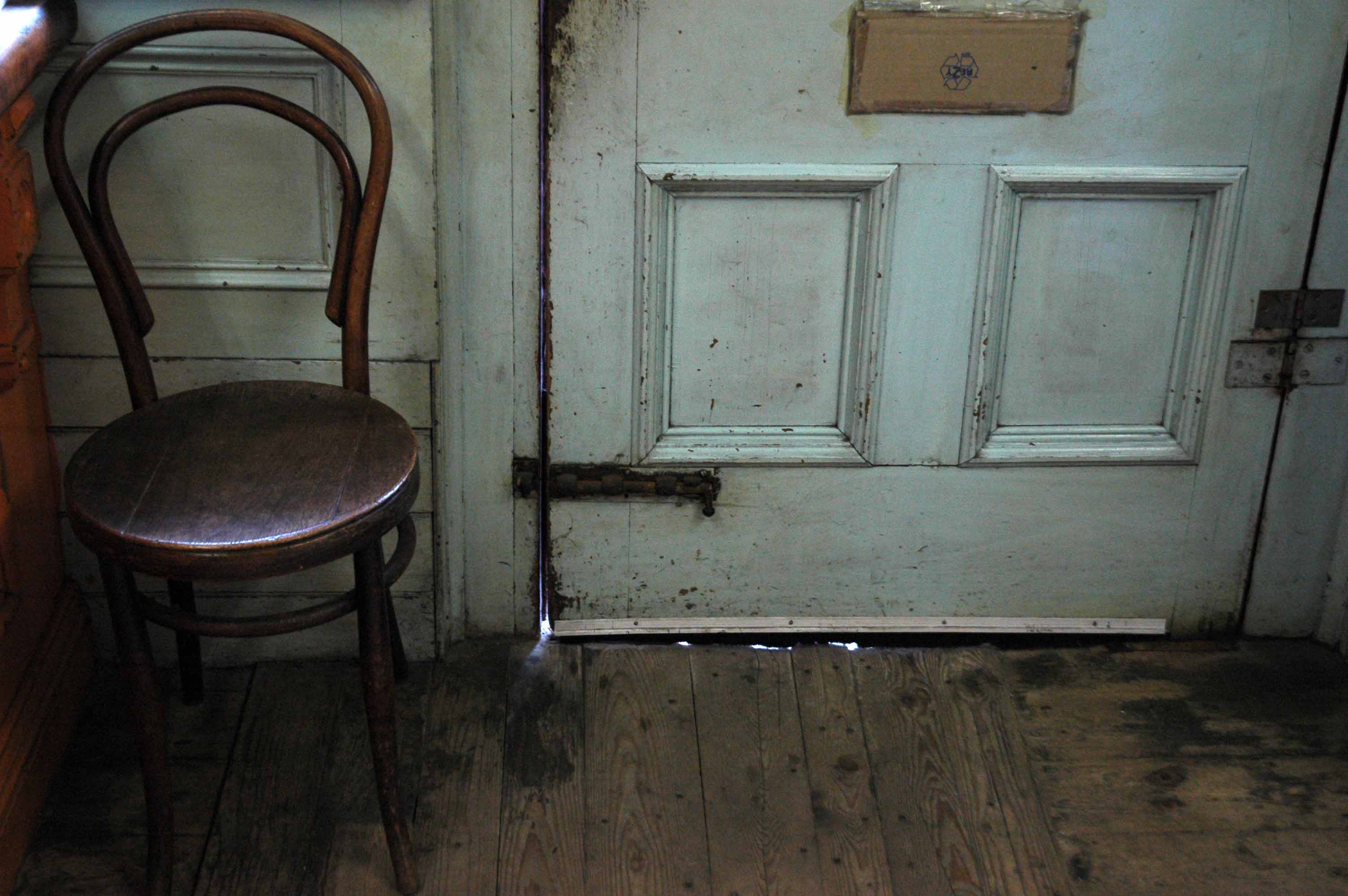
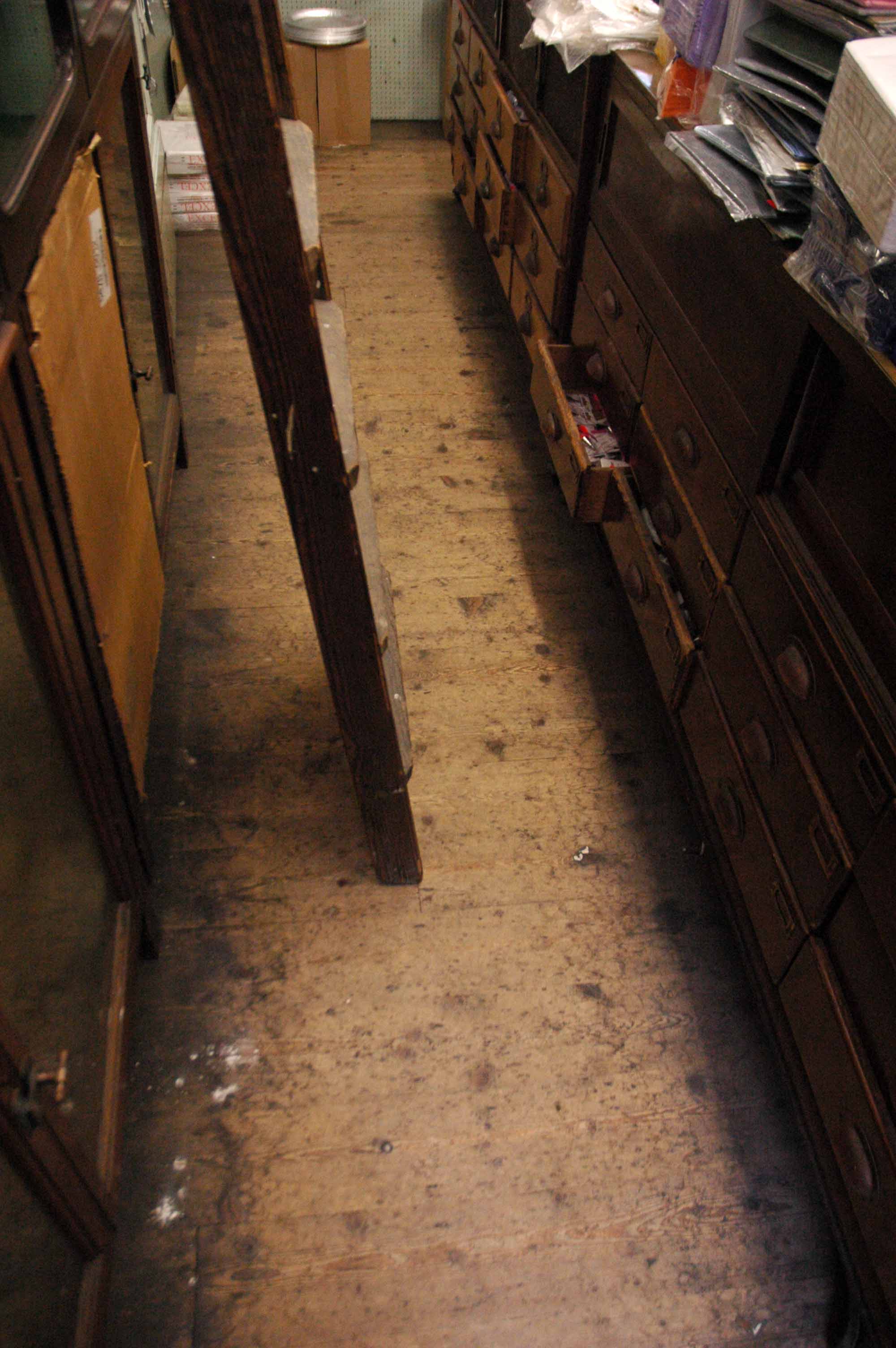
Just to wander the wobbly floorboards, is to enter a palace of variety that fills the senses with pure unadulterated delight.
Step inside love and lose yourself in a garden of artifice, happiness and joy!

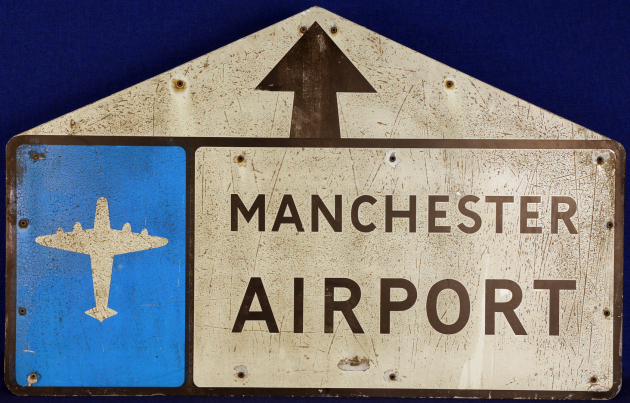
Expecting to fly?
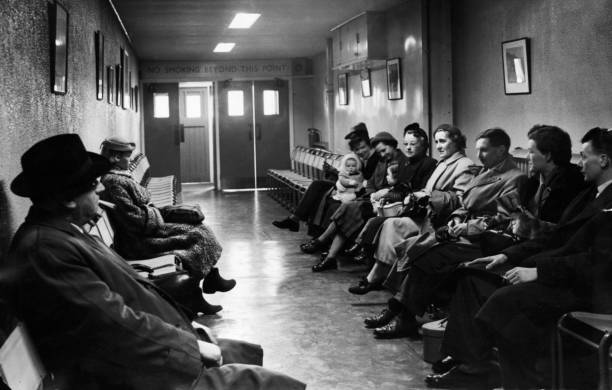
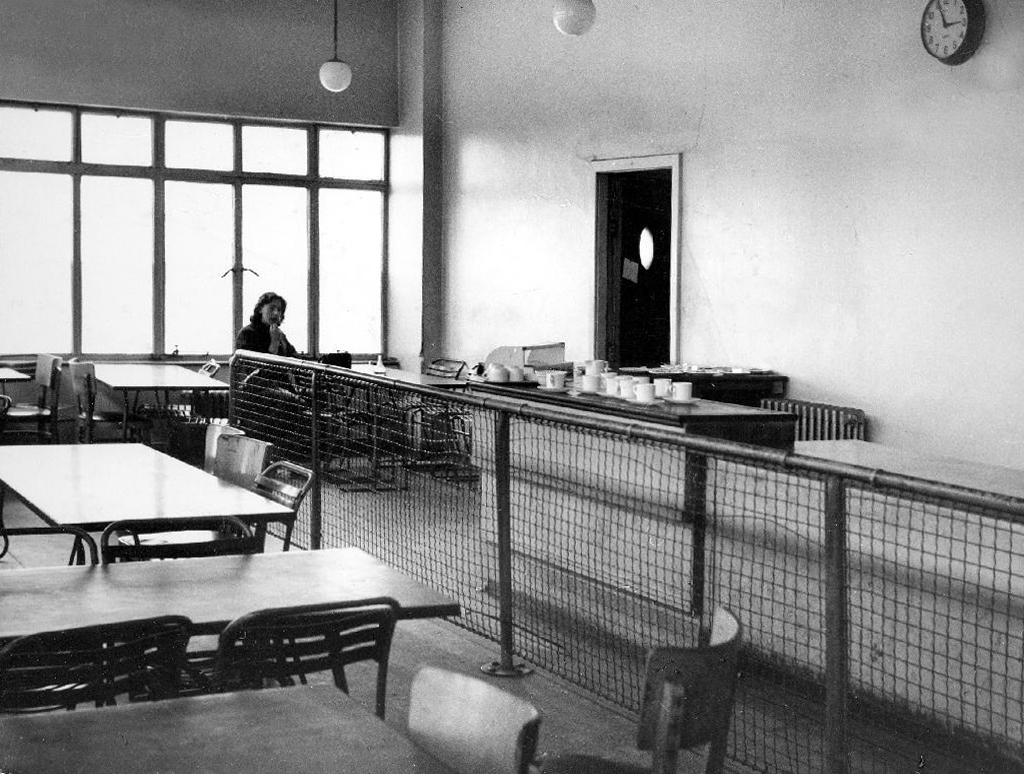
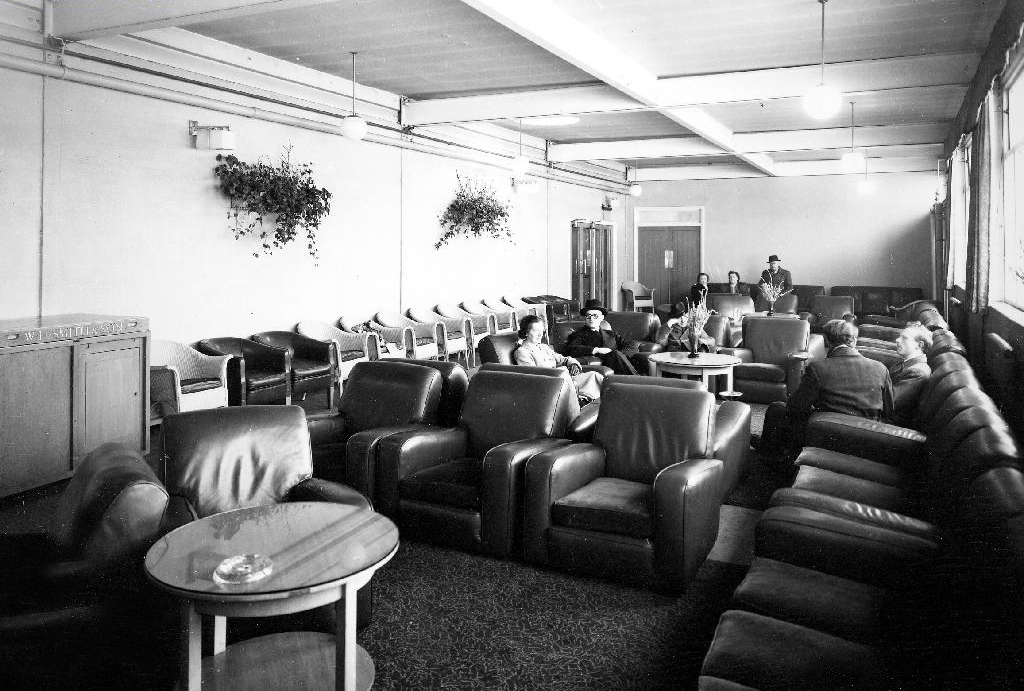
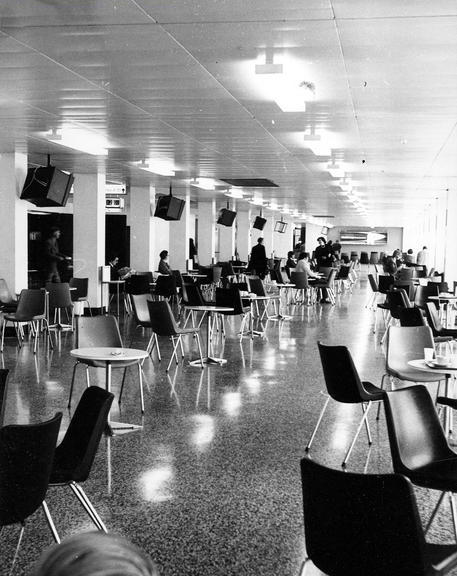
Well not really, the first time I ever visited Ringway was by bike, aged eleven cycling from Ashton-under-Lyne along leafy Cheshire lanes for what seemed like an age. A gang of Lancashire brigands arriving in the departure lounge, with bike pumps and duffle bags.
In the Sixties, when flying was infrequent, the airport was seen as sleek, new, glamorous and exciting – quiet literally at the cutting edge of the Jet Age.
Modern.
You were or are there, destination somewhere else, far more exotic than suburban Wilmslow.
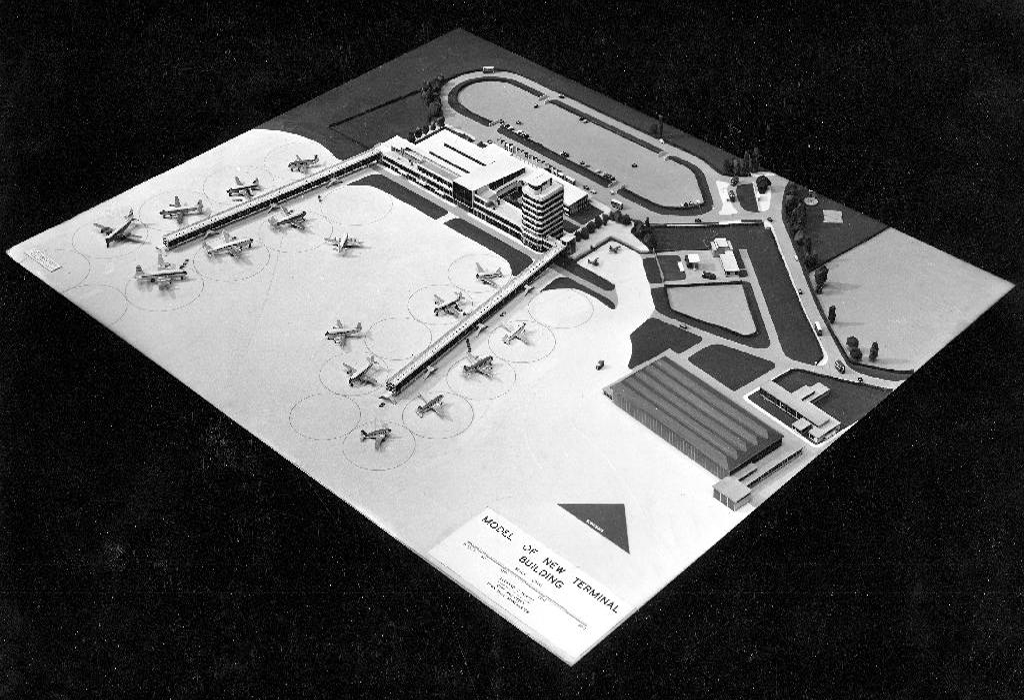
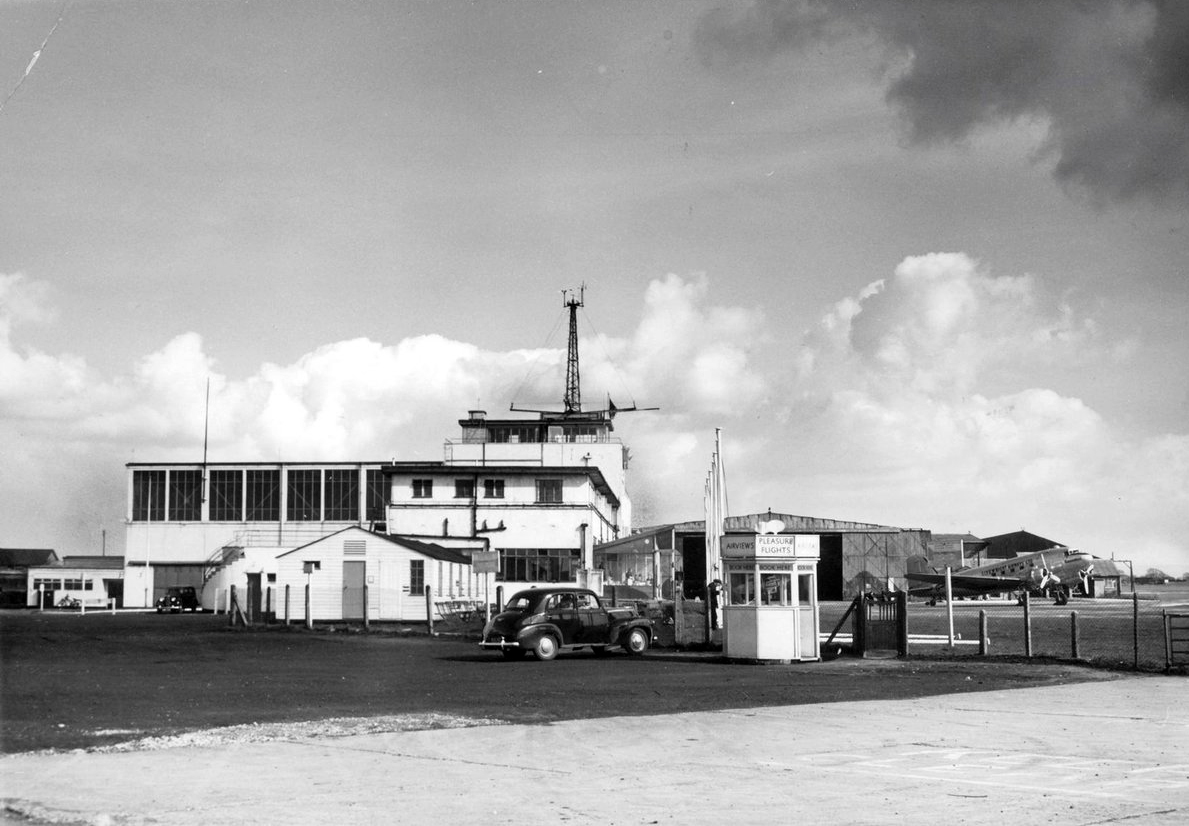
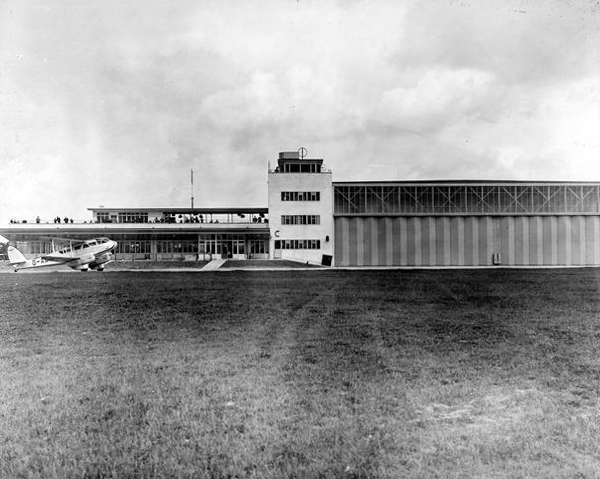
Manchester Ringway Airport started construction on 28th November 1935 and opened partly in June 1937 and completely on 25th June 1938, in Ringway parish north of Wilmslow. In World War II, it was the location of RAF Ringway, and was important in the production and repair of military aircraft and training parachutists.
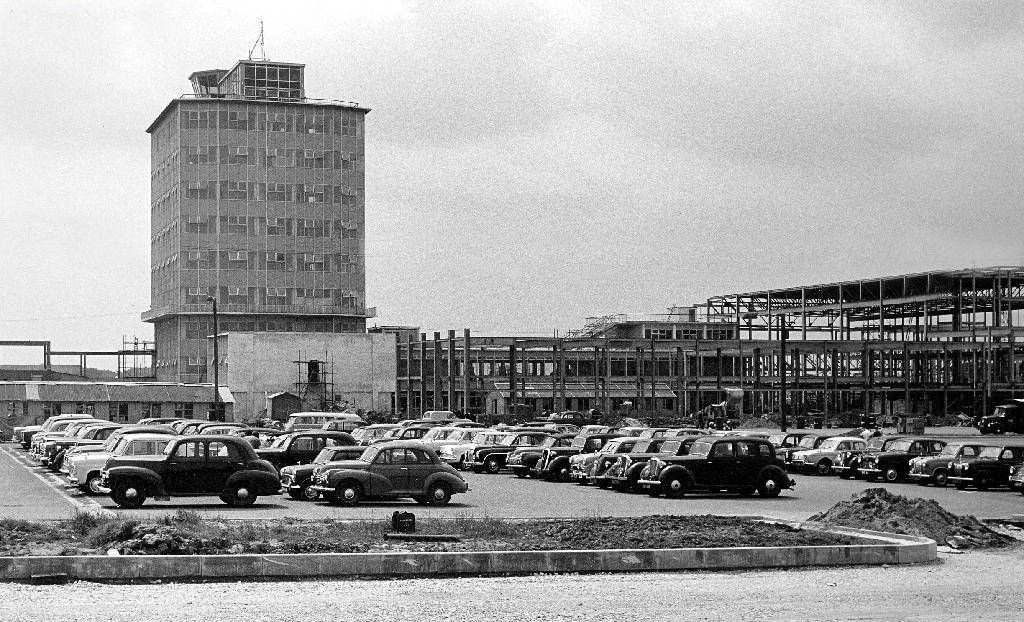
After World War II, it gradually expanded to its present size, including massive expansion of aprons, runways and car parking areas. Among the first expansions was car parking and service buildings north of Yewtree Lane.
From 1958 to late 1962, Terminal One was built: this was the first of the airport’s modern large terminals and the first major public building north of Yewtree Lane.
You were or are there, so why not tell the world – with a postcard.
Wish you were here?
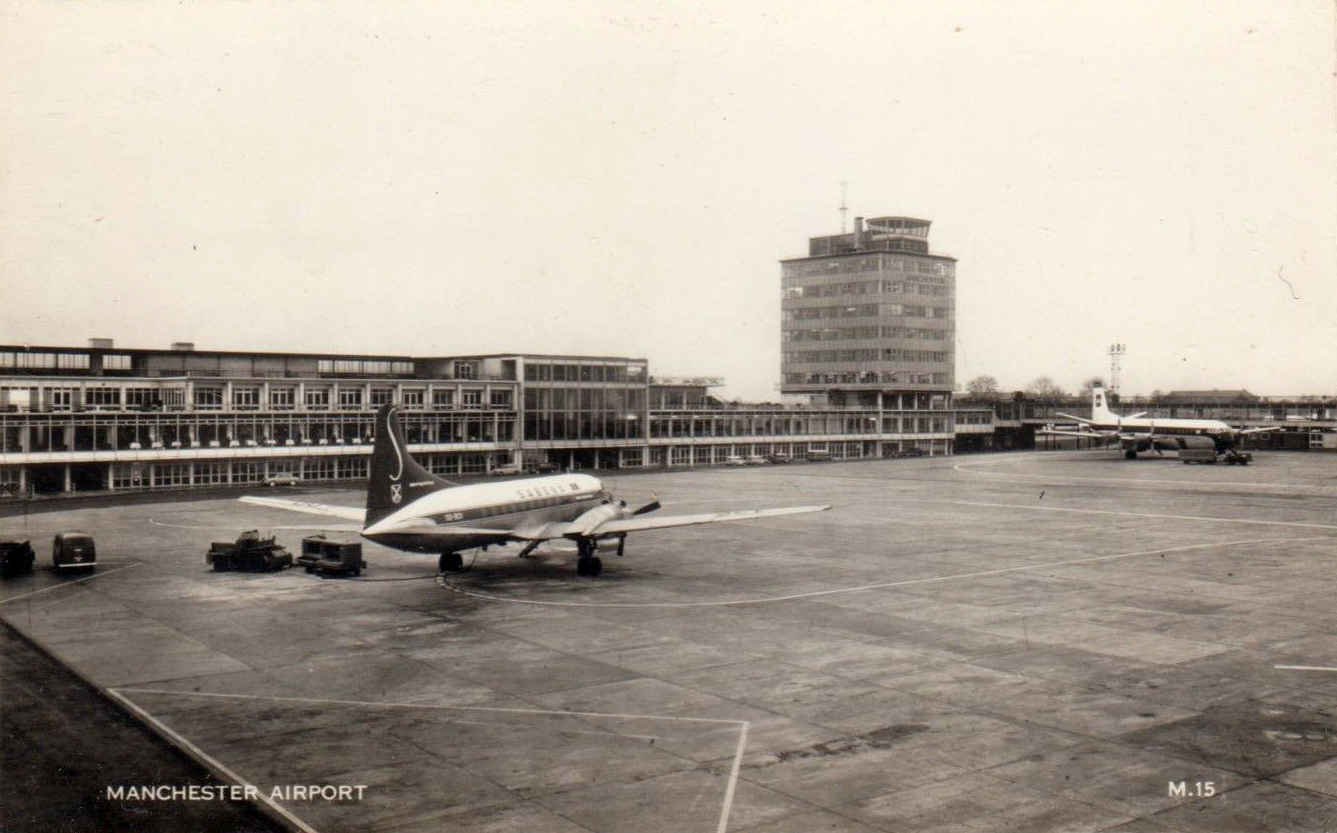
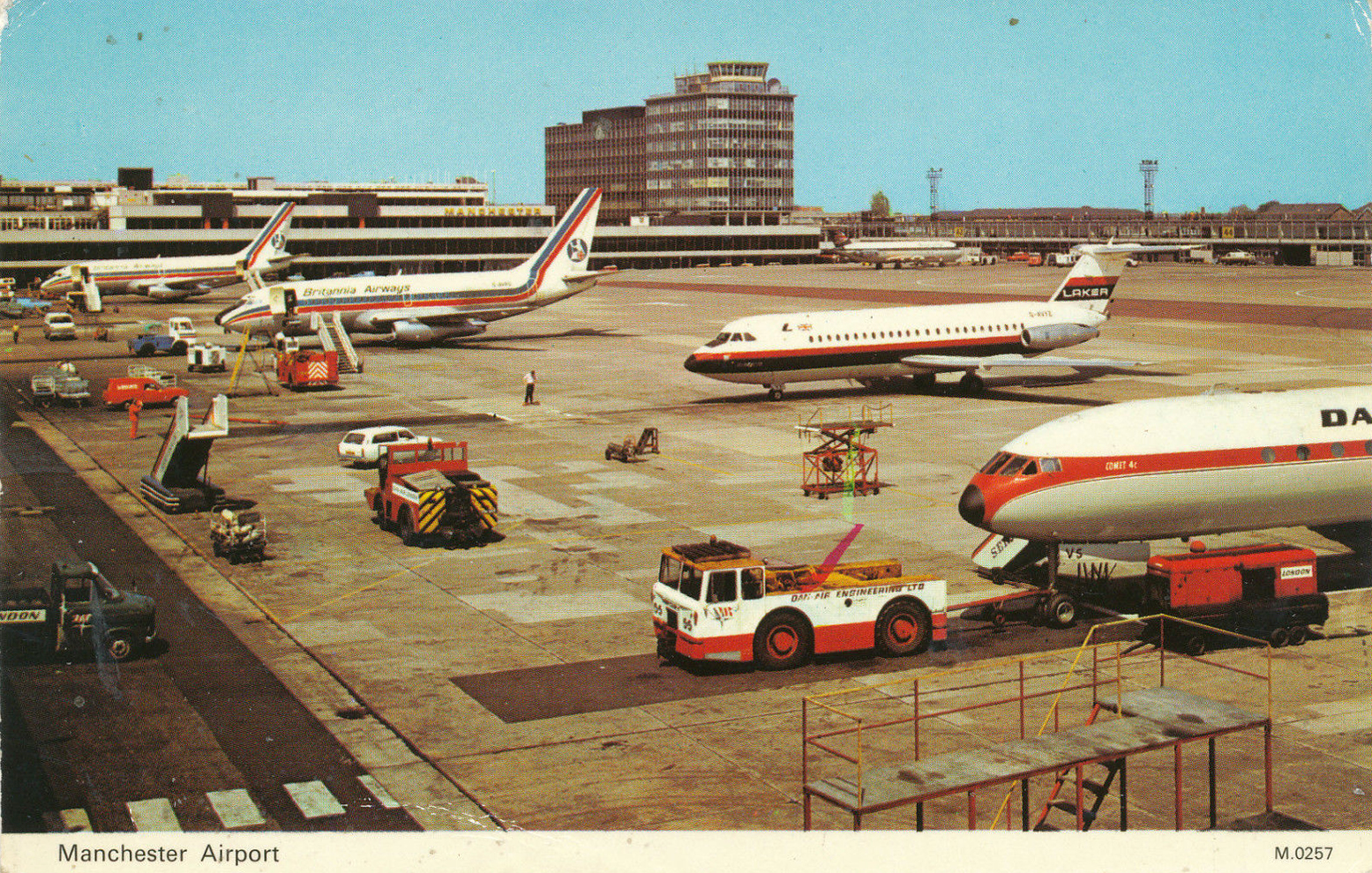
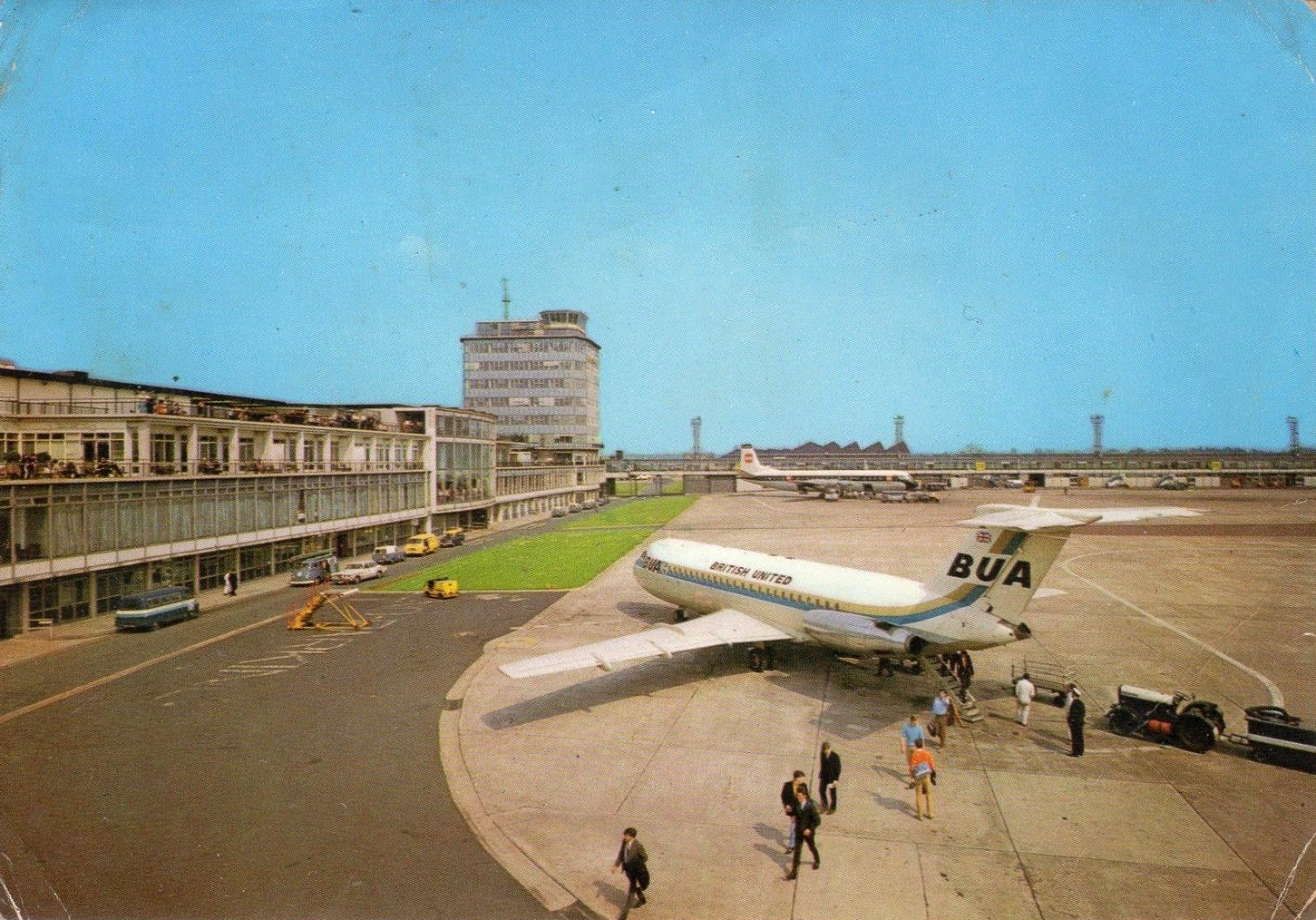
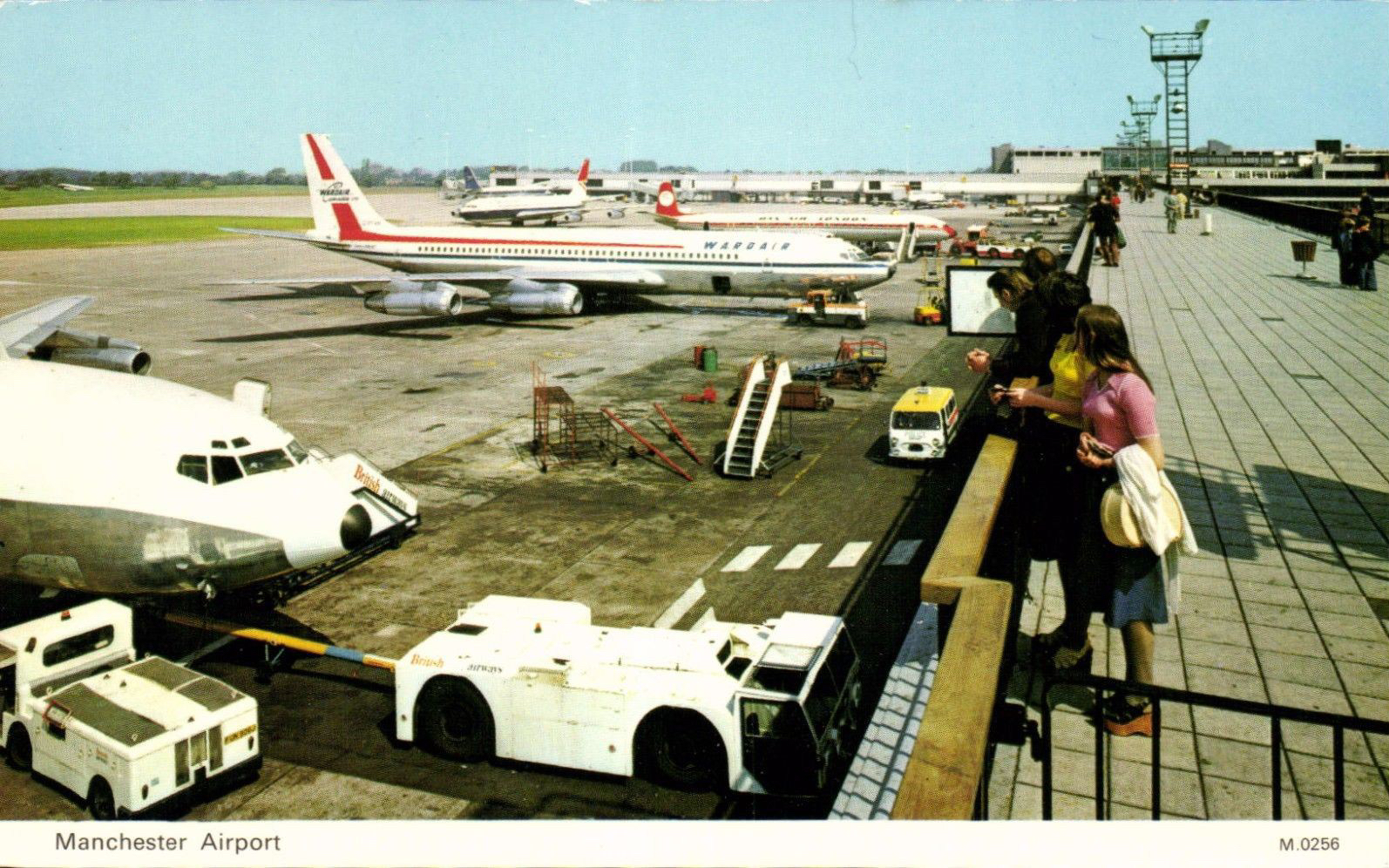
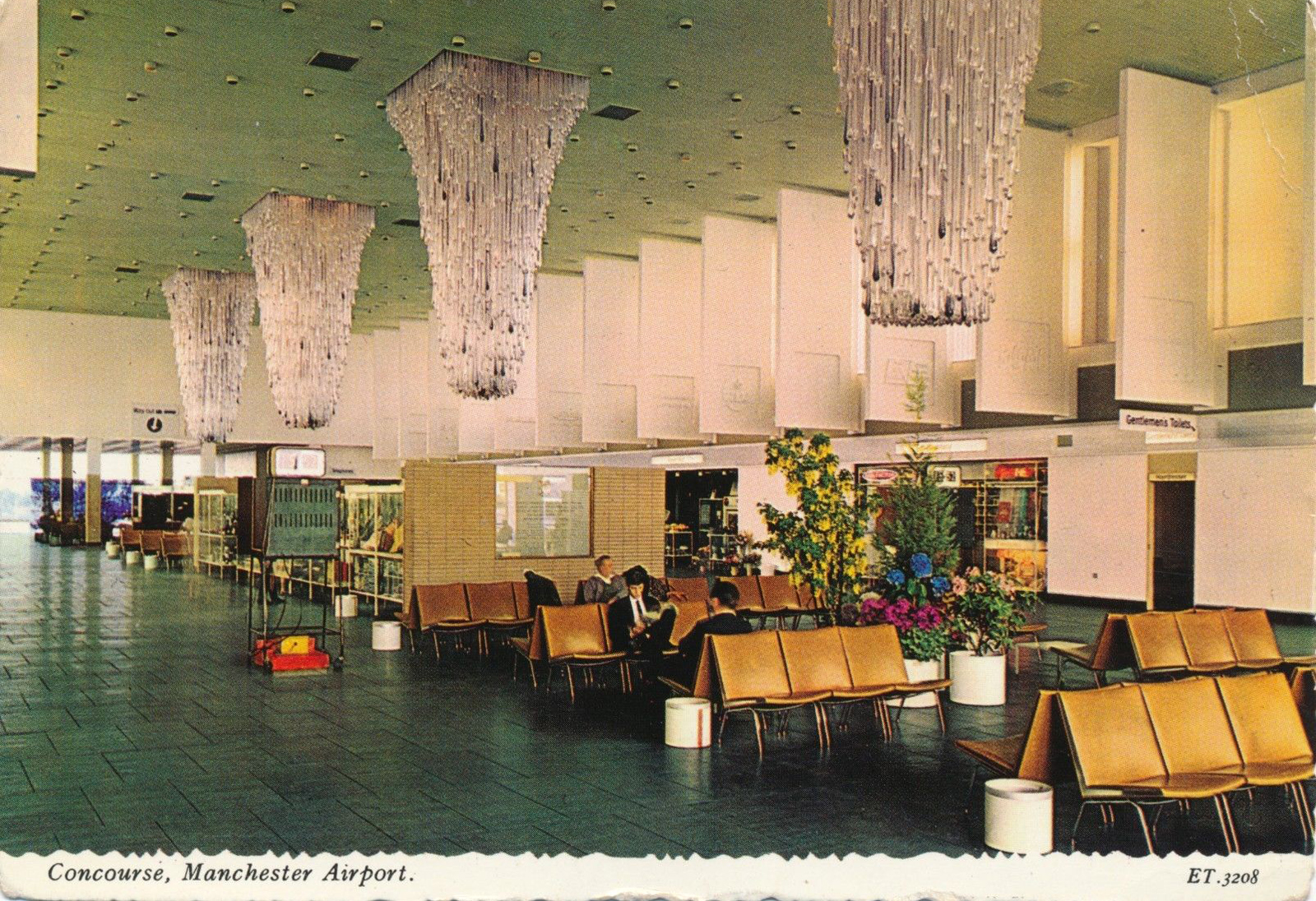
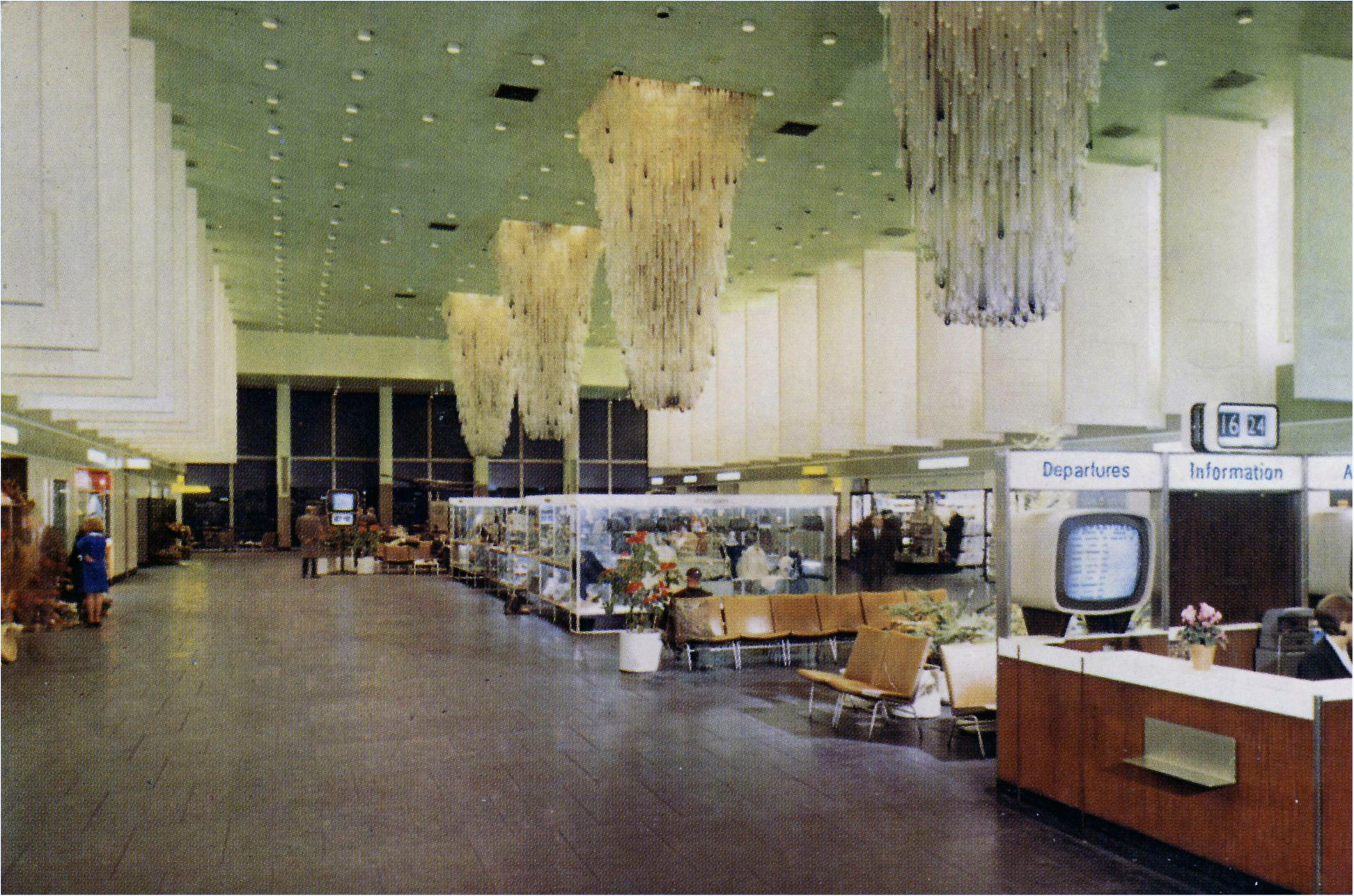
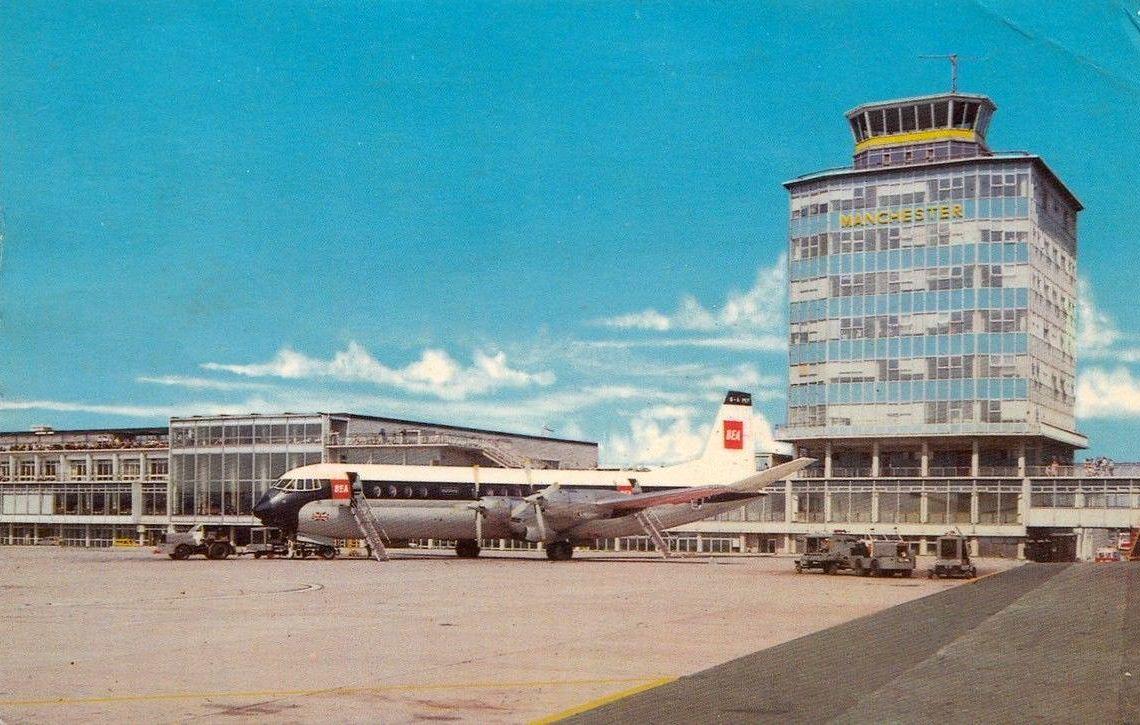
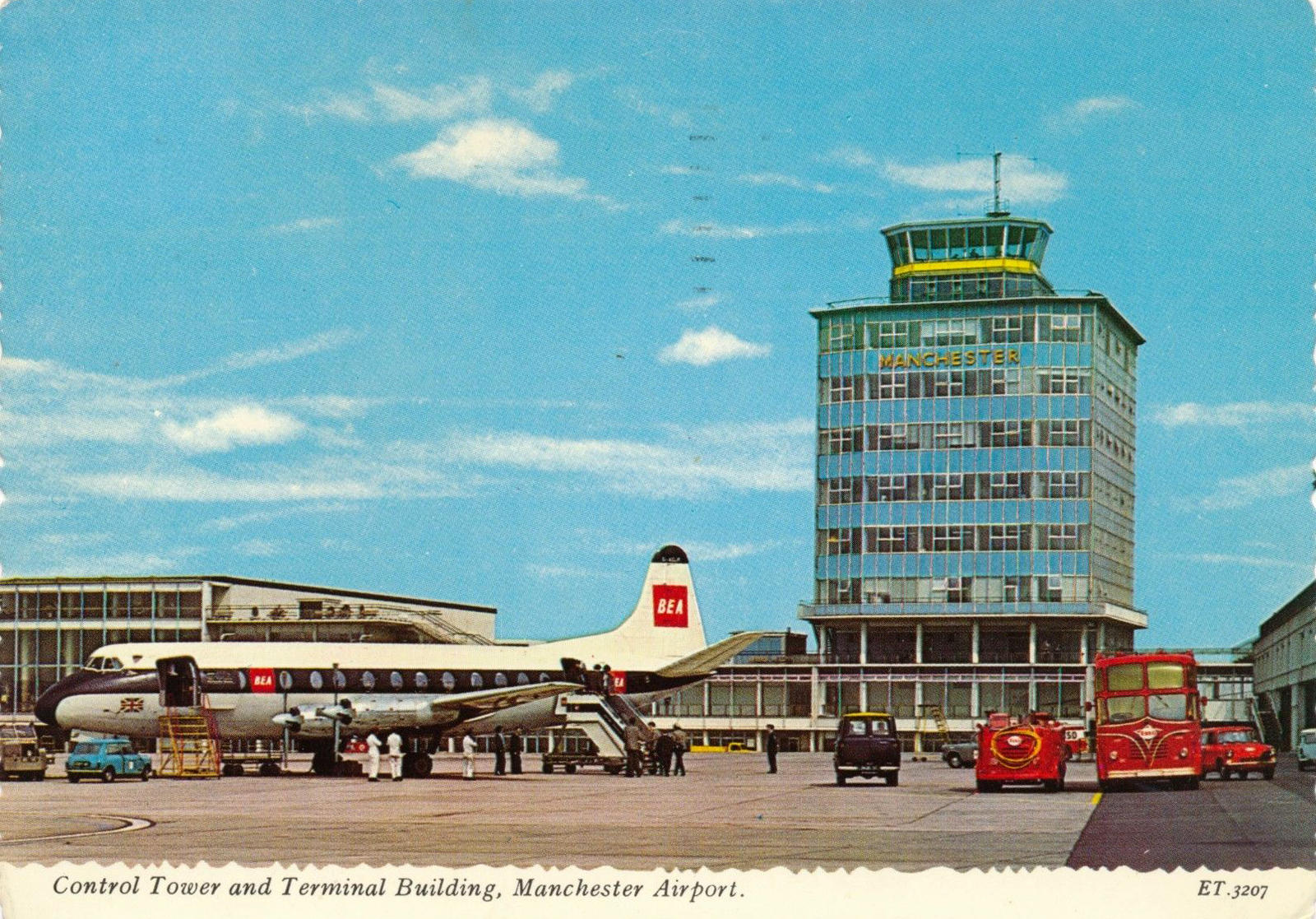
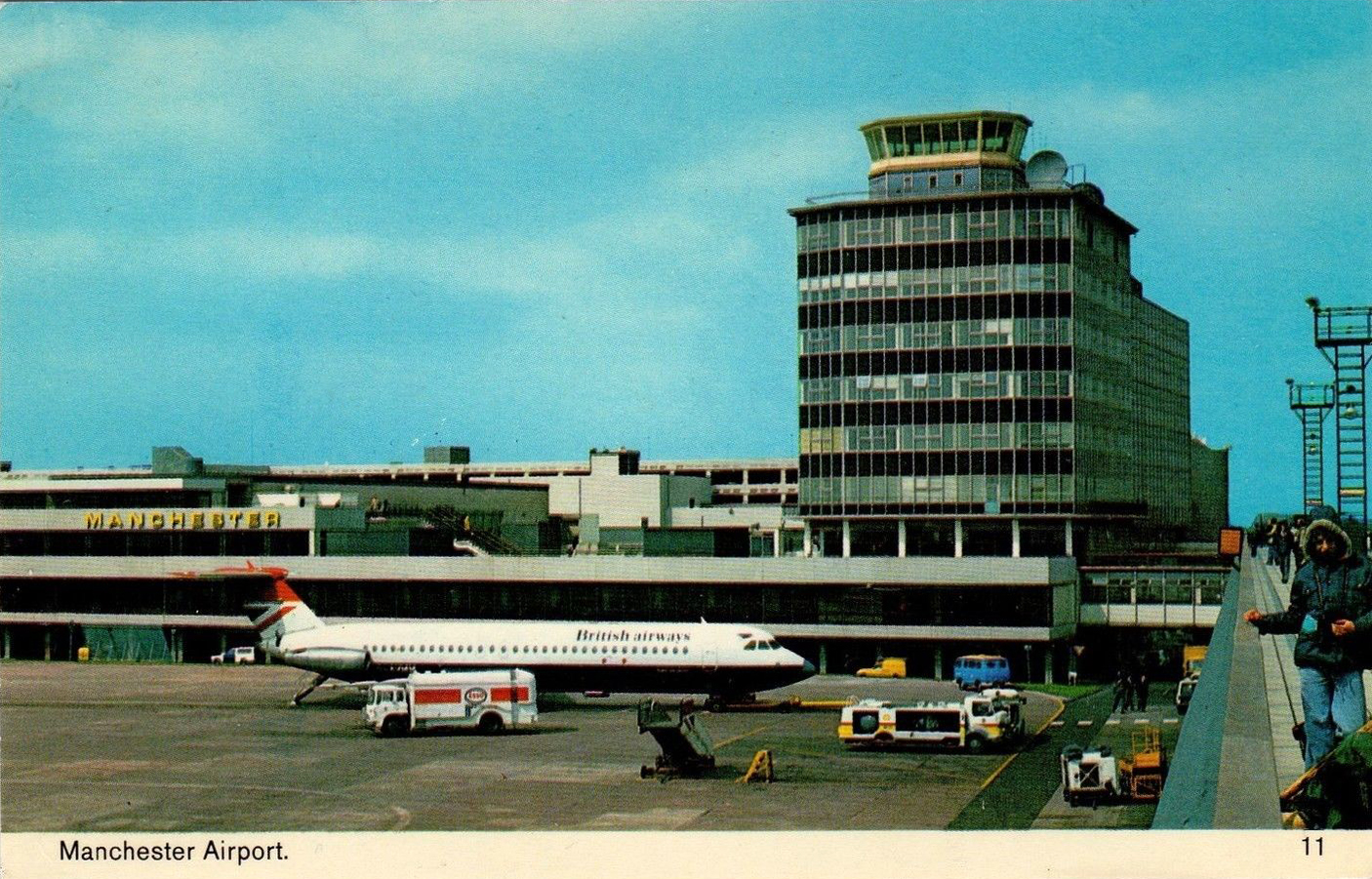
Let’s go there now, back in time, through the most magical Manchester Image Archive.
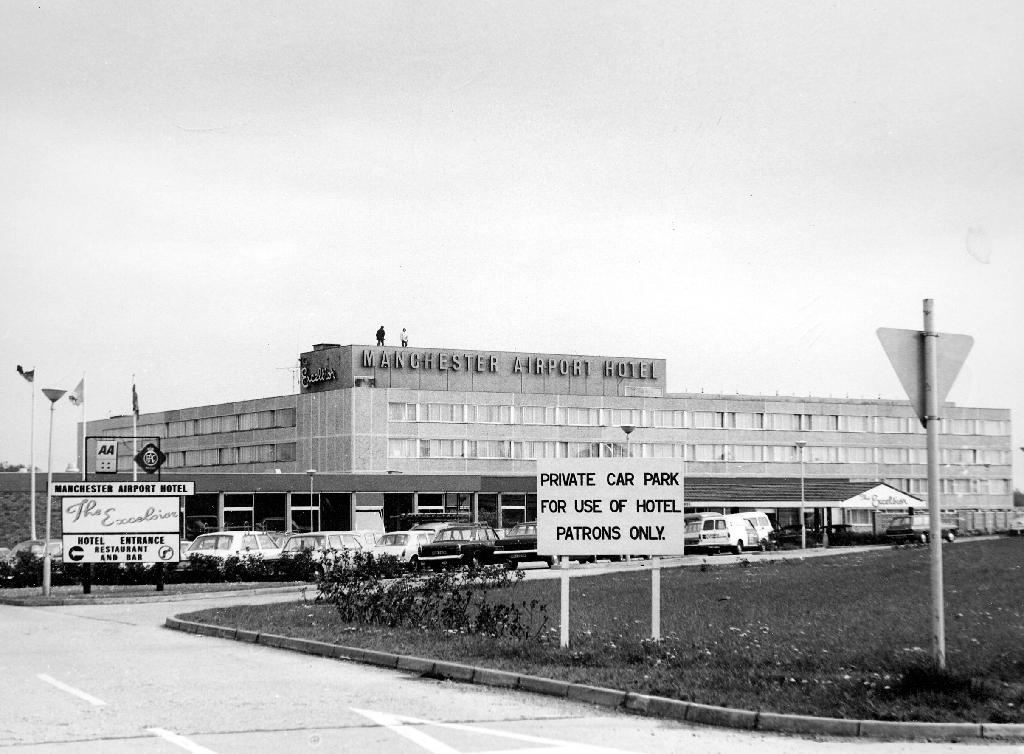
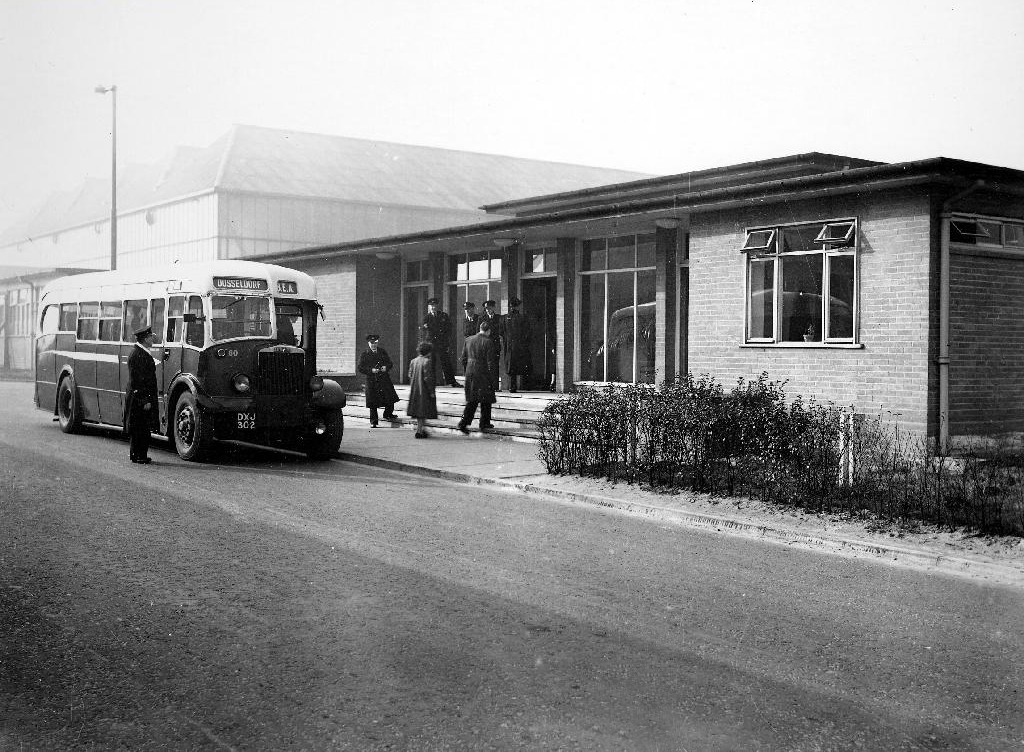
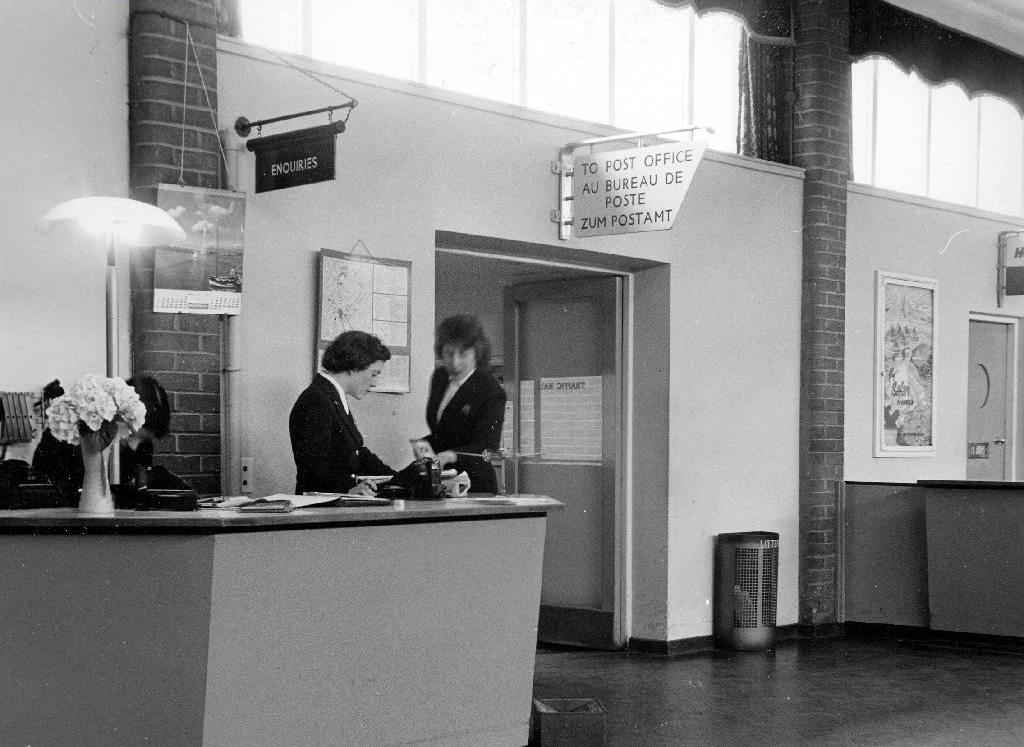
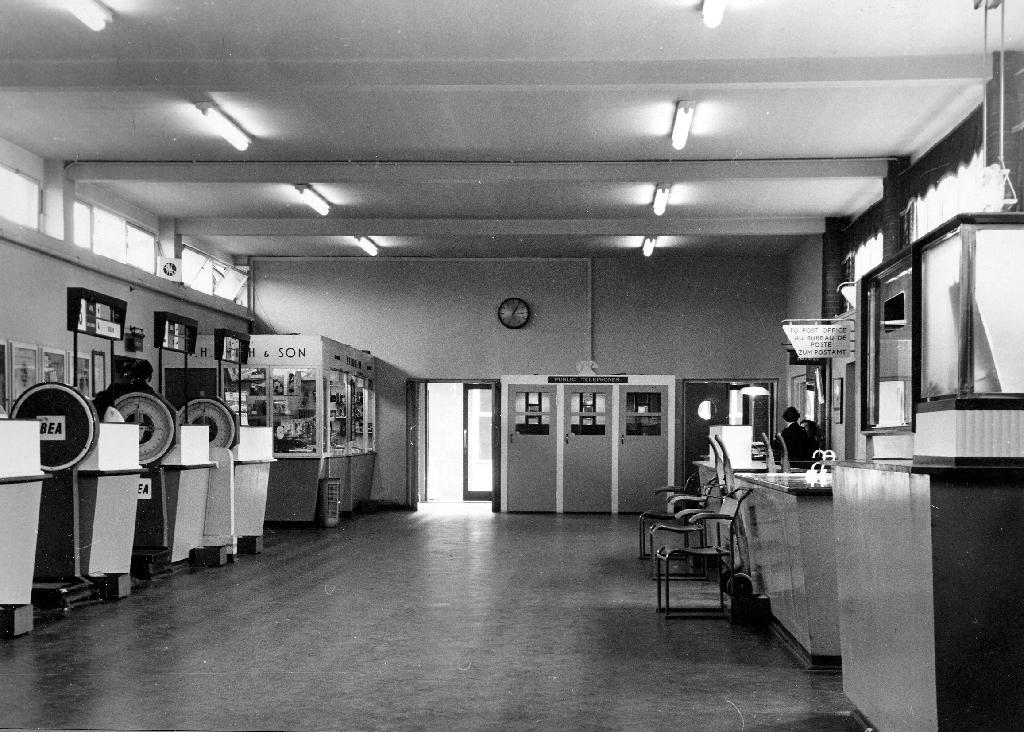
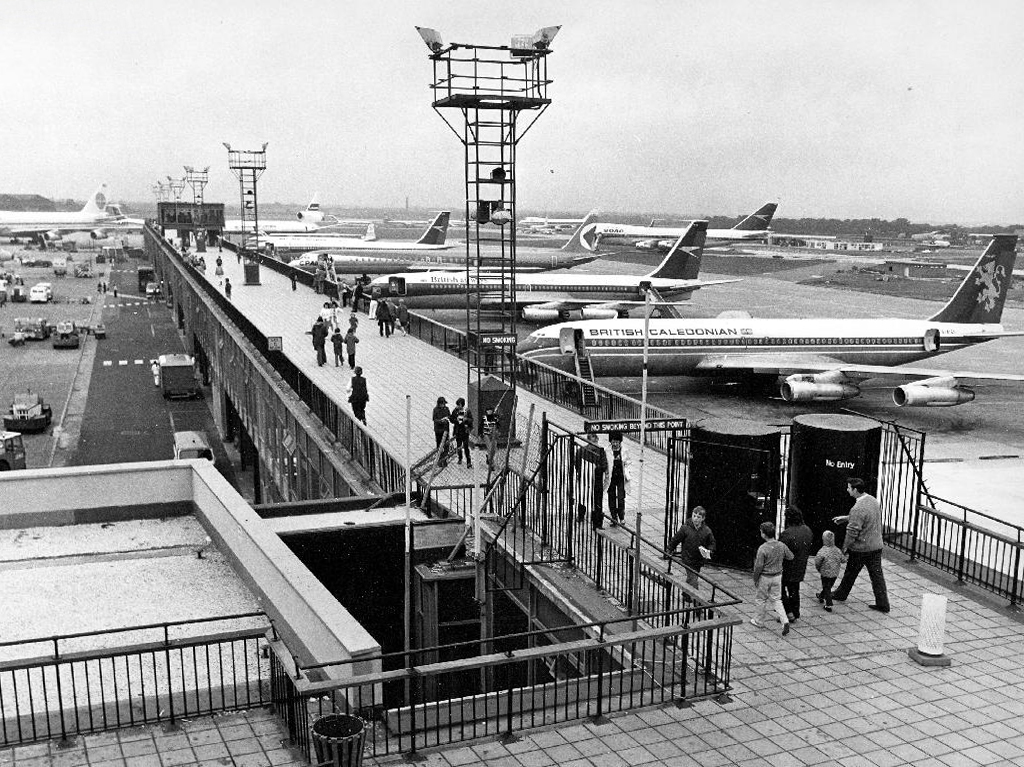
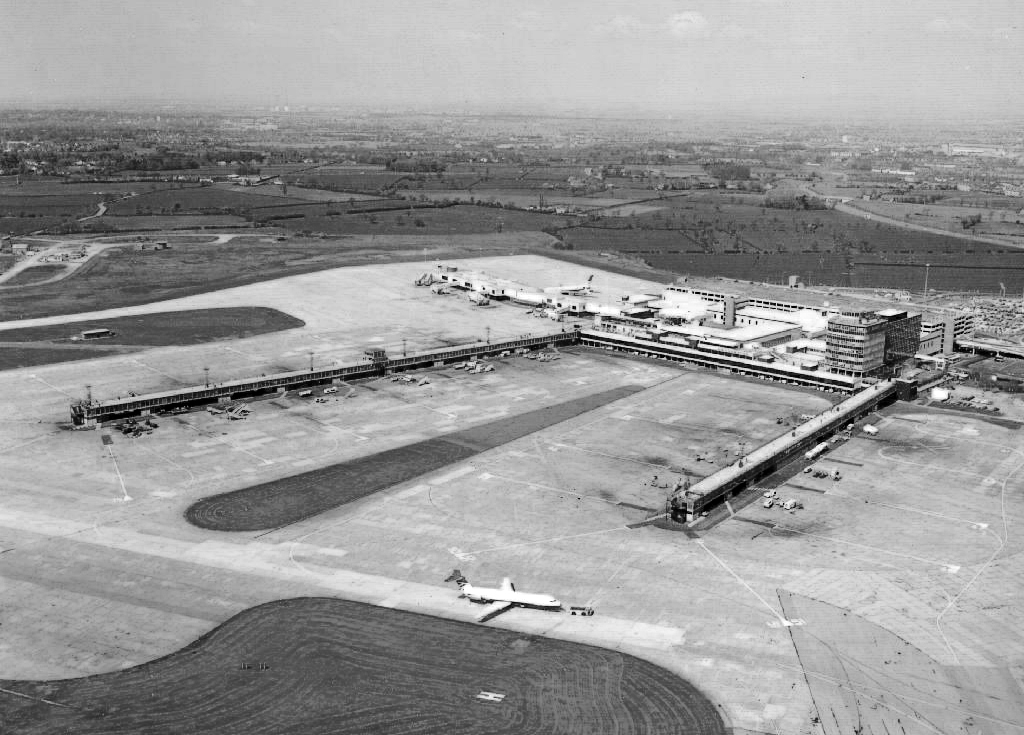


15 Wellington Road North Stockport SK4 1AF.
Time changes everything except something within us which is always surprised by change.
A delightful interwar pub on the corner of Heaton Lane and Wellington Road North, I moved to Stockport some forty years ago and was mightily impressed by the restrained exterior Deco design, wrought and hewn from soft pale sandstone. Equally impressive was the wood panelled, open, spacious interior space.
The George was always something of an anomaly, being the only Greater Manchester pub owned by Higson’s Brewery, our almost next door Liverpool neighbour.


Higsons was founded in 1780 – 1974 saw the brewery merge with James Mellor & Sons. In 1978, Higsons acquired the Bent’s Brewery, which was based next to its North Street head office. Boddingtons of Manchester acquired Higsons in 1985 but decided to abandon brewing in 1989 to focus on its pubs.
They have/had fine former offices on Dale Street

Boddingtons’ brewing arm was sold to Whitbread in 1990 which then subsequently closed the Higsons Stanhope brewery and then reopened by new owners as the Cains Brewery in 1991. Higsons beer was brewed in Sheffield and Durham for a few years after closure before being discontinued. The beer brand was revived in the current century and reborn in 2017, now served in the swish Baltic Triangle based Higson’s Tap & Still with an interior order that leaps backwards head first, into an imagined future of raw brick, reclaimed wood and industrial flourishes.

The George prospered – a town centre pub surrounded by workers in search of a wet and shoppers shirking their retail duties in favour of draught bitter or Cherry B.

Its interior however did not fair so well, ripped out in the 80s – remade remodelled, in the deeply unattractive, anti-vernacular, sub-disco style de jour.
Renamed The Manhattan, riding the fun-pub wave, closed reopened as The George – there followed thirty year of uncertainty, struggling to find an identity throughout a time of ever-changing moods.

It became a daytime haunt of the hardened, shattered glass, blood on the tracks class of drinker, its reputation in tatters along with yesterday’s fish and chip papers.
The last time I came by you were still open for business.

I bided a wee while, without imbibing, all the better to record your disabused Art Deco details.


I came by yesterday and you were all tinned-up with nowhere to go.
Premises To Let as of 13th May 2018 – on the 2nd April 2018 the licence has lapsed, so this will be a further barrier to it re-opening.
And so your faux nowheresville interior will pass into yet another of somebody’s history, along with your fine Deco detail and disco destruction.
This a tale of our age – of monopoly capitalism, stay at home Bargain Booze tipplers, demographic shifts, de-populated town centres, fashion fads and cheap cladding.
Time changes everything except something within us which is never surprised by change.


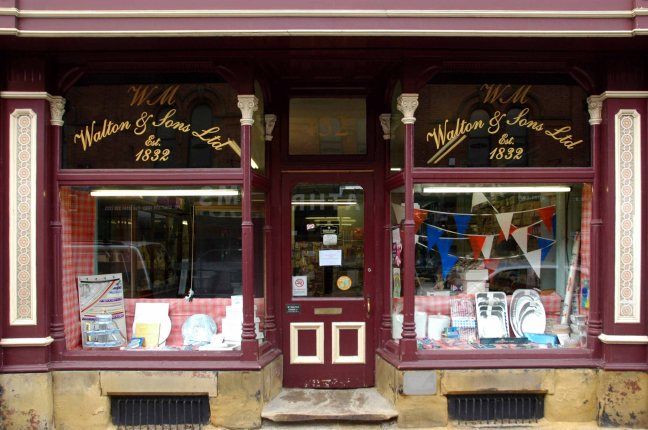
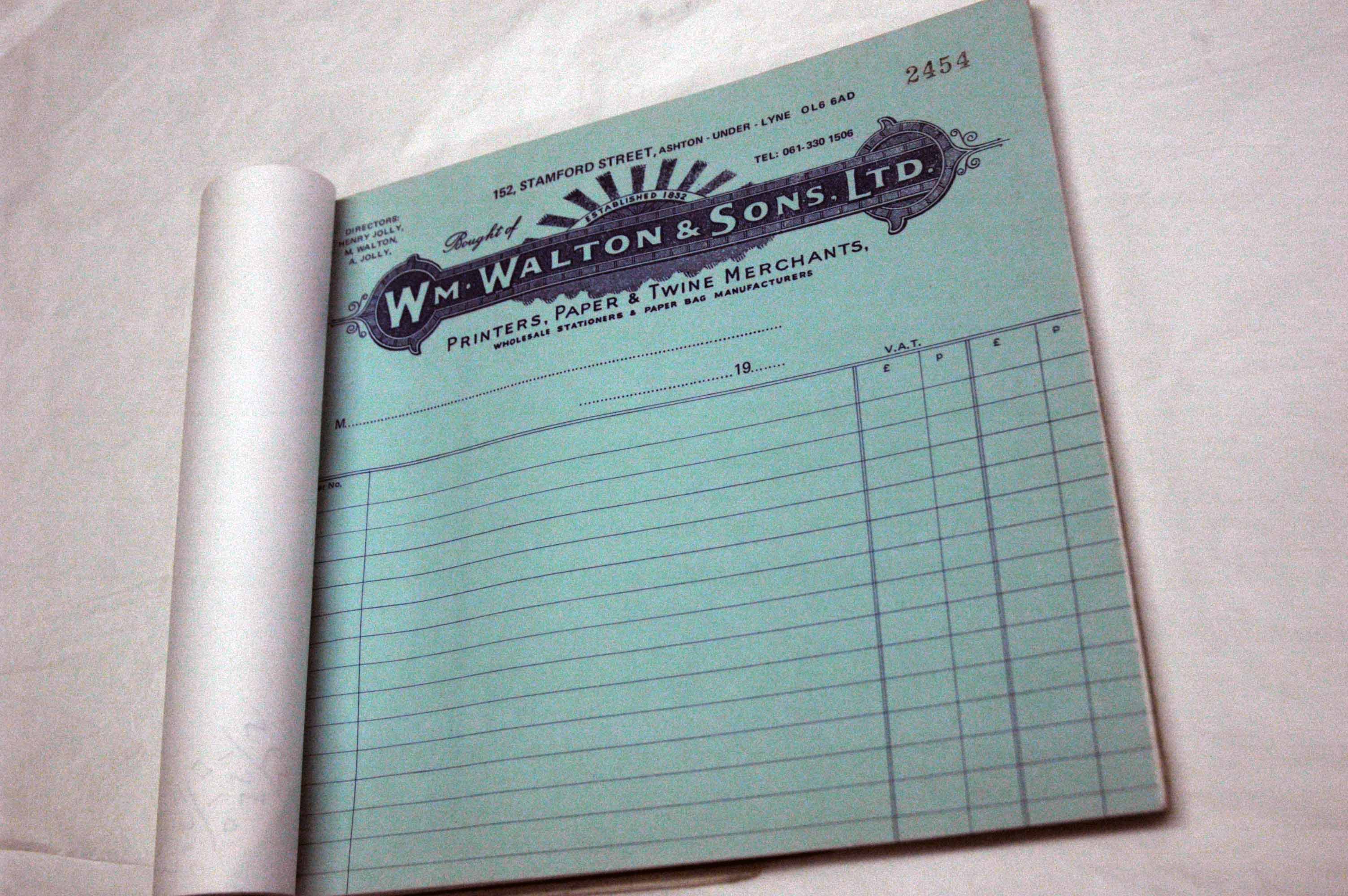
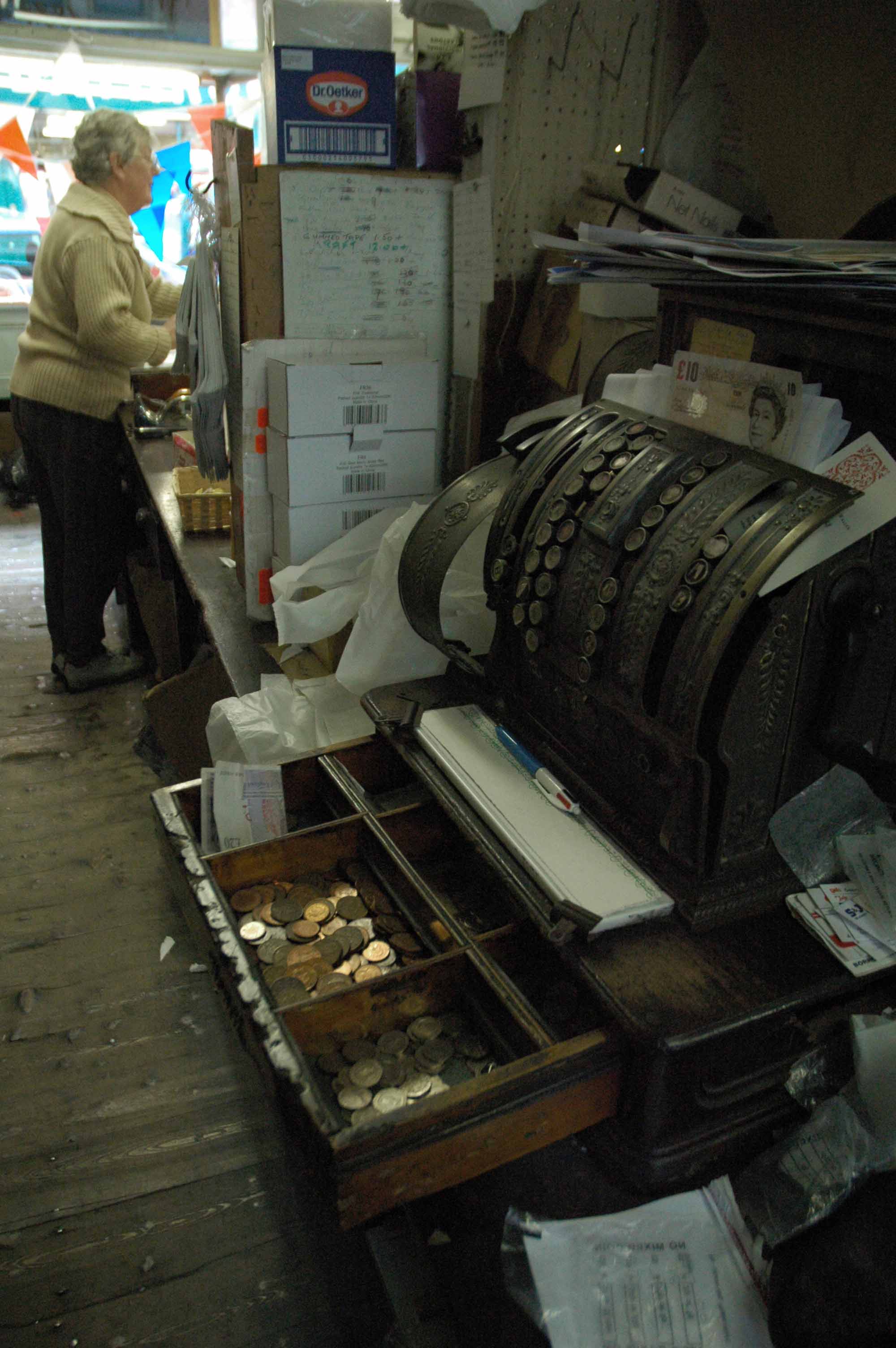
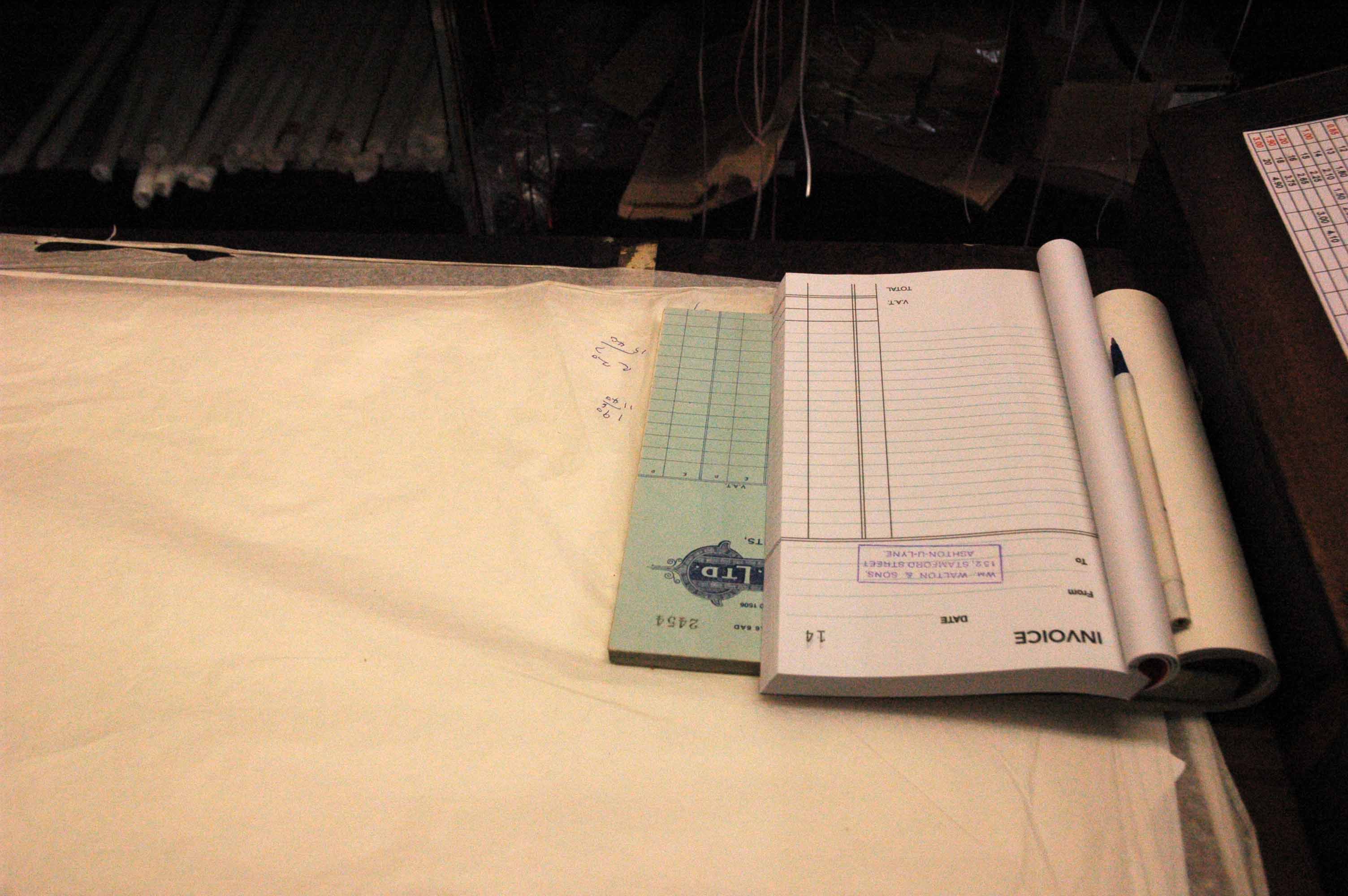
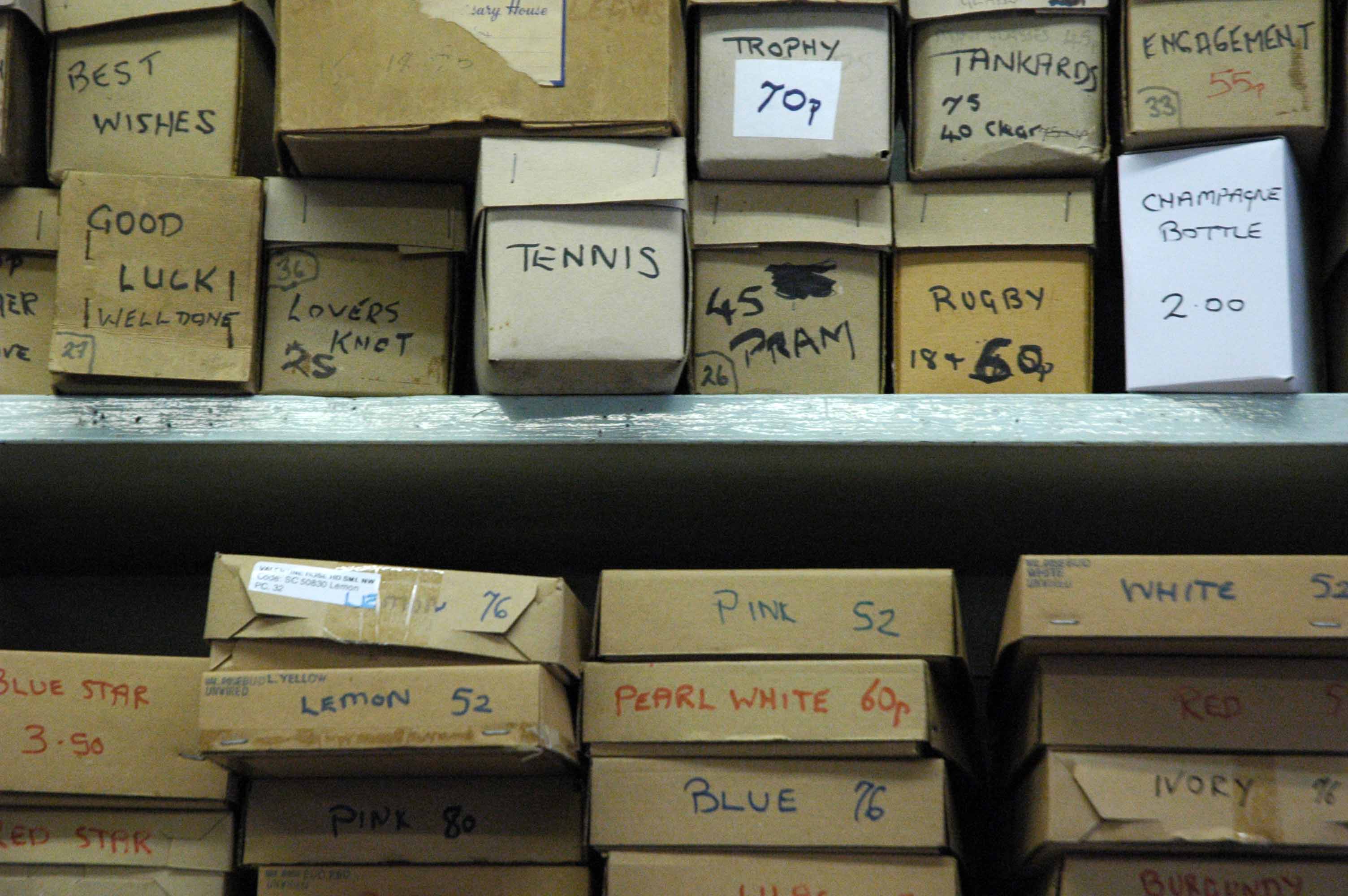
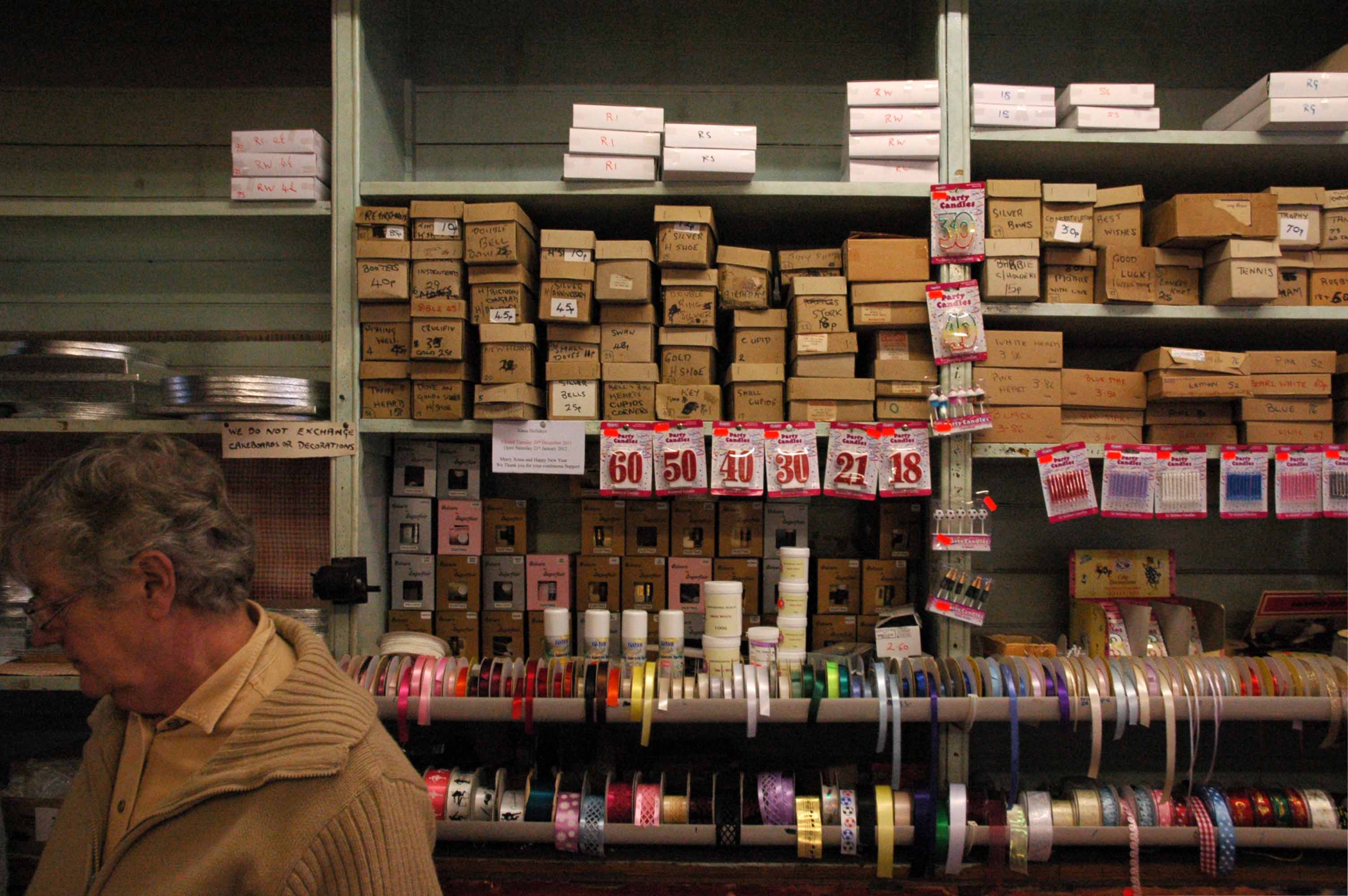
William Walton’s and Sons – 152 Stamford Street, Ashton-under-Lyne, OL6 6AD
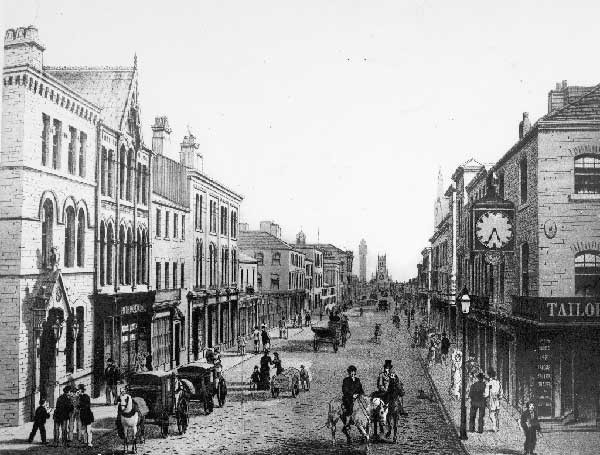
Founded in 1832 – when Stamford Street looked a lot like this.
Much has changed during the ensuing years, Walton’s it seems has not.
On Monday 24th October 2011 I had the privilege of meeting current owners Marilyn and Dave, spending time chatting and taking photographs.
Thank you.
They tell their own tale – take a look.
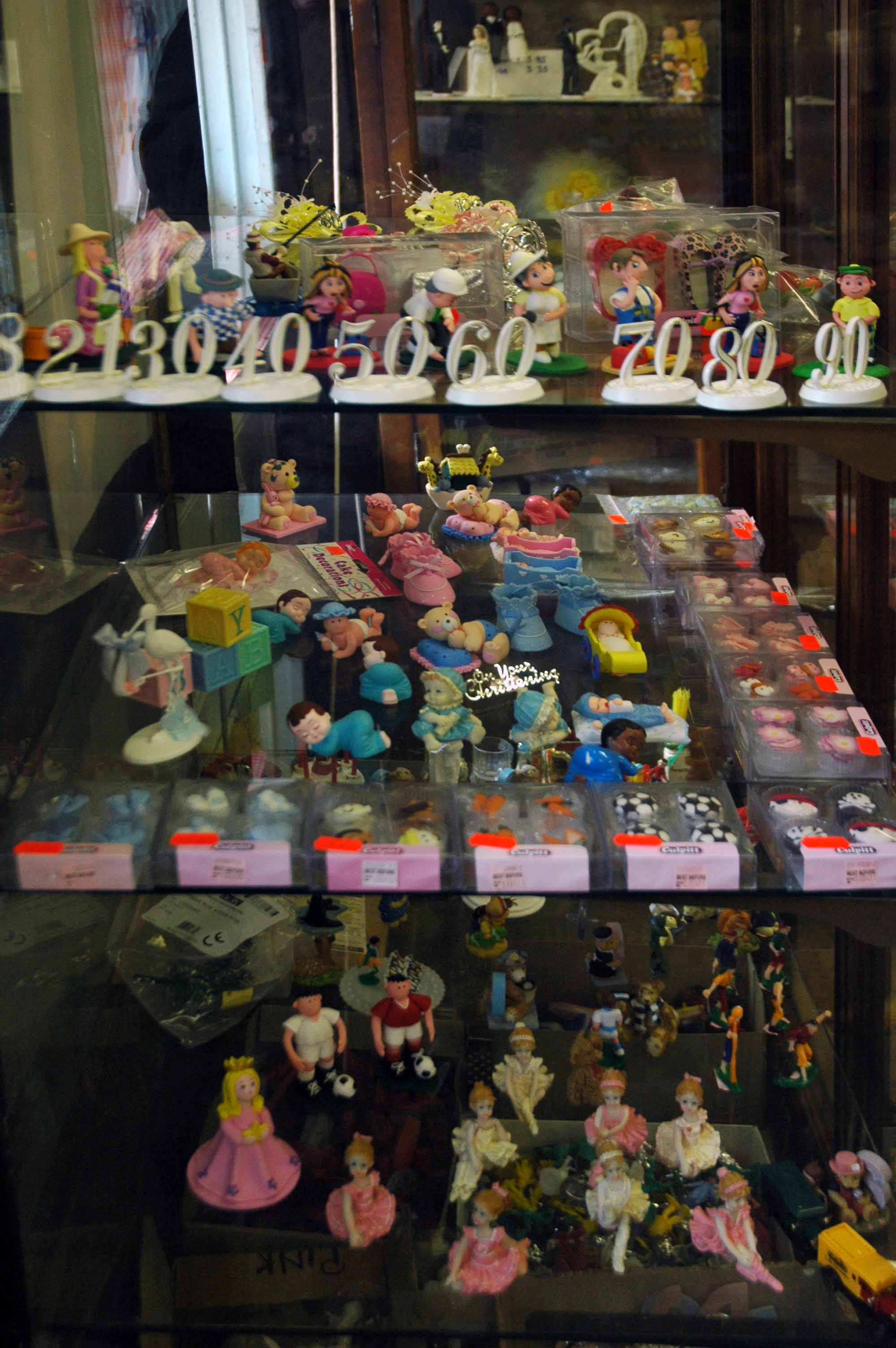
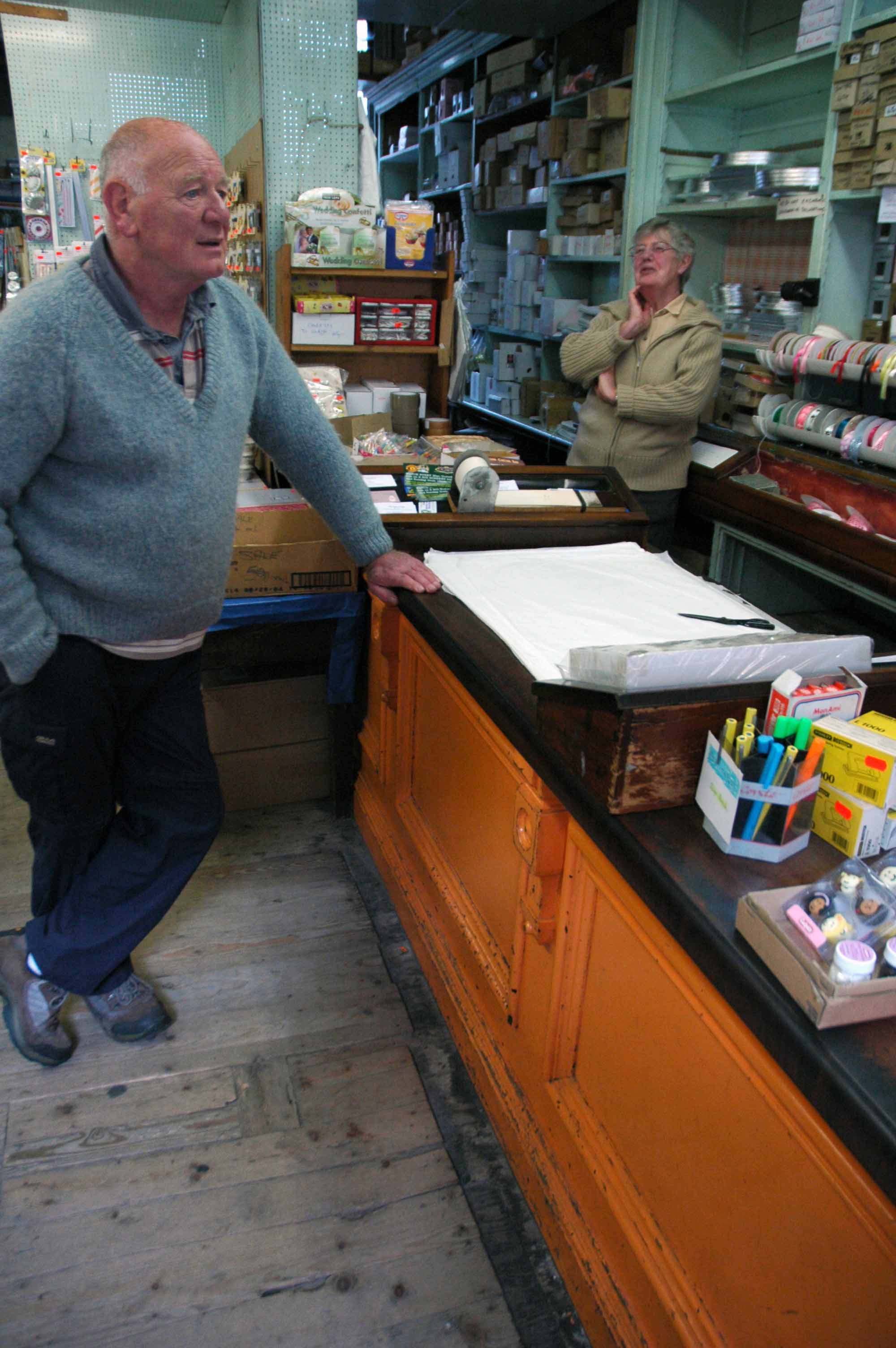
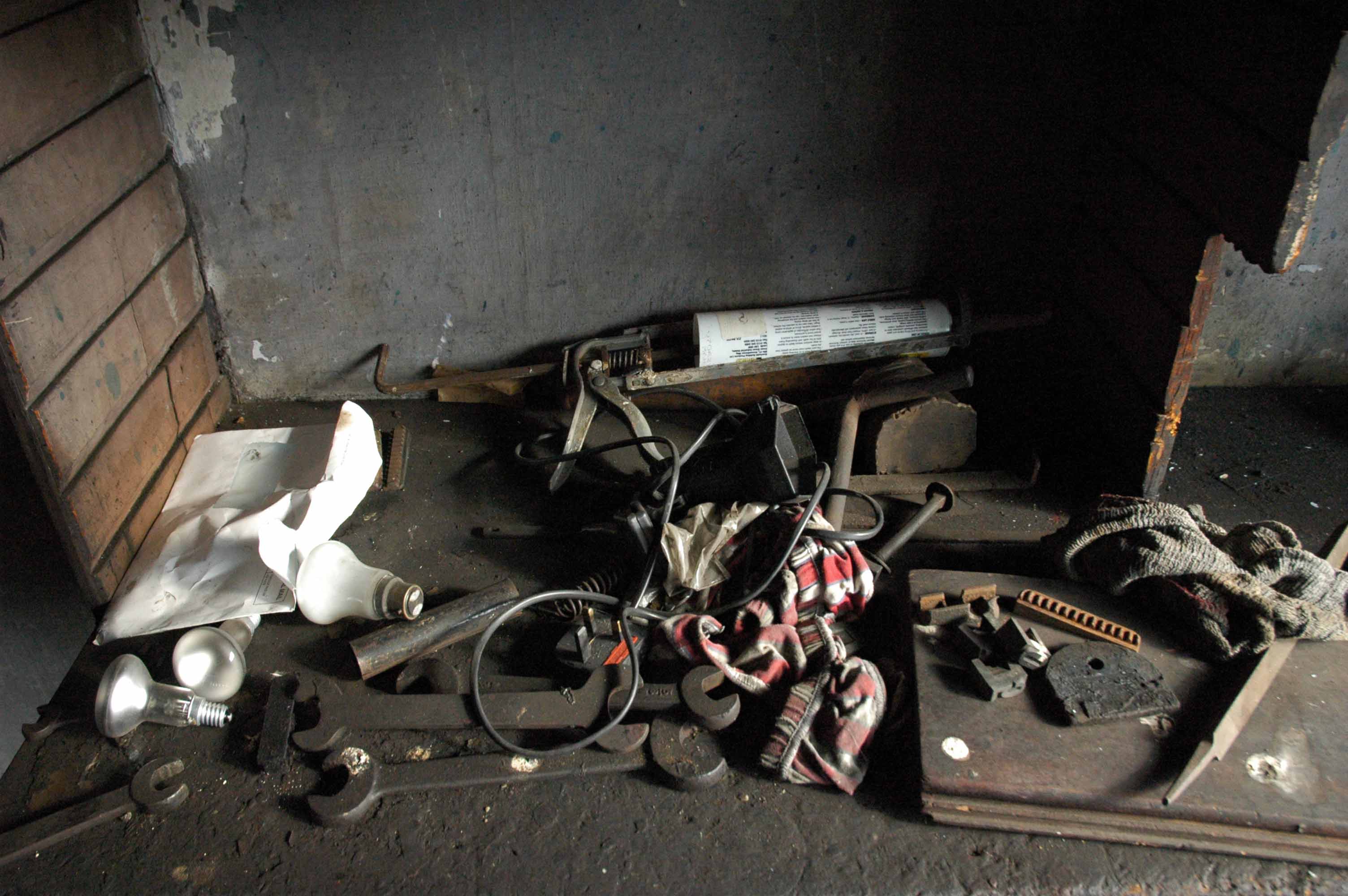
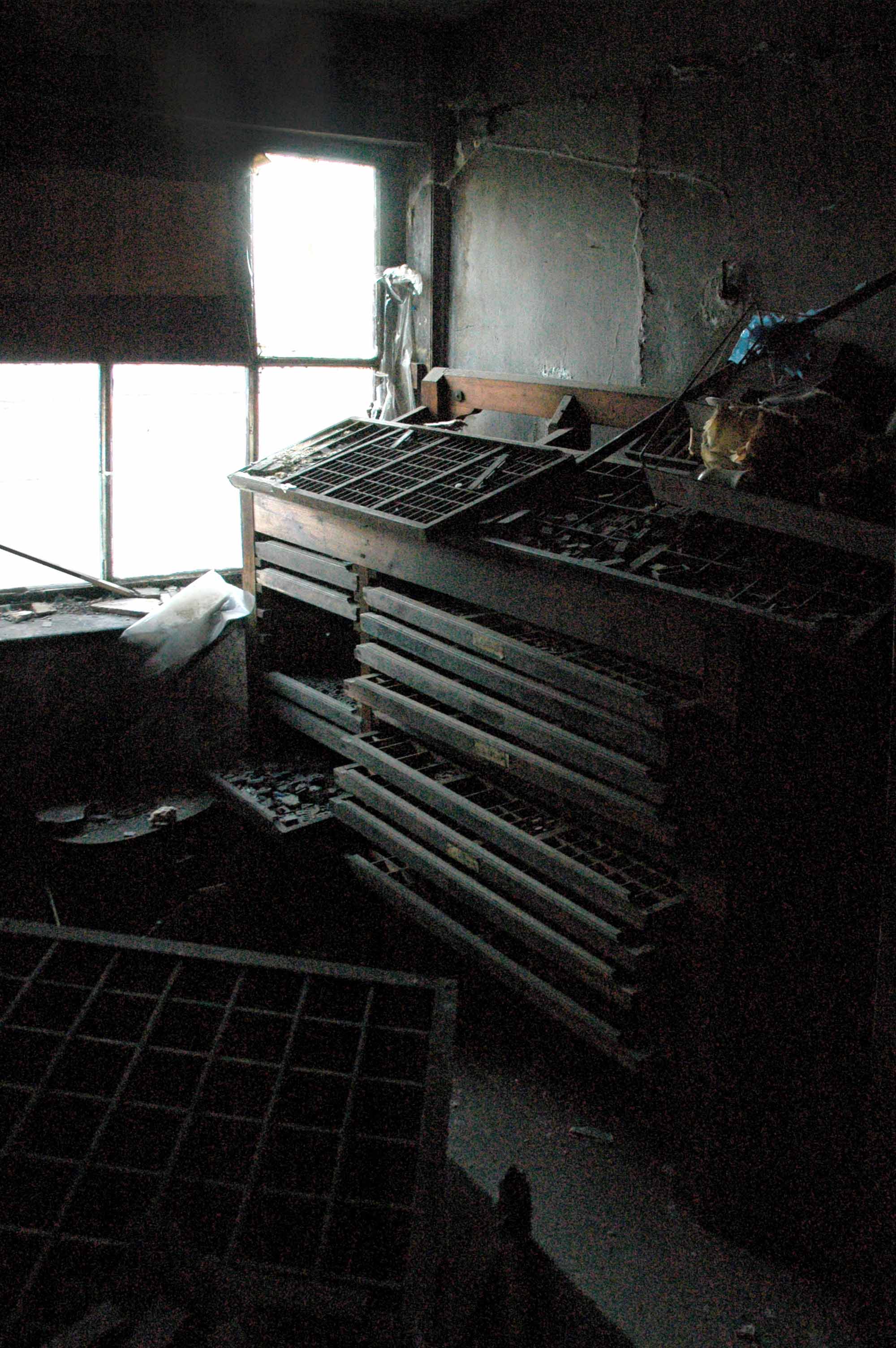
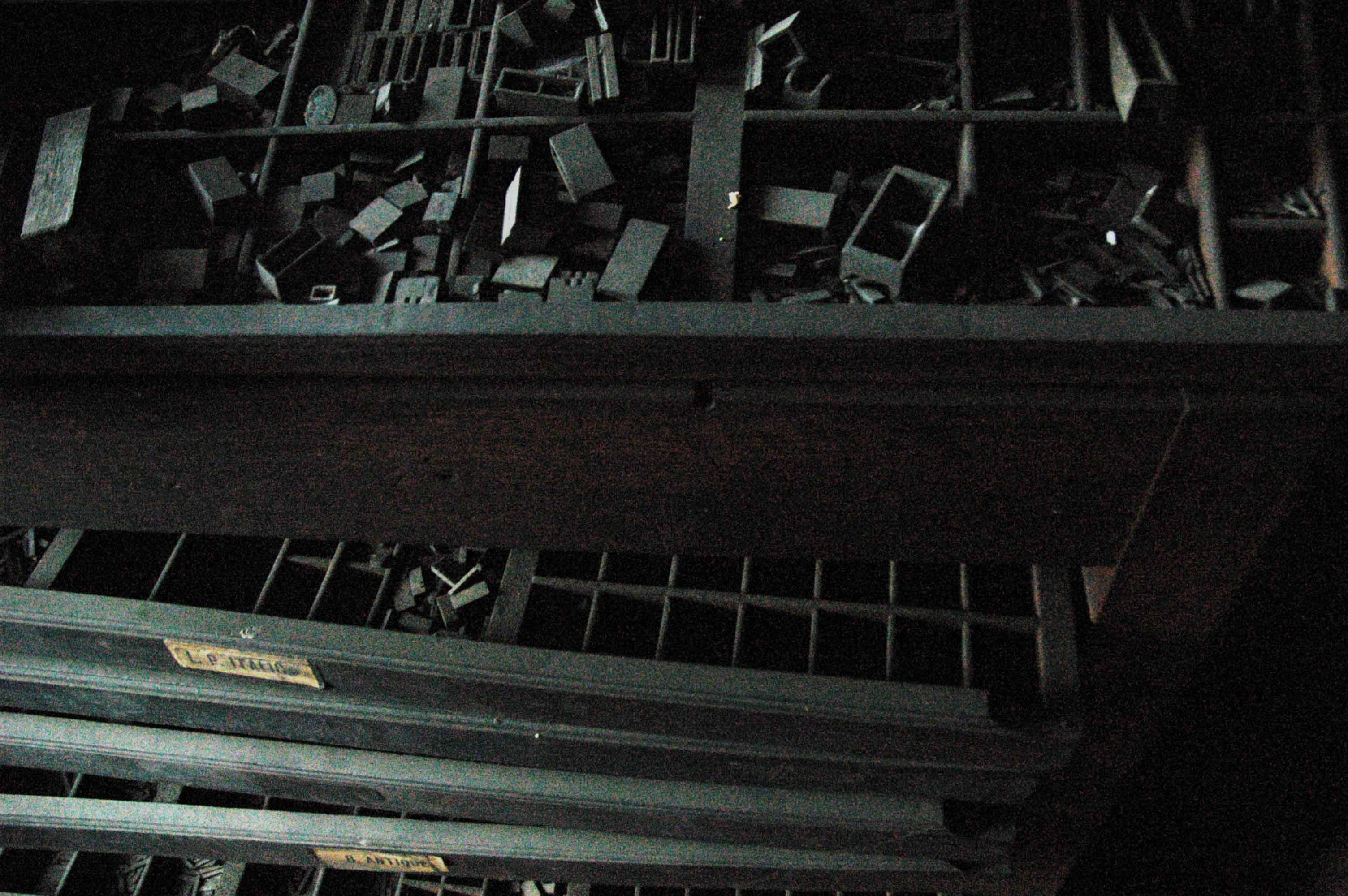
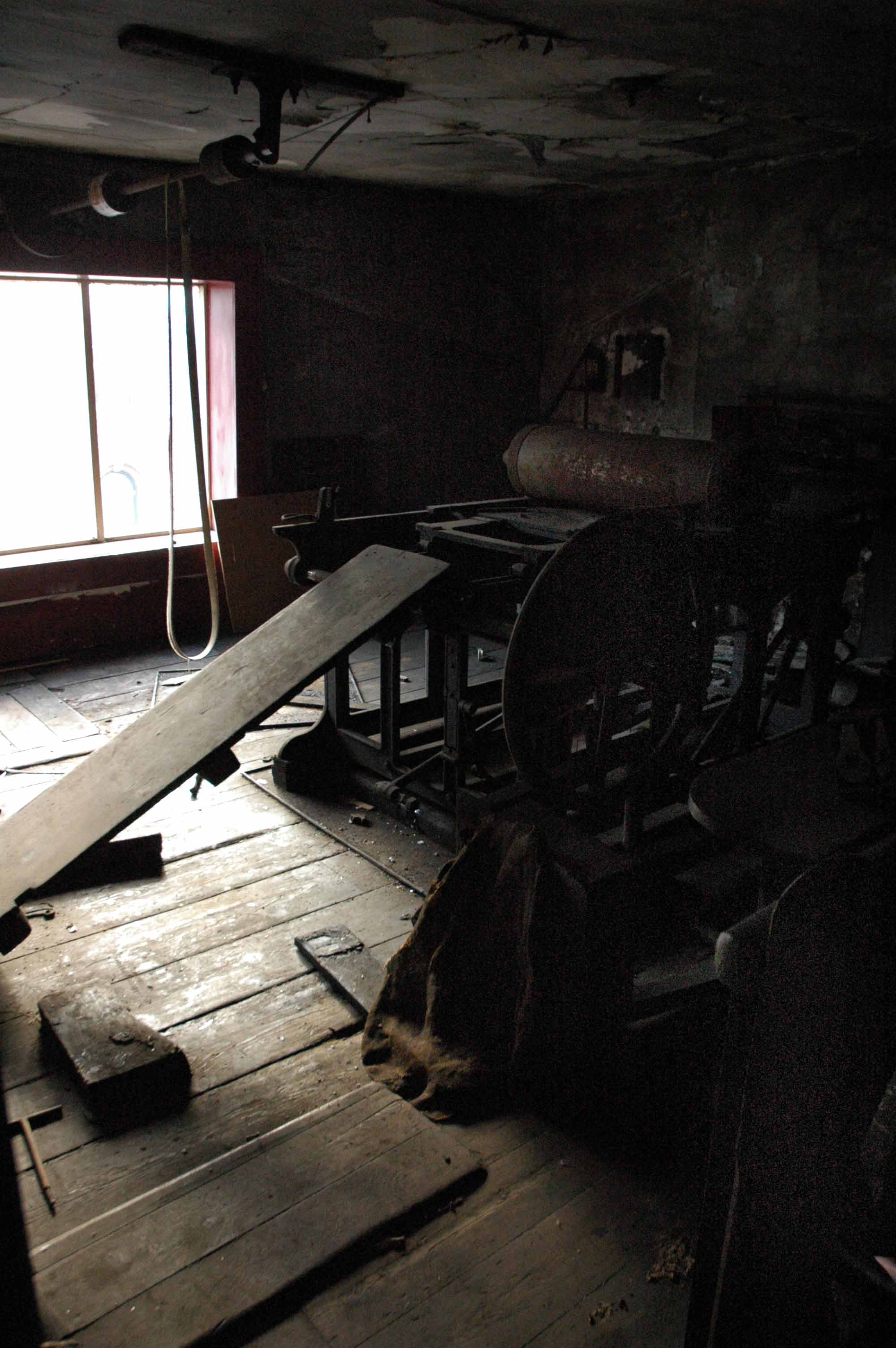
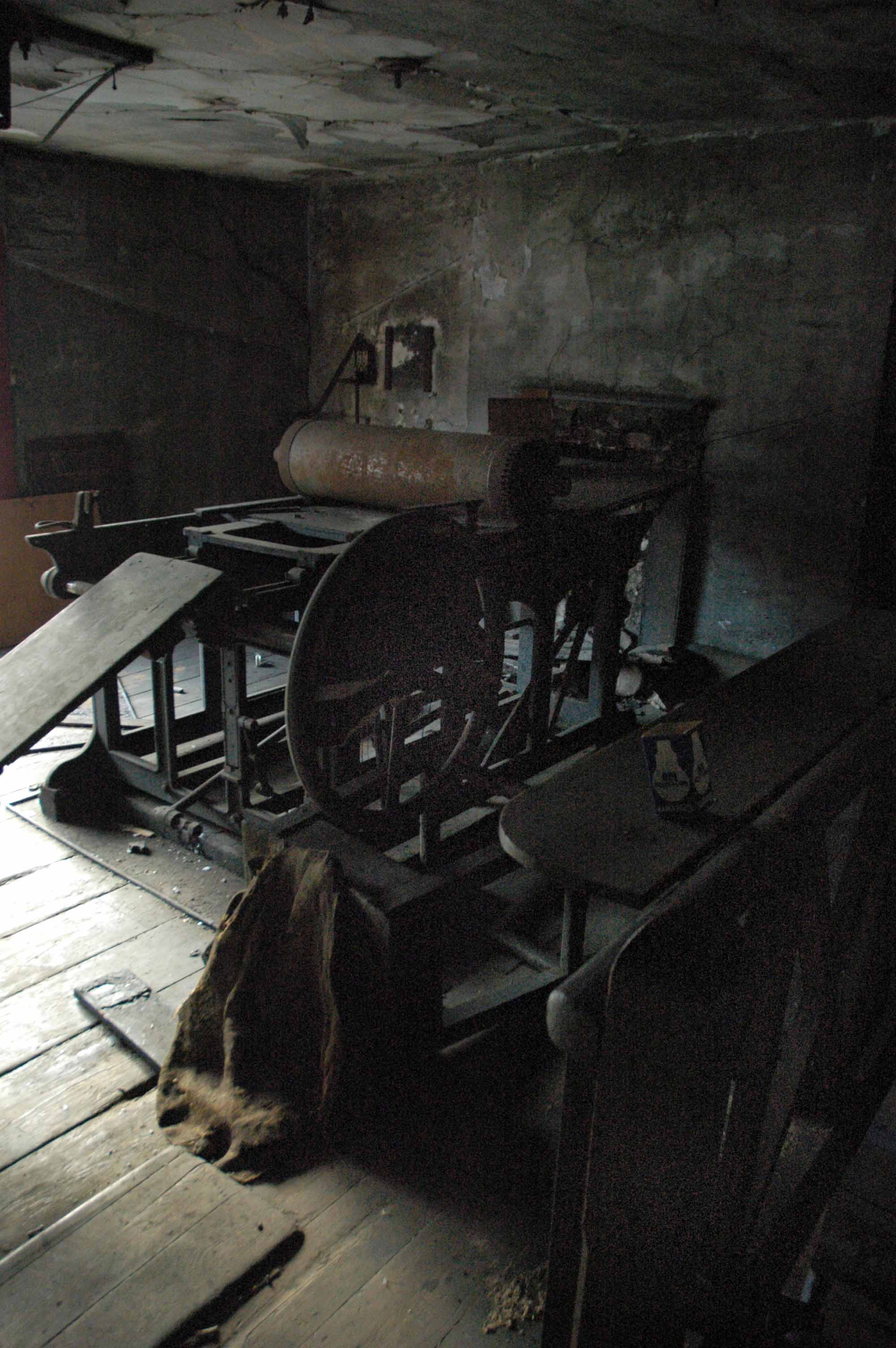
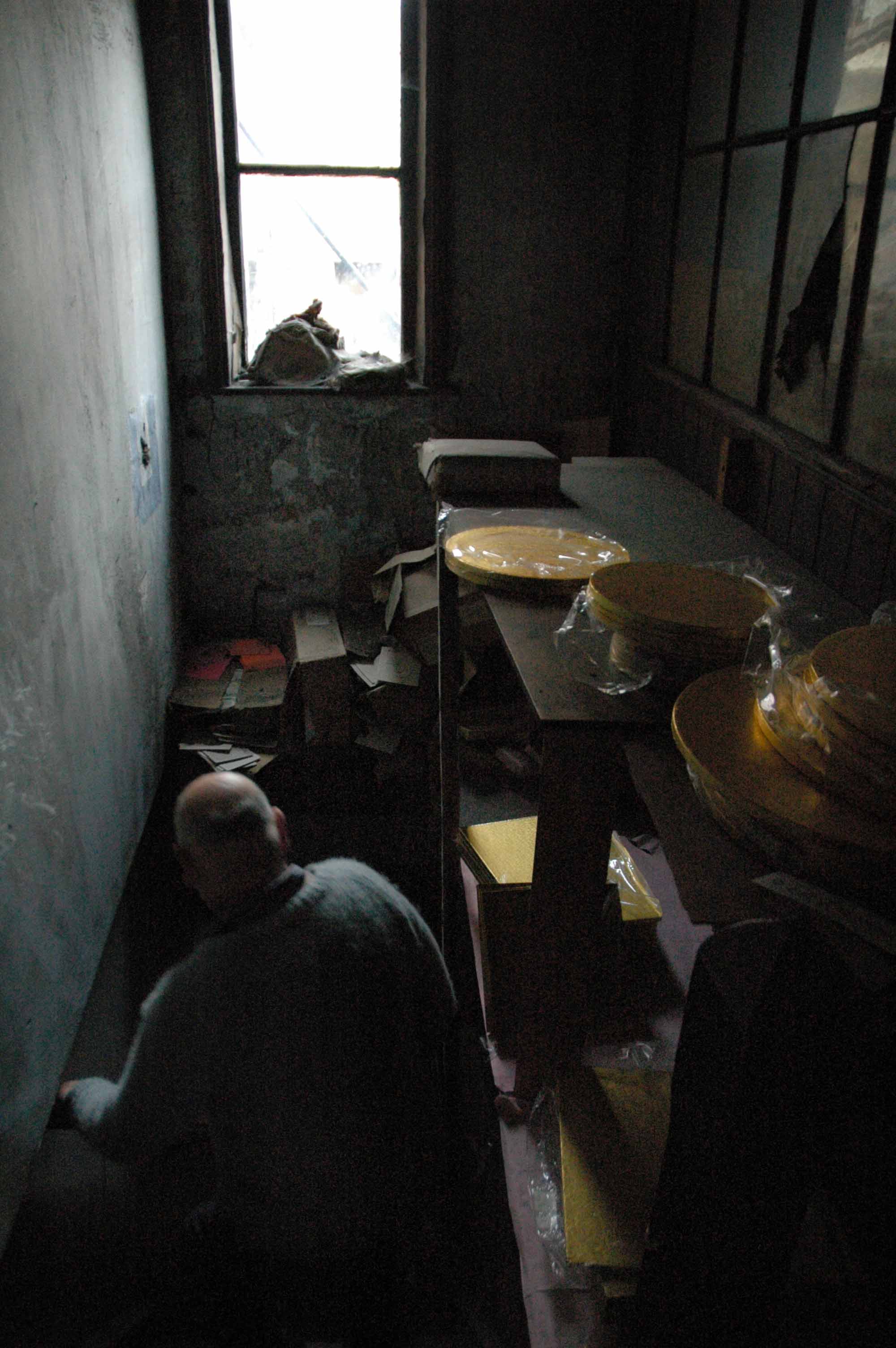
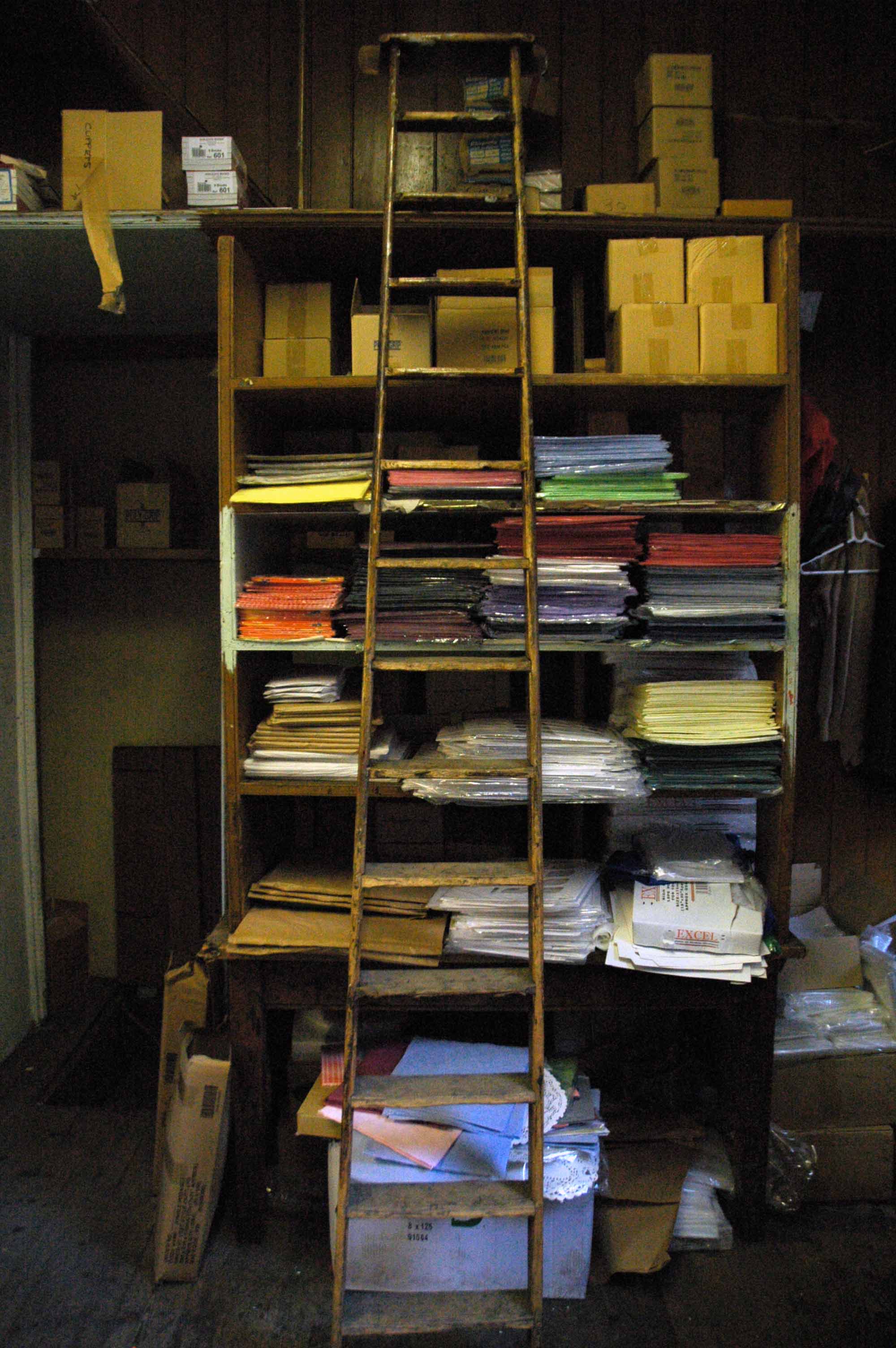
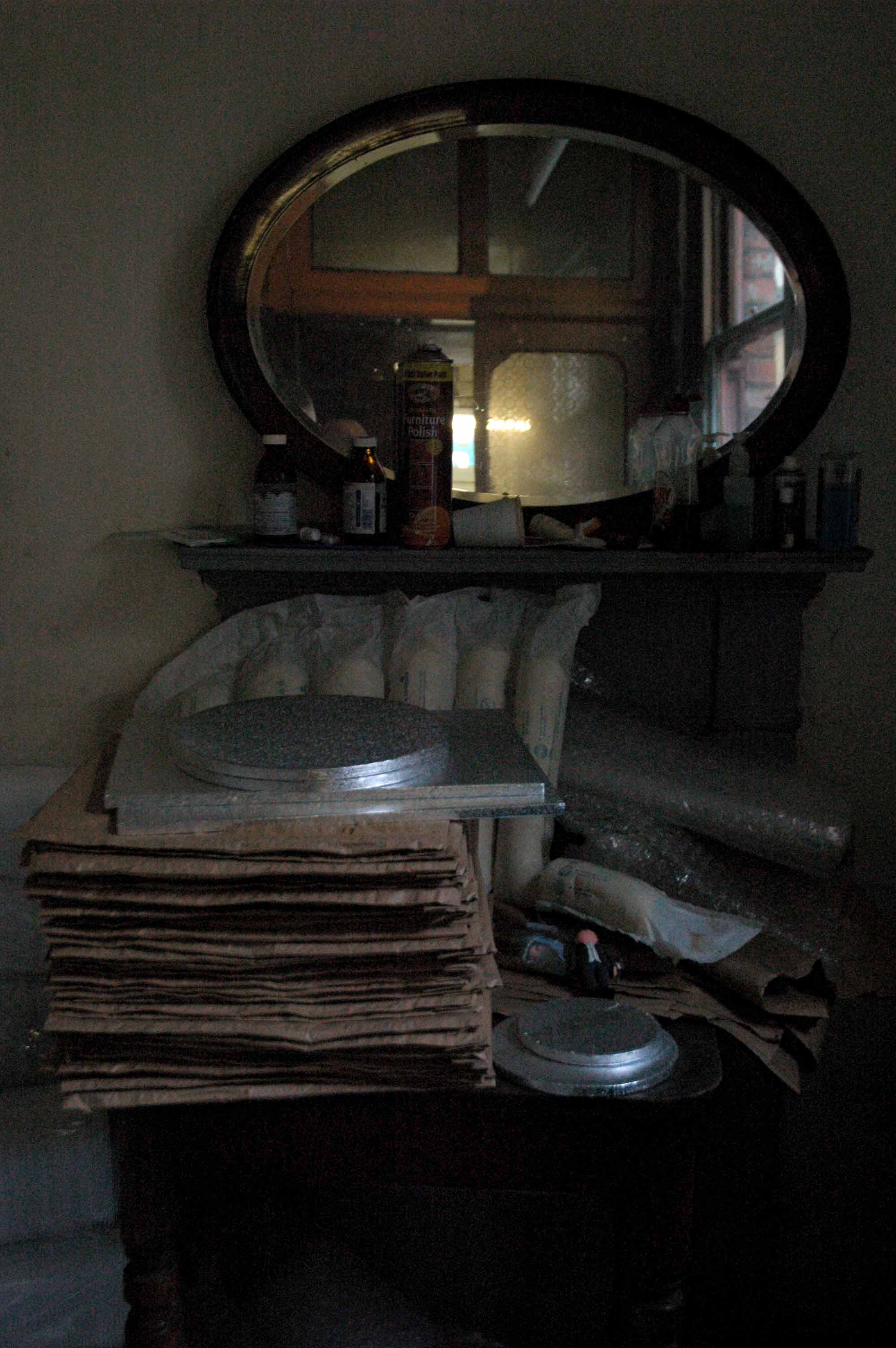
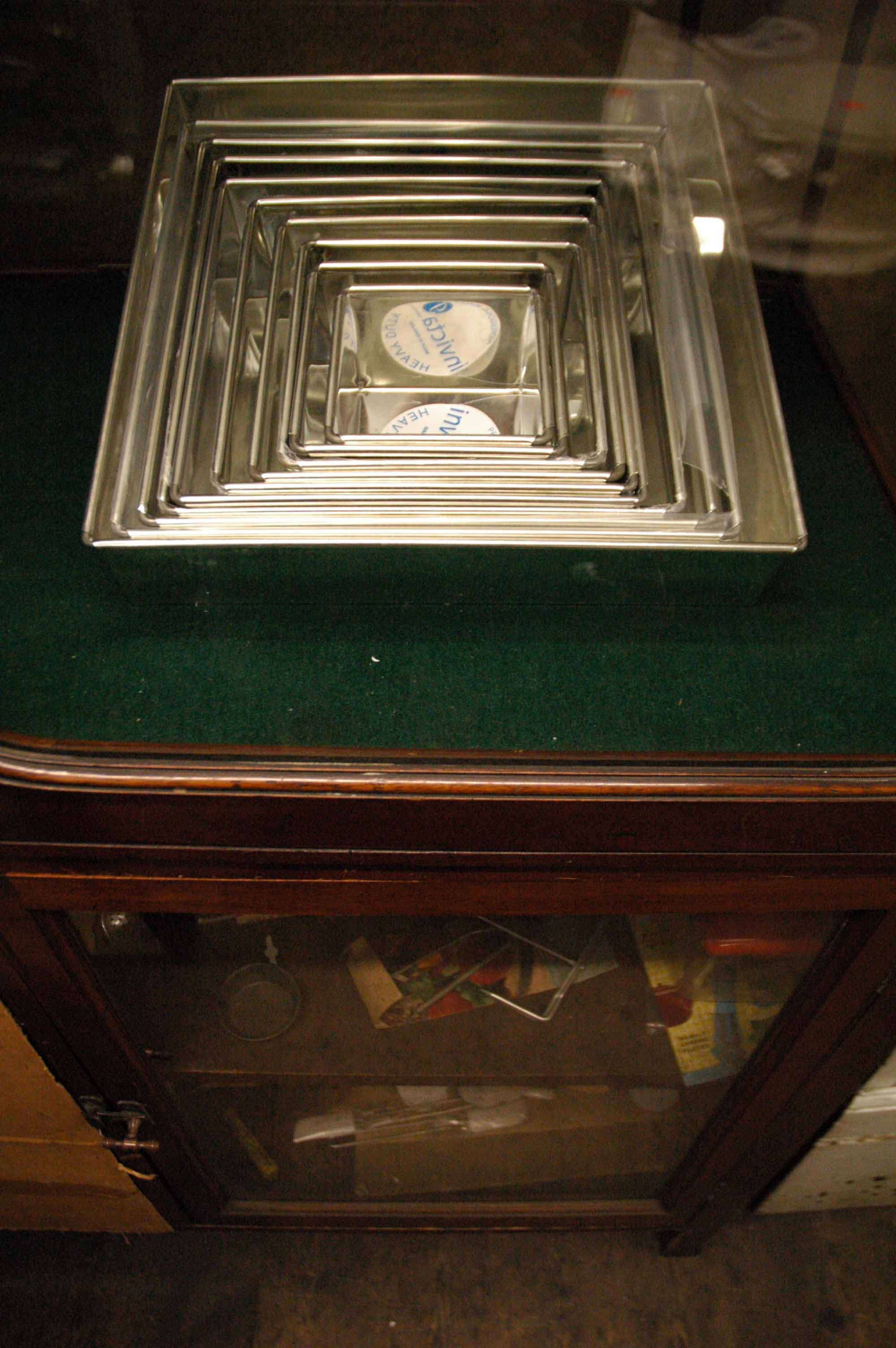
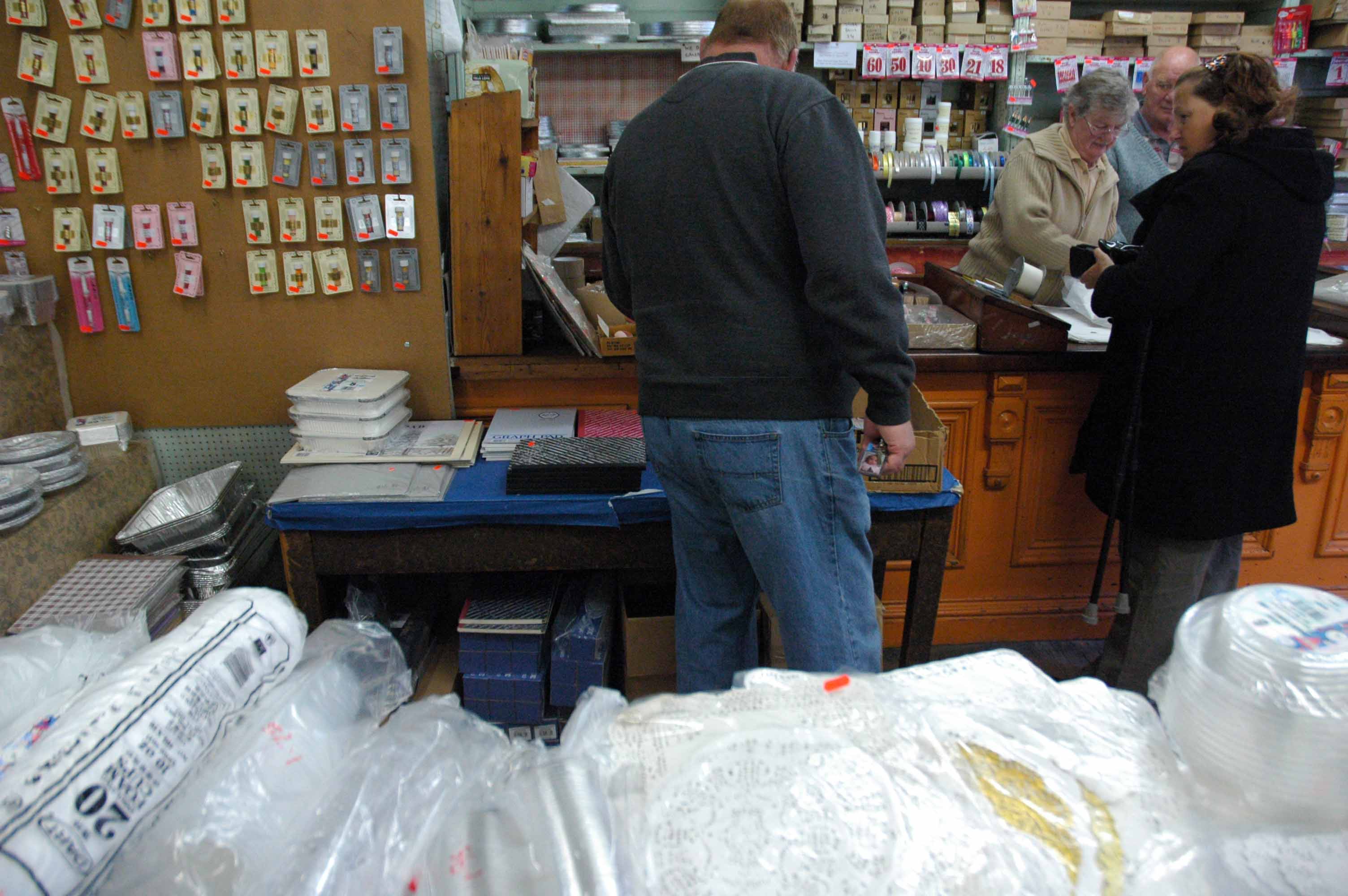
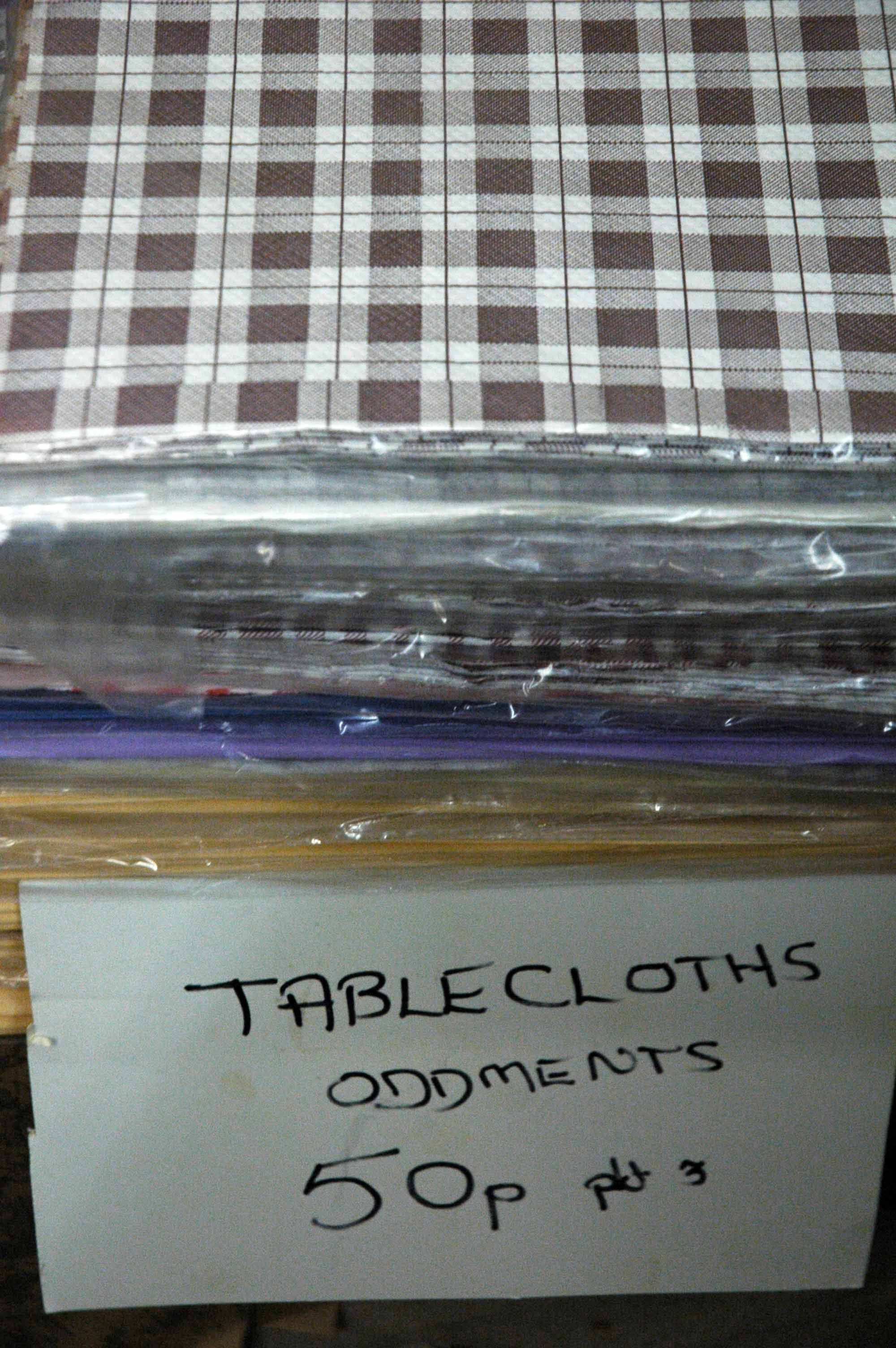
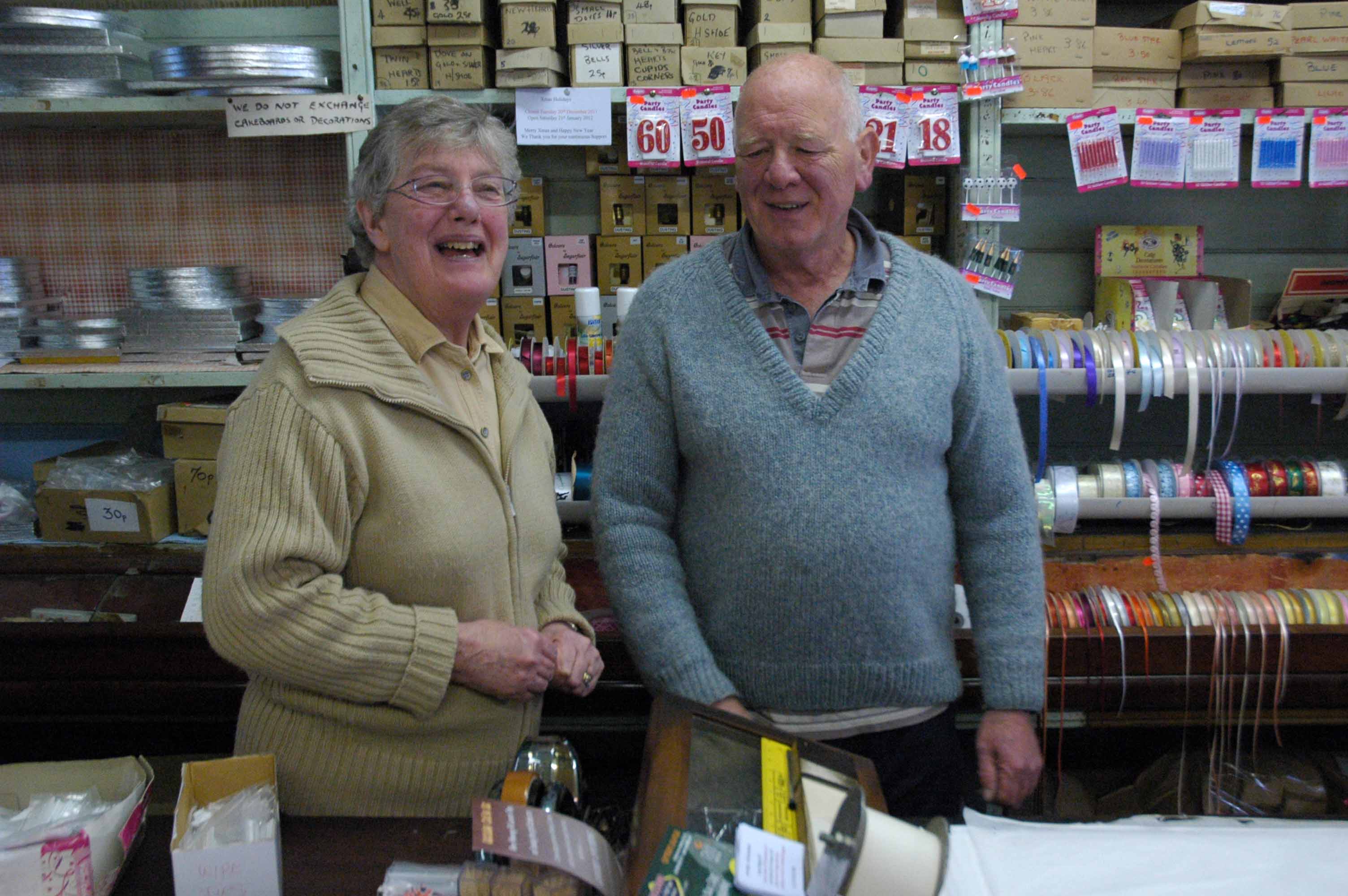
Following a path from the Grand Entrance and Council Chambers, my genial host and erudite guide Debbie took me behind the scenes into the back rooms.
Further delights unfold in this most remarkable of buildings.
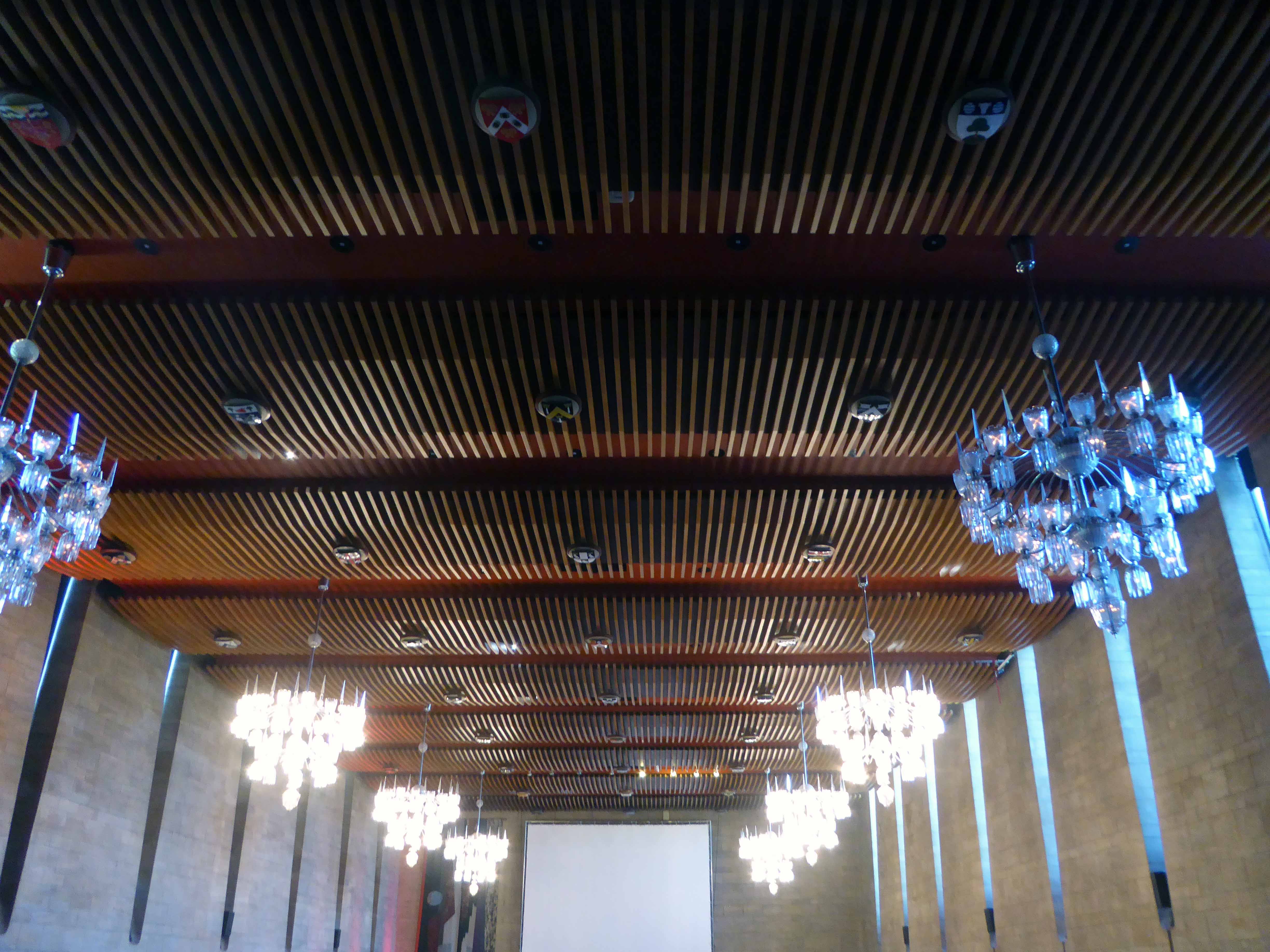
Firstly into the Banqueting Hall – beneath your feet Arabescato Marble, inset with a sprung dance floor and on the vaulted ceiling hand carved African walnut. The slightly sloping walls are of Clapham Stone, with the only double glazed arrow slit windows in the country.
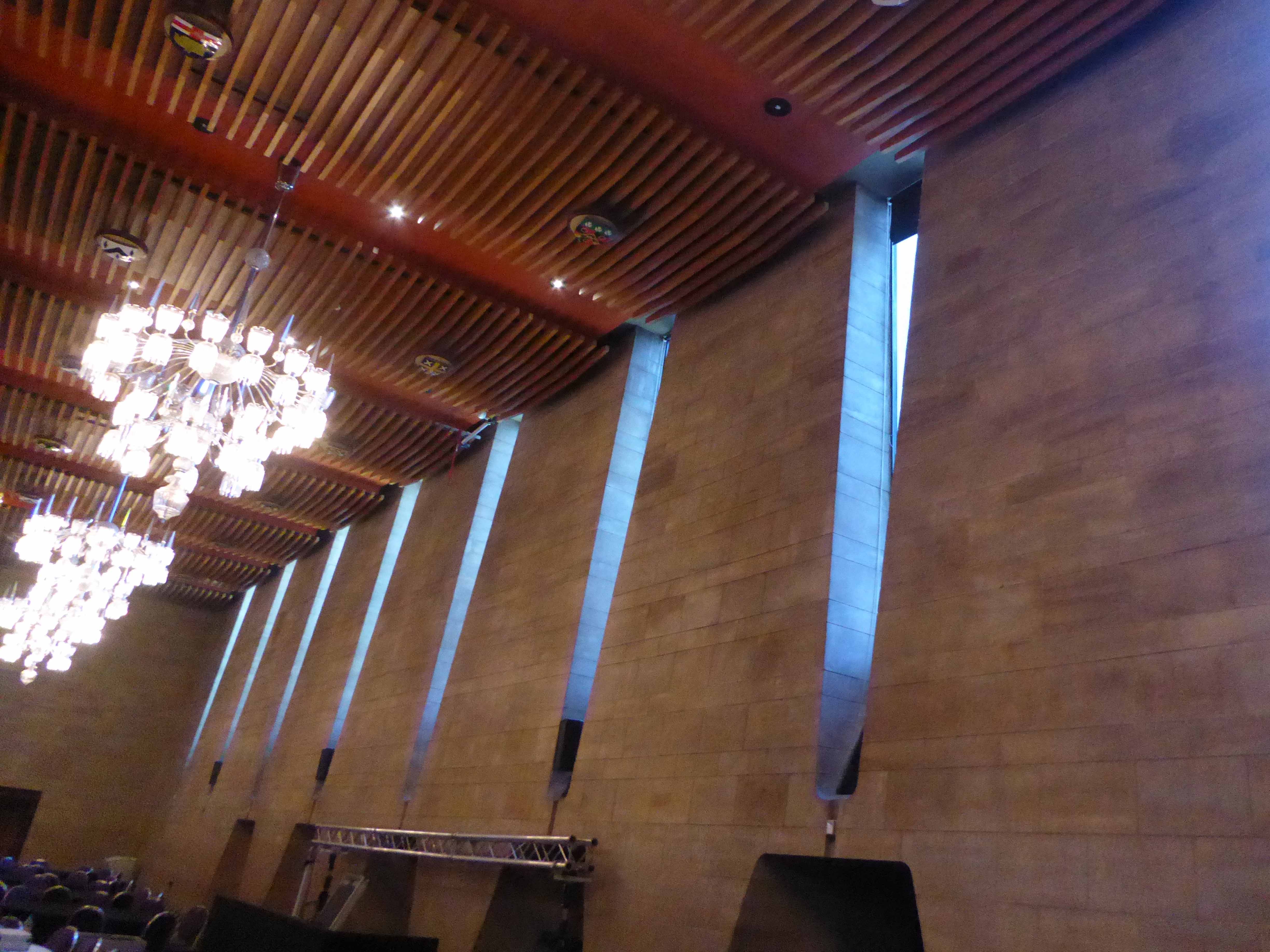
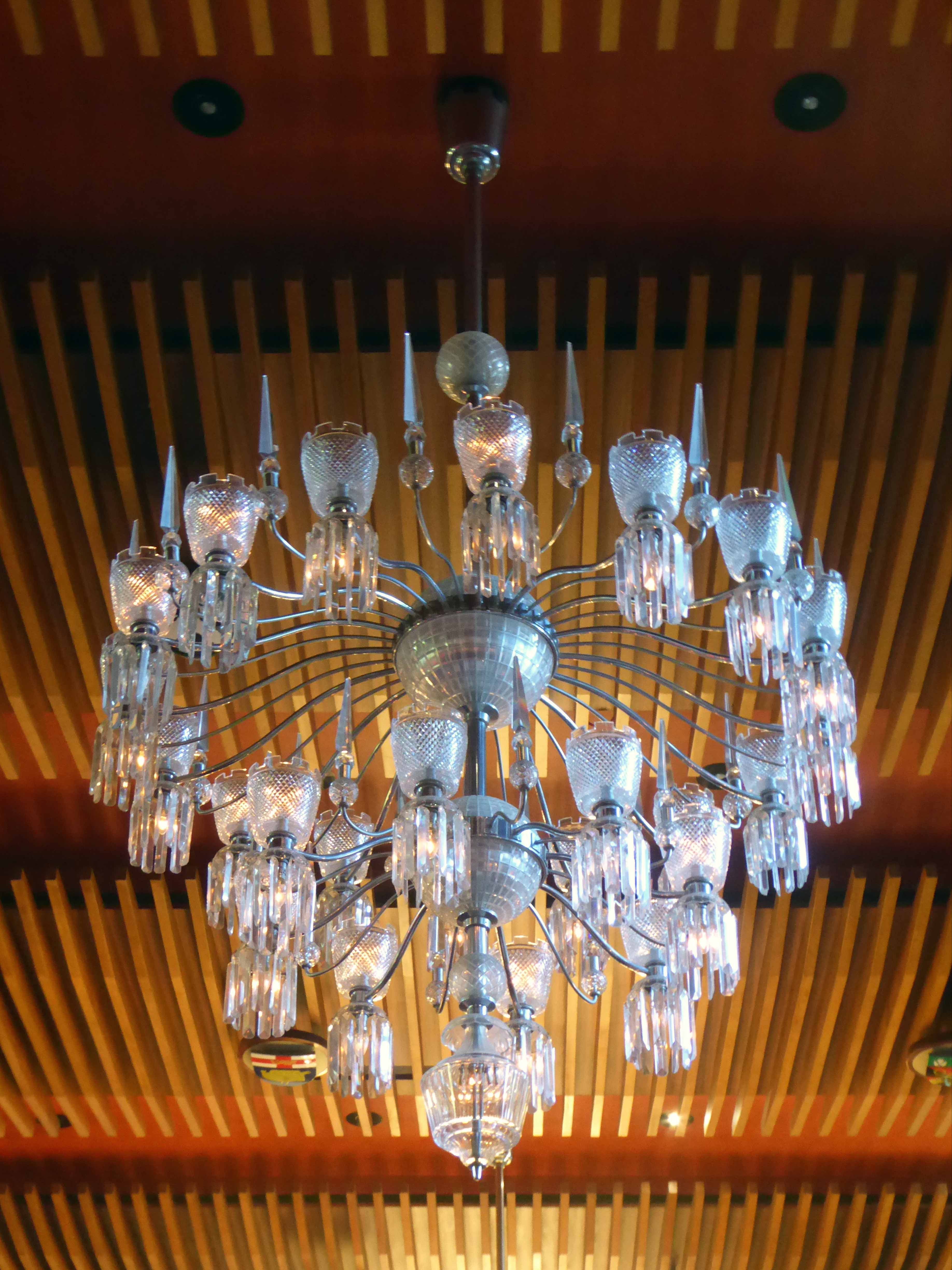
The chandeliers are hand cut crystal from Westphalia and have the Newcastle castles on the top part of the fitting.
The seahorse carpet was recently replaced, digitally designed and woven to perfectly match the original.

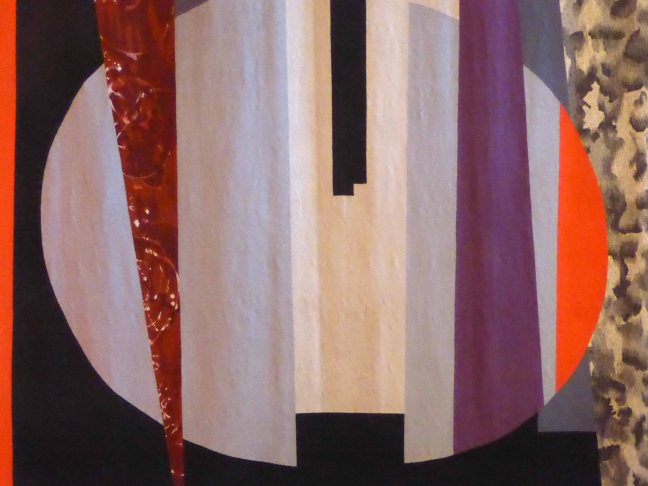
The facing wall is graced by a John Piper tapestry, which represents the mineral resources of the area.


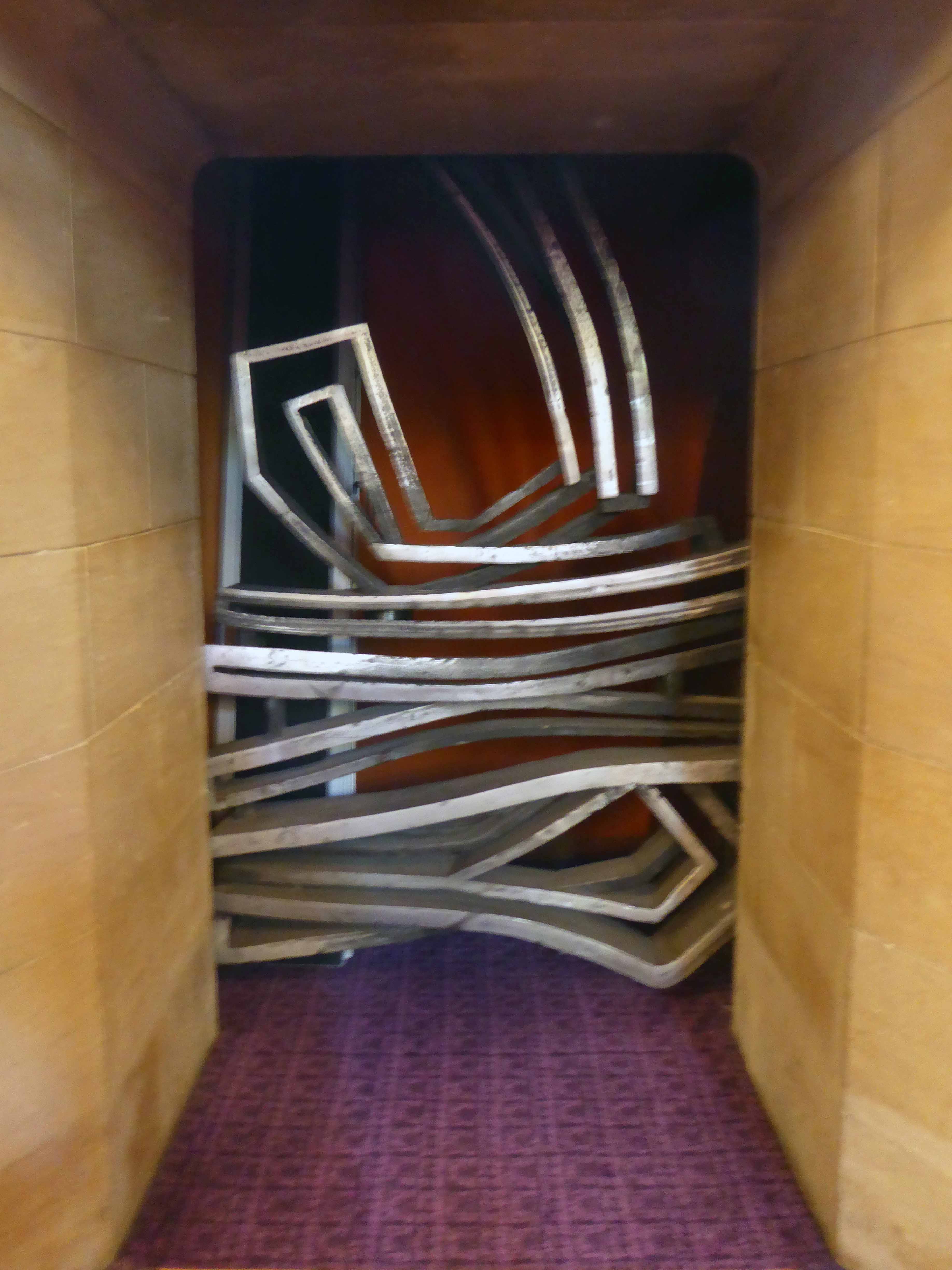
Grilles by Geoffrey Clarke cover the alcoves and have an orange backlight to simulate a medieval fireplace.
The room can seat up to six hundred people and is available for hire, in regular use for a wide variety of functions.
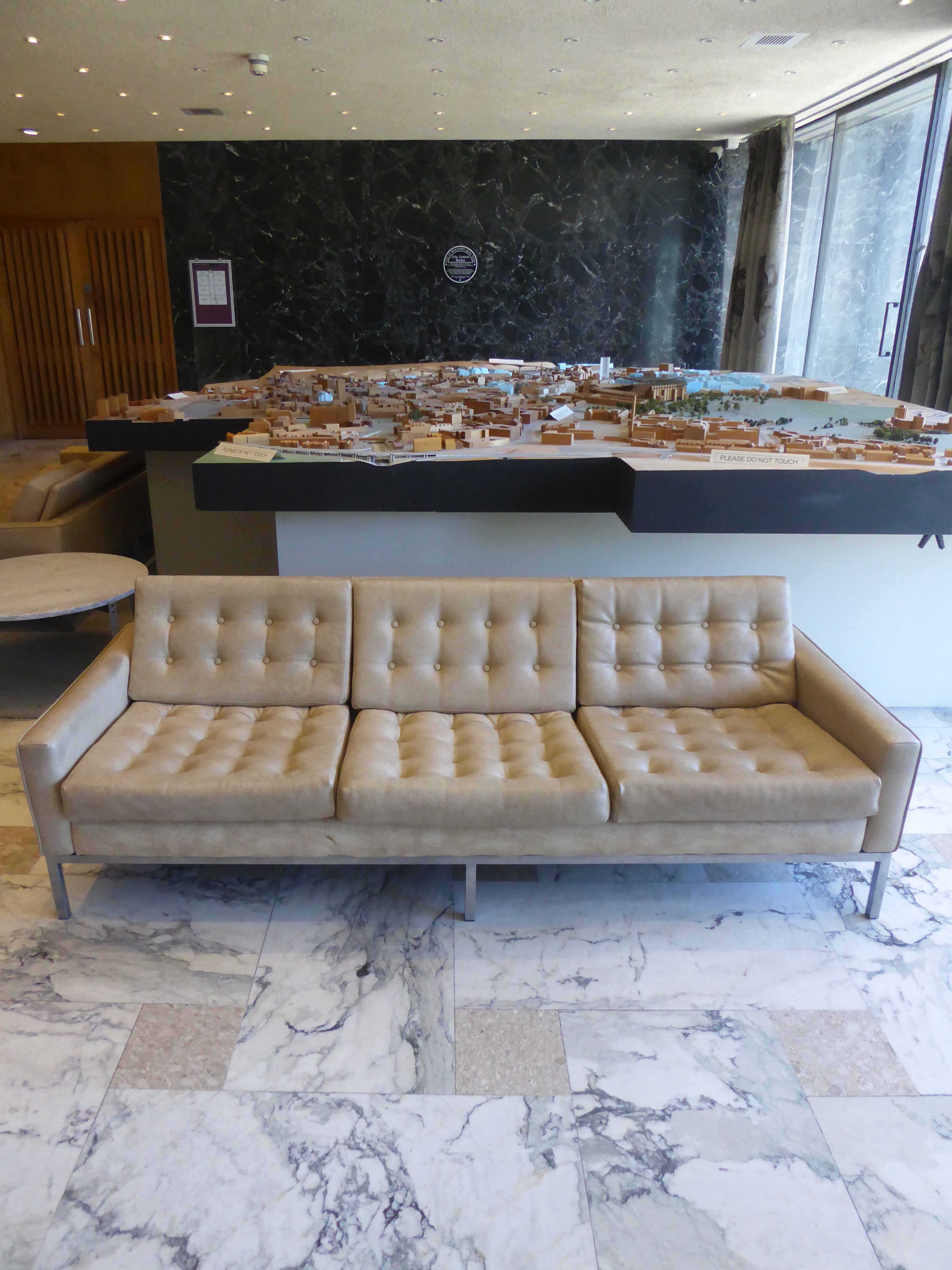
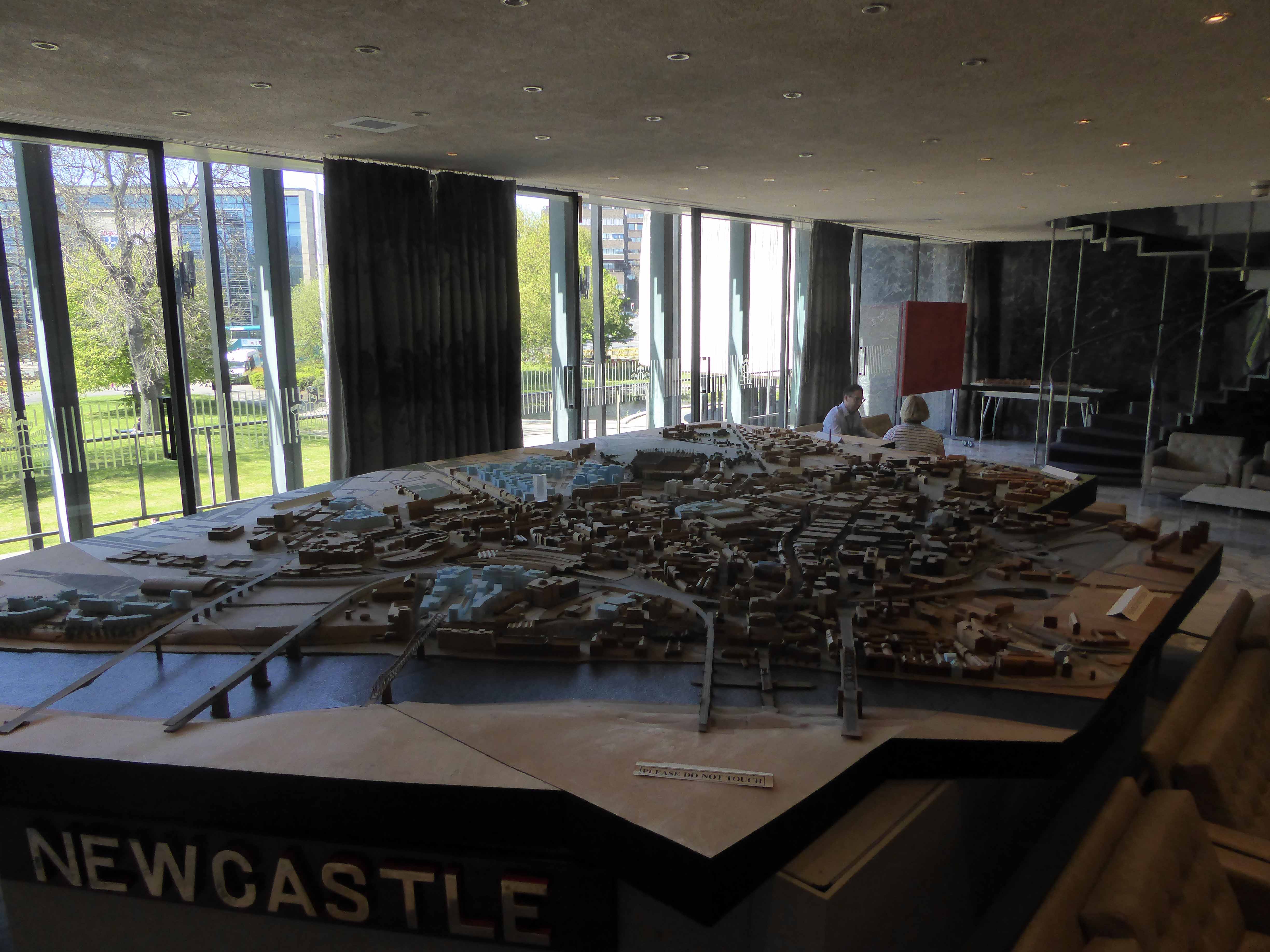
The Model Room houses a magnificent architectural replica of the city.
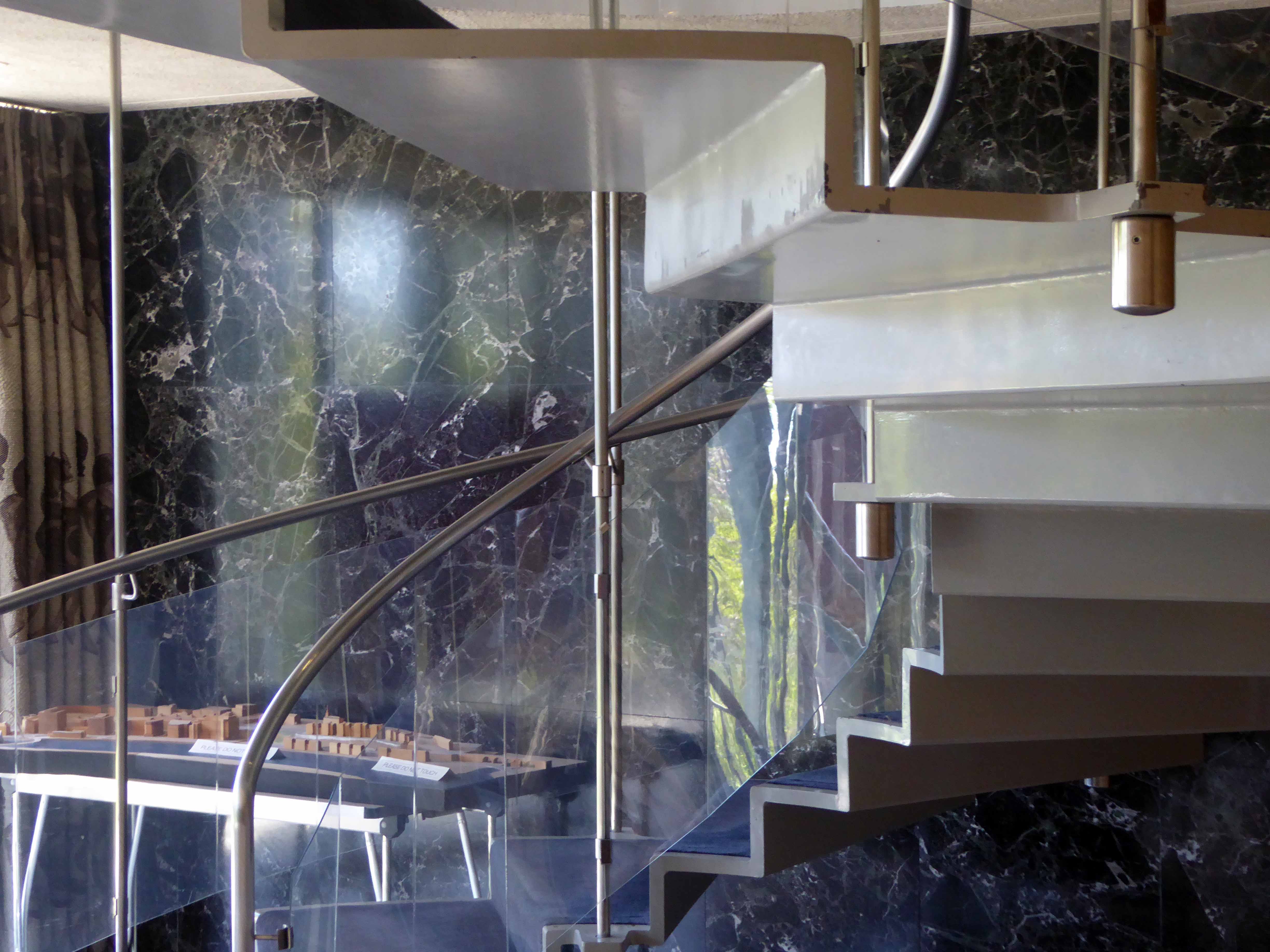
It is also blessed with a living, walking talking spiral staircase, cast in one single piece of steel, it moves with you as you ascend and descend.

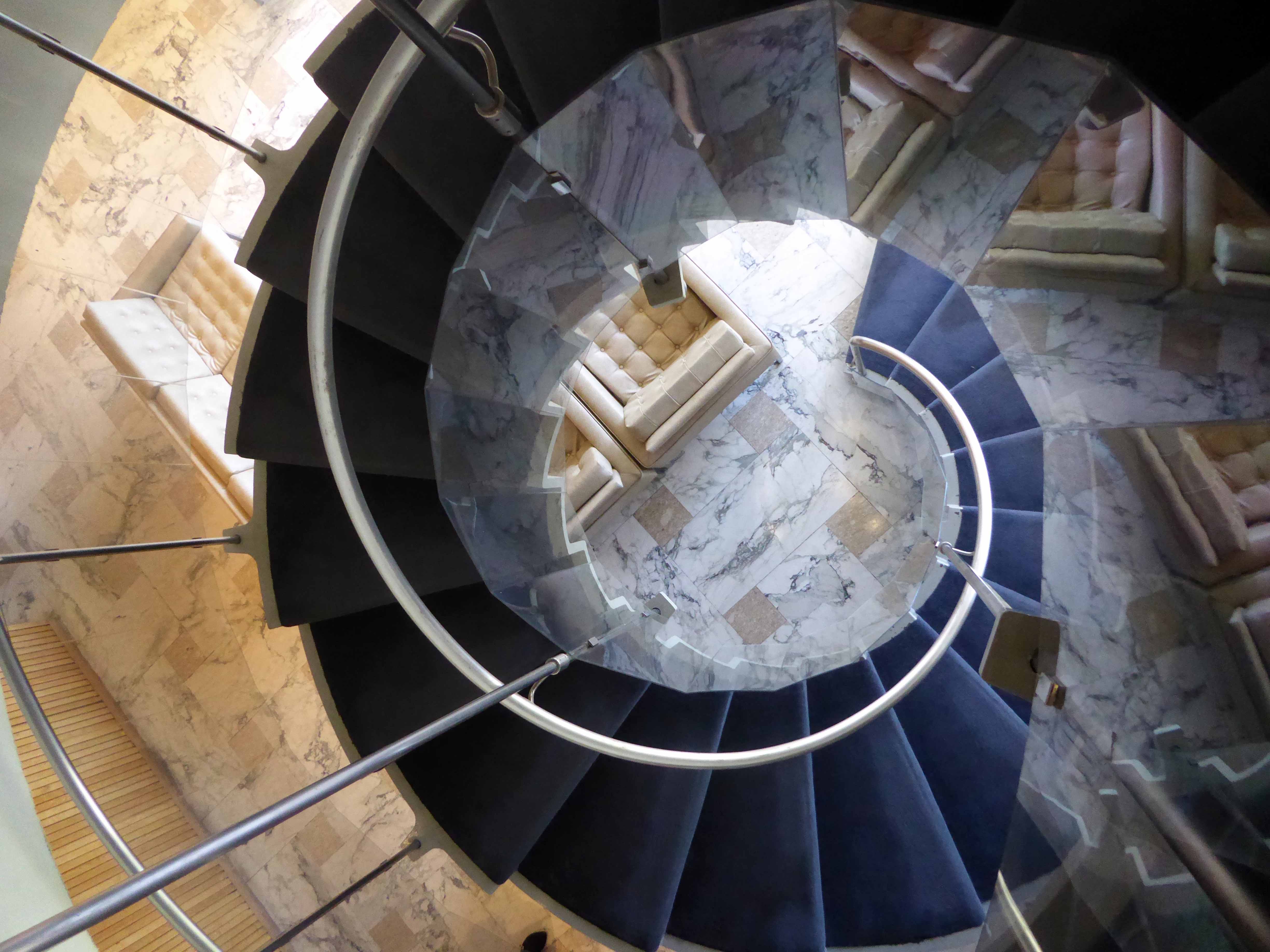
This ante room dressed with Arne Vodder furniture, walls clad in raw silk and hand carved wood, is a place green oasis, a sea of calm.
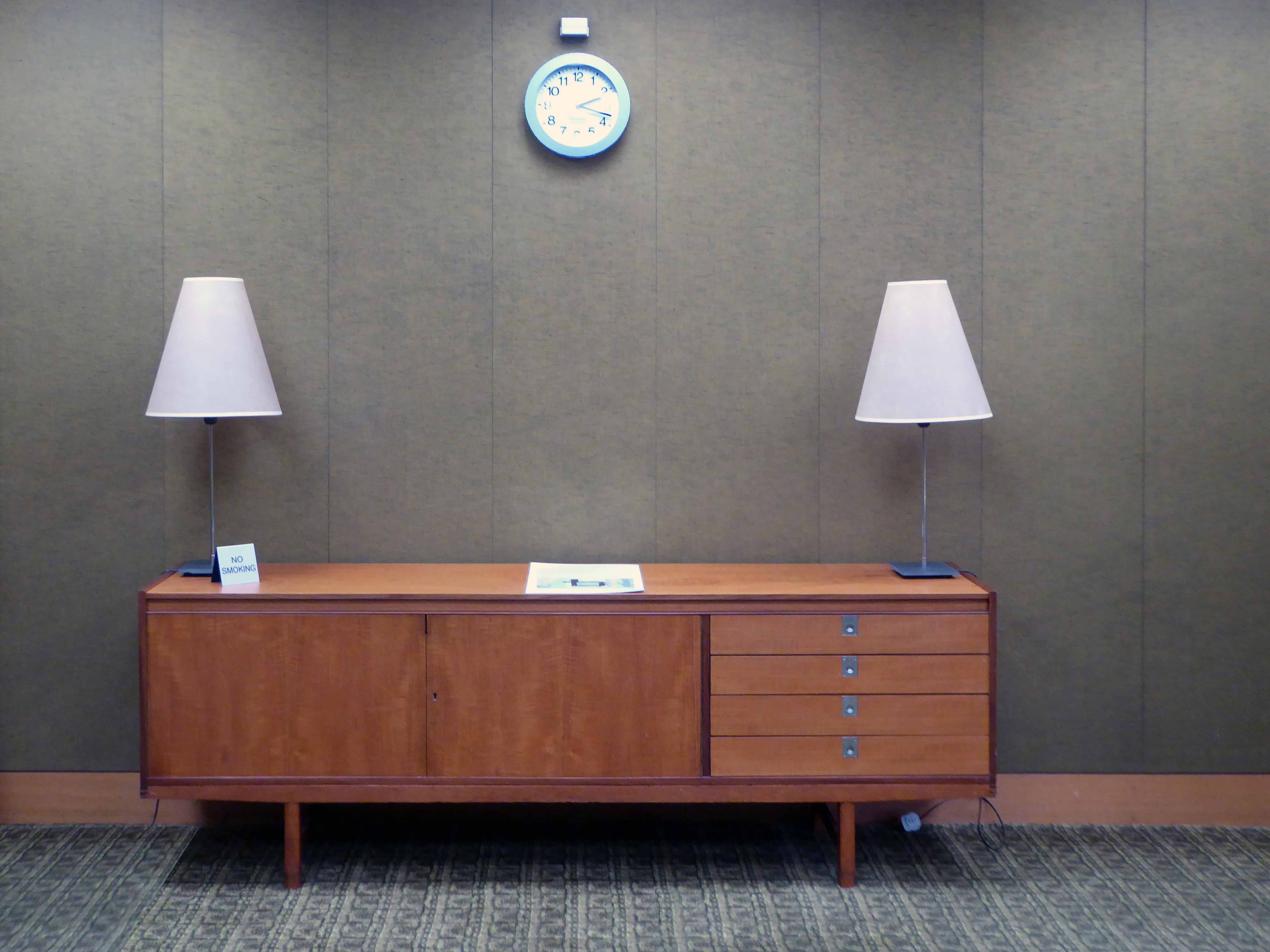
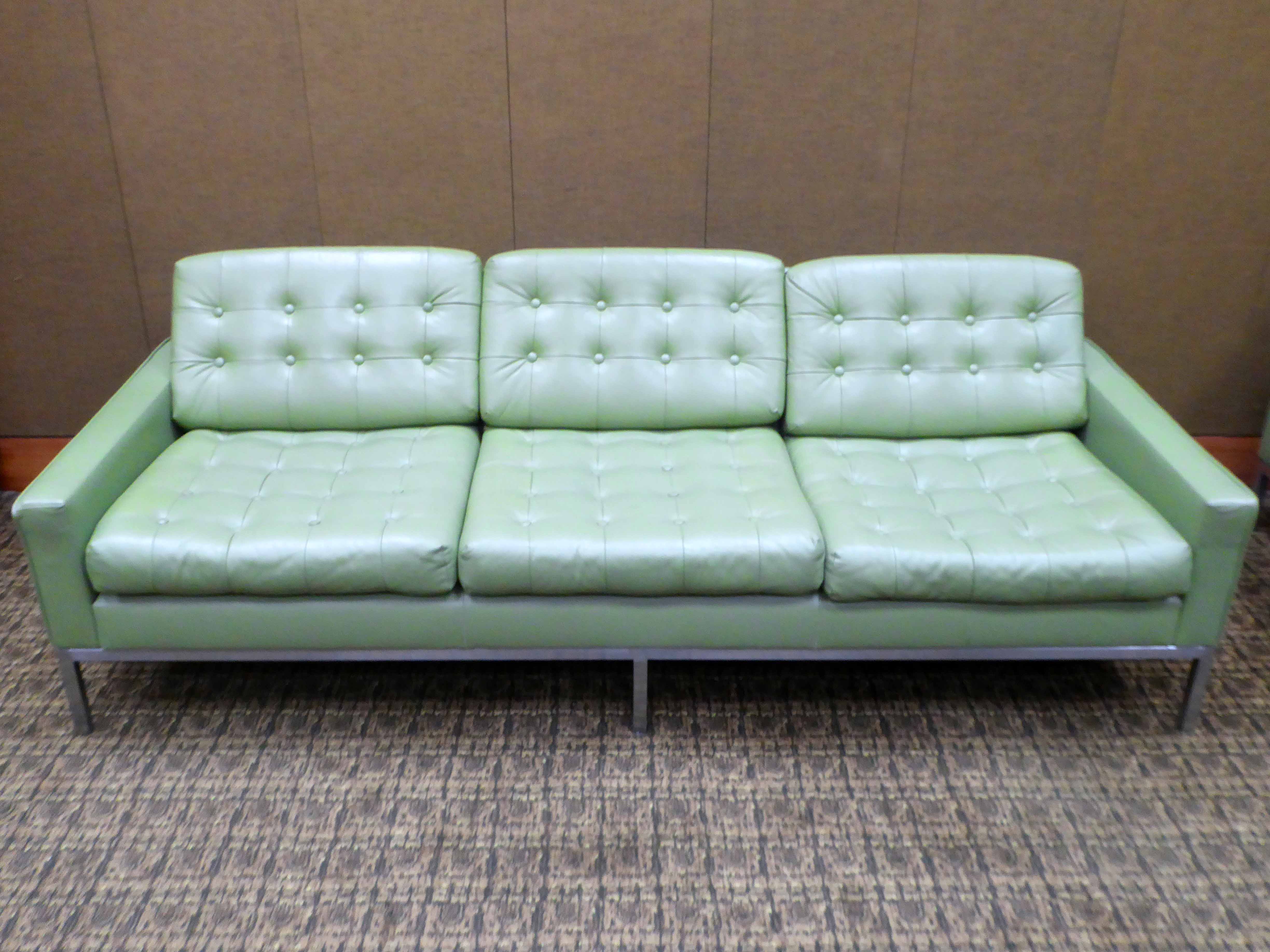
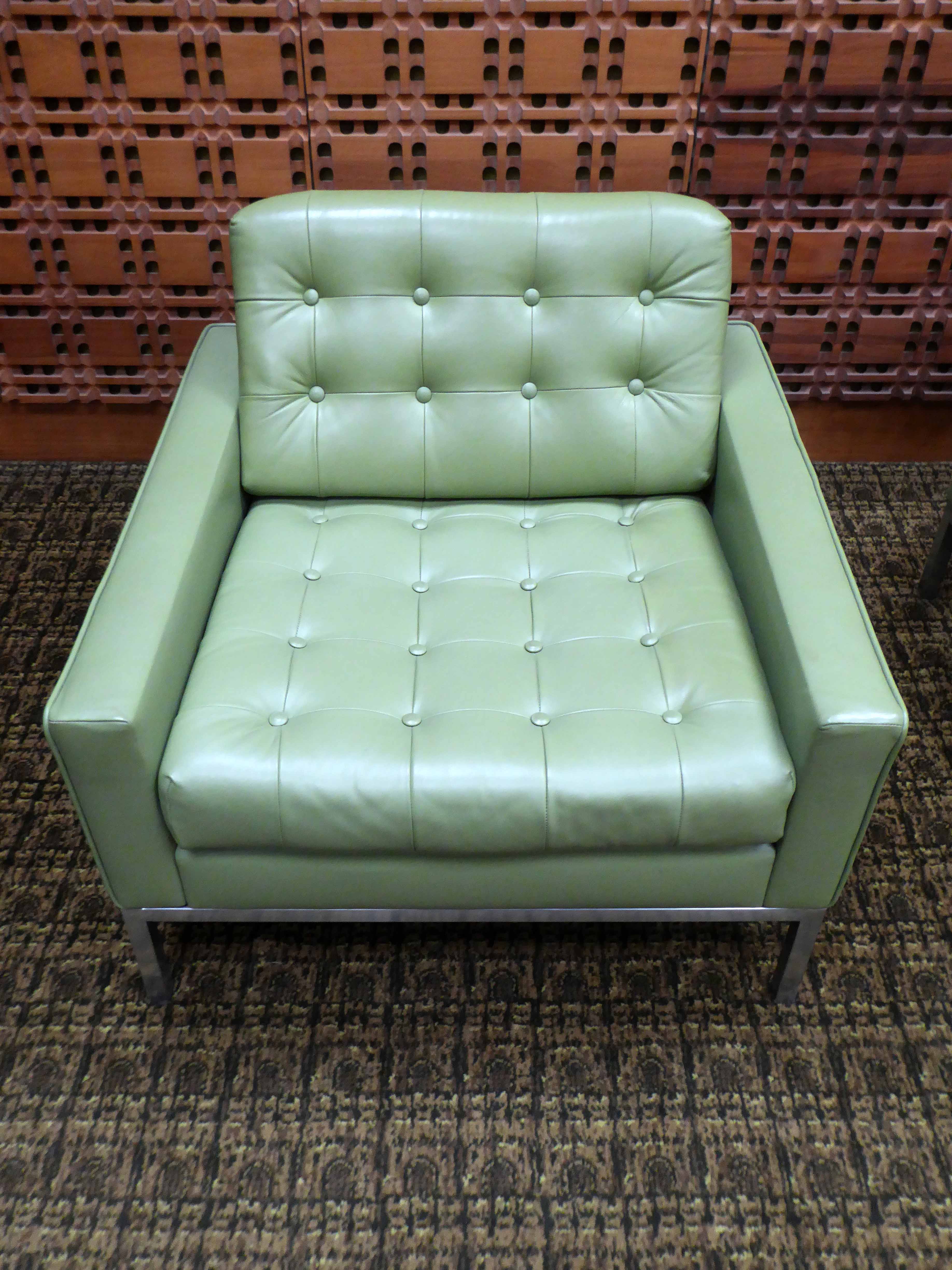

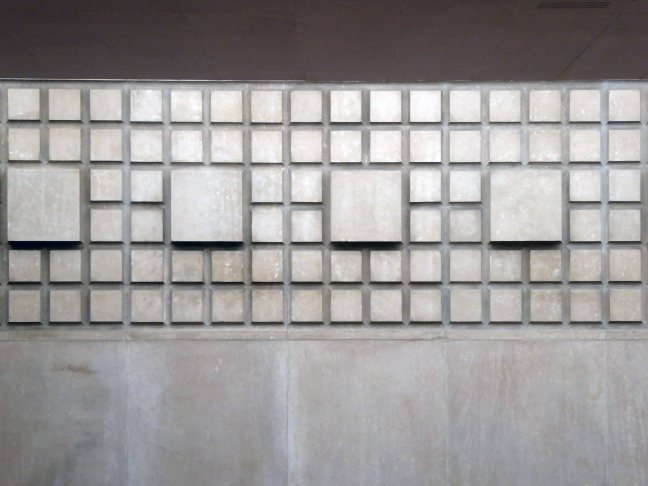
Opened on 14th November 1968 by King Olav of Norway, opened for me by Debbie Harvey on Friday 5th May 2017, thanks ever so much.
This takes us into architect George Kenyon’s Civic Centre
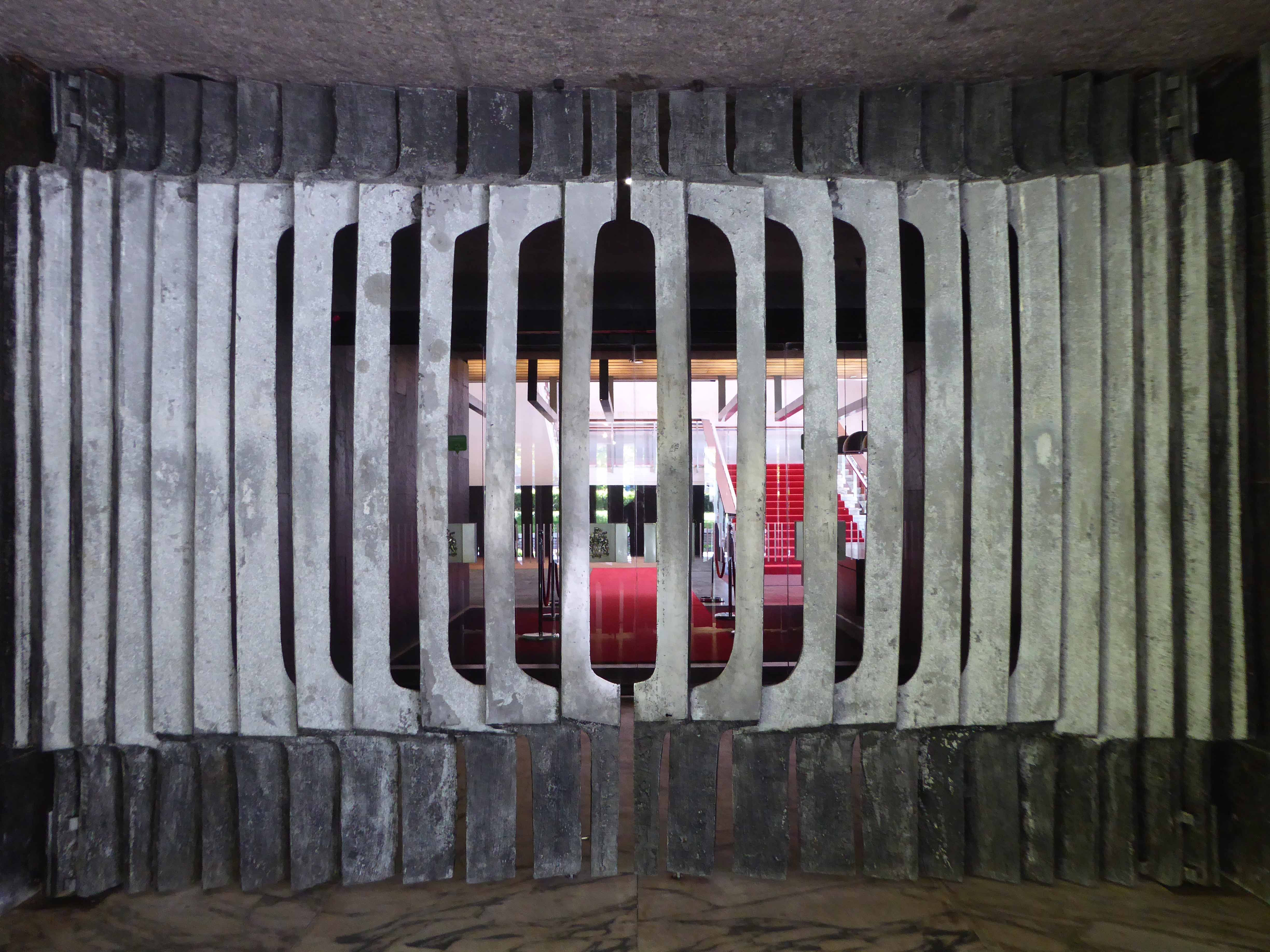
Cast Aluminium portals and reveals to Ceremonial Entrance by Geoffrey Clarke.
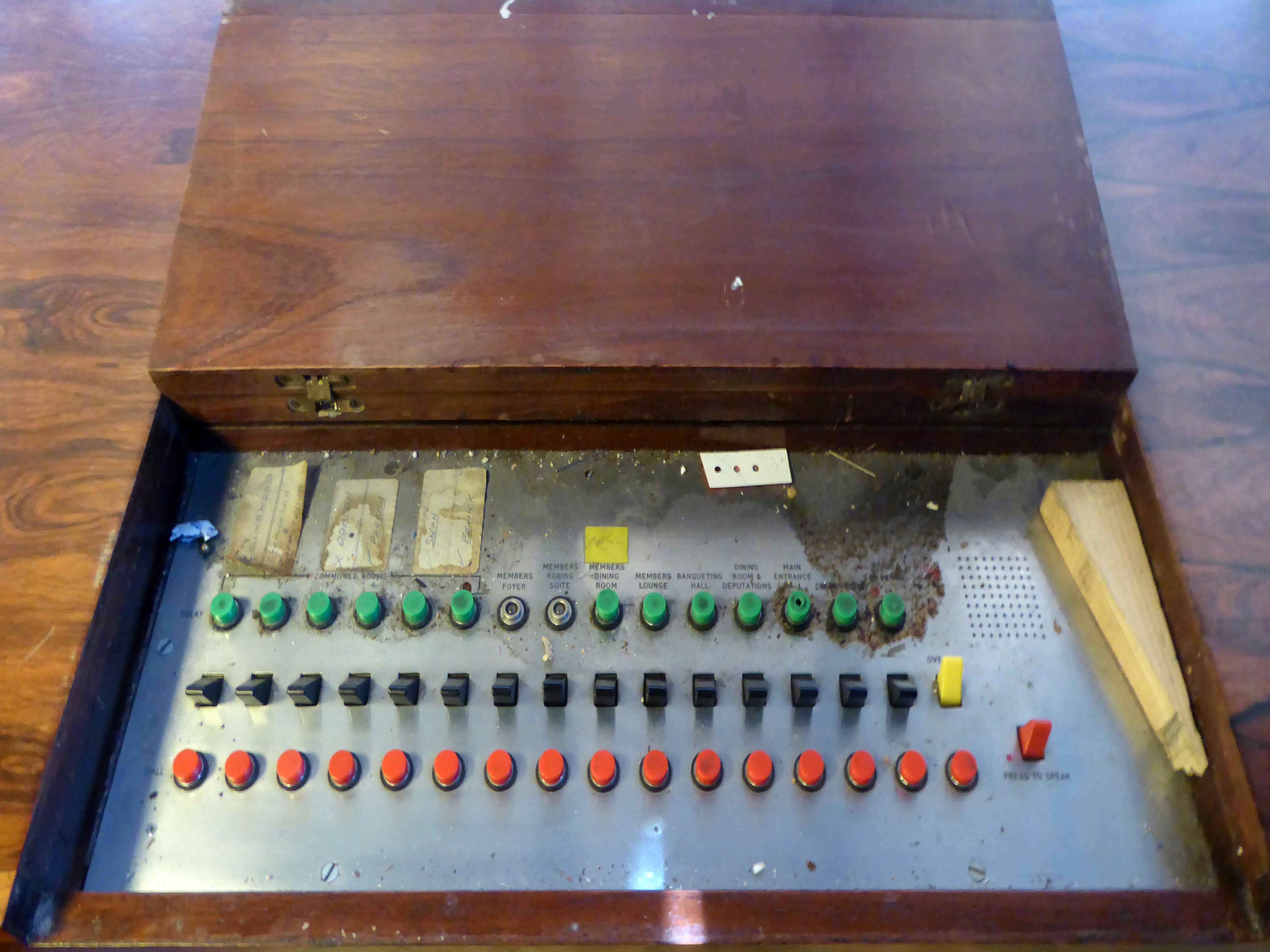
Staff on reception were once able to notify officials of the arrival of guests and dignitaries, using this right bang up to the minute electrical intercom.
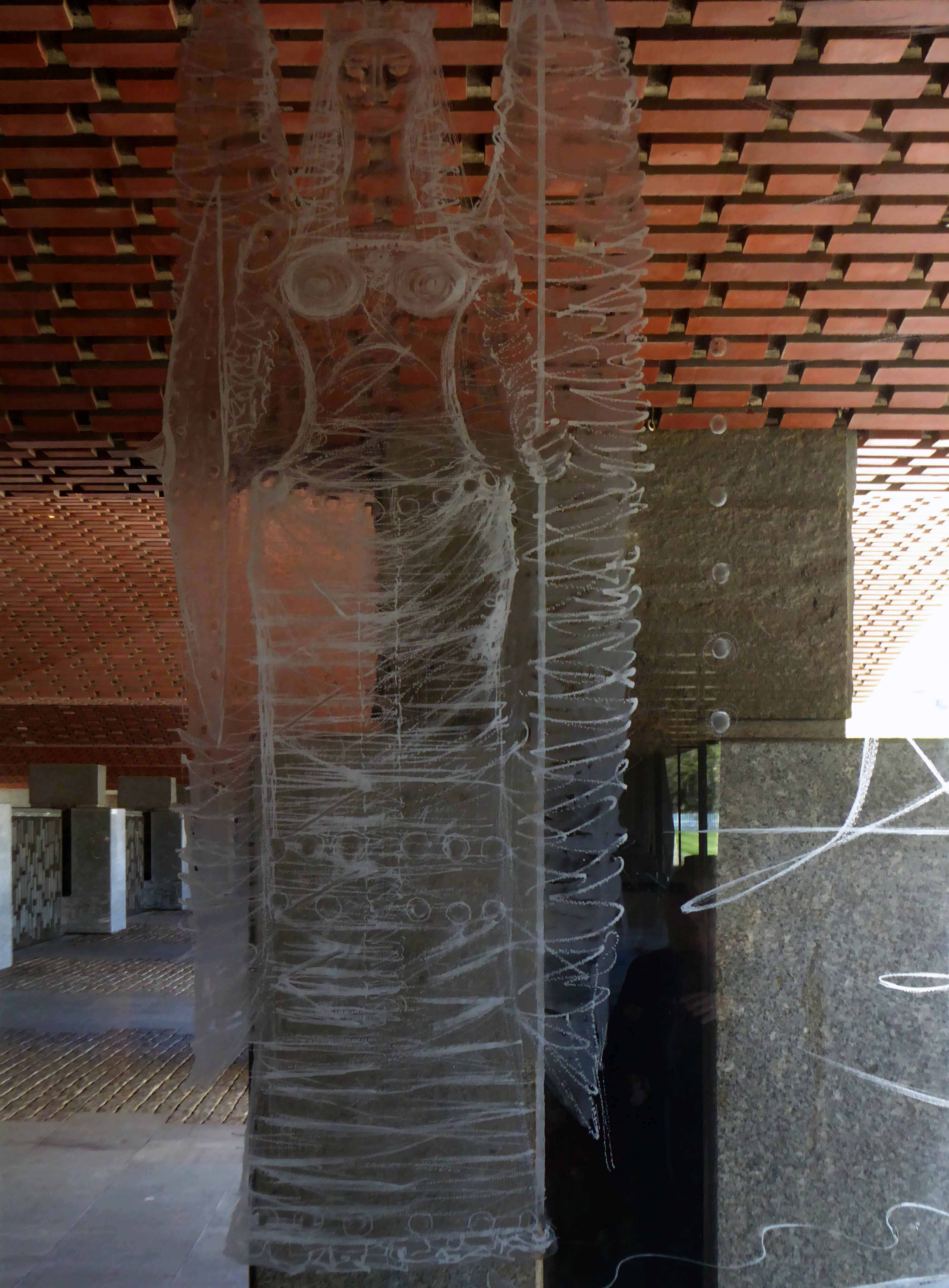
To the right is the engraved John Hutton Screen engraved glass panels depicting – the inventive genius of Tyneside’s most famous sons and daughters.
From left to right: George Stephenson the steam locomotive, Sir Charles Parson the turbine engine, Sir Joseph Swan electric light bulb, Lord Armstrong the gun.
Brigantia – Celtic Goddess of the tribe, The Three Mothers – offering fruit for fertility, Mithras – the slaying of the bull , Coventina the goddess of a well, she reclines on a water-borne leaf and below her are three intertwined figures of nymphs of streams, for in those days every self-respecting stream had its own tutelary deity. All have been found when Roman temples have been unearthed on the Roman wall.


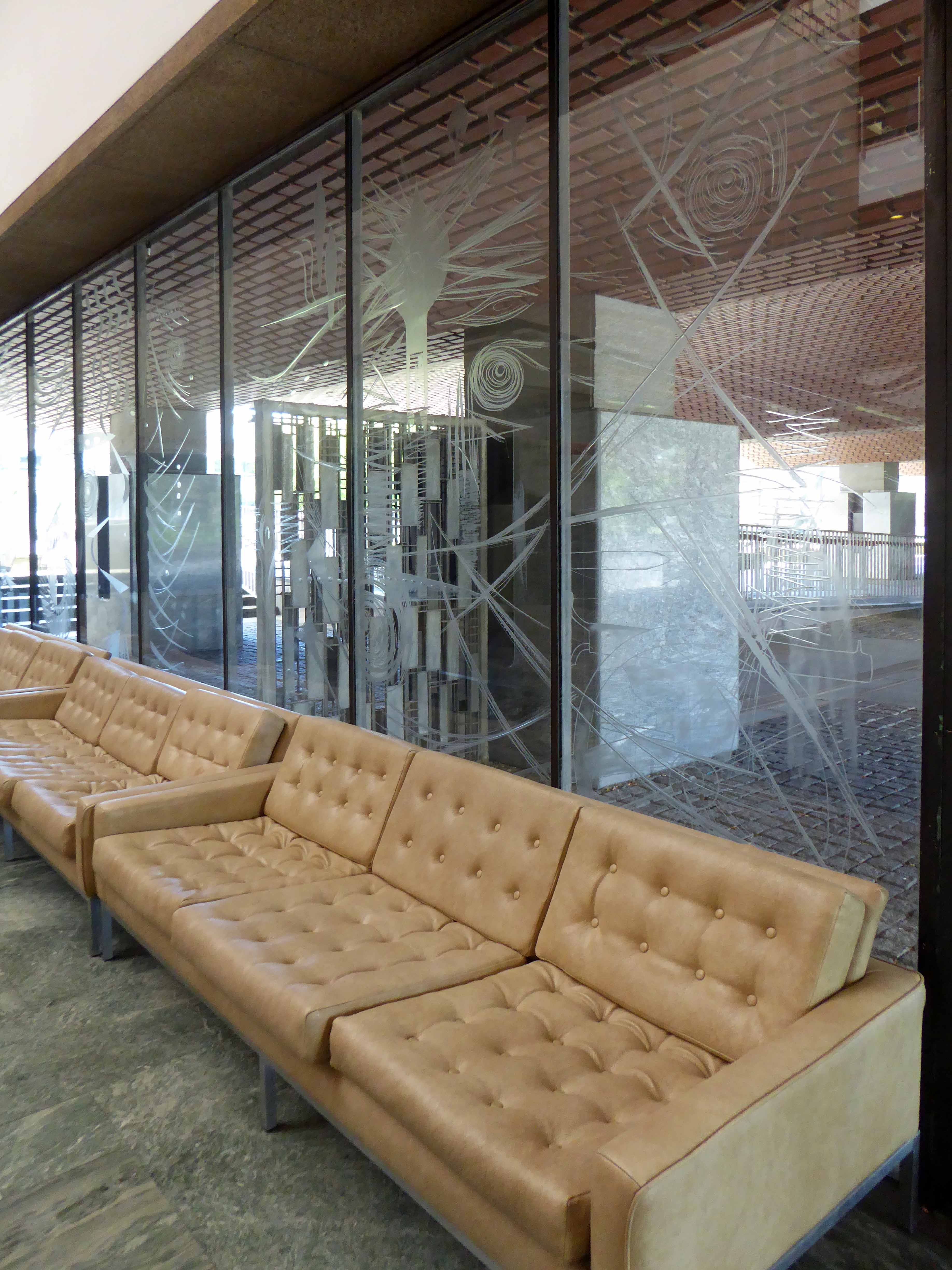

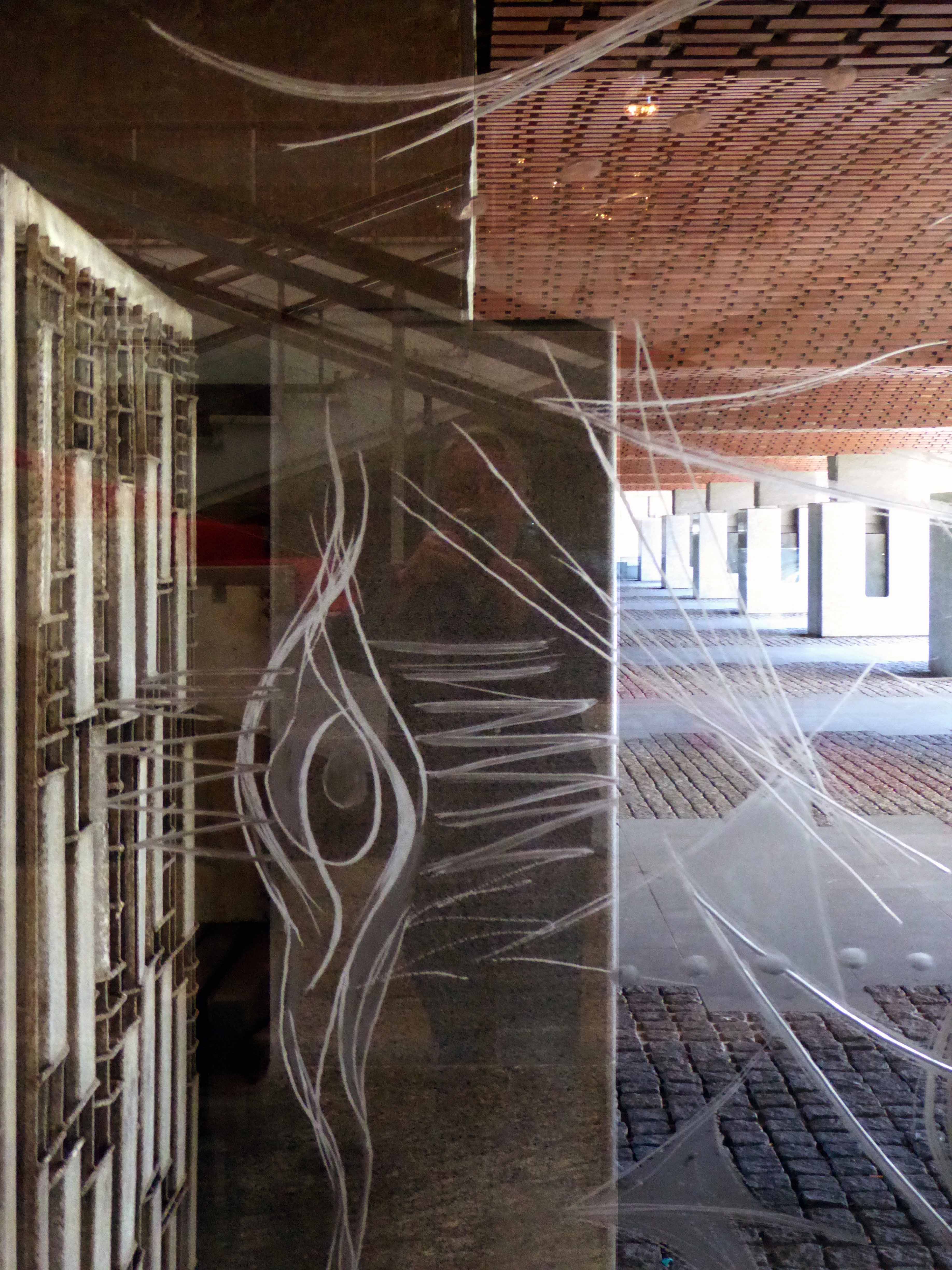

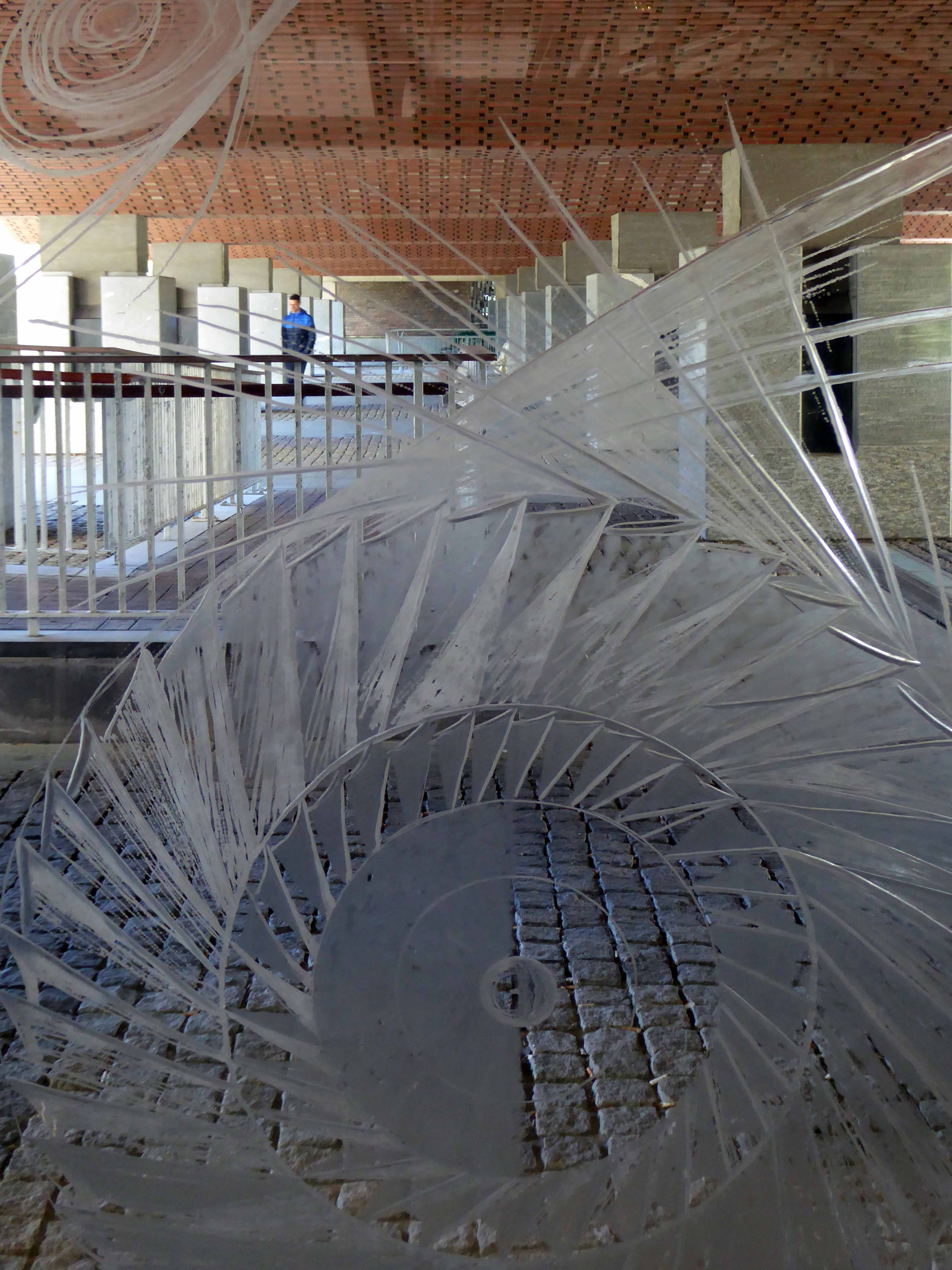
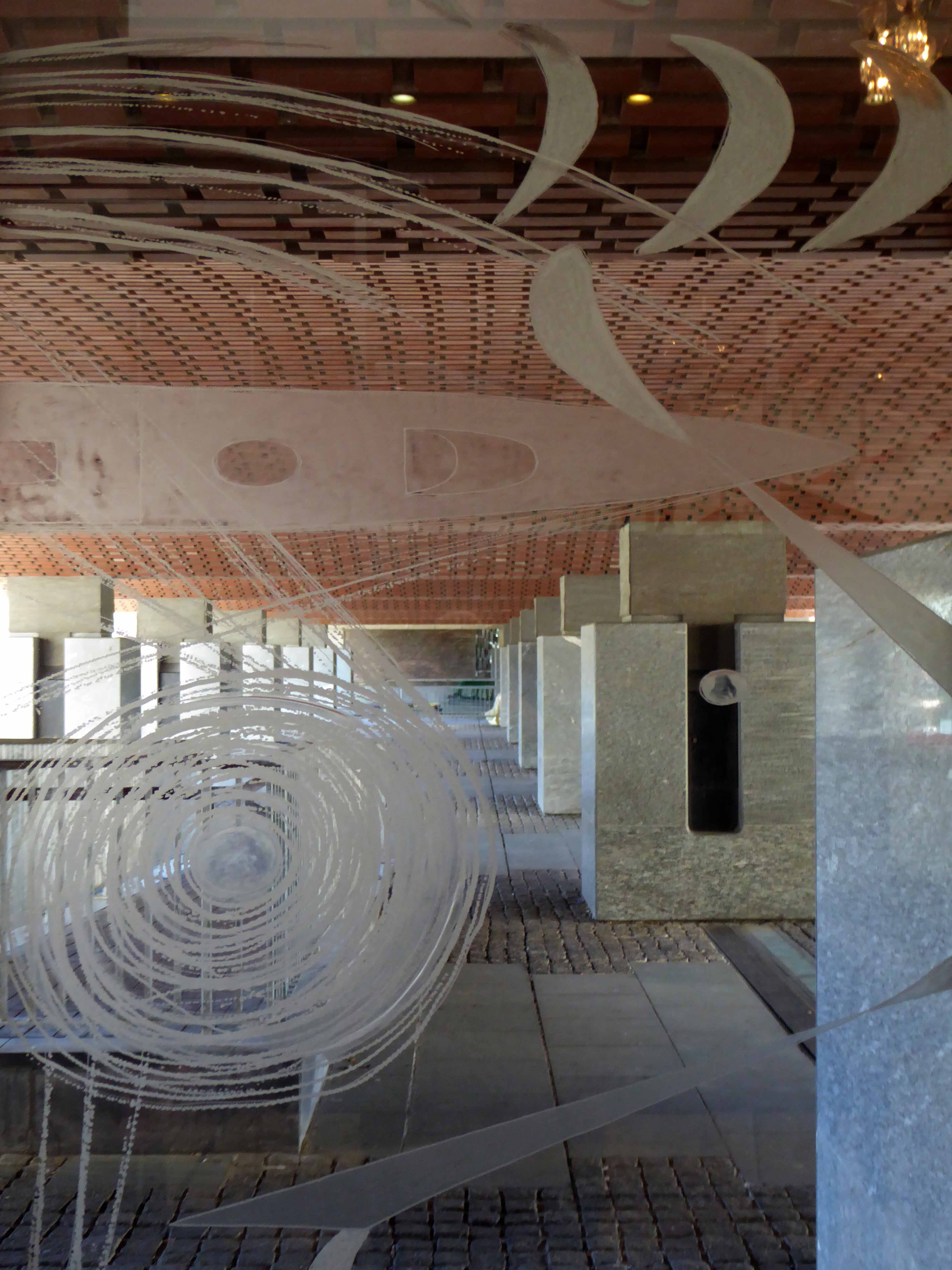
A twenty three foot high, eleven tiered chandelier of hand cut Bavarian crystal from Westphalia, hangs above your head. This chandelier was commissioned on behalf of Newcastle City for the opening of the building in 1968. It has 119 light bulbs, the crystal on the top is in the shape of a castle on the base of the chandelier are sea horses. The walls are lined with random English oak, the floor down stairs is Portuguese Verde Viana marble.
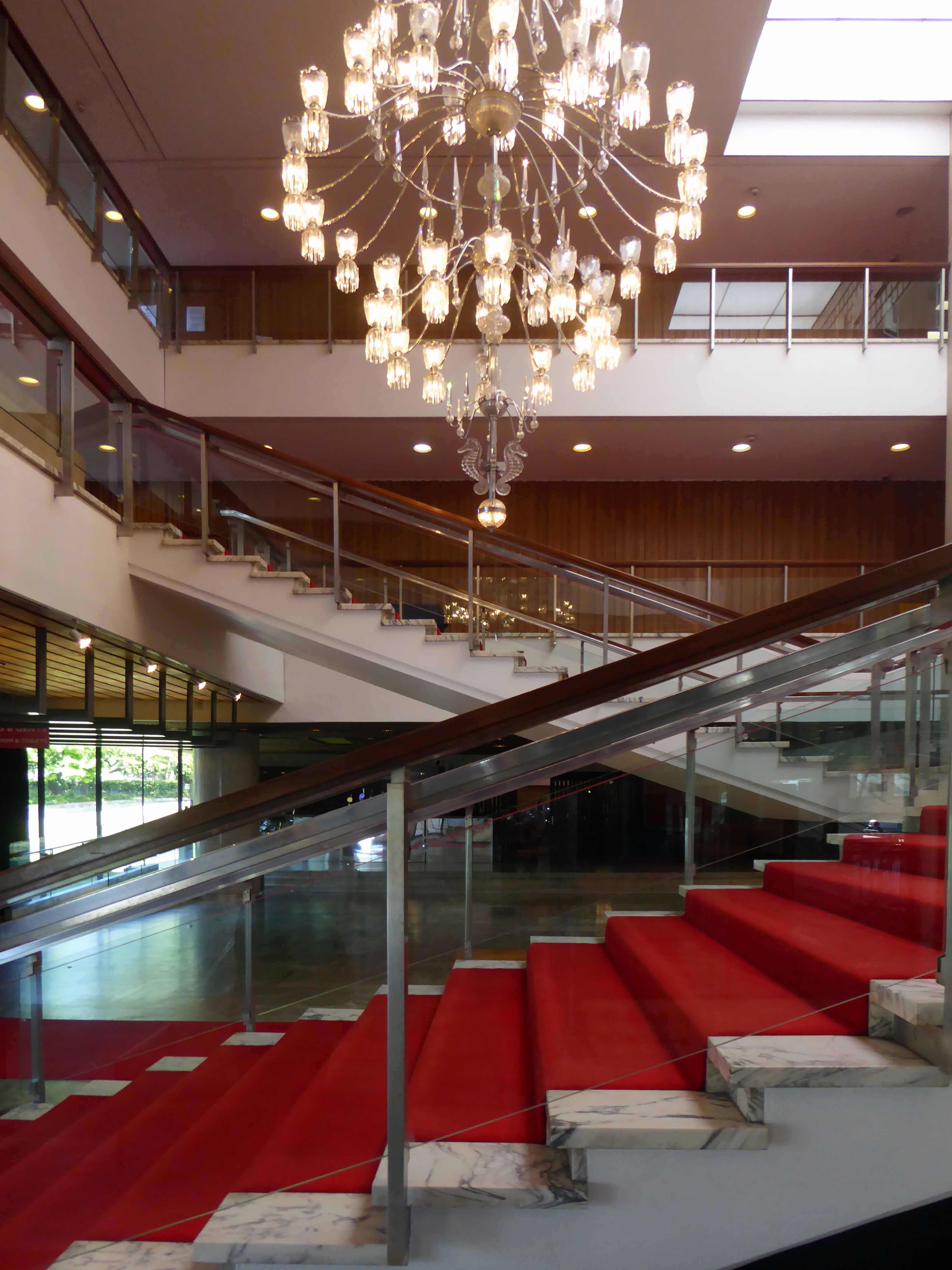
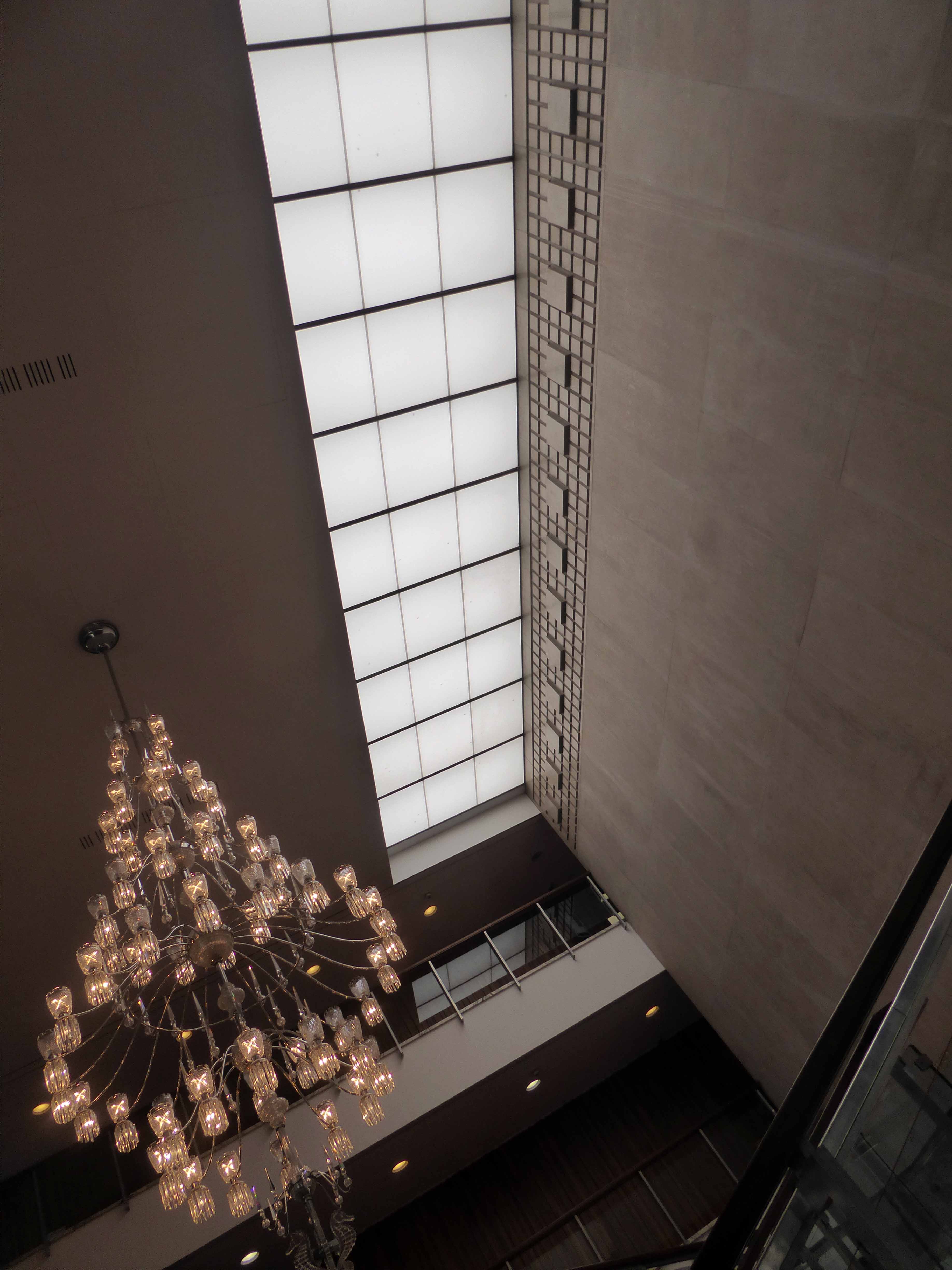
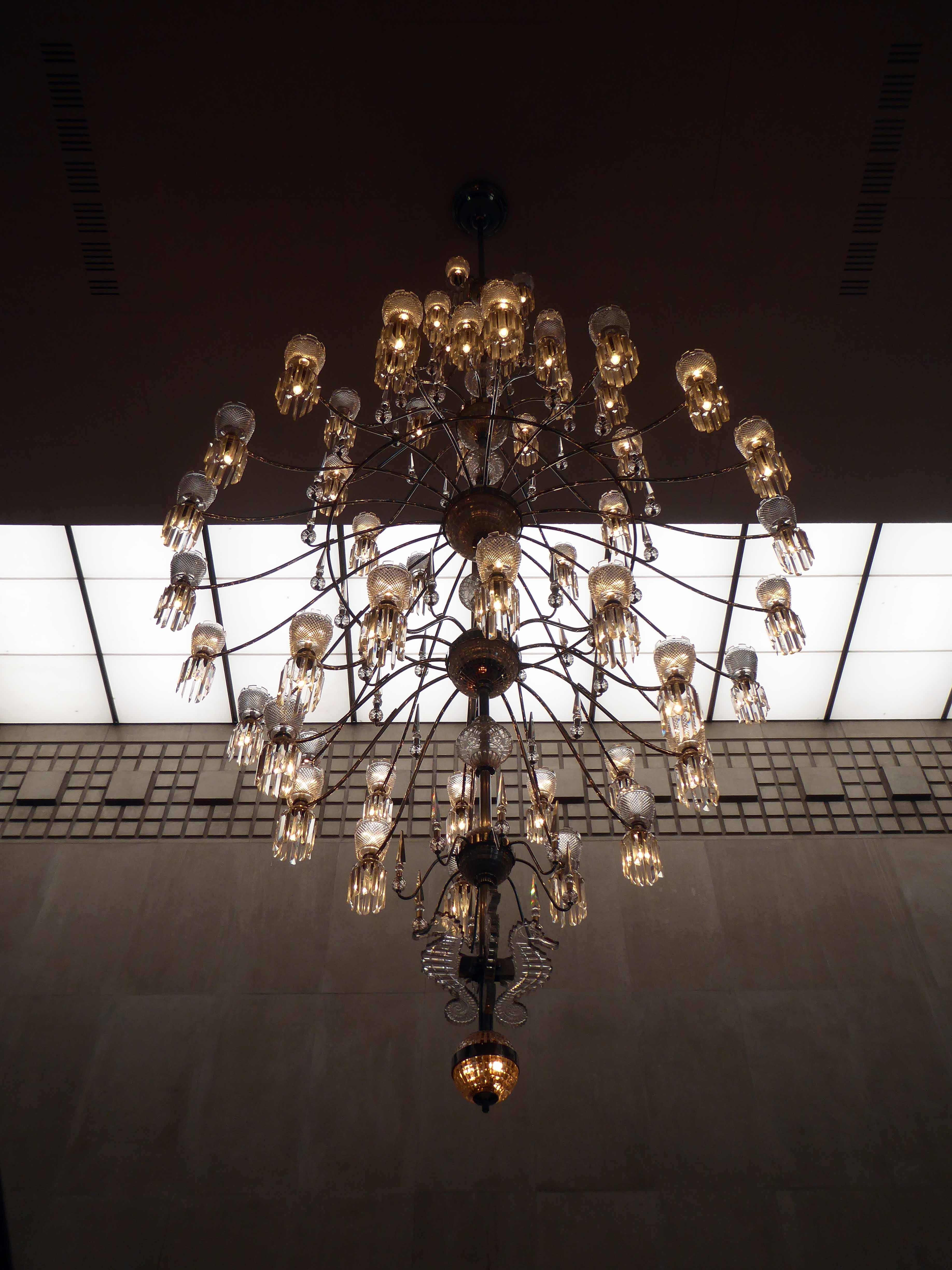

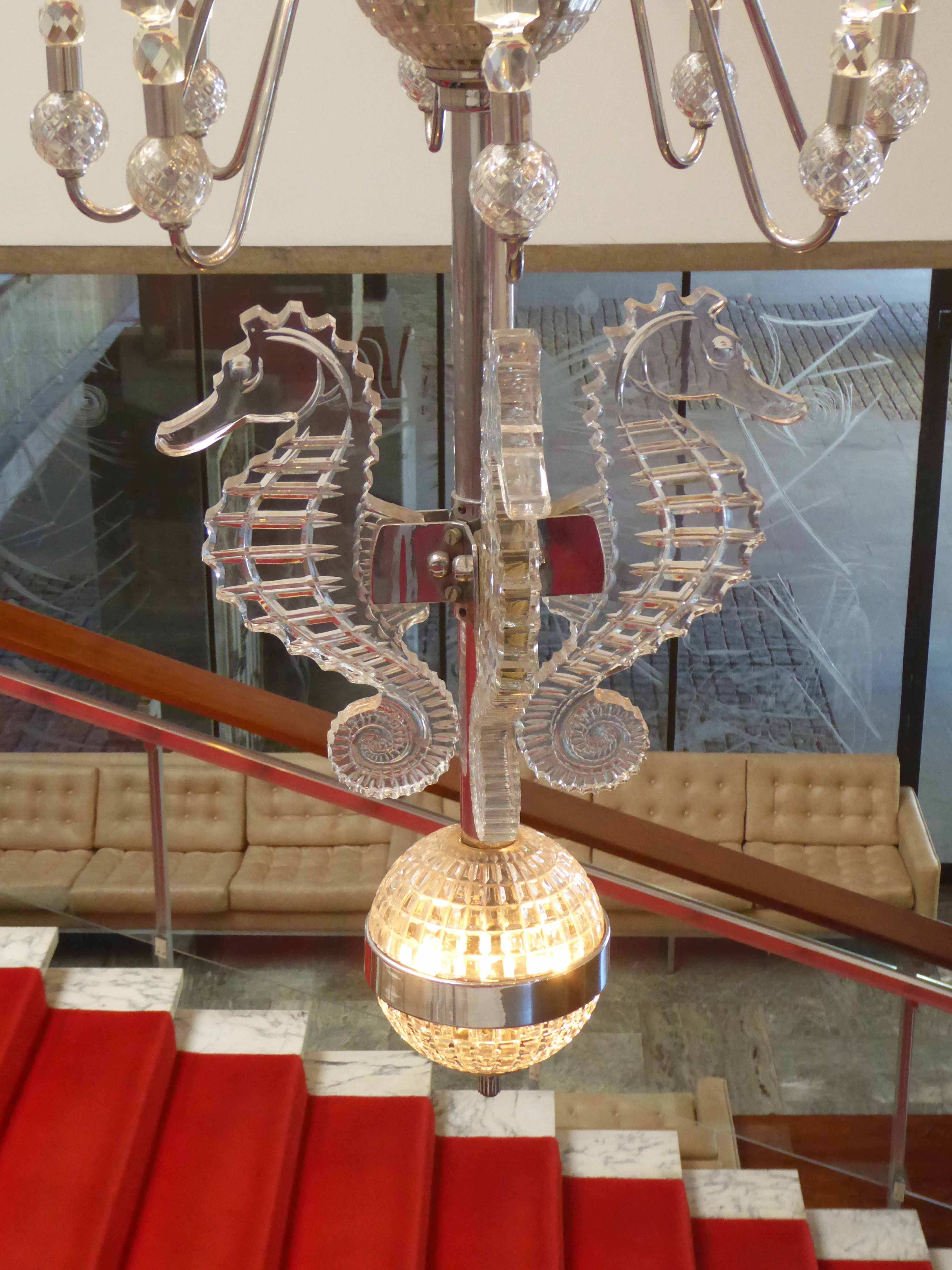
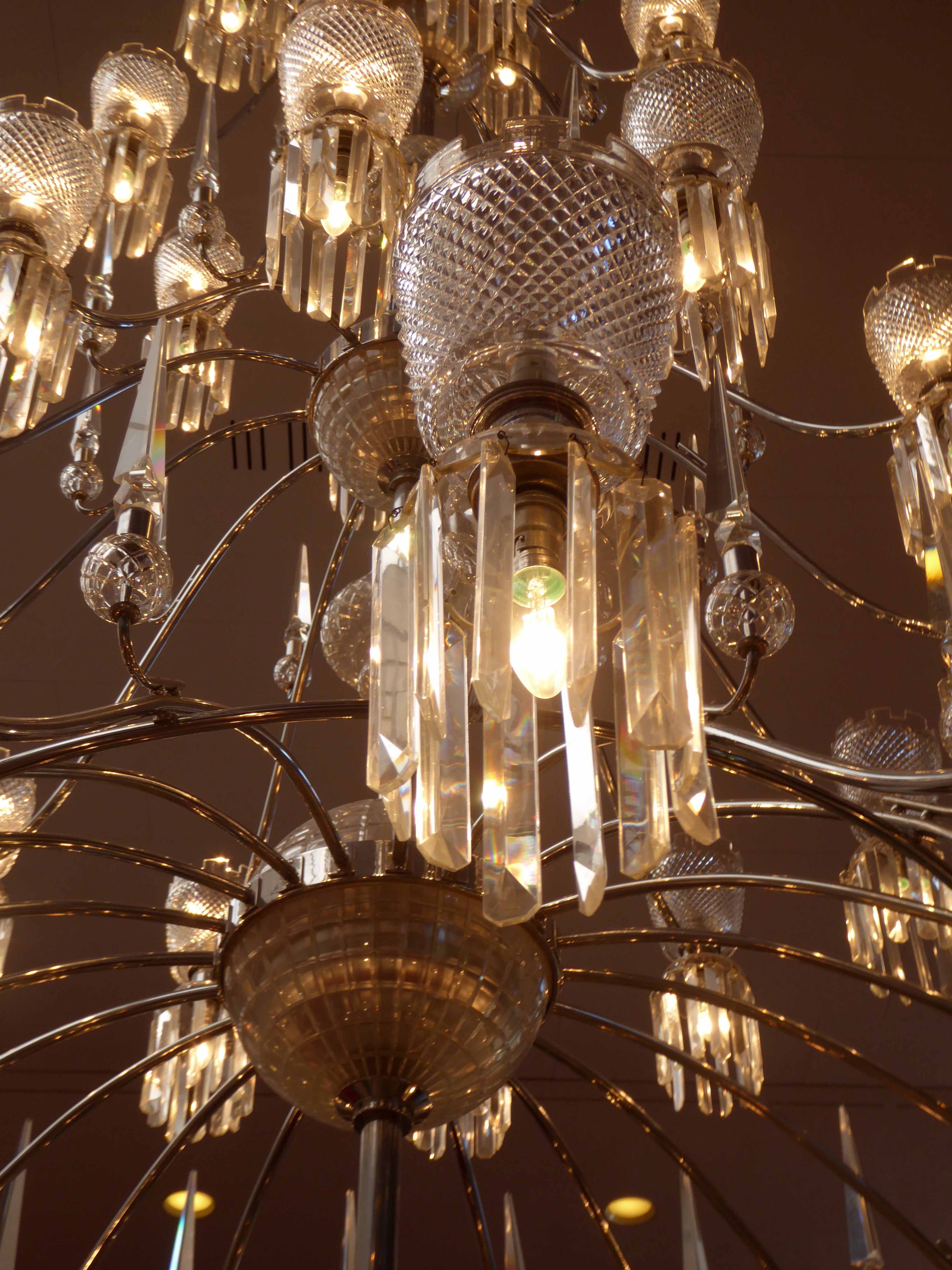
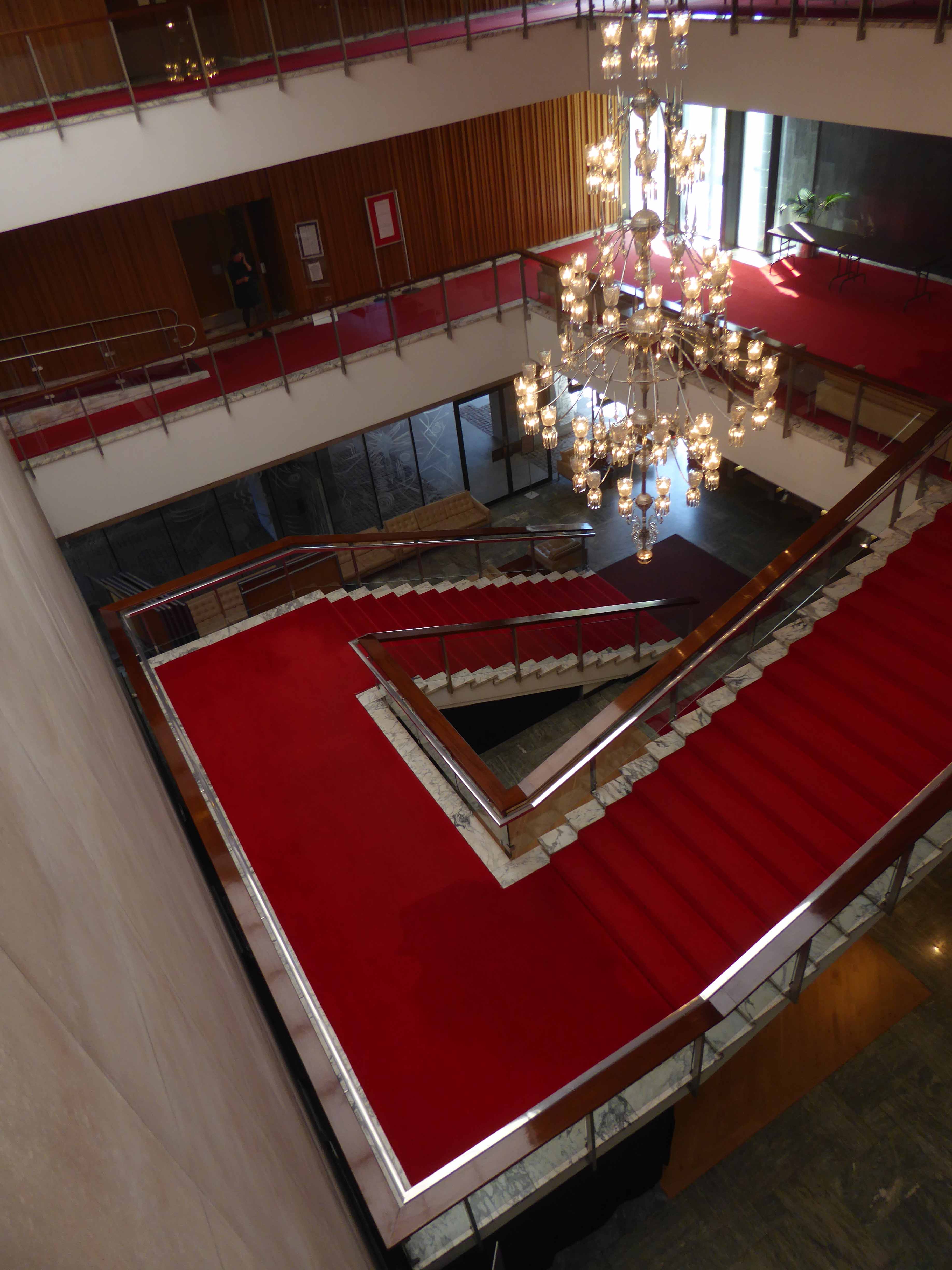
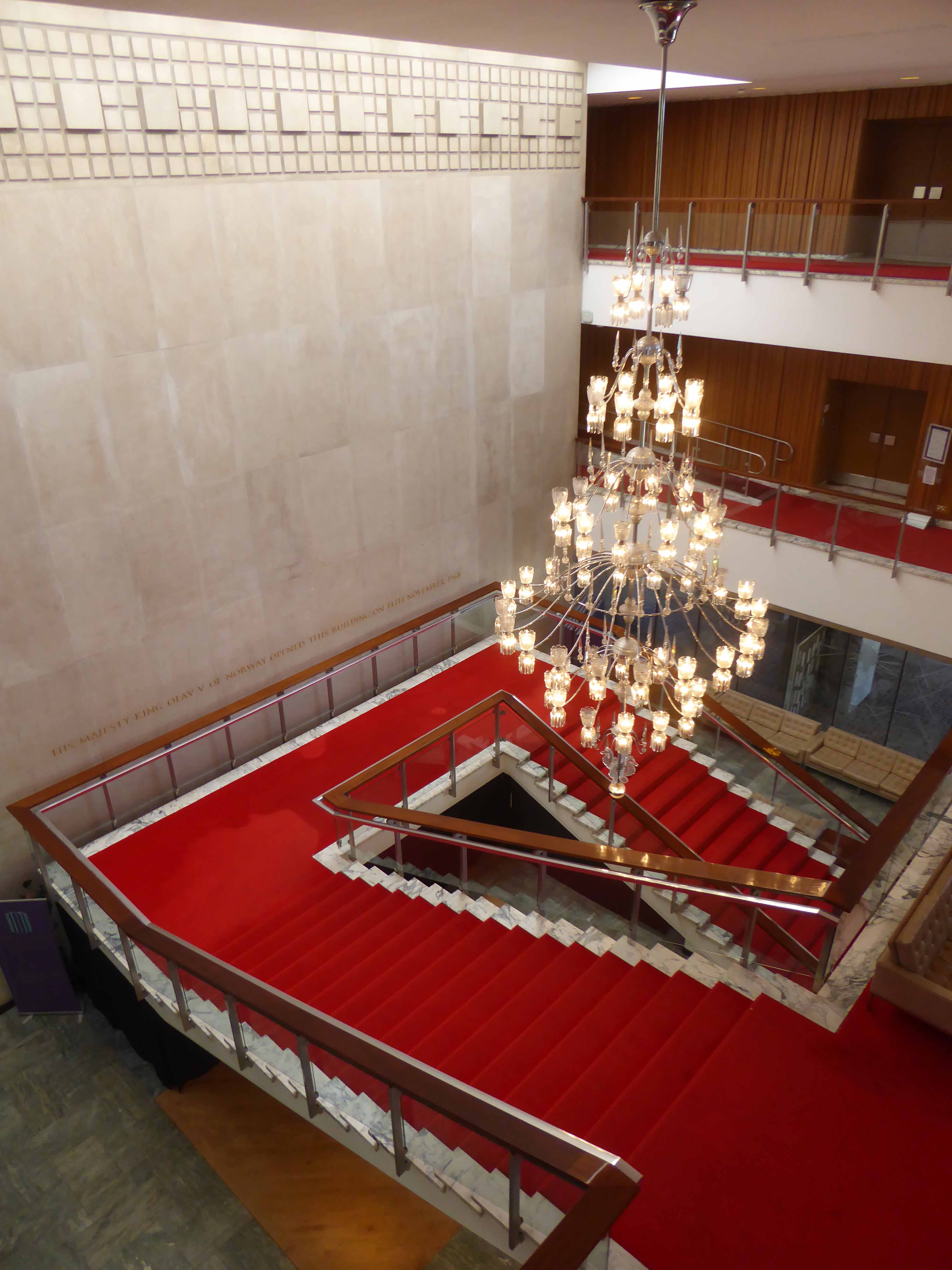
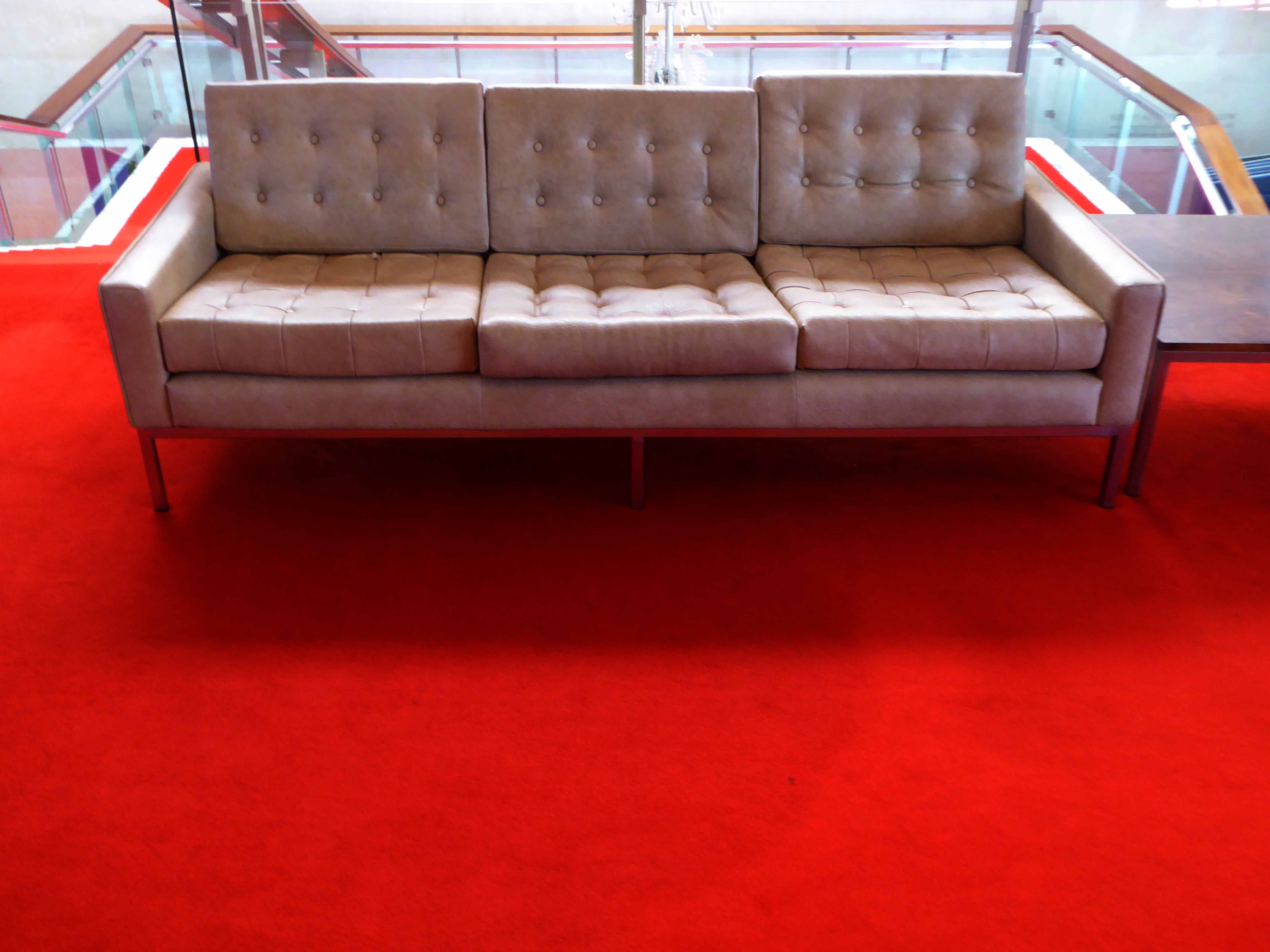
Elegant Arne Vodder designed sofas litter the entrance, this truly is a palace of delights a temple of Municipal Socialism, take your shoes off set a spell.
Y’all come back now!