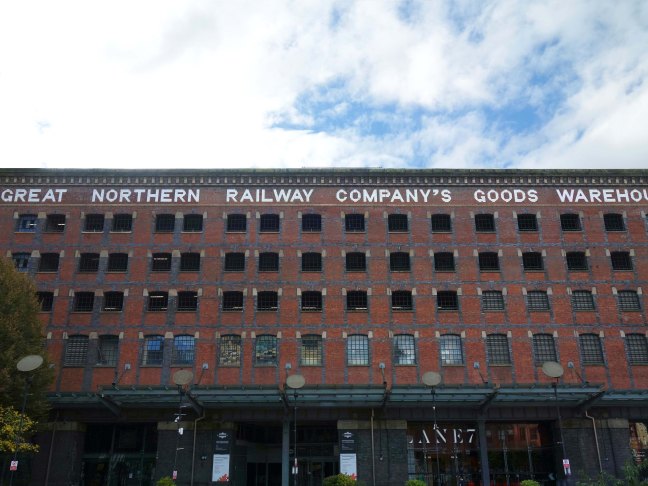
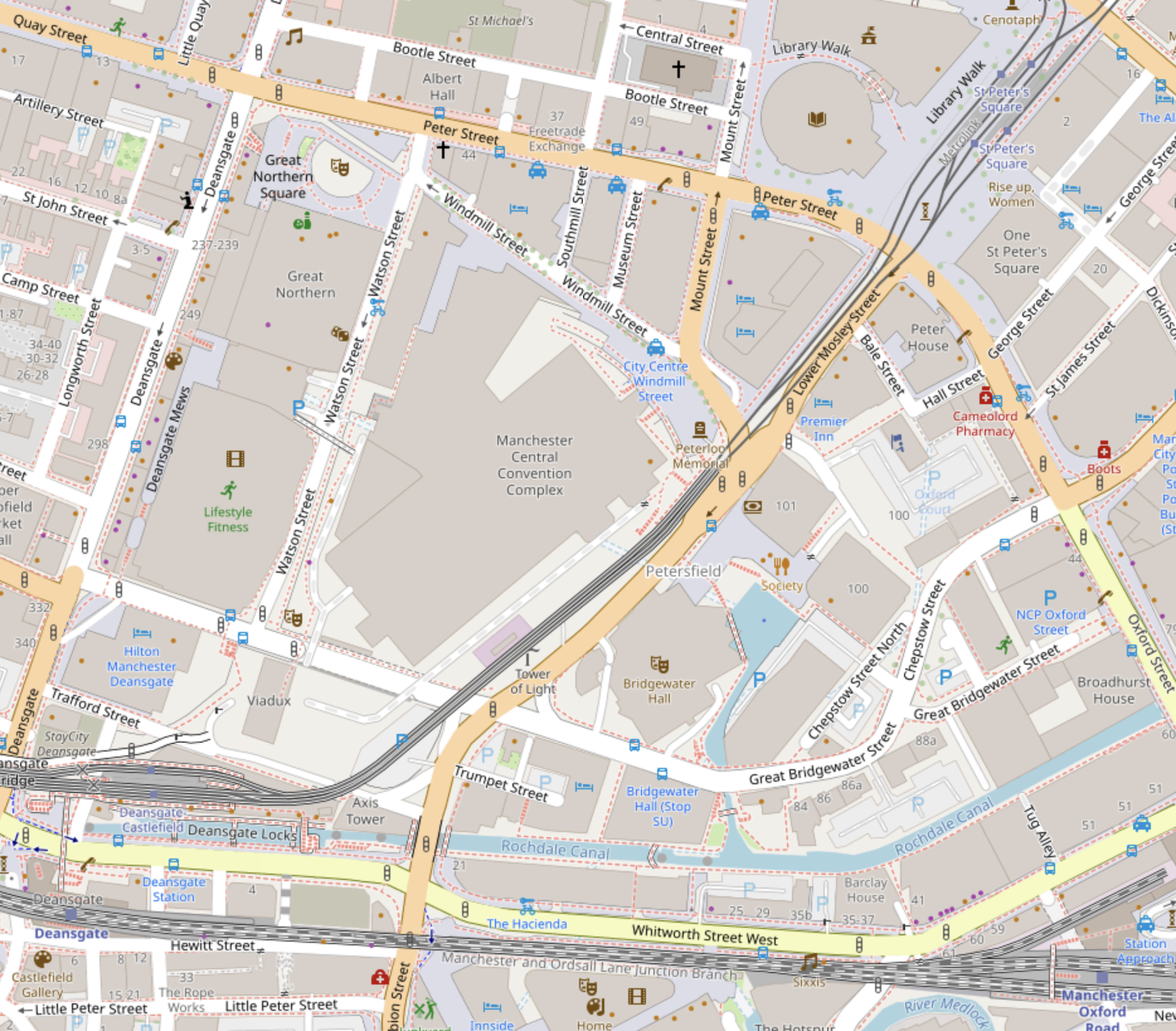
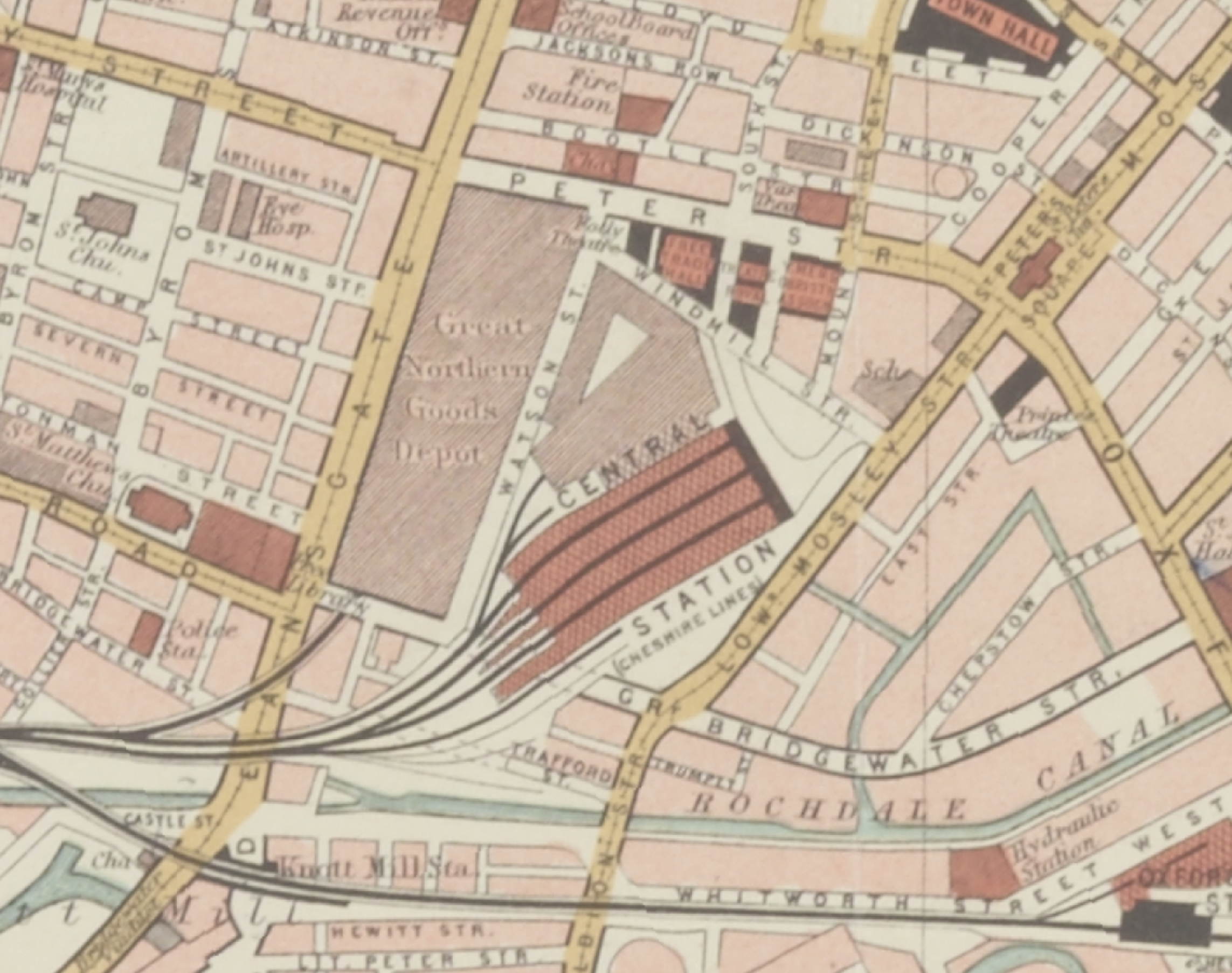
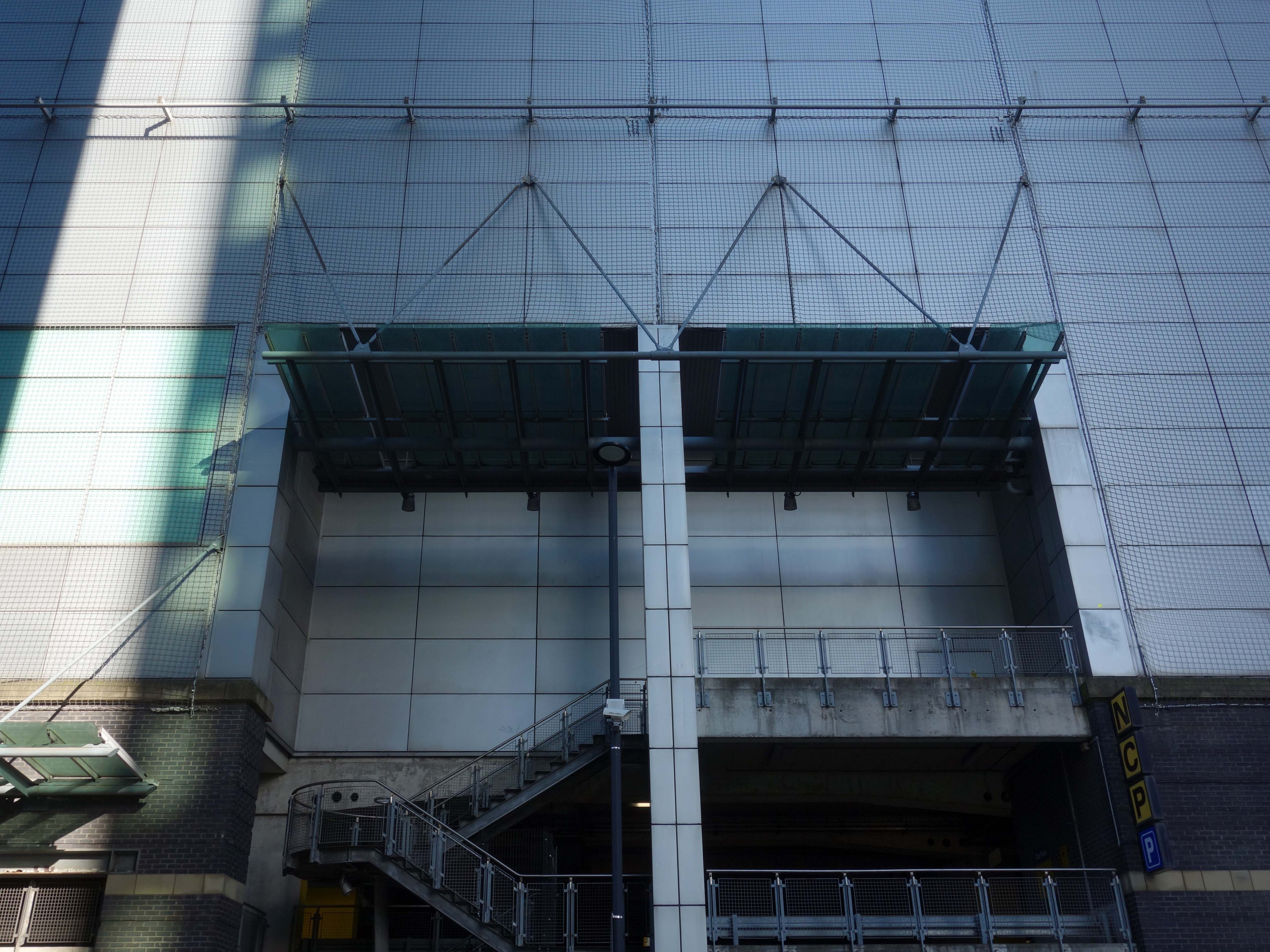
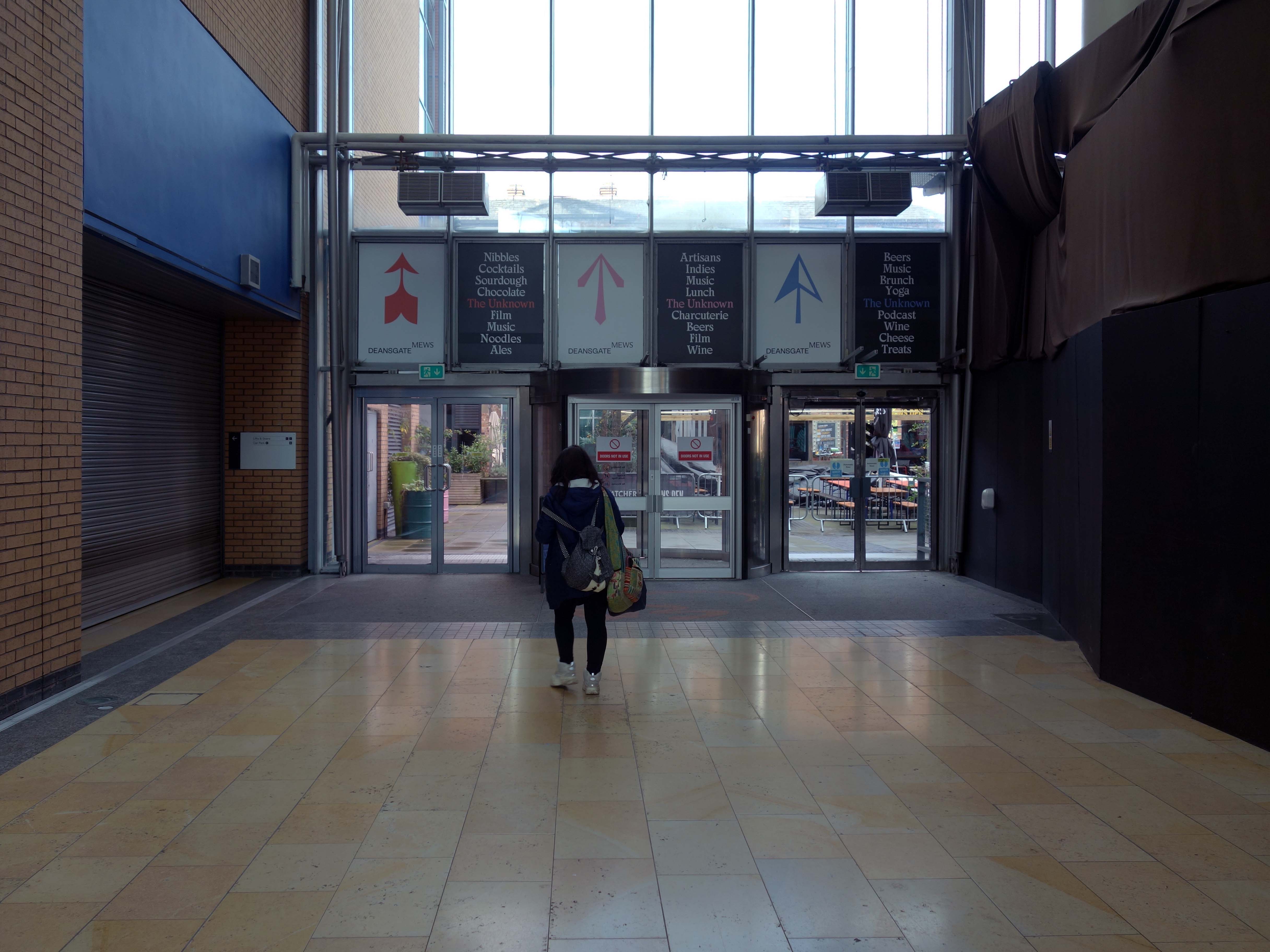
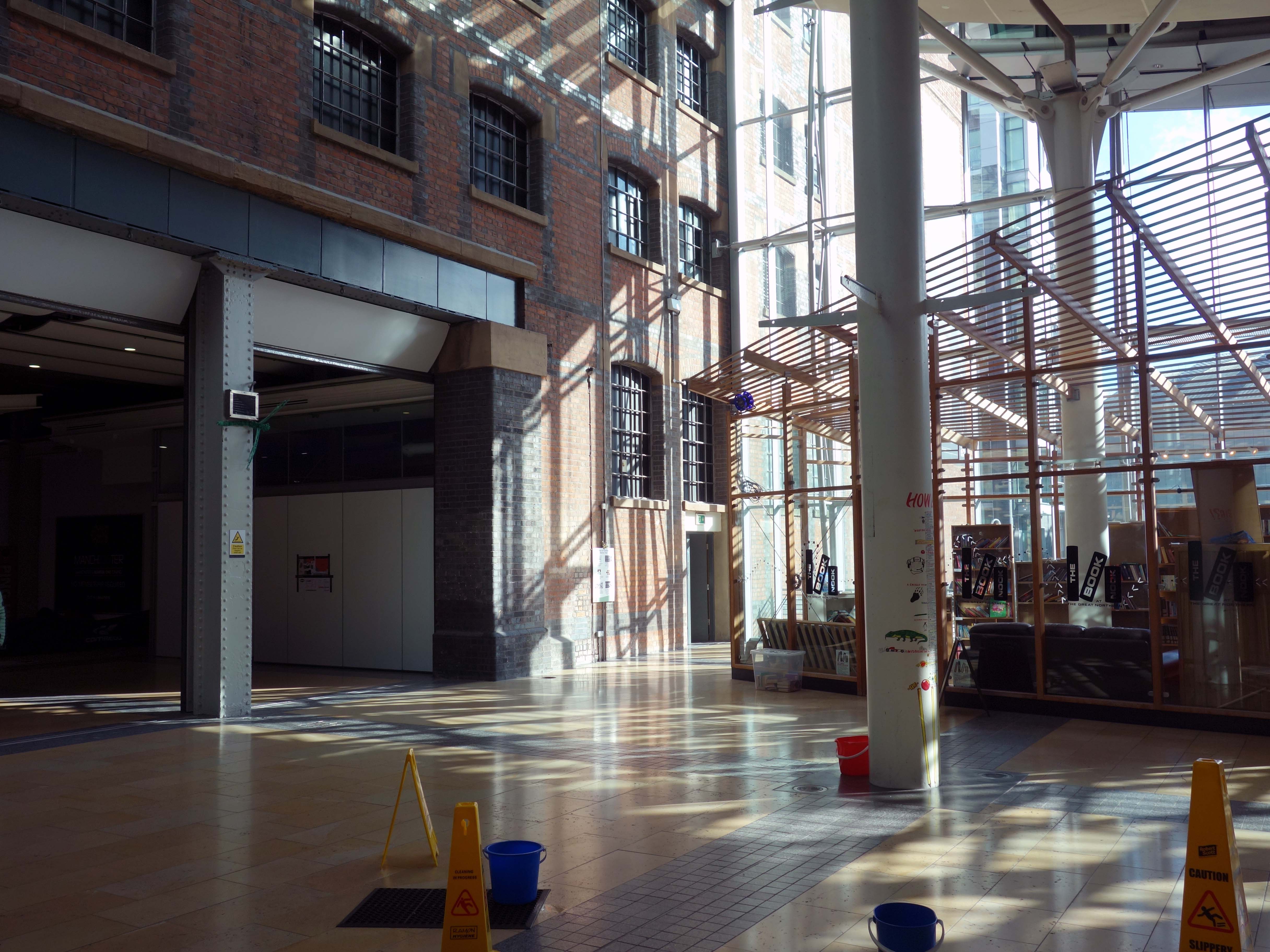
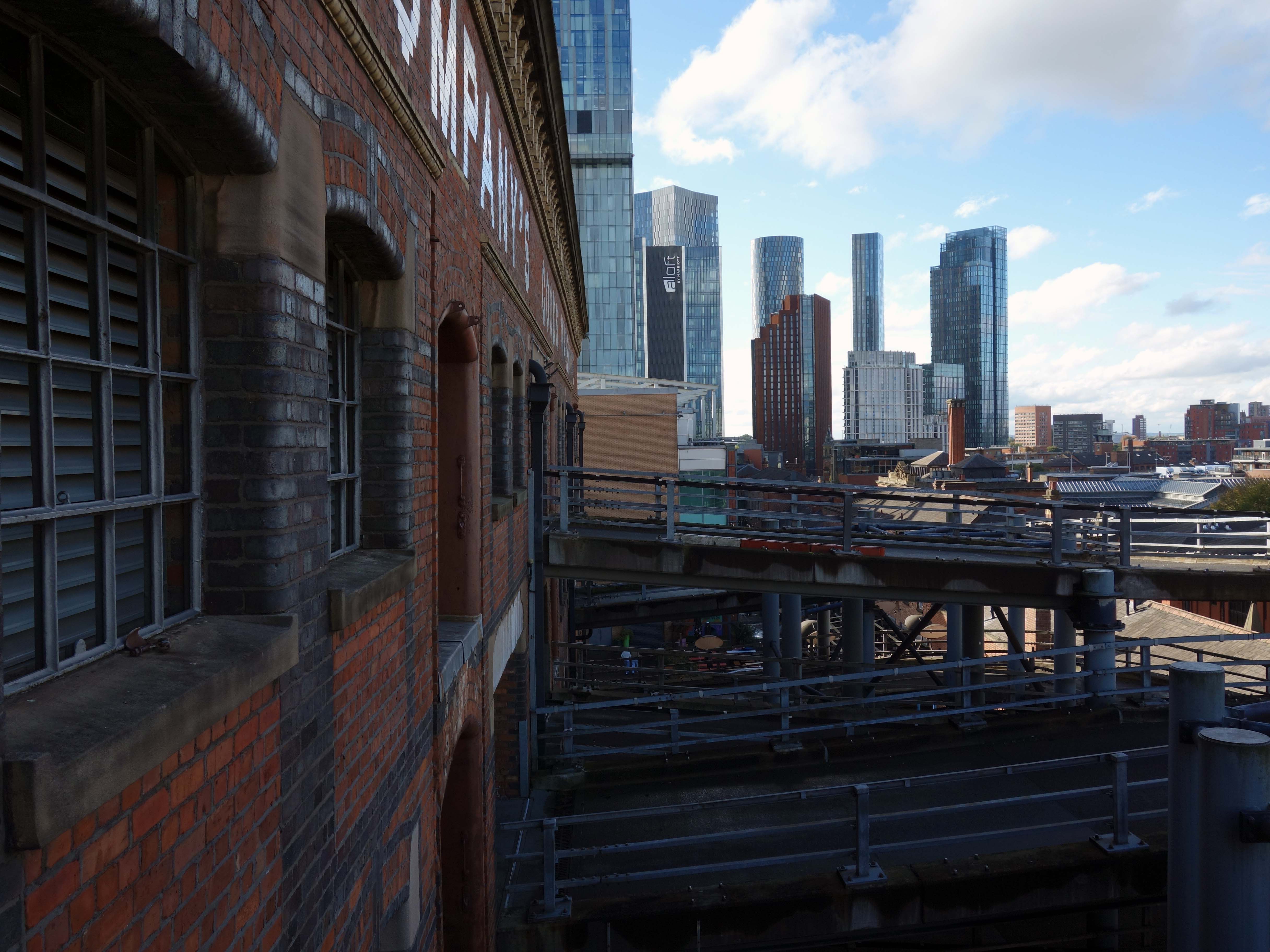
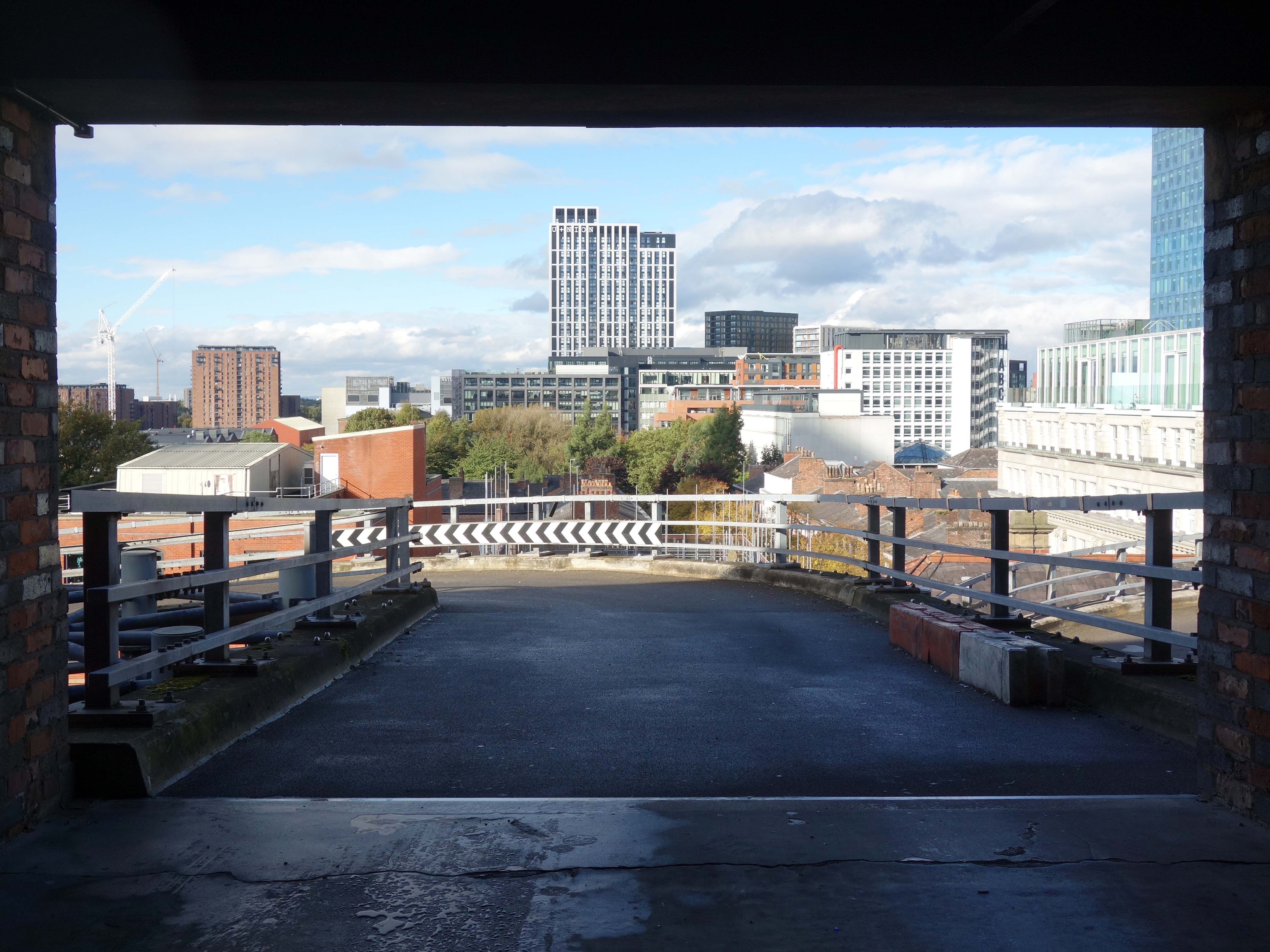
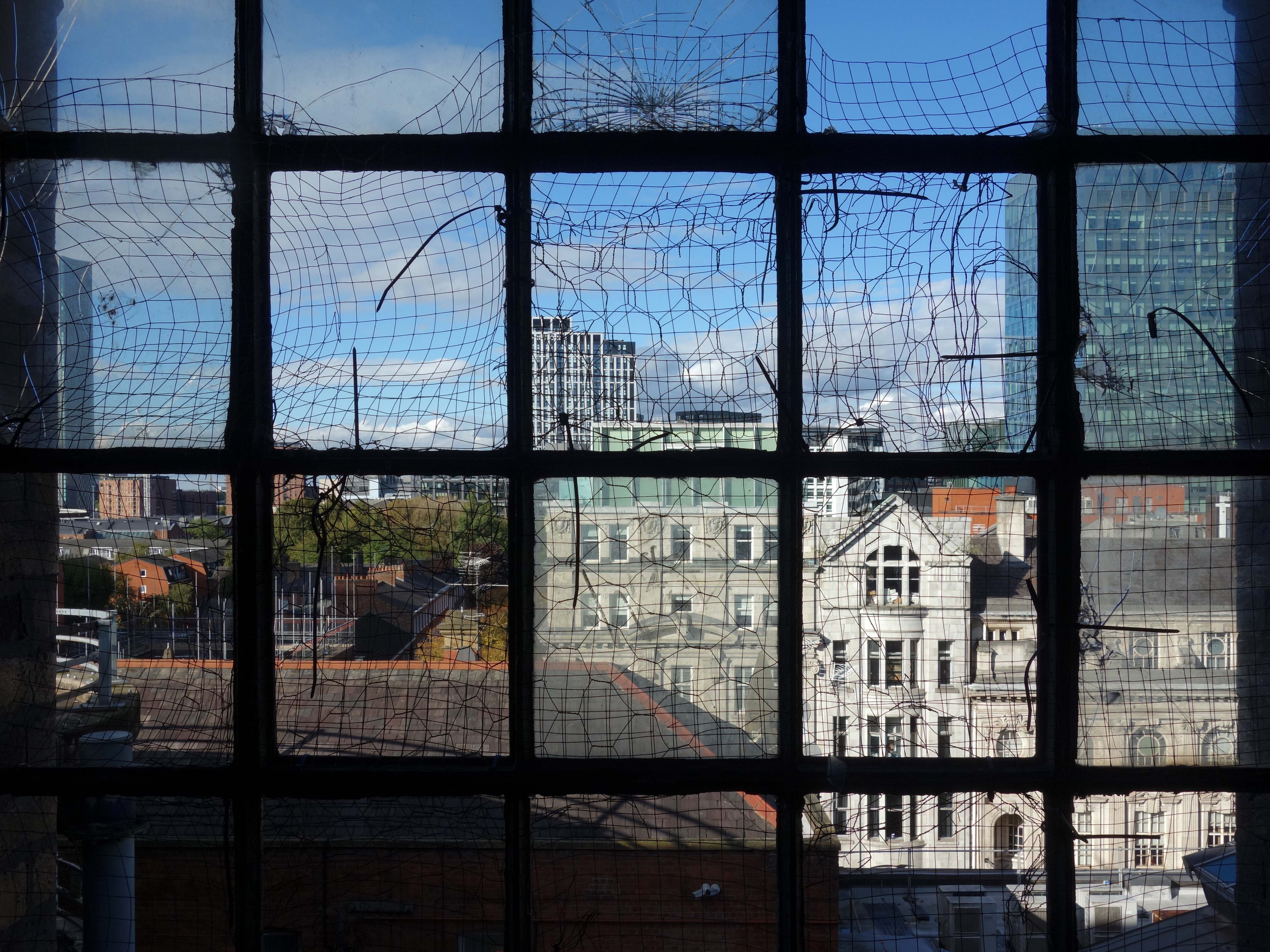
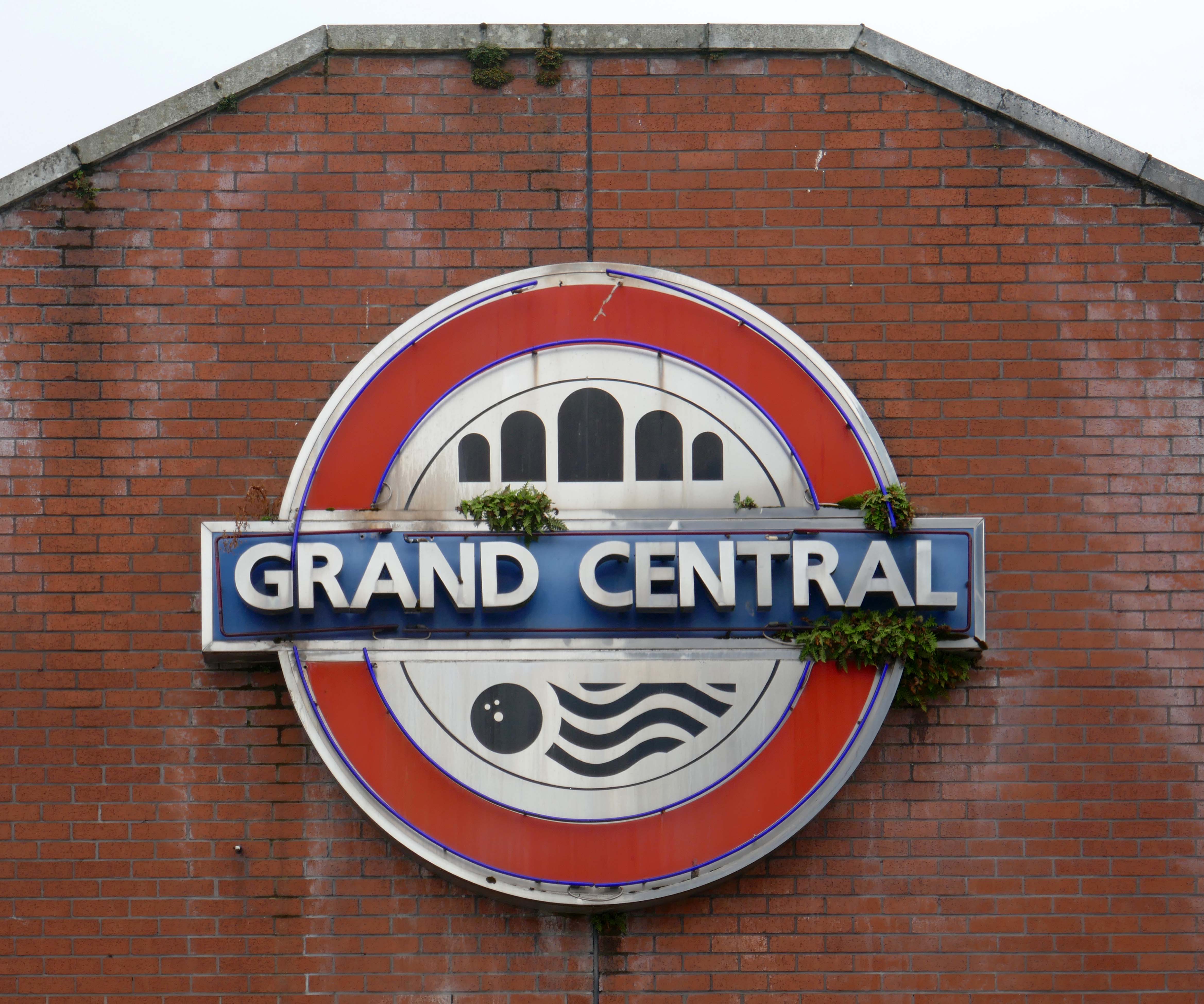
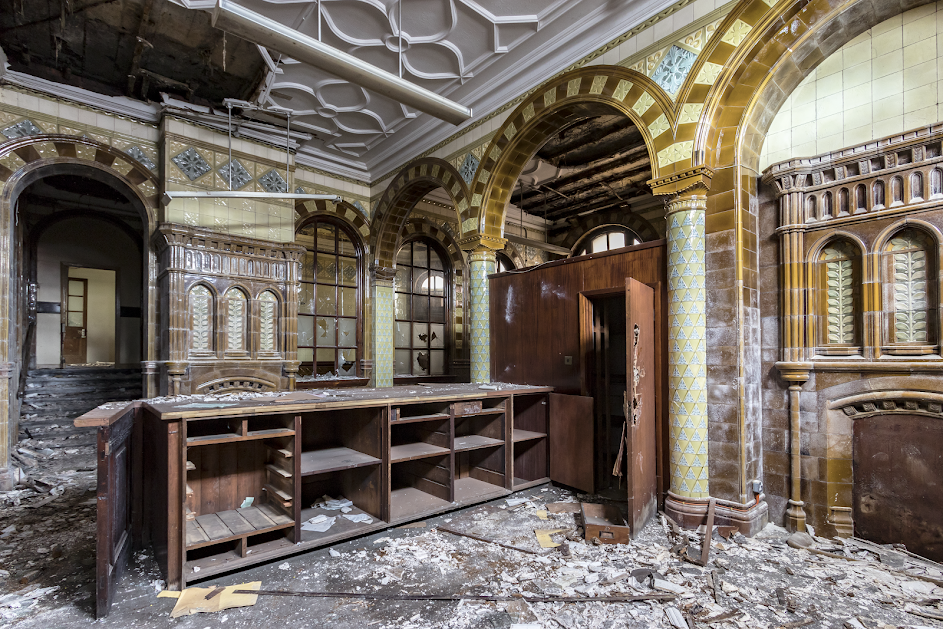
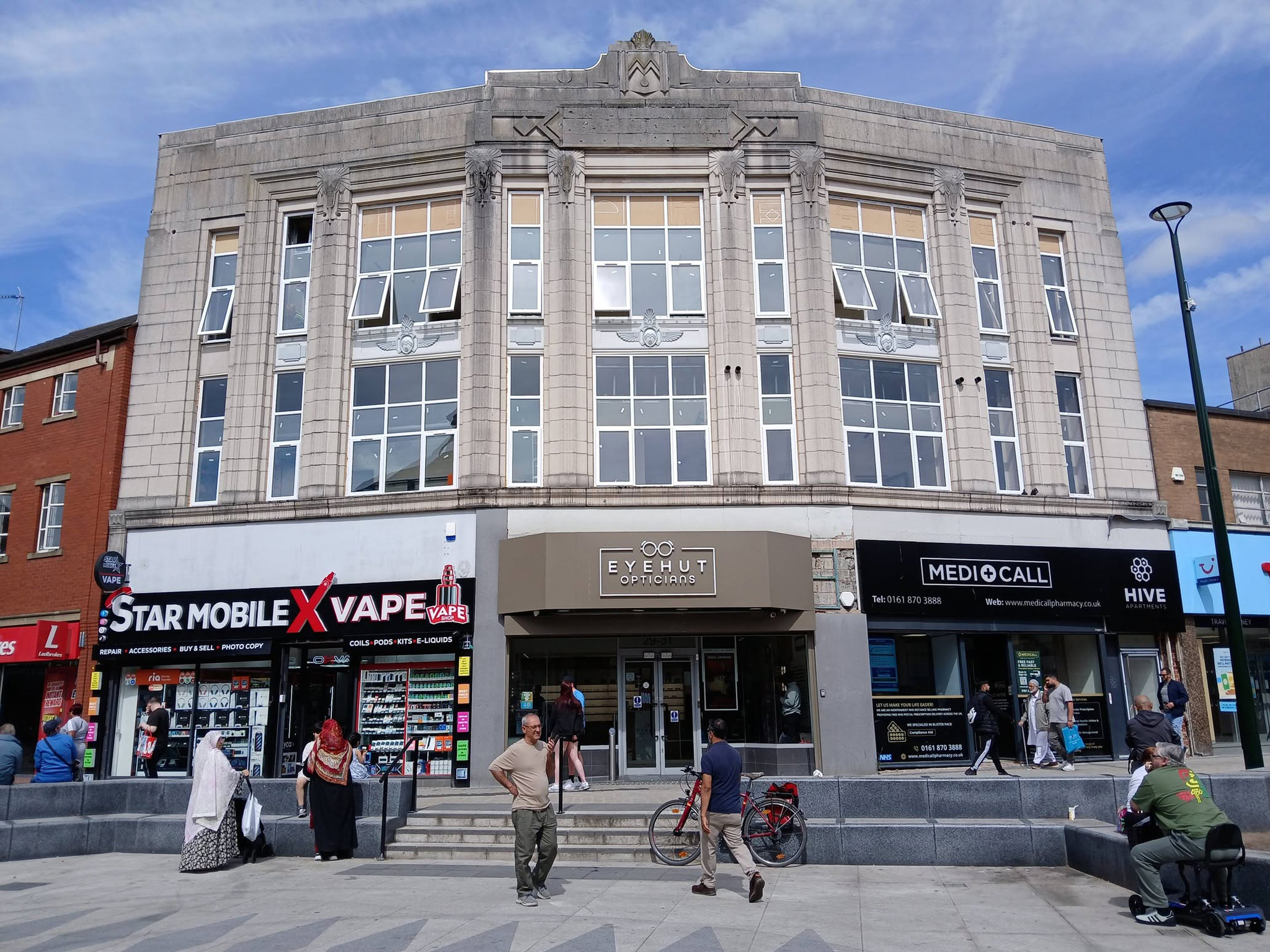
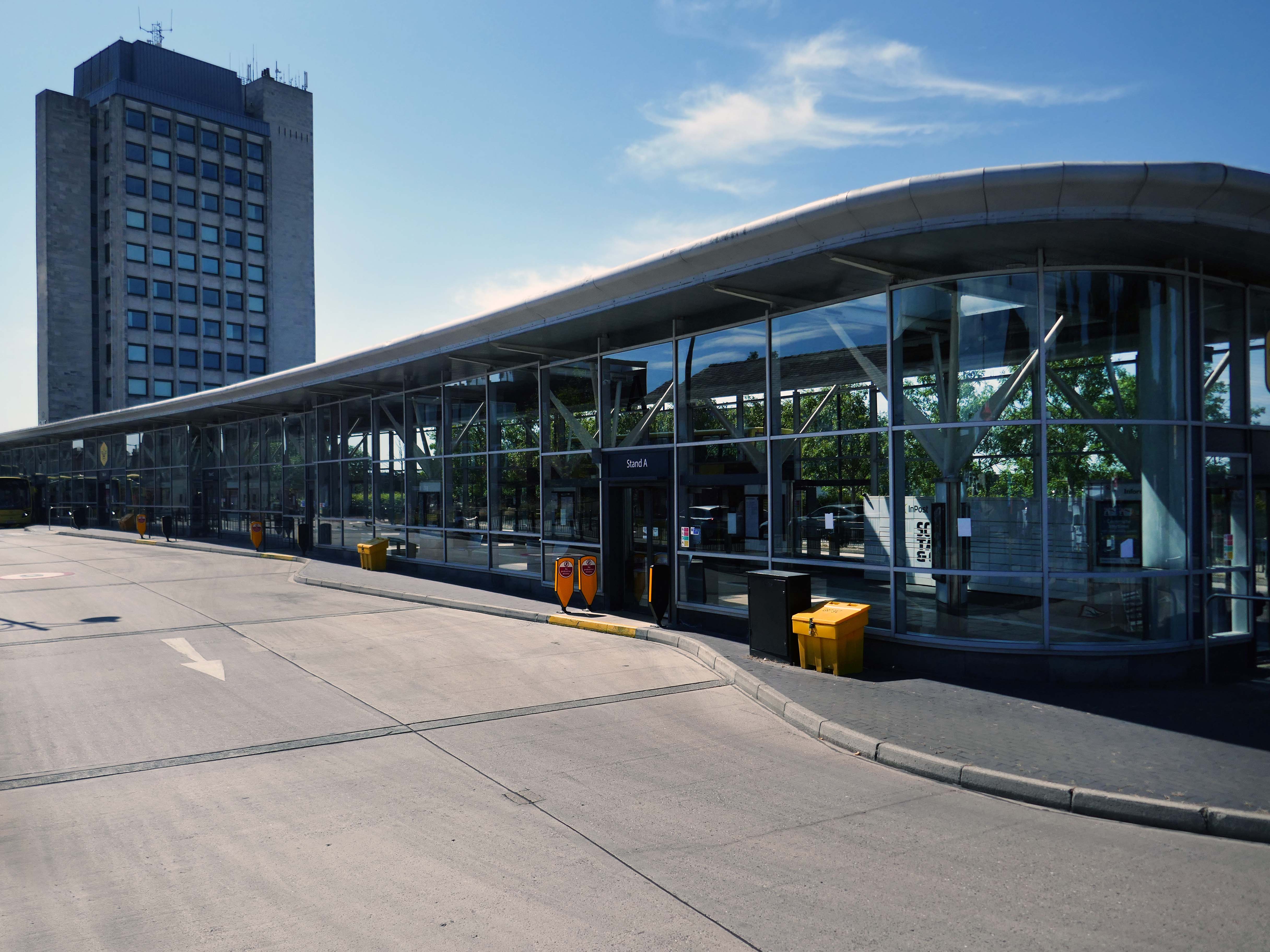
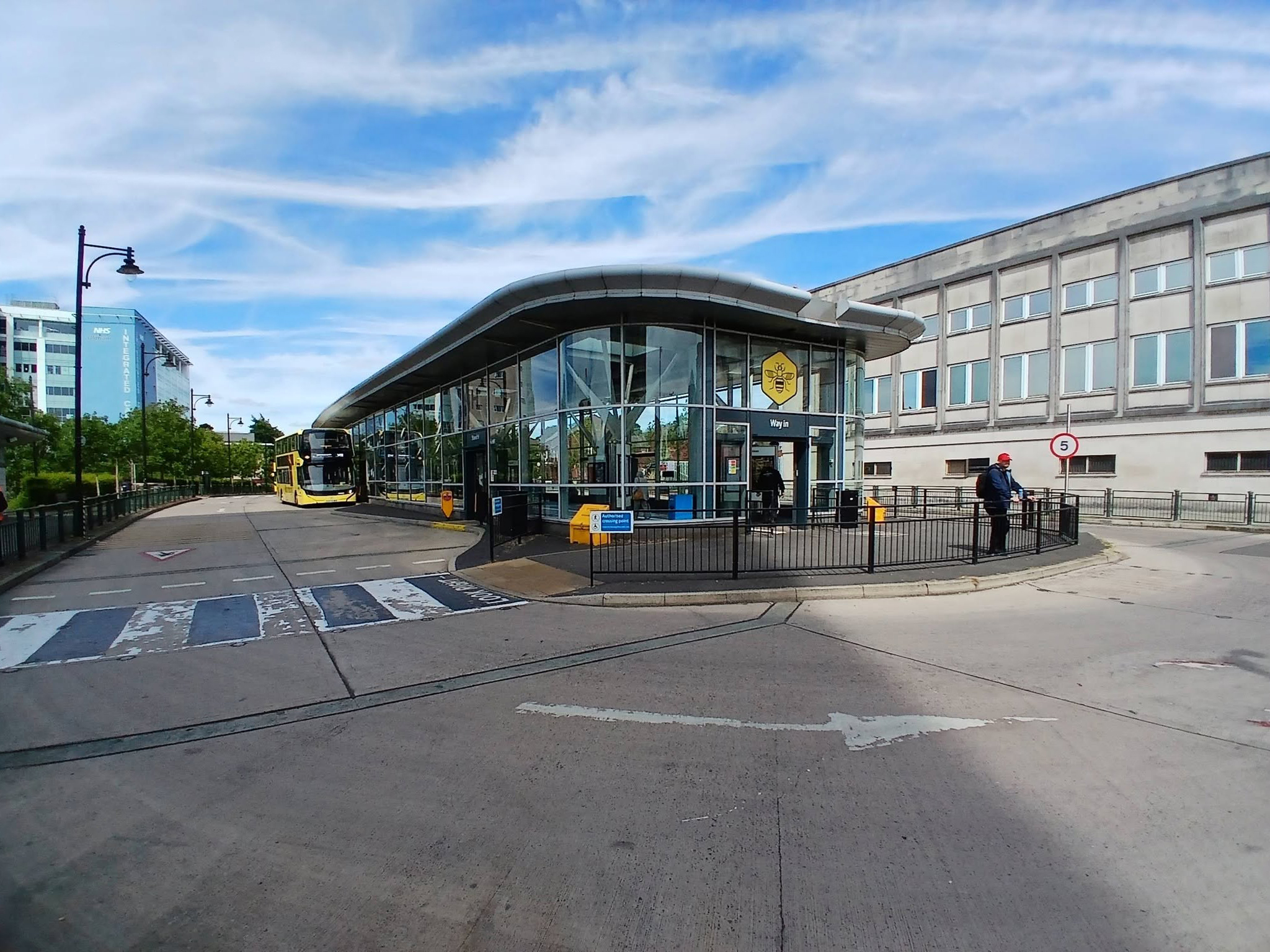
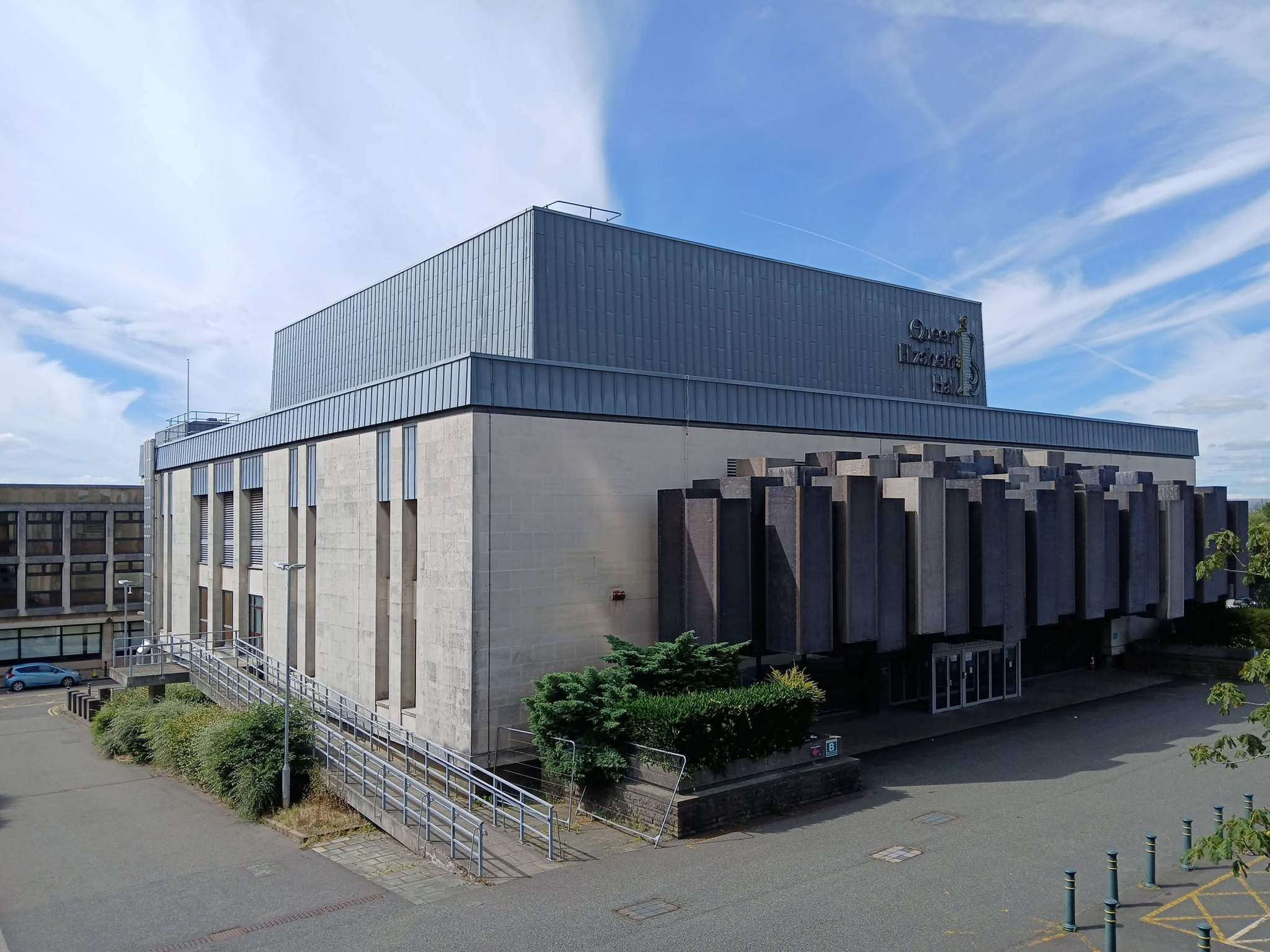
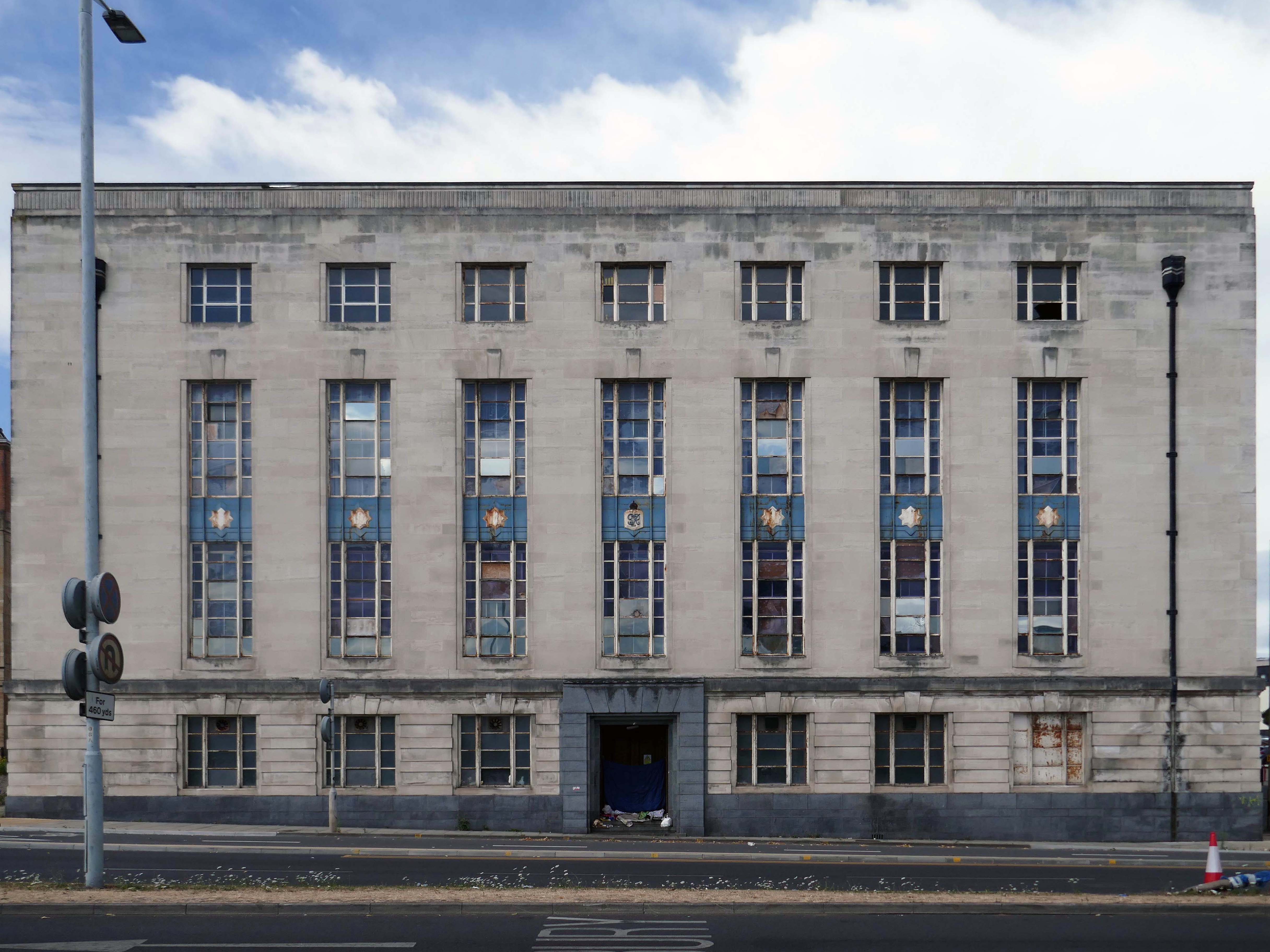
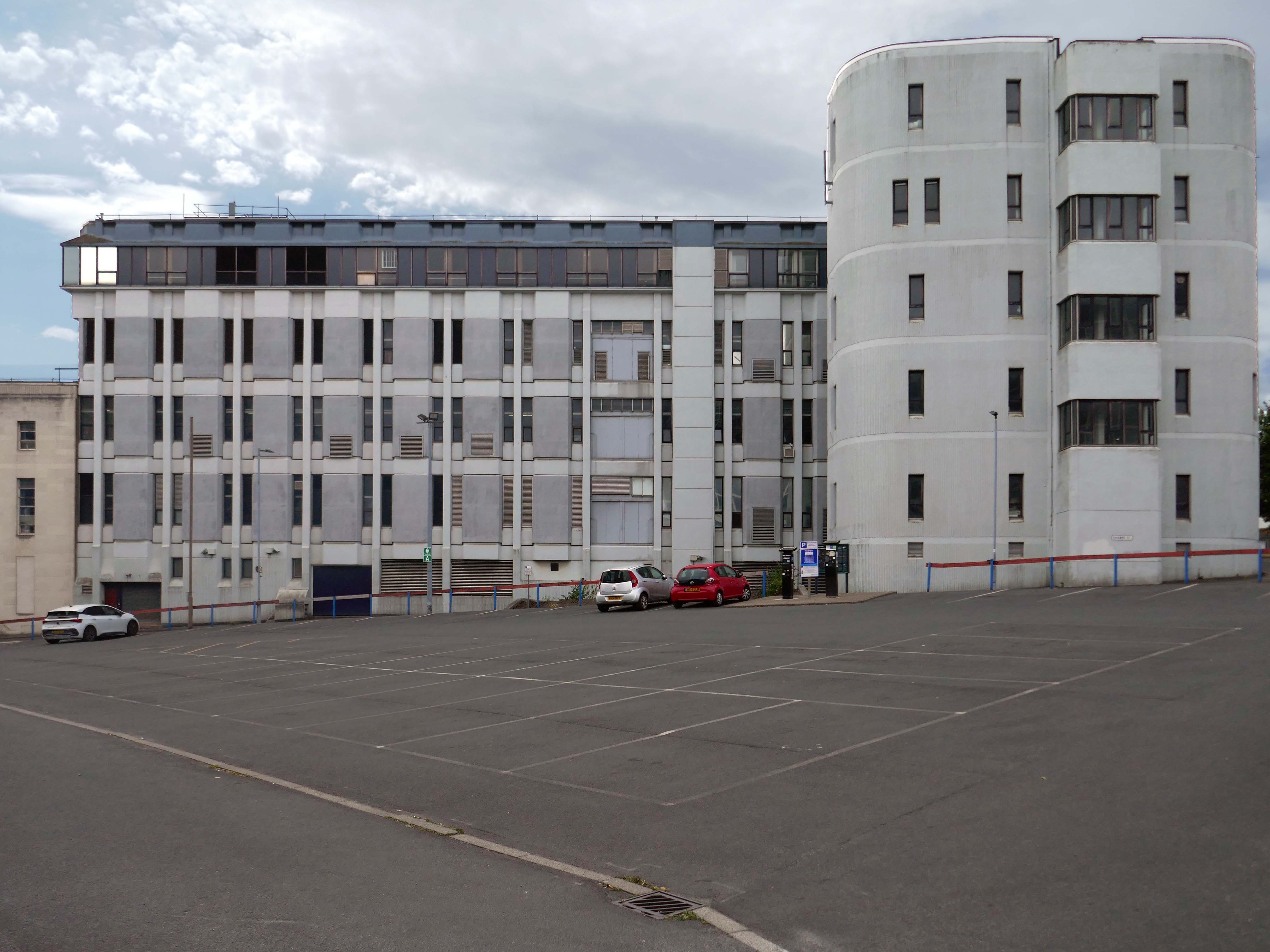
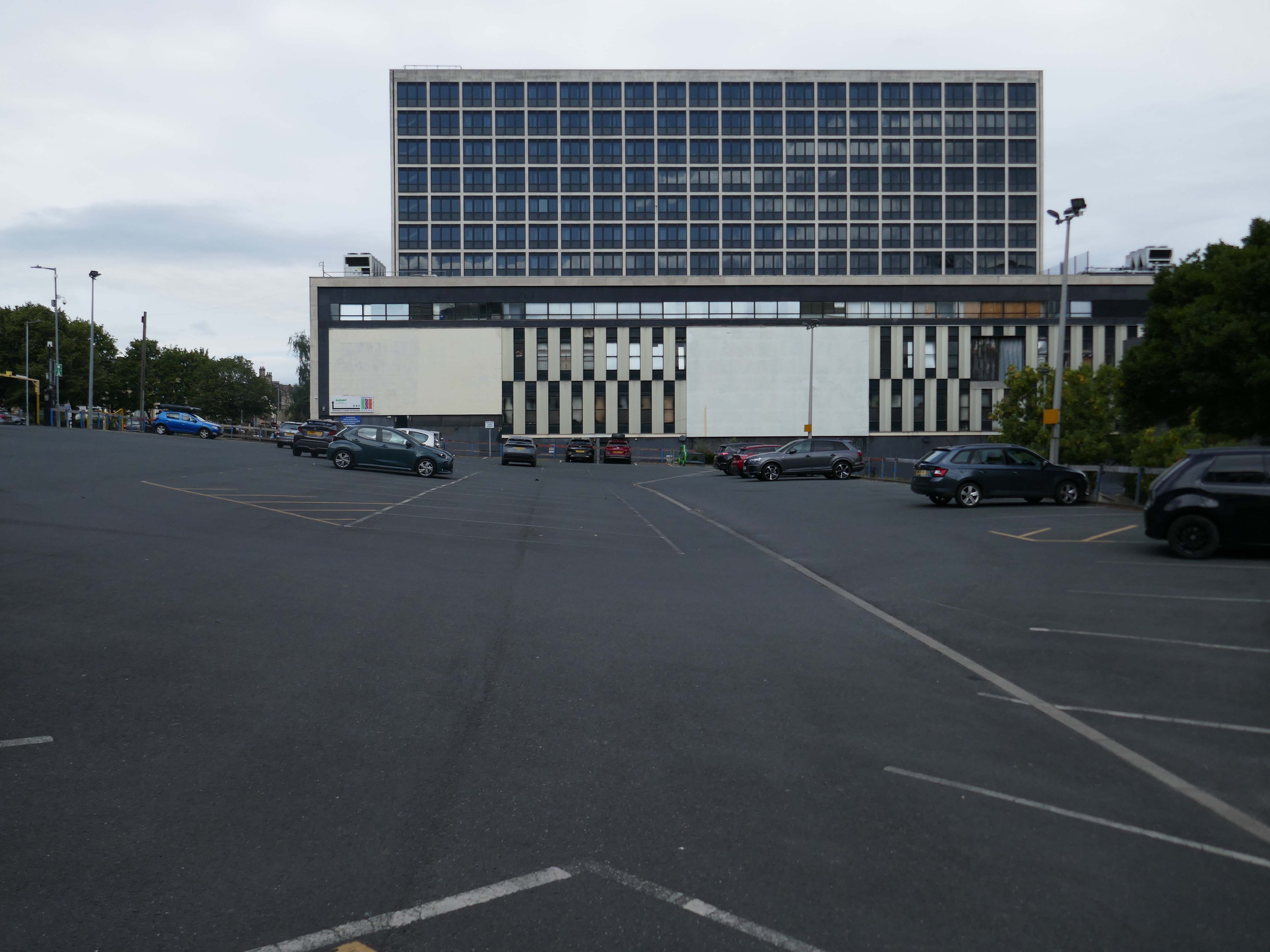
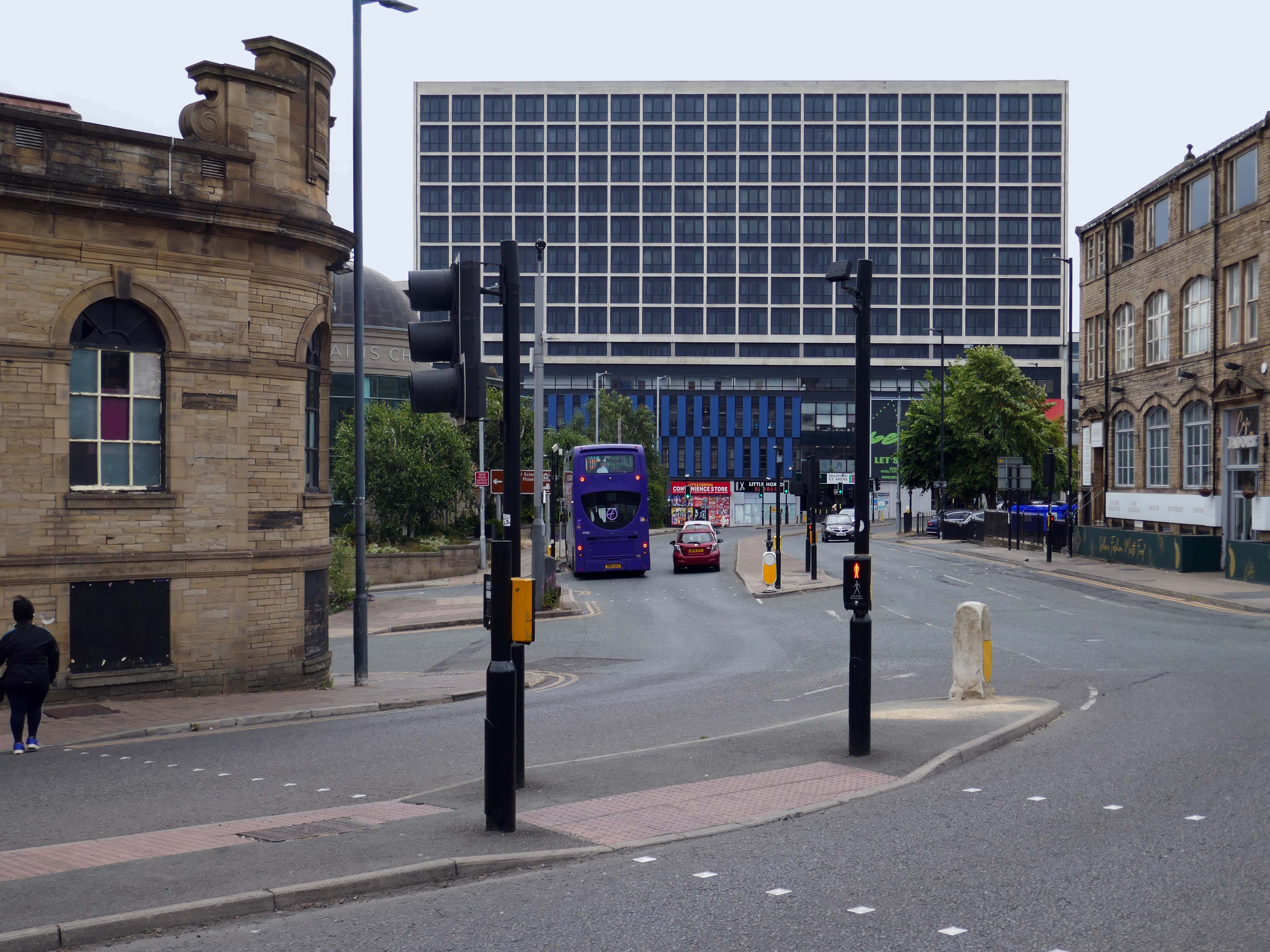
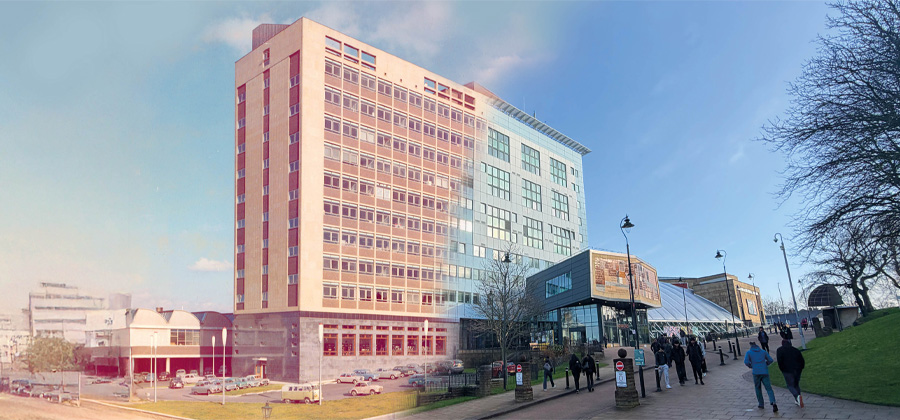
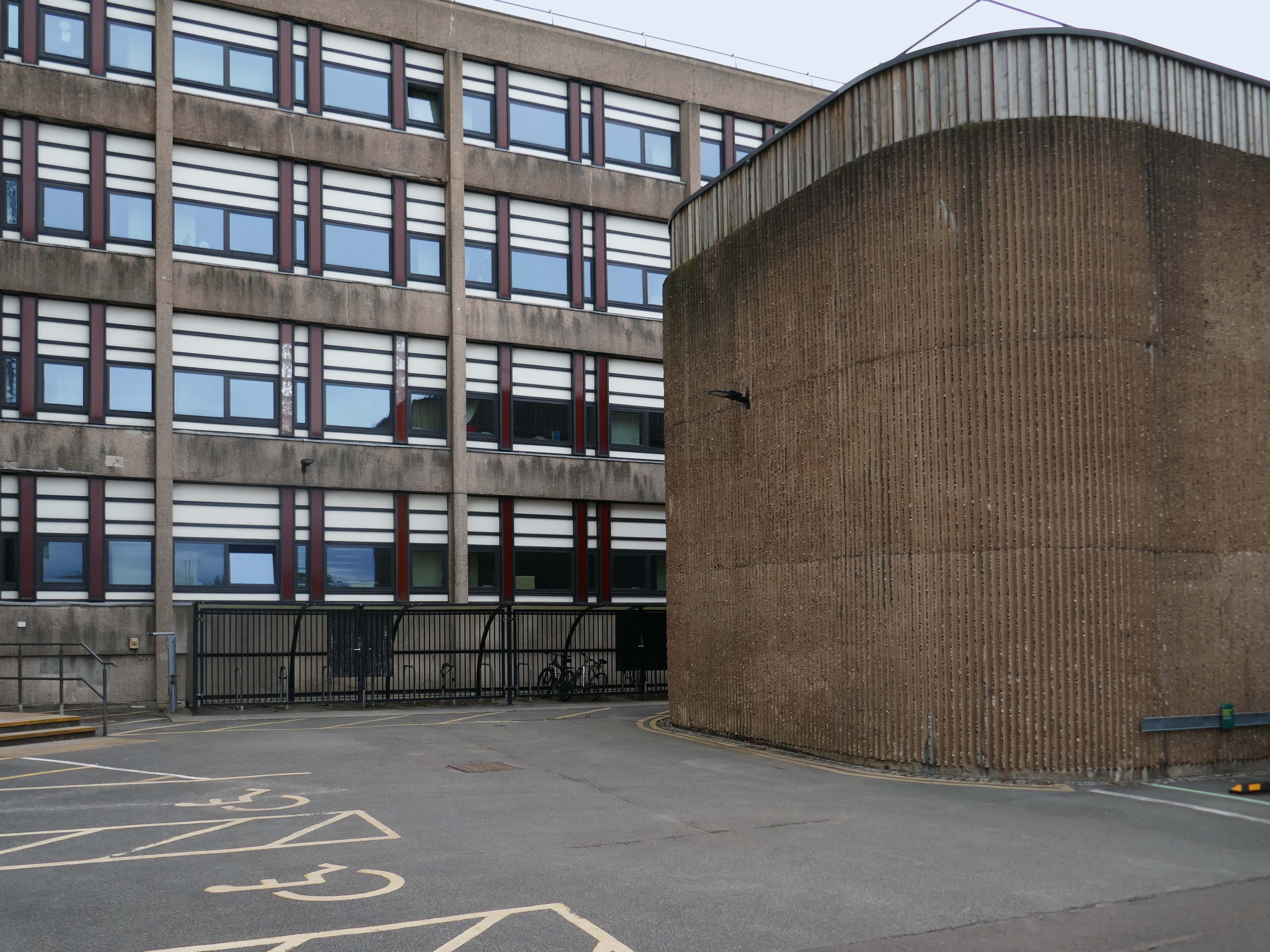
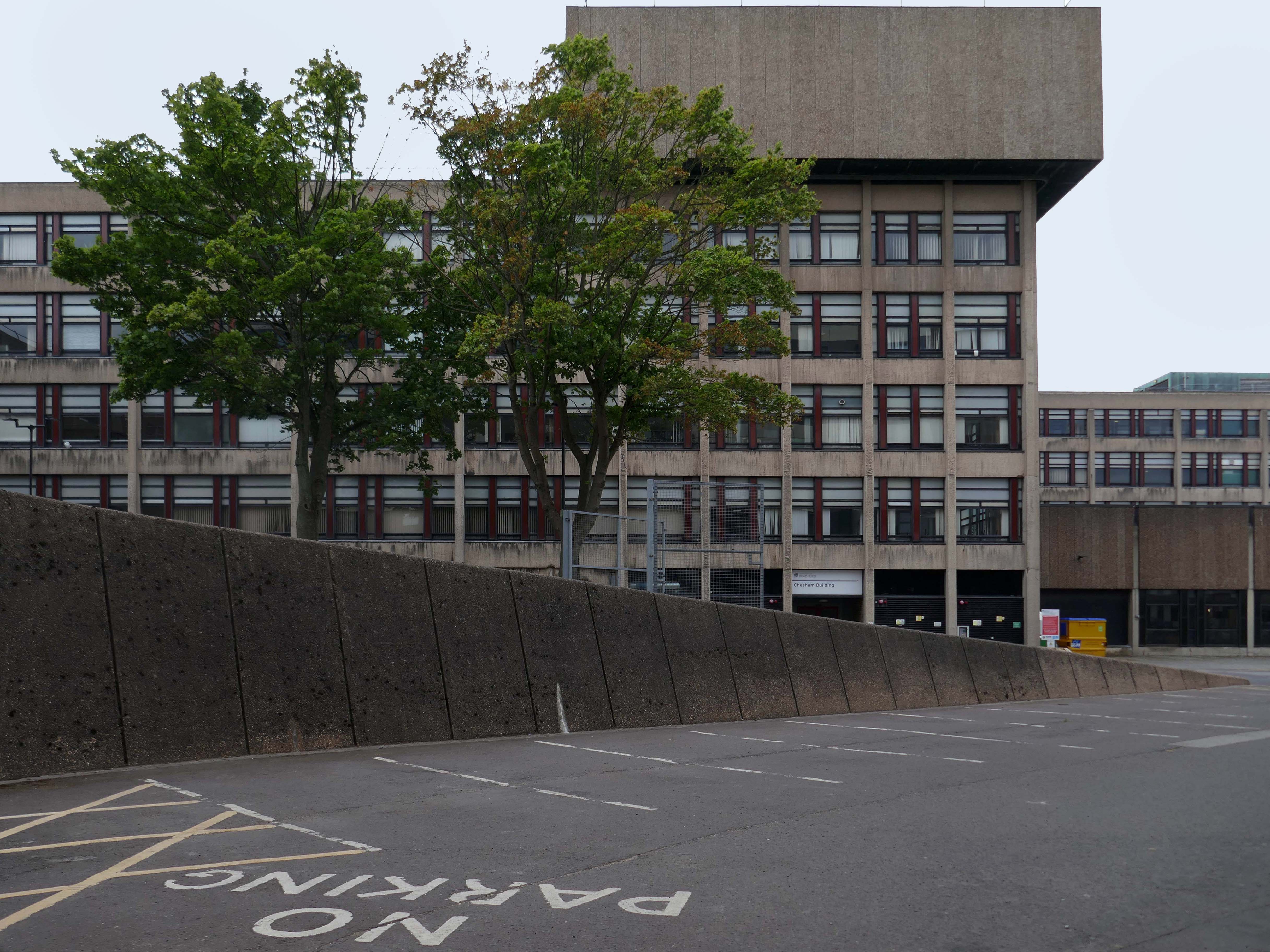
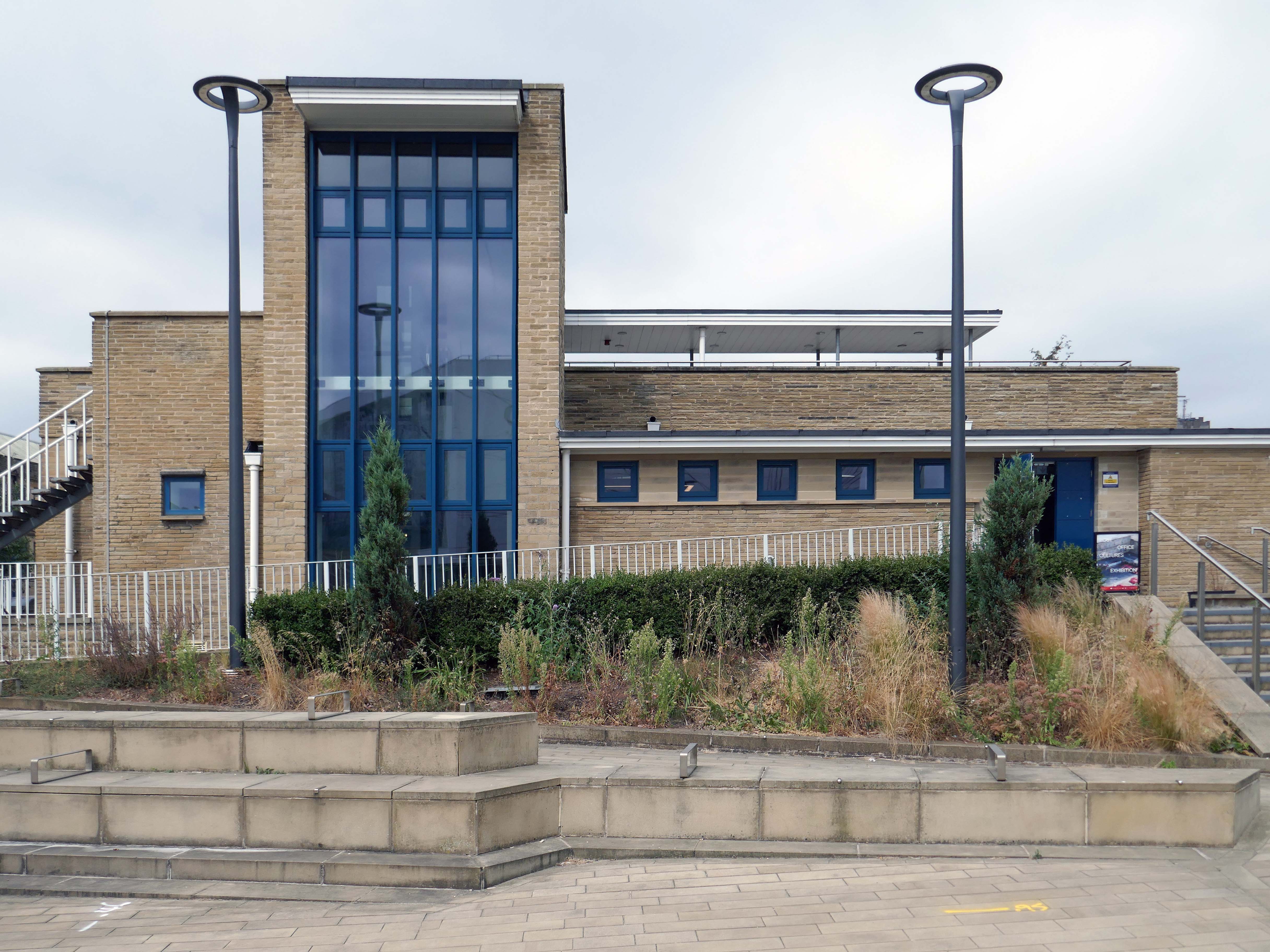
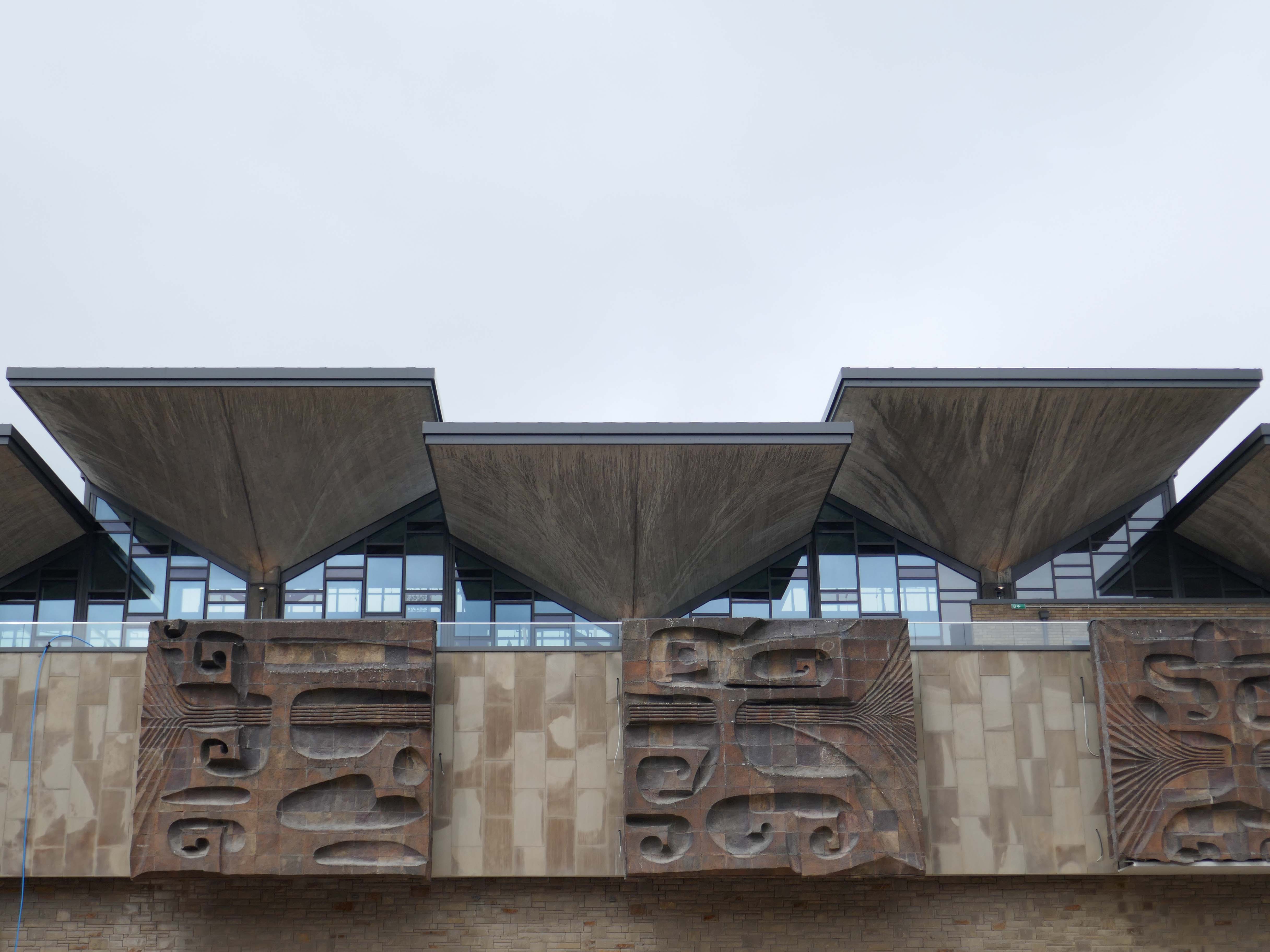
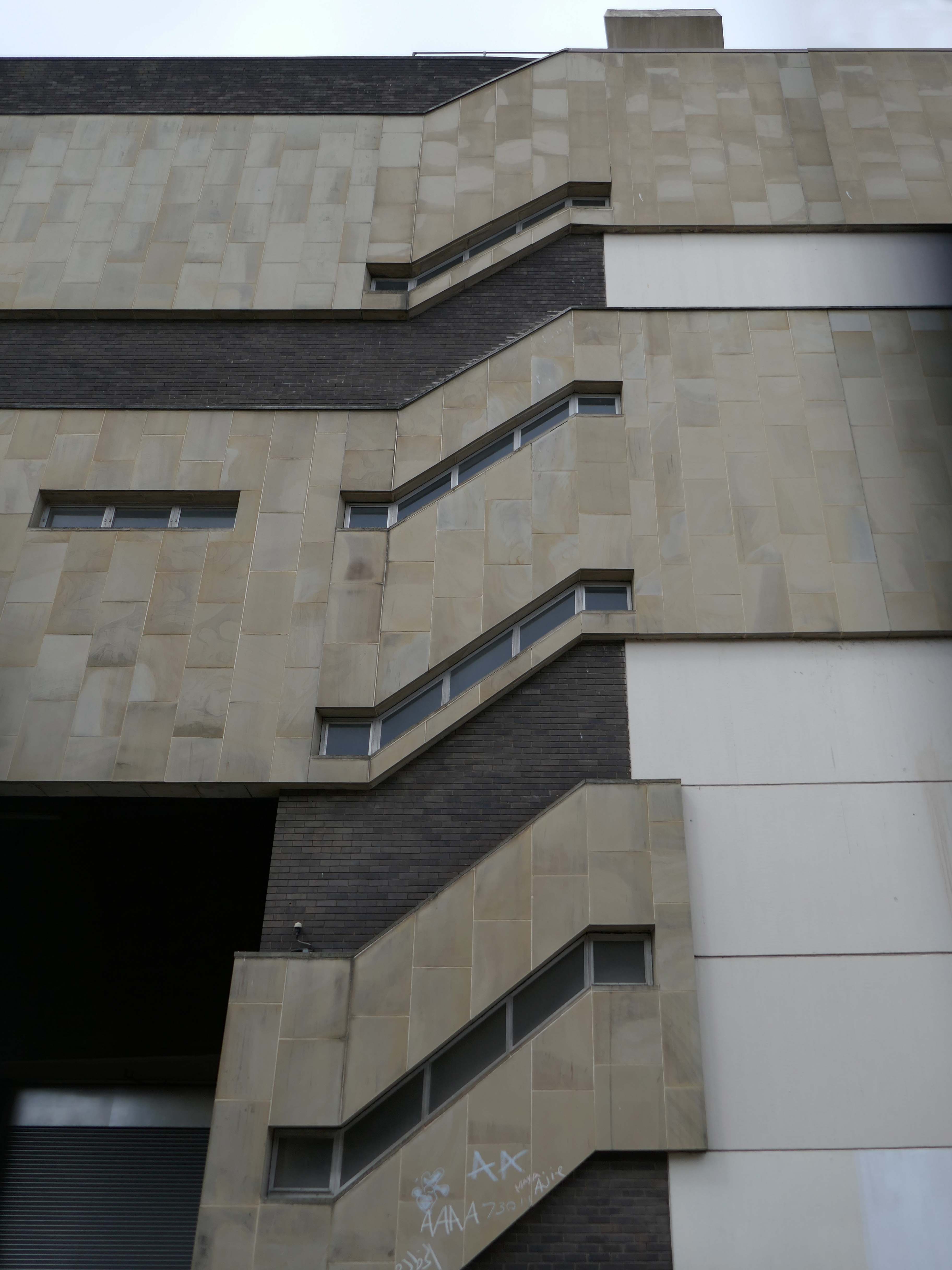
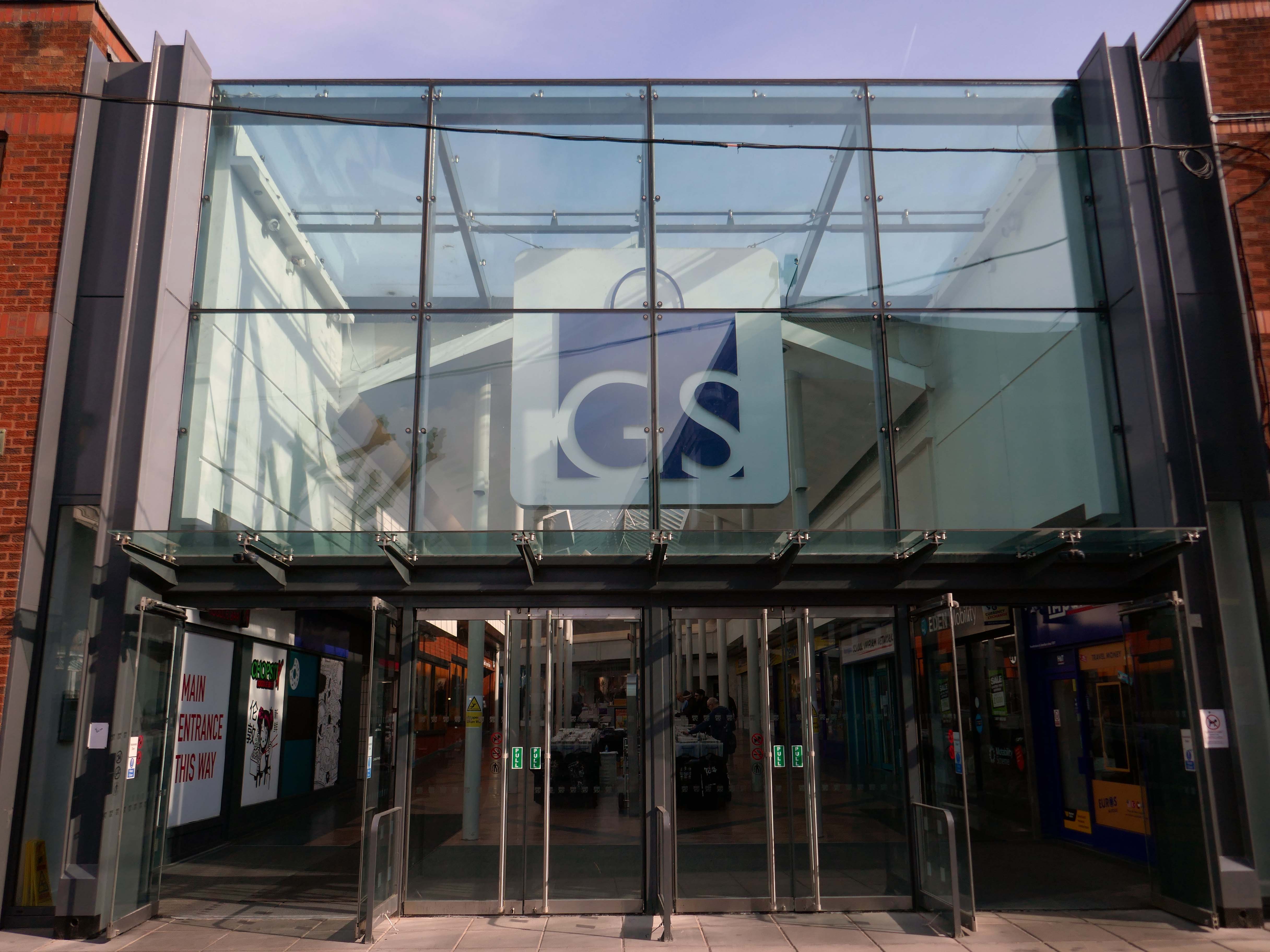
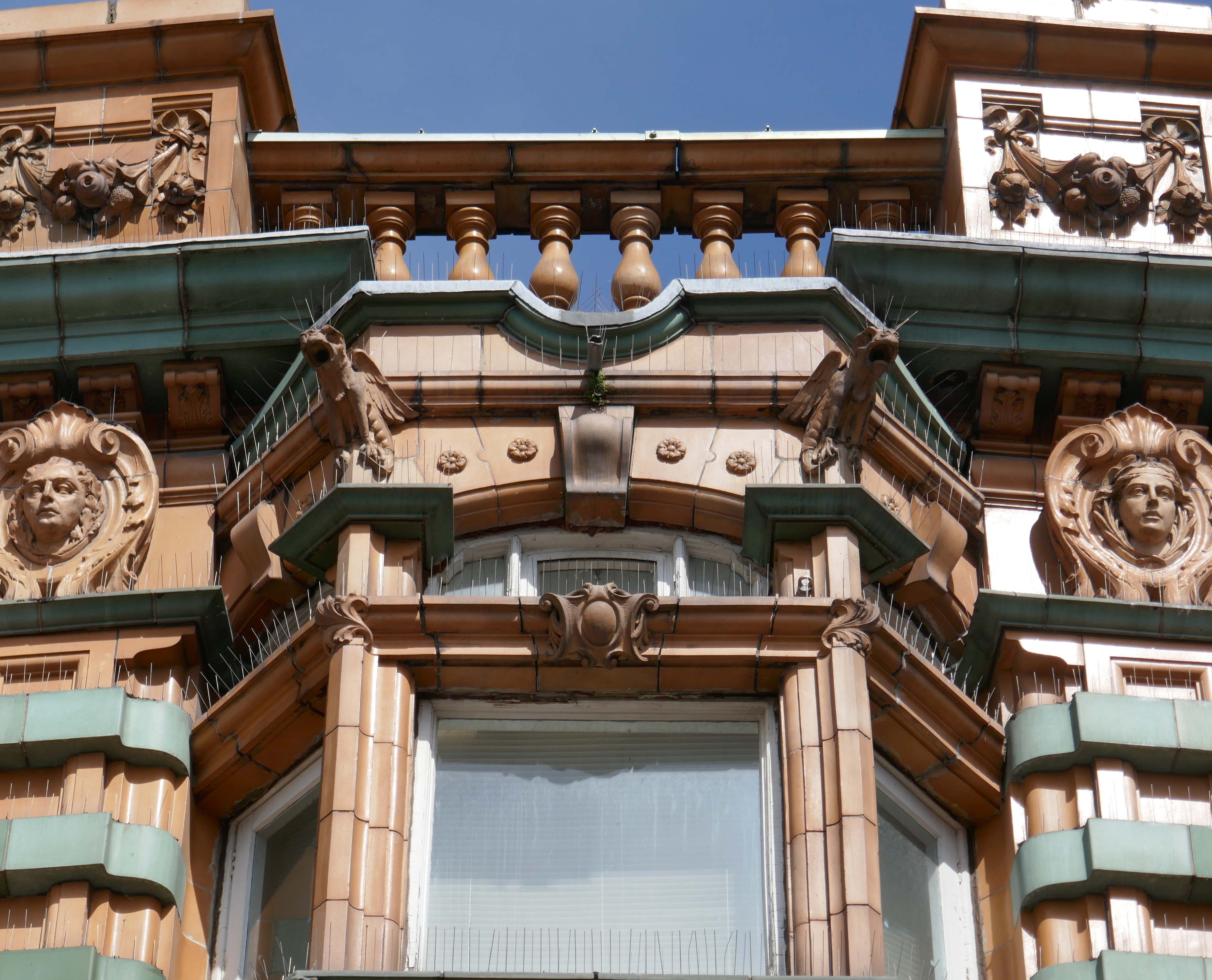
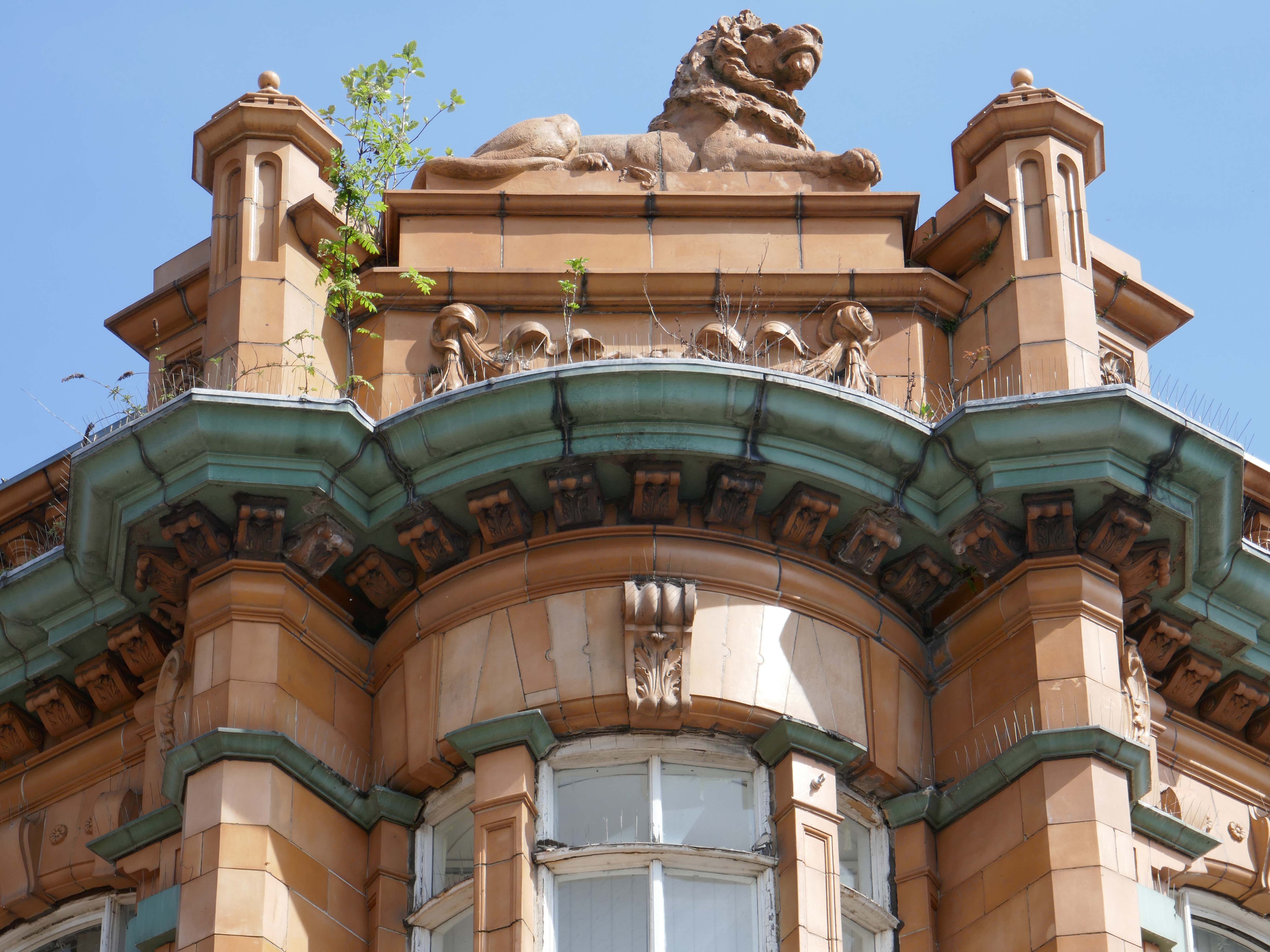
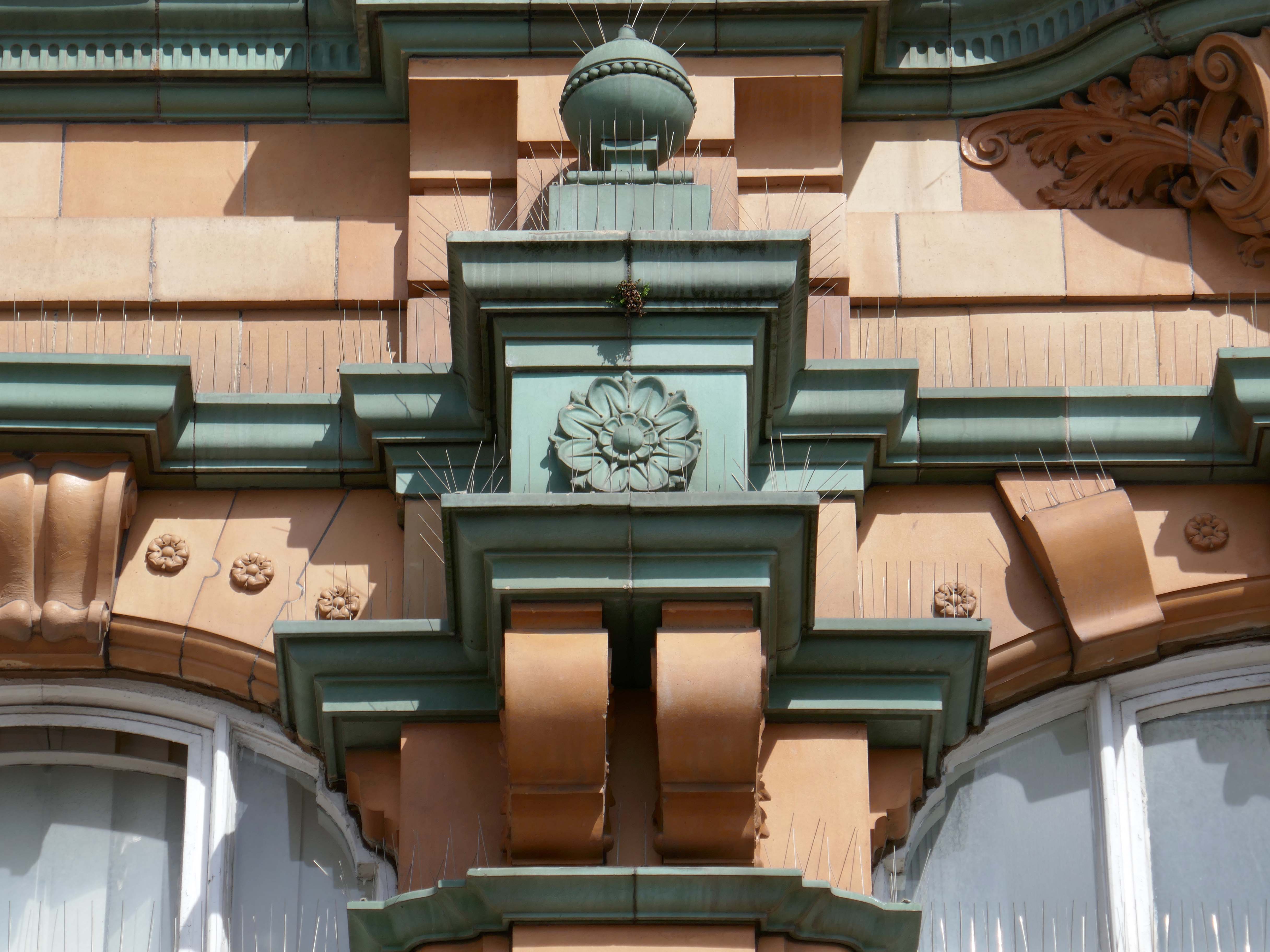
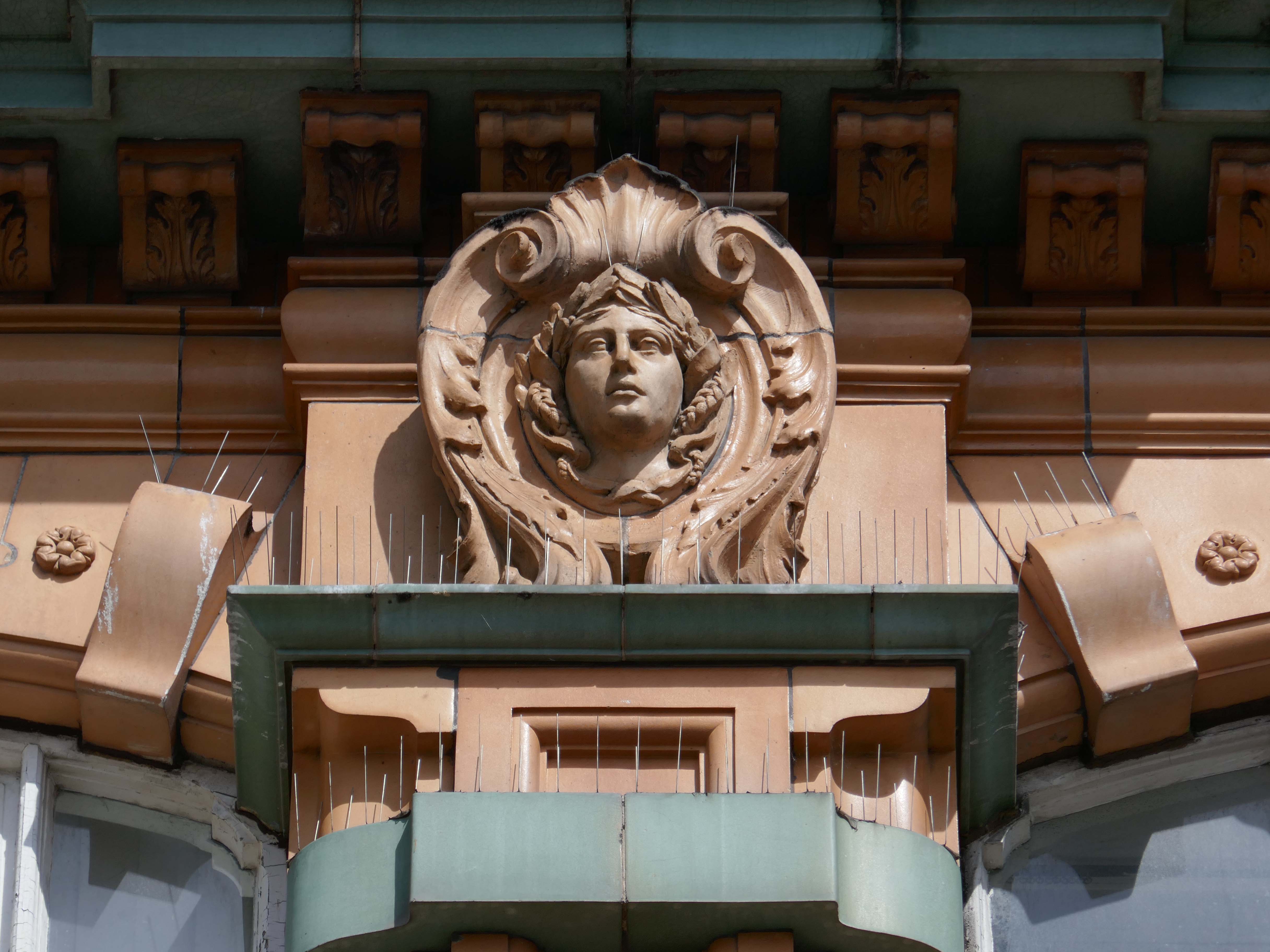
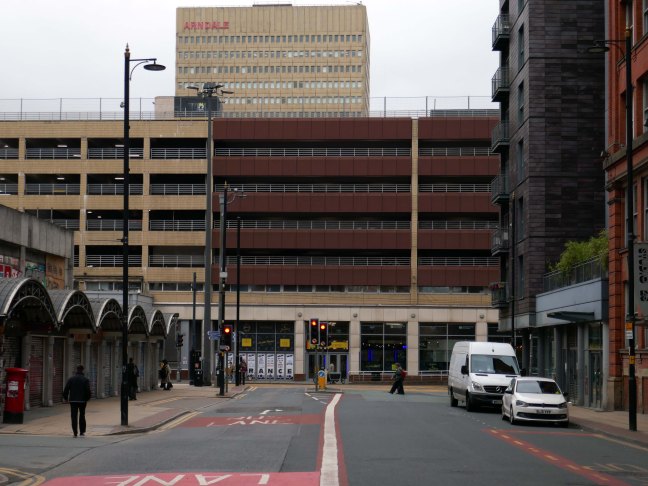
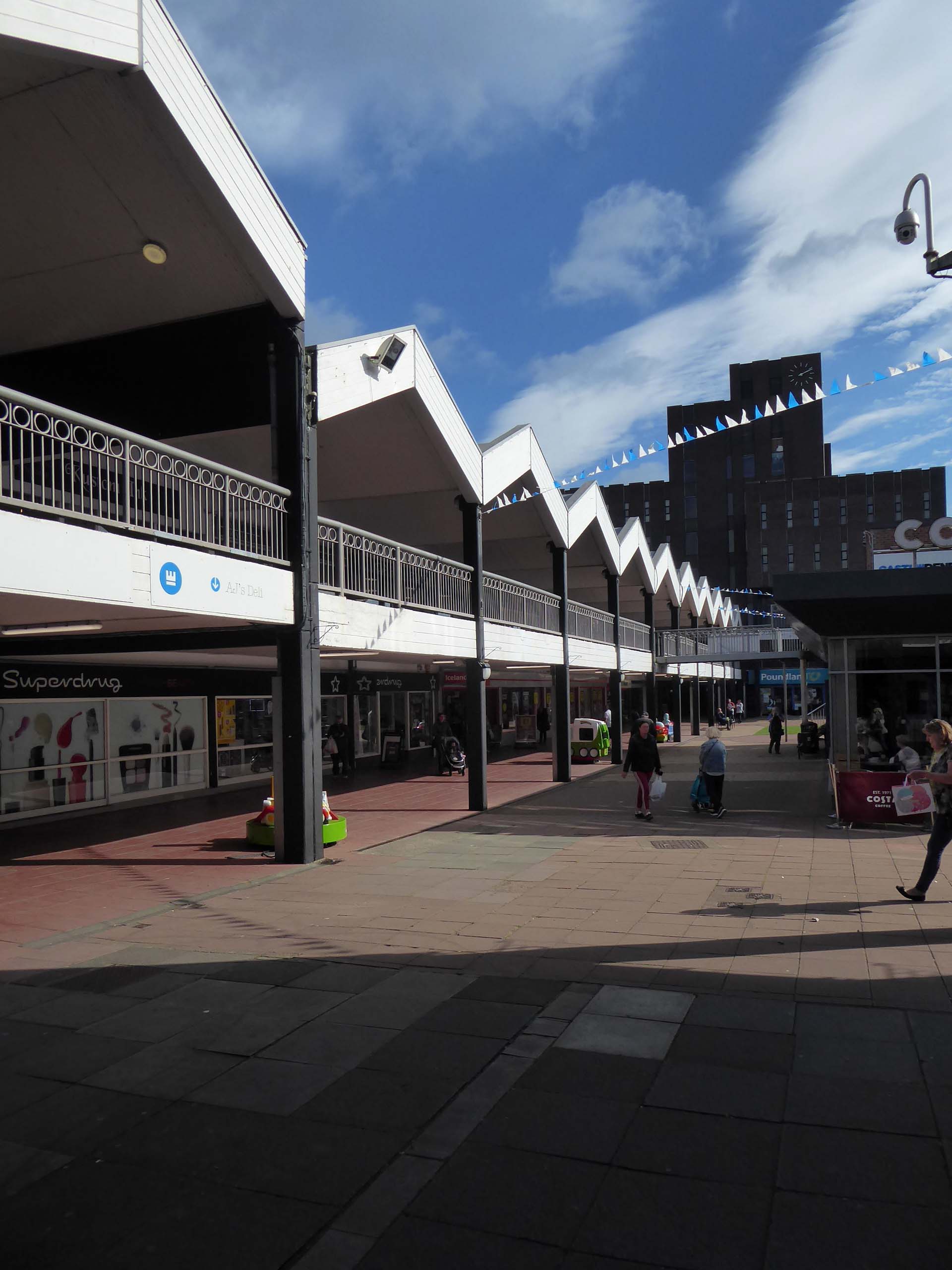
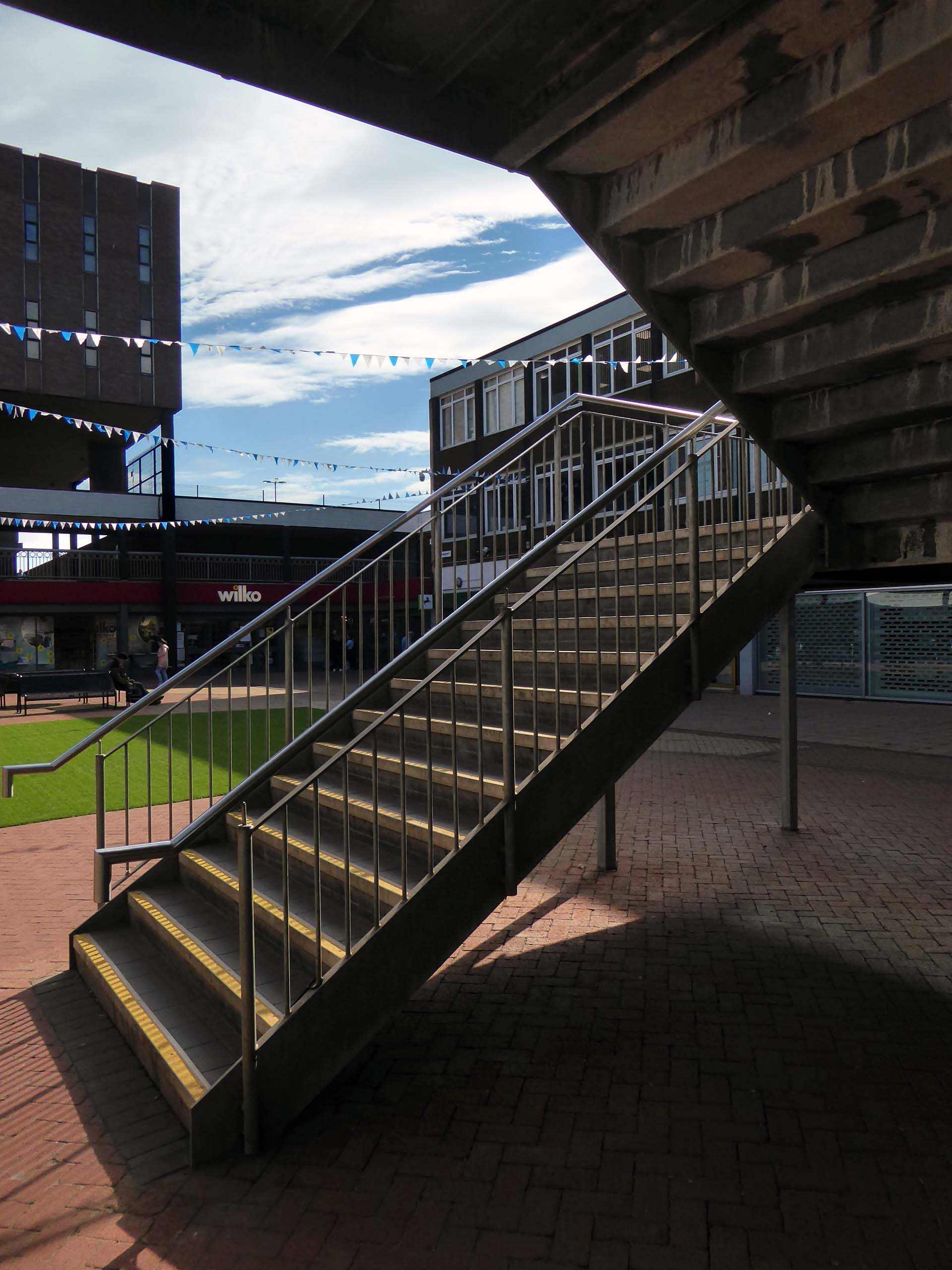
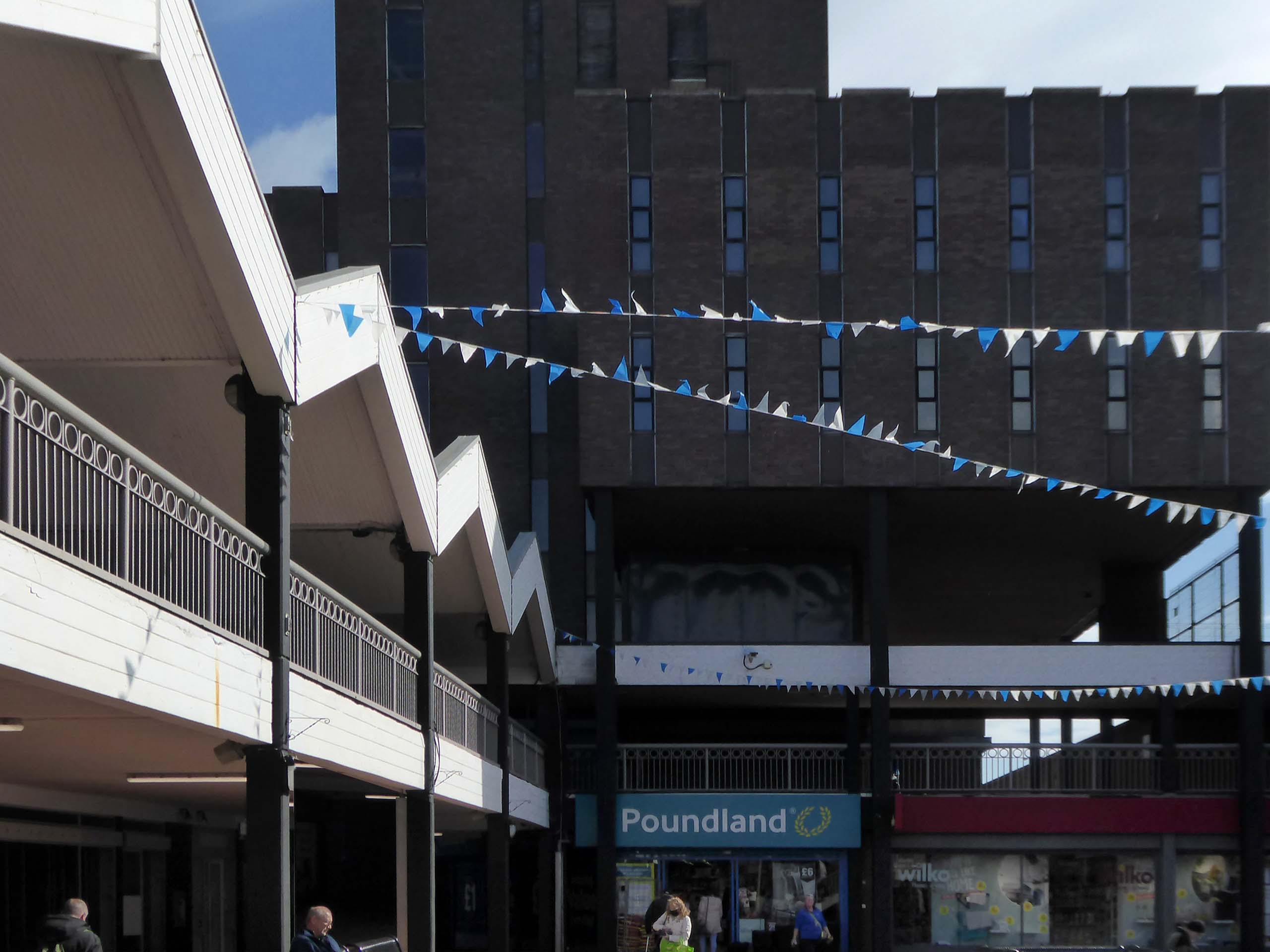
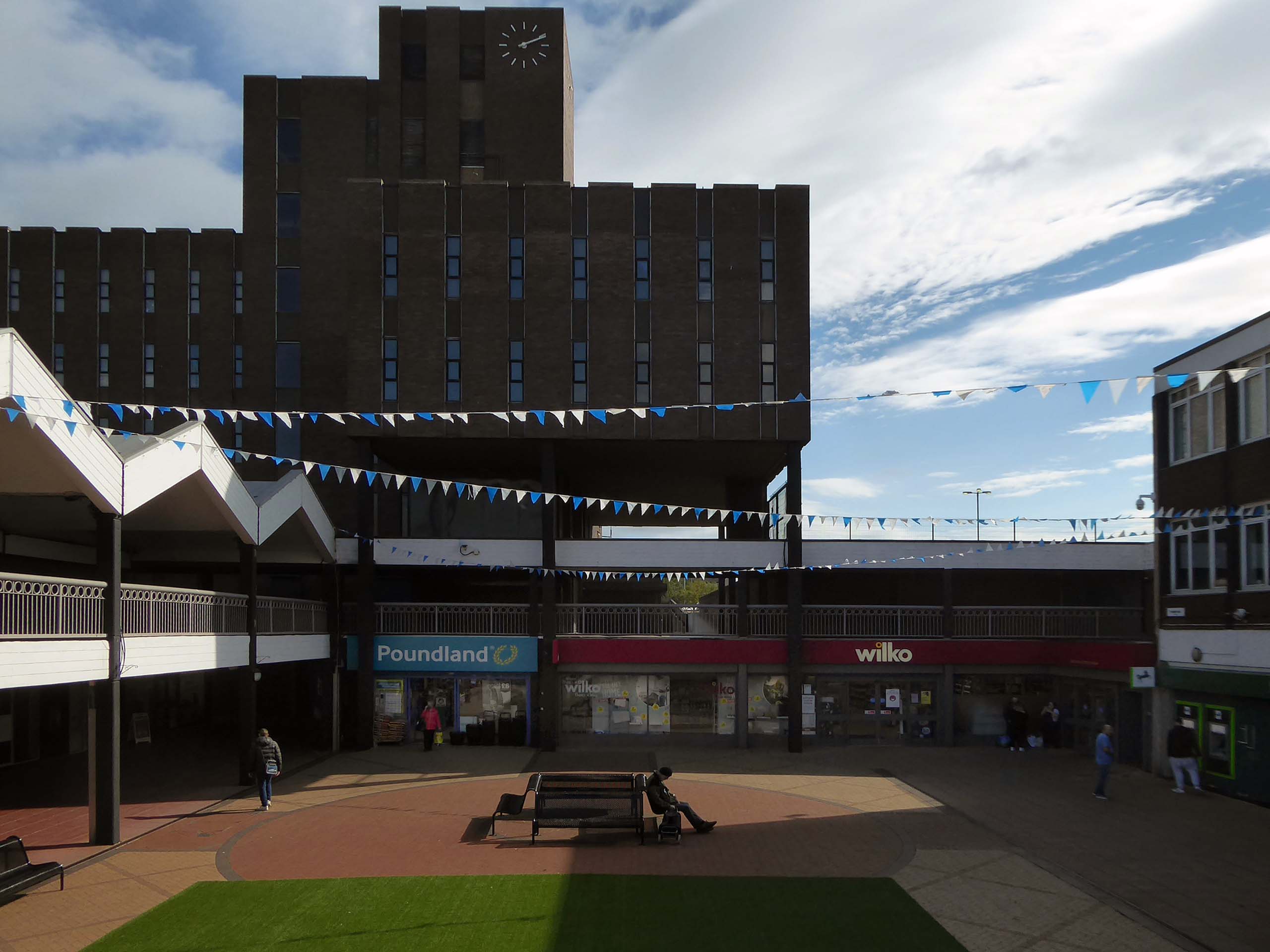
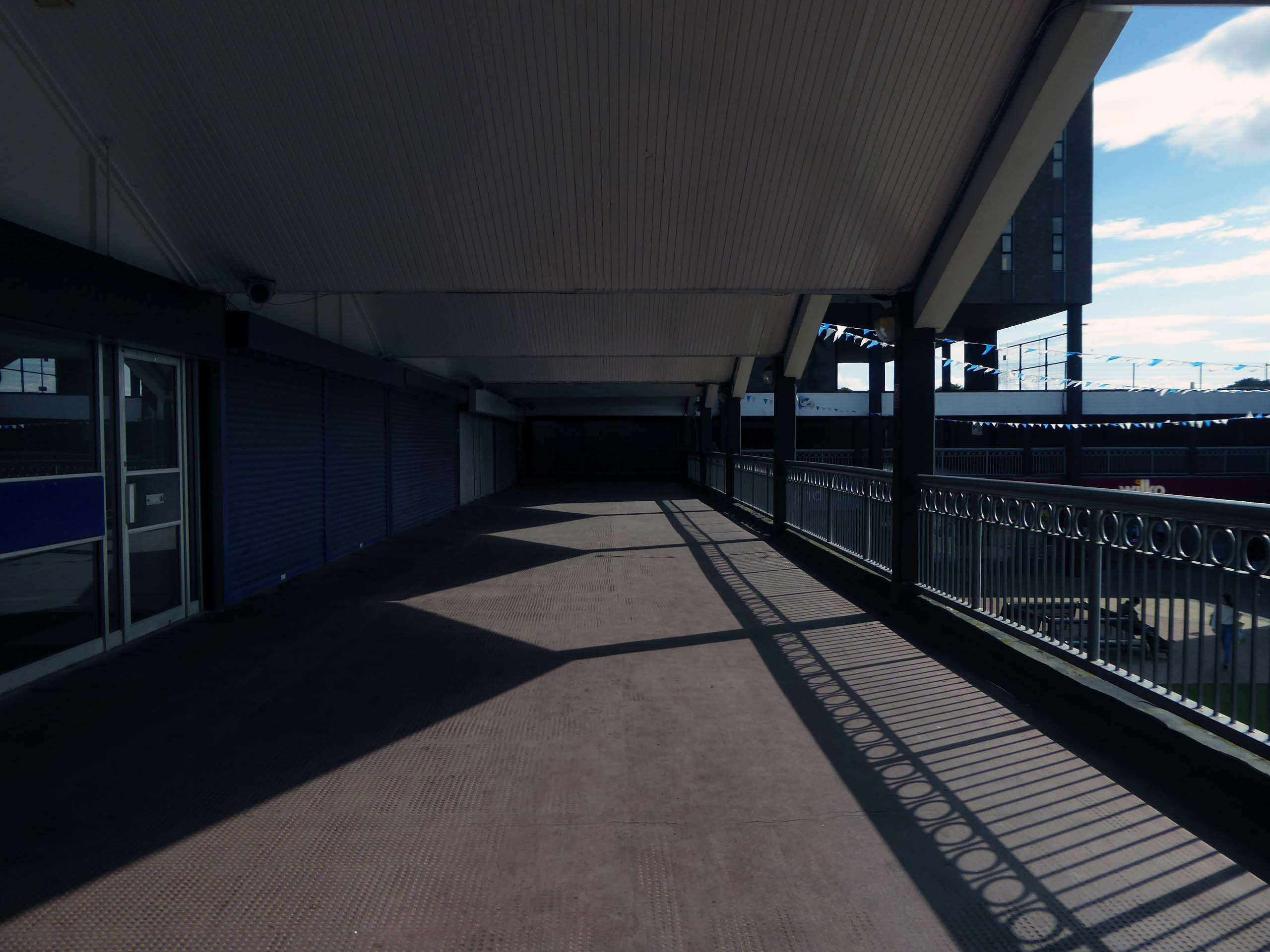
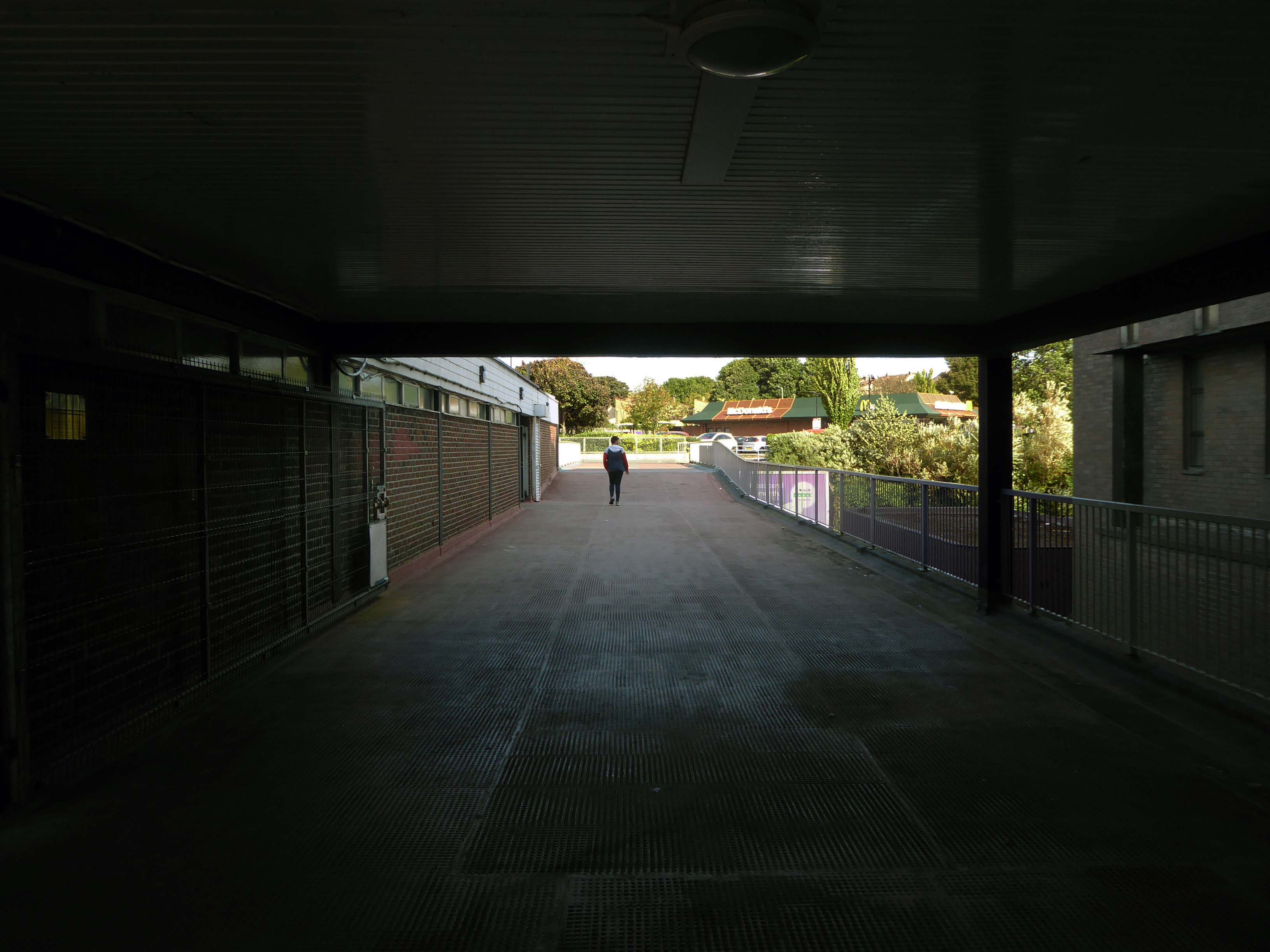
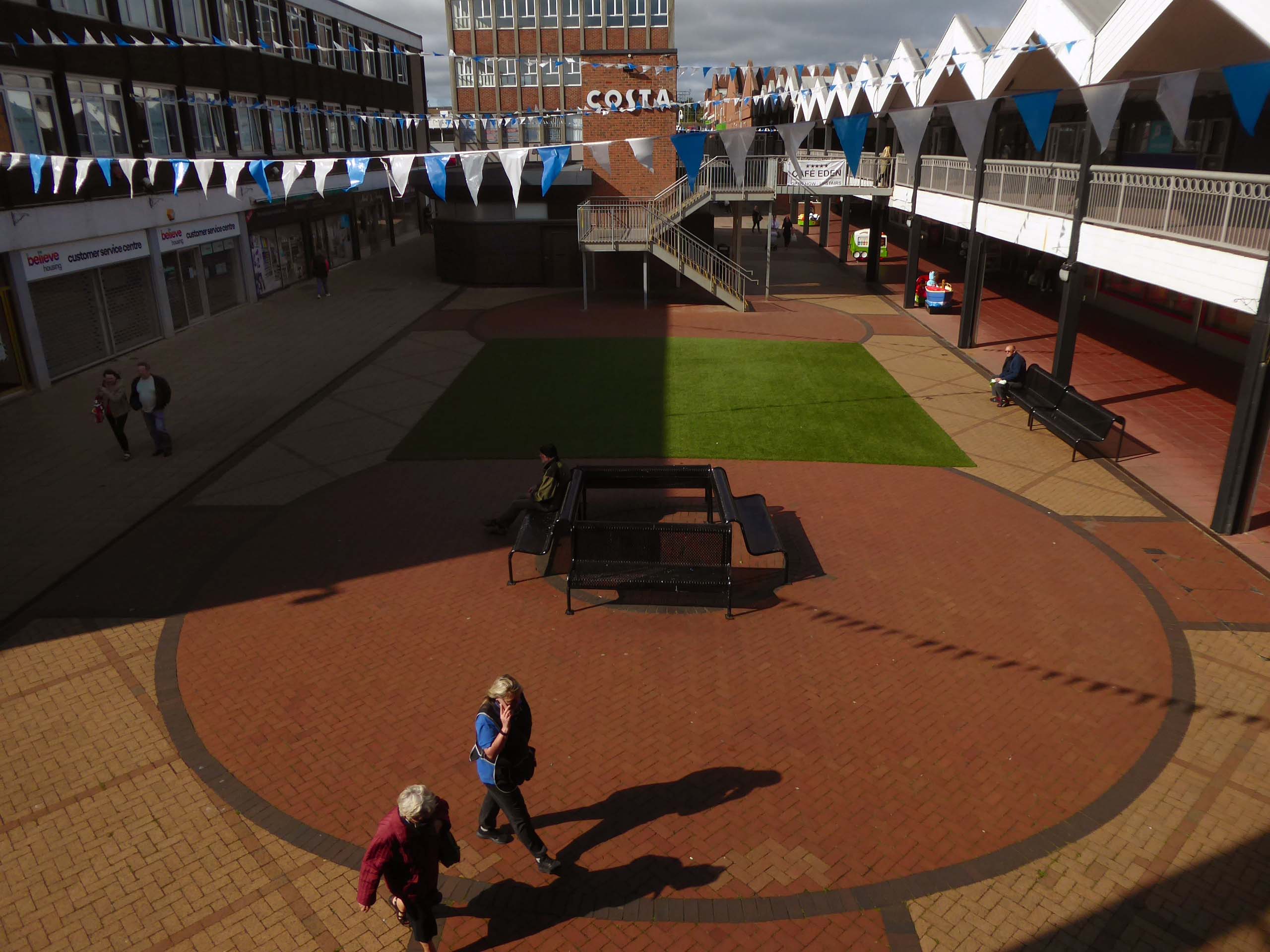
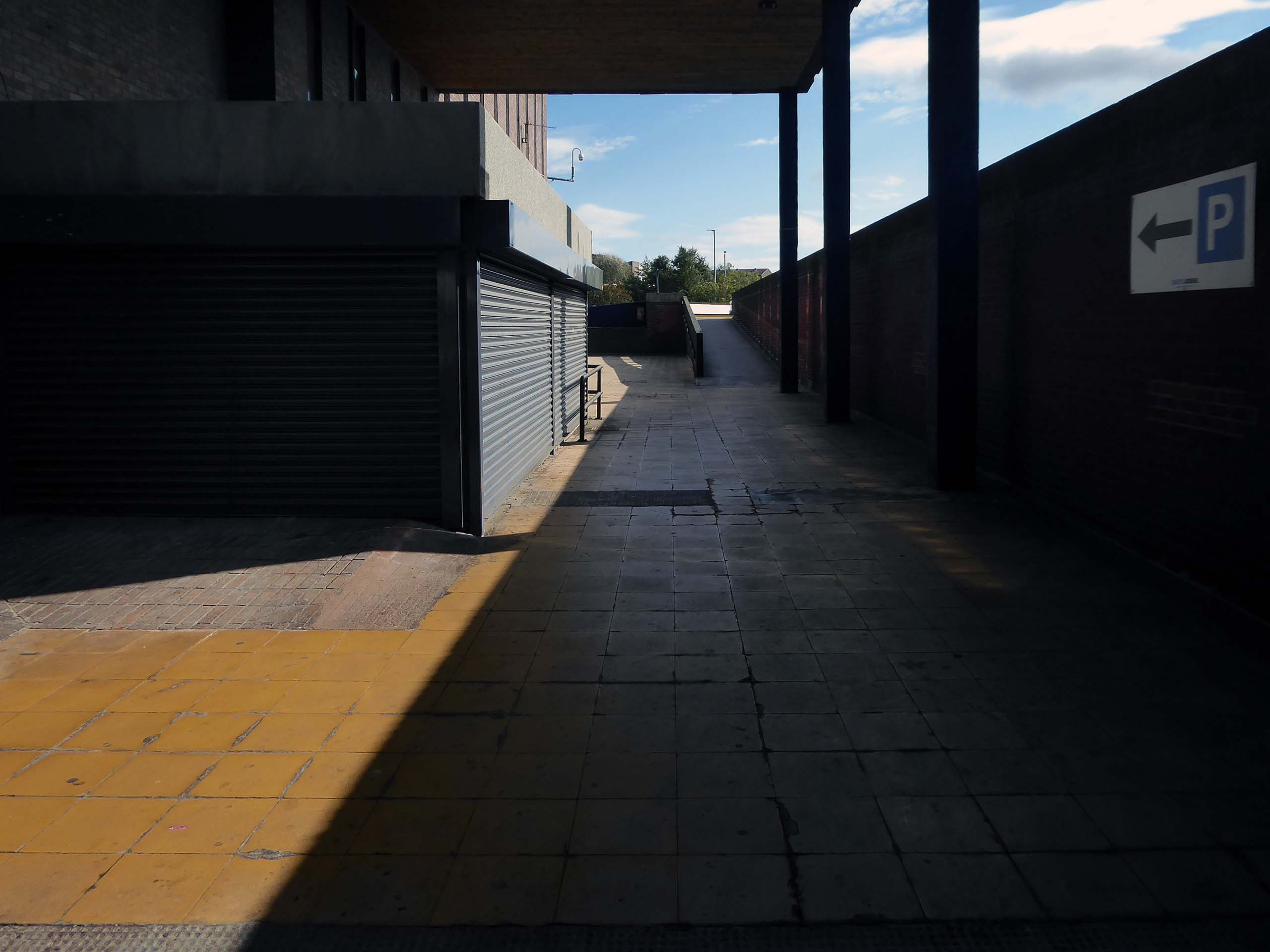
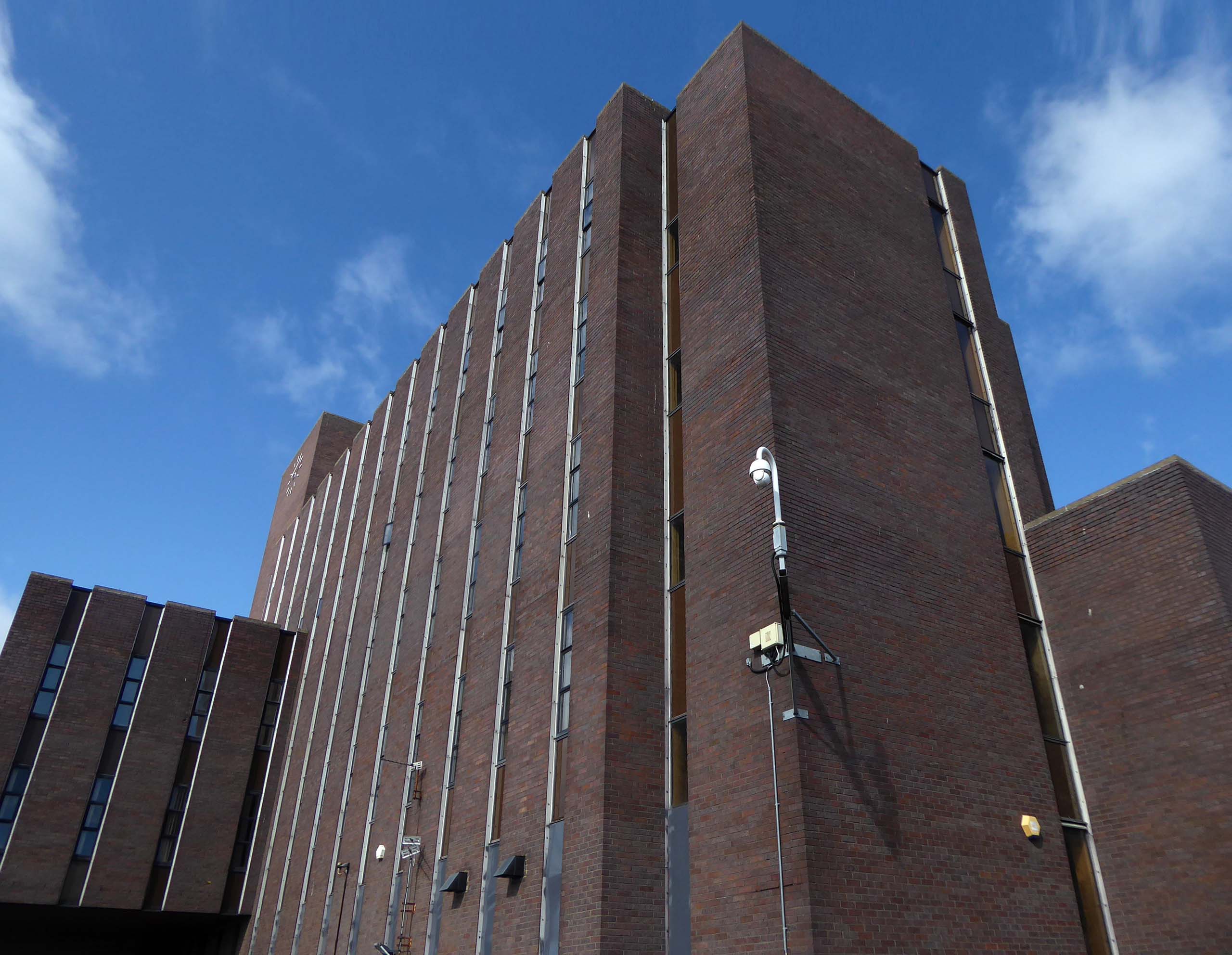
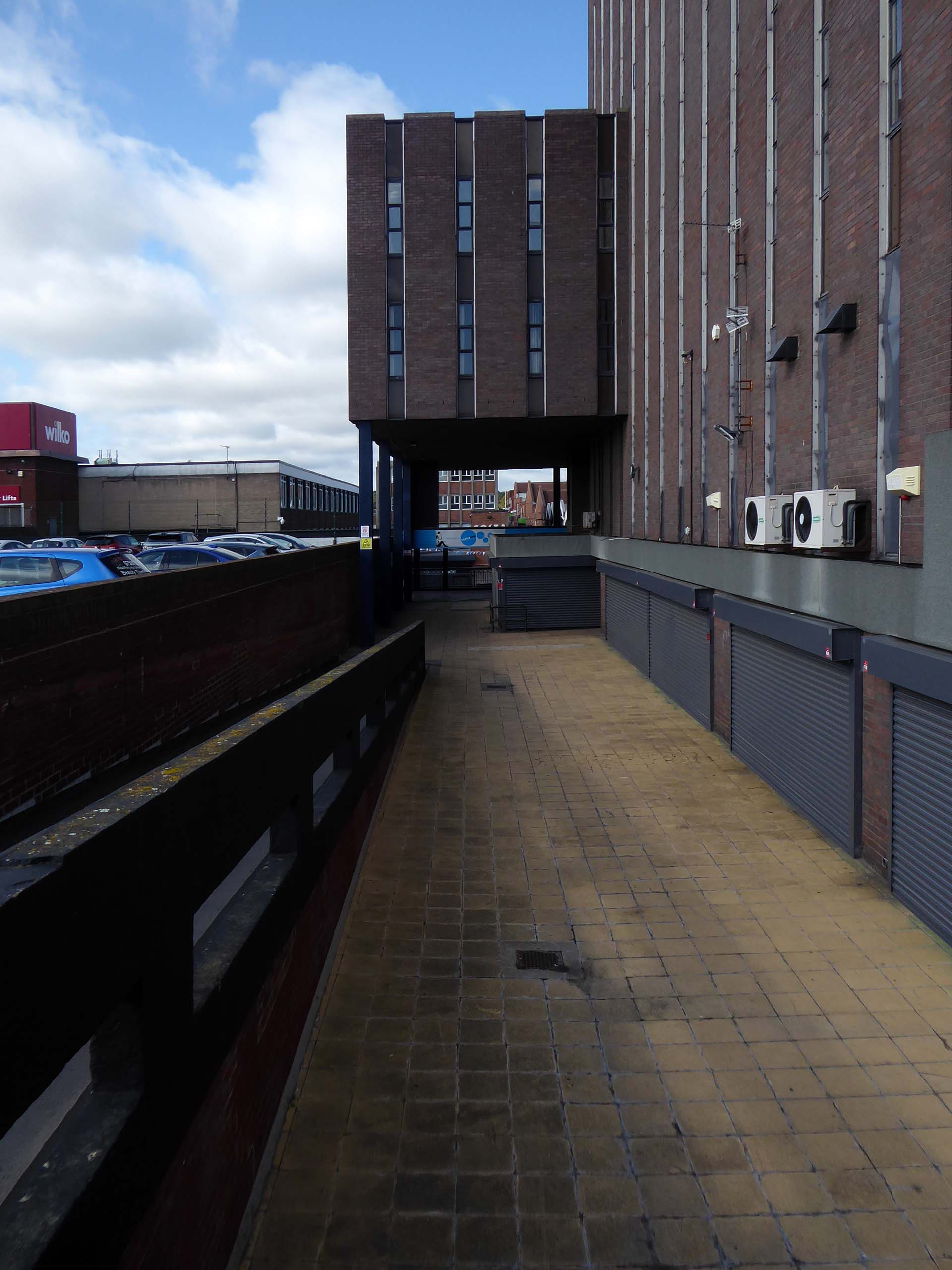
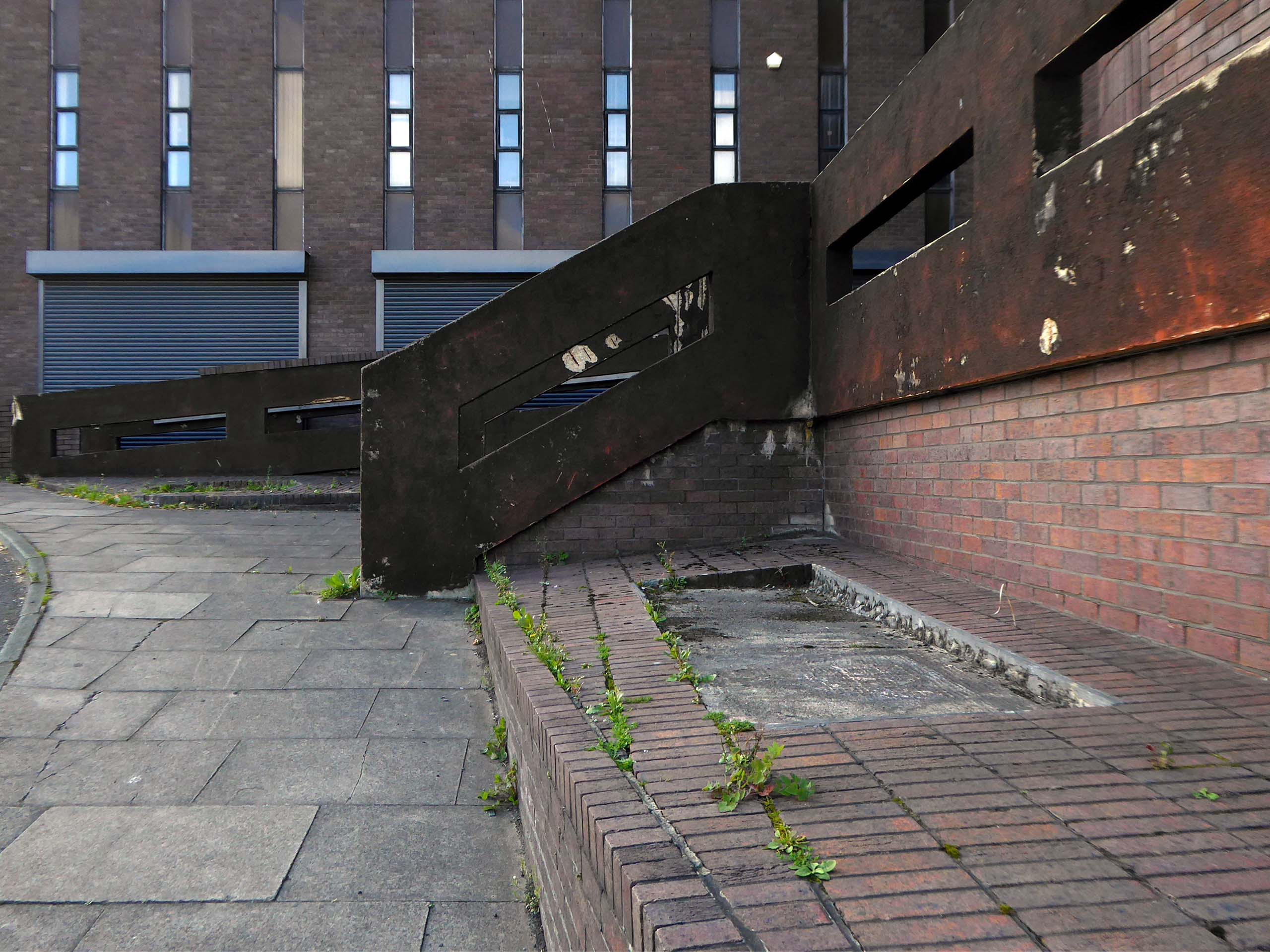
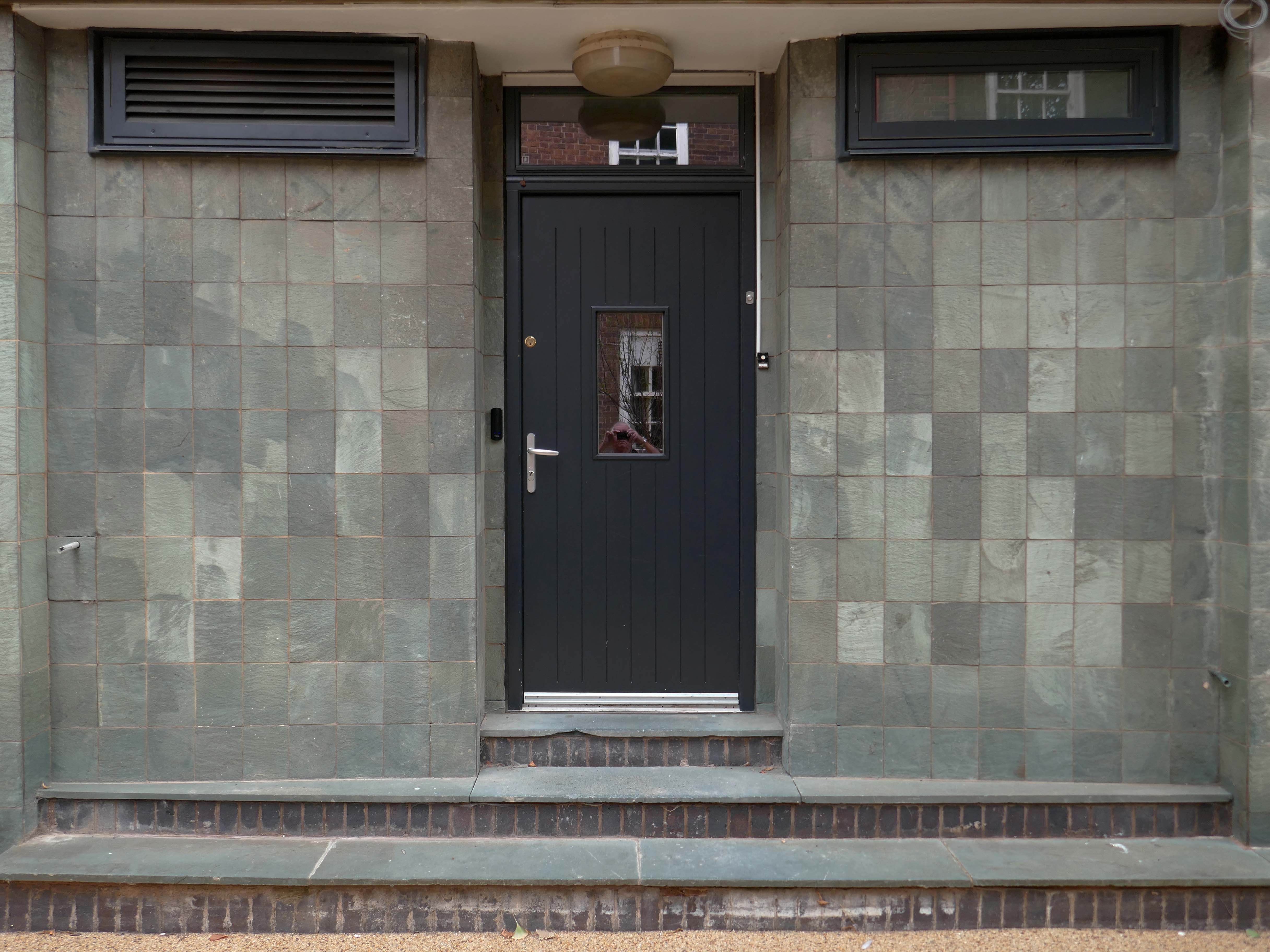
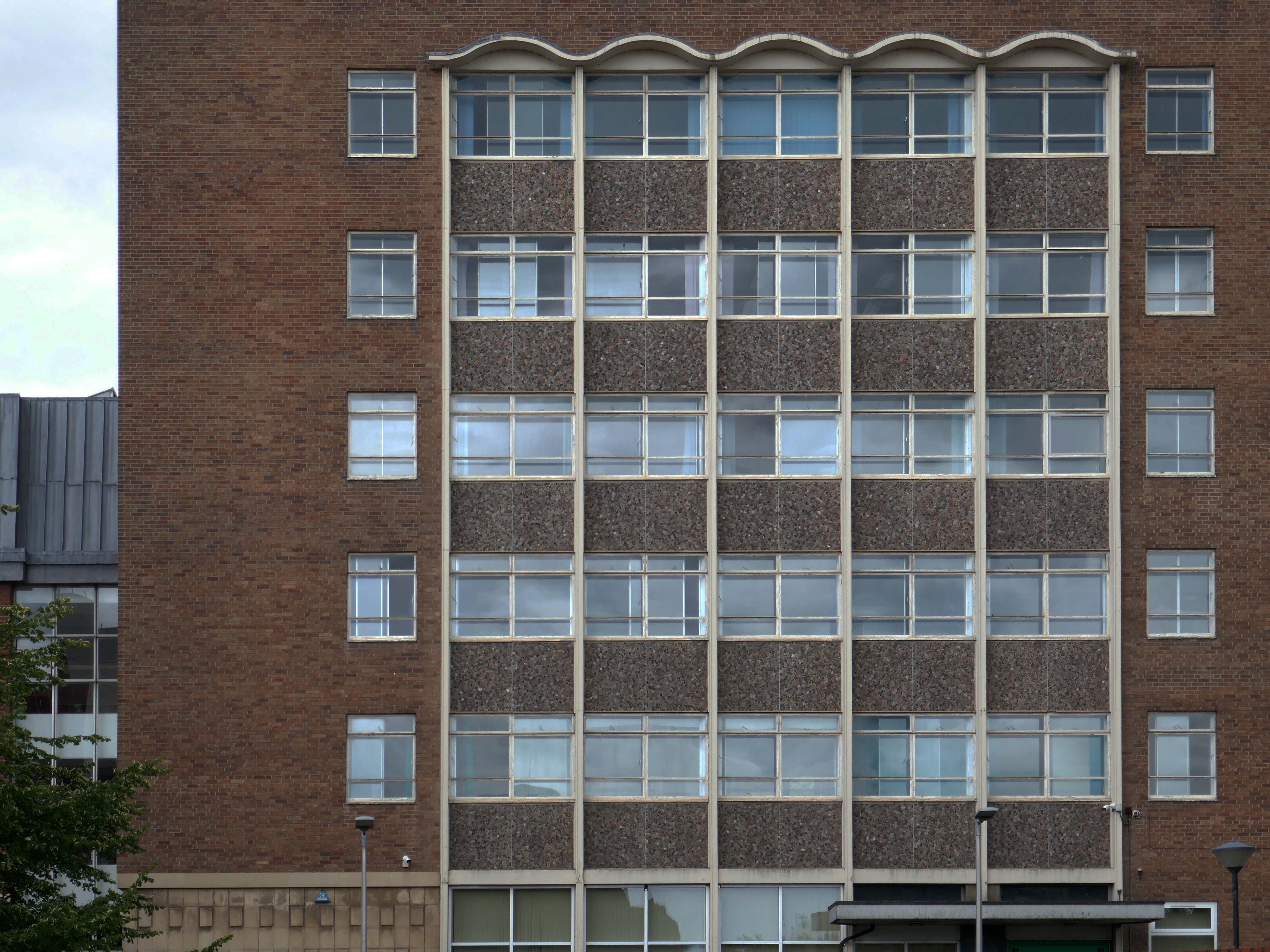
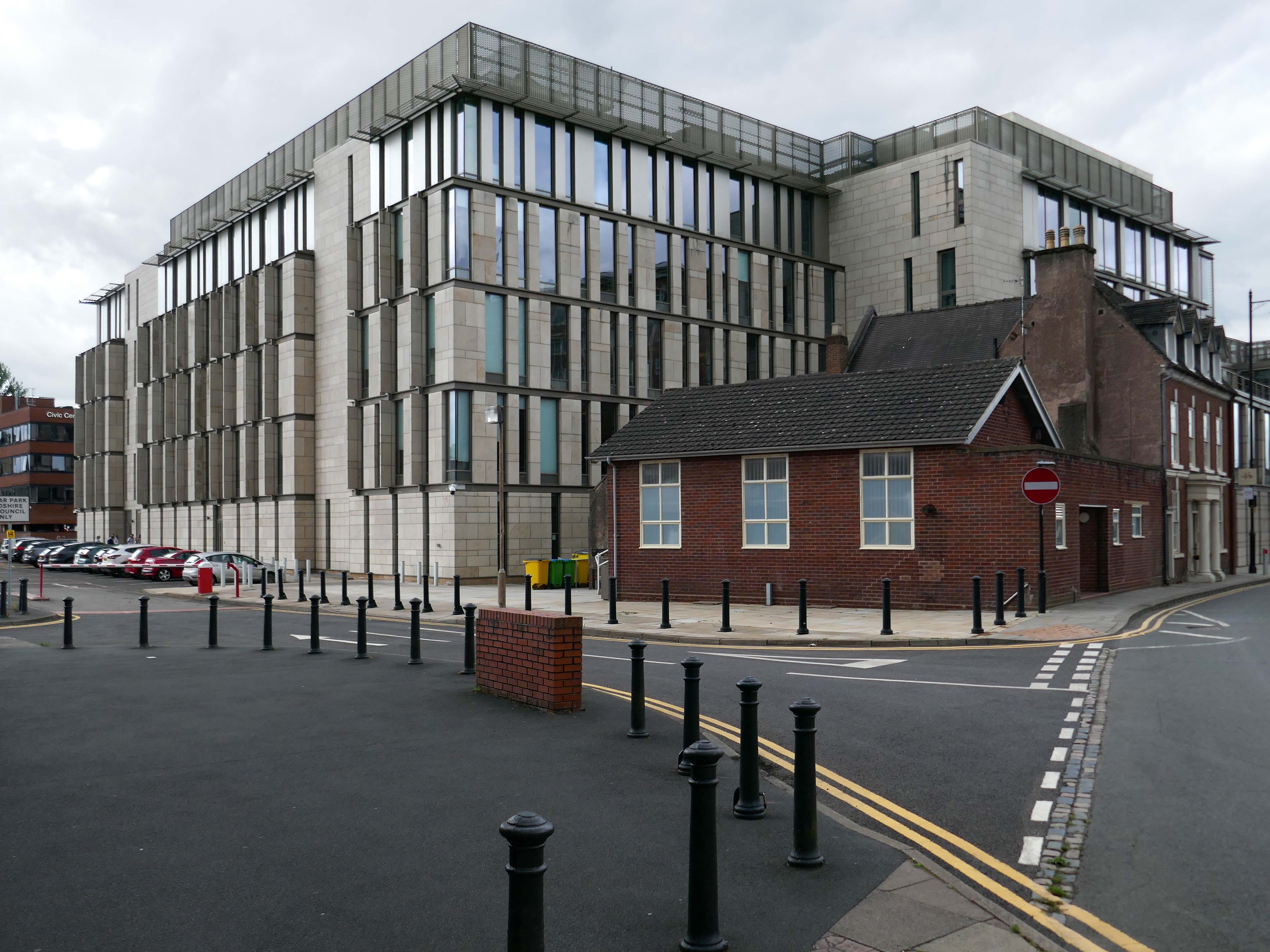
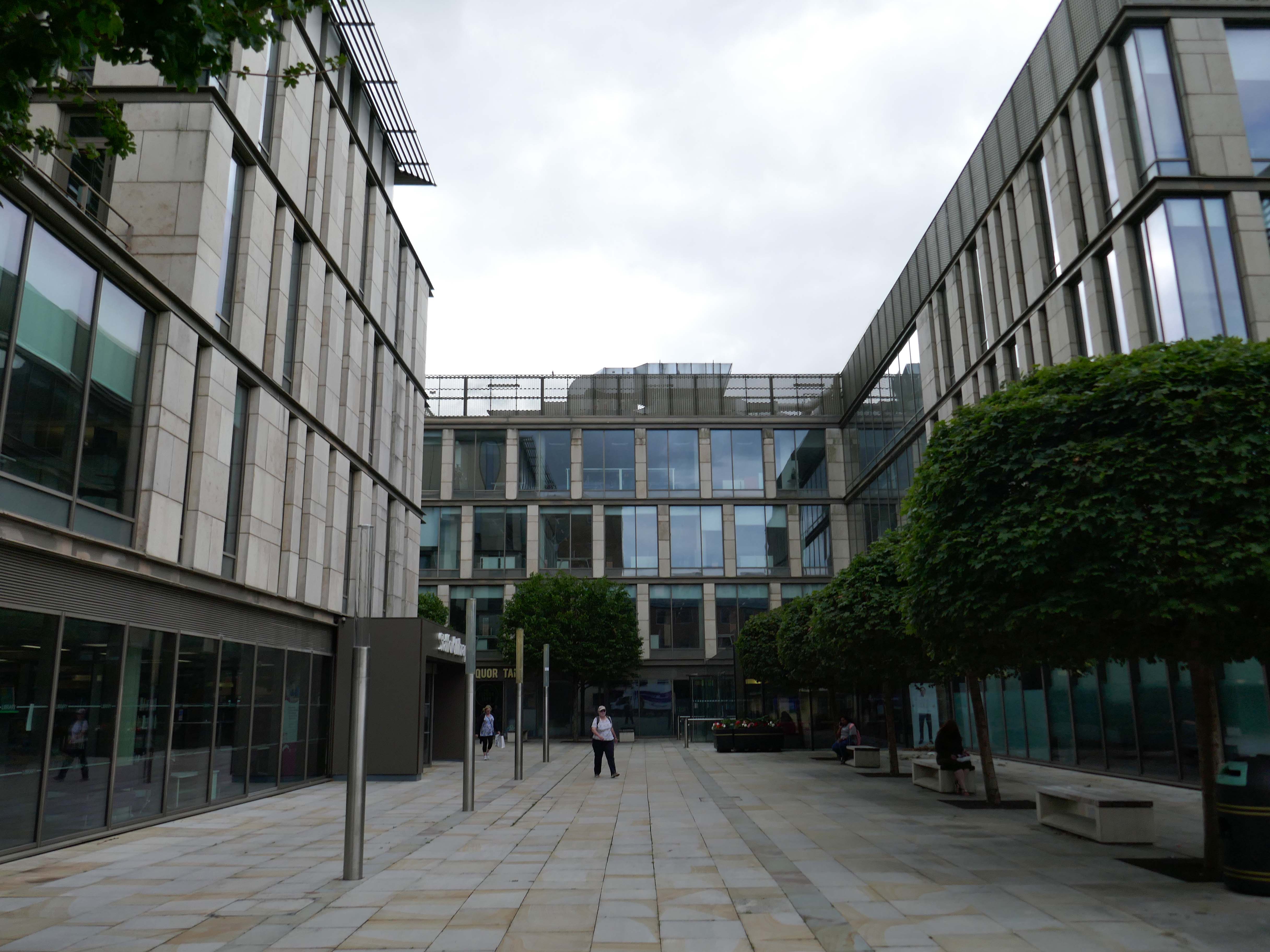
The Great Northern Warehouse is the former railway goods warehouse of the Great Northern Railway, it was granted Grade II* listed building status in 1974.
Refurbished into a leisure complex in 1999.
The building is at the junction of Deansgate and Peter Street.
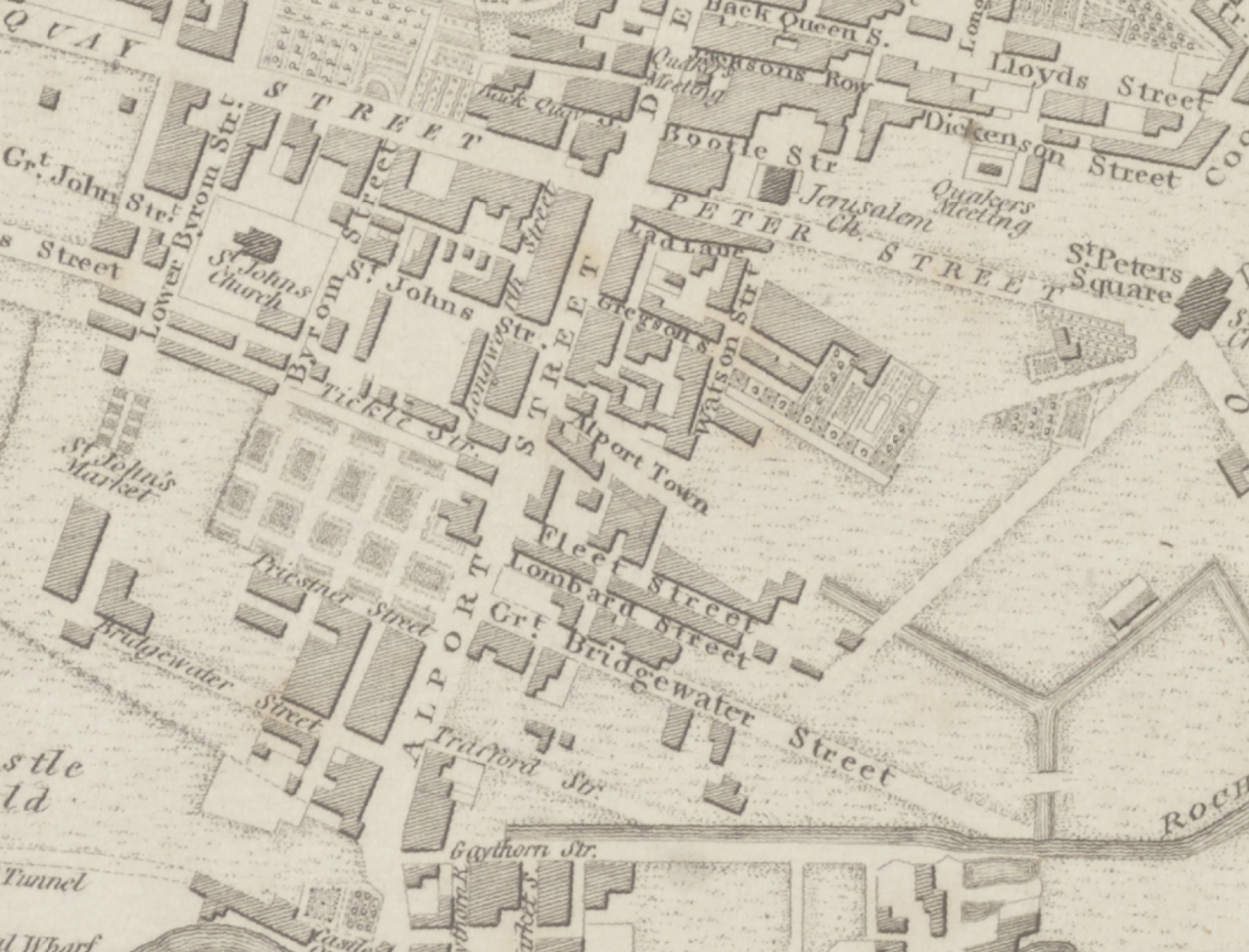
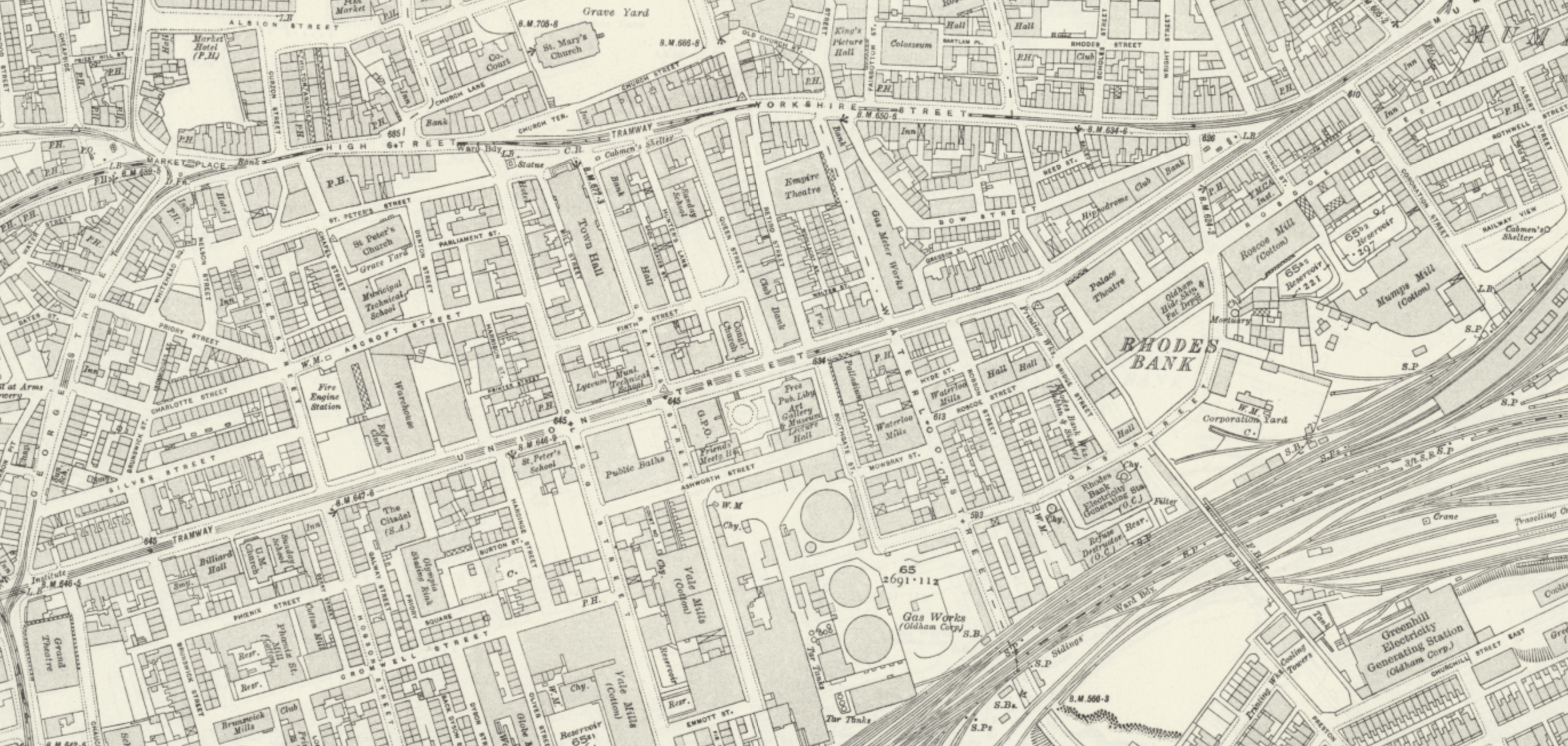
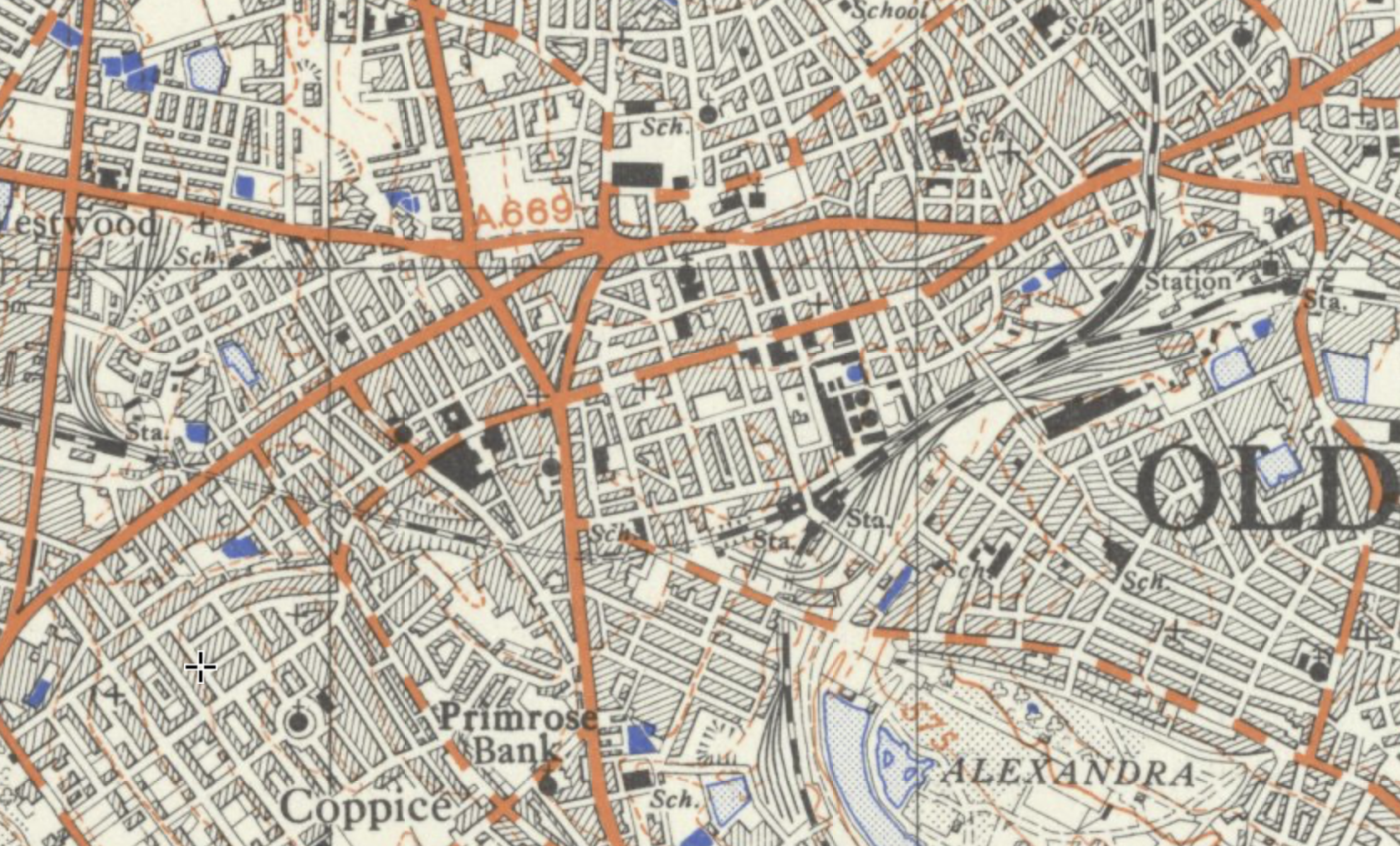
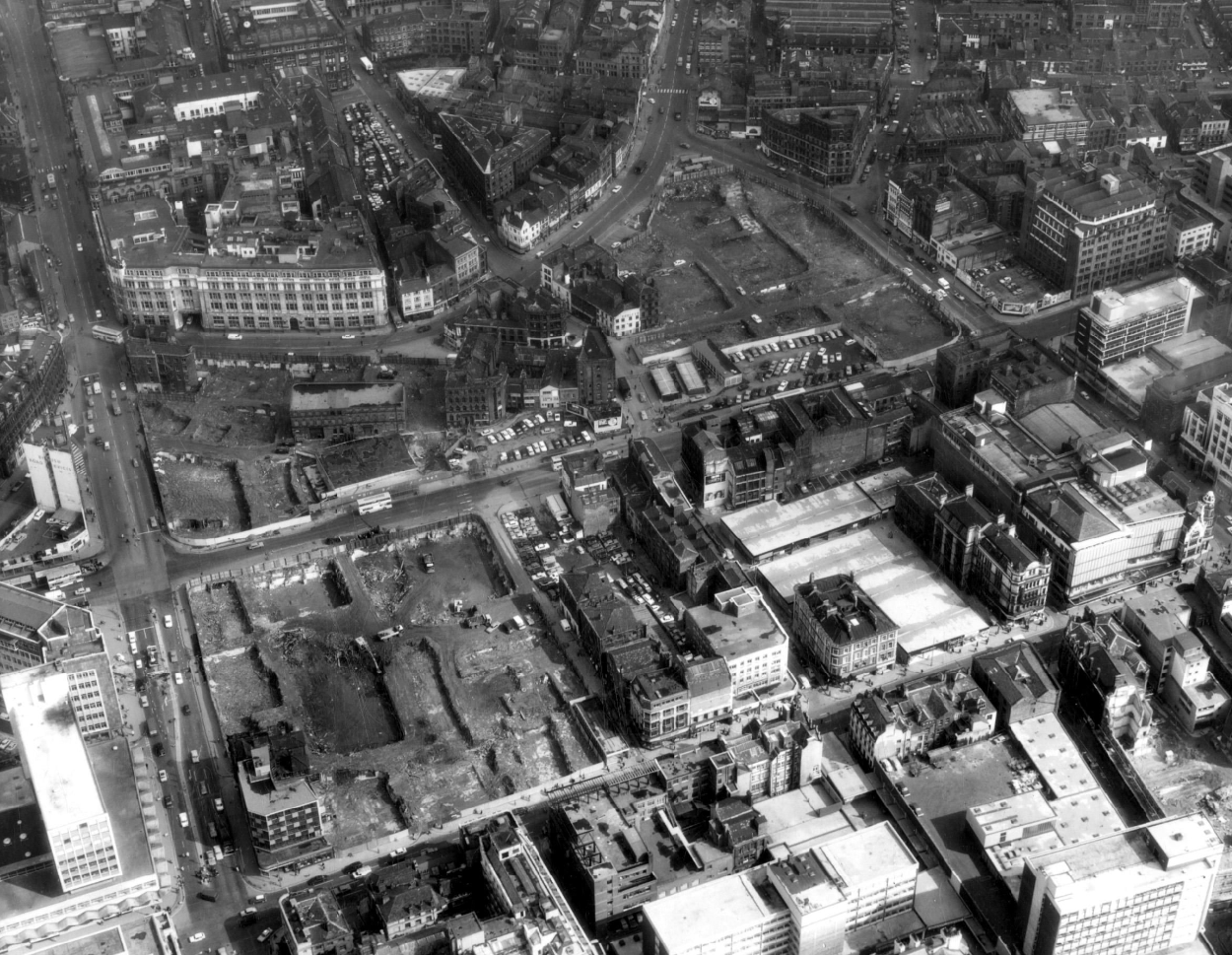
Once upon time in 1807 it wasn’t there at all.
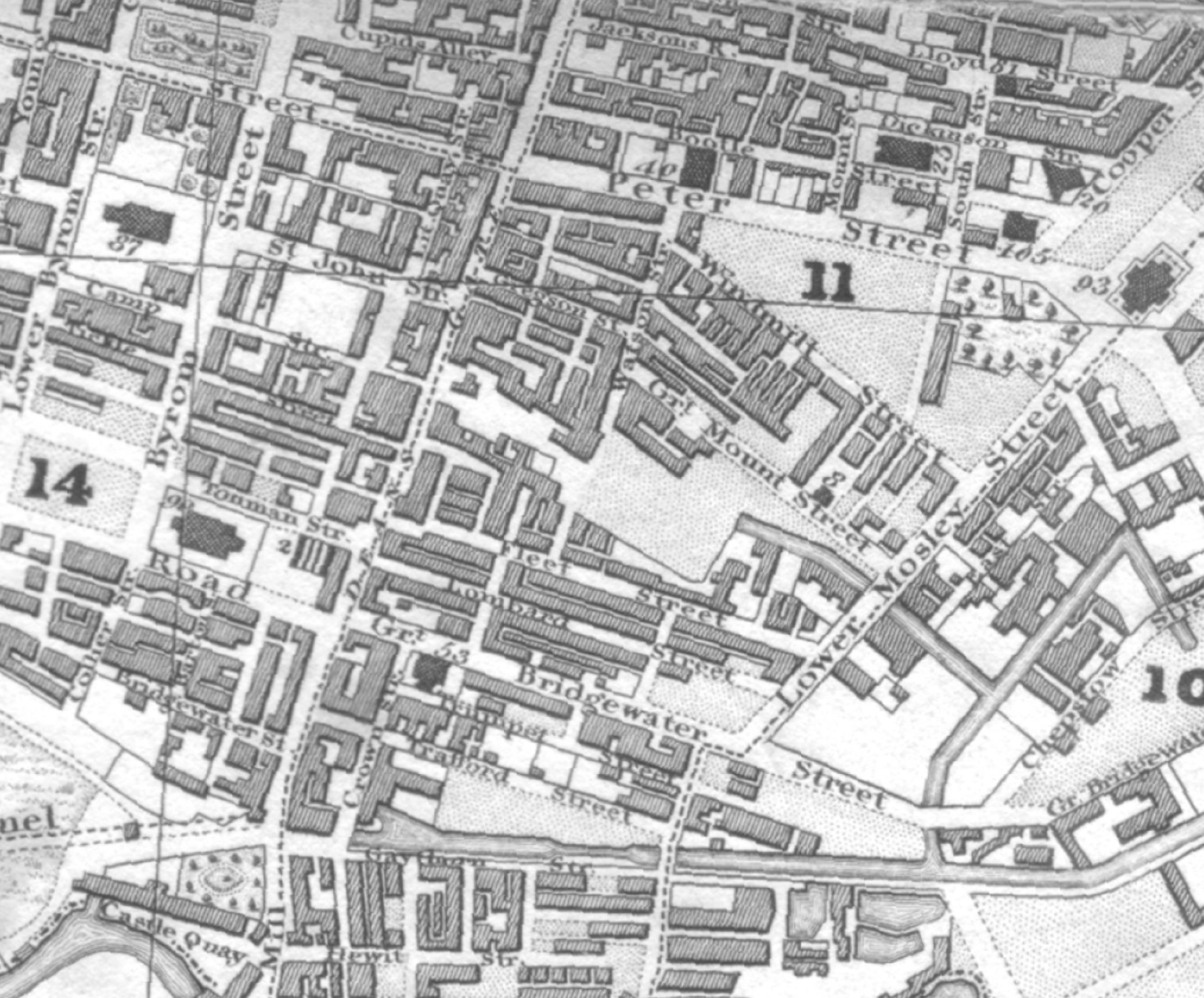
By 1824 it still wasn’t here, though the area had been further developed.
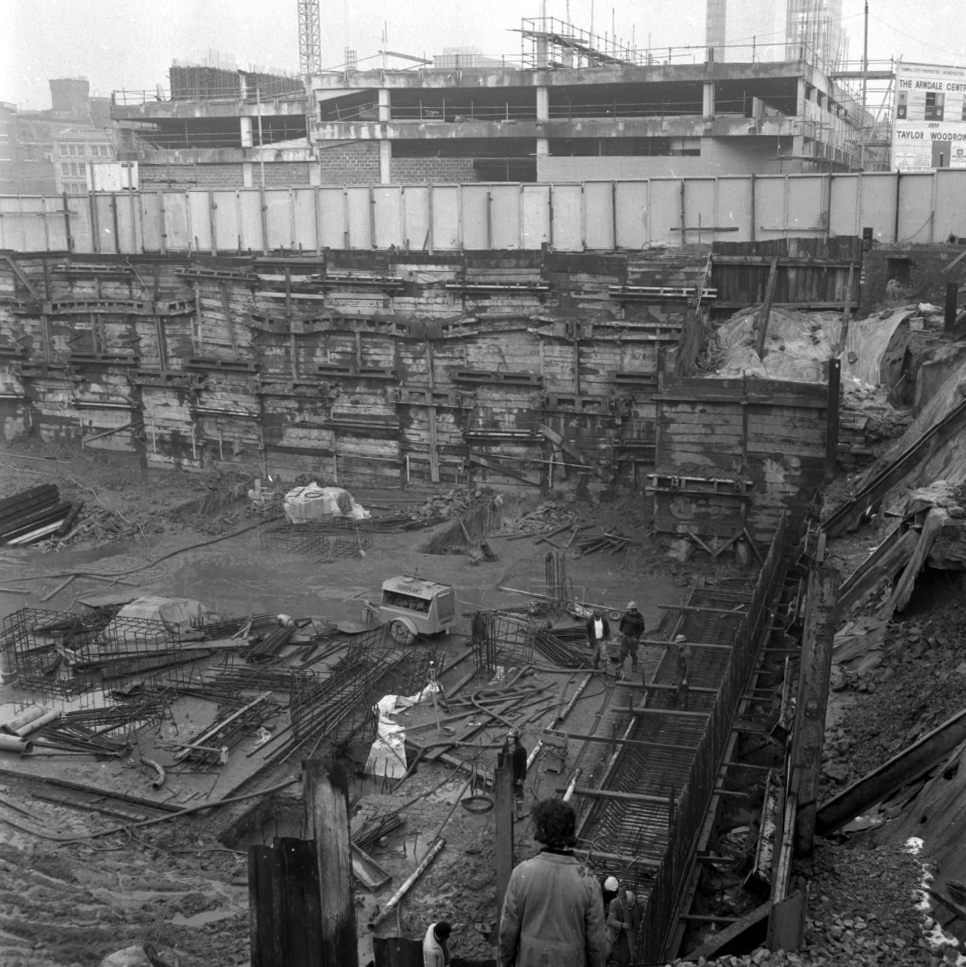
Construction began in1885.
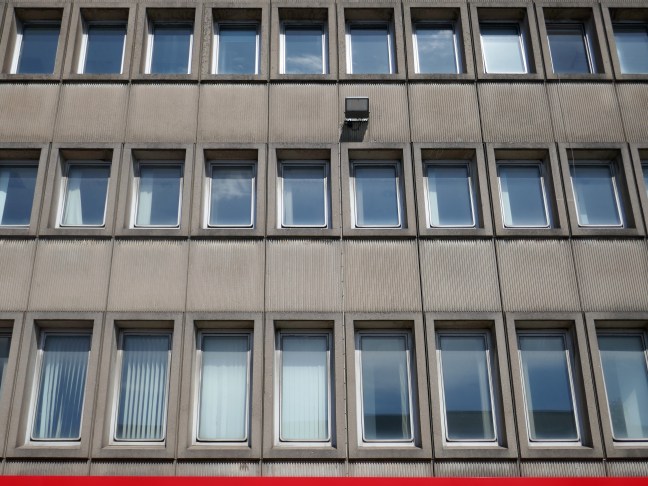
The warehouse was built to be fireproof with a steel frame on a rectangular plan, 267 ft long by 217 ft wide and five storeys high, with twenty seven windows on the east and west sides and seventeen windows on the north and south ends. All four sides have friezes lettered in white brick reading Great Northern Railway Company’s Goods Warehouse. It was built above the Manchester and Salford Junction Canal, and a dock was constructed beneath to allow goods to be transferred to and from canal barges via shafts and a complex system of haulage using hydraulic power.
The building could hold a total of one hundred and fifty goods wagons across two of its levels, with capacity for a further 500 in its sidings. Its construction effectively wiped out the district of Alport Town, which had included 300 houses, and – Over 800 men were employed on the site. Twenty five million bricks, 50,000 tons of concrete, 12,000 tons of mild steel and sixty five miles of rivets were used in its construction.
So having time on my hands on the way to somewhere else, I took a look around the rest of the complex.
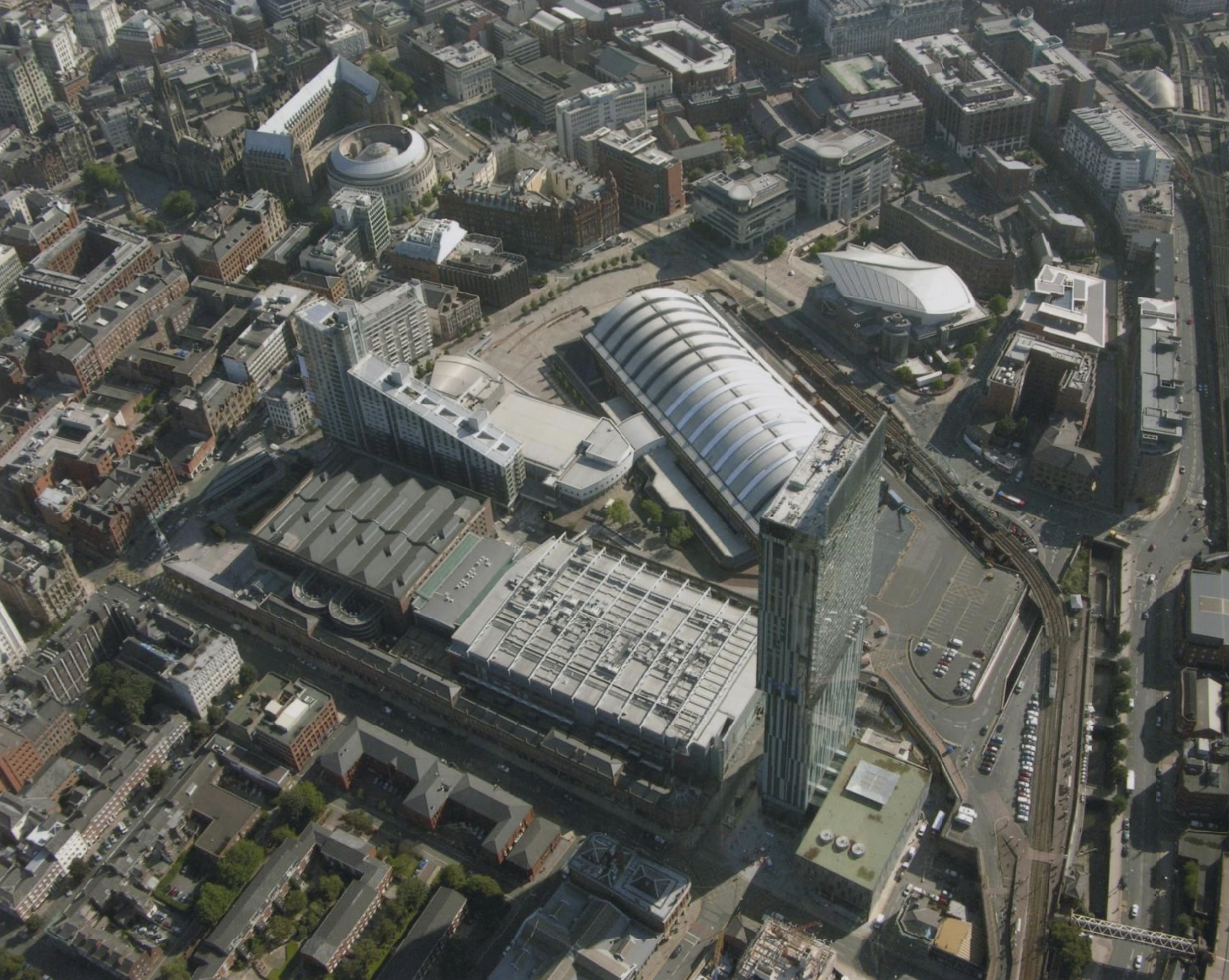
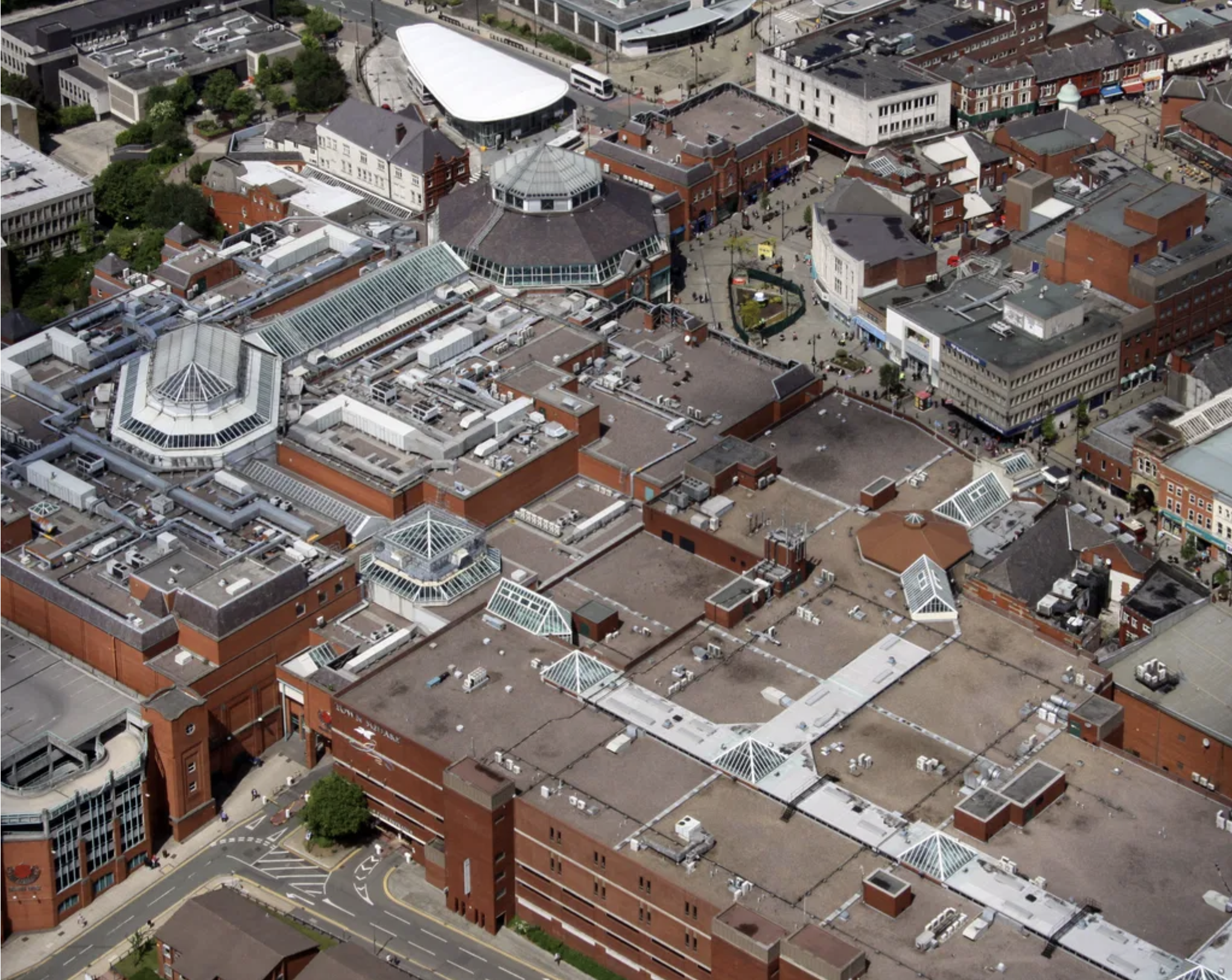
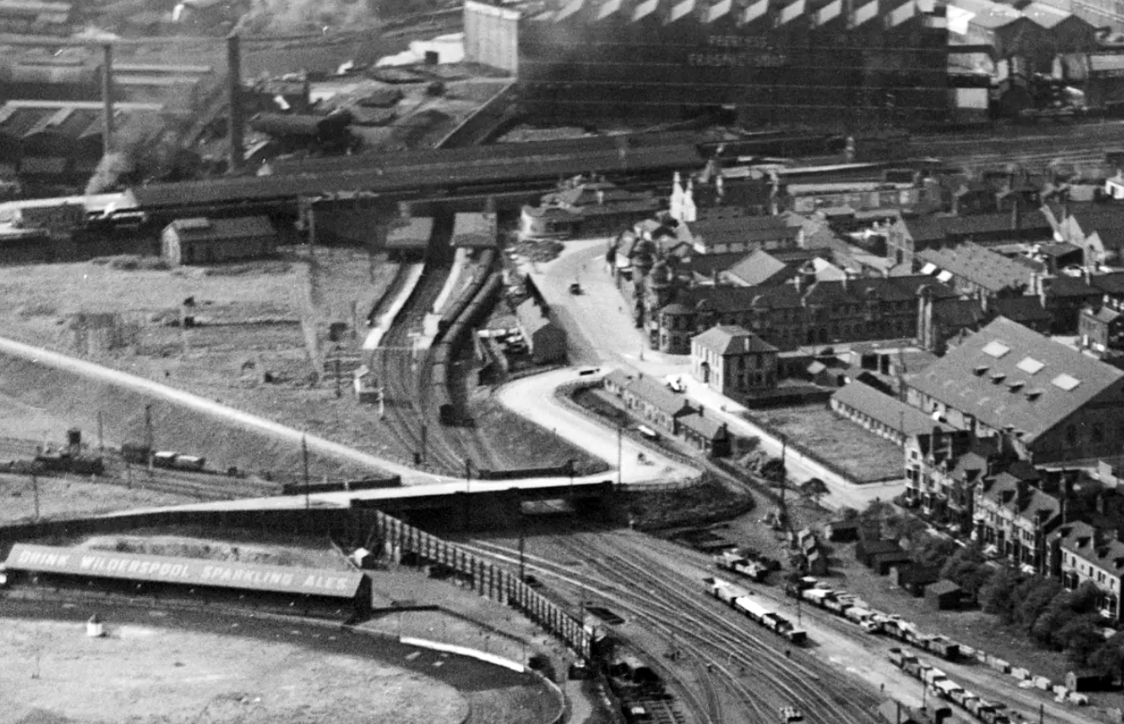
Here it is from the air in 2006.
Photo: Sean Gallagher
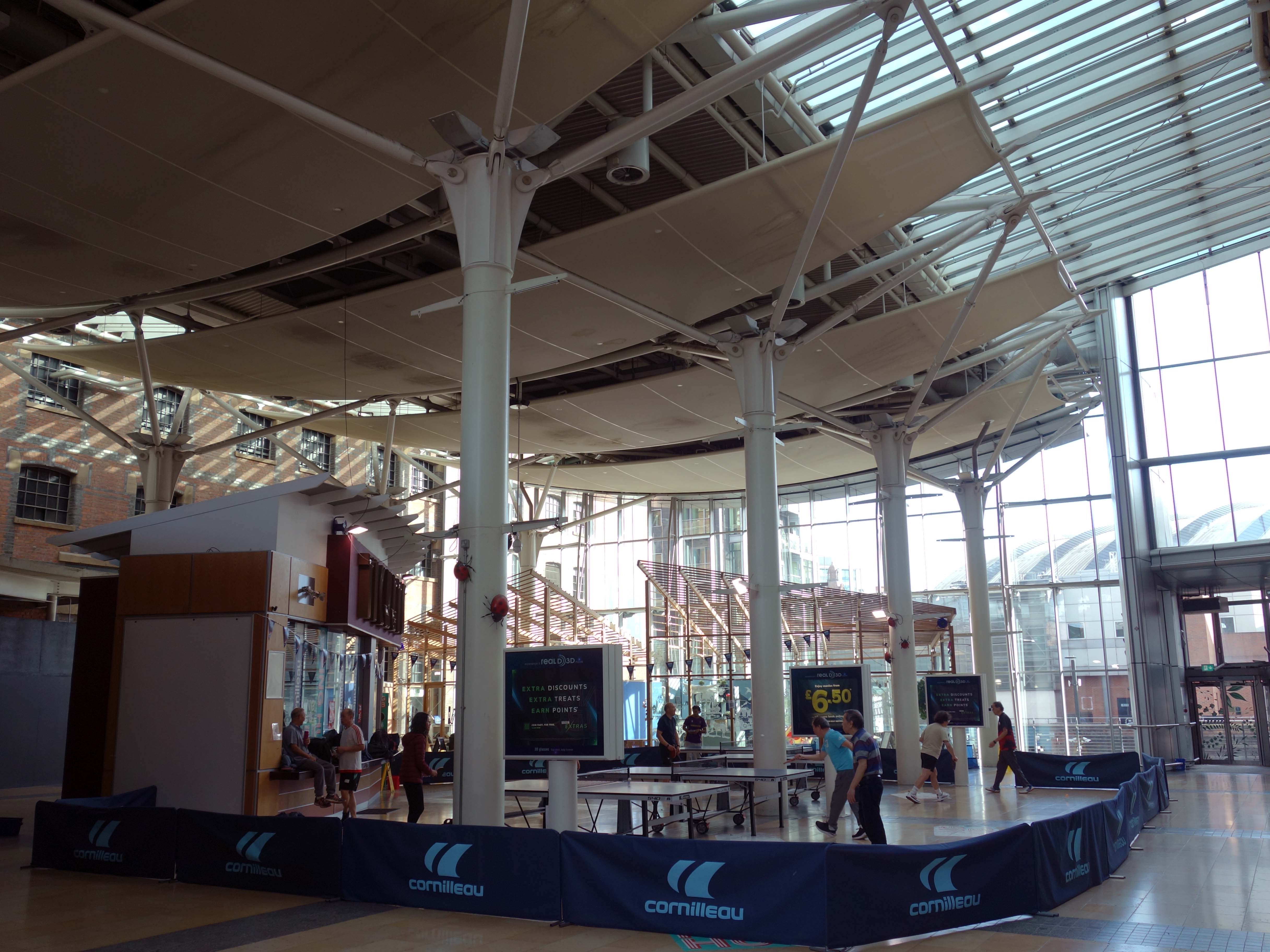
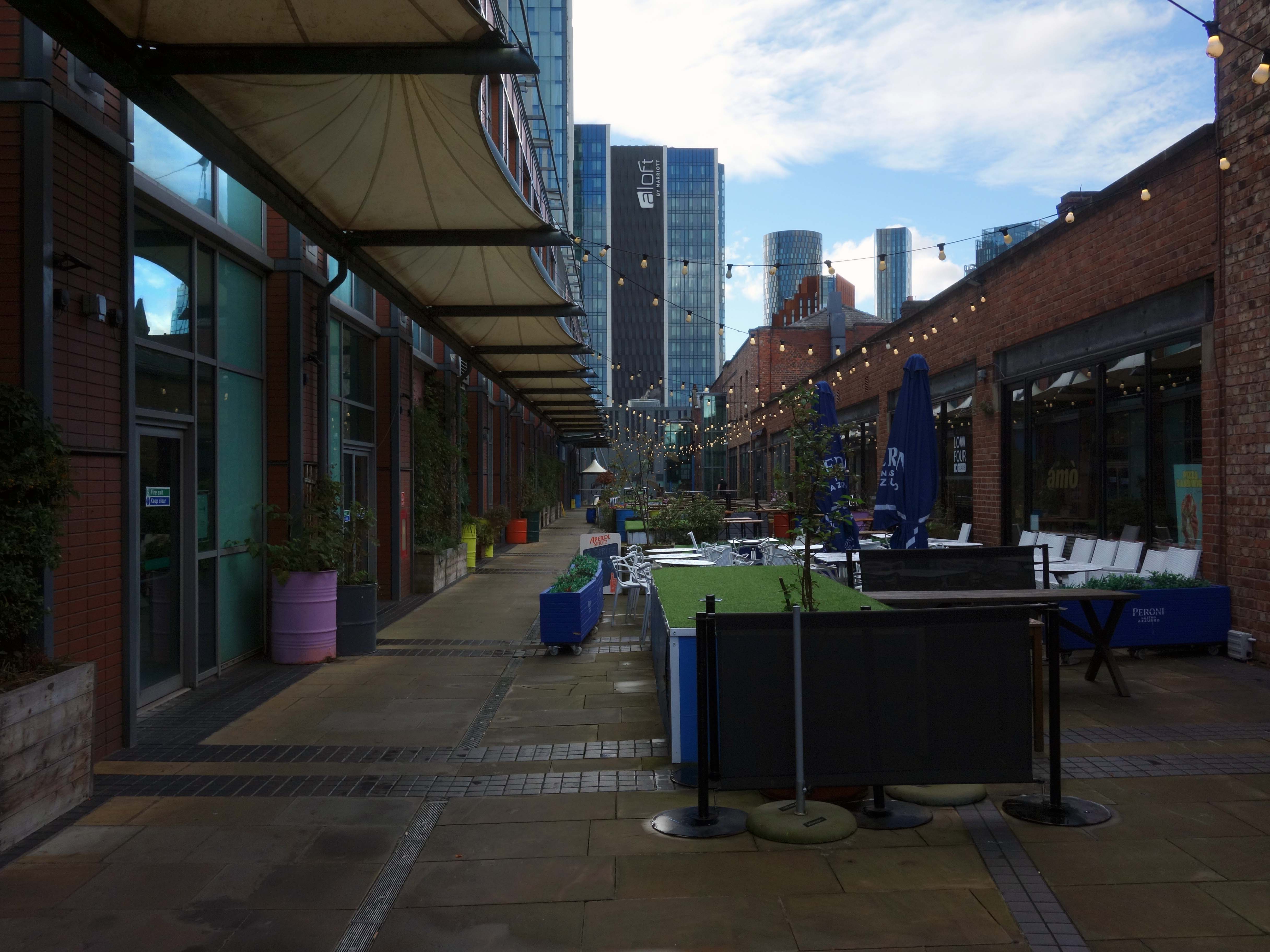
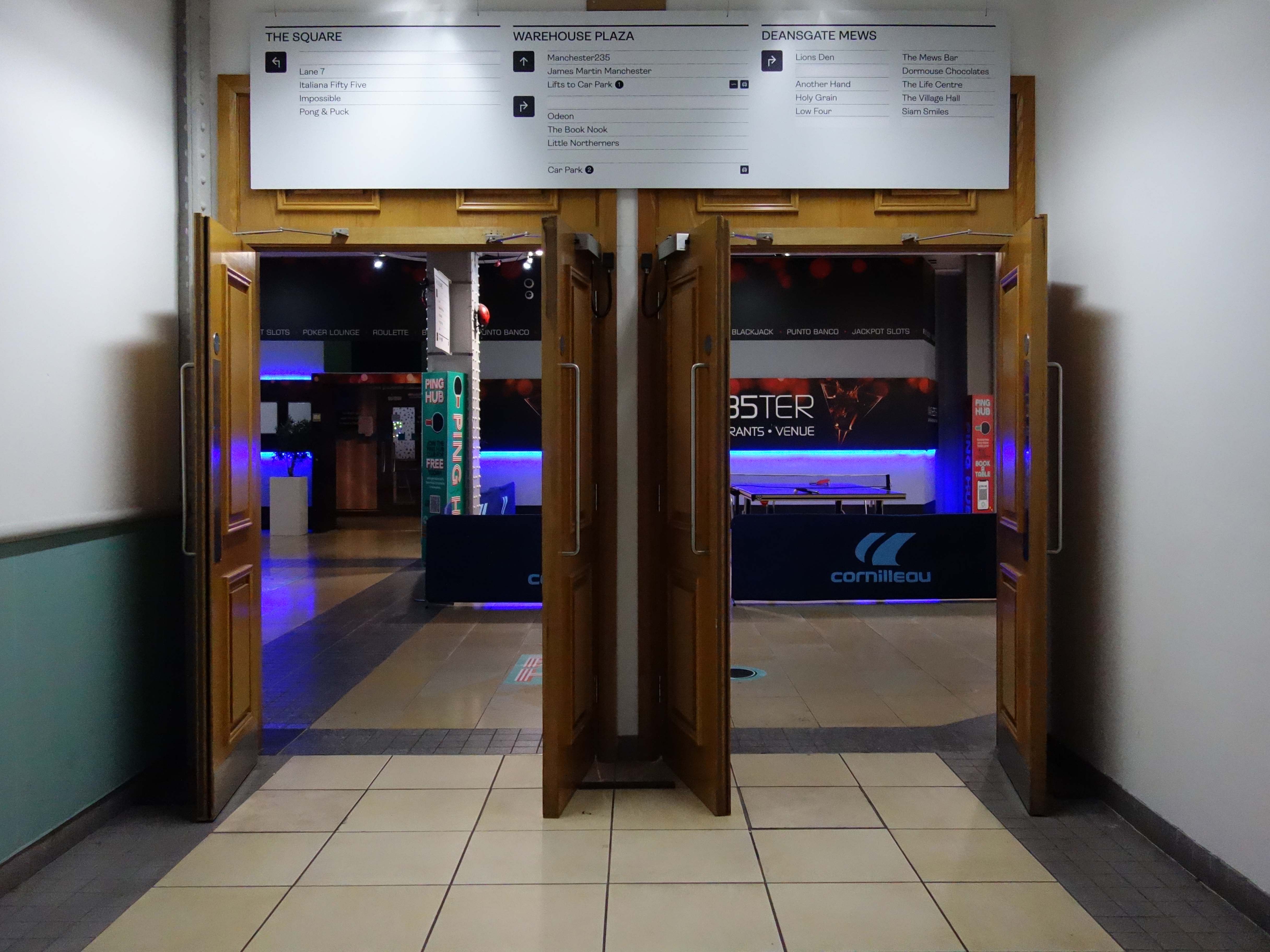
Great Northern is perfectly positioned in the heart of the city centre as the ideal place to eat, drink, meet and play. You will find a cinema, boutique bowling, restaurants, bars, entertainment venues, shops and the biggest range of estate agents in the city centre, all alongside our public square.
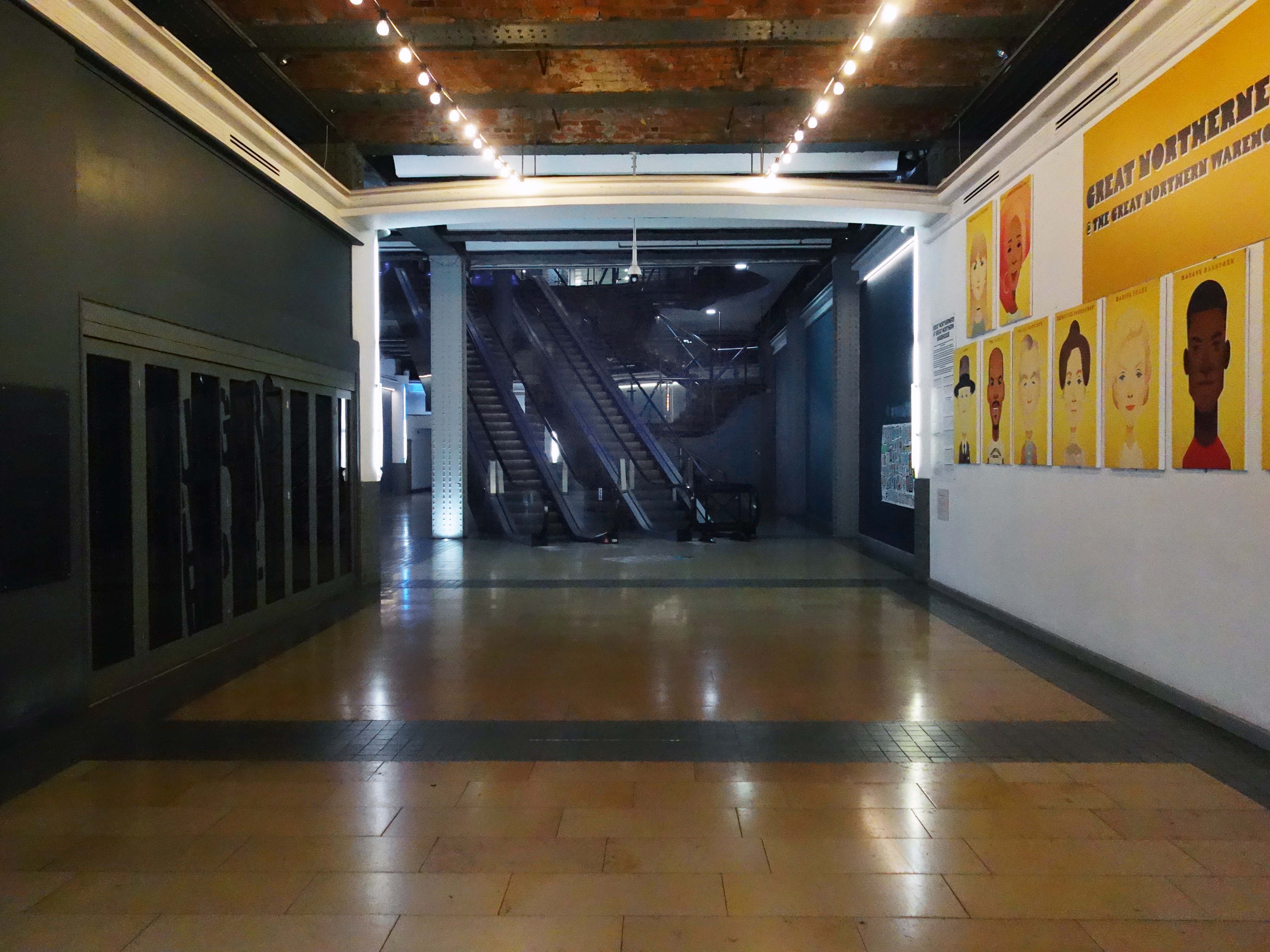
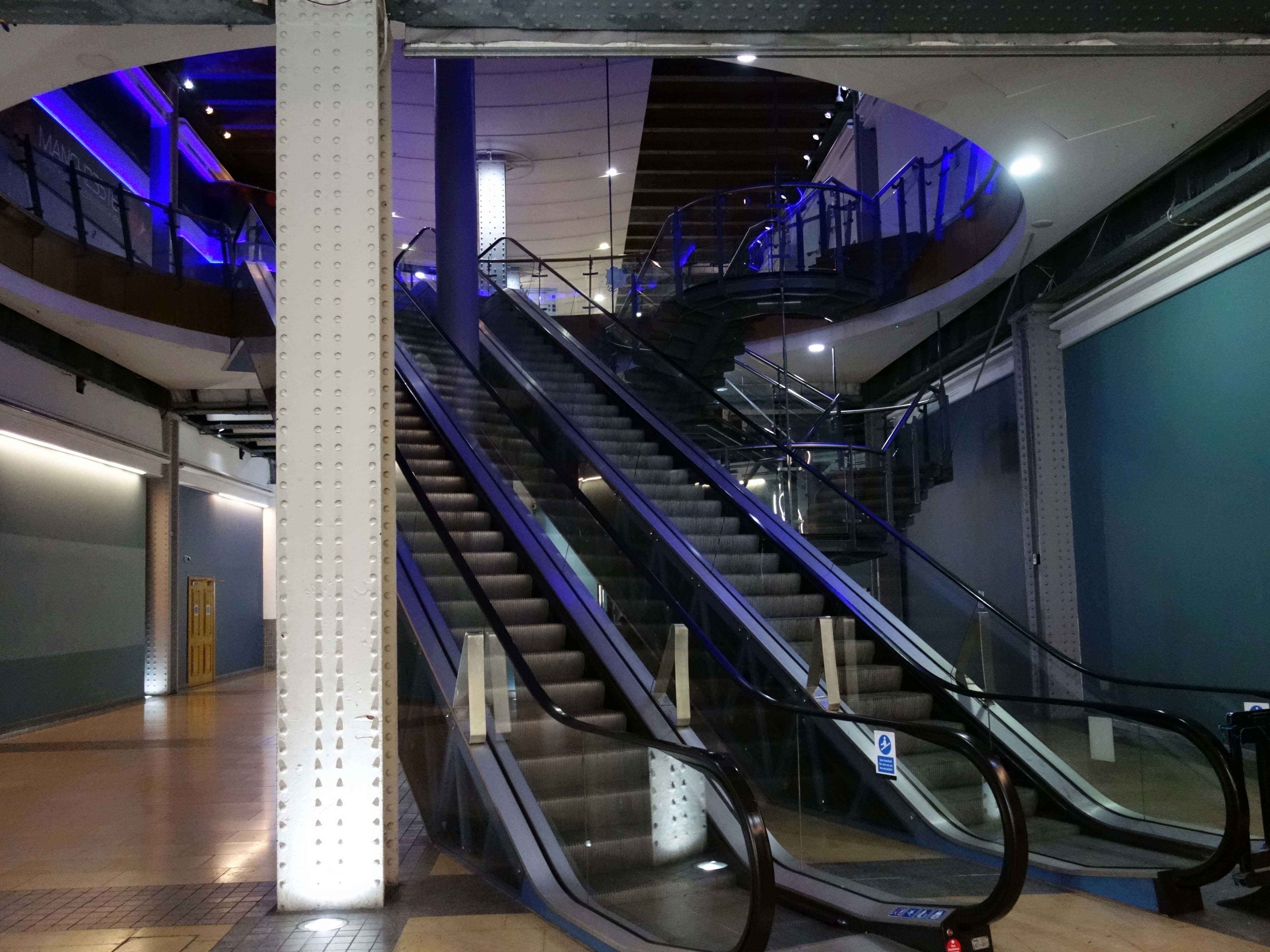
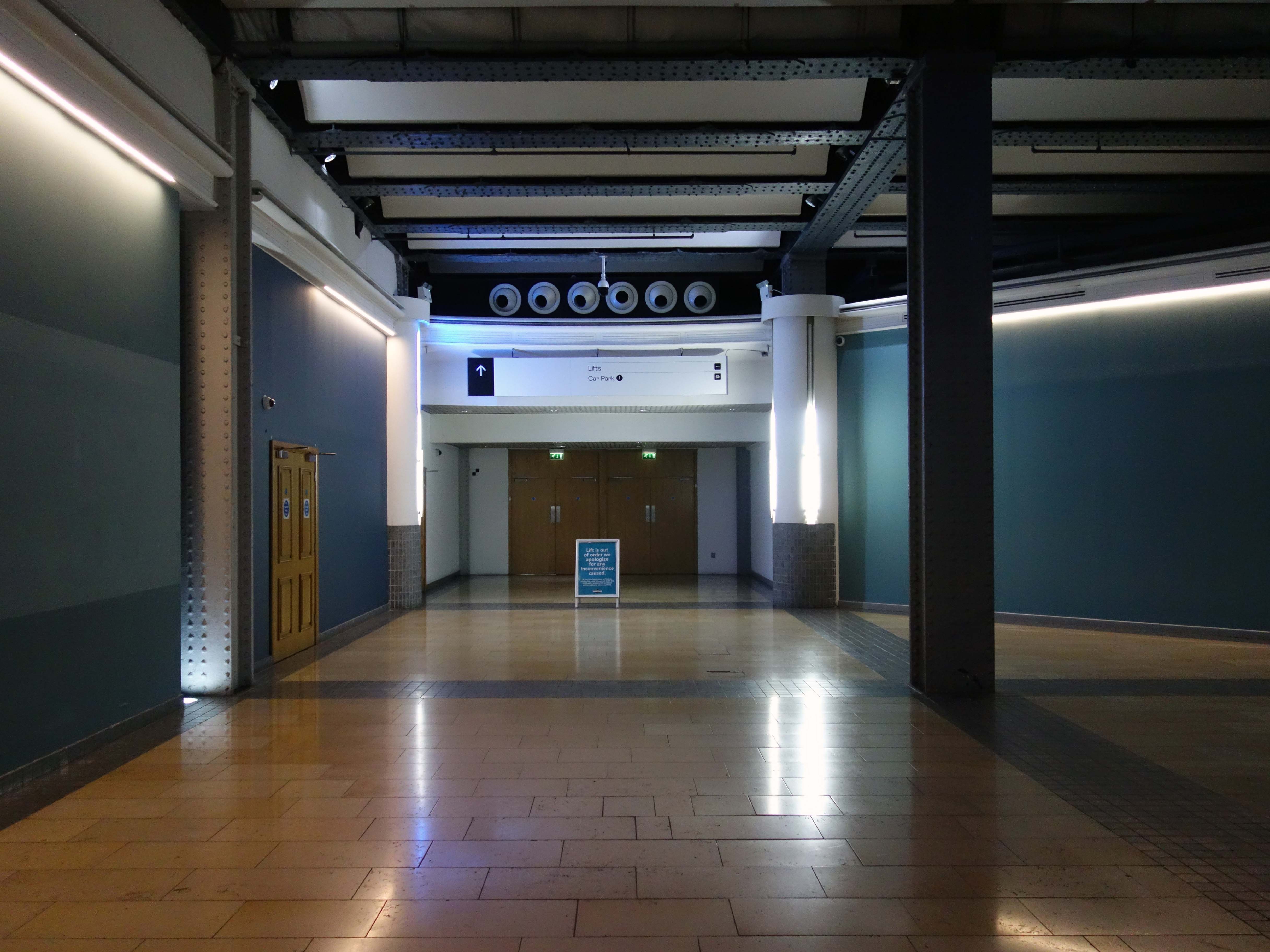
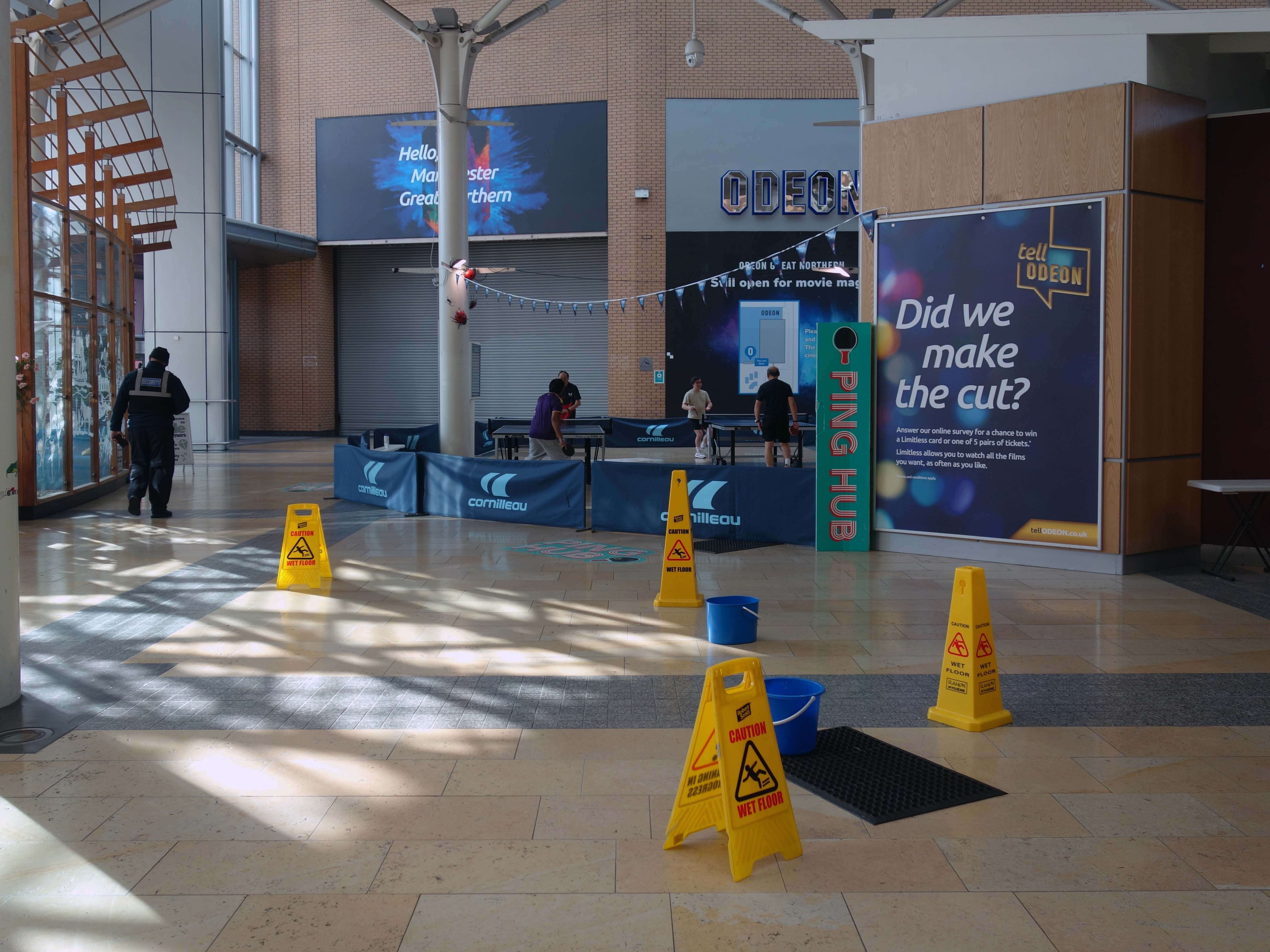
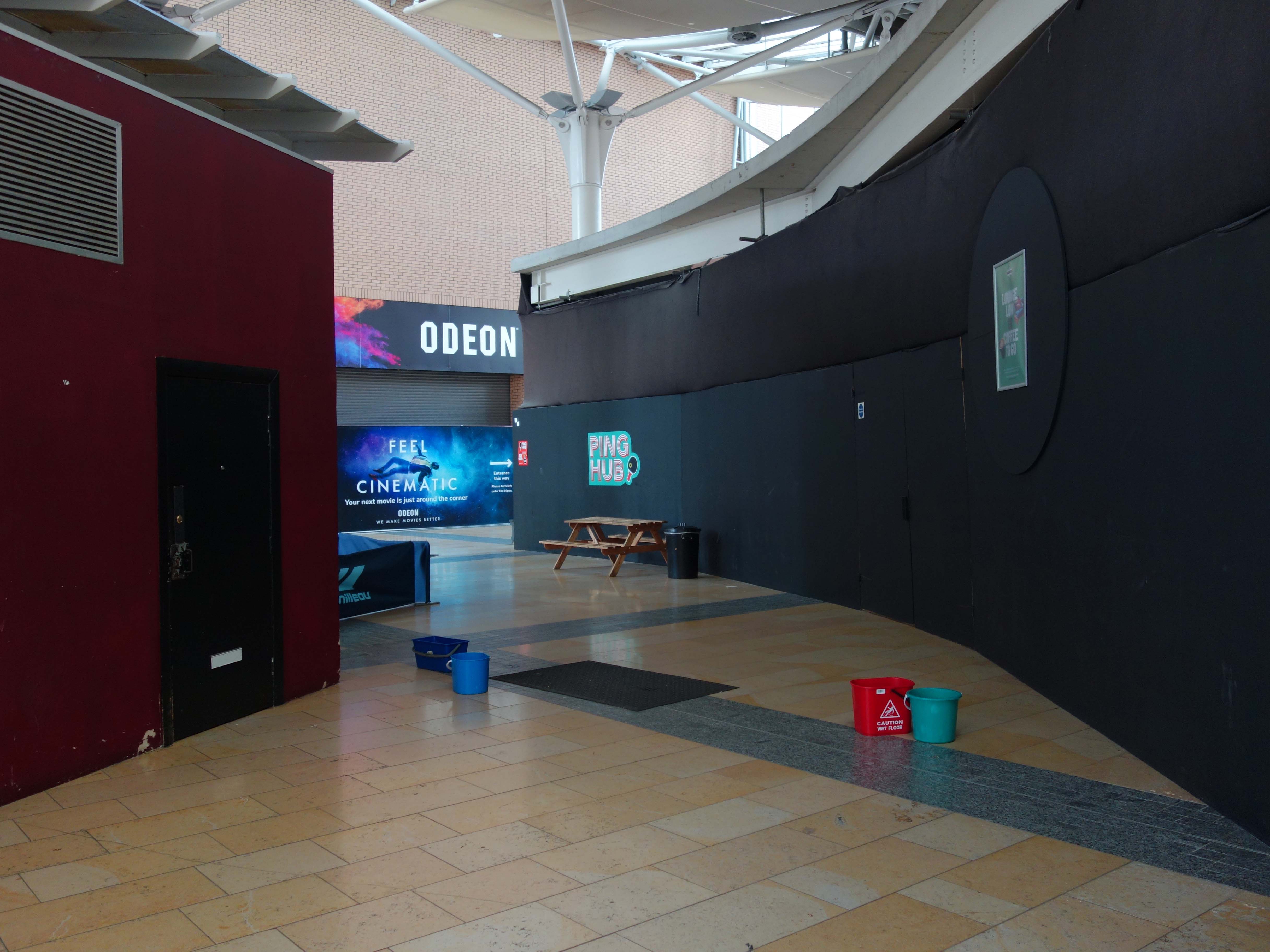
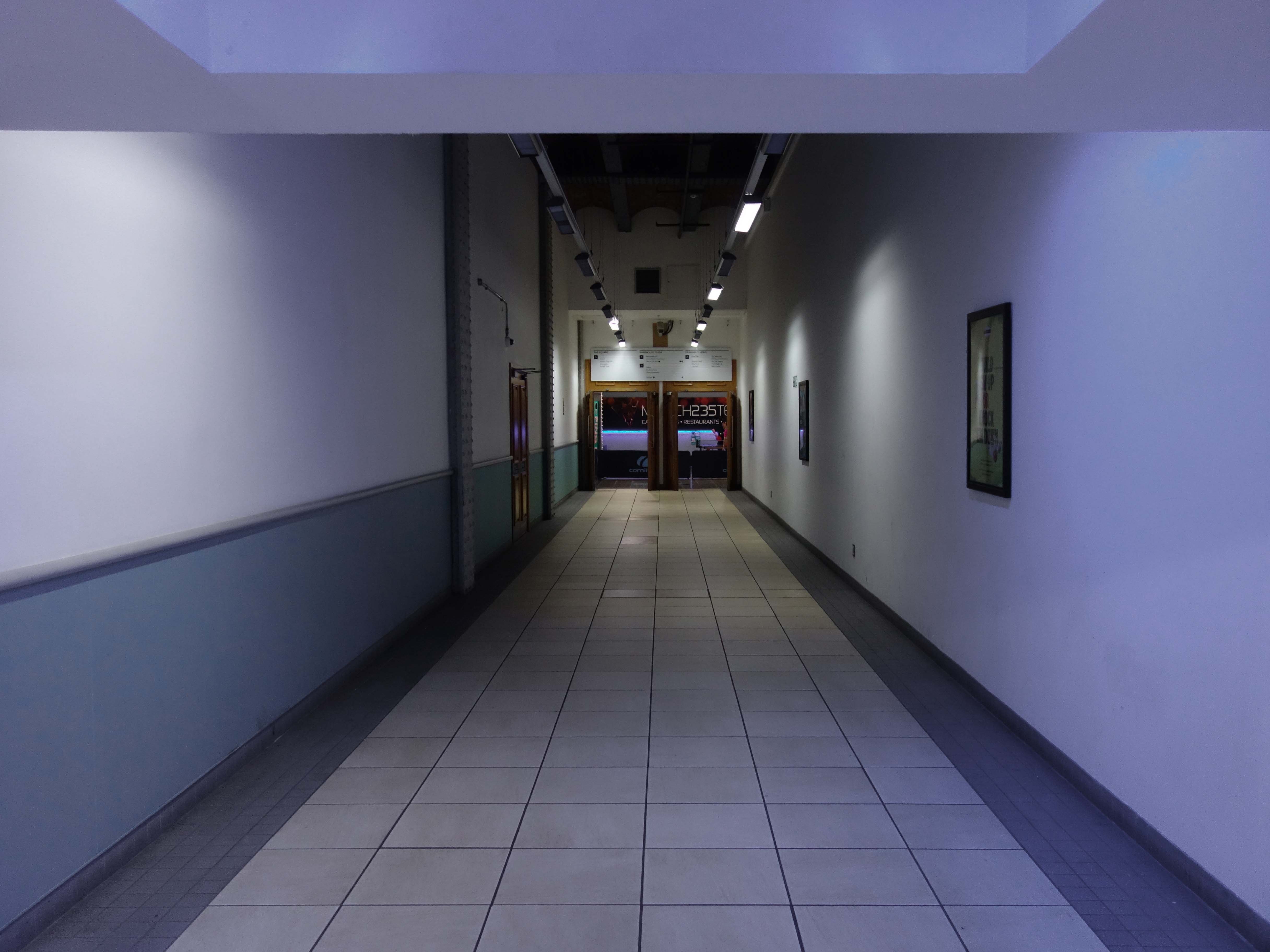
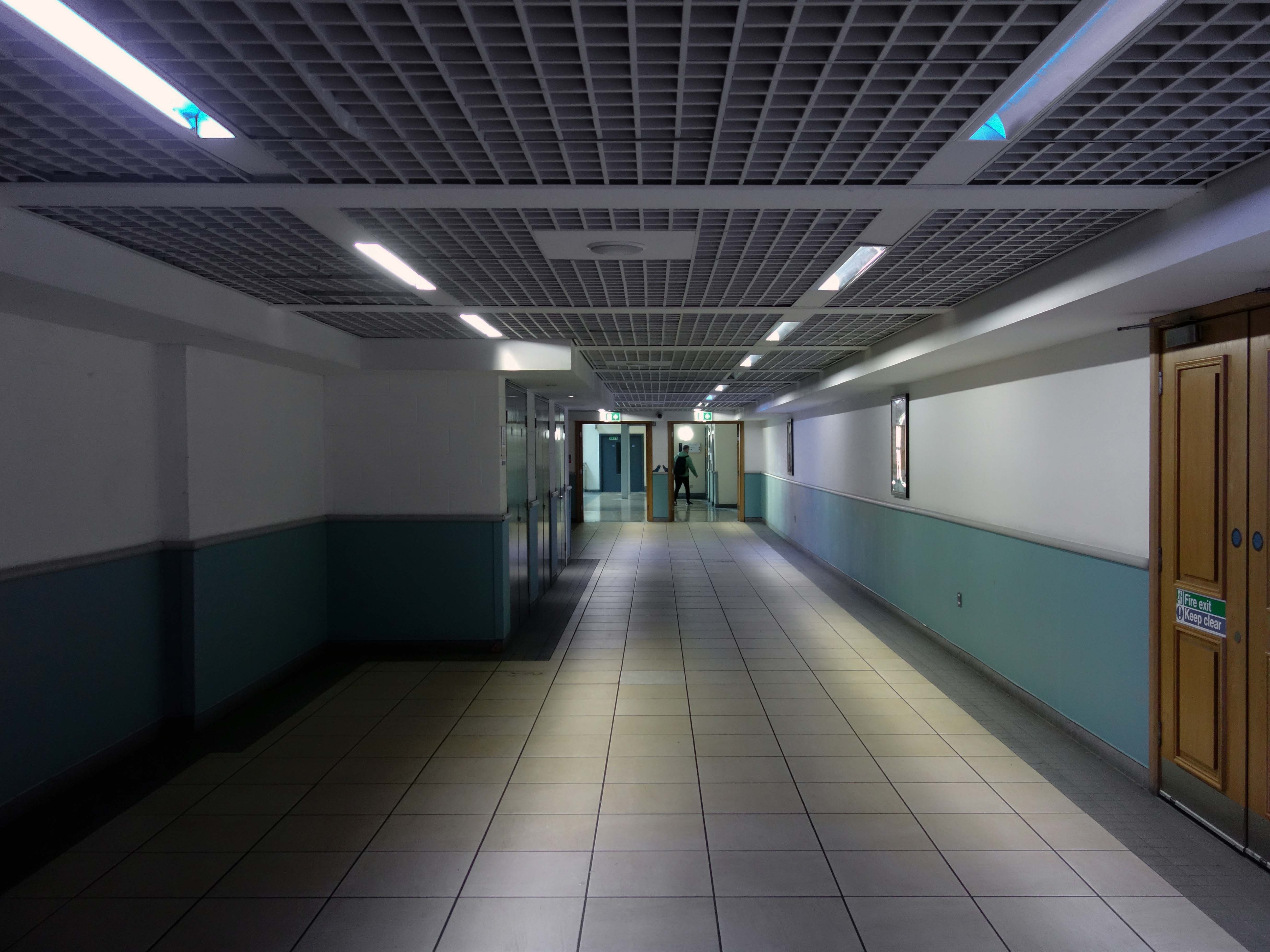
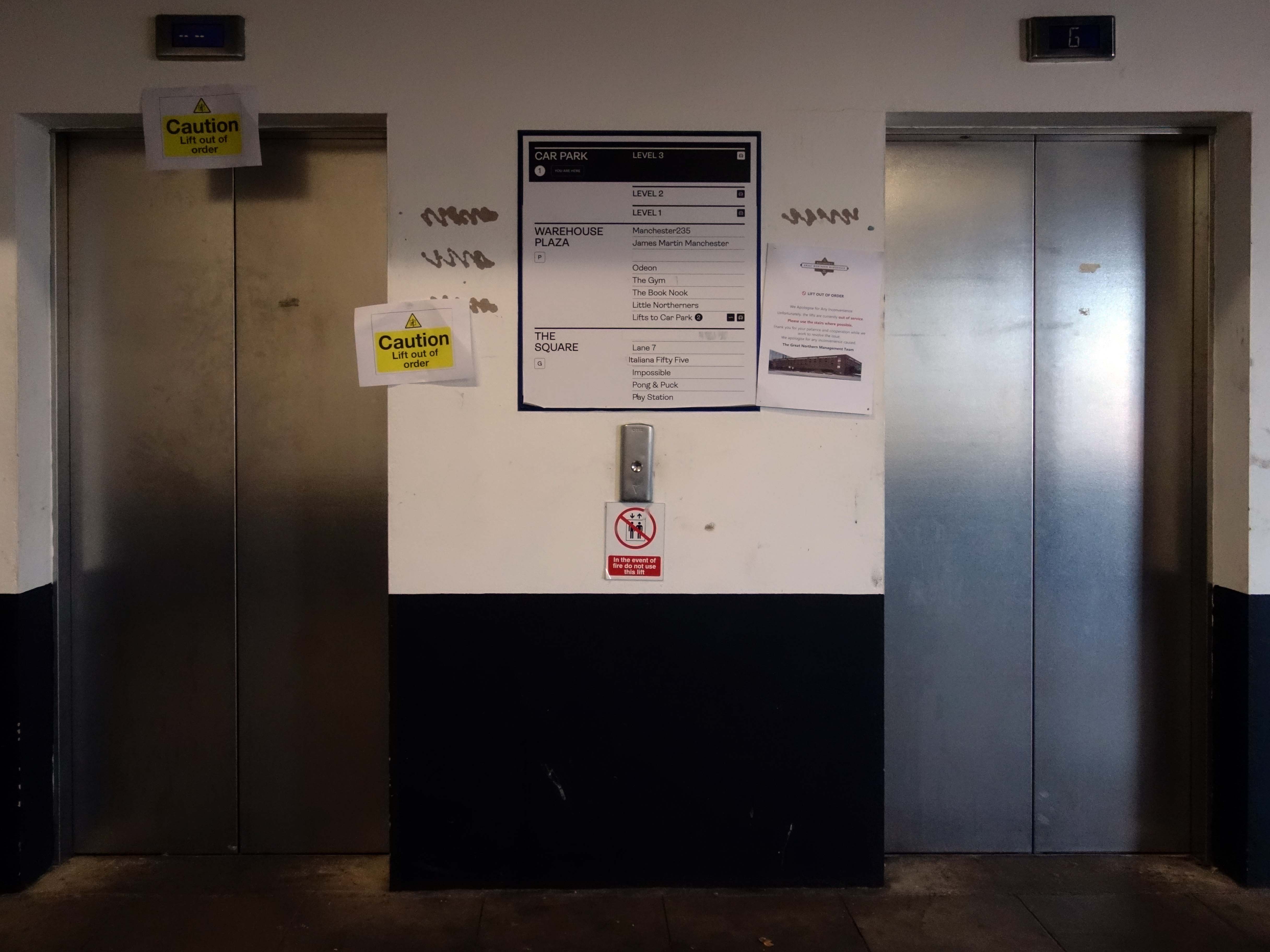
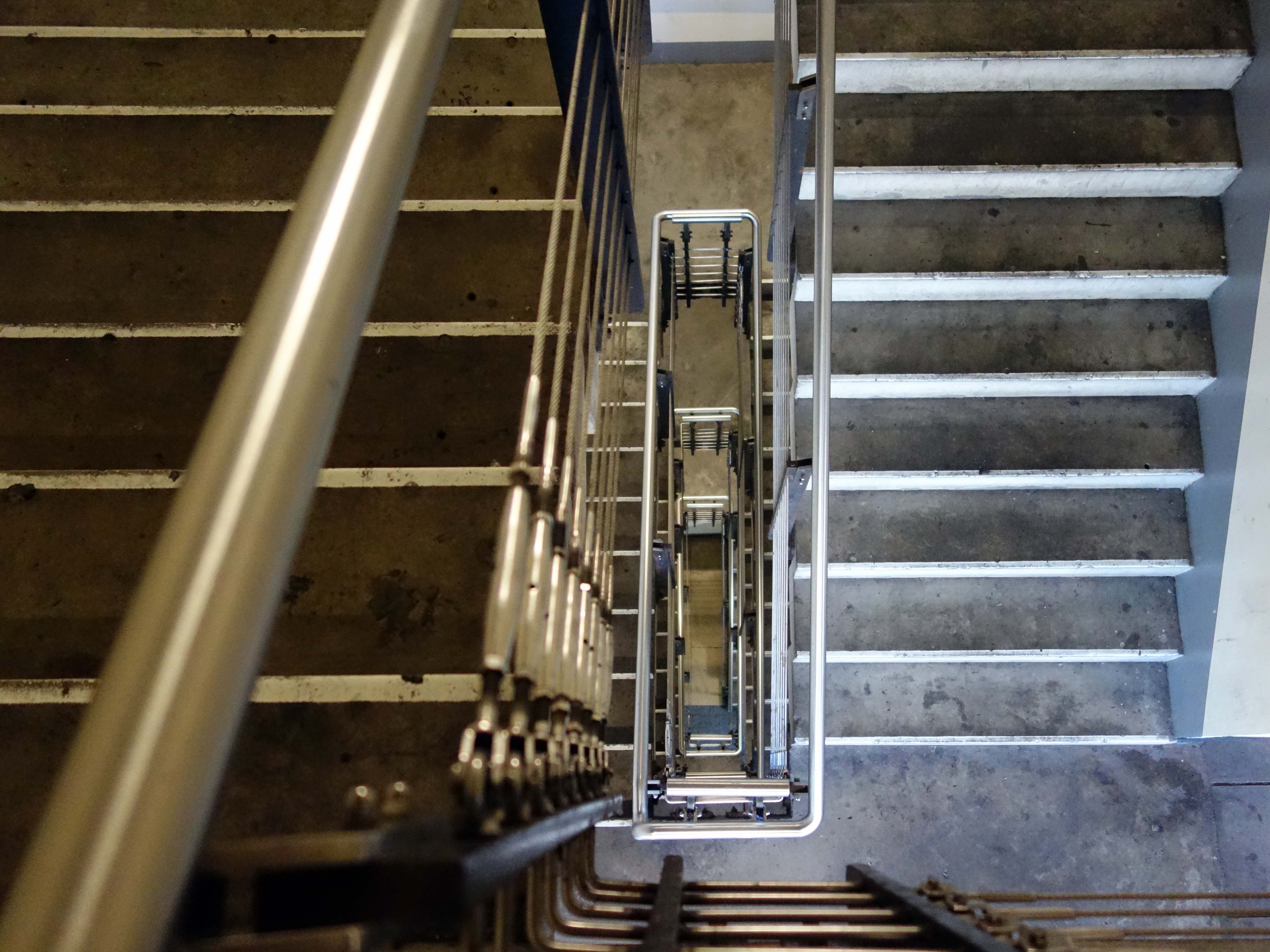
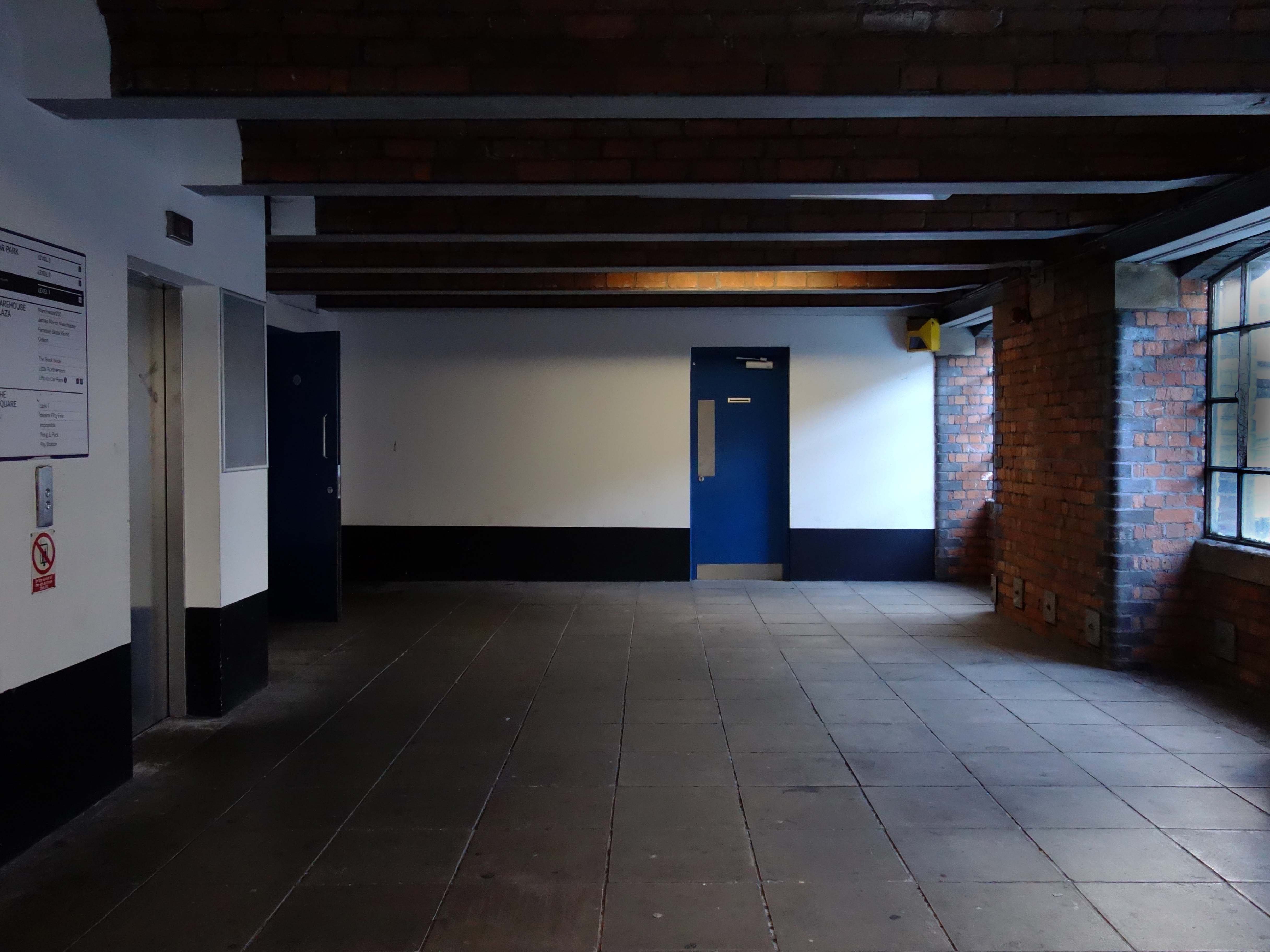
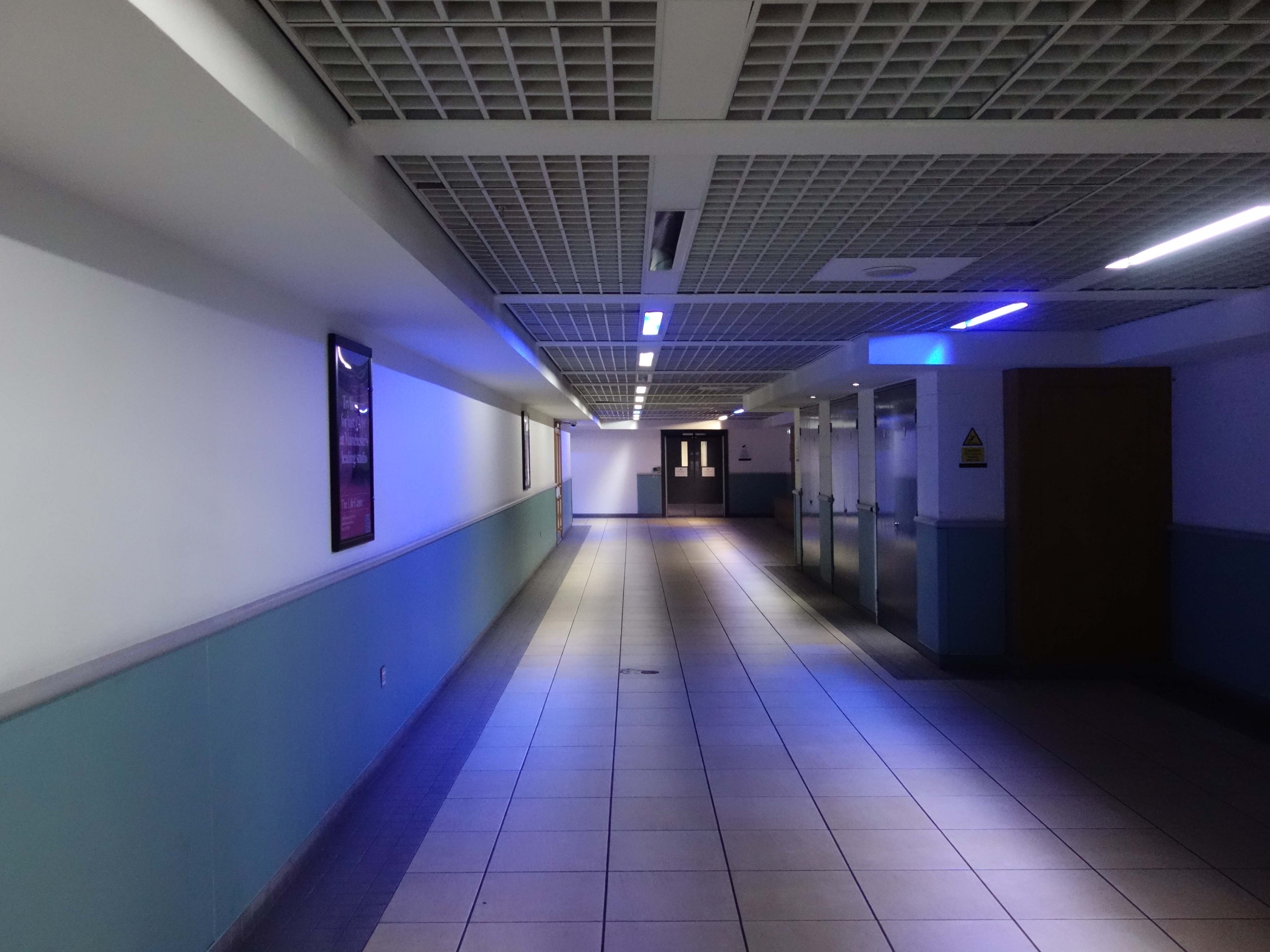
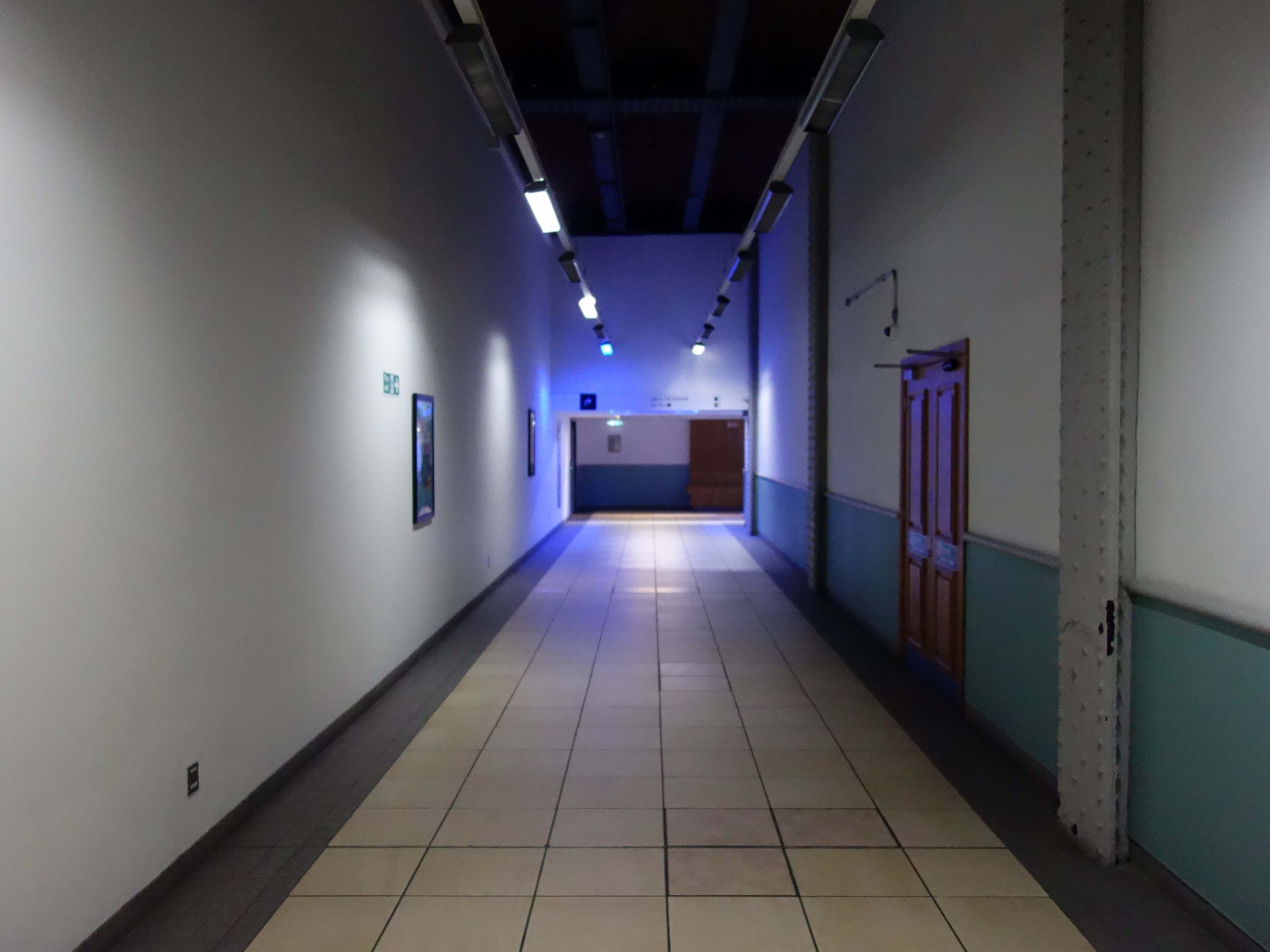
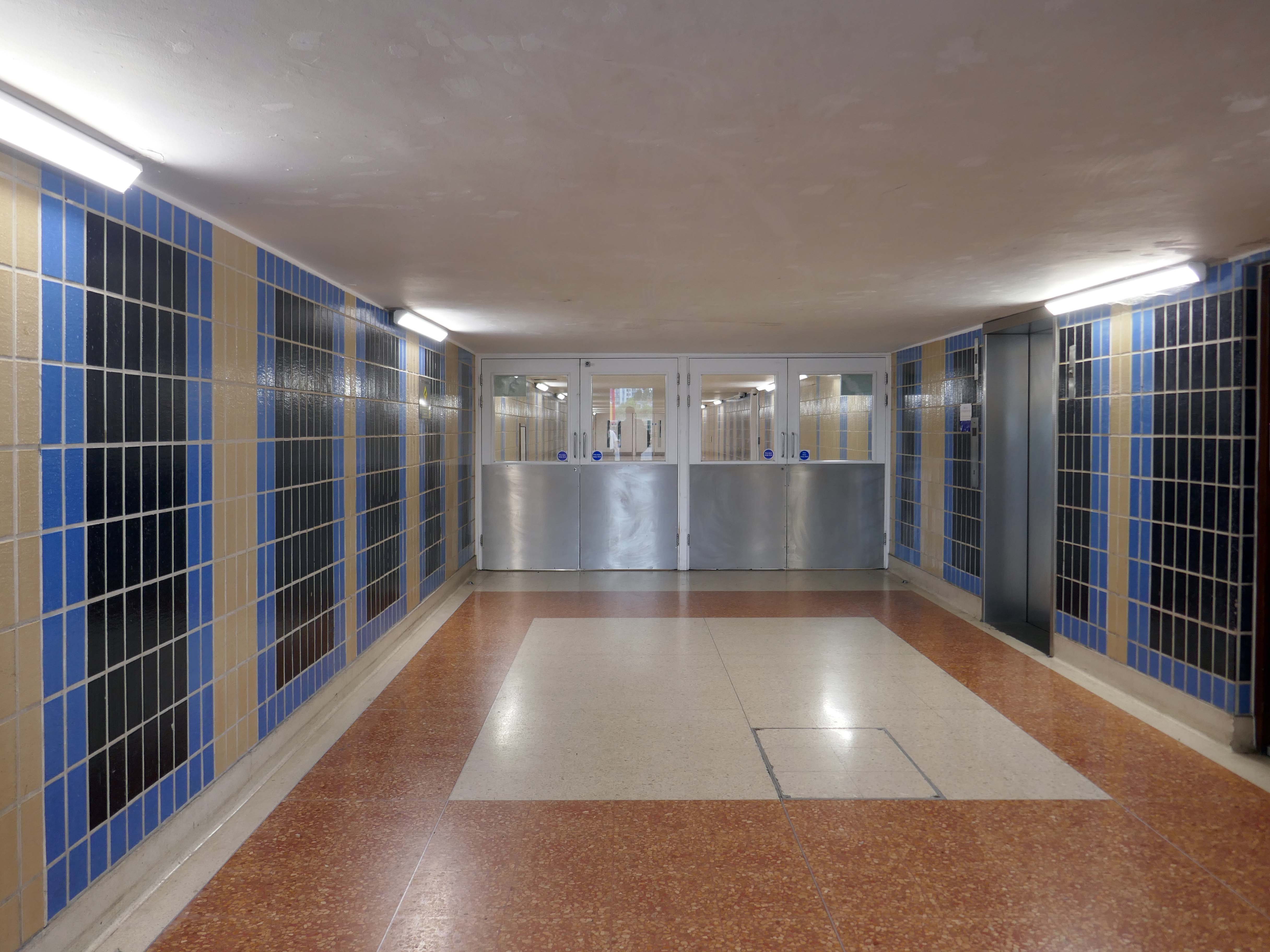
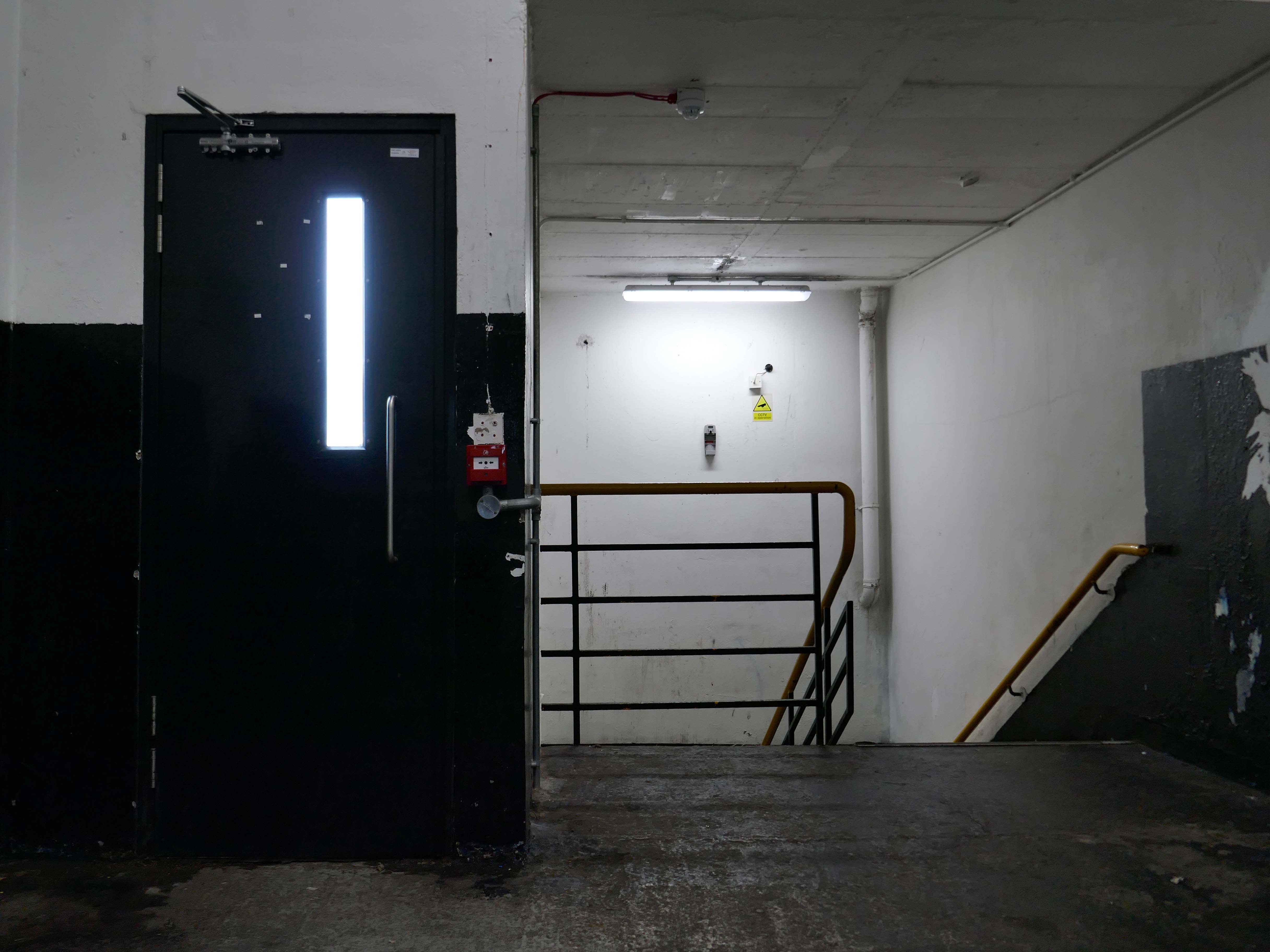
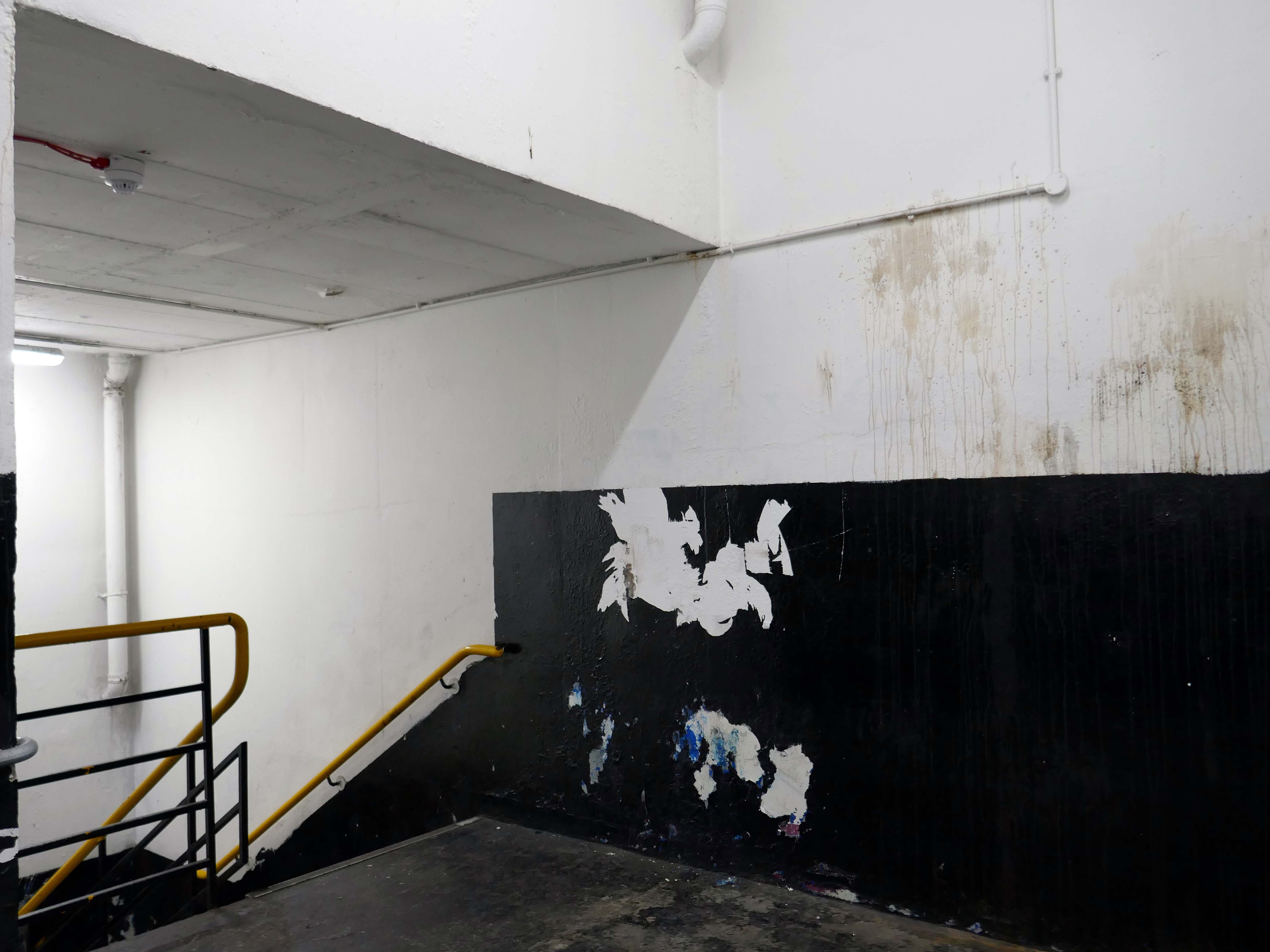
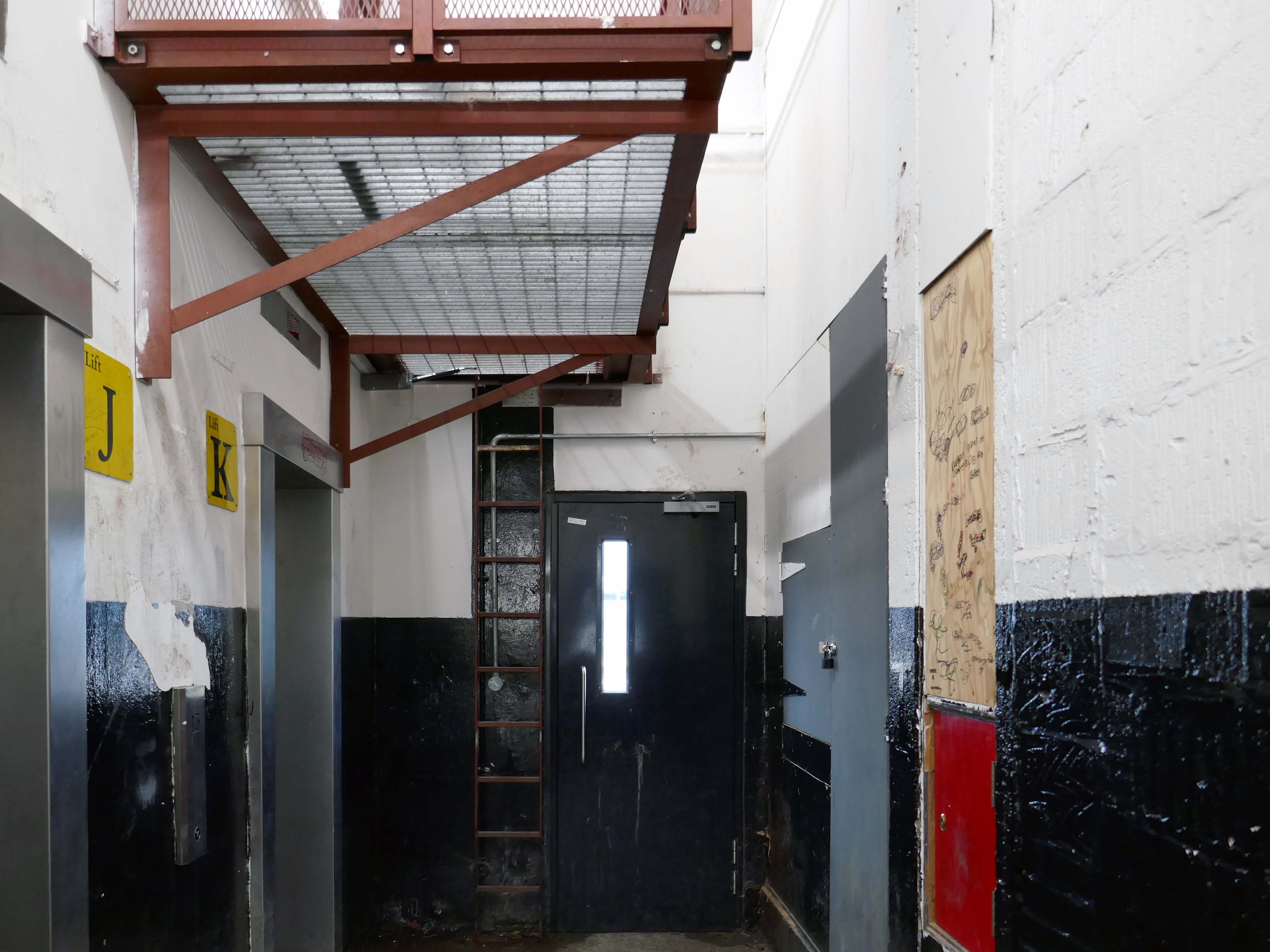
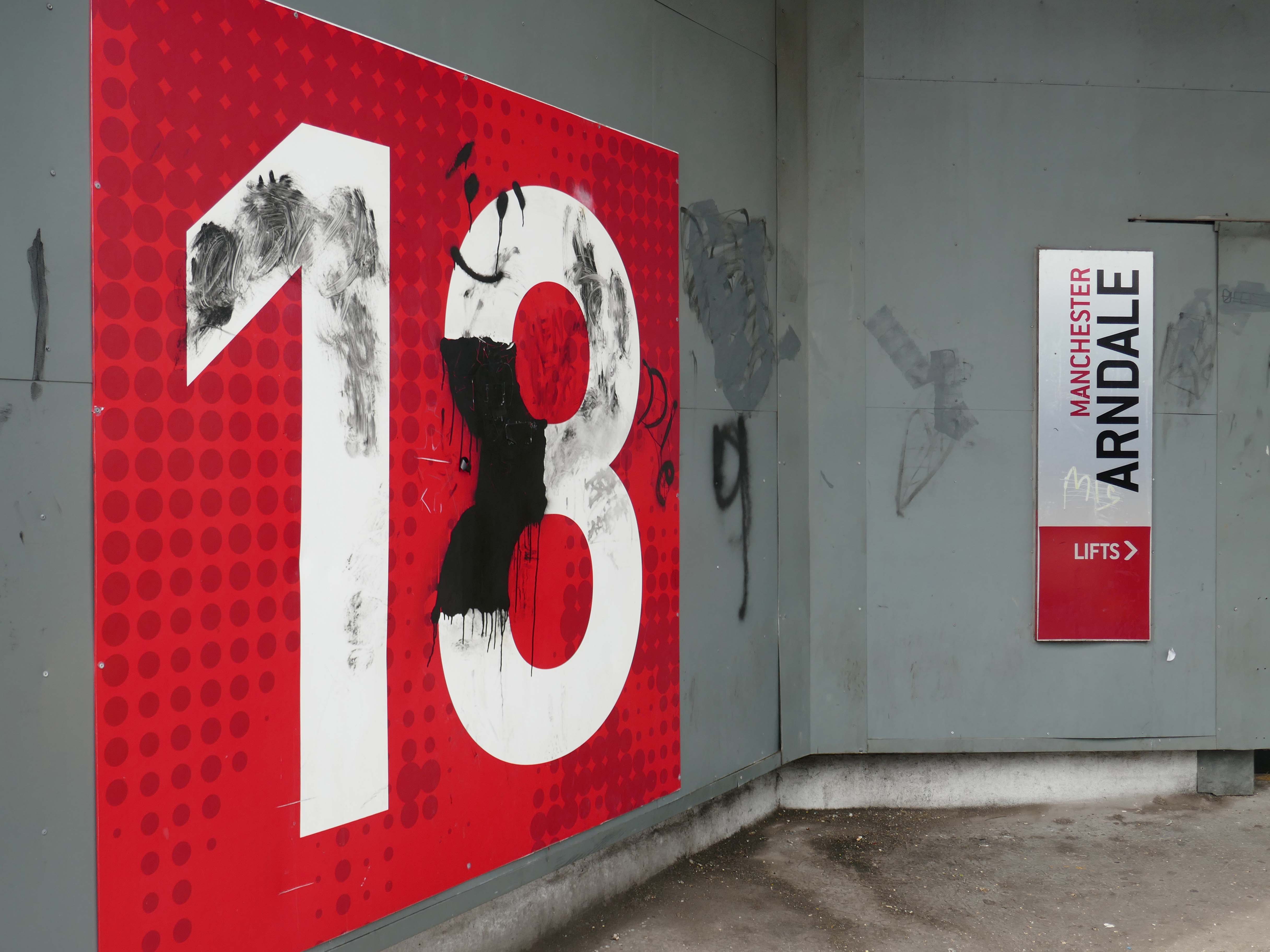
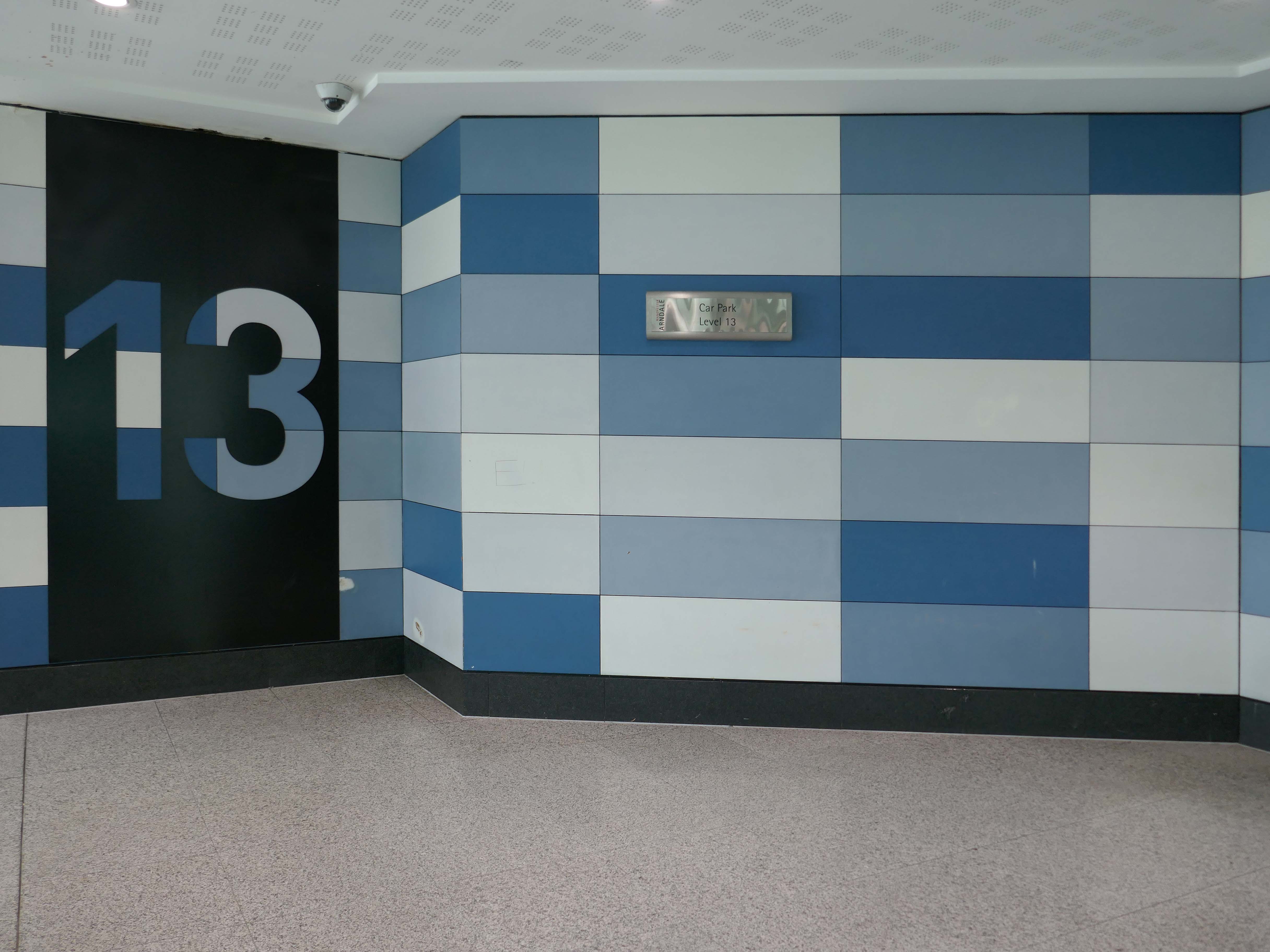
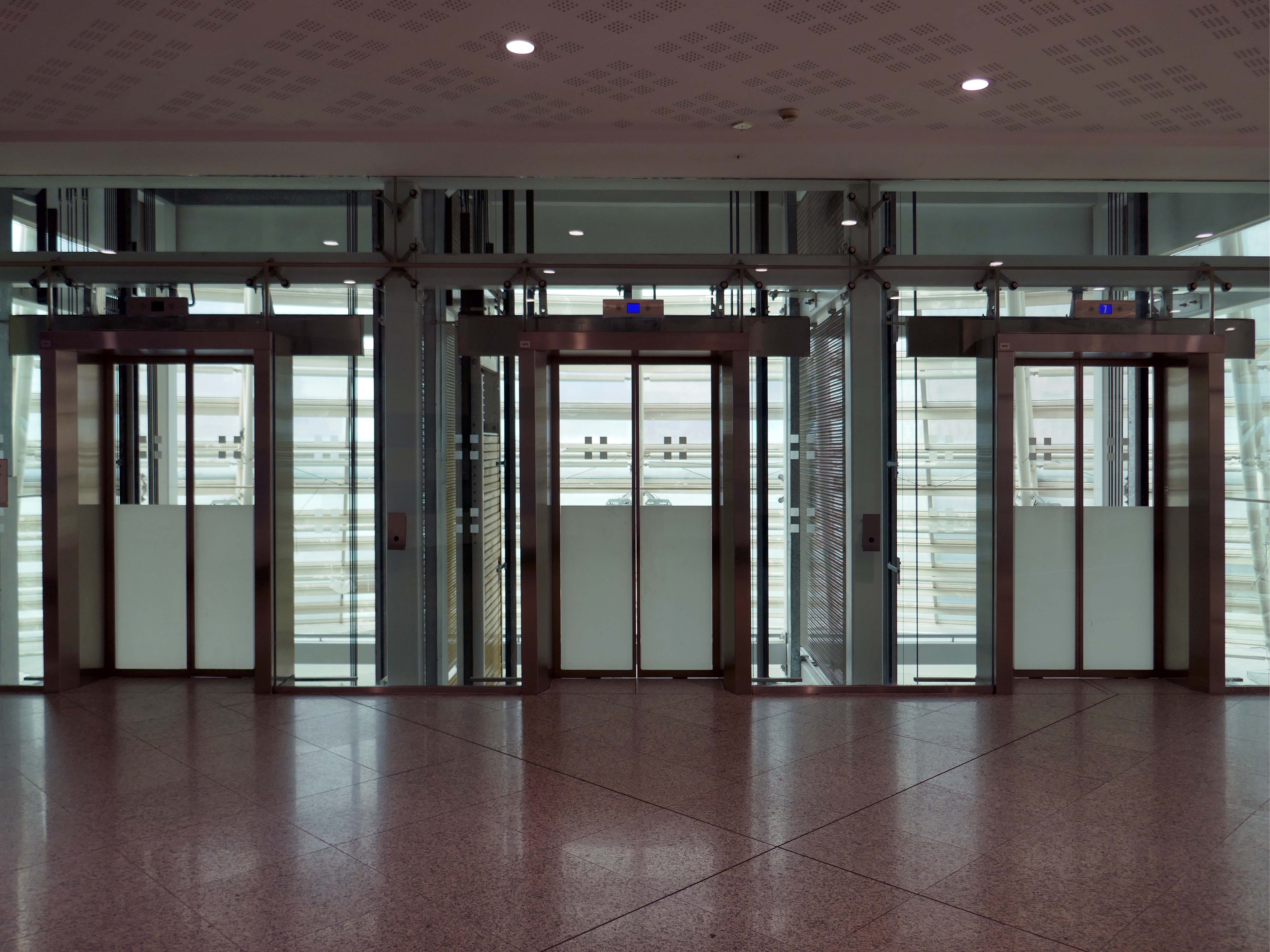
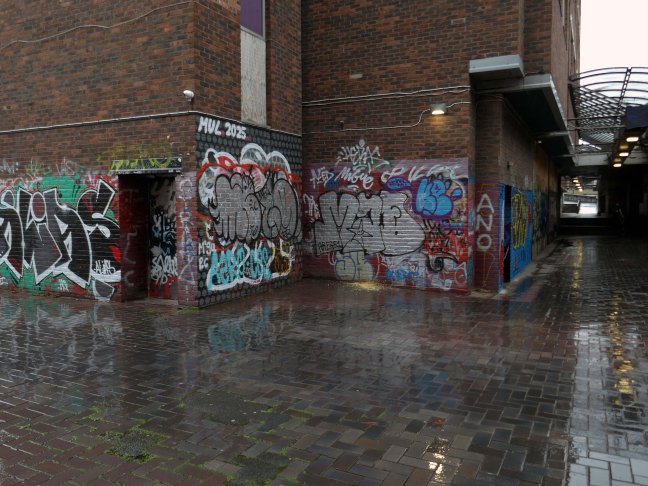
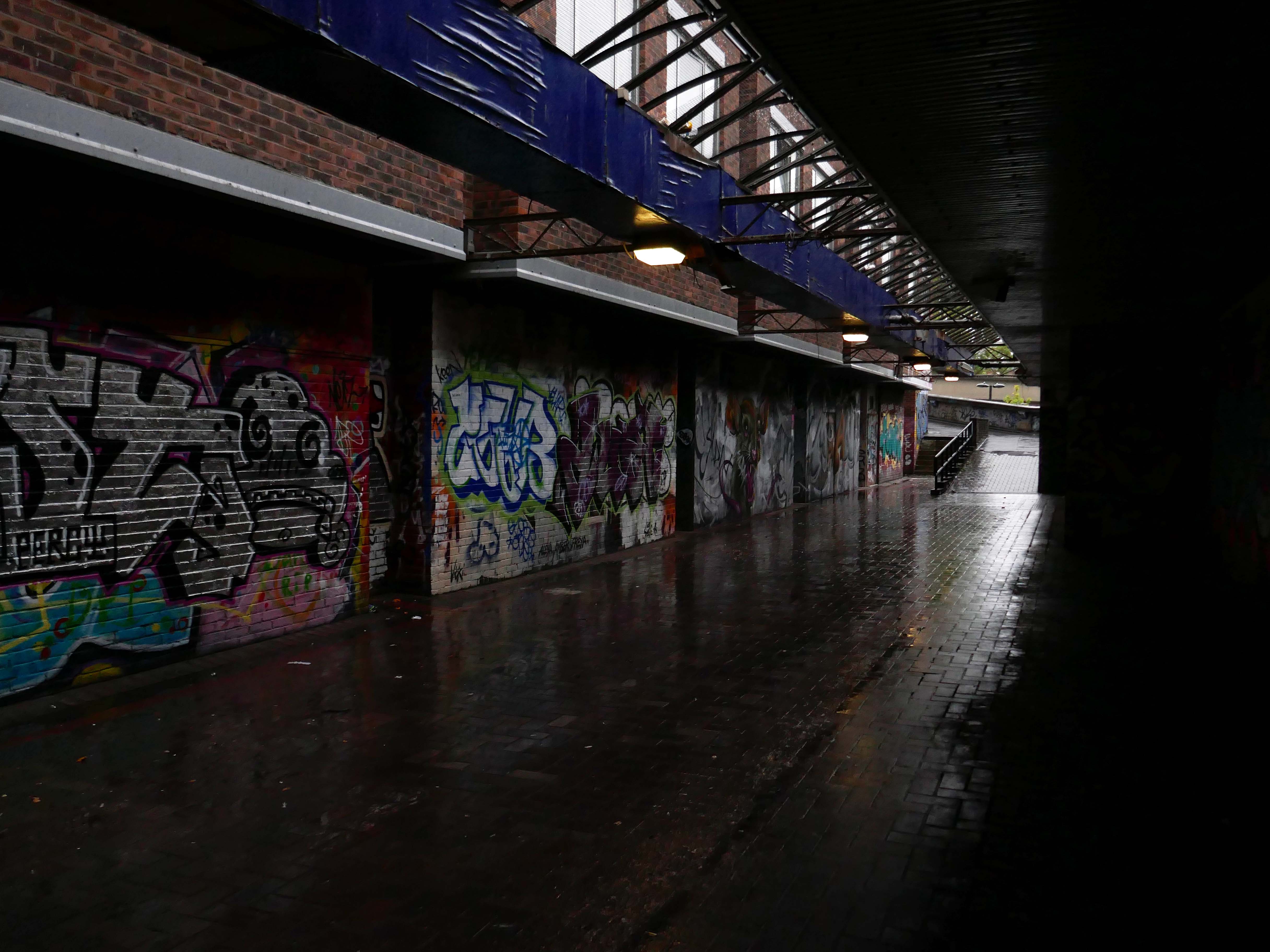
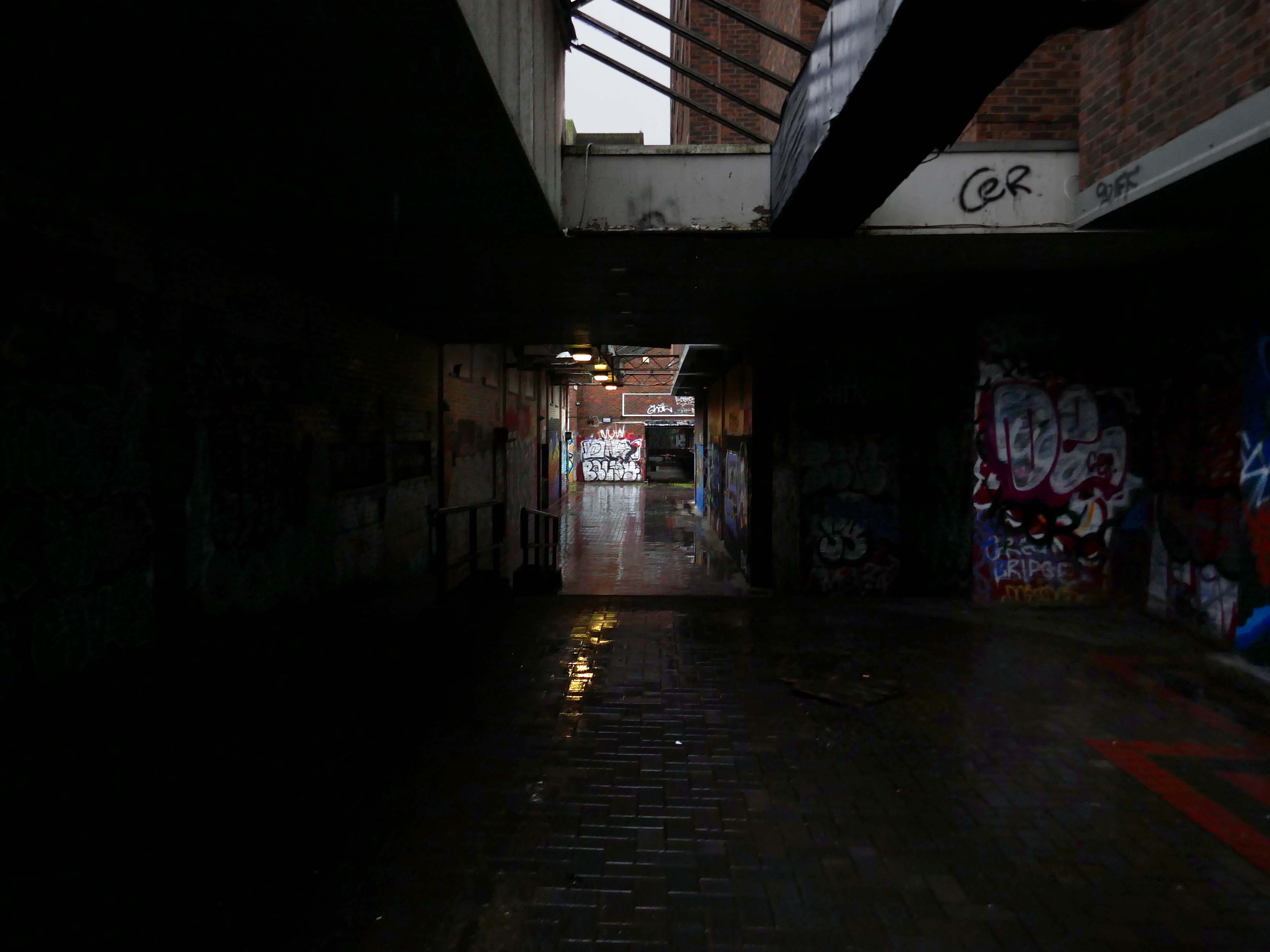
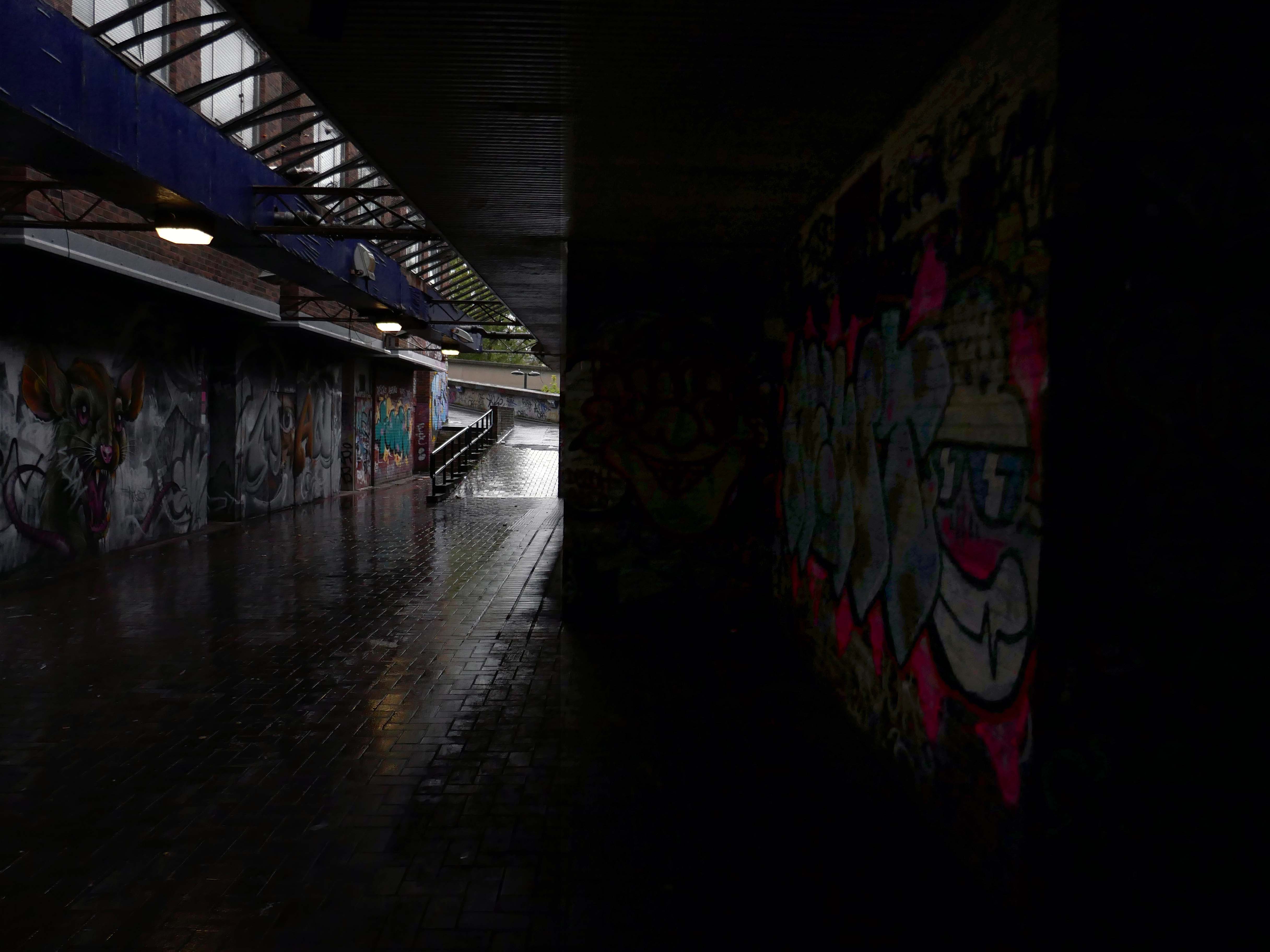
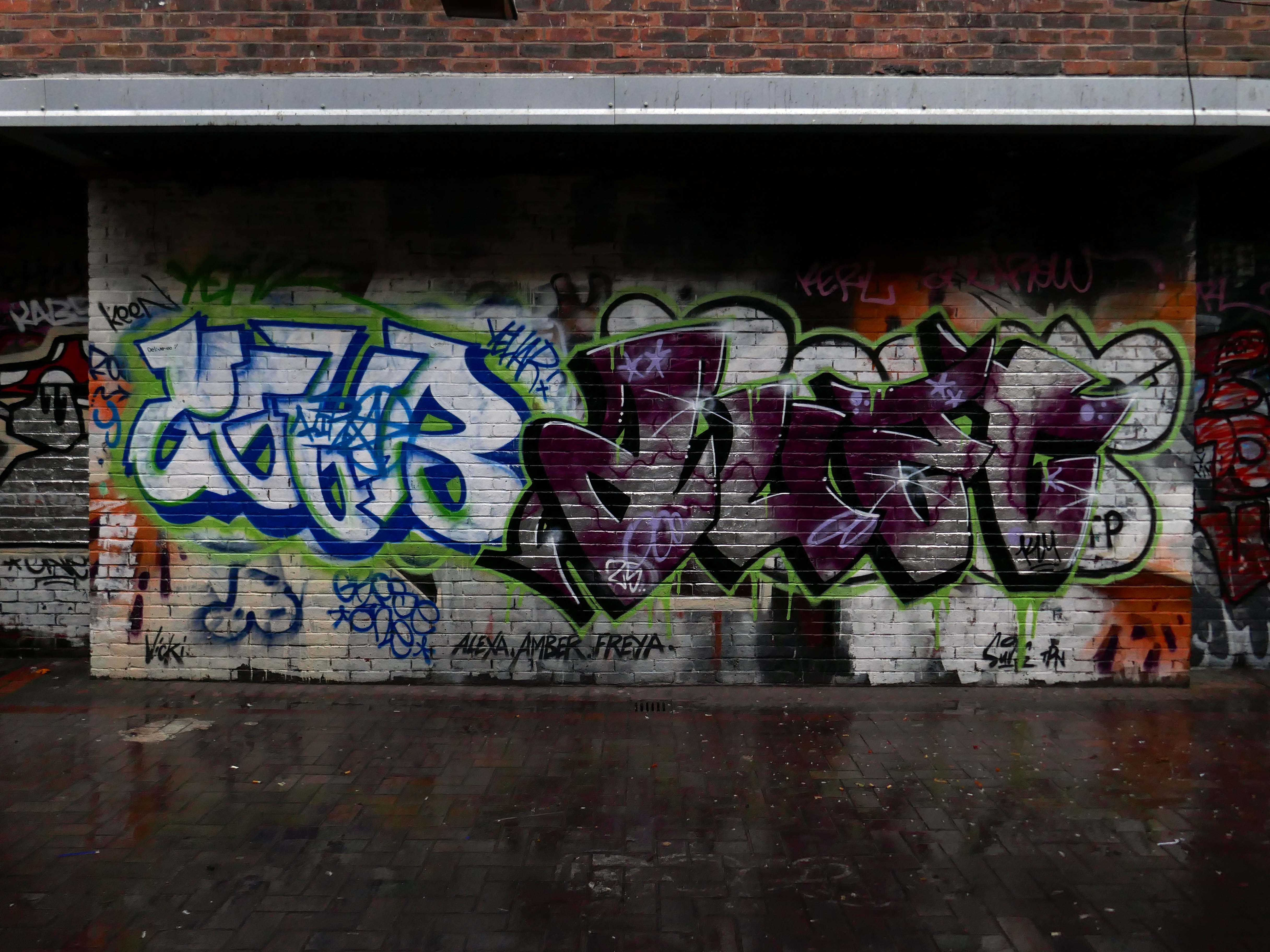
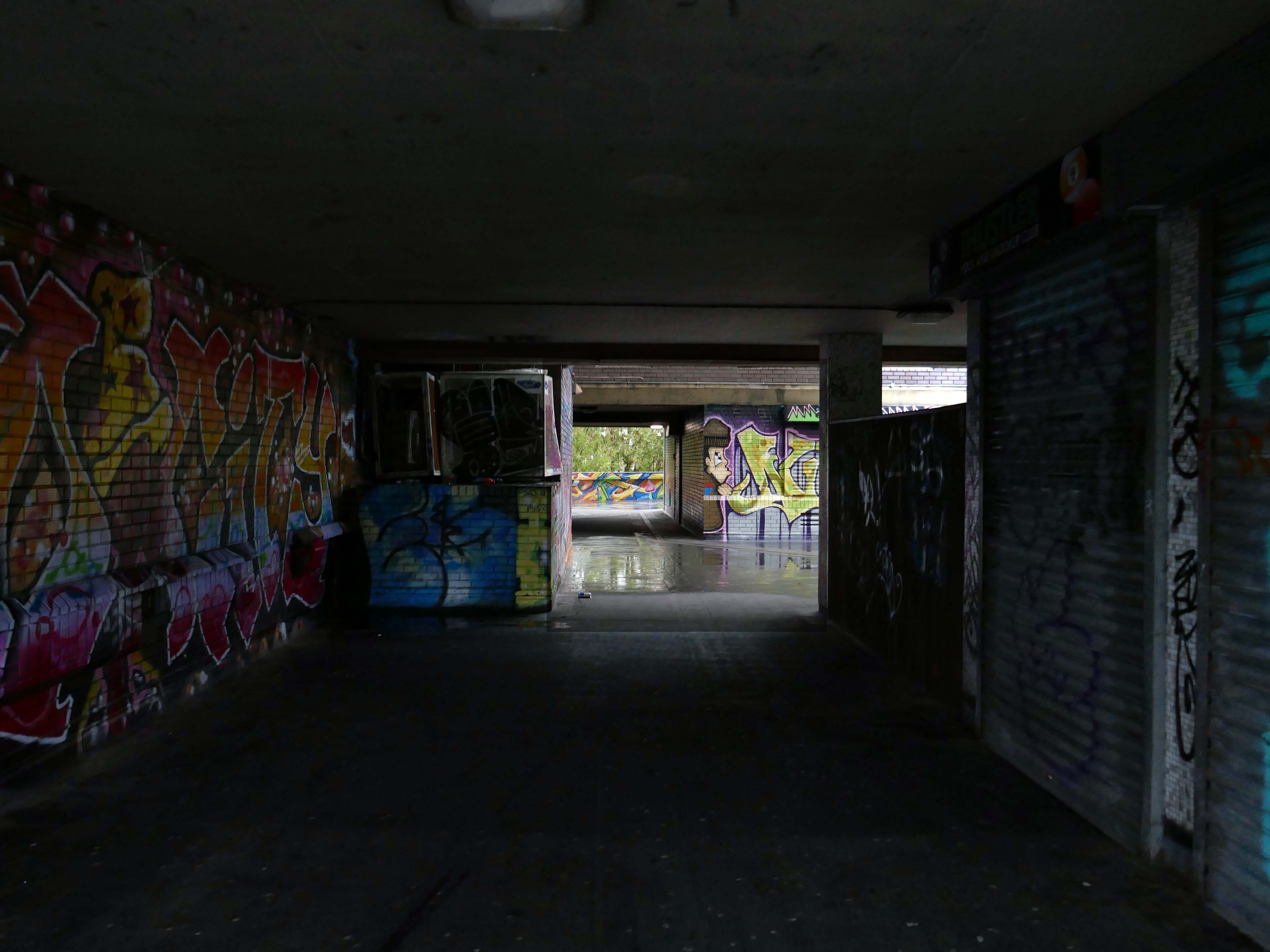
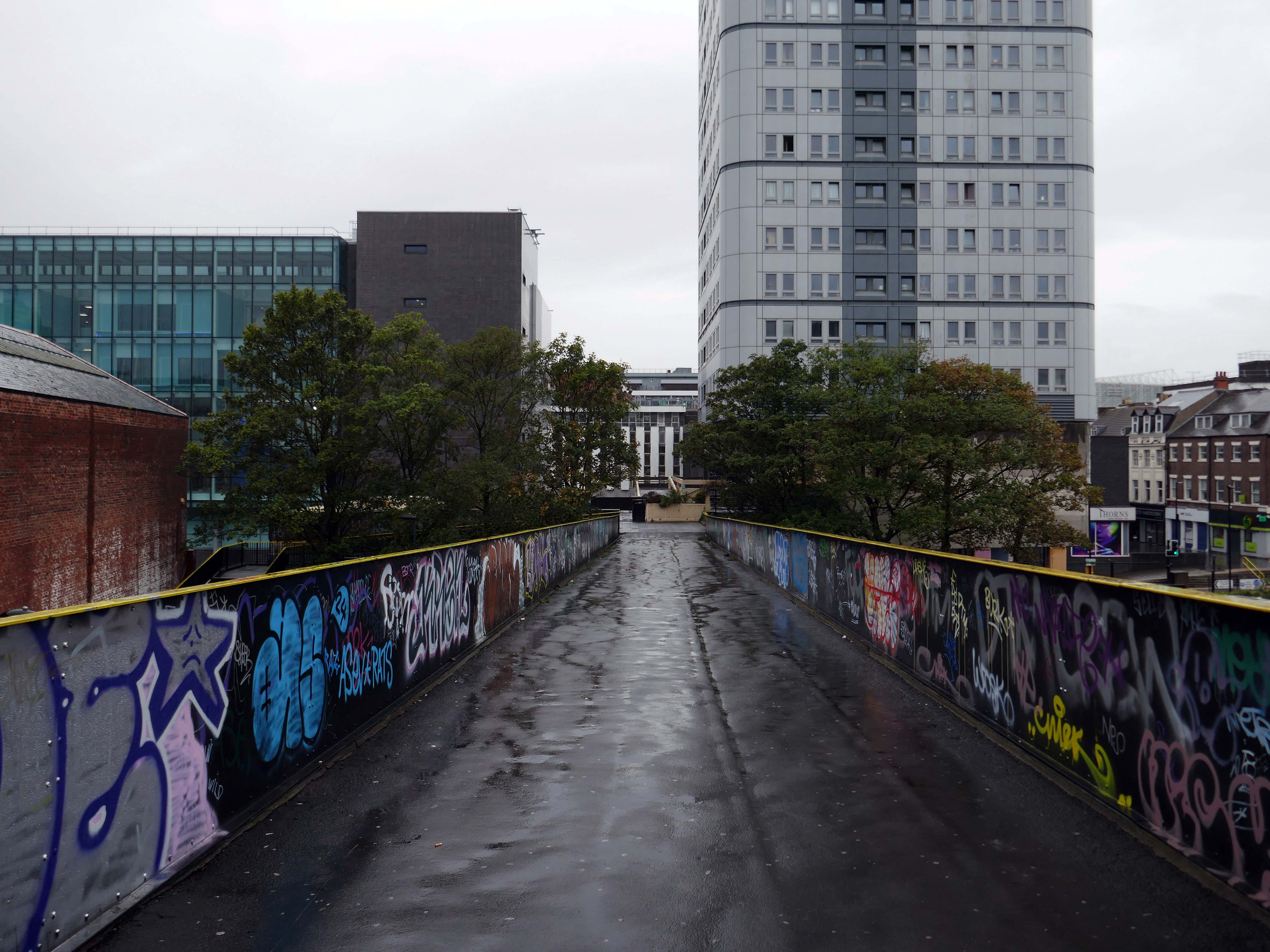
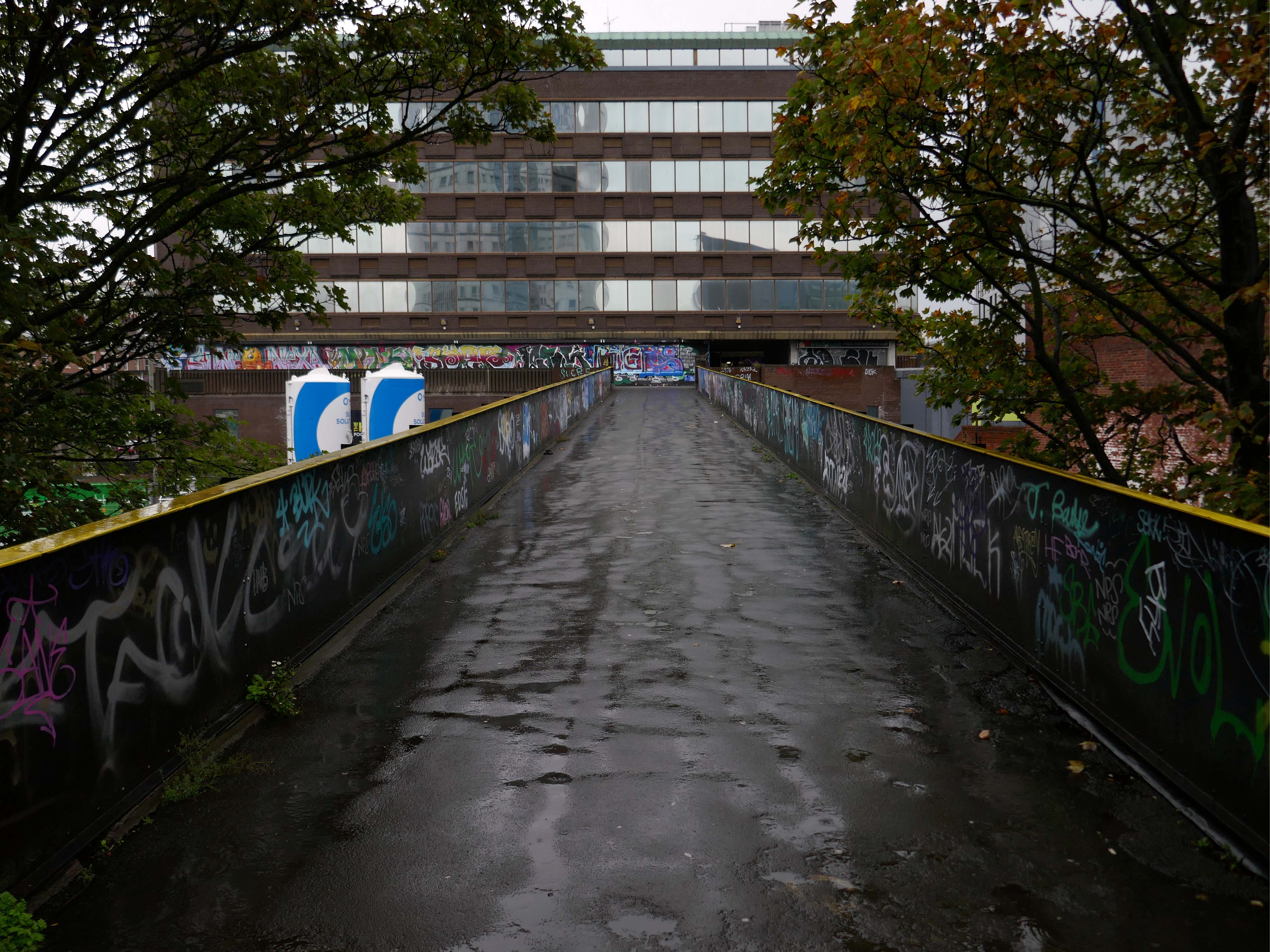
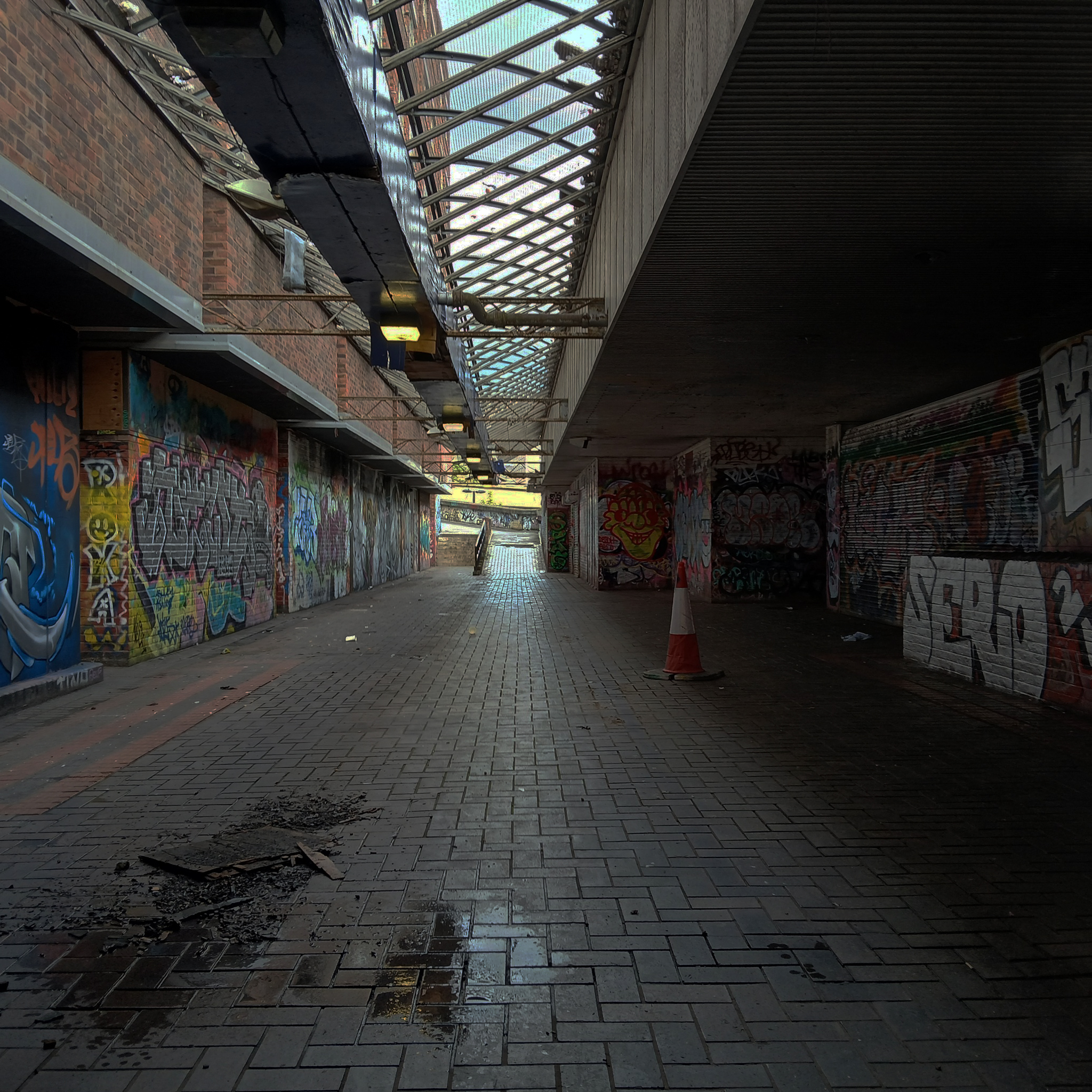
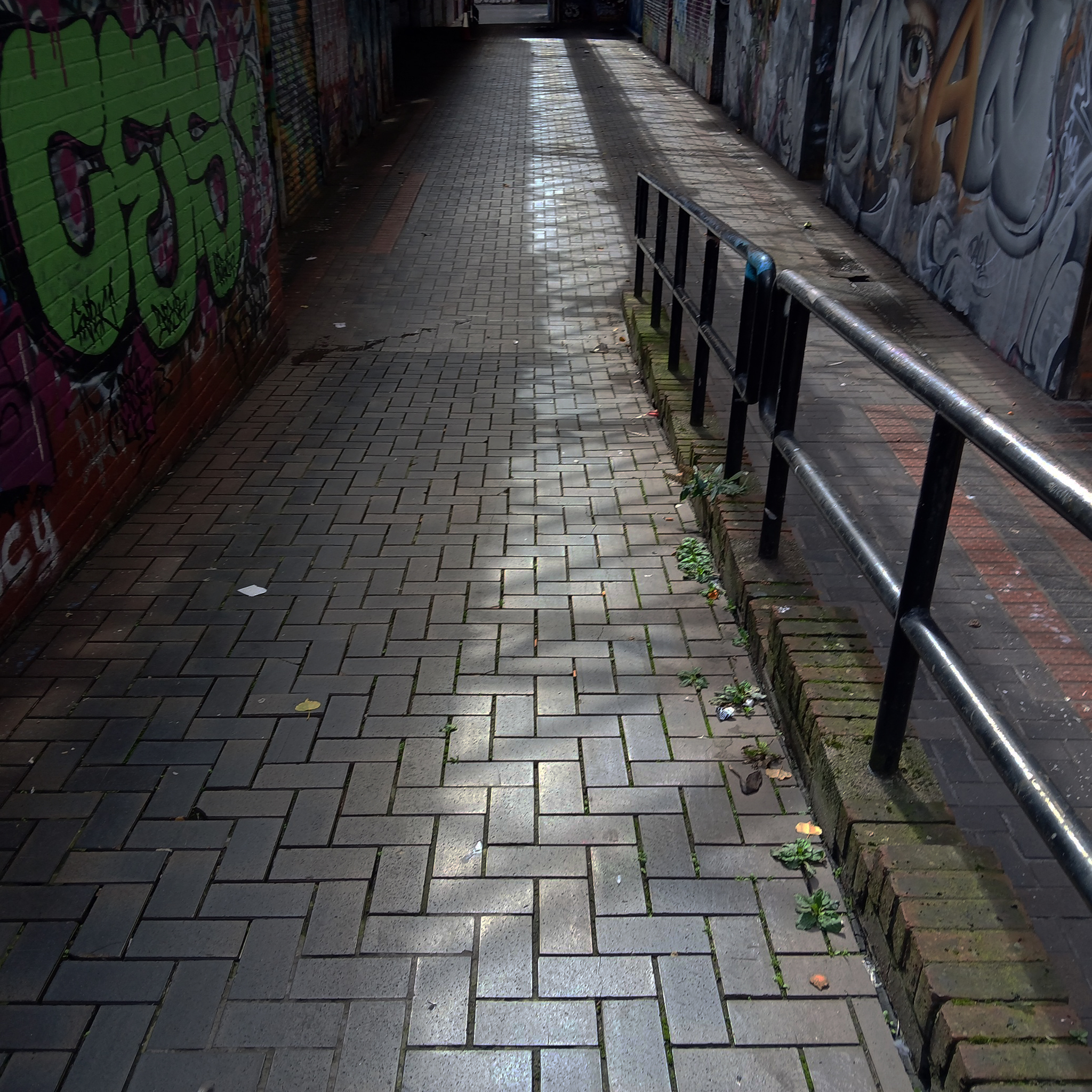
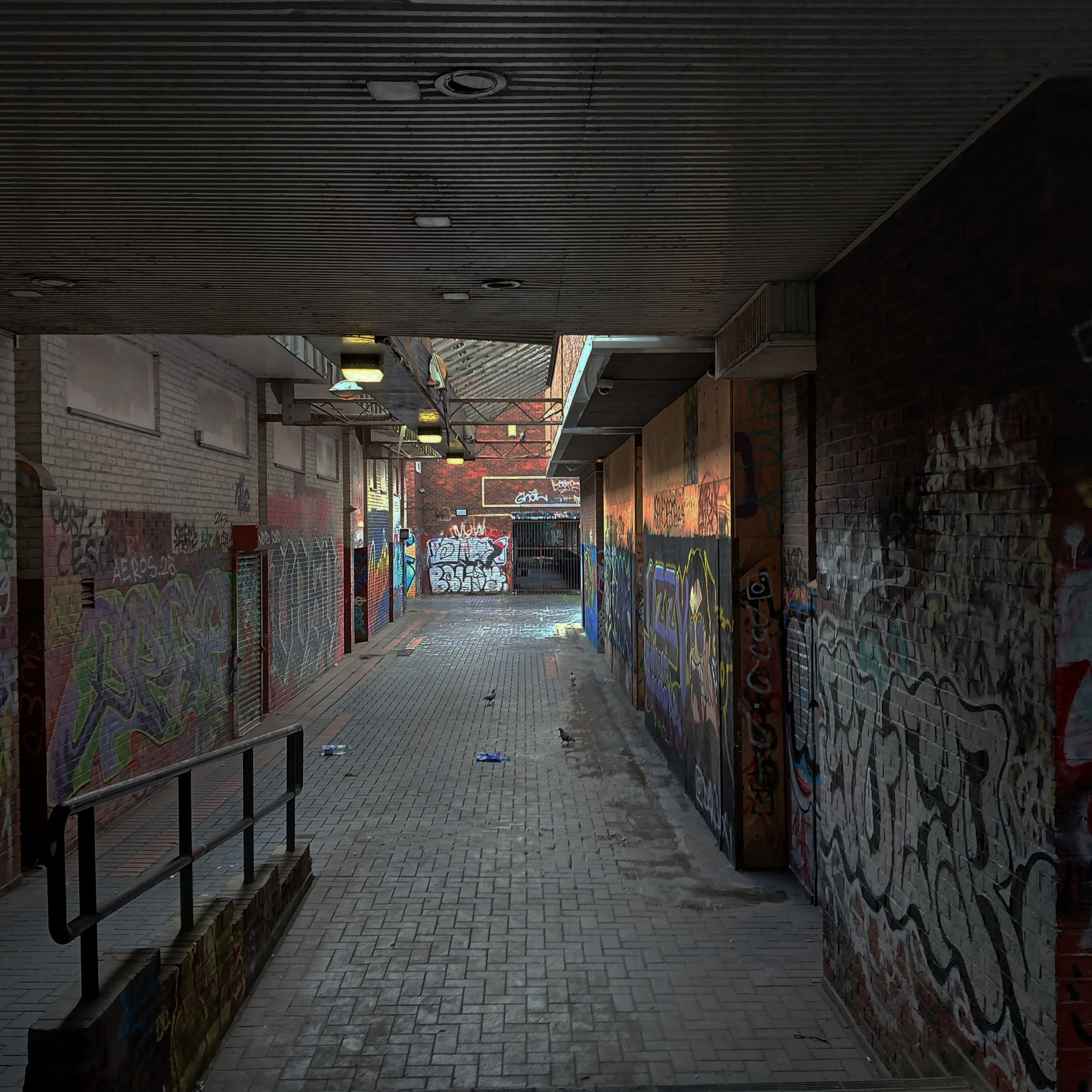
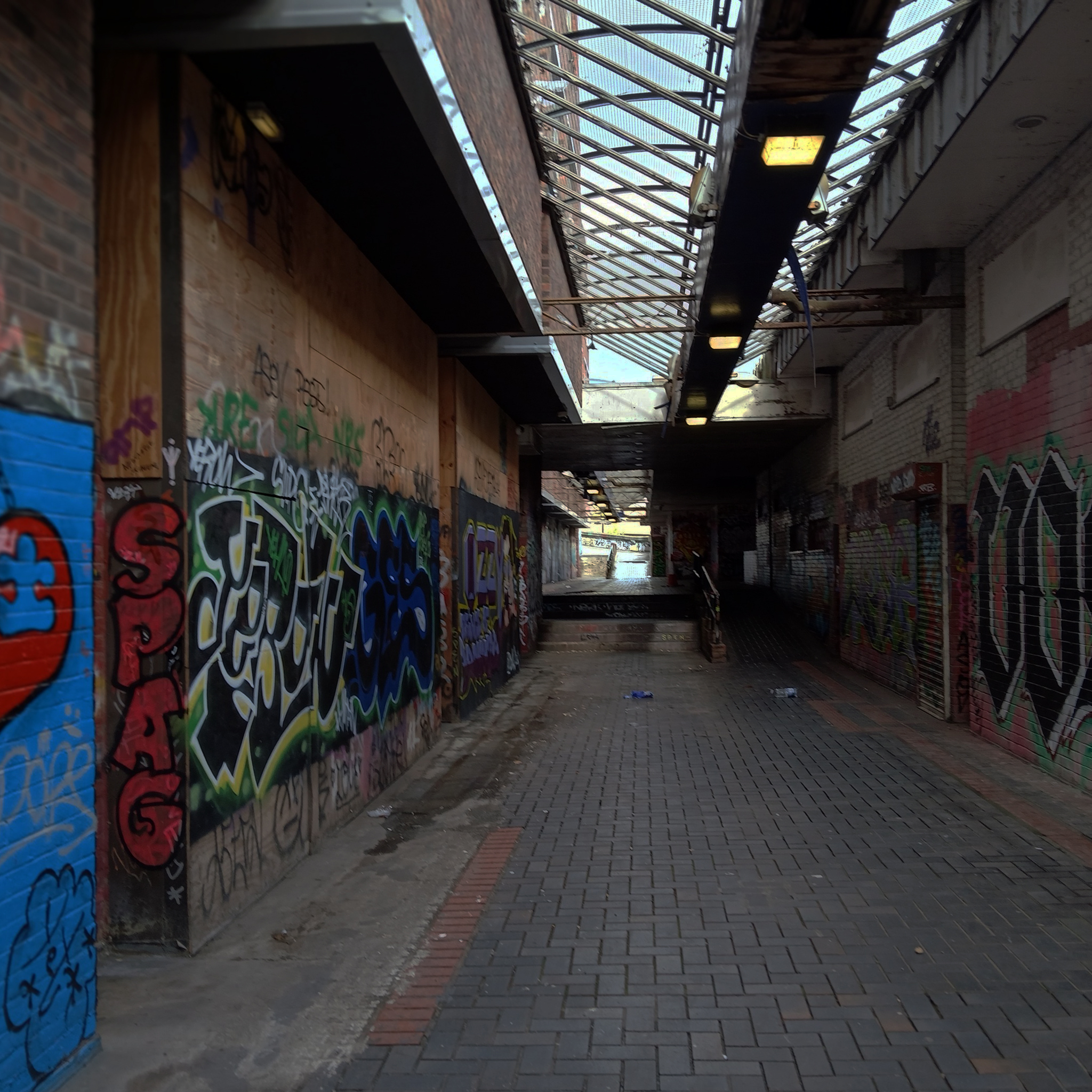
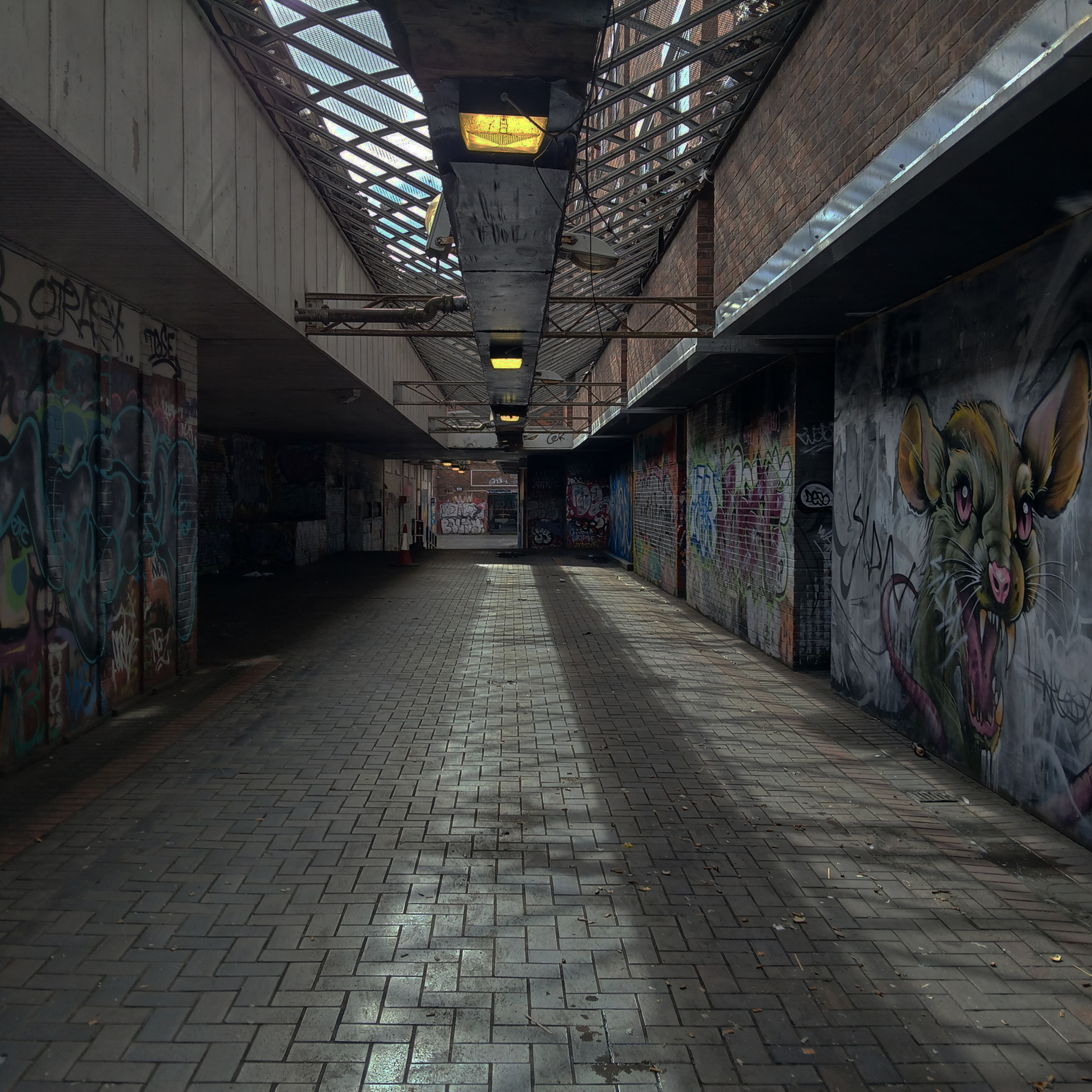
I found a mesmerising series of corridors and doors, defunct lifts and a plethora of pin-pong players, along with several leak catching buckets.
What will you find?
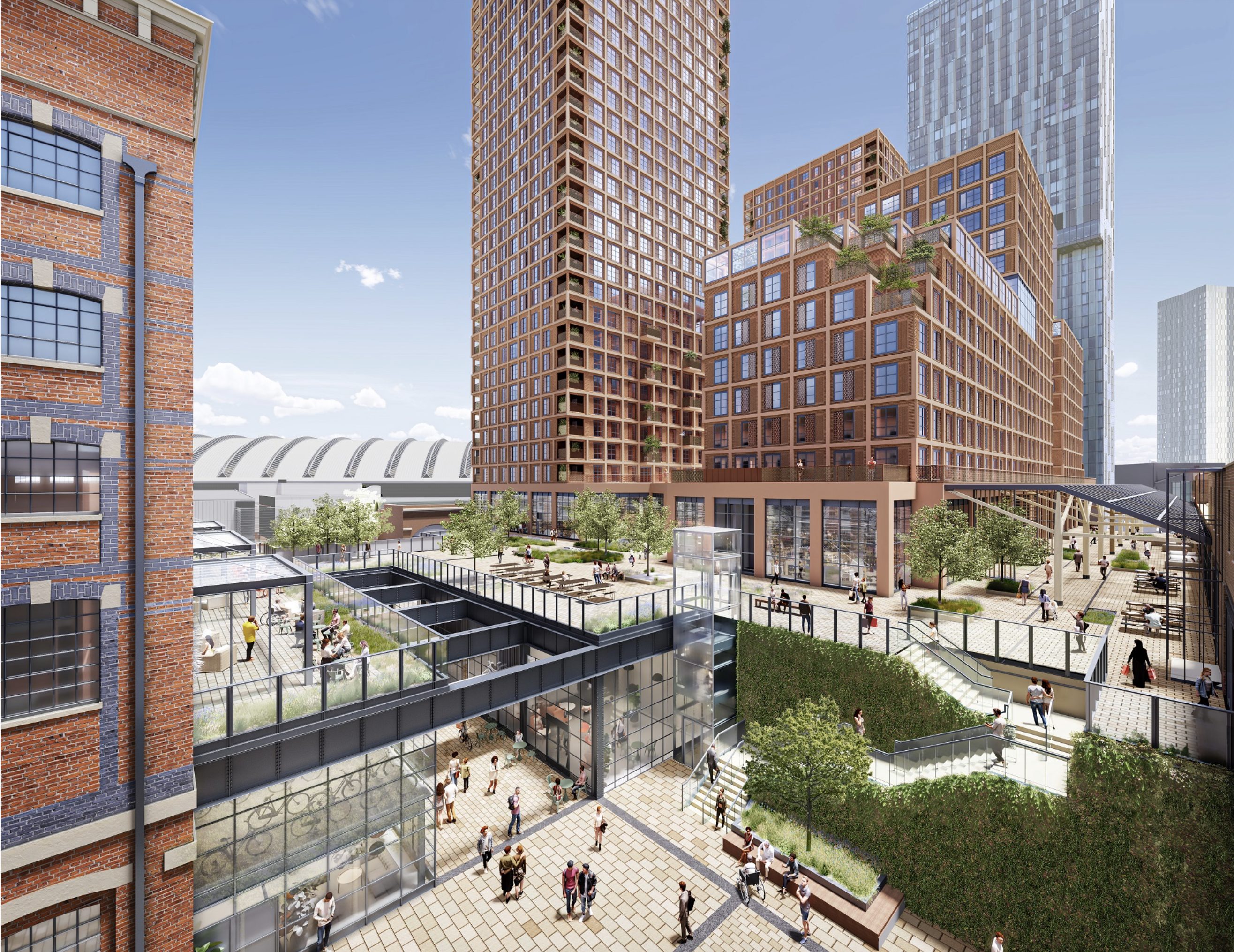
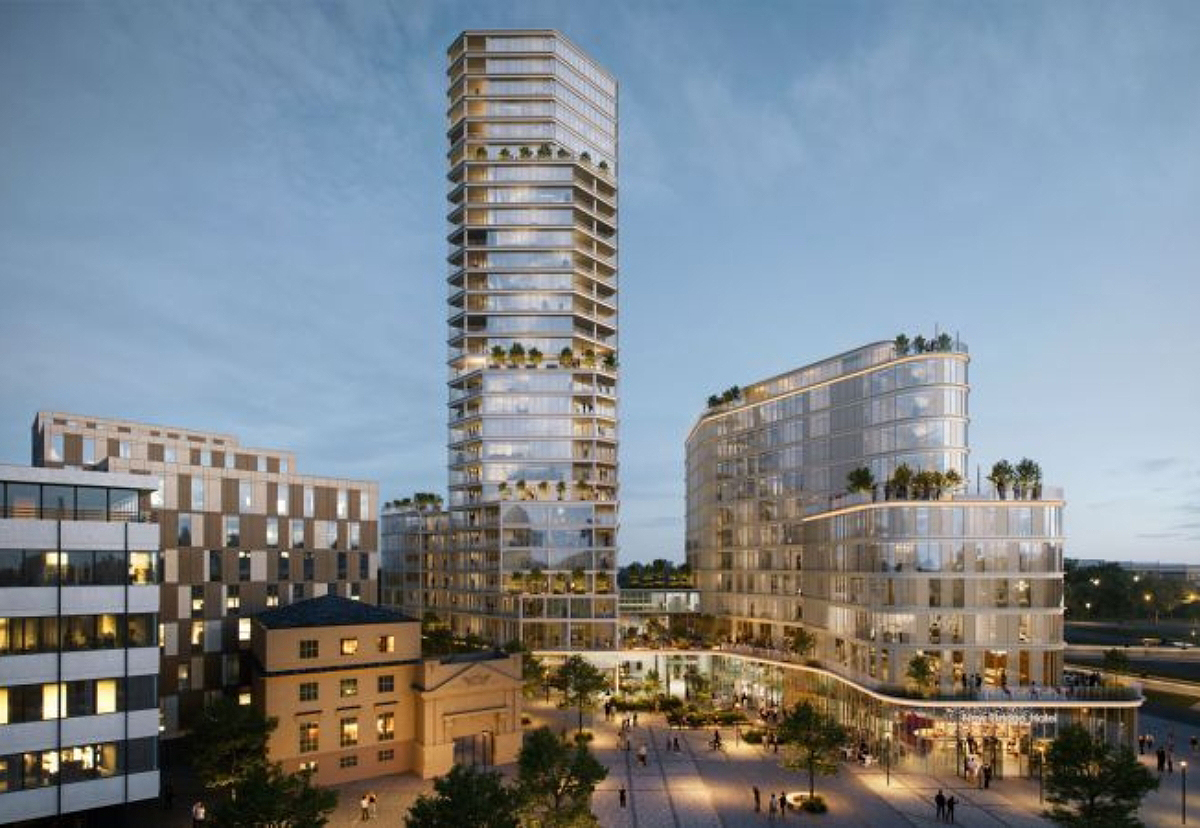
In November 2022, Trilogy Real Estate and Hong Kong–based Peterson Group brought forward updated plans for a mixed-use redevelopment of the site.
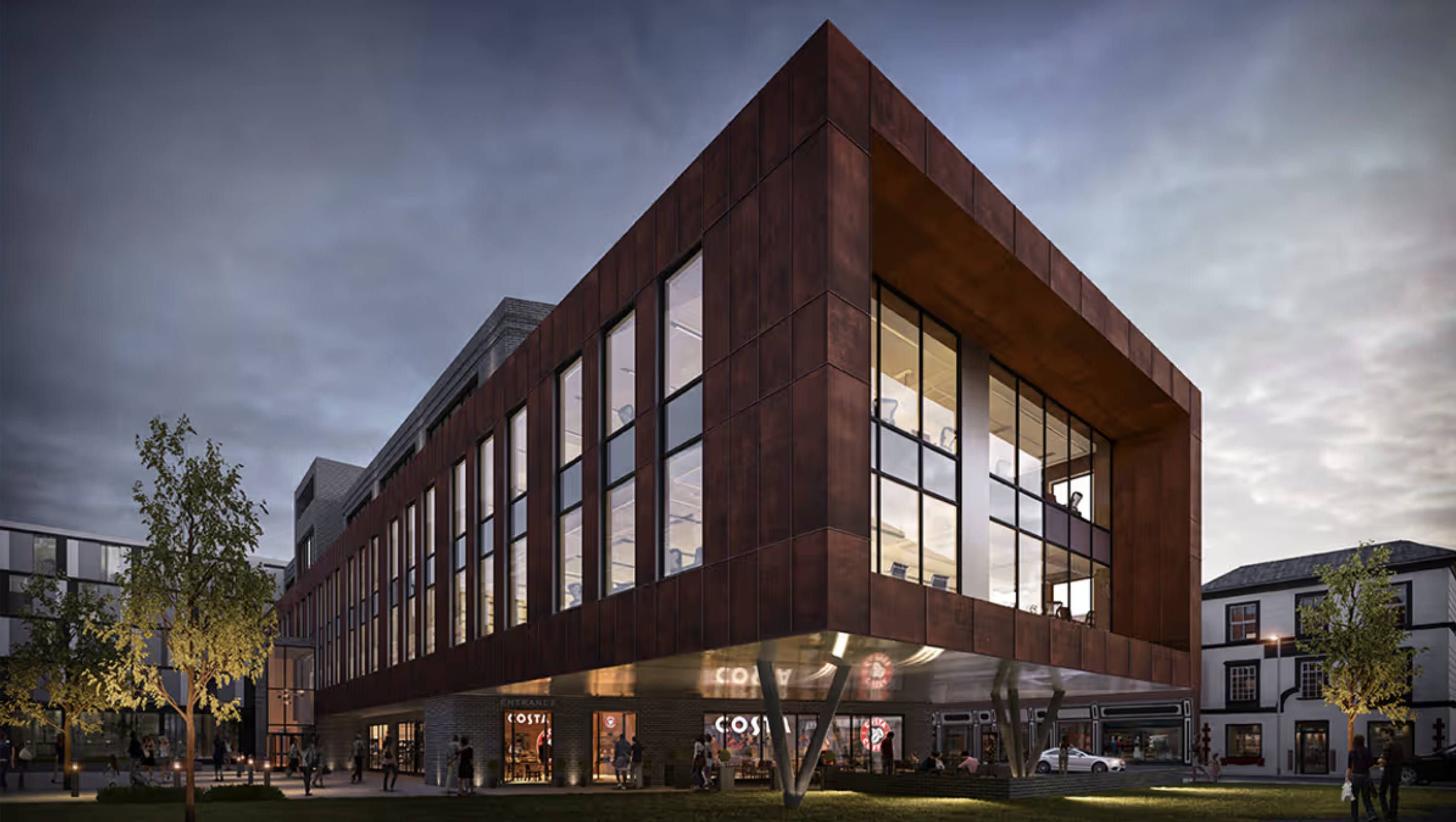
The historic warehouse will be given a new lease of life as office space, looking over a tree filled Square. Alongside this, the 1990’s cinema and car park building will be repurposed to create 746 apartments and reimagined pedestrianised retail streets.
From high street style to independent finds, coffee breaks to long lunches, there’s so much to discover here. Plan your visit, explore what’s new, and enjoy a day that’s every bit as relaxed as it is rewarding.
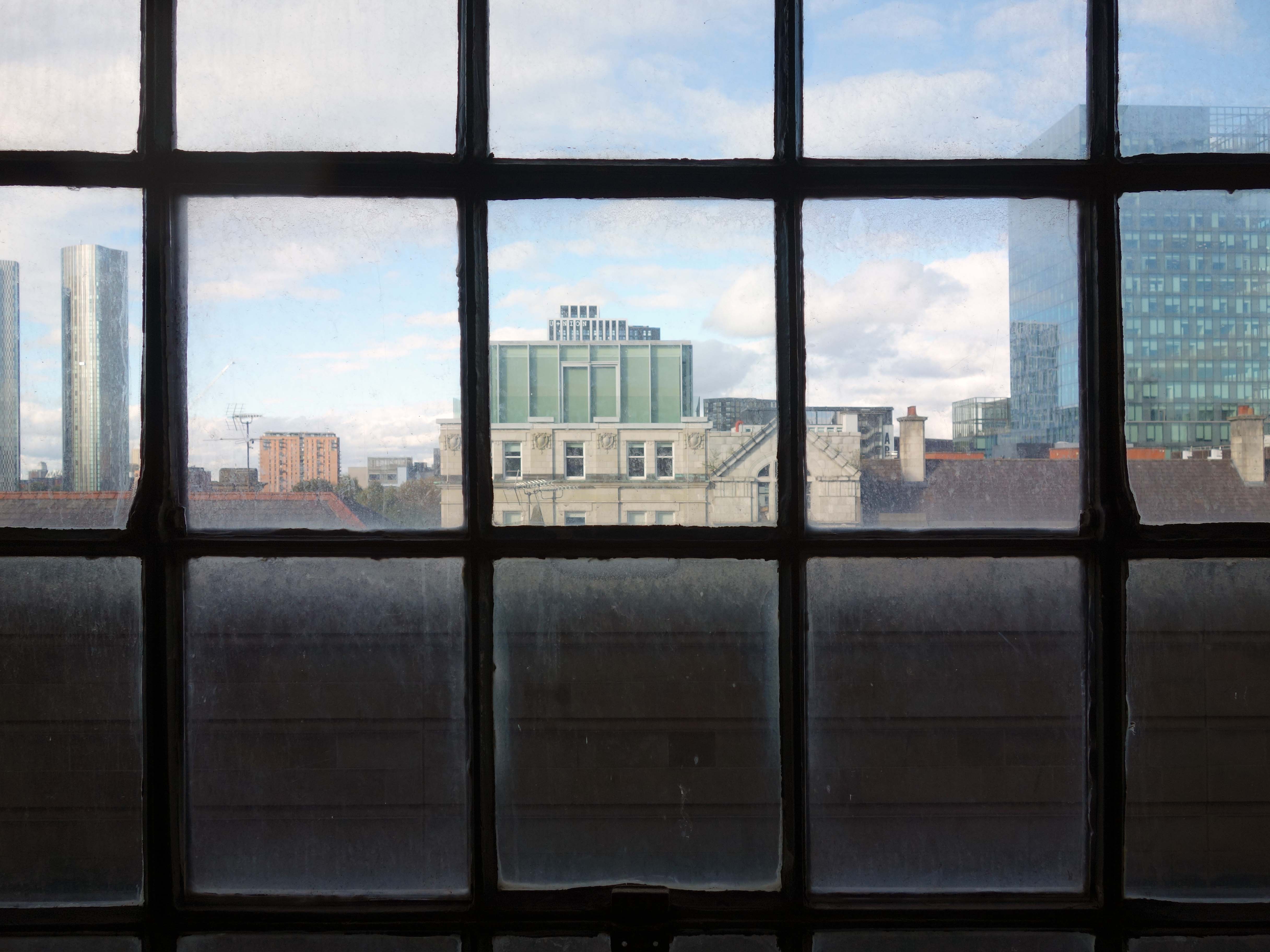
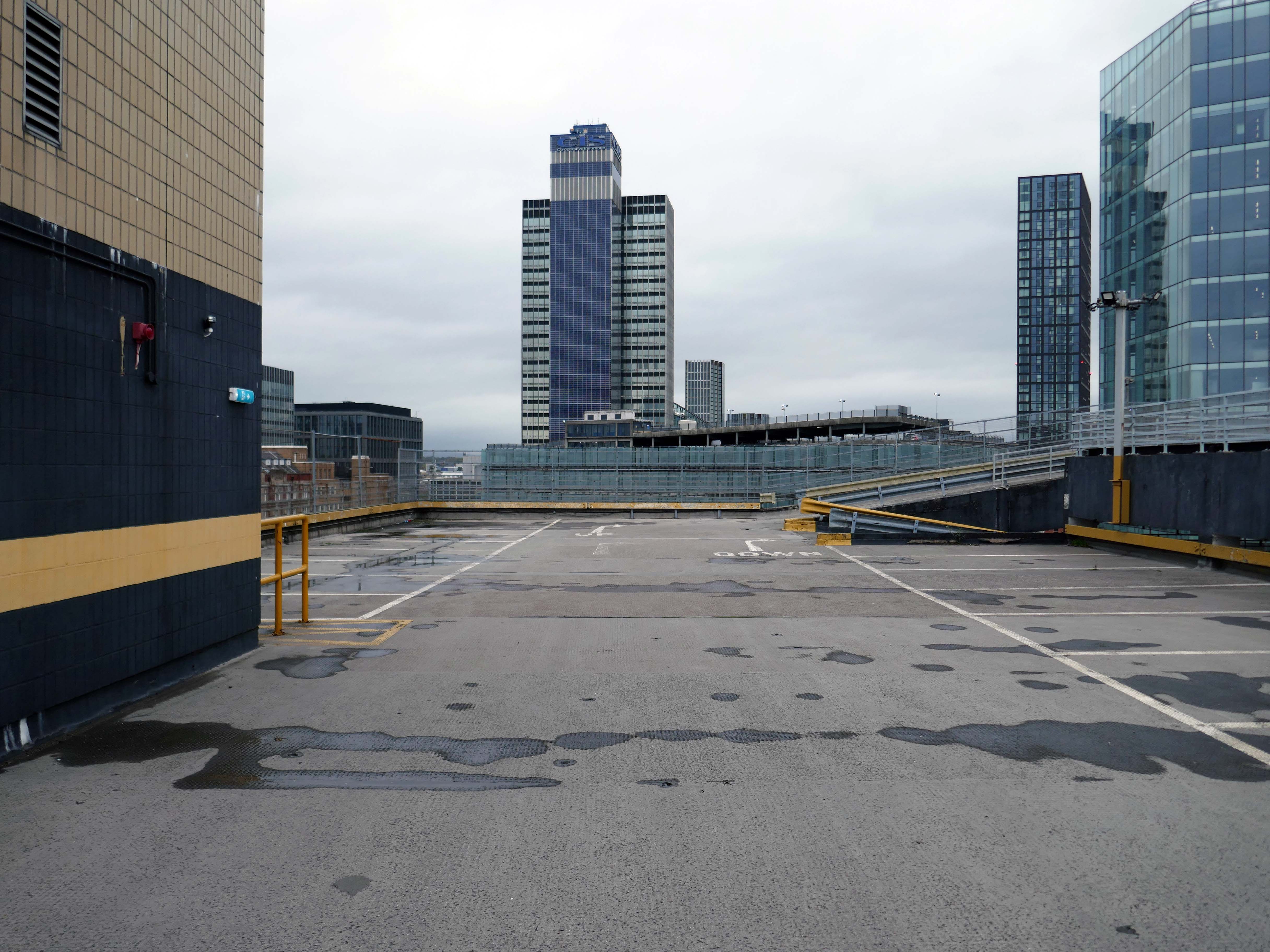
Up in the lift, walking just one flight of stairs, right to the top.
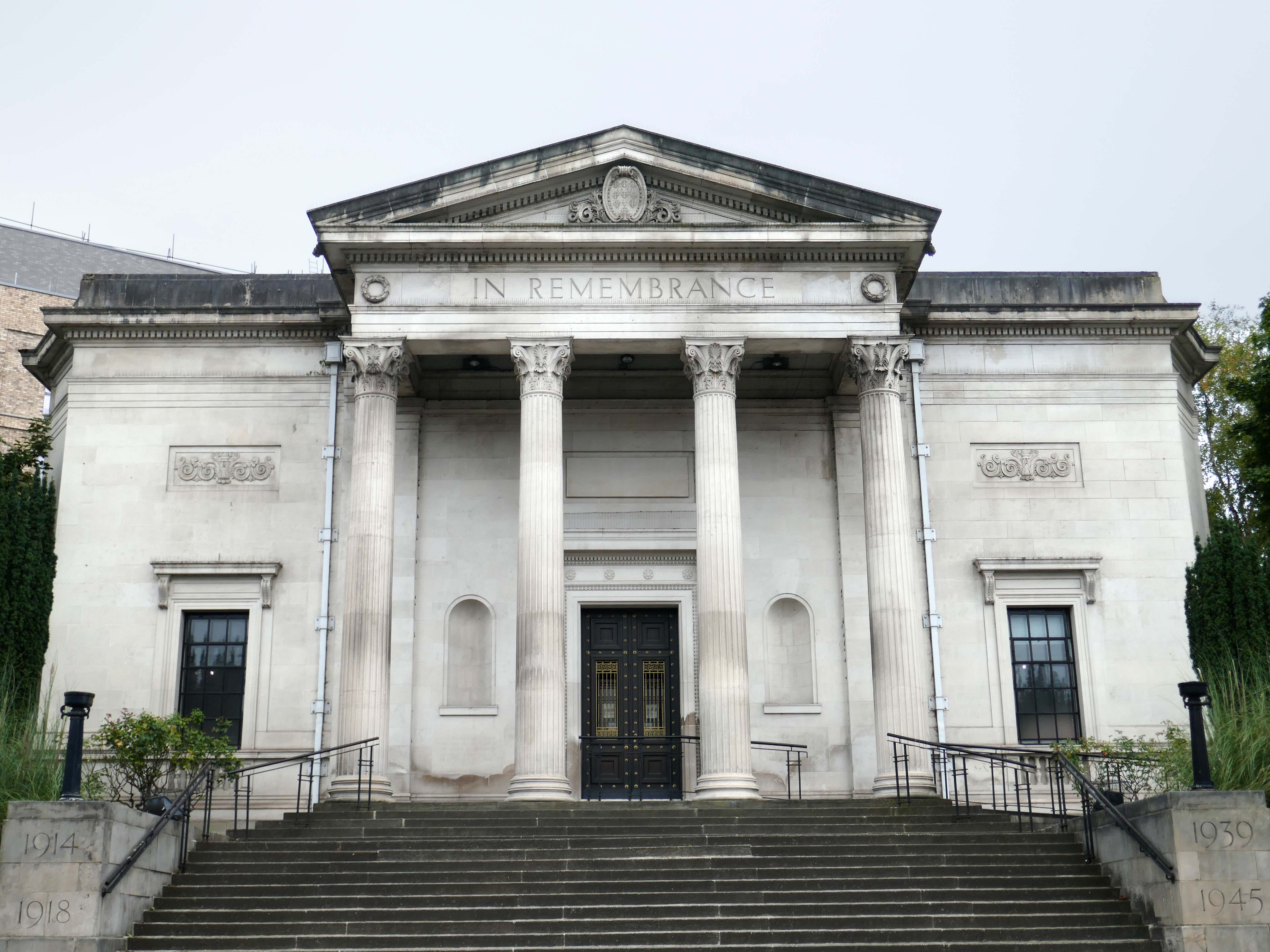
I was asked by SMBC to take folks on a short Stockport walk – beginning at Stockport War Memorial Art Gallery and concluding at the Stockroom, a distance of less than a mile.
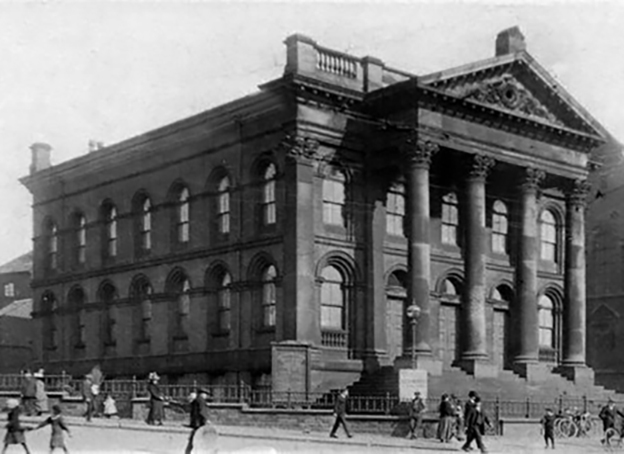
Designed in Neoclassical Greek Revival style with central tetrastyle Corinthian portico, the order loosely based on Temple of Apollo at Bassae
The Gallery has a long history of exhibitions from some of the art world’s finest artists. Today the gallery boasts an extensive exhibition program, which gives emerging artists a chance to showcase their work.
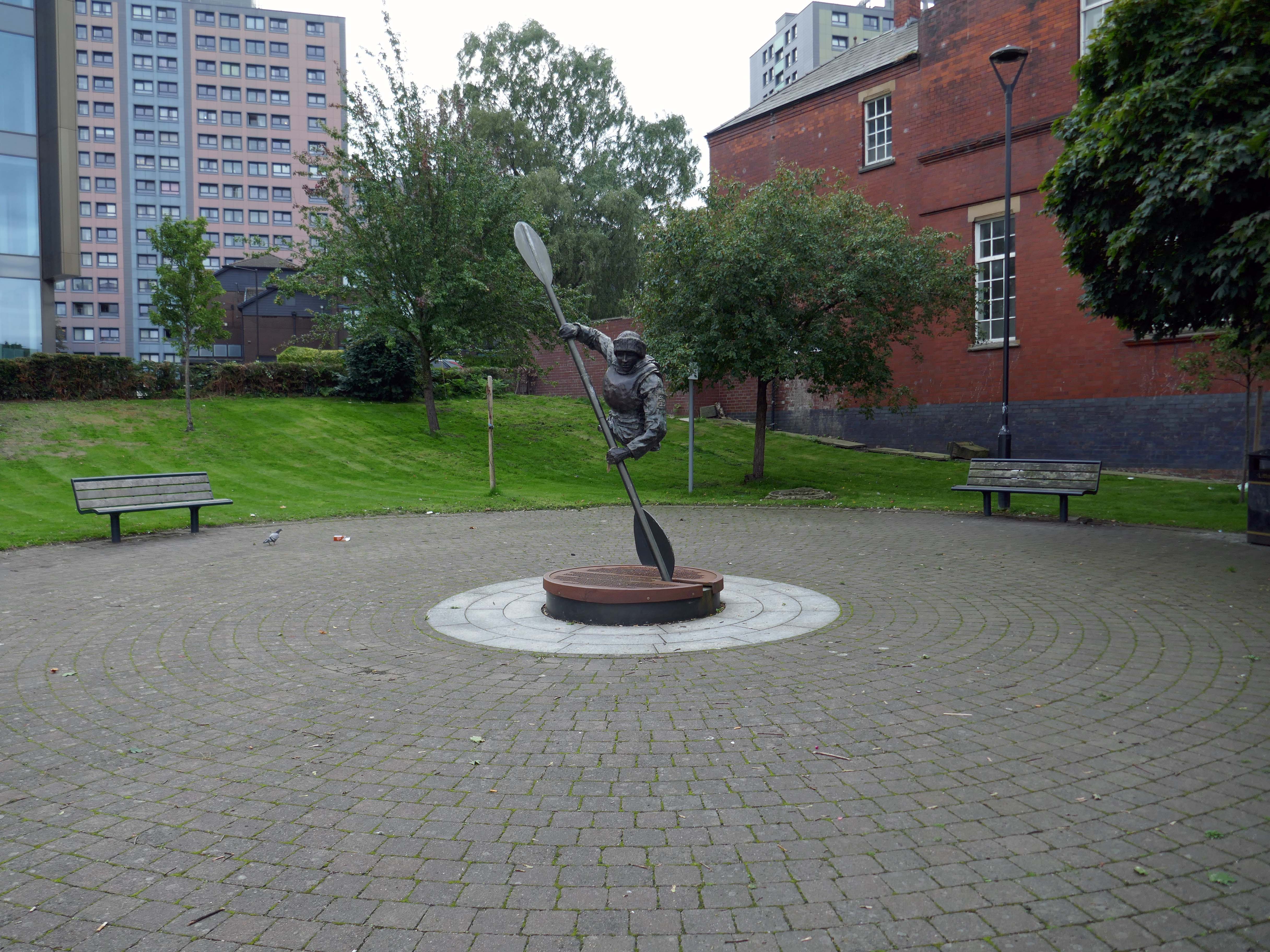
The capitals of Chapel’s Corinthian columns, surround the site of the Cockleshell Hero memorial 2017 – sculptor Luke Perry.
The former Edgeley milkman James Conway took part in the Royal Marines’ most famous wartime raid, where he was one of the twelve men who paddled more than eighty miles in canoes up the Gironde to plant limpet mines on shipping in the German occupied French city of Bordeaux in 1942.
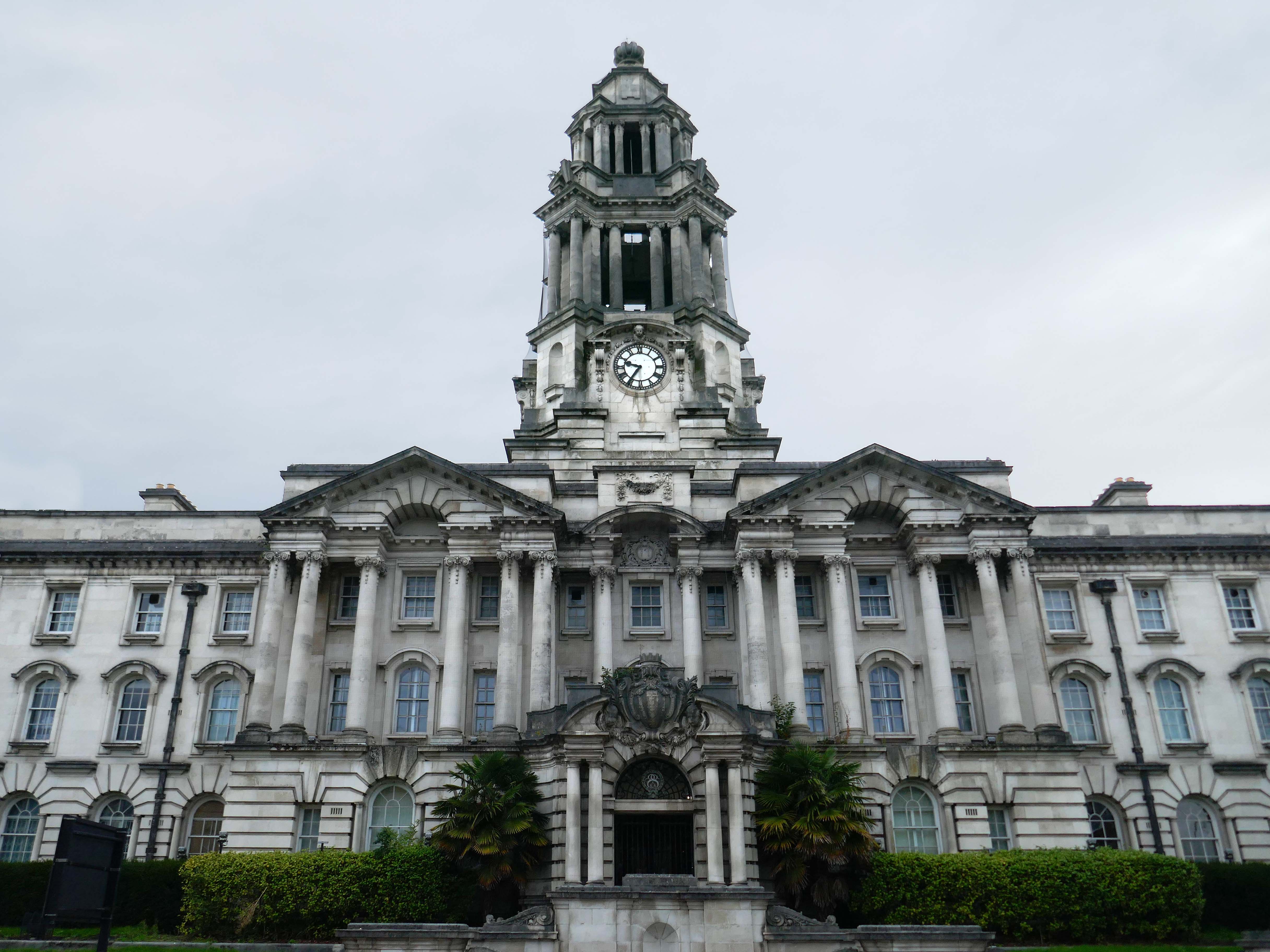
Although much simpler than continental Baroque architecture, English Baroque designs were equally heavy, sensual and decorative.
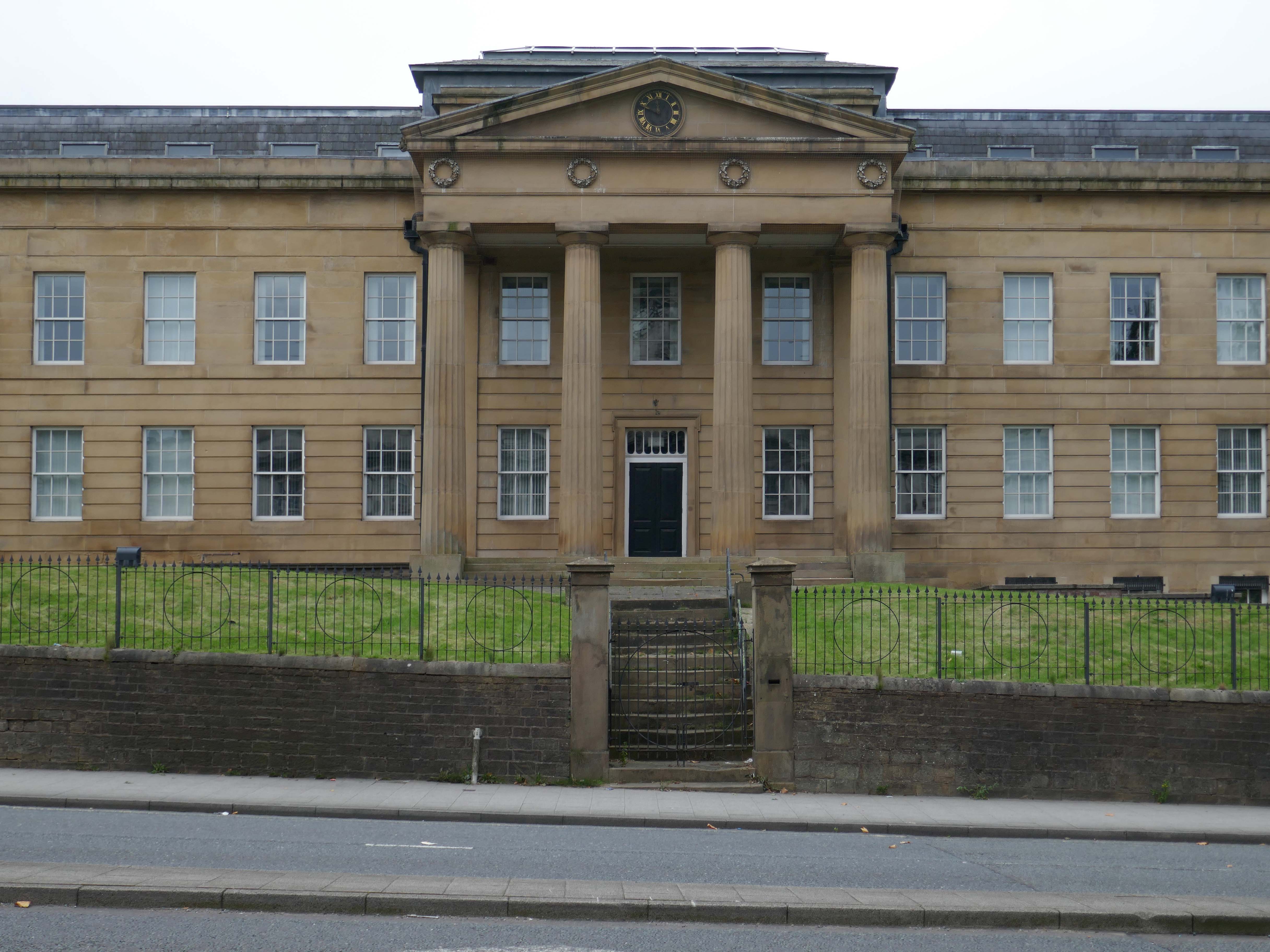
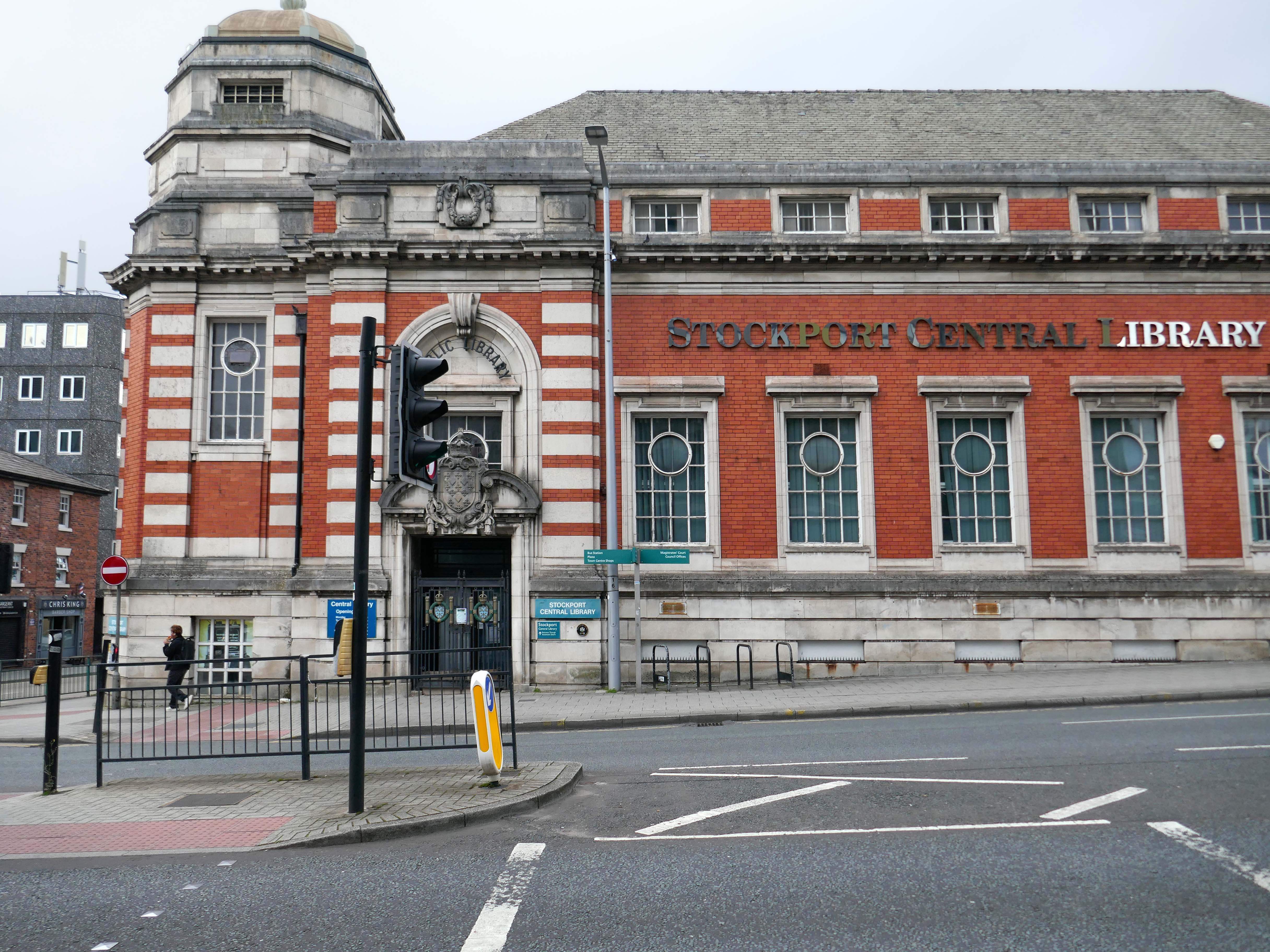
Across the road the former Stockport Infirmary l832 Grade II listed – architect Richard Lane.
Currently named Millennium House, home to the Department of Works and Pensions.
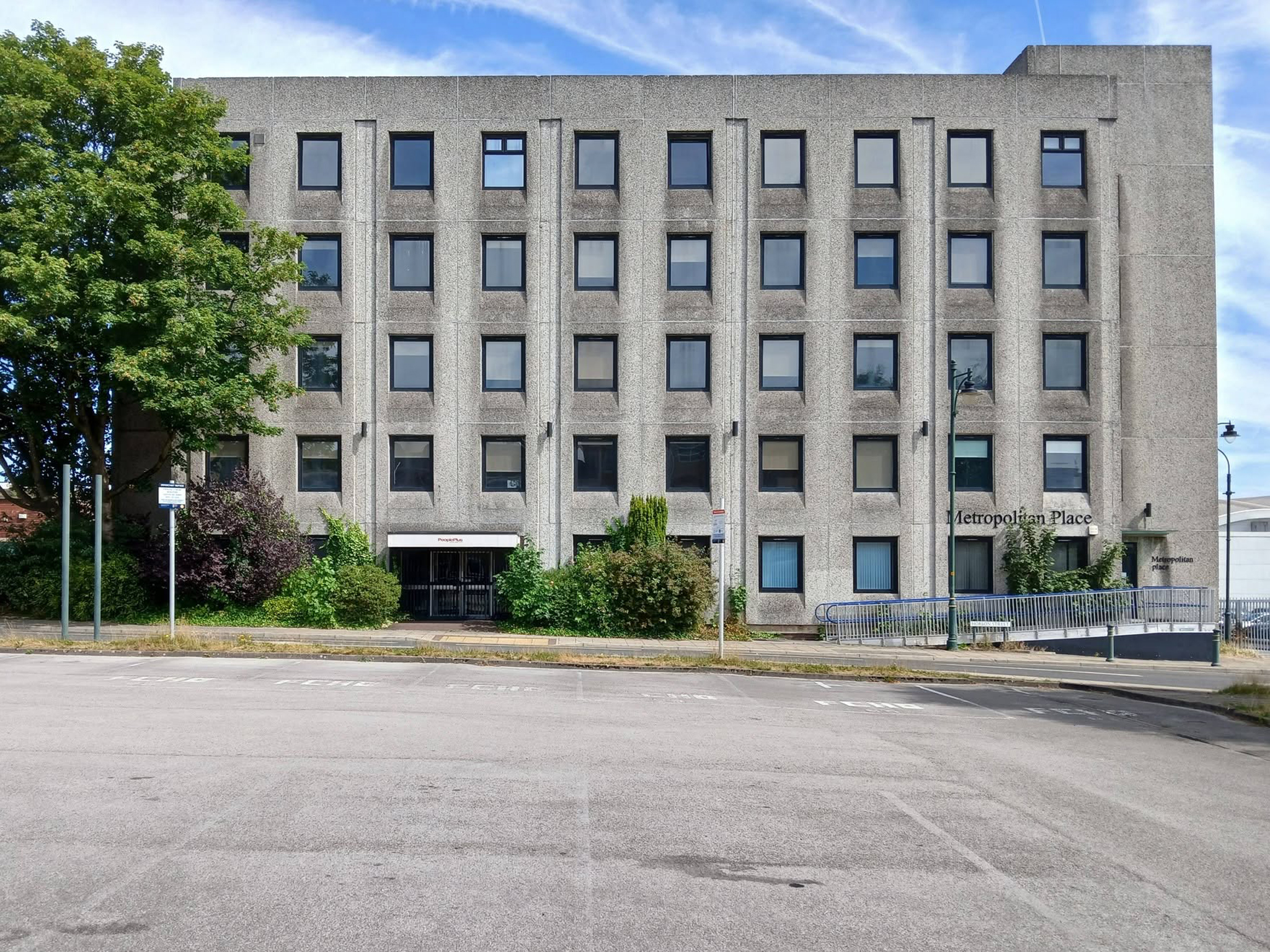
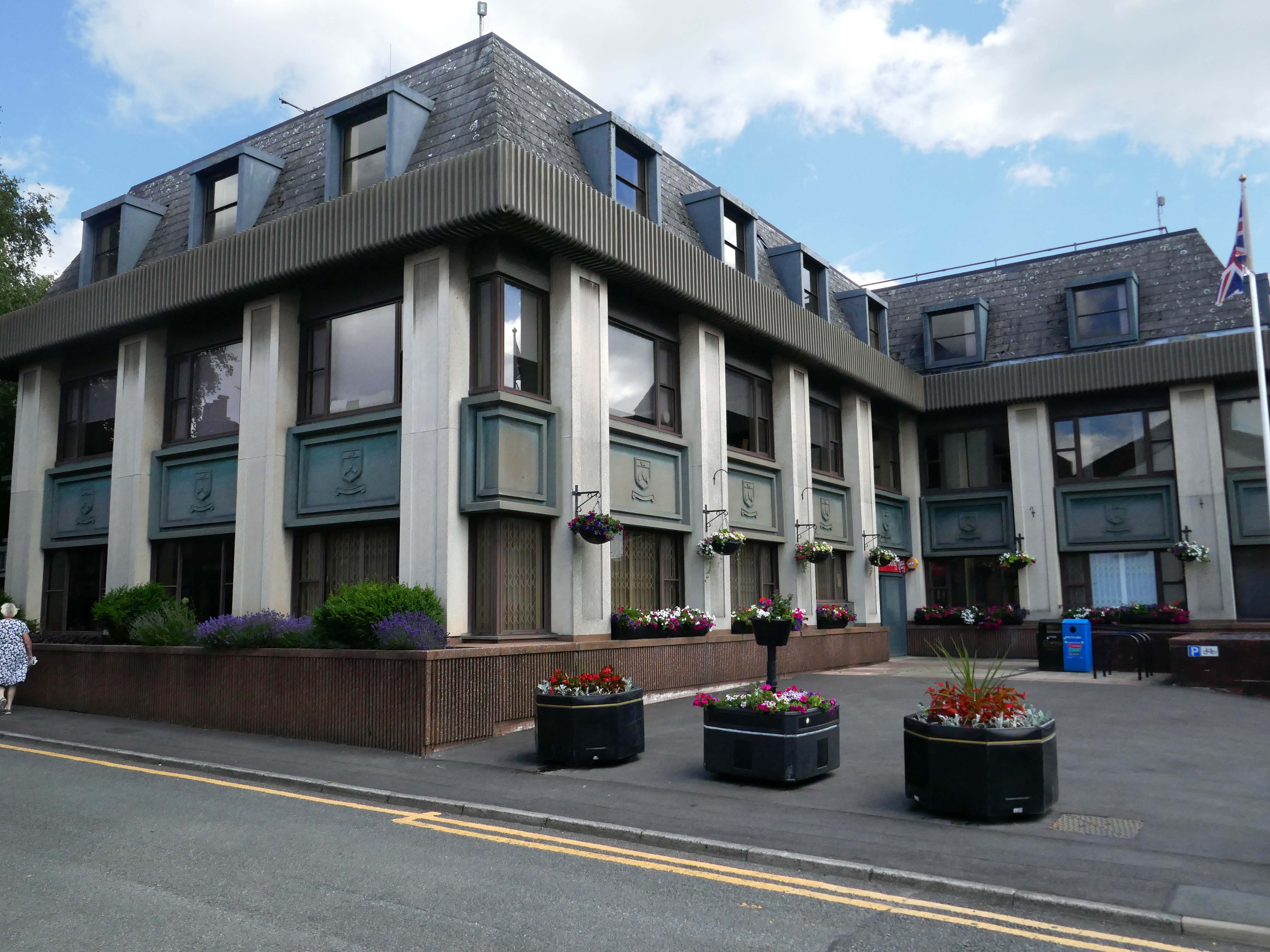
Around the back of the Town hall we find Stopford House built in 1975 and designed by JS Rank OBE, Director of Development & Town Planning, Stockport Council.
The painting has recently been much improved by the folks from Merseyway Workshop along with local volunteers.
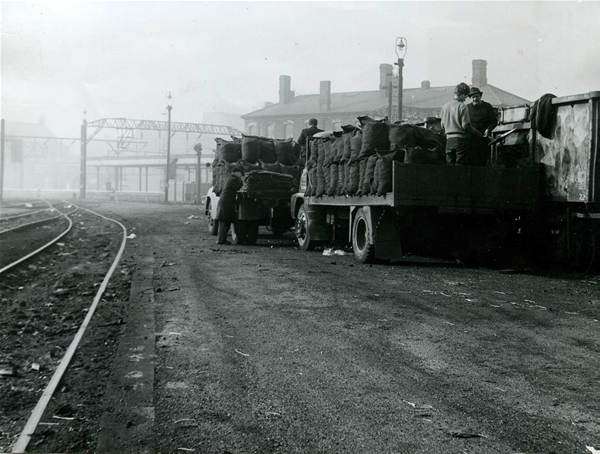
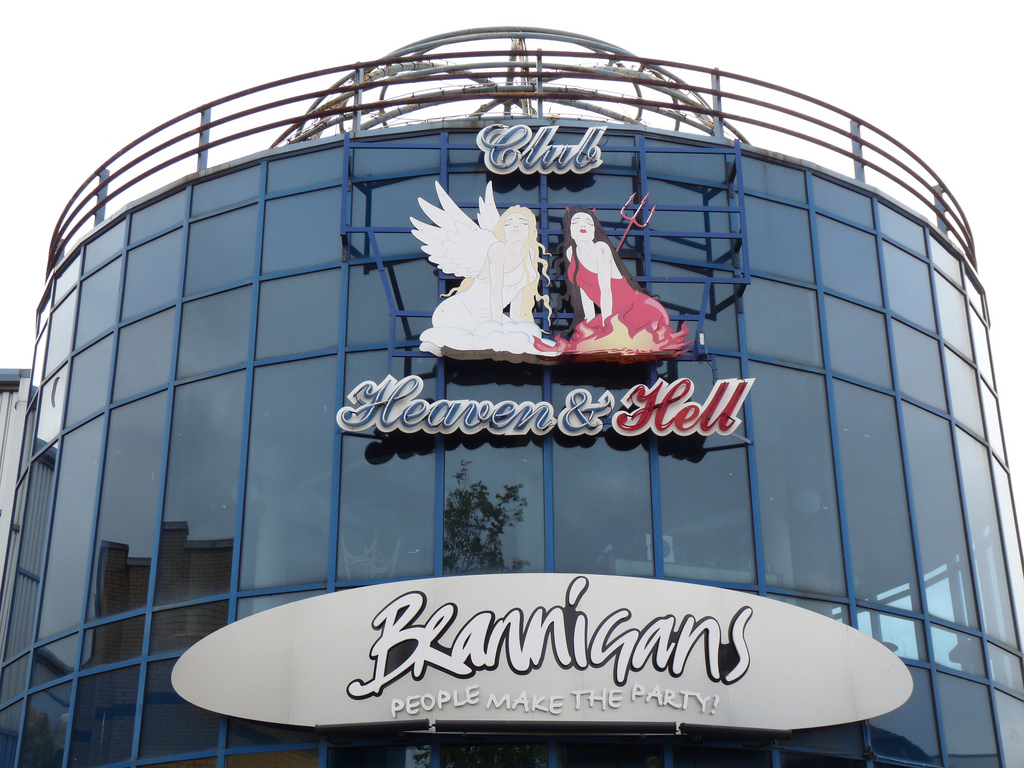
Formerly a large coal yard, replaced by a huge leisure facility and now a hotel and office complex, with a municipal swimming pool attached.
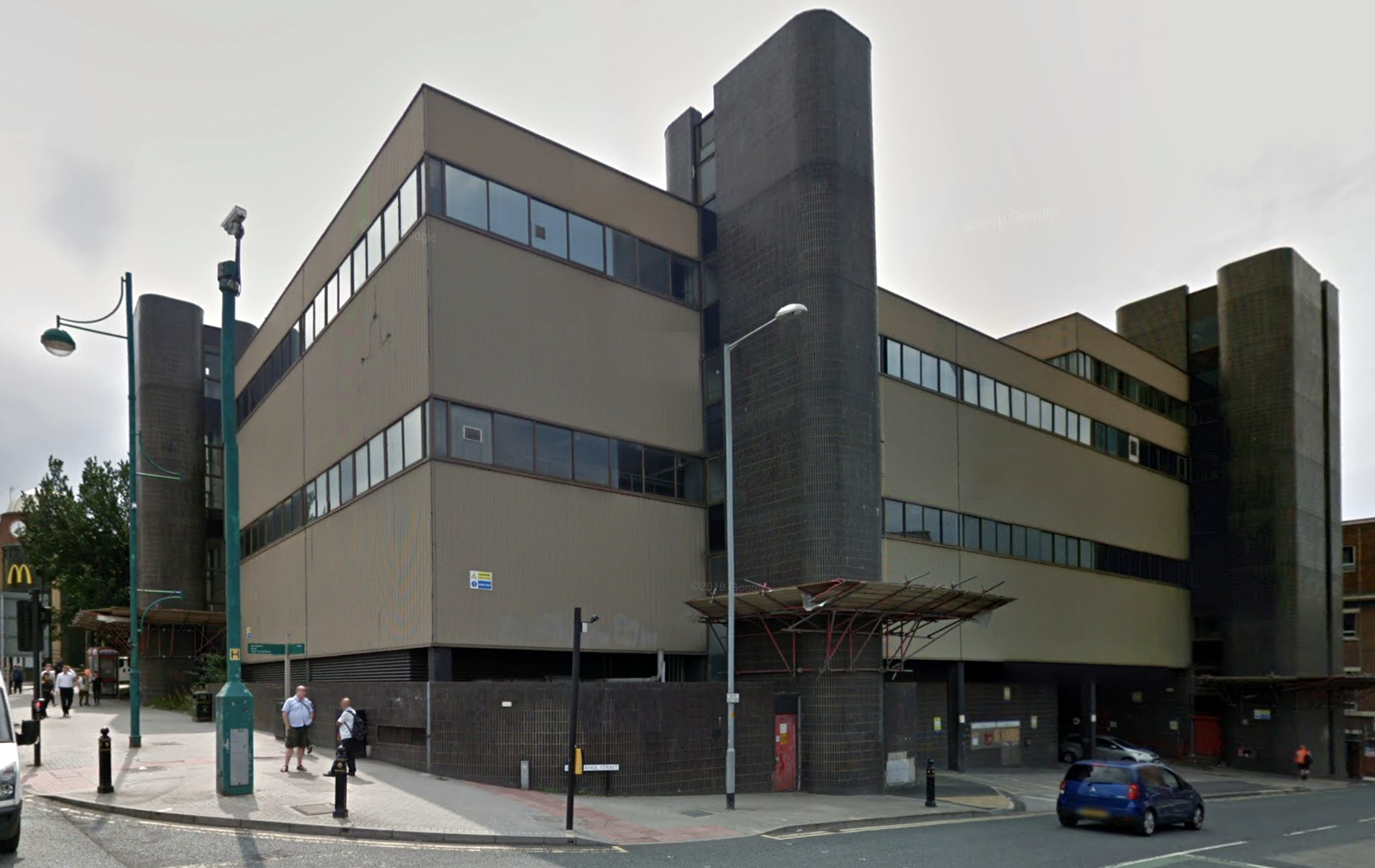
Next door the former Royal Mail sorting office.
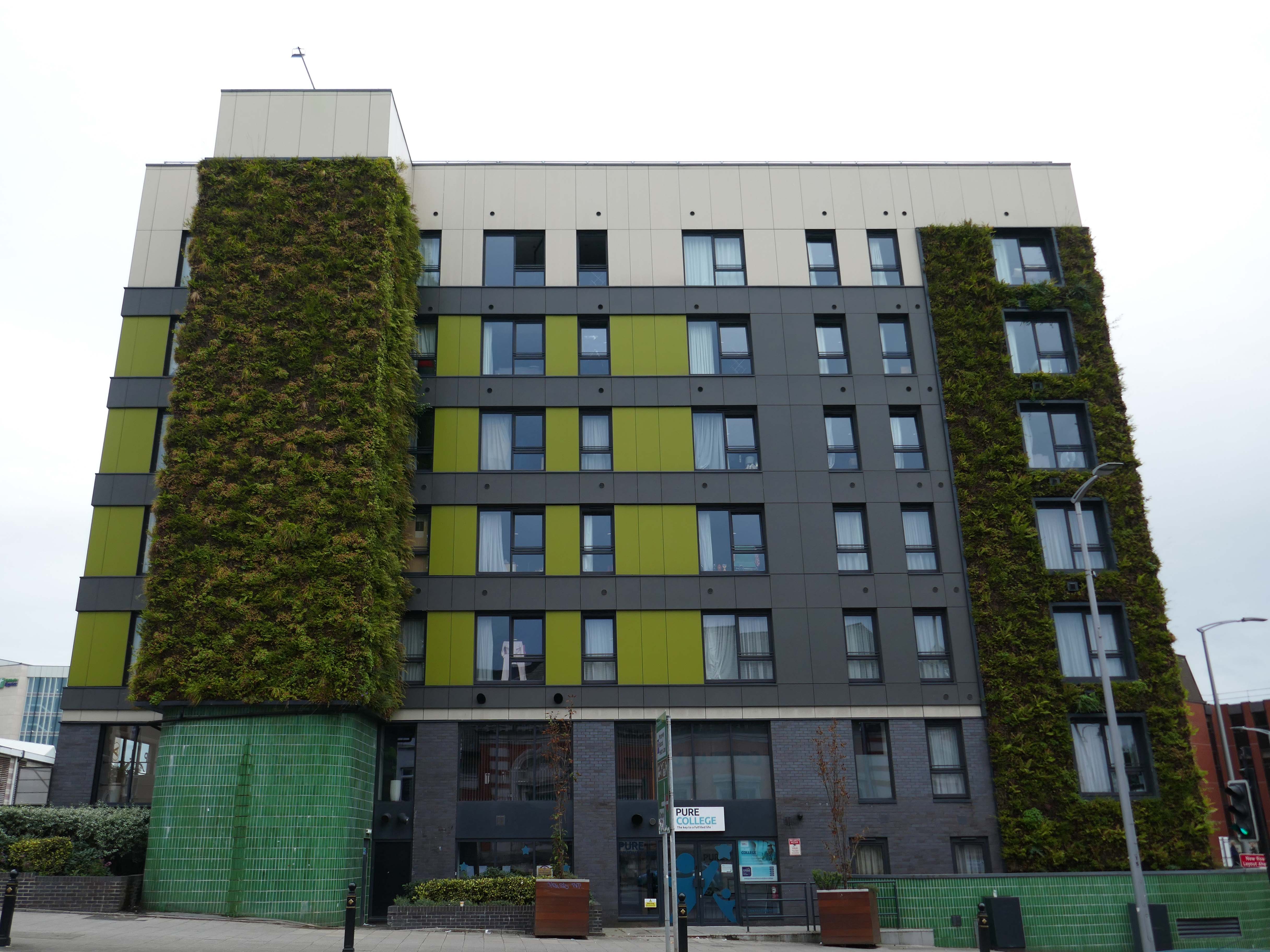
The transformation of a building once dubbed Stockport’s ugliest has been completed, now known as The Mailbox.
When it was built in the 1970s, it was given extra reinforcement due to the risk of IRA letter bombs. The sorting office closed and moved sites in 2010, from when the building was vacant for nearly a decade.
The state-of-the-art development is now home to 117 ‘stunning’ new one and two-bedroom apartments and 12,500 square feet of commercial space. There is an atrium at its heart a roof terrace with views across the town centre.
It also has an eighteen -metre high green ‘living wall’ covering the front and other parts of the exterior, which with 114,500 plants is the largest of its kind by surface area in the North of England.
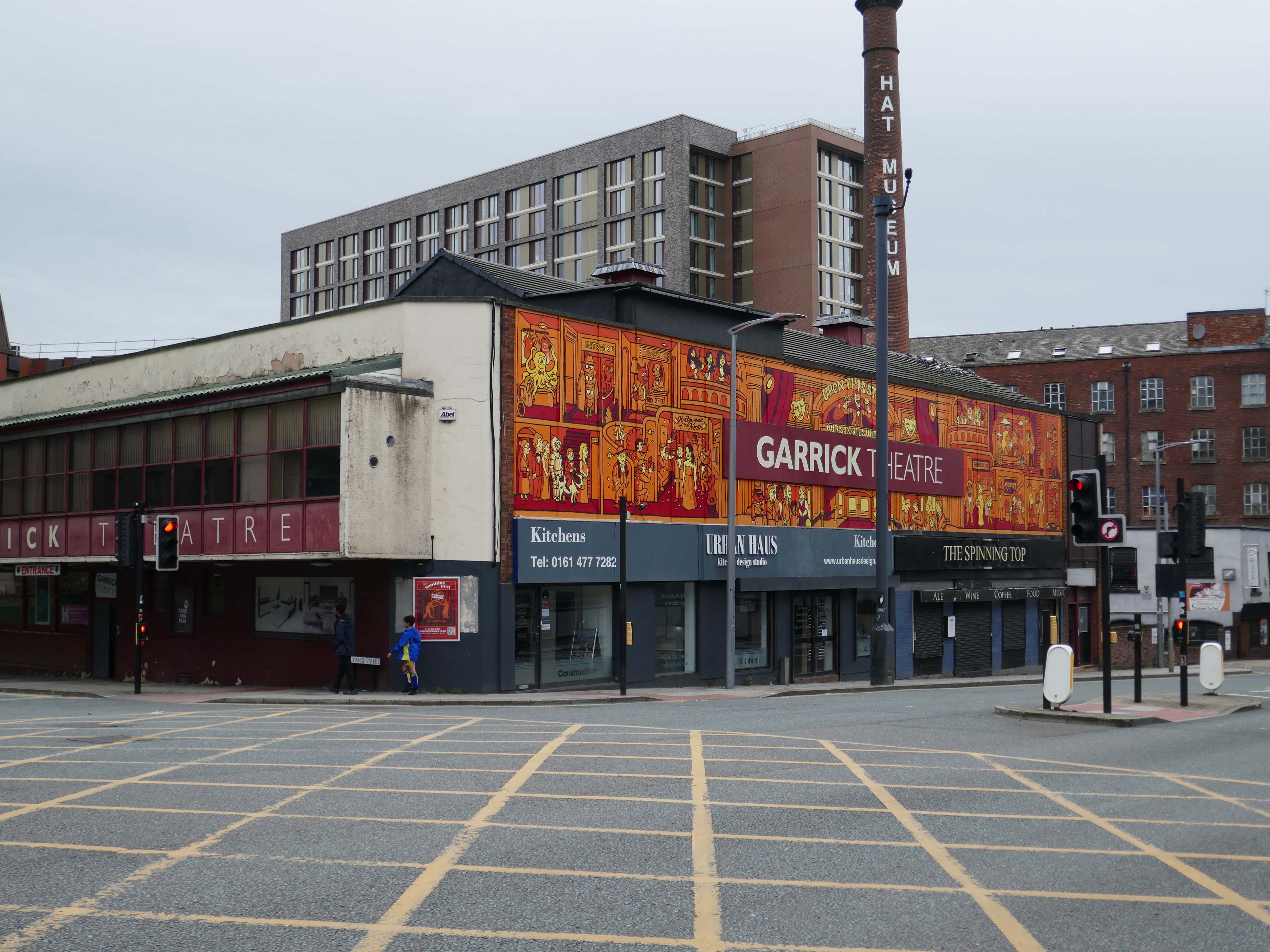
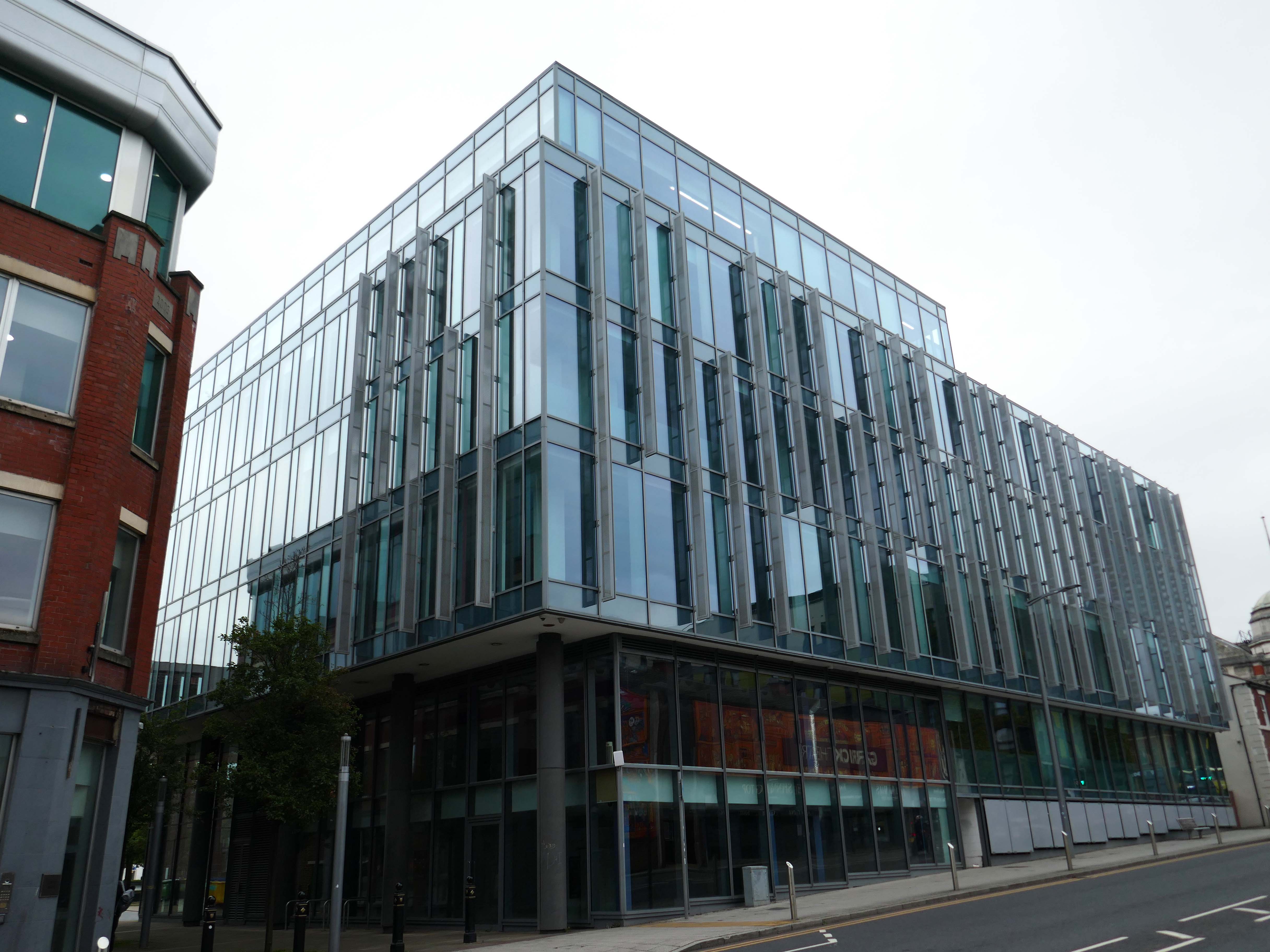
The Stockport Garrick Theatre was founded on 24th of October 1901, by engineer Edwin Heys and his fellow actors: fugitives from the disbanded dramatic society of Stockport Unitarian Church. Meeting in what was then The Church Coffee Tavern on St Petersgate, Heys and his friends resolved to found a new society ‘to perform the best plays by the most capable amateur actors and with the finest scenic effects’.
The society purchased its current building, an old mill occupied by an assortment of small businesses, in 1920. Since then, the building’s labyrinthine interior has undergone various refurbishments to enhance the society’s ability to produce theatre to the highest standards possible.
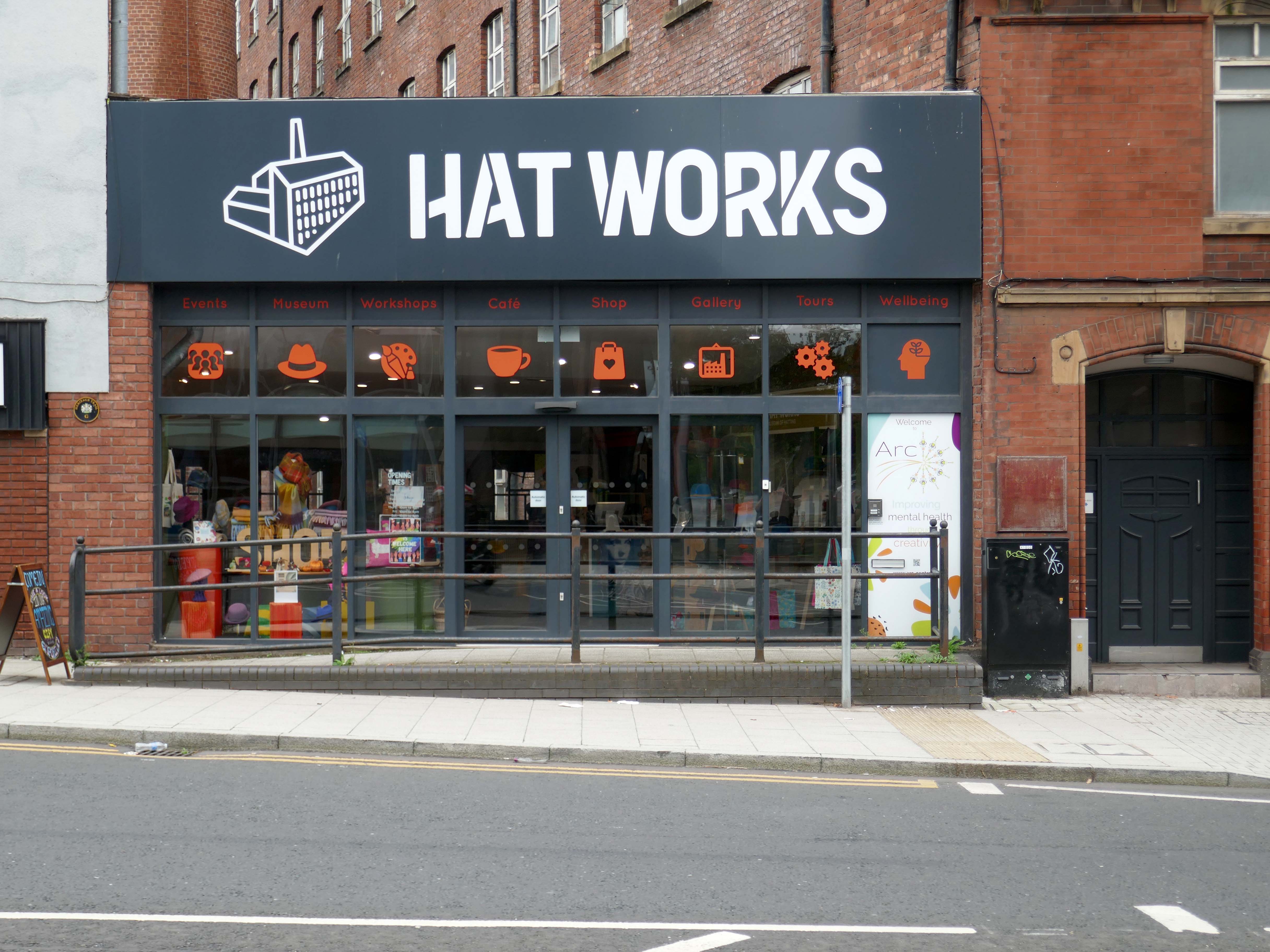
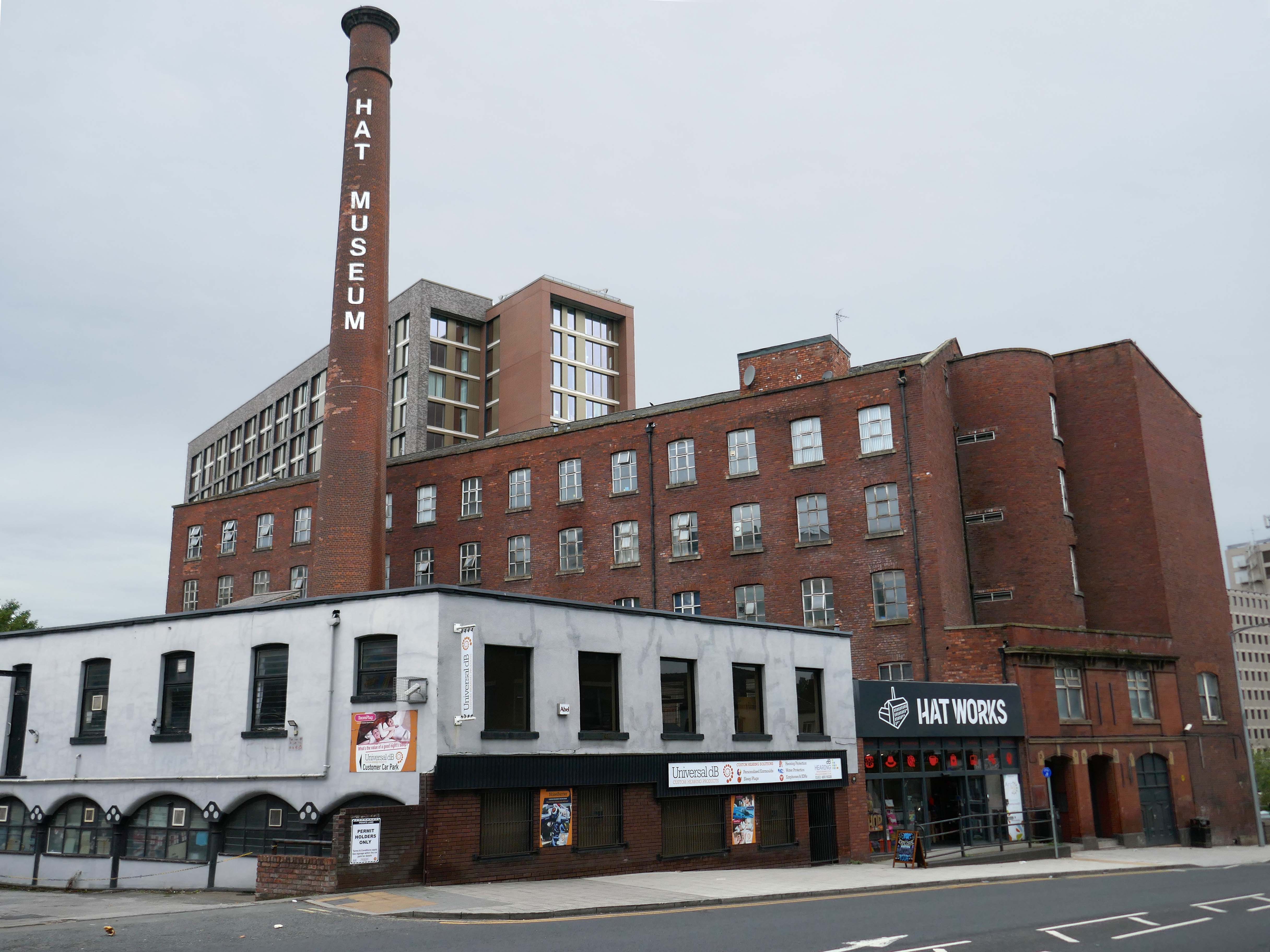
Next door the Hat Works – the UK’s only museum dedicated to the hatting industry, hats and headwear.
Occupying part of the Grade II listed Wellington Mill, a cotton mill of 1831 which became Ward’s Hat Works.
Both cotton spinning and hat making contributing to the economic development of Stockport in the C19th.
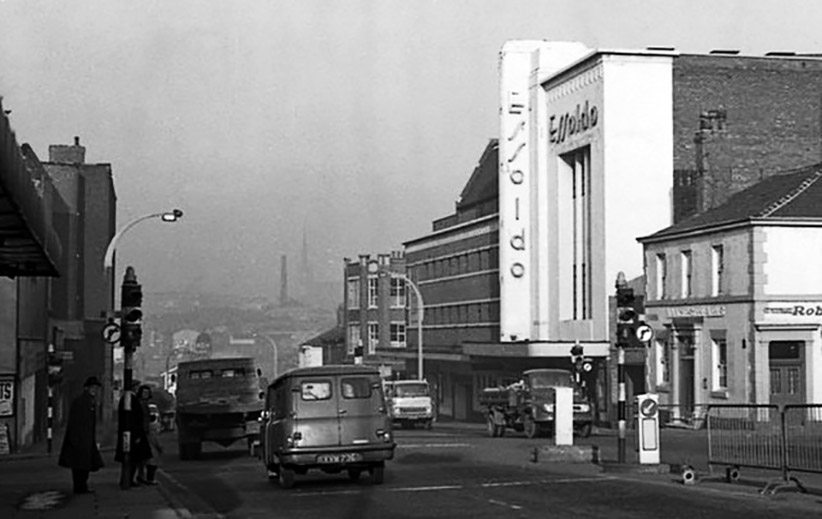
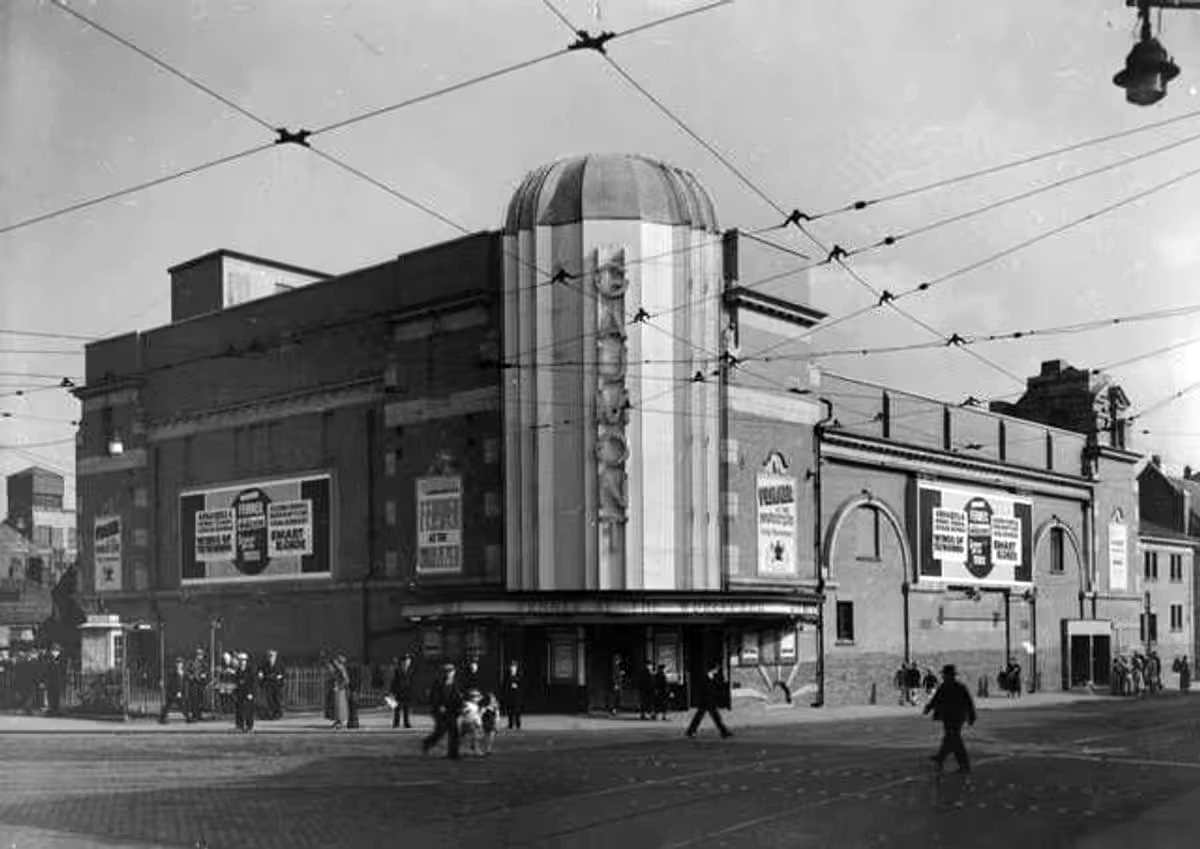
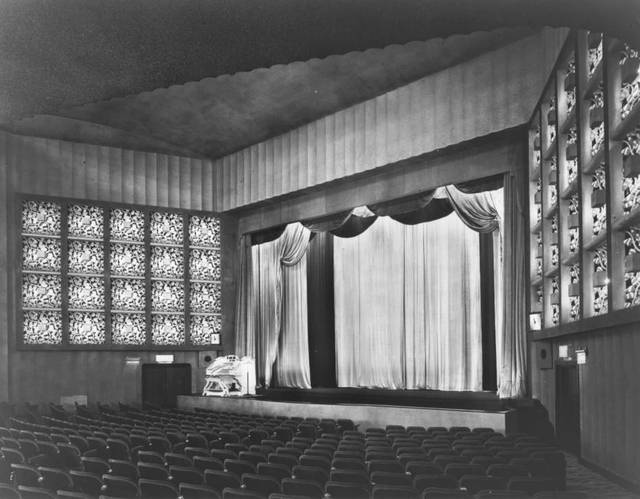
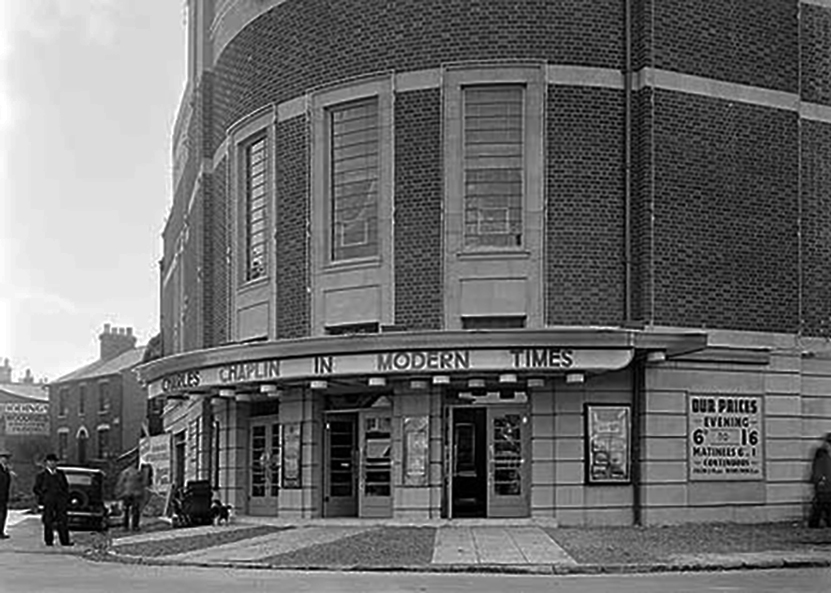
Across the way the long gone Carlton Cinema Architects:Francis Edison Drury and Joseph G Gomersall.
Opened on 28th July 1937.
In July 1948 the cinema was taken over by the Essoldo Cinemas chain. In 1954 the Essoldo became the town’s first CinemaScope cinema and for many years was the only cinema to offer full stereophonic sound. Richard Burton in The Robe was the first widescreen film to be shown, followed by Marilyn Monroe in How to Marry a Millionaire.
At the height of the Davy Crockett craze, in 1956, Fess Parker made a personal appearance at the Essoldo.
It was converted into a twin screen cinema in 1971, by converting the balcony into Screen 2, it was taken over by the Classic Cinemas chain in 1972. Its final owners were the Cannon Group who ran the cinema from 1982 to its final closure on June 21st 1990.
The cinema was demolished in 1994 and a small park occupied the site for several years.
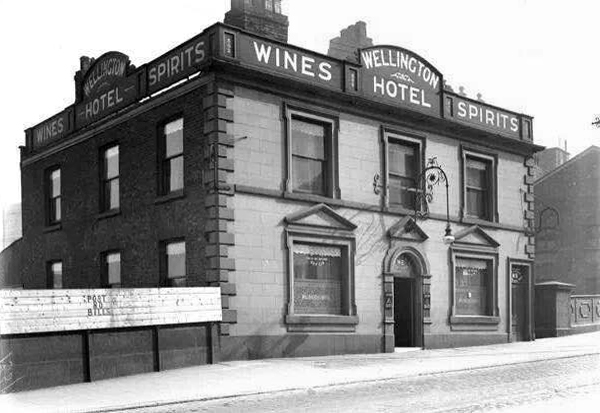
Further down the road the former Wellington Hotel.
Known variously as Ups ‘n’ Downs, Glitz, Bentley’s and the Bees Knees.
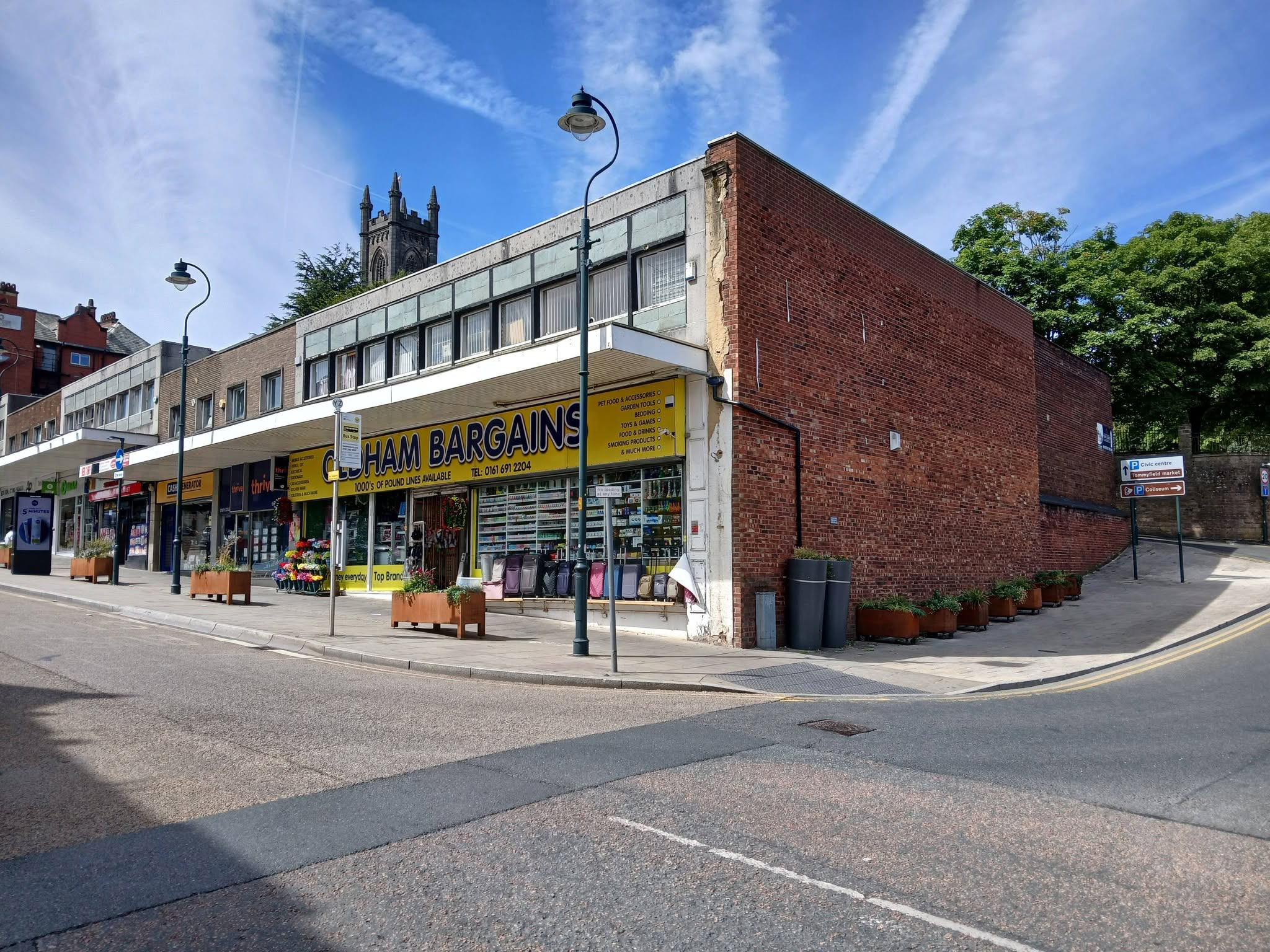
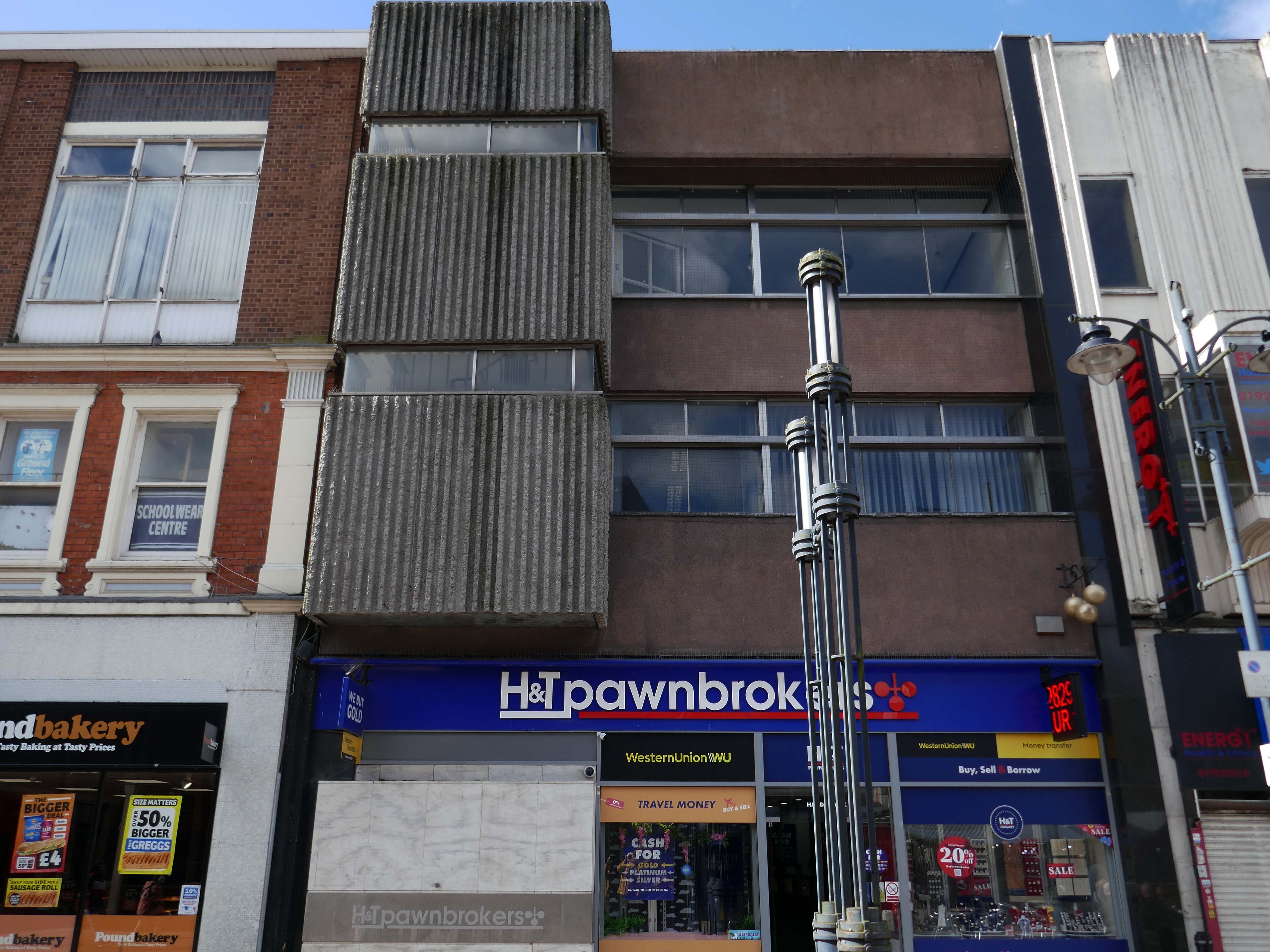
Finally, partial occupation by a forlorn Pound Shop – defying economic trends by closing.
Street art by Cats and That.
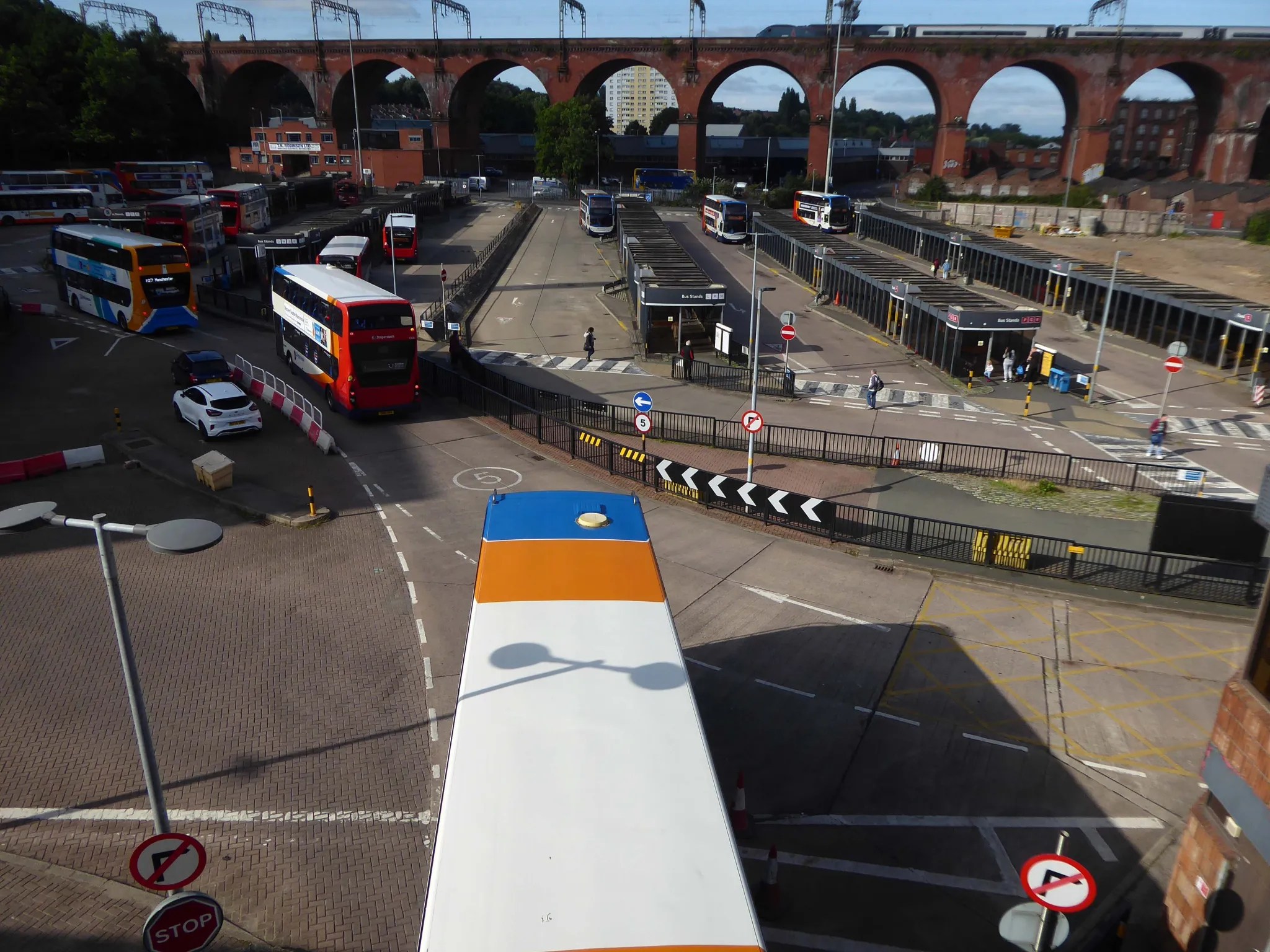
Next to the Transport Interchange aka the Bus Station.
In collaboration with Transport for Greater Manchester and Stockport Metropolitan Borough Council, the project redesigned a 10,000 sq m bus interchange, linking the rail station with new landscaped parks.
The development includes a fifteen-storey building with one hundred and ninety six apartments, commercial space, and parking. New parks and riverside spaces improve connectivity and enhance urban living, marking a transformative step in placemaking for Stockport.
Replacing the former Bus Station closed on Saturday 28th August 2021.
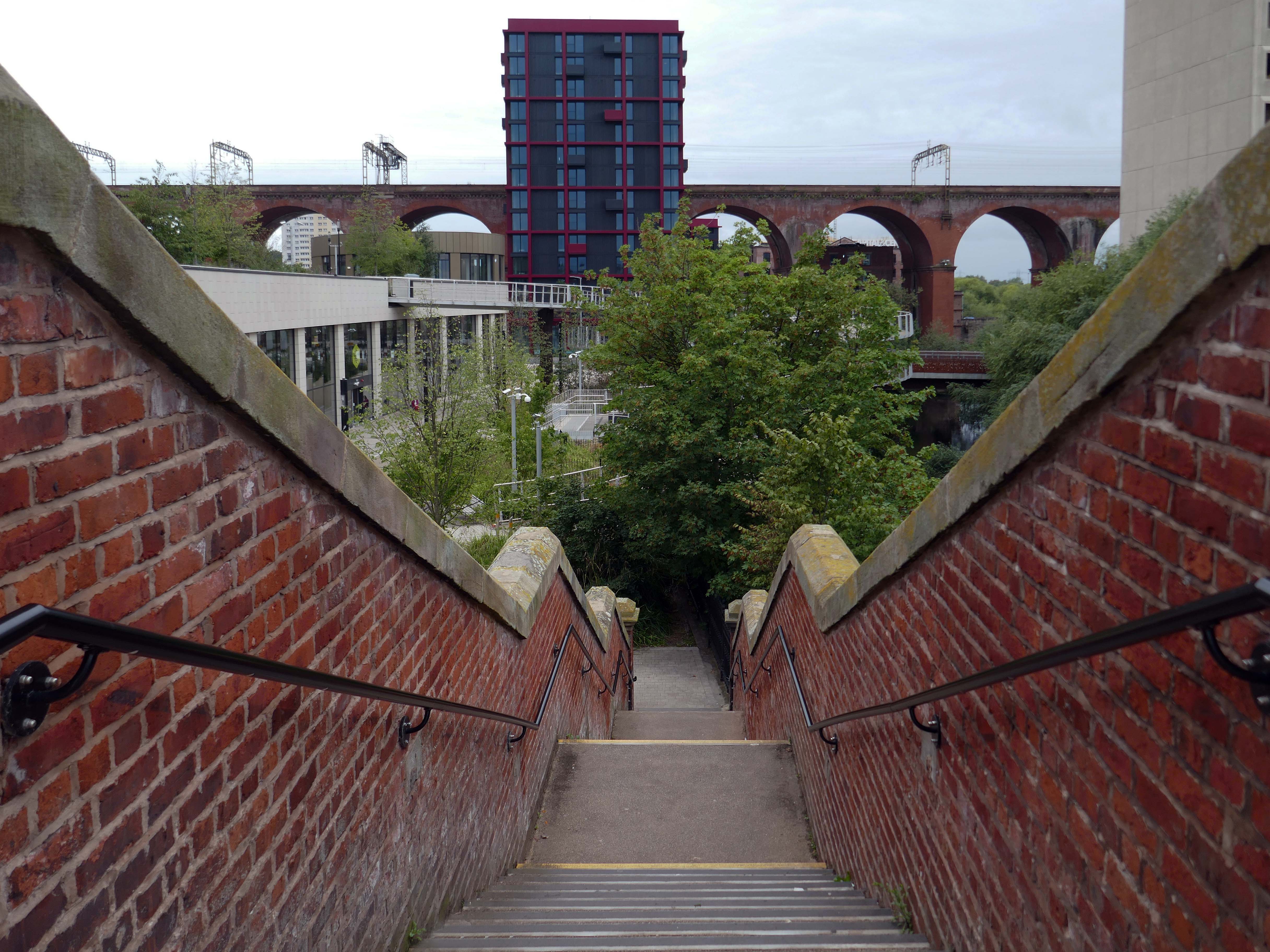
Down to the top of the Lowry Steps
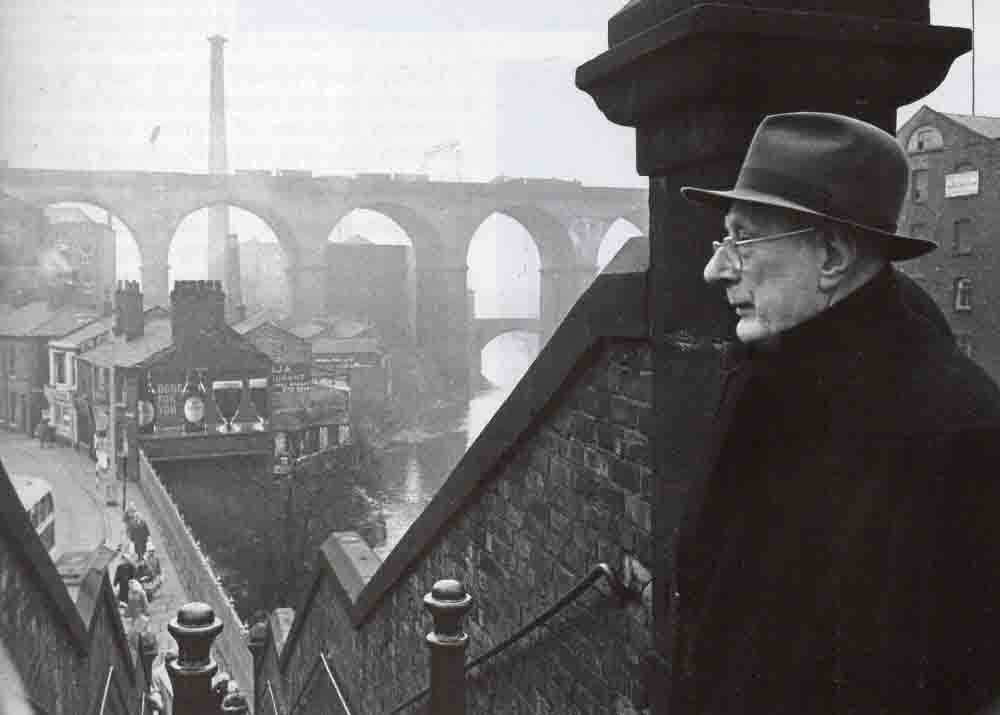
LS Lowry snapped in 1962, the Viaduct in the not too distant distance – Grade II* listed structure and remains one of the world’s biggest brick structures.
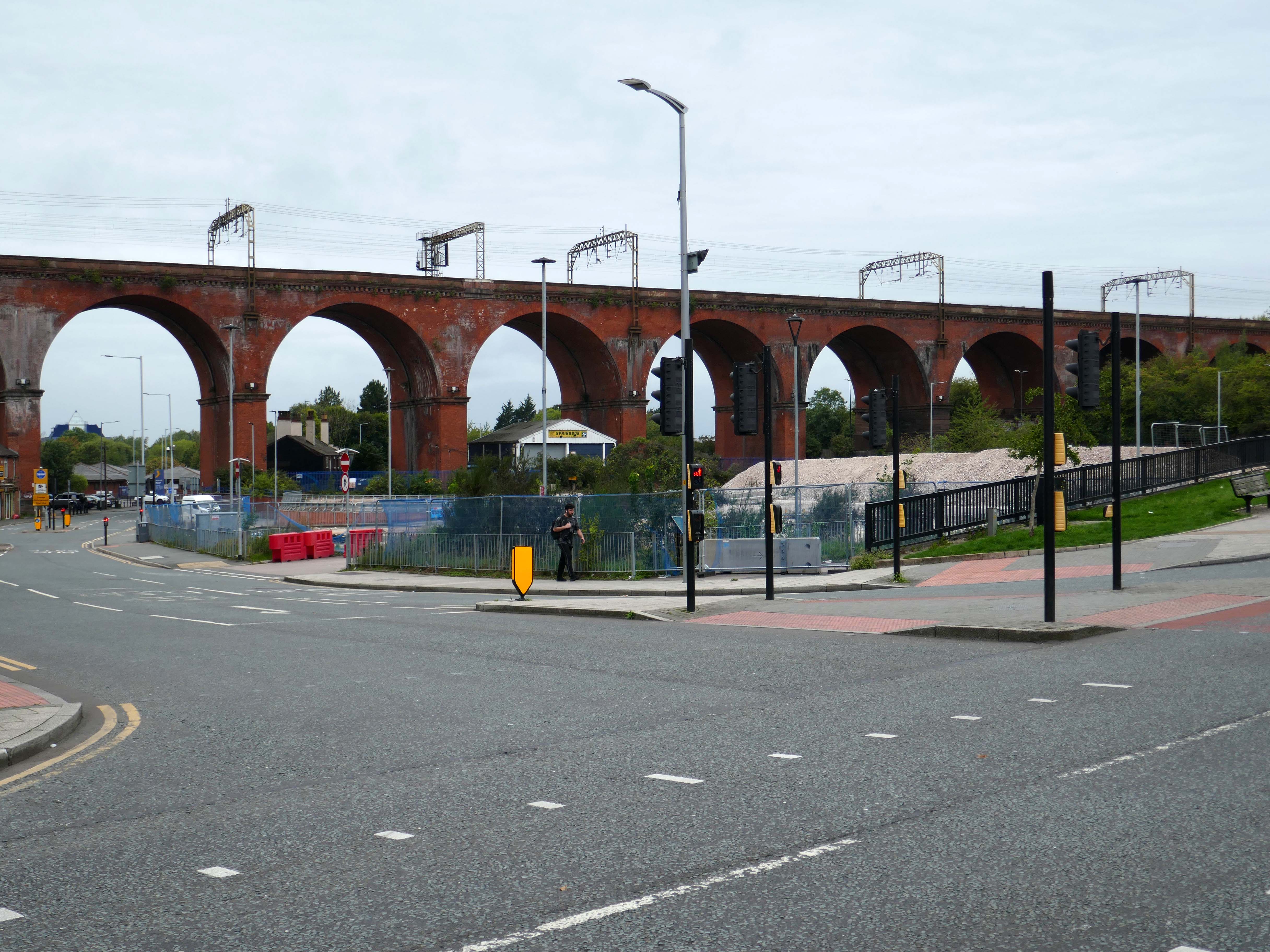
Railway viaduct opened 1840 by GW Buck for Manchester and Birmingham Railway in brick and stone.
Twenty eight arches of total length over 540m – three spans at either end of 18ft, twenty two spans between of 63ft, and nearly 34m high above the river.
Said to contain eleven million bricks.
Stone moulded impost bands and rusticated faces to piers.
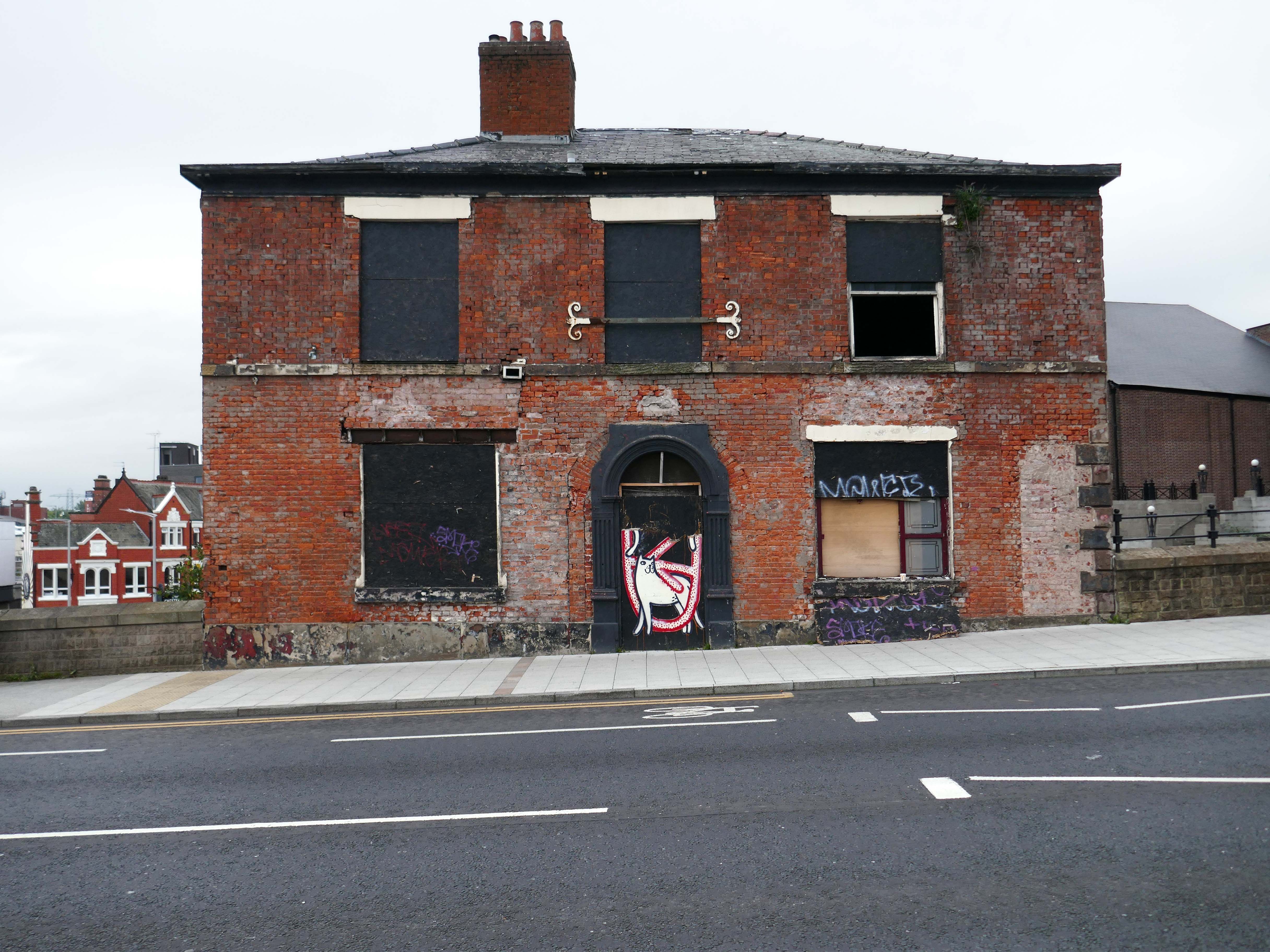
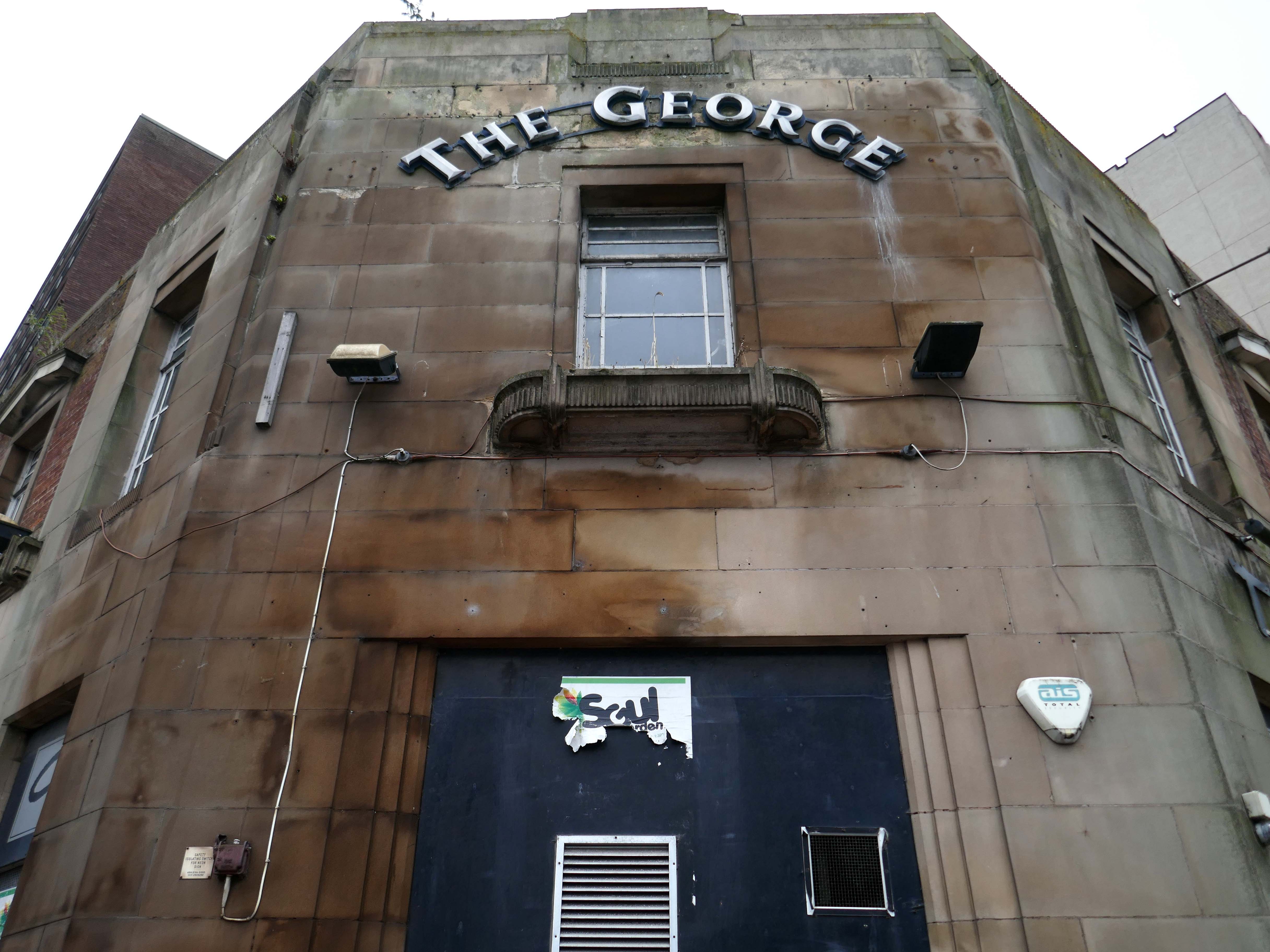
Premises To Let as of 13th May 2018 – on the 2nd April 2018 the licence has lapsed, so this proved to be a barrier to it re-opening.
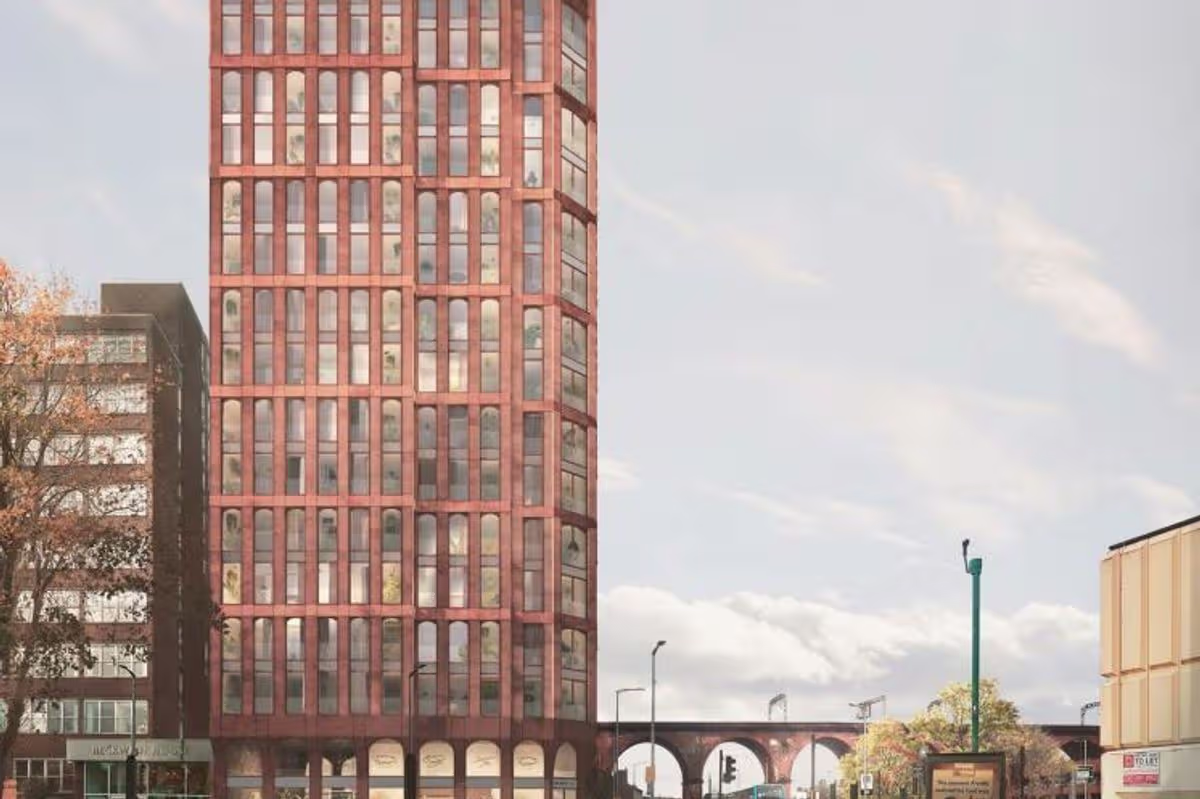
A former pub in Stockport town centre could be knocked down to make way for a tower stretching 17-storeys high. Plans have been sent to Stockport council for consideration and would bring 76 new apartments to the town replacing The George on Wellington Road, based opposite Merseyway Shopping Centre and near Stockport Viaduct.
Talks over a deal for a bus depot off Daw Bank have broken down after the council refused to meet the operator’s financial demands, prompting the authority to use compulsory purchase powers to acquire the site.
Despite protracted negotiations, Stockport Council and Stagecoach have failed to reach an agreement over an important piece of land the authority needs to deliver Stockport 8, a £350m, 1,300-home regeneration scheme.
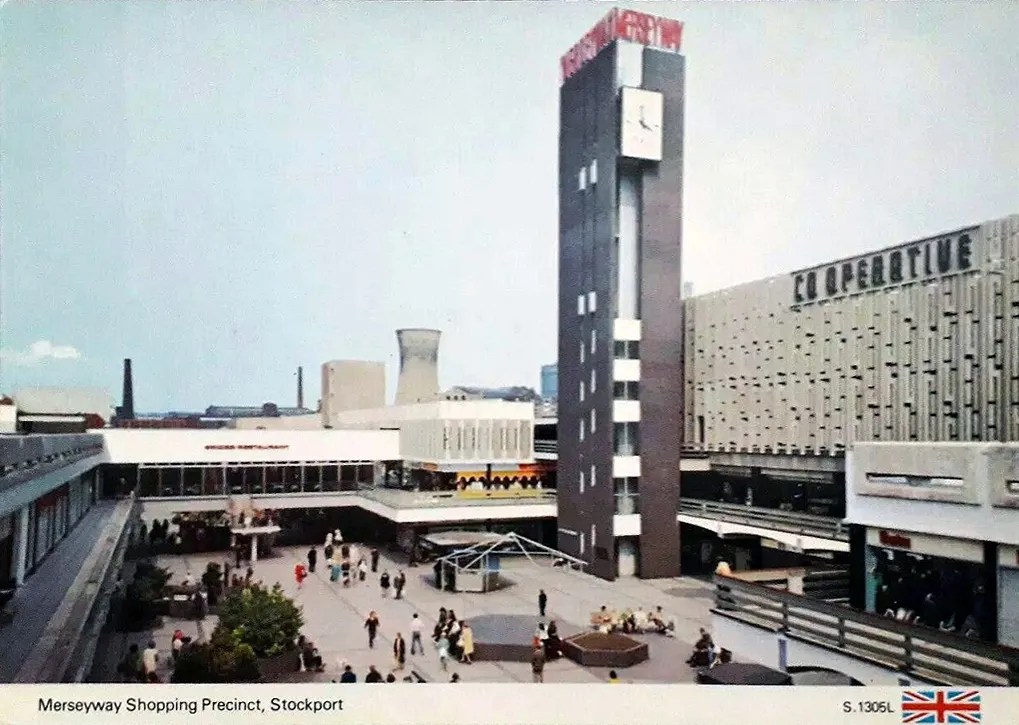
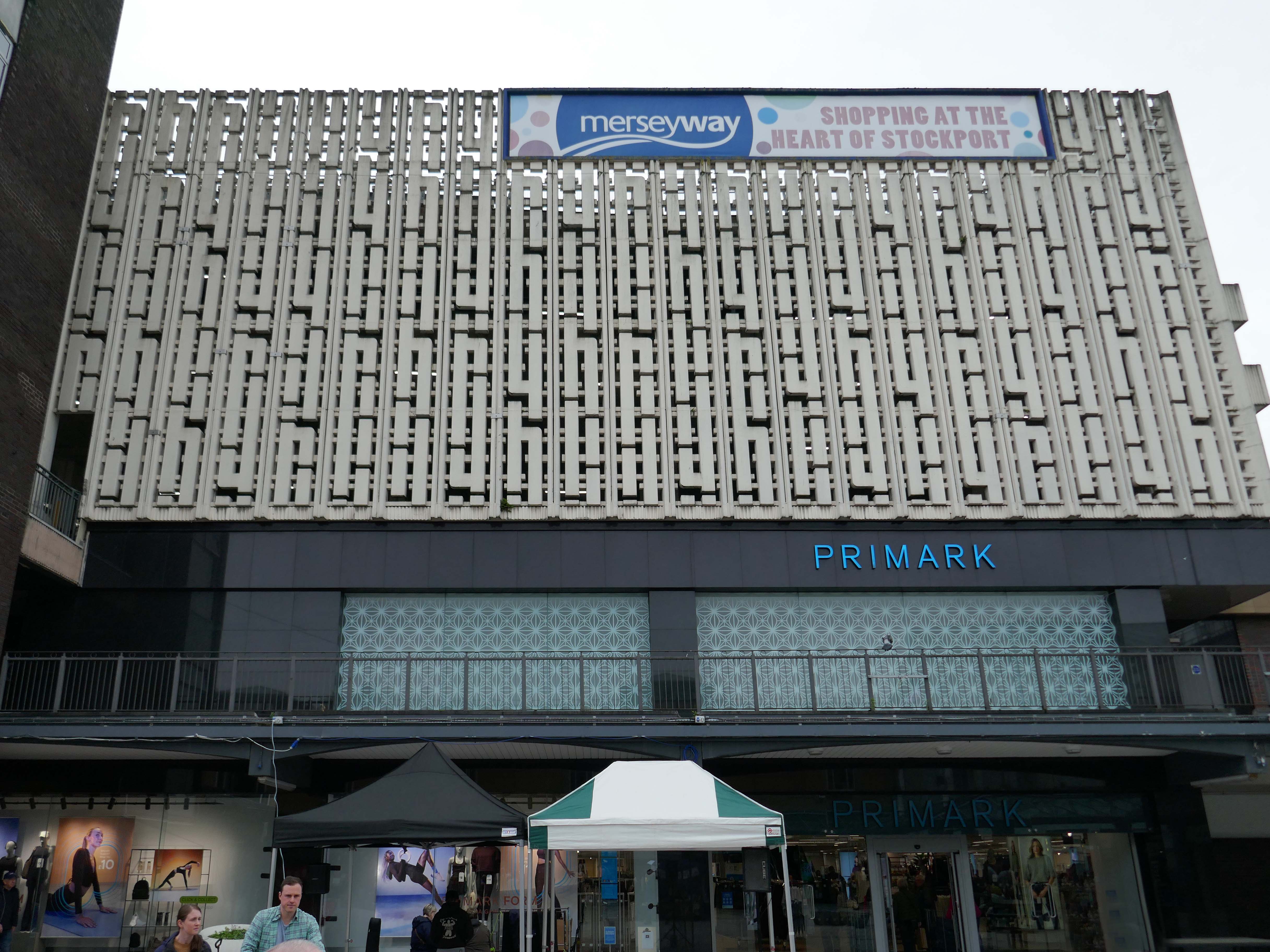
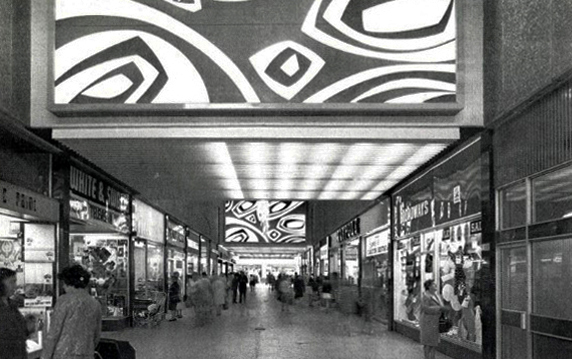
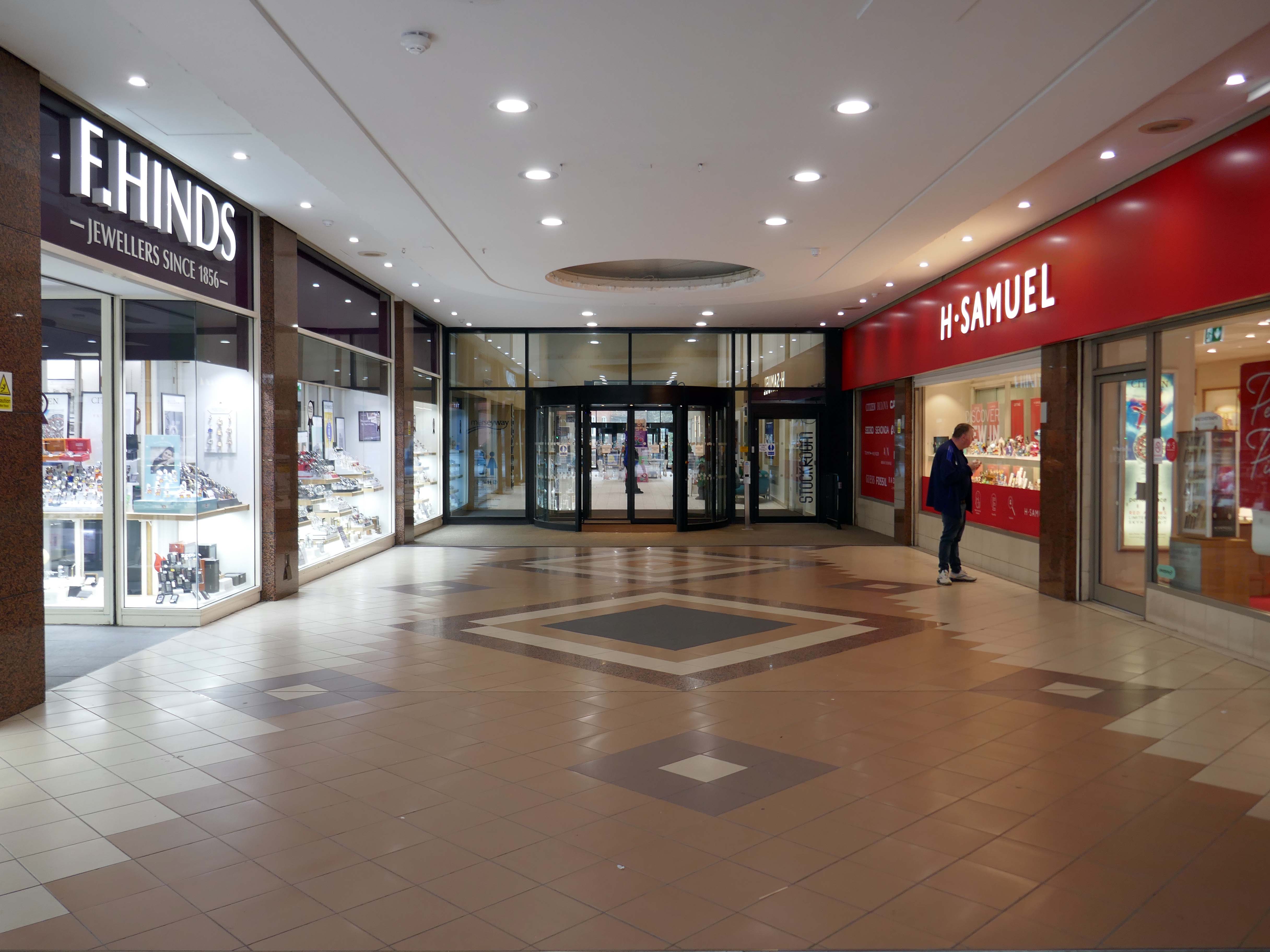
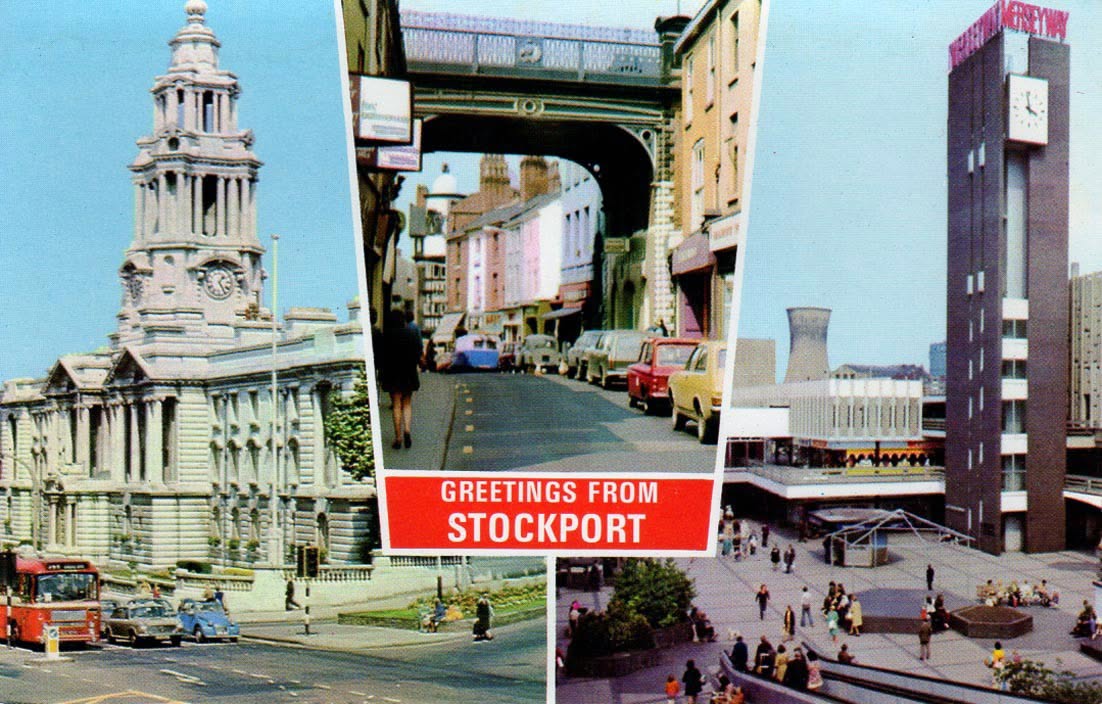
Leaving Wellington Road we head for the Merseyway Precinct – 1965 architects Bernard Engle & Partners.
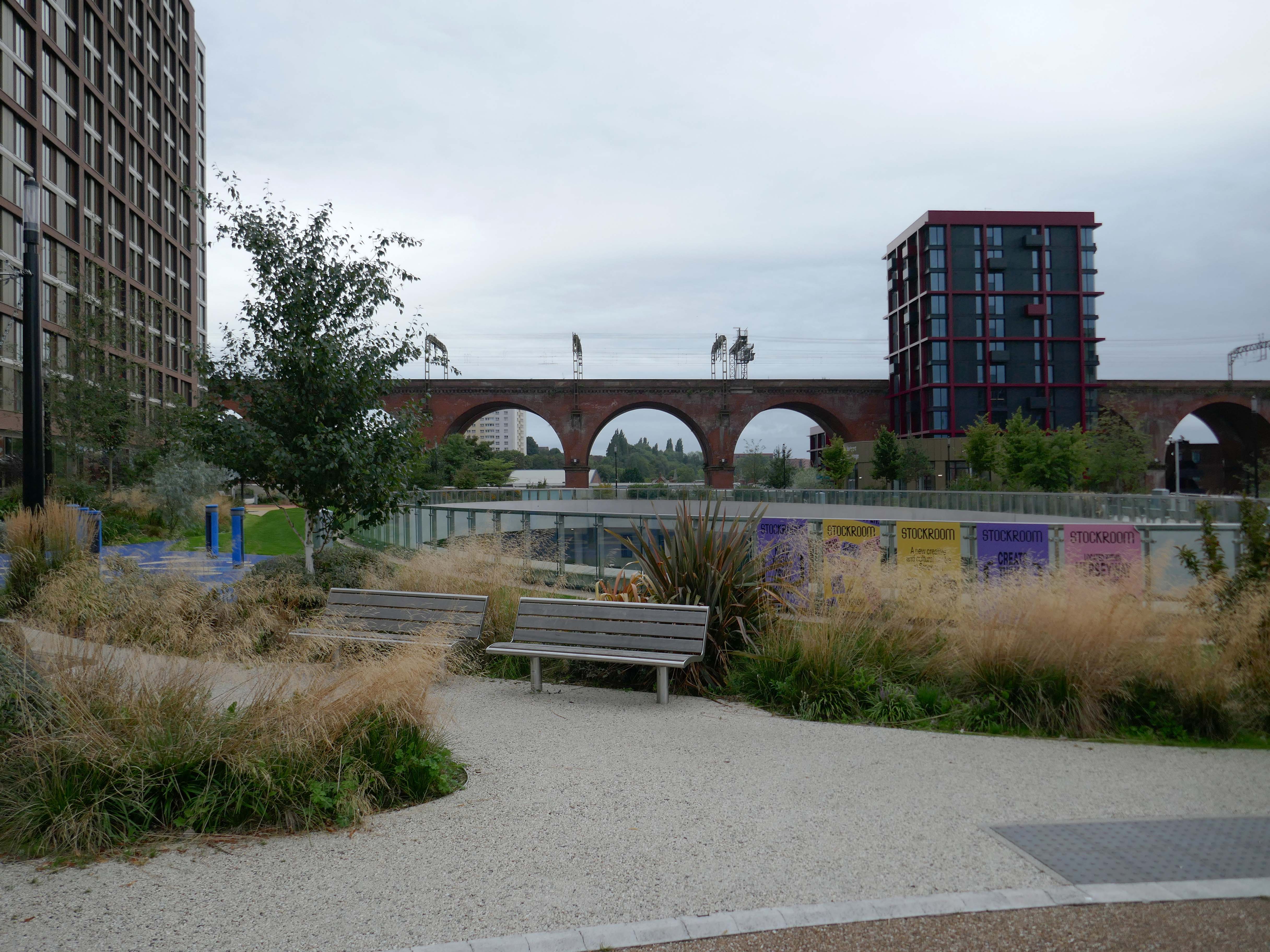
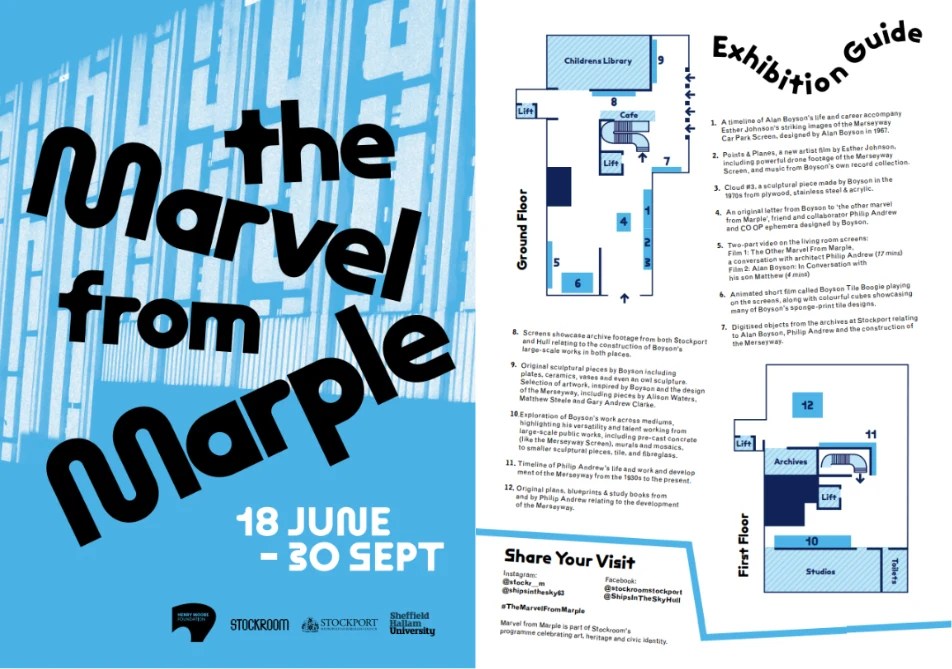
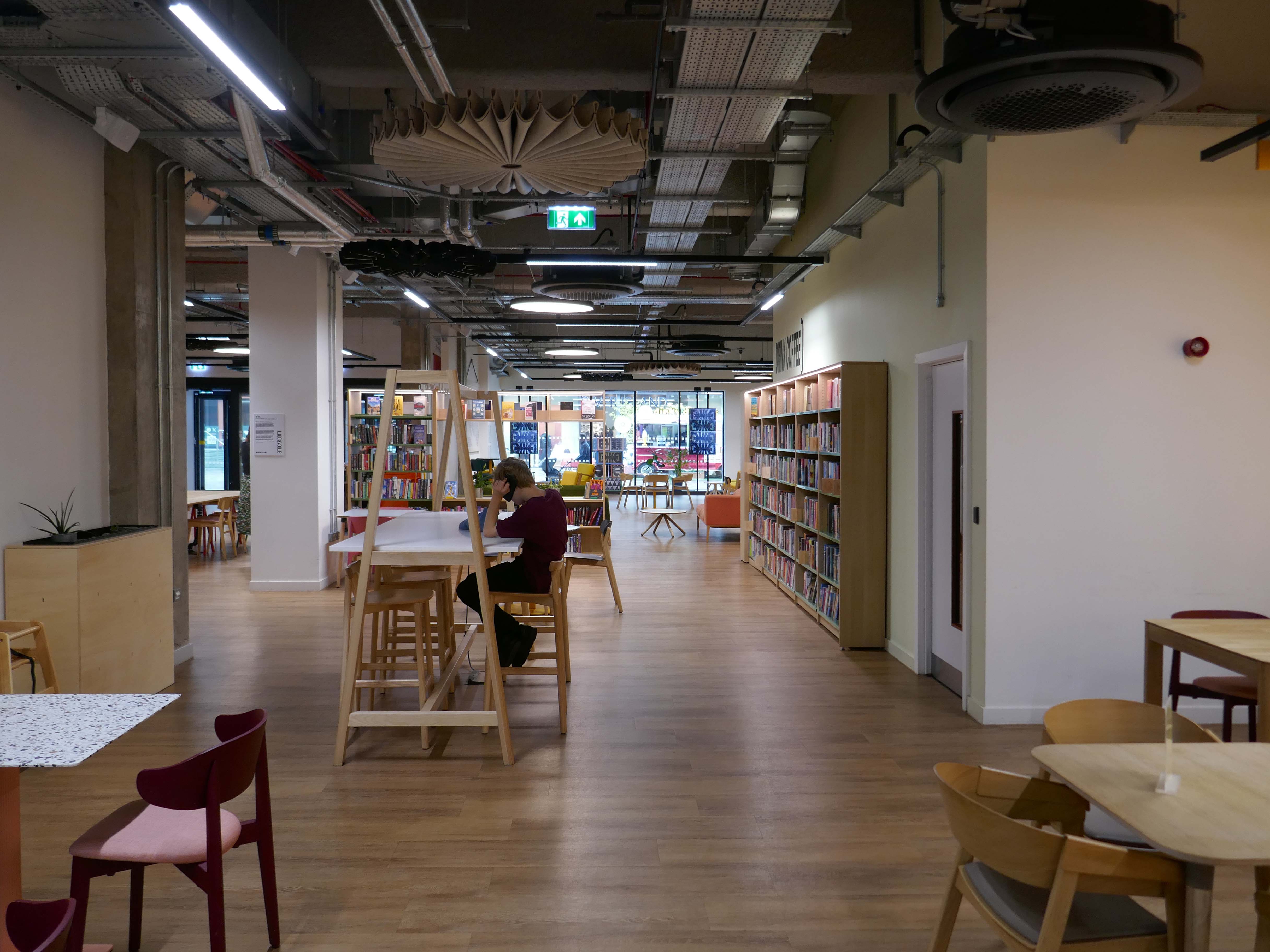
Stockroom is an exciting new creative and cultural centre in Stockport, designed for getting together, getting involved or just popping by for a brew. It has been developed with and for local people and the creative community to build an exceptional communal resource for entertainment and learning.
There’s room for everyone: to make noise, meet friends or find some peace, play, take part, think or do new things.
Part of Stockport’s £1 billion transformation, Stockroom is an ambitious £14.5 million cultural and creative centre that will breathe new life into the heart of the town.
Located in previously disused retail units, Stockroom has been brought to life through funding from UK Government’s Future High Streets Fund, which aims to rejuvenate town centres across the country.
Otherwise open to access the Library service and archives, eat drink and play, use a computer, or a lavatory, read whilst relaxing in a comfy chair, stay cool or warm, stare into space either upstairs or downstairs.
Whatever floats your personal boat, though currently unsuitable for floating actual boats.
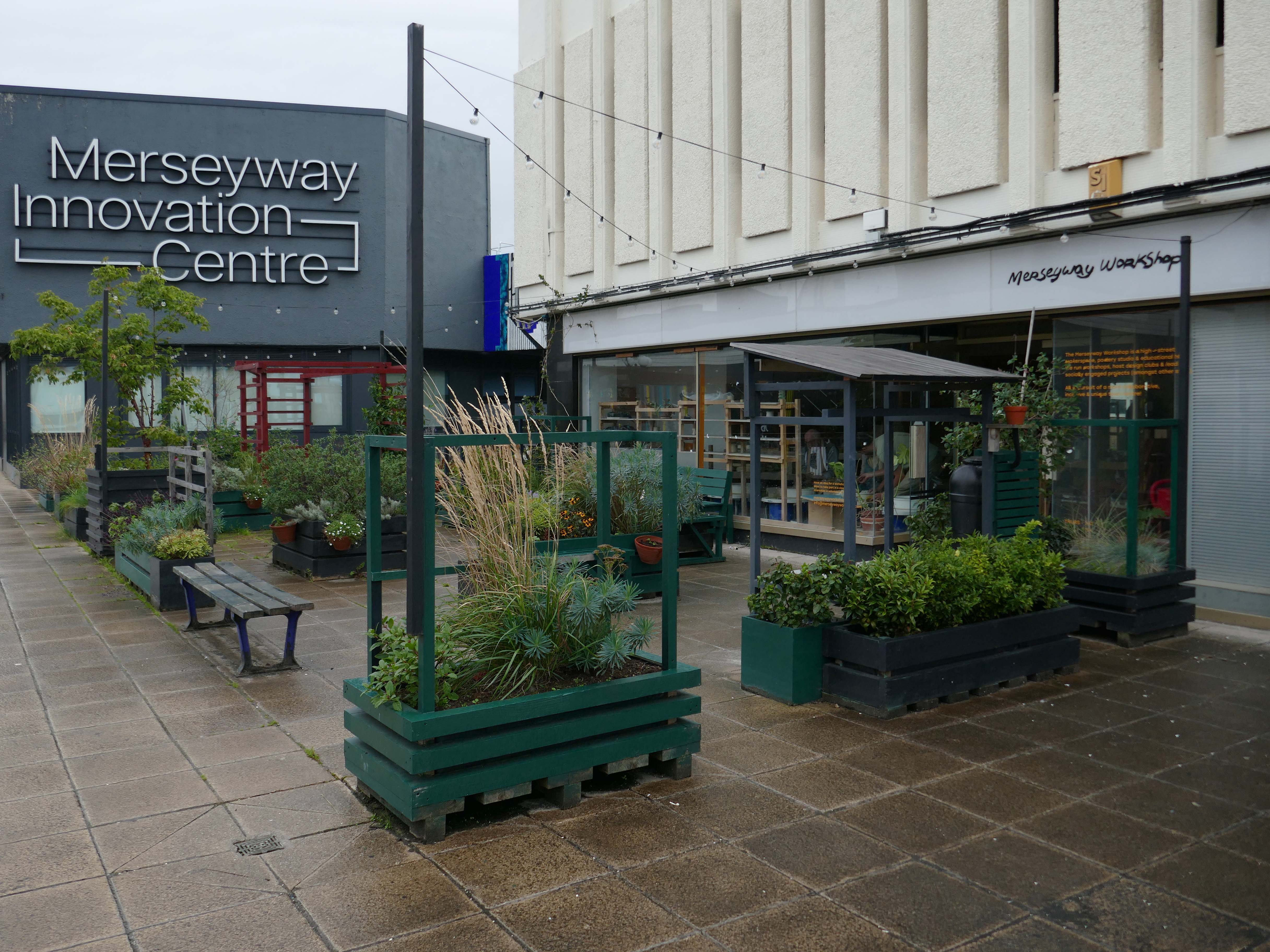
Mention must be made of near neighbours the Merseyway Workshop – the plant planters who we met up at Stopford House.
The Merseyway Workshop is a community focused, inspiring place for innovation and collaboration.
A DIY-style hub on Stockport’s pedestrianised high-street. Offering open use of creative workshops, drop-in activity sessions and skill exchanges.
Working in clay and wood, access to a fully equipped B&W darkroom and so much more.
One short mile or so a cornucopia of history – layer upon layer of exciting architecture.
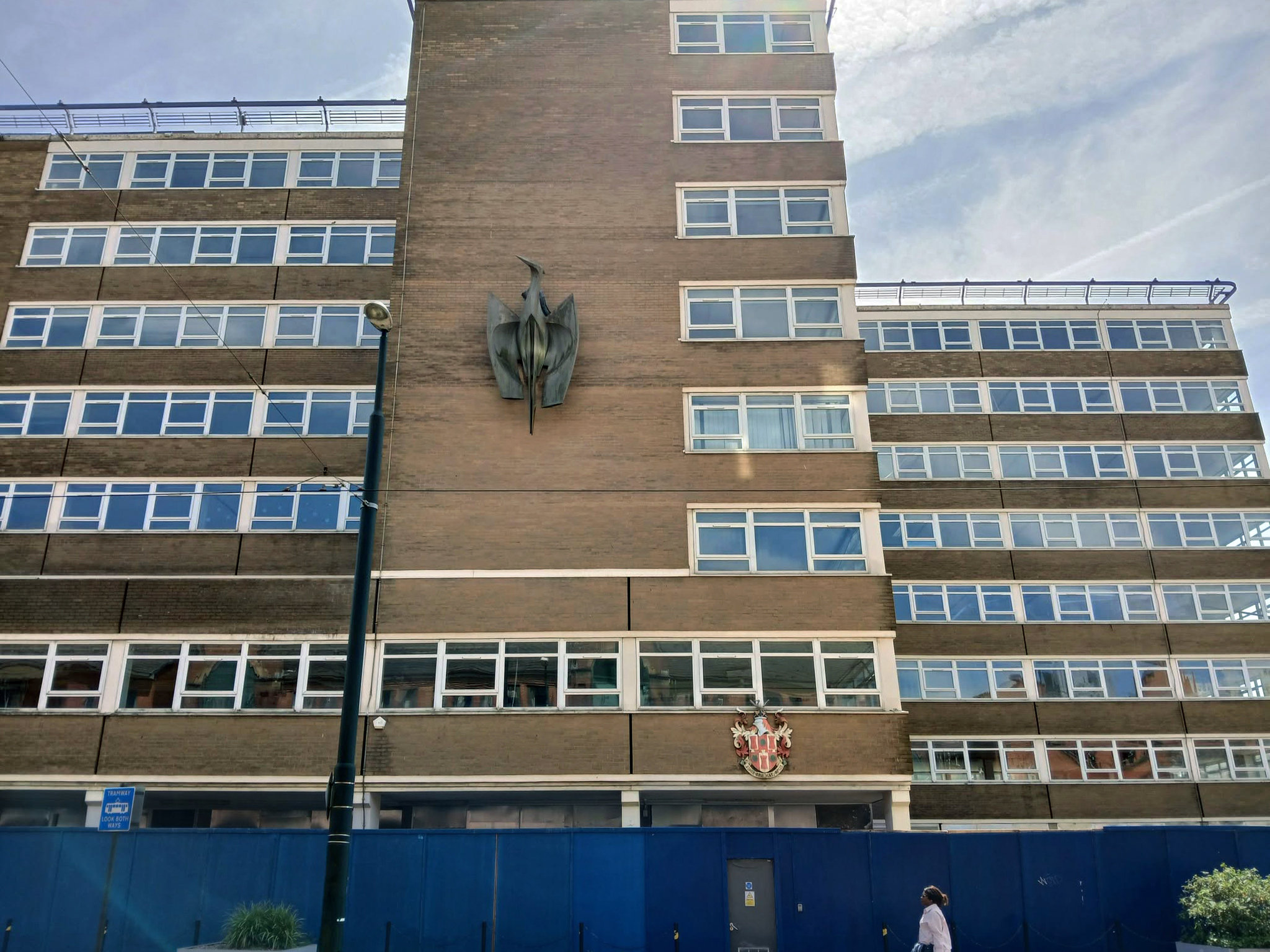
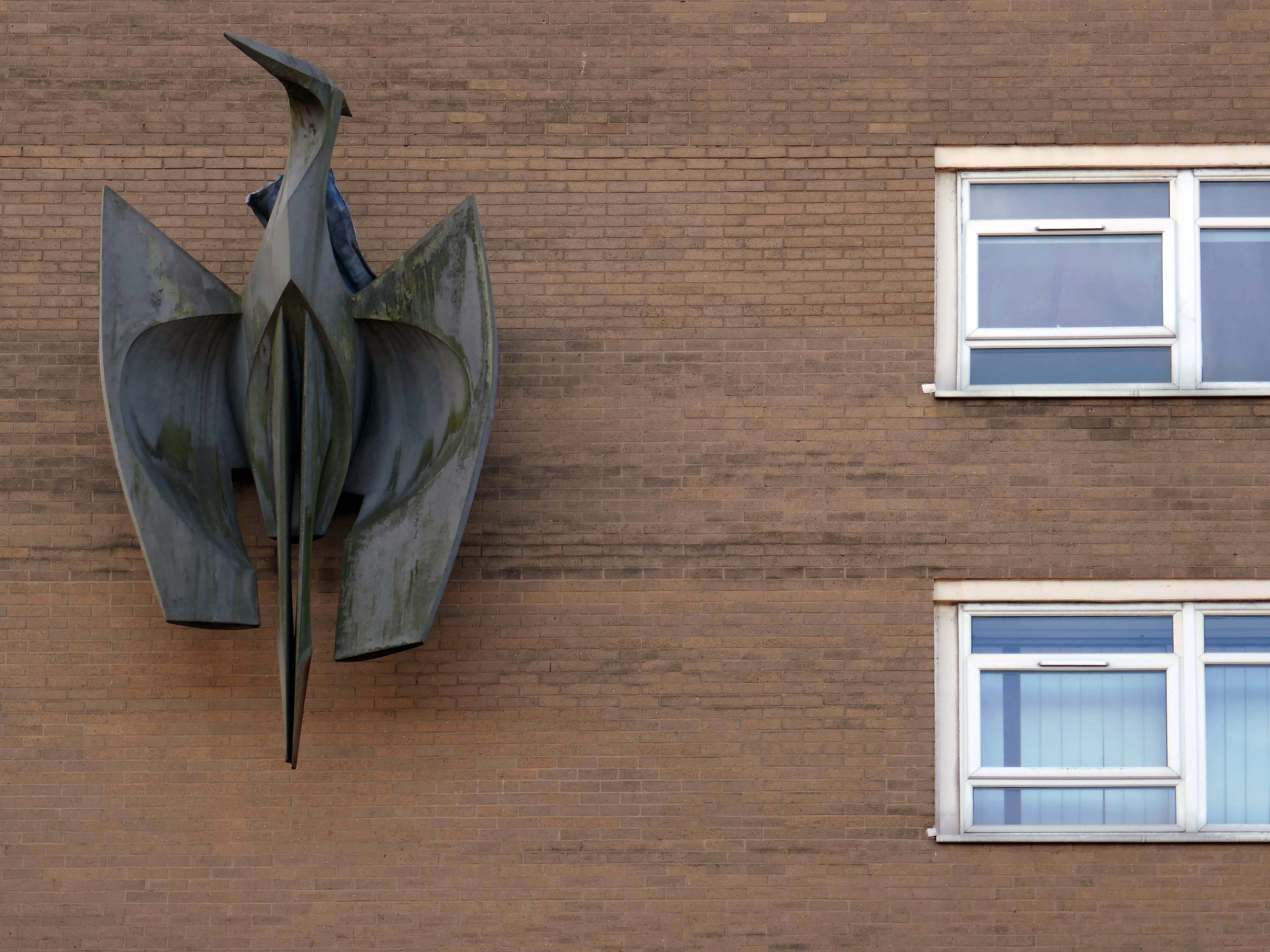
Back tracking toward Phoenix House – with its implausible heron.
It’s been four years since the Department of Work and Pensions left their Union Street office and eighteen months since plans were submitted to turn it into eighty two flats.
However, apart from hoardings being installed around the building, there doesn’t appear to have been much movement at the site – at least not legally.
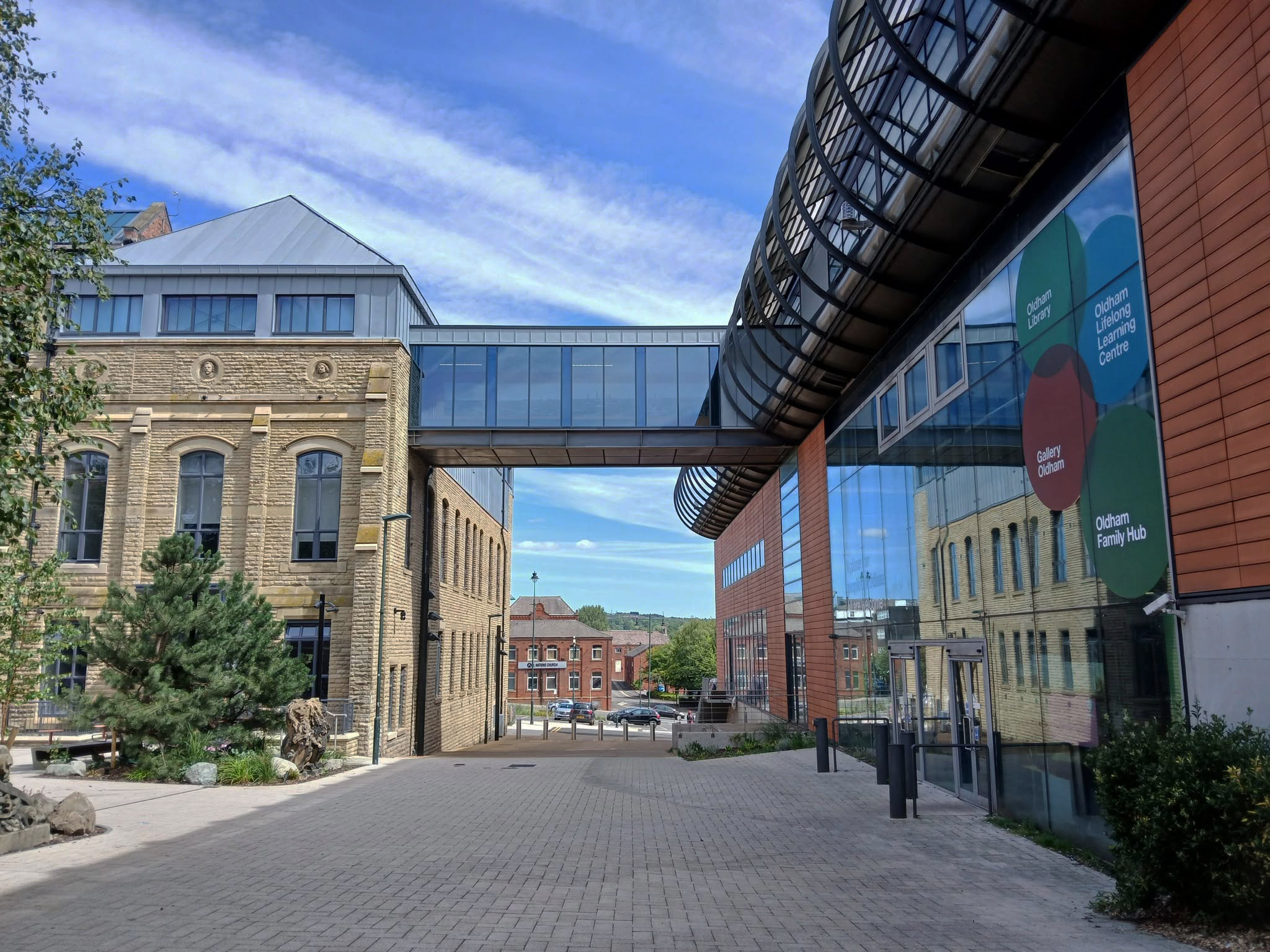
Linking to the older Library and Art Gallery 1883 T Mitchell with sculpture by JJ Milson.
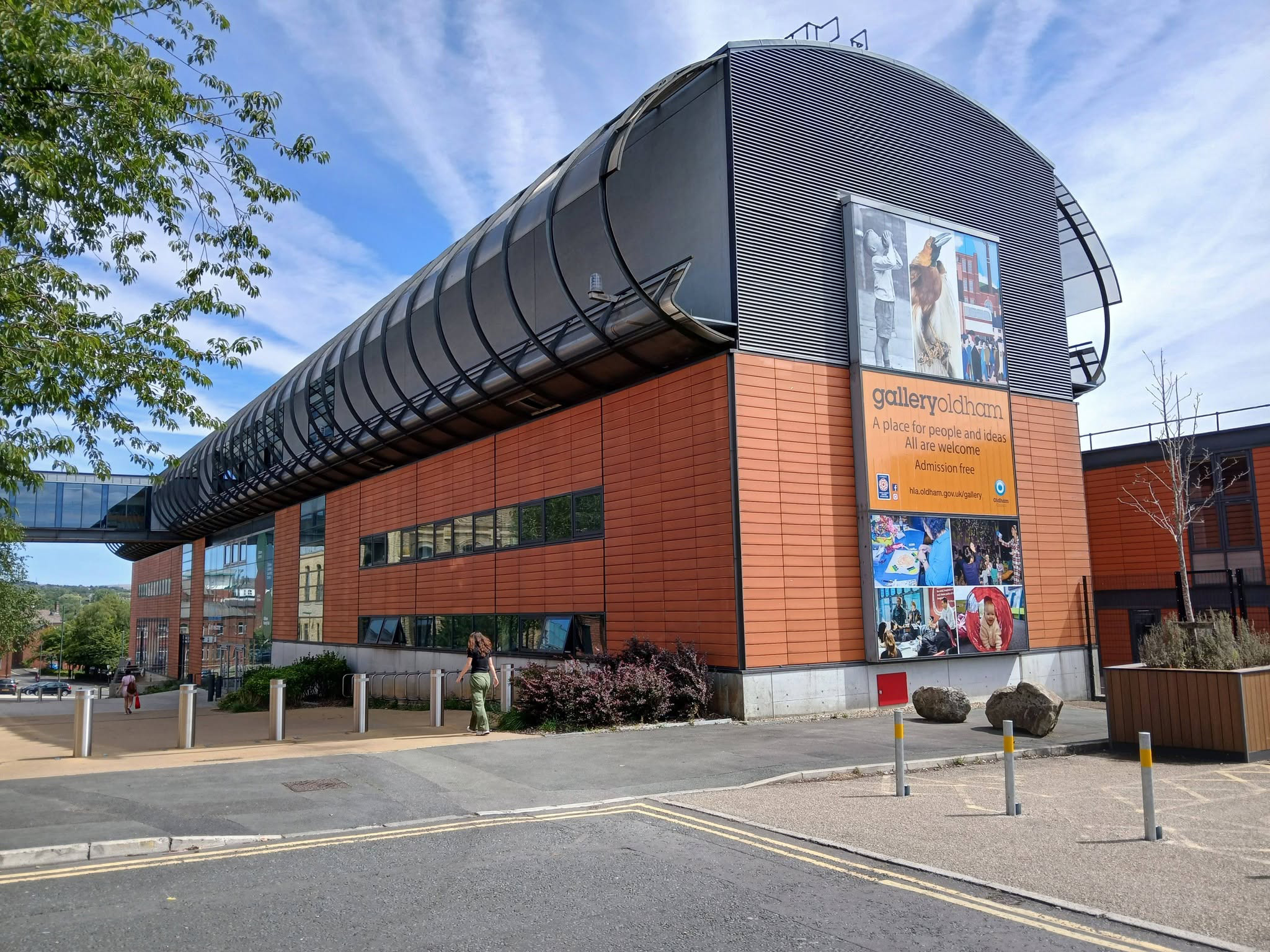
Today the building has been restored to include the Council Chamber and Mayor’s Dining Room, public exhibition spaces and a new home for Oldham Theatre Workshop.
The Old Library is one of the earliest examples of an ashlar faced, in-situ formed concrete multi story building.
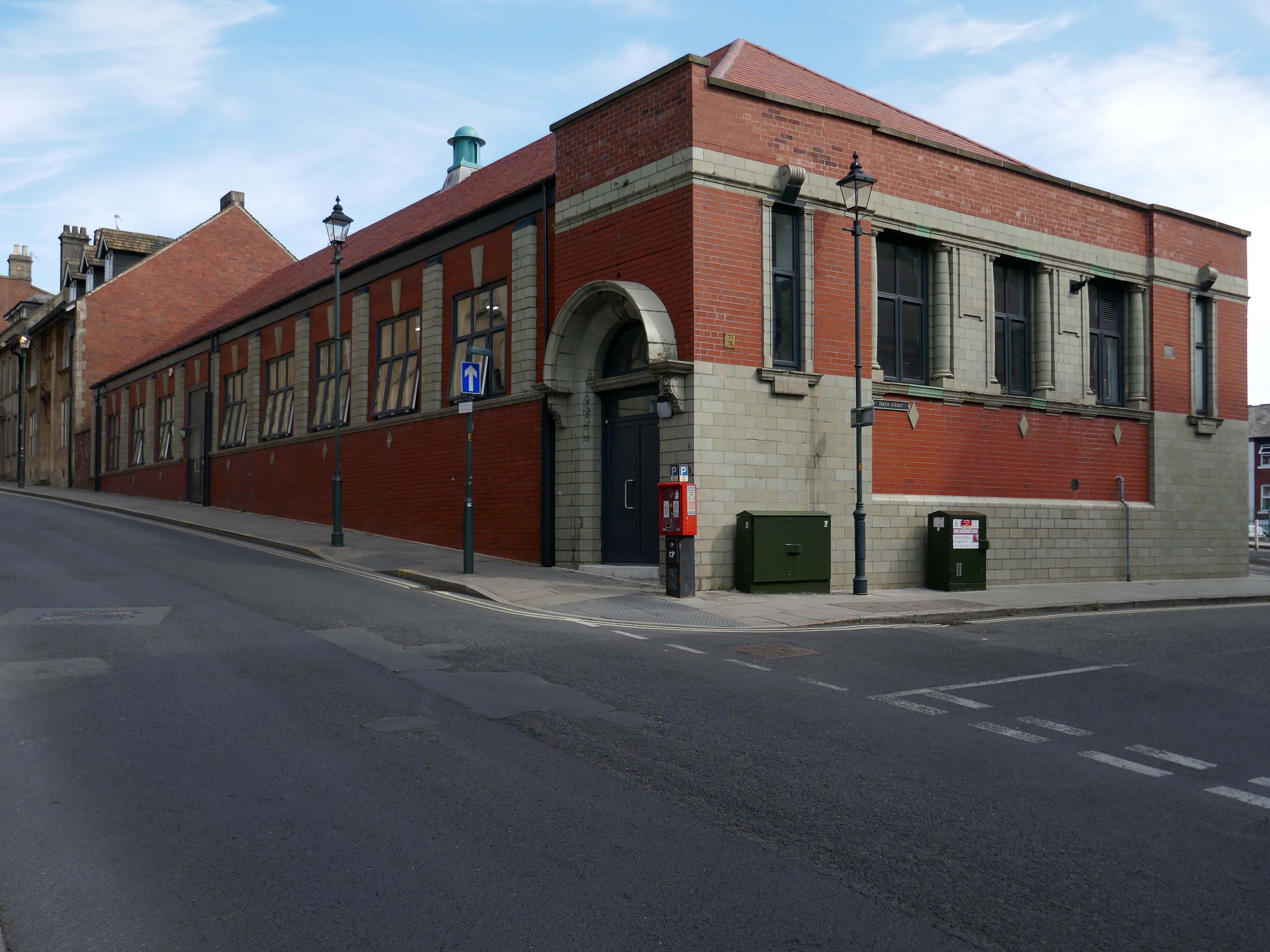
Take a turn up Greaves Street and here’s a faience clad Victoria Housea former Billiard Club 1912 Winder & Taylor – subsequently the hall was used as council housing offices and a college before becoming vacant.
Oldham Boxing moved into the building in 2011.
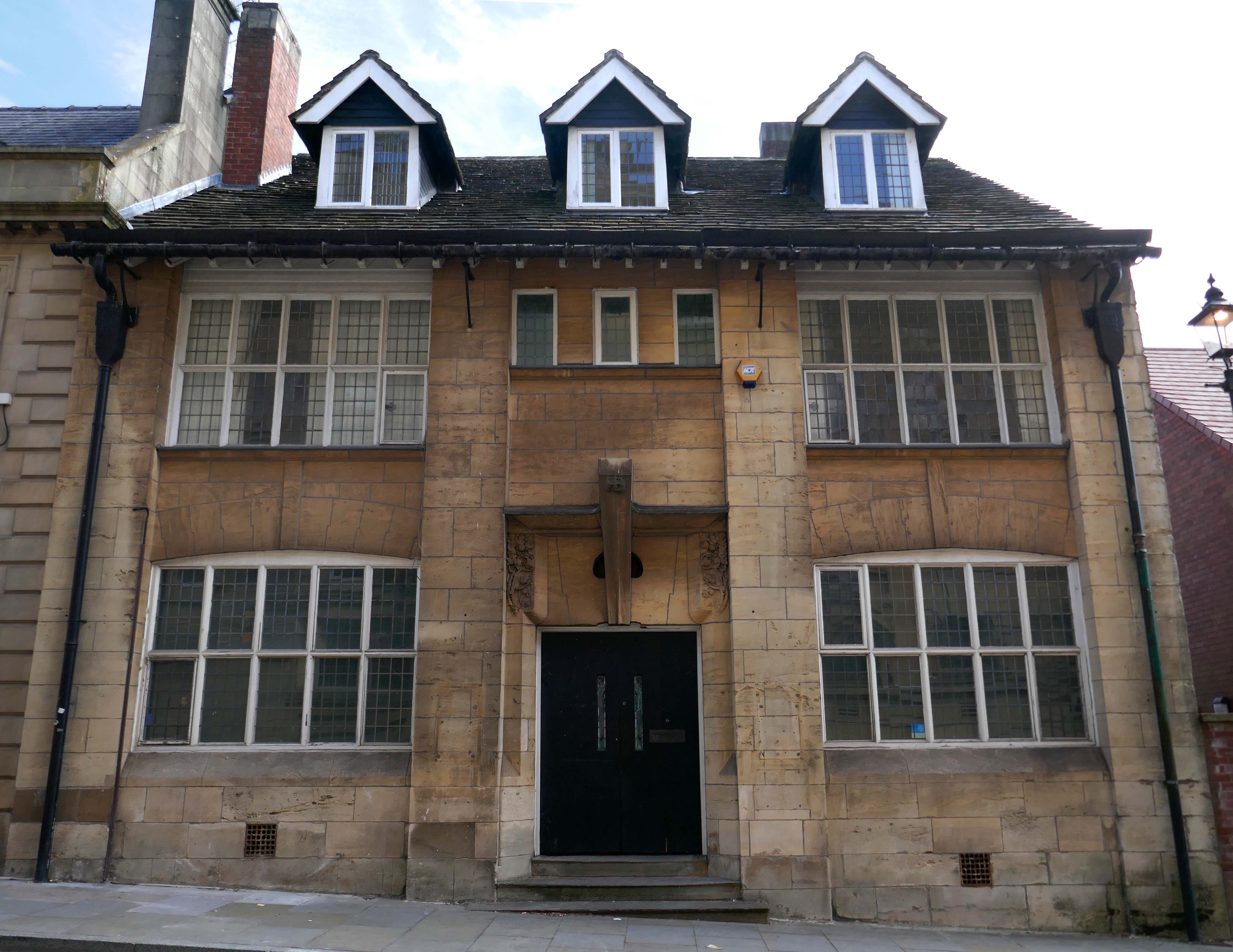
Next door a Ponsonby And Carlile Solicitors Office 1902 Edgar Wood – Grade II Listed.
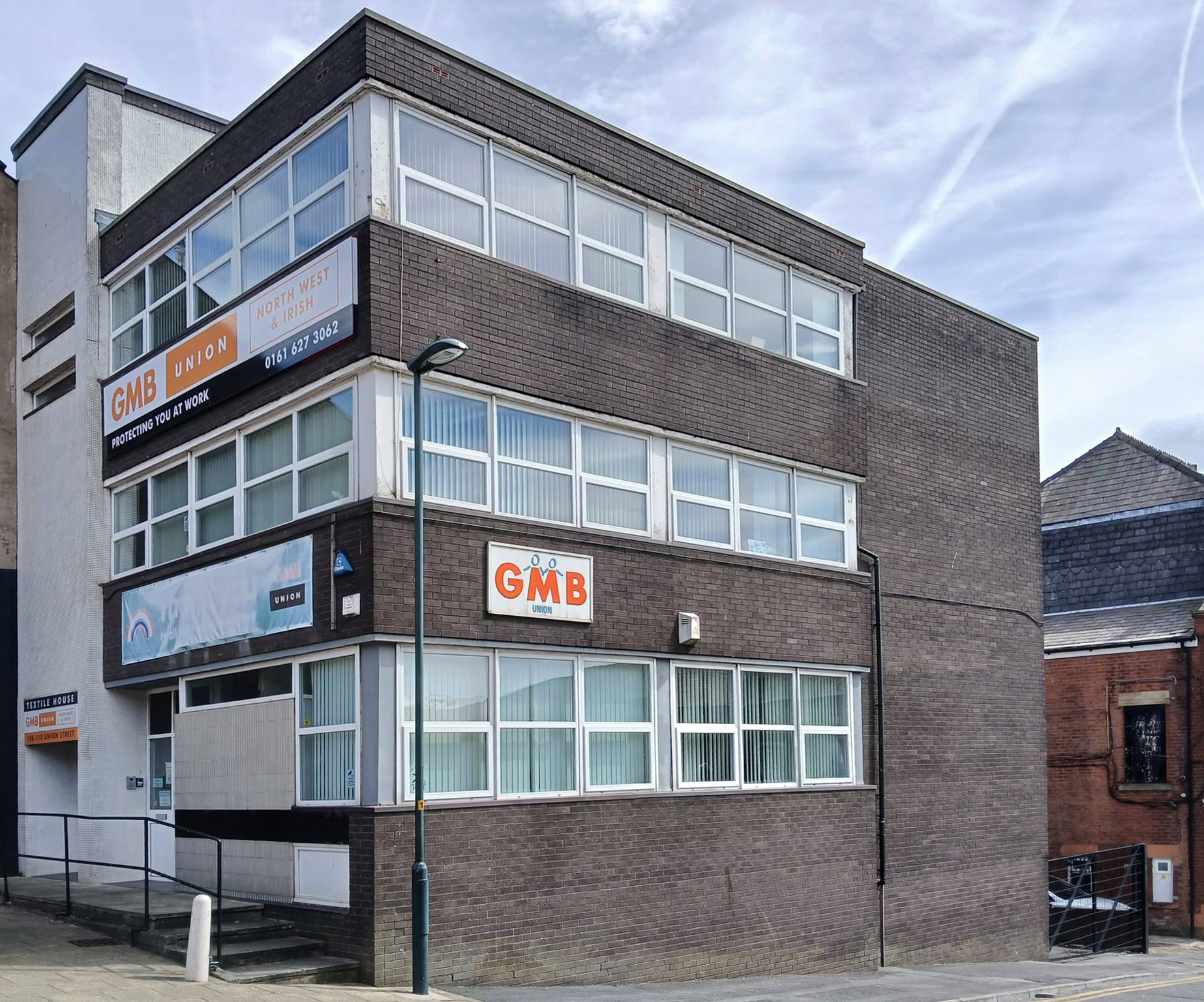
Back now onto Union Street and the GMB Offices.
Onwards to the former Oldham Evening Chronicle
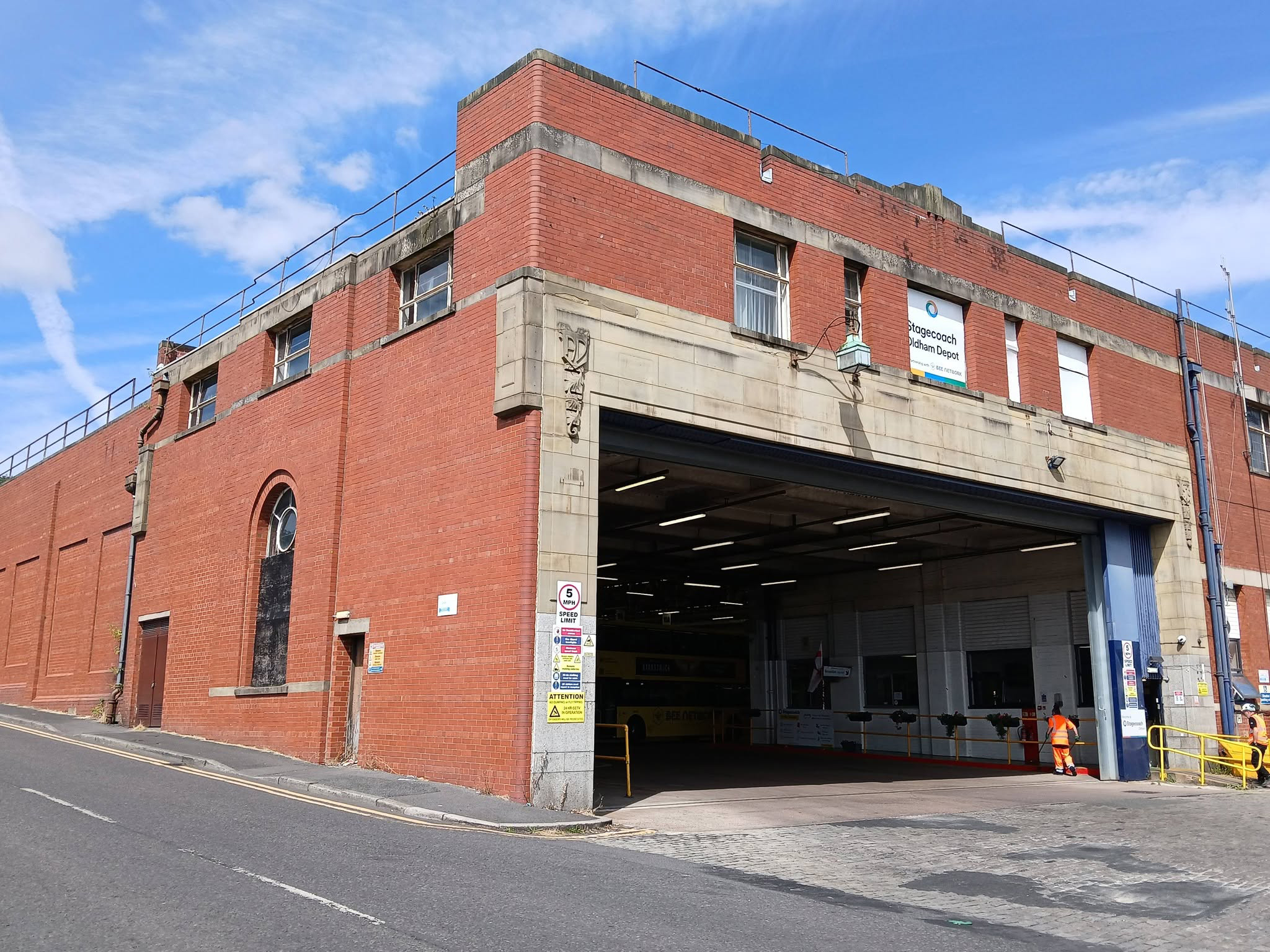
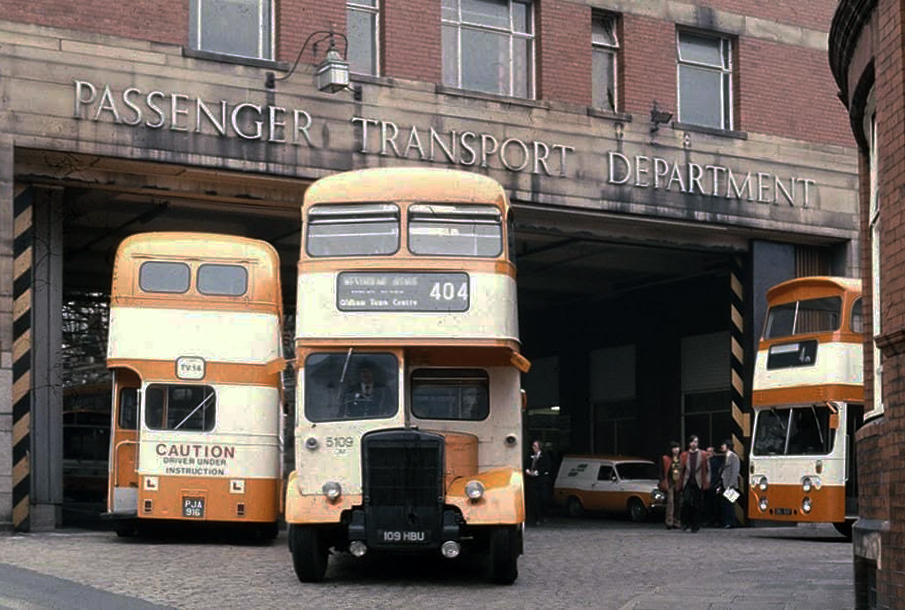
Down the hill and left to the Walshaw Street Bus Depot 1936
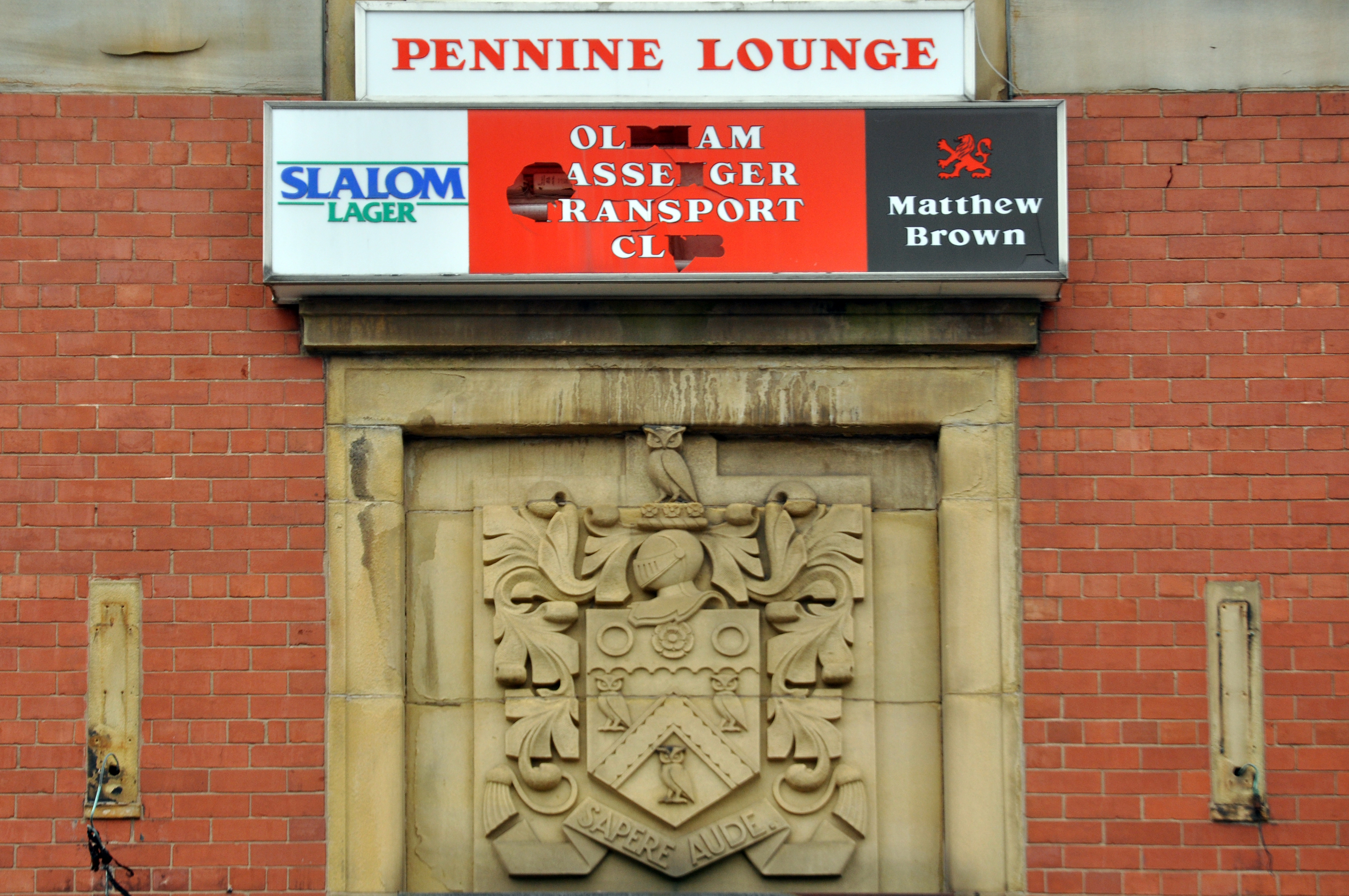
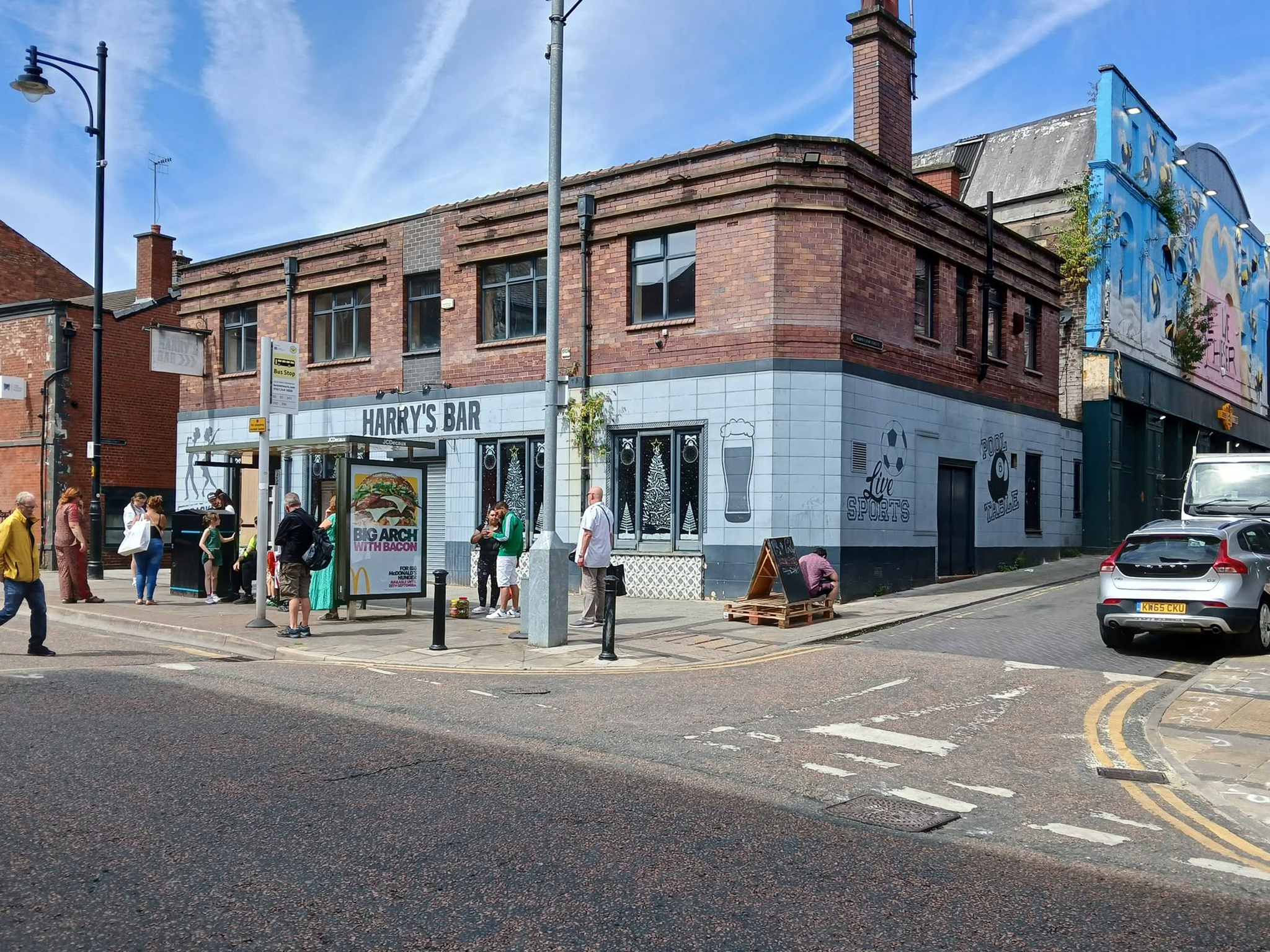
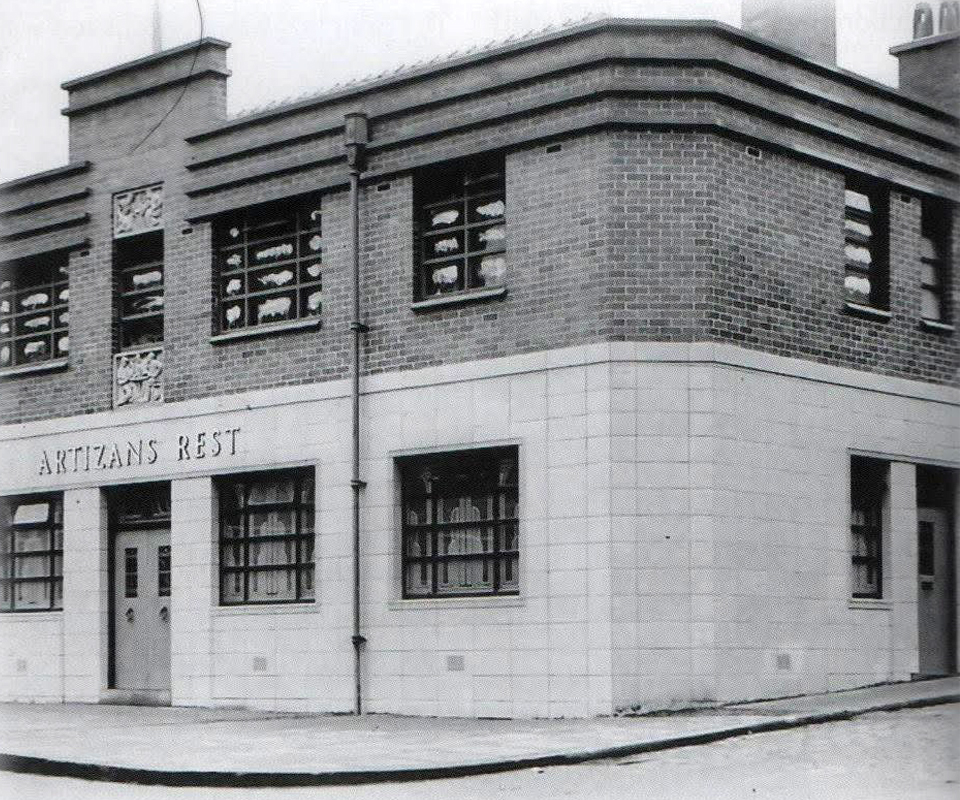
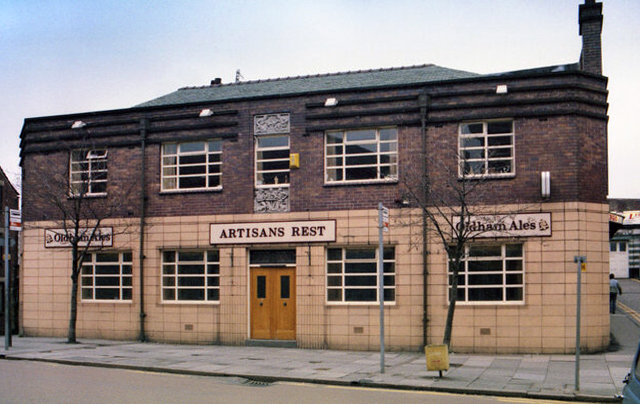
Next we head up Yorkshire Street to Harry’s Bar – formerly The Artizans Rest 1937.
Architects: CT Taylor – Roberts & Bowman.
In 2025, it was revealed by the Manchester Evening News that Oldham council planned to buy the building and demolish it with the price tag for the project reported to be £1m. The money comes from a £2.5m pot of regeneration finding given to the local authority by the government.
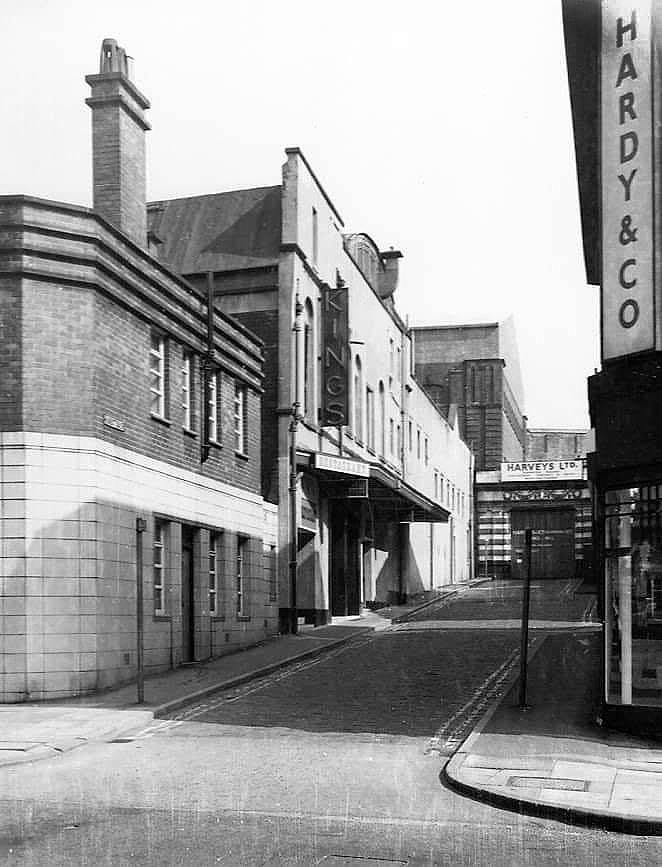
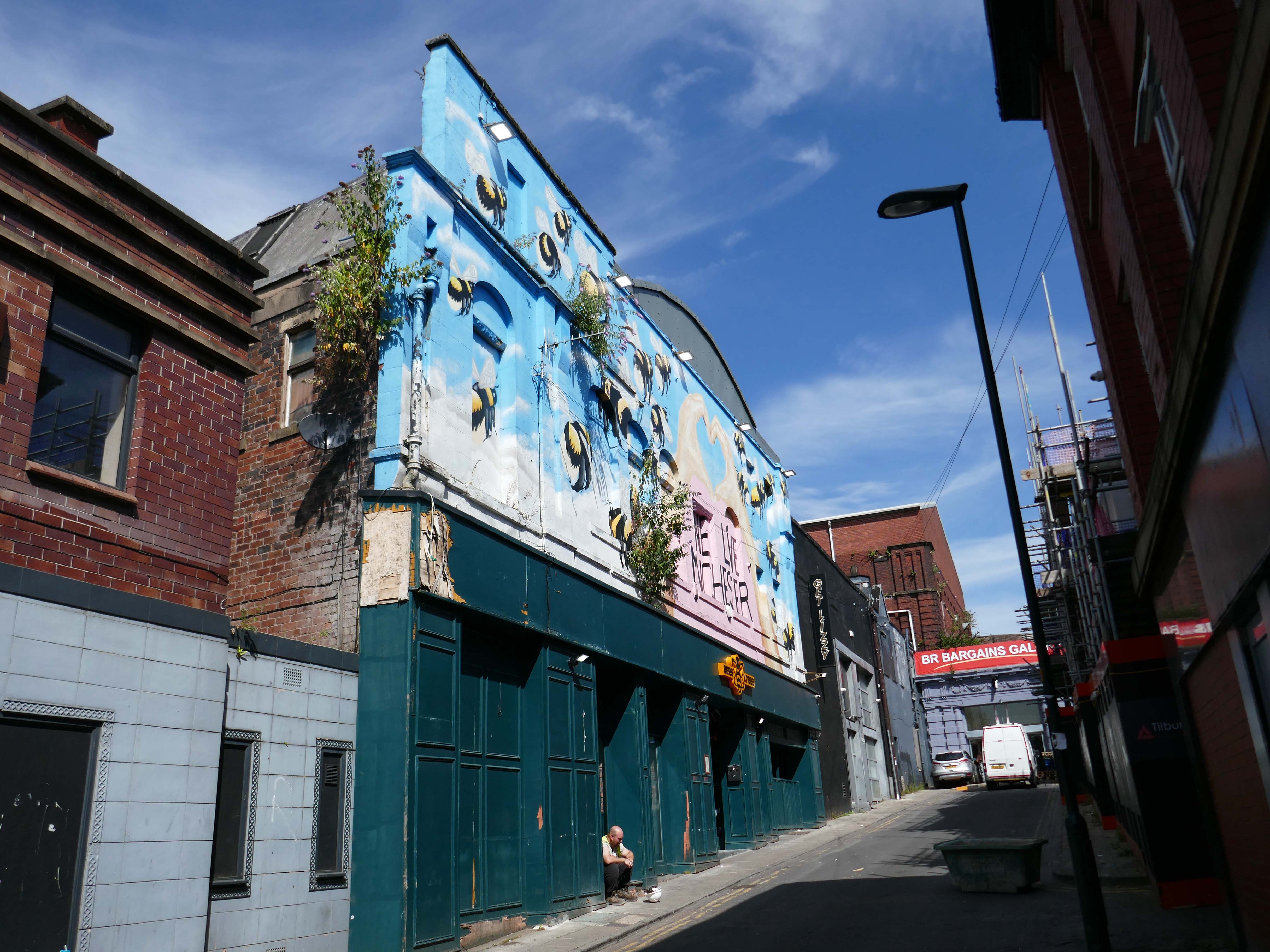
Just around the corner is the former Kings Picture Hall – currently Bees Knees.
Located in the town centre, directly opposite the Coliseum Theatre. The King’s Picture Hall was opened 18th September 1911. In October 1912 a café was opened in the building adding a further amenity to the cinema. In 1929 it was equipped with a British Thomson Houston sound system.
The King’s Picture Hall was closed on 25th June 1966 with Ryo Ikebe in Battle in Outer Space and Randolph Scott in Comanche Territory.
On 2nd July 1966 it was converted into a bingo club.
A stand of shops – stepped the accommodate the incline, partially clad in Westmorland Slate.
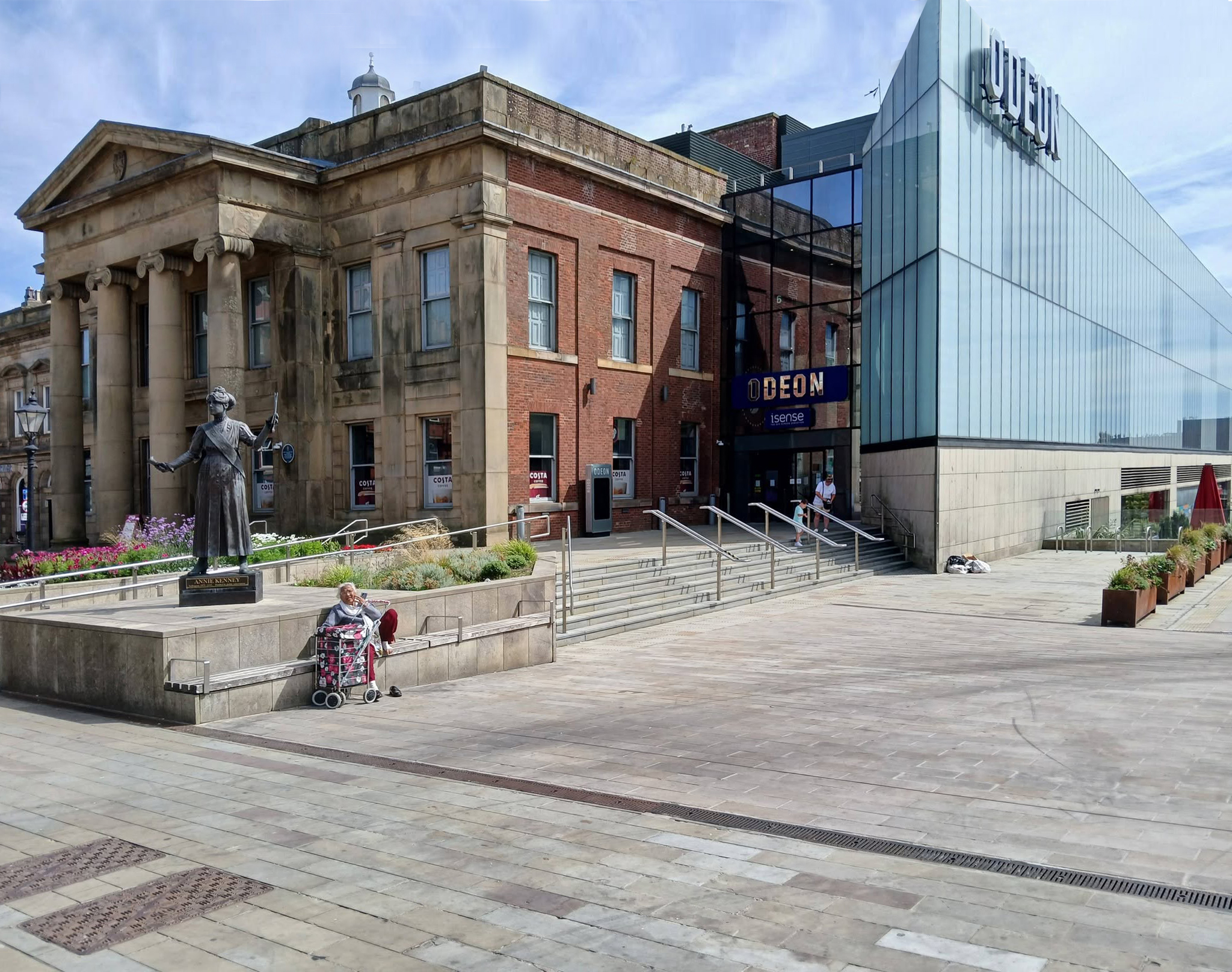
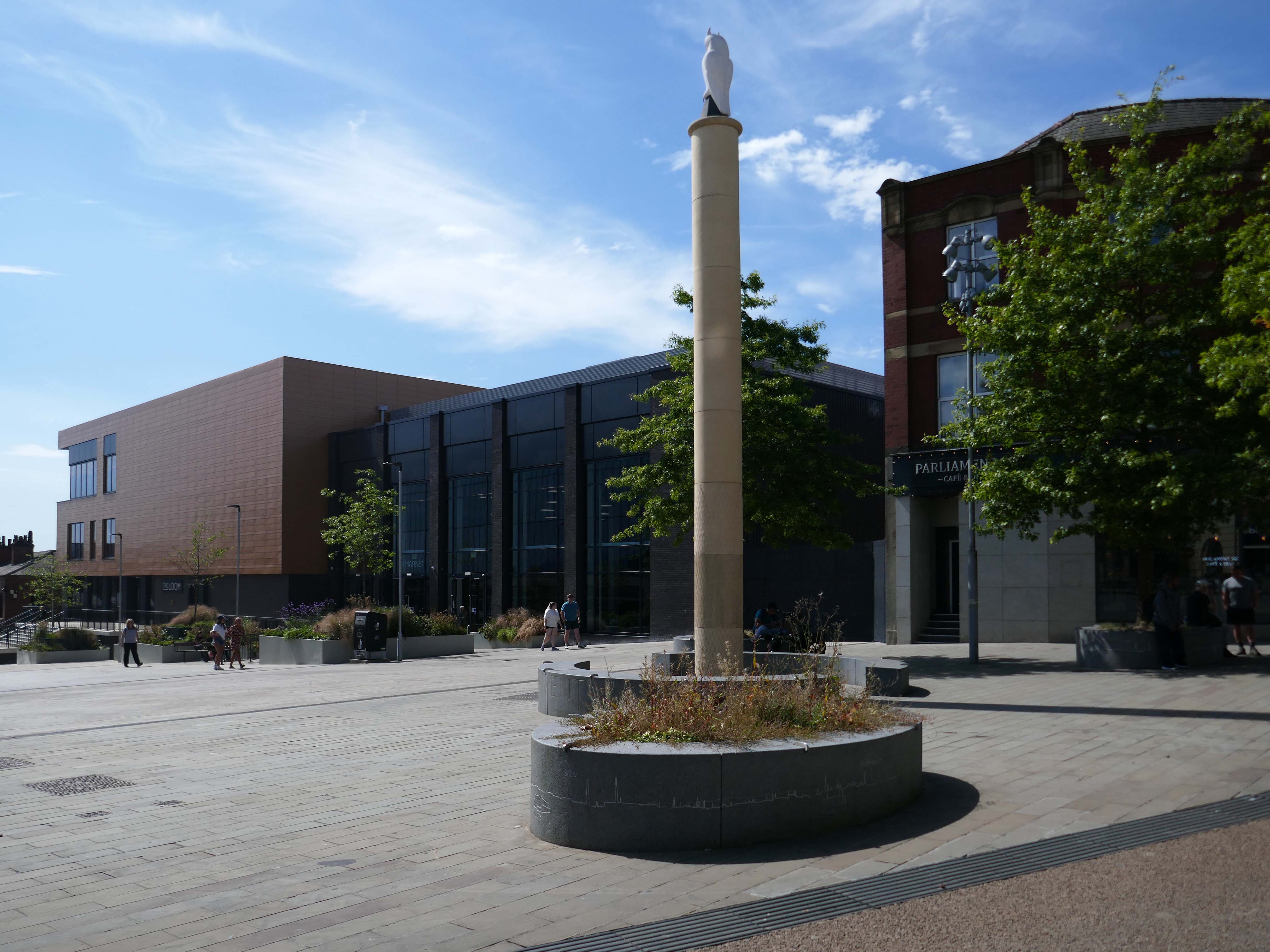
Oldham Town Centre now has a new high-quality public space – Parliament Square
Six new restaurant units will be located within the Old Town Hallalongside a brand new 800-seat, seven screen ODEON cinema.
BDP 2017
A stunning glass extension to the side of the Grade II-listedbuilding provides access to the various levels of the cinema and is also the frontage to the new restaurants.
George Woodhouse of Bolton 1841, extended by Edward Potts of Oldham 1879-80.
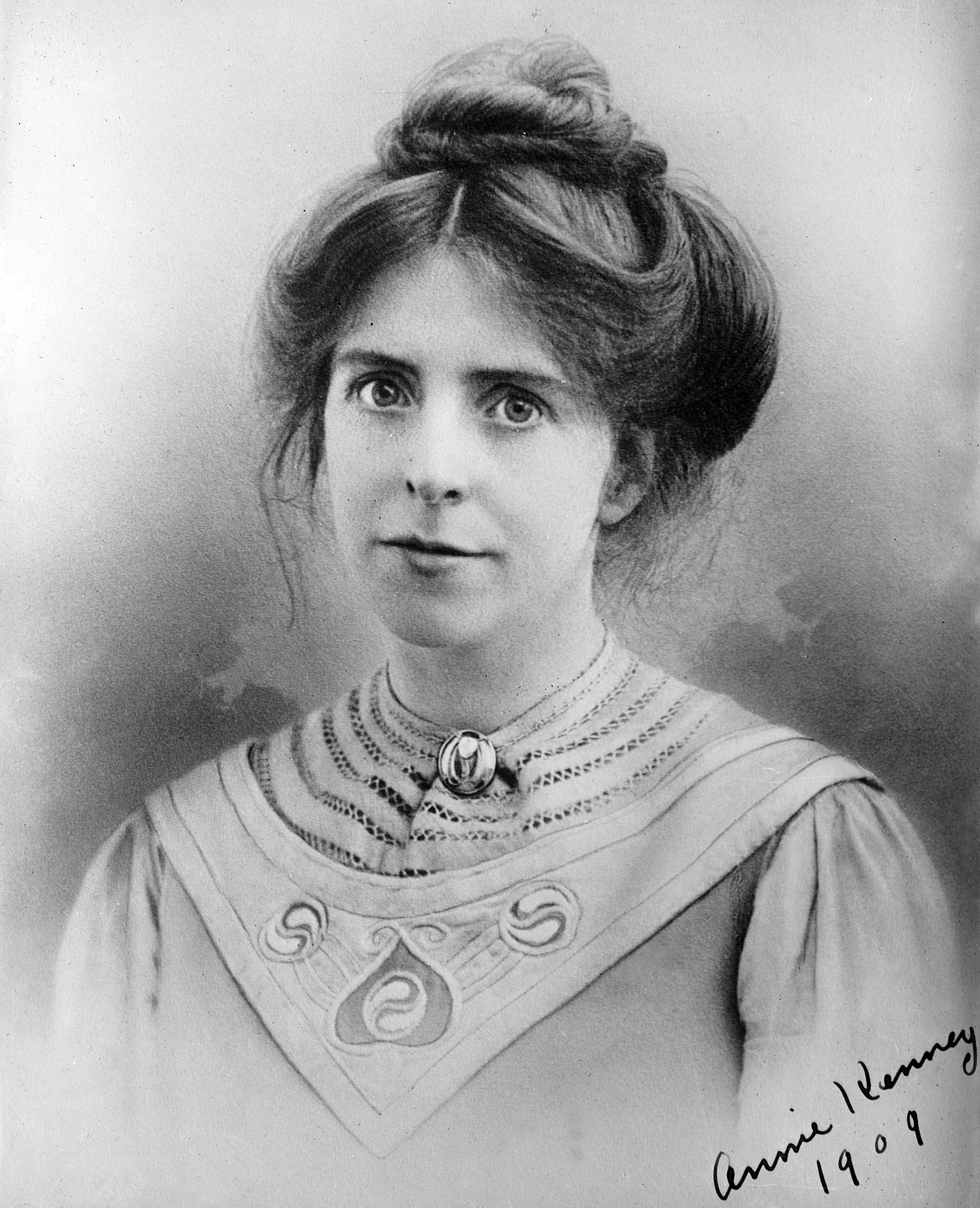
To the left is a statue of Springhead born Annie Kenney – political activist, socialist feminist and suffragette, modelled by Denise Dutton, unveiled 14 December 2018.
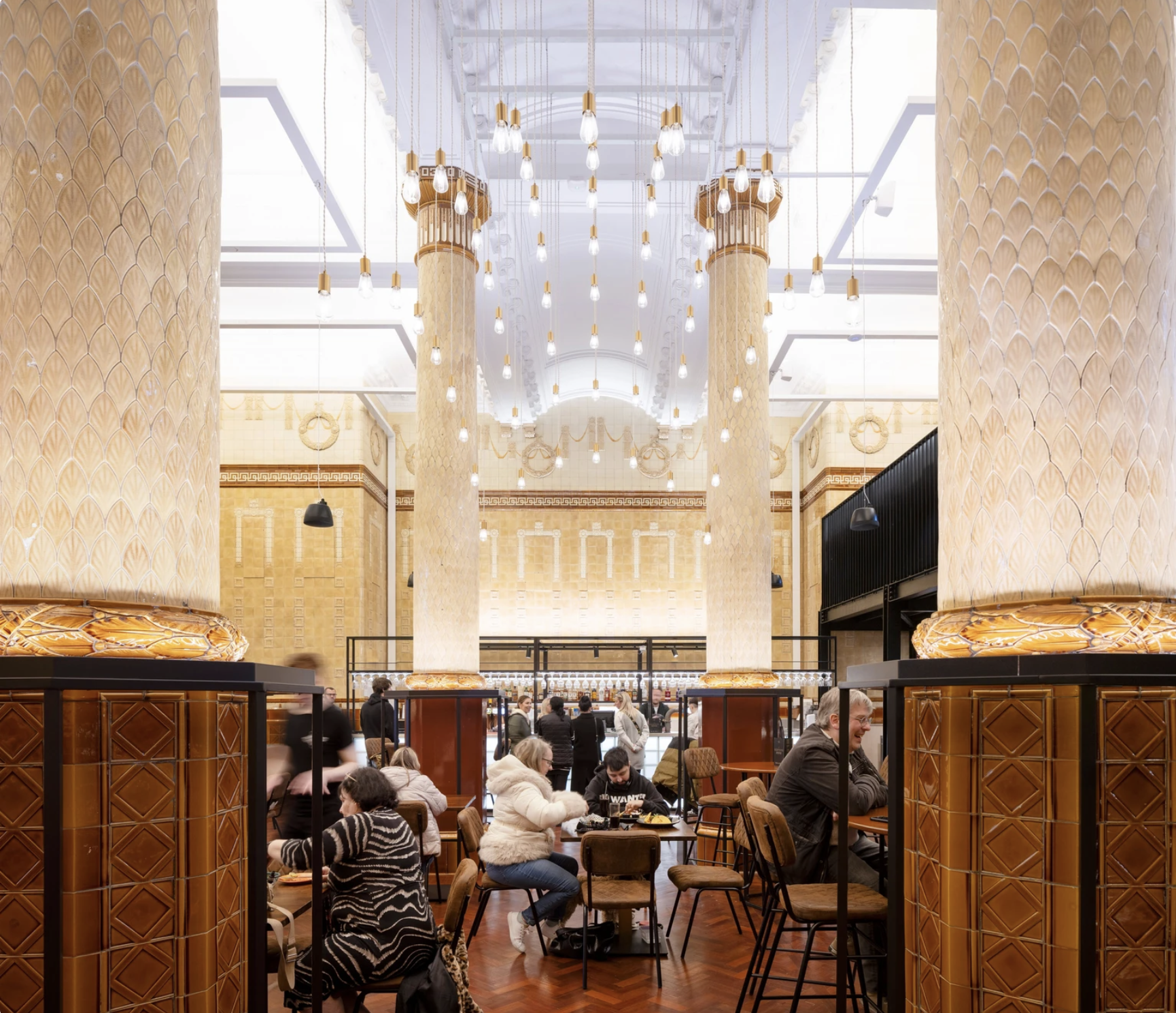
The Egyptian Room Food Hall project extends BDP’s partnership with Oldham Council and the rejuvenated Grade II listed Old Town Hall building in Oldham town centre, the main transformation of which was also designed and delivered by BDP.
The Loom is a brand new events space next to Oldham’s new indoor market on Parliament Square in the town centre. The gala-sized event space can fit up to one thousand standing guests, seven hundred seated, or five hundred dining, or can be split-off into smaller rooms for exhibitions, gigs, or theatre performances.
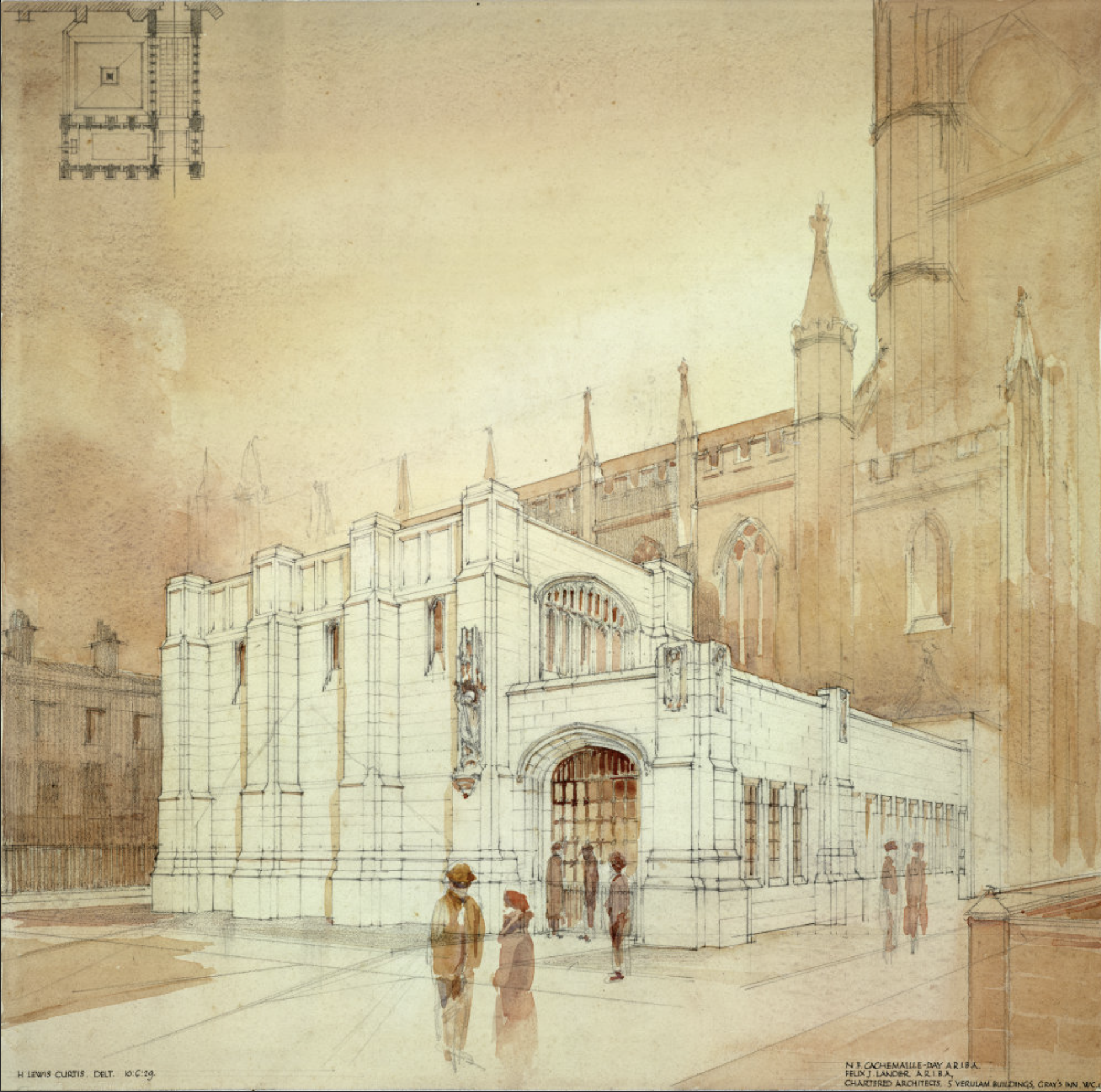
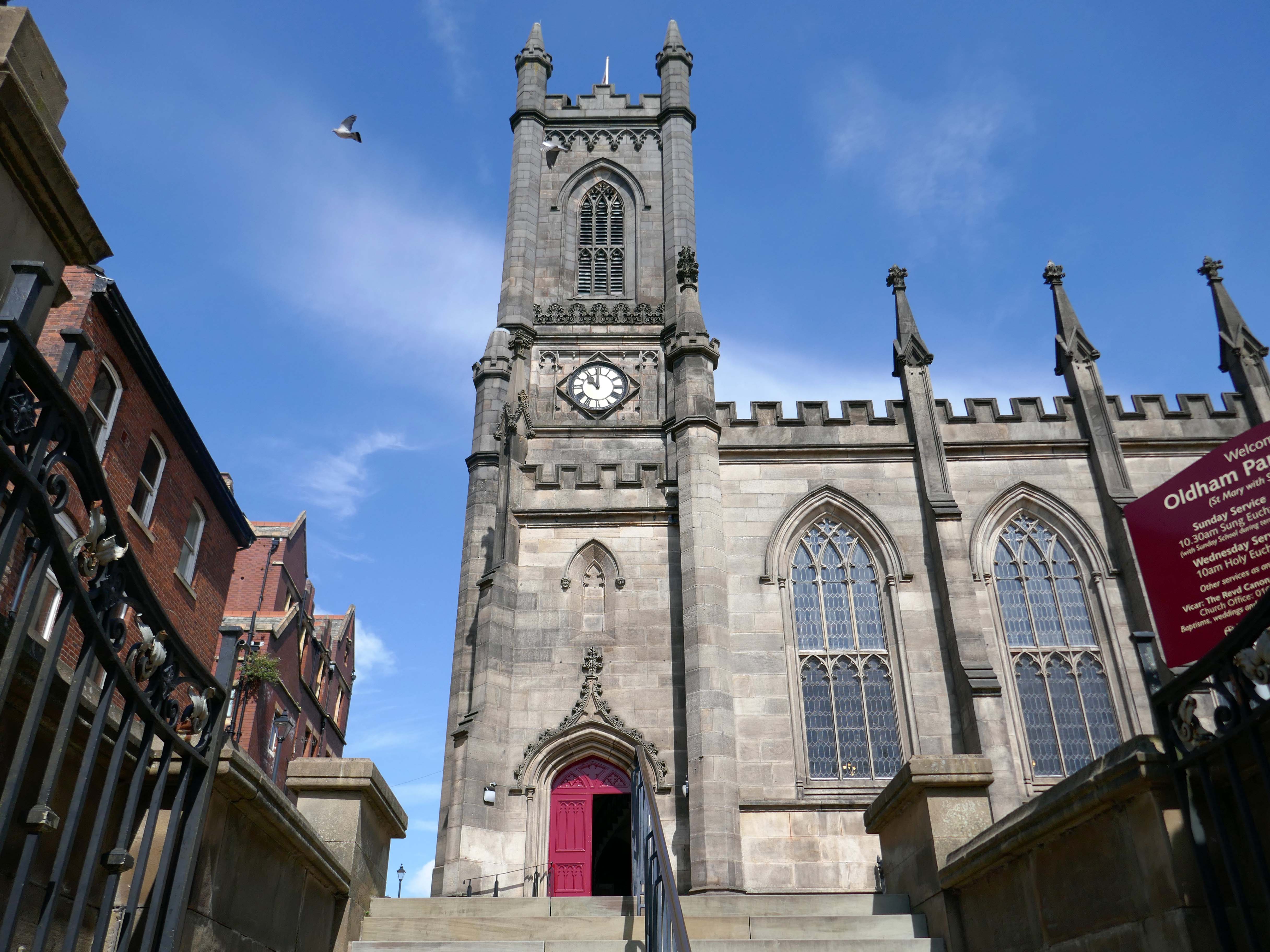
Design for a war memorial chapel, St Mary’s Church 1920.
Architect: Nugent Francis Cachemaille-Day.
Artist: H Lewis Curtis.
Image: RIBA pix
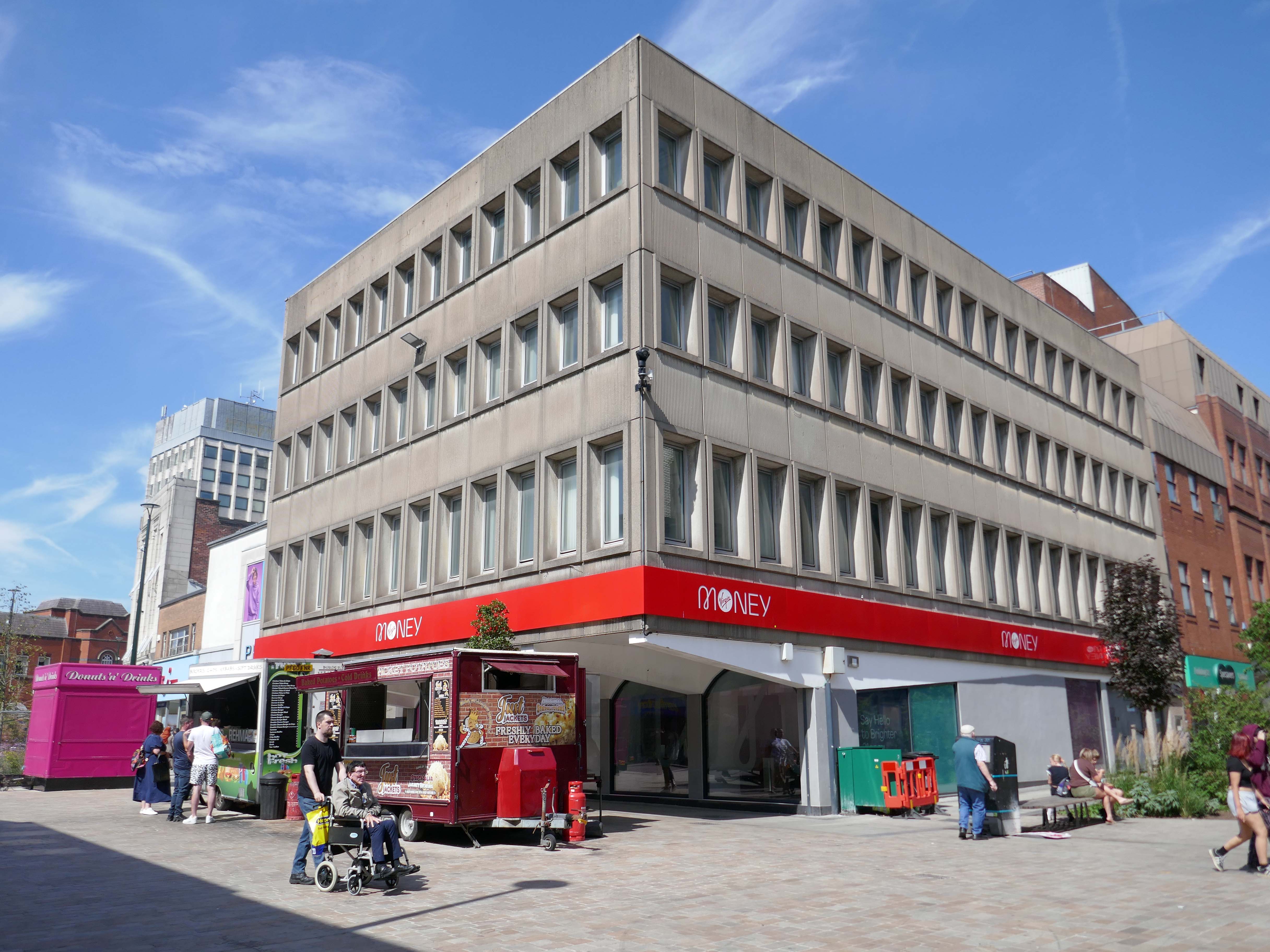
Next to the former Yorkshire Bank 1970 John Brunton& Partners.
Under construction 1970
Image: Kayla Chadwick
Down to the Spindles Shopping Centre 1991
Originally the site of St Peter’s Shopping Centre architect Richard Seifert
St Peter’s House – housed Oldham Area Health Authority Administrative Offices
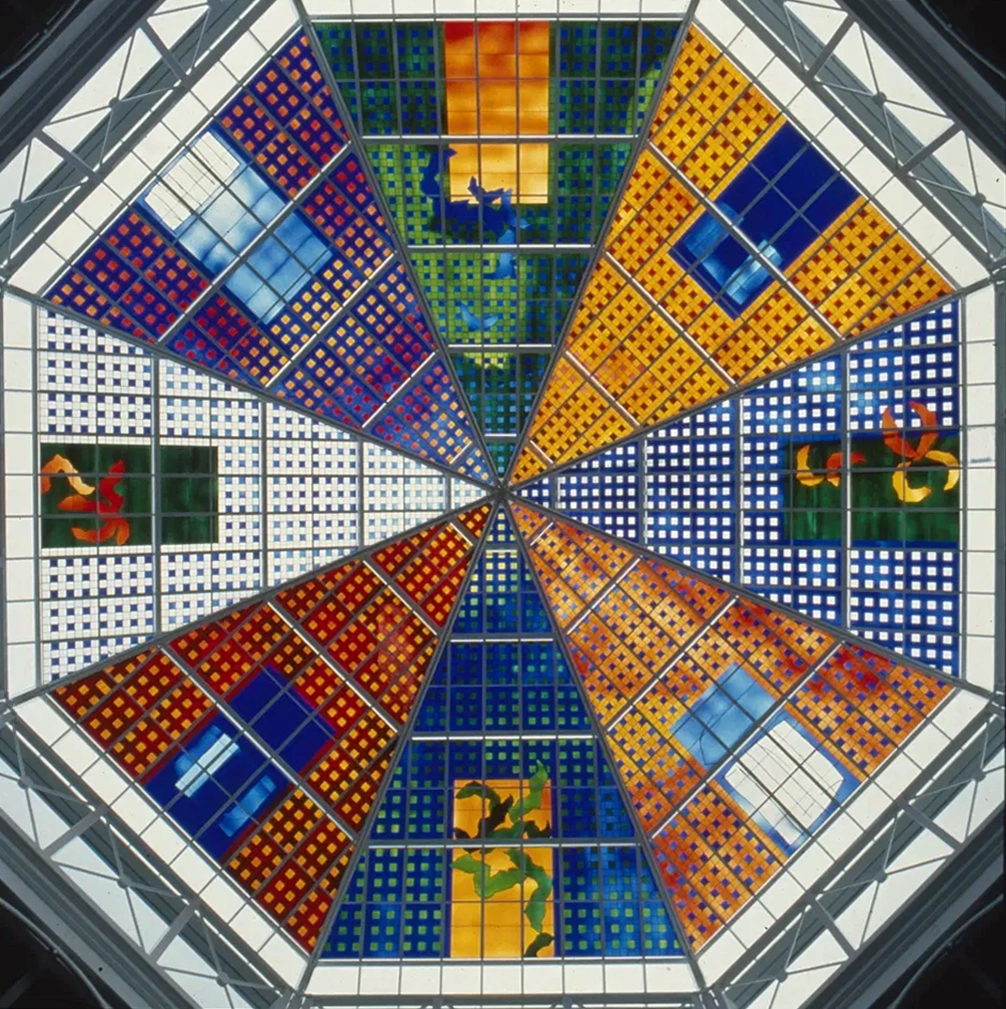
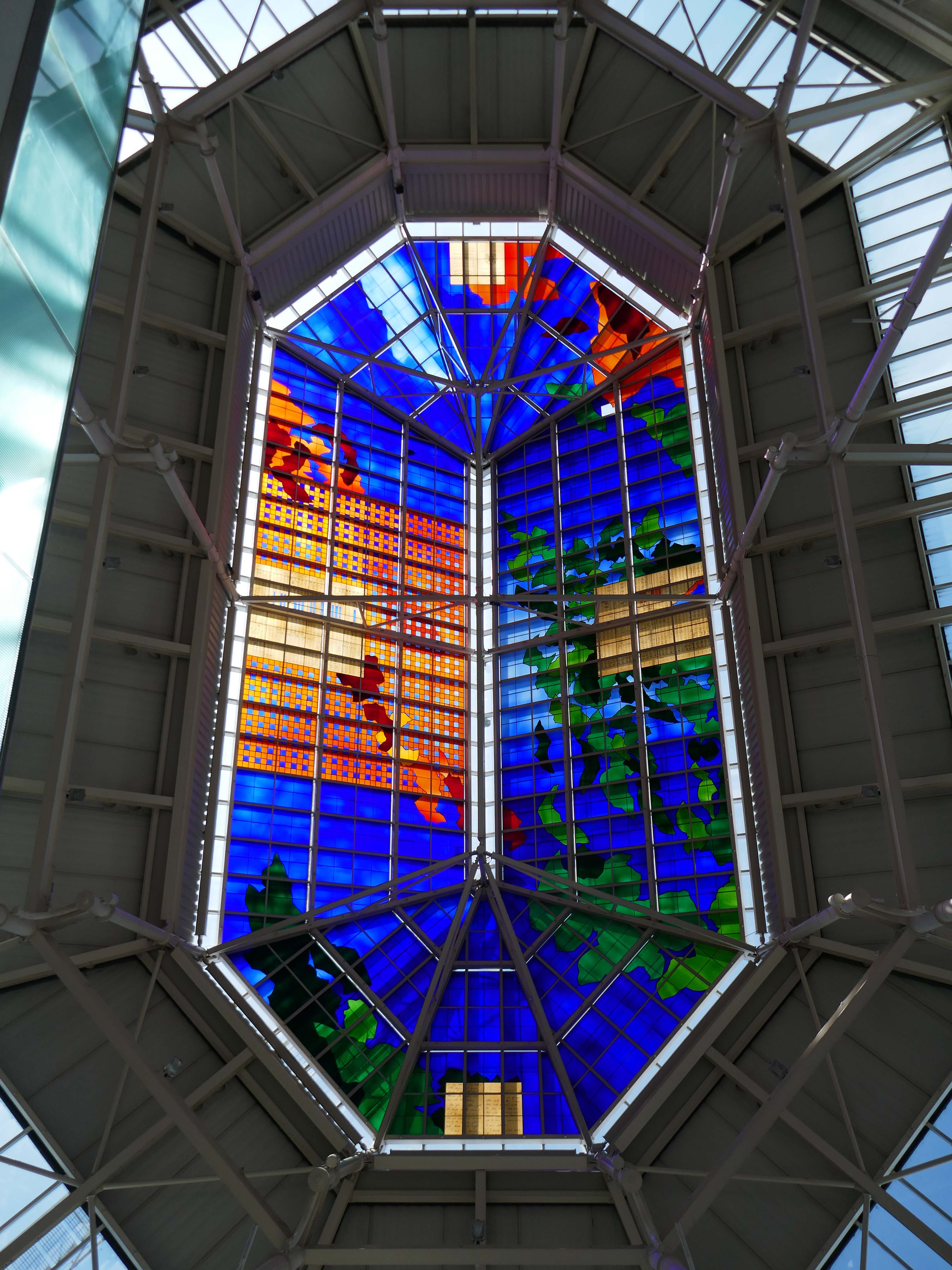
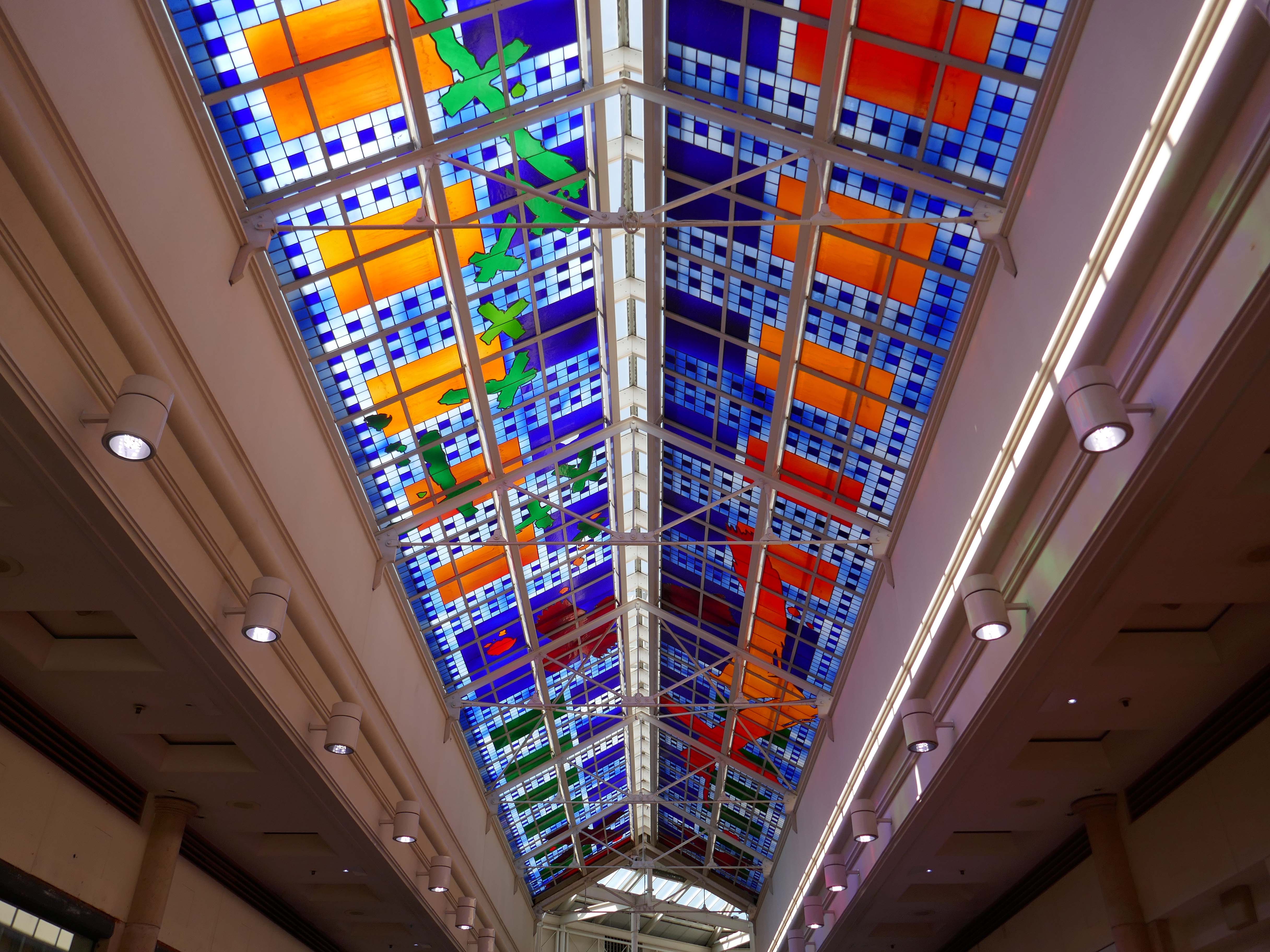
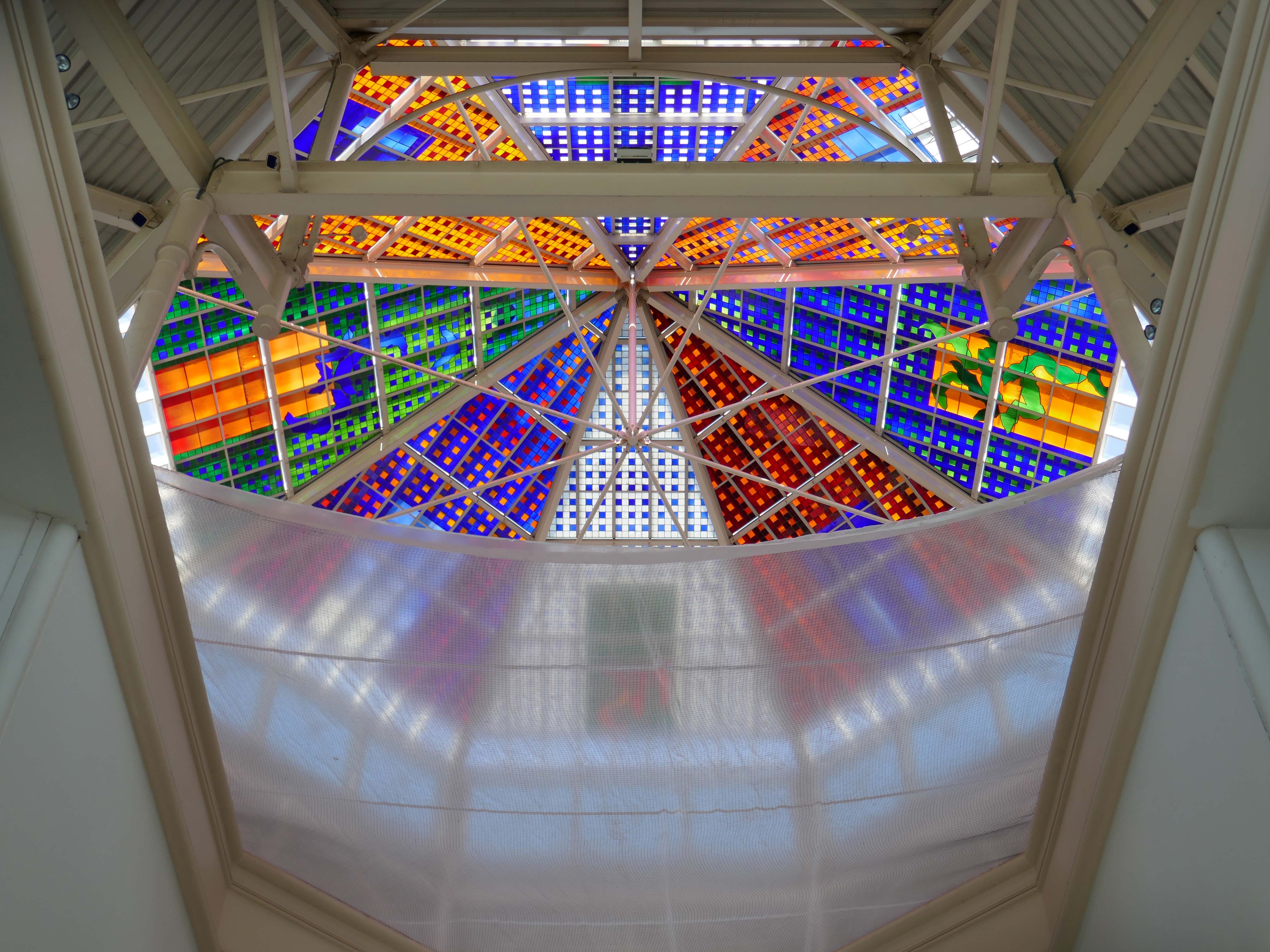
Between 1990 and 1993, Brian Clarke designed a series of three interrelated roof lights in stained glass for the Spindles Shopping Centre in his hometown of Oldham, Lancashire. Among the largest stained glass windows in Europe, and some of the largest public artworks in the UK, these panels connect the main public areas of the principal shopping centre in the town.
No town walk would be complete without a former Burton’s.
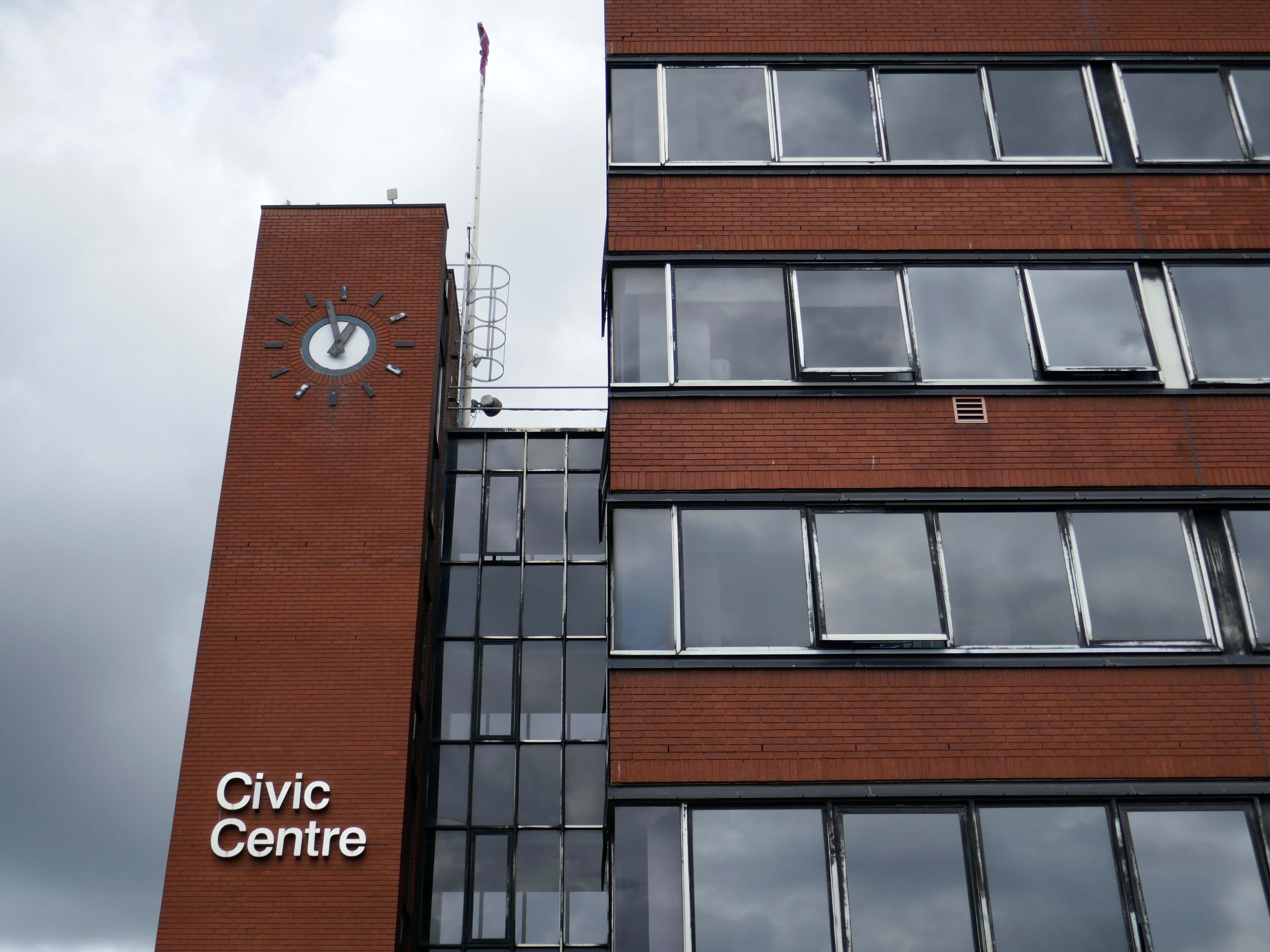
Next to the Bus Stations 2008 Austin-Smith Lord situated either side of the Civic Centre.
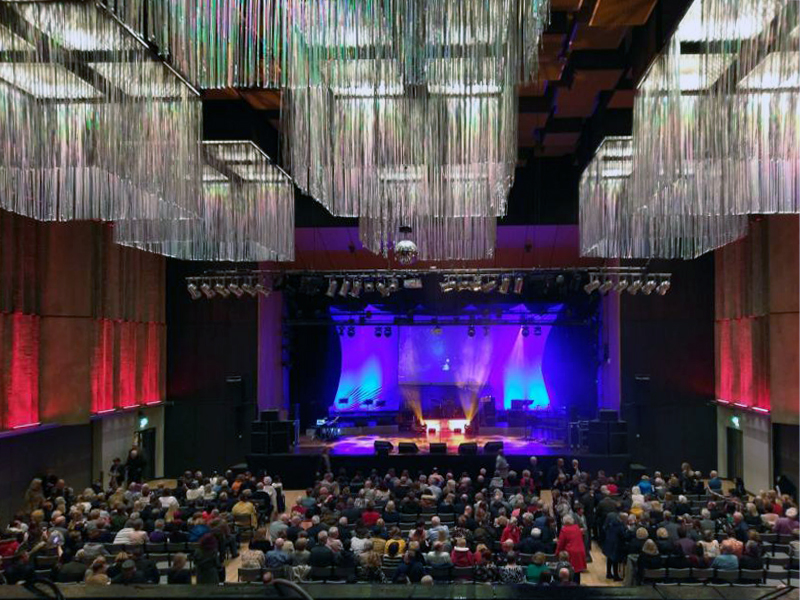
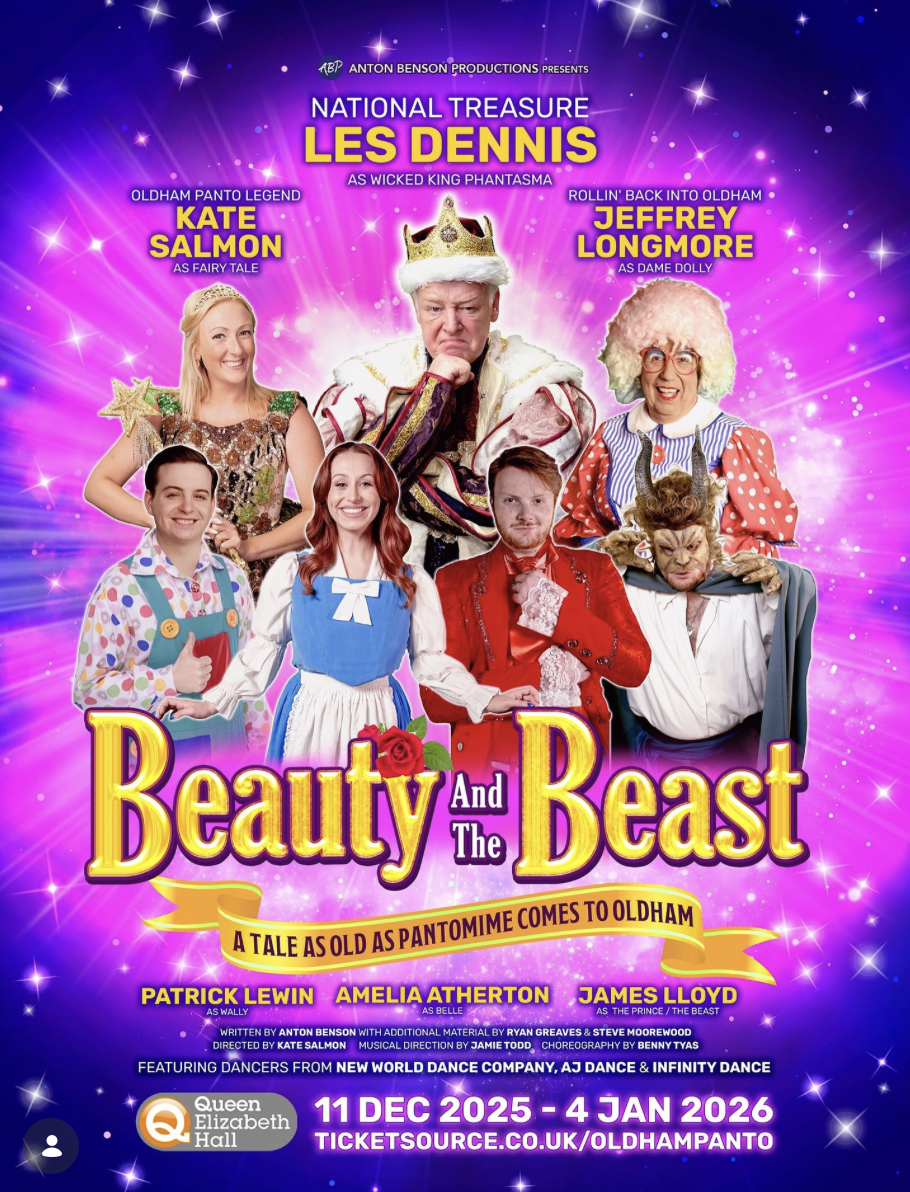
The Queen Elizabeth Hall in Oldham will soon open its doors for the last time before it permanently closes to the public and is prepared for demolition.Since being condemned for containing Reinforced Autoclaved Aerated Concrete – RAAC in 2023, its days have been numbered.
Now the old theatre is part of plans to bring 2,000 new homes into the town centre in a partnership between Oldham Council and the developers Muse.
Chris Connor as Elvis at the Oldham Queen Elizabeth Hall.
Surrounded on two sides by the Civic Centre – the lower parts are by Richard Seifert & Partners 1962, the fourteen storey Tower and Hall 1974-78 are by Cecil Howitt & Partners.
Plans are underway at the civic centre, the largest site in the regeneration project, to create a vibrant community providing eight hundred and thirty eight homes rising up to fifteen-storeys with mixed-use commercial spaces on the ground floor. This development will integrate seamlessly with the surrounding neighbourhood, particularly the nearby Former Magistrates’ Court site. The Civic Tower at the edge of the site will be retained and redeveloped as a hotel in a later phase.
Where have the Magistrates’ Courts gone?
Architects: Leach Rhodes Walker 1977.
Demolished in 2019 to make way for further redevelopment.
The proposals for the Former Magistrates Court site include two hundred and nineteen new homes with the tallest block ten-storeys and a green route connecting Manchester Chambers with King Street. The designs have been developed to ensure a unified neighbourhood with a common design language and seamless movement between other sites.
Oldham Council and Muse intend to work in partnership over the next 15 years to develop the sextet of council-owned brownfield sites across the town centre.
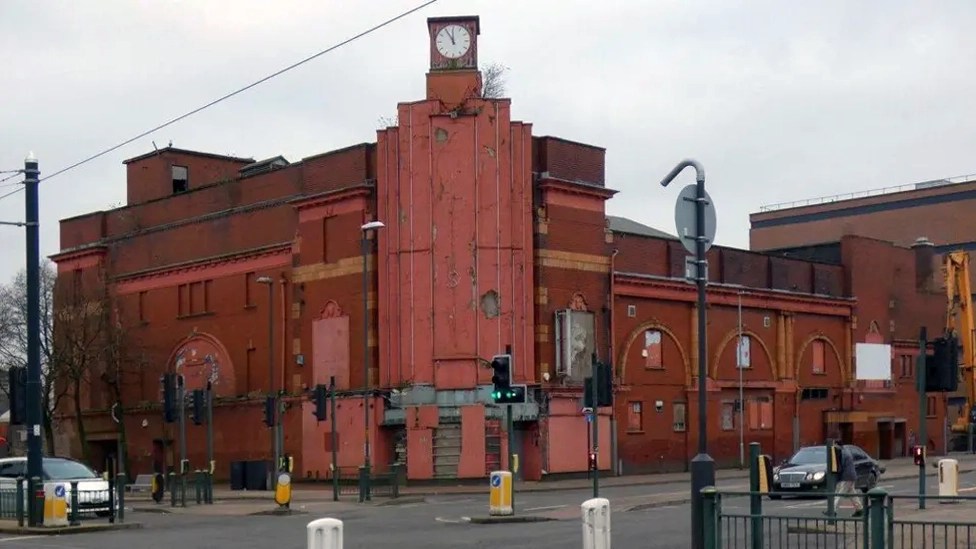
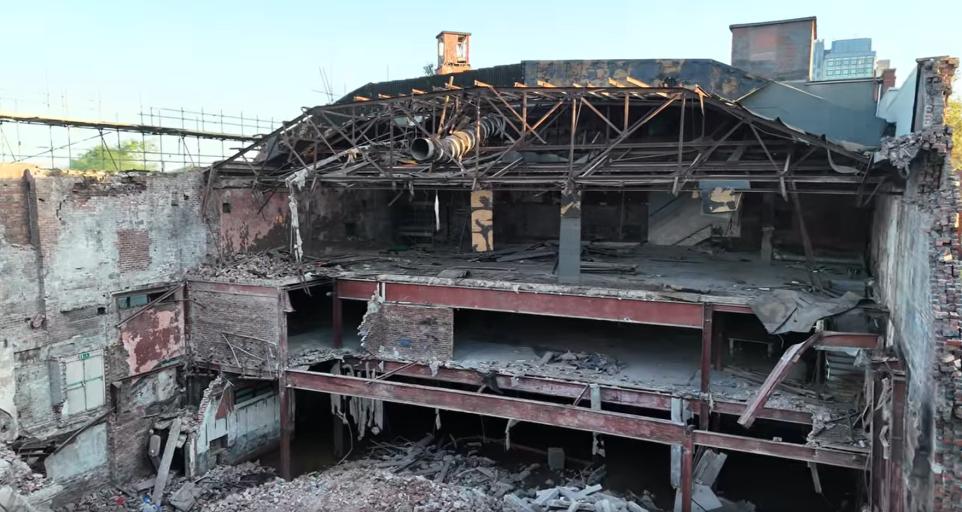
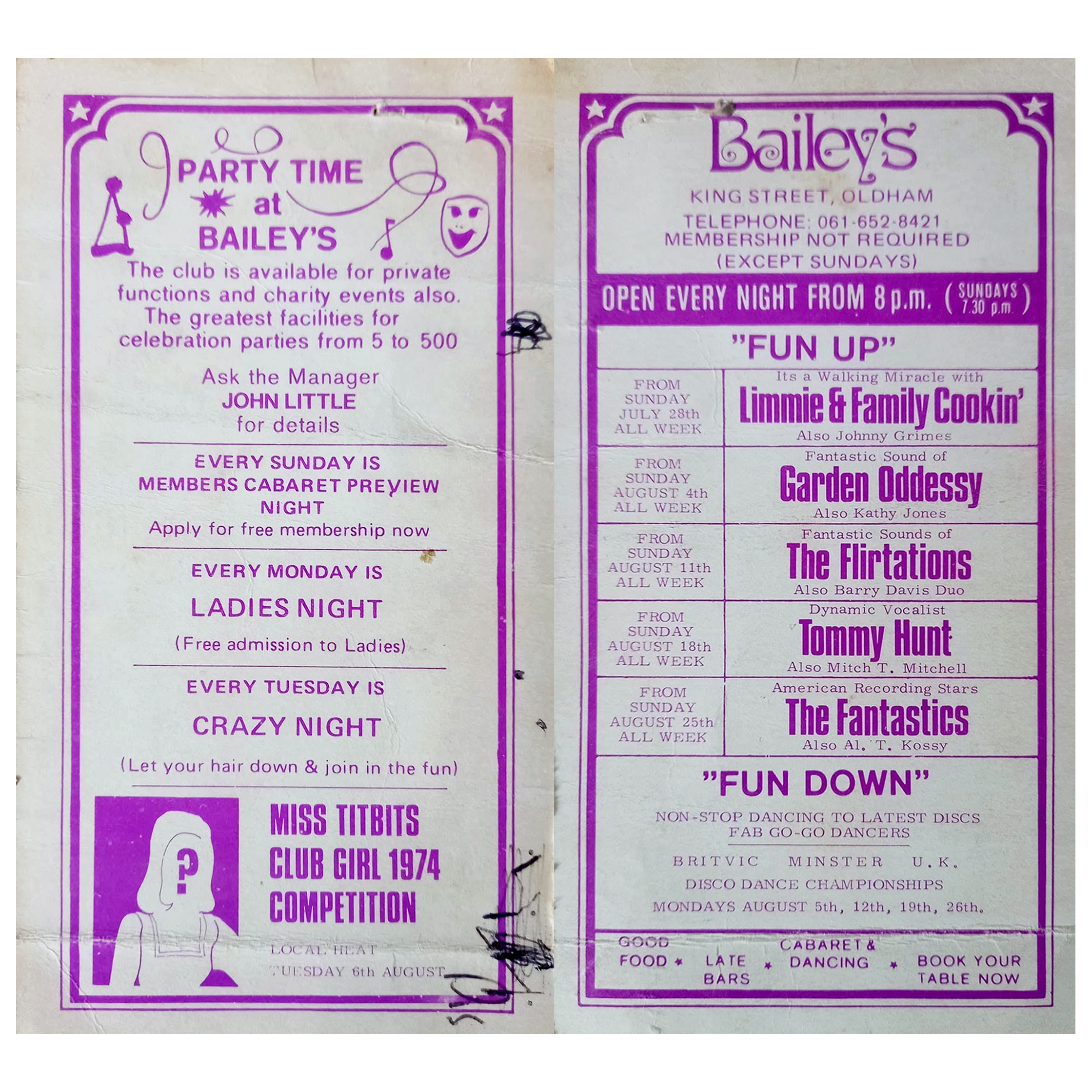
Viewed across the site where Bailey’s used to be – aka Romeo & Juliet’s, Butterflies, Astoria ballroom and Bowling Alley, Froggies and Riley’s.
The site originally started out as the Grand Theatre, a performance space designed by London architects Thomas Taylor and Ernest Simister who also designed Chadderton Town Hall.
In 1937, Gaumont Super Cinemastook over the building, gutted the auditorium and transformed it into stalls and one circle seating totalling 1,842 to open their 1930s cinema.
In 1991, the Chronicle reported on a mysterious haunting which was thought to have taken place in Butterfly’s nightclub in Oldham.
Before Butterfly’s had been a nightclub the building had been used for many purposes, and in 1939 was known as the ‘Grand Theatre.’ The building was undergoing renovations when Mr Lloyd was killed. ‘Witnesses said that Mr Lloyd was crushed underneath the beam which he was trying to guide down with a rope.’
However, Derek Lloyd’s theory of the origin of the ghost was not accepted by everyone at the time. Due to the fact the ghost appeared to be wearing a white T-shirt, people believed it was unlikely to be the spirit of a 1930s man. In response, Derek argued that ‘my father always had his sleeves rolled up at work because he suffered from a skin complaint.’
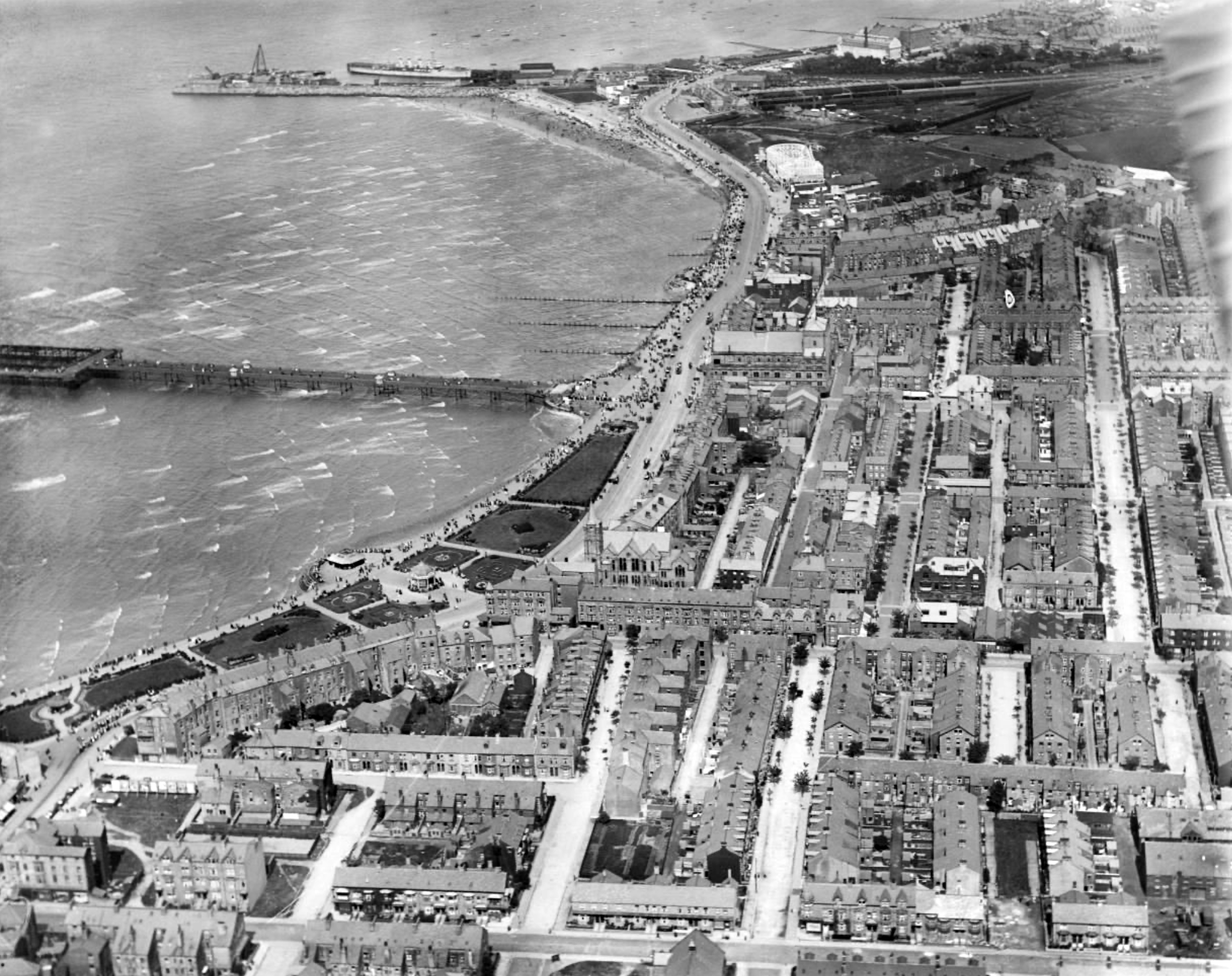
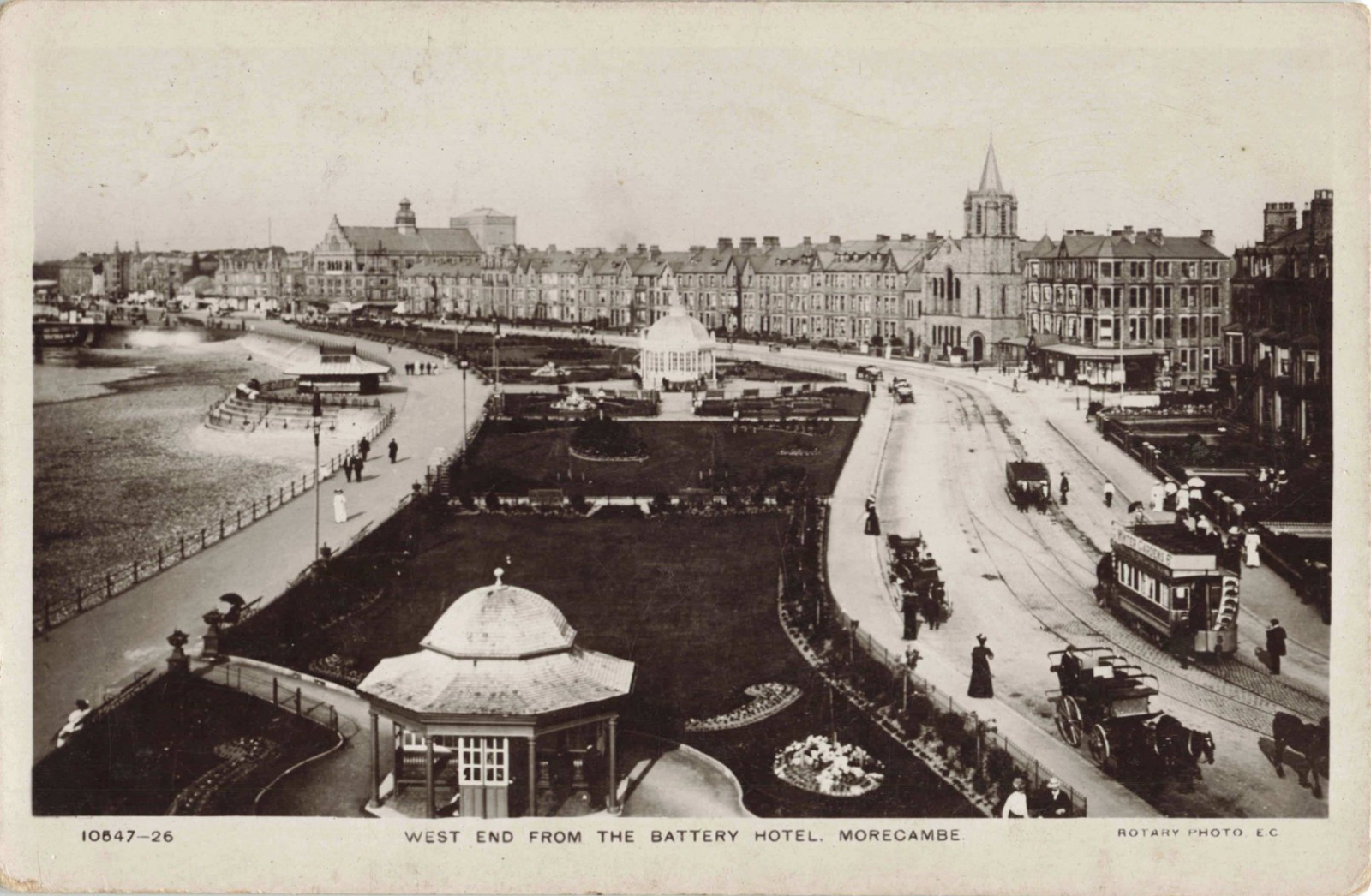
It was a sunny day in August so I went to take a look around.
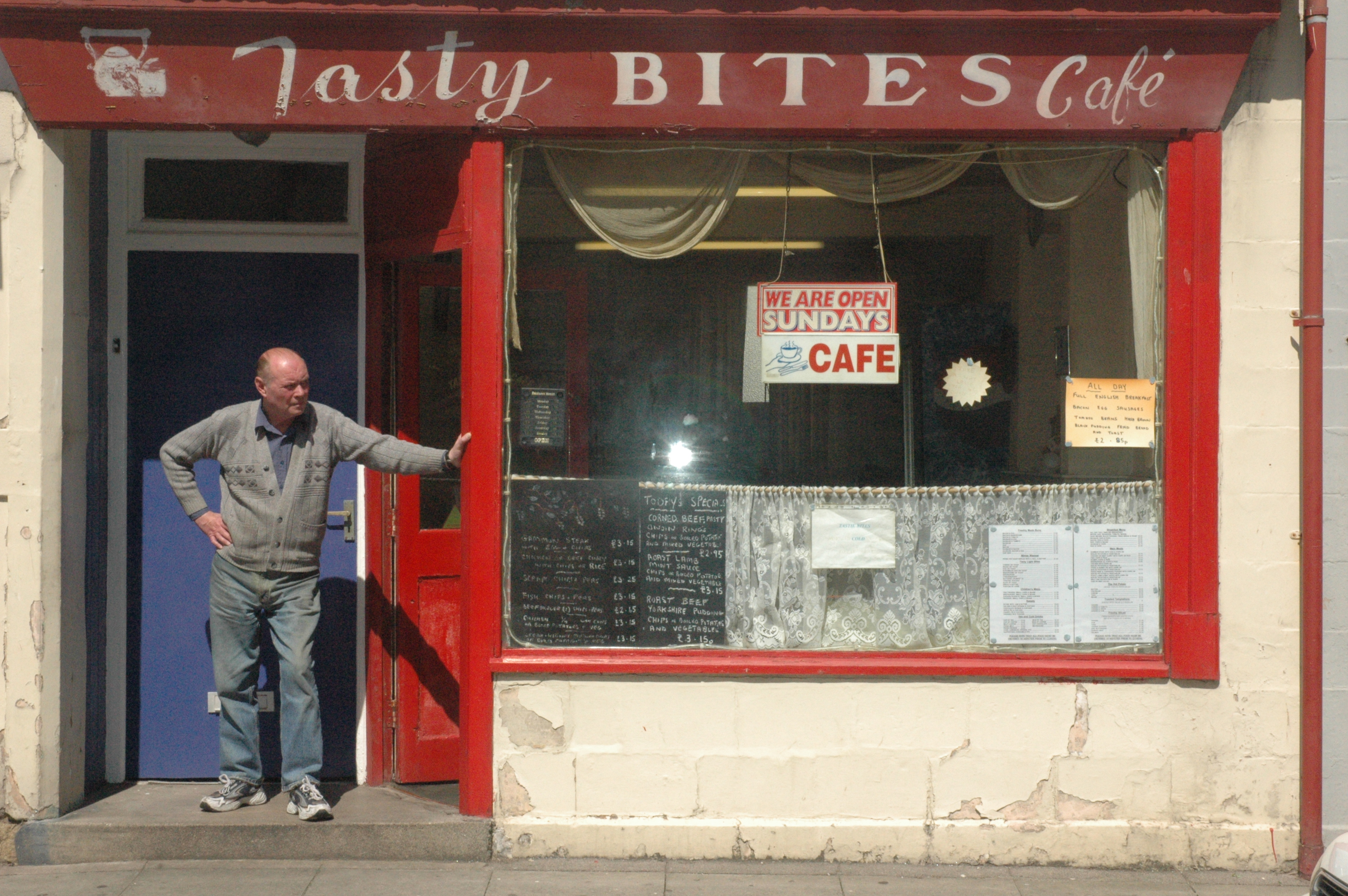
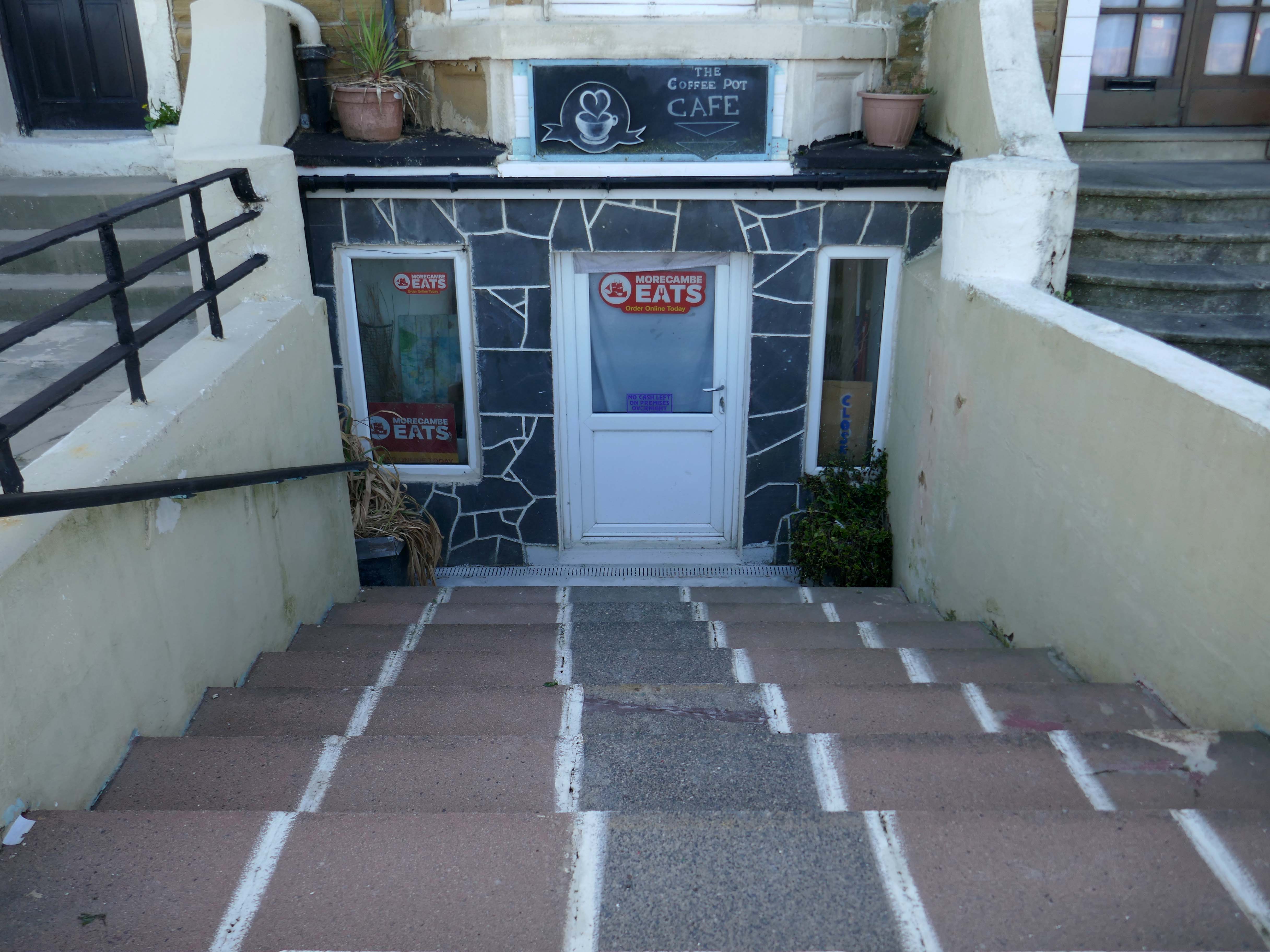
Come along to the Coffee Pot – 93 Marine Road
All day breakfast, burgers, panini, hot dogs and much more.
Outside seating on this lovely sunny day, come try us out.
Permanently closed.
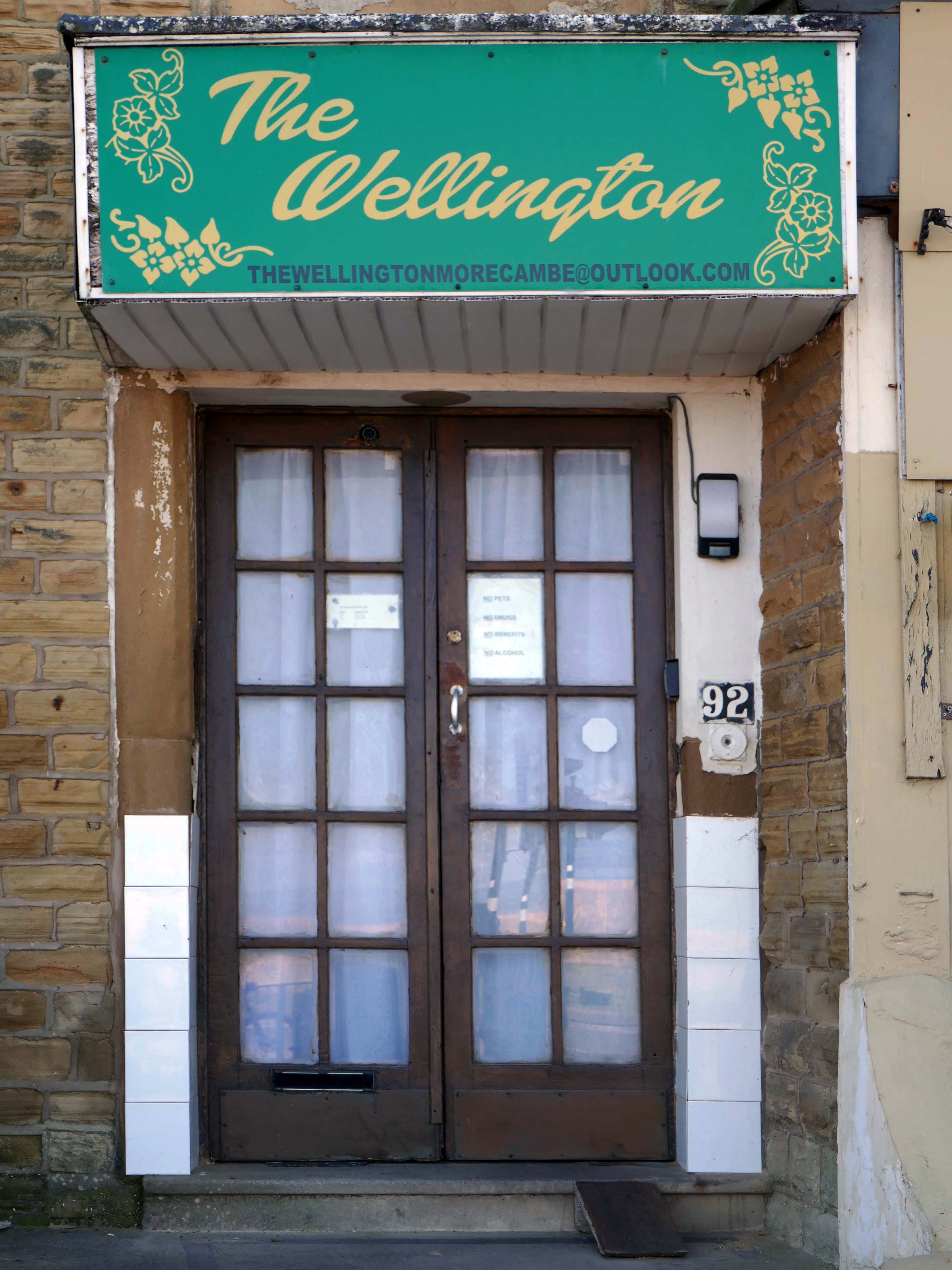
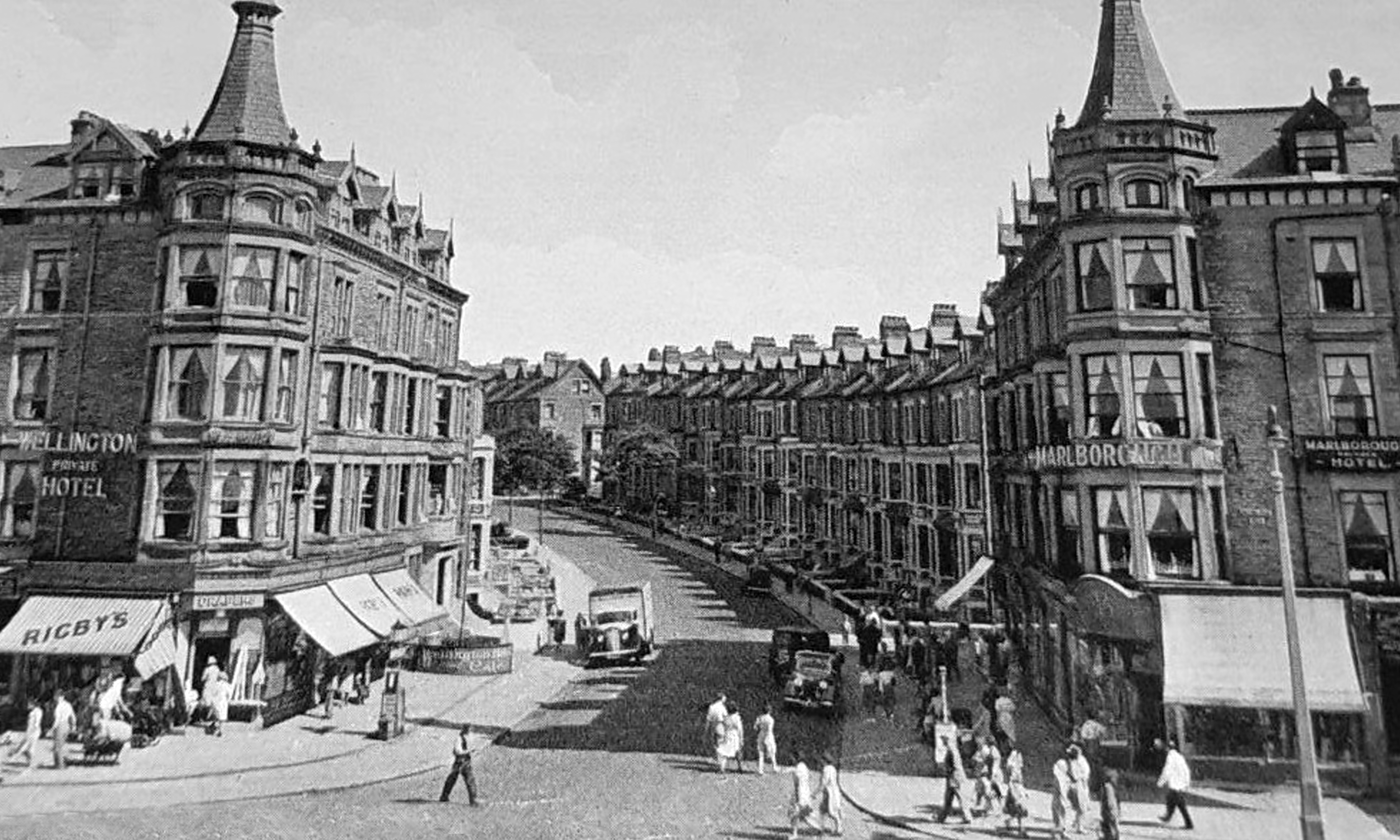
Offering sea views, The Wellington Hotel & Holiday Flats is an accommodation set in Morecambe, the accommodation offers a 24-hour front desk and free WiFi is available throughout the property.
The aparthotel is fitted with one bedroom, a fully equipped kitchenette with a microwave and a fridge, and one bathroom with a shower and a hair dryer.
Olive Tree Ministries – serving the Polish Community.
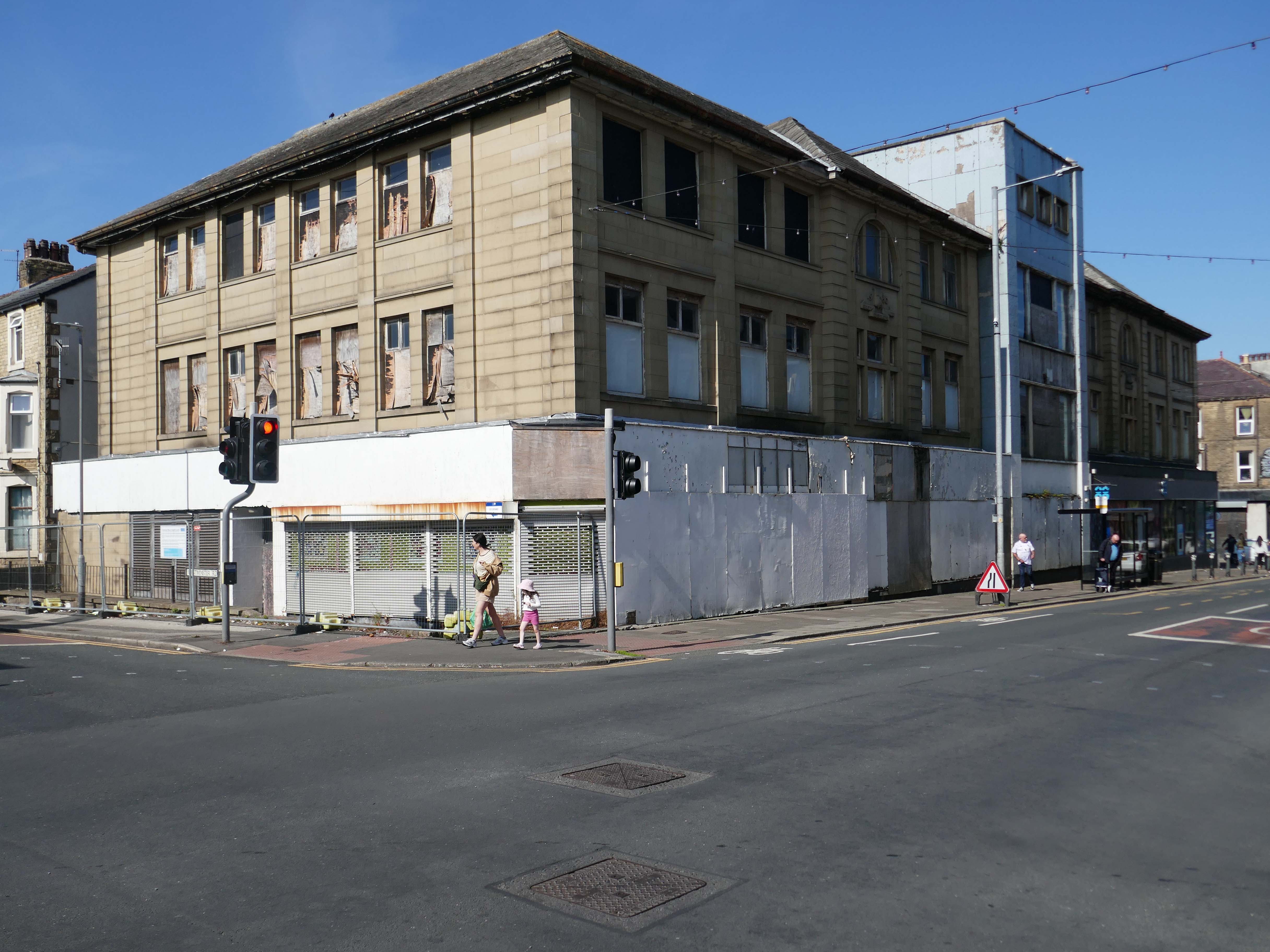
Lancaster City Council’s ambitions to bring back to life the site of a former department store have moved one step closer thanks to the award of a government grant worth nearly £750,000.
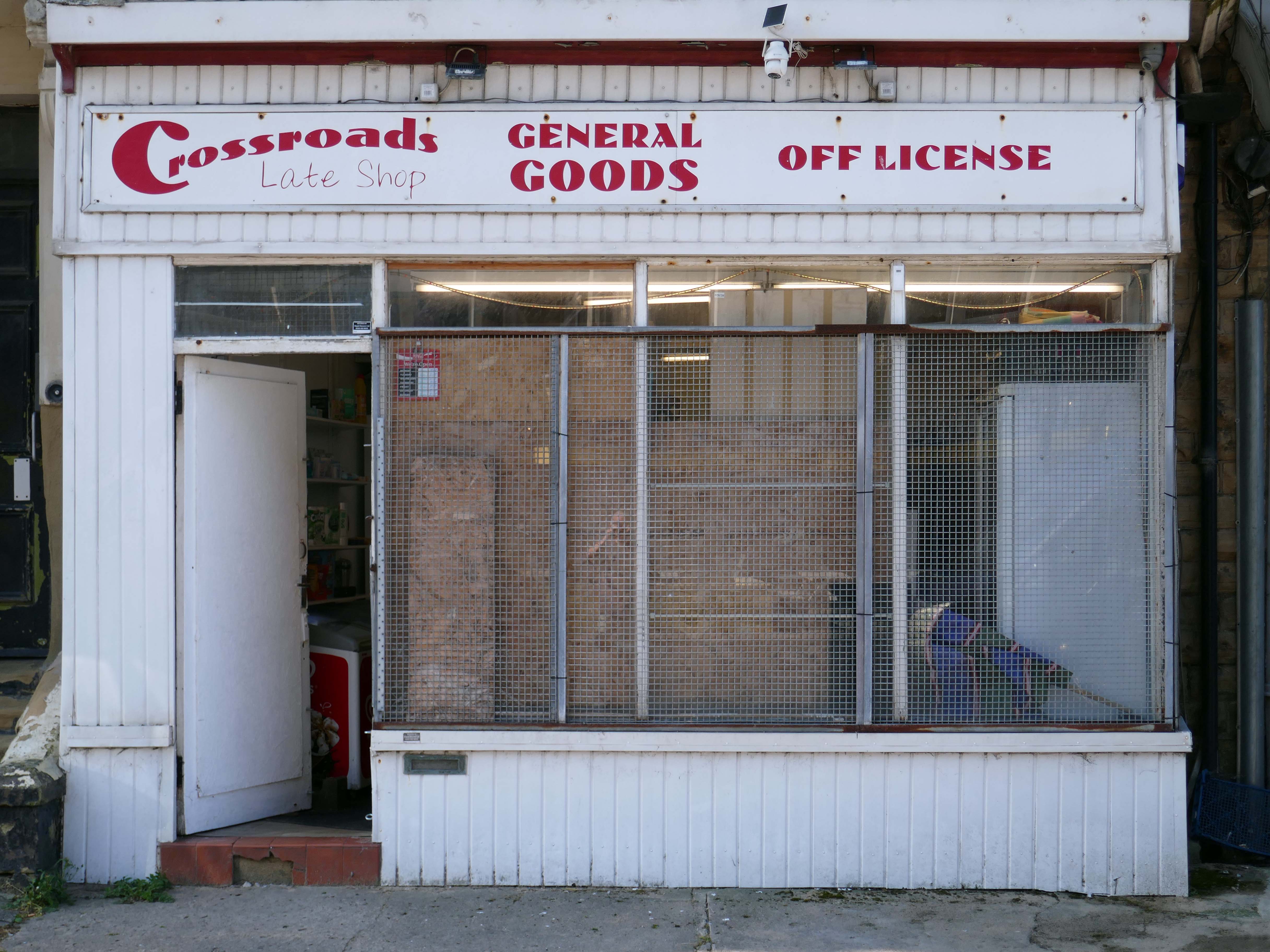
Bought by the city council as part of the West End masterplan, the intention is to refurbish the building’s upper floors to provide affordable housing, retaining the Co-Op late shop that occupies one-half of the ground floor.
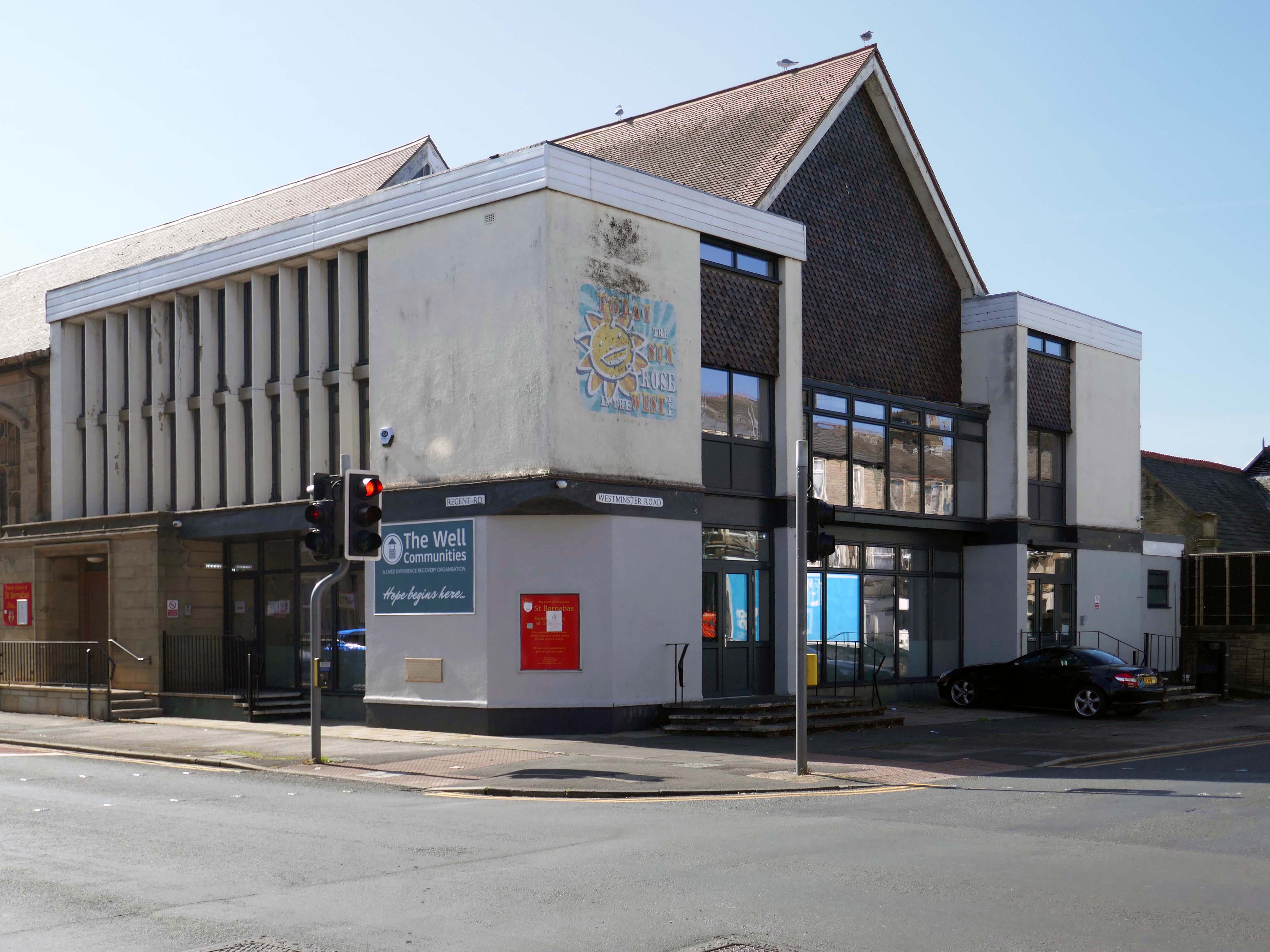
The Well Communities is a peer-led recovery organisation built on support, inclusion, and lived experience. For more than a decade, we’ve helped people across North Lancashire and Cumbria overcome drug and alcohol challenges, rebuild confidence, and move toward healthier, more hopeful lives.
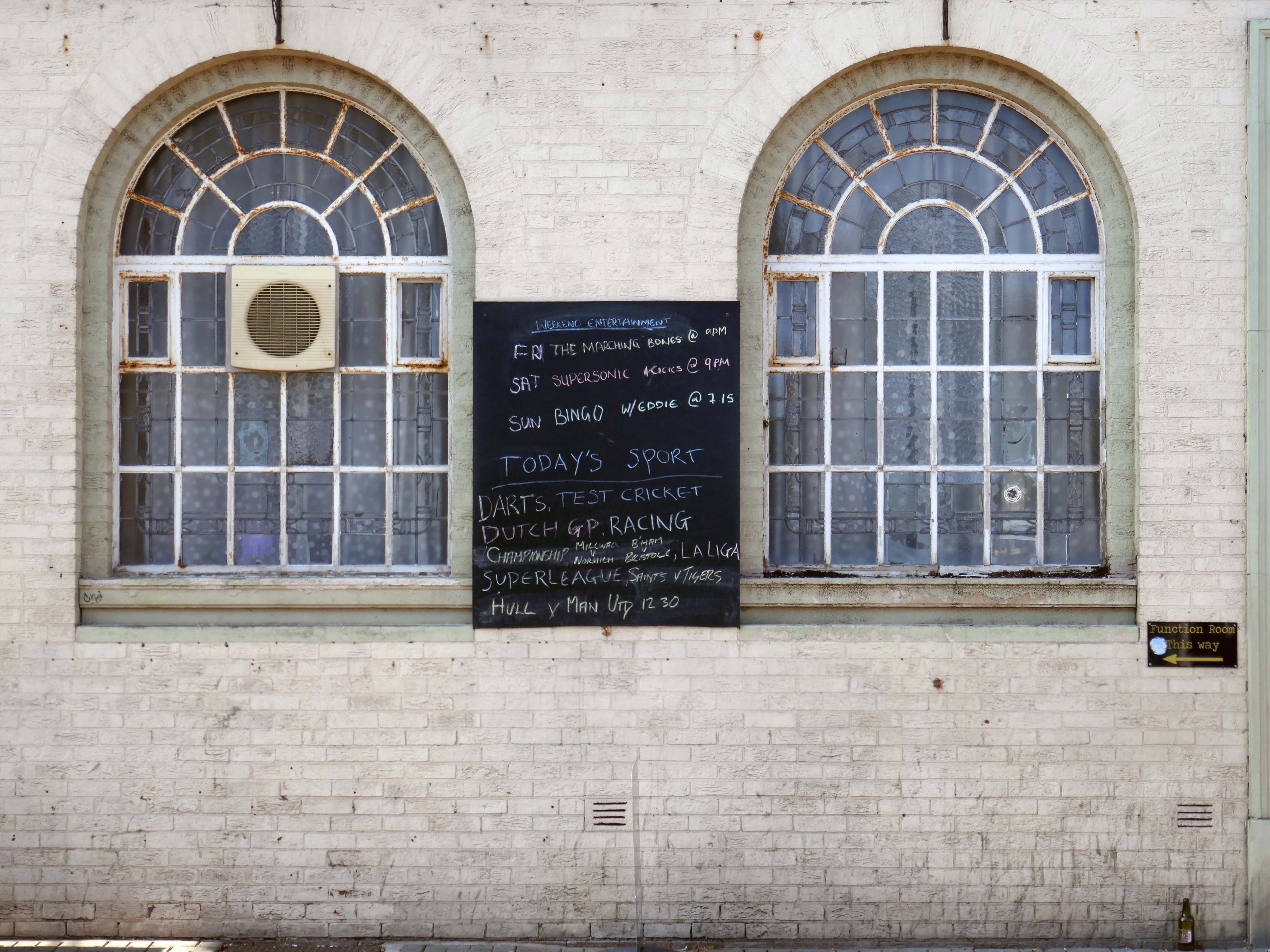
This is by far the best, friendliest and cheapest pub I have been to in the fifteen years I have lived in Morecambe.
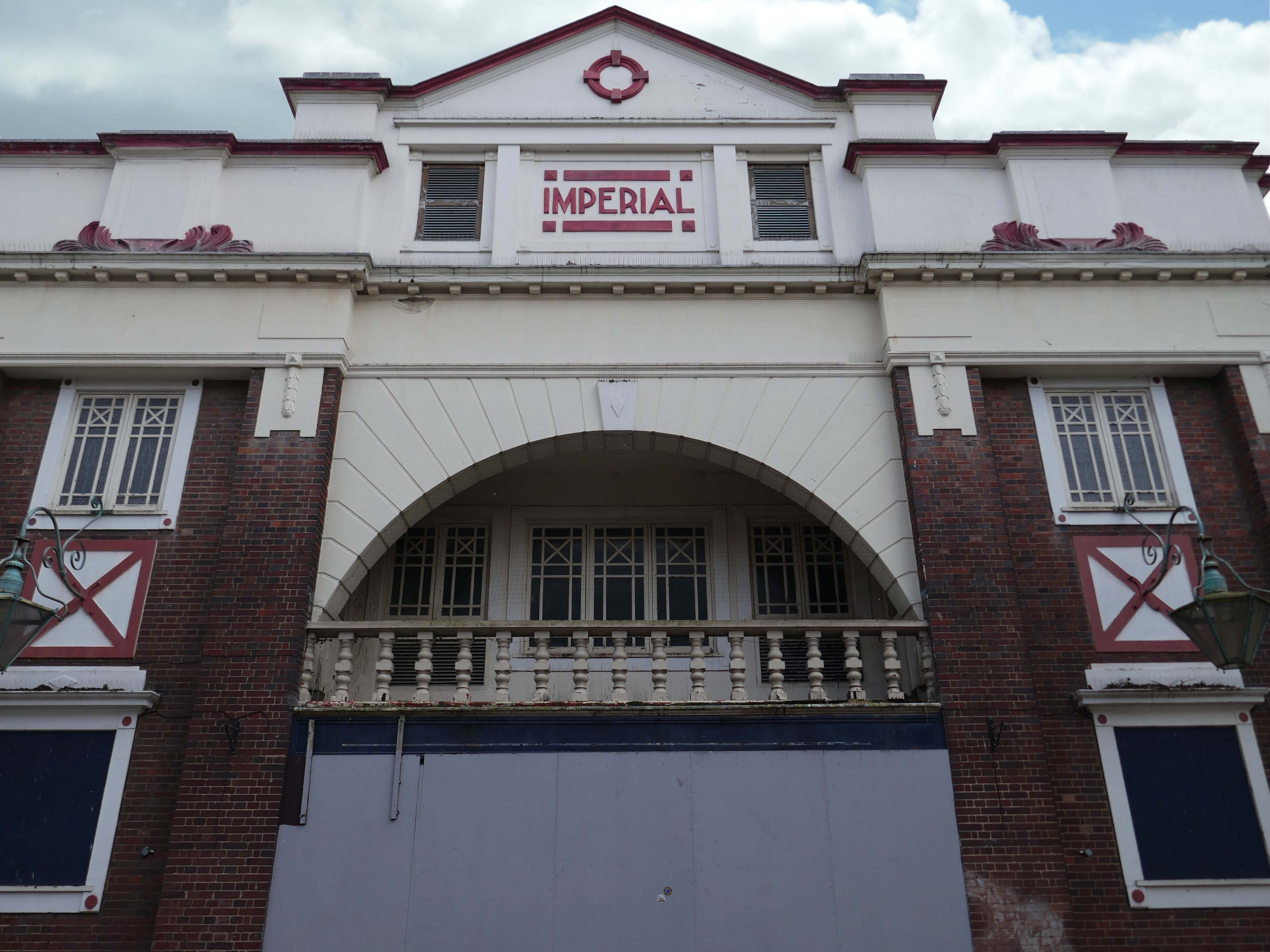
Initially they owned the Ranch House on the promenade but moved to the Exchange – then called the Imperial, some years ago. Rob and Debbie completely turned the place around, barring all the undesirables and introducing live music every weekend. Rob has kept the ale prices down which is reflected by the numbers of regulars and visitors it attracts.
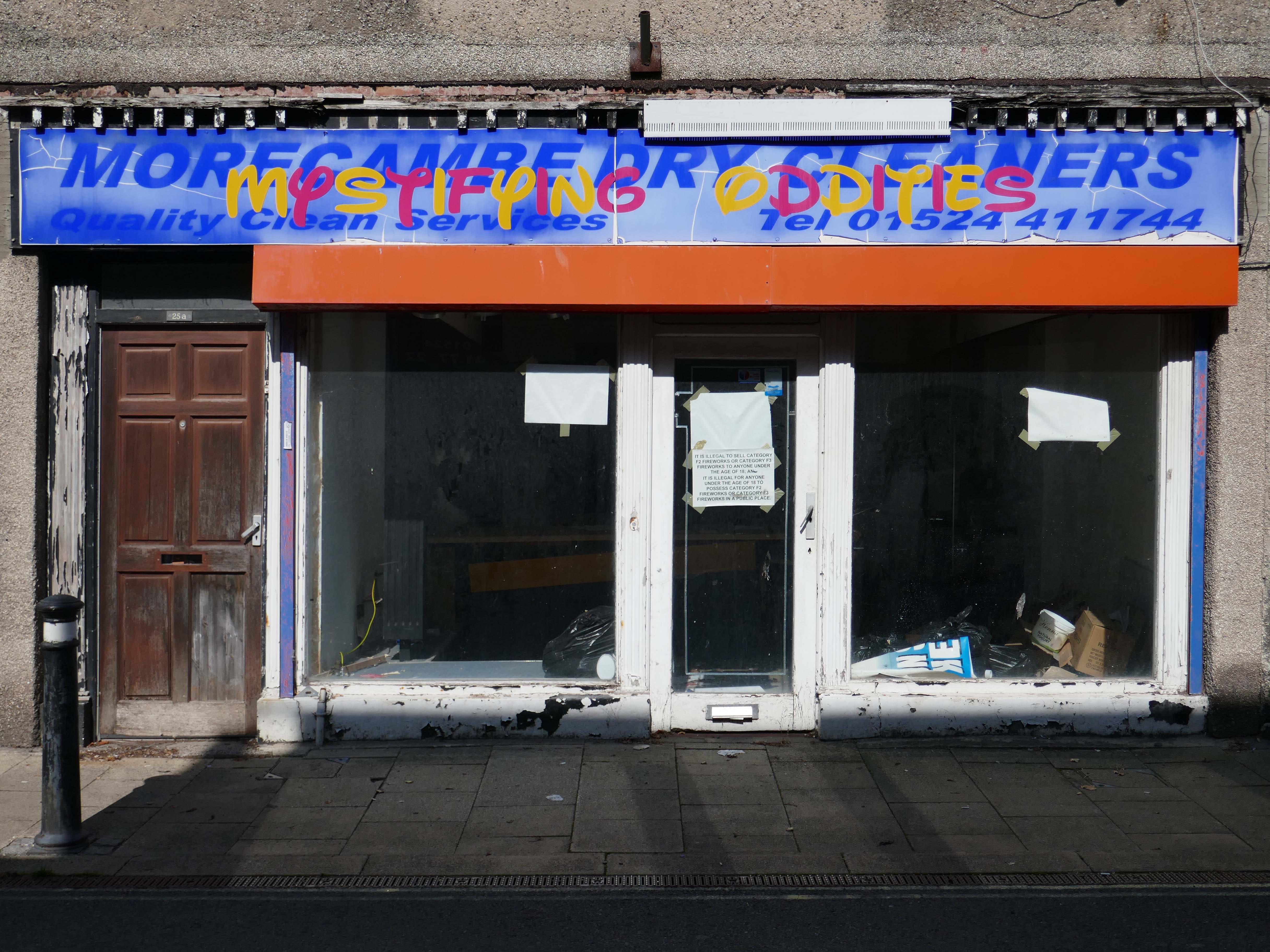
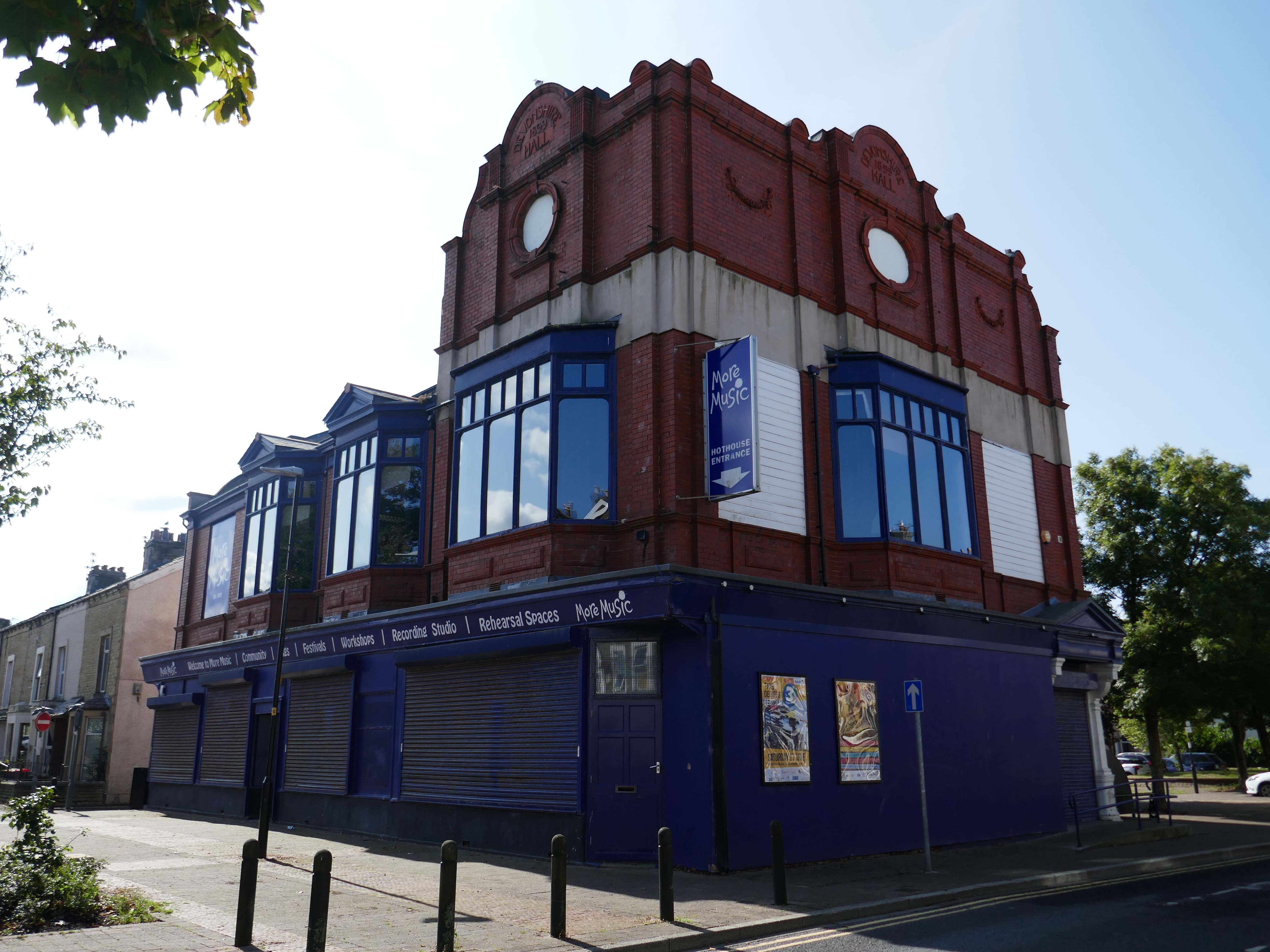
More Music is a music and education charity based in the West End of Morecambe, with 30 years of experience delivering workshops, training, performances and festivals across the district, region and beyond. More Music seeks to build confidence and spirit in individuals and communities through the arts, especially music. More Music is an Arts Council National Portfolio Organisation.
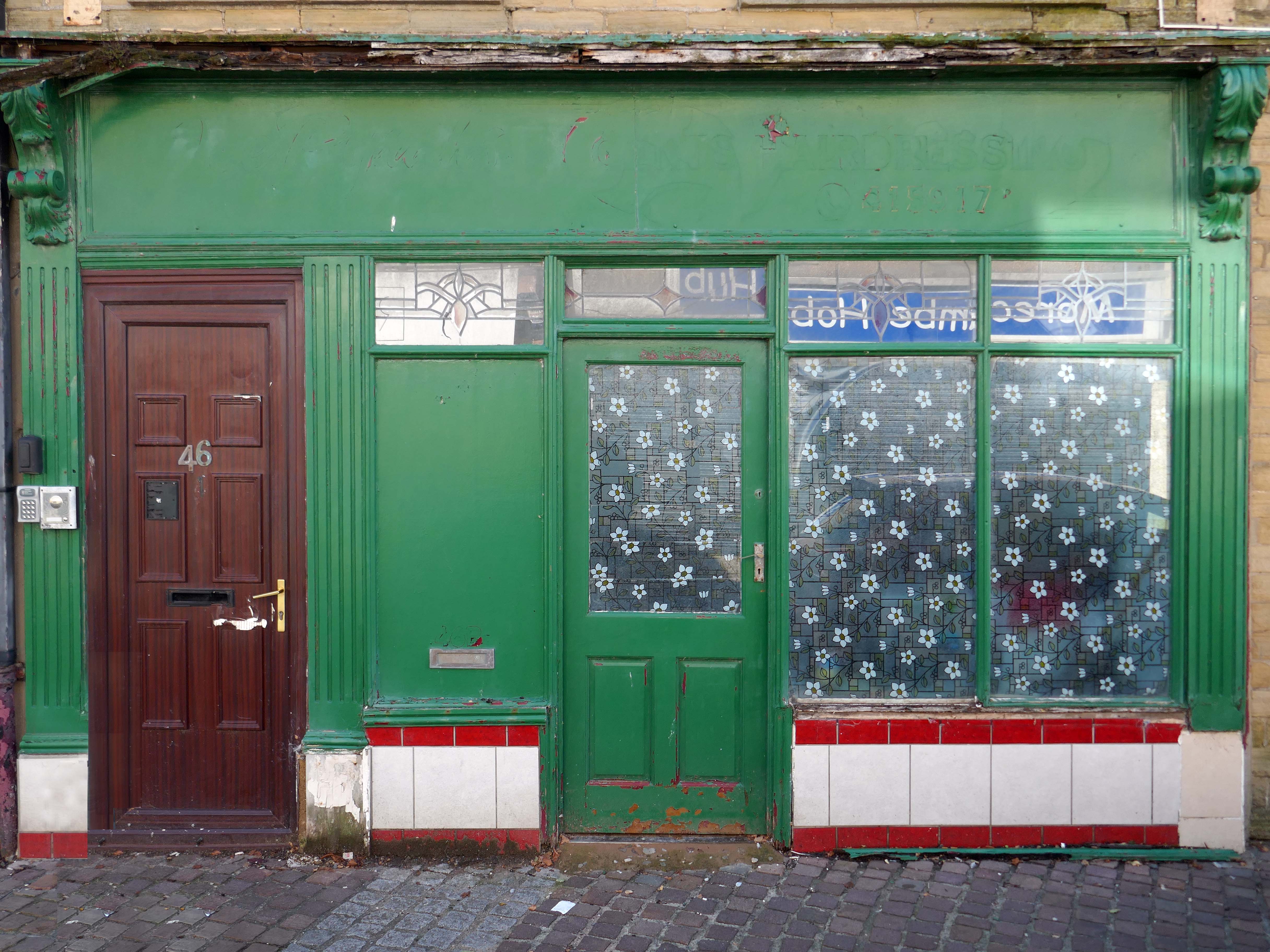
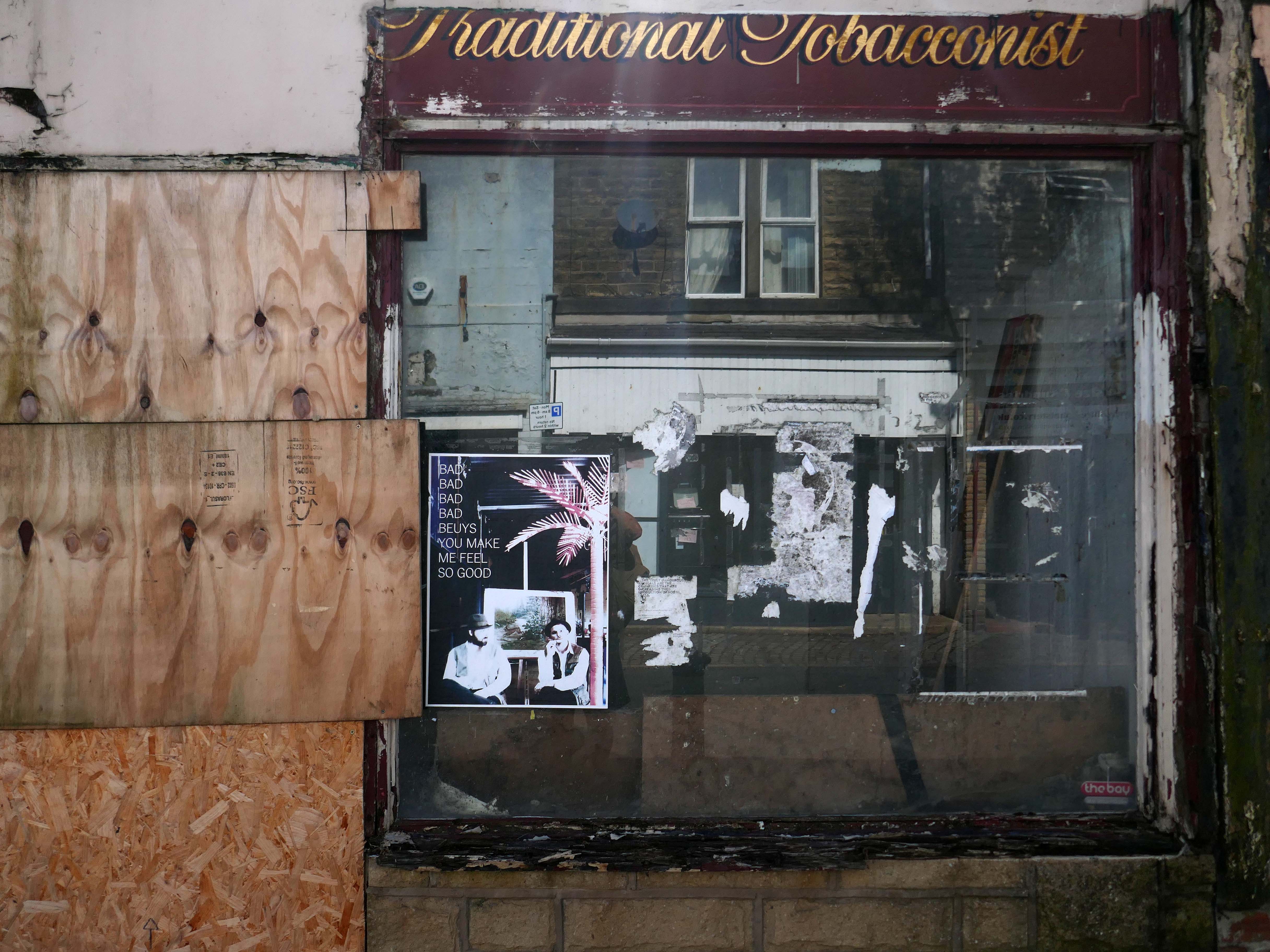
Action is needed to tackle empty shops and rundown buildings in Morecambe’s West End, councillors have said.
Coun Whitaker “Do you agree that we need to stop the rot and the domino impact of more boarded up properties which residents are getting really fed up of? We need to prioritise getting boarded up properties back into use, as business or arts opportunities. Hopefully, we can make the West End a good arts hub when the Eden Project arrives?”
Coun Bottoms replied: “Yes, there are lots of ideas and lots of talk at these meetings. But there is no real vision or strategy. That’s what we need to move things forward. We need positive action, not just words.”
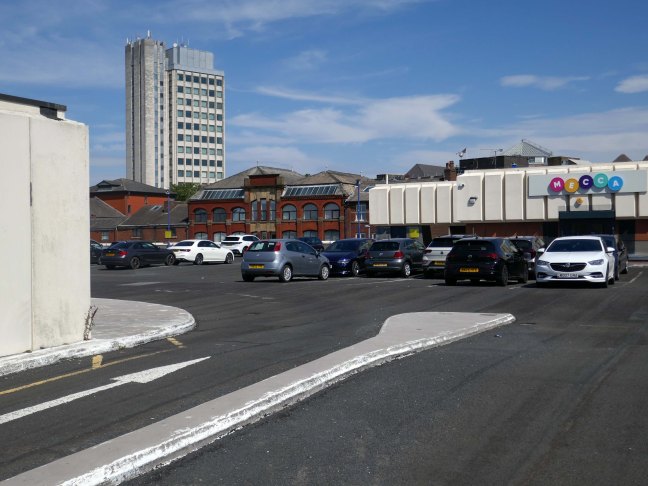
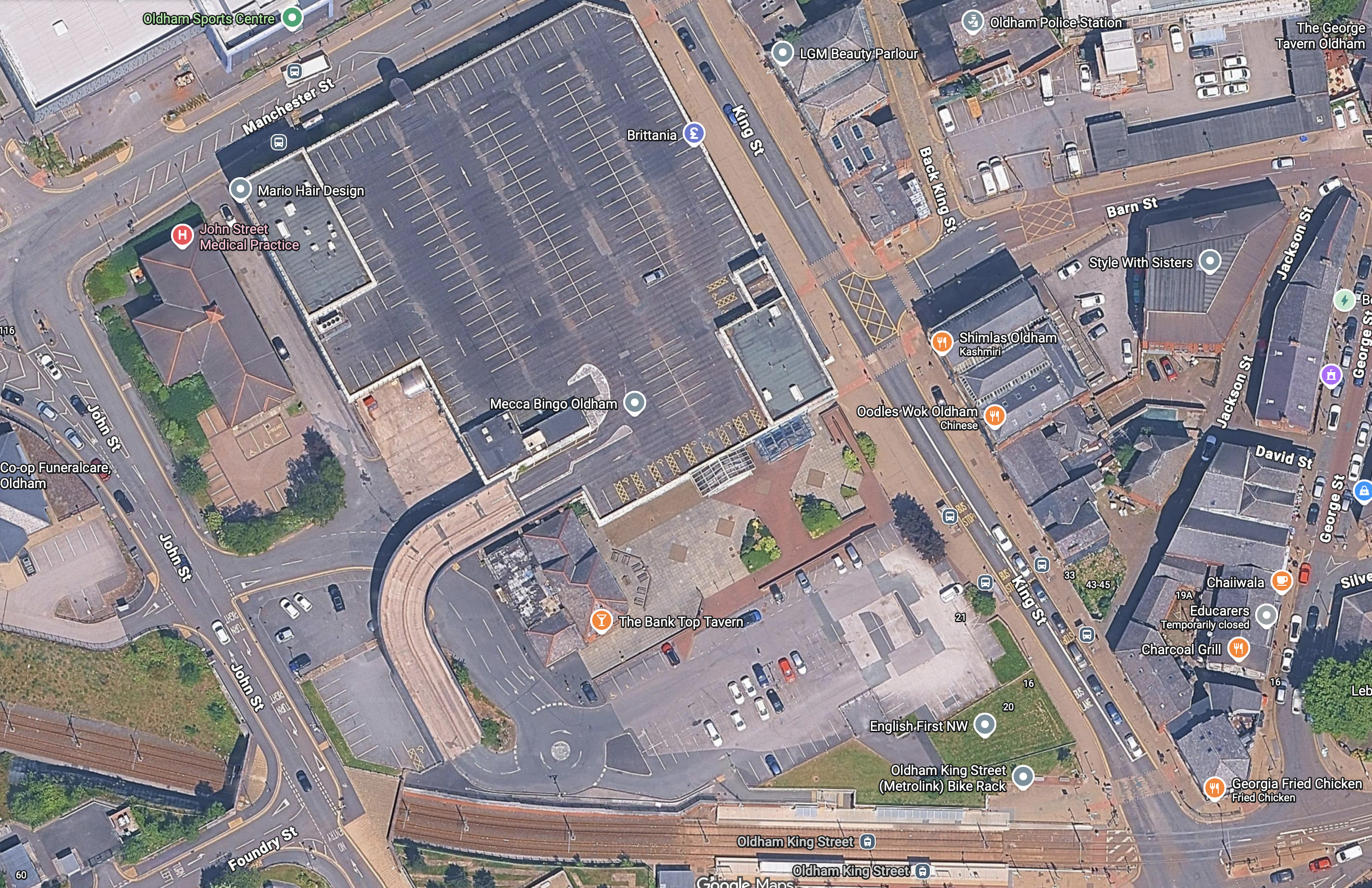
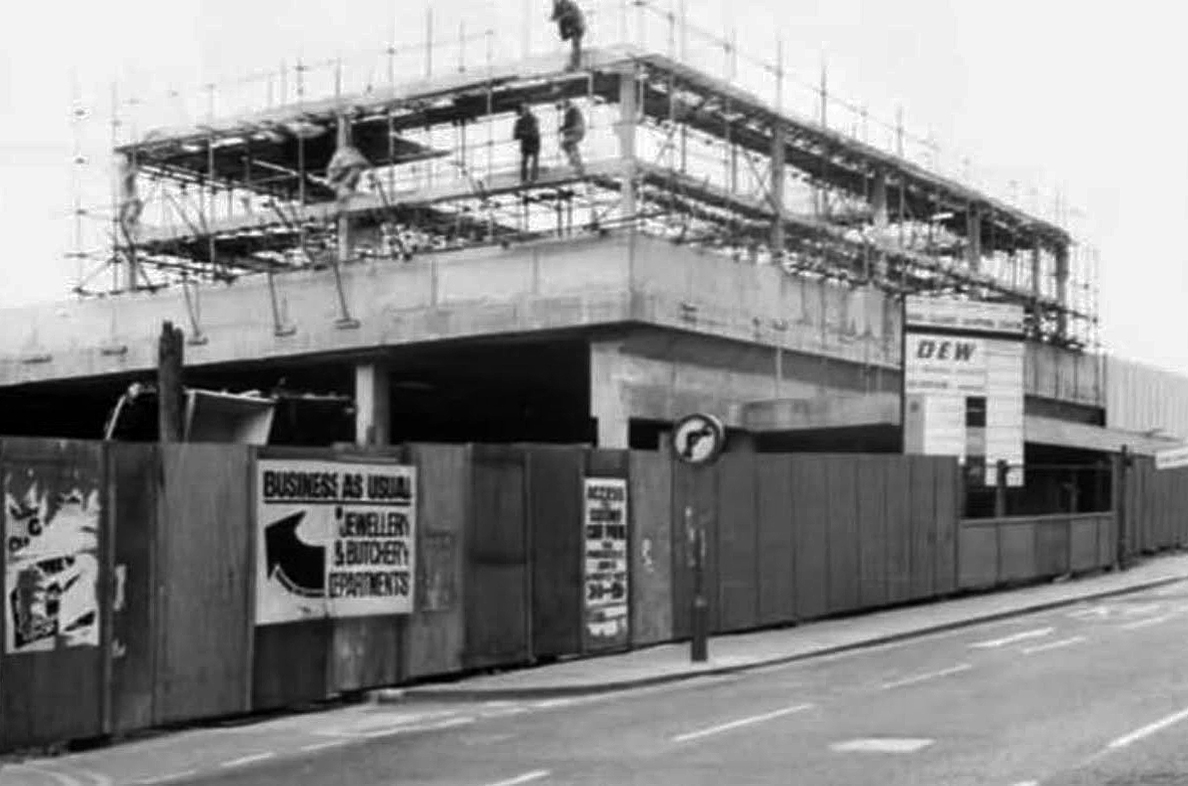
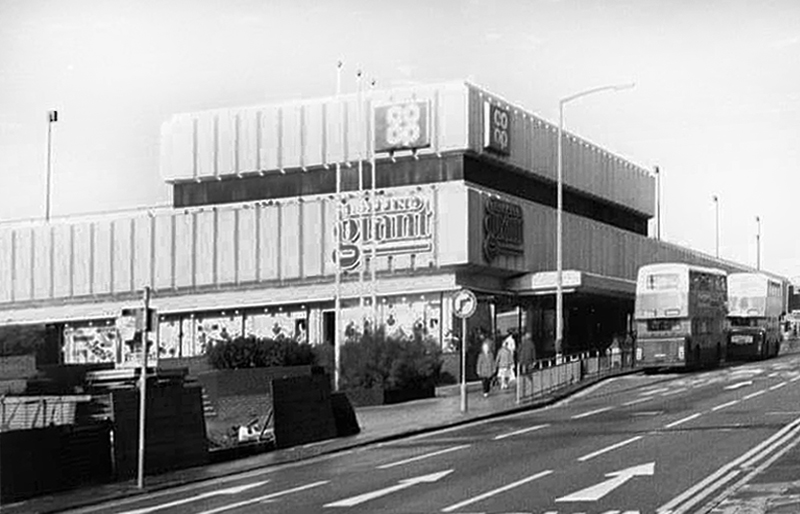
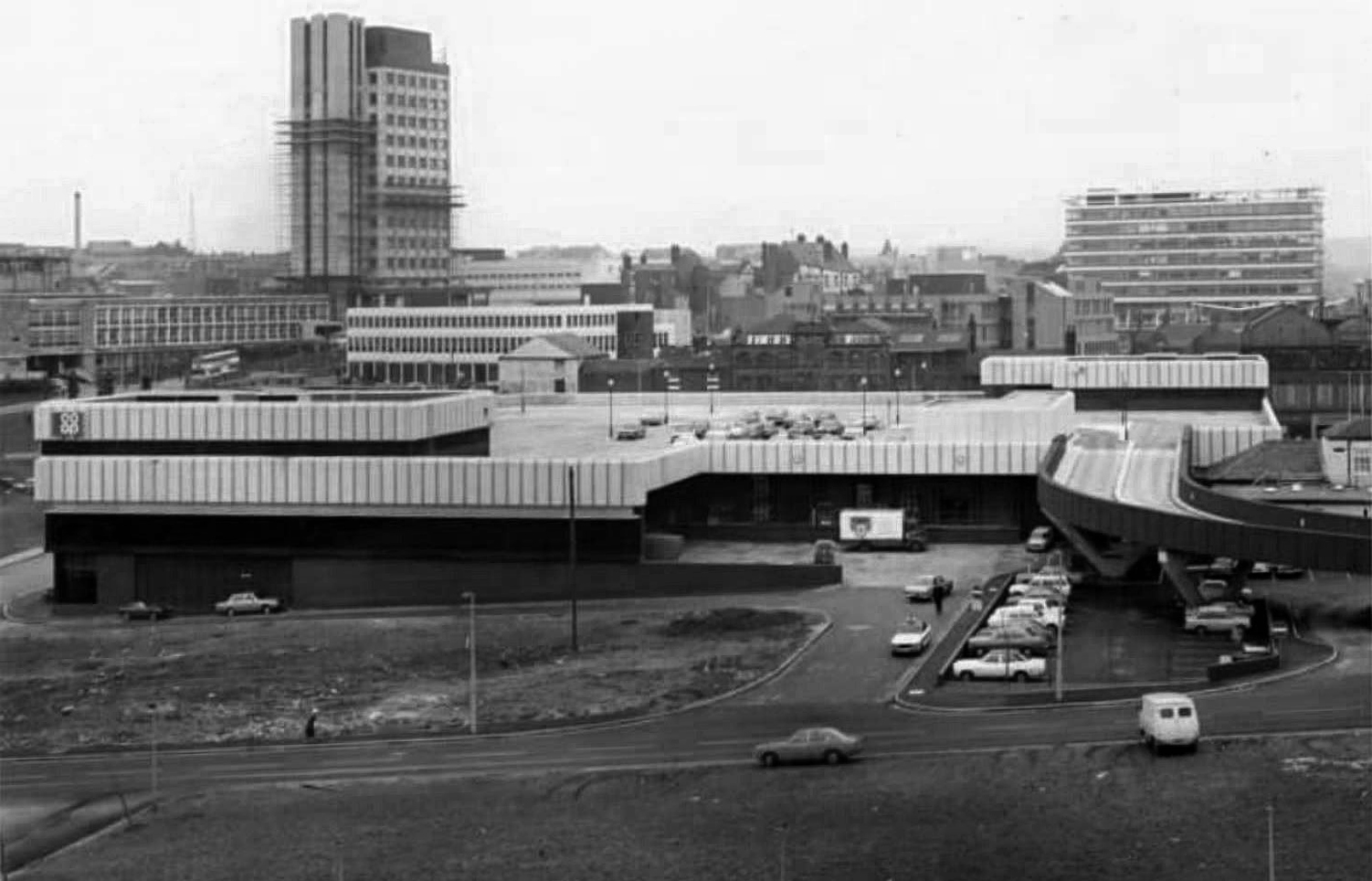
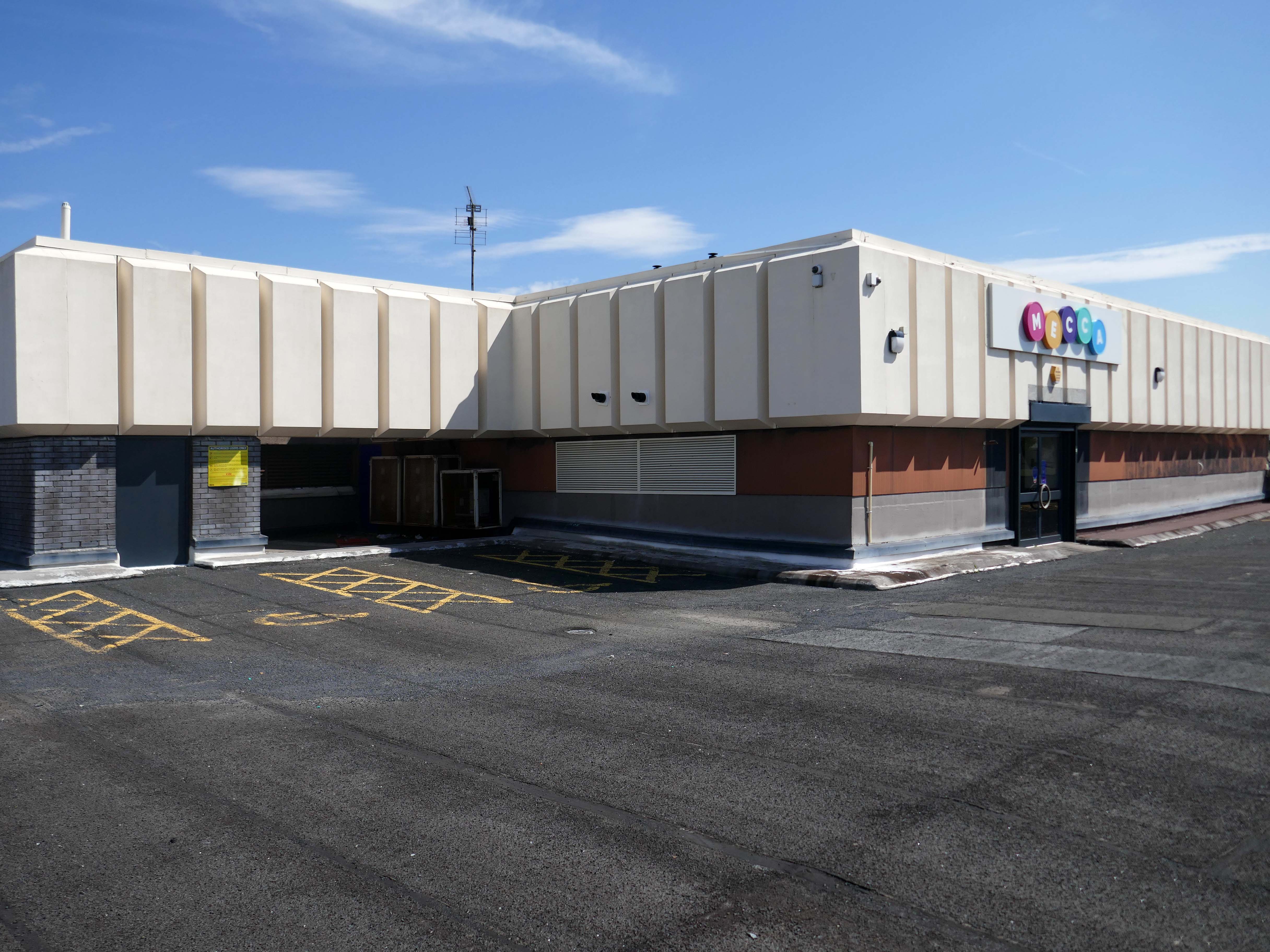
Dominating Oldham for most part of the decade was Co-op’s Shopping Giant. It was a great place where you could stock up on your groceries and buy non-food items. It boasted its own Handybank, had a separate chemist opposite the main store and a fast food restaurant – qv Food and Drink section. Cars parked on the roof and at ground level with access via trolley-friendly escalators.
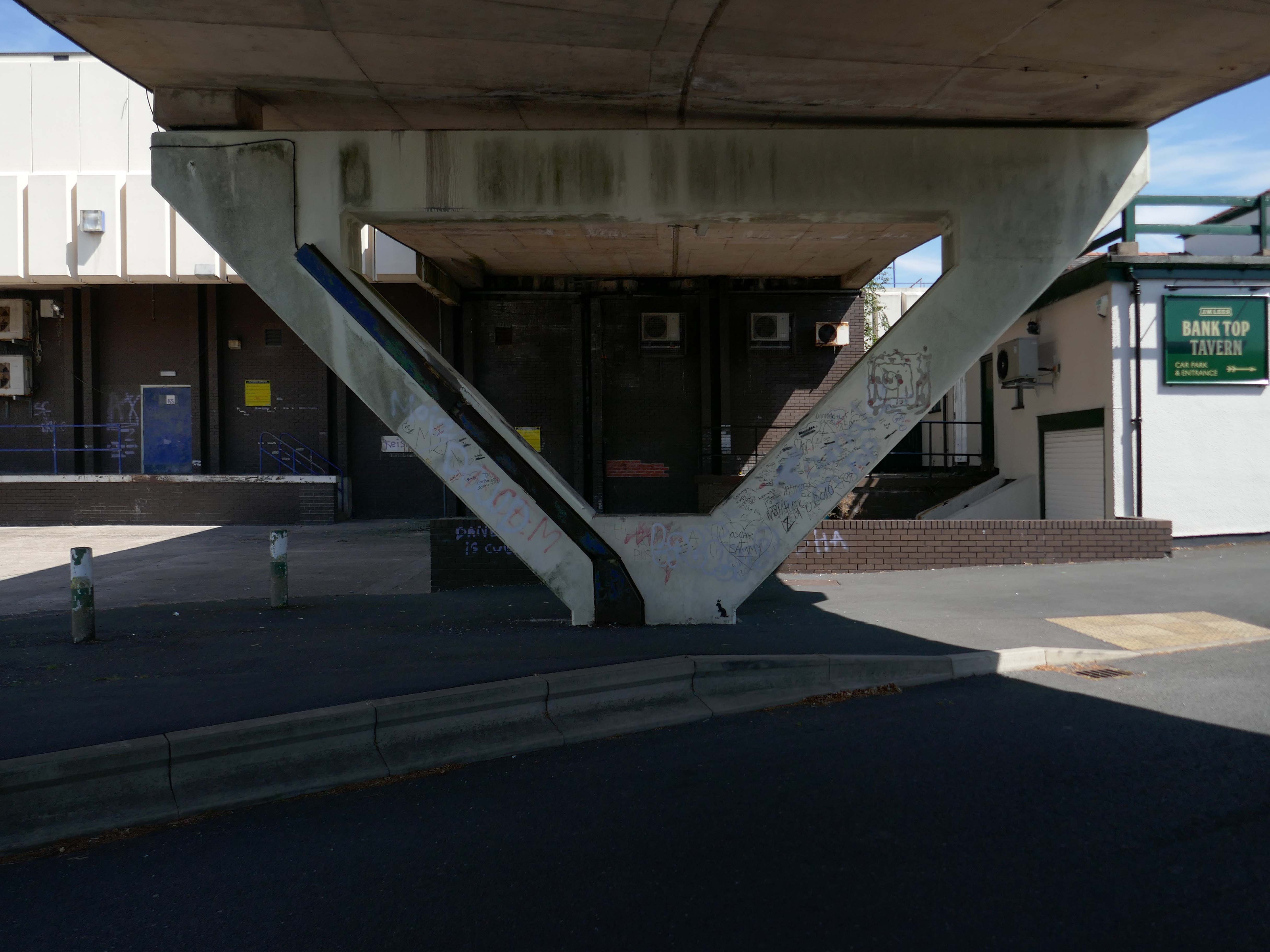
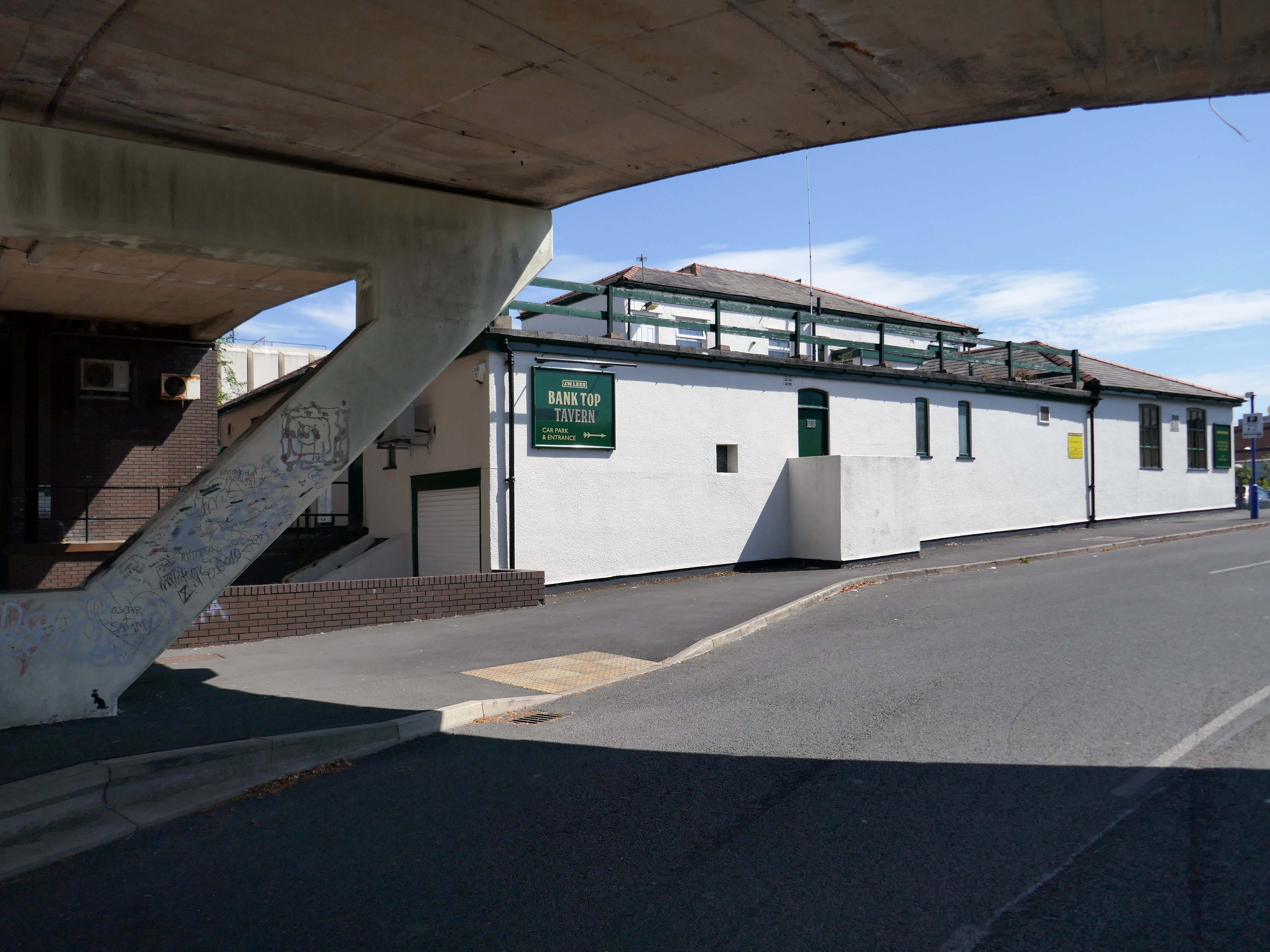
Other delights included Mario’s salon – on Manchester Street underneath the main store, and an ice cream stand by the entrance nearest the Bank Top Tavern.
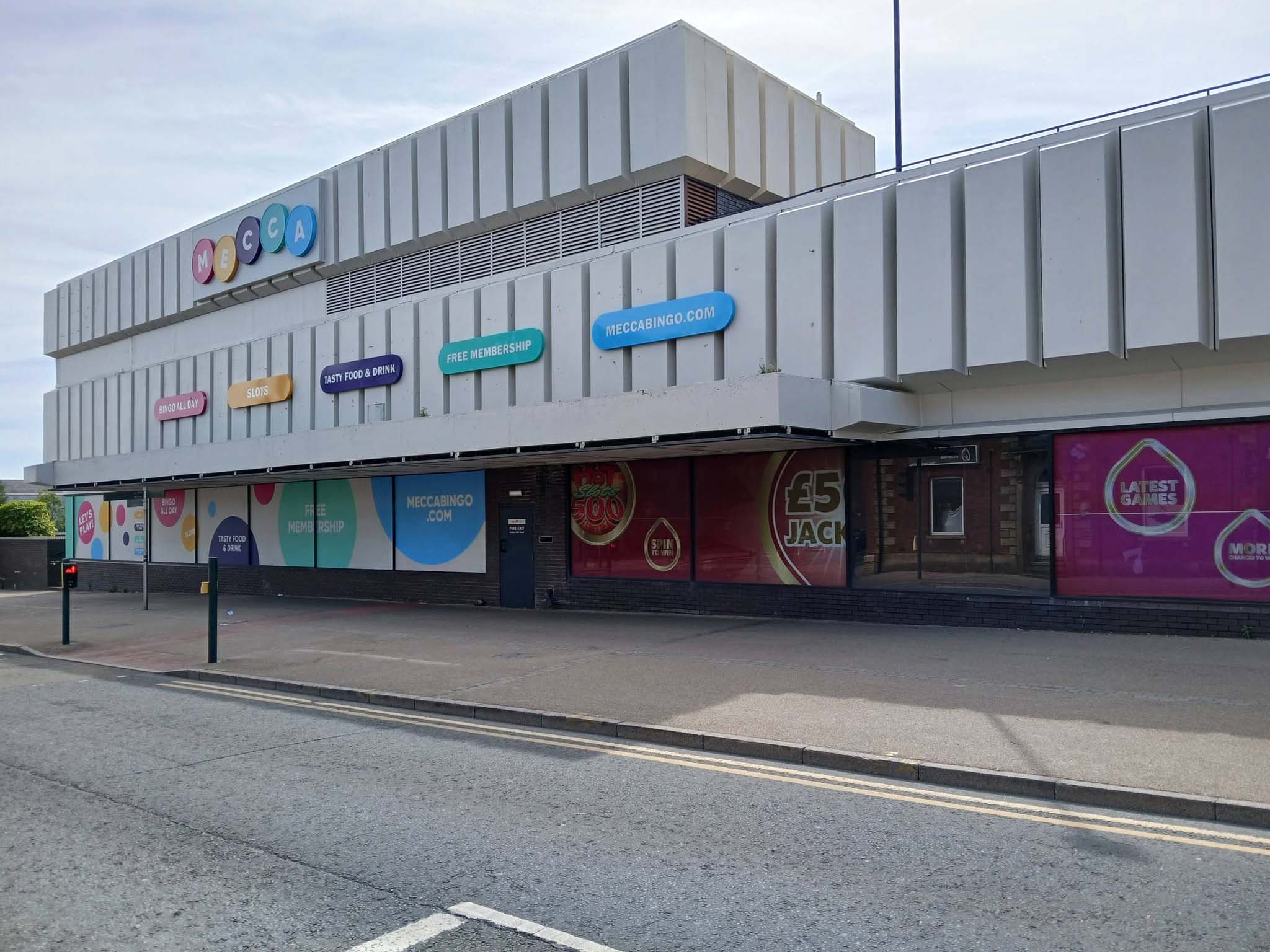
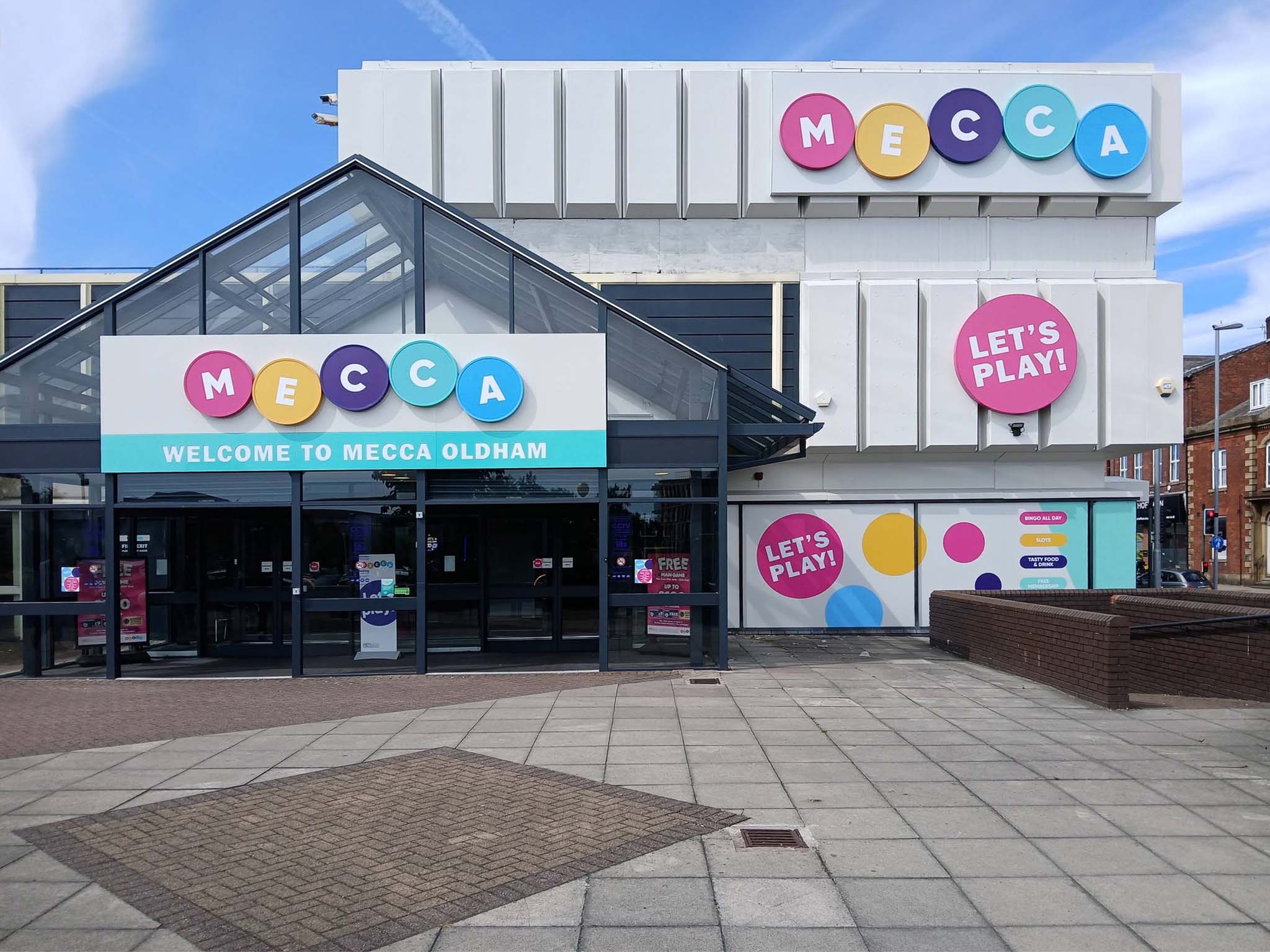
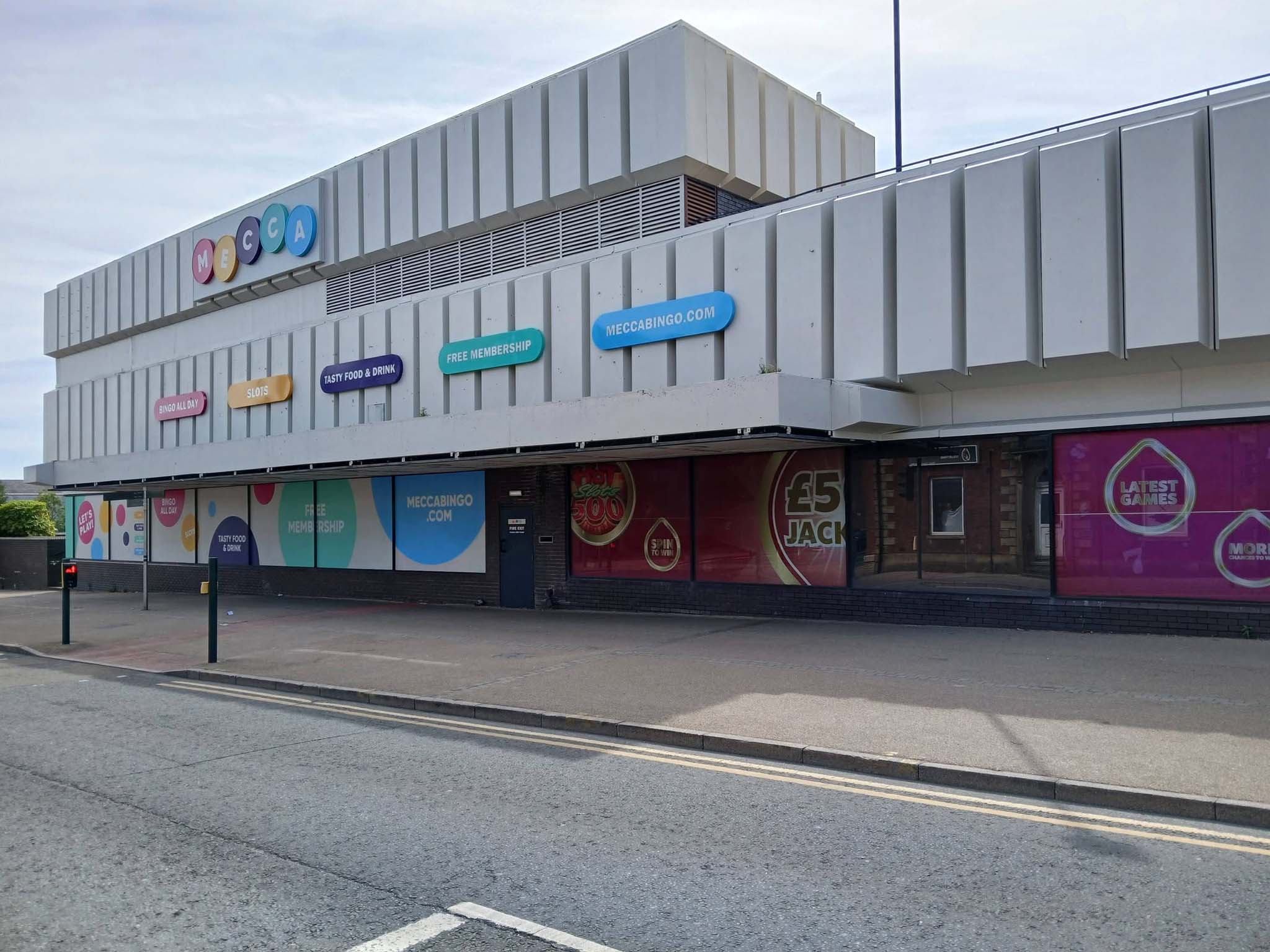
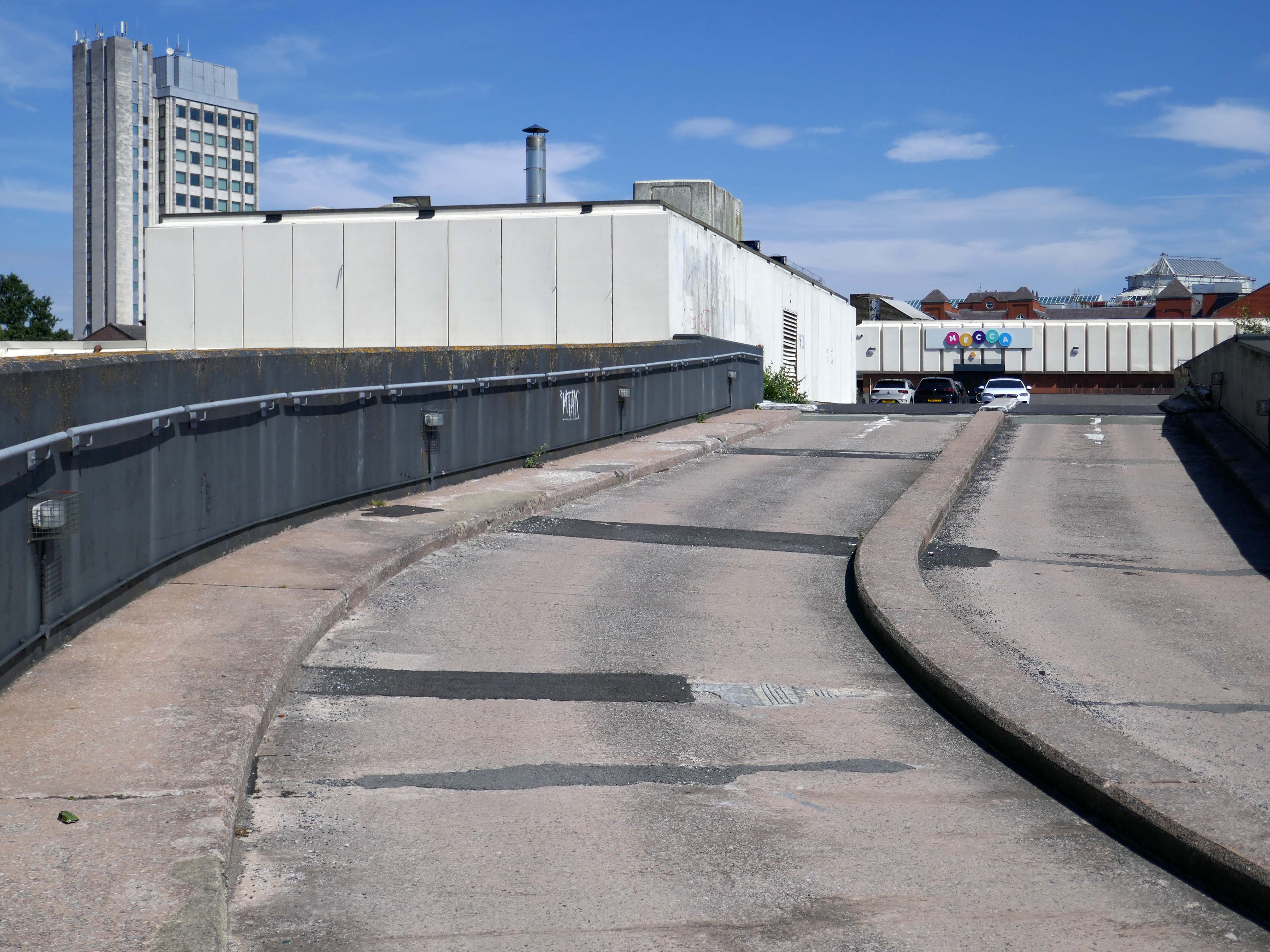
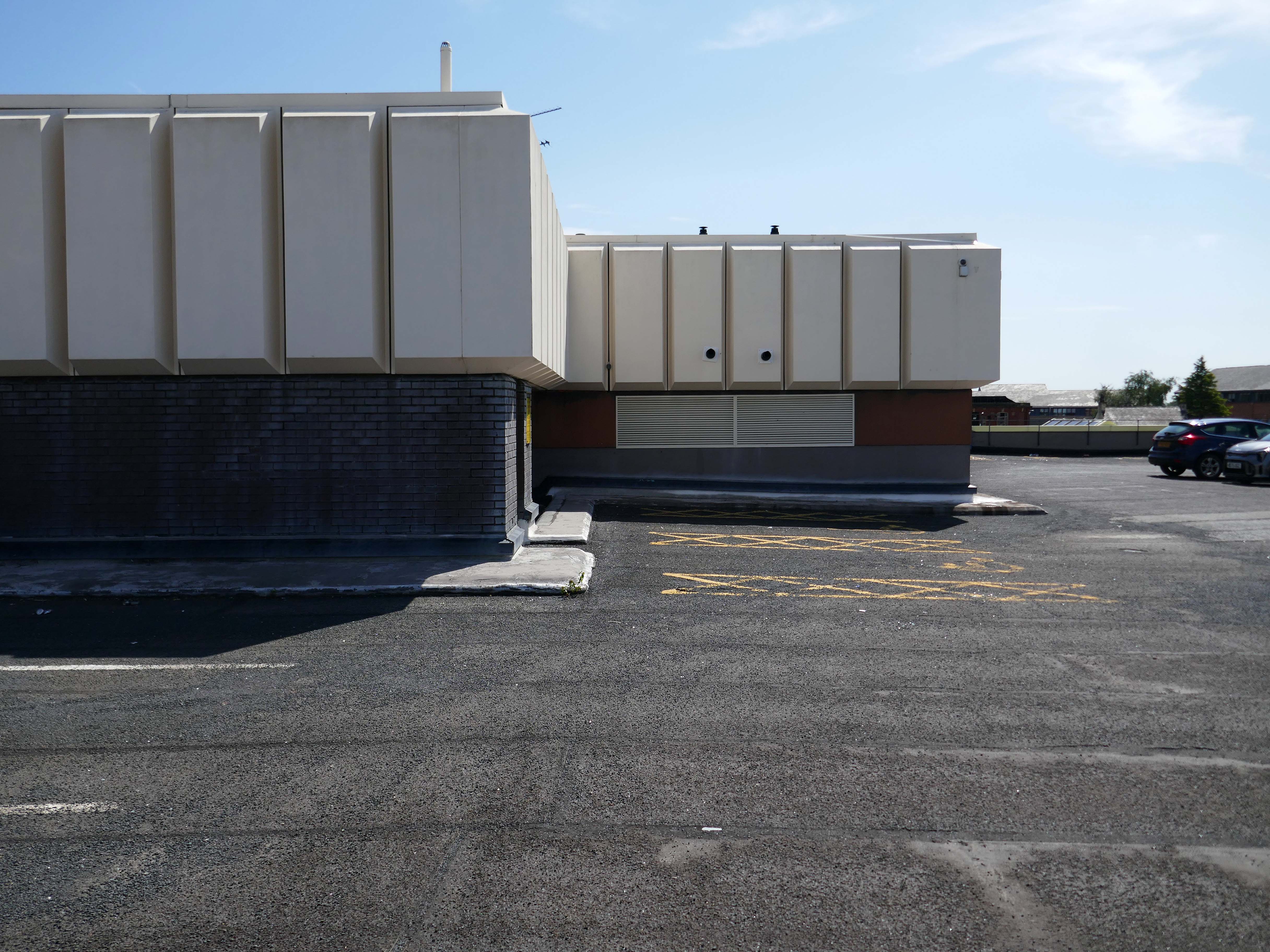
Nothing, like everything lasts forever – so you became the Mecca Bingo Hall.
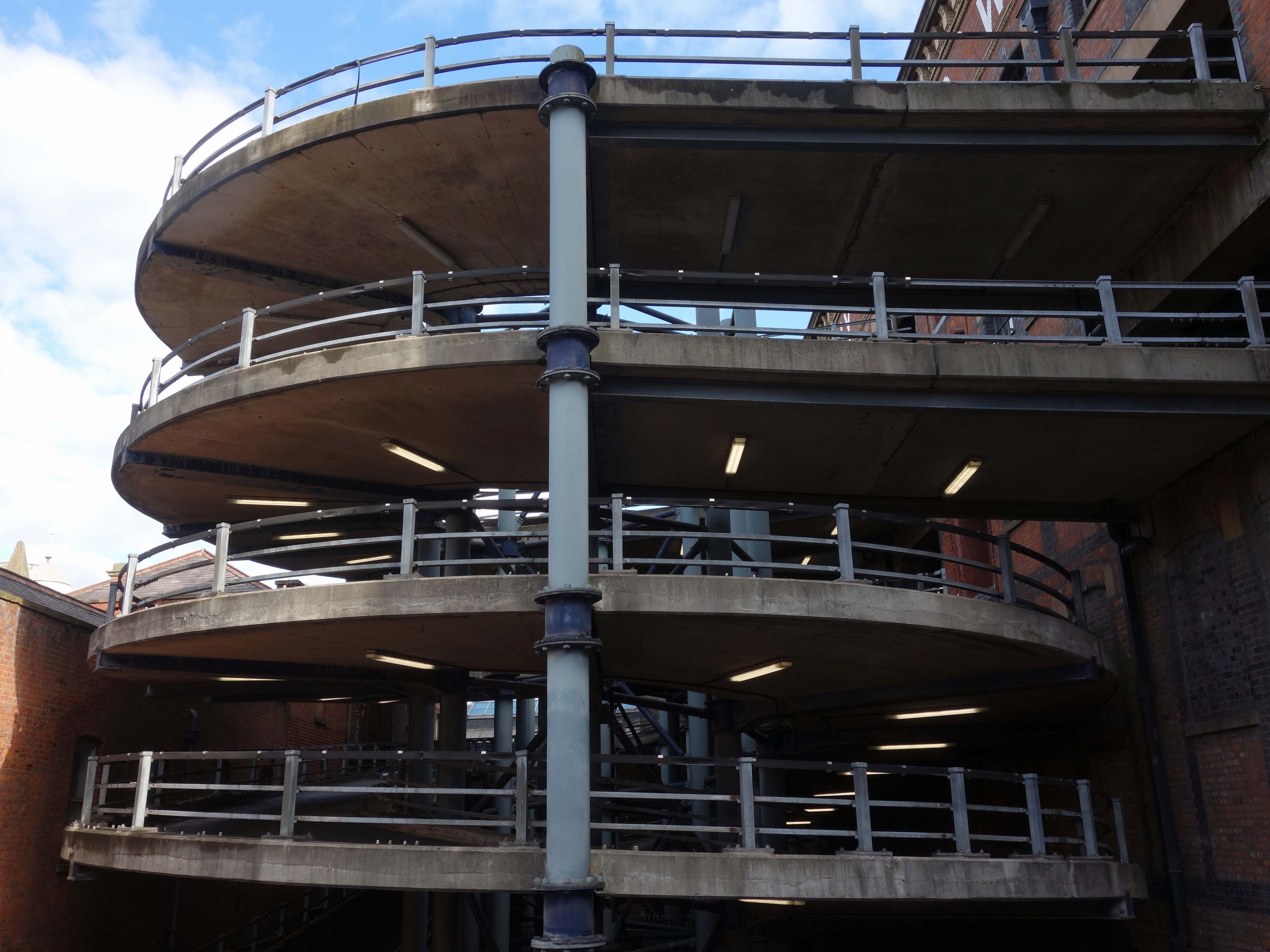
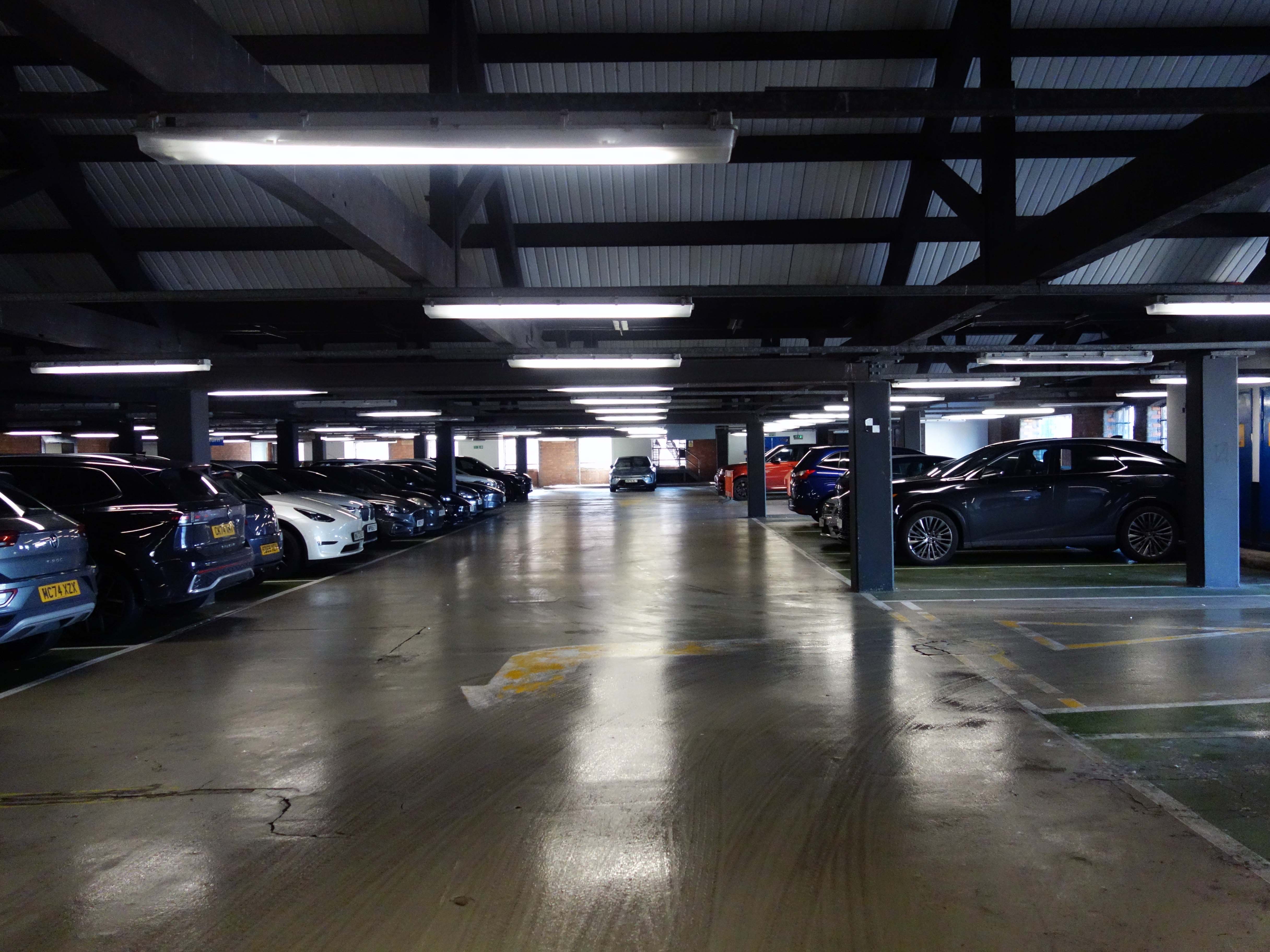
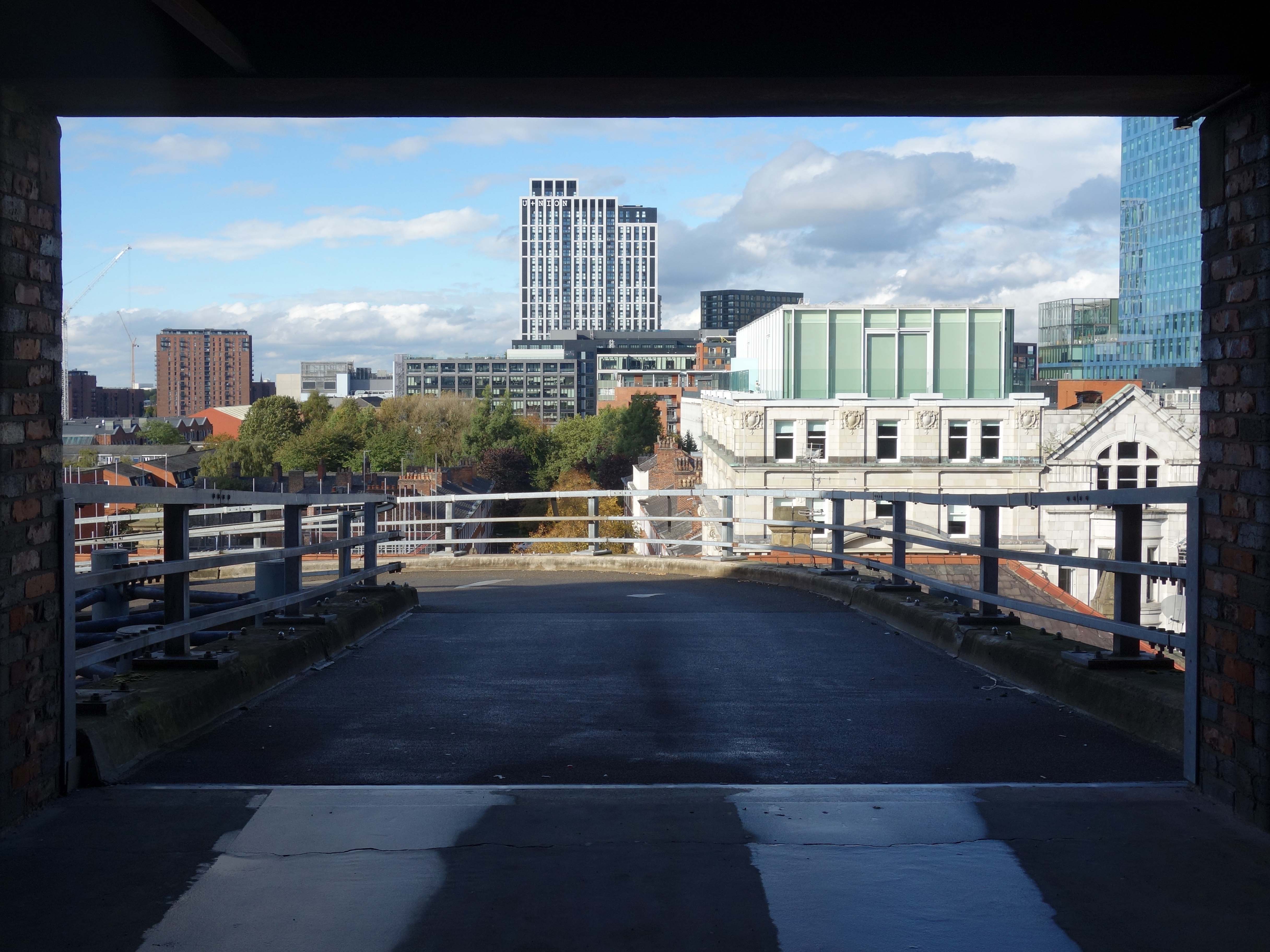
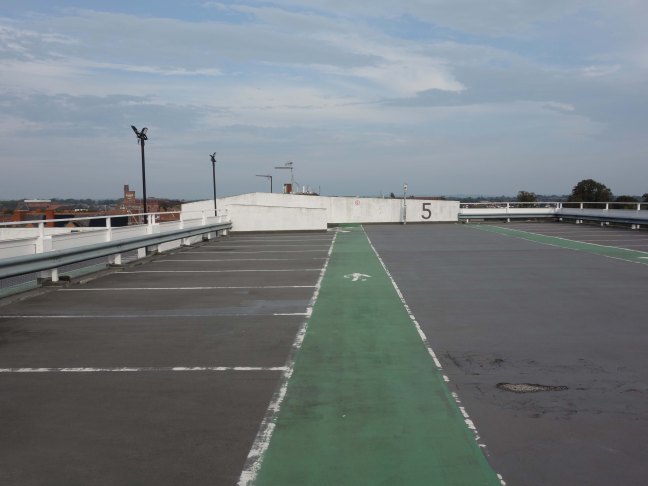
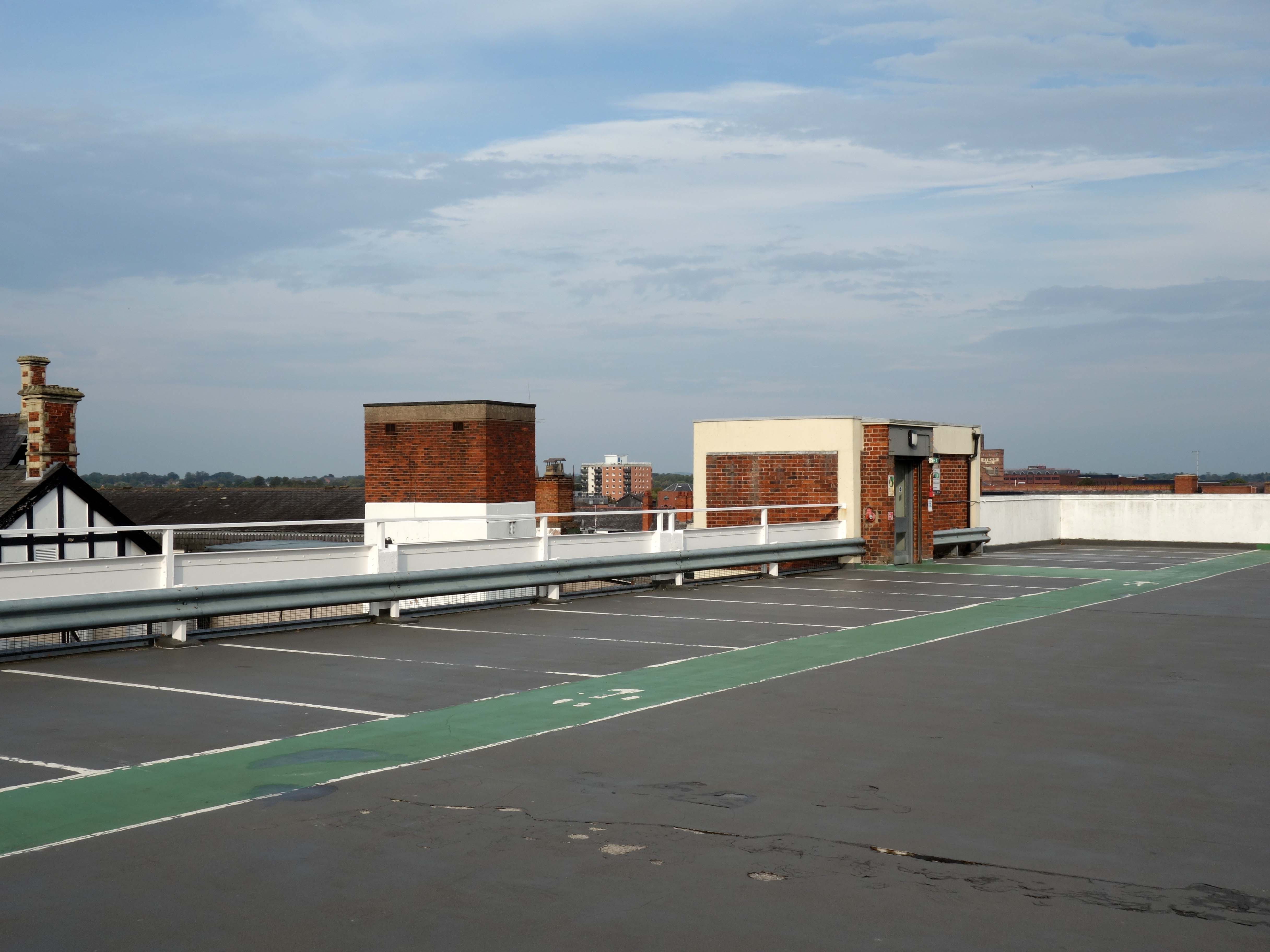
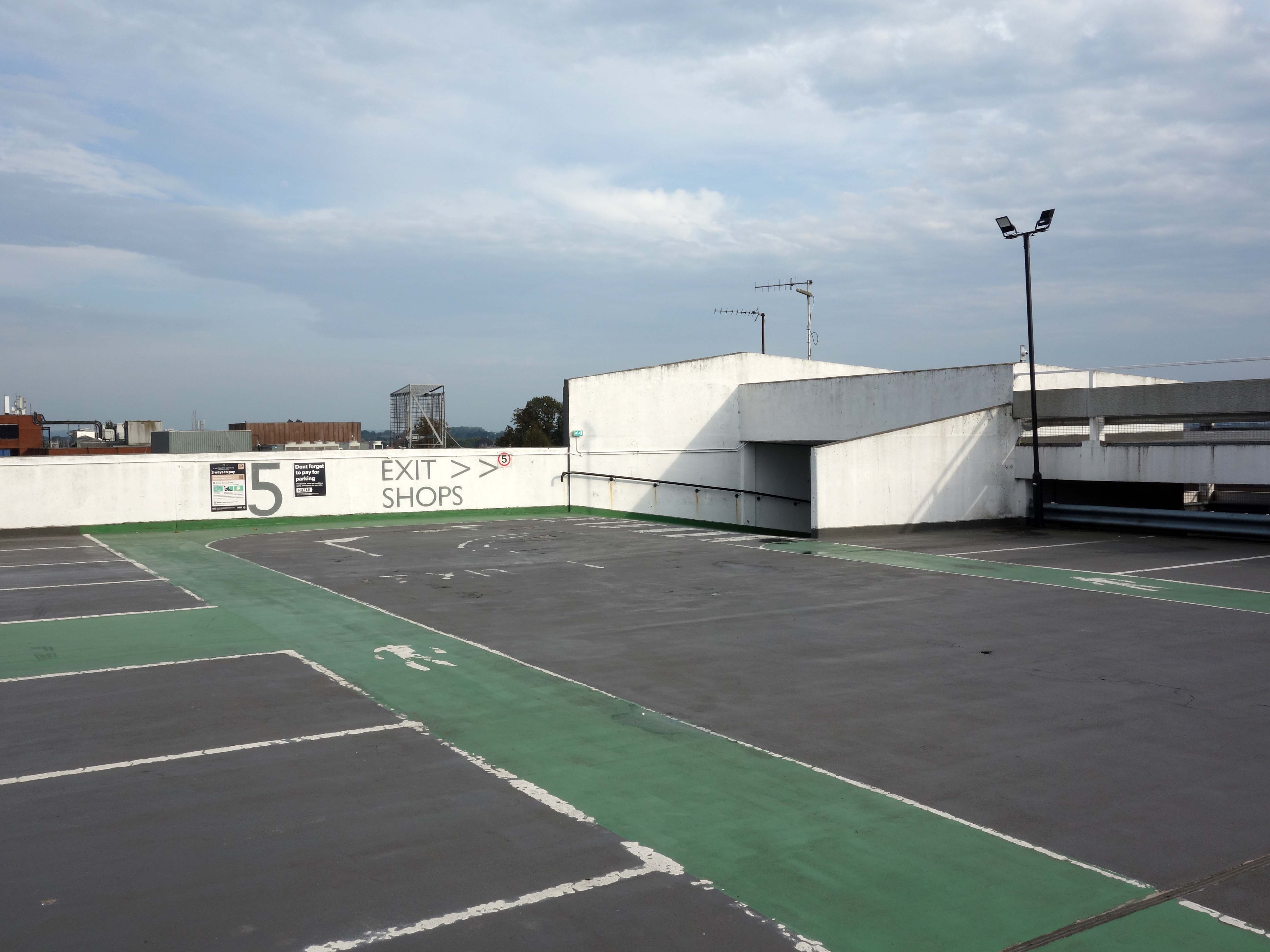
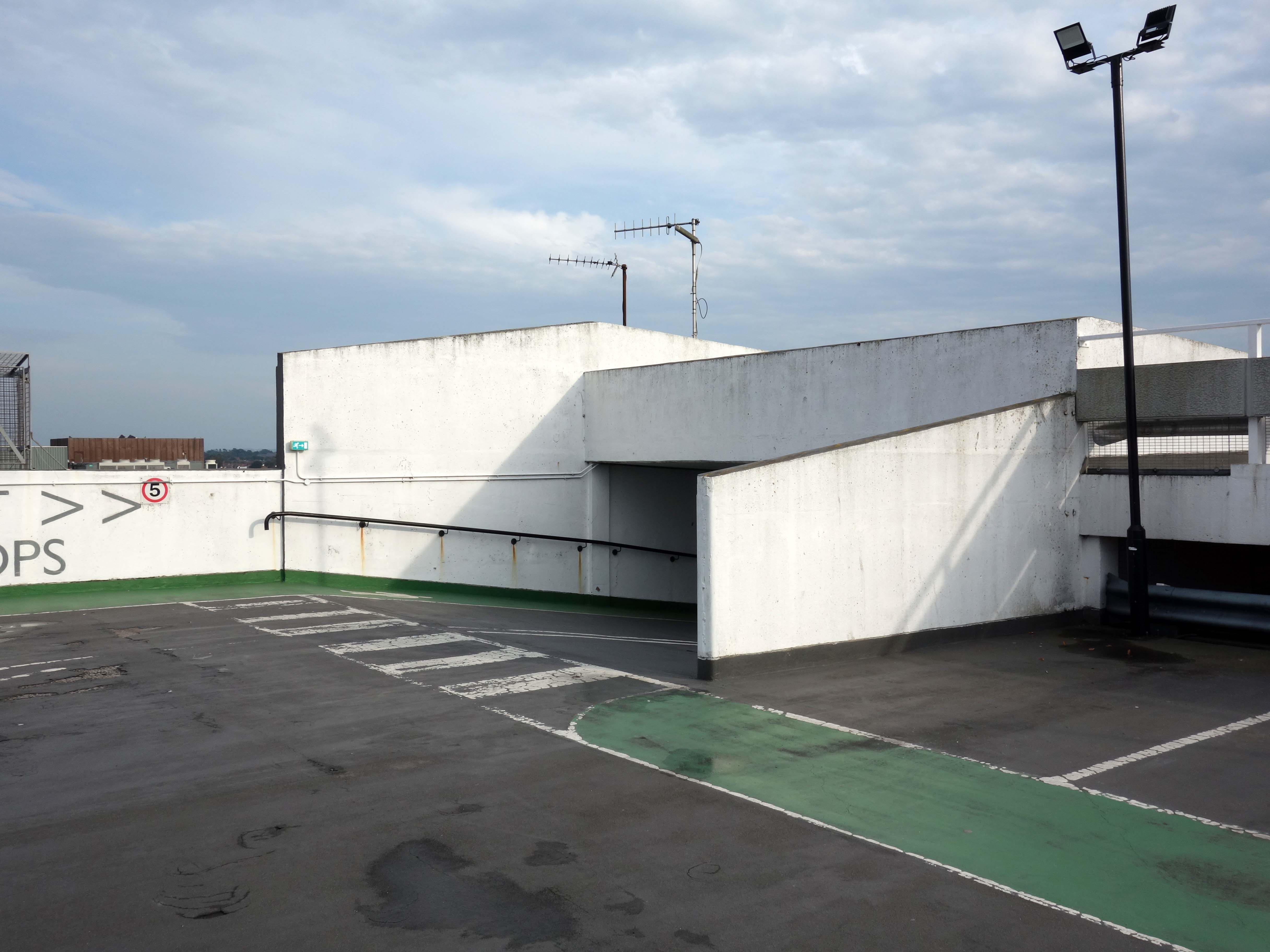
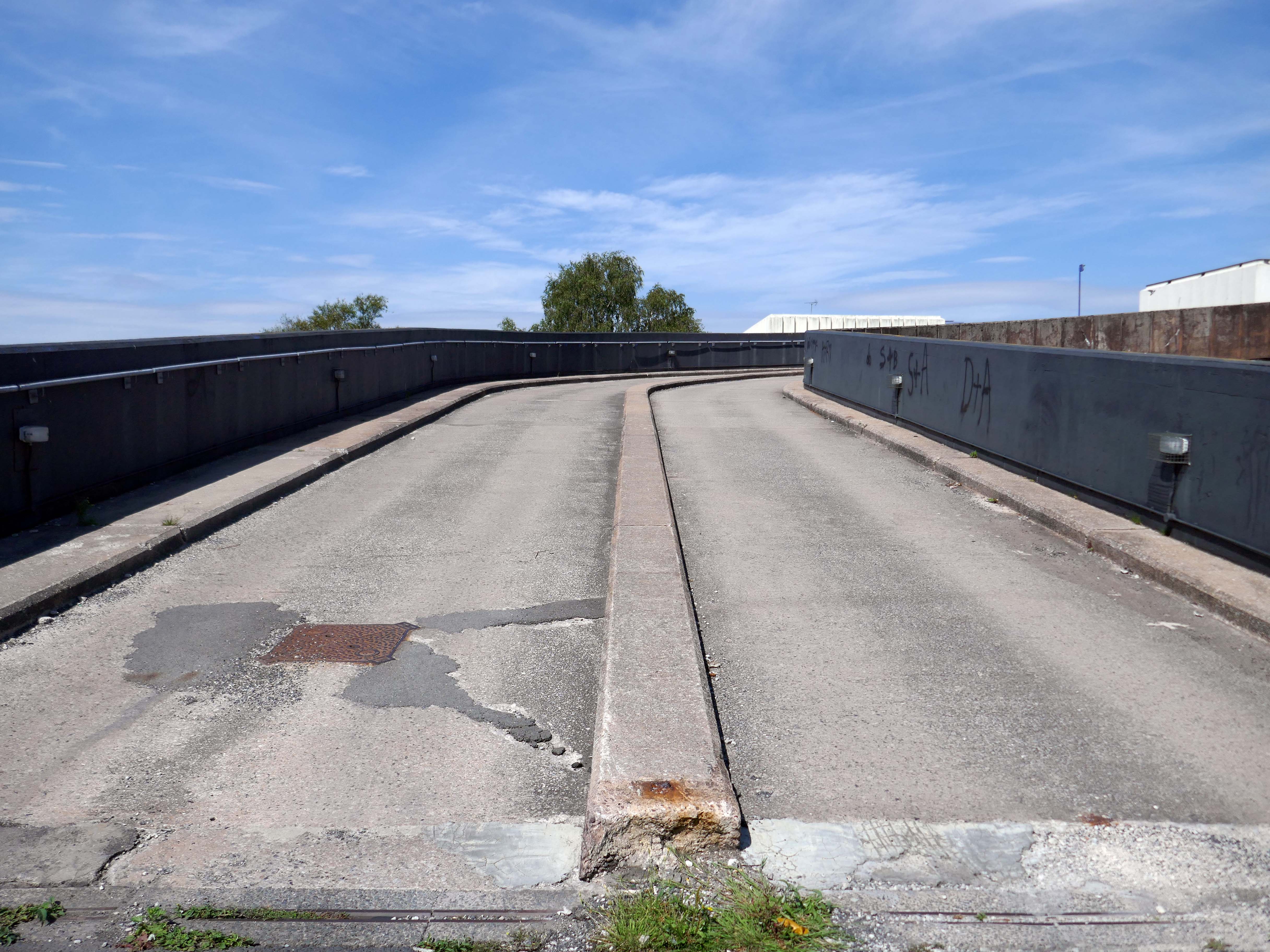
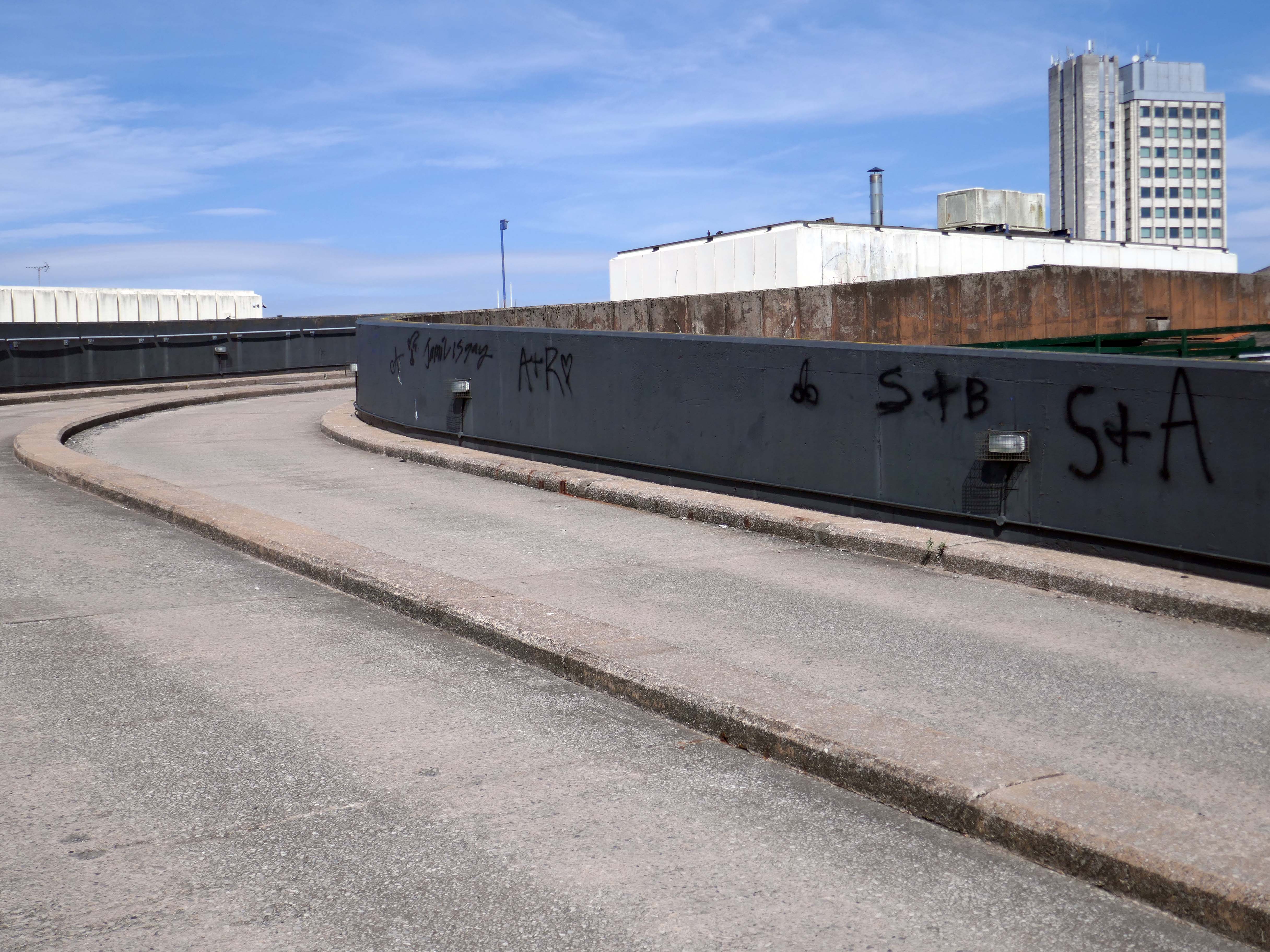
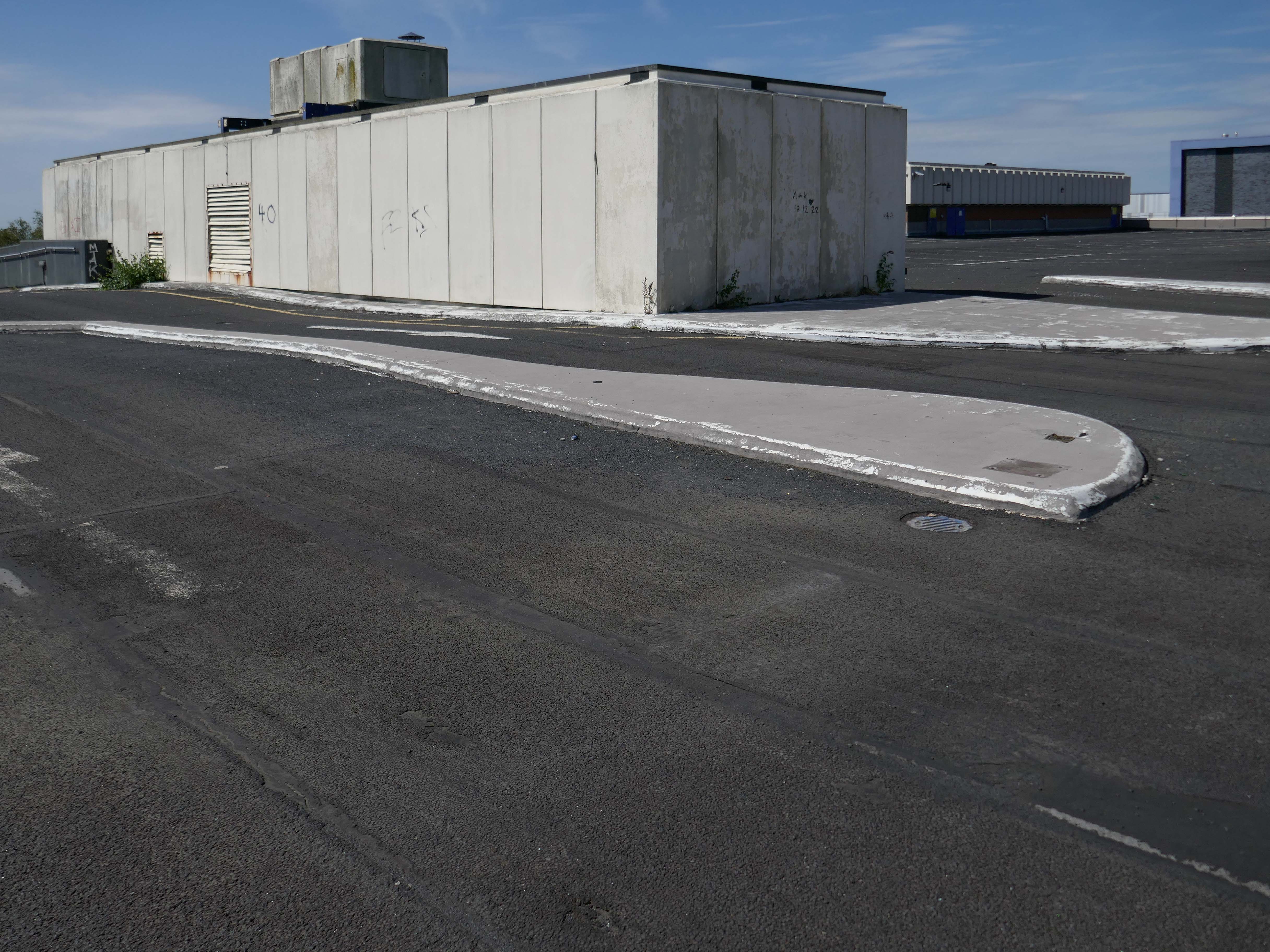
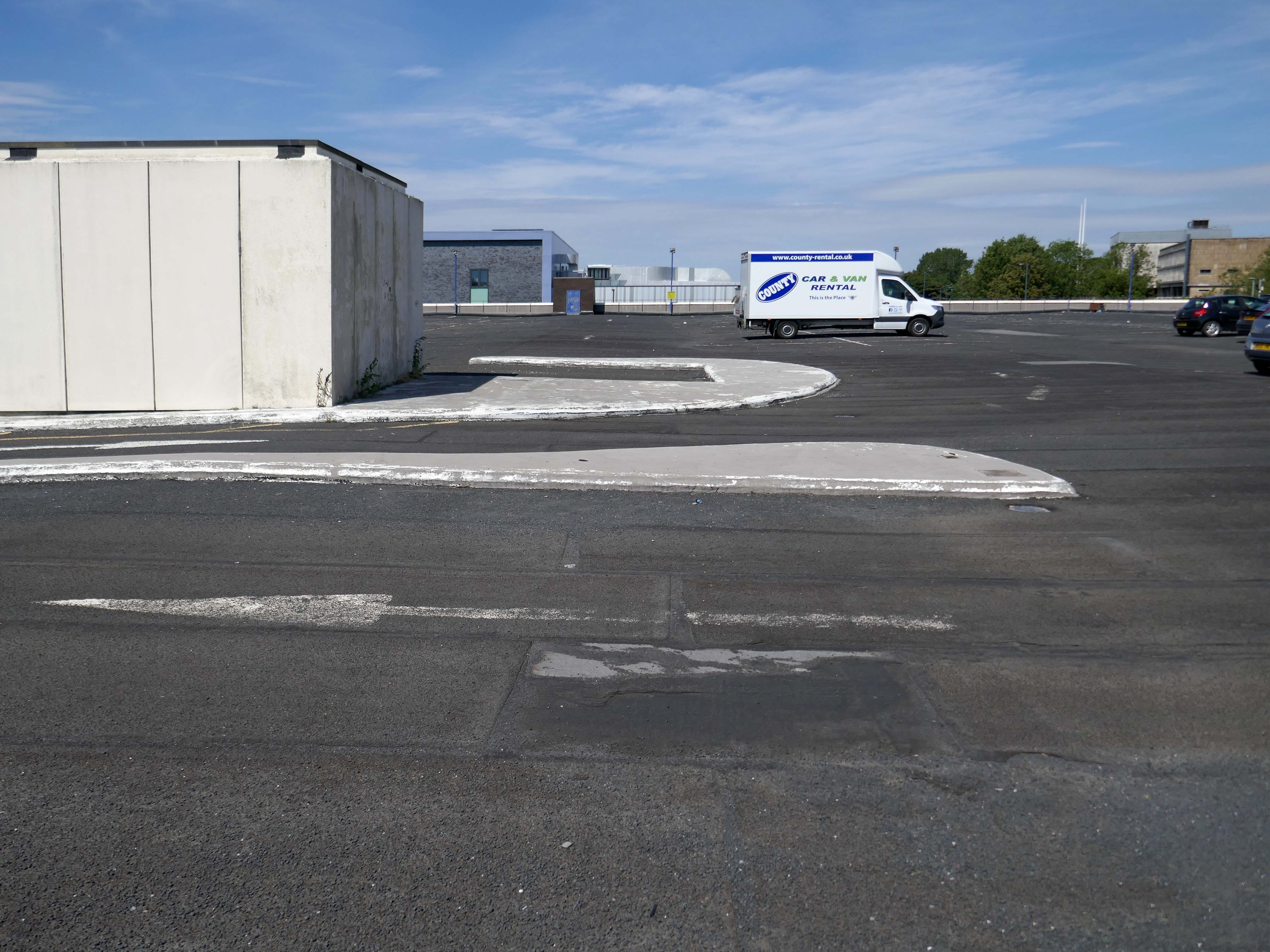
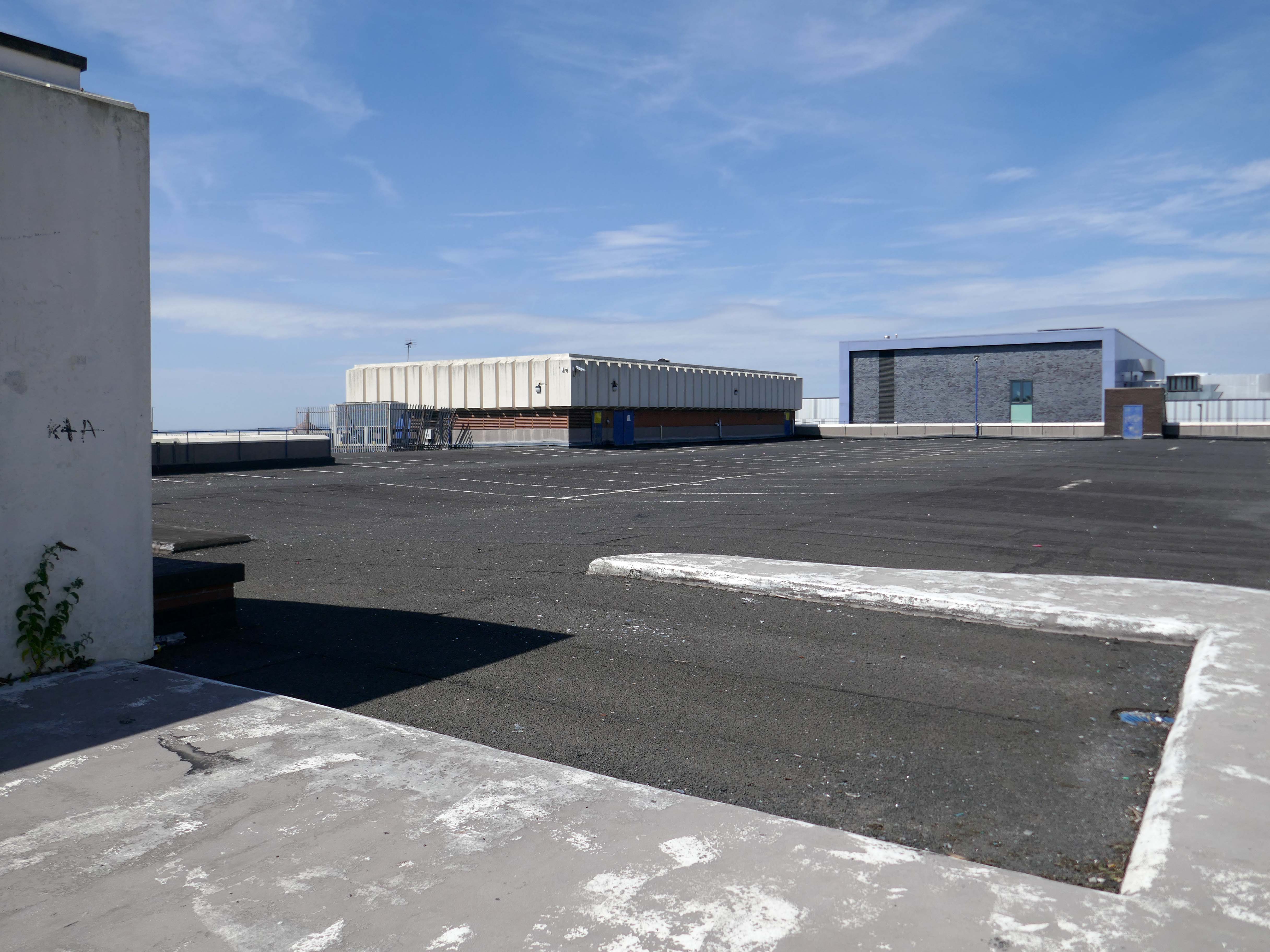
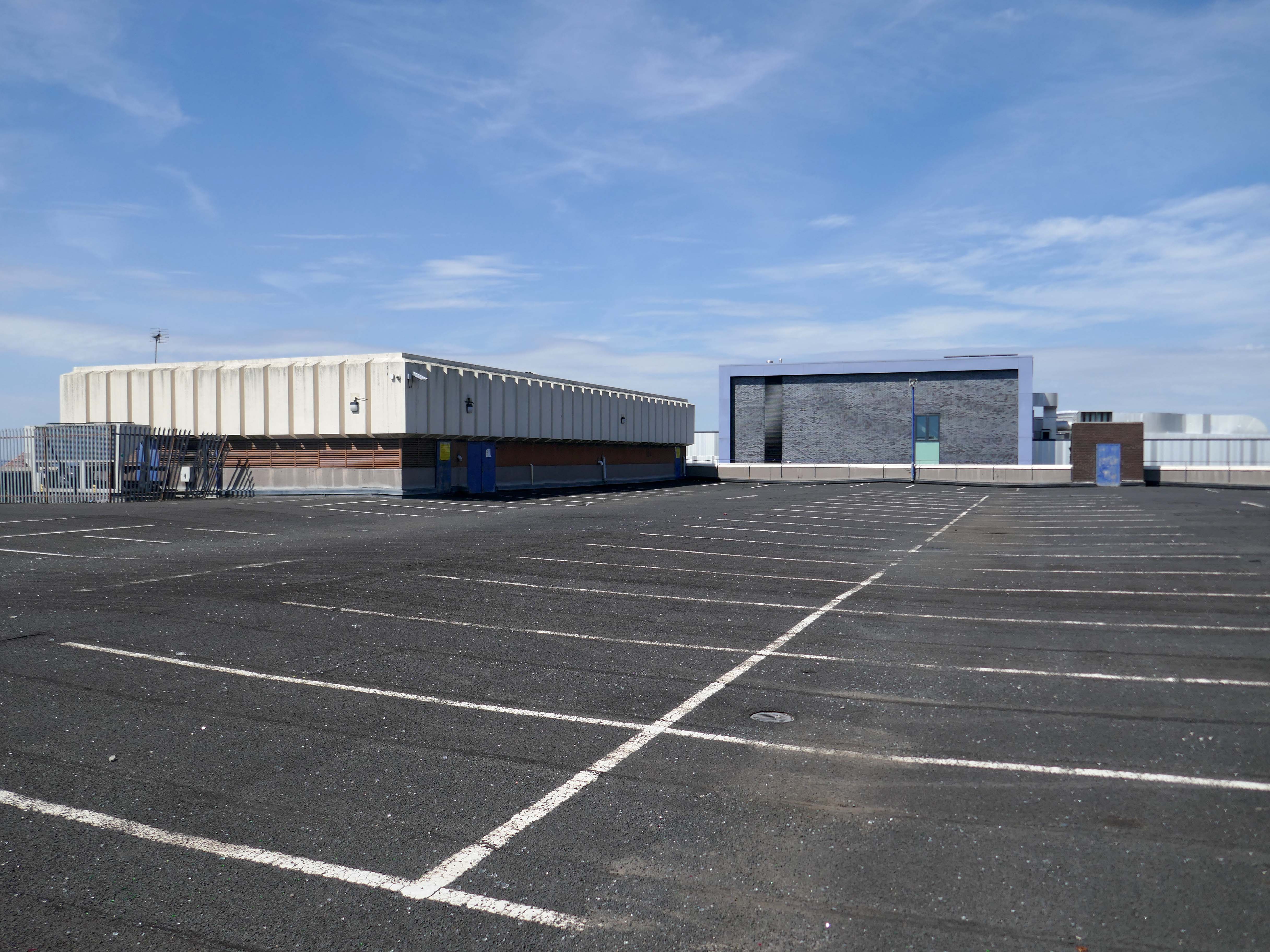
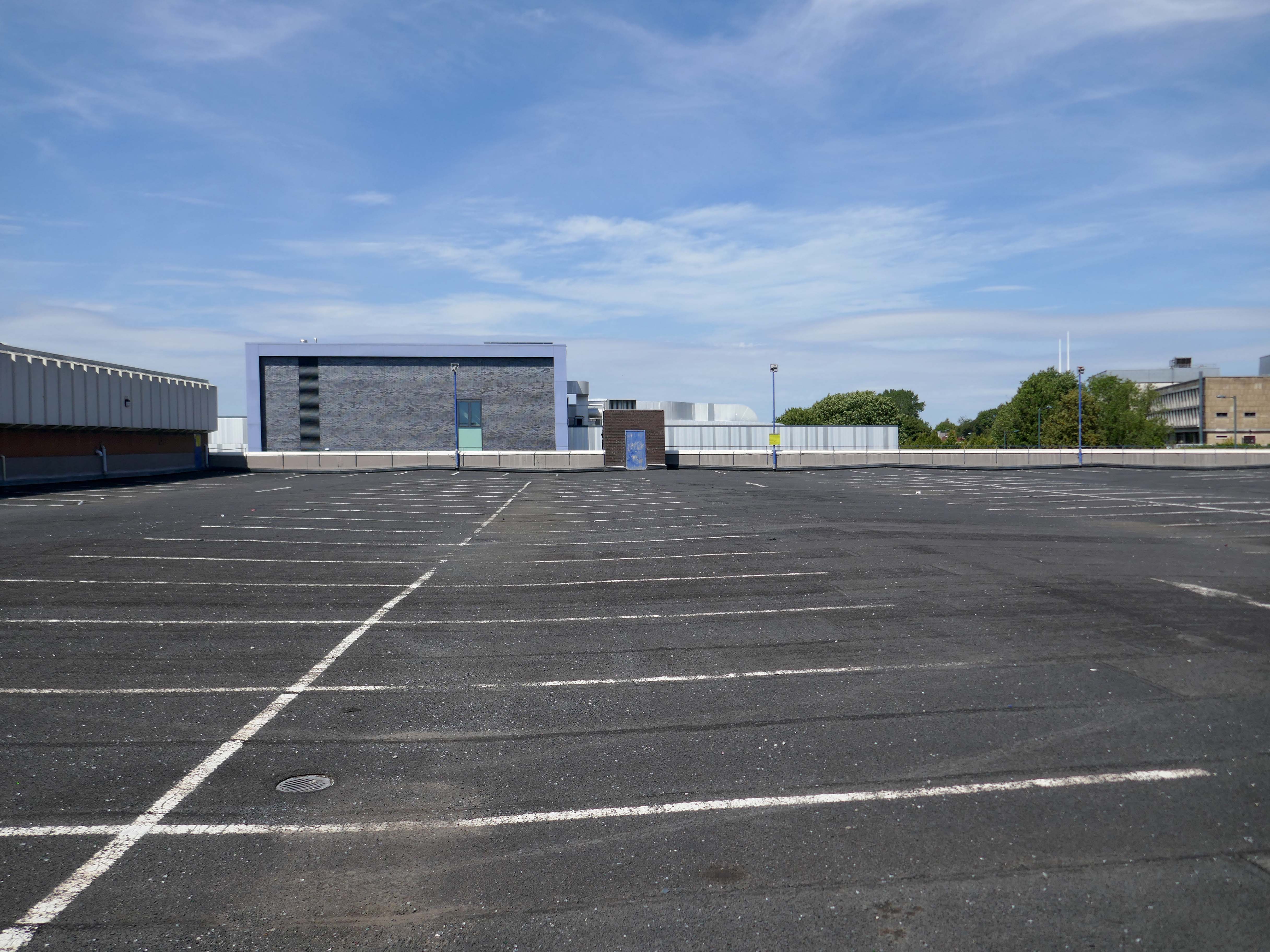
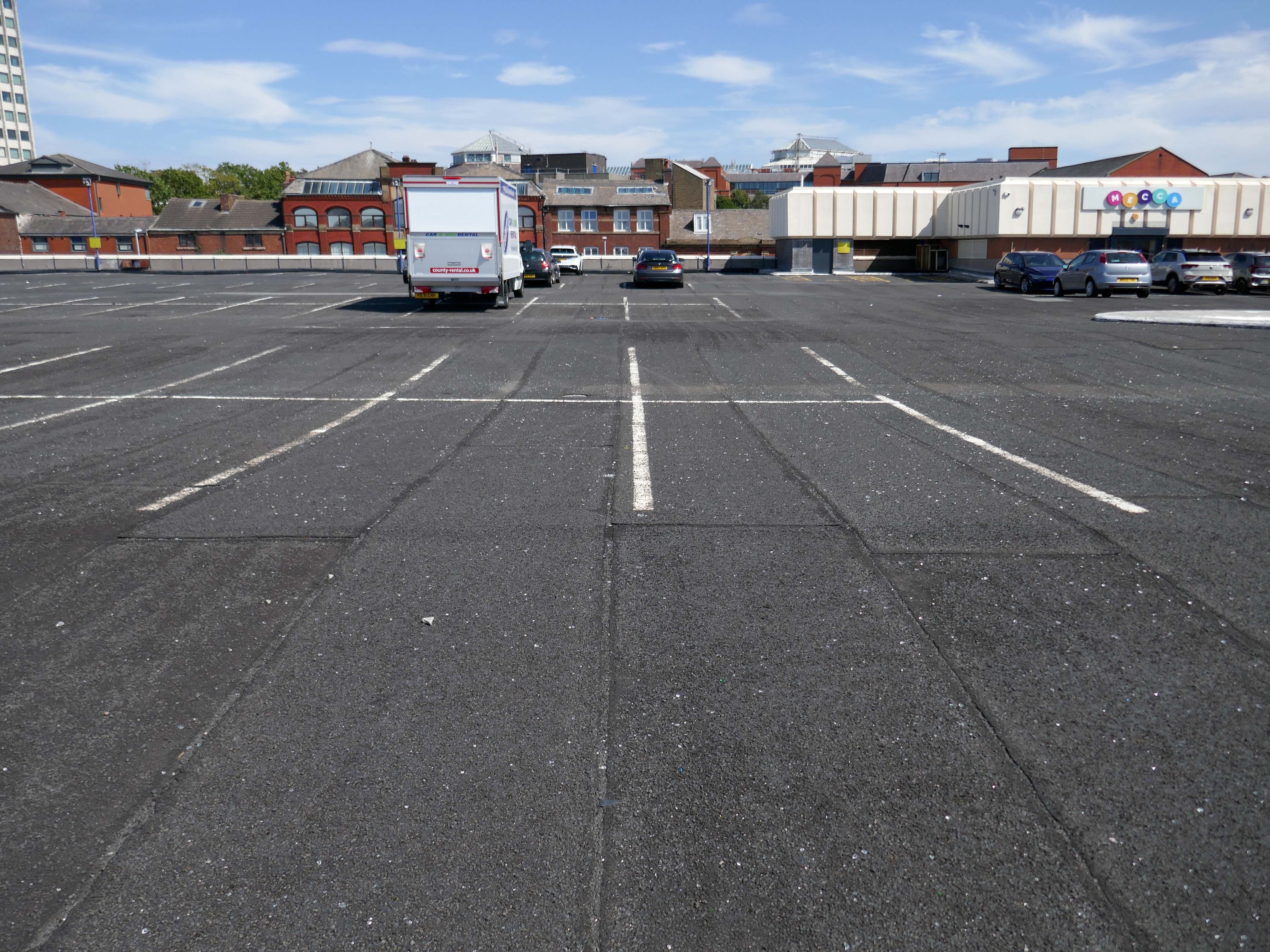
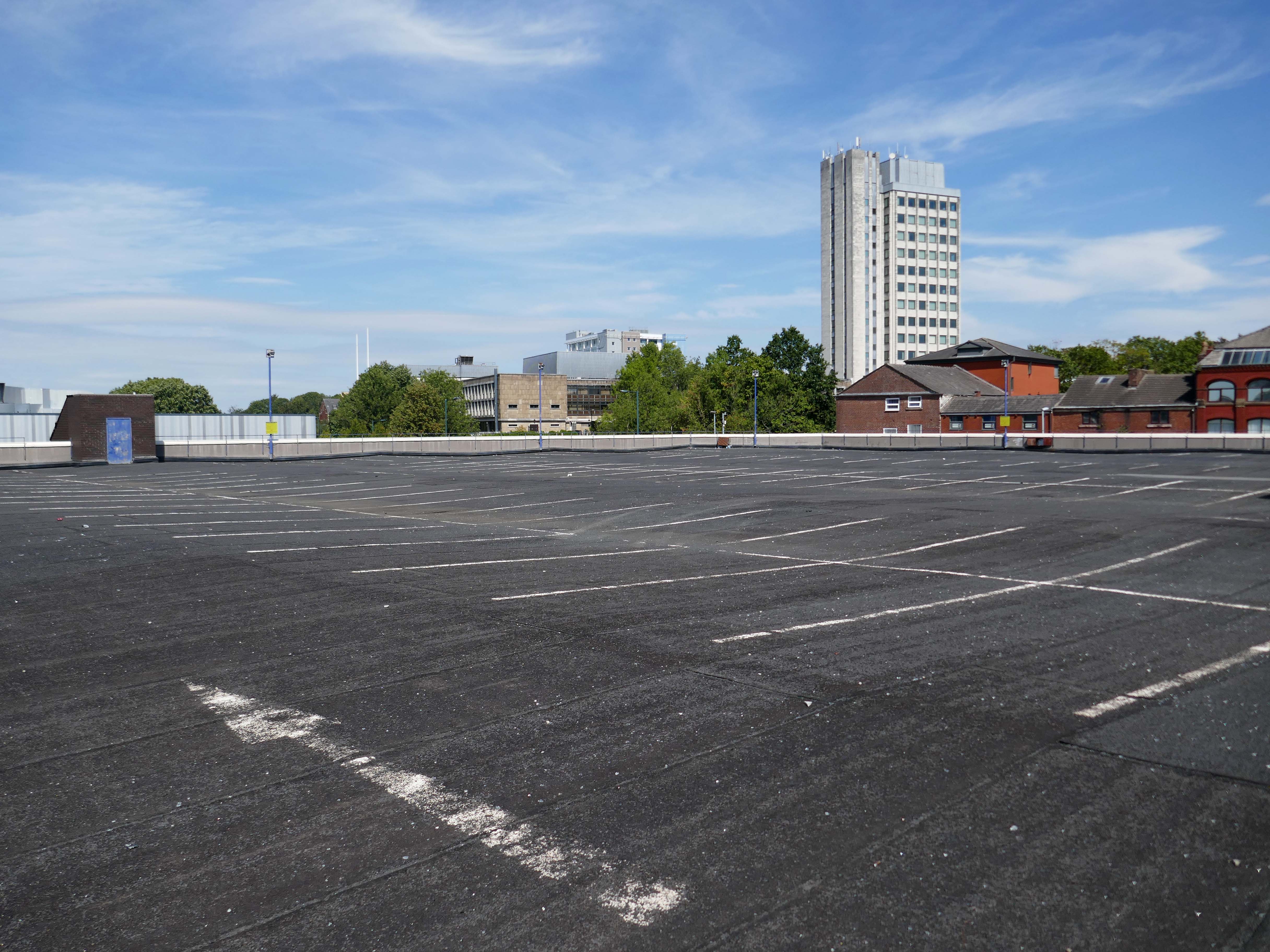
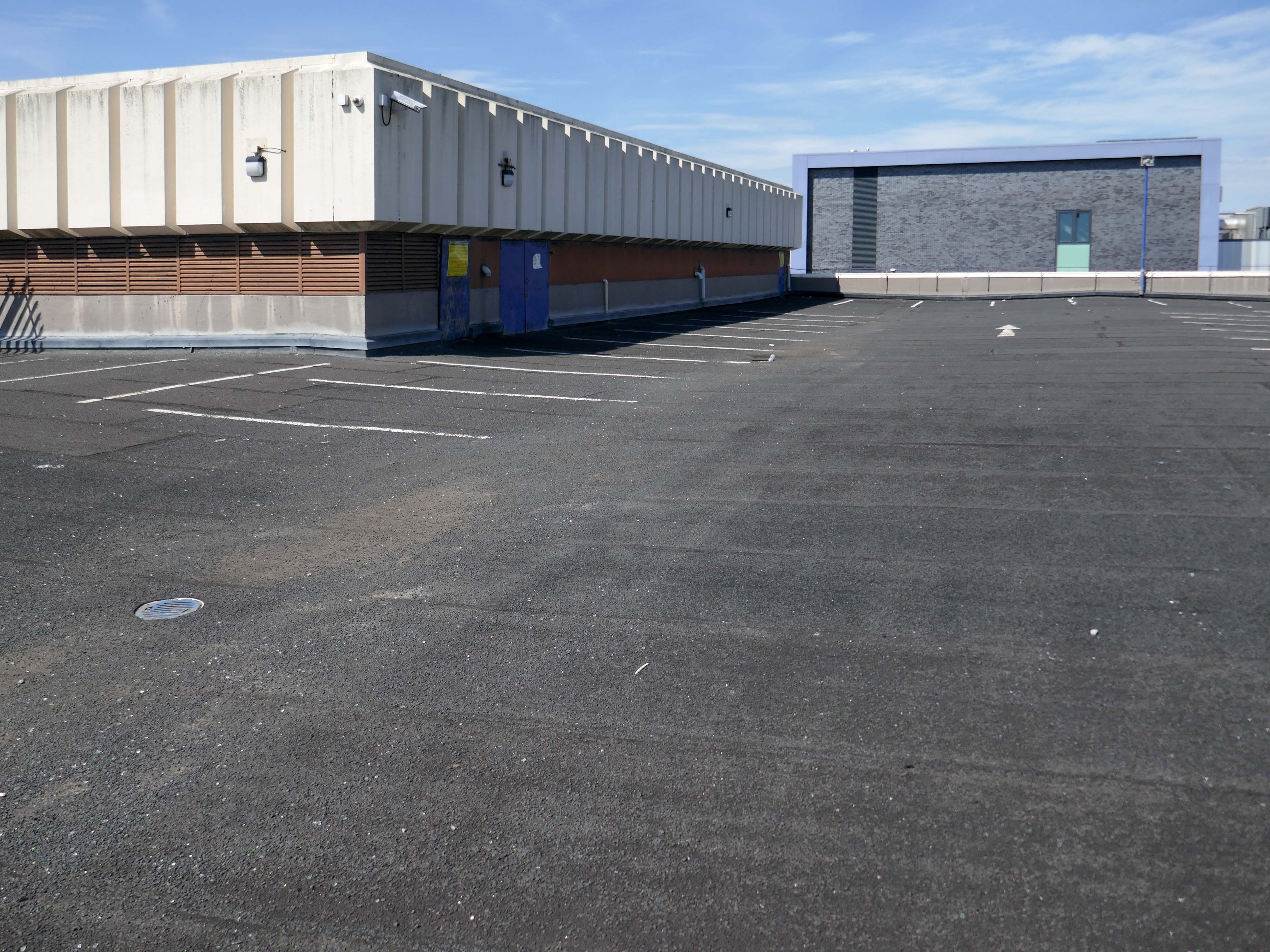
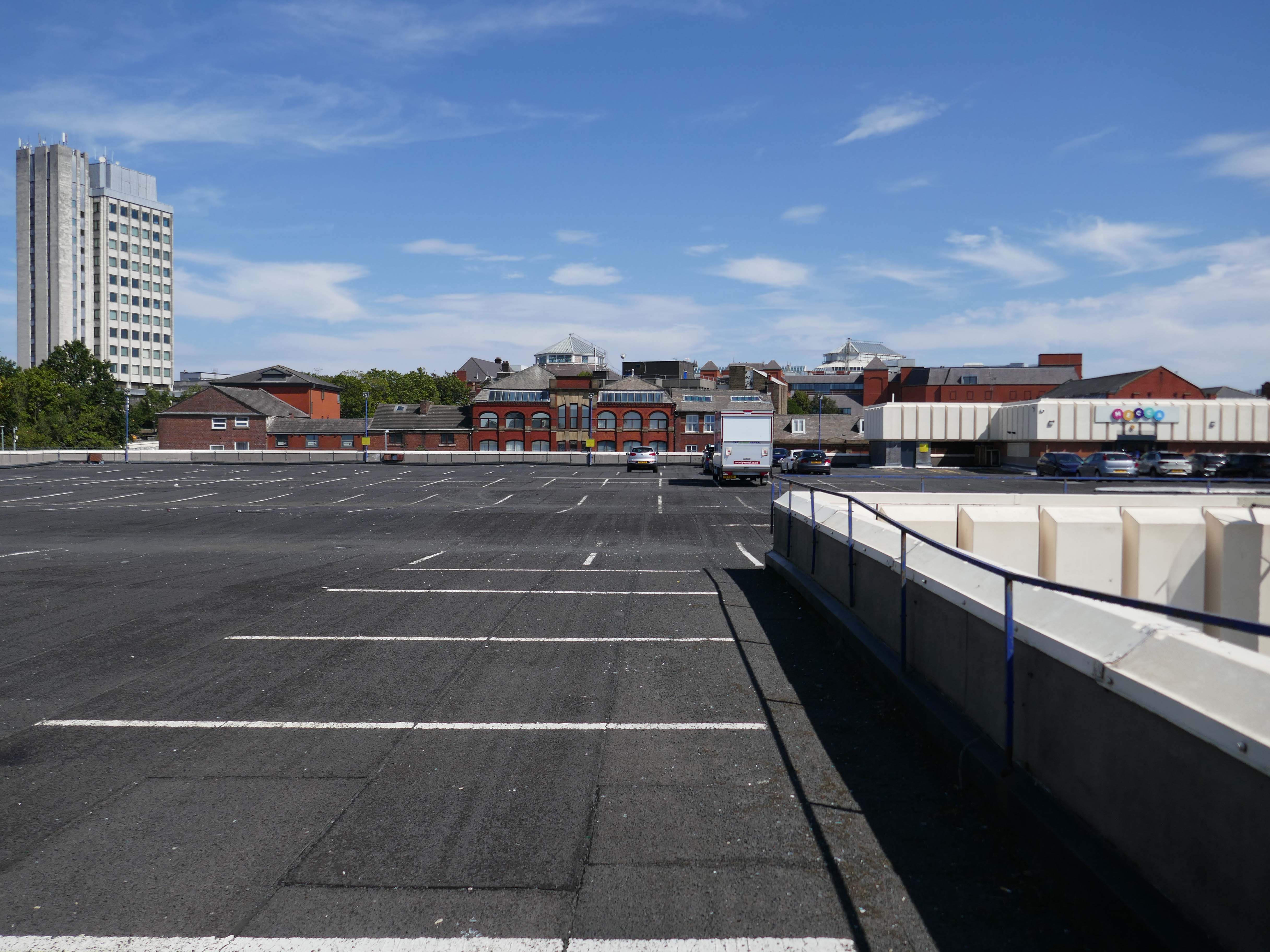
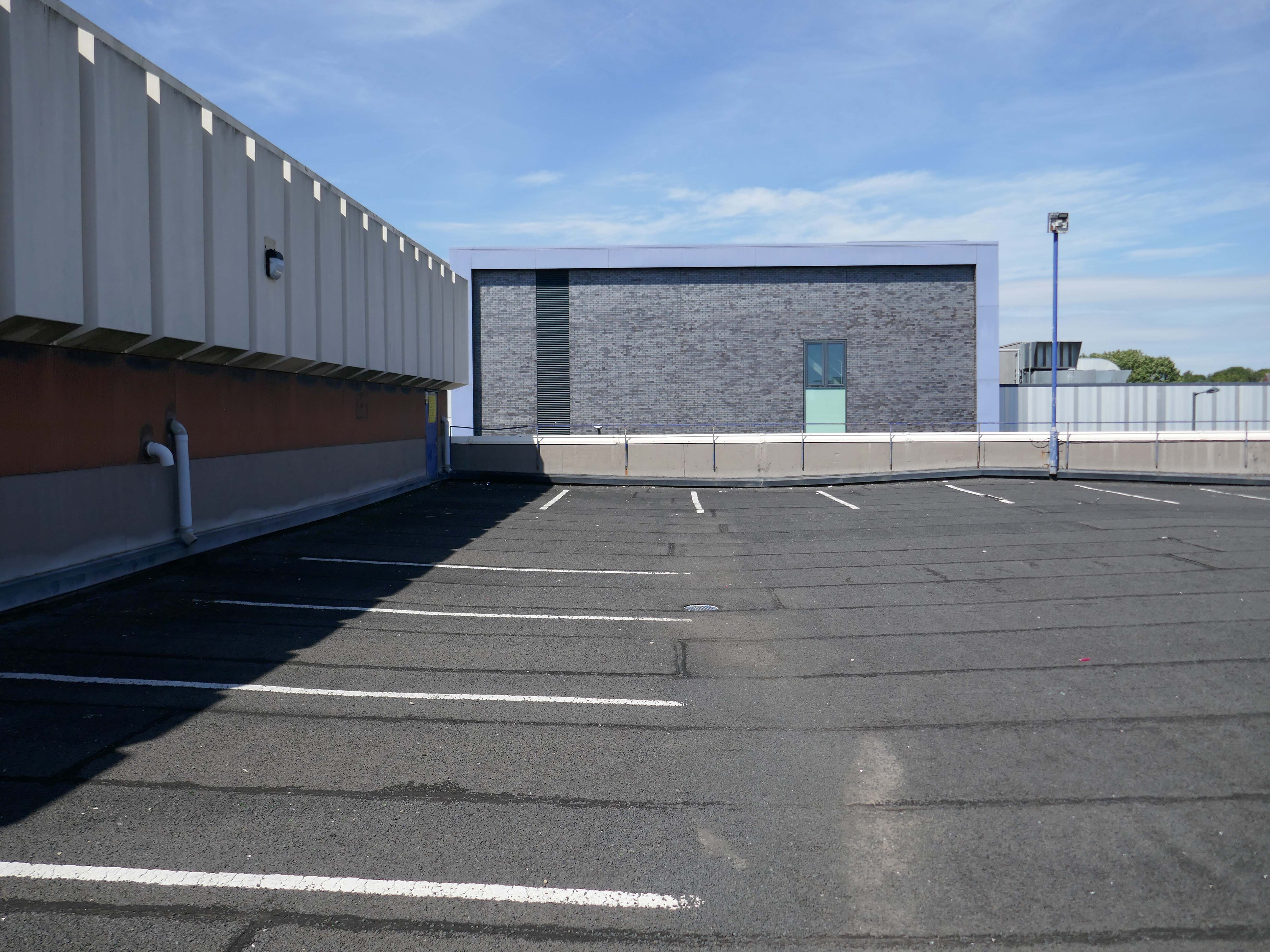
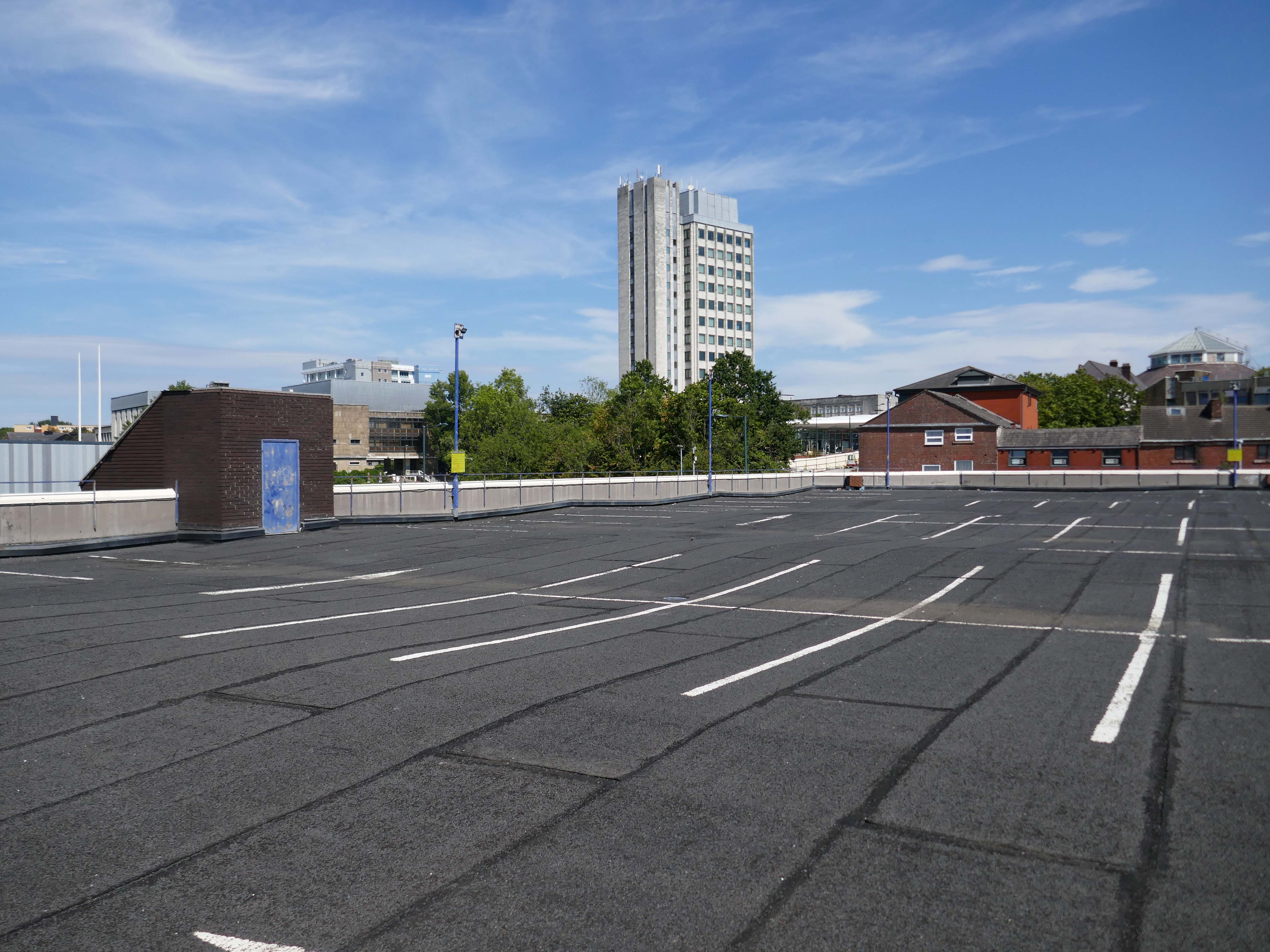
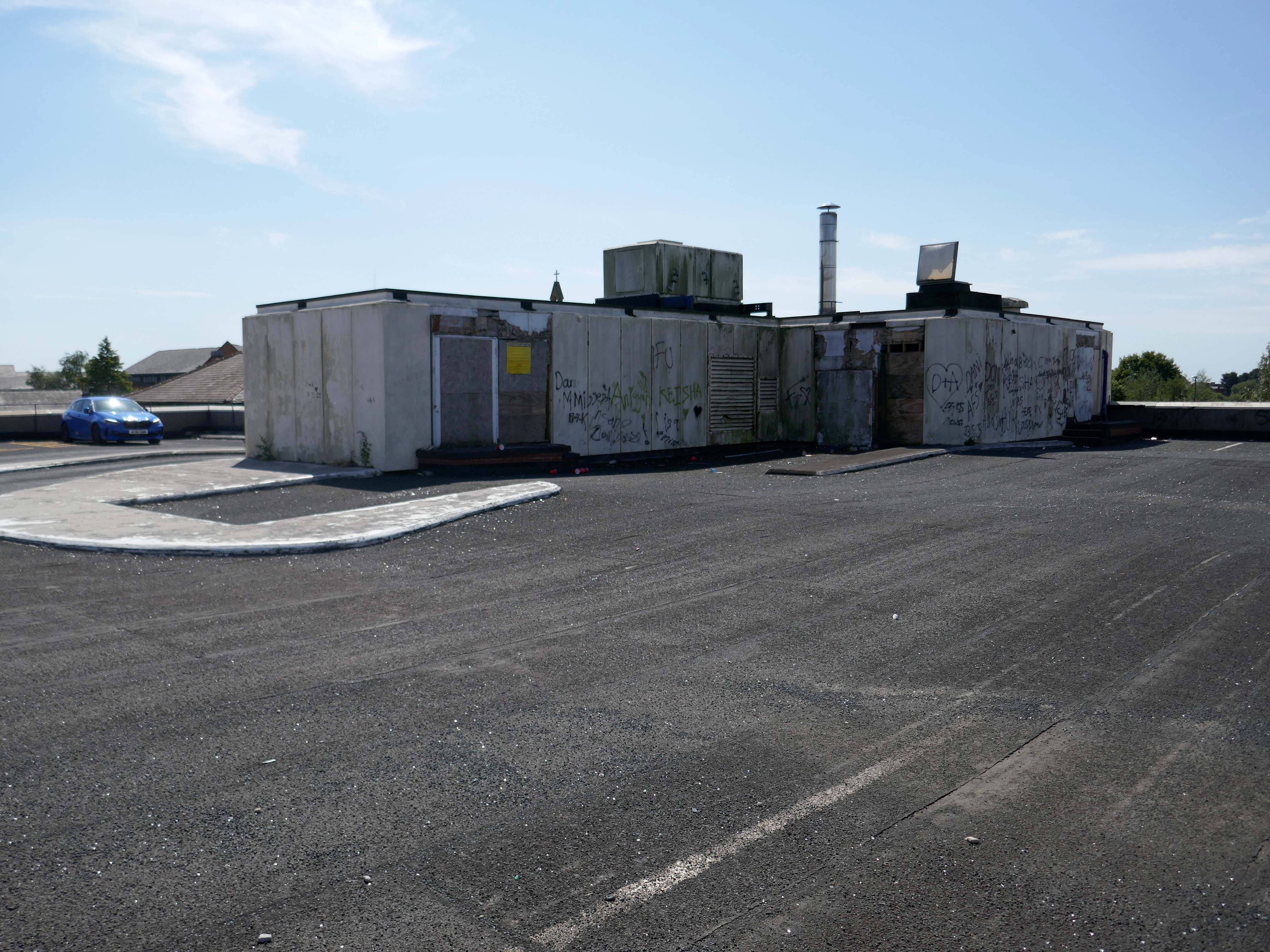
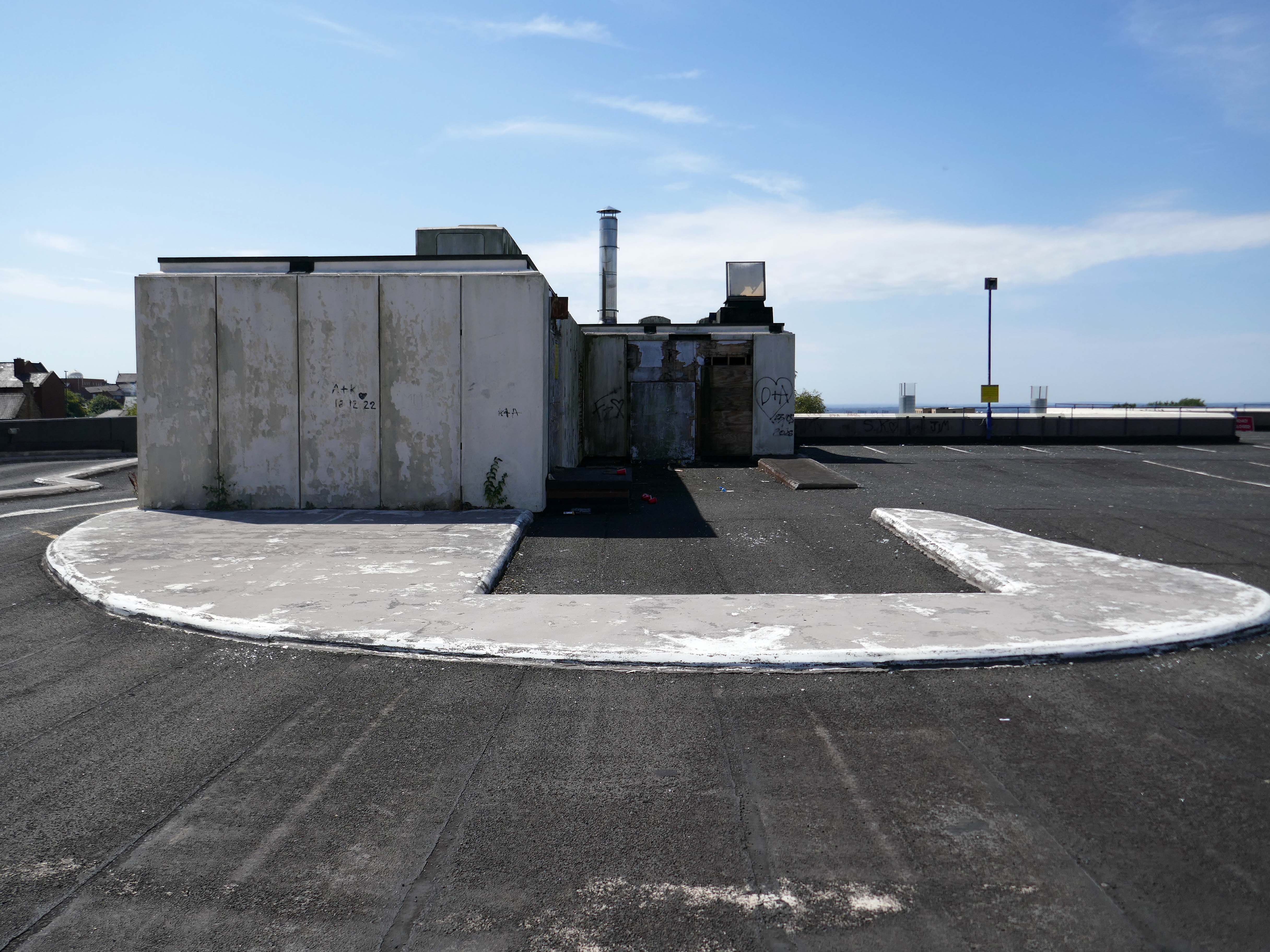
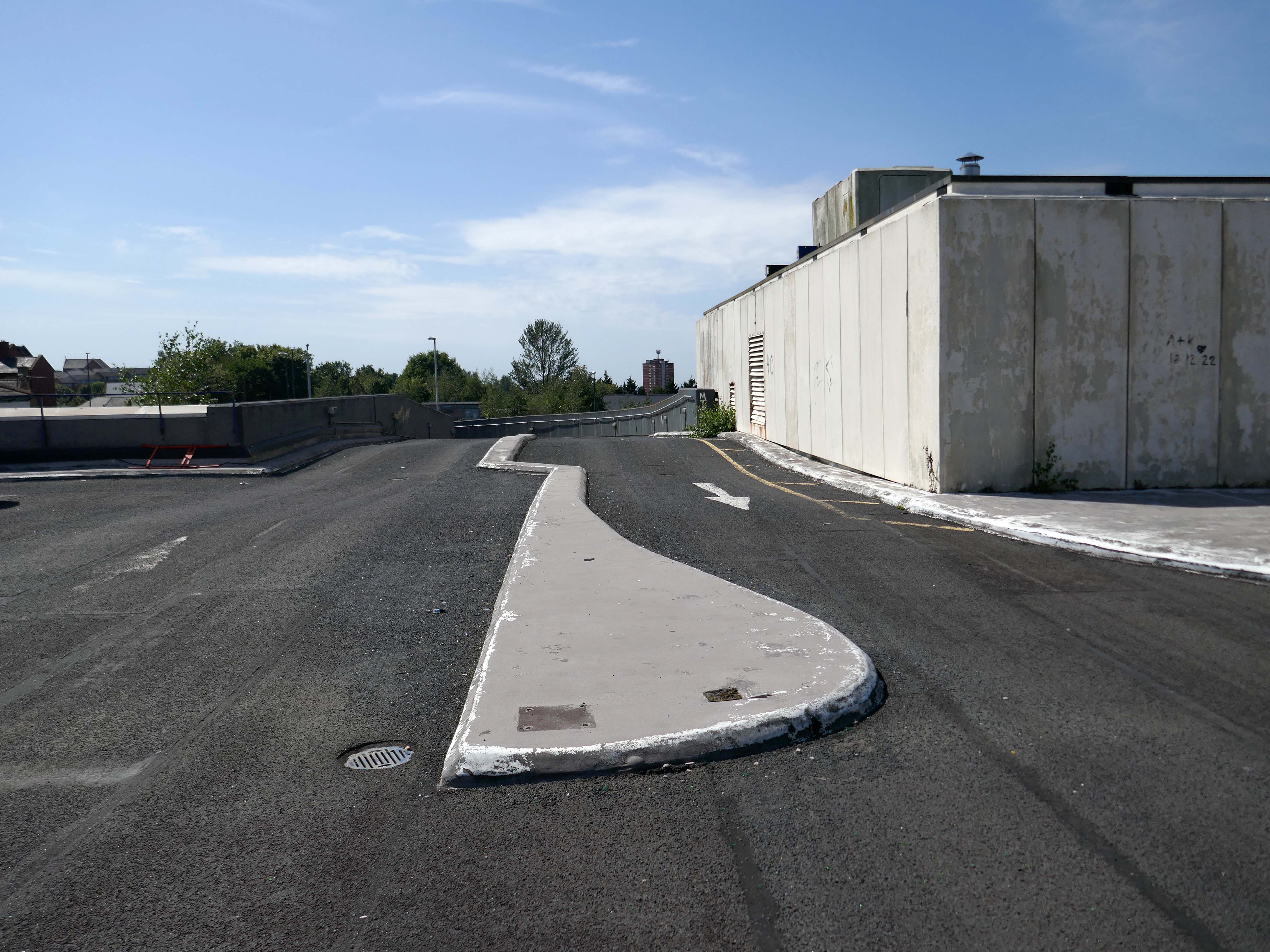
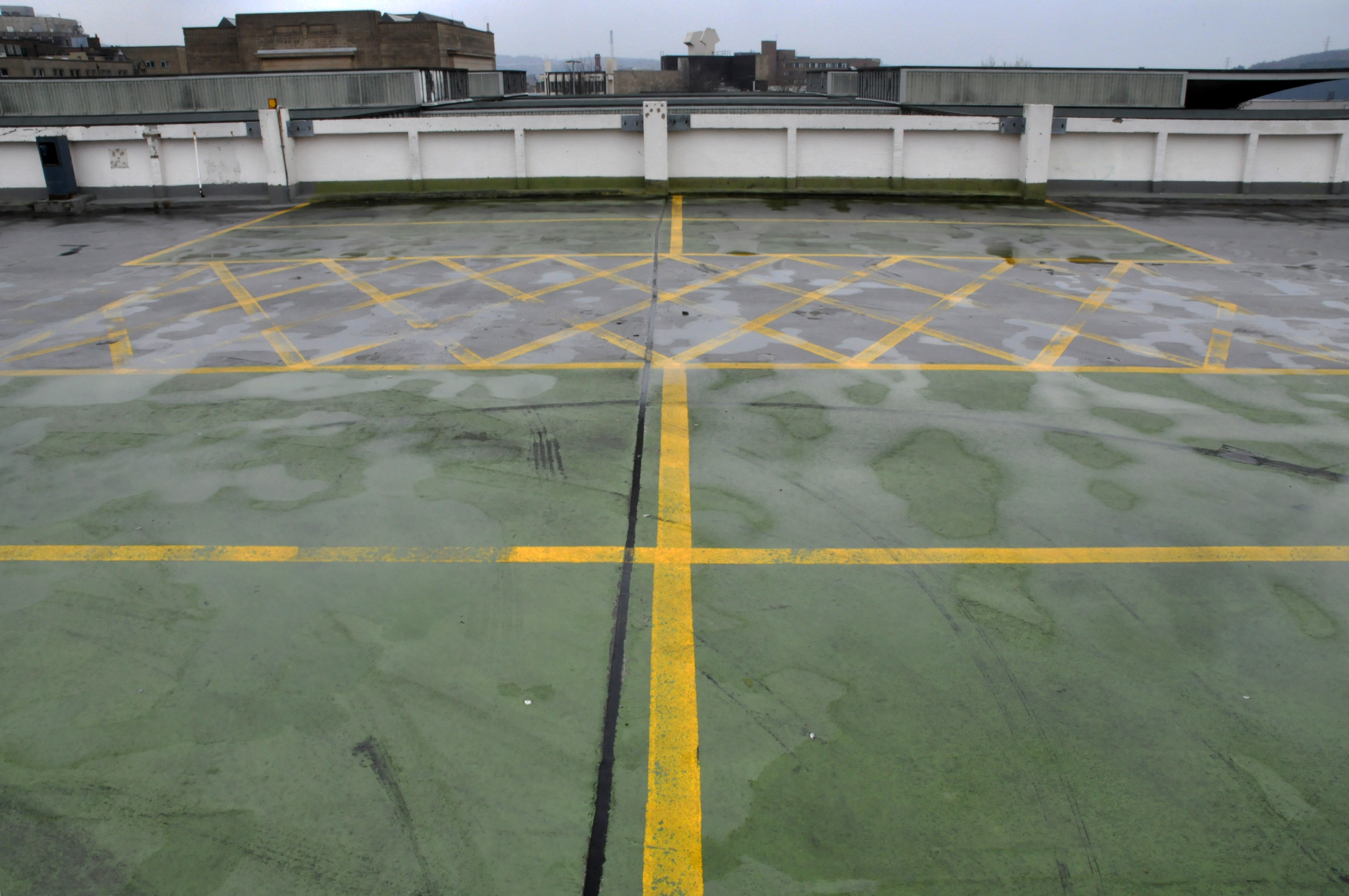
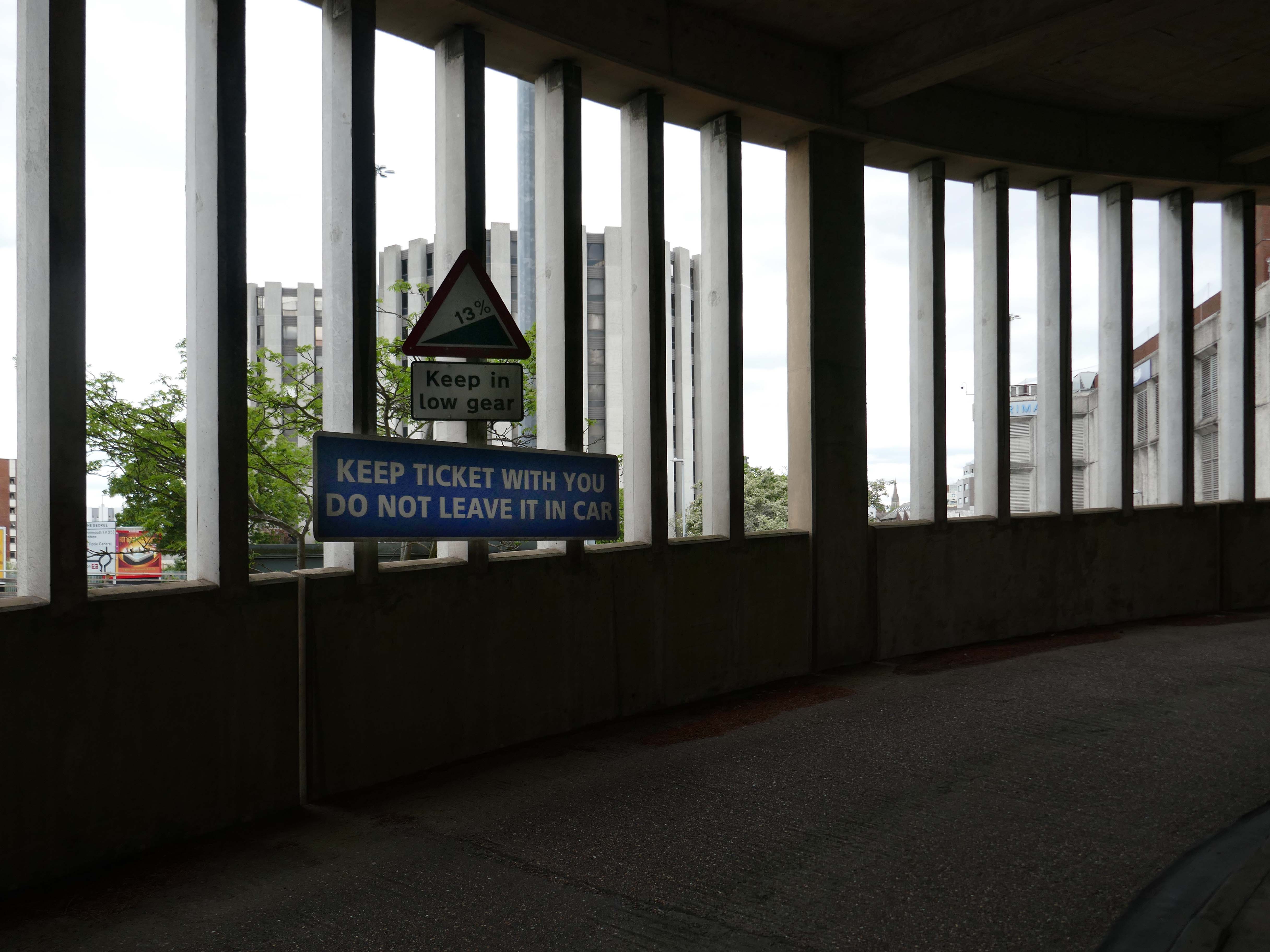
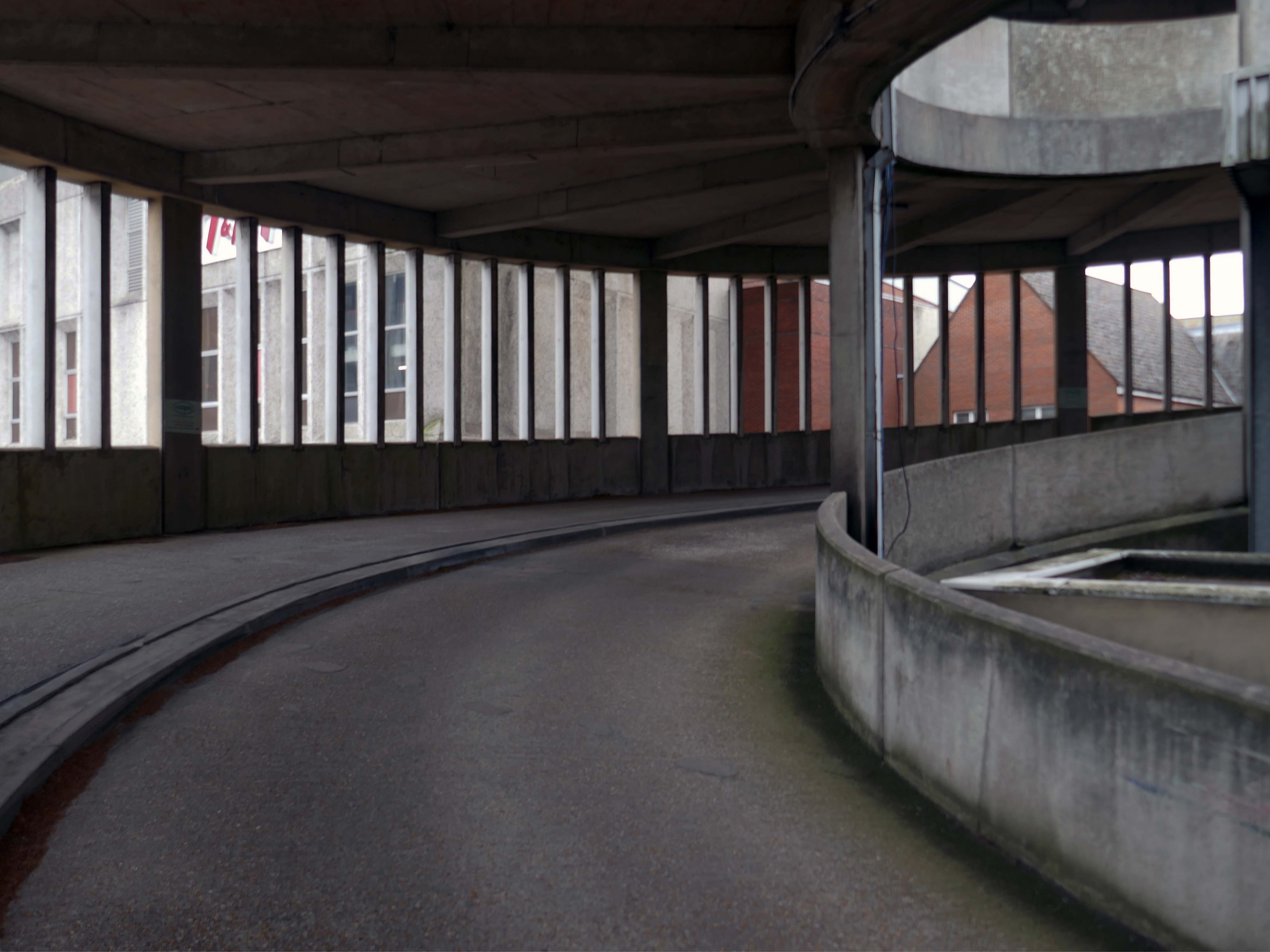
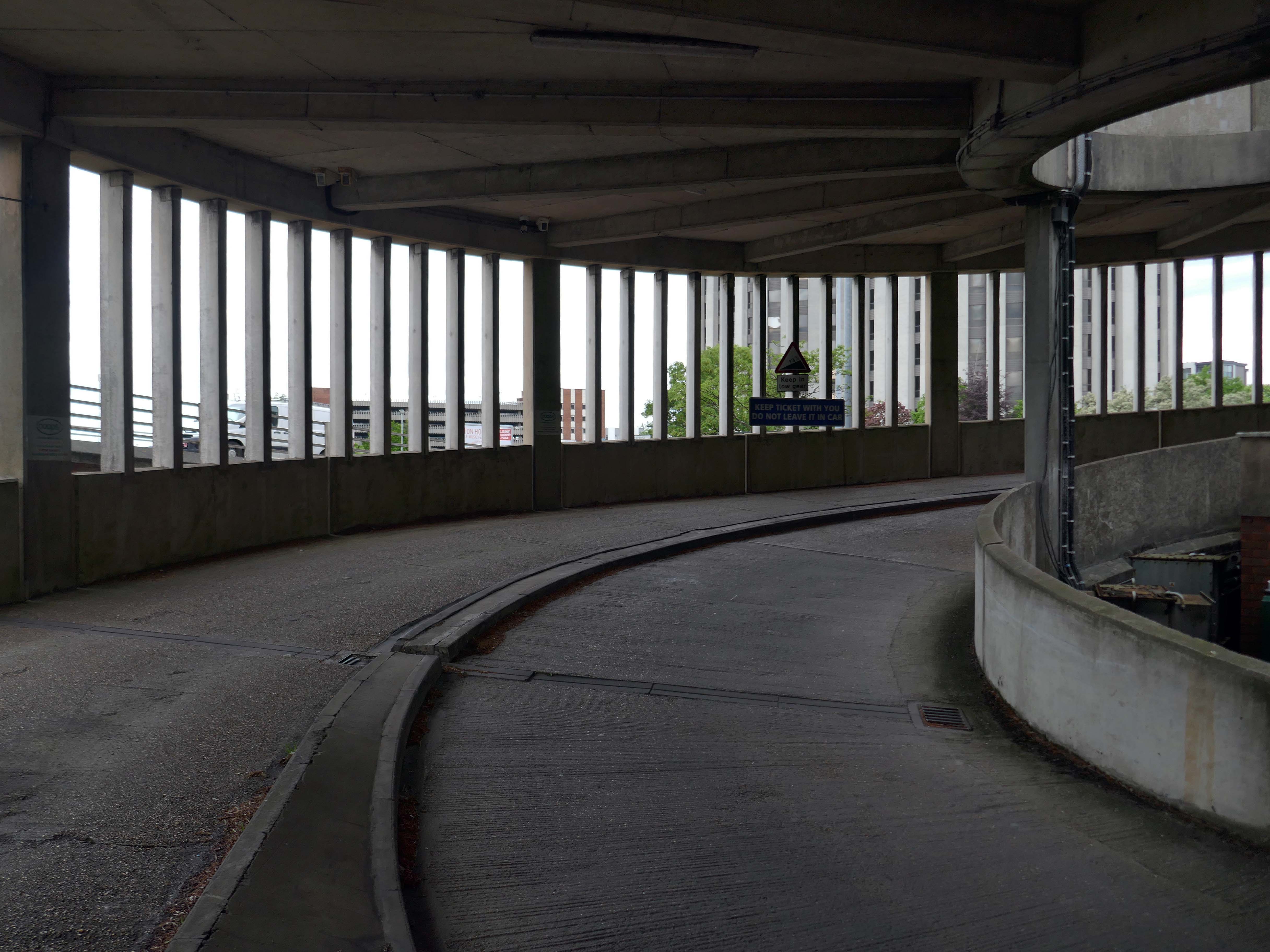
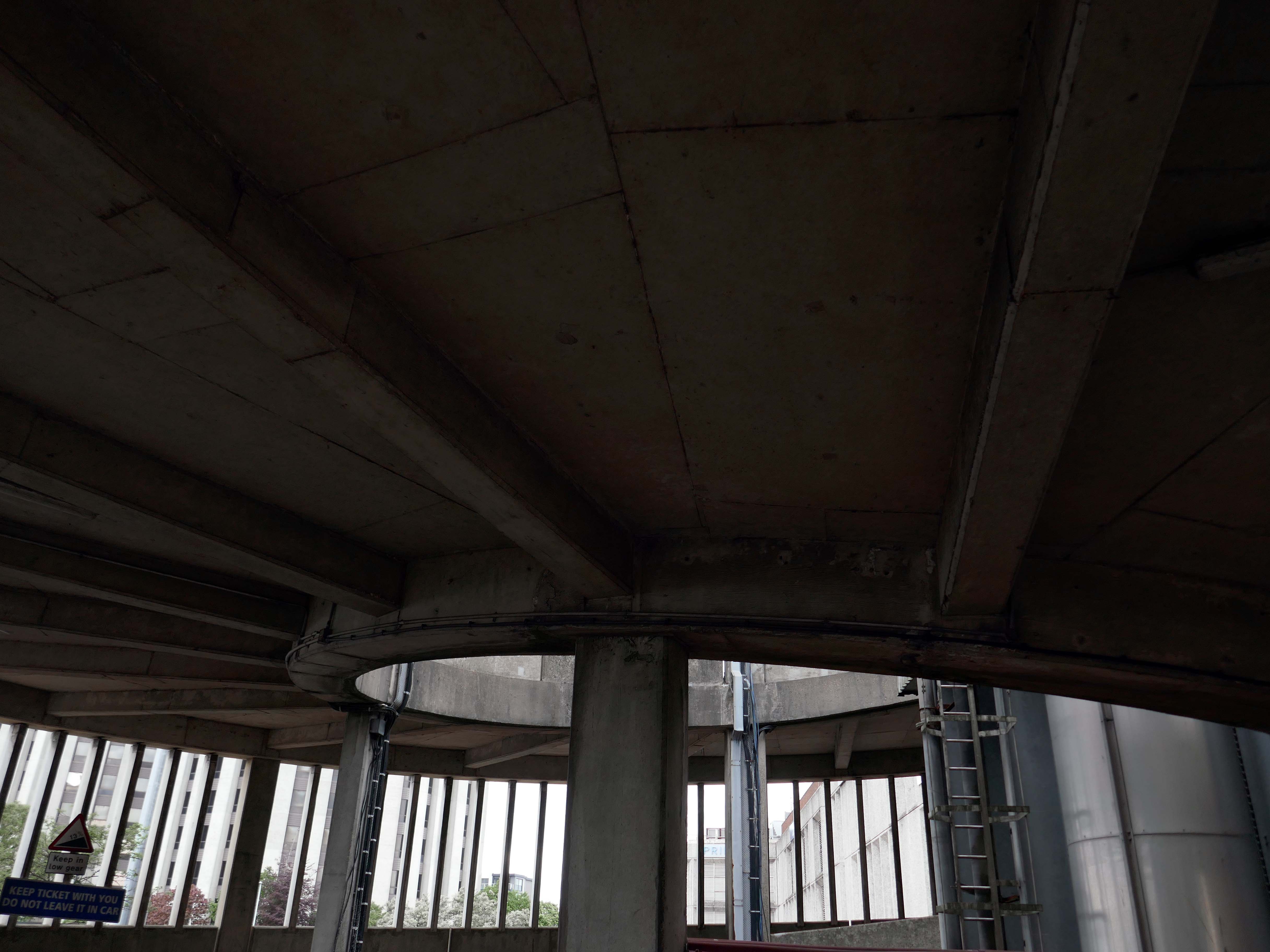
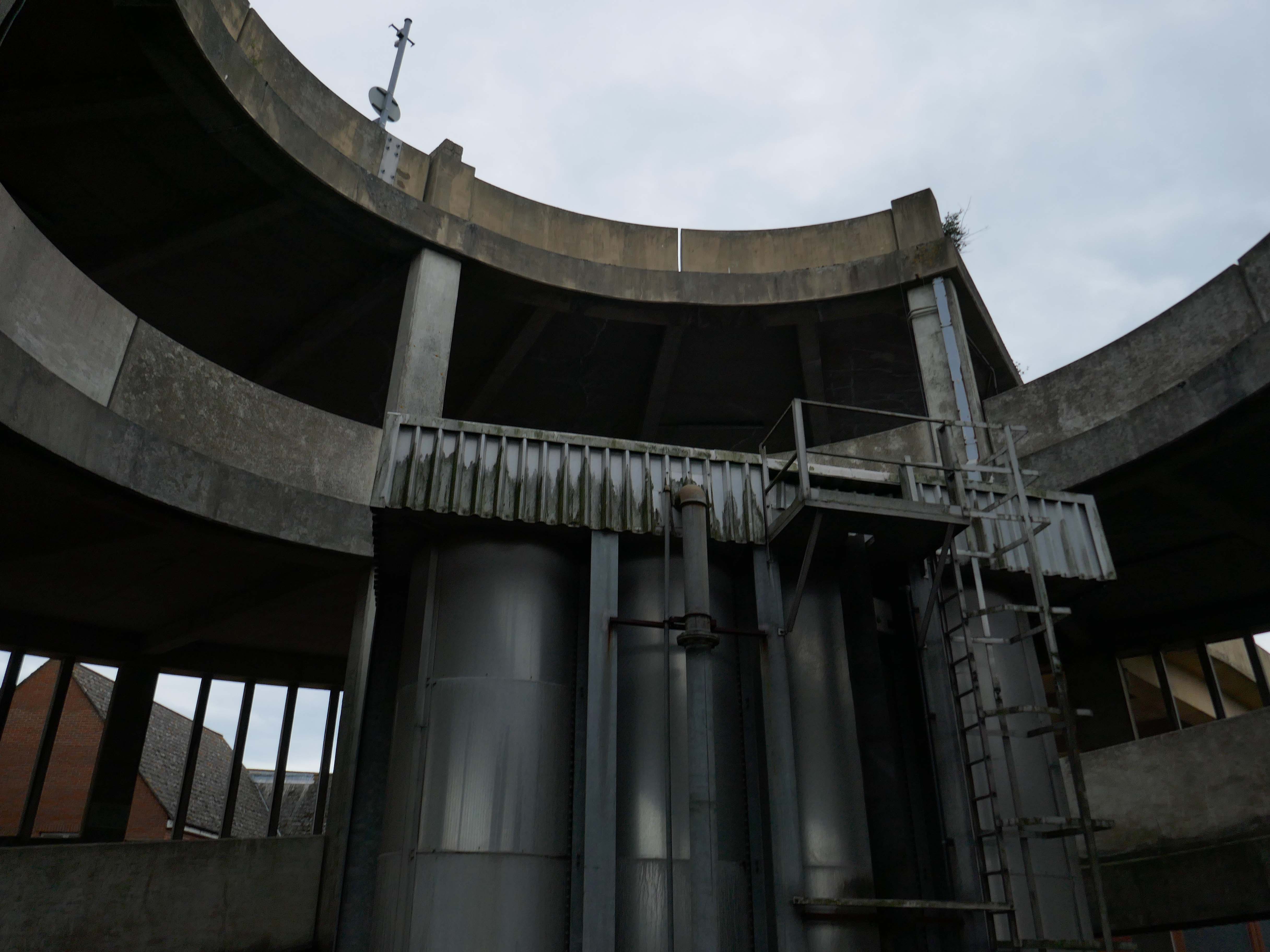
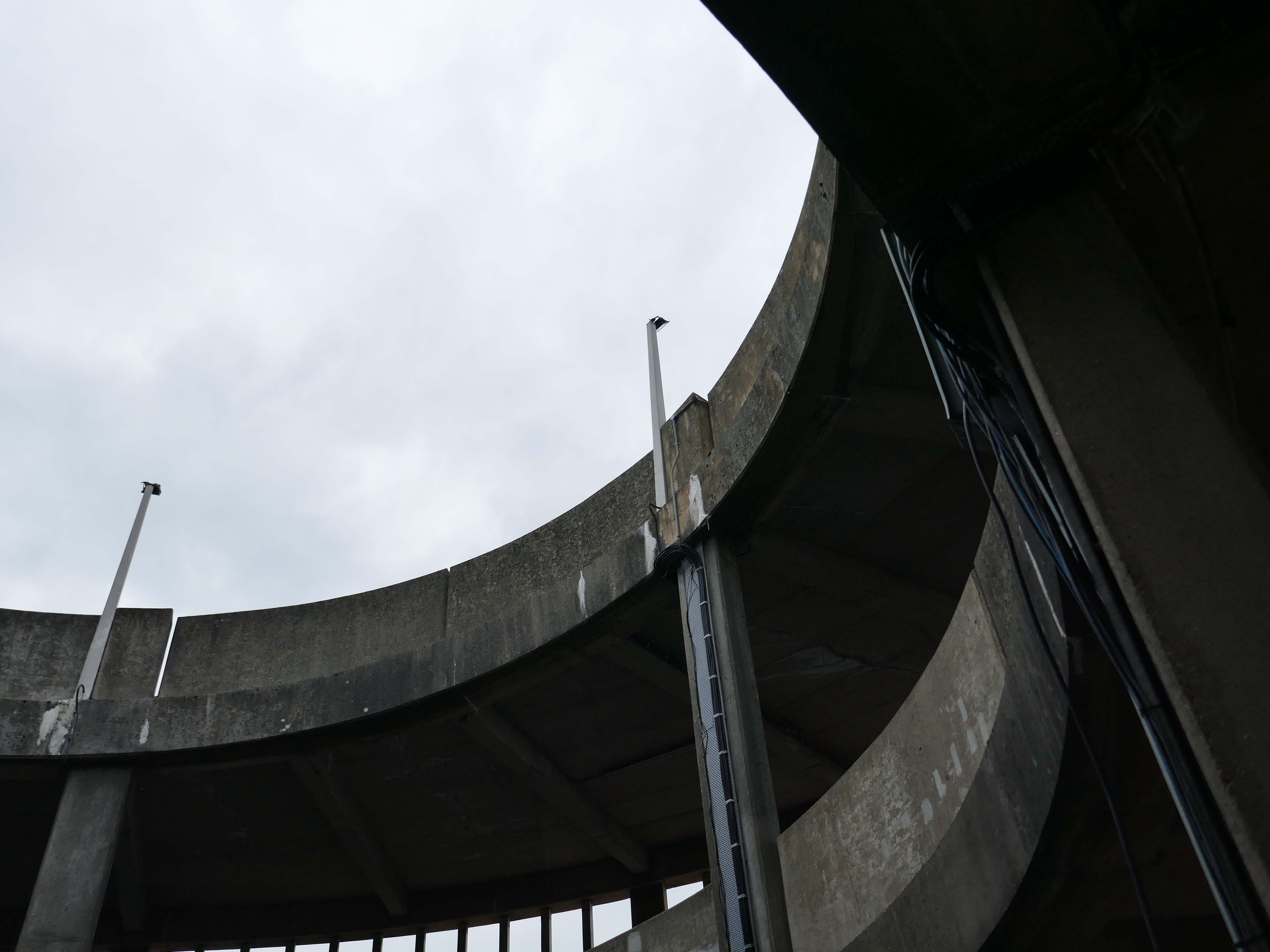
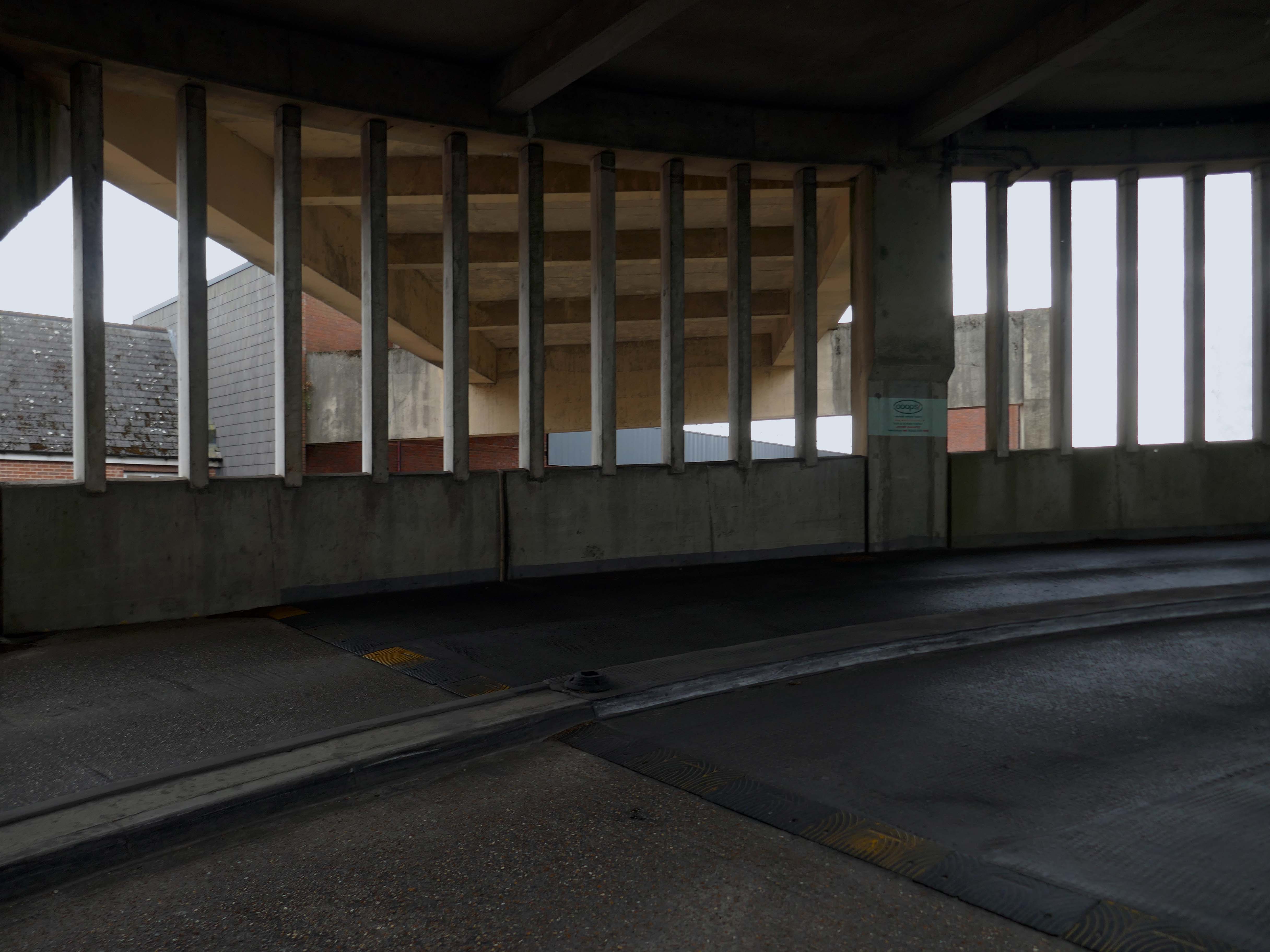
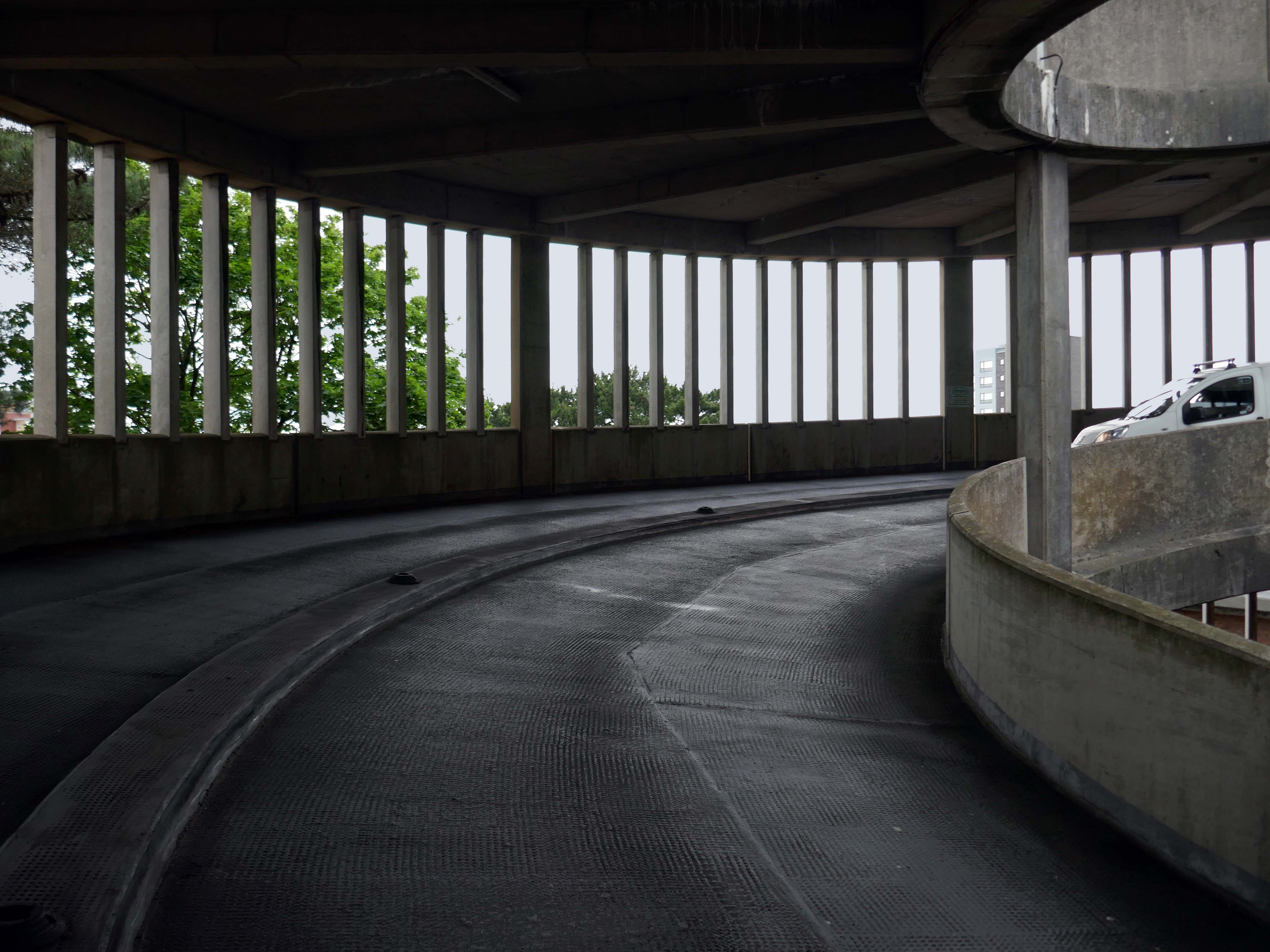
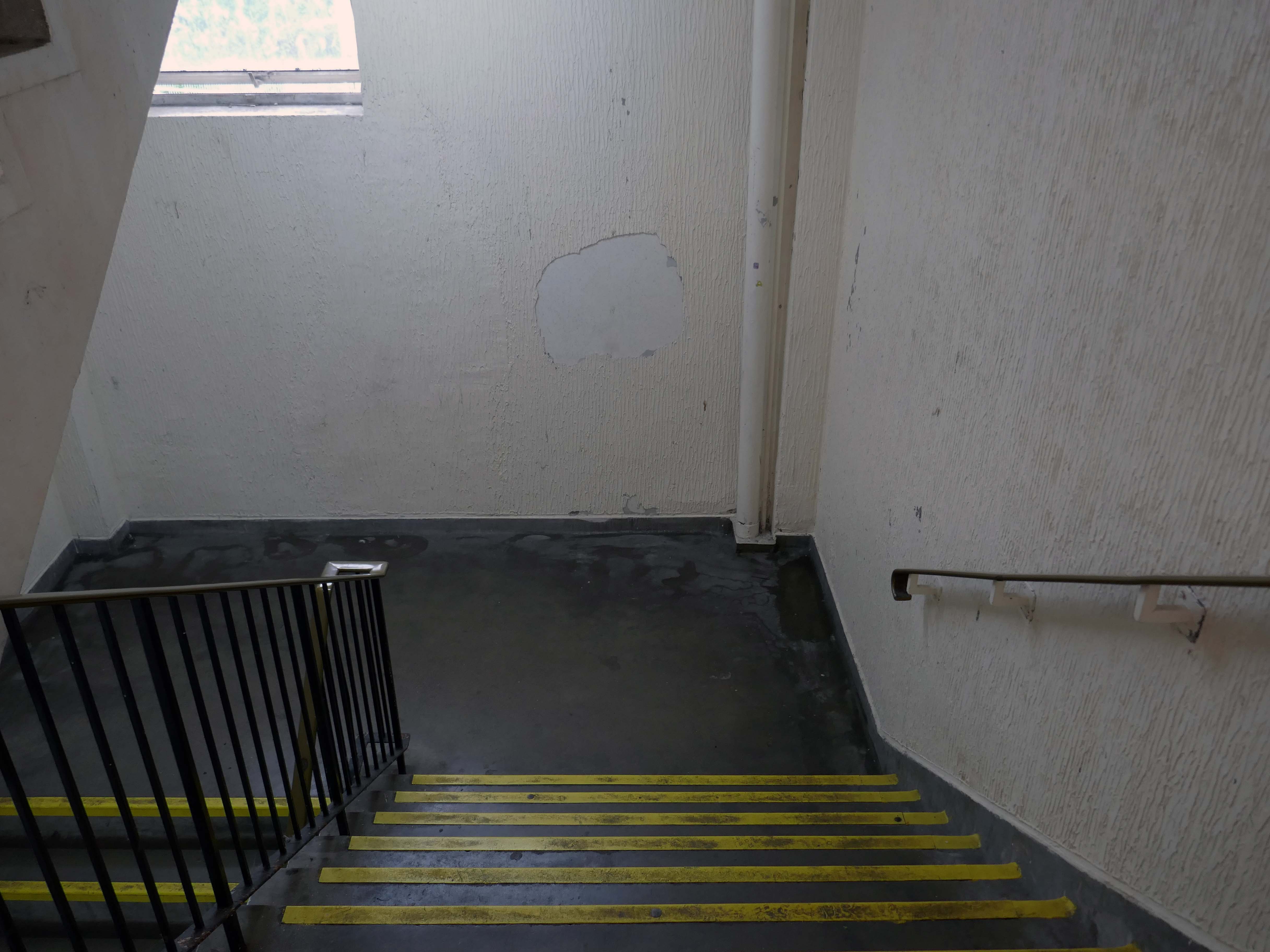
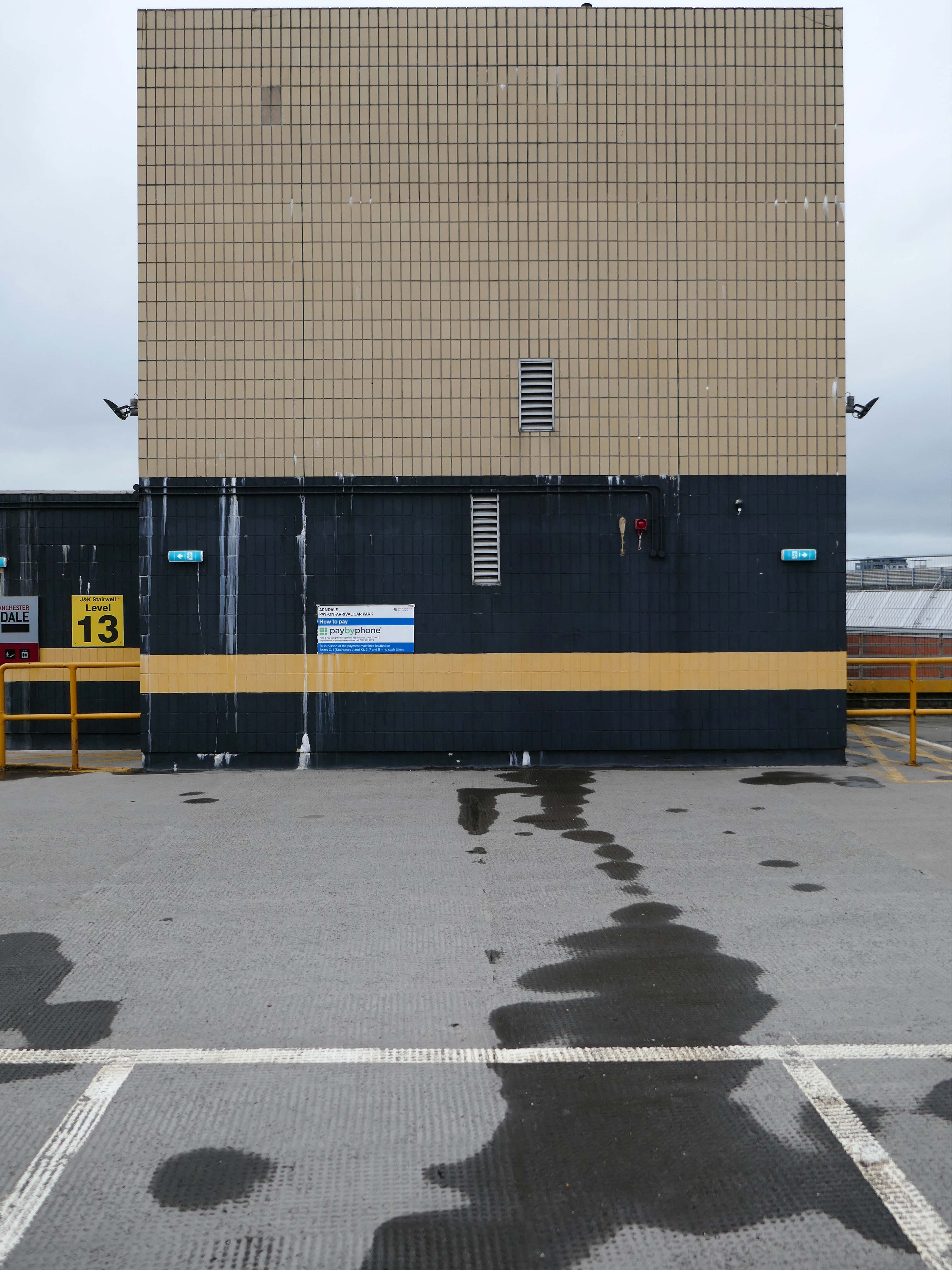
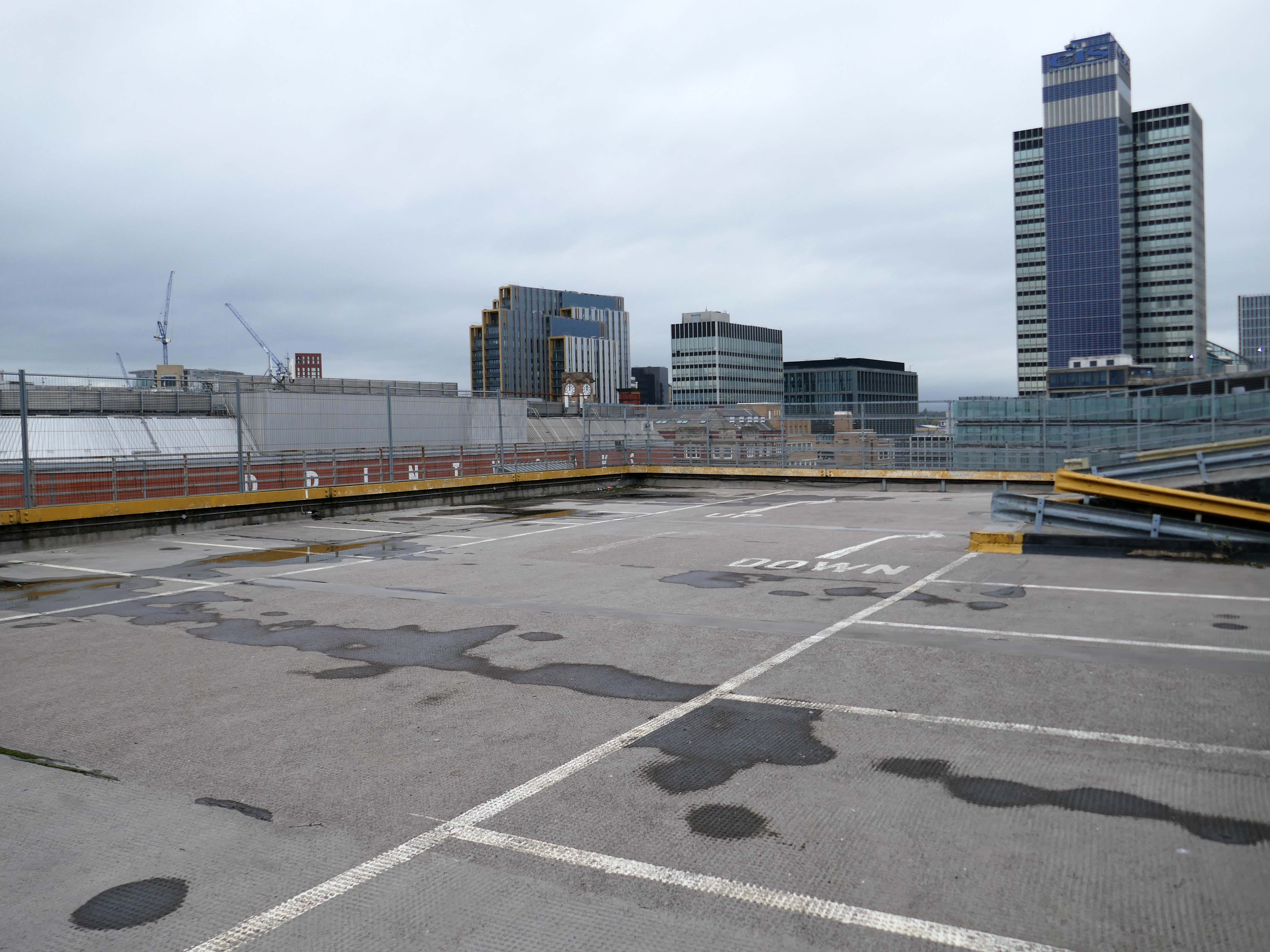
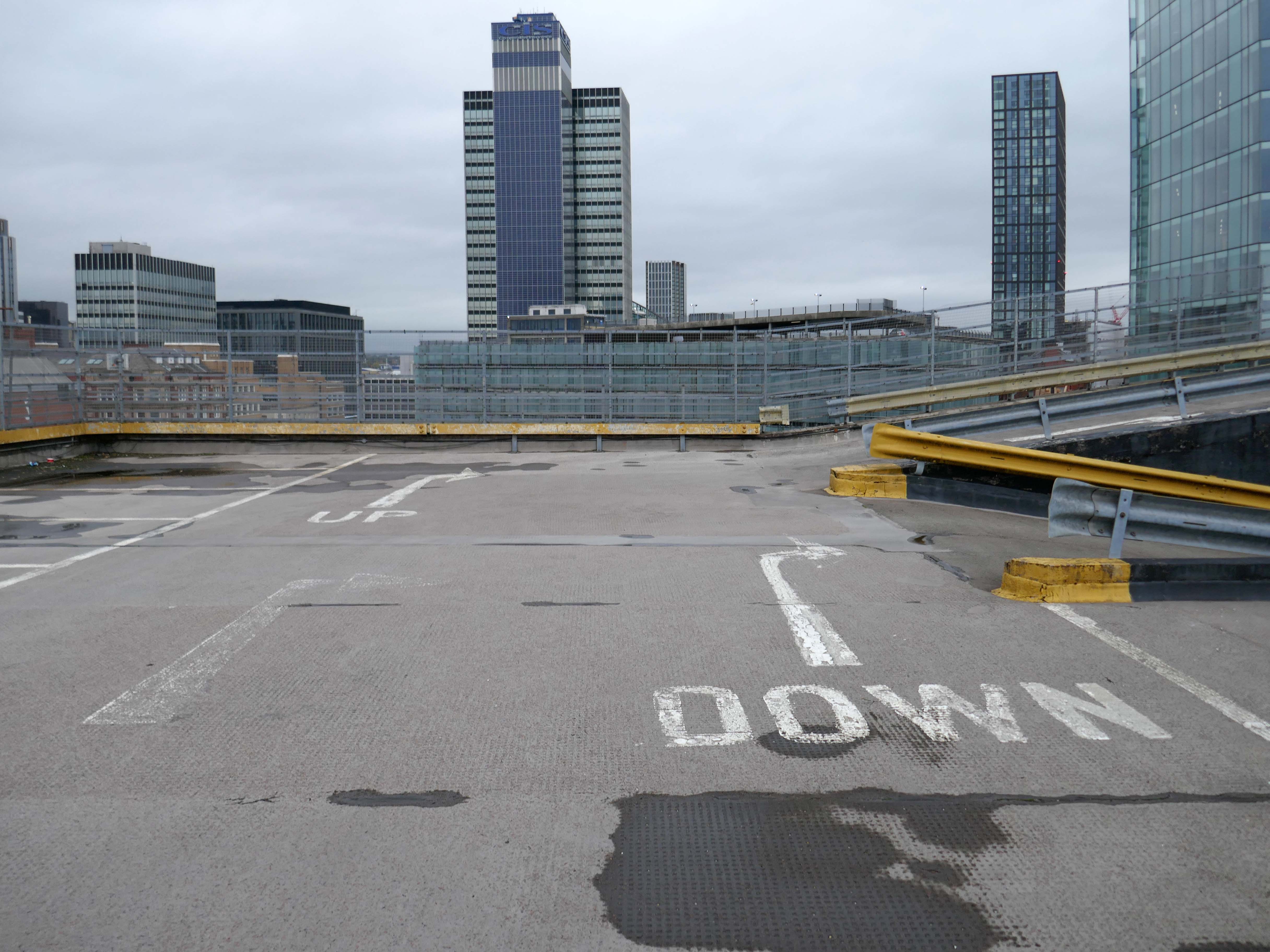
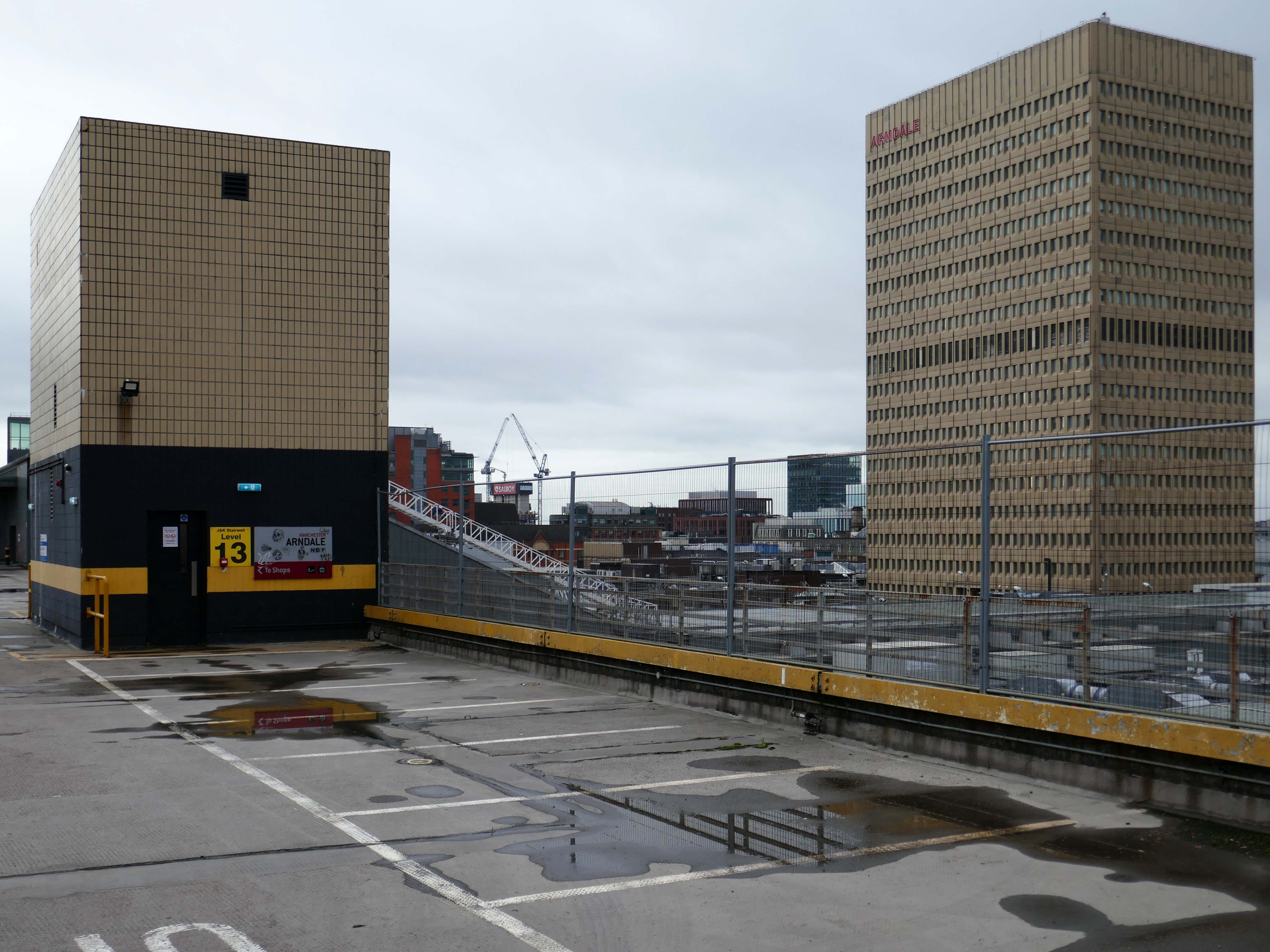
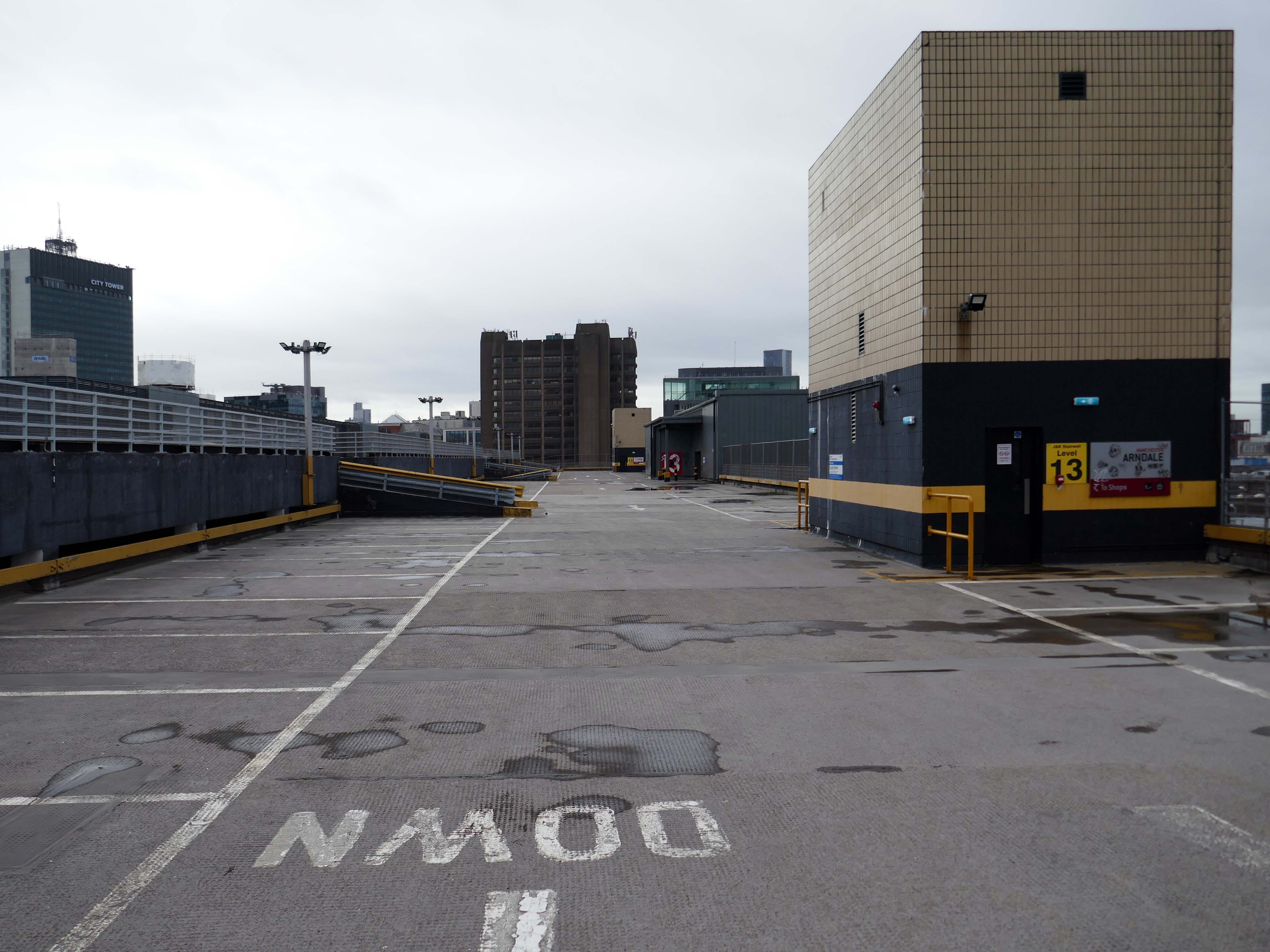
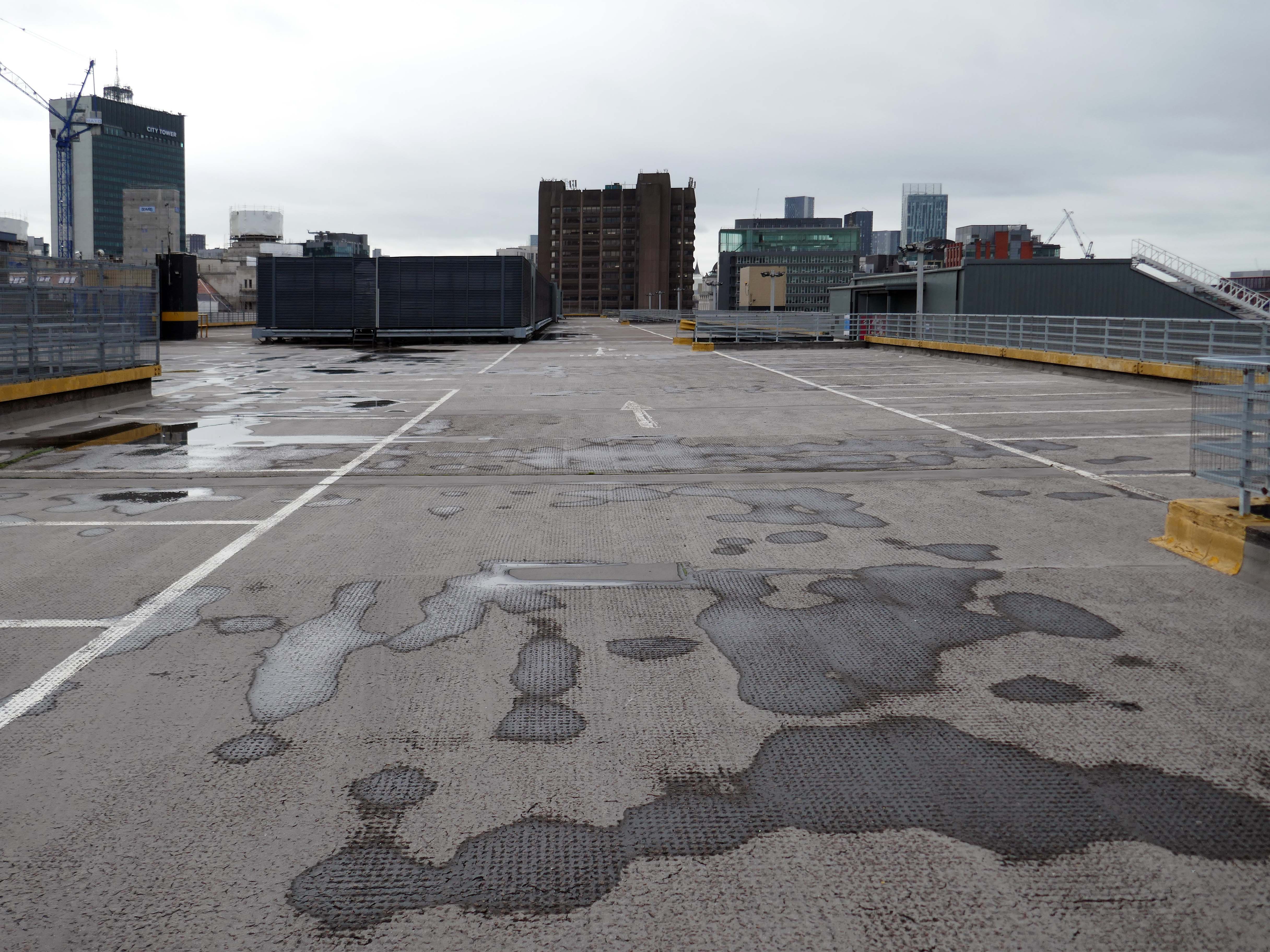
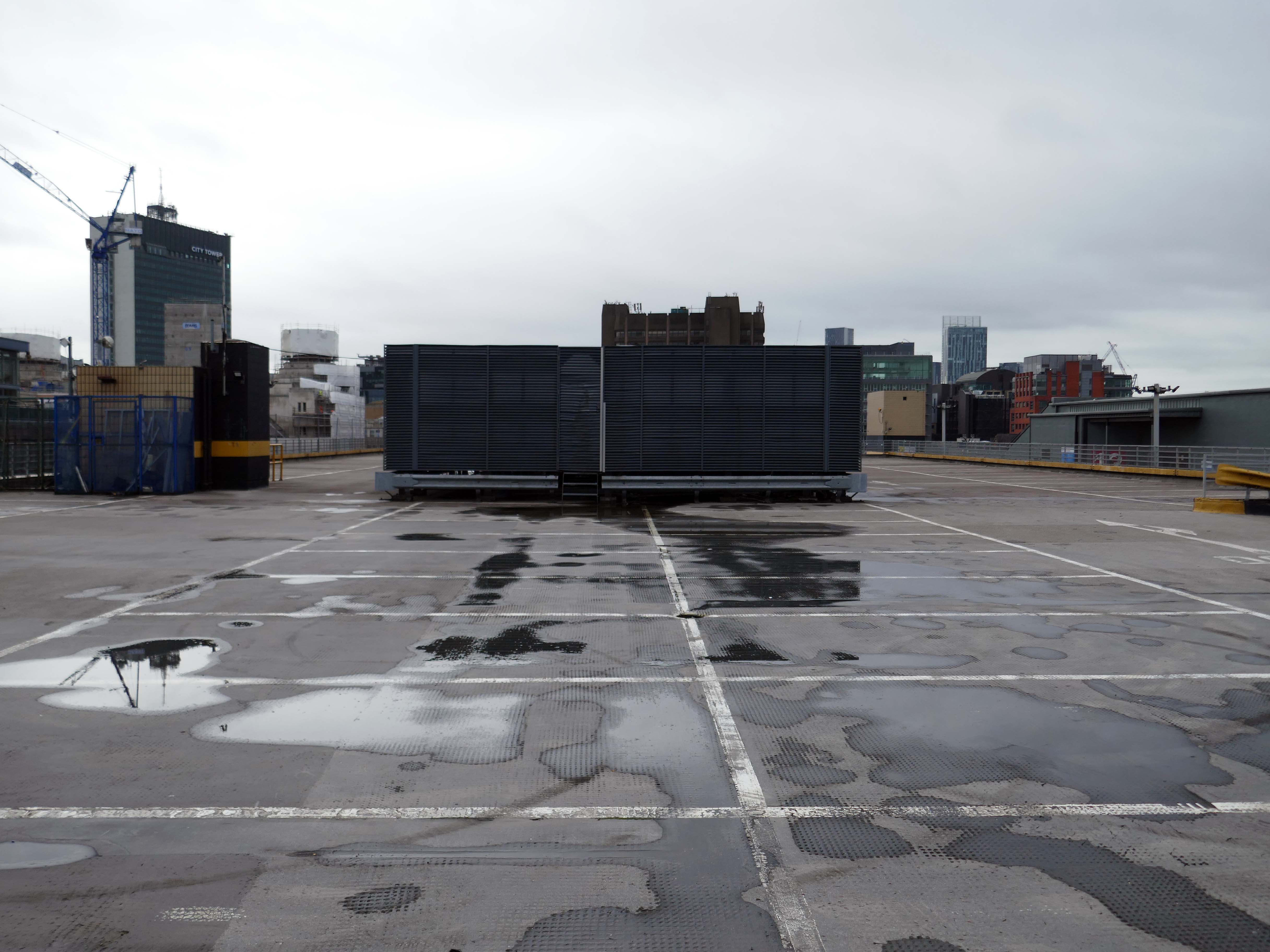
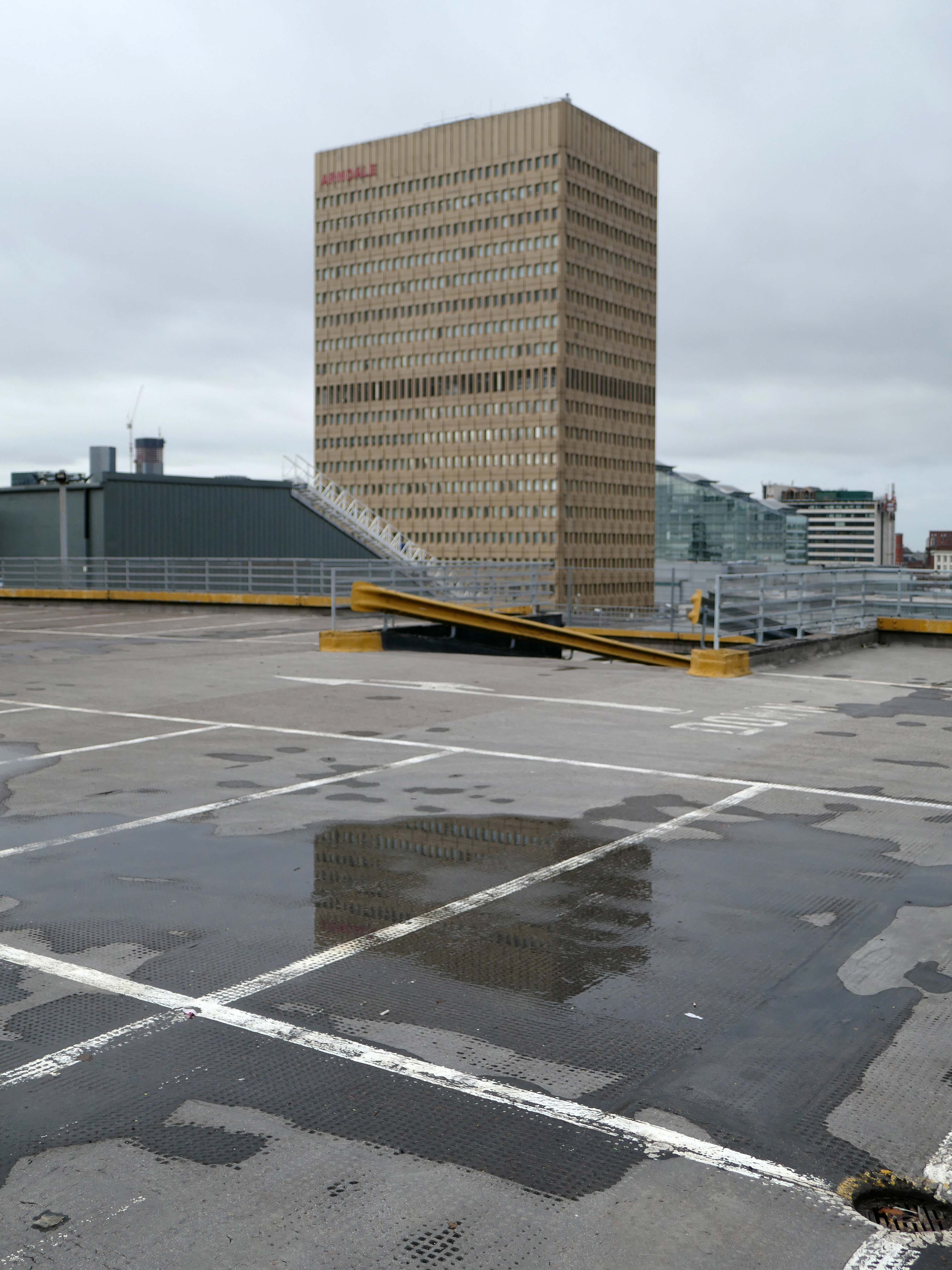
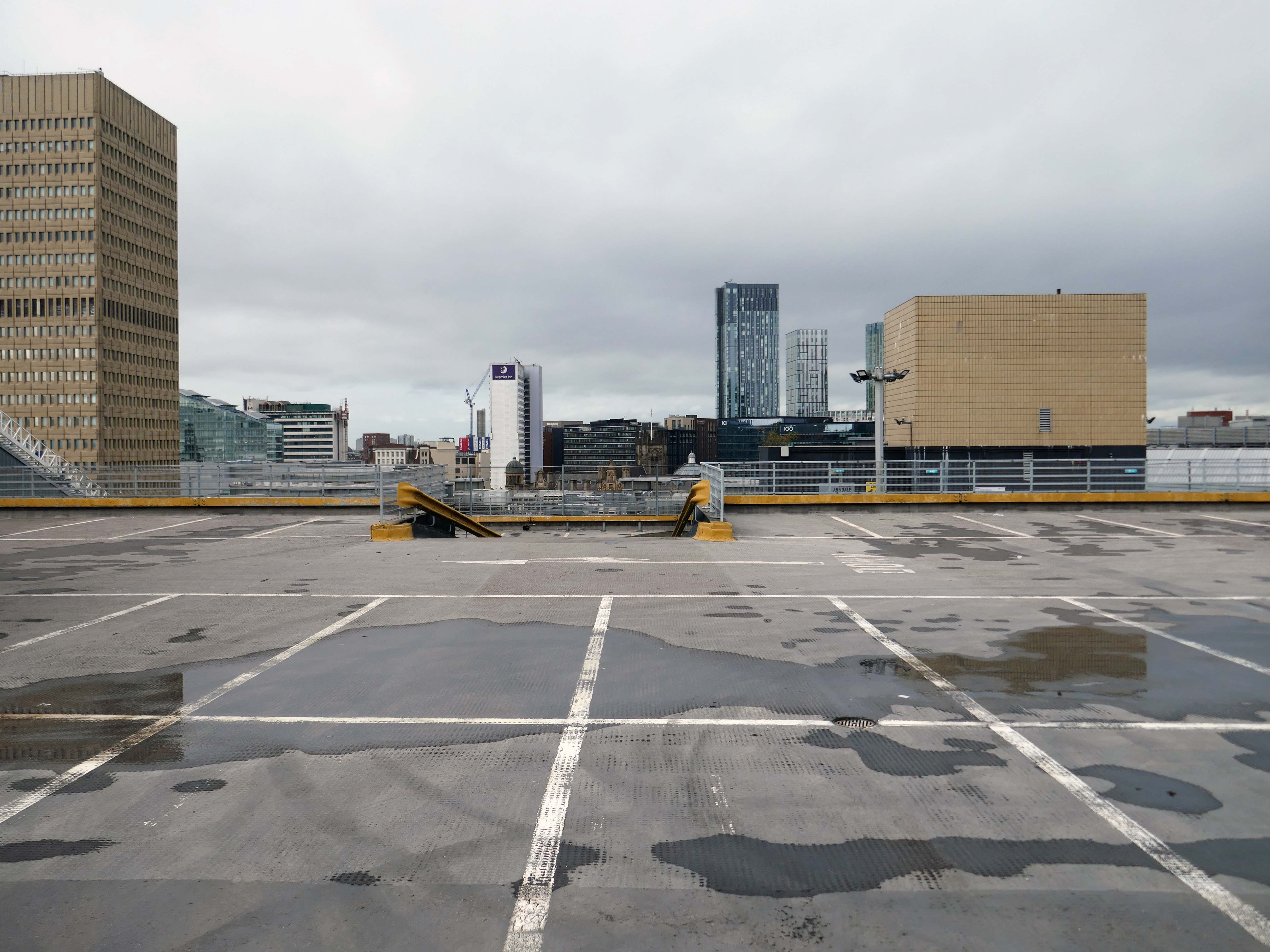
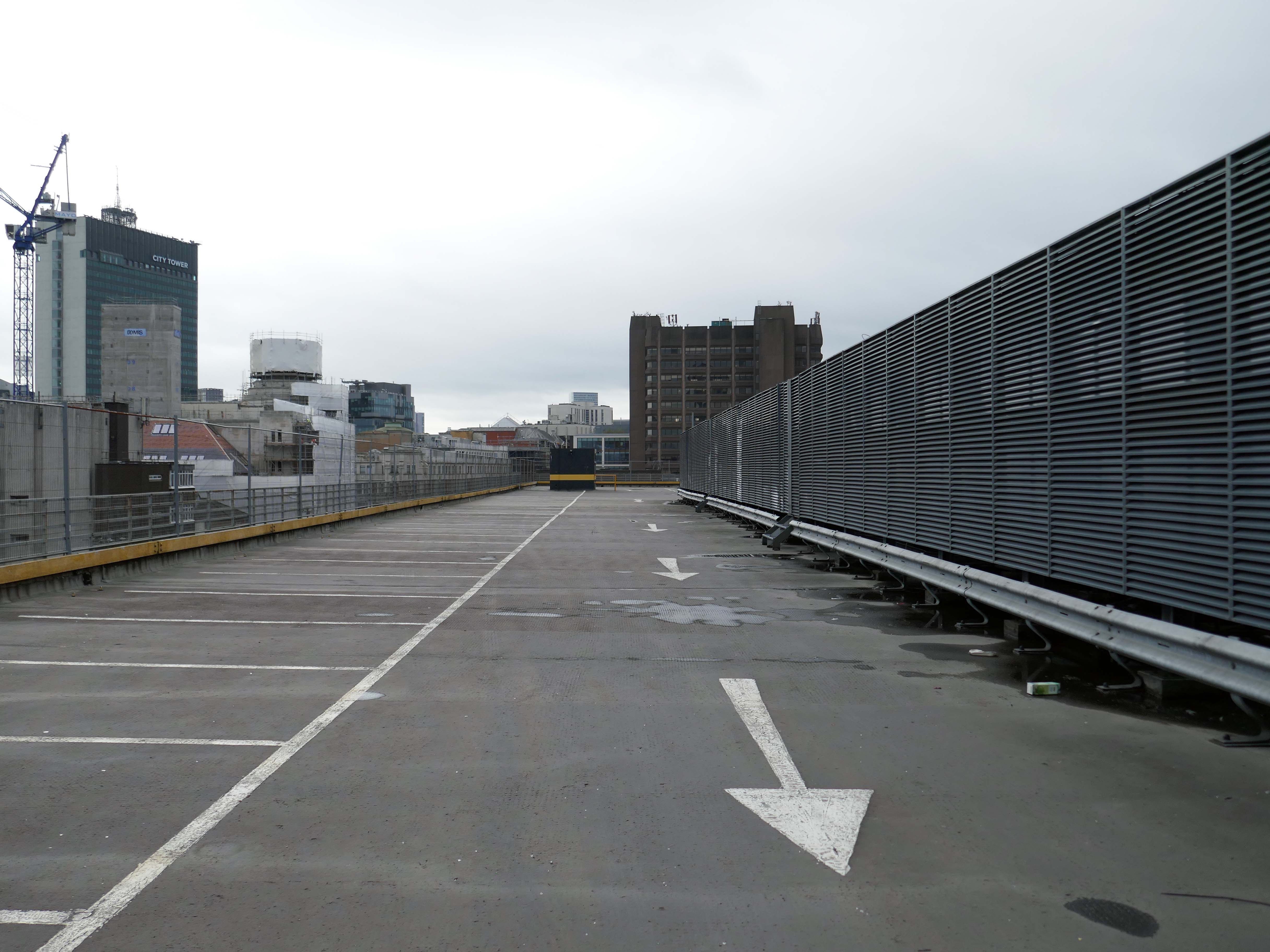
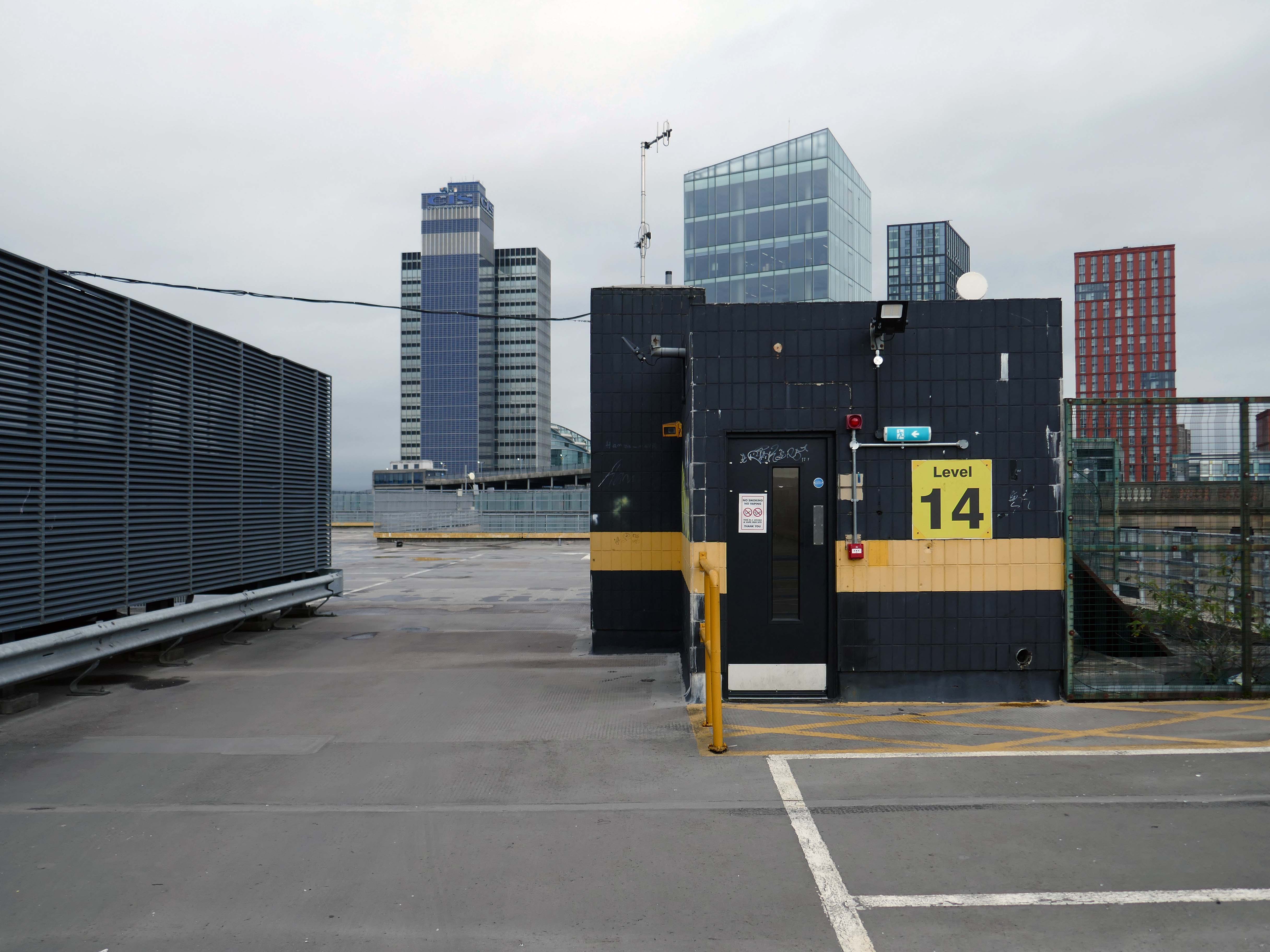
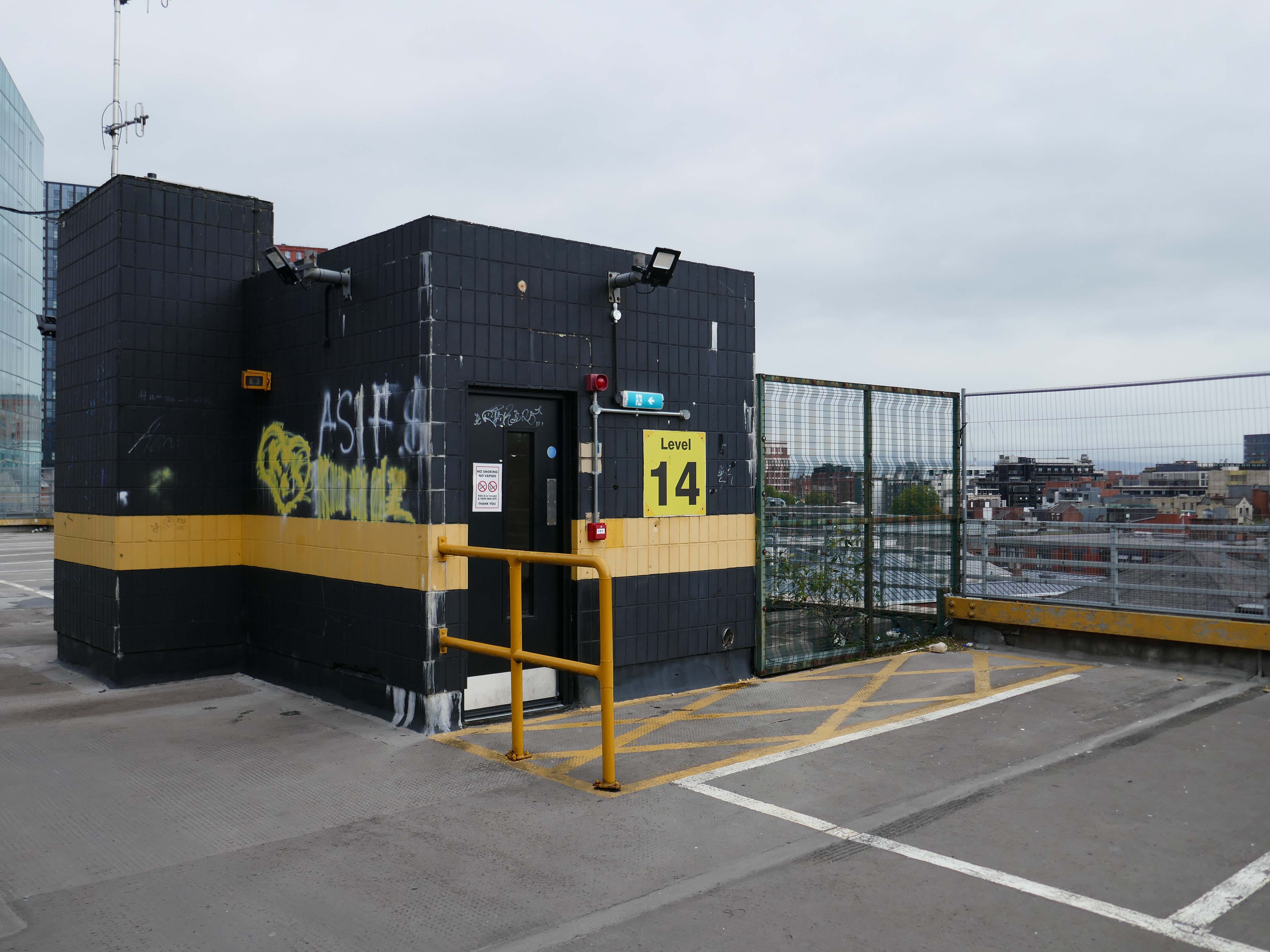
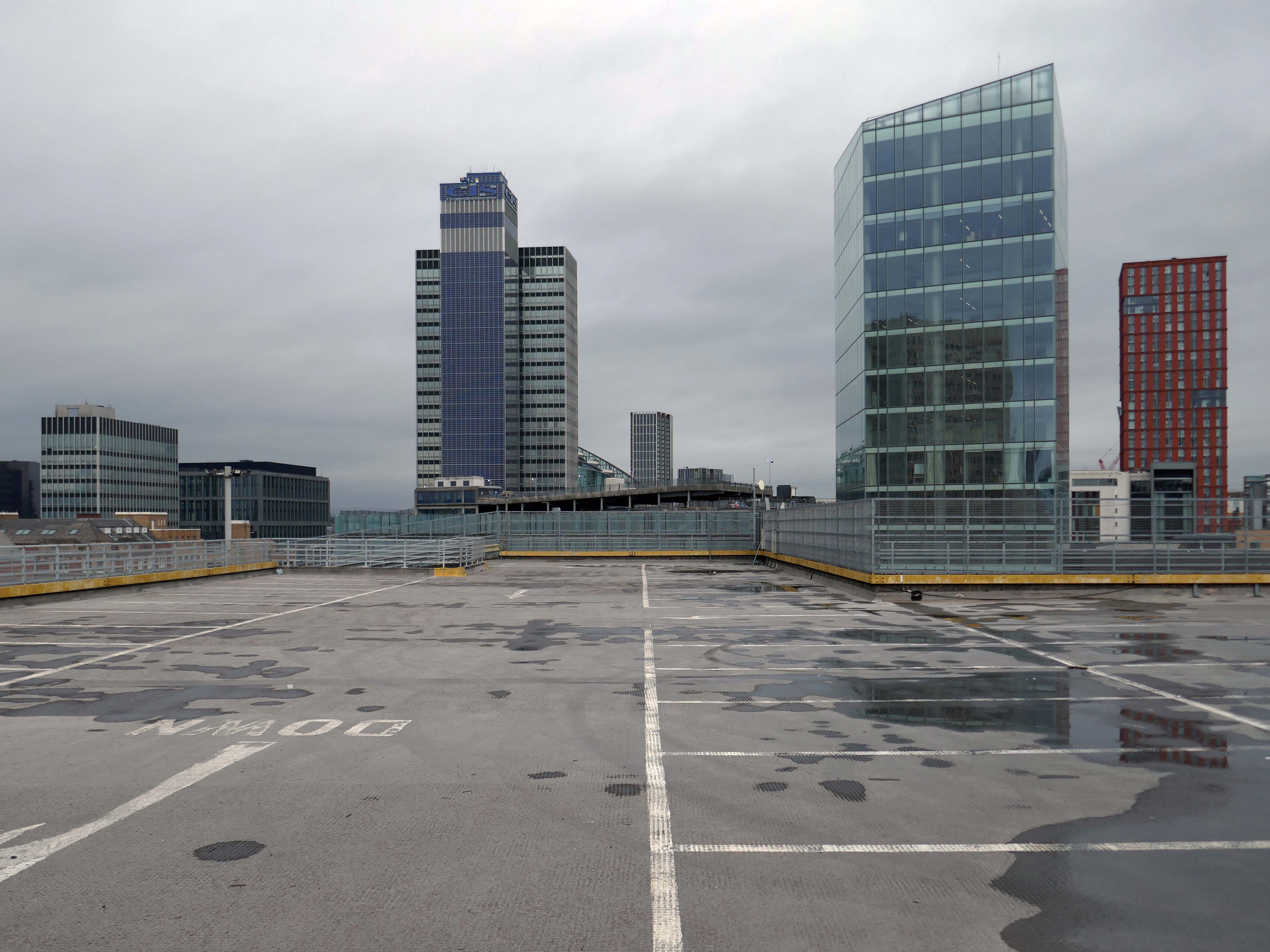
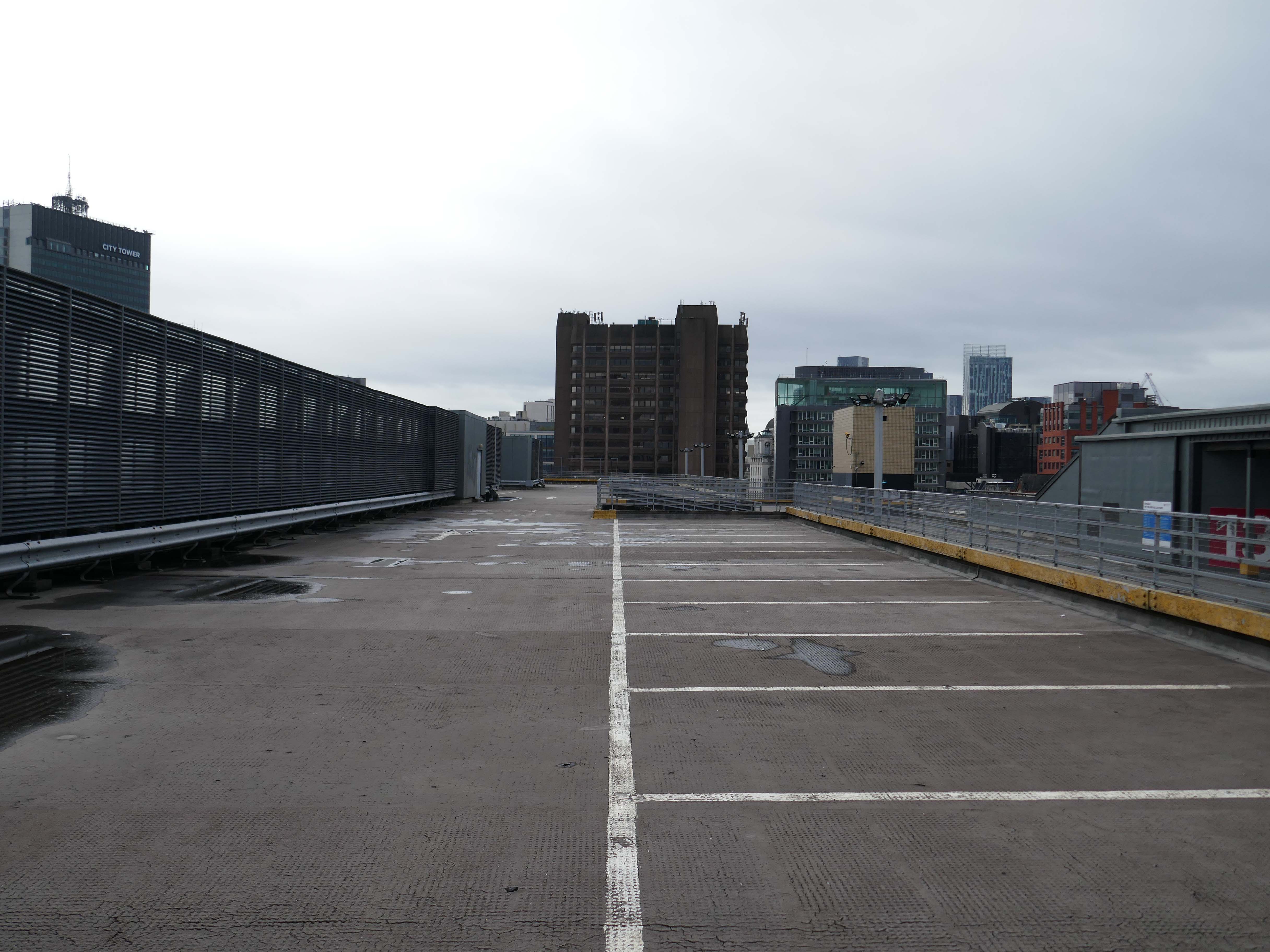
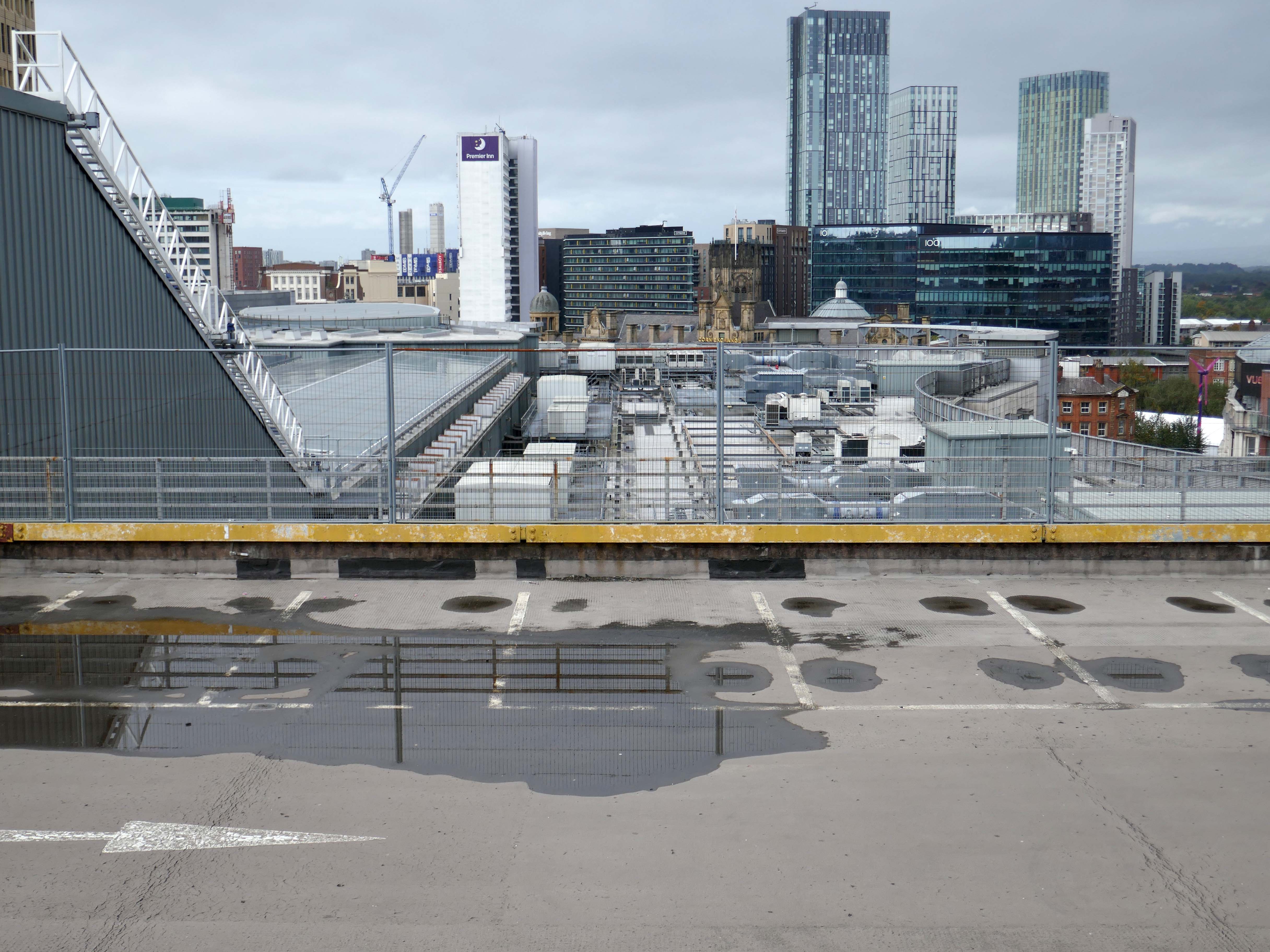
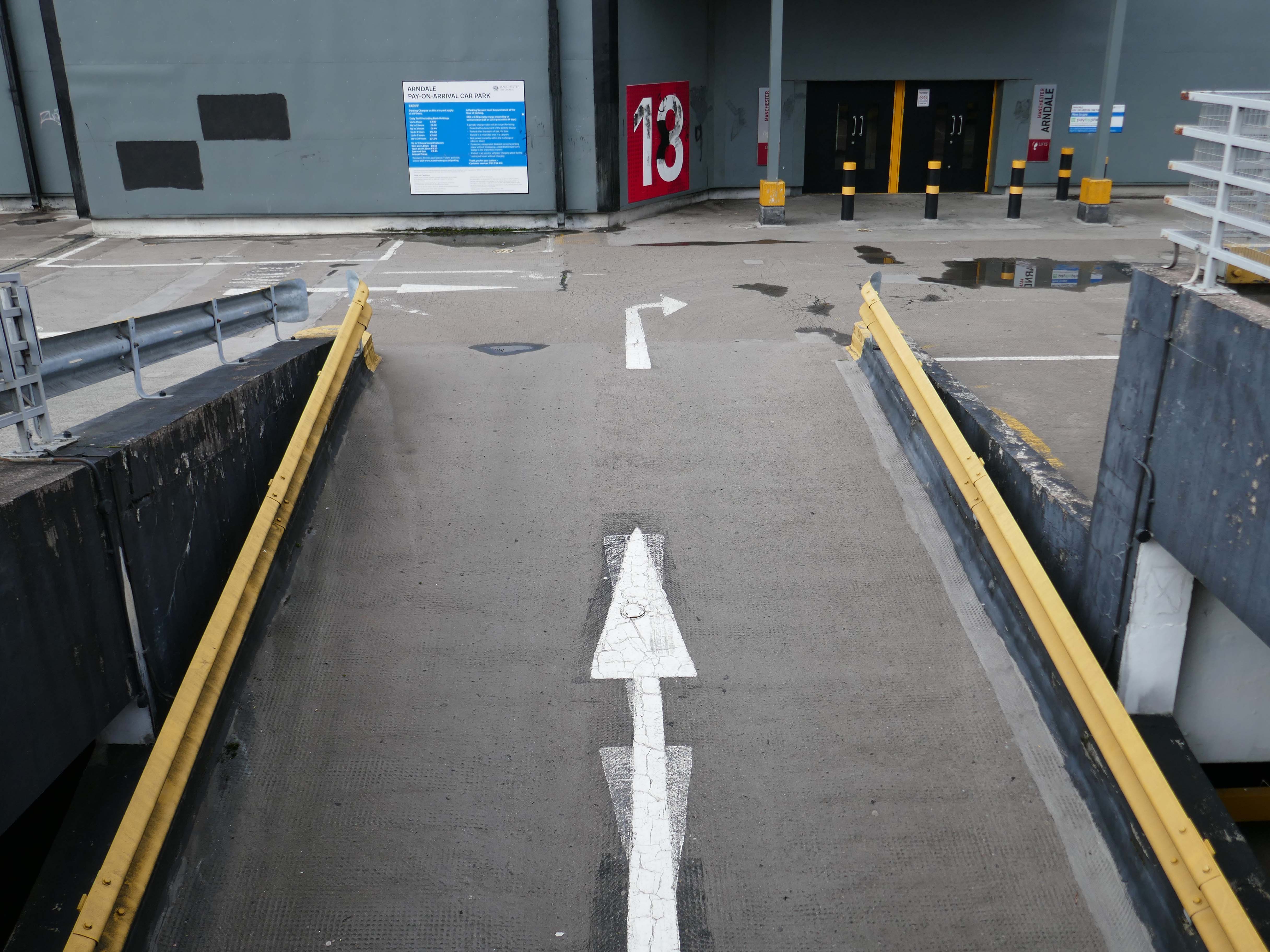
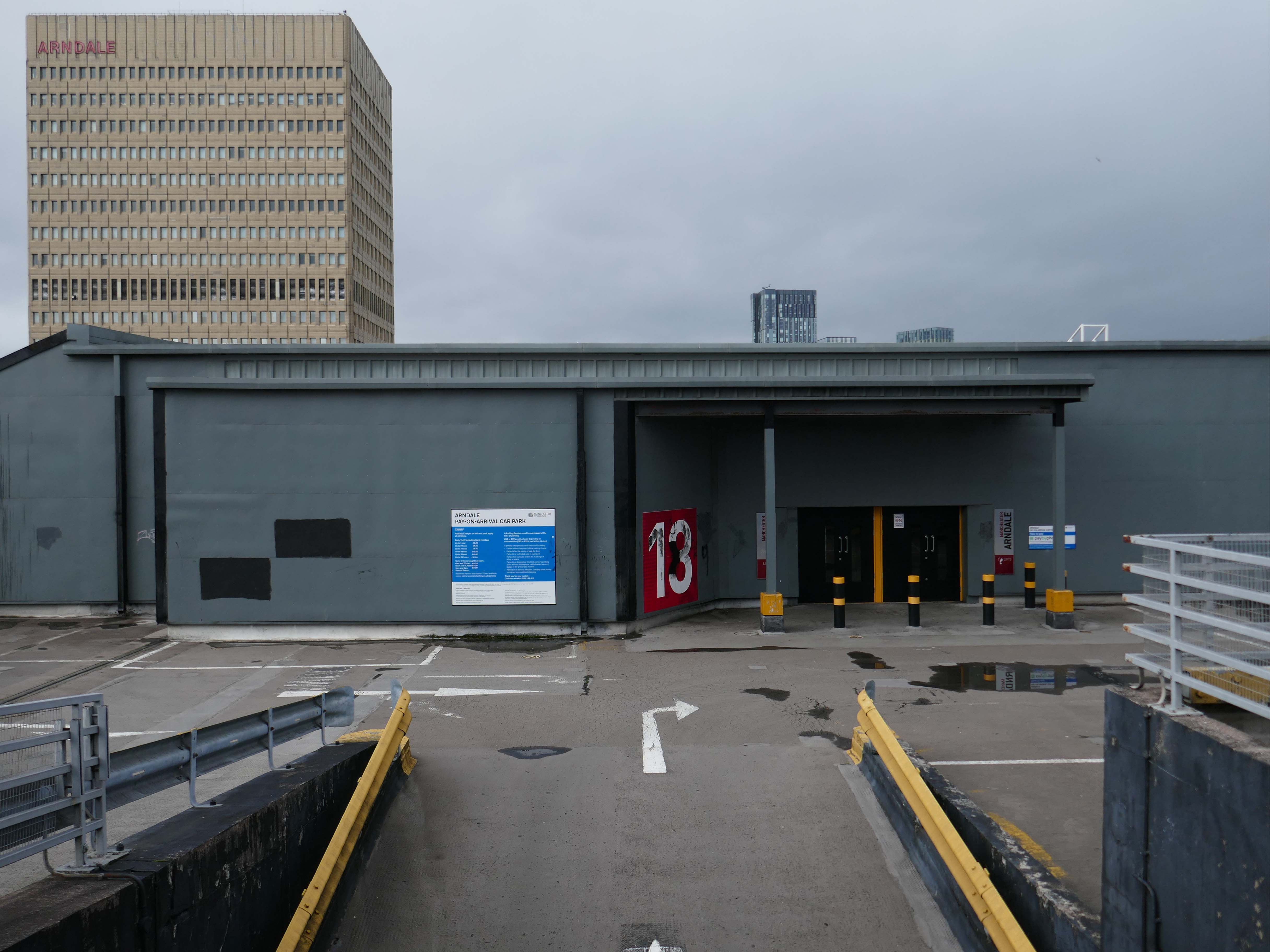
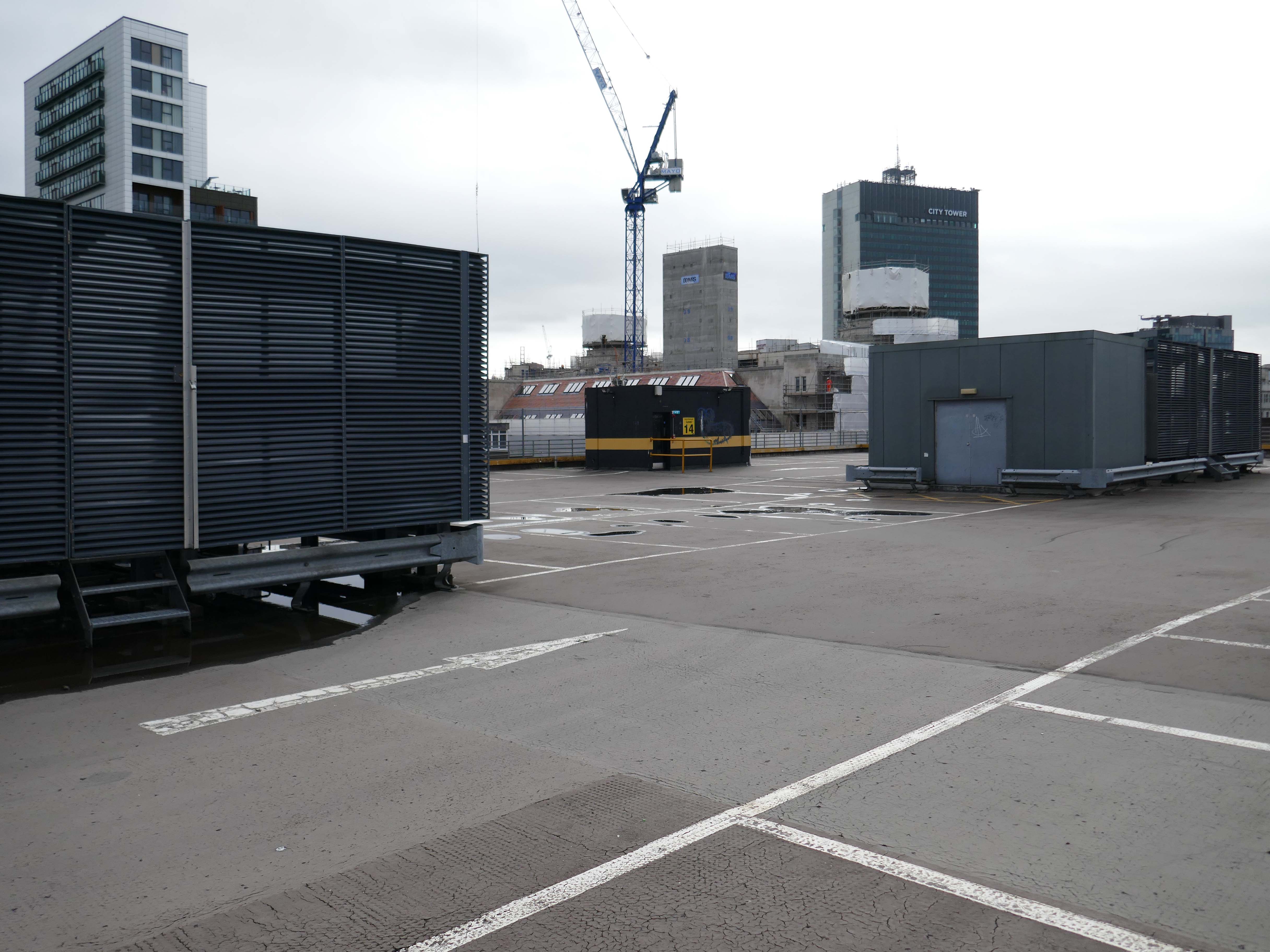
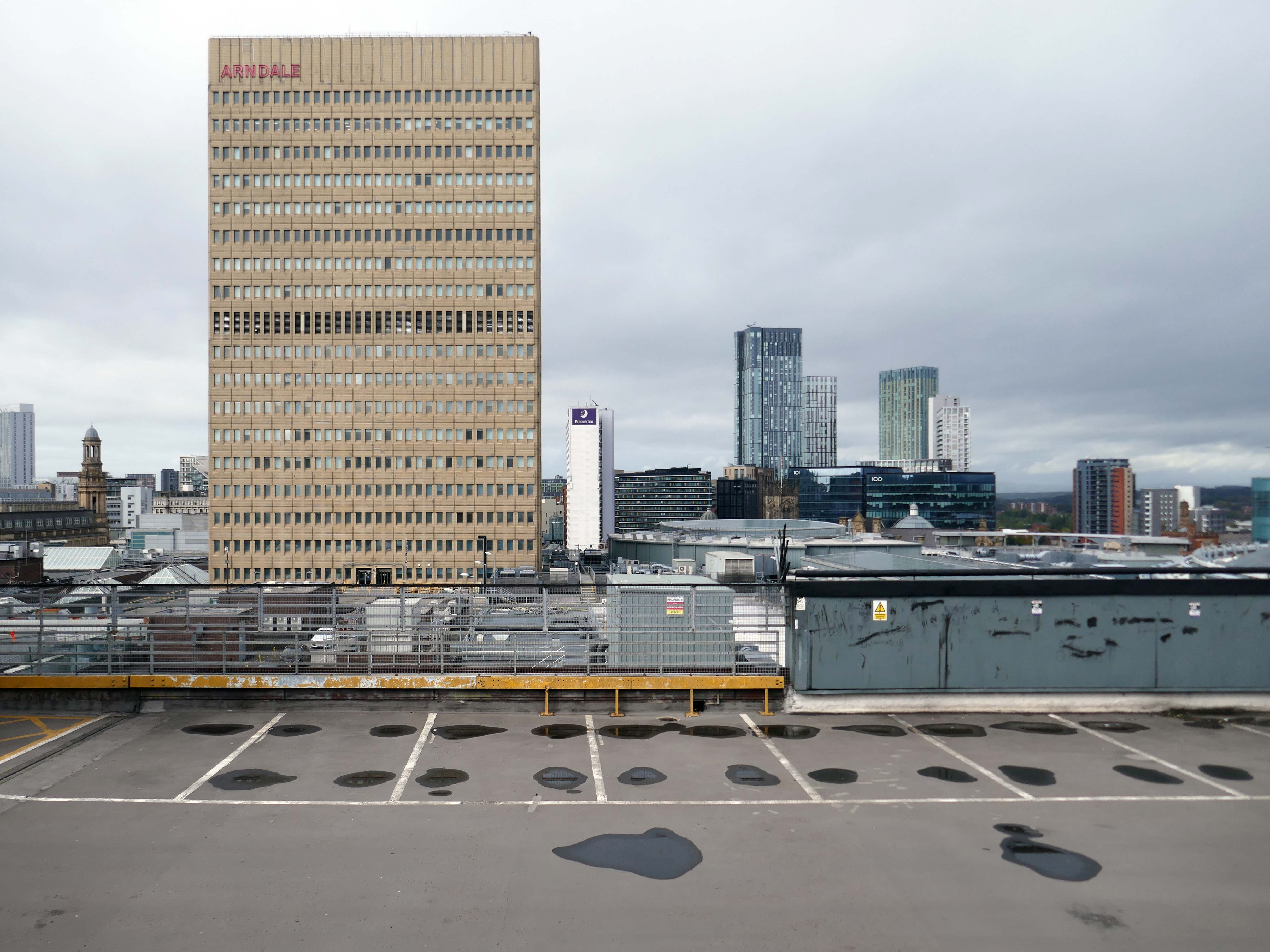
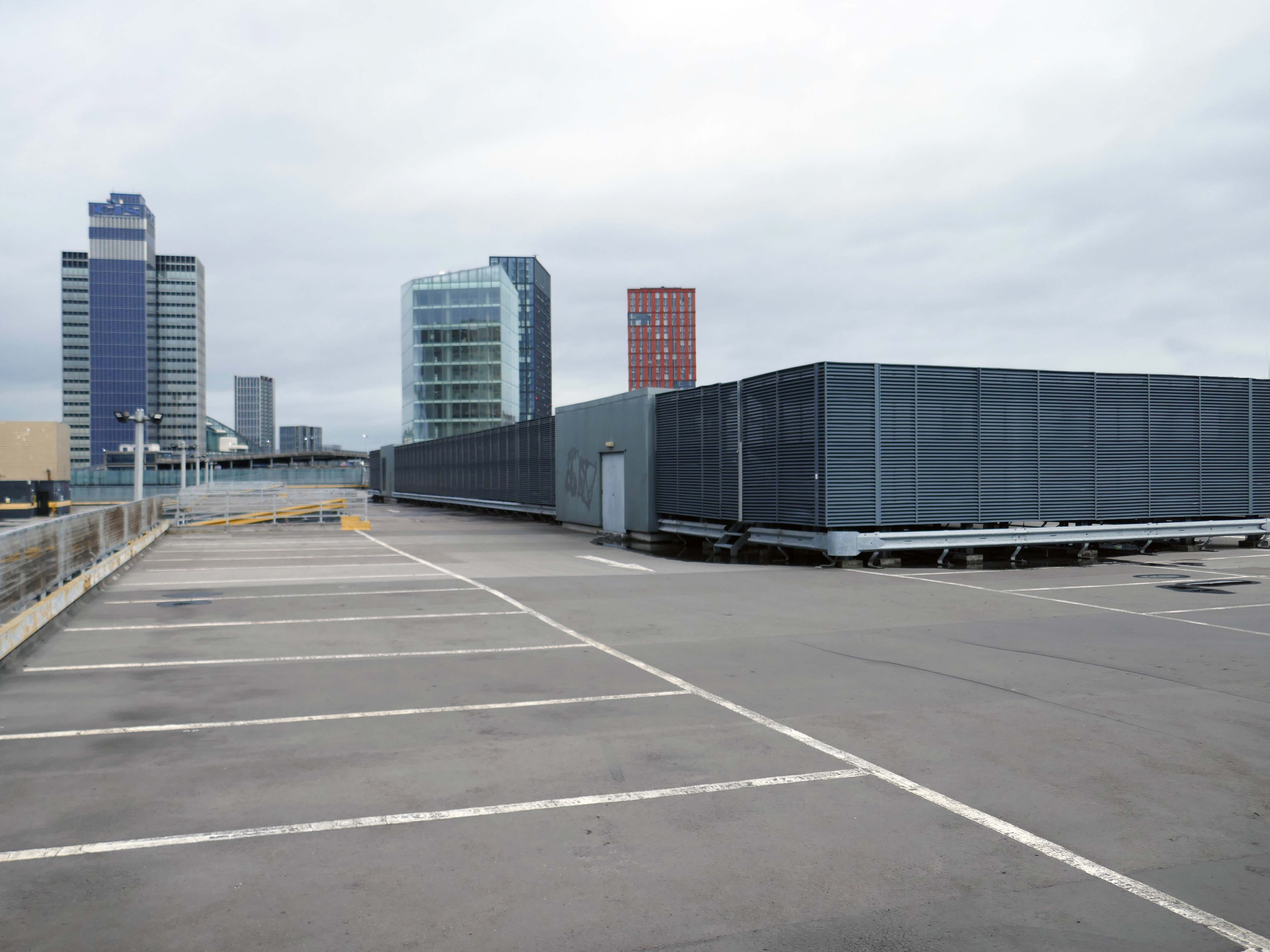
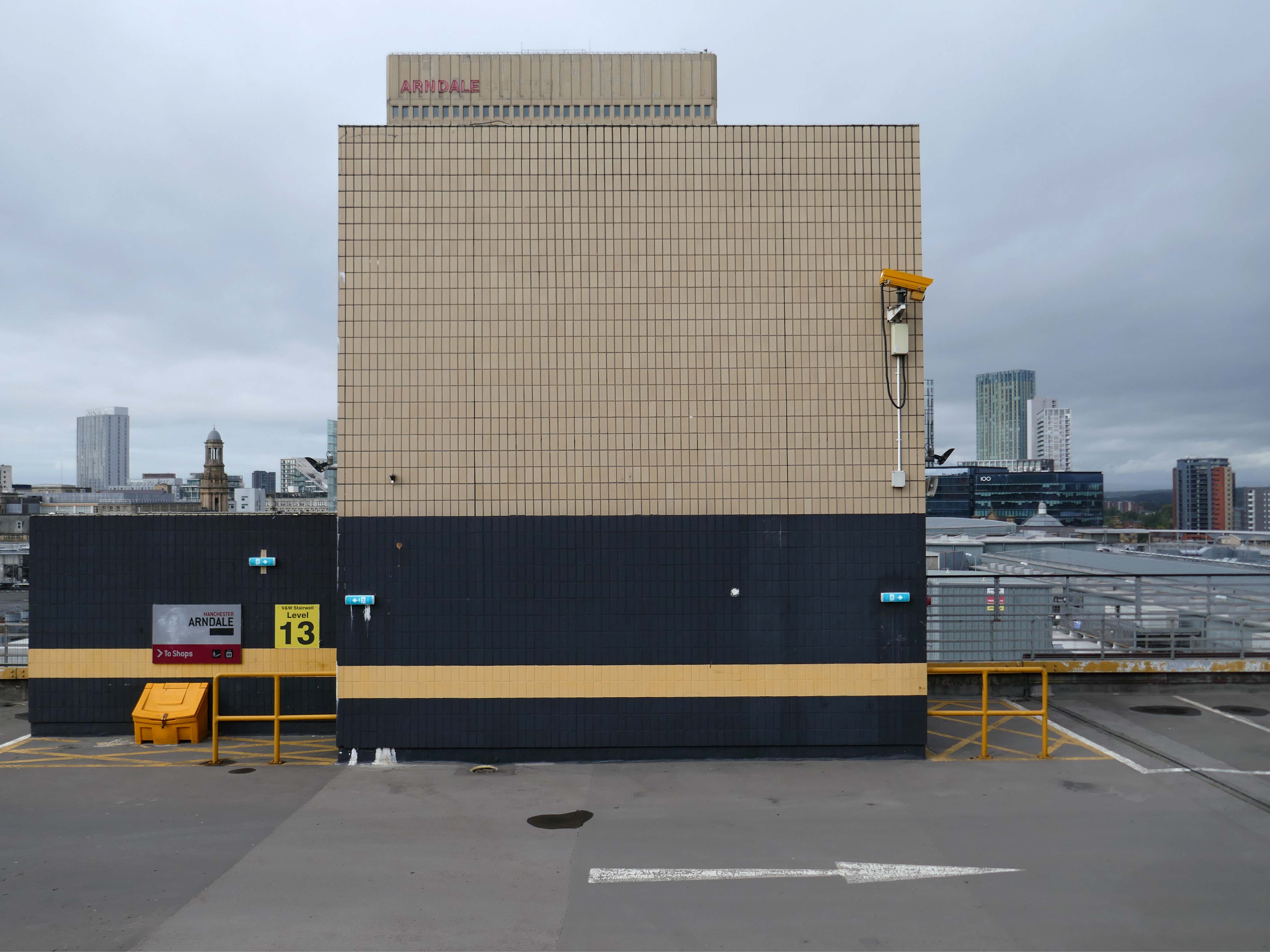
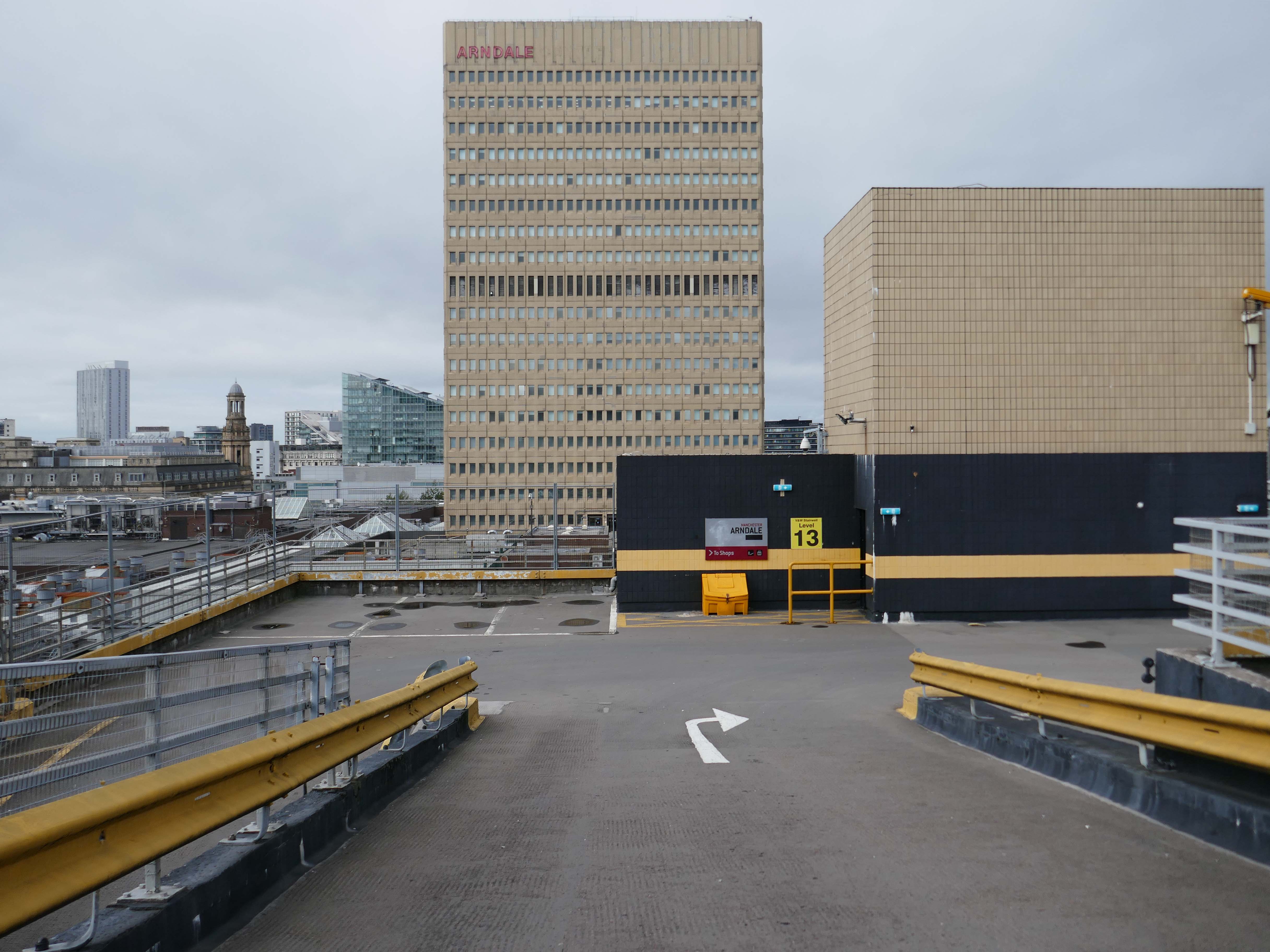
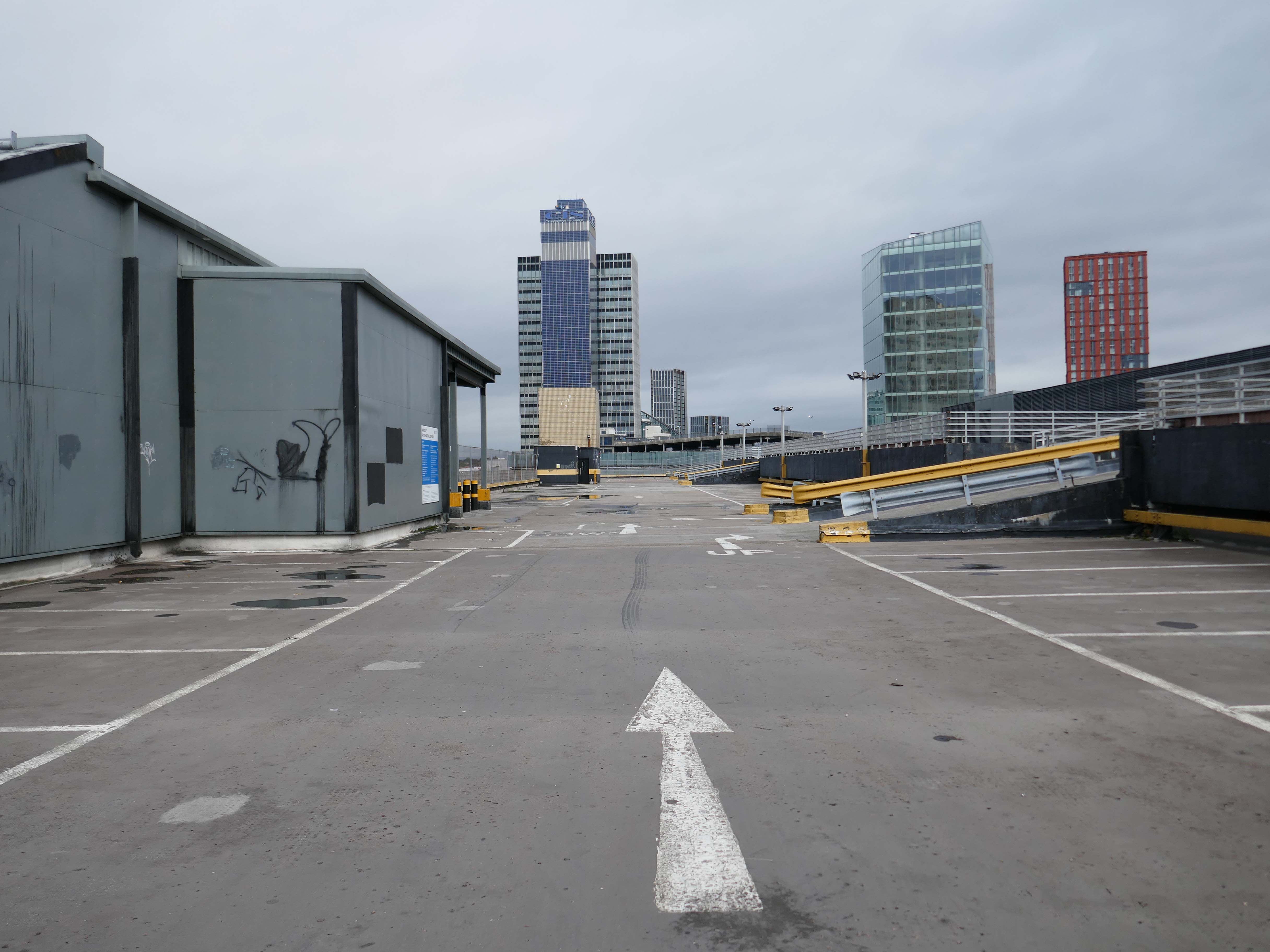
Being something of a car park aficionado I couldn’t resist walking up the ramp to take a look around.
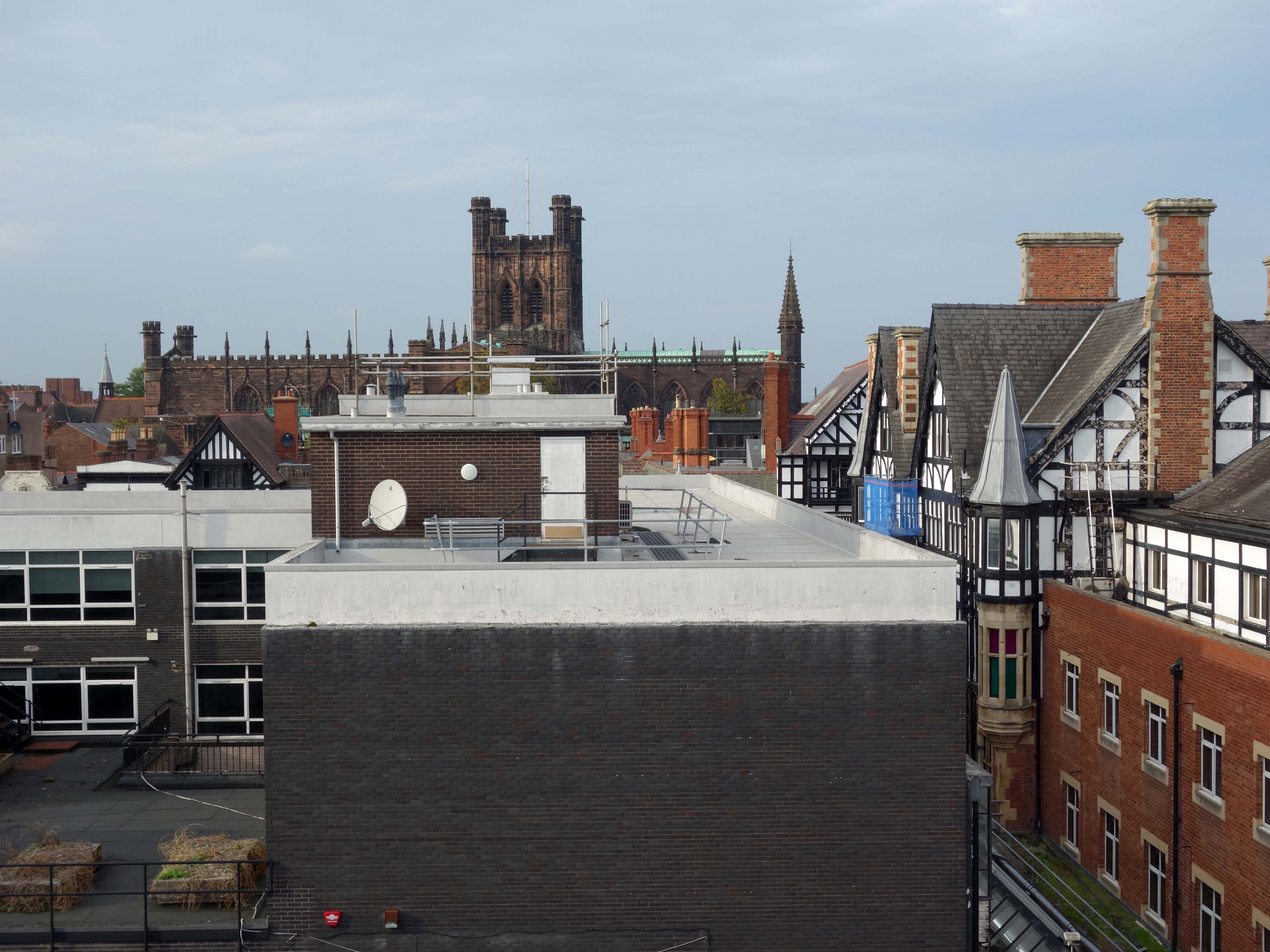
To the right is the tower of the Civic Centre, it was designed by Cecil Howitt & Partners, and the topping out ceremony was held on 18 June 1976.
Plans are underway at the Civic Centre, the largest site in the regeneration project, to create a vibrant community providing 838 homes rising up to 15-storeys with mixed-use commercial spaces on the ground floor. This development will integrate seamlessly with the surrounding neighbourhood, particularly the nearby Former Magistrates’ Court site.
The Civic Tower at the edge of the site will be retained and redeveloped as a hotel in a later phase.
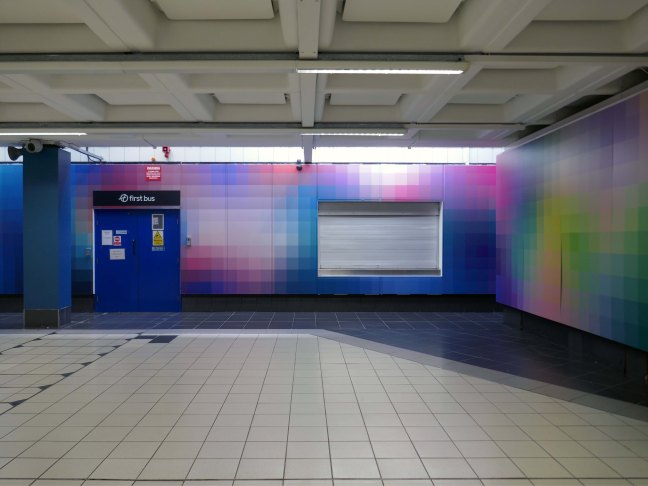
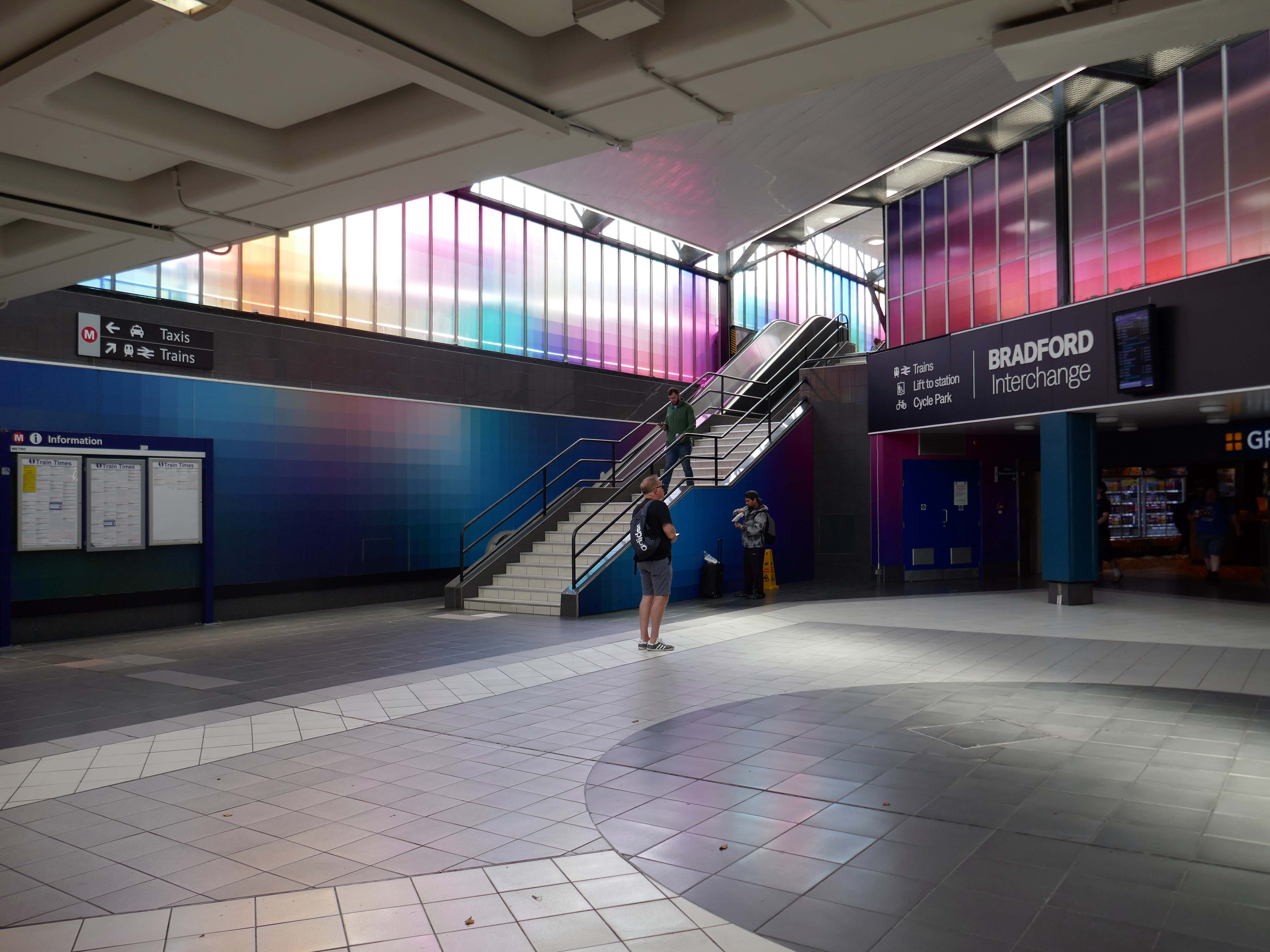
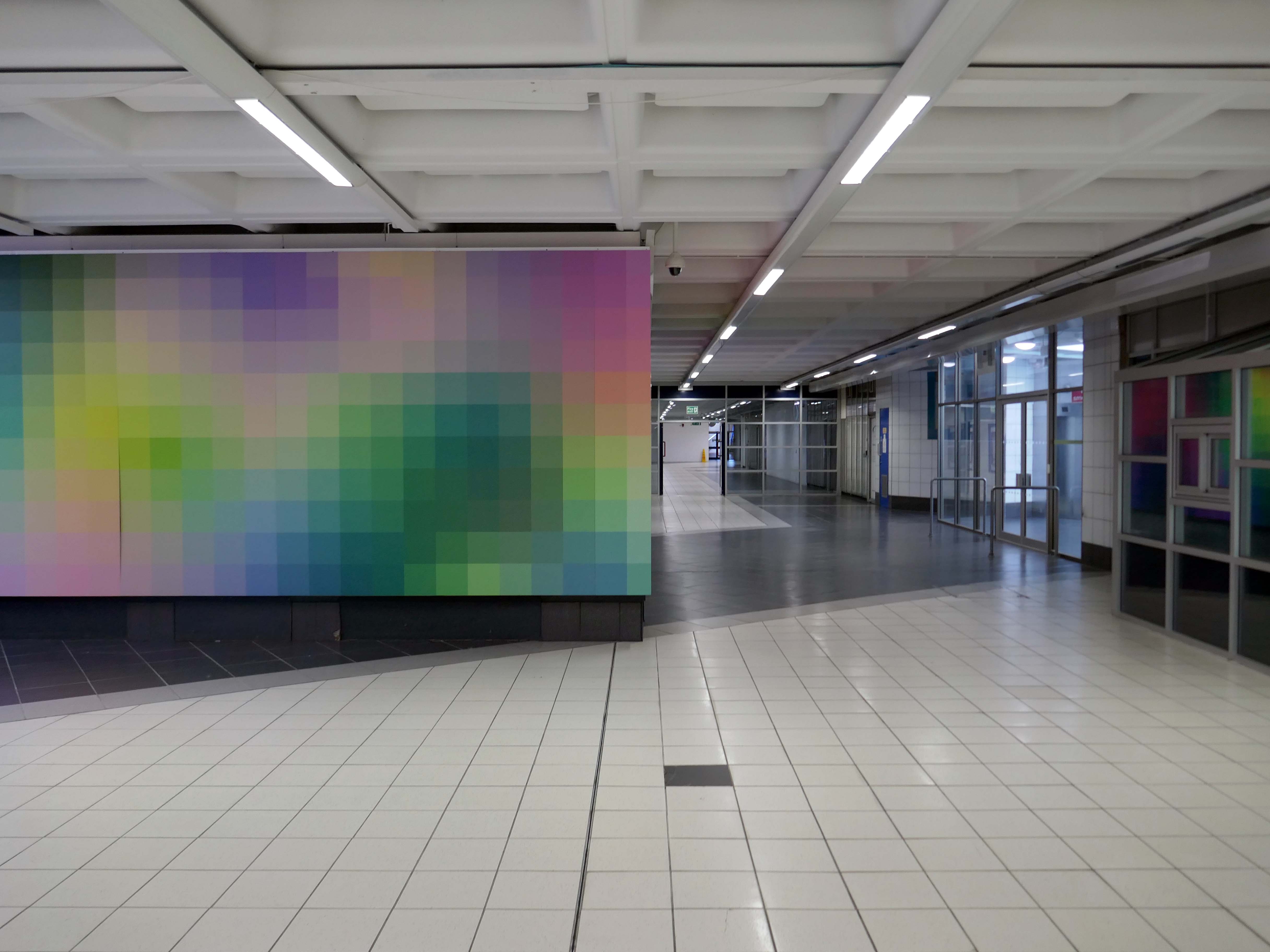
Saturday 25th July arriving in bright sunshine at the Bradford Interchange – architects WC Brown City Architect and RL Moorcroft BR 1971.
Which has been transformed for the City of Culture 2025 by Bigg Design, with their multicoloured panels.
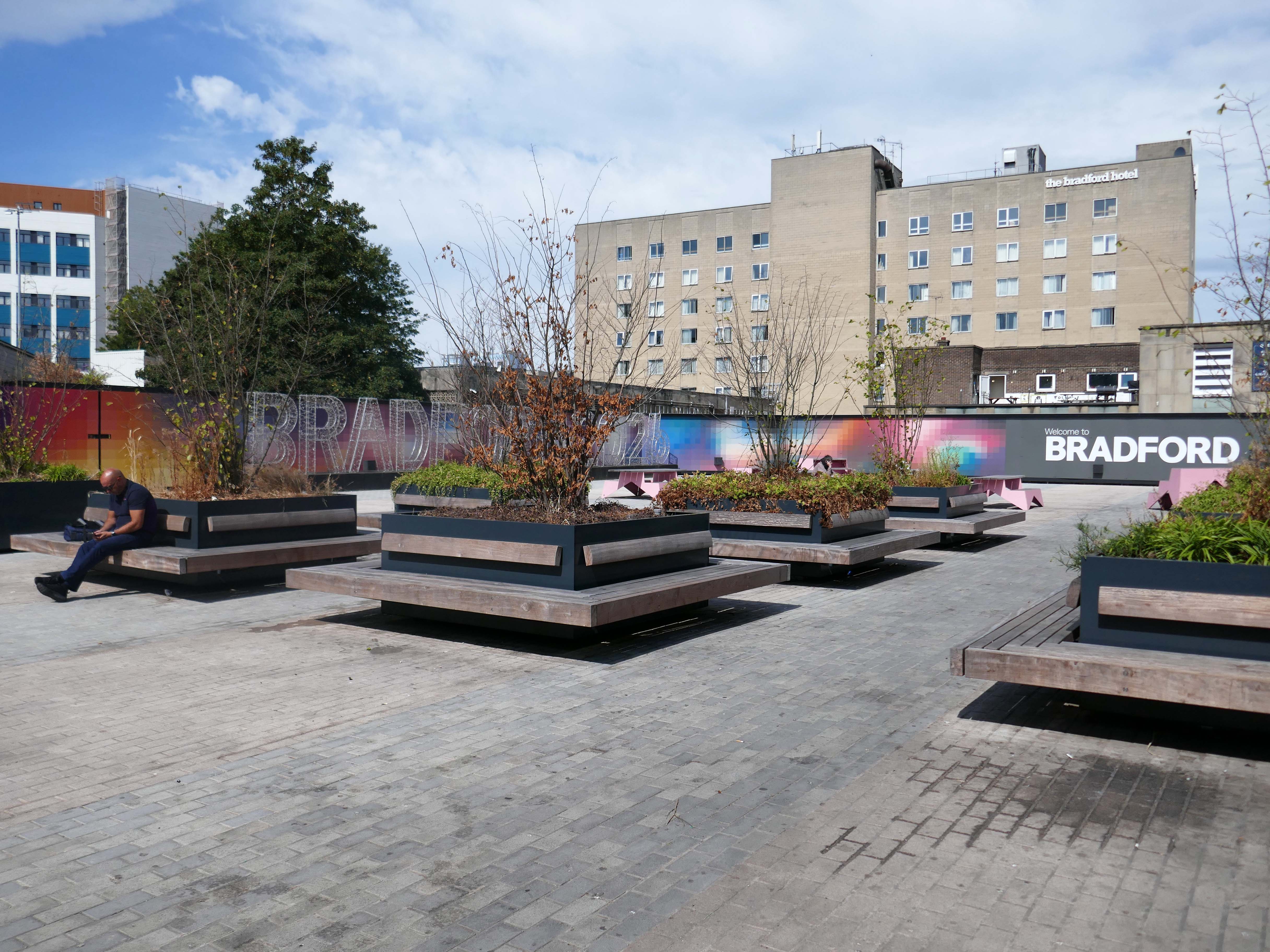
In addition there has been a transportation of the approach by Fereday Pollard, with the addition of seating in the newly landscaped plaza area.
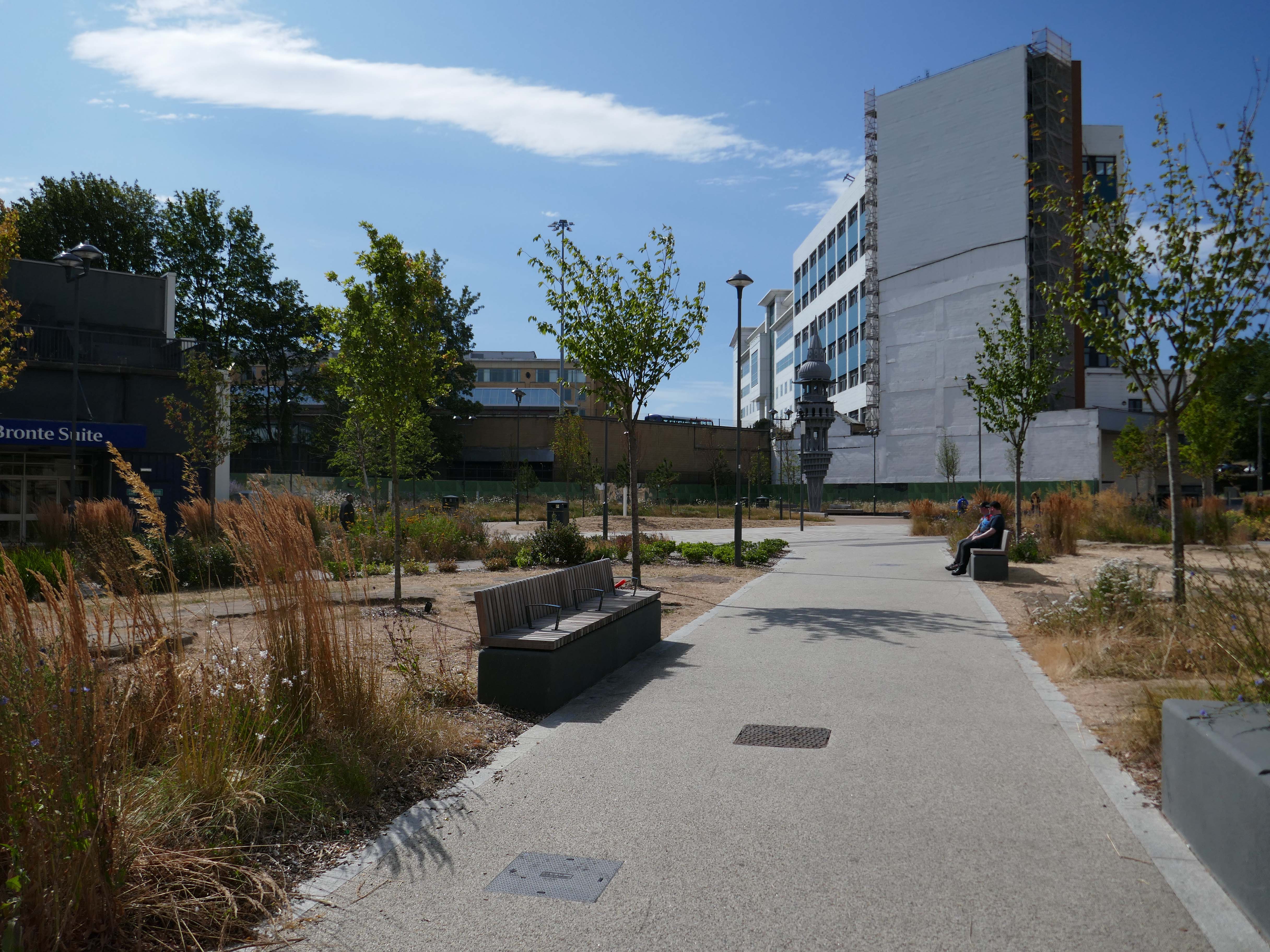
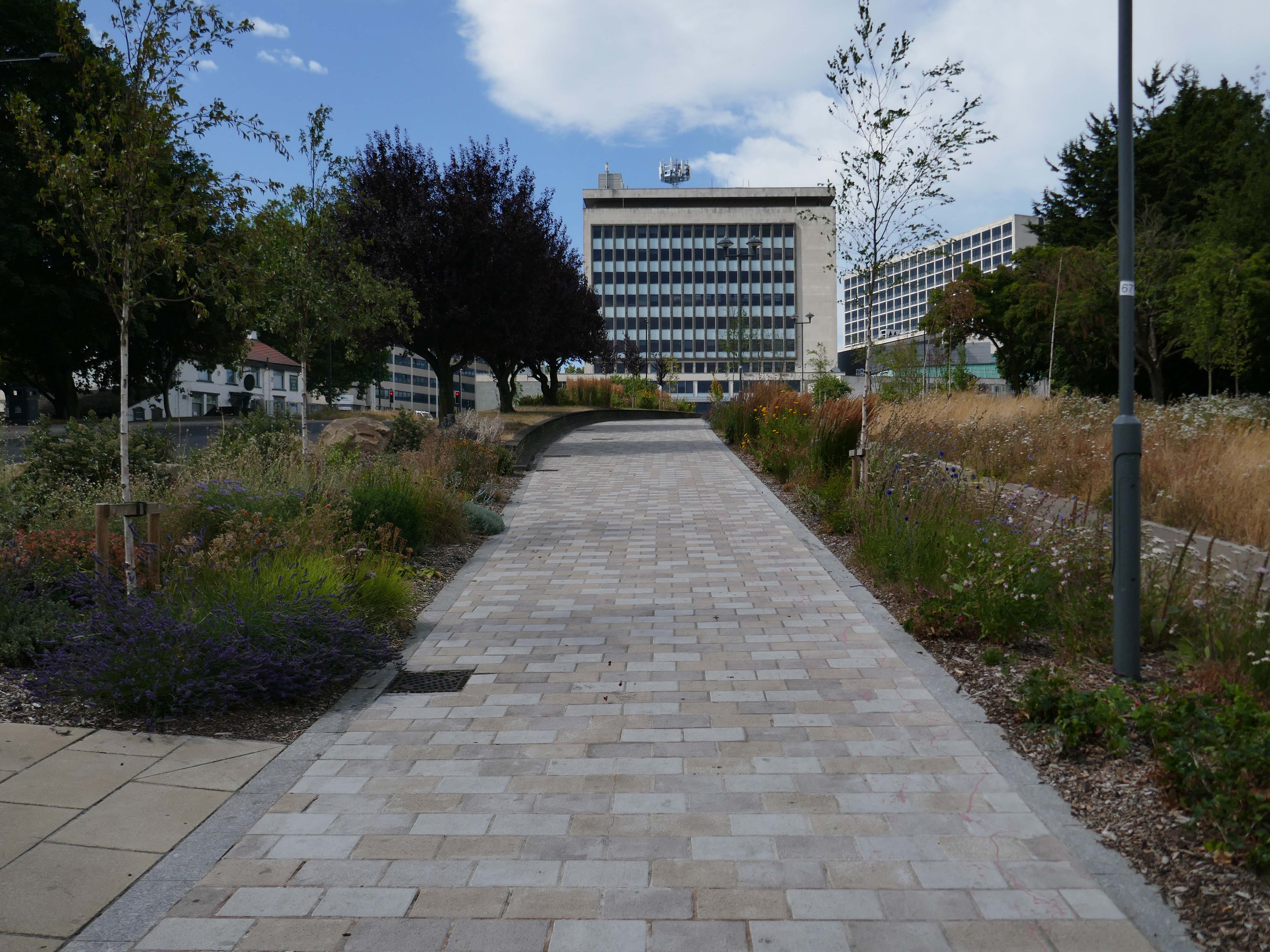
Moving into the city centre there have been changes in the area between the Bradford Hotel and the Town Hall, it’s now a freshly landscaped space especially for pedestrians.
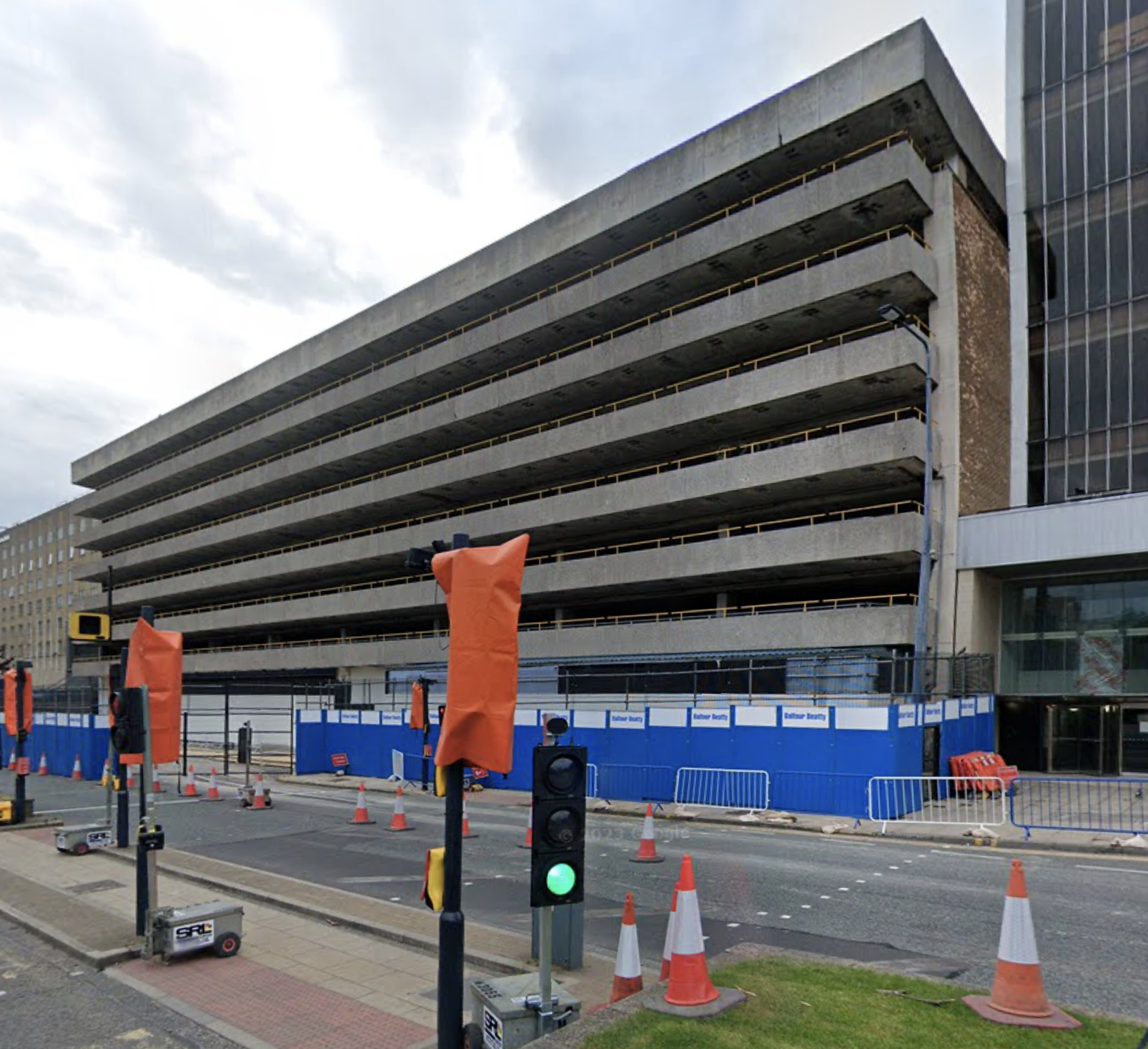
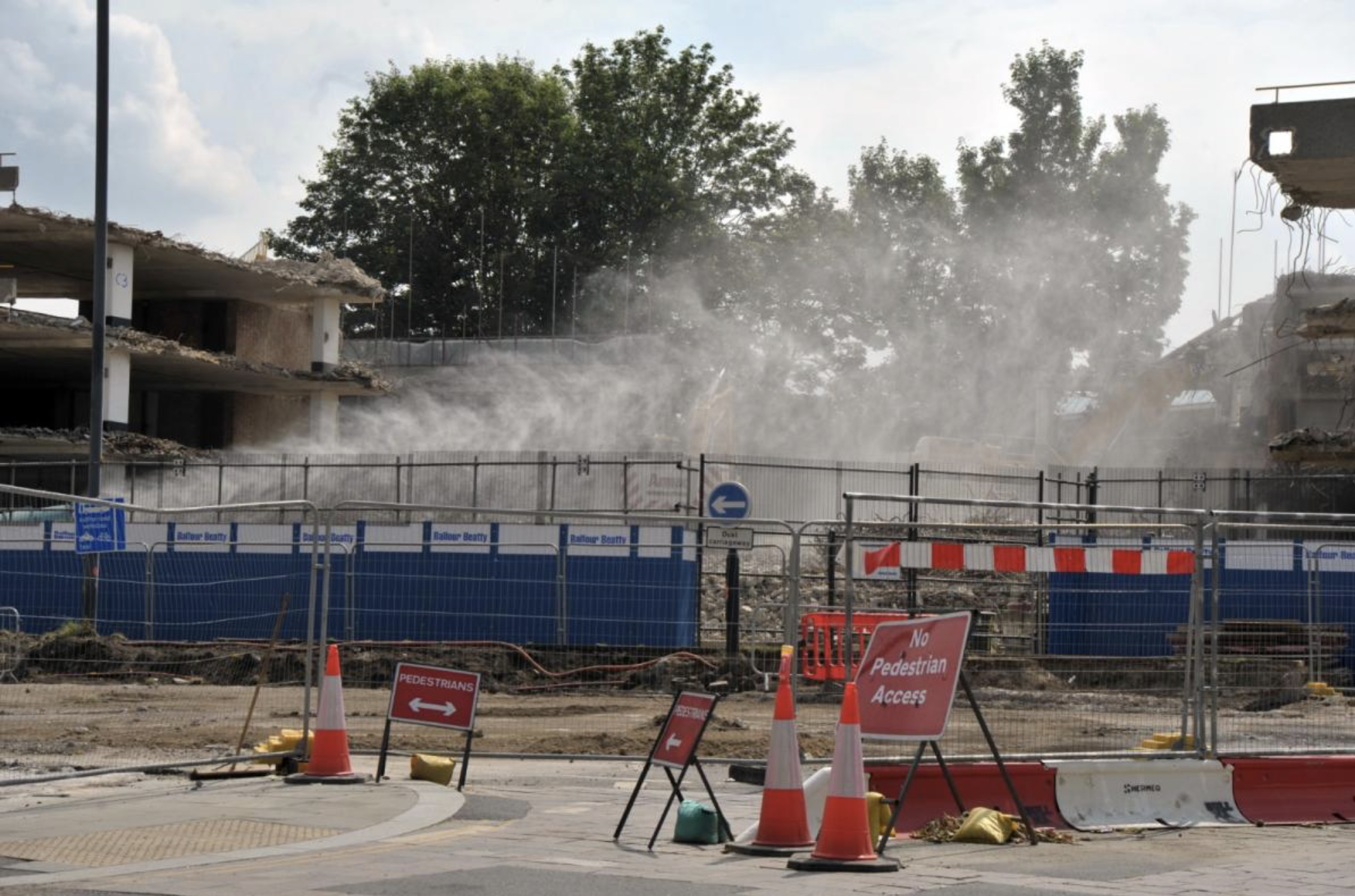
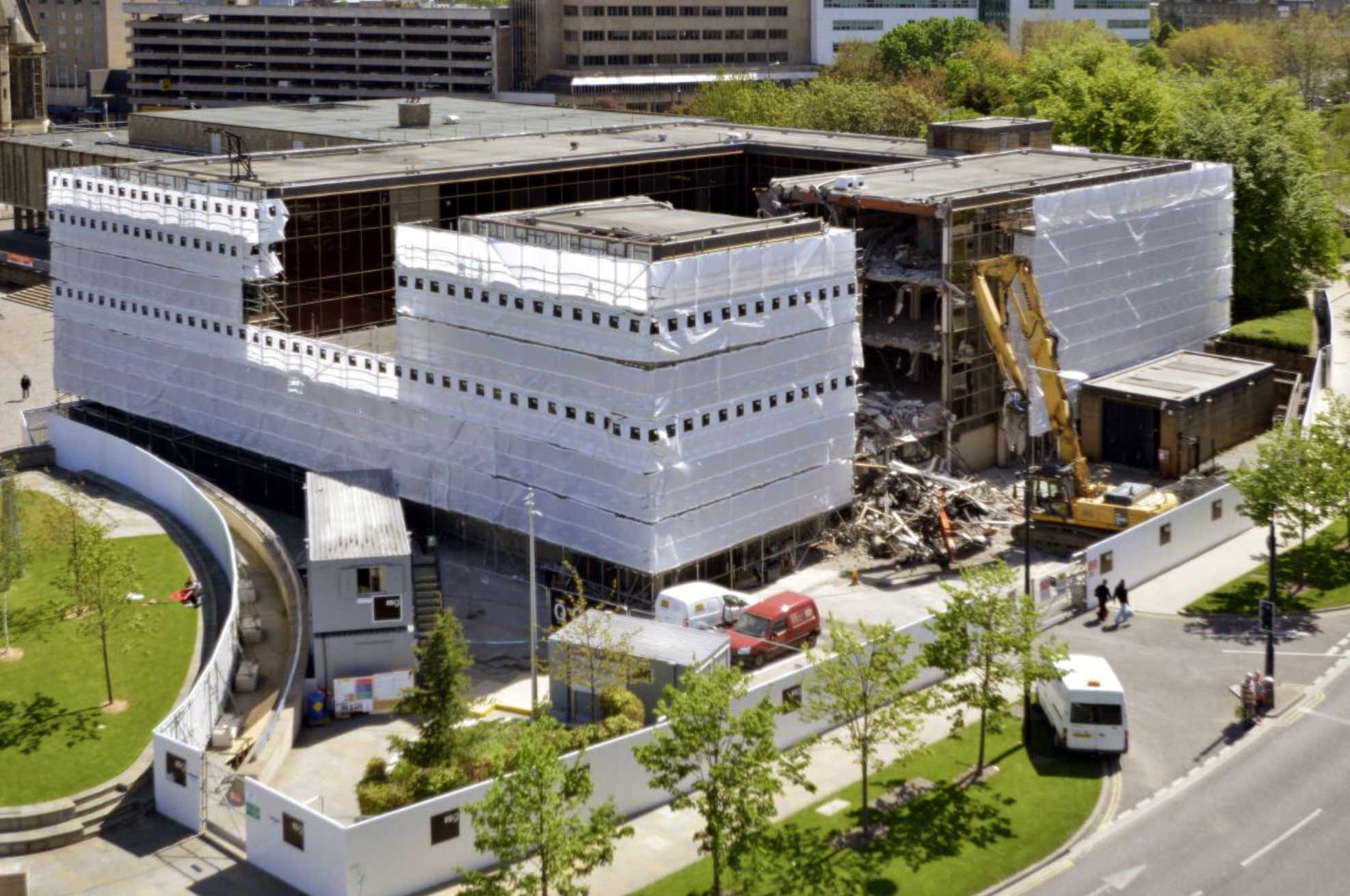
The NCP multi storey car park on Hall Ings has been demolished.
The demolition work is part of the Government-funded Transforming Cities Fund for Bradford.
Bradford Council, in partnership with the West Yorkshire Combined Authority, is bringing forward a flagship programme of forward-thinking transport schemes, alongside major public space enhancements, that will help us shape and drive forward Bradford’s future regeneration in the city centre and beyond.
Providing an accessible, attractive and cleaner alternative to car journeys is at the heart of the Leeds City Region Transforming Cities Fund, a major new programme of transport infrastructure investment secured as part of the West Yorkshire devolution deal. The programme, which is being delivered by the Combined Authority in partnership with local authorities, will be funded through £317 million from the Department for Transport plus local match funding up to £140 million.
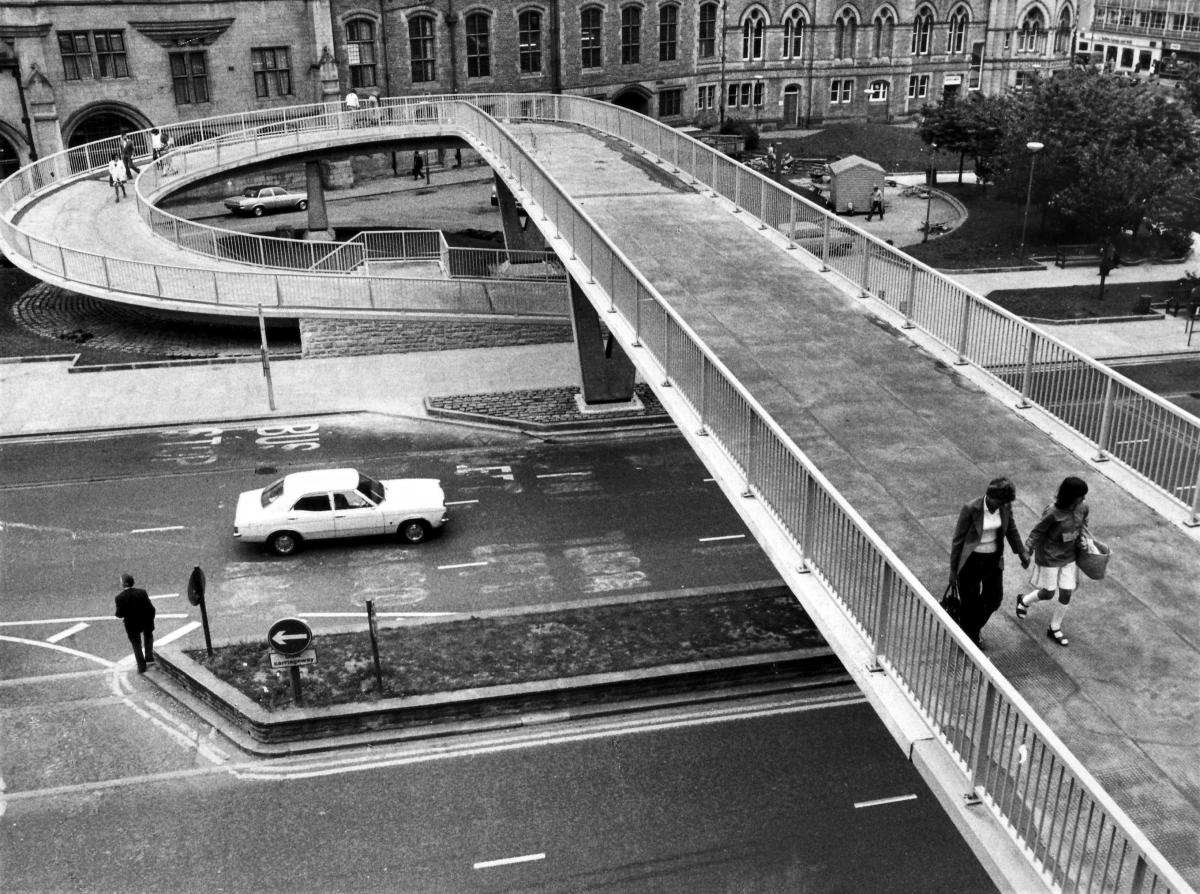
The area was once traversed by this elegant raised walkway.
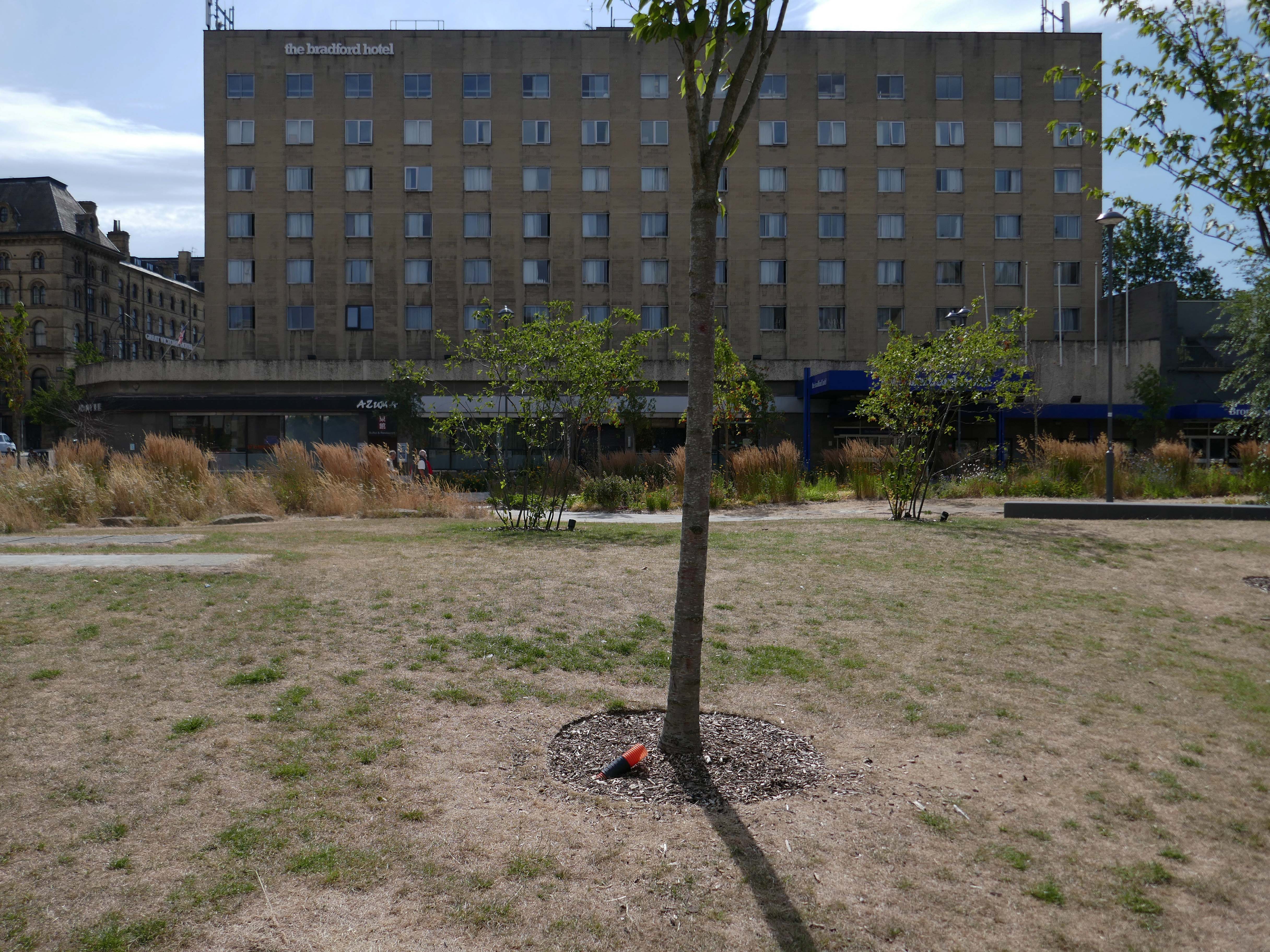
The Bradford Hotel remains resolutely unmoved, recently it has been used as an Asylum Hotel, unsure that this is still so.
Located in the heart of central Bradford, The Bradford Hotel provides an elegant refuge in the midst of the bustling city.
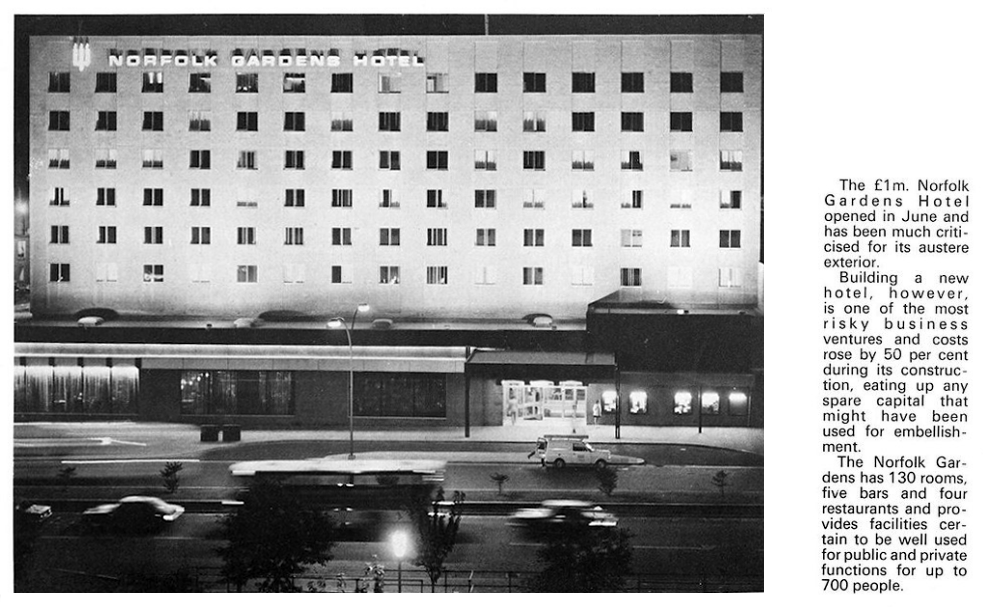
Originally opened as the Norfolk Gardens Hotel, the hotel was completed in 1972 and opened in June of that year.
Architects – William Walker Partnership.
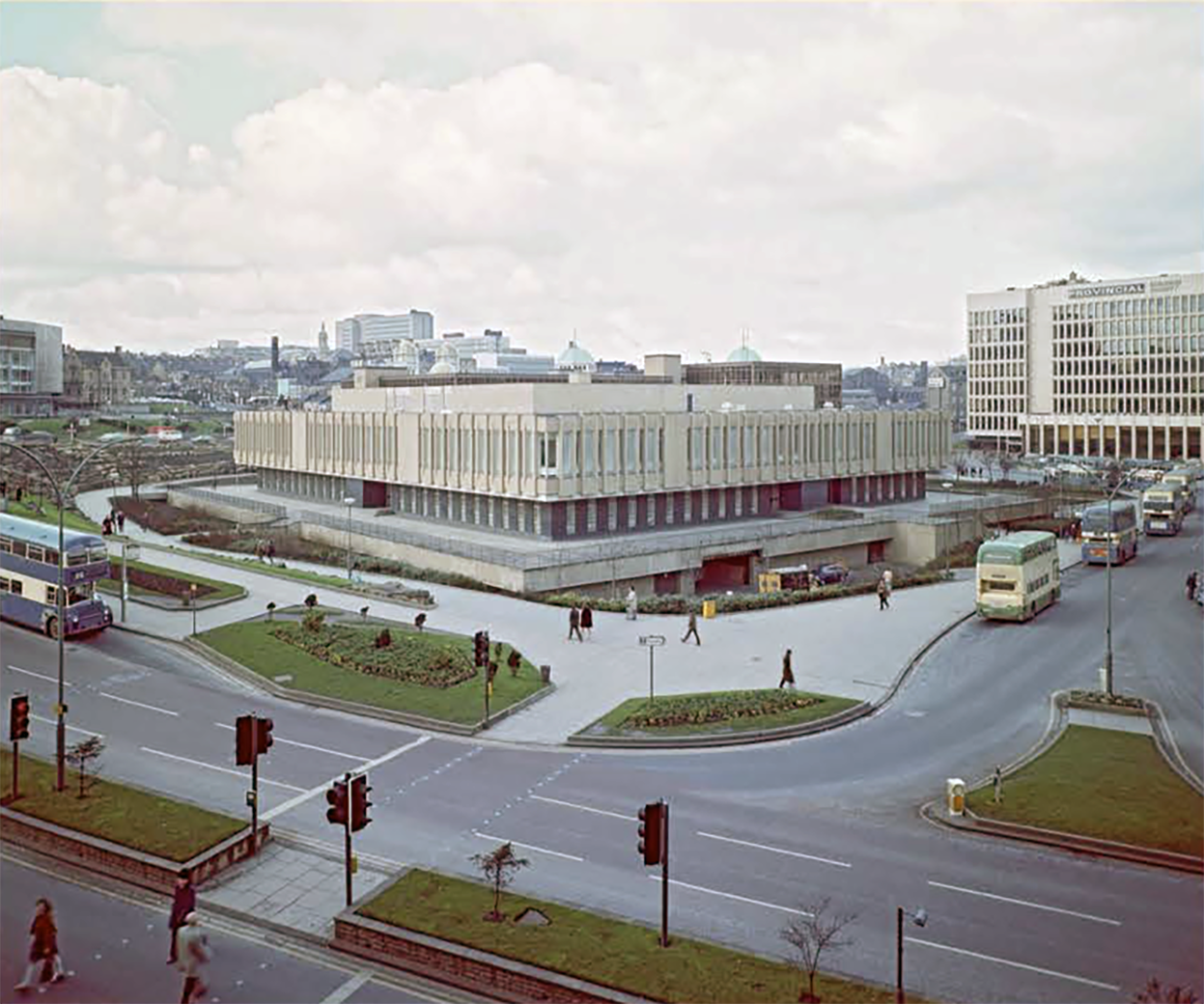
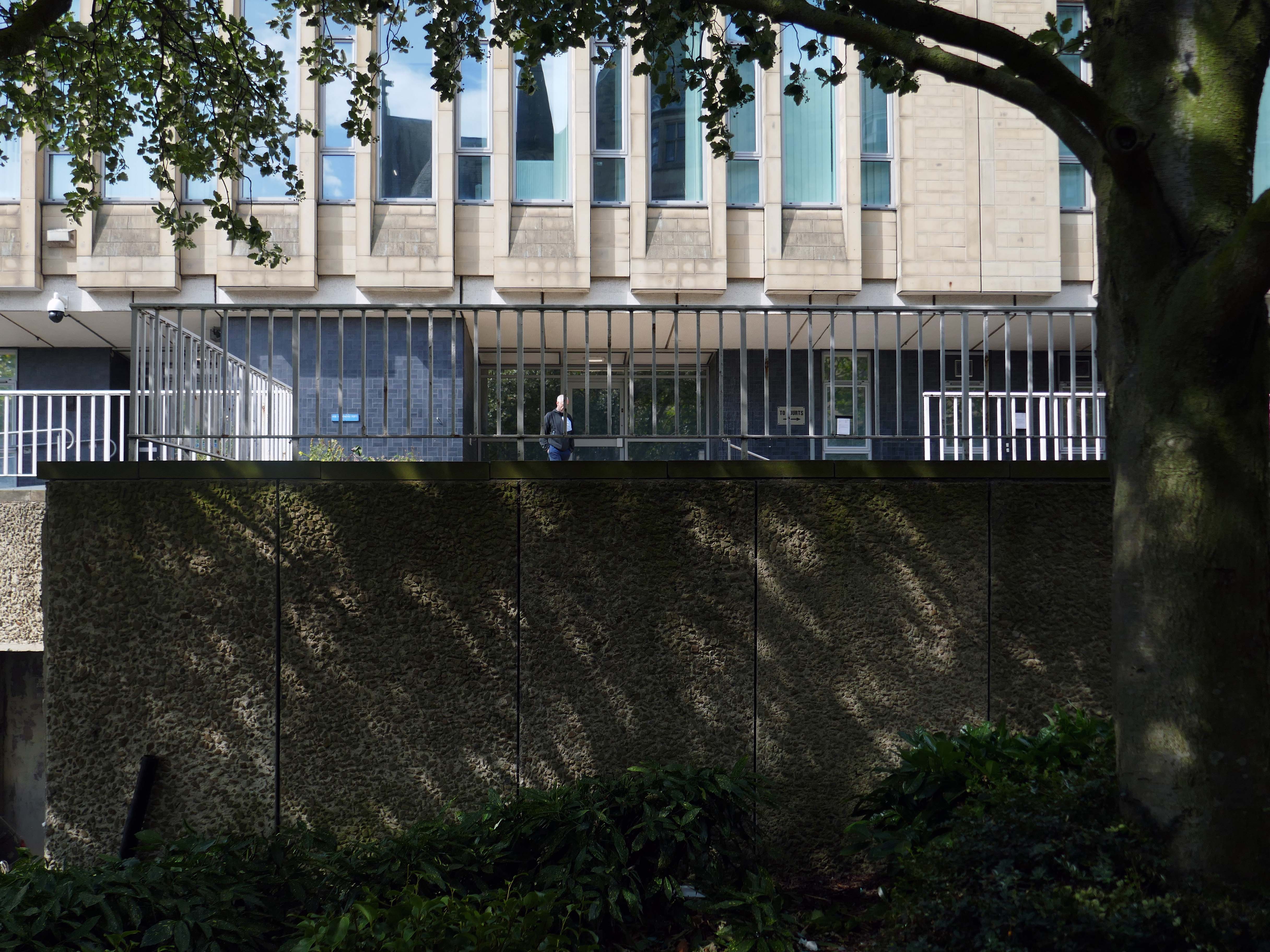
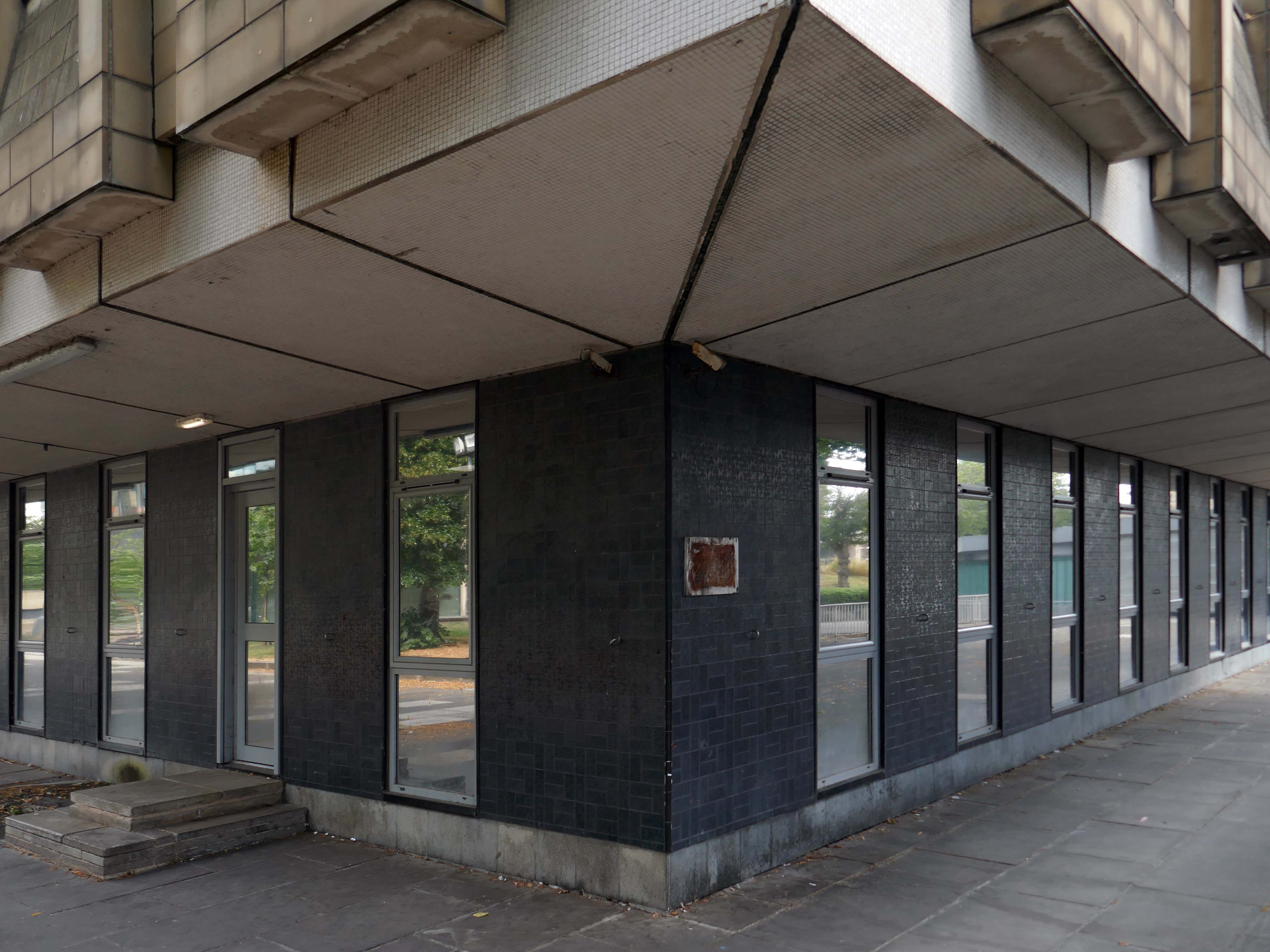
Adjacent is the Magistrates’ Court 1972.
City Architect WC Brown.
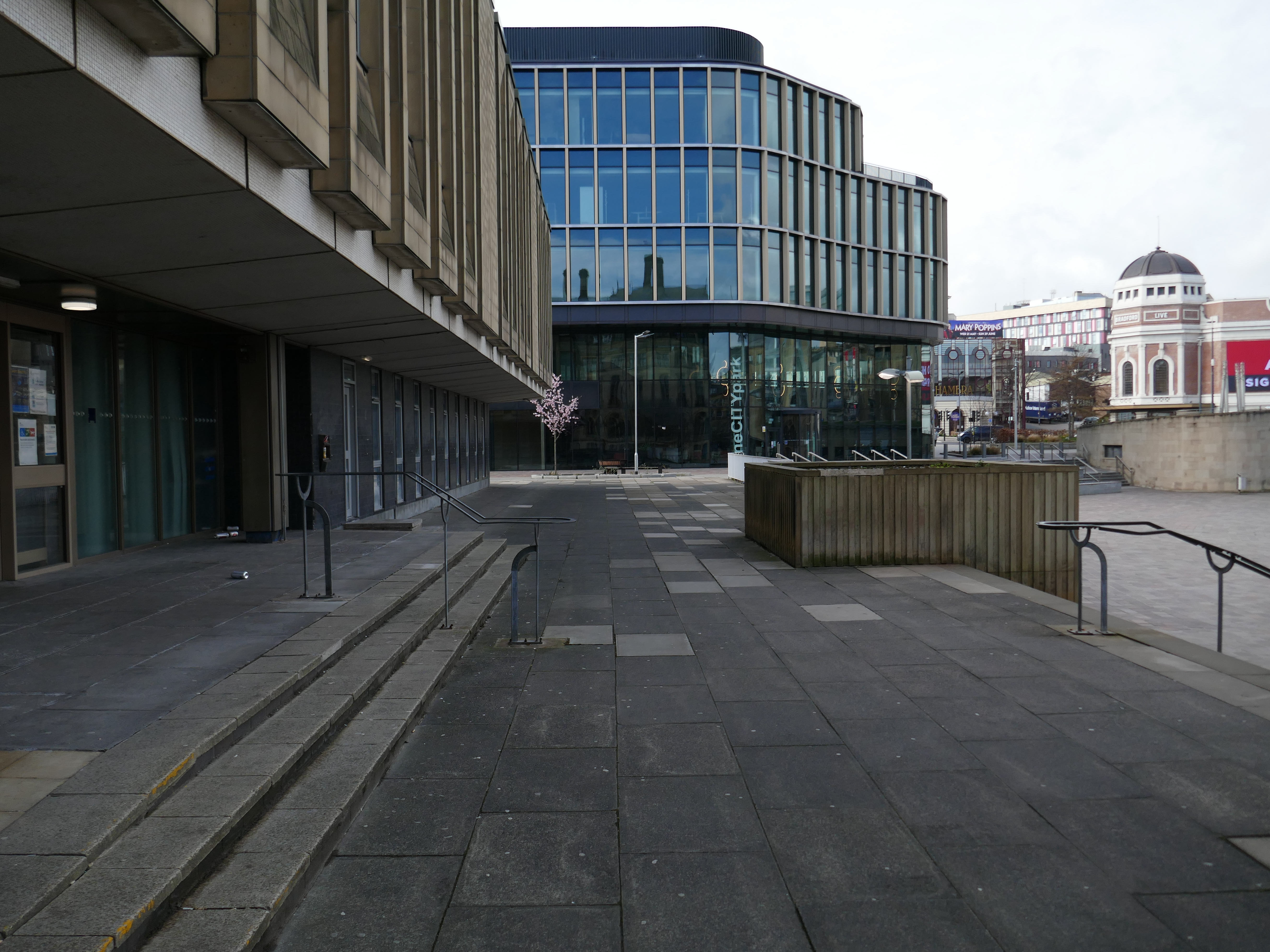
With a view through to One City Park 2024 Sheppard Robson.
One City Park in Bradford, England, draws attention with its striking architecture. The building’s curved design and forward-thinking concept create significant interest. For Sheppard Robson Architects, sustainability and the needs of people were paramount in the design. The facade of the complex features 1,700 glassfibre reinforced concrete elements from Rieder, making a distinctive design statement. The sandstone-coloured concrete components serve as both an architectural feature and a key element in creating a sustainable, visionary work environment.
One City Park has been built on the site of the old Police Station opened in 1974 and demolished in 2010.
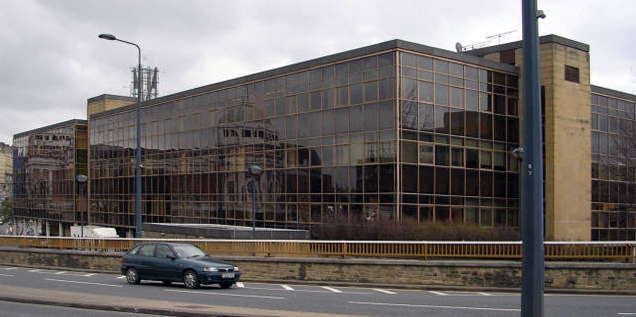
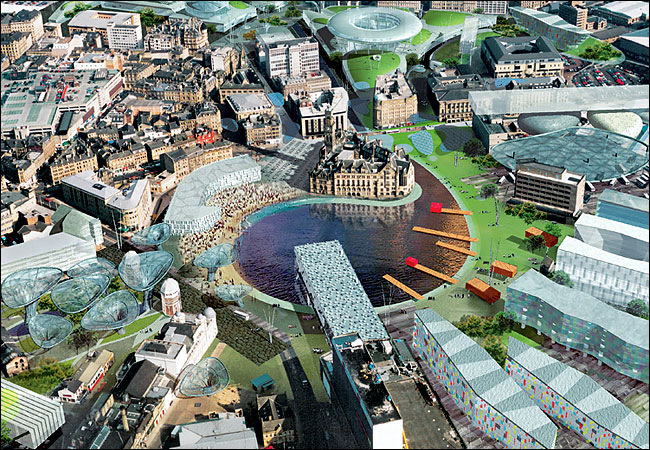
The area was once the centre of Will Alsop’s 2003 masterplan.
Which three years later are somewhat diluted:
The latest images of the scheme for the Bowl are generally disappointing and at the risk of a bad pun, the lake is now a watered-down version of Alsop’s vision.
Philip Veitch – of local practice Waller and Partners.
The Norfolk Gardens landscaping has opened up a fresh toward the Central Library 1965.
Architect – City Architect WC Brown with project architects G Sunderland and KLS Glen.
The Exchange of 1976 by Trevor H Anson PSA Architect.
Turn right around to take a look at the rear of the Ice Arena.
In January 1966 Mecca Leisure Limited opened the ice rink in Bradford under the name of the Silver Blades Ice Rink, it was reputed to be “The finest rink in the world”, with coloured lighting in the barriers, sparkling chandeliers over the ice, and a plush bar and restaurant.
The resplendently dressed skaters were entertained with organ music. The opening gala at the rink had performances by British skaters who had just returned from the World Championships, they included Sally Anne Stapleford, John Curry and ice dancers Bernard Ford and Diane Towler.
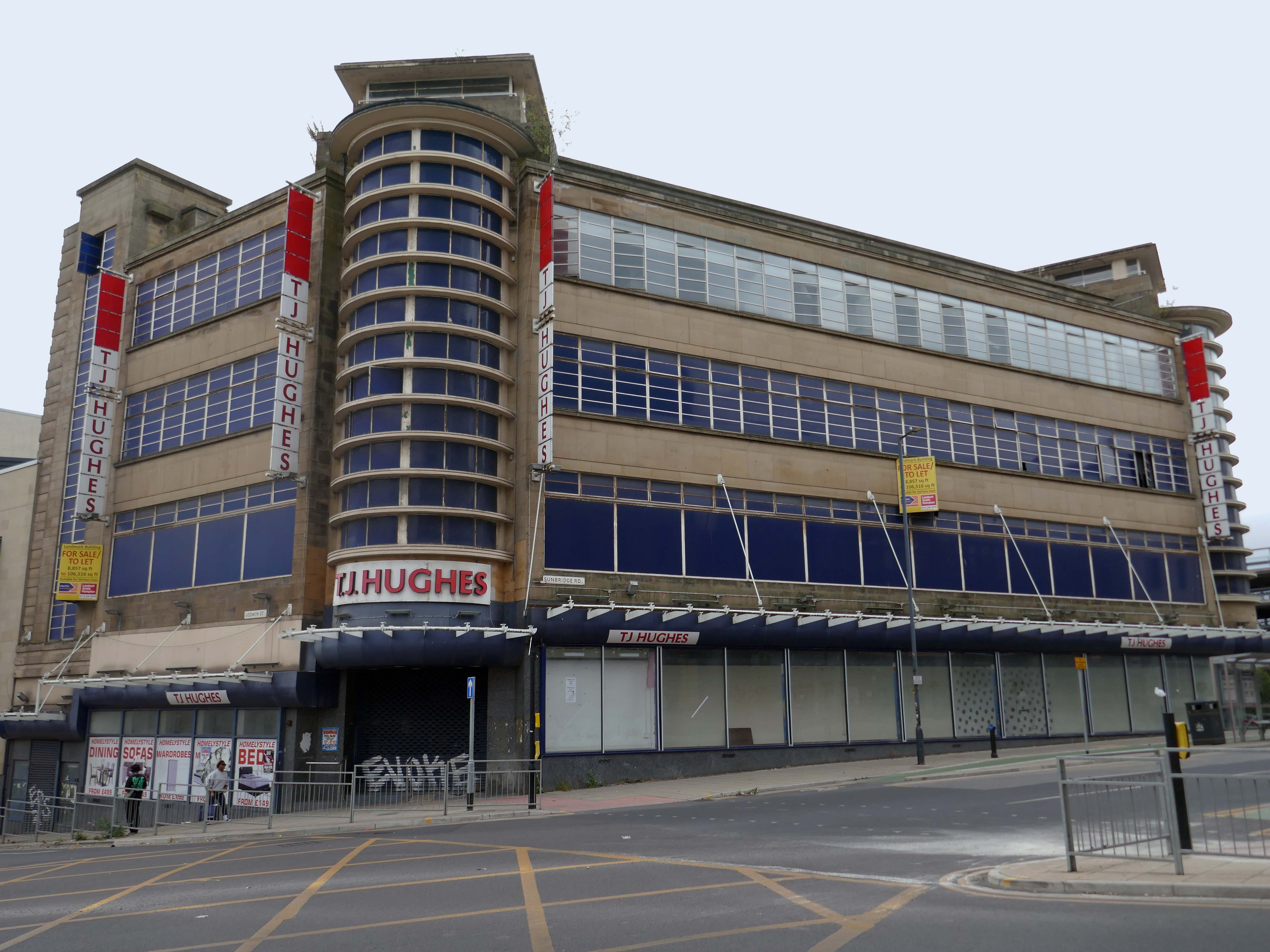
Architect W A Johnson worked for the Cooperative Wholesale Society from 1899 until 1950. He was heavily influenced by the German architect Erich Mendelsohn after 1930, evident in his embrace of the International Modernist style. Johnson travelled widely in Germany and Holland, and Mendelsohn’s Schocken store in Stuttgart 1928 is quoted as being a particular inspiration for the Bradford Co-op.
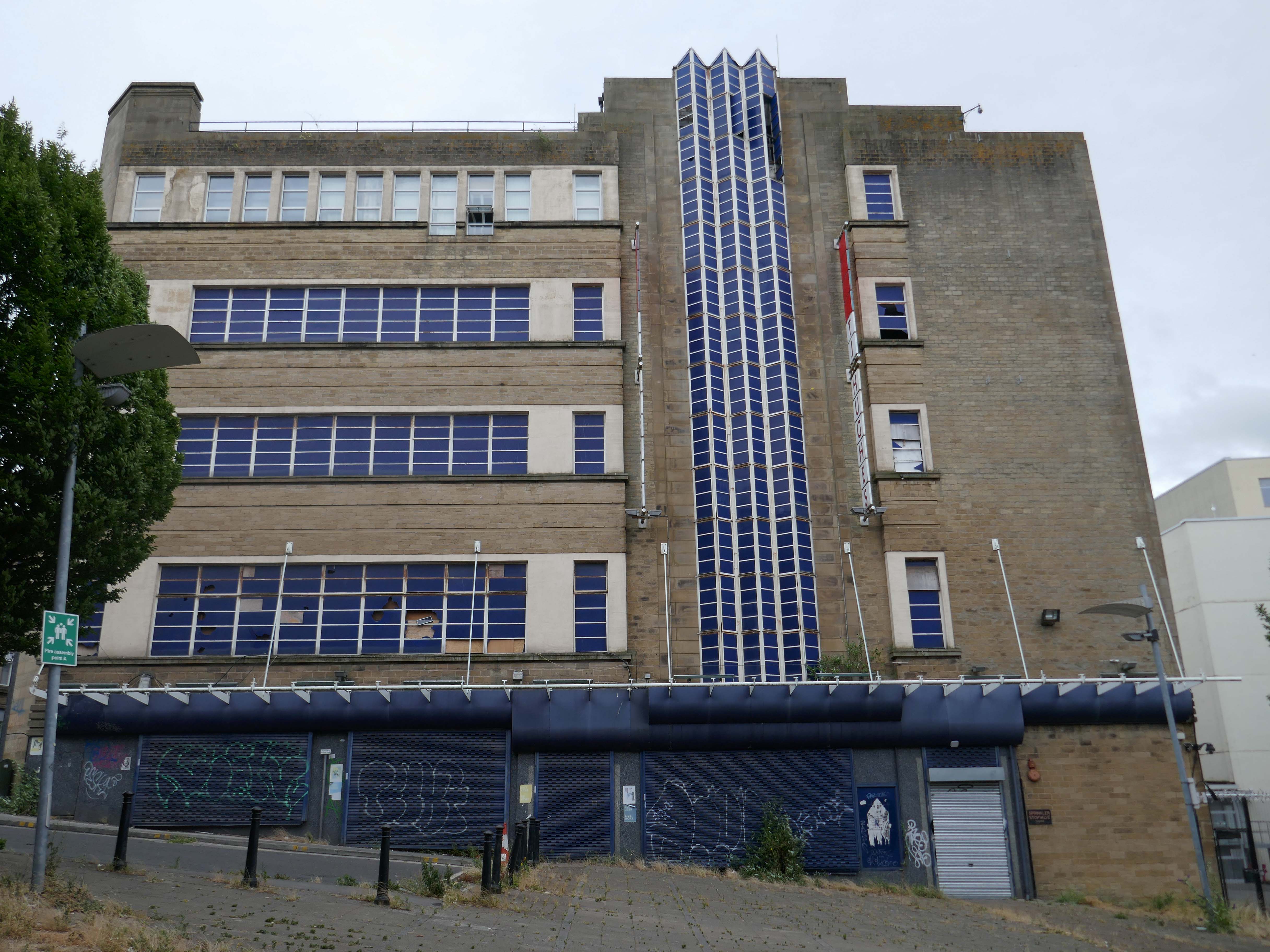
Sunwin House had been – one of the most modern and stylish looking shops in Britain, when it was built in 1936, according to The 20th Century Society.
But the charity warned that the building, whose architectural style was inspired by Germany’s Bauhaus art movement, had stood empty for nearly 15 years and was in danger of creeping neglect.
Sunwin House, which was most recently used as a TJ Hughes department store after the firm went into administration in 2011, is one of 10 buildings featured on The 20th Century Society’s risk list for 2025.
The Freehold of Sunwin House, 65 Sunbridge Road, Bradford has been sold to a Bradford based investment company who have plans to refurbish the whole building principally based off a Retail/ Emporium use.
The building was purchased by Legal and General from the Co-operative Wholesale Society in 2005 subject to a lease to T J Hughes, who ceased trading in 2012. Following Administration, and the release and separation from the former Godwin Street Annexe, the original 95,000 sq ft Grade II Listed Store became an independent asset in 2017.
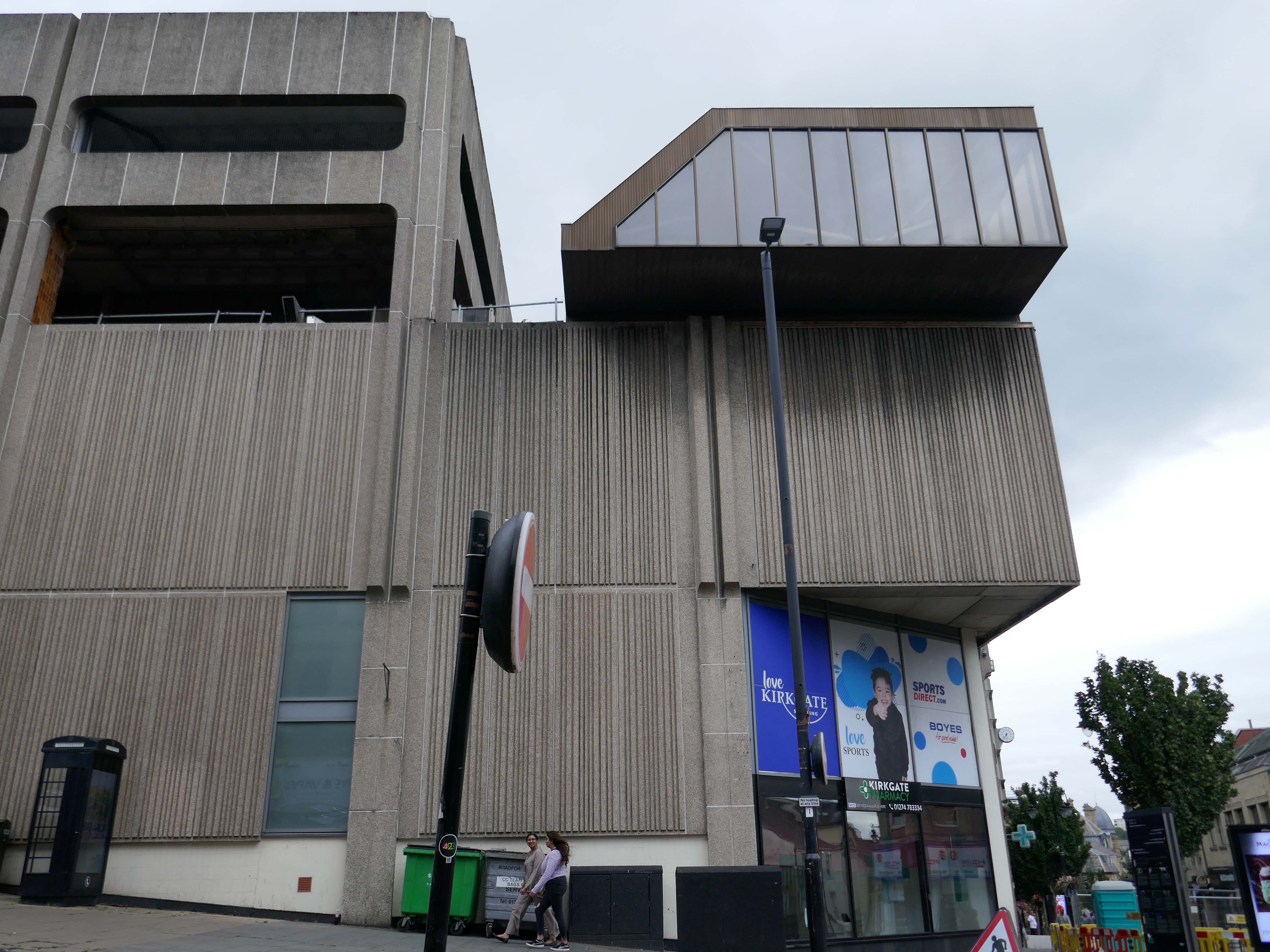
A stride away is the now closed Kirkgate Centre and Market – John Brunton and Partners 1975.
Demolition work will begin later this year to make way for the recently approved City Village development, comprising up to one thousand new homes, with the aim of creating a stronger, more welcoming, and sustainable future for Bradford.
Some residents have welcomed the changes, with the Kirkgate Centre previously described as a blight on the landscape. But others, like Barbara, lament the loss of the places they knew and loved.
Every time you go anywhere something has gone missing. Some of the changes are alright, some of them I think they could do without.
In 1979, the building won a European award from the International Council of Shopping Centres.
But the Historic England report described its design as mundane and repetitive.
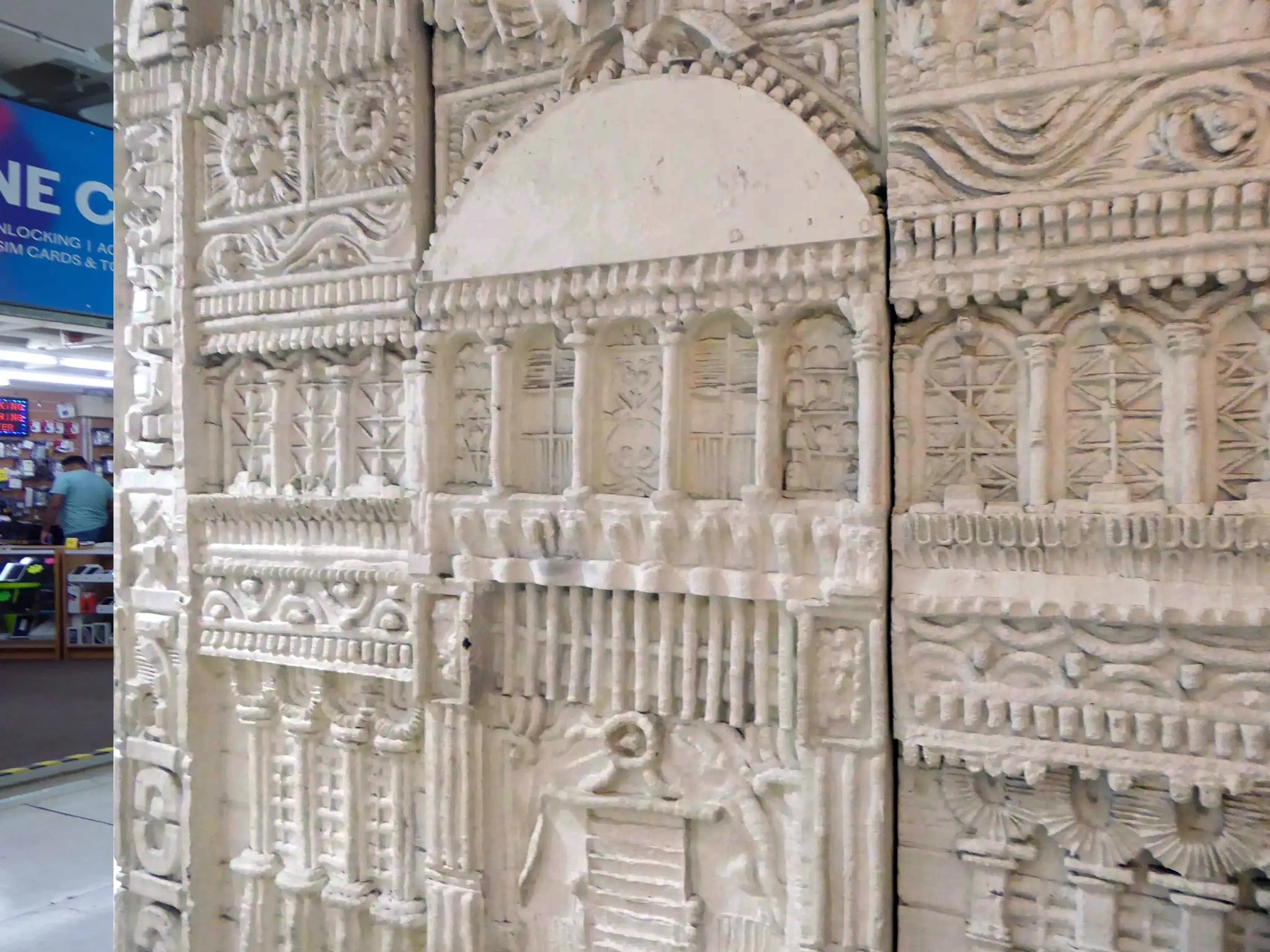
The William Mitchell concrete reliefs housed in the market are to be conserved along with the Fritz Steller tiles.
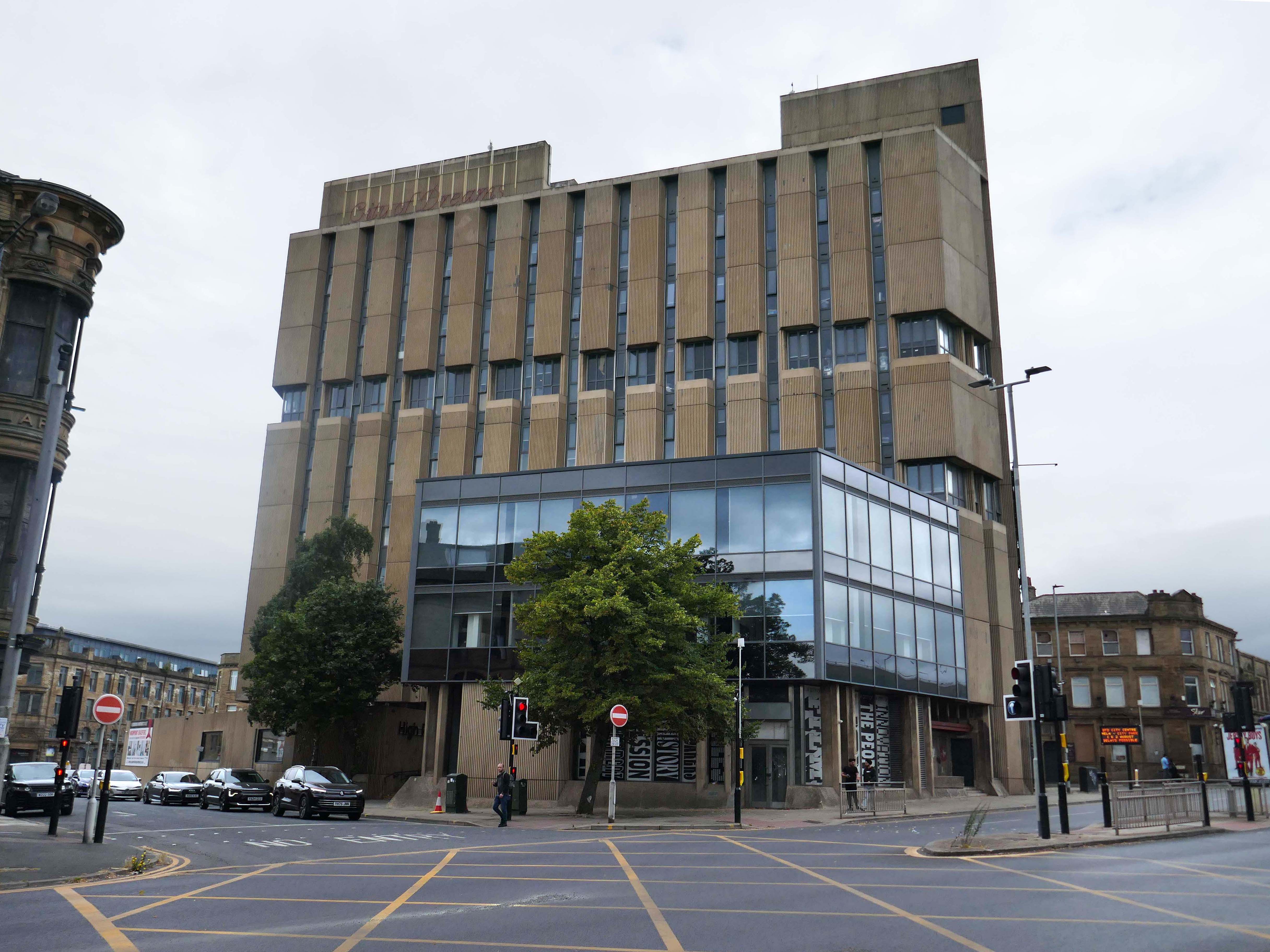
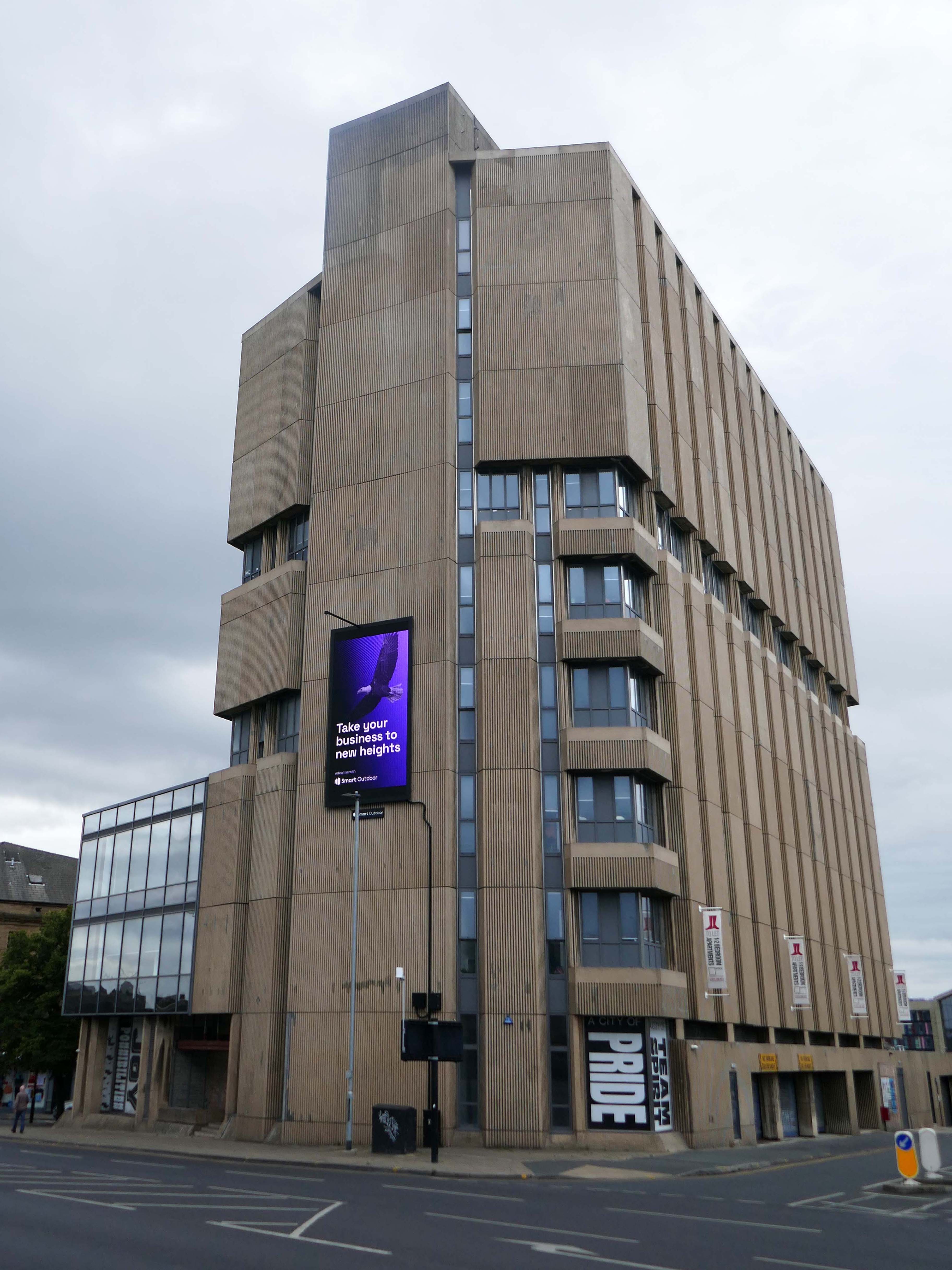
Higher up the hill John Brunton’s Highpoint has survived the call for demolition.
The derelict former headquarters of Yorkshire Building Society, on one of the highest parts of the city centre, looms over the city centre, and to many people is the city’s ugliest building.
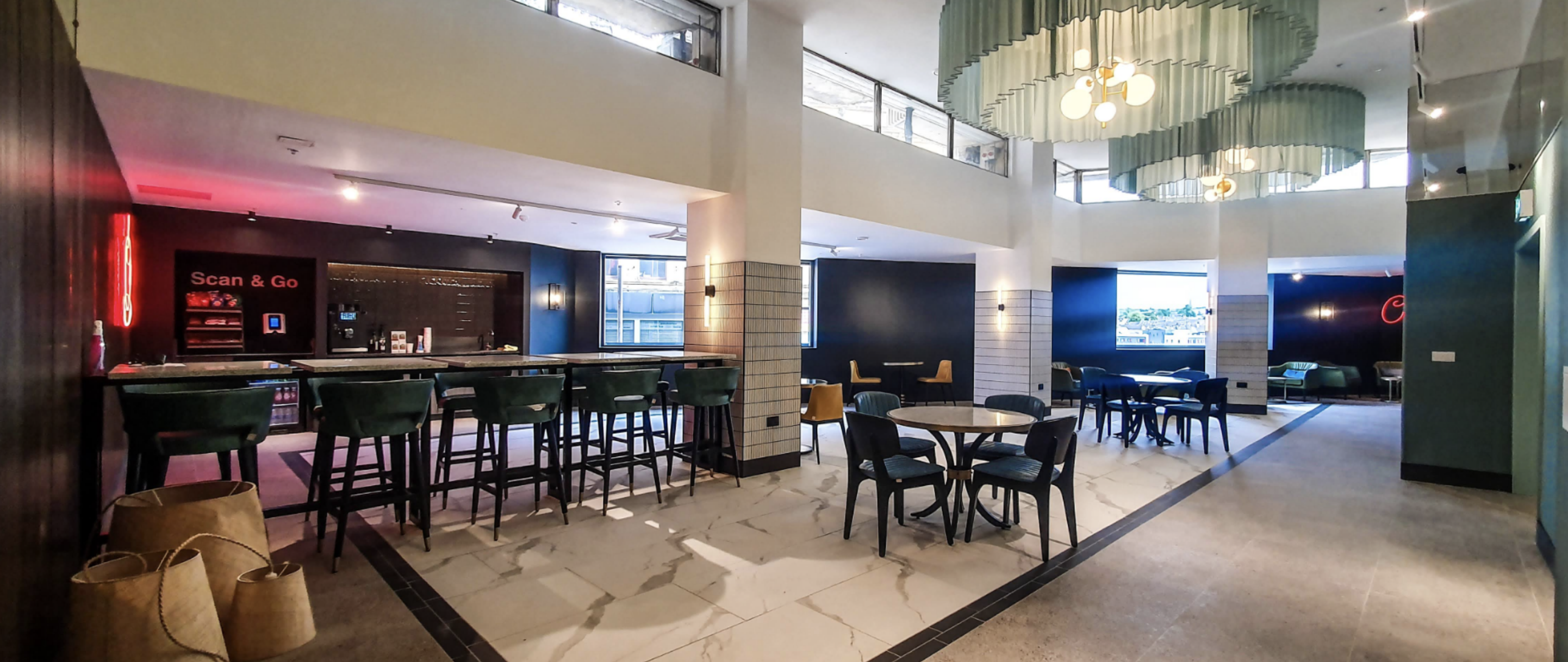
It is now home to an innovative residential apartment complex with a community at its heart, which embraces ideas of sustainability, preservation, and rejuvenation that will bring a new lease of life to this abandoned landmark.
A tower block in Bradford likened to a structure from sci-fi movie Blade Runner has been named as the best brutalist building in the country.
Built in the 1970s, High Point, the former headquarters of the Huddersfield and Bradford Building Society, was recently converted into eighty seven flats as part of a £12m regeneration scheme.
National newspaper The Telegraph named the building top of its brutalist list – ahead of the Barbican, in London, Bristol’s Clifton Cathedral and Preston bus station.
Si Cunningham, who chairs Bradford Civic Society, said it remained one of the city’s
Highpoint’s neighbour the Oastler Centre is closed and awaiting demolition.
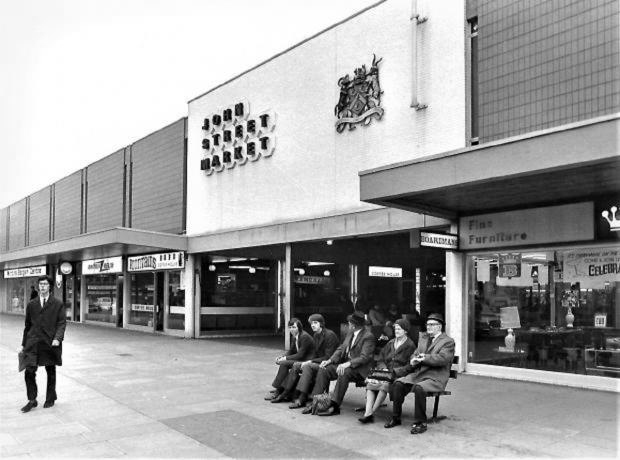
The Oastler Shopping Centre, formerly known as the John Street Market contained 176 stalls comprising a retail area, with an additional twenty three external shops and twenty seven storerooms. The cafes and stalls within the centre were various food, clothing and craft shops with some of the cafes and stalls having been in business since the 1960s.
The original outdoor open-air market was renovated to an indoor market in the early 1970s to make economic improvements to the upper side of the city centre and was named for the abolitionist Richard Oastler.
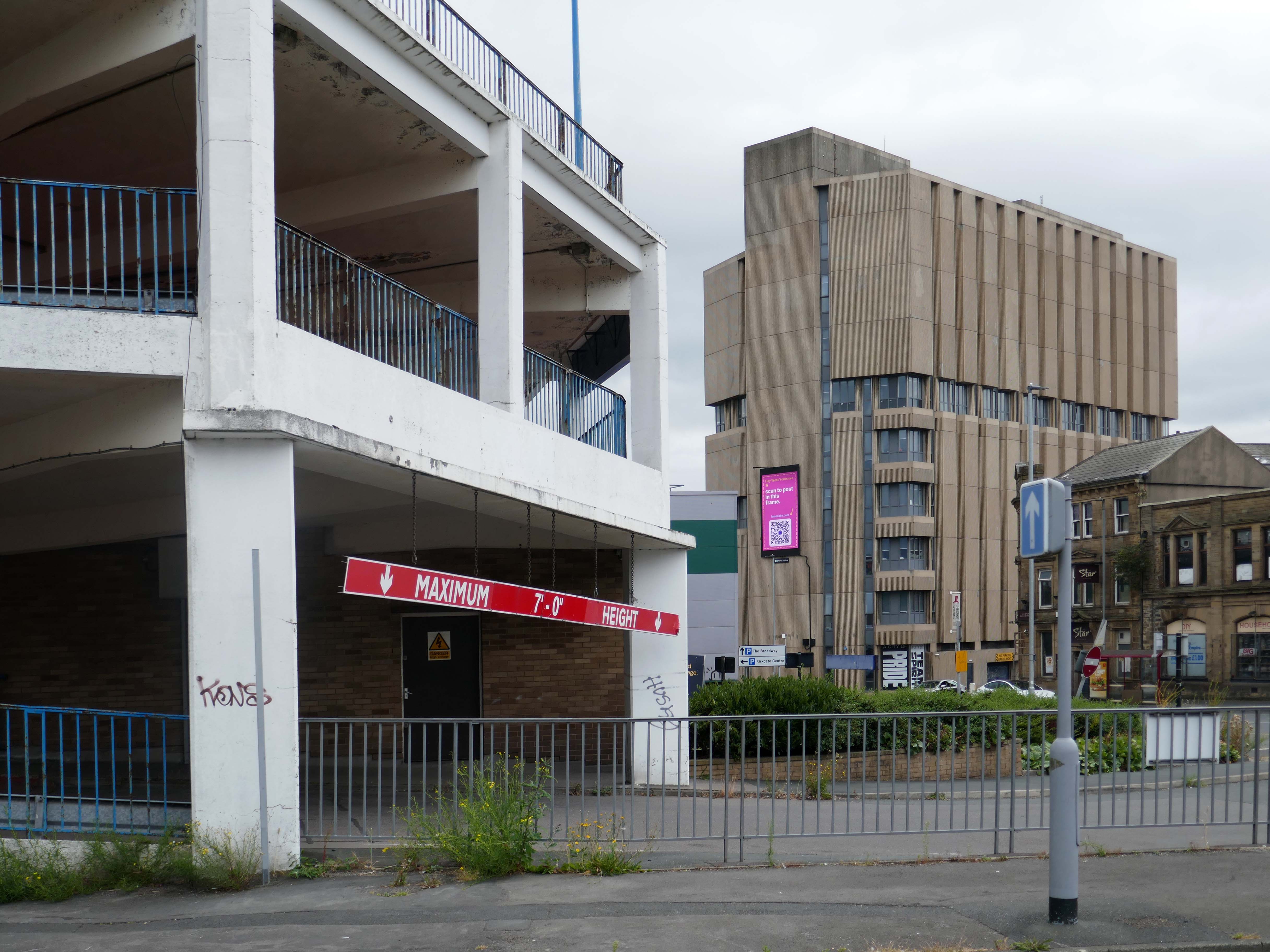
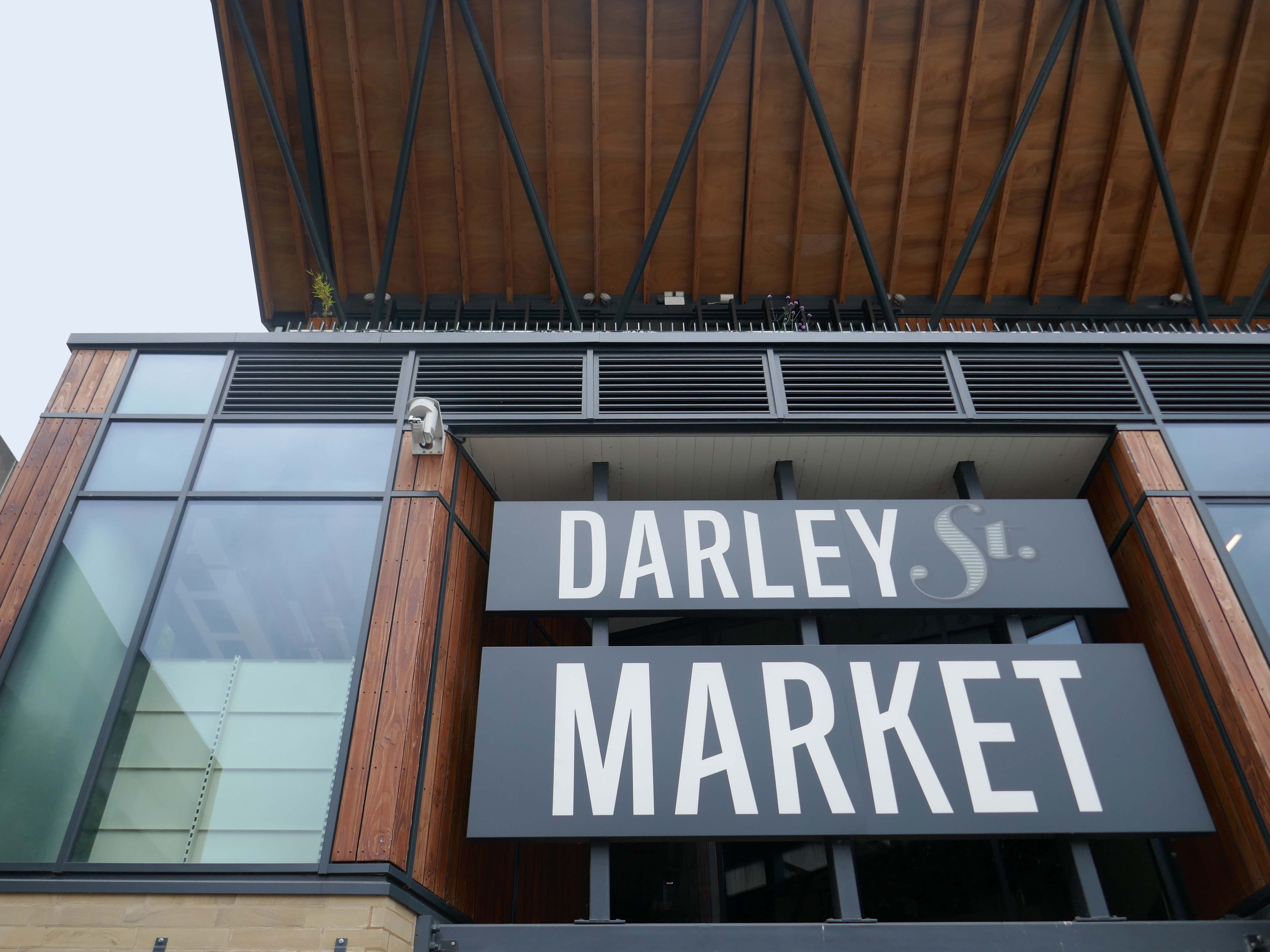
As part of the Bradford’s regeneration projects in line with the successful UK City of Culture 2025 bid, the Oastler Centre was scheduled to be demolished in late 2023 to make way for the new Darley Street Market.
The Oastler Marker had its final day of trading on 28 June 2025.
The centre along with the nearby Kirkgate Market will be demolished and replaced with green space, housing and new commercial spaces in line with the new Darley Street Market and planned City Village, an area of green space nearby the site.
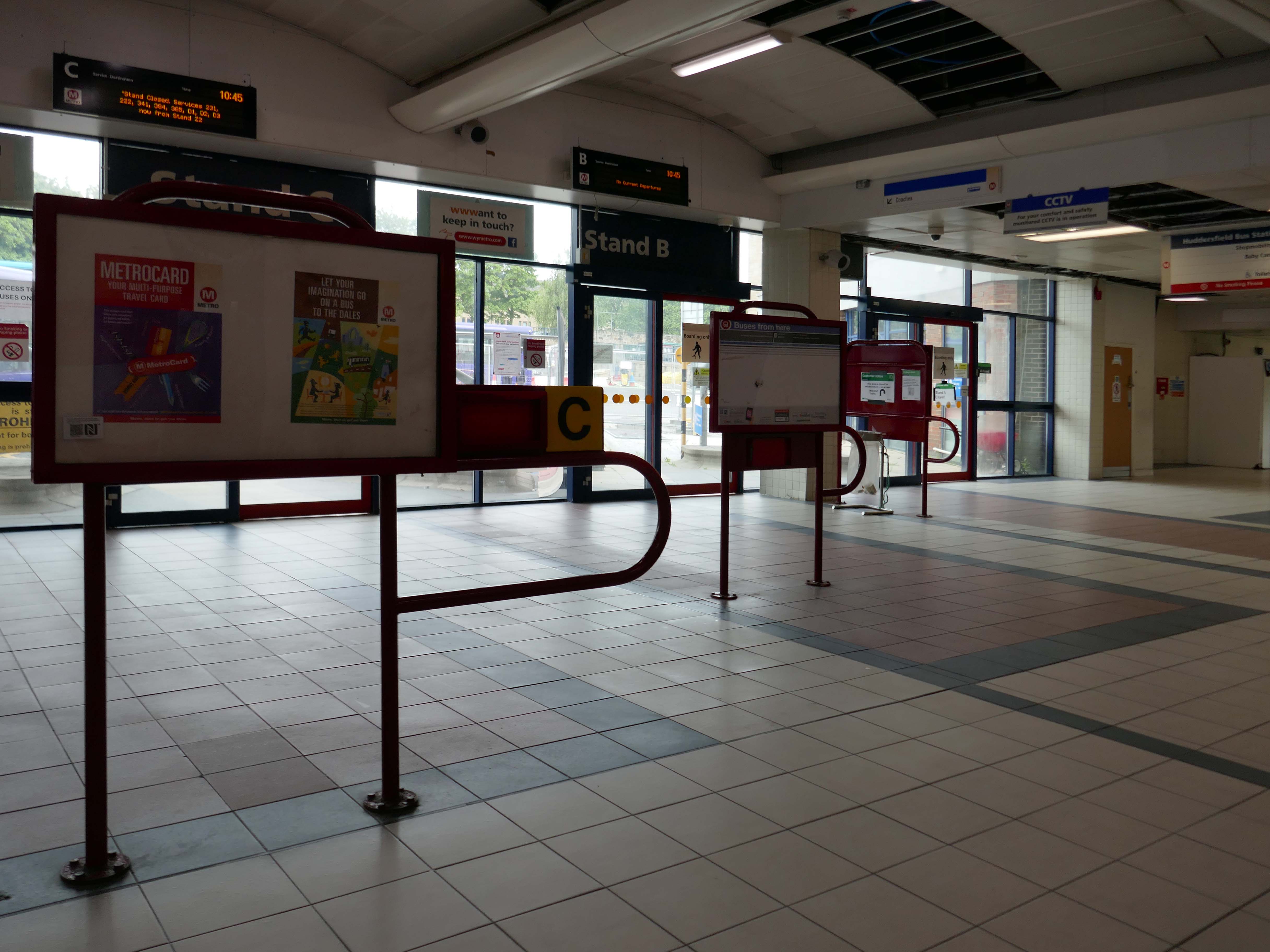
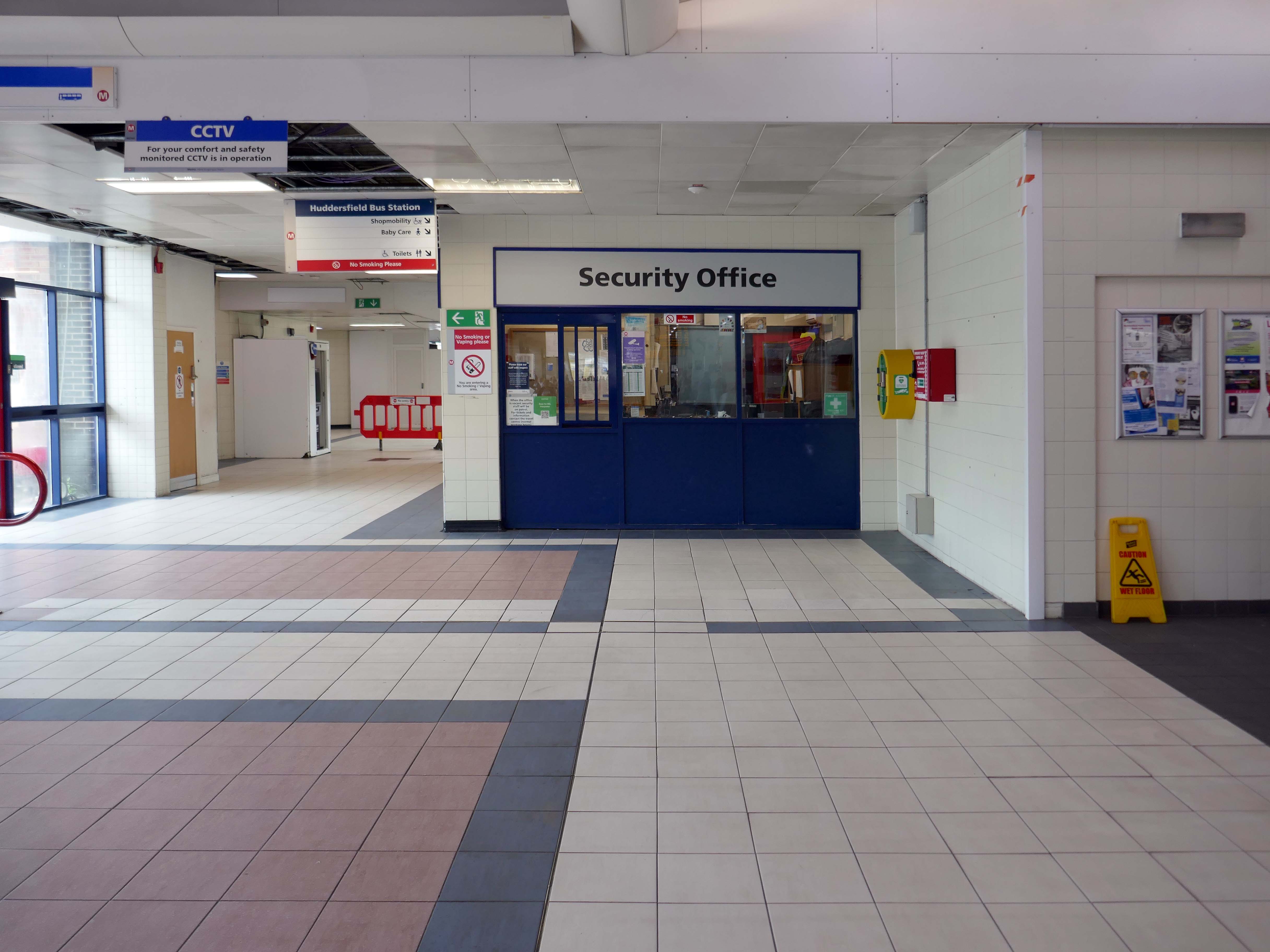
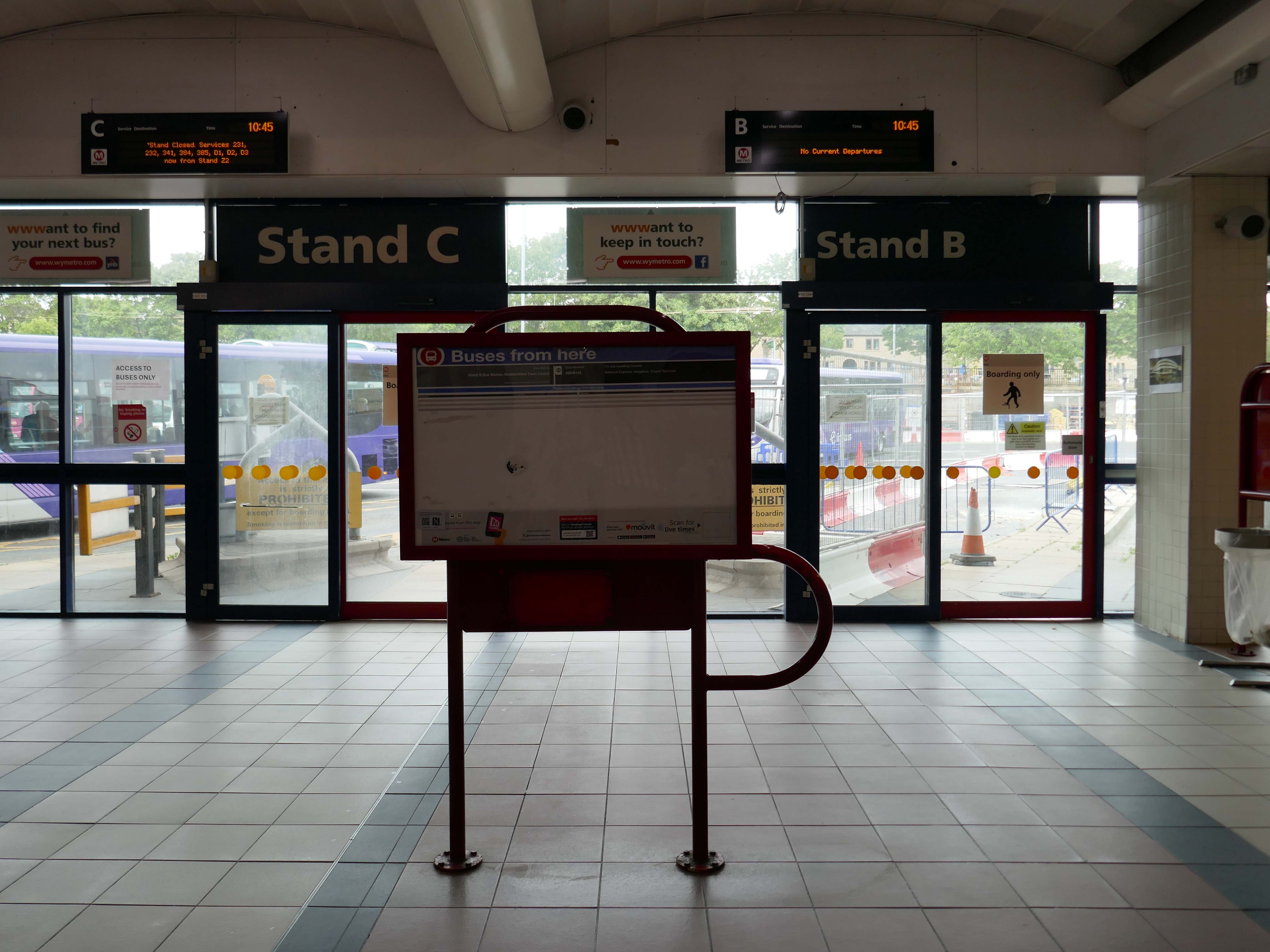
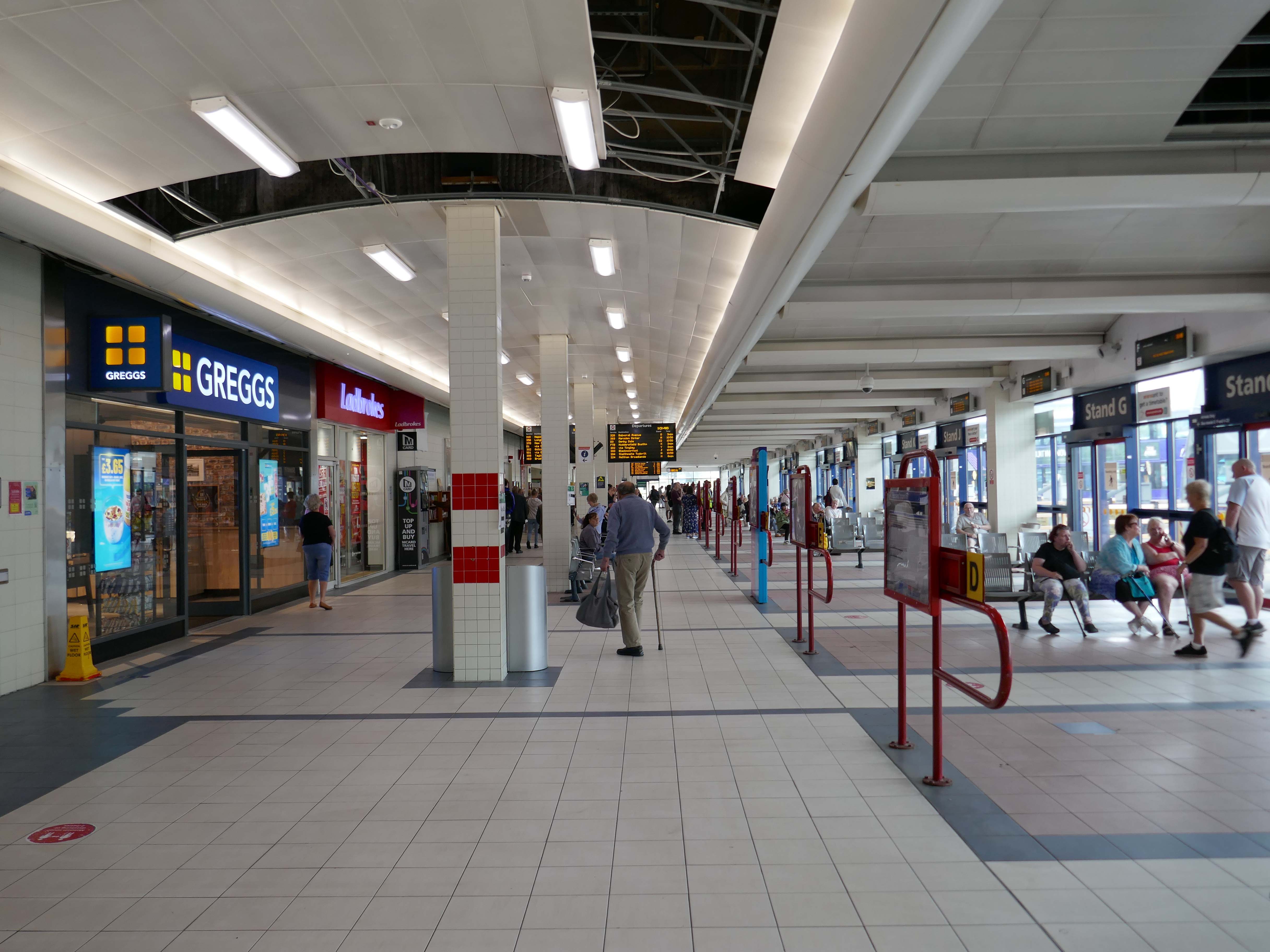
We are transforming Huddersfield Bus Station into a fully accessible facility.
Work is underway on the £28 million facility, which is funded by the West Yorkshire Combined Authority and Kirklees Council.
I was informed by the seriously erudite Christopher Marsden, that the bus station and car park were the work of Derek C W Vane: Borough Architect 1972-1974.
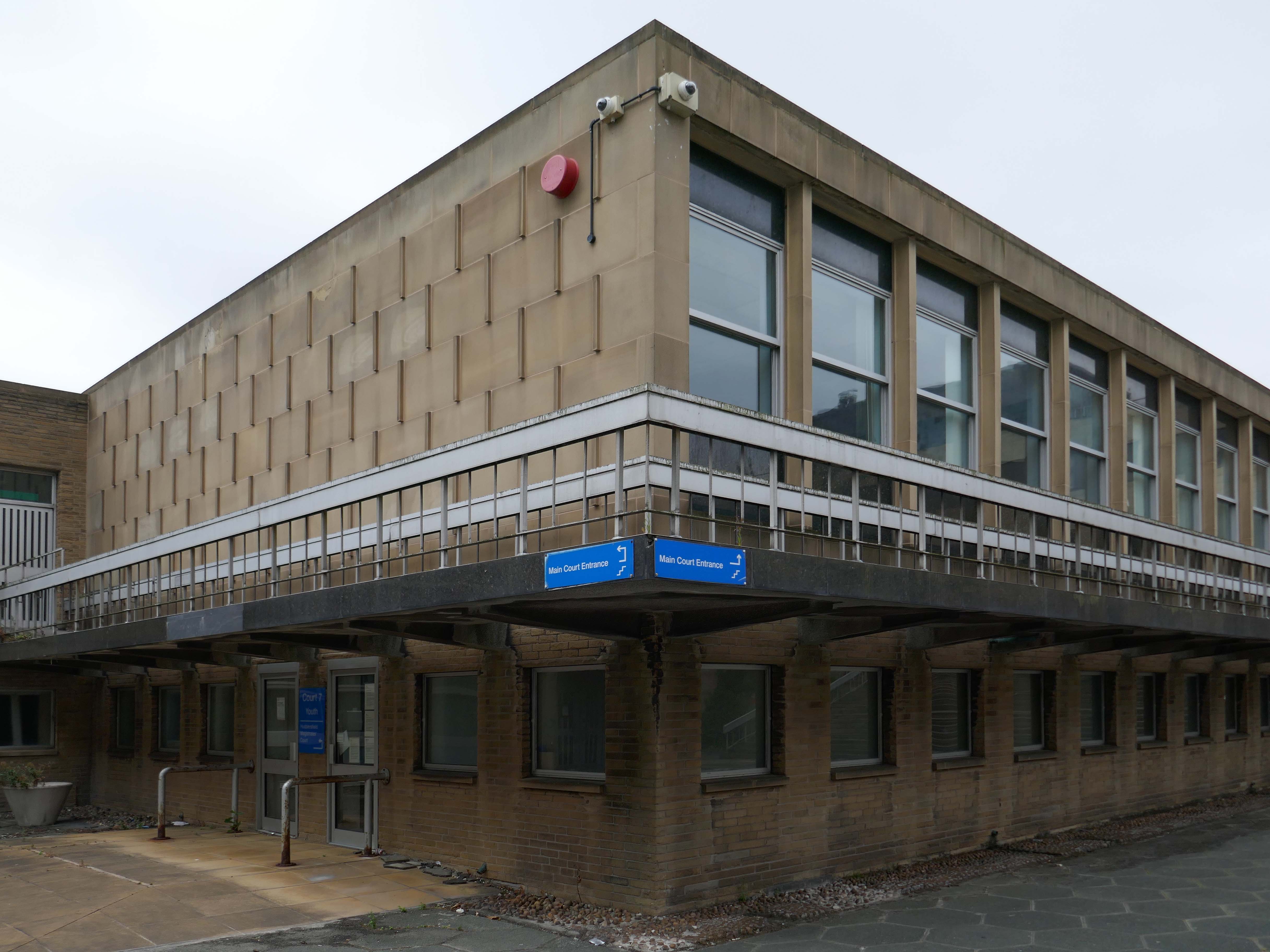
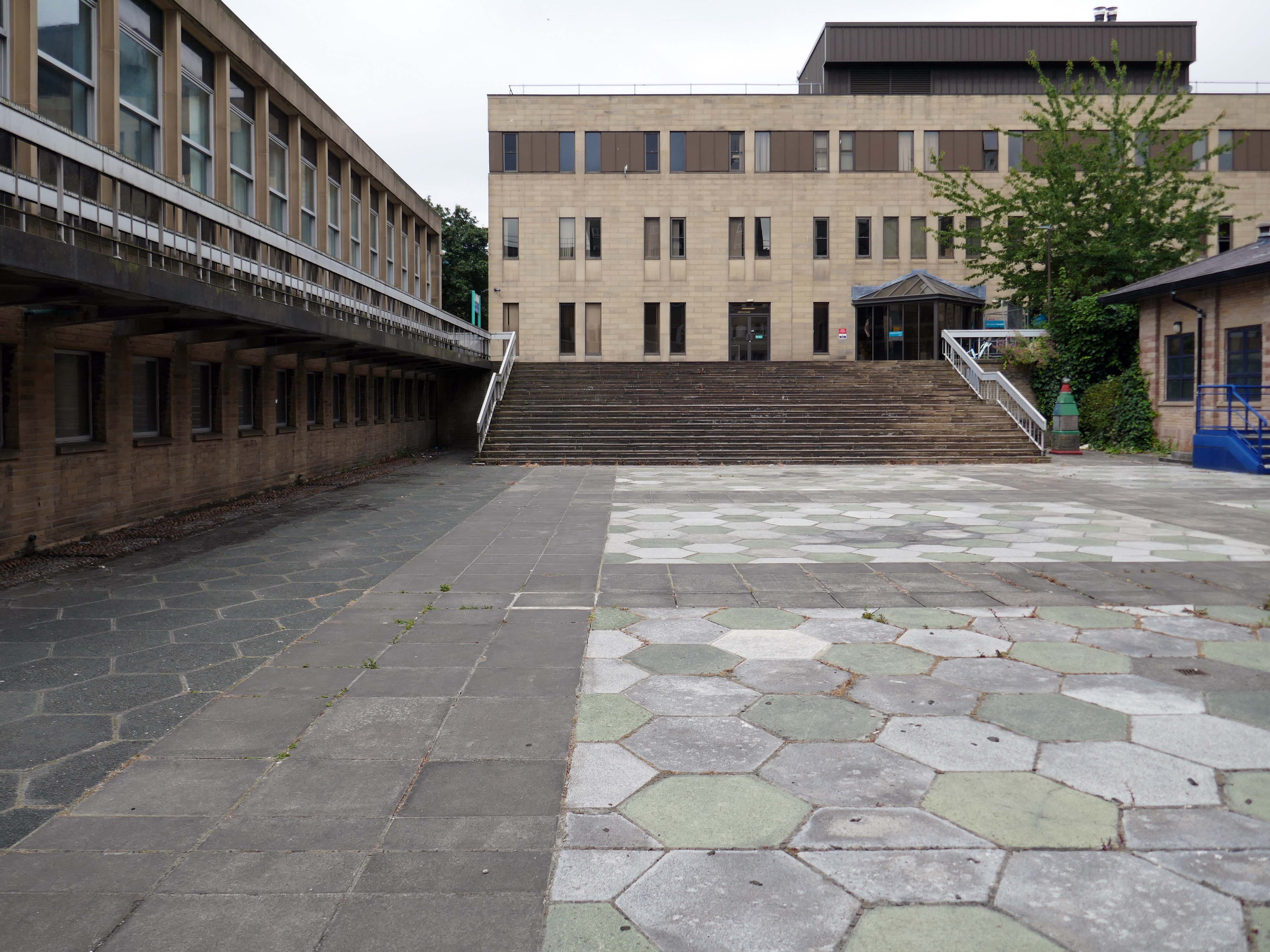
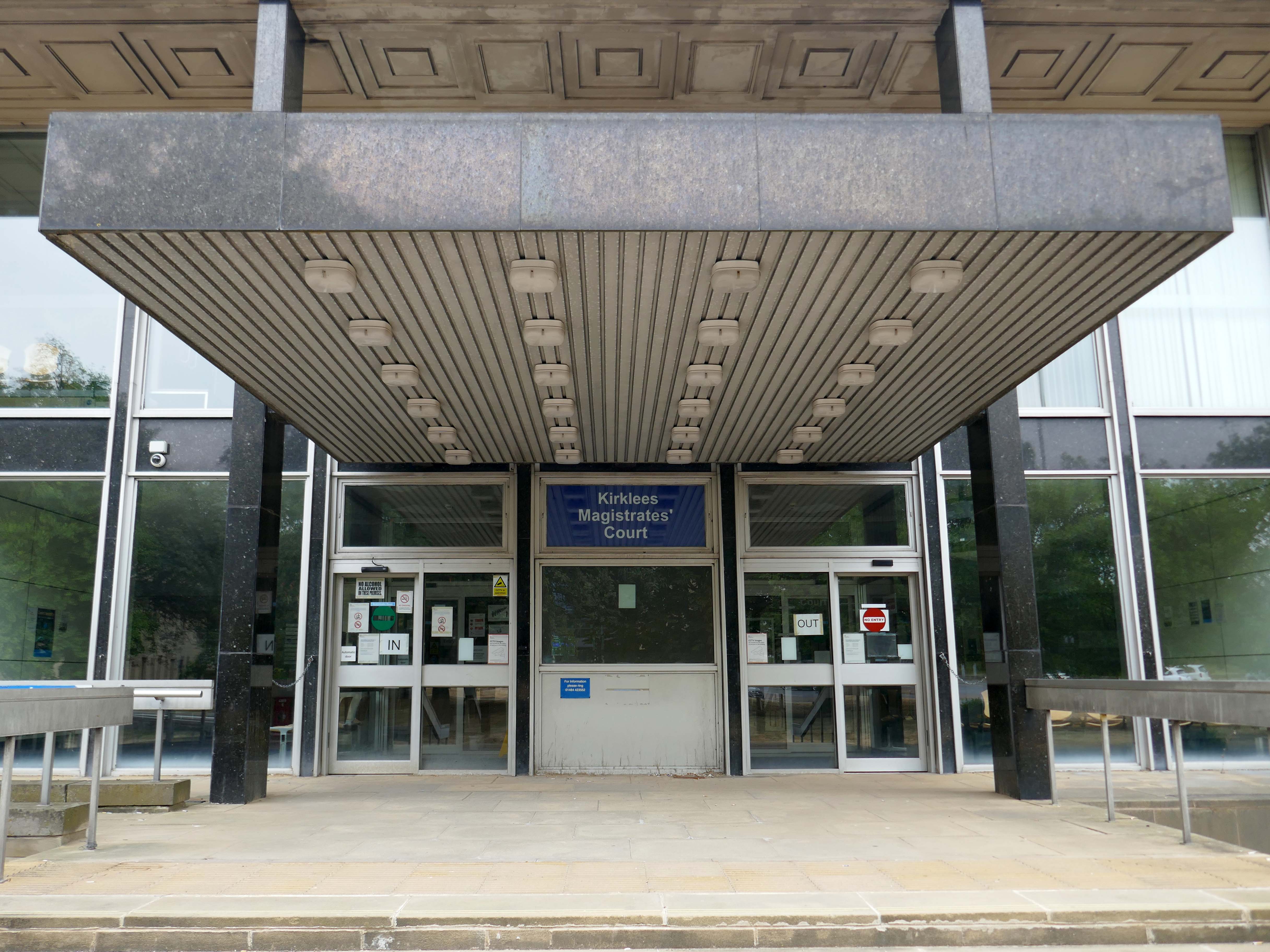
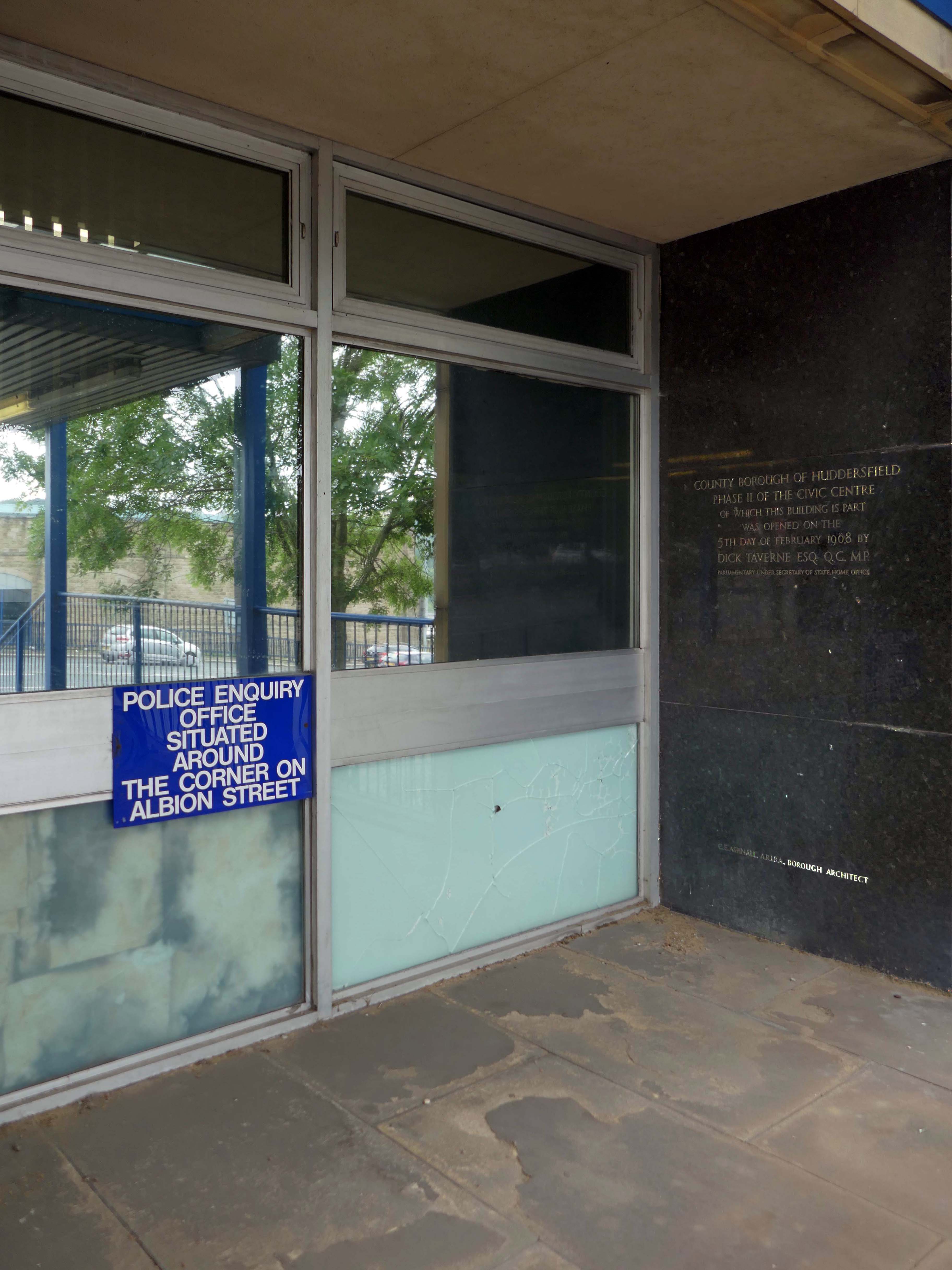
We then cross over the road to the Civic Centre, with its gold leaf facade, and the perennially empty piazza, which along with the Magistrates’ Courts and Police Station, was the work of the Borough Architects team – led by Charles Edmund Aspinall.
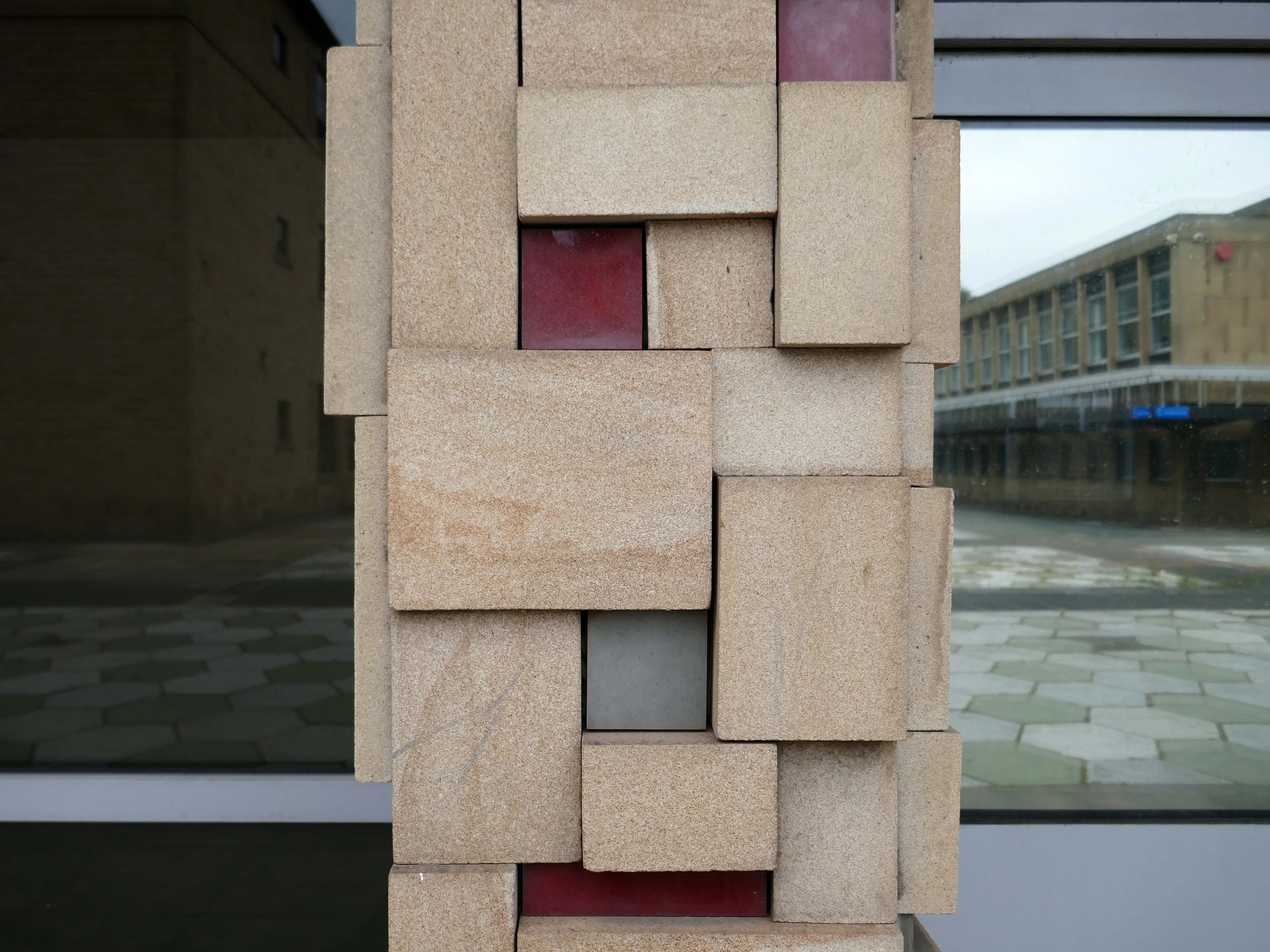
Exsilite panels set in the stone faced columns – a brand name for a synthetic, moulded, artificial marble.
Exsilite is made by fusing grains of silica and pigments to form a slab that simulates onyx marble.
Exsiliteis a Latin word meaning – spring/leap/burst forth/out, leap up, start up, bound; emerge into existence.
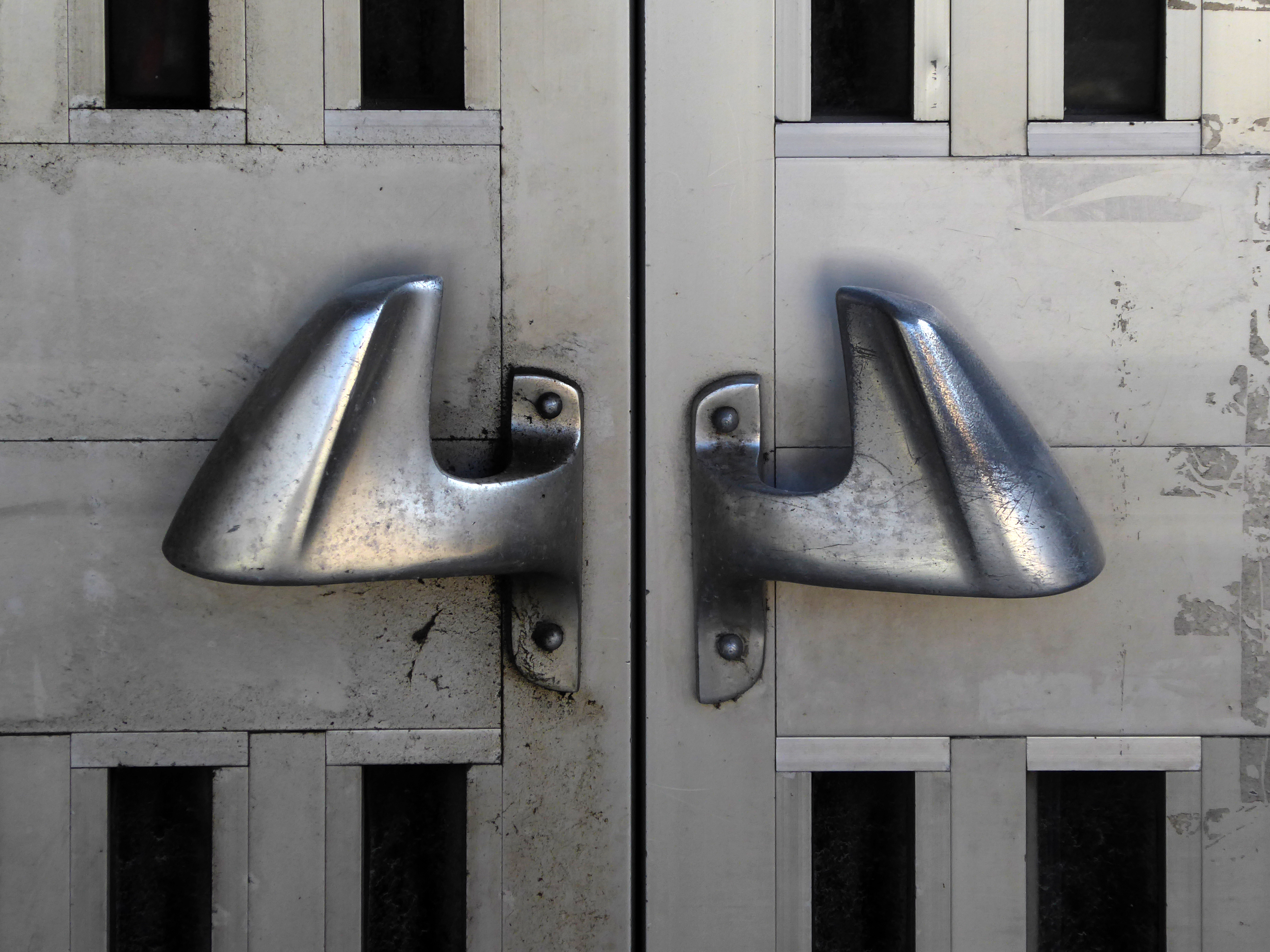
It is to be note that the doors and distinctive handles from the Courts to the Piazza have been removed.
The Police Station is to be vacated on completion of the new Police Station.
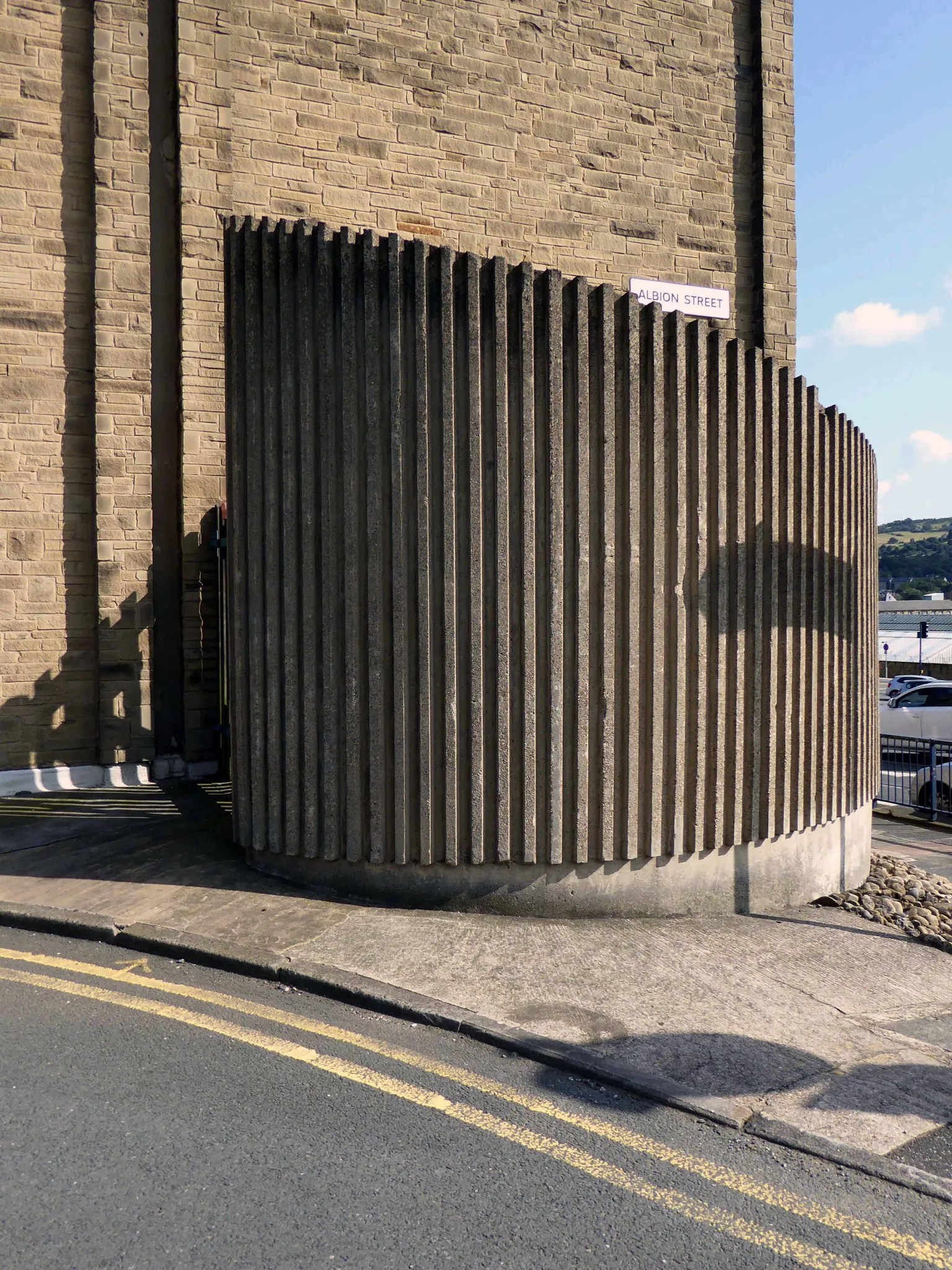
Next to the curved and ribbed concrete wall, concealing an electrical sub-station.
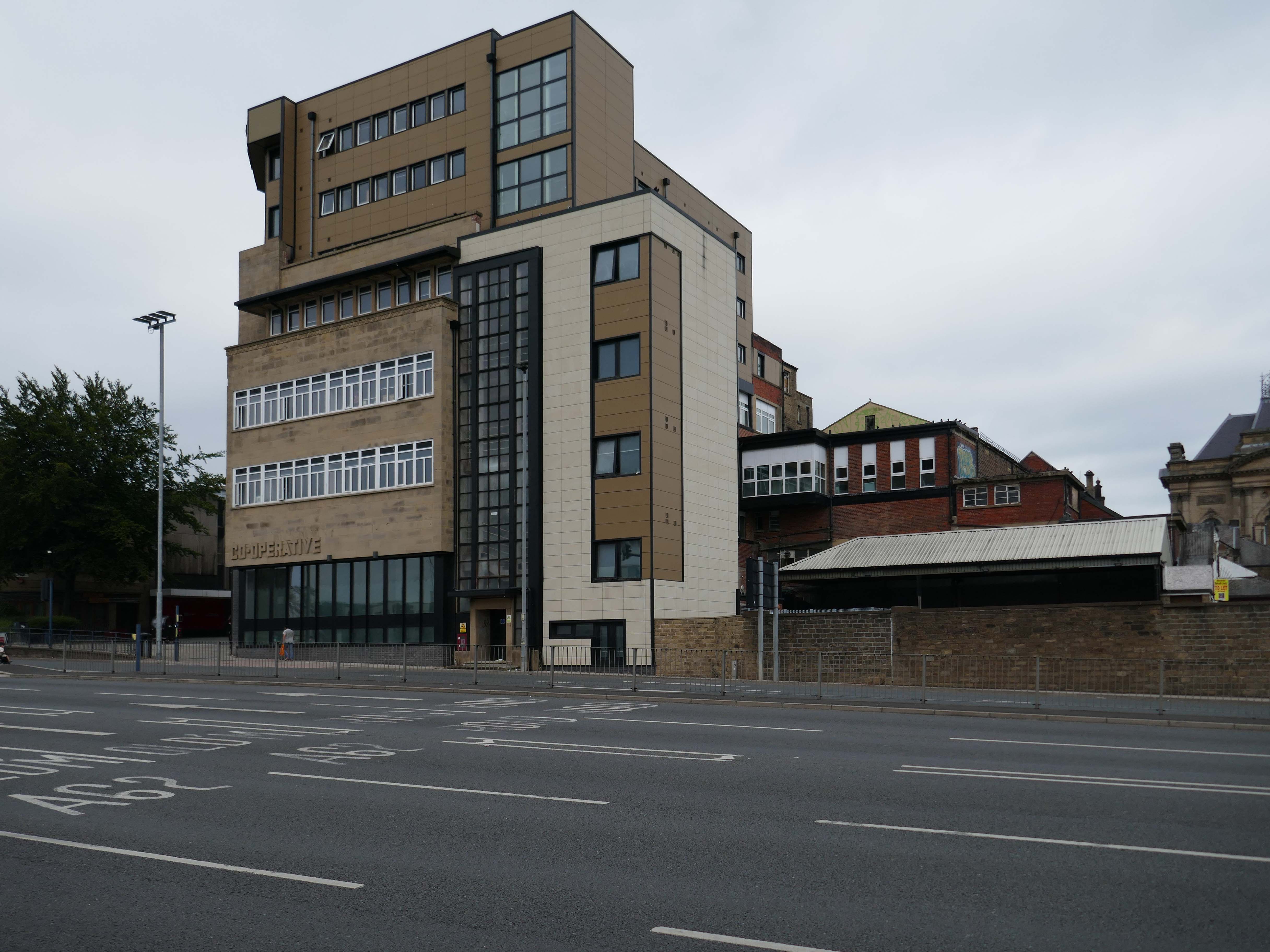
Further on down the road the former Co-operative store 1936 JW Cropper.
On opening day, the Examiner said the Co-op gave:
The town of Huddersfield a store that is entirely modern in design and equipped on the most up-to-date lines-a store of which the townspeople generally, and co-operators in particular, can be proud.
It has subsequently been seriously disabused by insensitive refurbishment and extension.
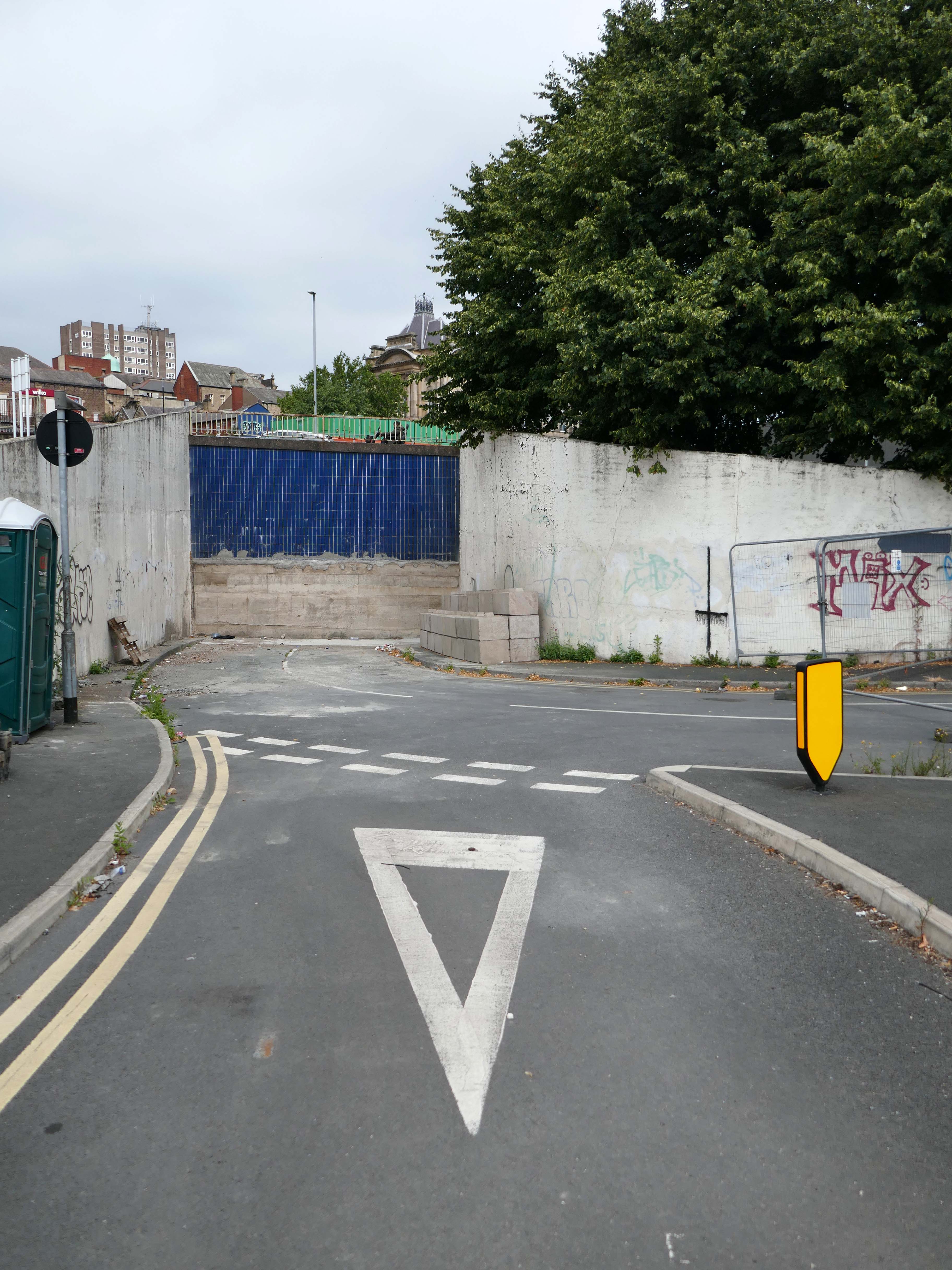
We cross over to view the access road to the service area of the market – now closed.
It was formerly topped off by a multi-storey car park – since demolished.
Then onward to the Grade II Bath House at Broadbent’s Engineering in Huddersfield.
1955, by Abbey Hanson architects – designing architect Andrew Buck, project leader Geoffrey Rowe.
The building is a very rare, possibly unique example of a purpose built bath house for foundry workers
* Its continuing function as a bath house has preserved its original purpose in both its layout and its fixtures and fittings as well as its design
* The design of the building manifests inspiration from both W Dudok and Frank Lloyd Wright, and achieves a high standard of accomplishment in its interpretation of contemporary architectural influences
* The use of local stone for external walls distinguishes it from brick built pithead baths of similar style, and the imaginative use of finishes lends further distinction
* The interior survives almost entirely intact, with original wash basins, shower and tap fittings, lockers, floor and wall surfaces, doors and light fittings.
One of Huddersfield’s hidden architectural gems has been transformed into an attractive and unusual gallery-cum-coffee house and restaurant, destined to become a popular public space for meeting, eating and art appreciation. But among the attendees at a special unveiling event there were men who remembered its original function – as a bath house where scores of foundry workers could shower away a day’s grime.
Up around the the bend and here we are at the Grade II listed Queensgate Market, 1968-70 to the designs of the J Seymour HarrisPartnership, with Leonard and Partners as consultant engineers.
Another feature of Huddersfield Market which sets it apart from other post-war market buildings is its incorporation of works of art. Fritz Steller was a German-born refugee architect who had settled in Stratford-upon-Avon. He pioneered the production of large scale ceramic art, having been interested in the use of a wide variety of materials in sculpture. The development company Murrayfield had a policy of incorporating public art into their schemes, and the project manager of J Seymour Harris, the architects for the Huddersfield development, was Gwyn Roberts, a friend of Steller. One of the Borough Councillors at Huddersfield was Clifford Stephenson, an enthusiast for public art and particularly for modern ceramic sculpture. This combination led to the appointment of Steller to produce designs for the new market hall. The size of the panels necessitated the construction of a special kiln for their firing, and experimental mixes for the composition of the clay which was resistant to acid rain and chemicals.
Straight ahed to the service entrance at the rear of ThePiazza.
The council wants to demolish the Piazza buildings as soon as possible.
Phase 3 was originally to be the Queen Street plot but Greenhead College’s plans for a new education building on the site failed to secure Government funding. Since then the council has been looking at alternatives – including a hotel, residential or offices – but now believes a new multi-storey car park could be the best way forward.
Phase 5 was to have been a £90 million events and concert venue with a multi-storey car park attached but that is no longer affordable. A review of the venue is underway and the council now thinks a “flexible multi-purpose” venue is the way forward. It would have a fully-seated capacity of 1,200 or 2,000 with a standing floor and seated balcony.
Turning our back on the market and away to Buxton House 1968.
Kirklees Council’s plans for the £16 million re-development of a Huddersfield town centre block of flats have collapsed.
Buxton House, between New Street and Albion Street, failed to meet modern fire safety standards and the council moved tenants and bought out owners and leases, pending a full-scale refurbishment.
Planning permission was granted in July 2024 to re-model the tower block to create forty one, one and two-bedroomed flats along with five studio flats with construction set to start in November 2025.
However, it has now been revealed that the council has failed to find a contractor and the scheme is on hold indefinitely.
The flats are part of a larger retail development by Bernard Engle & Partners.
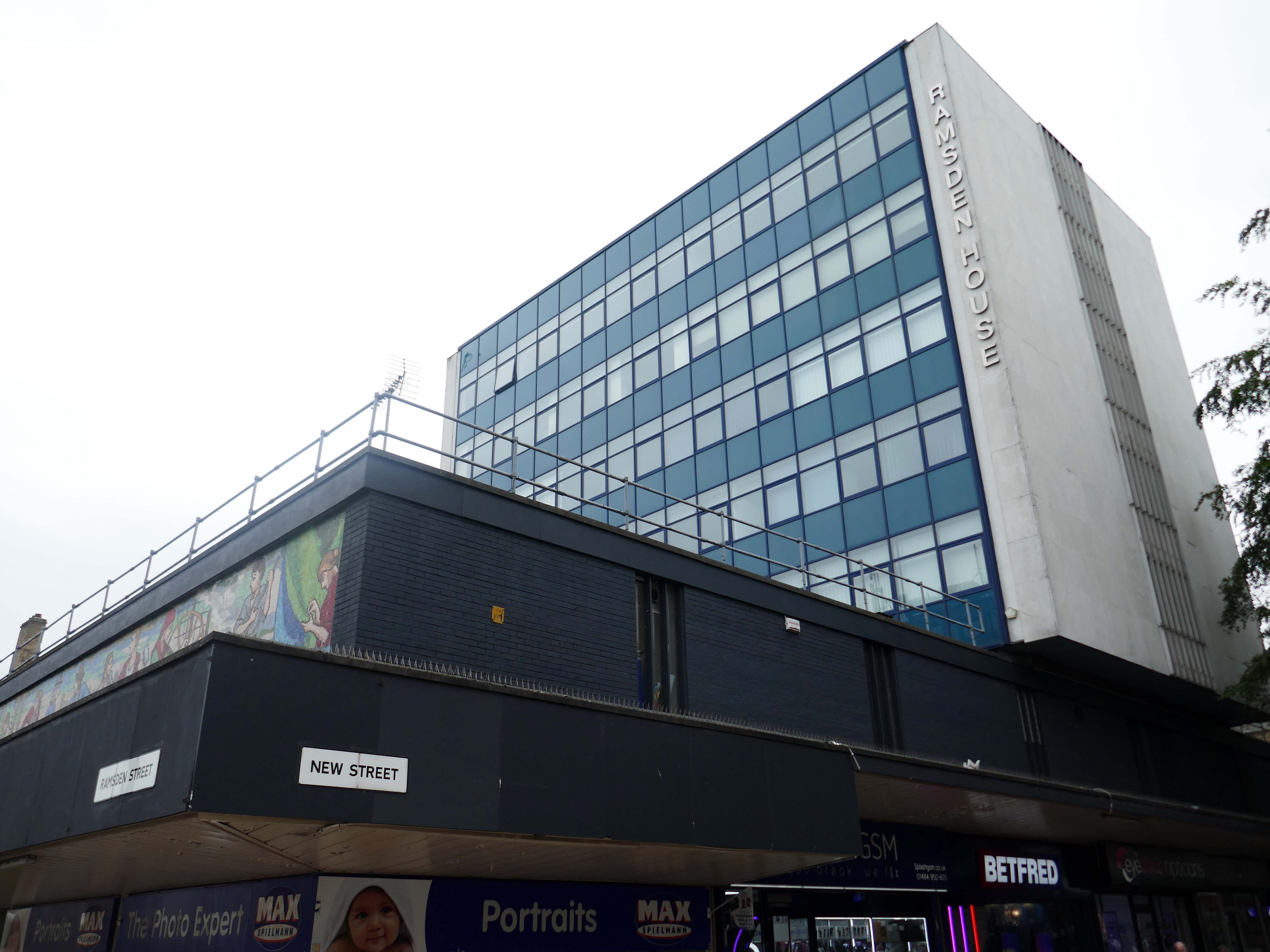
Across the way Ramsden House a slab on a podium, part of the Murrayfield Redevelopment 1968 J Seymour Harris Partnership.
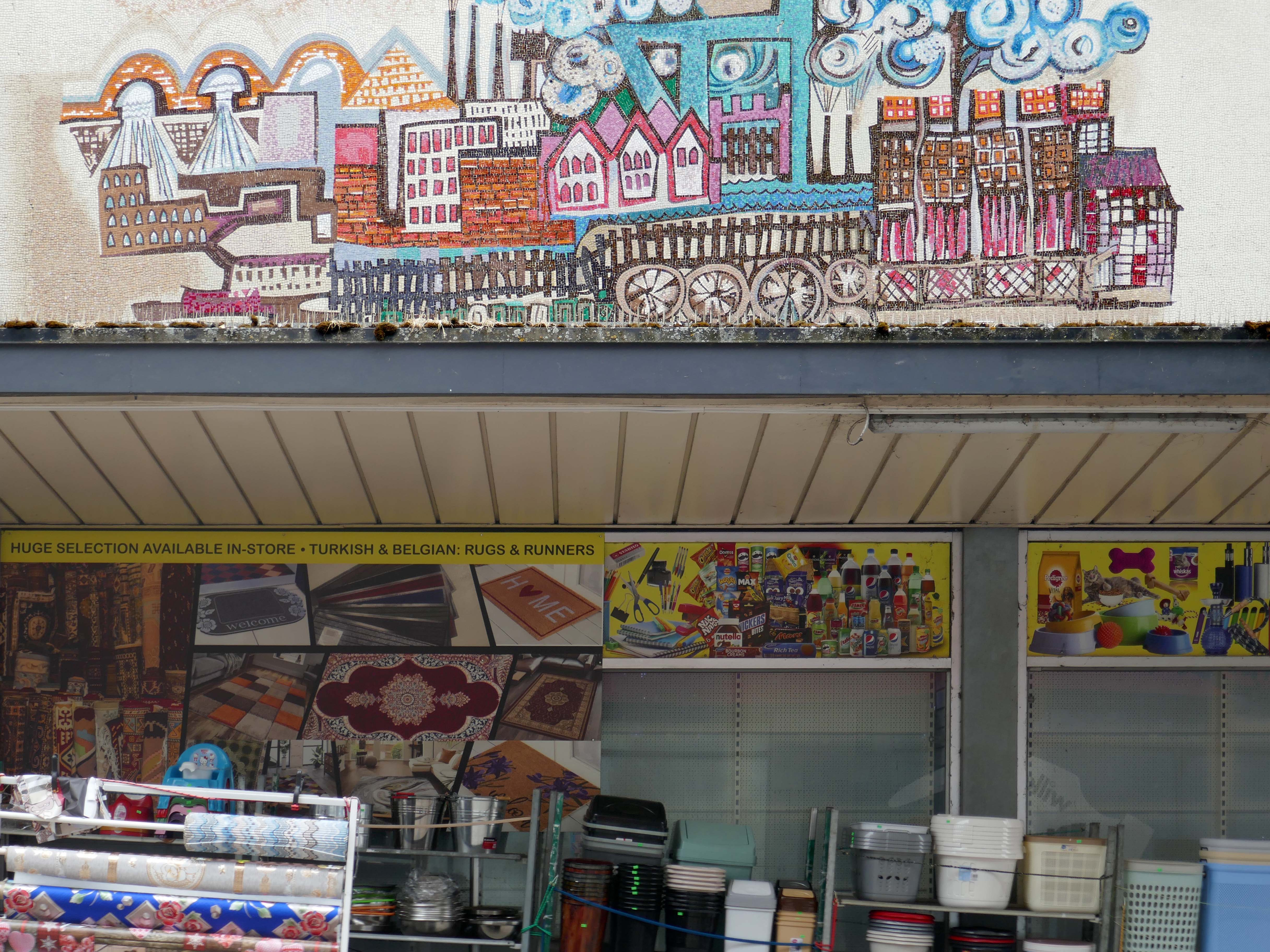
This block was the first and only phase of four that’s still intact. It’s a slab and plinth project with underground servicing marble finishes and two art mosaics that relate to the town. The Ramsden Street elevation mosaic depicts ‘Development of the woollen industry from a cottage craft to the beginning of the industrial revolution’ designed by Huddersfield artist, Harold Blackburn.
Princess Street bears ‘Facets of the Local Scene’ by Mural Consultants Ltd.
Across the way Whitfield’s Department Store 1963 Ralph Hudson.
The longstanding furniture & piano dealers, Whitfield’s expanded from numbers five and seven with this six6 storey tower.
Influenced by a tour of modern European retail premises the company chairman supplied the architect with photos of ideas.The glossy metallic finish reflects the excitement of the notion of an Ercol show room on the fourth floor and G-Plan on the fifth. Pianos were on the first floor and TVs & radio and their servicing were in the basement. Welcome to stylish living sixties style!
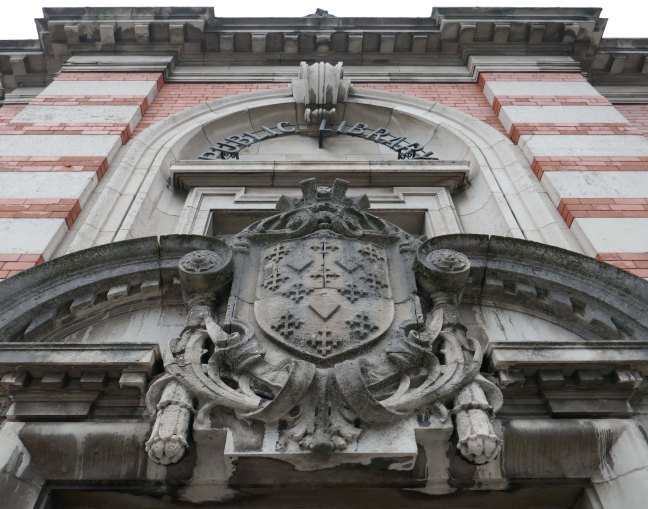
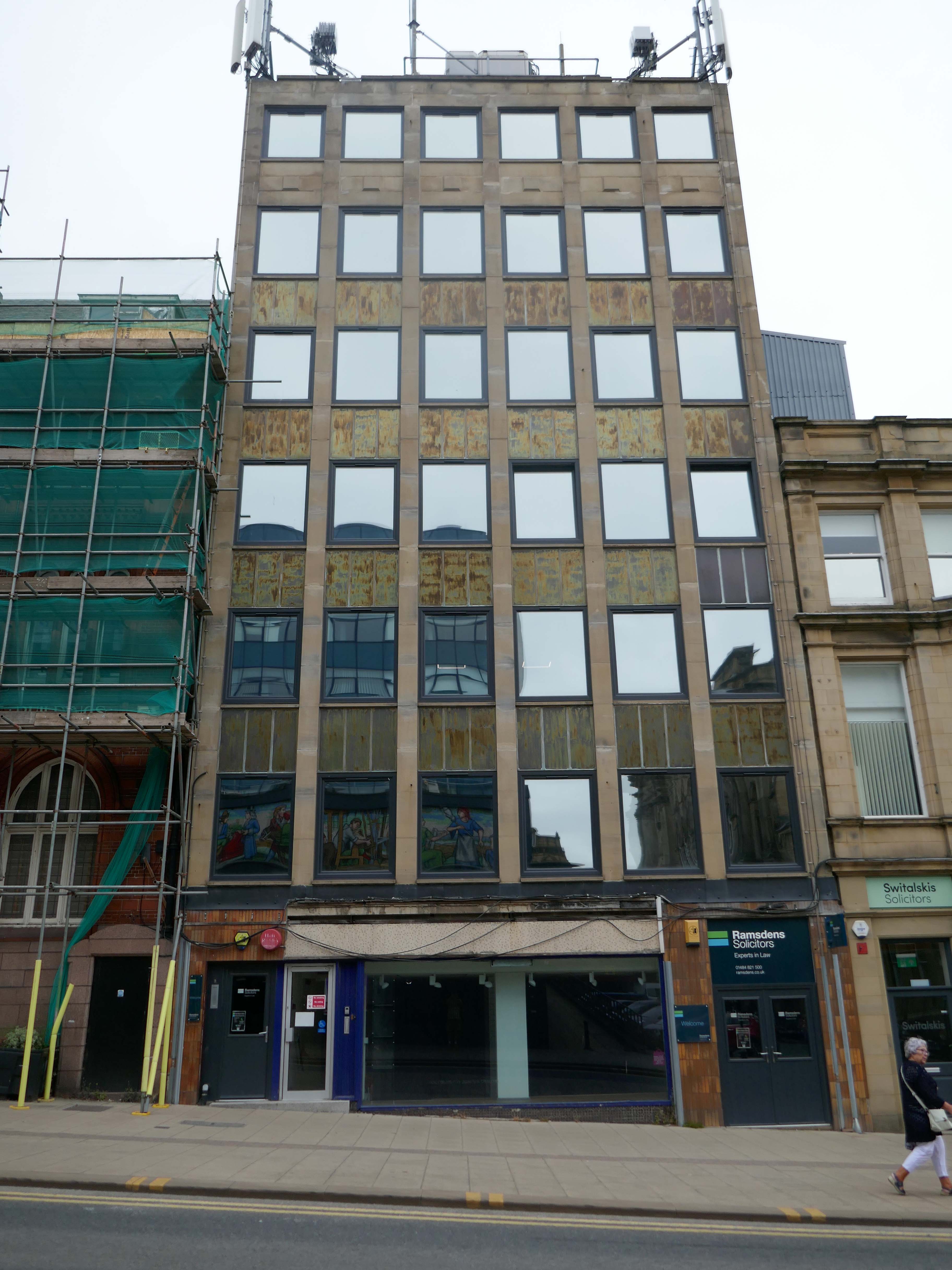
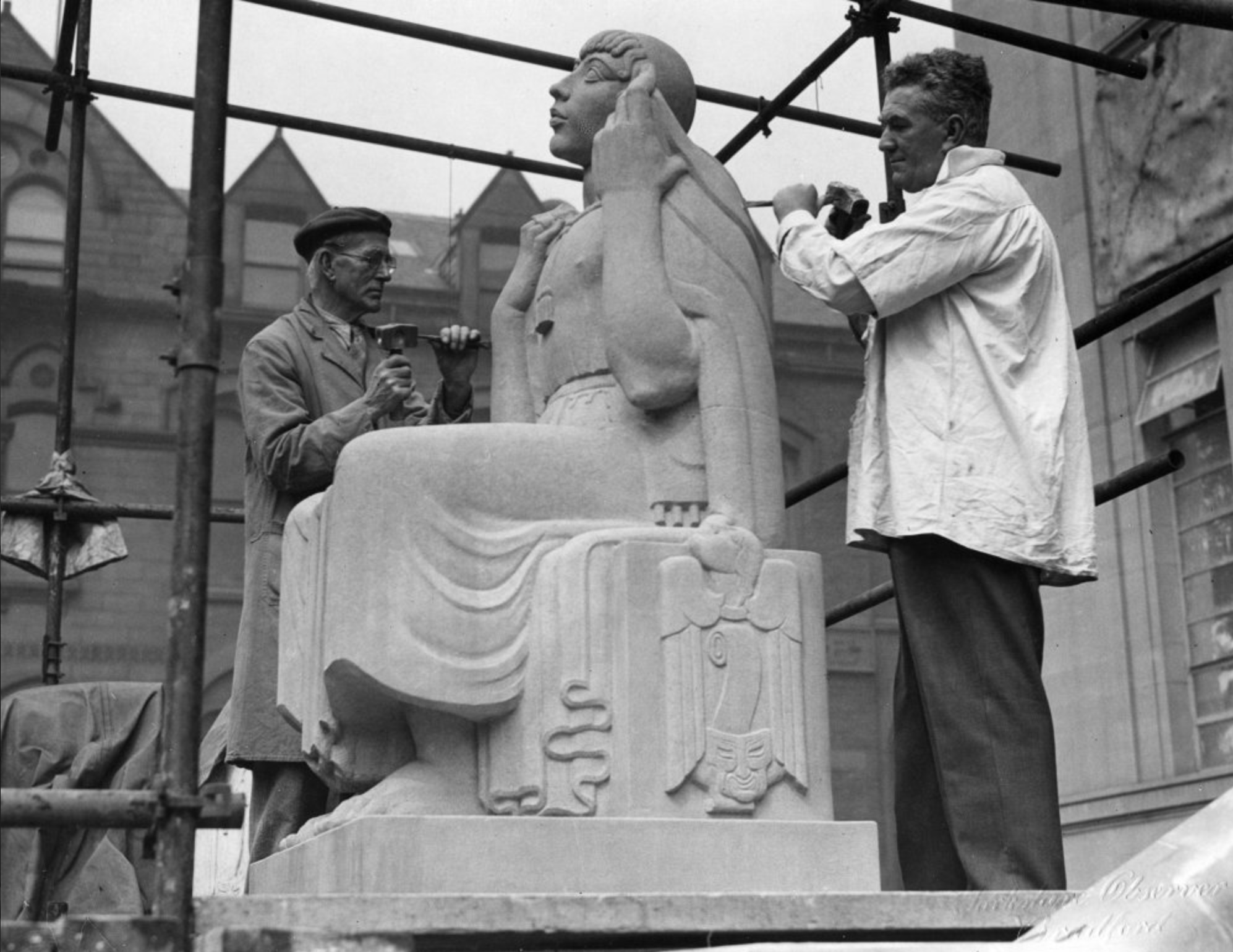
Public Library 1940 Architect: EH Ashburner&James Arthur Woodford.
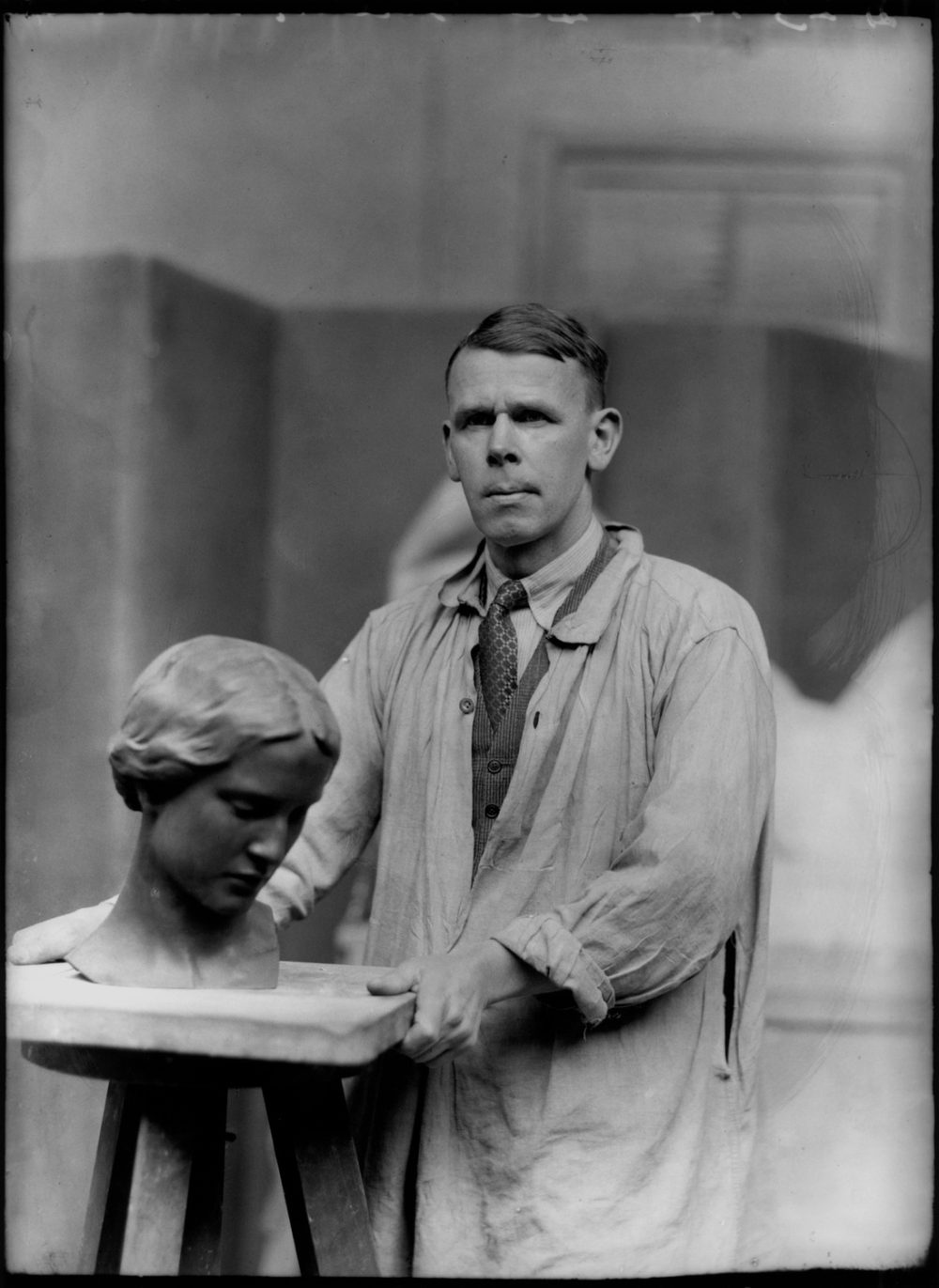
James Woodford at work – on the right, sculpting figure representing the Spirit of Literature
Reference Library.
Image – Charles Pickard 1940.
The food hall and library is due to open in summer 2026 but more problems have been uncovered with the former library and art gallery which will become the new museum. Internal works are underway and more asbestos than expected has been found and an extra £1 million has been needed to pay for removal.
The council has also found several other “significant issues” that also needed to be resolved.
It could be mid-2029 before the museum is ready to open.
Off we go to the MidlandBank – then HSBC then not a bank at all, 1970 Peter Womersley with Roger Shaw of Kitson & Partners.
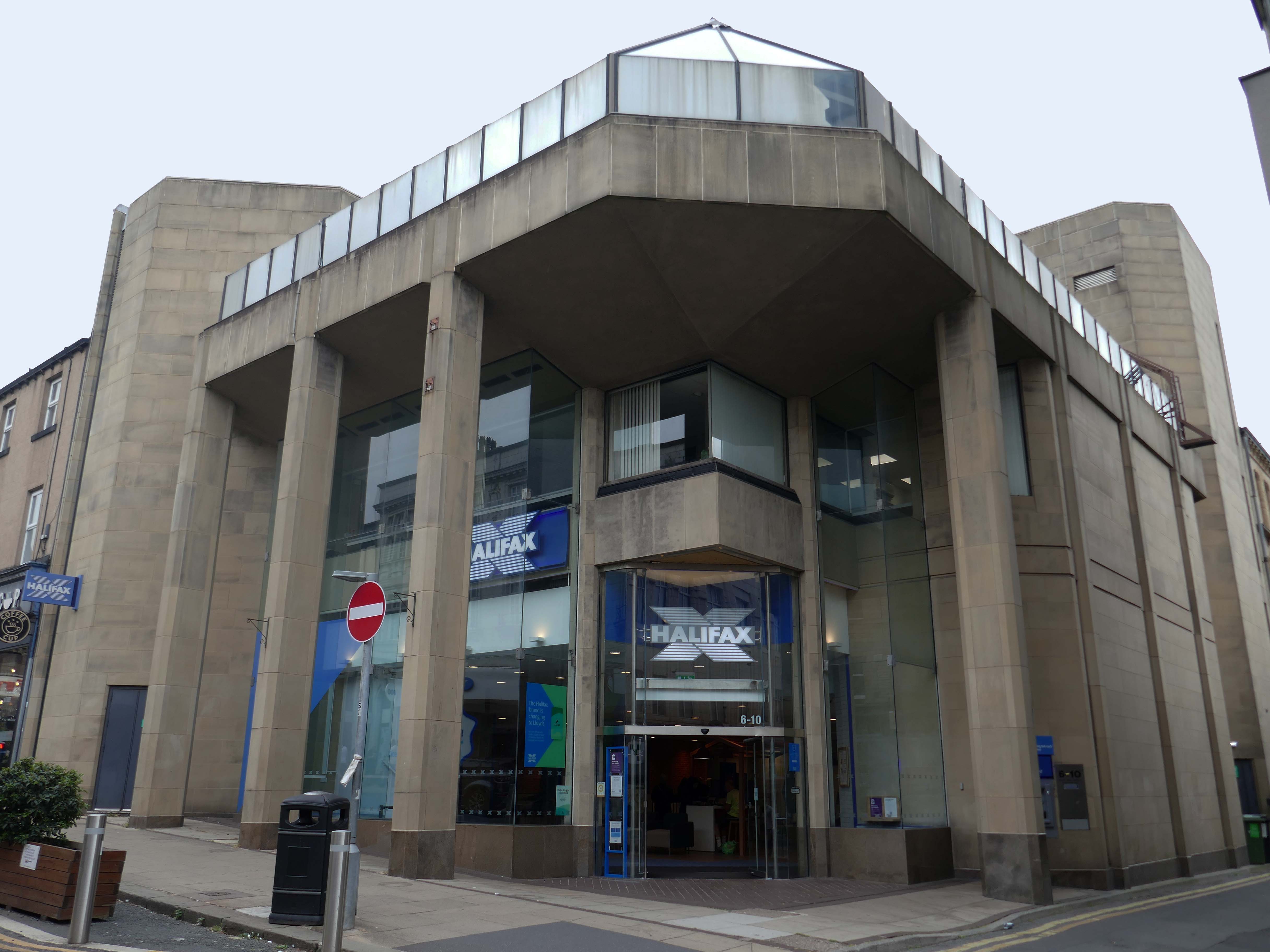
Next door the Halifax Building Society 1981 Abbey Hanson Rowe.
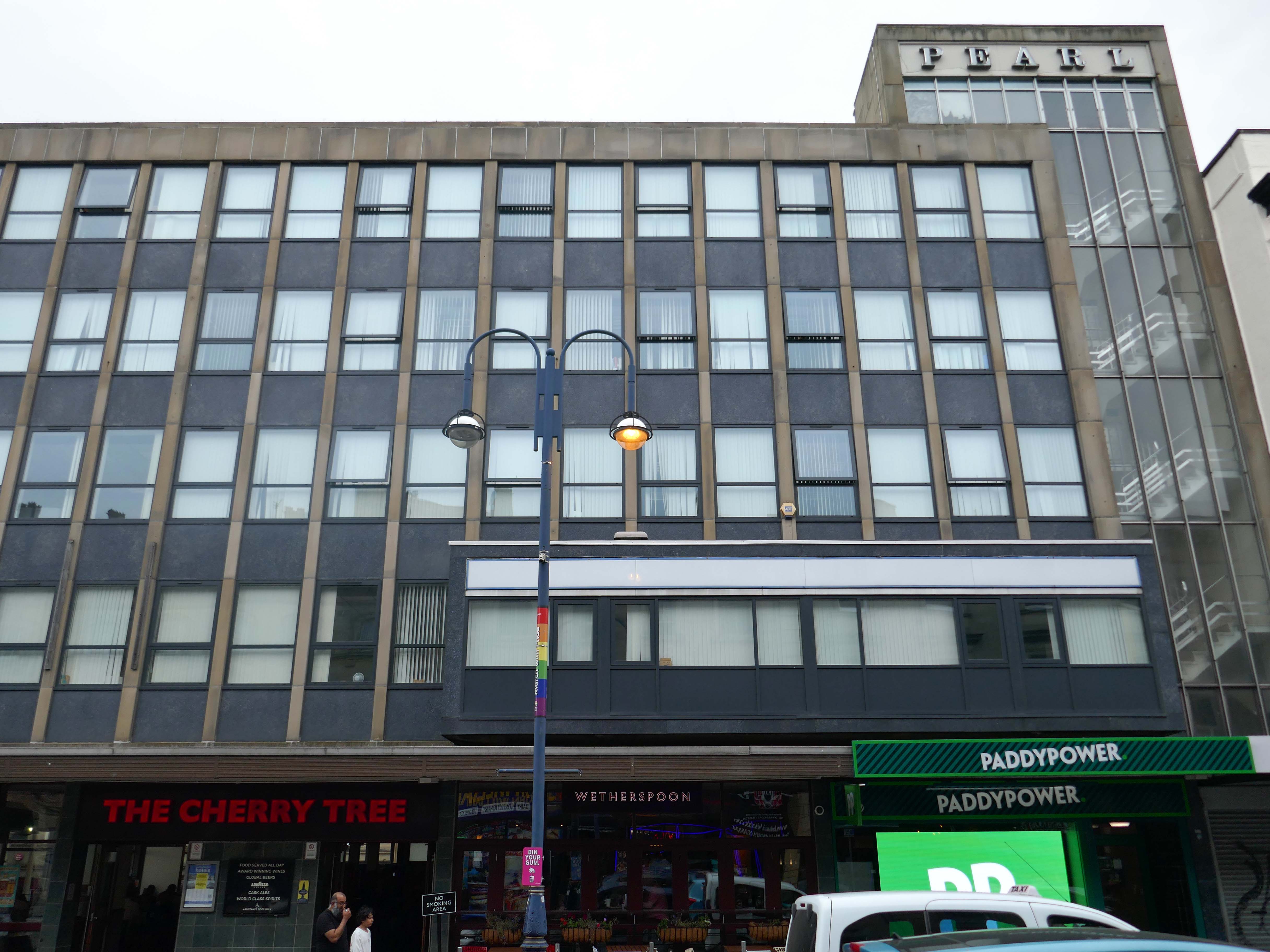
back to the main drag and the Pearl Assurance Building 1963 Elsworth Sykes & Partners.
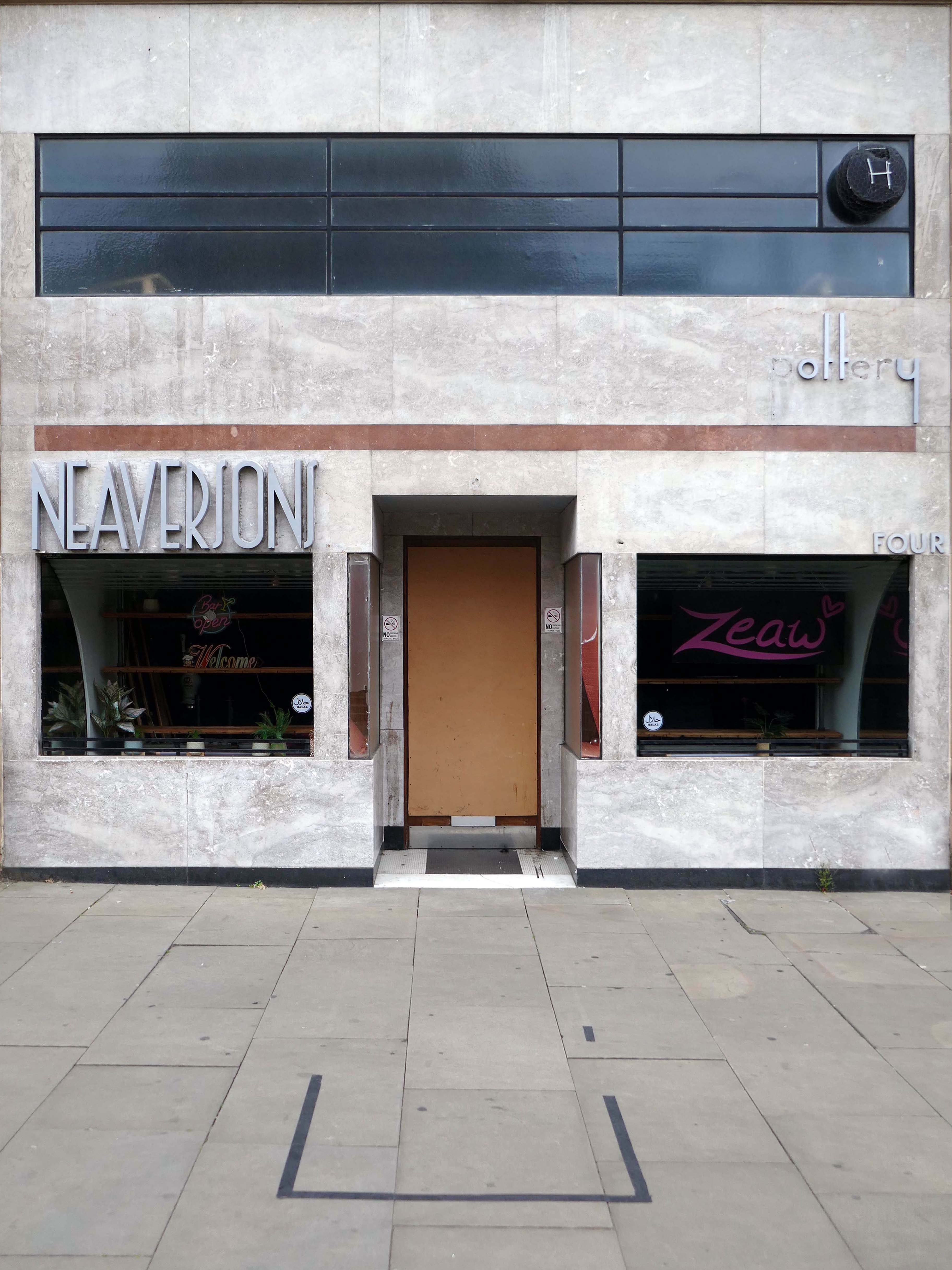
The nipping down the lane to Neaversons1935 with two Moderne fascia elevations by shop fitters Sharp & Law of Bradford, Grade II Listed as part of the Kirkgate Buildings.
Once selling bijou household goods, following occupation by several bars and cafes, currently empty.
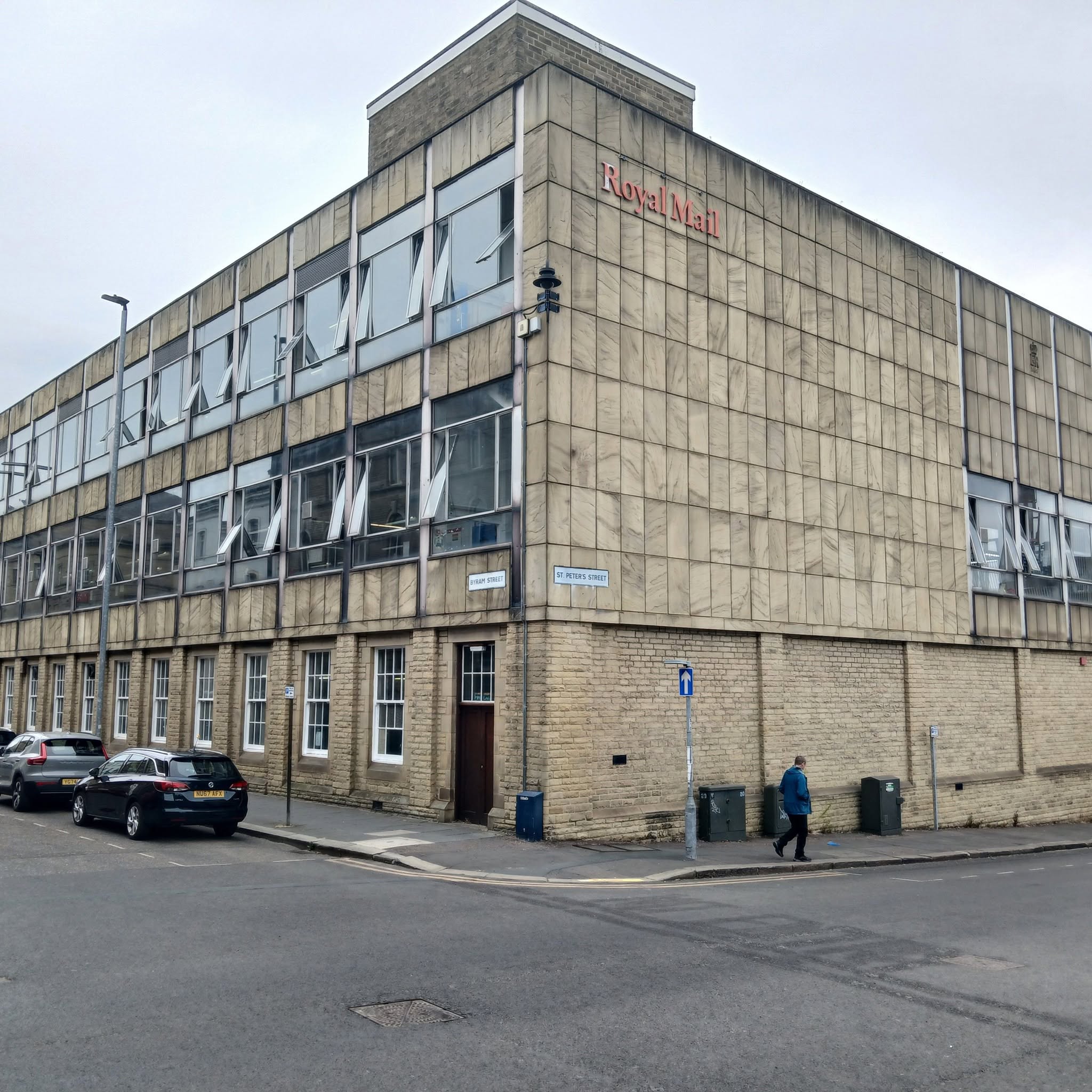
Finally just in time to catch the last post at the Royal Mail Sorting Office – Post Office extension 1968 Office of Public Works.
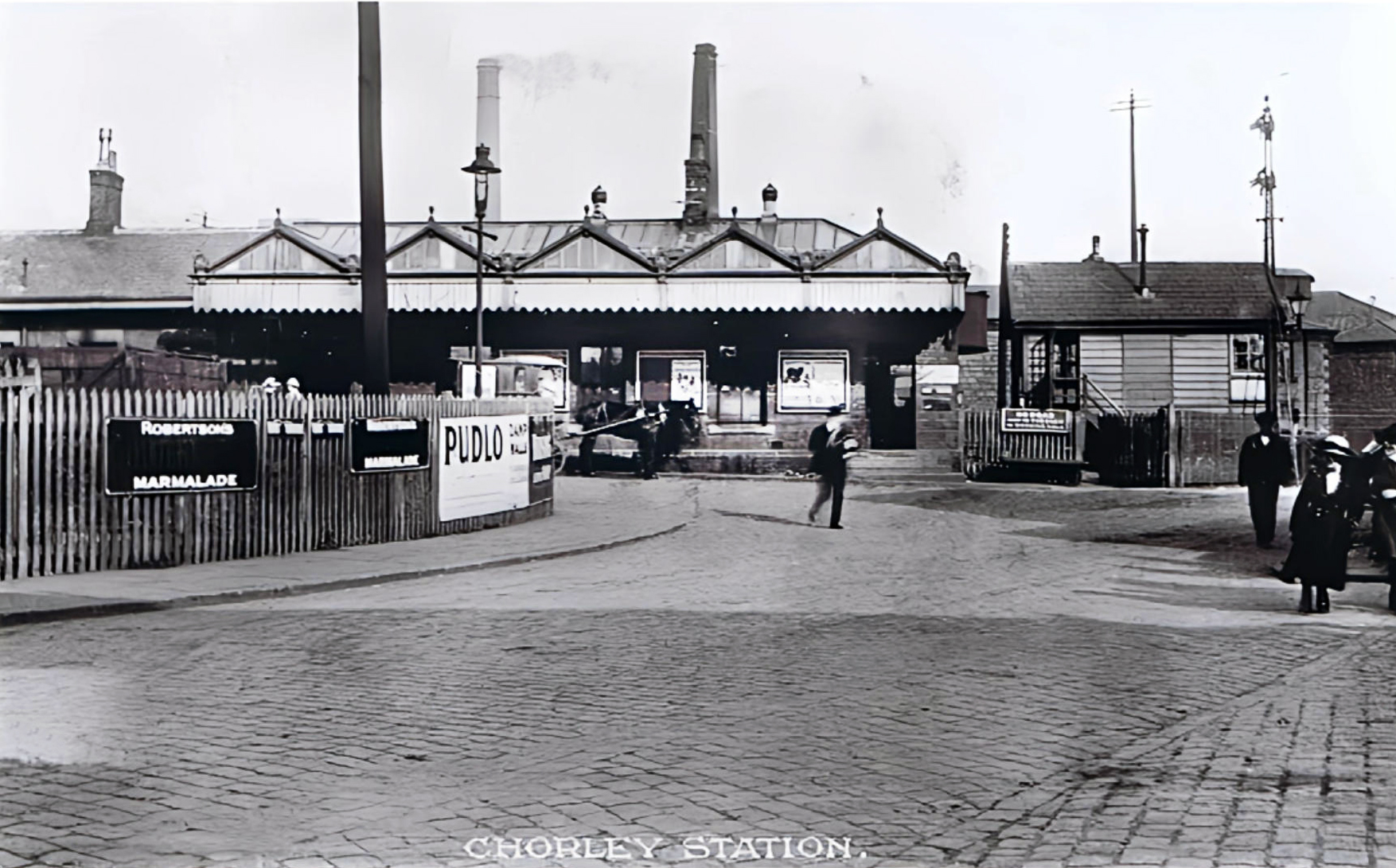
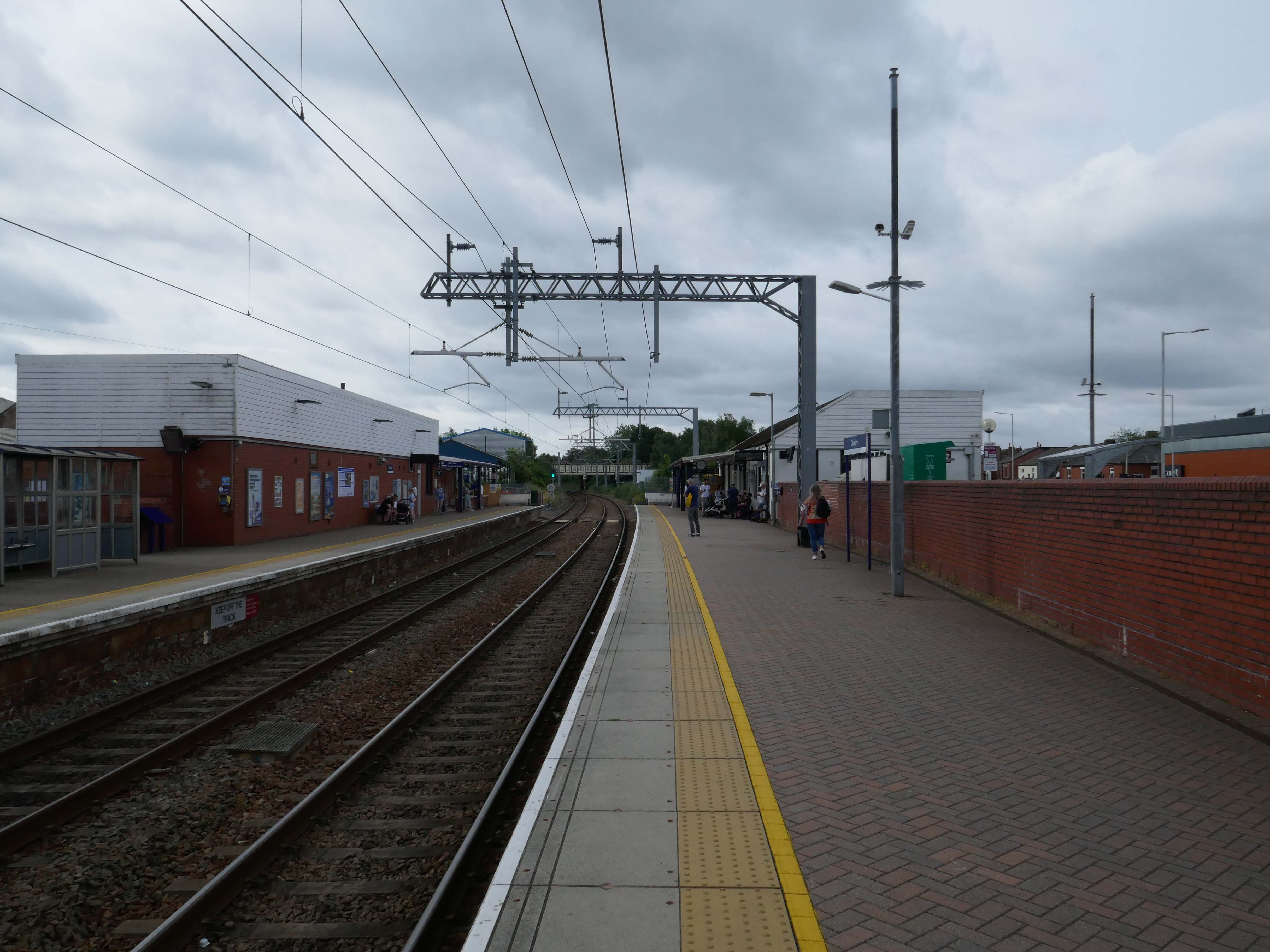
The current railway station is a modern version from the 1980s that was built on top of the original station – it is entirely functional, but more than somewhat undistinguished.
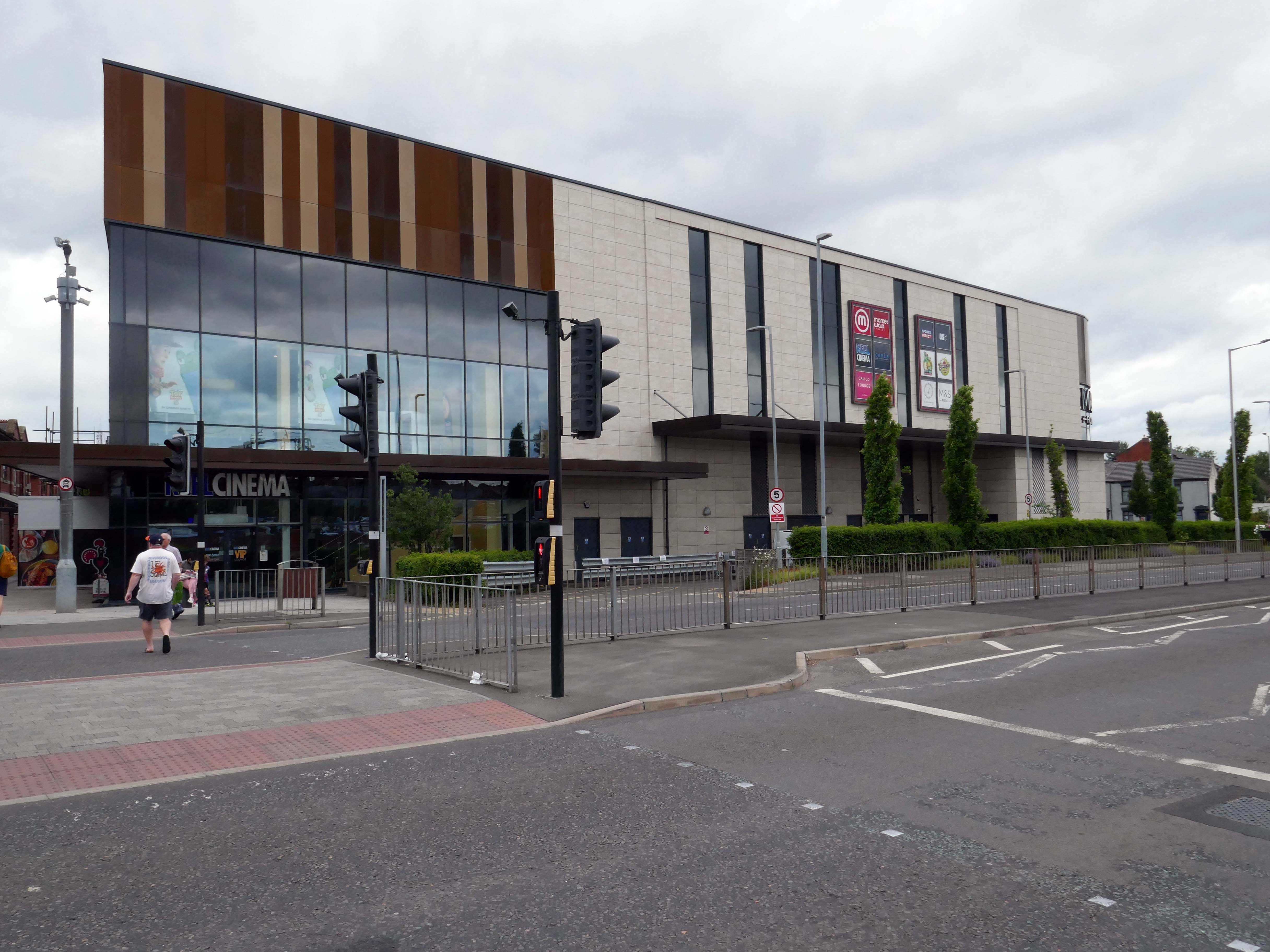
Whether it’s fashion, gifts, everyday essentials or an entertaining day out that you’re after, Market Walk has it all. With over thirty shops along an outdoor parade, plus entertainment and hospitality venues, there’s something for everyone.
AEW Architects were appointed by Chorley Council in 2015 as Architects for the Market Walk Scheme.
The Council’s aspiration was to breathe life back into the town centre by enhancing Chorley’s retail and leisure offer and refocusing Chorley’s centre as a destination for local residents and surrounding towns. The development needed to entice new, and retain existing, businesses in the town. Aesthetically, the development also needed to be a landmark for, and create a modern gateway into, the town – driving footfall towards Chorley’s commercial centre.
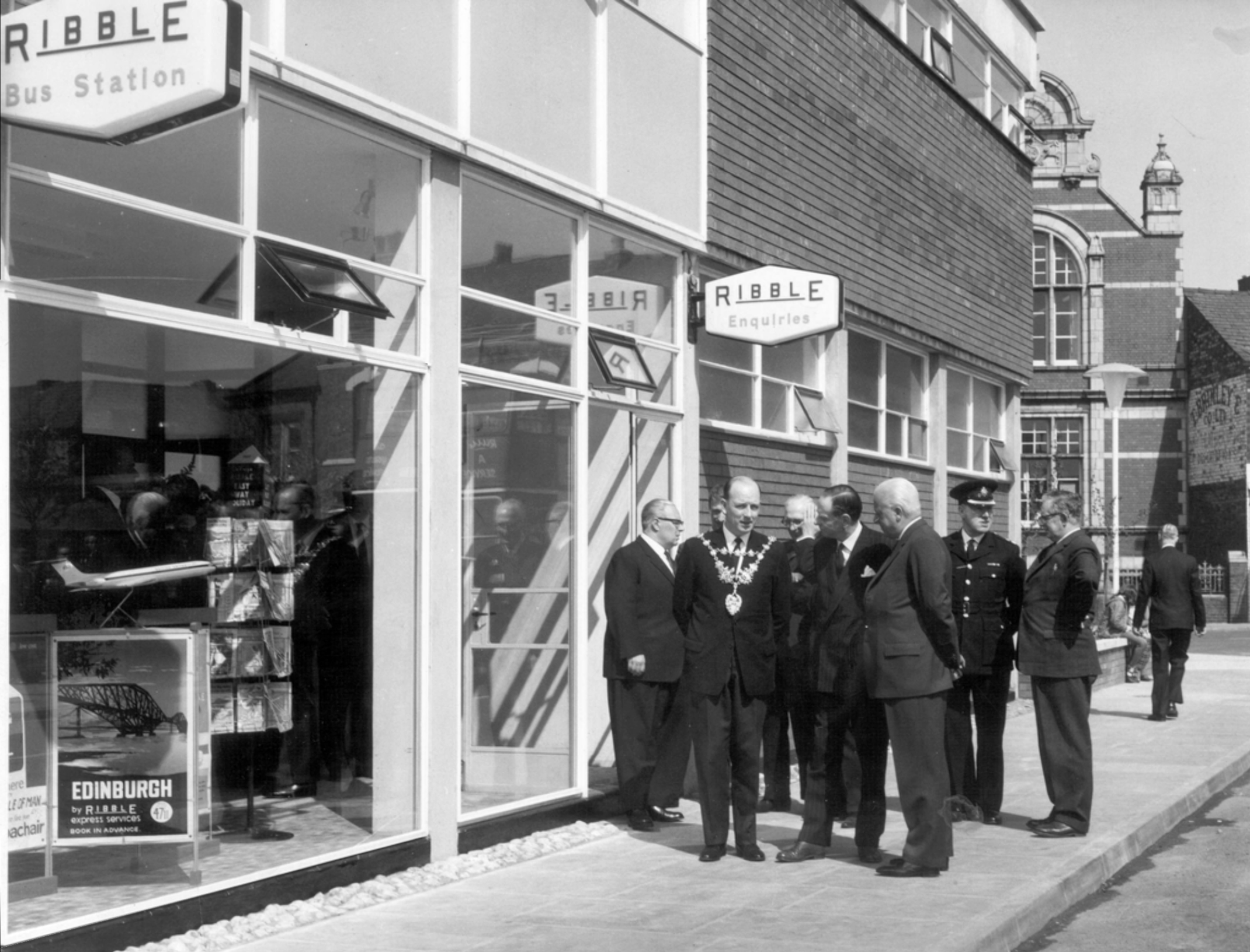
Next door is the Bus Station, opened in February 2003 replacing the previous structure.
Opening of the previous Bus Station – Ribble the area’s operators, before the Stagecoach arrived.
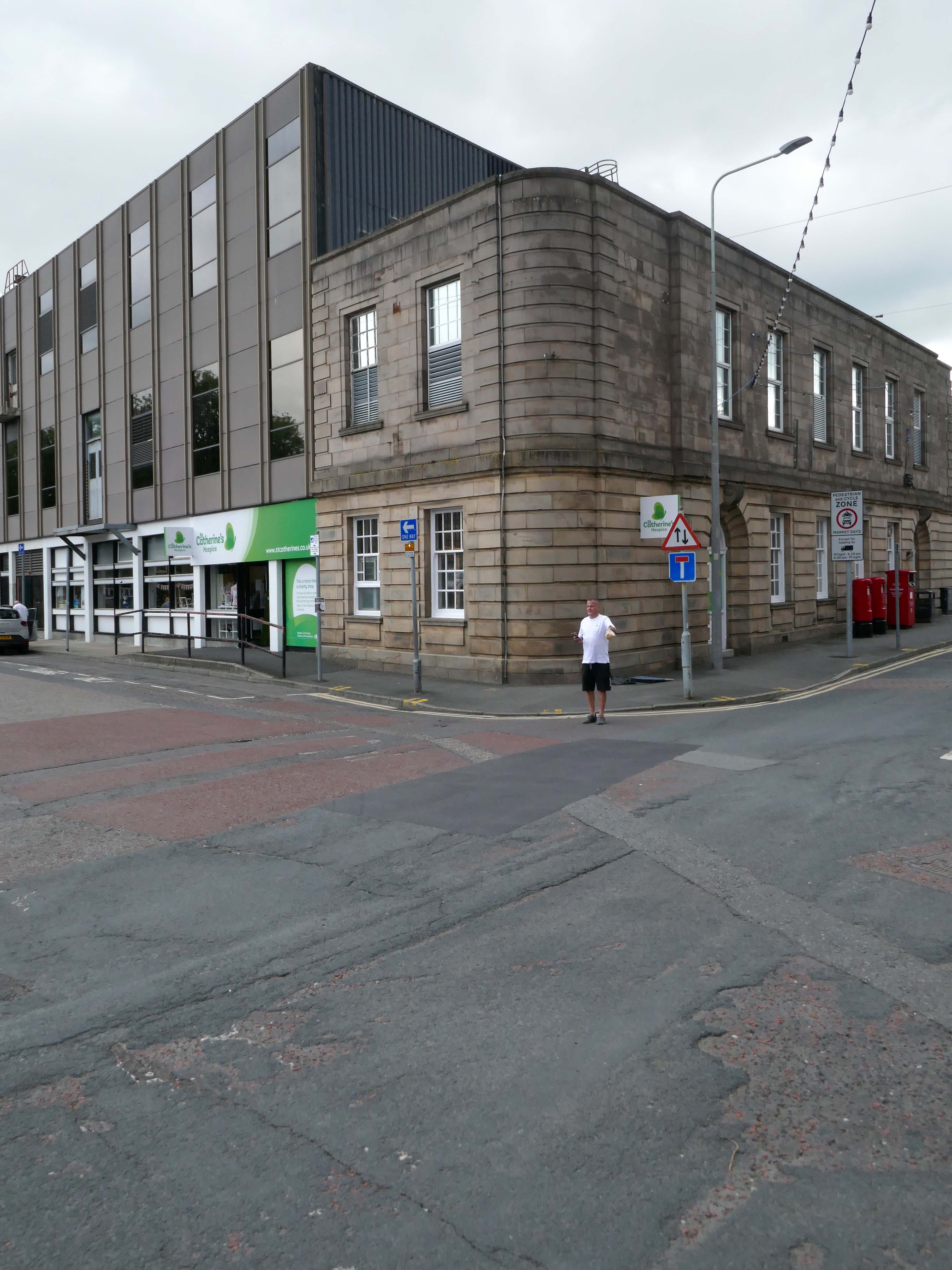
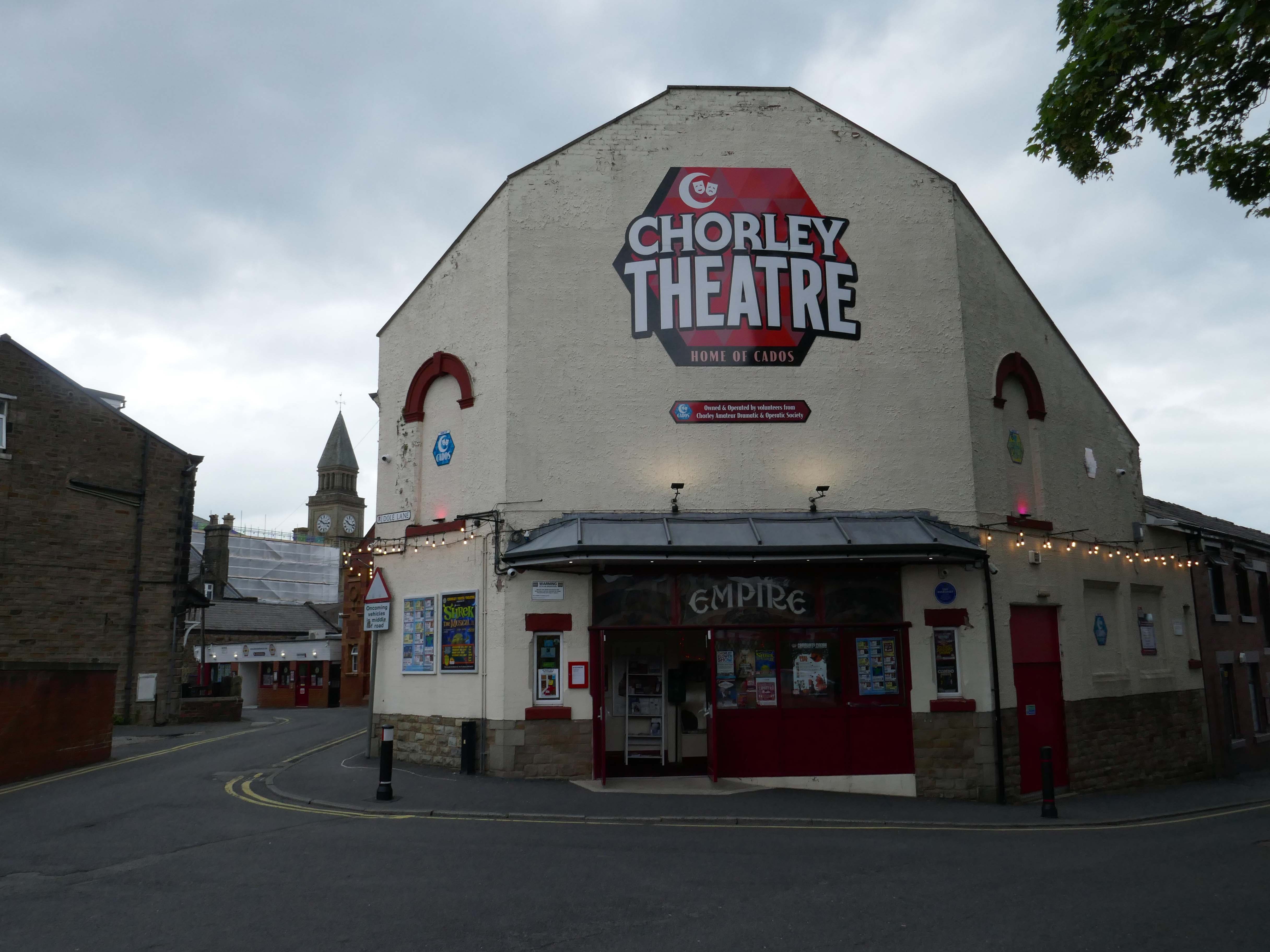
Opened on on 3rd September 1910, one of the nation’s longest continuously running cinemas.
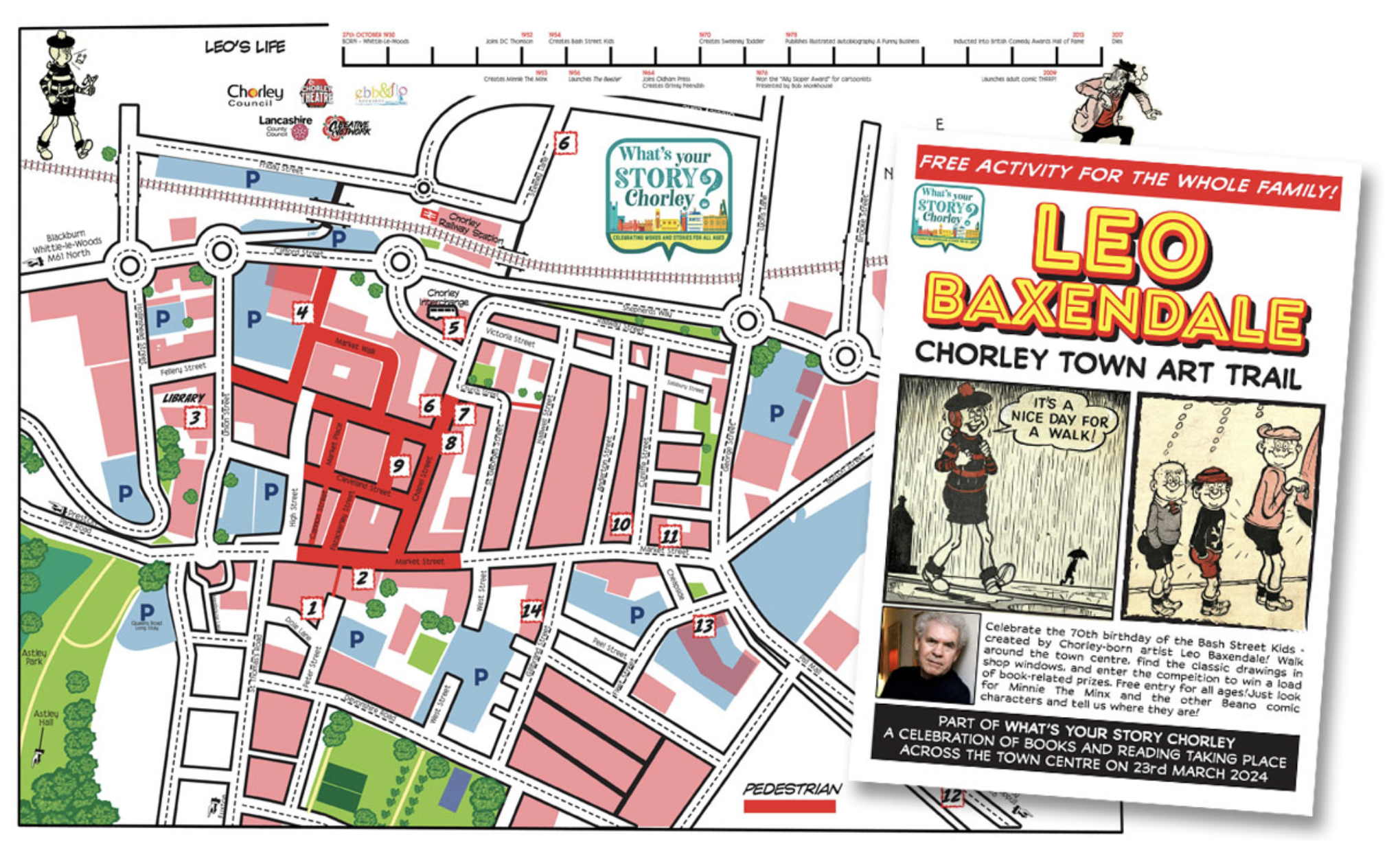
I spent some time chatting to the chatty guardian of the booking office, I learnt that the recently installed blue plaque commemorates the areas links to esteemed Beano artist Leo Baxendale.
Leo attended St Mary’s School which was sited opposite the theatre, he had a miserable time there, an experience which formed the basis for the famed Bash Street Kids.
He may well now chuckle to himself in comic book heaven, knowing that the school was demolished in 1982.
The design team was Roger Booth, Lancashire County Architect; CA Spivey, Assistant County Architect; DB Stephenson, Design Architect; and DG Edwards, AG Gass, responsible for the detailed design and construction. The seven-storey in-situ concrete framed main block was the last bespoke police station to be built in Lancashire, following this the department developed a systemised concrete construction method which was deployed across the county. The dramatic cantilevers gave the new building a stature and presence that signalled authority. The lower levels were accessed by ramps and provided space for police vehicles. To enter the police station one ascended a set of external stairs across a pool that once contained koi carp – fittingly, one boy described the new building as a ‘fishtank’ upon its completion. The magistrates’ court was finished externally in a grey brick and carried the signature pyramid rooflights that were synonymous with the Department.
Next door its partner in crime the Magistrates Courts.
Opened in 1968.
The courts are up for sale – offers in the region of £800,000 – the property has planning permission for an eleven storey apartment building with fifty two flats, three ground floor retail units and roof terrace.
The disused court building was last sold in 2022 for £300,000, according to the Land Registry.
Designs for the scheme were drawn up by FWP Group.
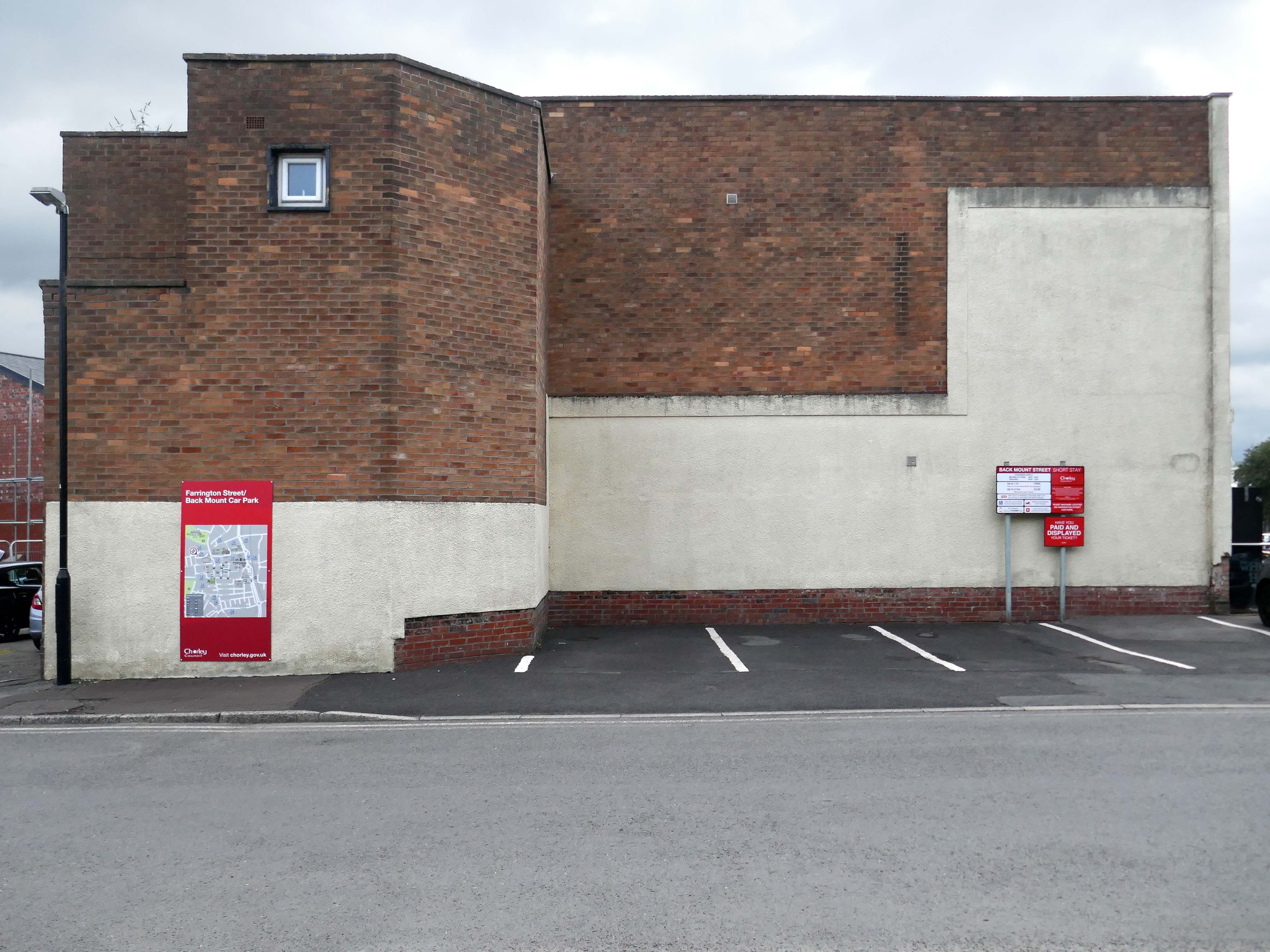
Next door is a pub no longer a pub.
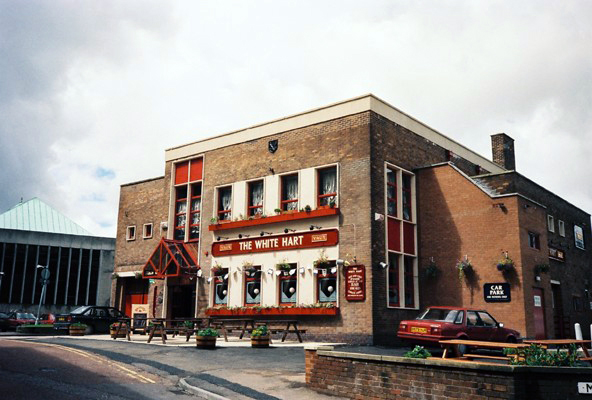
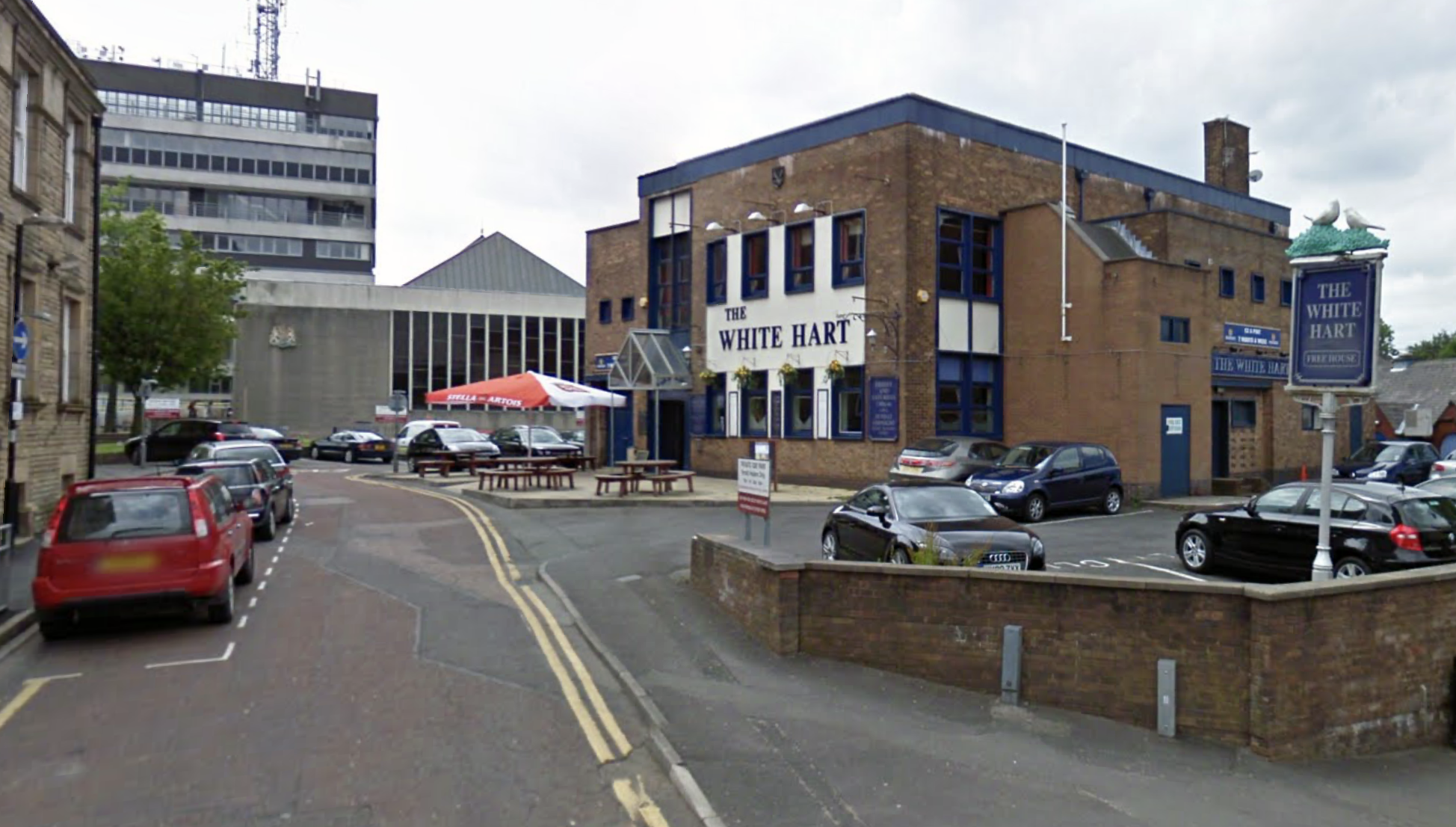
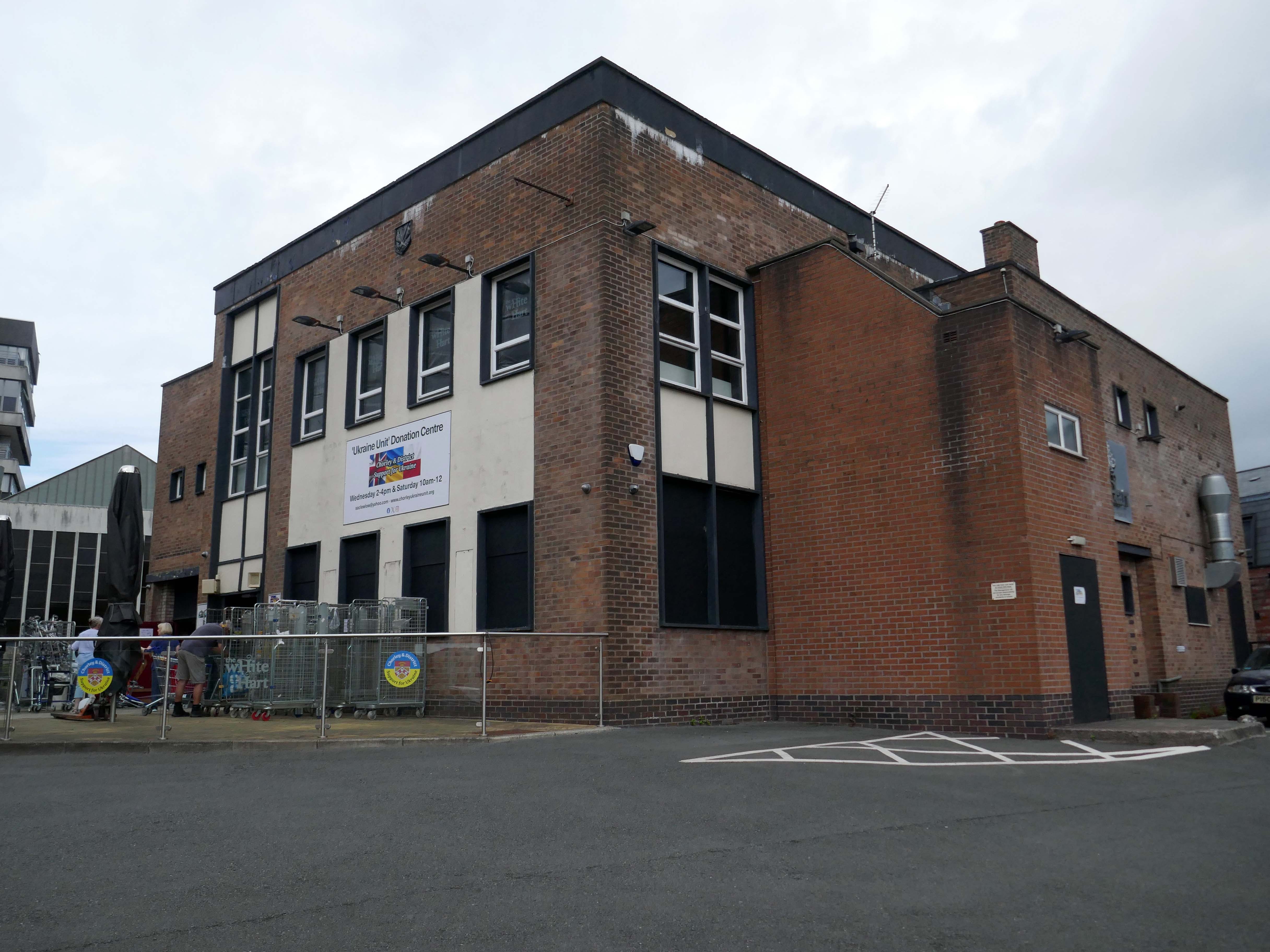
Once upon a time a Vaux Brewery house the White Hart – implausibly renamed the Snooty Fox for a brief period.
The pub was decent enough inside with a large room which was empty on our Friday dinner visit, the pub was a Vaux tied house so we were well pleased as we had not done many of them.
We had a drink of Vaux bitter which went down well.
Our group was created in February 2022 to try and help raise awareness of the crisis in Ukraine and to help organise and coordinate local efforts to send support from across the Borough of Chorley in Lancashire. We have since grown into a major hub for donations.
Across Chorley & District multiple educational facilities, community groups and organisations reacted and began to spread awareness and collect donations. In order to sift and sort a lot of local donations, a unit has been loaned by Chorley Council. A large percentage of the region’s aid has come into this unit and we are regularly packaging aid and supplies in preparation for the next leg of the journey to Ukraine, whether it’s transported there by us or other charitable organisations.
Our philosophy is that if we can all do a little bit, together we can make a big difference.
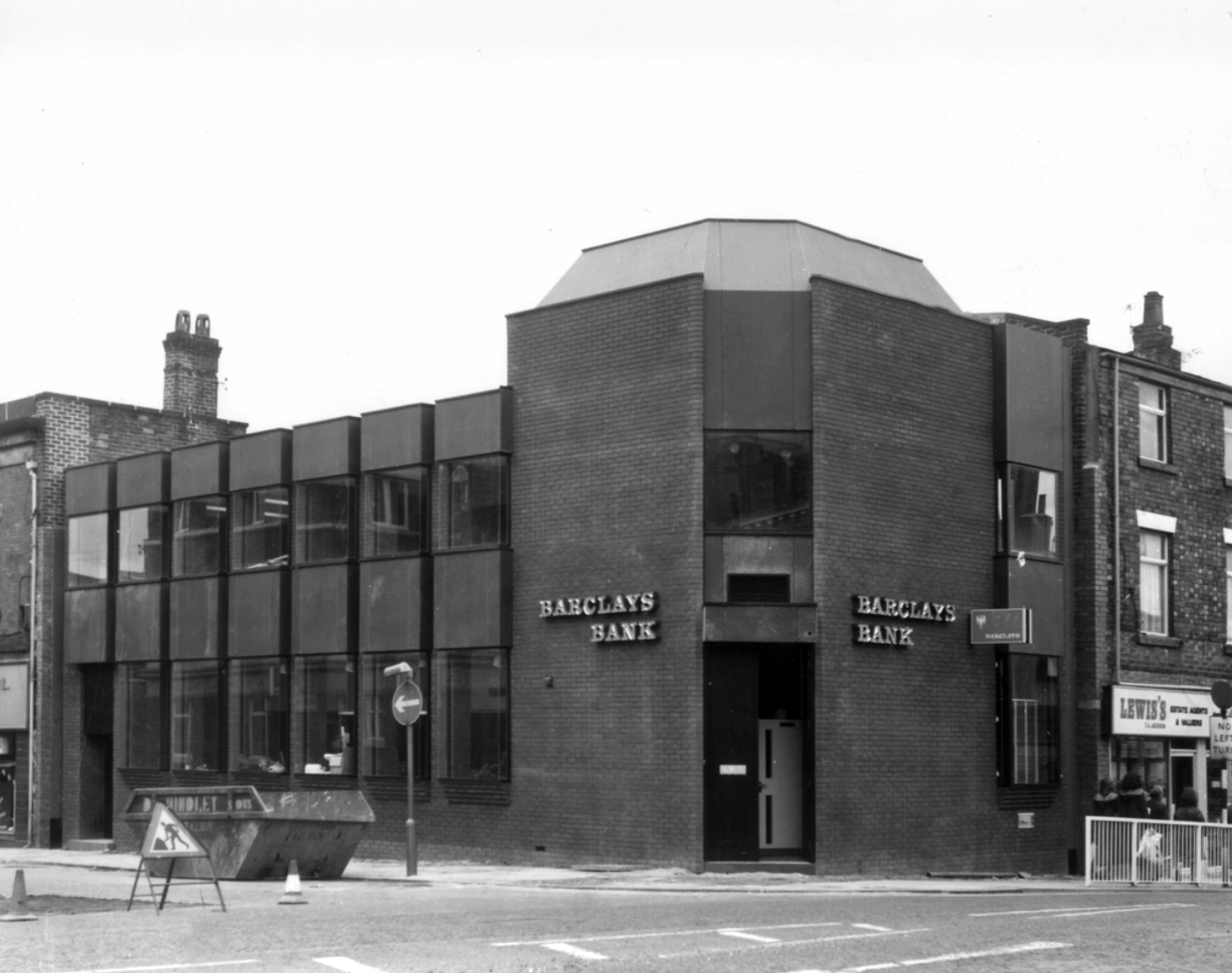
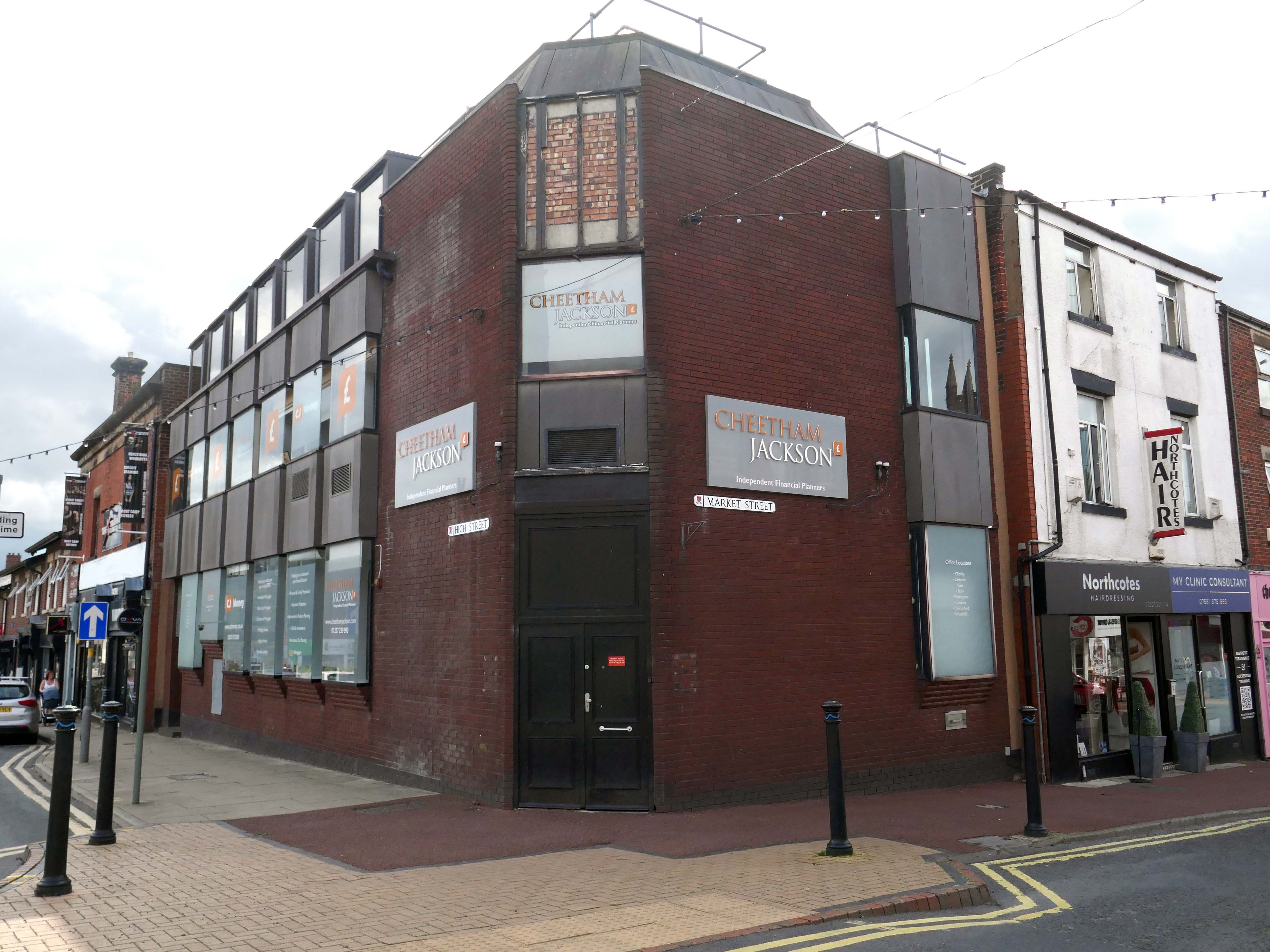
Bouncing back to what was and never shall be no more Barclays Bank.
Almost finally we find ourselves at the Council Offices 1982.
You will be delighted to hear that Chorley Council has a Masterplan
Self Architects generated a high level Masterplan for this prominent site. The scheme proposes a boutique hotel, offices, restaurants/bars, along with apartments, aiming to transform the town centre by intervention to enhance the overall vision by:
Establish a series of formal/informal public spaces
Diagonally link public spaces
Greening pedestrian streets
Reducing dominance of cars
Improving evening economy
Having a moment or two on my hands I ventured to the land beyond beyond – the land of the concrete bench, bin and planter combo.
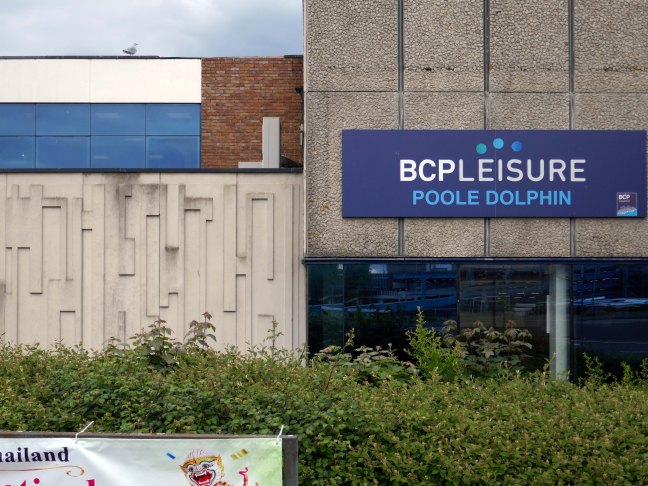
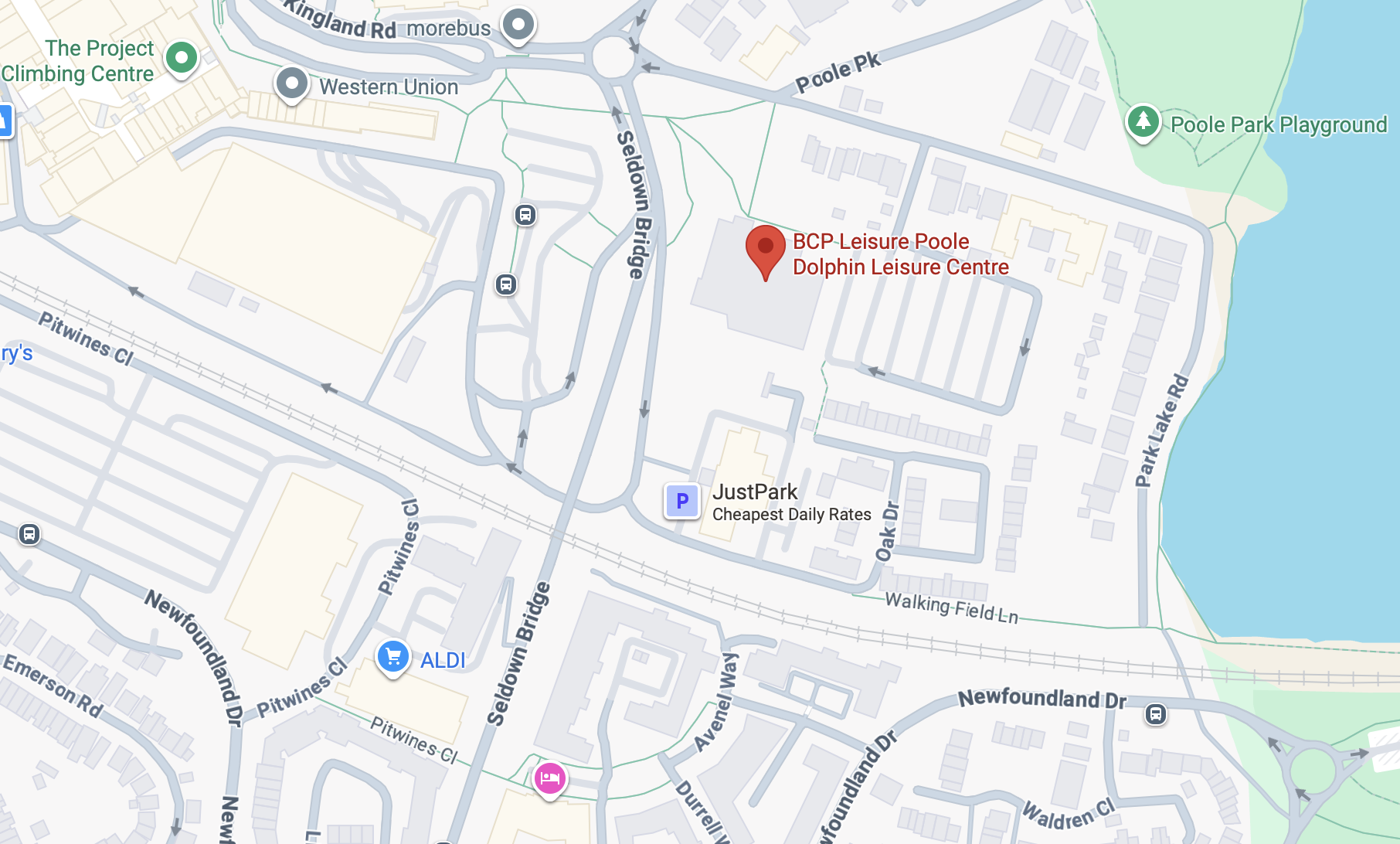
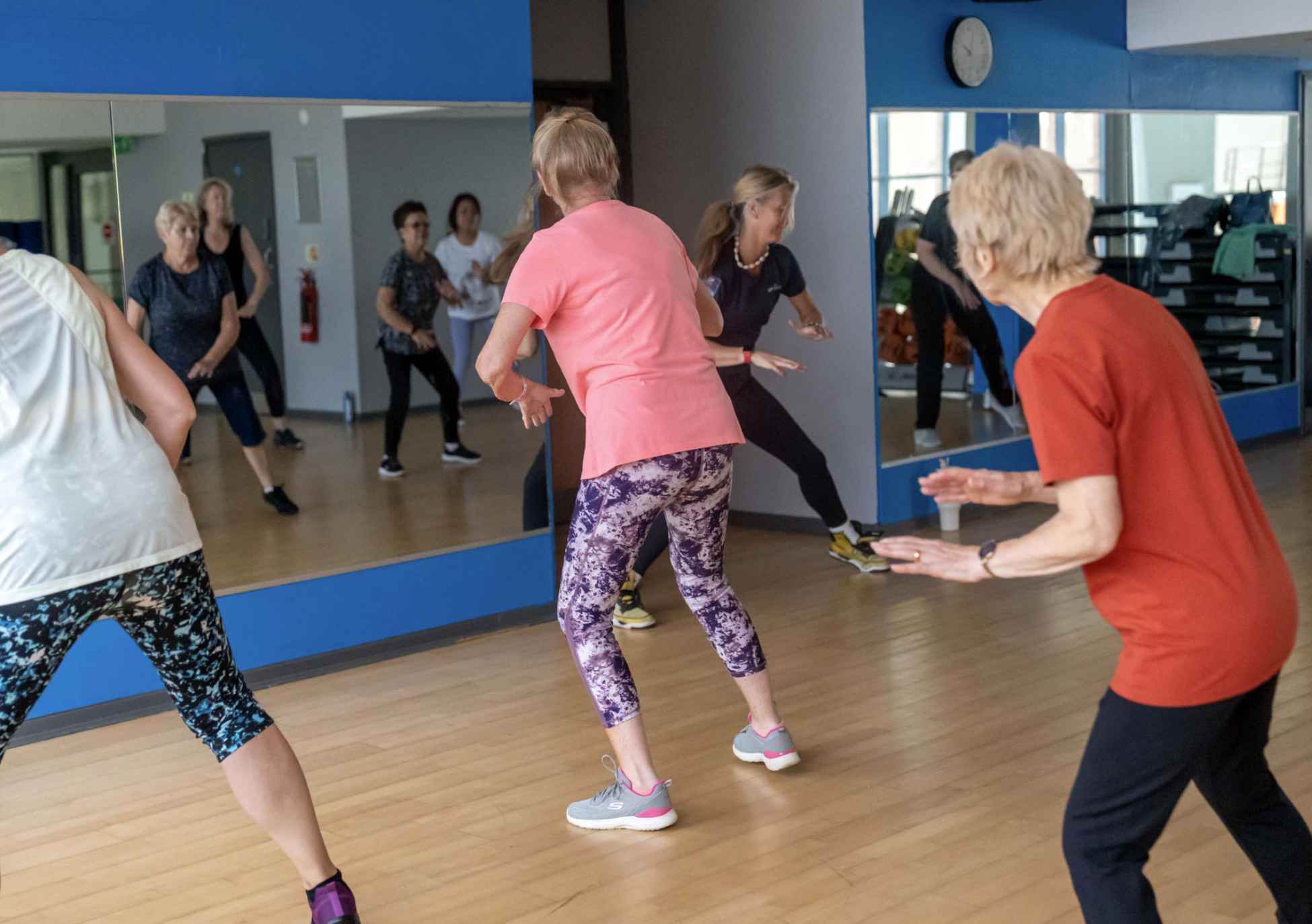
Poole Dolphin Leisure Centre offers a modern gym with sixty stations, four pools including a main, teaching and diving pool, plus award-winning swimming and diving lessons. Enjoy casual swims, fitness sessions and a wide range of group classes for all ages. After your workout, relax in our sauna and experience fitness, fun and wellbeing all in one place.
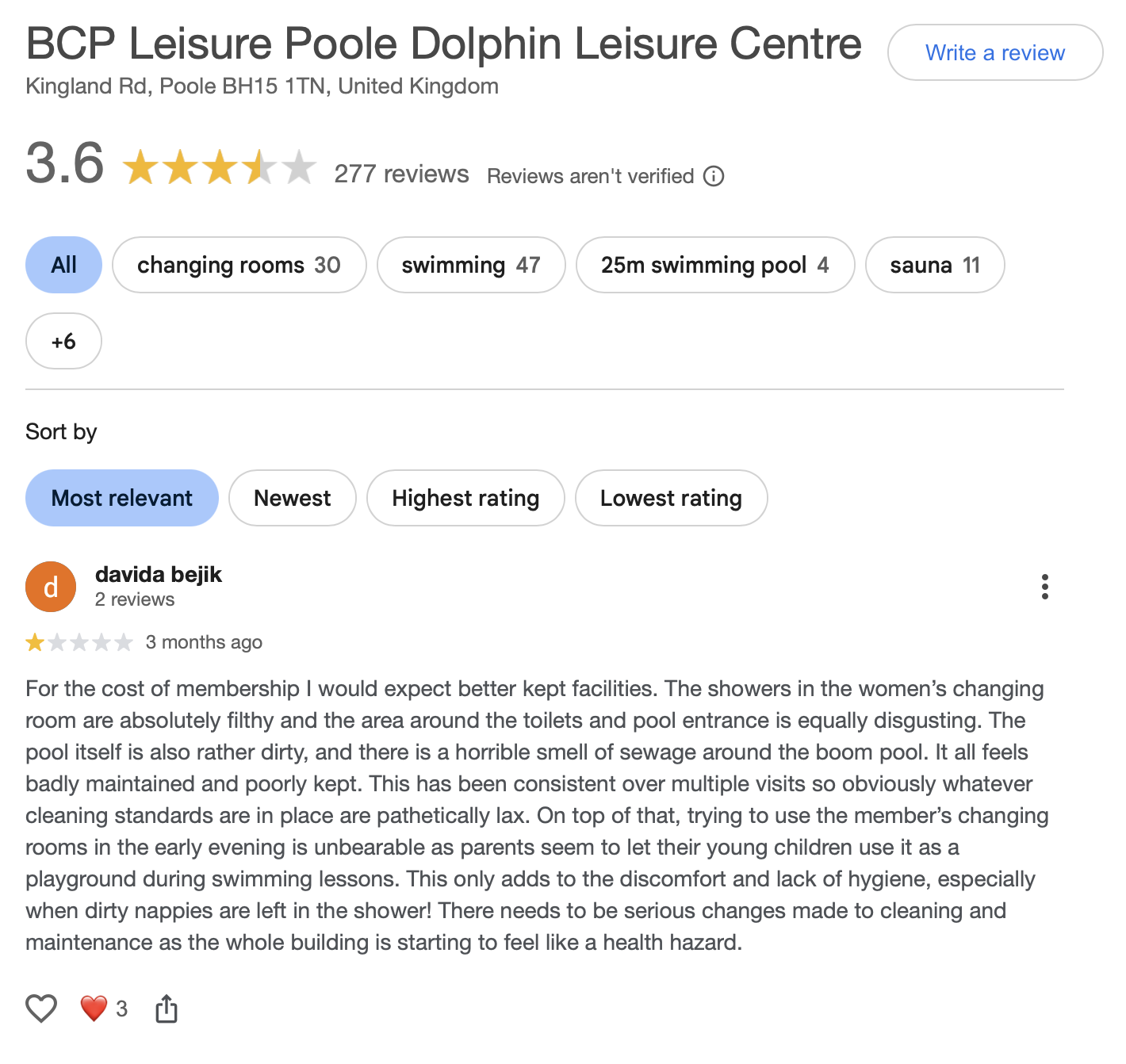
I can’t speak for the facilities, or their general cleanliness, I don’t swim or have much time for leisure.
Walking around looking at things, taking pictures, chatting and such is my lifestyle choice and preoccupation.
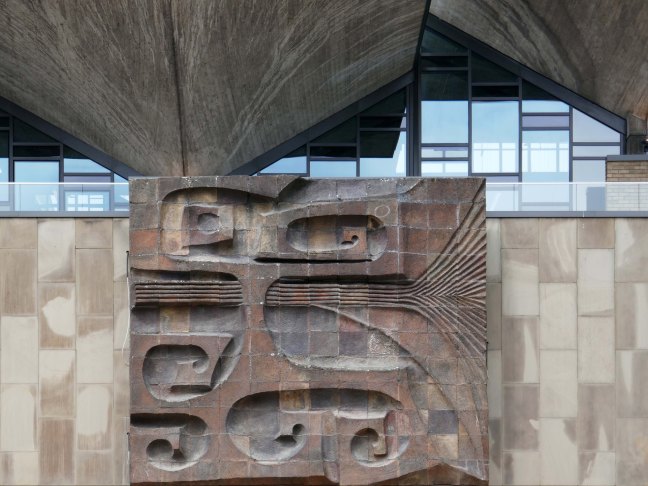
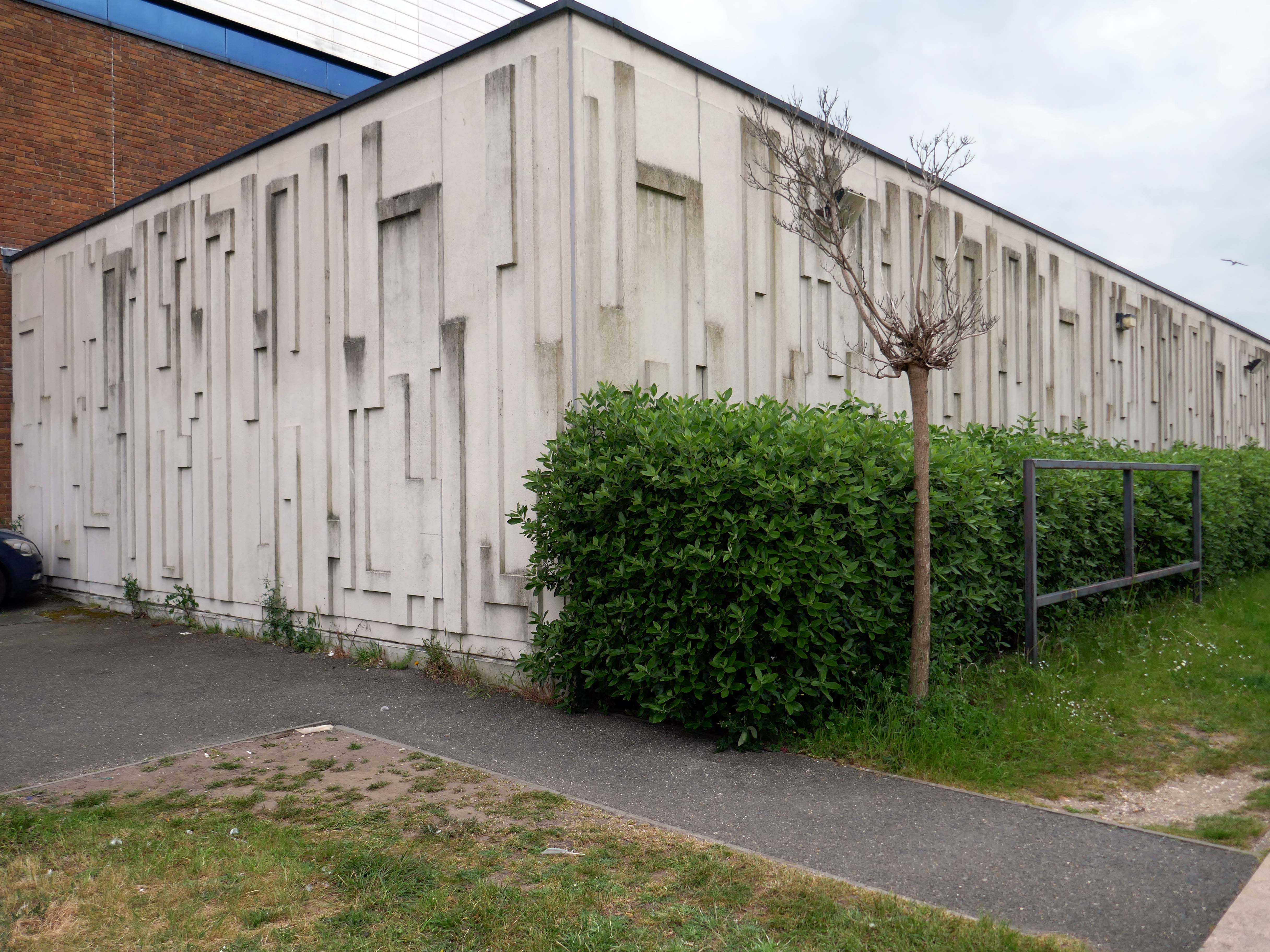
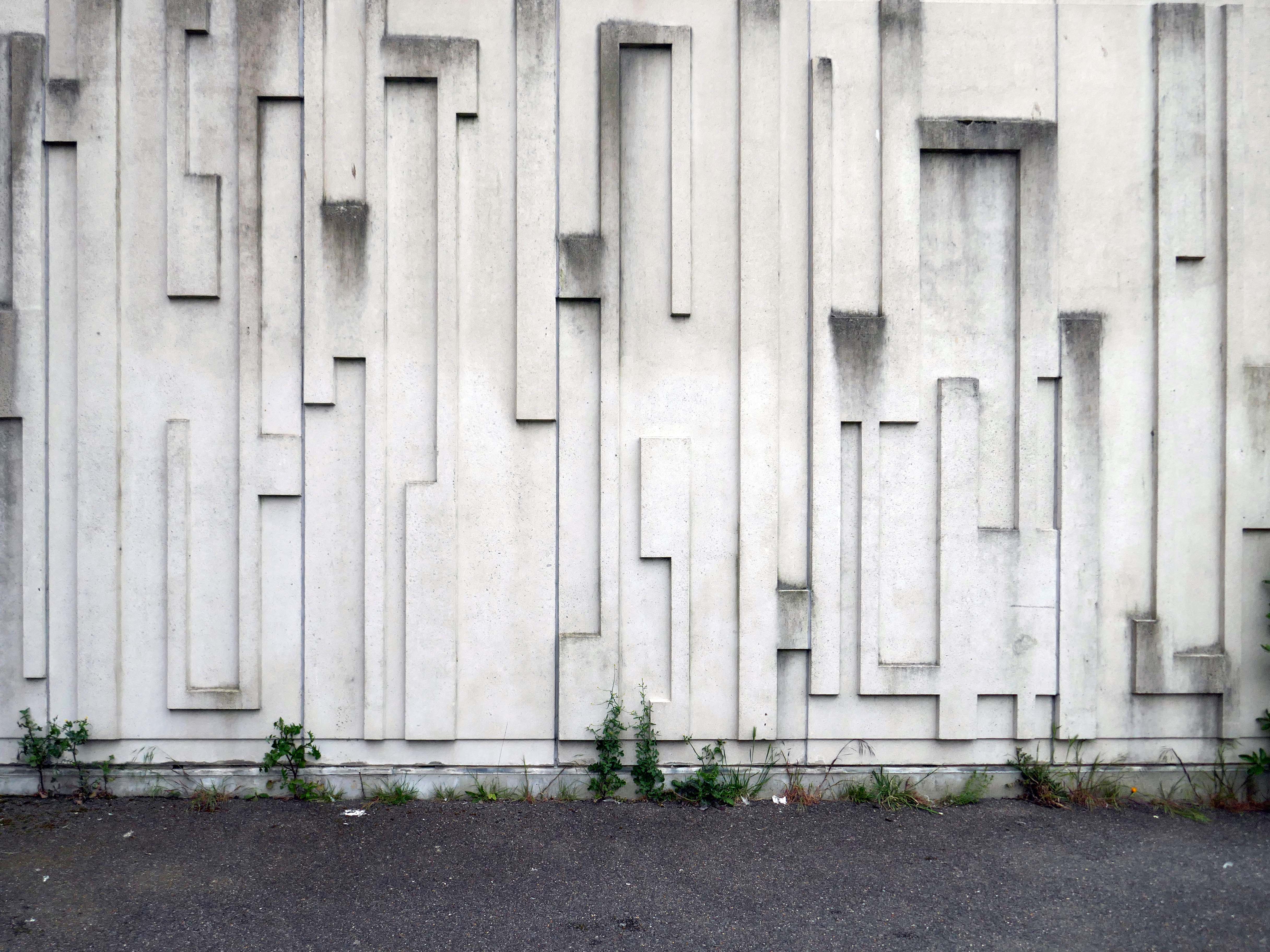
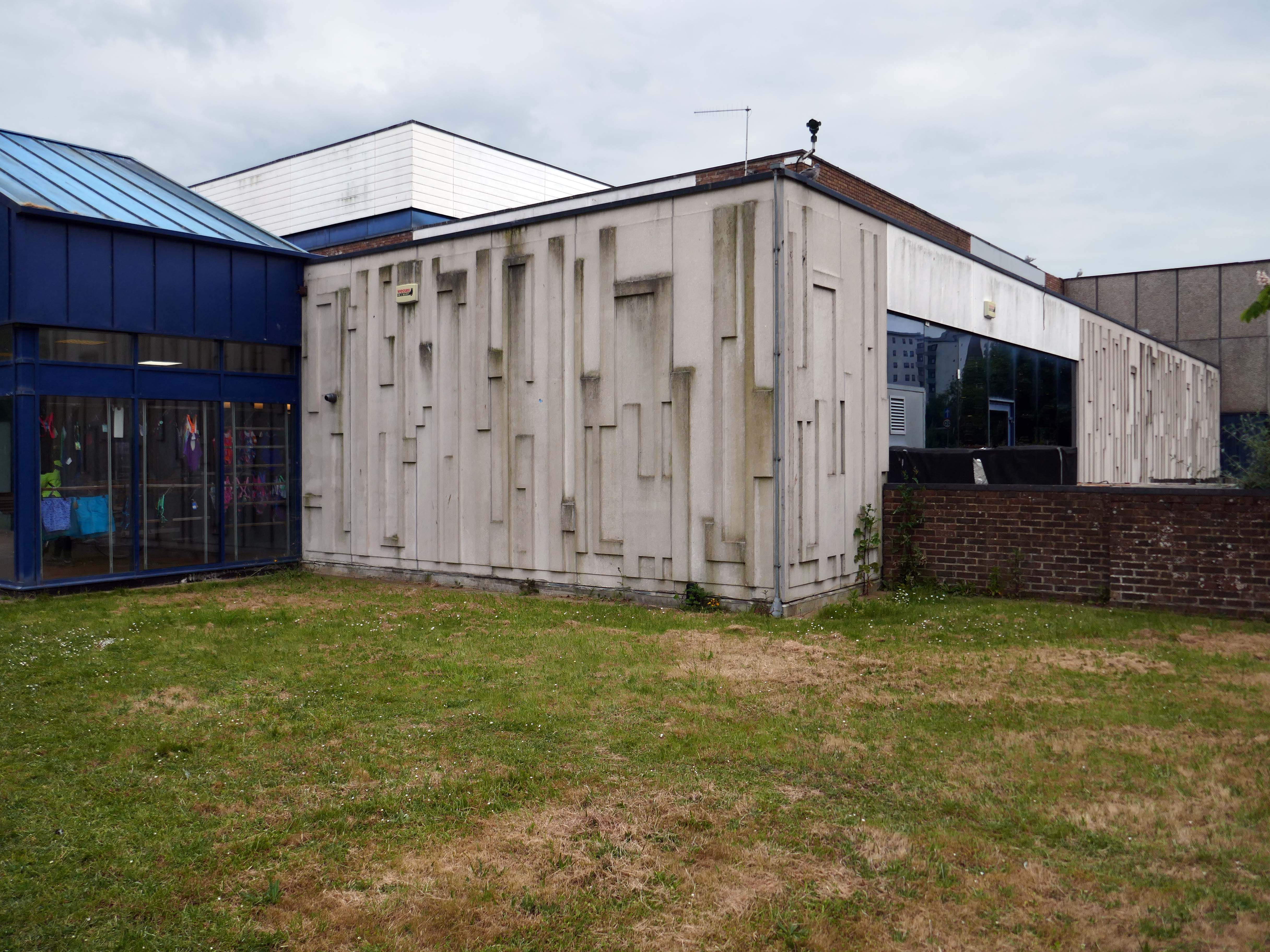
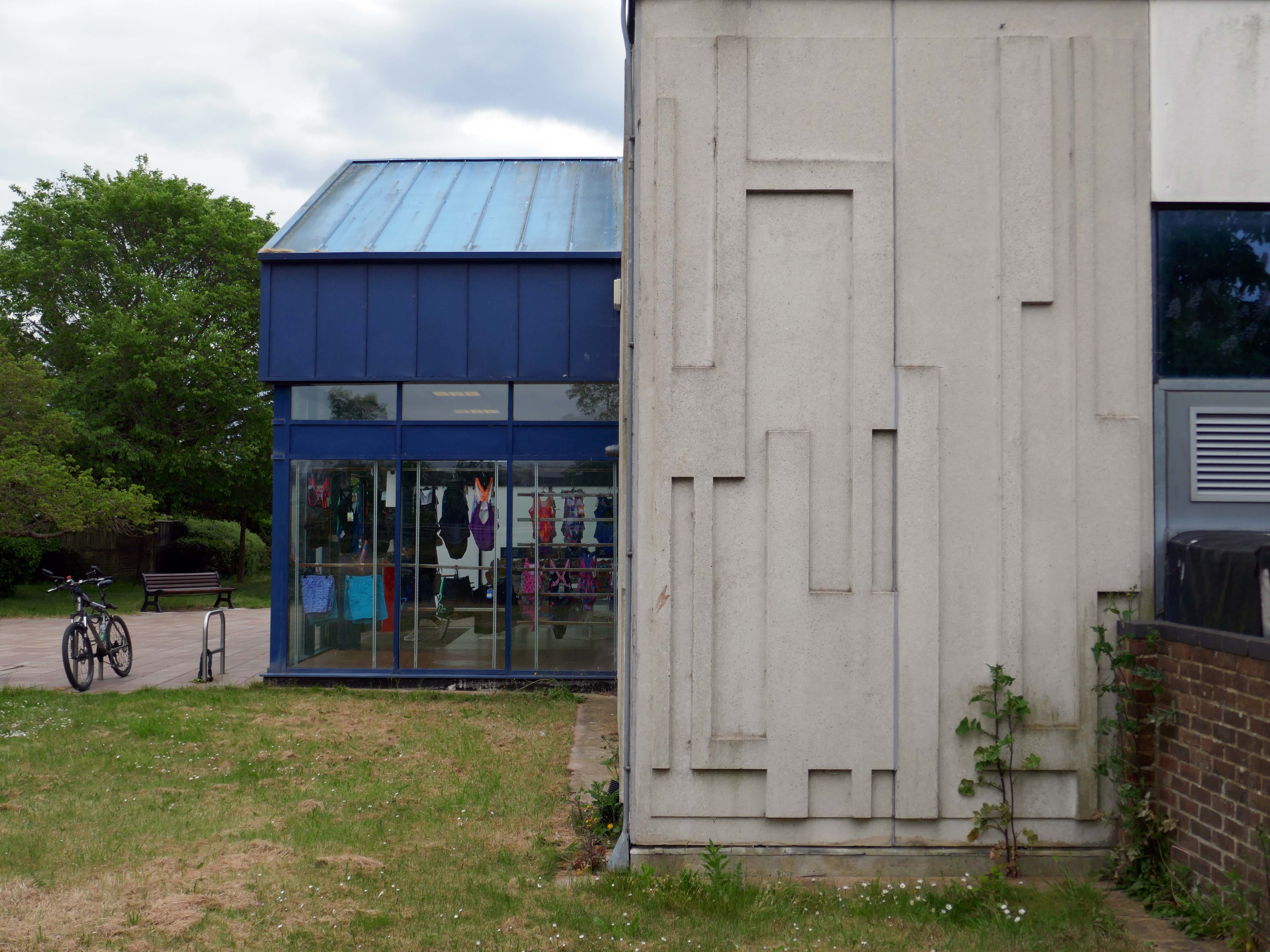
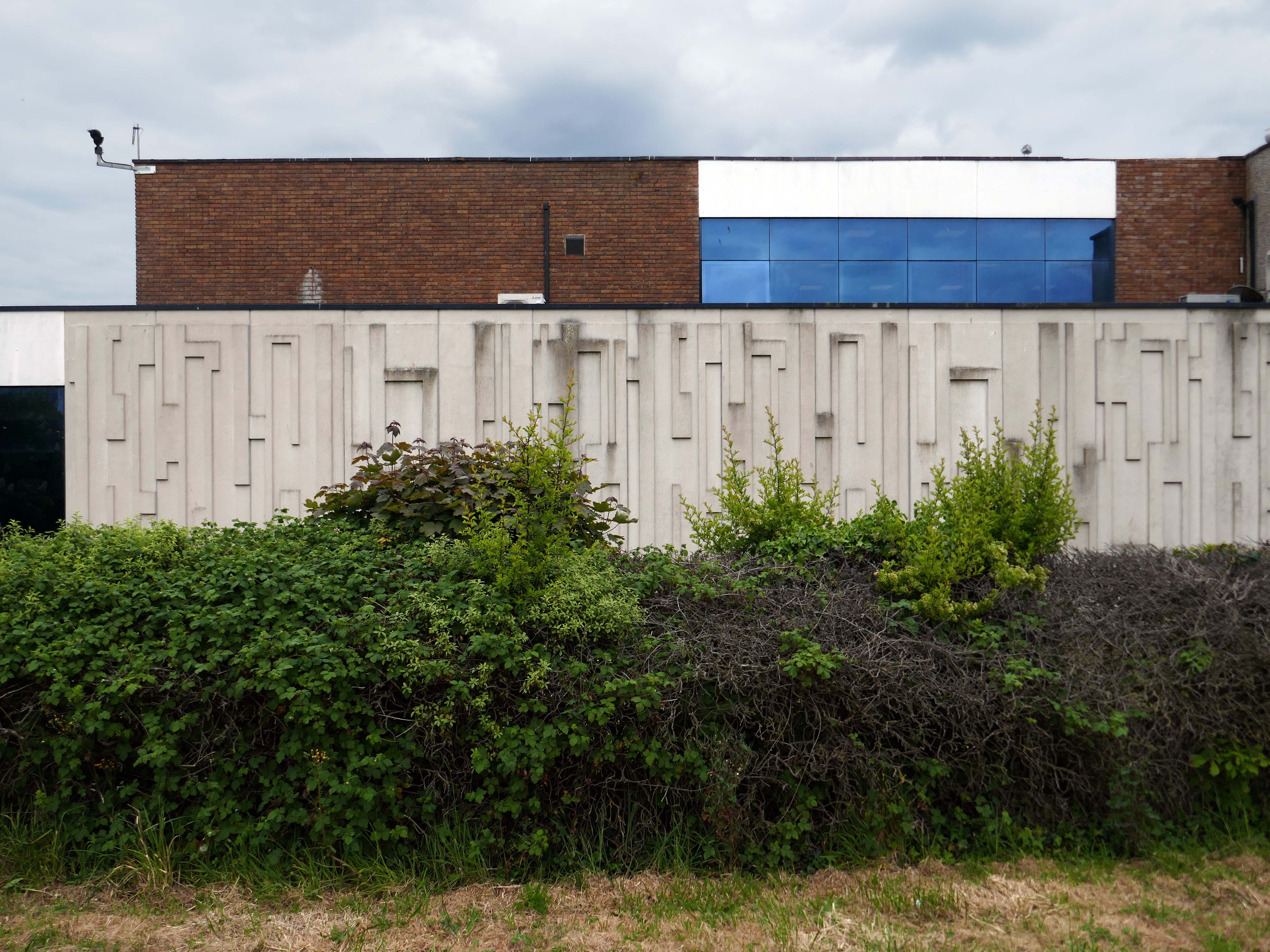
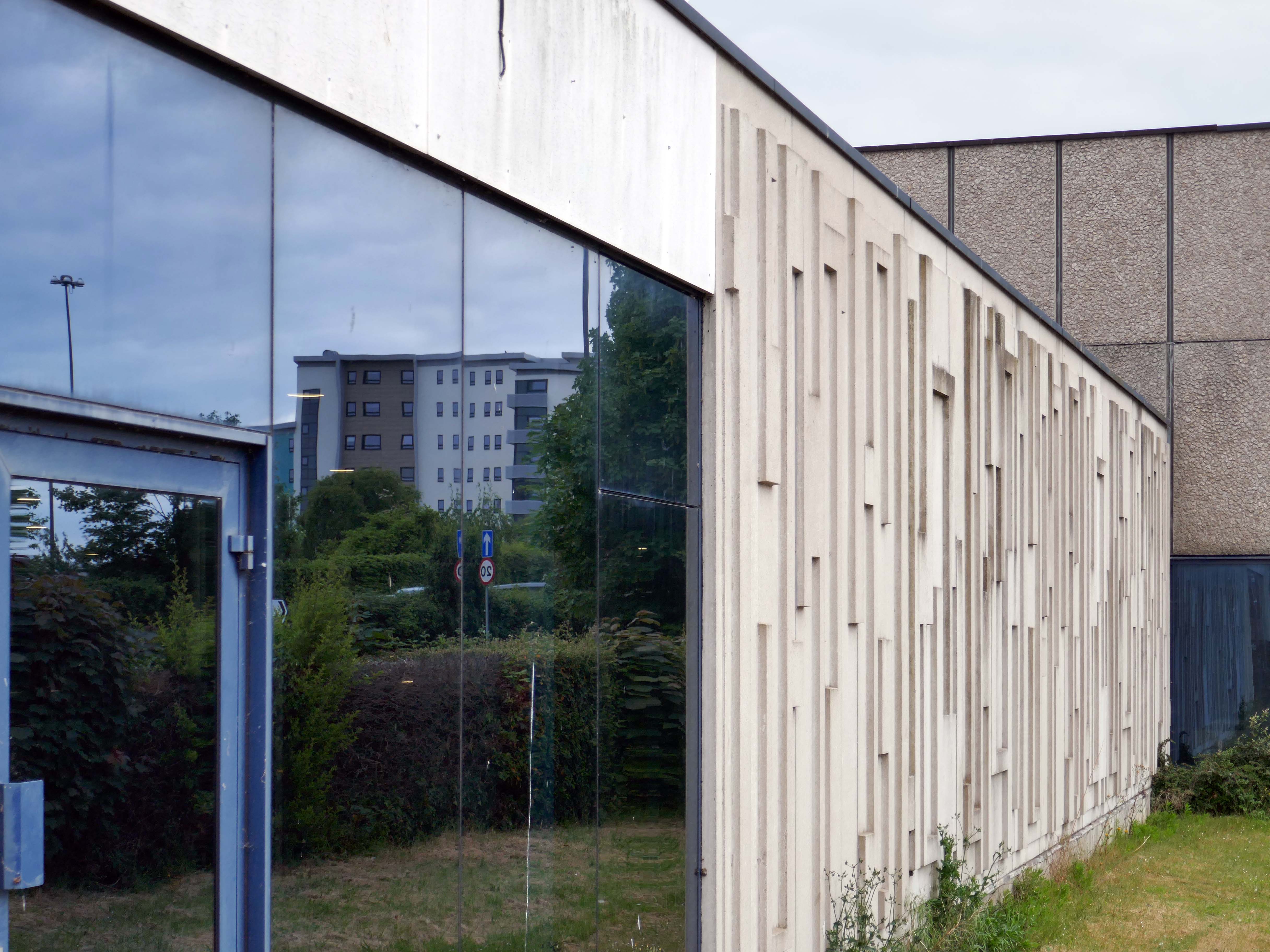
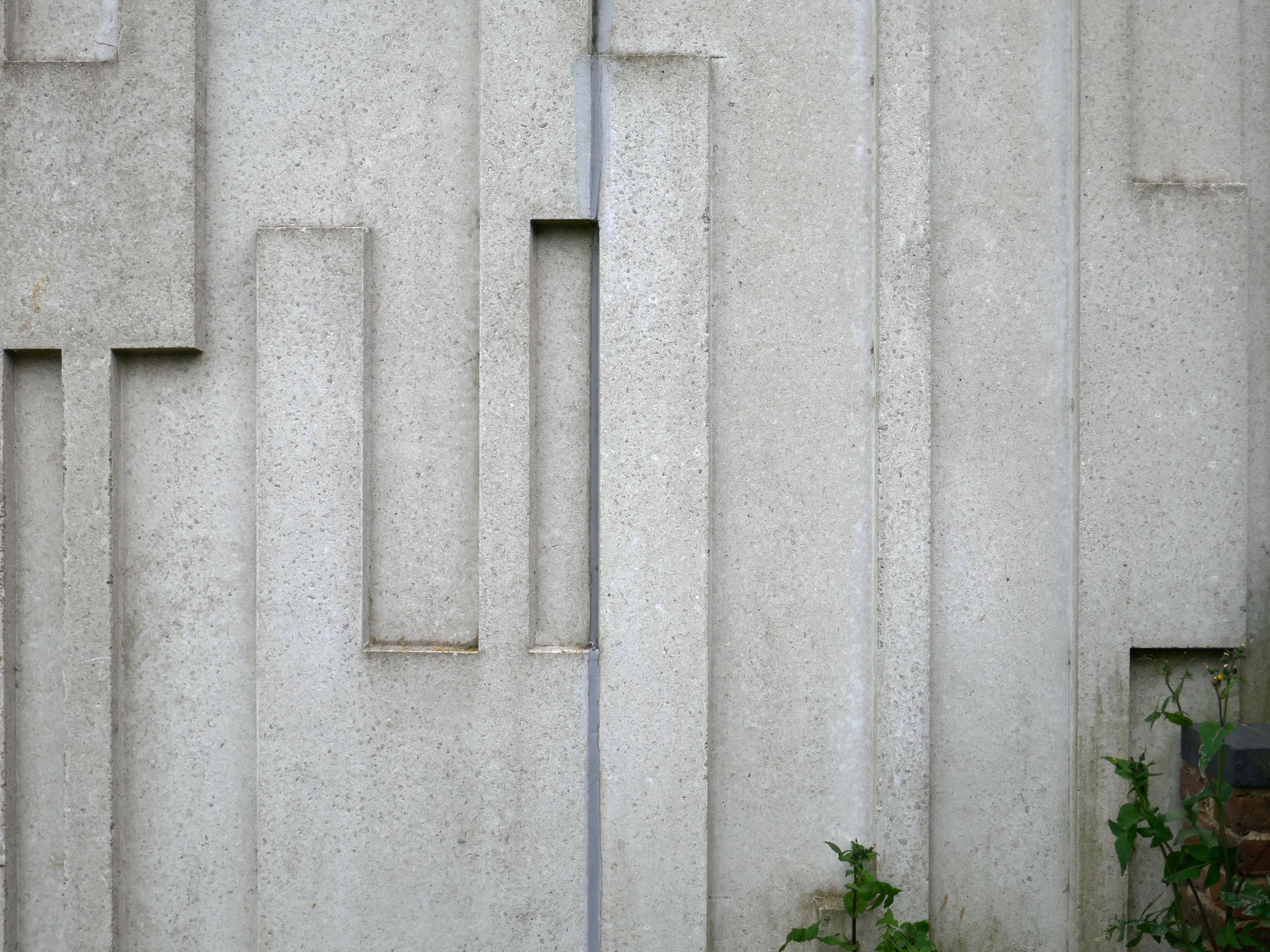
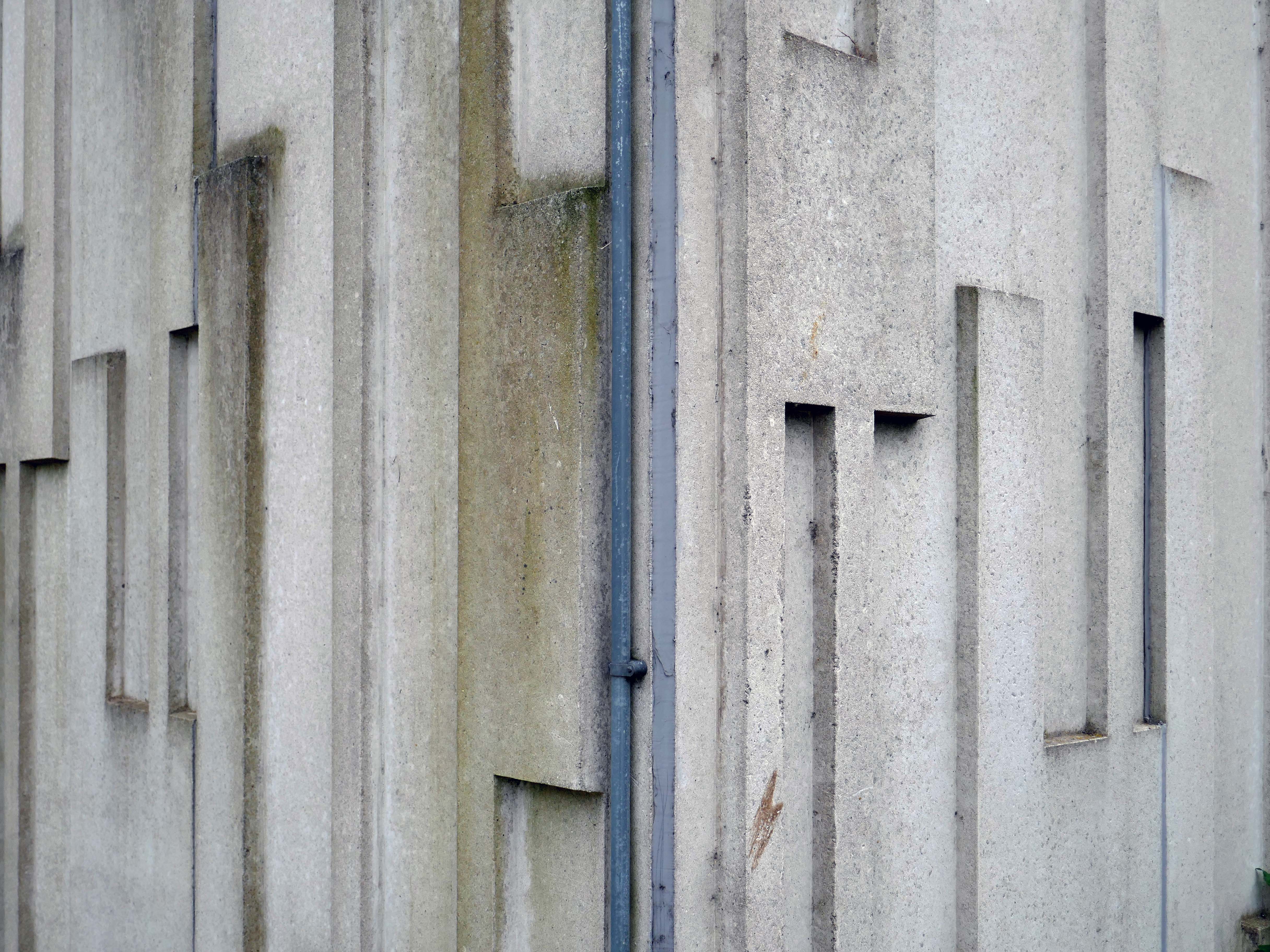
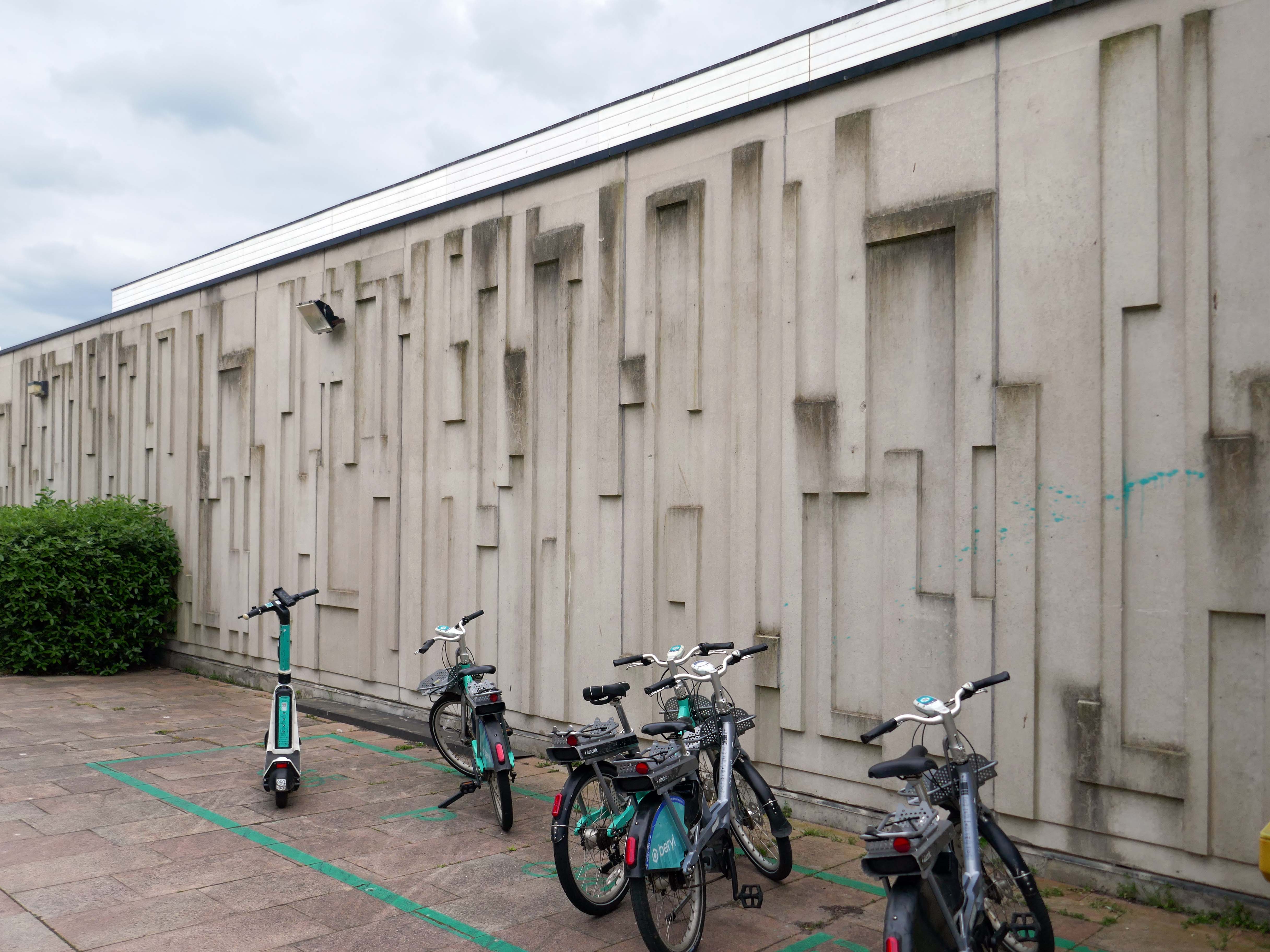
So here’s a snapshot of the centre’s exterior, with particular attention paid to the concrete relief.
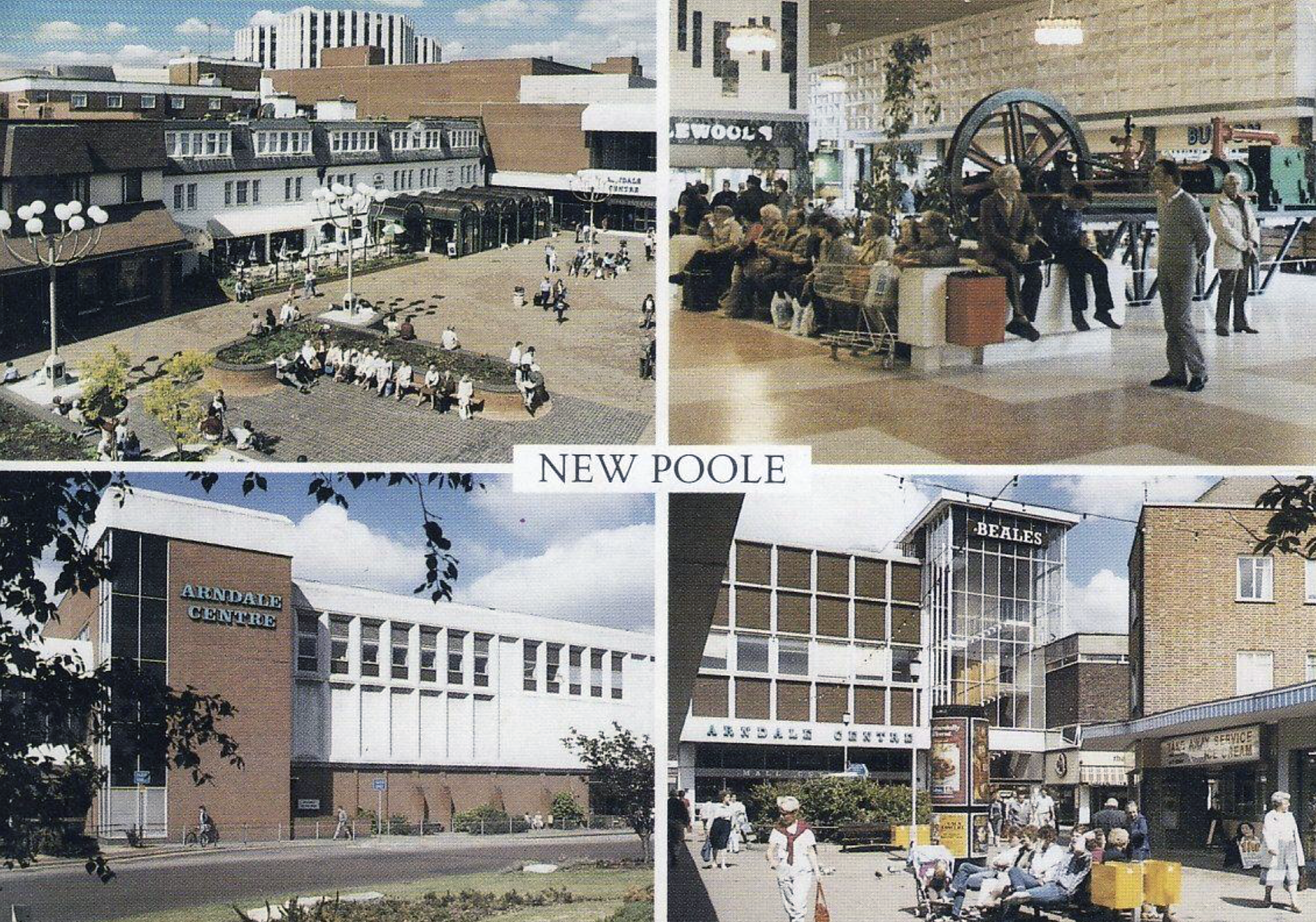
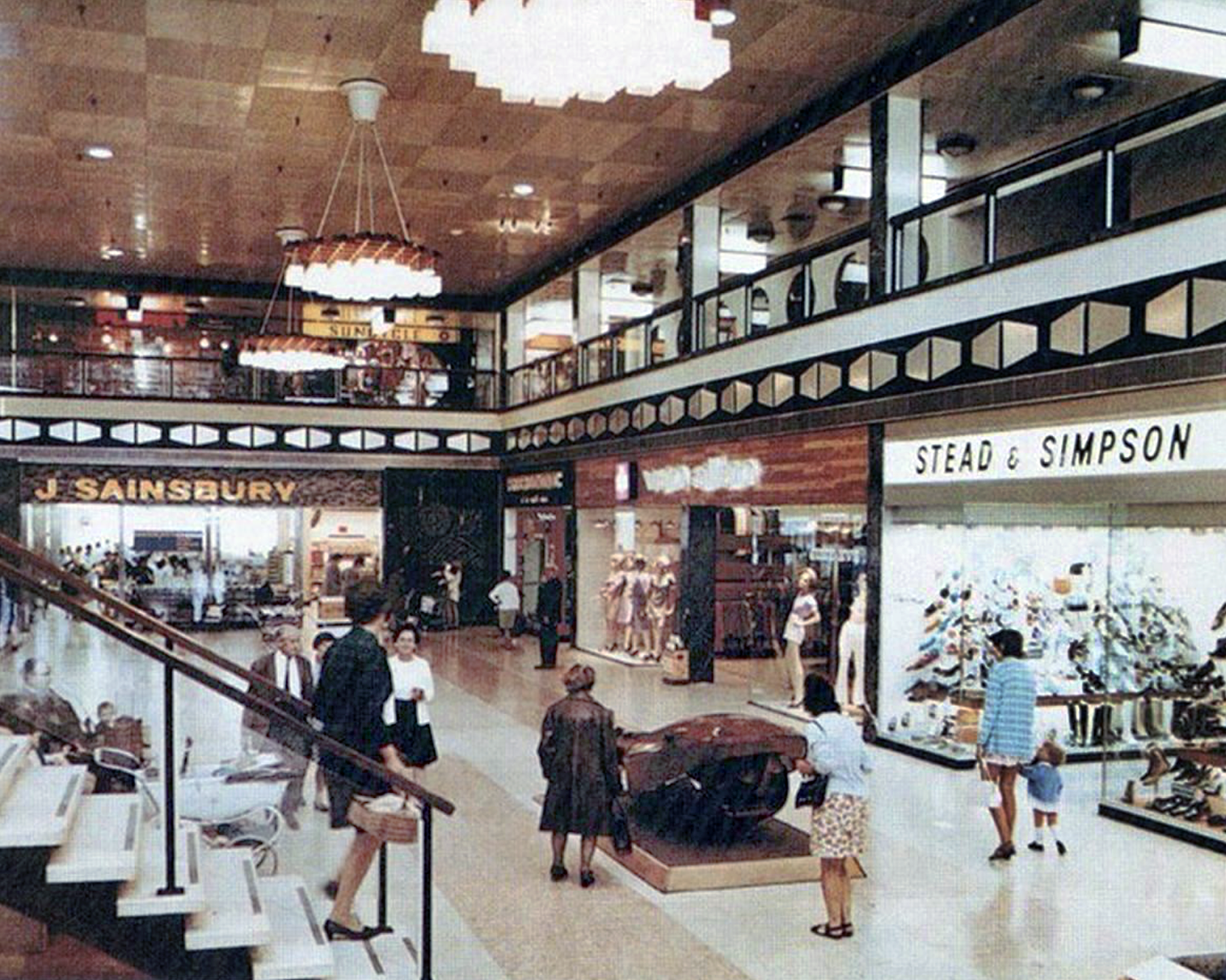
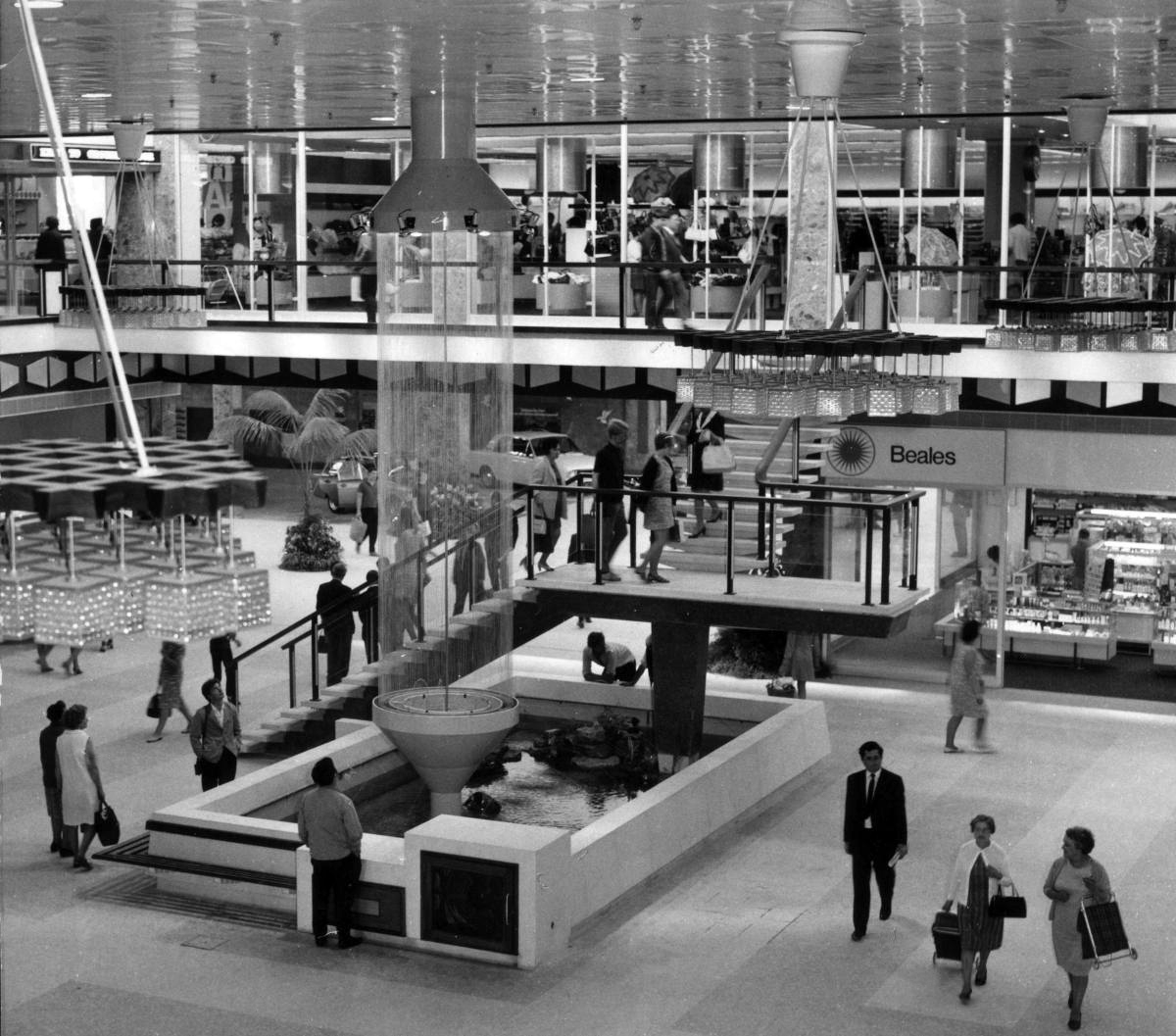
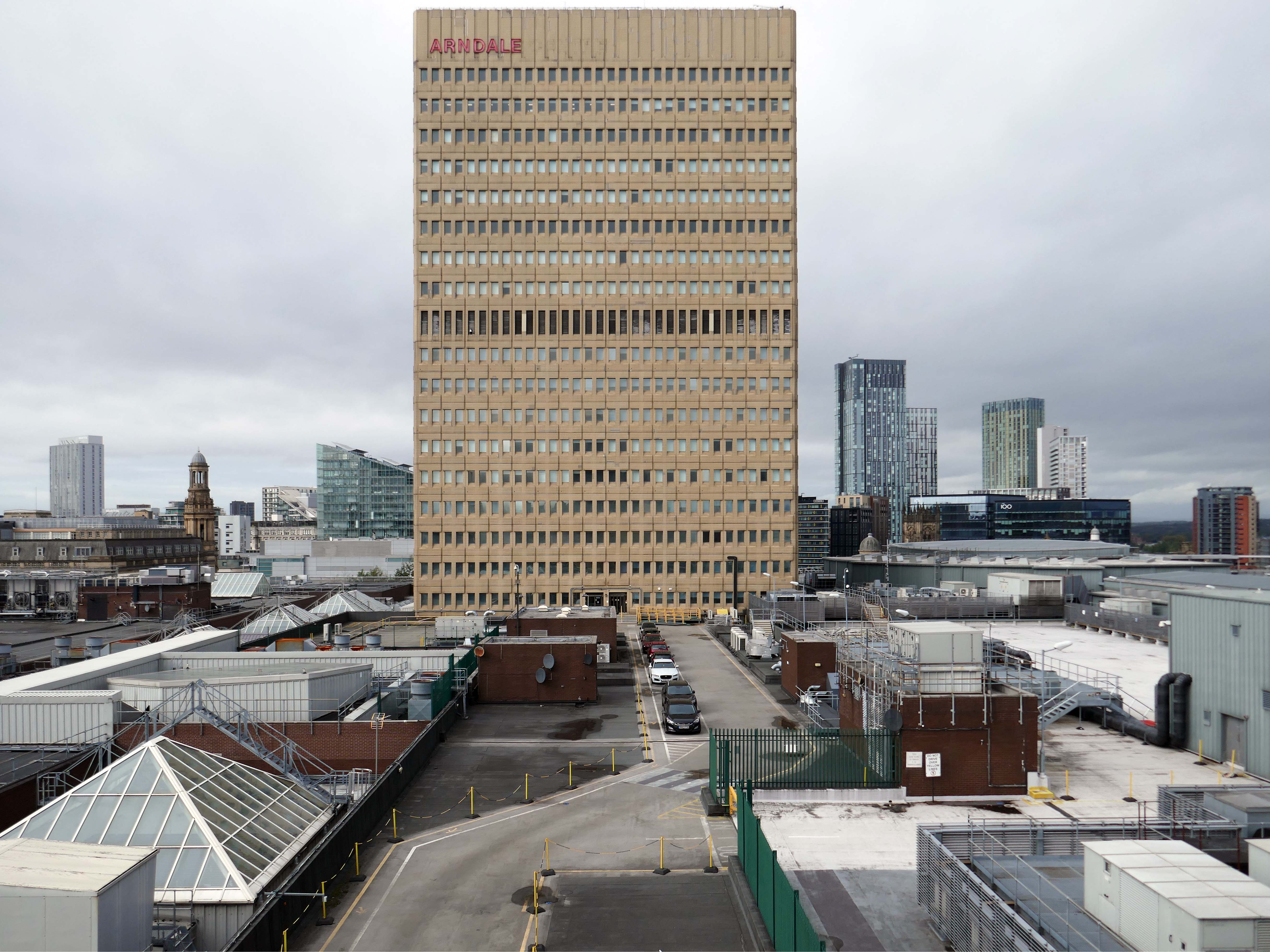
As an aside the nearby Dolphin Shopping Centre was once known as The Arndale.
In 1957 discussions began about creating a covered in shopping centre in the heart of Poole town centre, in a similar vein to those popular at the time in America. In 1963 property developers were invited by Poole Corporation to present schemes to develop this shopping centre as part of a redevelopment of the town.
The winning scheme was for a two million pound redevelopment by the Arndale Property Trust on land at High Street, Seldown Lane and Kingland Road] known as the Ladies Walking Field. One of the main reasons Arndale won was that their proposal incorporated a fully enclosed shopping centre. The scheme was to be designed by Leslie Jones and Partners in association with Geoffrey Hopkinson; Poole Borough Architect and Chief Planning Officer, the structural engineers were to be Bowden Sillett and Partners and the main contractors were to be Sir Lindsay Parkinson and Company.
The transformation of Poole Town Centre started in June 1966 when work began on a new road layout and construction of the shopping centre commenced in March 1967 when the then Mayor of Poole, Alderman Ron Hart, dug the first turf.
In 1989 an eight million pound refurbishment programme was carried out on the centre, which emerged with a new name ; The Dolphin Shopping Centre.
In February 2025, reinforced autoclaved aerated concrete RAAC was found at the shopping centre. The final Beales department store in the UK will close at the end of May 2025.
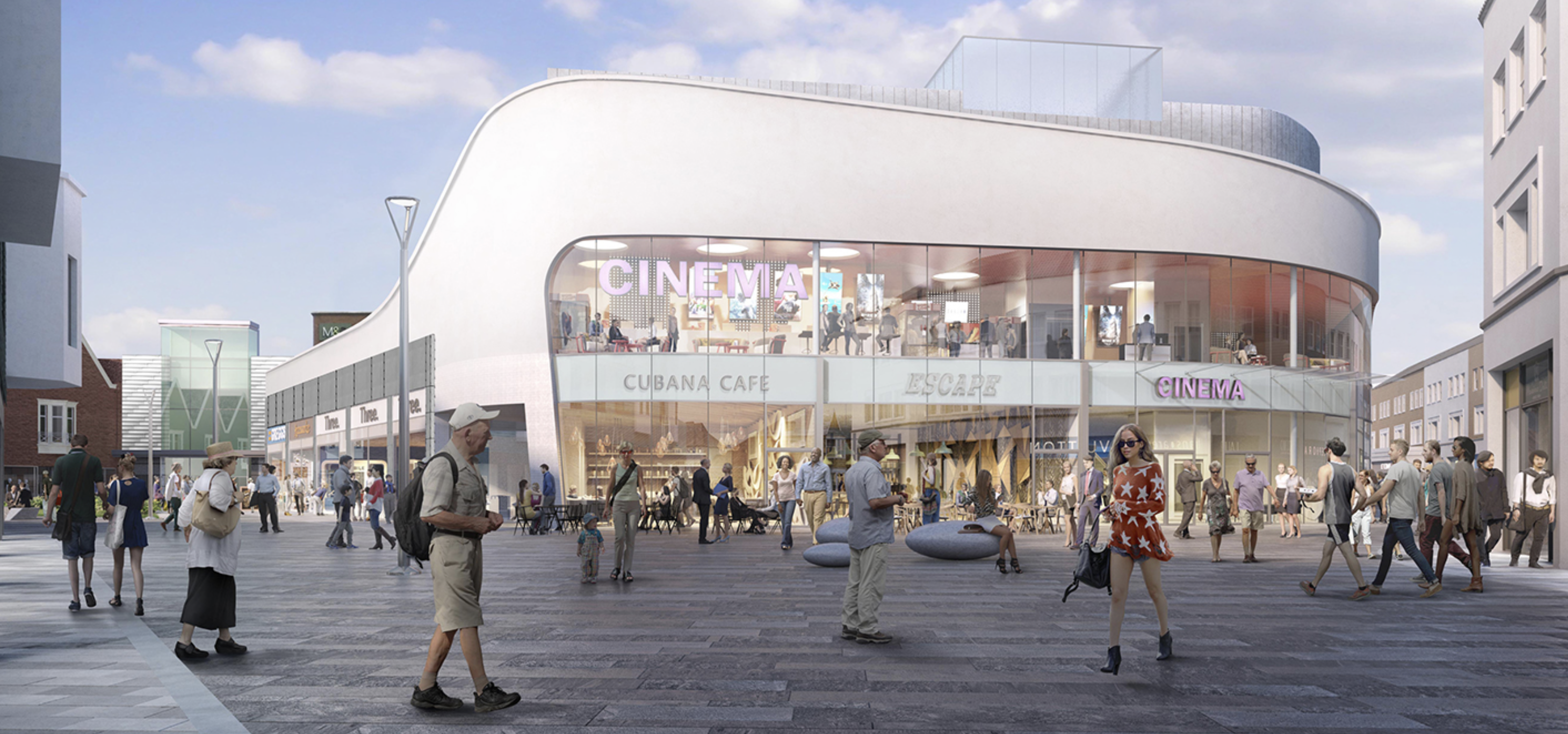
To ensure the shopping centre remains popular and well occupied, the owner LGIM Real Assets is investing in the redevelopment of the internal malls and various retail buildings within the site. Designed by tp bennett, a programme of refurbishment is underway with the aim of delivering a more exciting and modern retail experience to help attract shoppers and retailers. The scheme includes new stores for H&M, New Look and JD Sports as well a new mixed-use leisure development, with a multiplex cinema, restaurants and a refreshed public realm.
It will be a huge transformation and there is a real local desire for it.
Part of wider improvement works in Poole, it is hoped that this major investment will enhance the customer experience, and reinforce the centre as a popular, family-friendly retail and entertainment destination.
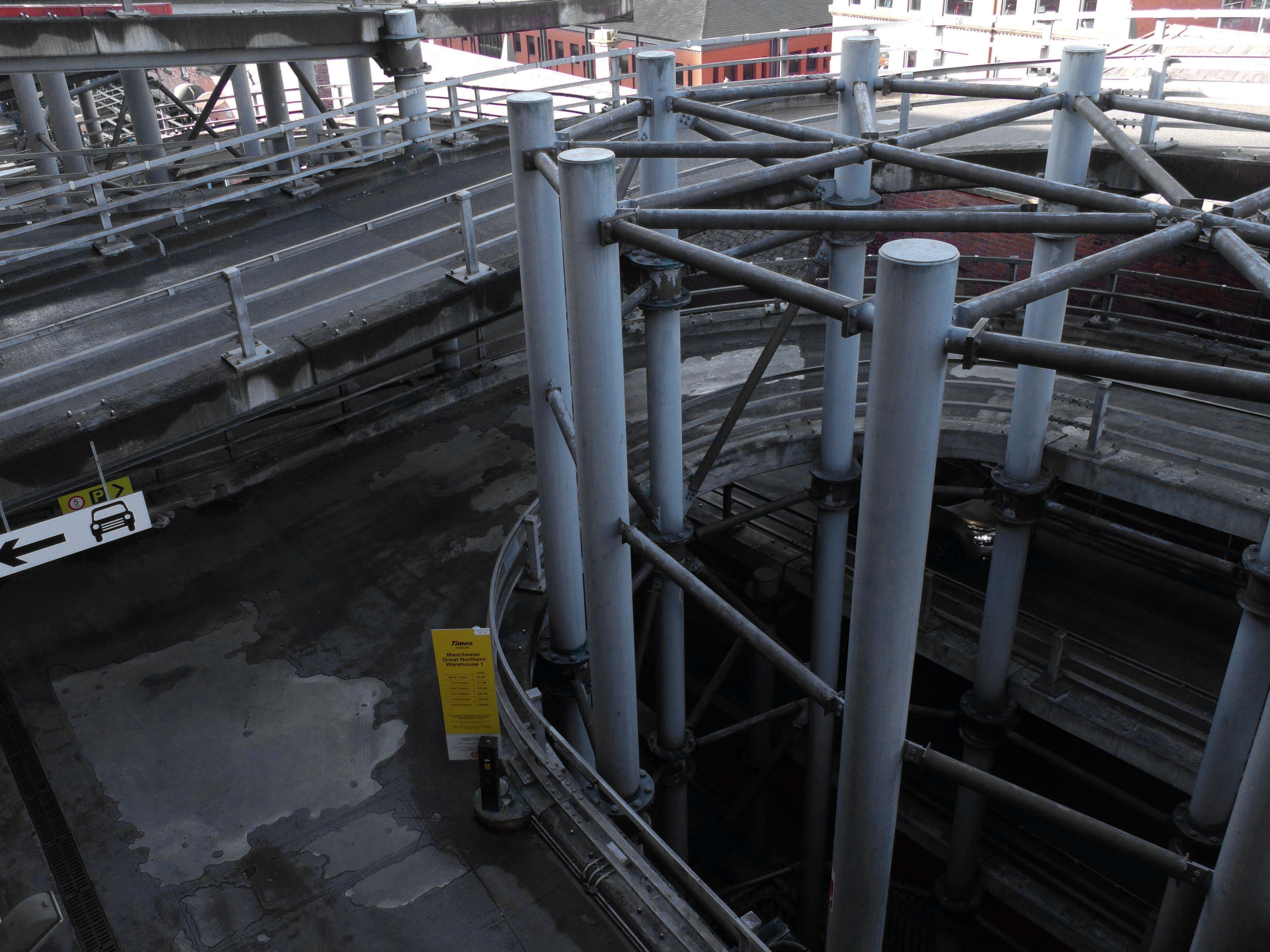
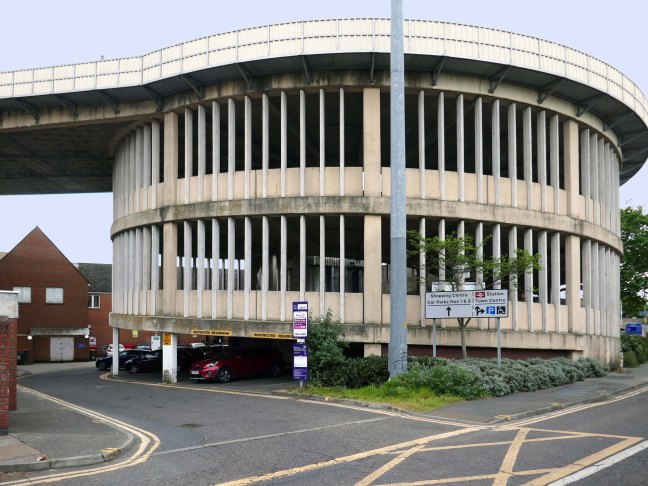
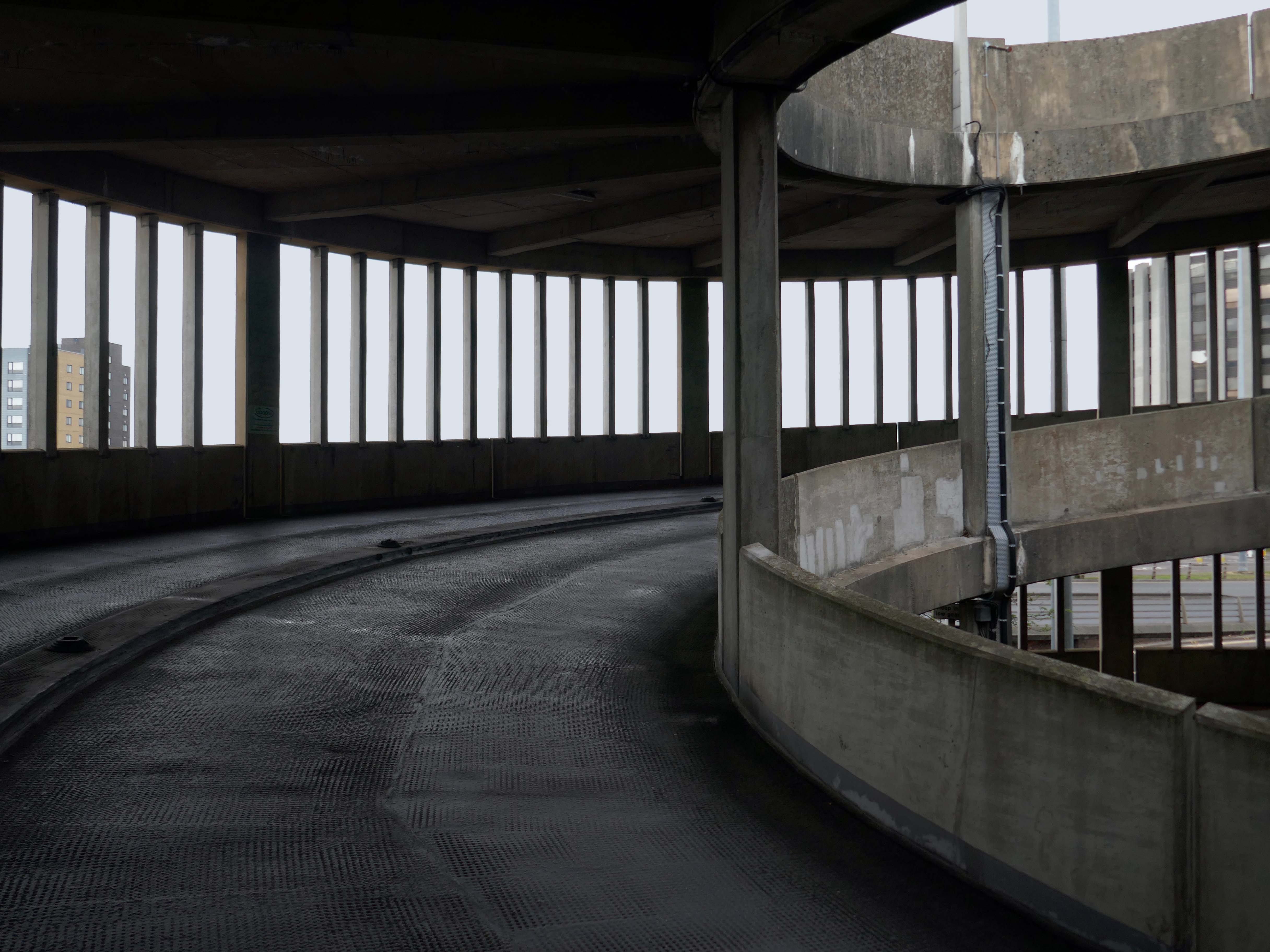
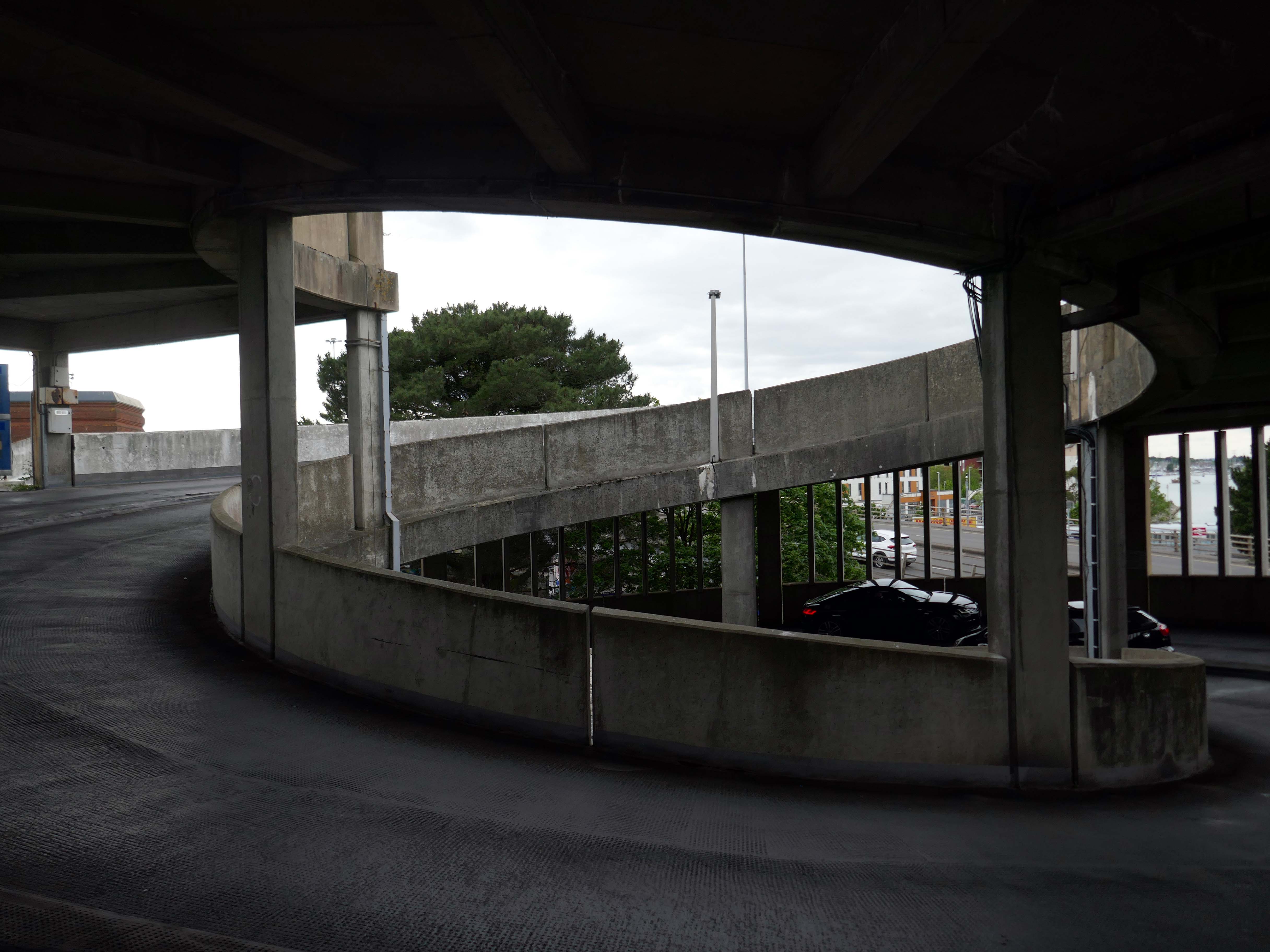
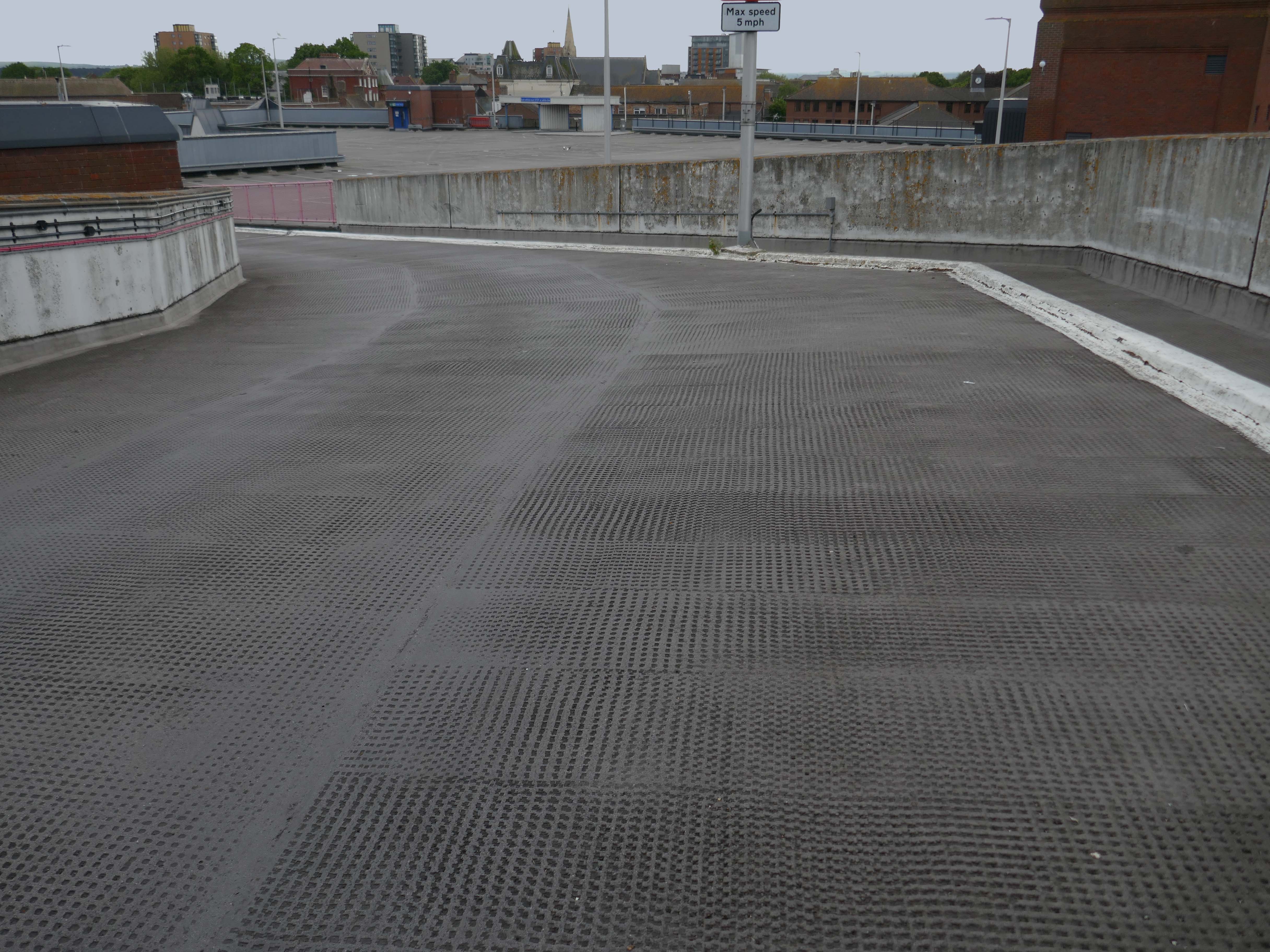
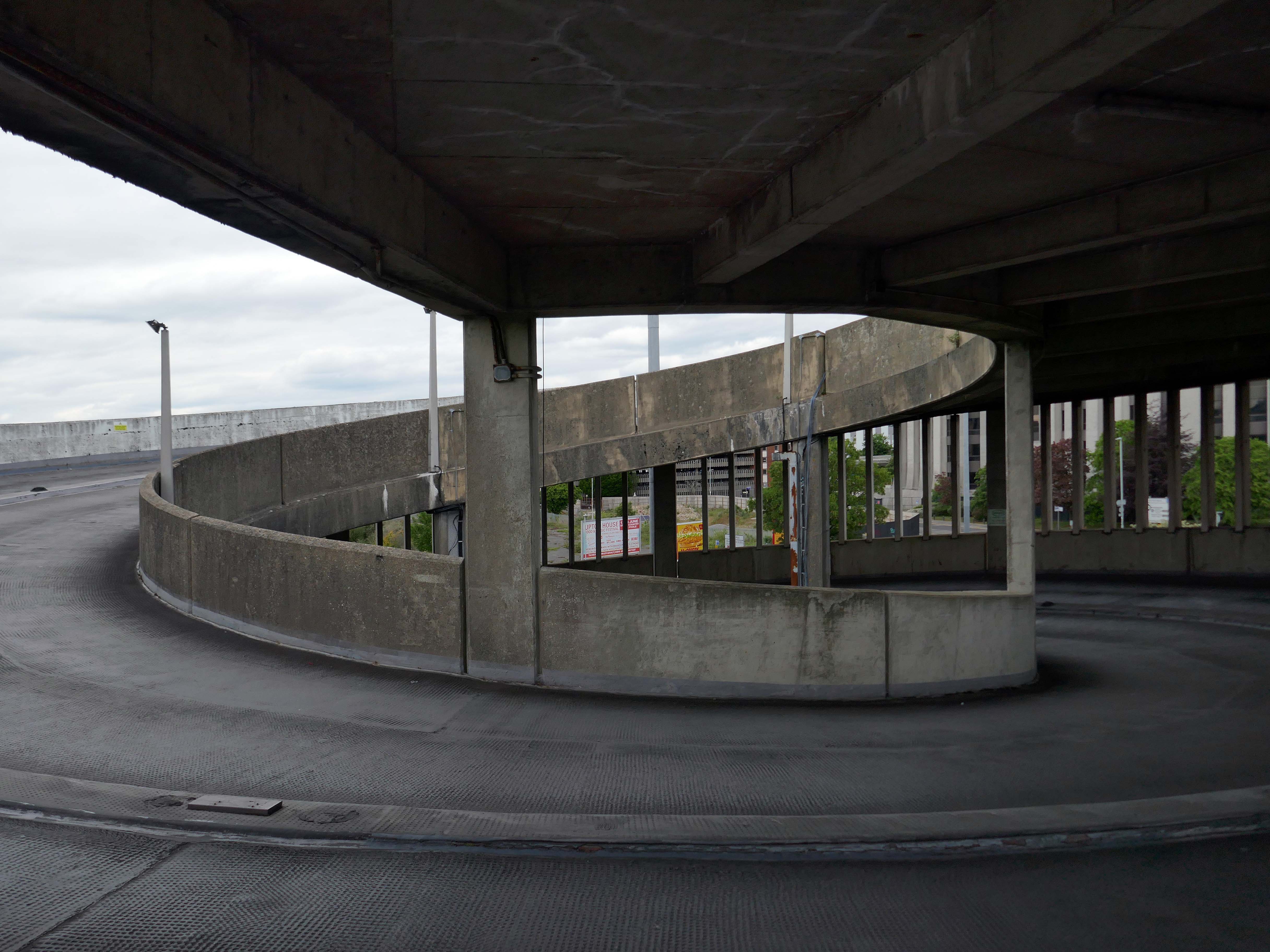
Always a pleasure to walk the spiral ramp of a multi-storey car park, with the extra added pleasure of a passing motorist enquiring after my well being.
“Are You Lost?”
“No I’m taking pictures, but thanks anyway, if I ever am lost I’ll certainly know who to ask.”
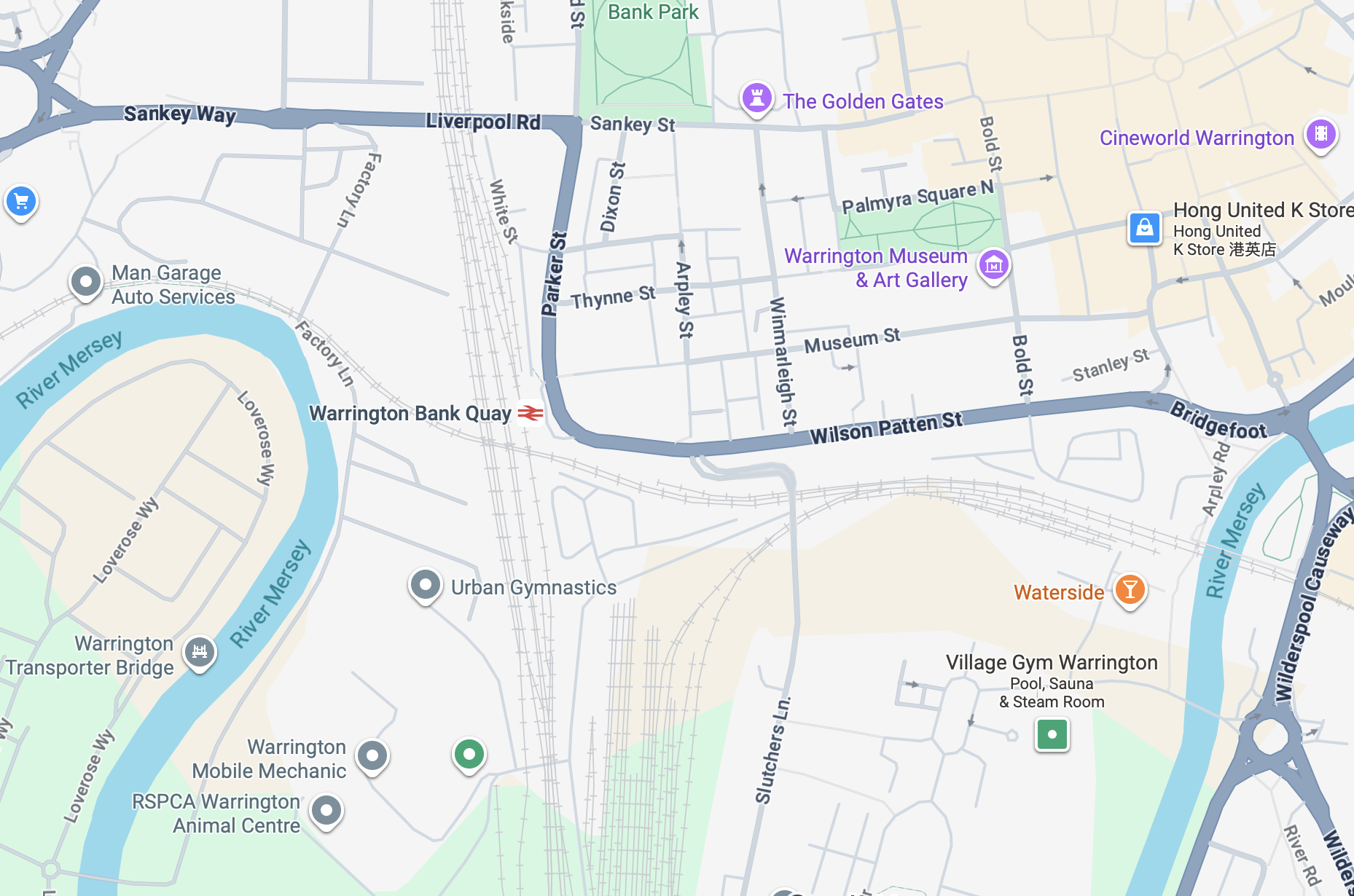
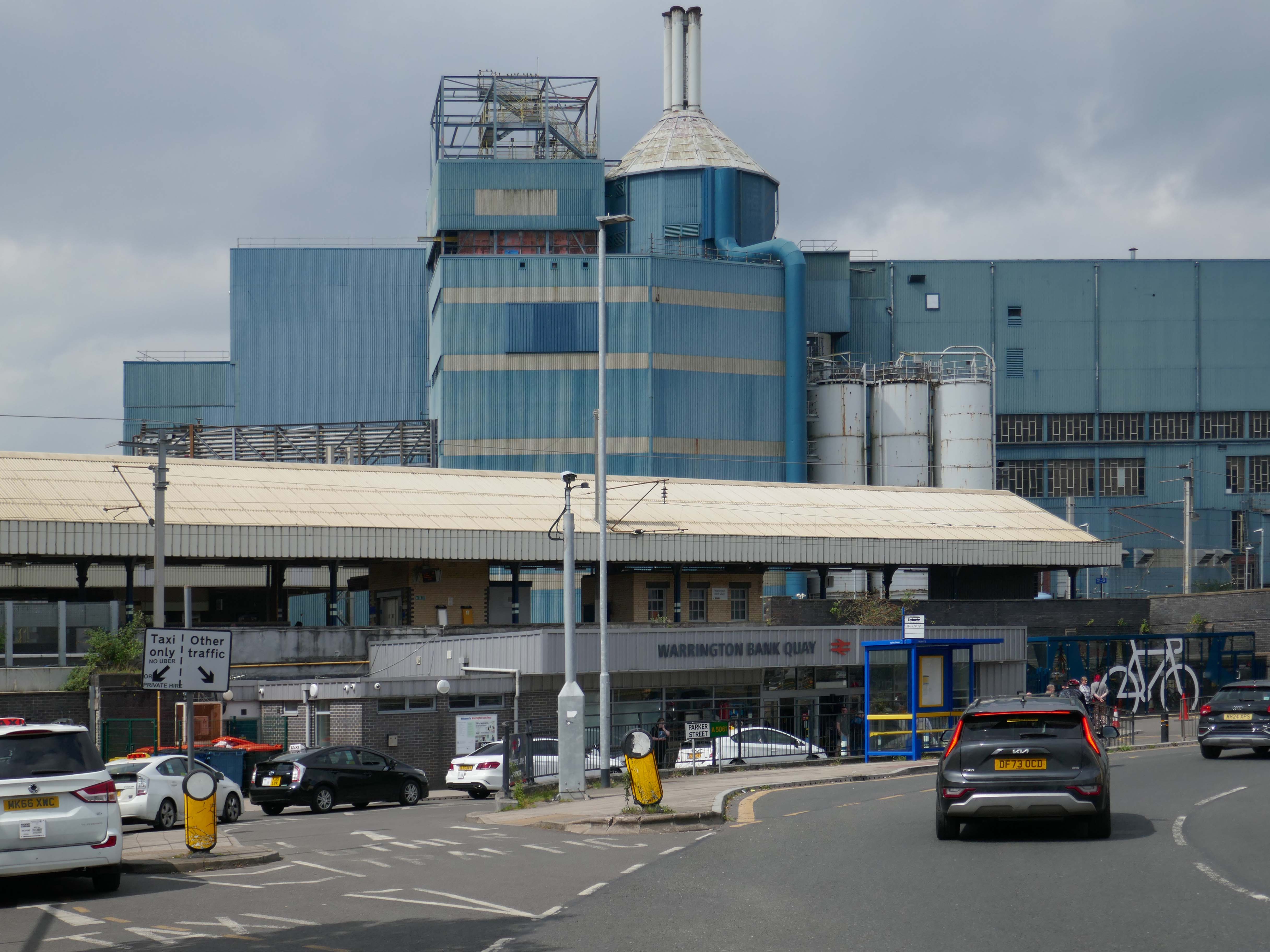
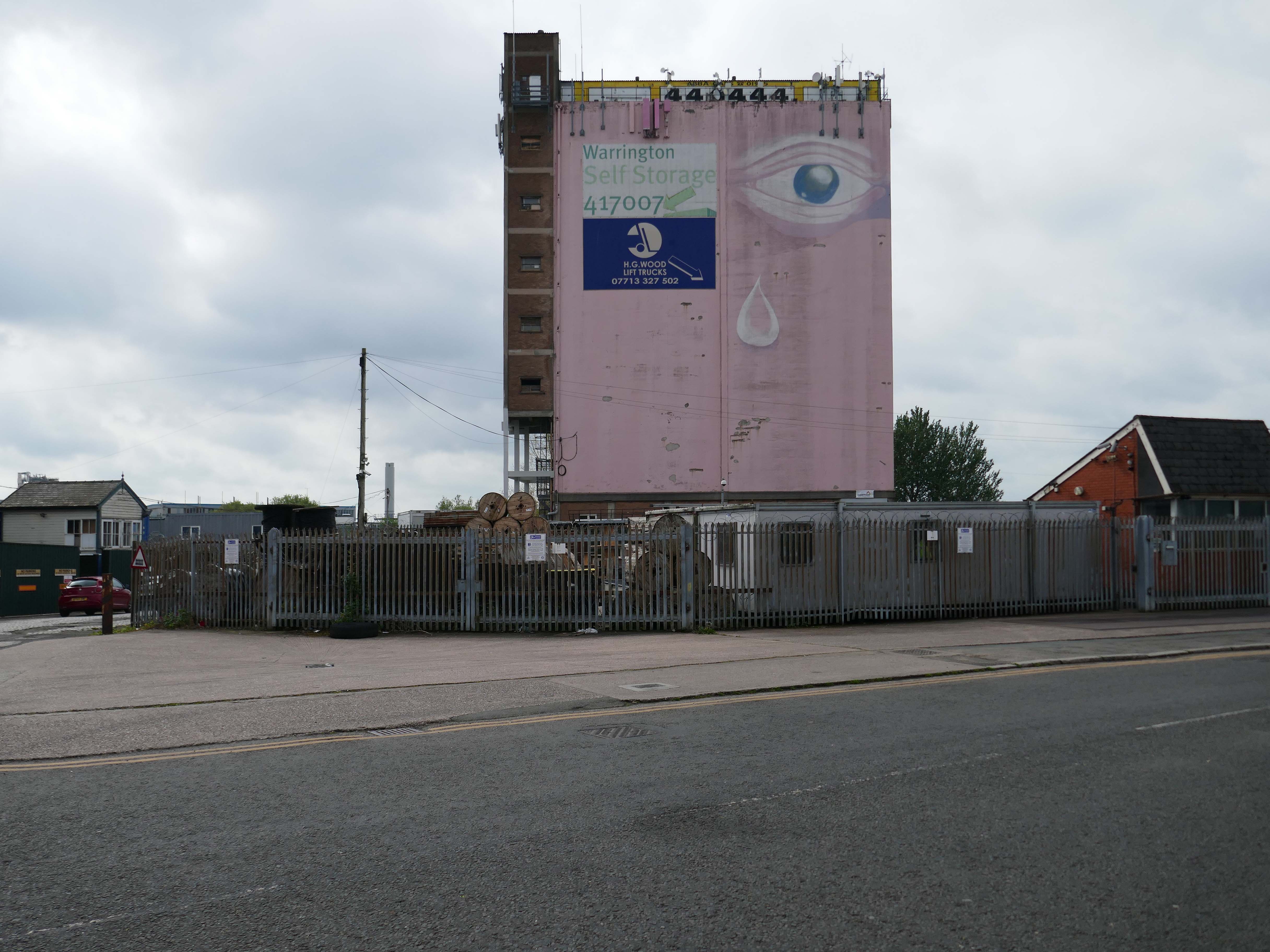
It’s a sunny day in May and we begin at Warrington Bank Quay station.
The first Warrington Bank Quay station opened on 4 July 1837.
The station was rebuilt when the line was electrified in 1973, a new power signal box covering an extended area was built east of the station for the electrification.
In 2009 a new entrance hall was completed, with a travel centre/ticket office and a shop.
The buffet on the London bound platforms was modernised.
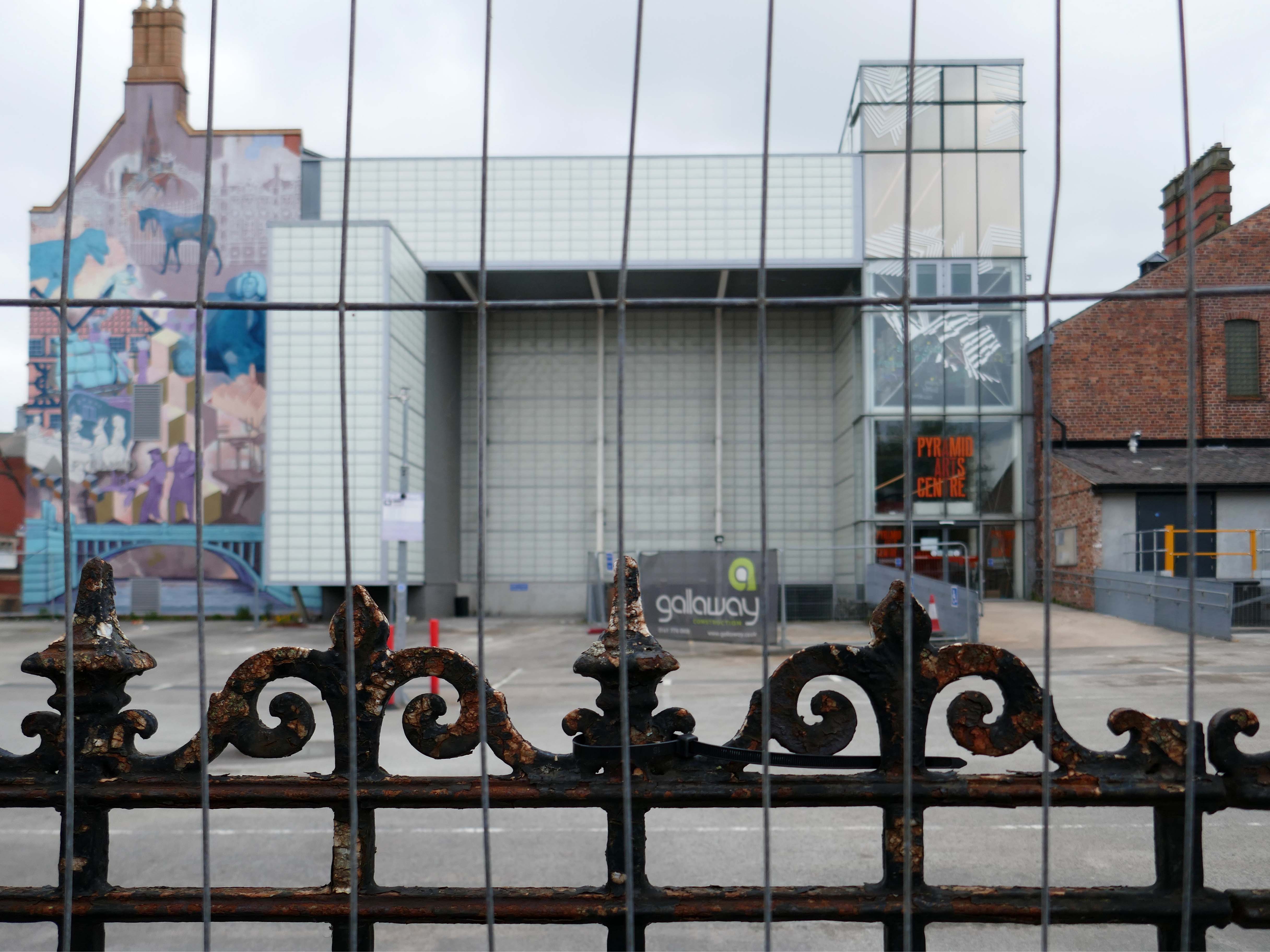
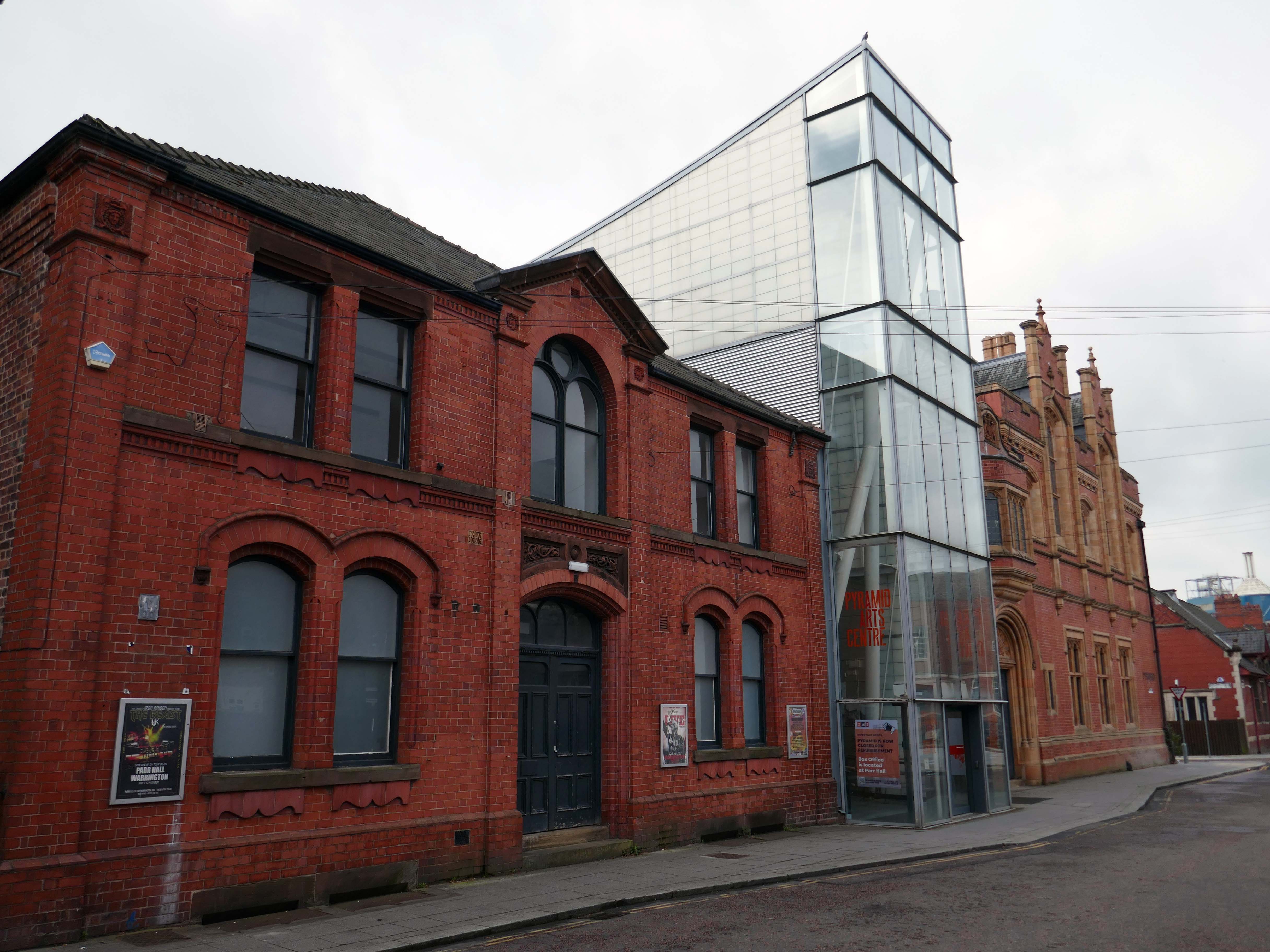
Next onwards to the Pyramid Arts extension 2002, a reworking by Studio BAAD of the former County Court and Inland Revenue Offices 1897-8 by Sir Henry Tanner.
Studio BAAD Ltd started winding up proceedings for a Creditors Voluntary Liquidation in April 2021 and the company was dissolved on 21 July 2021
The centre is currently closed – work began on the redevelopment, which has been funded by a £5 million grant from the Government, in July 2024.
The project aims to make the building more modern, accessible and fit for the future.
The redevelopment includes the addition of a new café and bar area while the Exhibition Hall will become a bigger capacity venue.
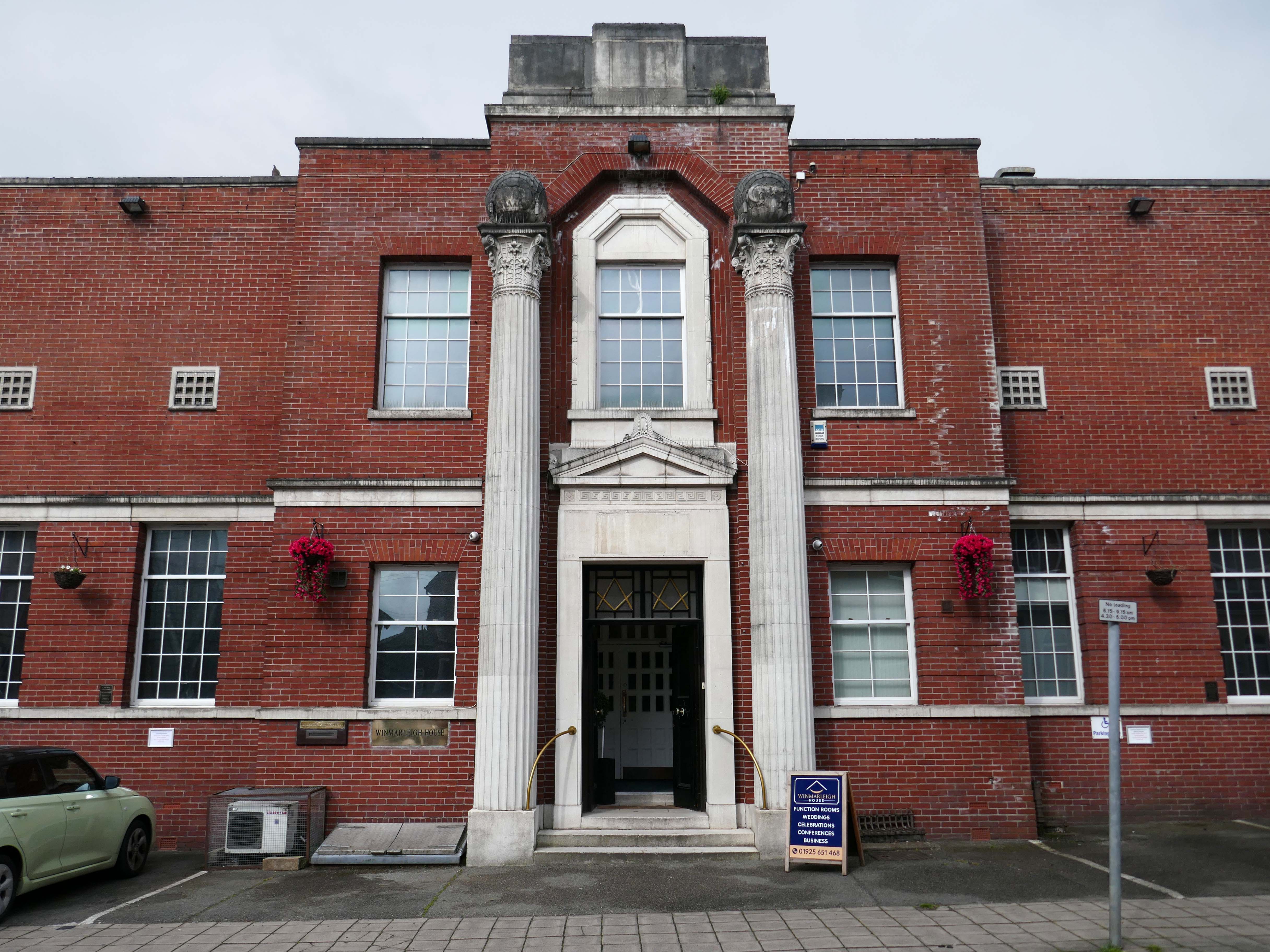
Across the way the Masonic Hall 1932-33 Albert Warburton.
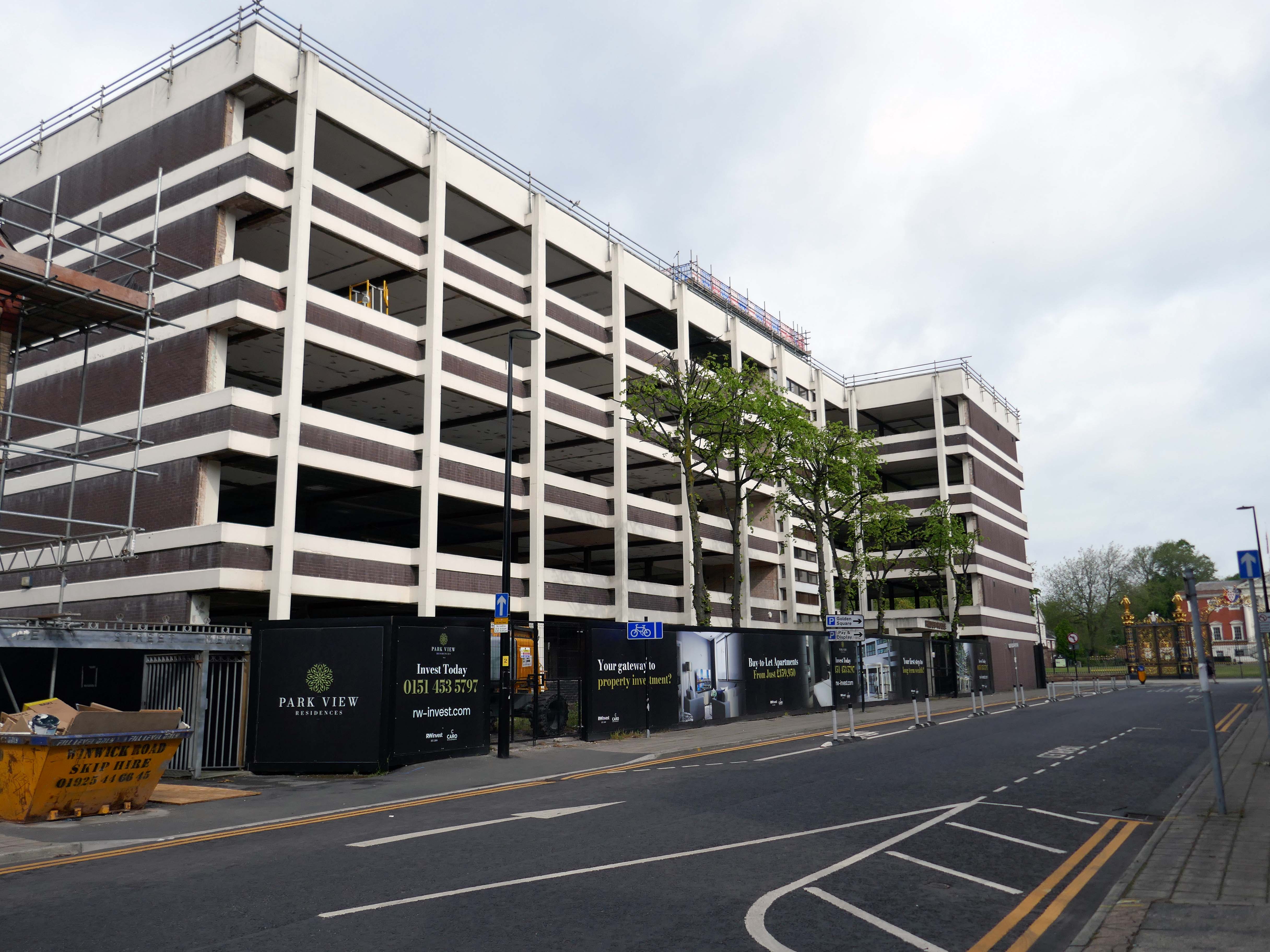
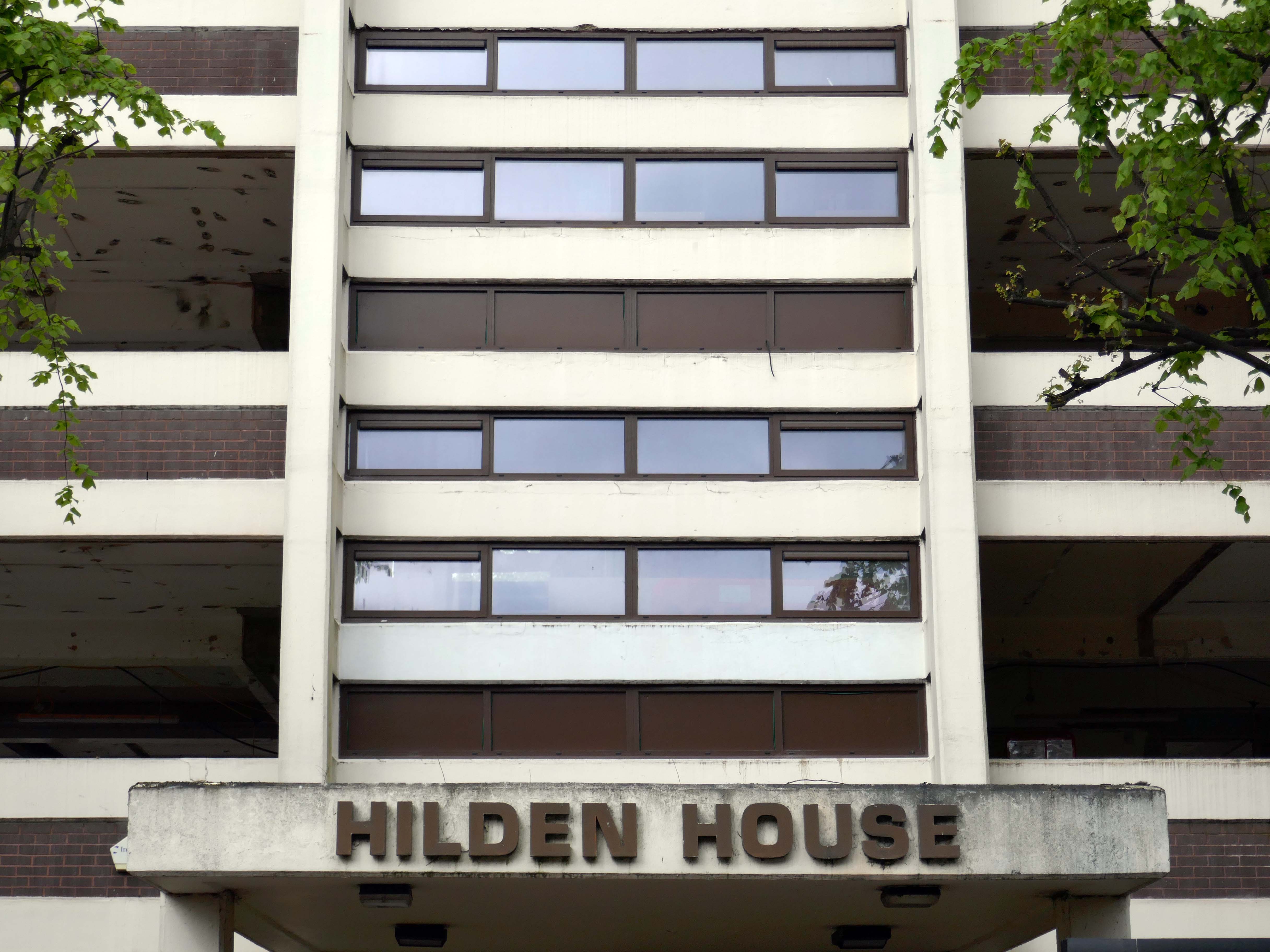
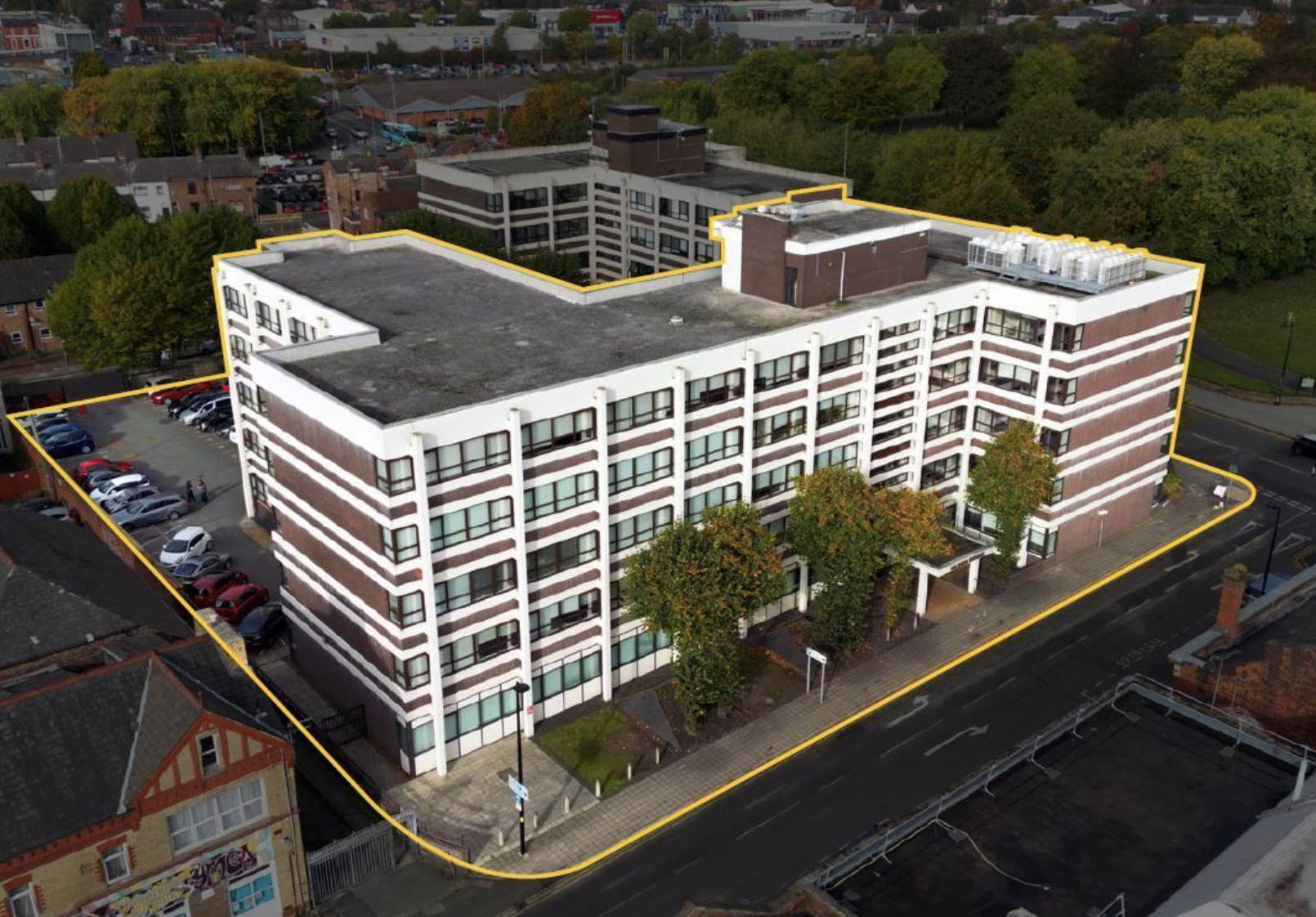
Further along to Hilden House a former Department of Works and Pension building, currently undergoing a transformation into a residential block.
The £18m office to residential reset of the 52,400 sq ft building will offer a mix of one- and two-bedroom apartments in plans now approved by the local authority.
Caro Developments, working in tandem with architectFalconer Chester Hall, hopes to start construction later this year.
According to a planning statement submitted on the developer’s behalf by Savills, once complete, the five-storey block will offer residents a concierge service, a gym and wellness facility, a resident’s lounge, and a co-working area.
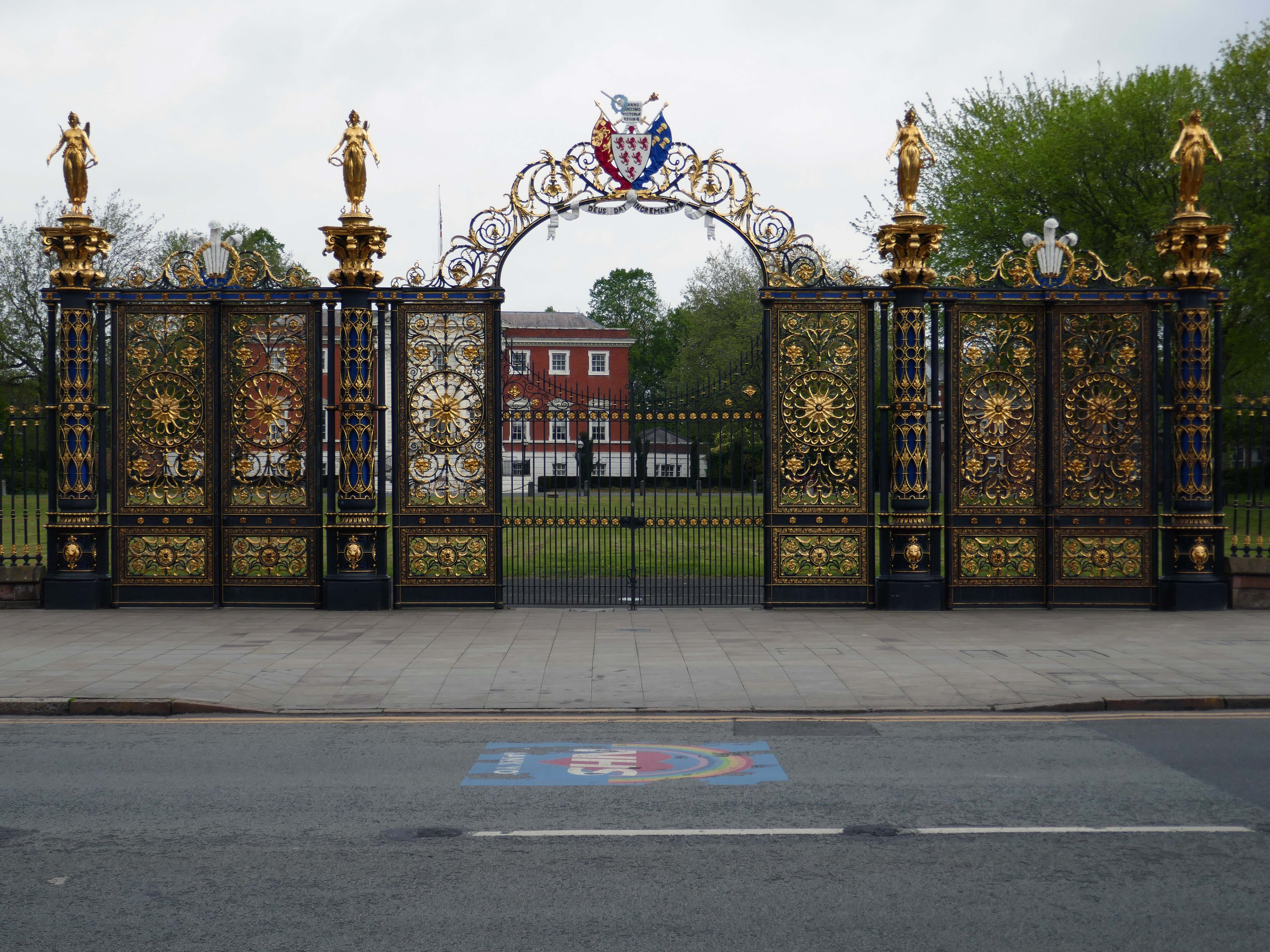
Way out of period but a notable Warrington landmark are the Golden Gates designed in 1862.
The gates were made for the International Exhibition of 1862, and then intended for Queen Victoria’s Sandringham home in Norfolk. Coalbrookdale found it hard to find a buyer for such grand gates, so Frederick Monks, one of the town’s earliest councillors, was able to buy and bring them to Warrington to stand at the front of the town hall lawn. Monks also presented the cast iron Cromwell statue, designed by John Bell, to Warrington in 1899.
The Golden Gates are Grade II* Listed, along with the gate piers and the lamps which line the driveways at either side of the town hall
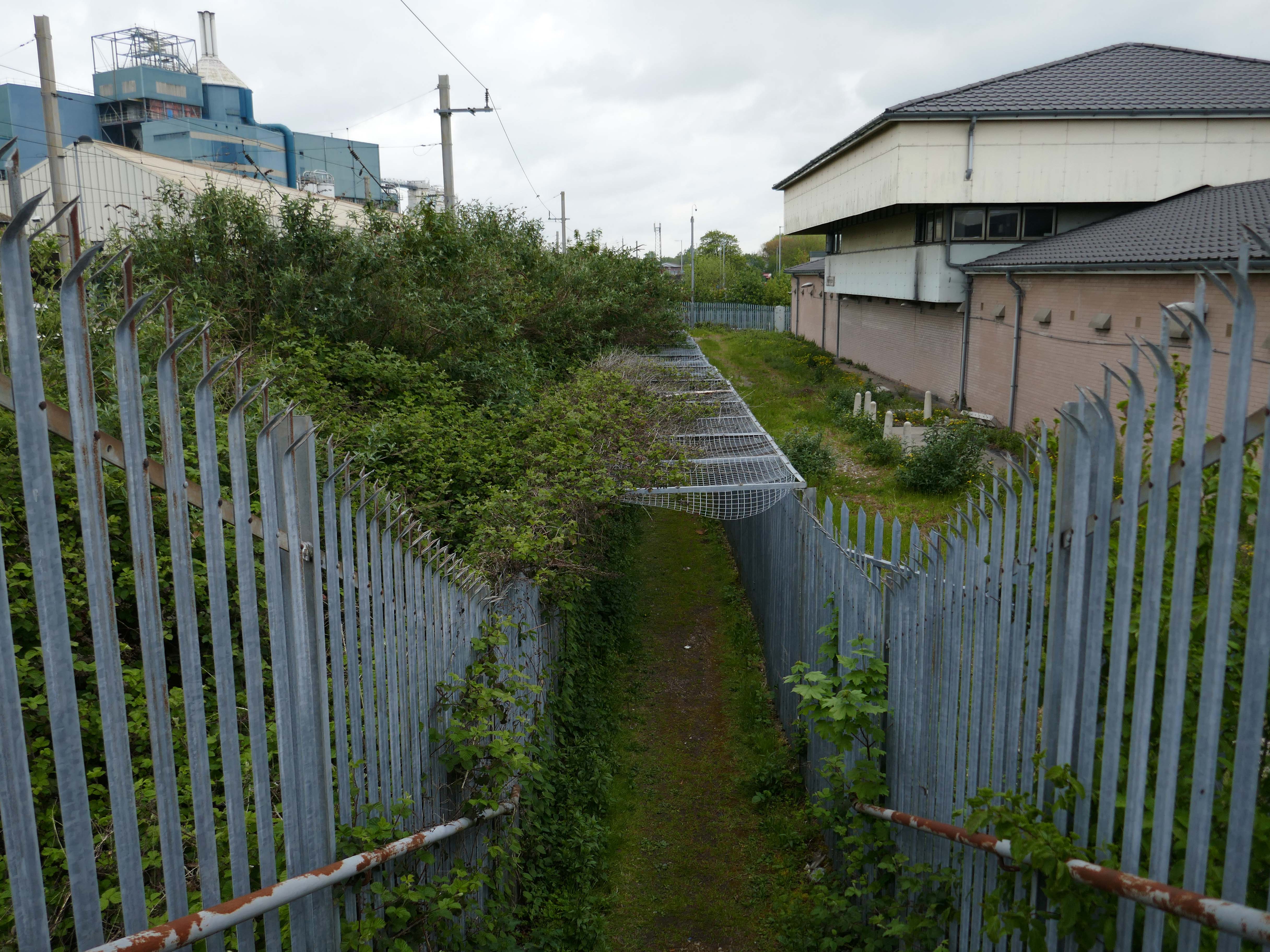
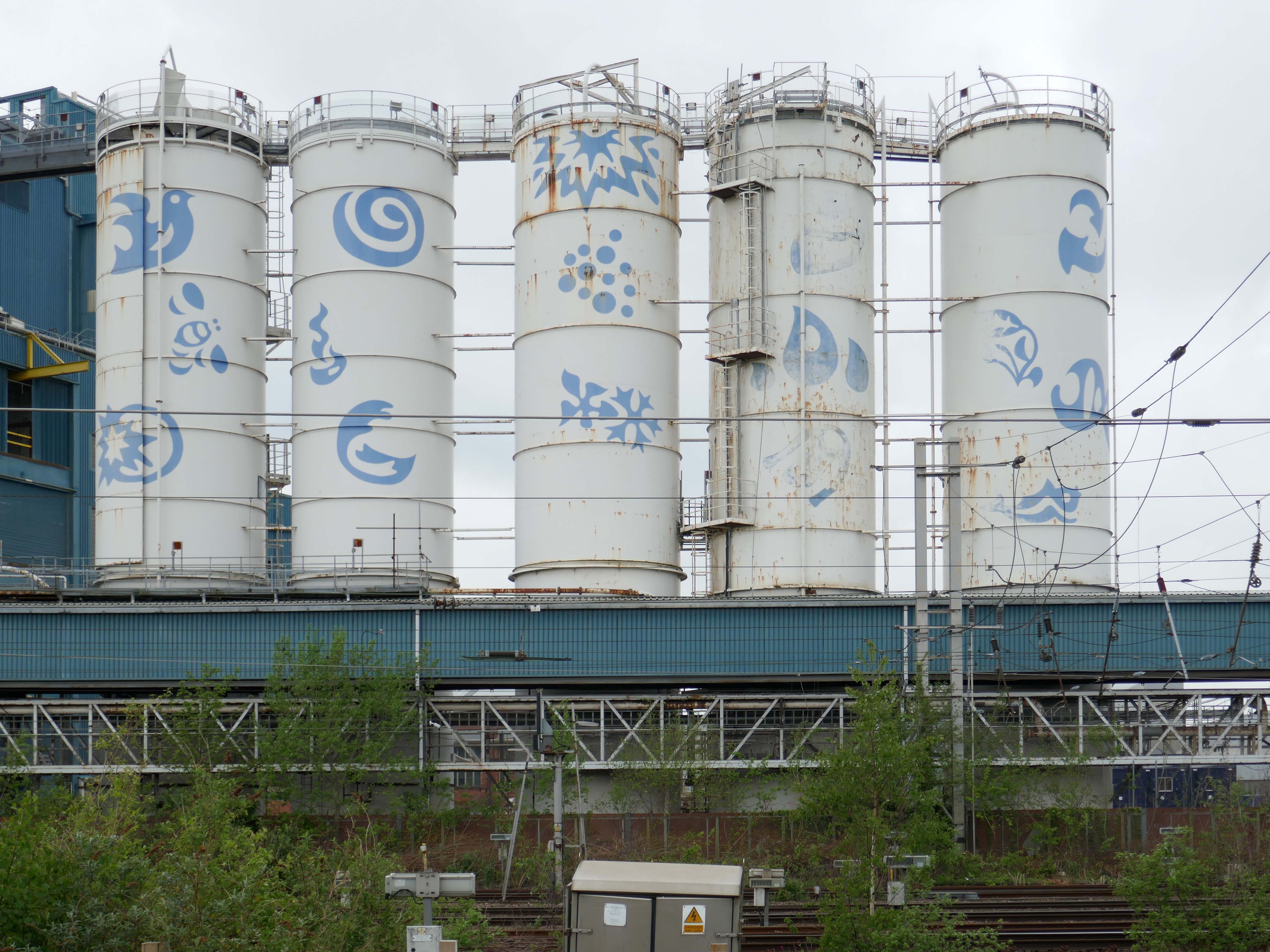
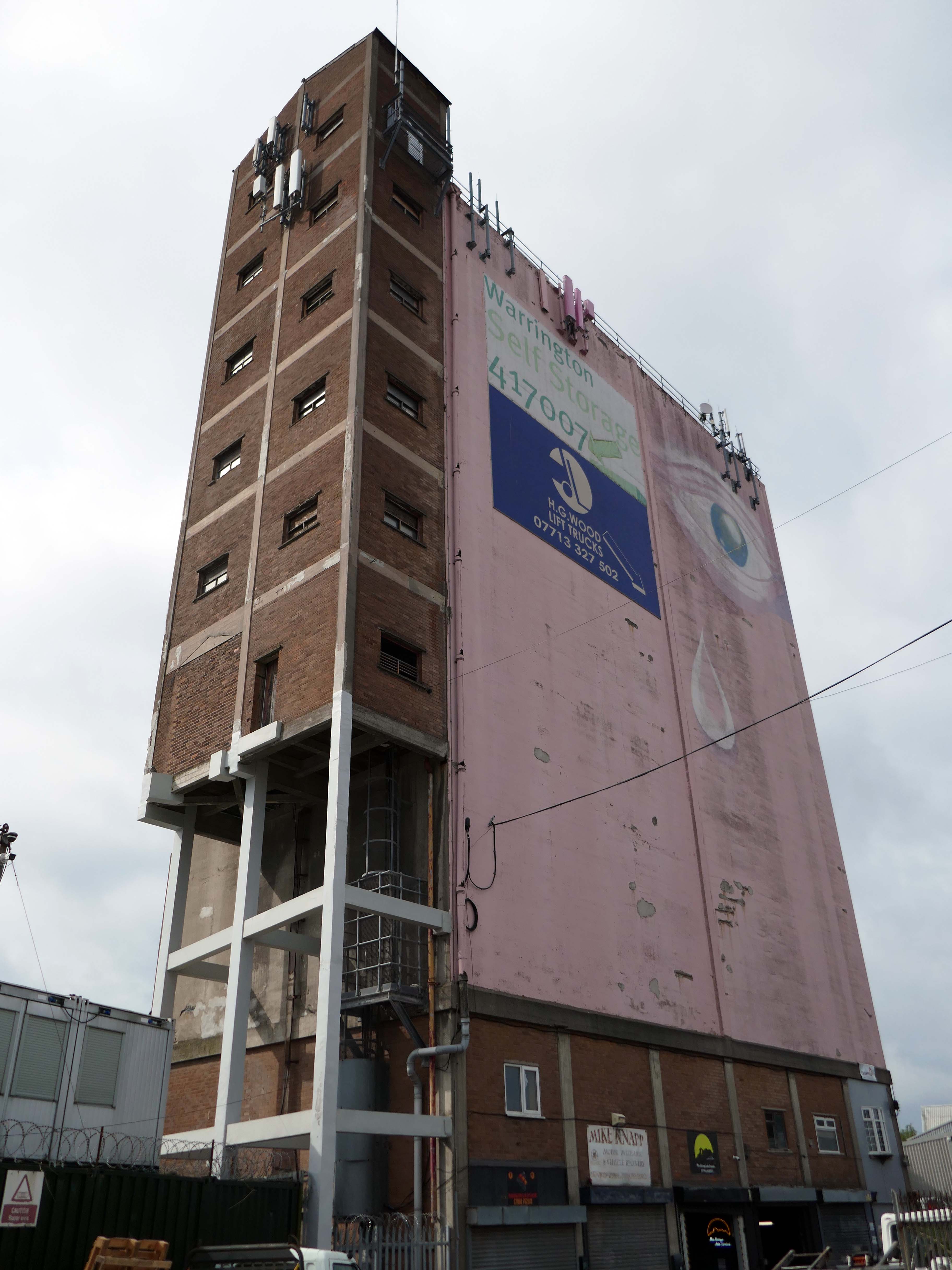
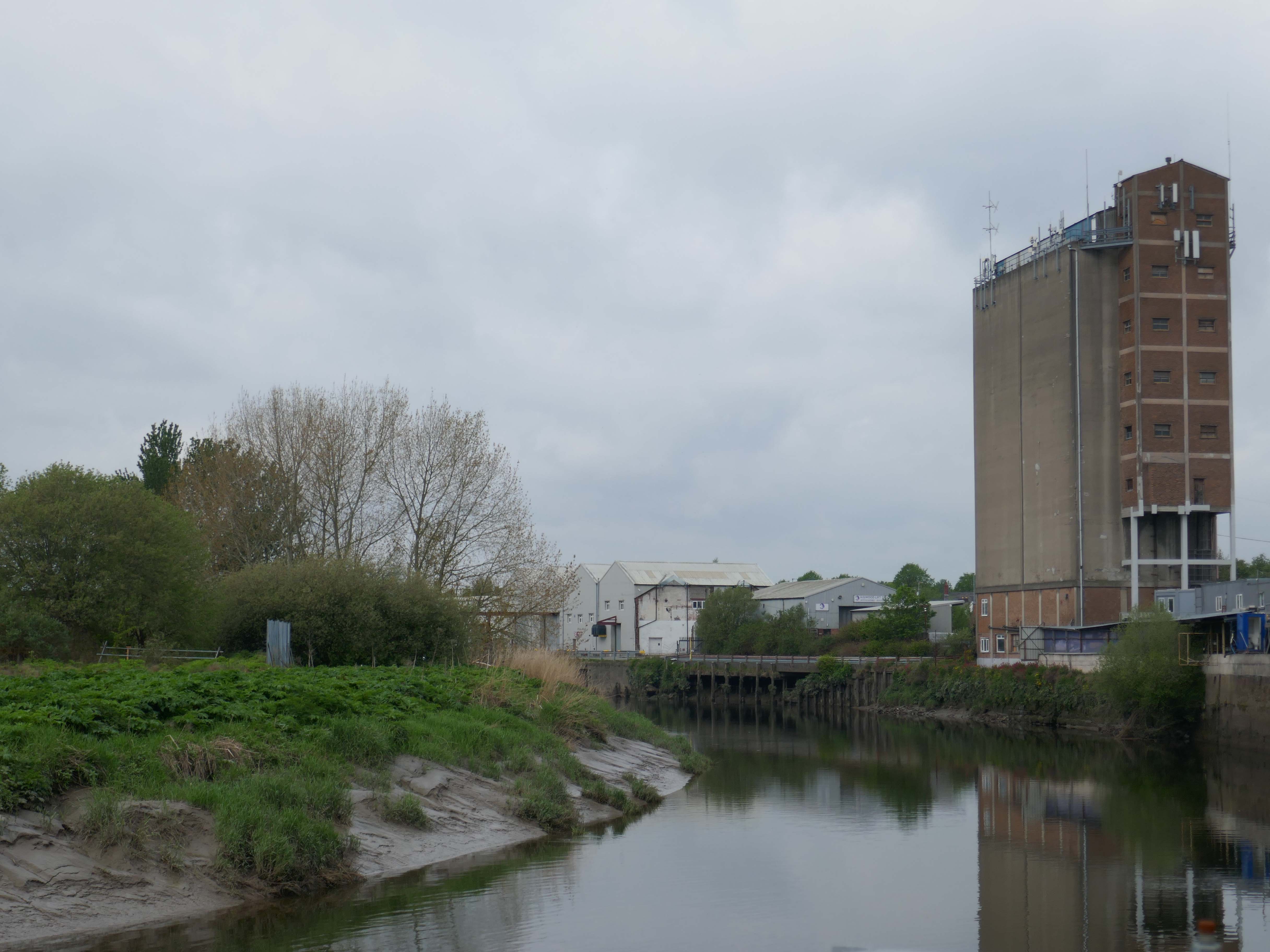
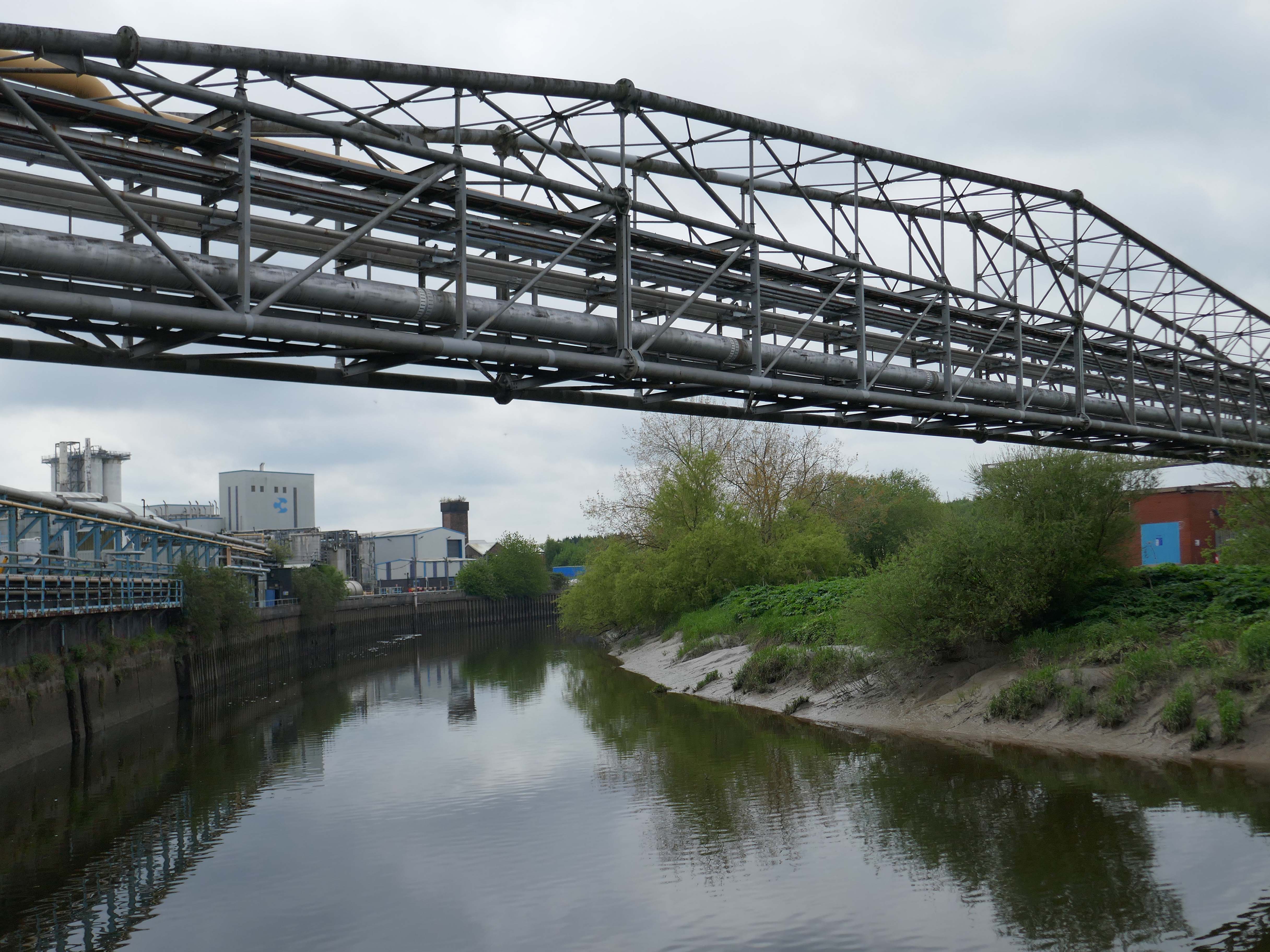
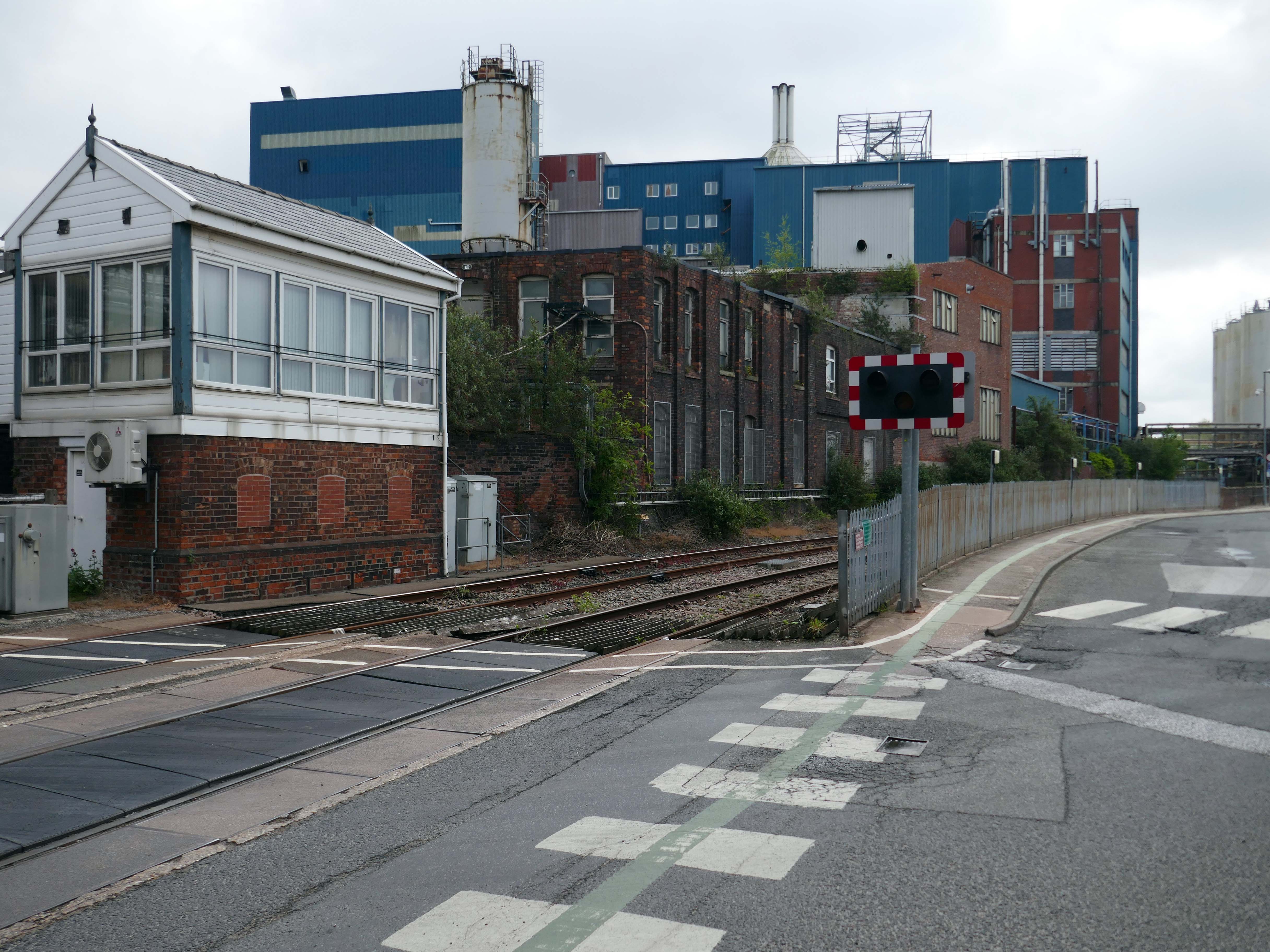
Up the road now to the Soap Works – first views from across the railway tracks.
Then over the bridge.
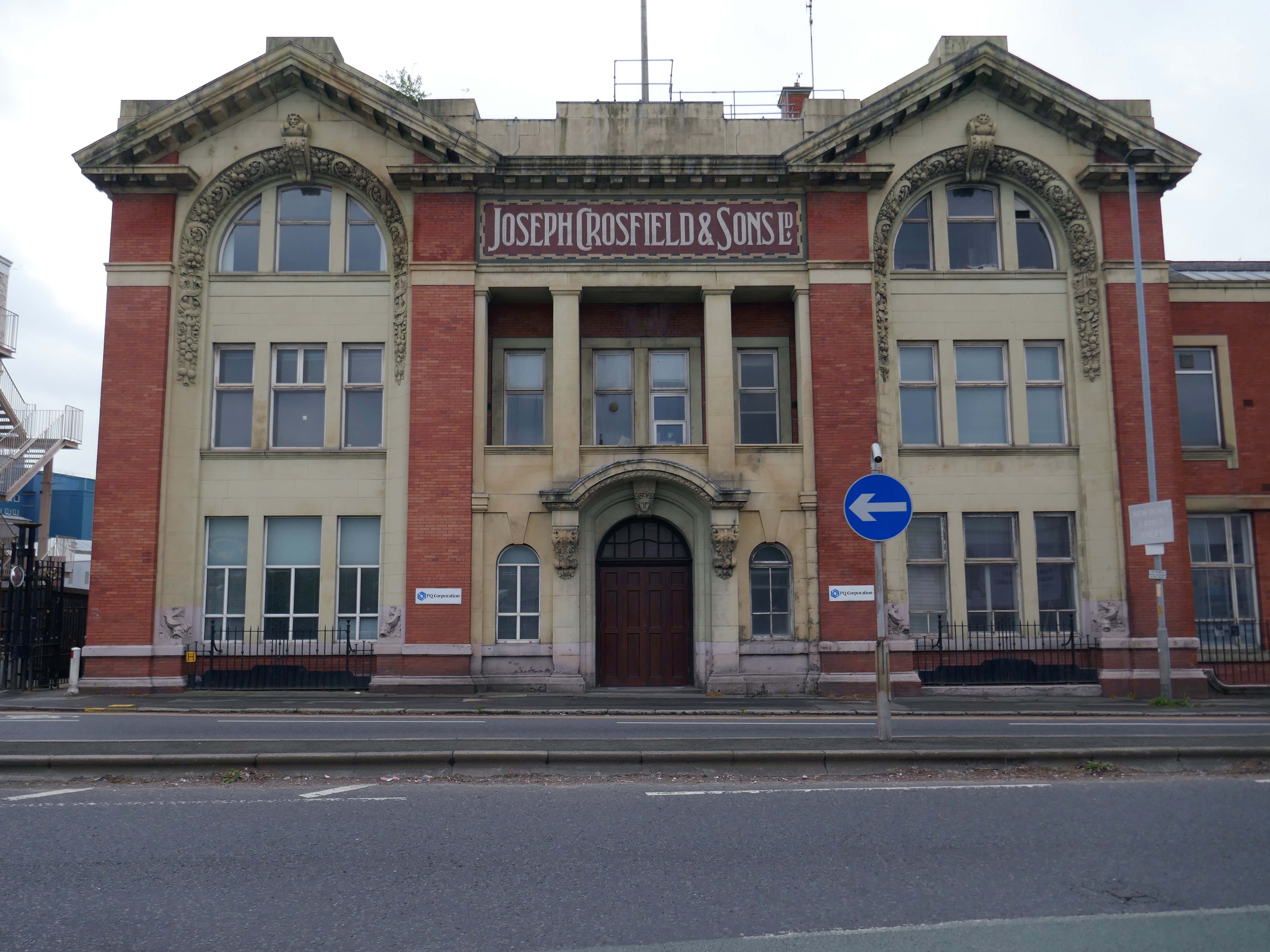
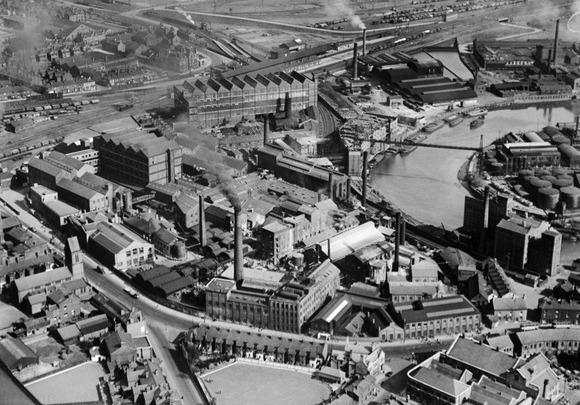
Joseph Crosfield was born in Warrington, the fourth son of George Crosfield and his wife Ann née Key. In 1814, Joseph’s apprenticeship having finished, at the age of 21 he decided to establish his own soap making business in Warrington.
In 1911 the company was purchased by Brunner, Mond & Company and 1919 it was absorbed into Lever Brothers. From 1929 Crosfield was a subsidiary of Unilever. In 1997 its Warrington speciality chemicals division that made ingredients for detergents and toothpastes was acquired by ICI and in 2001, Ineos Capital purchased the company. The name Crosfield was finally lost as it was renamed Ineos Silicas. In 2008 Ineos Silicas was merged with PQ Corporation, with the new company retaining the name of PQ Corporation.
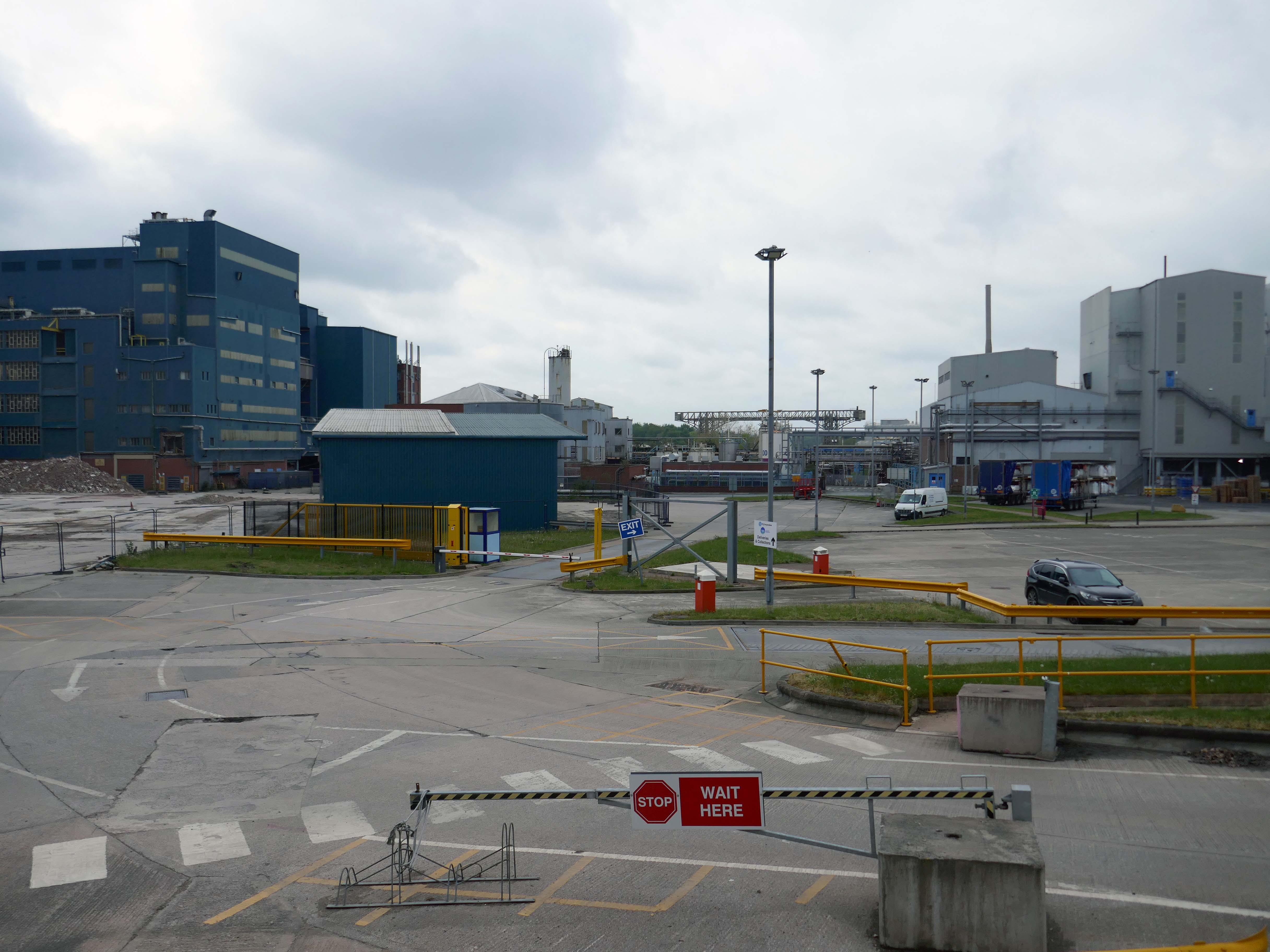
The Crosfield’s factory closed for good in October 2020.
Dante FS Group formally acquired four acres of the site this month for an undisclosed fee from EcoVyst.
The latter firm will continue to operate from sections of the site, as will PQ Corporation, with Dante buying land closest to the train station, including the visible blue buildings and white Unilever tanks.
Renamed Platform at Bank Quay, the ‘next-generation, state-of-the-art modular data centre’ is ‘set to power the UK’s growing AI economy’ and bring high-tech jobs to the town.
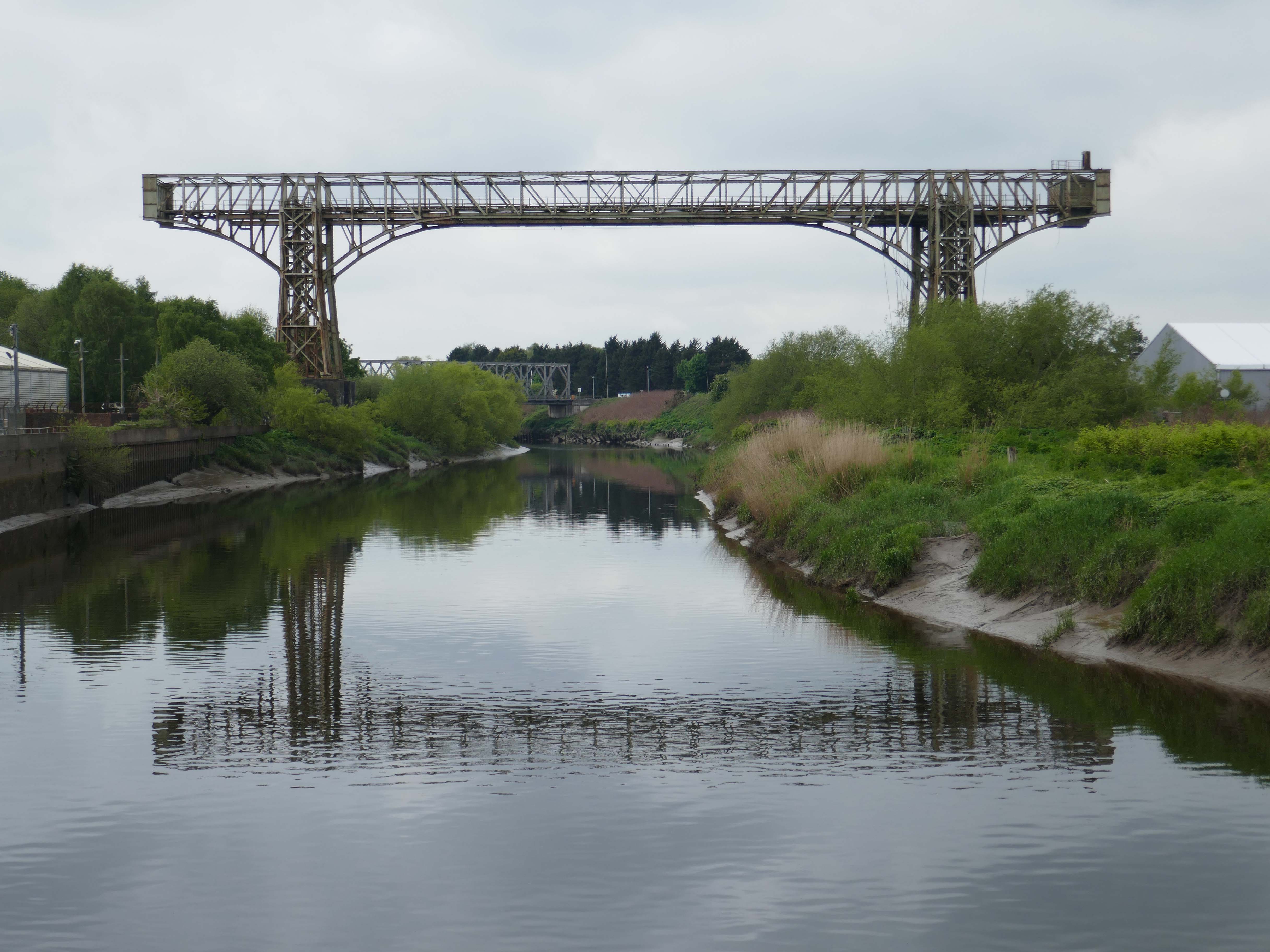
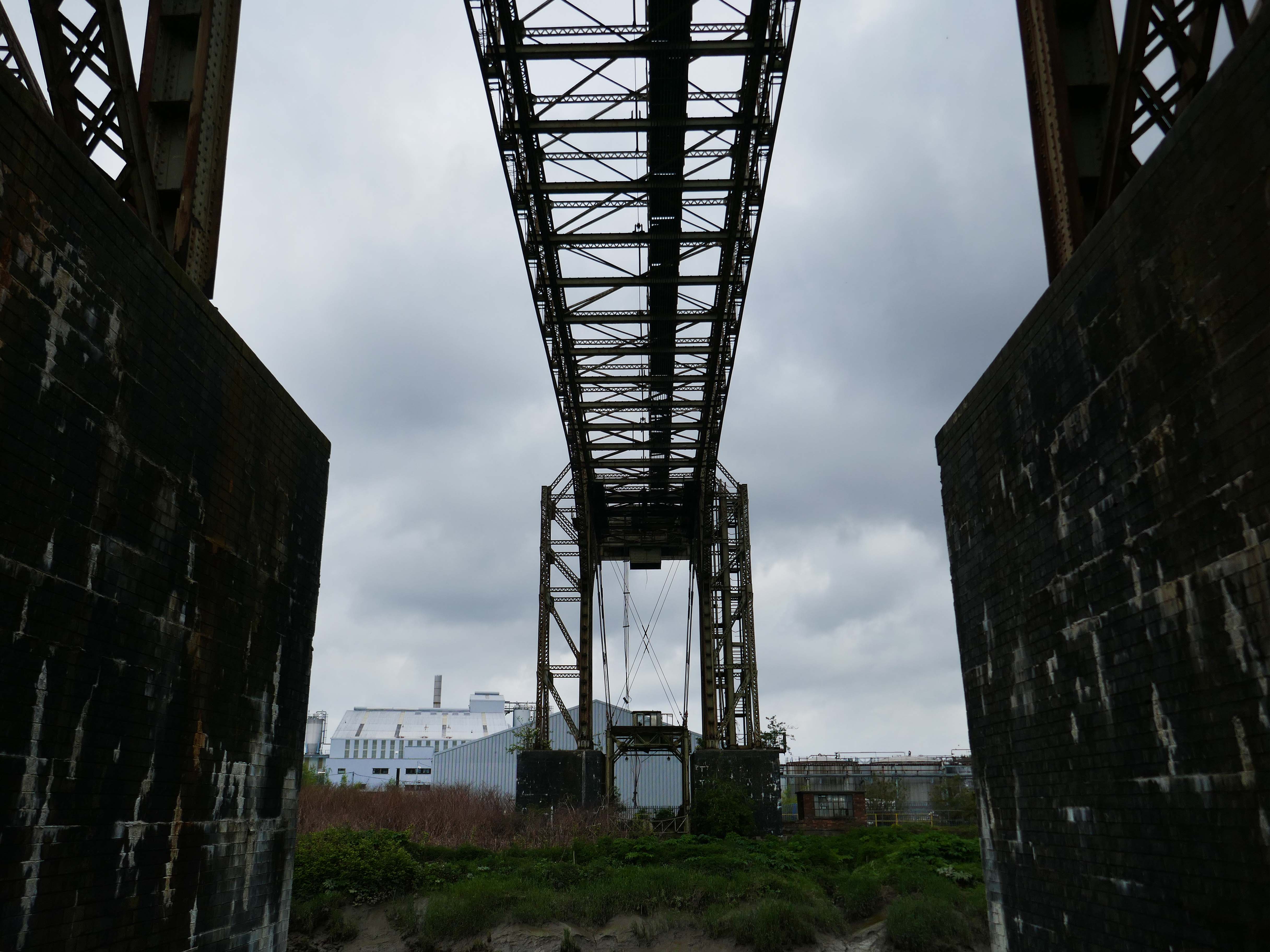
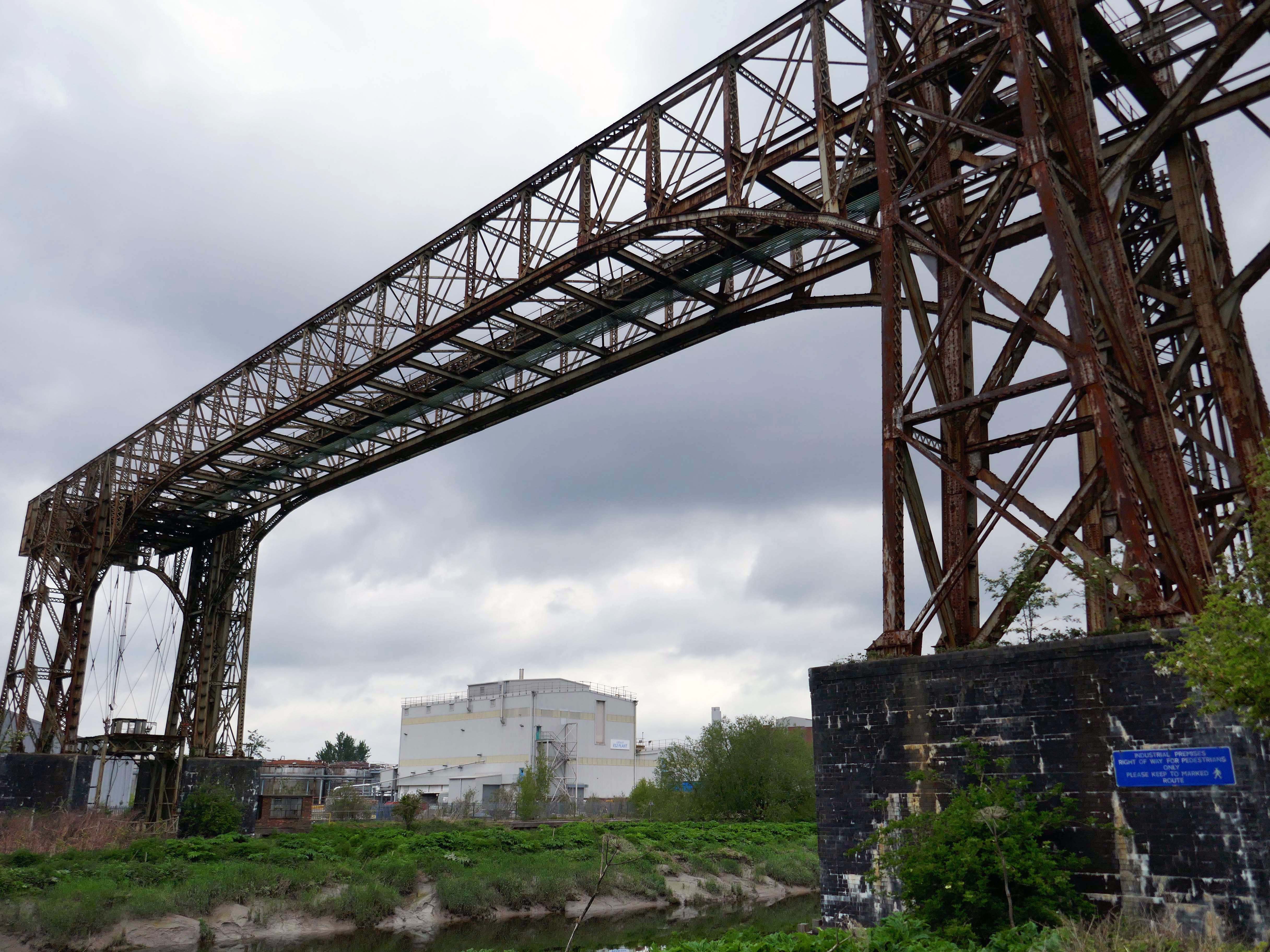
Warrington Transporter Bridge aka Bank Quay Transporter Bridge or Crosfield’s Transporter Bridge across the River Mersey is a structural steel transporter bridge with a span of 200 feet.
It is 30 feet wide and 76 feet above high water level, with an overall length of 339 feet.
It was commissioned in 1916 and, although it has been out of use since about 1964, it is still standing. It was designed by William Henry Hunter and built by William Arrol and Co.
The Transporter Bridge was built to despatch finished product from the cement plant that had been built on the peninsula. It was originally designed to carry rail vehicles up to eighteen tons loaded weight.
The bridge was converted for road vehicles in 1940, and was certified to carry loads of up to thirty tons in 1953.
This was my first visit in 2017 – recorded on Modern Mooch.
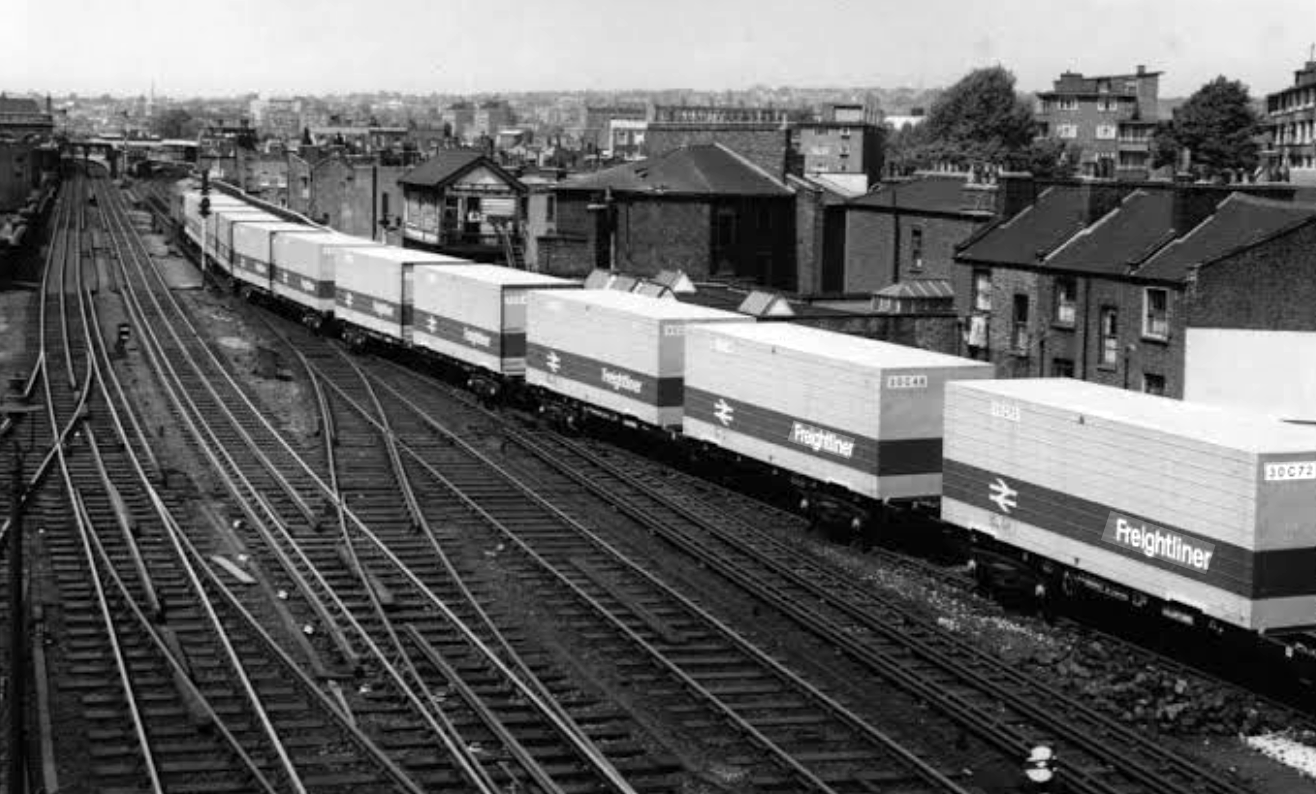
Highlight on any day out anywhere is the discovery of arcane British Rail typography.
There’s a brief history of Freightliner history right here.
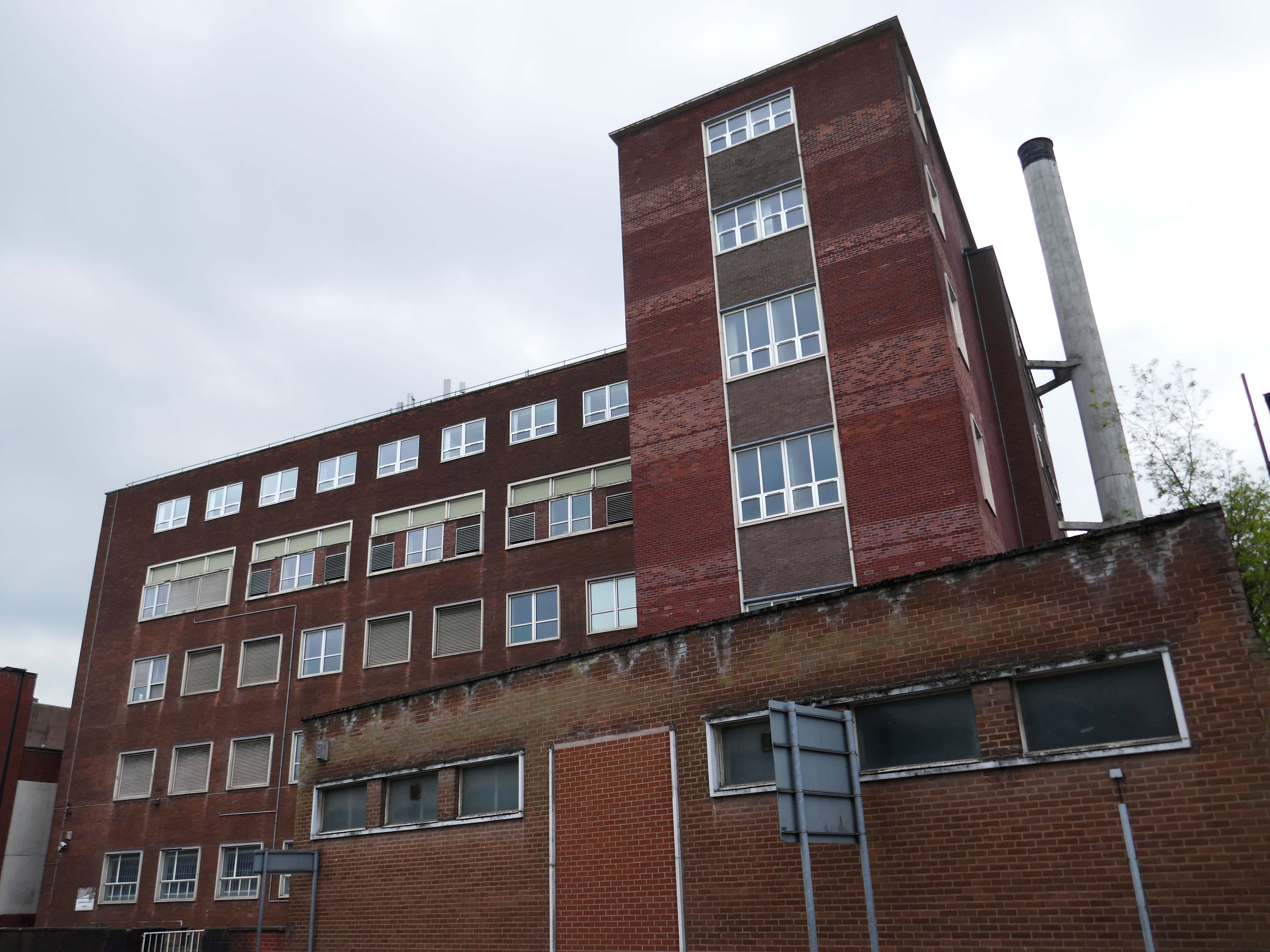
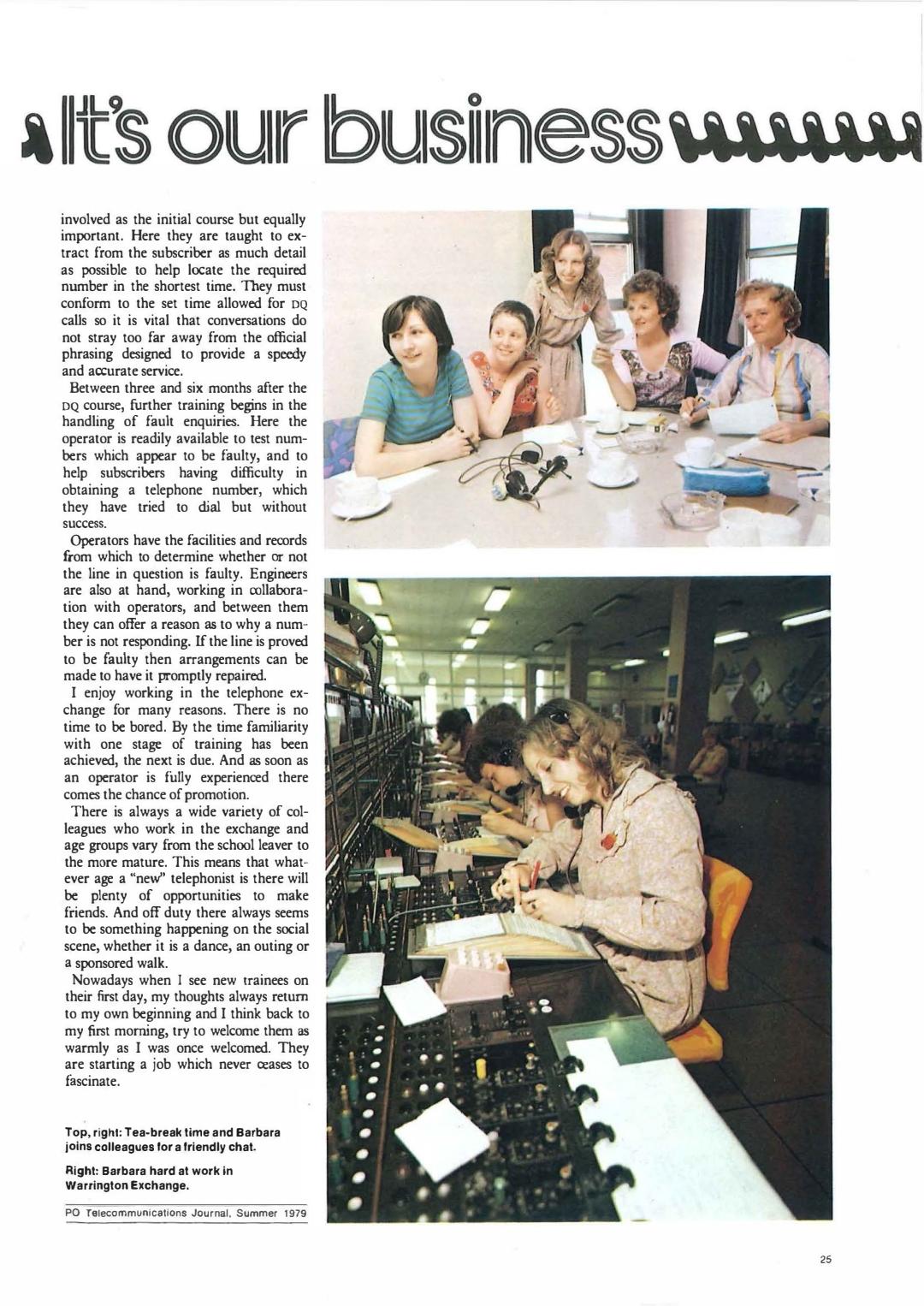
Back now to Bank Quay and off to the Telephone Exchange.
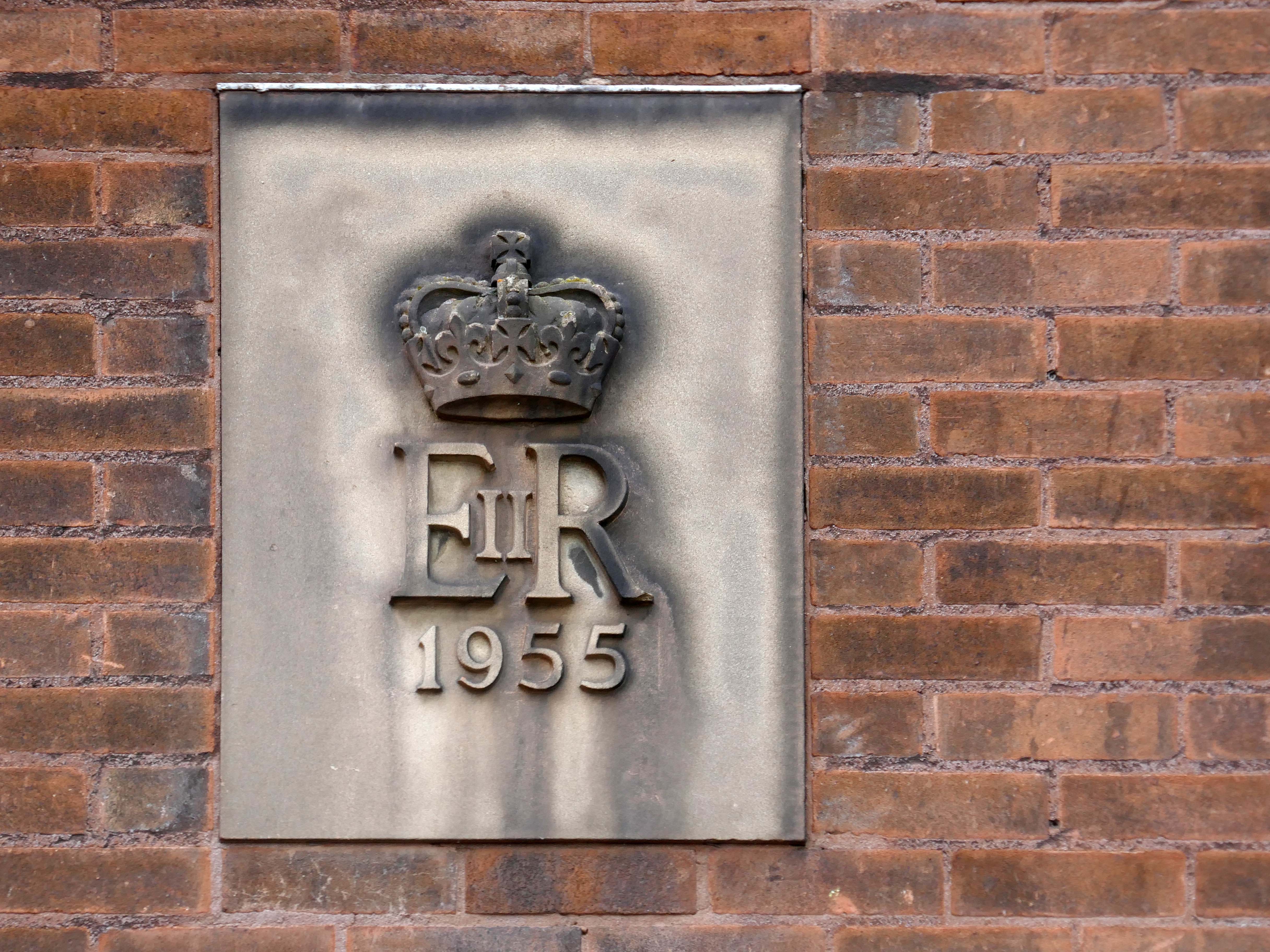
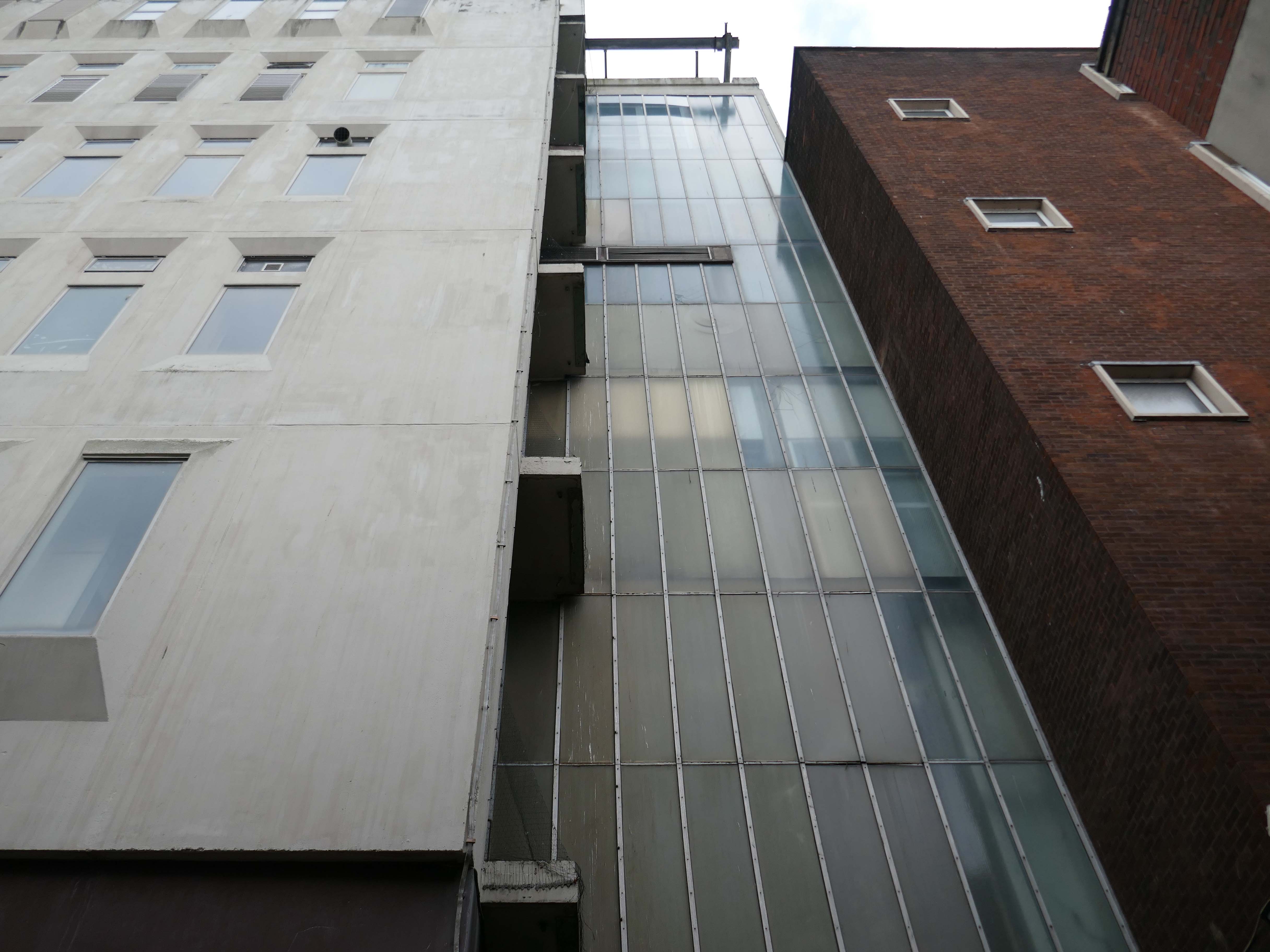
This is the 1969 building designed by the MODBW, Reginald Norman Dixon with lead architect P Clinton.
Linked to the 1955 building designed by John Onslow Stevens.
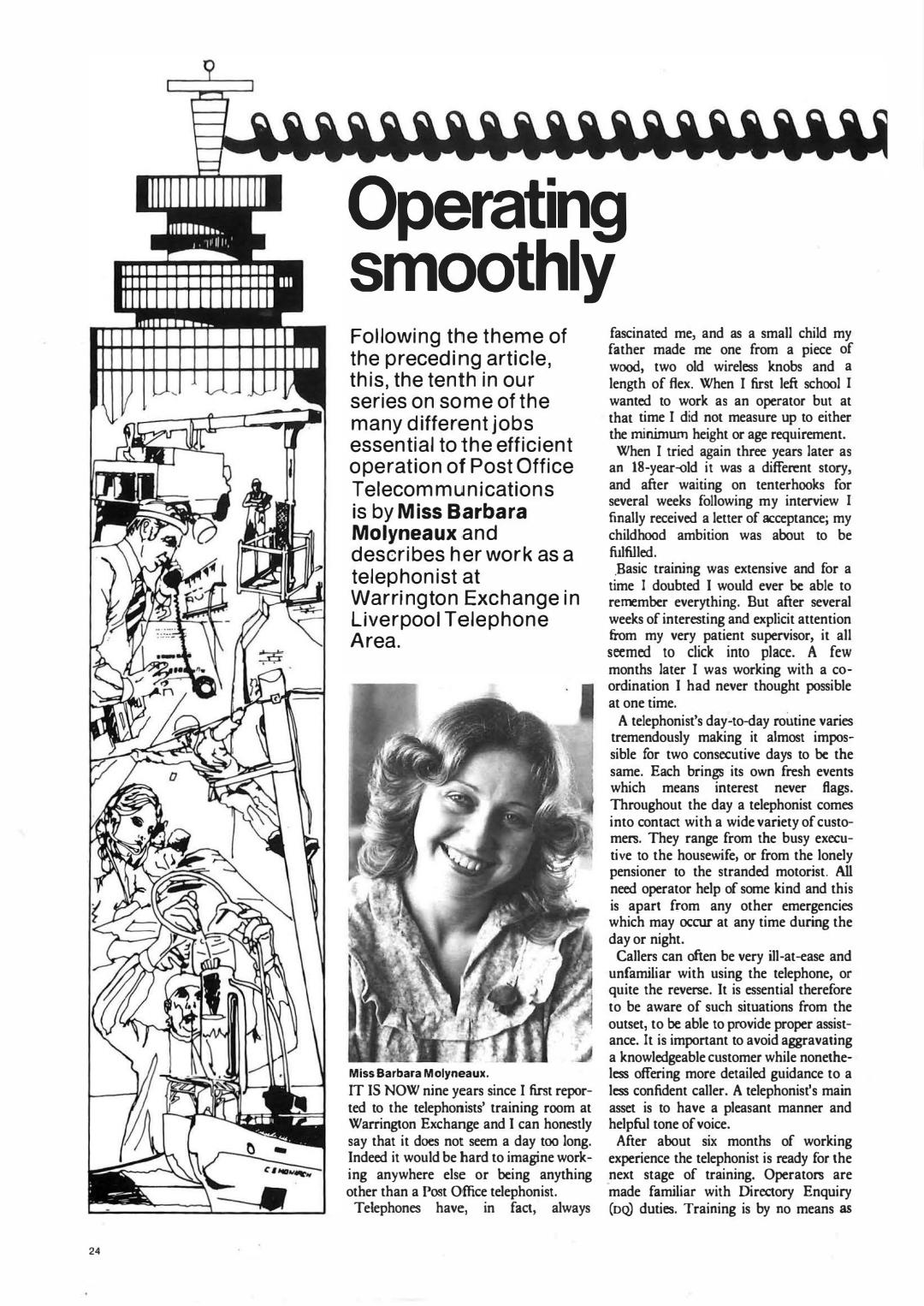
Biggest thanks to Lisa Kinch who can be found over on Instagram, for all her informative research into telephone exchanges.
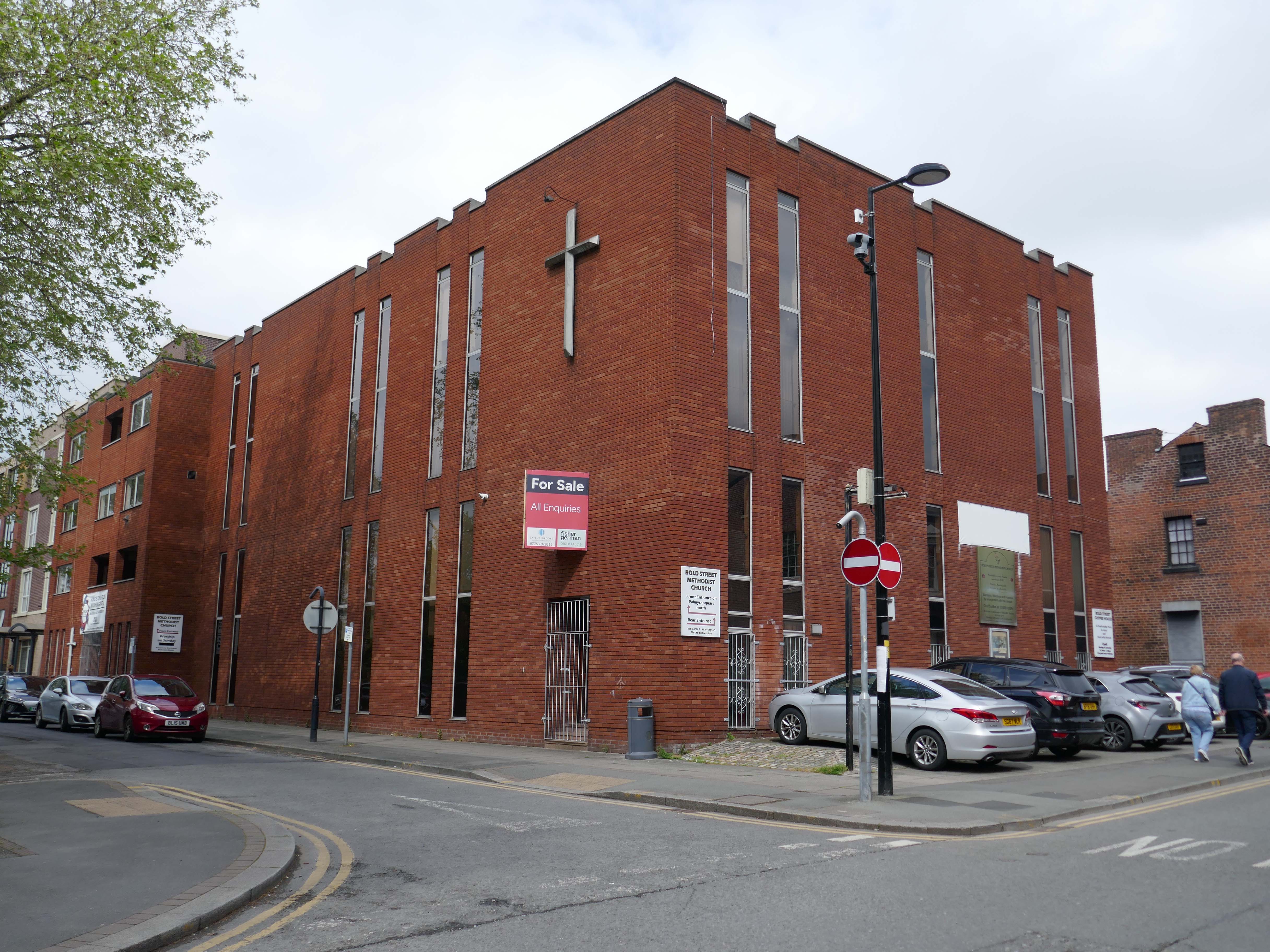
Toward the town centre and we pass the Bold Street Methodists Church – 1973-75.
Currently closed and for sale.
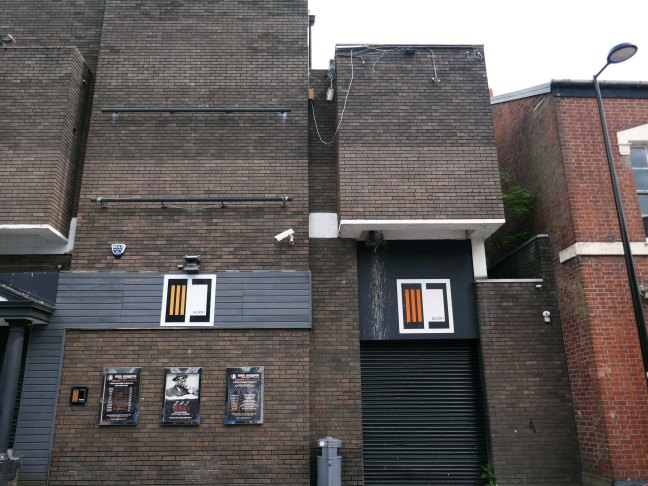
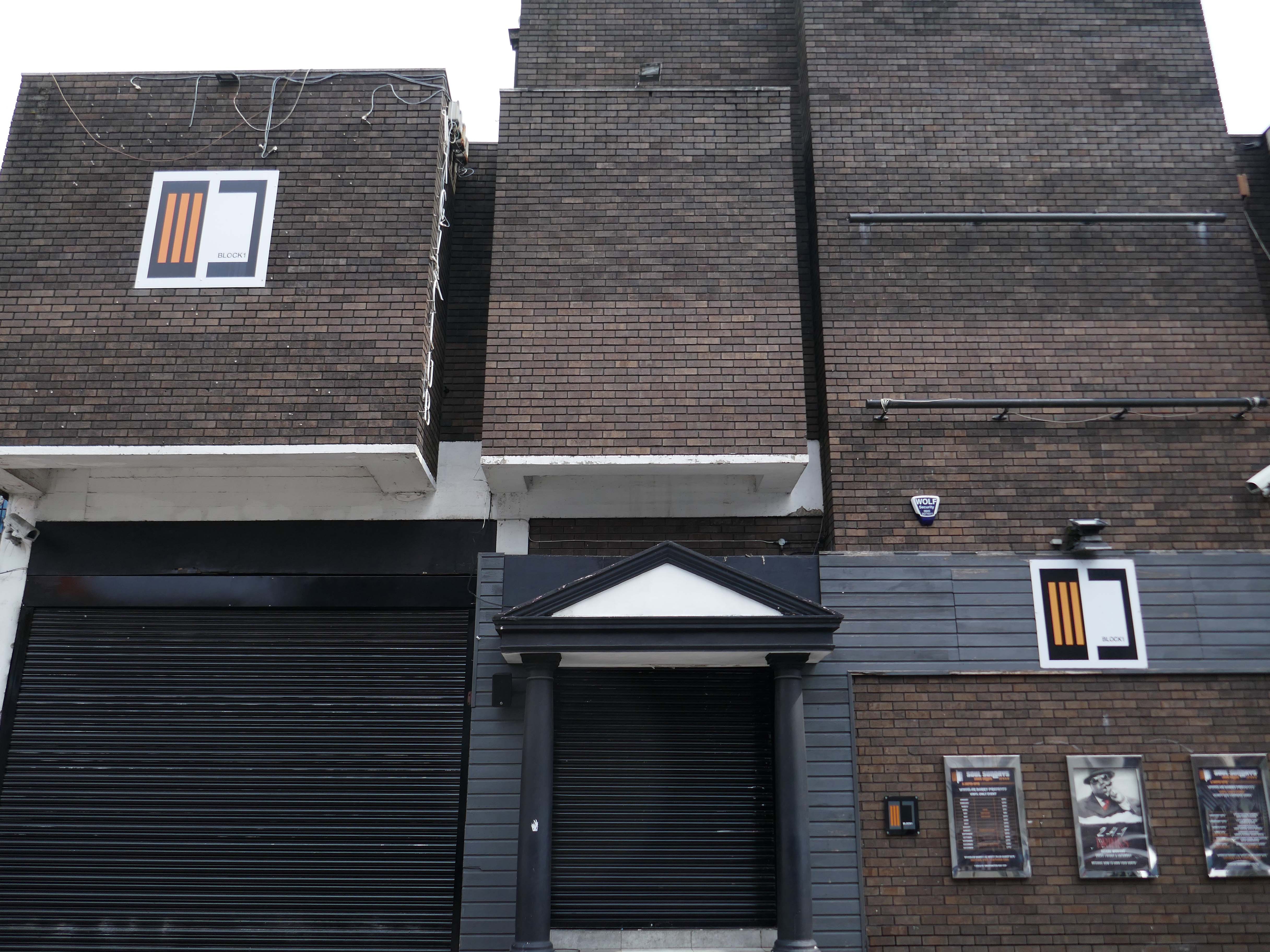
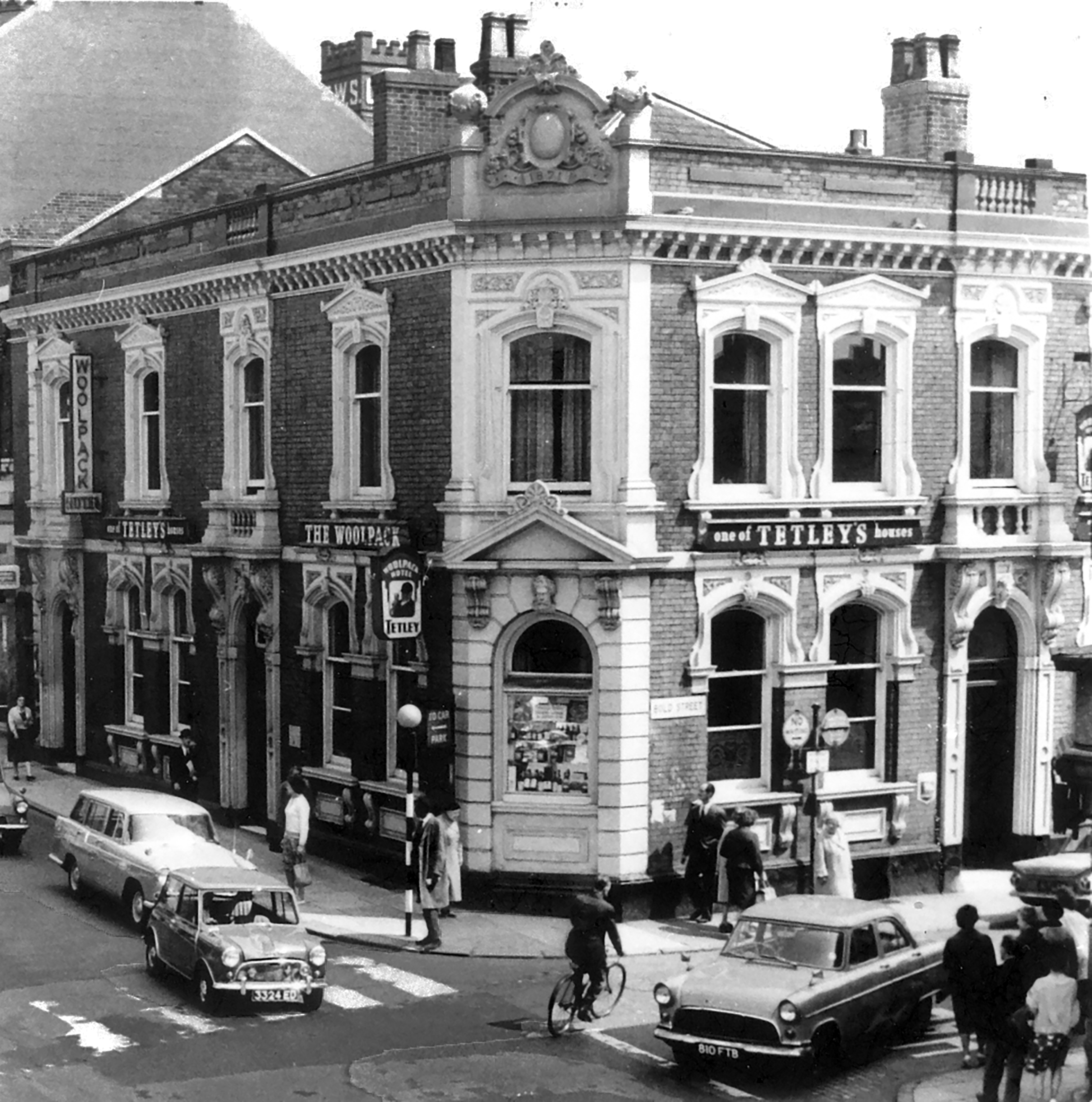
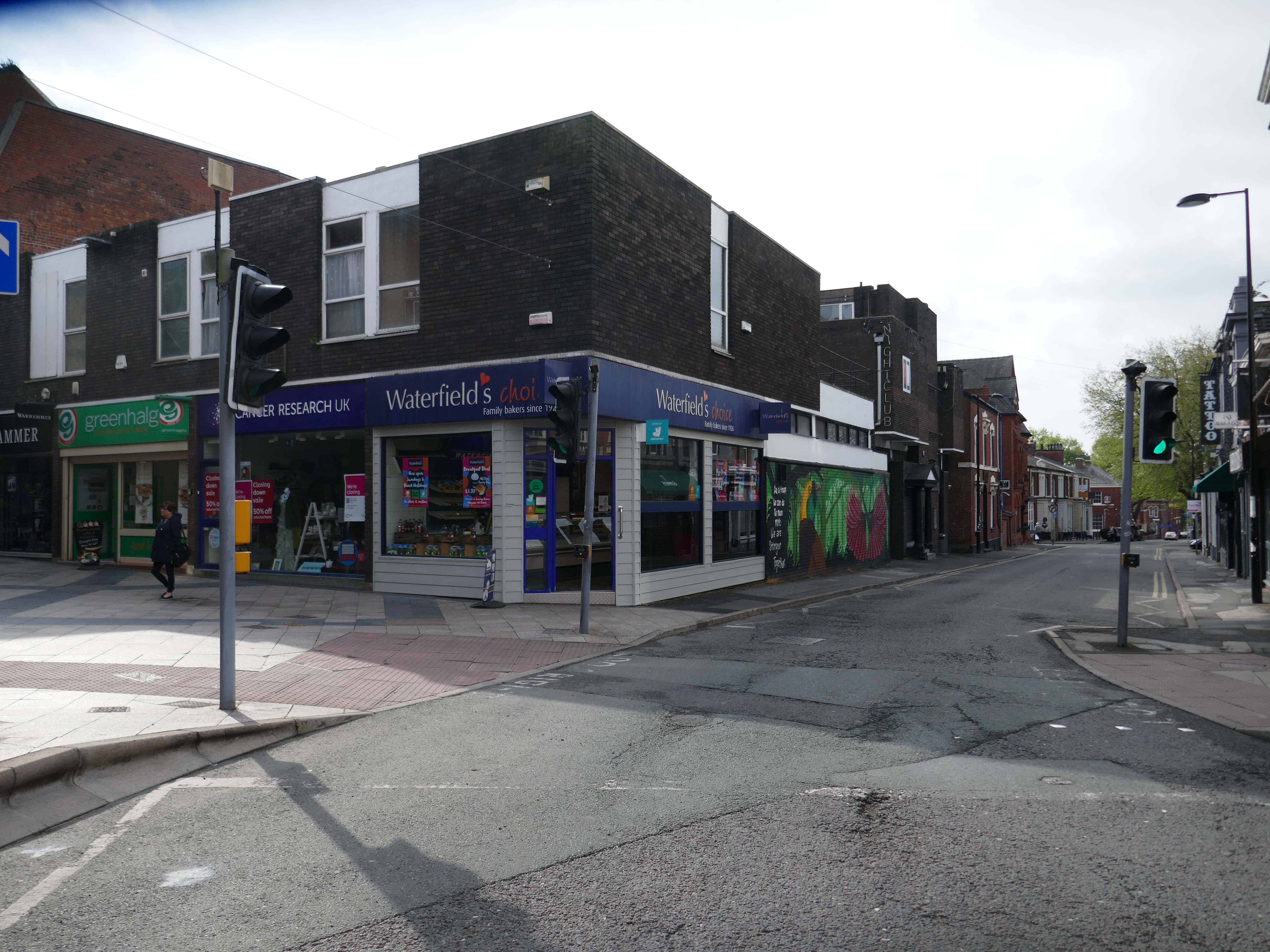
Thence to the Block 1 nightclub.
Medicine night club early 2000s.
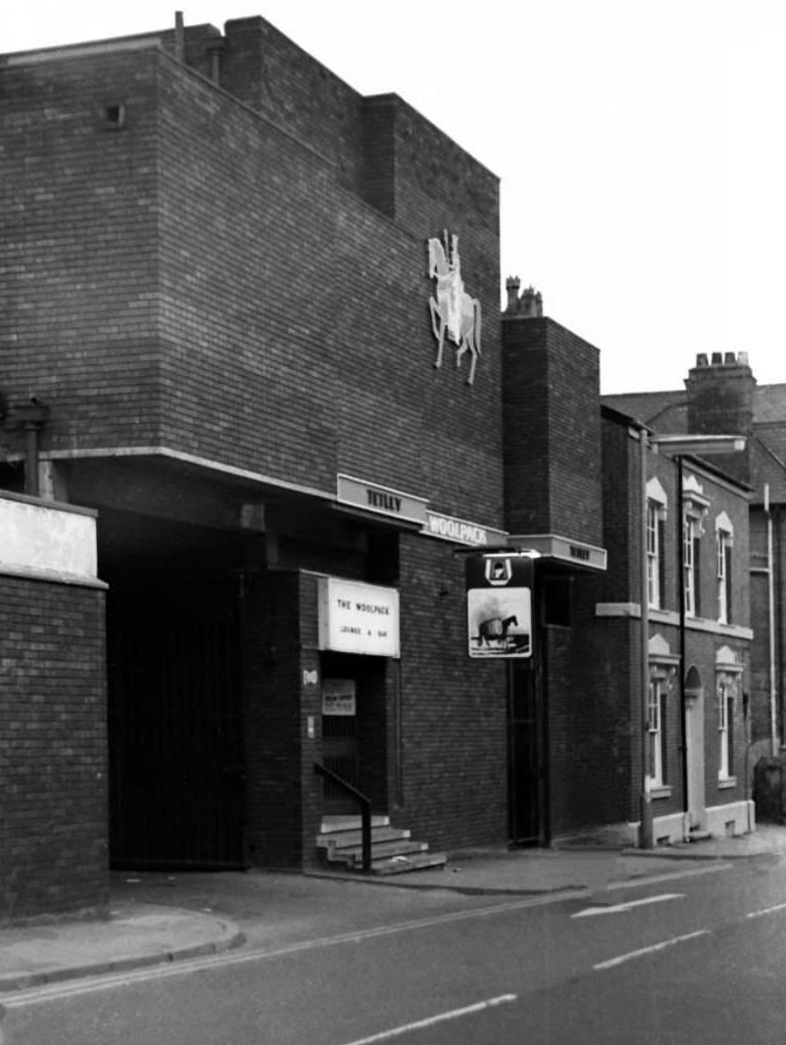
Originally a Tetley’s house named The Woolpack.
Got served my first pint in there, I was only 14.
Karl Beckett
Coming down those stairs, I slipped and the heel came off my boot, I’d only had one drink – loved those boots.
Sue Duncan
This was the original Woolpack on the site.
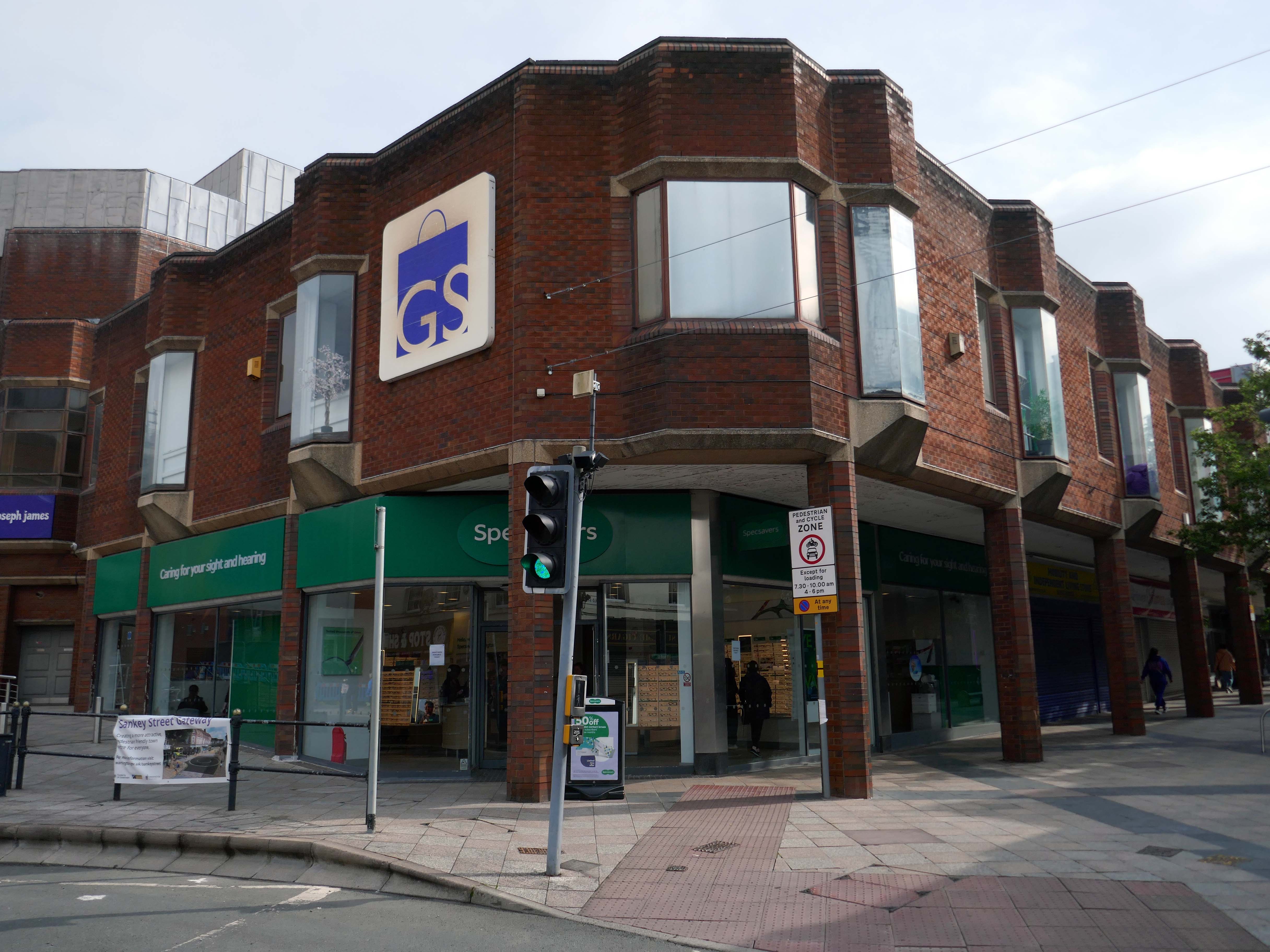
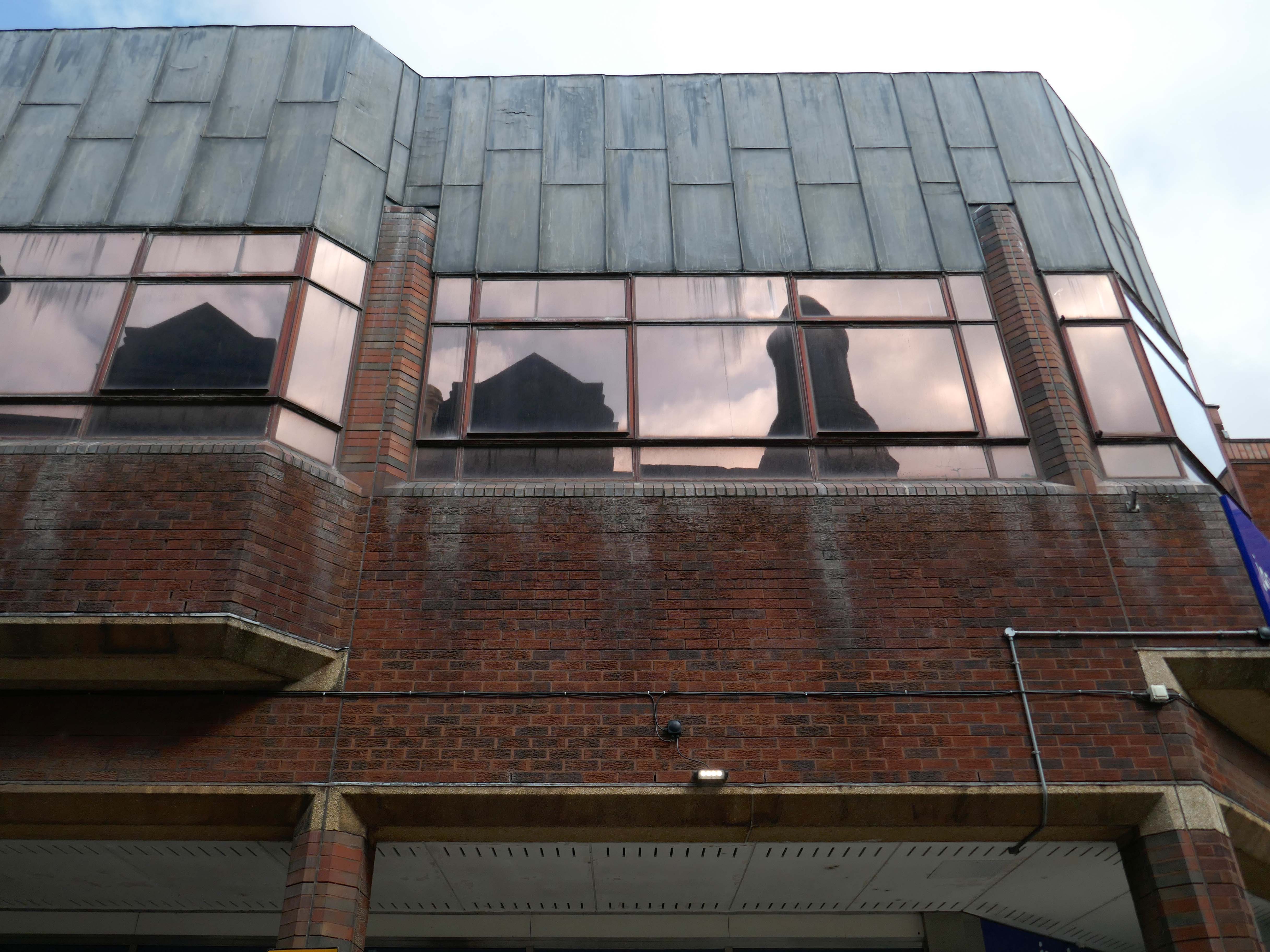
Much of the town centre is dominated by the Golden Square shopping centre.
Designed in 1974 by Ardin and Brookes and Partners, since enlarged.
There is also extensive pedestrianisation and hard landscaping on the surrounding streets, carried out in 2002 by Landscape Design Associates with sculptural works by Howard Ben Tre.
Finally to the Bus Station which used to look like this:
Until it became an Interchange and looks a lot like this.
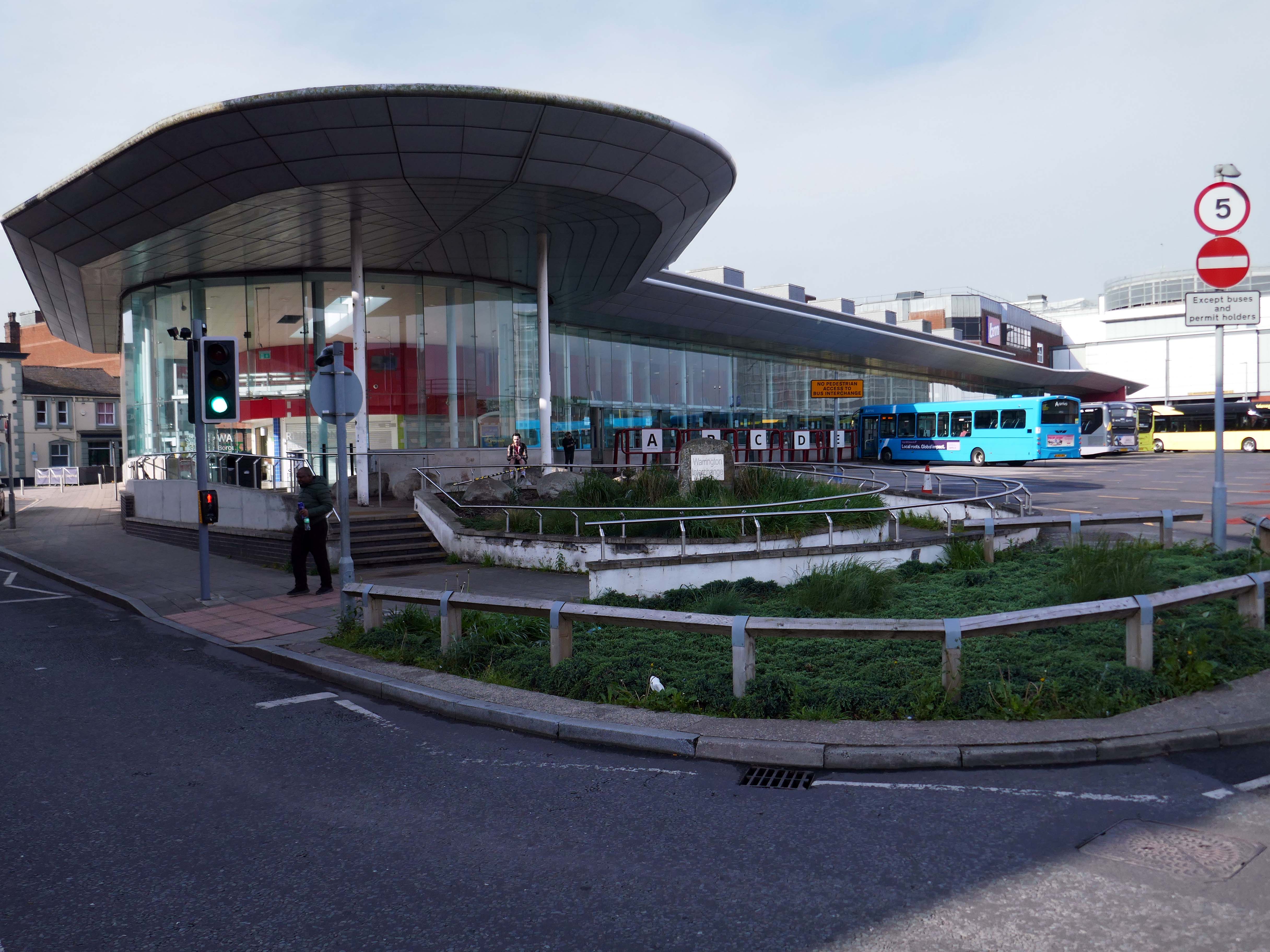
Warrington’s new bus interchange was opened on 21 August 2006. From 1979, bus users travelled from a facility on Golborne Street, but it was very unpopular due to its very dreary appearance.
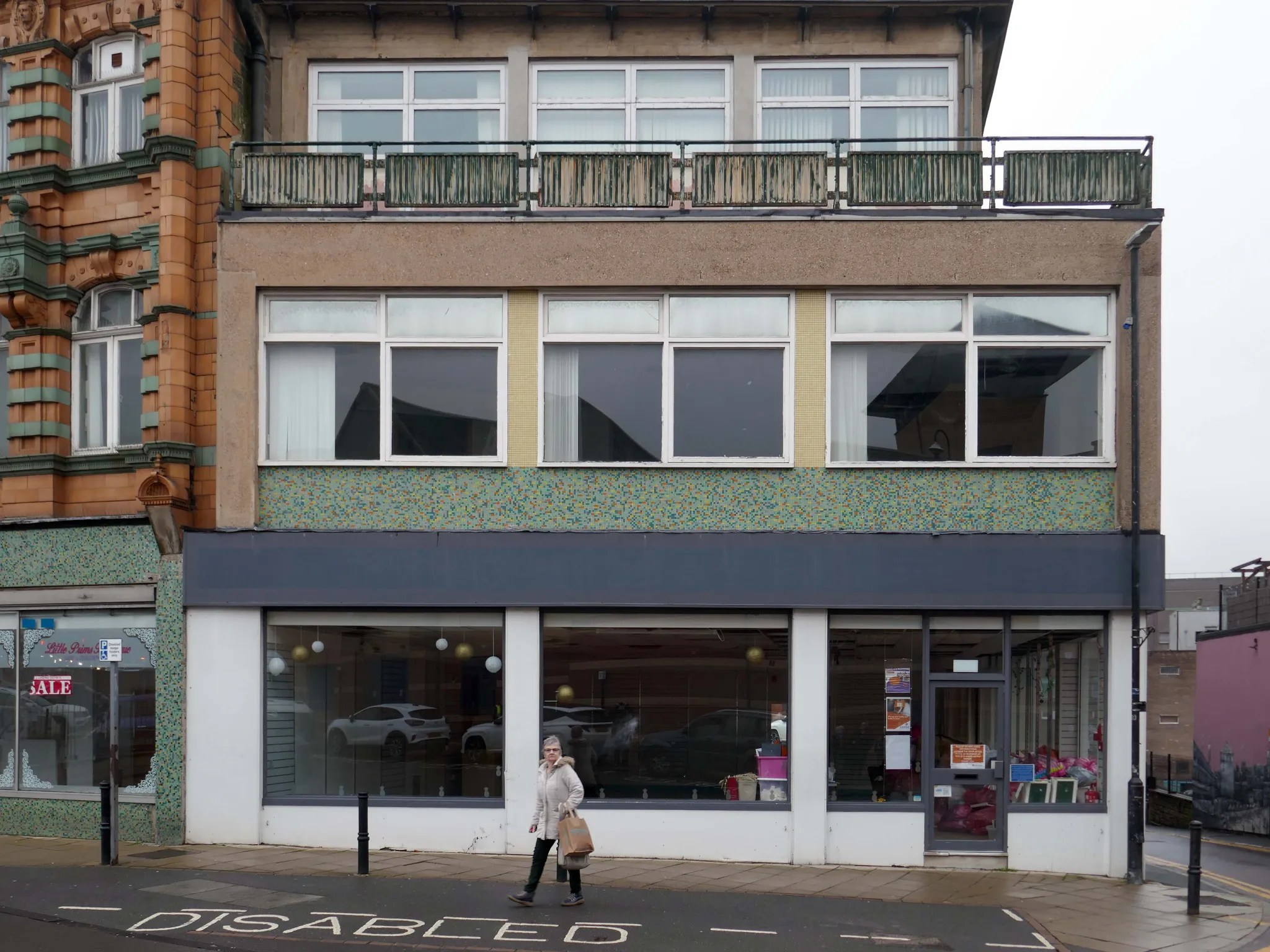
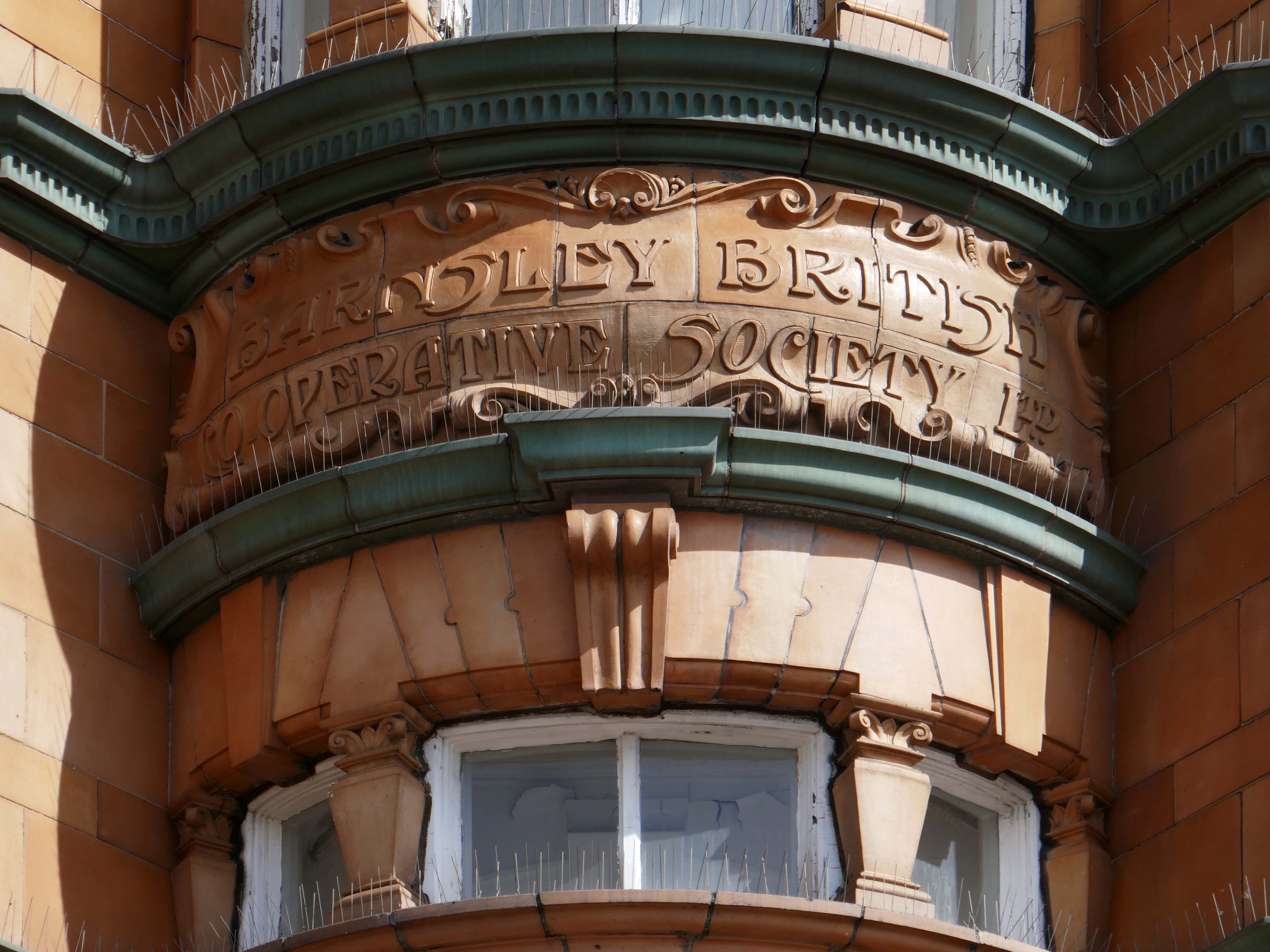
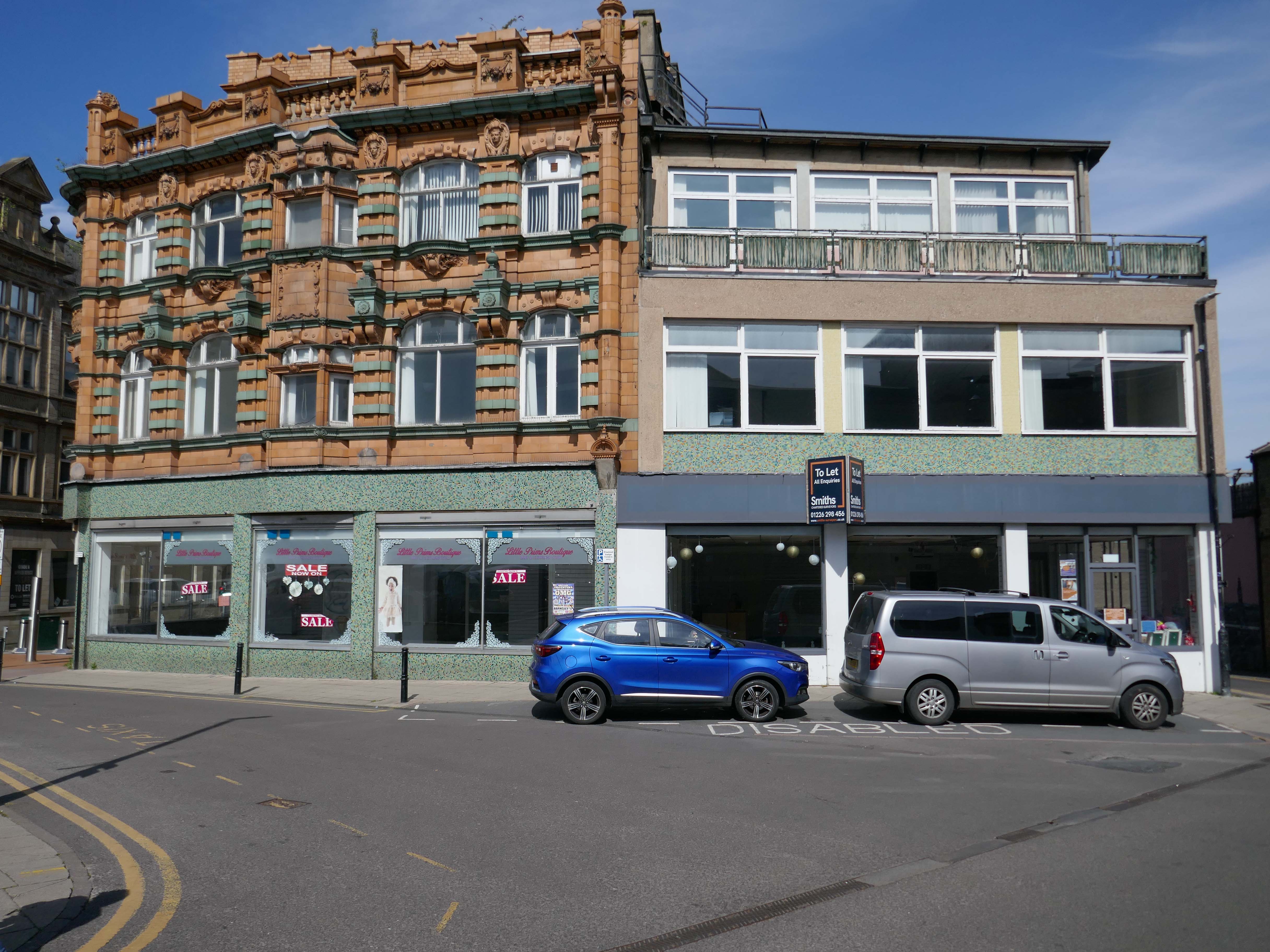
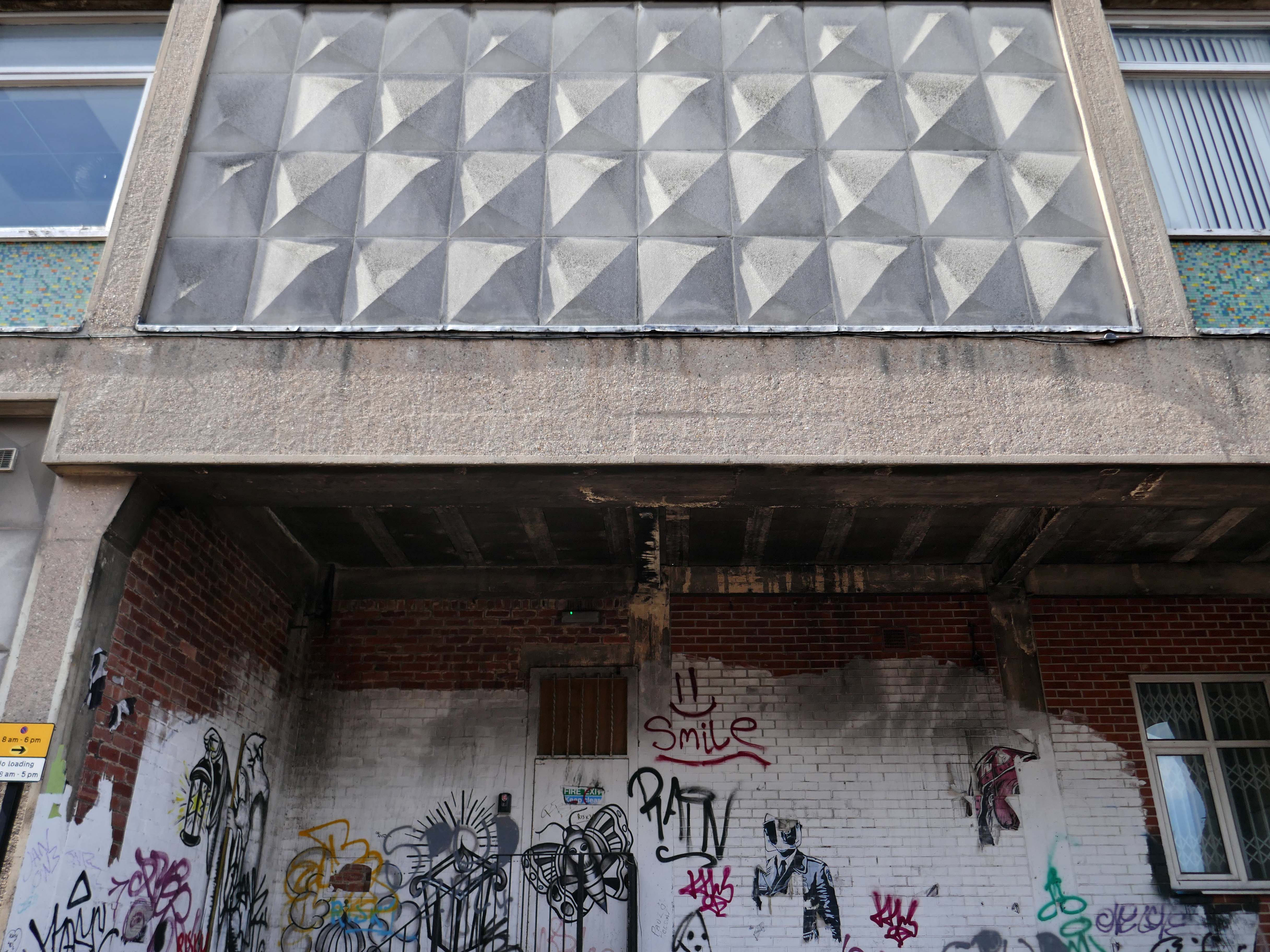
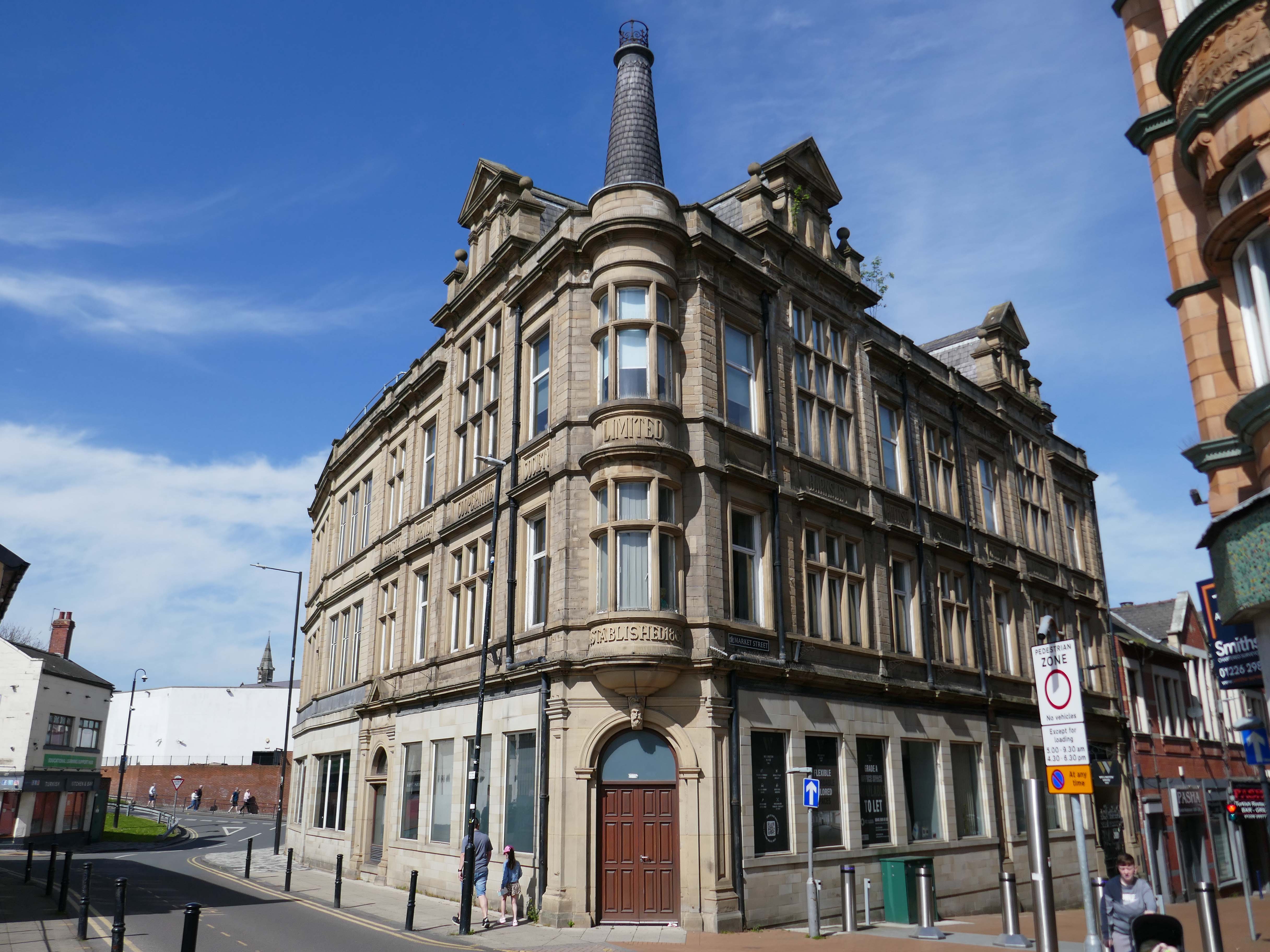
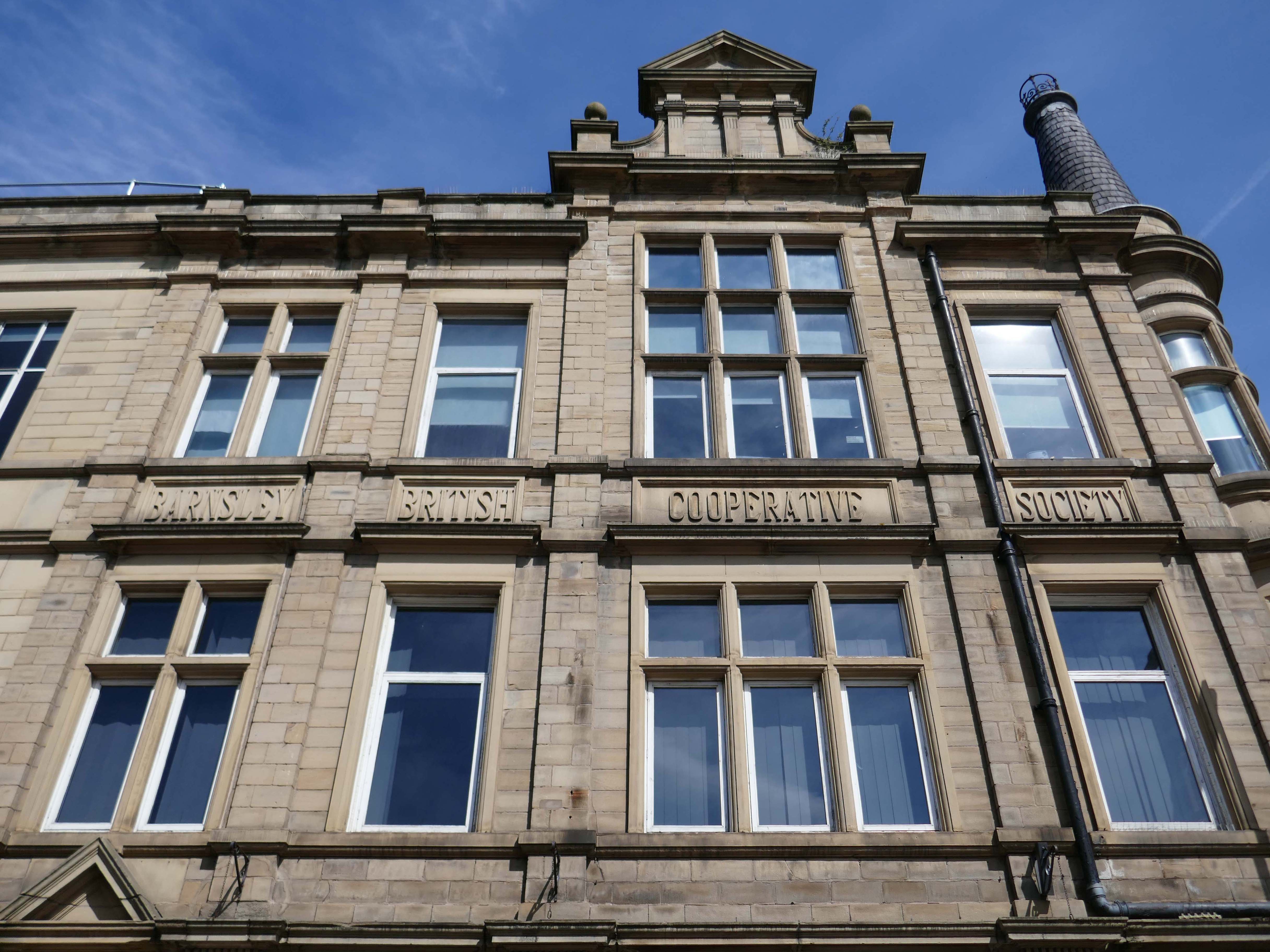
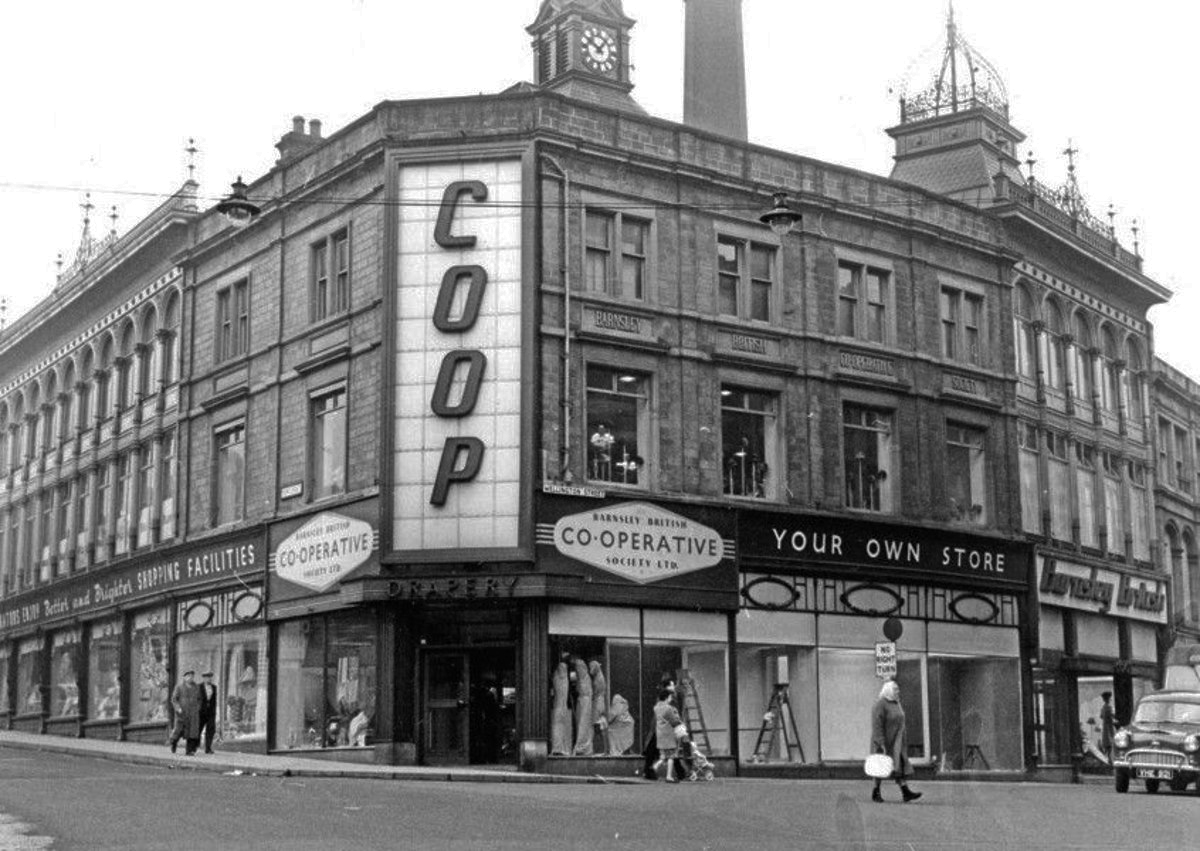
Subsequent observation and research revealed it to be an extension to a group of Barnsley Co-operative buildings.
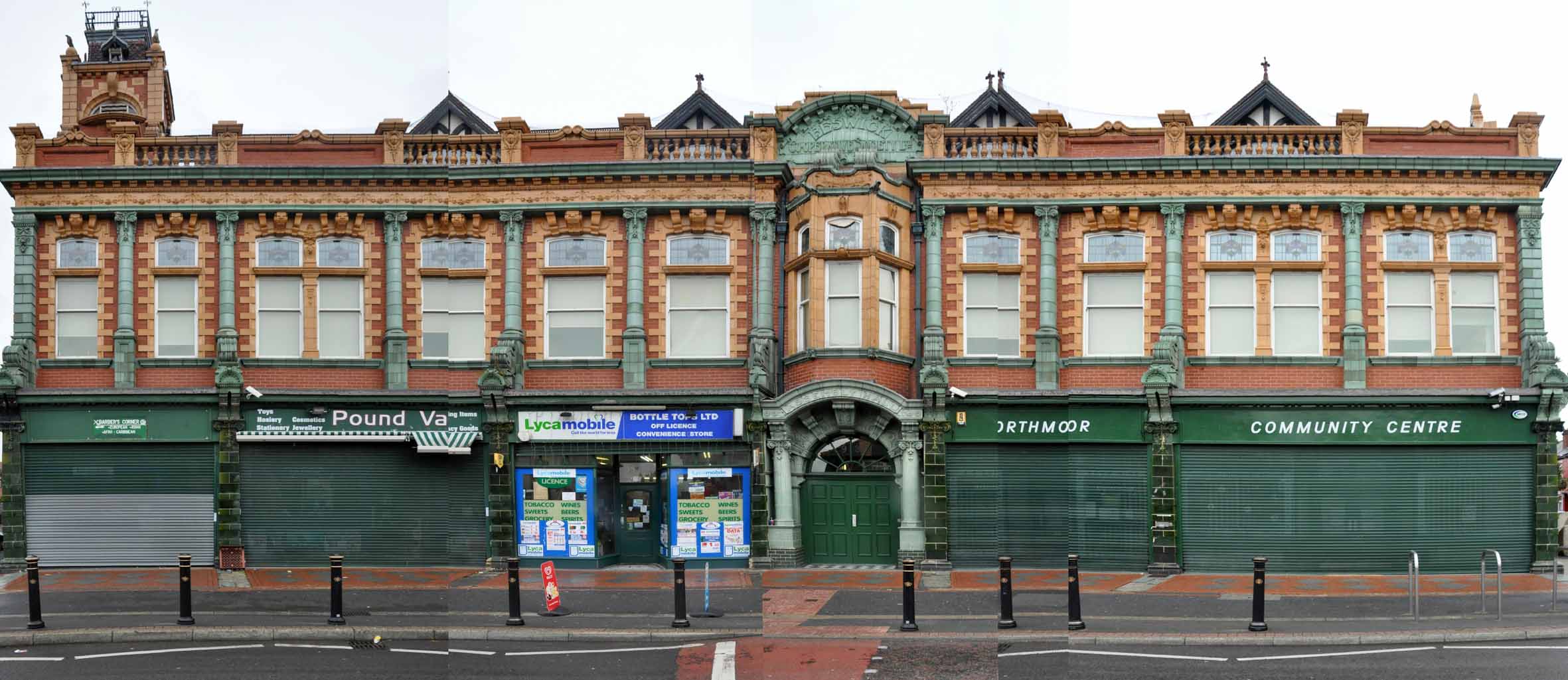
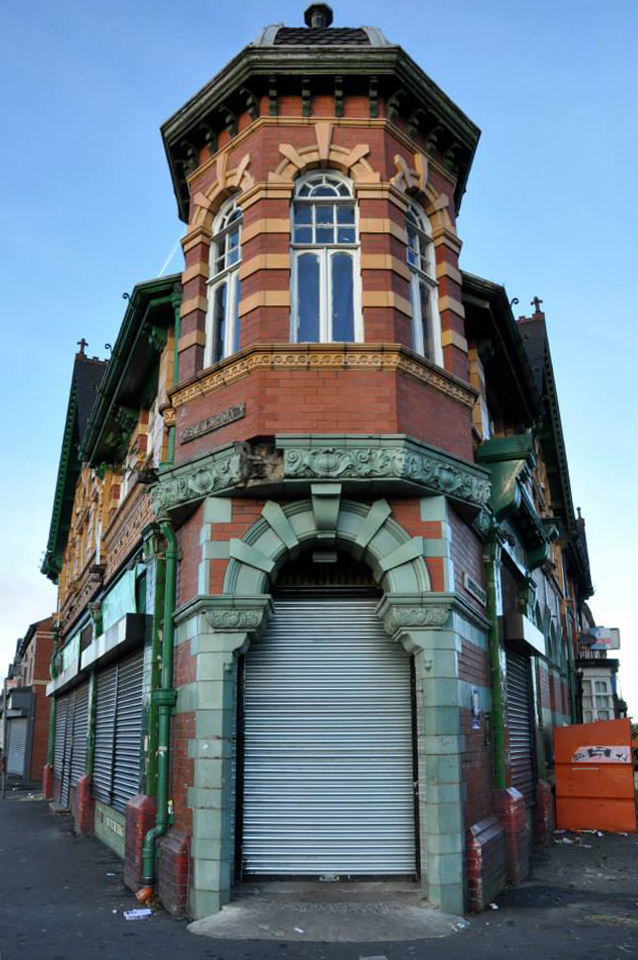
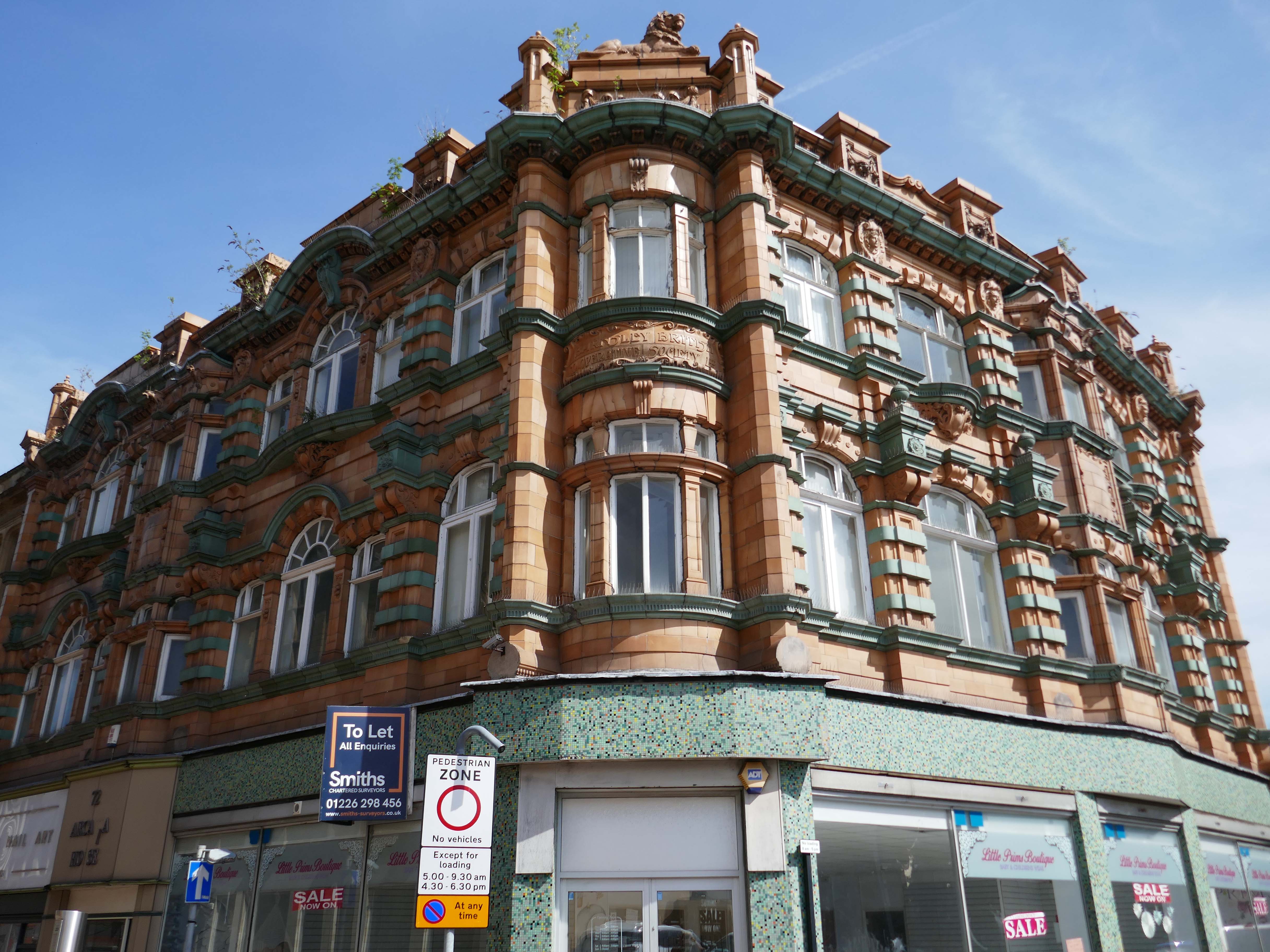
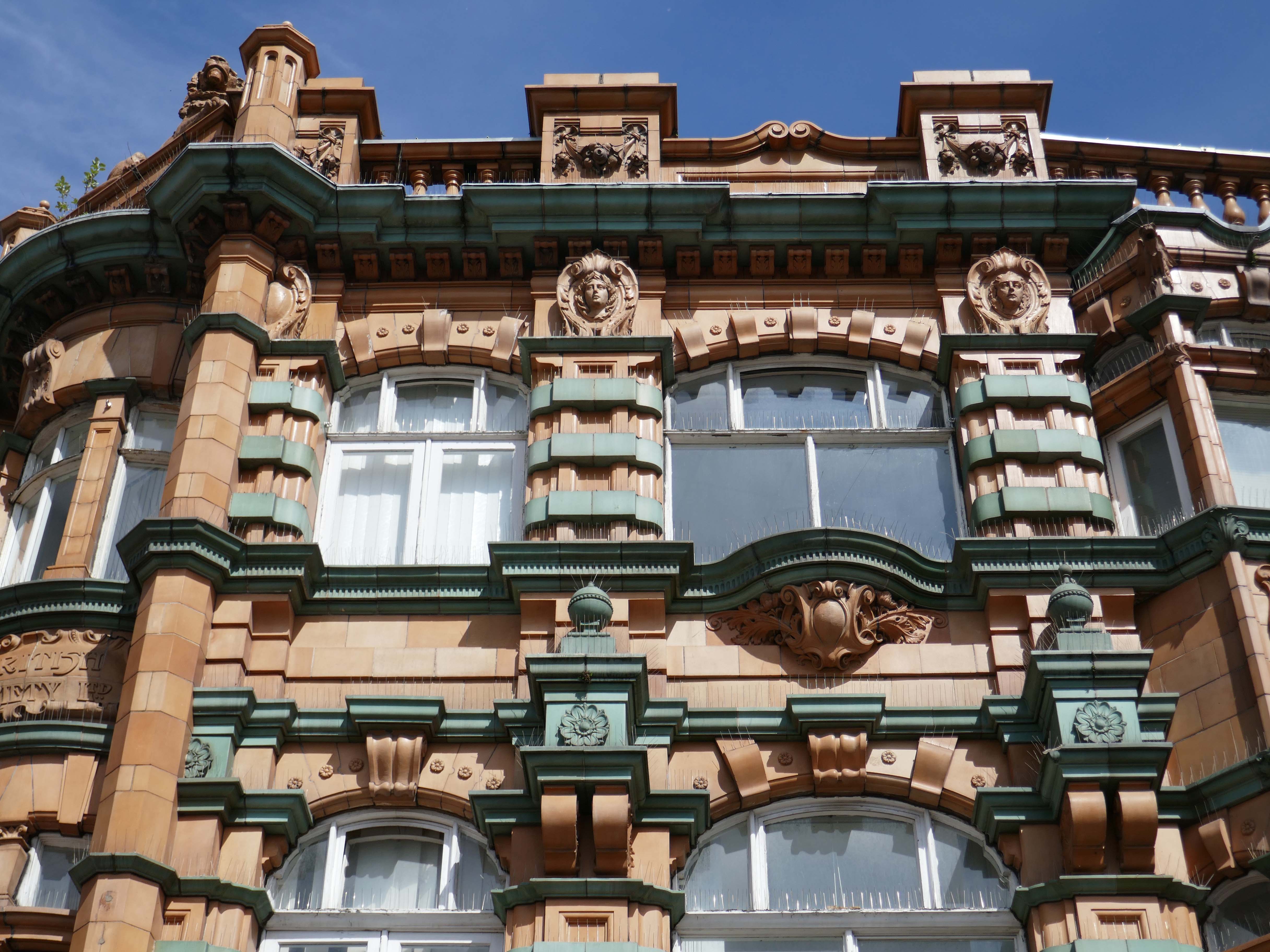
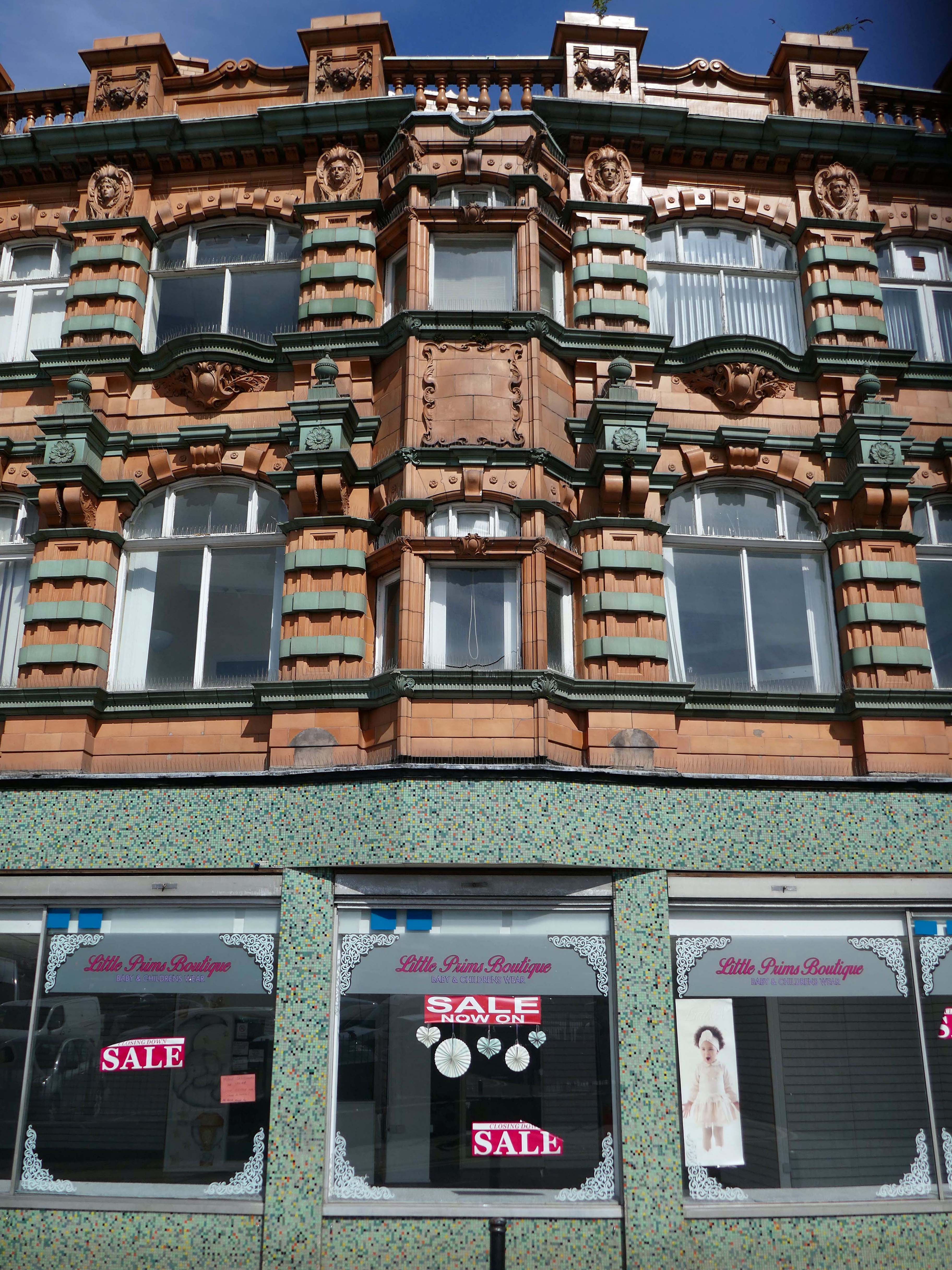
I should have noted that the building of 1910, was the work of architect Arthur Walshingham, the terracotta and green faience, very much in the style of Northmoor Road.
The building housed grocery and footwear shops, an elegant marble floored entrance hall, a restaurant and assembly room. Its original shopfronts were mahogany with metal sills on a granite base, the windows were divided by columns with green faience shafts.
In 2016 the Barnsley British Co-operative building, sited opposite the existing buildings, suffered a large fire and unfortunately had to be demolished due to safety concerns.
For more than a century it had been considered the place to shop in town. Many will recall it as the Co-op’s toy department where, every year, excited children would queue with mums and dads to meet Santa in his grotto at Christmas.
It closed in the 1980s.
In 1993 the plan was to turn the imposing Victorian Grade II listed building into a ’high class’ venue which it was anticipated would be aimed at a clientele in the 25-plus age group.
The name Walsall is derived from Walh halh, meaning valley of the Welsh, referring to the British who first lived in the area. Later, it is believed that a manor was held here by William FitzAnsculf, who held numerous manors in the Midlands. By the first part of the 13th century, Walsall was a small market town with a manor house; the weekly market was introduced in 1220 and held on Tuesdays. The mayor of Walsall was created as a political position in the 14th century.
Significant developments also took place nearer to the town centre, particularly during the 1960s when a host of tower blocks were built around the town centre; however, most of these had been demolished by 2010.
The Memorial Gardens opened in 1952, in honour of the town’s fallen combatants of the two world wars. The Old Square Shopping Centre, a modern indoor shopping complex featuring many big retail names, opened in 1969.
Much of the reconstruction of the post-war period was quickly reconsidered as ugly and having blighted the town. In 1959, John Betjeman advised that with sensitive restoration the old buildings of the High Street could become:
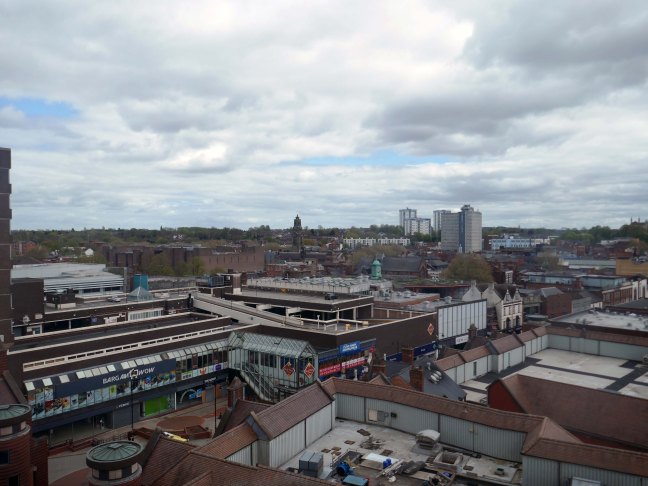
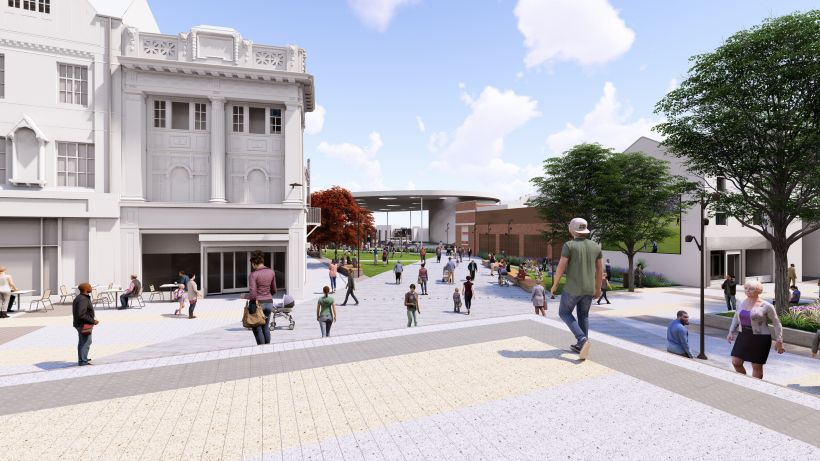
There is to be further demolition on the High Street, to open up the vista between the Bus and Railway stations.
In 2021 Walsall secured funding of £11.4m from the Future High Street Fund. With further investment from Walsall Council we are now delivering the early phases of the Town Centre Masterplan, through the Walsall Connected Gateway Project.
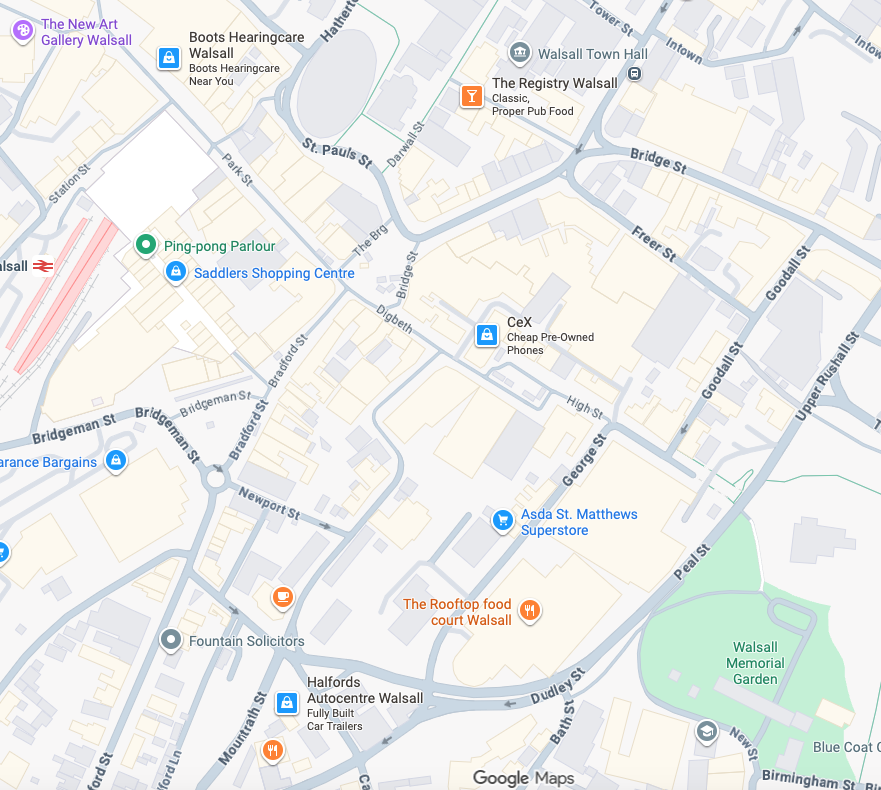
Approval has been granted to remodel the Saddlers Centre to create a more open and attractive arrival experience for train passengers whilst also opening up Park Street. Butler’s Passage, which has in the past been the centre of antisocial behaviour, will disappear as some of the buildings are removed to create a large open walkway, connecting the rail and bus hubs.
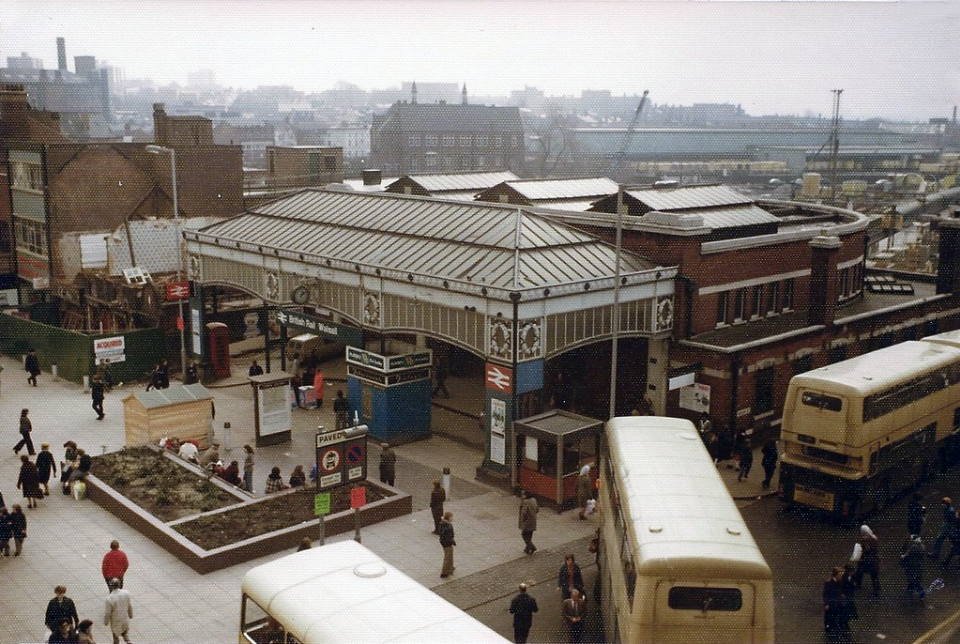
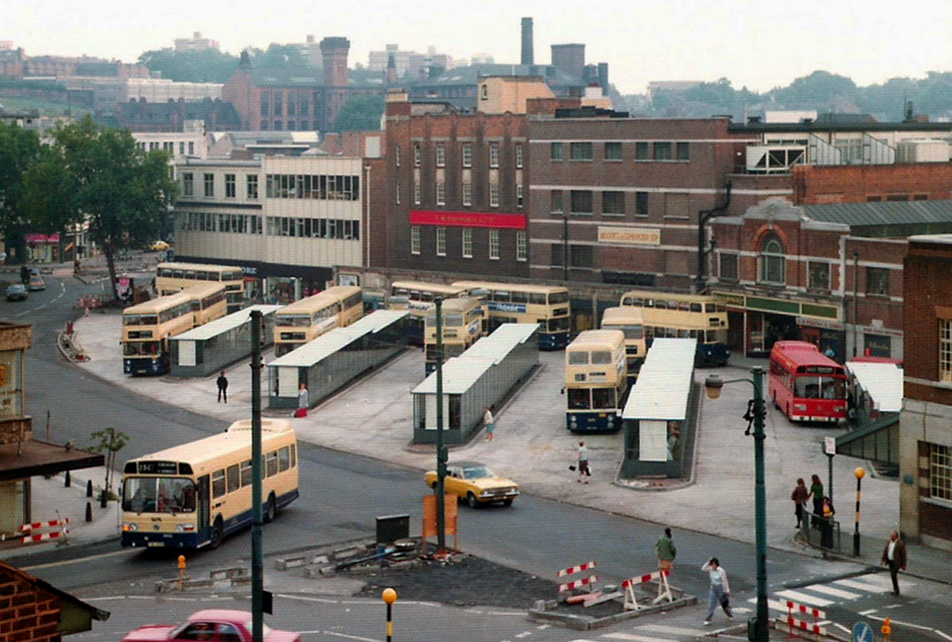
Former Railway station 4th March 1978 – photo by Walsall 1955
The station was about to be closed, demolished and replaced by a new Marks & Spencers and the Saddlers Centre.
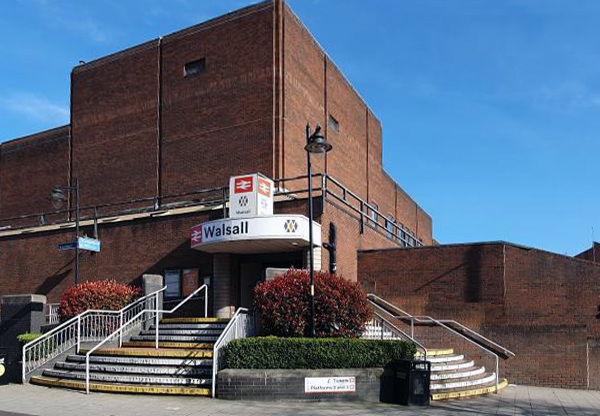
The existing entrance to the railway station on Station Street.
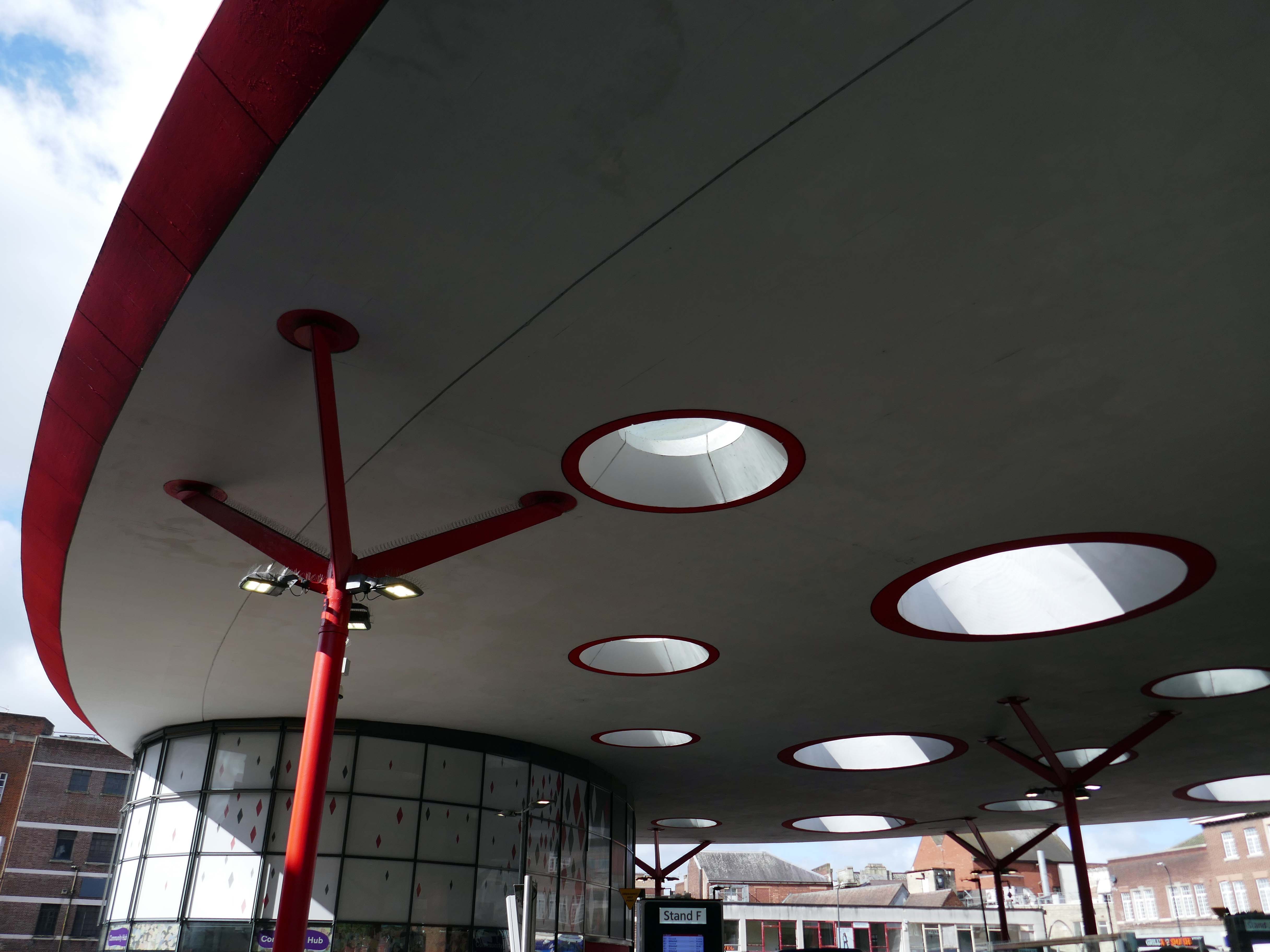
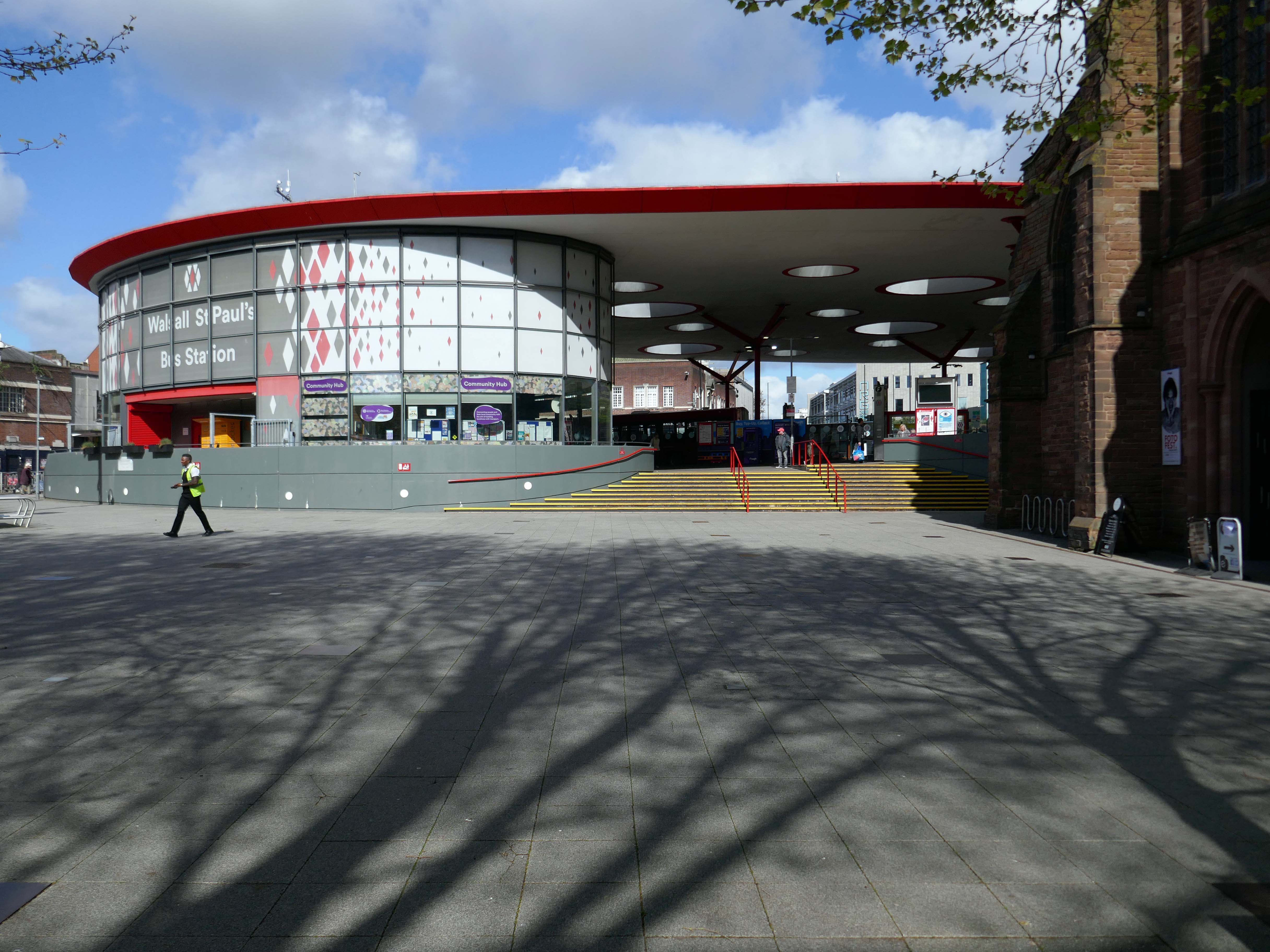
Let’s begin at the St Paul’s bus station or Hub – if you will, complete in September 2000.
The 1936 St Pauls Street bus station closed in February 1975, and was completely demolished, rebuilt and opened in August 1975.
Photo by: Walsall 1955
Allford Hall Monaghan Morris designed the building for Centro. The structural engineers were Atelier One, Shepherd Construction Ltd were the contractors, Watkins Dally were the landscape architects and Clark Smith Partnership were the civil engineers.
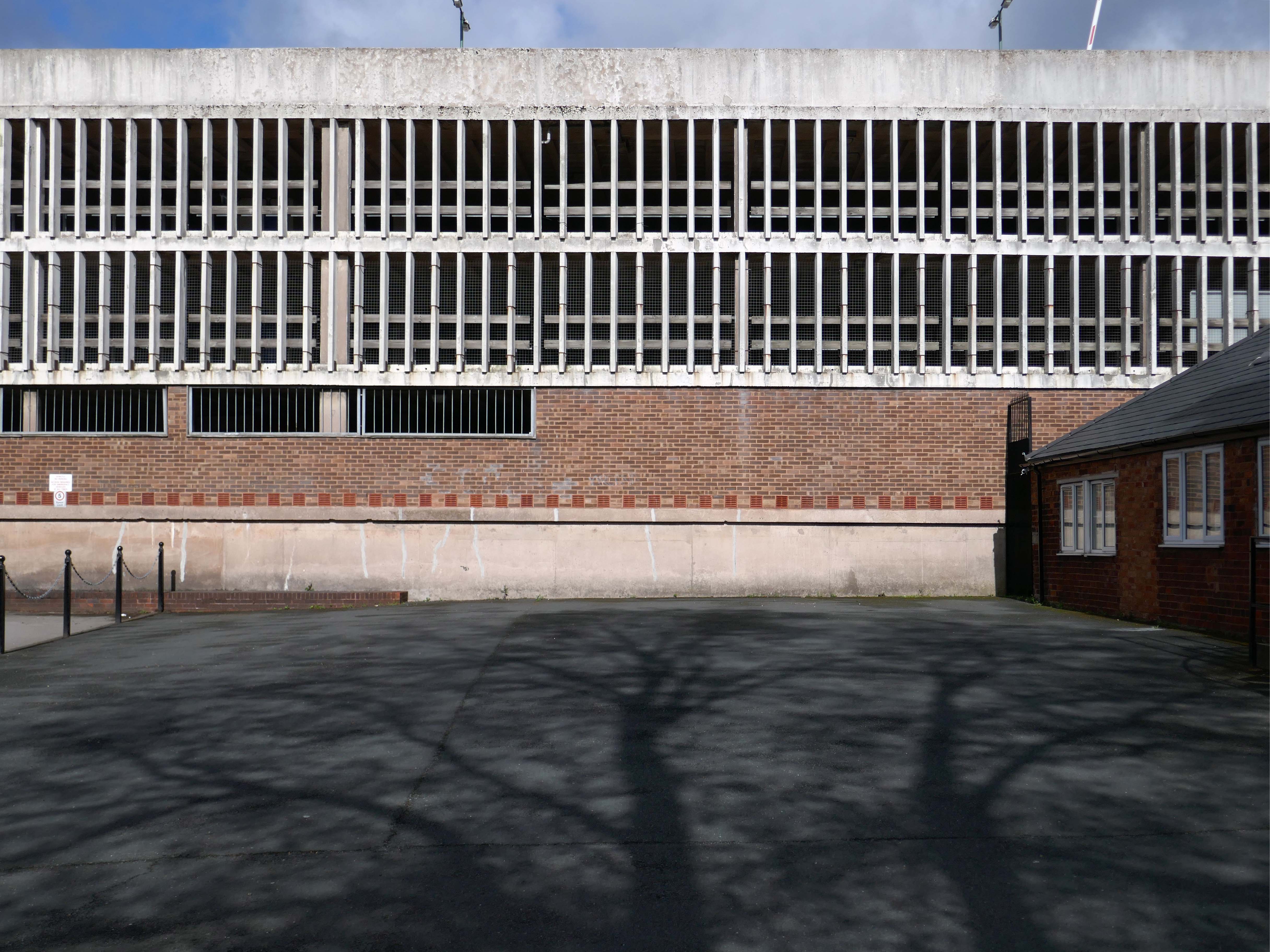
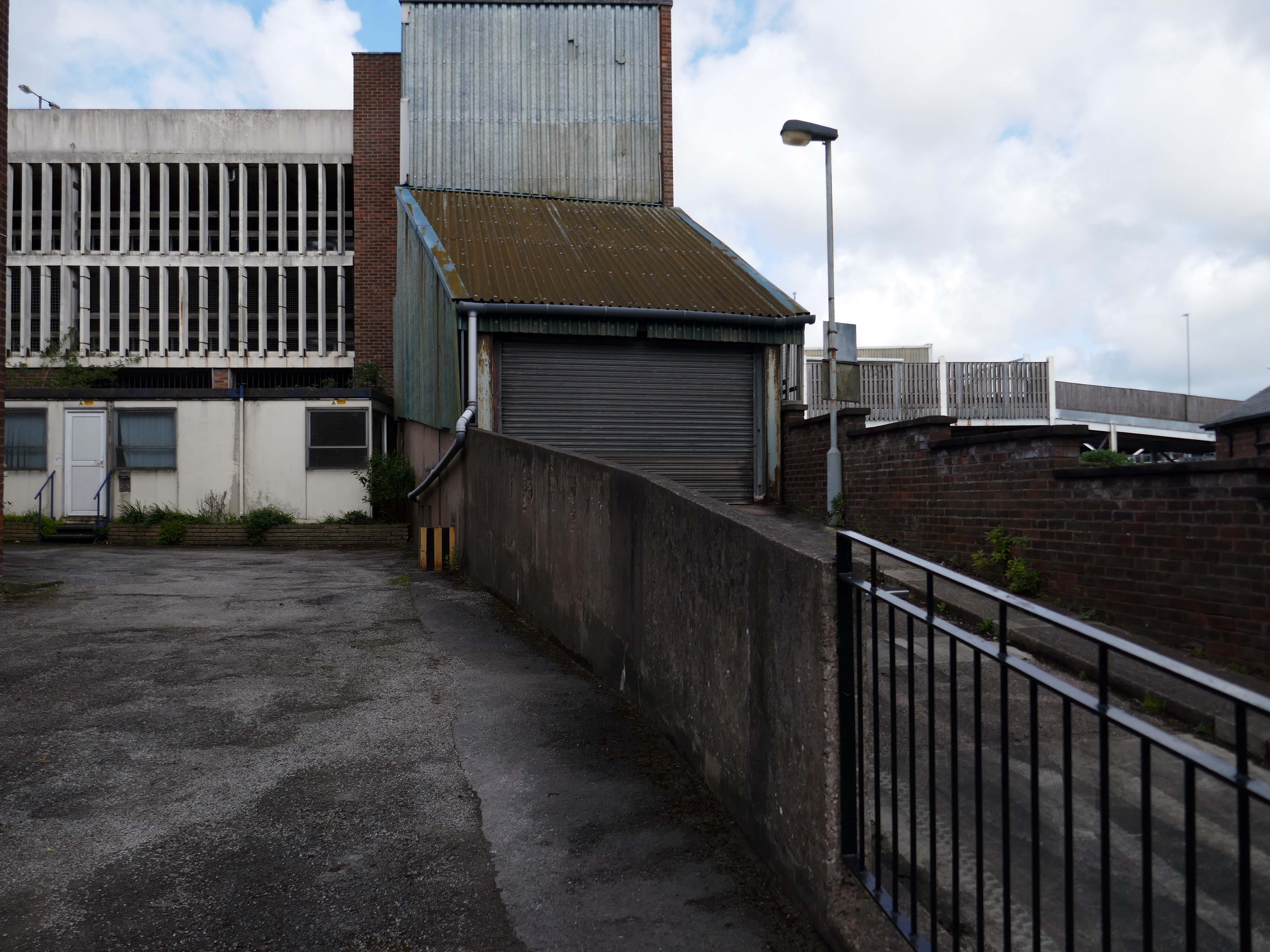
Next, a glimpse of Hatherton Road multi-storey car park.
Though it appears to be closed.
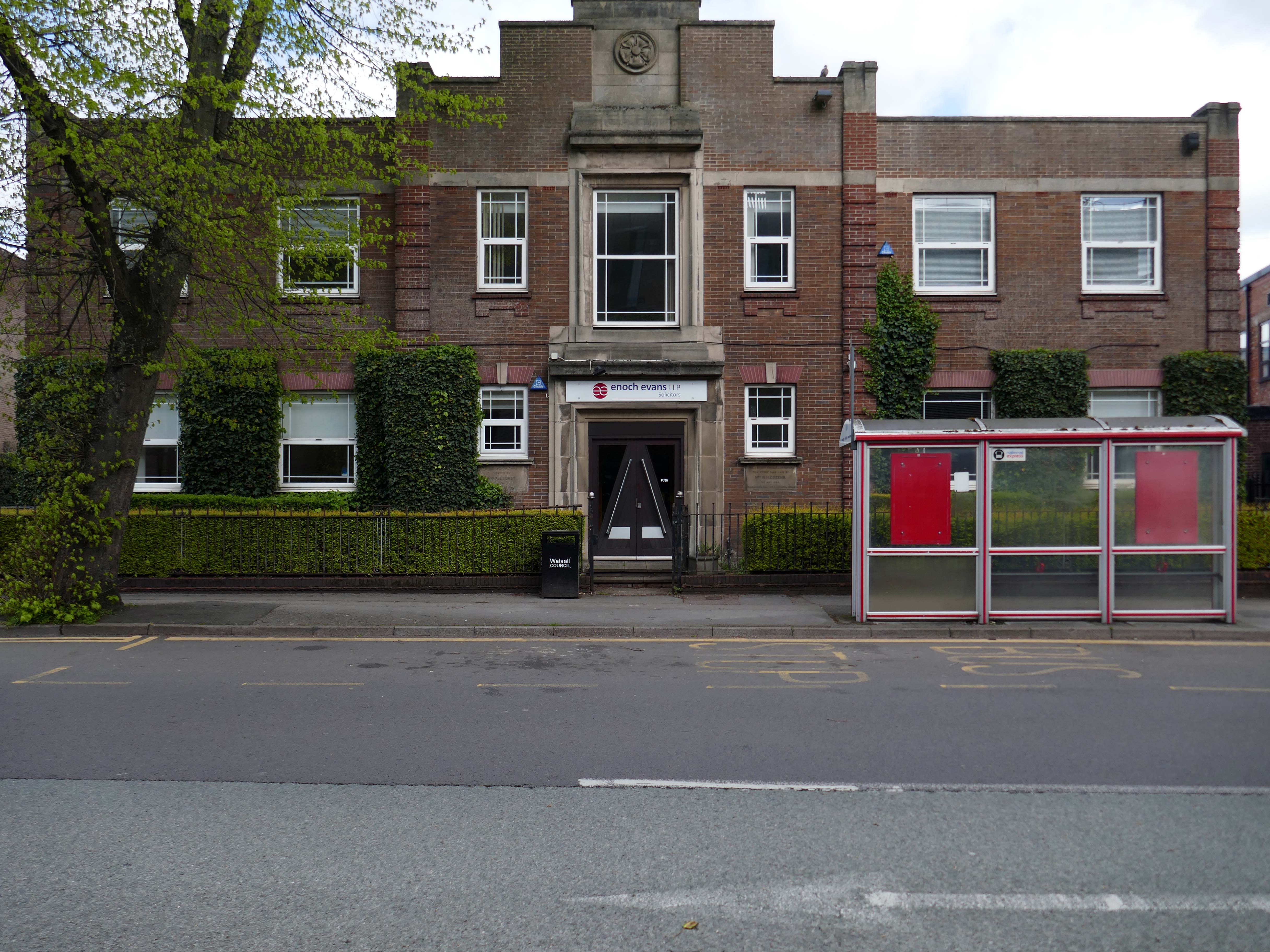
Adjacent to Enoch Evans Solicitors, their offices housed in one of the many imperious inter-war buildings dotted around the town.
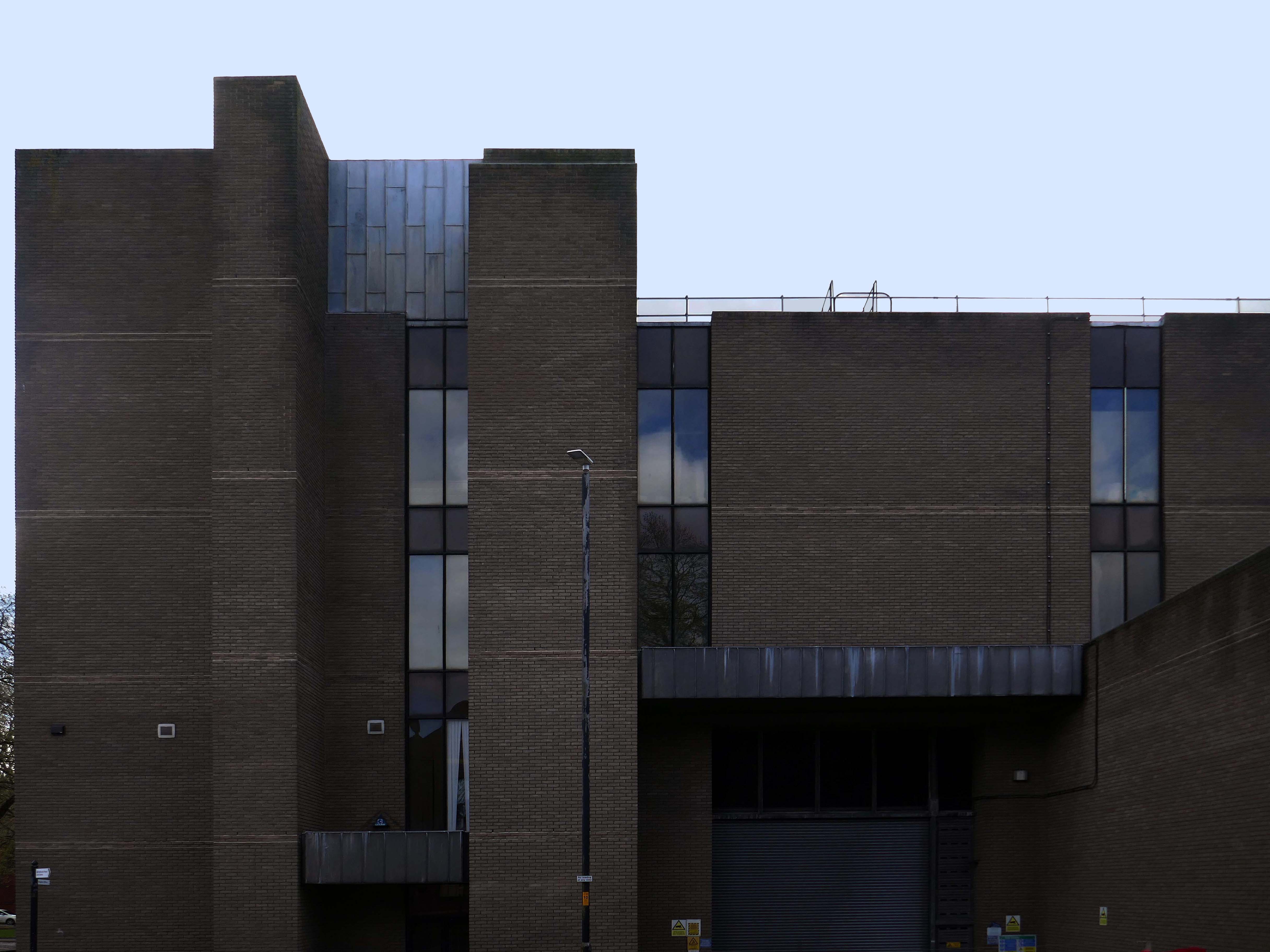
Which faces onto the back of the Civic Centre.
Following the formation of the Metropolitan Borough, the new Civic Centre in Darwall Street opened in 1976, architect Stanley W Bradford Walsall MBC Director of Architecture.
Central roof garden.
Leaving the Civic Quarter on the left is the Imperial
The Imperial started life as an agricultural hall, constructed in 1868-69, and designed by the architect GB Nichols of West Bromwich. At that time, it was used for a variety of community activities including shows and dancing, it was also hired out to travelling film showmen. The main feature of the early building was a principal ground floor hall.
In June 1914, the Imperial was closed to allow for conversion to a cinema, designed by West Midlands-based architects Hickton & Farmer.
The Imperial was converted to a bingo club in 1968, and in 1996 it was converted into a pub, which closed in 2016.
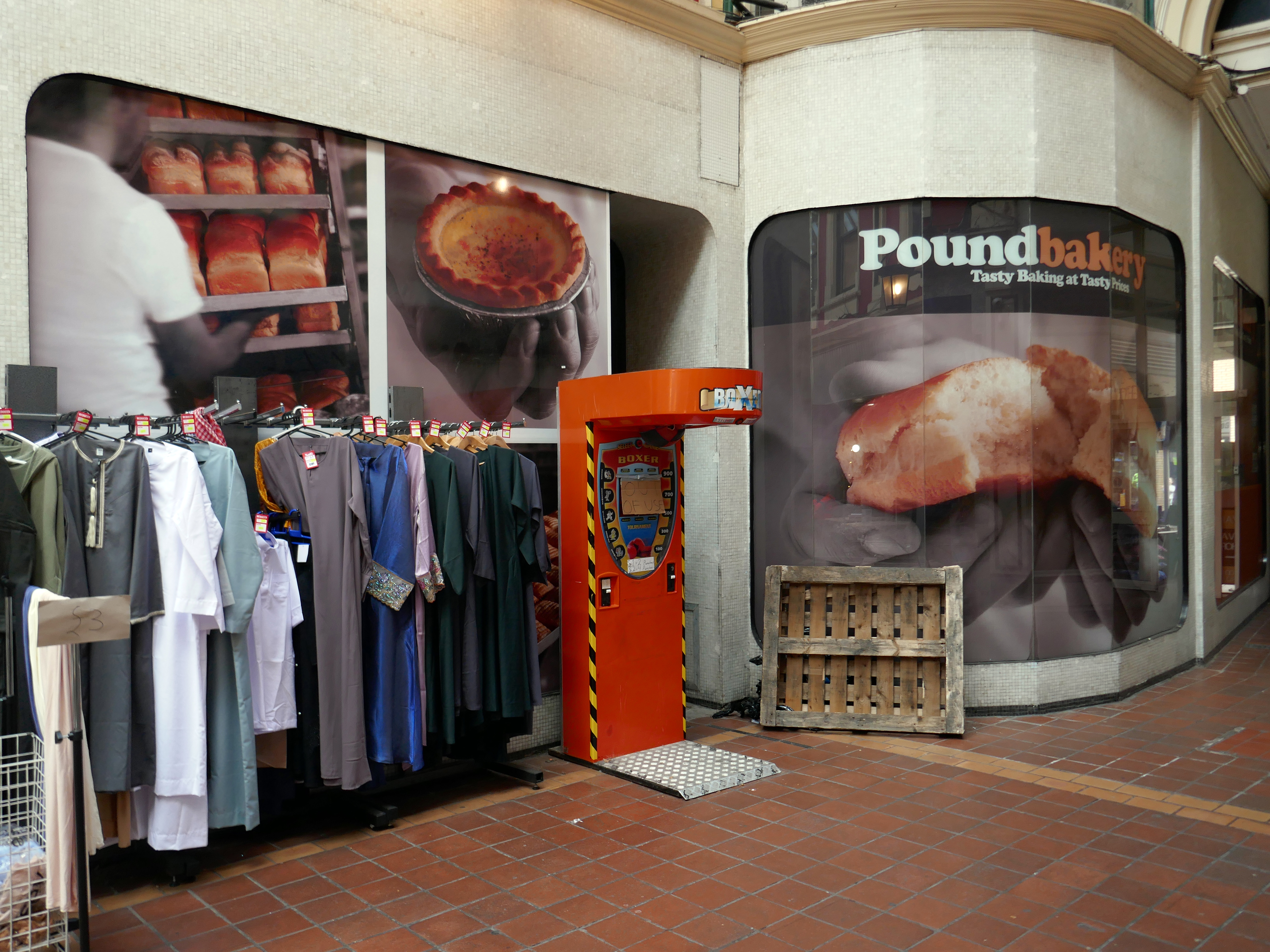
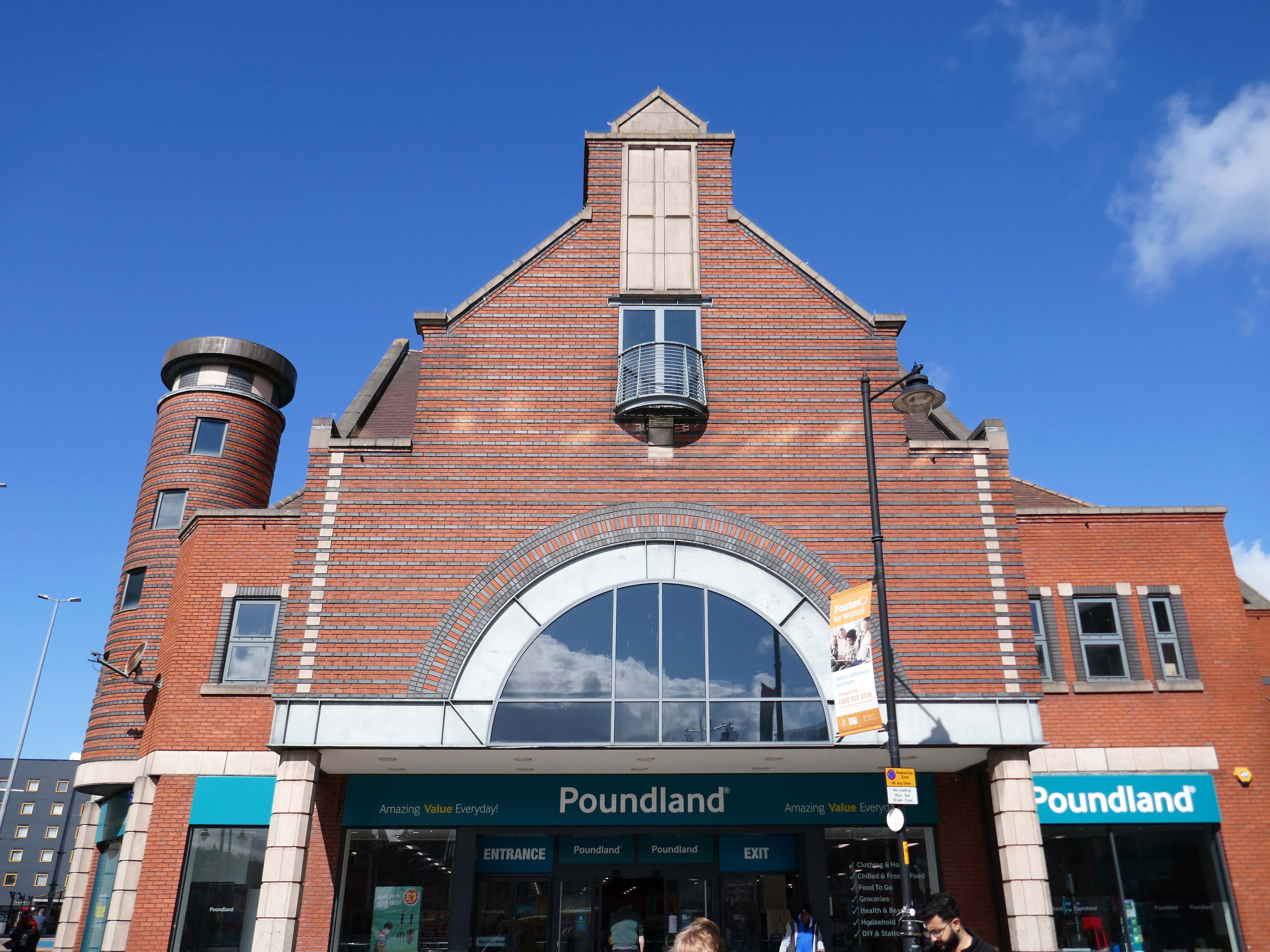
At the end of the otherwise period correct Victorian Arcade is a space age Pound Bakery.
Across the way a former Barclays Bank architects: John HD Madin & Partners.
Next door an anomalous disco themed fascia.
From here up the hill to the Old Square.
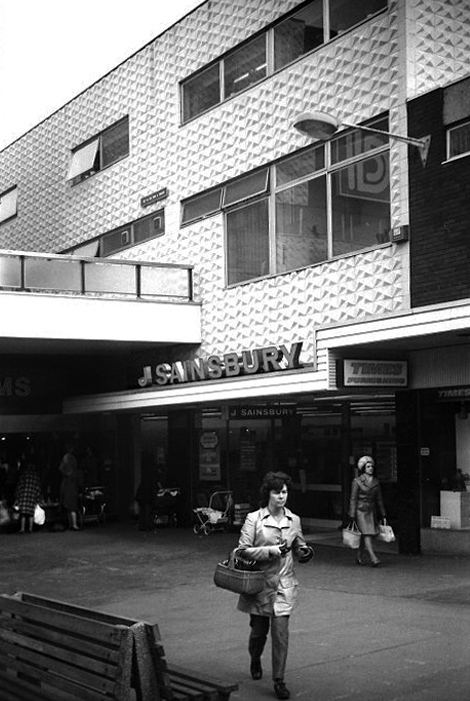
Sainsbury’s Old Square store in the early 1970s photo Will Parker.
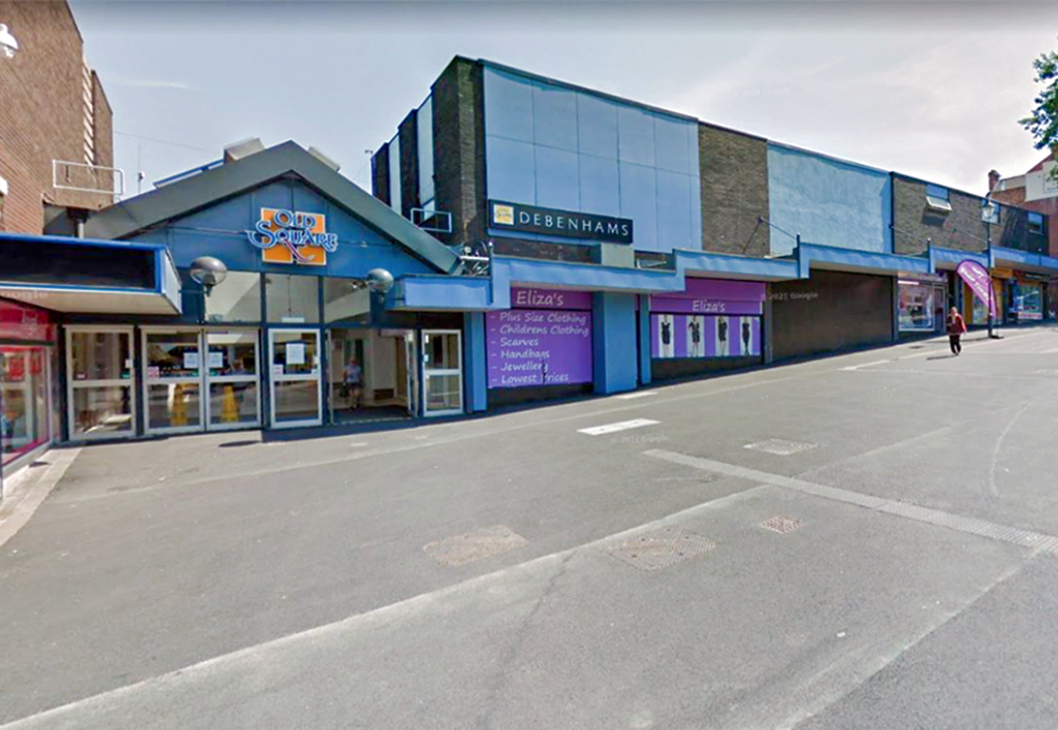
The majority of the Shopping Centre was demolished in 2014.
I remember when I was about fifteen in 1990, Coca-Cola were doing these yo-yos and if you went upstairs by the cafe, I think it was you could earn a gold coloured yo-yo. You just had to perform three tricks with it to earn one. I did walk the dog, the sleeper and I think it was around the world! Proud as punch with that I was. I know my uncle was Father Christmas for a few years on the bounce as well, when they used to have a grotto.
Dan Bracknall
These are the remnants.
Ascending to the dizzy heights of the Grade II Listed Memorial Gardens 1953 by Geoffrey Jellicoe designed as a memorial to the dead of the two World Wars and said to mark a significant stage in the evolution of his principles of design.
Sir Geoffrey Jellicoe was one of the century’s greatest landscape architects. His contribution to landscape design has been described as equal to the 18th-century gardener Capability Brown. He was educated at Cheltenham College and then trained to be an architect at the Architectural Association. It was while at the AA that his interest in landscape was first kindled.
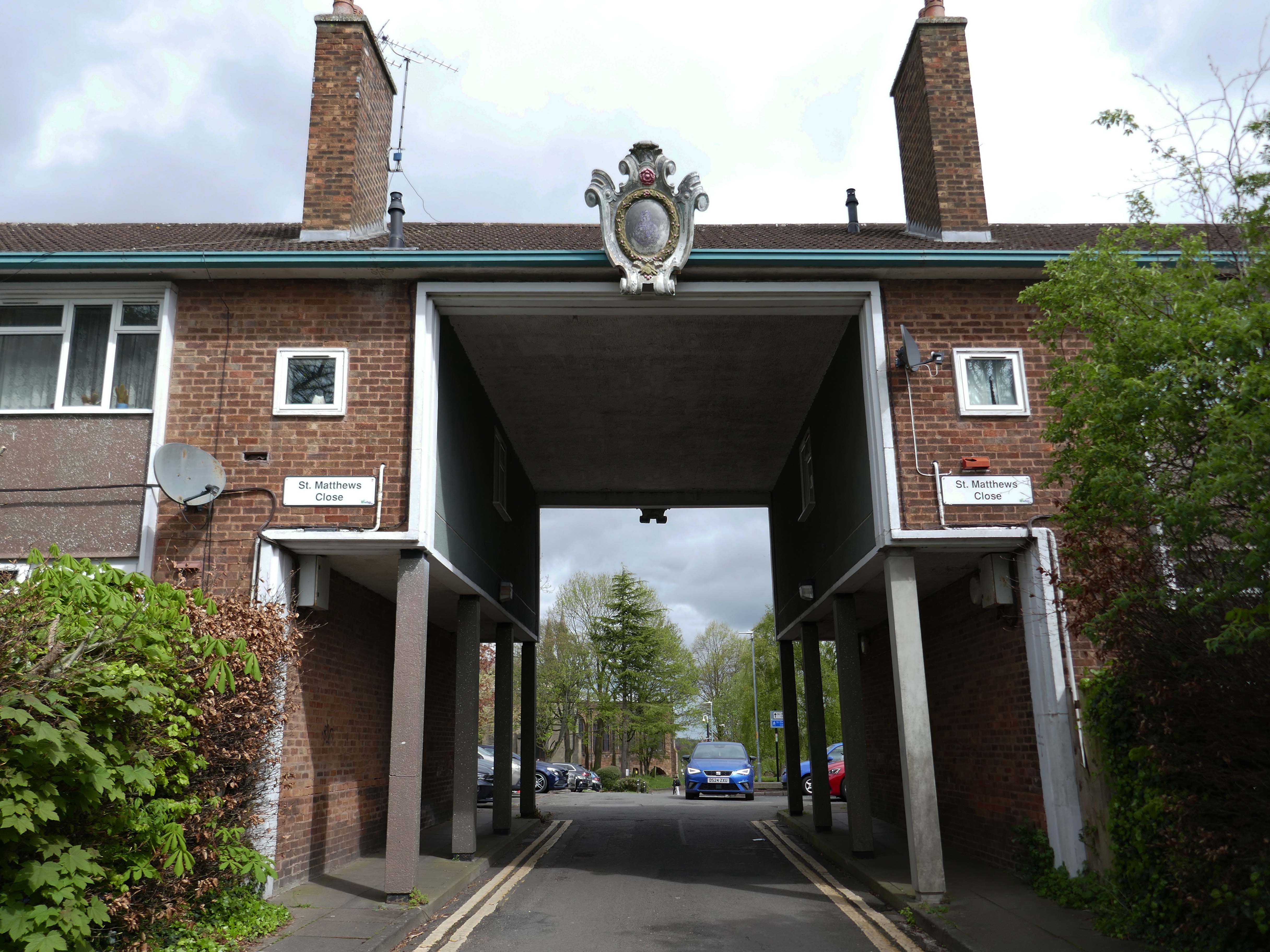
The second phase, comprising the building of the memorial chapel in the Memorial Garden, and the flats and Brotherhood or Church Hall to the south of the open space known as St Matthew’s Close, was completed c 1960
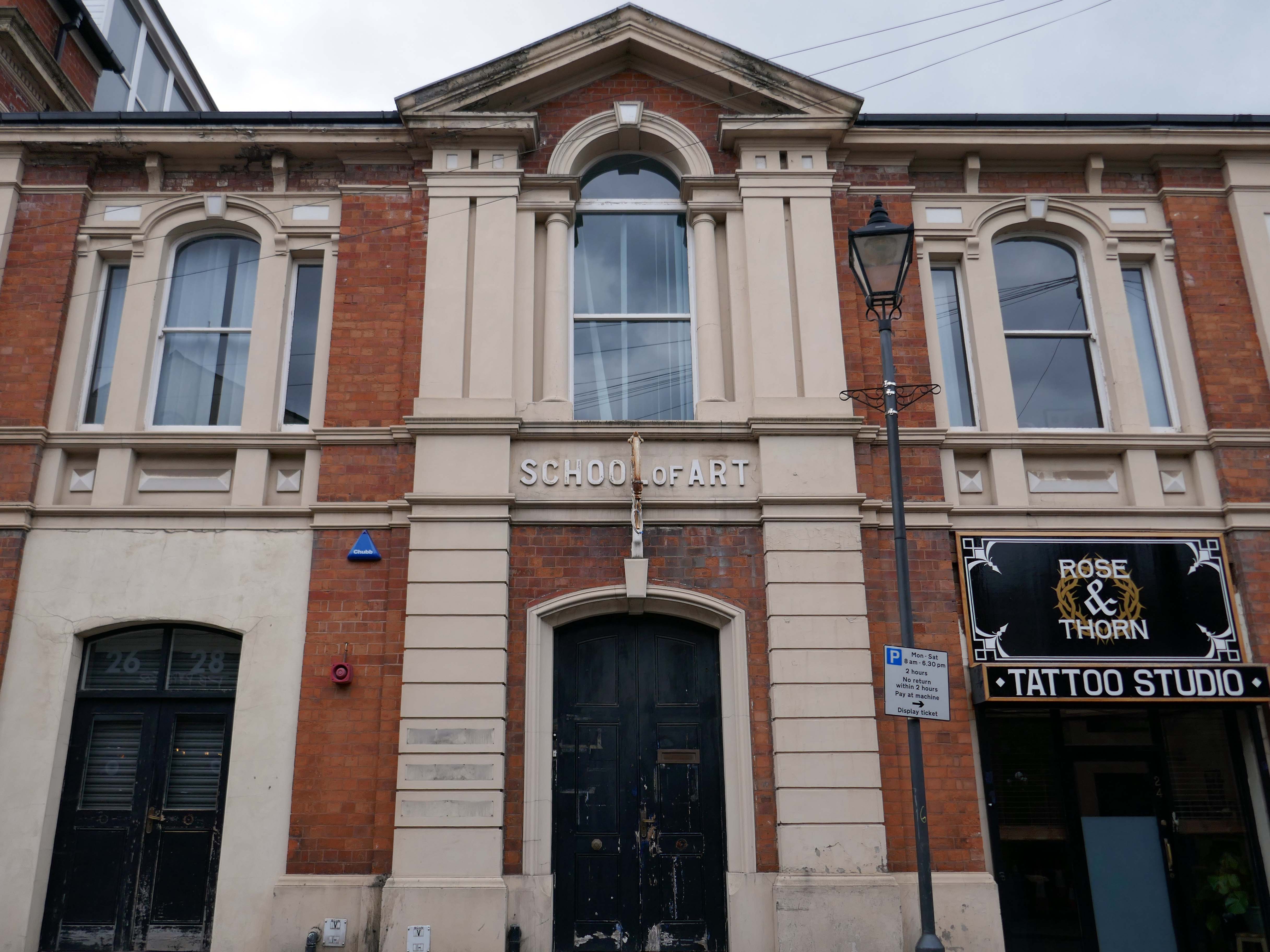
Of back down the hill onward to the Walsall School of Art.
Walsall’s art school’s history is a story of gradual growth and change, evolving from evening classes in a chapel to a modern art college. The Walsall School of Design and Ornamental Art, founded in 1854 as an evening class, operated from 1861 at the Goodall Street Baptist Chapel and eventually became the Walsall College of Art.
To celebrate Queen Victoria’s Golden Jubilee, the Walsall Science and Art Institute was opened in 1888 at Bradford Place. In 1897, it was transferred to the Town Council and renamed the Walsall Municipal Science & Art Institute. In 1926, the institute was renamed Walsall Technical College. Post-war demand led to the establishment of the Walsall and Staffordshire Technical College at Wisemore – now St Paul’s Street, in 1952. The Walsall College of Art officially merged with the College of Technology in 1992 to form Walsall College of Arts and Technology – now simply Walsall College. The college maintains strong historical ties to local industries, such as the leather trade.
Further on there’s an enormous Telephone Exchange comprising fifties and seventies buildings.
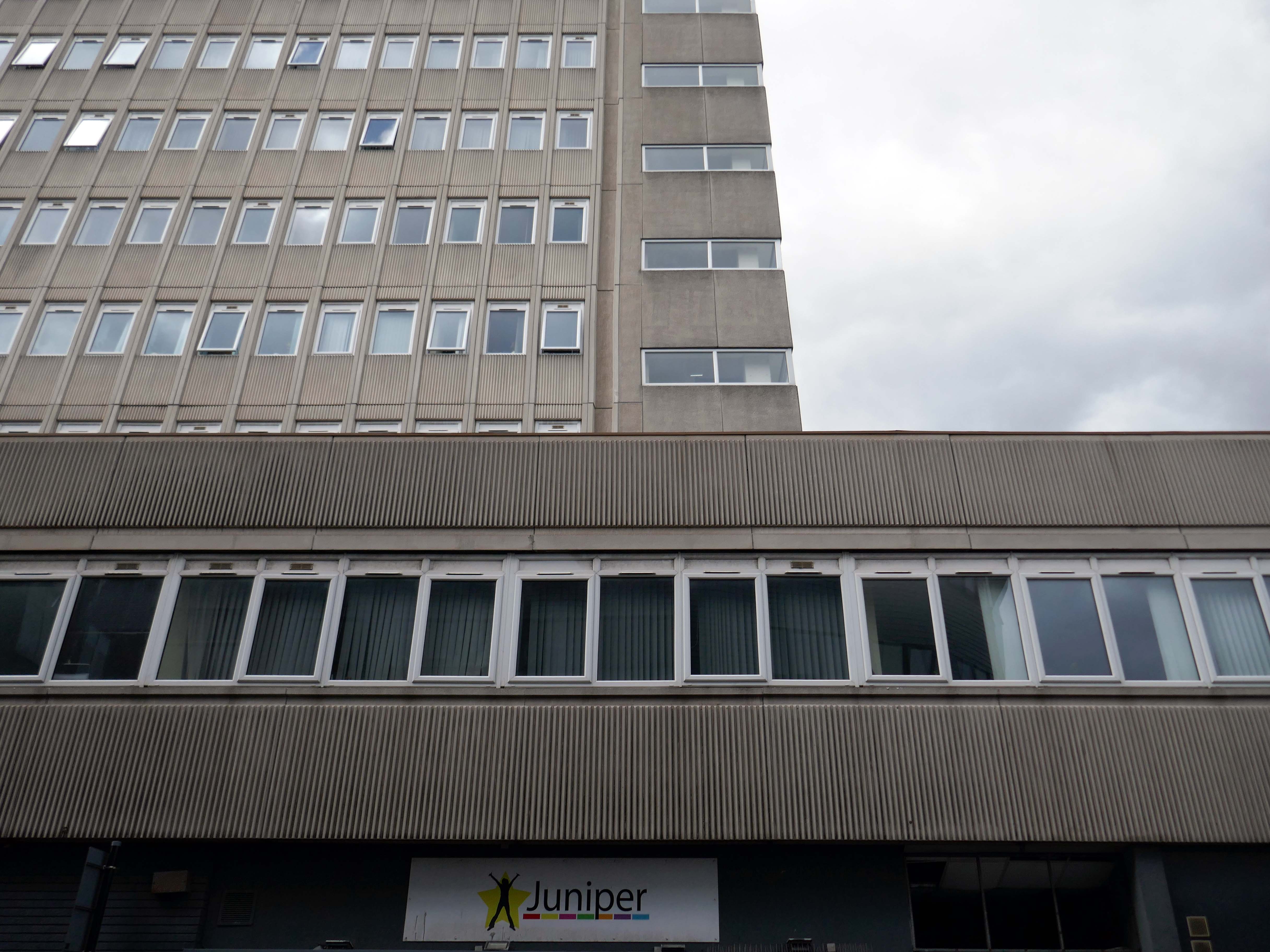
Across the way a large system built block on a podium base.
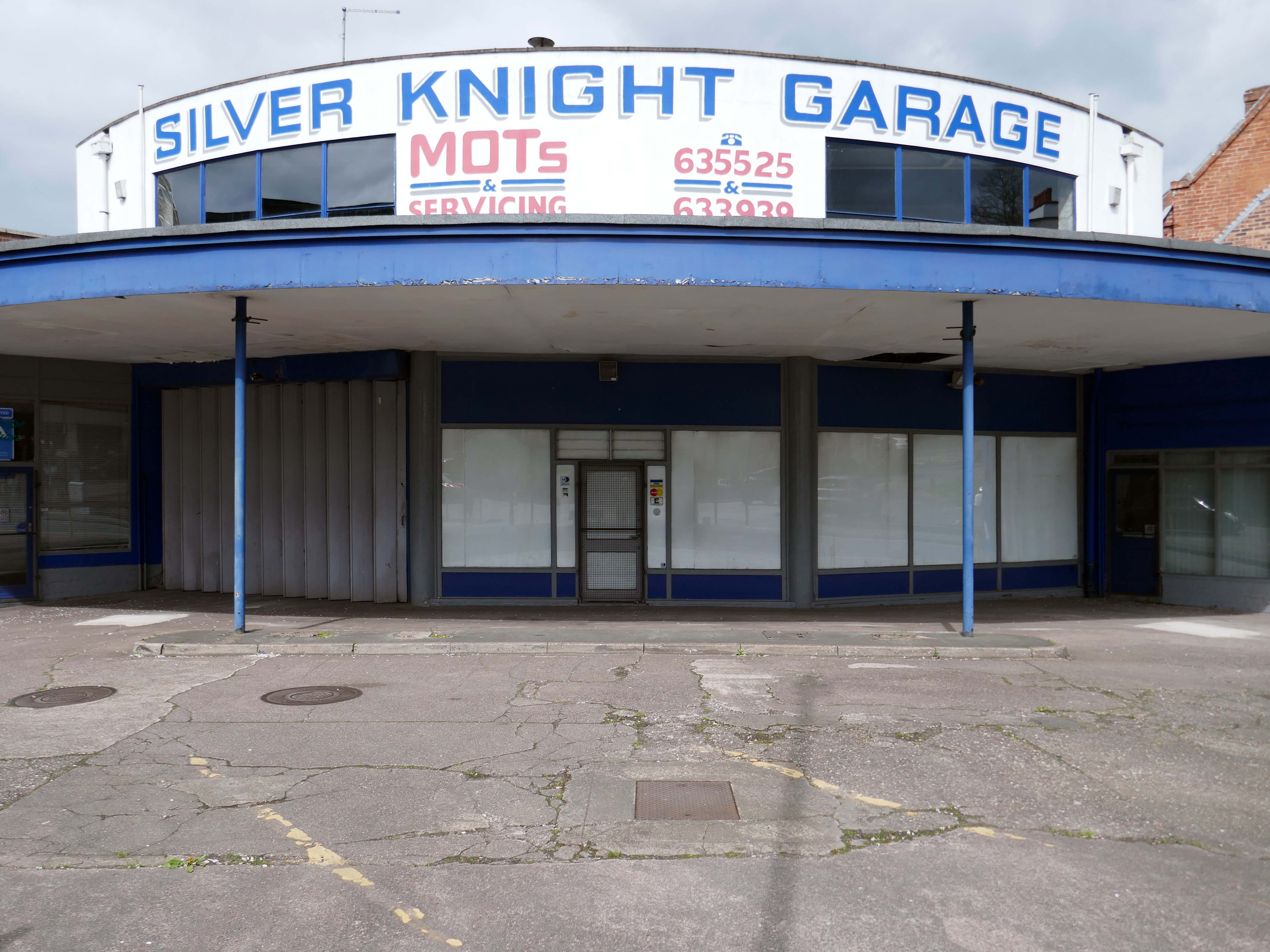
Standing on the corner where it has always stood the Silver Knight Garage.
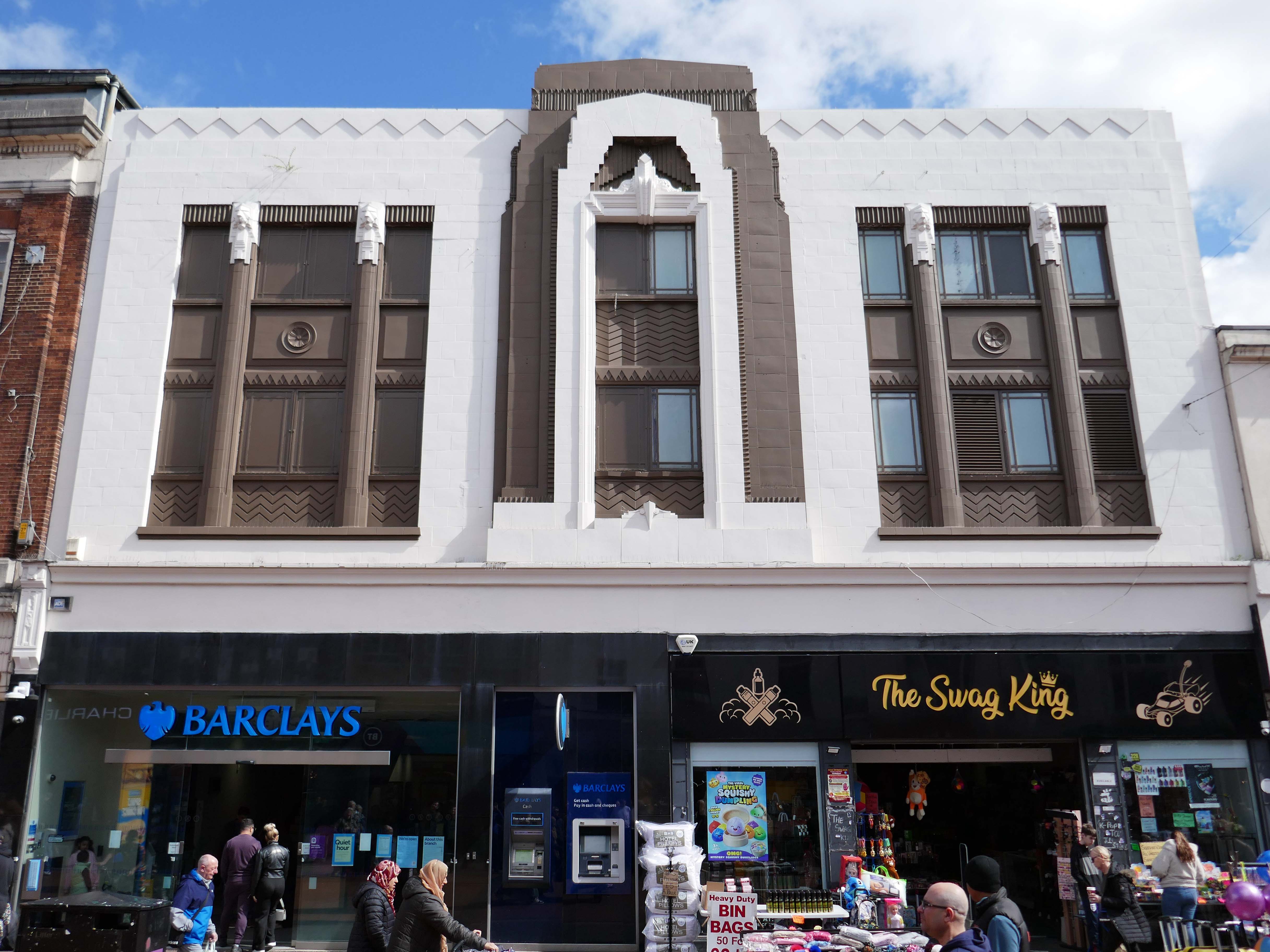
Heading back into the town centre, picking up on there’s a former Woolworths that looks like a Burton’s that thinks it’s a Barclays Bank, and also improbably a Swag King.
1933 by FW Woolworth Construction Dept – H Wimbourne
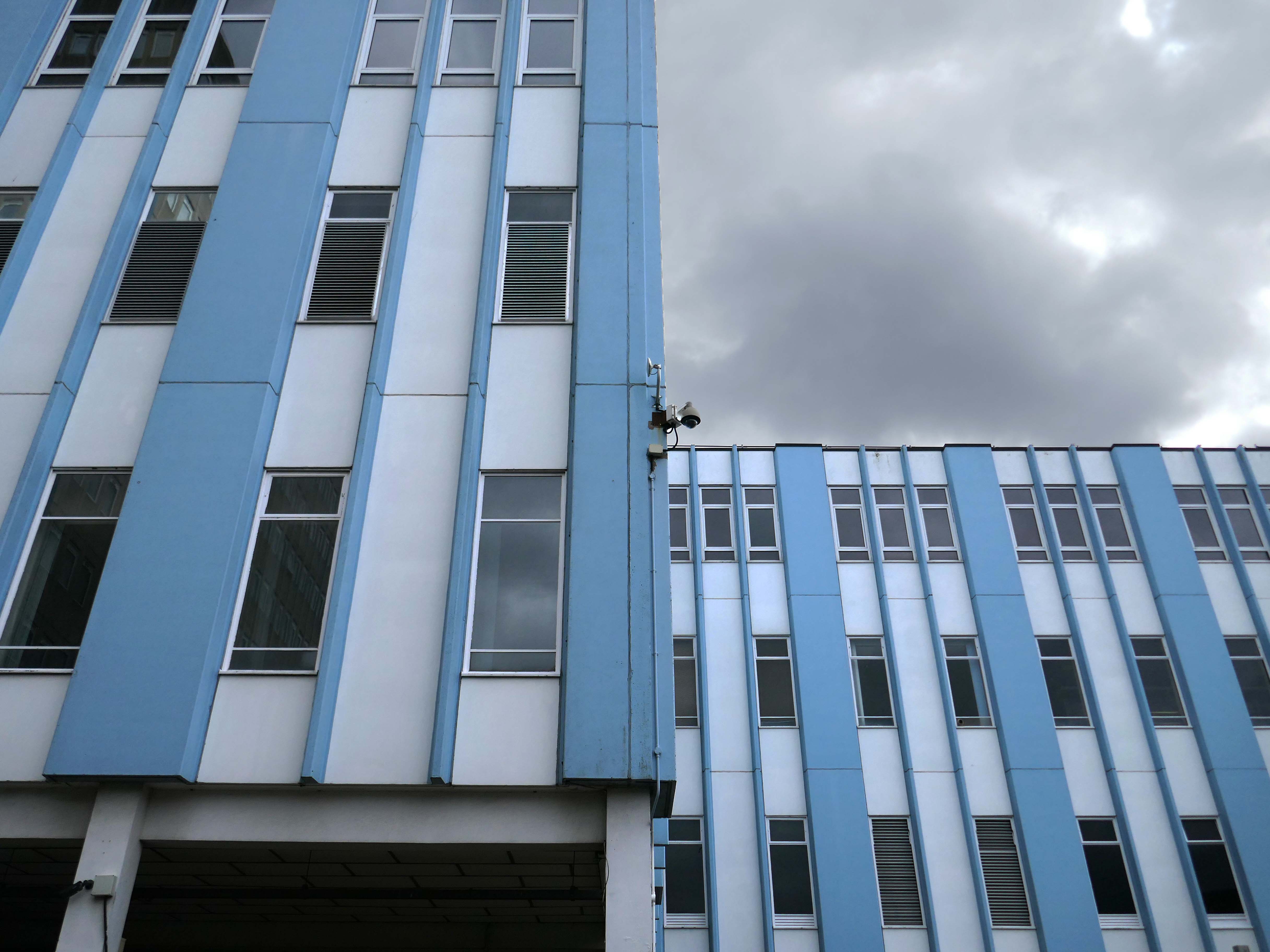
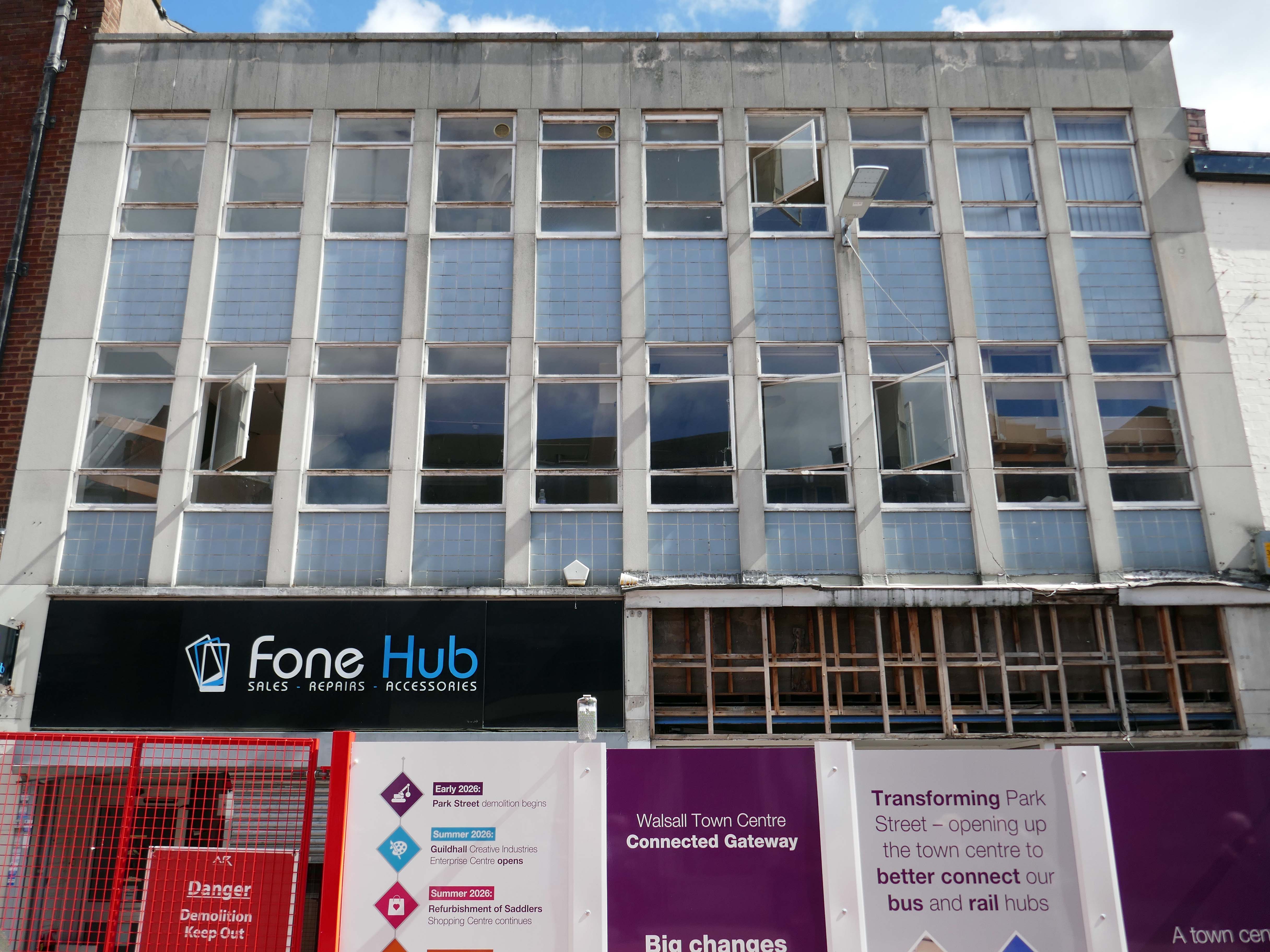
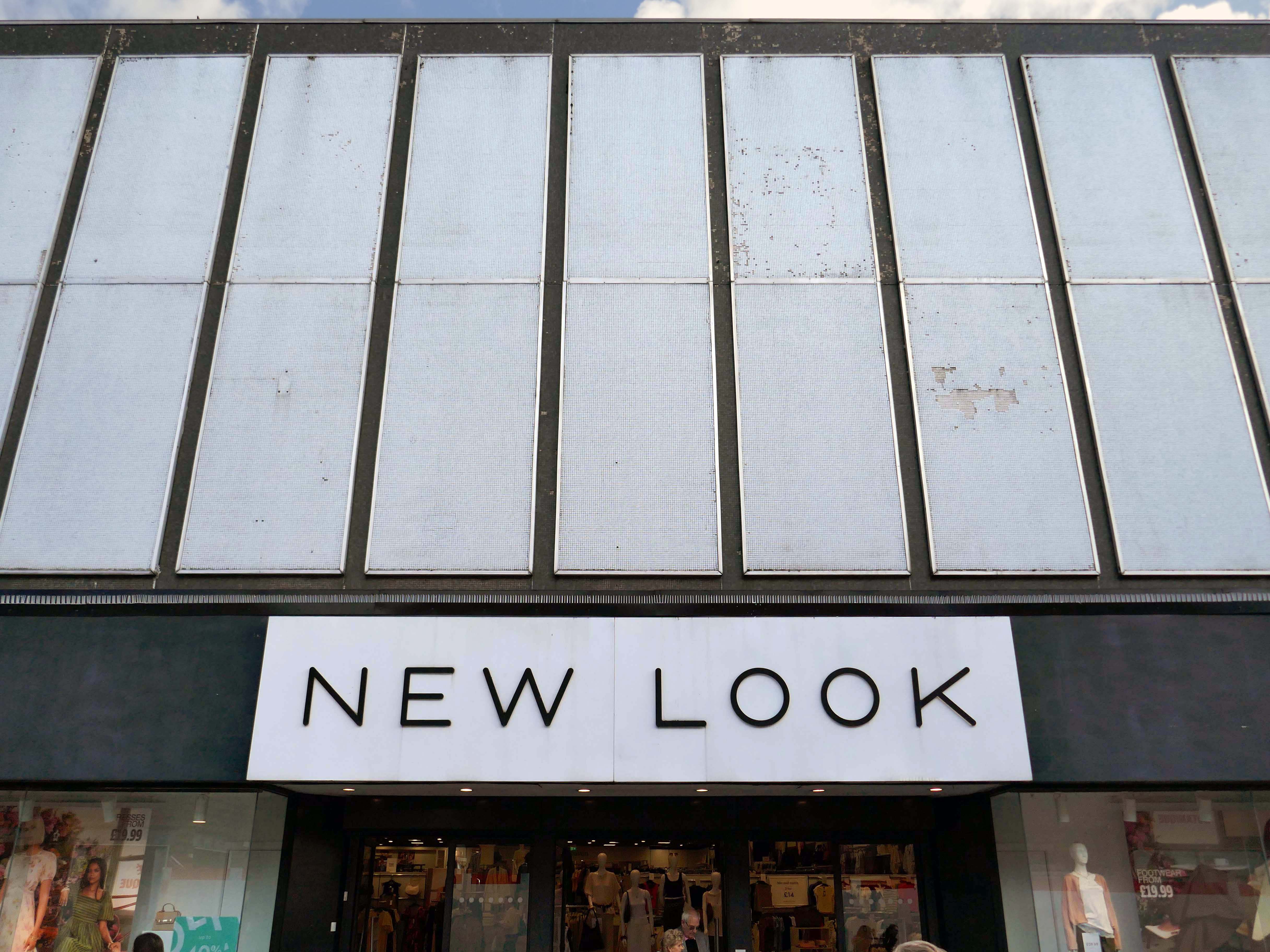
Next an indeterminate infill with pale blue panels and central pivoting metal window frames, soon to be demolished along with its neighbours, as part of the Connected Gateway Project.
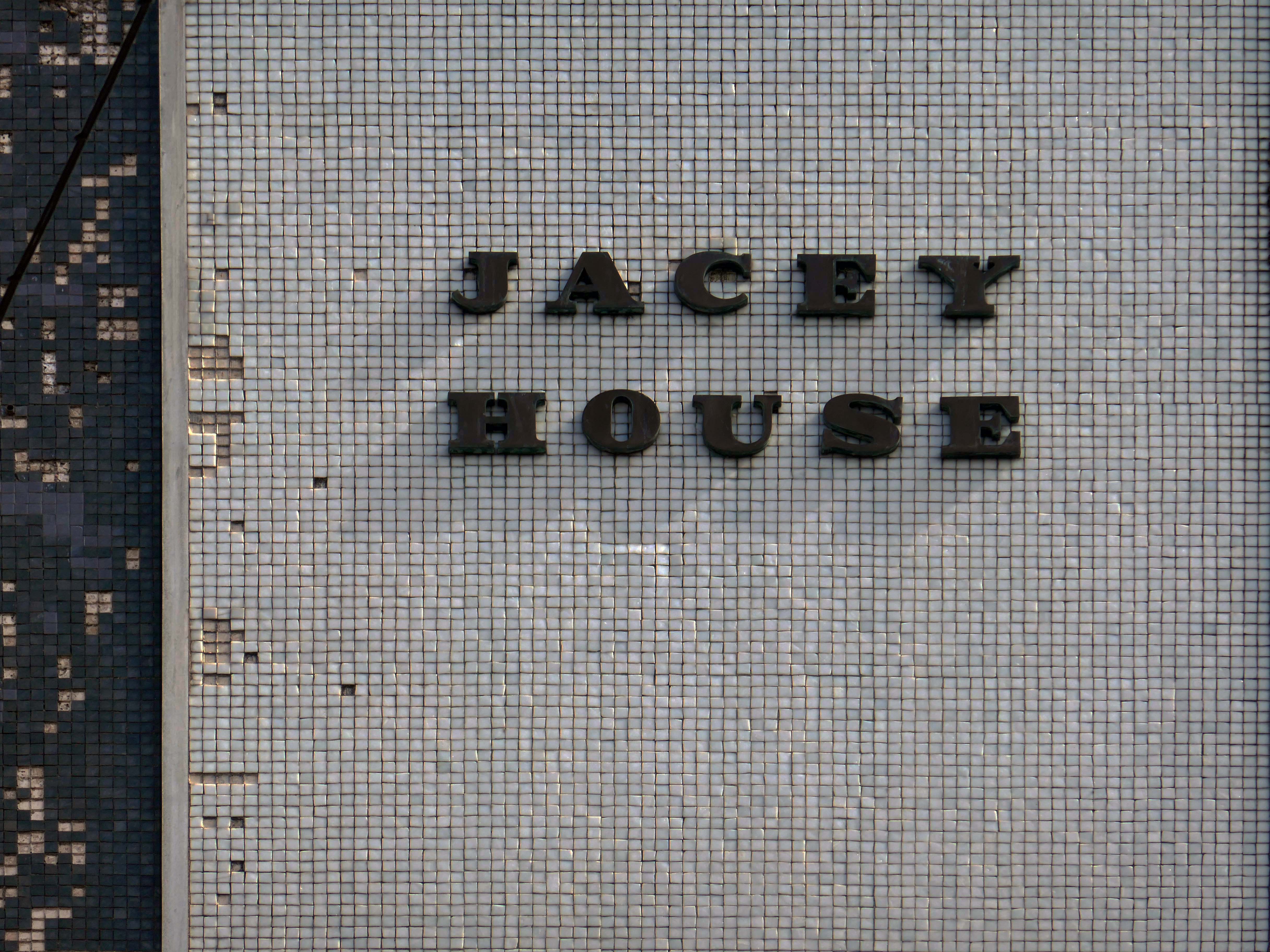
Possibly a former BHS – known as Jacey House.
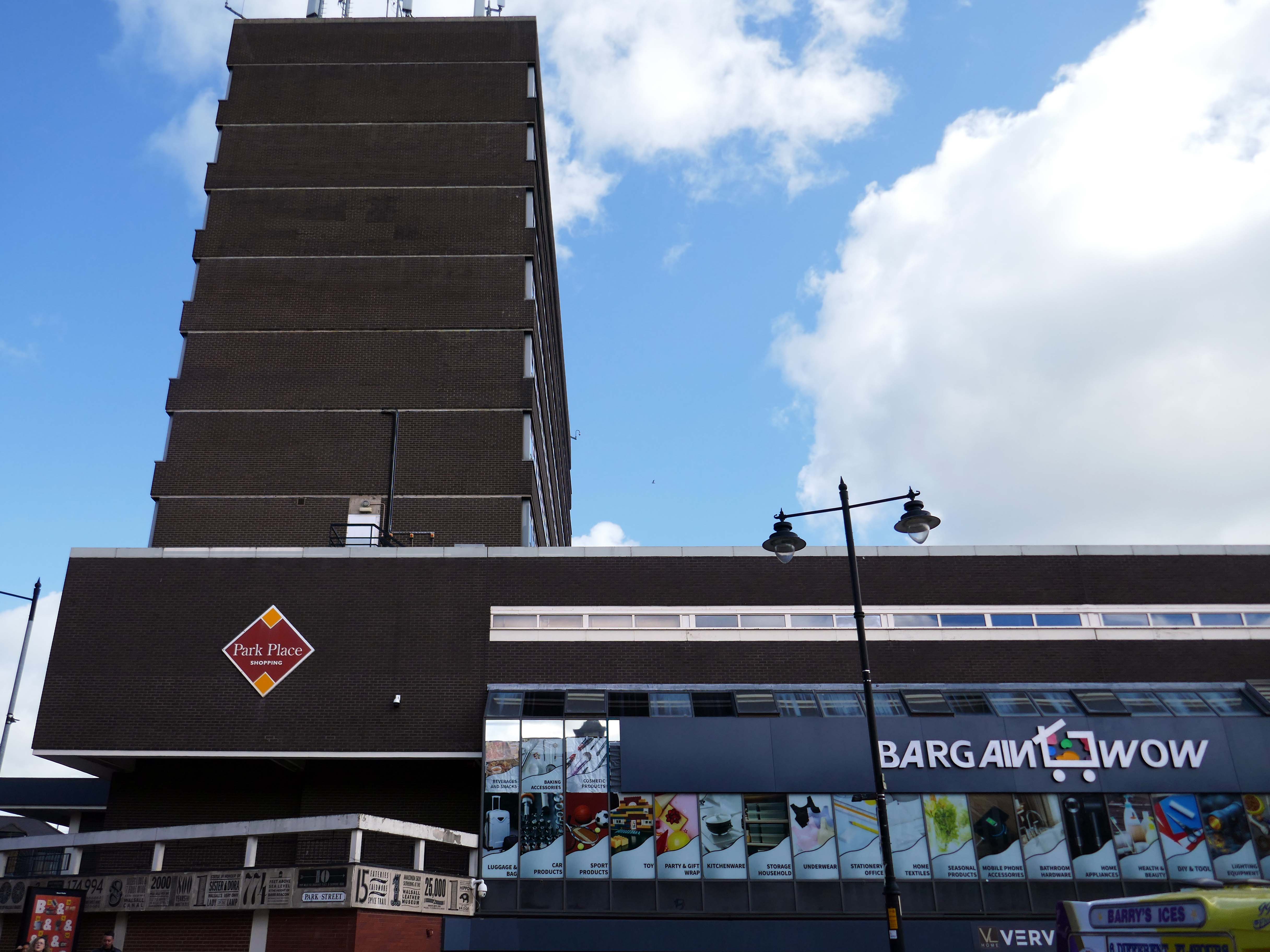
Next up Park Place.
Ai says – notable features include Park Place Meats – a town centre butcher, and Park Place Shoe Repairs, which offers engraving and key-cutting services.
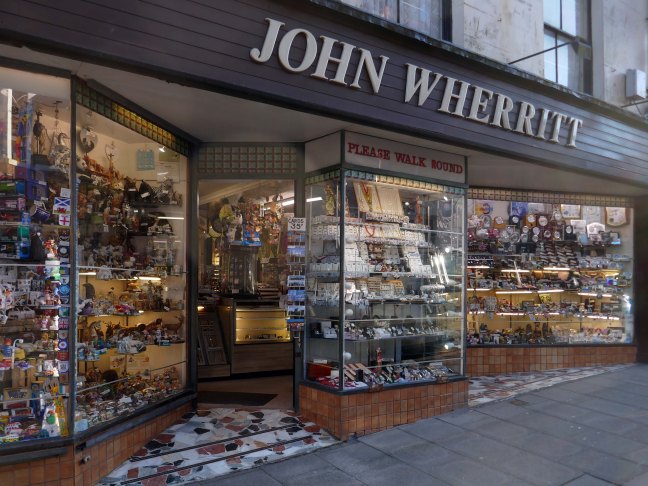
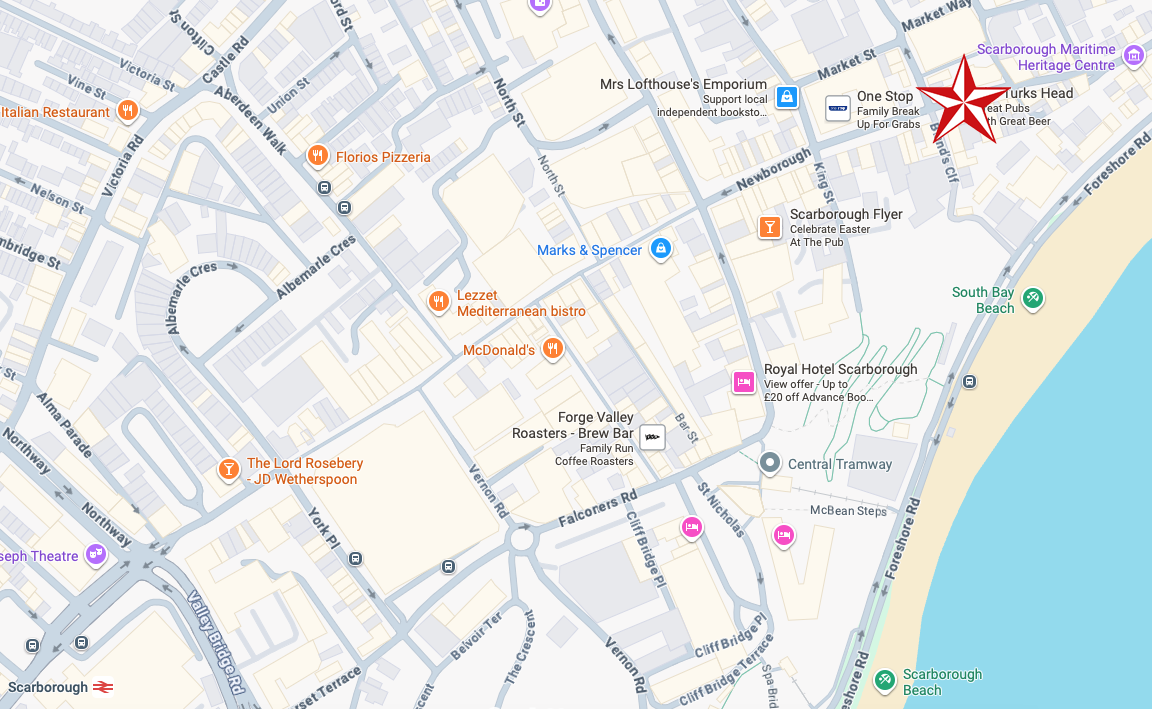
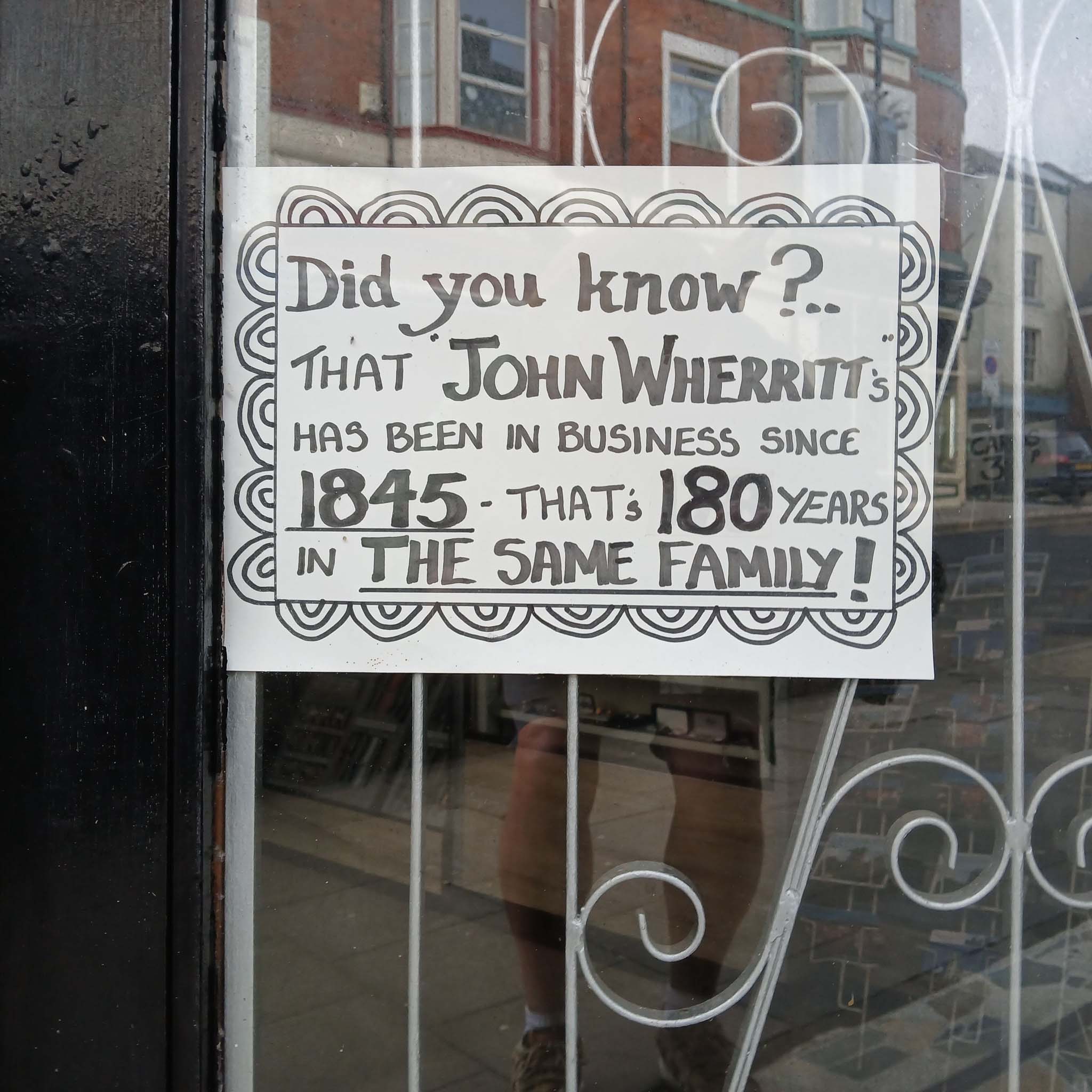
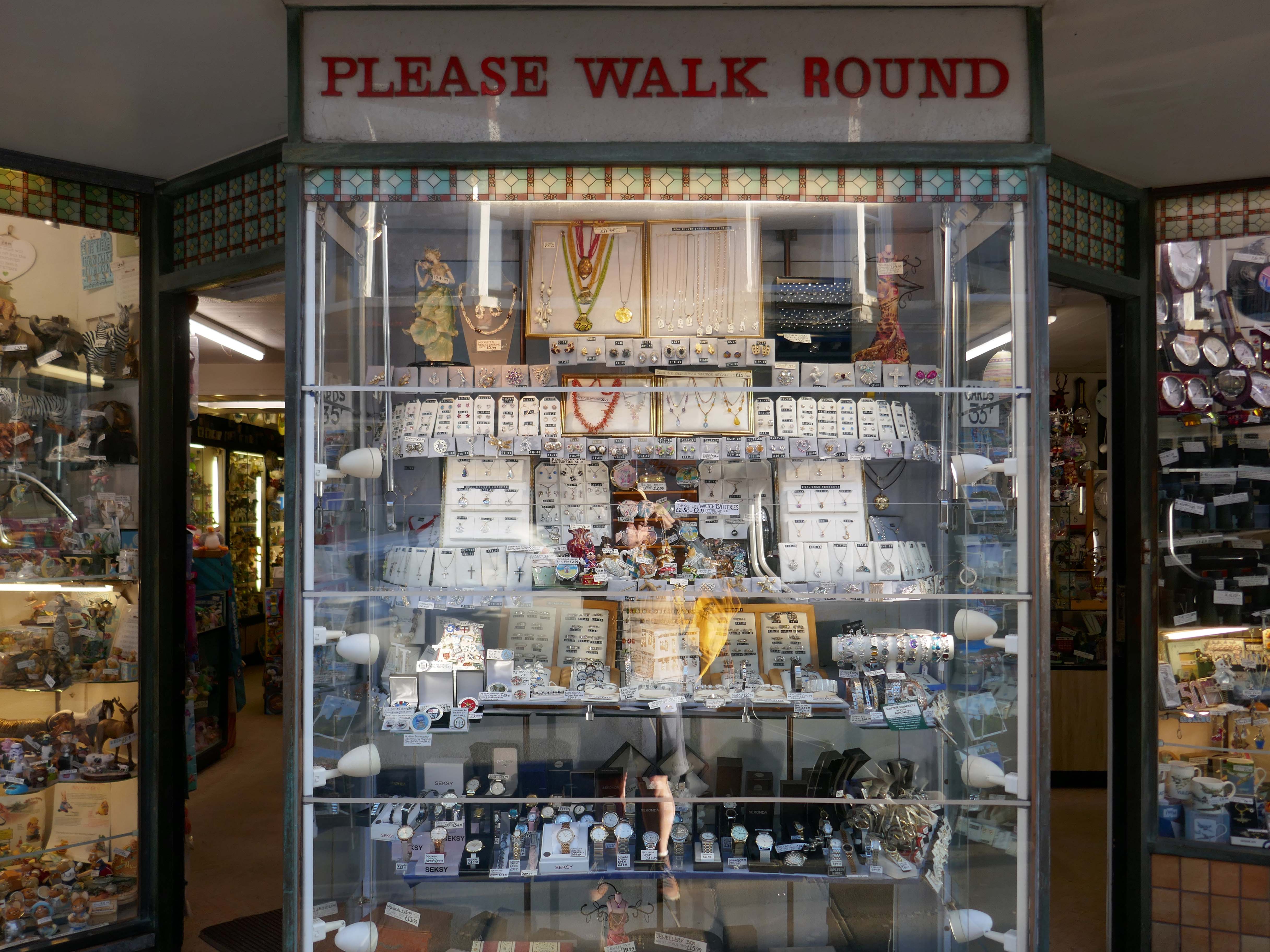
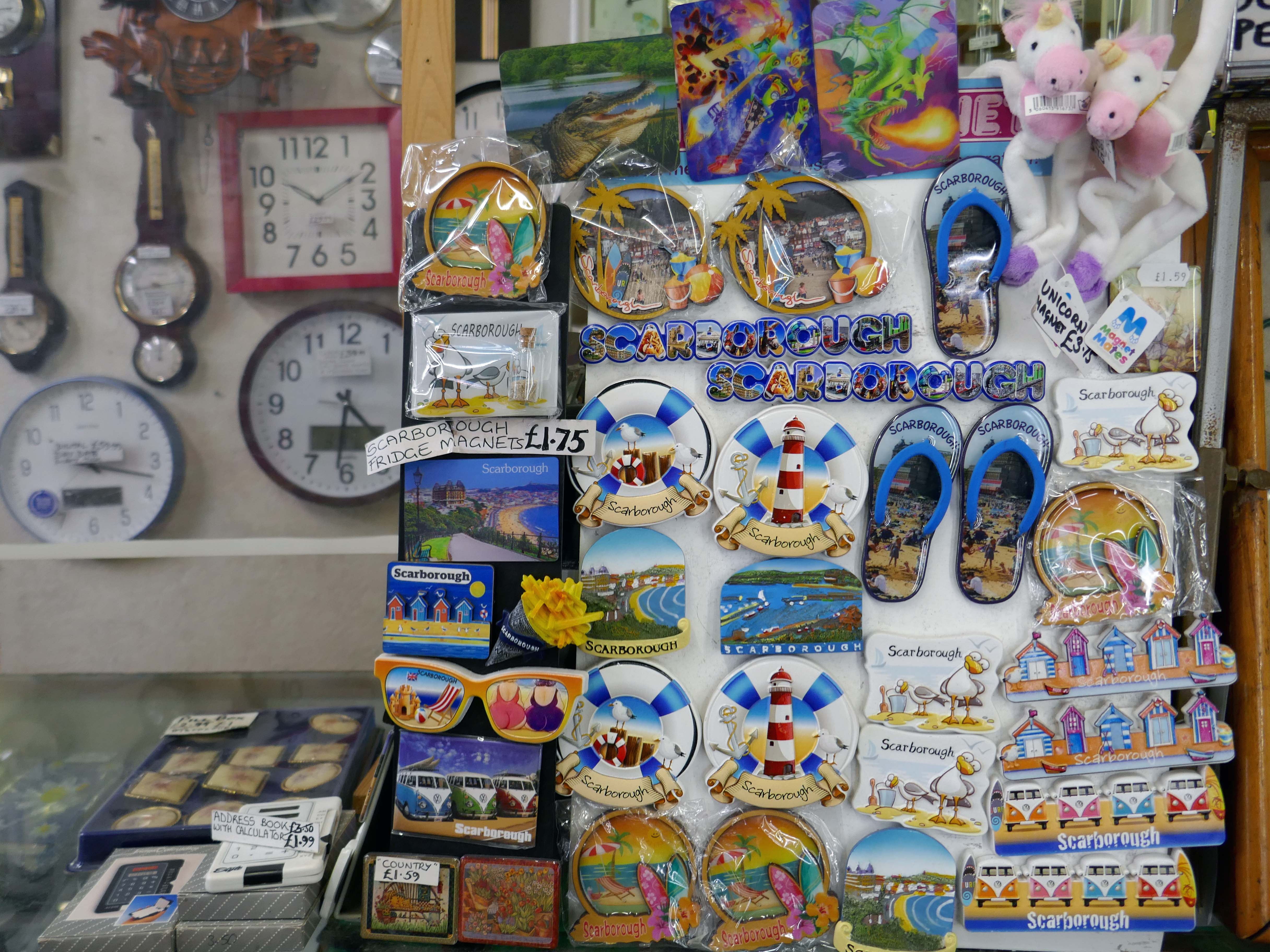
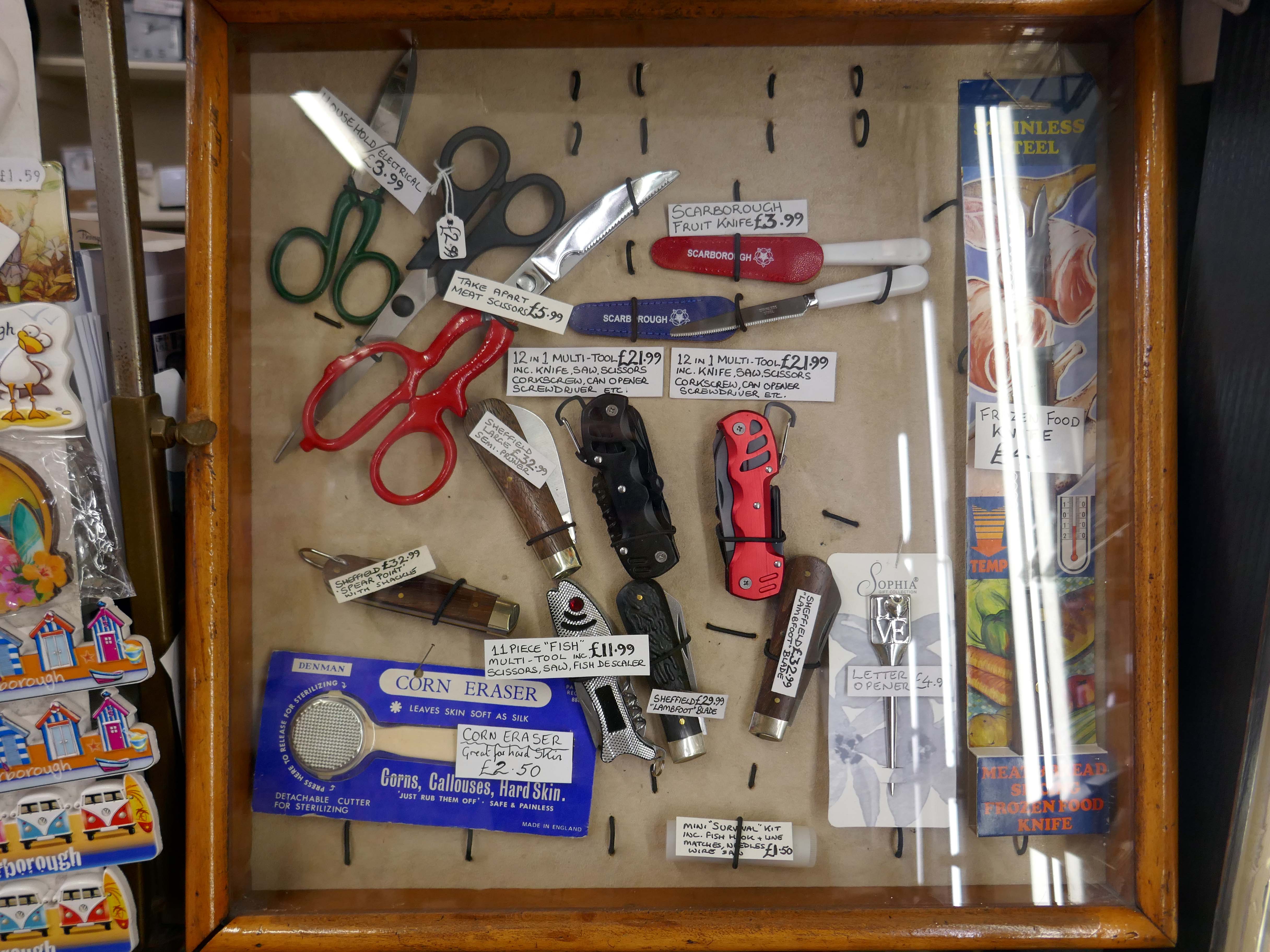
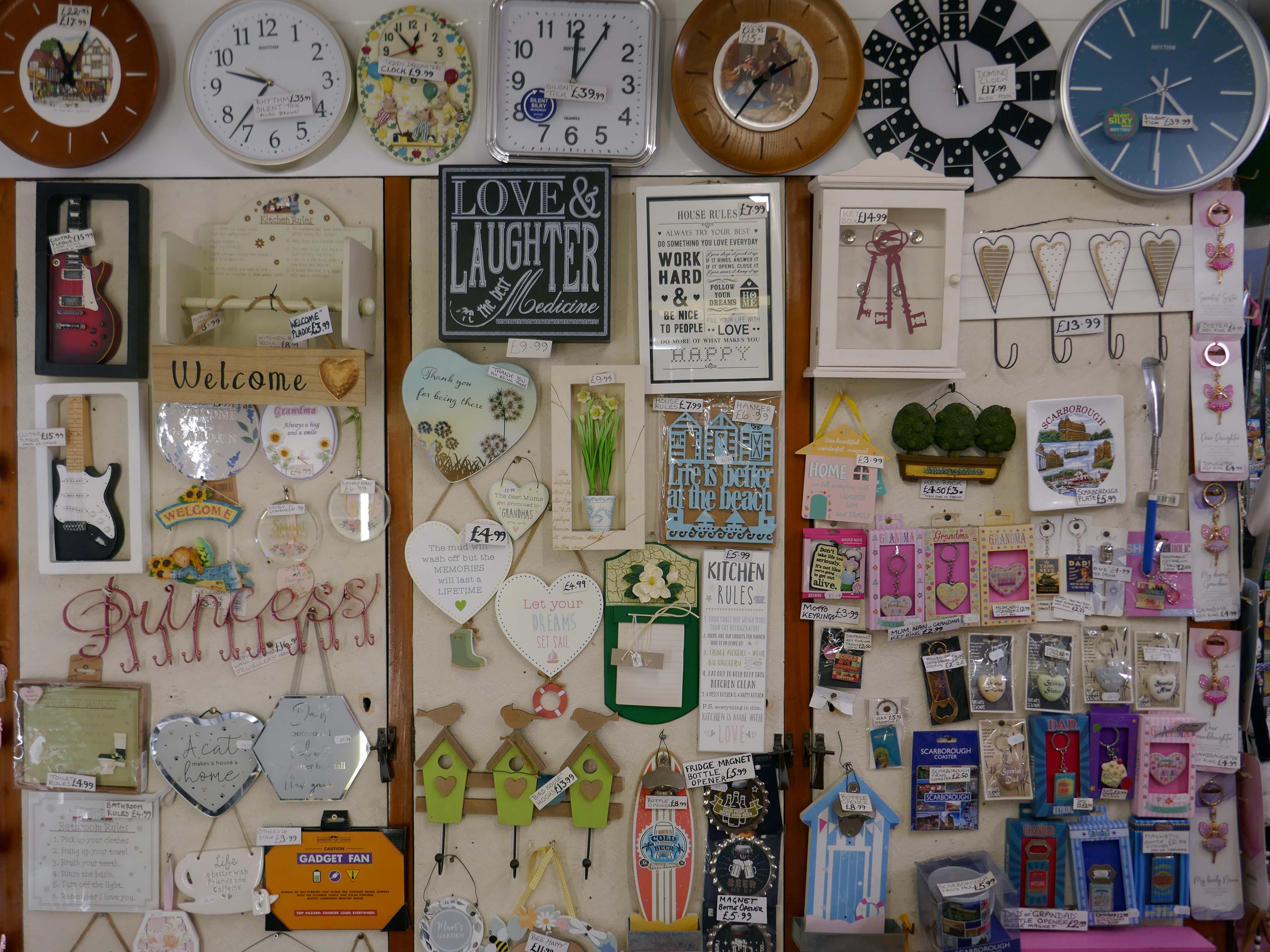
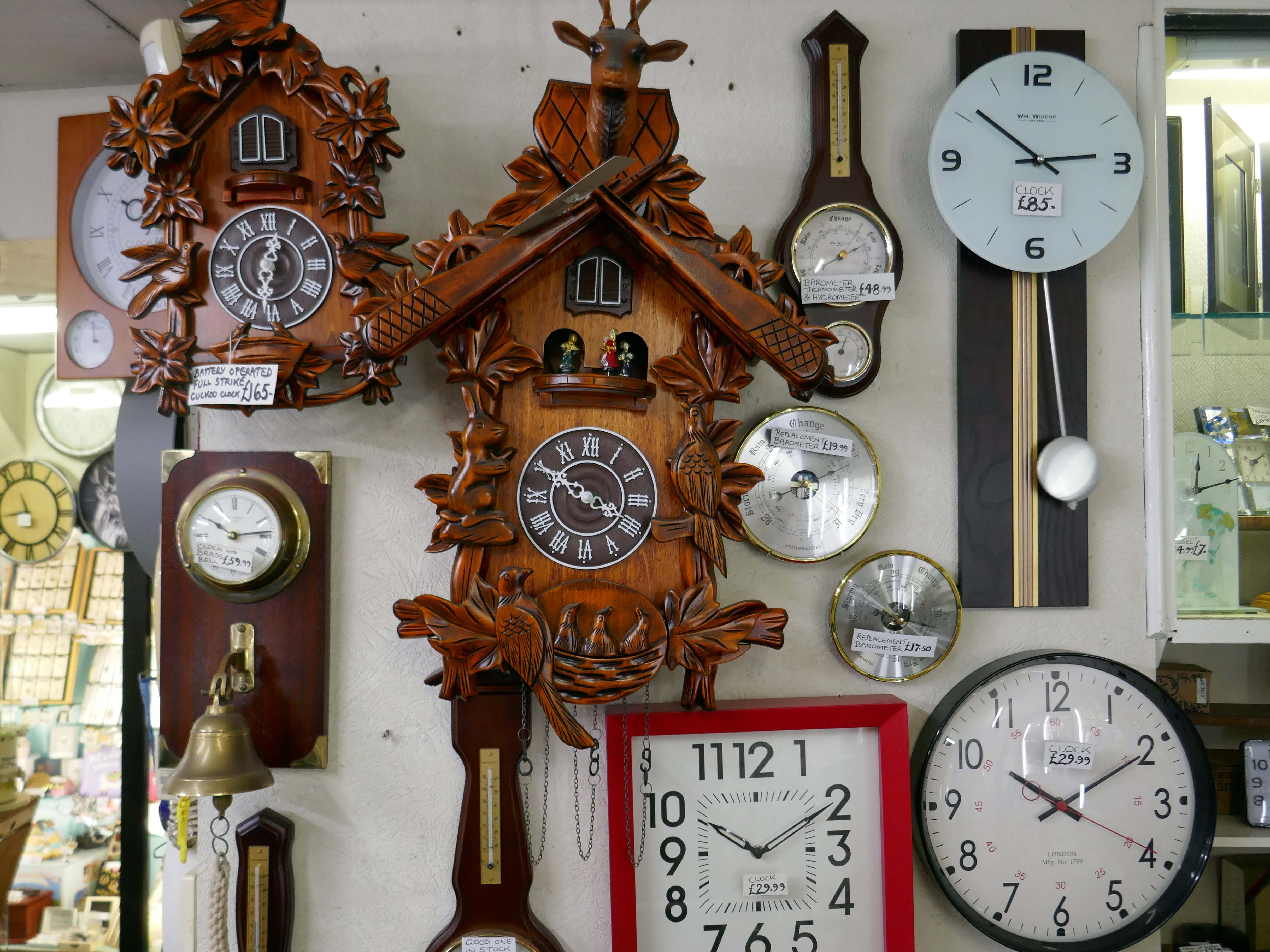
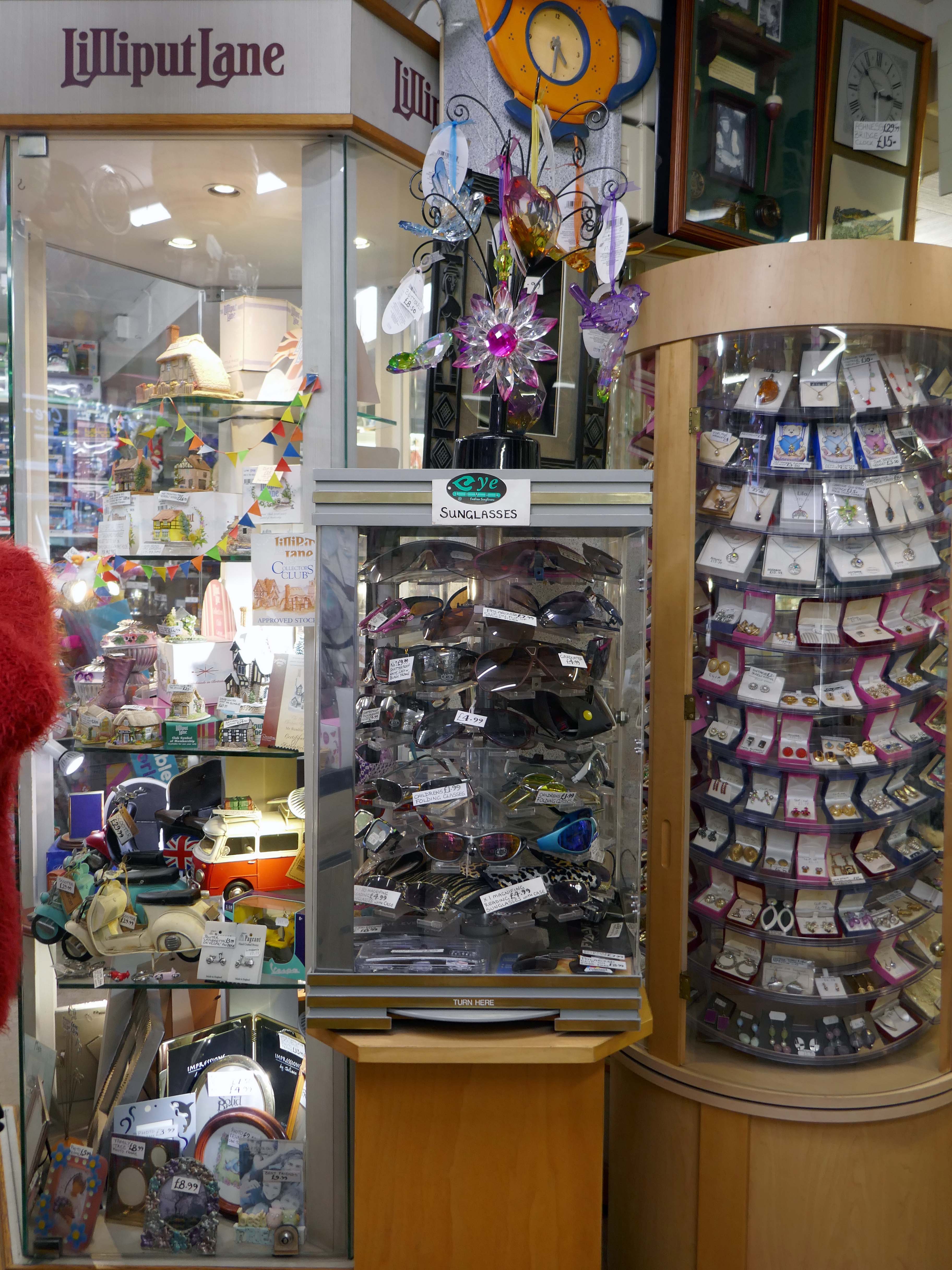
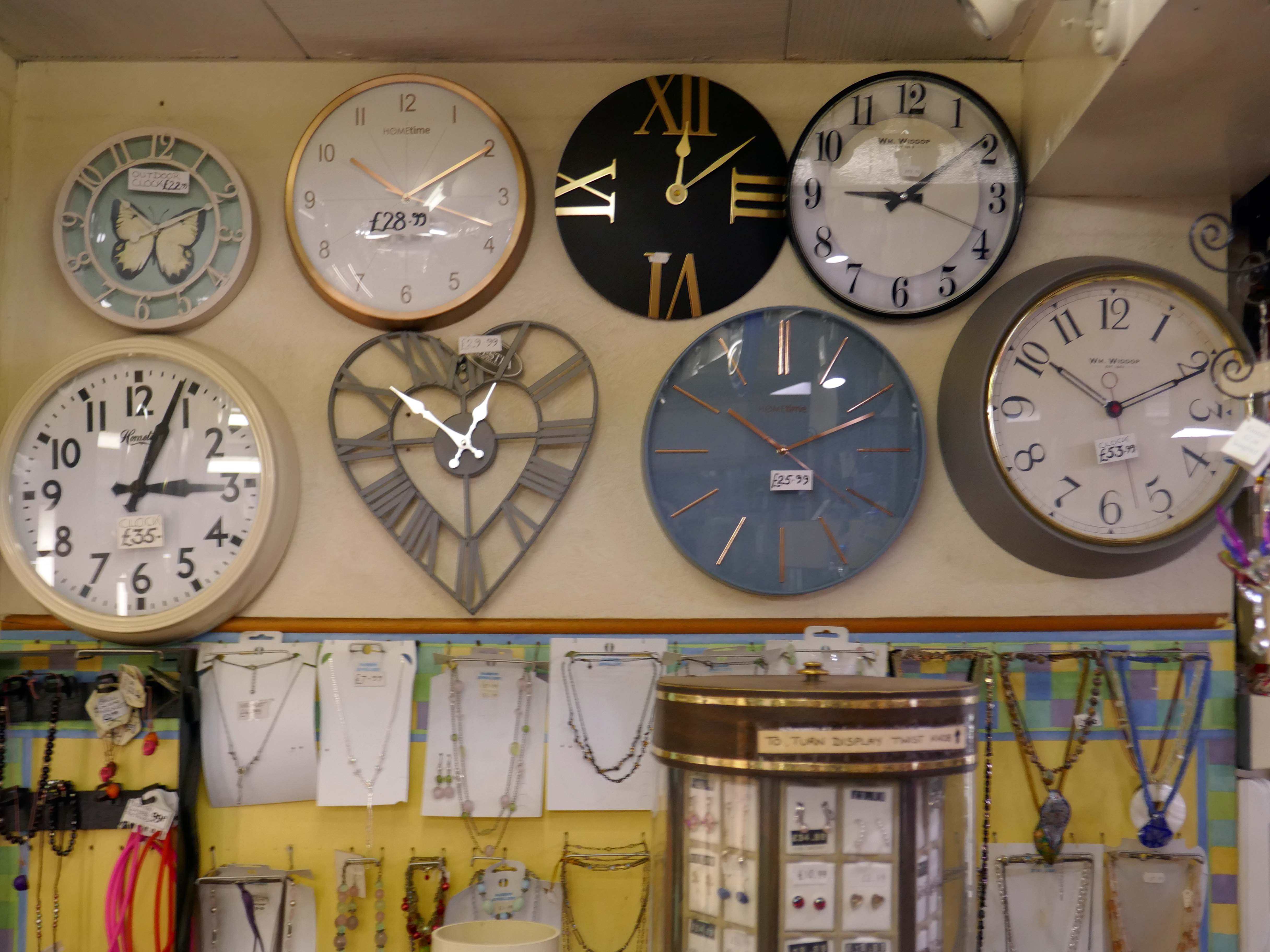
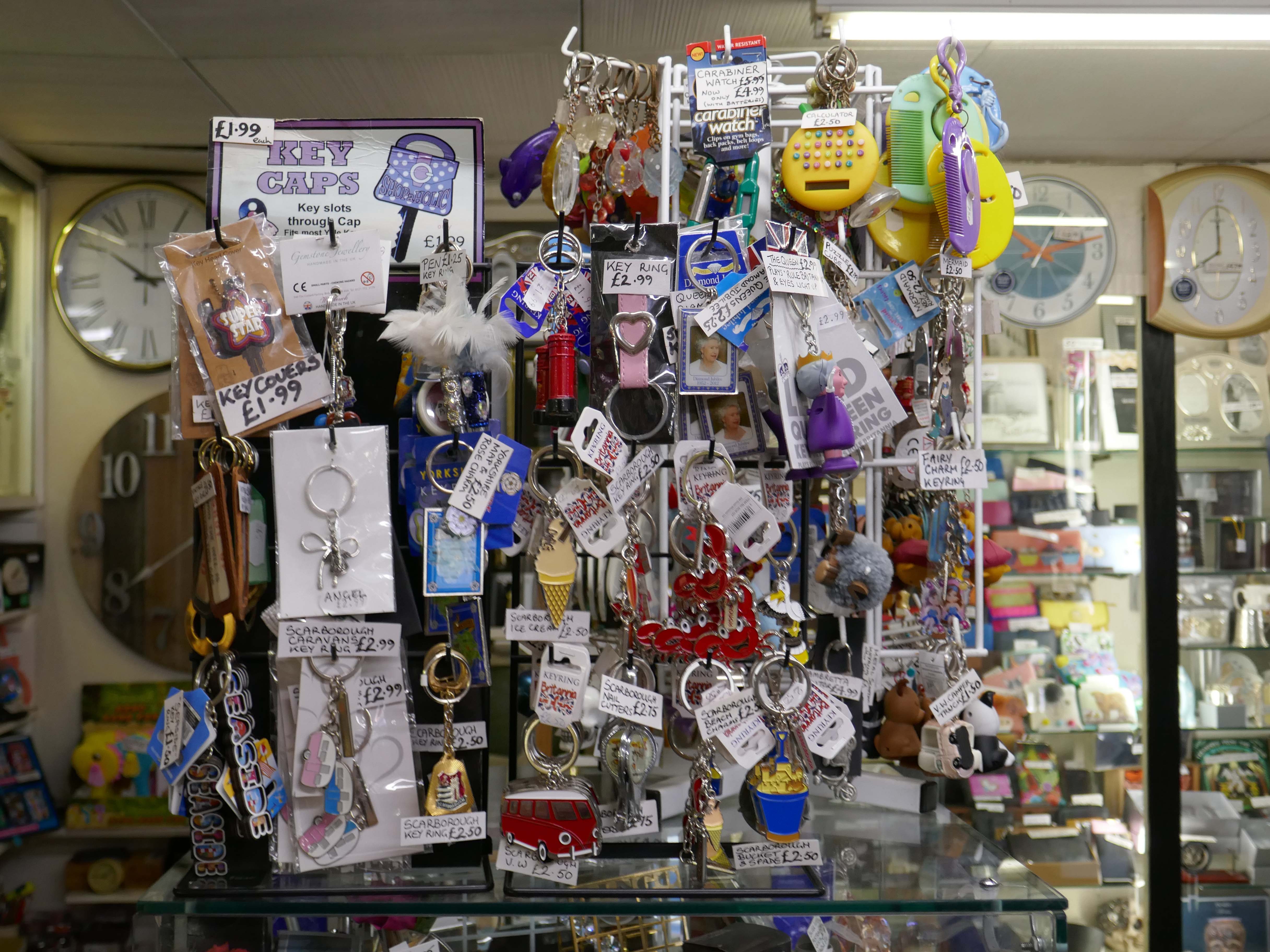
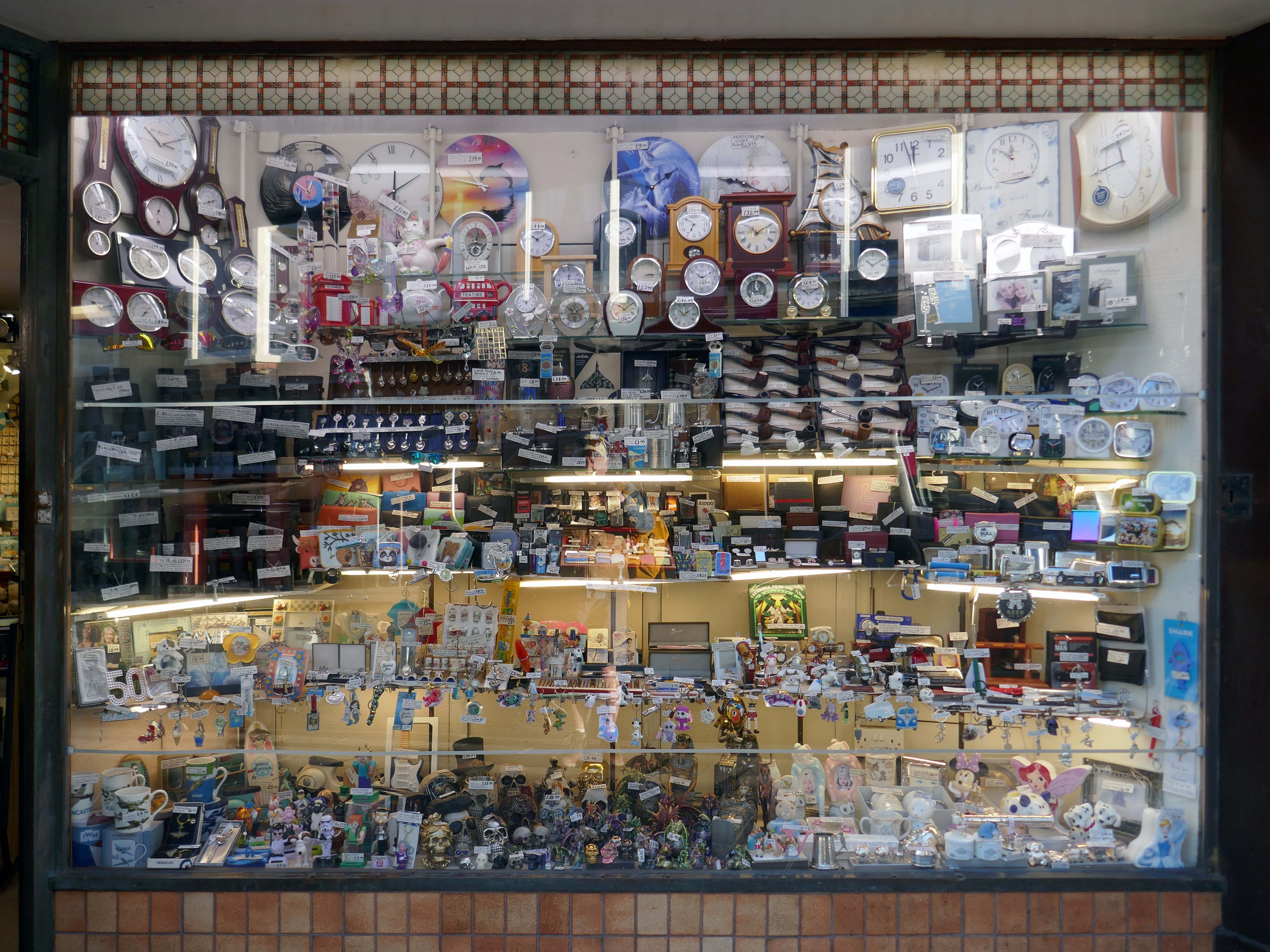
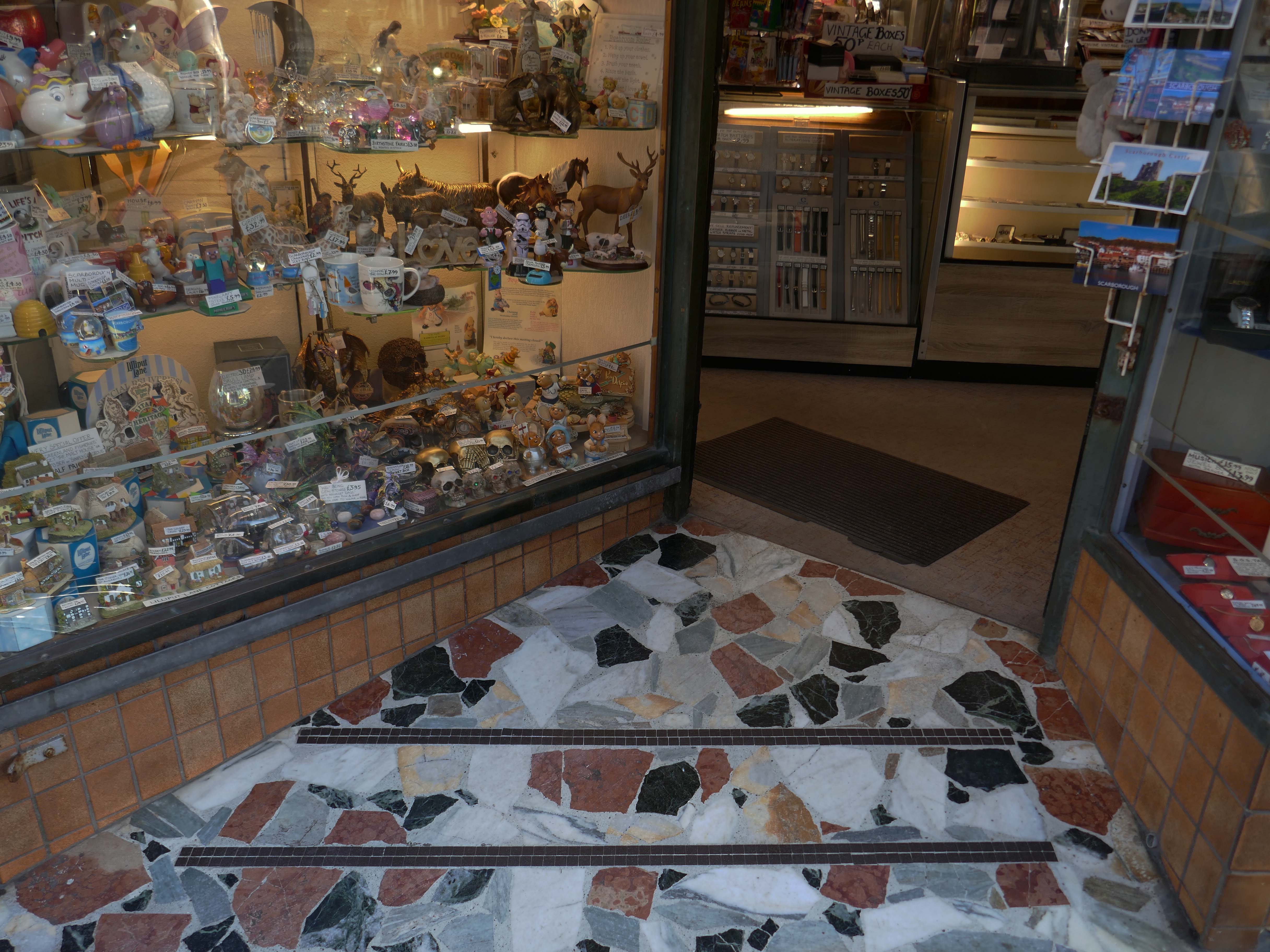
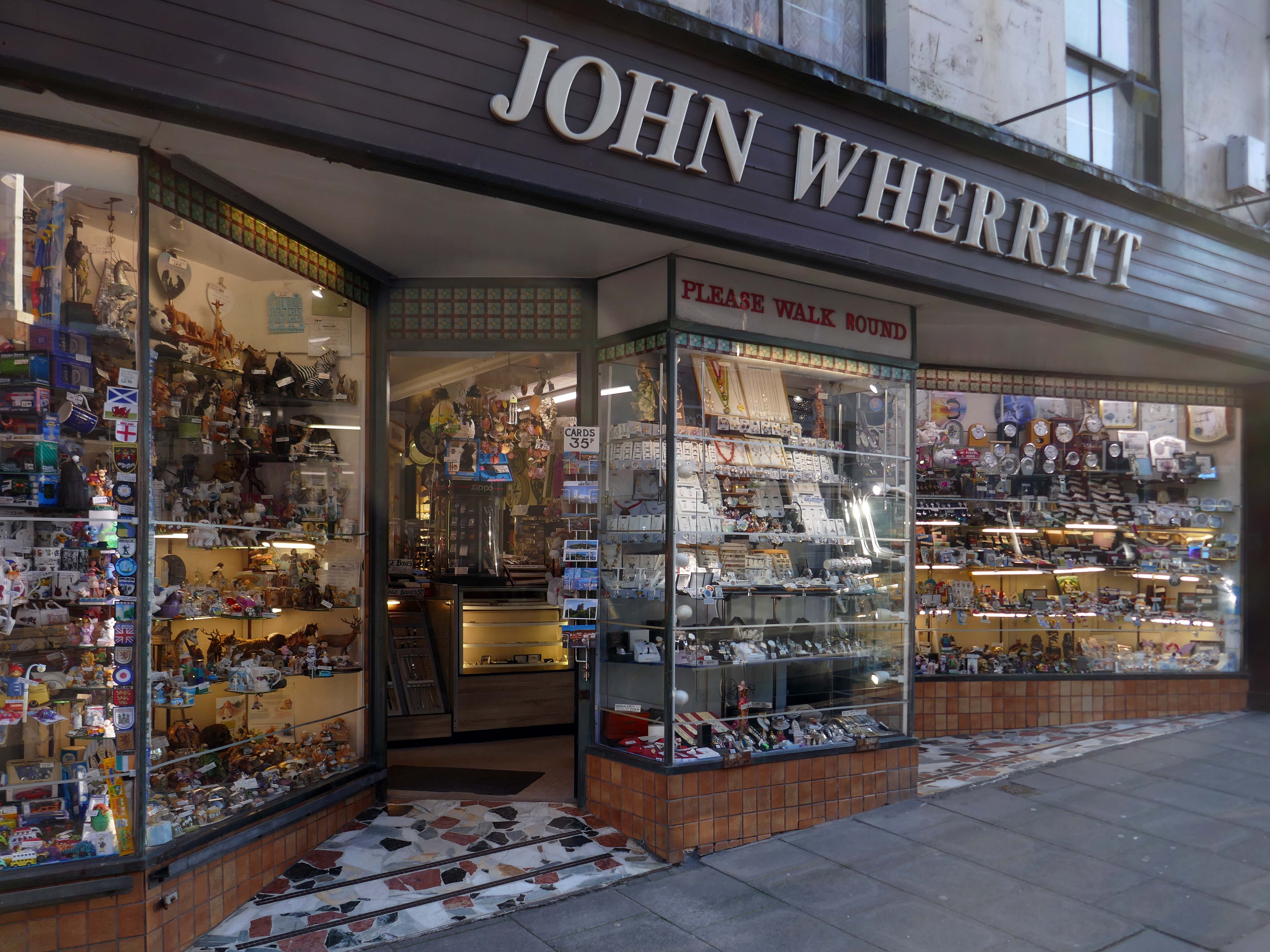
J H Wherritt is a cherished gift shop located at 5-7 Eastborough in the heart of Scarborough. Known as a hidden gem and a fantastic treasure trove by visitors, this highly-rated establishment boasts an impressive 5/5 stars from numerous positive reviews. It’s the perfect place to discover a diverse range of gifts, souvenirs, toys, watches, and clocks, catering to all tastes and ages.
Customers consistently praise the shop for its extensive selection of goods, often finding unique items that are not widely available elsewhere. The dedicated team at J H Wherritt is renowned for being lovely, kind, helpful, and obliging, ensuring a pleasant and satisfying shopping experience for everyone. Visitors frequently highlight the reasonable prices and excellent value offered on all purchases.
Yorkshire.com
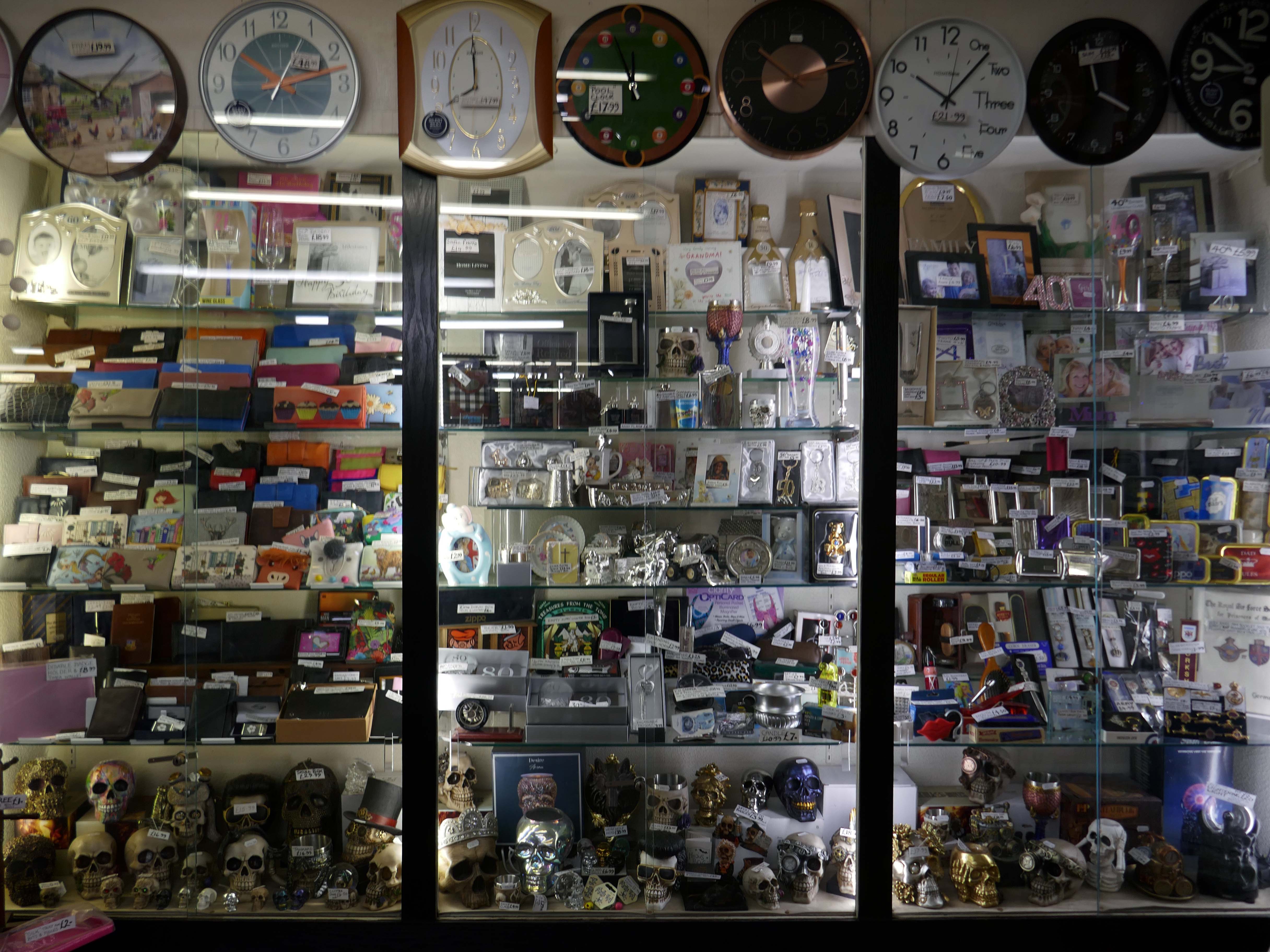
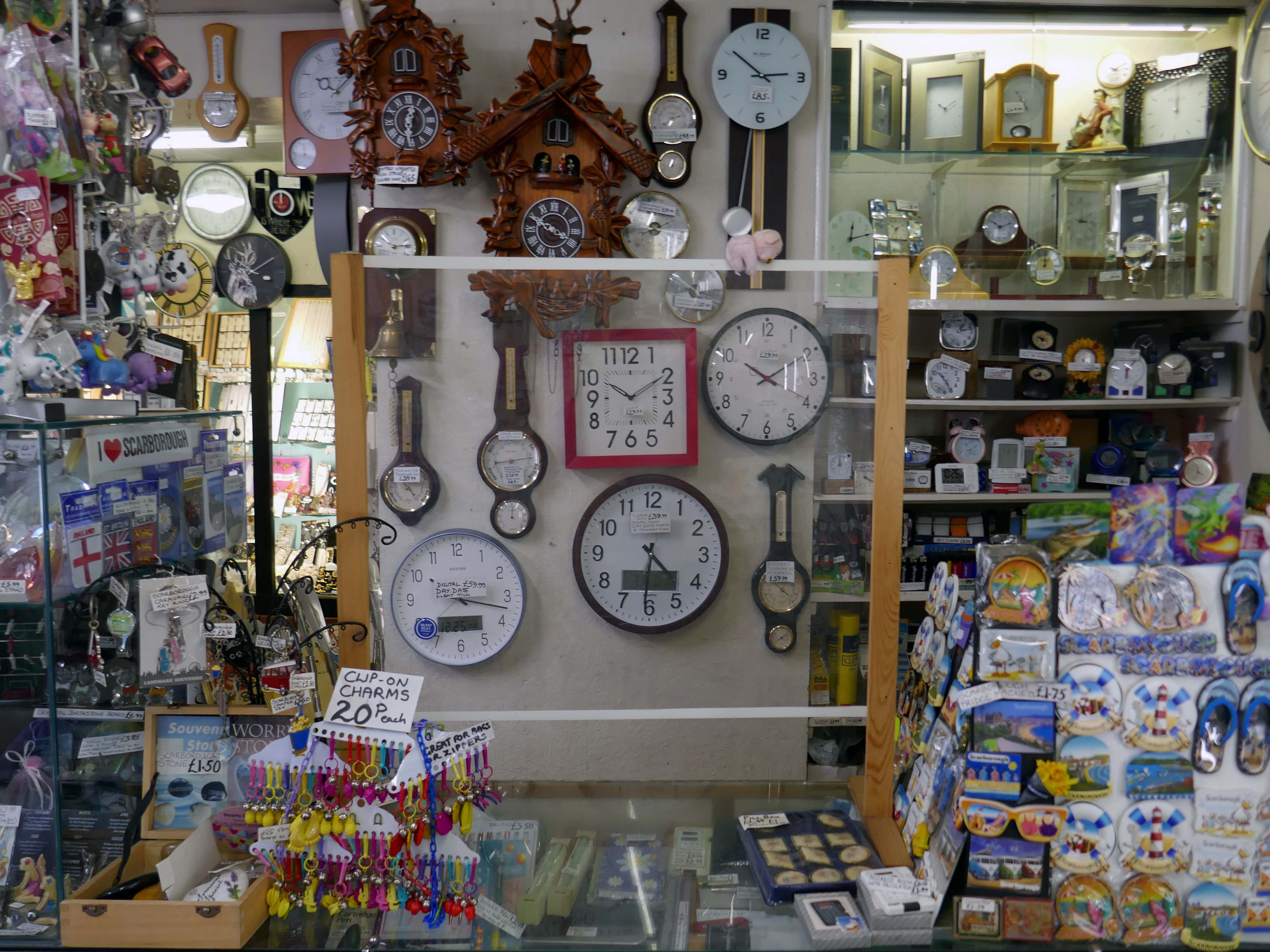
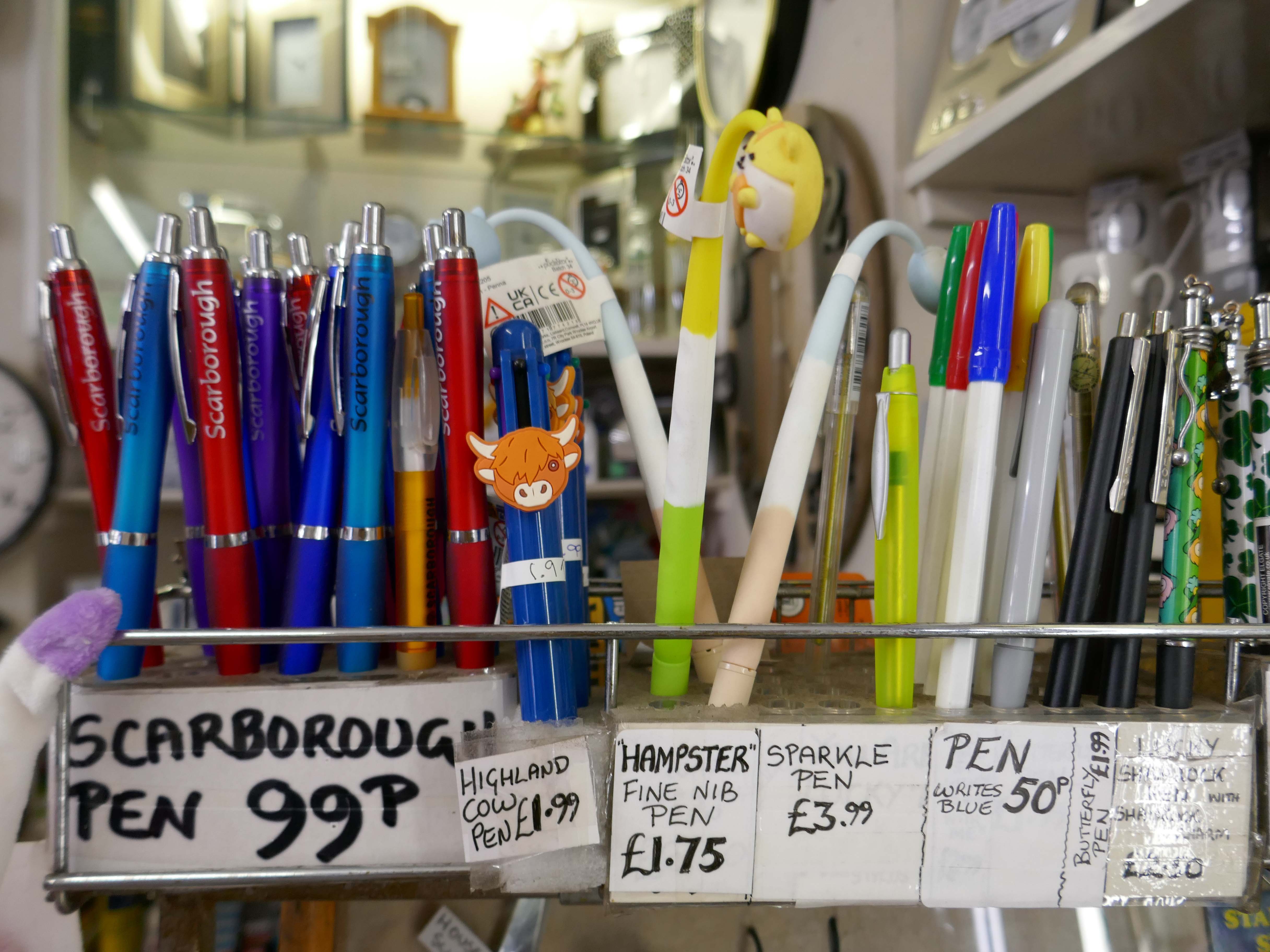
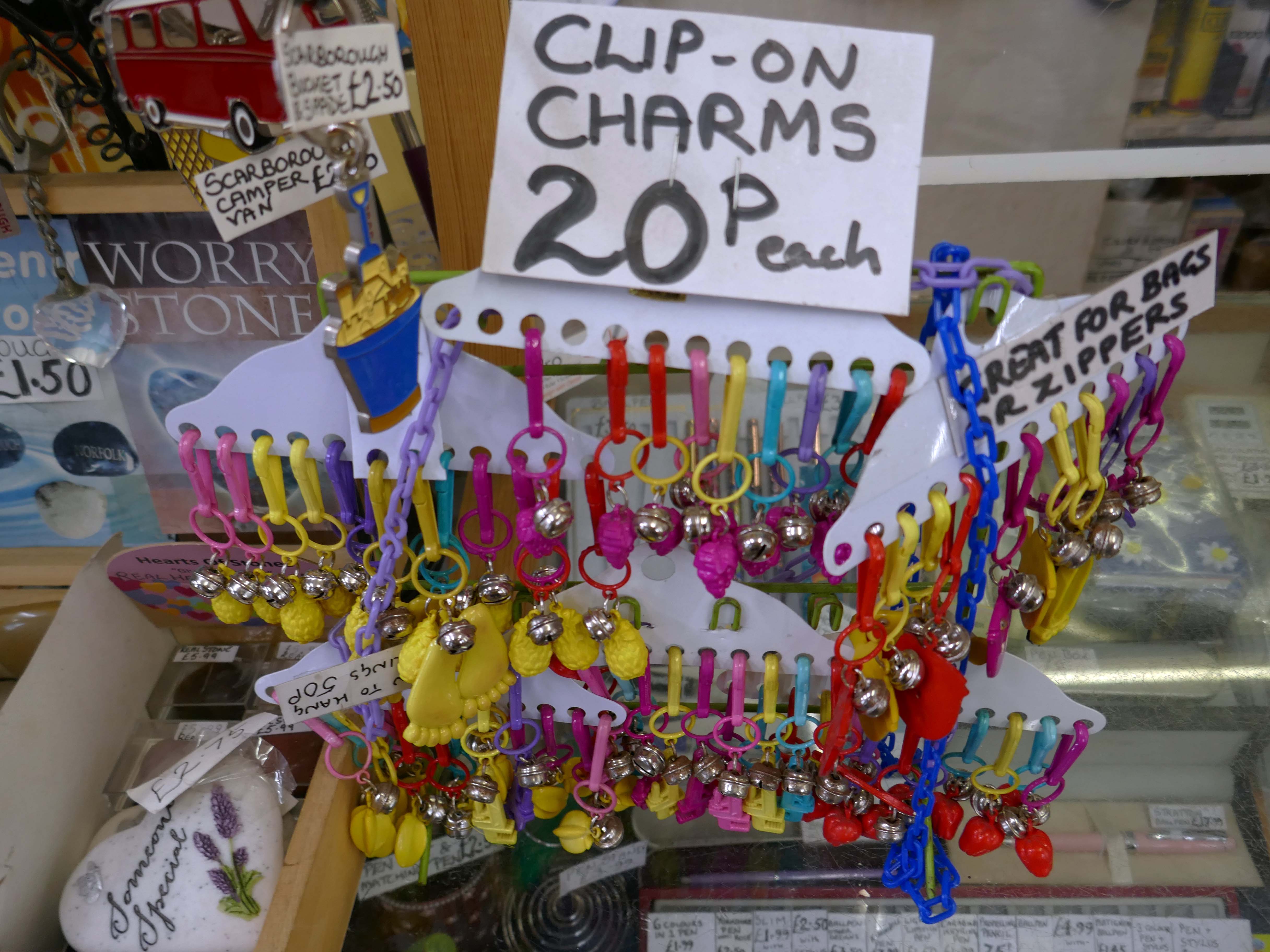
From being a very young youngster I have always adored the seaside souvenir shops. The dazzling array of knick-knacks and gee gaws, and Wherritt’s truly merits the sobriquet Aladdin’s Cave.
Sadly the shop is now for sale:
•Business & stock available by separate negotiation
•Upper floors in need of major refurbishment
• Very inviting shop frontage with 2 entrance doors
•Shop located on busy tourist route
Guide price £175,000
We can only hope that whosoever takes the business on will maintain the wide range of stock and friendly welcome.
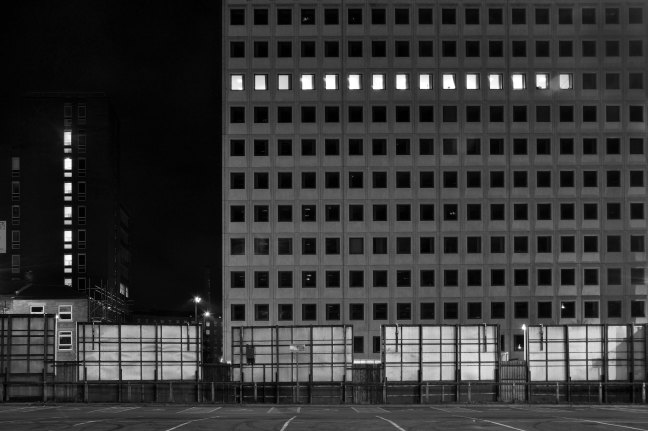
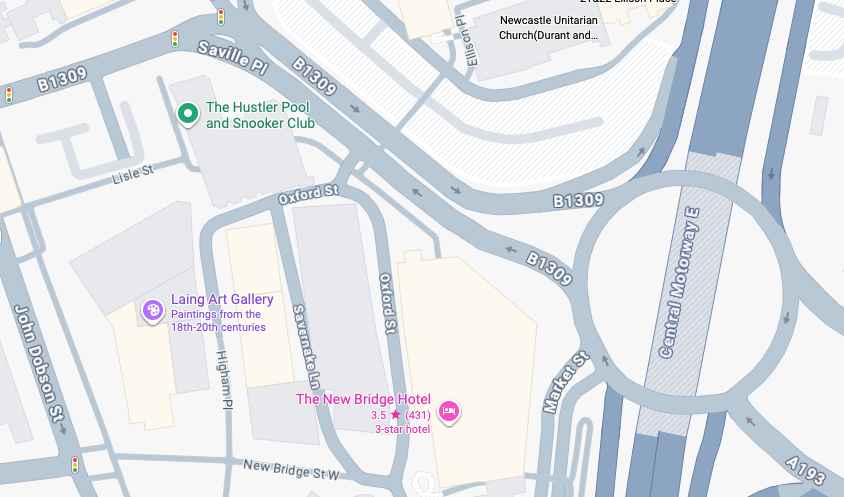
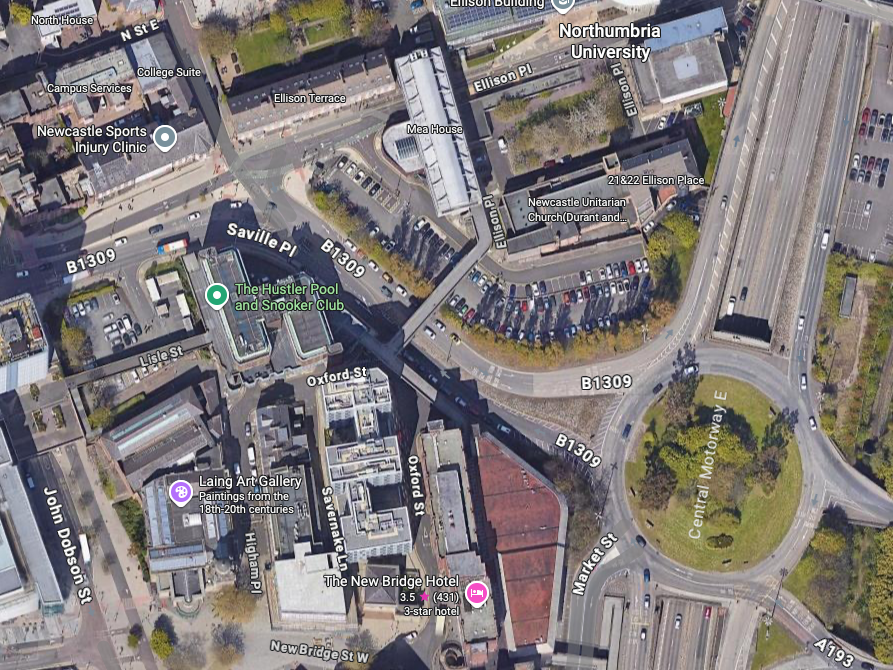
These are the streets in the sky passing between the Central Motorway, Saville Place and Oxford Street.
Streets constrained by infrastructure, a University and doomed leisure provision.
Welcome to Newbridge Hotel Newcastle upon Tyne – a charming oasis located in the heart of the vibrant city, just a short stroll from the renowned Theatre Royal and beautiful St James’ Park. Whether you’re visiting for business or leisure, the location ensures that you have easy access to the best of Newcastle, including fantastic shopping at Eldon Square and local attractions like the Metro Radio Arena.
Discover the essence of Newcastle from Newbridge Hotel, where every stay becomes a unique experience tailored to your needs.
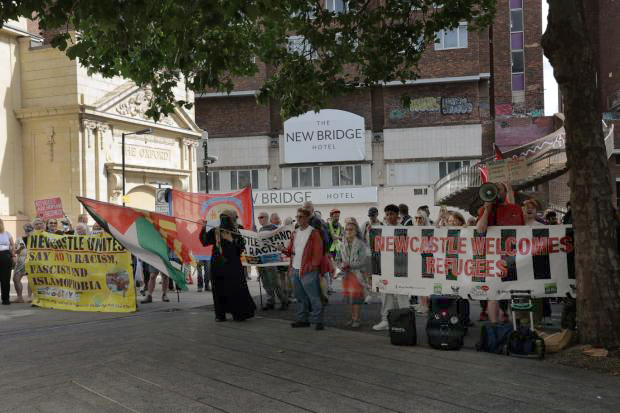
Two sets of protestors gathered outside the New Bridge Hotel in Newcastle, as “Newcastle Welcomes Refugees” stood up to “Send Them Back” protesters who want an end to migrants being housed in the hotel.
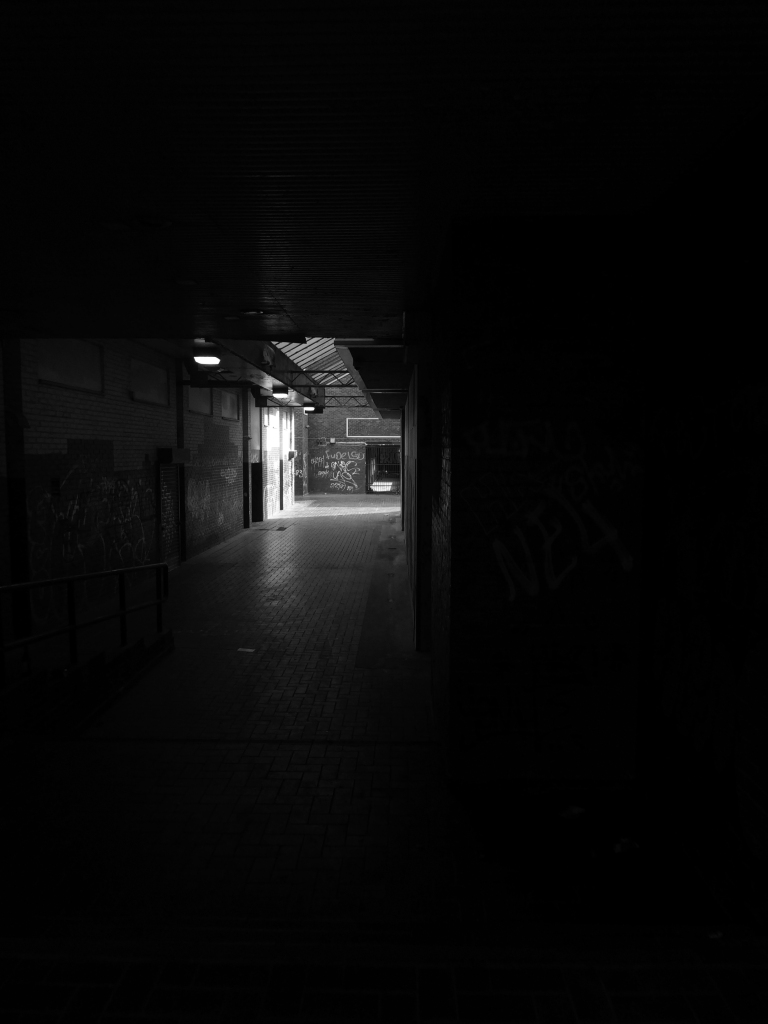
This is an inland island of anonymity, home to pigeons, shake can shakers and the terminally curious.
It always rains on Saturdays.
Happily, the sun always shines on Sunday.
Hidden within and upon the walls of the walkways are these two cast concrete panels – the work of guerrilla artist Euan Lynn.
North east property group Gainford has unveiled its revised plan for a £170m residential and hotel project to transform Newcastle’s skyline.
It plans to redevelop a former Premier Inn site on New Bridge Street, with a 29-storey tower of 185 flats, alongside a separate 150-bedroom hotel, and bars, restaurants, and leisure space.
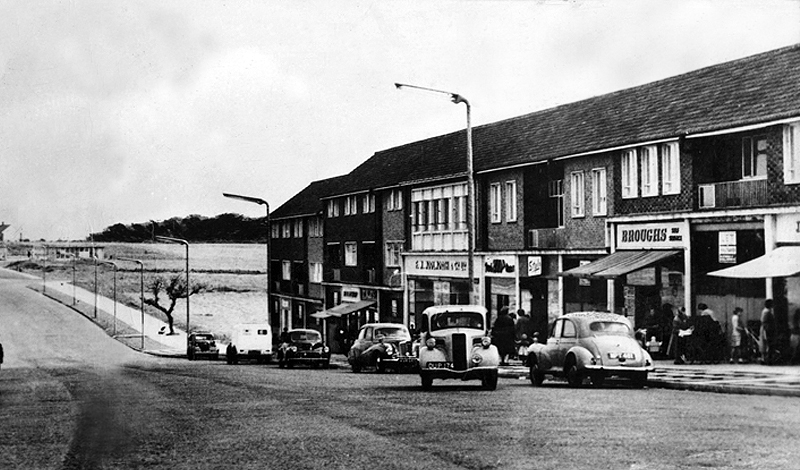
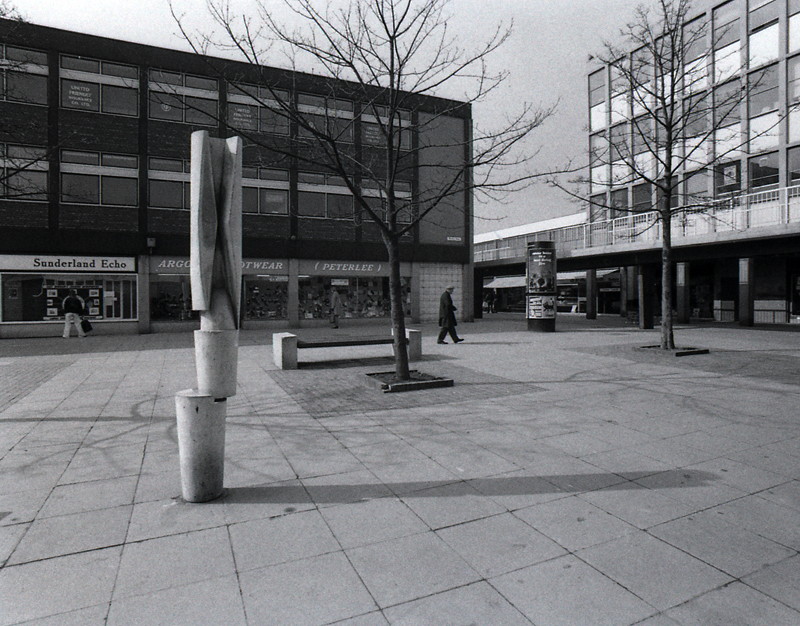
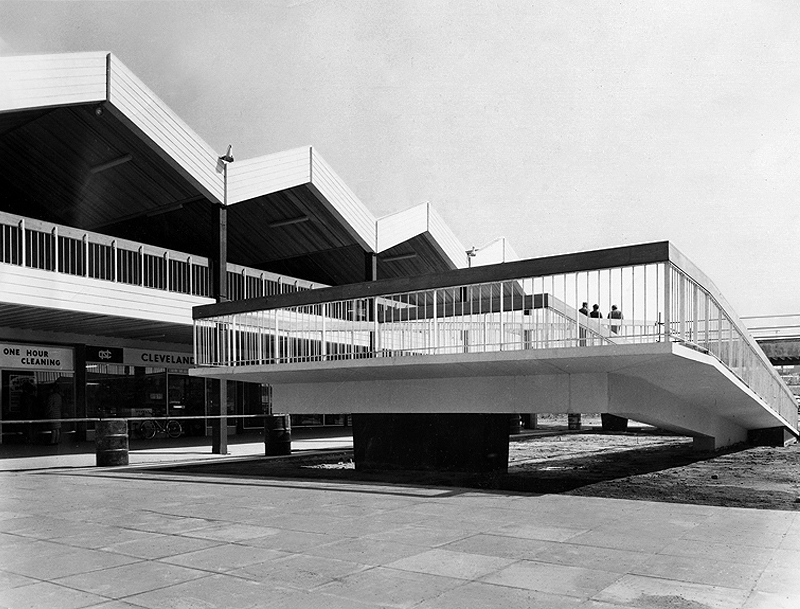
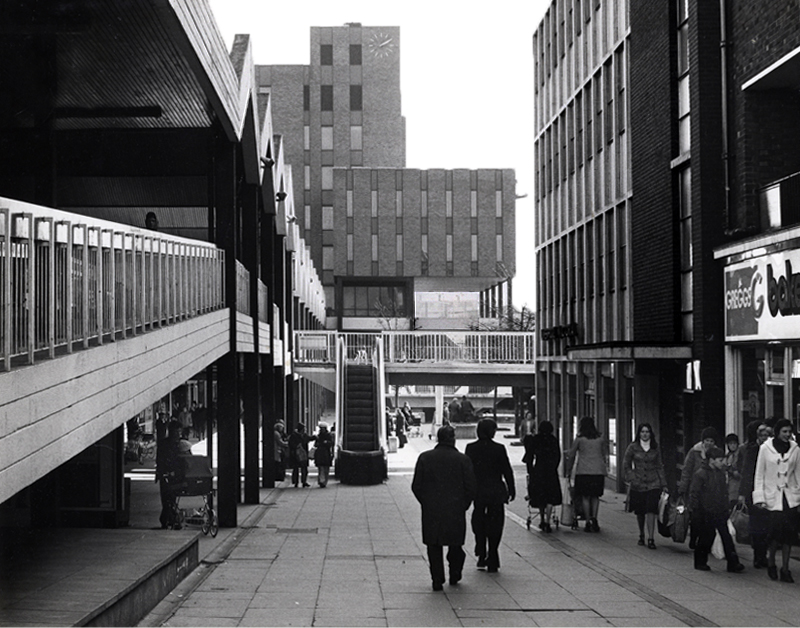
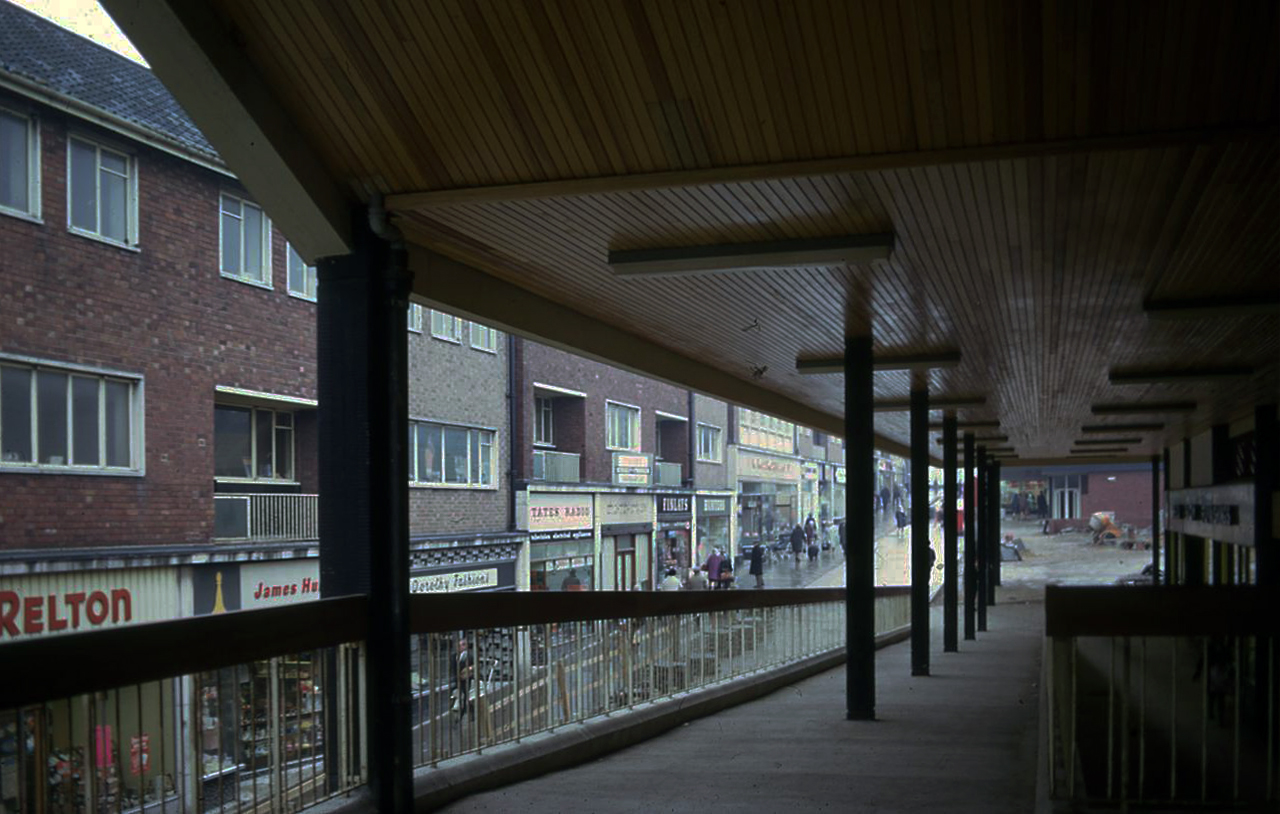
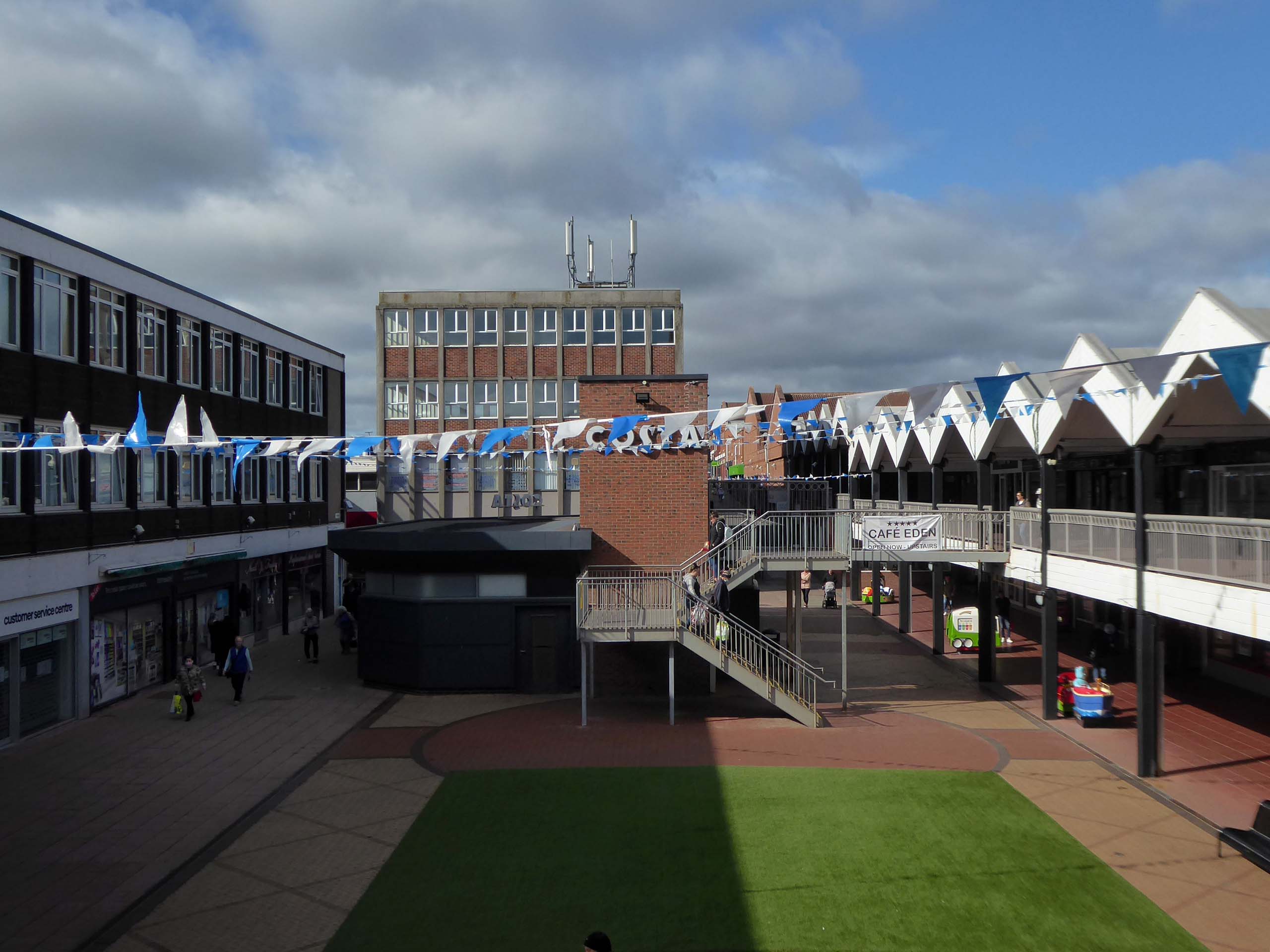
Plans for the new town centre started to be developed in 1960 by Chief Architect Roy Gazzard. The process would go through eight sets of revisions before they were finally approved in 1968. Yoden Way was then pedestrianised, and the small row of shops built in 1950’s was incorporated into the new shopping precinct, forming the north western end of Yoden Way. Like many other town centres across Britain undergoing modernisation, the high-street was split onto two levels, with ramps providing access to raised walkways.
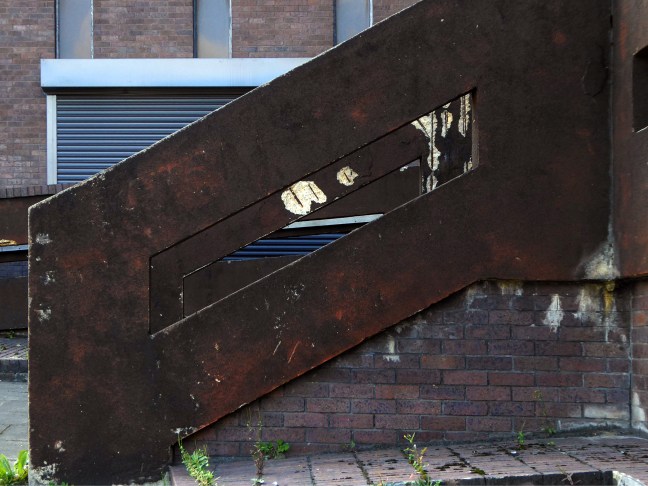
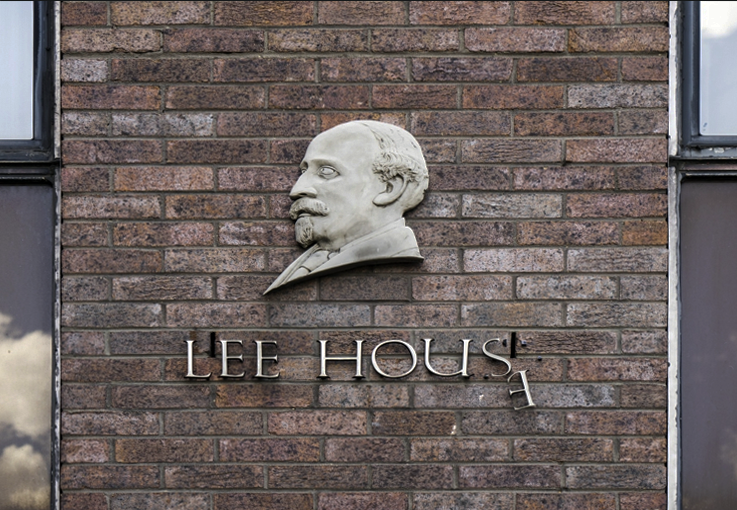
The construction of Lee House – named after Peter Lee, started in 1974. Once completed, the Development Corporation moved its Headquarters from Old Shotton Hall to Lee House in 1976, occupying the building until it was sold in 1984 and remaining staff relocated to Newton Aycliffe.
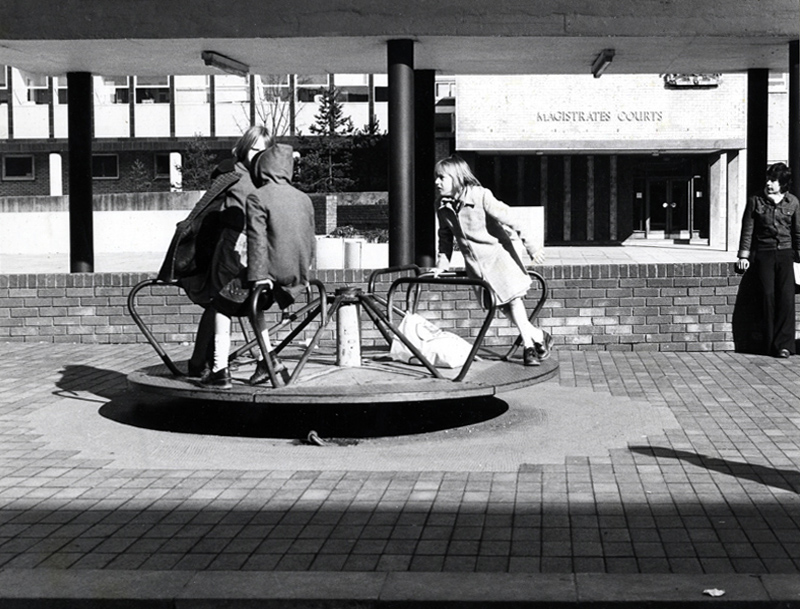
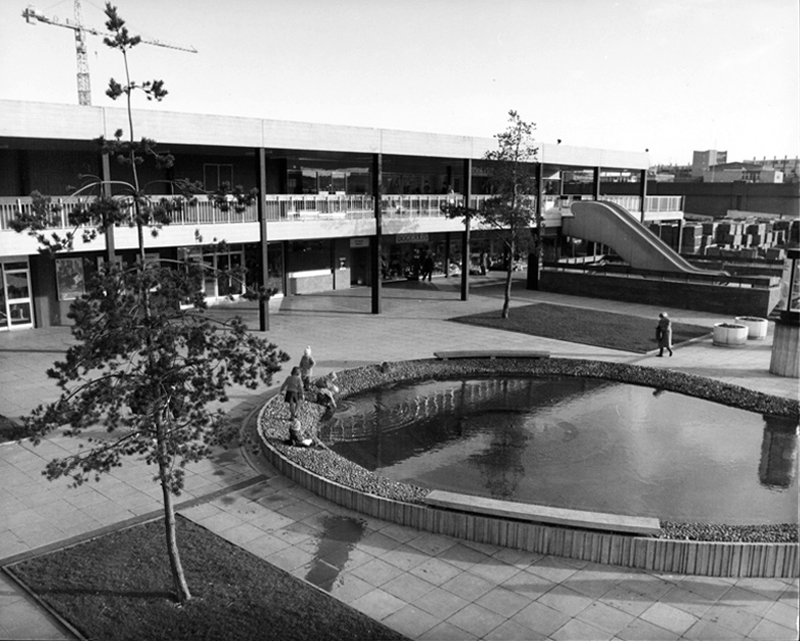
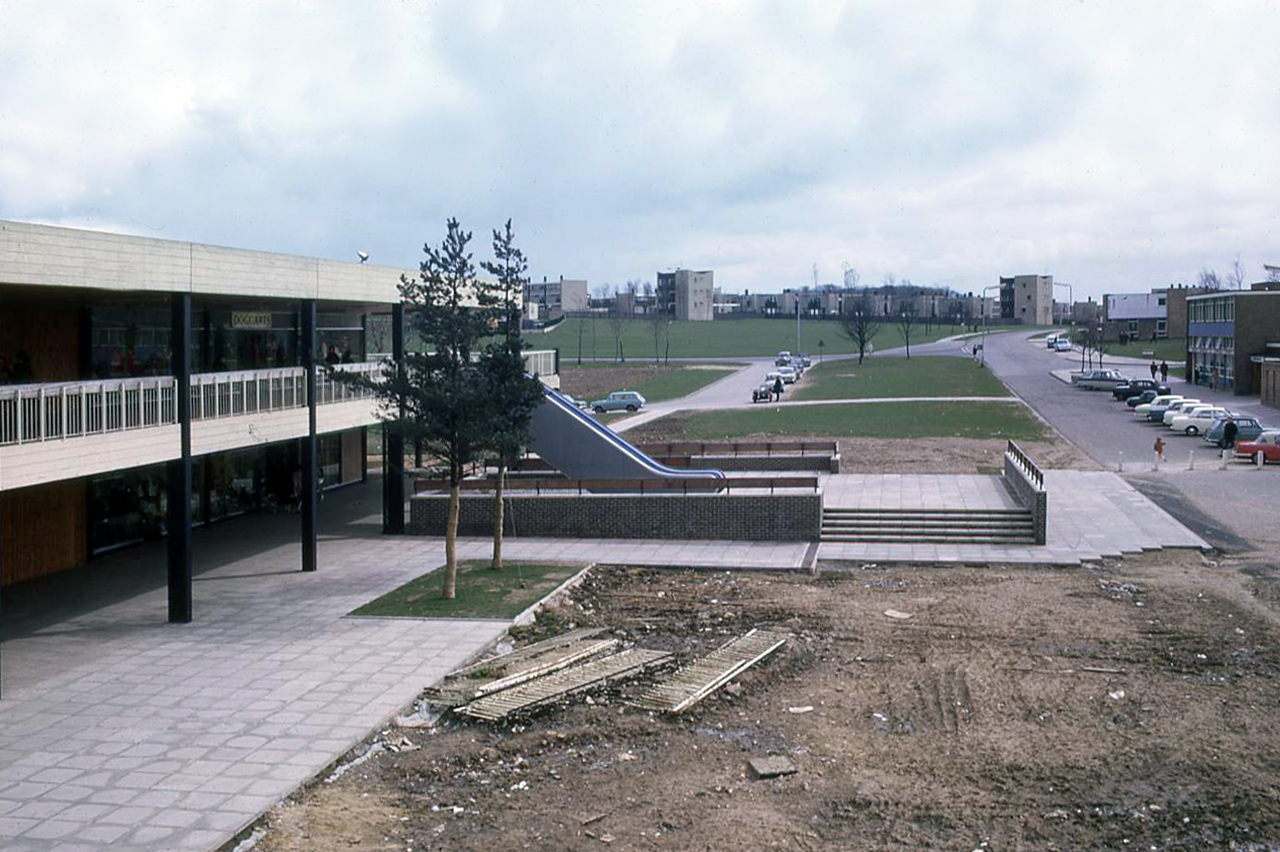
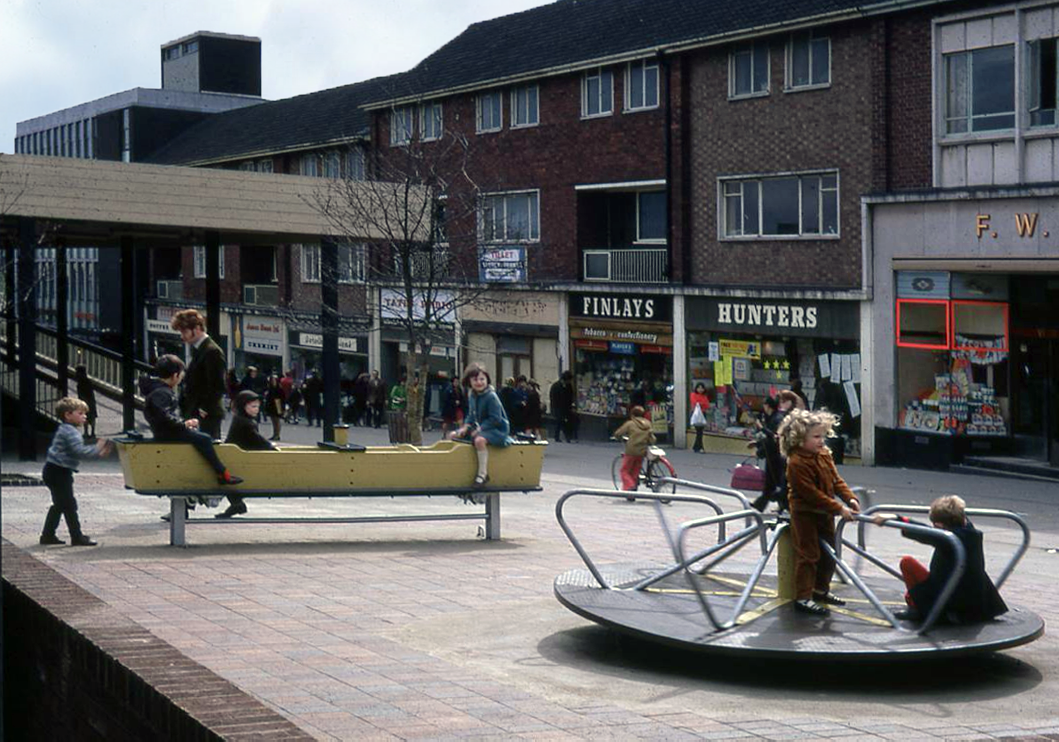
Enhancing the built environment, Peterlee Town Centre was furnished with play equipment, an ornamental pond, open air escalators, and a sculpture by John Pasmore – son of Victor.
These features were later removed after the town centre was sold to Teesdale Investments – Peterlee Limited in 1985.
Access ramp at the bottom end of Yoden Way, prior to the construction of Lee House in 1973.
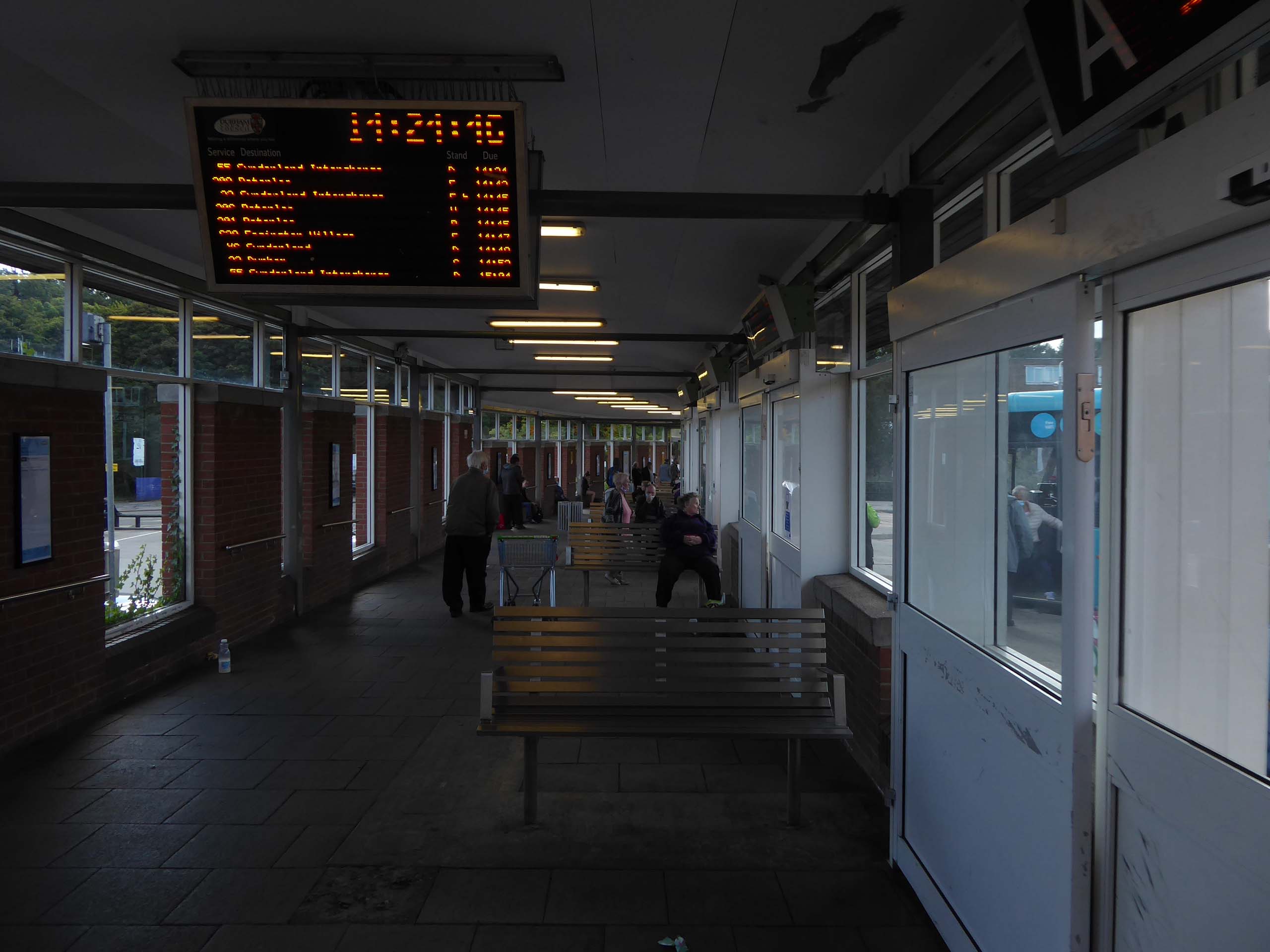
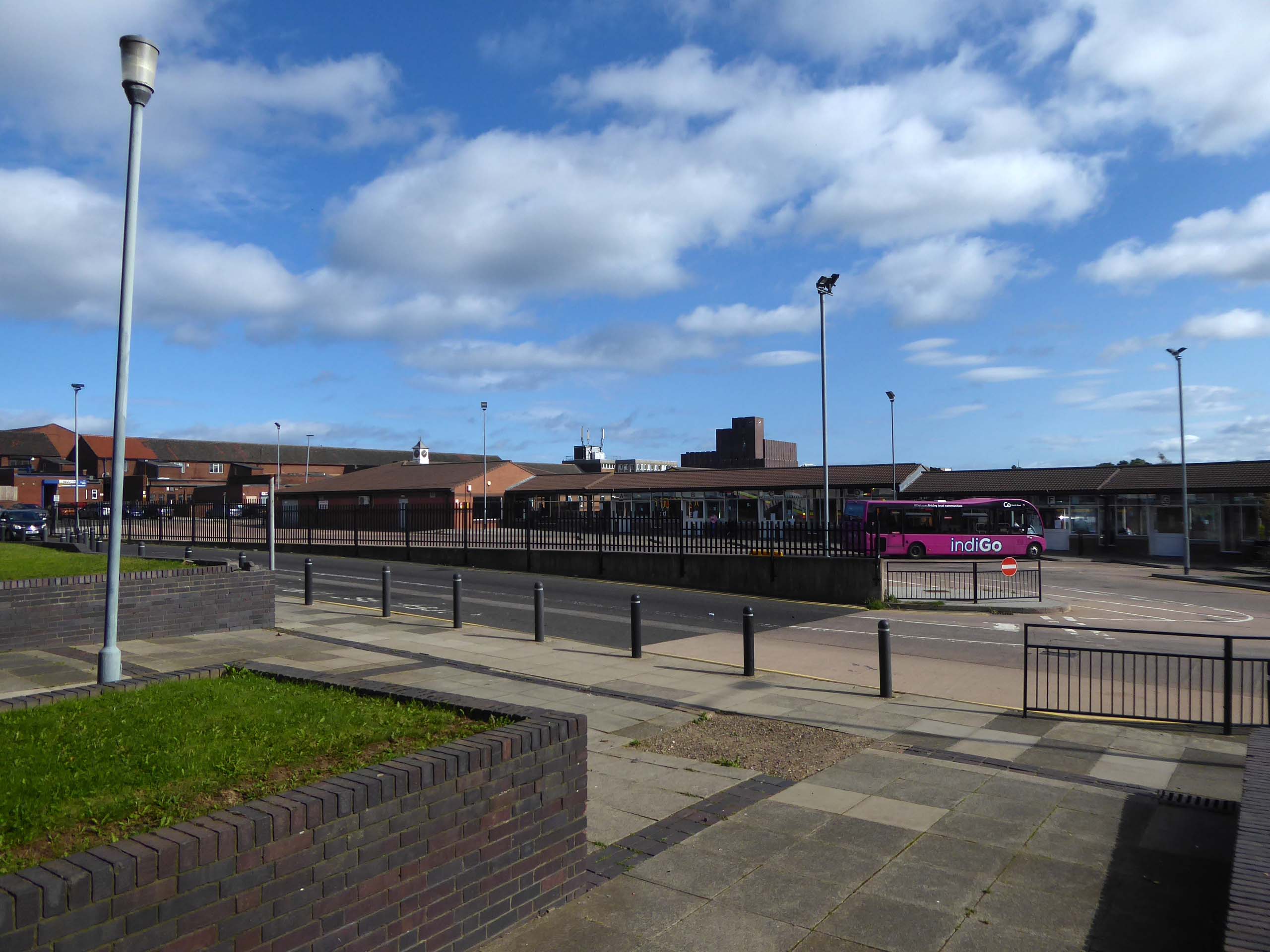
It’s 2021 and I arrive at the Bus Station.
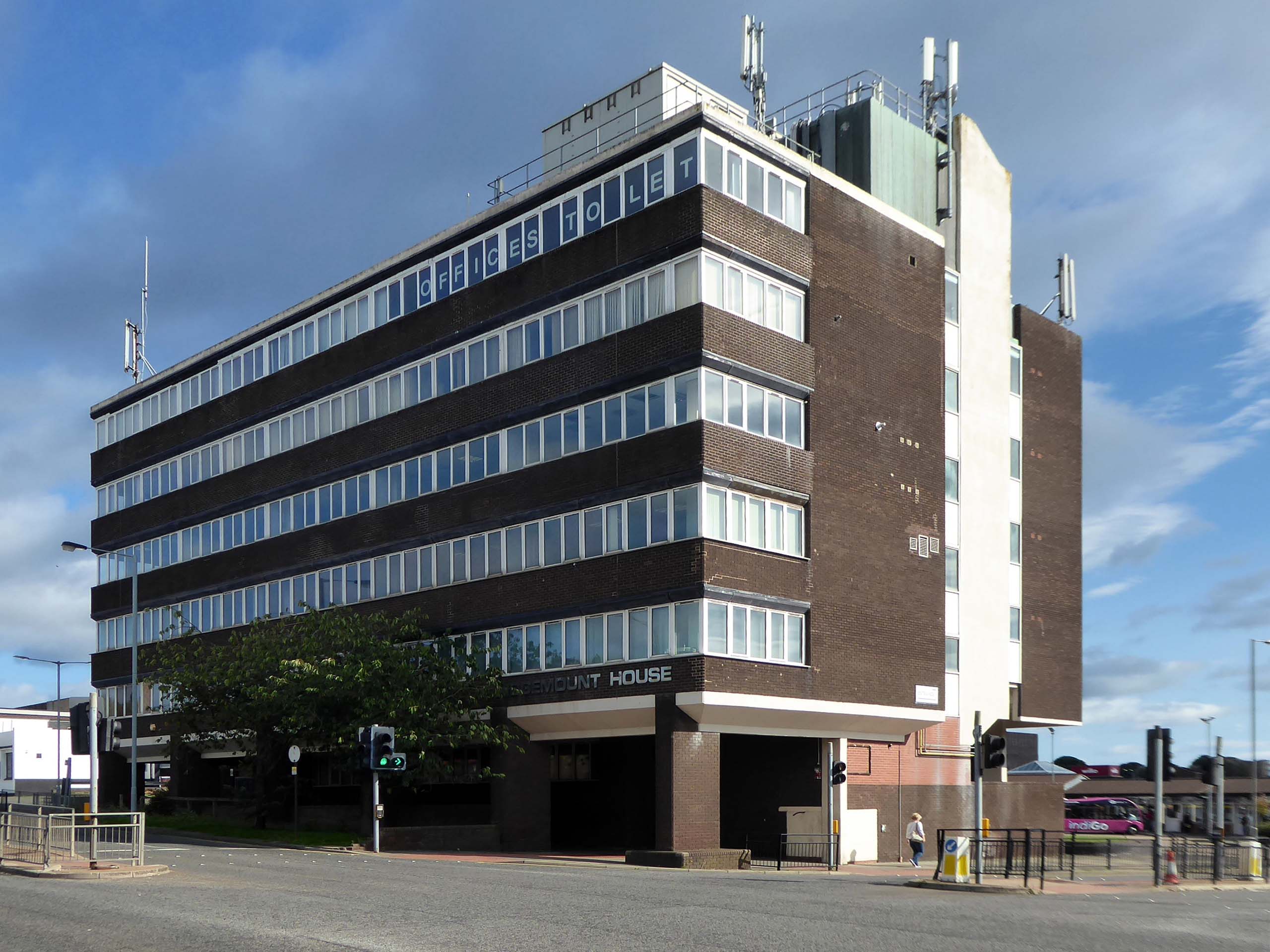
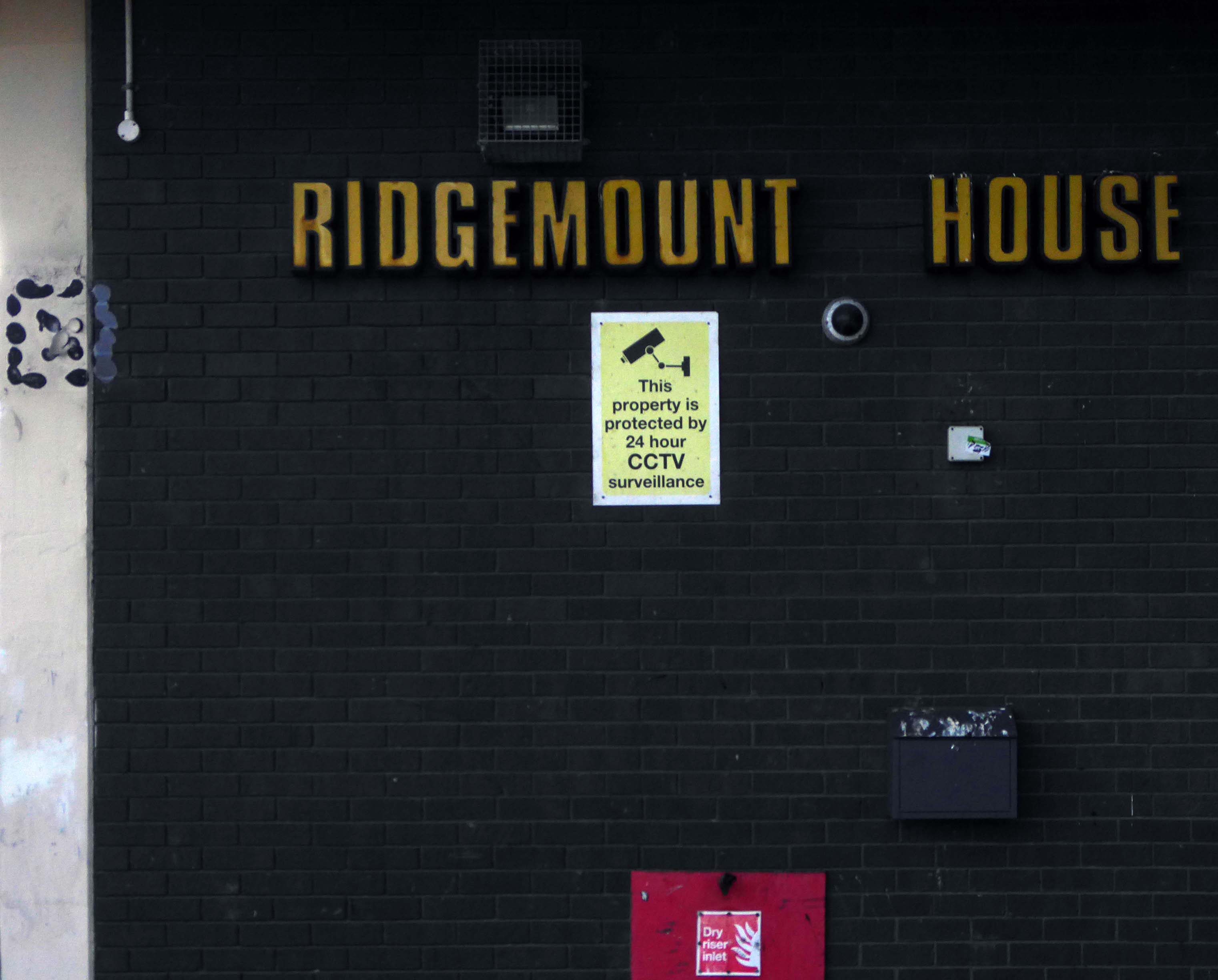
Immediately adjacent is Ridgemount House. – once home to the Job Centre.
Firefighters were called to the disused Ridgemount House on Bede Way in Peterlee on Wednesday August 16th 2023 at about 8.20pm after reports of a blaze.
Crews found a fire had broken out in the first floor of the building, which was found to be the home of thousands of pounds worth of cannabis plants back in 2020, after a man converted two floors for use as a drug farm.
Tarlochan Singh, owner of Ridgemount House, has been prosecuted following the discovery of several serious fire safety breaches at the property.
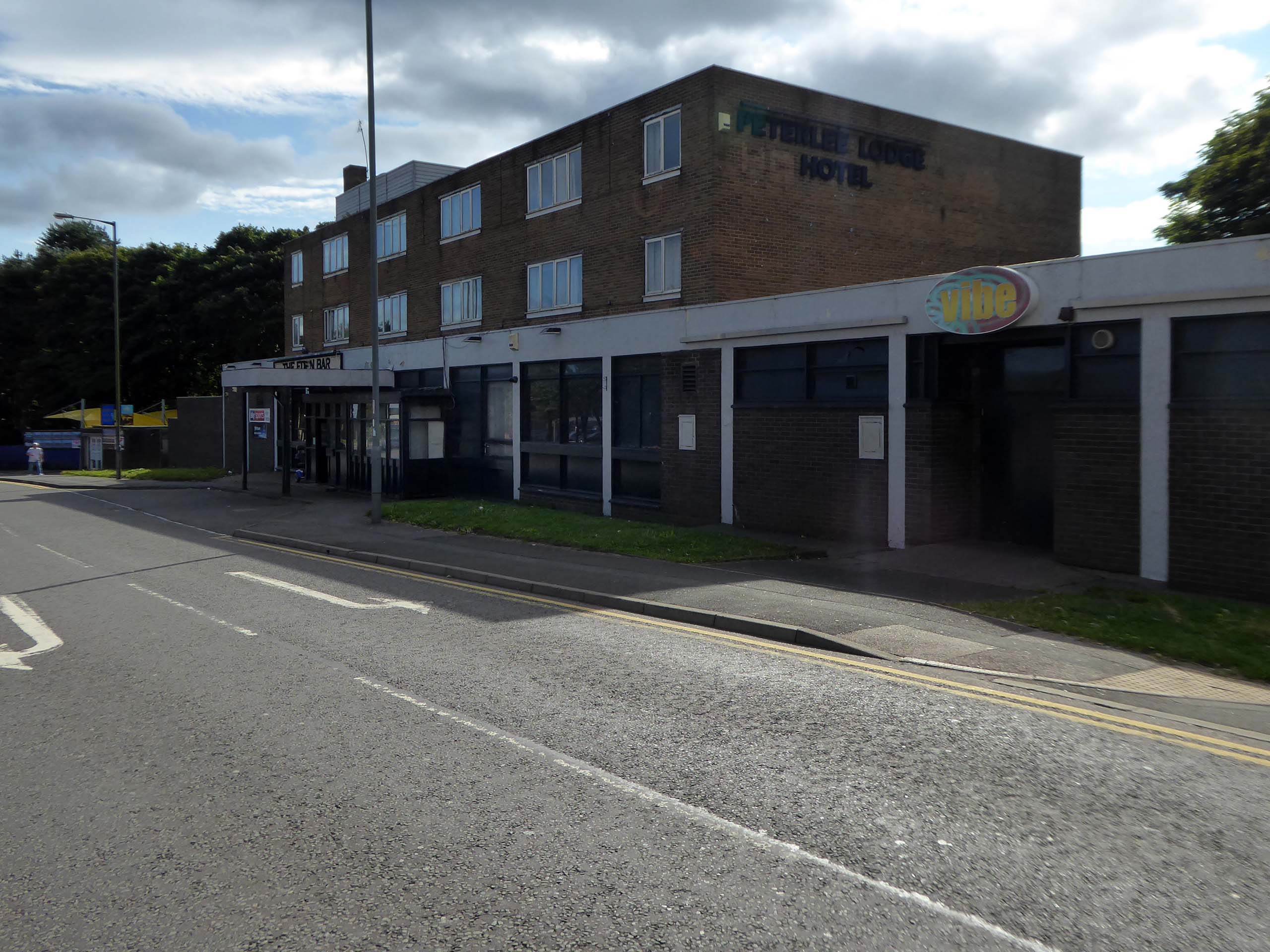
Readers have voted Peterlee nightspot Vibe as the ‘most tragic hometown club’ in the North East
Formerly known as The Dance Factory, Vibe, in Peterlee town centre, is a place famous for it’s almost impossible to get off ‘tramp stamp’ and next door neighbour The Lodge, where many locals will go for pre-drinks and some karaoke before heading to the club.
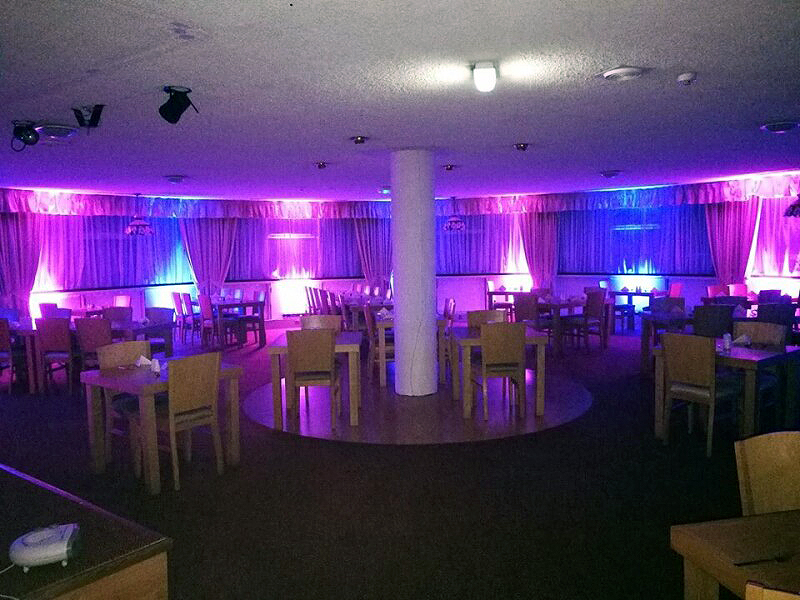
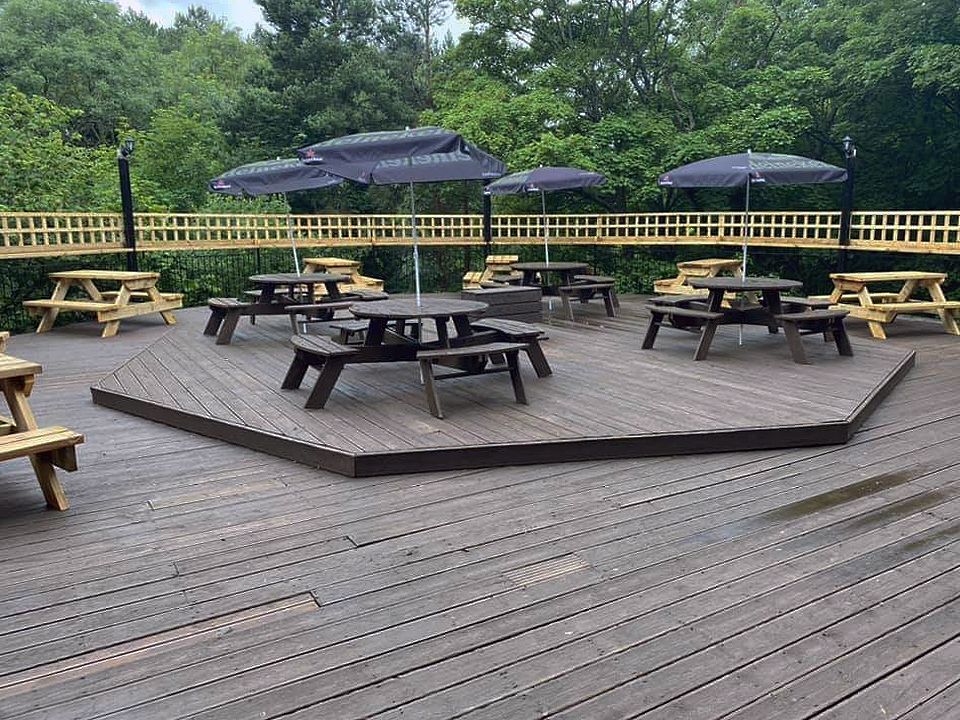
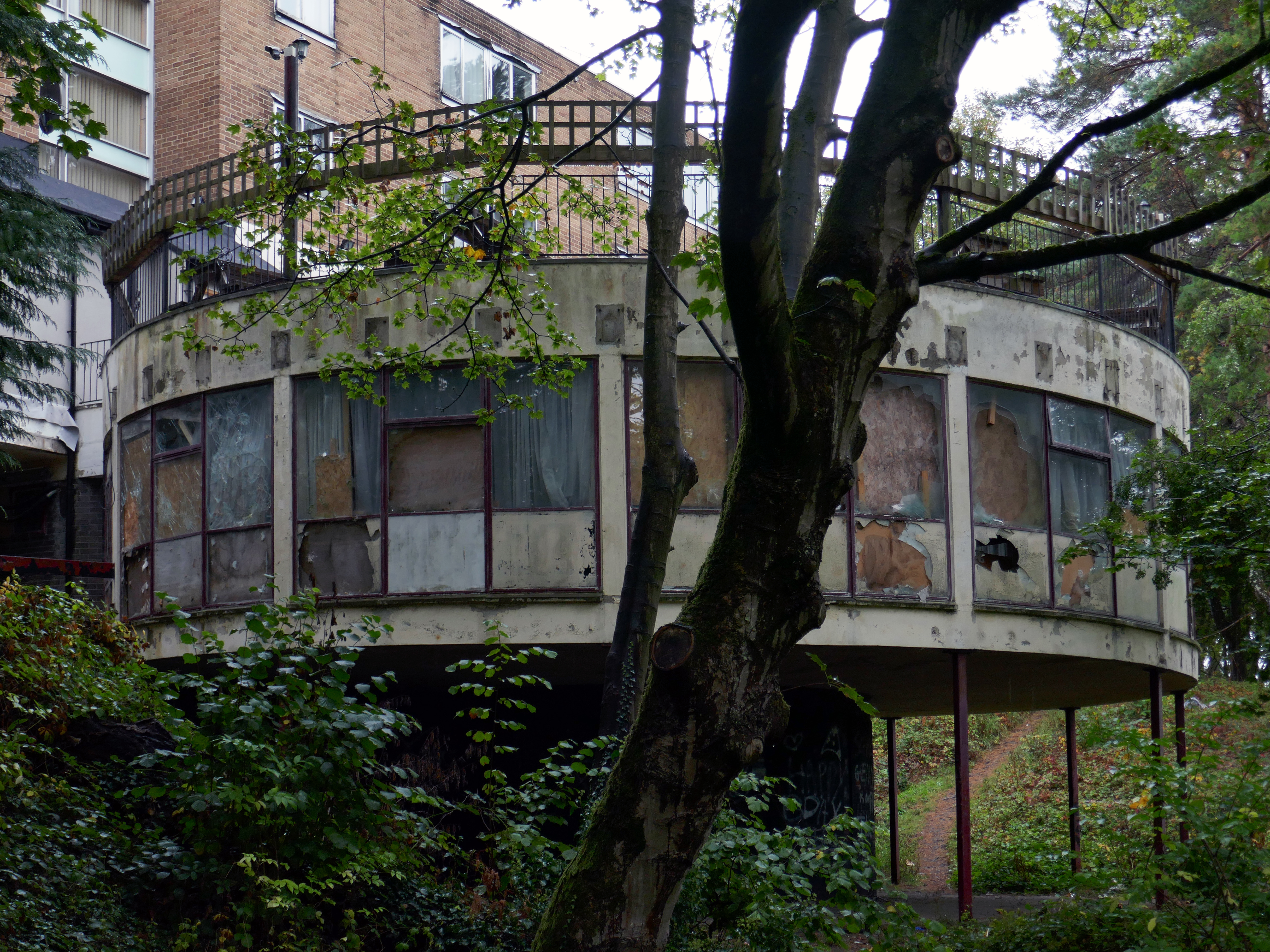
The bar which once boasted a bijou rotunda with an exclusive upper terrace, has now closed.
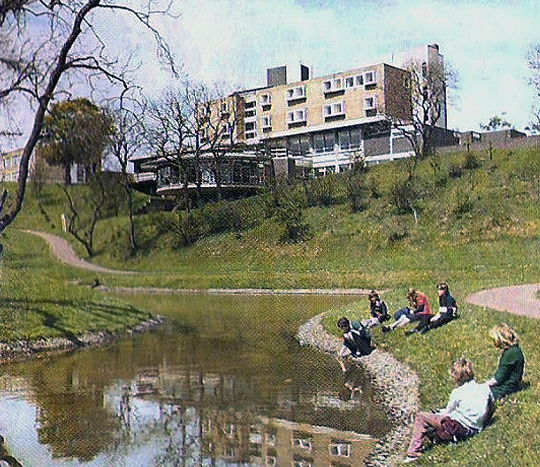
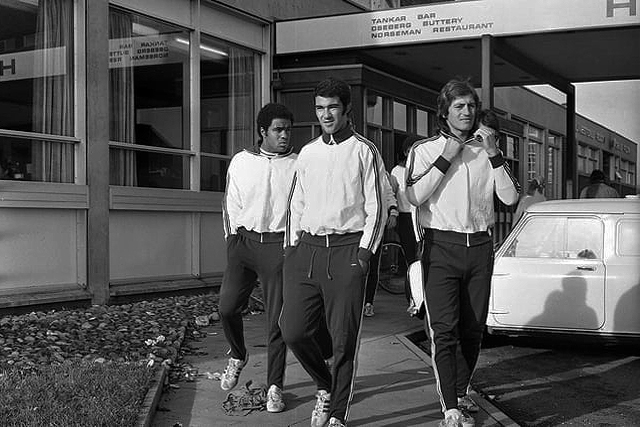
Back in 1973 the hotel was badged as the Norseman.
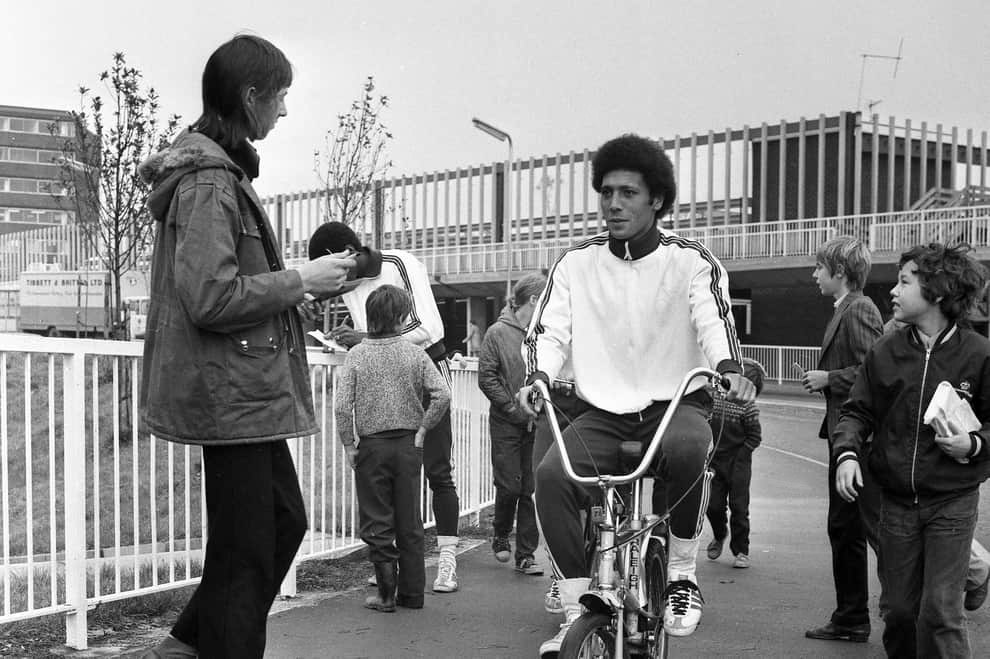
The giants of Sporting Lisbon faced Sunderland in the European Cup Winners Cup and they spent the build-up to the tie in the Norseman Hotel. They met local children, took a walk in the dene, signed autographs and even tried riding a Chopper bike. The side lost 2-1 at Roker Park to a talented Sunderland team before overcoming the Black Cats 2-0 back in Portugal.
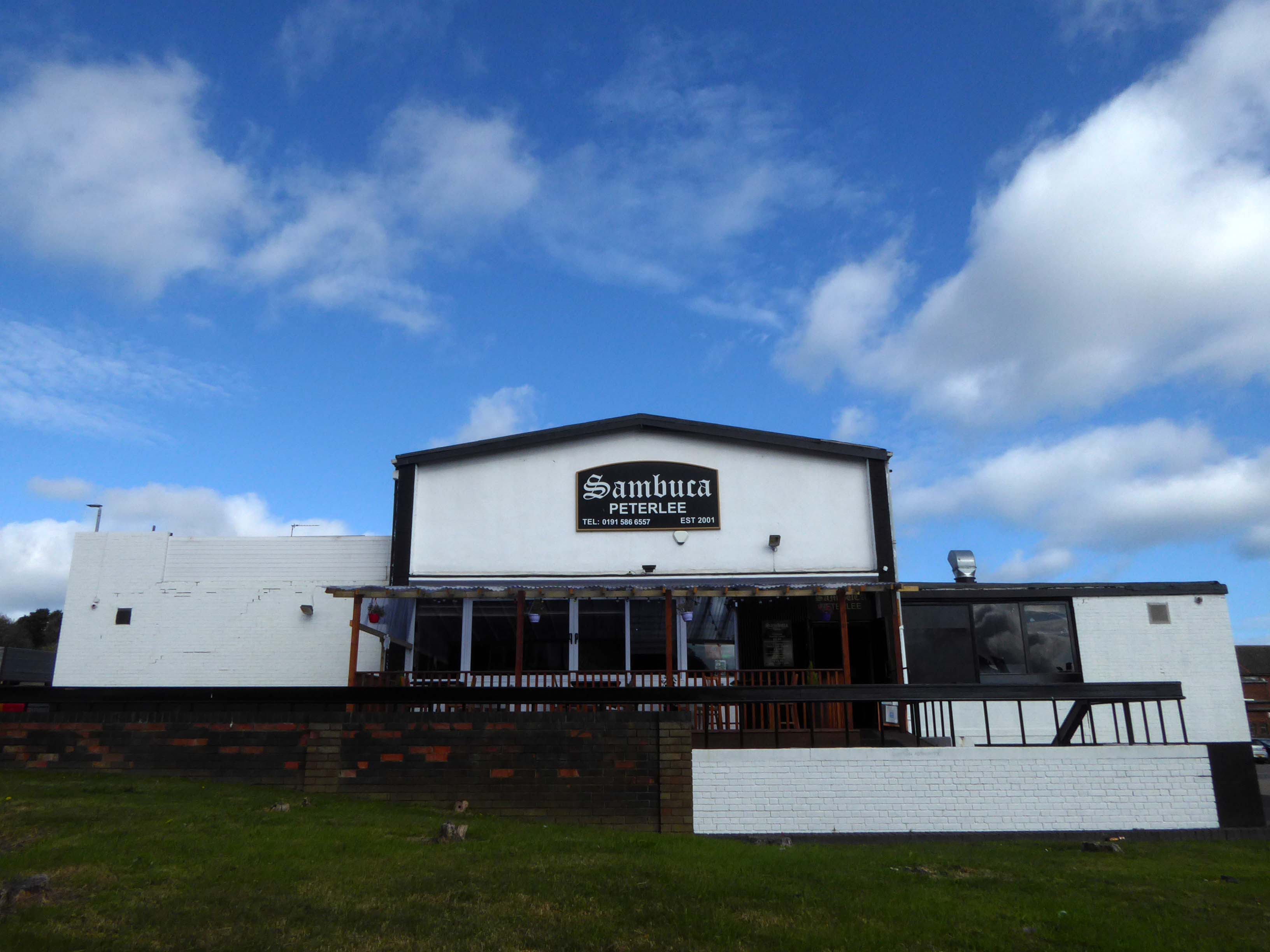
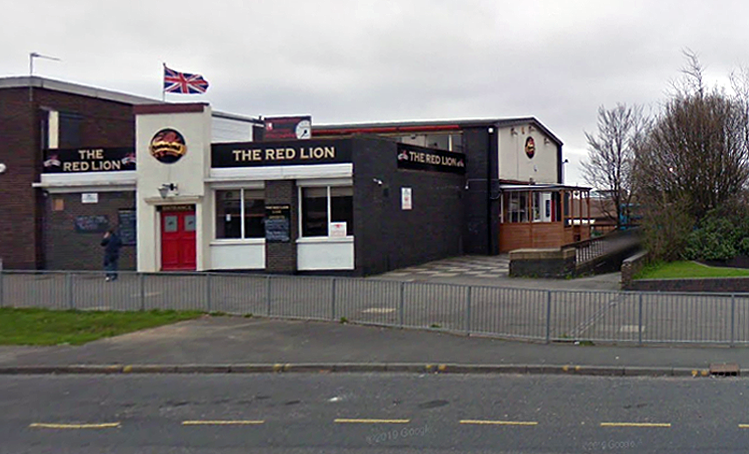
Back in 2021 Sambuca was the other town centre bar – badged with Olde English type.
Formerly the Red Lion a Cameron’s estate pub.
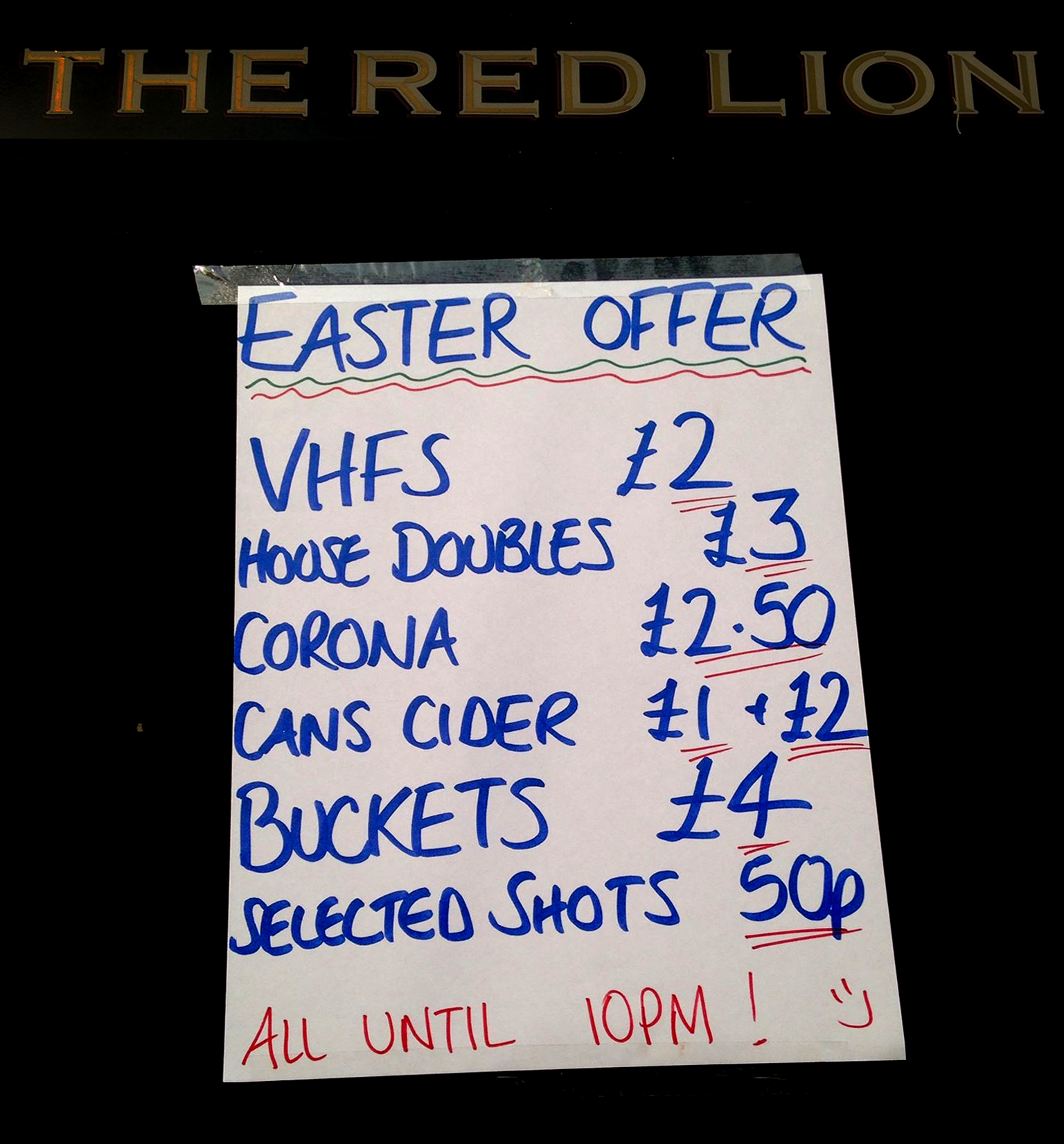
April 20th 2014 – Happy Easter everyone. We are open today all the way to 10pm – £2 bottles VHFs, house spirits only £3 double, buckets £4, Corona £2.50 selected shots 50p, cider cans £1 + £2 Karaoke – from now on everyone who sings gets a free shot Then we have the best in all your favourite dance ‘n’ house tunes to take you into Monday.
Onward to the Shopping Centre.
Yoden Way looking towards Lee House in 1977.
Photographs: JR James
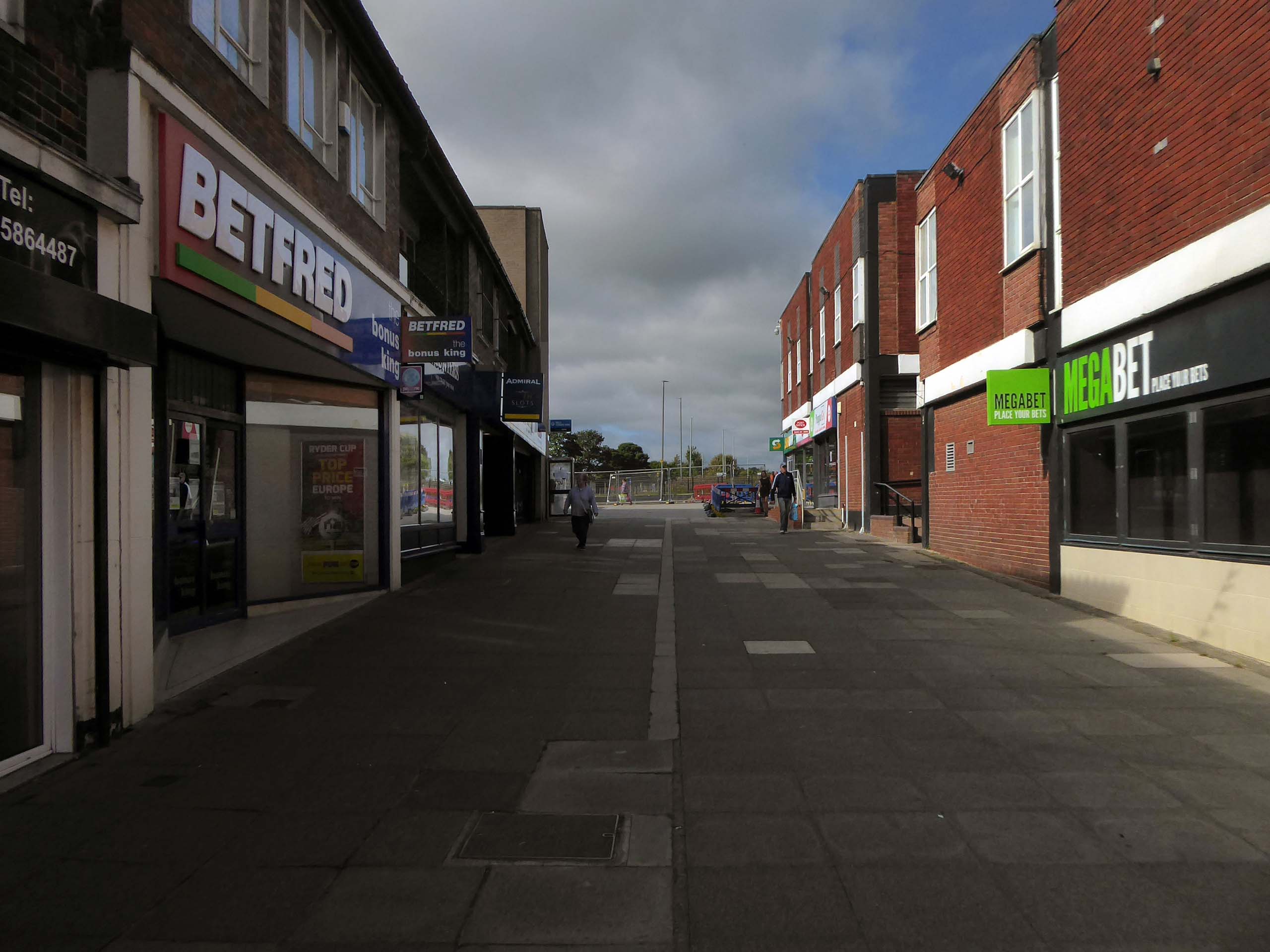
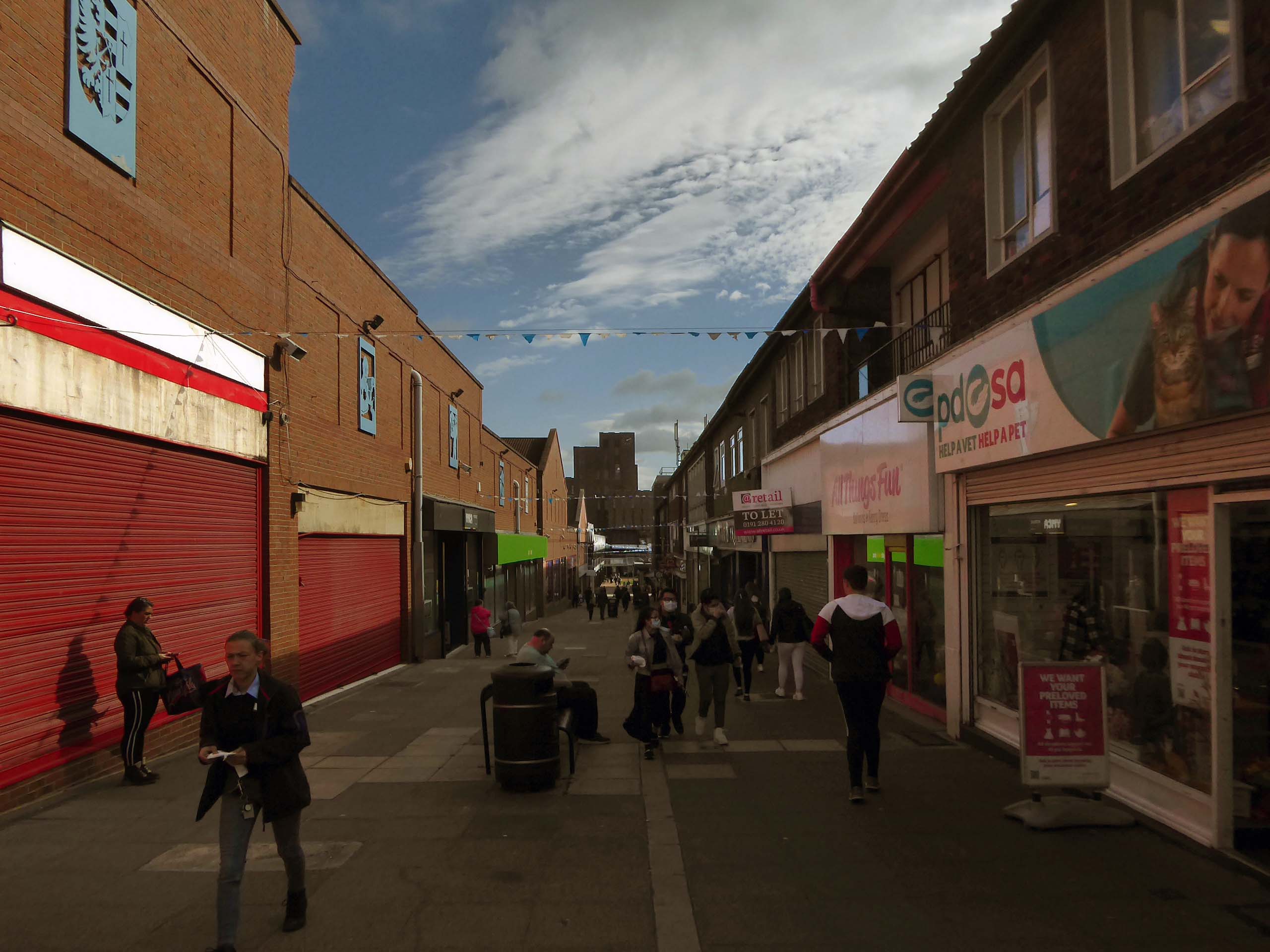
The 1950’s shops are still in situ.
Though some of the original architectural detailing and features are no more.
Lee House is still standing but vacant.
Lee House was once home to charity and community groups, but in 2015 the building owners ordered them to vacate the property.Even the building’s clock has stopped working and has been stuck on the same ten-past-two reading.
However, Durham County Council has now confirmed the building is in new hands. Economic development manager Graham Wood said: “We have worked with the previous owner to try to ensure the building is secured while we await proposals for its long-term future.
Four fire engines rushed to Lee House on Upper Yoden Way in Peterlee on Friday afternoon September 19th 2025 after a fire broke out on the first floor of the seven floor building.
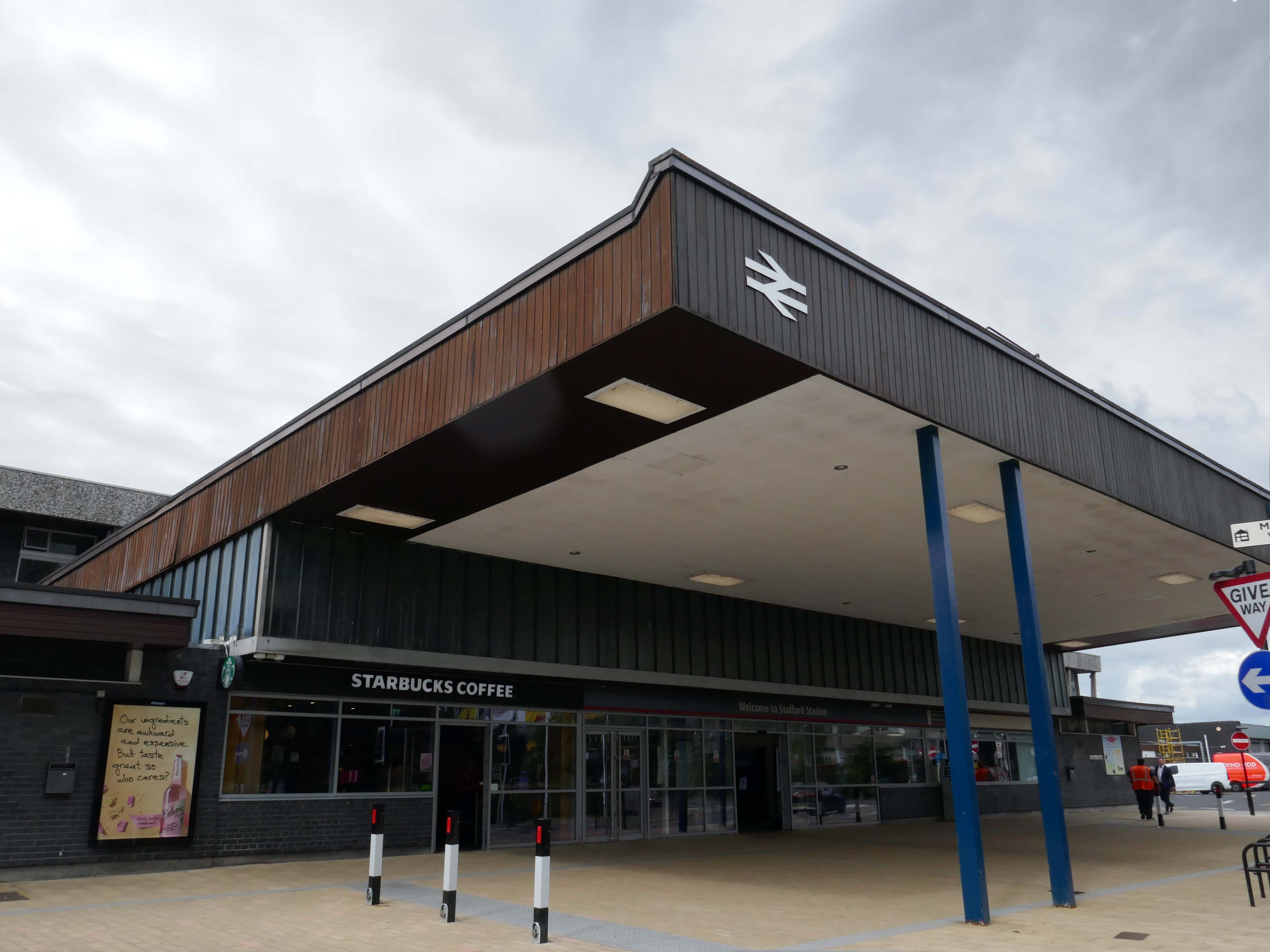
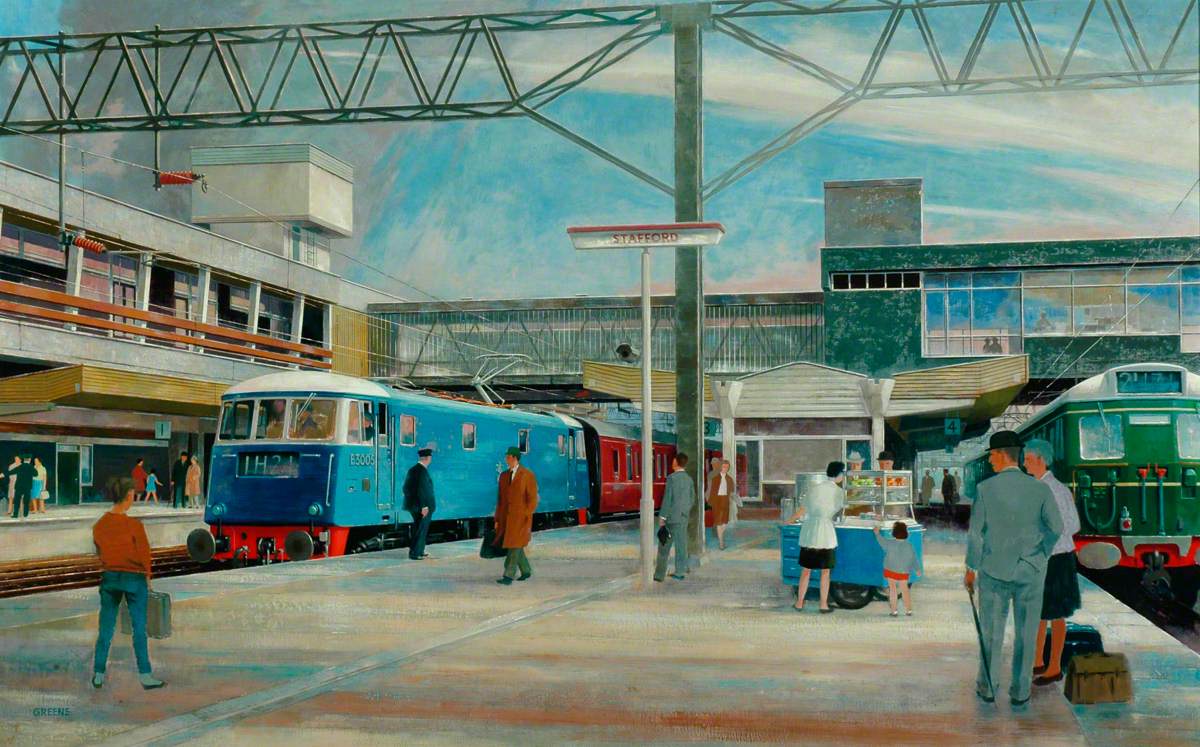
The current station was built in 1962, by the architect William Robert Headley, as part of the modernisation programme which saw the electrification of the West Coast Main Line.
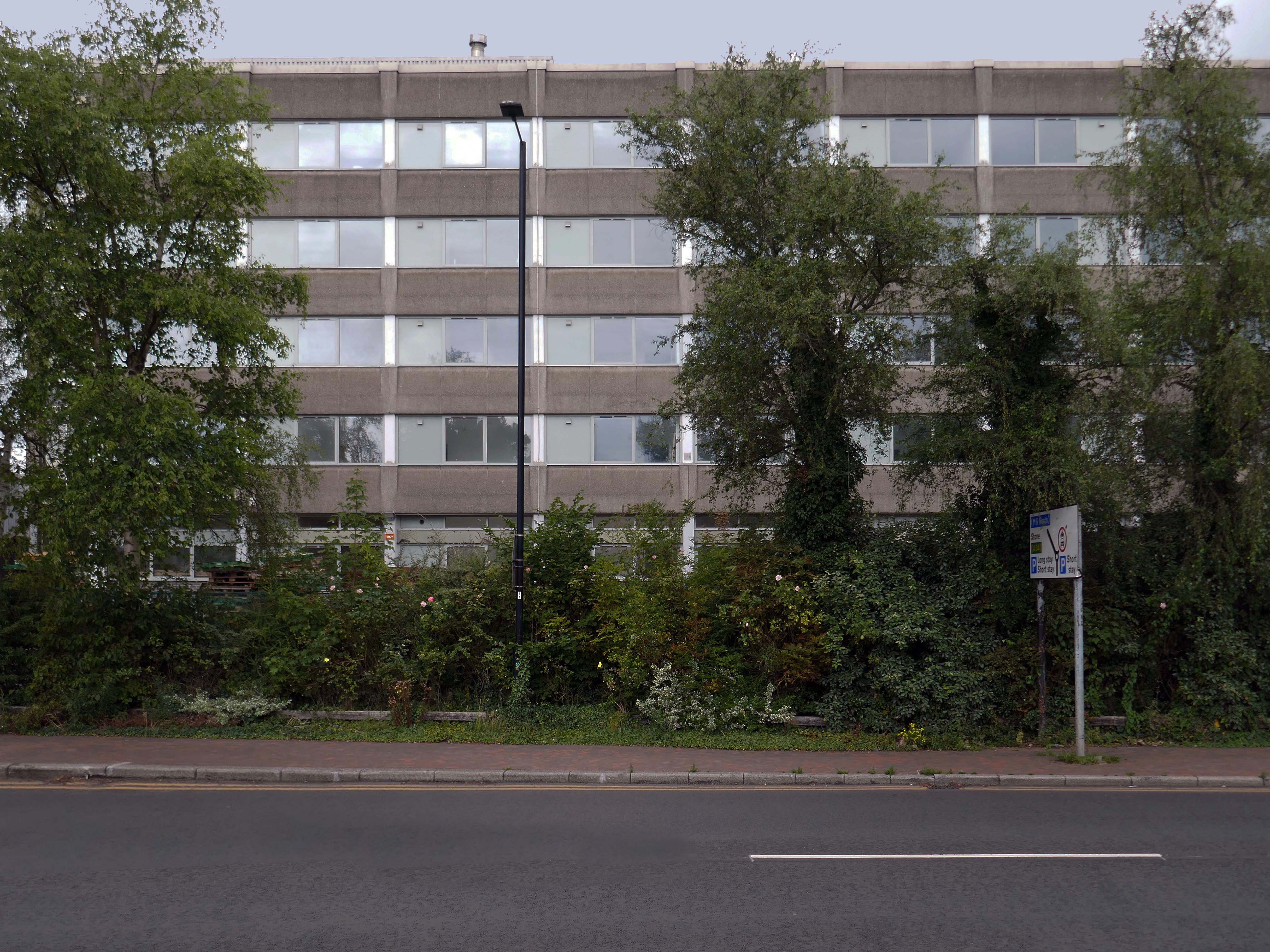
On leaving the station there is an as yet partially un-let Sixties office block to let – Victoria Park House.
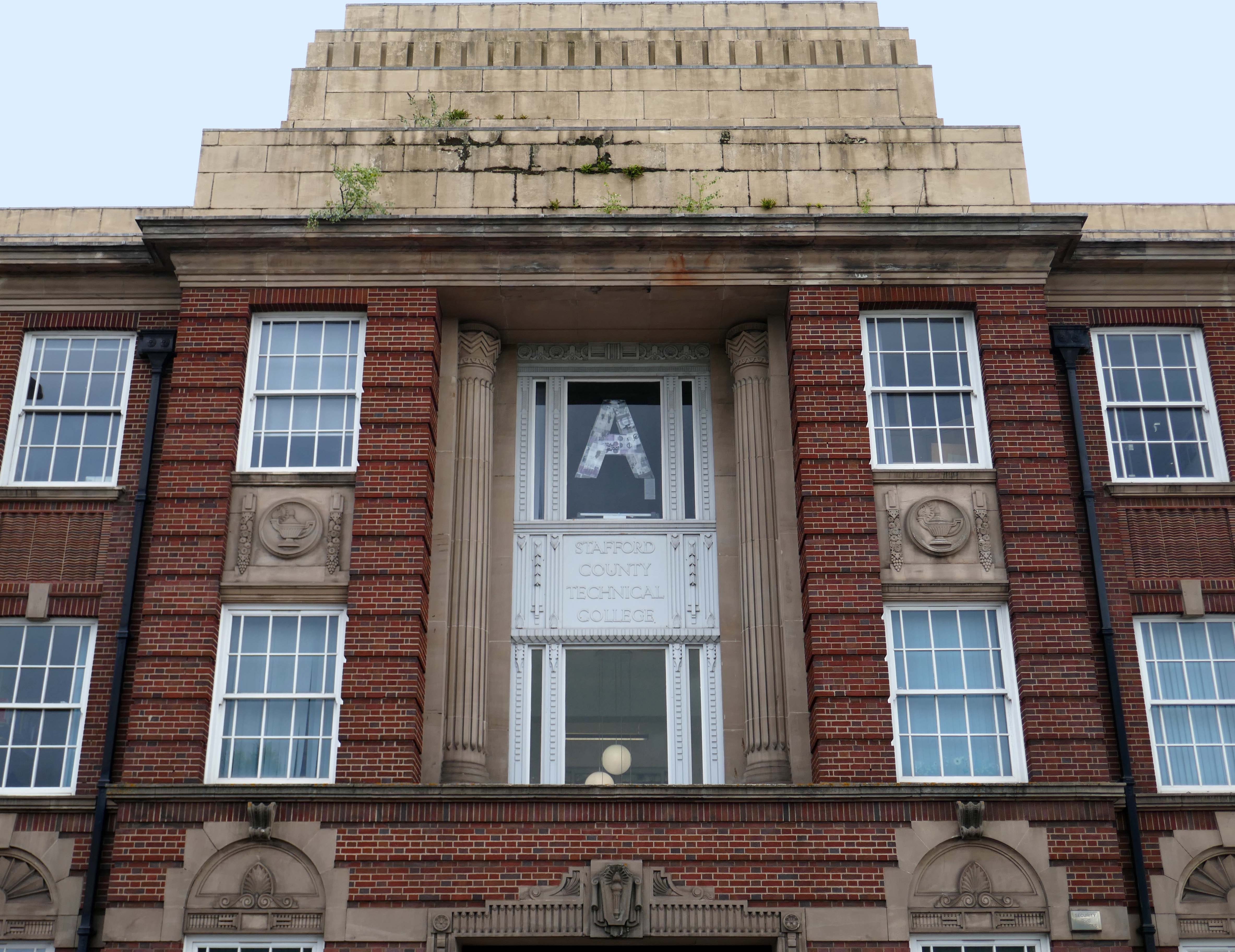
Onward to the County Technical College 1937 Grade II Listed – interior completed 1946.
The shell of the building was completed in 1937, after which it was used as an American army hospital during the war, then completed afterwards.
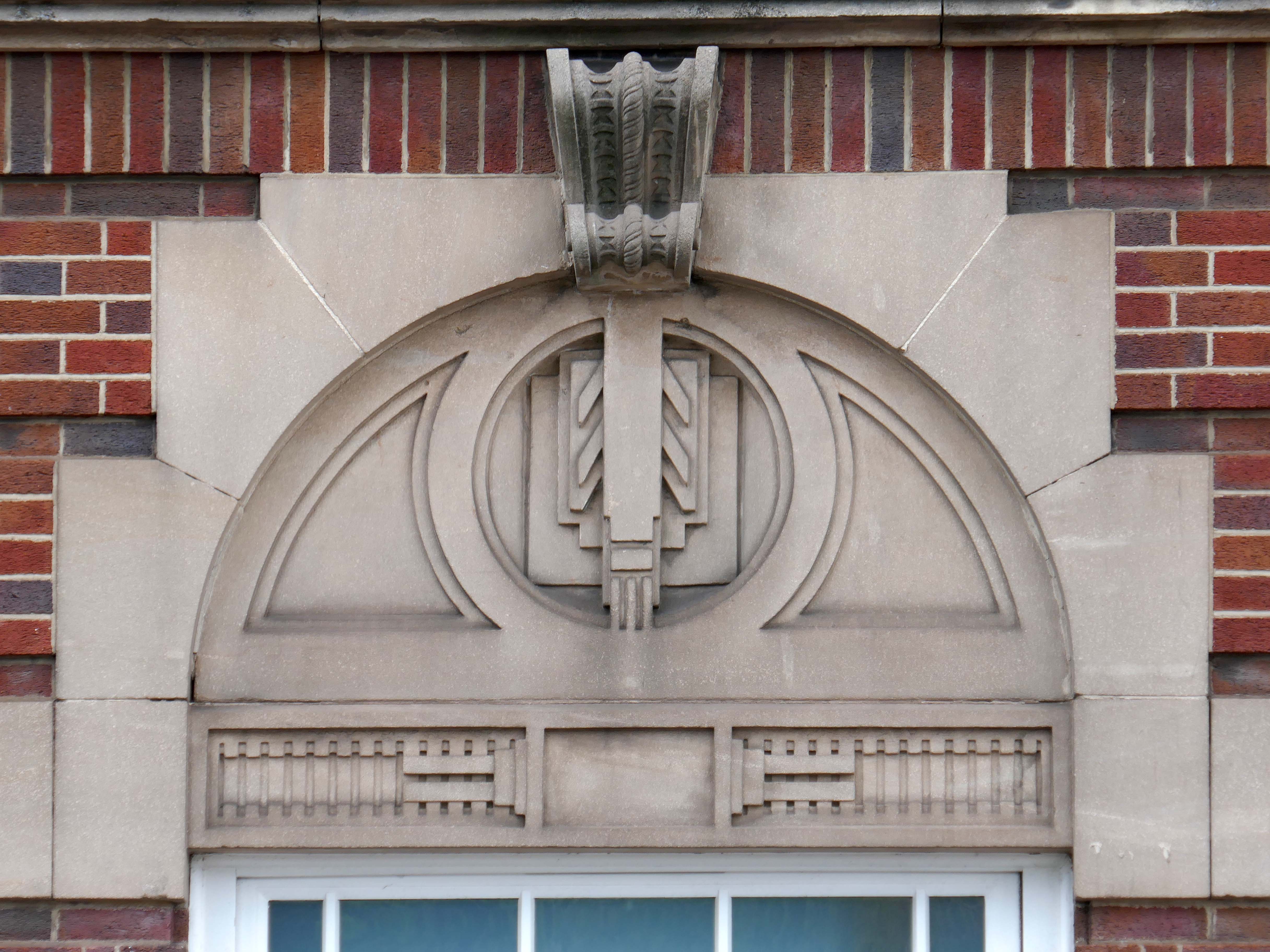
Heavily loaded with Art Deco details.
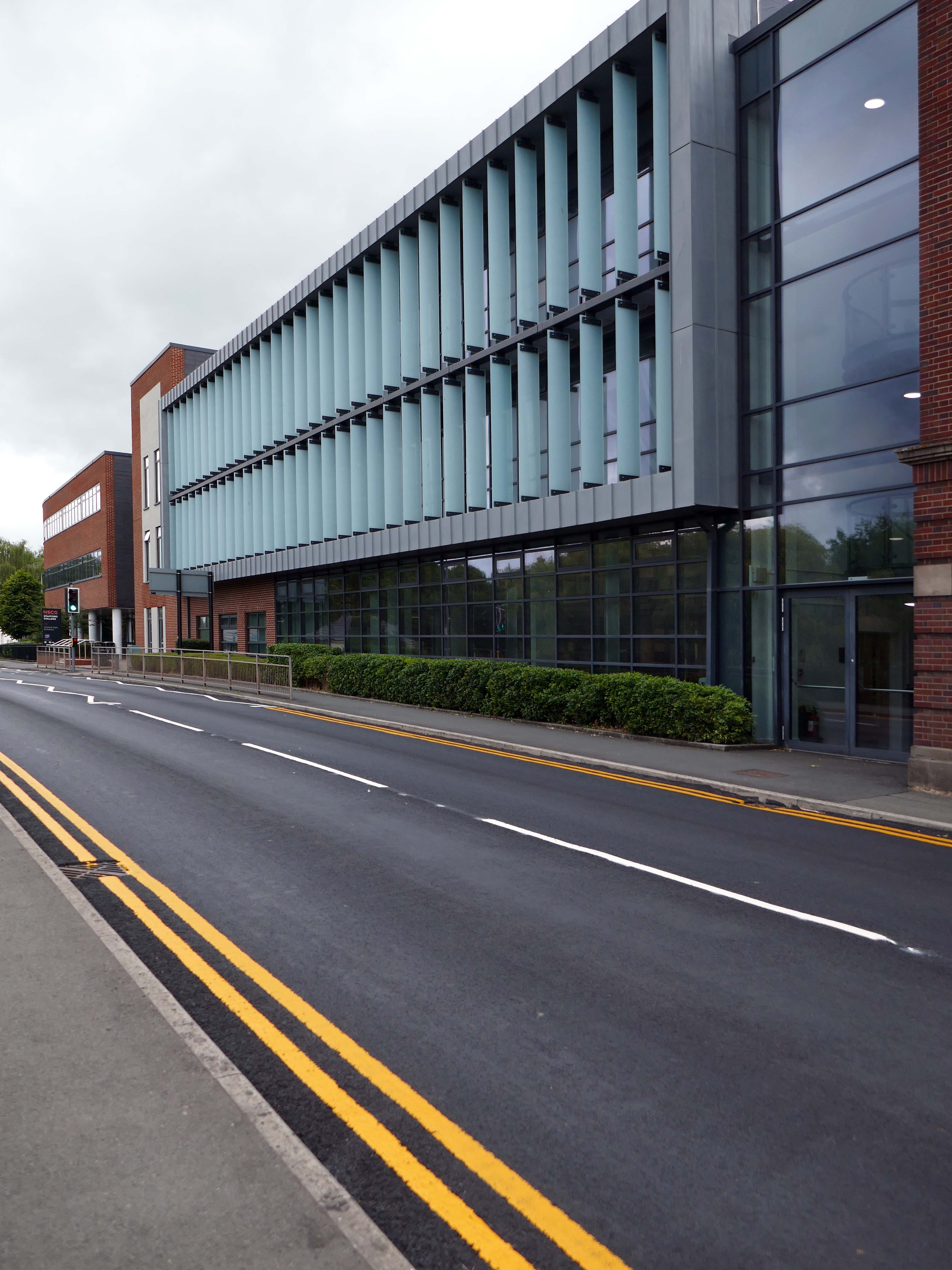
The new £28m three-storey Skills & Innovation Centre at Stafford College, completed in August 2023, was one of the first further education college schemes to be delivered under the DfE framework and a pathfinder scheme for delivery in accordance with the Further Education Output Specification. The new Centre is equipped with cutting-edge equipment and state-of-the-art facilities for construction, engineering and hybrid / electric vehicle maintenance facilities, as well as IT rich seminar suites and open learning break-out spaces along with a 4-court sports hall, a fully-equipped gym and a flexible 300-seat auditorium.
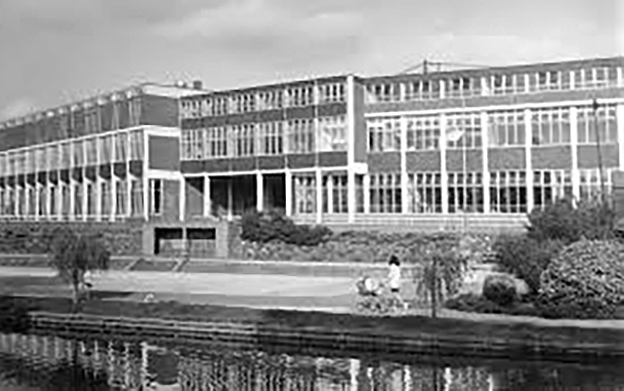
A 1970’s block was demolished to make way for the new development.
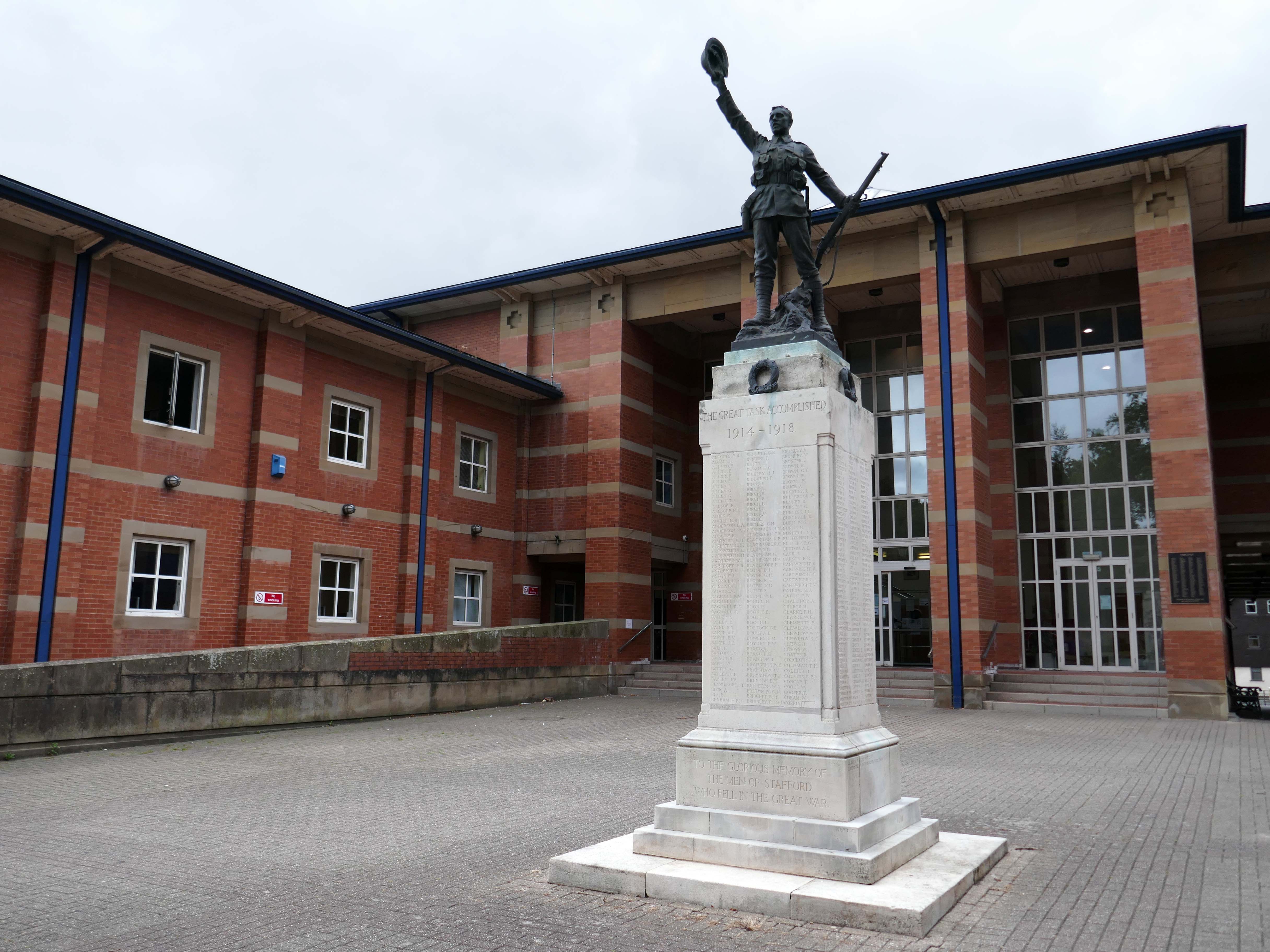
Almost everywhere we go we find a PoMo Crown Courts 1991 – architects: Associated Architects of Birmingham, cost of £10.4 million.
The war memorial of 1922 is by Joseph James Whitehead.
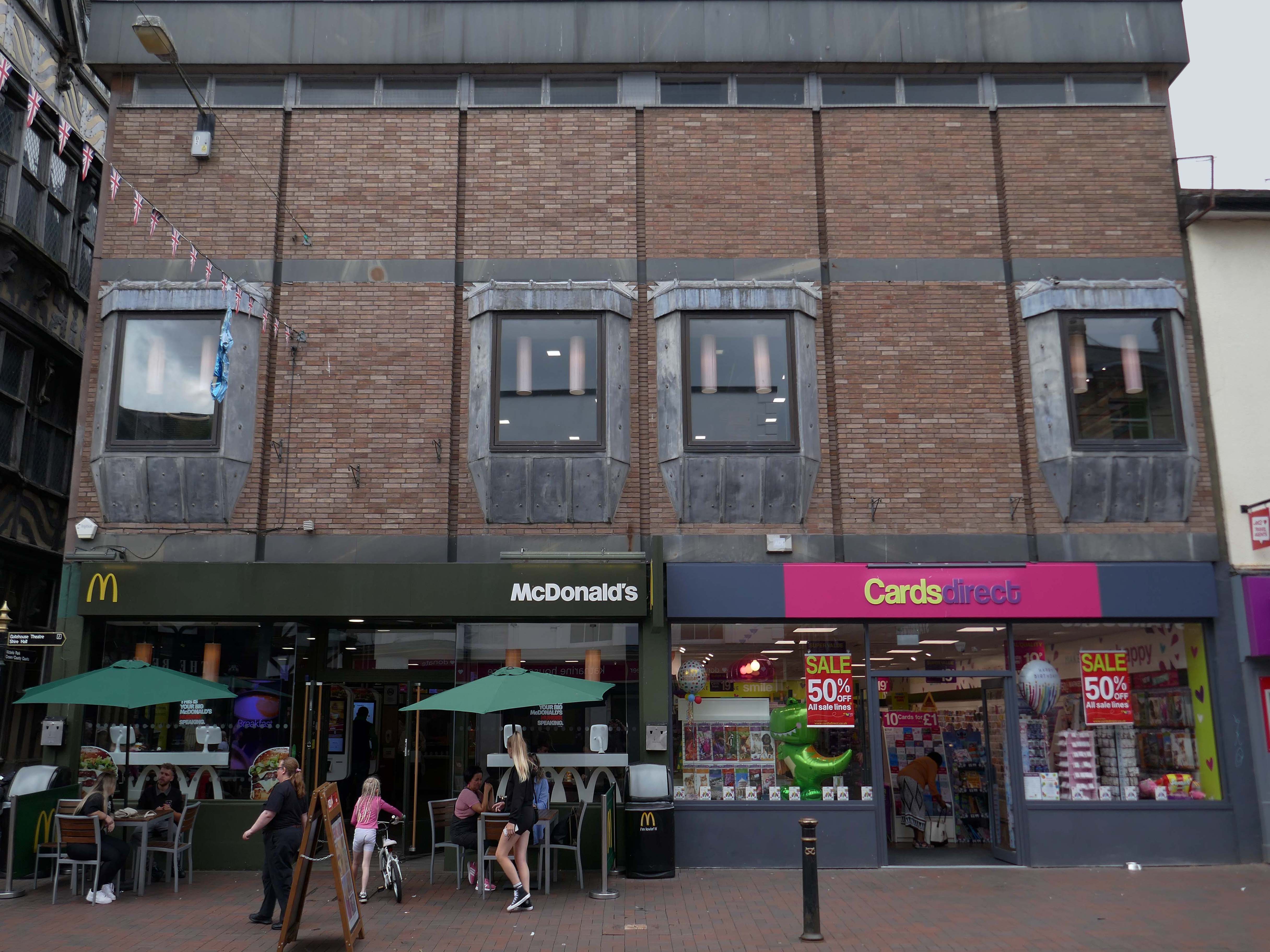
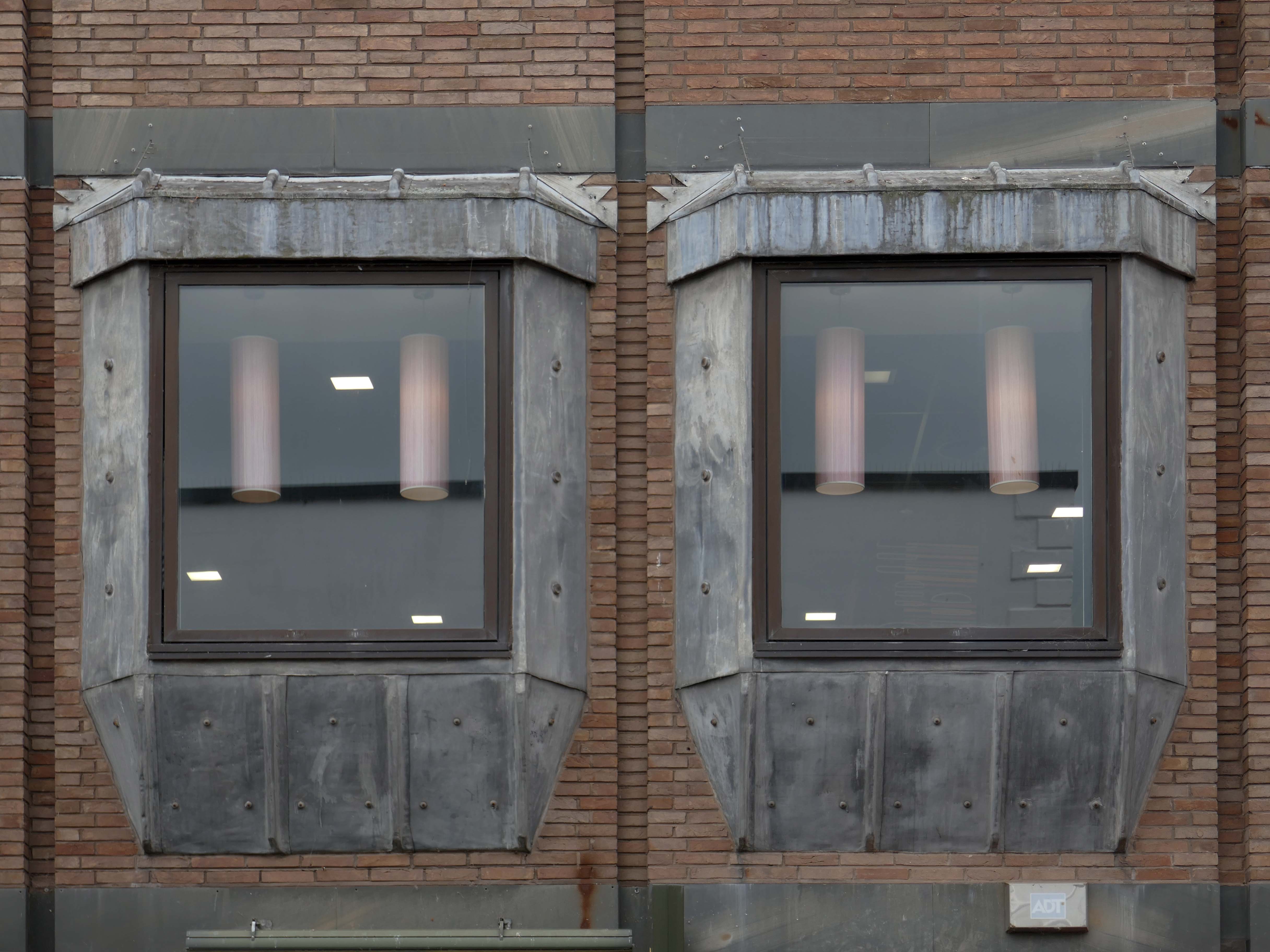
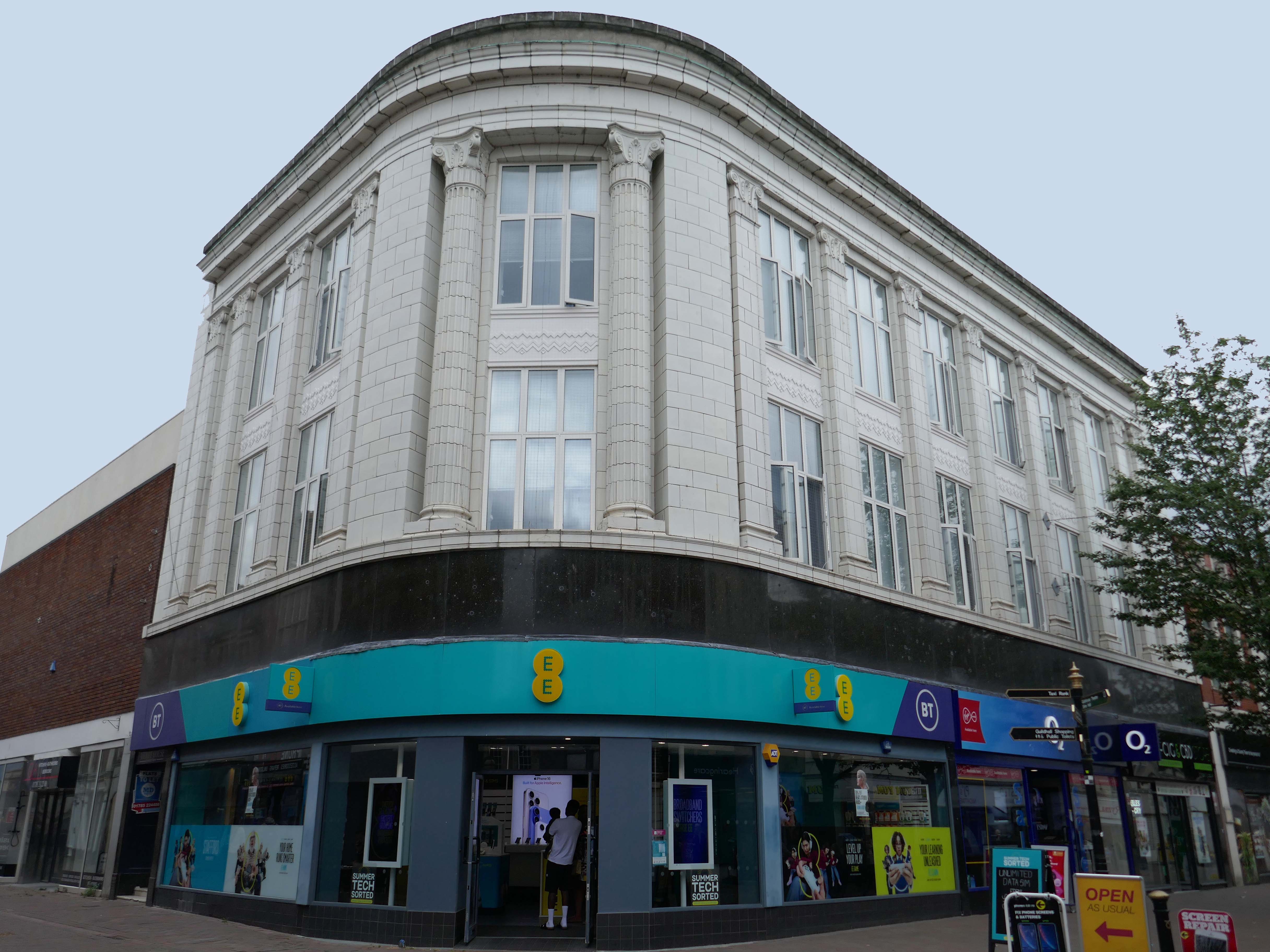
Sneaking through the alley to and before the McDonalds – one many more recent buildings with jetted lead clad bays.
Keeping the town Tudor one bay at a time..
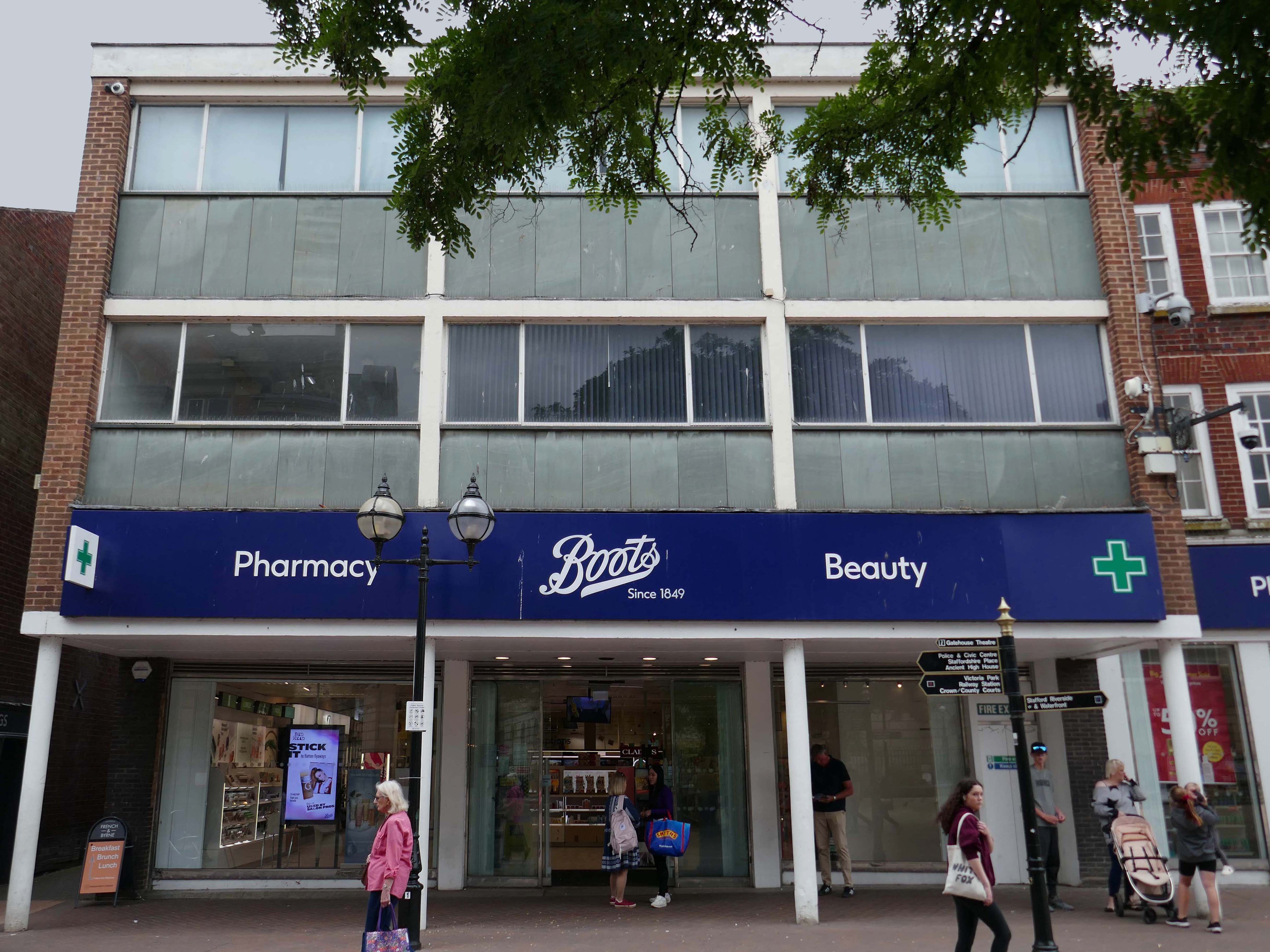
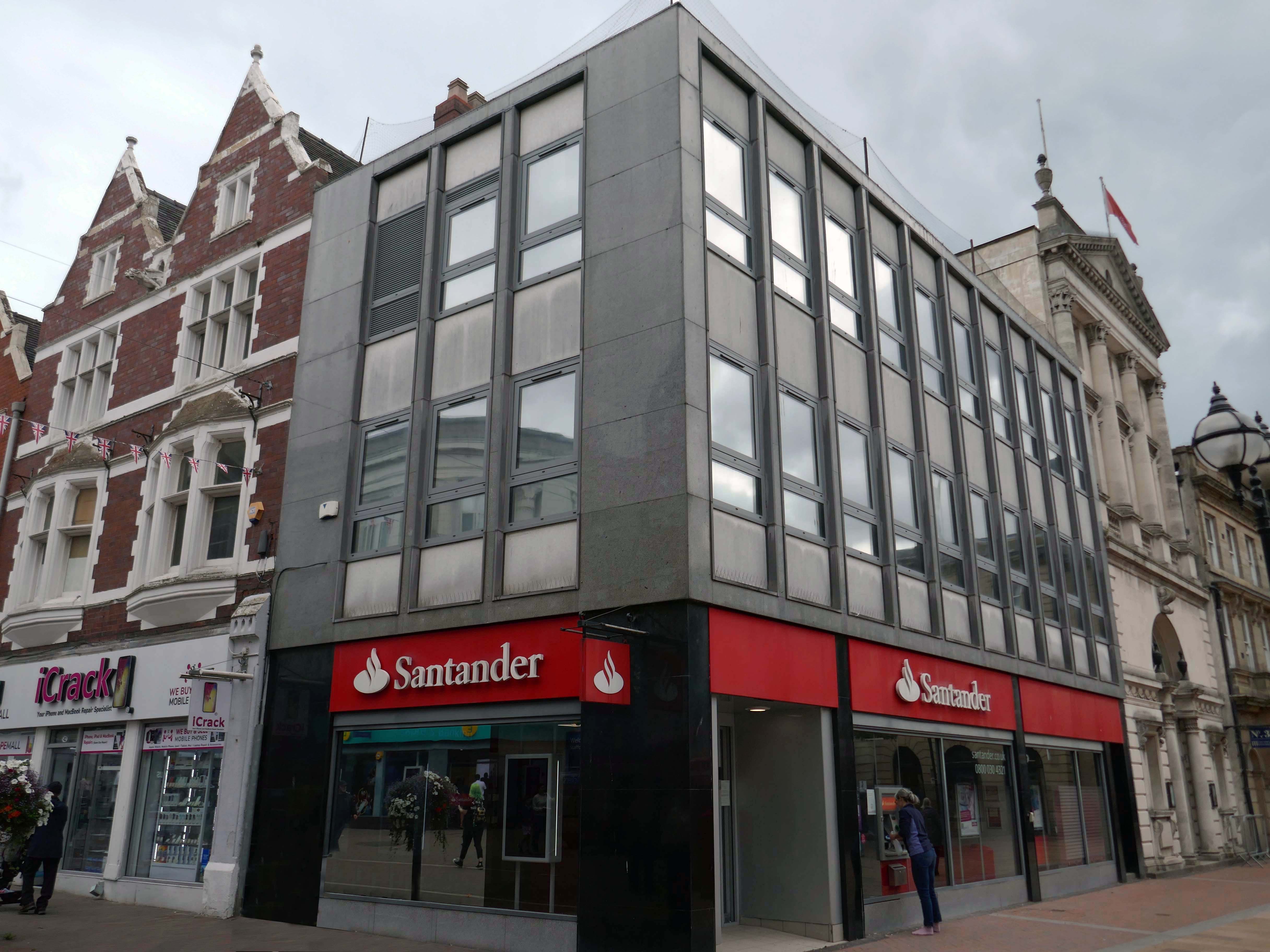
Further along a Sixties Boots.
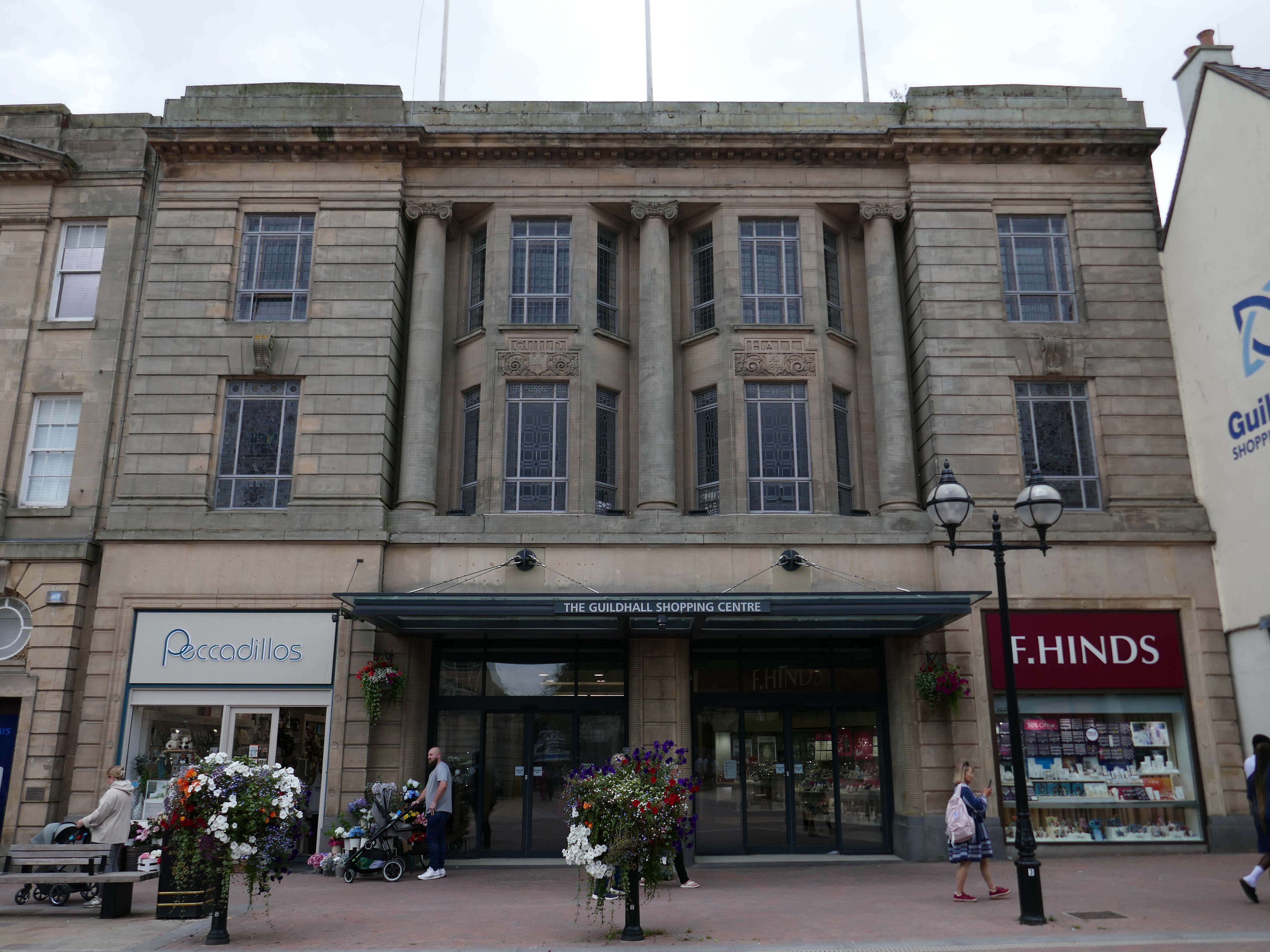
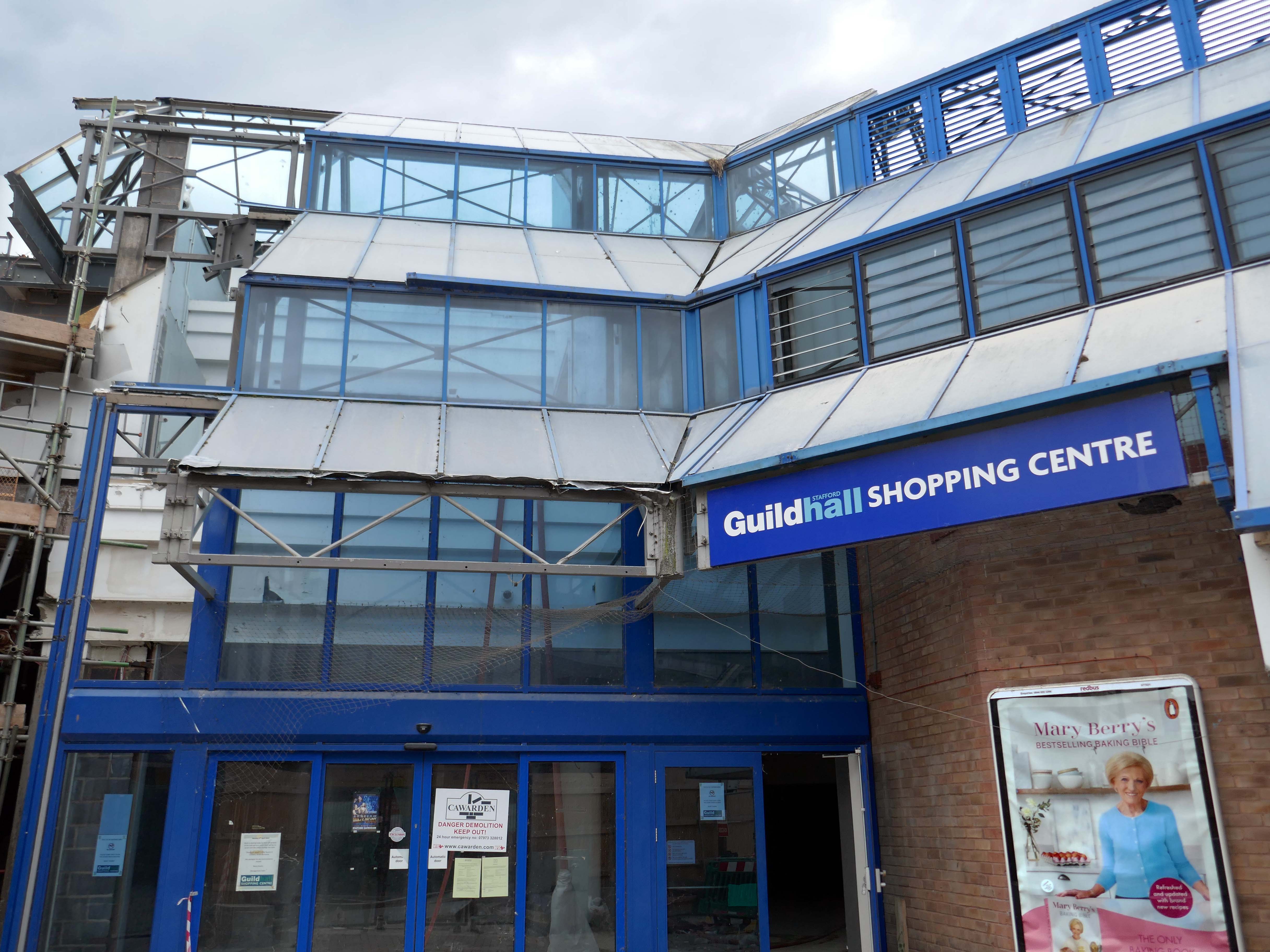
The Classical stone frontage of the Guildhall Shopping Centre.
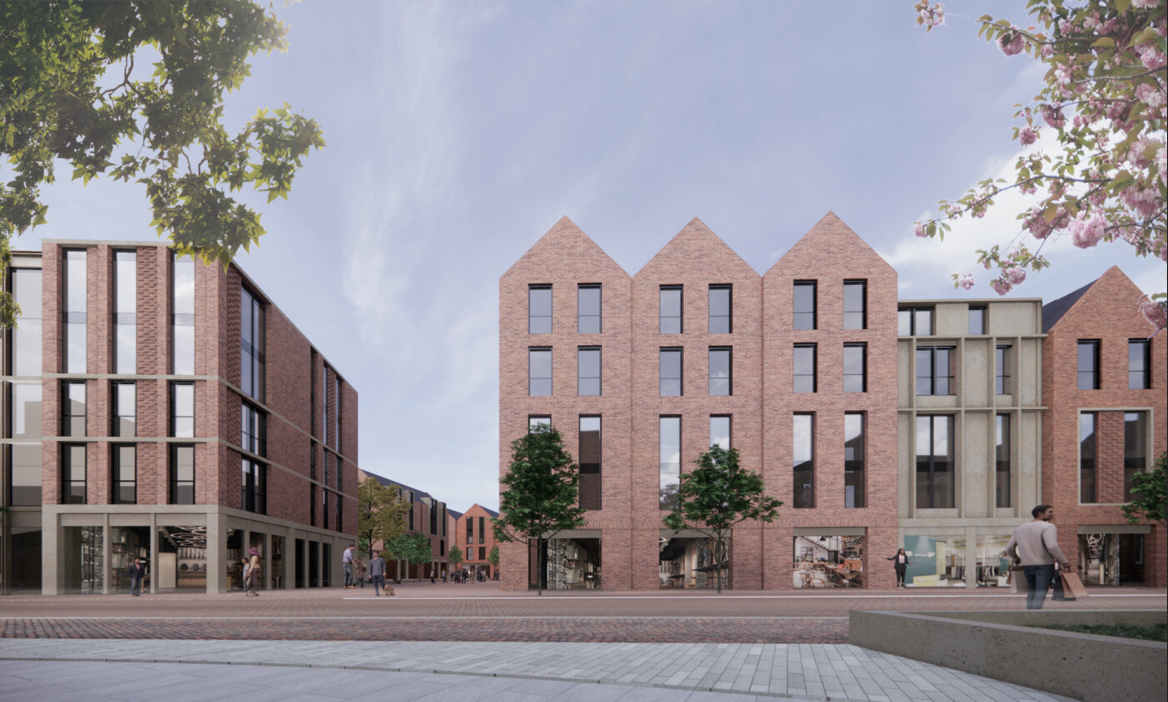
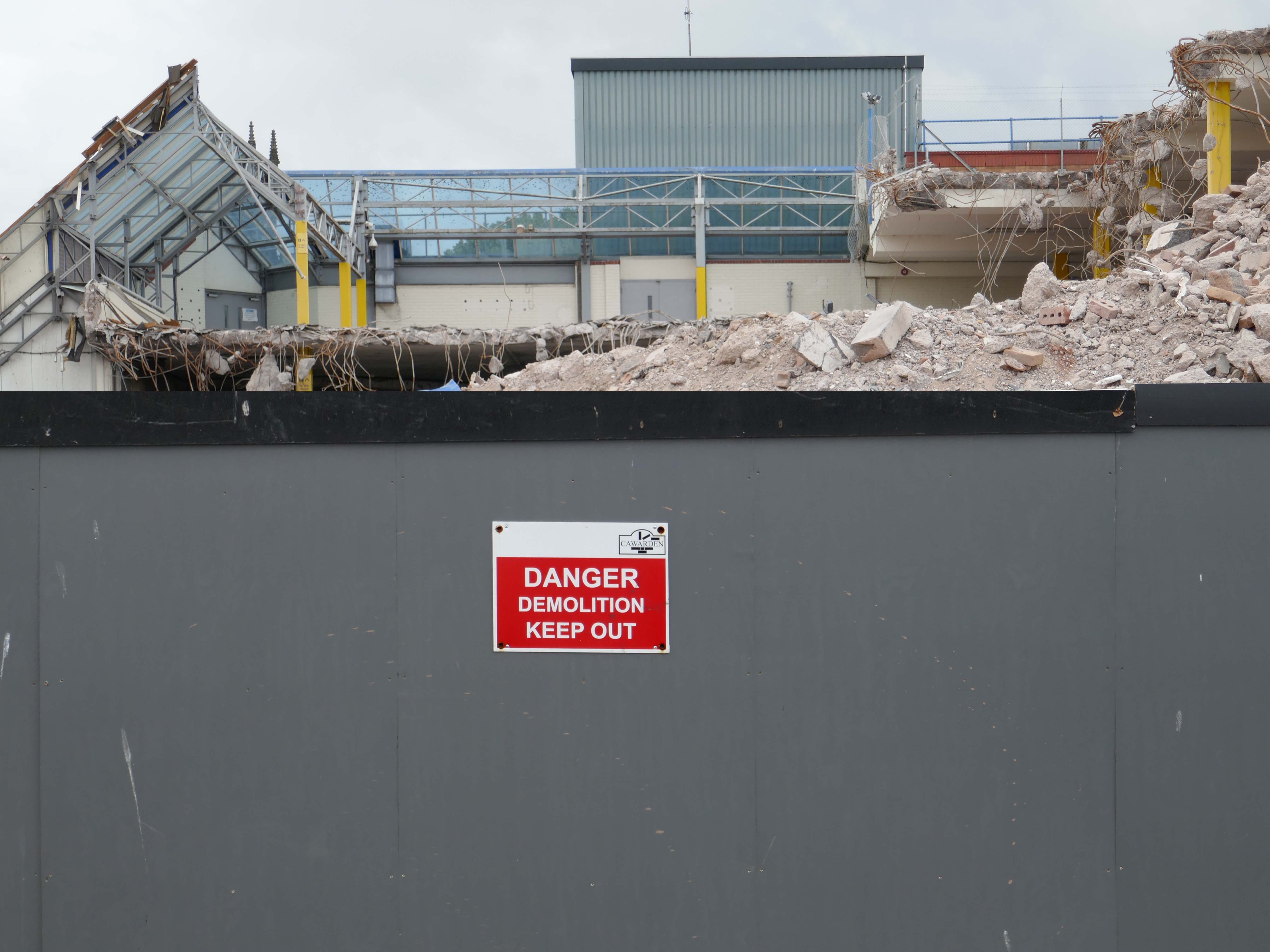
Working with Mercia Real Estate, Glancy Nicholls Architects have designed a contextual mixed-use scheme in the heart of Stafford Town Centre, within the footprint of a disused shopping centre. This includes the regeneration of the 1930’s Guildhall building that serves as the main entrance to the shopping centre and the listed Market Square building.
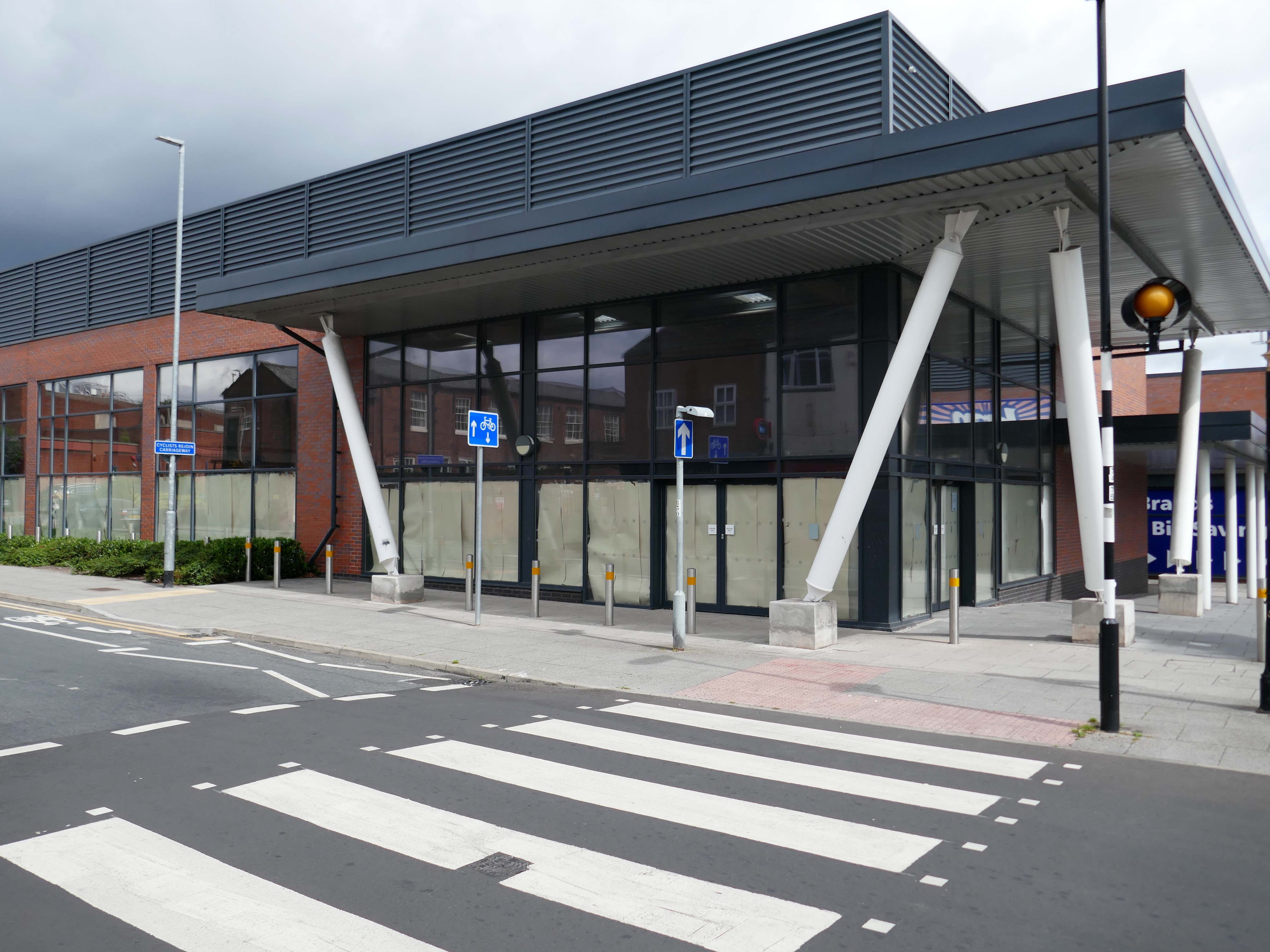
Around the corner a somewhat neglected retail development.
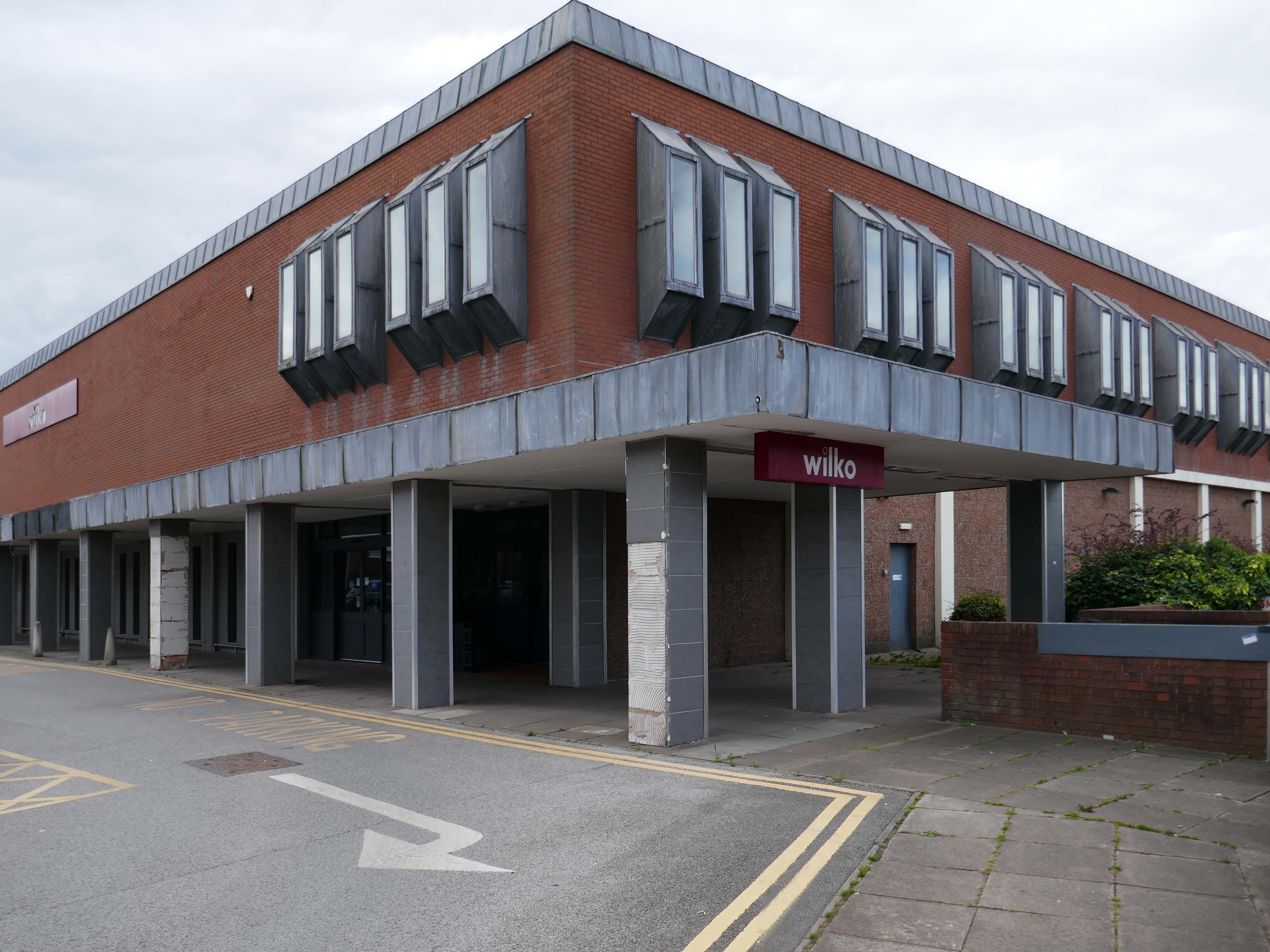
And a long lost Wilko.
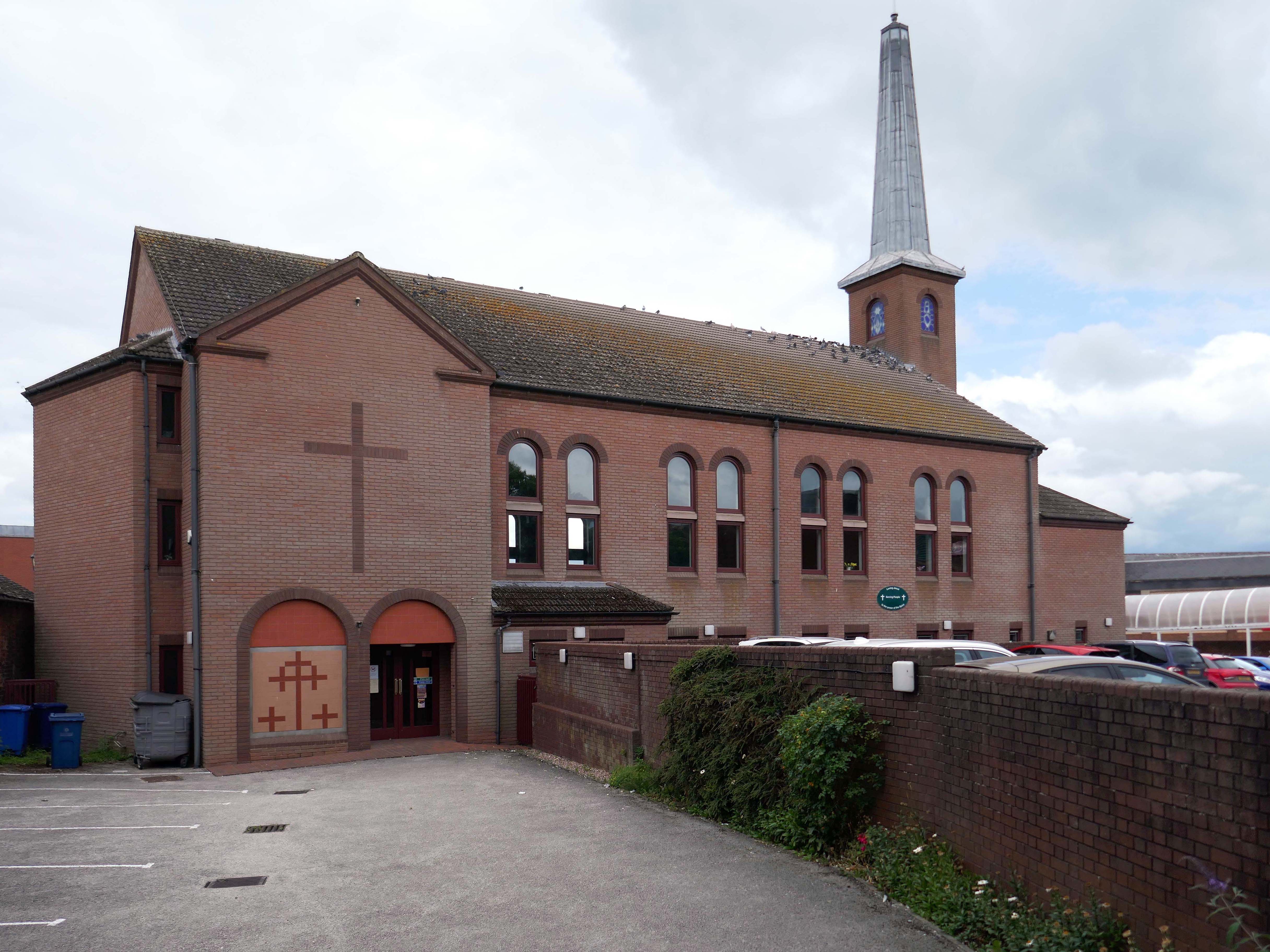
Amidst it all the curious time warp that is Trinity Church 1988.
It is used by Methodist and United Reformed Church congregations.
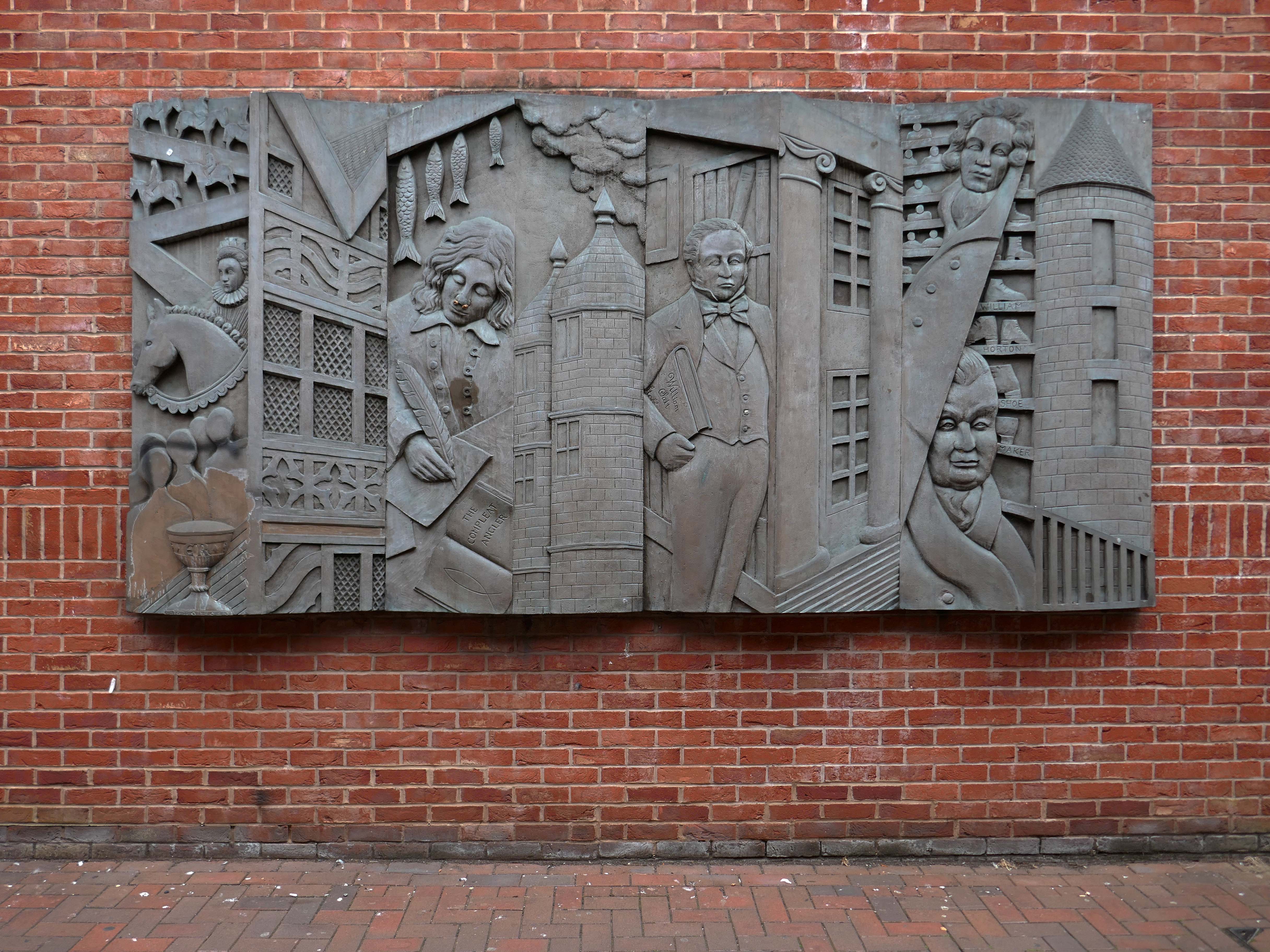
Tucked away in a minor maze of retail a piece of figurative commemorative public art by Glynis Owen Jones, entitled Stafford Faces.
Around the corner a big B&M.
Further along a brick FoB Telephone Exchange of 1959.
Adjoined by the County Records building.
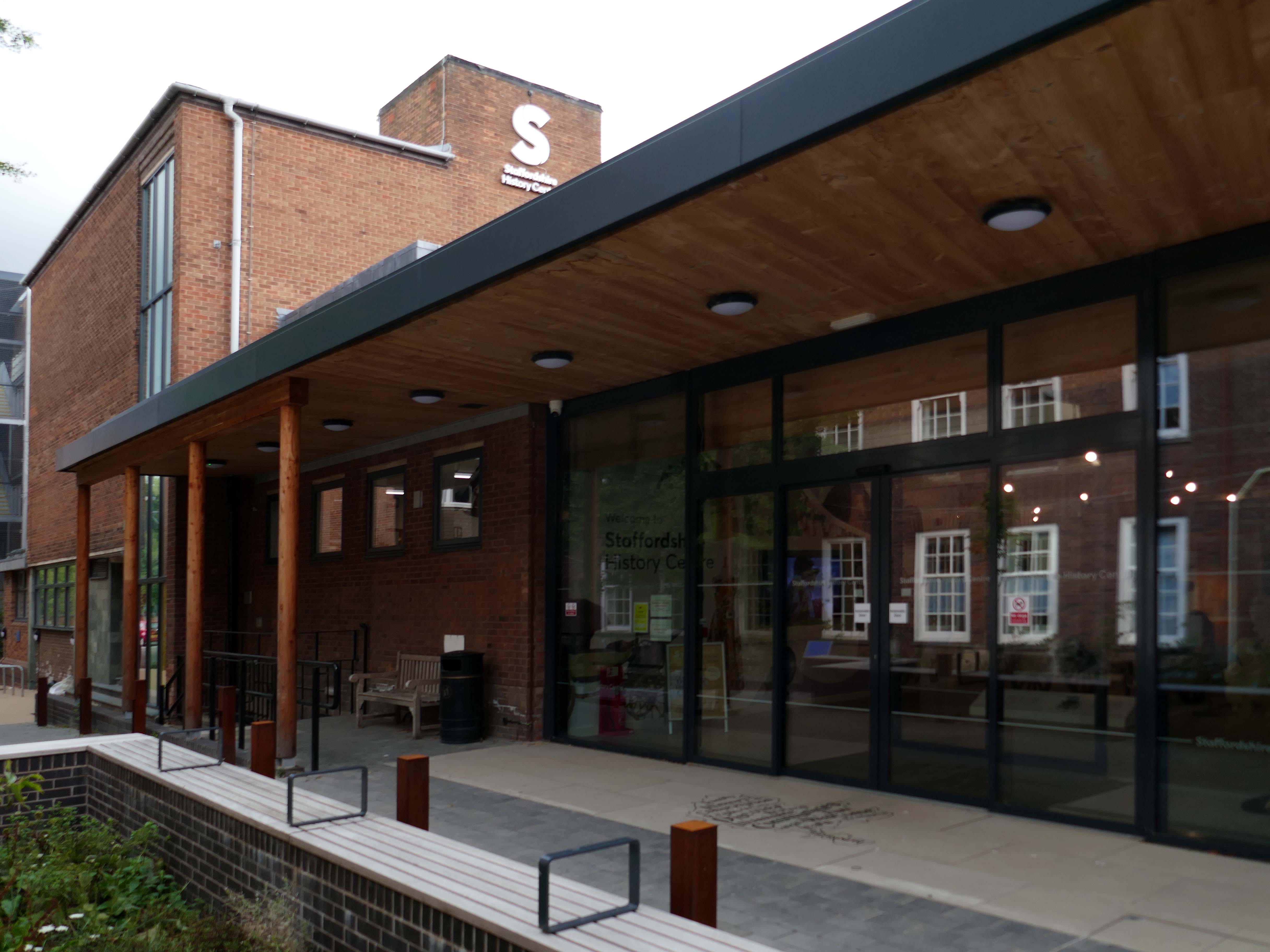
Pringle Richards Sharratt Architects have been appointed by Staffordshire County Council to create a new History Centre for Staffordshire and Stoke on Trent.
The new £4m centre will be located on Eastgate Street in Stafford and will hold historical records and collections up to 1,000 years old.
The scheme will help to provide a rejuvenated service combining the existing Records Office building and William Salt Library, in Stafford and provide a welcoming destination for all of those with an interest in local history. This will include bringing on to the Stafford site the Lichfield Records Office and aspects of the County museum.
Further FoB in the Civic Building.
Close by the Staffordshire Place a civic and retail mixed use development.
Our scheme delivers 135,000 ft2 of high quality contemporary office space across two buildings linked by a new town square. The ground floor incorporates a mix of retail and leisure uses around a sequence of smaller public spaces to maximise the amount of visible active frontage and create a natural extension to the town centre.
Sustainability issues fundamentally informed the design approach, from mitigating energy consumption to ‘future proofing’ the finished building. The building achieves a BREEAM ‘Excellent’ rating and a European Energy Performance of Buildings Directive Rating ‘A’.
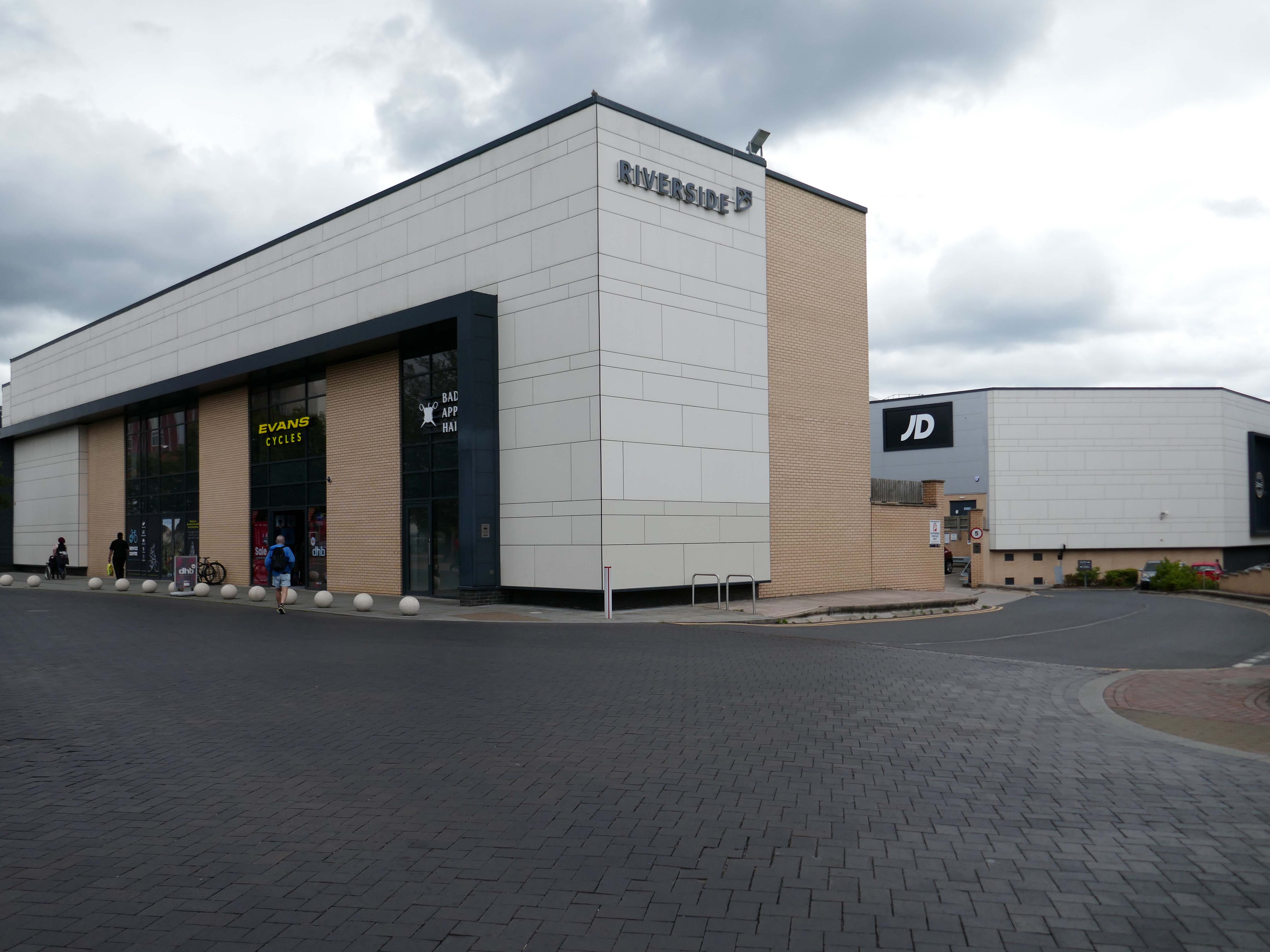
Surprise surprise another retail development Riverside.
£70m riverside town centre retail and leisure development in the heart of Stafford. The 230,000 sq. ft. scheme anchored by M&S will deliver 18 retail units arranged over ground and first floors, five leisure units and a six-screen cinema to complement and strengthen the town centre economy and create new businesses and jobs.
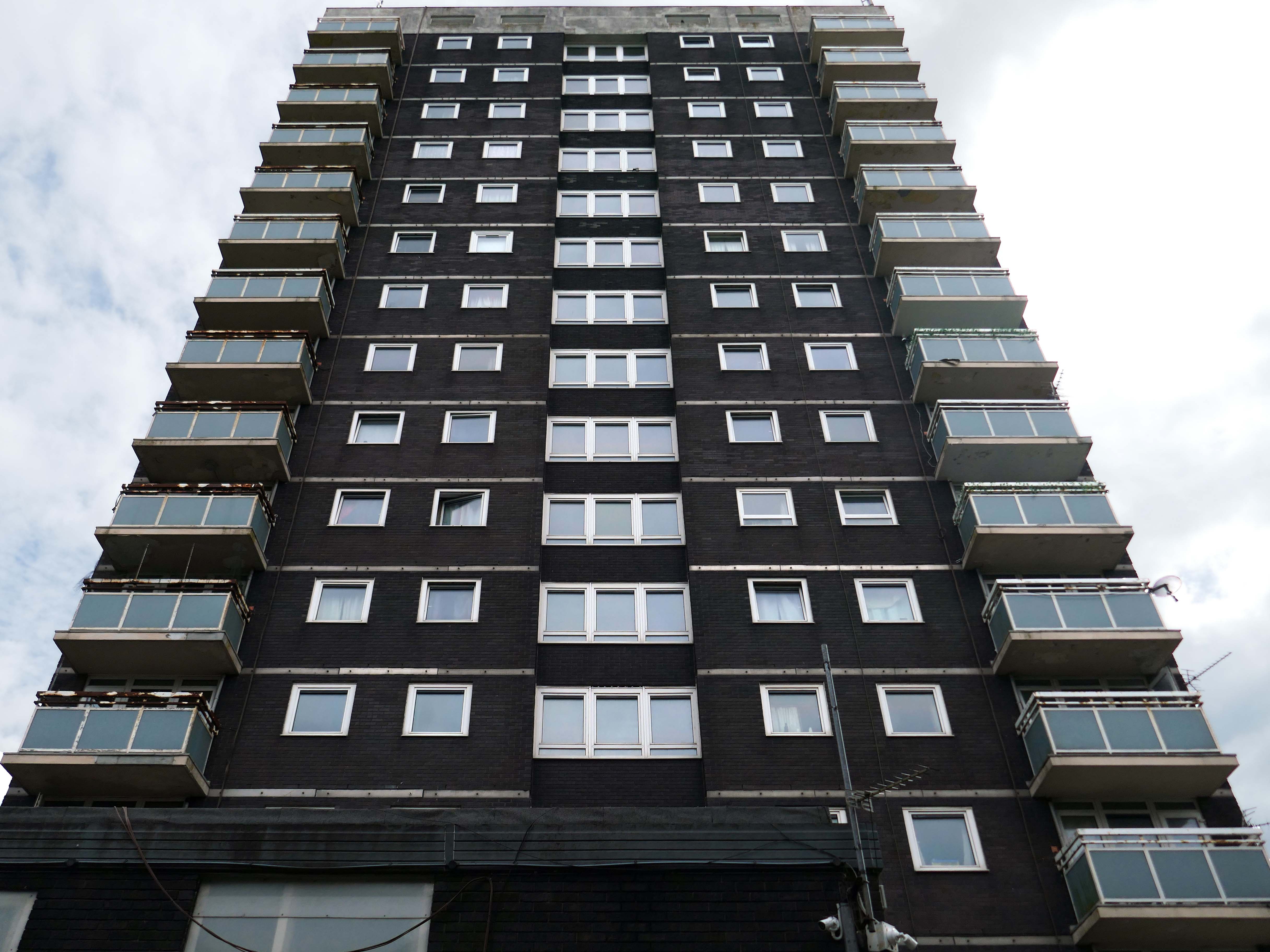
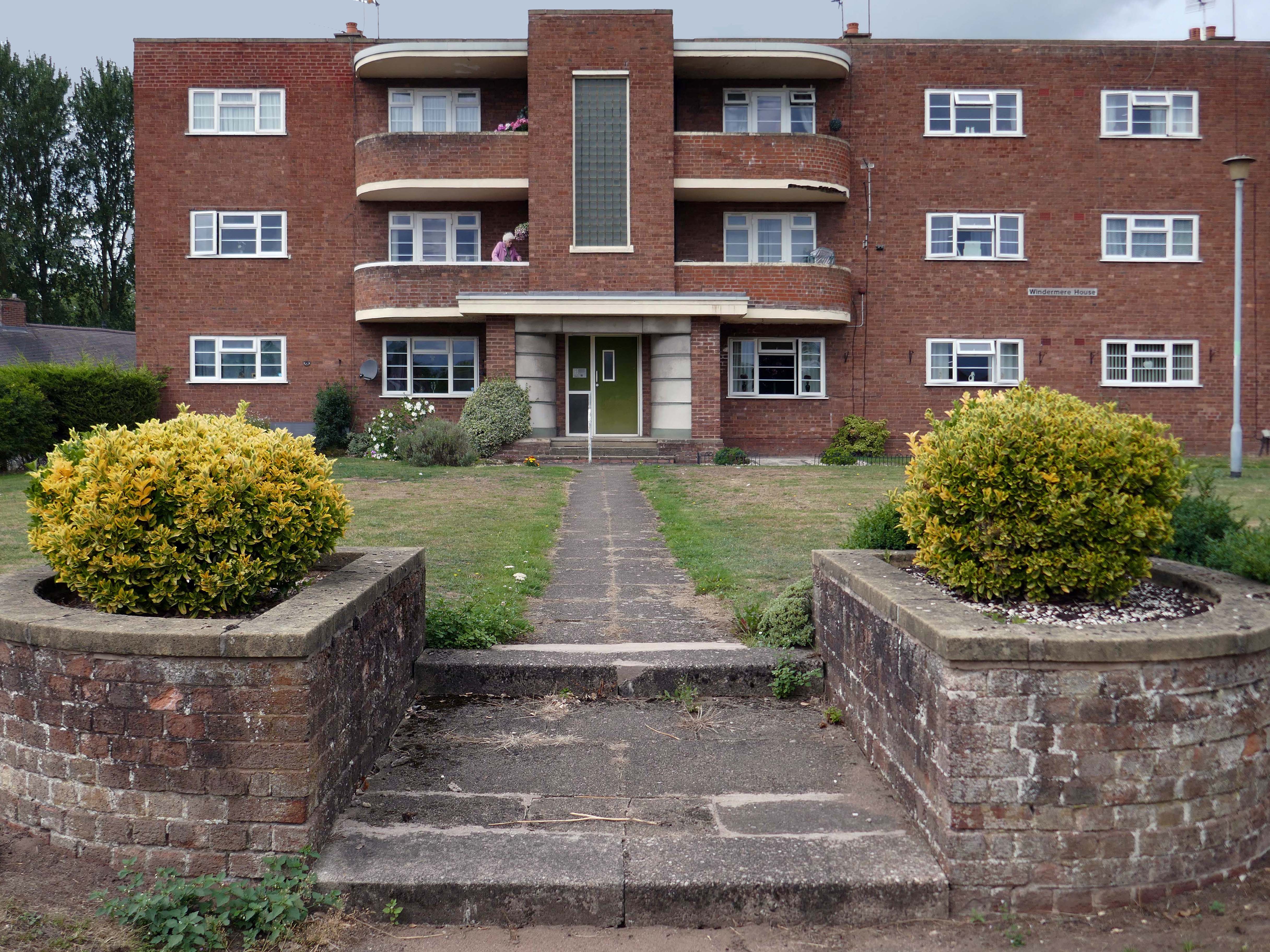
Coniston, Windemere and Rydal were among the first council homes to be built in Stafford, between 1951-52, under the direction of County Architect CM Coombes.
The flats were built as a result of The Housing – Financial and Miscellaneous Provisions Act 1946, which gave subsidies to local authorities to provide social housing. The expansion of the Borough Council’s civic duties included the employment of County Architects, in this case CM Coombes FRIBA, to whom these flats are attributed.
54 flats were built in total, to a distinctly Modernist design, and their appearance and setting are very well preserved.
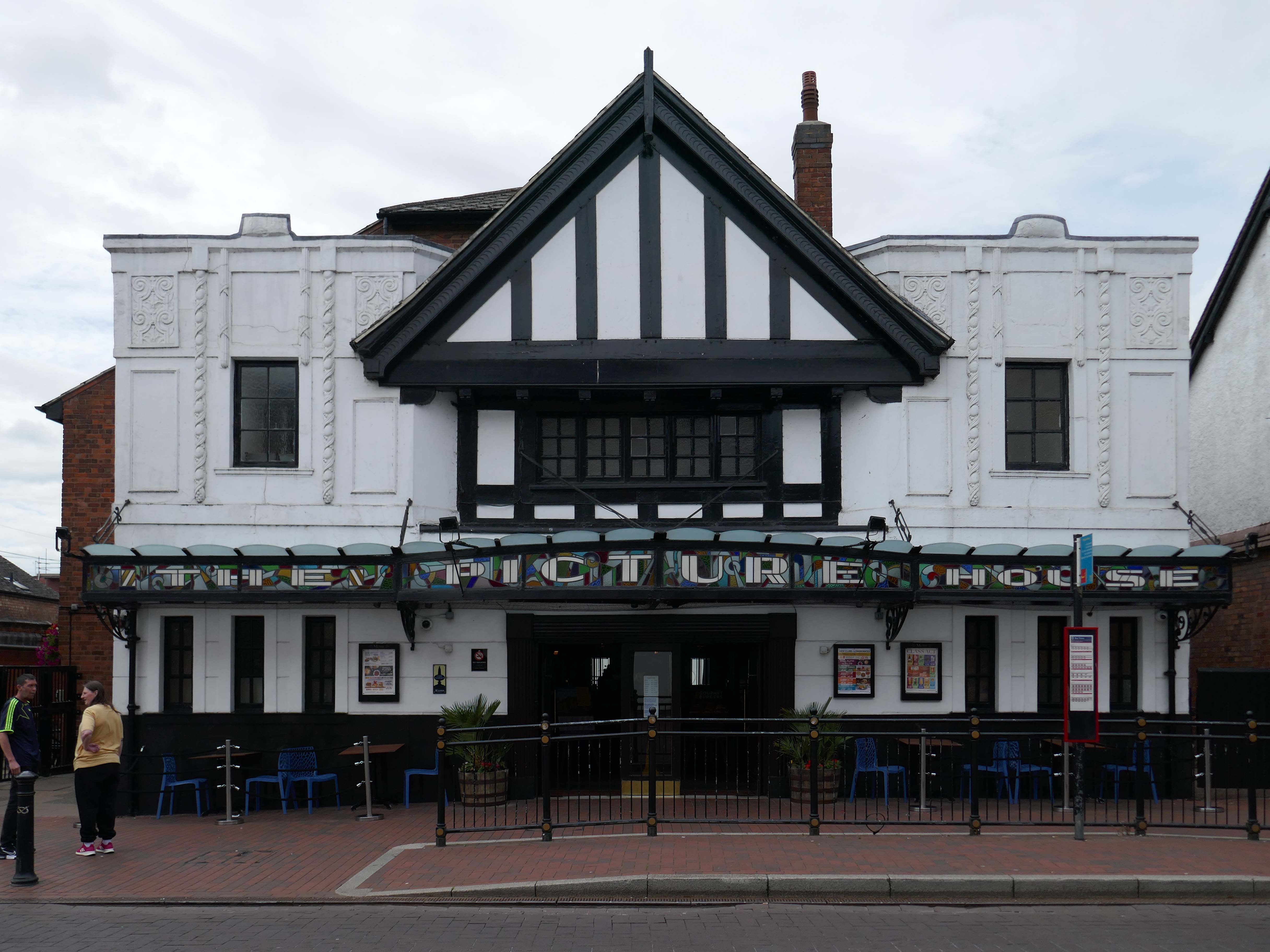
Let’s head back into the town centre – to the Grade II ListedPicture House 1914
The Picture House was closed on 30th March 1995 after a three week run of Disclosure starring Michael Douglas, there were seventy eight attending the final performance.
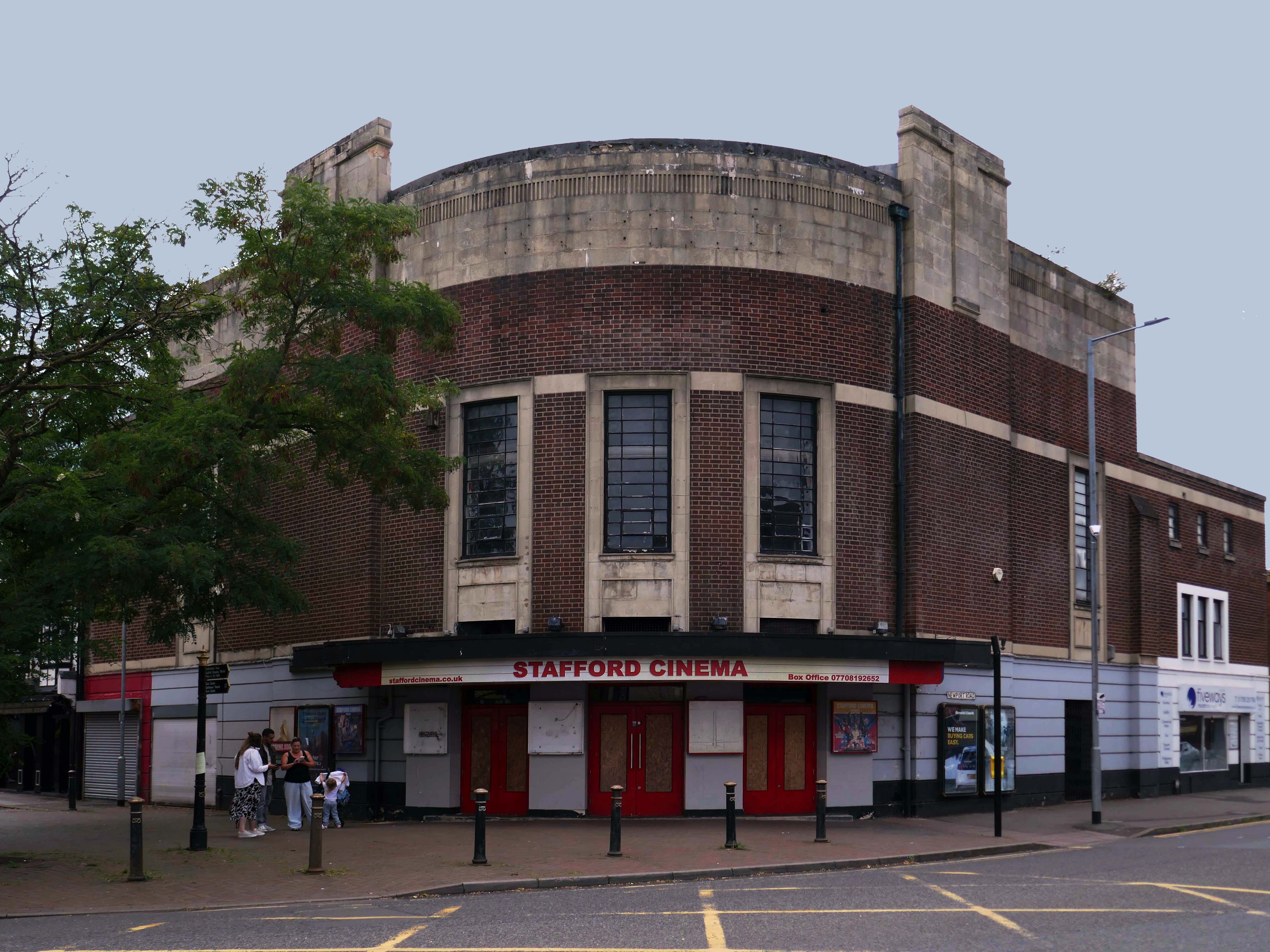
It was disposed of by the Rank Organisation in July 1981 and was taken over by the Hutchinson Leisure Group who re-named it Astra Cinema. In December 1981 it was tripled with 435 seats in the former stalls and two mini cinemas in the former circle seating 170 and 168.
In 1988 it was taken over by Apollo Cinemas and re-named Apollo Cinema. The downstairs cinema was closed and became a bingo club for a couple of years, during which time the two mini cinemas in the former circle remained open. The bingo operation gave way to films again in 1990 and all three screens were again open, with seating for 305, 170 and 164. In January 2014 it was taken over by the Curzon Cinemas chain and renamed Stafford Cinema.
It was closed on 18th December 2017 with Star Wars:The Last Jedi.