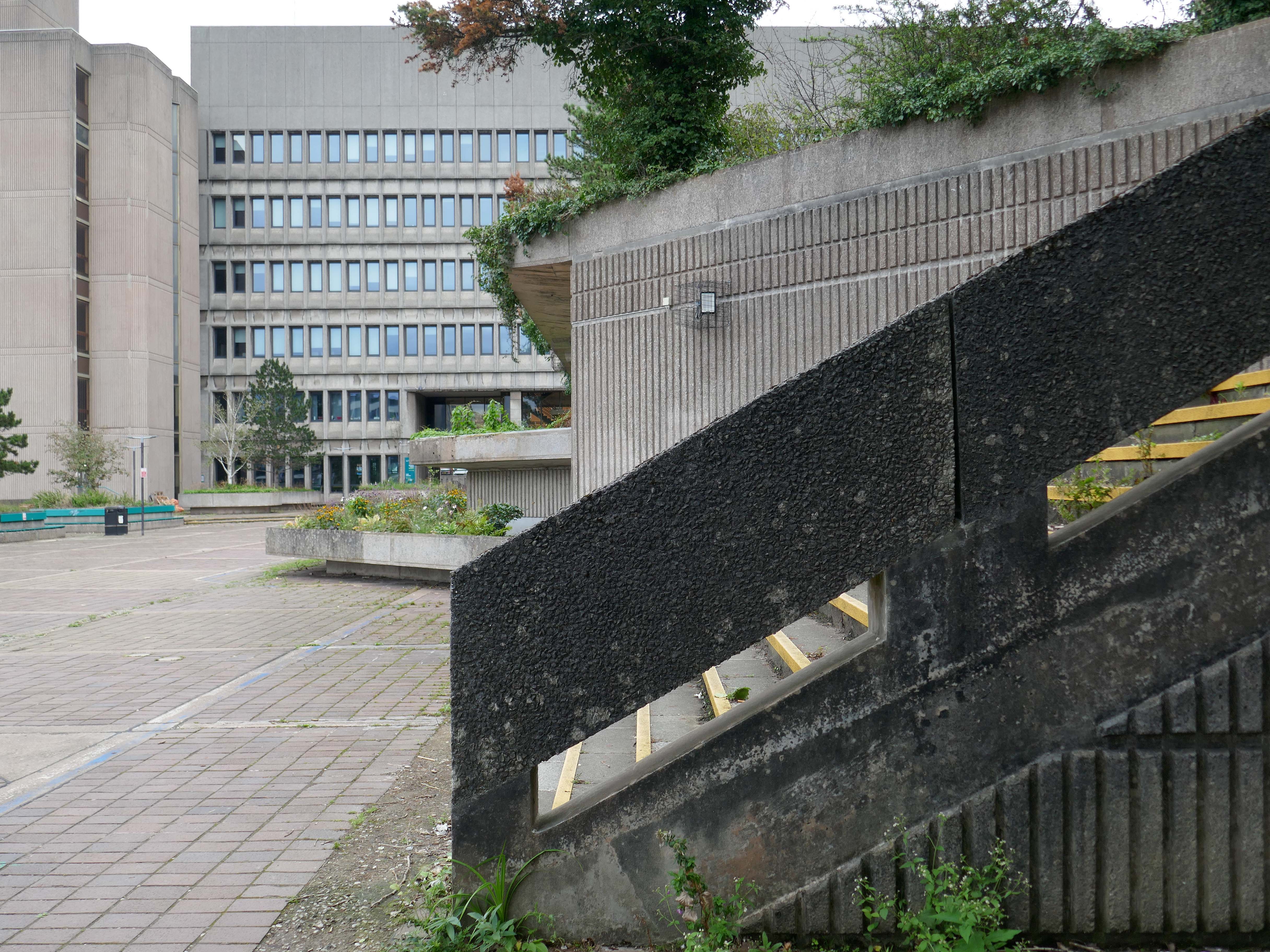
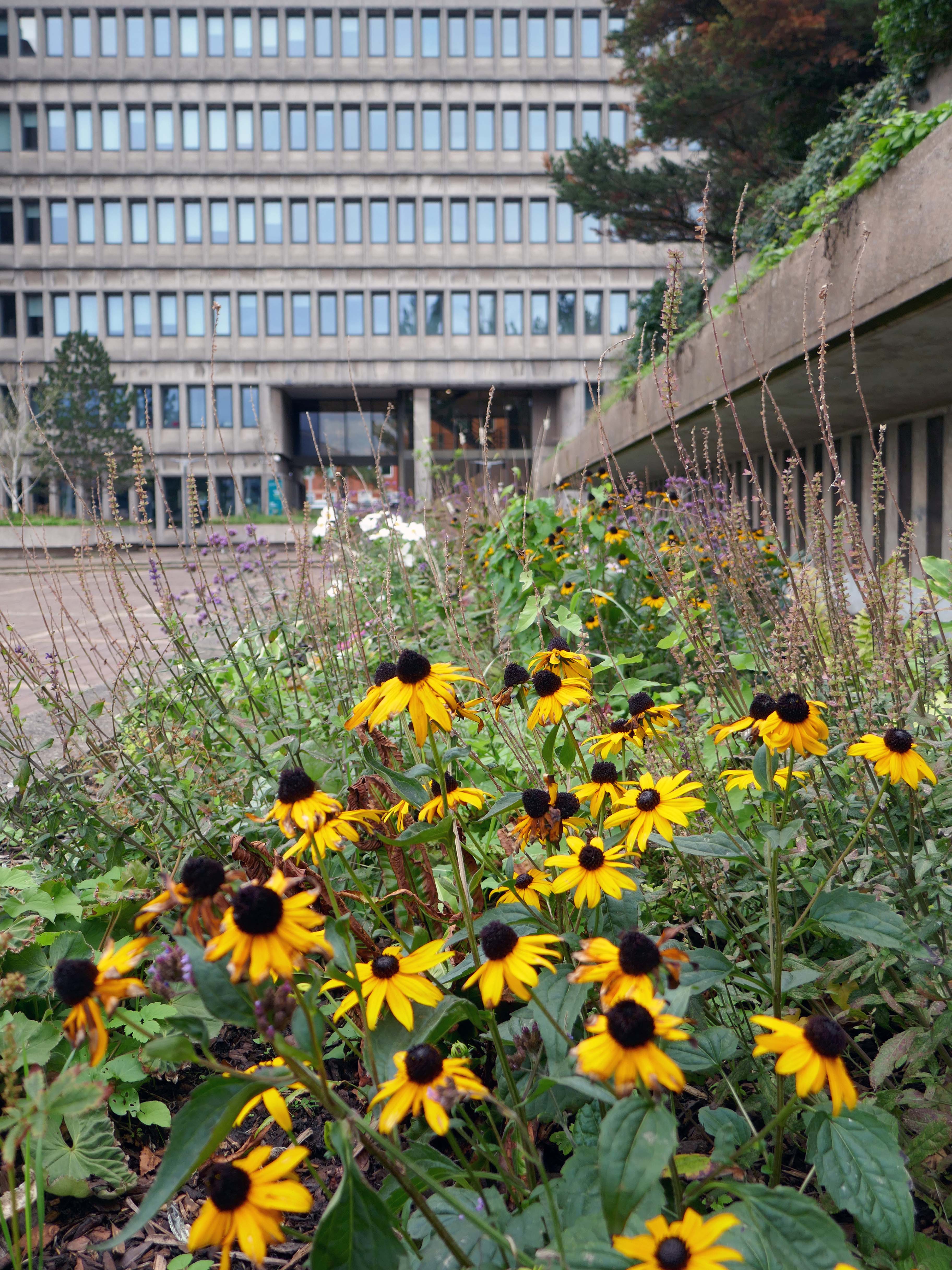
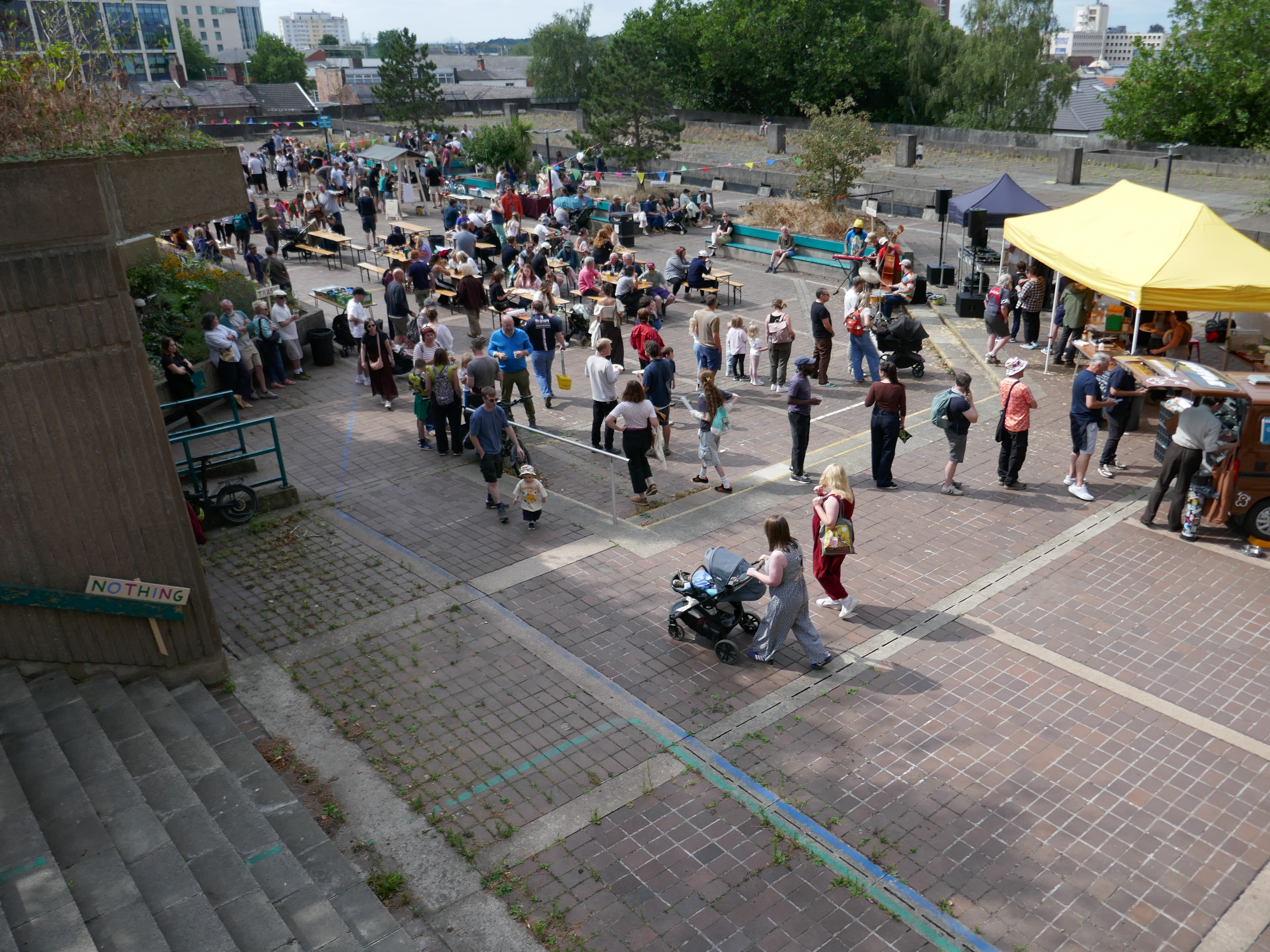
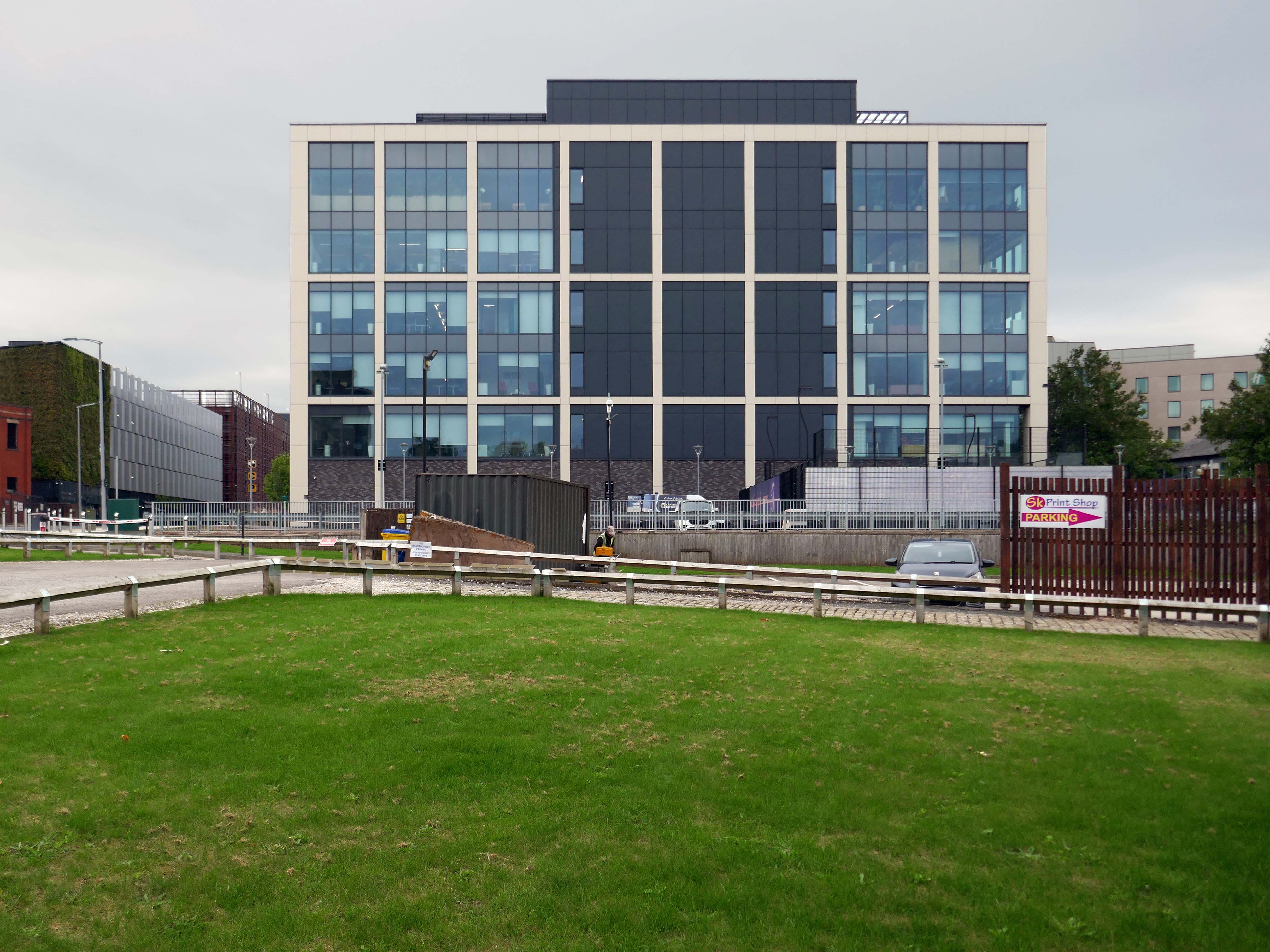
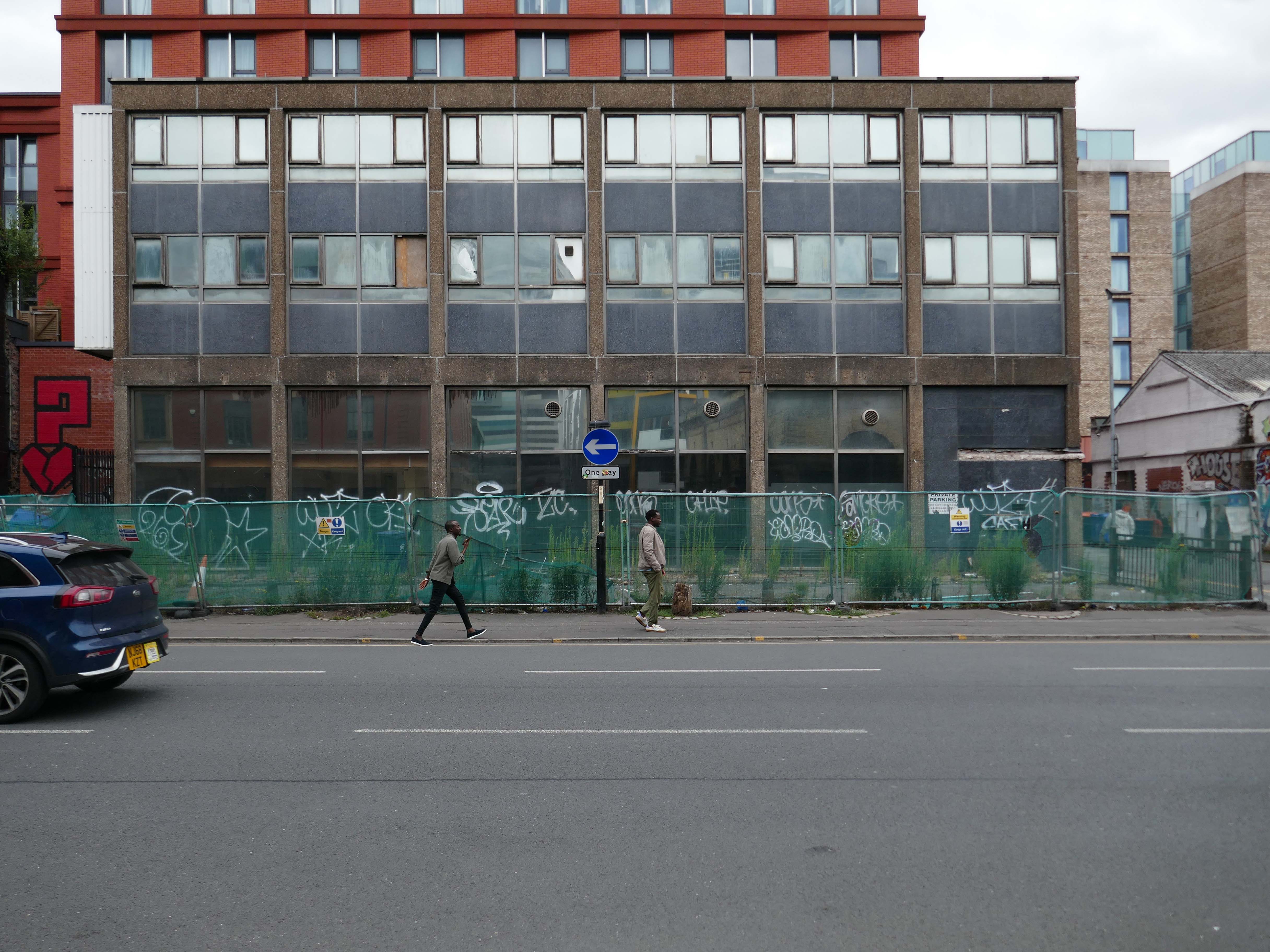
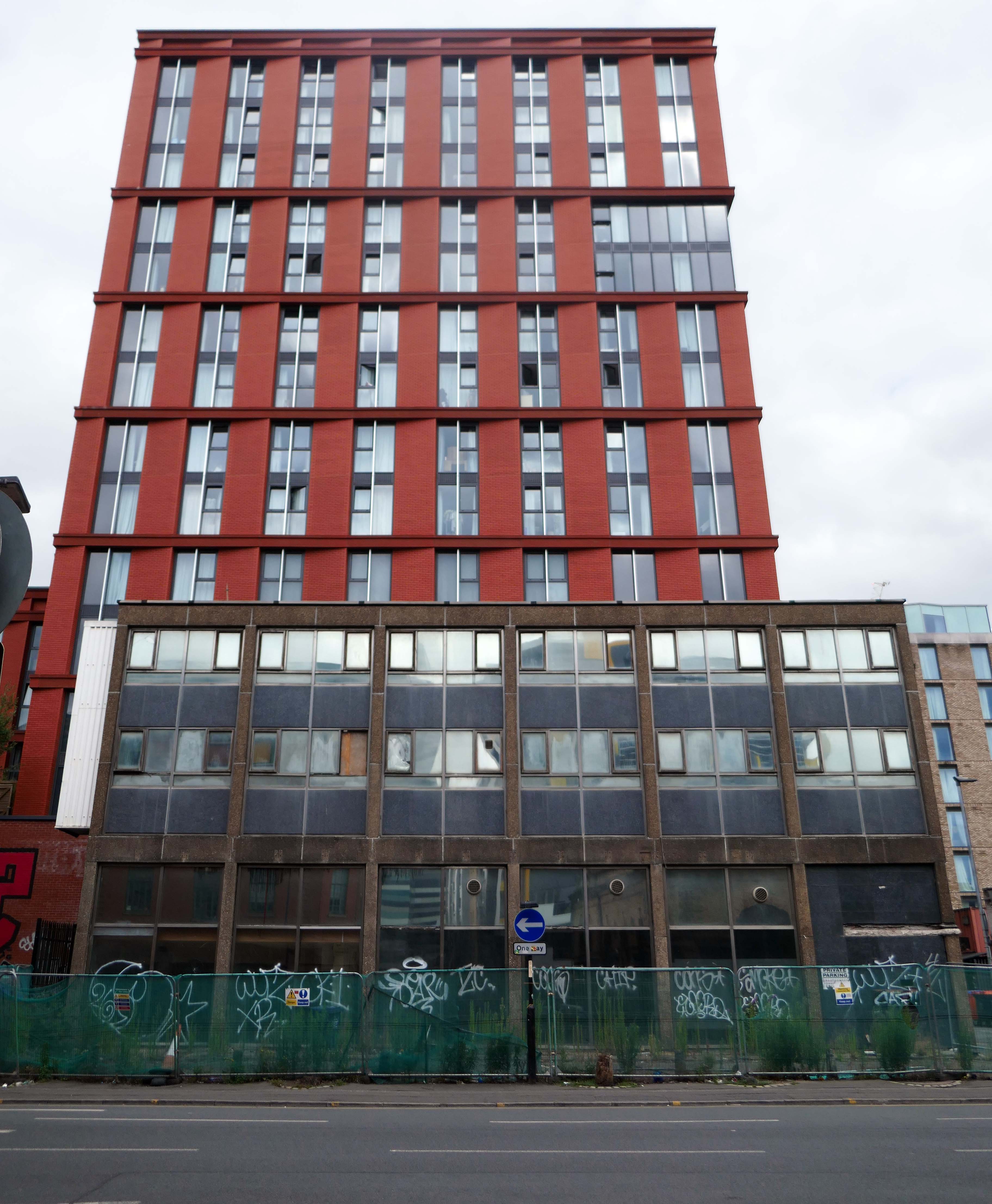
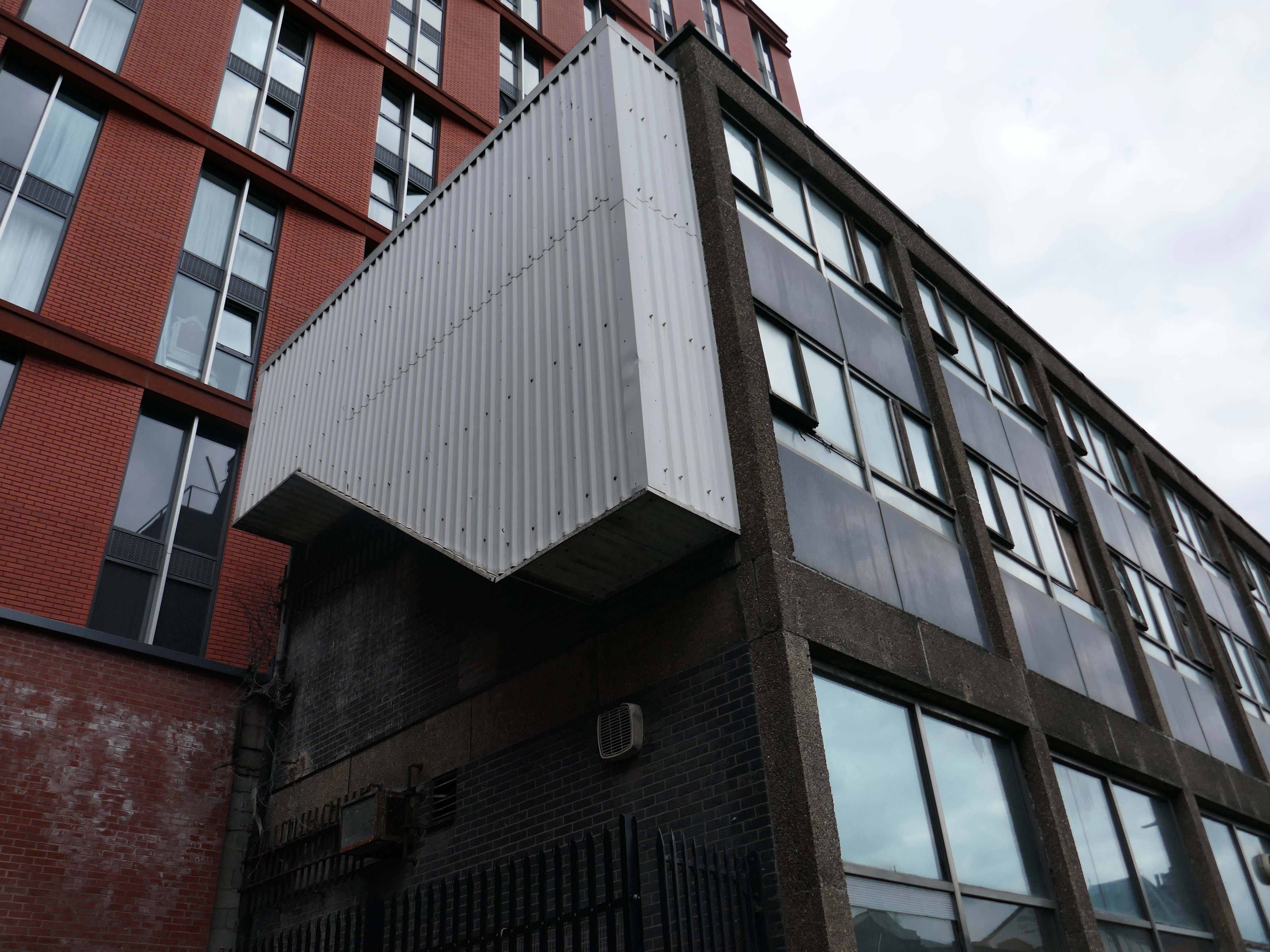
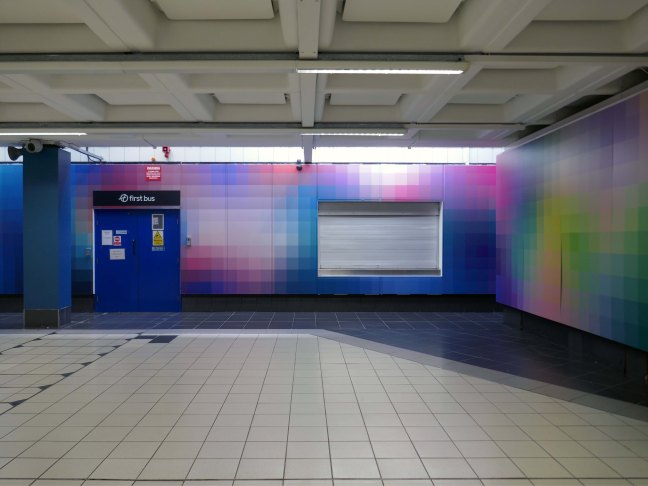
From high street style to independent finds, coffee breaks to long lunches, there’s so much to discover here. Plan your visit, explore what’s new, and enjoy a day that’s every bit as relaxed as it is rewarding.
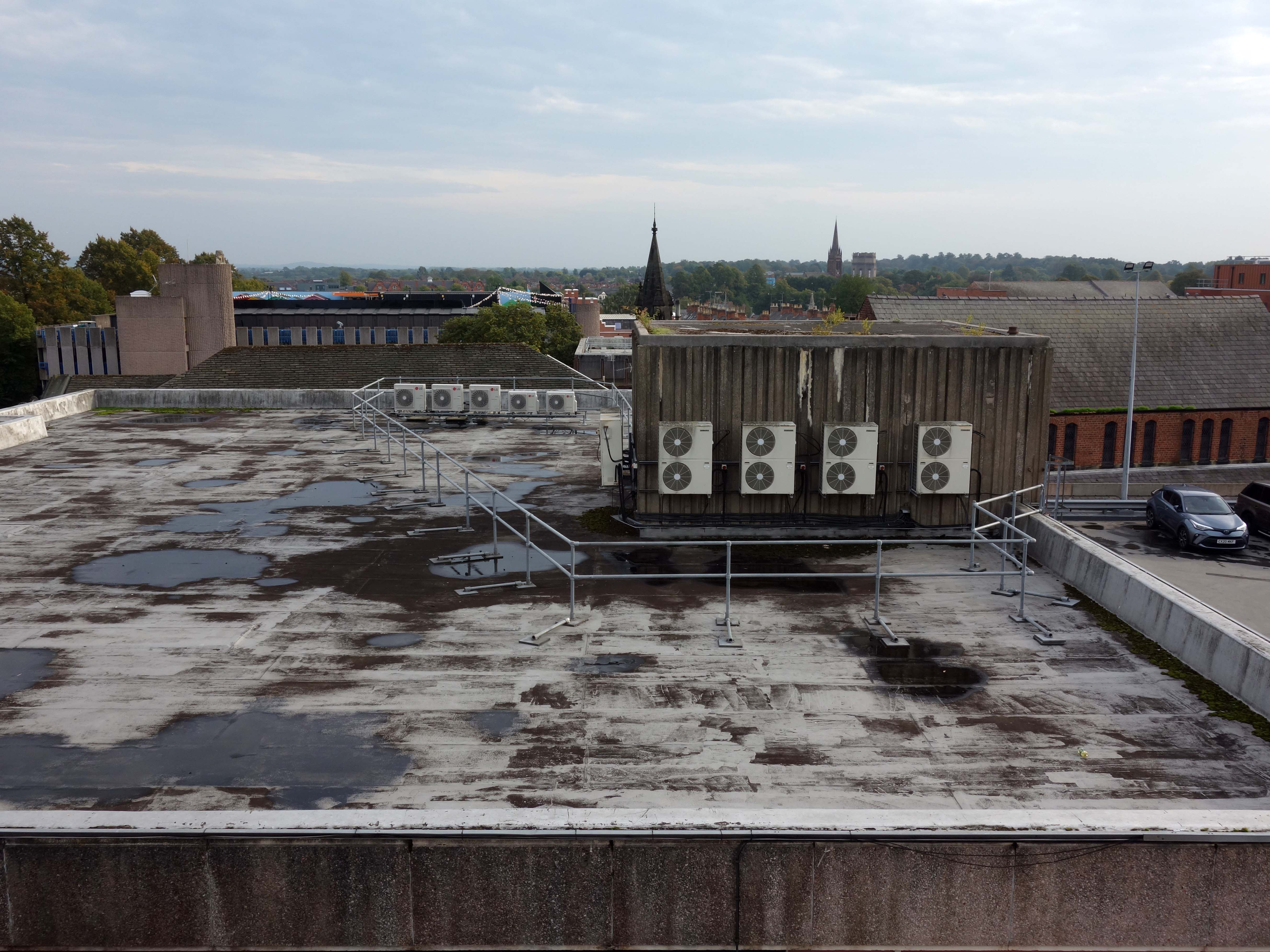
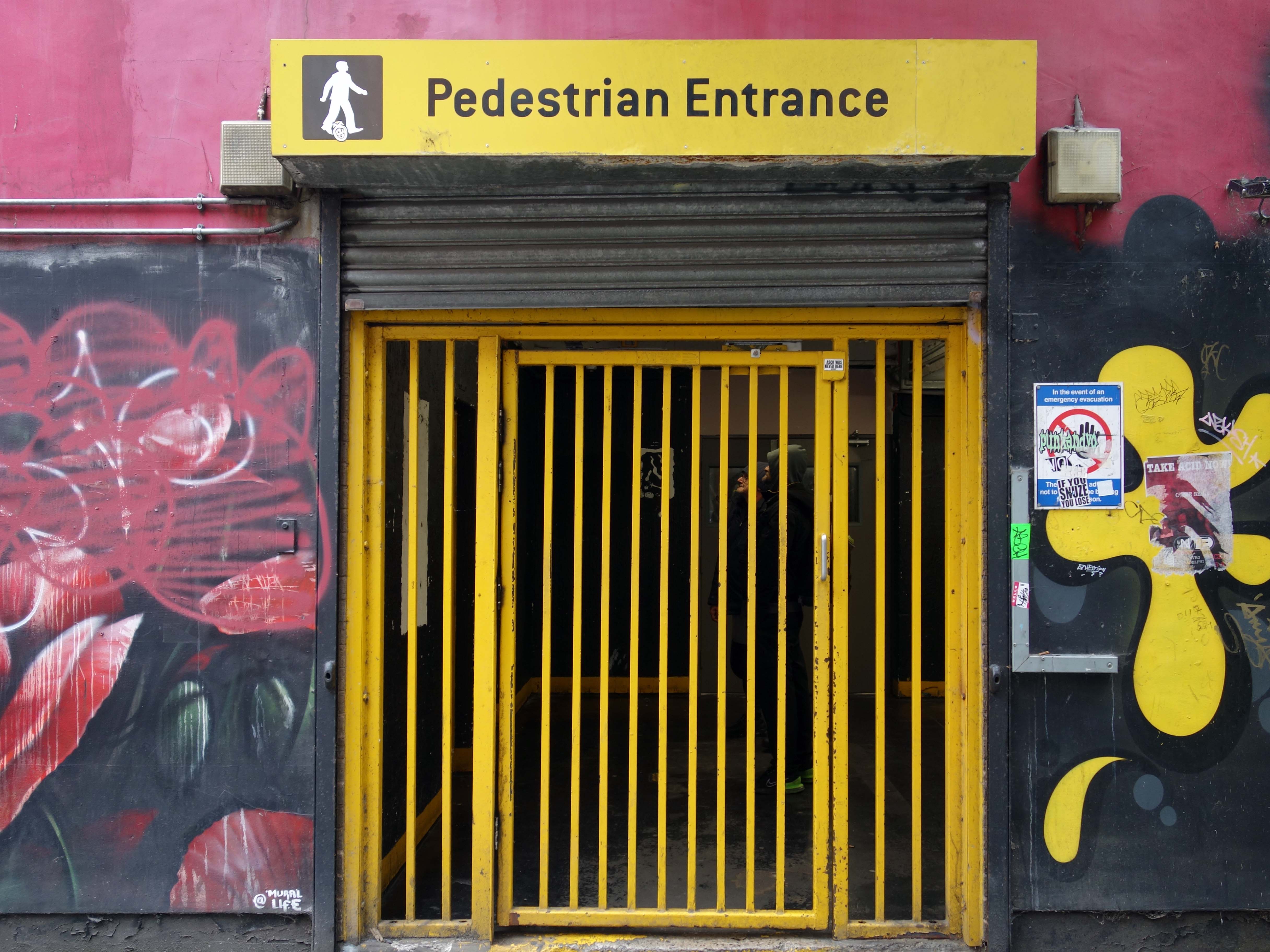
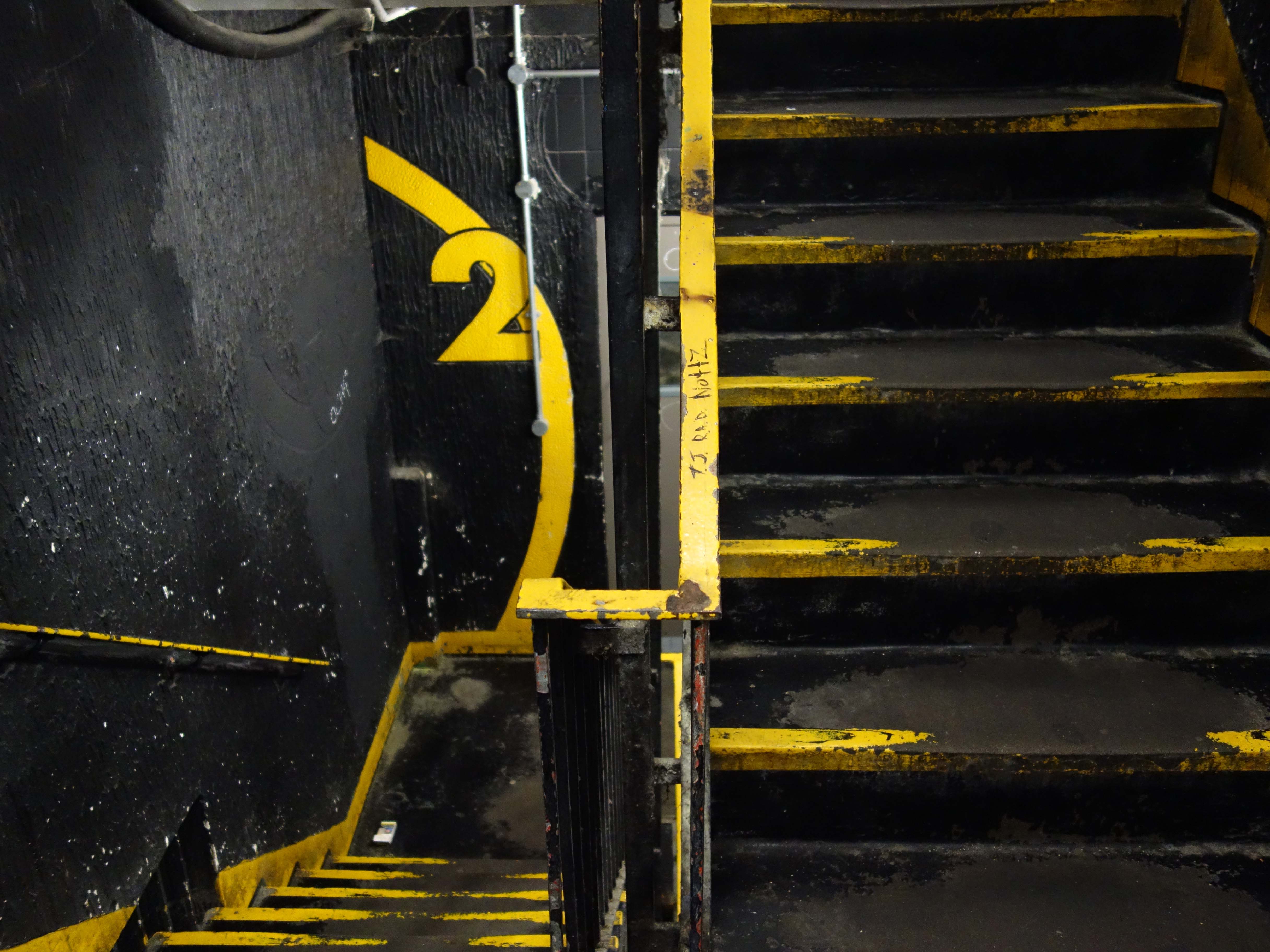
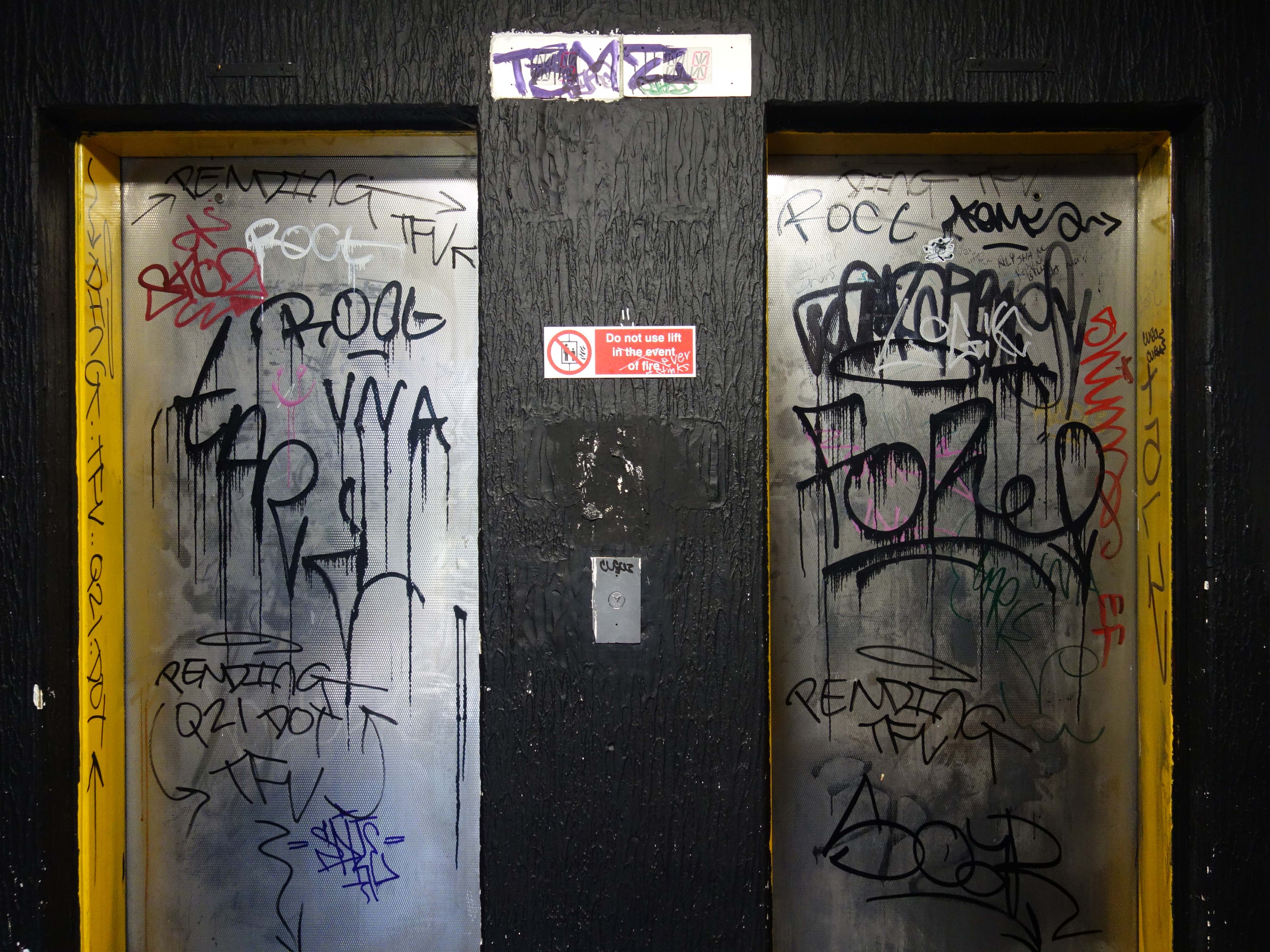
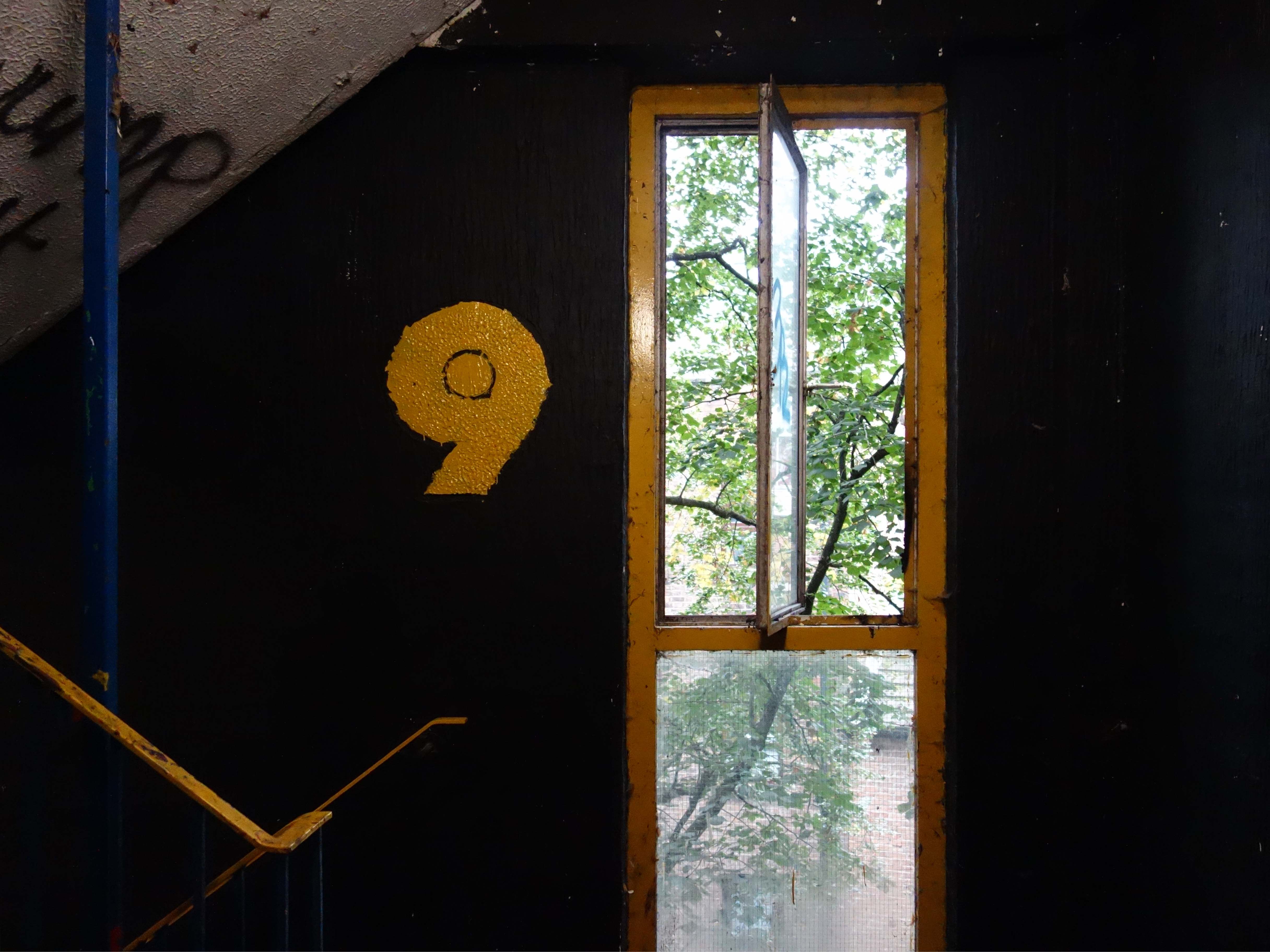
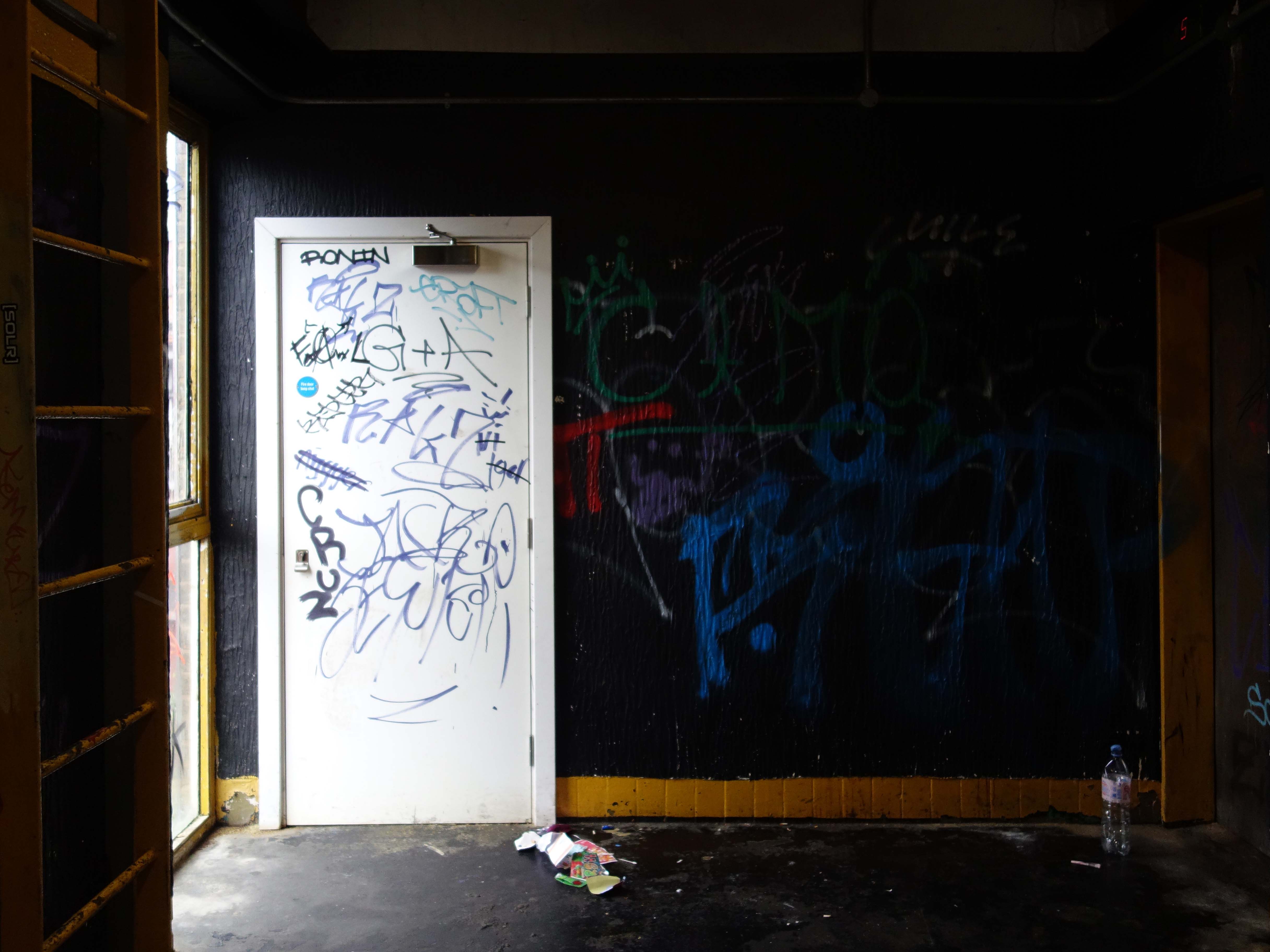
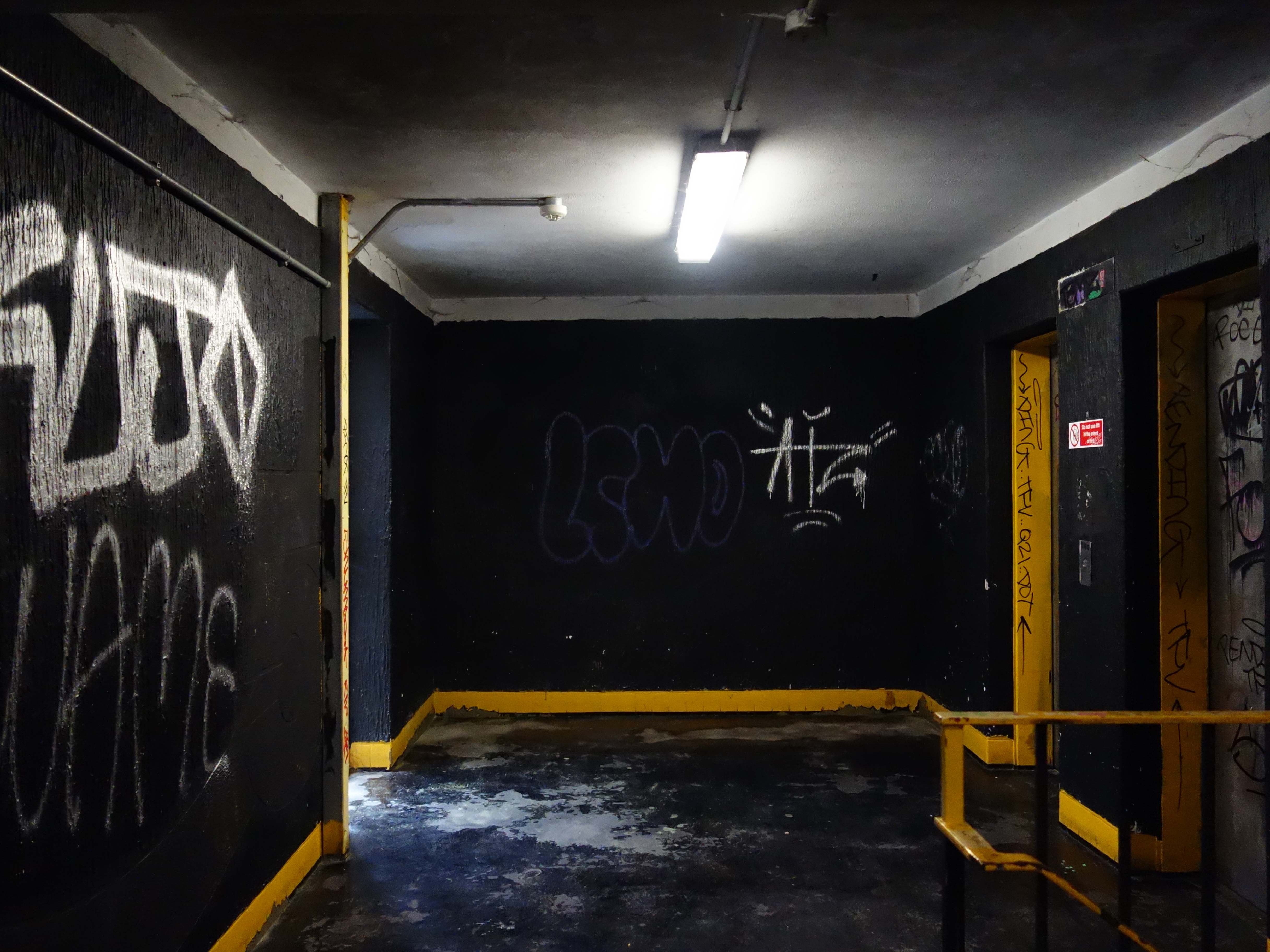
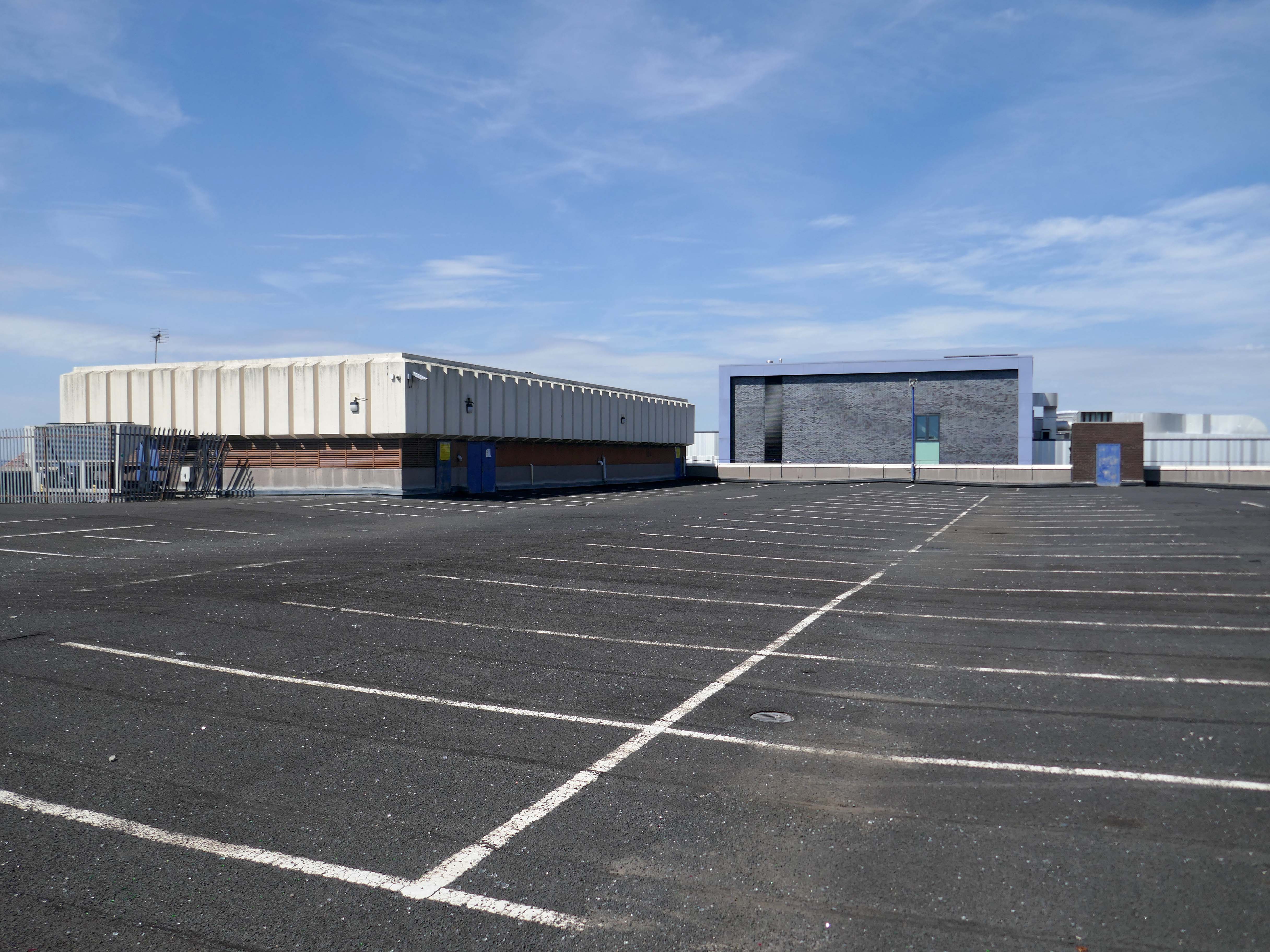
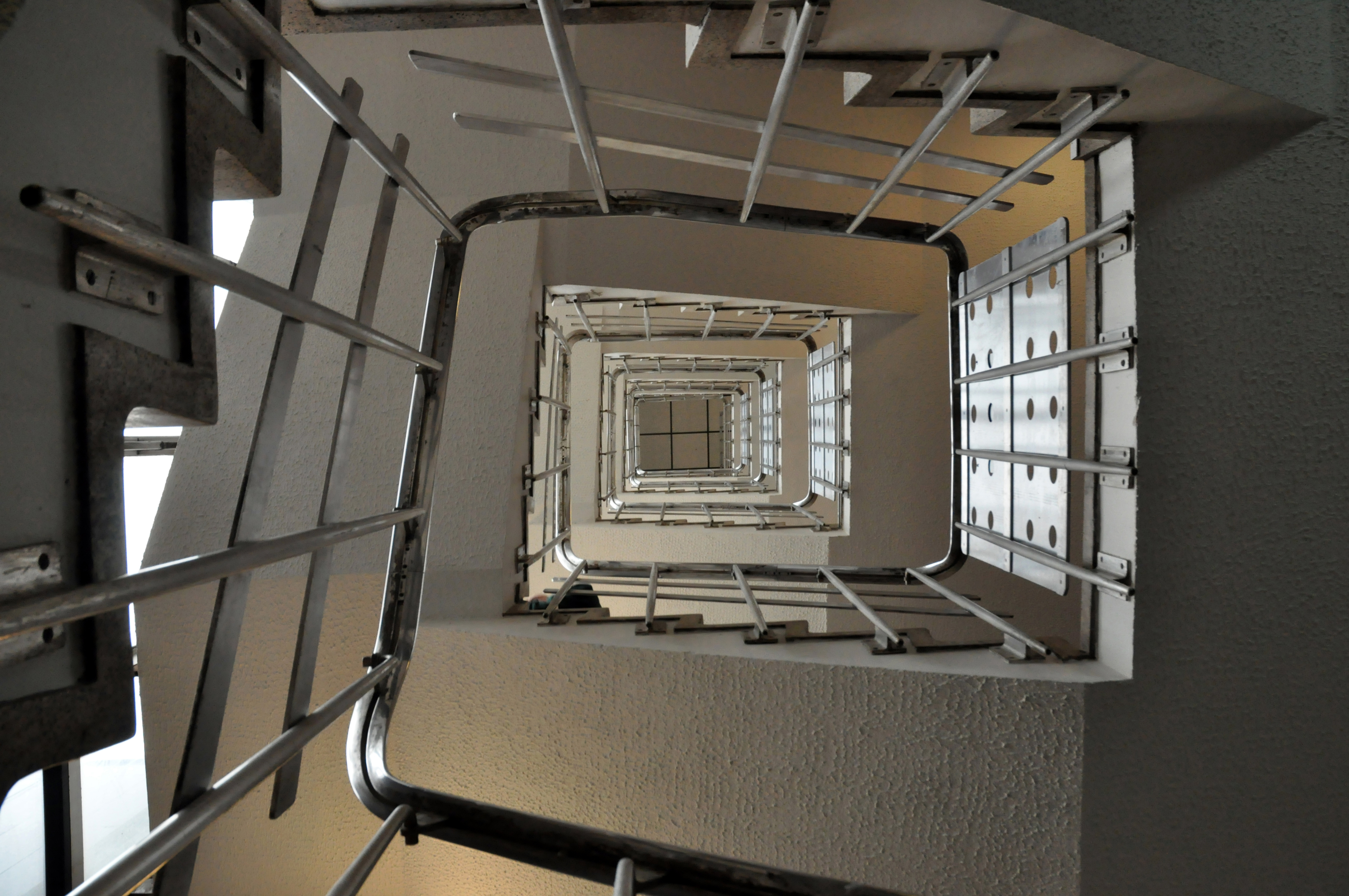
Up in the lift, walking just one flight of stairs, right to the top.
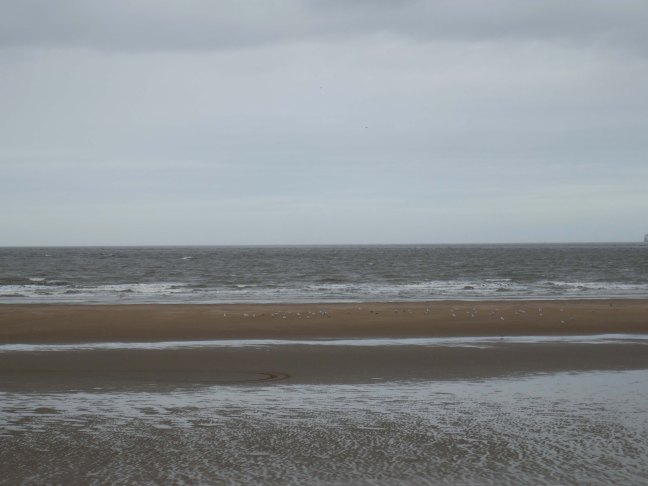
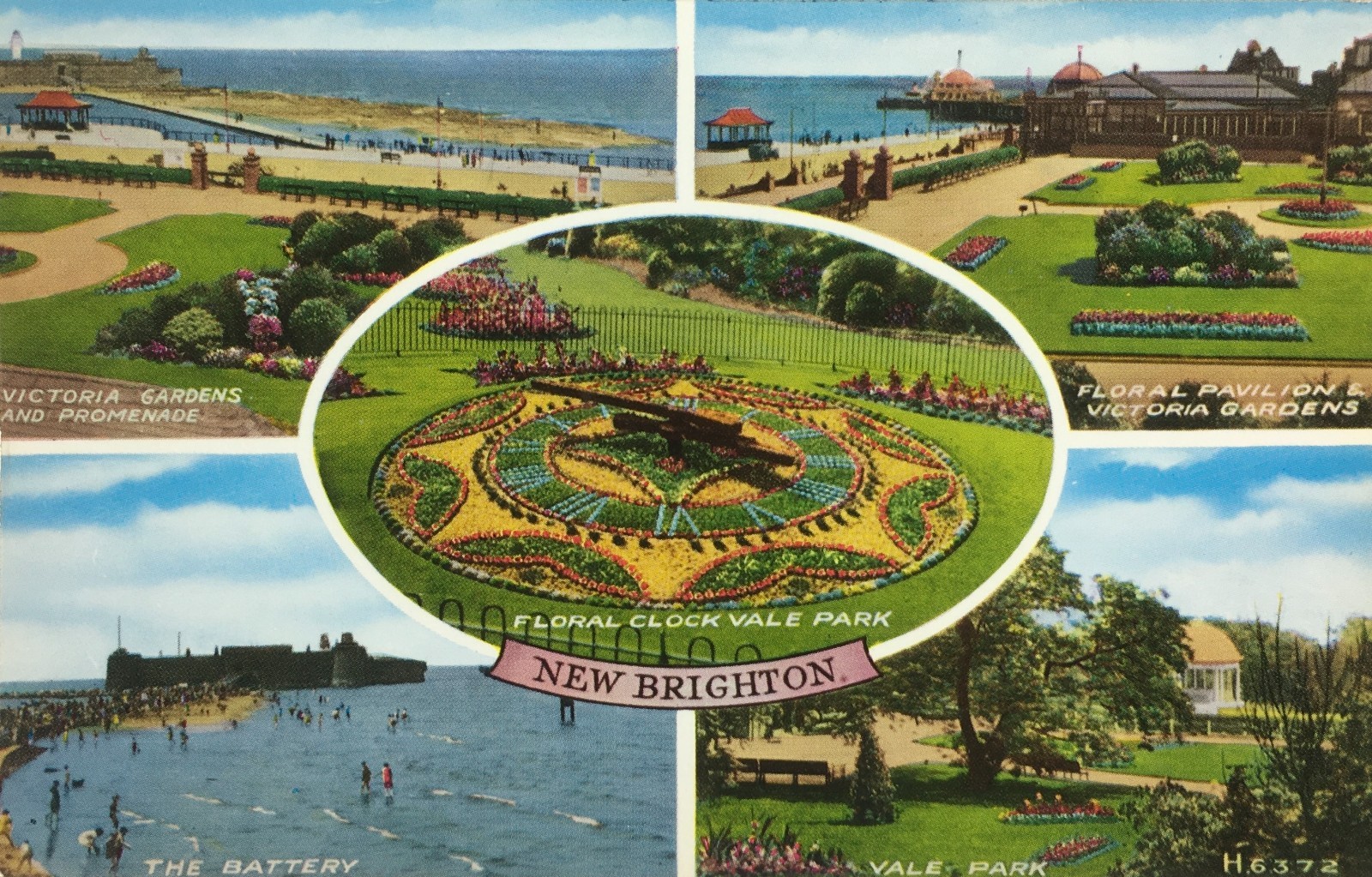
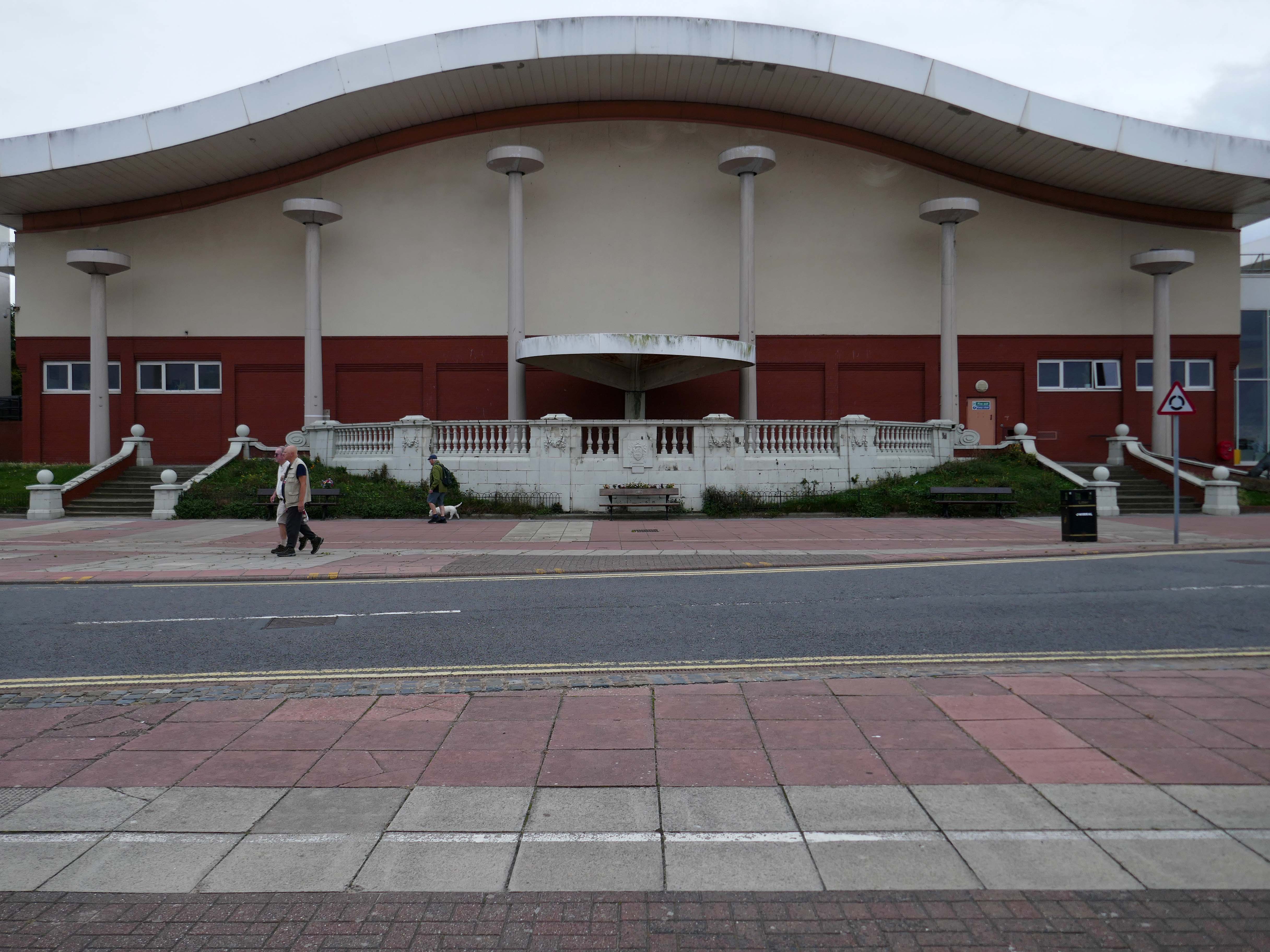
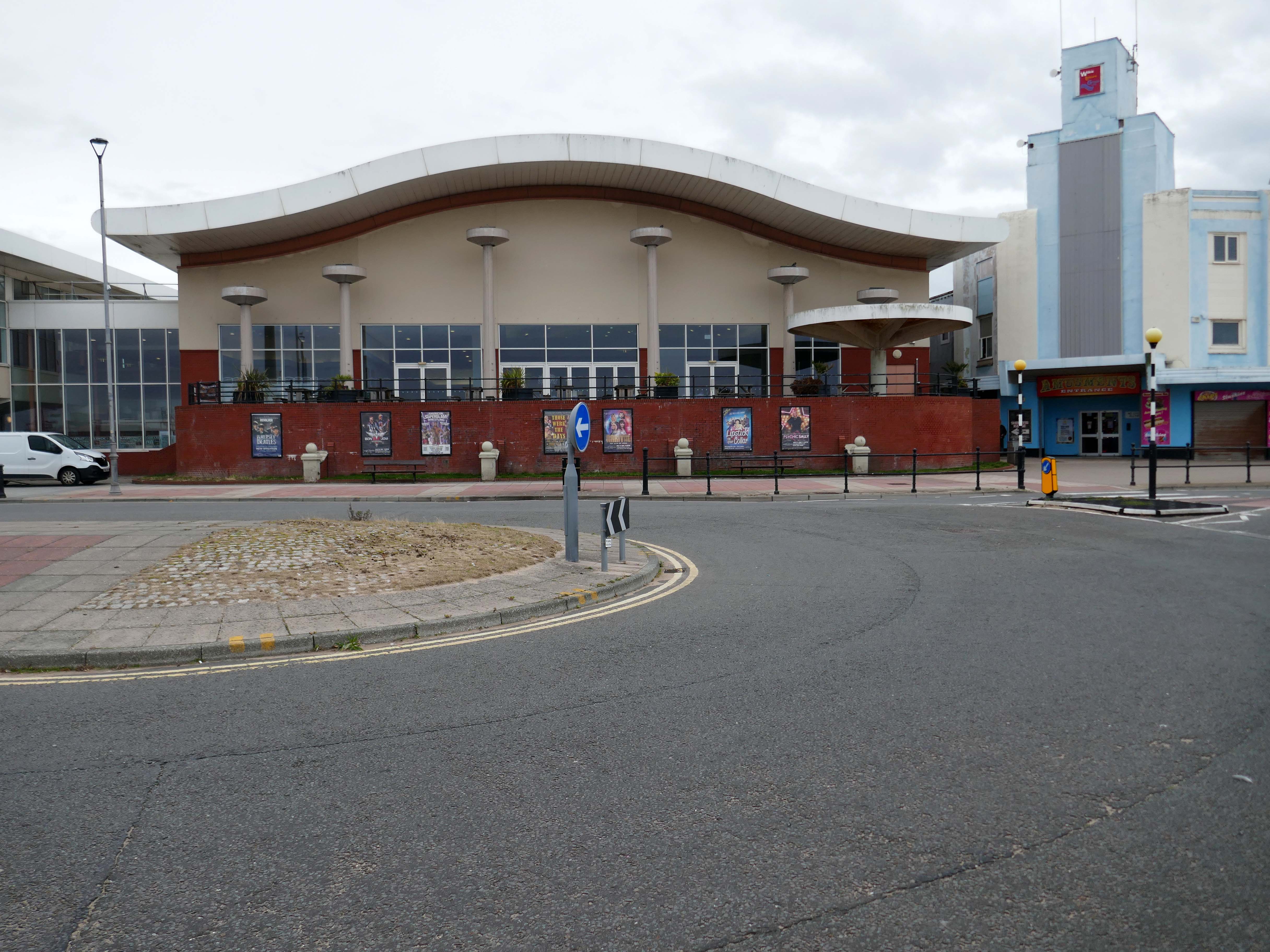
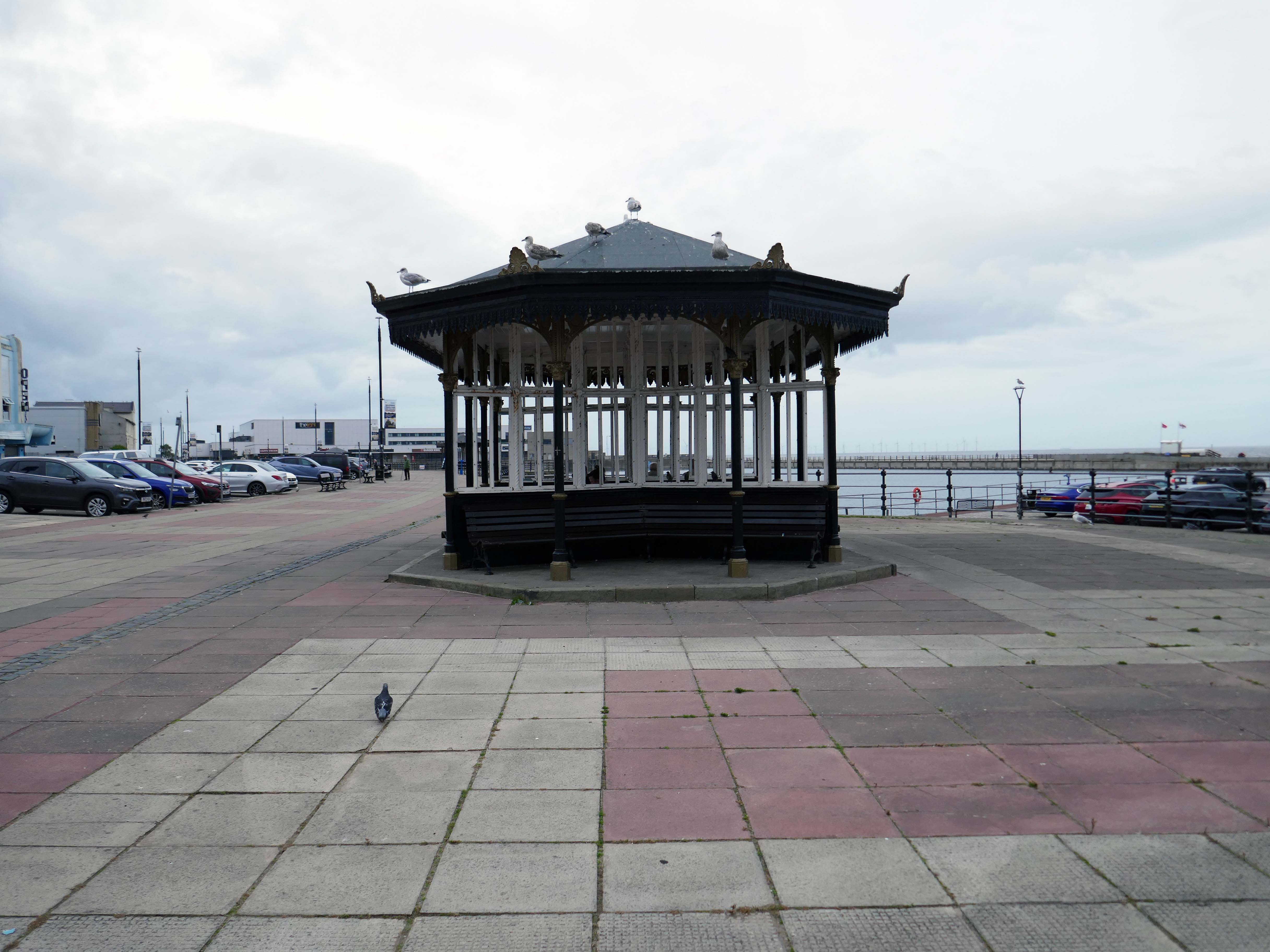
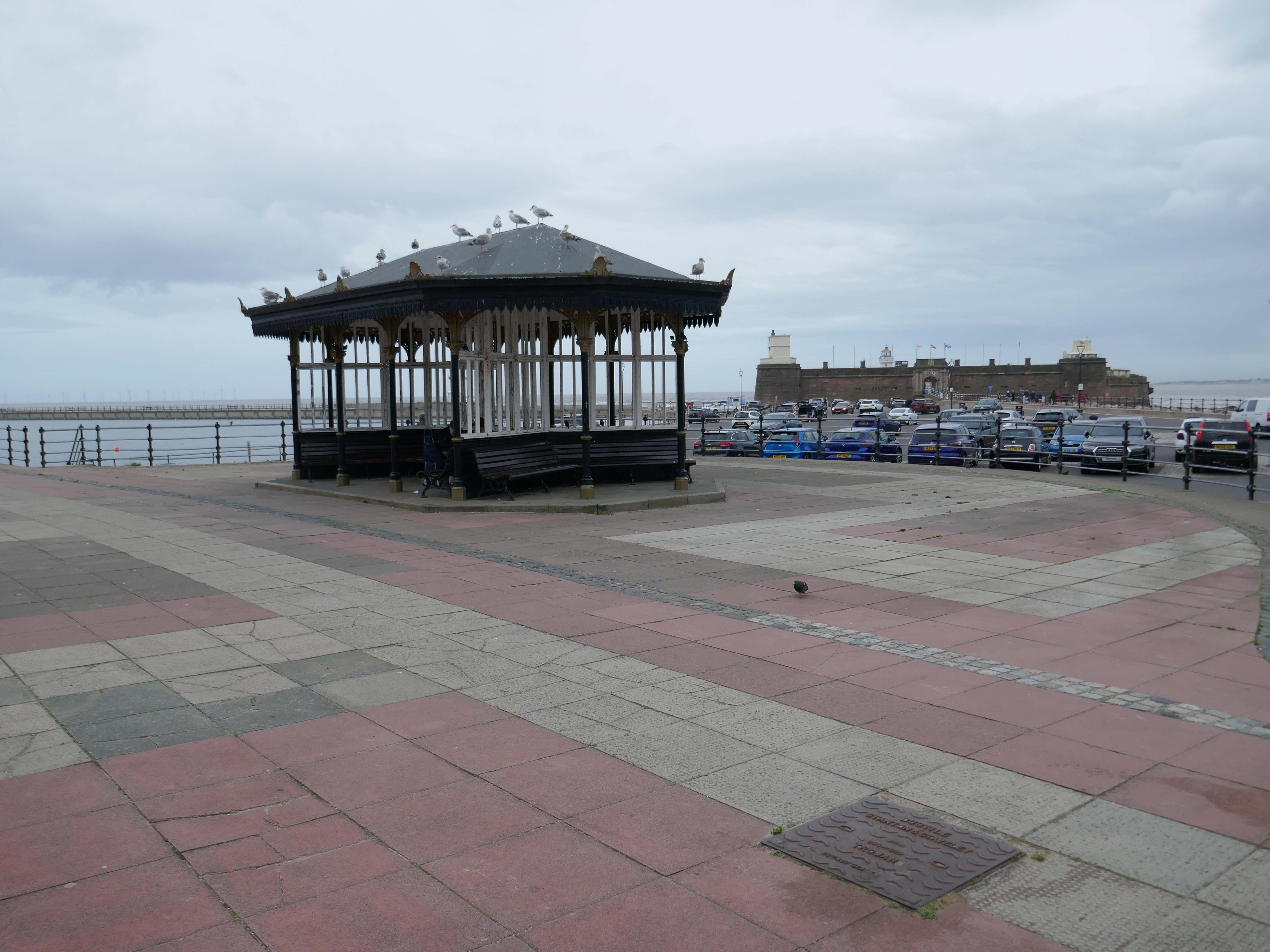
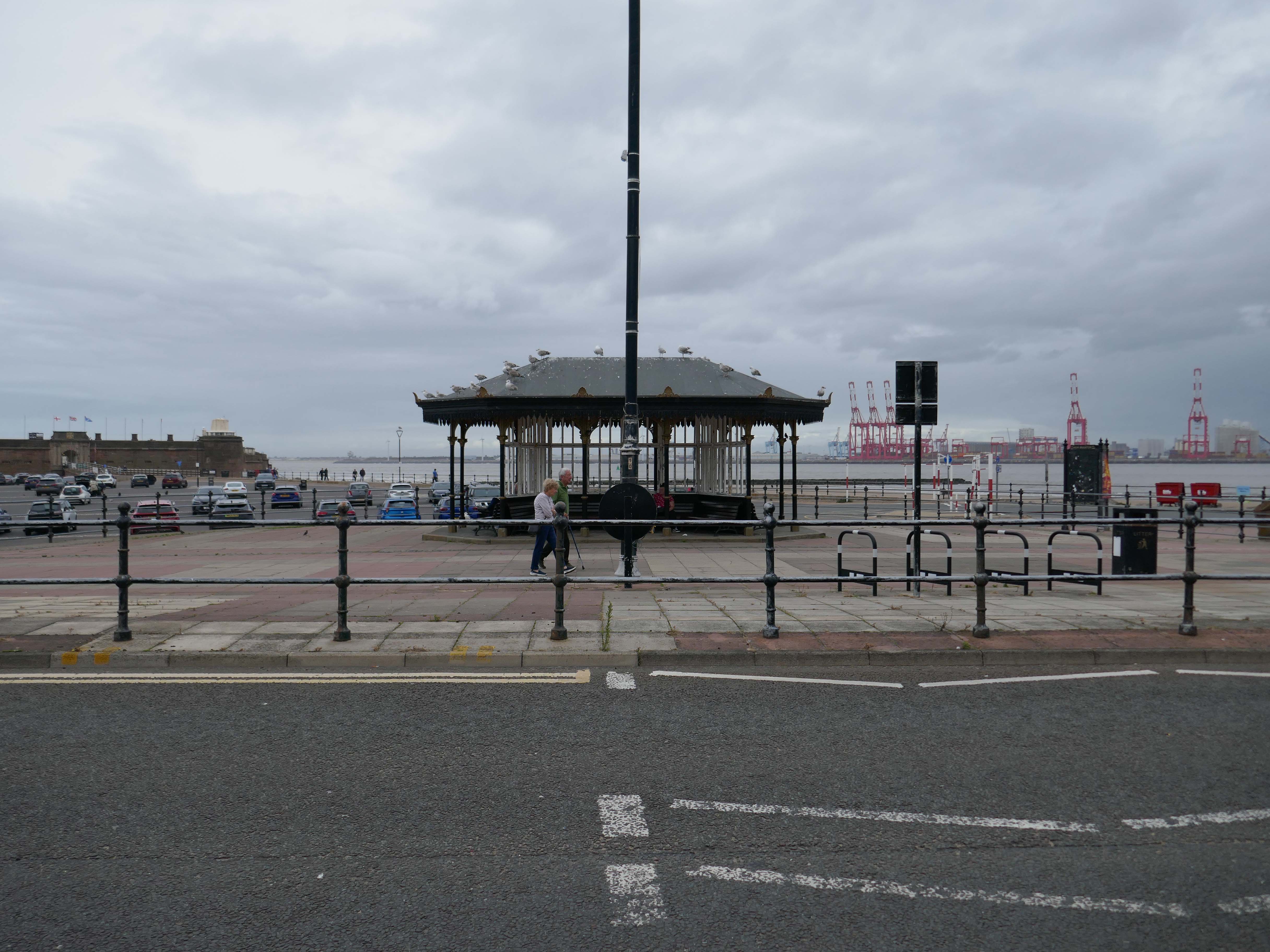
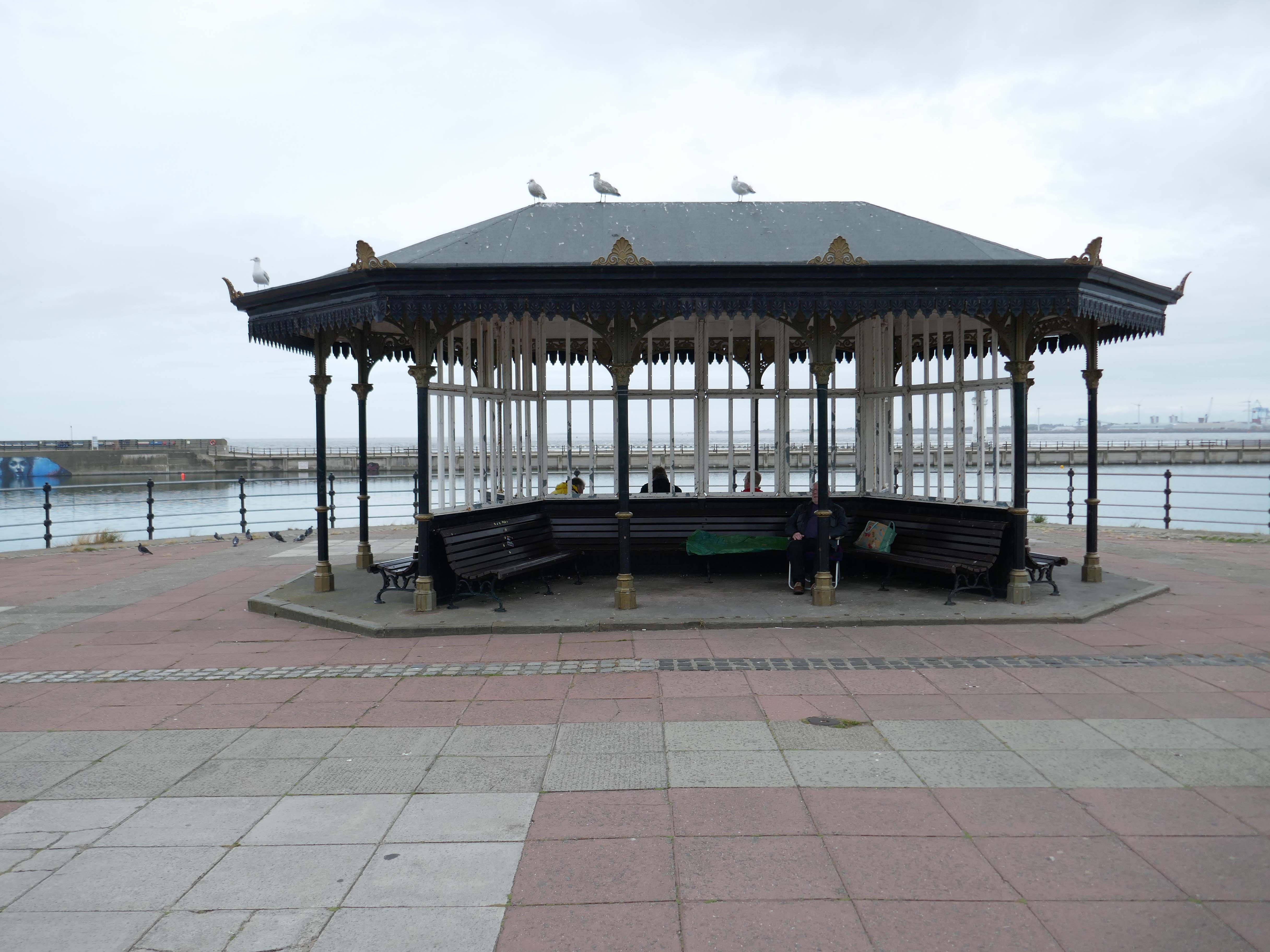
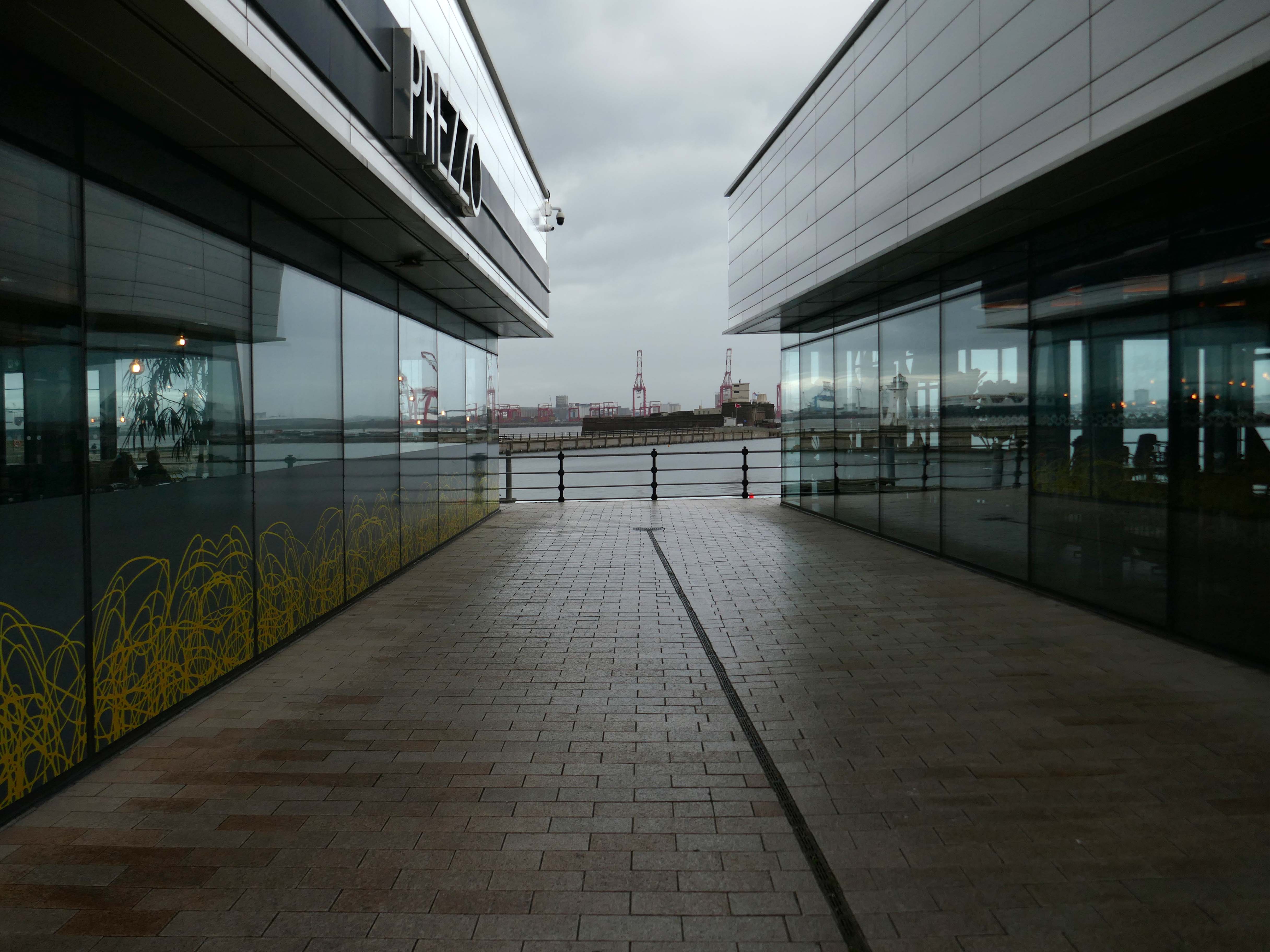
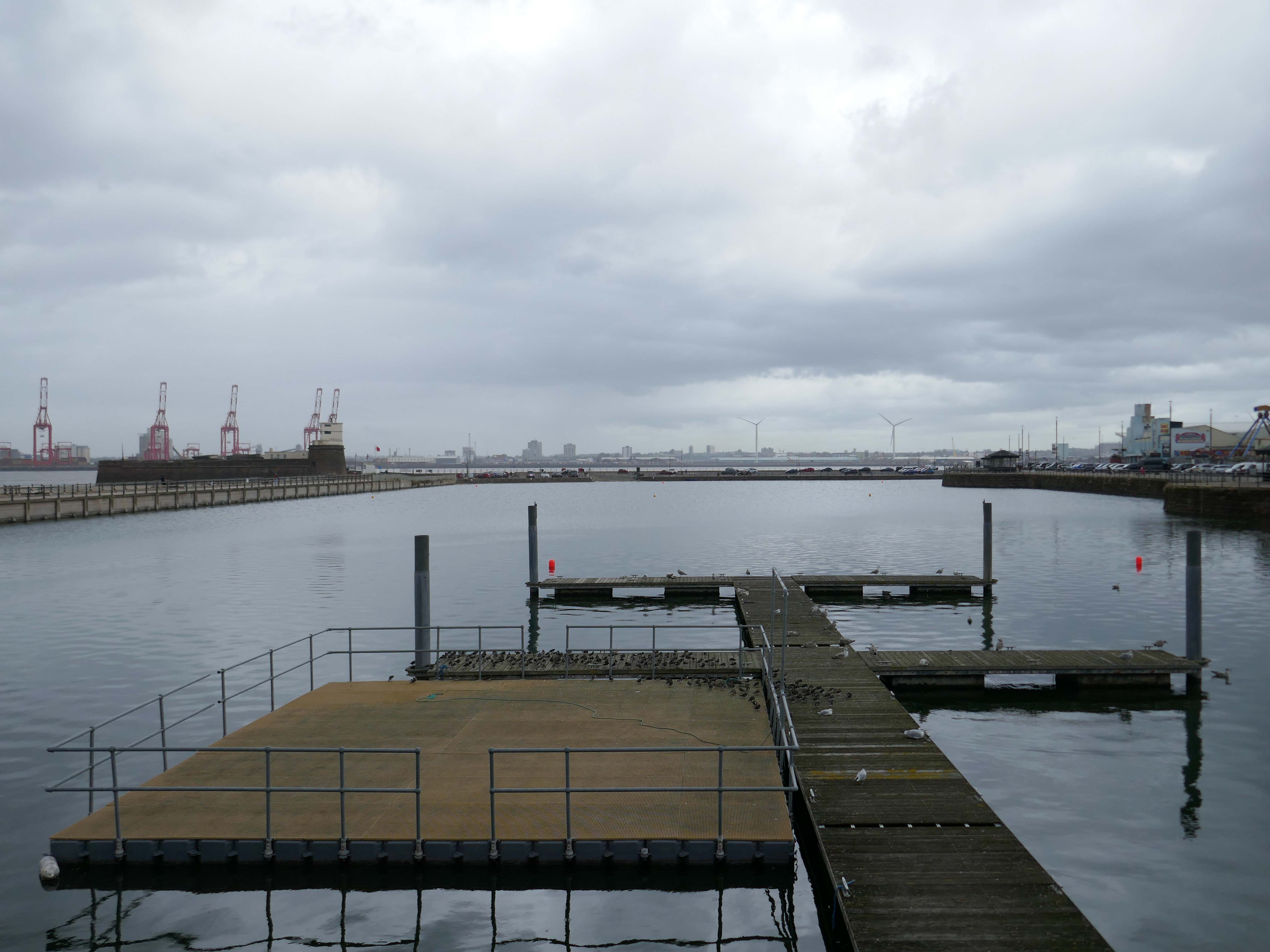
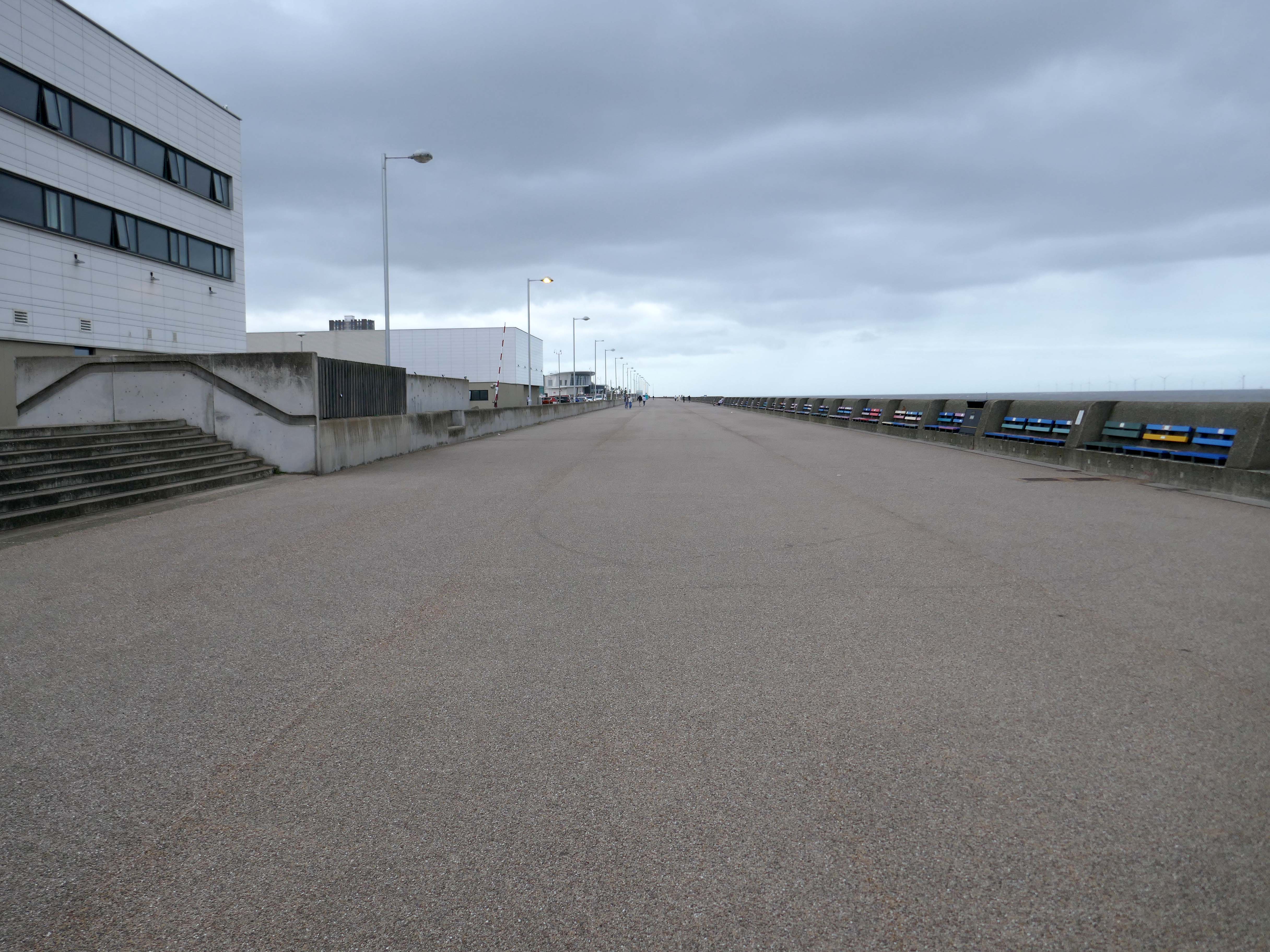
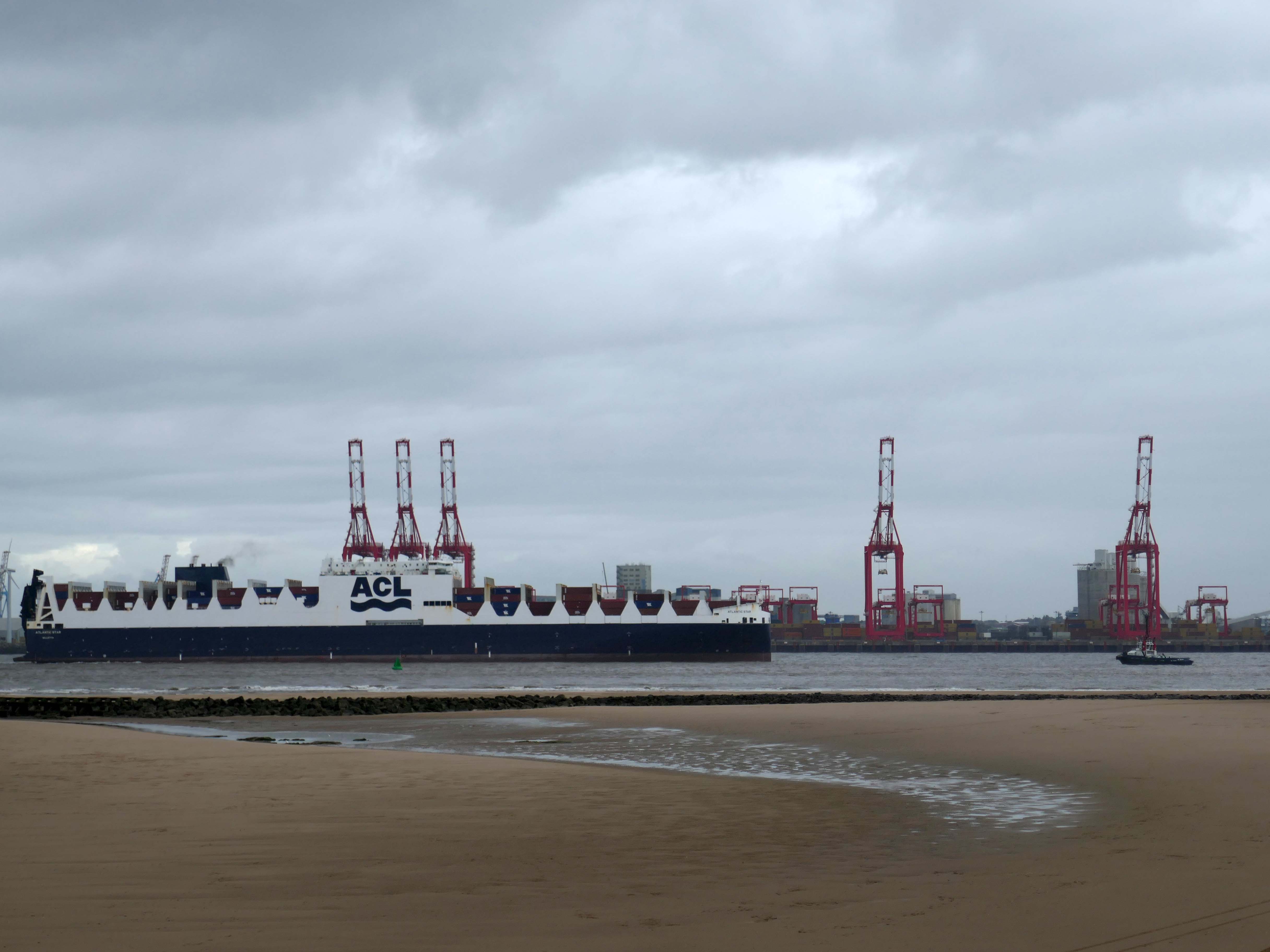
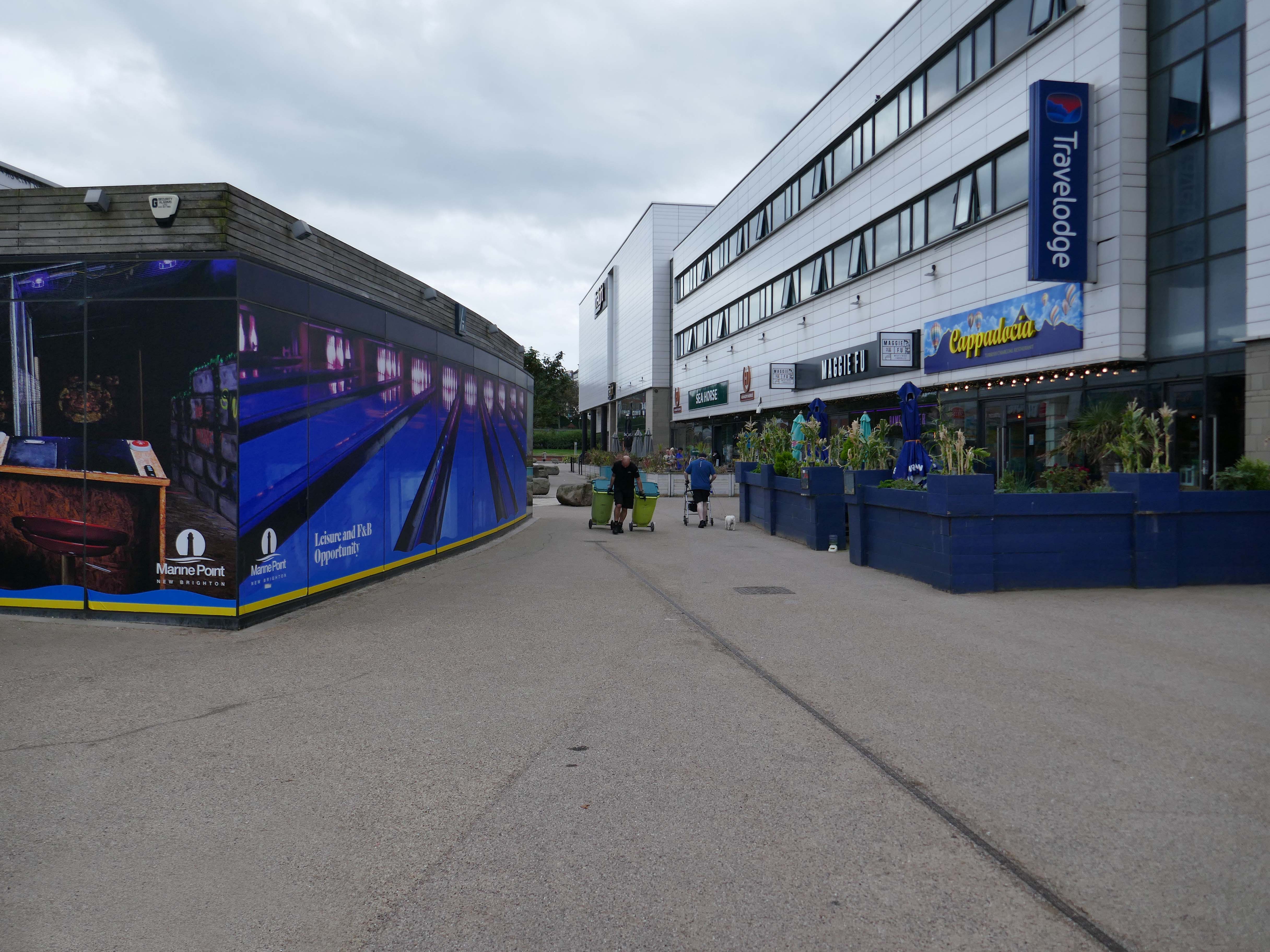
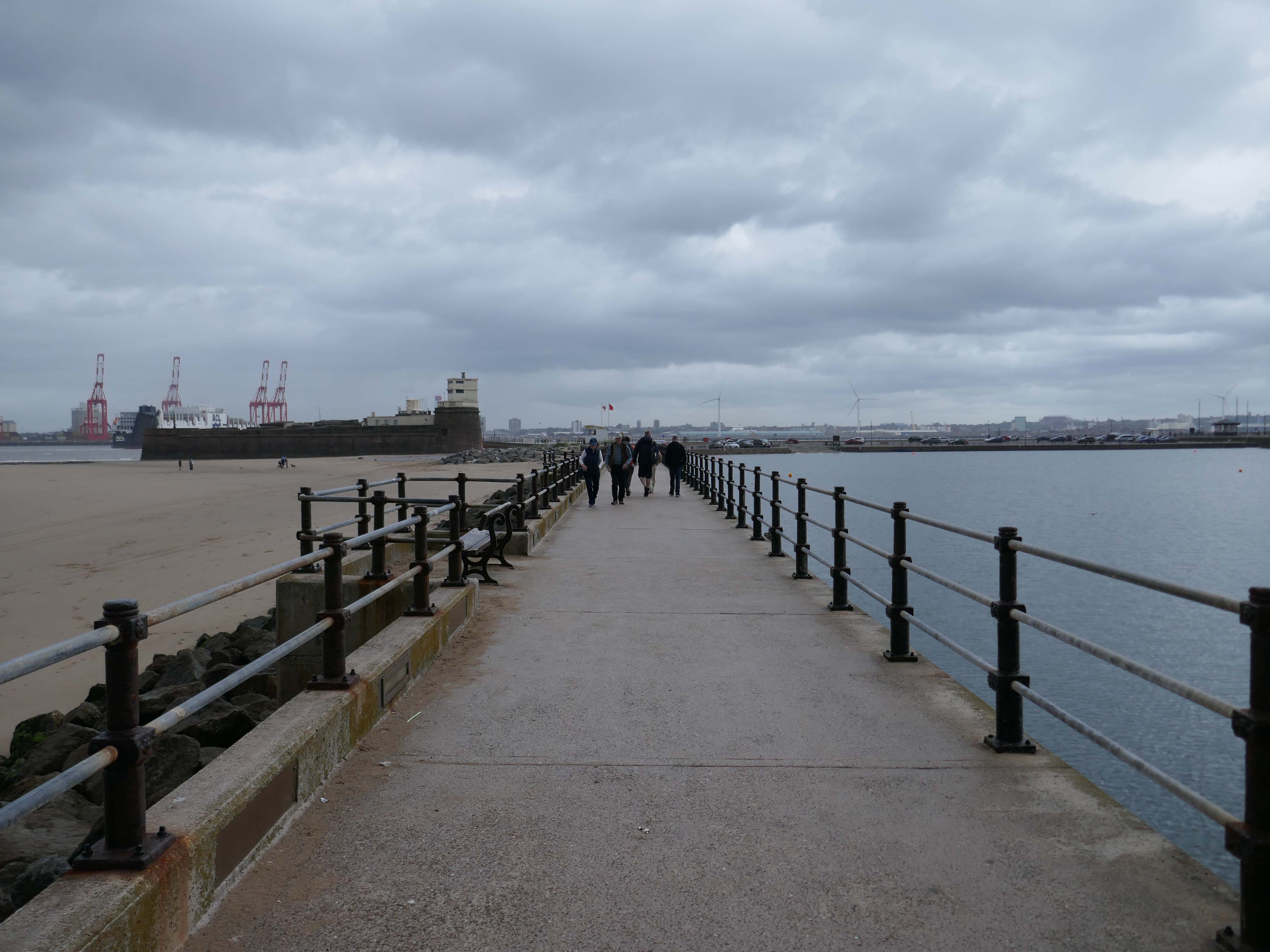
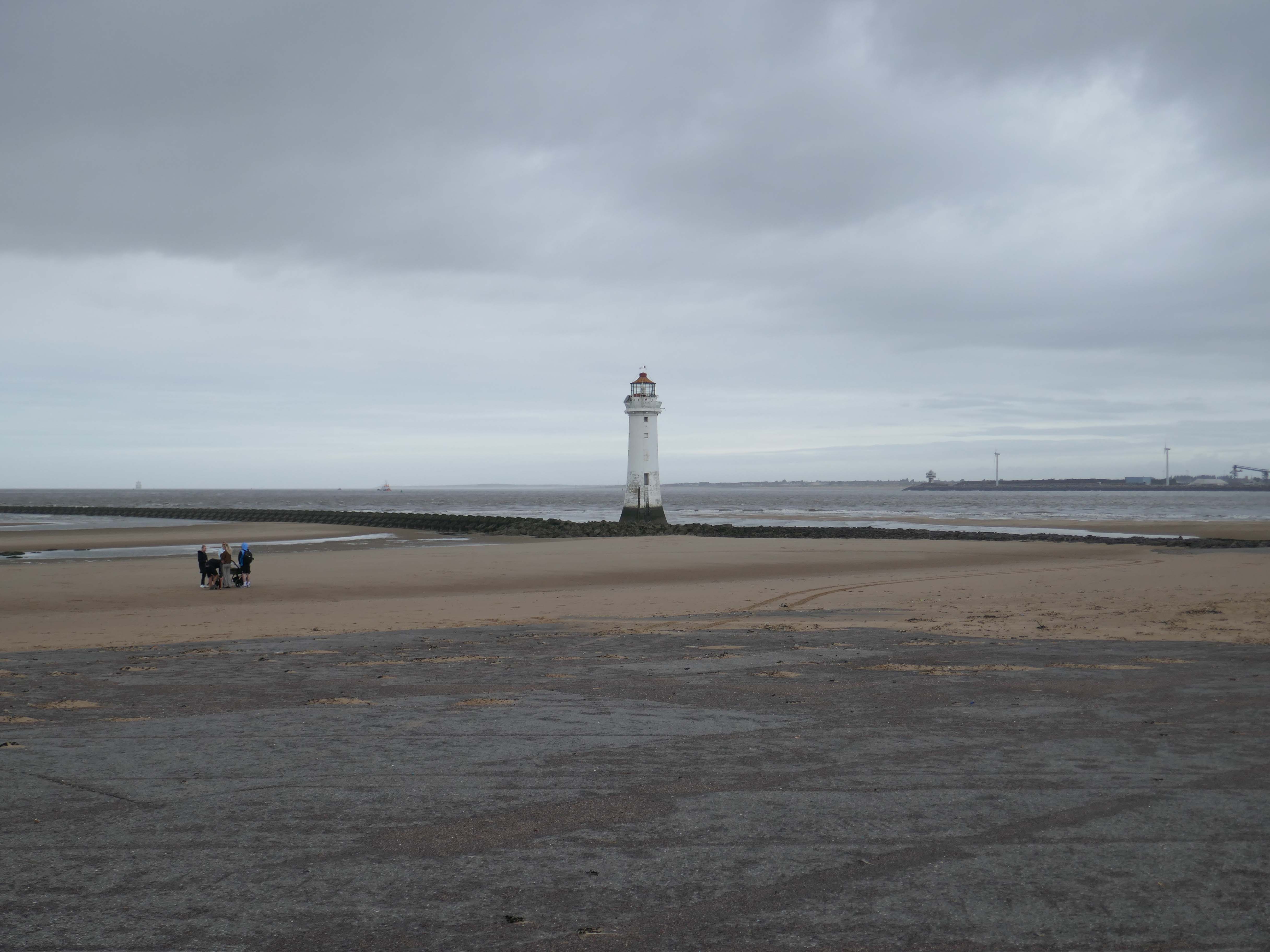
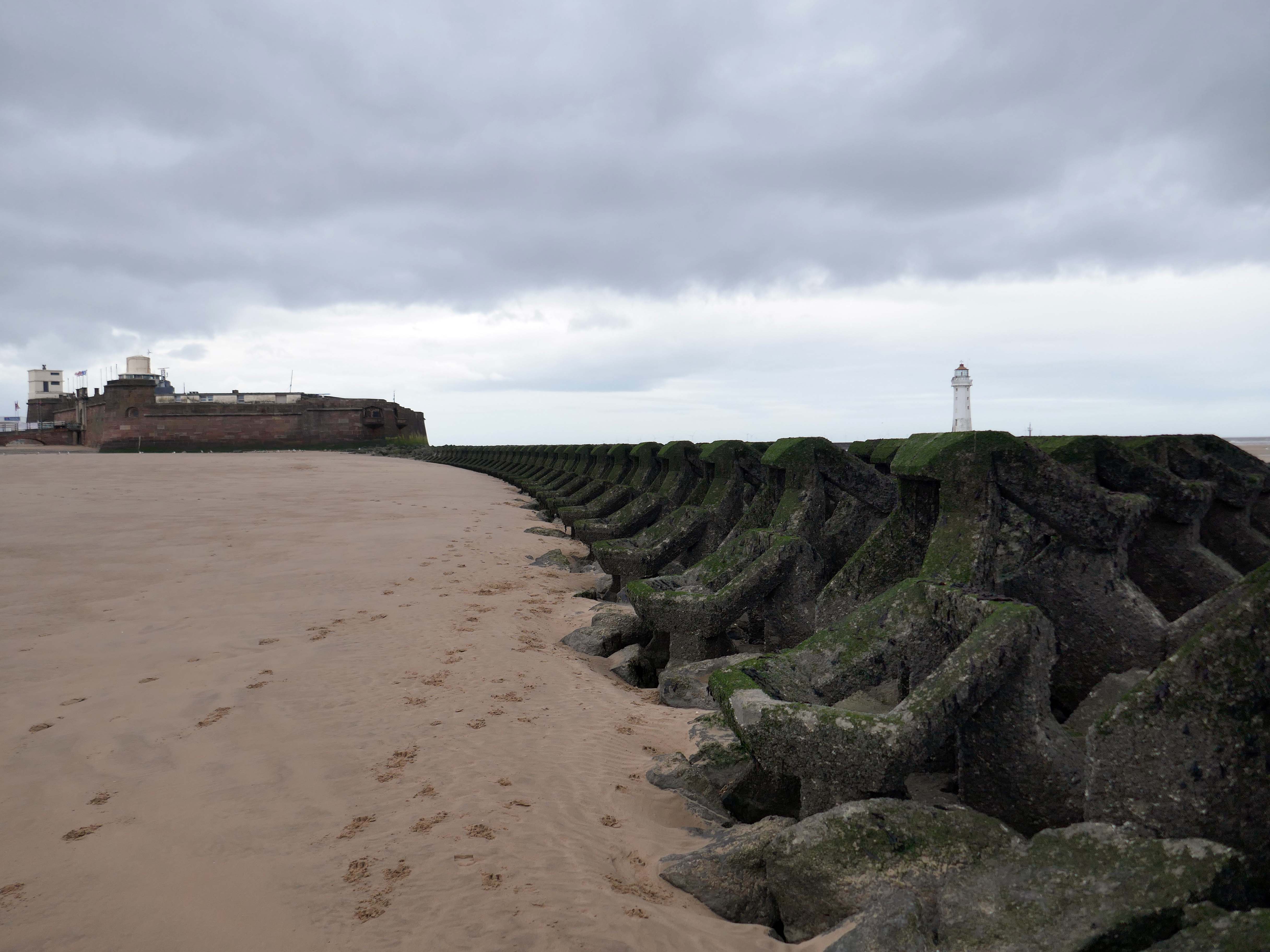
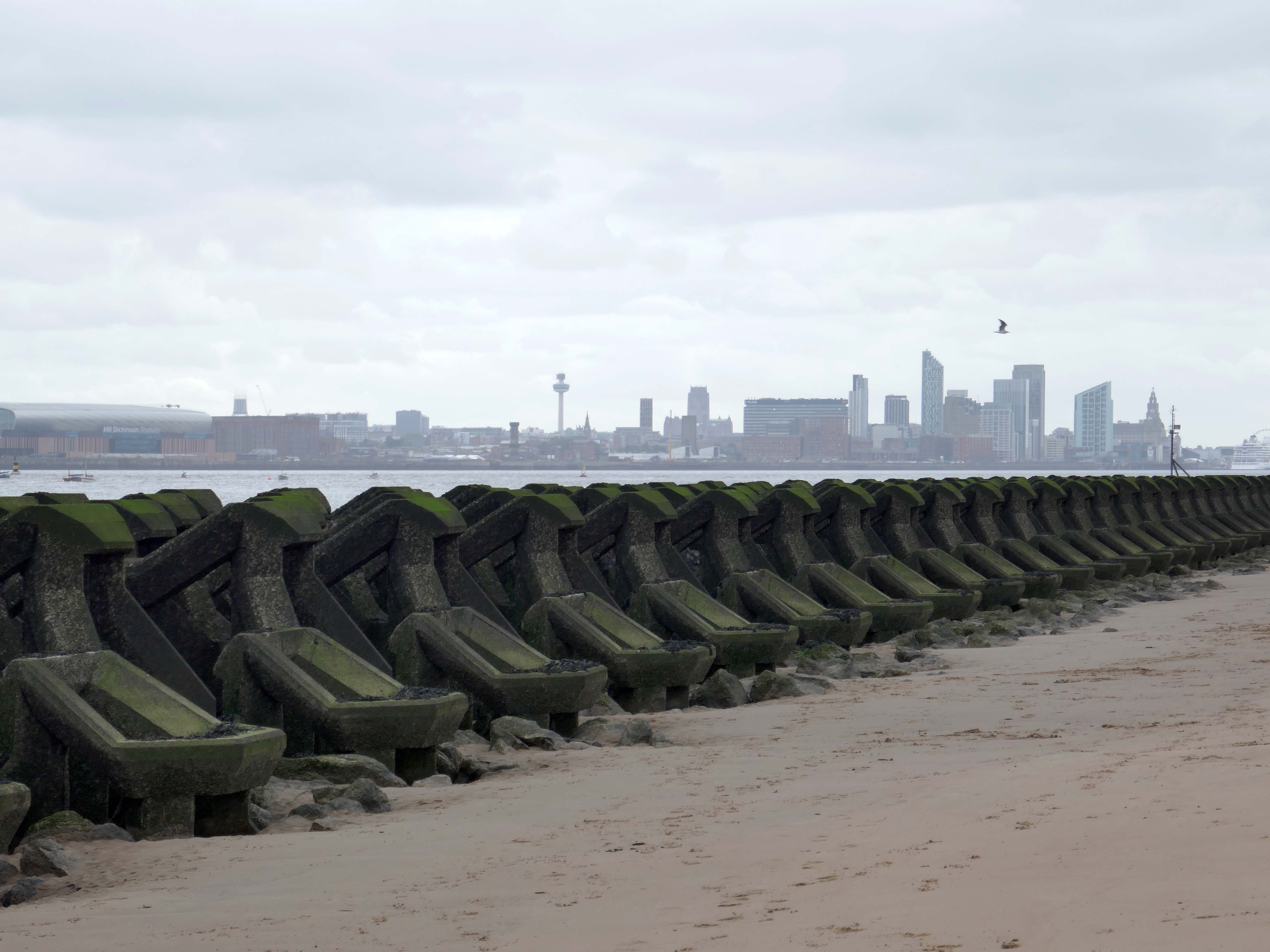
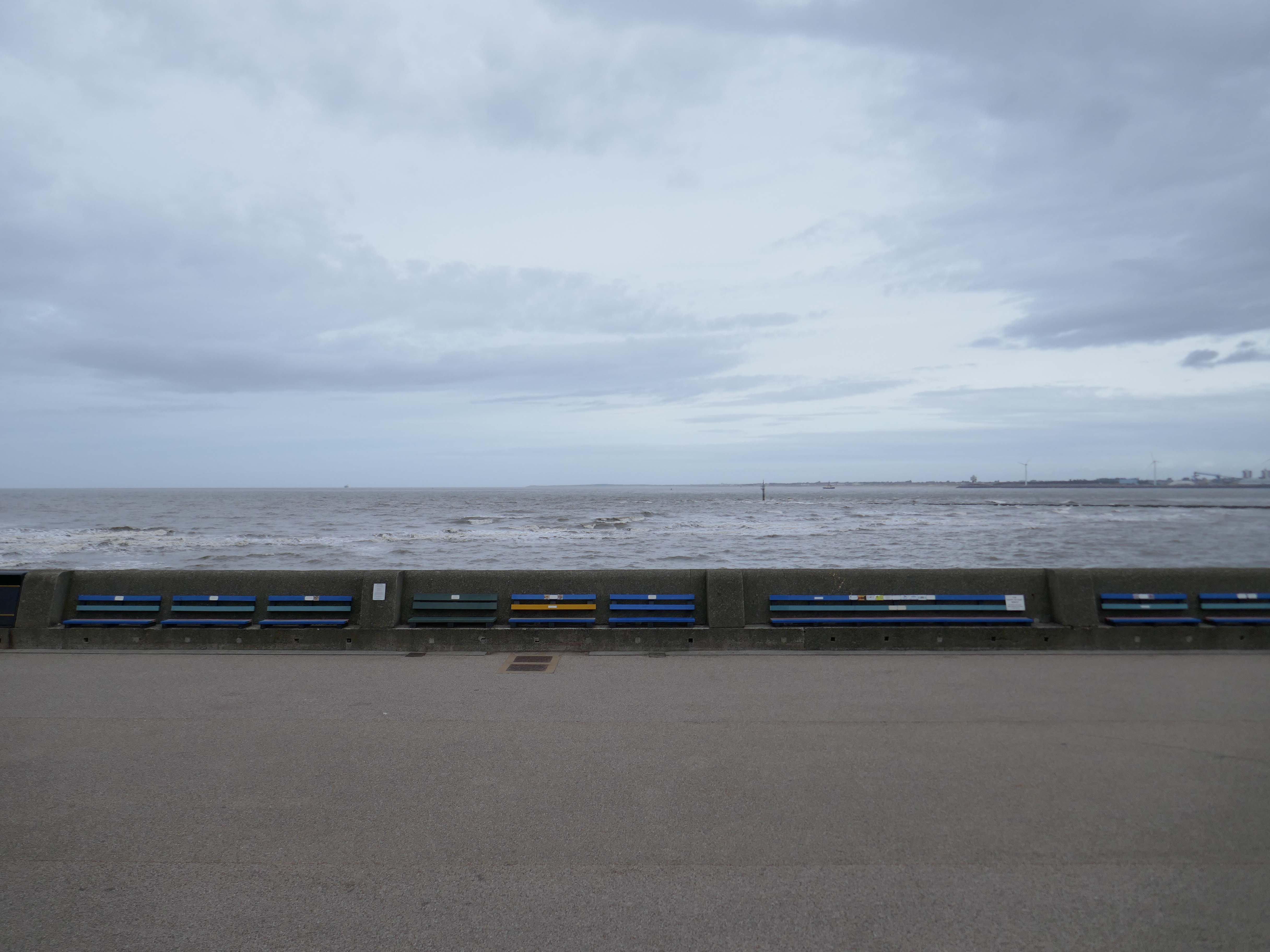
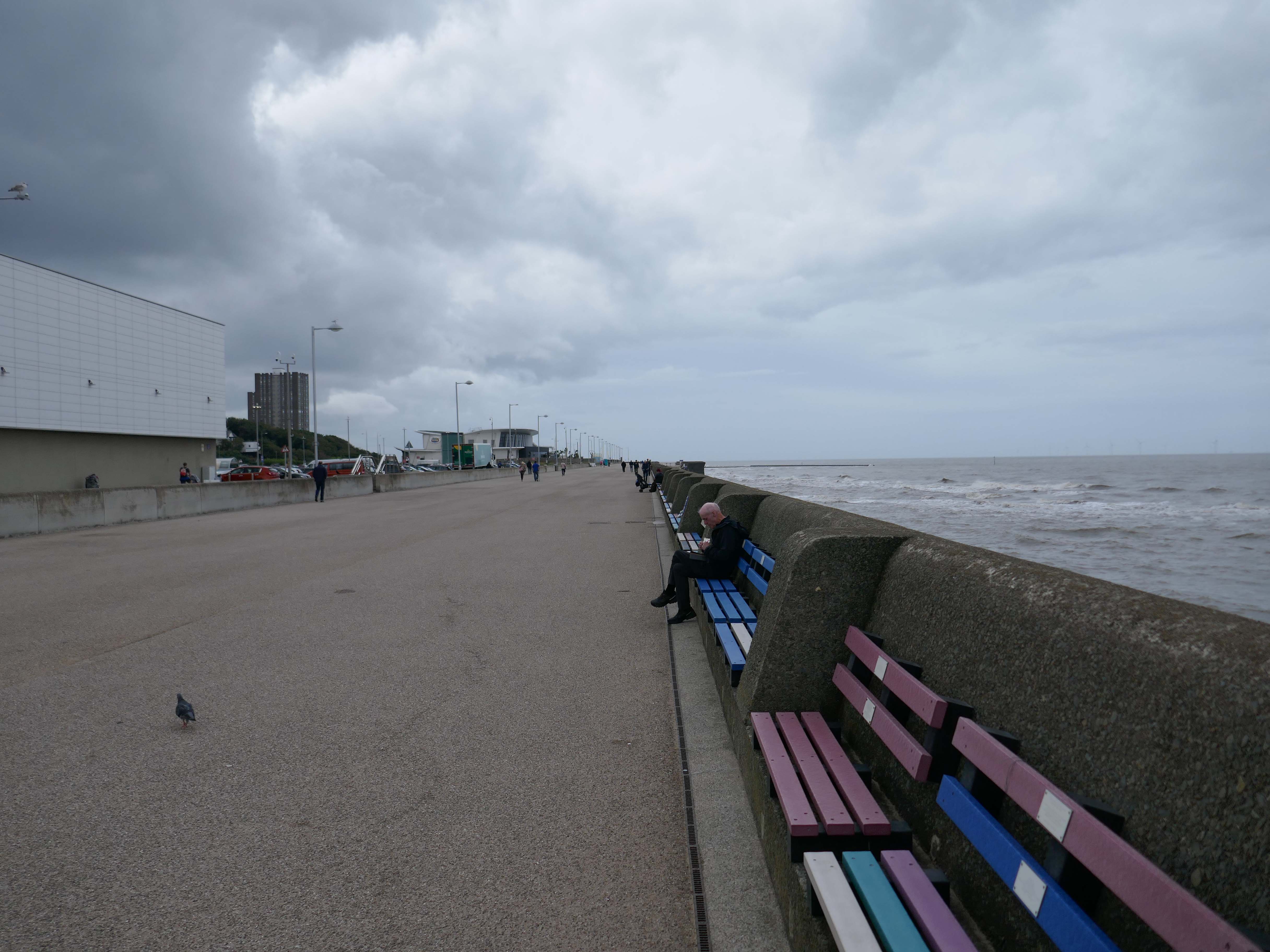
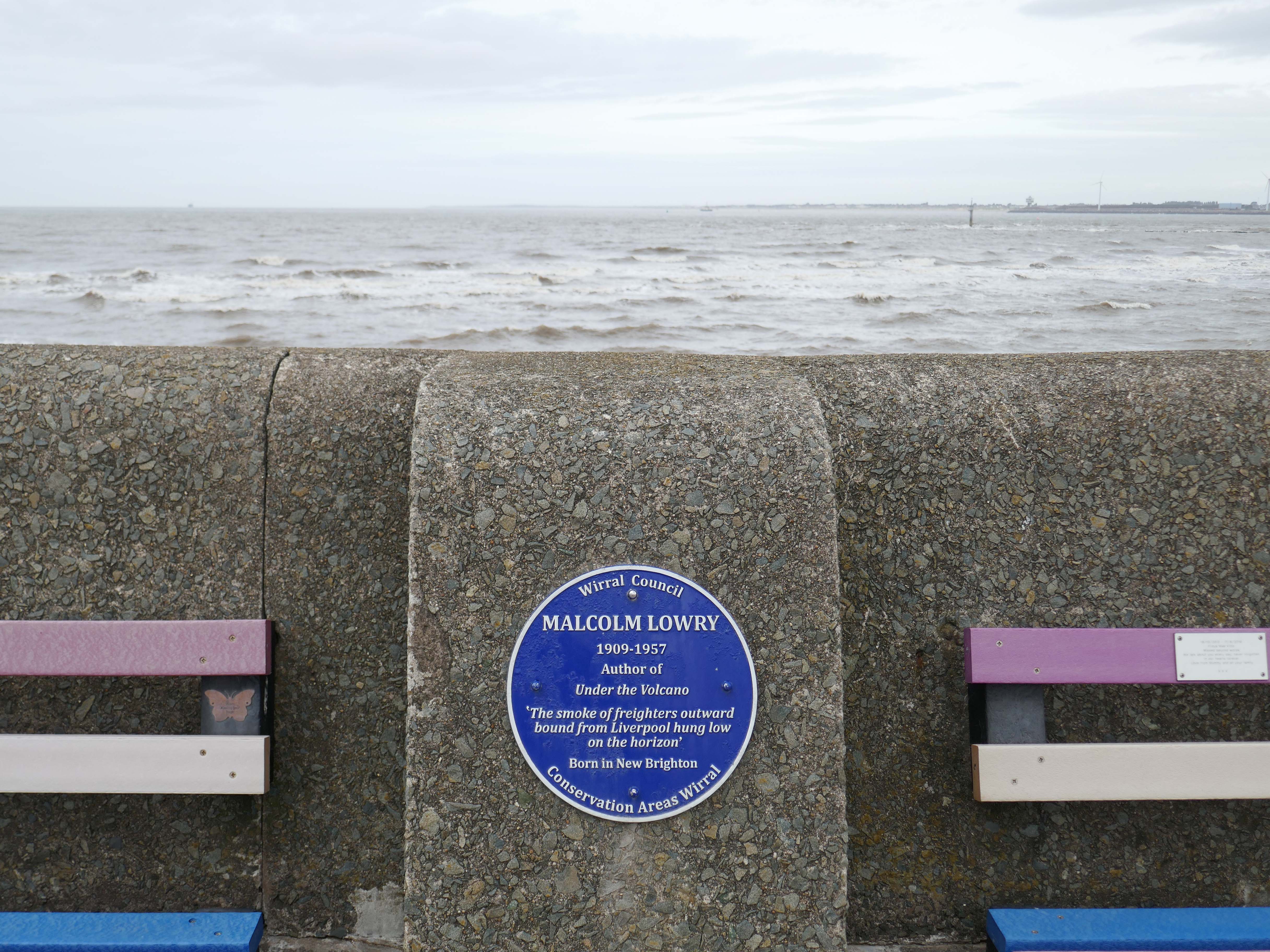
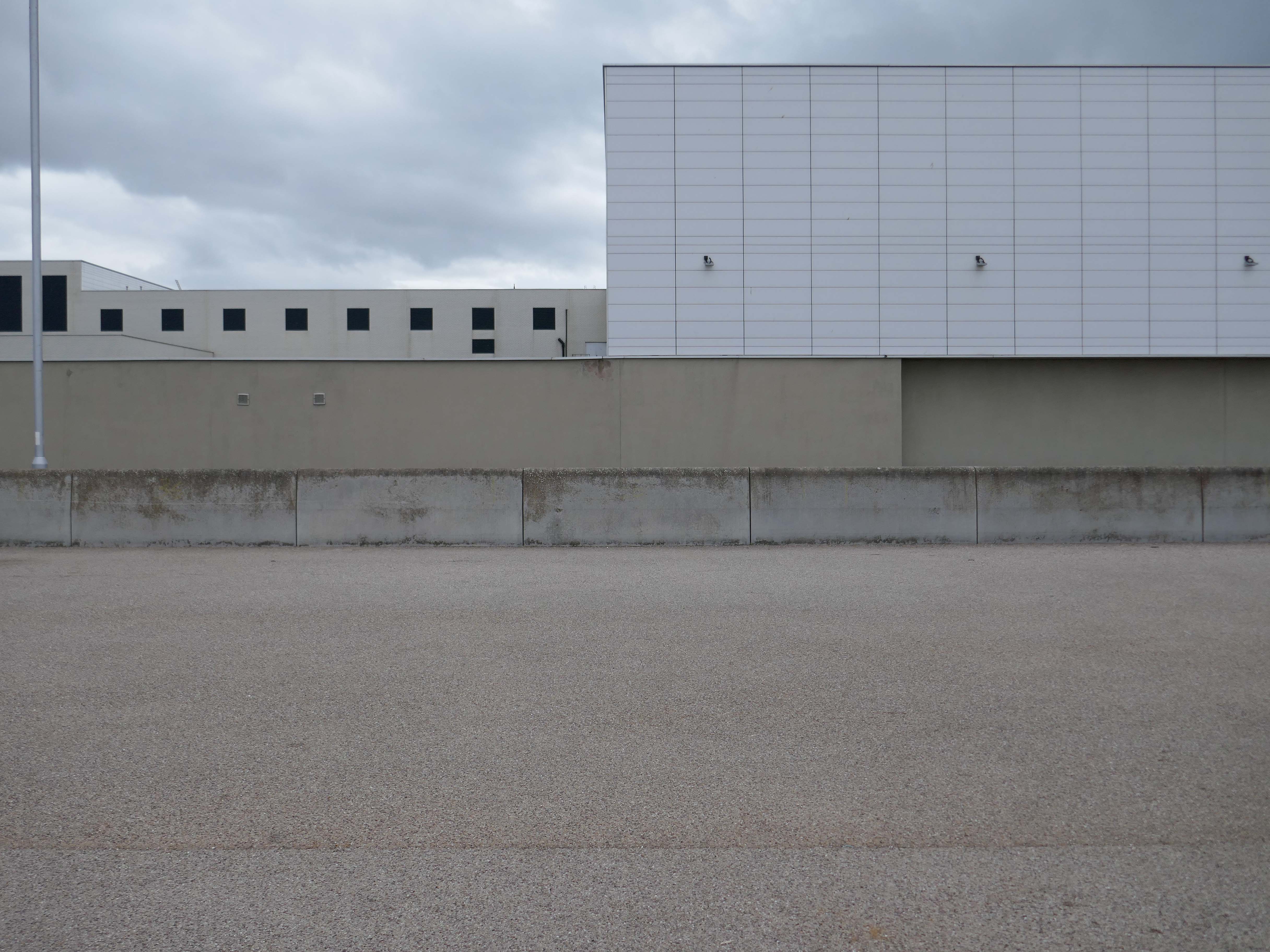
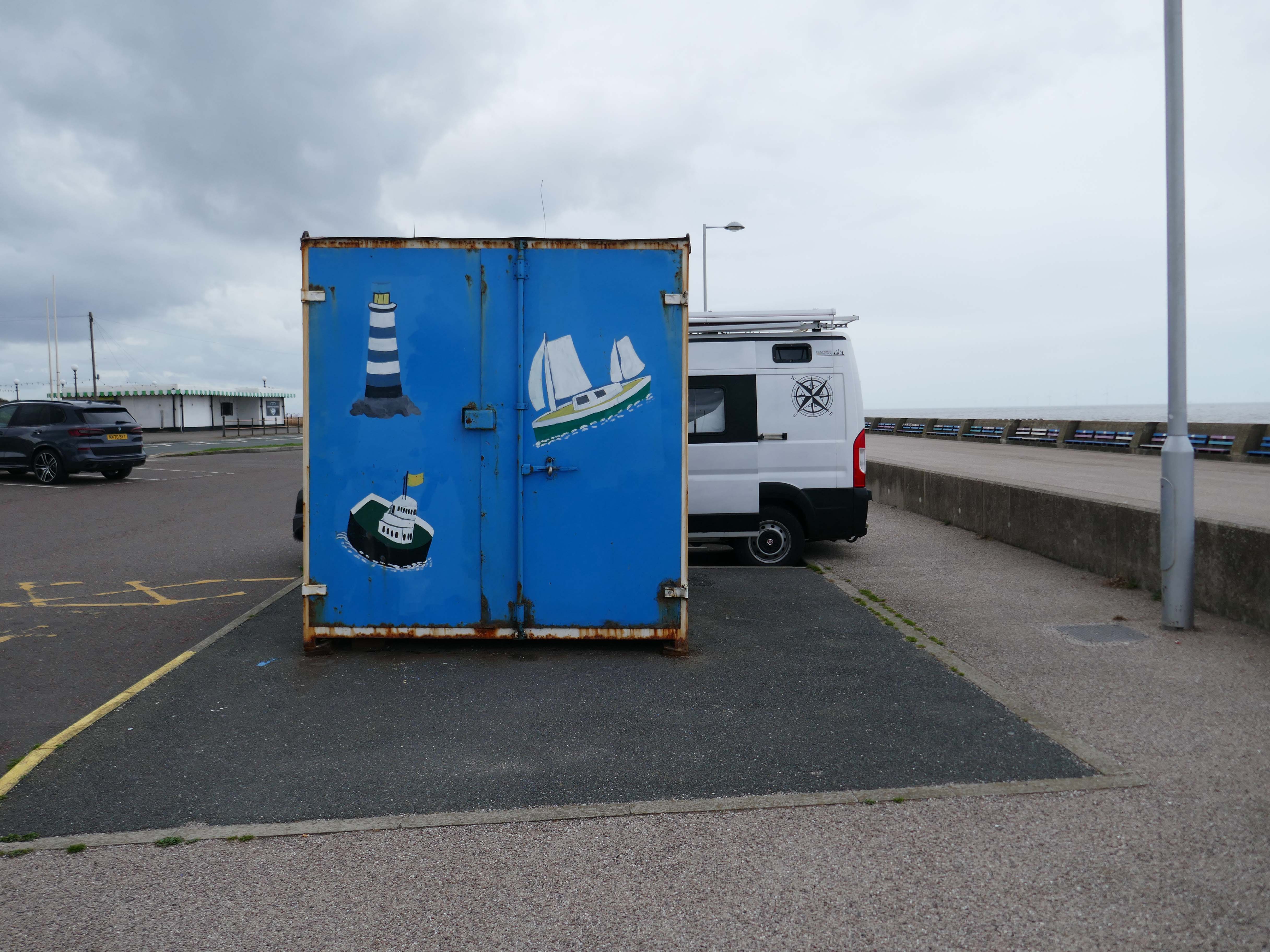
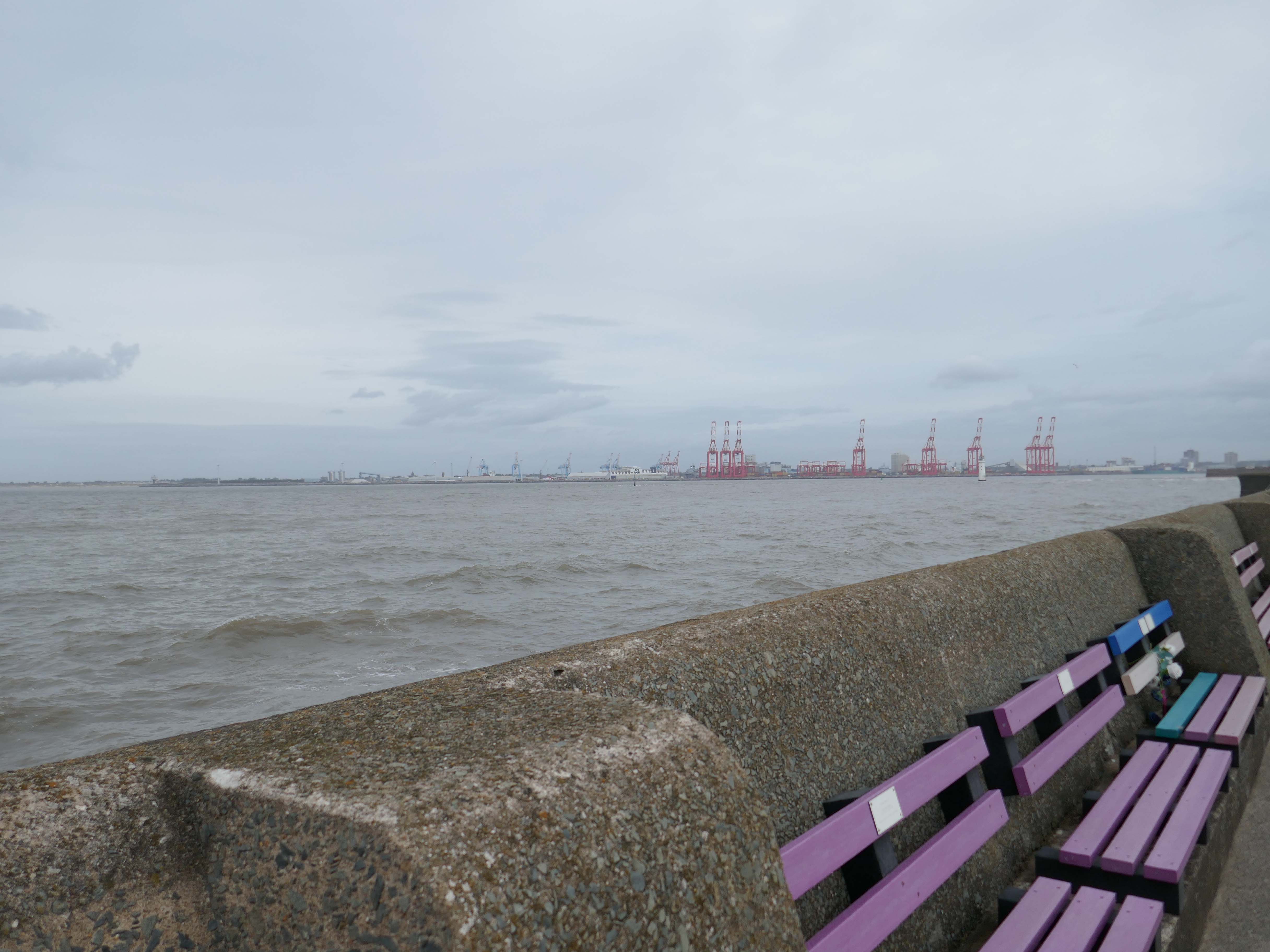
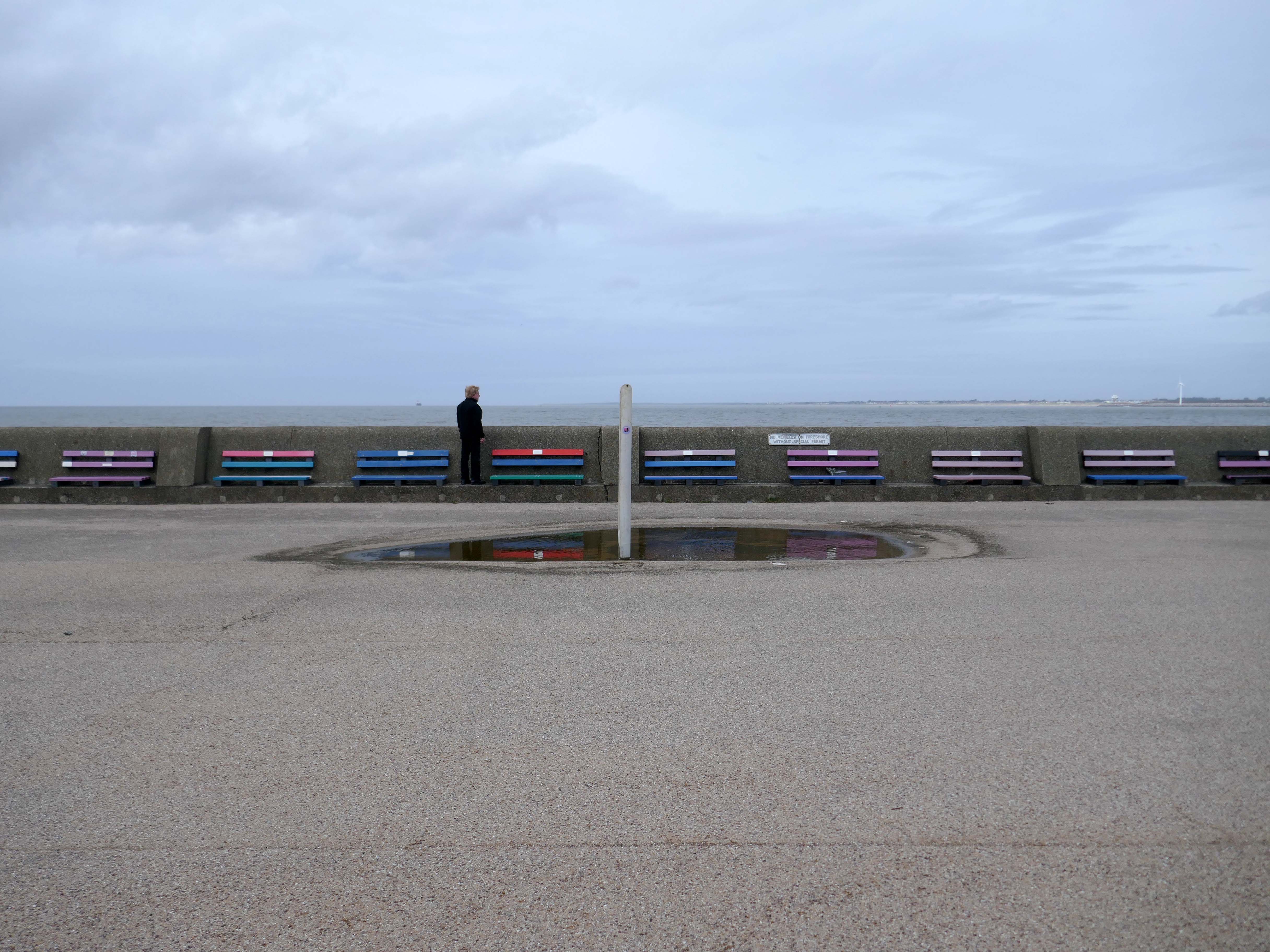
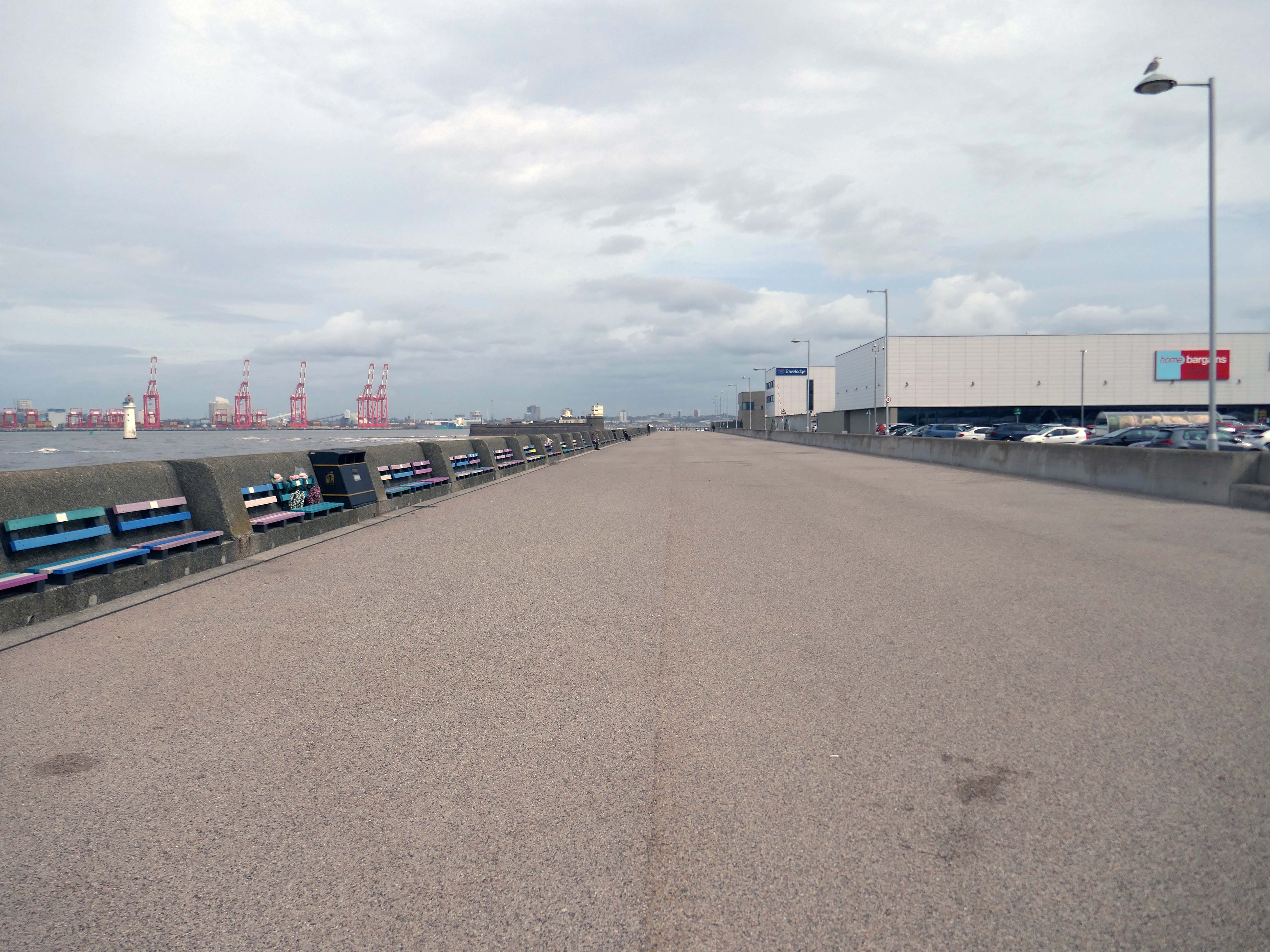
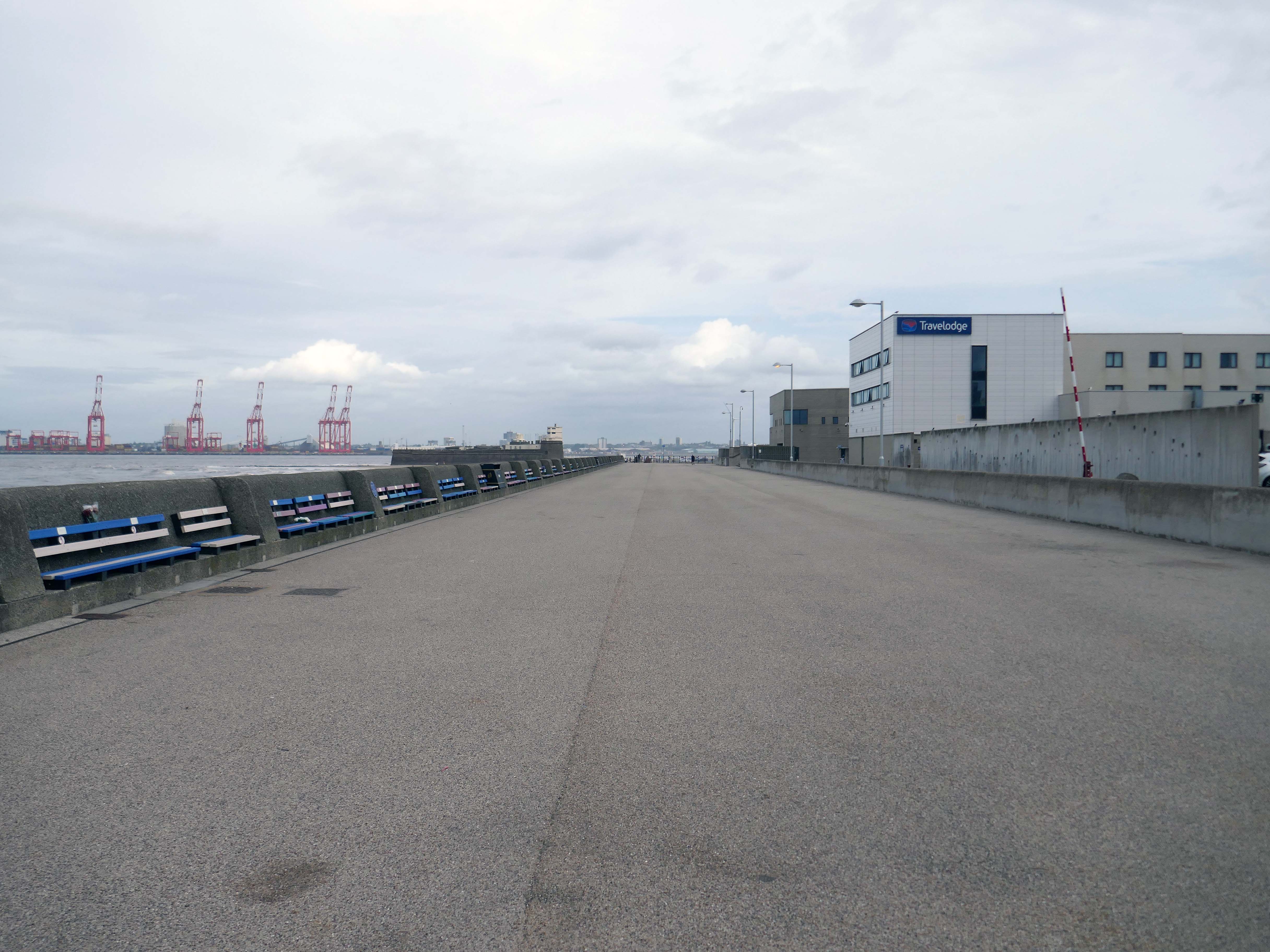
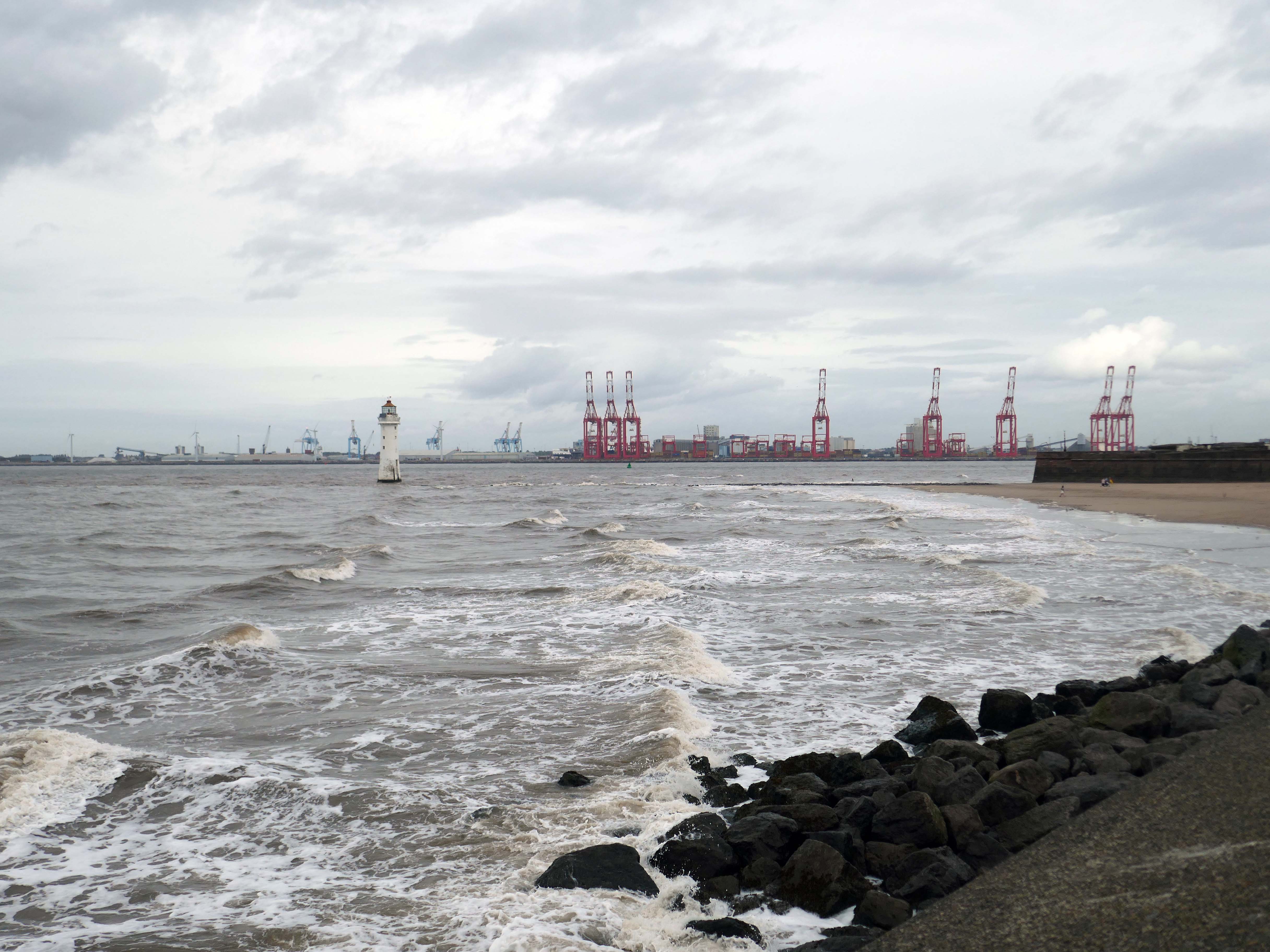
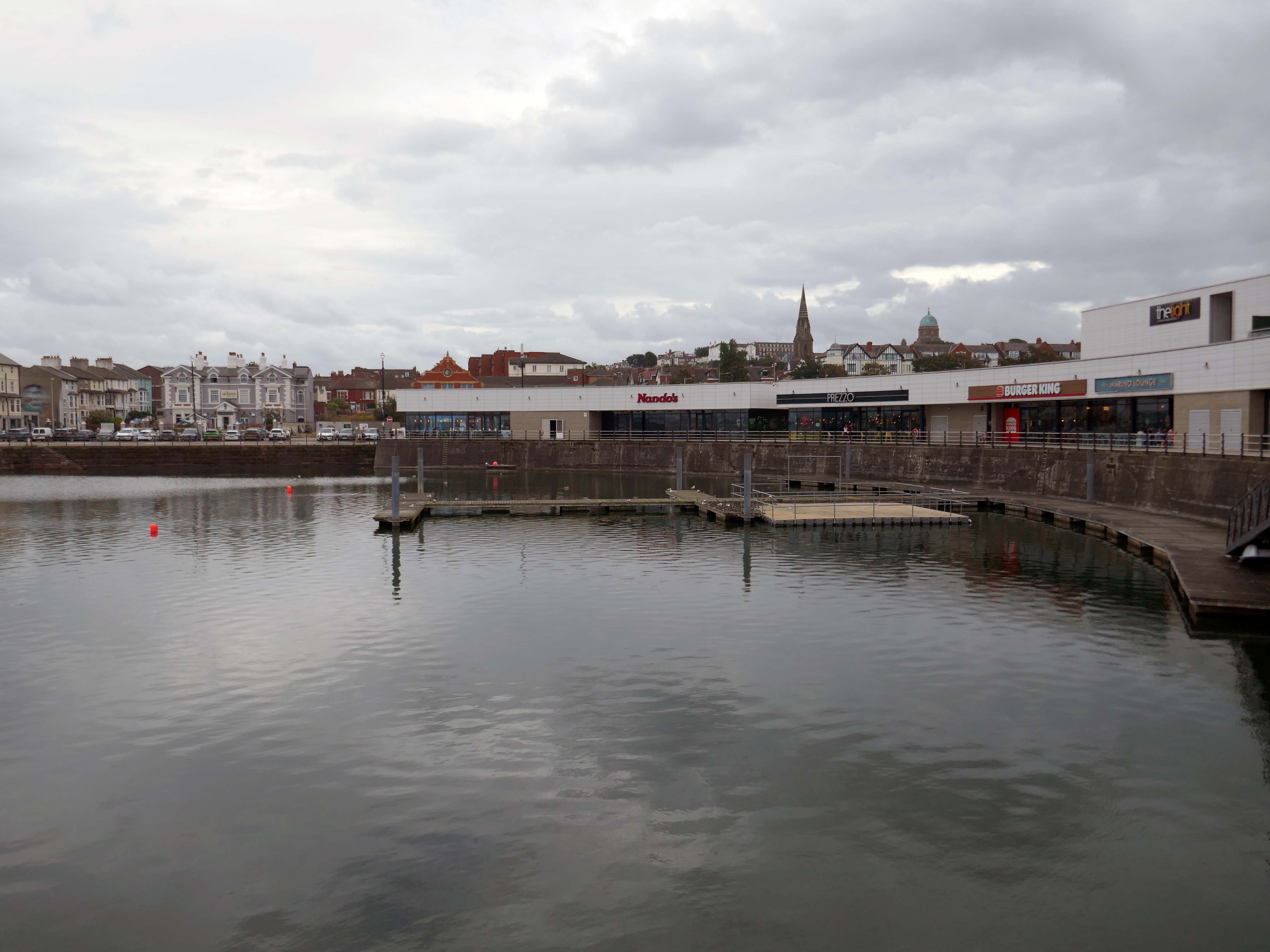
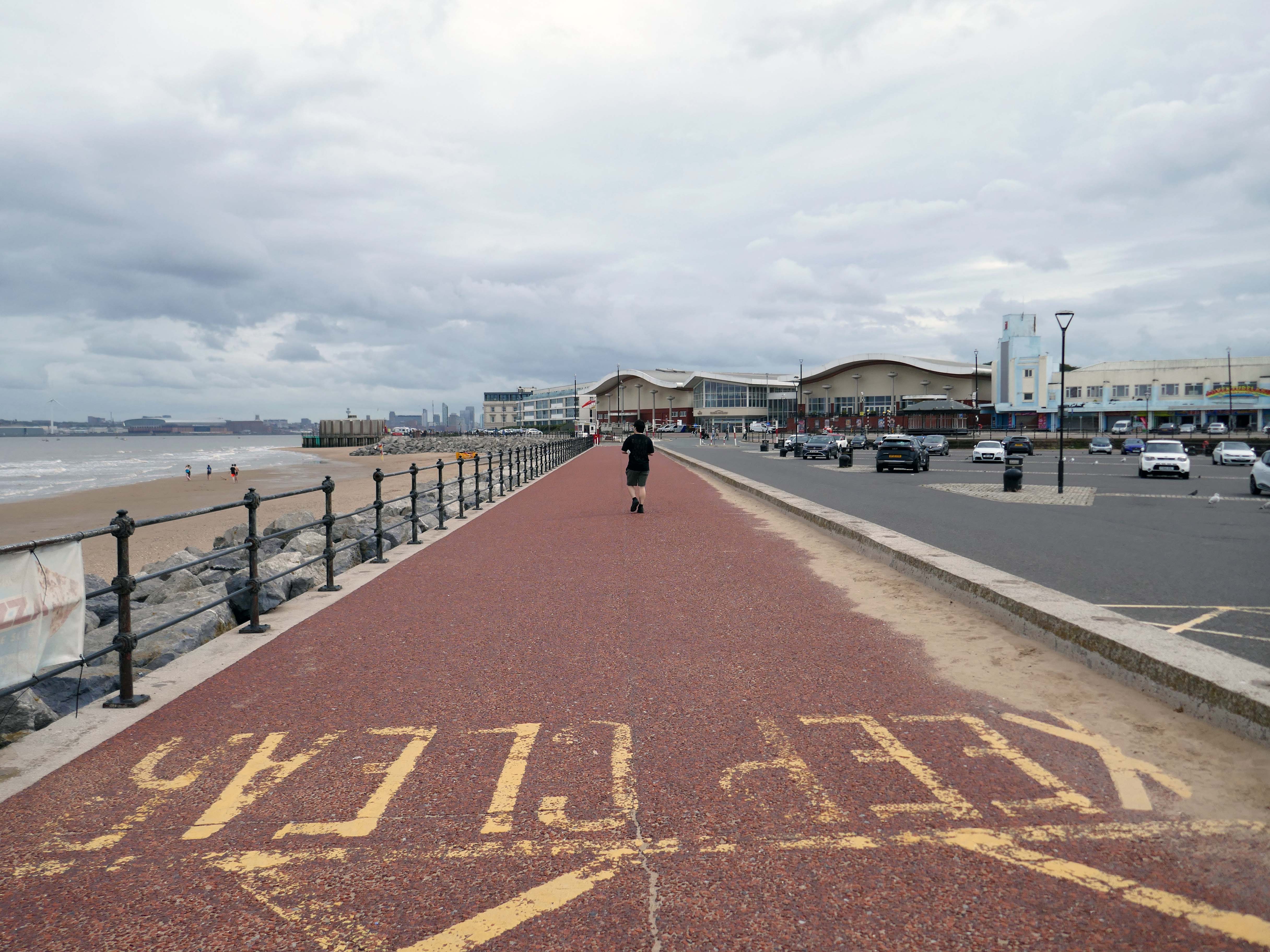
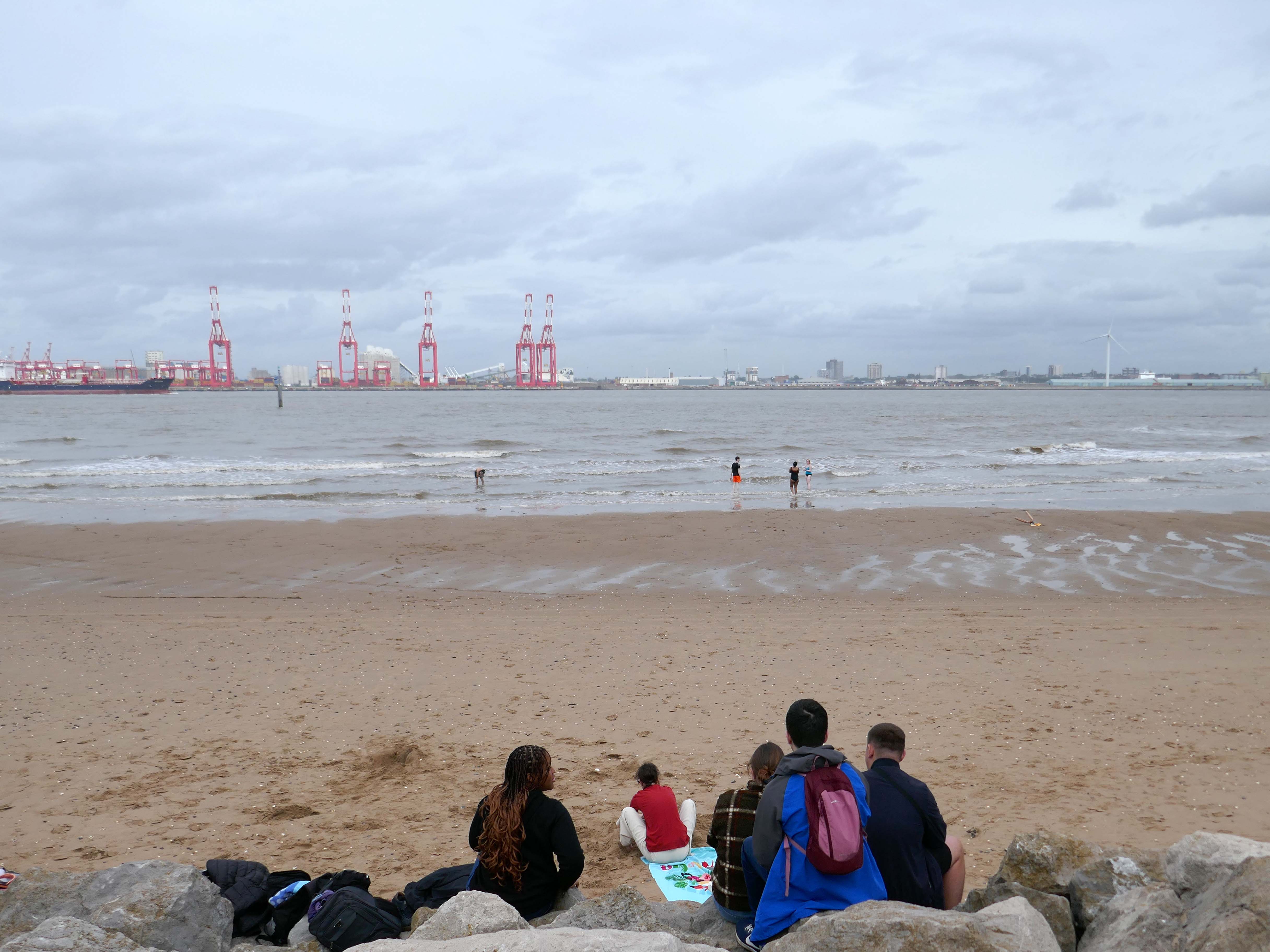
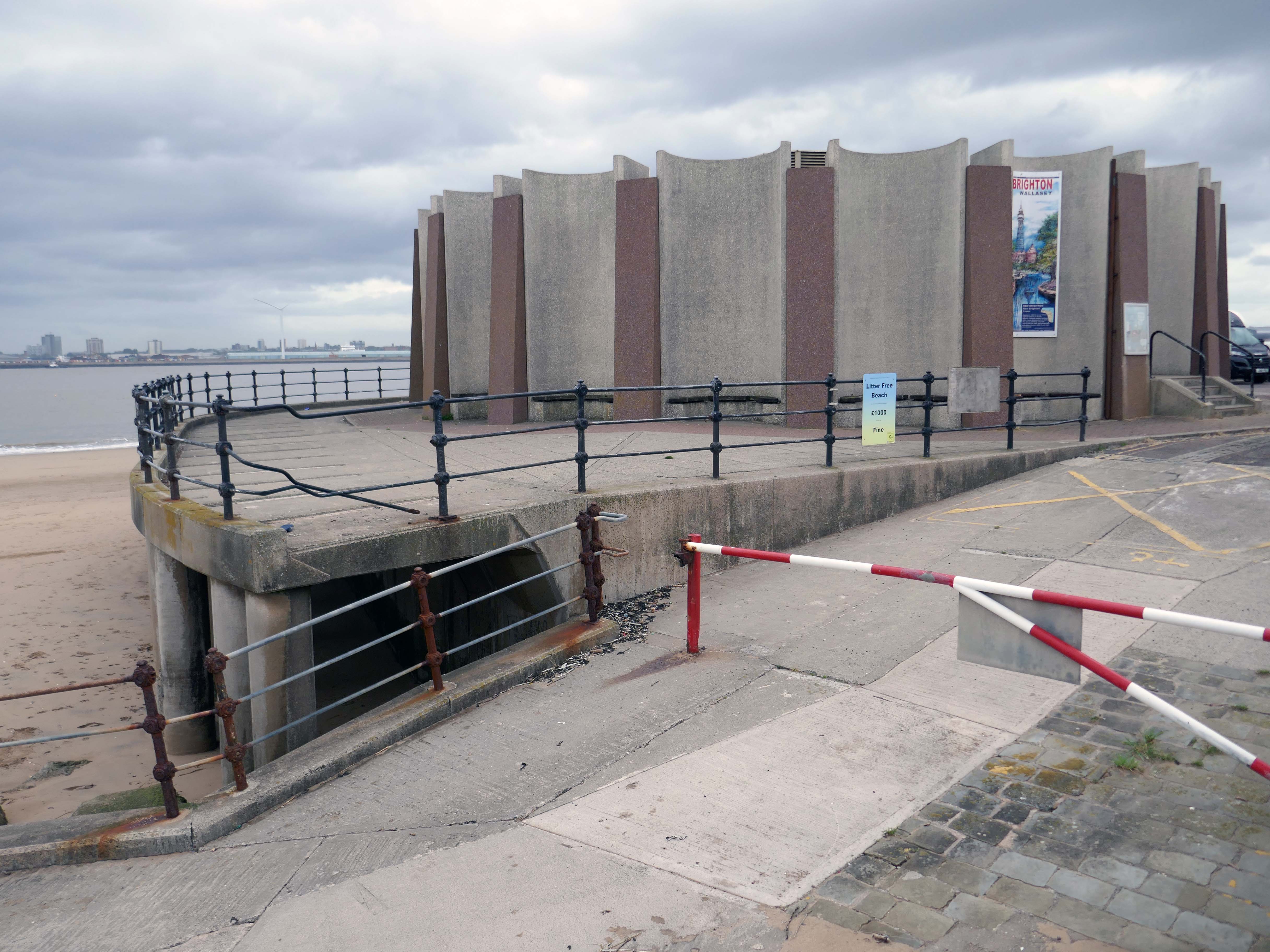
New Brighton in late summer – a little sun, a handful of visitors, and offshore breeze.
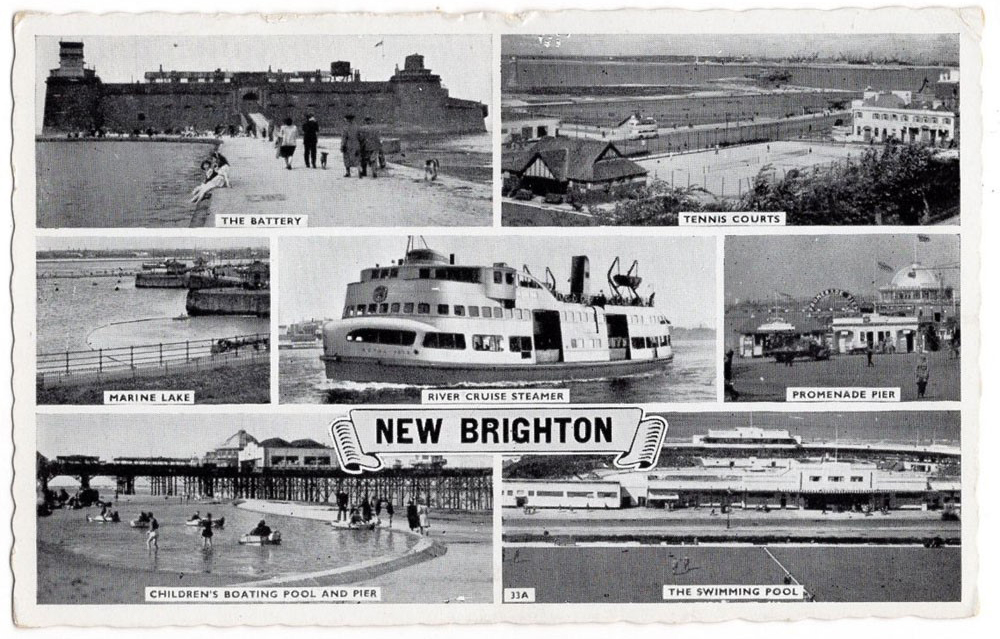
In 1830, a Liverpool merchant, James Atherton, purchased 170 acres of land at Rock Point, which enjoyed views out to sea and across the Mersey and had a good beach. His aim was to develop it as a desirable residential area and watering place for the gentry, similar to Brighton, one of the most elegant seaside resorts of that Regency period, hence the name “New Brighton”. Substantial development began soon afterwards, and housing began to spread up the hillside overlooking the estuary.
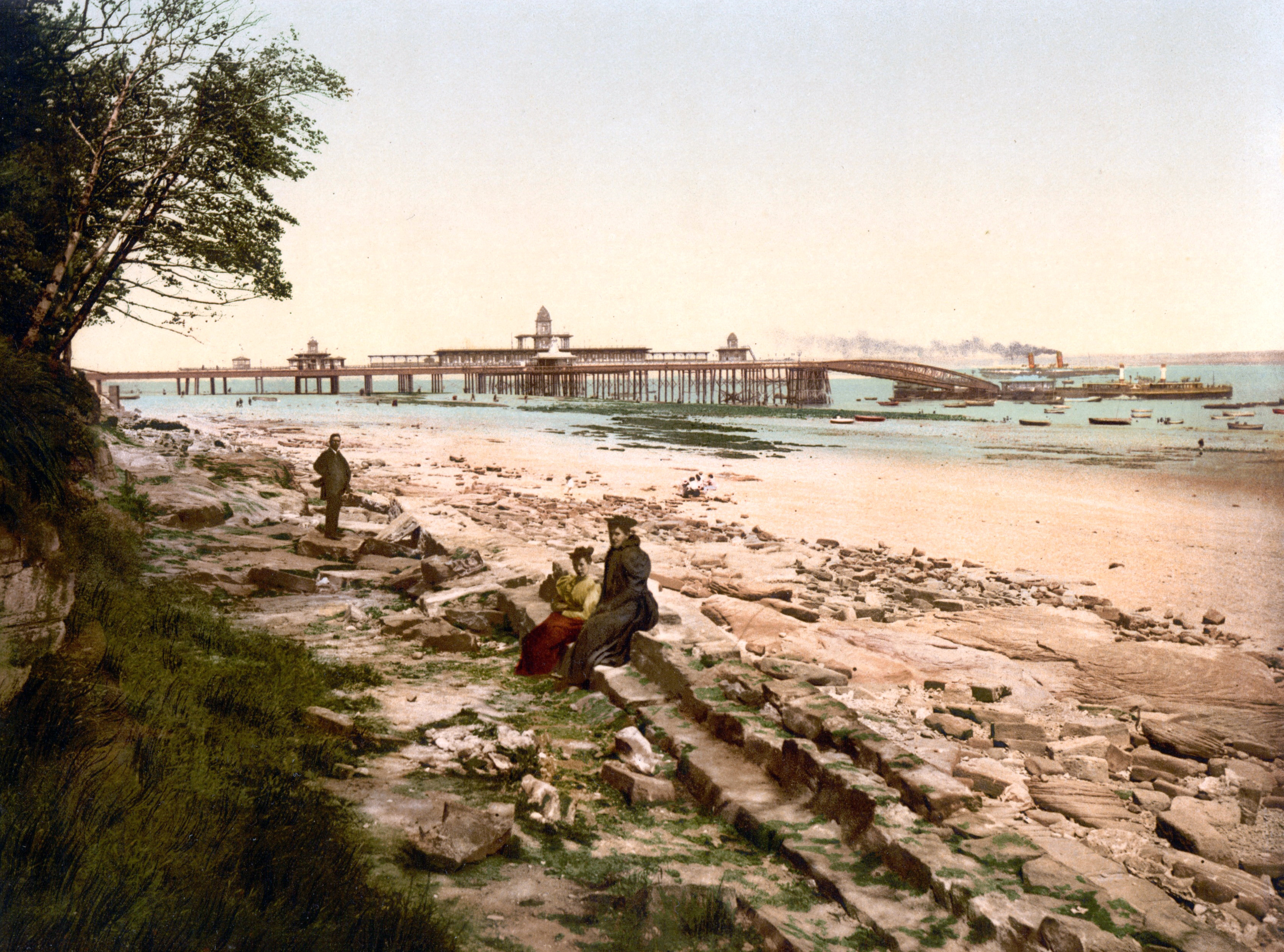
During the latter half of the nineteenth century, New Brighton developed as a very popular seaside resort serving Liverpool and the Lancashire industrial towns, and many of the large houses were converted to inexpensive hotels. Designed by the noted architect of seaside structures Eugenius Birch, the New Brighton Pier opened in 1867.
The promenade from Seacombe to New Brighton was completed by 1901.
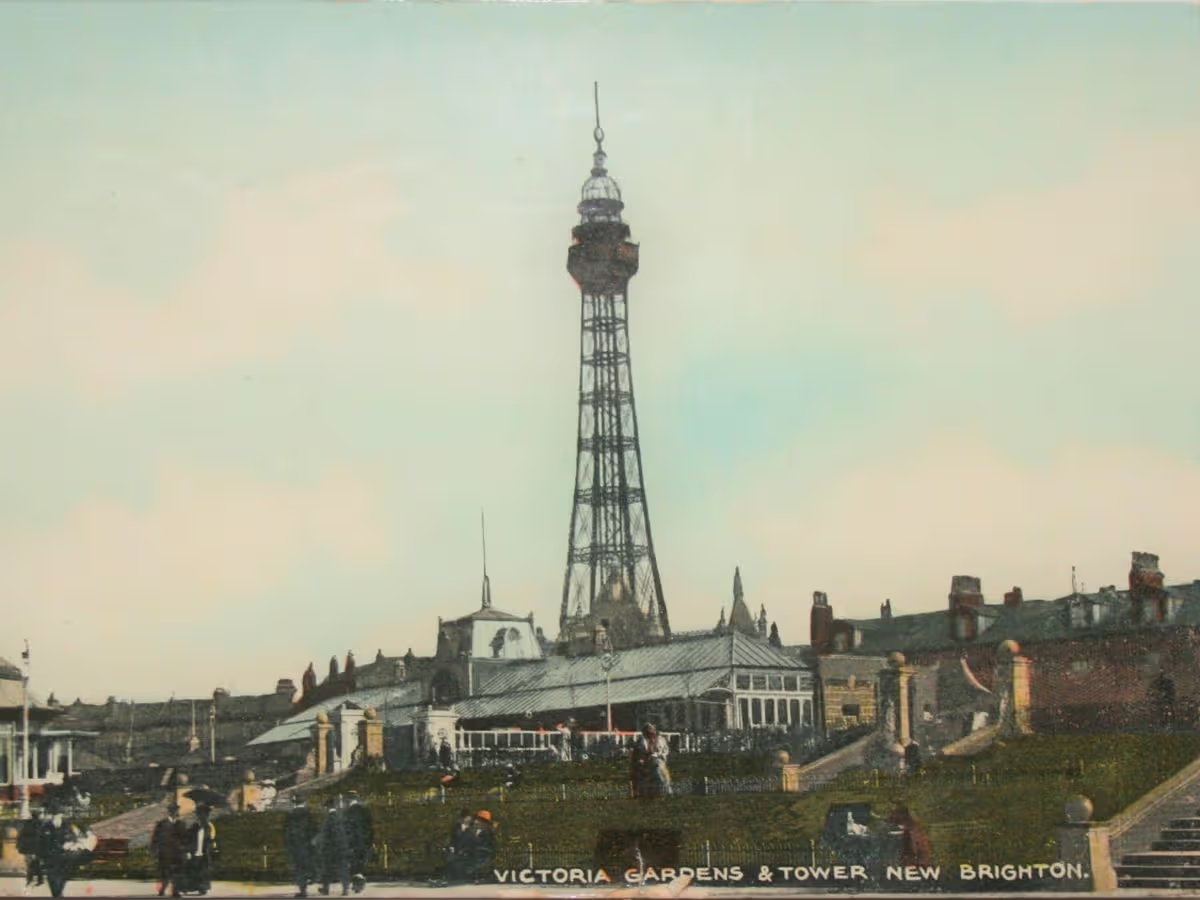
The New Brighton Tower, the tallest in the country, was opened in 1900 but closed in 1919, largely due to lack of maintenance during World War I, and had been dismantled by 1921.
After the Second World War, the popularity of New Brighton as a seaside resort declined dramatically. However, the Tower Ballroom continued as a major venue, hosting numerous concerts in the 1950s and 1960s by local Liverpool groups such as The Beatles, and international stars.
The Tower Ballroom continued in use until it was destroyed by a fire in 1969.
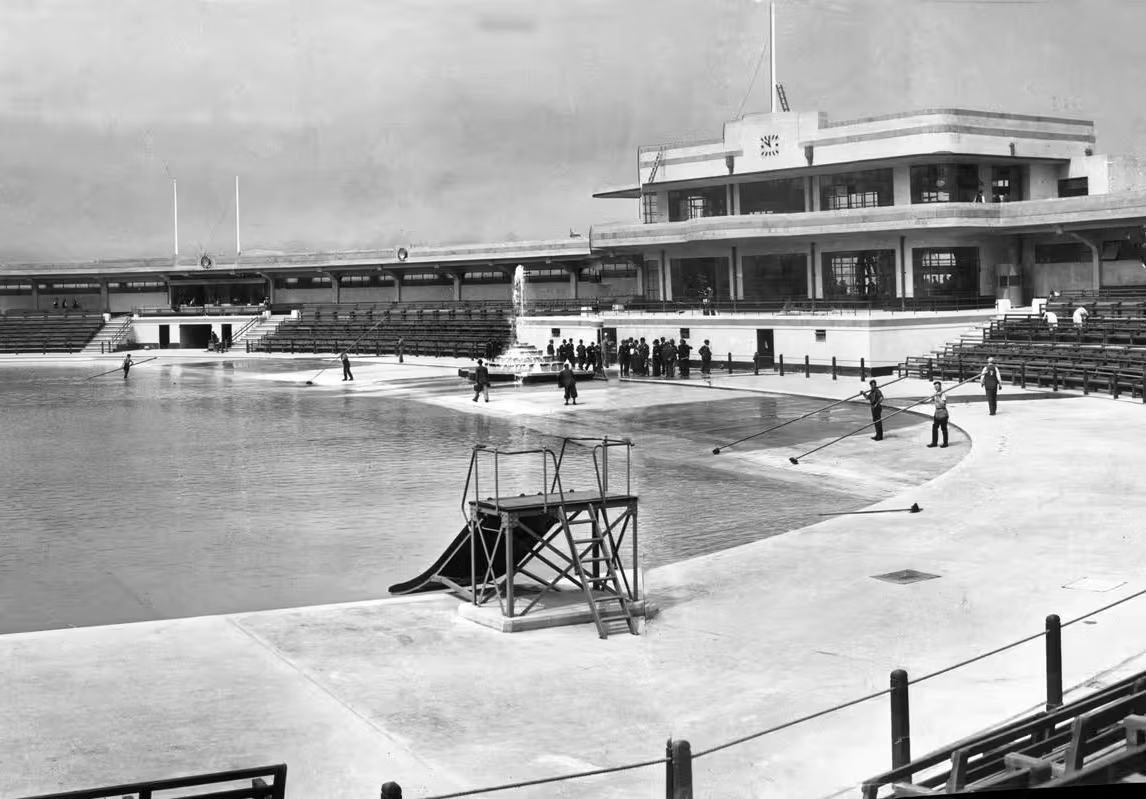
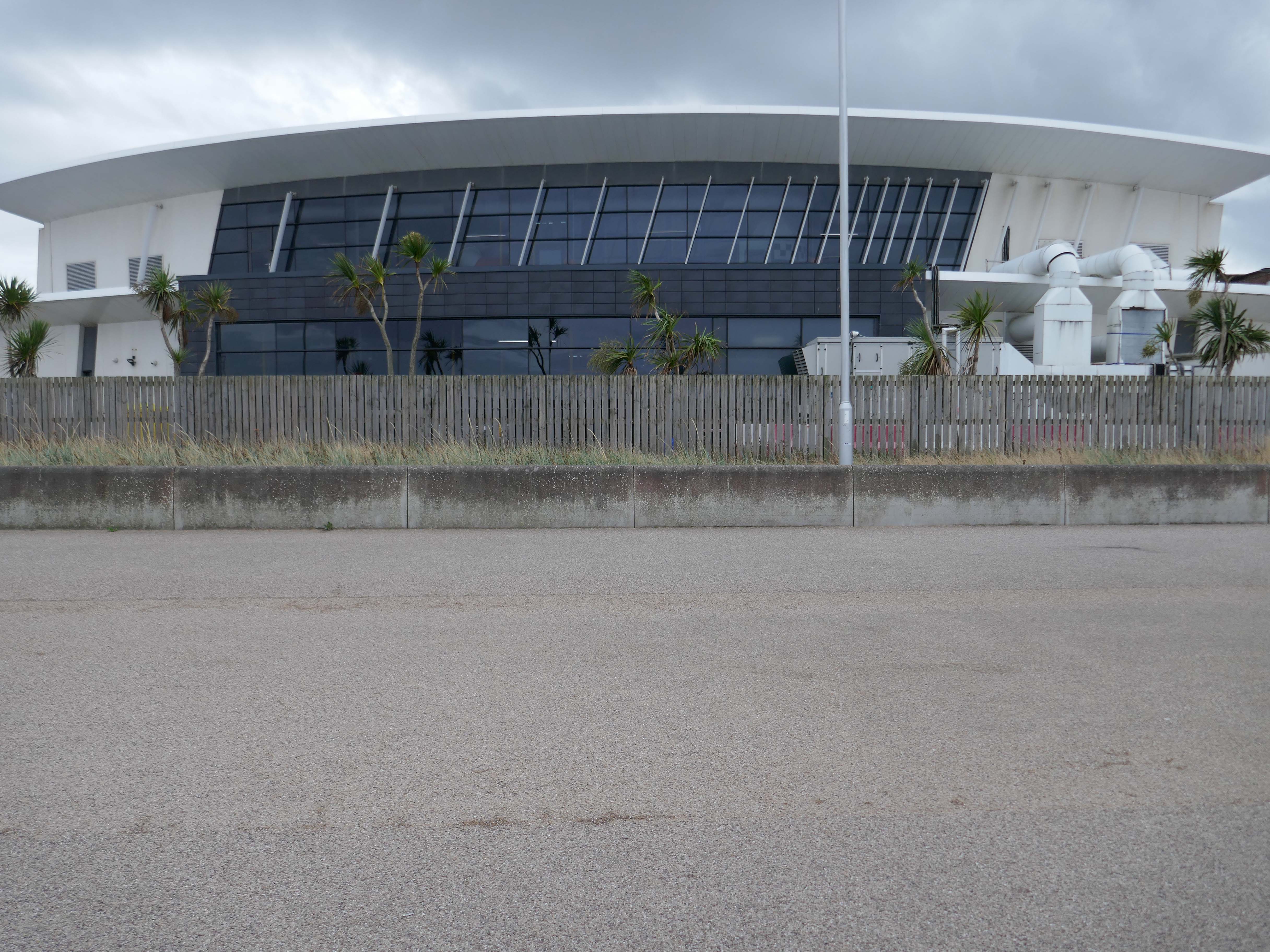
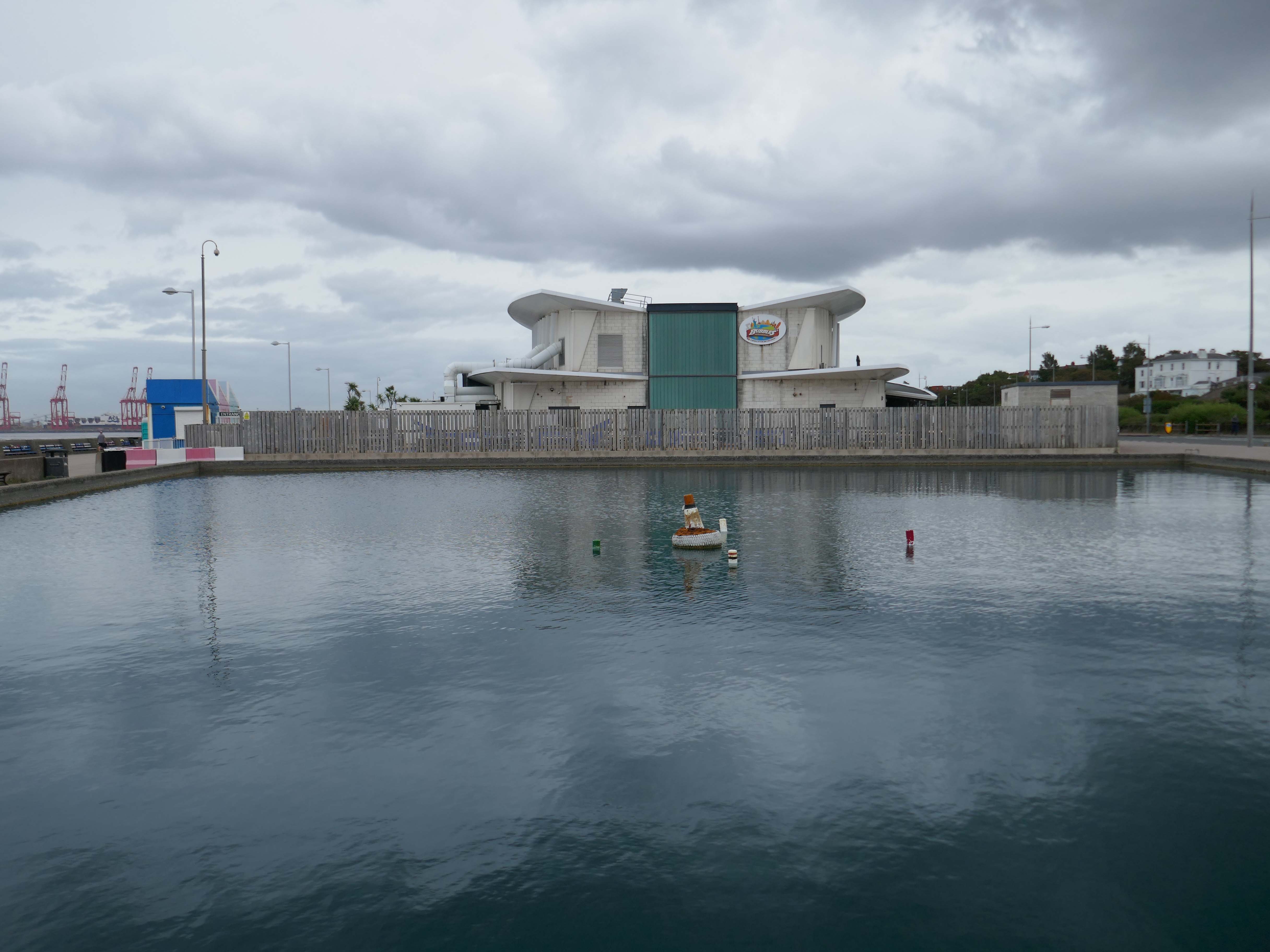
New Brighton’s Art Deco Lido, was opened on 13 June 1934 by Viscount Leverhulme. When it was built, it was the largest lido in Britain, at a cost of £90,000, designed byWallasey County-Borough Engineer L St. G Wilkinson
The saltwater pool survived until 1990, when it was damaged during a storm and later demolished
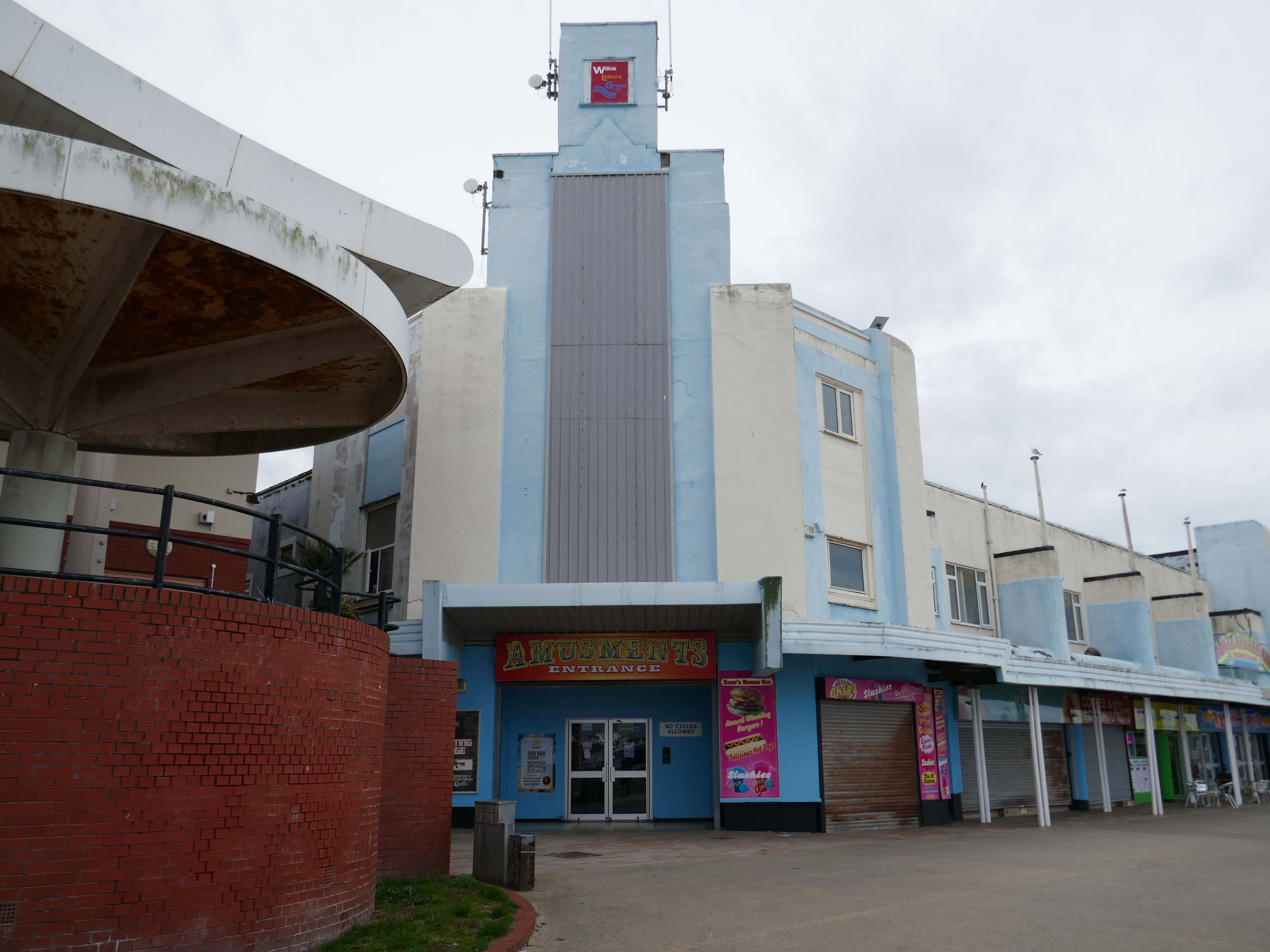
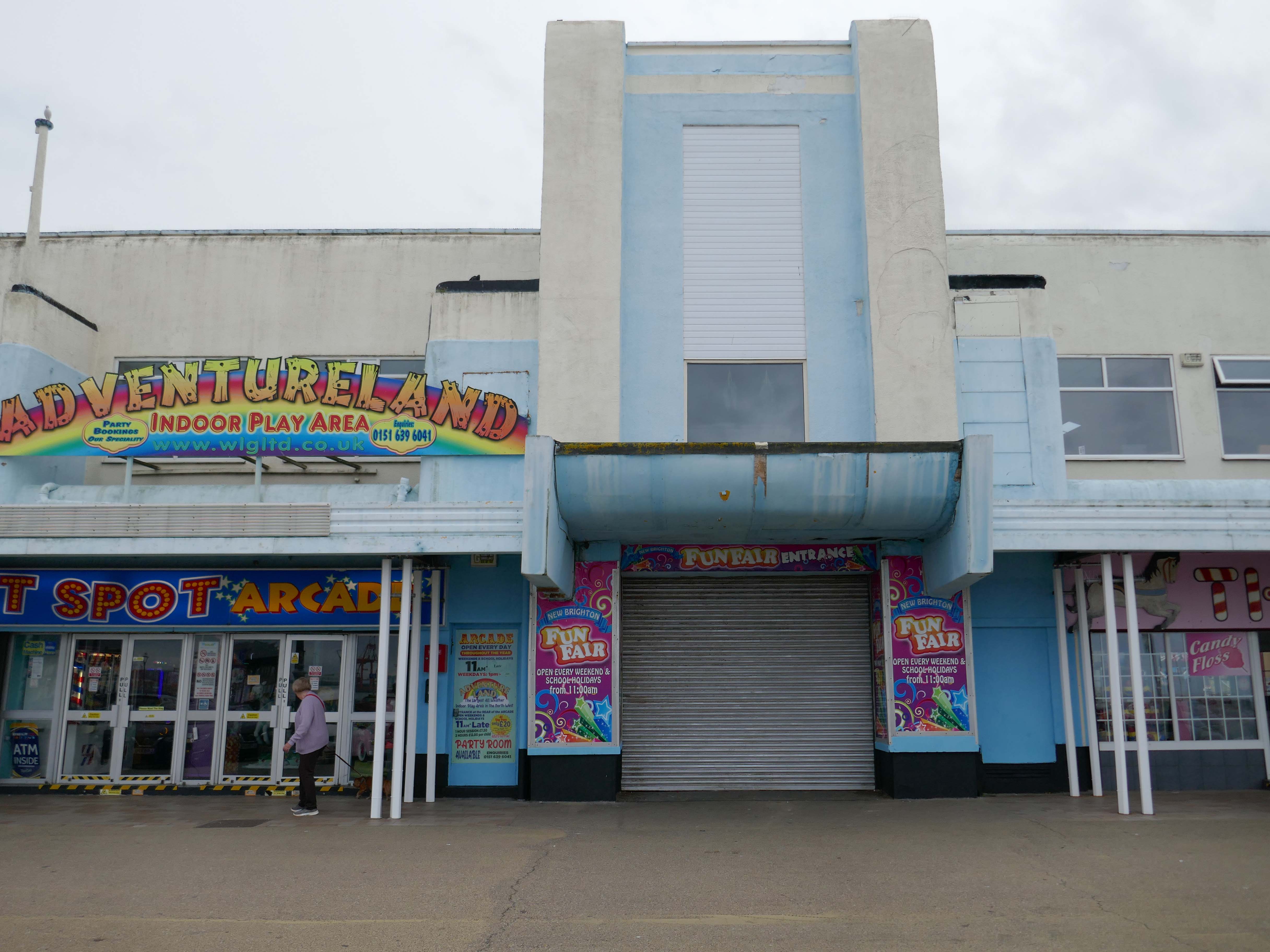
The New Palace and Adventureland on the famous Promenade at New Brighton, Wirral, offers a tremendous range of family fun-filled entertainment and activities.
The traditional family amusement arcade, The Bright Spot, has something for everyone including state of the art video driving, adventure and shooting simulators, dance games, plus the always popular slots and ‘pushers’, as well as mini-bowling and toy-grabbers.
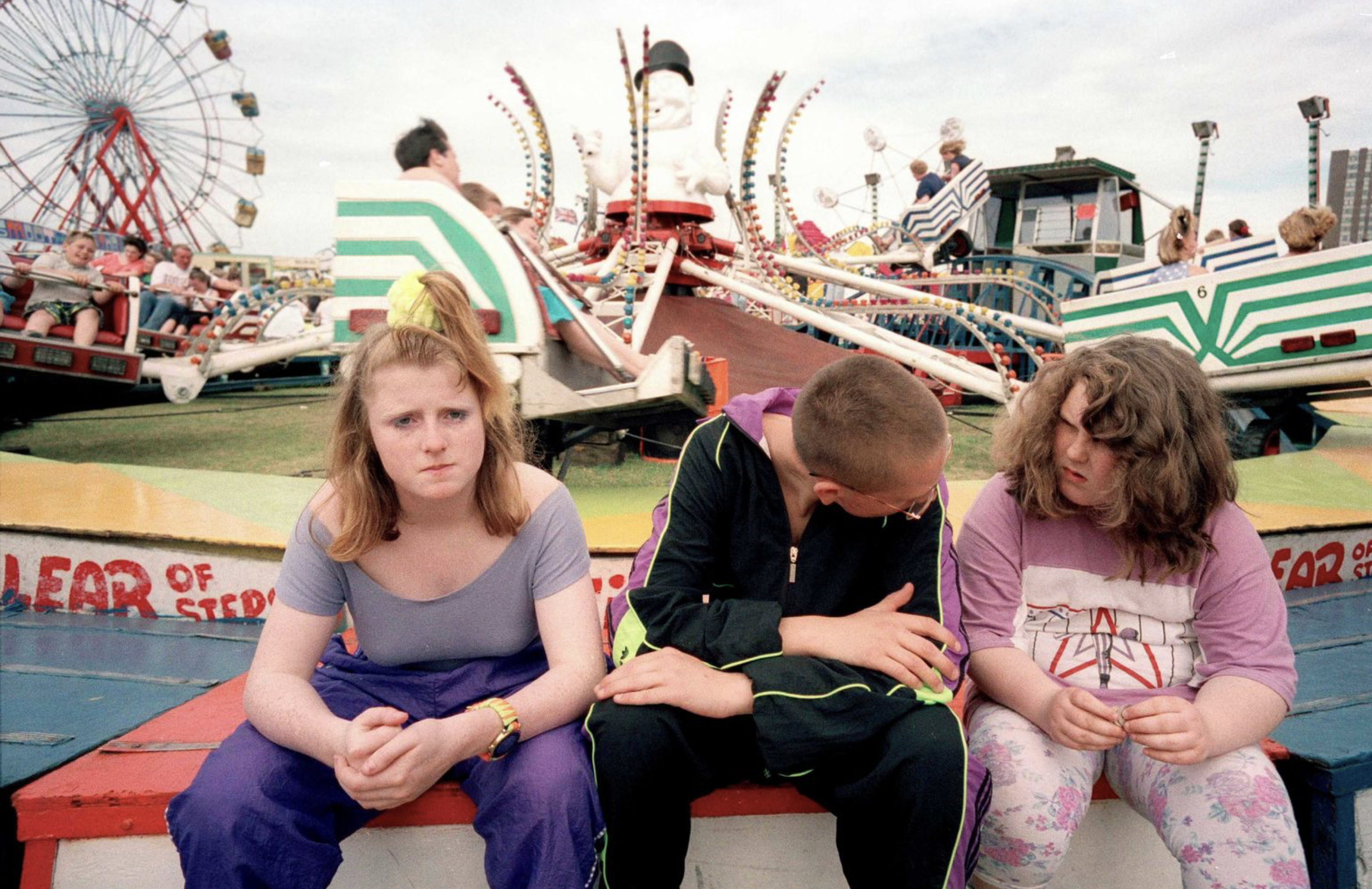
Special mention must go to long time New Brighton resident Photie ManTom Wood.
Opened in 1971, the site consists of about five hundred acres
Technological changes, such as containerisation, caused the loss of numerous jobs on the docks. In the 21st century, the dock handles mainly containers, oils, timber, fruit and vegetables, grain and animal feed.
Designed by John Foster Jr, construction of the present tower began in 1827 by Tomkinson & Company using blocks of interlocking Anglesey granite using dovetail joints and marble dowels.
The lighthouse was in continuous use until it was decommissioned in October 1973, having been superseded by modern navigational technology.
In 1803 Liverpool merchants concerned about a possible invasion by the French during the Napoleonic wars put forward the idea of a fort at New Brighton. Naturally there weredisputes about how it was to be financed and consequently construction didn’t get under way until 1826.
It was completed three years later. It was built out of red sandstone blocks on a base of sandstone rocks, confusingly known as the Black Rocks.
Designed by a Captain John Sikes Kitson of the Royal Engineers, it had room for 100 men plus officers with adequate provisions and armaments. It had eighteen guns, sixteen of which were thirty two-pounders and they faced the Rock Channel that was the main entrance for shipping to the Mersey at that time. The ships passed nine hundred yards from the guns and the fort soon became known as the “Little Gibraltar of the Mersey”.
The fort was decommissioned by the War Office 1956 and passed through various hands until it was sold to the Darroch family who are the current custodians.
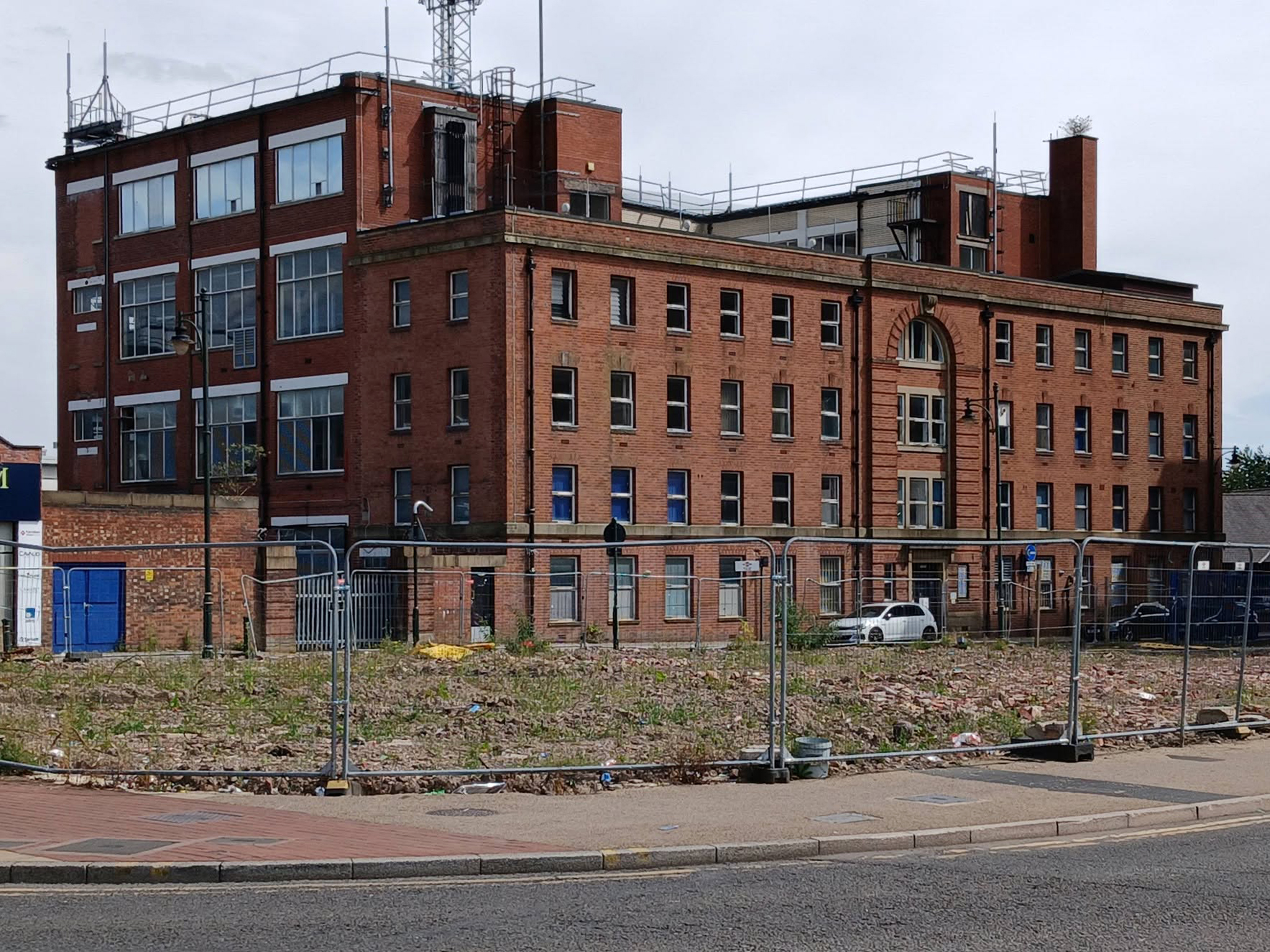
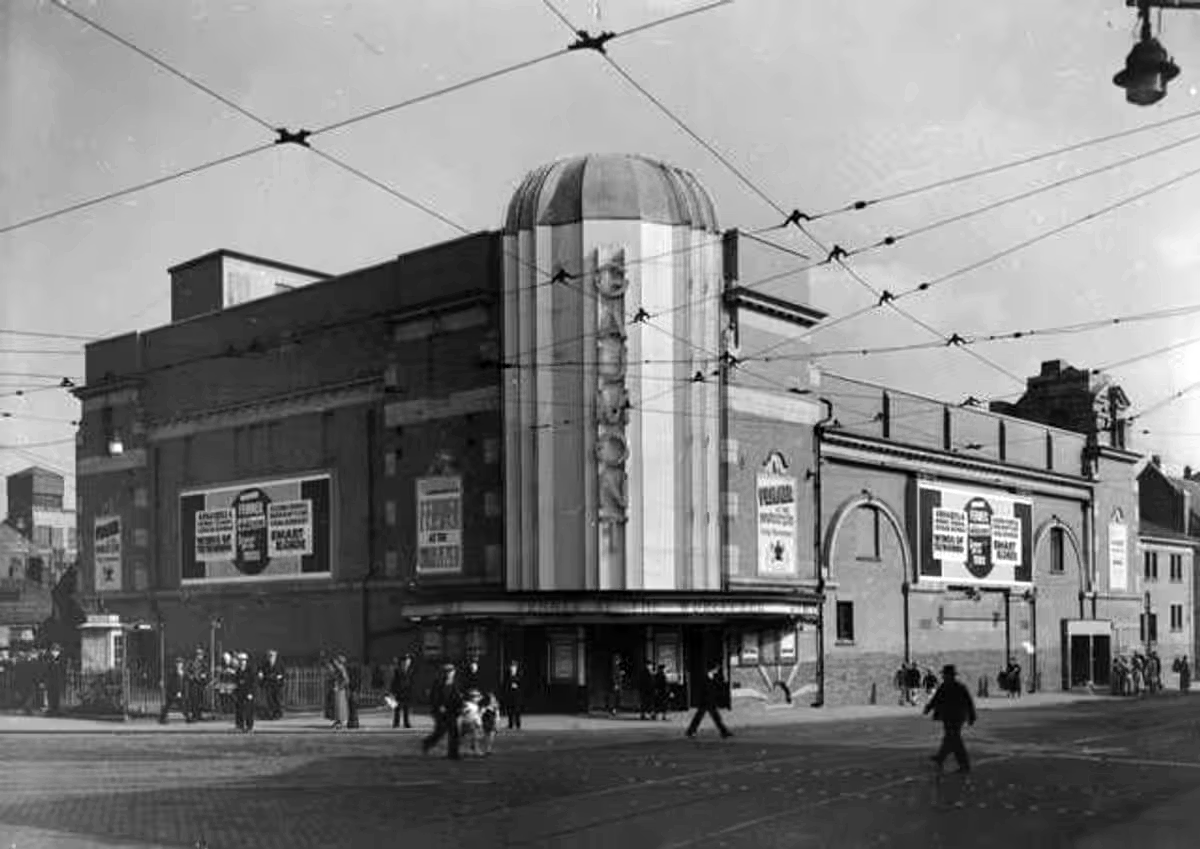
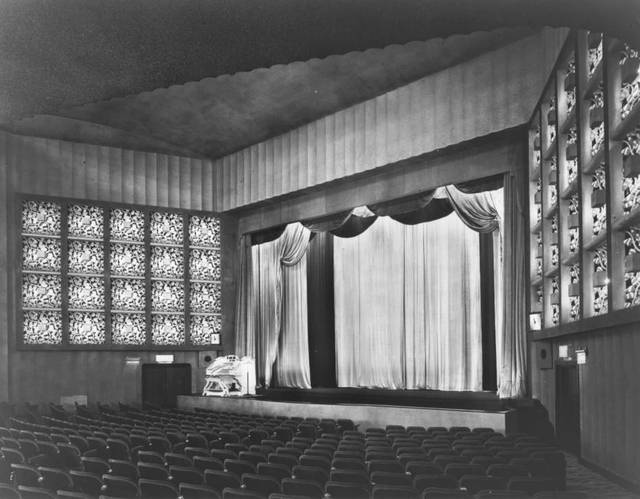
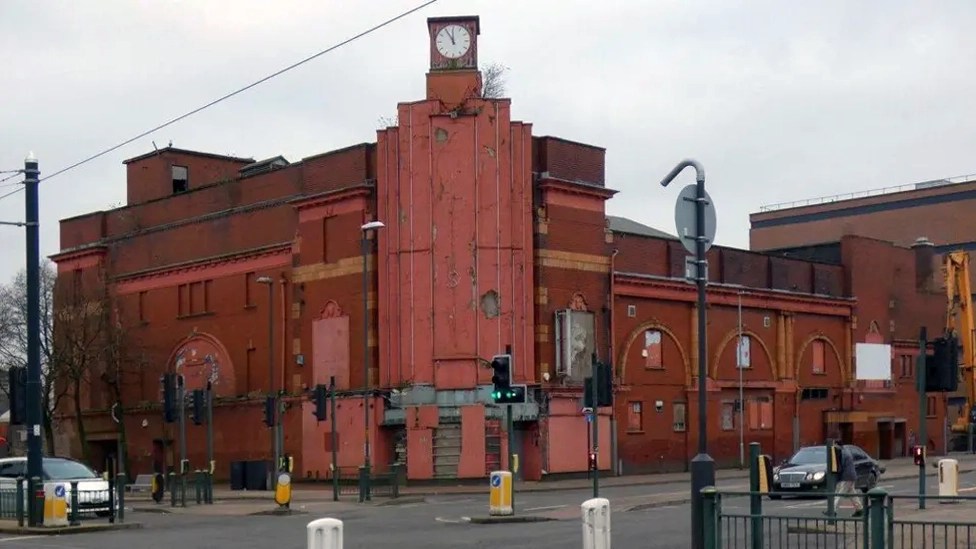
Almost a year on and I’m back again and you’re still here.
Still awaiting the wrecking ball and a rubble trouble future.
Back in 2025 the reports of your demise were premature.
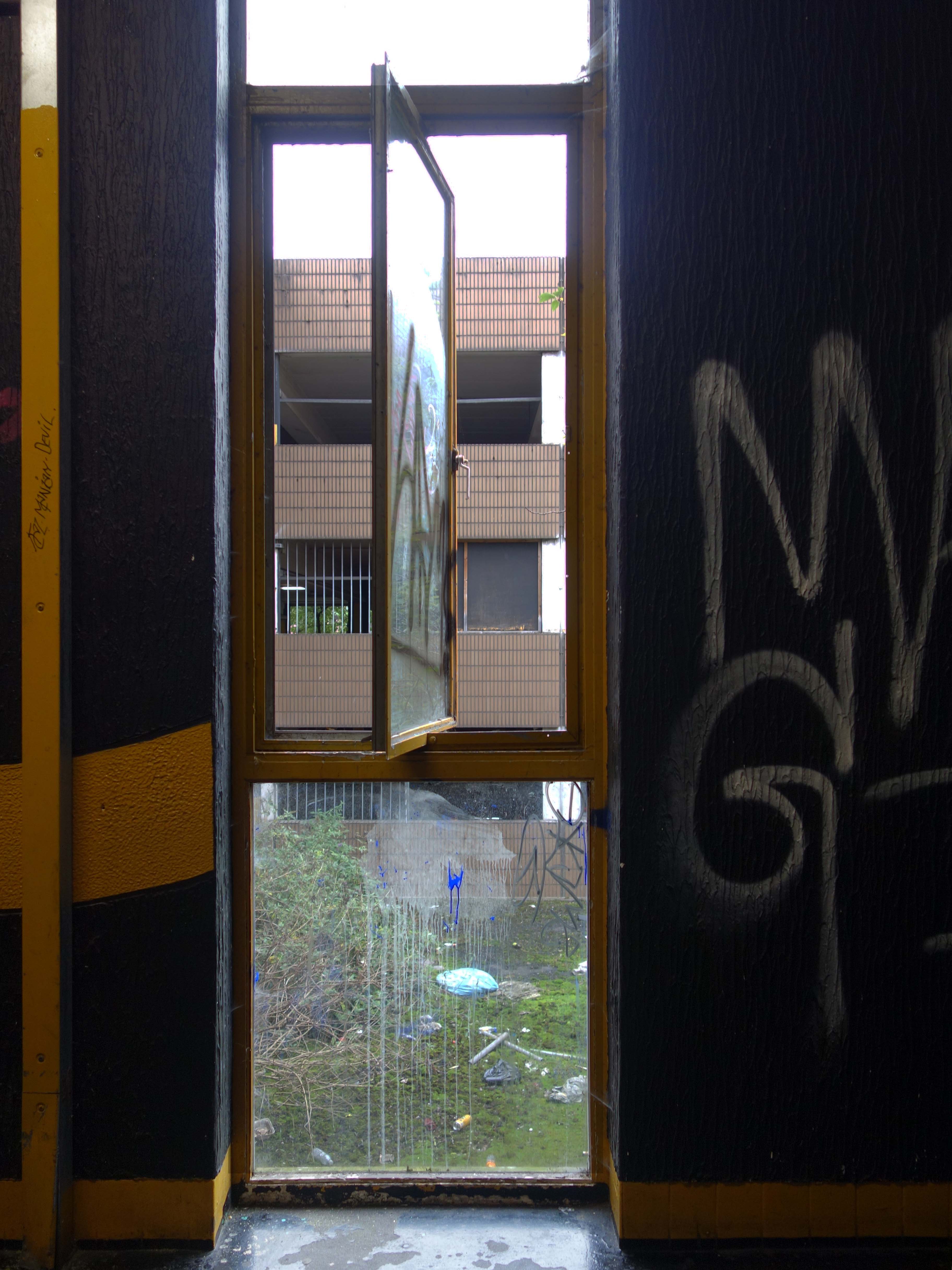
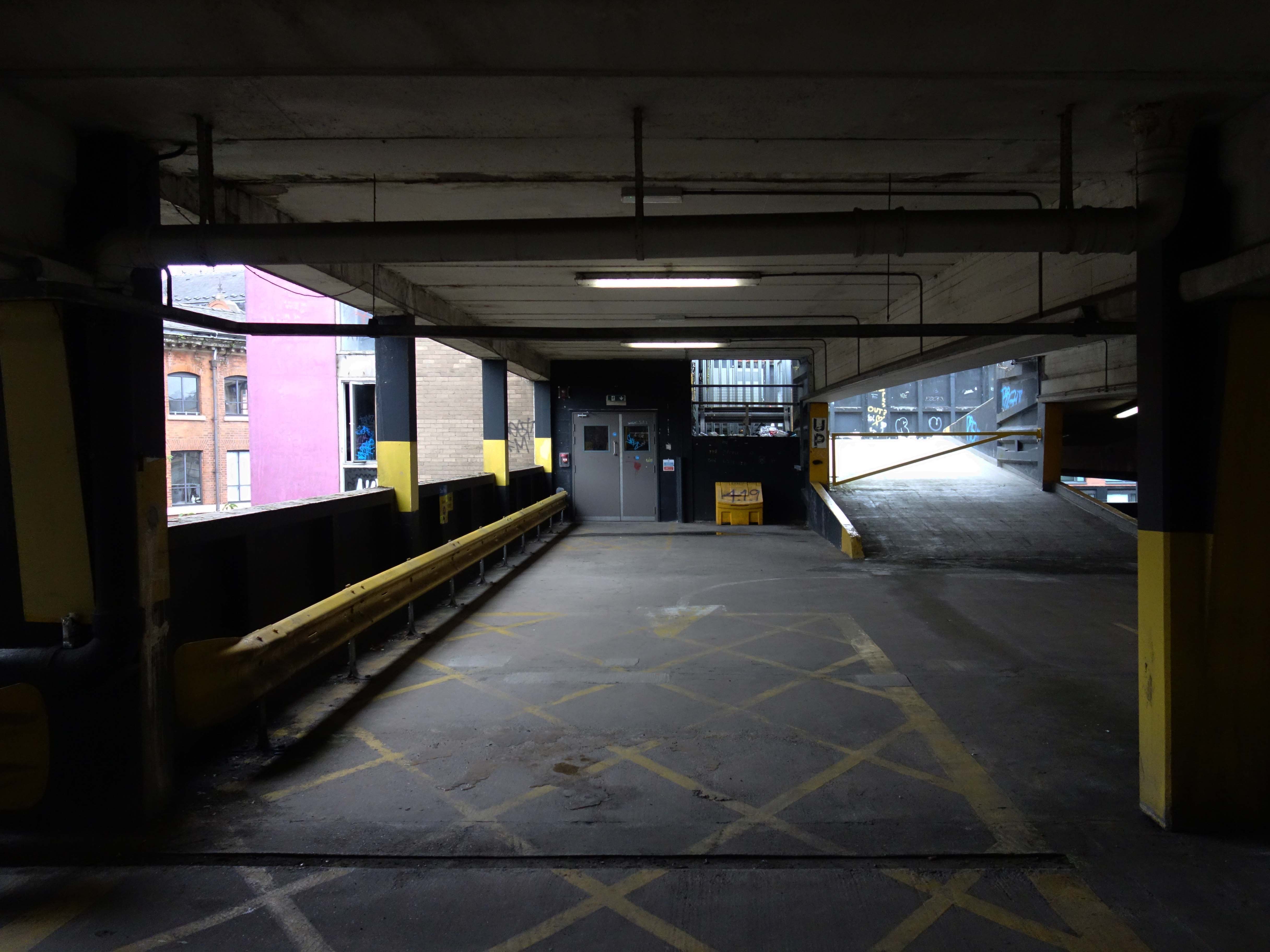
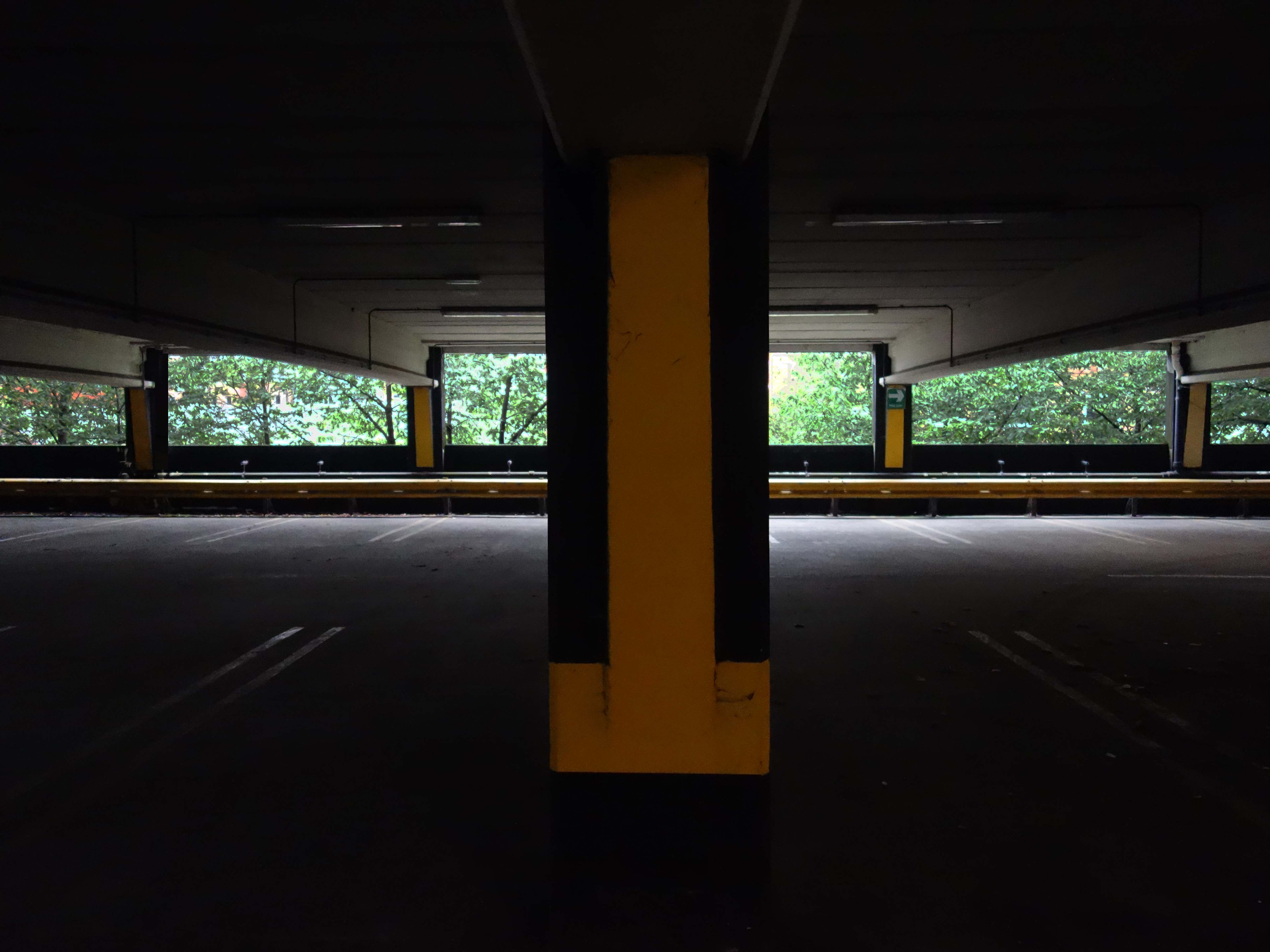
Back in 2023 you were, even then, tired and ready to go home – to car park heaven.
It’s 2026, are we to bury you or praise you?
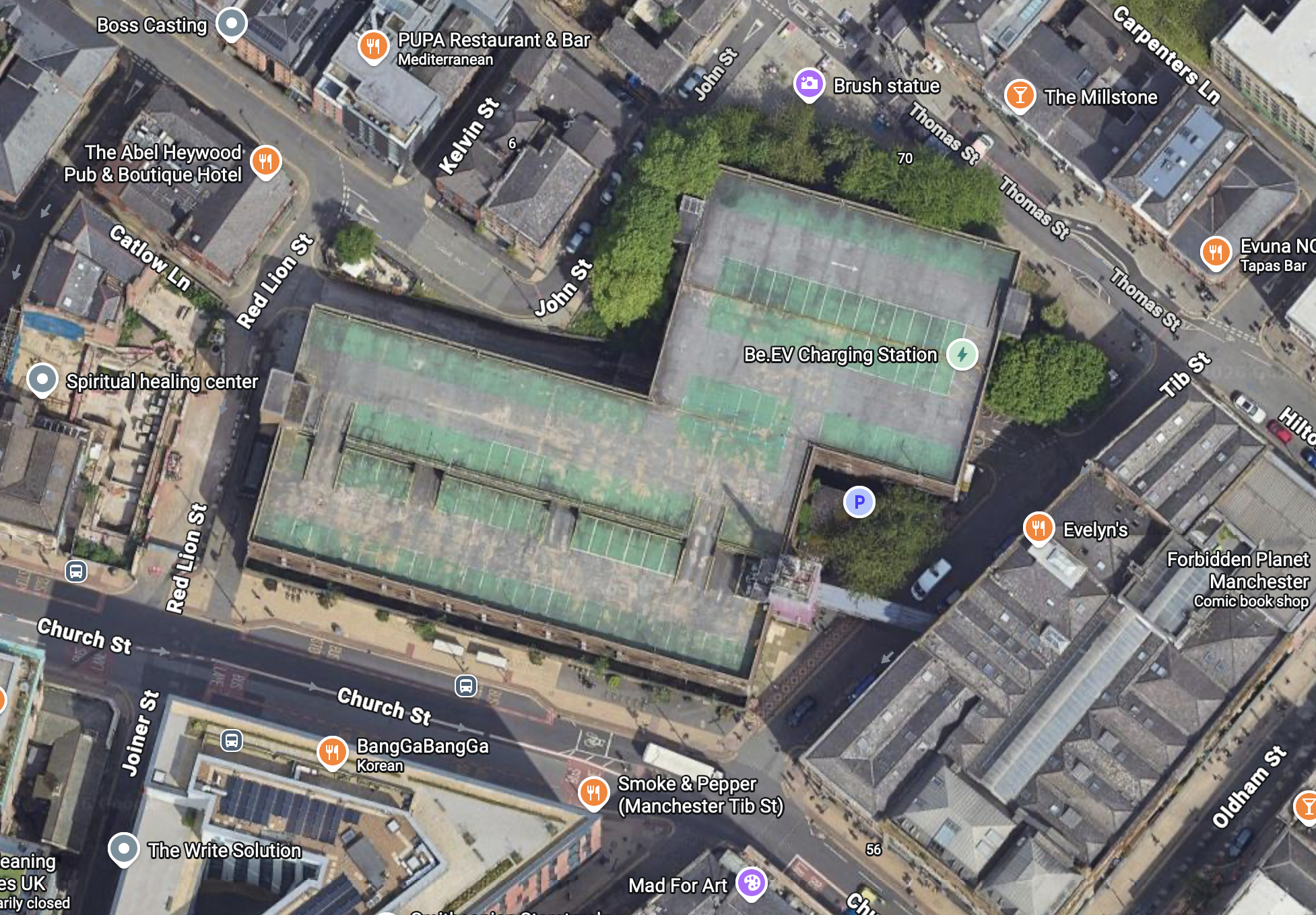
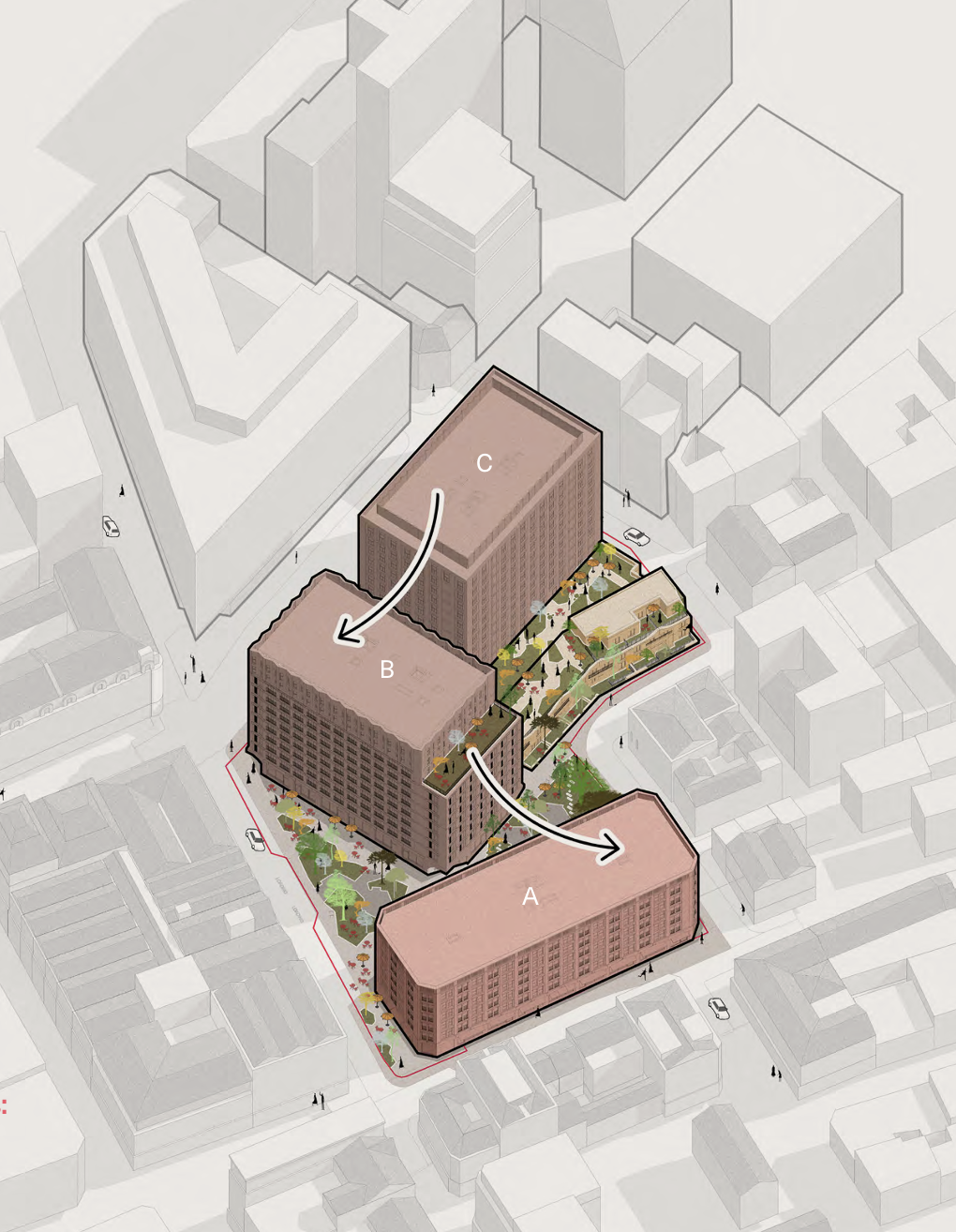
Fresh plans have been unveiled for one of the Northern Quarter’s most significant redevelopment projects, with the latest proposals for the long-awaited transformation of the Church Street multi-storey car park now entering a second round of public consultation.
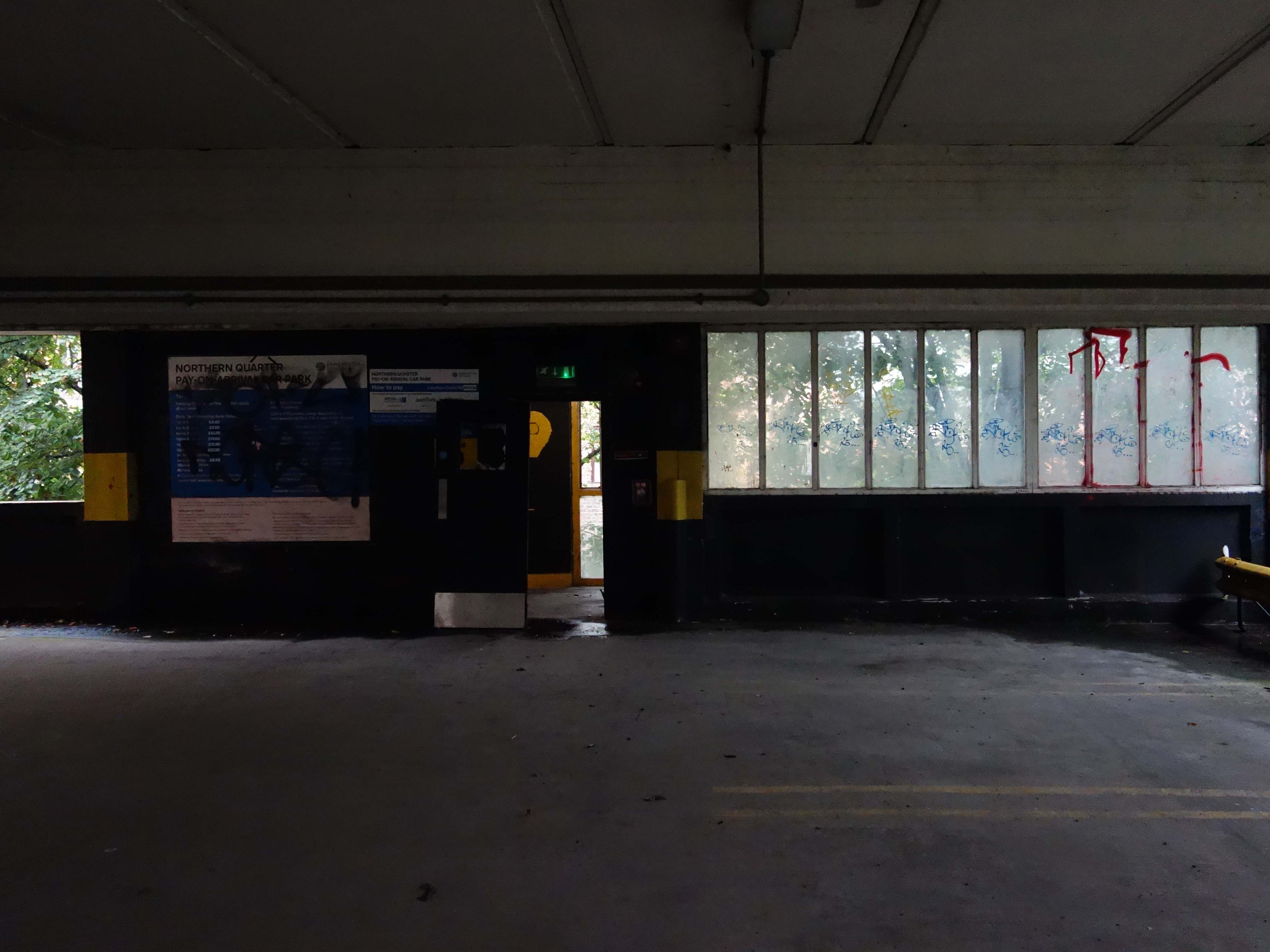
The council-owned car park, which has occupied the site since 1970, has long been viewed as one of the area’s least-loved landmarks, and in recent years has found itself frequently at the centre of antisocial behaviour in the area. Developer Glenbrook is now proposing to replace it with a new mixed-use neighbourhood featuring around three hundred homes, including 20% affordable housing, alongside commercial units, public squares, green spaces and a community hub.
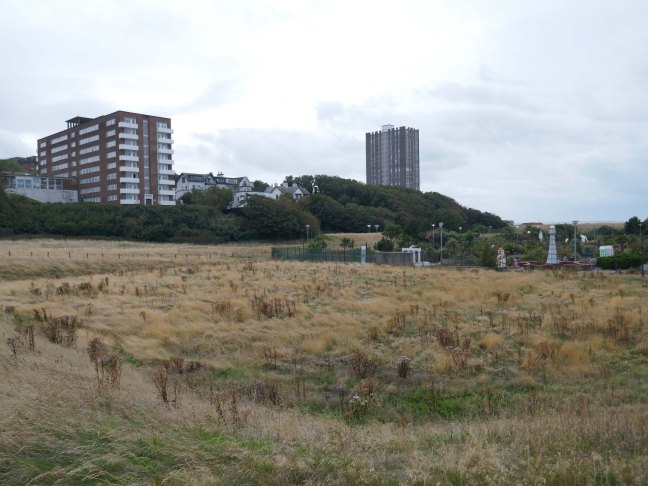
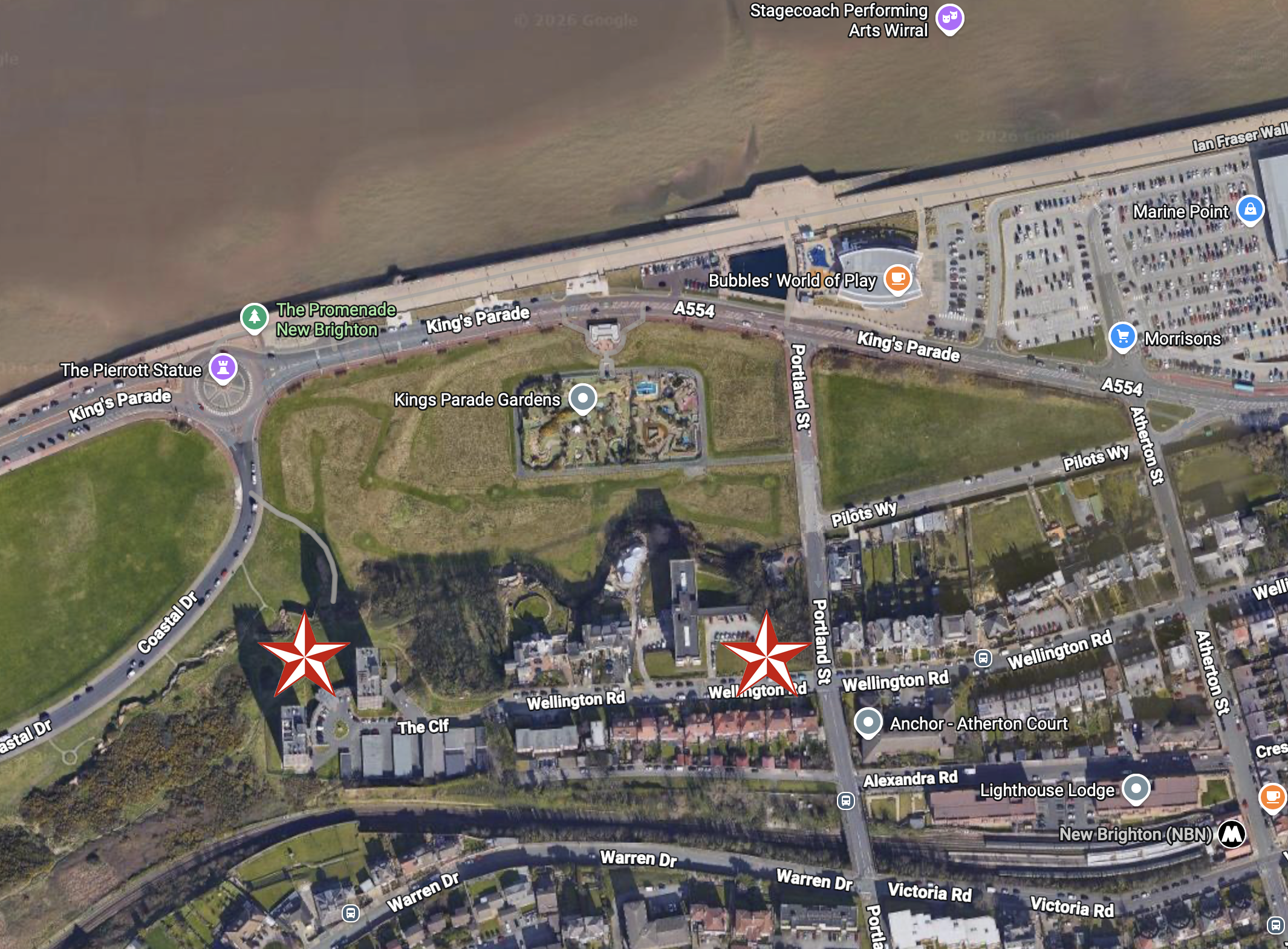
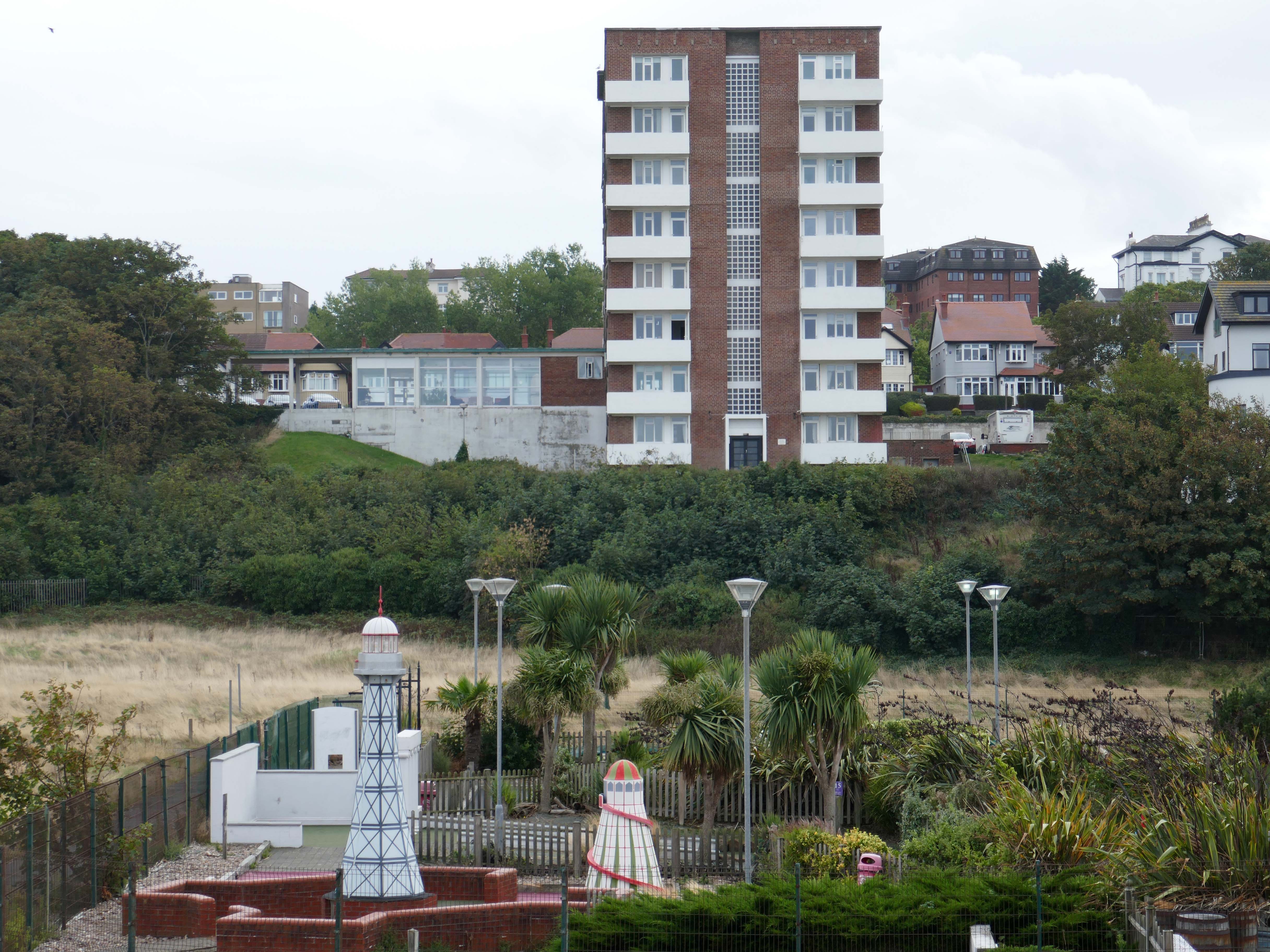
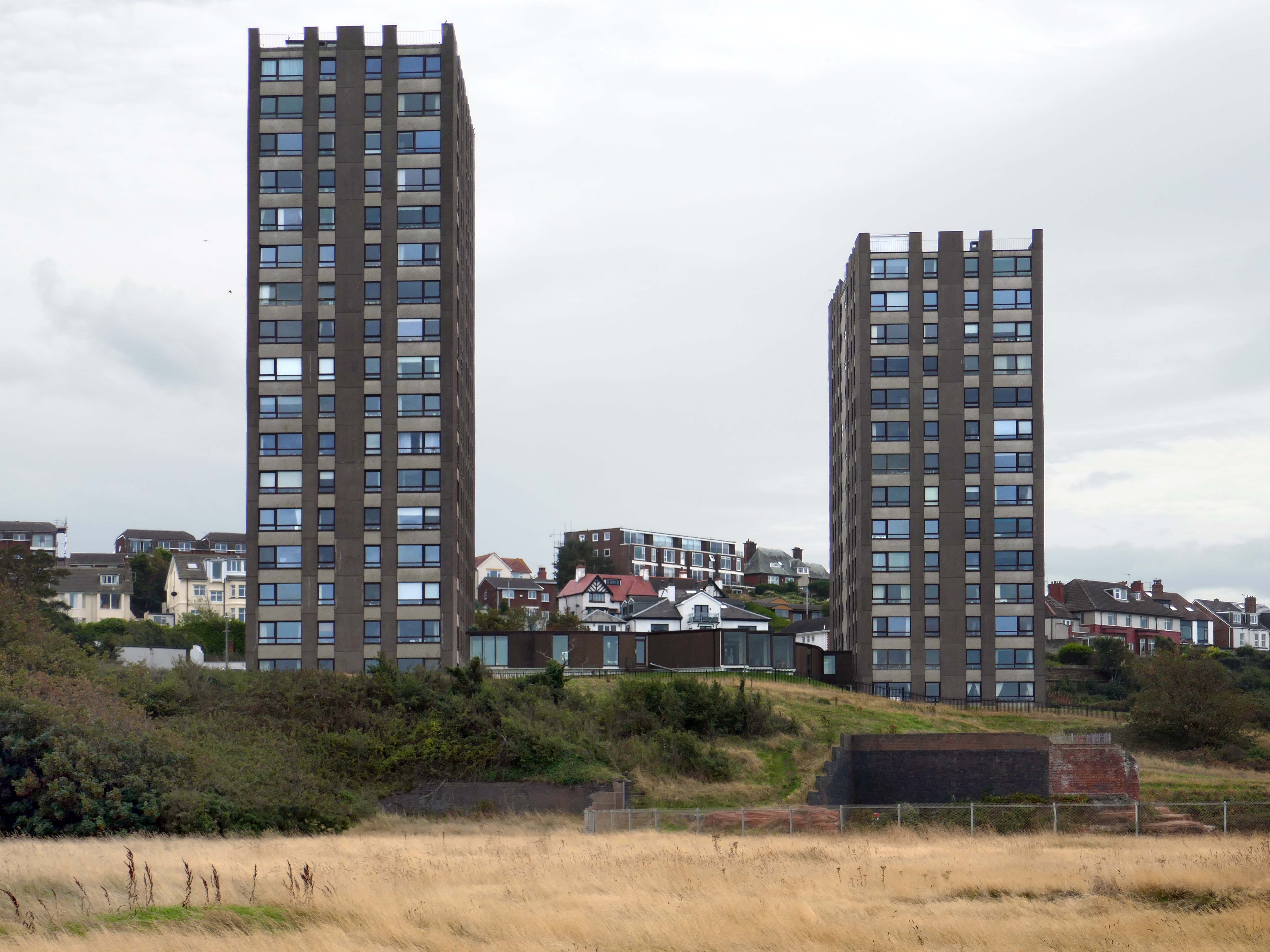
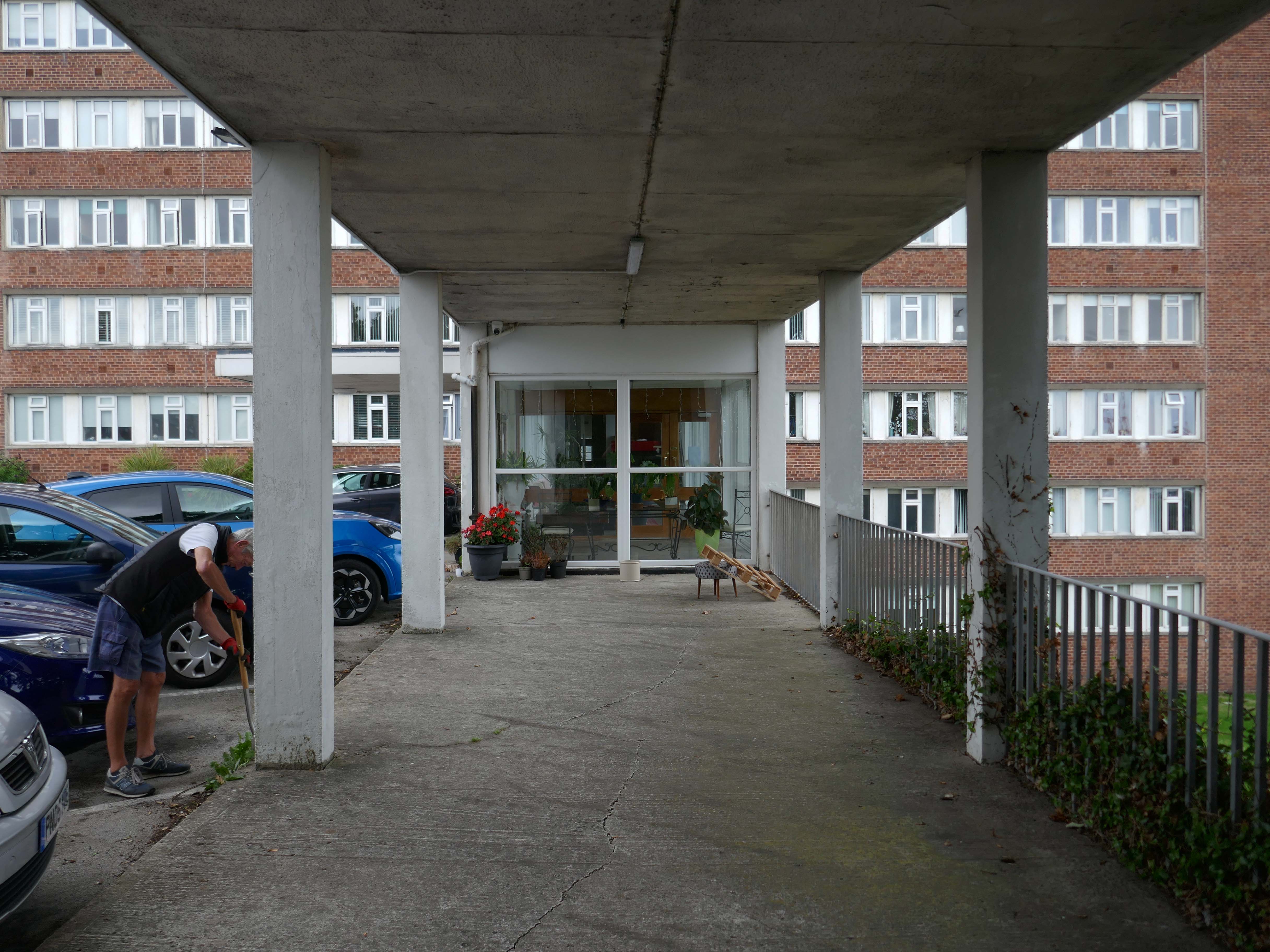
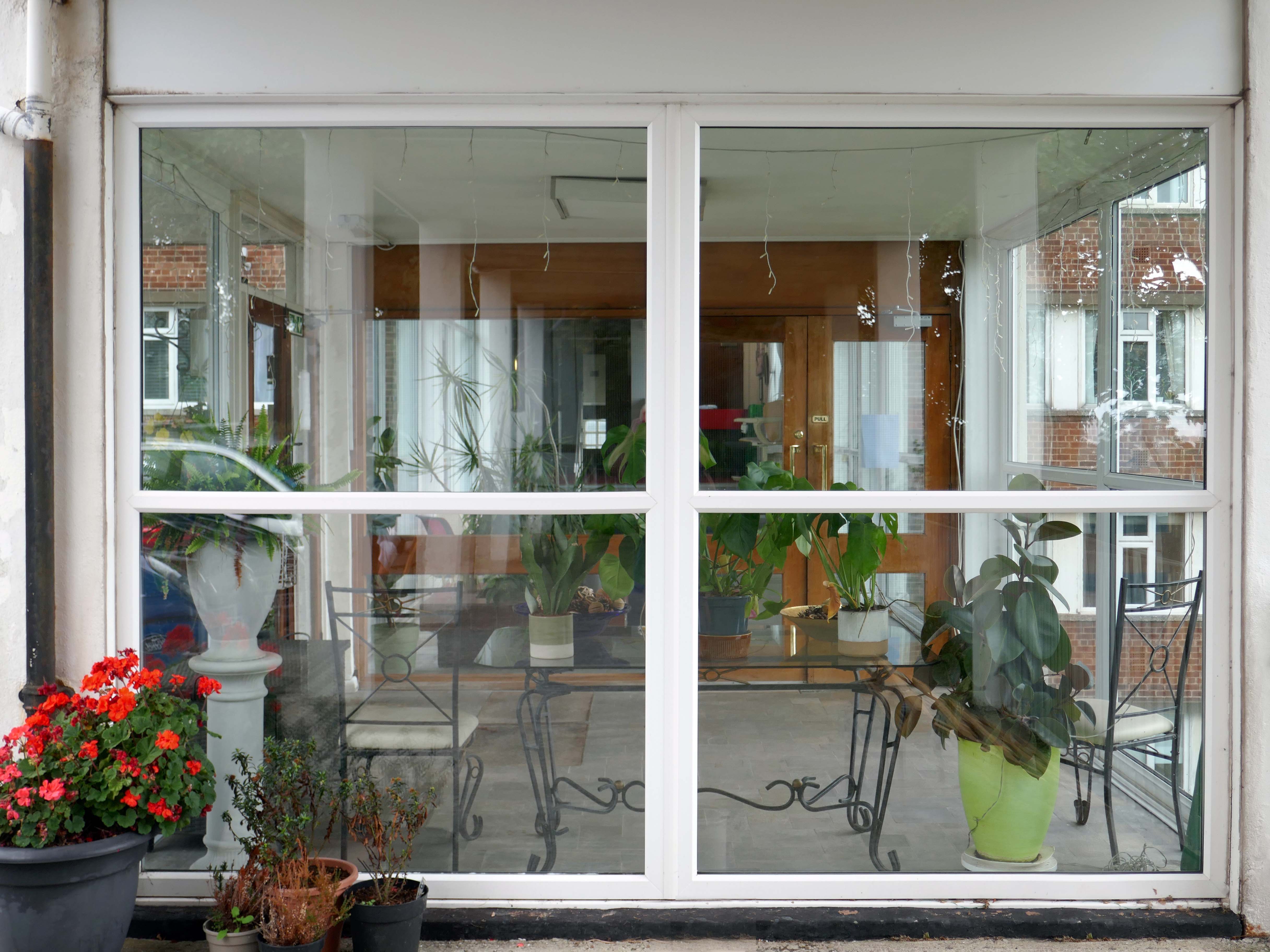
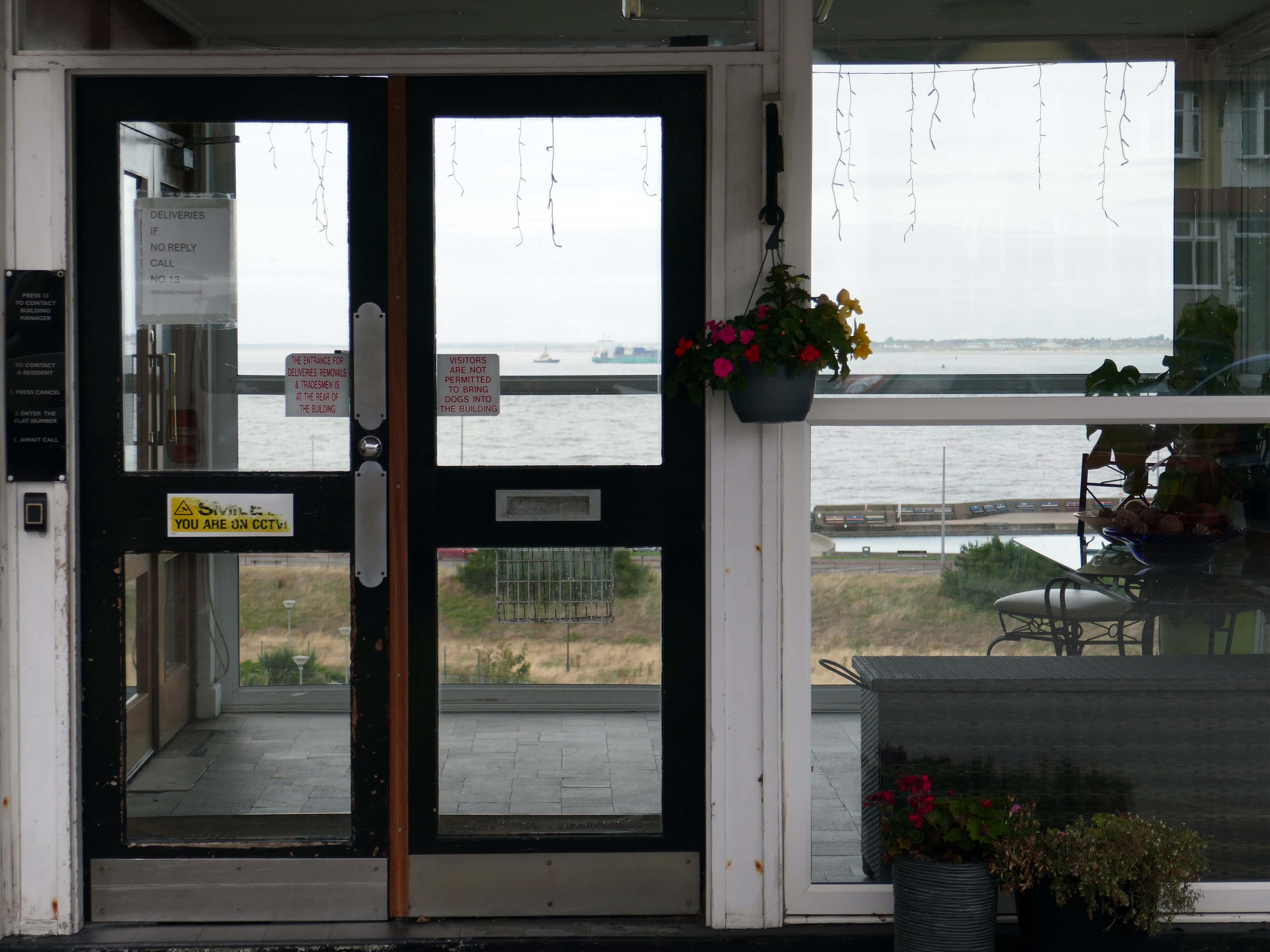
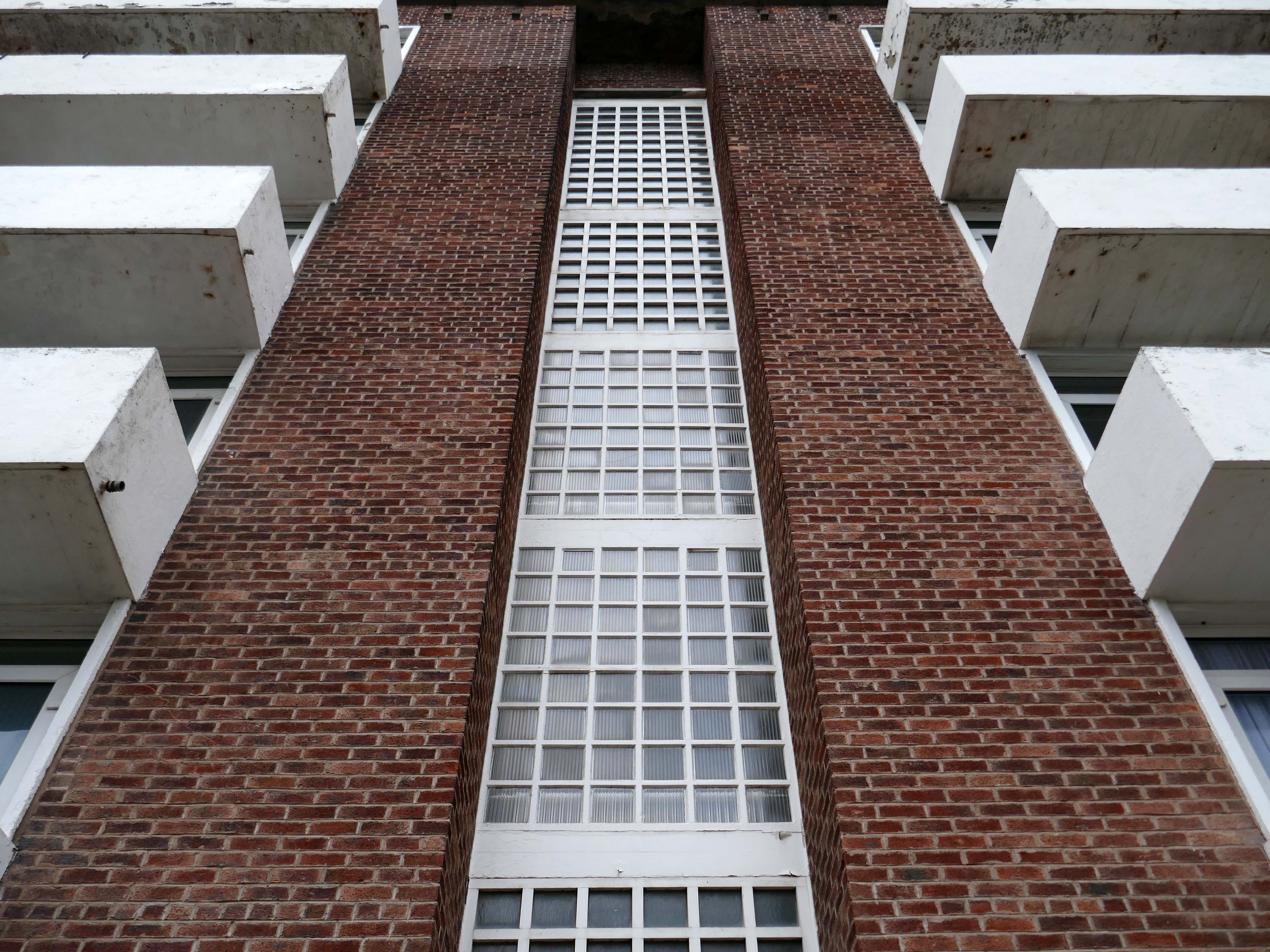
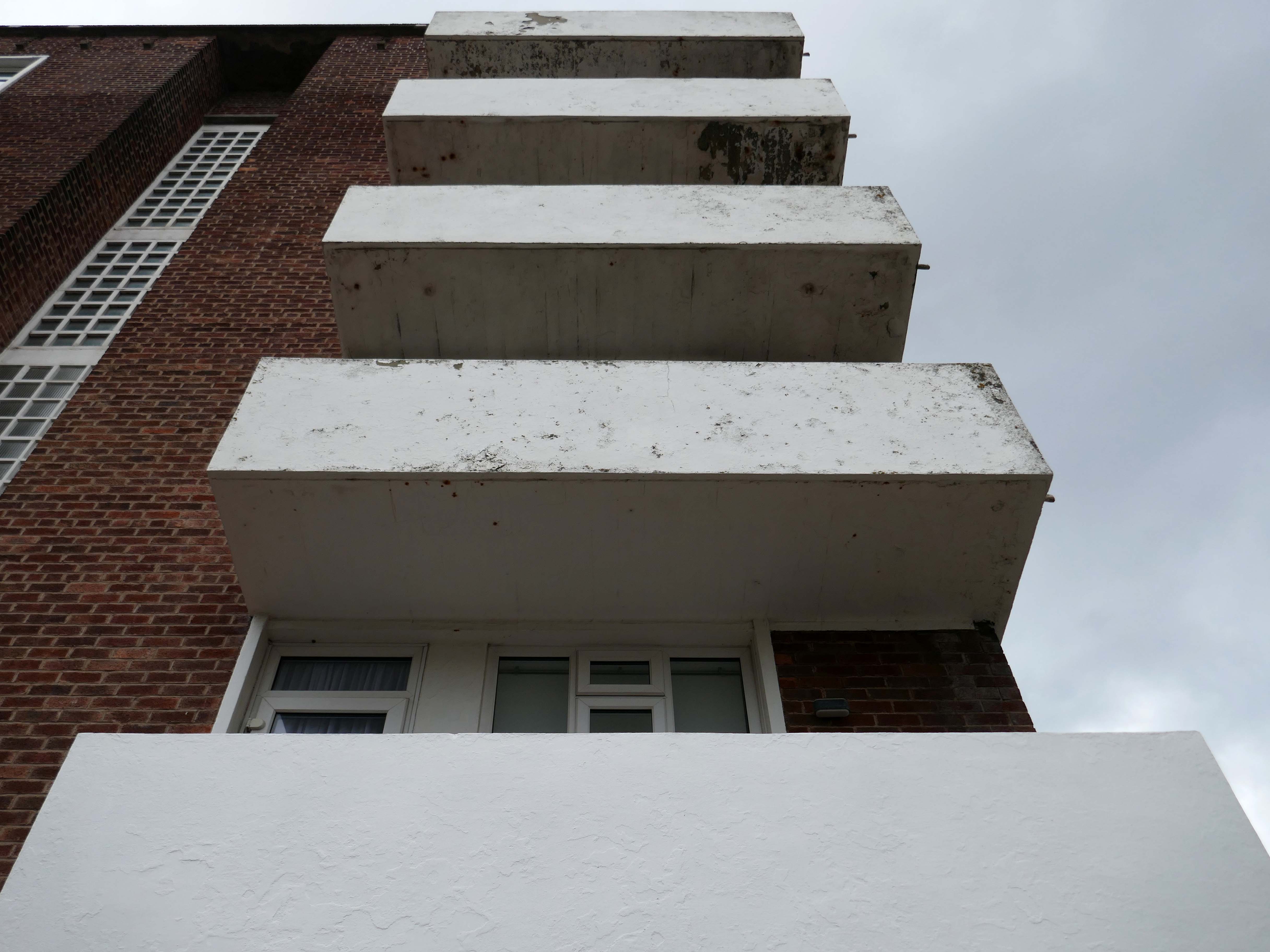
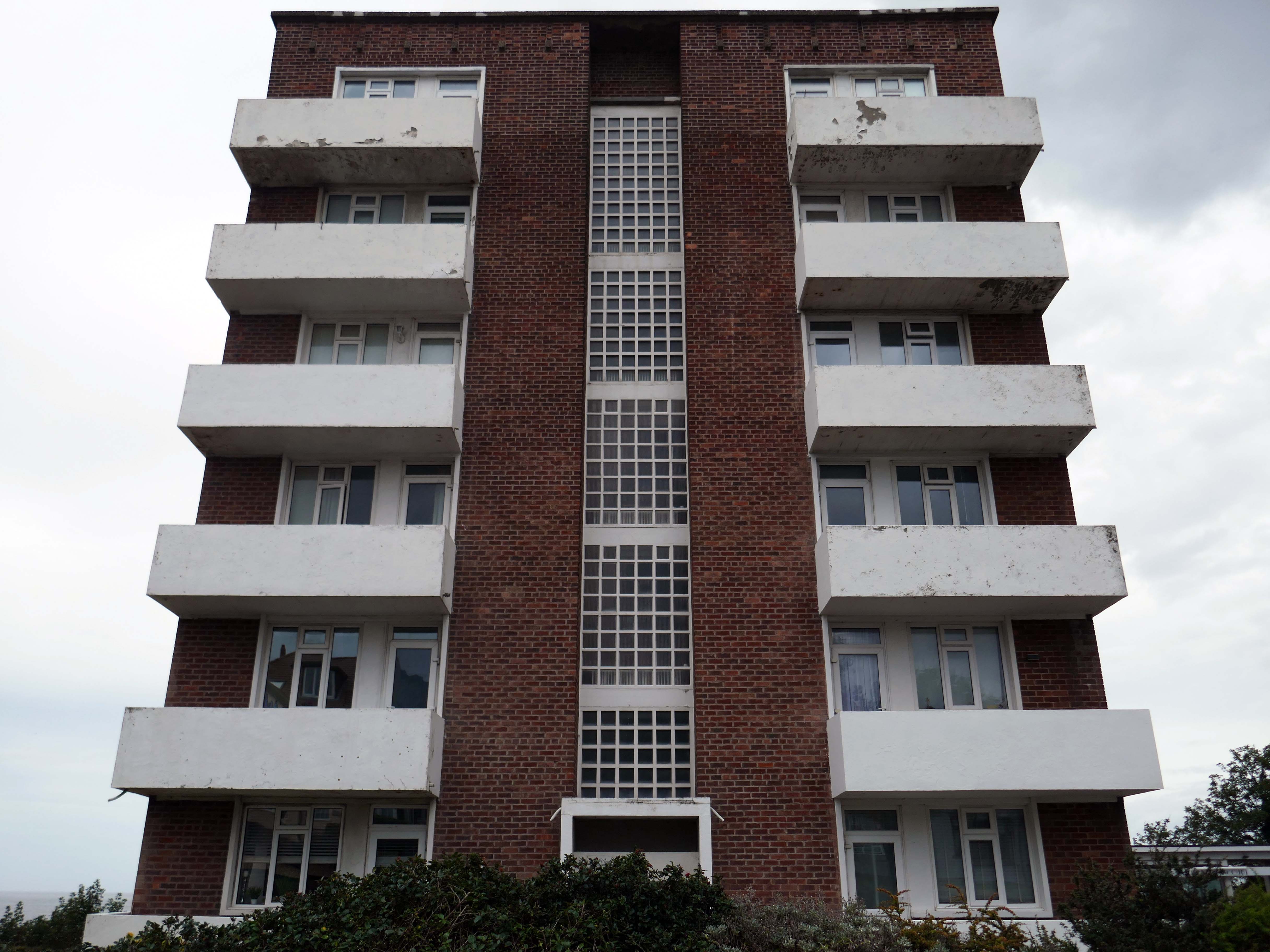
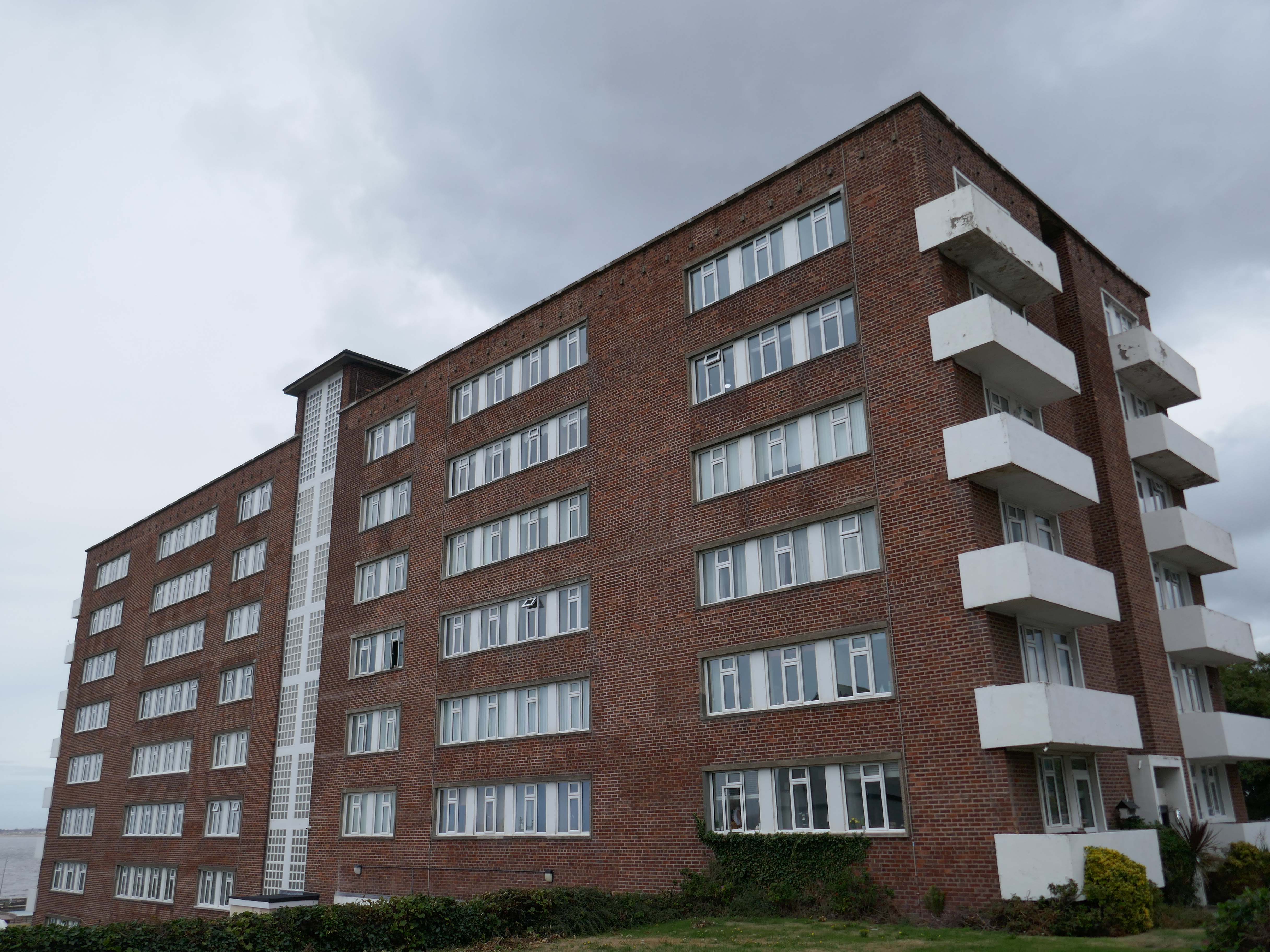
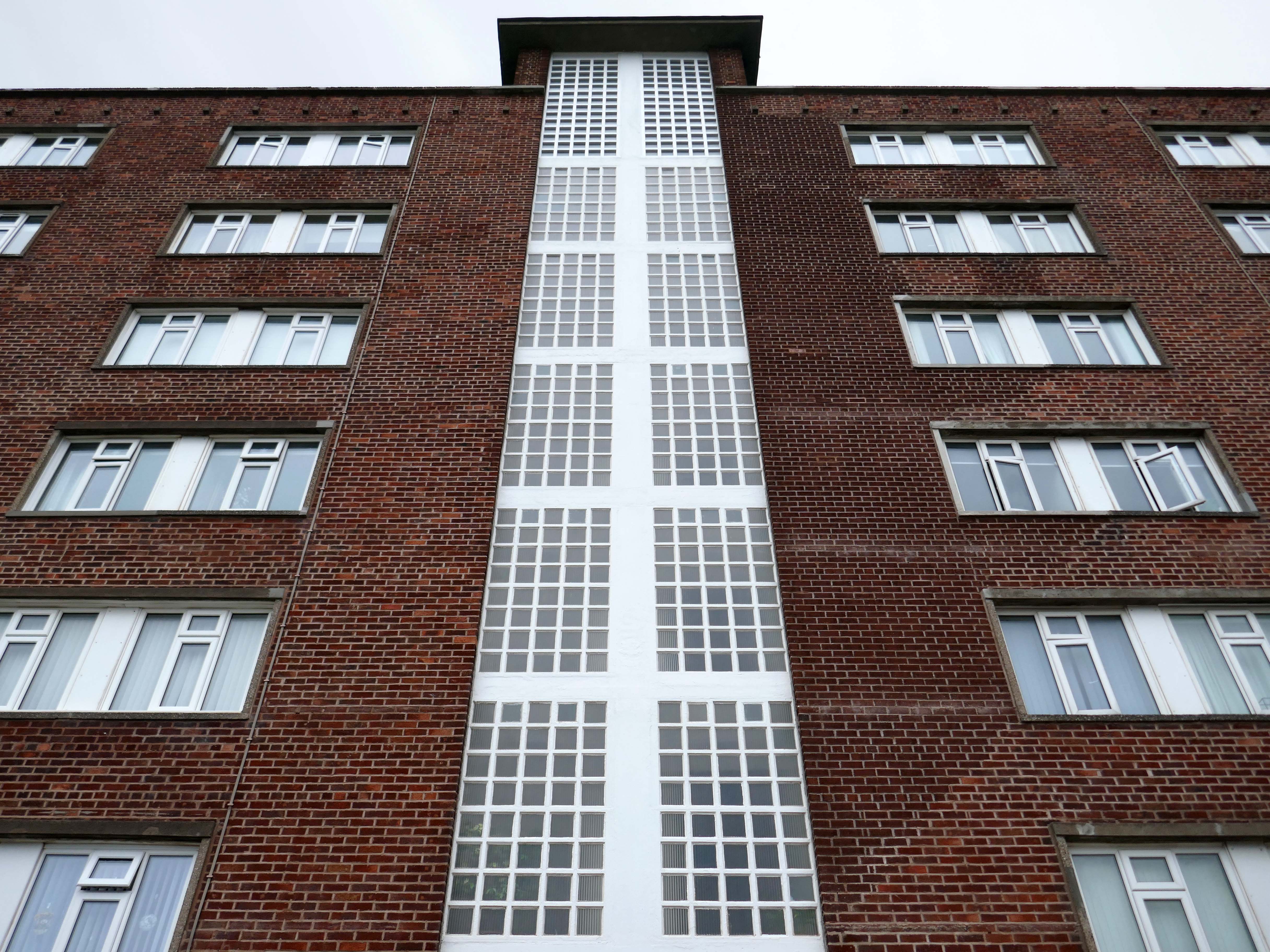
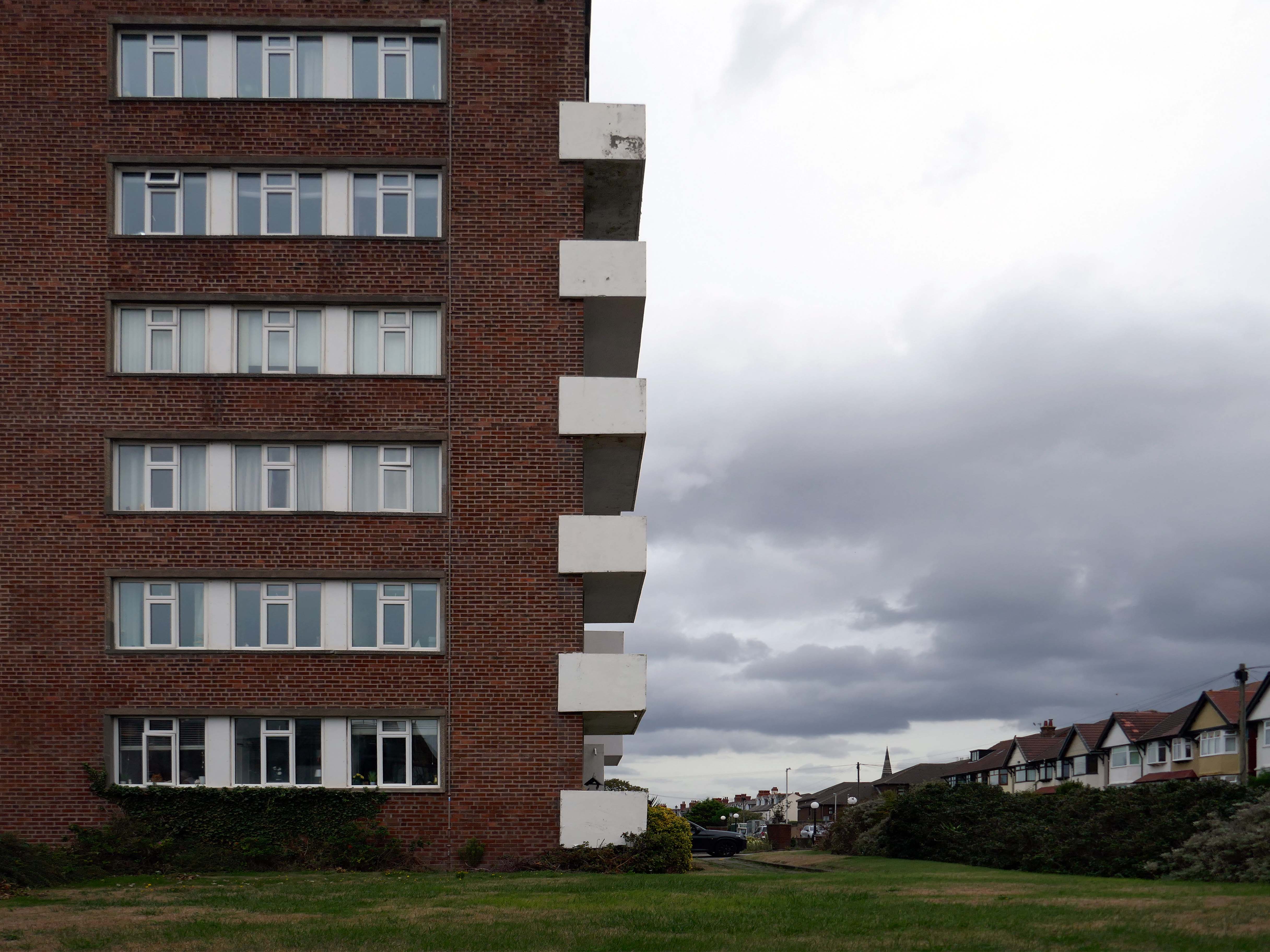
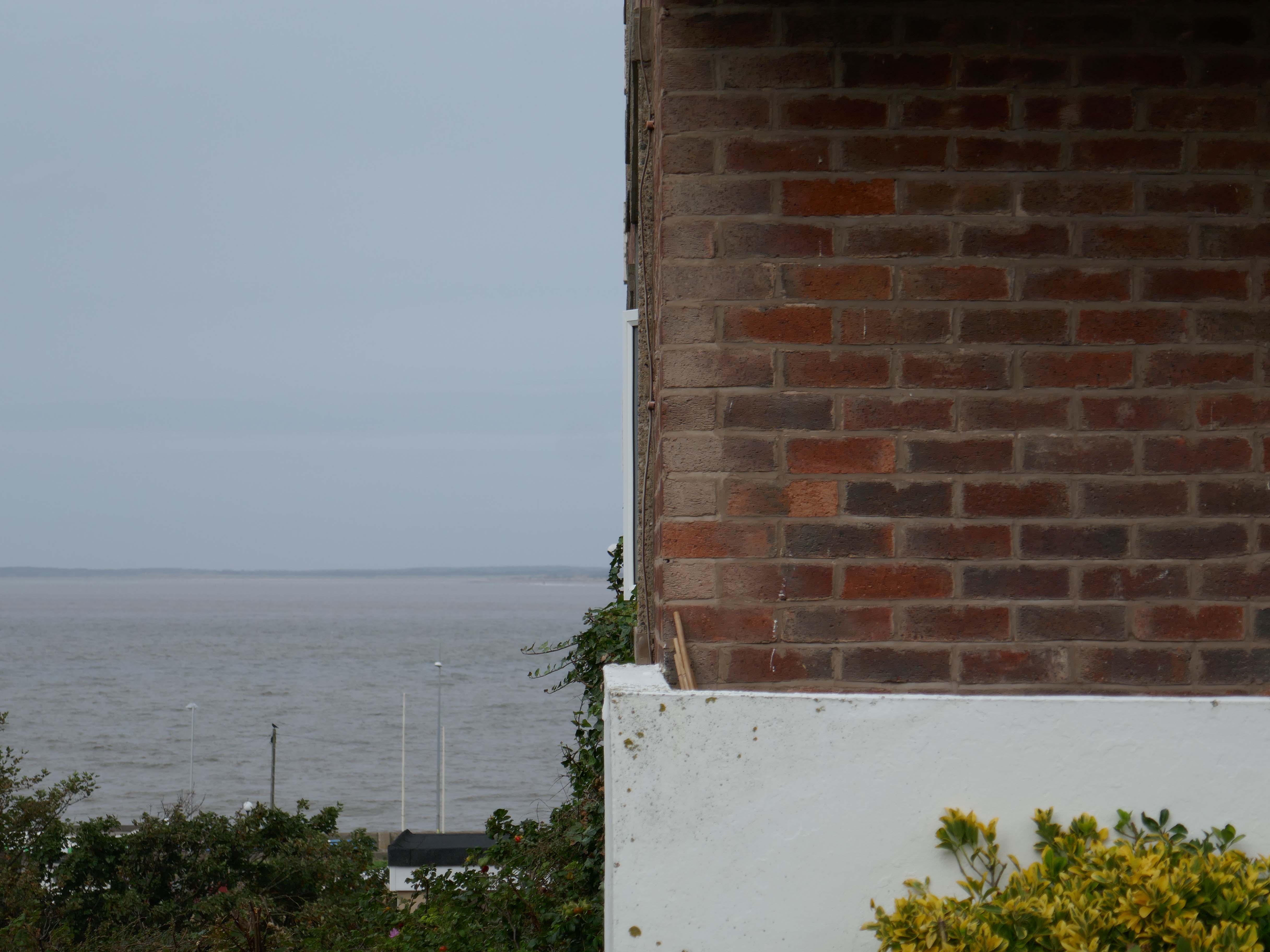
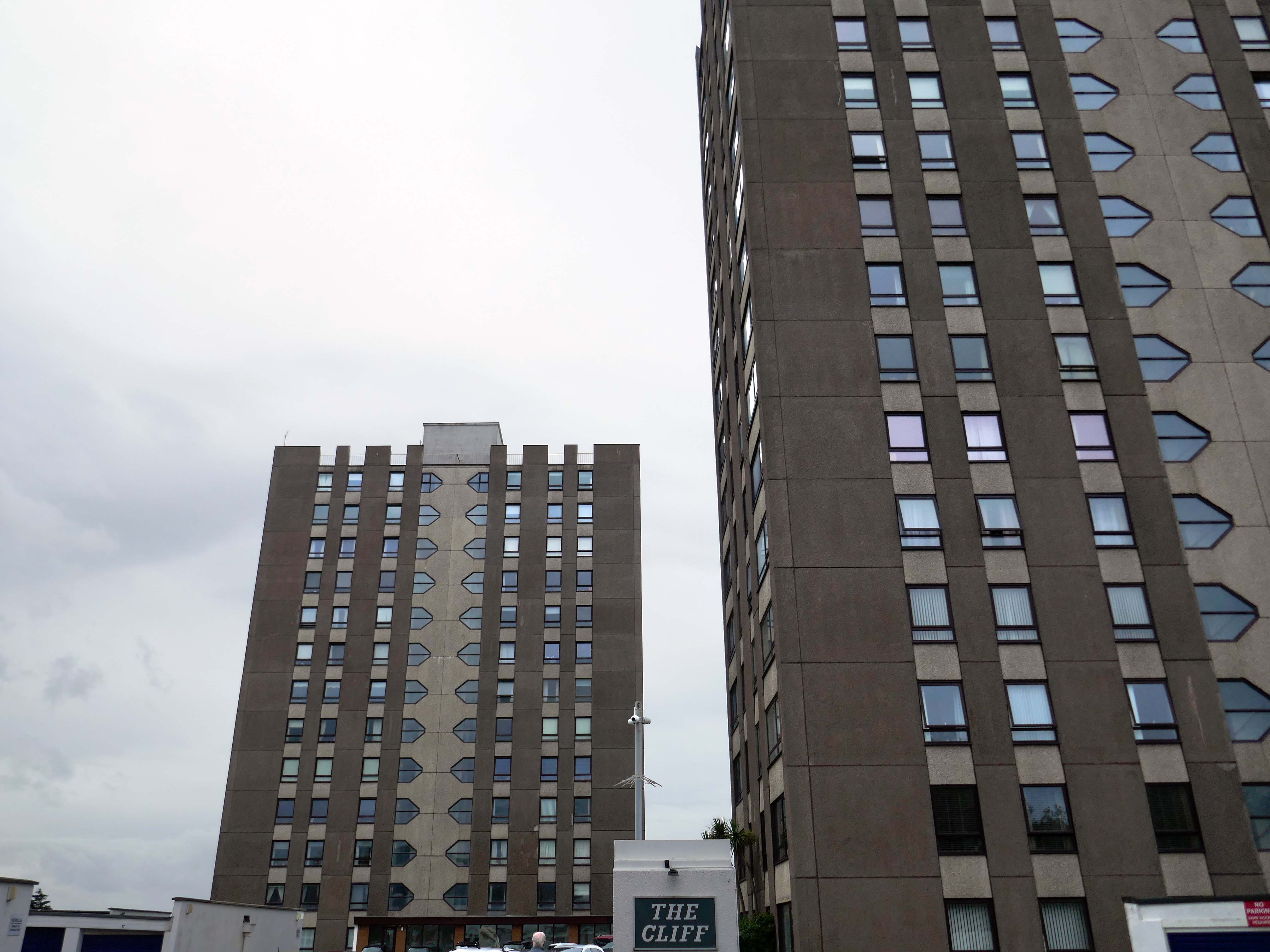
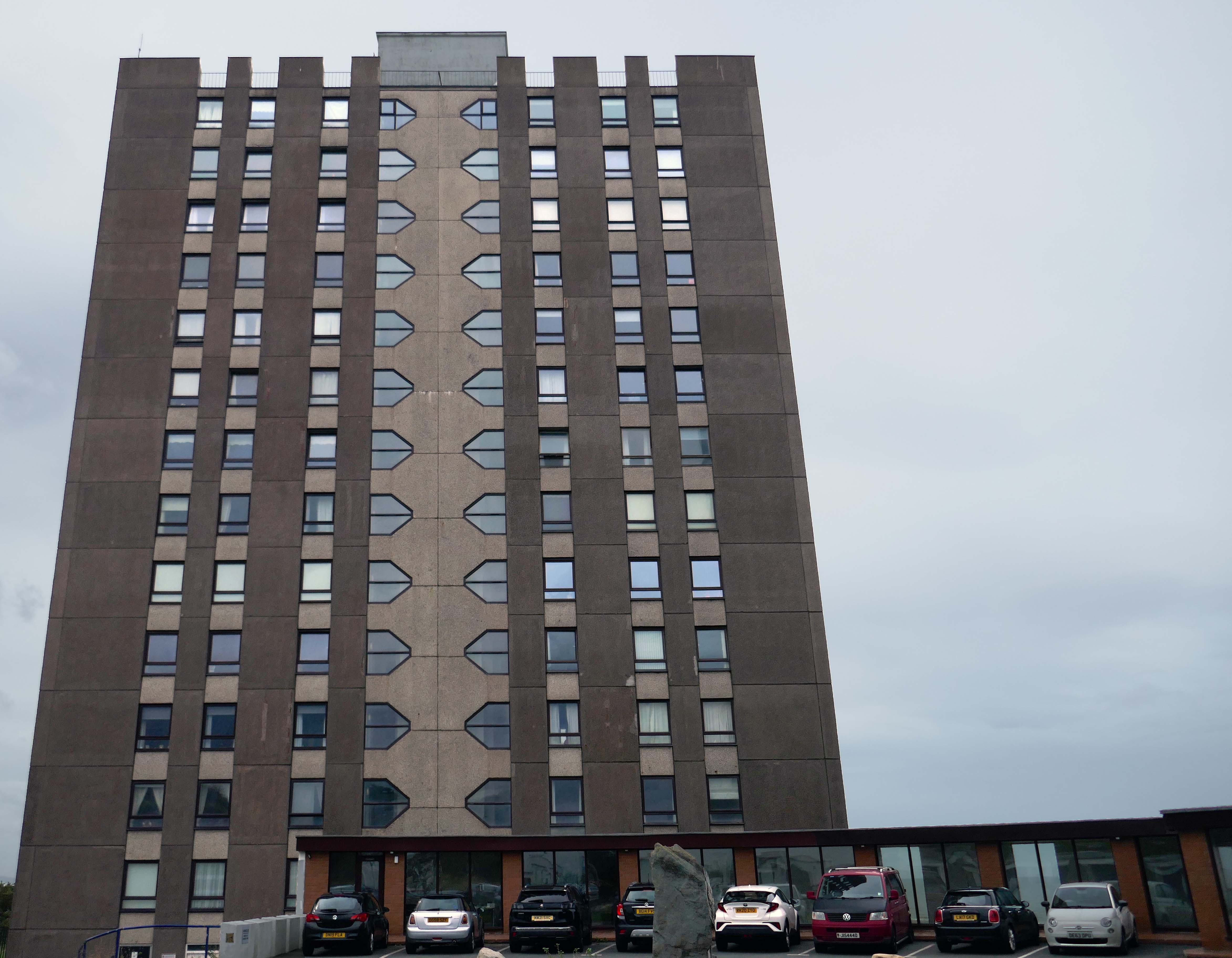
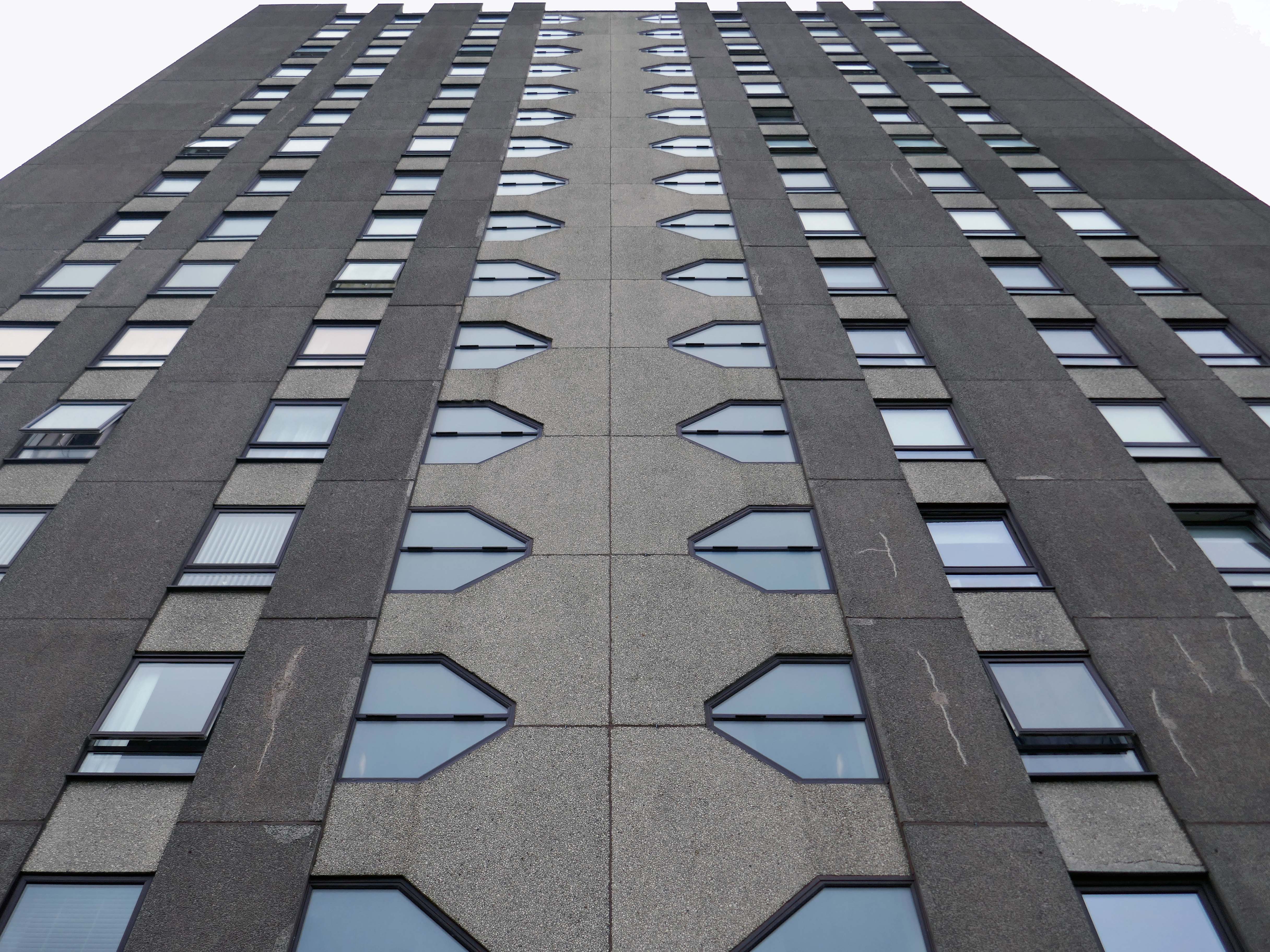
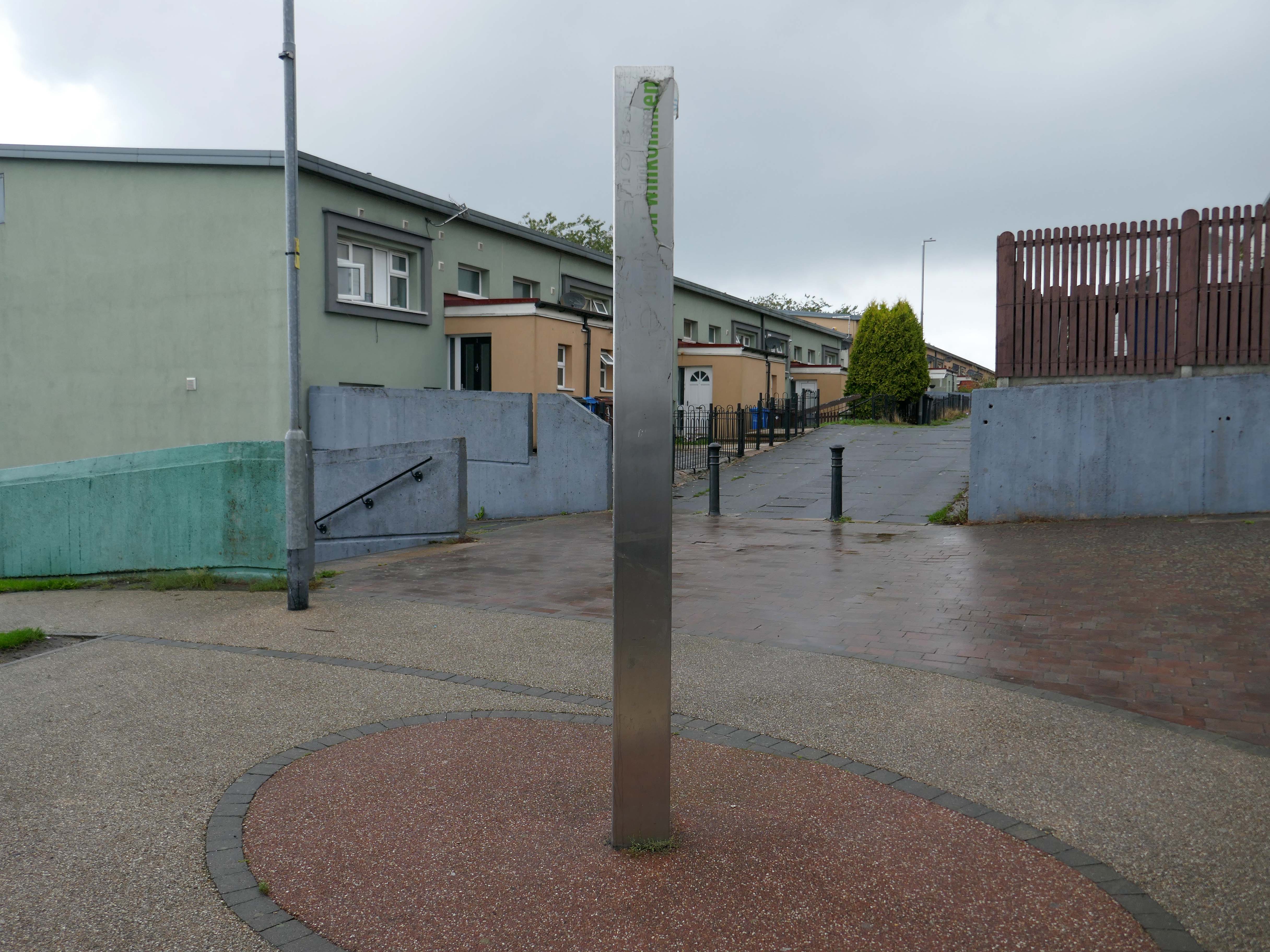
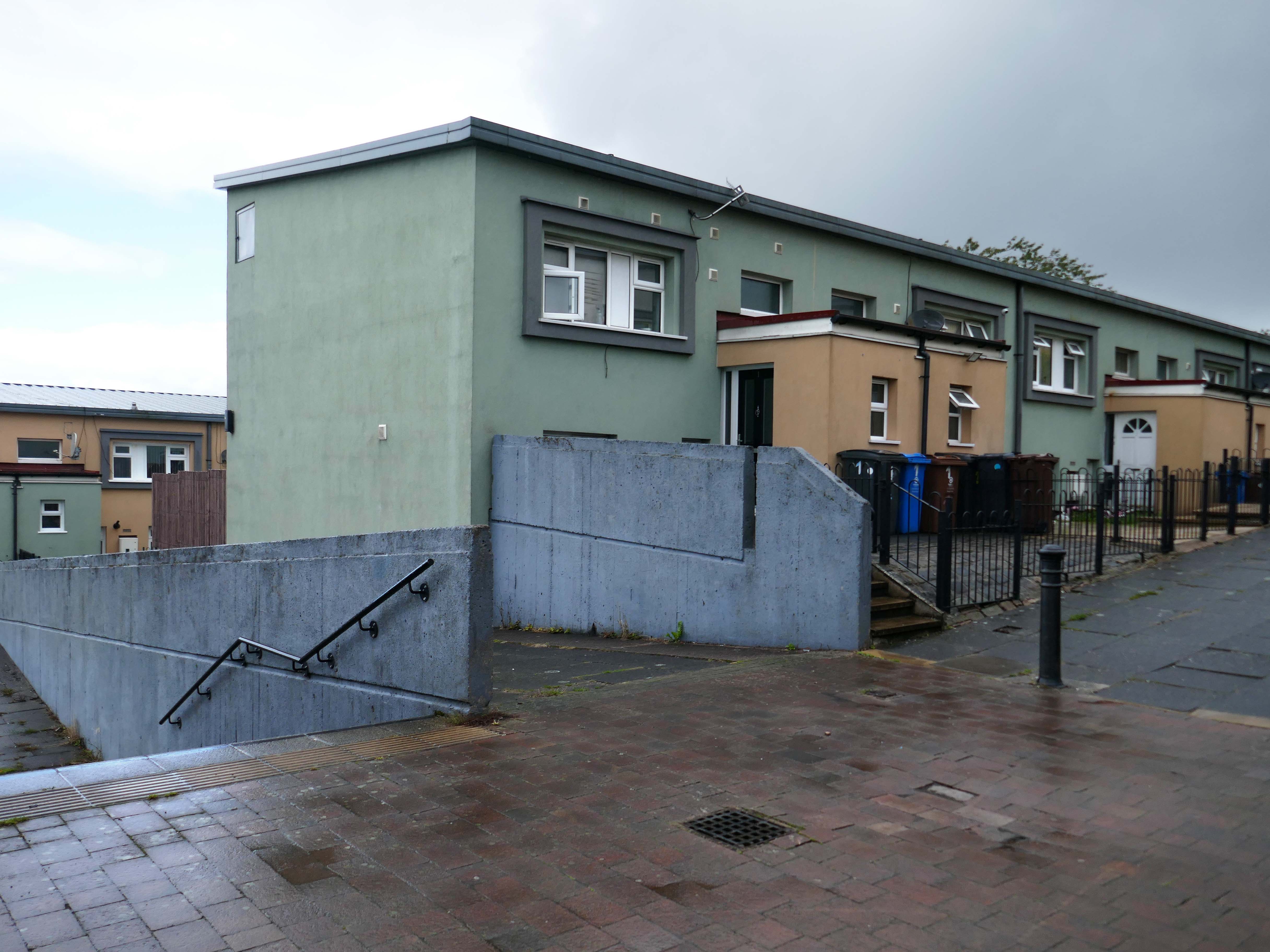
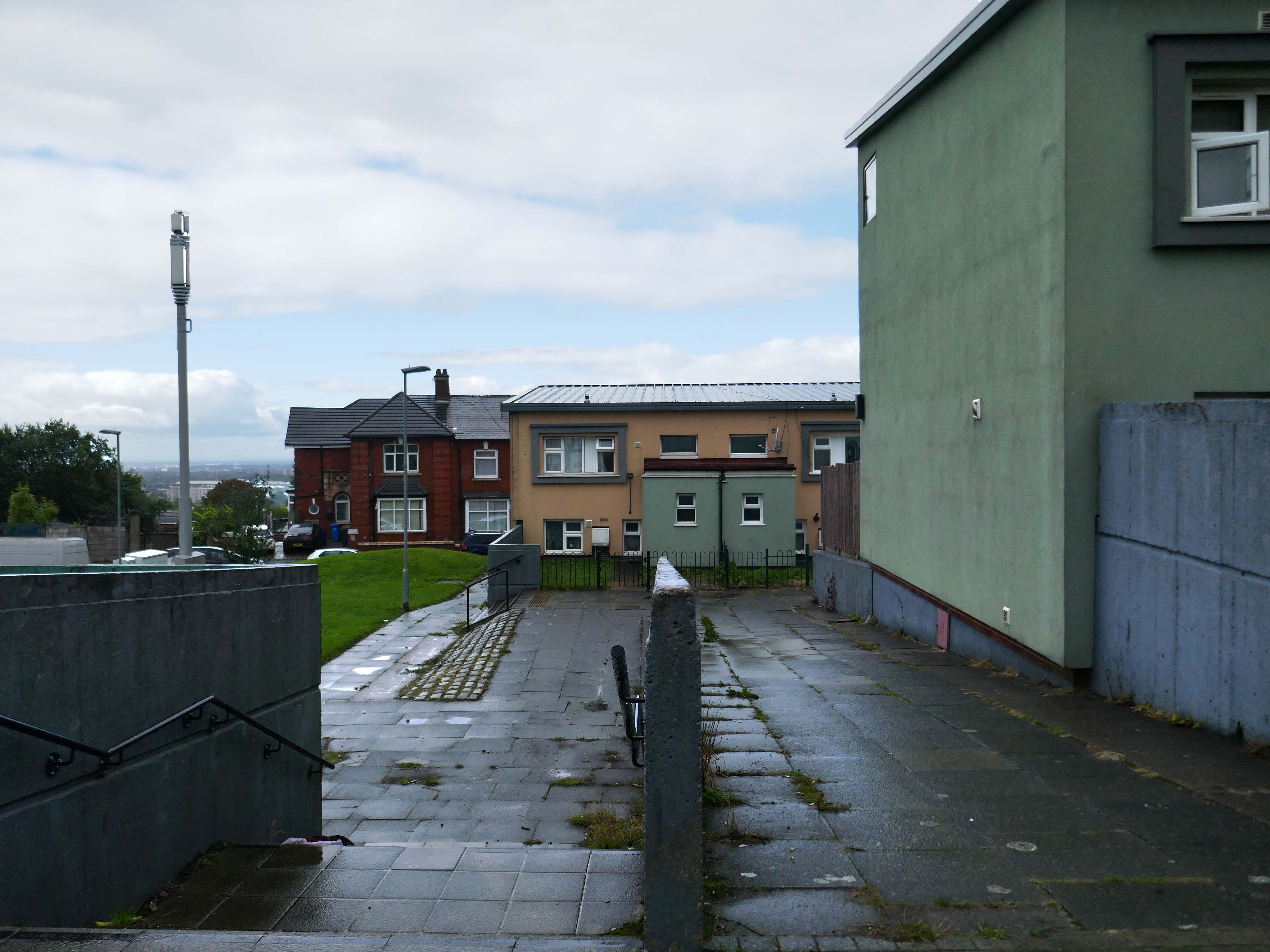
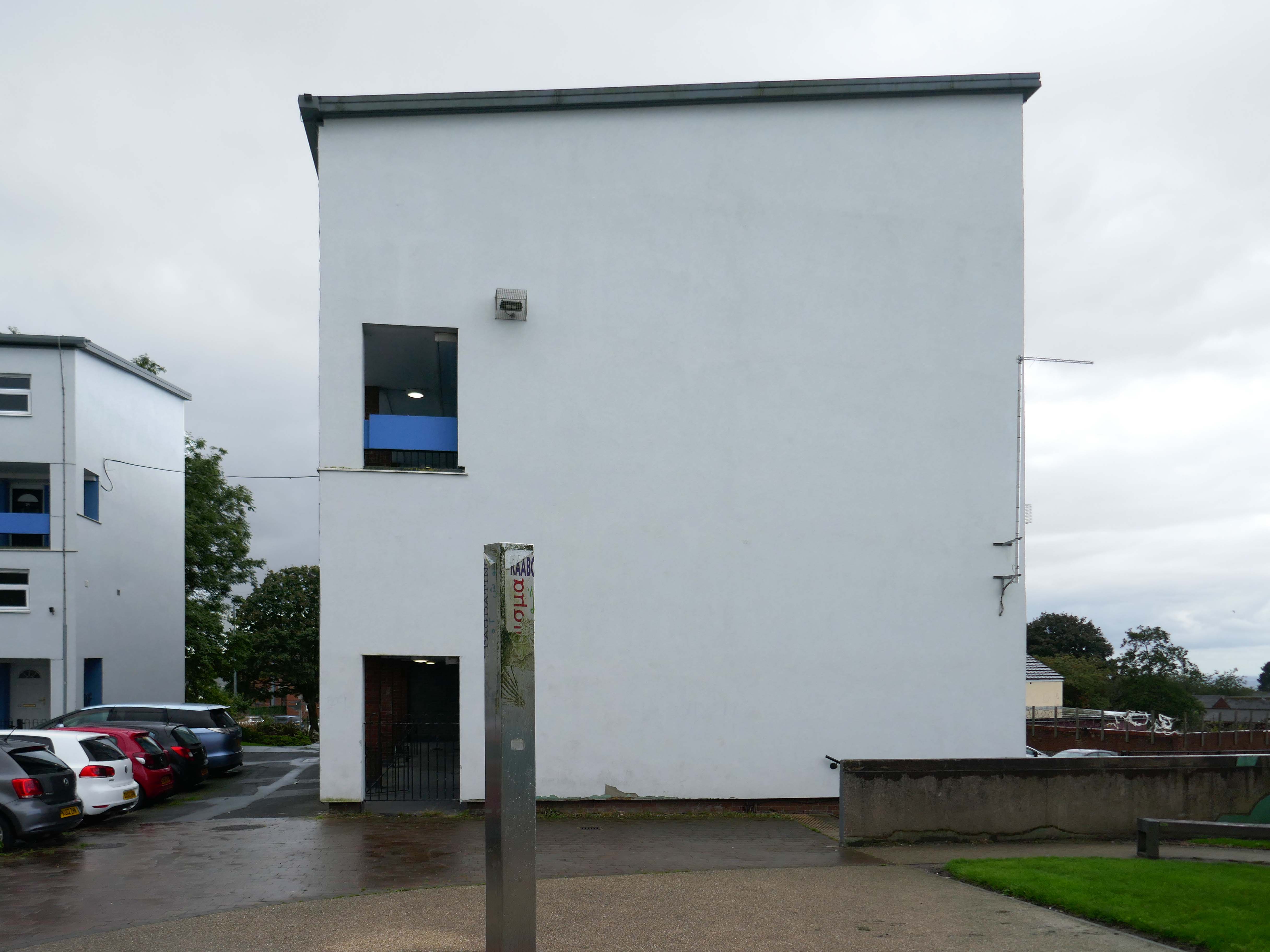
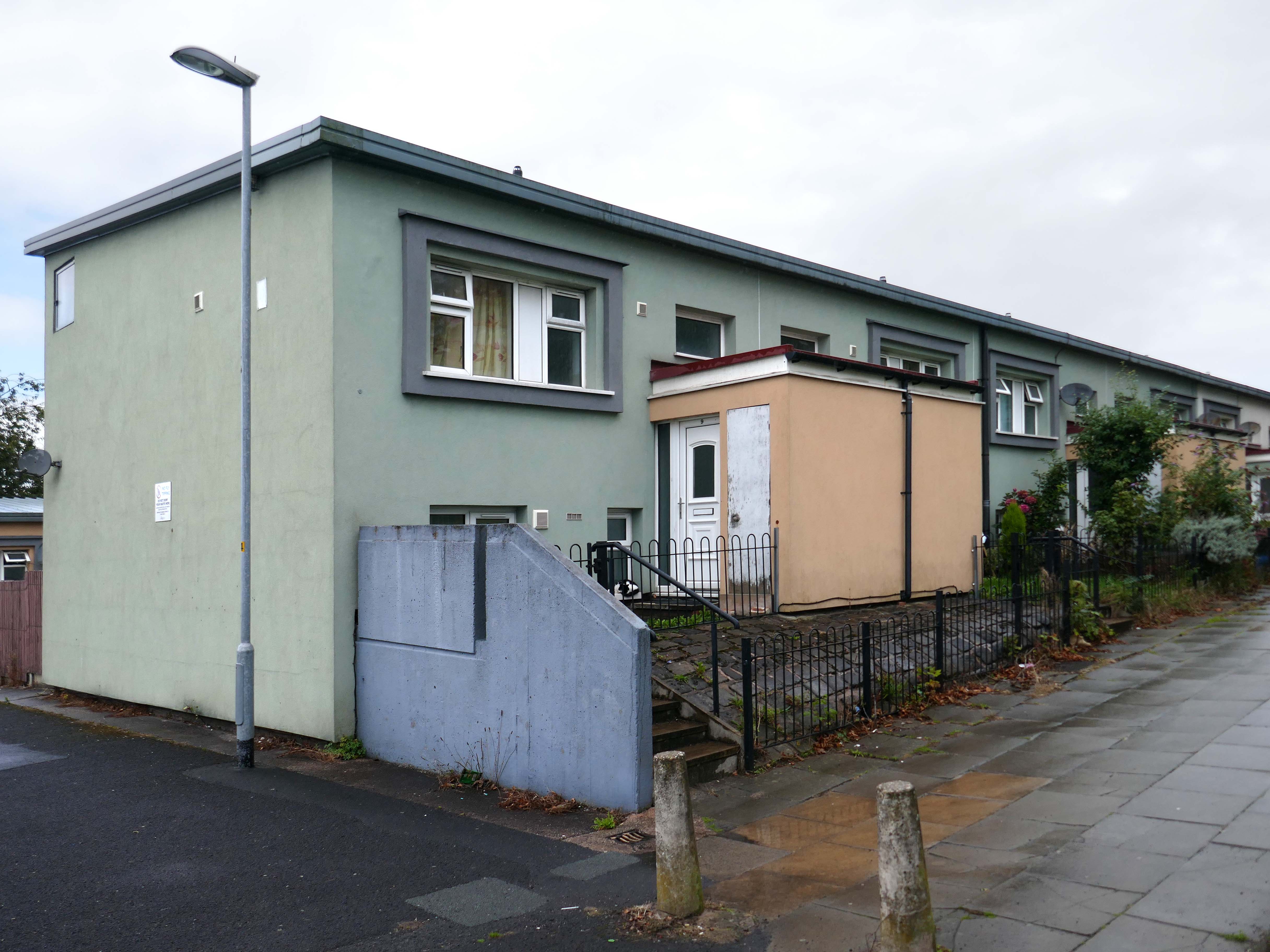
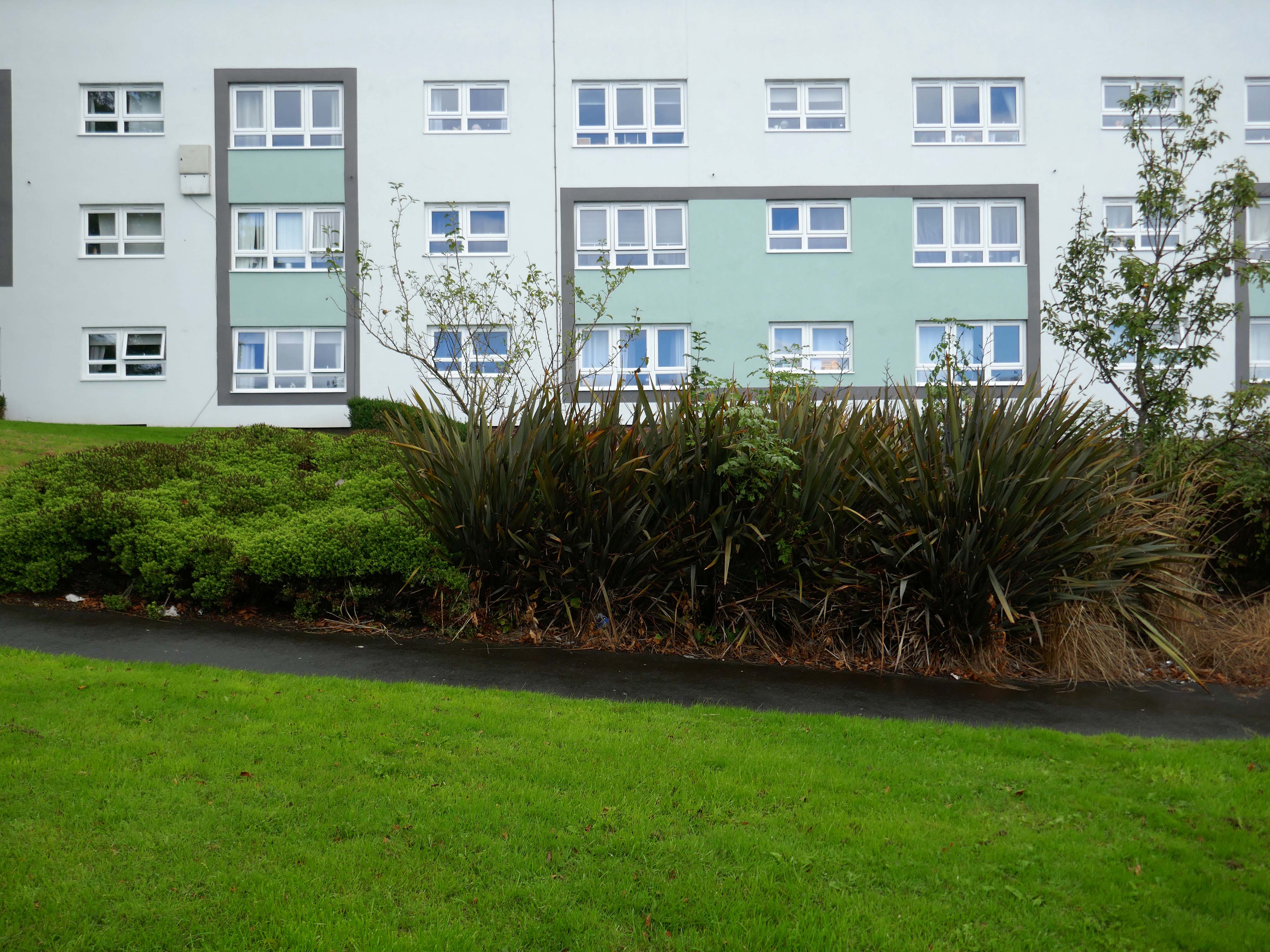
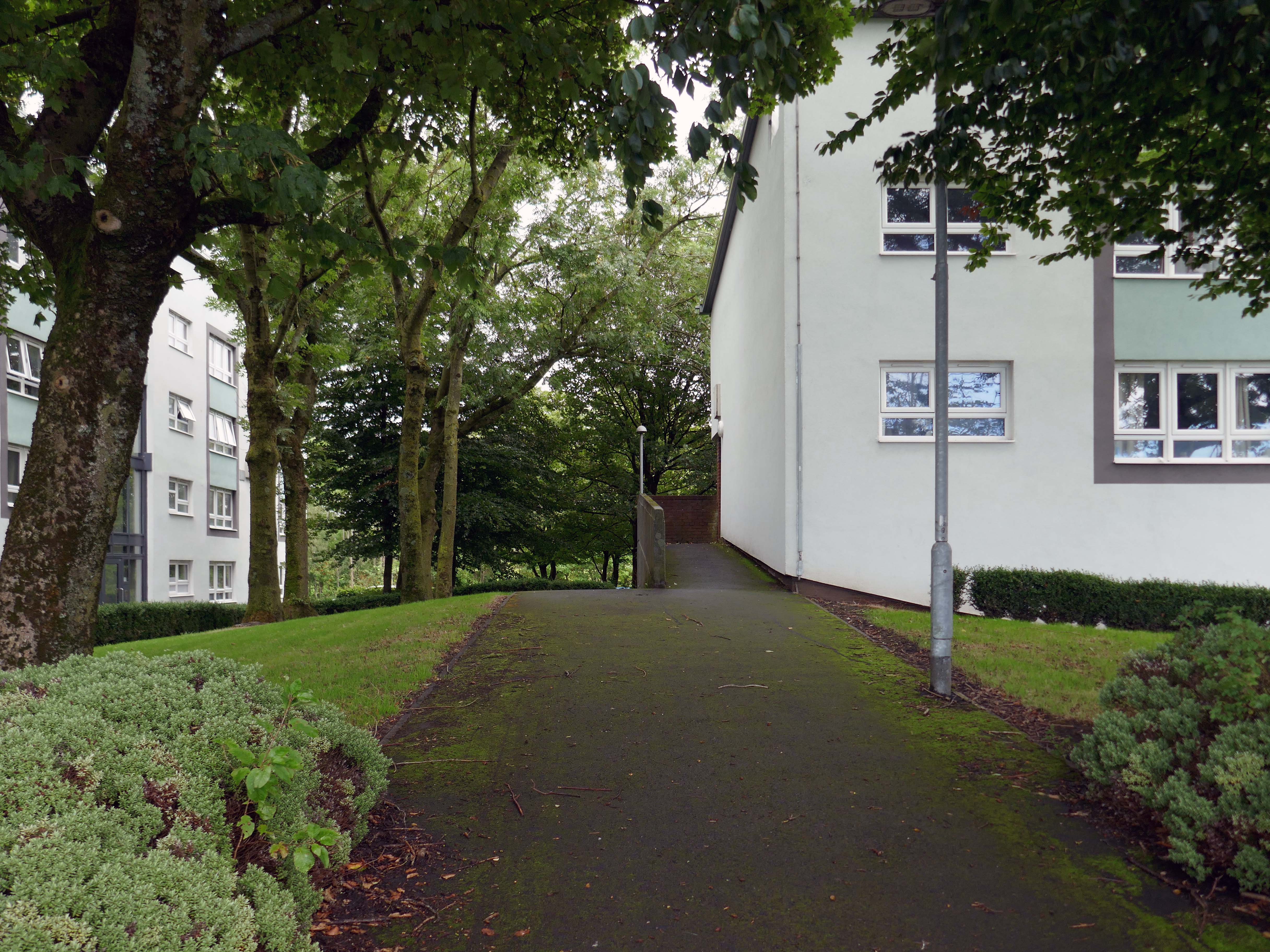
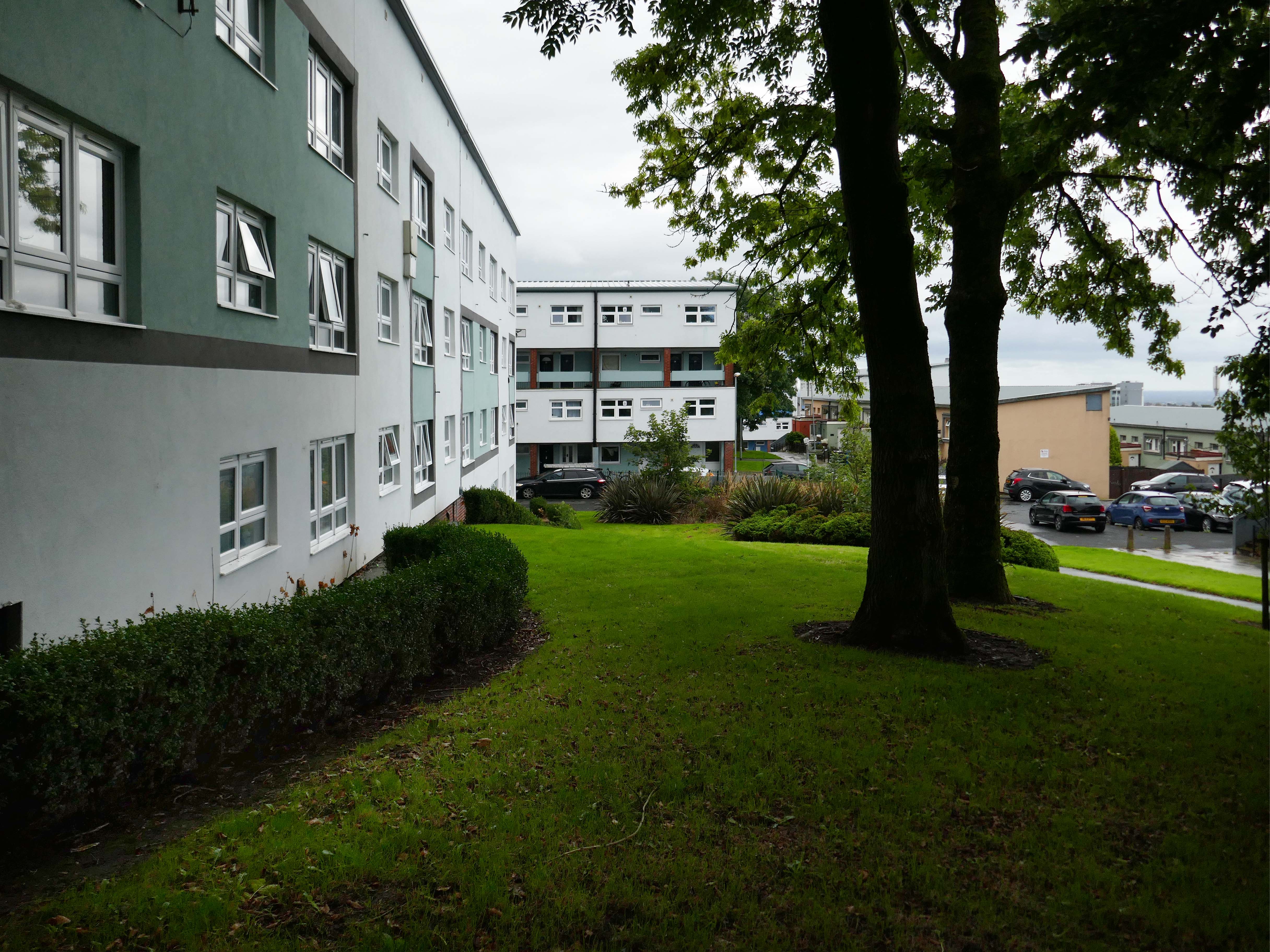
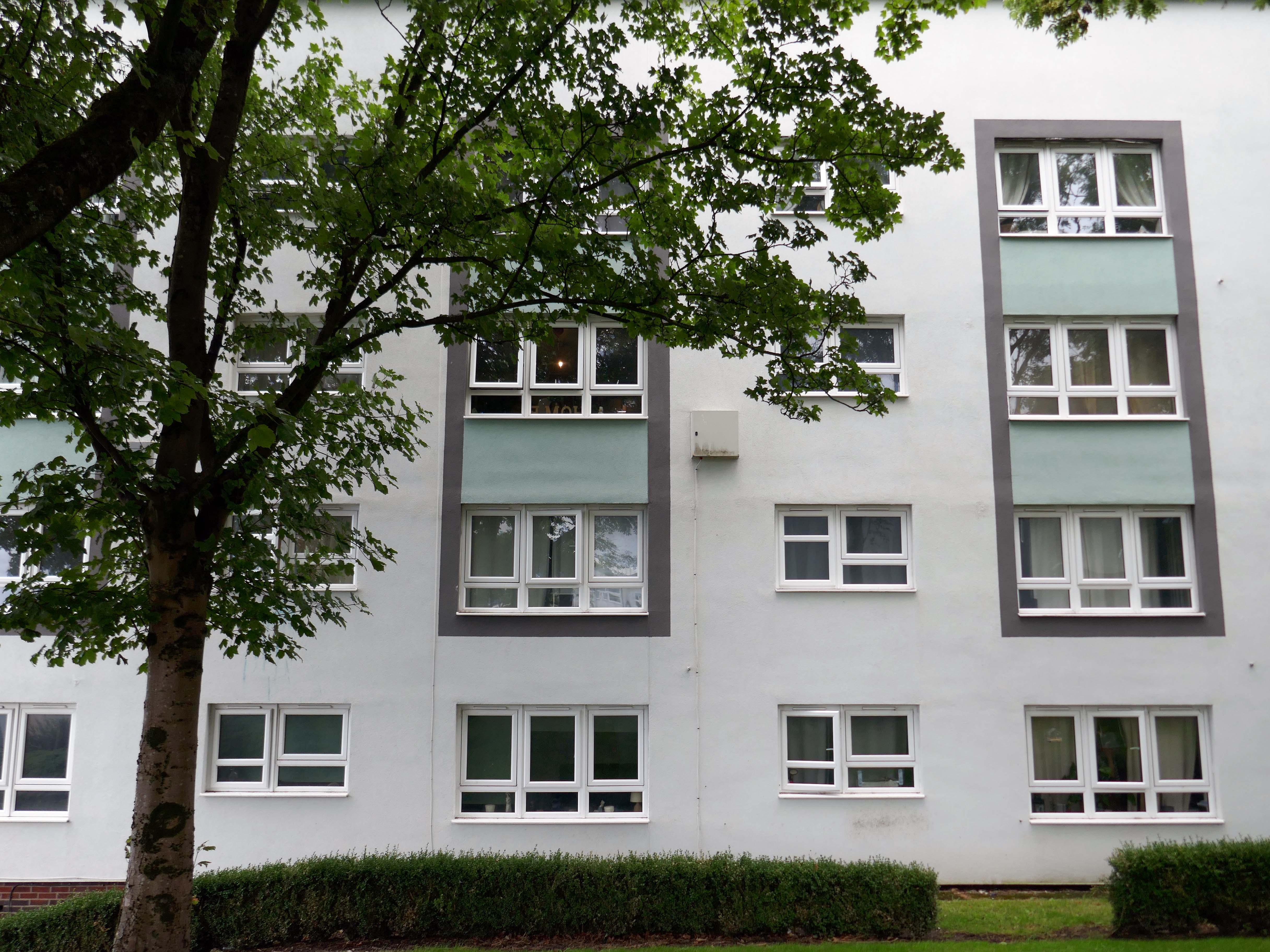
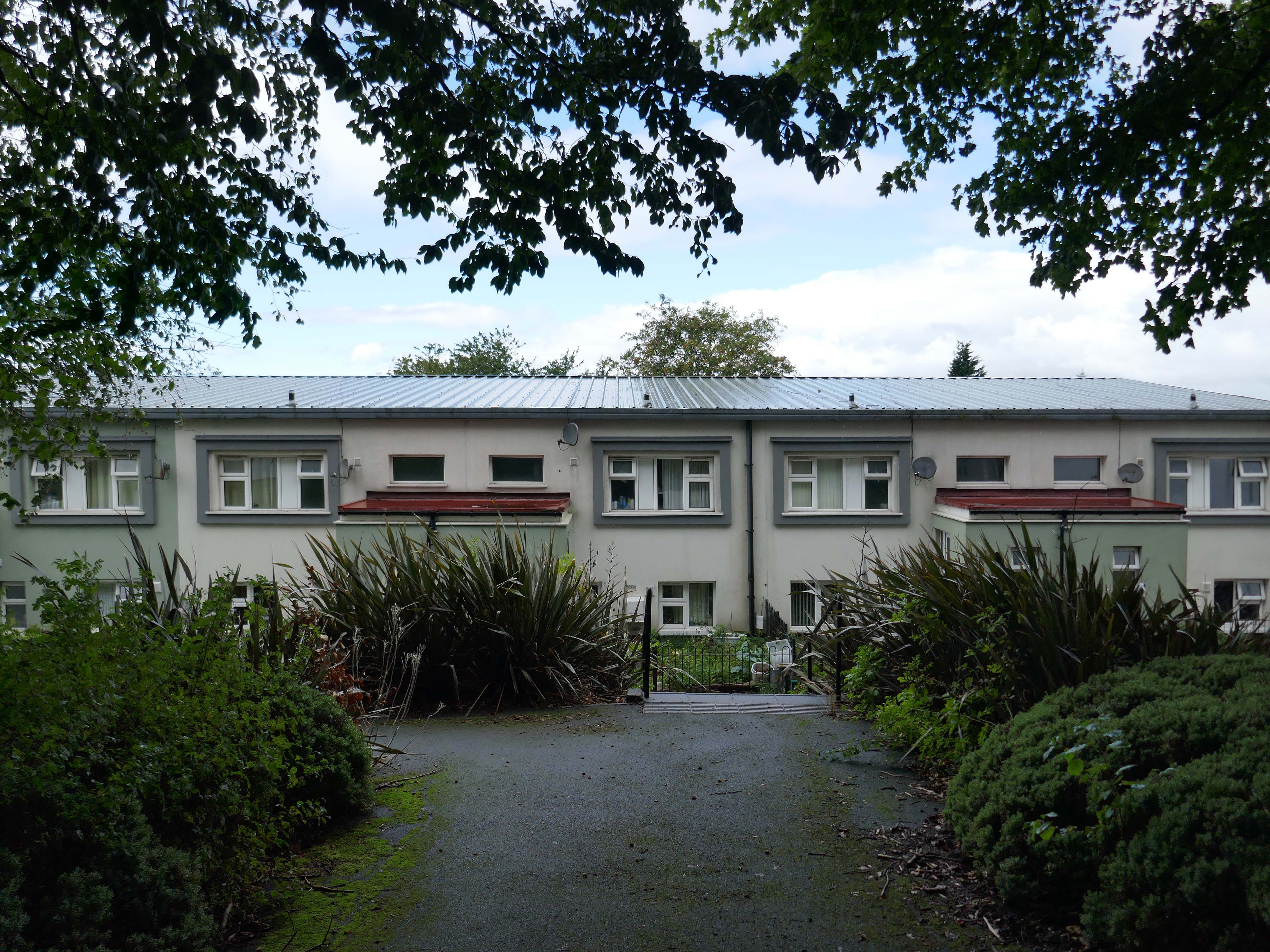
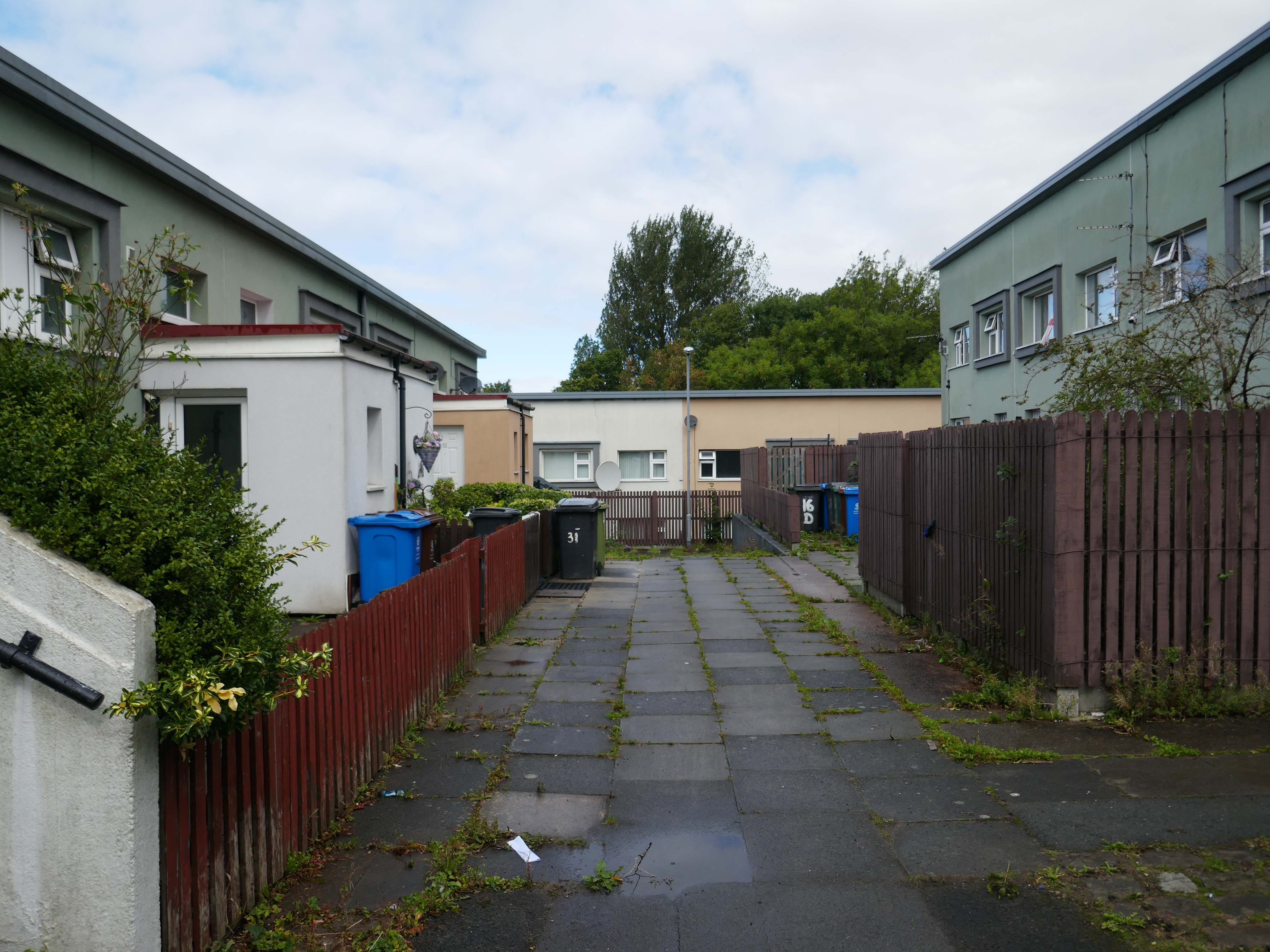
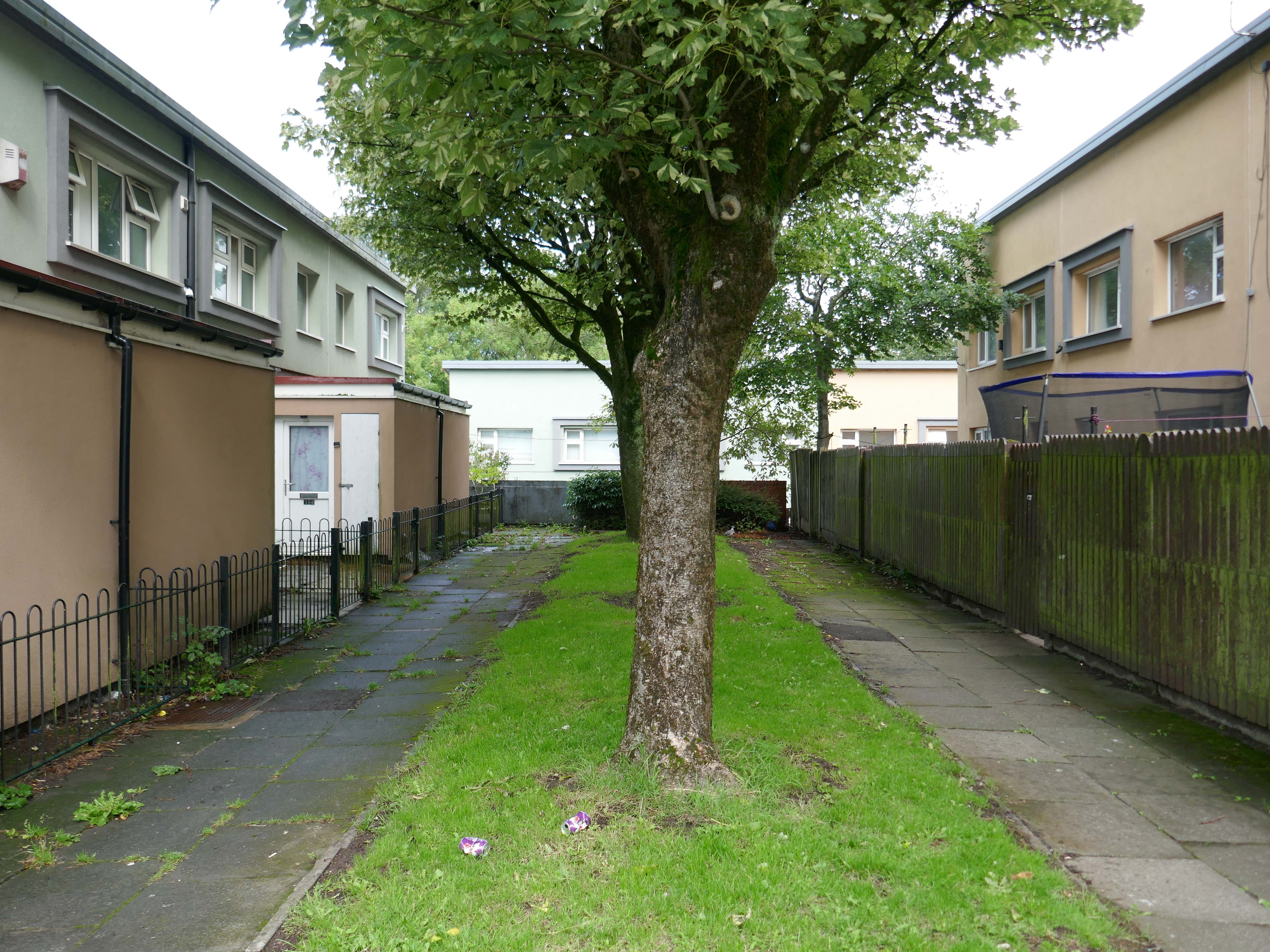
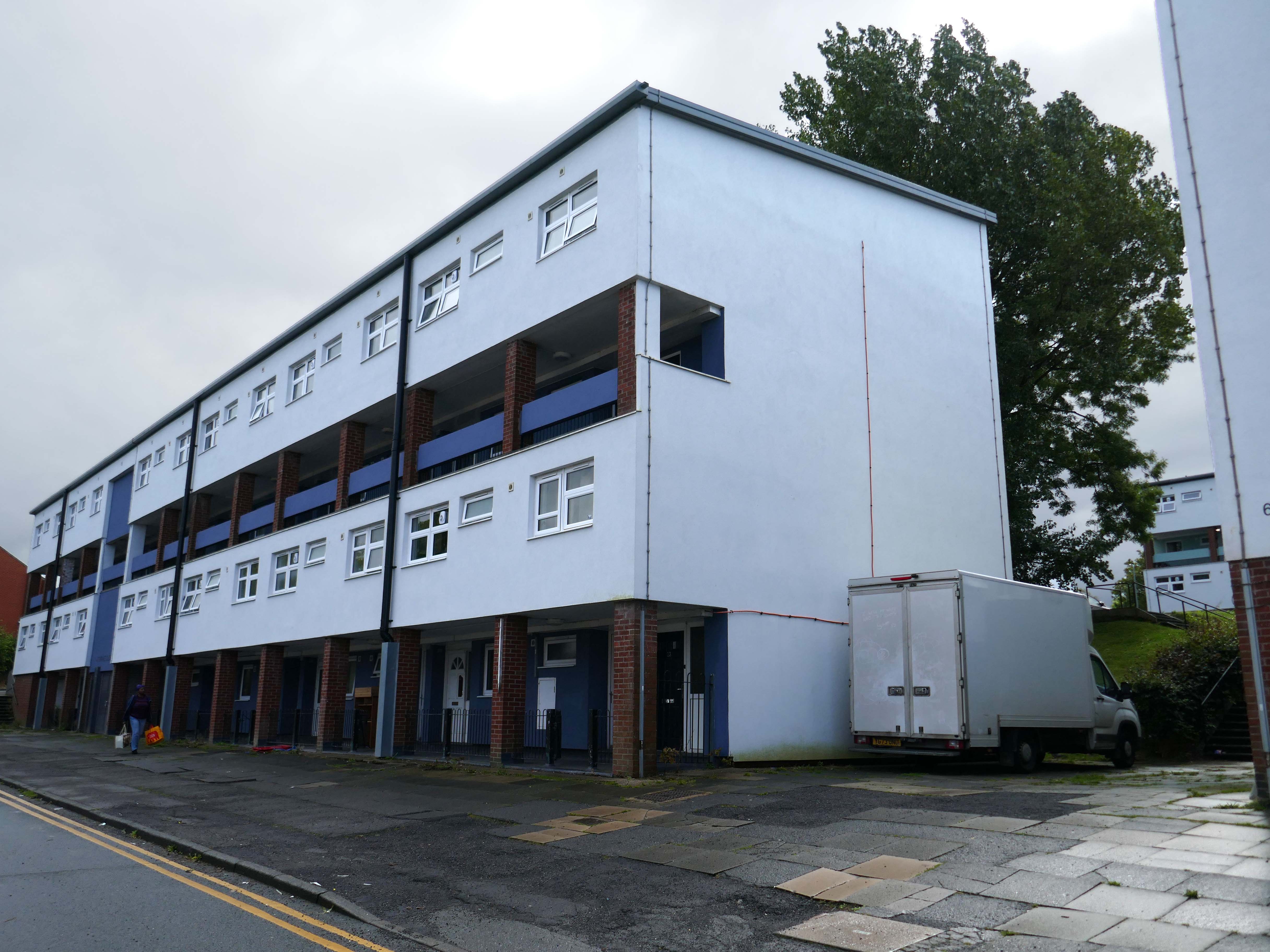
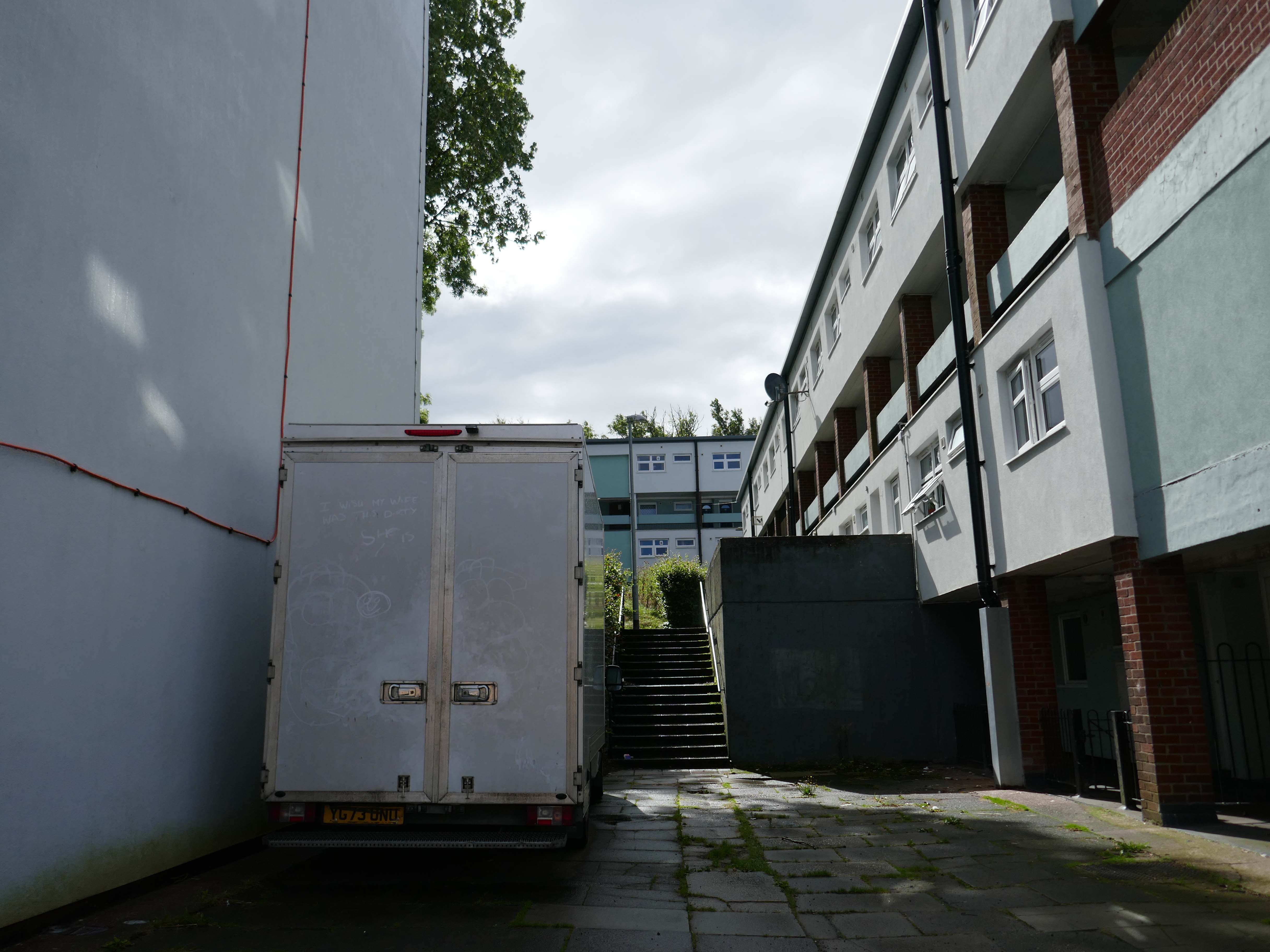
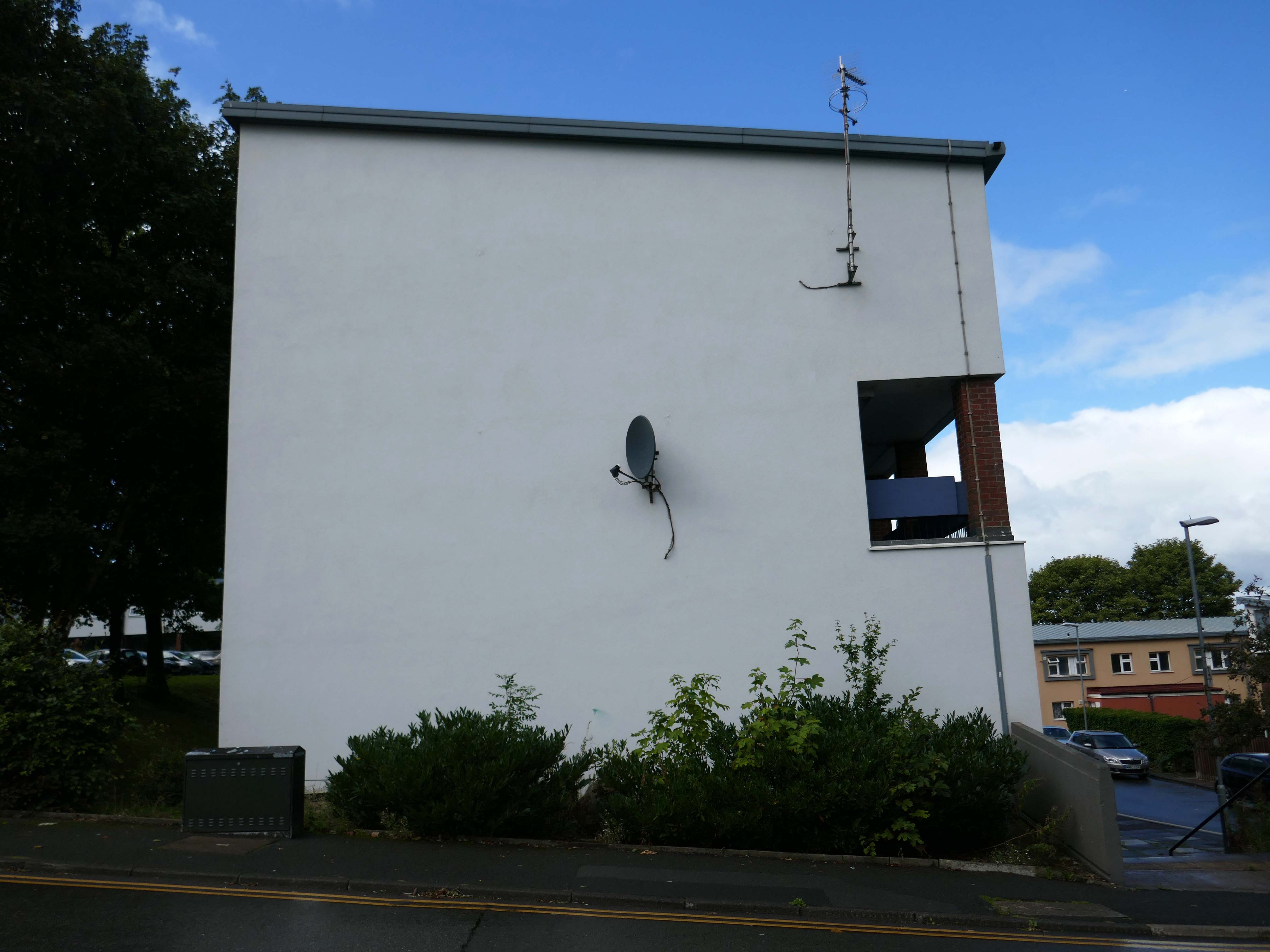
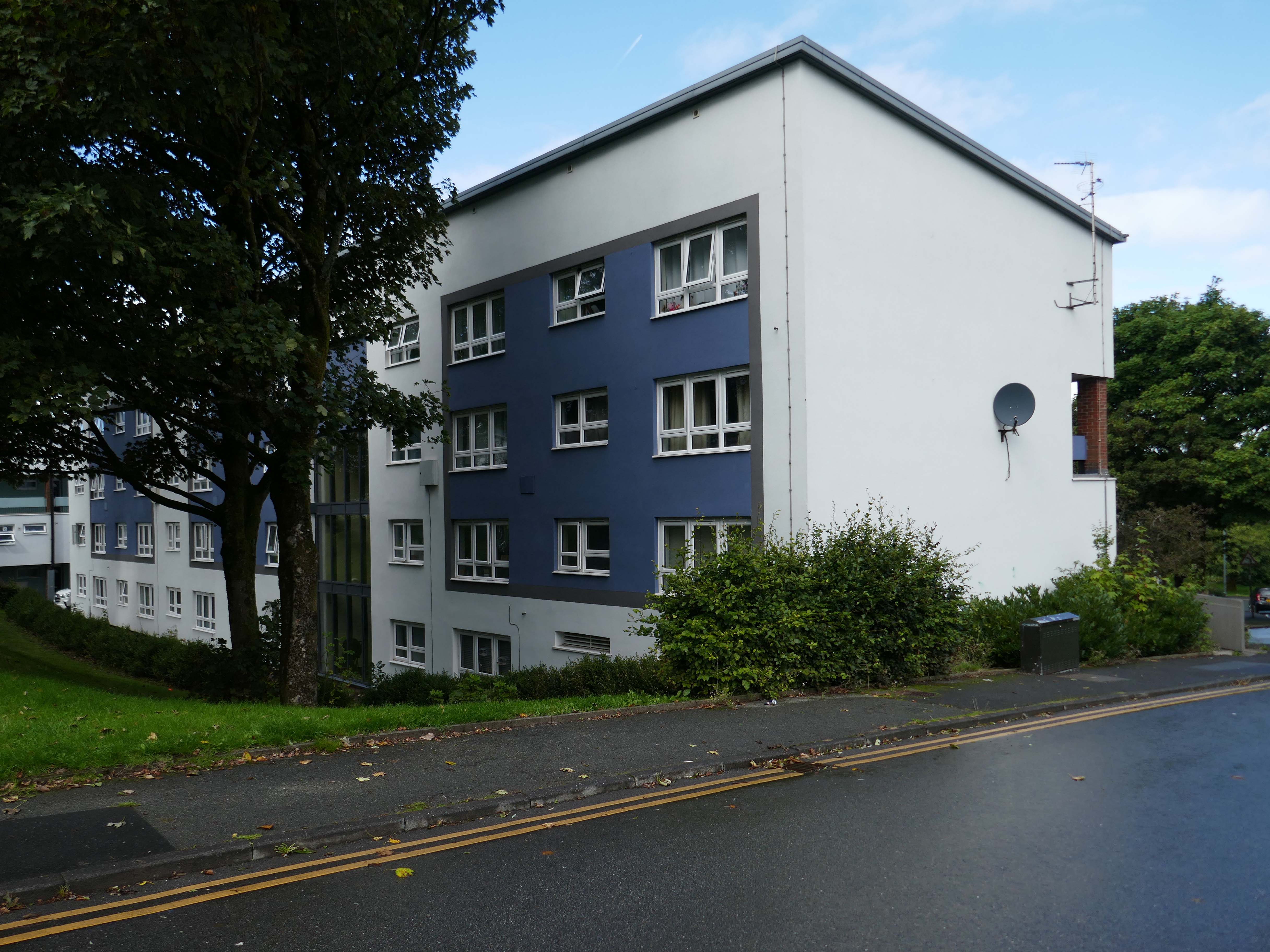
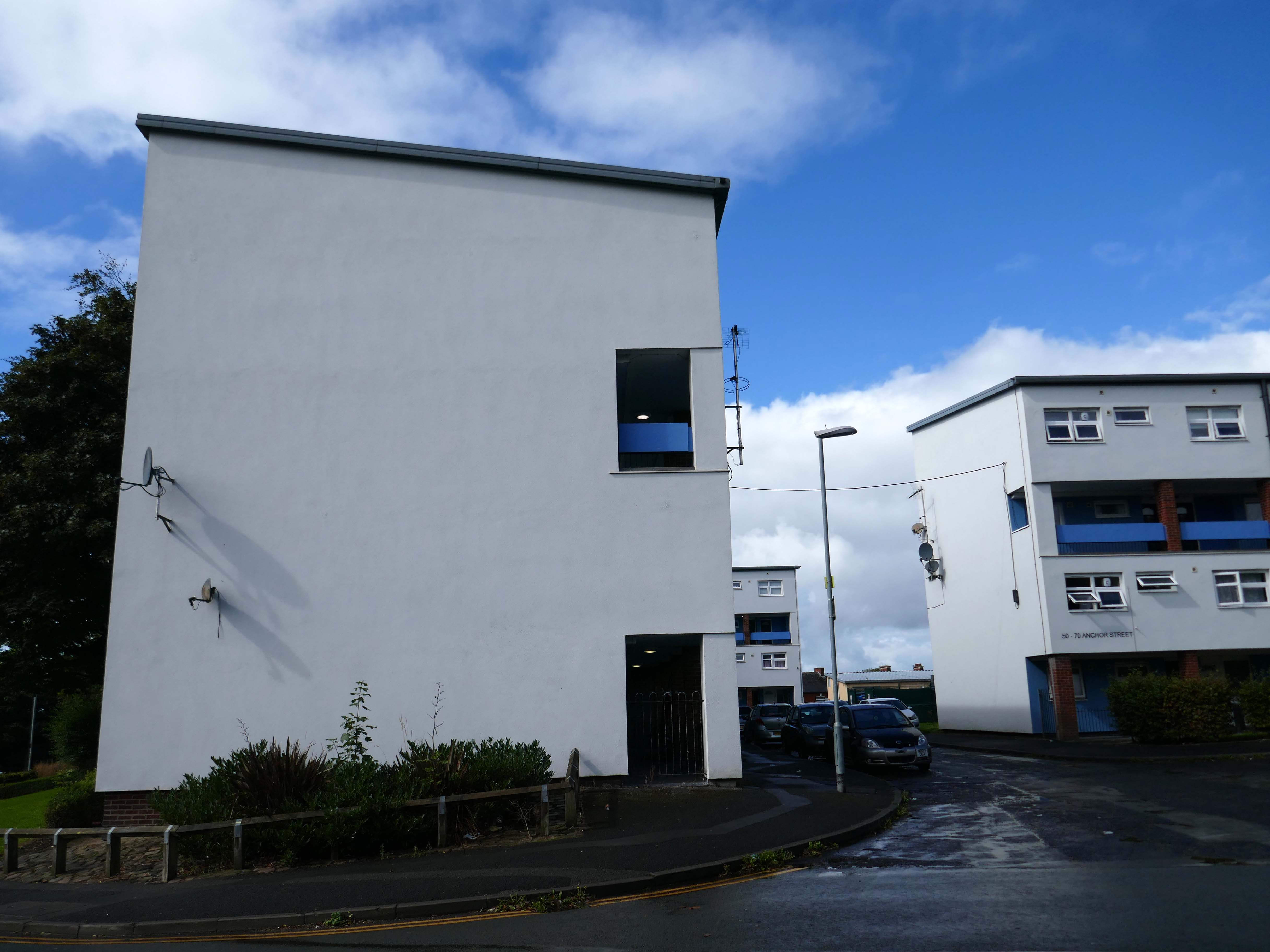
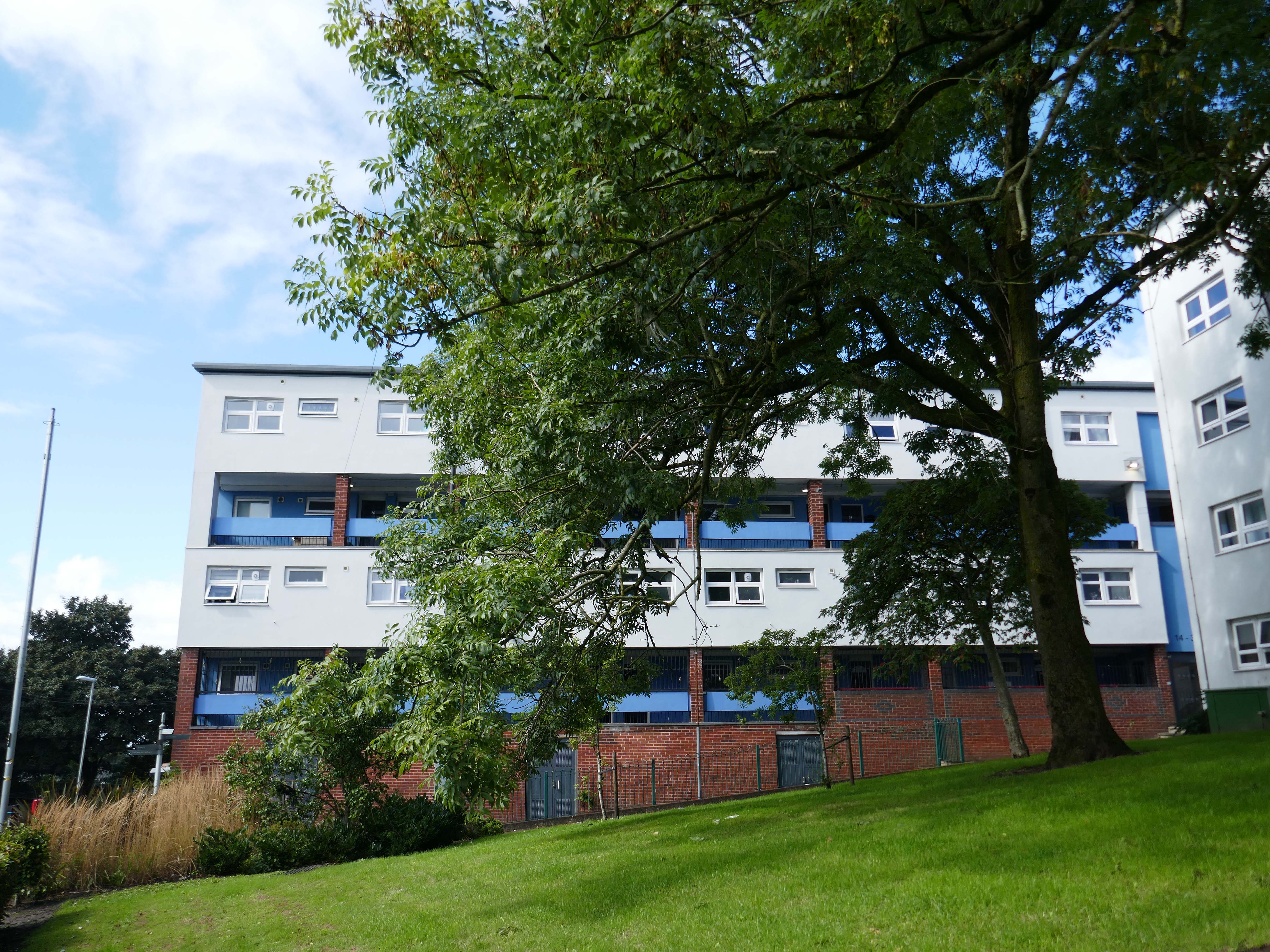
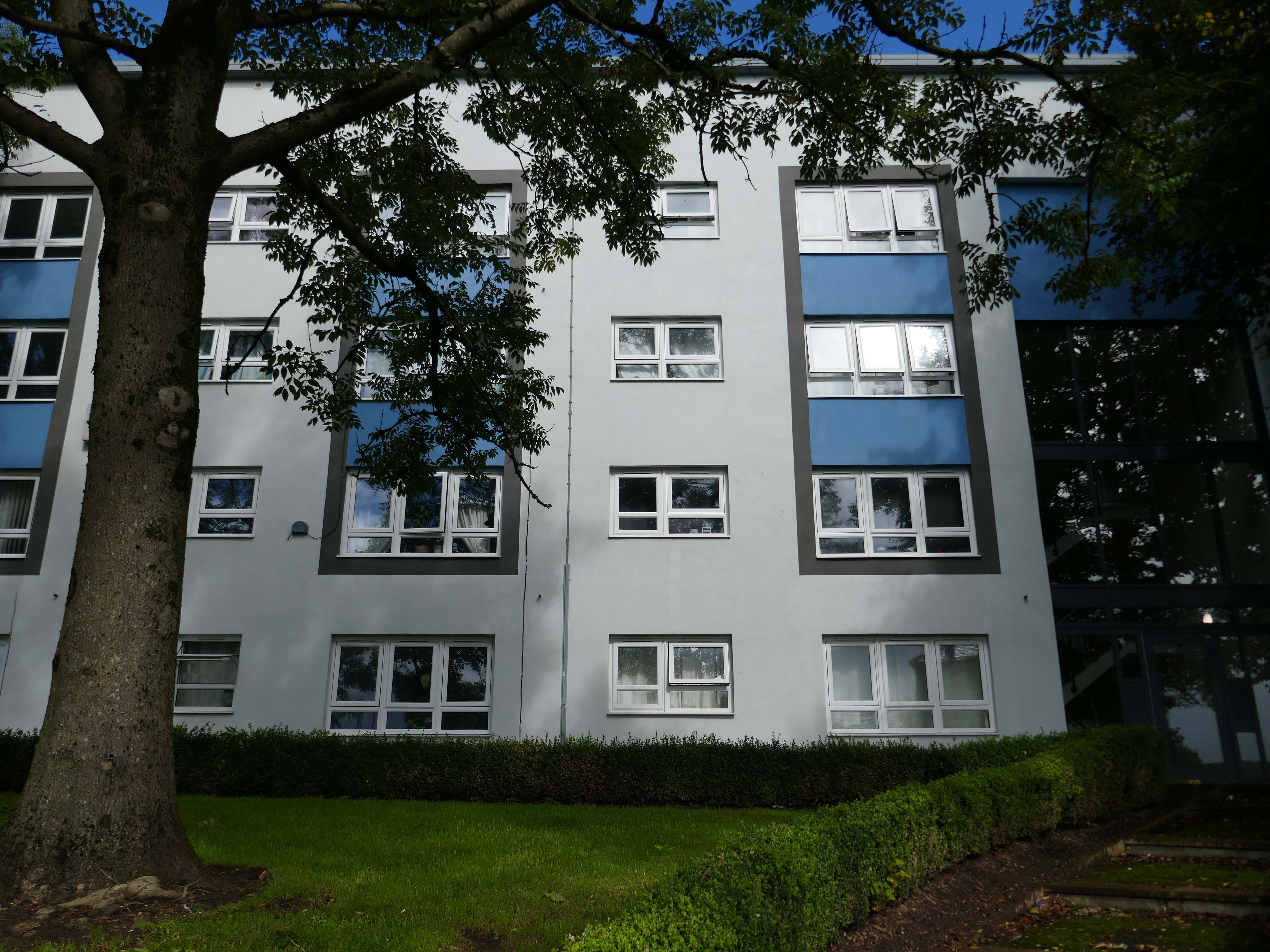
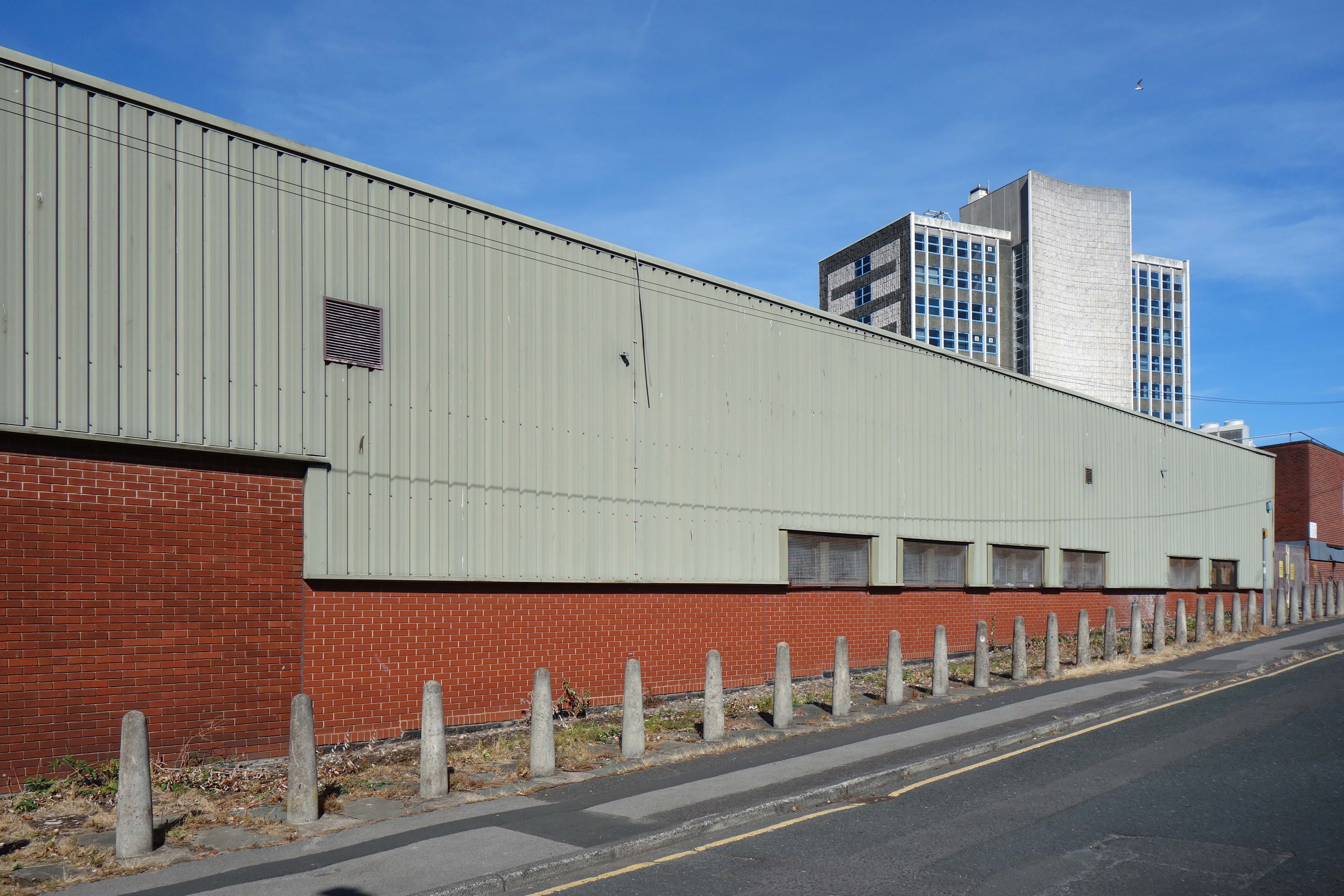
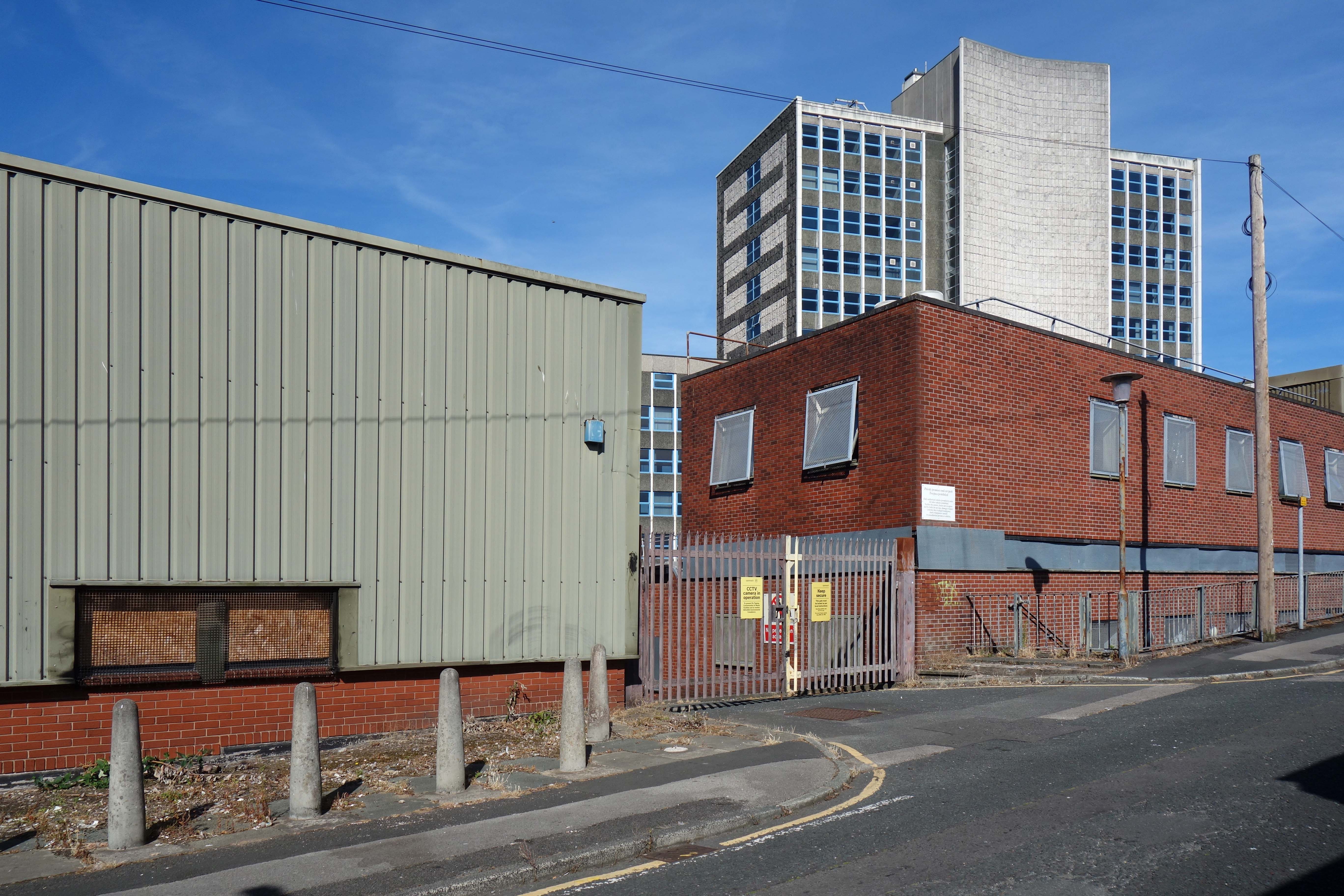
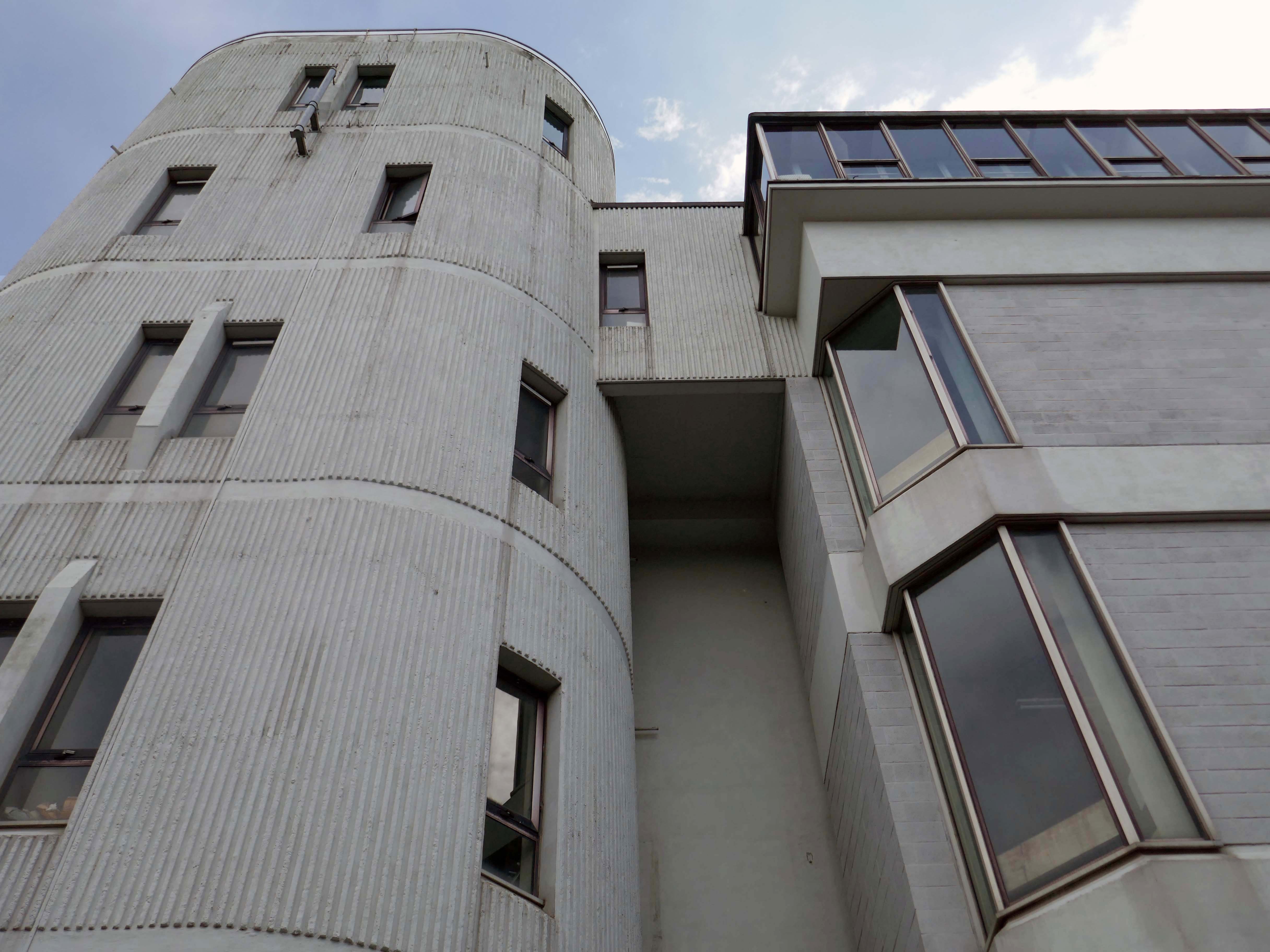
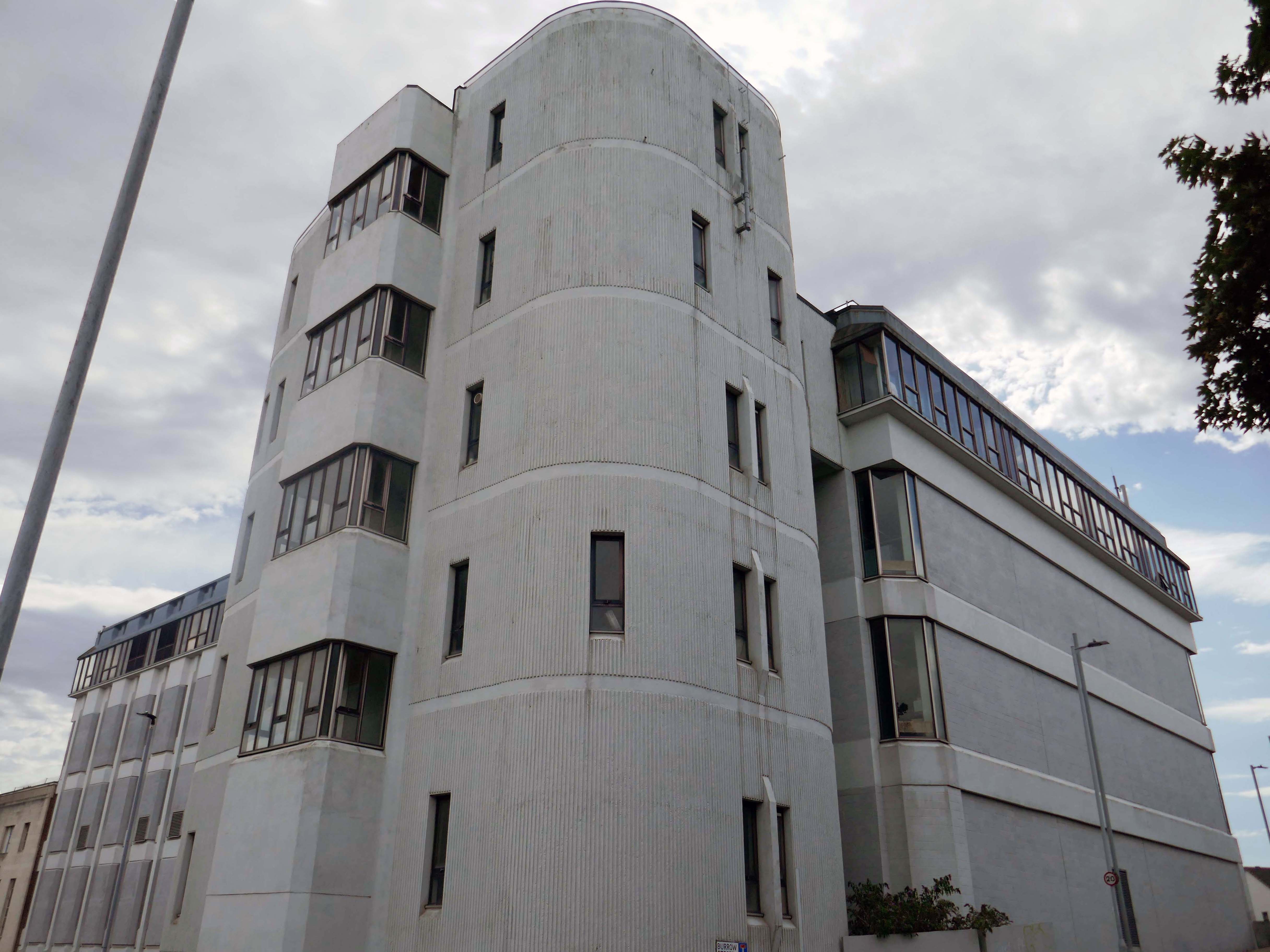
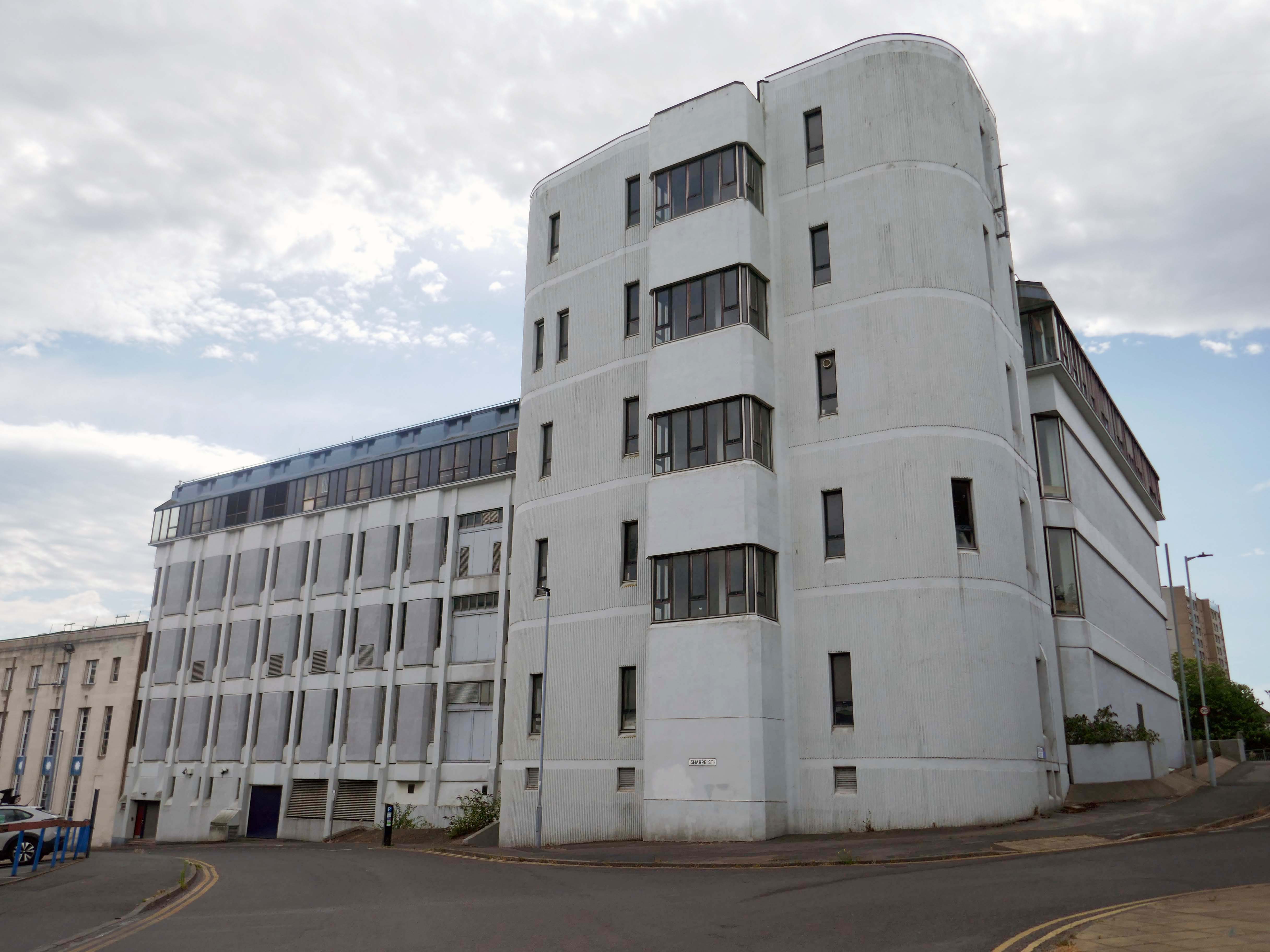
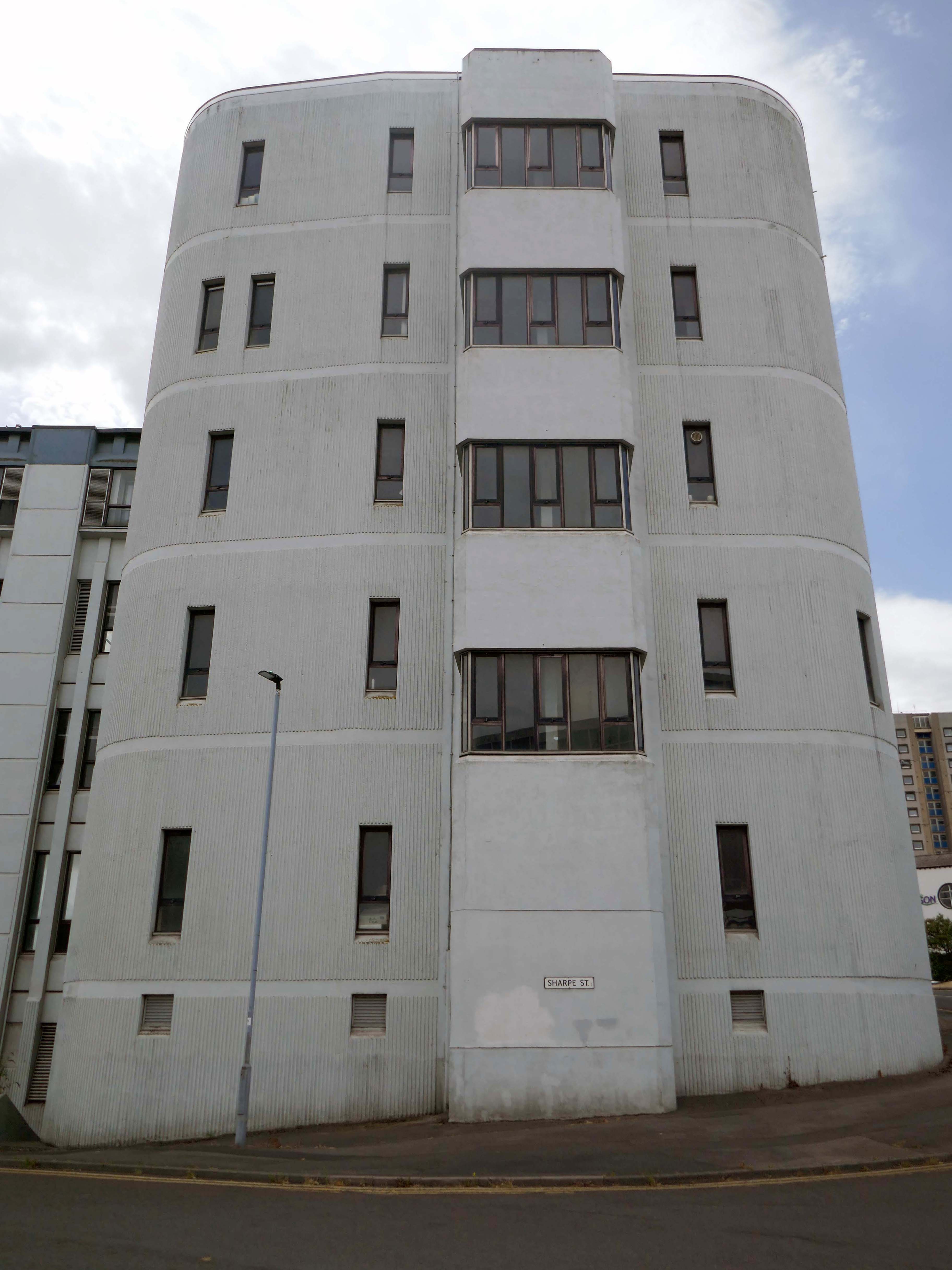
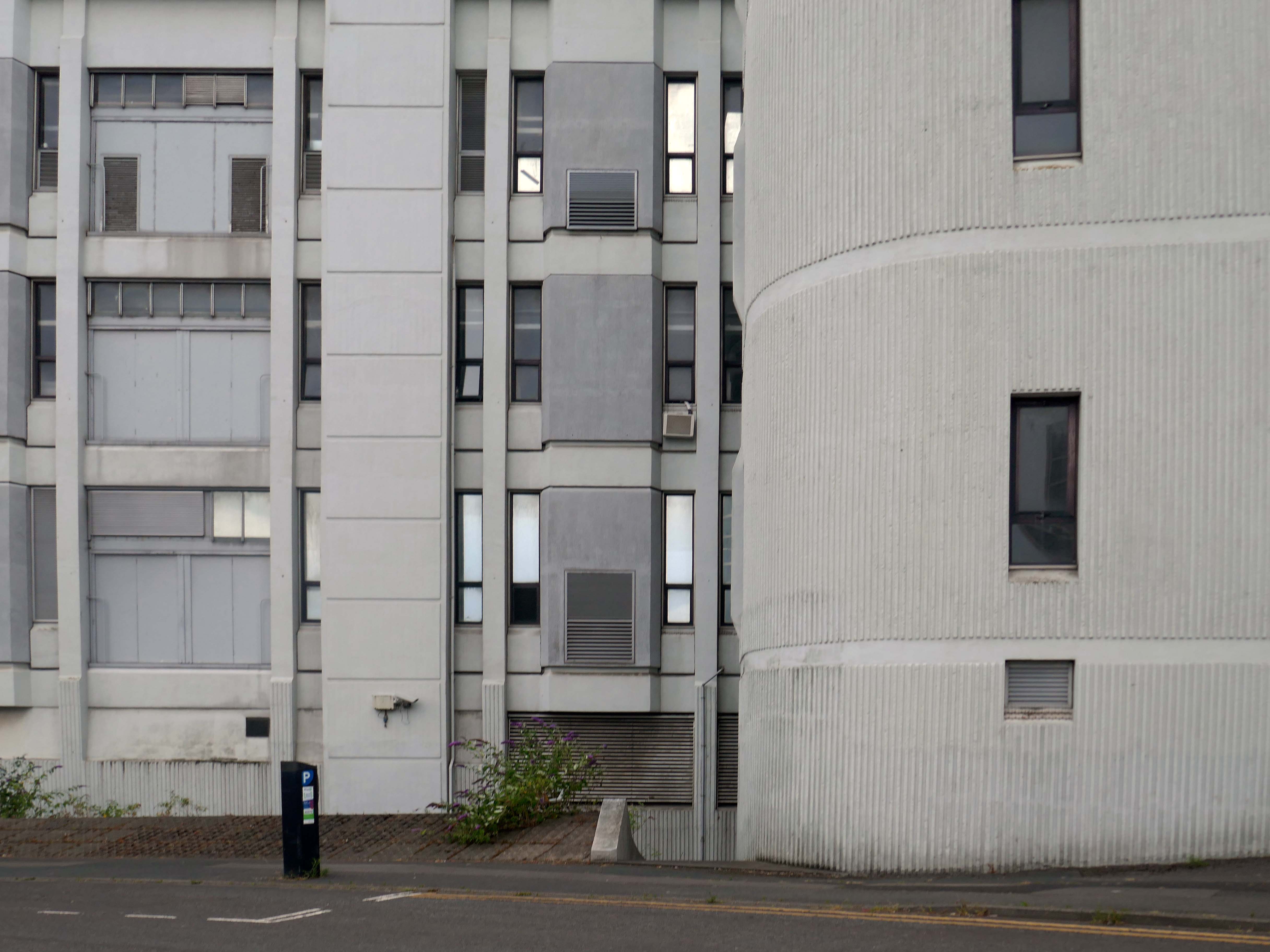
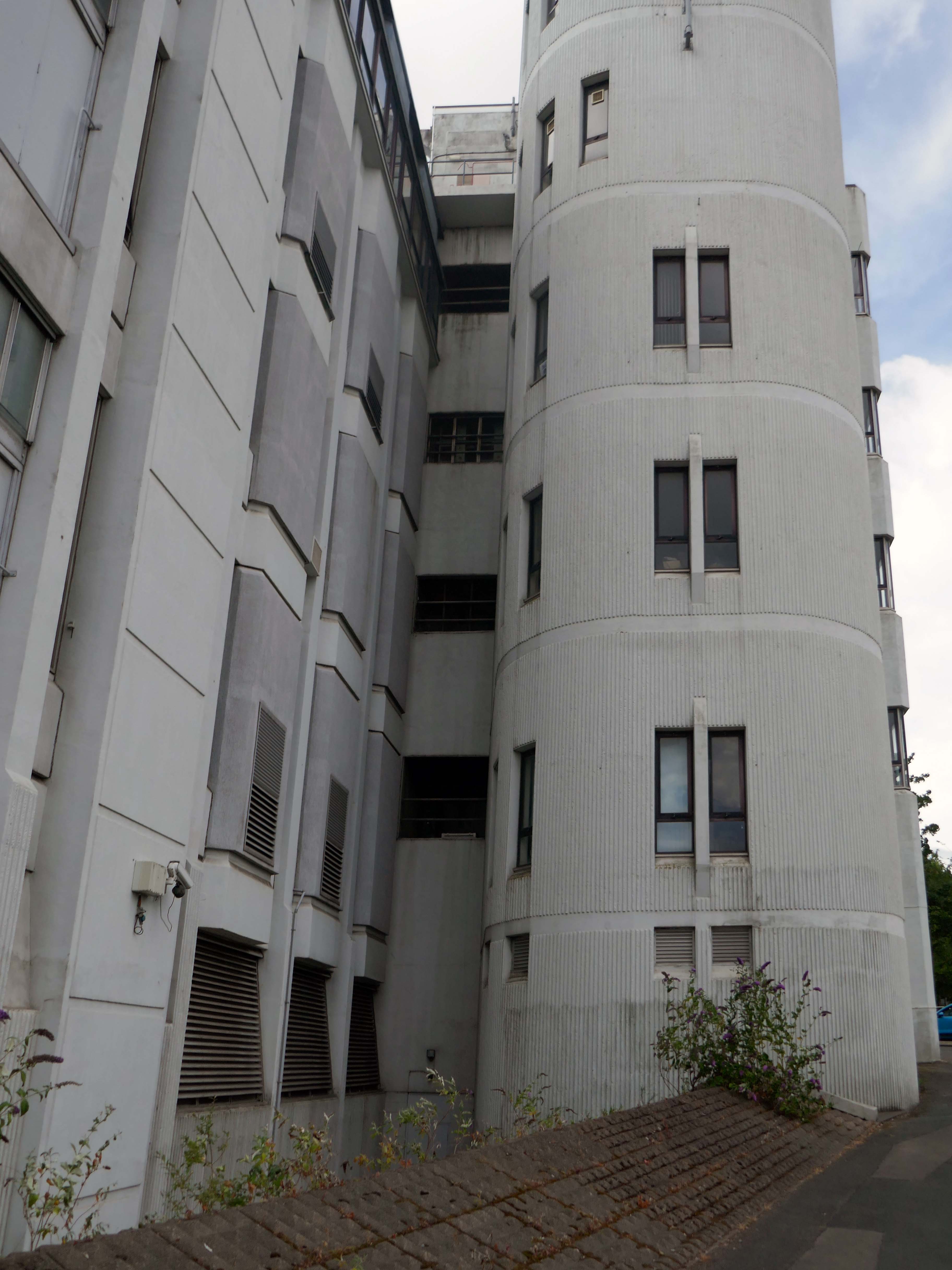
Almost high on a hill overlooking Liverpool Bay, and the Irish Sea on the edge of the Mersey Estuary, there stands two separate private high rise housing developments.
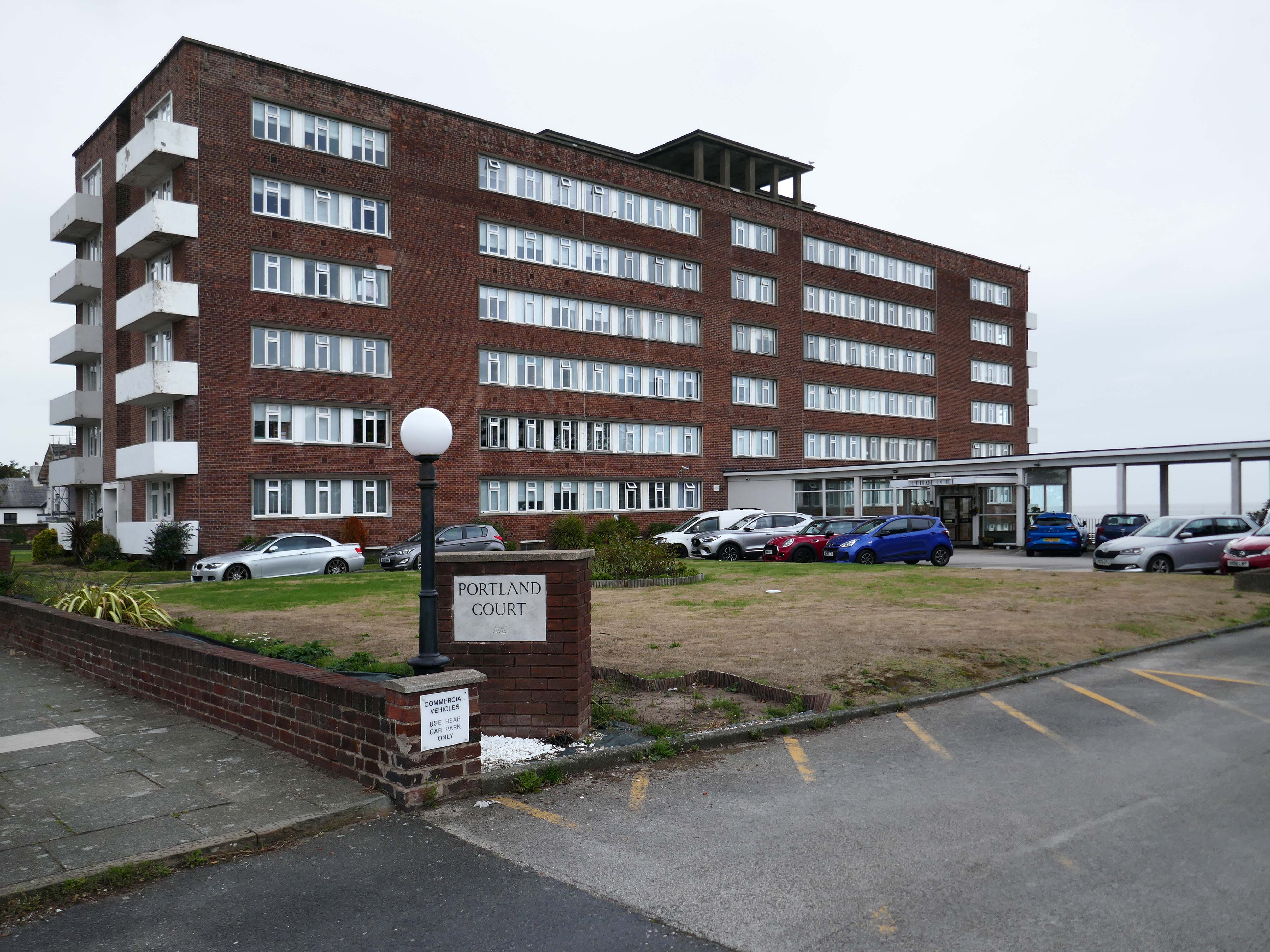
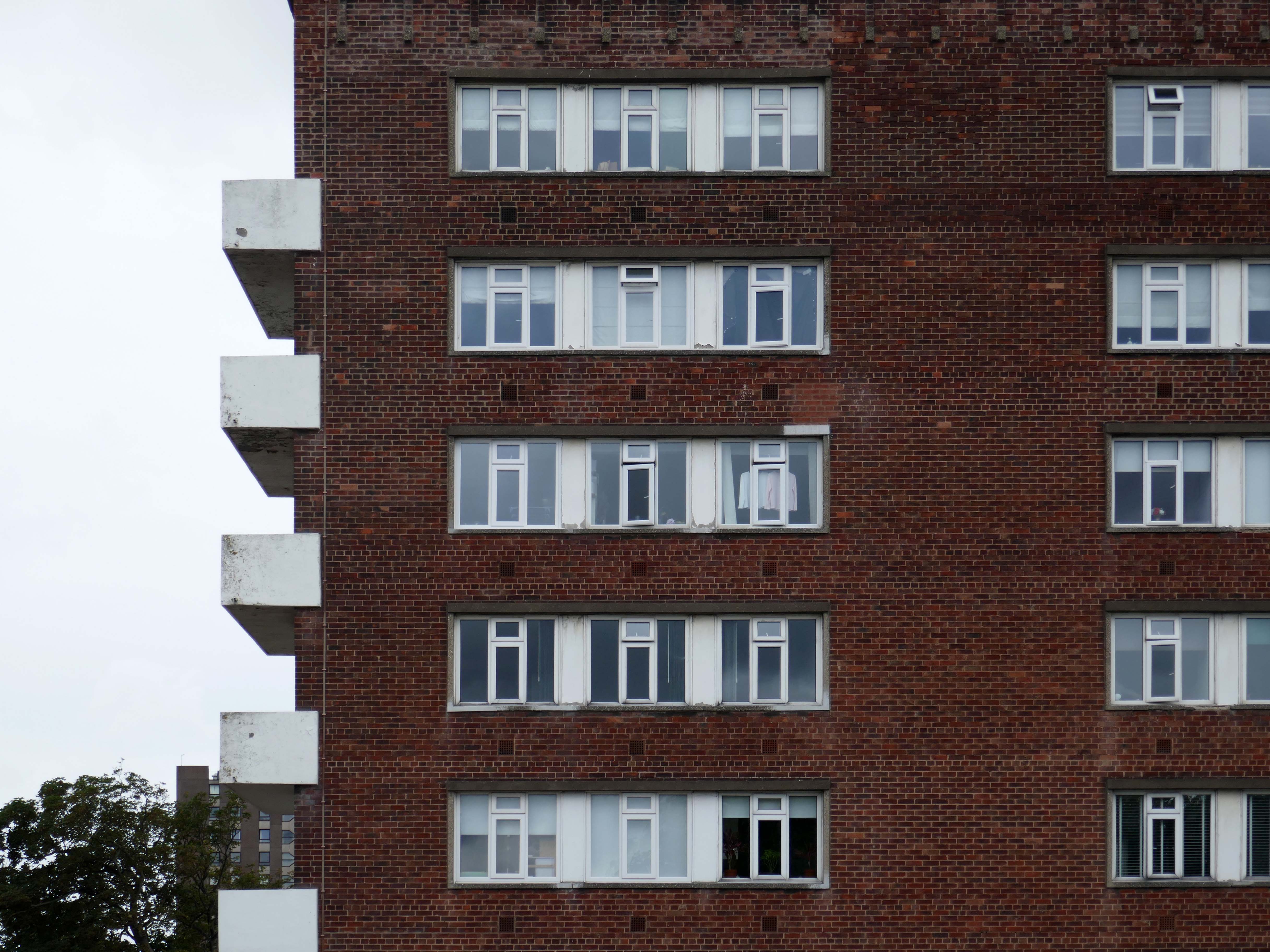
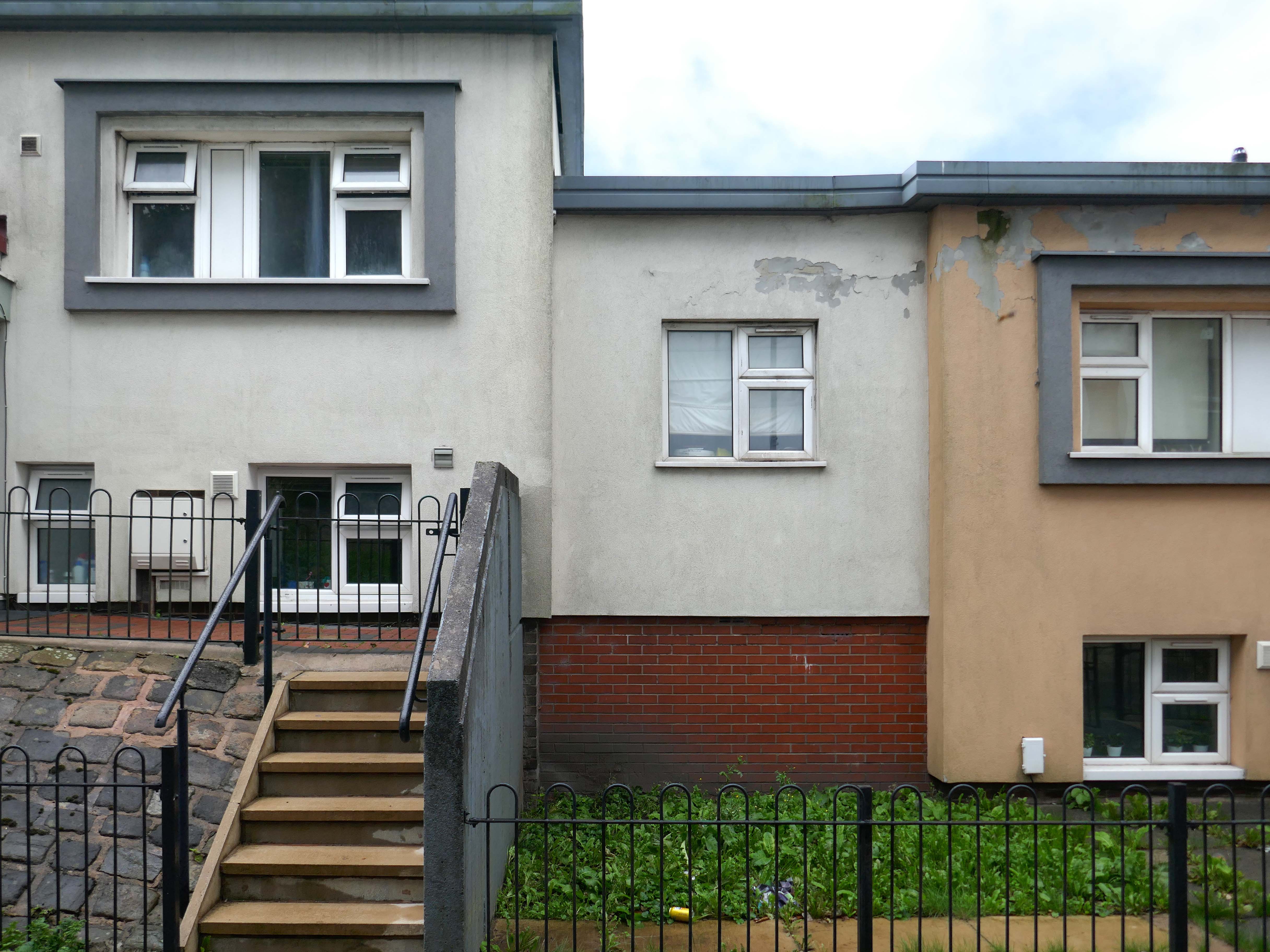
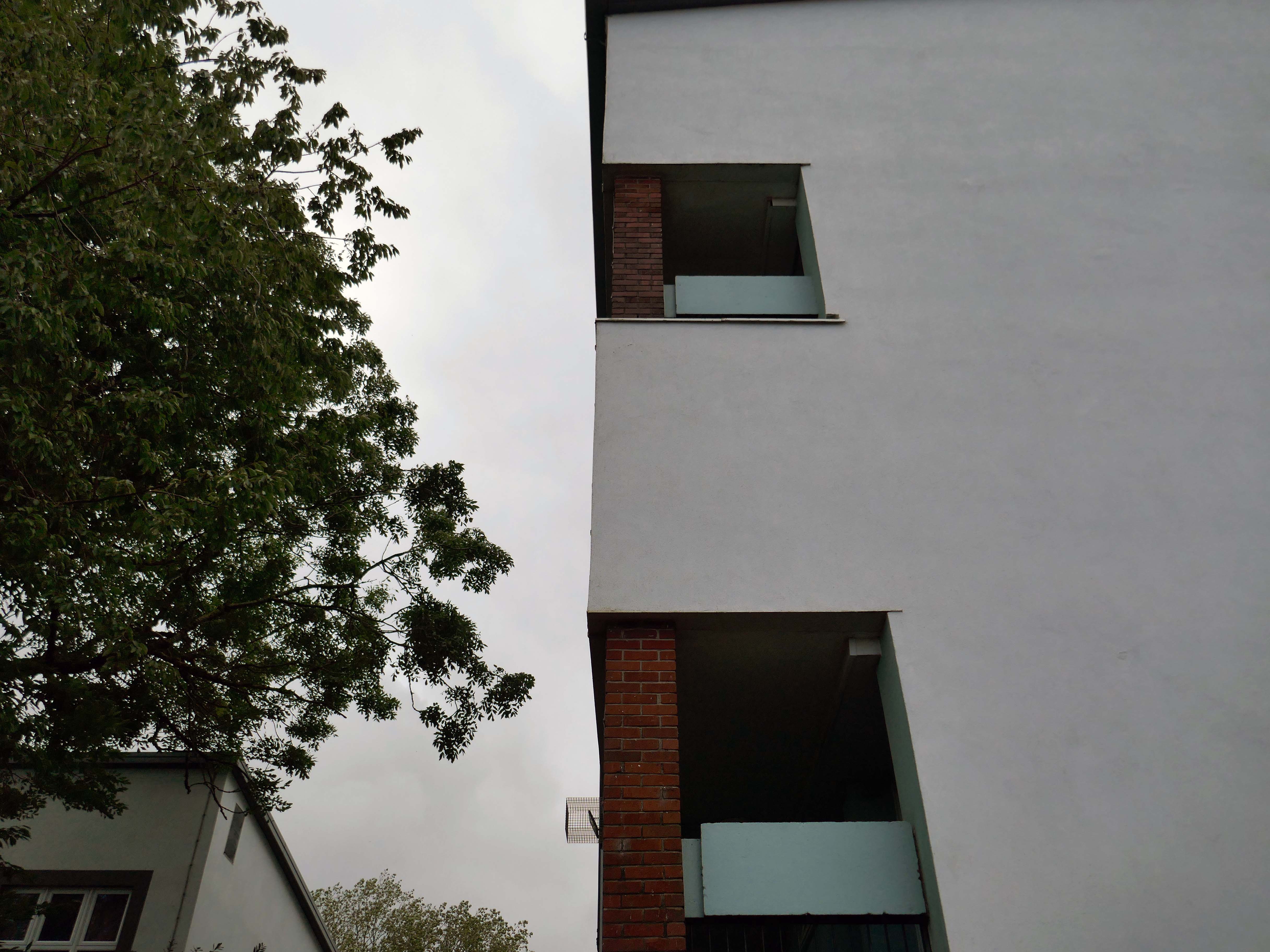
Portland Place interwar Seaside Moderne, built between 1938 and 1939.
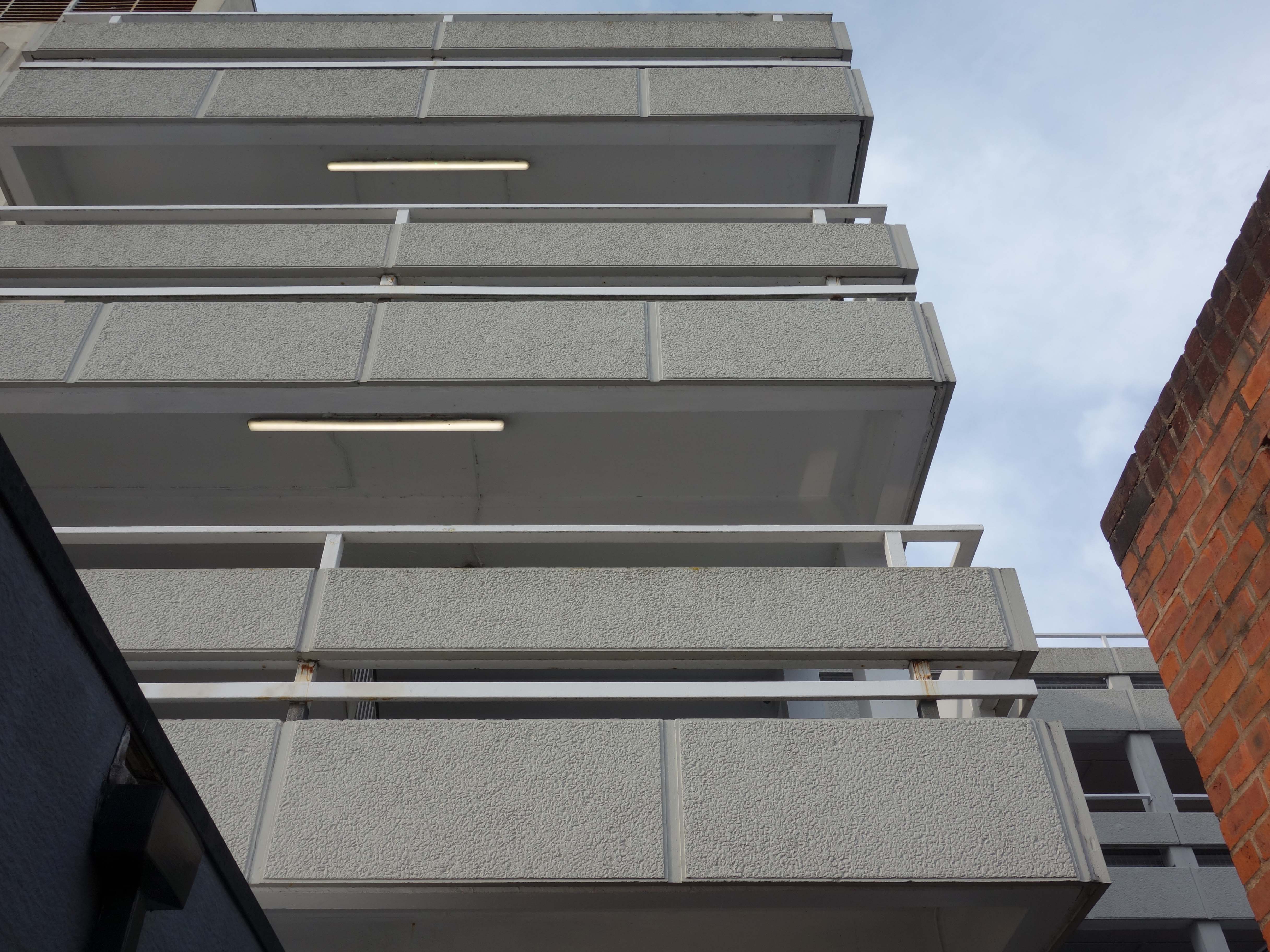
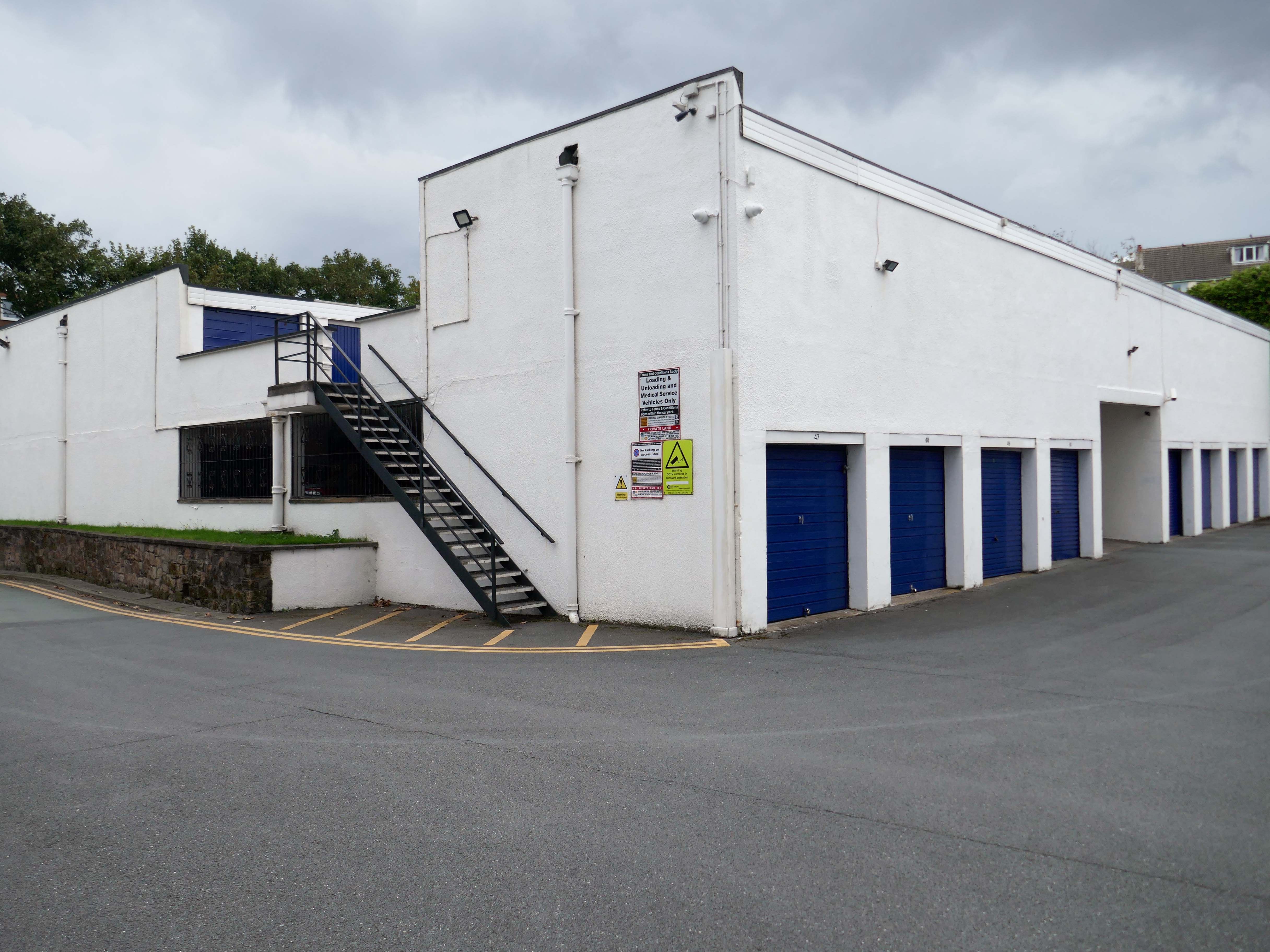
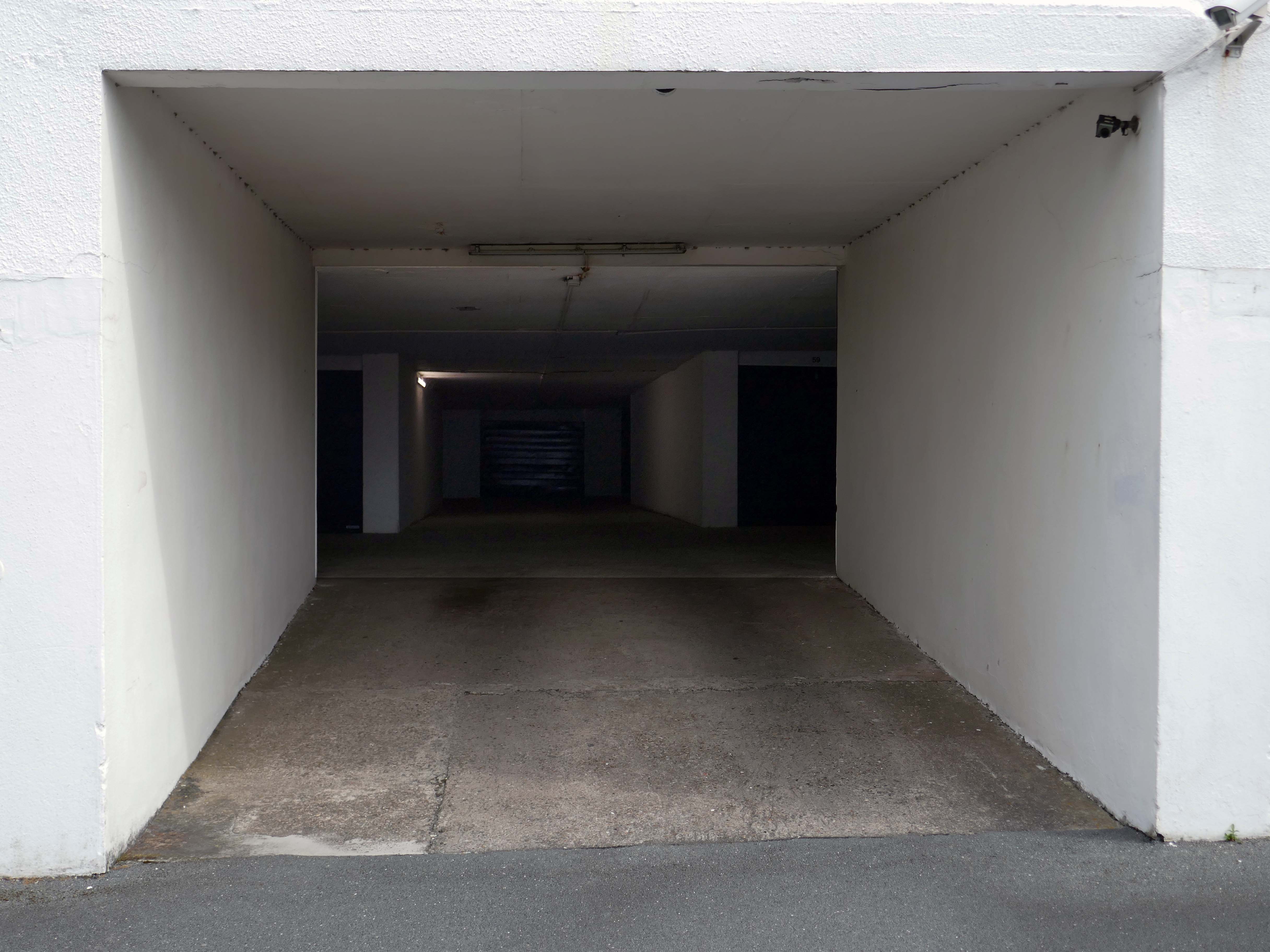
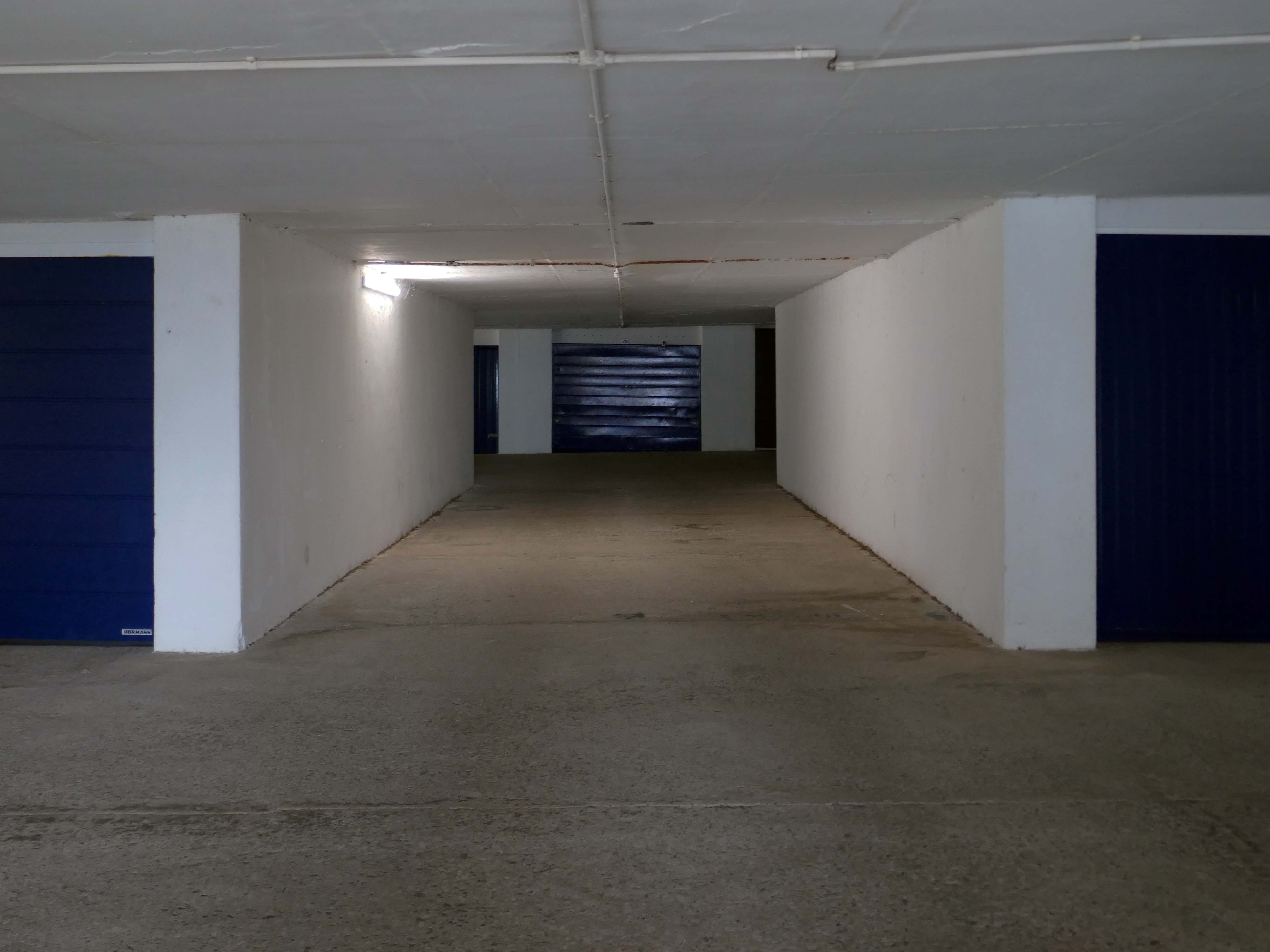
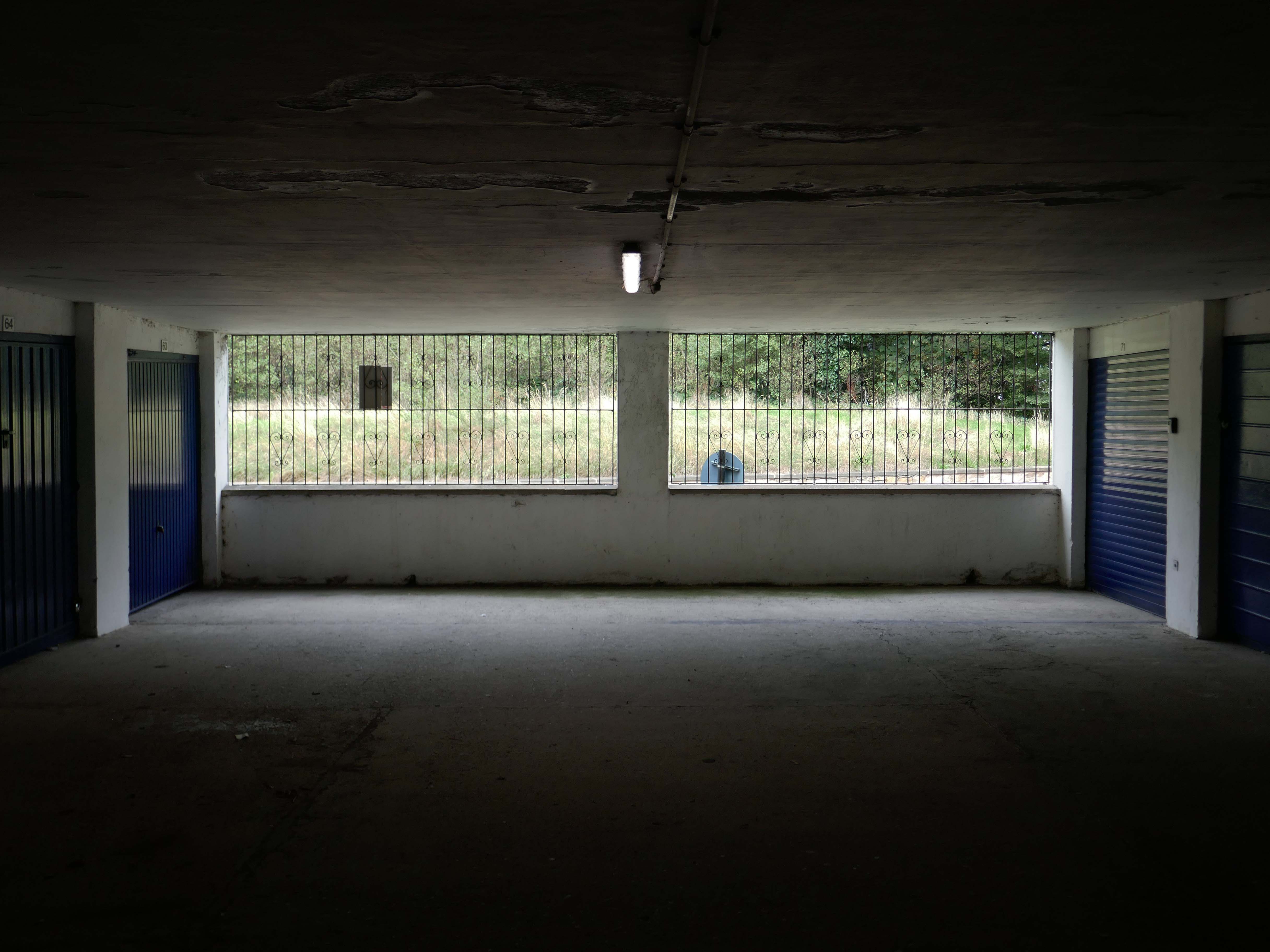
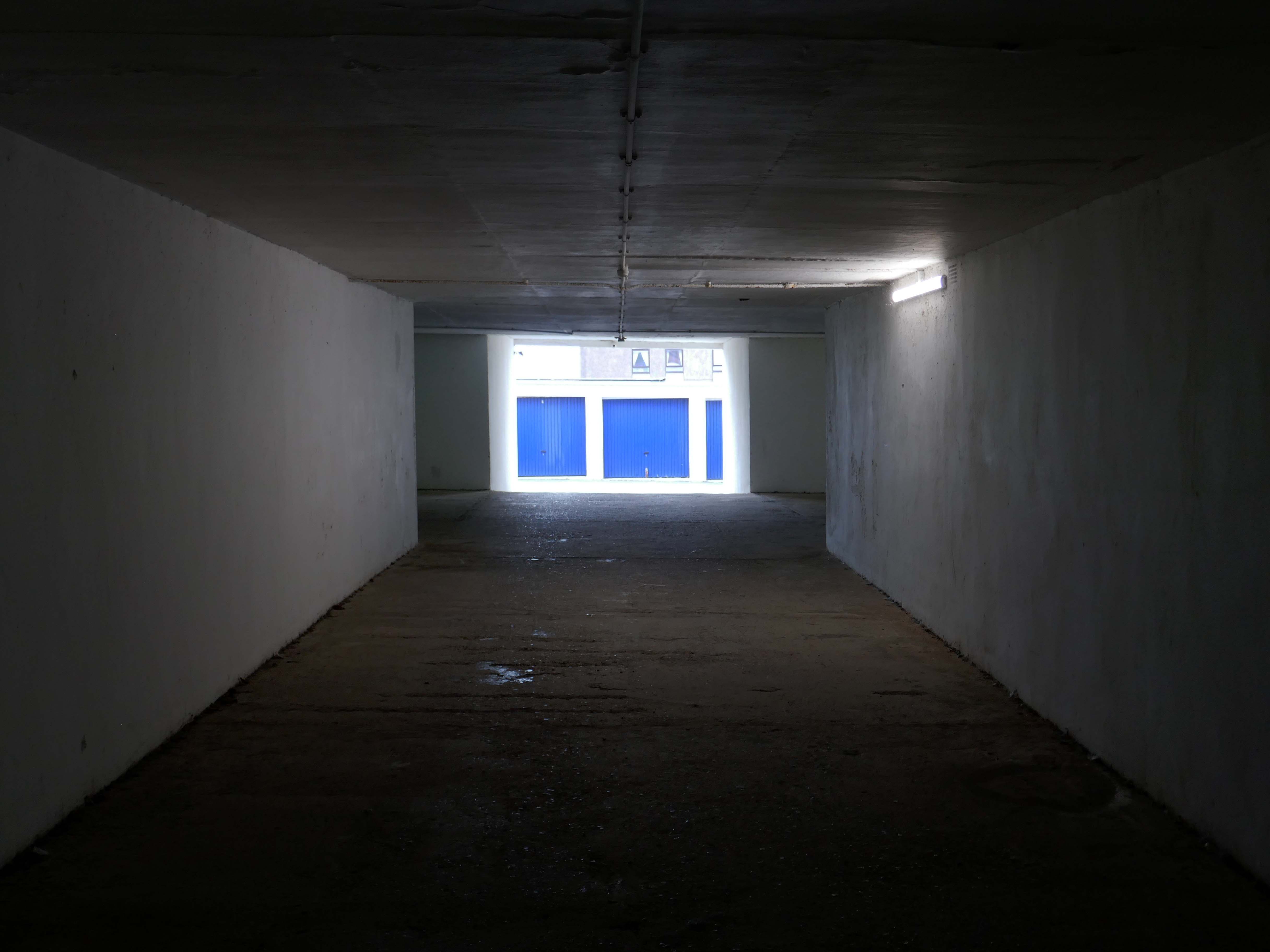
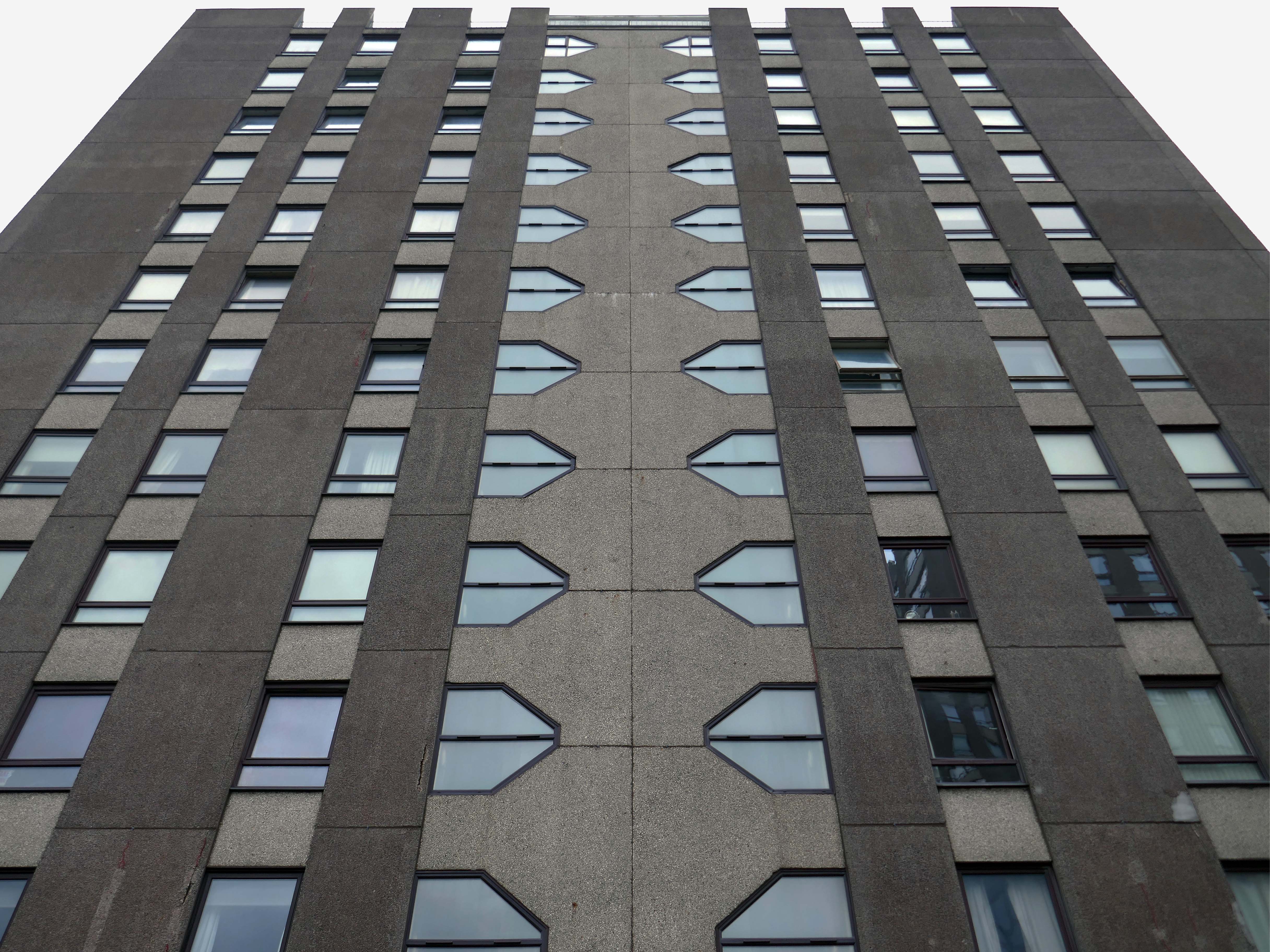
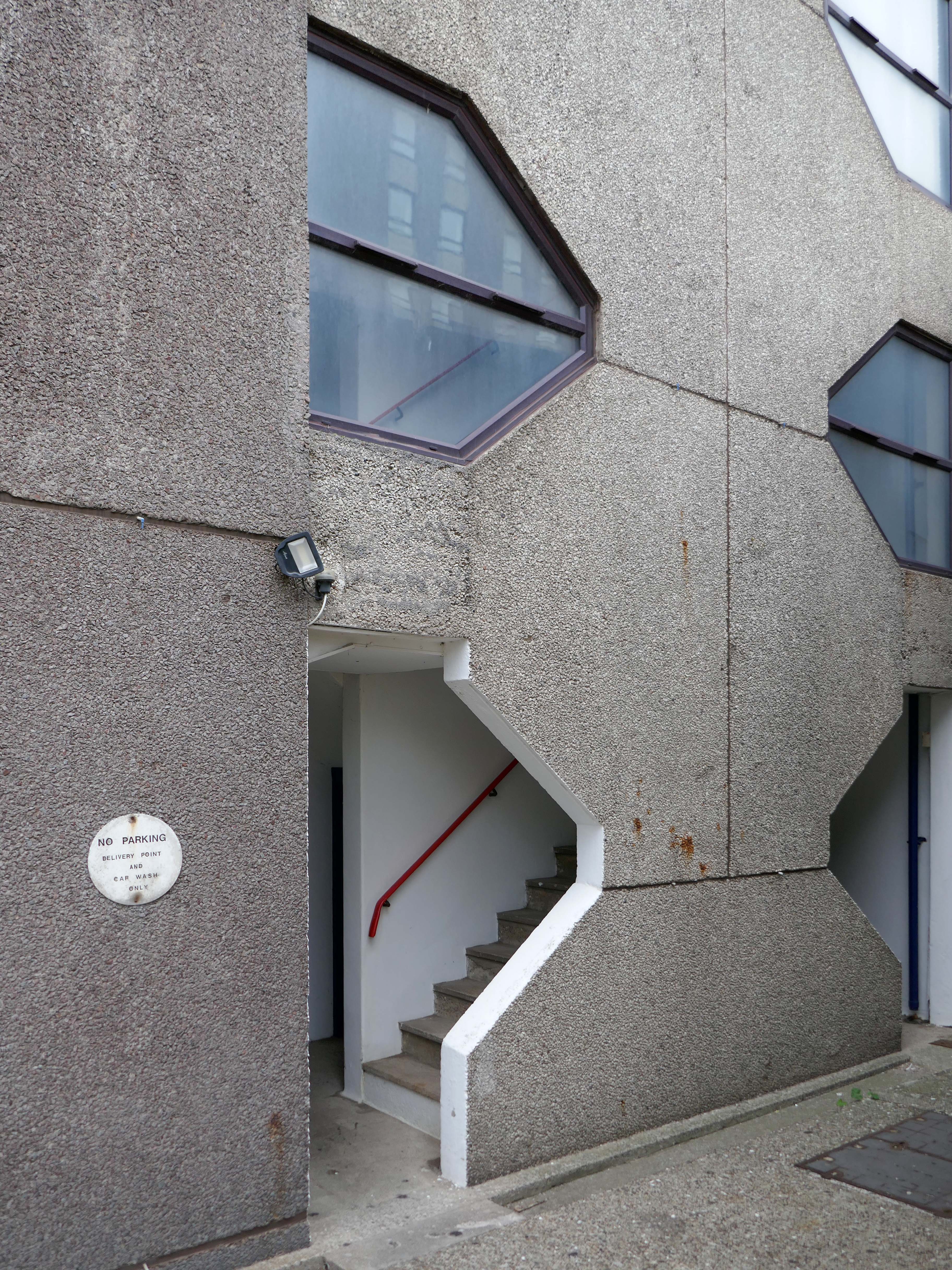
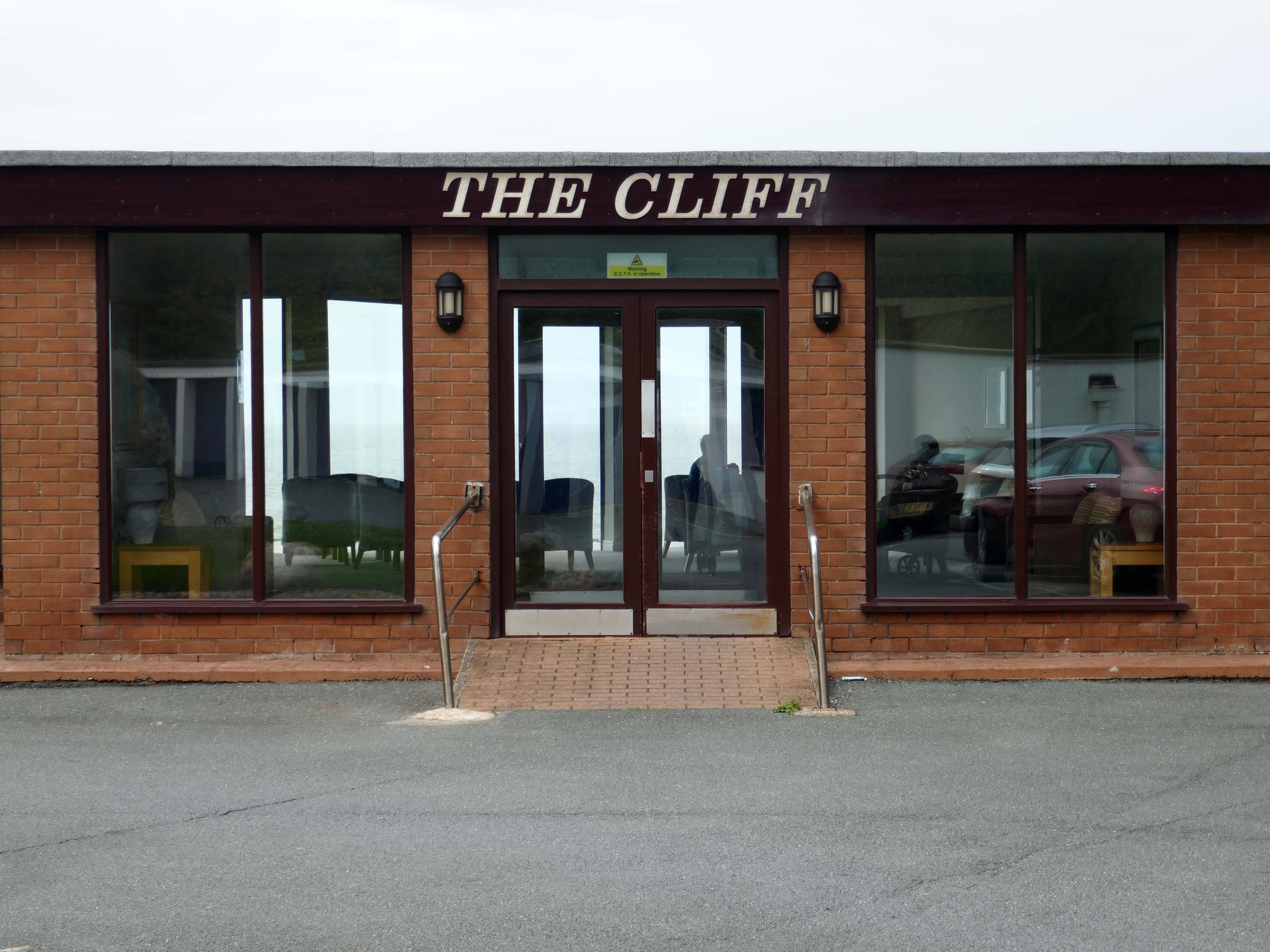
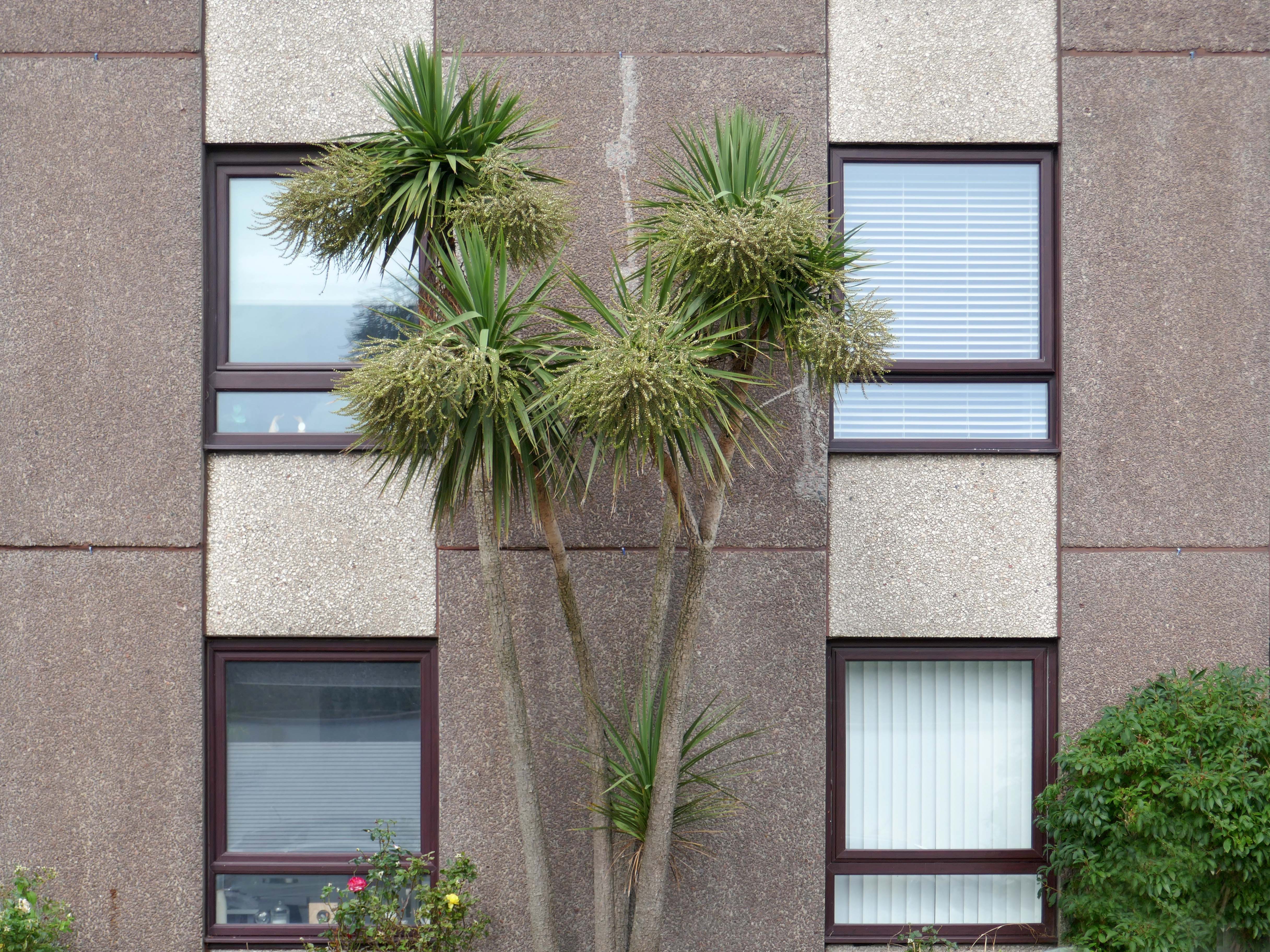
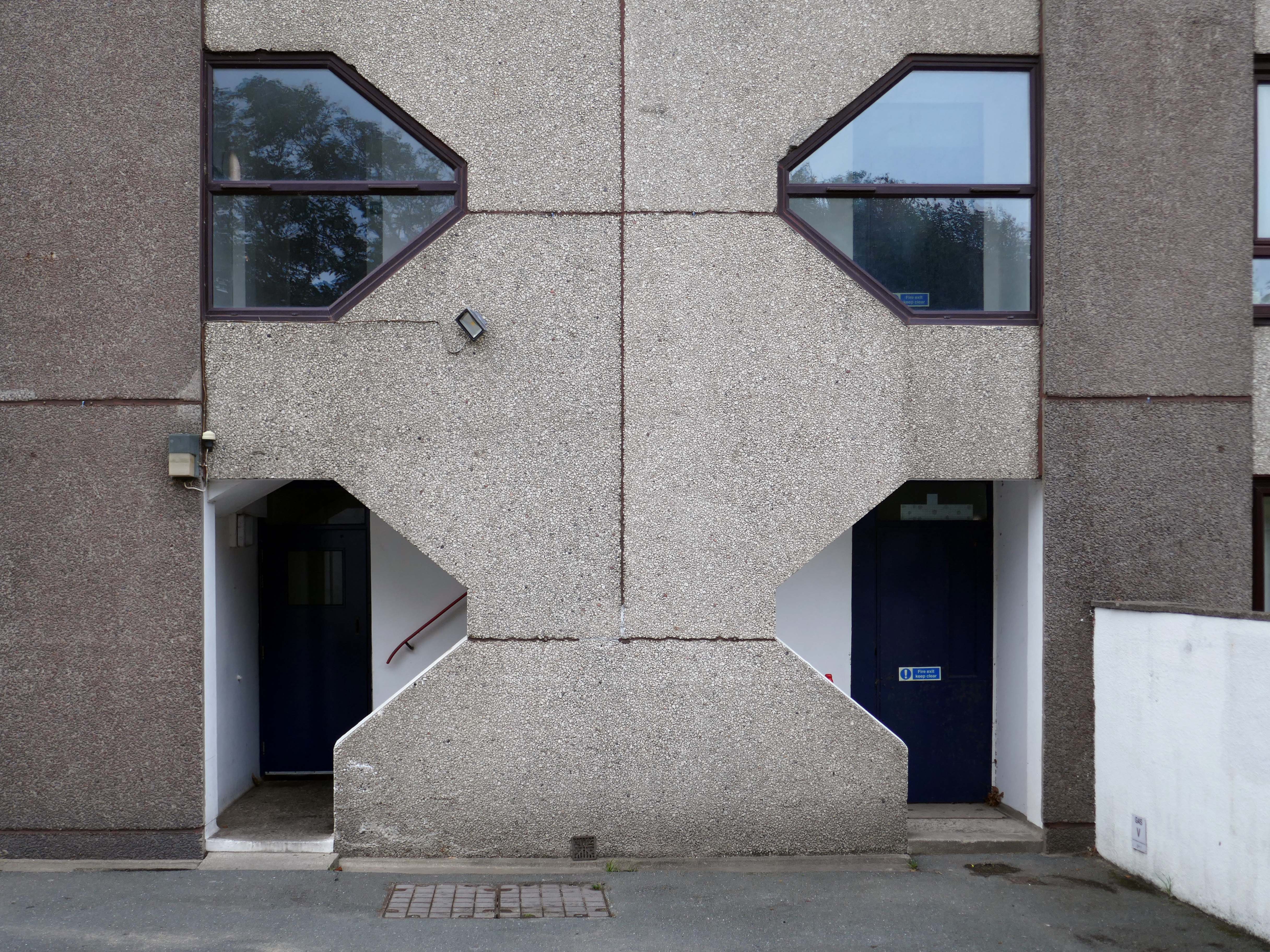
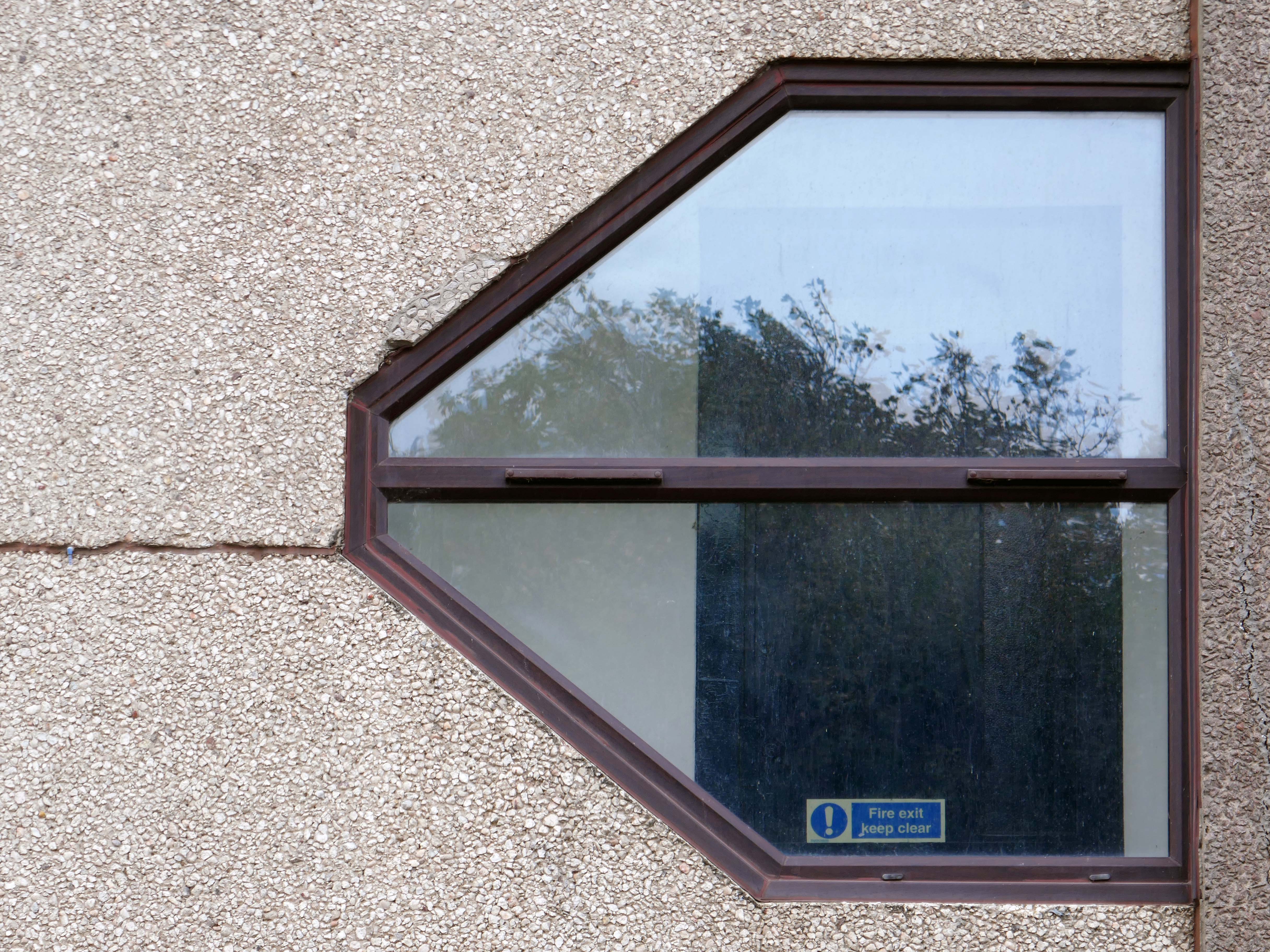
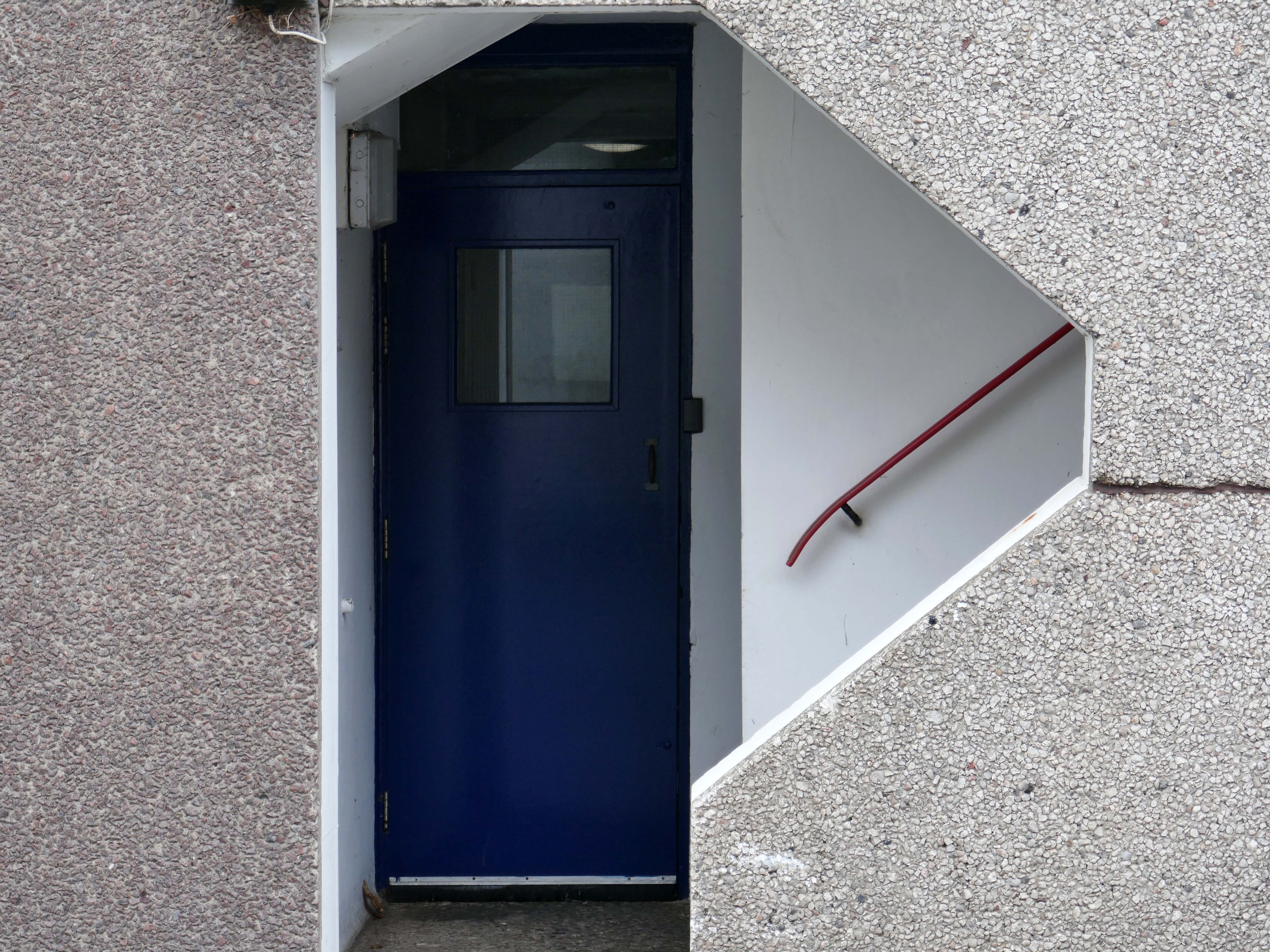
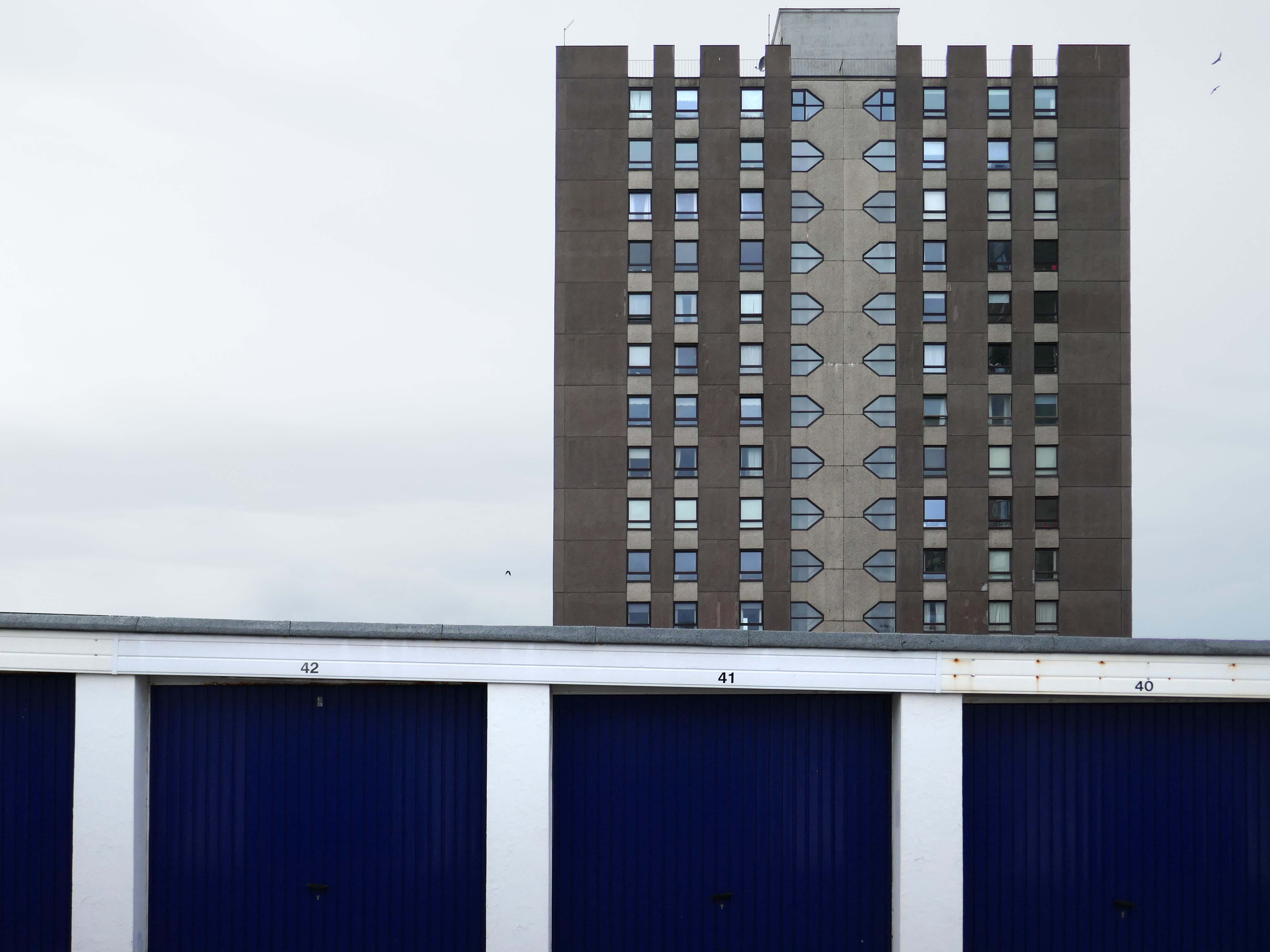
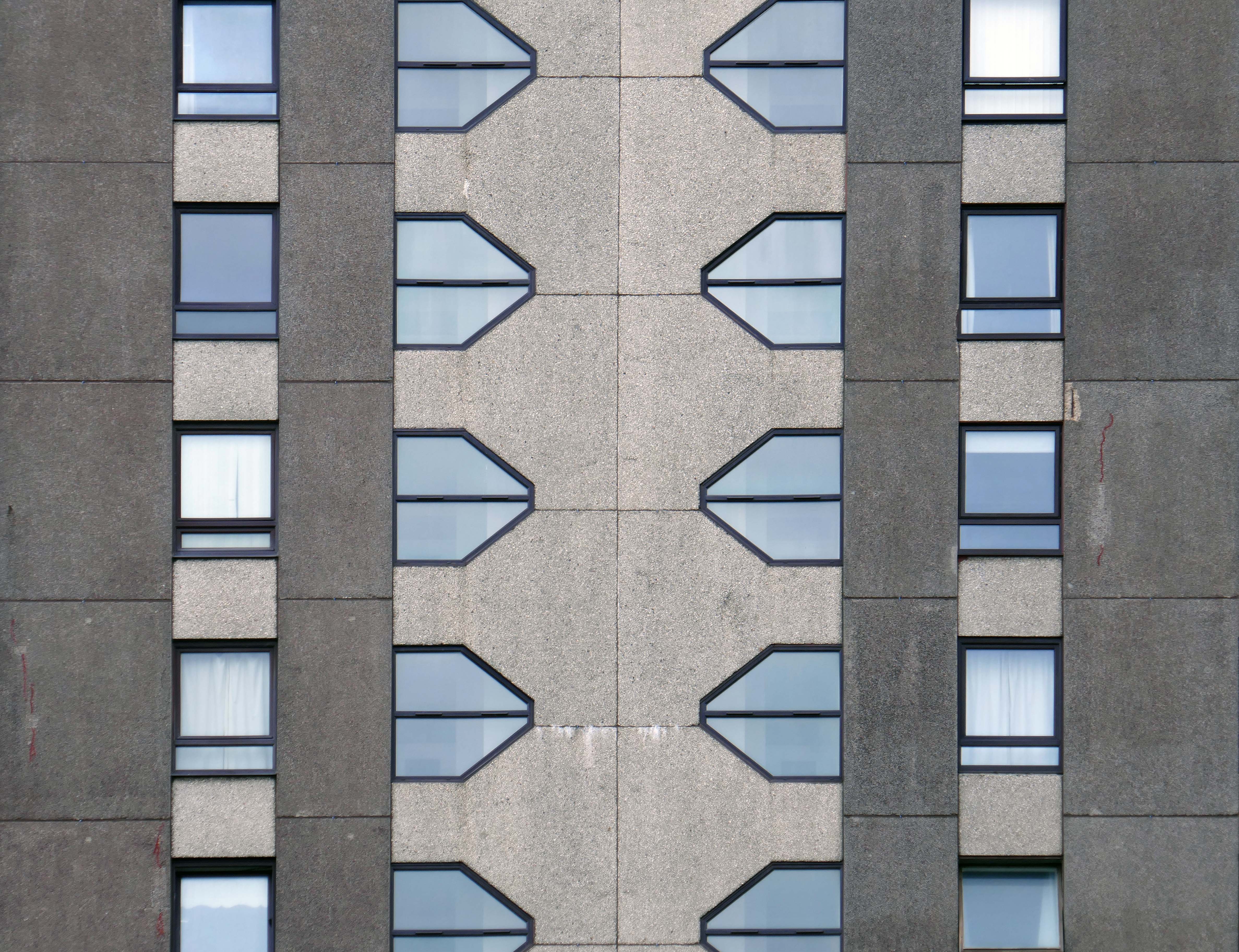
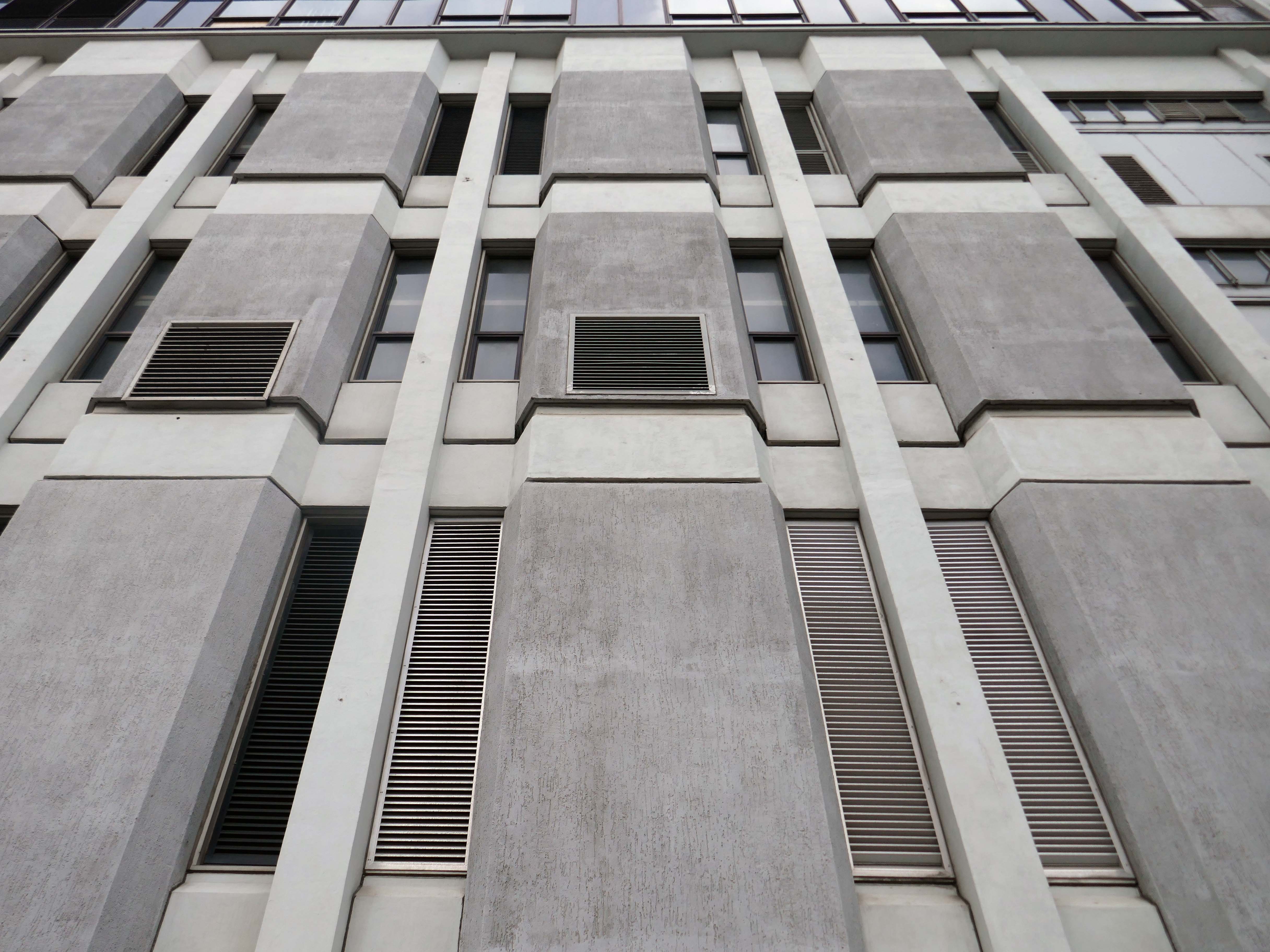
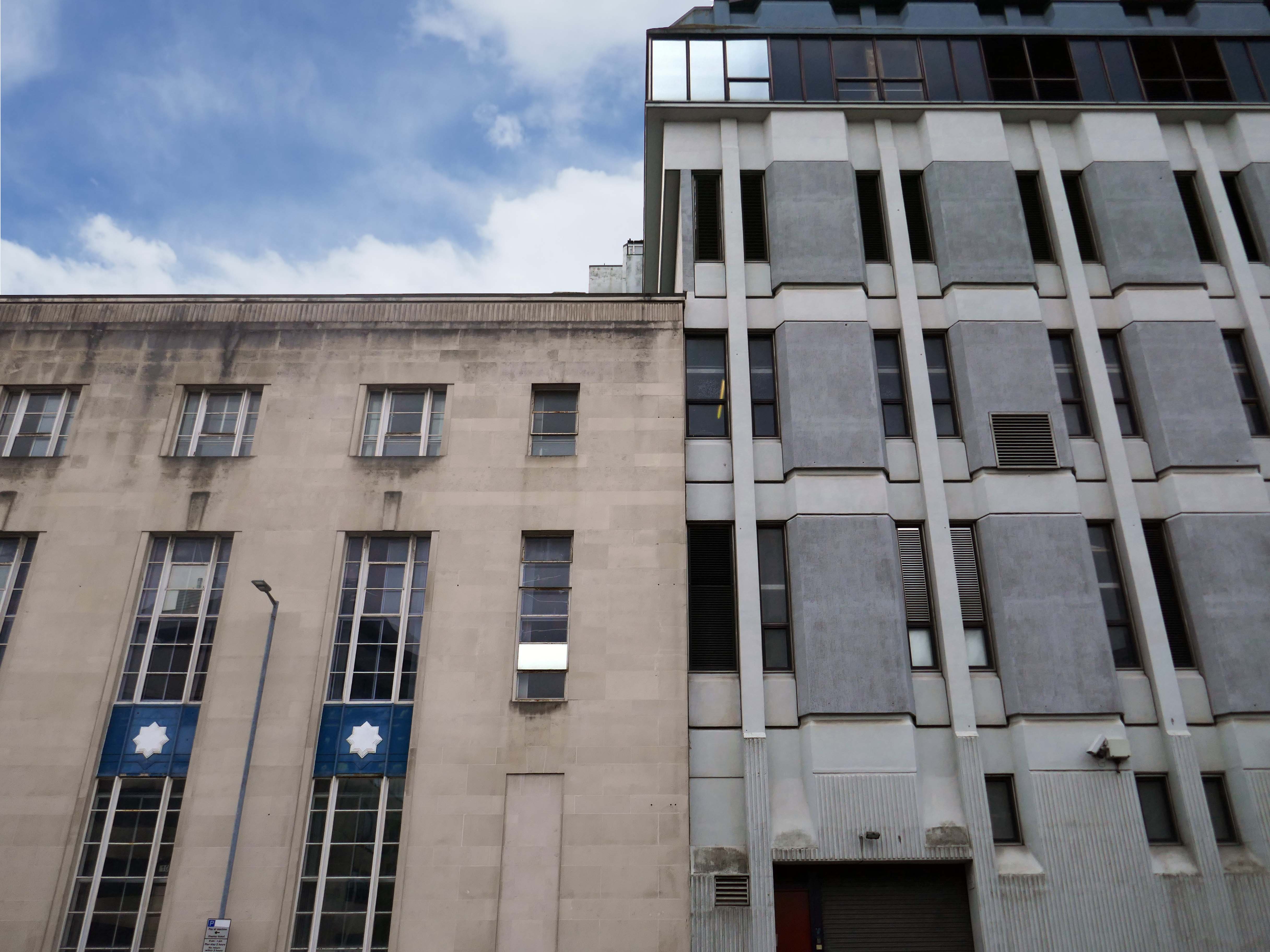
Further along the road The Cliff – two Seventies high rise blocks, with double decker garages.
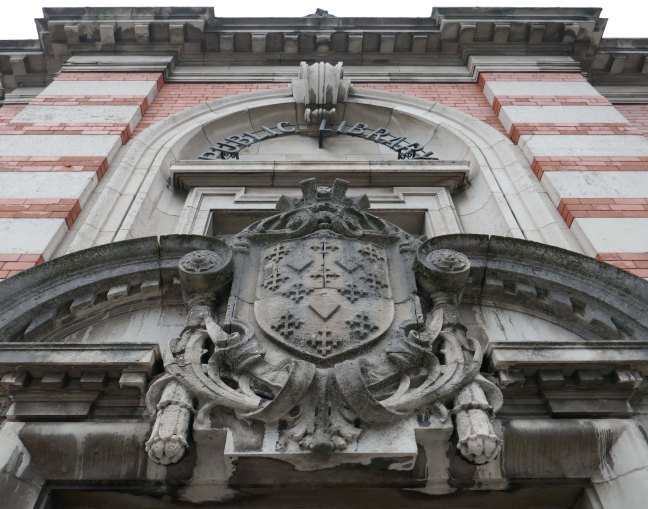
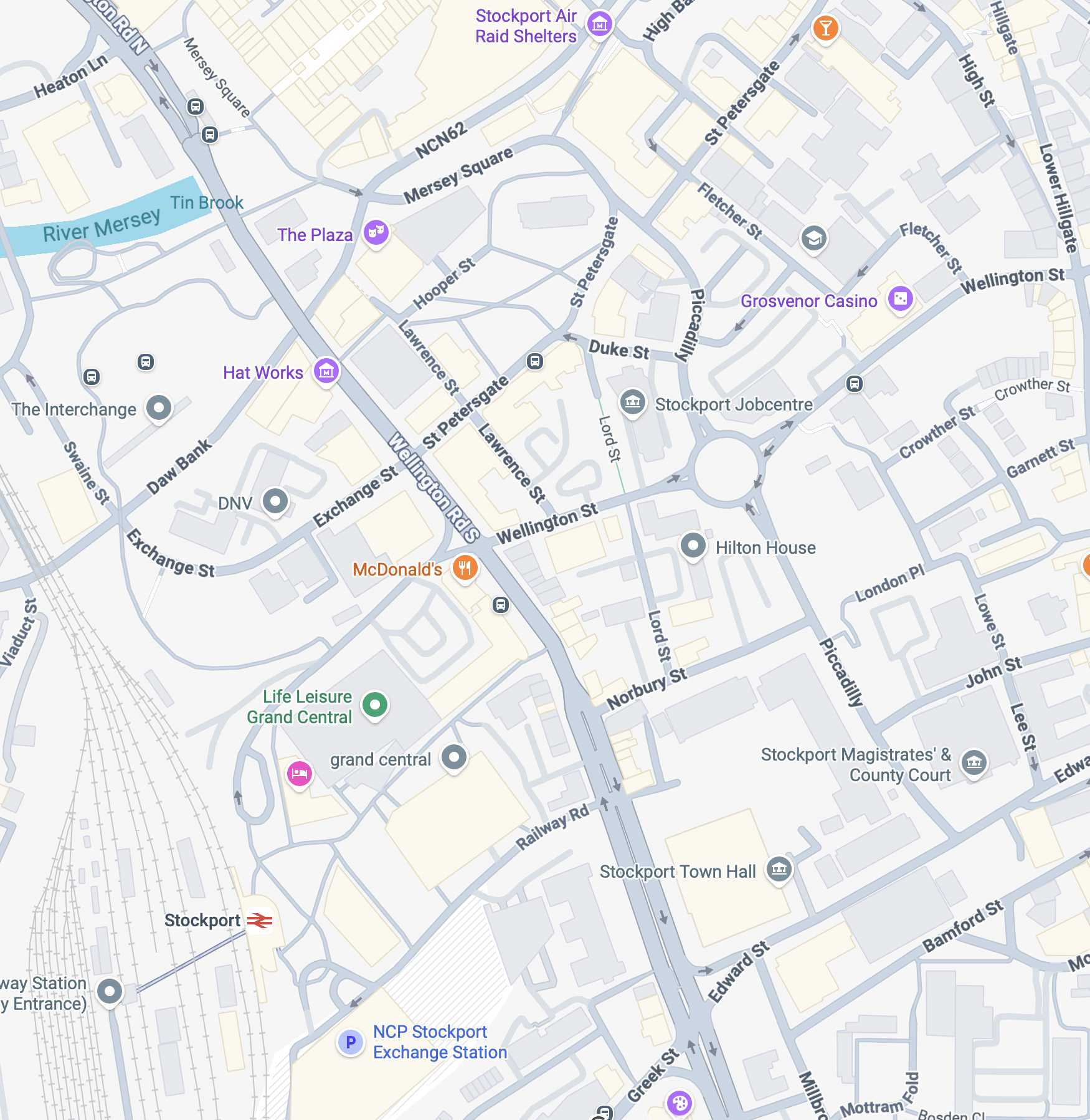
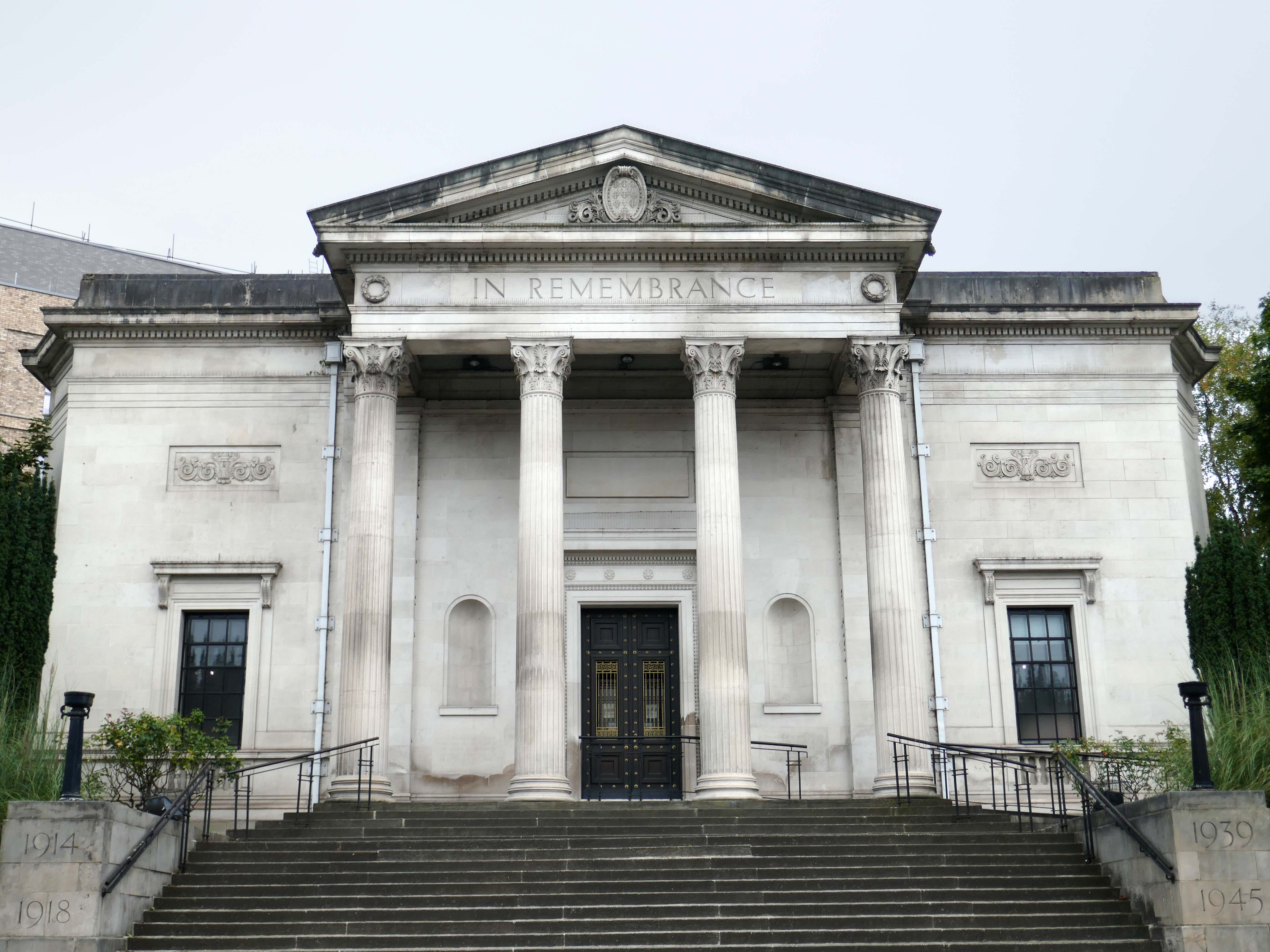
I was asked by SMBC to take folks on a short Stockport walk – beginning at Stockport War Memorial Art Gallery and concluding at the Stockroom, a distance of less than a mile.
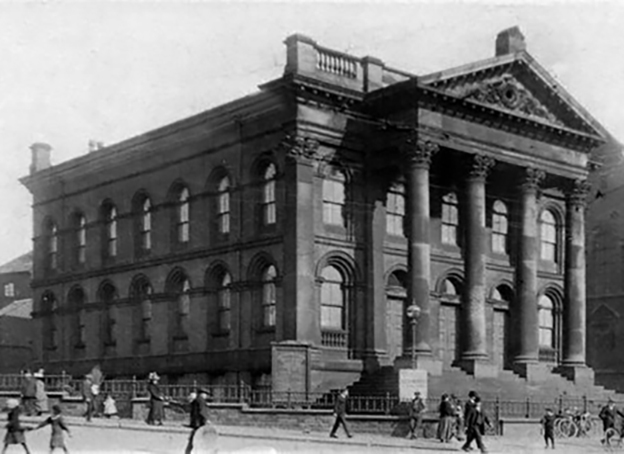
Designed in Neoclassical Greek Revival style with central tetrastyle Corinthian portico, the order loosely based on Temple of Apollo at Bassae
The Gallery has a long history of exhibitions from some of the art world’s finest artists. Today the gallery boasts an extensive exhibition program, which gives emerging artists a chance to showcase their work.
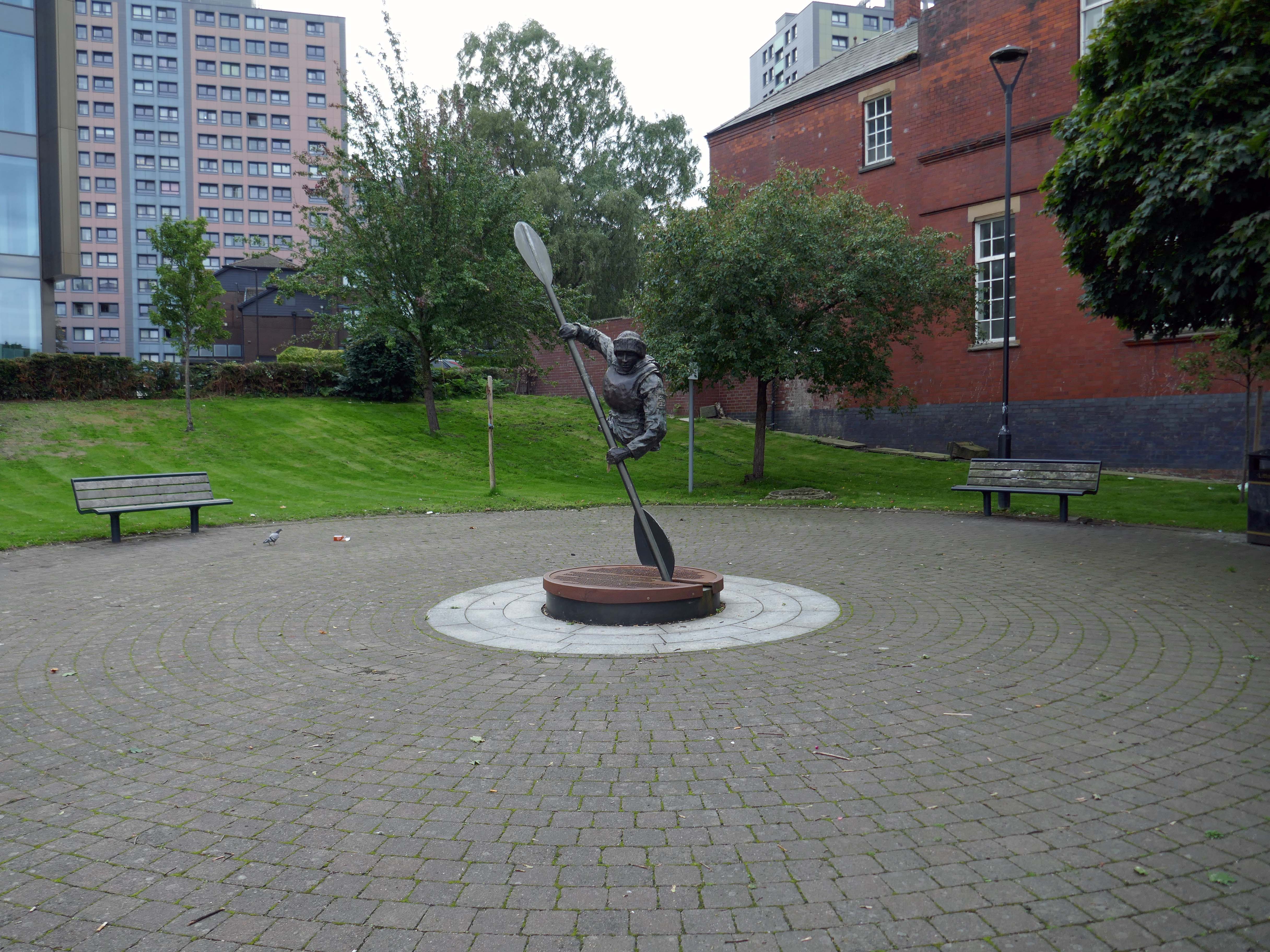
The capitals of Chapel’s Corinthian columns, surround the site of the Cockleshell Hero memorial 2017 – sculptor Luke Perry.
The former Edgeley milkman James Conway took part in the Royal Marines’ most famous wartime raid, where he was one of the twelve men who paddled more than eighty miles in canoes up the Gironde to plant limpet mines on shipping in the German occupied French city of Bordeaux in 1942.
Although much simpler than continental Baroque architecture, English Baroque designs were equally heavy, sensual and decorative.
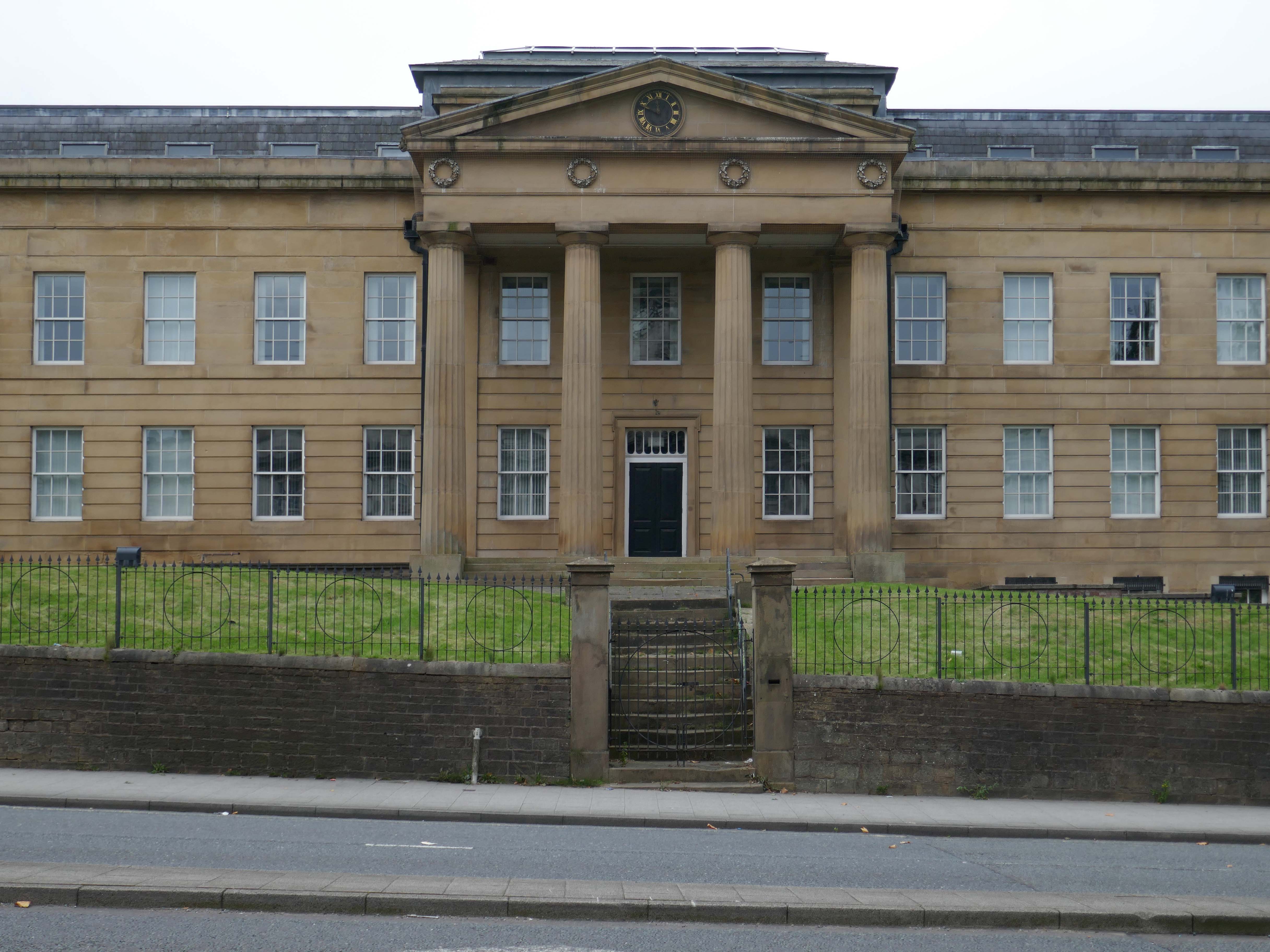
Across the road the former Stockport Infirmary l832 Grade II listed – architect Richard Lane.
Currently named Millennium House, home to the Department of Works and Pensions.
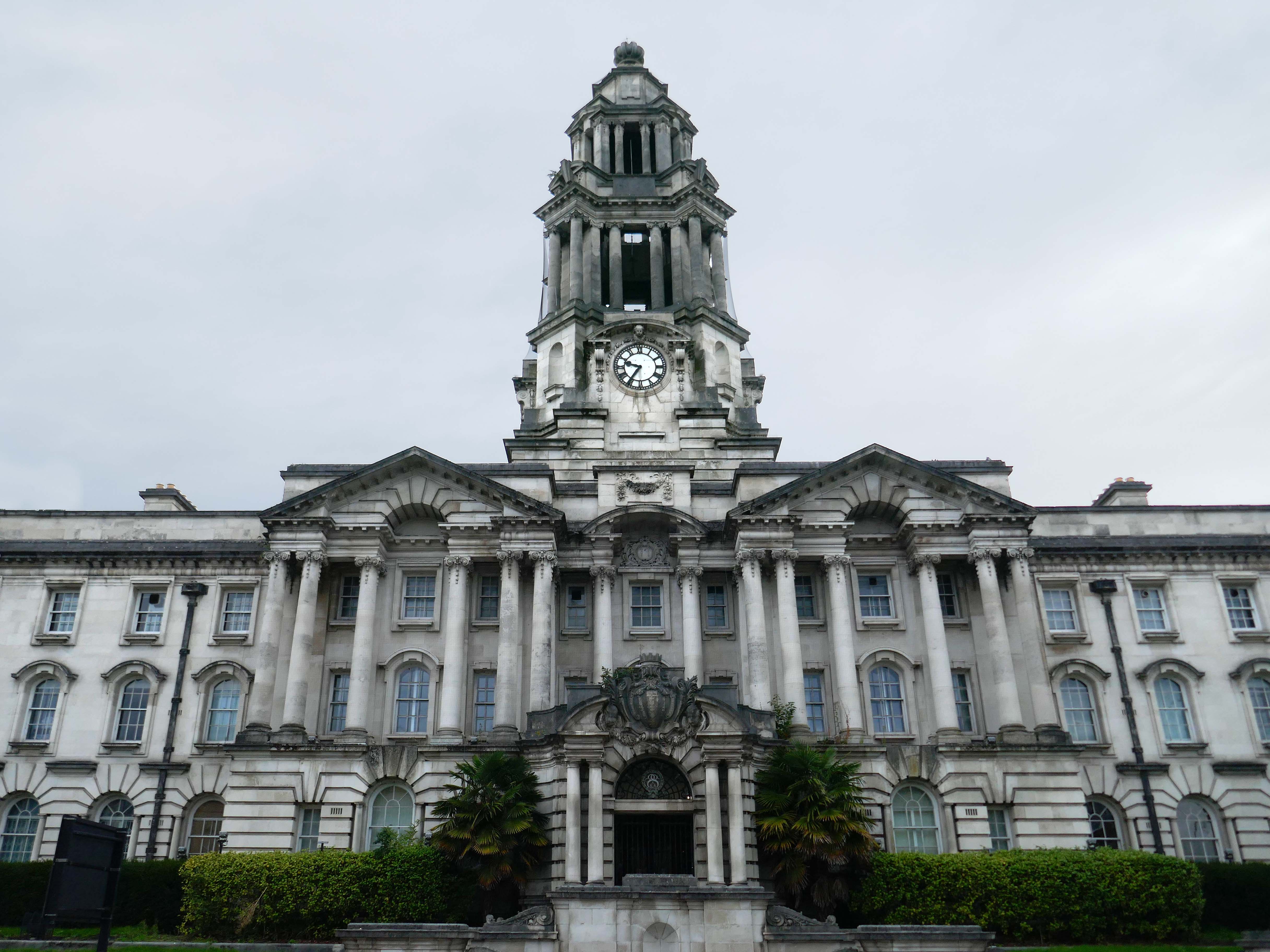
Around the back of the Town hall we find Stopford House built in 1975 and designed by JS Rank OBE, Director of Development & Town Planning, Stockport Council.
The painting has recently been much improved by the folks from Merseyway Workshop along with local volunteers.
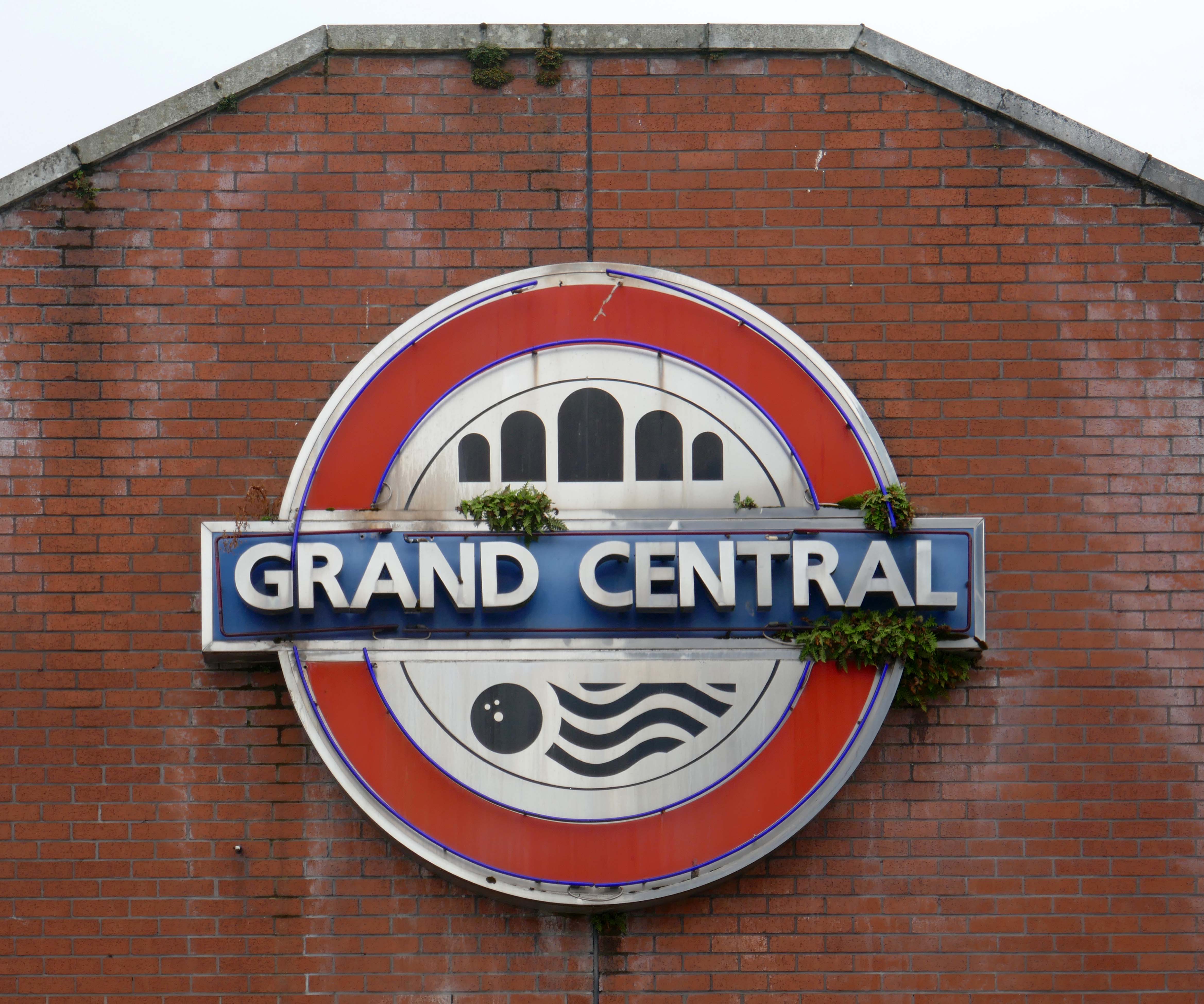
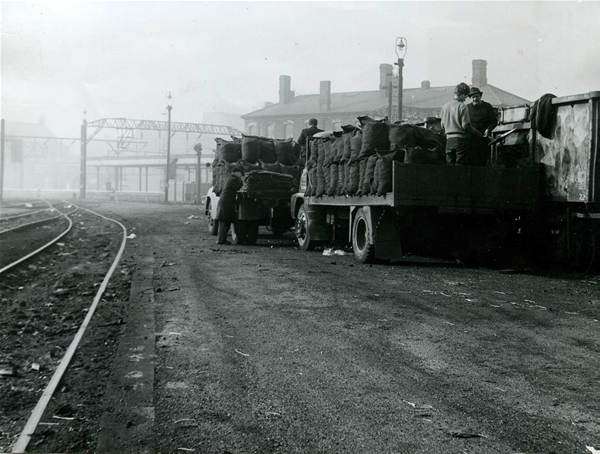
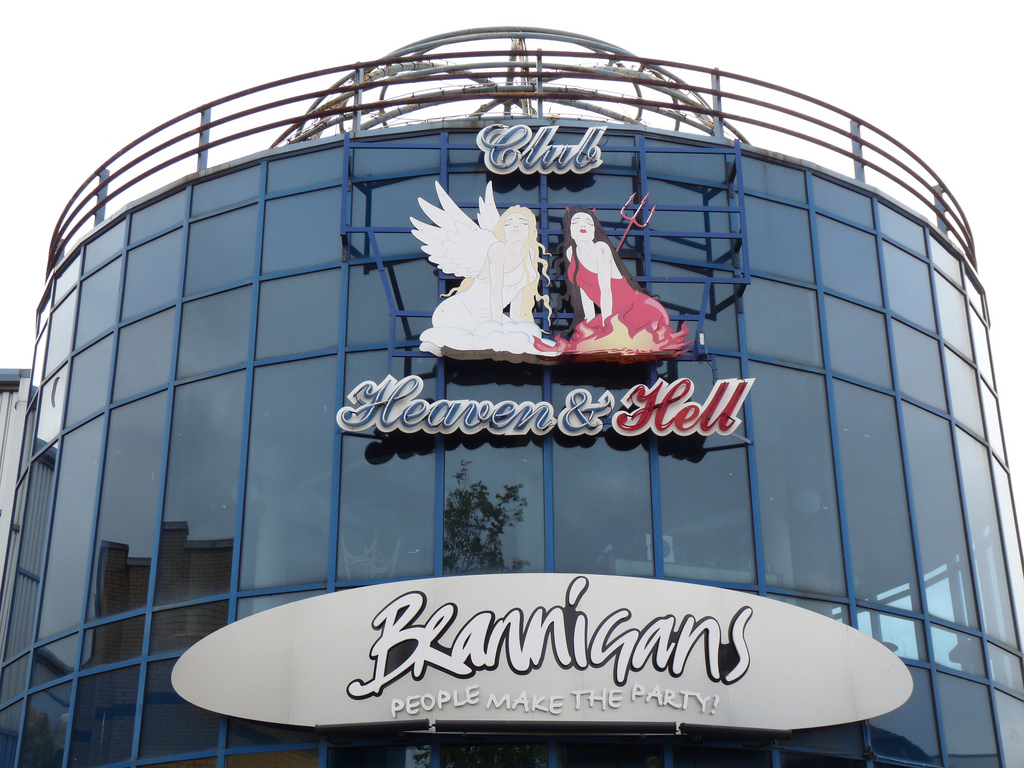
Formerly a large coal yard, replaced by a huge leisure facility and now a hotel and office complex, with a municipal swimming pool attached.
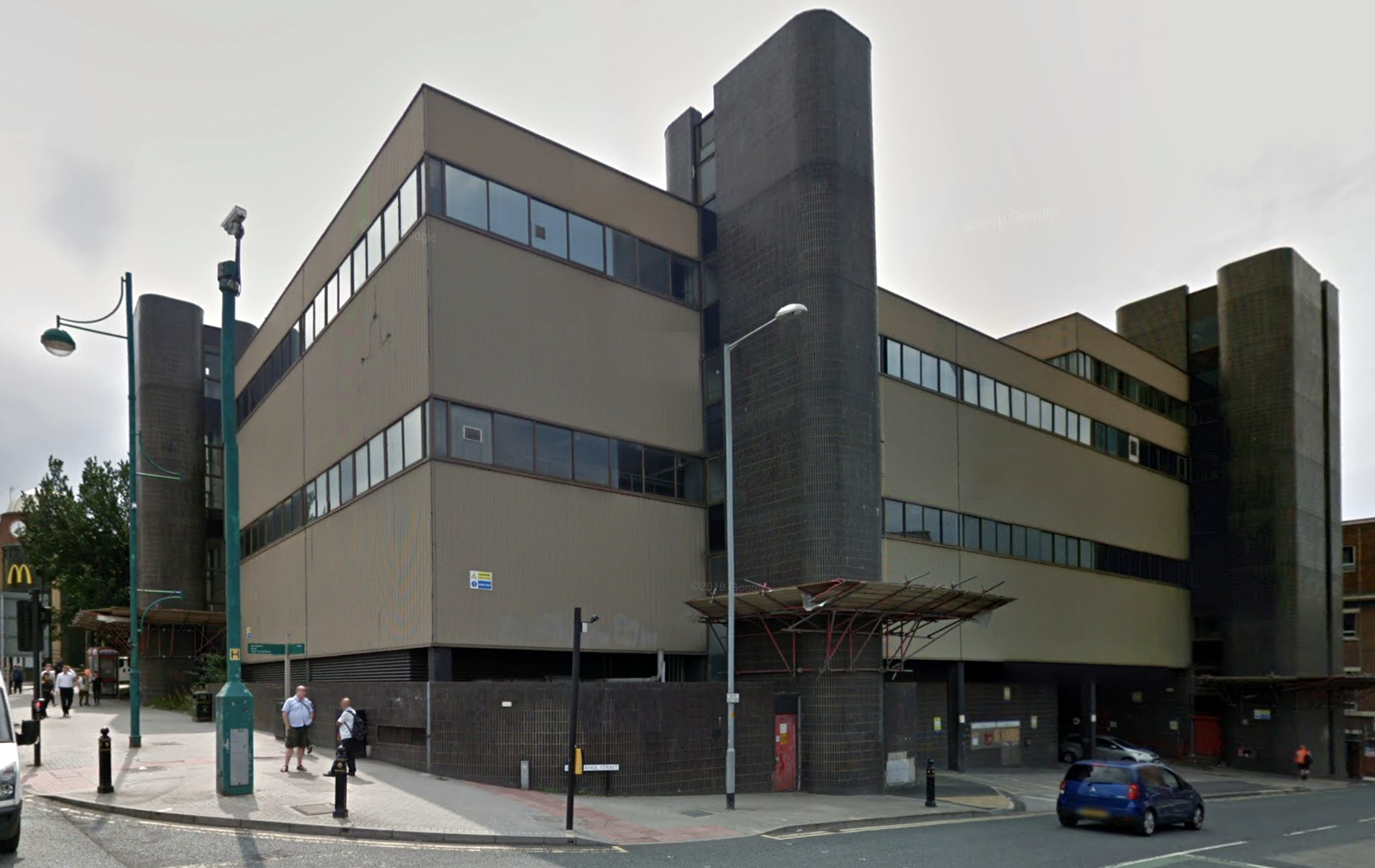
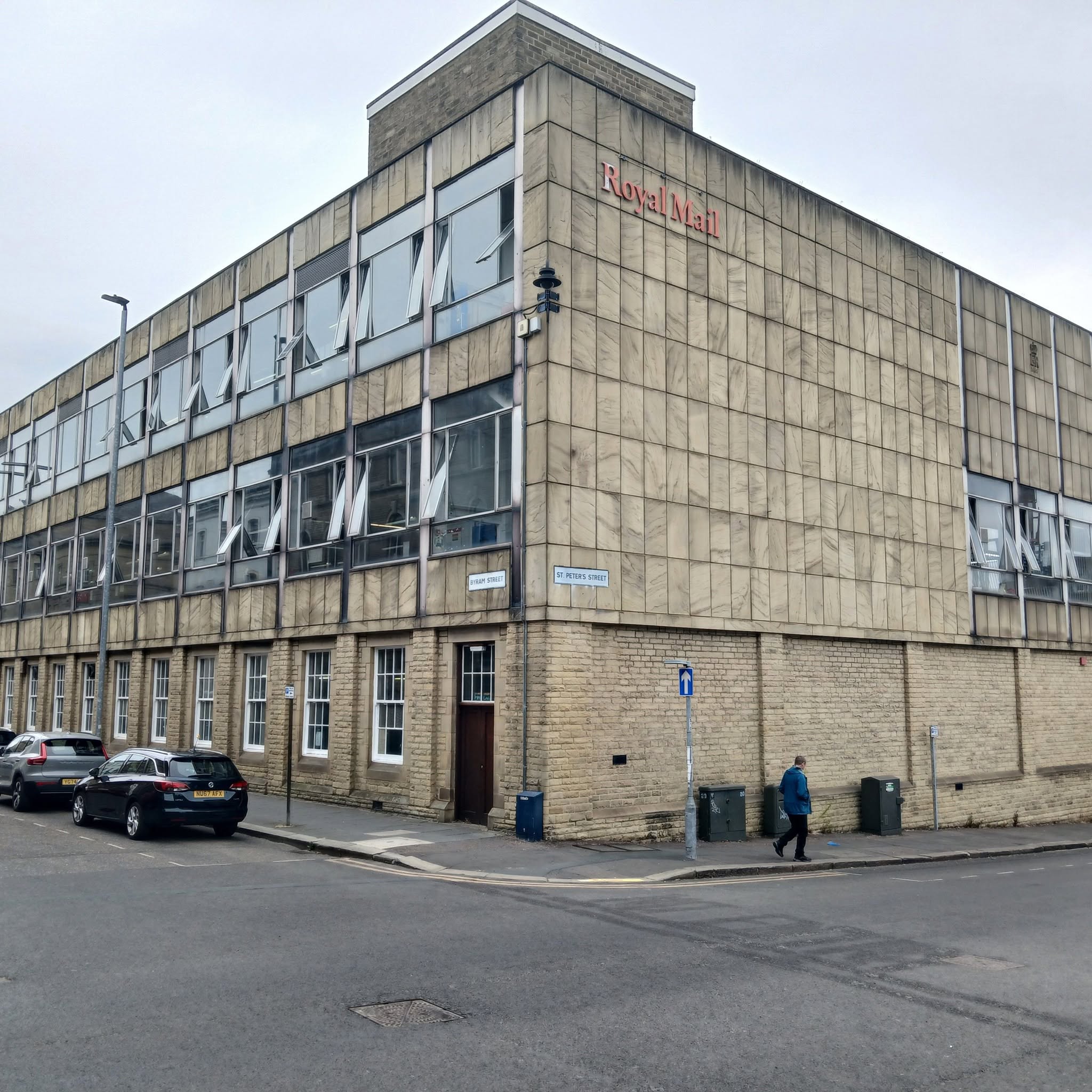
Next door the former Royal Mail sorting office.
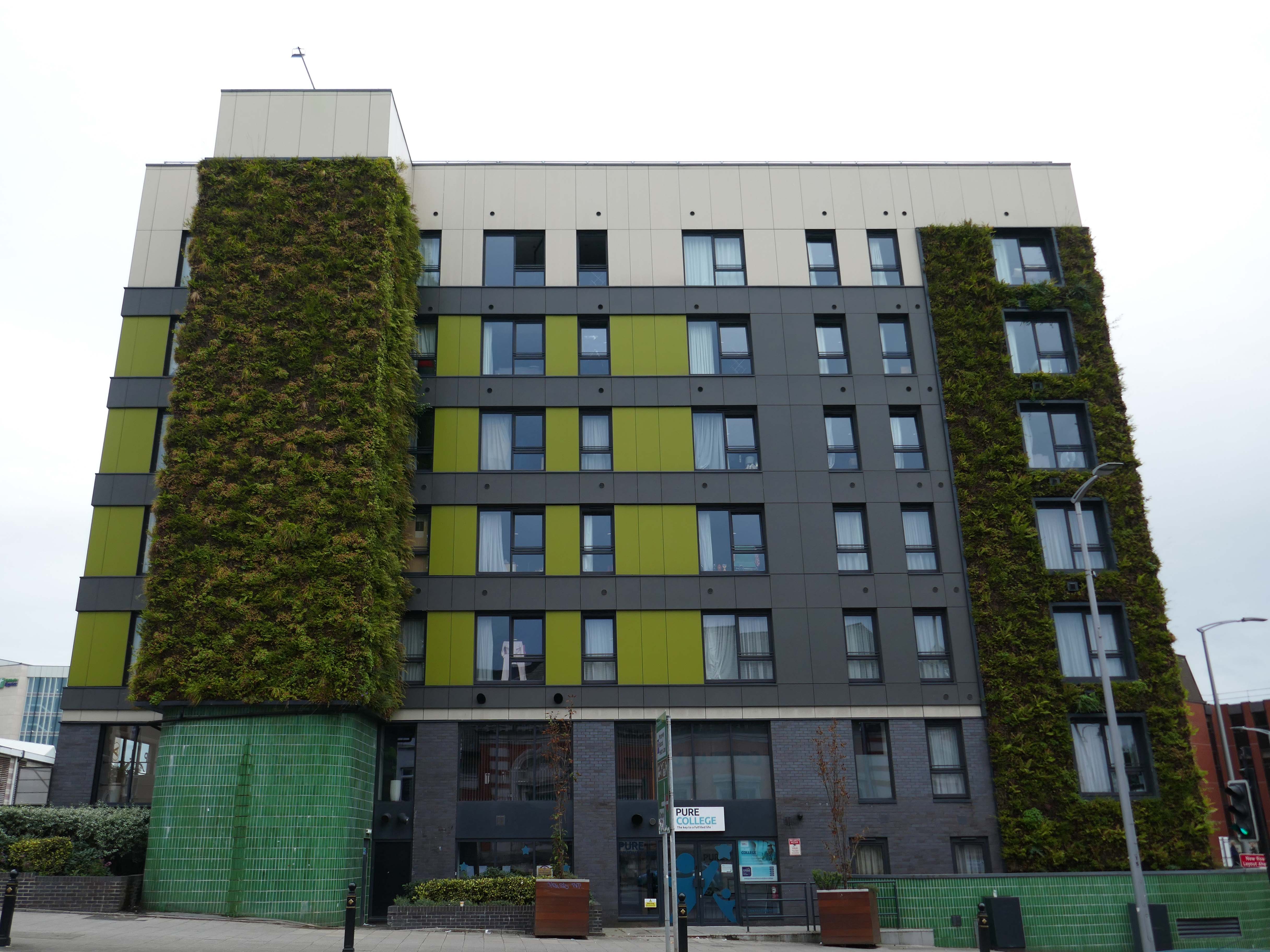
The transformation of a building once dubbed Stockport’s ugliest has been completed, now known as The Mailbox.
When it was built in the 1970s, it was given extra reinforcement due to the risk of IRA letter bombs. The sorting office closed and moved sites in 2010, from when the building was vacant for nearly a decade.
The state-of-the-art development is now home to 117 ‘stunning’ new one and two-bedroom apartments and 12,500 square feet of commercial space. There is an atrium at its heart a roof terrace with views across the town centre.
It also has an eighteen -metre high green ‘living wall’ covering the front and other parts of the exterior, which with 114,500 plants is the largest of its kind by surface area in the North of England.
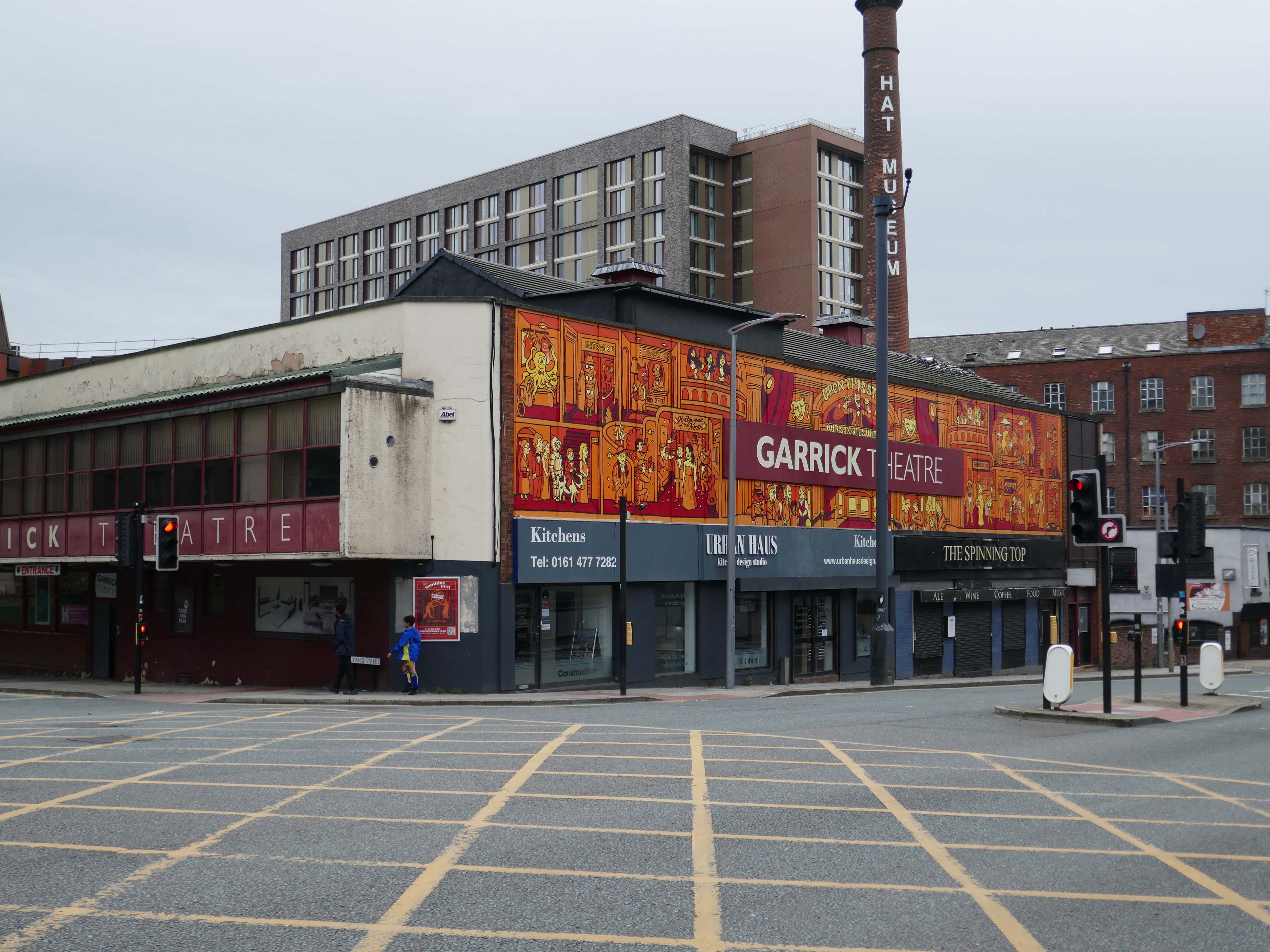
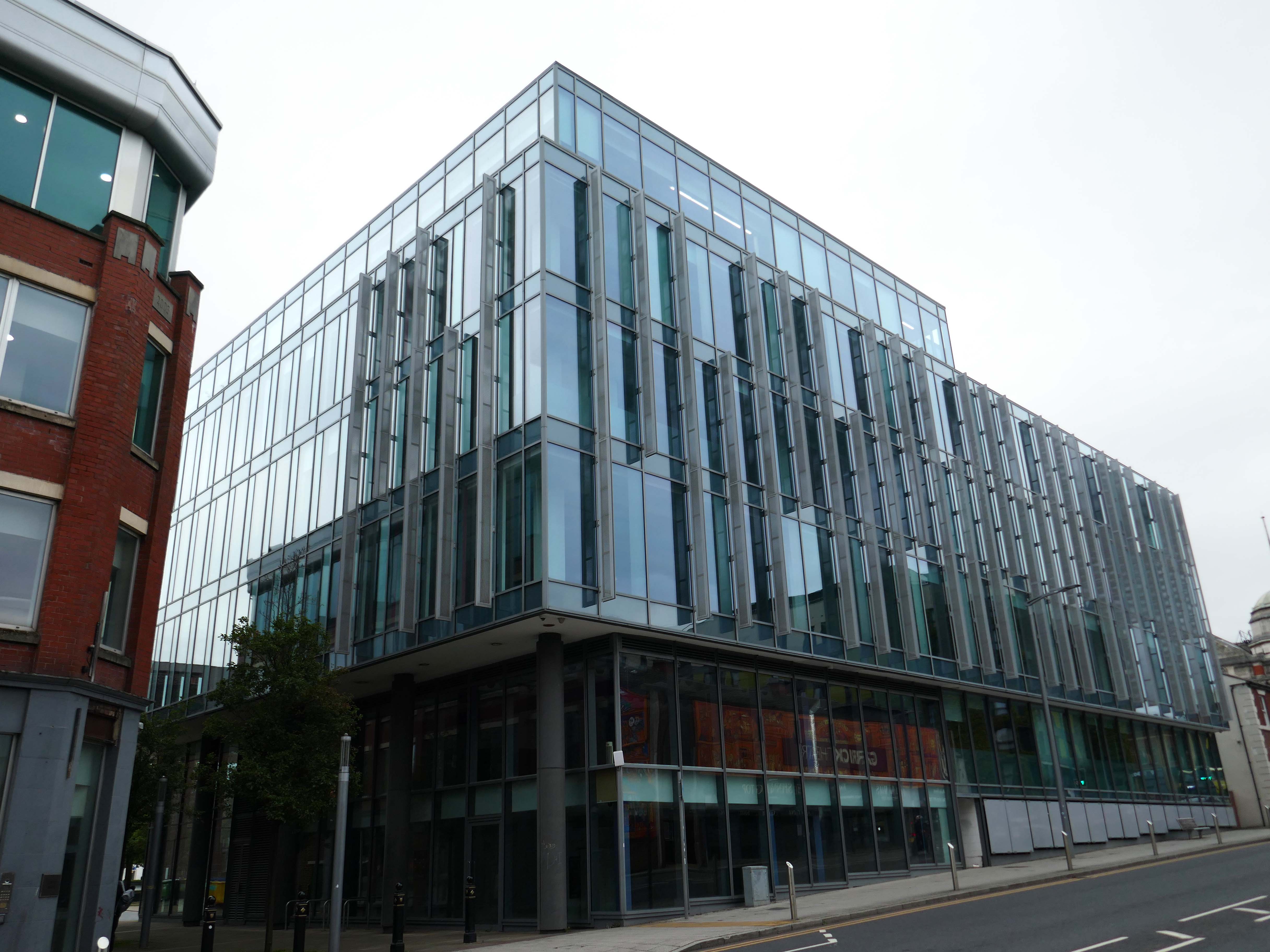
The Stockport Garrick Theatre was founded on 24th of October 1901, by engineer Edwin Heys and his fellow actors: fugitives from the disbanded dramatic society of Stockport Unitarian Church. Meeting in what was then The Church Coffee Tavern on St Petersgate, Heys and his friends resolved to found a new society ‘to perform the best plays by the most capable amateur actors and with the finest scenic effects’.
The society purchased its current building, an old mill occupied by an assortment of small businesses, in 1920. Since then, the building’s labyrinthine interior has undergone various refurbishments to enhance the society’s ability to produce theatre to the highest standards possible.
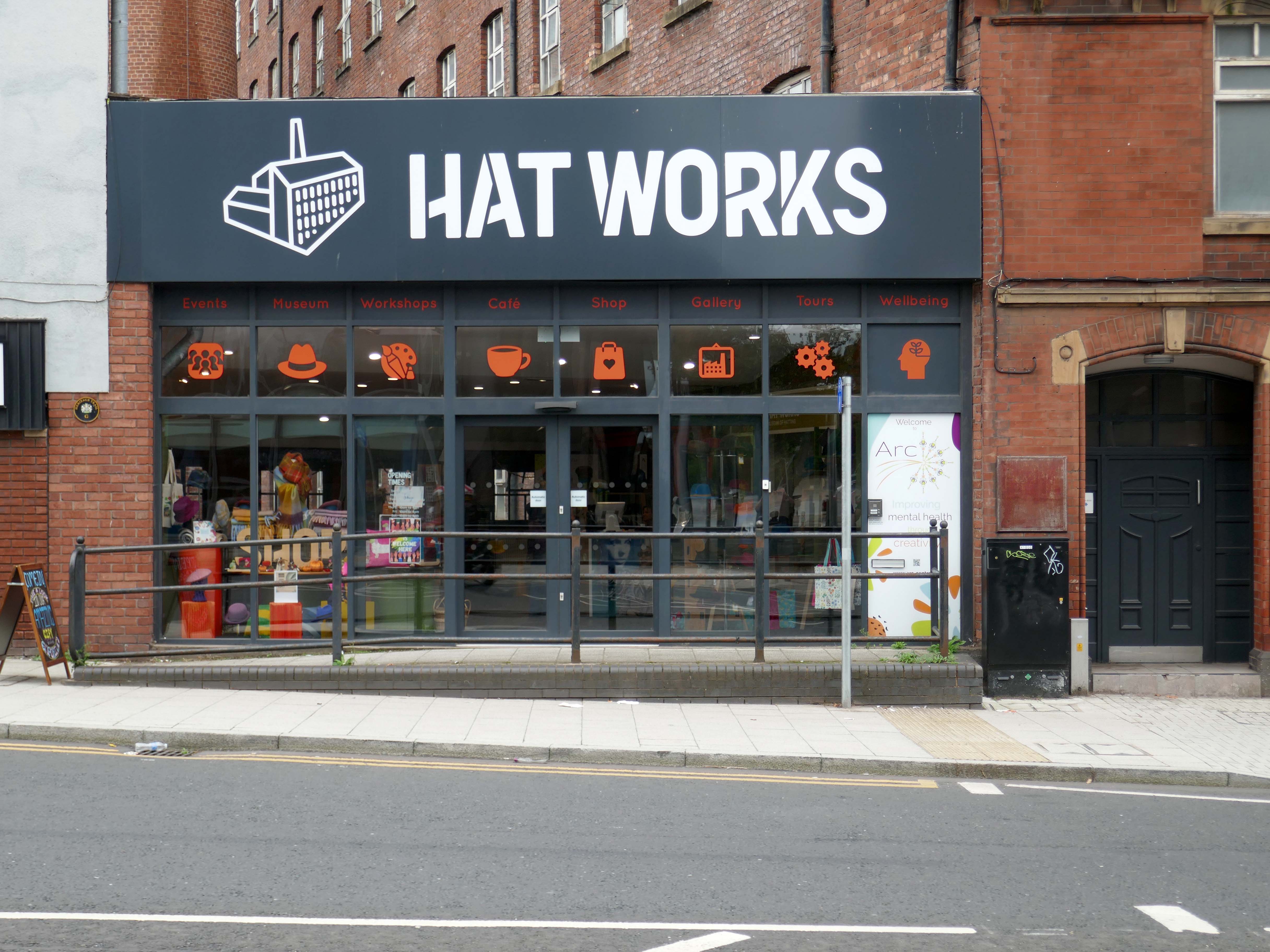
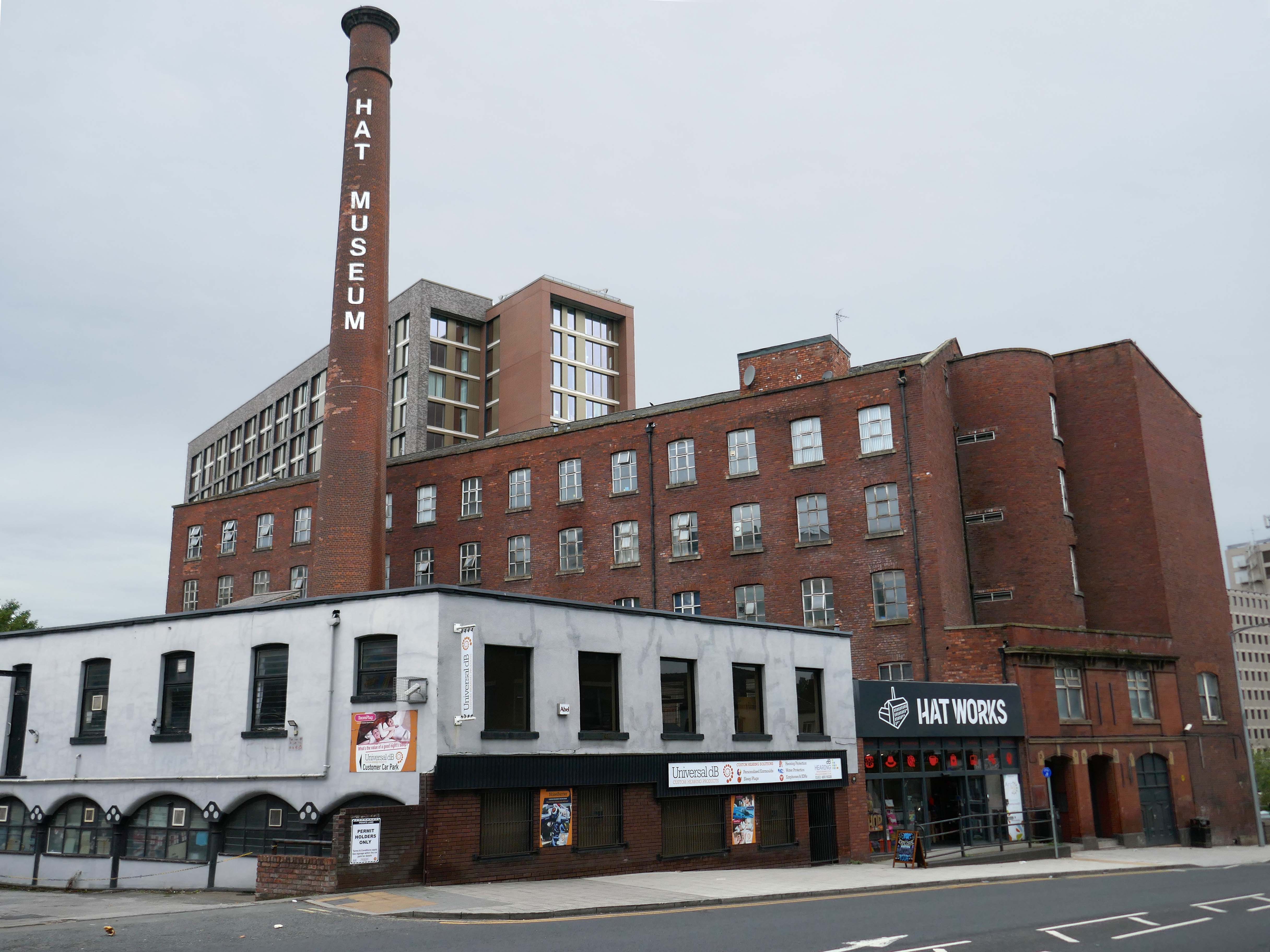
Next door the Hat Works – the UK’s only museum dedicated to the hatting industry, hats and headwear.
Occupying part of the Grade II listed Wellington Mill, a cotton mill of 1831 which became Ward’s Hat Works.
Both cotton spinning and hat making contributing to the economic development of Stockport in the C19th.
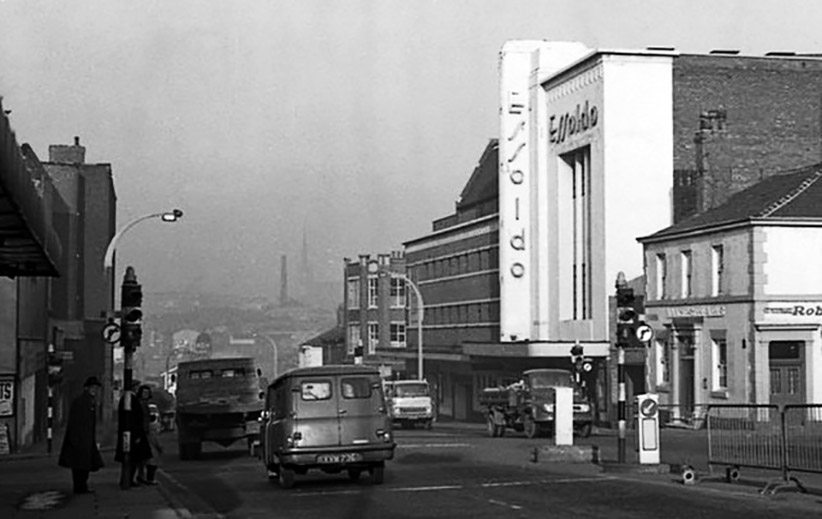
Across the way the long gone Carlton Cinema Architects:Francis Edison Drury and Joseph G Gomersall.
Opened on 28th July 1937.
In July 1948 the cinema was taken over by the Essoldo Cinemas chain. In 1954 the Essoldo became the town’s first CinemaScope cinema and for many years was the only cinema to offer full stereophonic sound. Richard Burton in The Robe was the first widescreen film to be shown, followed by Marilyn Monroe in How to Marry a Millionaire.
At the height of the Davy Crockett craze, in 1956, Fess Parker made a personal appearance at the Essoldo.
It was converted into a twin screen cinema in 1971, by converting the balcony into Screen 2, it was taken over by the Classic Cinemas chain in 1972. Its final owners were the Cannon Group who ran the cinema from 1982 to its final closure on June 21st 1990.
The cinema was demolished in 1994 and a small park occupied the site for several years.
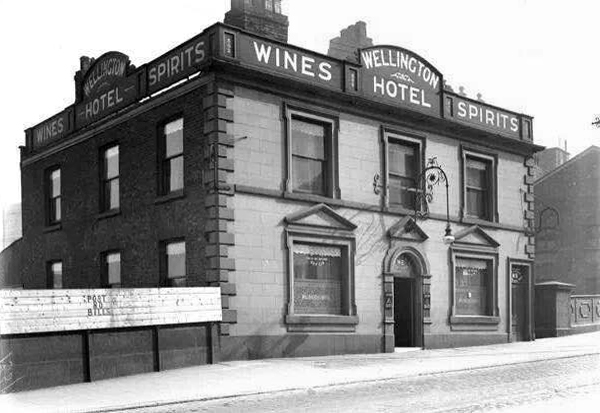
Further down the road the former Wellington Hotel.
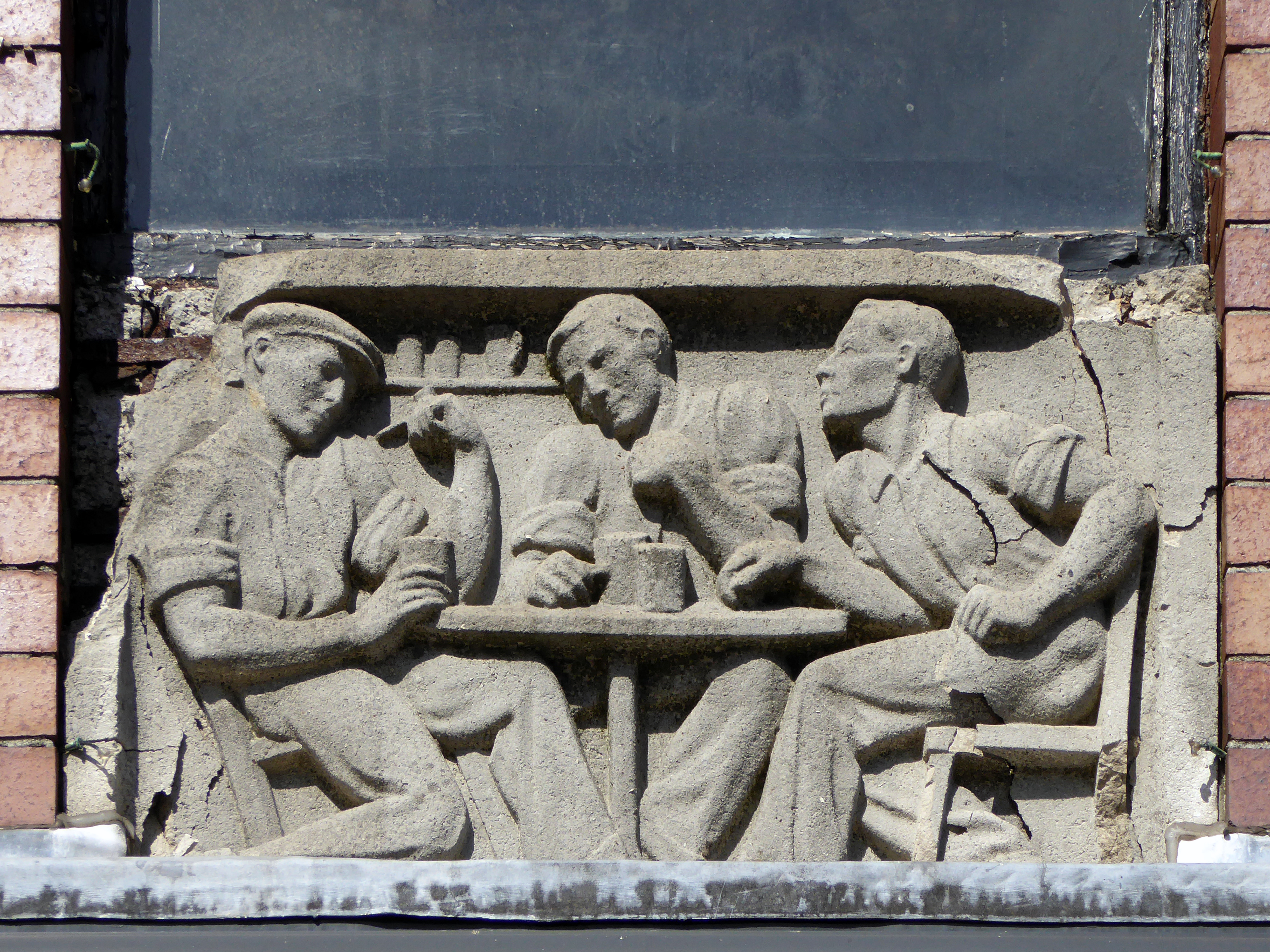
Known variously as Ups ‘n’ Downs, Glitz, Bentley’s and the Bees Knees.
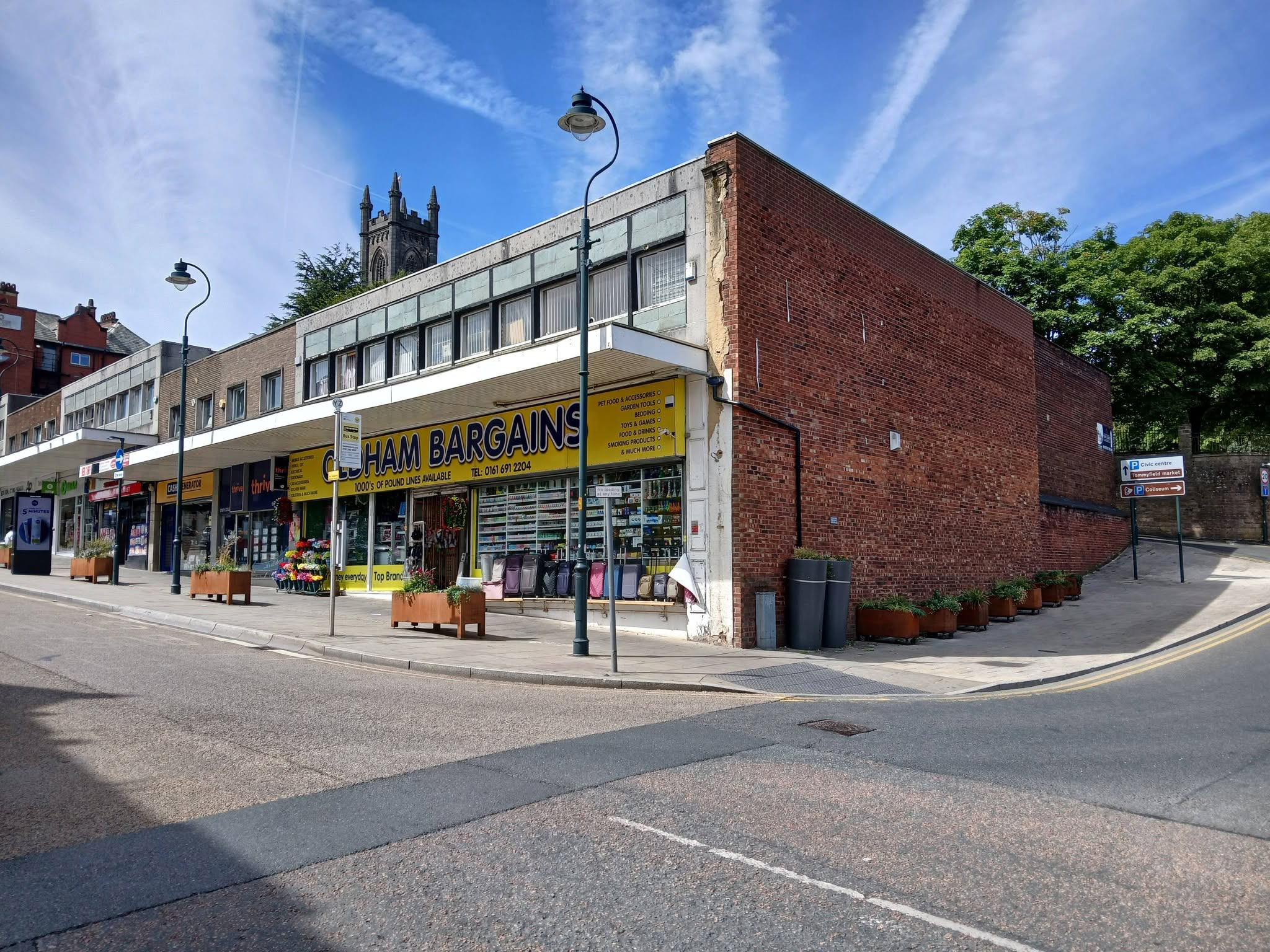
Finally, partial occupation by a forlorn Pound Shop – defying economic trends by closing.
Street art by Cats and That.
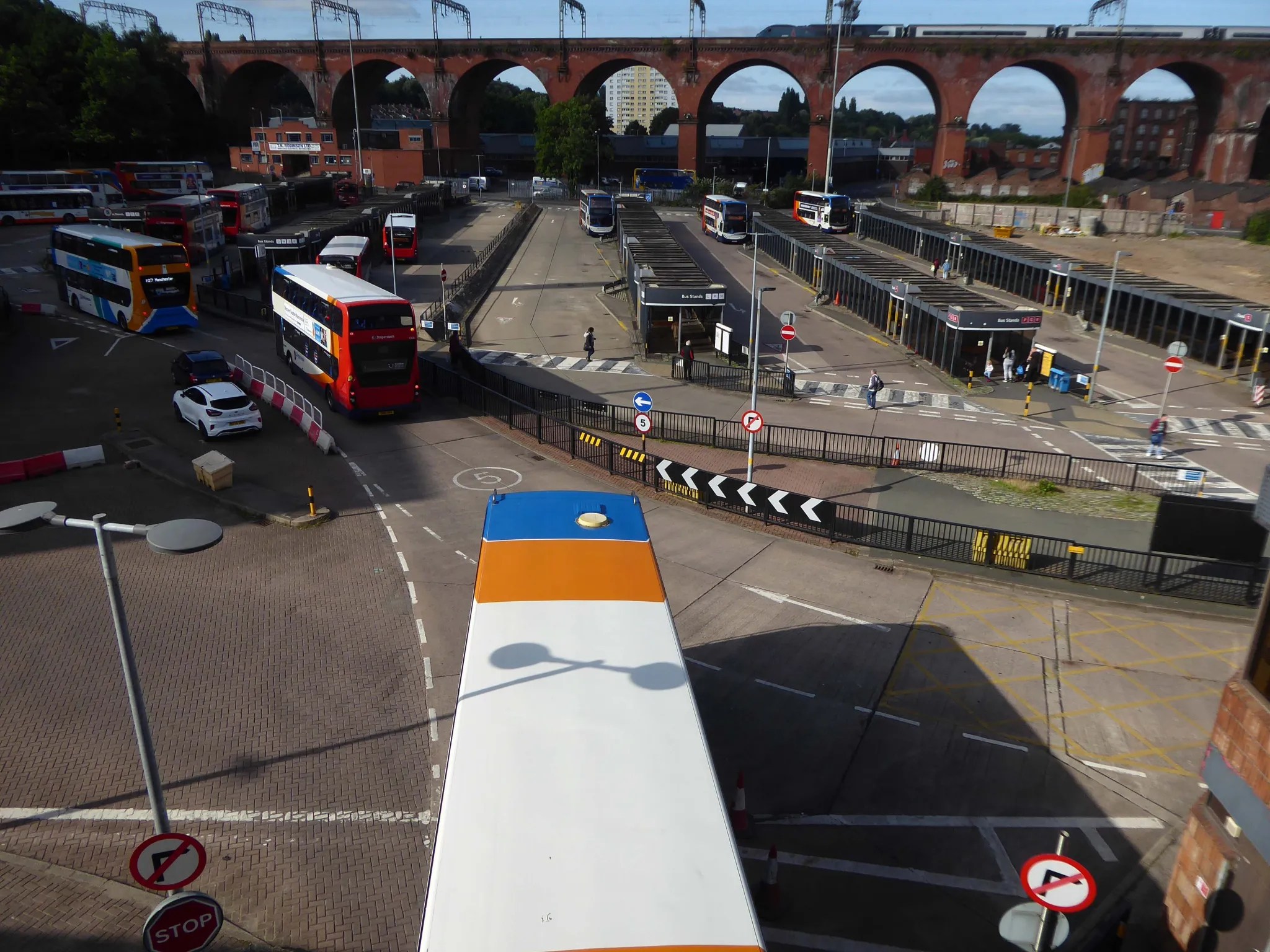
Next to the Transport Interchange aka the Bus Station.
In collaboration with Transport for Greater Manchester and Stockport Metropolitan Borough Council, the project redesigned a 10,000 sq m bus interchange, linking the rail station with new landscaped parks.
The development includes a fifteen-storey building with one hundred and ninety six apartments, commercial space, and parking. New parks and riverside spaces improve connectivity and enhance urban living, marking a transformative step in placemaking for Stockport.
Replacing the former Bus Station closed on Saturday 28th August 2021.
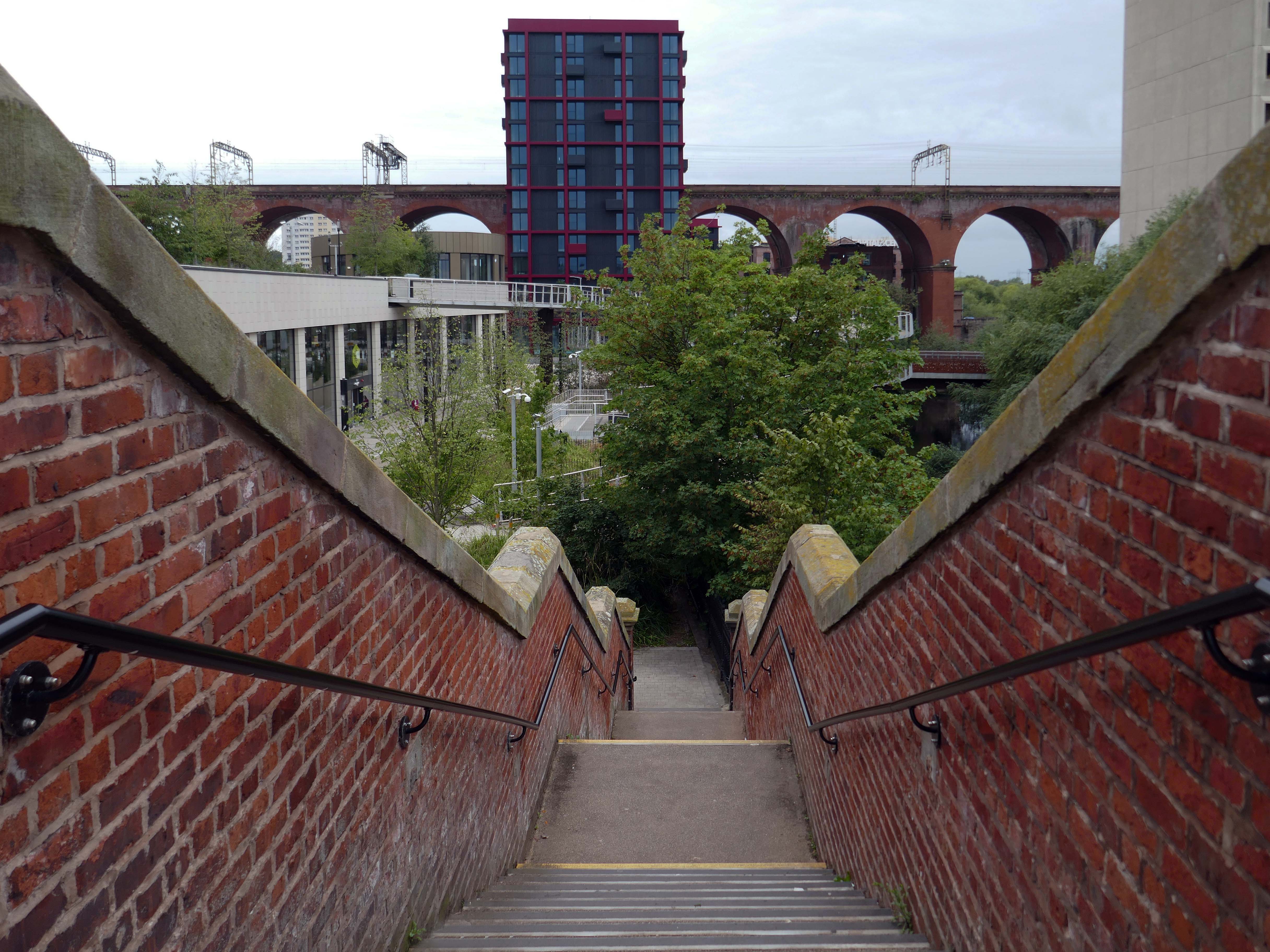
Down to the top of the Lowry Steps
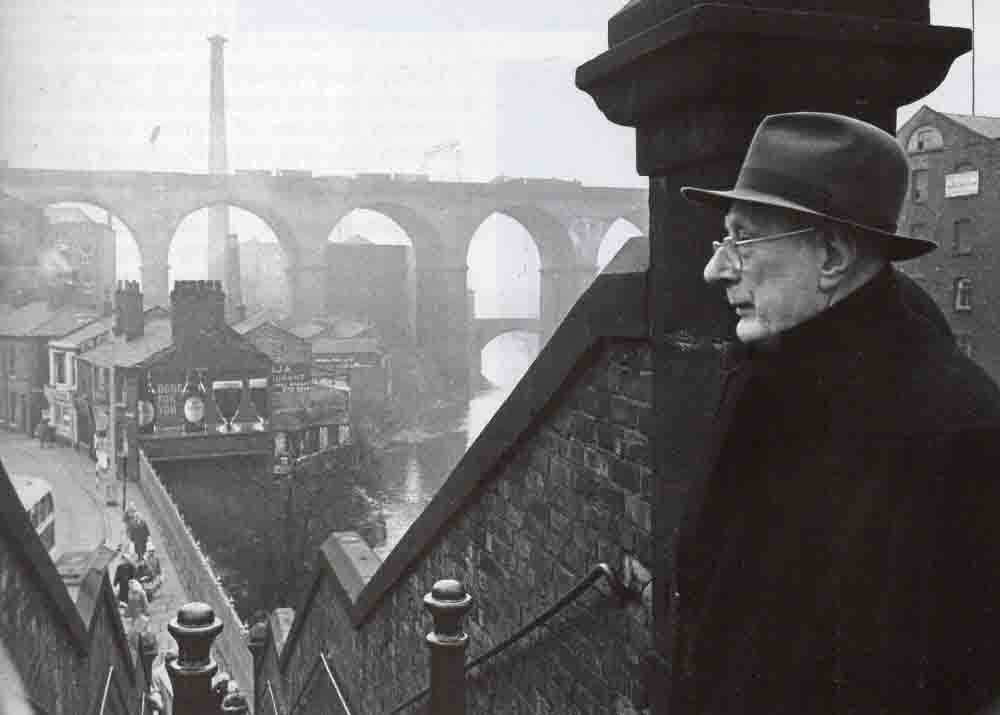
LS Lowry snapped in 1962, the Viaduct in the not too distant distance – Grade II* listed structure and remains one of the world’s biggest brick structures.
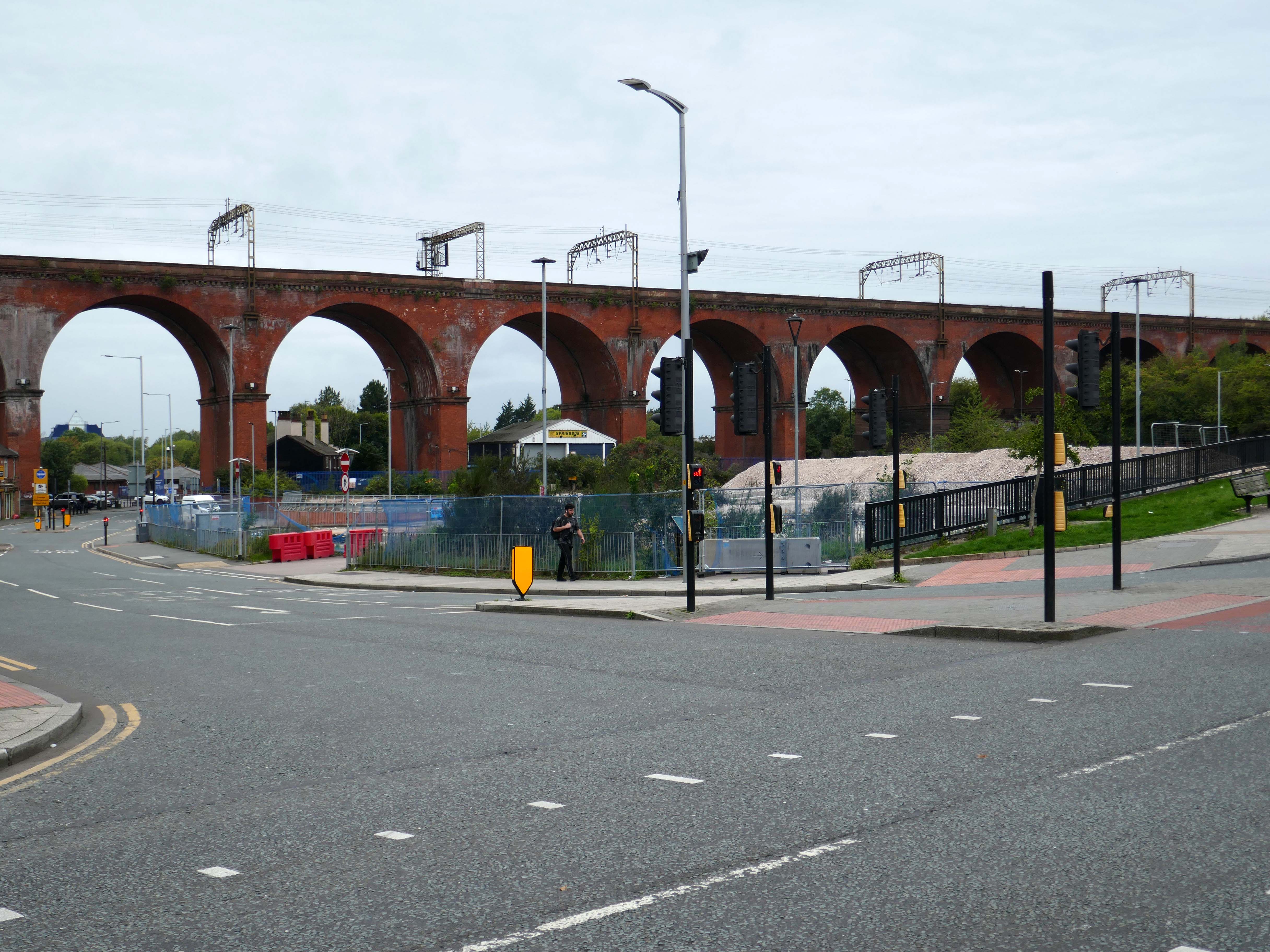
Railway viaduct opened 1840 by GW Buck for Manchester and Birmingham Railway in brick and stone.
Twenty eight arches of total length over 540m – three spans at either end of 18ft, twenty two spans between of 63ft, and nearly 34m high above the river.
Said to contain eleven million bricks.
Stone moulded impost bands and rusticated faces to piers.
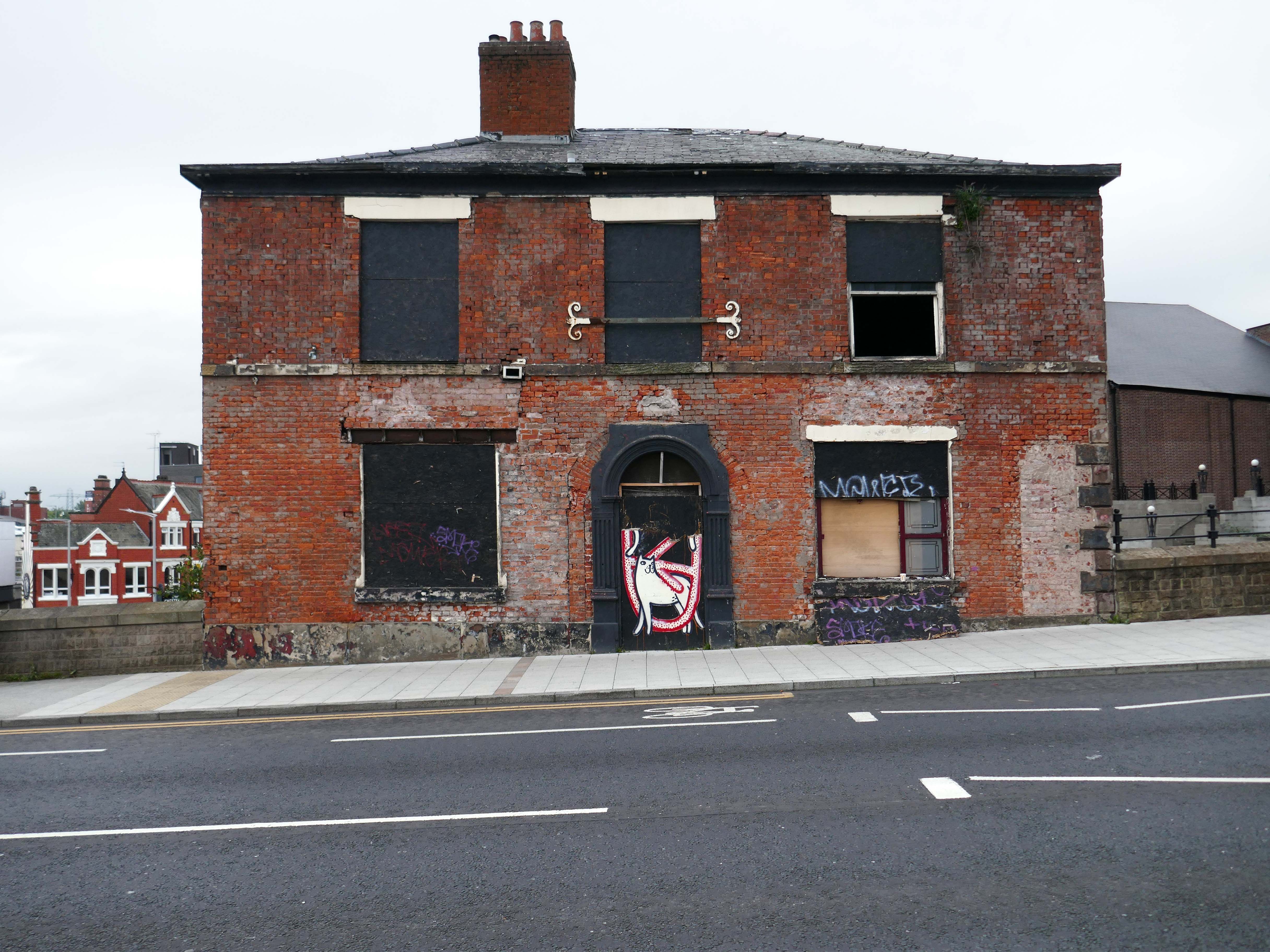
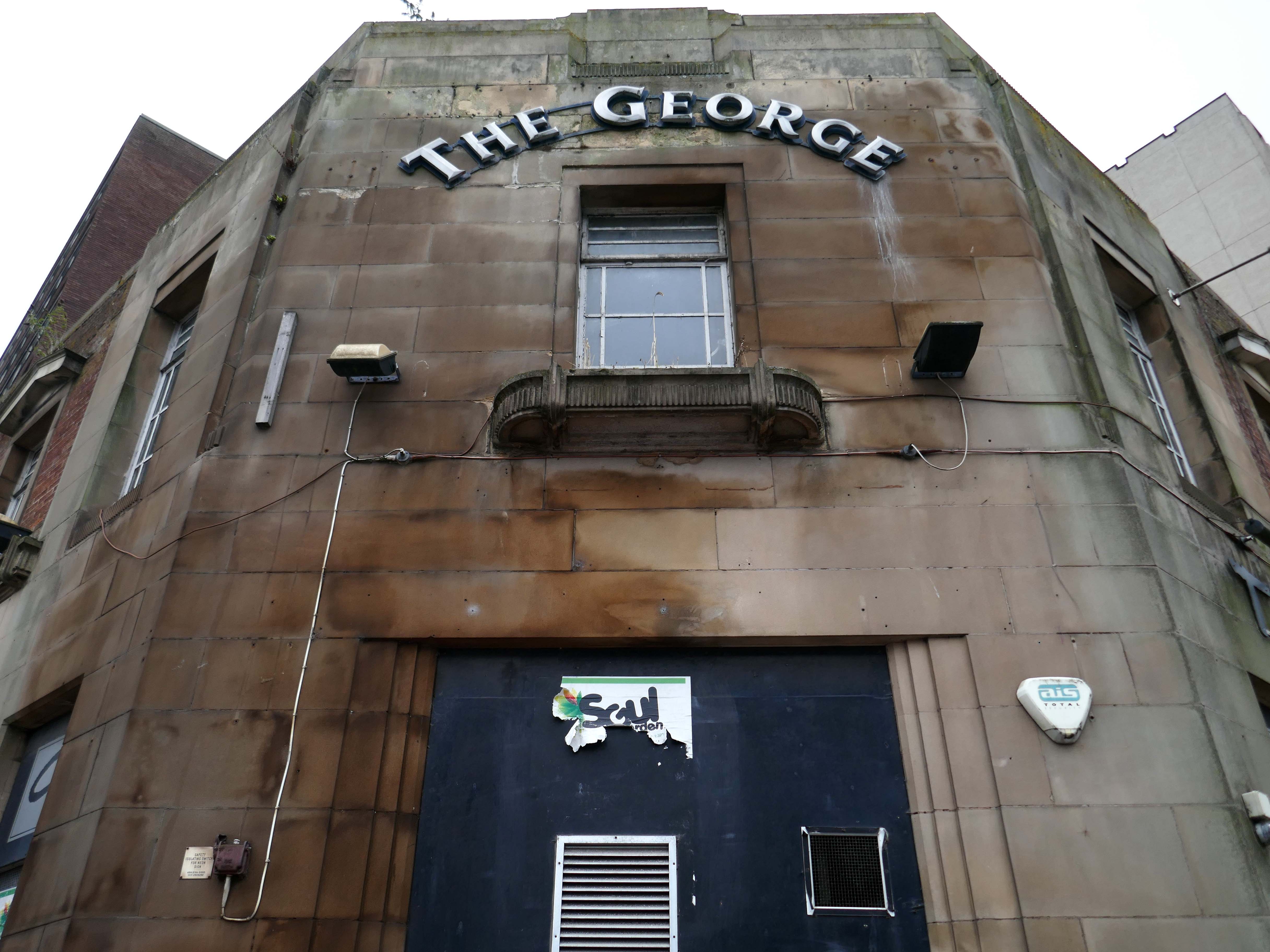
Premises To Let as of 13th May 2018 – on the 2nd April 2018 the licence has lapsed, so this proved to be a barrier to it re-opening.
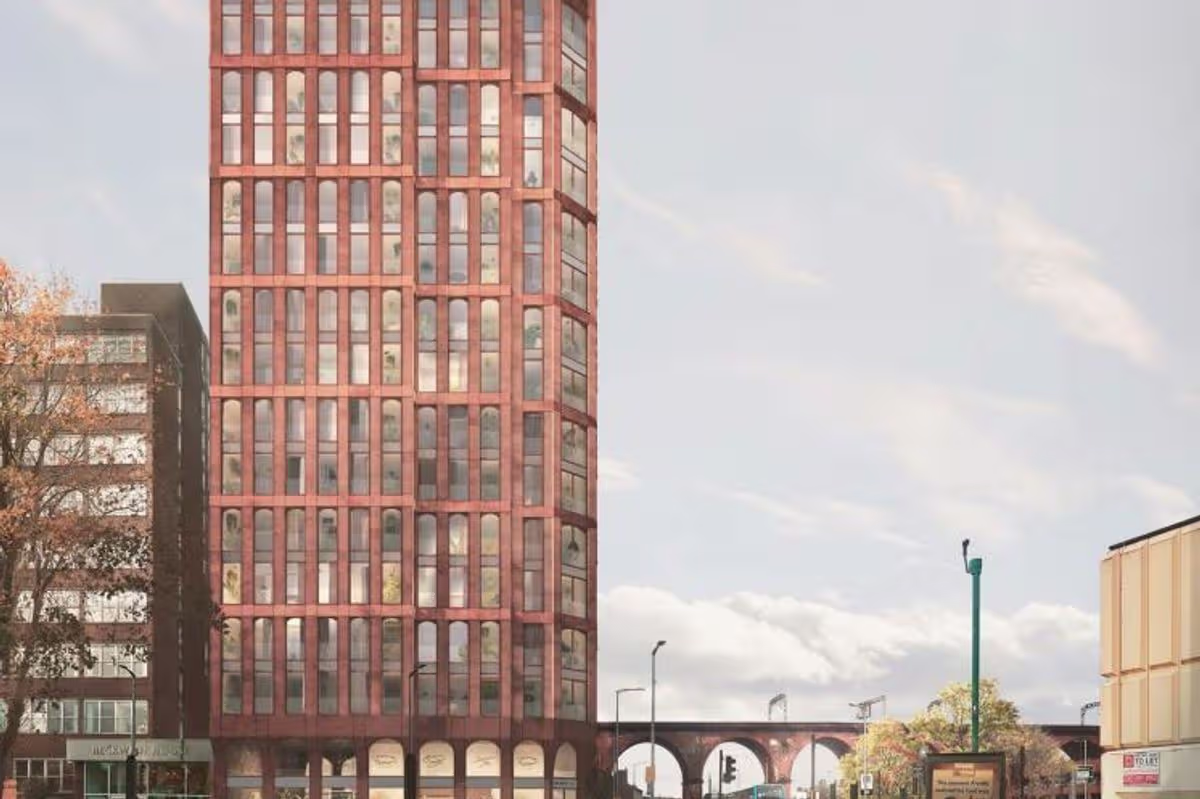
A former pub in Stockport town centre could be knocked down to make way for a tower stretching 17-storeys high. Plans have been sent to Stockport council for consideration and would bring 76 new apartments to the town replacing The George on Wellington Road, based opposite Merseyway Shopping Centre and near Stockport Viaduct.
Talks over a deal for a bus depot off Daw Bank have broken down after the council refused to meet the operator’s financial demands, prompting the authority to use compulsory purchase powers to acquire the site.
Despite protracted negotiations, Stockport Council and Stagecoach have failed to reach an agreement over an important piece of land the authority needs to deliver Stockport 8, a £350m, 1,300-home regeneration scheme.
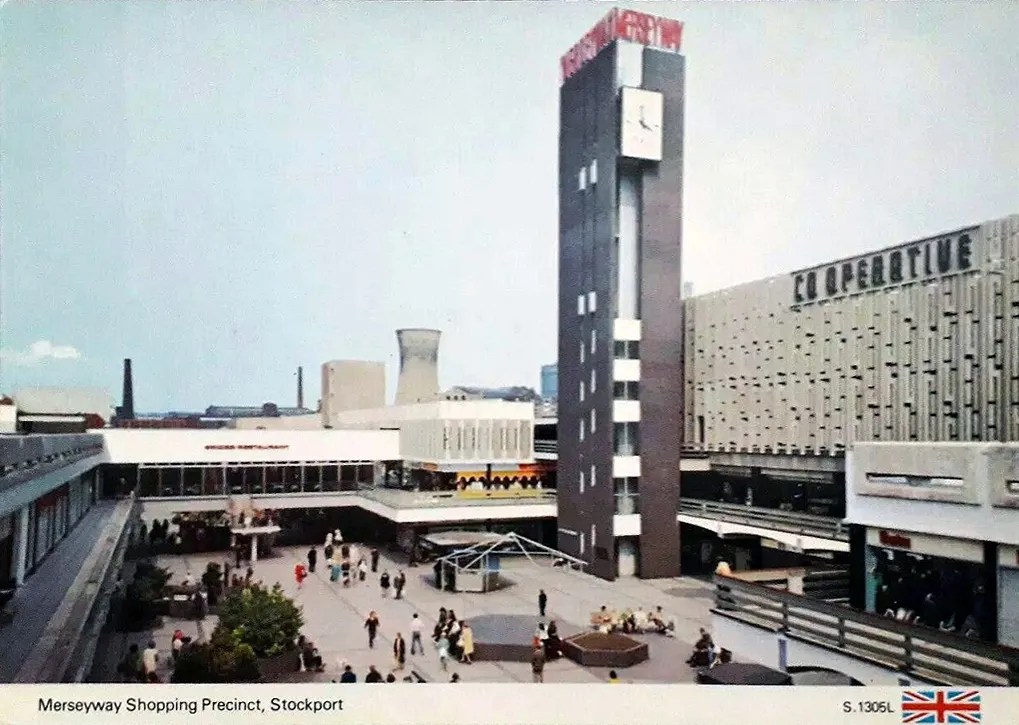
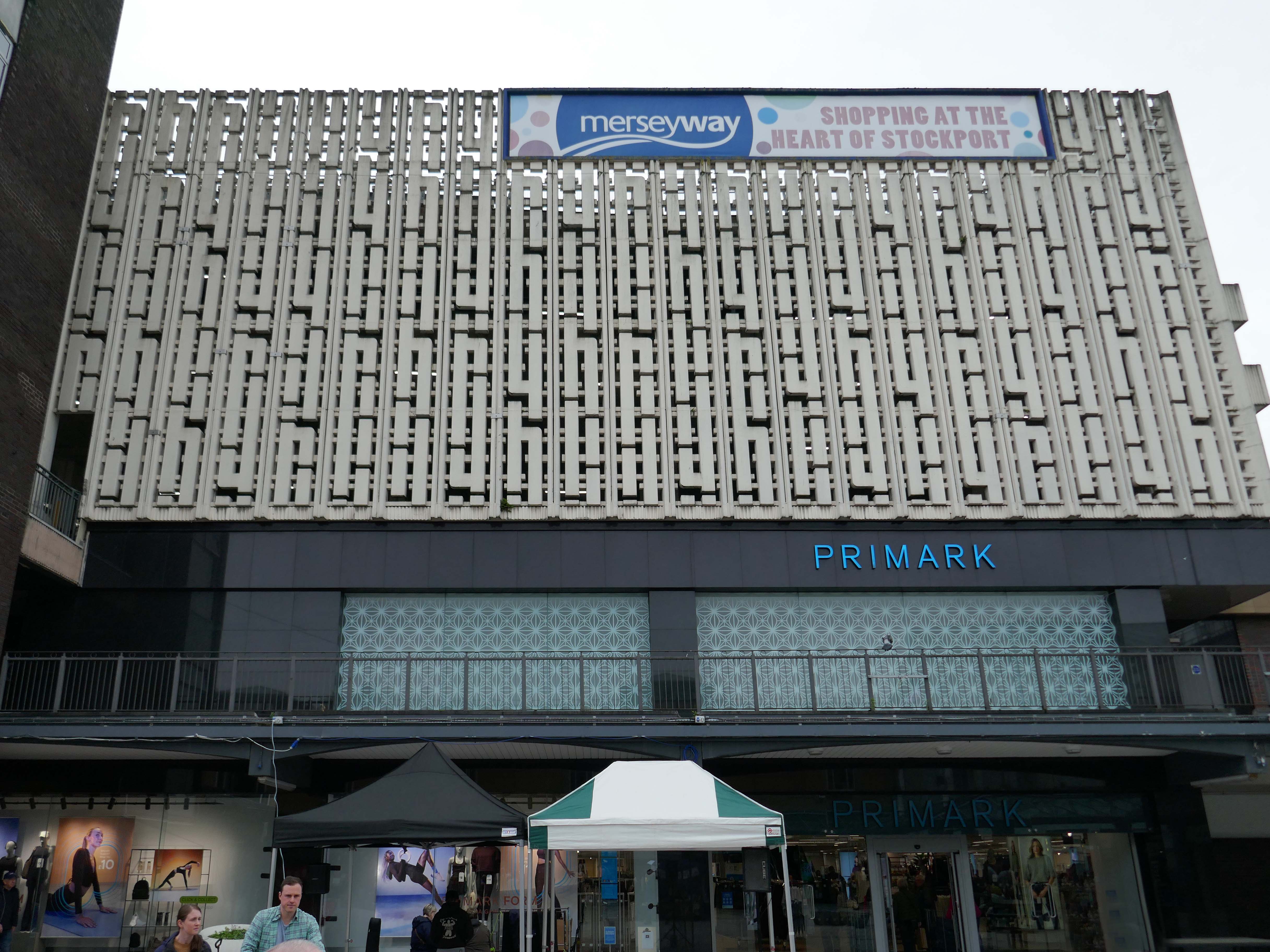
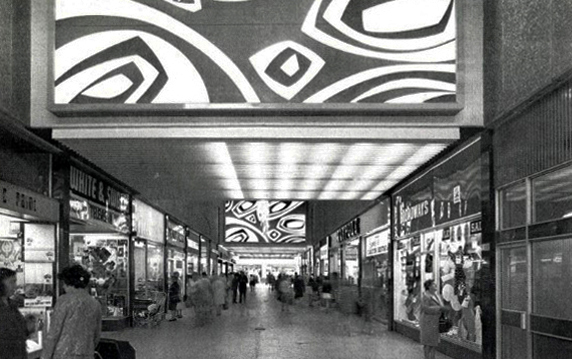
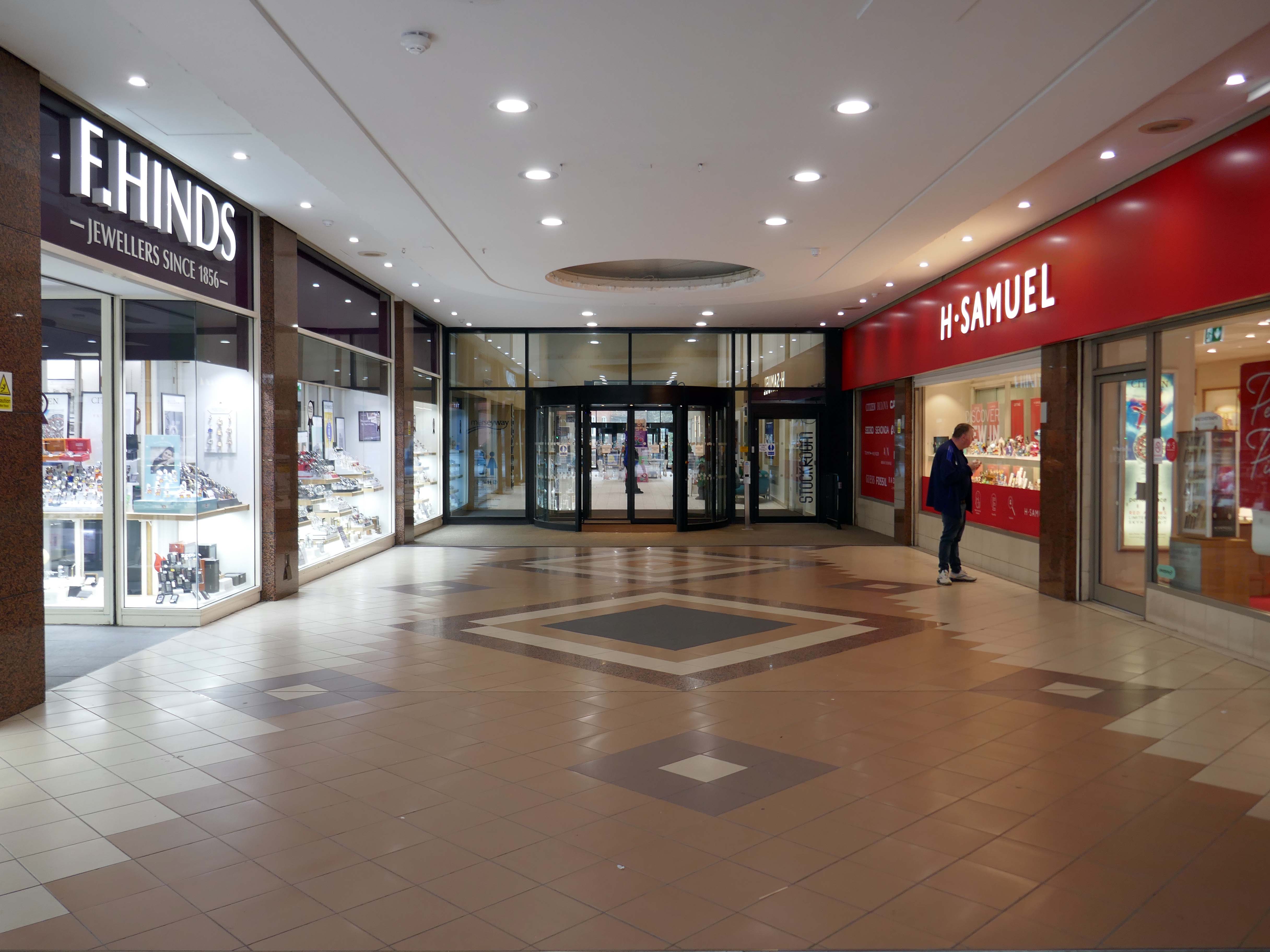
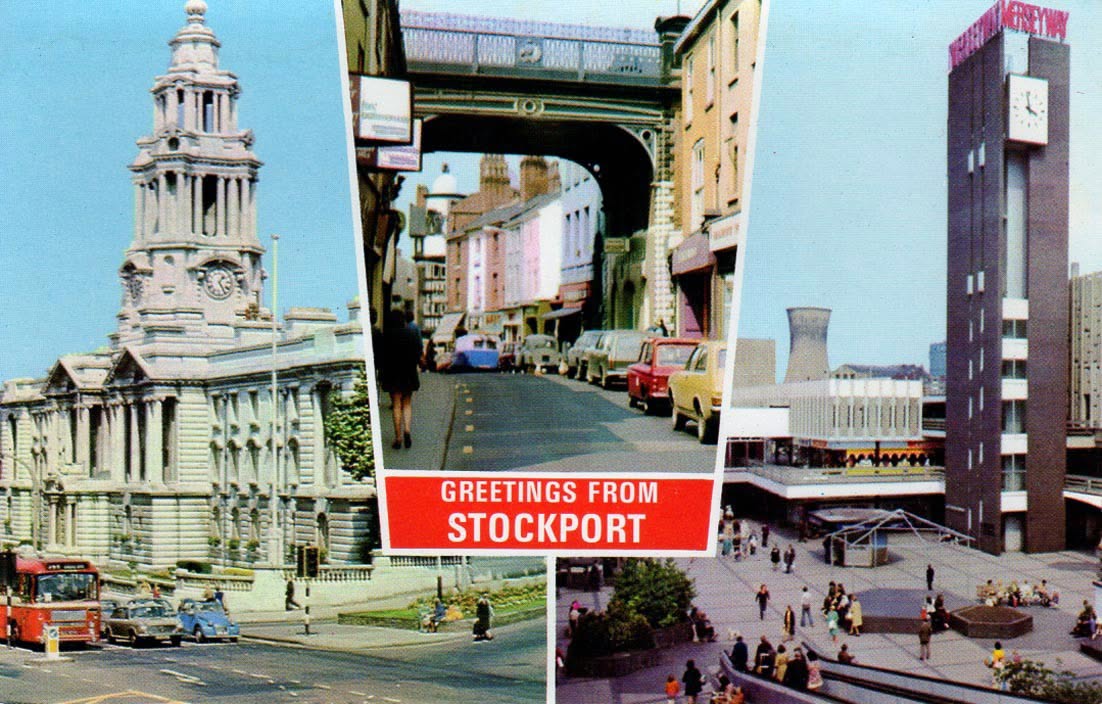
Leaving Wellington Road we head for the Merseyway Precinct – 1965 architects Bernard Engle & Partners.
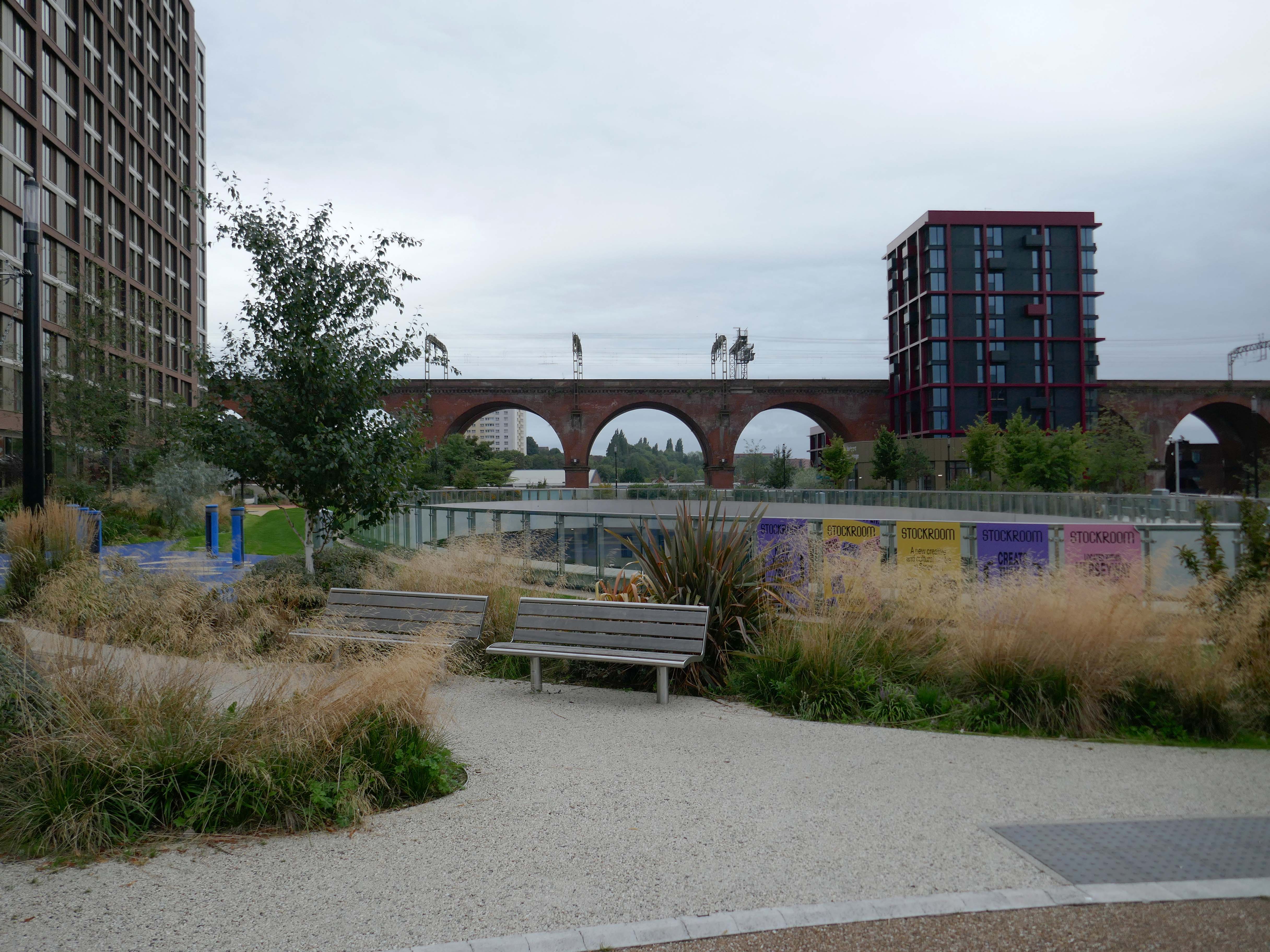
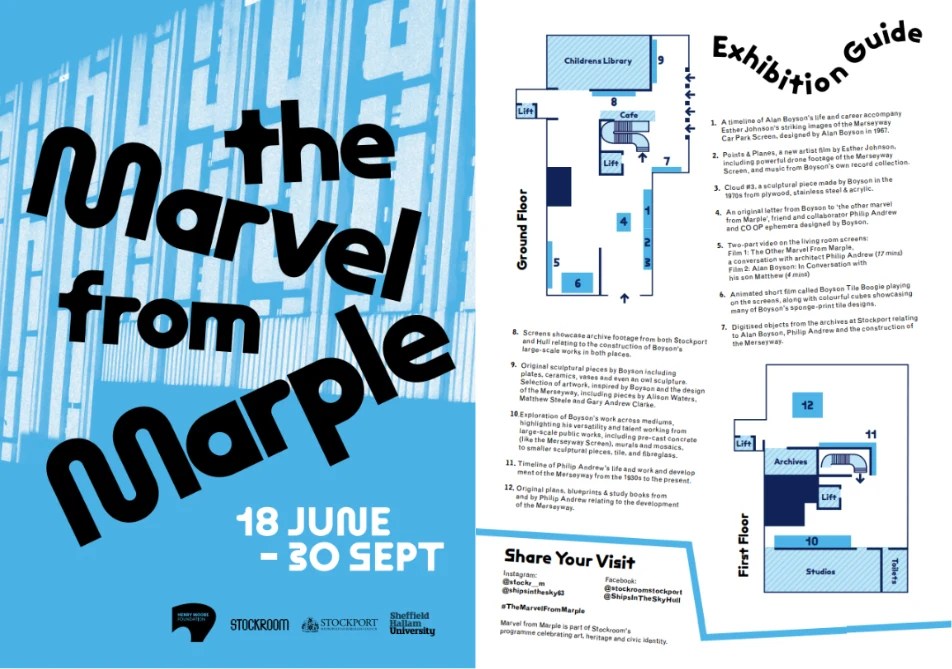
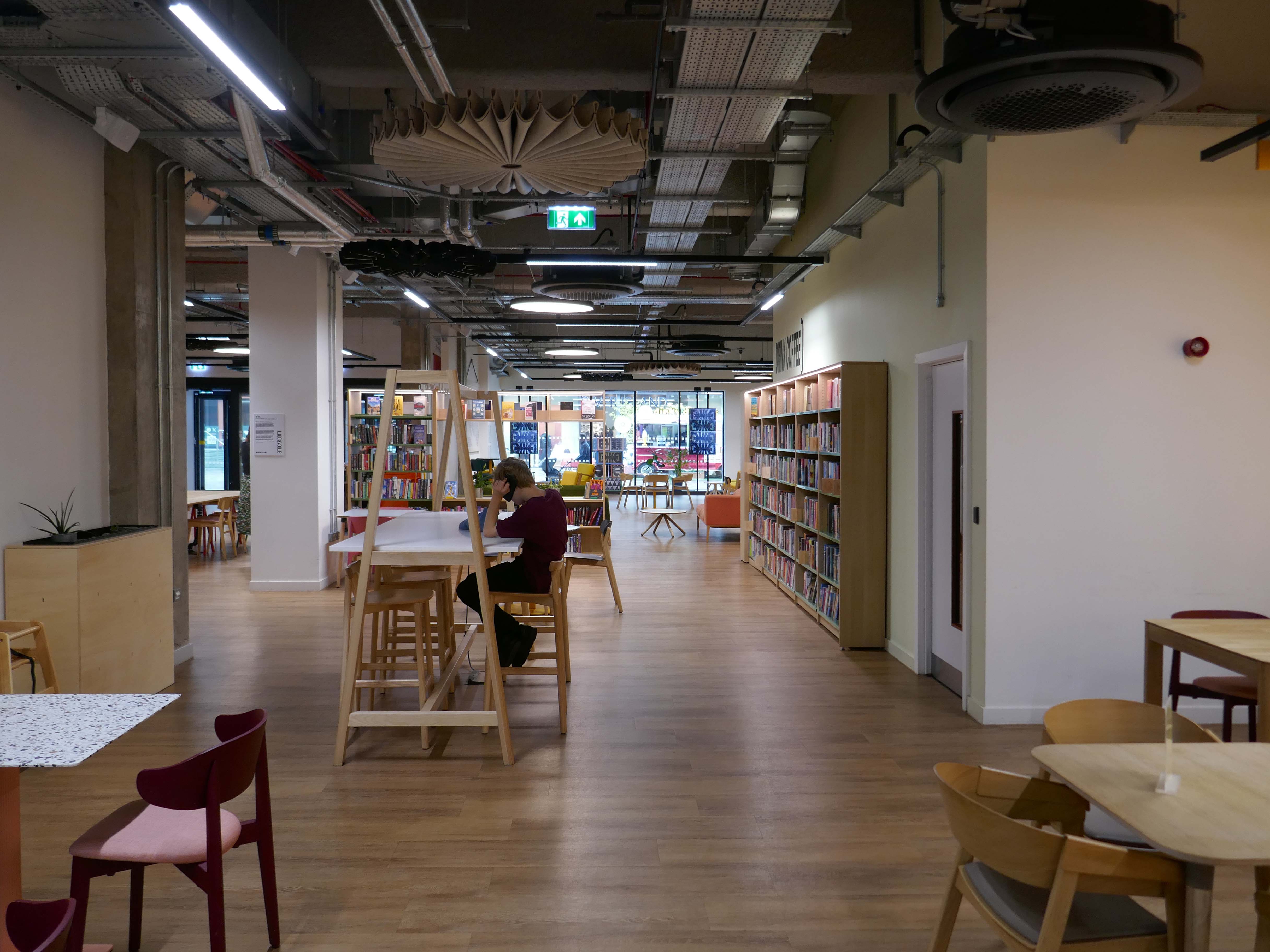
Stockroom is an exciting new creative and cultural centre in Stockport, designed for getting together, getting involved or just popping by for a brew. It has been developed with and for local people and the creative community to build an exceptional communal resource for entertainment and learning.
There’s room for everyone: to make noise, meet friends or find some peace, play, take part, think or do new things.
Part of Stockport’s £1 billion transformation, Stockroom is an ambitious £14.5 million cultural and creative centre that will breathe new life into the heart of the town.
Located in previously disused retail units, Stockroom has been brought to life through funding from UK Government’s Future High Streets Fund, which aims to rejuvenate town centres across the country.
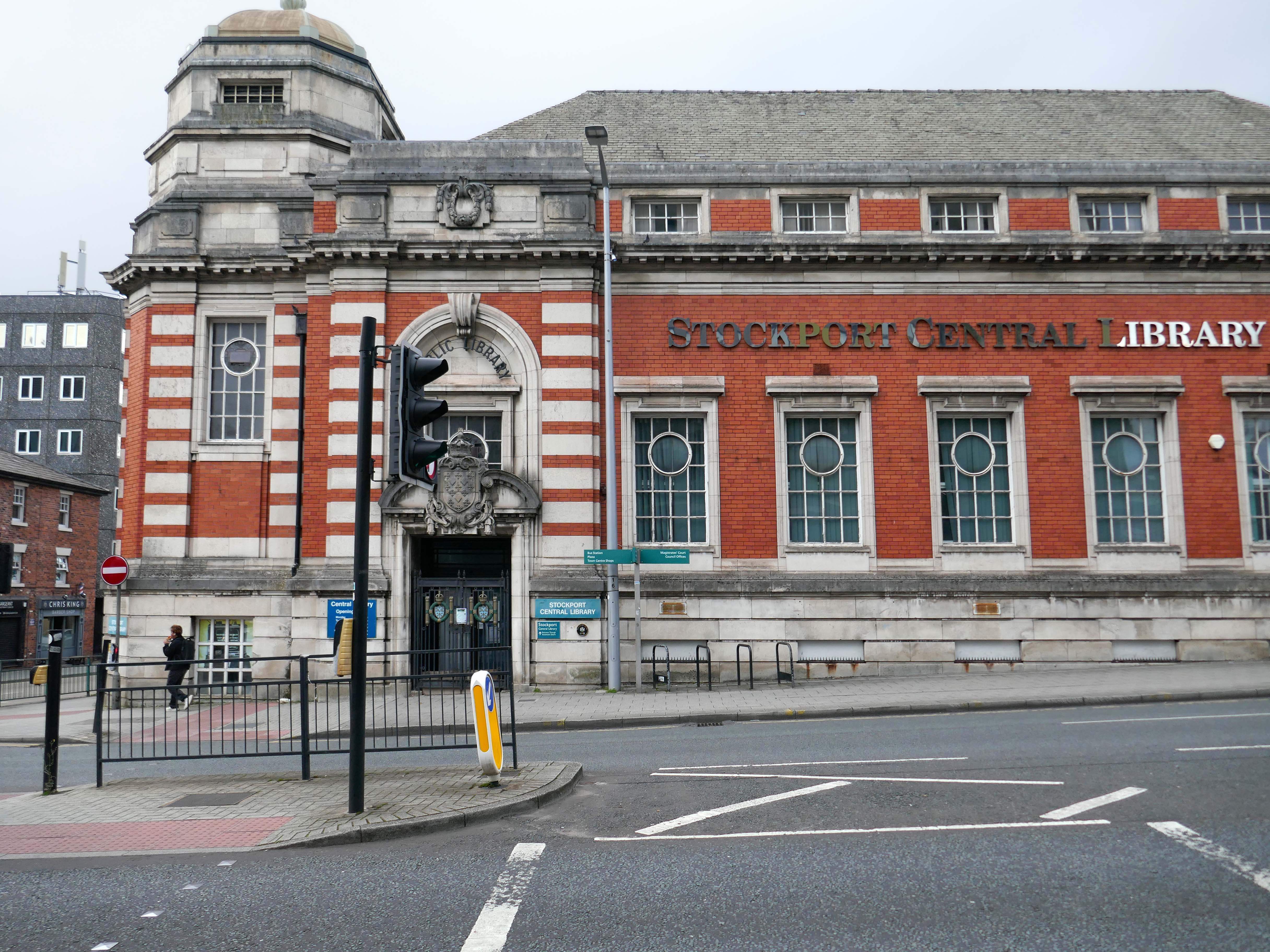
Otherwise open to access the Library service and archives, eat drink and play, use a computer, or a lavatory, read whilst relaxing in a comfy chair, stay cool or warm, stare into space either upstairs or downstairs.
Whatever floats your personal boat, though currently unsuitable for floating actual boats.
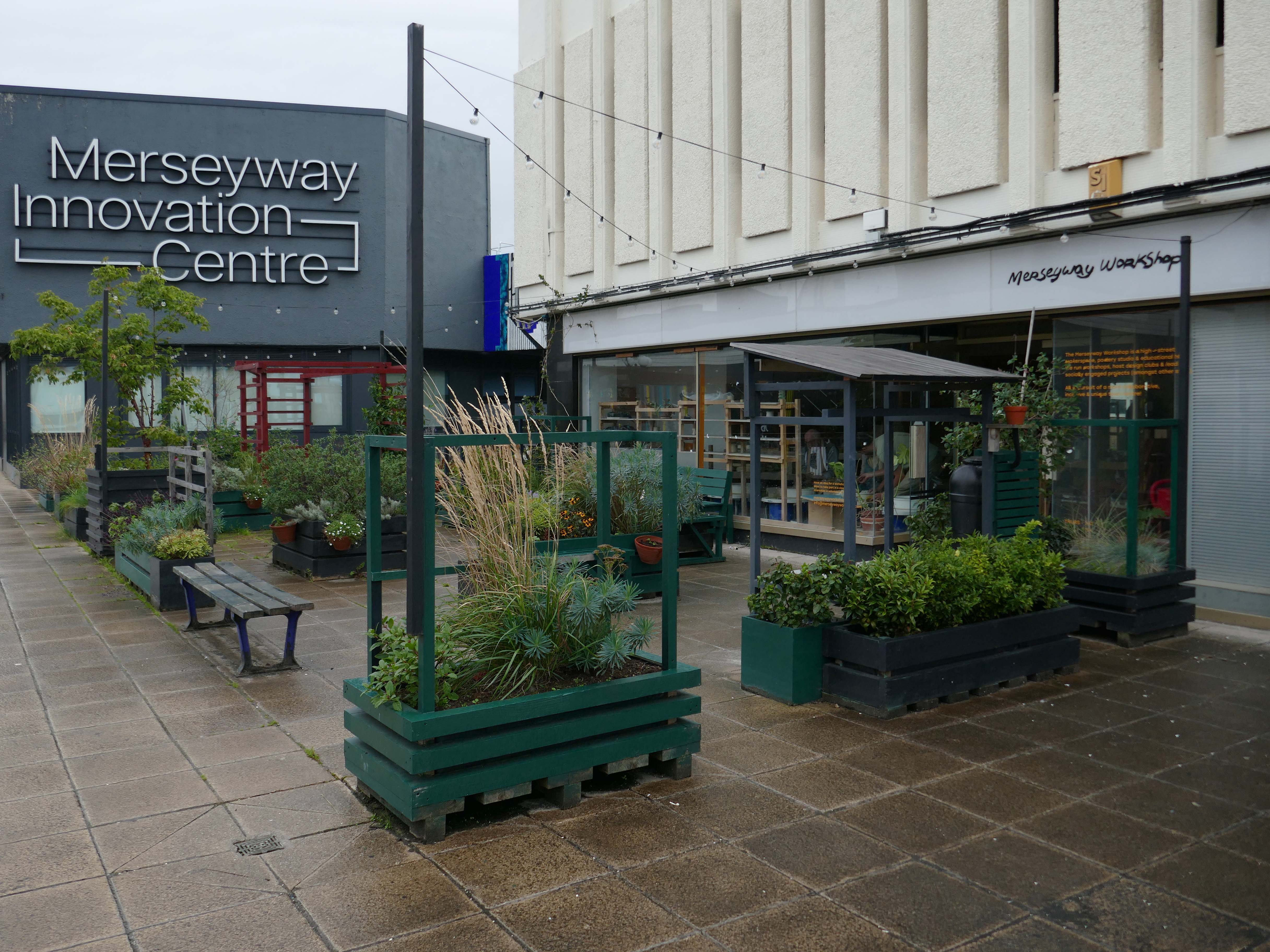
Mention must be made of near neighbours the Merseyway Workshop – the plant planters who we met up at Stopford House.
The Merseyway Workshop is a community focused, inspiring place for innovation and collaboration.
A DIY-style hub on Stockport’s pedestrianised high-street. Offering open use of creative workshops, drop-in activity sessions and skill exchanges.
Working in clay and wood, access to a fully equipped B&W darkroom and so much more.
One short mile or so a cornucopia of history – layer upon layer of exciting architecture.
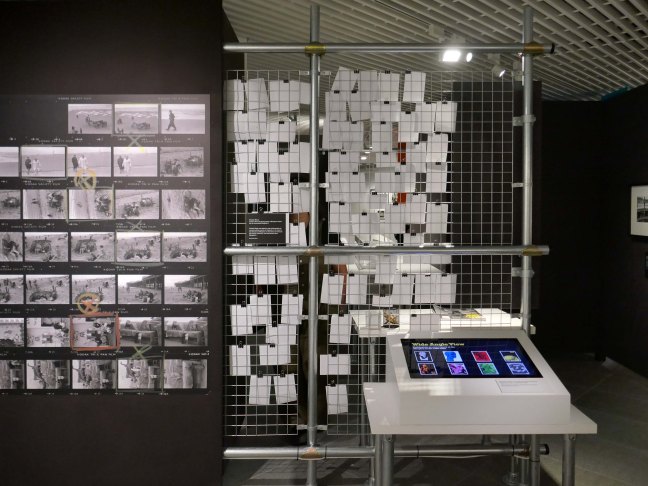
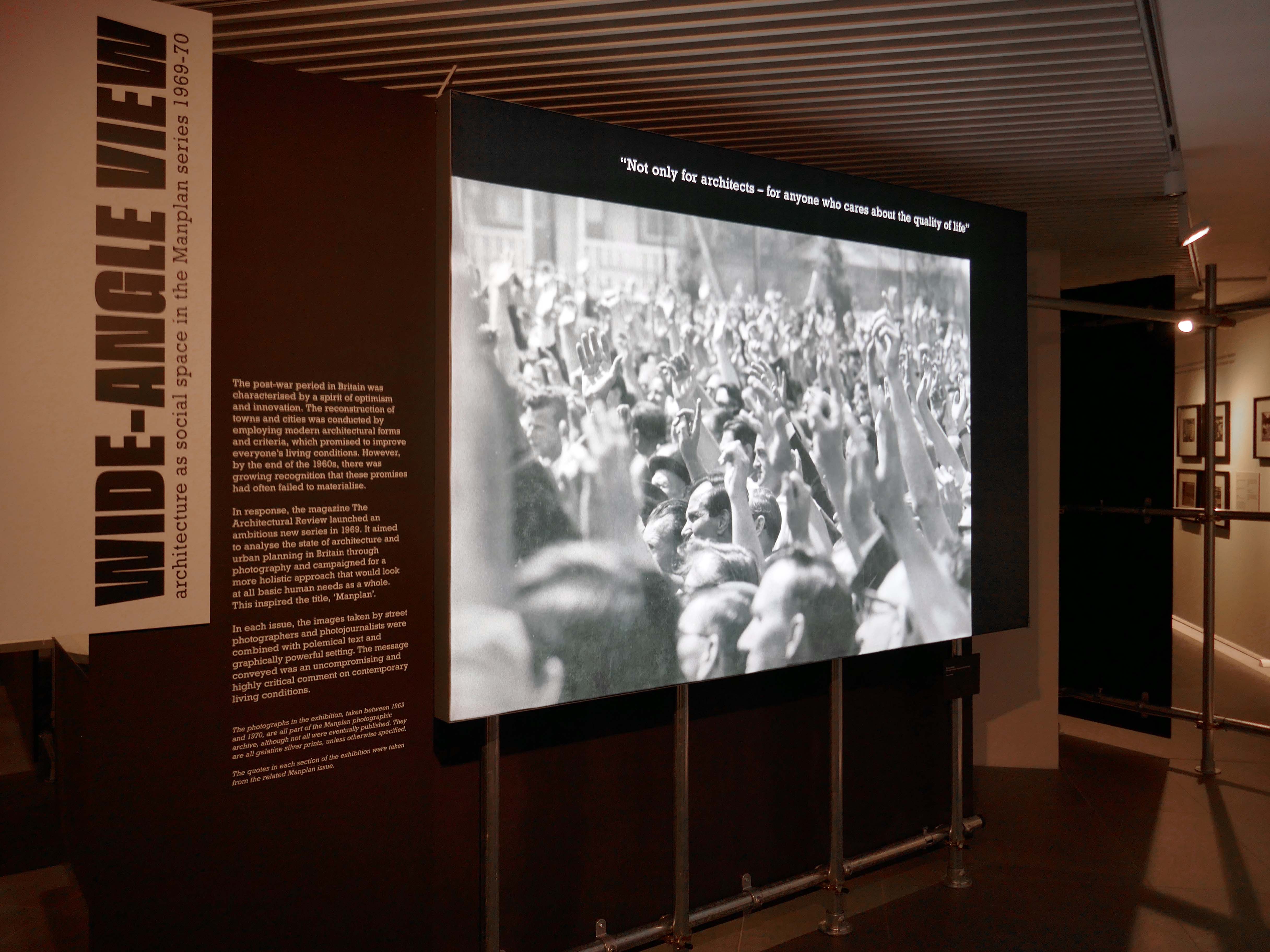
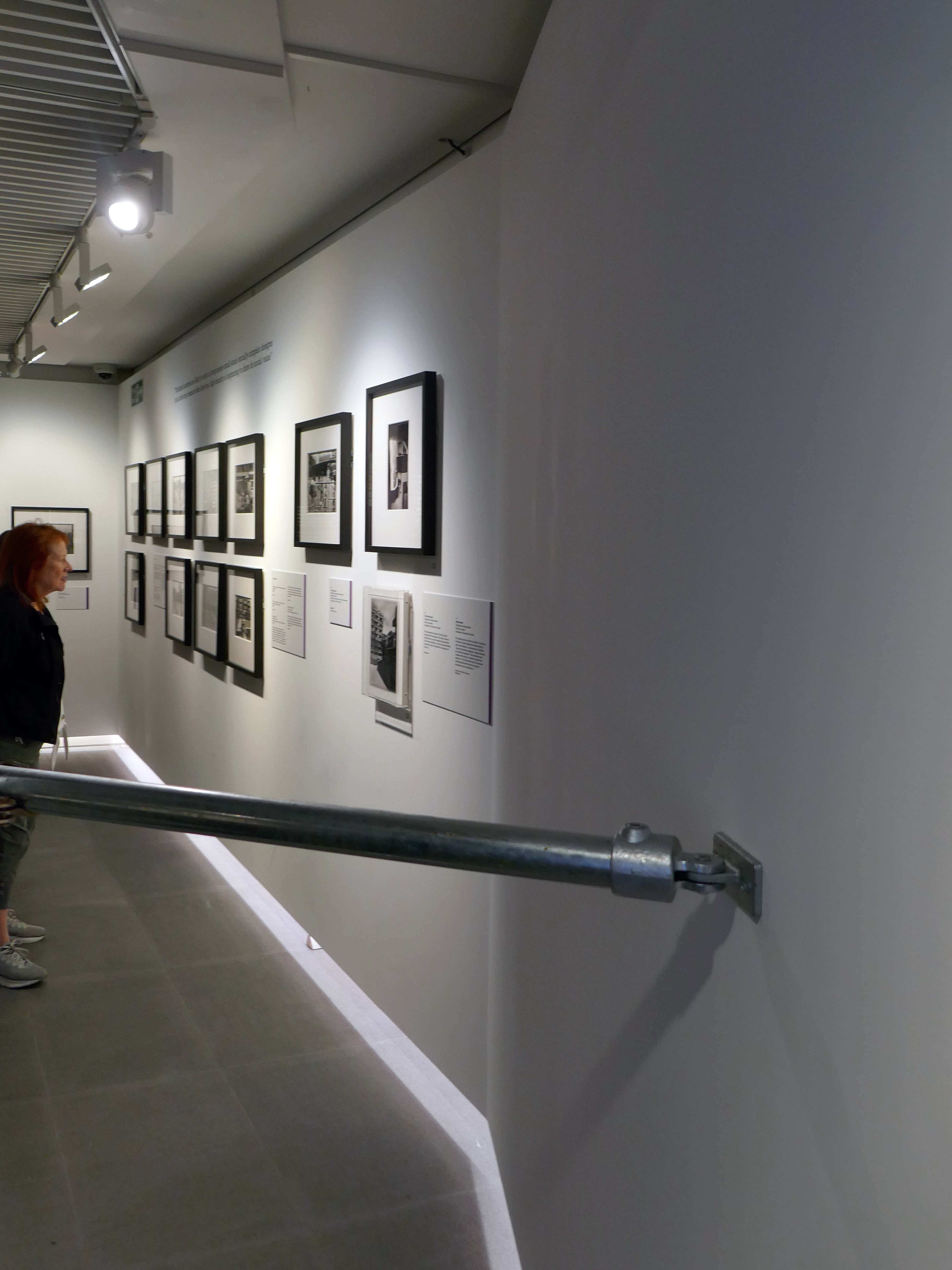
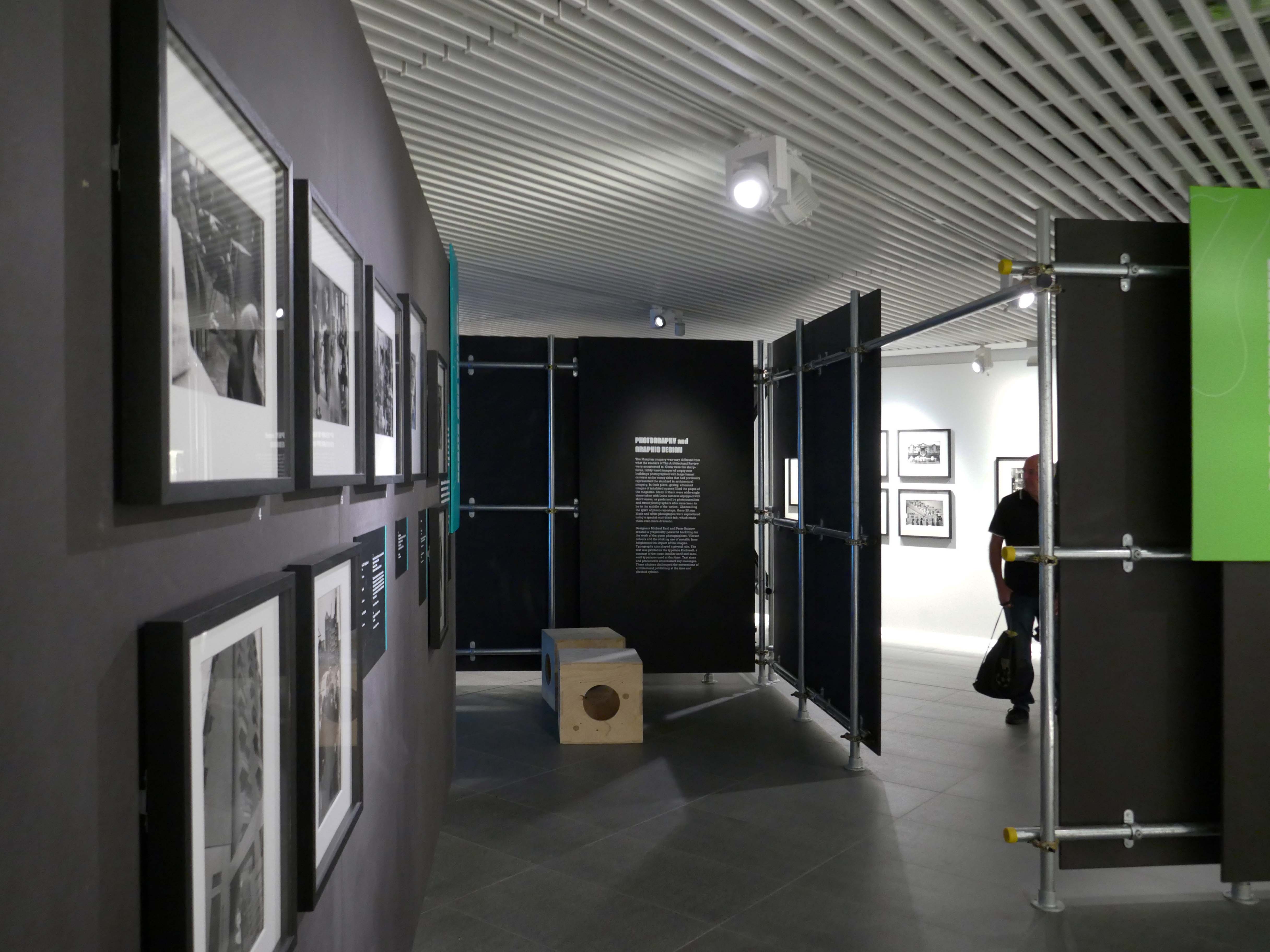
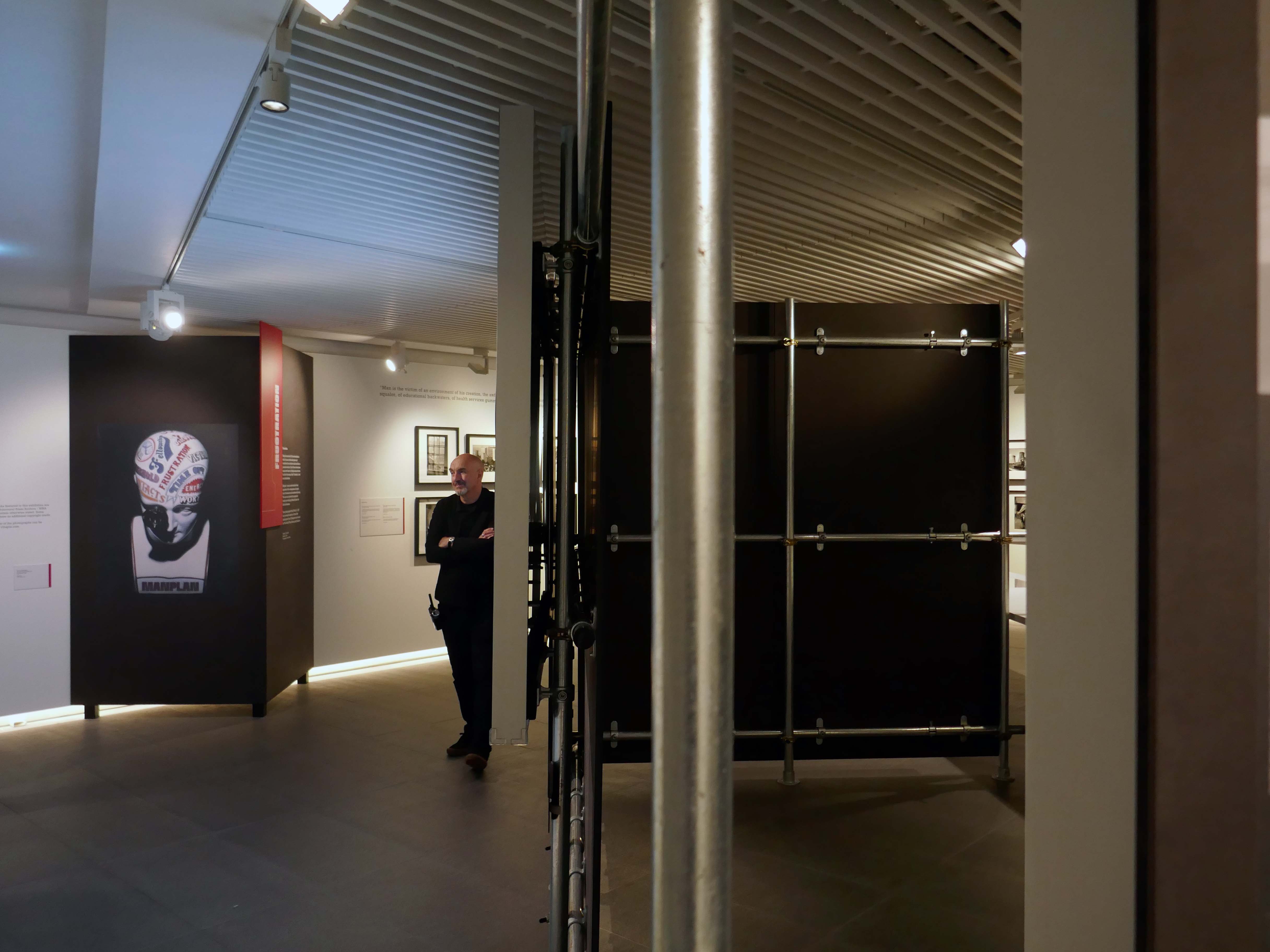
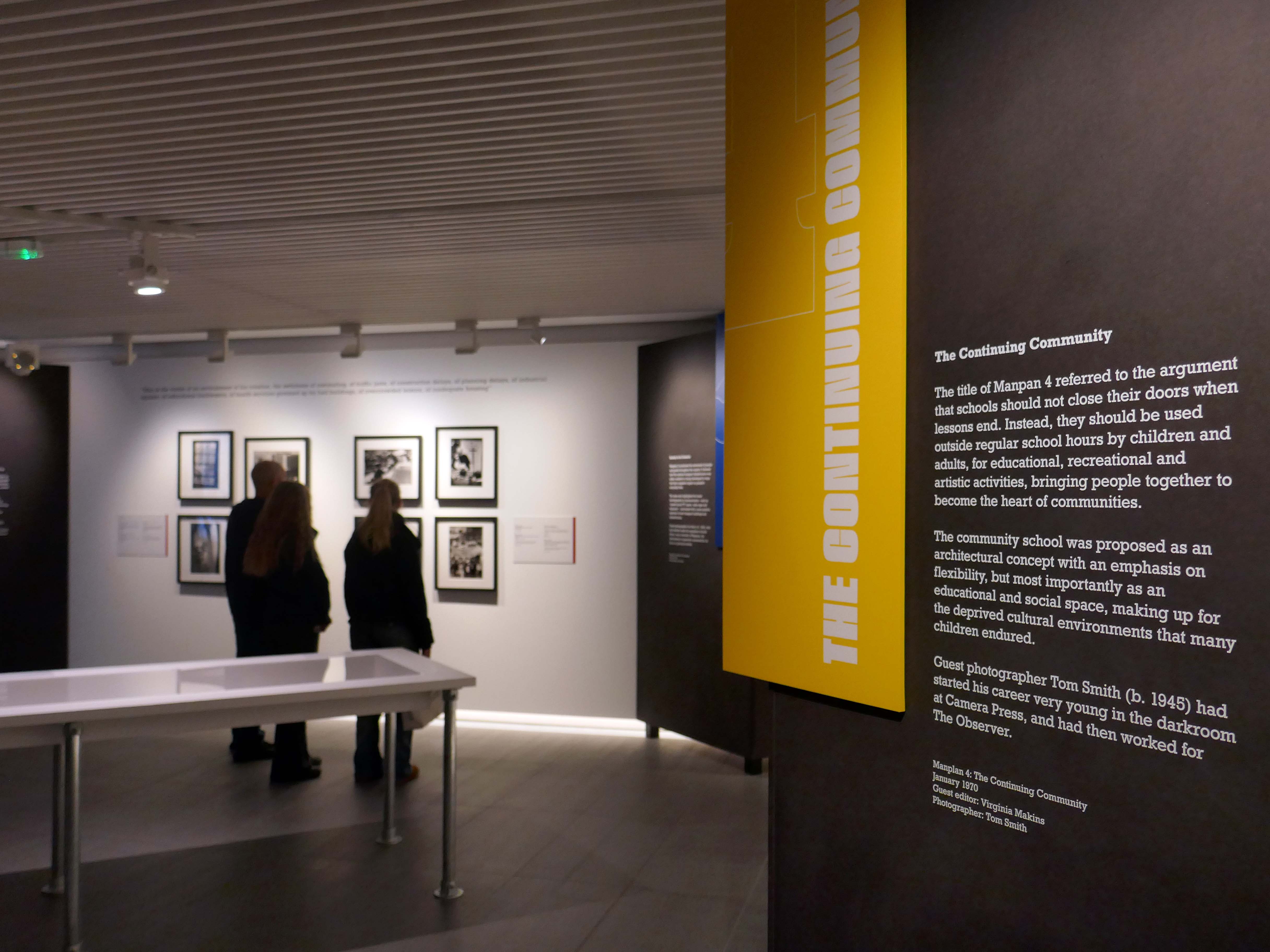
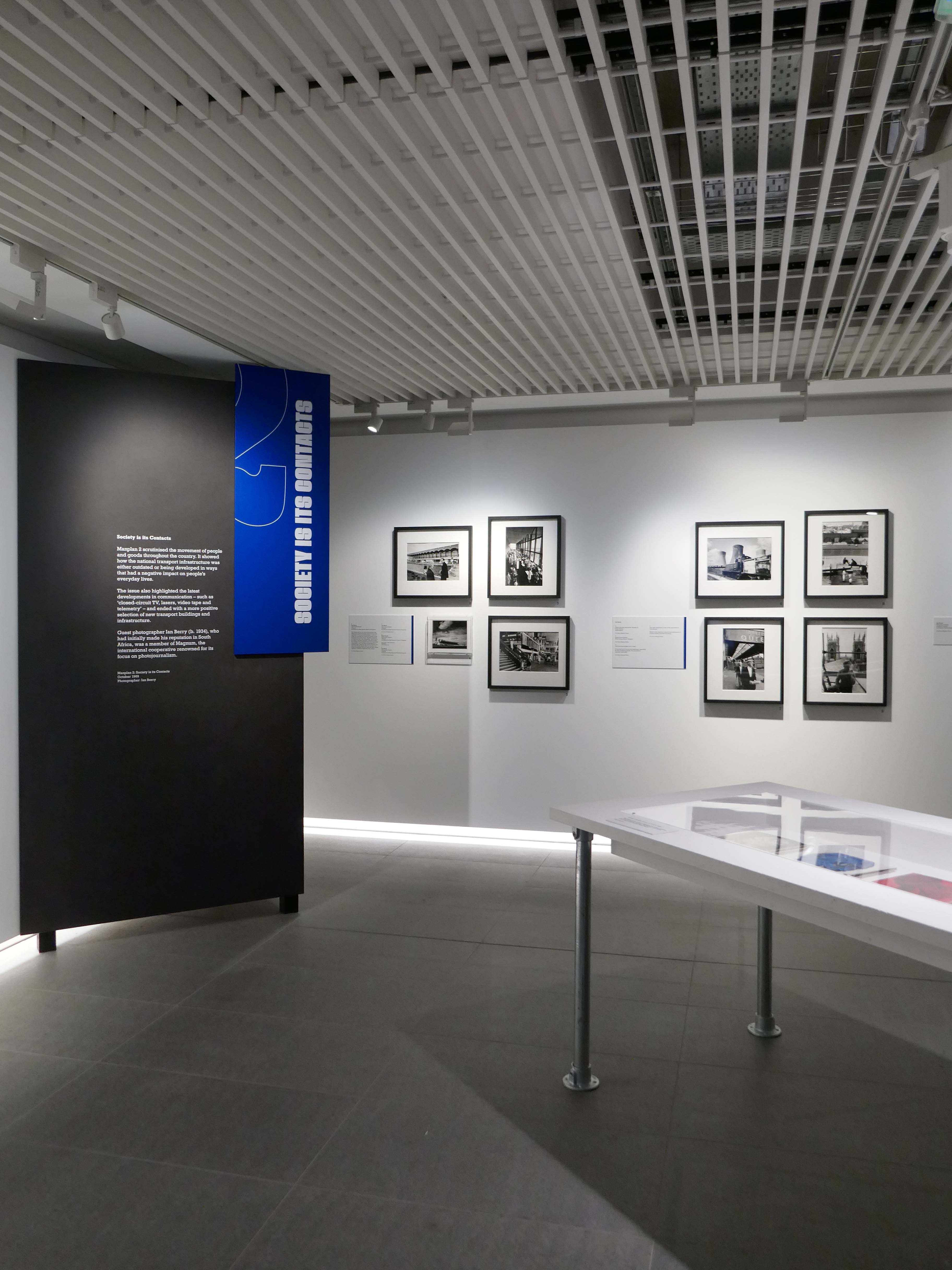
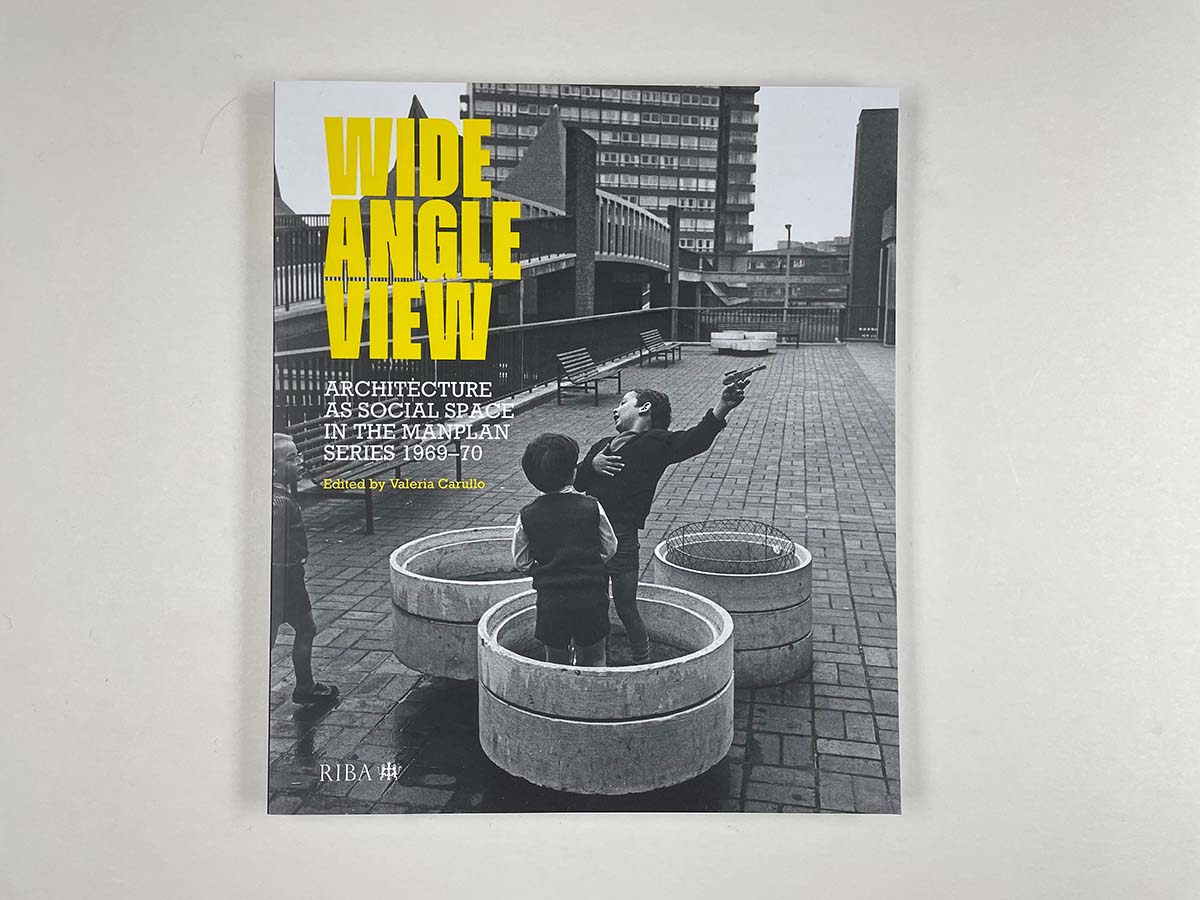
So here we are at RIBA North to take a closeup wide angle view of the past.
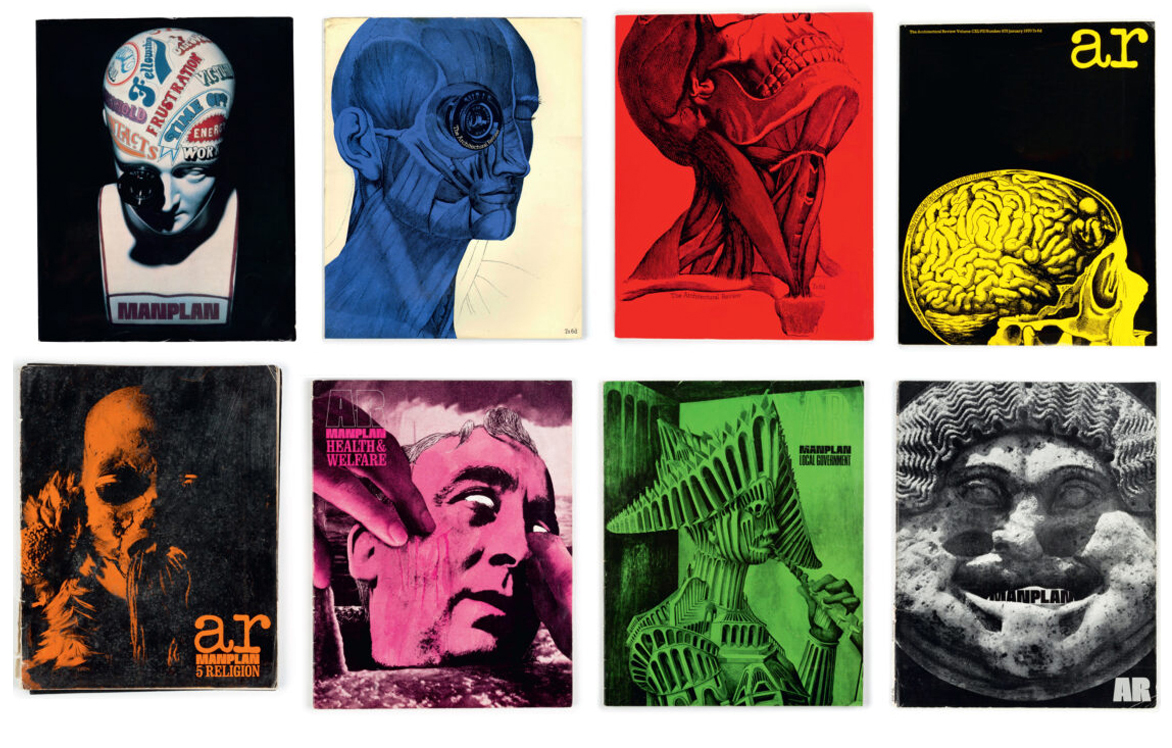
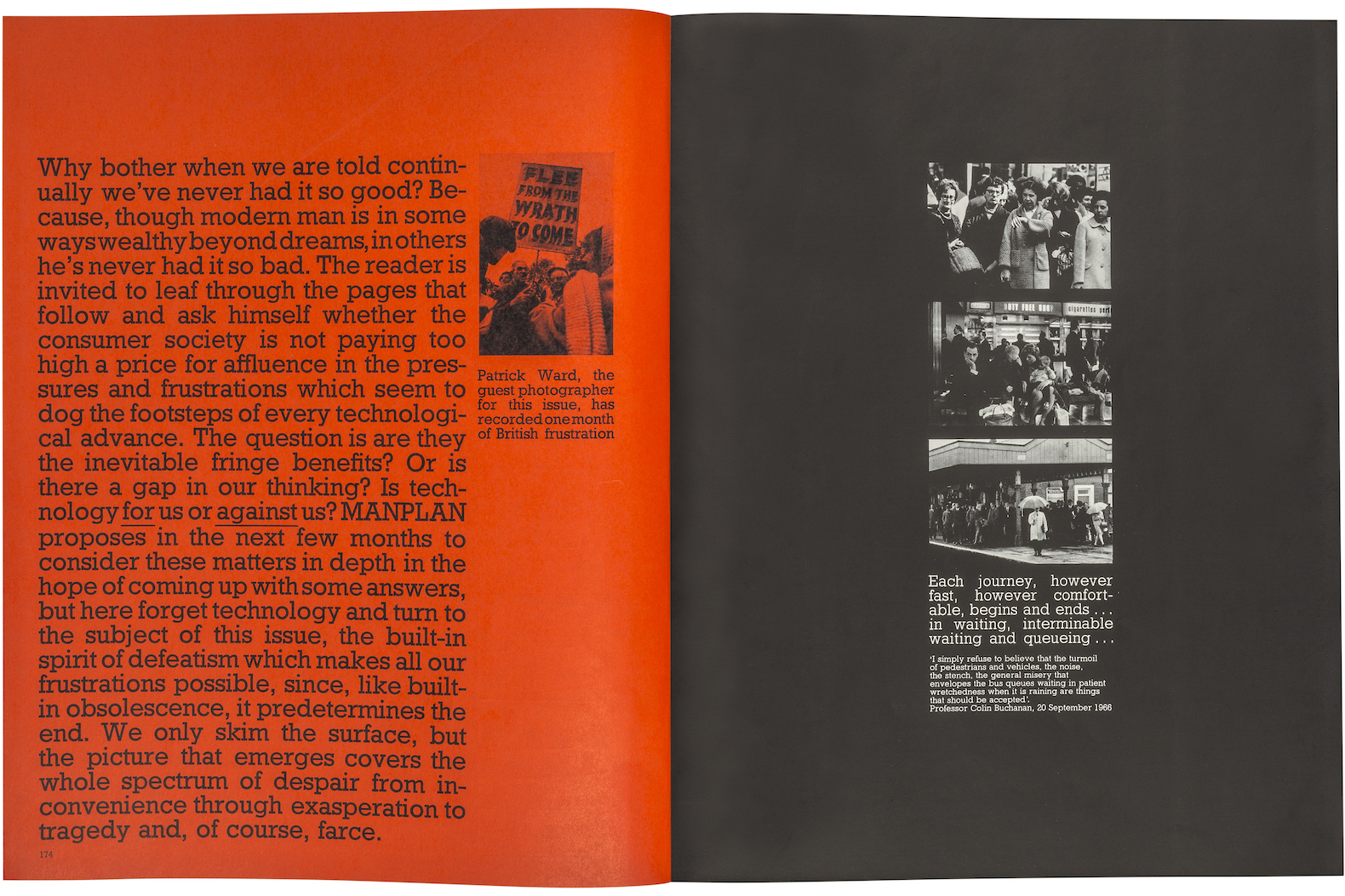
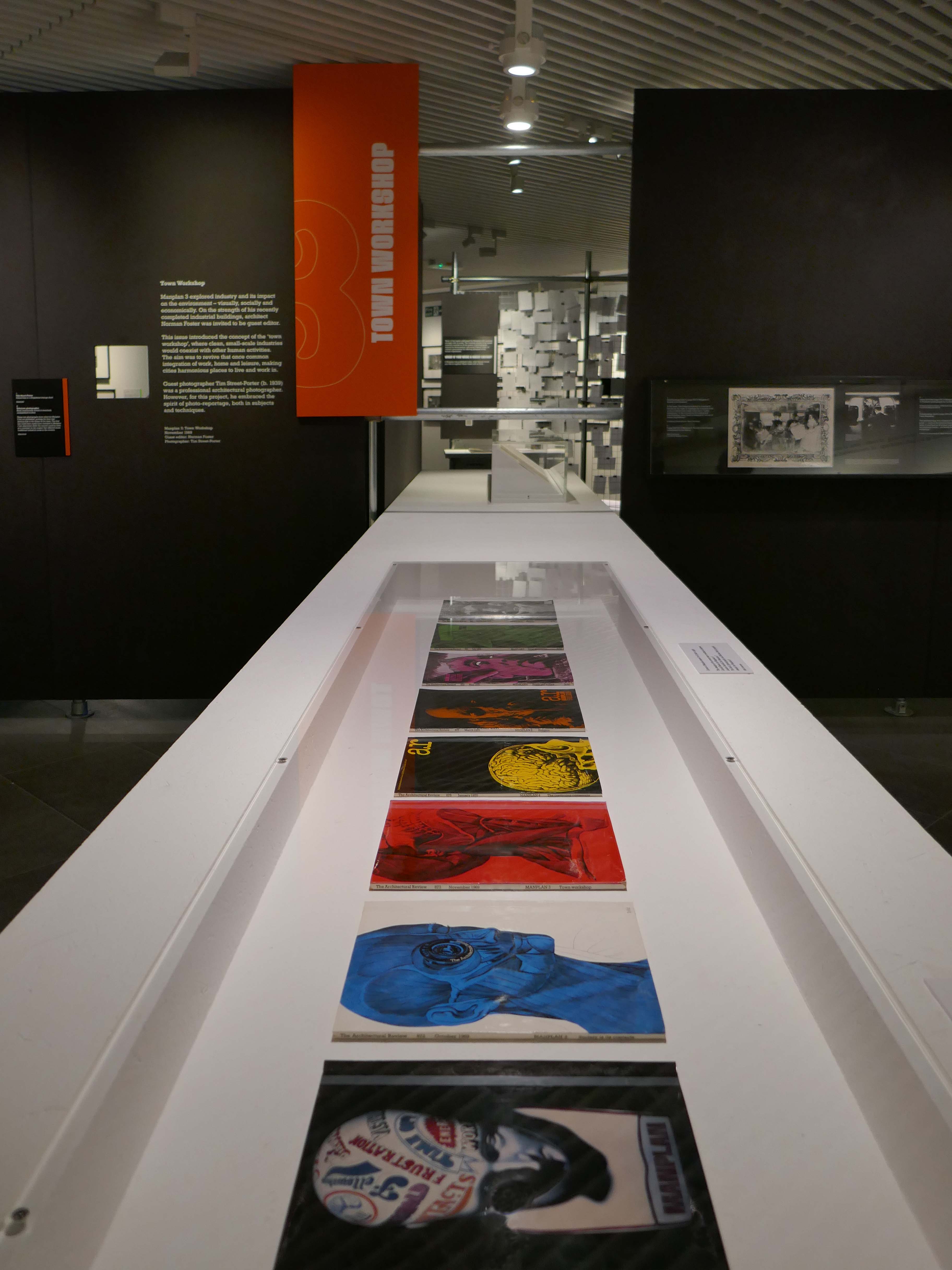
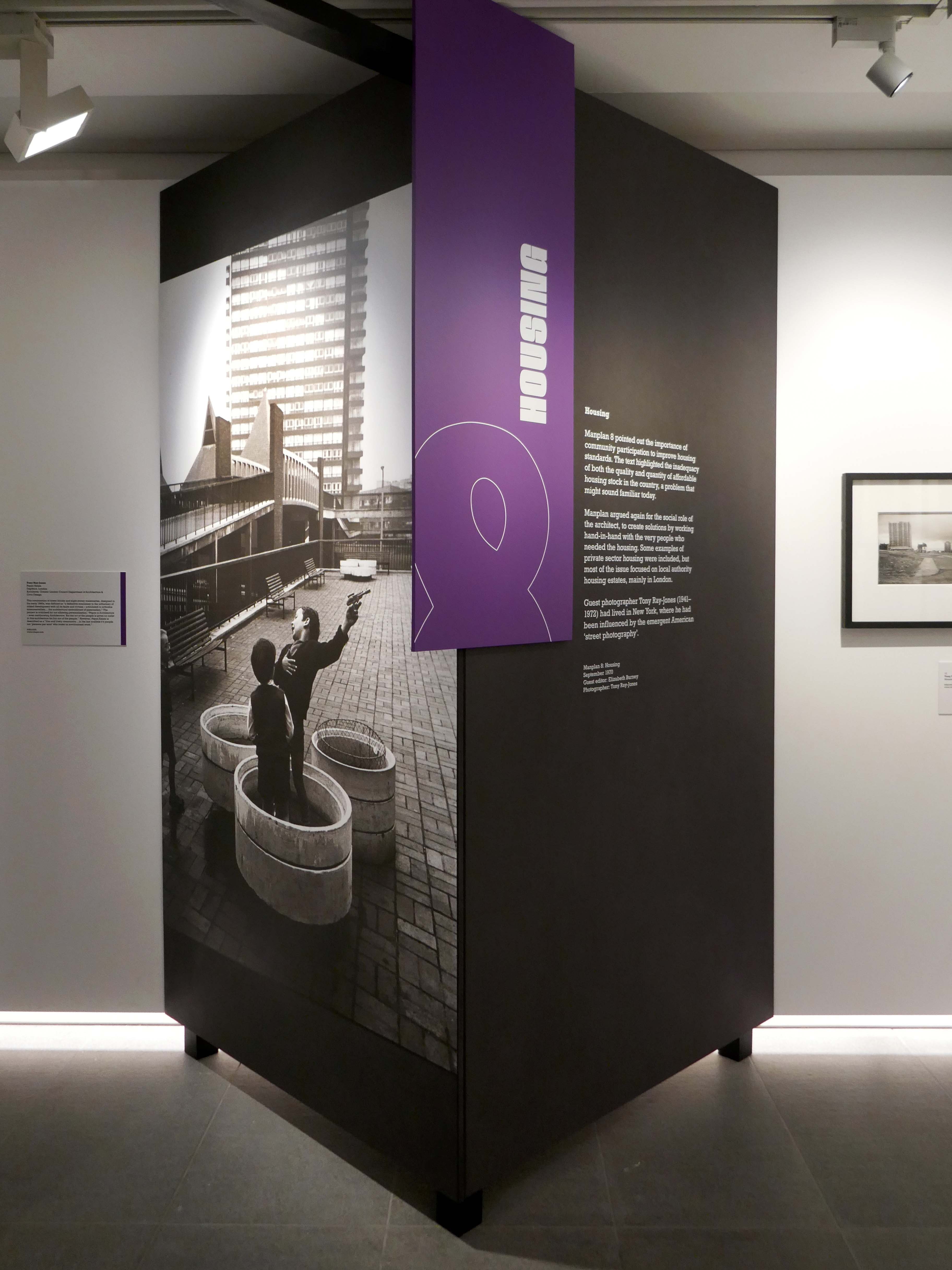
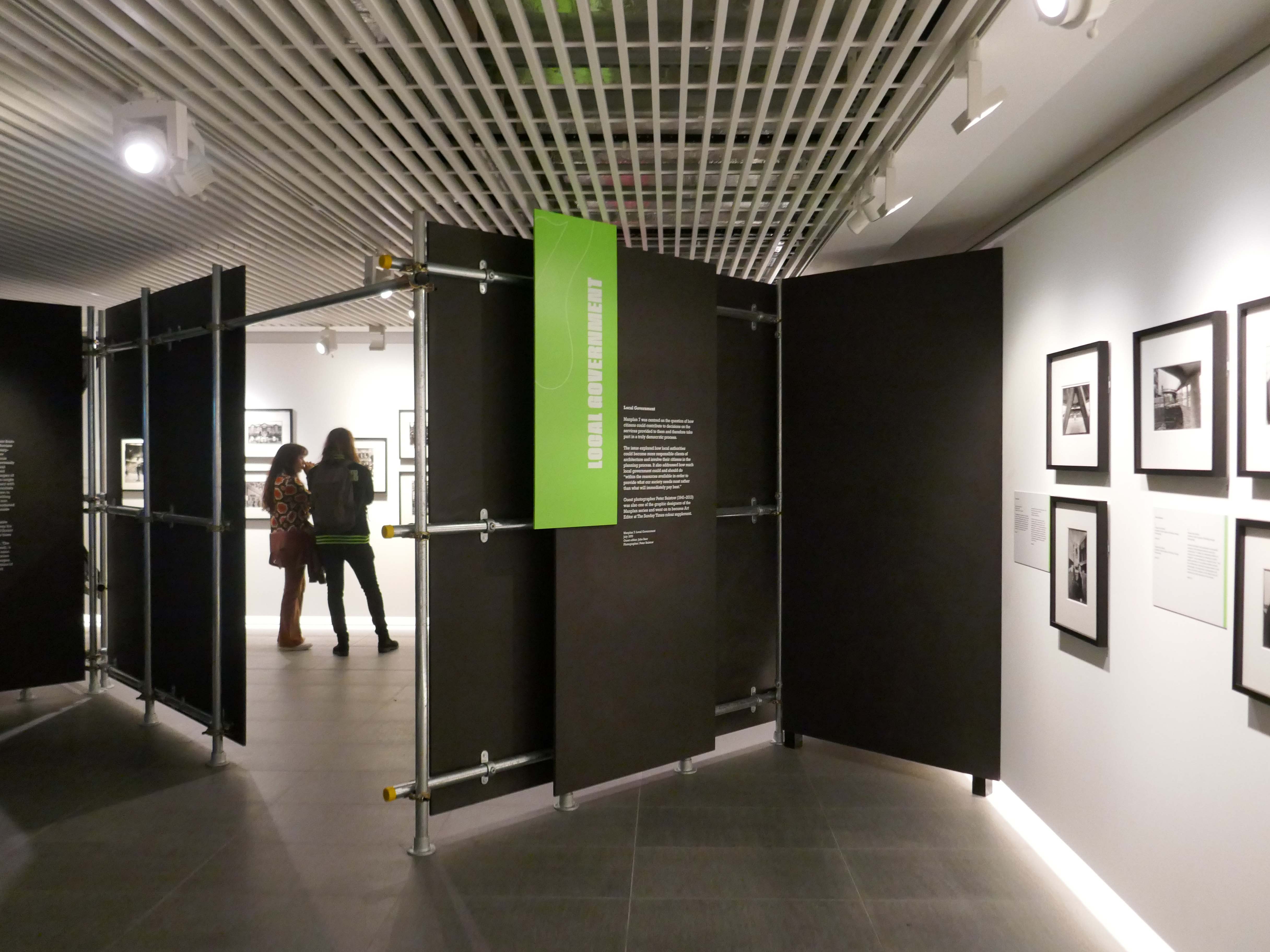
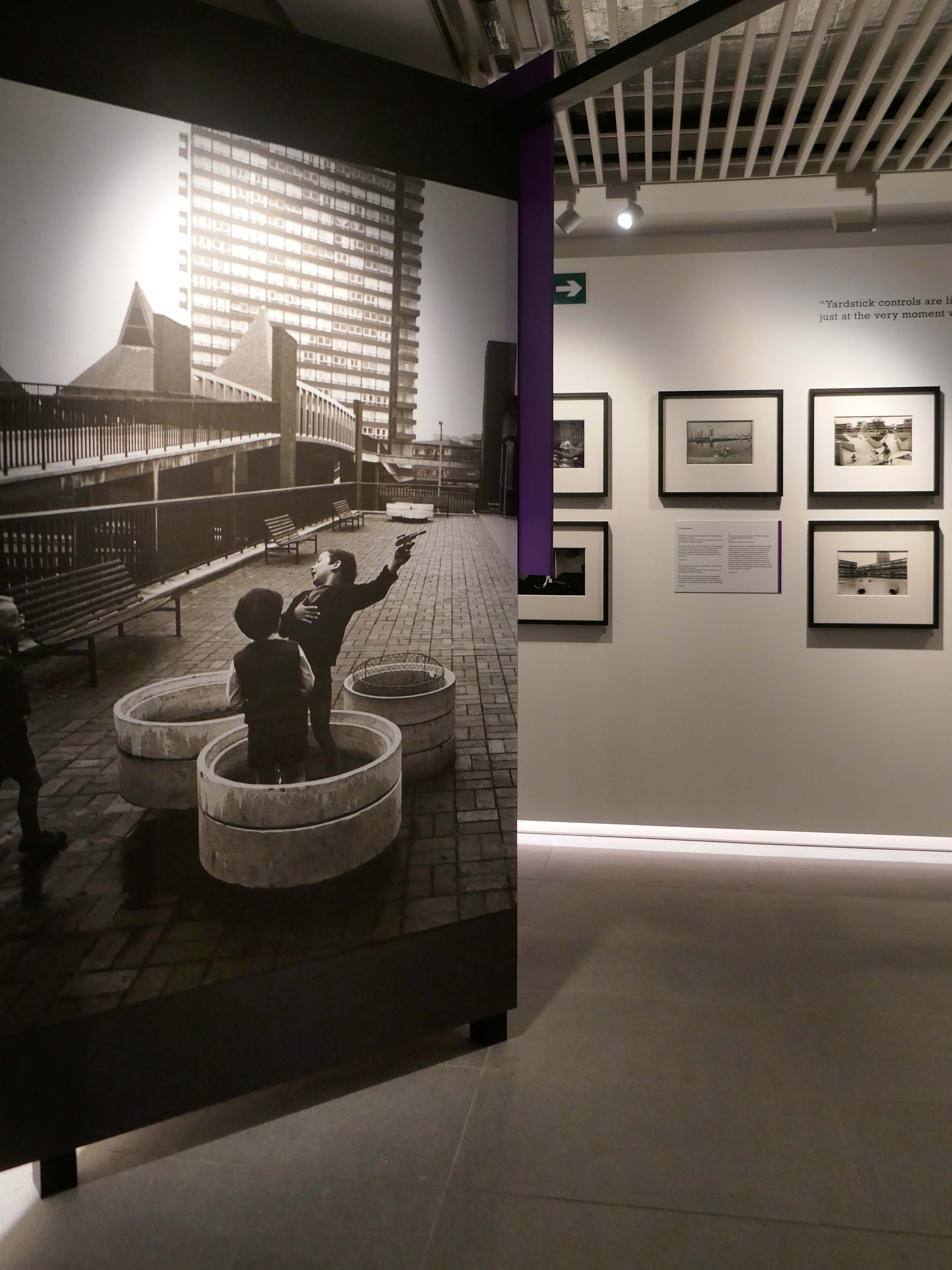
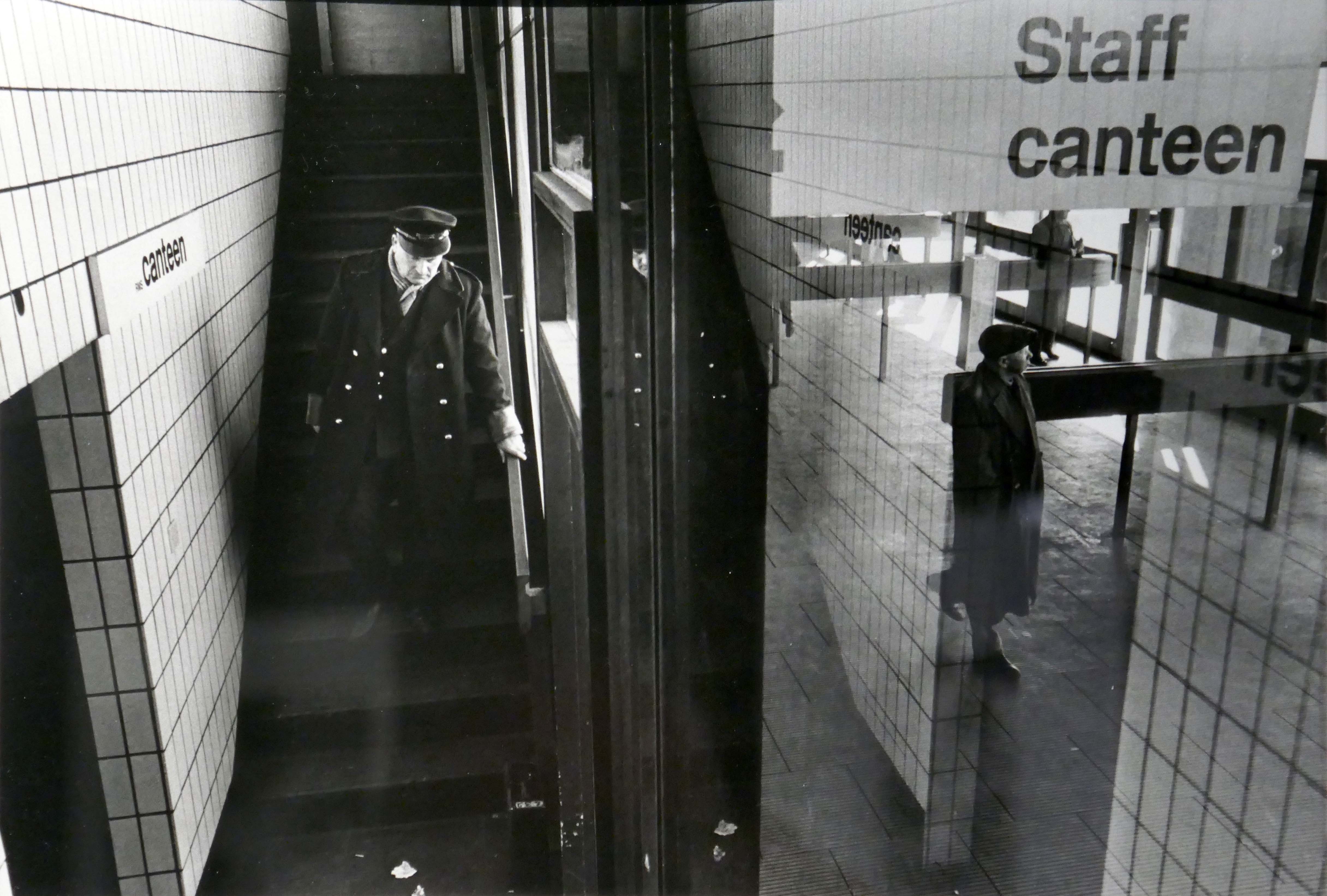
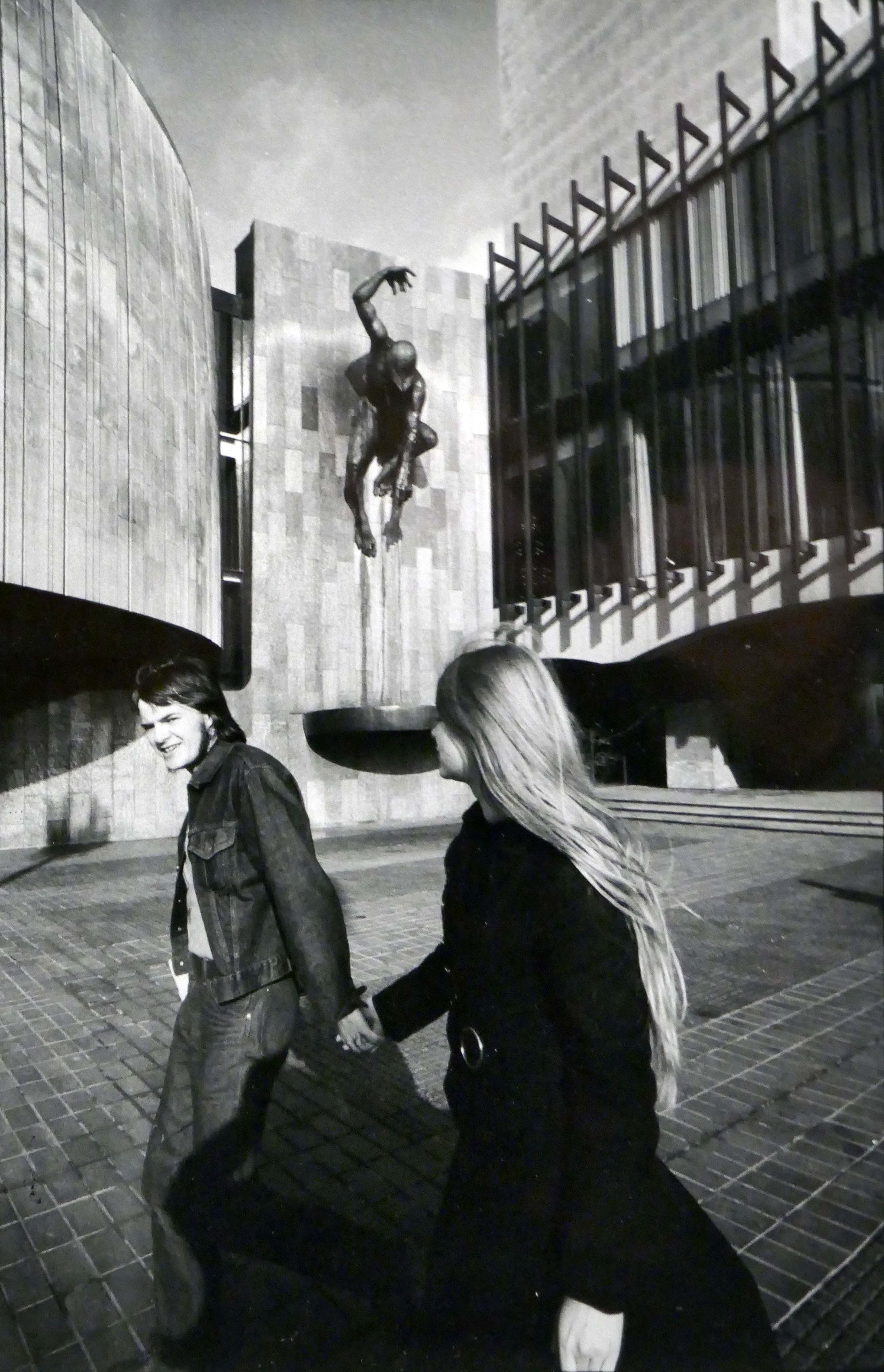
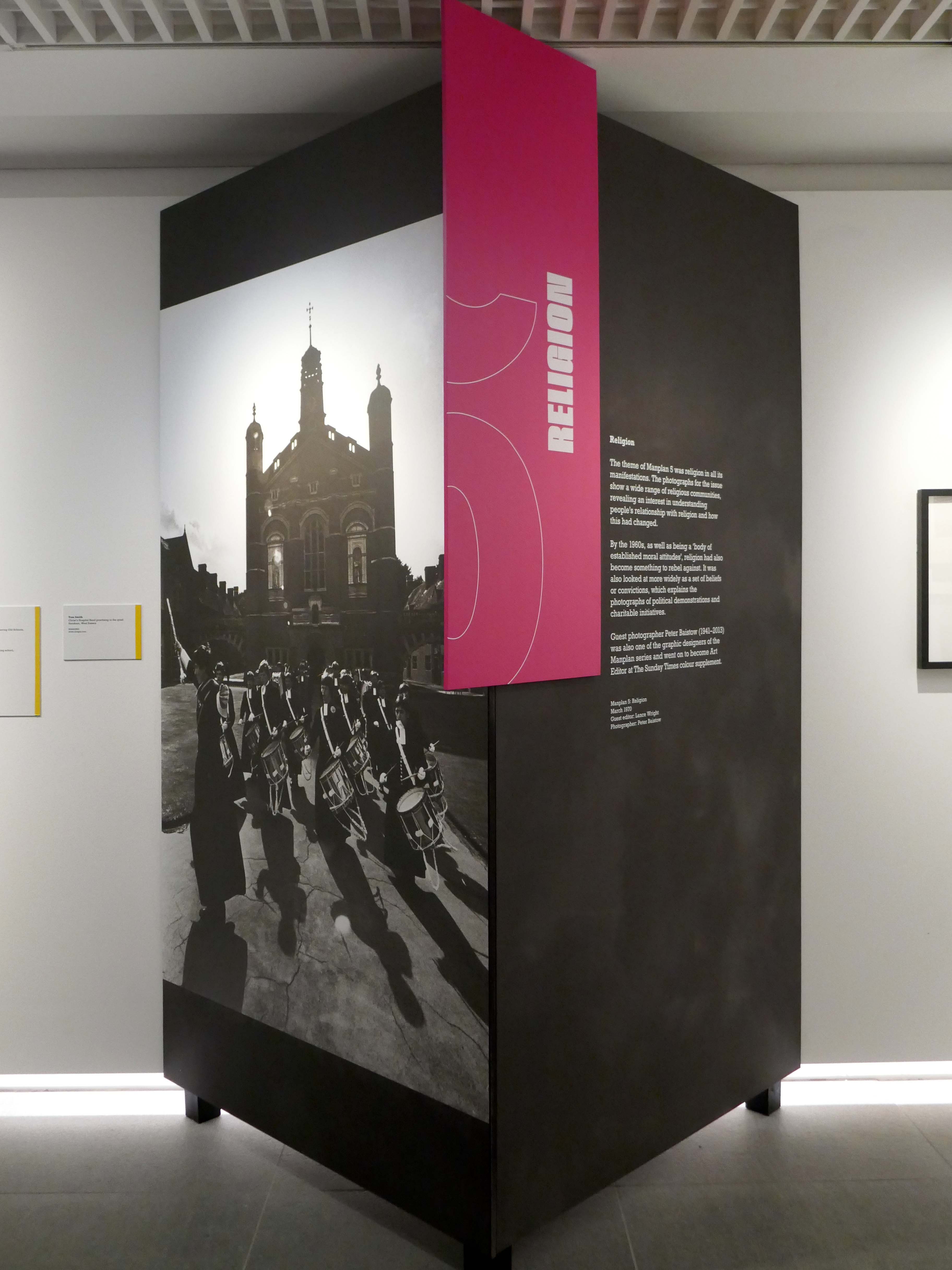
In 1969, the Architectural Review magazine launched Manplan, a ground-breaking and often uncompromising assessment of Britain’s built environment at the end of the sixties.
Combining pioneering graphic and print techniques with powerful photojournalism, the attention grabbing magazine sought to question and critique architectural ideas at the time.
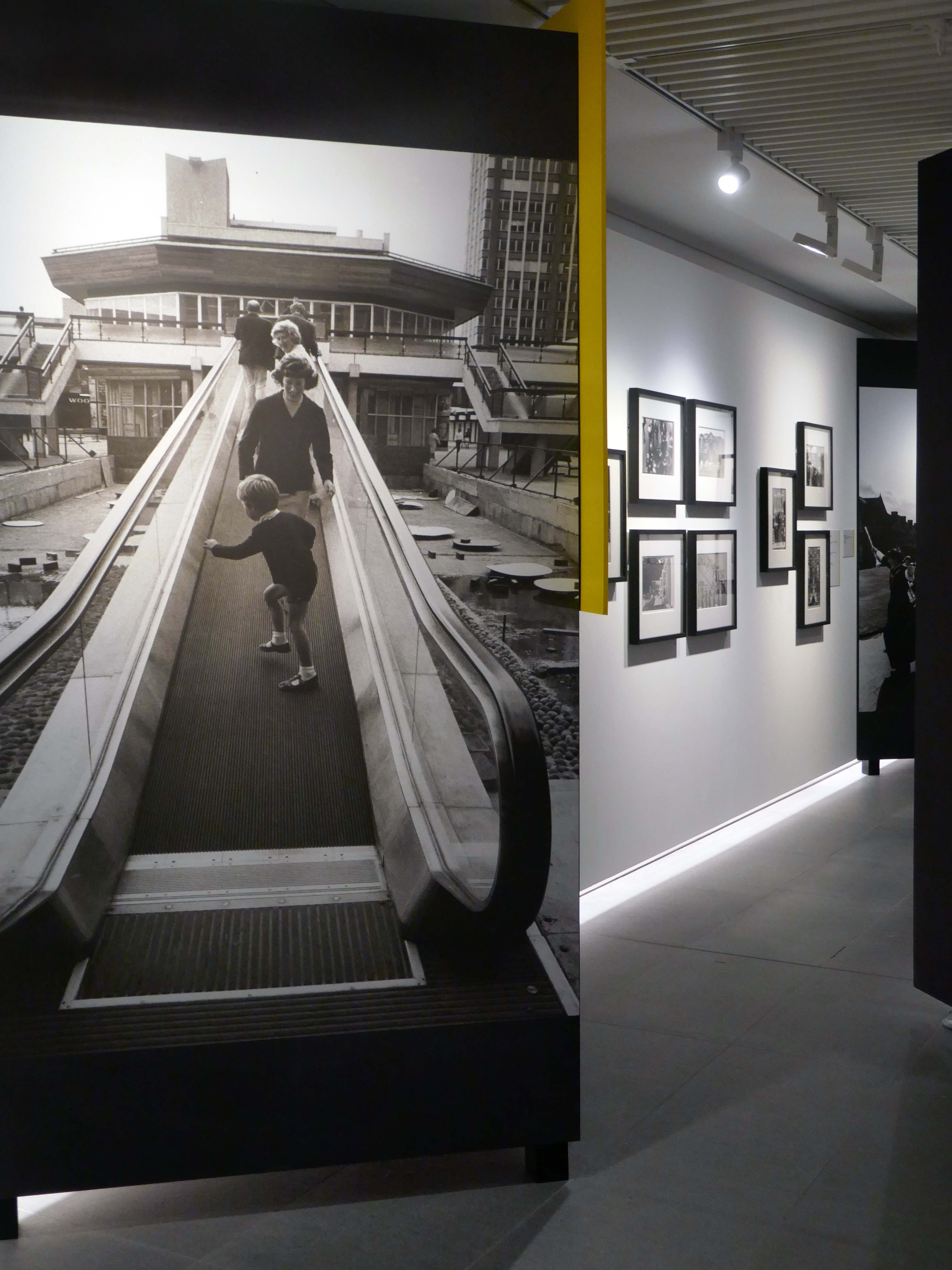
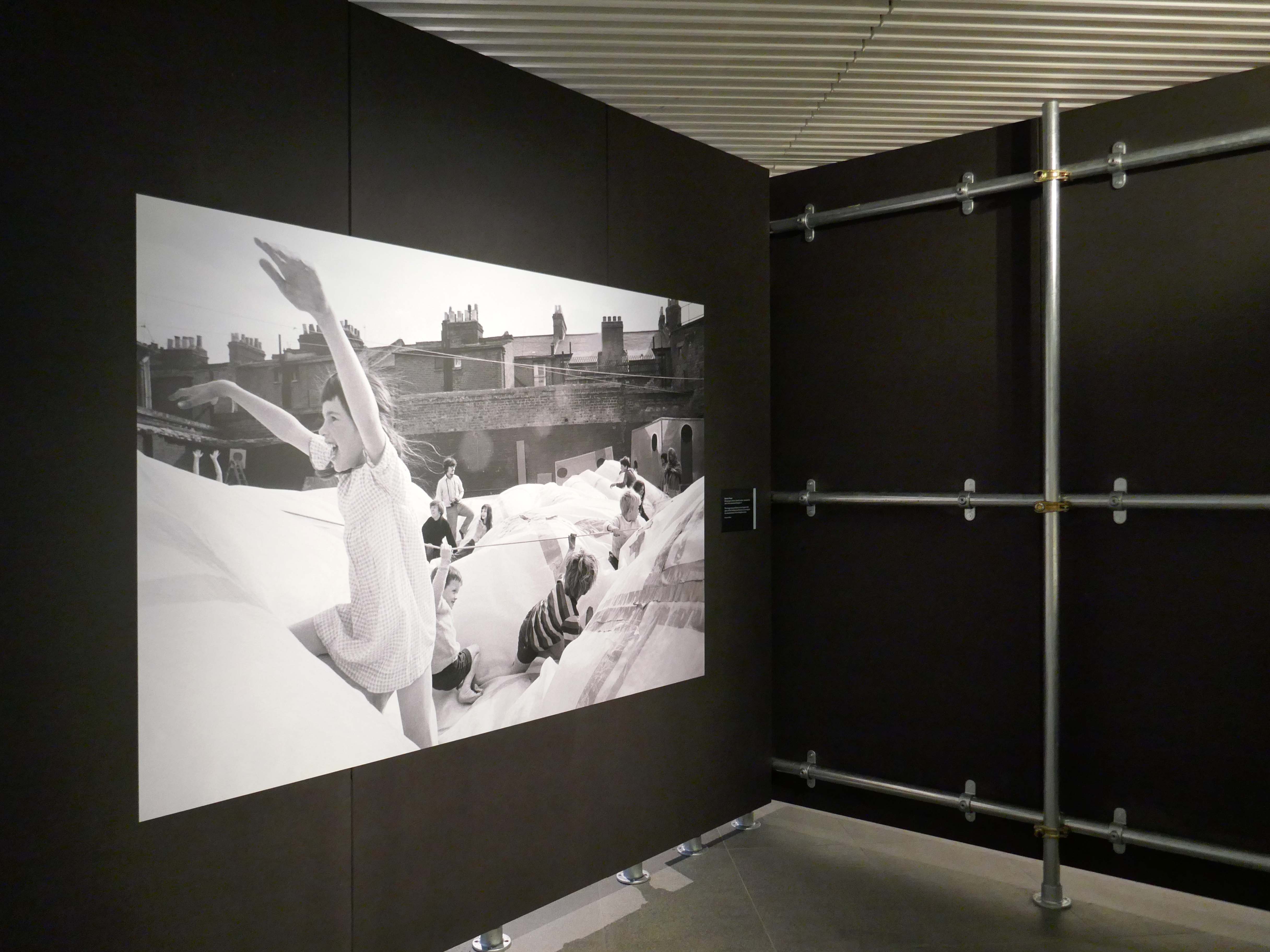
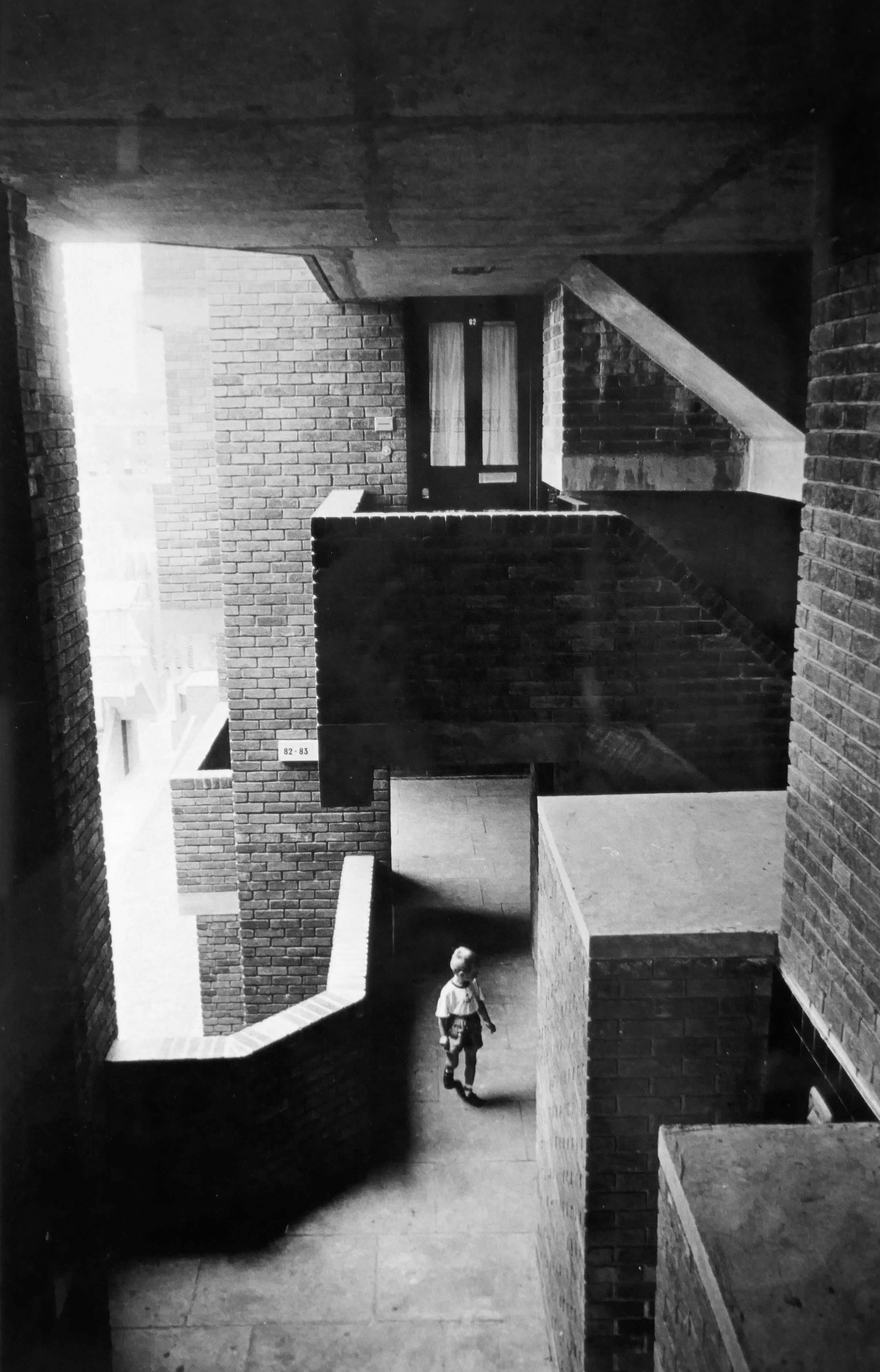
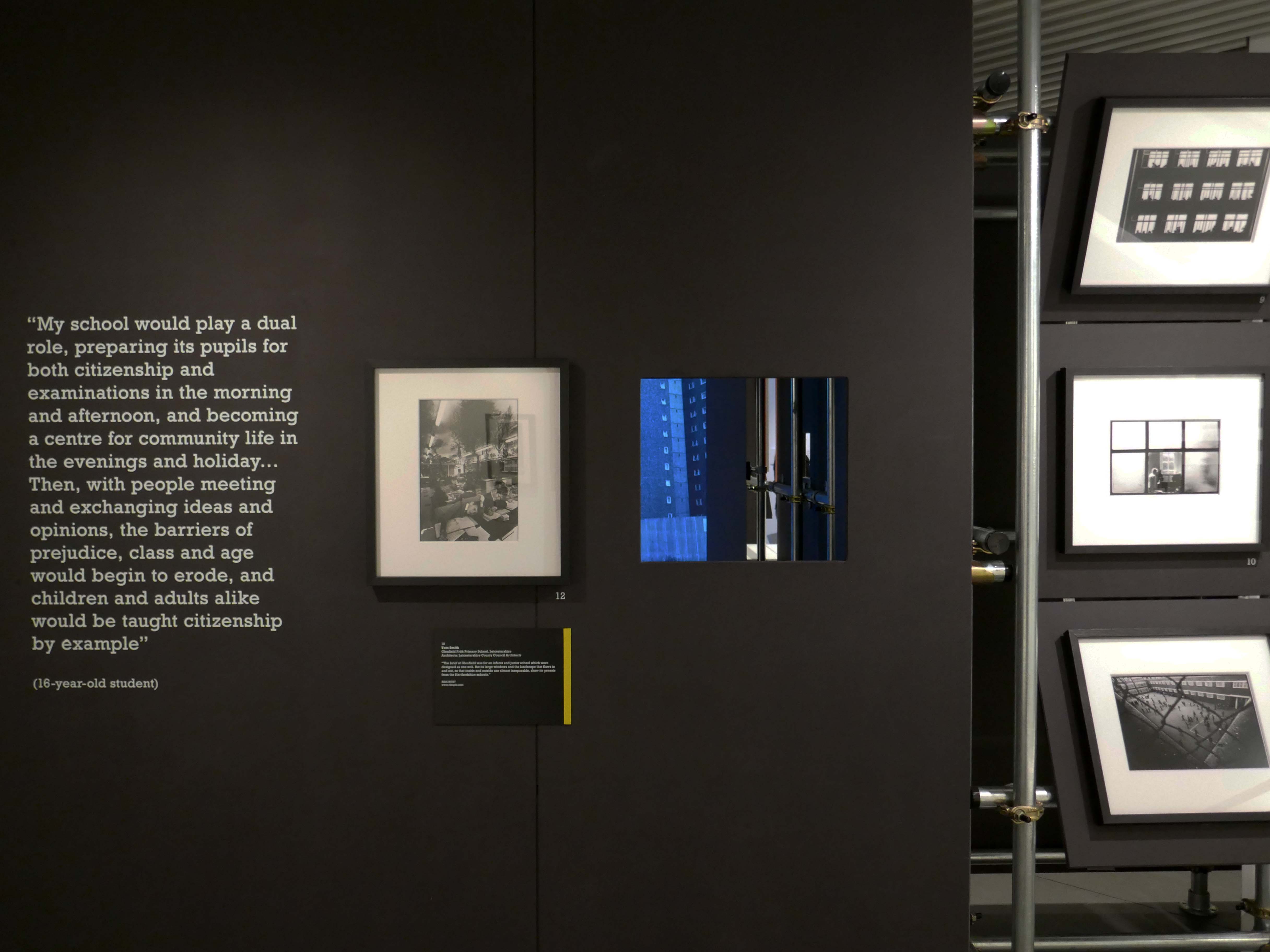
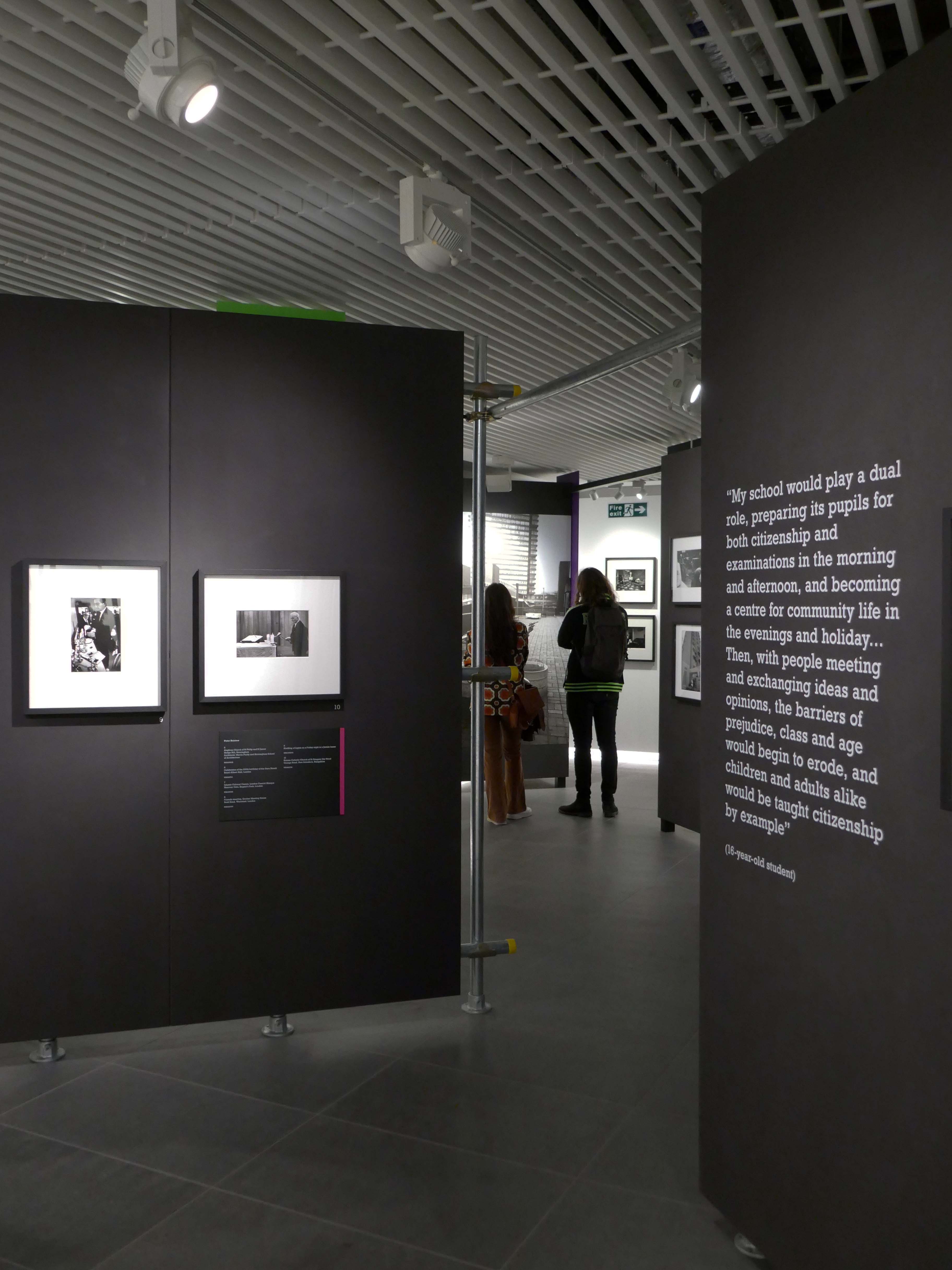
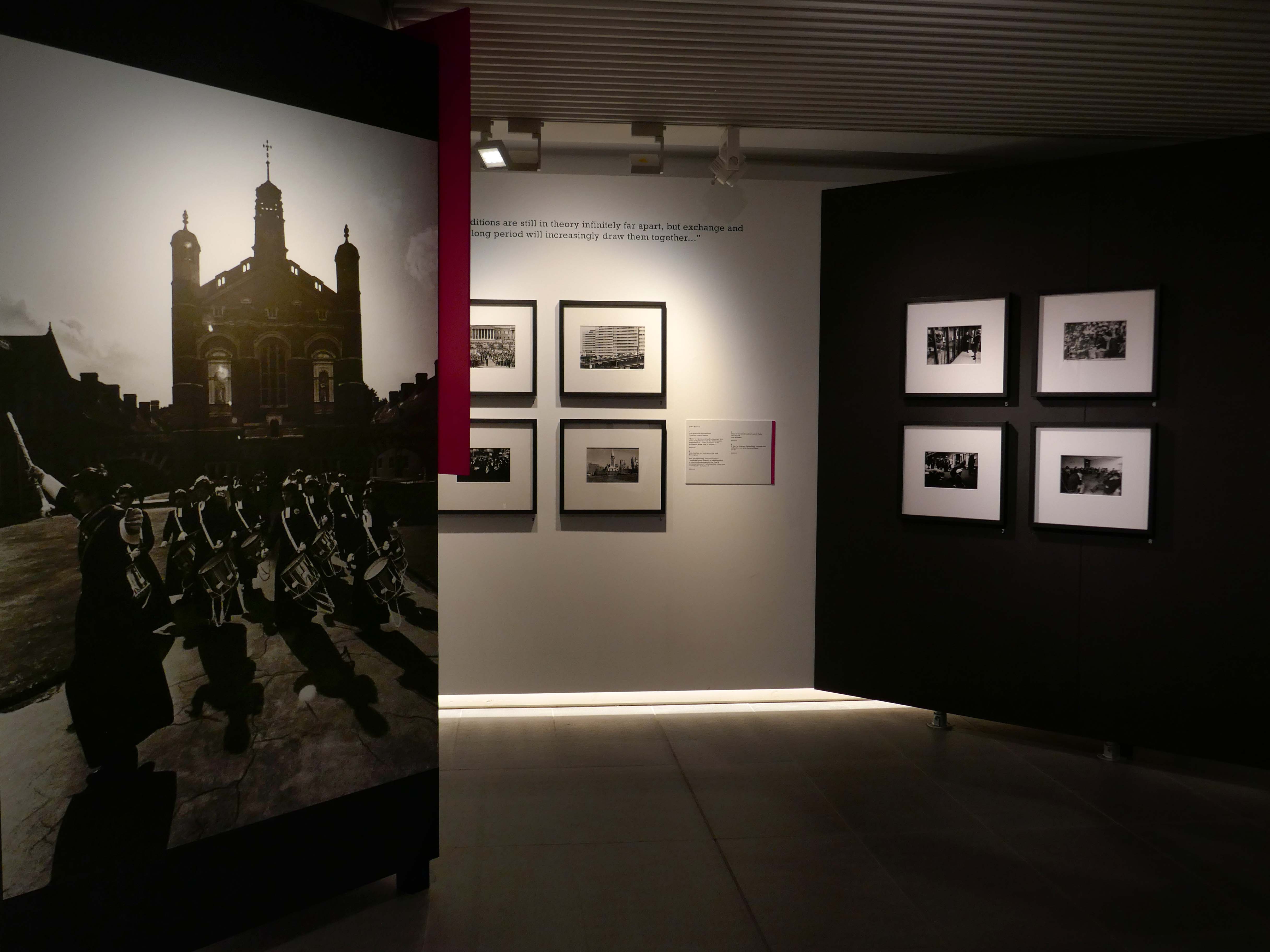
Photography lay at the heart of the series- through striking black and white reportage, Manplan revealed how architecture and urban planning shaped people’s daily lives, highlighting social issues that continue to be relevant today, such as inadequate housing, community, and loneliness.
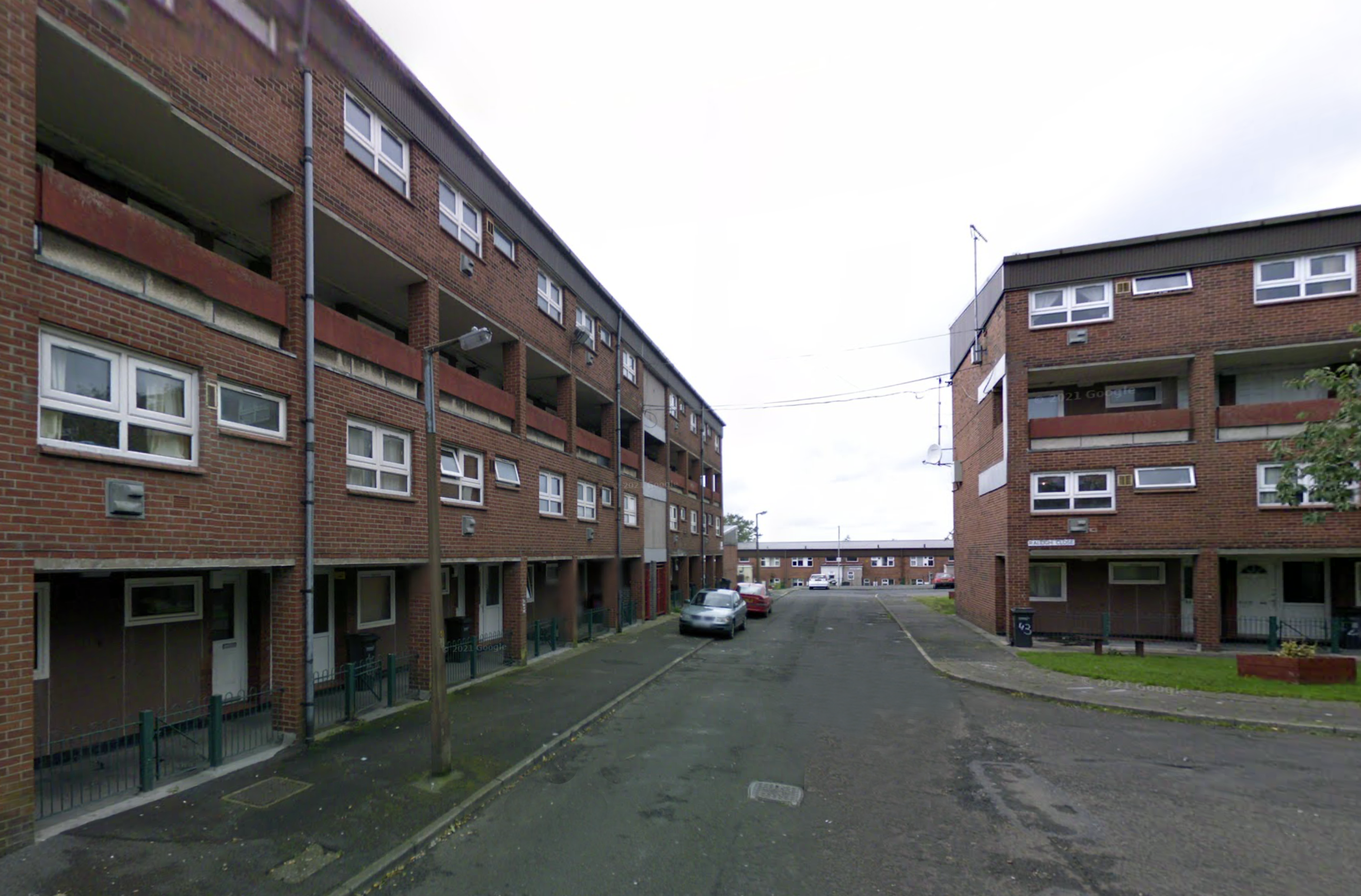
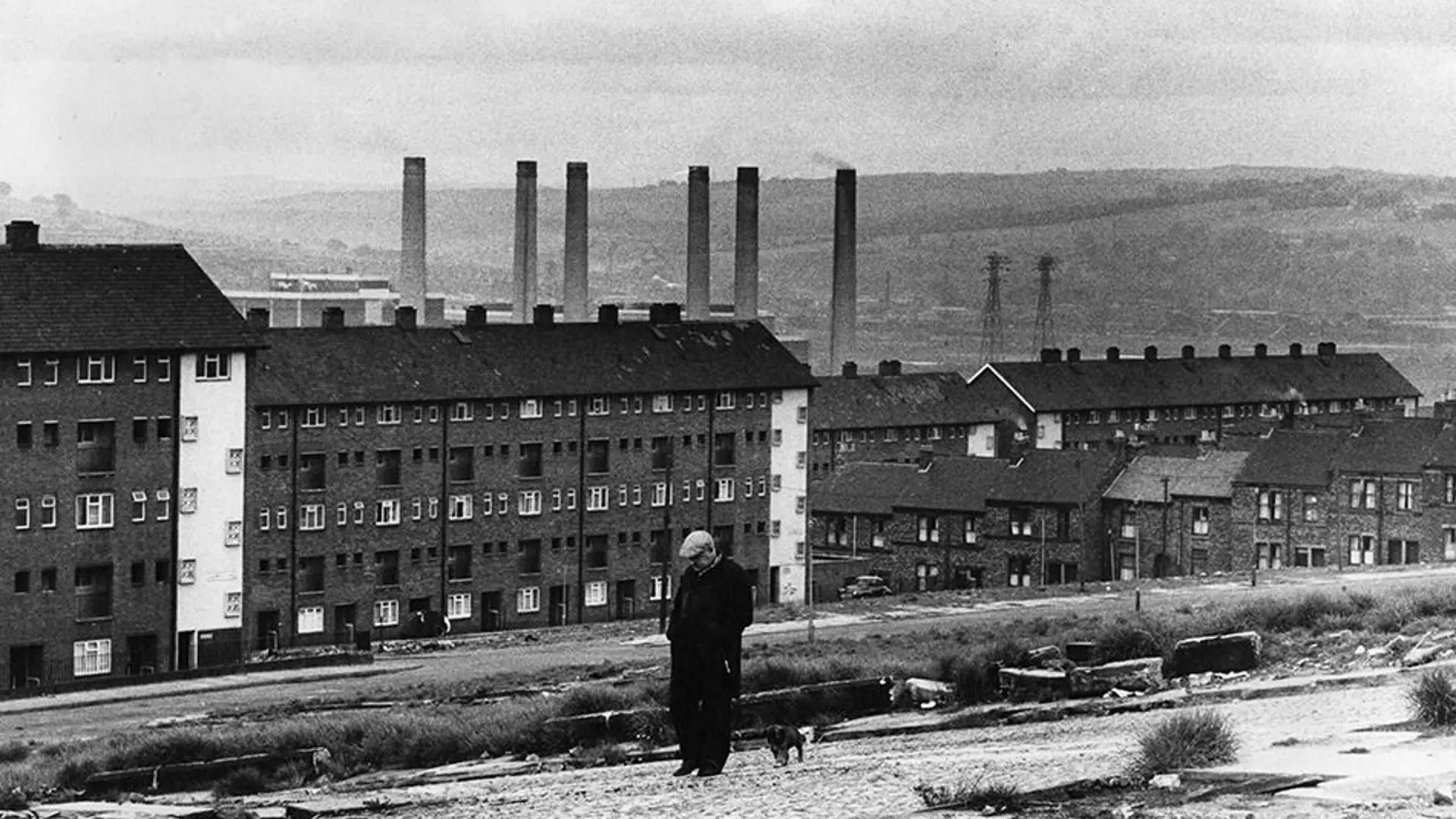
Workers’ housing in Newcastle-upon-Tyne, with Dunston Power Station behind.
Image: Tim Street-Porter Architectural Press Archive RIBA Collections.
Bold in tone and innovative in style, Manplan reframed conversations on urban development and brought attention to socially conscious design within the built environment.
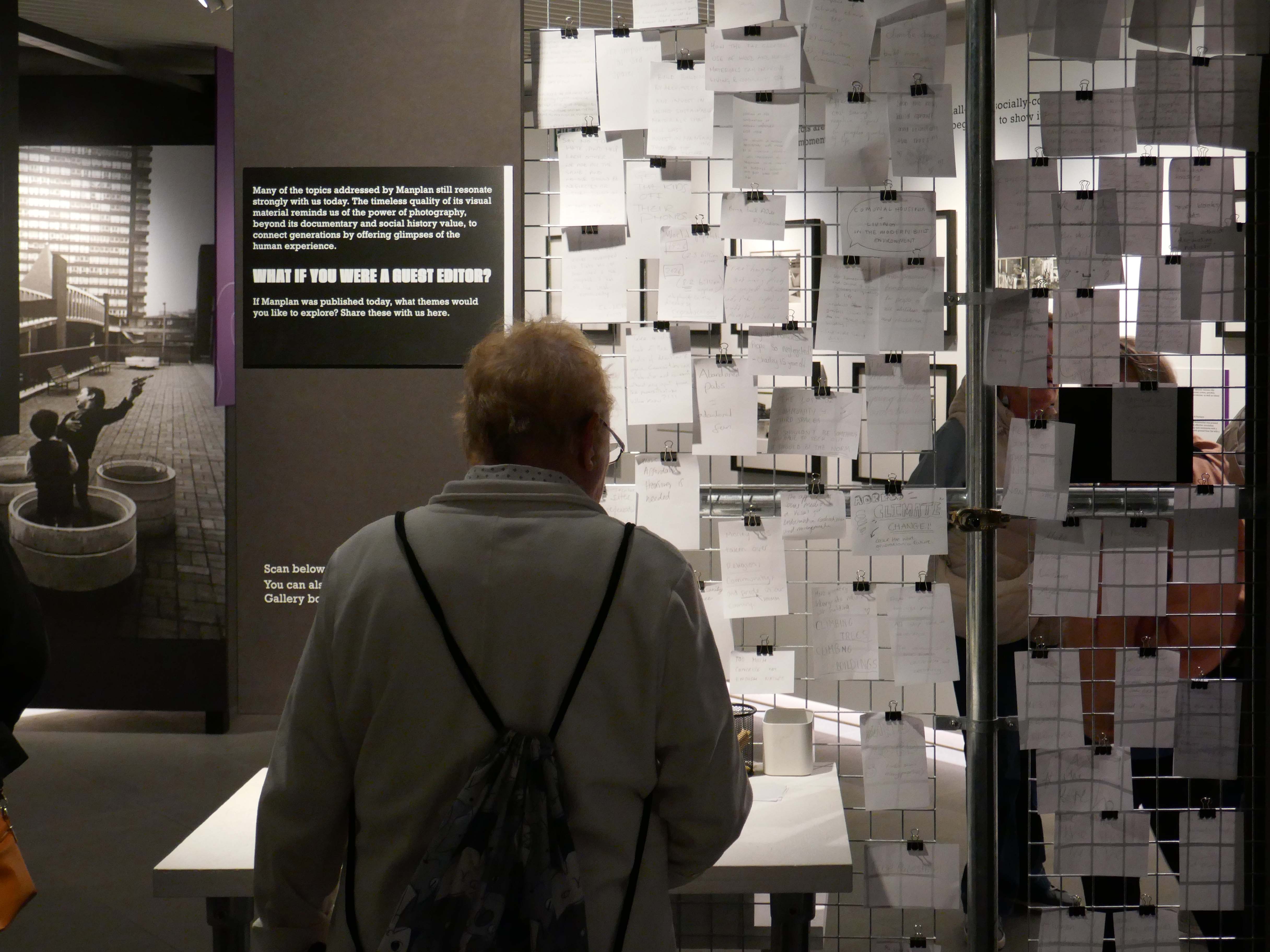
The Wide-Angle View exhibition reflects on its legacy and highlights the powerful role photography and design can still play in communicating and challenging over half a century on
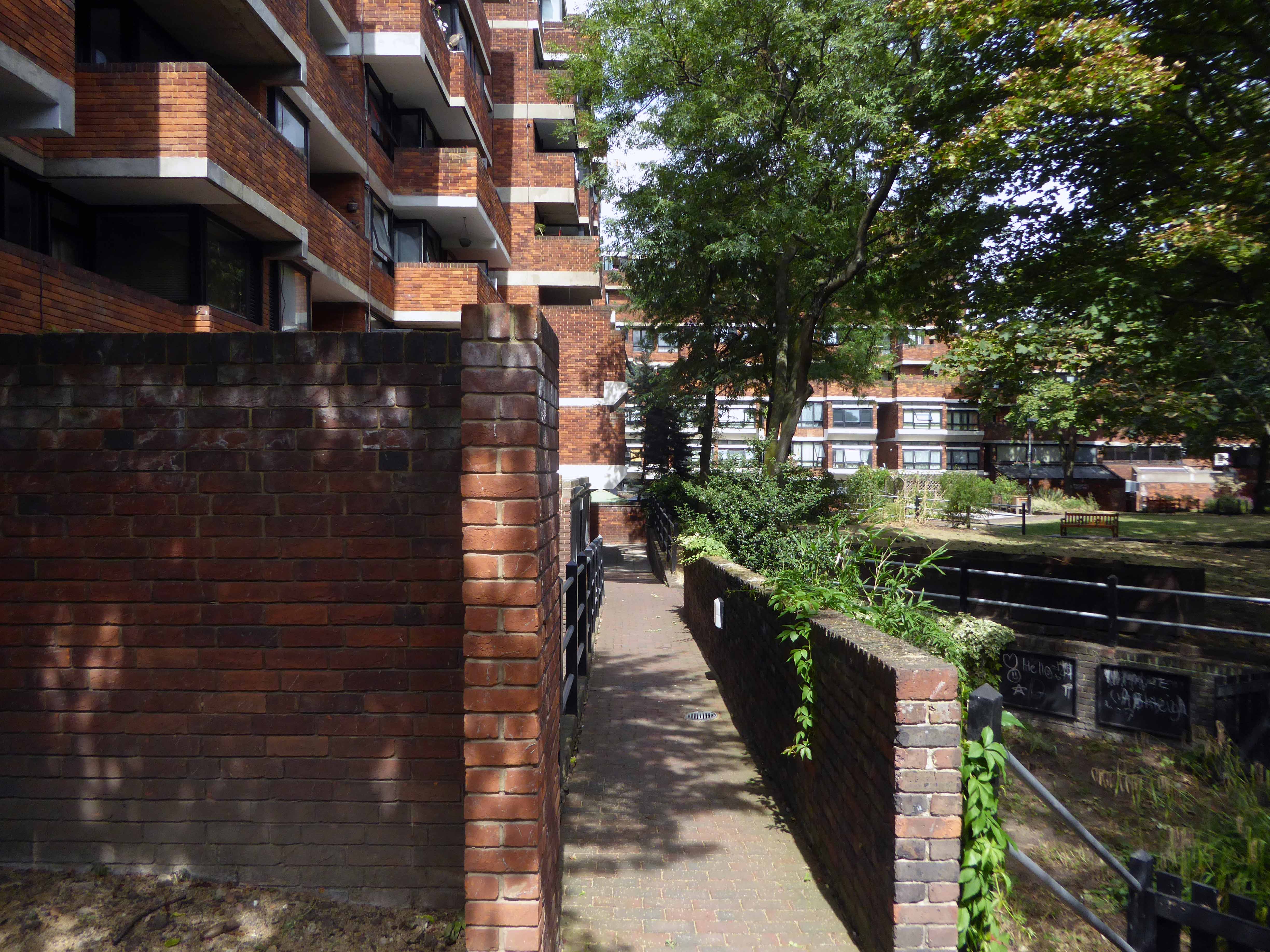
Constructed in phases between 1961 and 1980 to a plan by Darbourne & Darke.
The estate was among the last of the high-density public housing schemes built in London during the postwar period, and is referred to as one of the most distinguished. Notably, seven years before the Ronan Point disaster ended the dominance of the tower block, Lillington Gardens looked ahead to a new standard that achieved high housing density within a medium rather than high-rise structure. It emphasised individuality in the grouping of dwellings, and provided for private gardens at ground and roof levels.
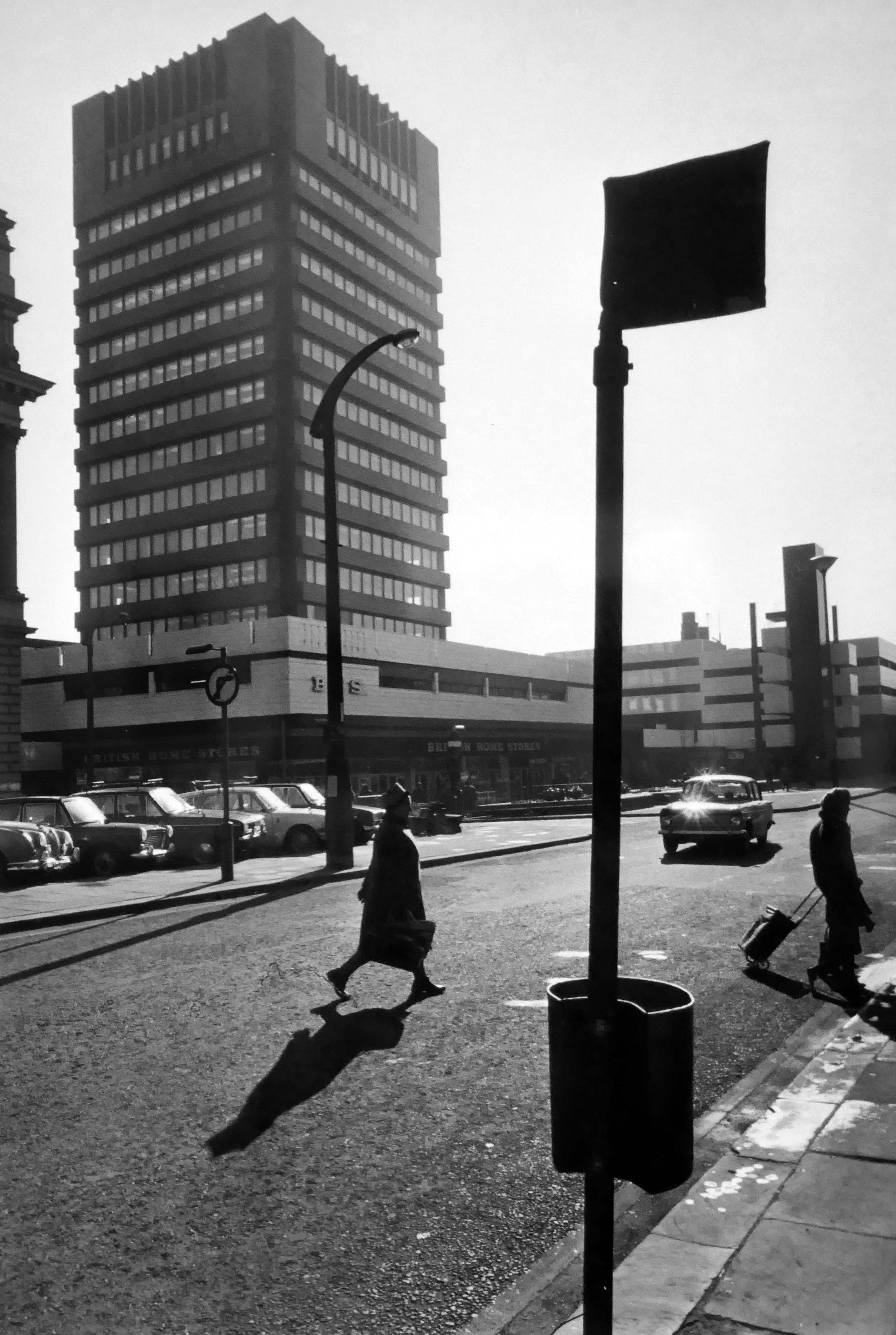
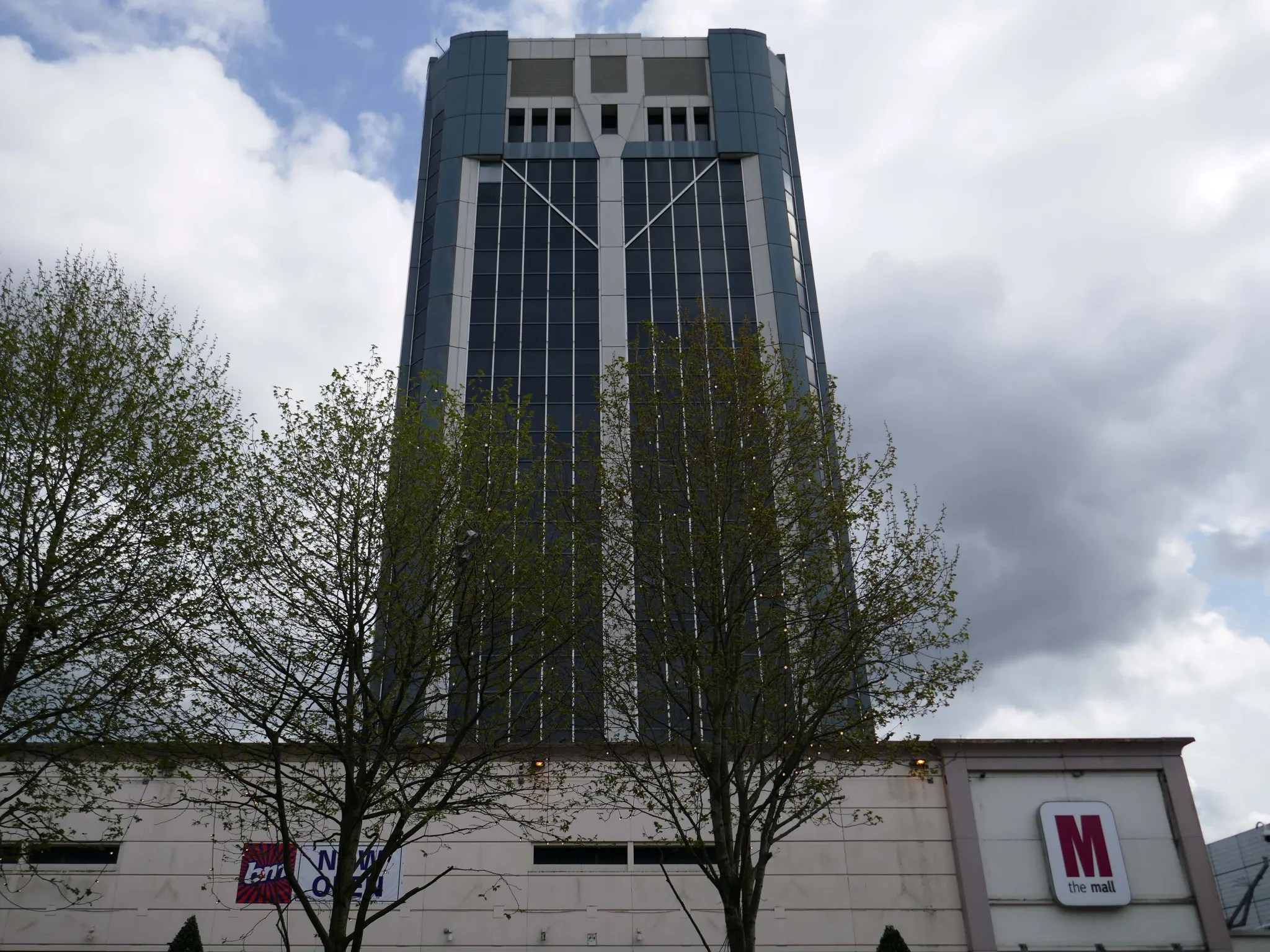
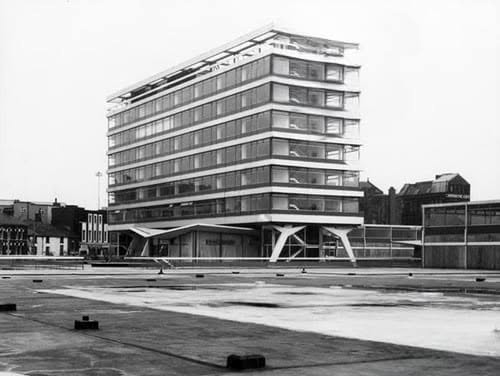
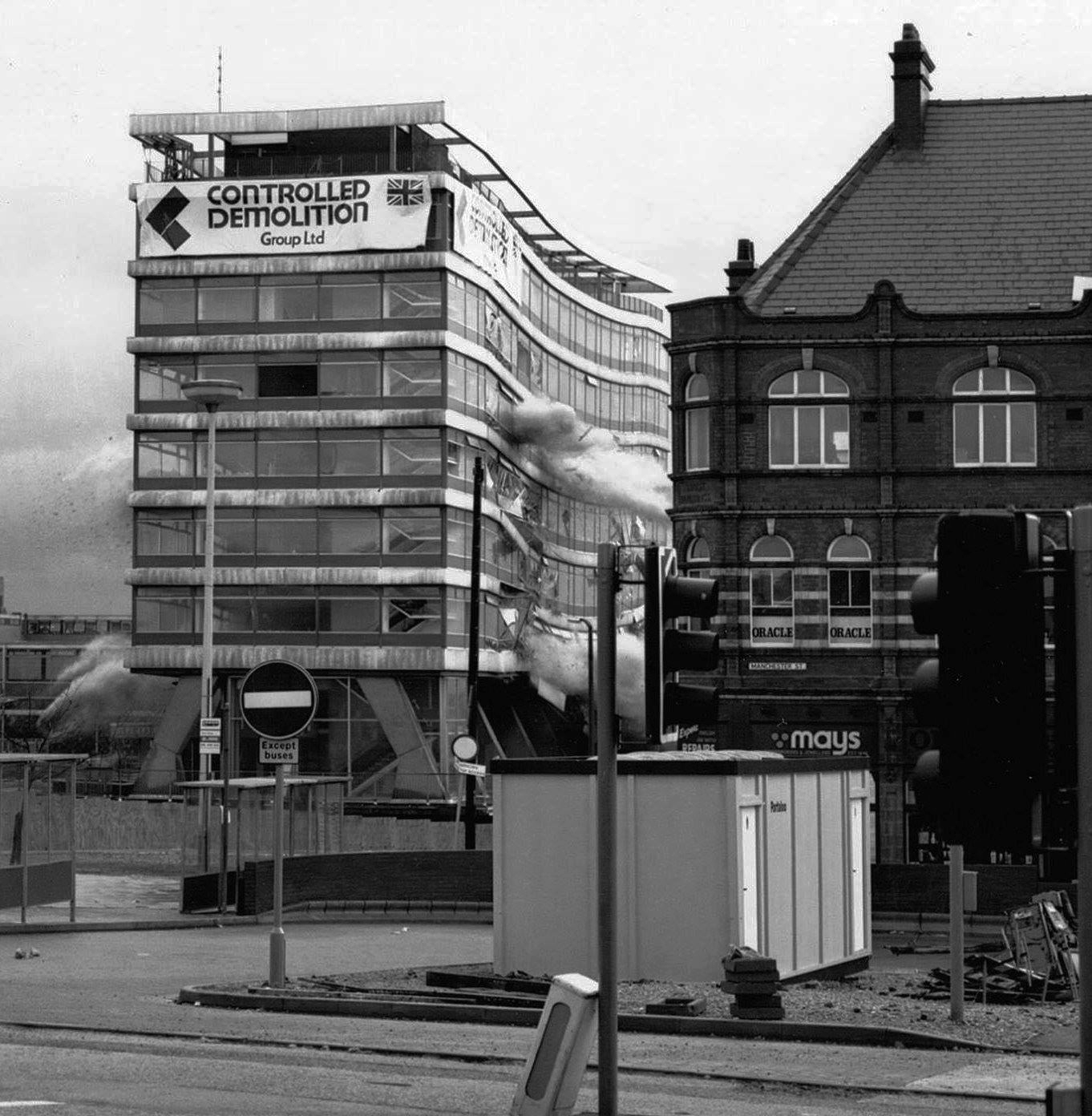
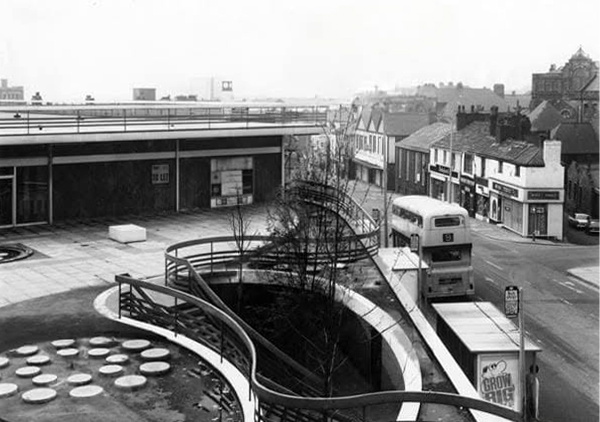
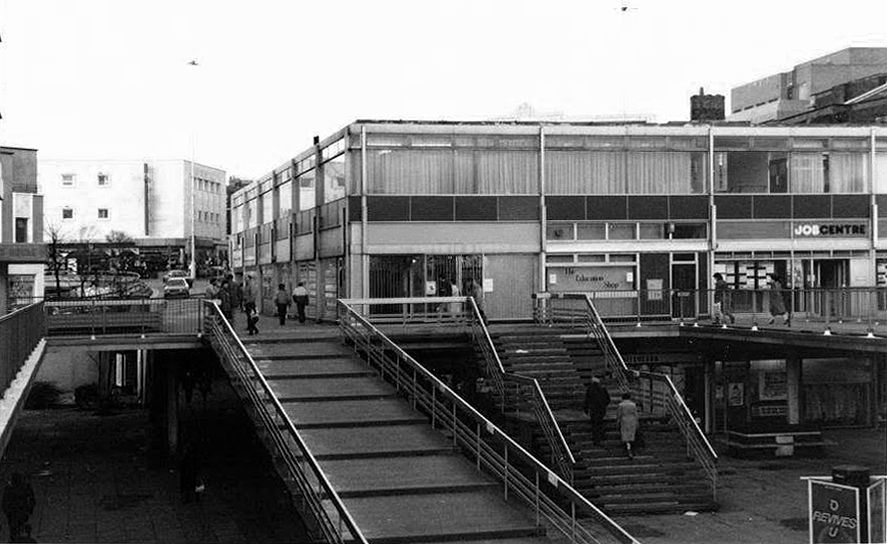
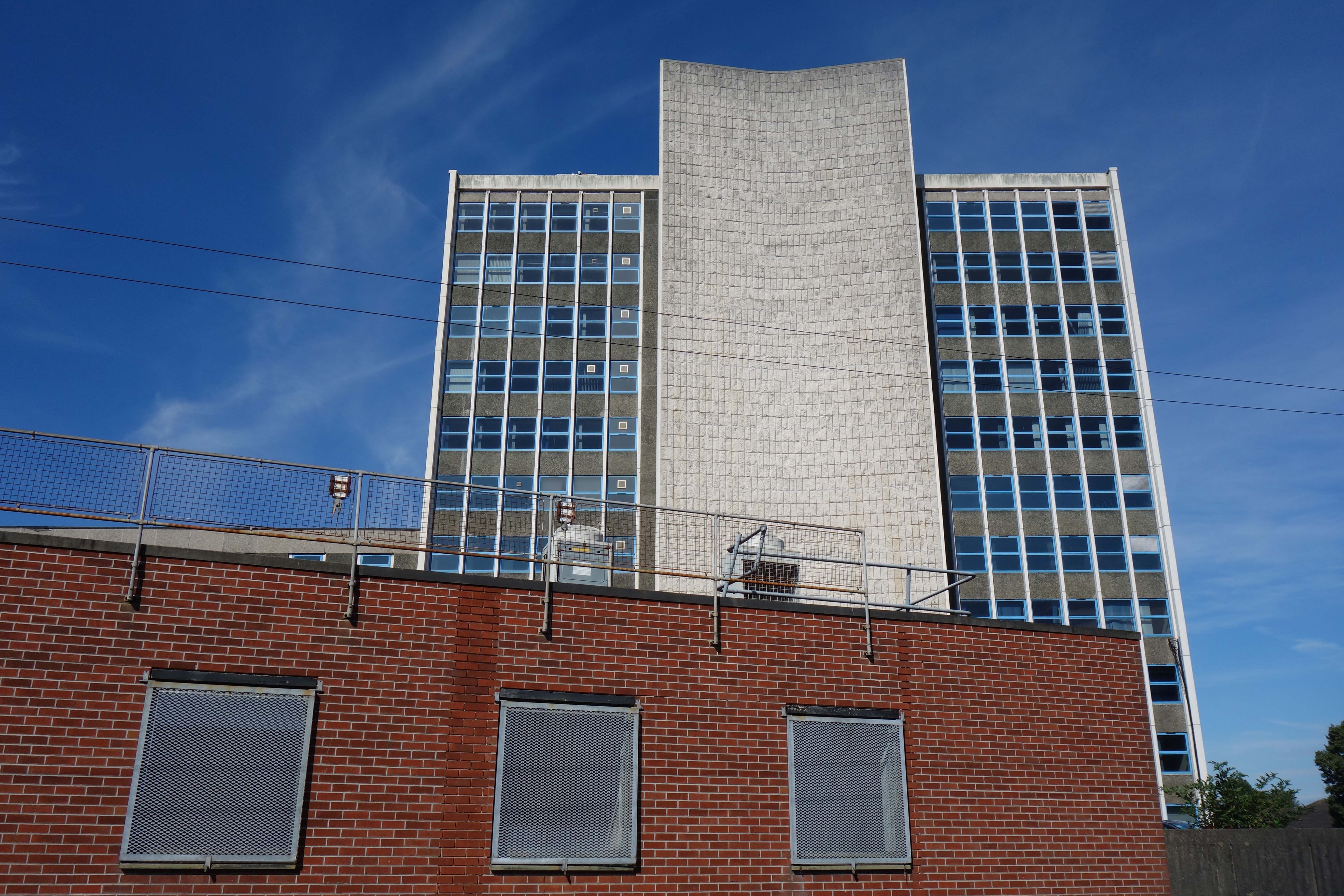
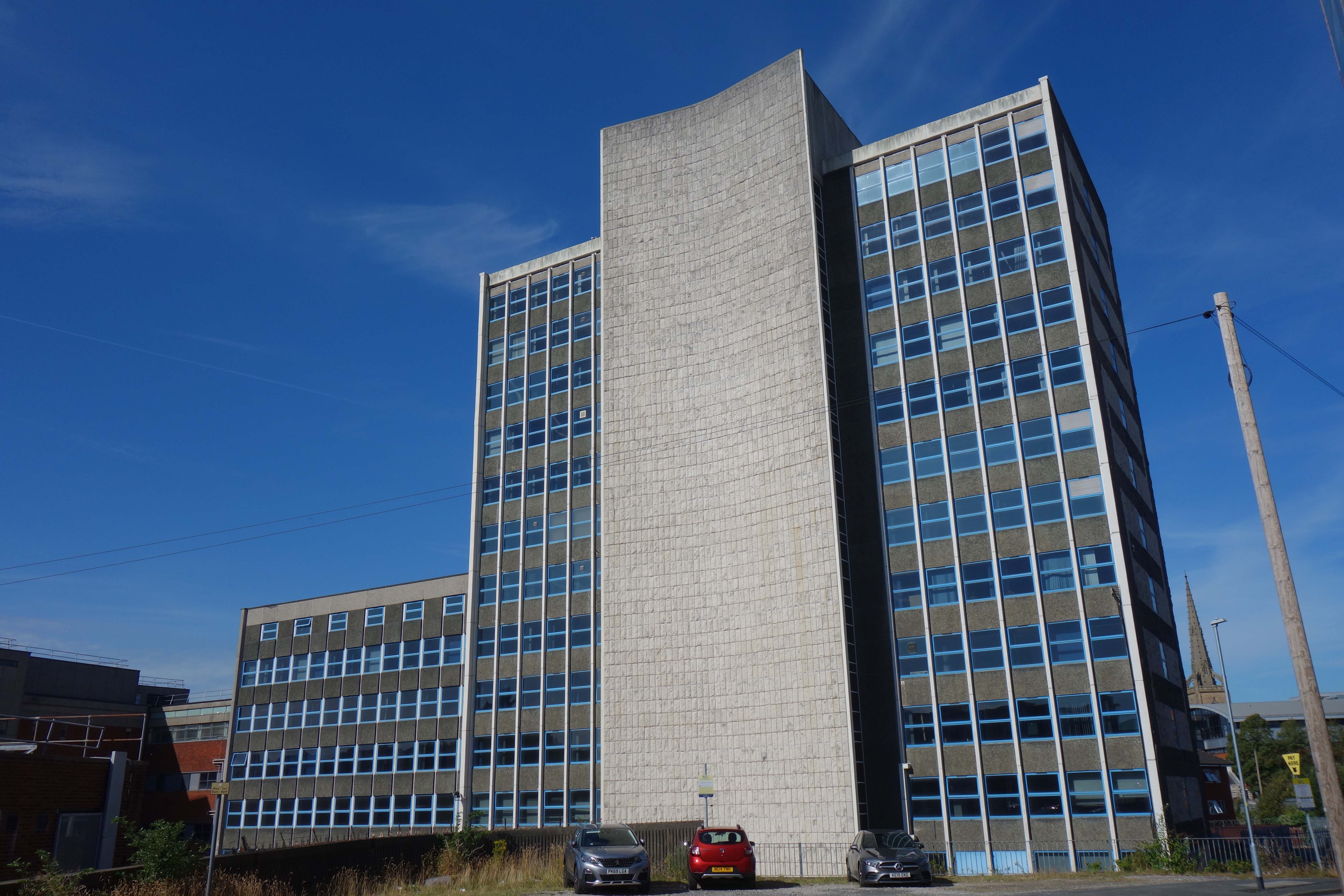
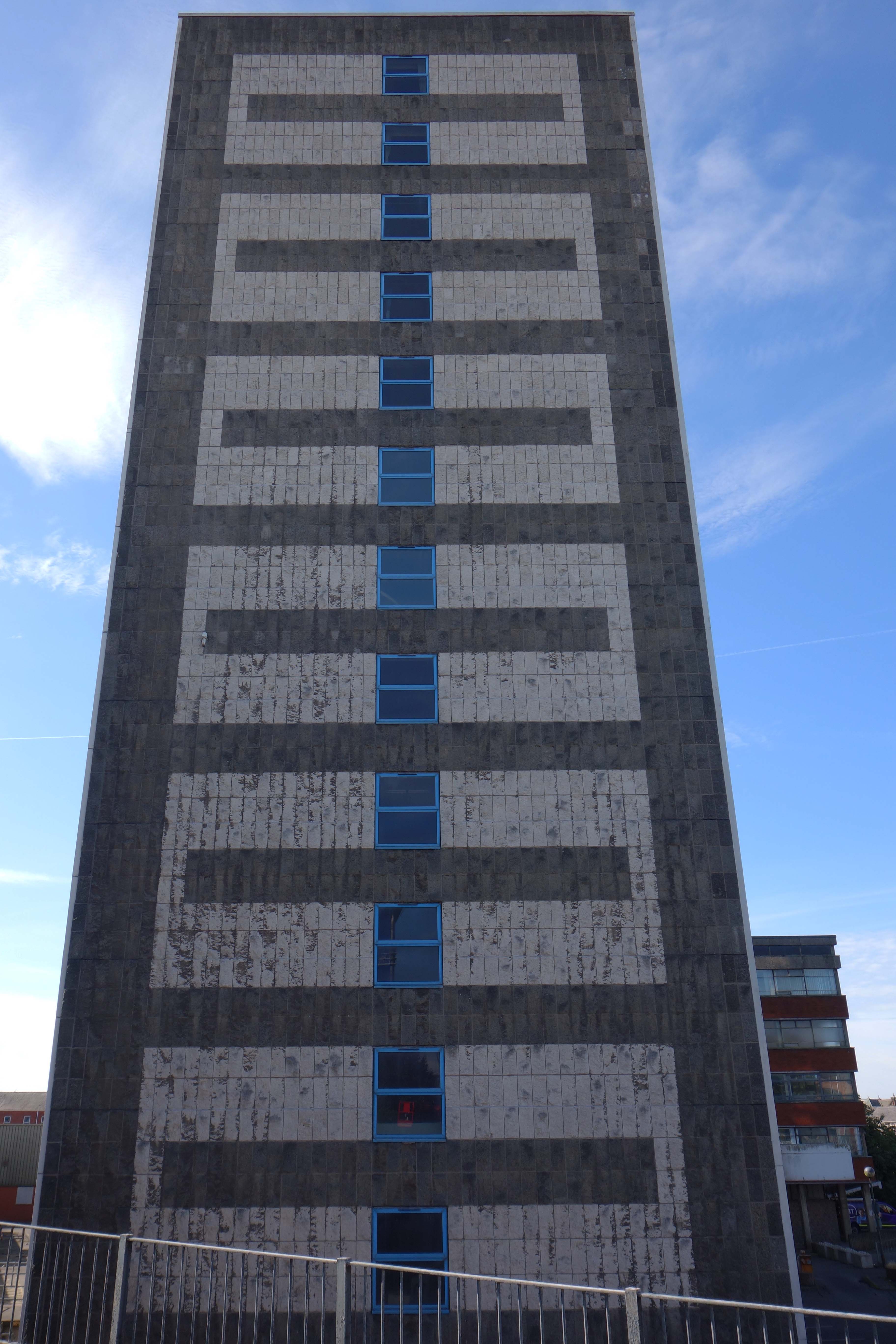
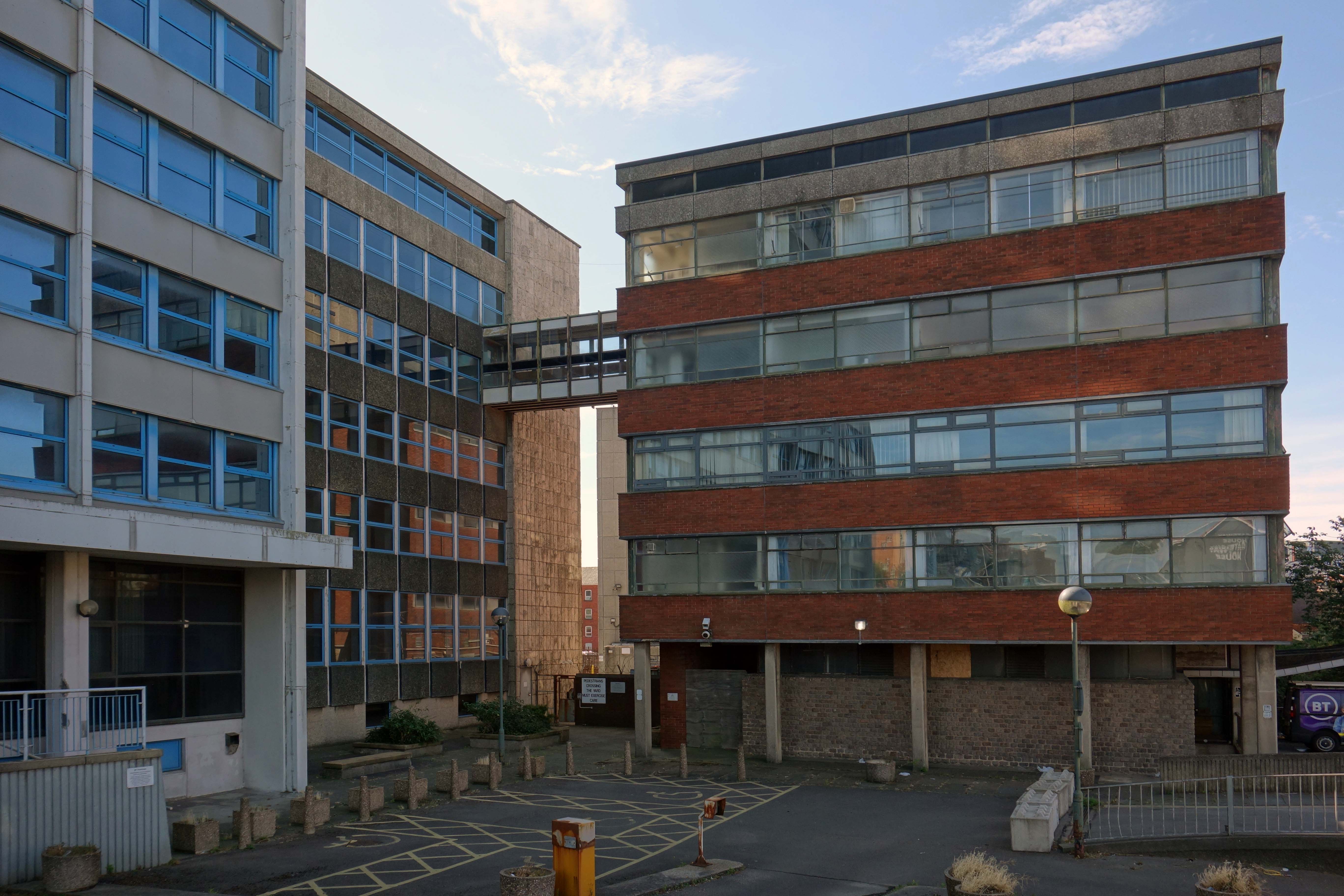
Blackburn Corporation office tower and shopping centre.
Image: Peter Baistow
My visit in 2025 – the tower and shopping centre having been significantly remodelled.
Given the current government’s drive for new build housing and new towns, I feel that the time is right to reassess the role of our citizens planners and architects own shaping this new New World.
Let’s all plan The Plan.
In July 2025, the government published its five-step plan to deliver a decade of renewal for social and affordable housing. This plan committed to delivering the biggest increase in social and affordable housebuilding in a generation, alongside a transformational and lasting change in the safety and quality of social housing.
Consideration should also be given to all the infrastructure that the housing may require – the schools, hospitals, libraries, shops, play areas et al.
No more shabby PFI, but substantial public buildings of real quality and distinction.
No more developer led, overseas capital fed, elite inner city out of town cookie cutter ghettoes.
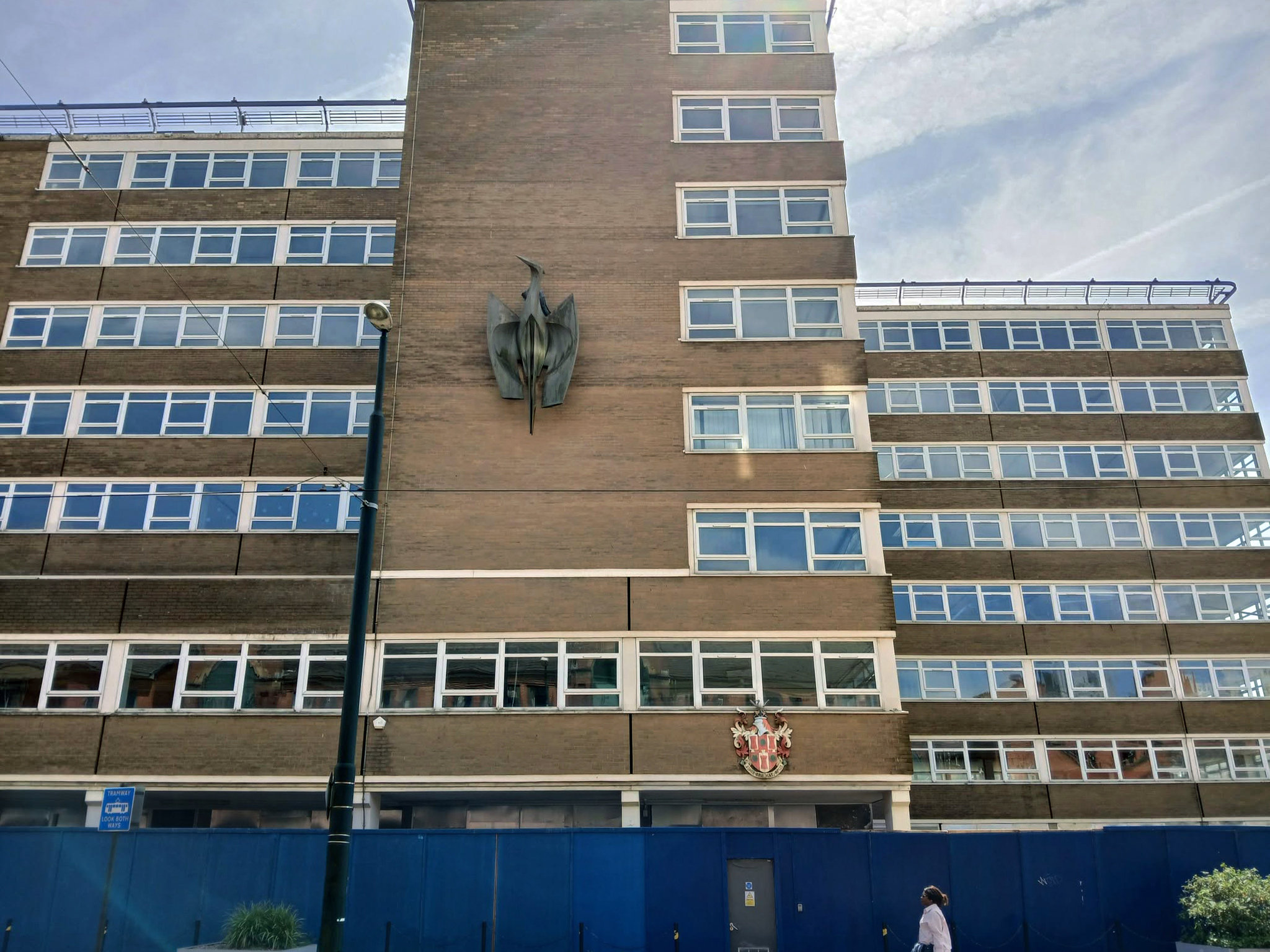
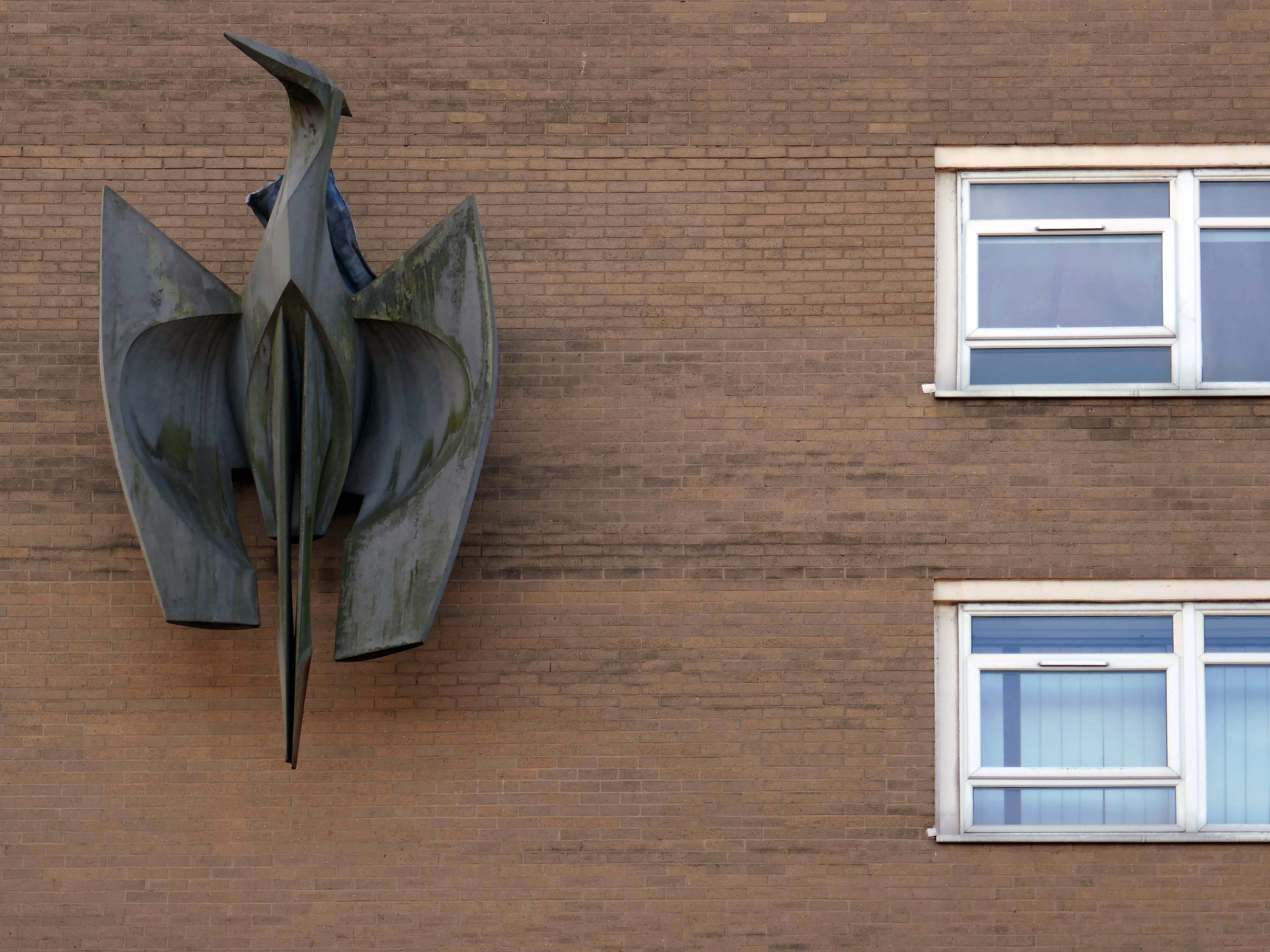
Back tracking toward Phoenix House – with its implausible heron.
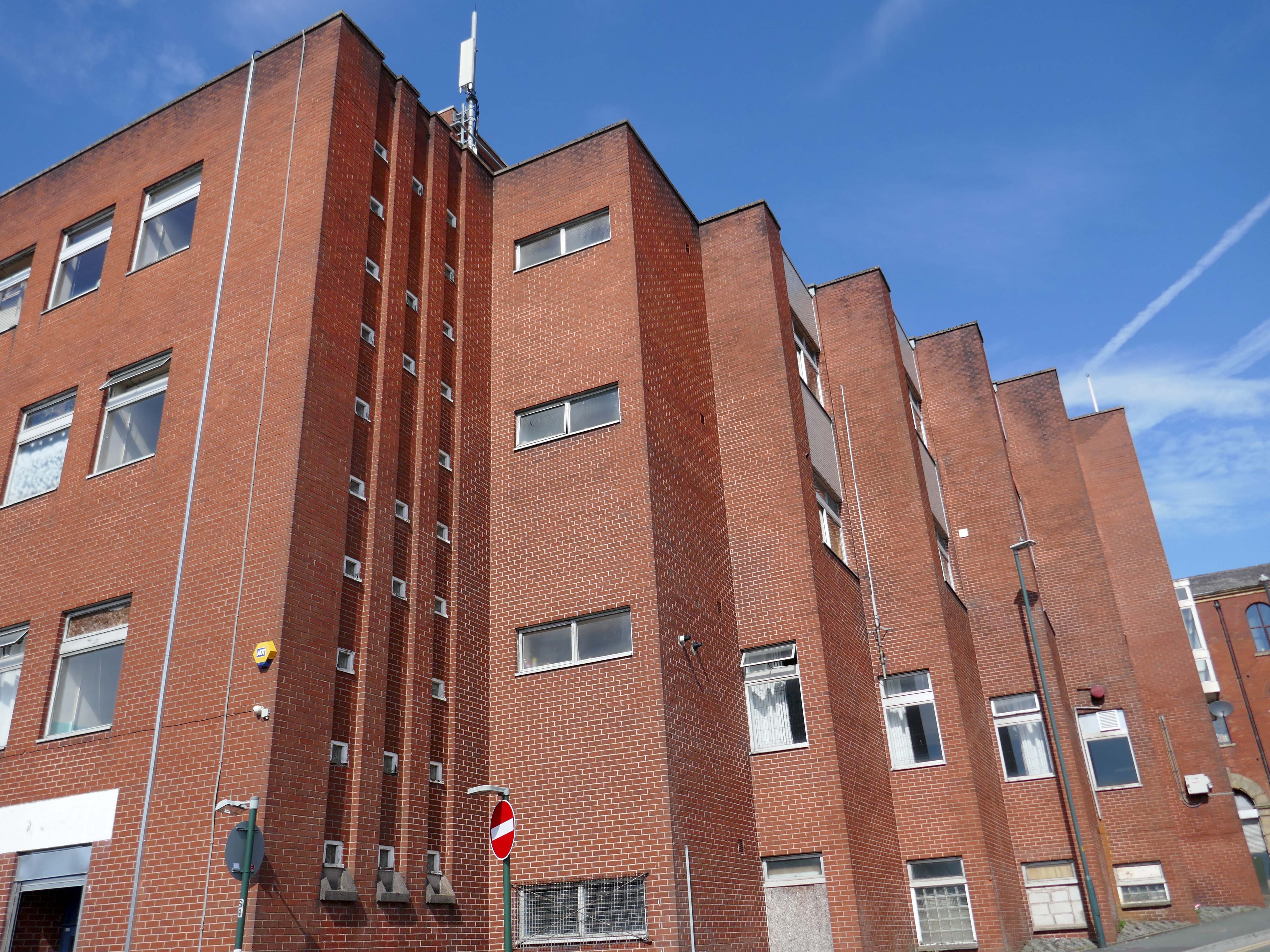
It’s been four years since the Department of Work and Pensions left their Union Street office and eighteen months since plans were submitted to turn it into eighty two flats.
However, apart from hoardings being installed around the building, there doesn’t appear to have been much movement at the site – at least not legally.
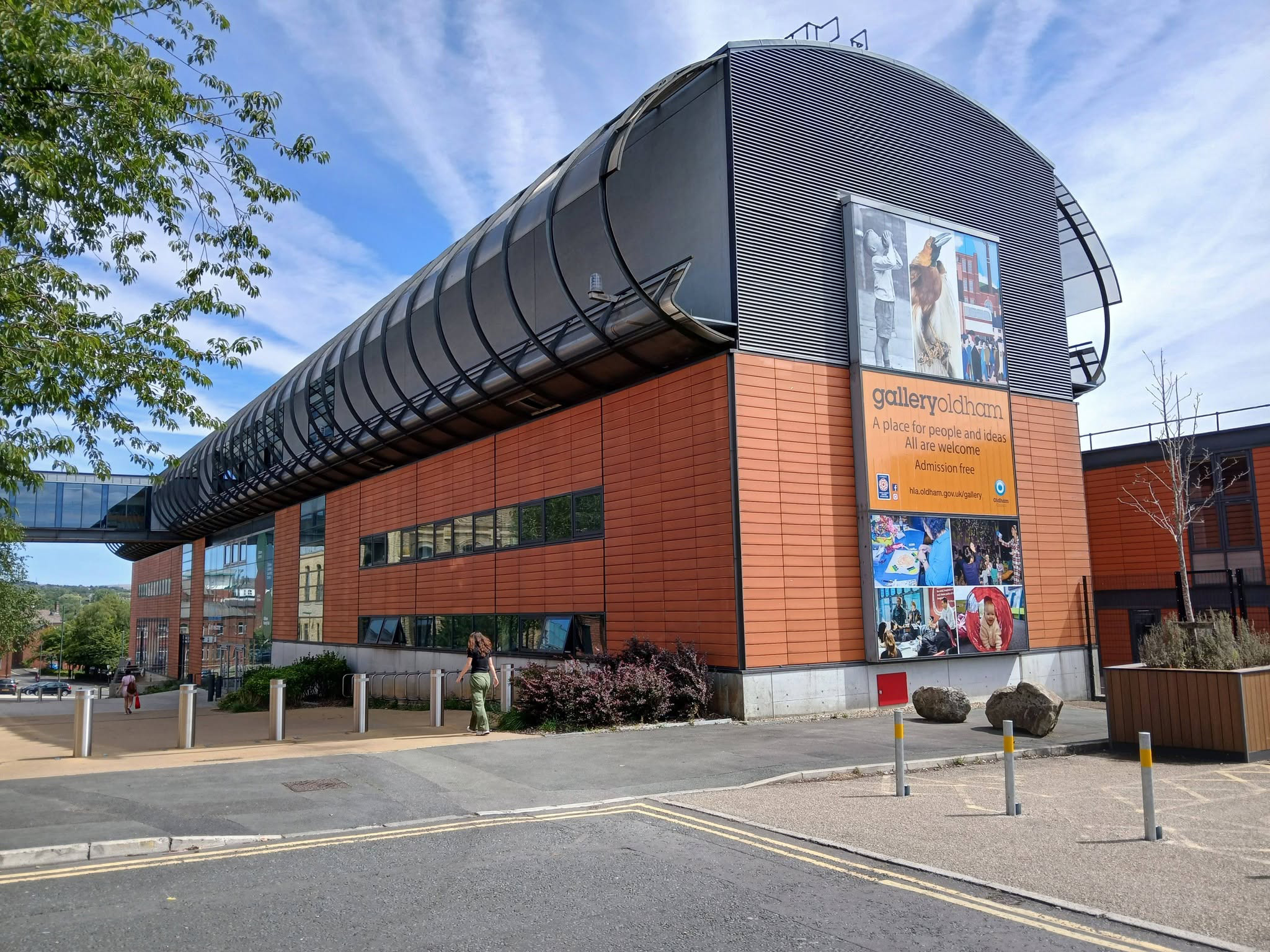
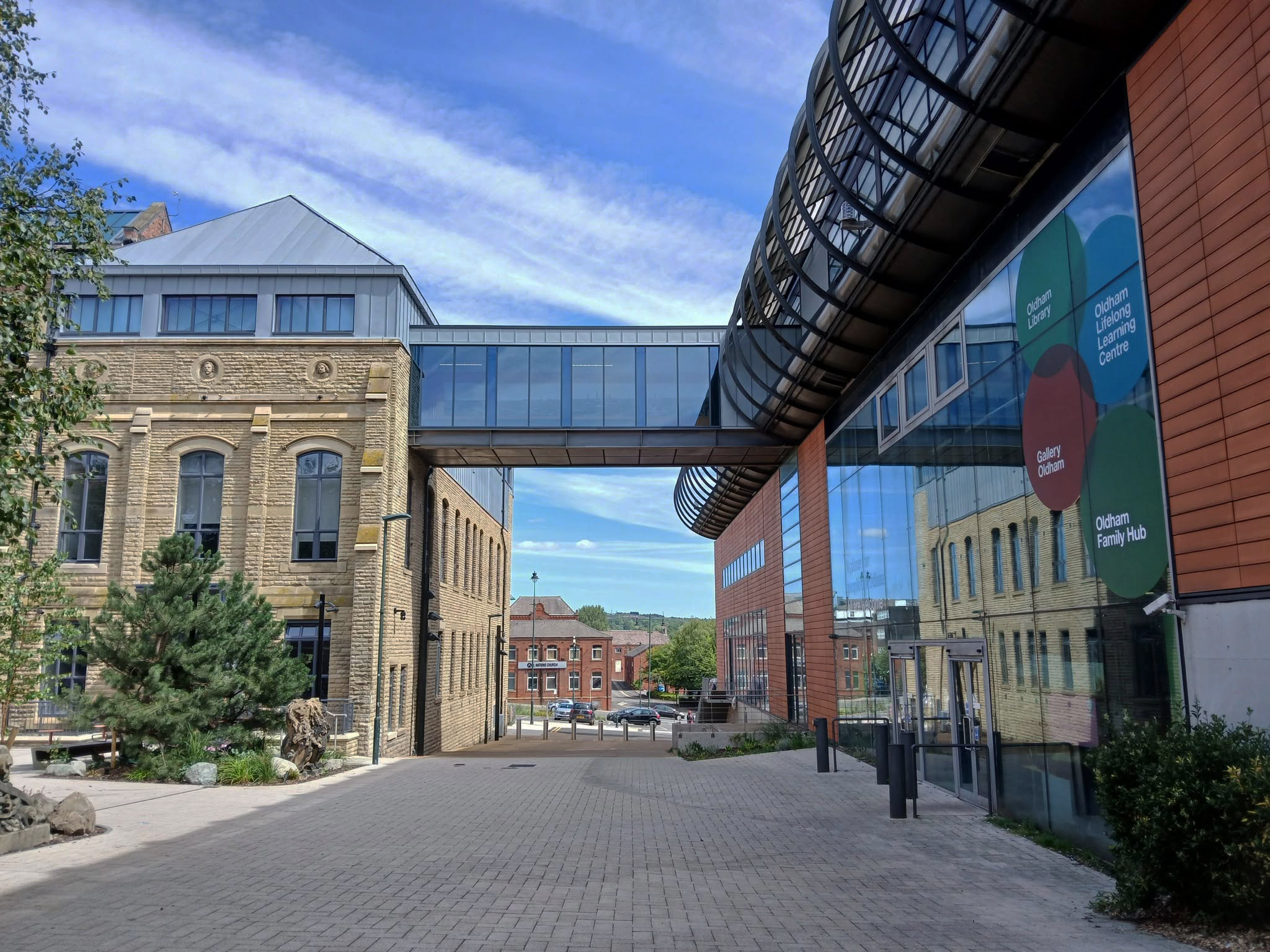
Linking to the older Library and Art Gallery 1883 T Mitchell with sculpture by JJ Milson.
Today the building has been restored to include the Council Chamber and Mayor’s Dining Room, public exhibition spaces and a new home for Oldham Theatre Workshop.
The Old Library is one of the earliest examples of an ashlar faced, in-situ formed concrete multi story building.
Take a turn up Greaves Street and here’s a faience clad Victoria Housea former Billiard Club 1912 Winder & Taylor – subsequently the hall was used as council housing offices and a college before becoming vacant.
Oldham Boxing moved into the building in 2011.
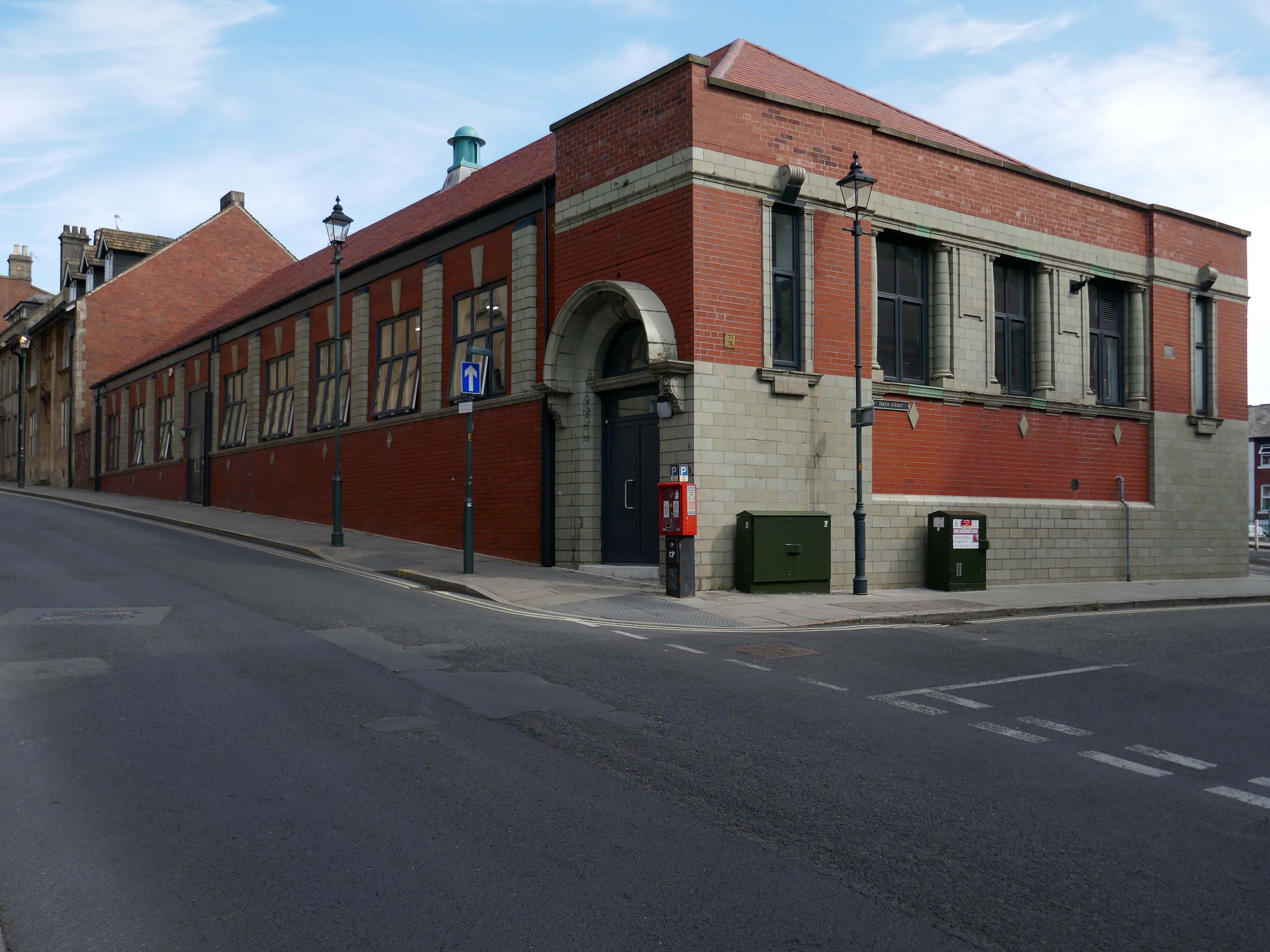
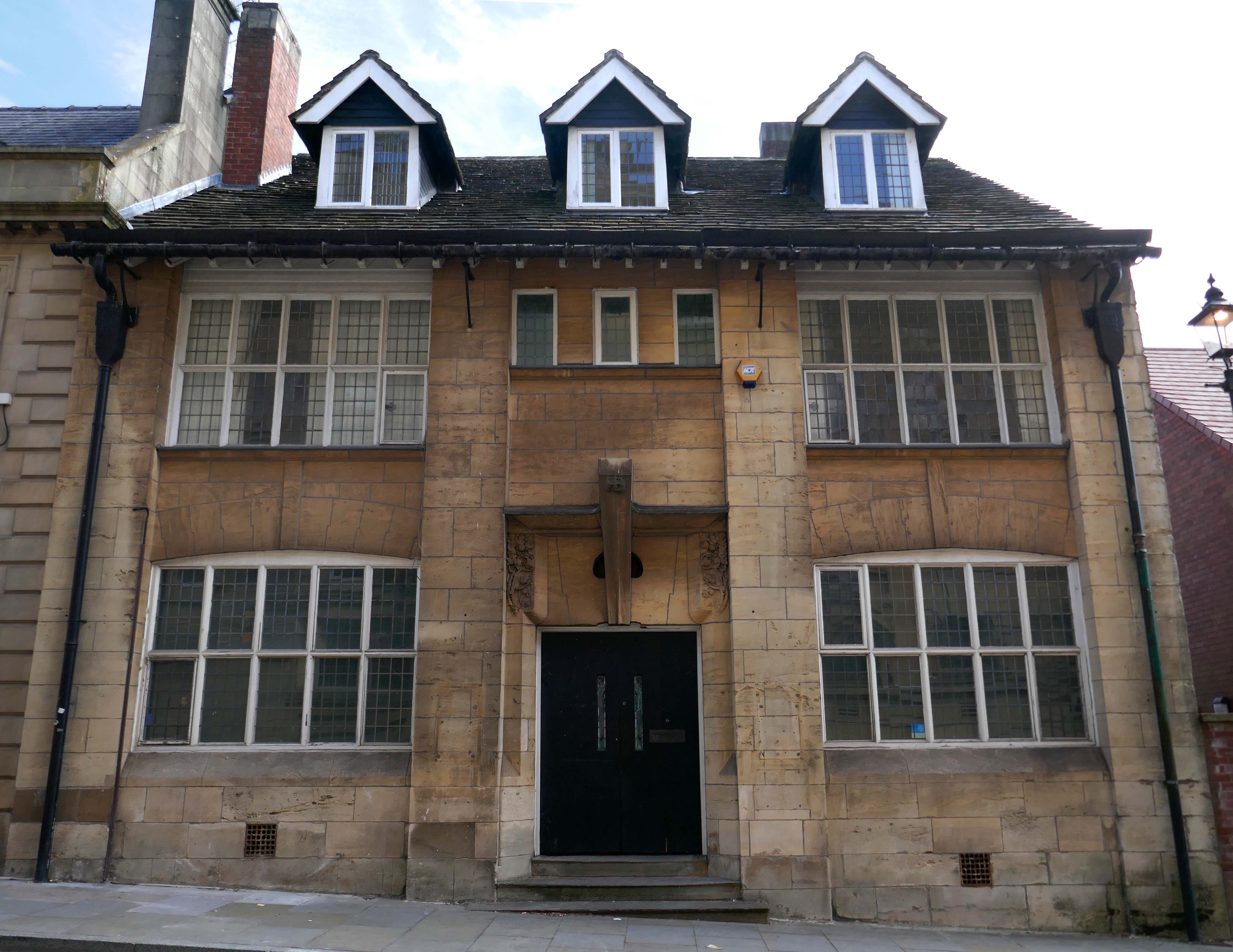
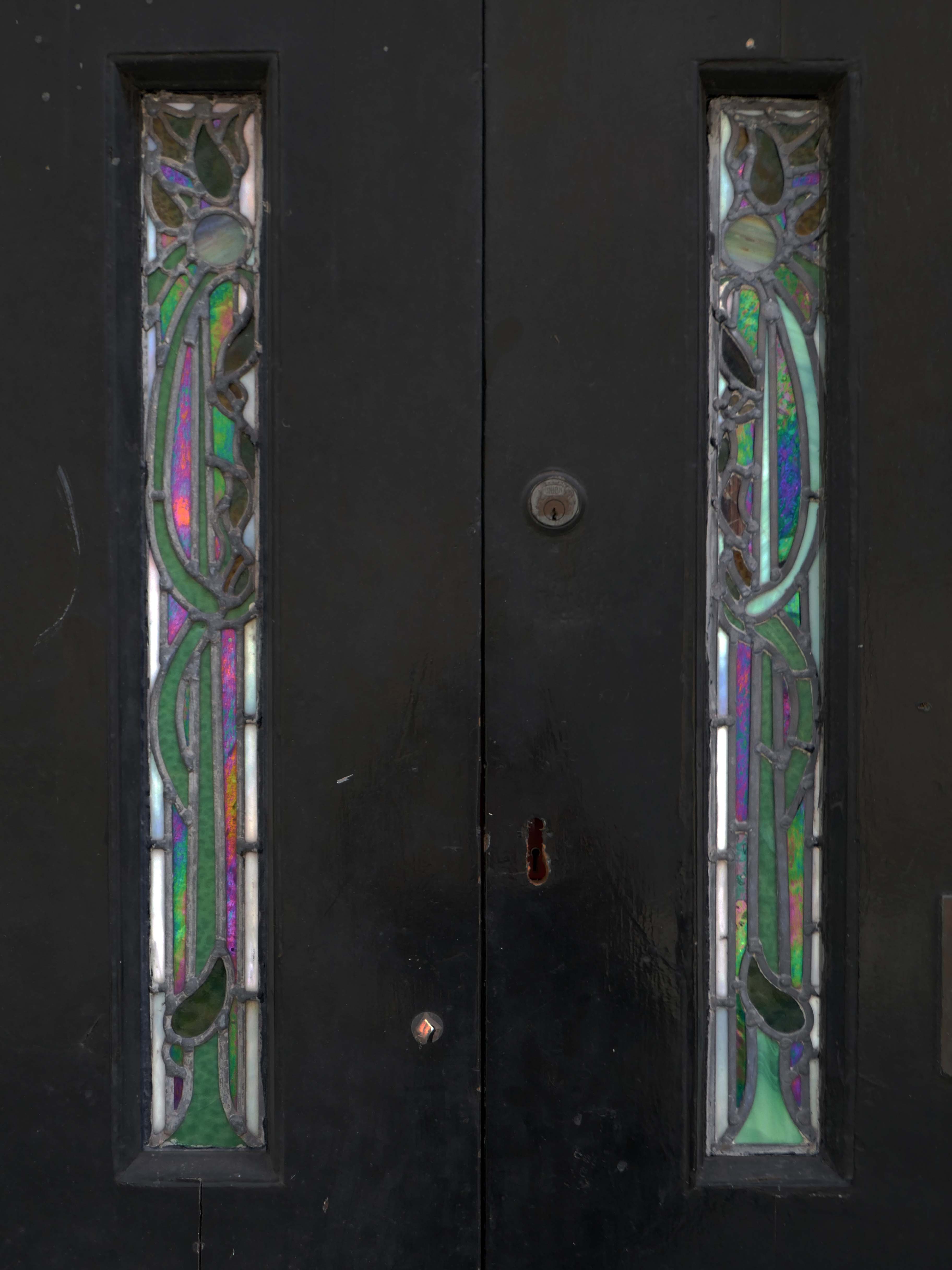
Next door a Ponsonby And Carlile Solicitors Office 1902 Edgar Wood – Grade II Listed.
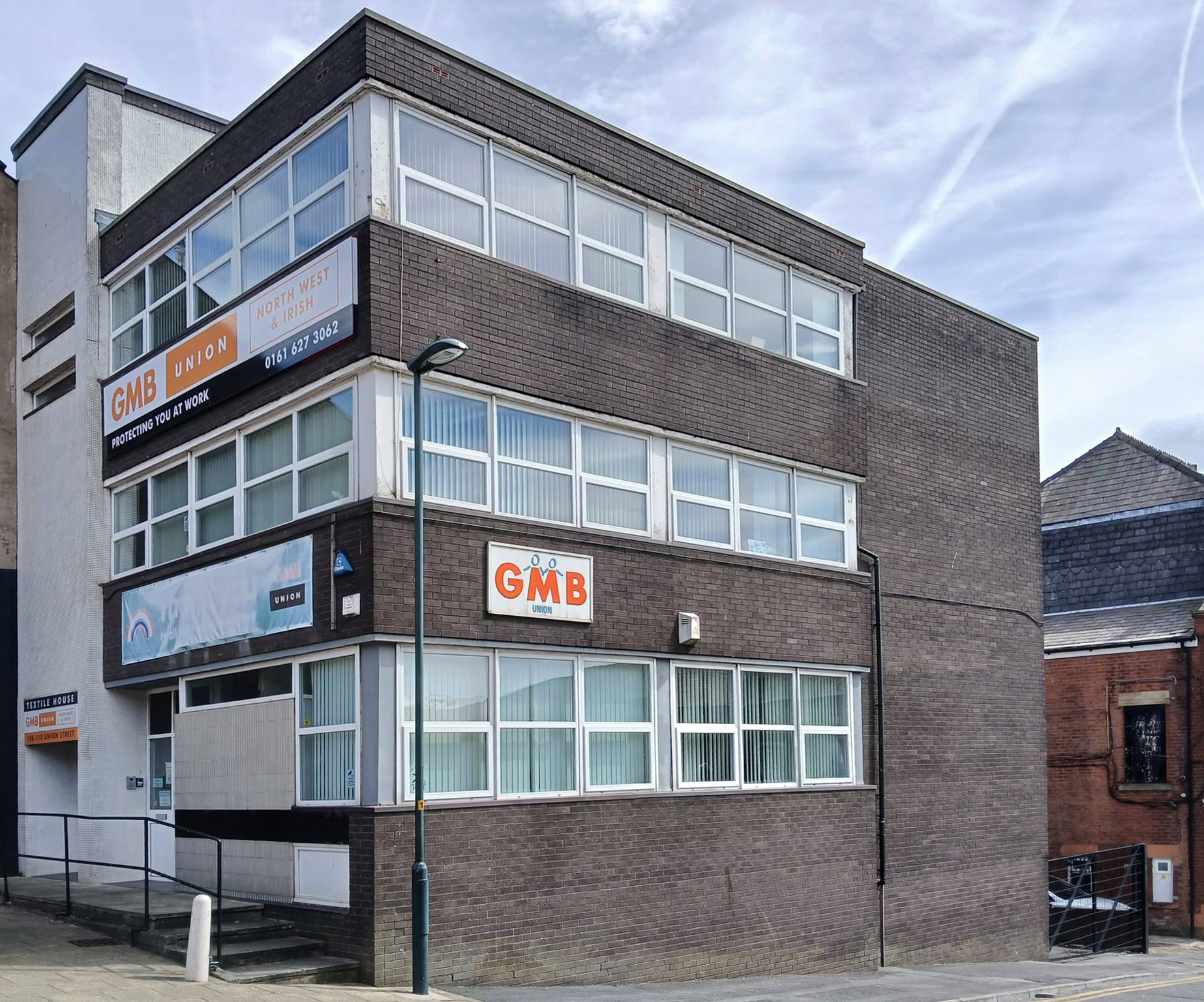
Back now onto Union Street and the GMB Offices.
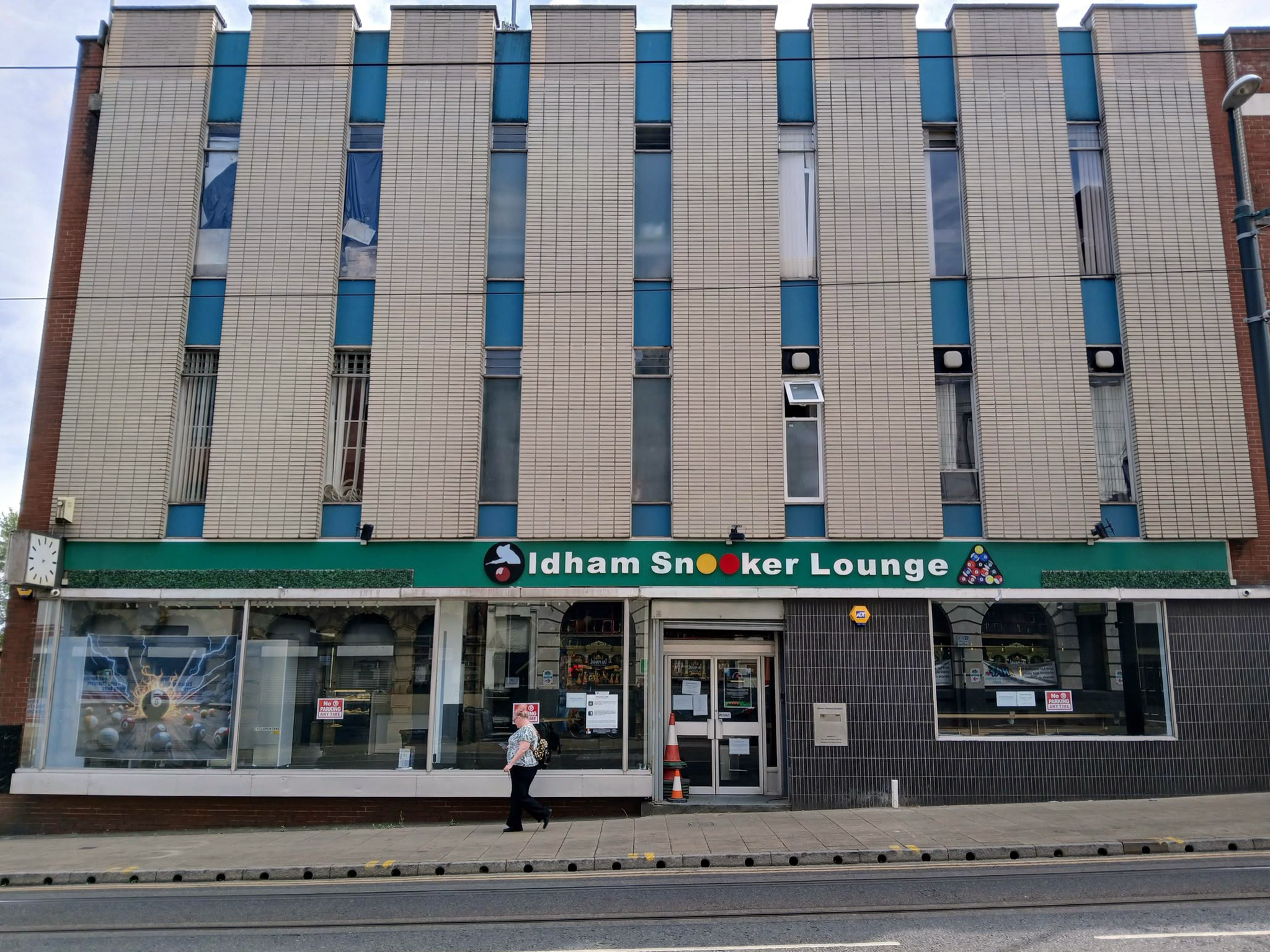
Onwards to the former Oldham Evening Chronicle
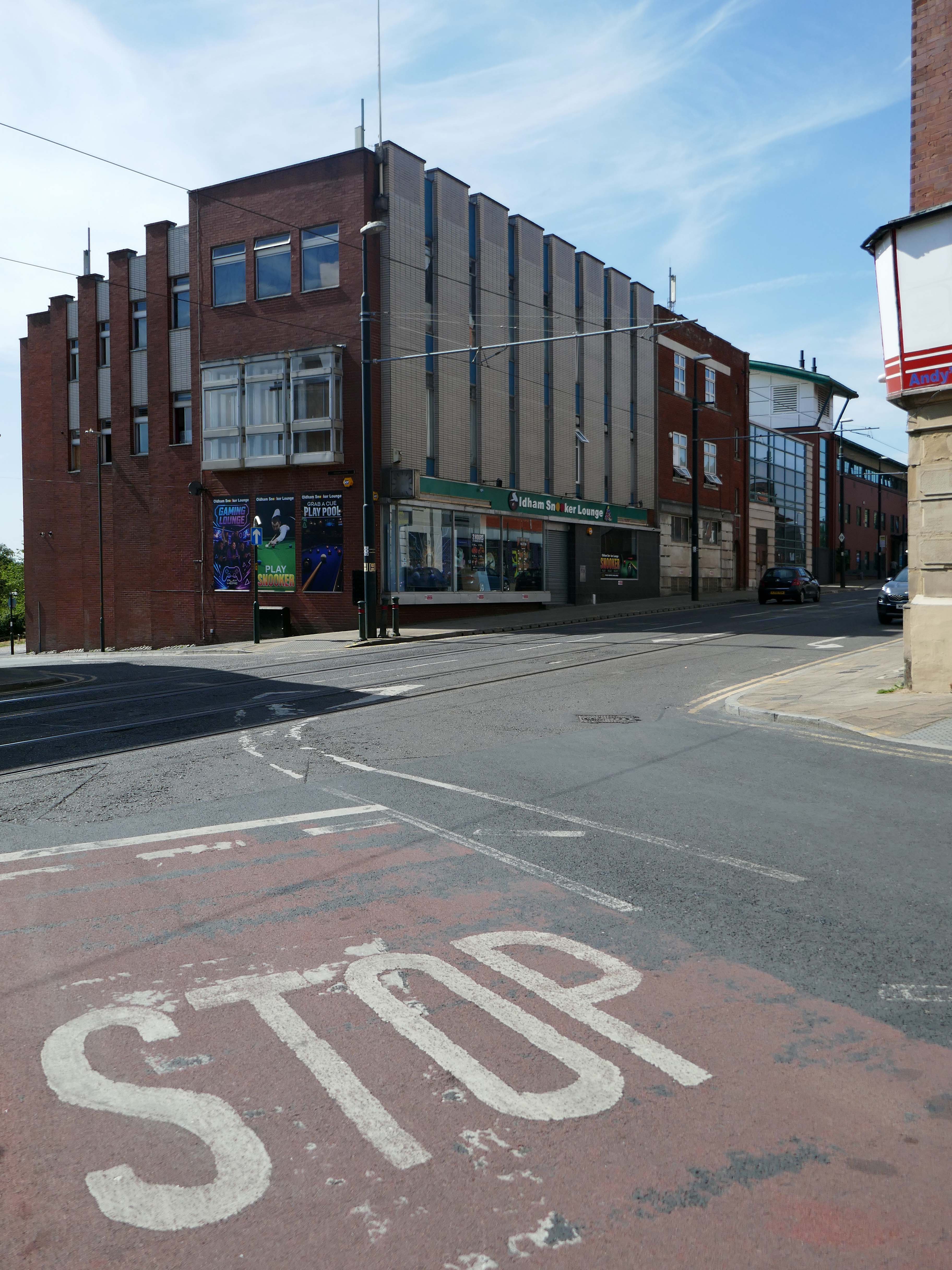
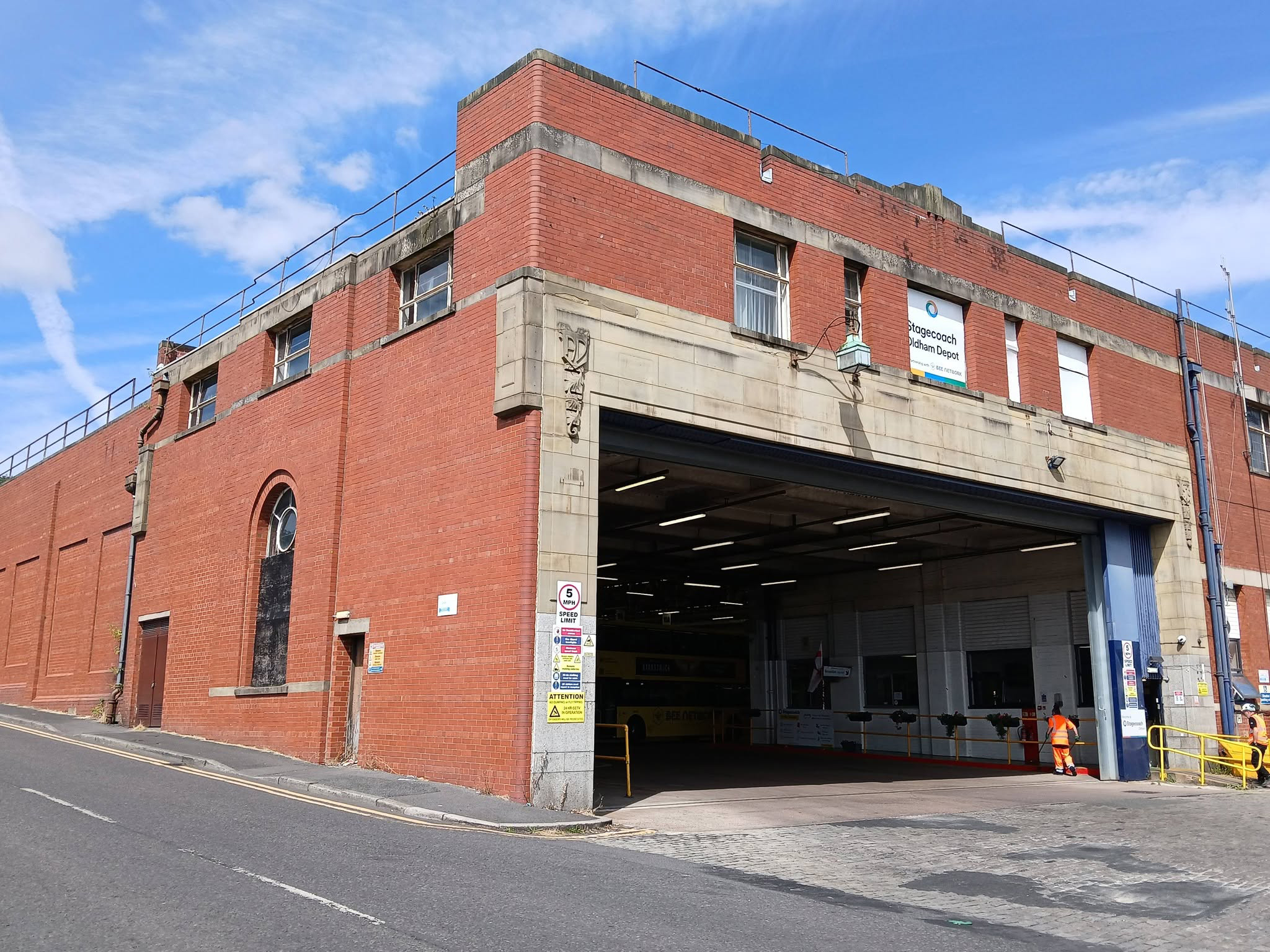
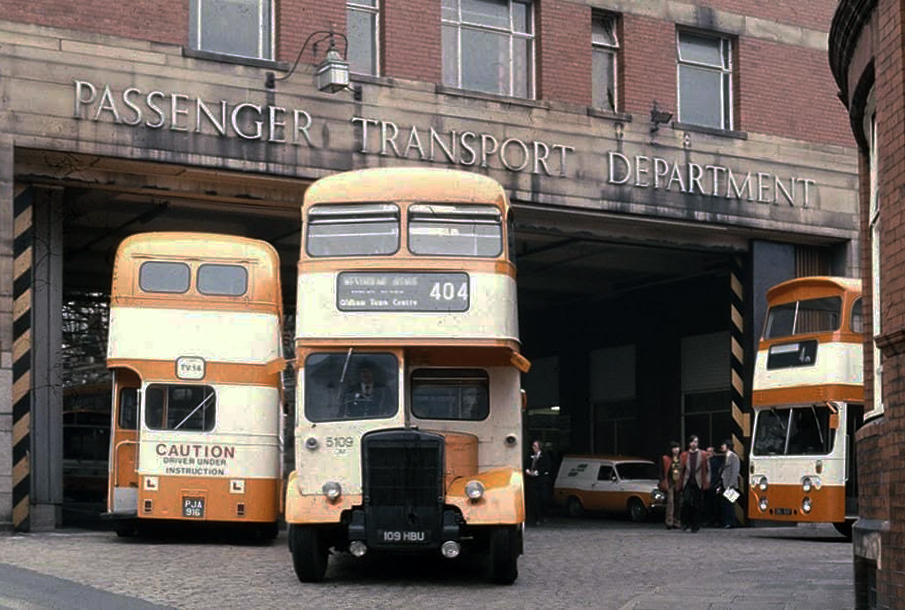
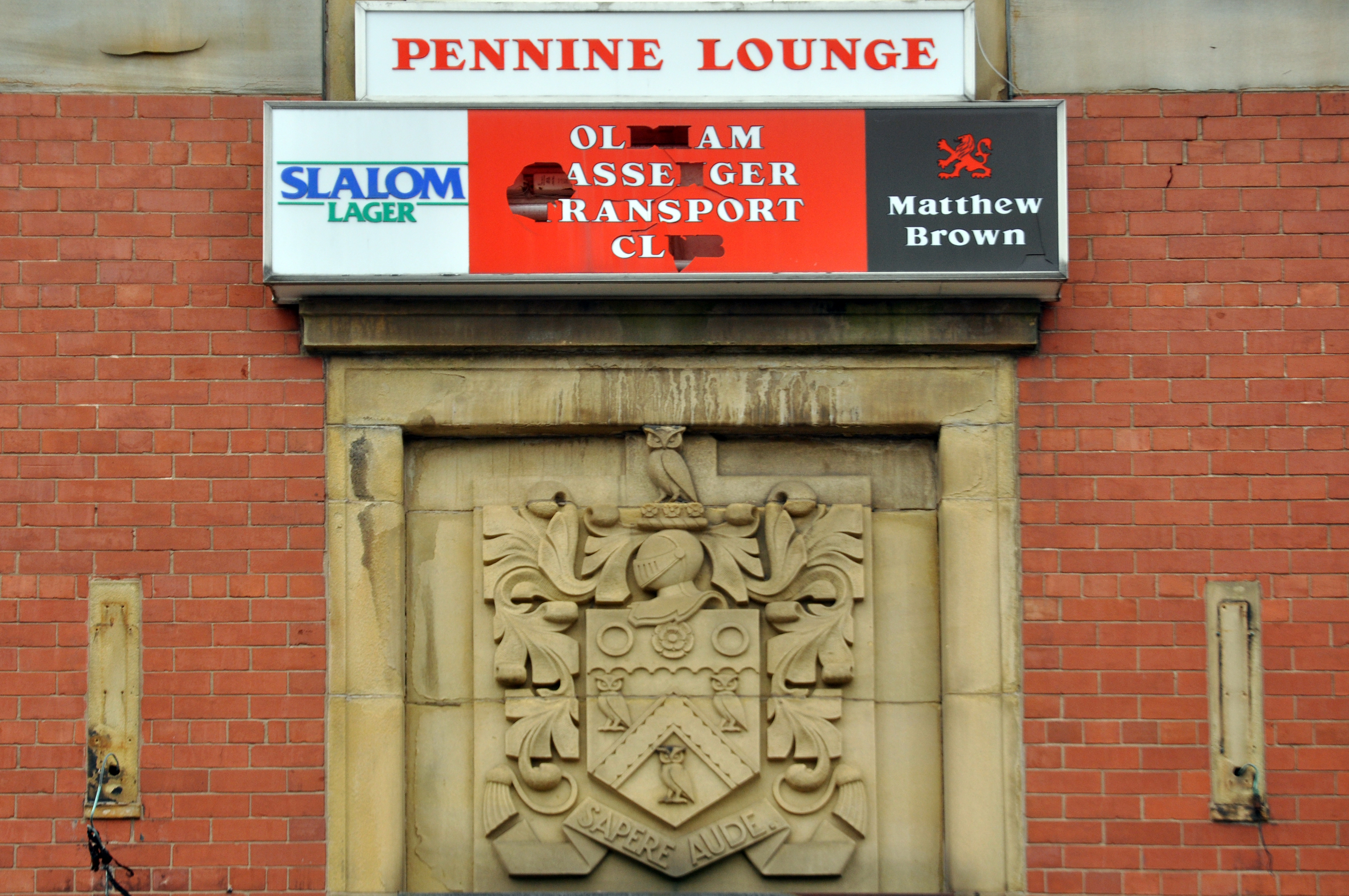
Down the hill and left to the Walshaw Street Bus Depot 1936
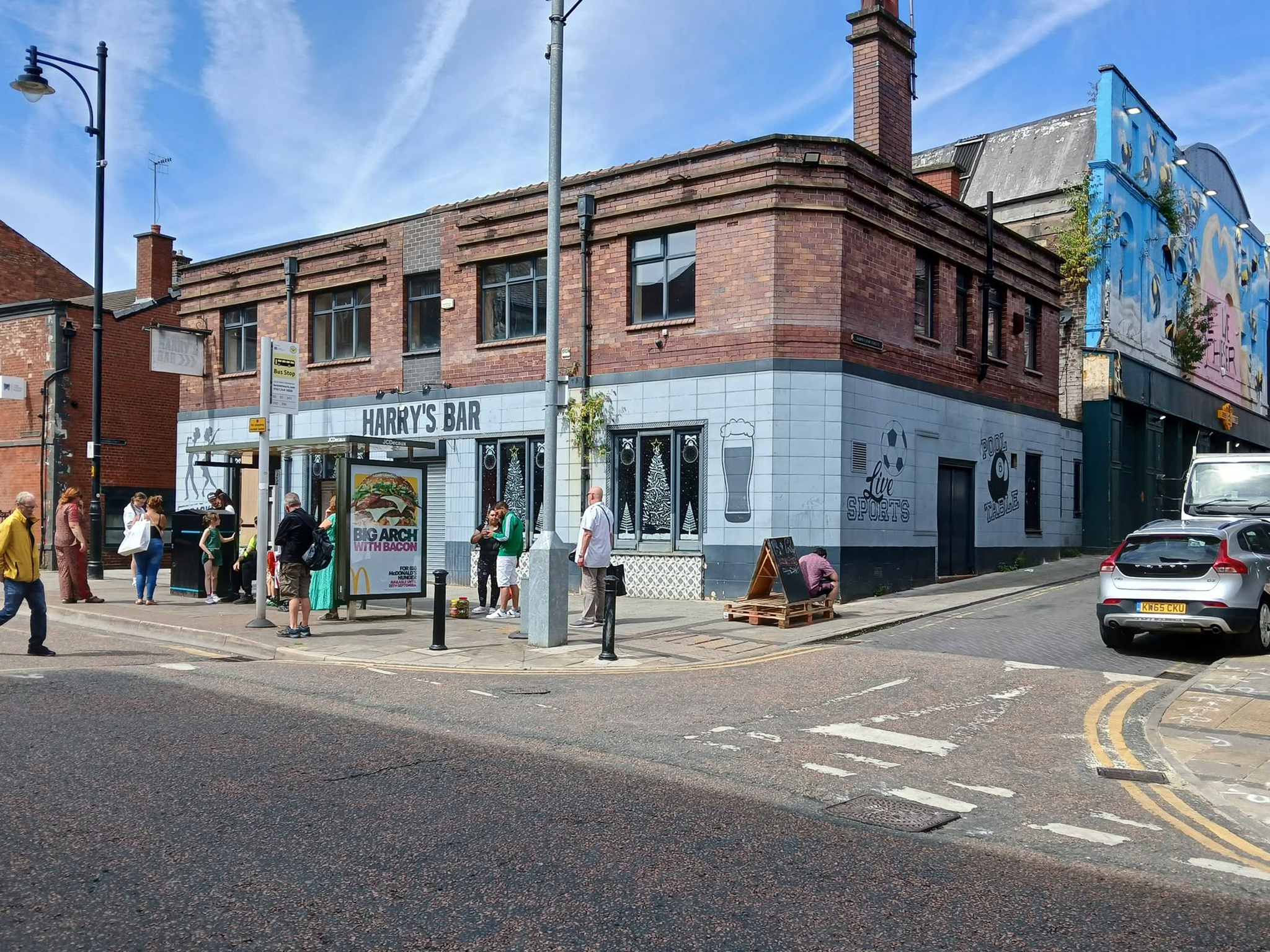
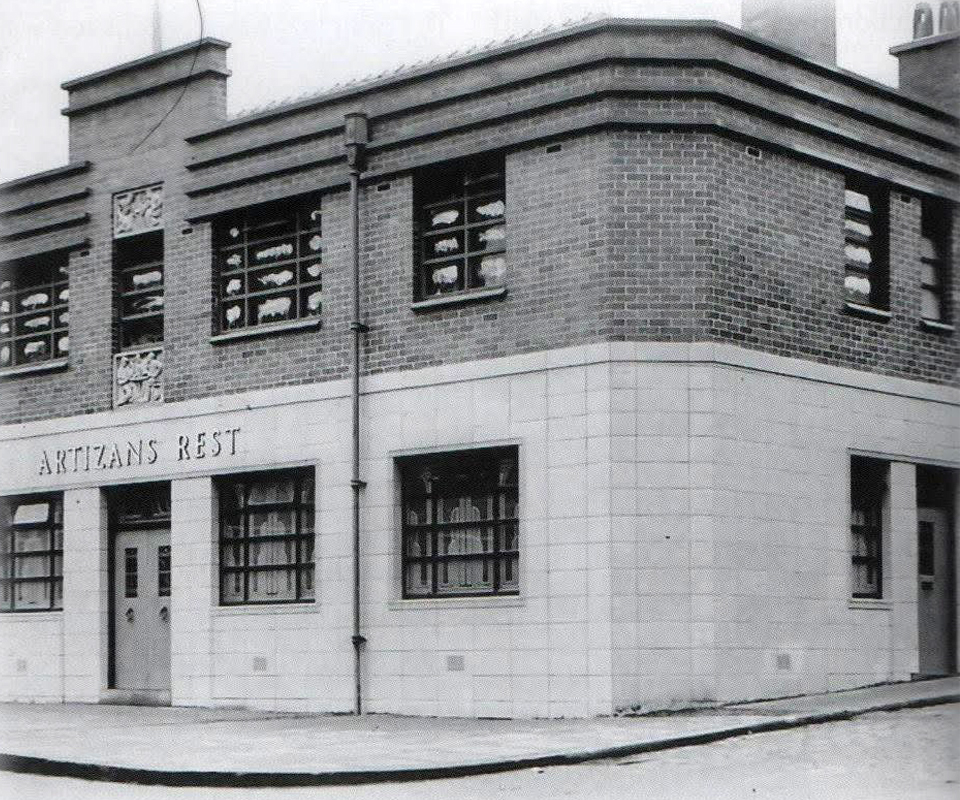
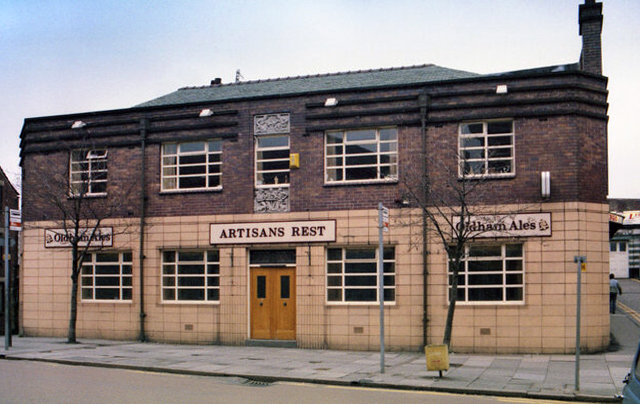
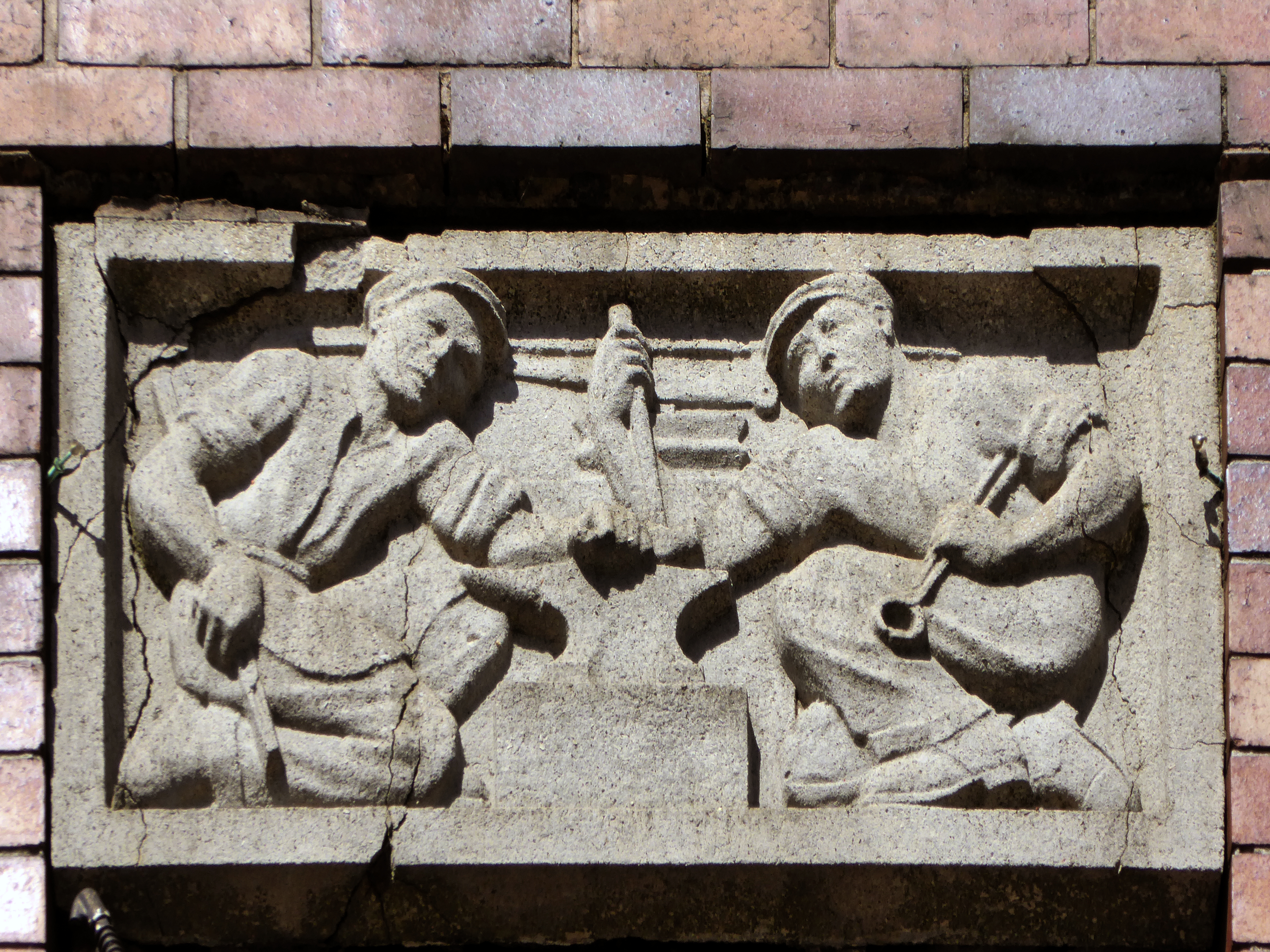
Next we head up Yorkshire Street to Harry’s Bar – formerly The Artizans Rest 1937.
Architects: CT Taylor – Roberts & Bowman.
In 2025, it was revealed by the Manchester Evening News that Oldham council planned to buy the building and demolish it with the price tag for the project reported to be £1m. The money comes from a £2.5m pot of regeneration finding given to the local authority by the government.
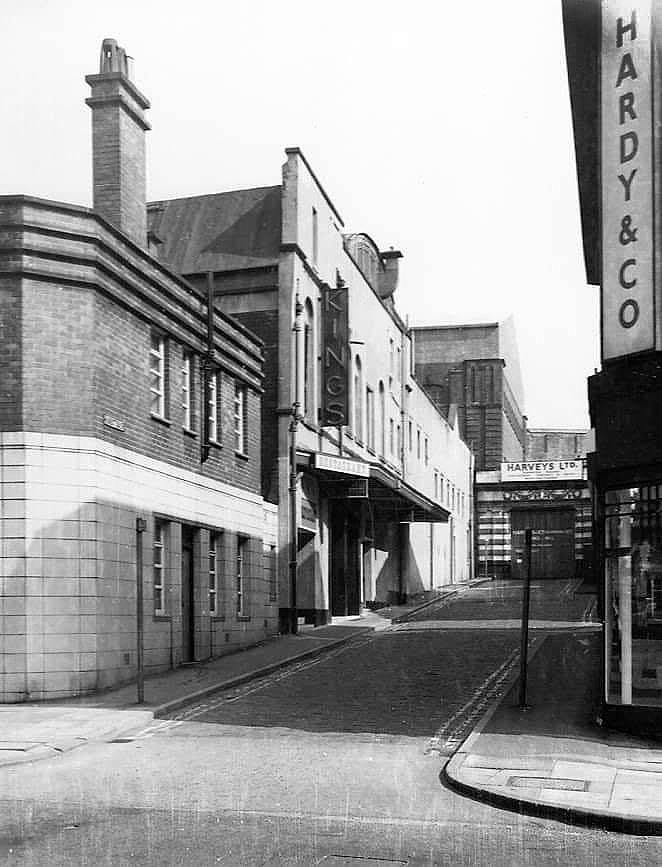
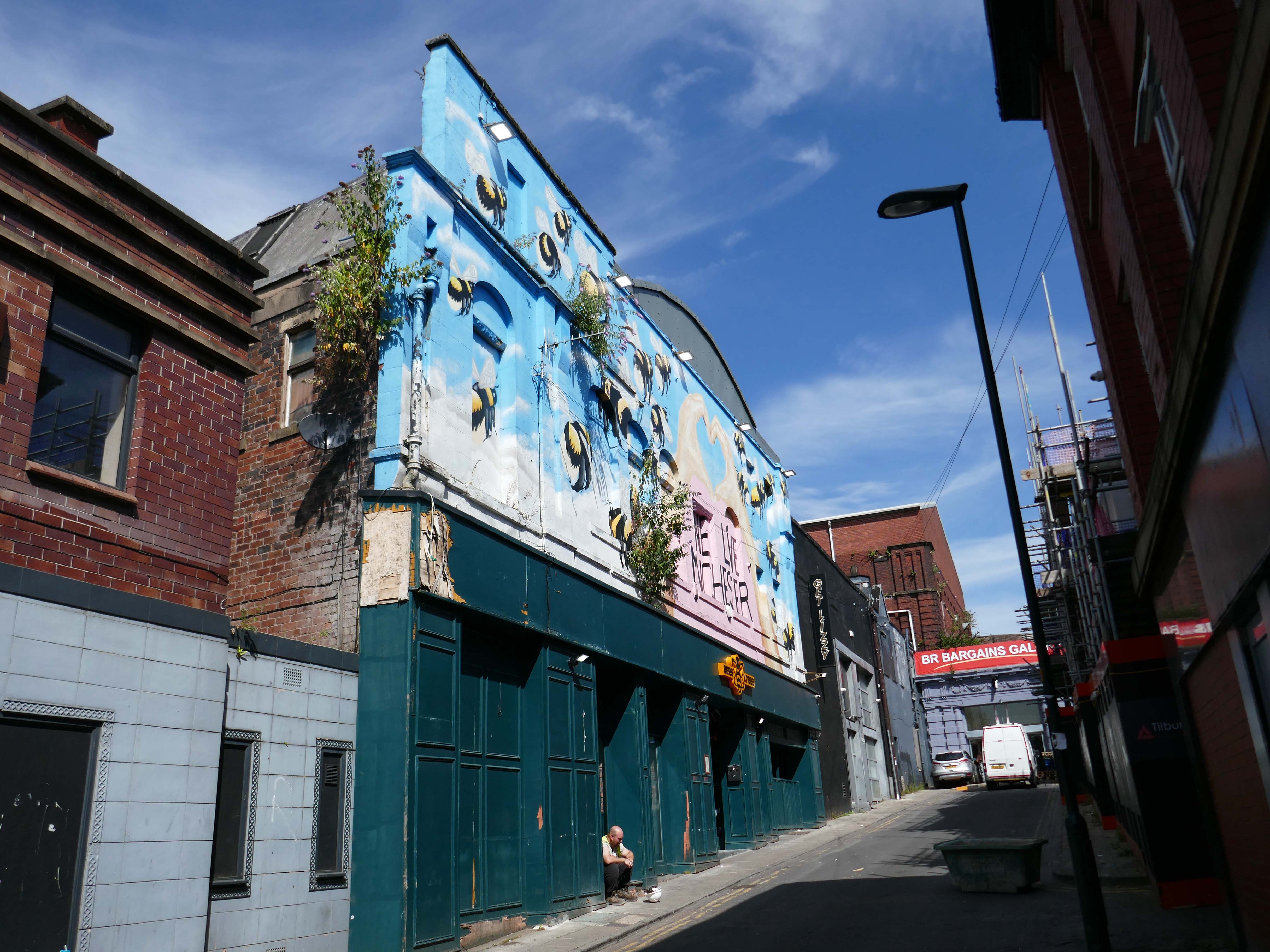
Just around the corner is the former Kings Picture Hall – currently Bees Knees.
Located in the town centre, directly opposite the Coliseum Theatre. The King’s Picture Hall was opened 18th September 1911. In October 1912 a café was opened in the building adding a further amenity to the cinema. In 1929 it was equipped with a British Thomson Houston sound system.
The King’s Picture Hall was closed on 25th June 1966 with Ryo Ikebe in Battle in Outer Space and Randolph Scott in Comanche Territory.
On 2nd July 1966 it was converted into a bingo club.
A stand of shops – stepped the accommodate the incline, partially clad in Westmorland Slate.
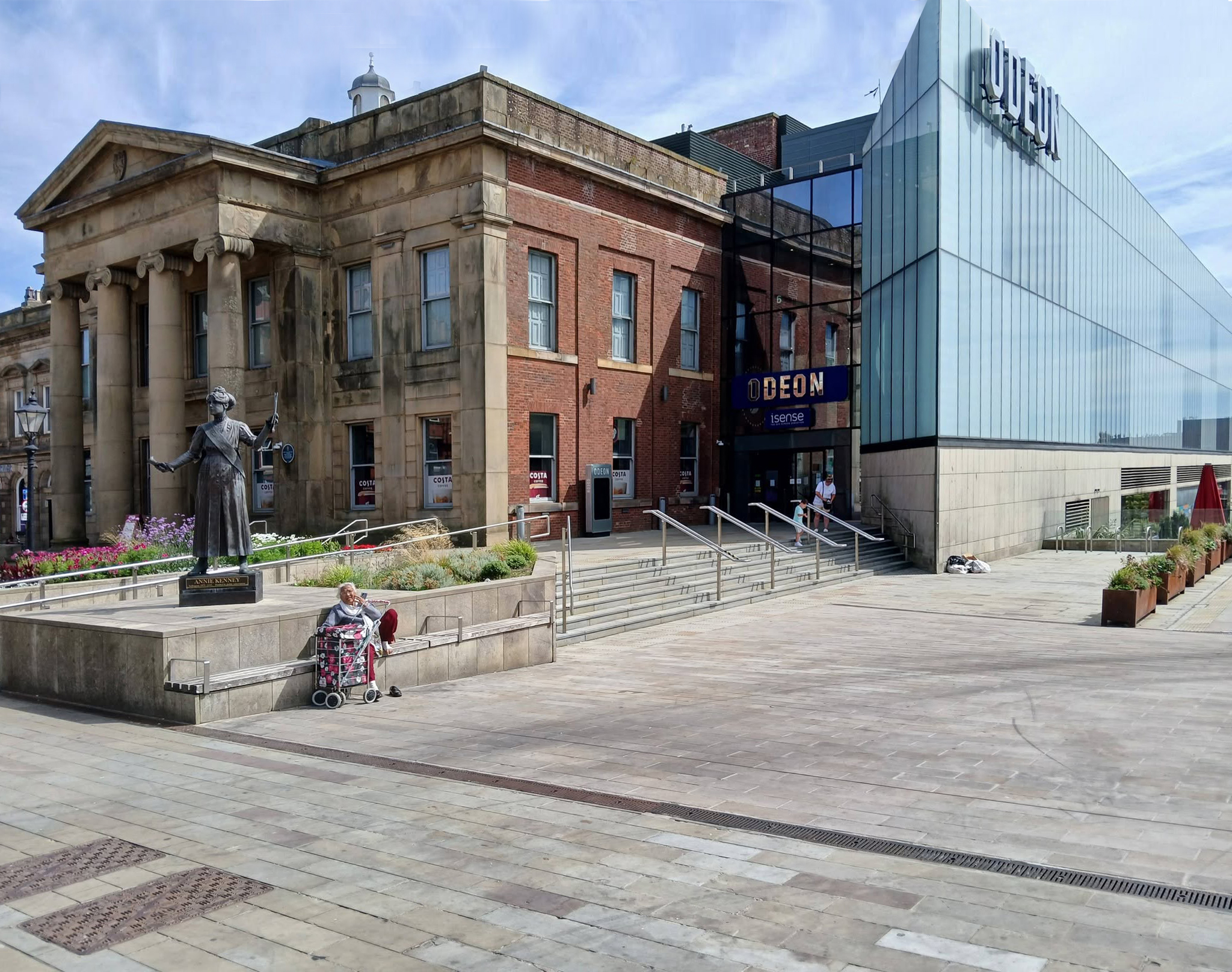
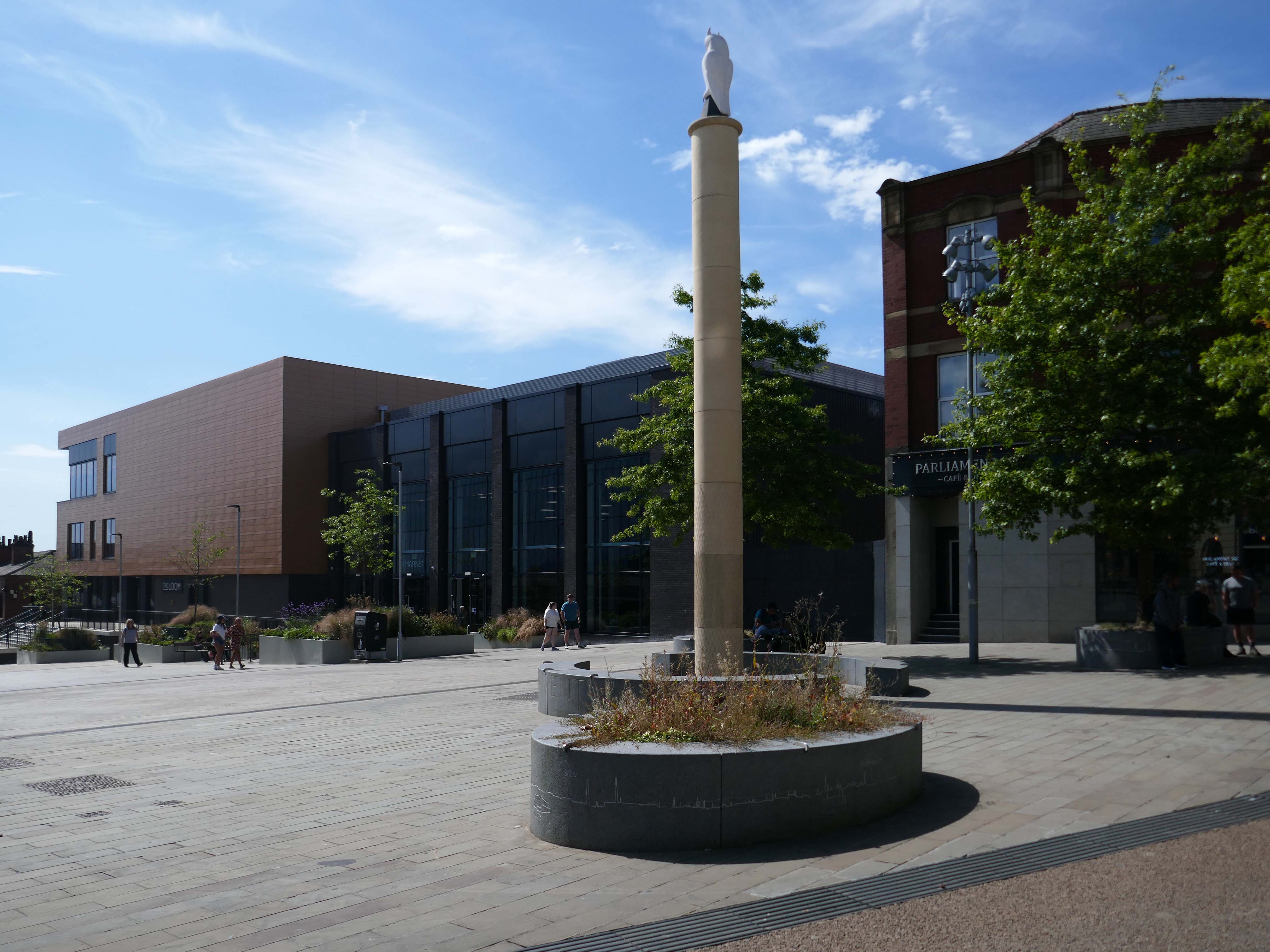
Oldham Town Centre now has a new high-quality public space – Parliament Square
Six new restaurant units will be located within the Old Town Hallalongside a brand new 800-seat, seven screen ODEON cinema.
BDP 2017
A stunning glass extension to the side of the Grade II-listedbuilding provides access to the various levels of the cinema and is also the frontage to the new restaurants.
George Woodhouse of Bolton 1841, extended by Edward Potts of Oldham 1879-80.
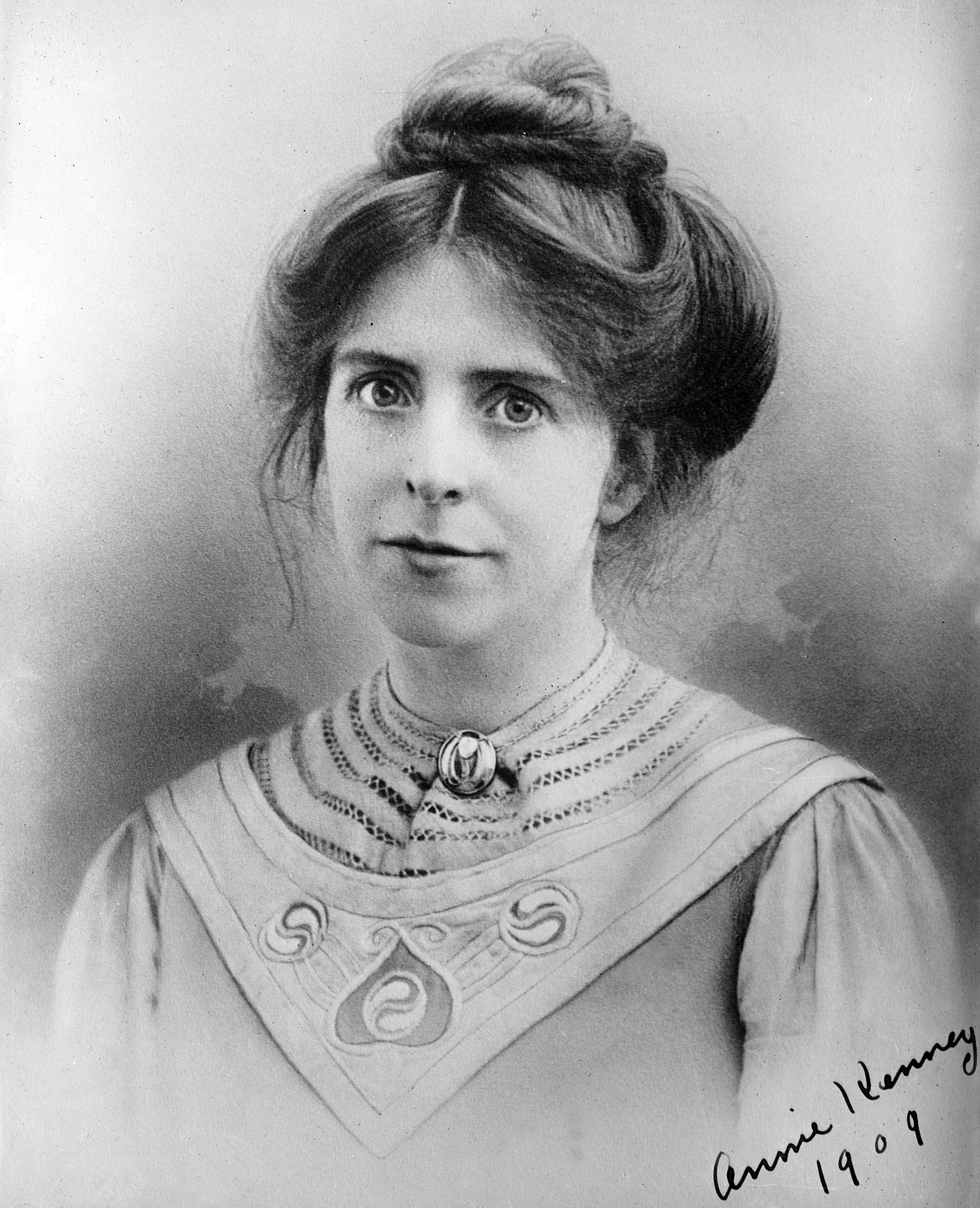
To the left is a statue of Springhead born Annie Kenney – political activist, socialist feminist and suffragette, modelled by Denise Dutton, unveiled 14 December 2018.
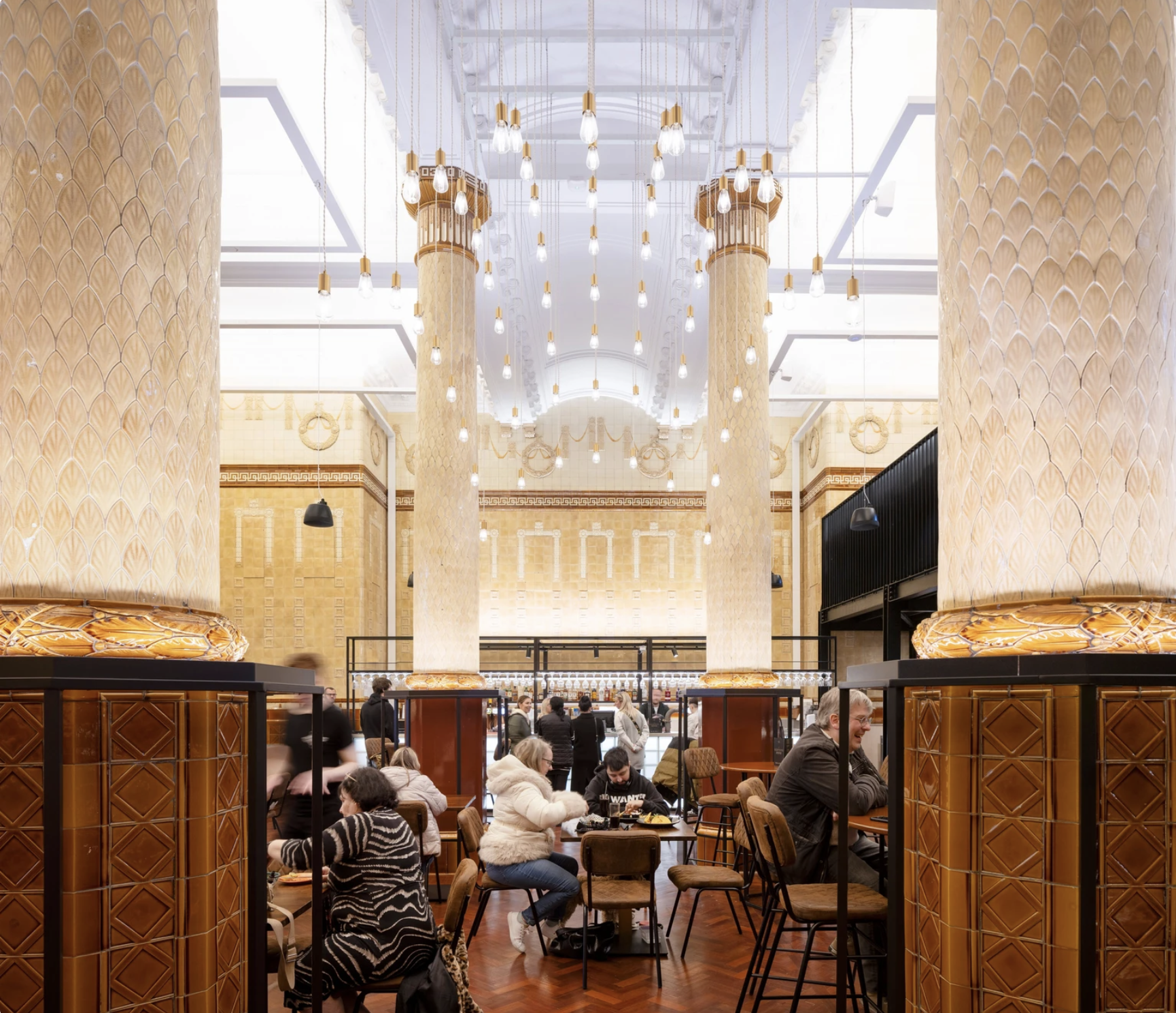
The Egyptian Room Food Hall project extends BDP’s partnership with Oldham Council and the rejuvenated Grade II listed Old Town Hall building in Oldham town centre, the main transformation of which was also designed and delivered by BDP.
The Loom is a brand new events space next to Oldham’s new indoor market on Parliament Square in the town centre. The gala-sized event space can fit up to one thousand standing guests, seven hundred seated, or five hundred dining, or can be split-off into smaller rooms for exhibitions, gigs, or theatre performances.
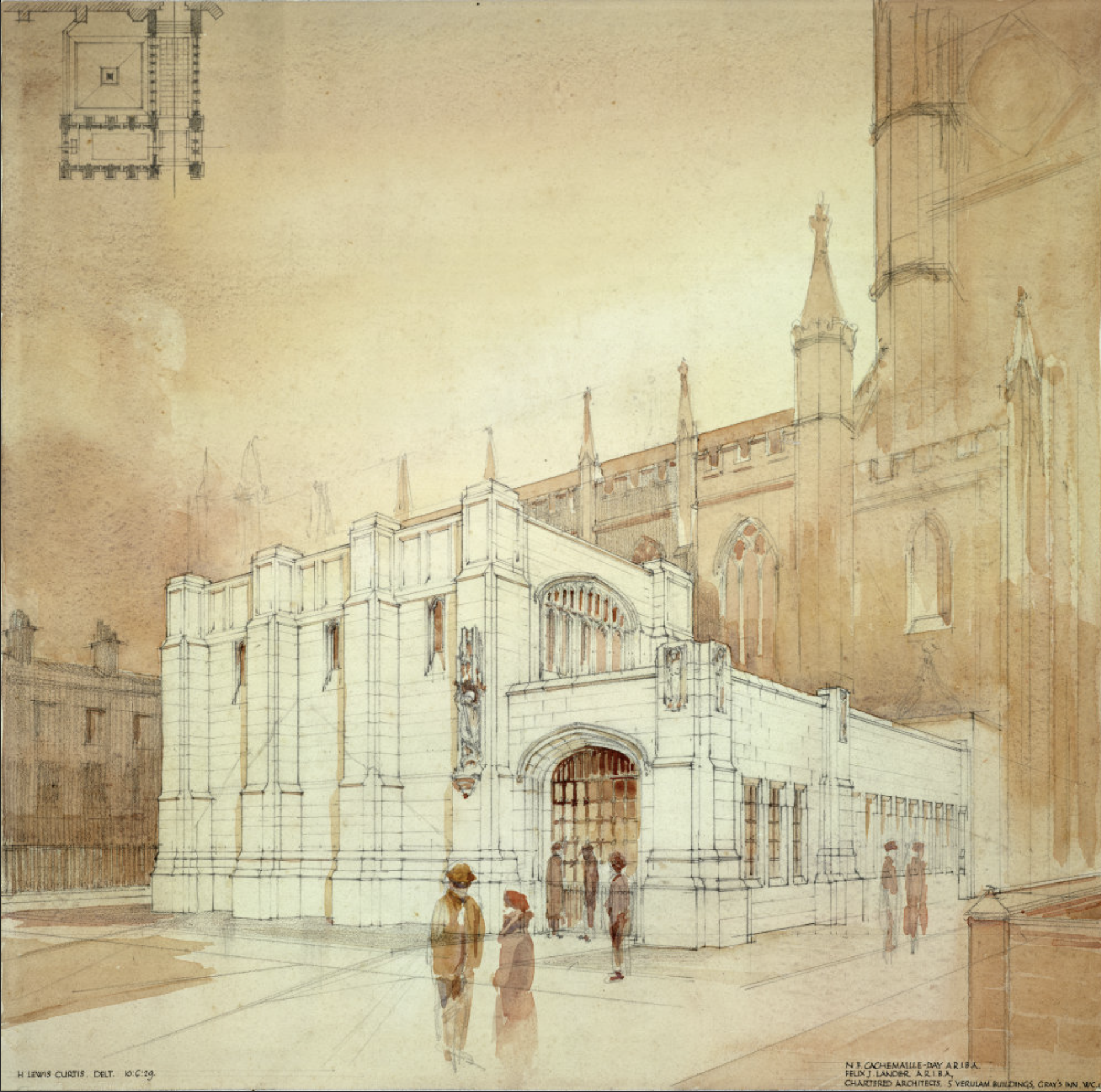
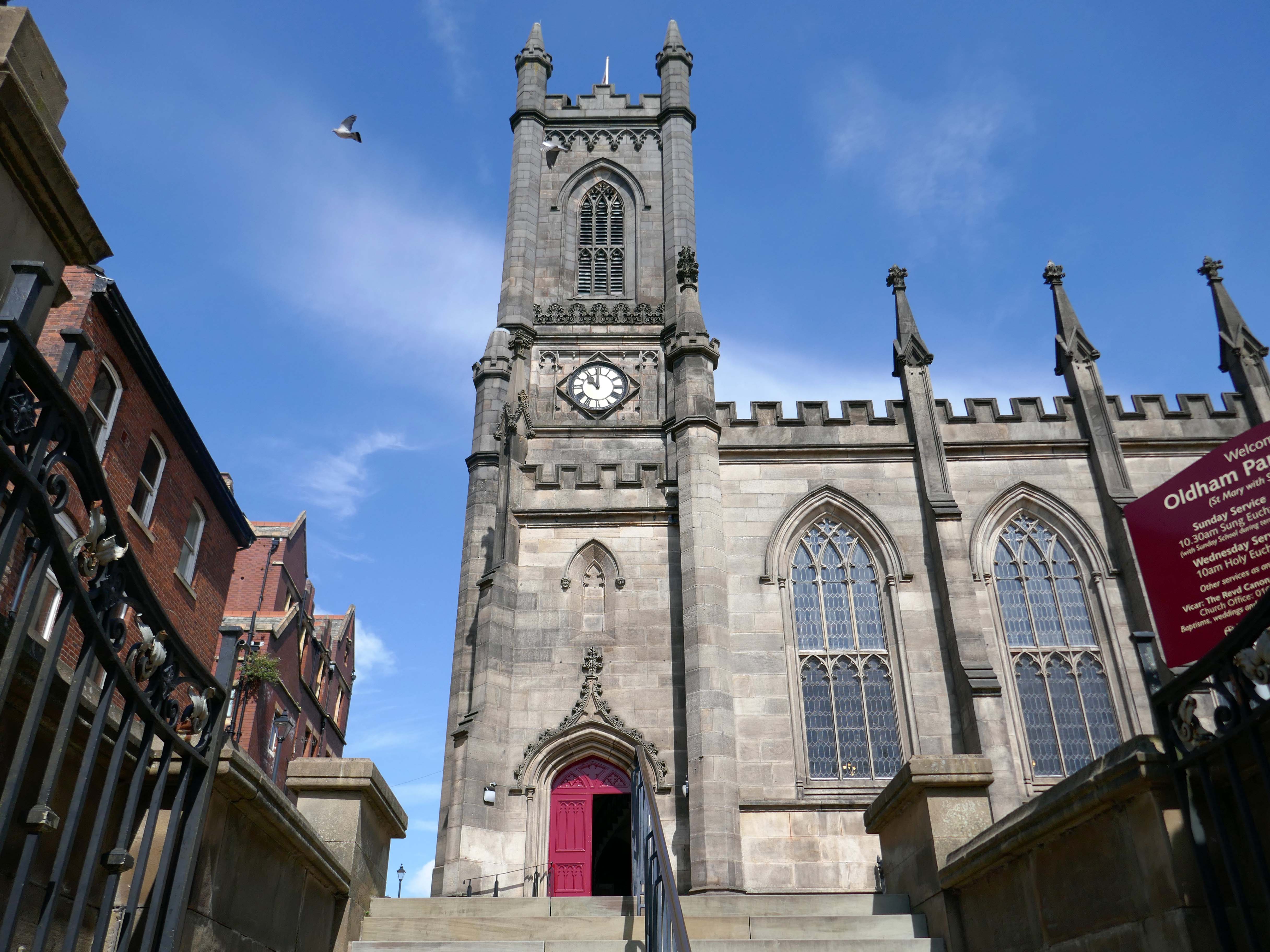
Design for a war memorial chapel, St Mary’s Church 1920.
Architect: Nugent Francis Cachemaille-Day.
Artist: H Lewis Curtis.
Image: RIBA pix
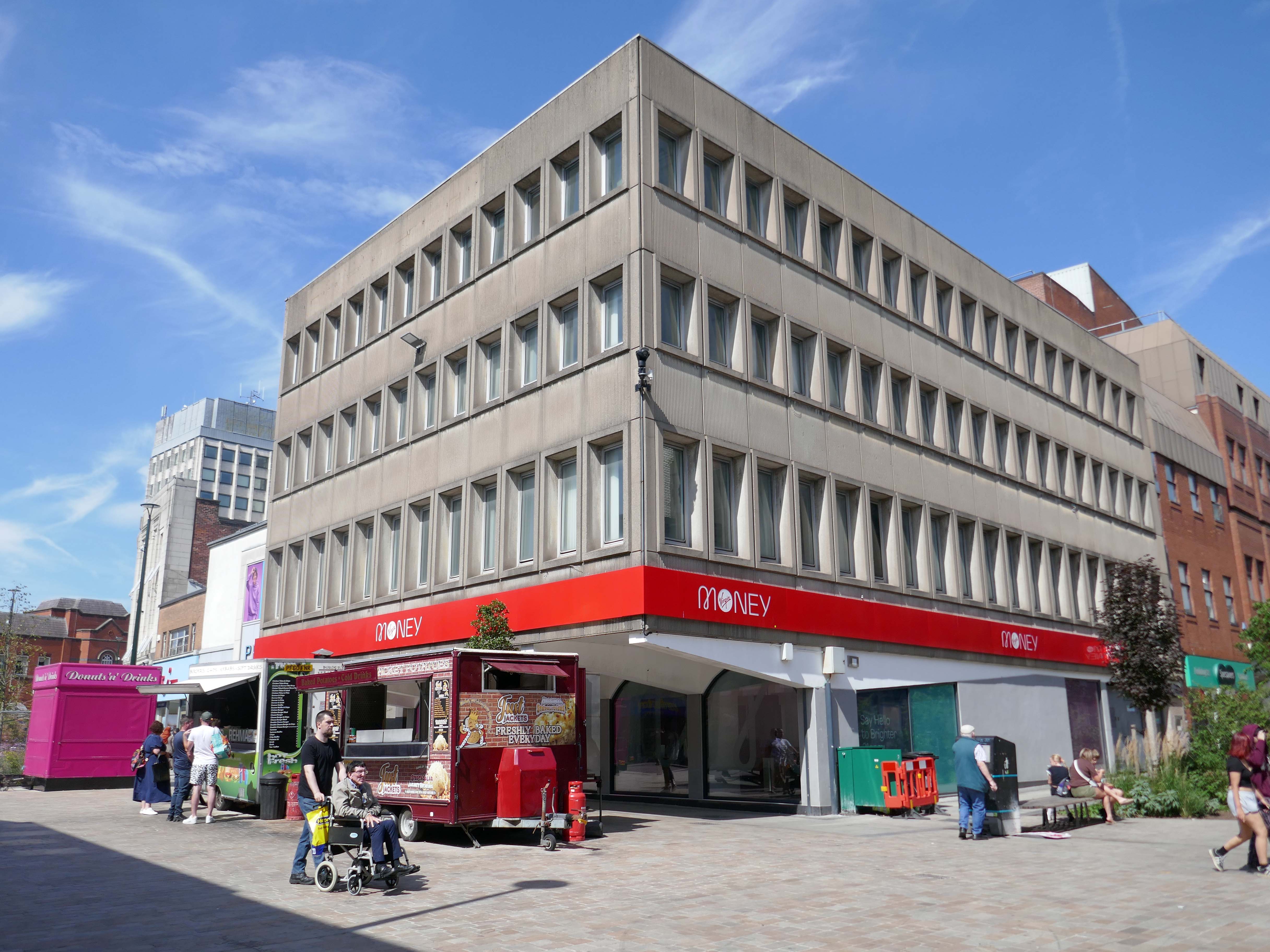
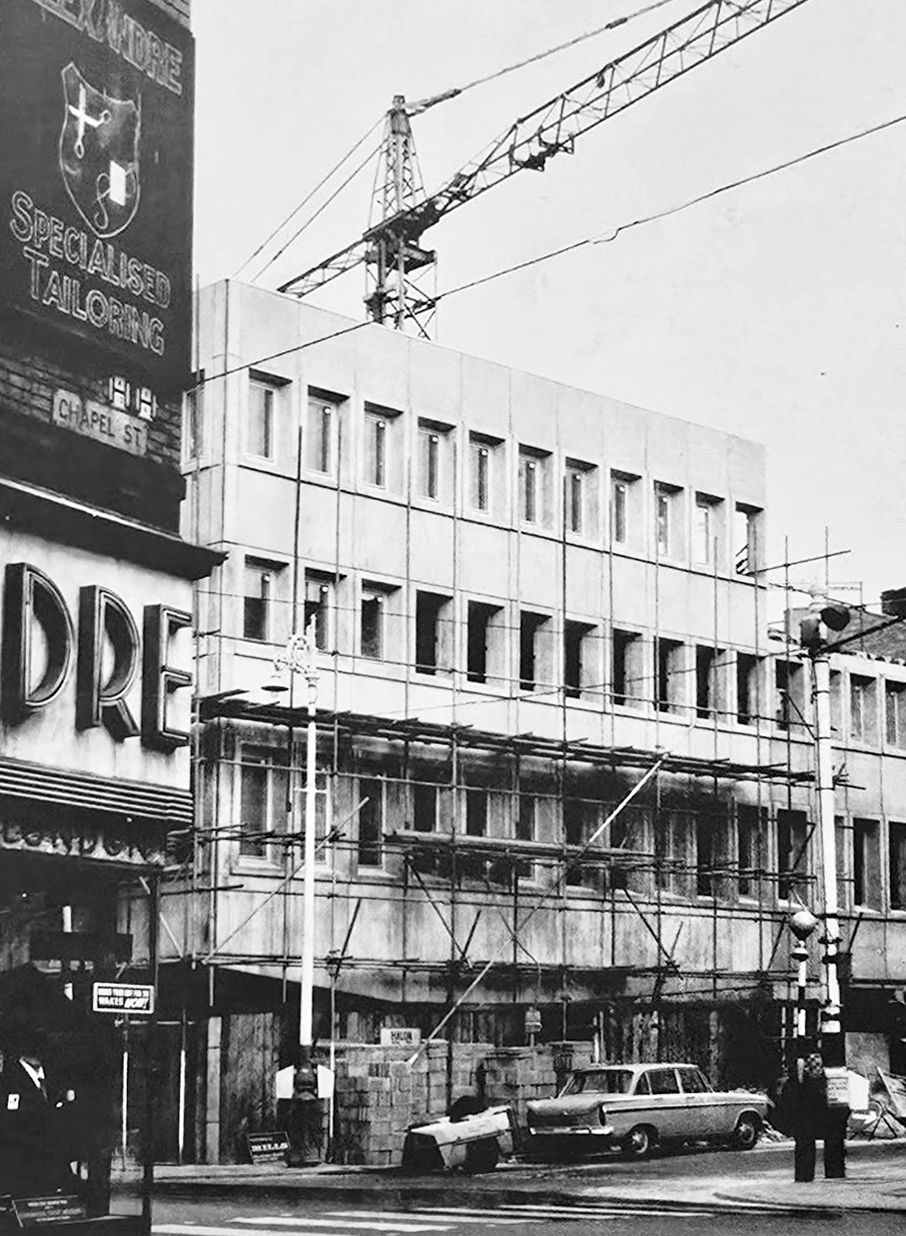
Next to the former Yorkshire Bank 1970 John Brunton& Partners.
Under construction 1970
Image: Kayla Chadwick
Down to the Spindles Shopping Centre 1991
Originally the site of St Peter’s Shopping Centre architect Richard Seifert
St Peter’s House – housed Oldham Area Health Authority Administrative Offices
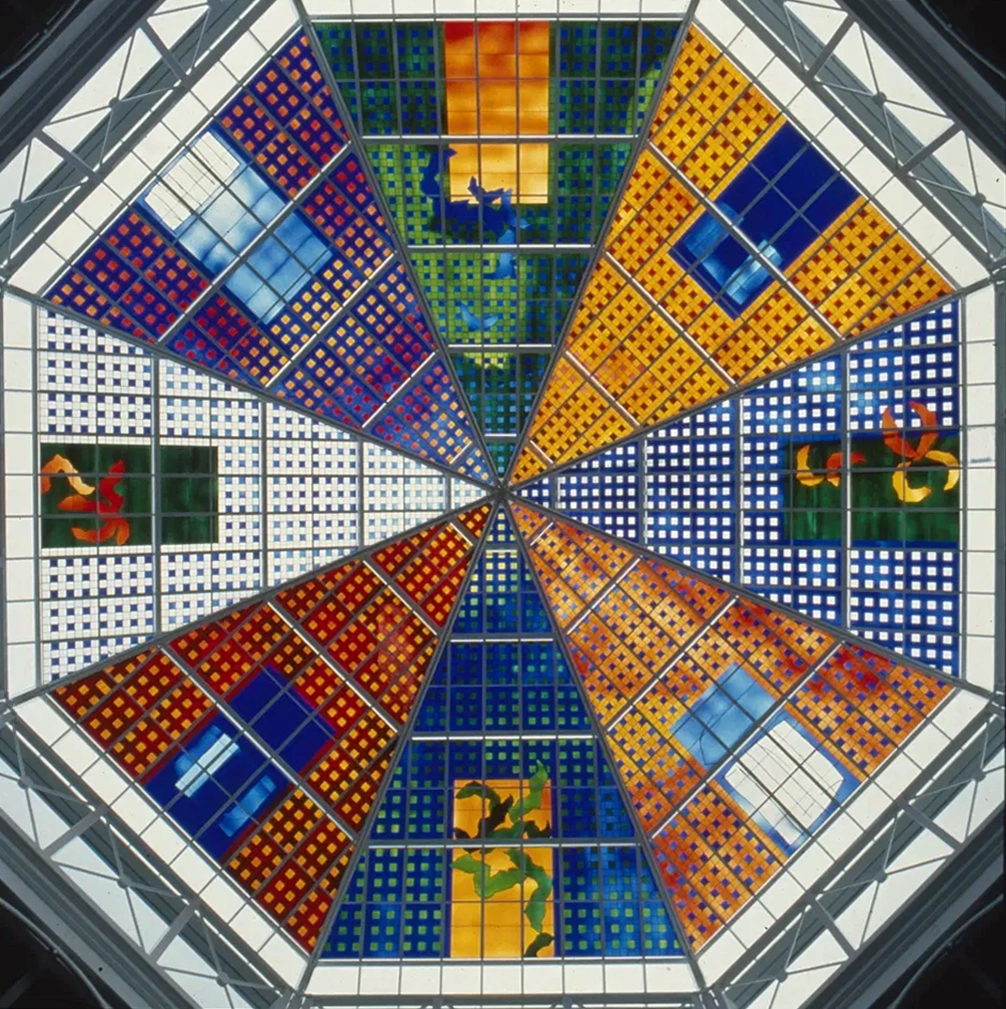
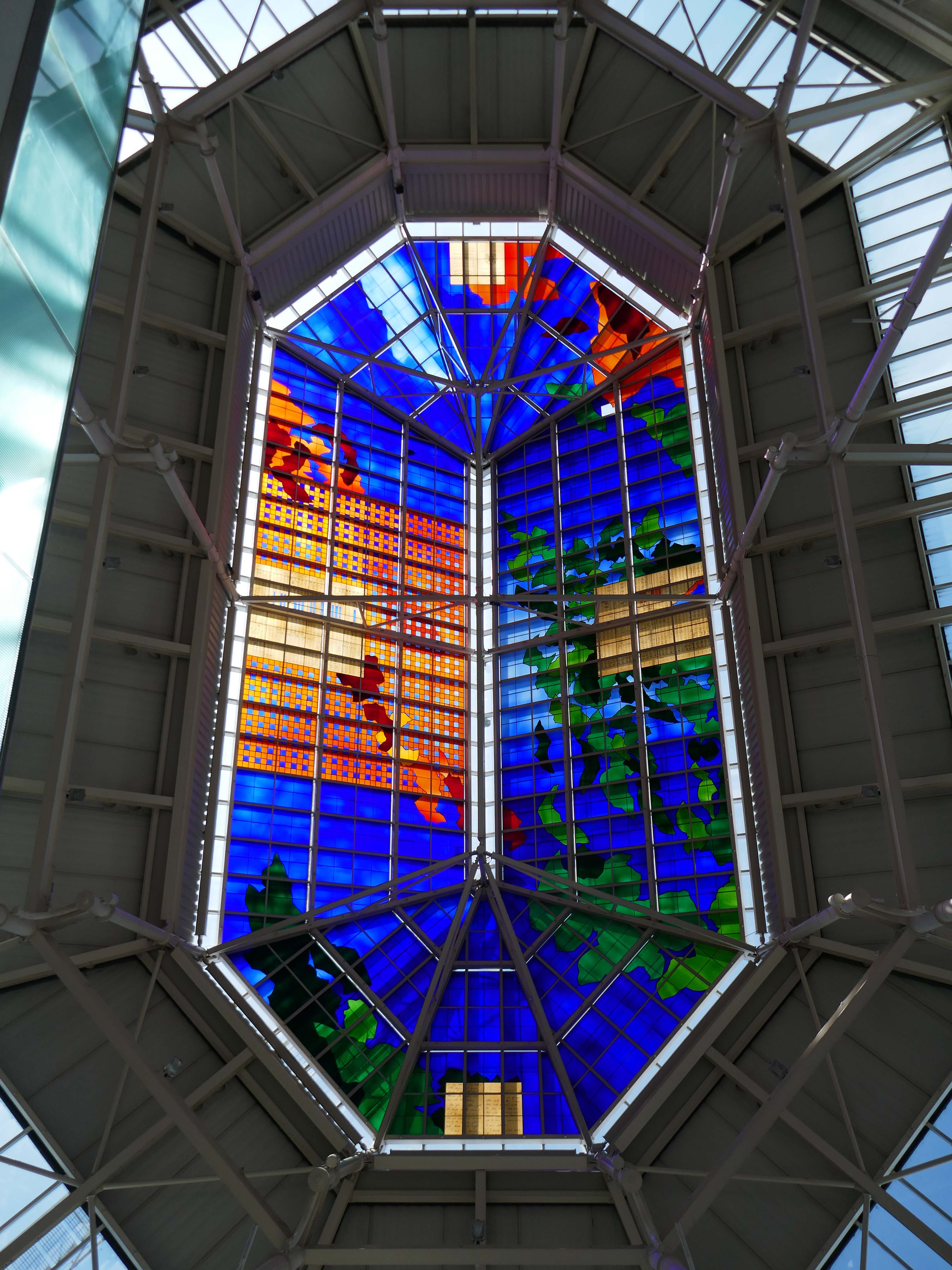
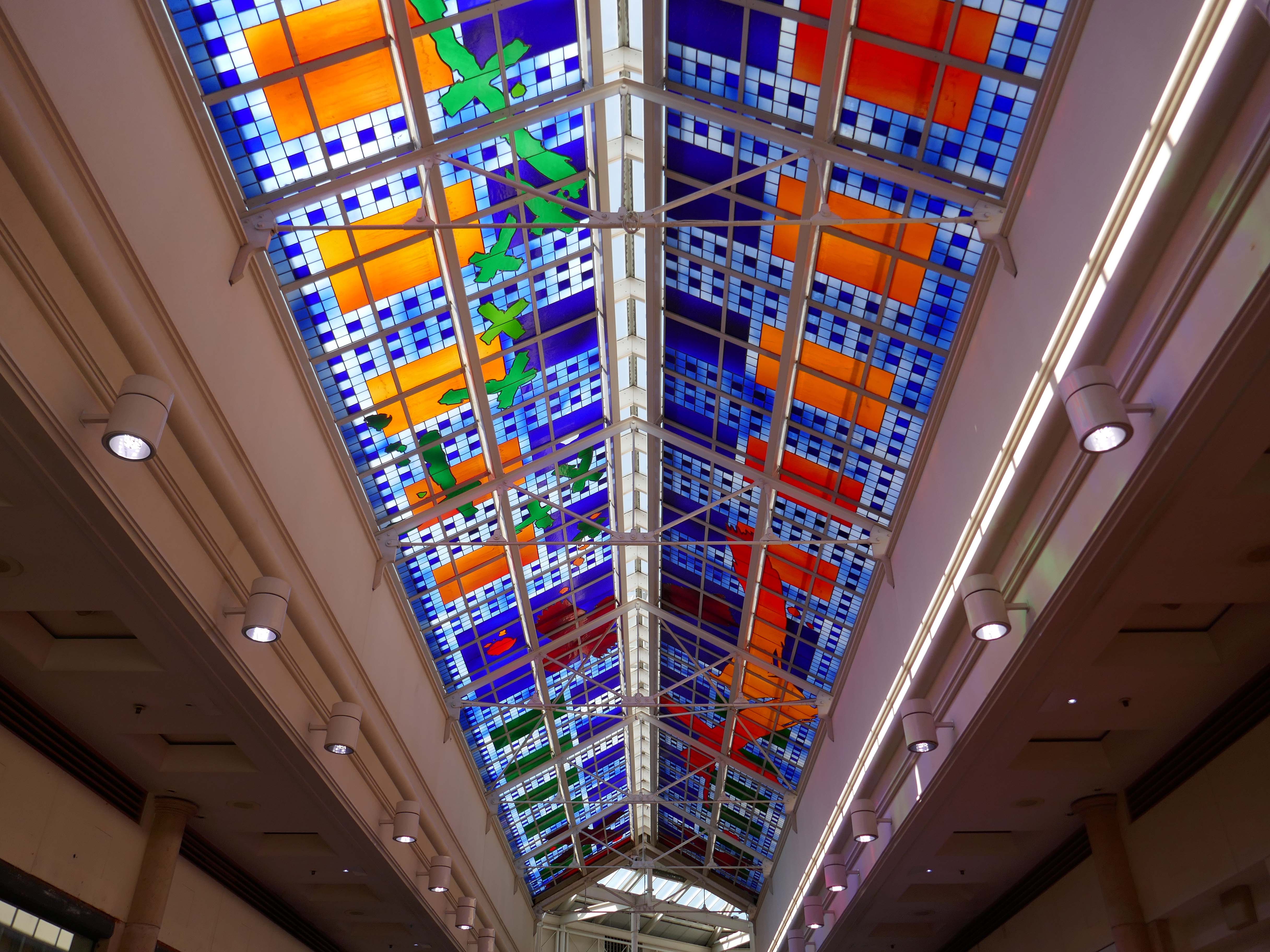
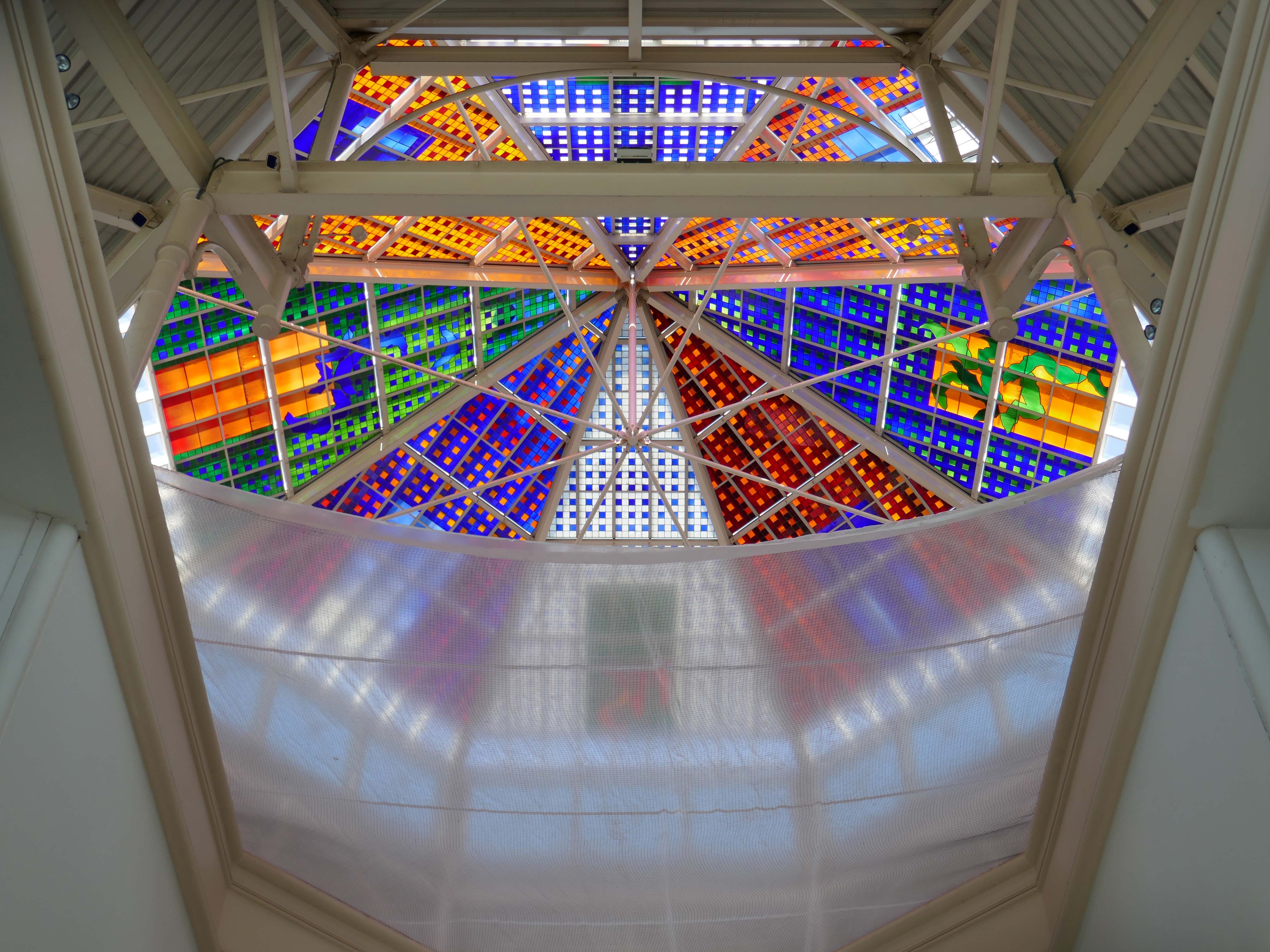
Between 1990 and 1993, Brian Clarke designed a series of three interrelated roof lights in stained glass for the Spindles Shopping Centre in his hometown of Oldham, Lancashire. Among the largest stained glass windows in Europe, and some of the largest public artworks in the UK, these panels connect the main public areas of the principal shopping centre in the town.
No town walk would be complete without a former Burton’s.
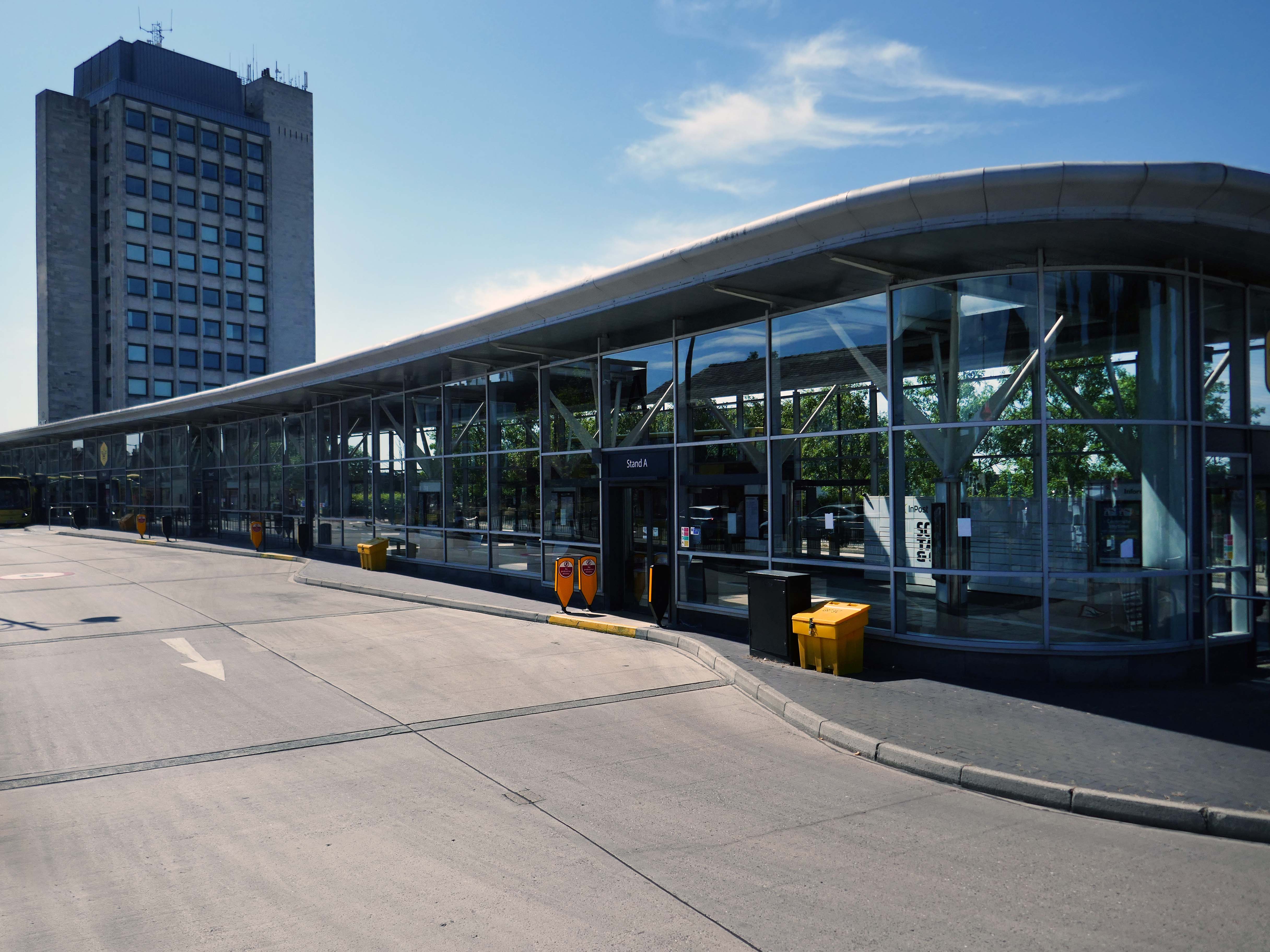
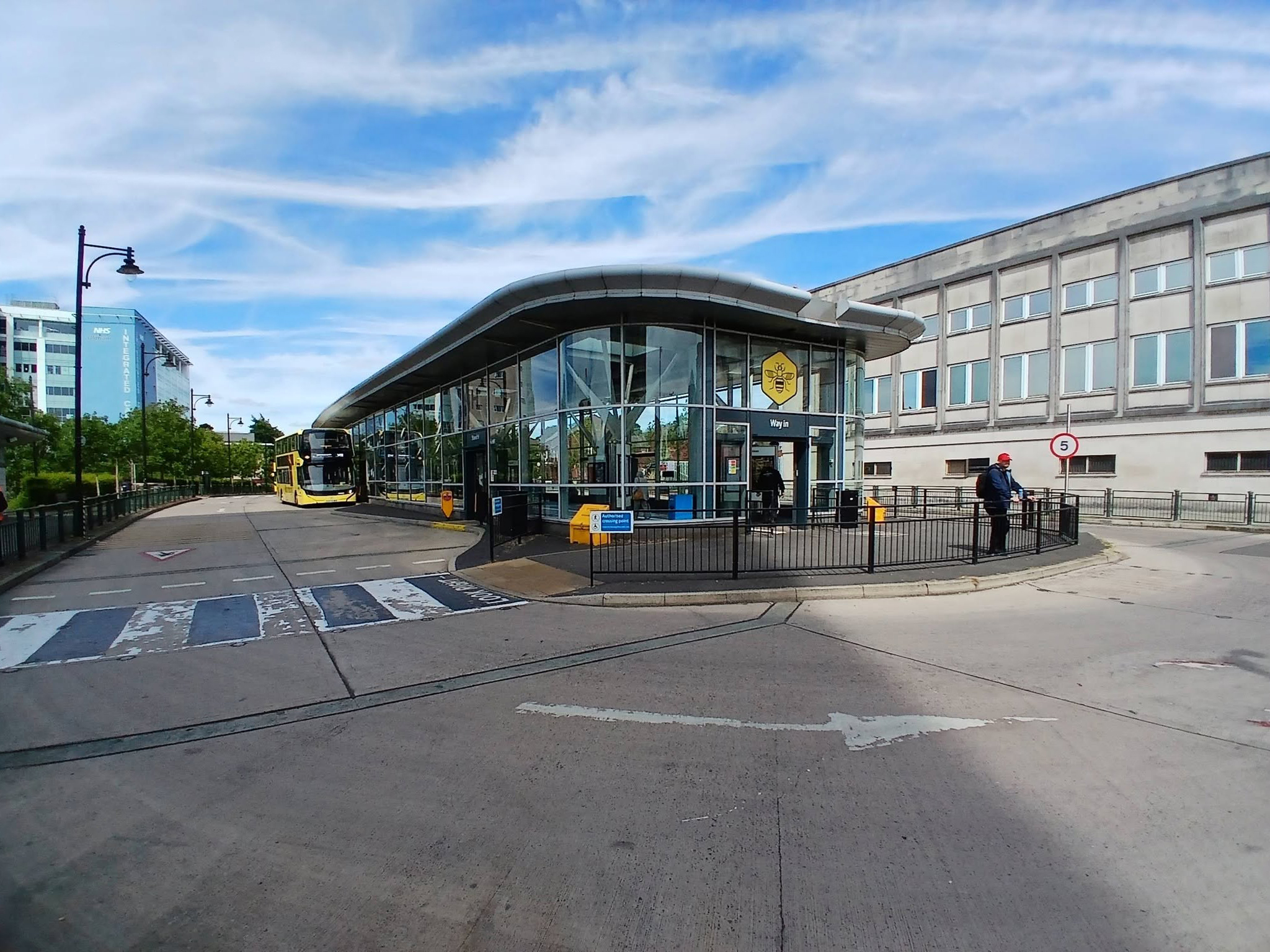
Next to the Bus Stations 2008 Austin-Smith Lord situated either side of the Civic Centre.
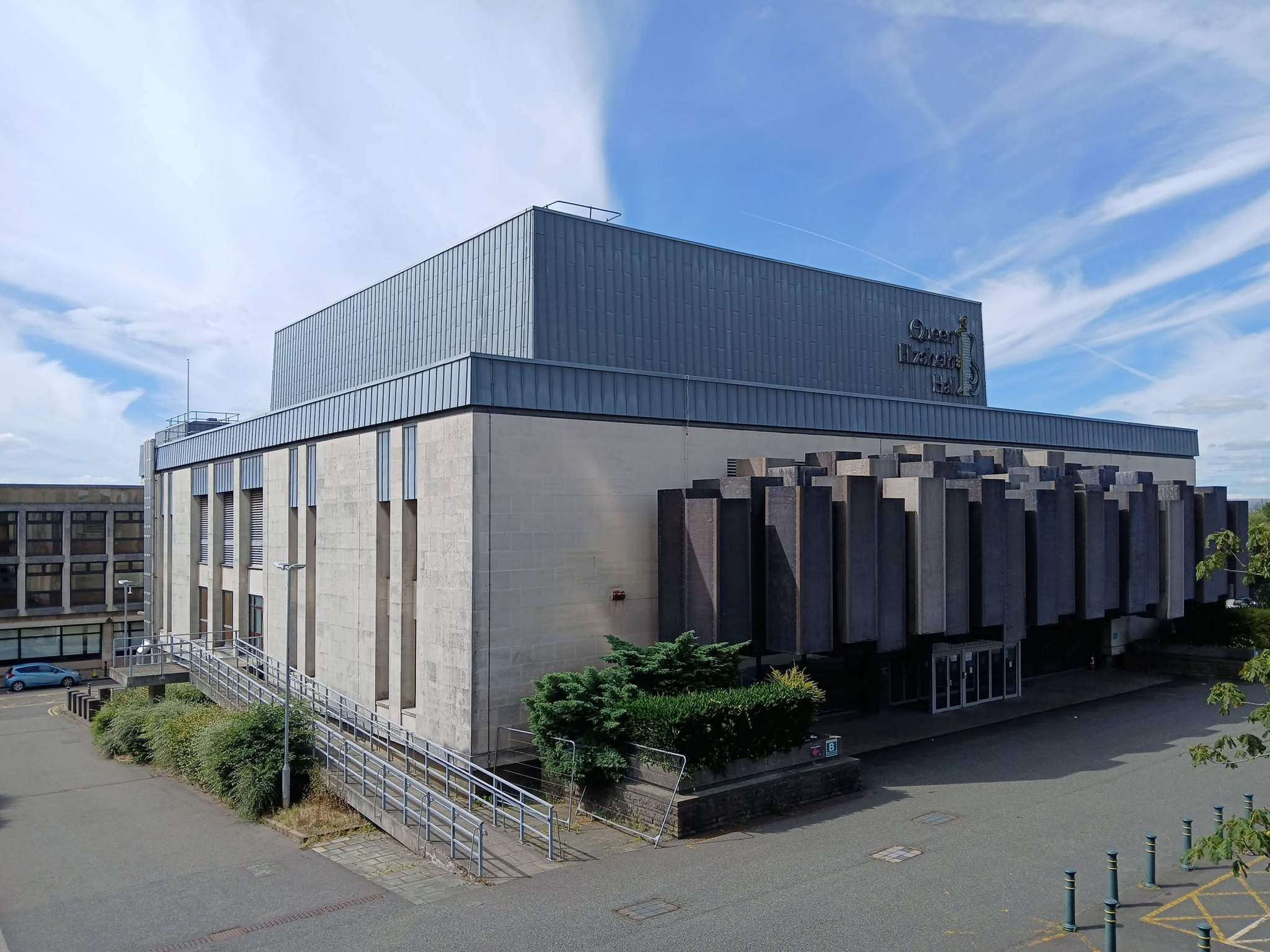
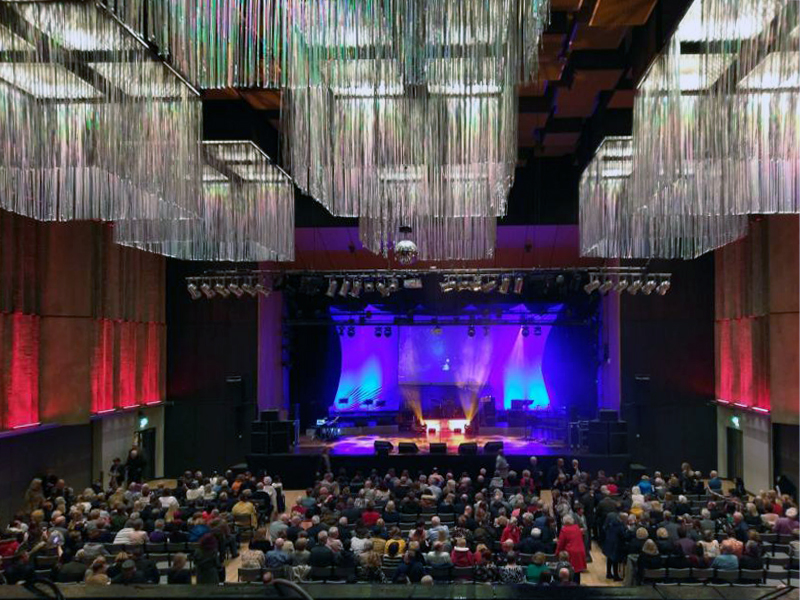
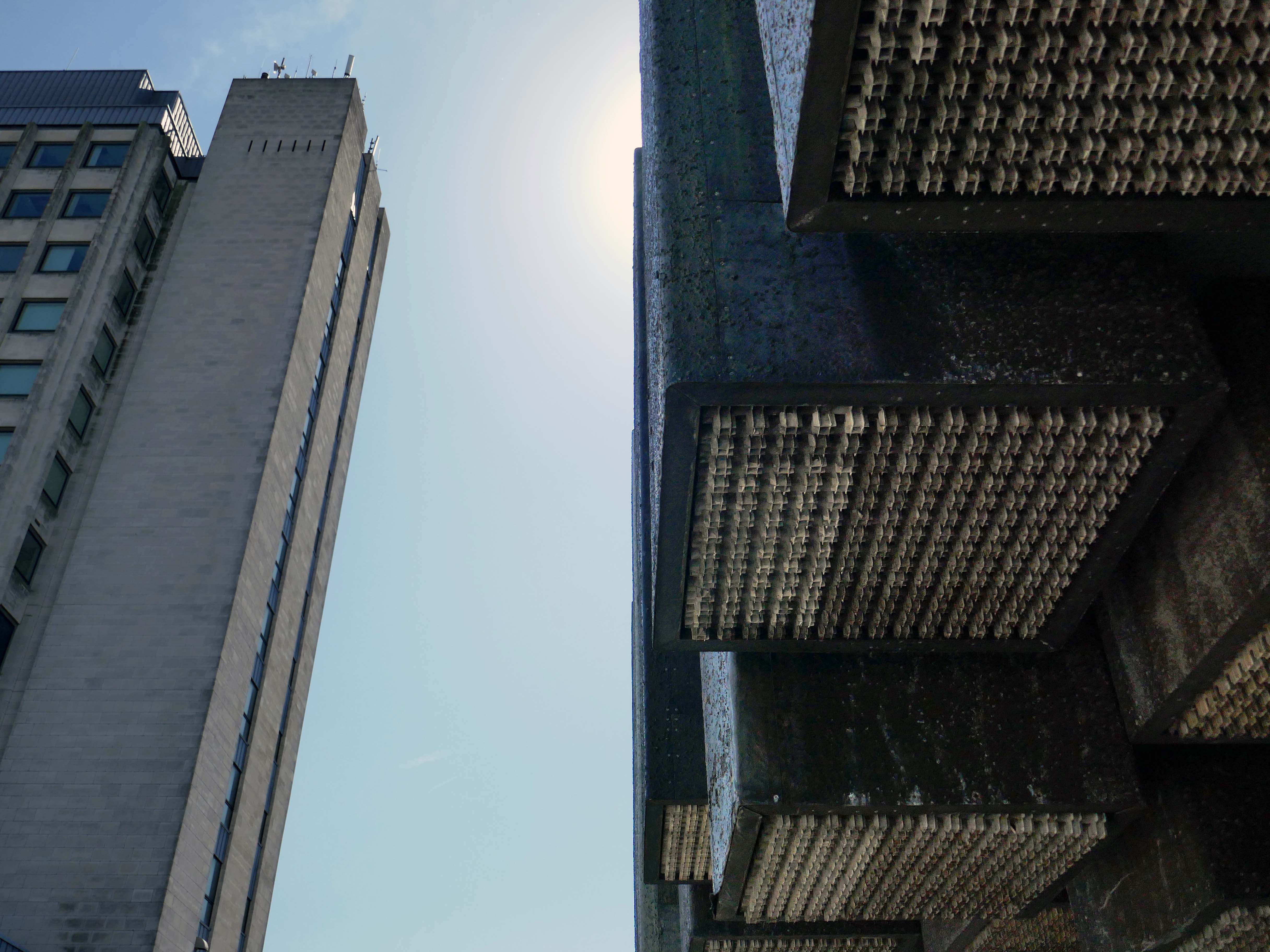
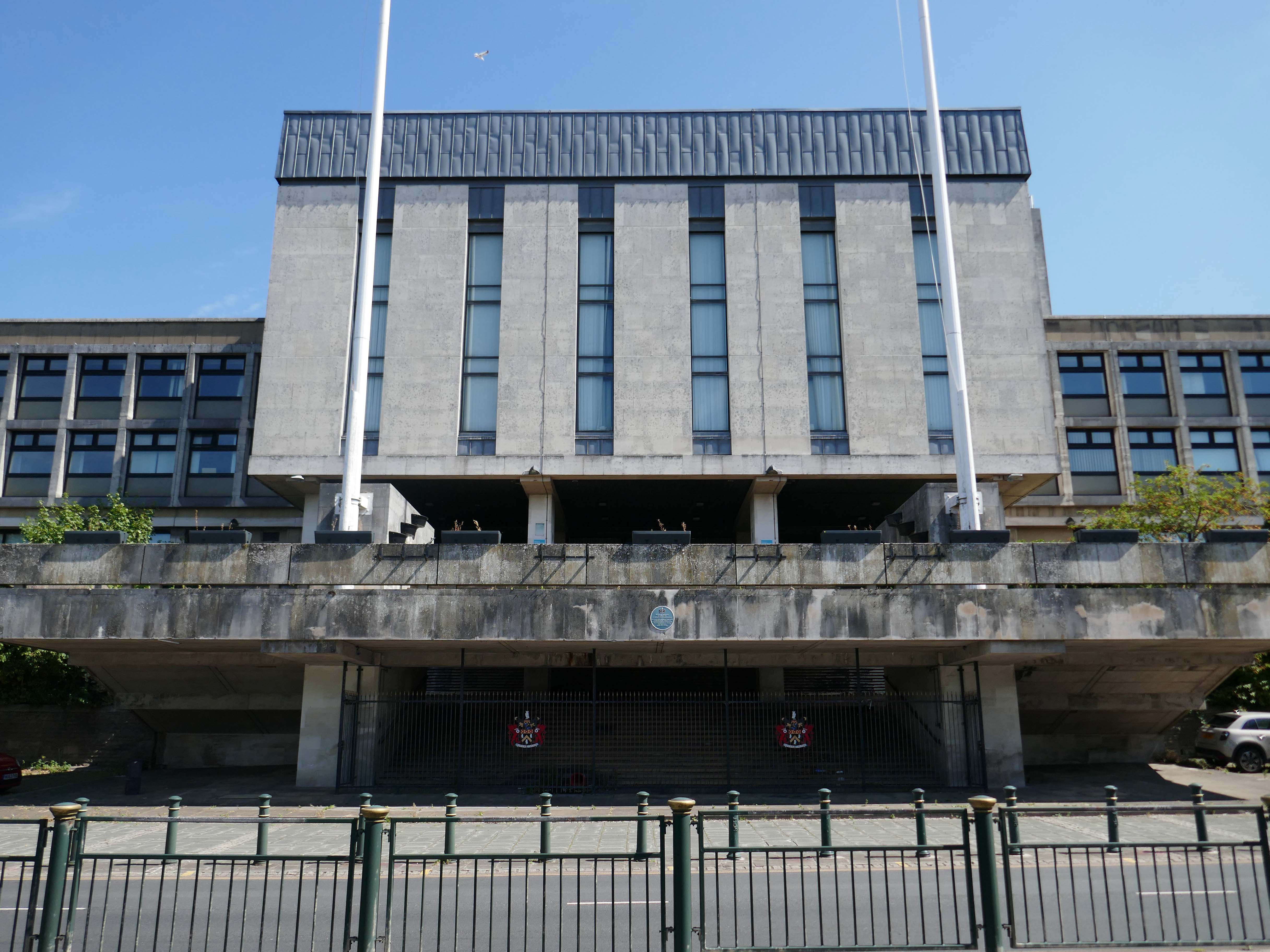
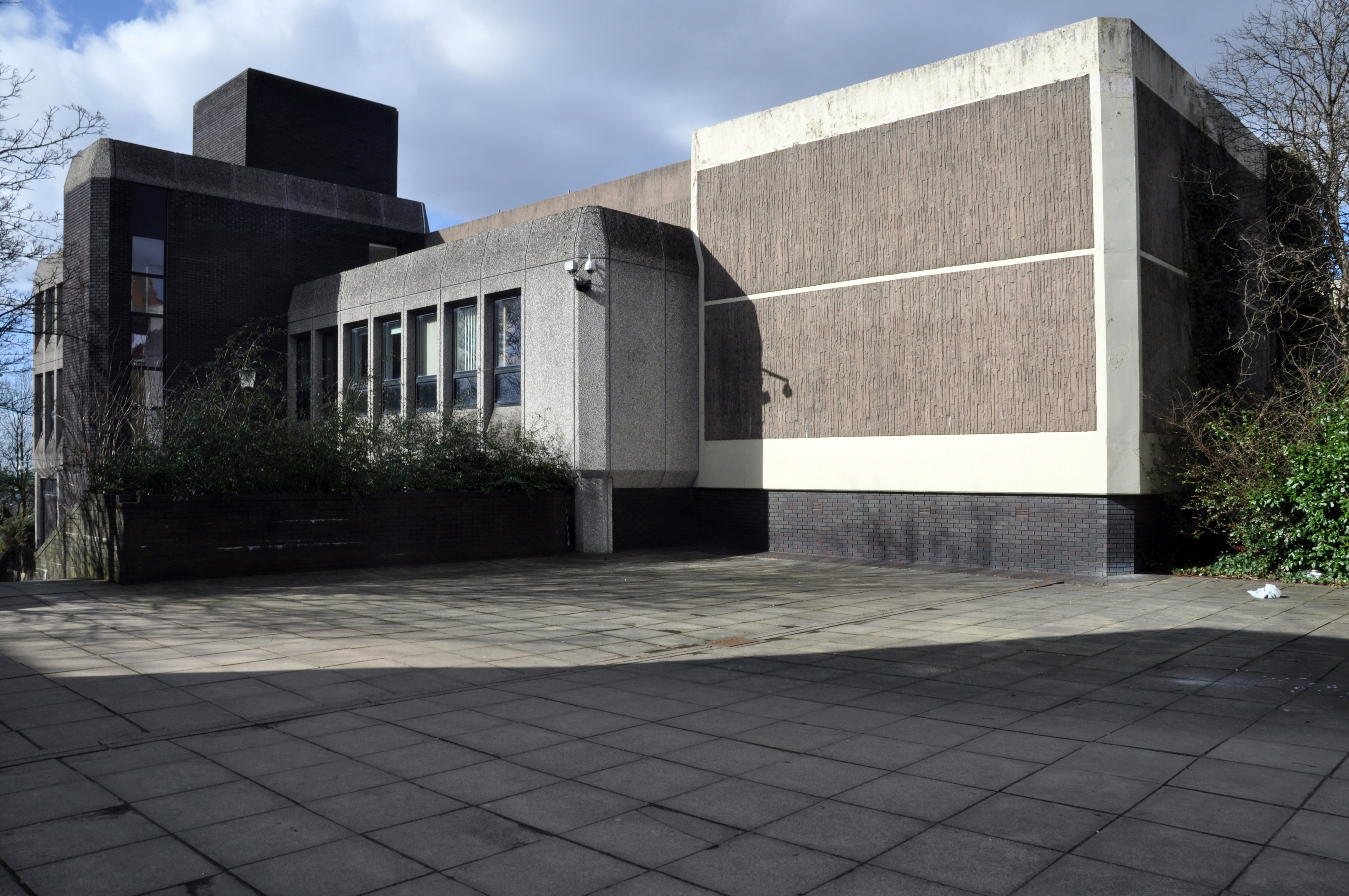
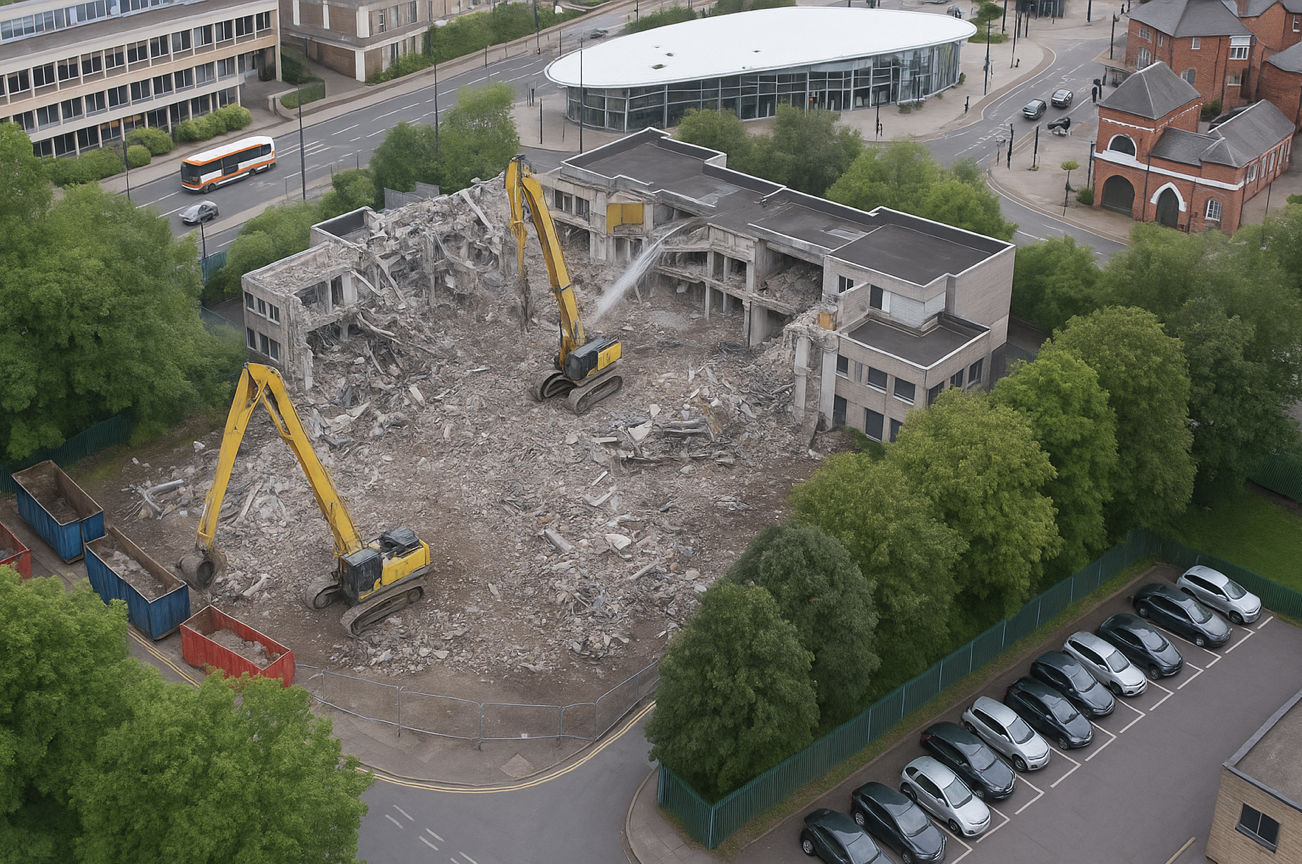
The Queen Elizabeth Hall in Oldham will soon open its doors for the last time before it permanently closes to the public and is prepared for demolition.Since being condemned for containing Reinforced Autoclaved Aerated Concrete – RAAC in 2023, its days have been numbered.
Now the old theatre is part of plans to bring 2,000 new homes into the town centre in a partnership between Oldham Council and the developers Muse.
Chris Connor as Elvis at the Oldham Queen Elizabeth Hall.
Surrounded on two sides by the Civic Centre – the lower parts are by Richard Seifert & Partners 1962, the fourteen storey Tower and Hall 1974-78 are by Cecil Howitt & Partners.
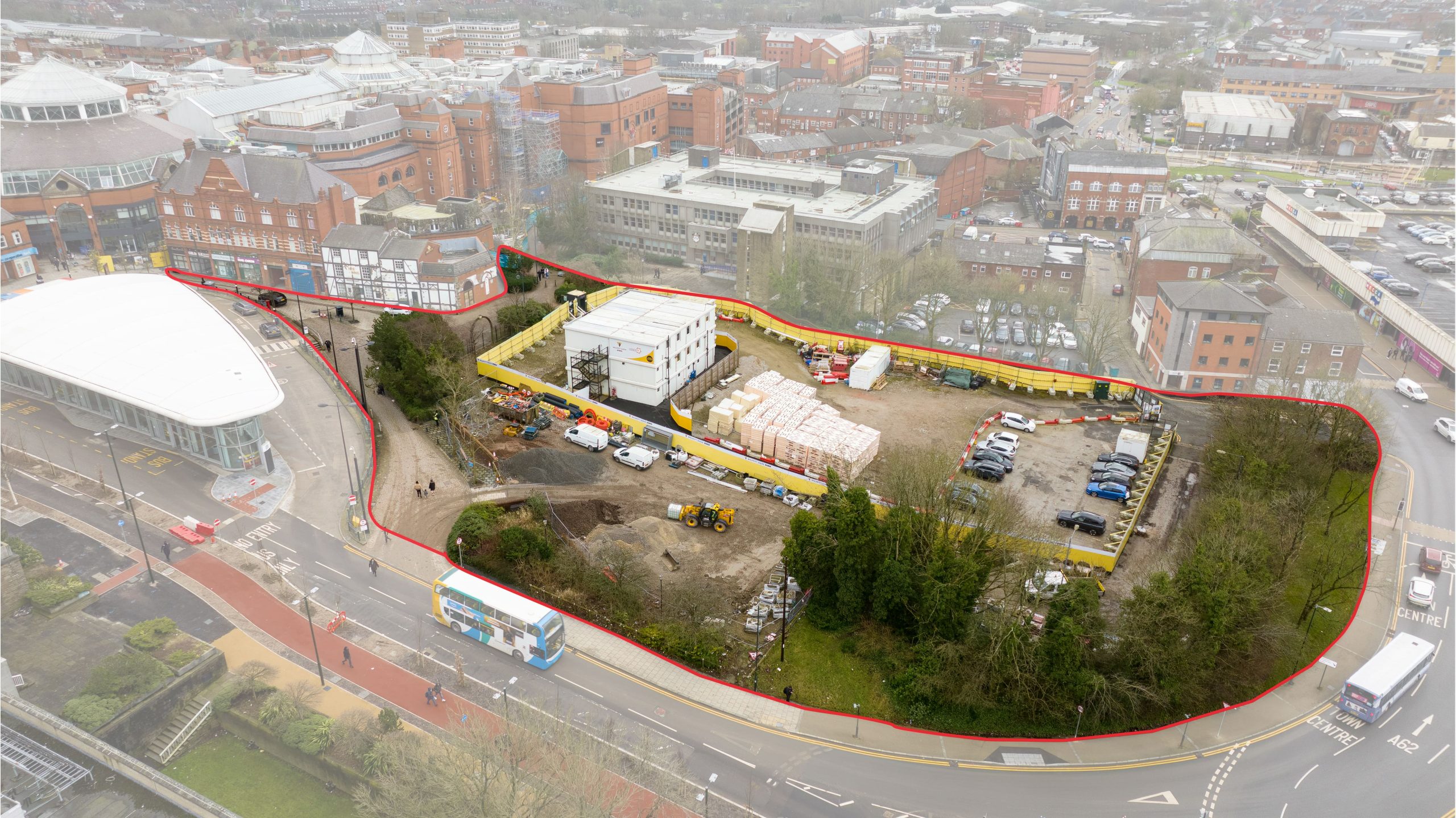
Plans are underway at the civic centre, the largest site in the regeneration project, to create a vibrant community providing eight hundred and thirty eight homes rising up to fifteen-storeys with mixed-use commercial spaces on the ground floor. This development will integrate seamlessly with the surrounding neighbourhood, particularly the nearby Former Magistrates’ Court site. The Civic Tower at the edge of the site will be retained and redeveloped as a hotel in a later phase.
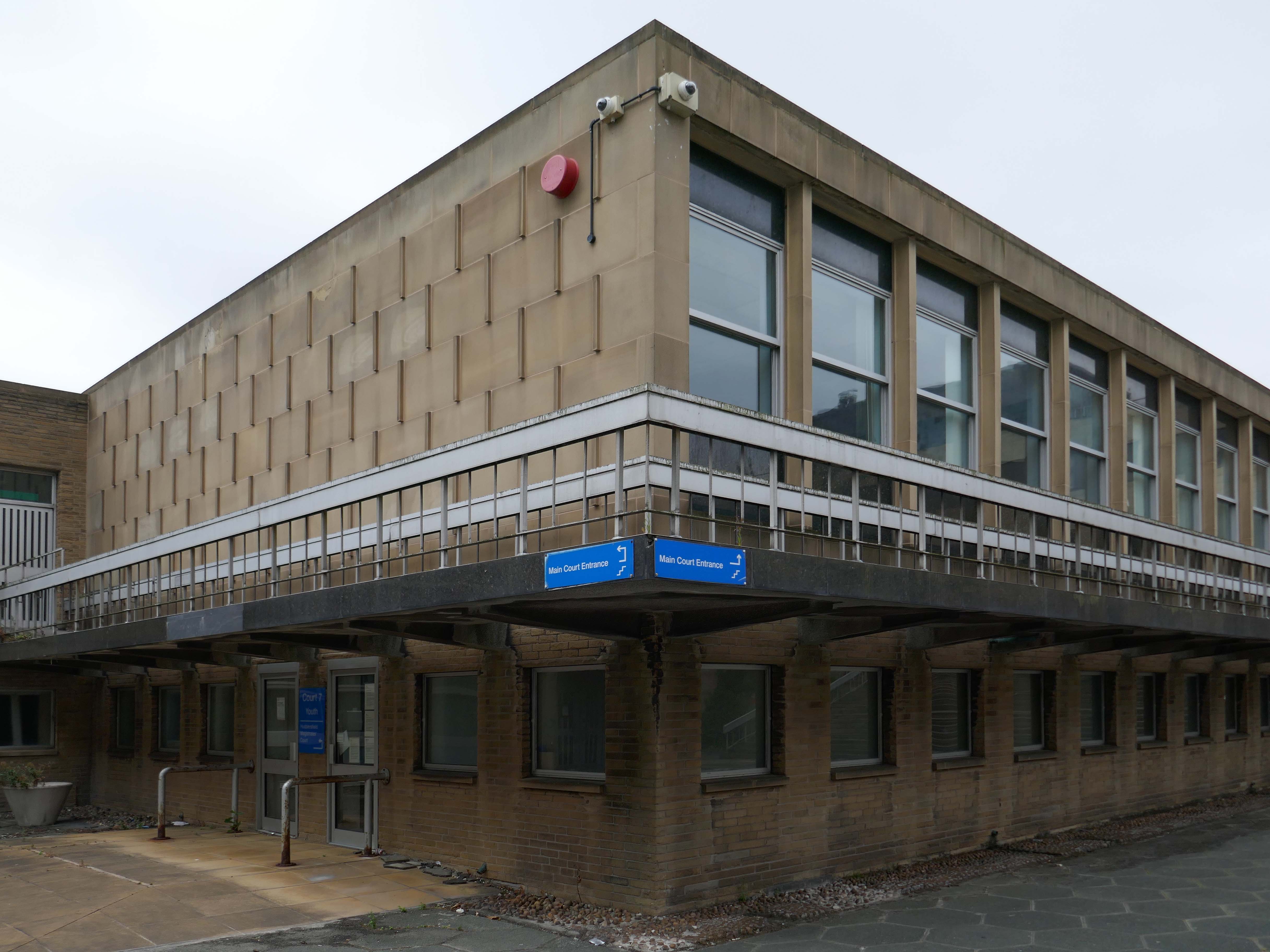
Where have the Magistrates’ Courts gone?
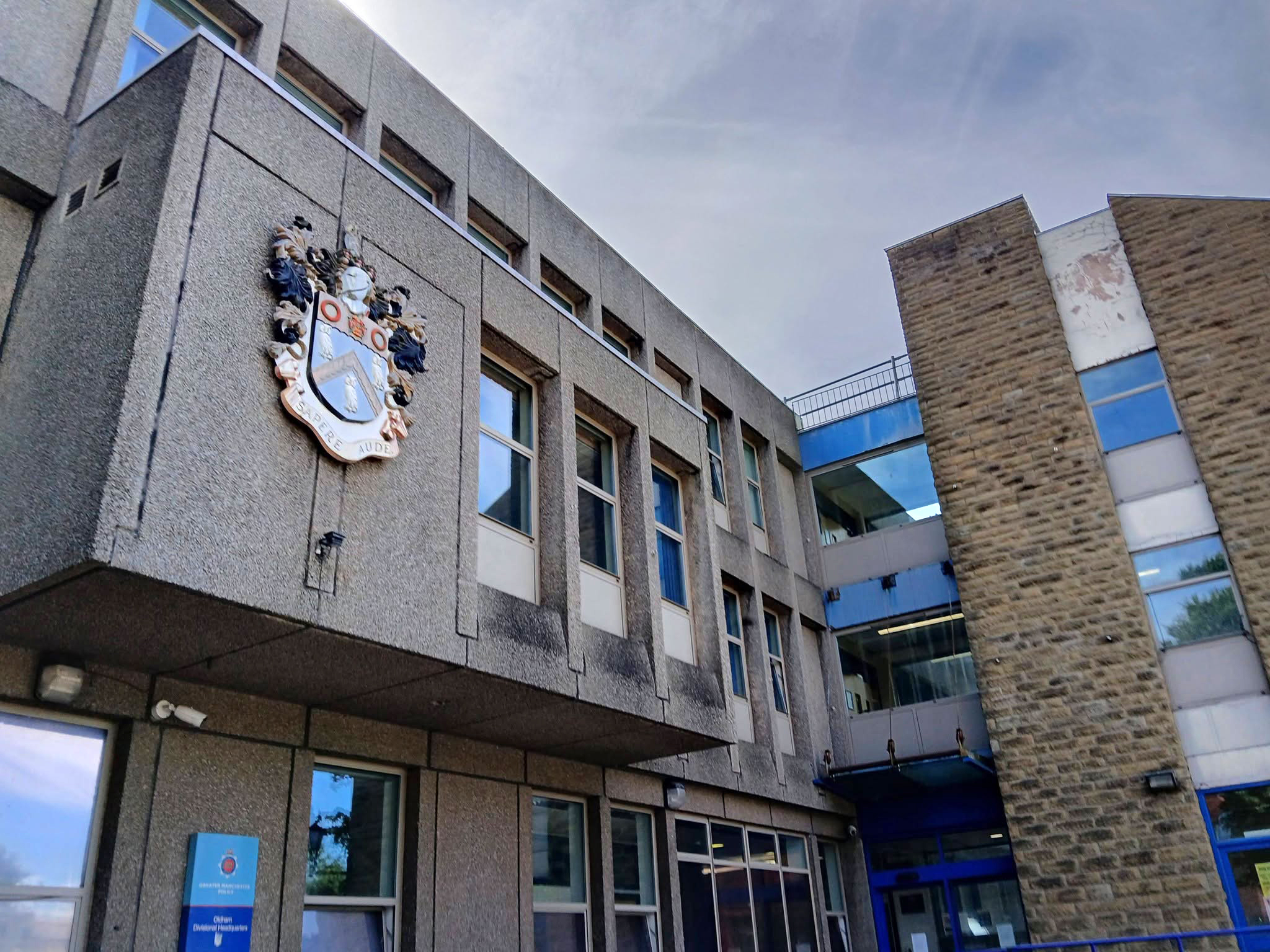
Architects: Leach Rhodes Walker 1977.
Demolished in 2019 to make way for further redevelopment.
The proposals for the Former Magistrates Court site include two hundred and nineteen new homes with the tallest block ten-storeys and a green route connecting Manchester Chambers with King Street. The designs have been developed to ensure a unified neighbourhood with a common design language and seamless movement between other sites.
Oldham Council and Muse intend to work in partnership over the next 15 years to develop the sextet of council-owned brownfield sites across the town centre.
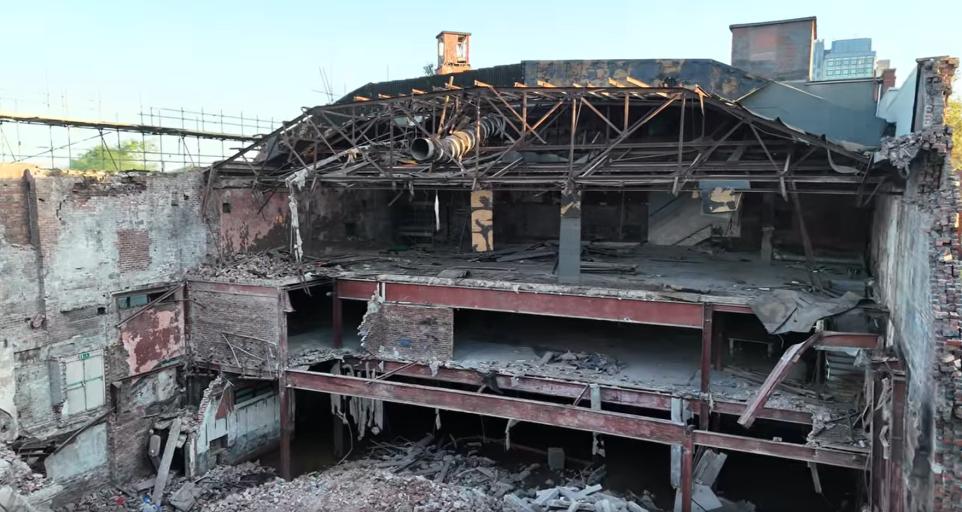
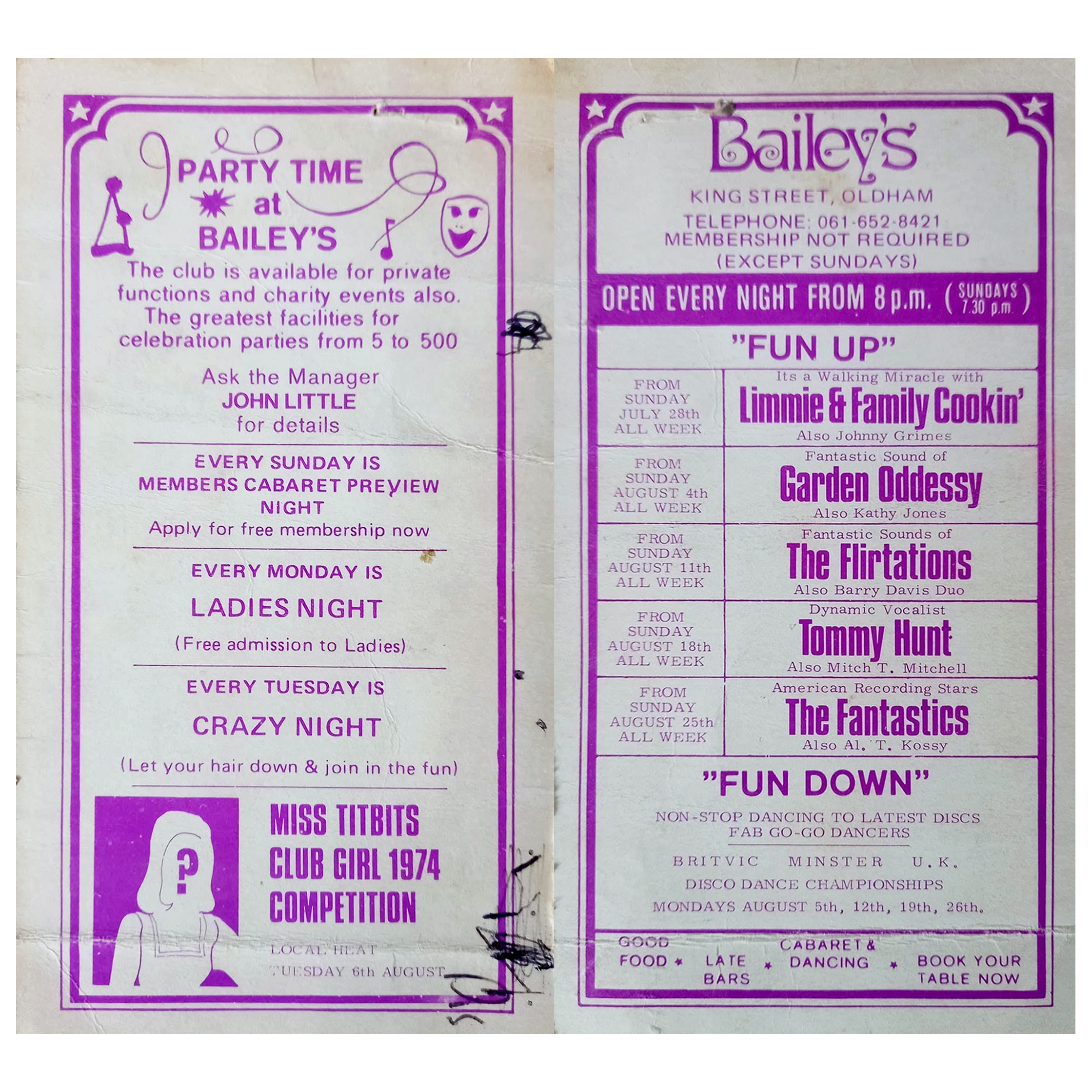
Viewed across the site where Bailey’s used to be – aka Romeo & Juliet’s, Butterflies, Astoria ballroom and Bowling Alley, Froggies and Riley’s.
The site originally started out as the Grand Theatre, a performance space designed by London architects Thomas Taylor and Ernest Simister who also designed Chadderton Town Hall.
In 1937, Gaumont Super Cinemastook over the building, gutted the auditorium and transformed it into stalls and one circle seating totalling 1,842 to open their 1930s cinema.
In 1991, the Chronicle reported on a mysterious haunting which was thought to have taken place in Butterfly’s nightclub in Oldham.
Before Butterfly’s had been a nightclub the building had been used for many purposes, and in 1939 was known as the ‘Grand Theatre.’ The building was undergoing renovations when Mr Lloyd was killed. ‘Witnesses said that Mr Lloyd was crushed underneath the beam which he was trying to guide down with a rope.’
However, Derek Lloyd’s theory of the origin of the ghost was not accepted by everyone at the time. Due to the fact the ghost appeared to be wearing a white T-shirt, people believed it was unlikely to be the spirit of a 1930s man. In response, Derek argued that ‘my father always had his sleeves rolled up at work because he suffered from a skin complaint.’
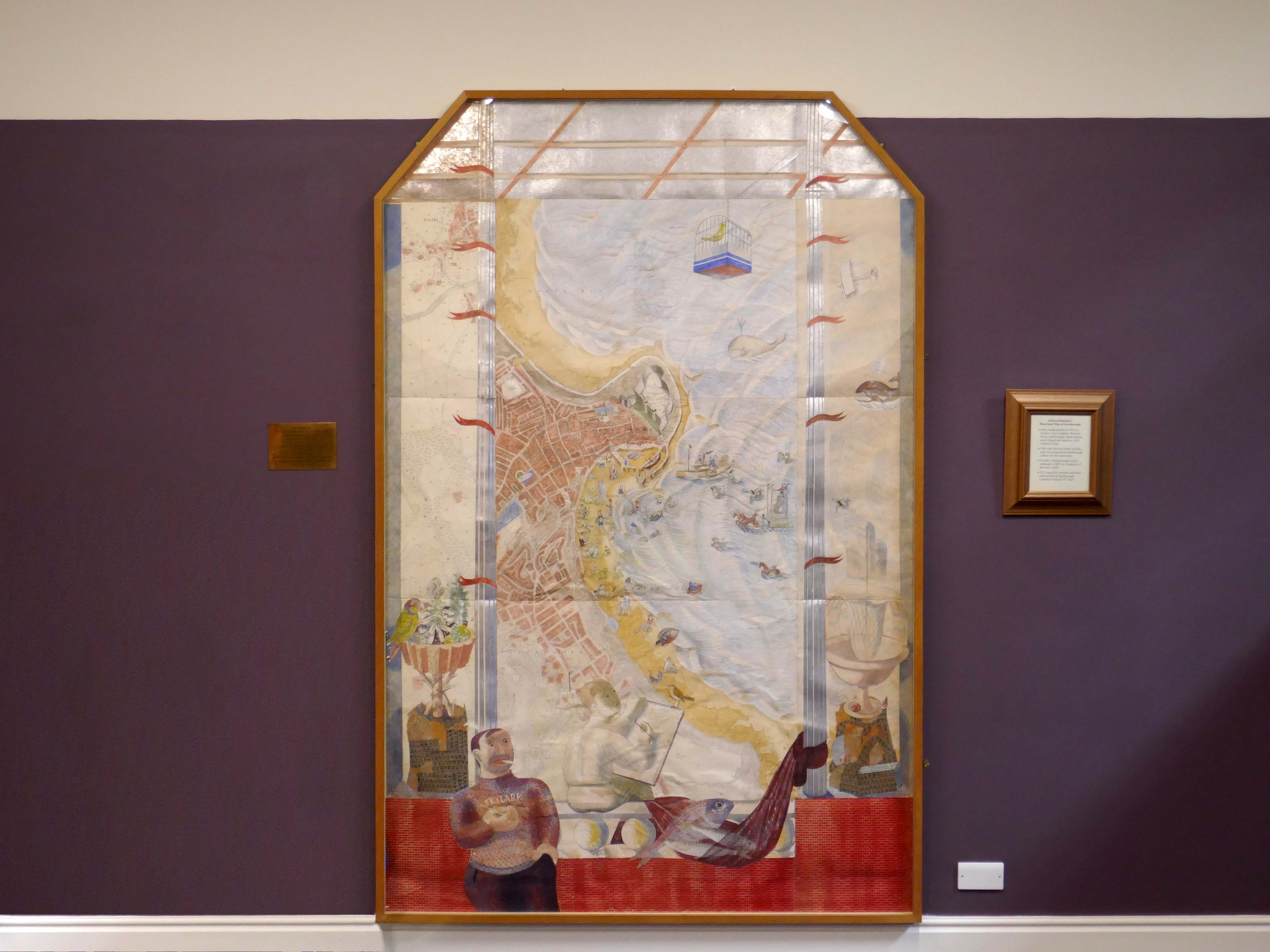
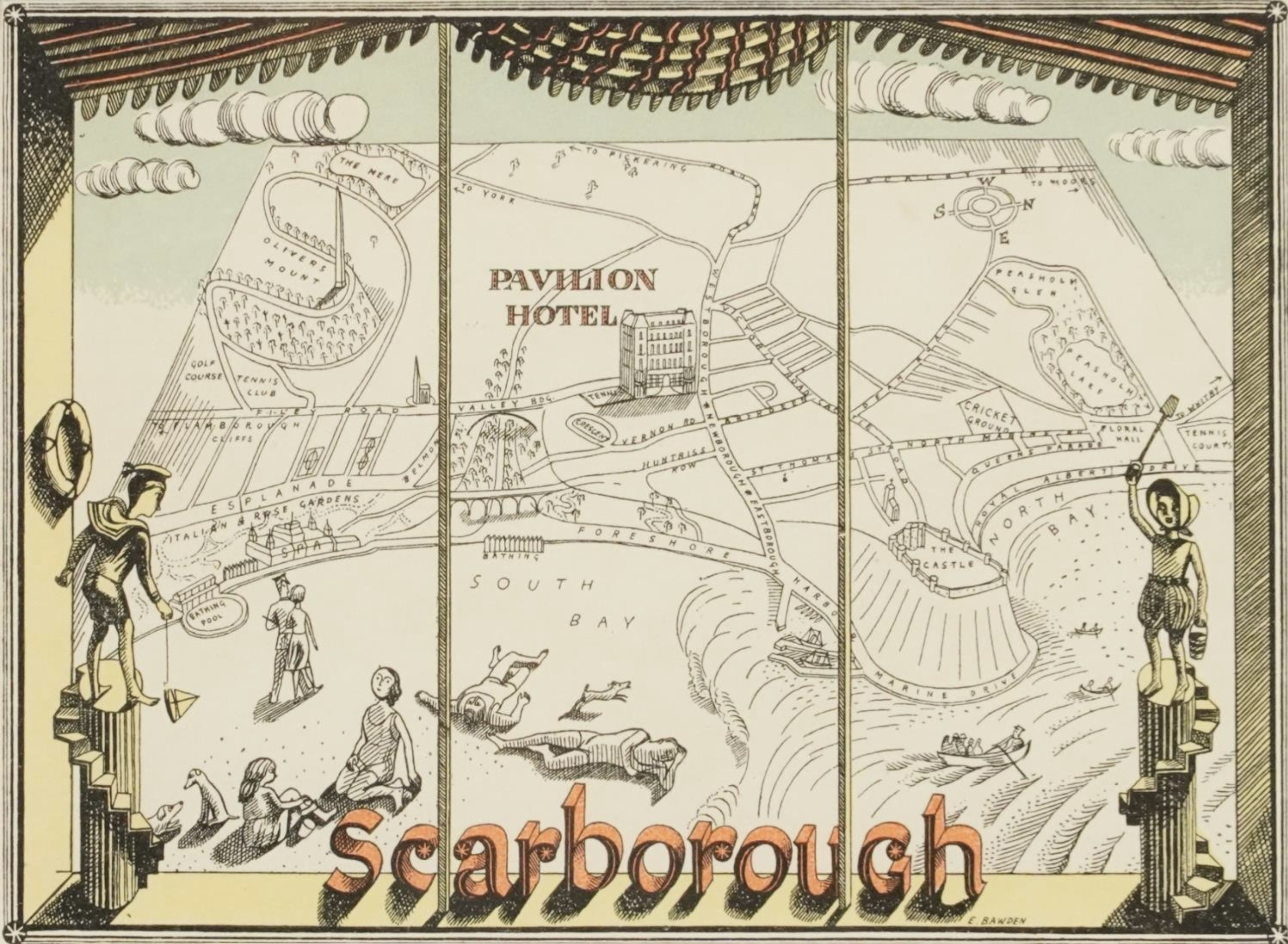
I discovered Edward Bawden myself. I saw some illustrations of murals in the Illustrated London Newswhich had been carried out by Bawden at Morley College. The principal subject was a lodging house with a classical pediment and with the front walls taken out, so that the life in the house was shown from the basement to the attic. I found it delightful. I managed to find out where he lived, and I went to see him. I rang his bell; waiting on the steps I looked across the road and recognised the building that was the subject of the mural. At length a young and seemingly timid man came to the door; “There is your mural”, I said. He told me that I was the first person to spot his subject. He took me on a bus to see the paintings on the walls of Morley College.
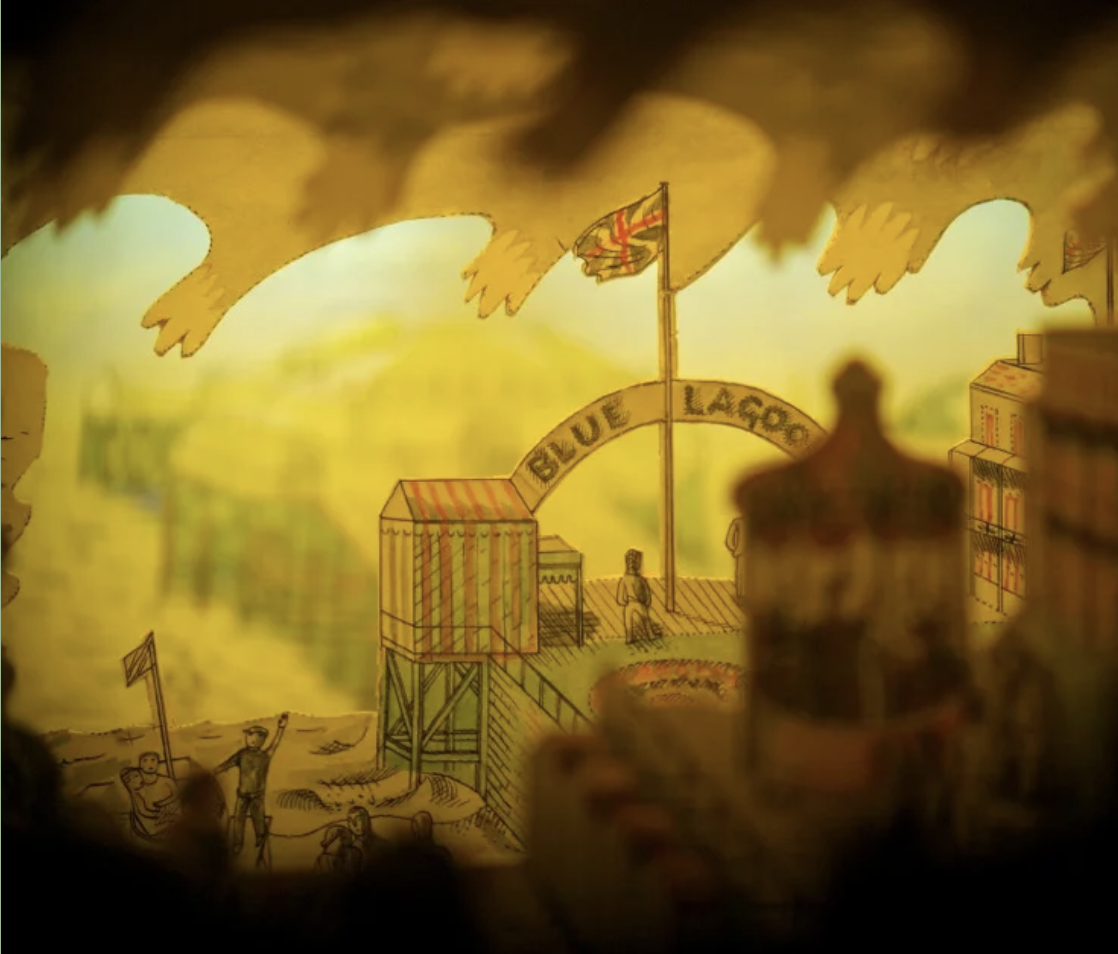
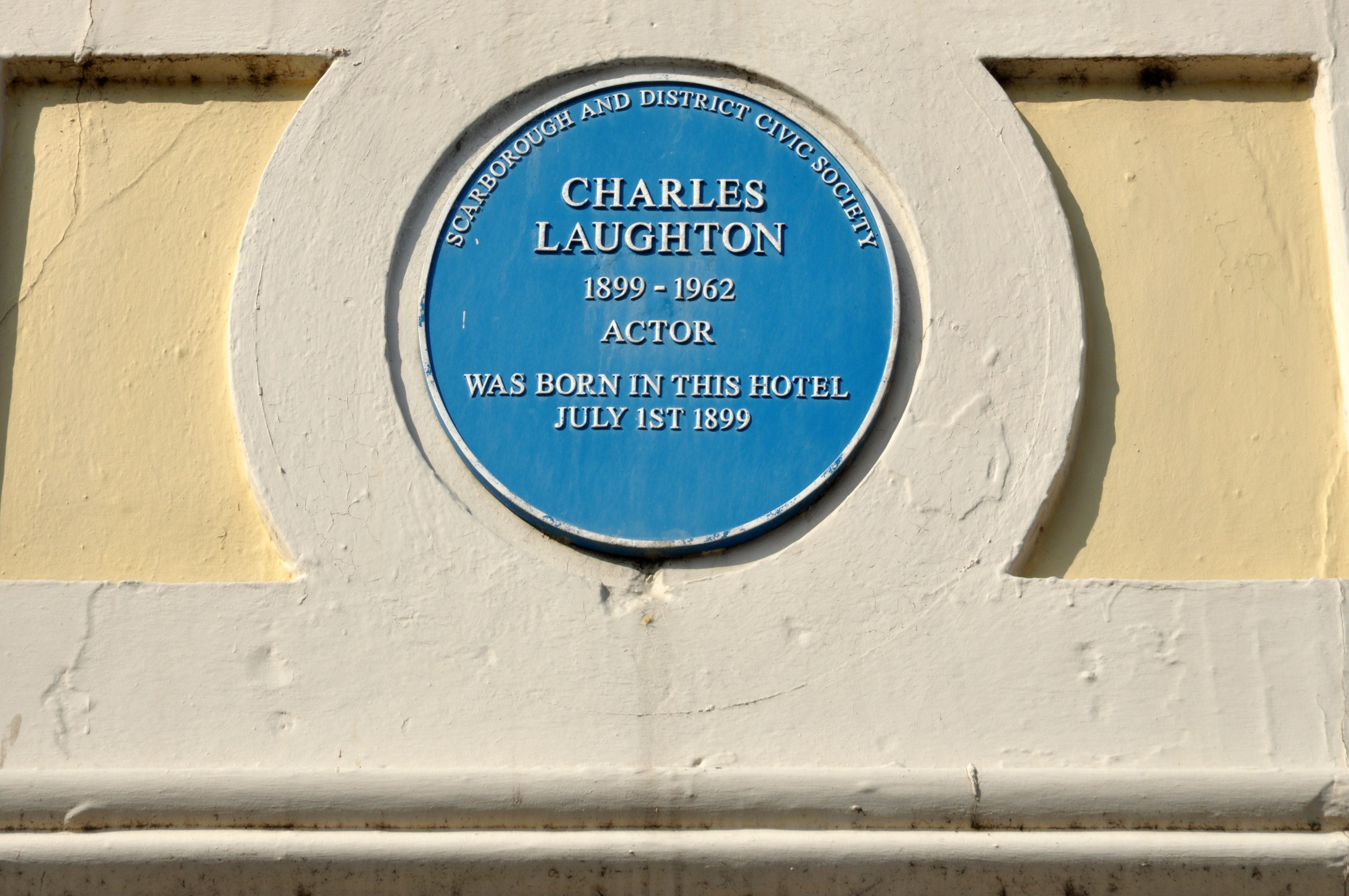
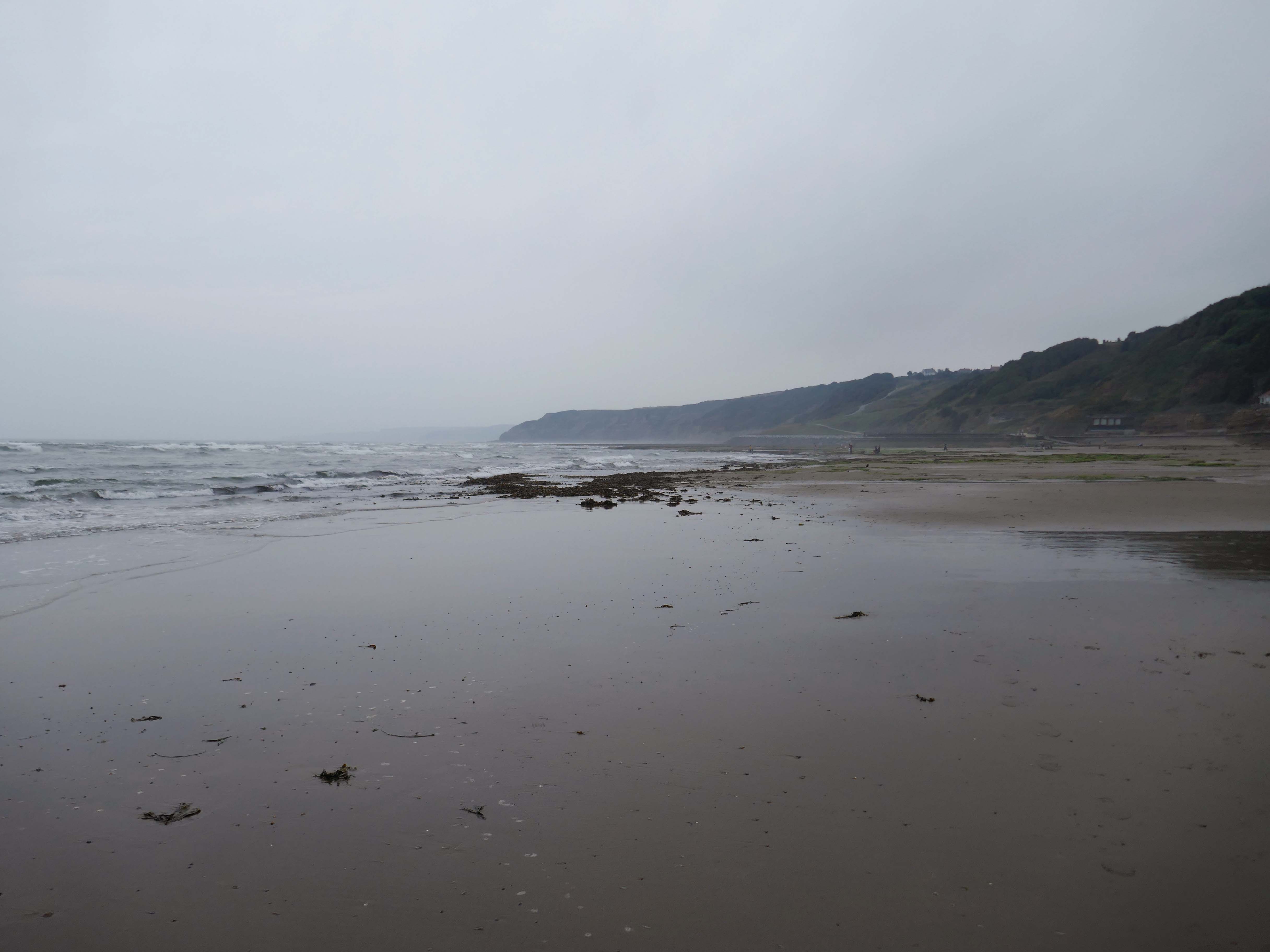
The outcome was that he designed a wine list for the Pavilion Hotel, decorated a large ordnance map of Scarborough – (which when I left the hotel I gave to the children’s public library and also made an amusing perspective peepshow, which is still in my possession – Pavilions by the Sea was published in 1977.
The peepshow is on display on the first floor of Scarborough Art Gallery, where it still enchants children and adults alike.
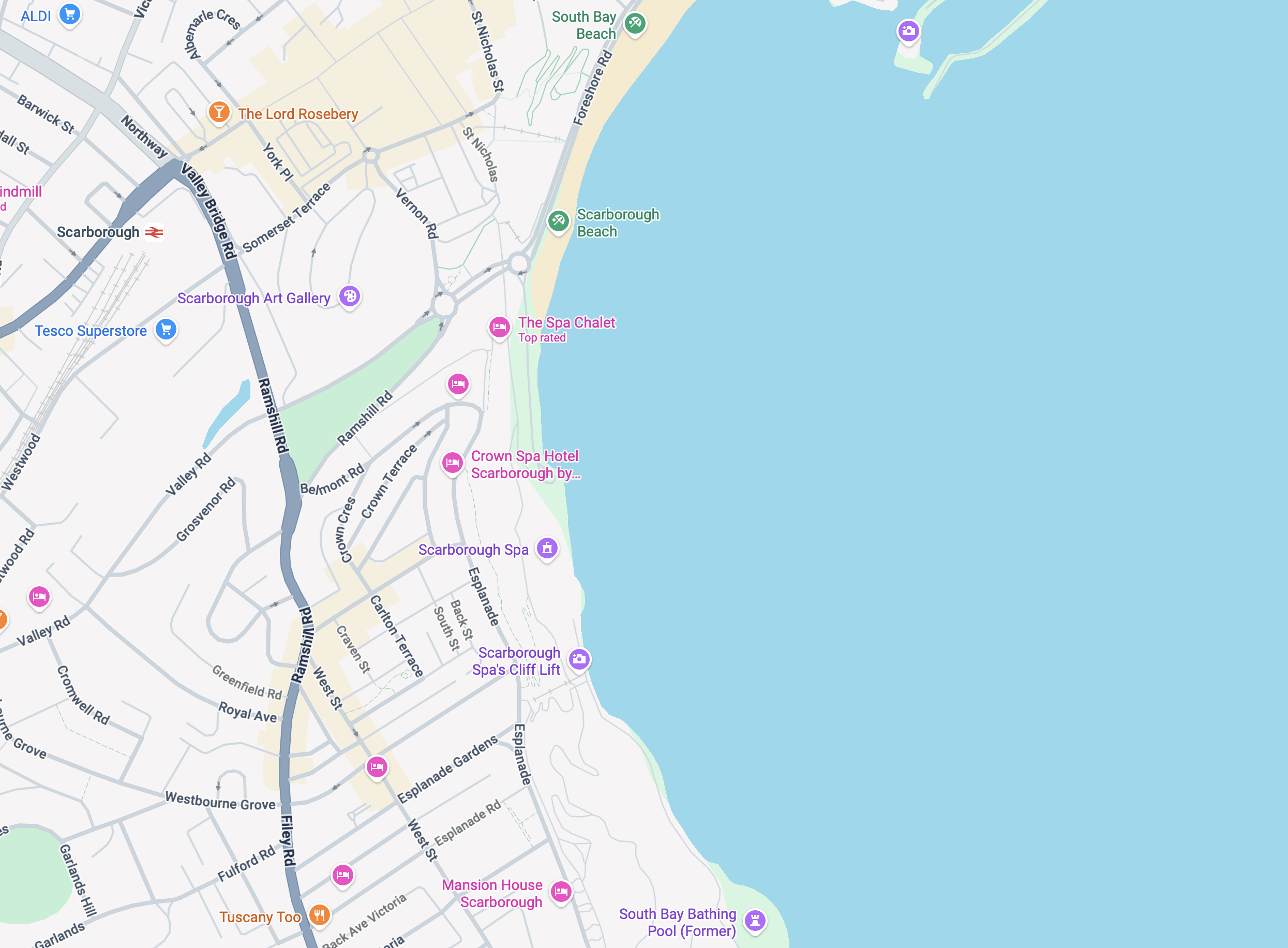
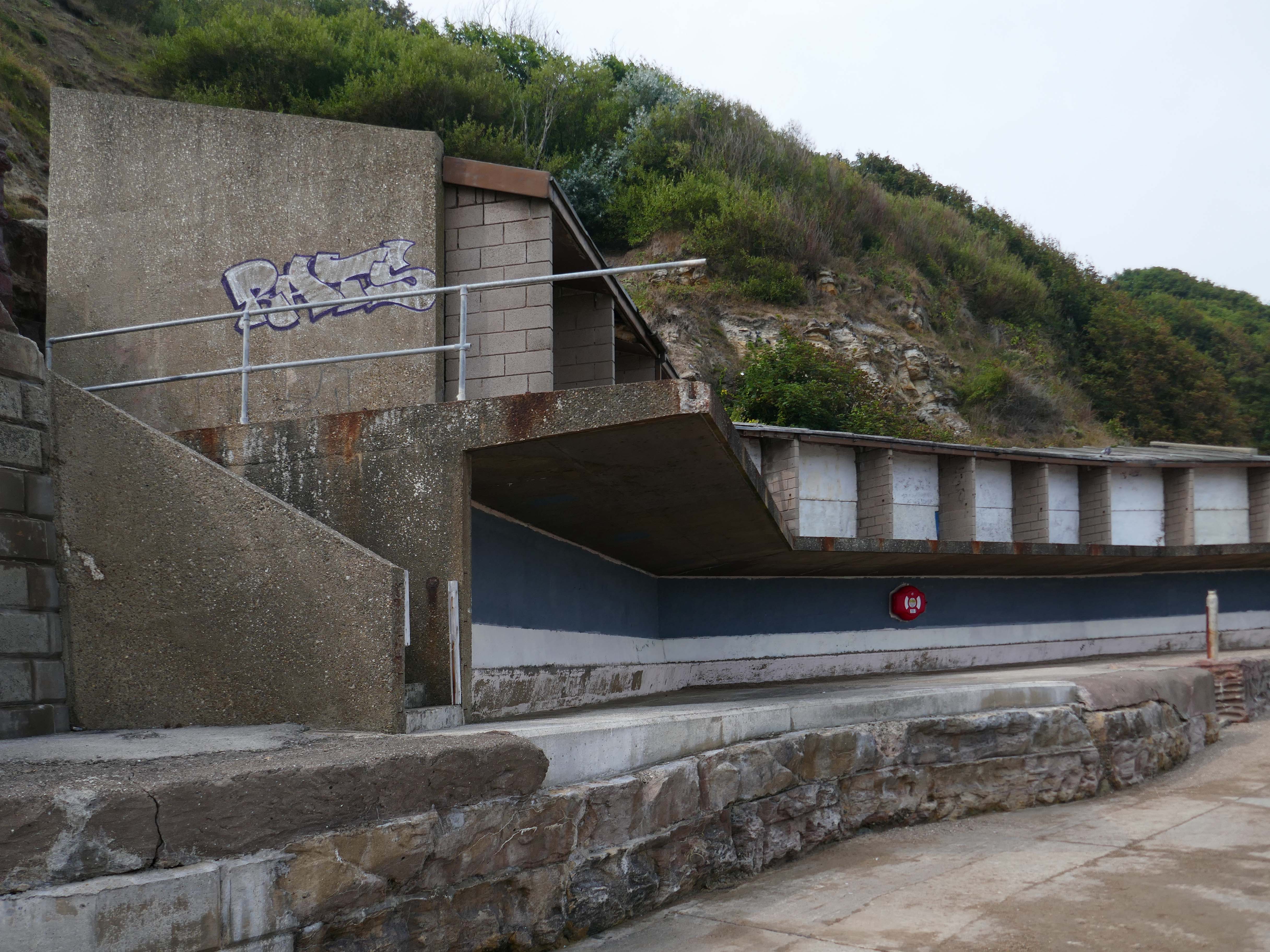
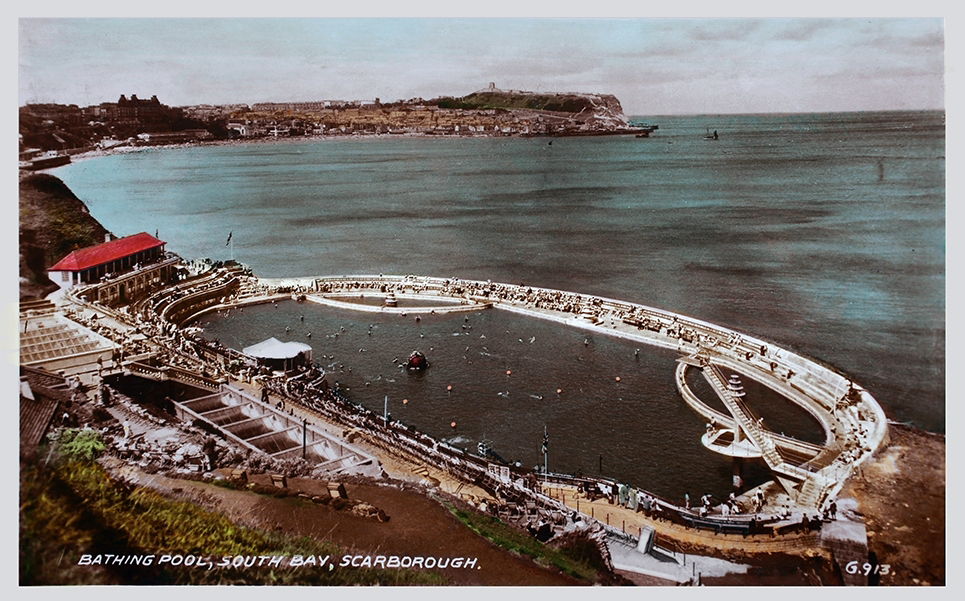
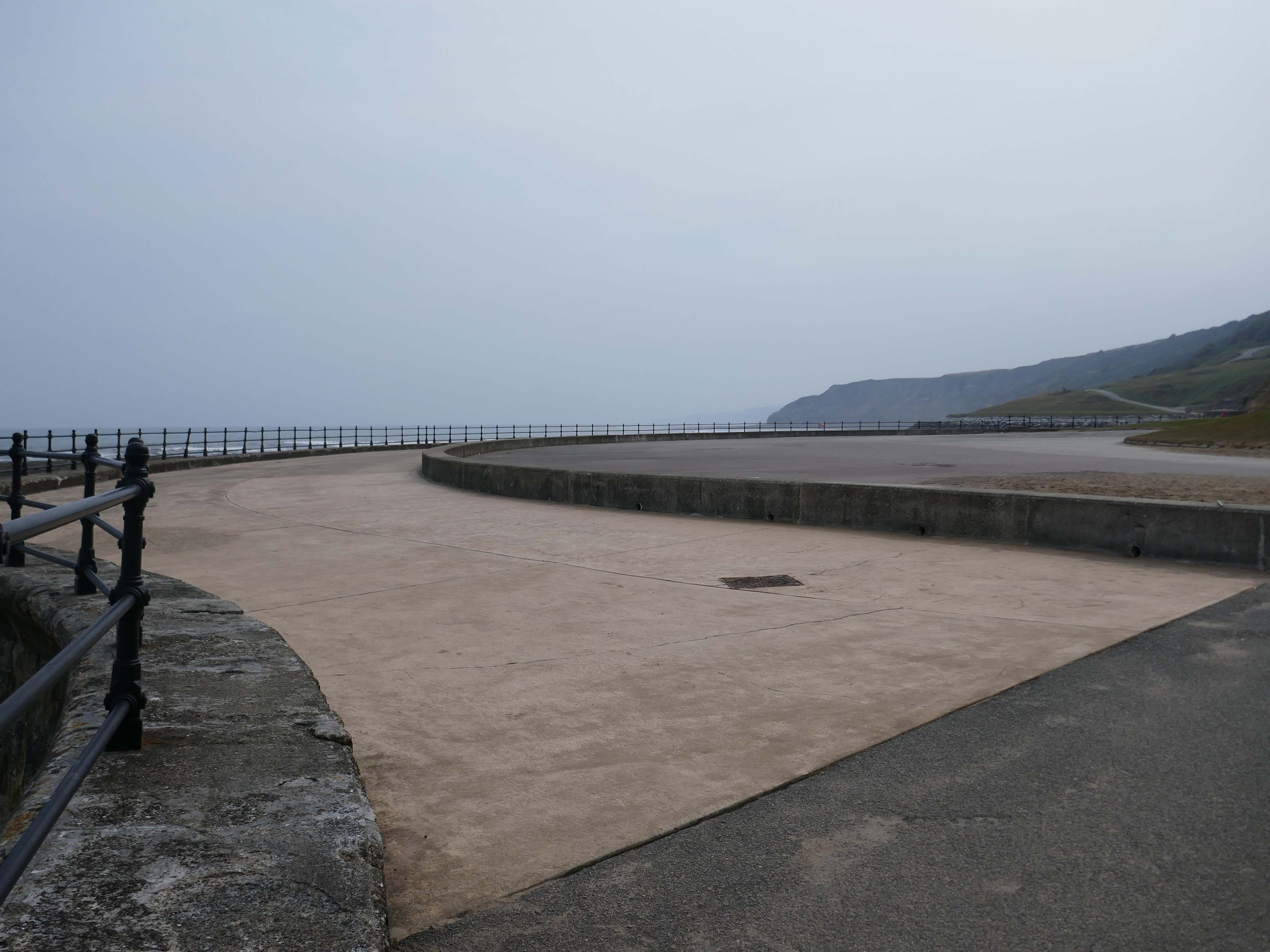
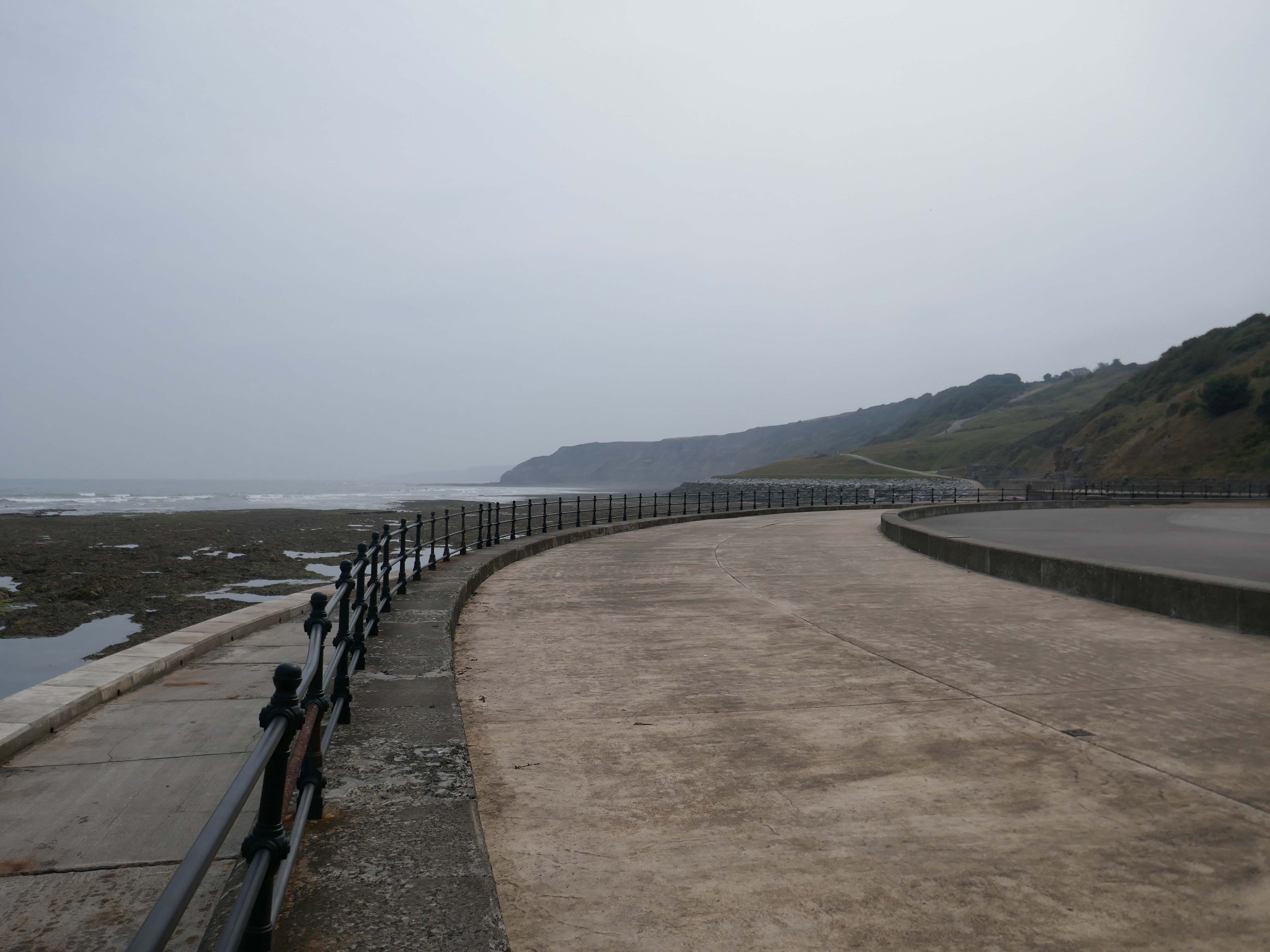
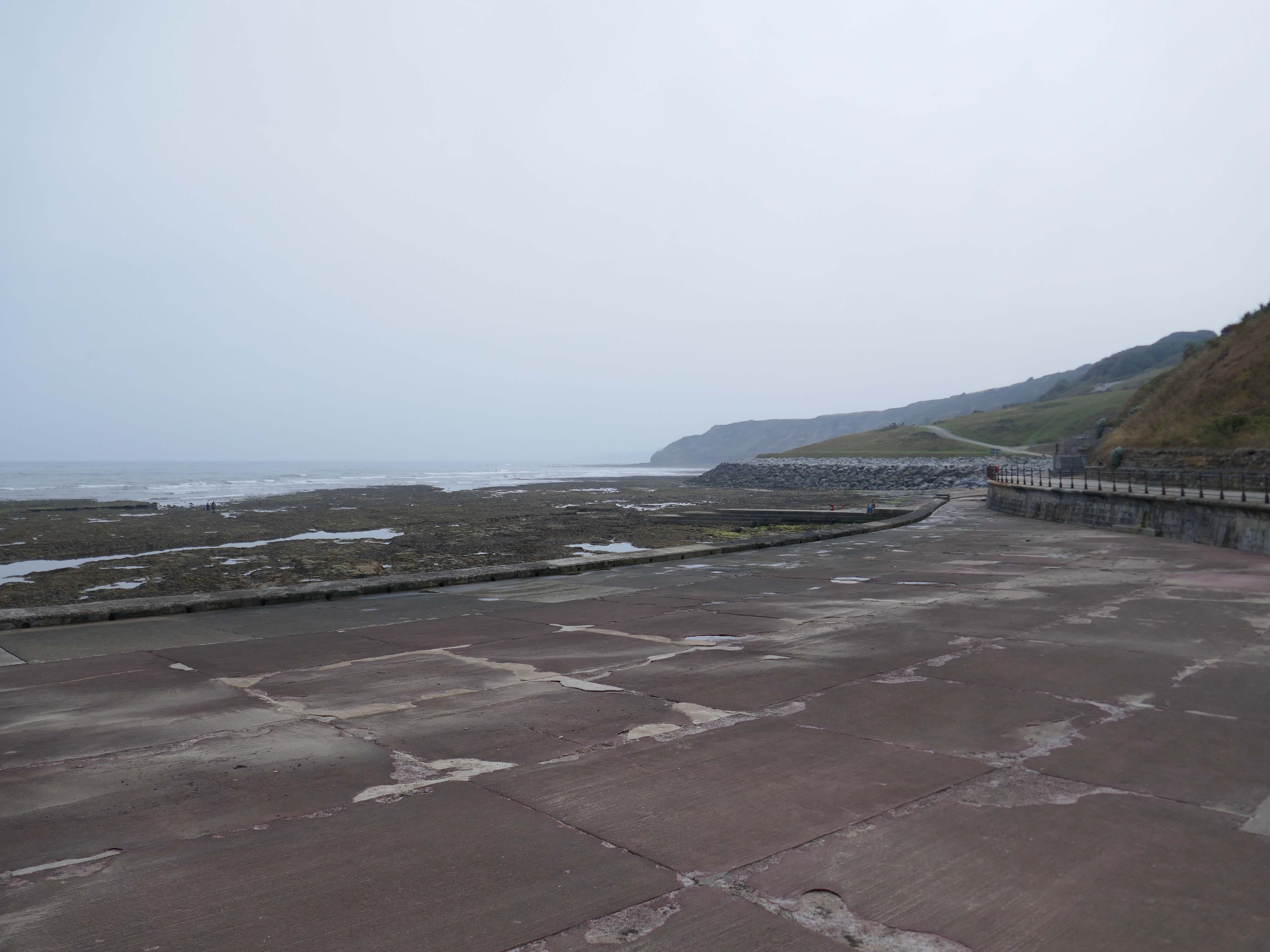
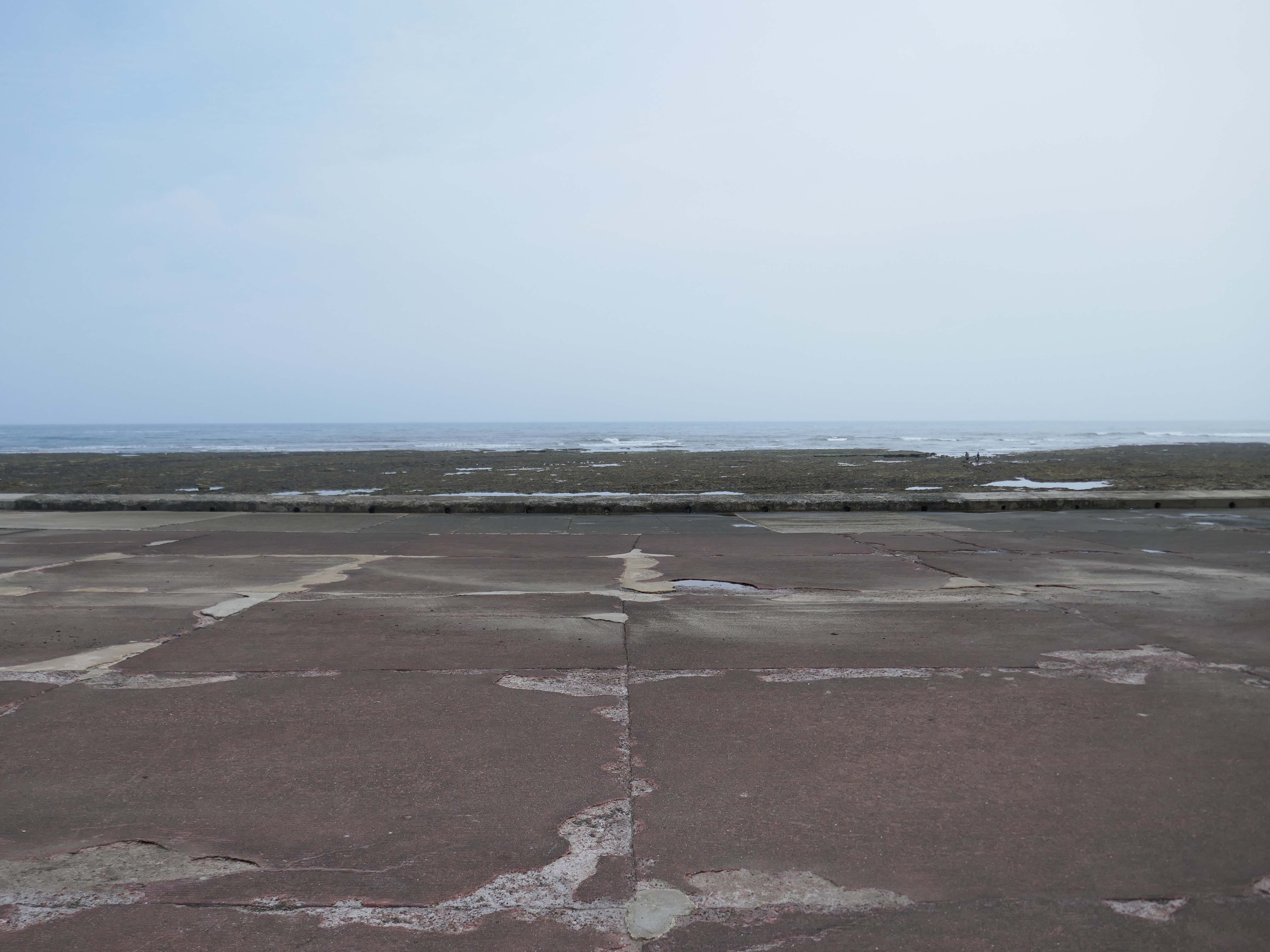
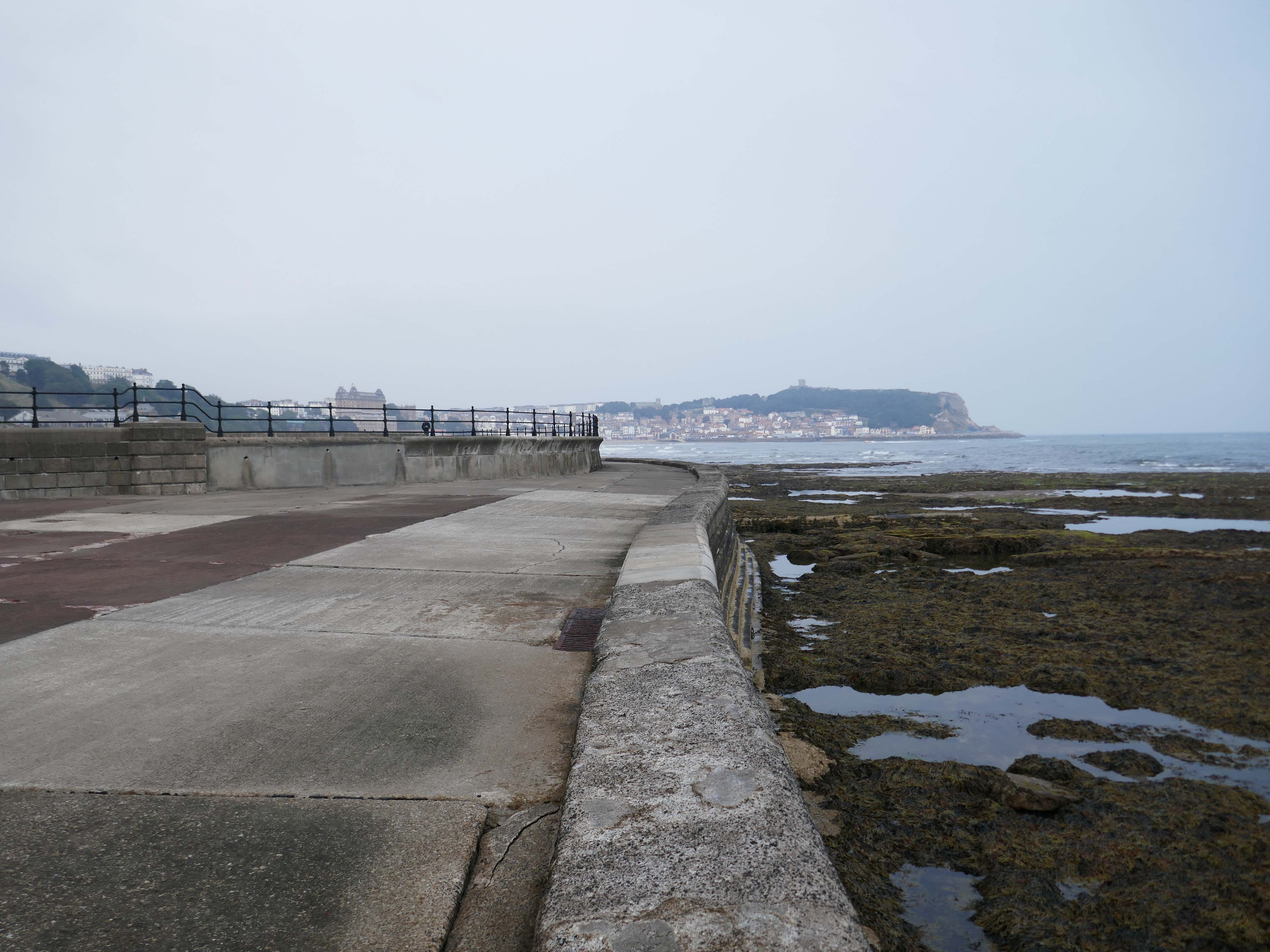
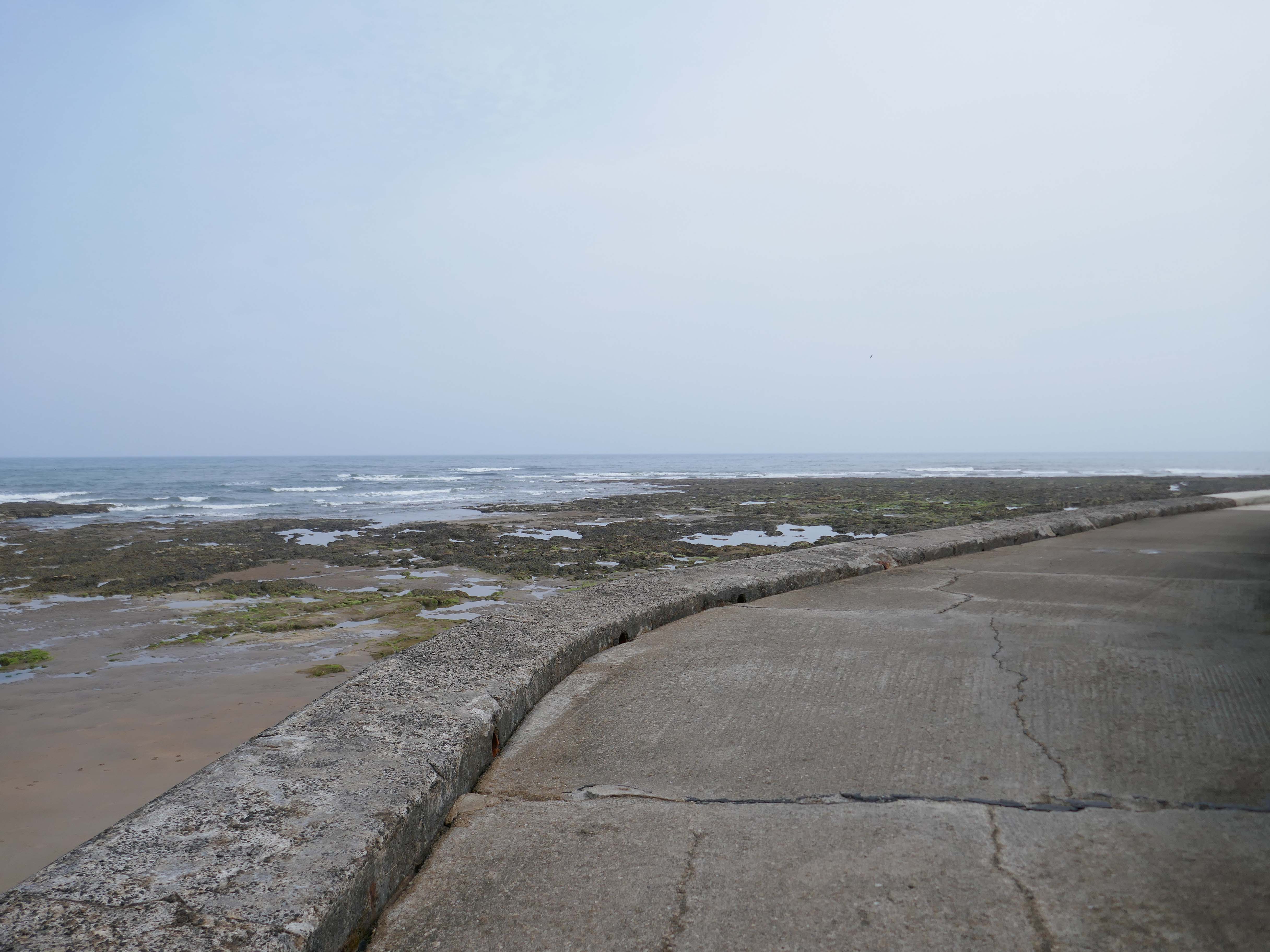
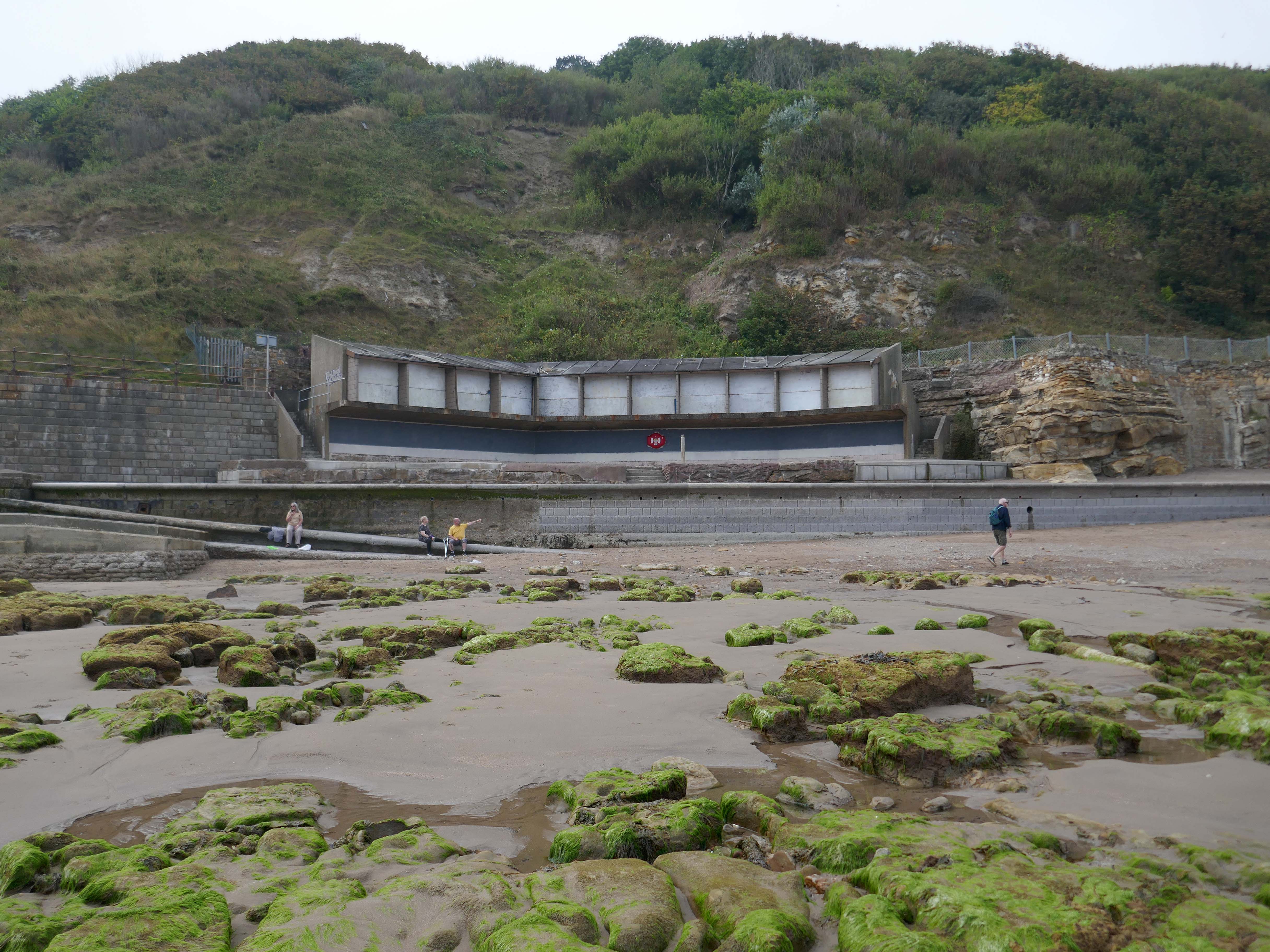
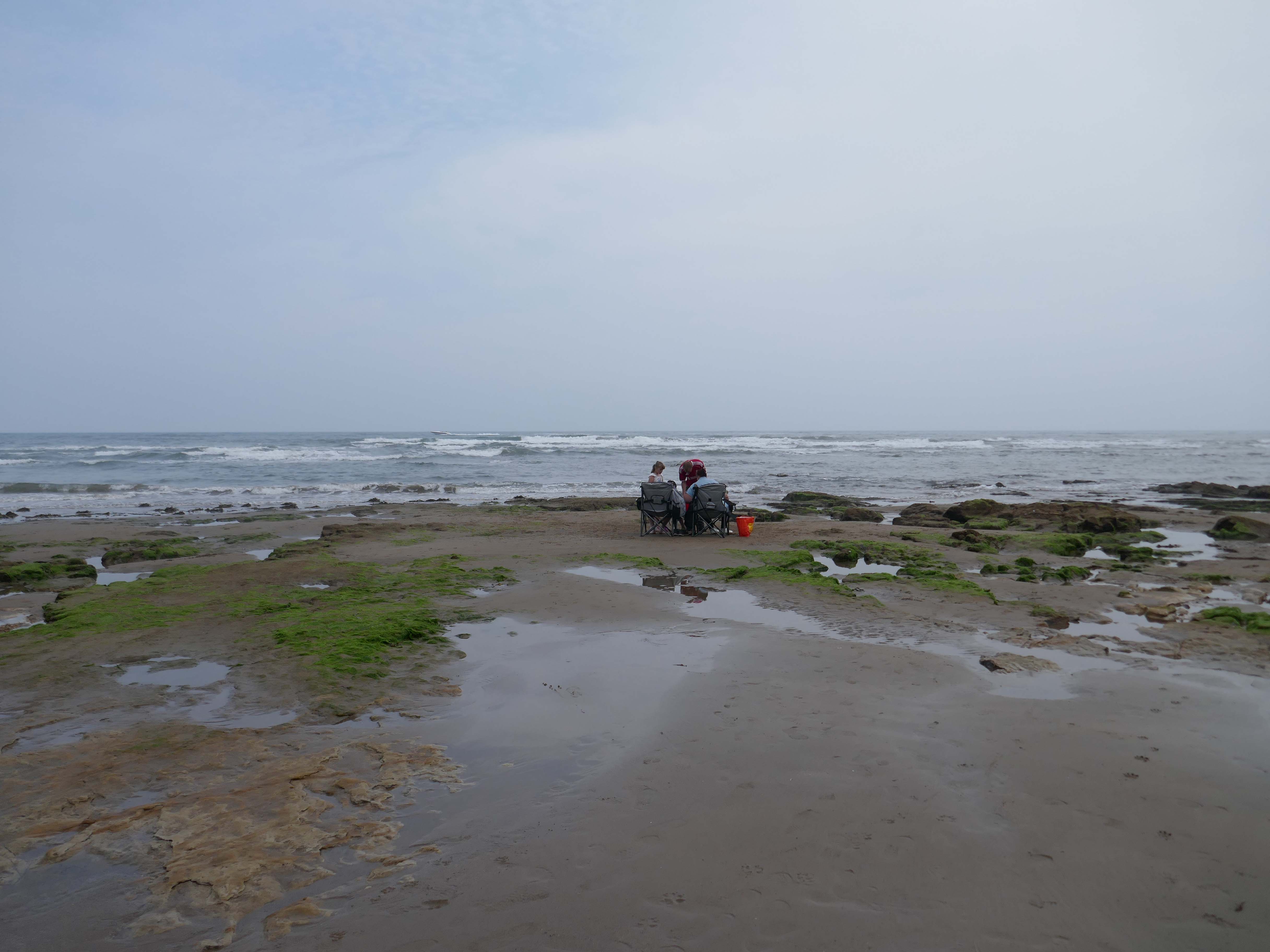
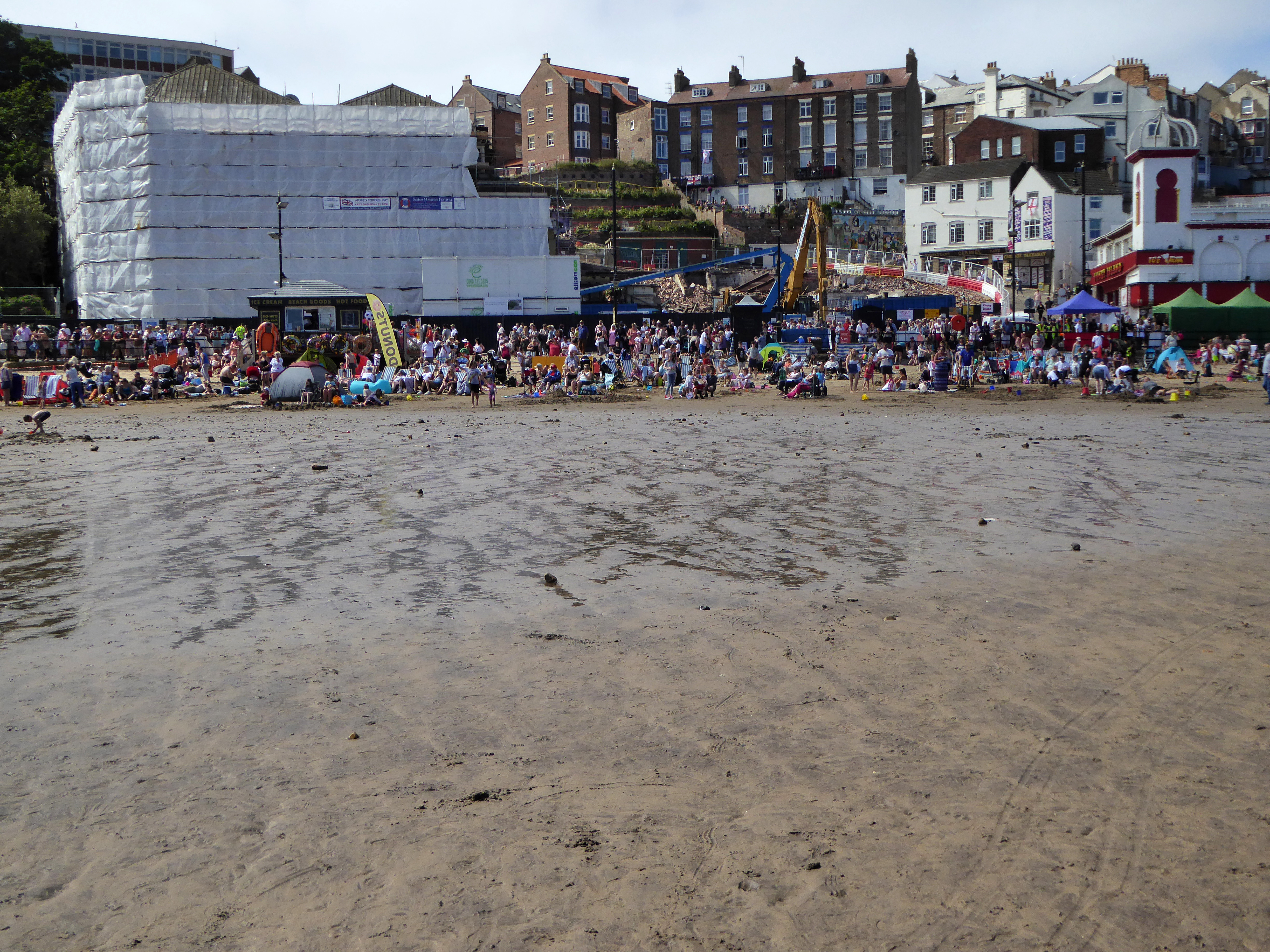
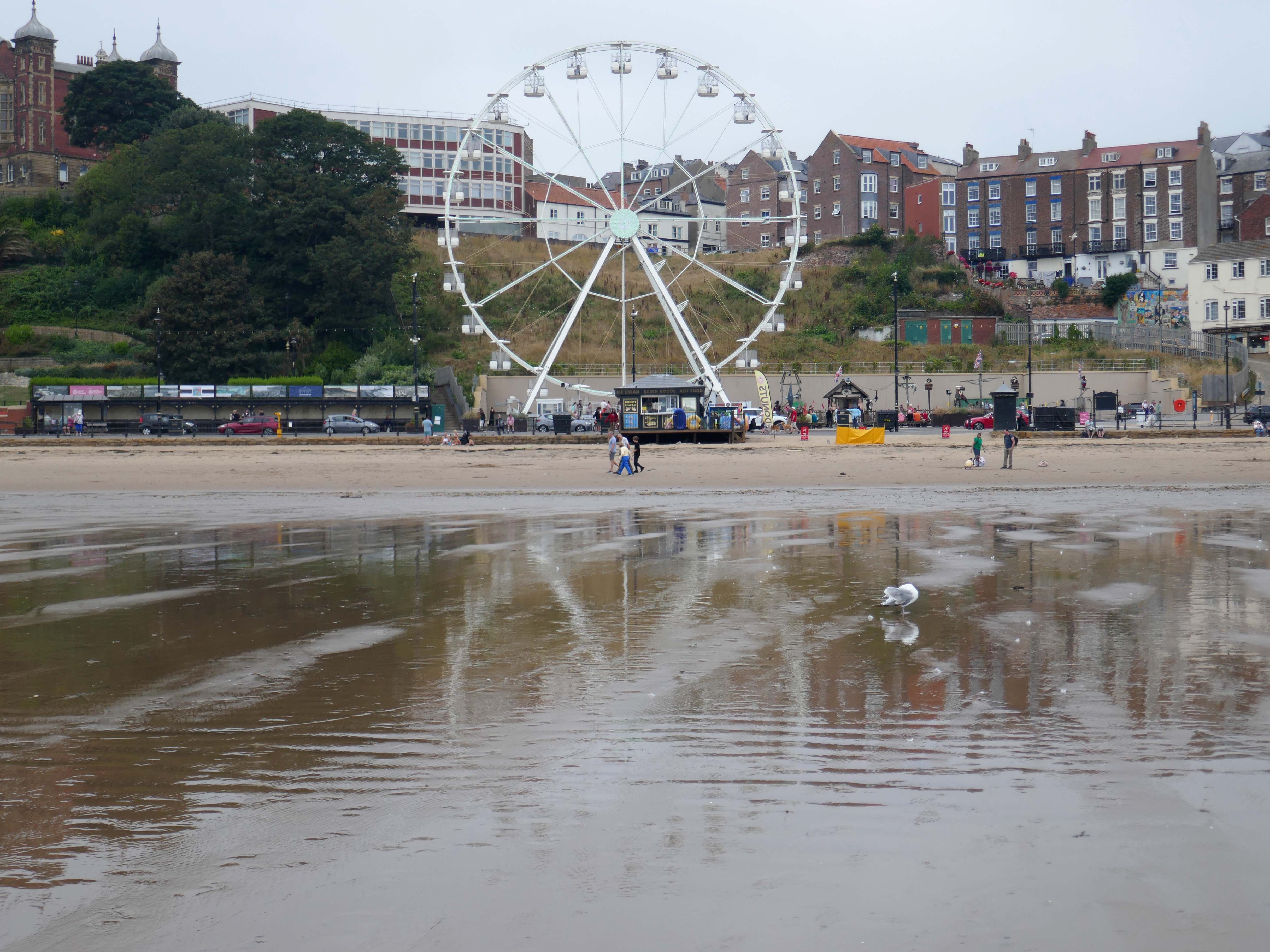
Thence to the former South Beach Bathing Pool designed by Scarborough’s former Borough Engineer, Harry W Smith.
Construction began shortly before the outbreak of WWI, and was taking place in December 1914, when Scarborough was bombarded by German ships. Workers were able to shelter, coincidentally, behind the new wall they had recently constructed for the pool.
Built in the Art Deco style, it measured 330ft long and 167 ft wide, and was filled naturally by fresh sea water, propelled into the pool by the tide each day – officially opened in 1915.
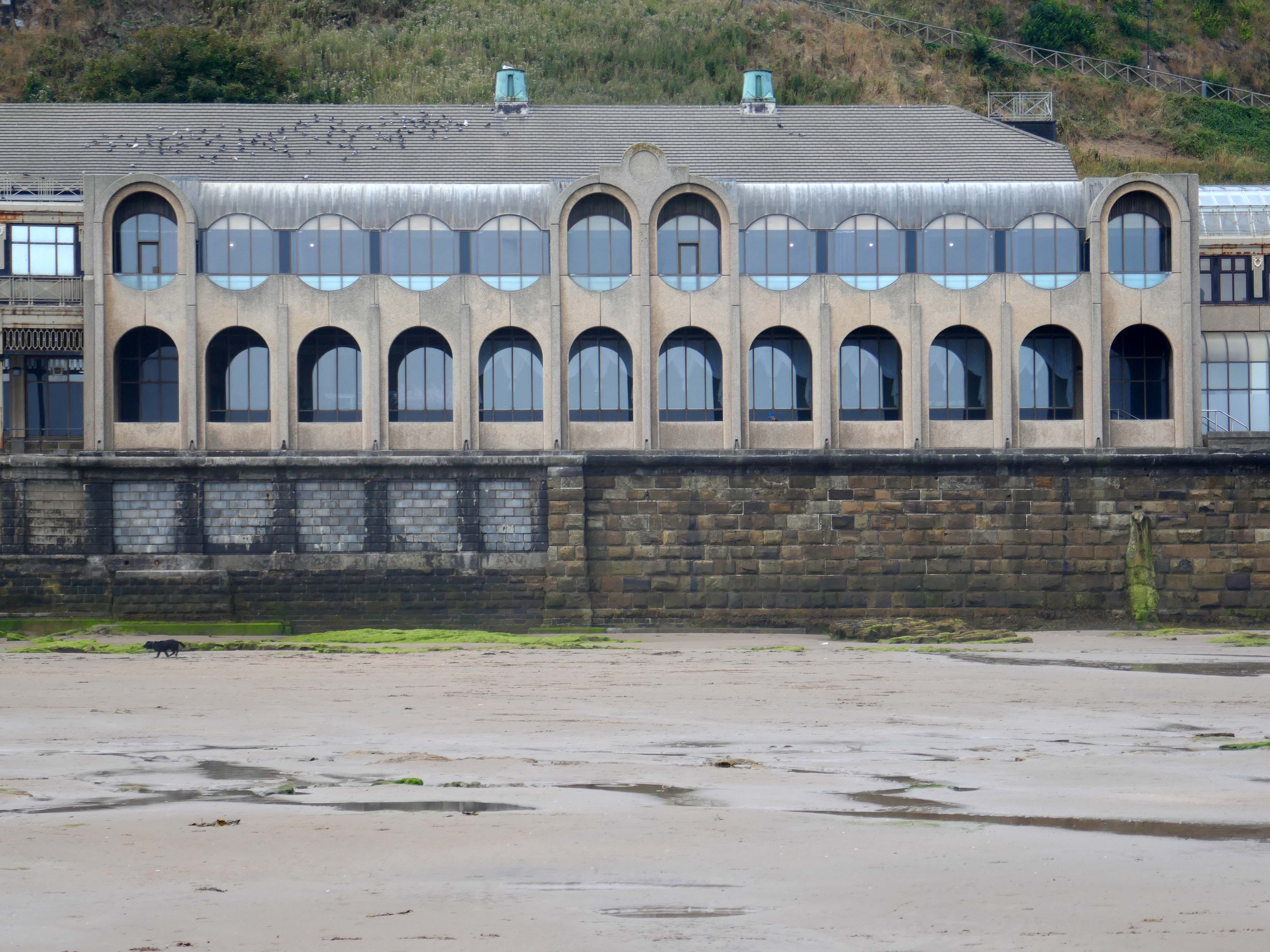
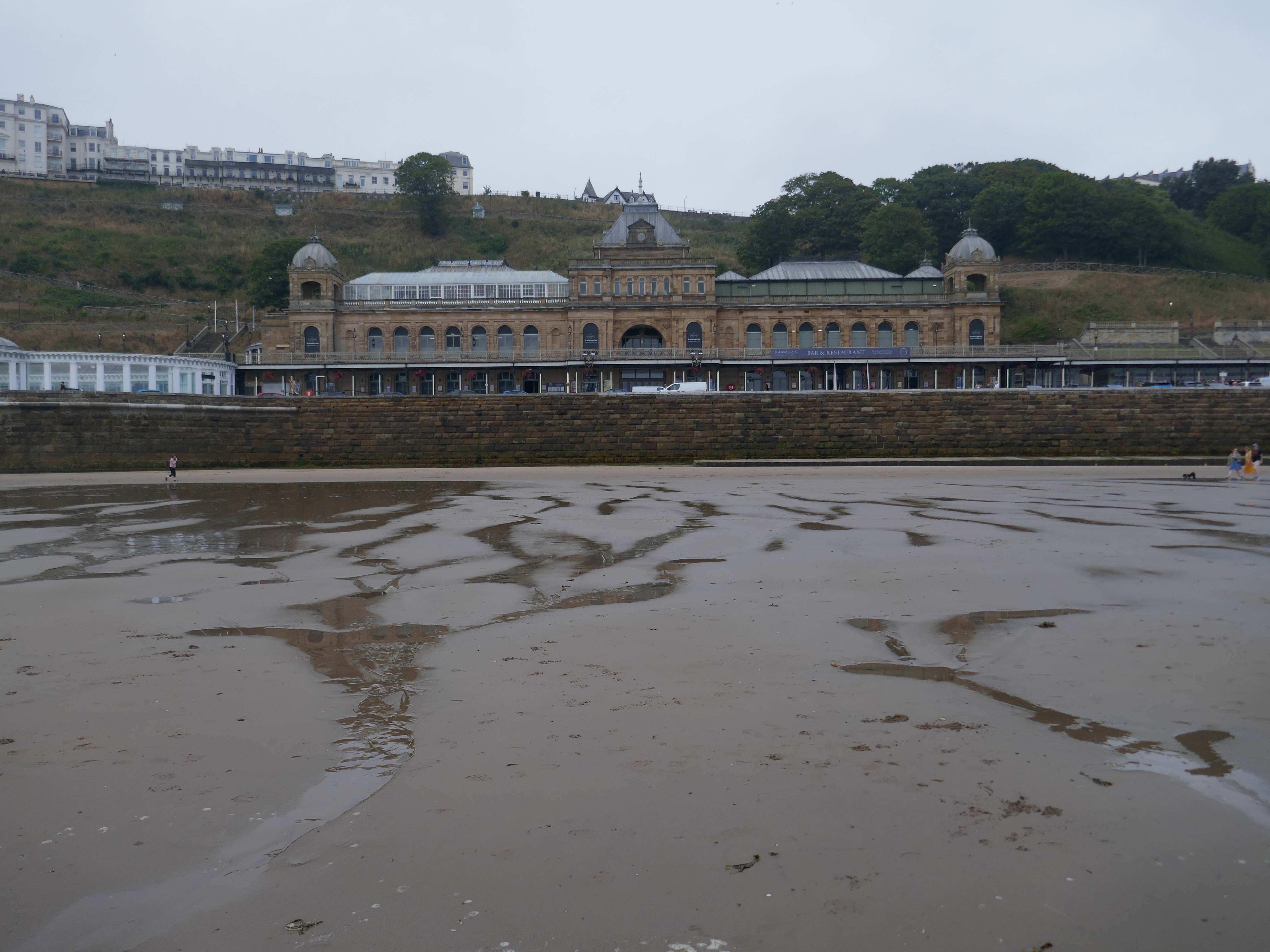
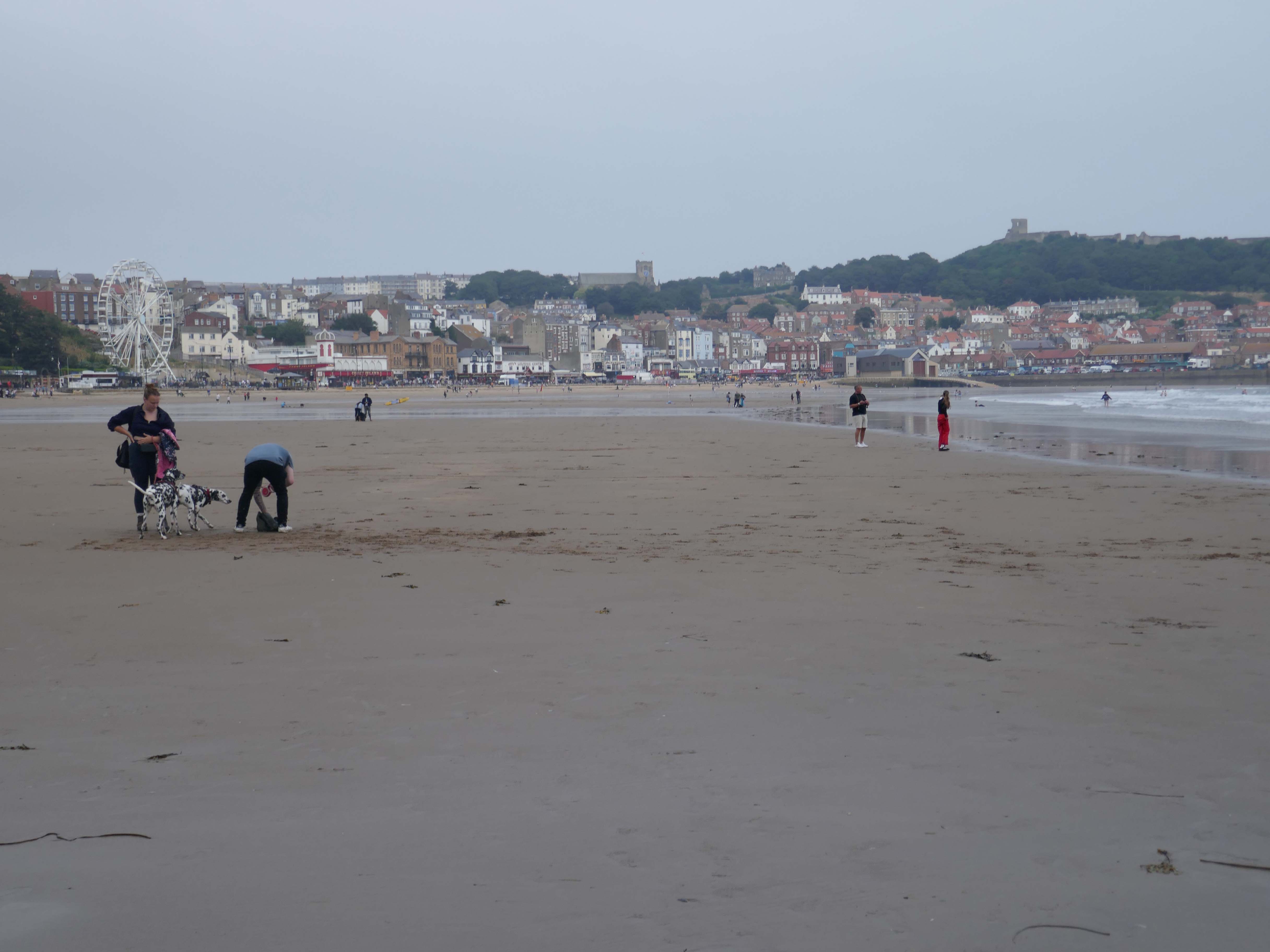
The Scarborough Spa – boldly stands over the bay, beaches, and harbour, providing unrivalled views. With a lengthy and impressive past, it is a popular venue for touring performers and meetings, conferences, and training sessions.
The Spa dates back to the C18 when a mineral spring there became a place of fashionable resort. Originally there was just a timber embanked terrace to the shore. Later, in the early C19 a castellated building was raised. In 1858 Sir JosephPaxton designed the new ashlar faced Spa pavilion raised on terrace with arcaded ground and first floor articulated by pilaster strips, seven bays, with projecting pilastered corner towers with balustraded parapets.
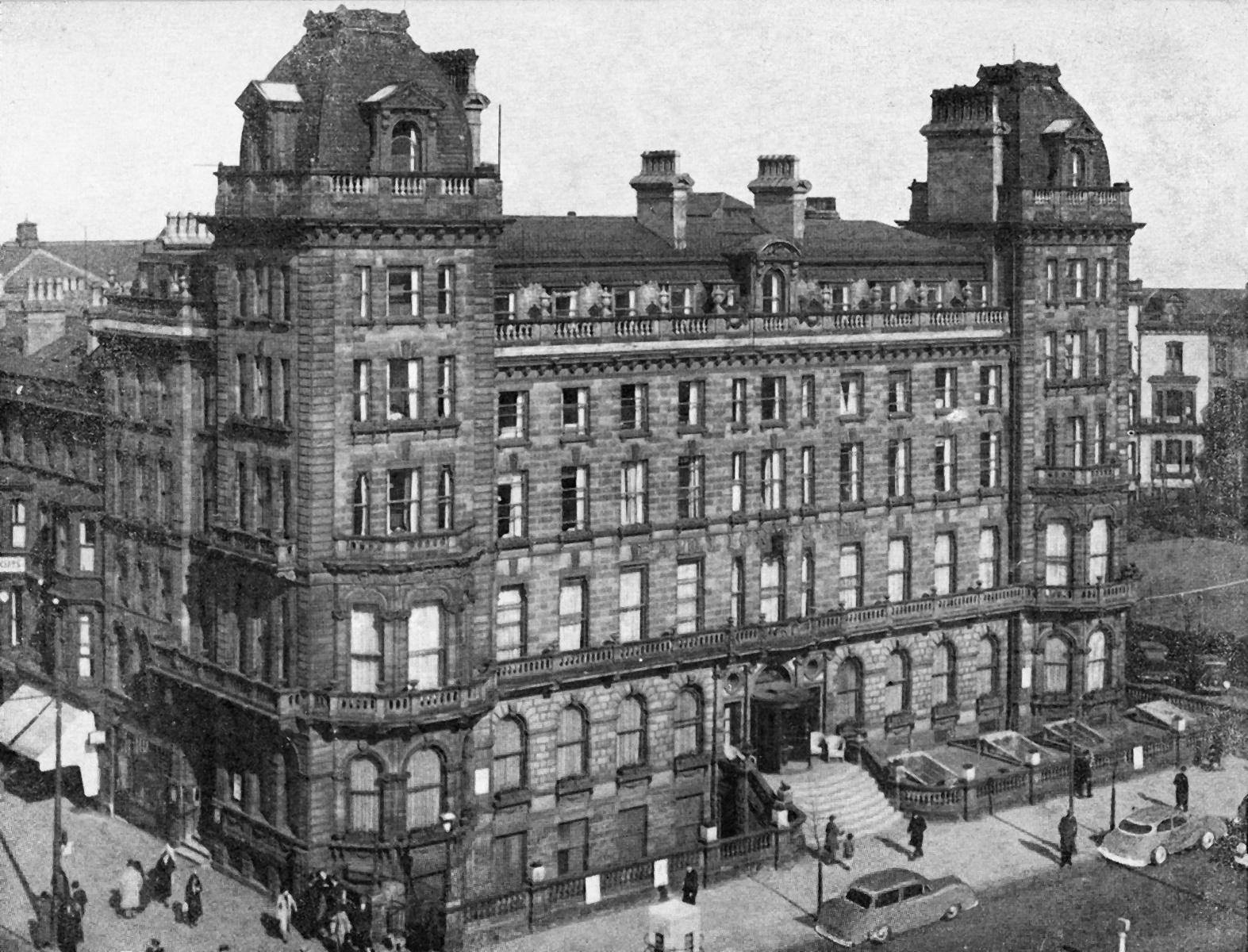
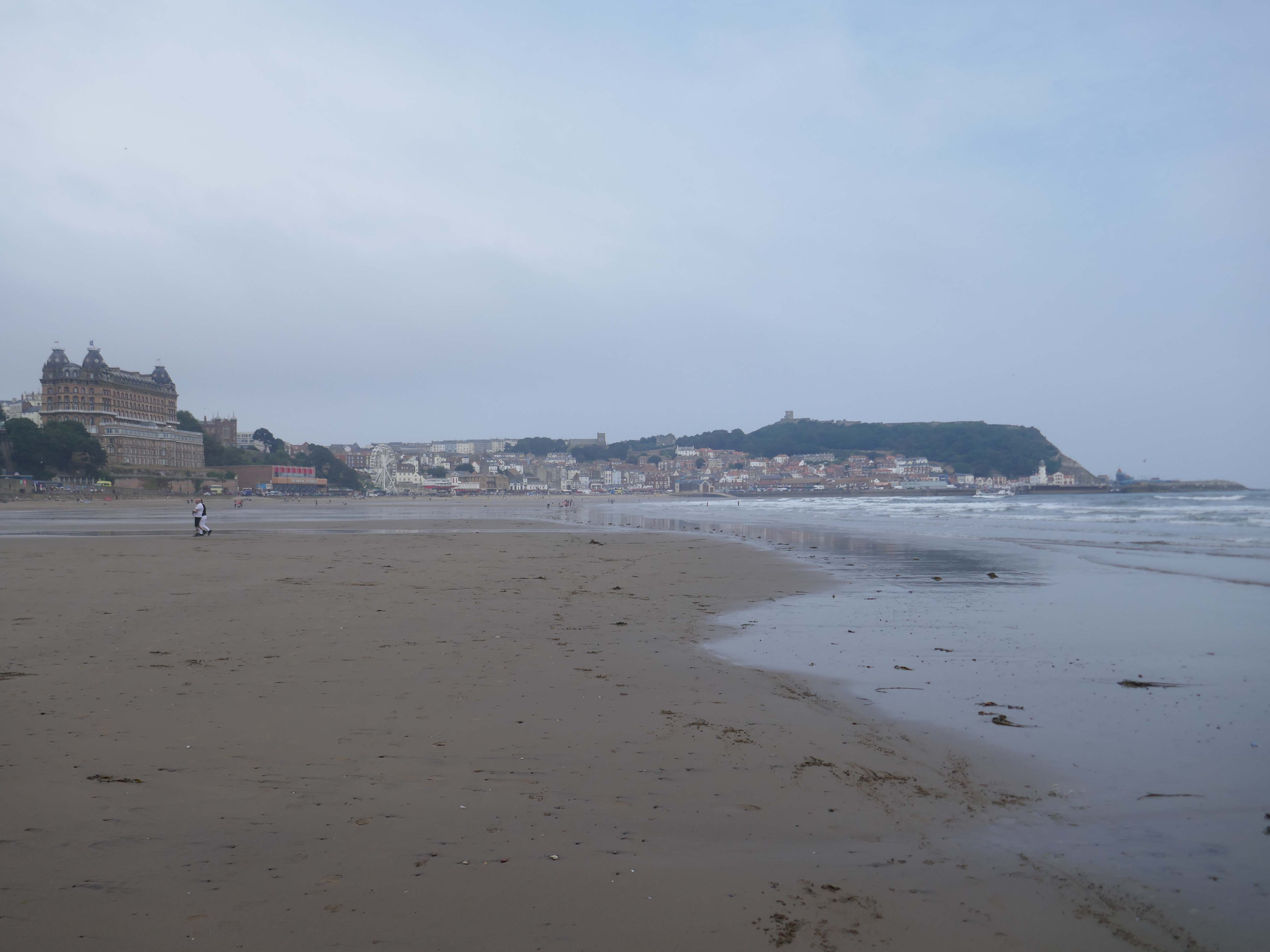
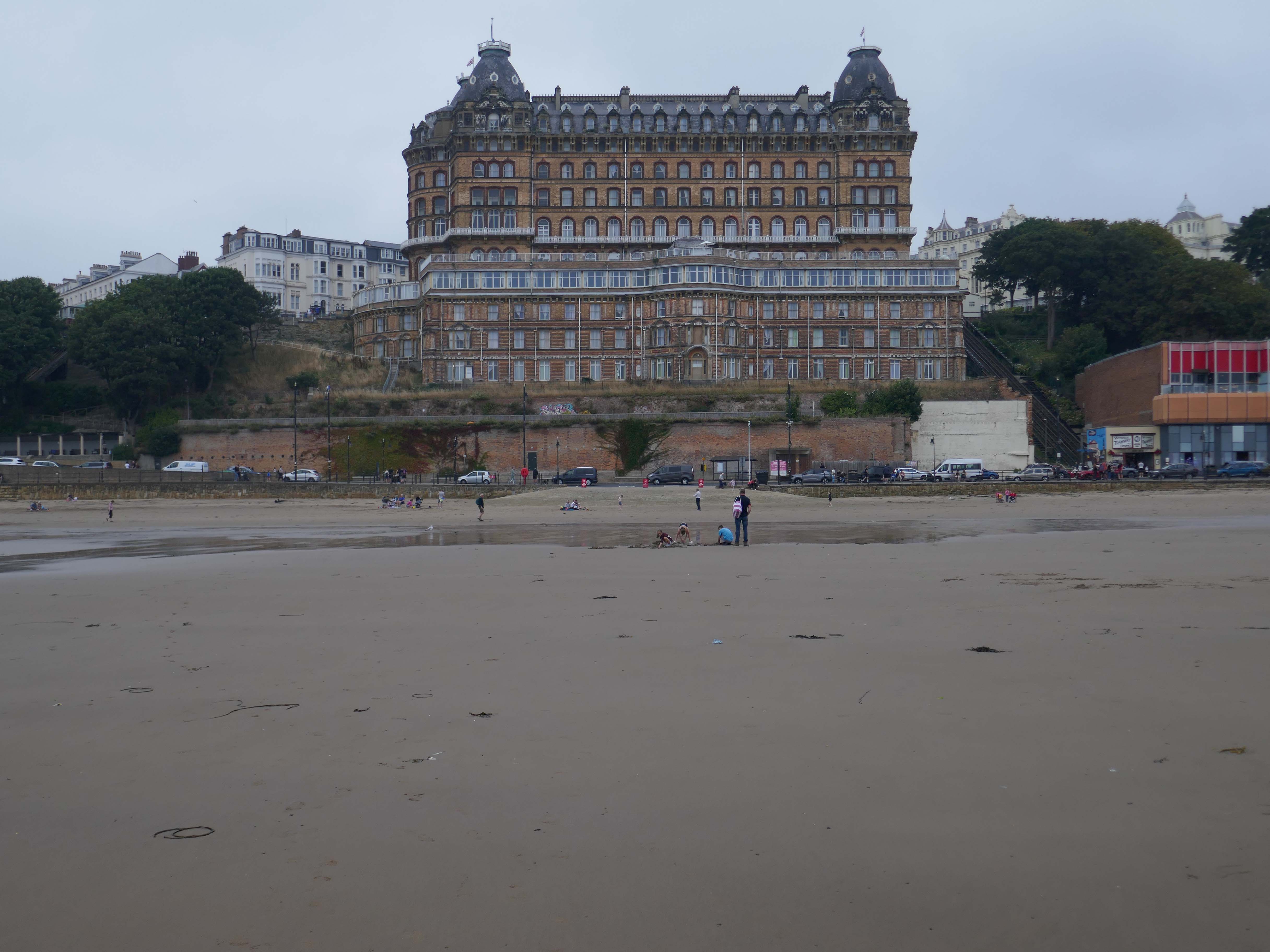
Grand Hotel was chosen as one of Historic England’s seven wonders of the English seaside, as featured in the Daily Mail
Located in the town centre and built in 1863, the Grand Hotel Scarborough takes pride of place overlooking the town’s picturesque harbour and South Bay. This stunning Victorian building is an instantly recognisable landmark, and stands out amongst other hotels in Scarborough.
We’ve stayed here a few times and we’ve never had a problem with our room. If you dont like lifts theres a lot of stairs but we like to keep fit anyway. Fridge was a bonus. Hairdryer, towels, three loo roll, towels, fan, iron, ironing board Good stock of tea and coffee, nice clean kettle. Paid for a room with a window and got unexpected sea view which was fab to wake up to. Gorgeous main area, singers on at nine, stayed in room thirteen no ghosts lol.
Will defo come again – thank you Grand Hotel.
Samantha K
Absolutely disgusting, the rooms was very dirty, full of dust, the room hasn’t been cleaned since the last person stayed as there body shape was still in the bed, bathroom had toothpaste all in the sink and the shower was absolutely filthy. Curtains are hanging off. Carpets are dirty. The food is very bad, cheap and under cooked. And most the food on the menu wasn’t even available. When speak to the staff I got verbal abuse from them and the chef told my partner to “f off”.. it’s just horrible experience. Do not wish this on anyone. You go outside to loads off homeless doing drugs and been drunk also. I actually ended having to leave and book an alternative accommodation.
Architect: Cuthbert Brodrick – 1863-67 an immense structure in red brick with tawny terracotta dressings, four storeys, basement, and storey at eaves cornice level, and two storey attic
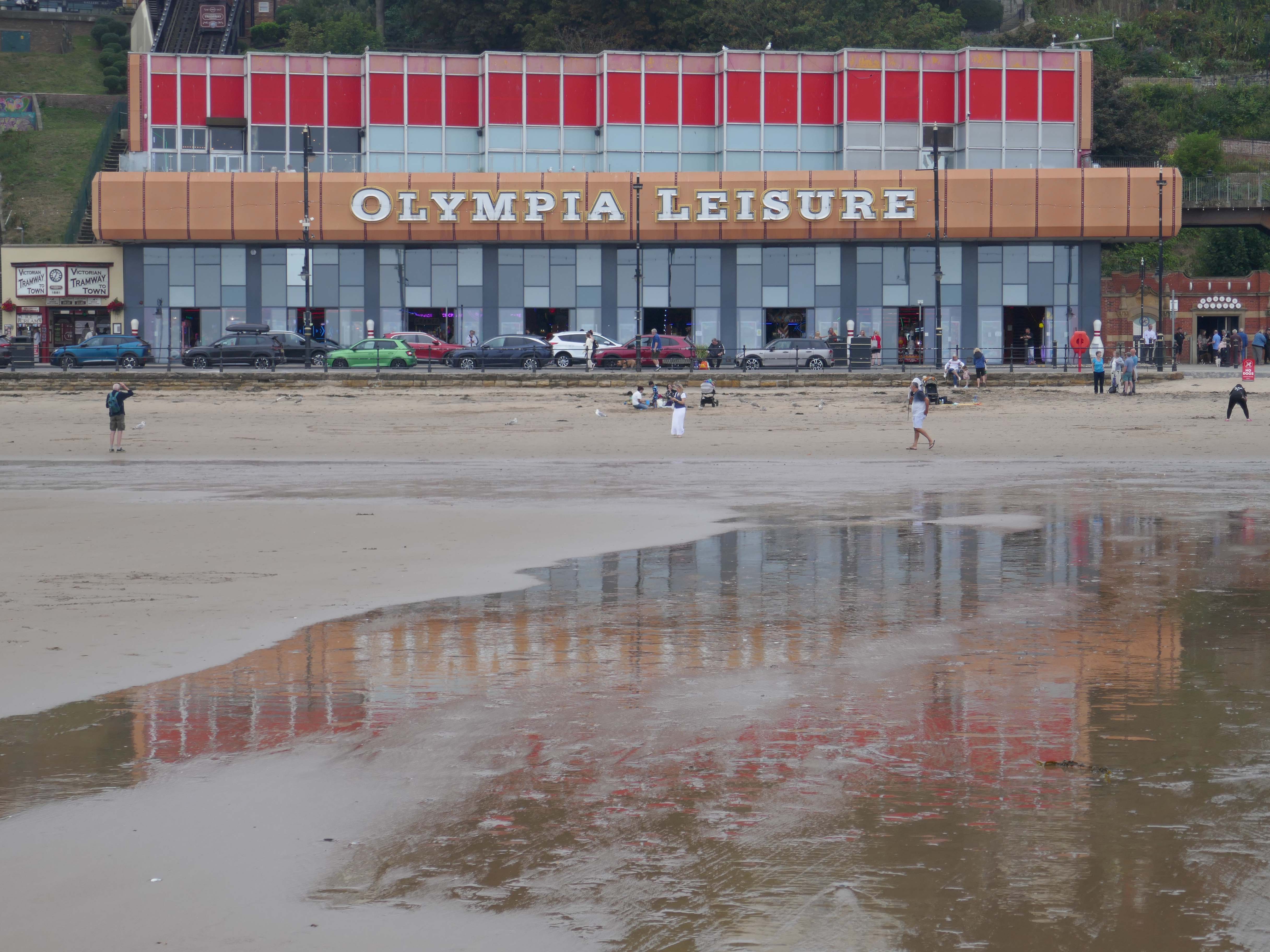
This is the place to be, either to meet friends, make friends or just book a Party event for friends and family. With twelve lanes our Ten Pin Bowling Alley, with its modernised interior and updated scoring system is a fantastic place to relax.
We have fabulous balcony views of Scarborough’s Seafront and Bay and a Smoking Area. It’s the perfect venue for an office or workplace party, student celebration, holiday activity, or just a regular get together of friends.
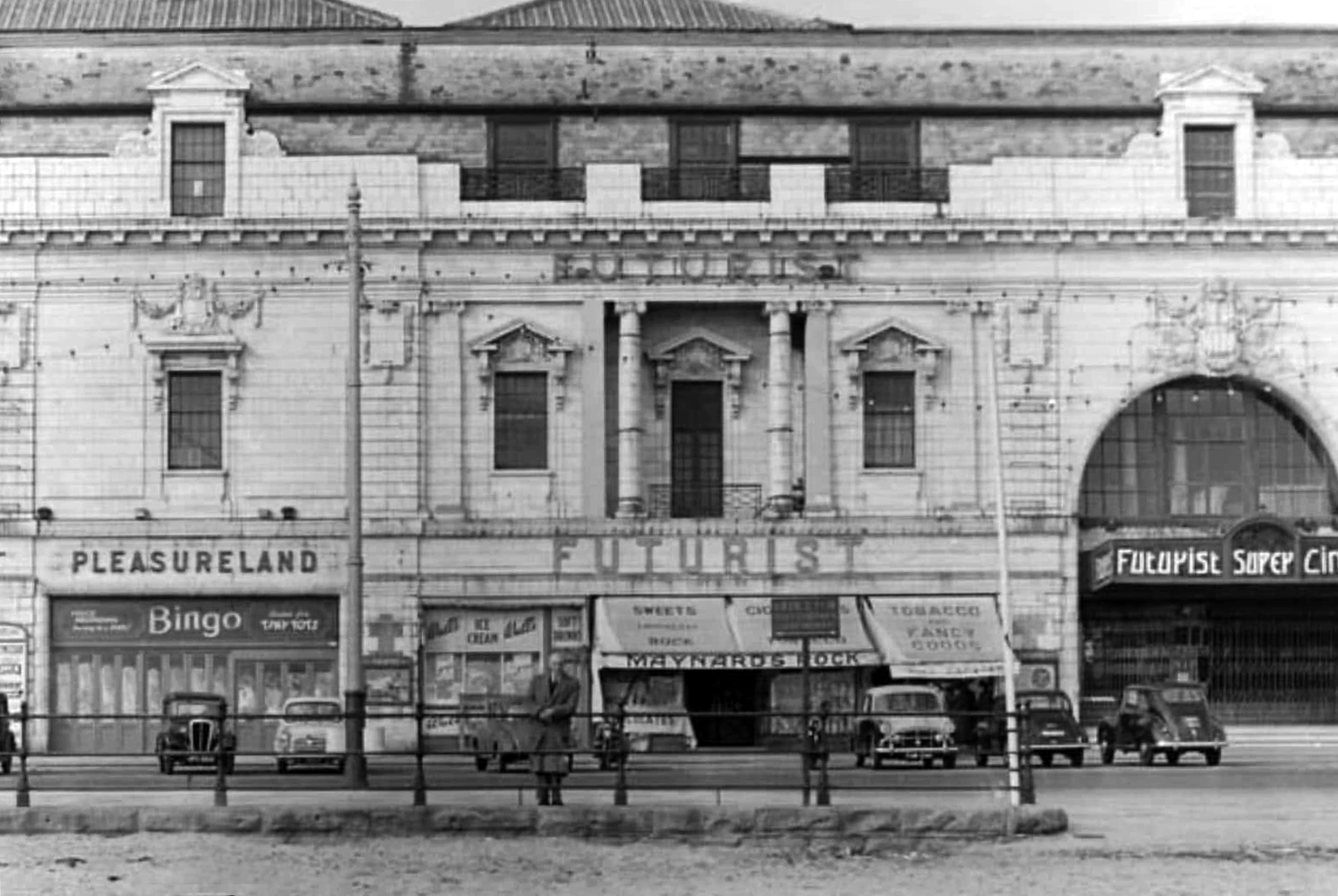
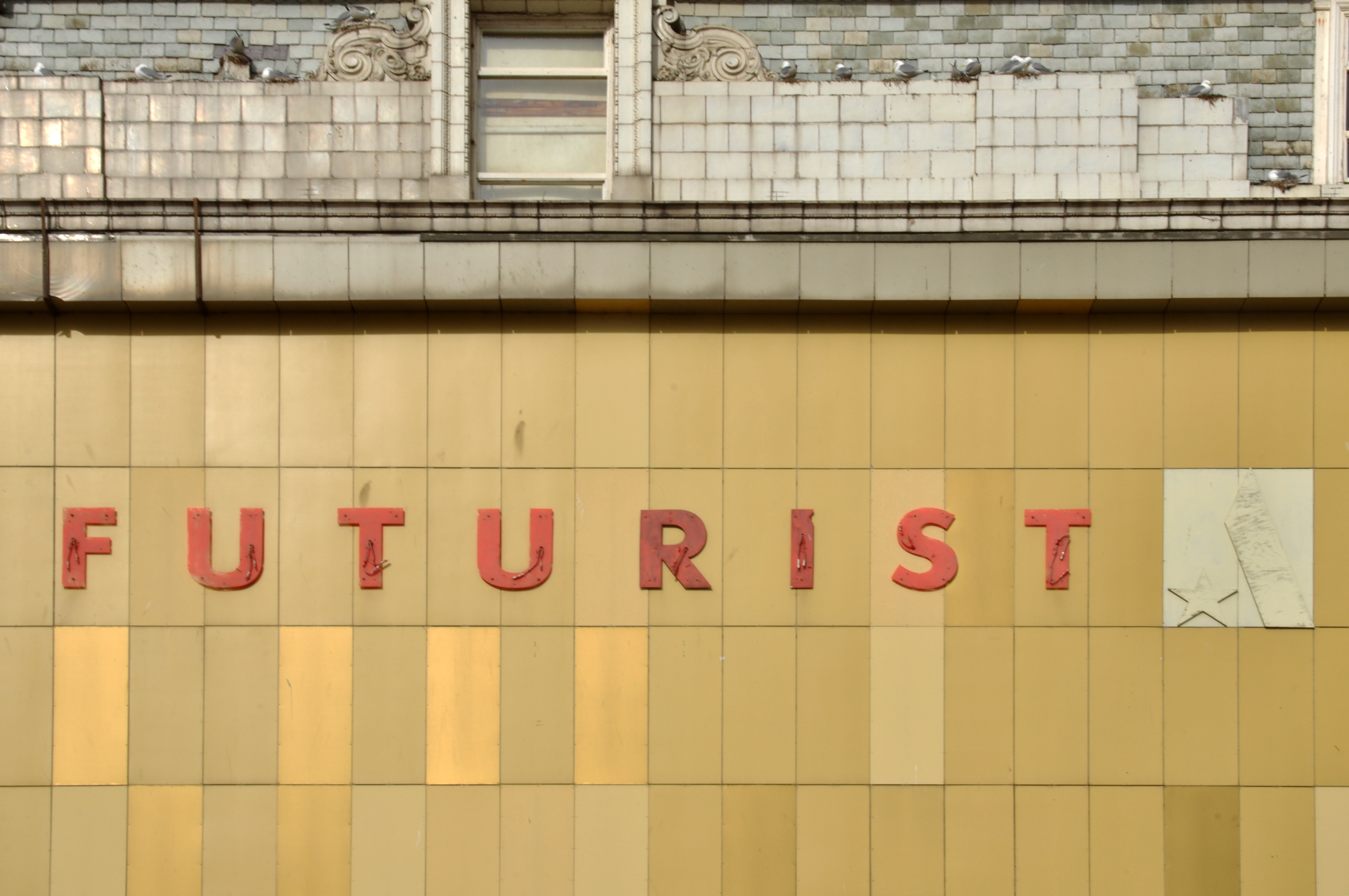
Formerly the site of the Futurist Theatre
The Futurist Theatre was built to the design of Scarborough architect Frank Tugwell and opened on 27 June 1921 as a cine-variety theatre operated by William Catlin.
Originally it boasted a grandiose, ornate façade of robust, self-cleaning white glazed Carraraware tiles, the design of Henry Doulton.
This was later obscured during spring 1968 by a facelift of rectangular plain yellow cladding.
Demolition of the building began in June 2018 and was completed in August 2018.
The demolition and associated land works cost local taxpayers £3.91 million.
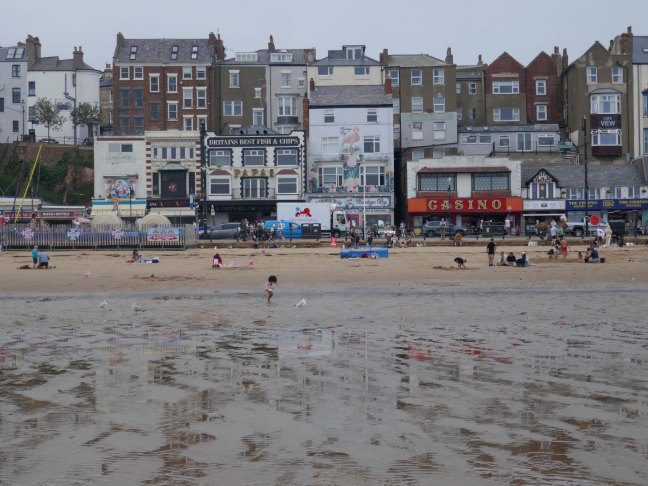
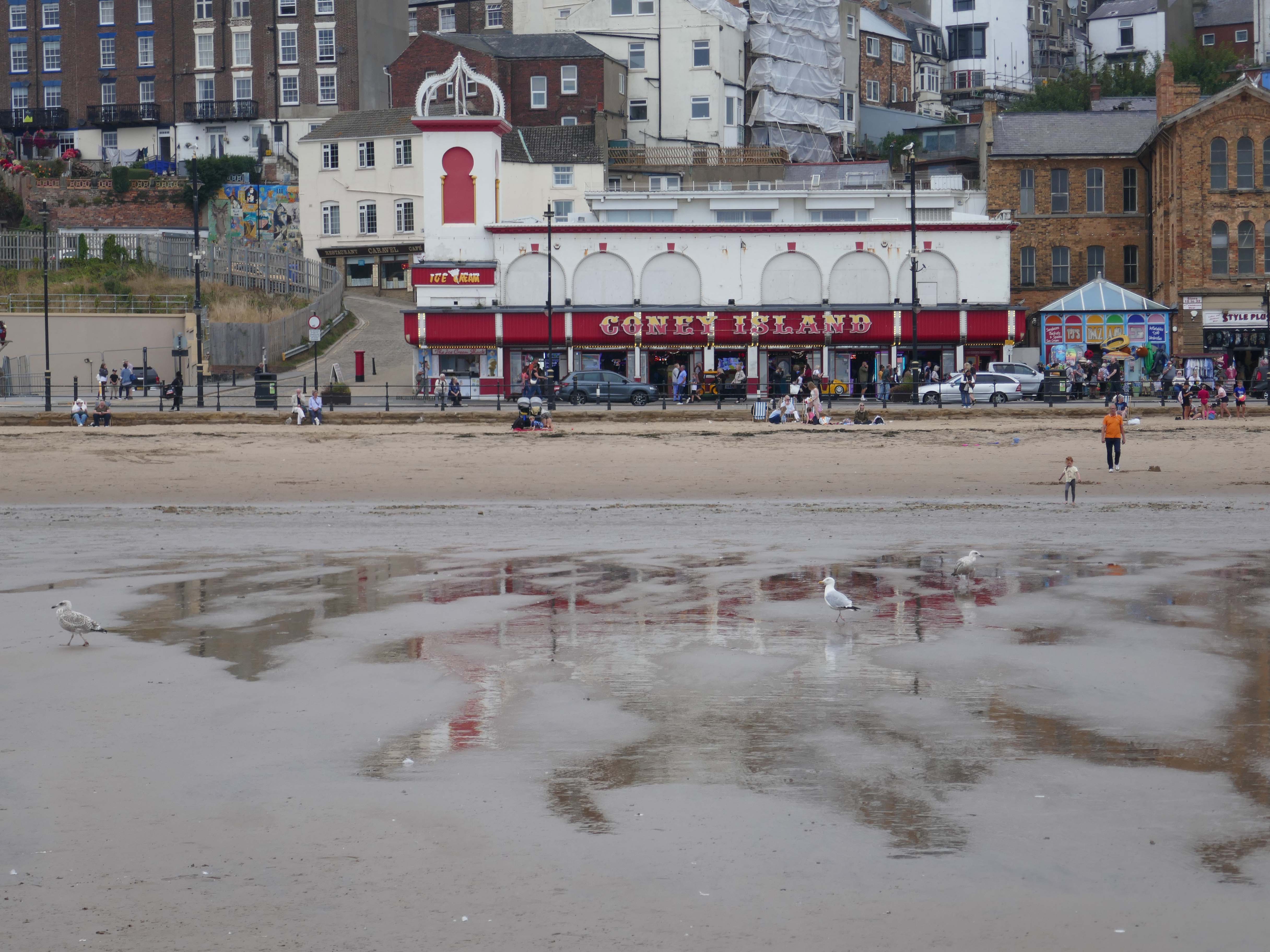
Coney Island is a popular amusement centre located on Foreshore Road in Scarborough, offering a vibrant dose of classic seaside entertainment. It’s known for its unique architectural style and cool retro vibes that captivate visitors. This lively spot provides a welcoming atmosphere for all ages looking for fun by the coast.
Step inside Coney Island and discover a fantastic array of arcade games, ranging from exciting racing simulators where you can ‘drive’ sports cars and motorbikes, to a decent selection of both older and newer games. Beyond the flashing lights and sounds of the arcade, the centre also features a bowling alley, perfect for some friendly competition. Guests appreciate the ease of exchanging notes for coins at the desk, ensuring continuous play.
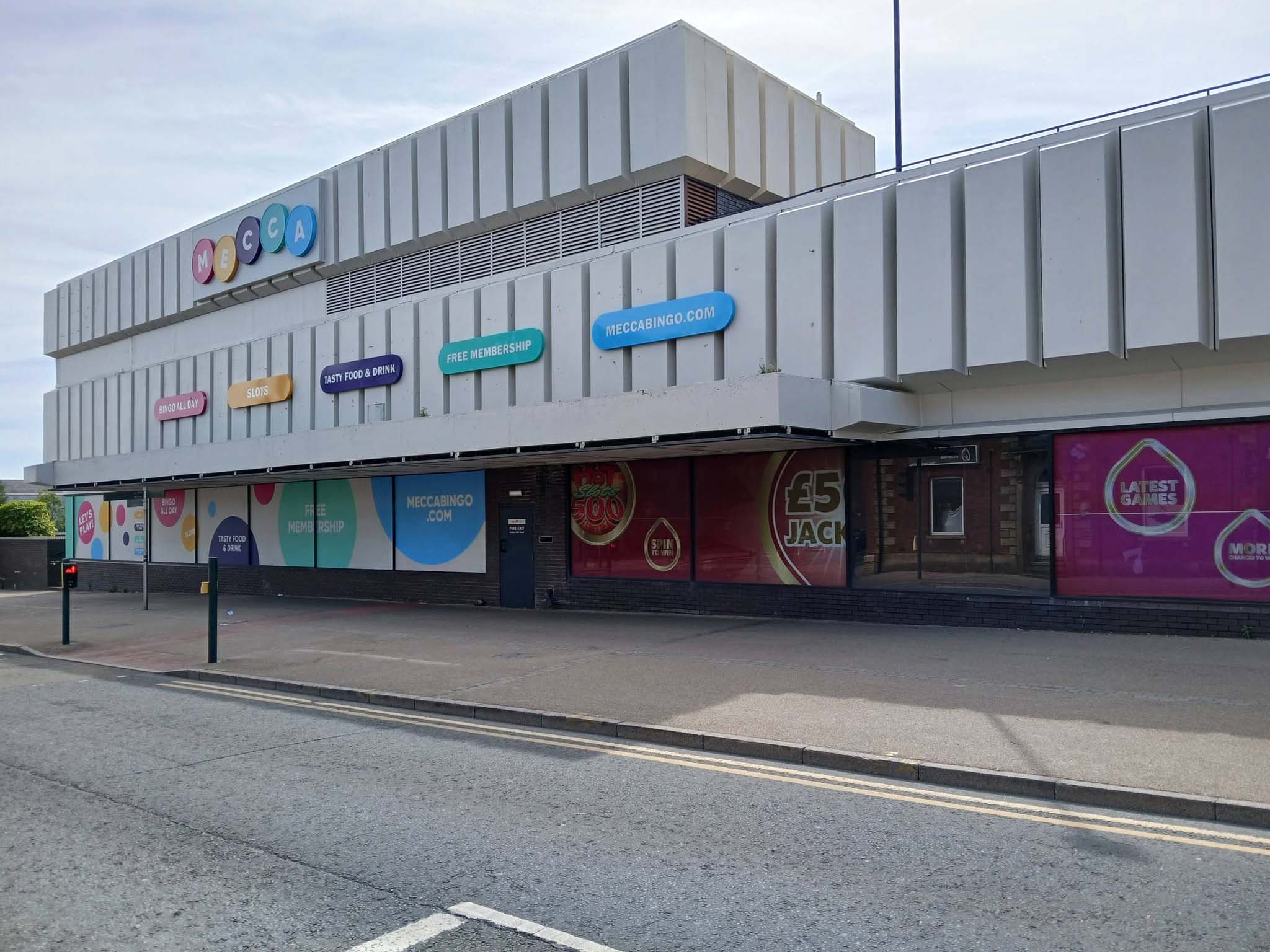
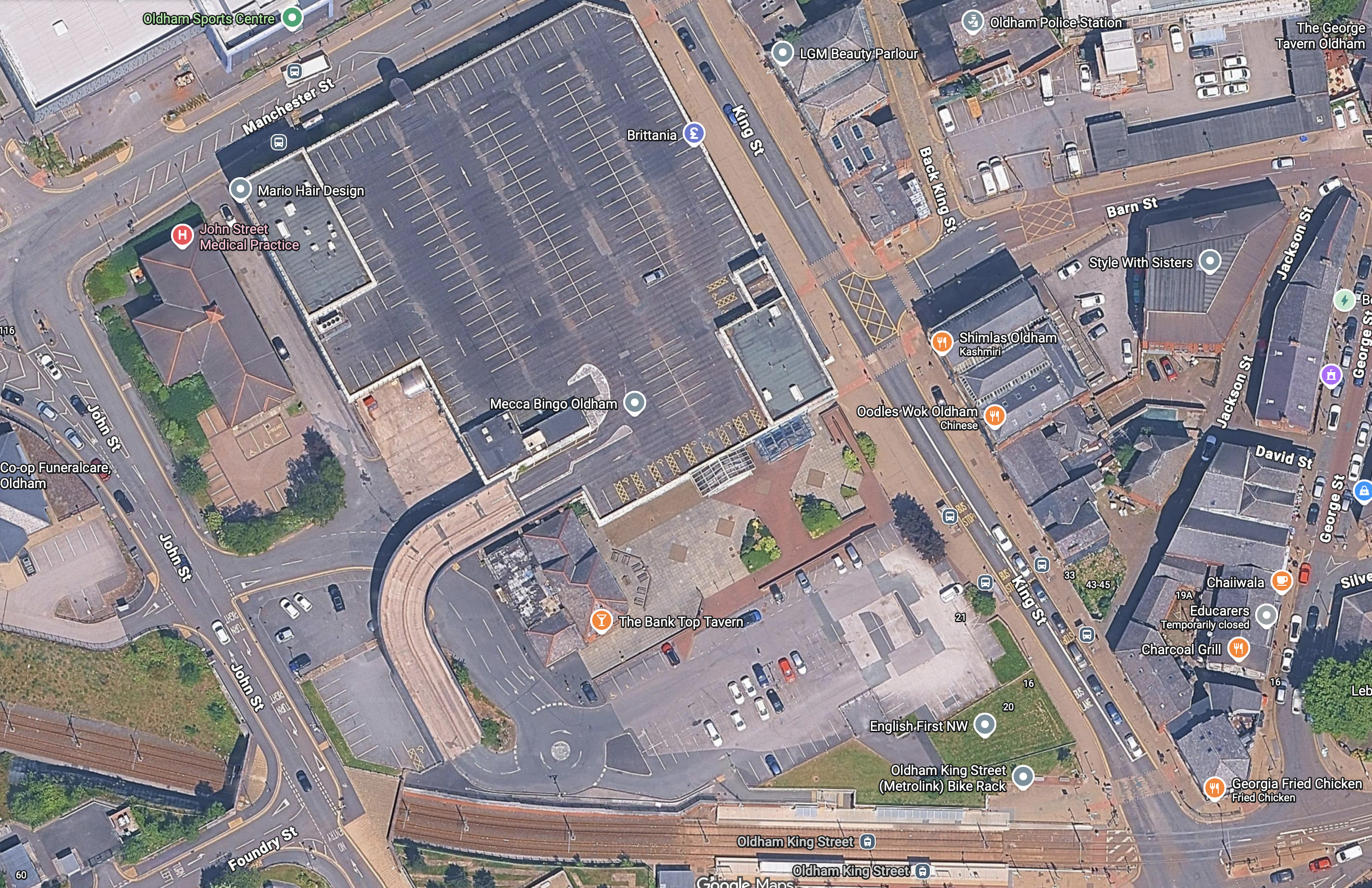
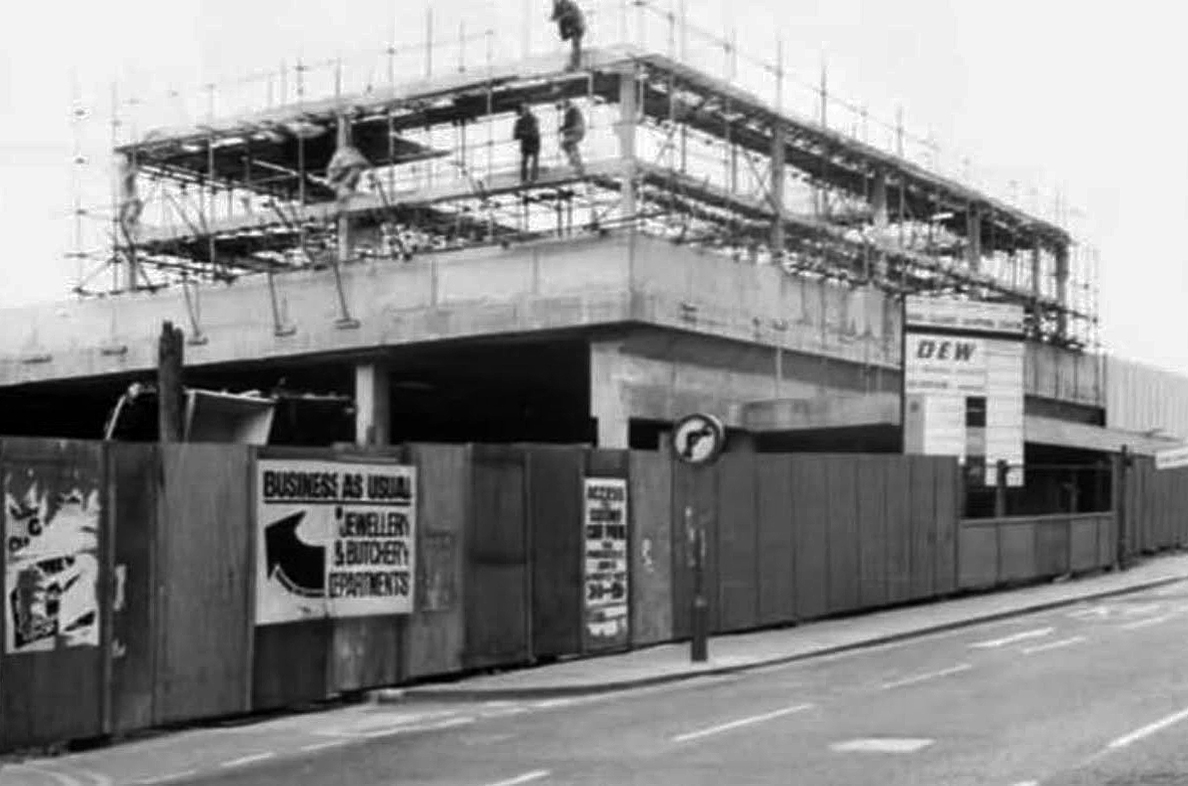
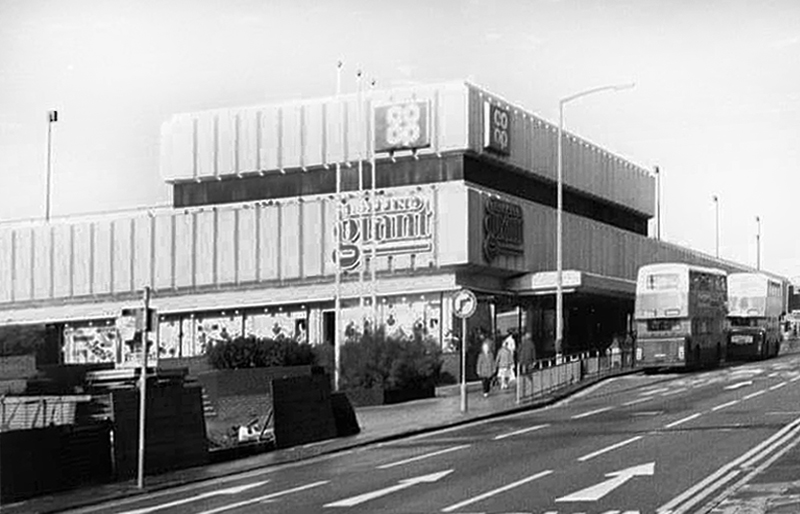
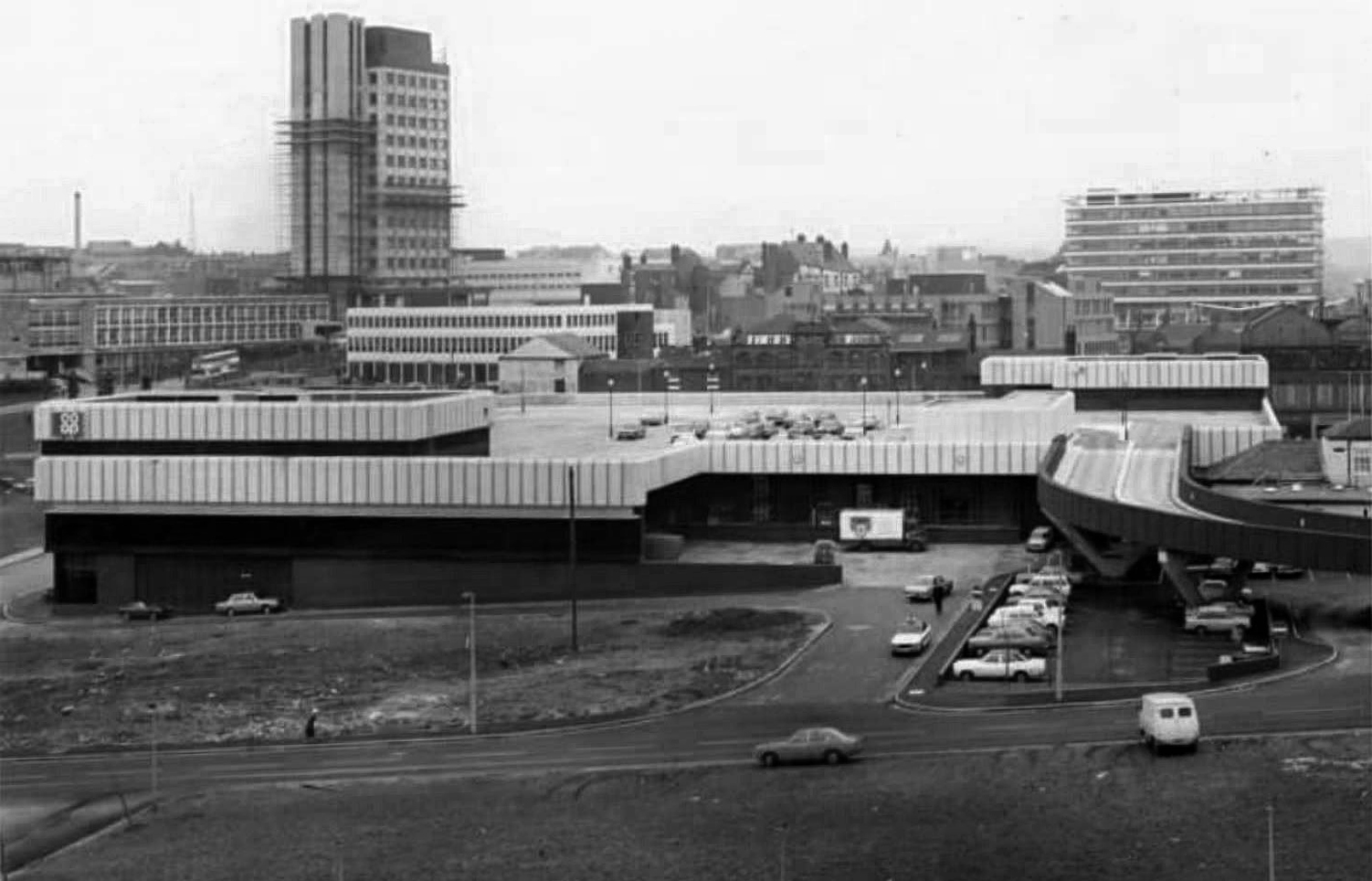
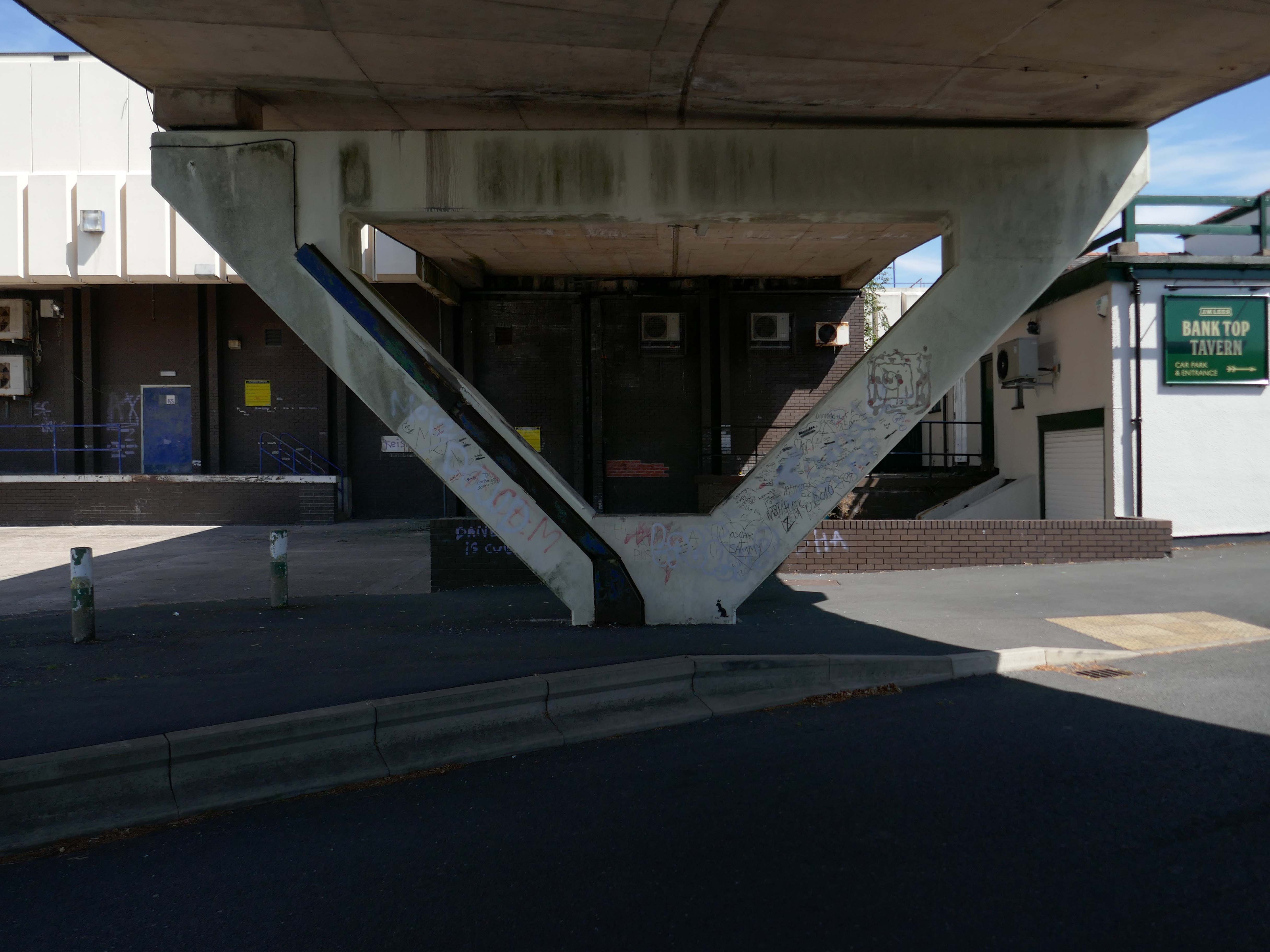
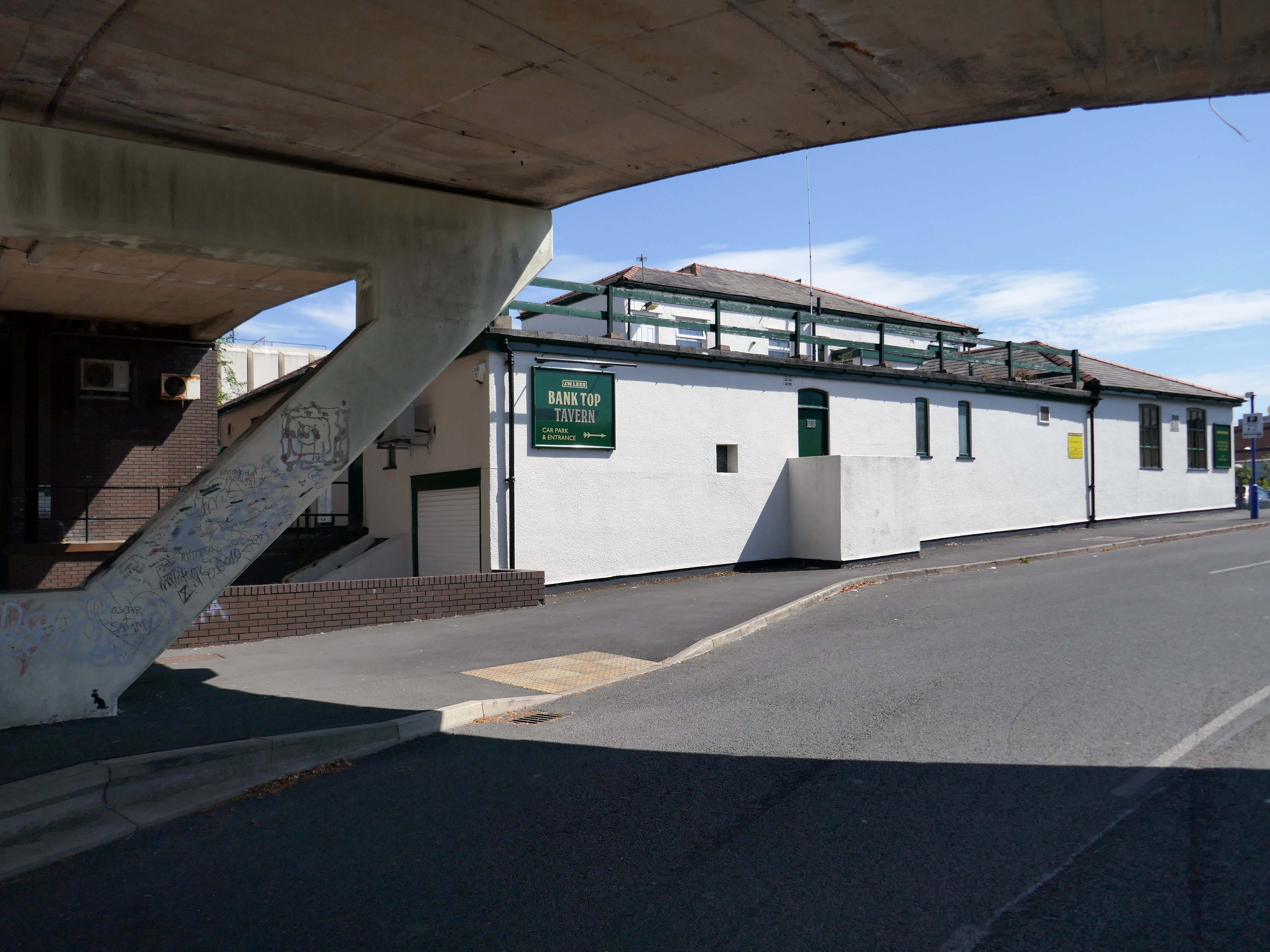
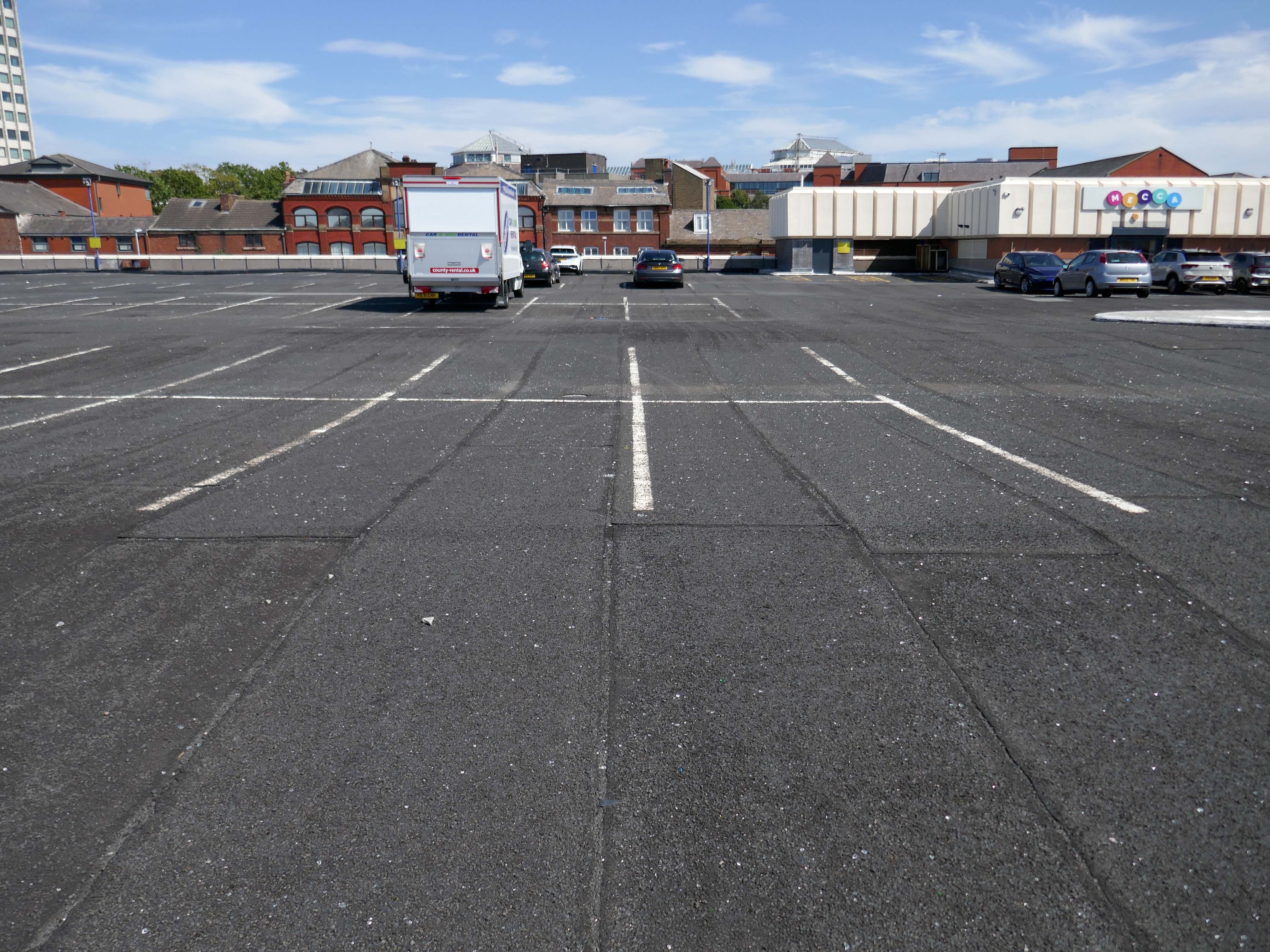
Dominating Oldham for most part of the decade was Co-op’s Shopping Giant. It was a great place where you could stock up on your groceries and buy non-food items. It boasted its own Handybank, had a separate chemist opposite the main store and a fast food restaurant – qv Food and Drink section. Cars parked on the roof and at ground level with access via trolley-friendly escalators.
Other delights included Mario’s salon – on Manchester Street underneath the main store, and an ice cream stand by the entrance nearest the Bank Top Tavern.
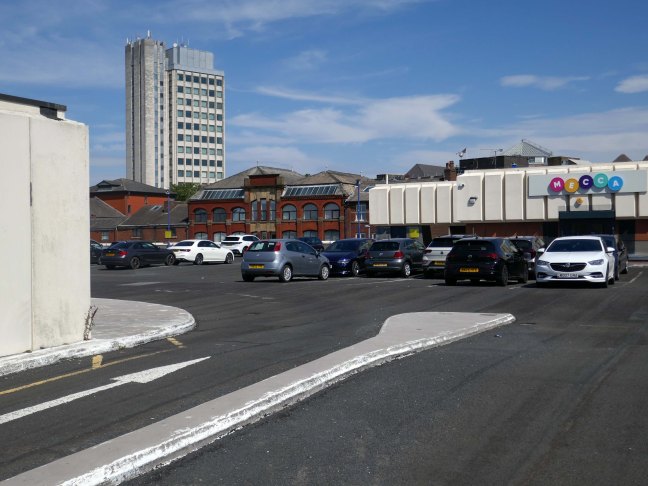
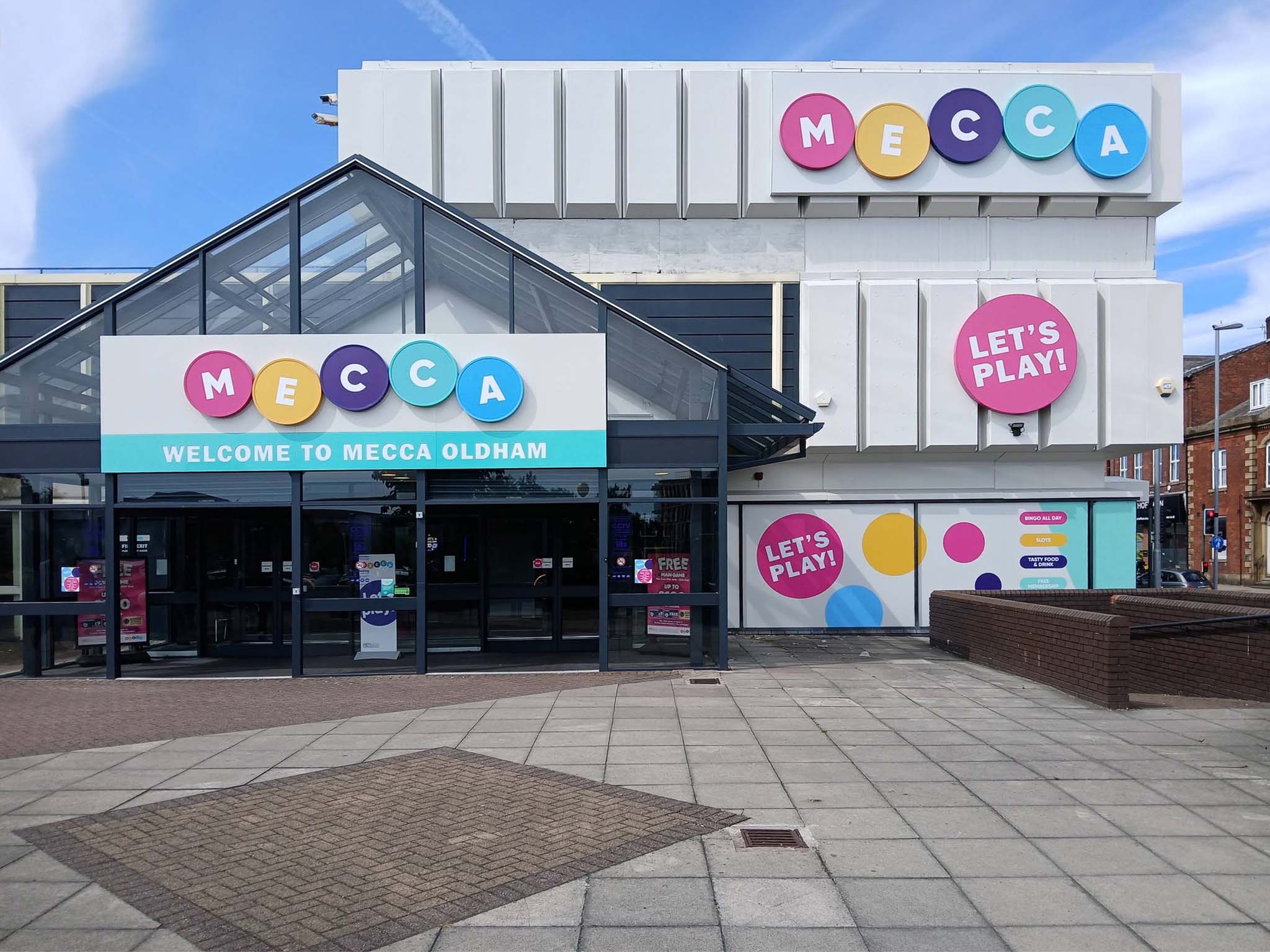
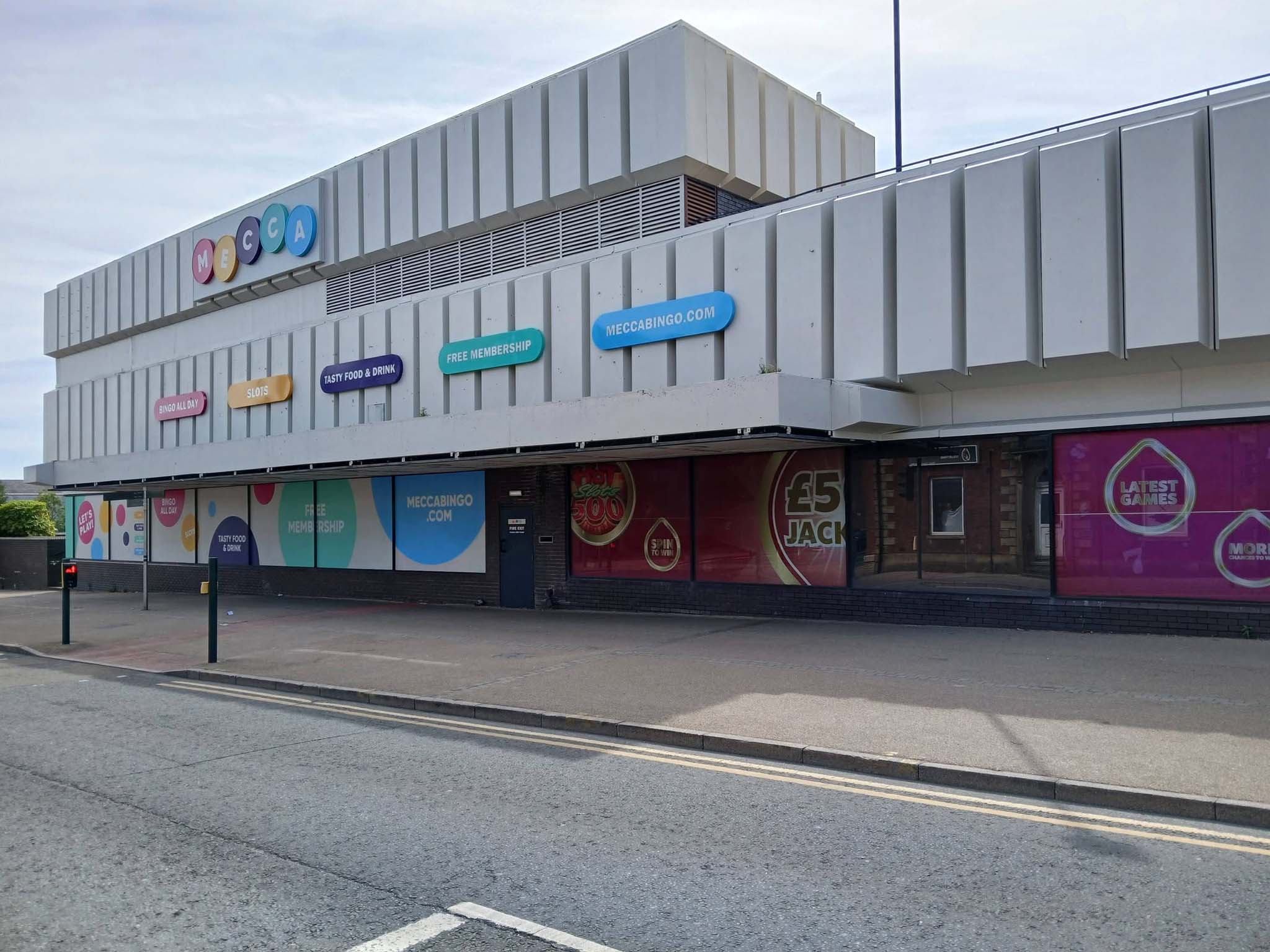
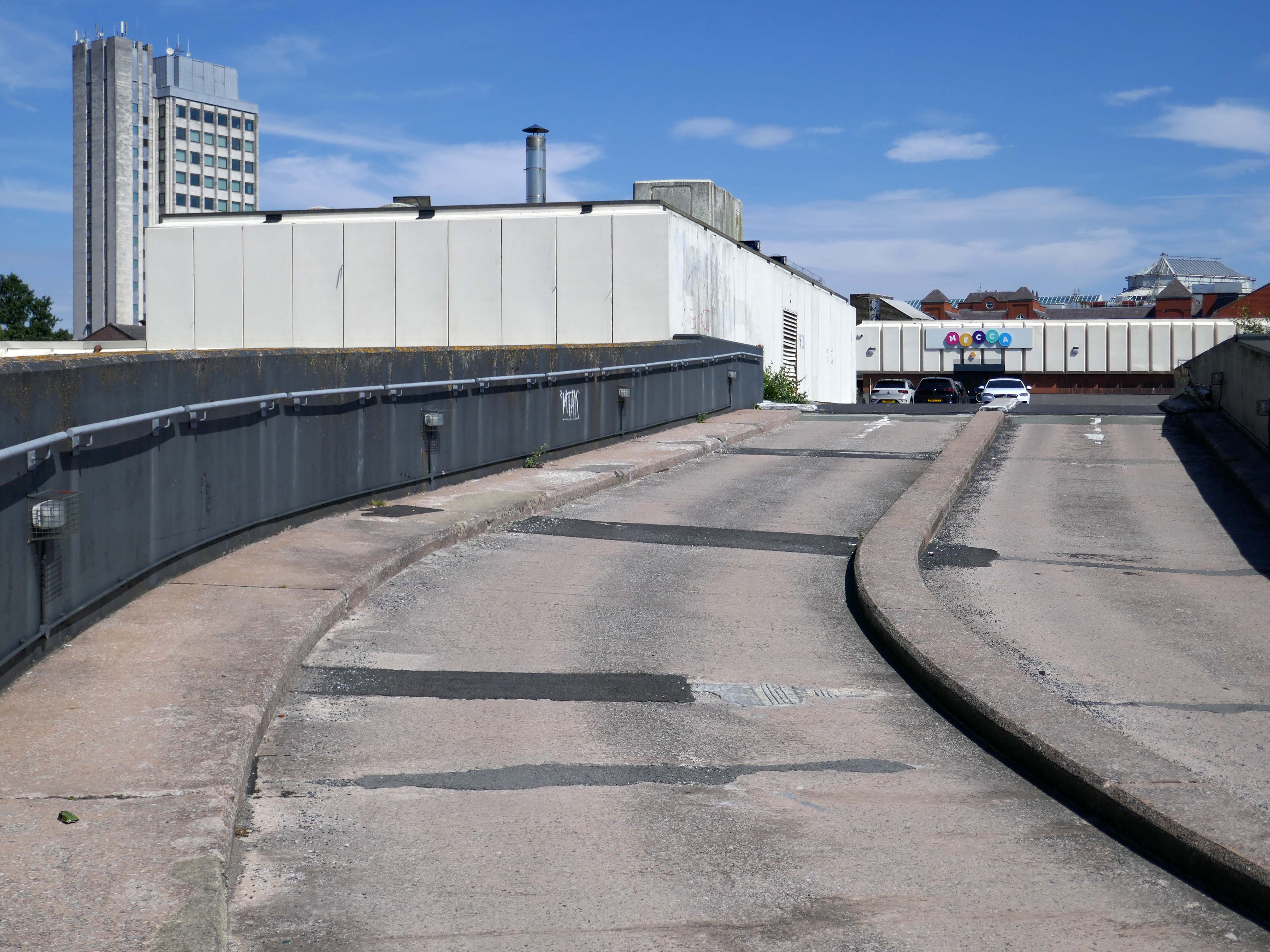
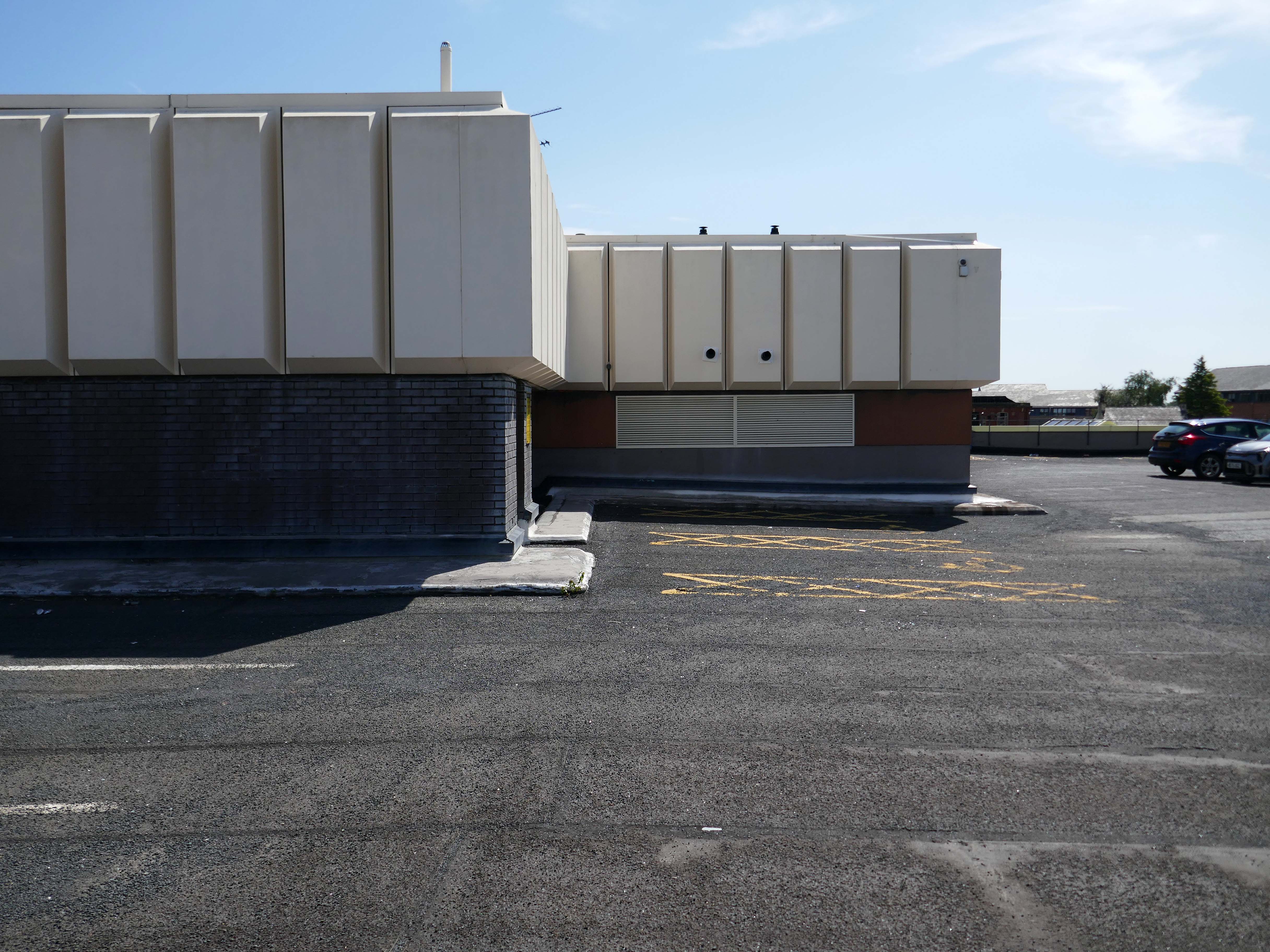
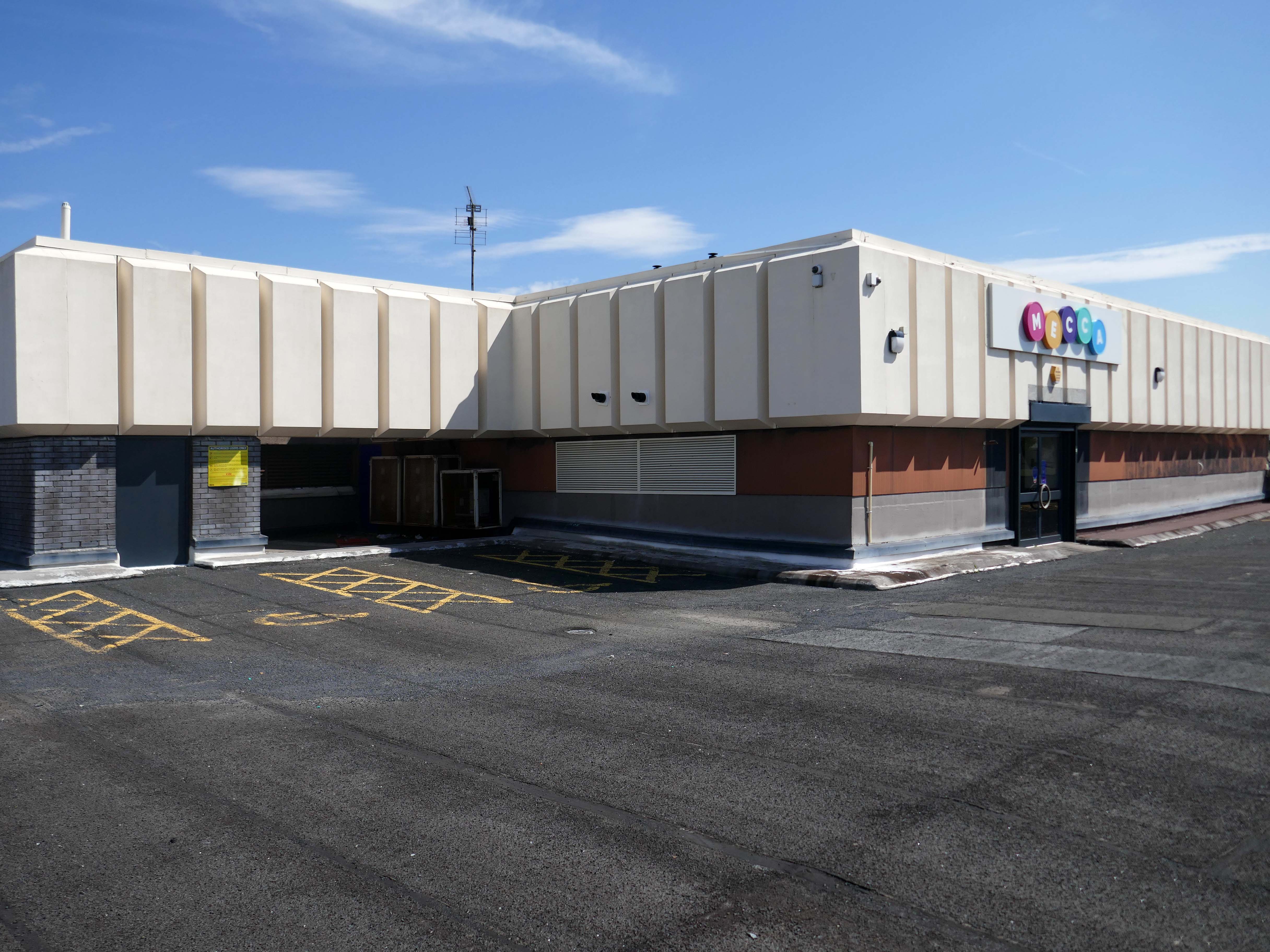
Nothing, like everything lasts forever – so you became the Mecca Bingo Hall.
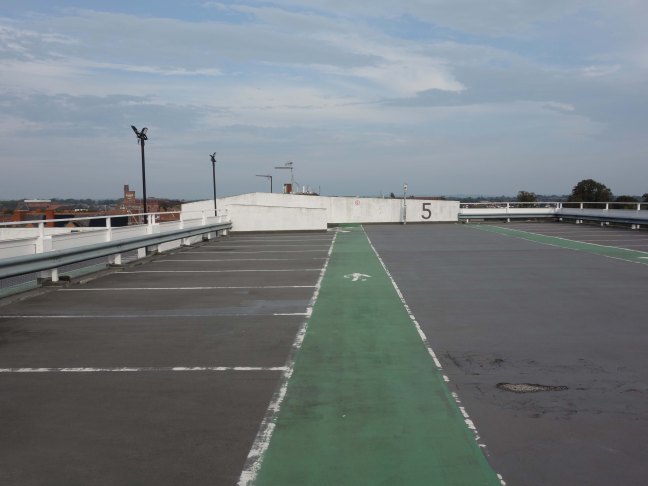
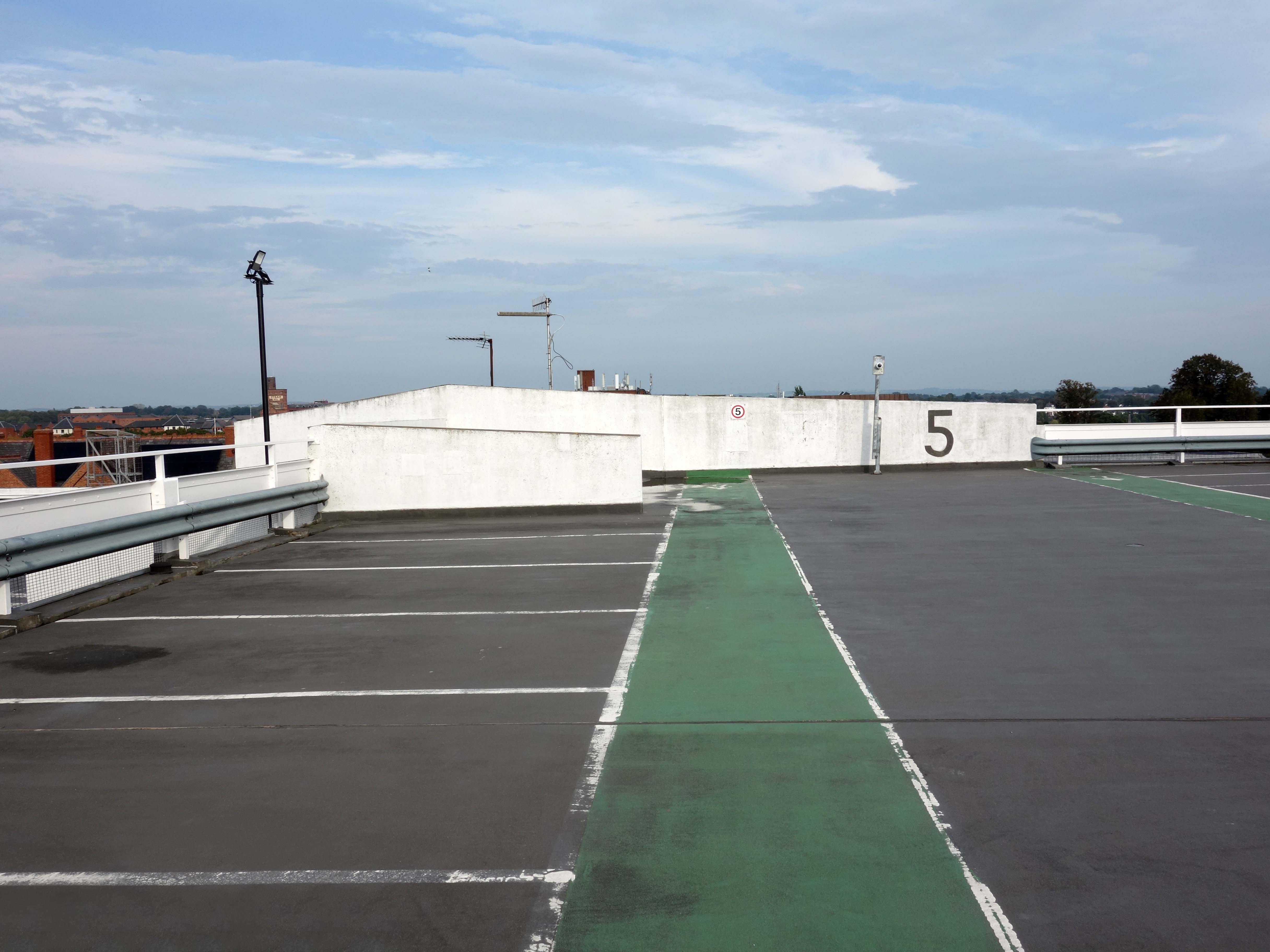
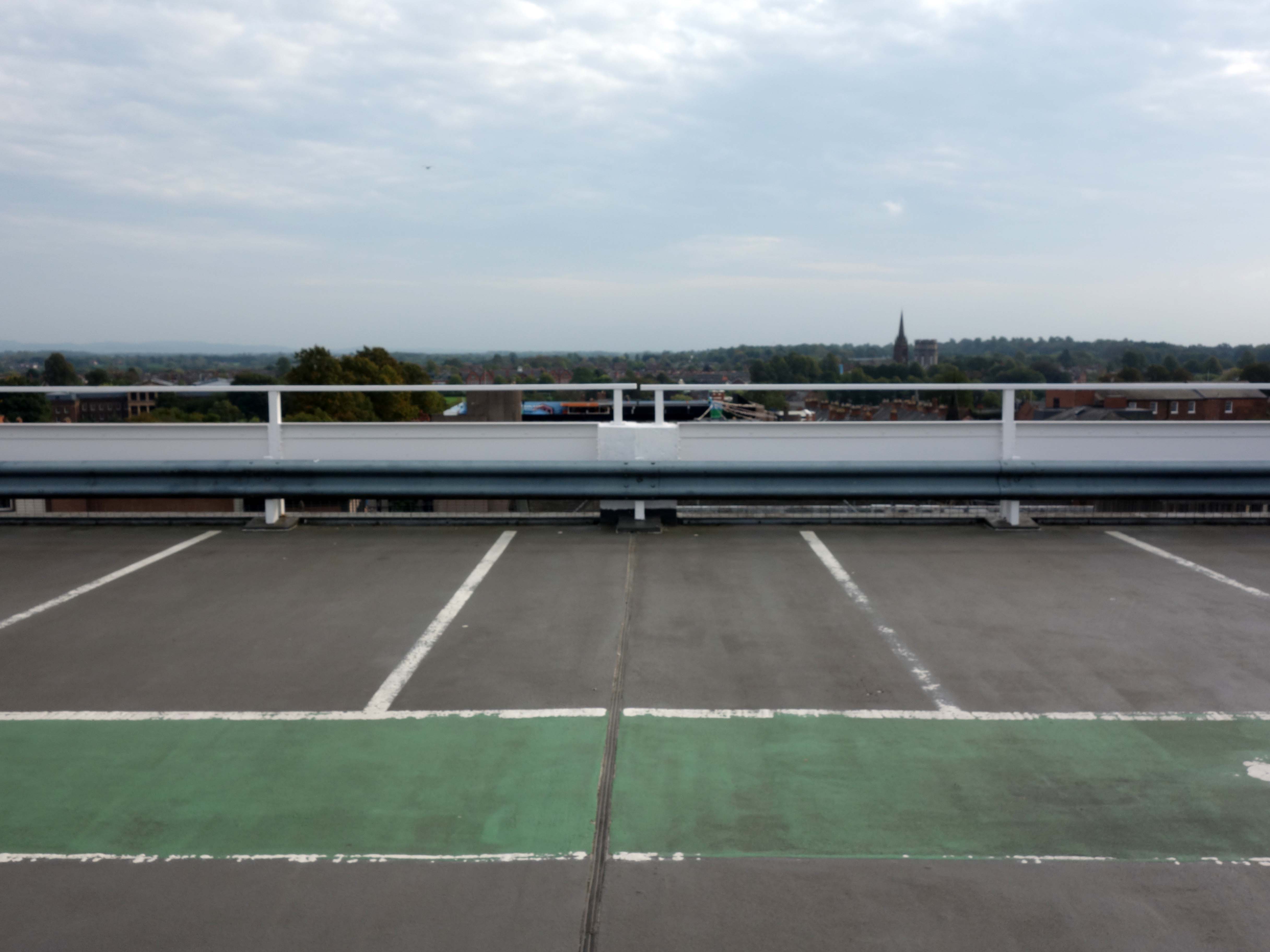
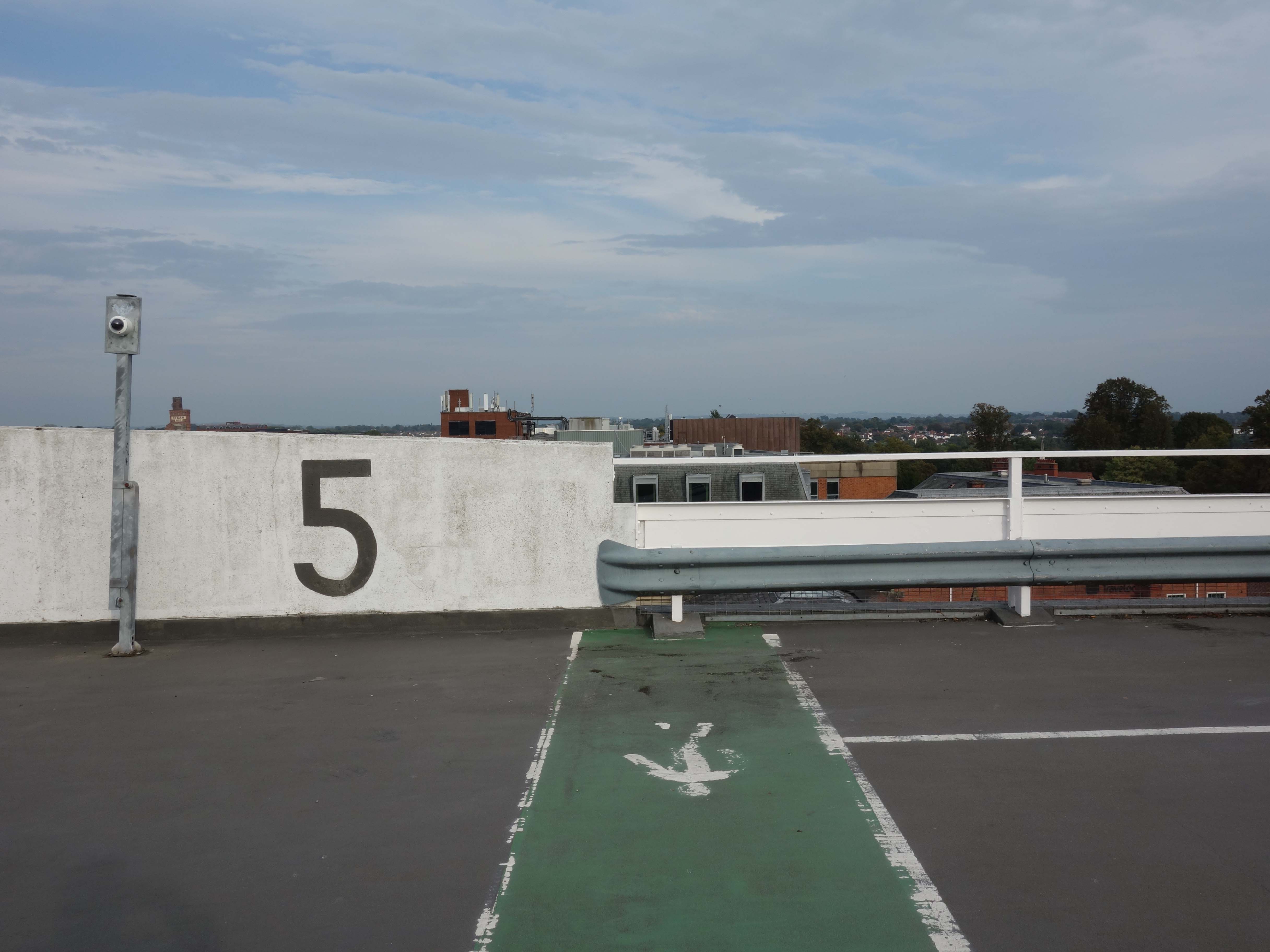
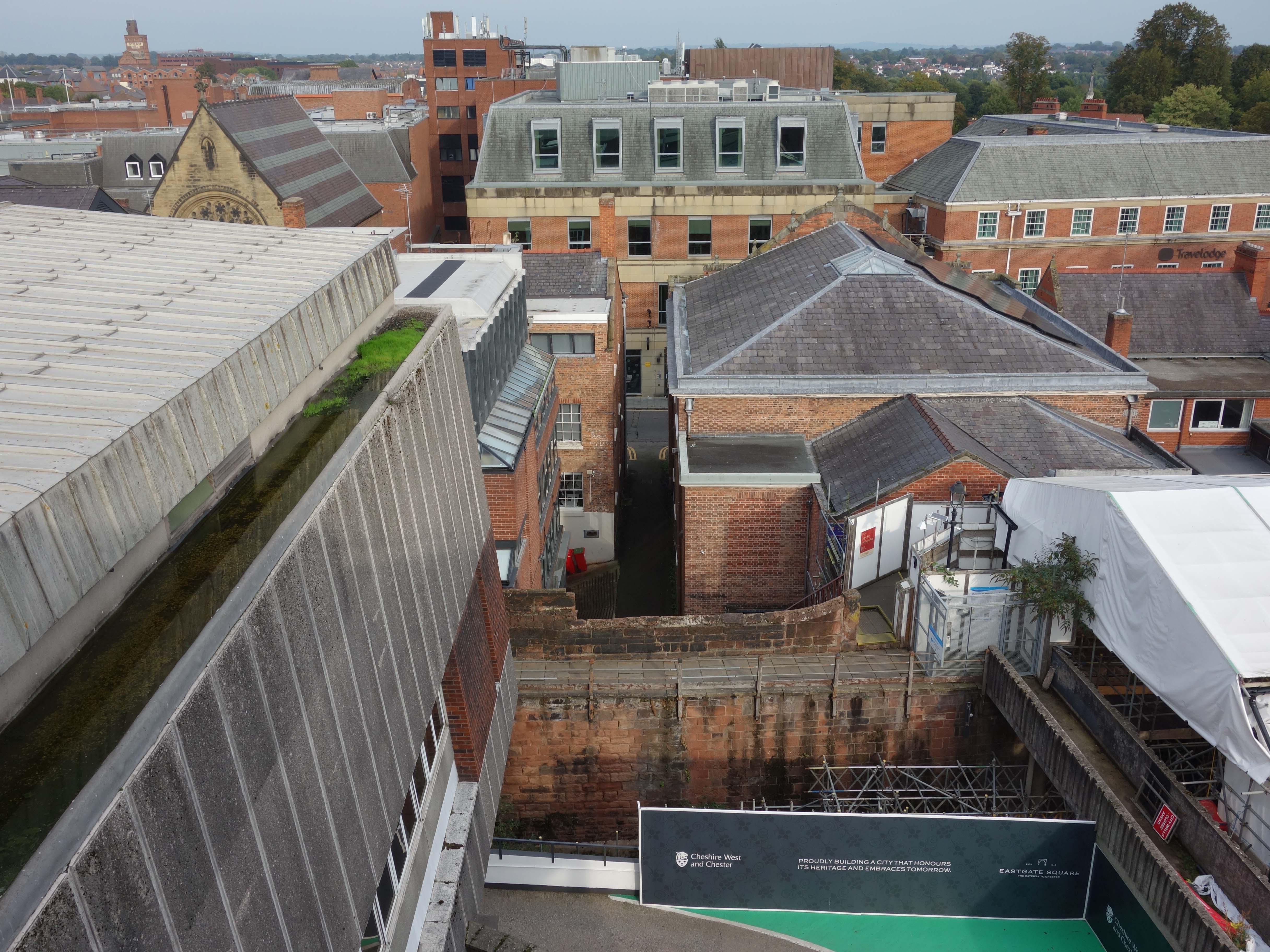
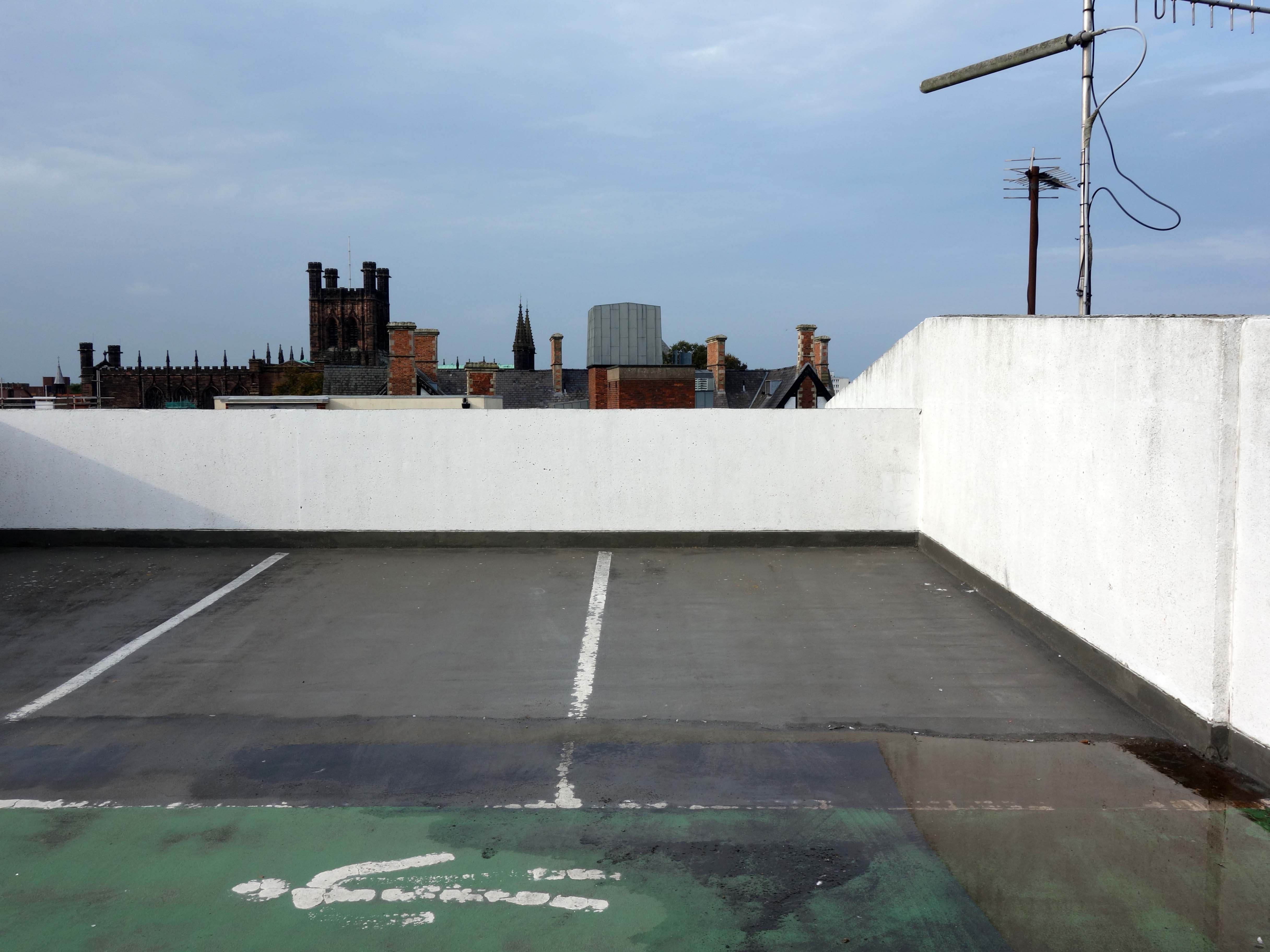
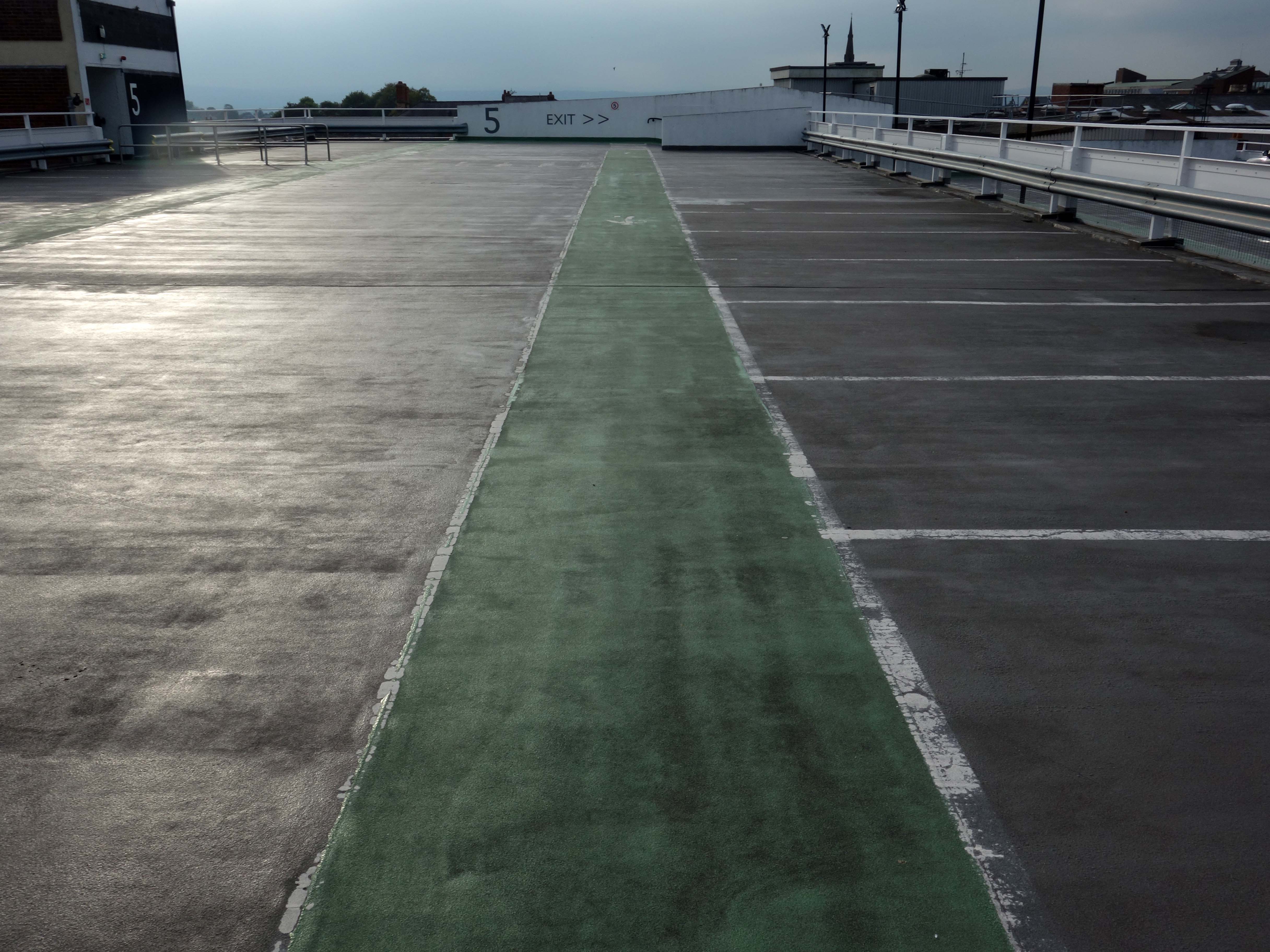
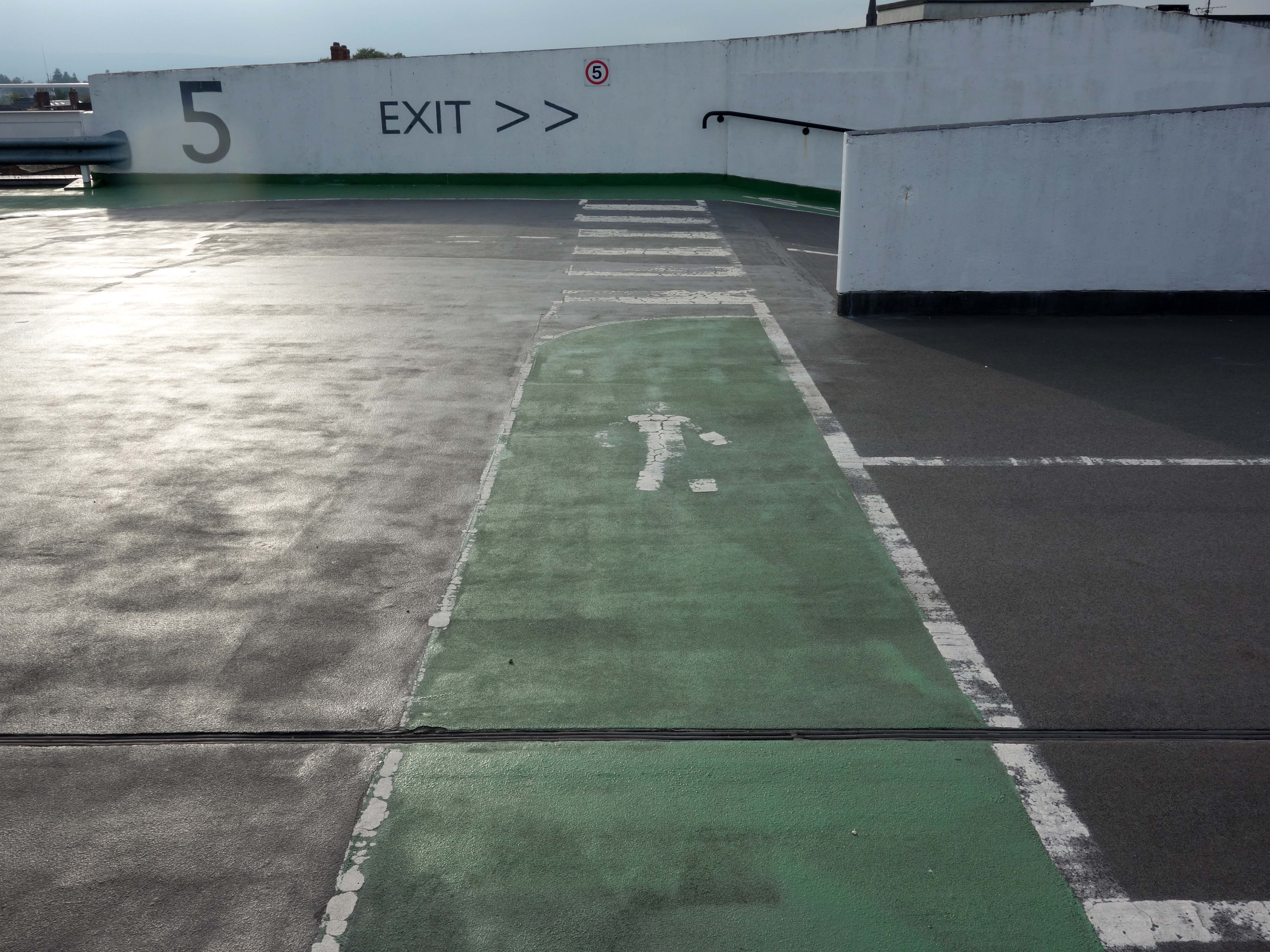
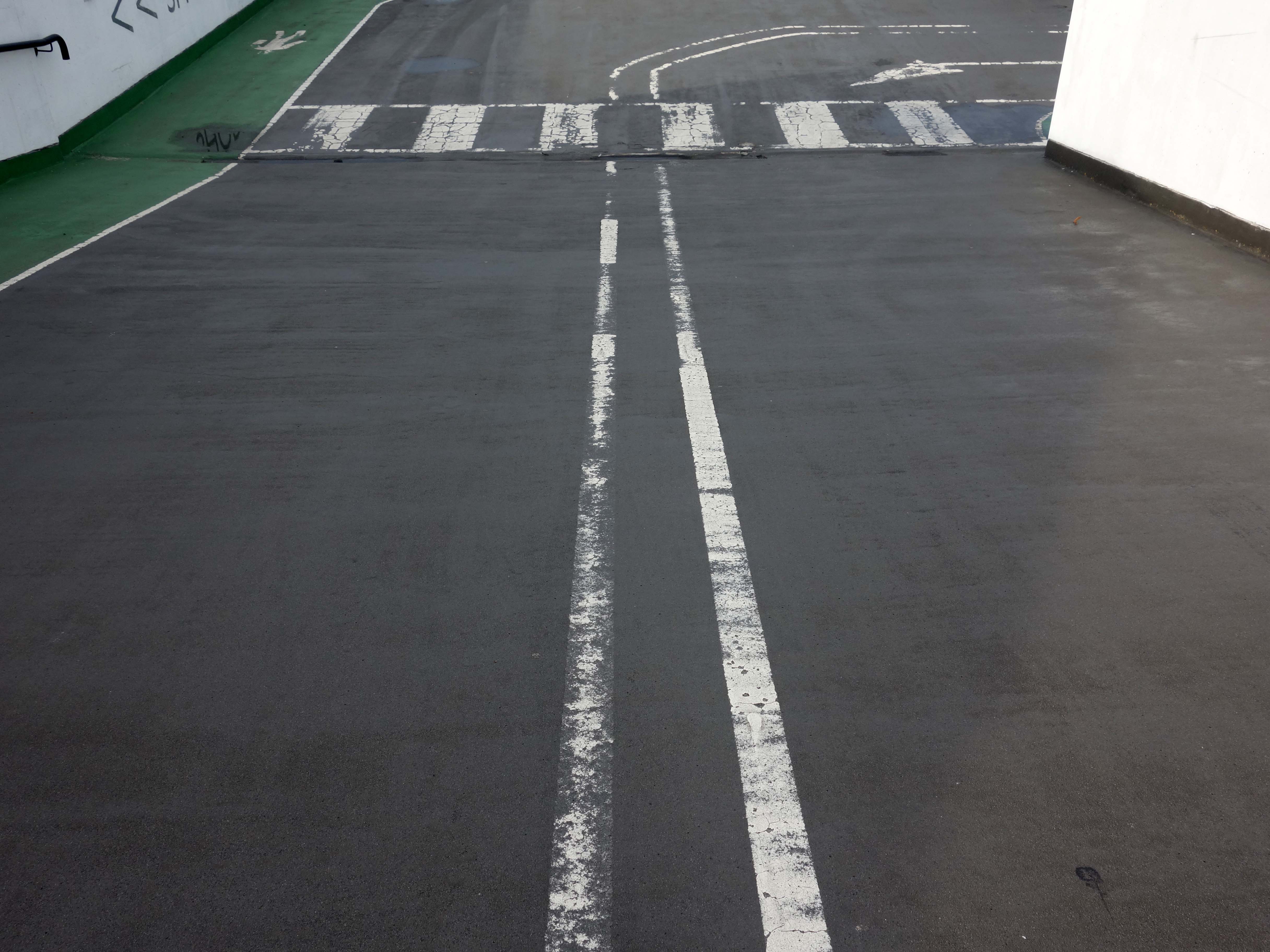
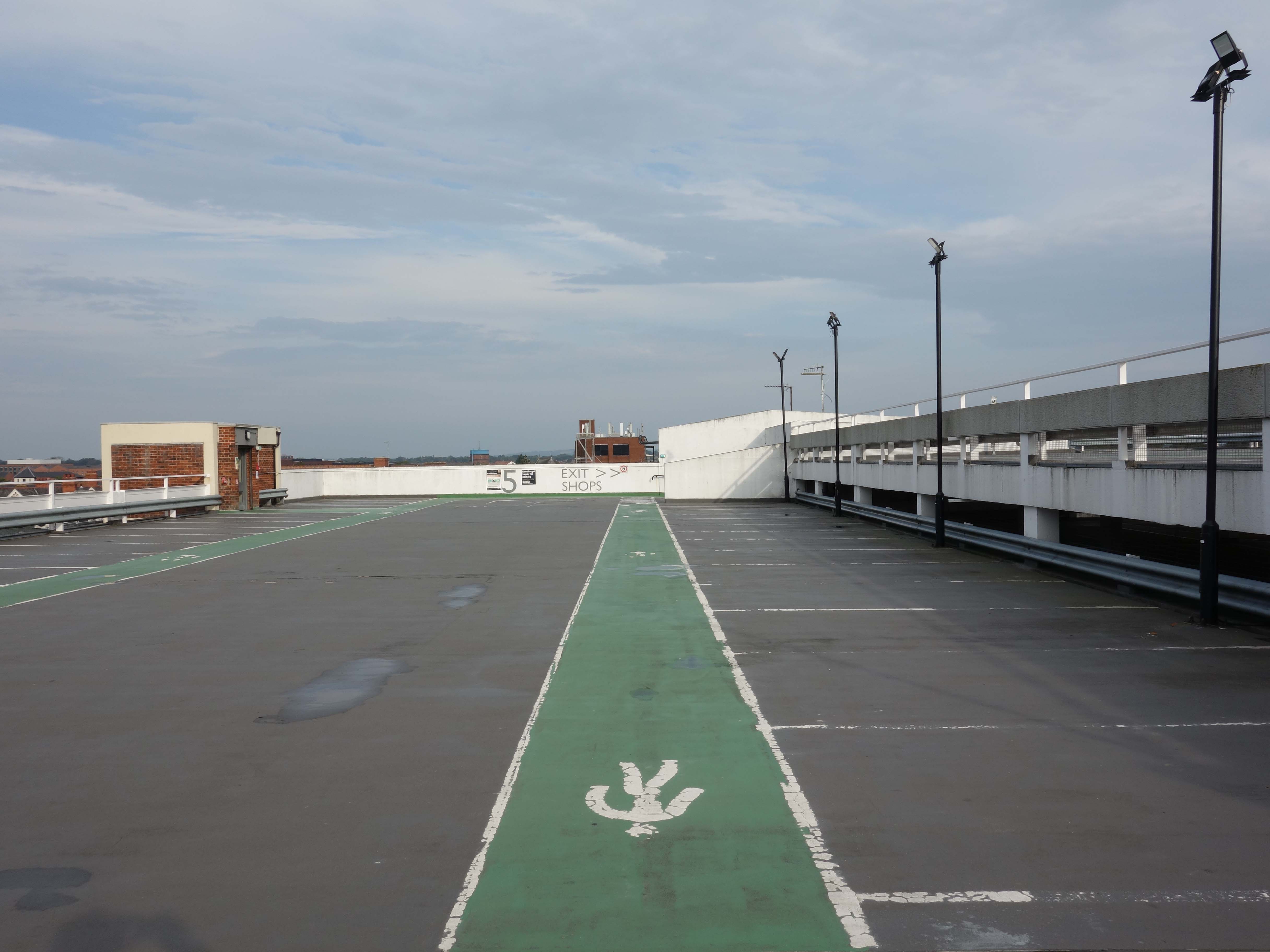
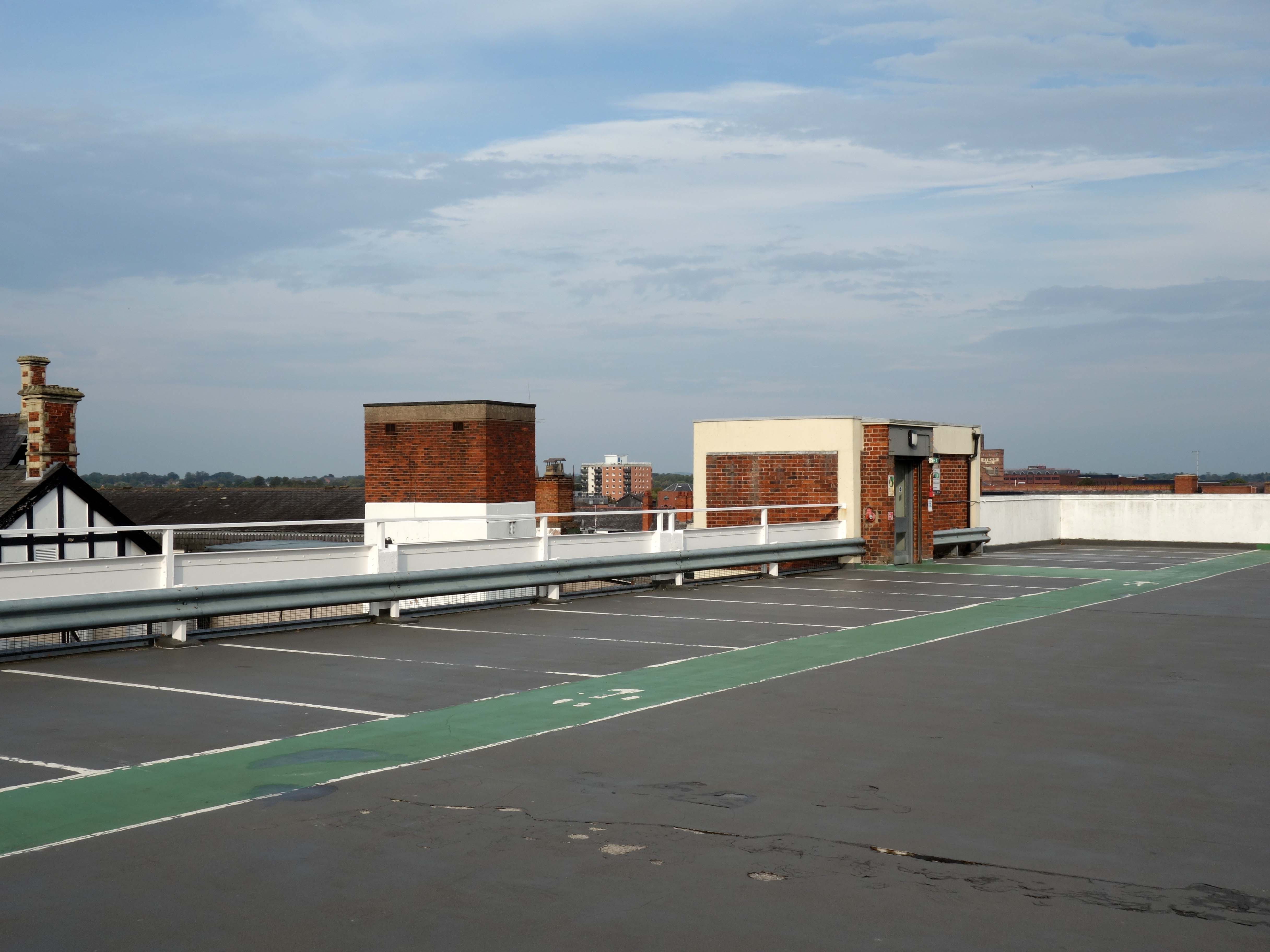
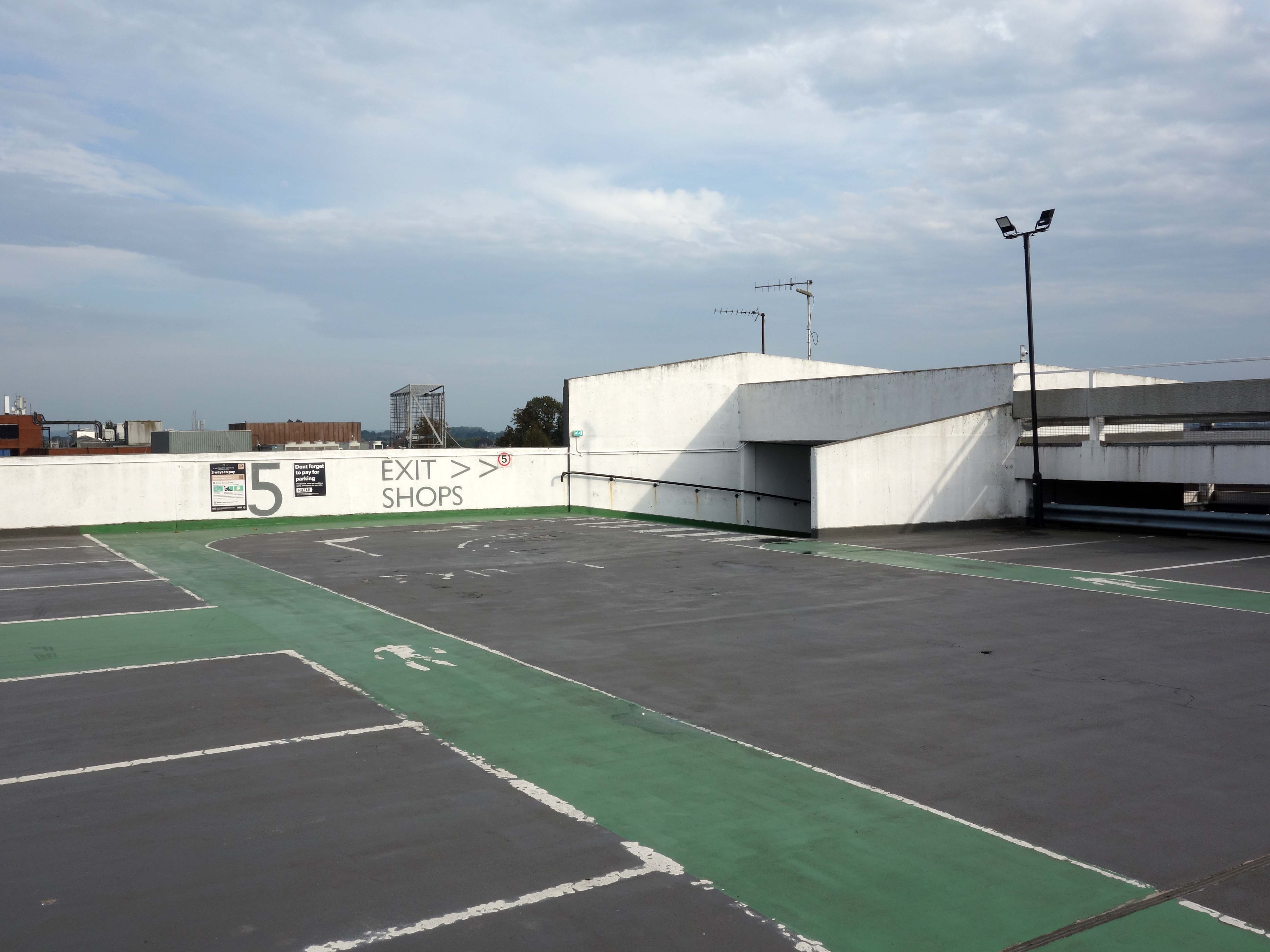
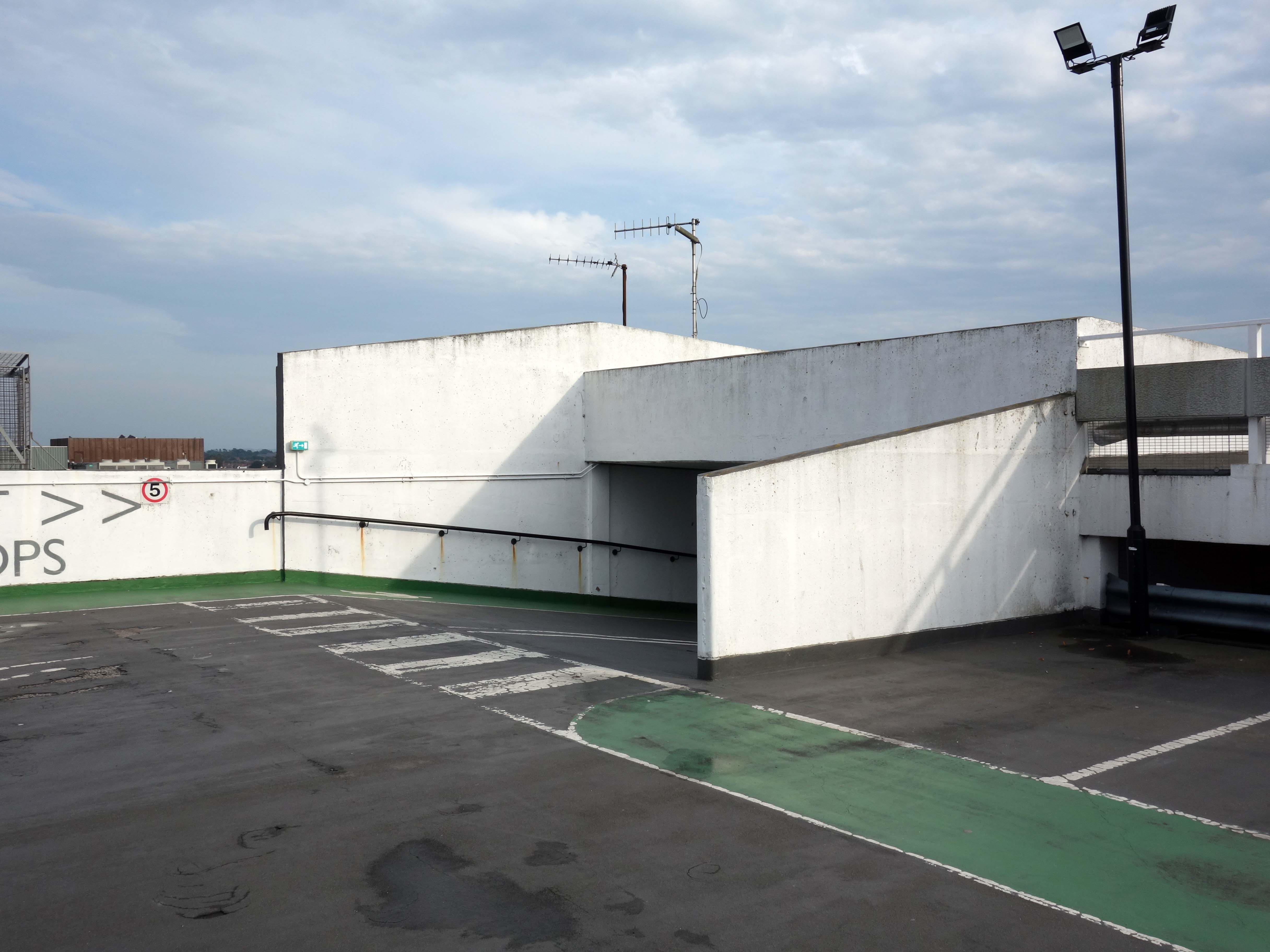
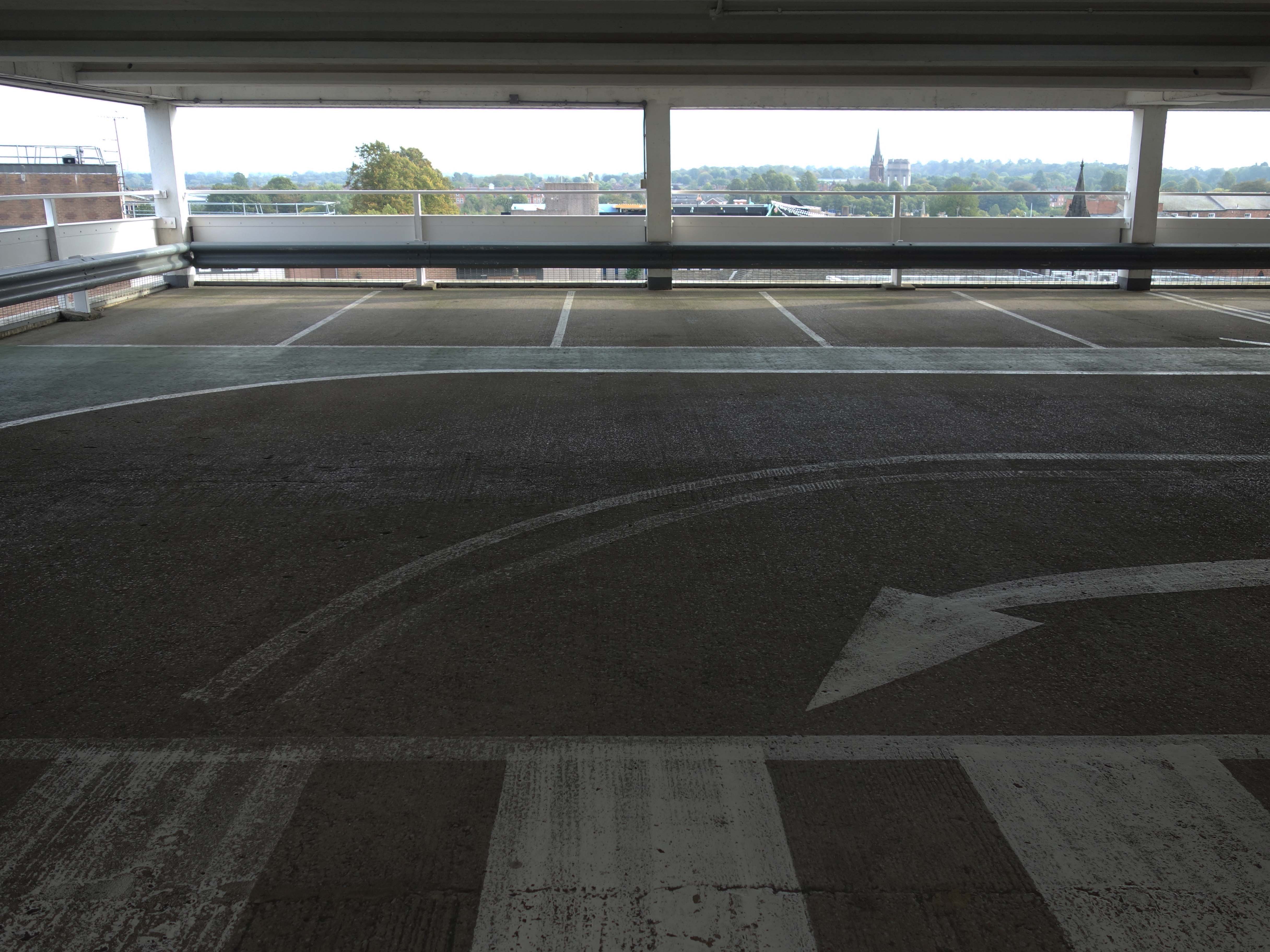
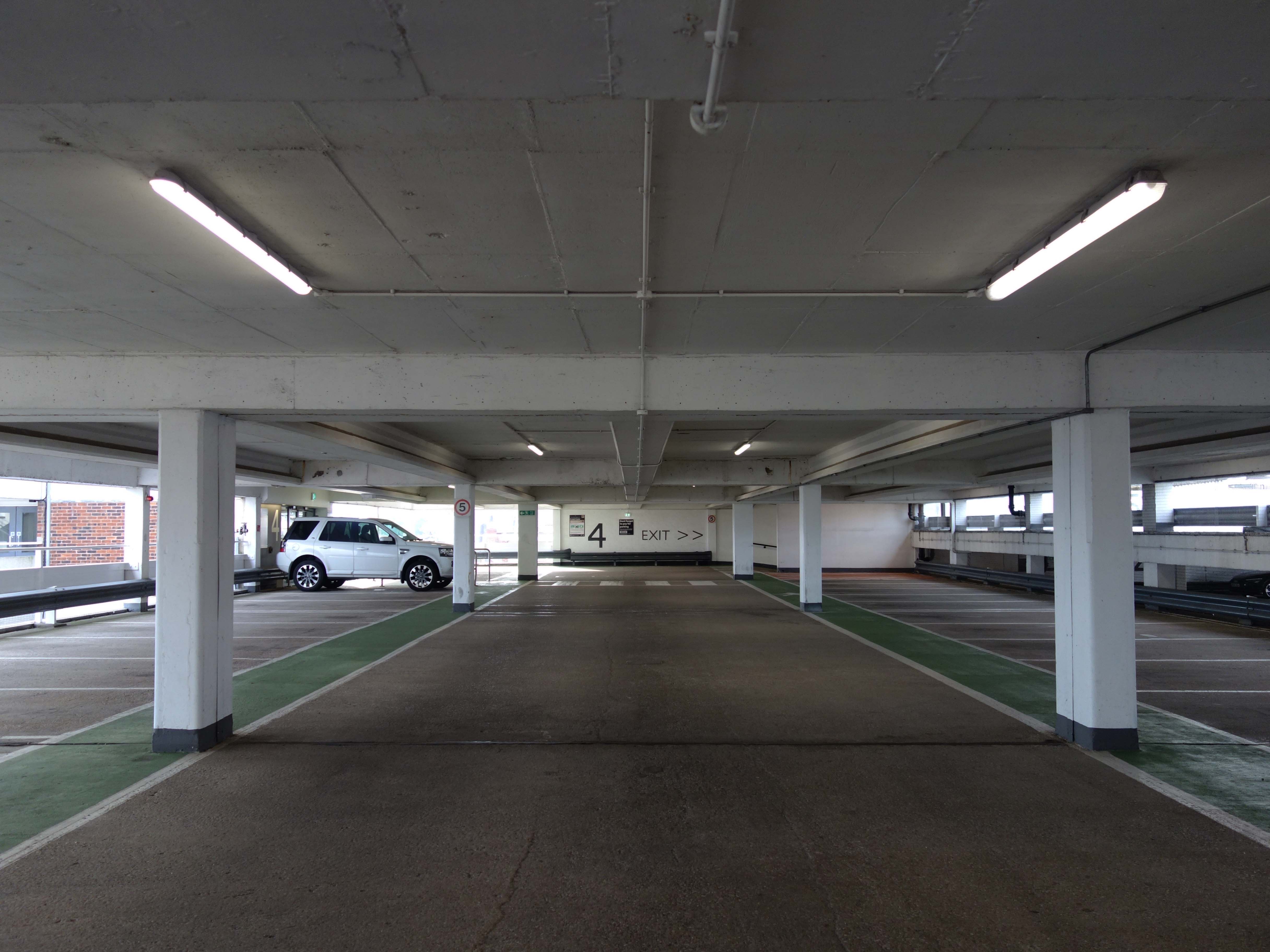
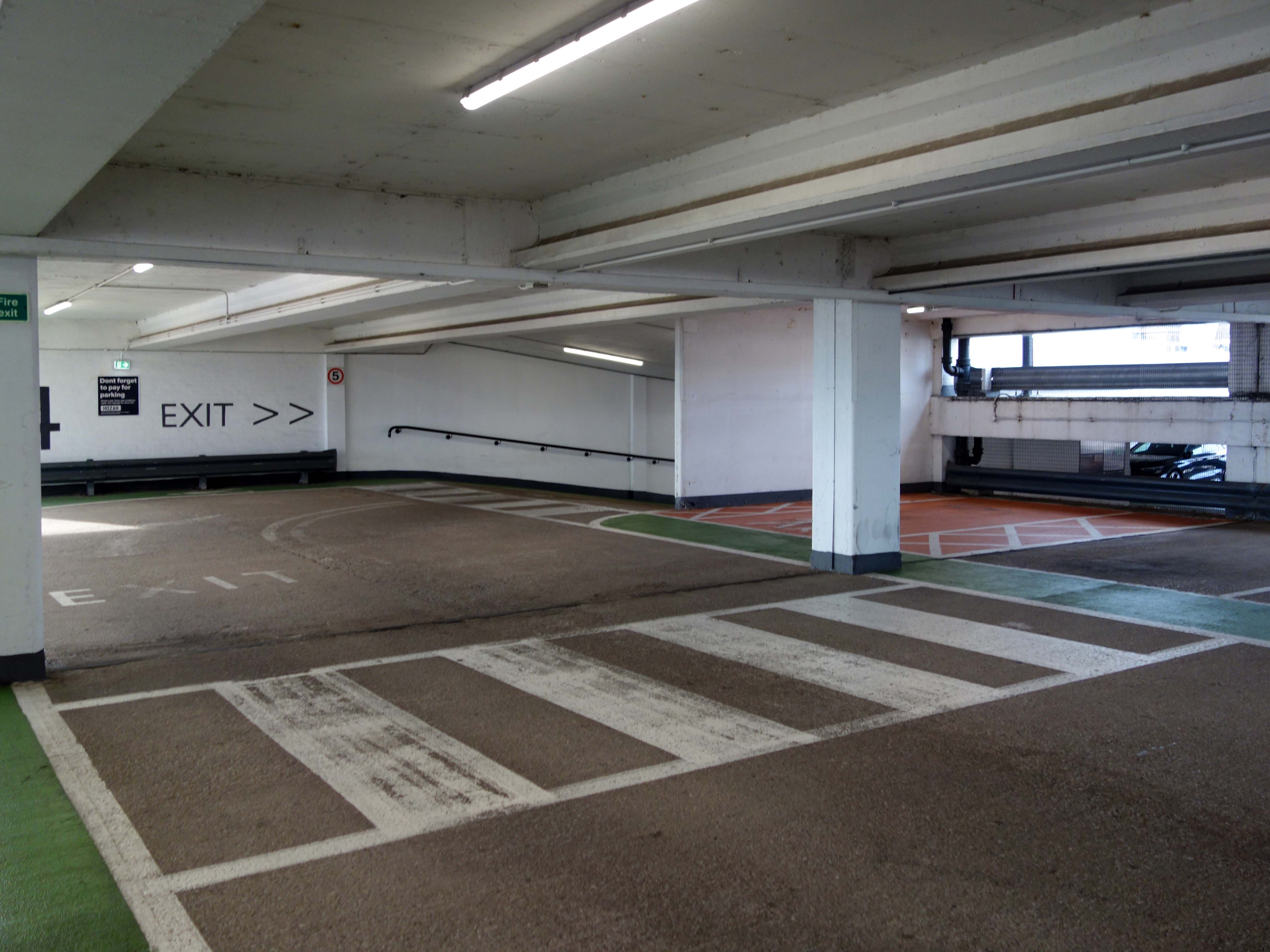
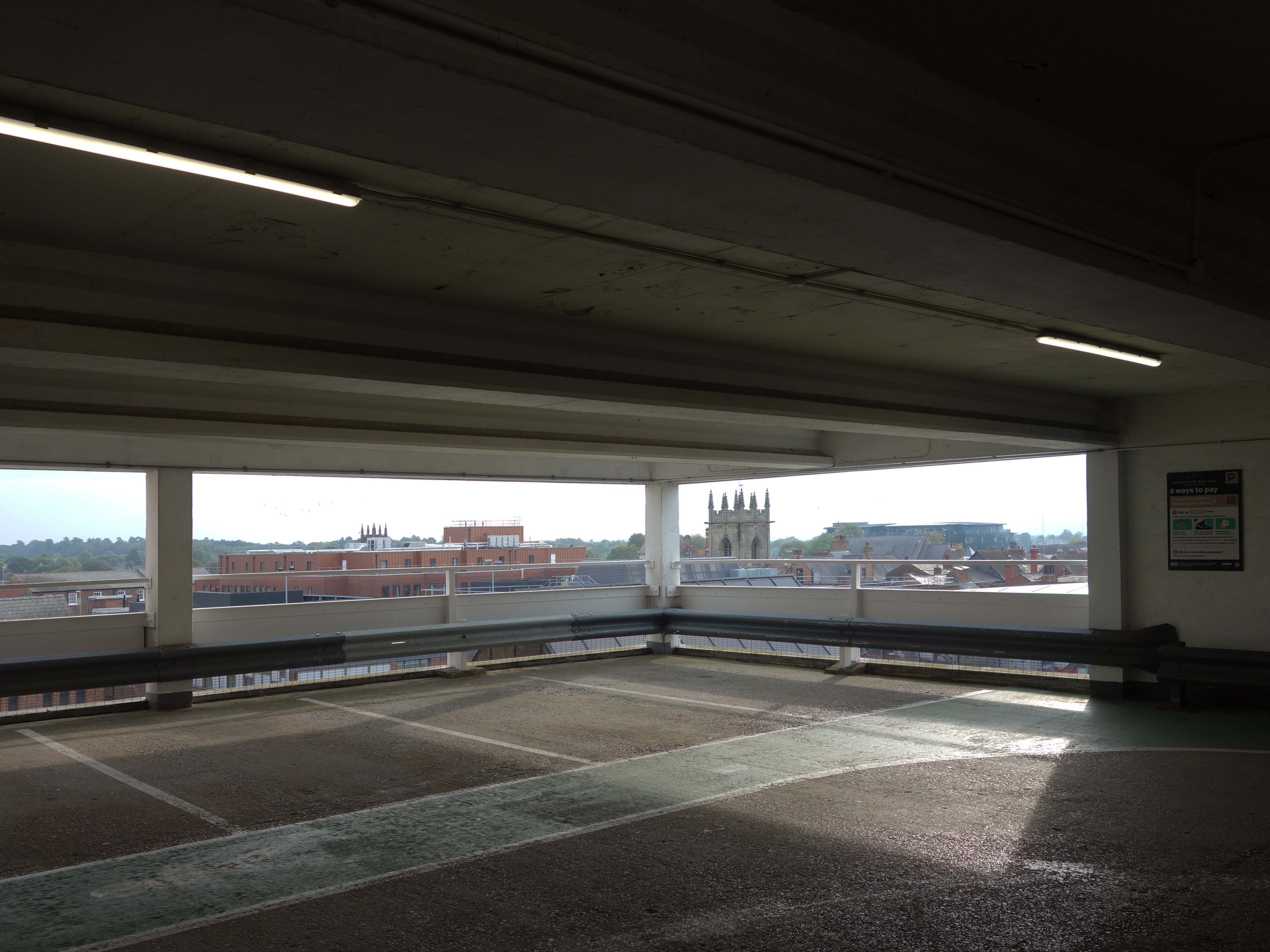
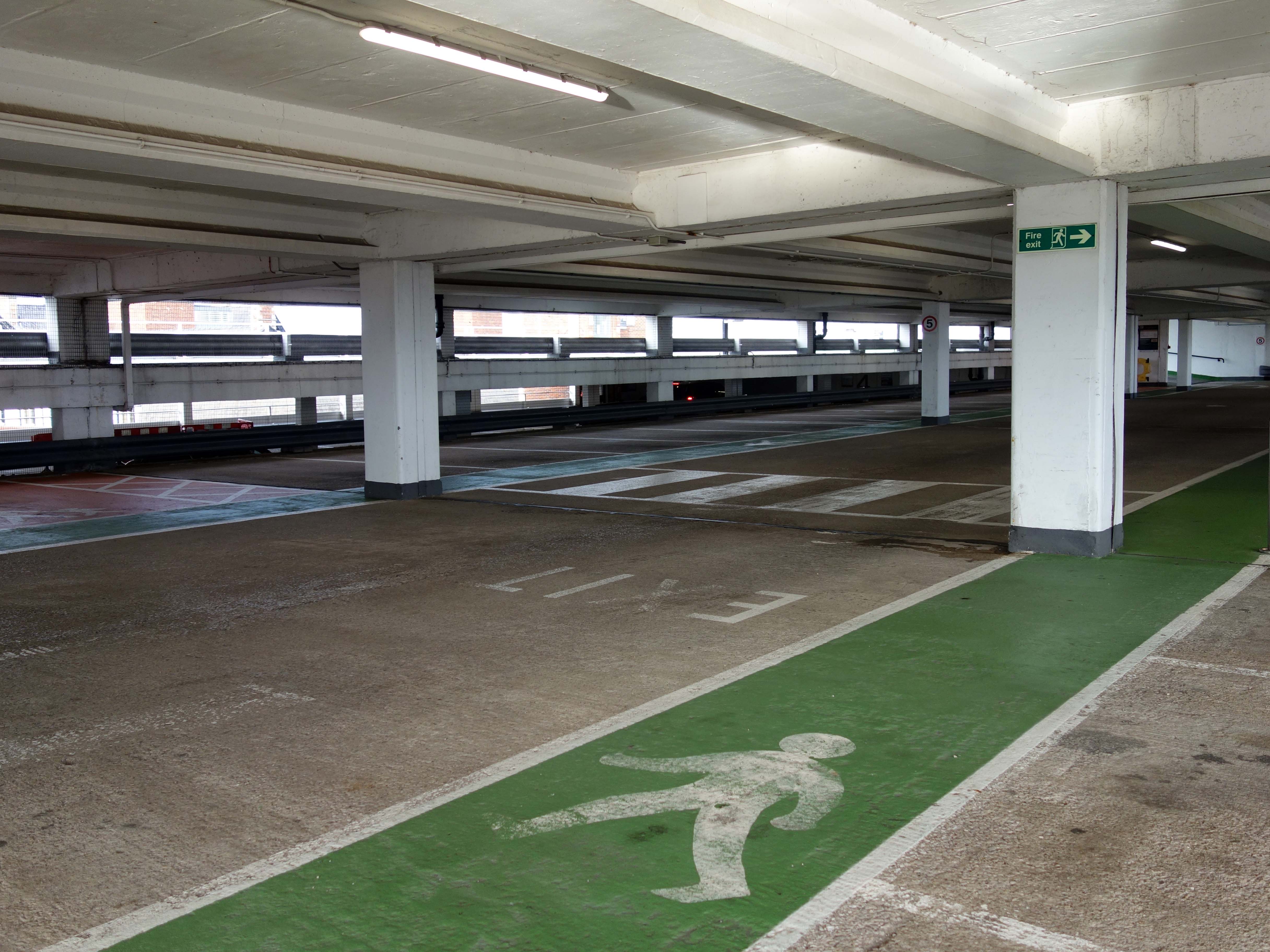
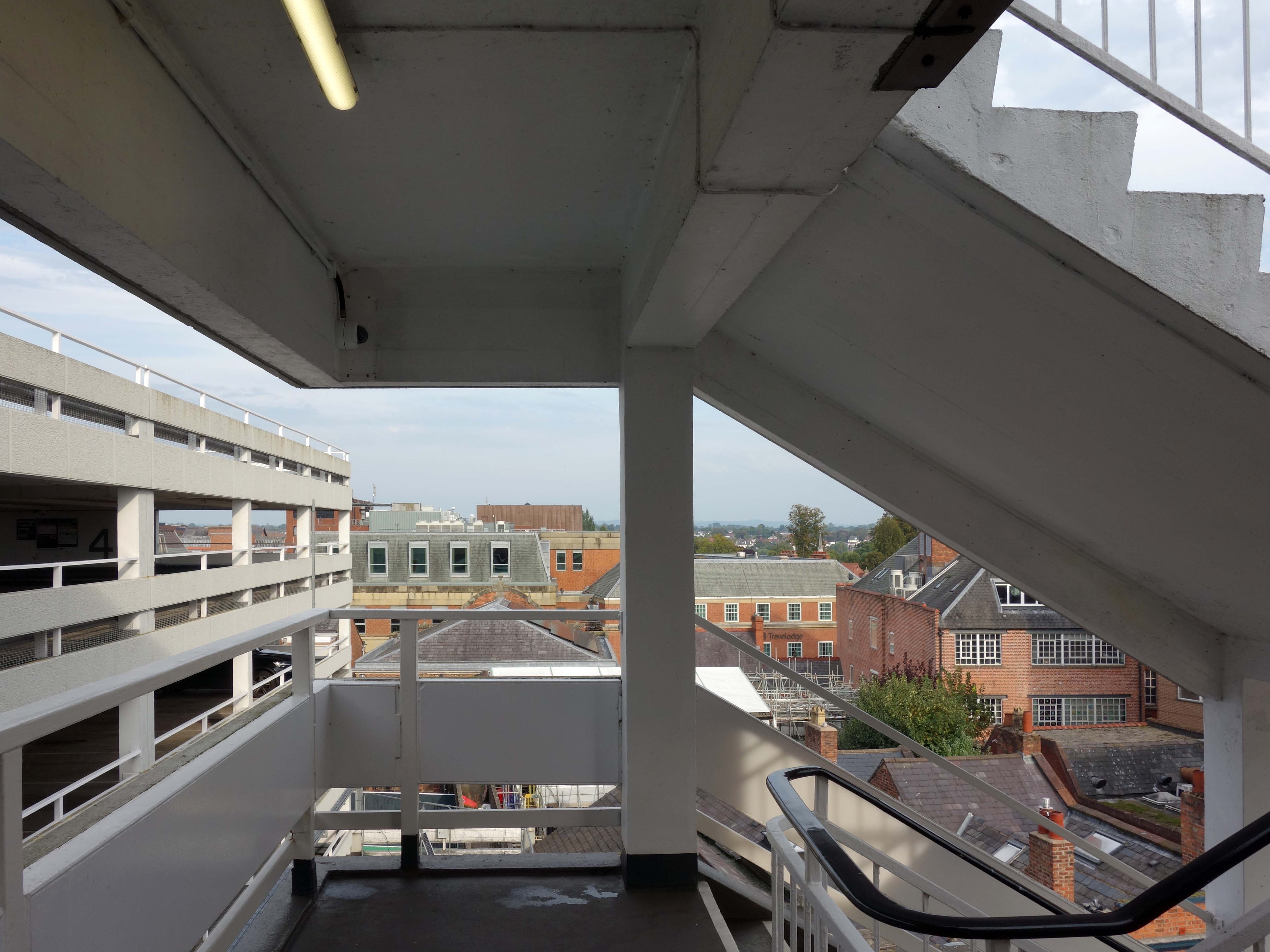
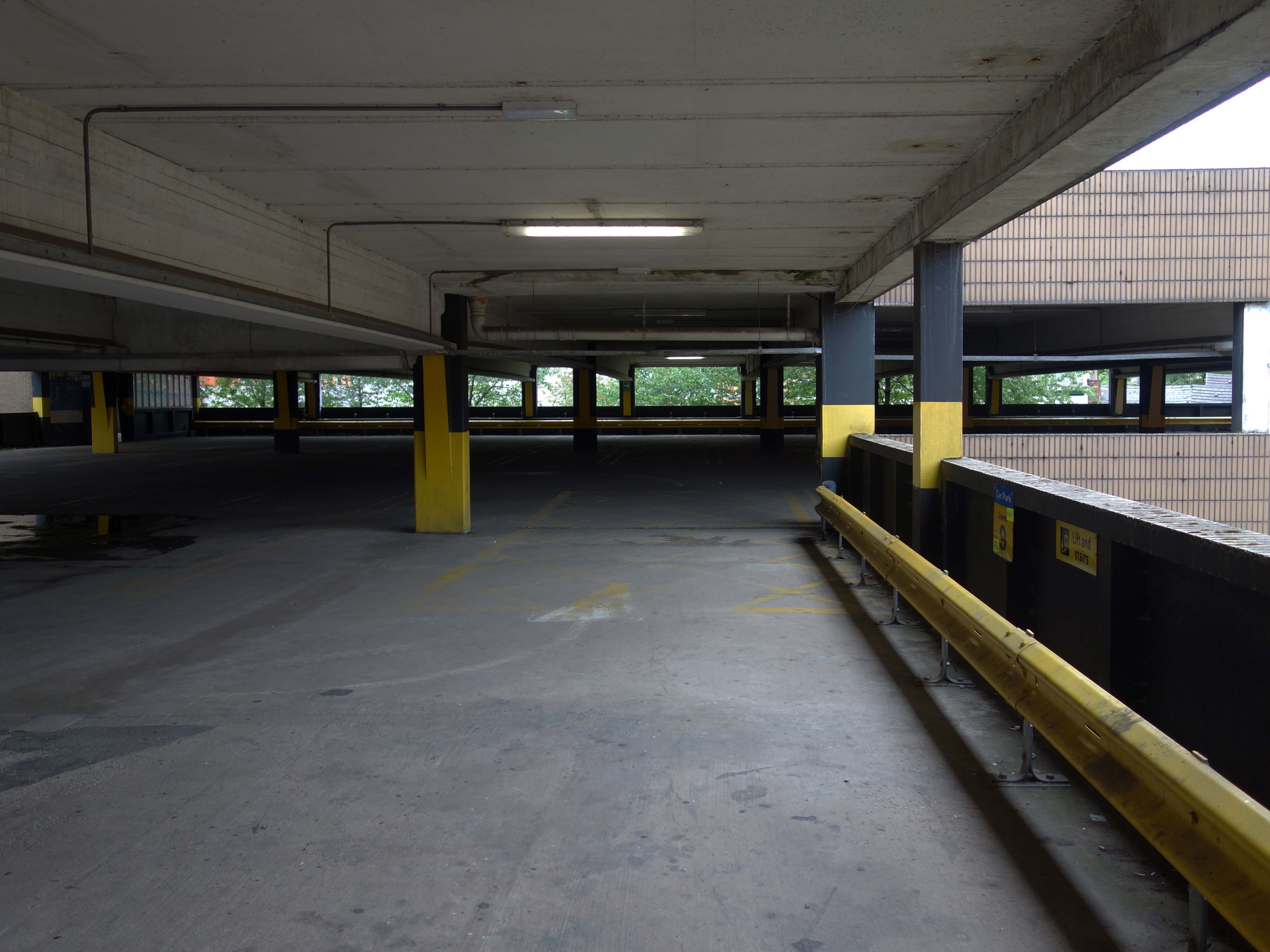
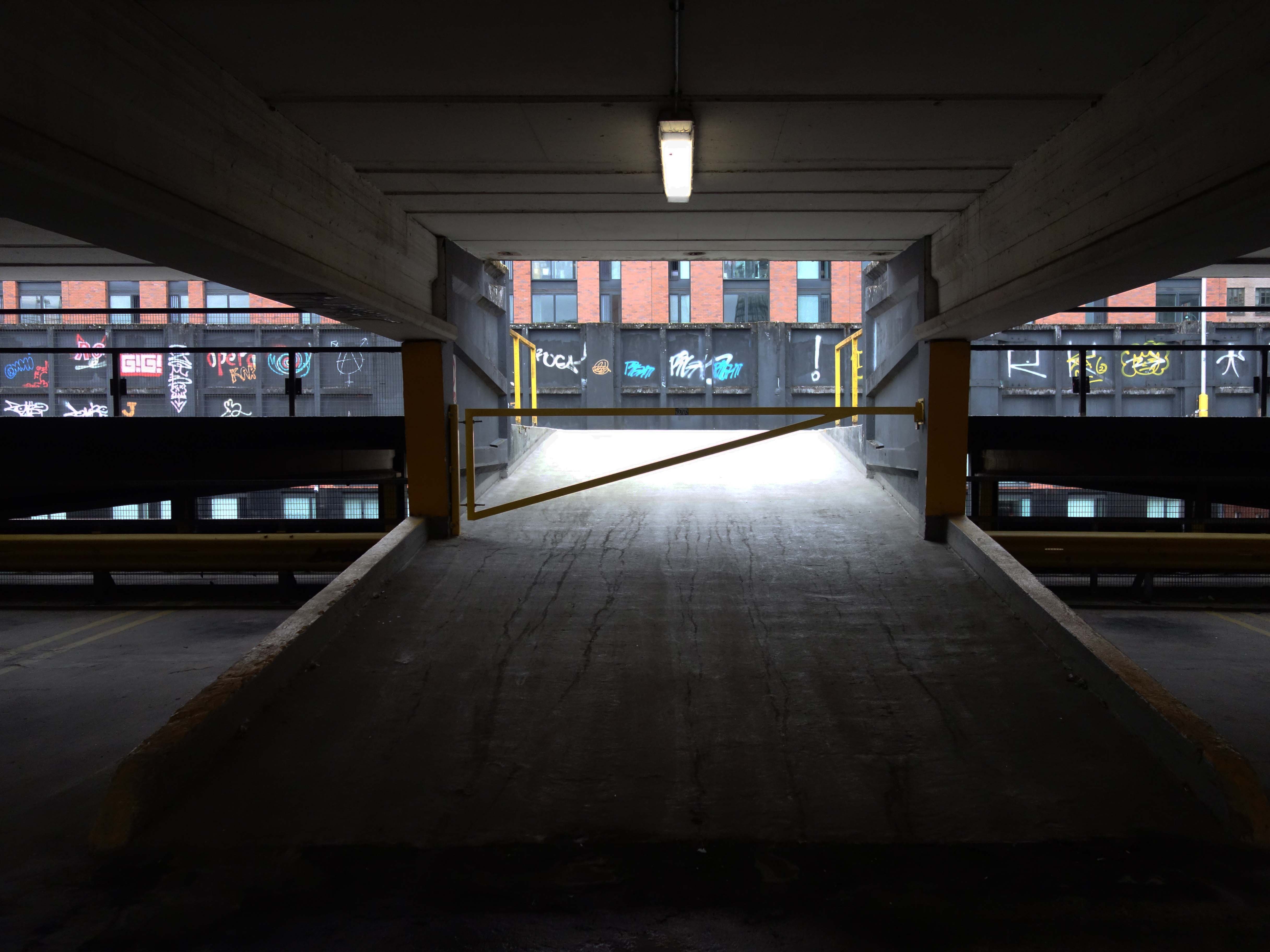
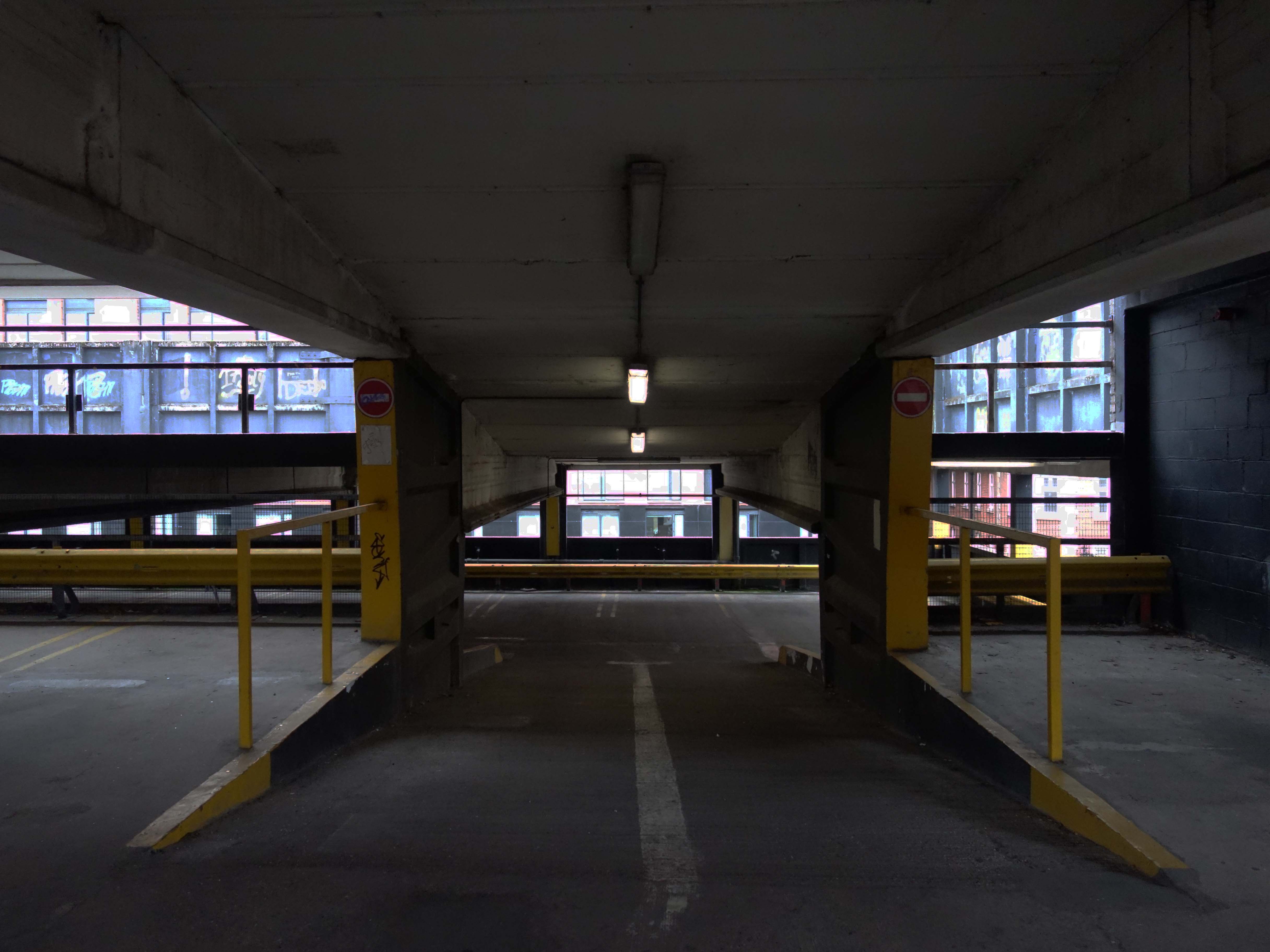
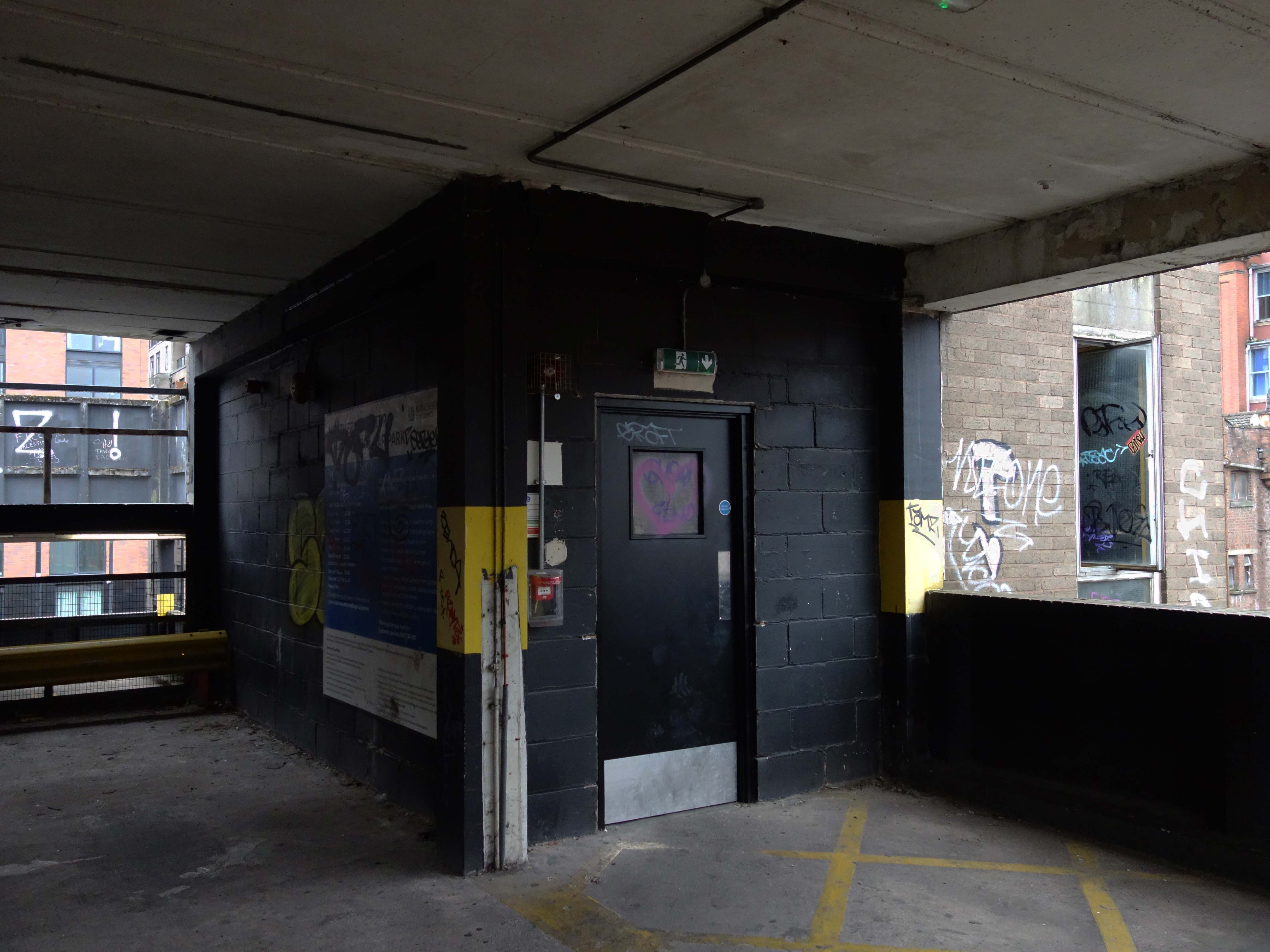
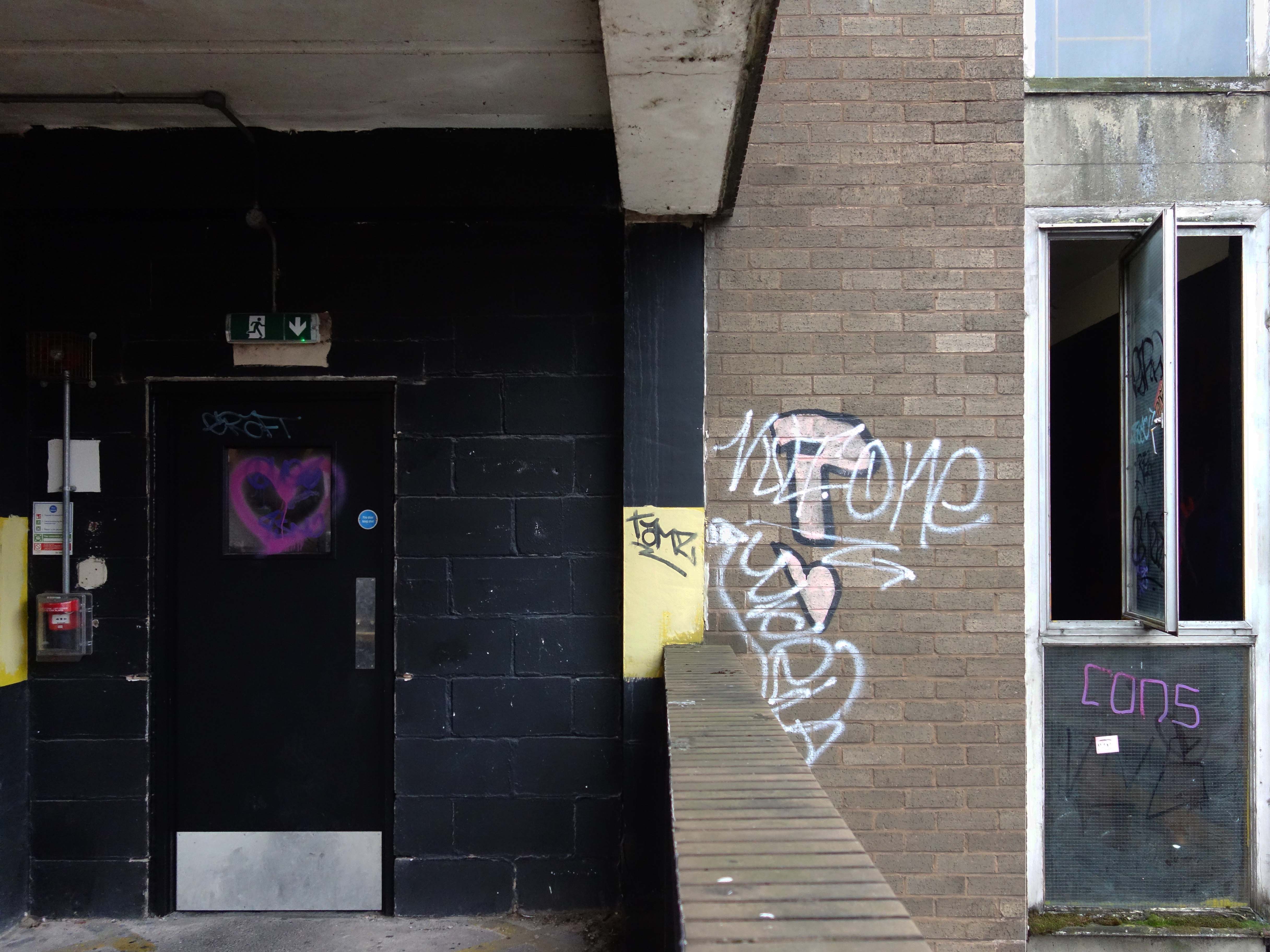
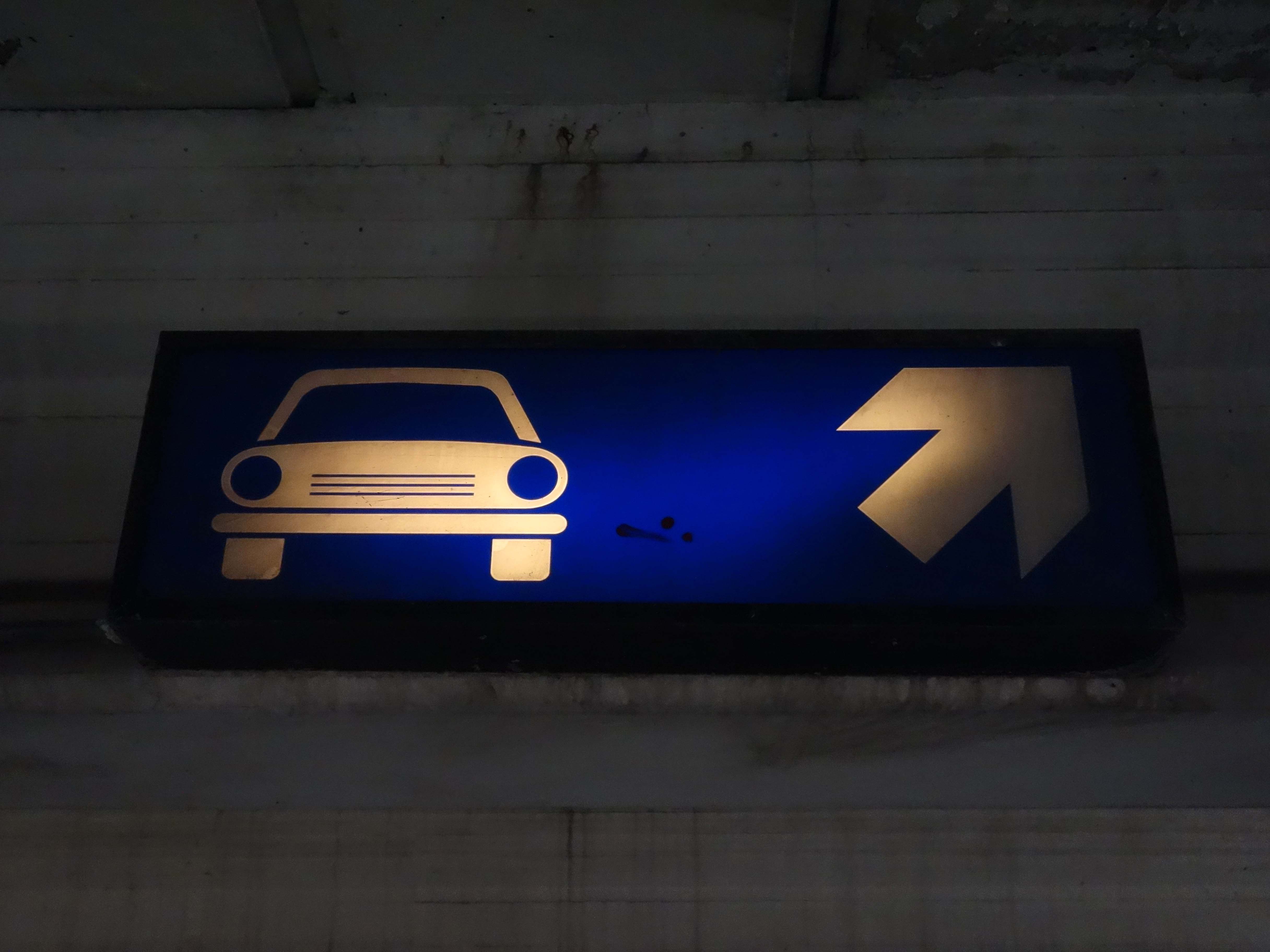
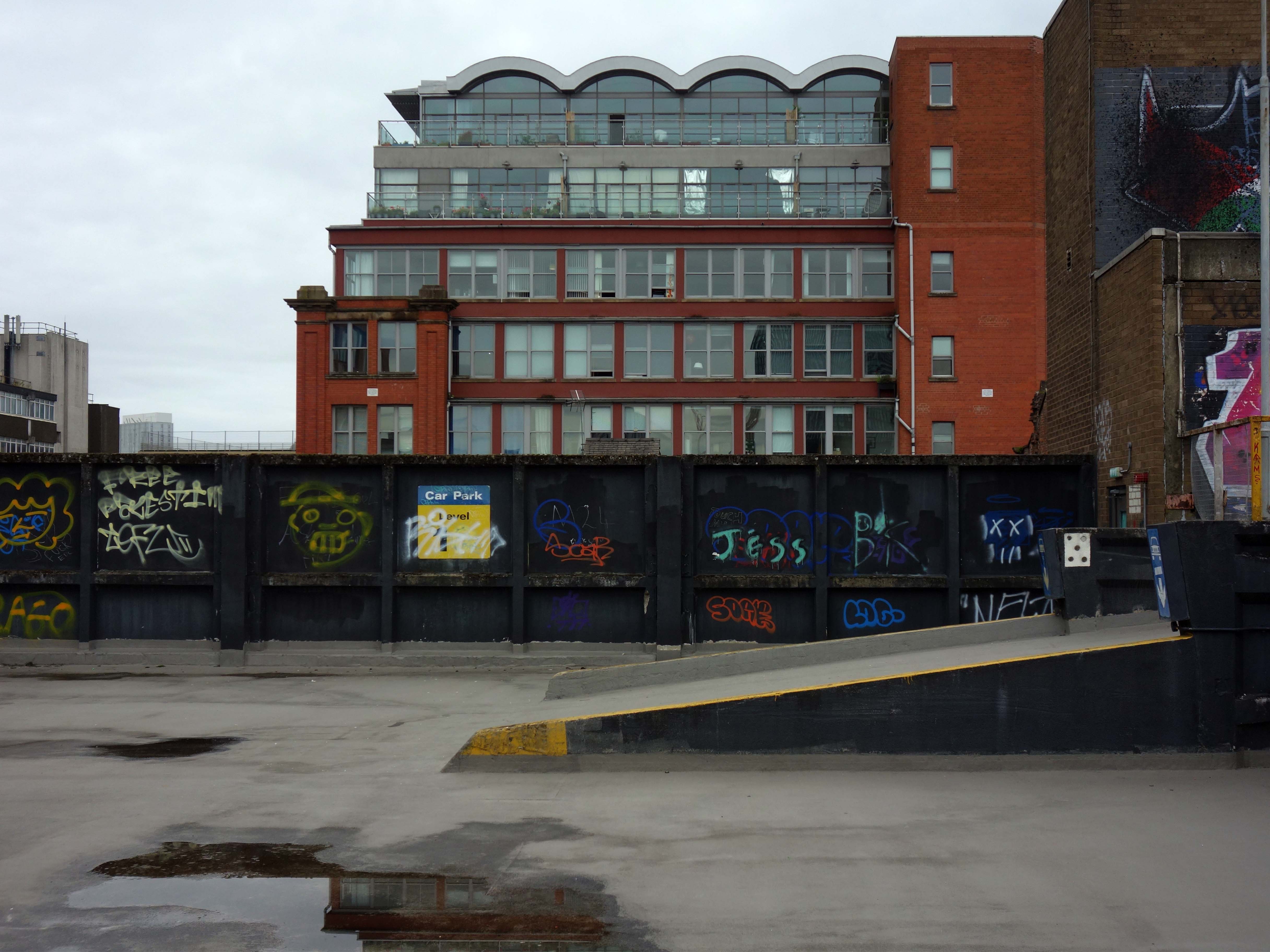
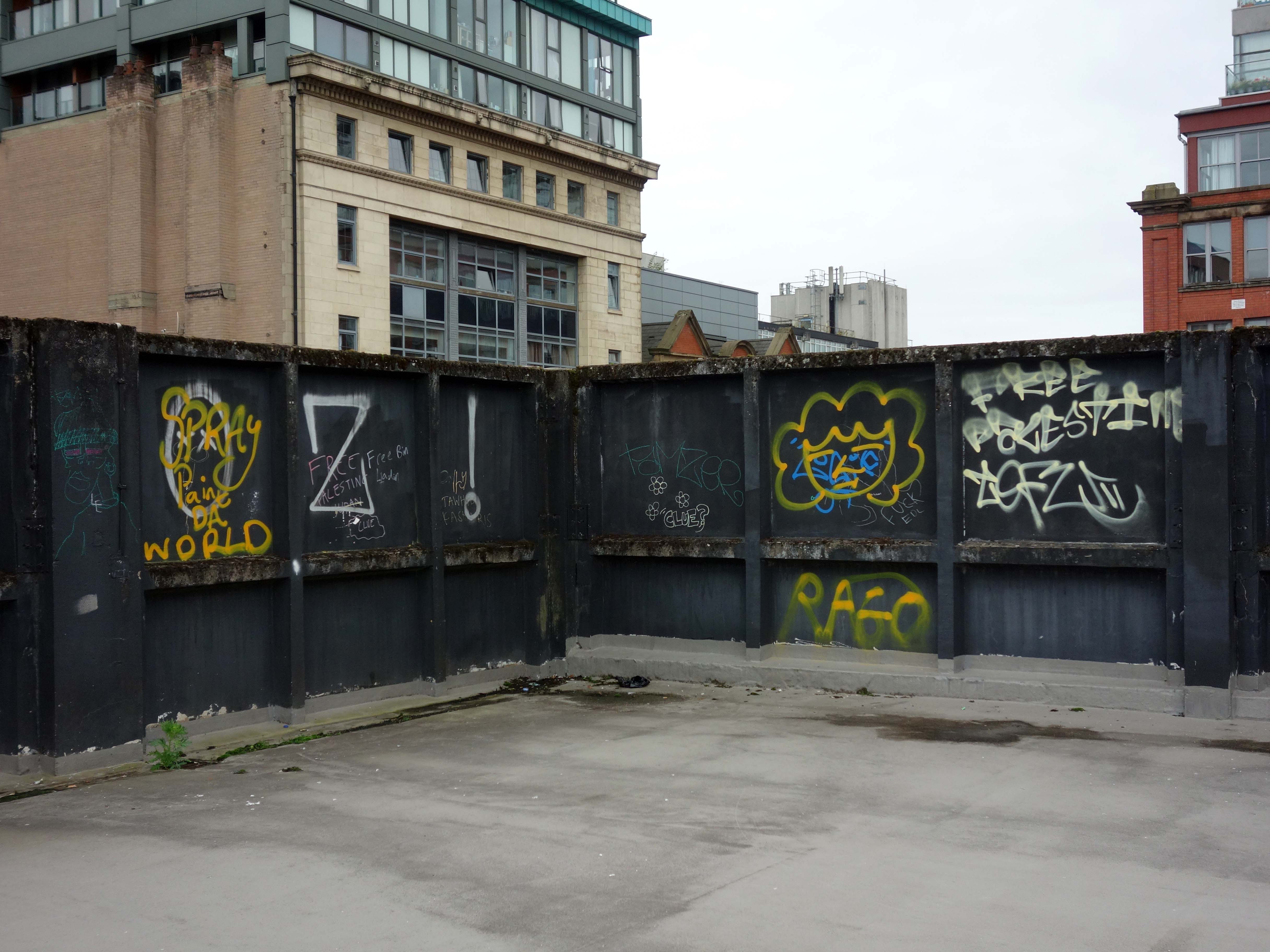
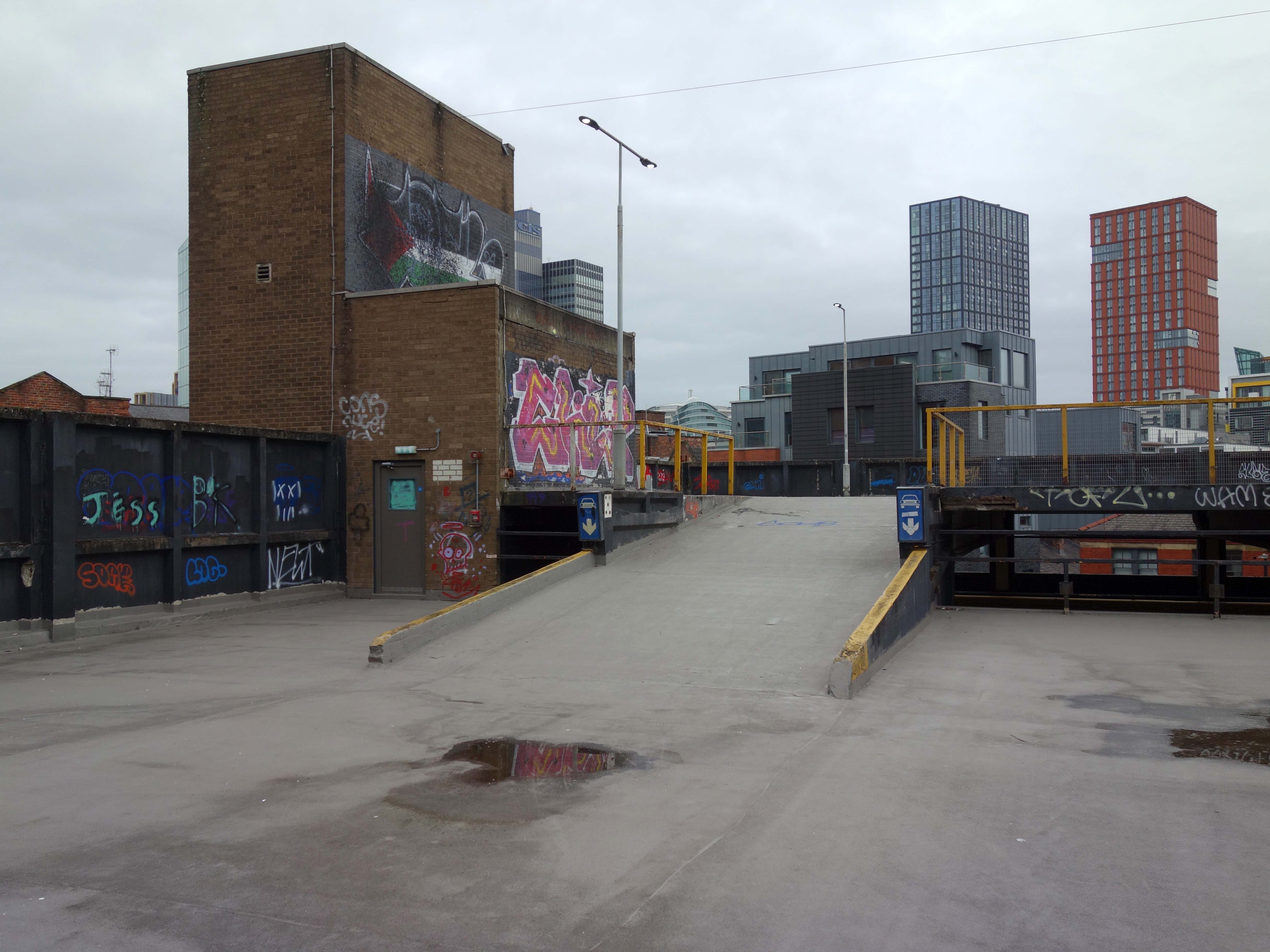
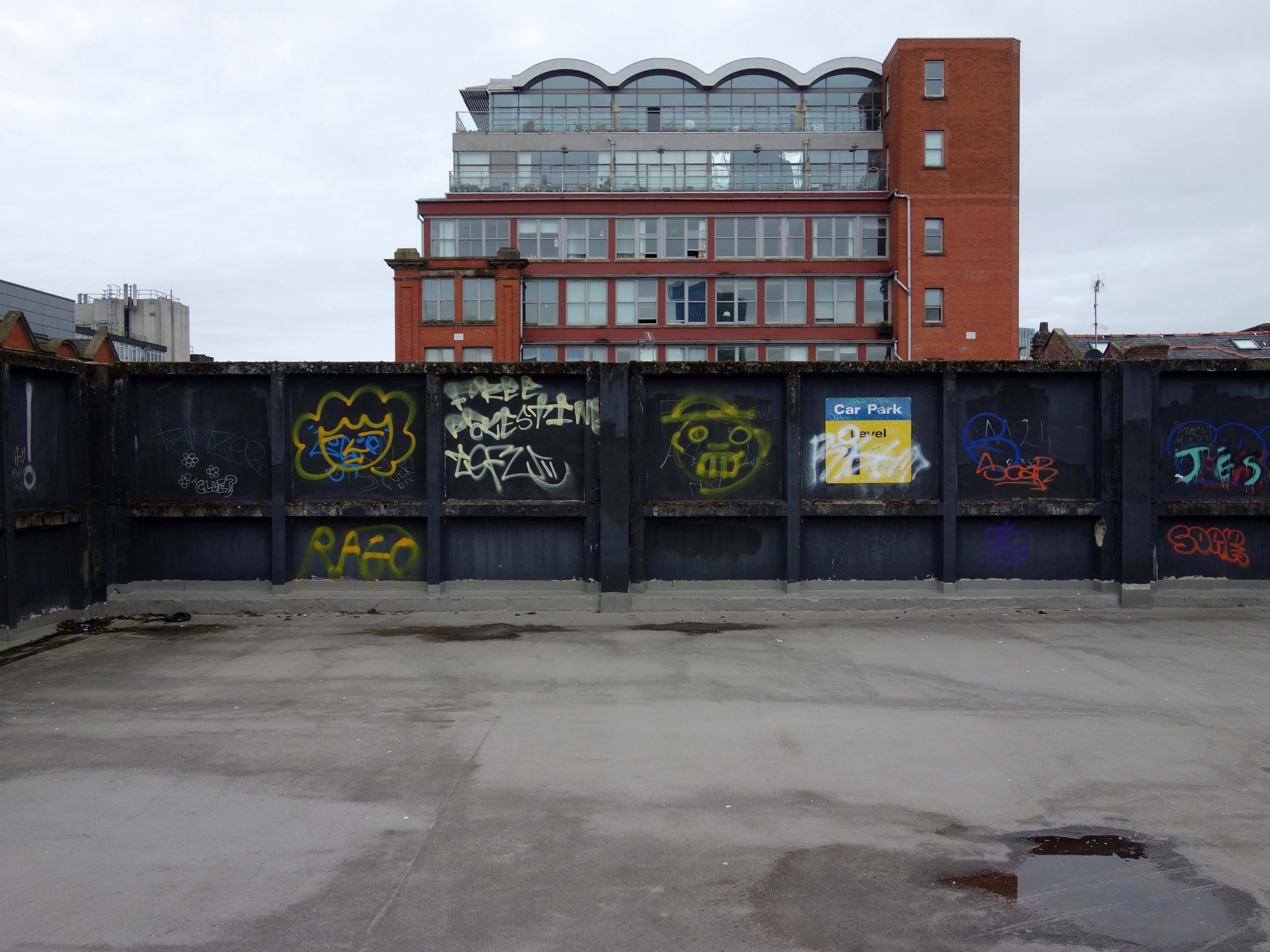
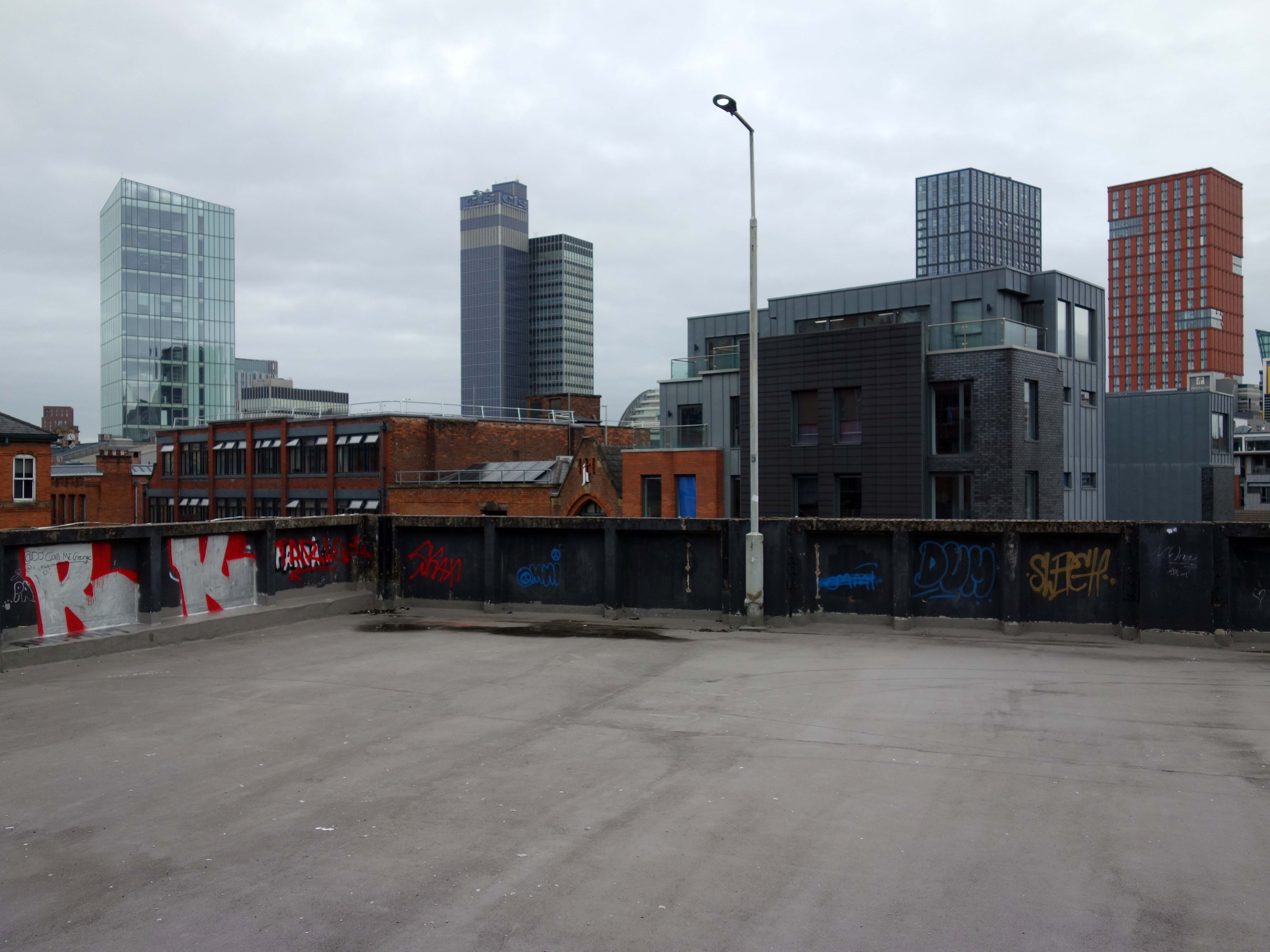
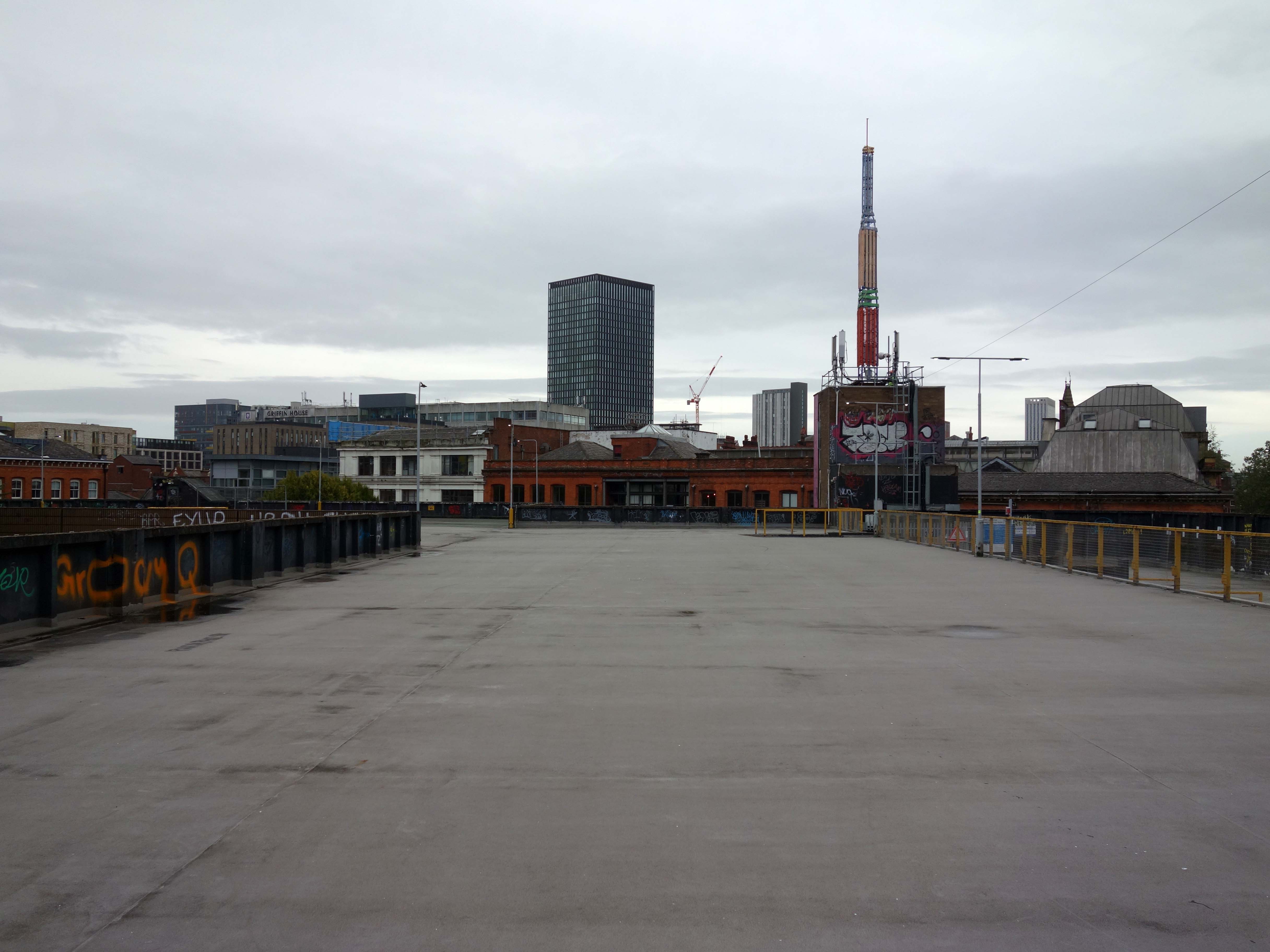
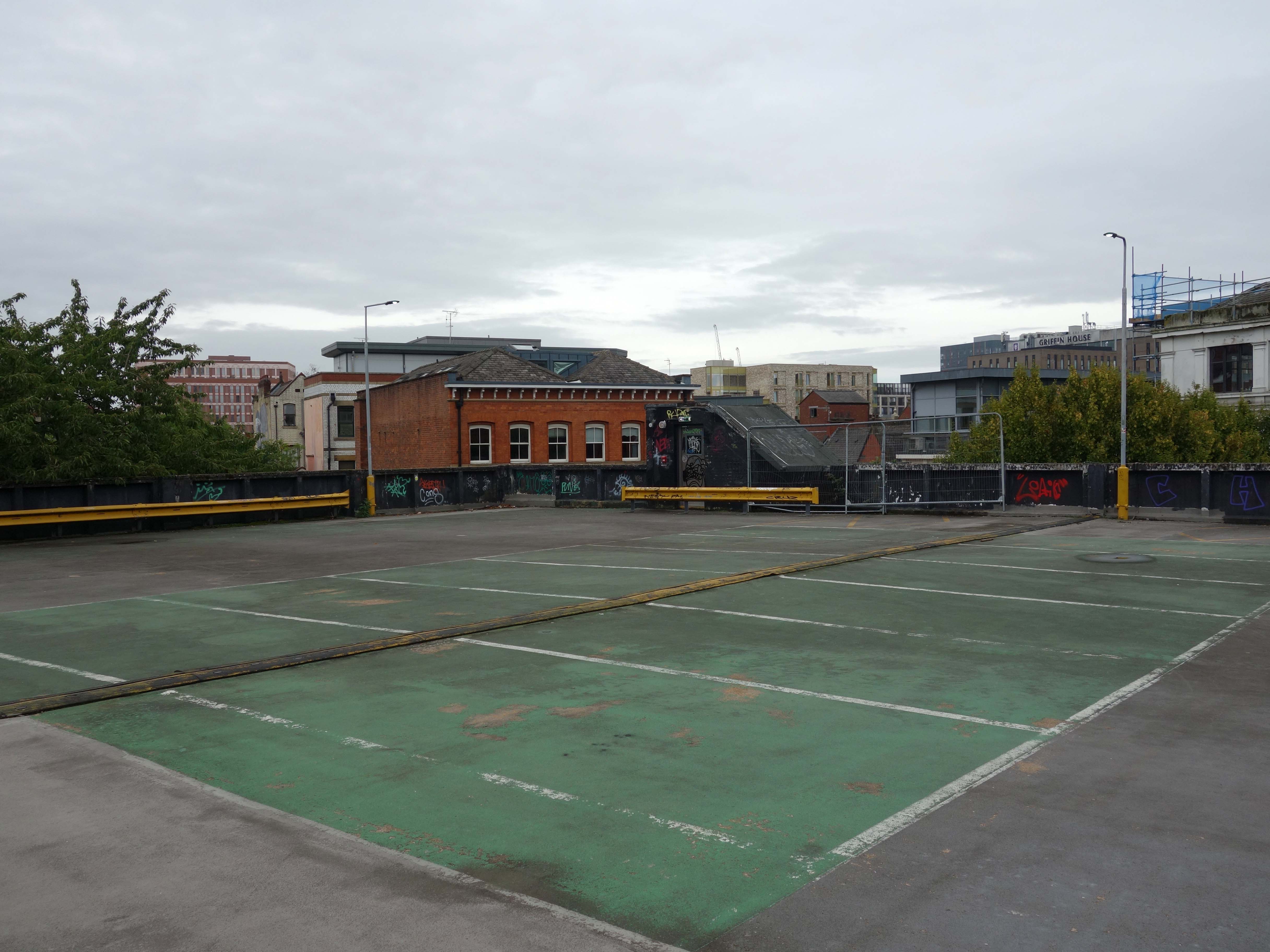
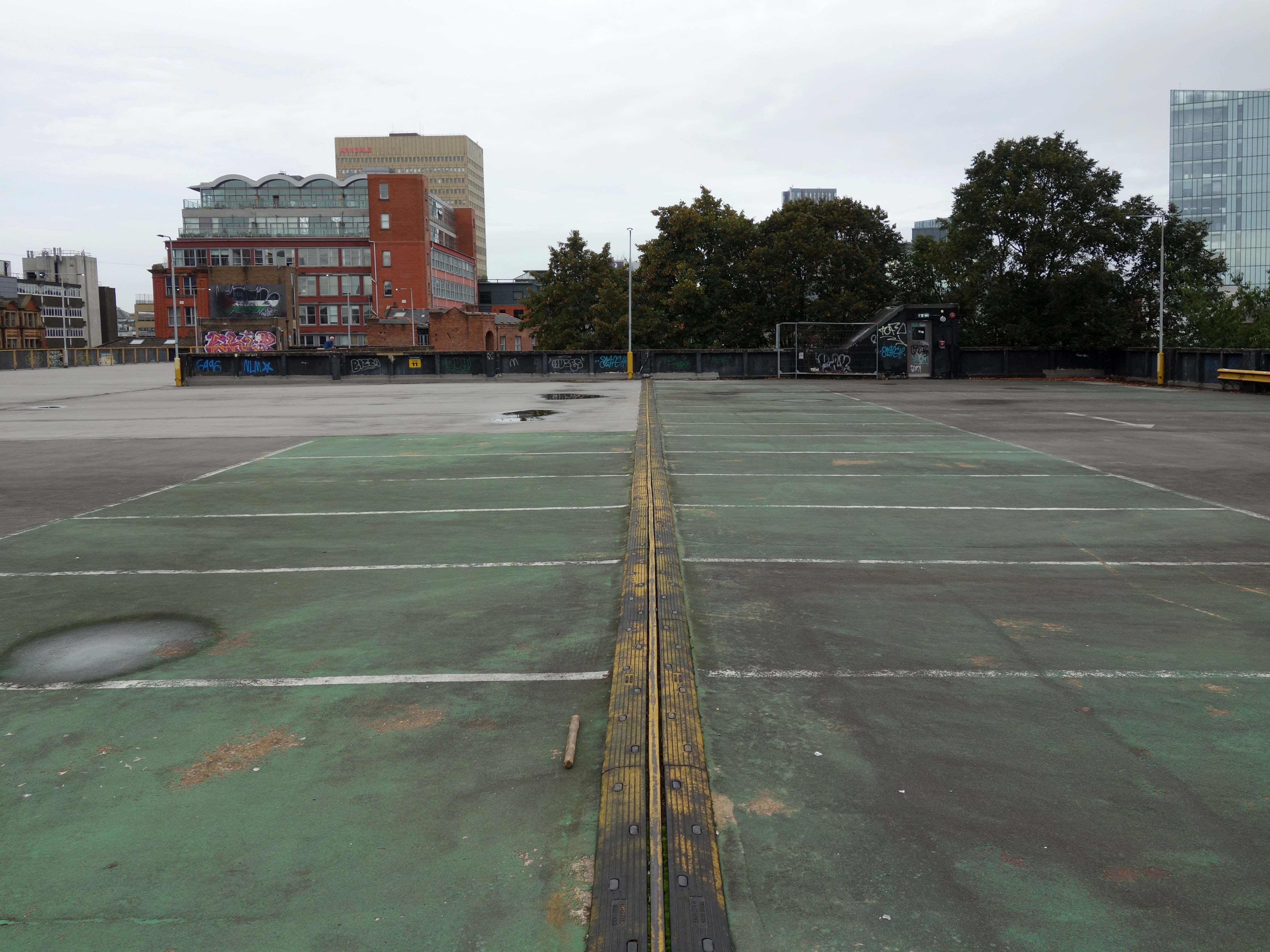
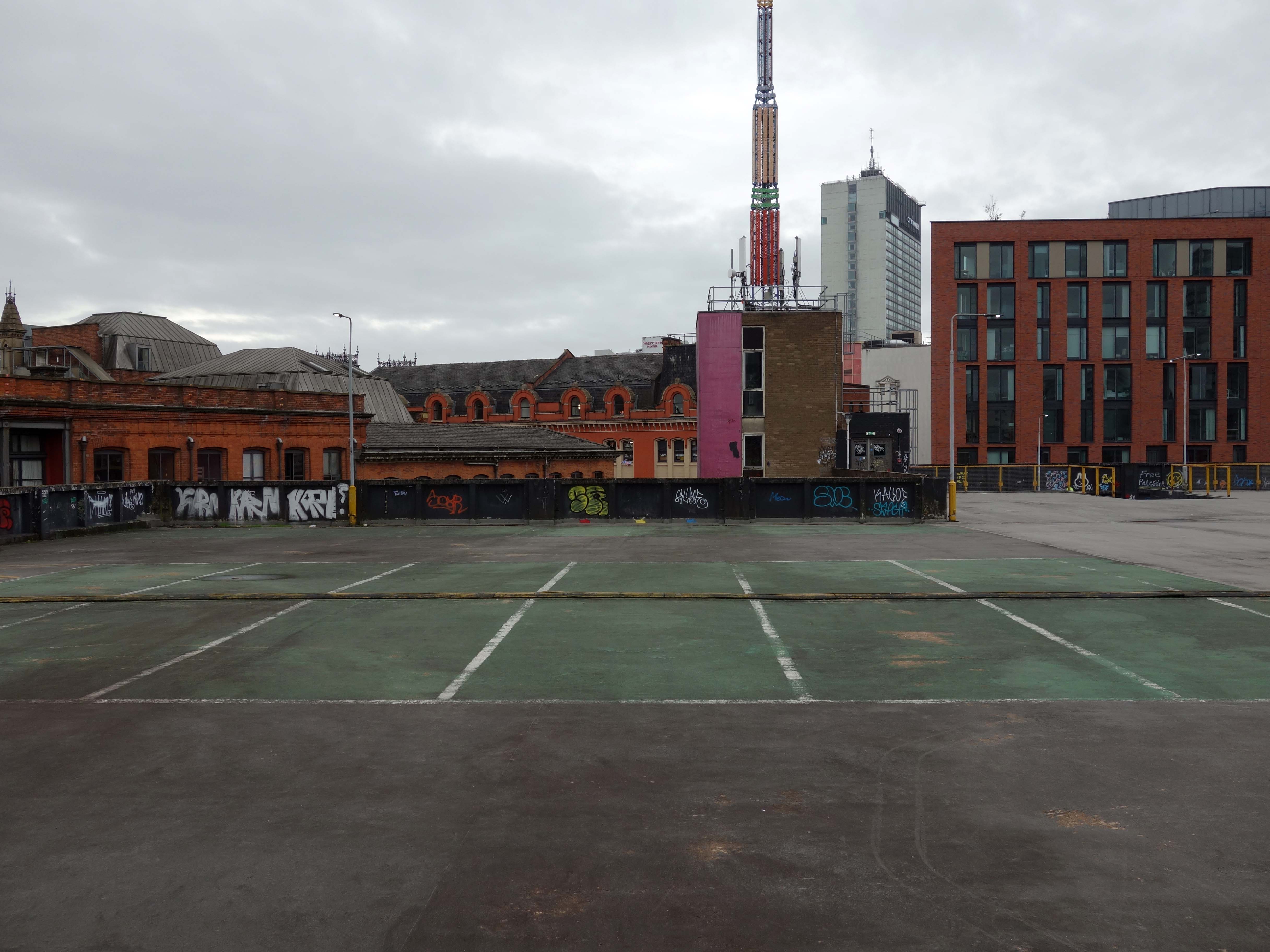
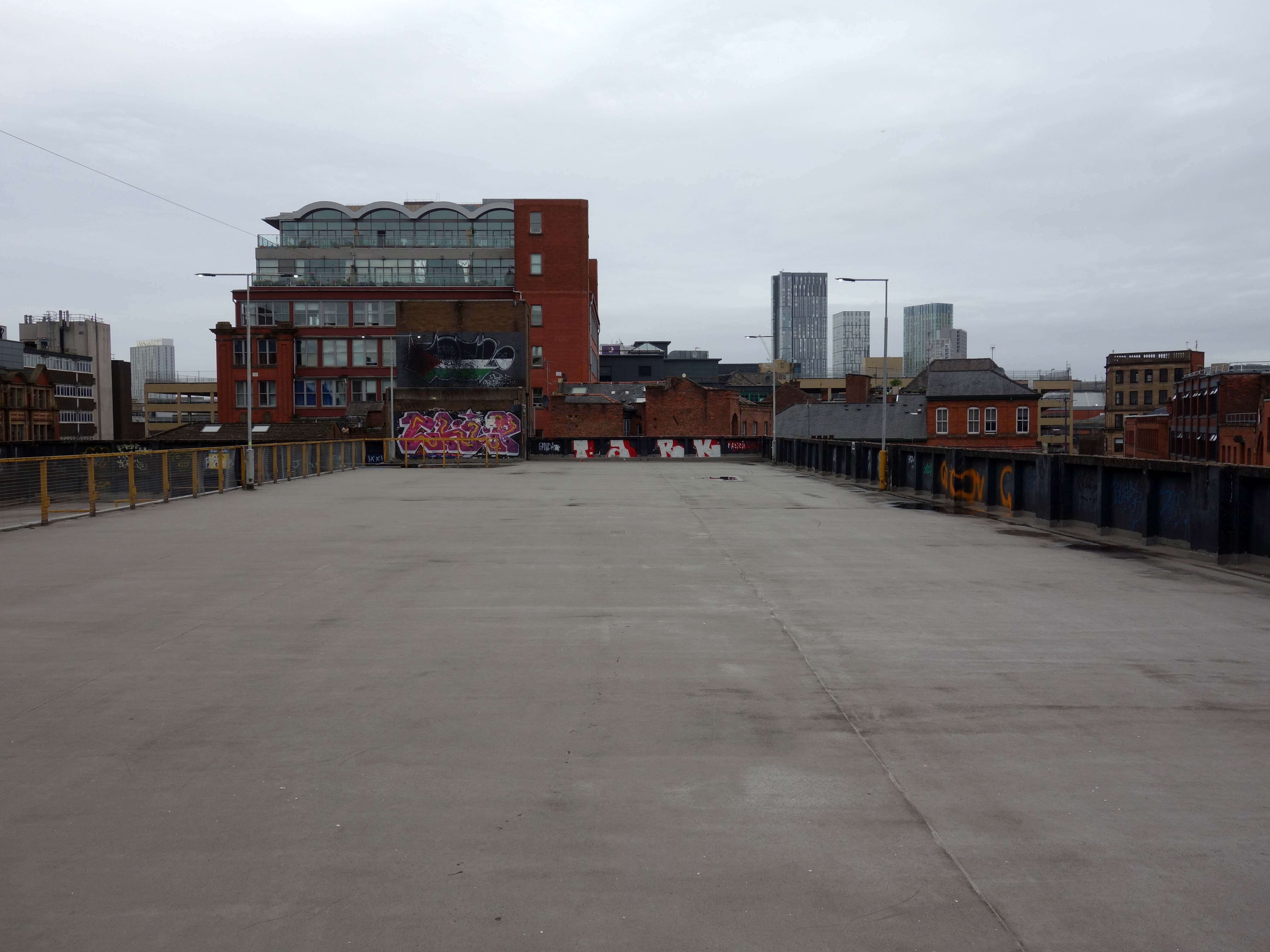
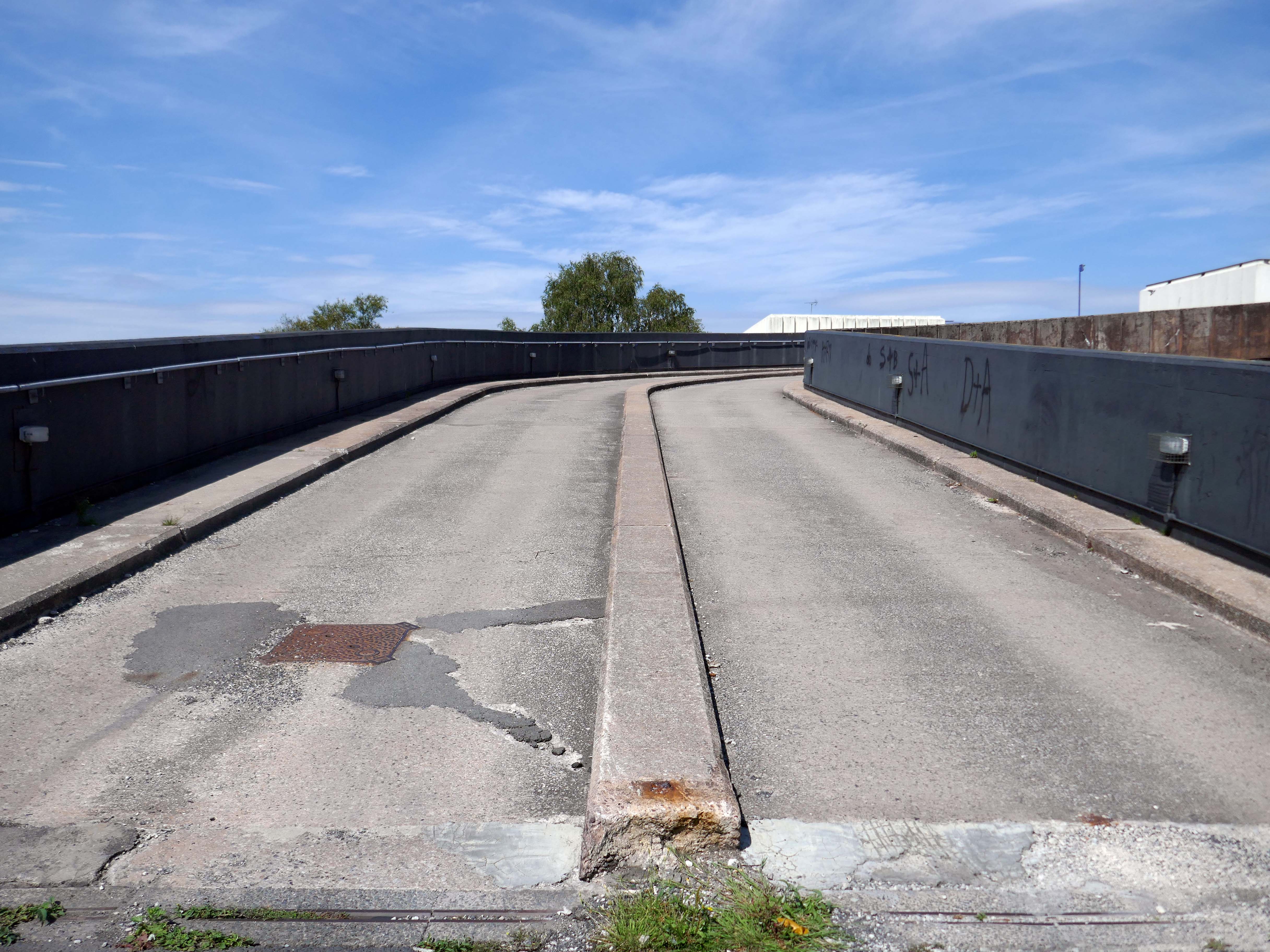
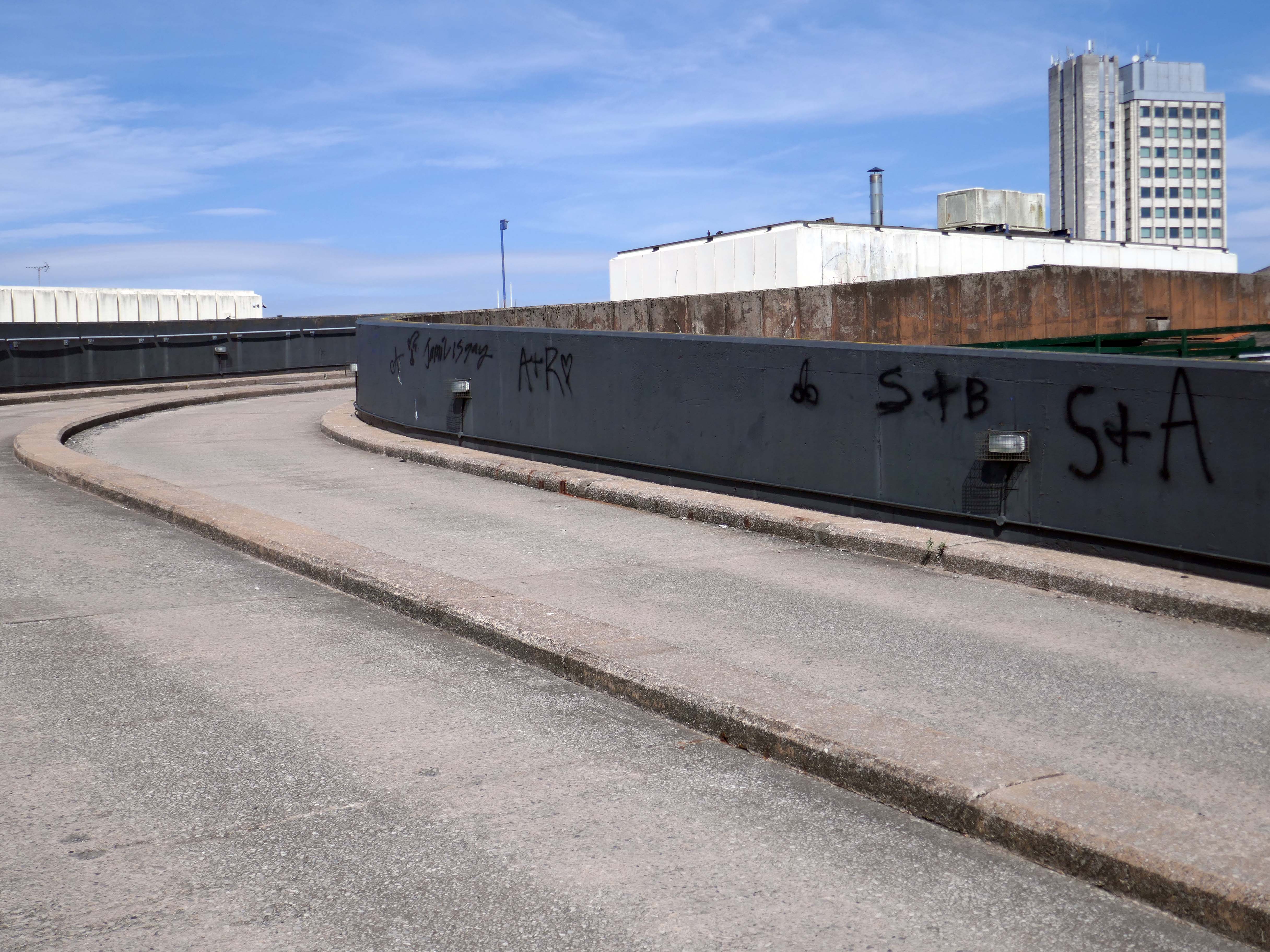
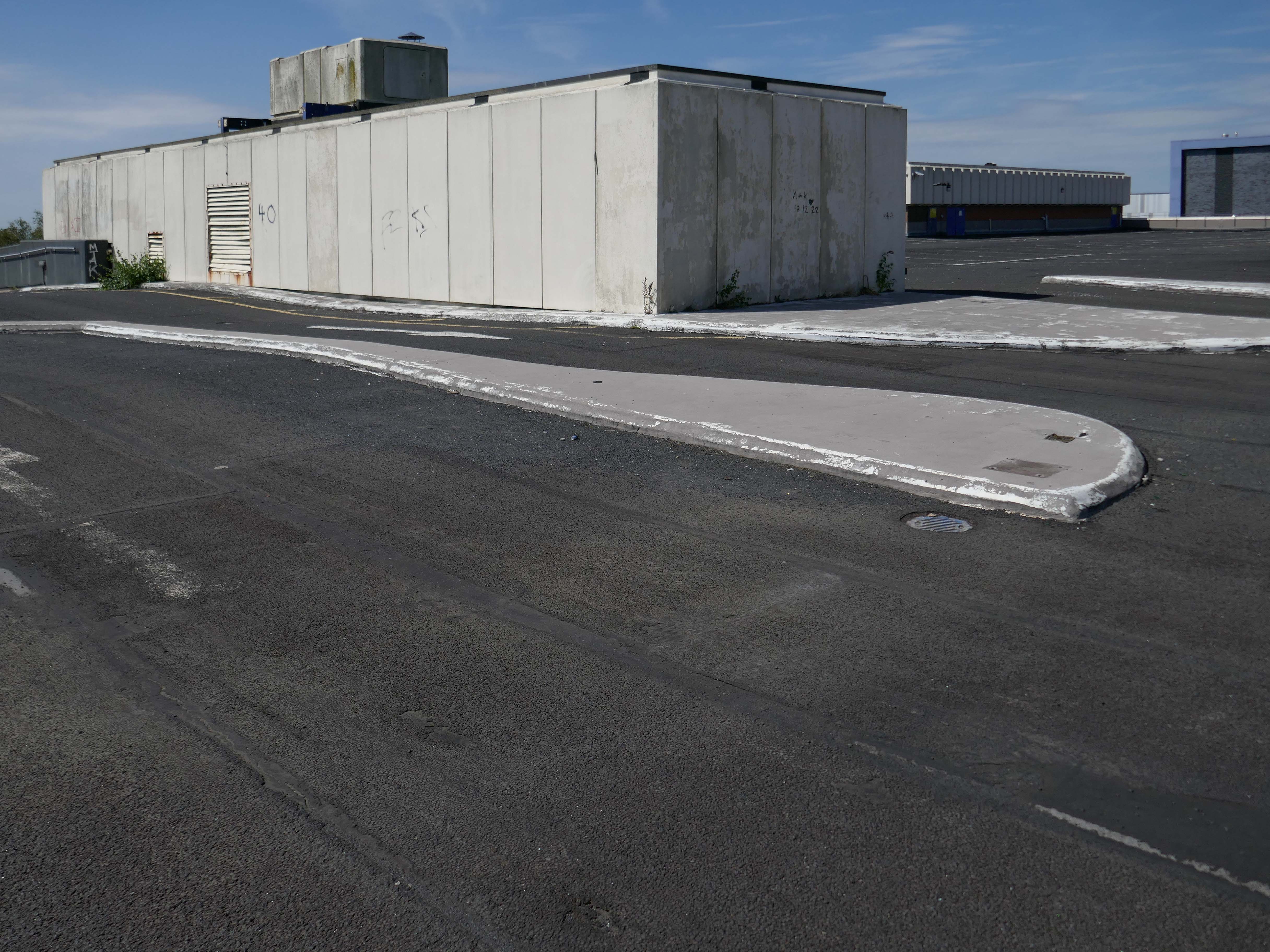
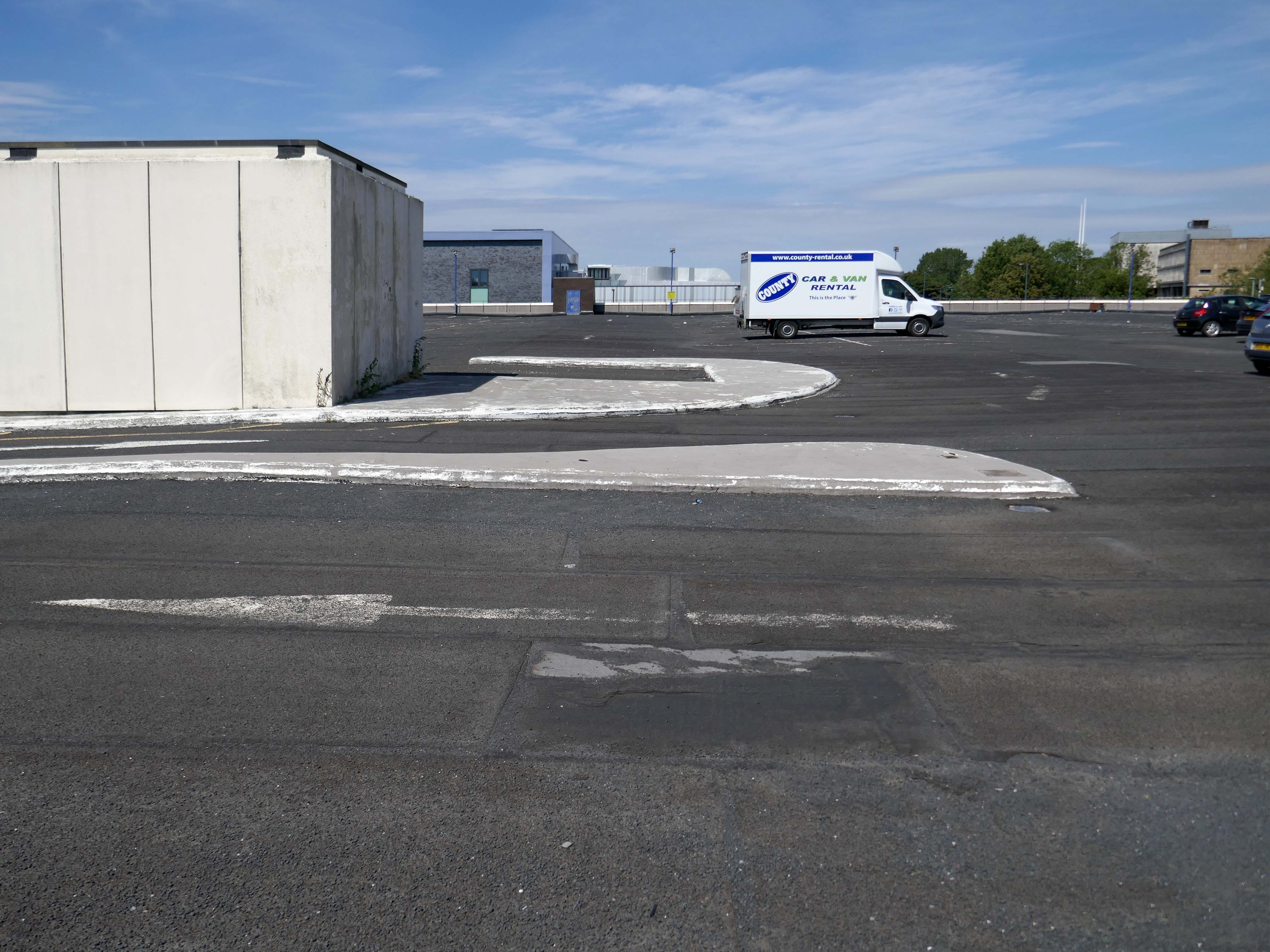
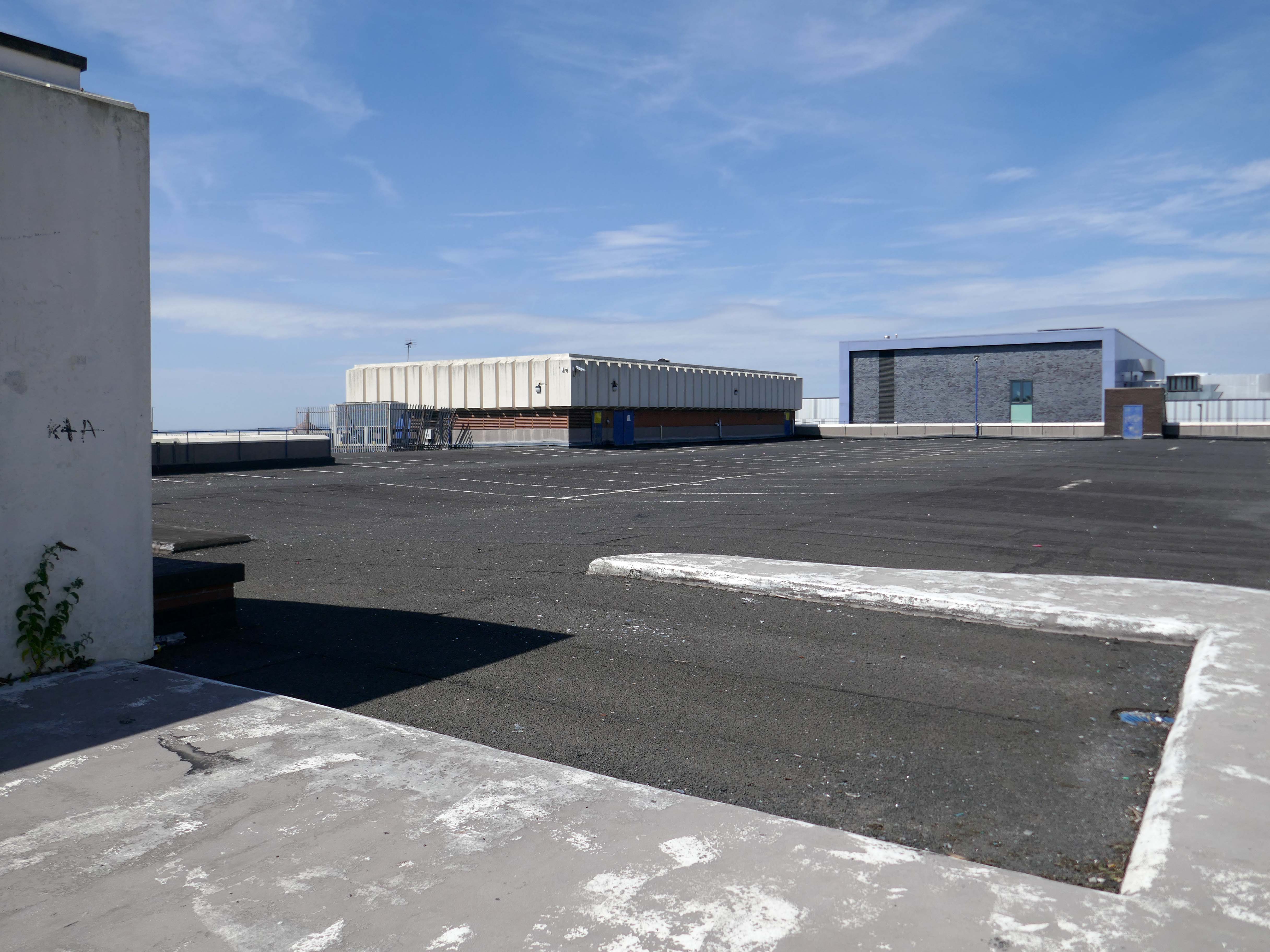
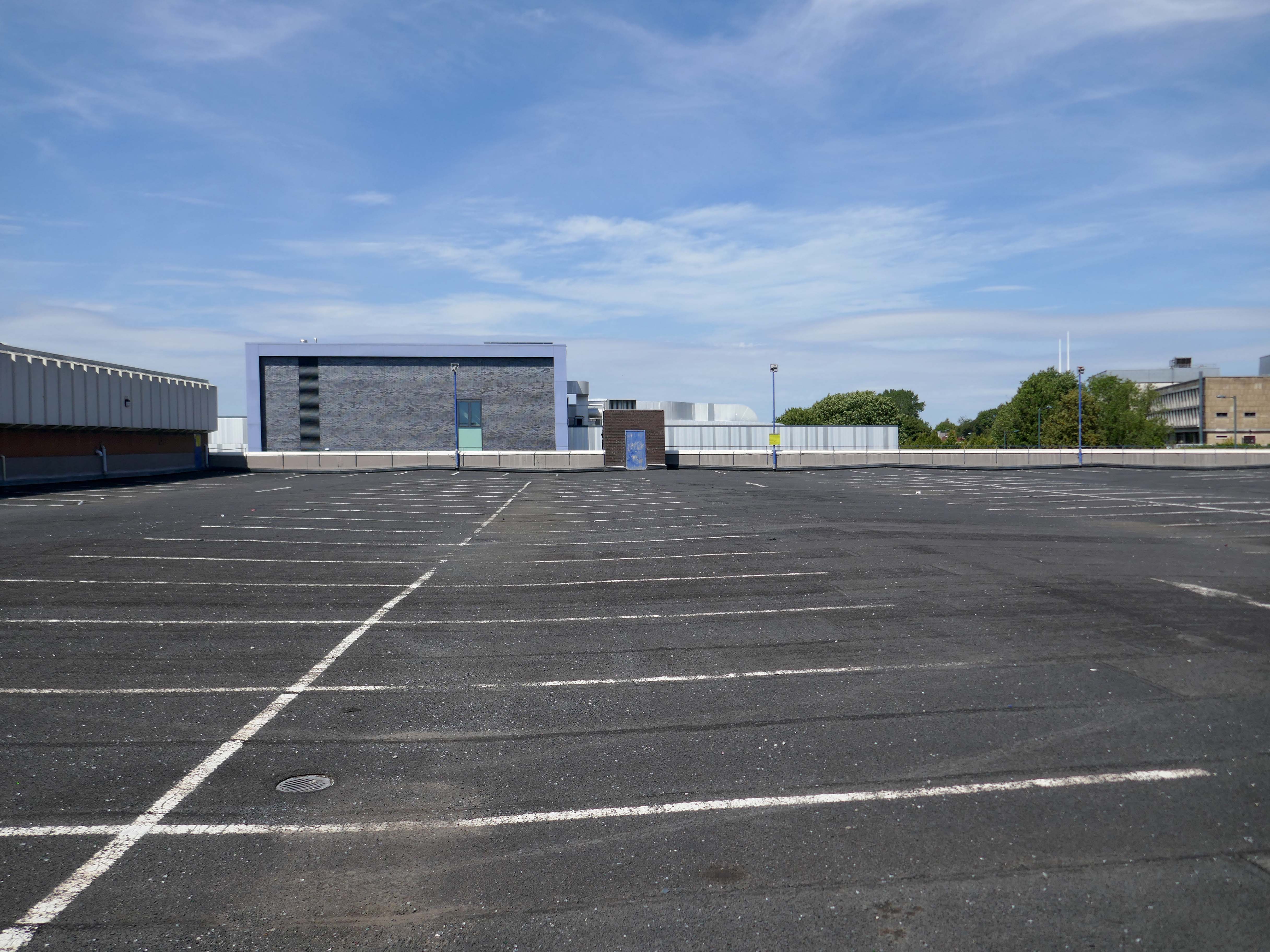
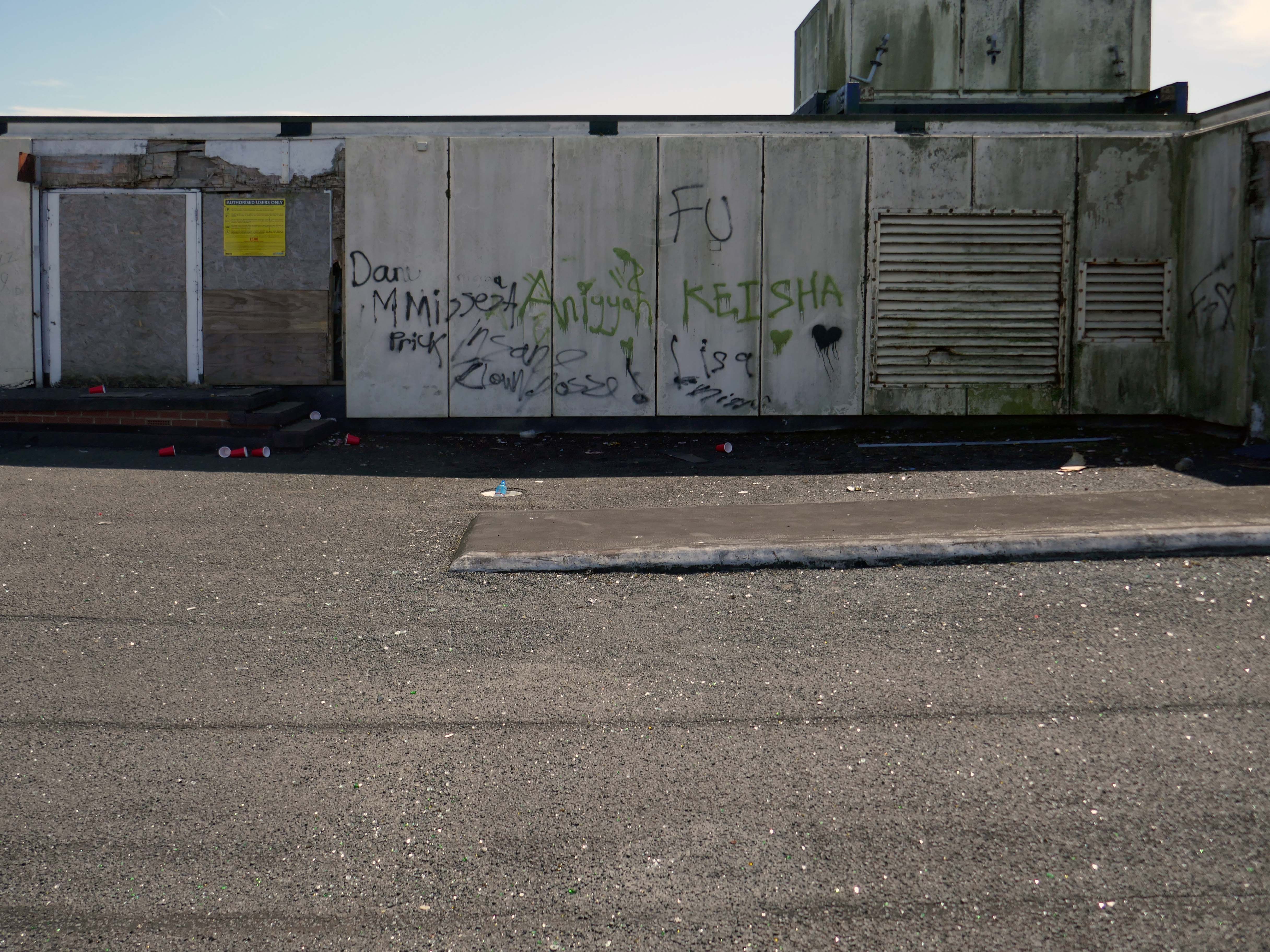
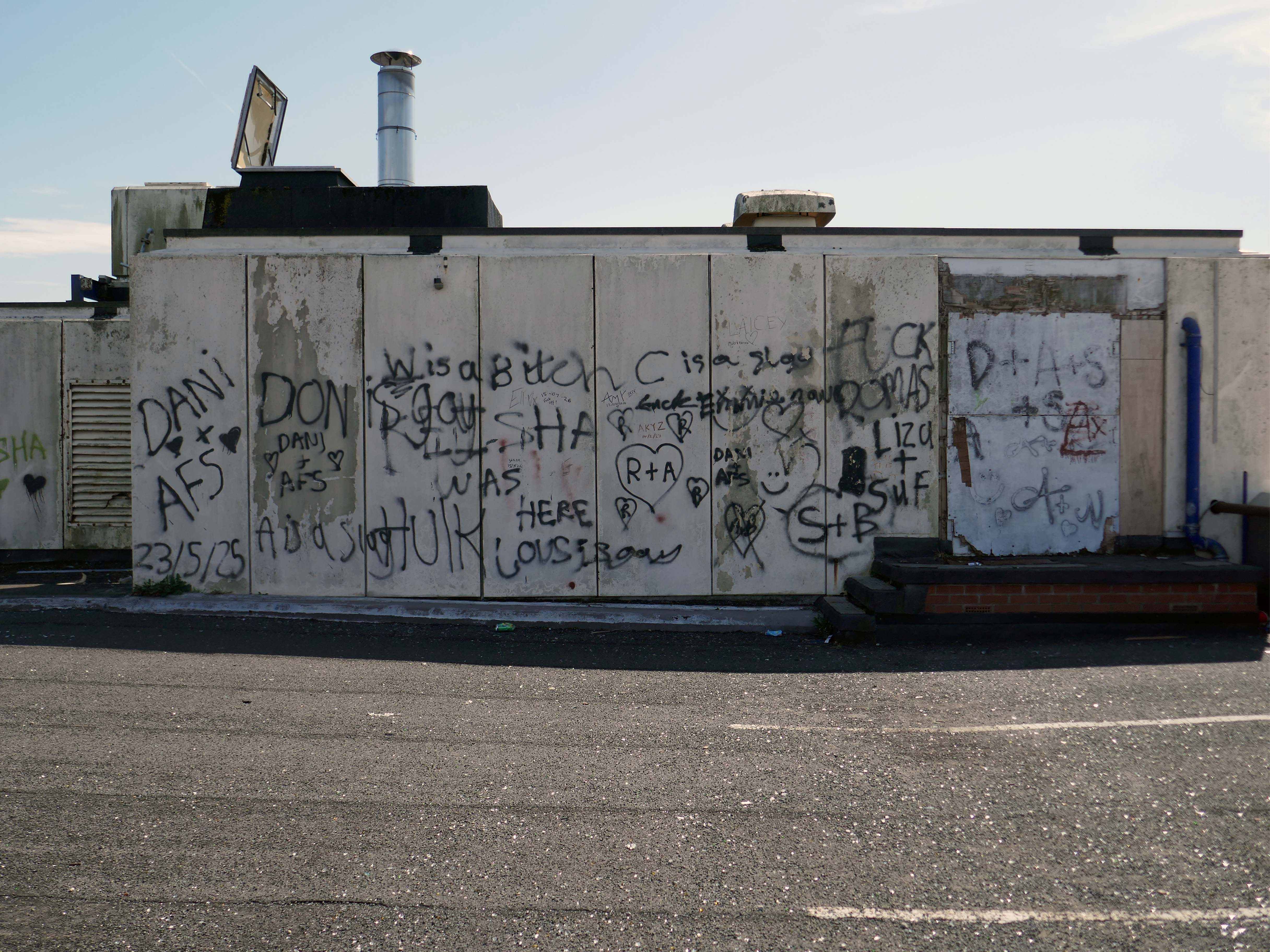
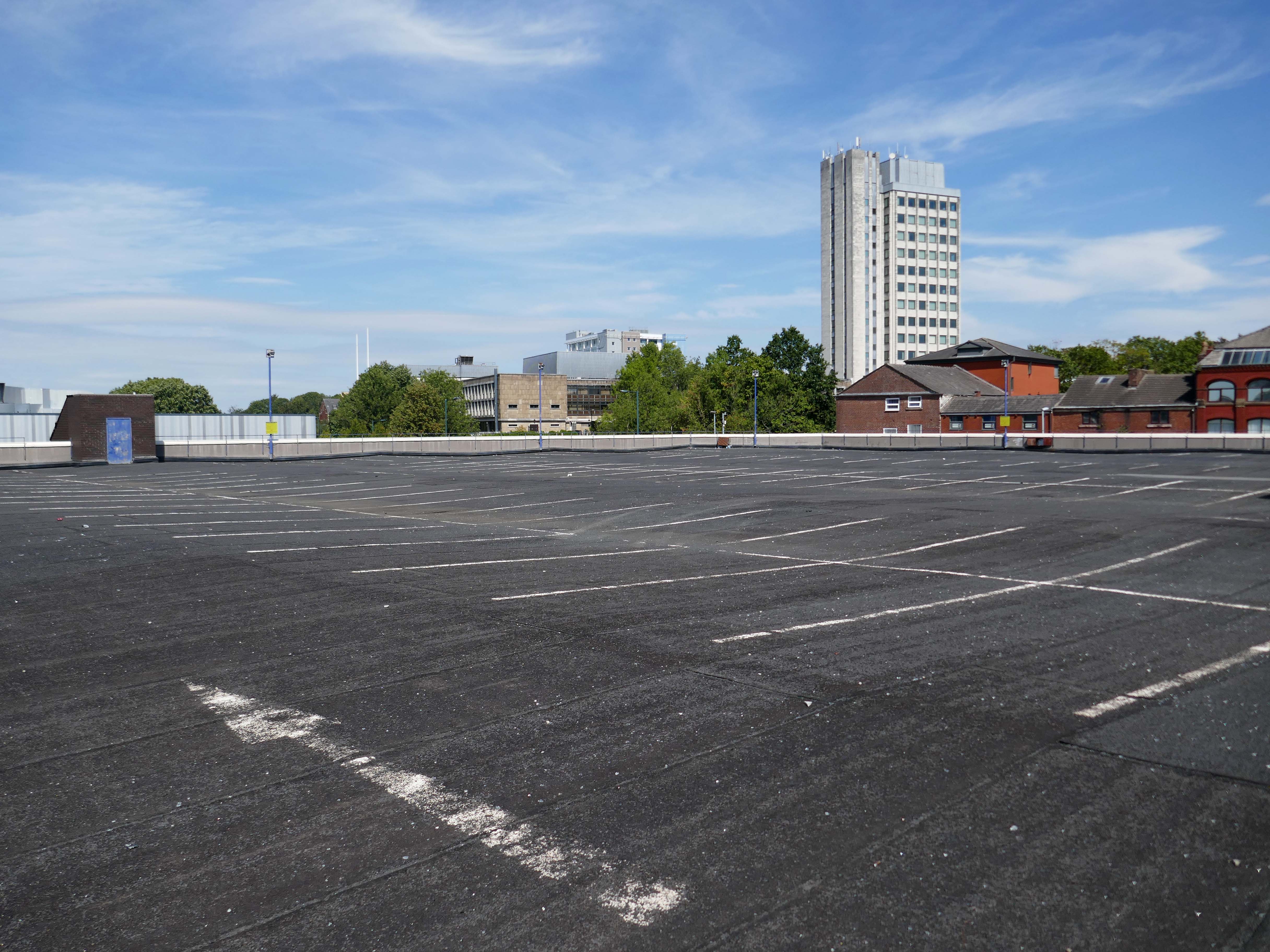
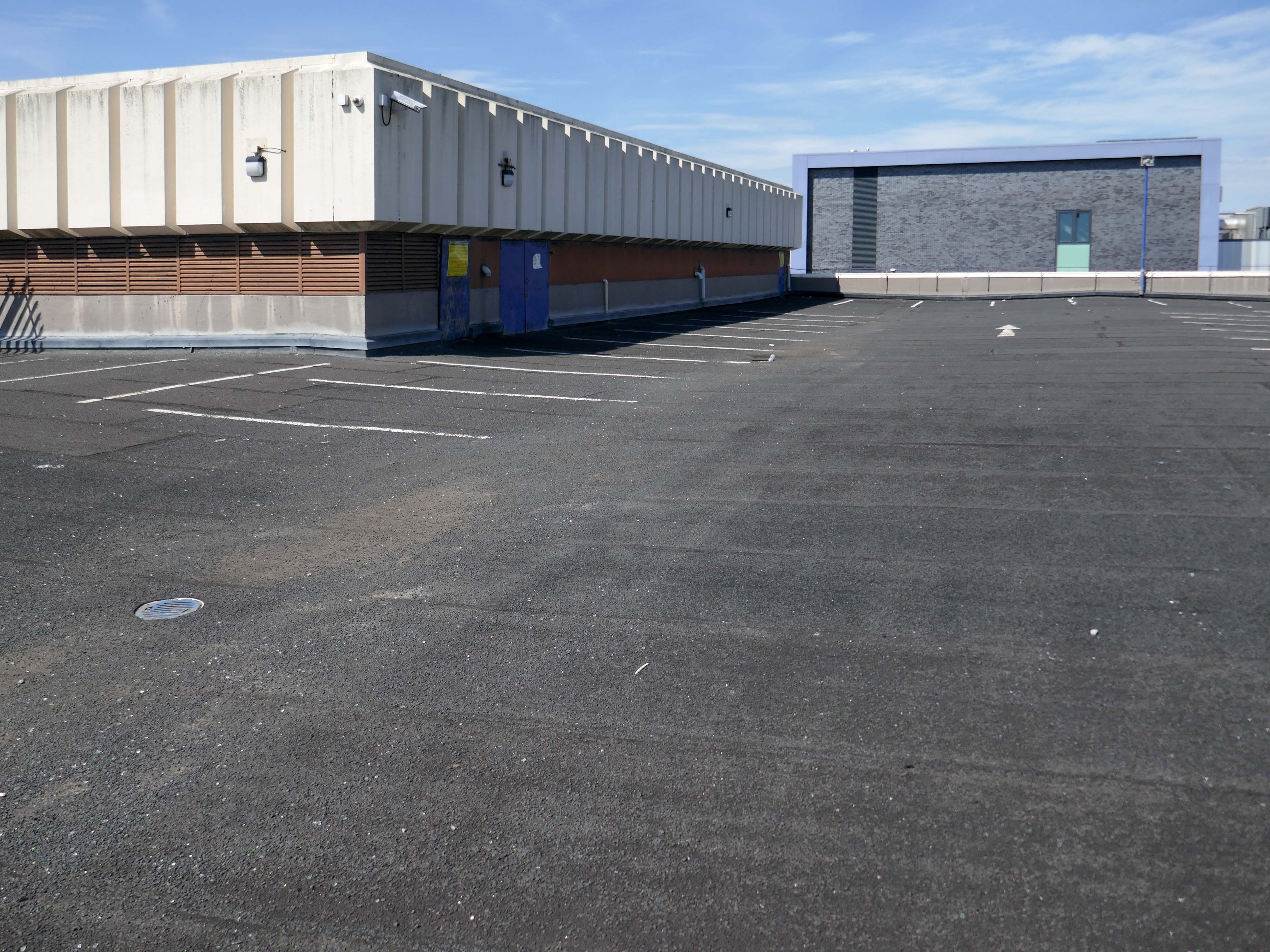
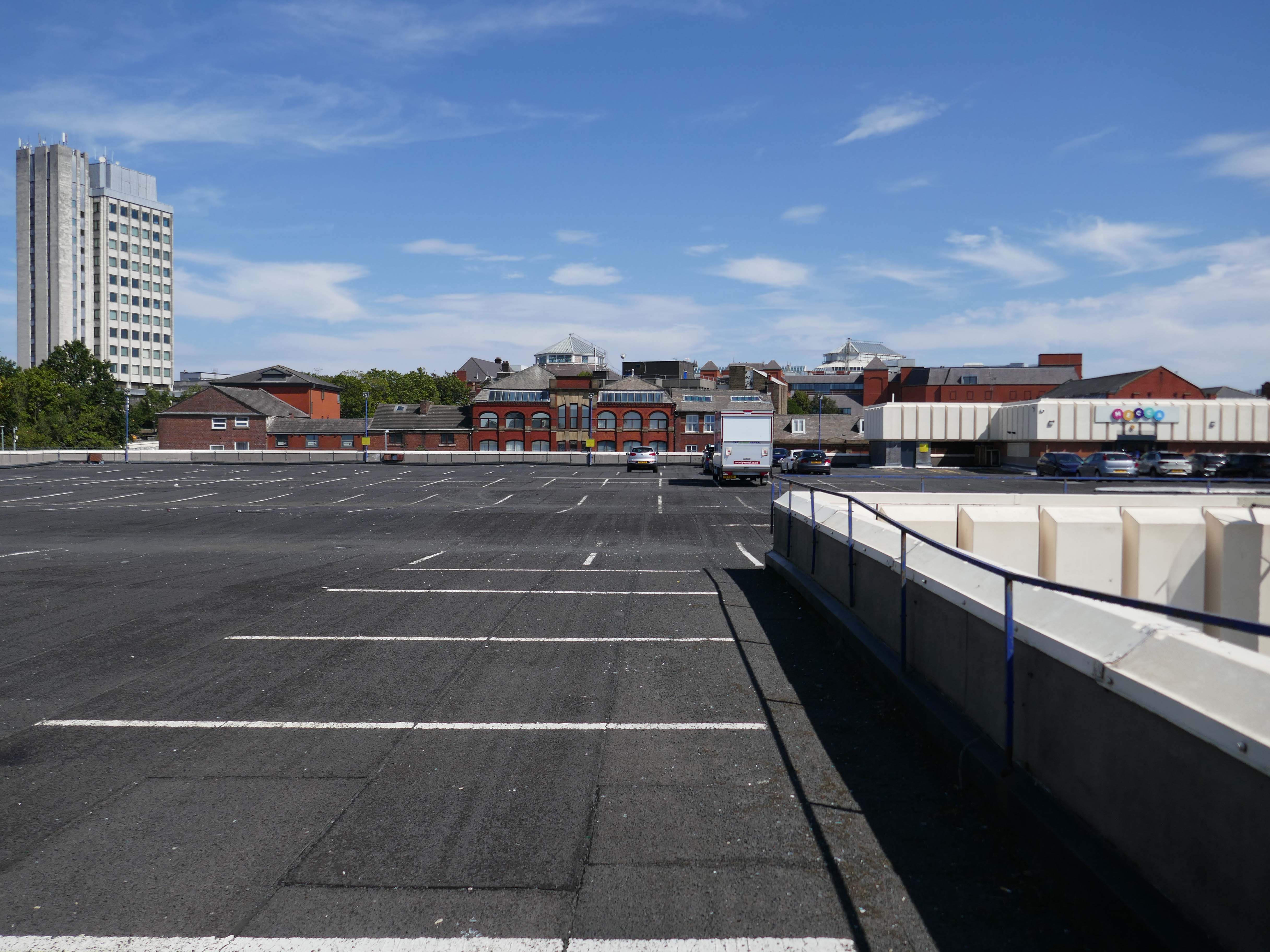
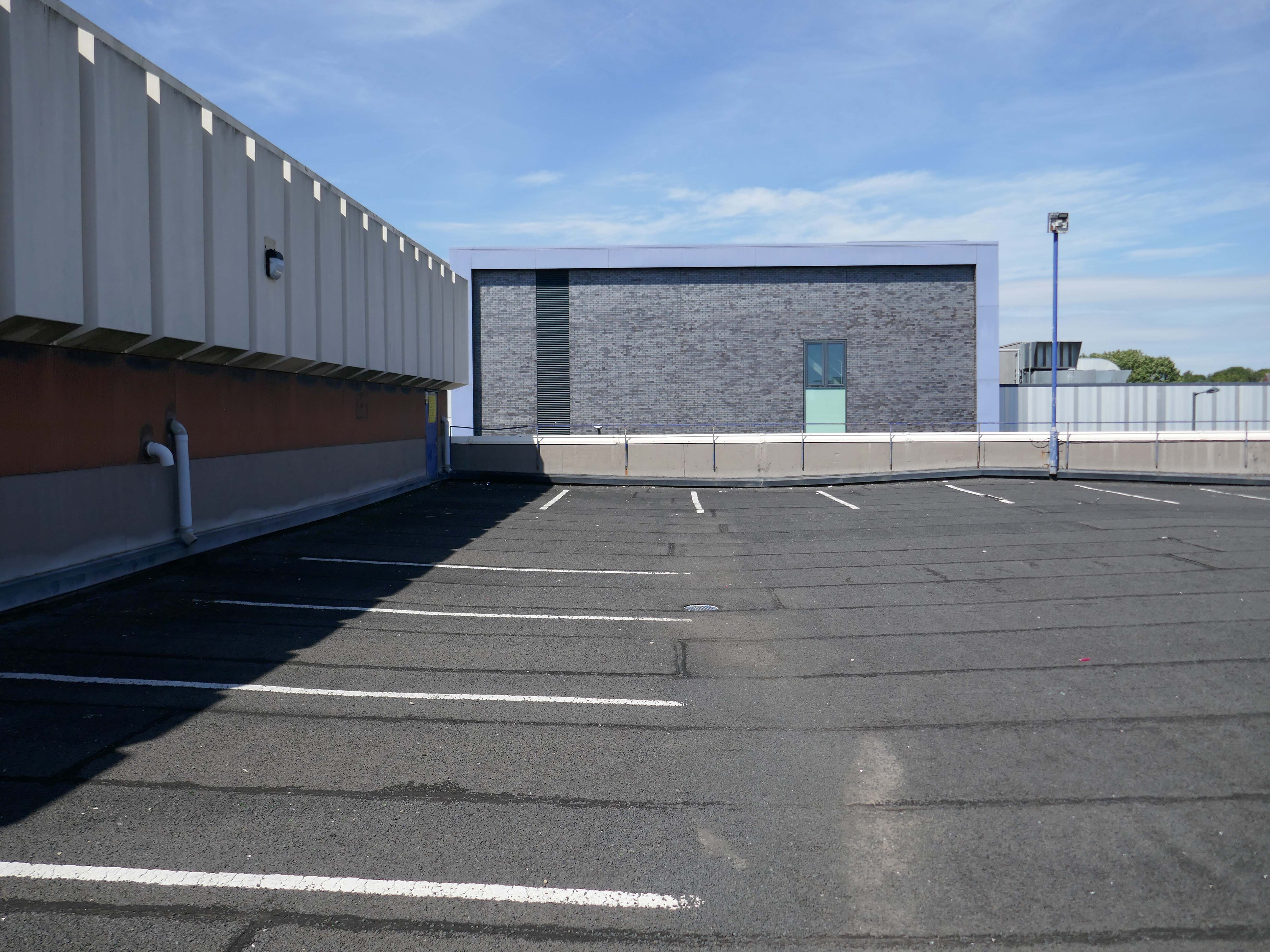
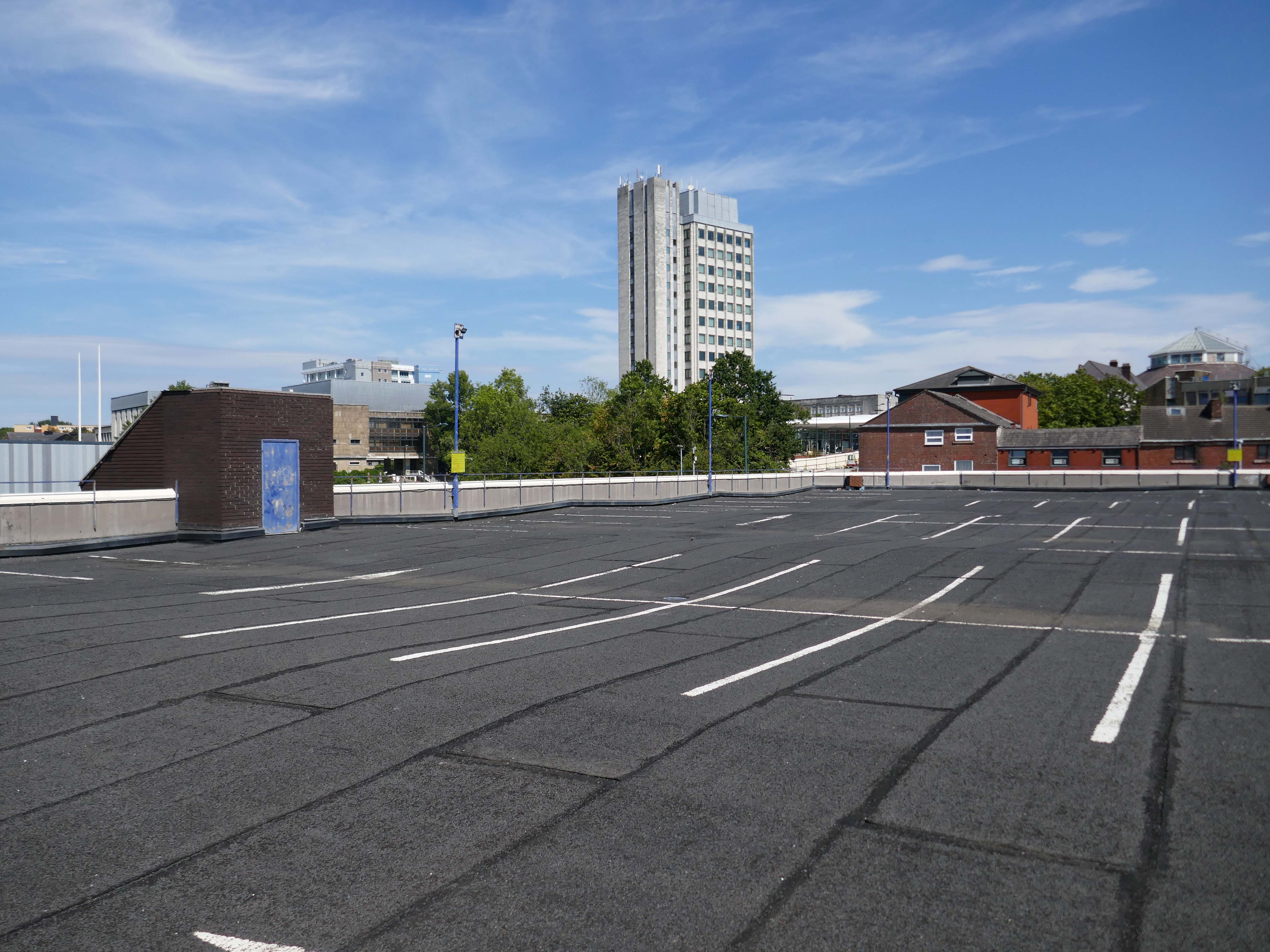
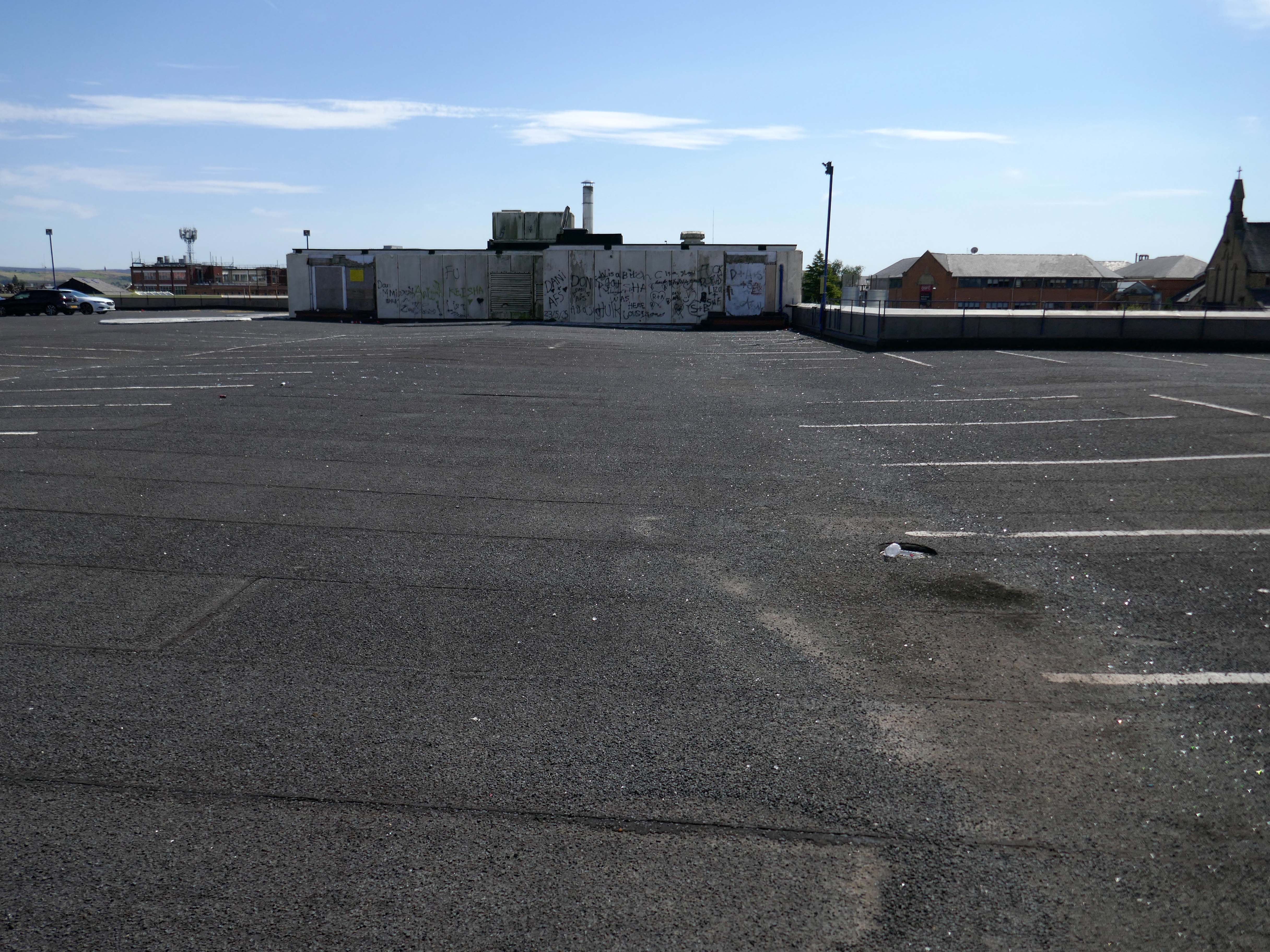
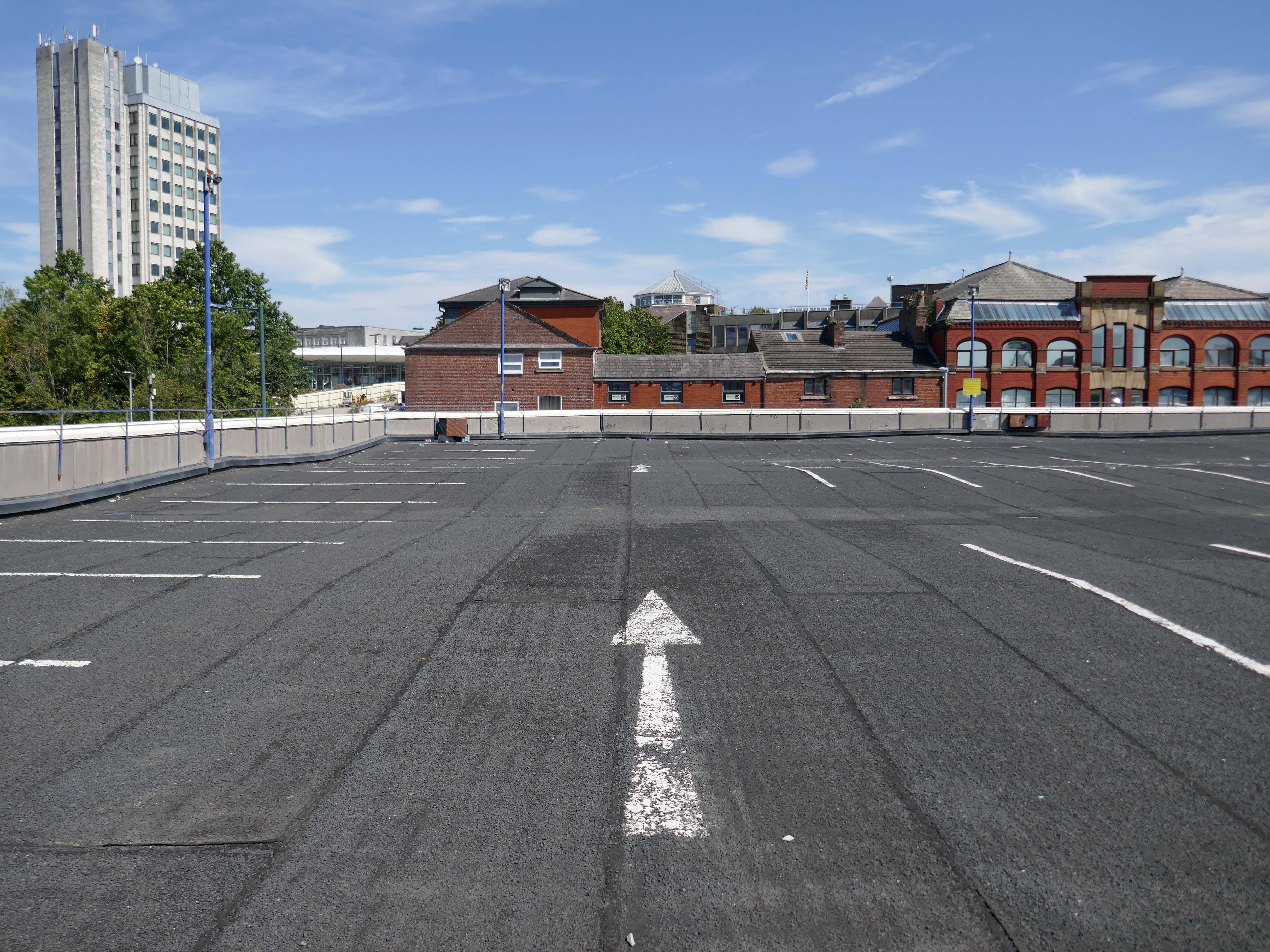
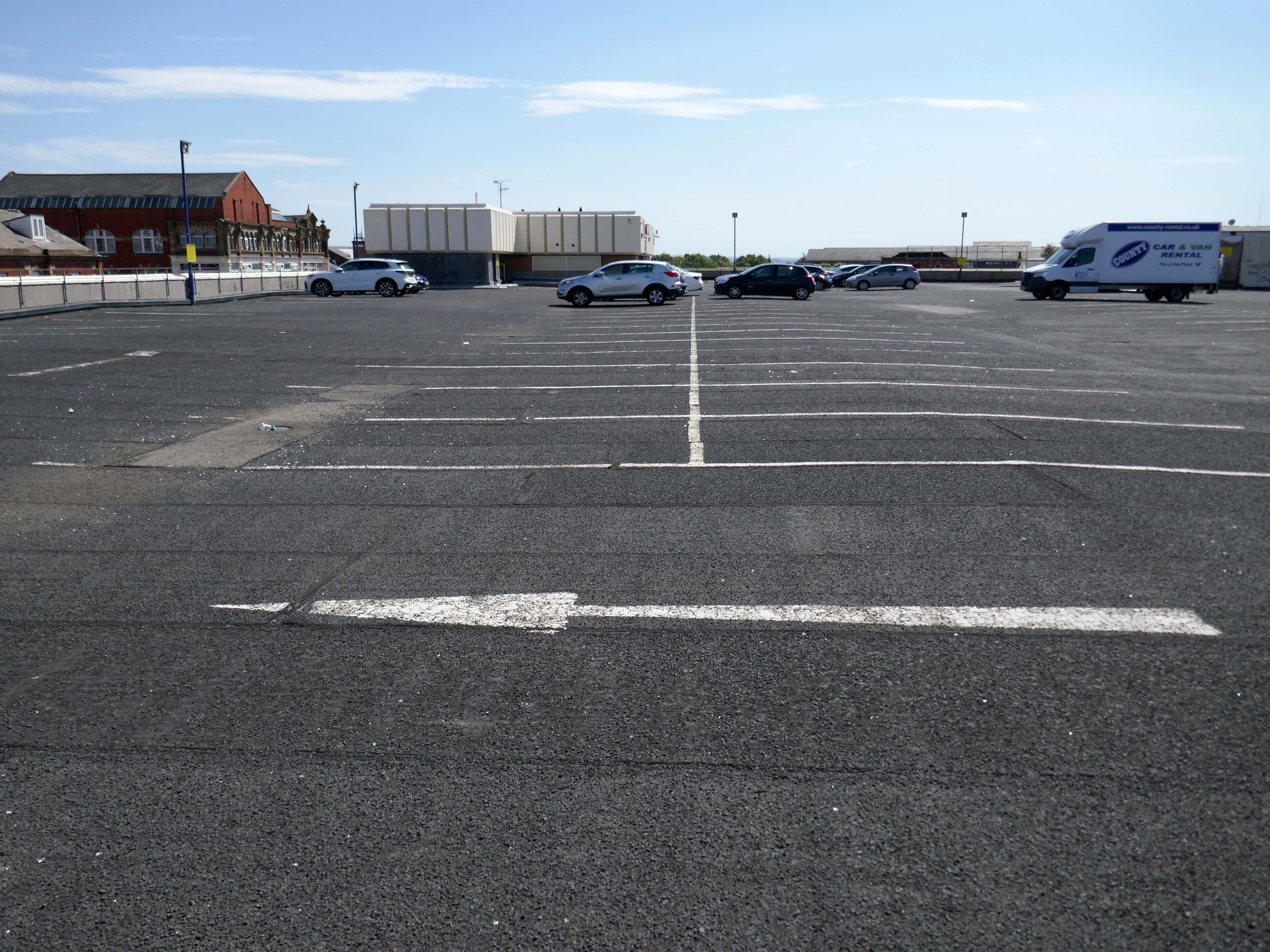
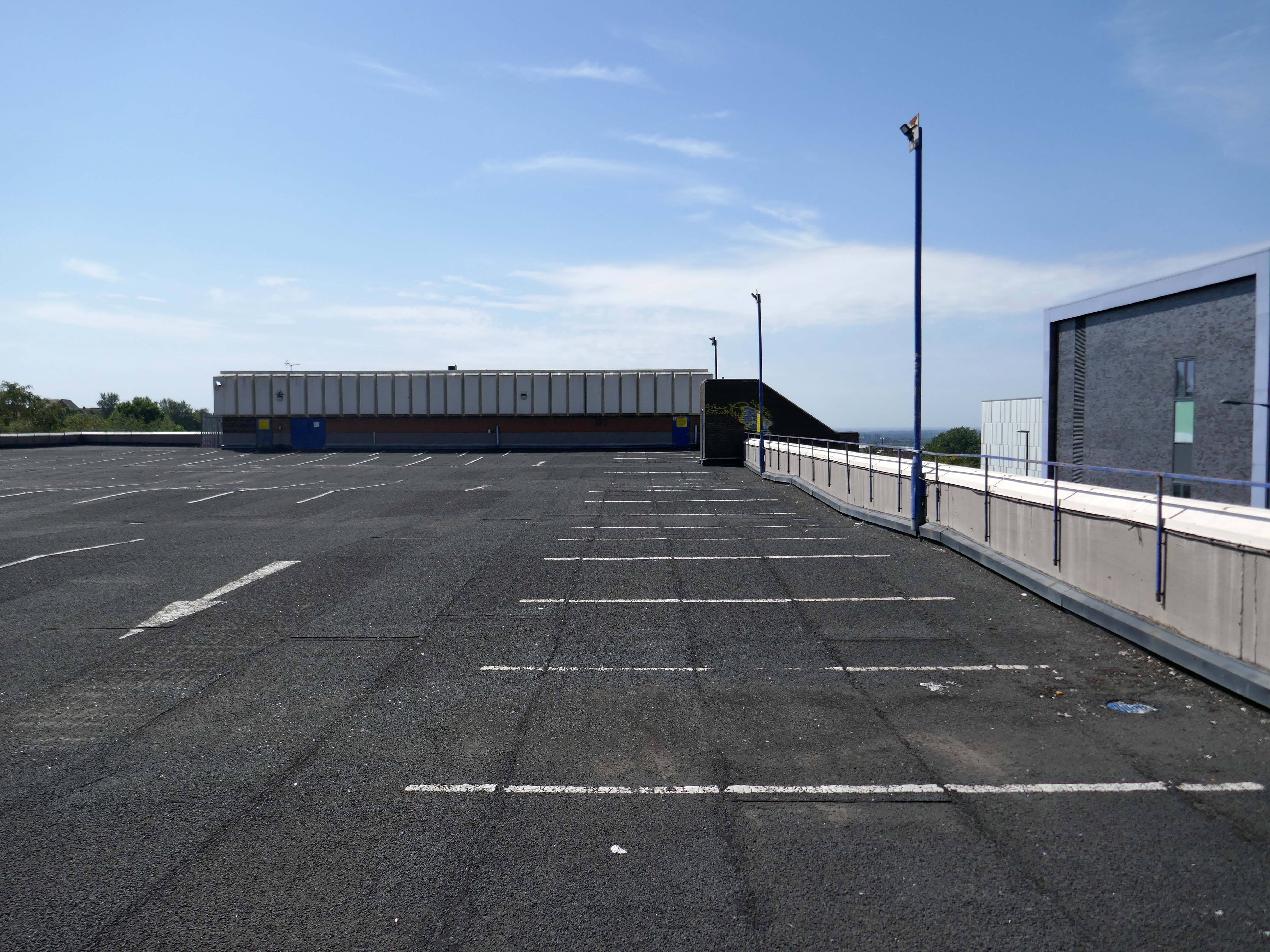
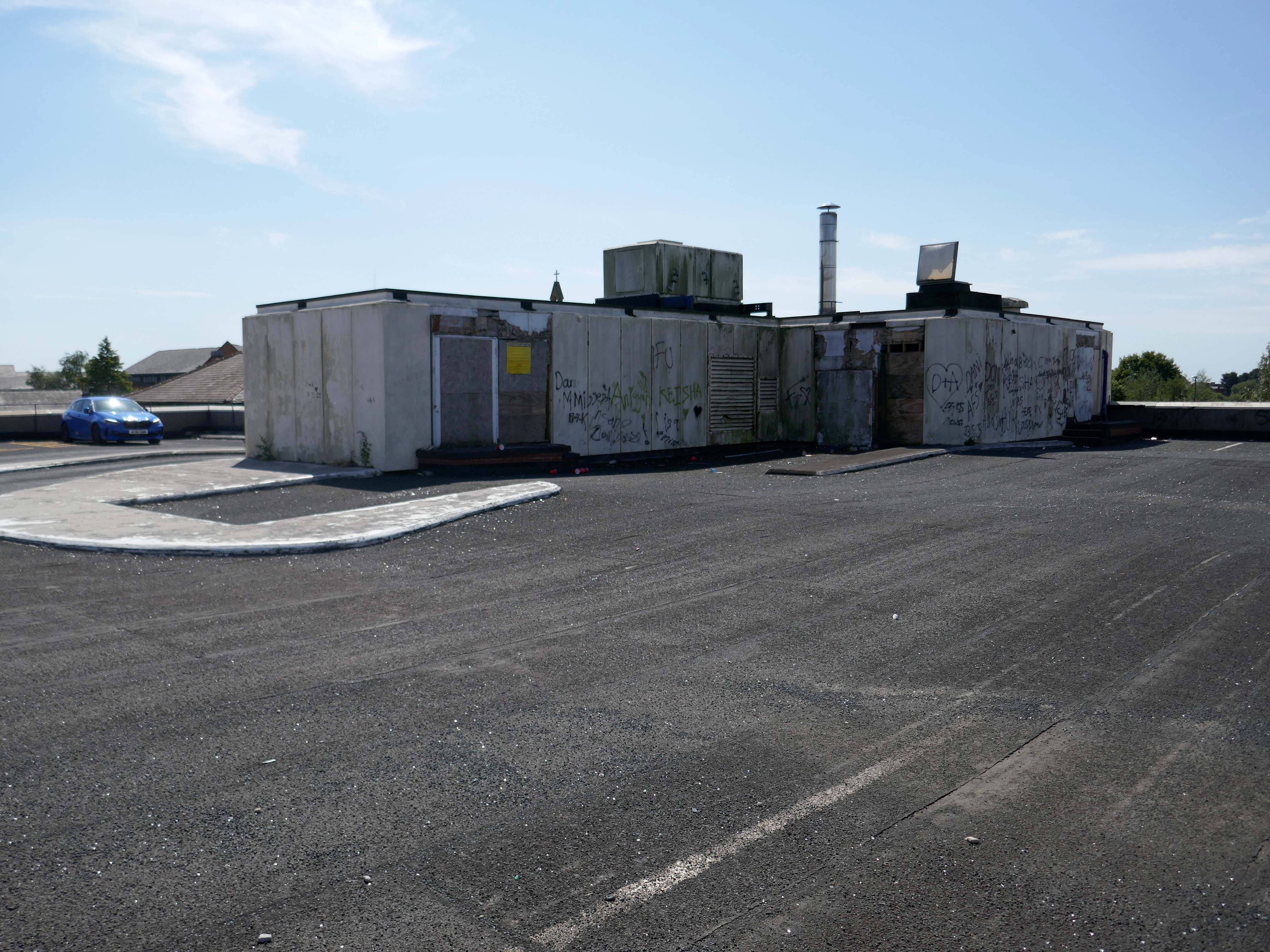
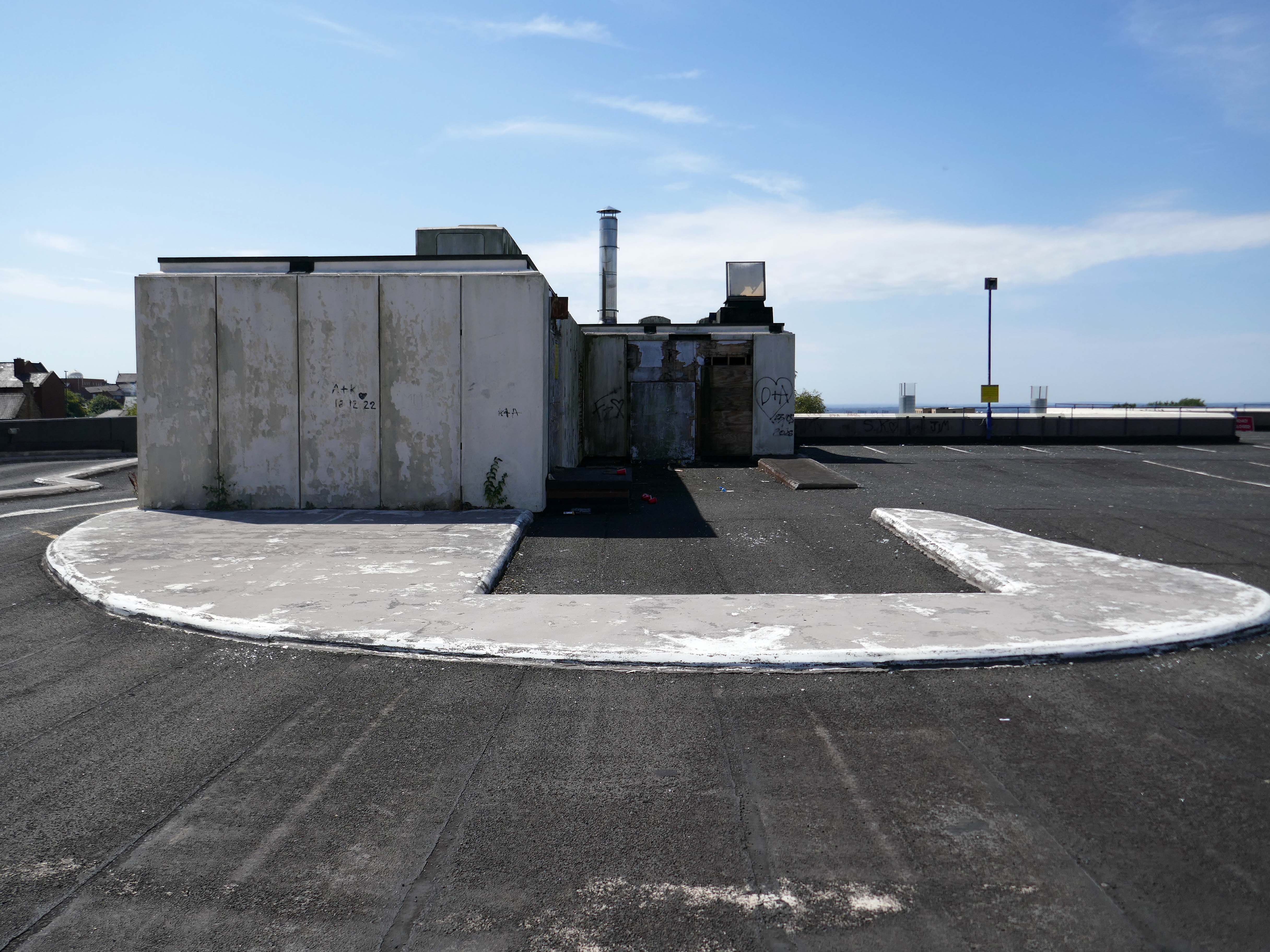
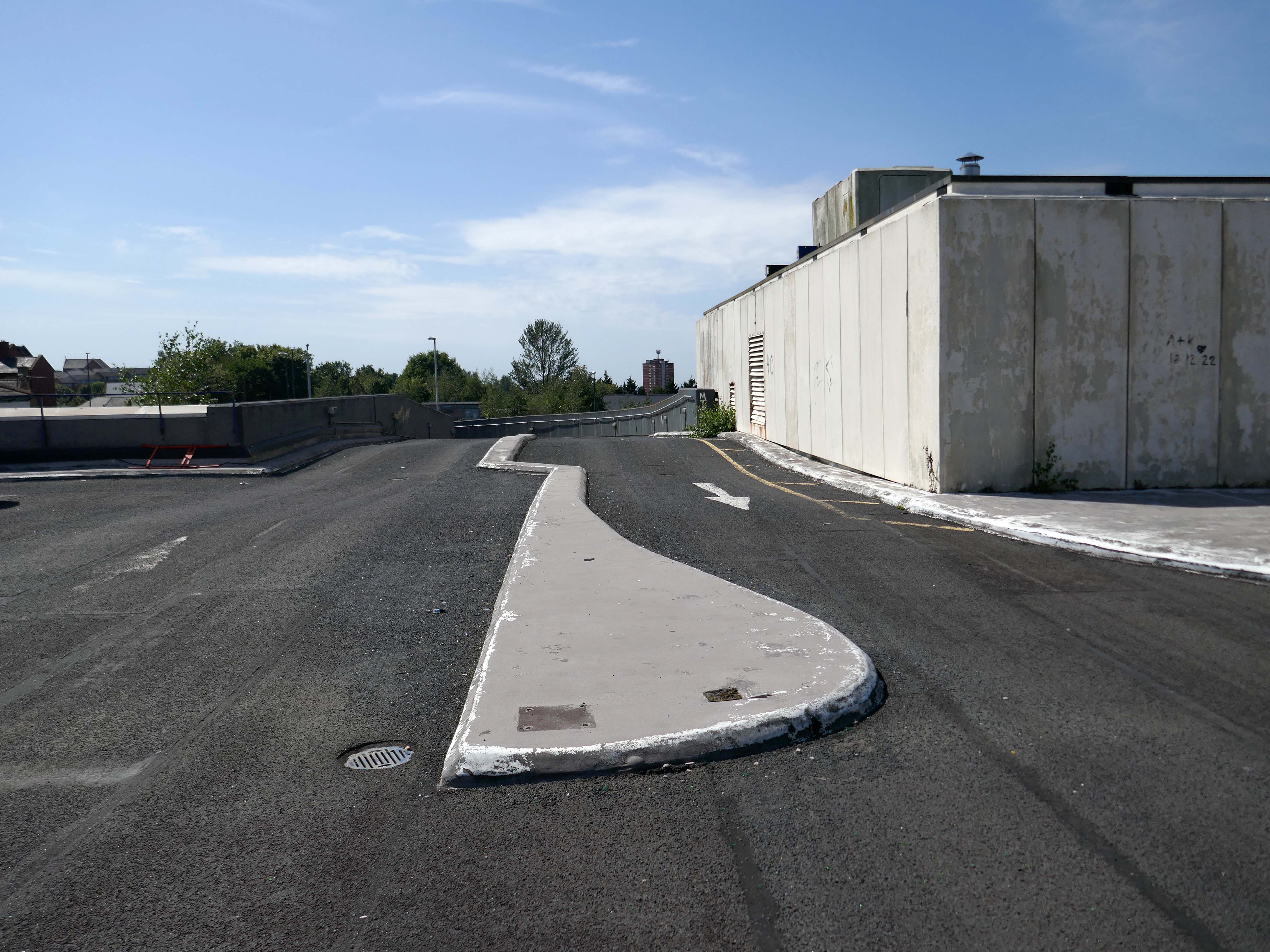
Being something of a car park aficionado I couldn’t resist walking up the ramp to take a look around.
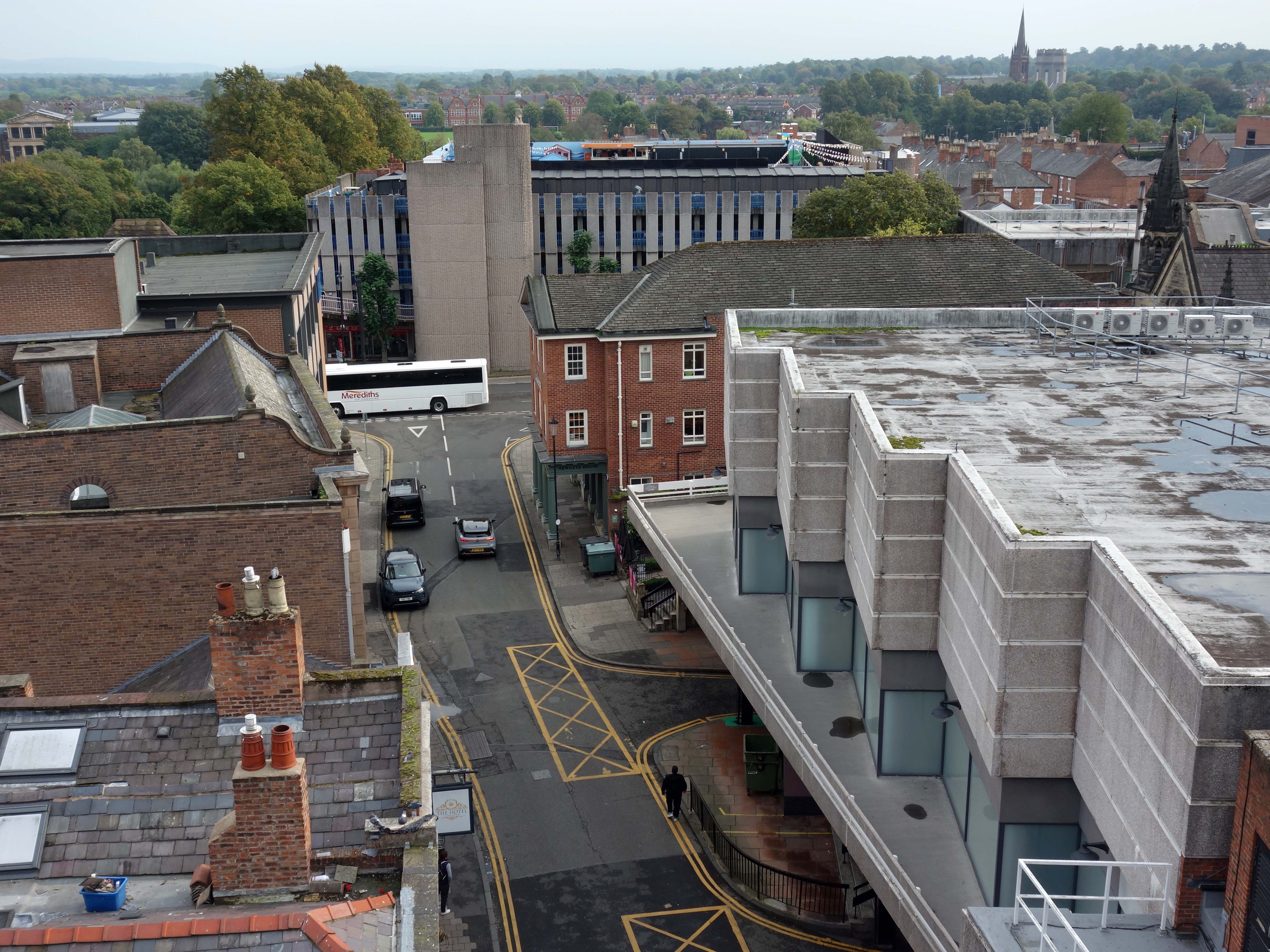
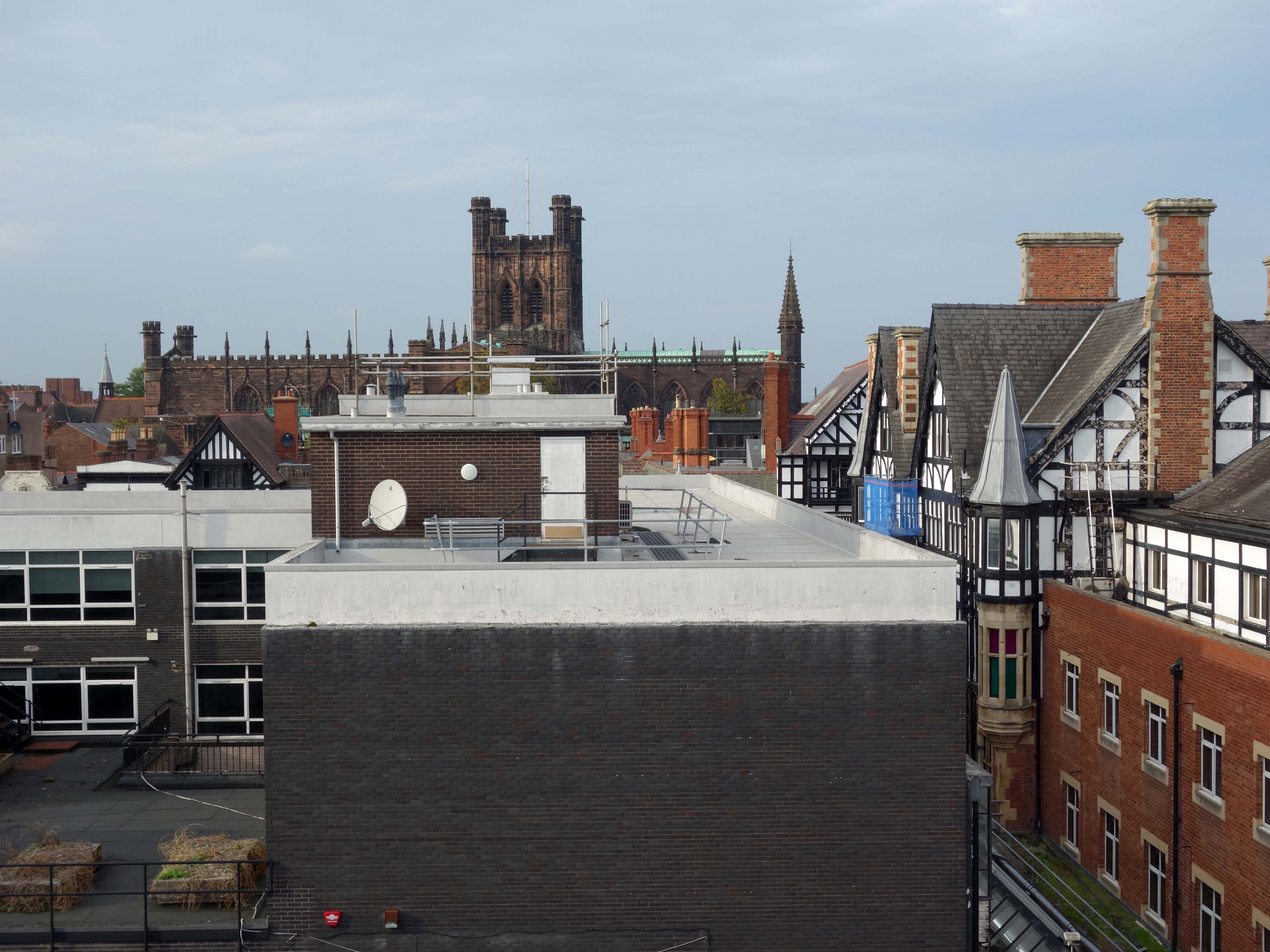
To the right is the tower of the Civic Centre, it was designed by Cecil Howitt & Partners, and the topping out ceremony was held on 18 June 1976.
Plans are underway at the Civic Centre, the largest site in the regeneration project, to create a vibrant community providing 838 homes rising up to 15-storeys with mixed-use commercial spaces on the ground floor. This development will integrate seamlessly with the surrounding neighbourhood, particularly the nearby Former Magistrates’ Court site.
The Civic Tower at the edge of the site will be retained and redeveloped as a hotel in a later phase.
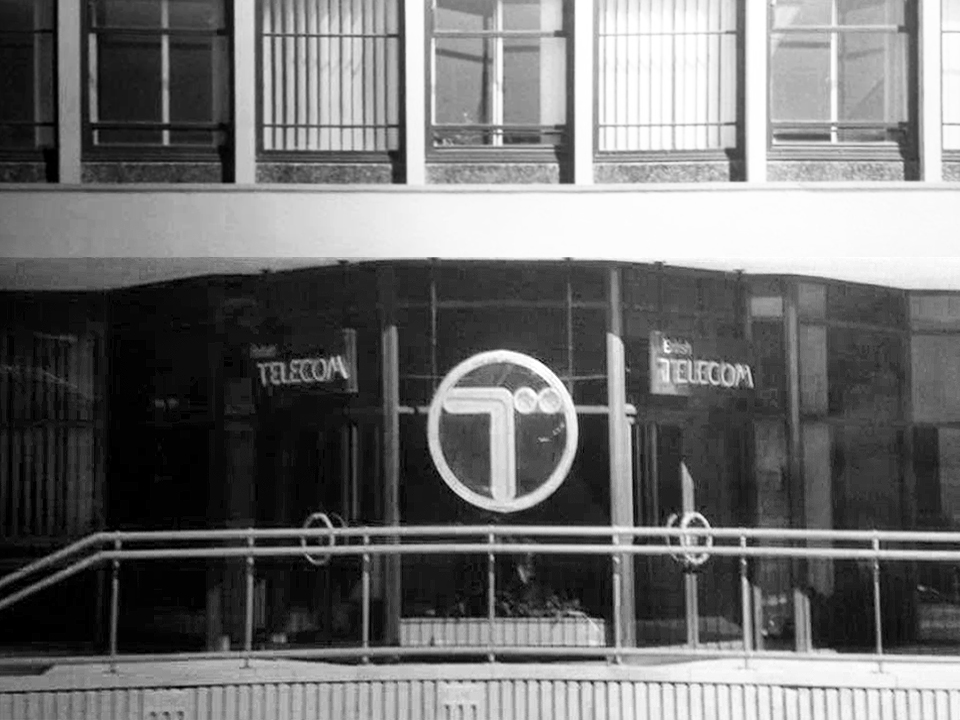
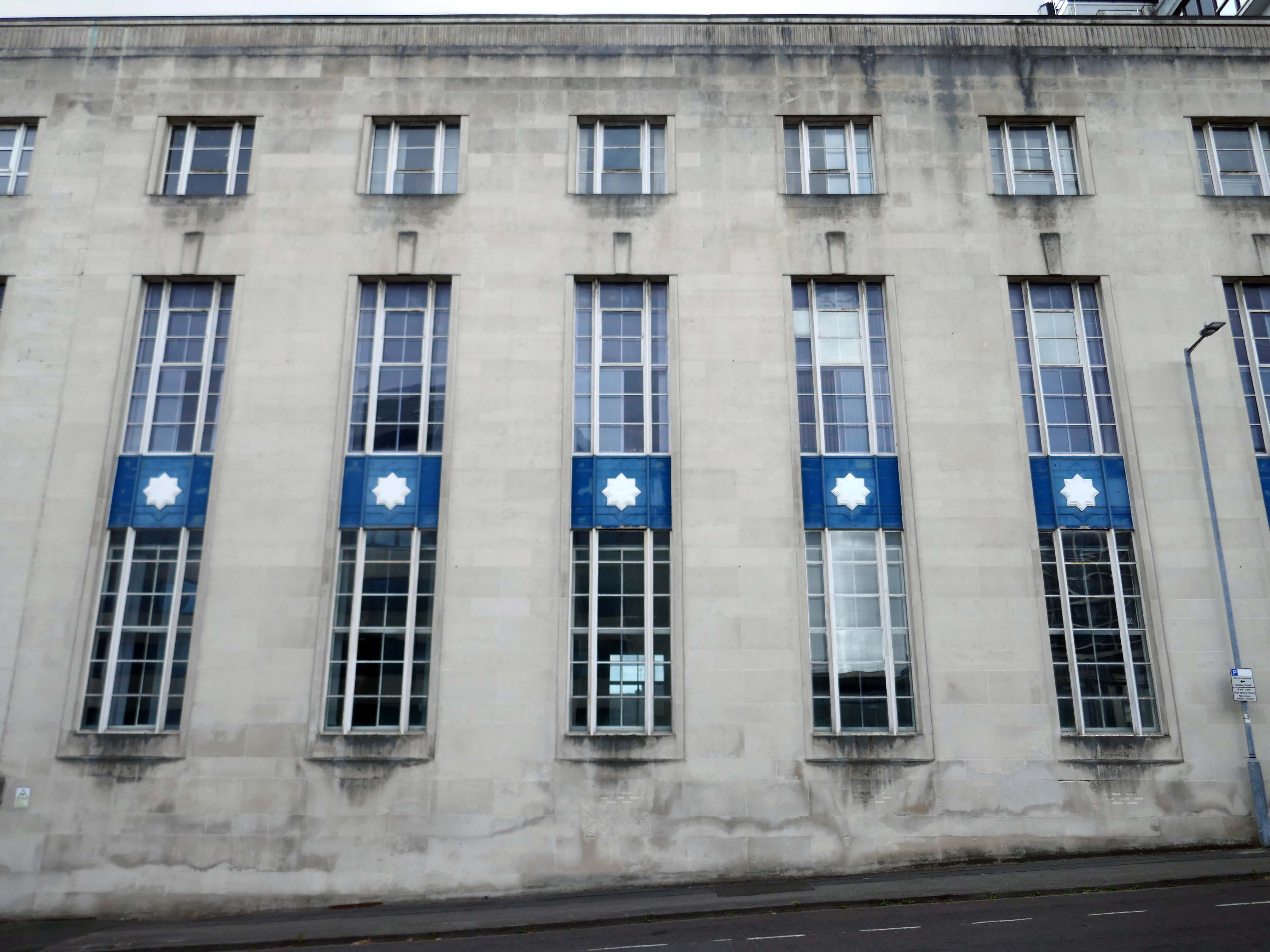
A visit to Preston on our Modernist Walkswould not be complete without a visit to Telephone House.
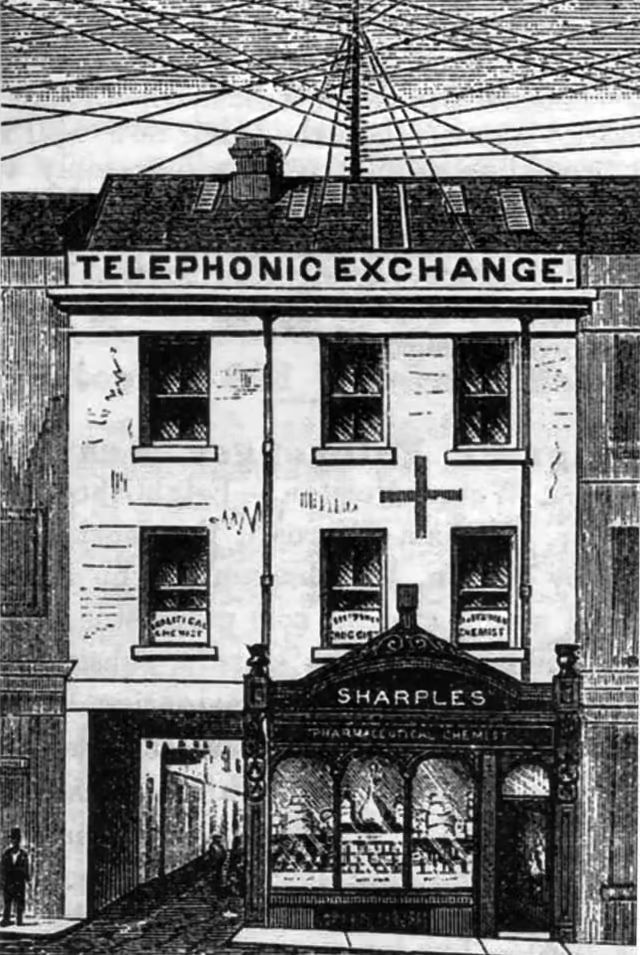
Local enthusiast George Sharples, a chemist by trade who was familiar with telegraph engineering, also had ambitions in this field and successfully applied for a licence to operate from his premises at 7 Fishergate.
His Preston Telephonic Exchange opened a few weeks later, having recruited local businesses who at first were reluctant to move away from the highly efficient telegraph message services and embrace the new technology.
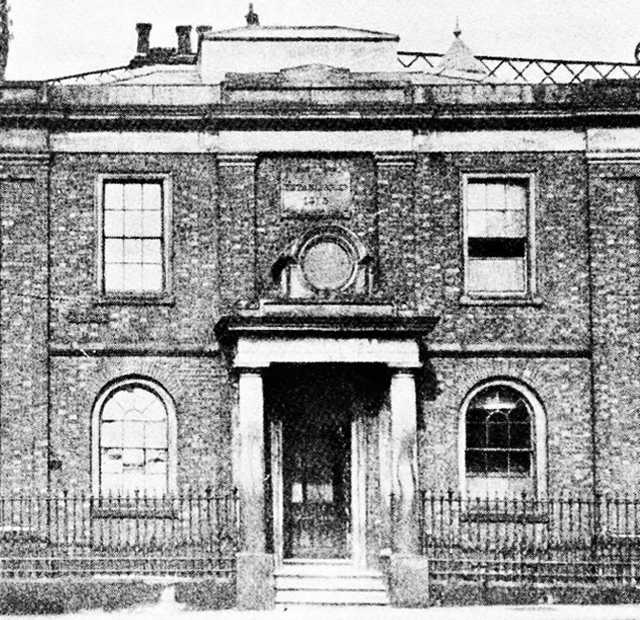
Things progressed quite rapidly after that and by 1886 Sharples had sold his business to the county operators, who in turn were taken over by the National Telephone Company in 1889. Within a year the £9 subscription rate offered by Sharples had increased to £12 – a familiar tale. Within three more years this organisation had set up its telephone exchange in Guildhall Street and a decade later moved operations to the old Preston Gas Company offices in Glover Street, where the multi-storey Avenham car park now stands.
Despite the NTC being taken over in 1912 by the Post Office, the Preston Telephone Exchange remained at the Glover Street premises until 1931, when an automatic telephone system was installed in the General Post Office building in the Market Place. Subscribers now had the freedom to dial most calls themselves. At the official launch of the new system it was stated that 15,000 calls were handled daily in Preston.
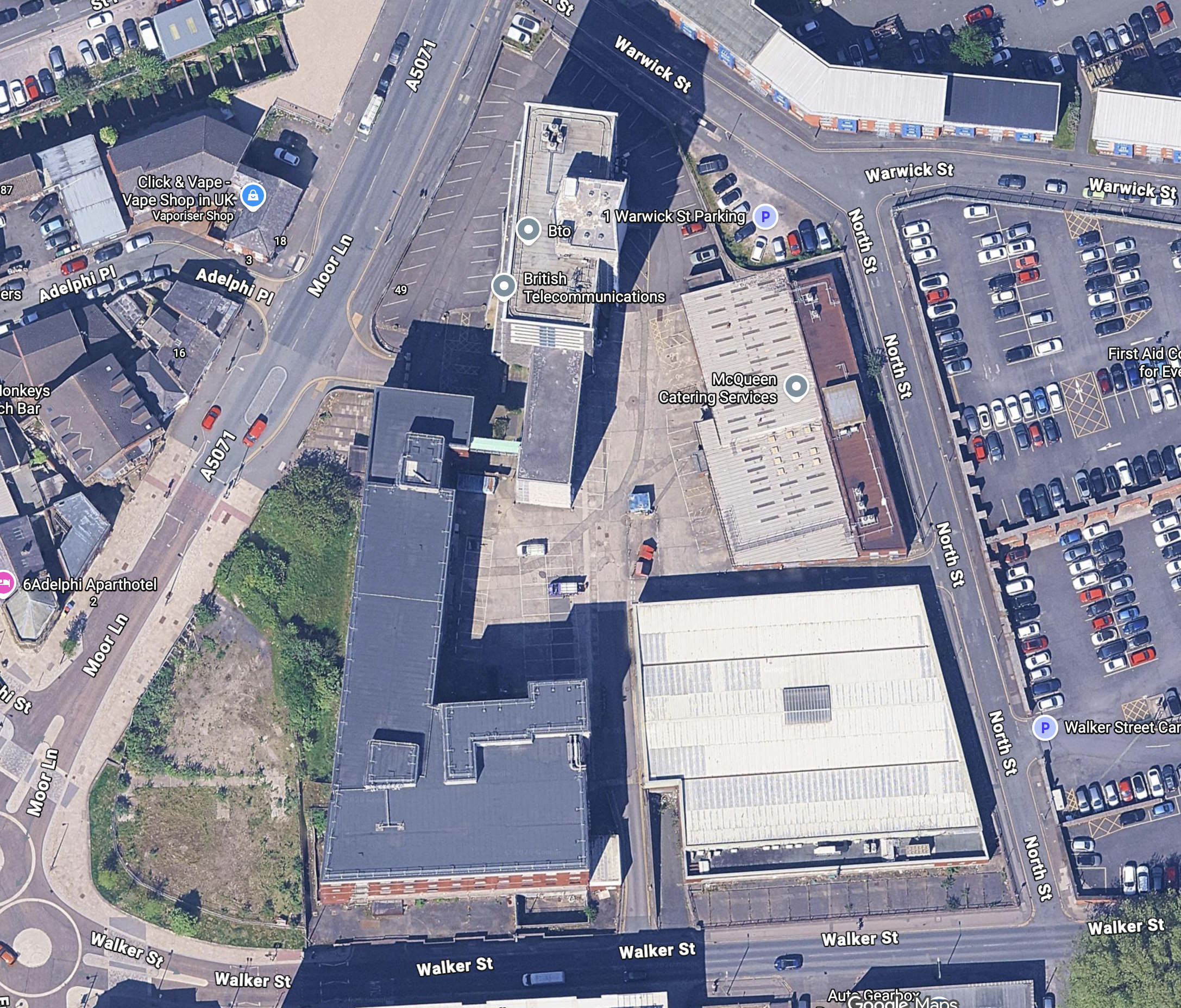
From the mid-1940s the increase in telephones was dramatic, with modern technology and underground cables leading to greater efficiency. A reflection of this progress was seen locally in June 1964 when the main Preston telephone exchange was moved to the purpose-built structure on Moor Lane. The era of trunk dialling had arrived and by 1980 two out of three homes within the Preston Telephone Area had a telephone installed.
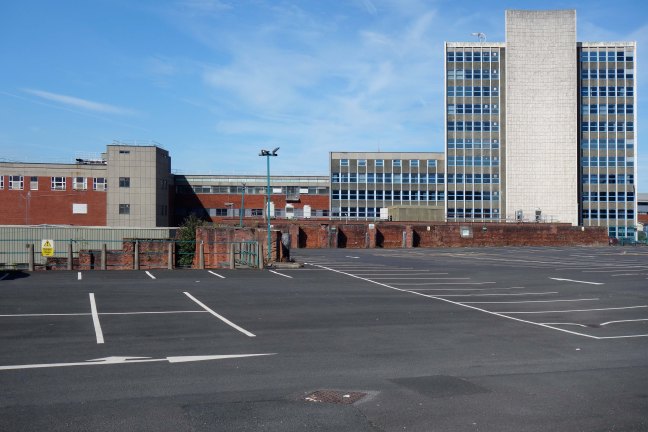
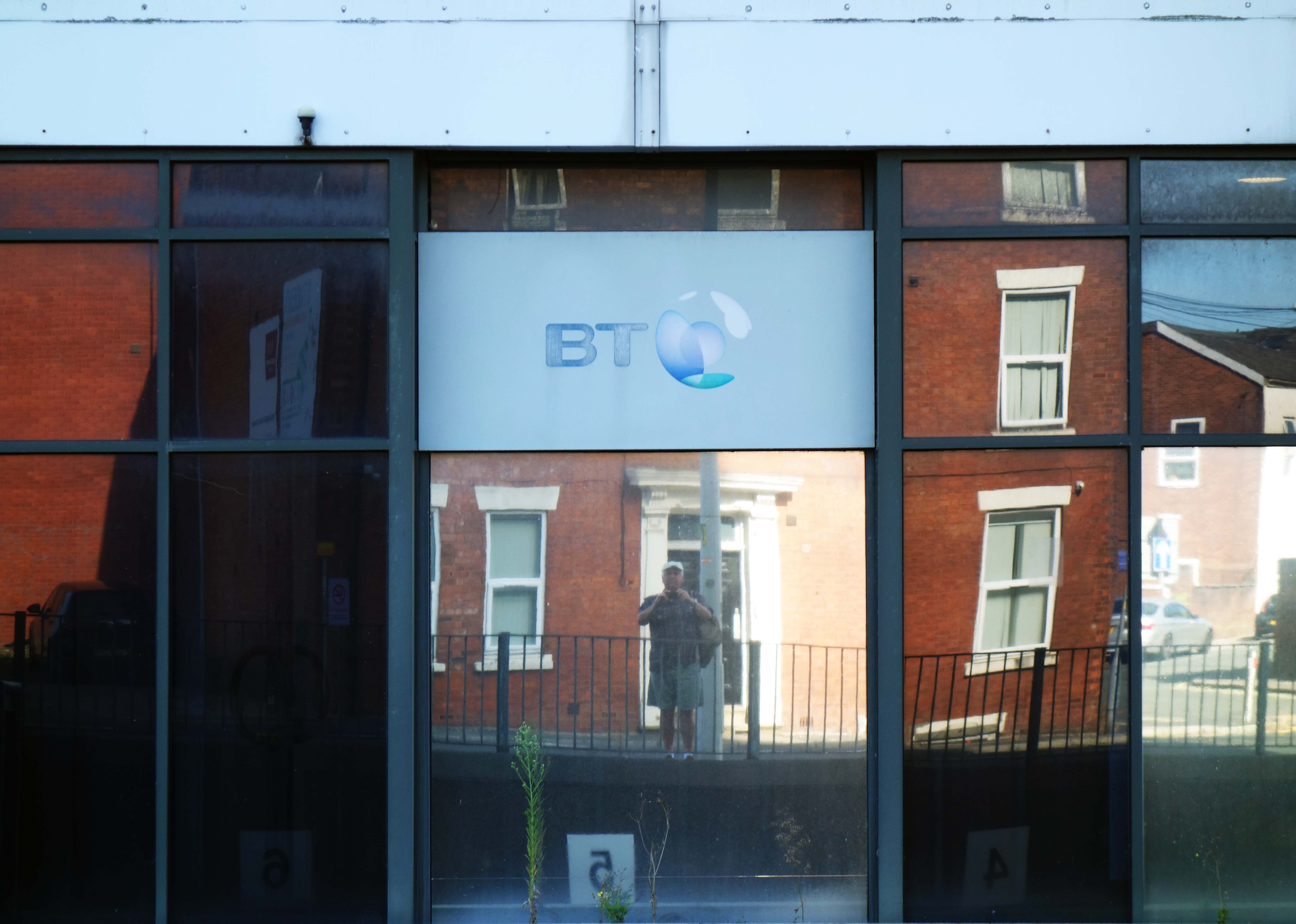
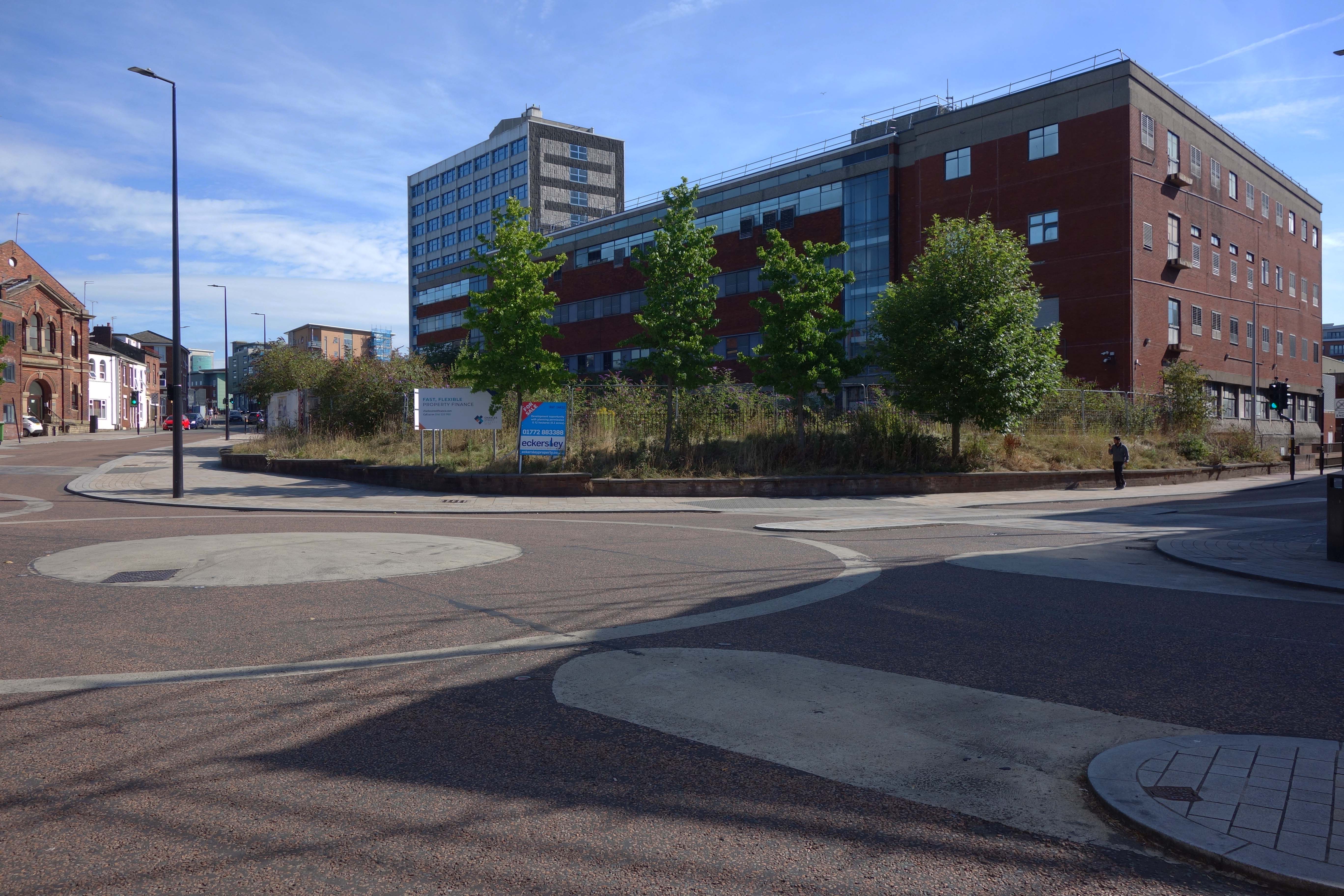
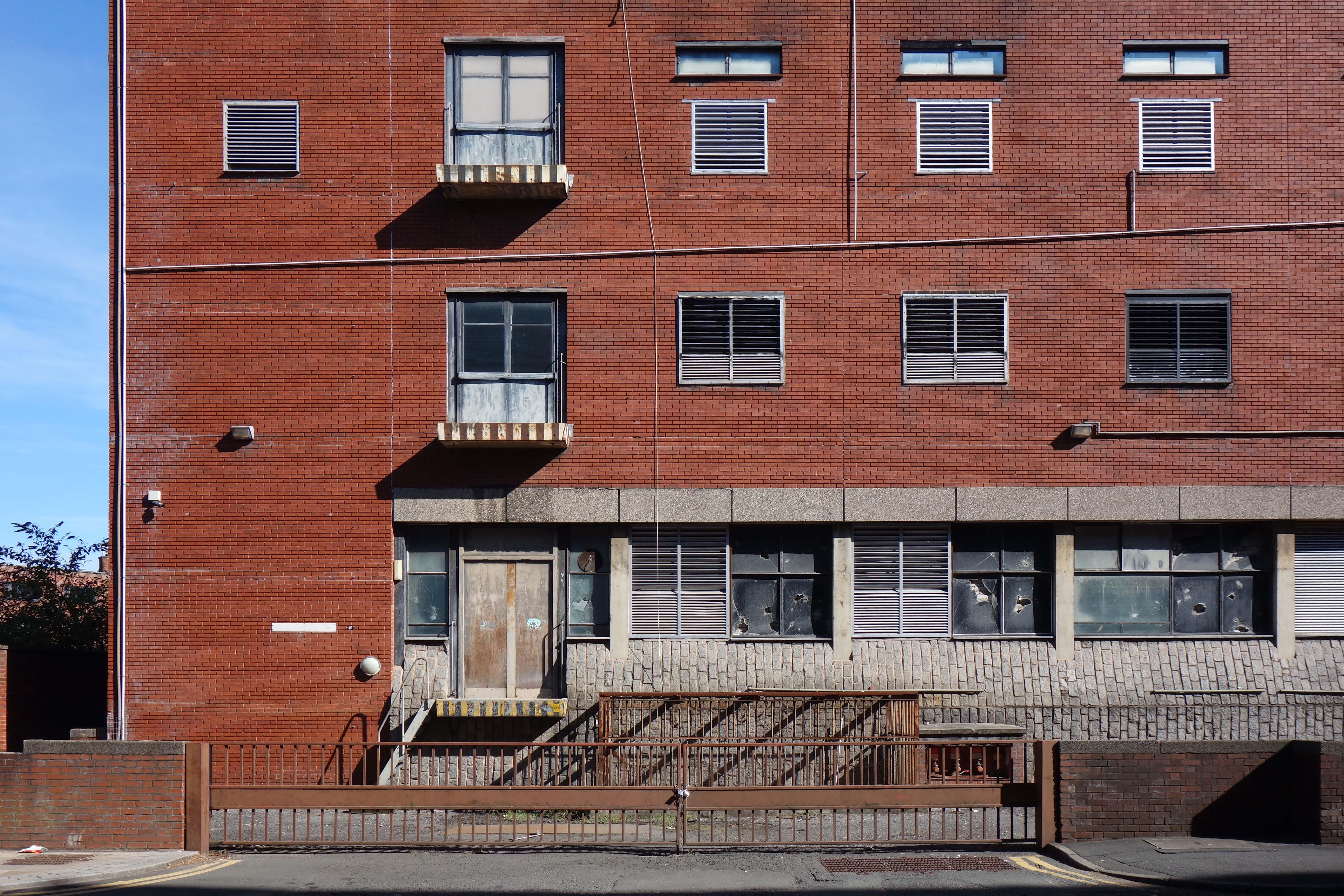
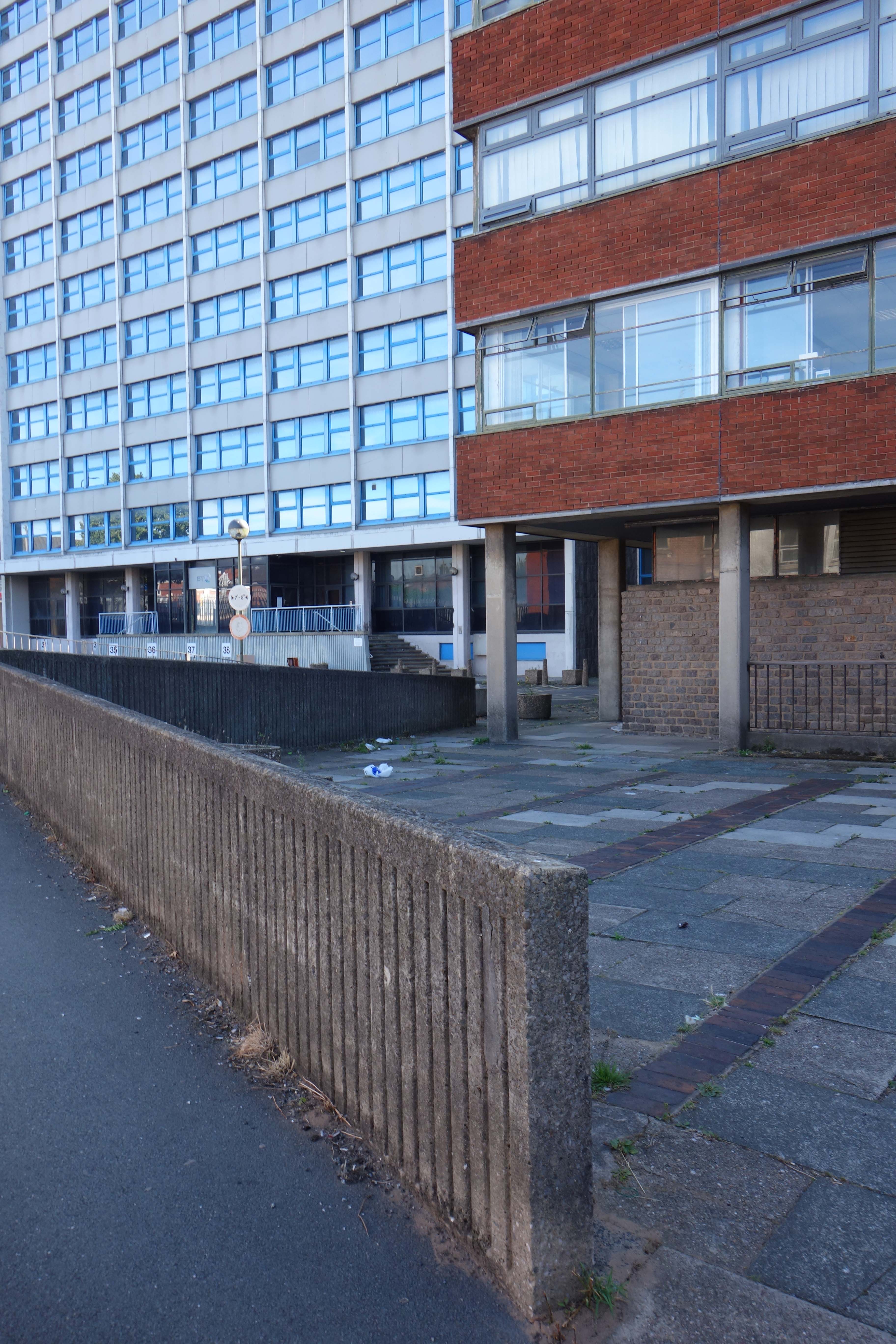
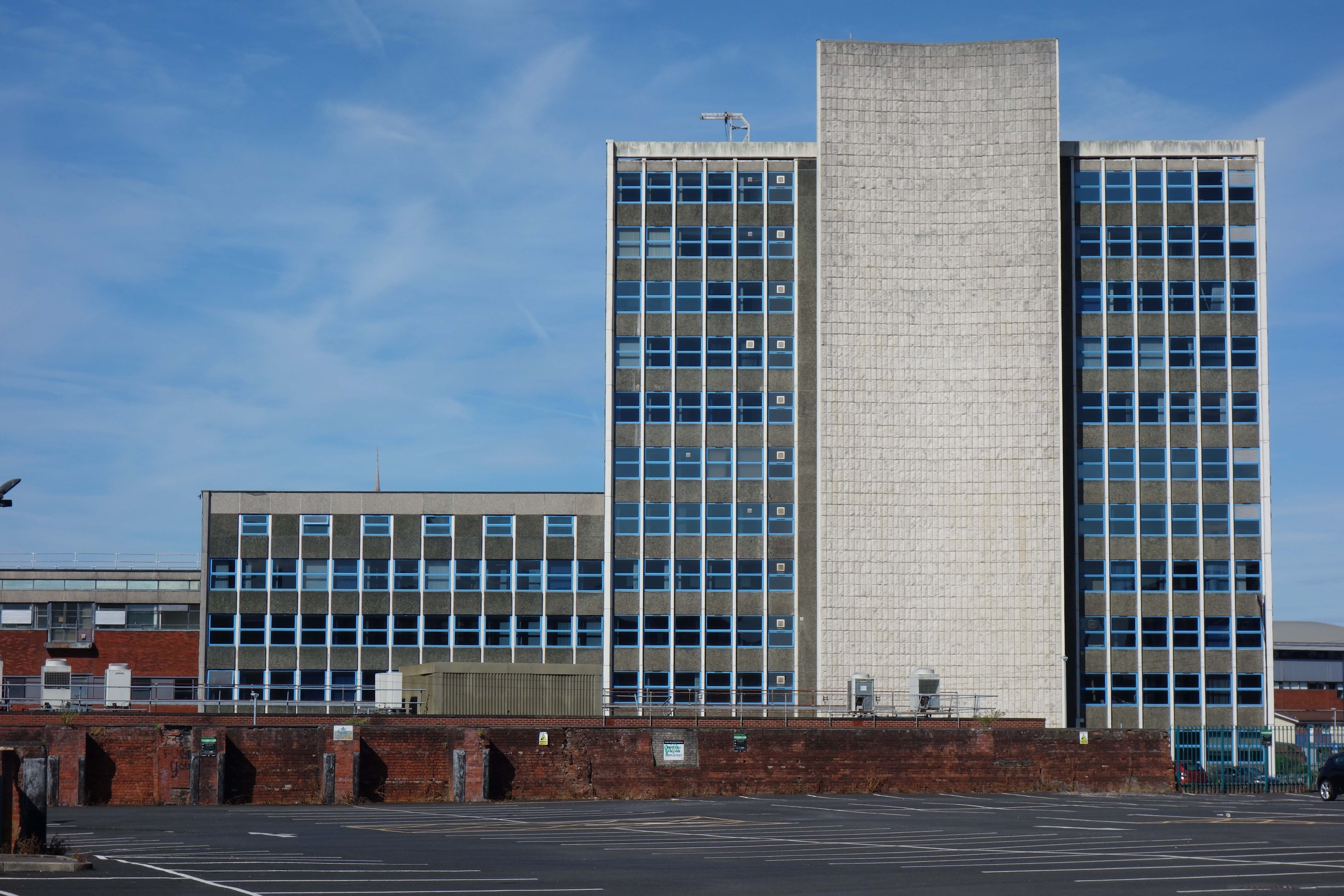
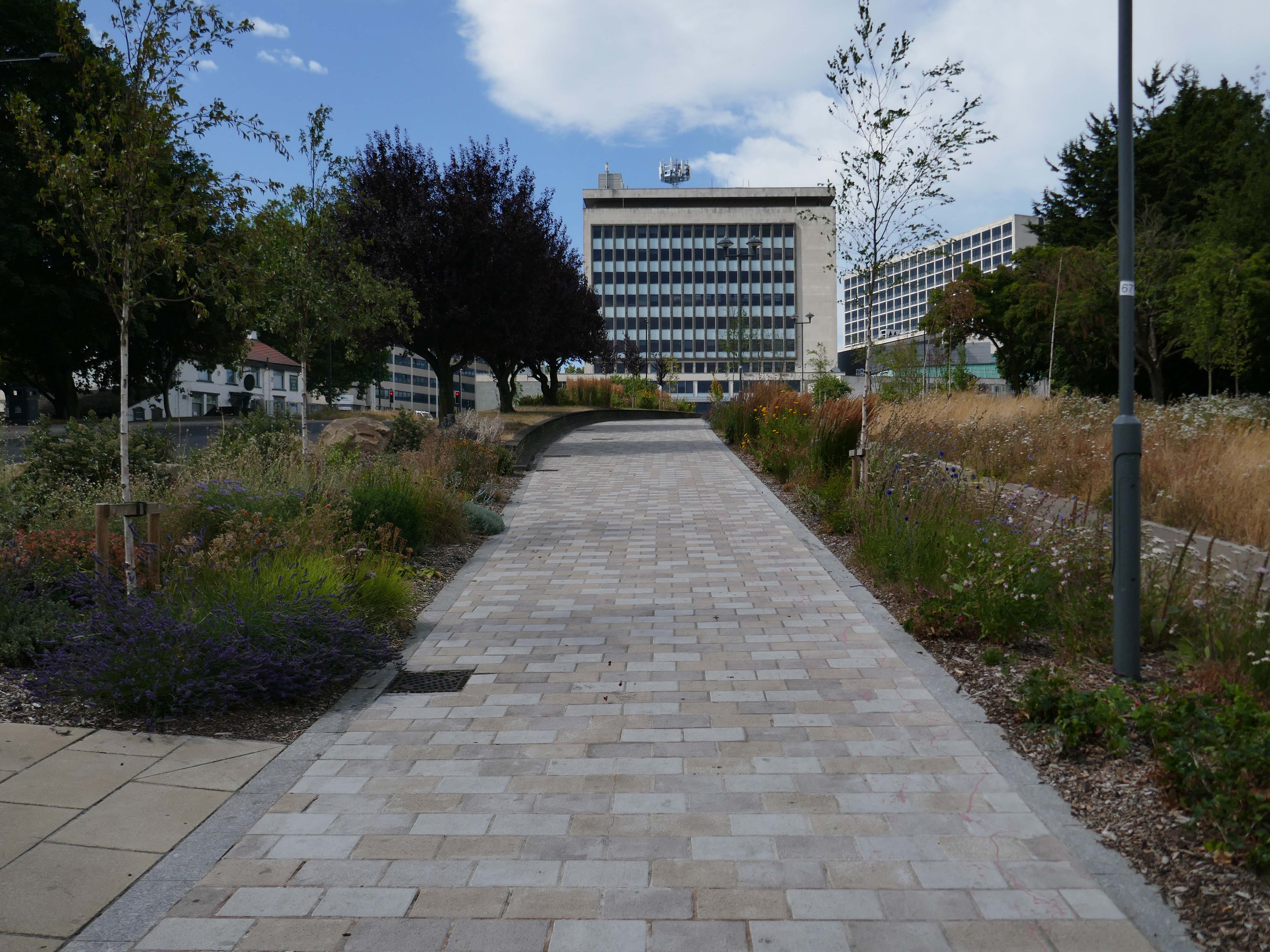
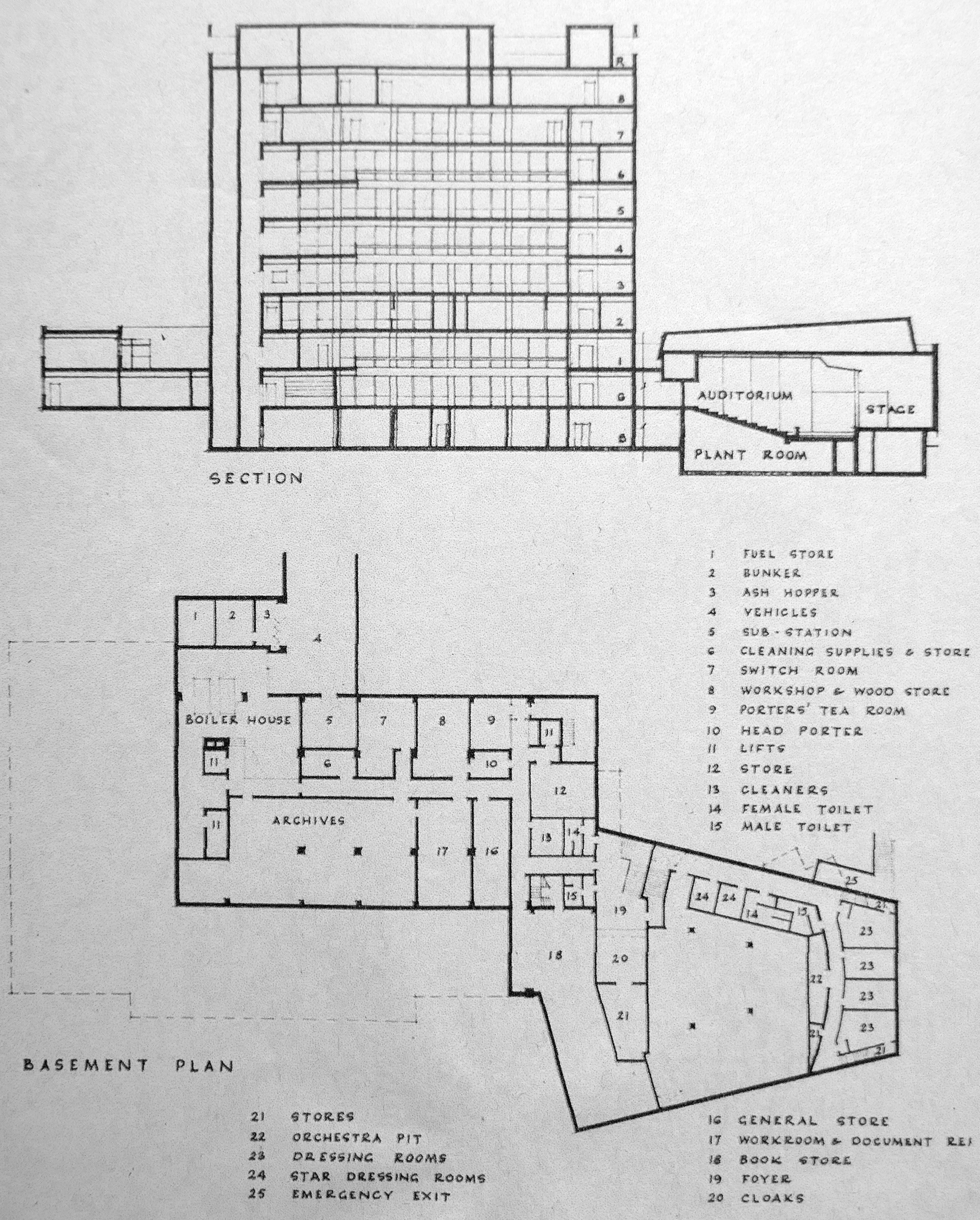
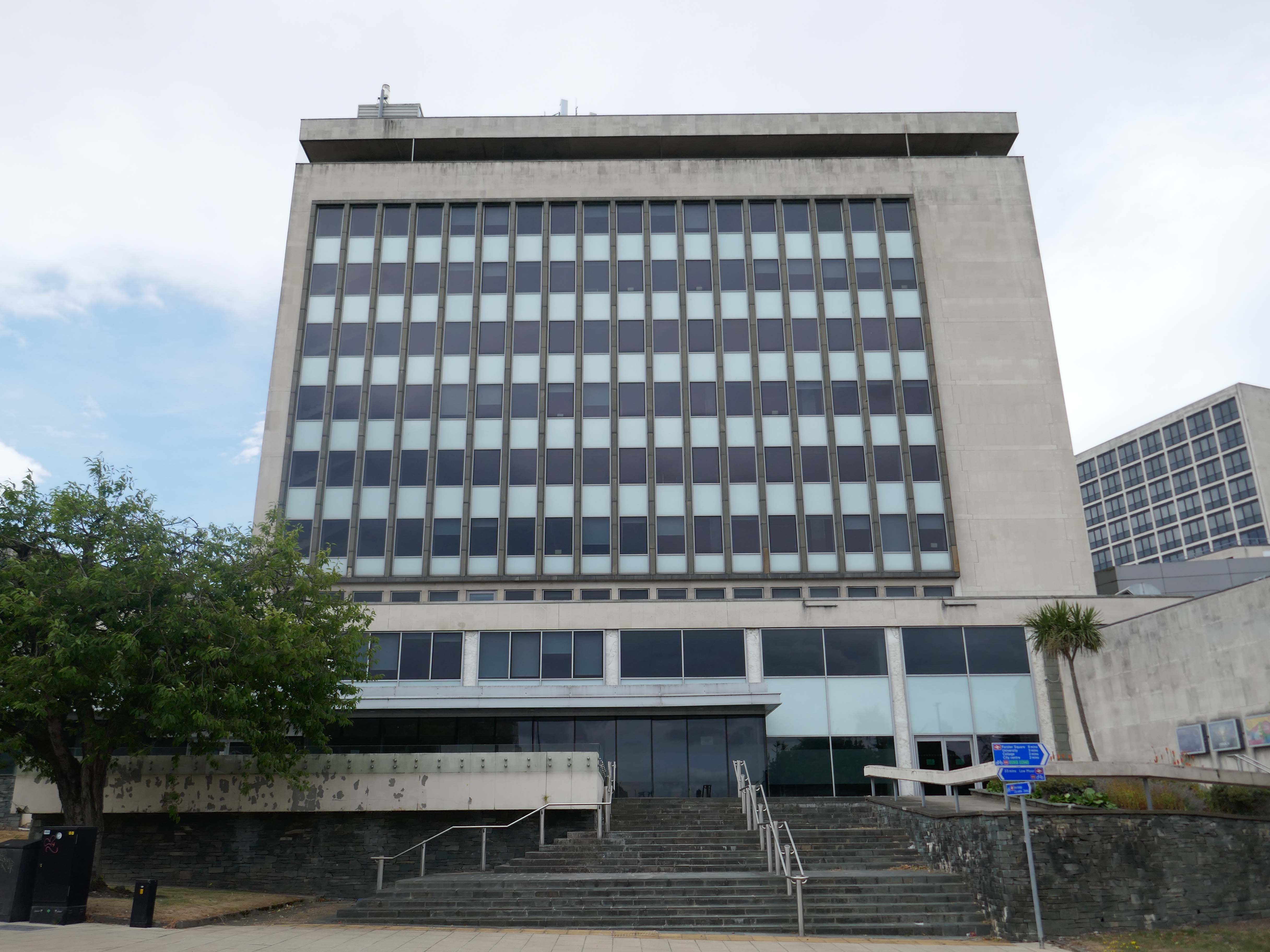
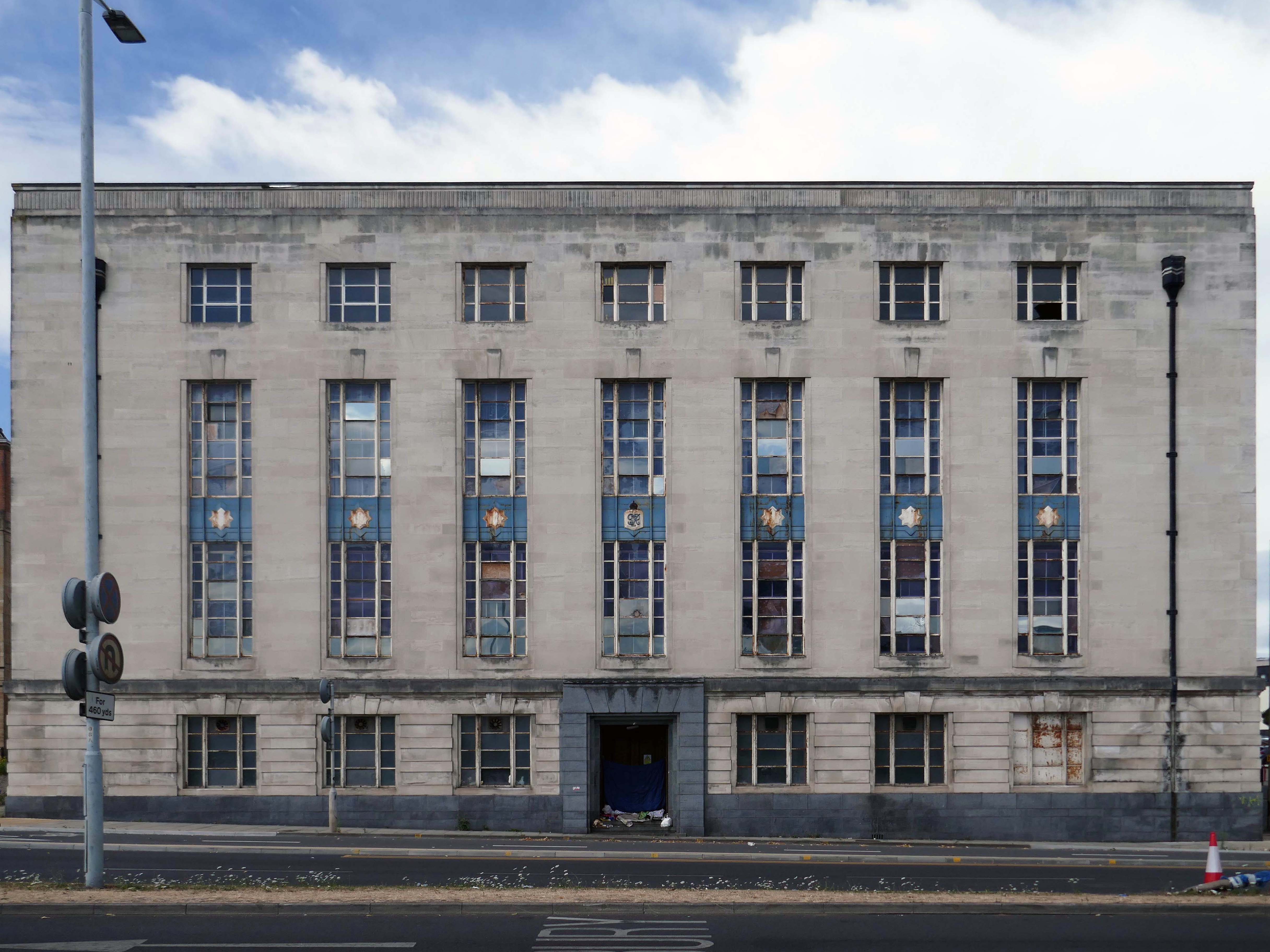
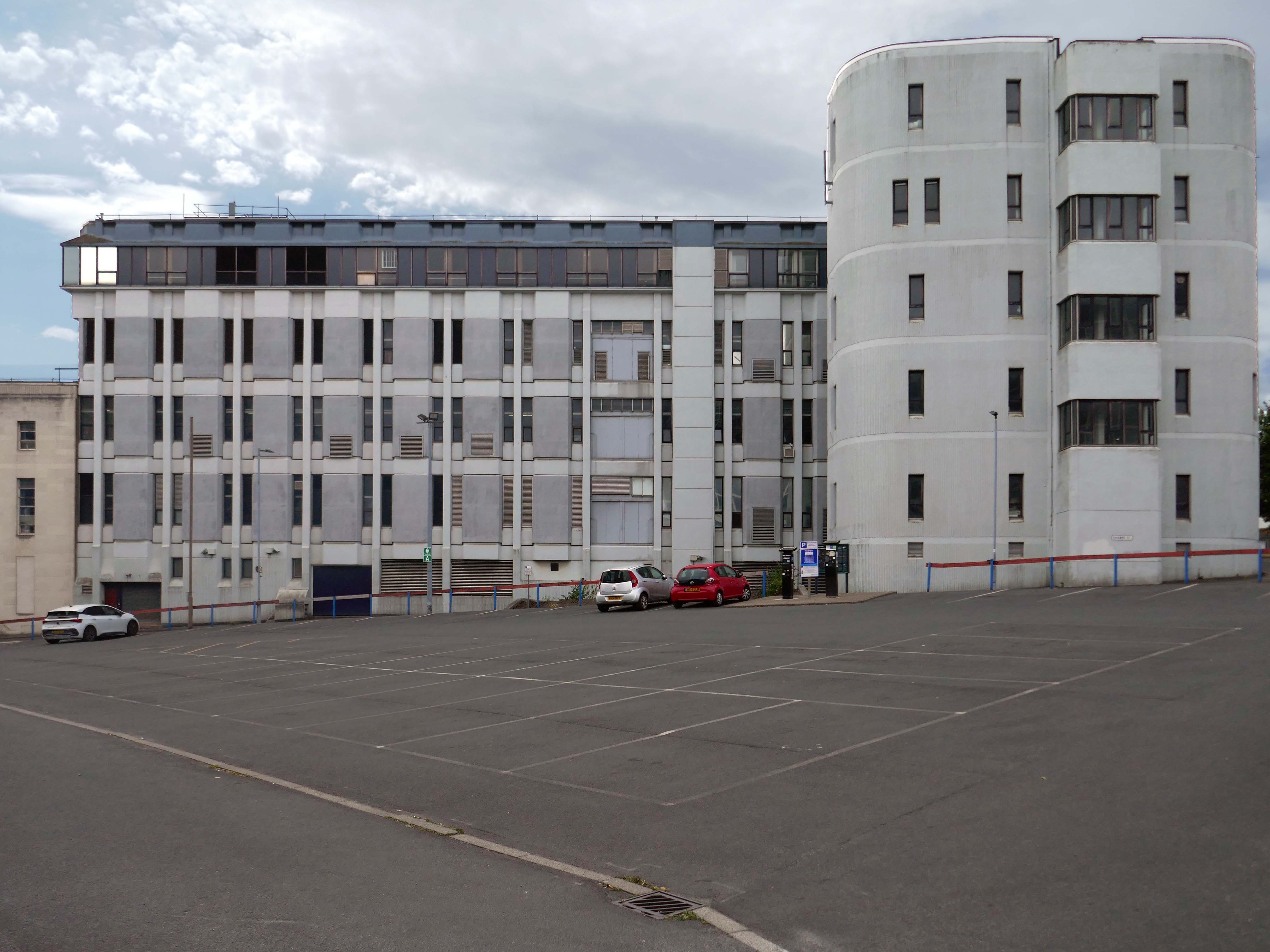
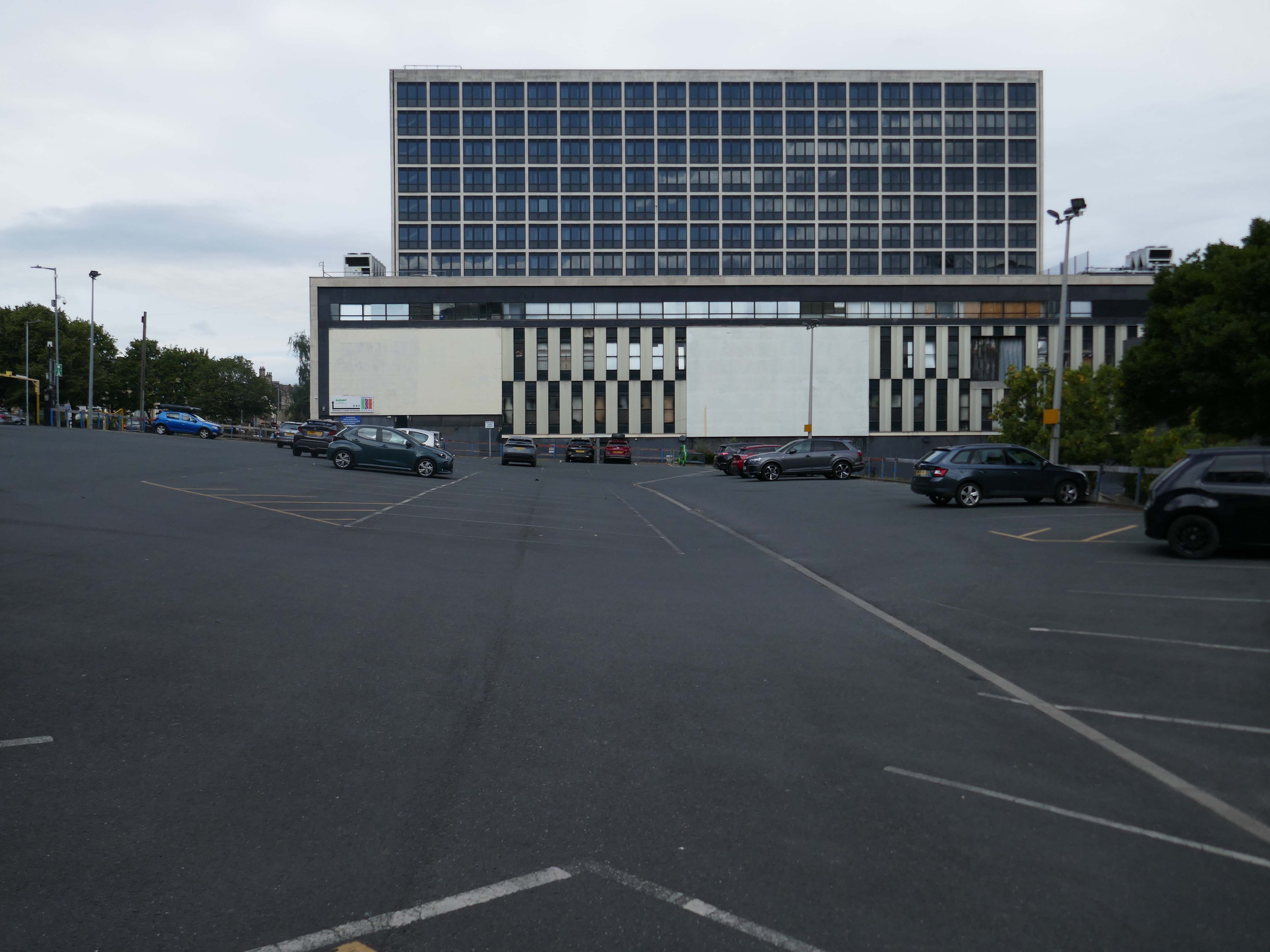
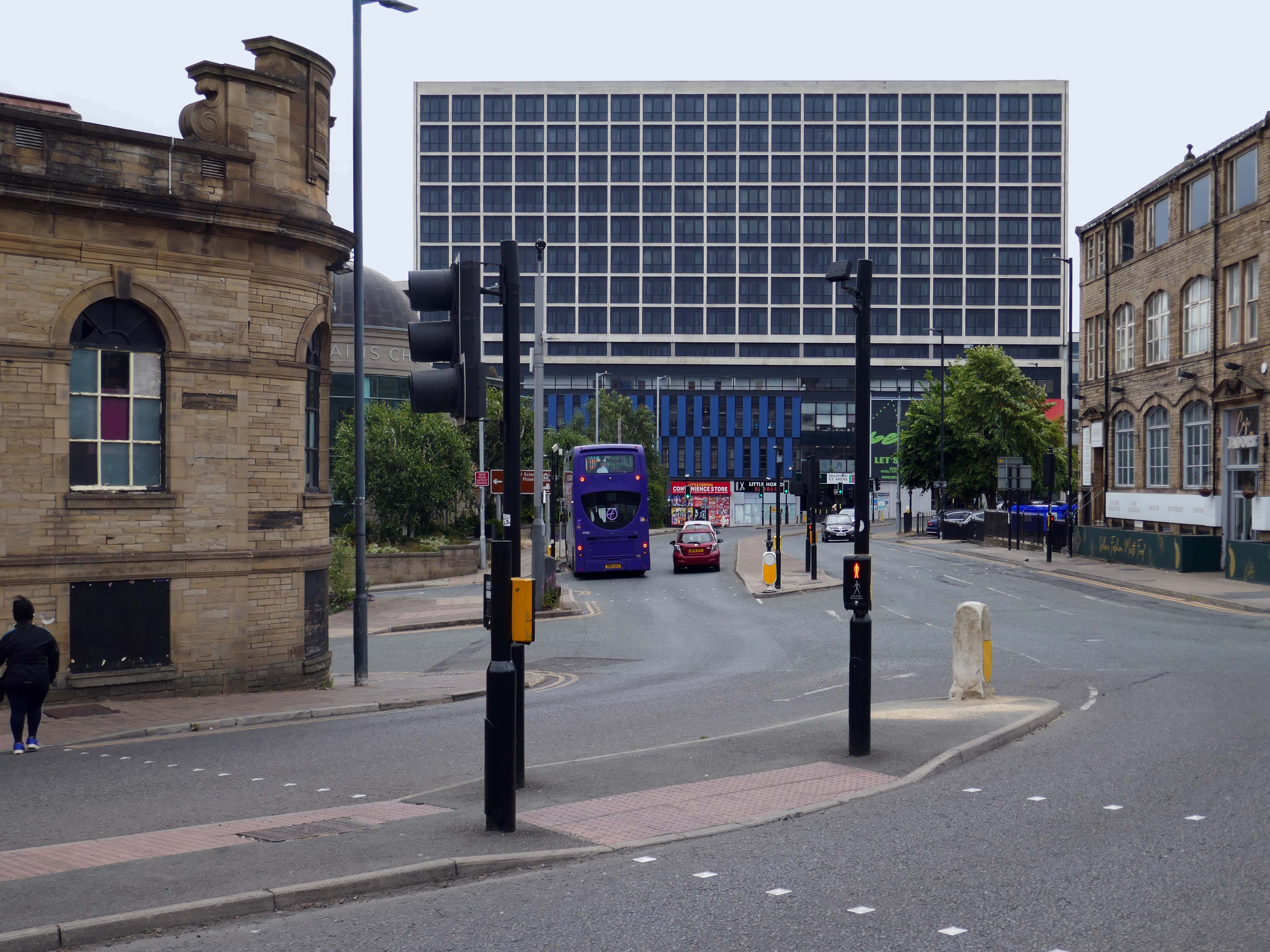
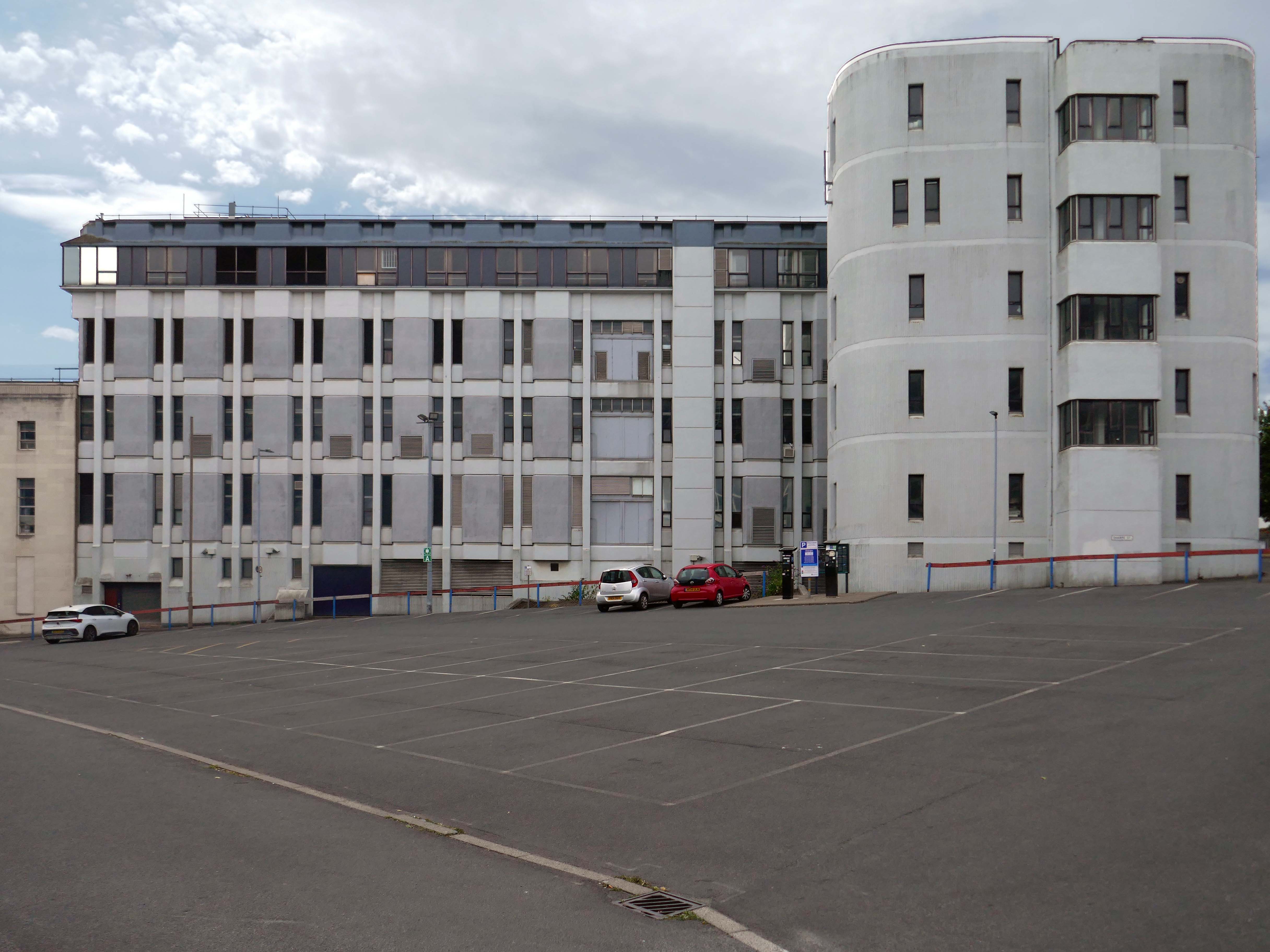
Twixt Walker Street and Moor Lane the mighty BT Building – Telephone House by Building Design Partnership, 1960-64.
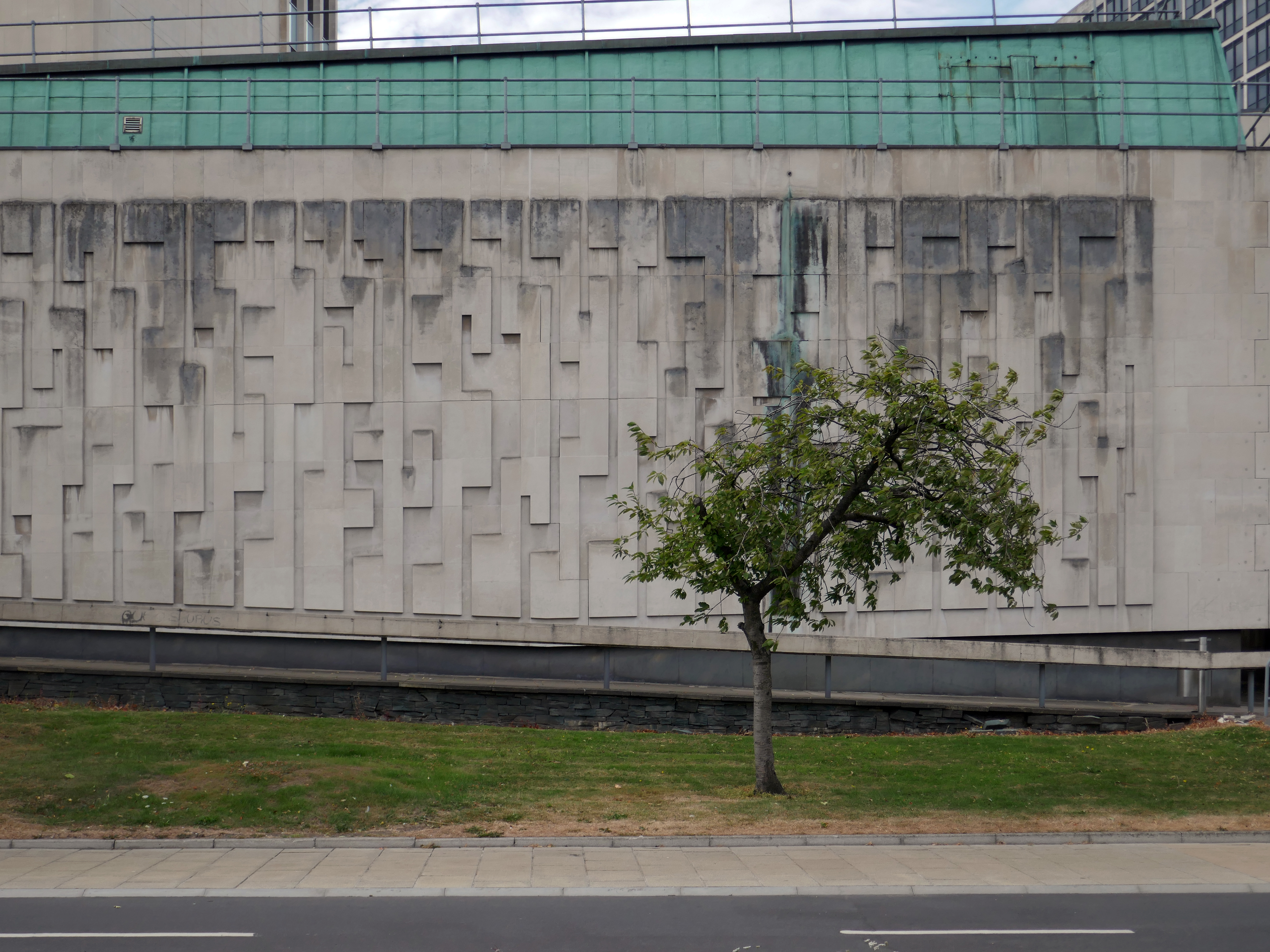
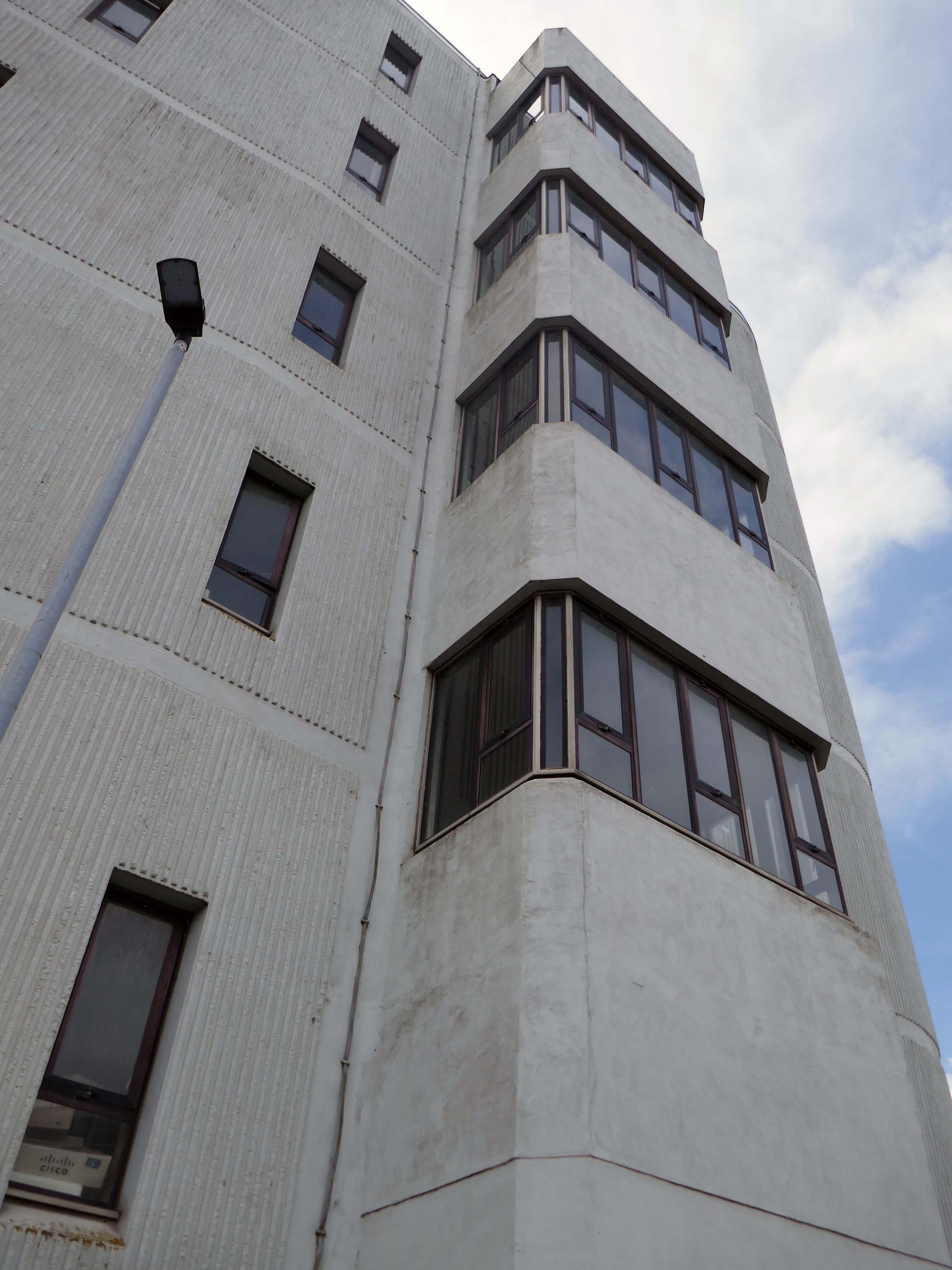
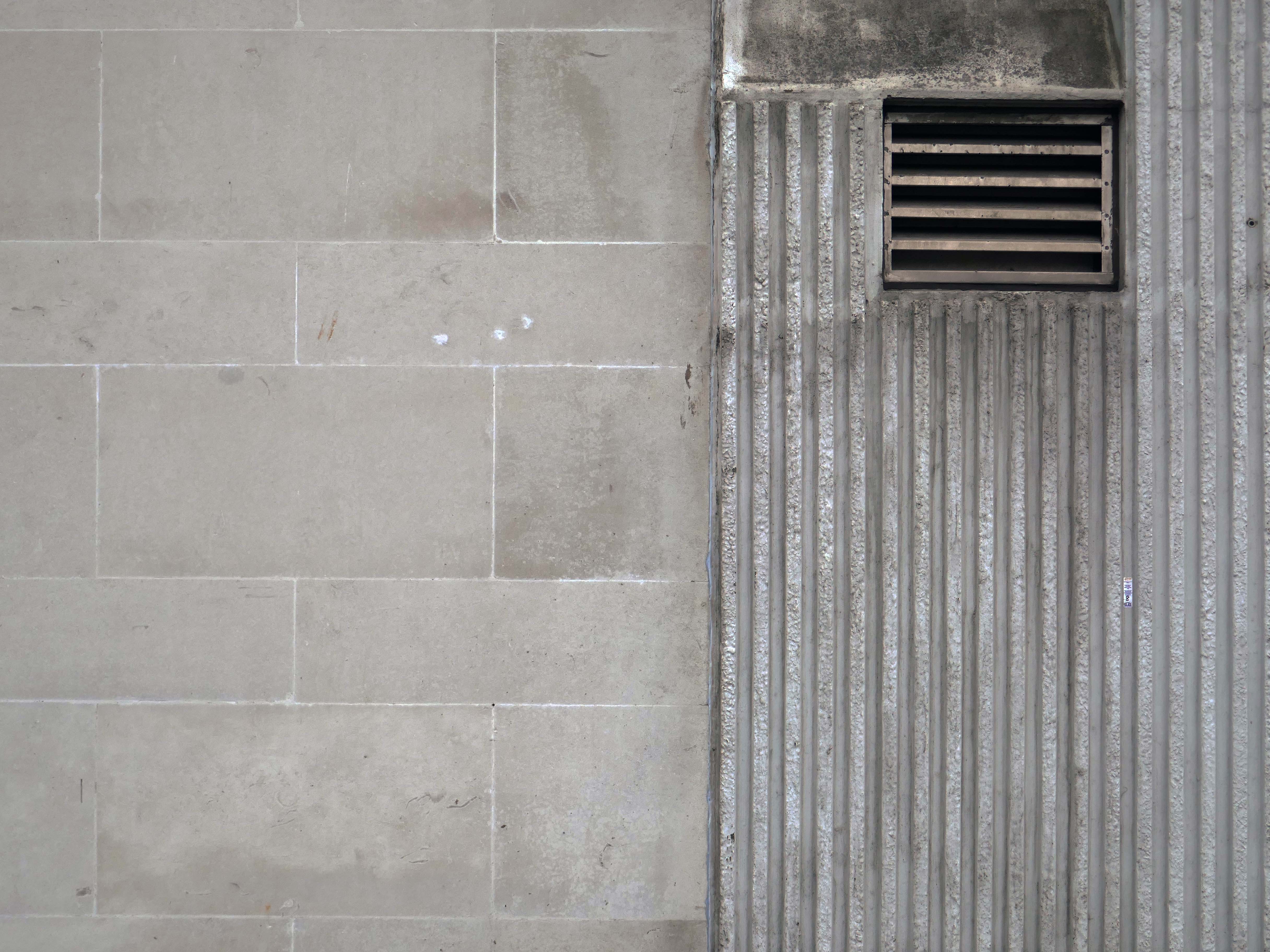
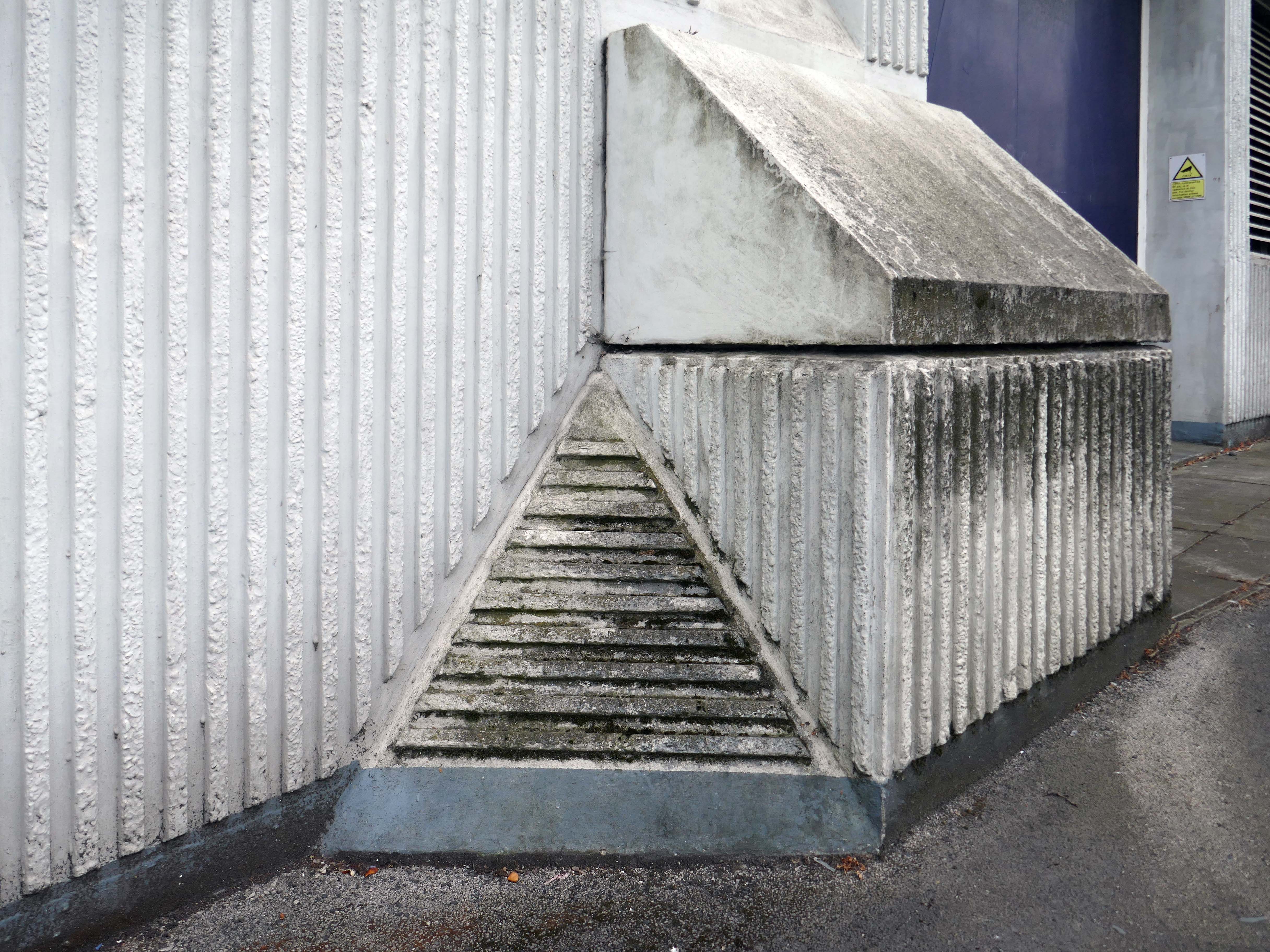
A decent office block with rough patterned concrete end walls.
Pevsner
The front elevation was re-clad in 1992 the back is intact
BDP’s founder Professor Sir George Grenfell Baines, known affectionately as GG, was born in 1908 and set up in practice as an architect in Preston in 1937.
Four years later he teamed up with two other Preston practices and the Grenfell Baines Group was born. Expansion in various locations in the UK continued throughout the 1940s and 1950s and in 1951 GG was the only northern architect appointed to design a building for the Festival of Britain in London.
In 1961, his long cherished ambition of establishing the world’s first interdisciplinary practice was realised and Building Design Partnership was founded. It was a successful formula and on the occasion of his retirement in 1974GG’s advice was
On this occasion I am concerned with the tight little rectangle formed by Cheetwood Road, Broughton, Alison and Sherborne Streets.
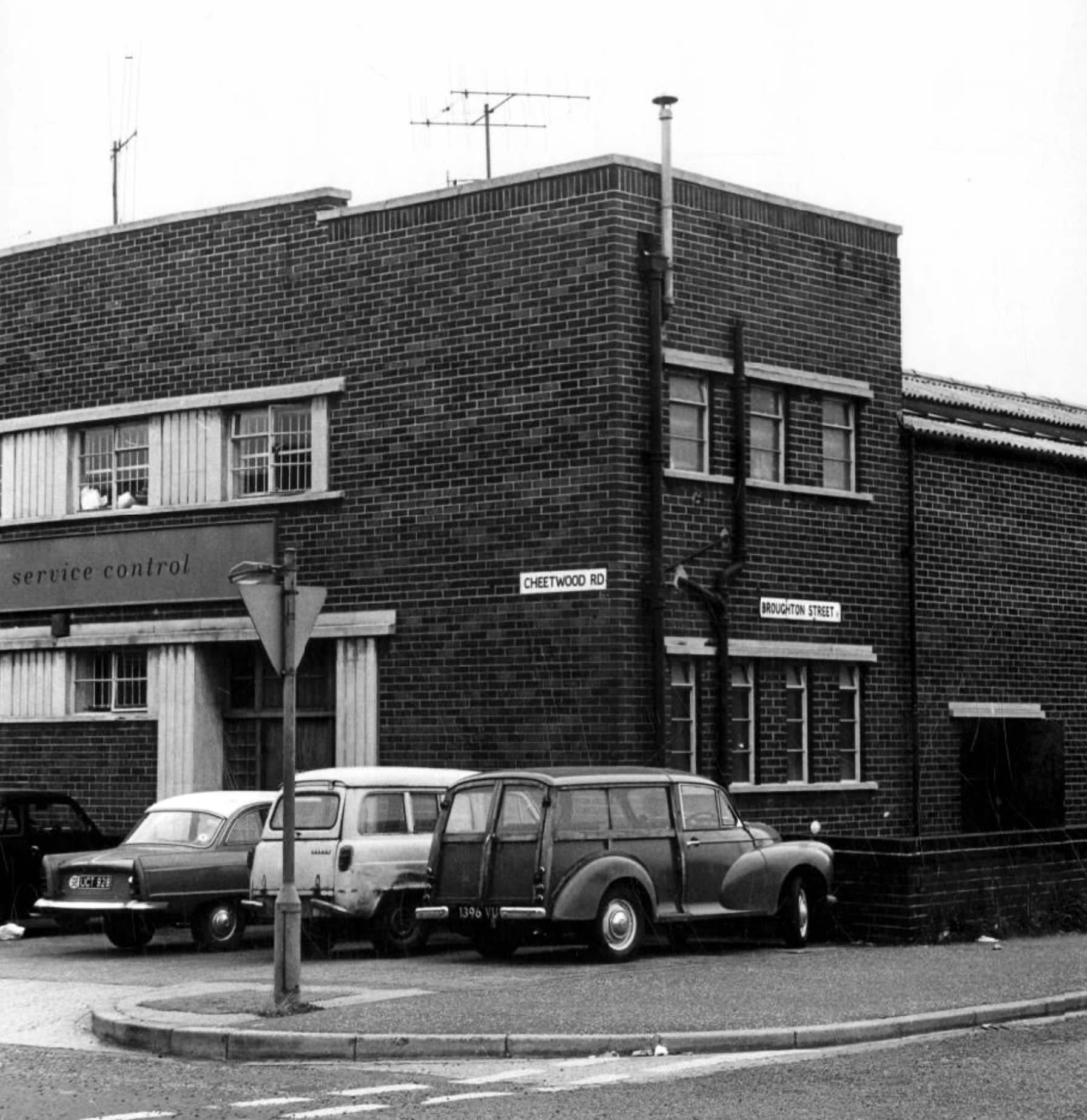
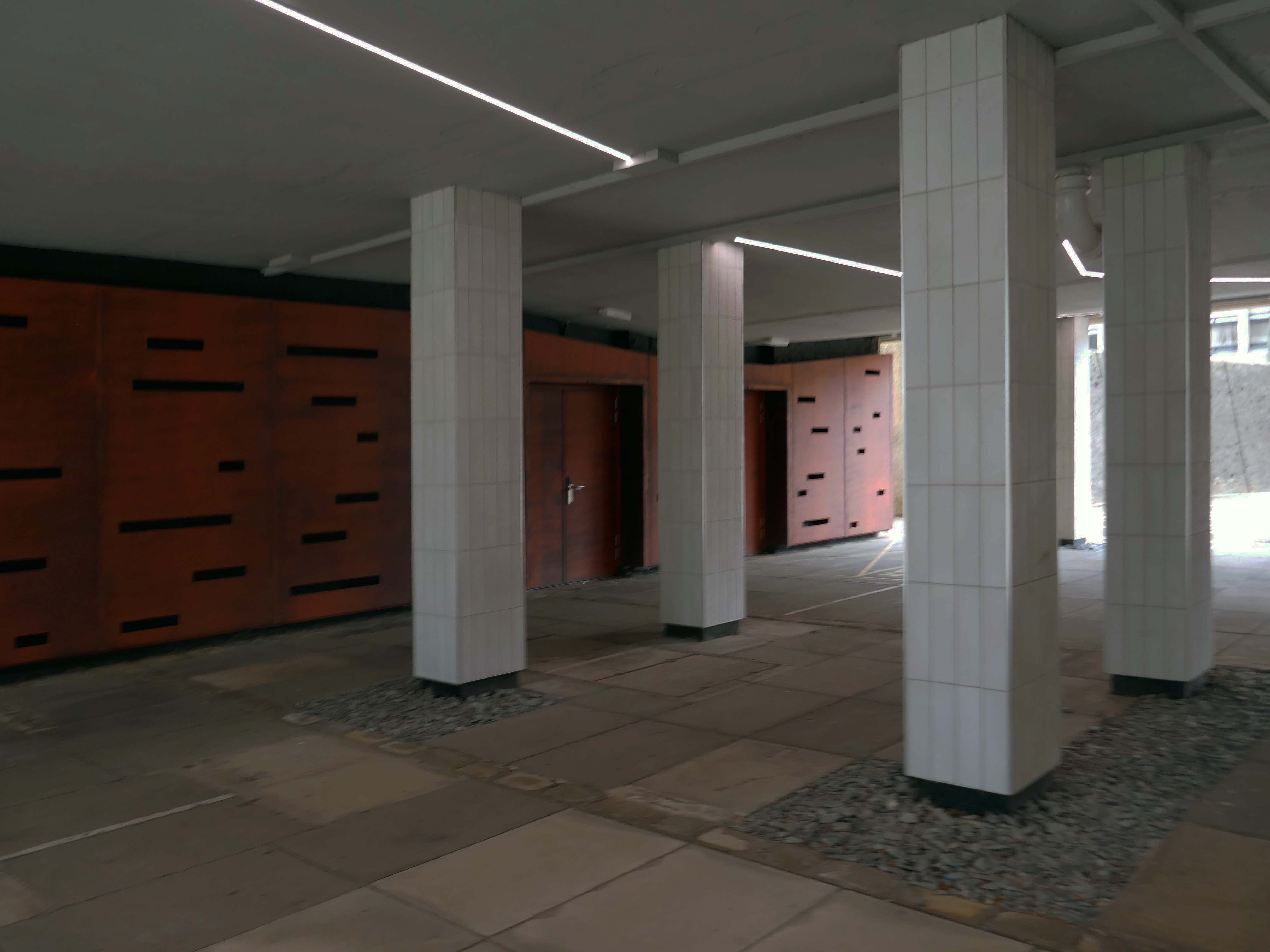
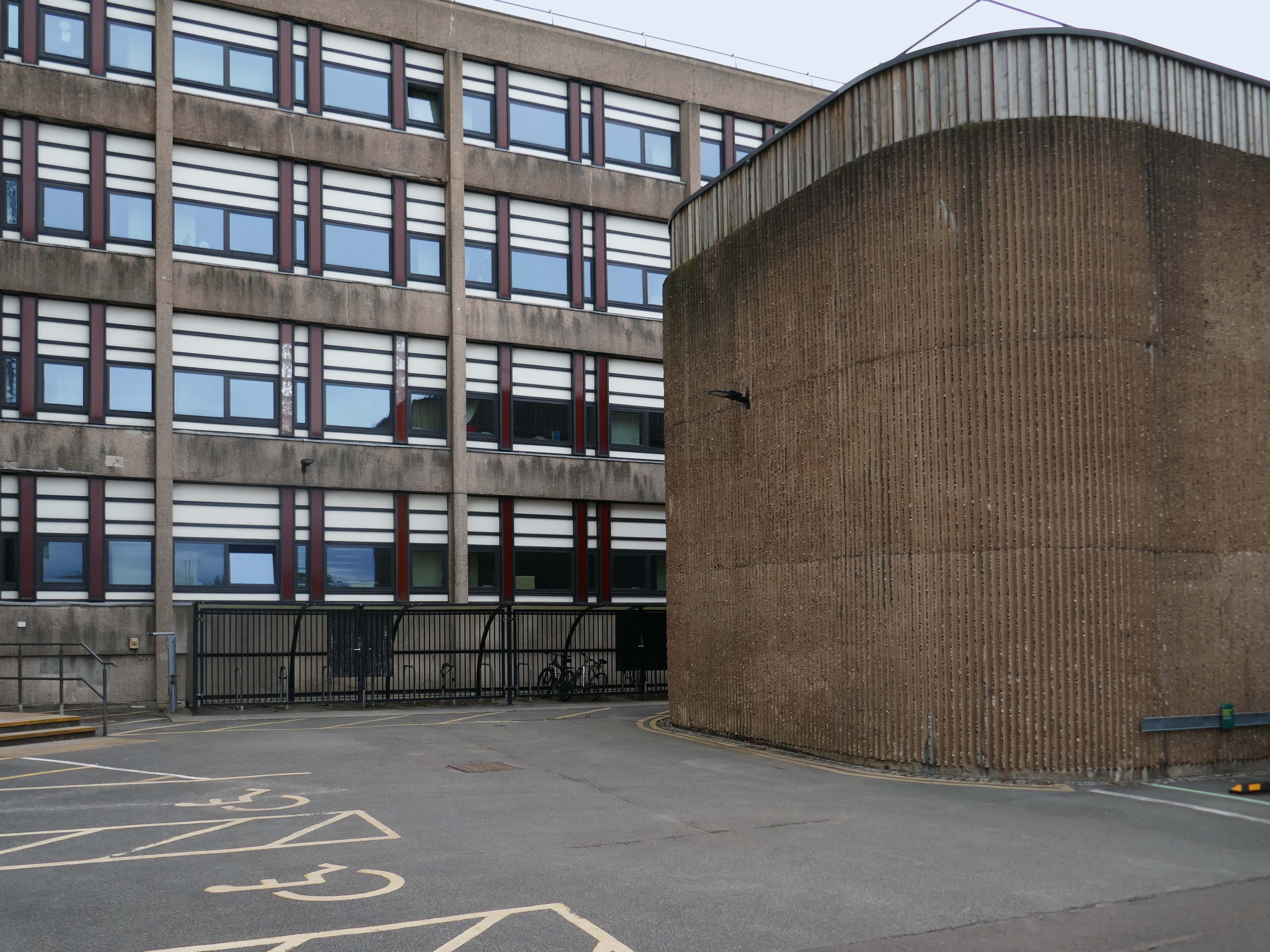
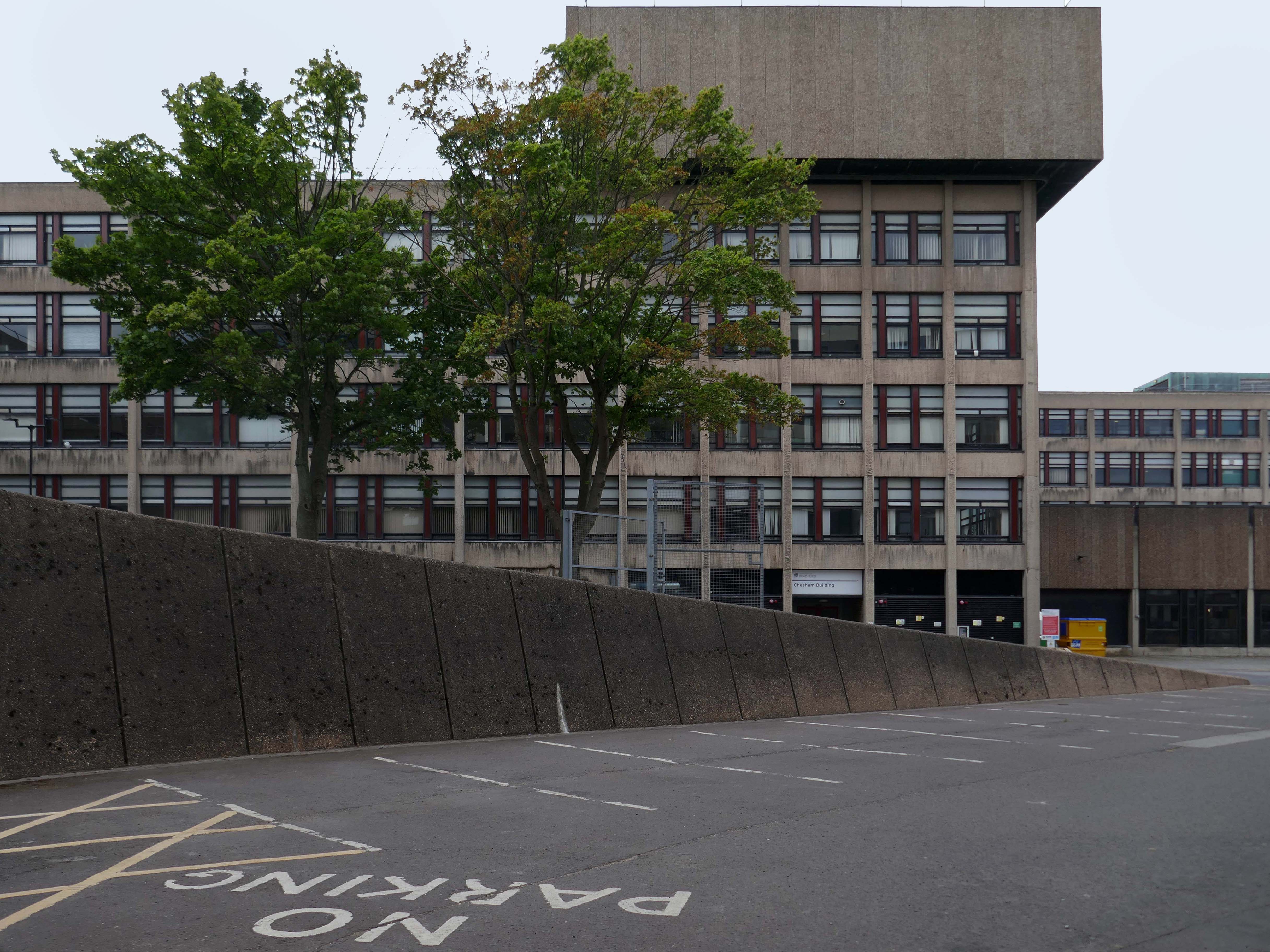
Cheetwood Road is a postwar construction, a straight route replacing the meandering Cheetwood Lane. The road is lined with low level functionalist brick, steel and concrete industrial units.
Having fallen into disrepair they are now being renovated and reused.
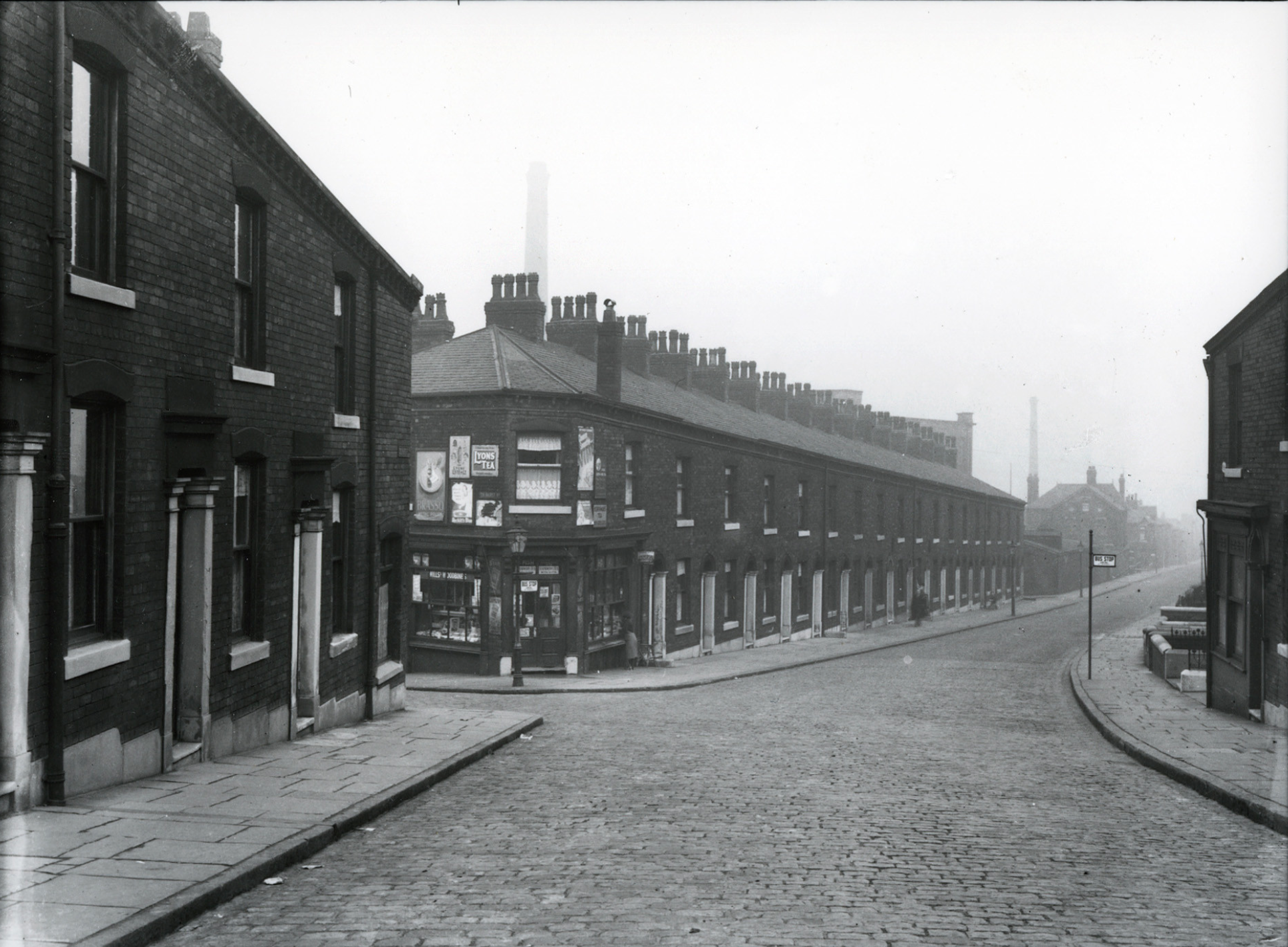
In the early Twentieth Century the area was a mix of semi-derelict Victorian housing and industry.
Corner of Sherborne Street 1905
Cheetwood Lane 1917
The huge Holt’s Cheetwood Hotel has since been demolished, lasting until c1990.
Cheetwood Lane 1920
Images: Thomas Baddeley
Progress House 1969 – Domtar Howard Smith Ltd Paper Manufacturers.
Norweb Electricity
Images: Louis H Price Manchester Local Image Collection.
So here we are on Friday 7th August, taking yet another look.
The whole area and beyond is now the centre of a plan for regeneration.
Salford City Council and Manchester City Council have developed a joint Strategic Regeneration Framework to transform the Strangeways and Cambridge areas.
This plan addresses long-standing challenges such as counterfeit crime, poor-quality buildings, and flood risk, while creating opportunities for new homes, businesses, and green spaces.
The Strangeways and Cambridge strategic regeneration framework sets out a vision to deliver around 7,000 homes in buildings up to 30 storeys and 3.1m sq ft of new or improved commercial space across 320 acres spanning both Manchester and Salford.
HMP Manchester & Jury Street: A catalytic neighbourhood at the heart of the SRF. Home of the existing HMP Manchester with potential for long term change subject to the relocation of the prison.
Derby Street: An intensified business district, supported to ensure the long-term preservation and evolution of the business base in the area.
Copper Park: A regional destination, multi-functional open space delivered to create positive amenity and biodiversity in response to future flood risk.
Overbridge: Gateway to Copper Park from the city centre, an area of significant residential potential – up to 2,000 homes – but with important economic assets and heritage.
Cheetham Park: A new urban-suburban residential neighbourhood of up to 1,000 homes, building on the heritage of the Victorian Cheetham Park and the nascent residential community around it.
Dutton Street: The Dutton Street area is a natural extension of the city centre. Subject to the existing Great Ducie Street SRF, it is identified as residential-led mixed use area – up to 4,000 homes – where significant development and investment is already evident. This part of the SRF could accommodate 1.75m sq ft of new commercial space
Lord Street: A transitional neighbourhood, connecting the residential-led change in Dutton Street with the economic focus of Derby Street to the north, and with Red Bank and Victoria North to the east.
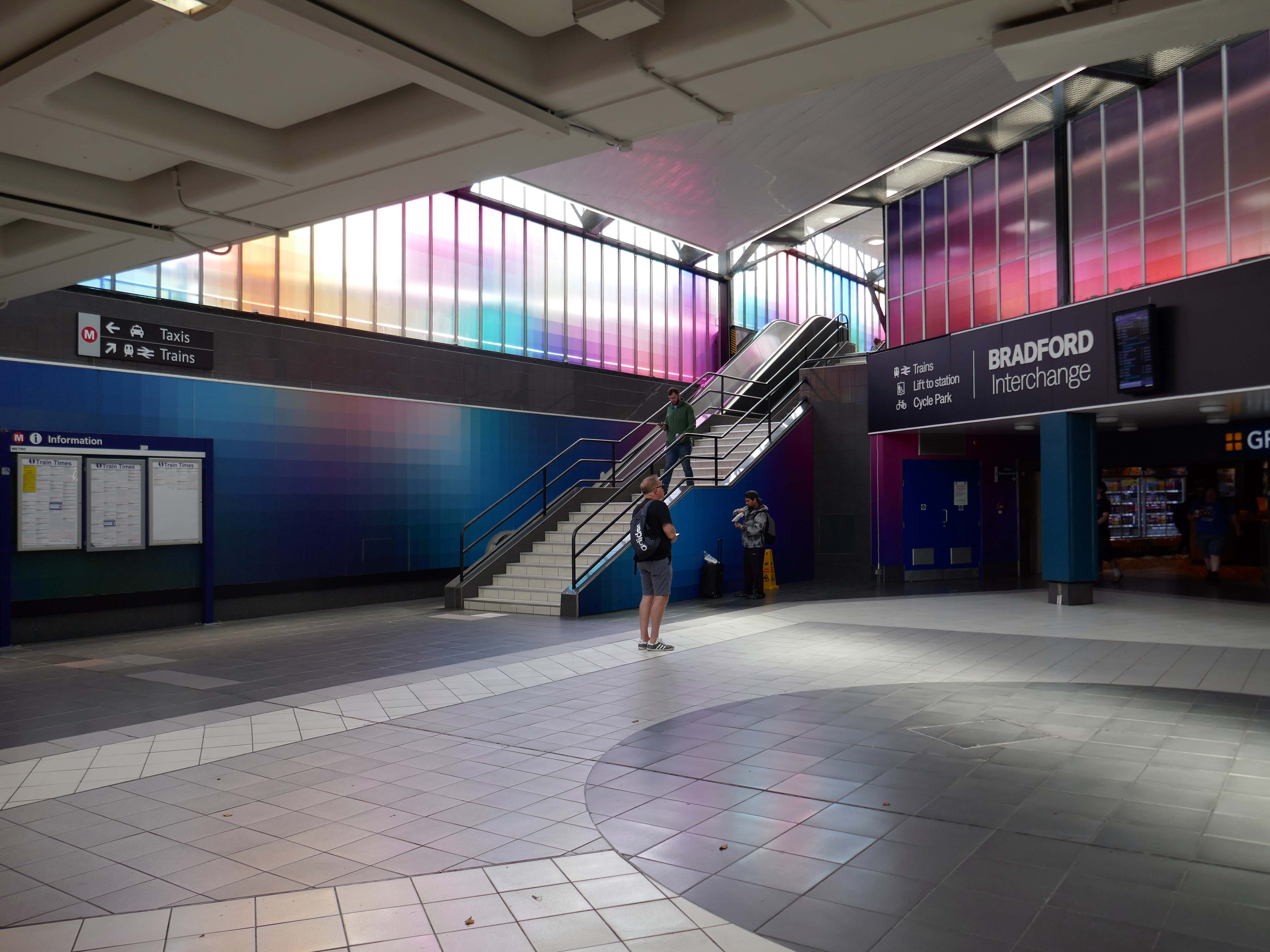
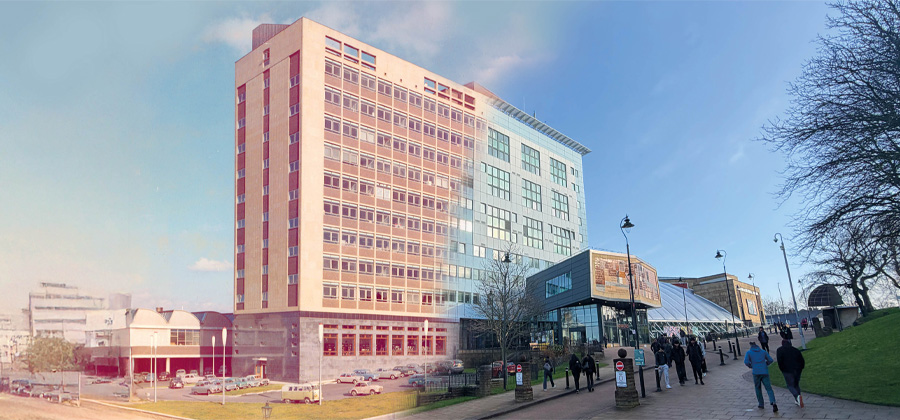
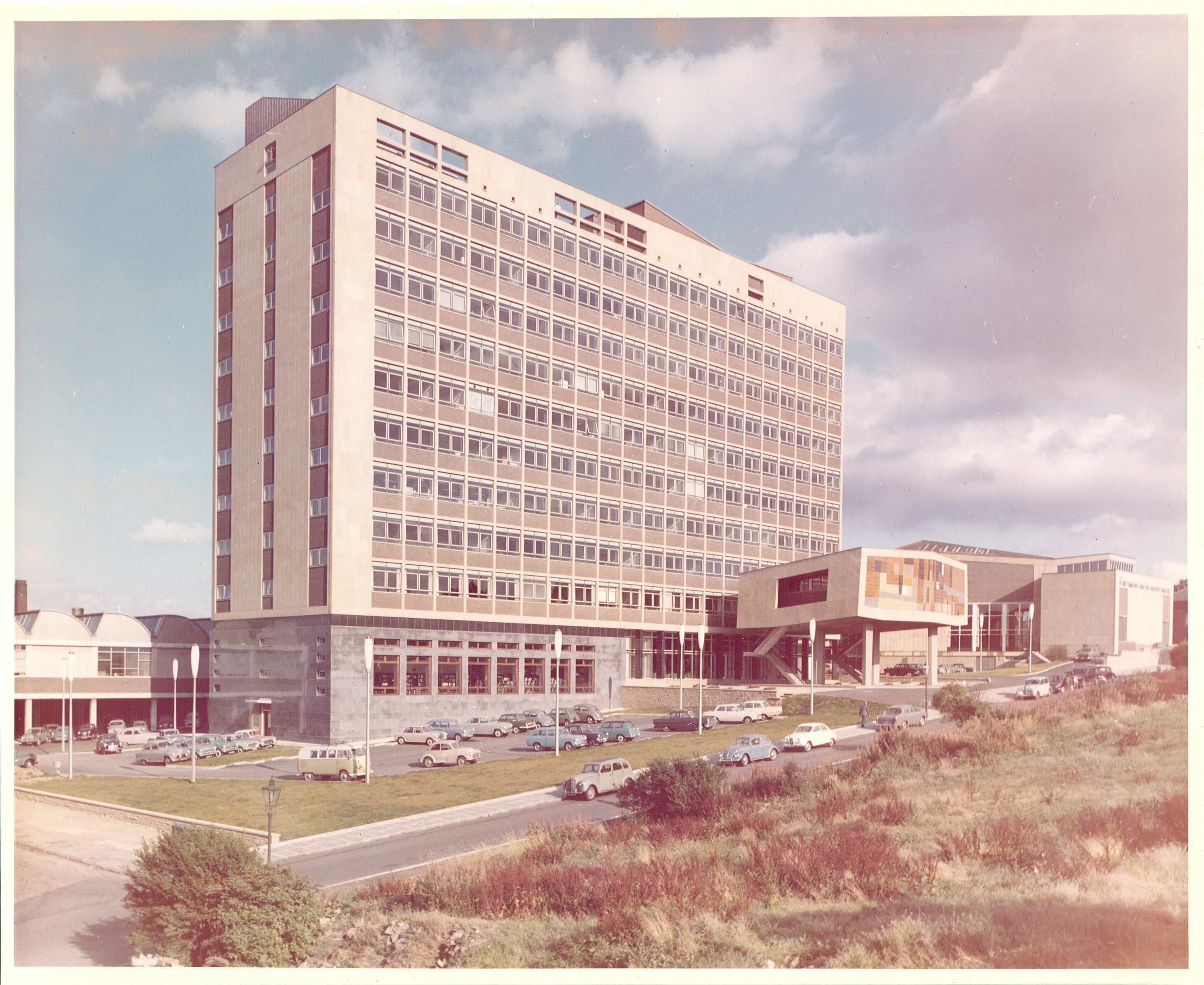
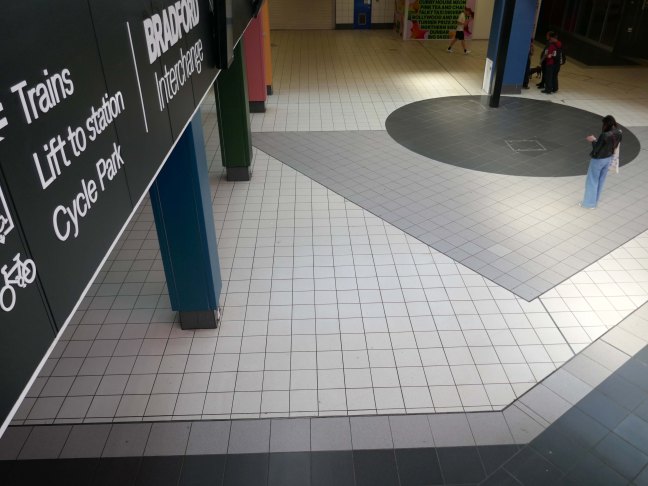
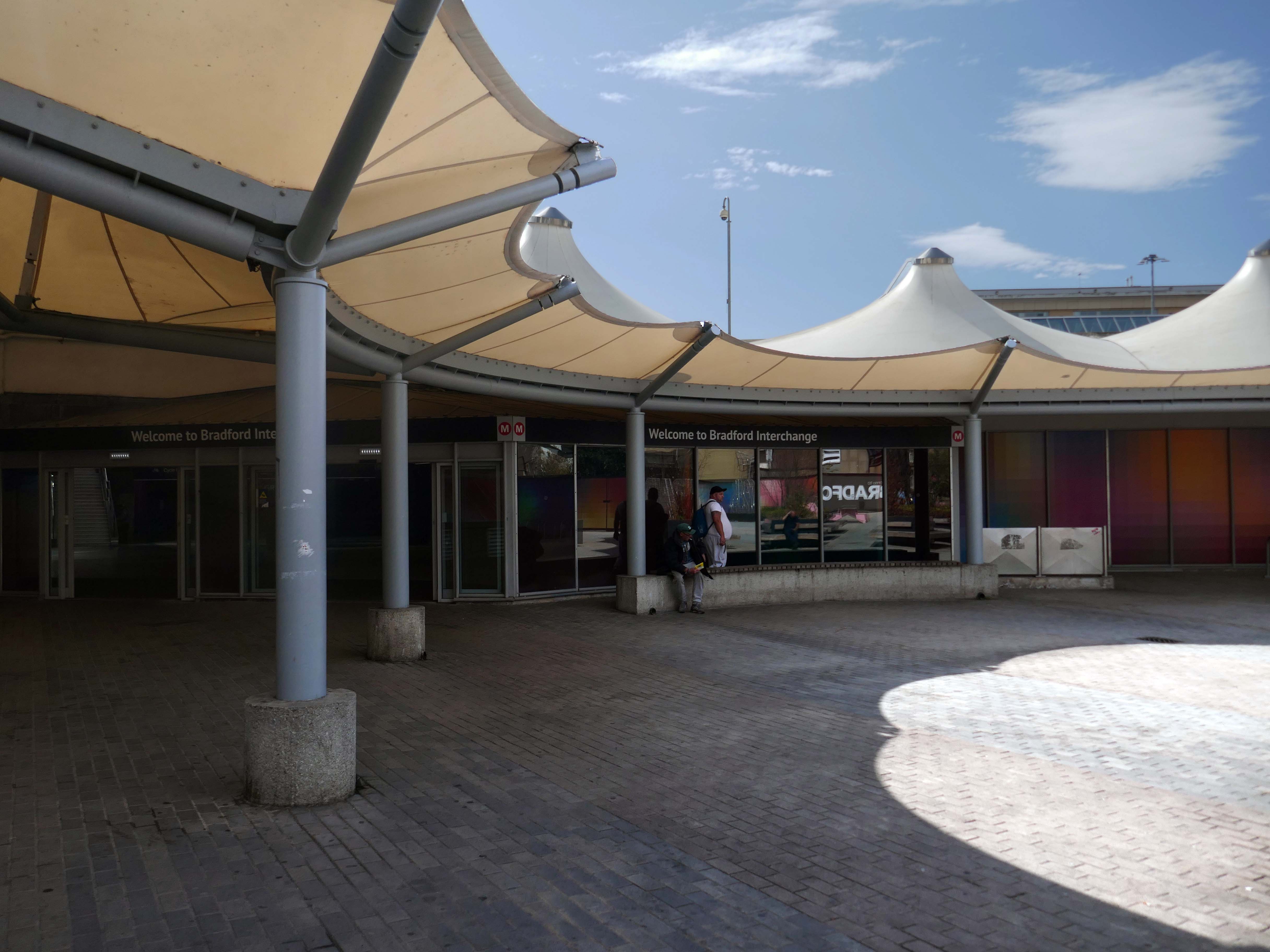
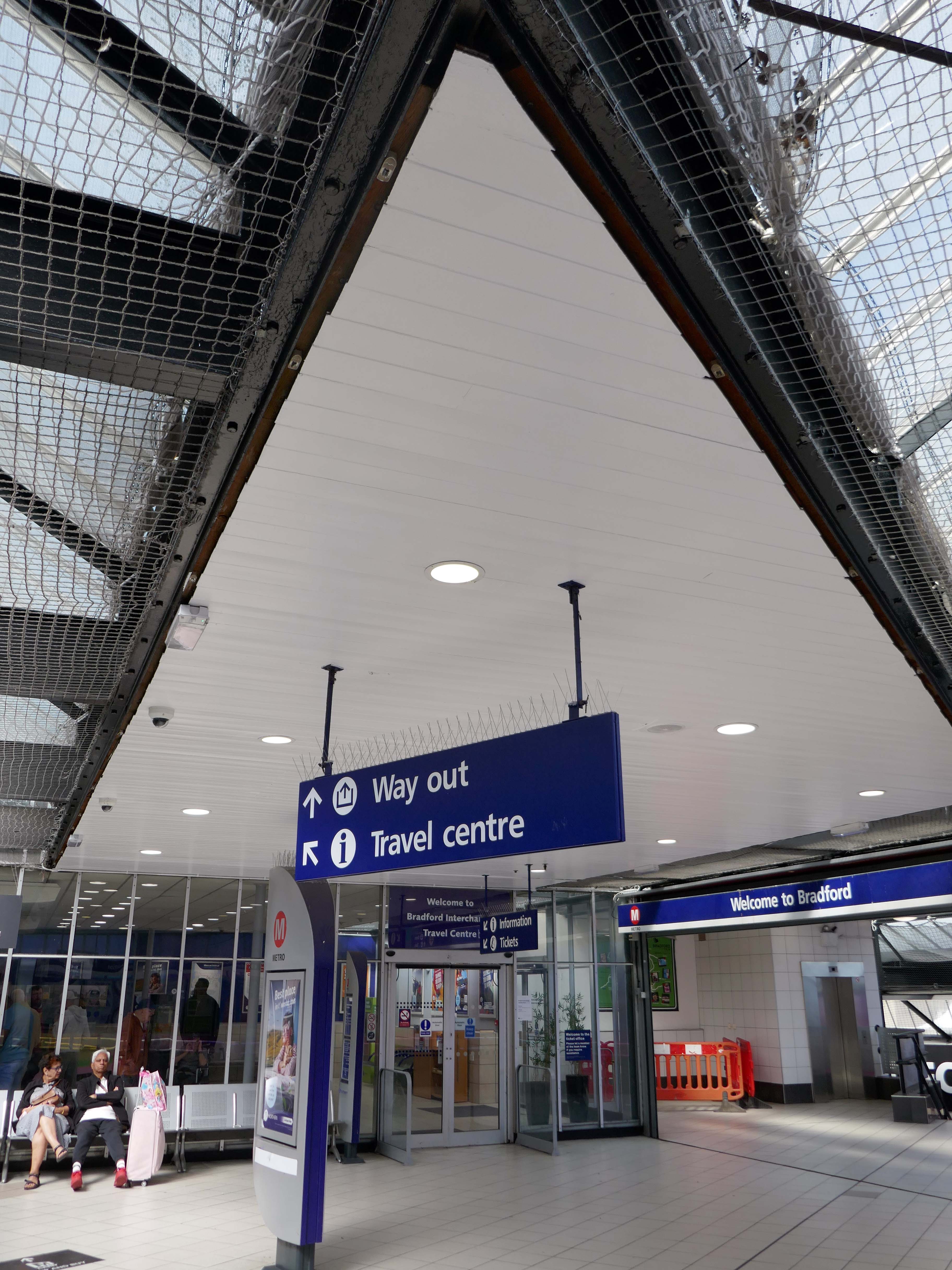
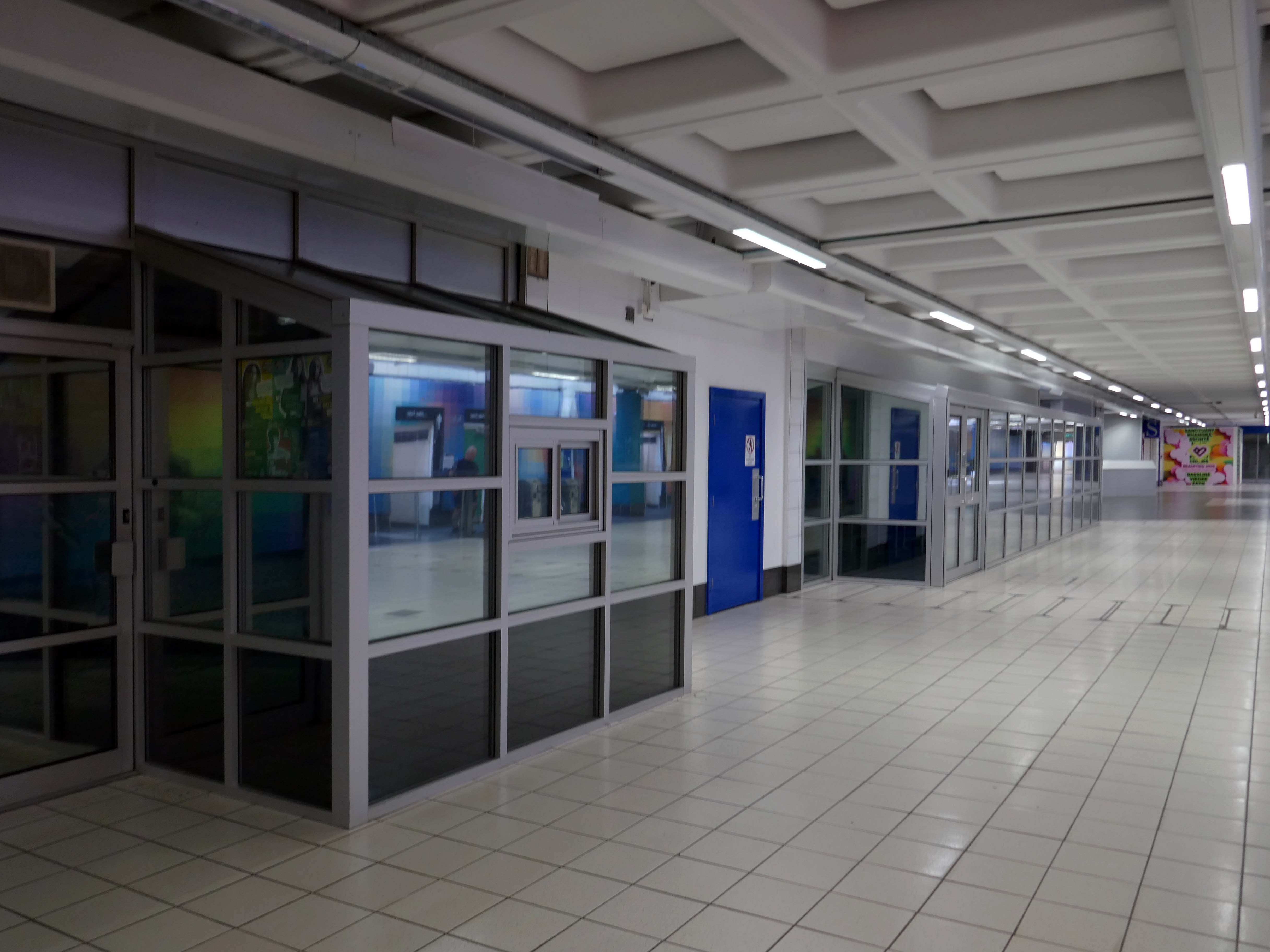
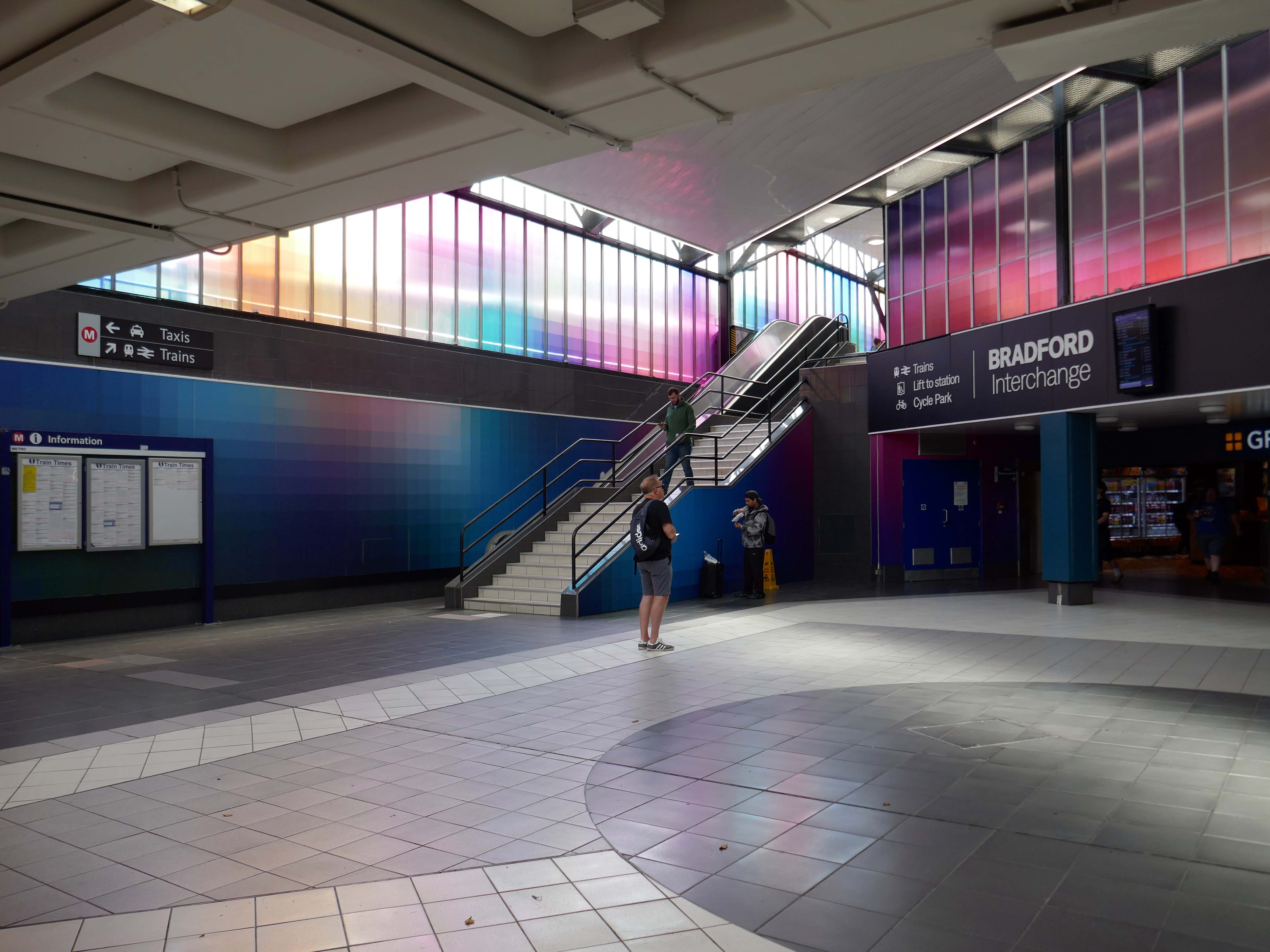
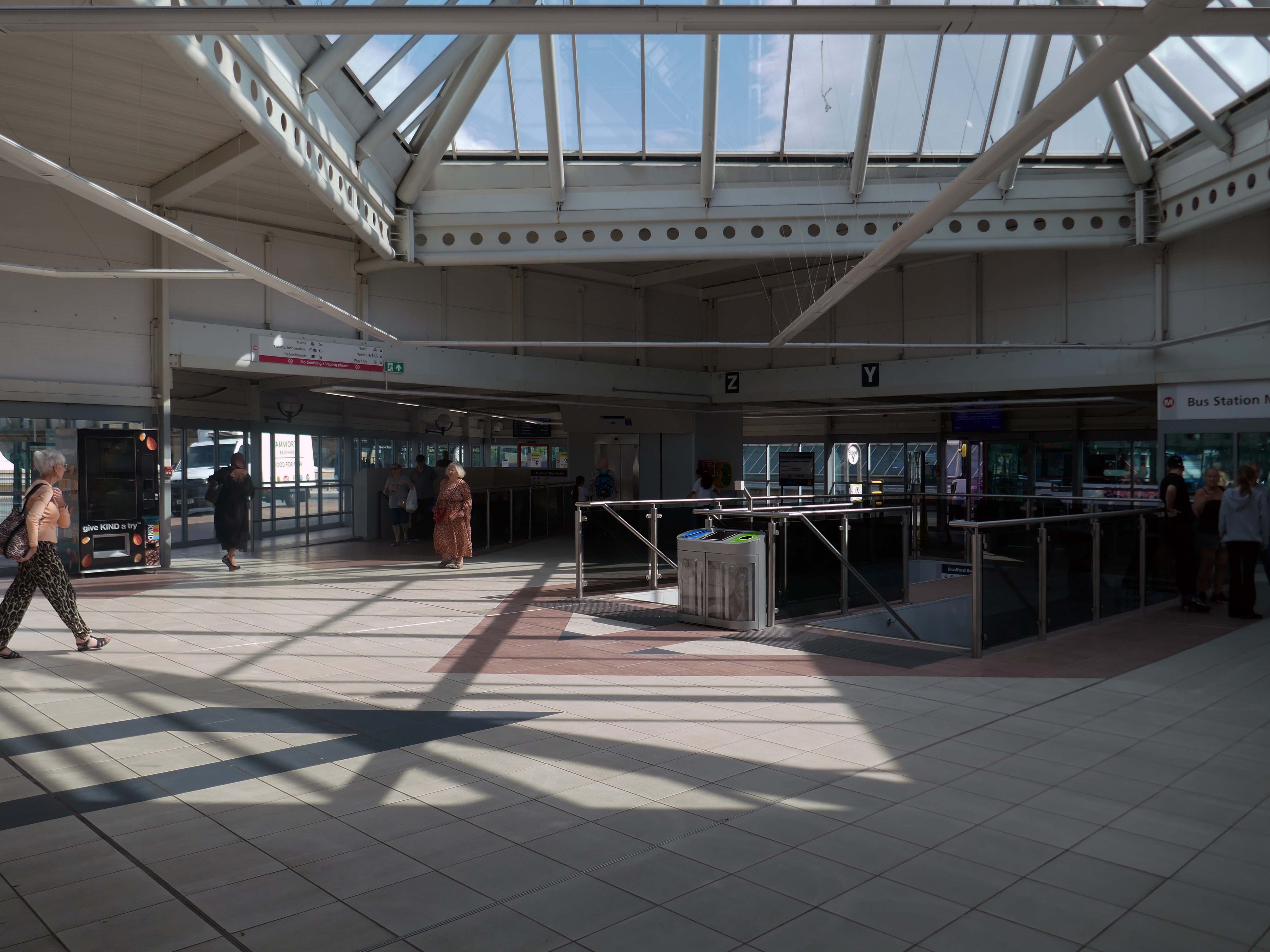
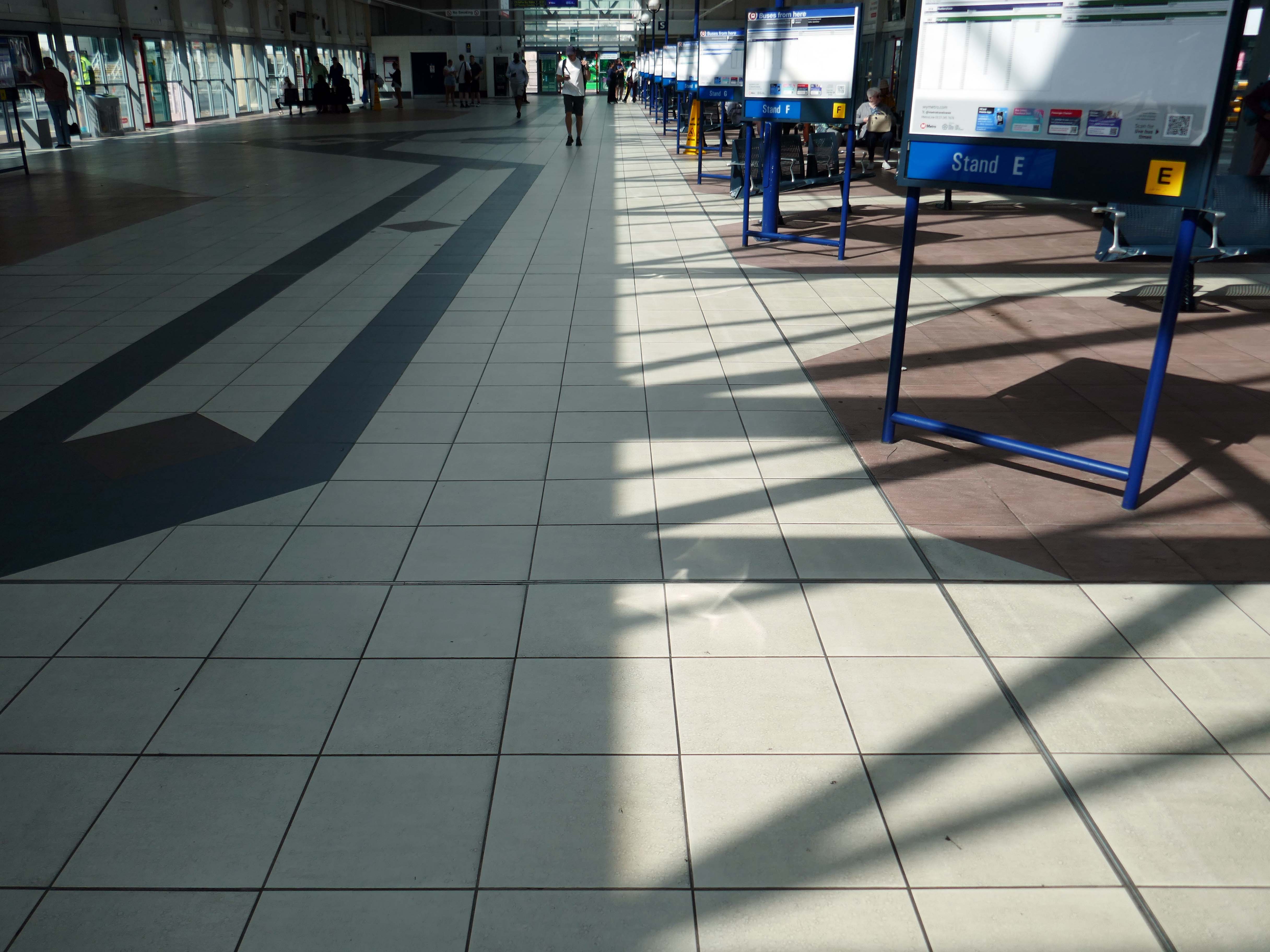
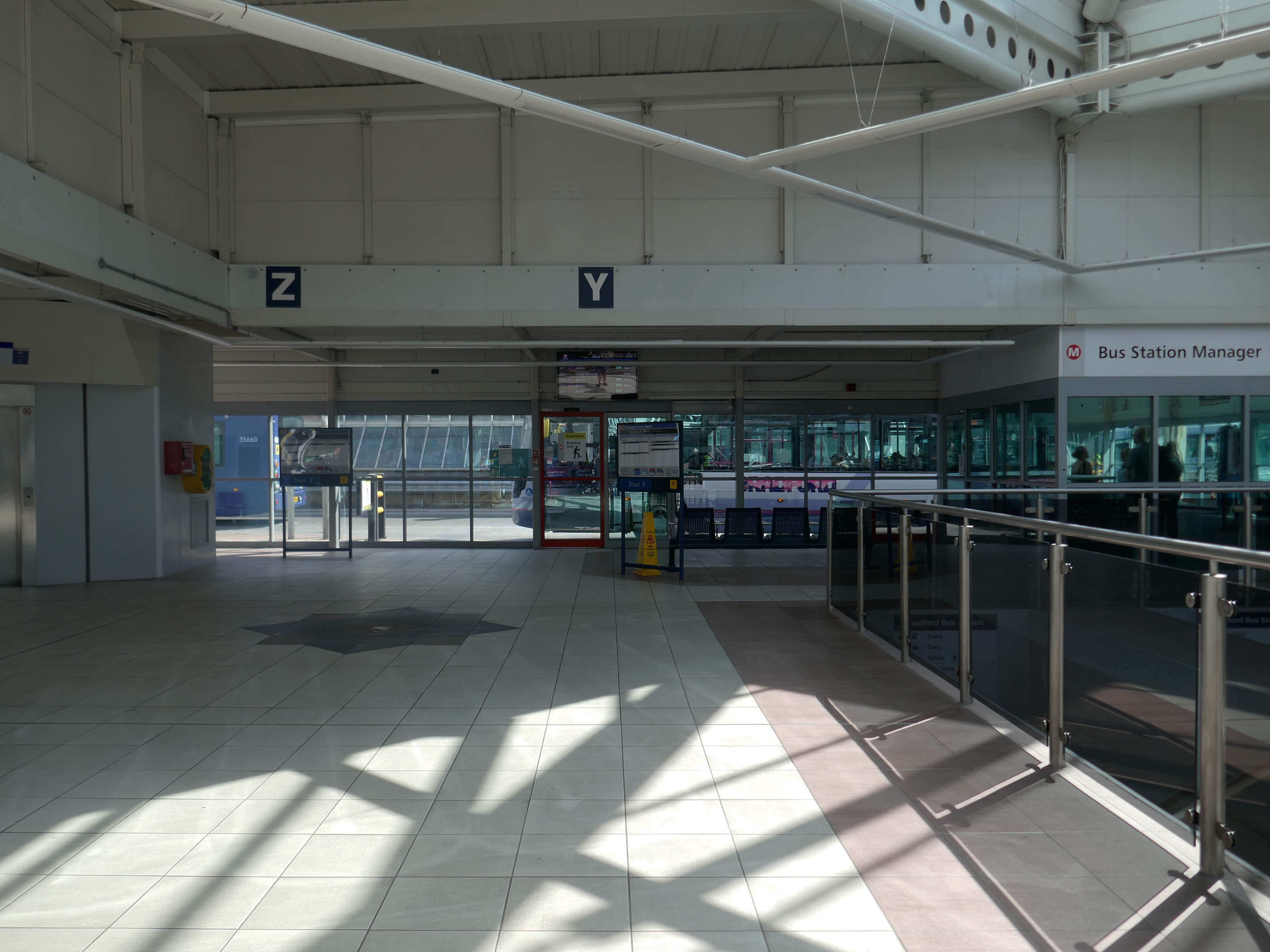
Saturday 25th July arriving in bright sunshine at the Bradford Interchange – architects WC Brown City Architect and RL Moorcroft BR 1971.
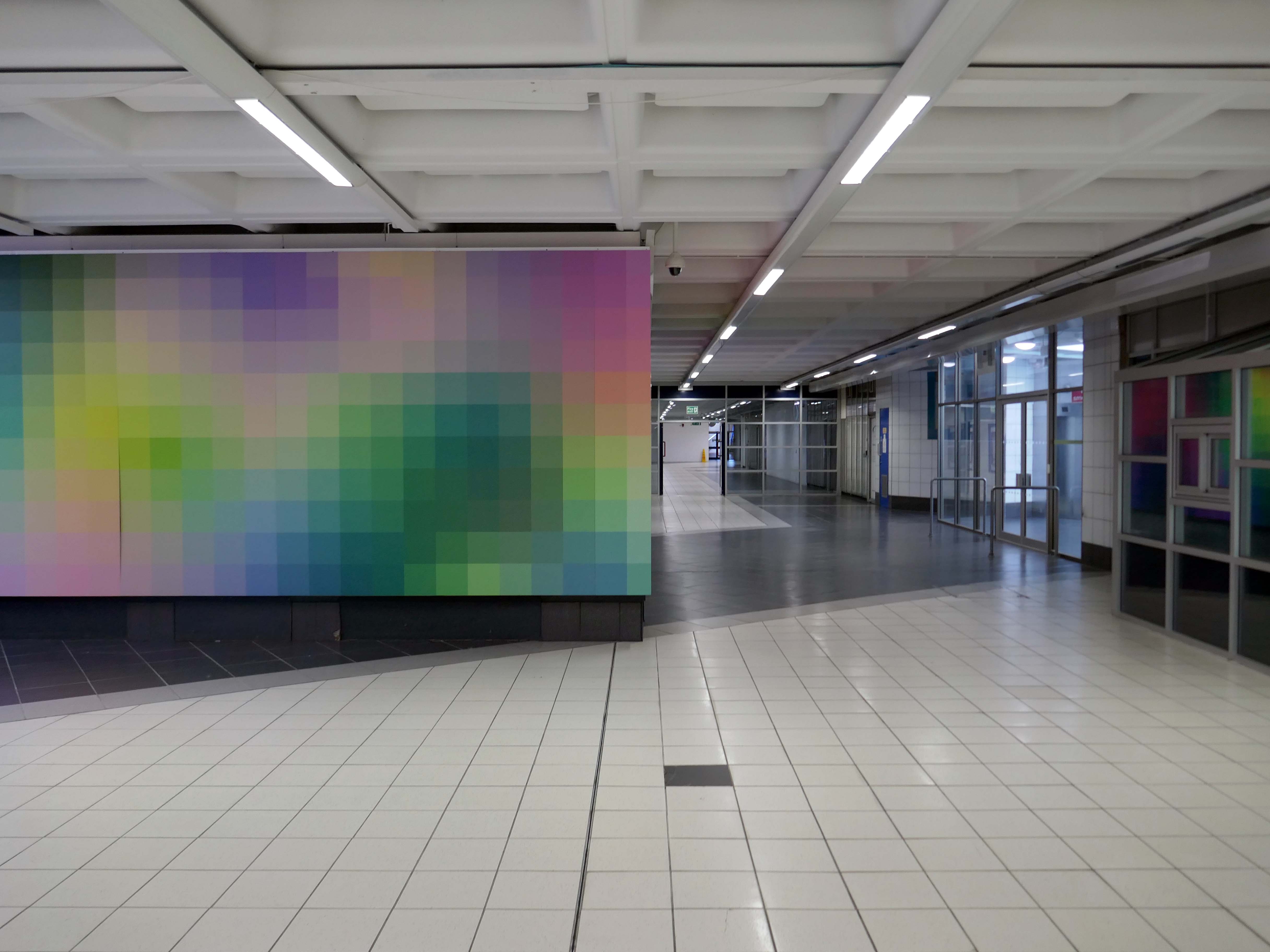
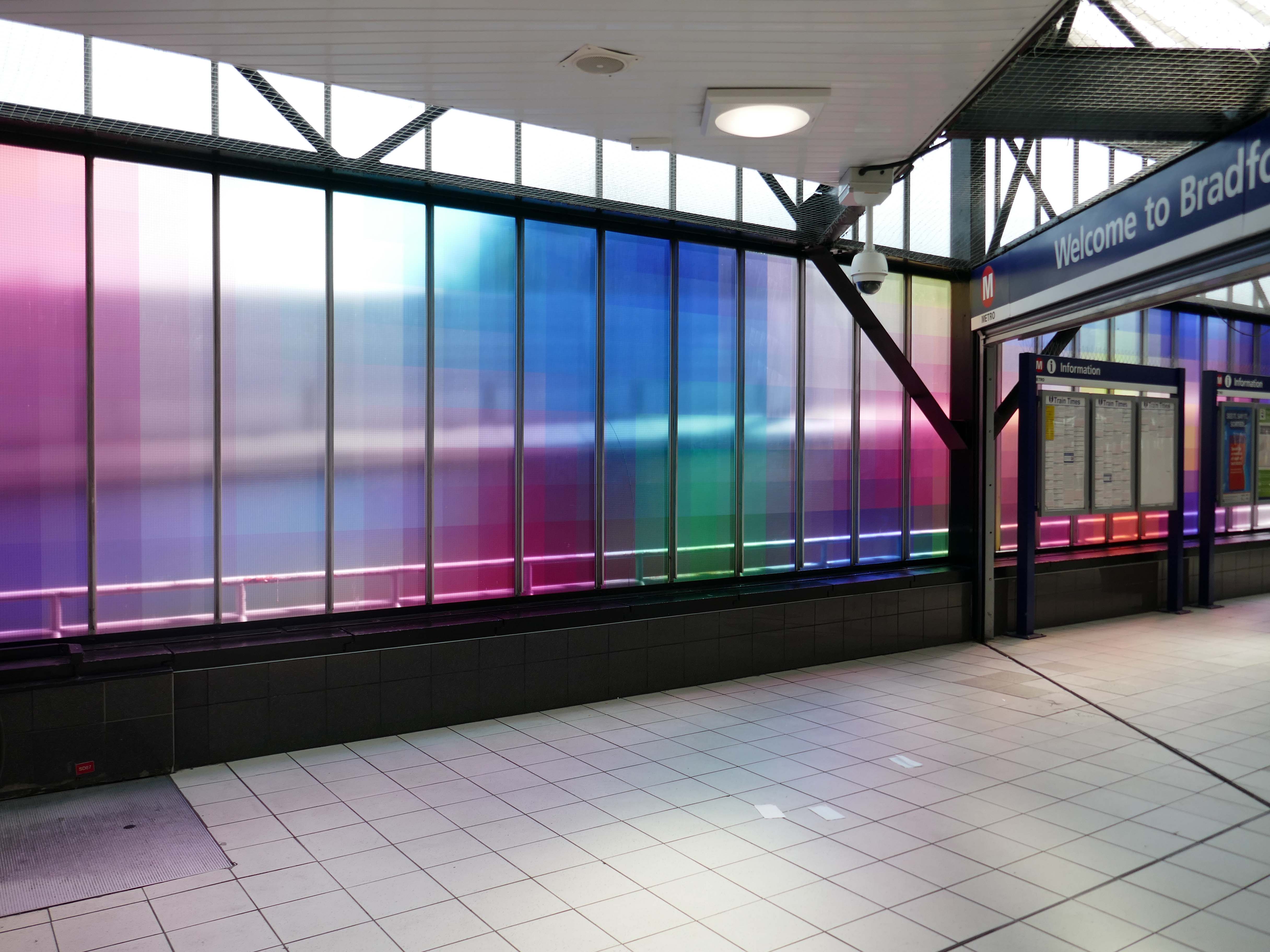
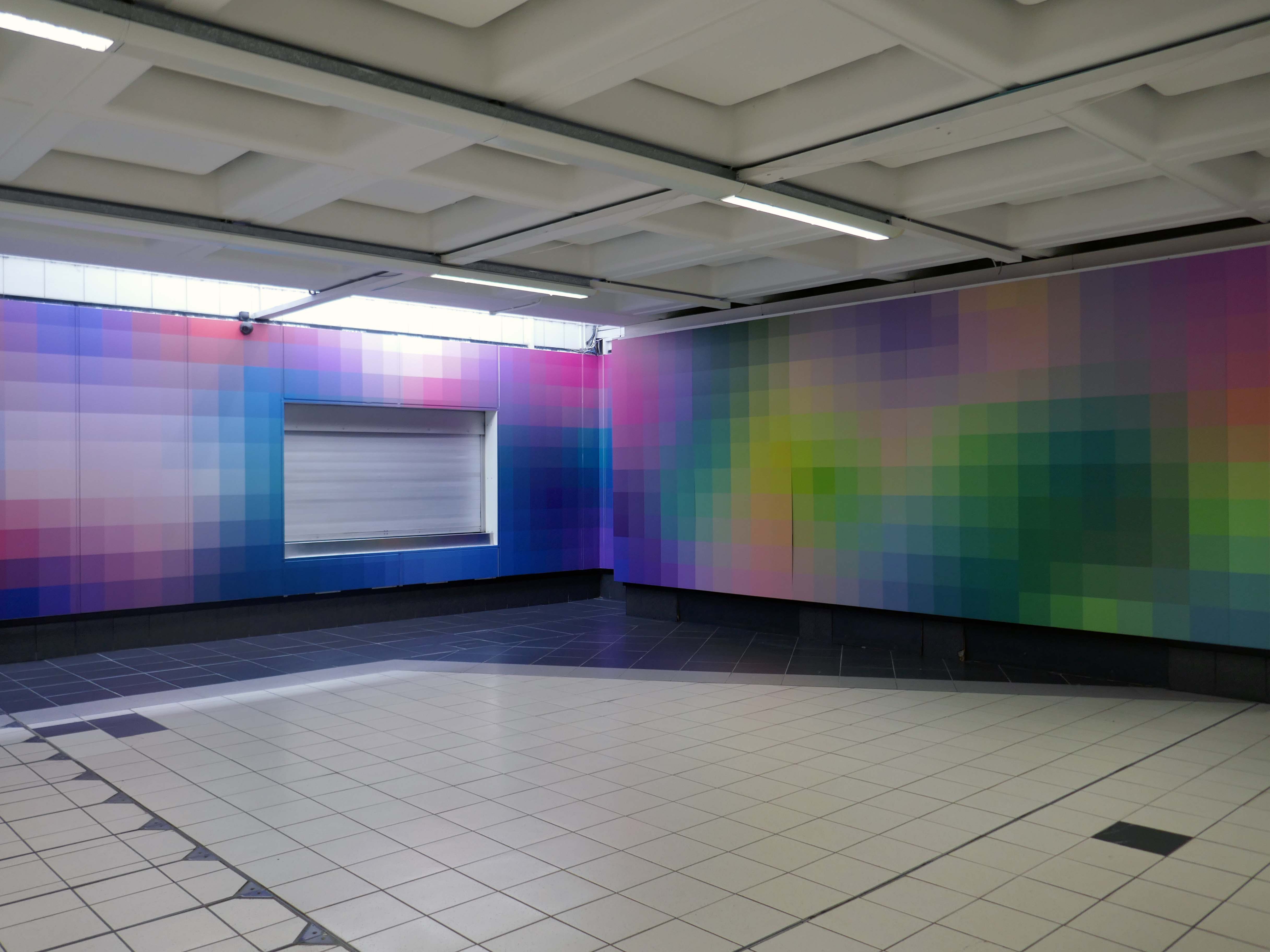
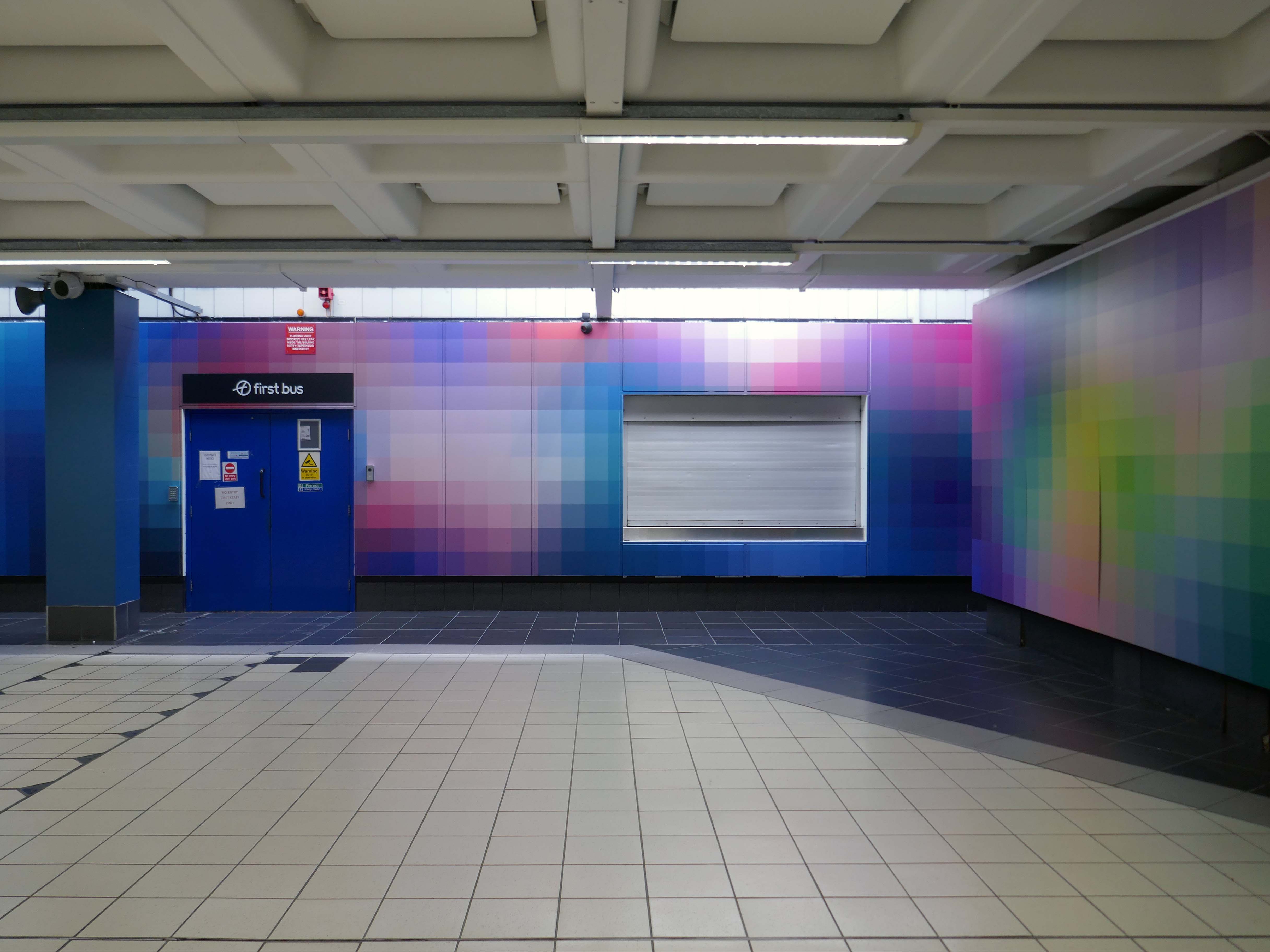
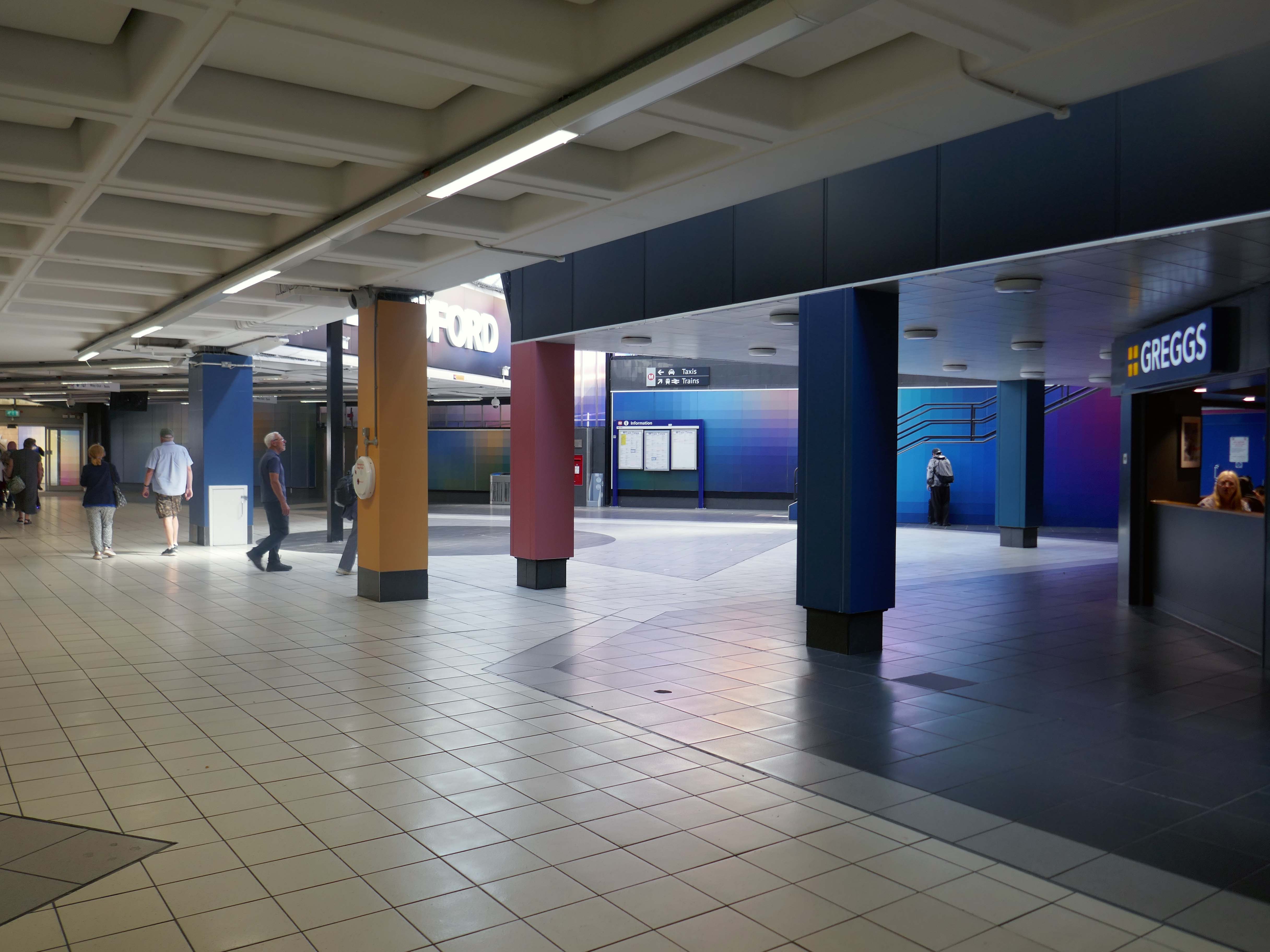
Which has been transformed for the City of Culture 2025 by Bigg Design, with their multicoloured panels.
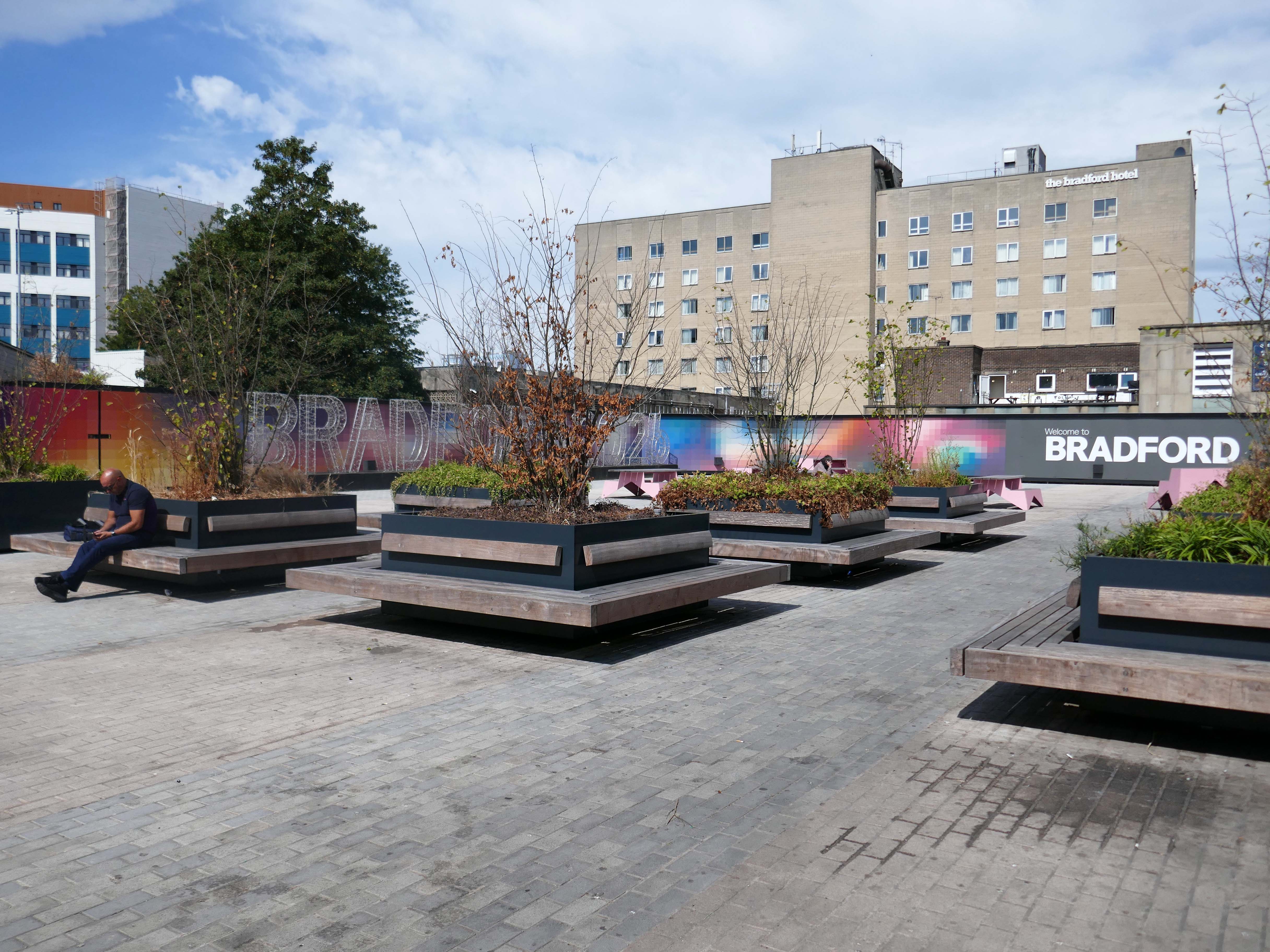
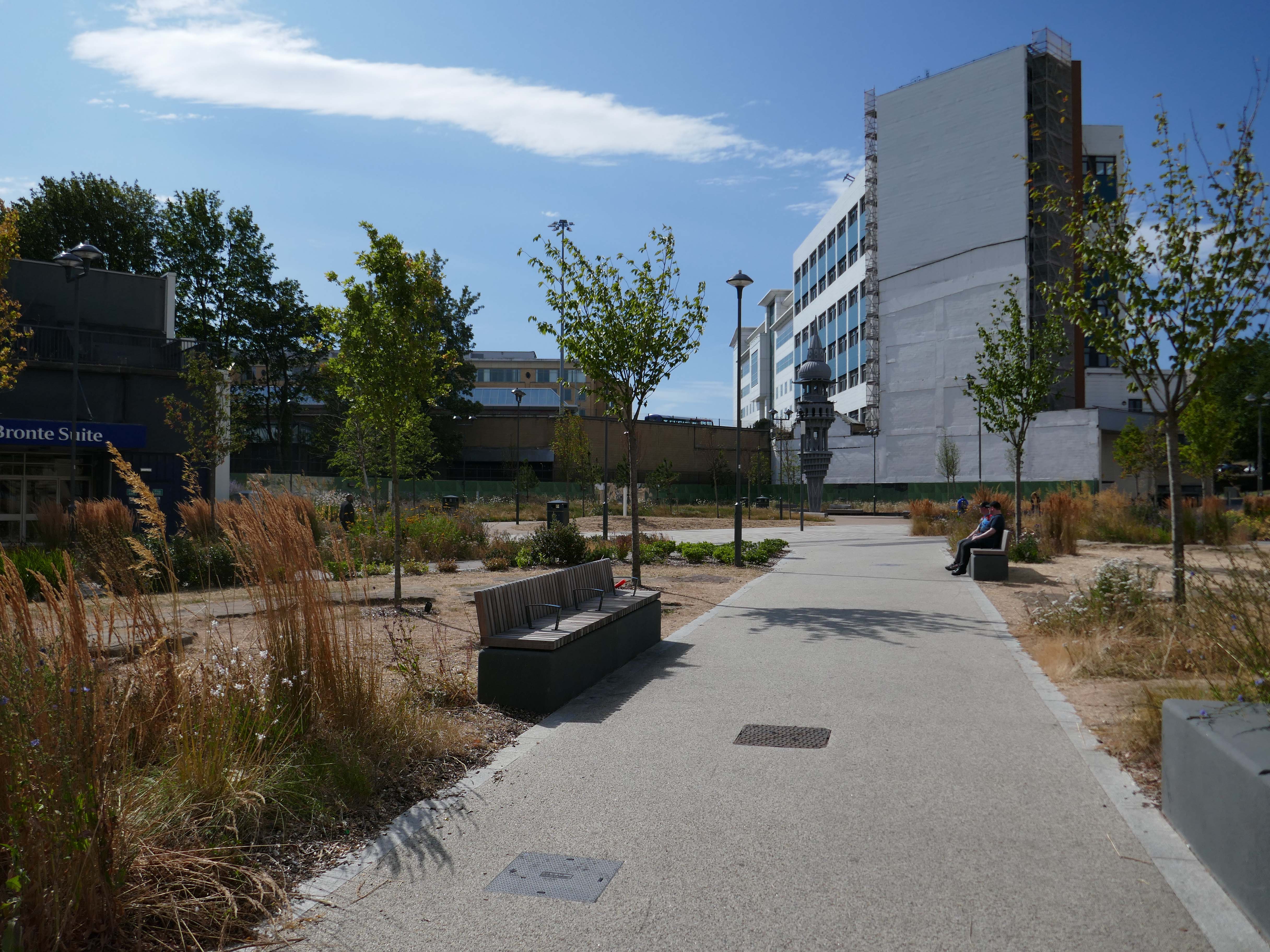
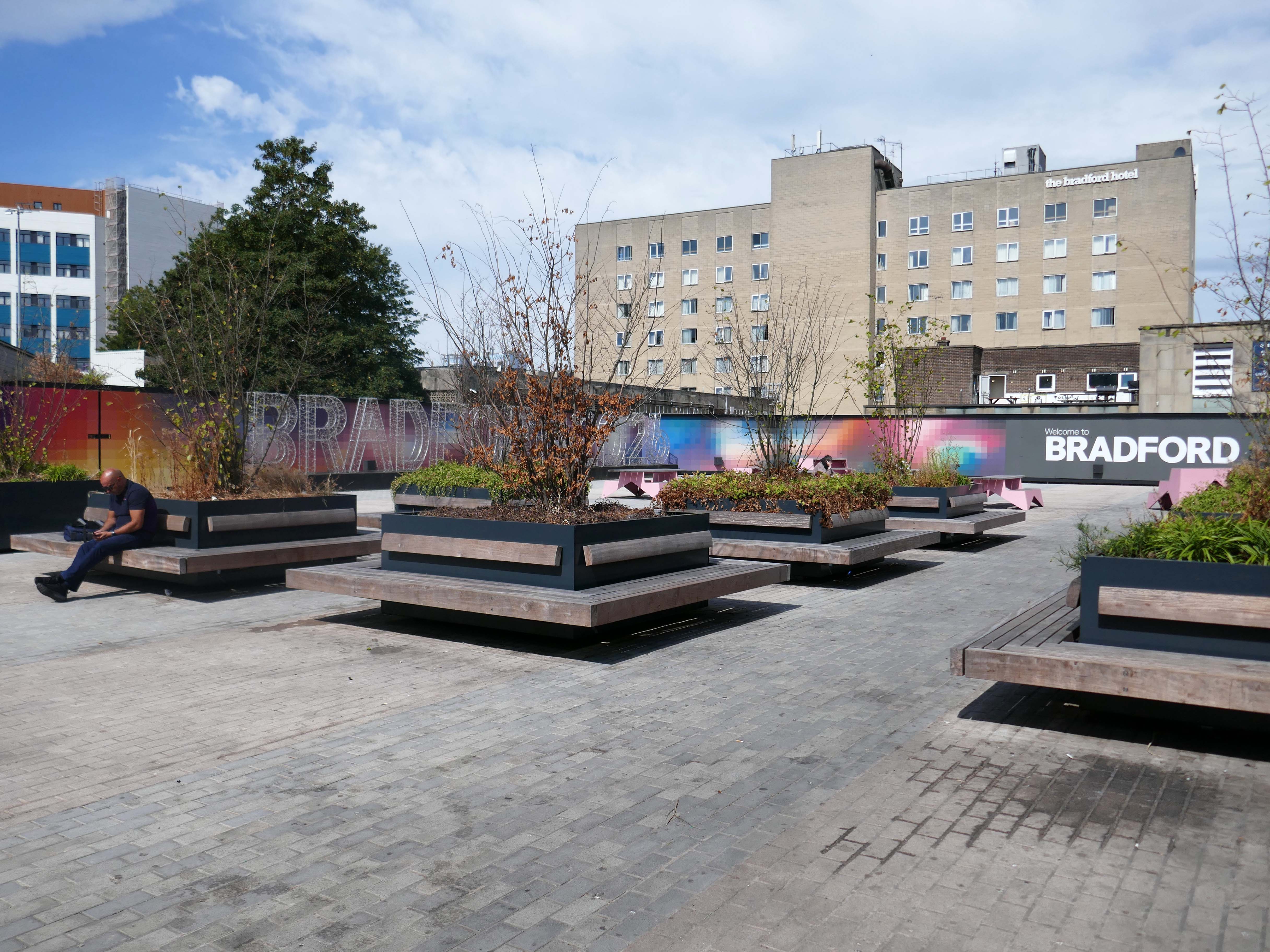
In addition there has been a transportation of the approach by Fereday Pollard, with the addition of seating in the newly landscaped plaza area.
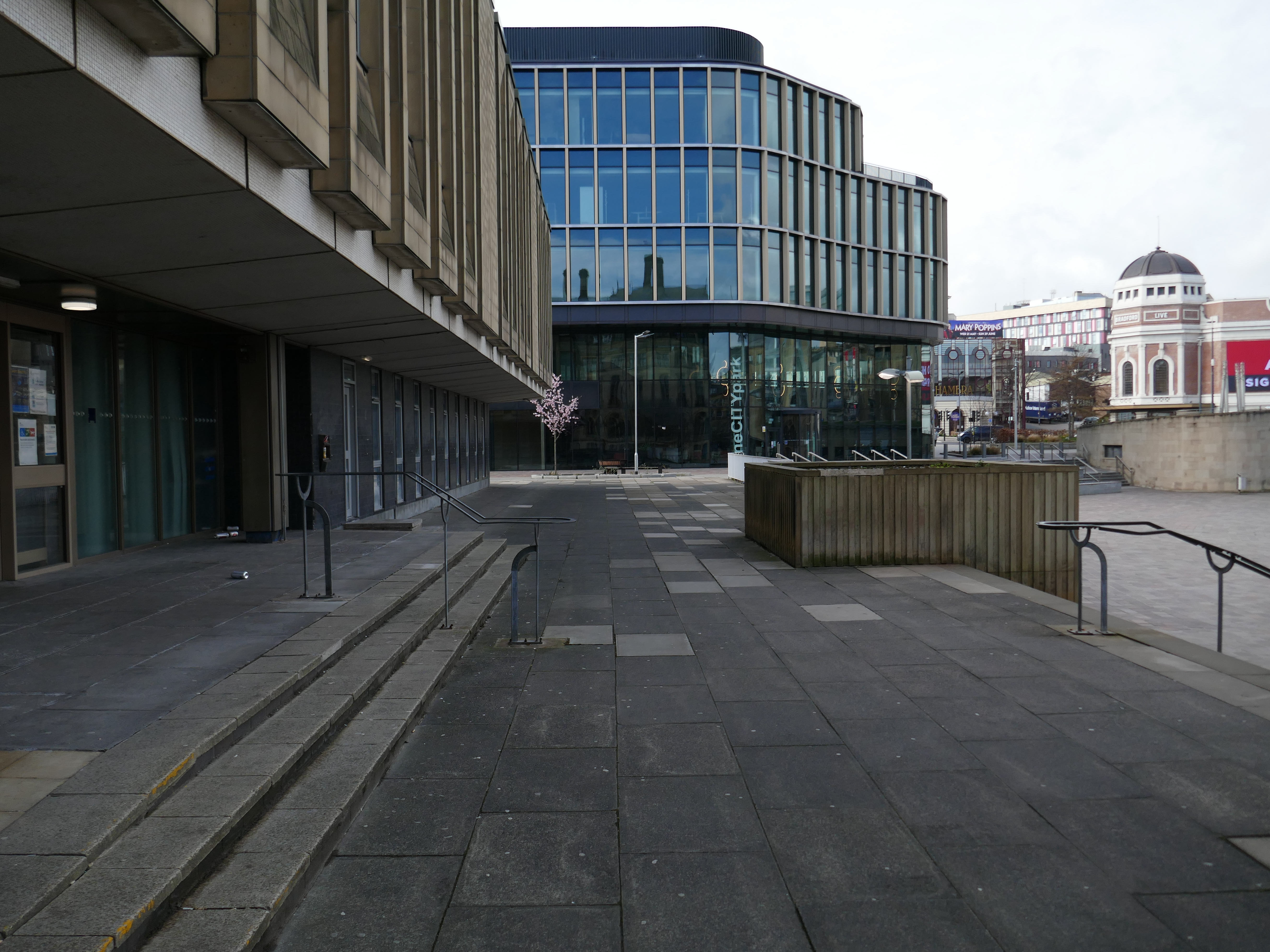
Moving into the city centre there have been changes in the area between the Bradford Hotel and the Town Hall, it’s now a freshly landscaped space especially for pedestrians.
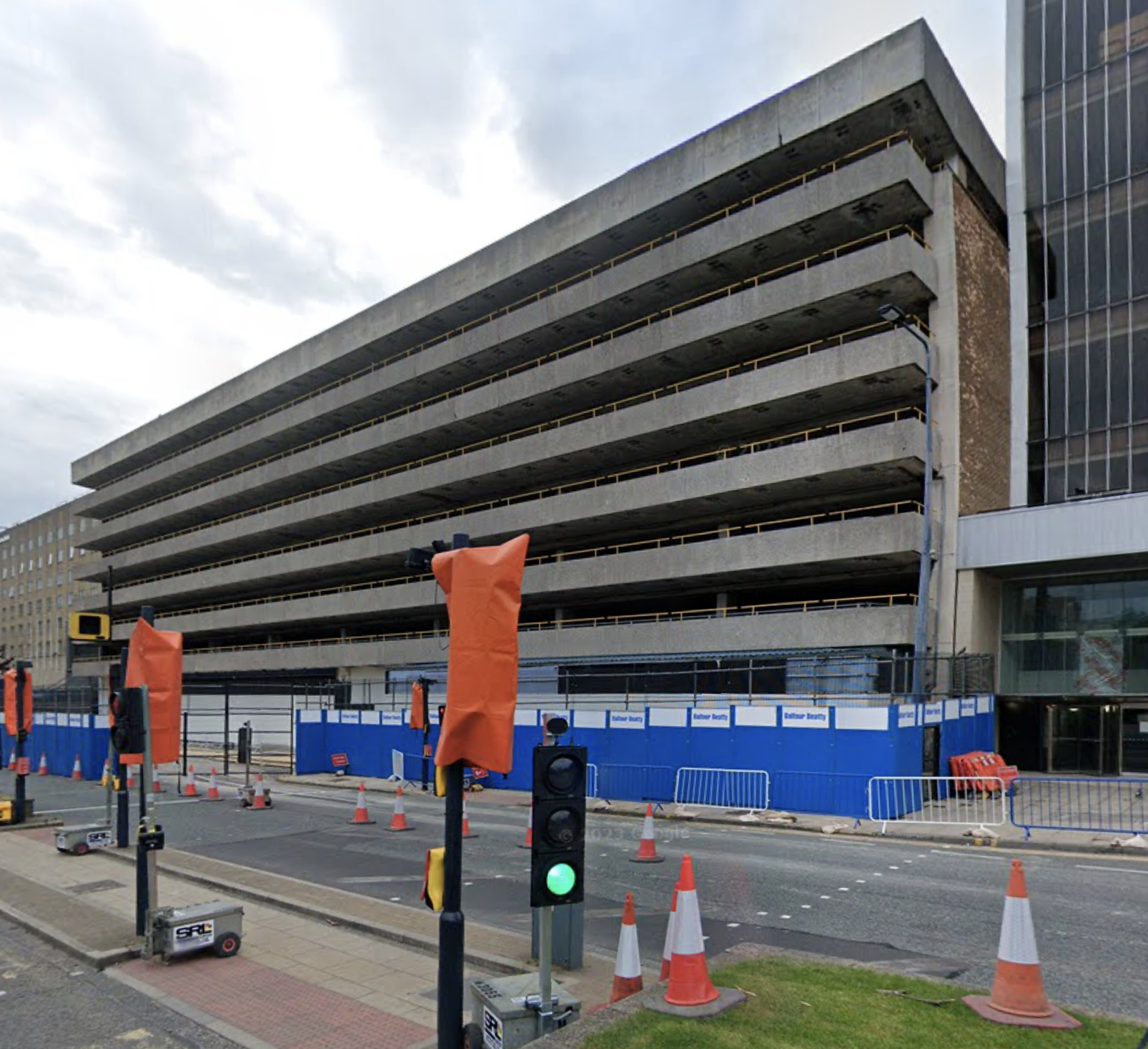
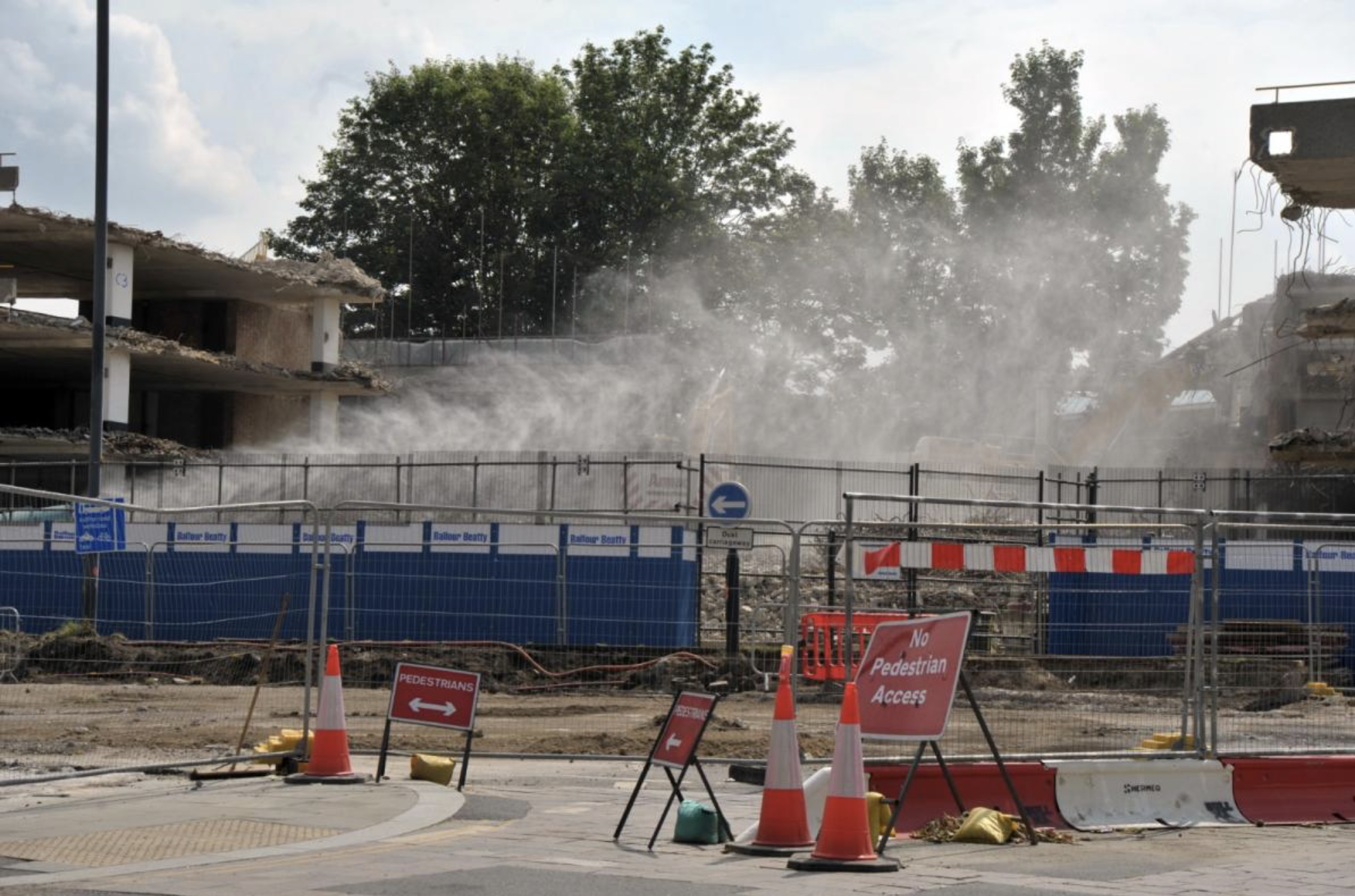
The NCP multi storey car park on Hall Ings has been demolished.
The demolition work is part of the Government-funded Transforming Cities Fund for Bradford.
Bradford Council, in partnership with the West Yorkshire Combined Authority, is bringing forward a flagship programme of forward-thinking transport schemes, alongside major public space enhancements, that will help us shape and drive forward Bradford’s future regeneration in the city centre and beyond.
Providing an accessible, attractive and cleaner alternative to car journeys is at the heart of the Leeds City Region Transforming Cities Fund, a major new programme of transport infrastructure investment secured as part of the West Yorkshire devolution deal. The programme, which is being delivered by the Combined Authority in partnership with local authorities, will be funded through £317 million from the Department for Transport plus local match funding up to £140 million.
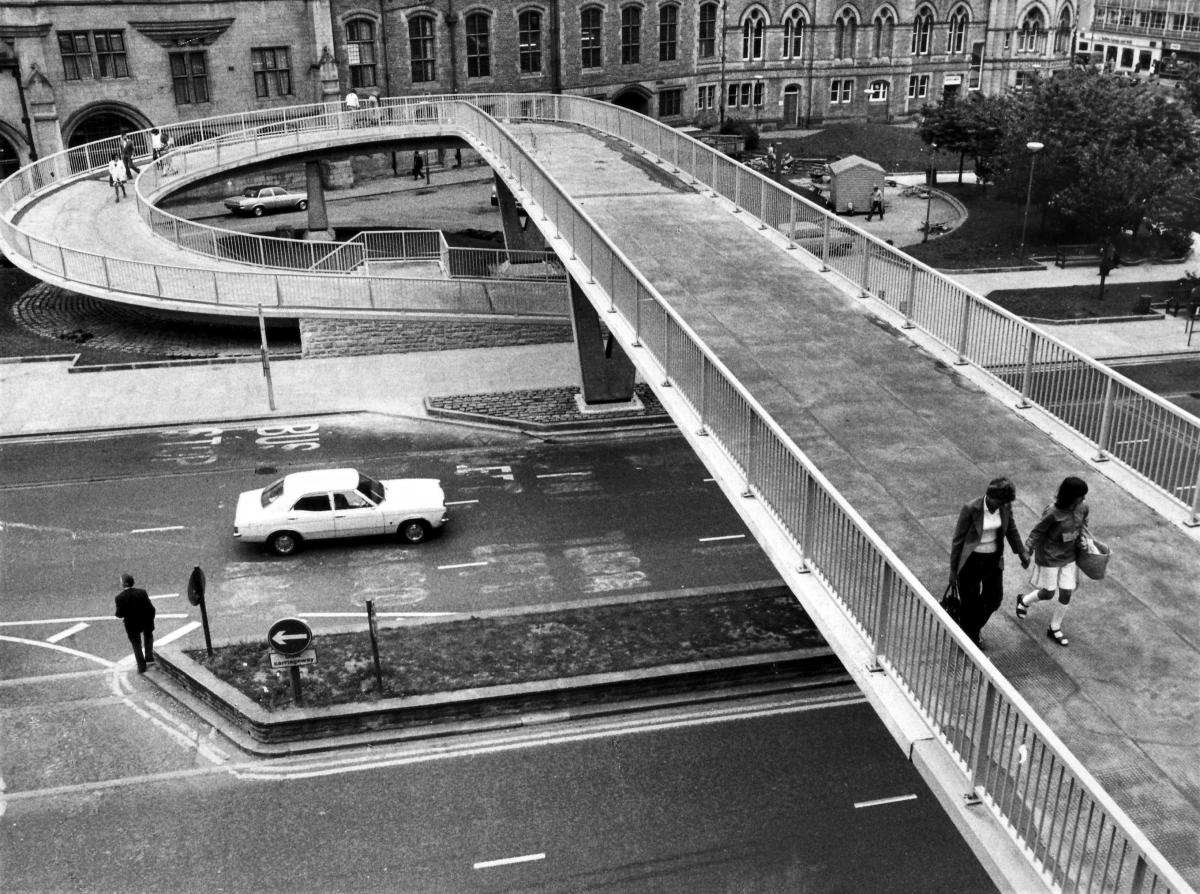
The area was once traversed by this elegant raised walkway.
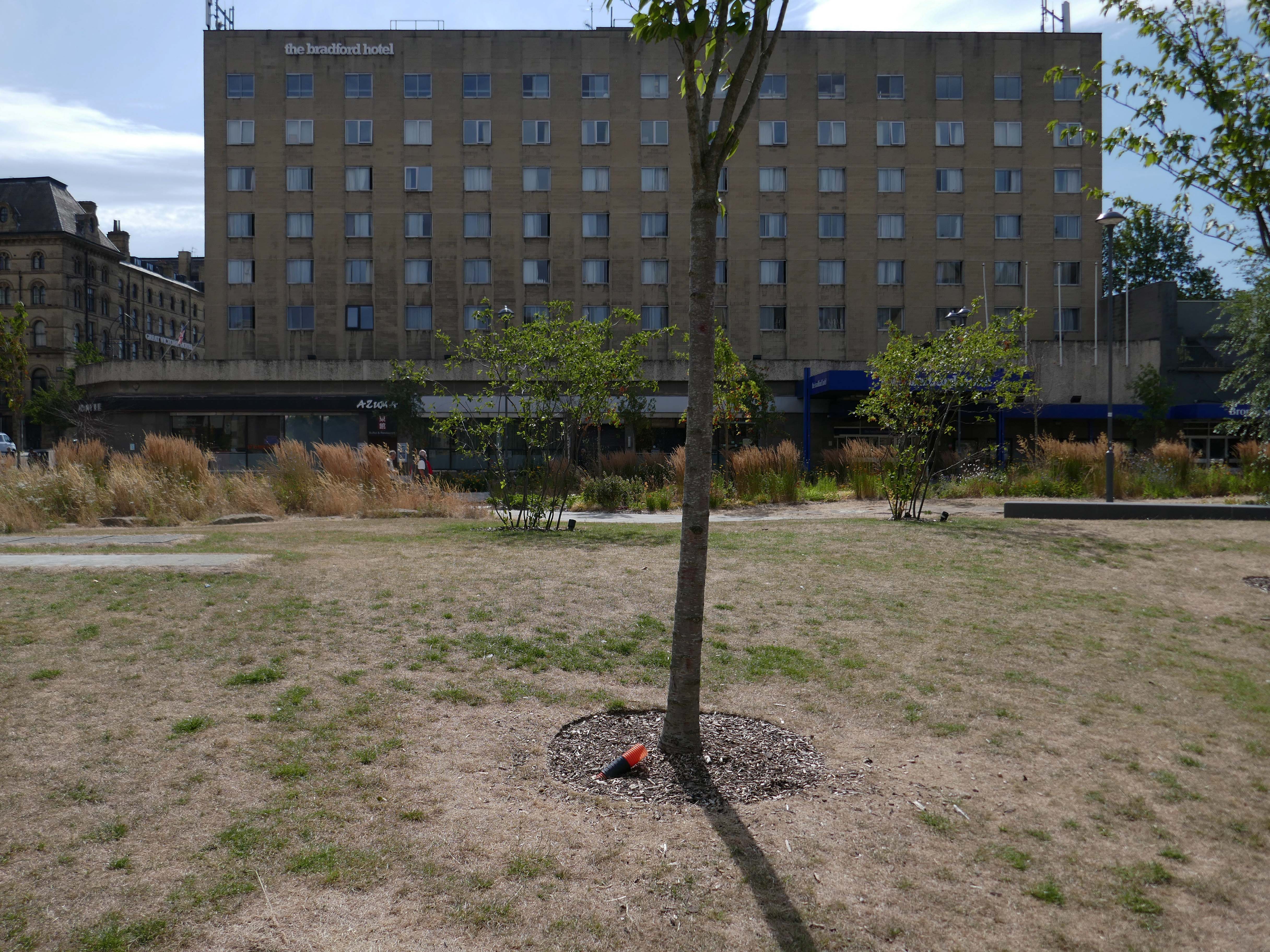
The Bradford Hotel remains resolutely unmoved, recently it has been used as an Asylum Hotel, unsure that this is still so.
Located in the heart of central Bradford, The Bradford Hotel provides an elegant refuge in the midst of the bustling city.
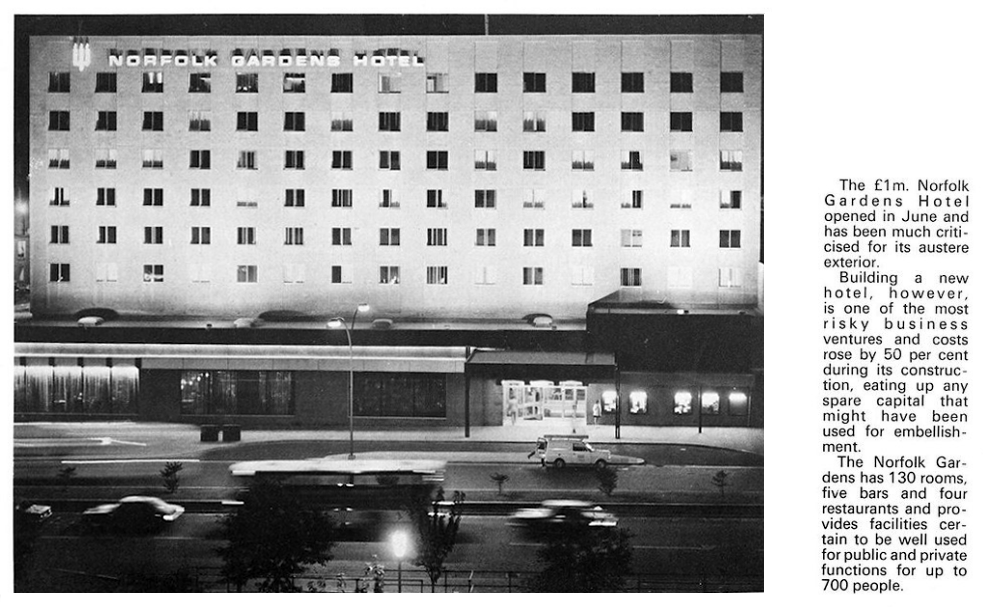
Originally opened as the Norfolk Gardens Hotel, the hotel was completed in 1972 and opened in June of that year.
Architects – William Walker Partnership.
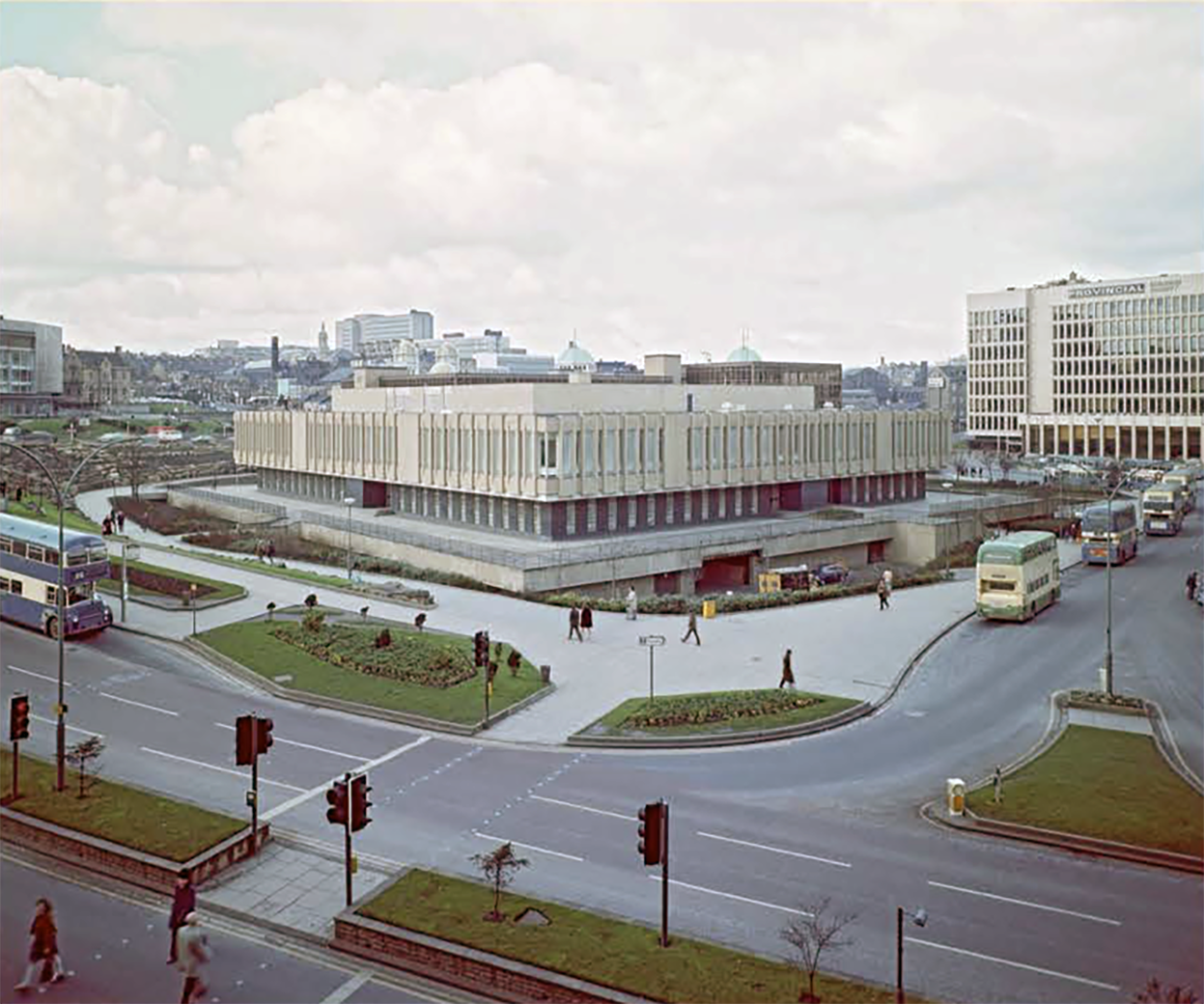
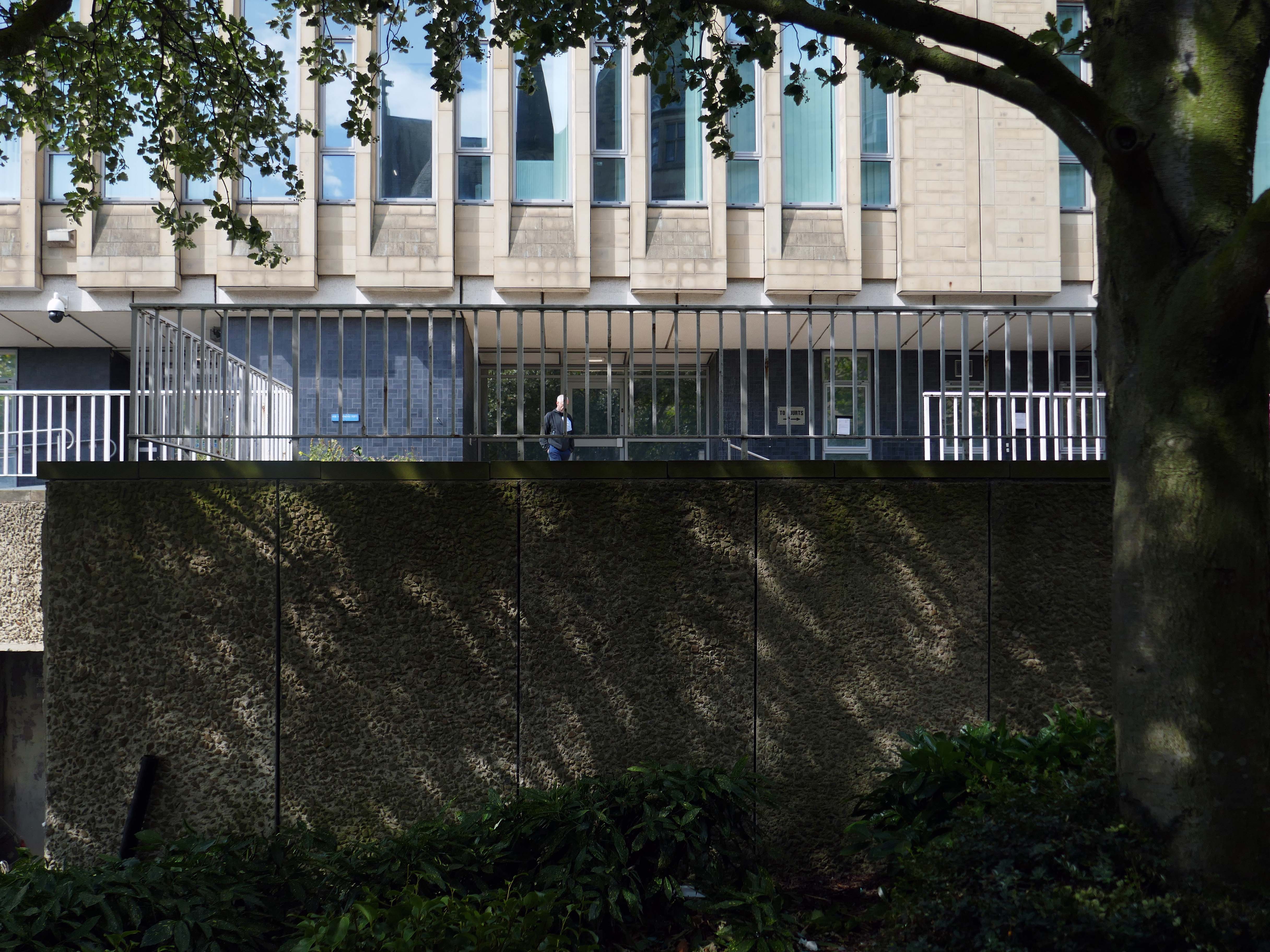
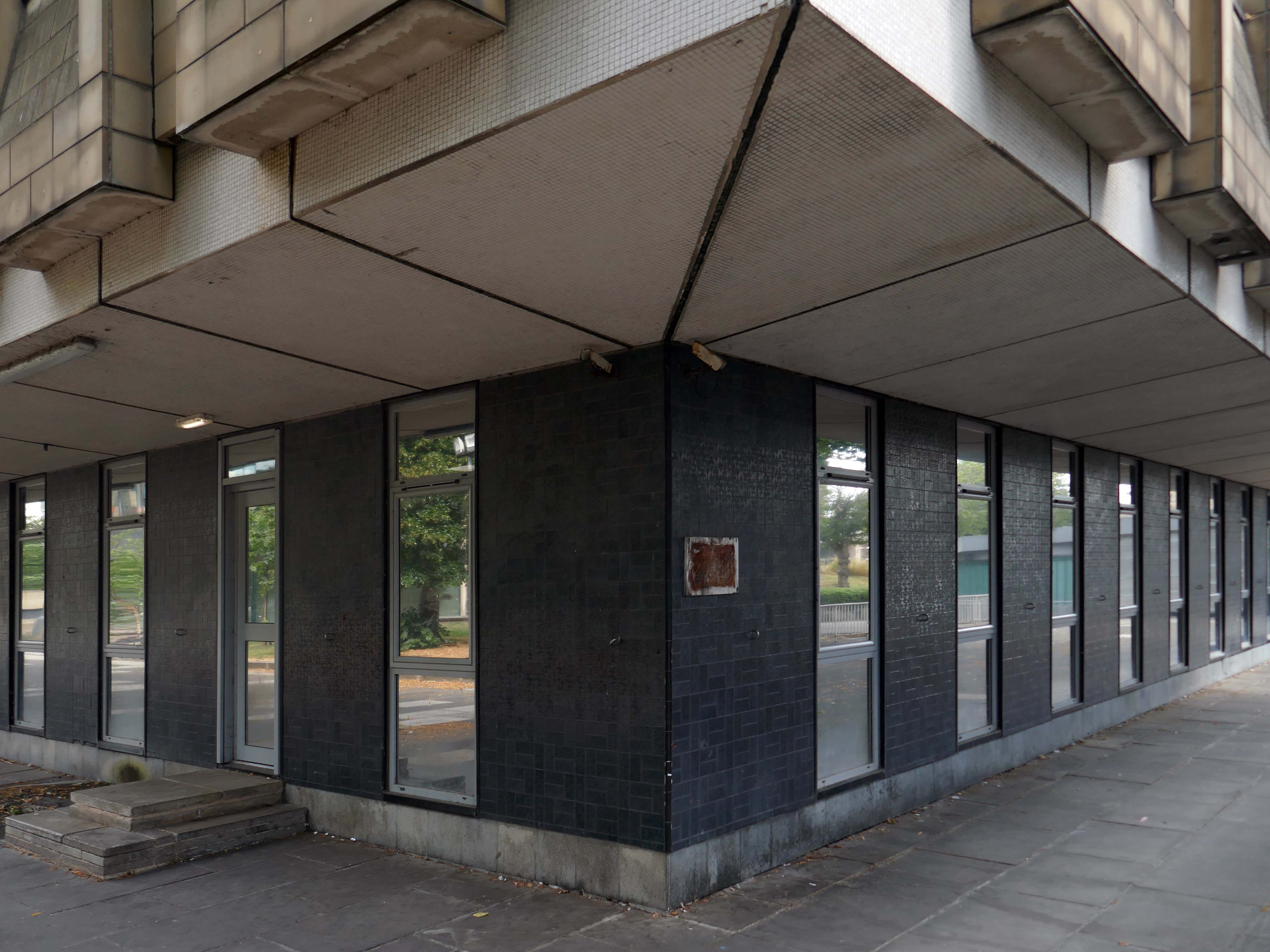
Adjacent is the Magistrates’ Court 1972.
City Architect WC Brown.
With a view through to One City Park 2024 Sheppard Robson.
One City Park in Bradford, England, draws attention with its striking architecture. The building’s curved design and forward-thinking concept create significant interest. For Sheppard Robson Architects, sustainability and the needs of people were paramount in the design. The facade of the complex features 1,700 glassfibre reinforced concrete elements from Rieder, making a distinctive design statement. The sandstone-coloured concrete components serve as both an architectural feature and a key element in creating a sustainable, visionary work environment.
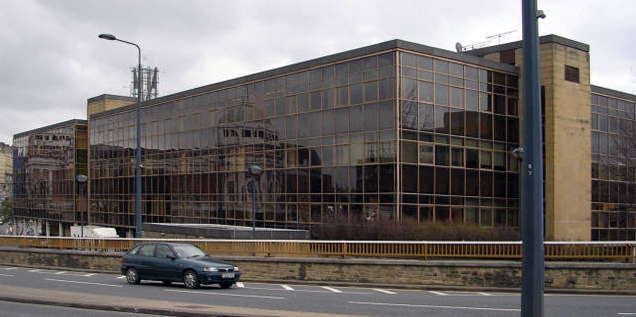
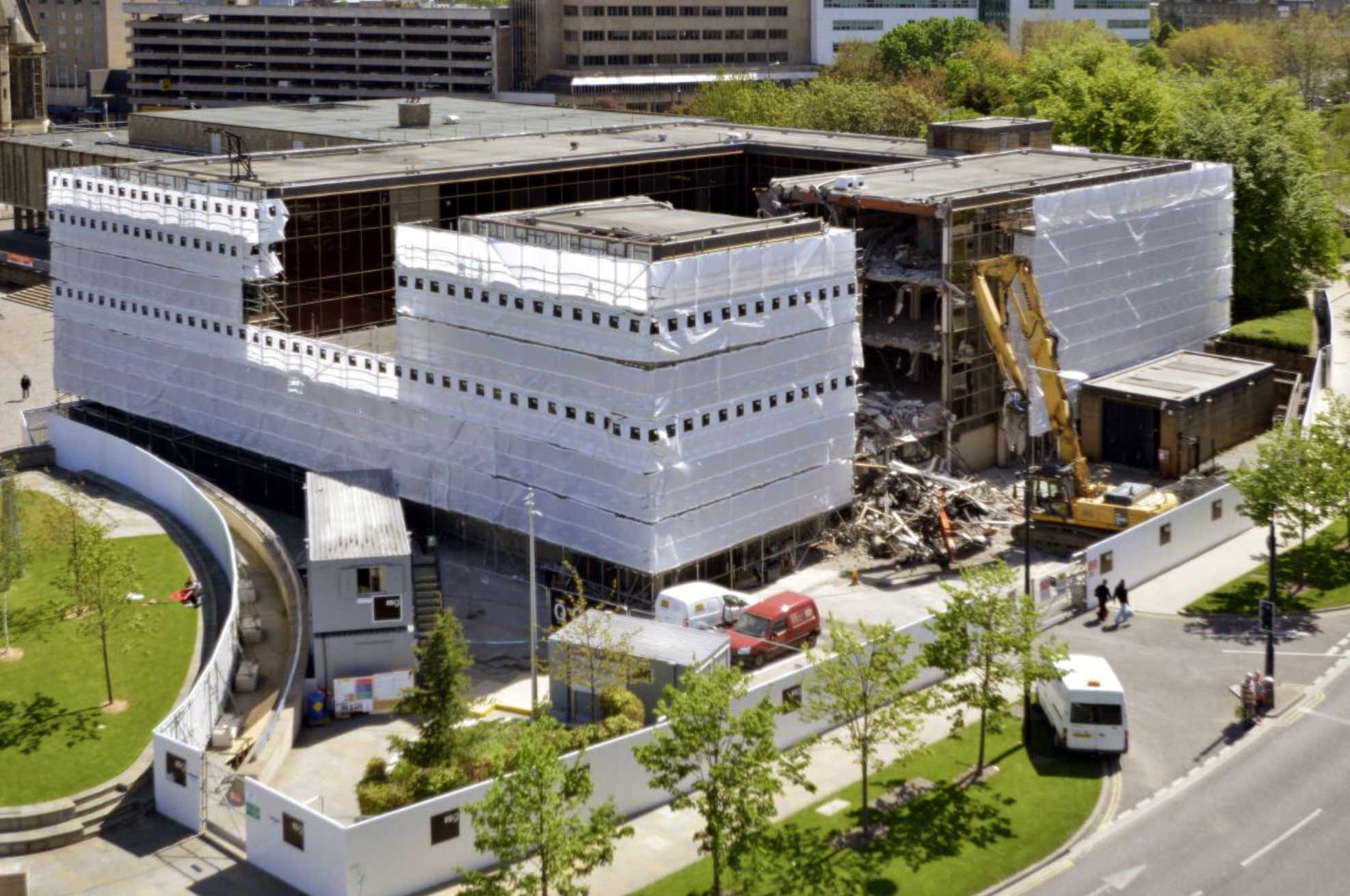
One City Park has been built on the site of the old Police Station opened in 1974 and demolished in 2010.
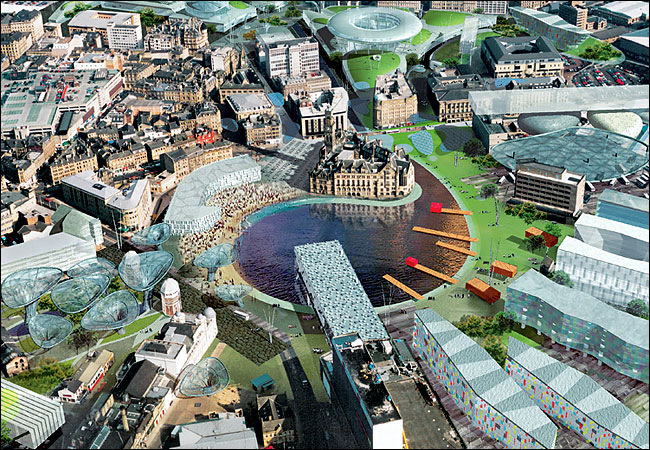
The area was once the centre of Will Alsop’s 2003 masterplan.
Which three years later are somewhat diluted:
The latest images of the scheme for the Bowl are generally disappointing and at the risk of a bad pun, the lake is now a watered-down version of Alsop’s vision.
Philip Veitch – of local practice Waller and Partners.
The Norfolk Gardens landscaping has opened up a fresh toward the Central Library 1965.
Architect – City Architect WC Brown with project architects G Sunderland and KLS Glen.
The Exchange of 1976 by Trevor H Anson PSA Architect.
Turn right around to take a look at the rear of the Ice Arena.
In January 1966 Mecca Leisure Limited opened the ice rink in Bradford under the name of the Silver Blades Ice Rink, it was reputed to be “The finest rink in the world”, with coloured lighting in the barriers, sparkling chandeliers over the ice, and a plush bar and restaurant.
The resplendently dressed skaters were entertained with organ music. The opening gala at the rink had performances by British skaters who had just returned from the World Championships, they included Sally Anne Stapleford, John Curry and ice dancers Bernard Ford and Diane Towler.
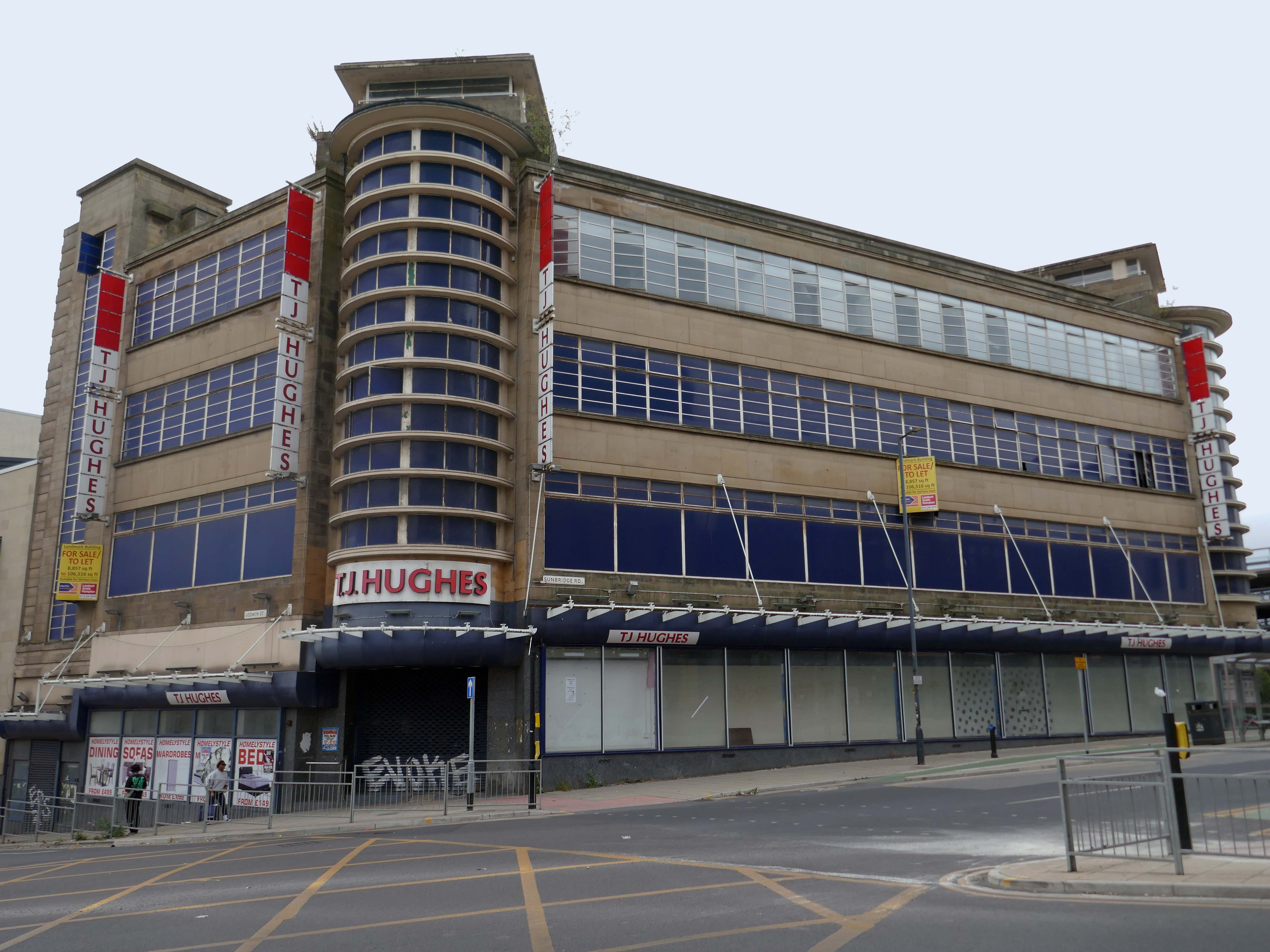
Architect W A Johnson worked for the Cooperative Wholesale Society from 1899 until 1950. He was heavily influenced by the German architect Erich Mendelsohn after 1930, evident in his embrace of the International Modernist style. Johnson travelled widely in Germany and Holland, and Mendelsohn’s Schocken store in Stuttgart 1928 is quoted as being a particular inspiration for the Bradford Co-op.
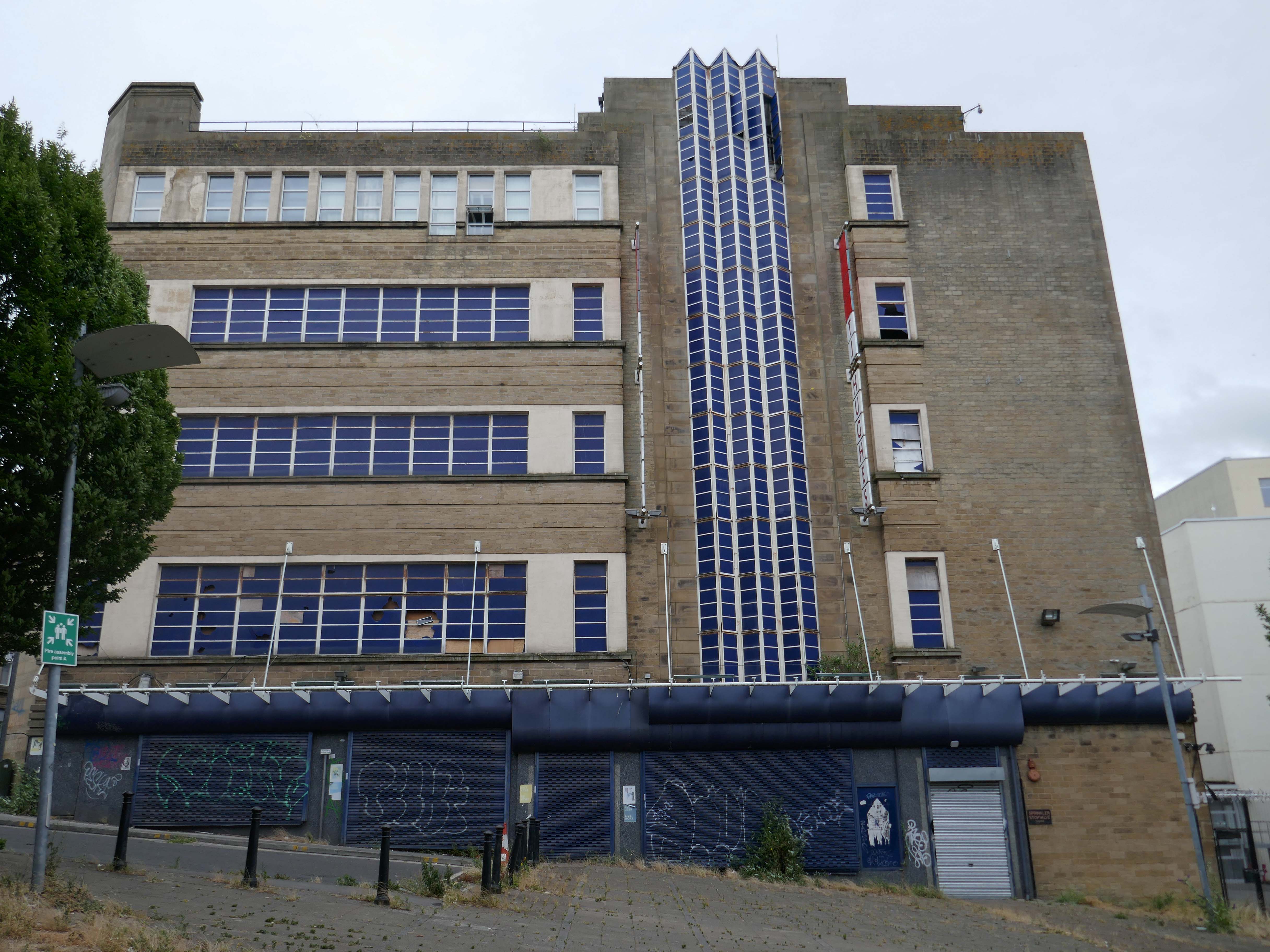
Sunwin House had been – one of the most modern and stylish looking shops in Britain, when it was built in 1936, according to The 20th Century Society.
But the charity warned that the building, whose architectural style was inspired by Germany’s Bauhaus art movement, had stood empty for nearly 15 years and was in danger of creeping neglect.
Sunwin House, which was most recently used as a TJ Hughes department store after the firm went into administration in 2011, is one of 10 buildings featured on The 20th Century Society’s risk list for 2025.
The Freehold of Sunwin House, 65 Sunbridge Road, Bradford has been sold to a Bradford based investment company who have plans to refurbish the whole building principally based off a Retail/ Emporium use.
The building was purchased by Legal and General from the Co-operative Wholesale Society in 2005 subject to a lease to T J Hughes, who ceased trading in 2012. Following Administration, and the release and separation from the former Godwin Street Annexe, the original 95,000 sq ft Grade II Listed Store became an independent asset in 2017.
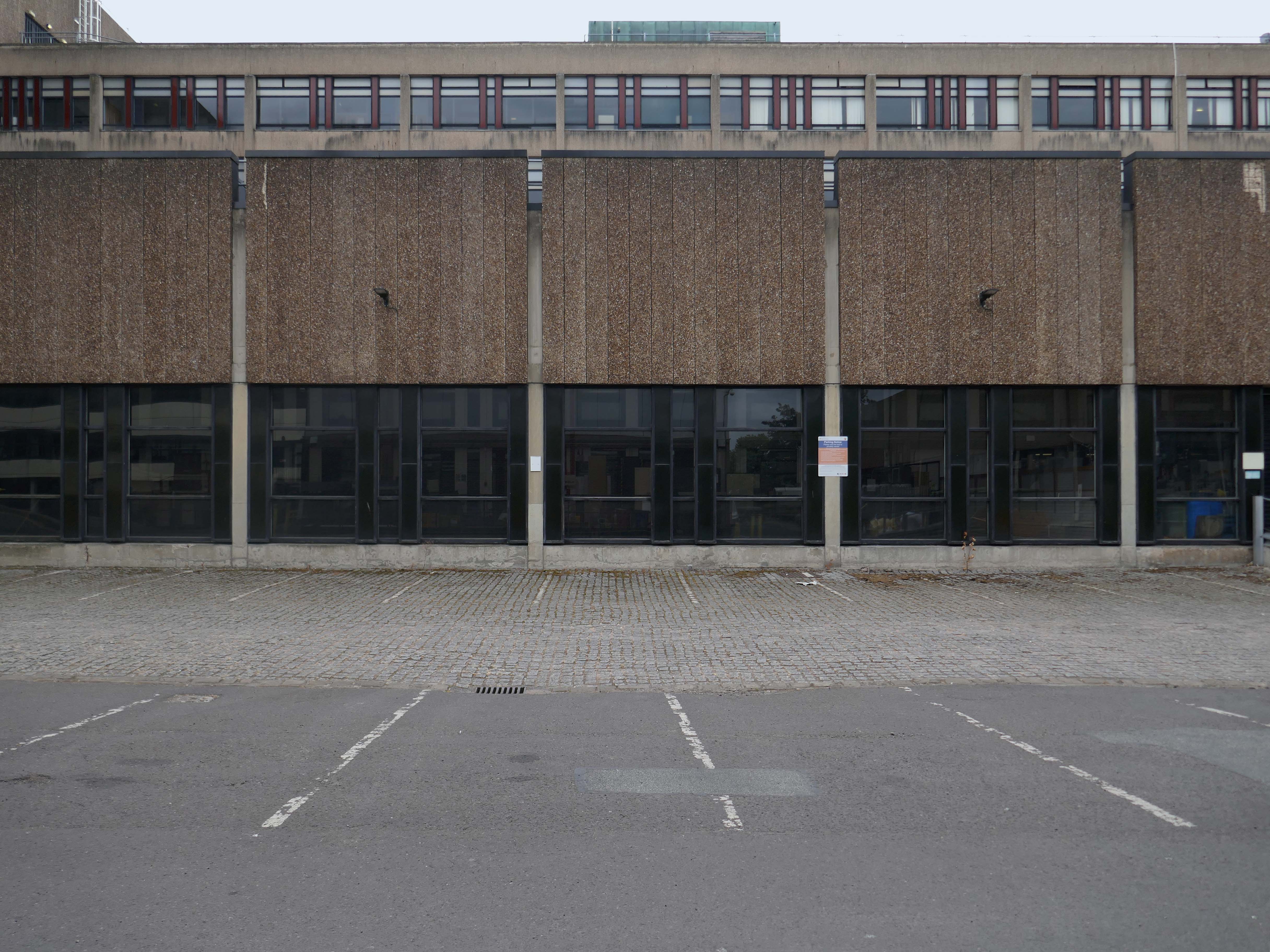
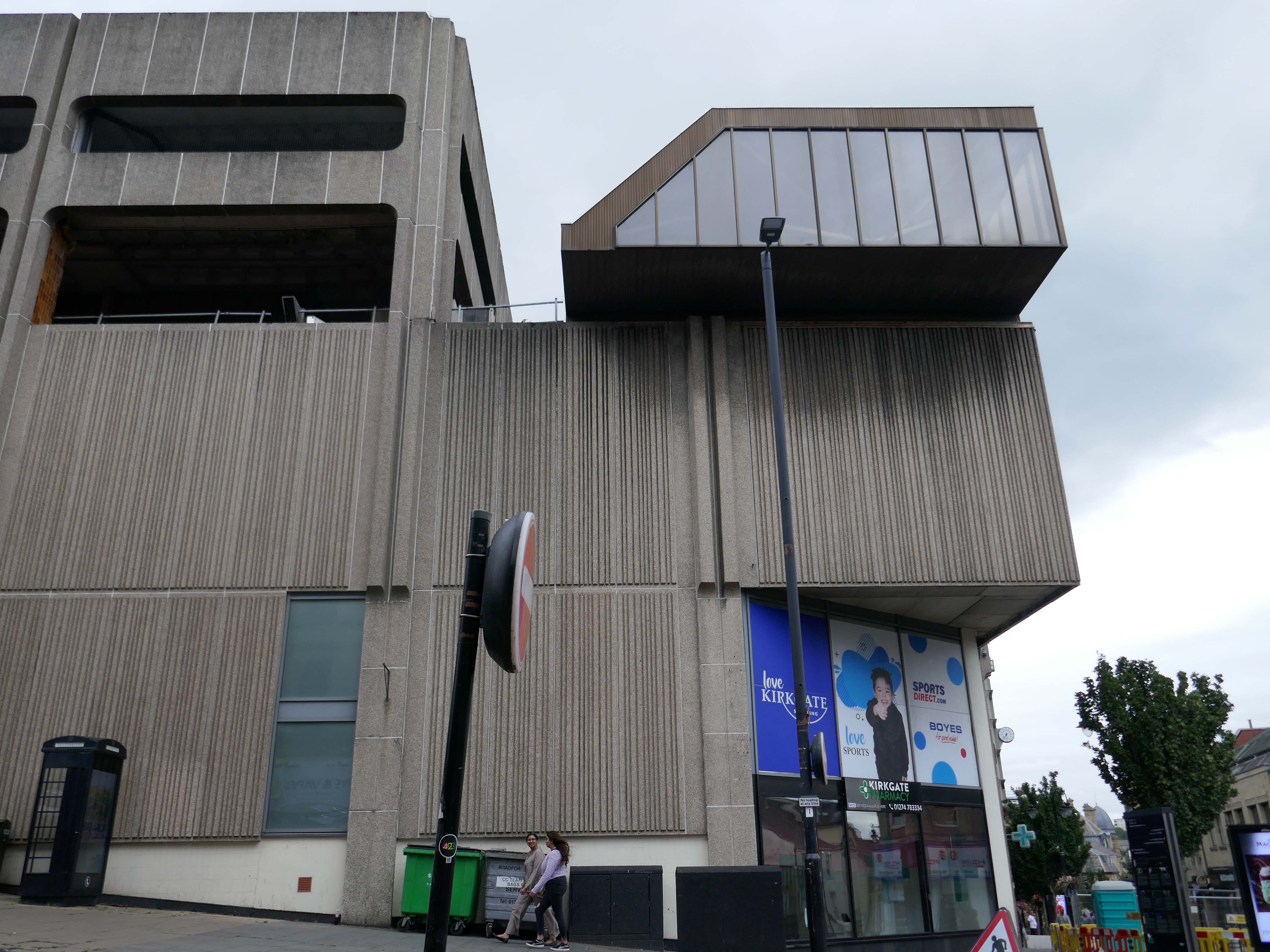
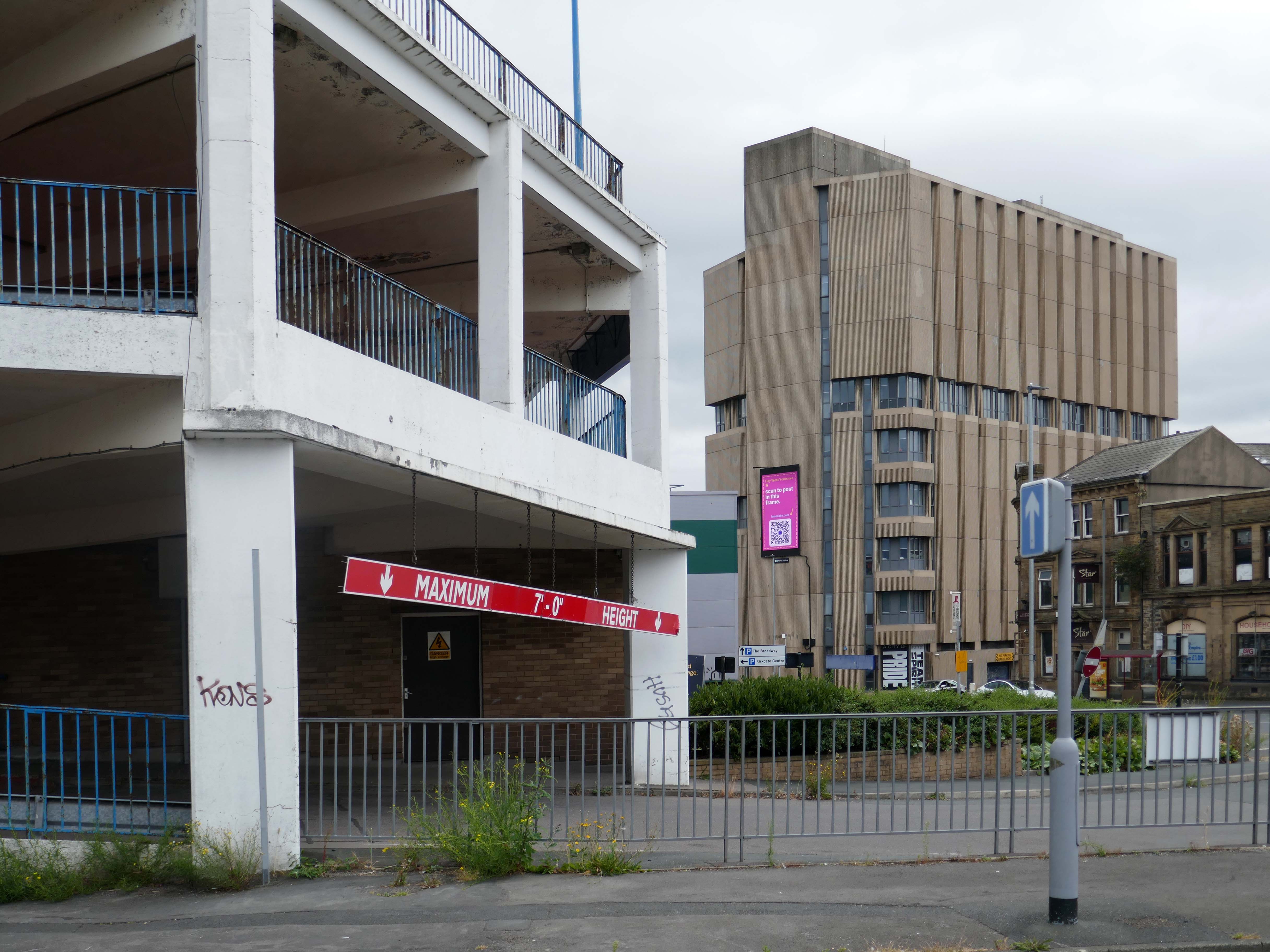
A stride away is the now closed Kirkgate Centre and Market – John Brunton and Partners 1975.
Demolition work will begin later this year to make way for the recently approved City Village development, comprising up to one thousand new homes, with the aim of creating a stronger, more welcoming, and sustainable future for Bradford.
Some residents have welcomed the changes, with the Kirkgate Centre previously described as a blight on the landscape. But others, like Barbara, lament the loss of the places they knew and loved.
Every time you go anywhere something has gone missing. Some of the changes are alright, some of them I think they could do without.
In 1979, the building won a European award from the International Council of Shopping Centres.
But the Historic England report described its design as mundane and repetitive.
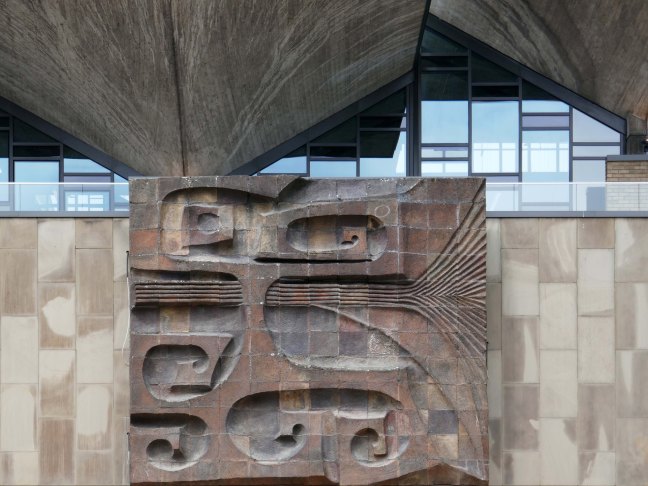
The William Mitchell concrete reliefs housed in the market are to be conserved along with the Fritz Steller tiles.
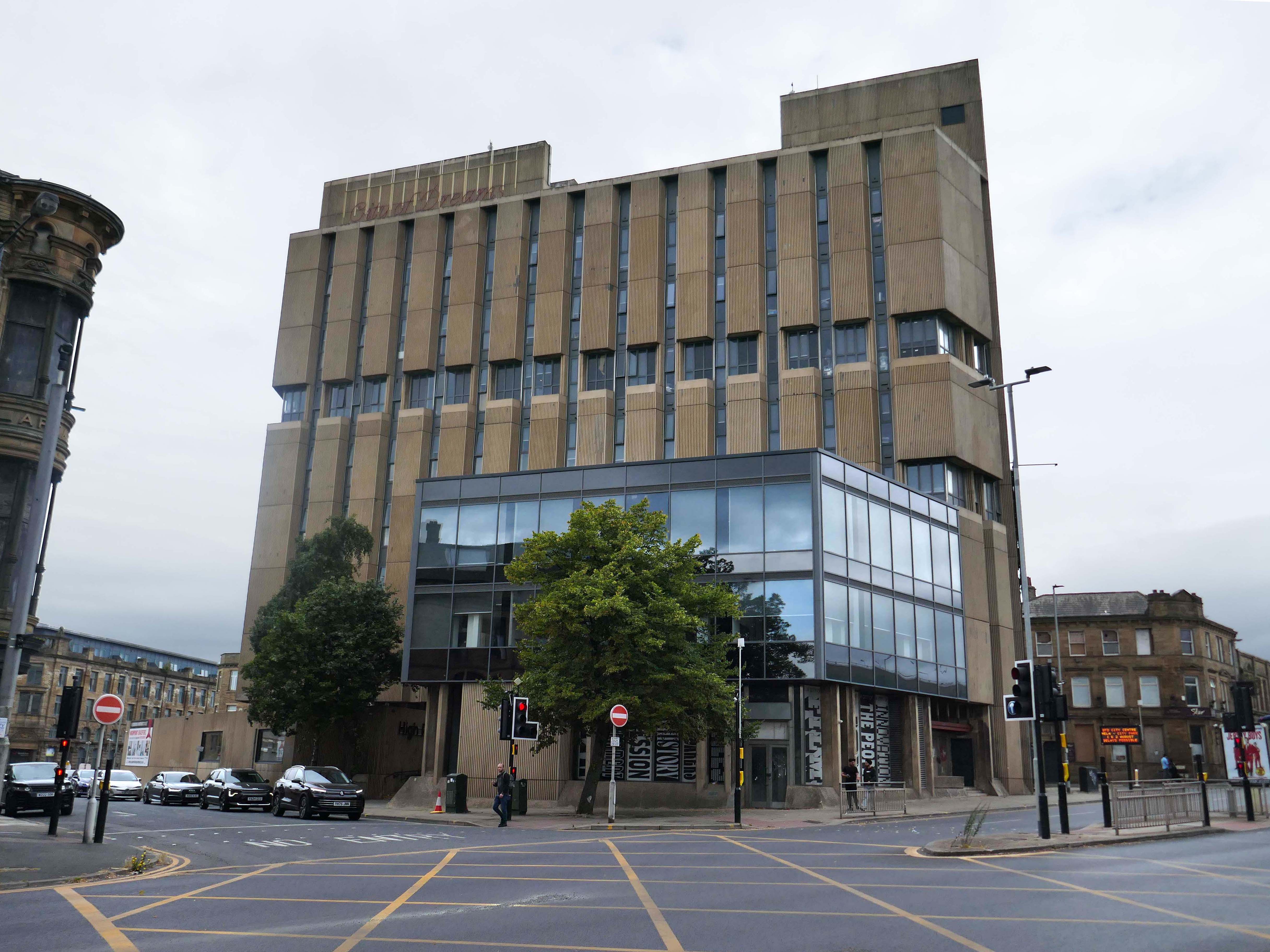
Higher up the hill John Brunton’s Highpoint has survived the call for demolition.
The derelict former headquarters of Yorkshire Building Society, on one of the highest parts of the city centre, looms over the city centre, and to many people is the city’s ugliest building.
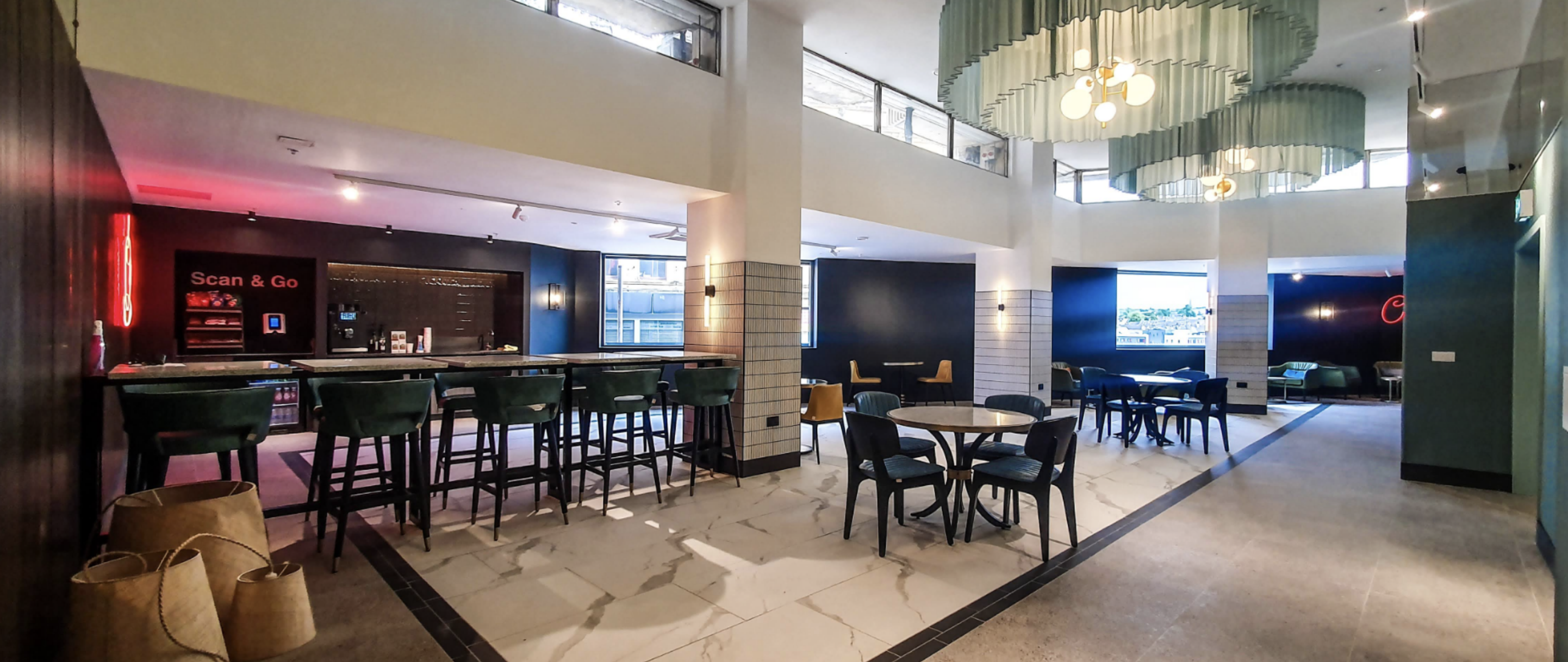
It is now home to an innovative residential apartment complex with a community at its heart, which embraces ideas of sustainability, preservation, and rejuvenation that will bring a new lease of life to this abandoned landmark.
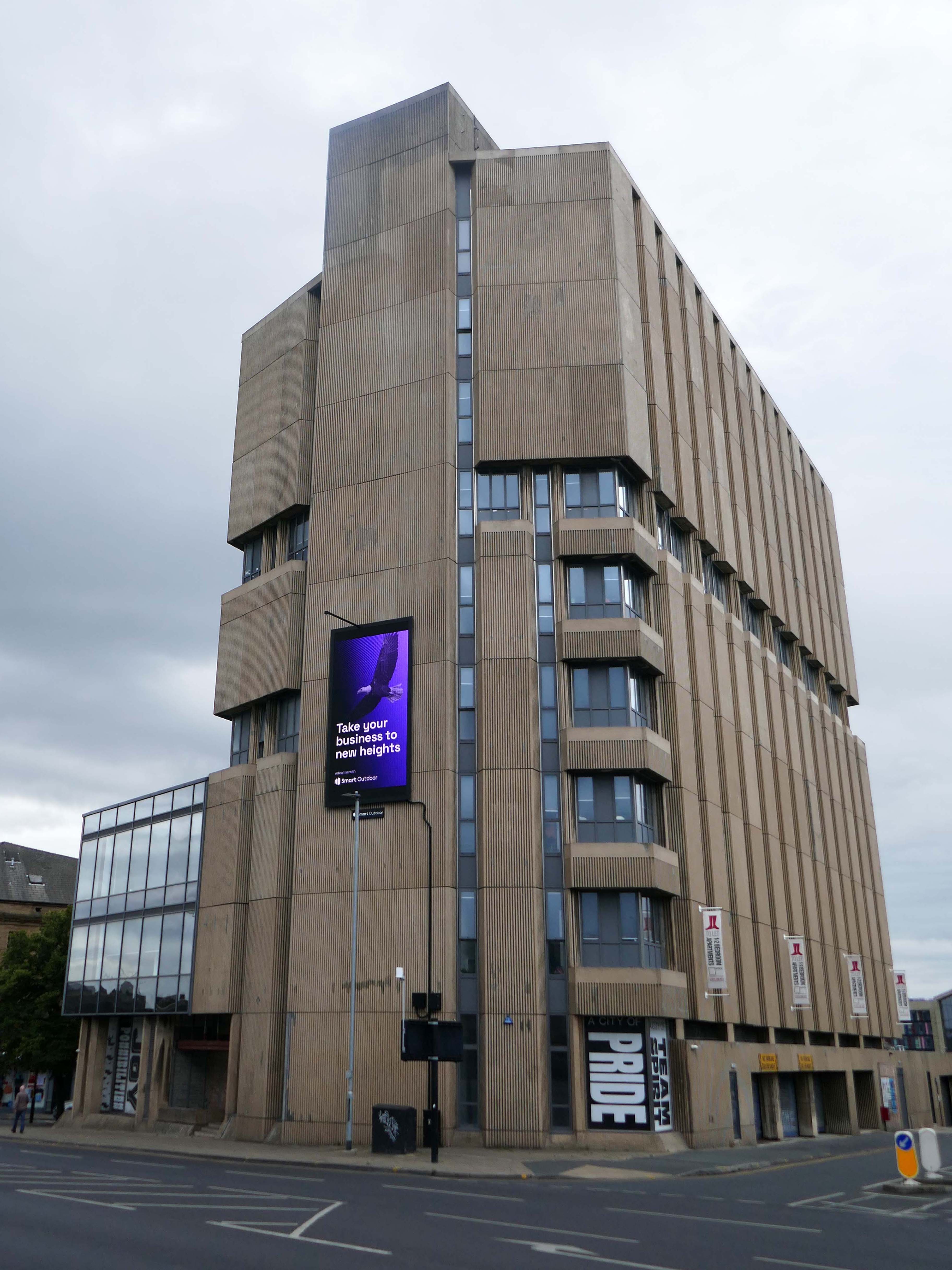
A tower block in Bradford likened to a structure from sci-fi movie Blade Runner has been named as the best brutalist building in the country.
Built in the 1970s, High Point, the former headquarters of the Huddersfield and Bradford Building Society, was recently converted into eighty seven flats as part of a £12m regeneration scheme.
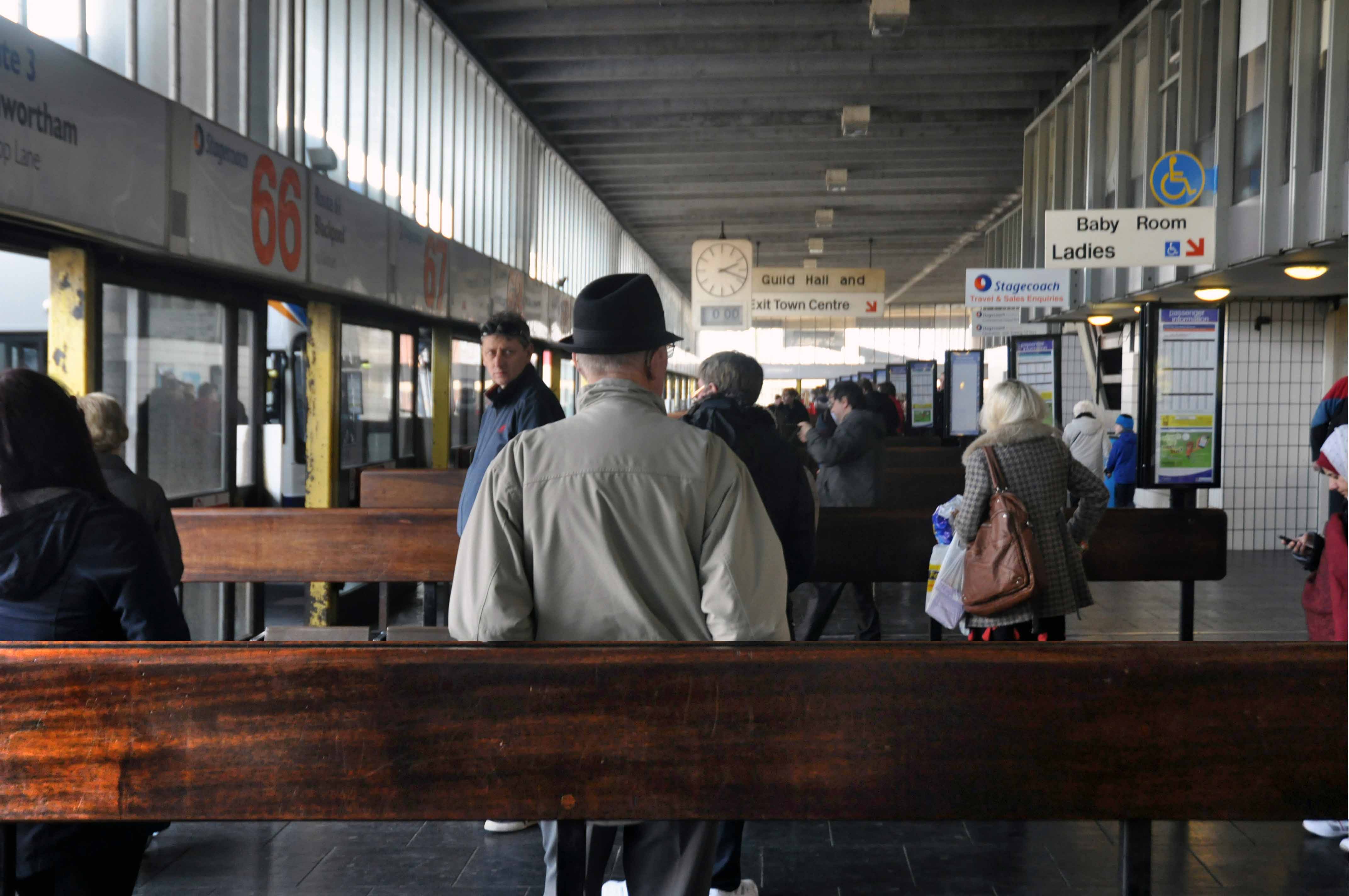
National newspaper The Telegraph named the building top of its brutalist list – ahead of the Barbican, in London, Bristol’s Clifton Cathedral and Preston bus station.
Si Cunningham, who chairs Bradford Civic Society, said it remained one of the city’s
Highpoint’s neighbour the Oastler Centre is closed and awaiting demolition.
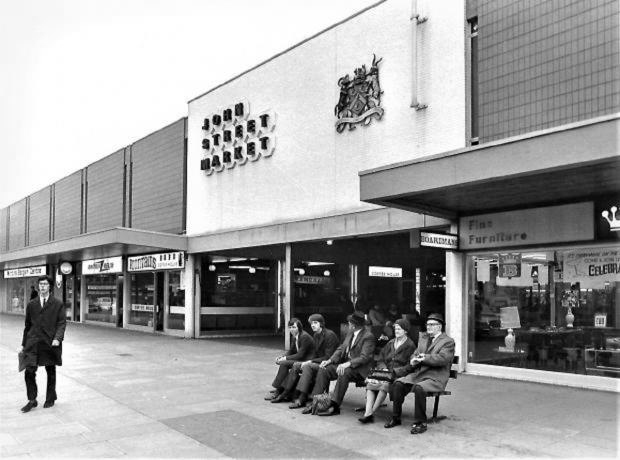
The Oastler Shopping Centre, formerly known as the John Street Market contained 176 stalls comprising a retail area, with an additional twenty three external shops and twenty seven storerooms. The cafes and stalls within the centre were various food, clothing and craft shops with some of the cafes and stalls having been in business since the 1960s.
The original outdoor open-air market was renovated to an indoor market in the early 1970s to make economic improvements to the upper side of the city centre and was named for the abolitionist Richard Oastler.
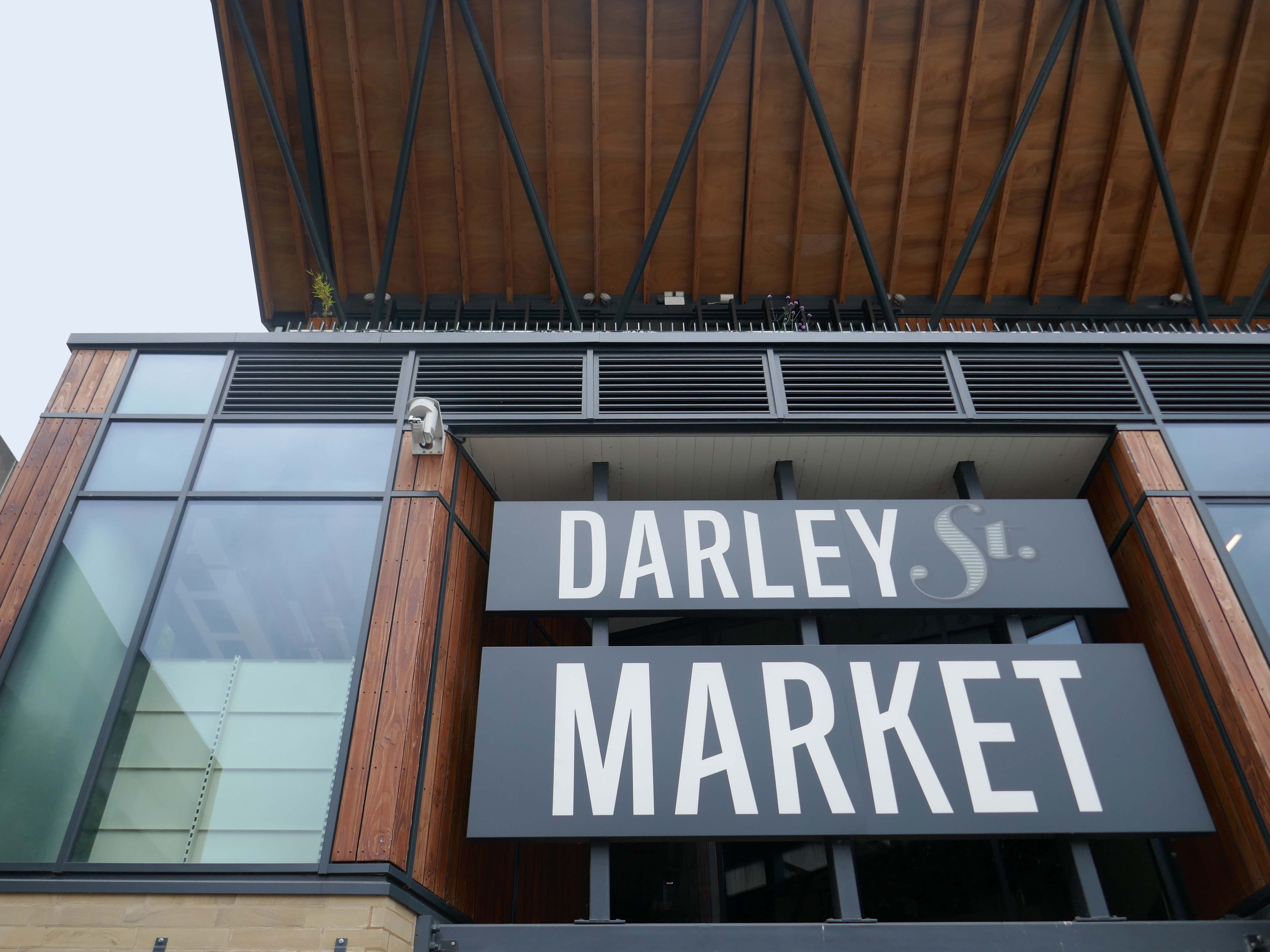
As part of the Bradford’s regeneration projects in line with the successful UK City of Culture 2025 bid, the Oastler Centre was scheduled to be demolished in late 2023 to make way for the new Darley Street Market.
The Oastler Marker had its final day of trading on 28 June 2025.
The centre along with the nearby Kirkgate Market will be demolished and replaced with green space, housing and new commercial spaces in line with the new Darley Street Market and planned City Village, an area of green space nearby the site.
A tale of two exchanges in one city – forty years apart.
It was the best of times, it was the worst of times, it was the age of wisdom, it was the age of foolishness, it was the epoch of belief, it was the epoch of incredulity, it was the season of Light, it was the season of Darkness, it was the spring of hope, it was the winter of despair, we had everything before us, we had nothing before us, we were all going direct to Heaven, we were all going direct the other way – in short, the period was so far like the present period, that some of its noisiest authorities insisted on its being received, for good or for evil, in the superlative degree of comparison only.
Charles Dickens.
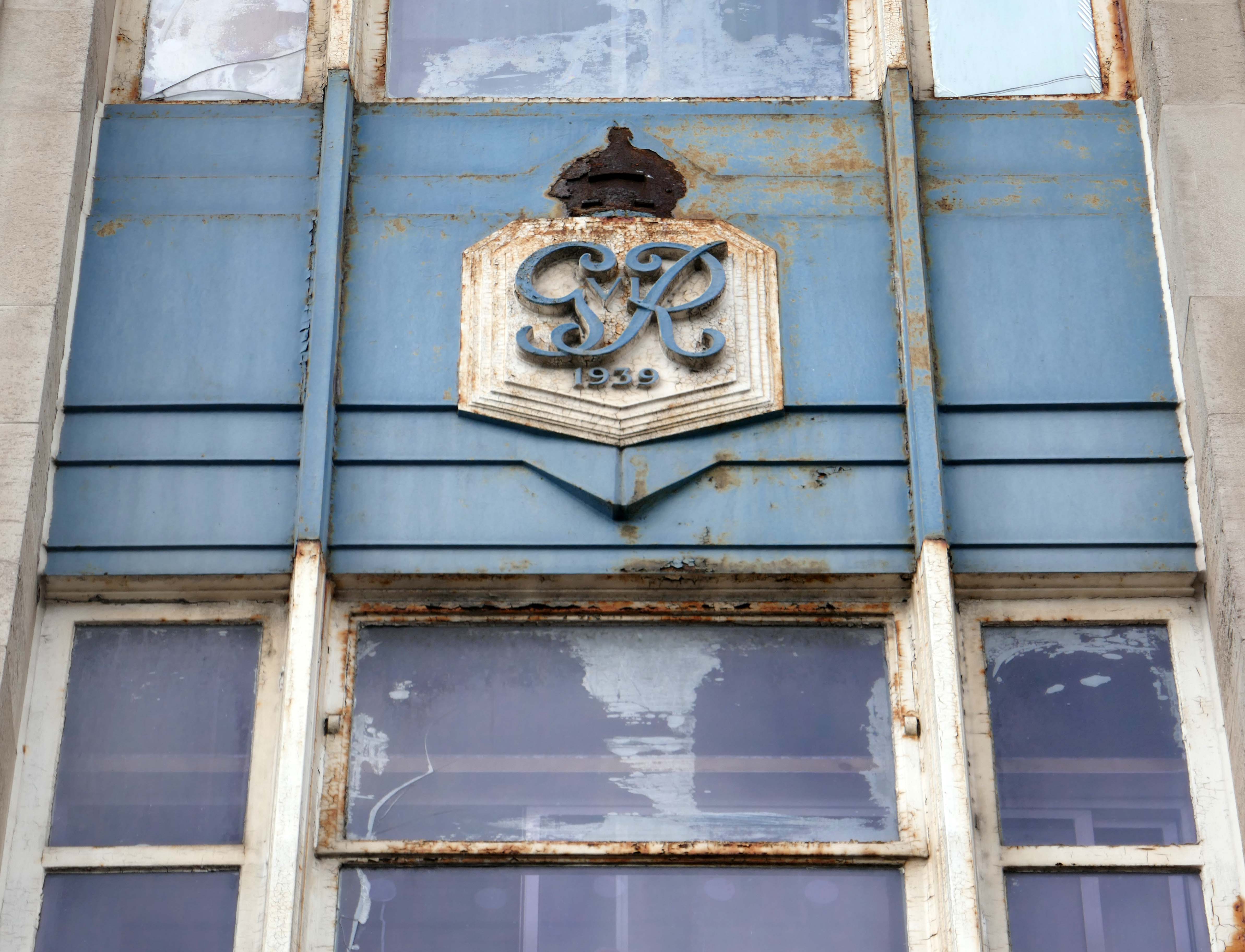
The Exchange of 1939 designed by FA Key.
The Exchange of 1976 by Trevor H Anson PSA Architect.
My thanks to Lisa Kinch of tele_exchange over at Instagram for the facts.
Let’s circumnavigate the site.
Just to spoil the twosome allusions there was a third exchange – just as there was a Third Man, returning from the dead.
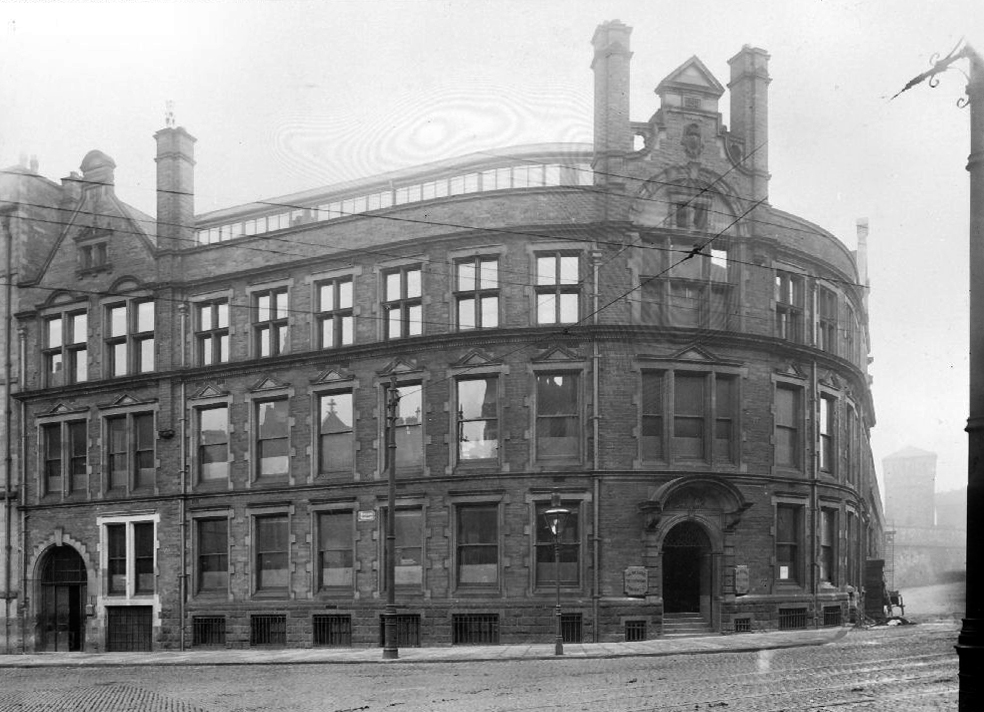
Bradford’s last manual exchange was on the corner of Nelson Street and Union Street, opposite Bradford Town Hall.
It was opened by the National Telephone Company around 1900 to replace a magneto manual exchange in Swan Arcade. It closed on Saturday 26 July 1947 when the current Bradford exchange was opened.
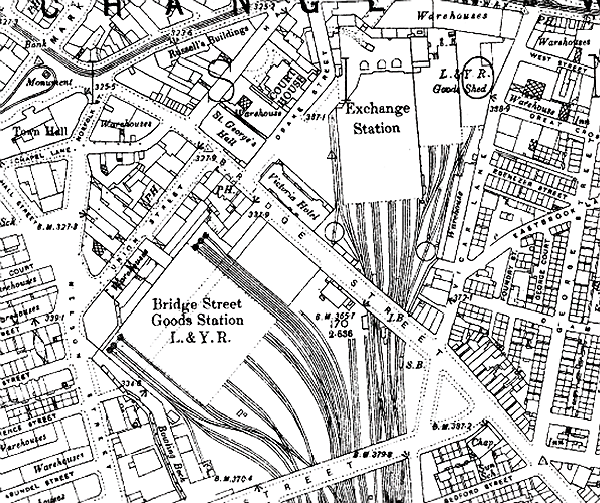
The original railway station, named Bradford Exchange, was opened by the joint efforts of the Lancashire and Yorkshire Railway and the Great Northern Railway on 9 May 1850. The railway station with its 10 platforms was deemed too large and was again rebuilt, this time on a different site slightly further south.
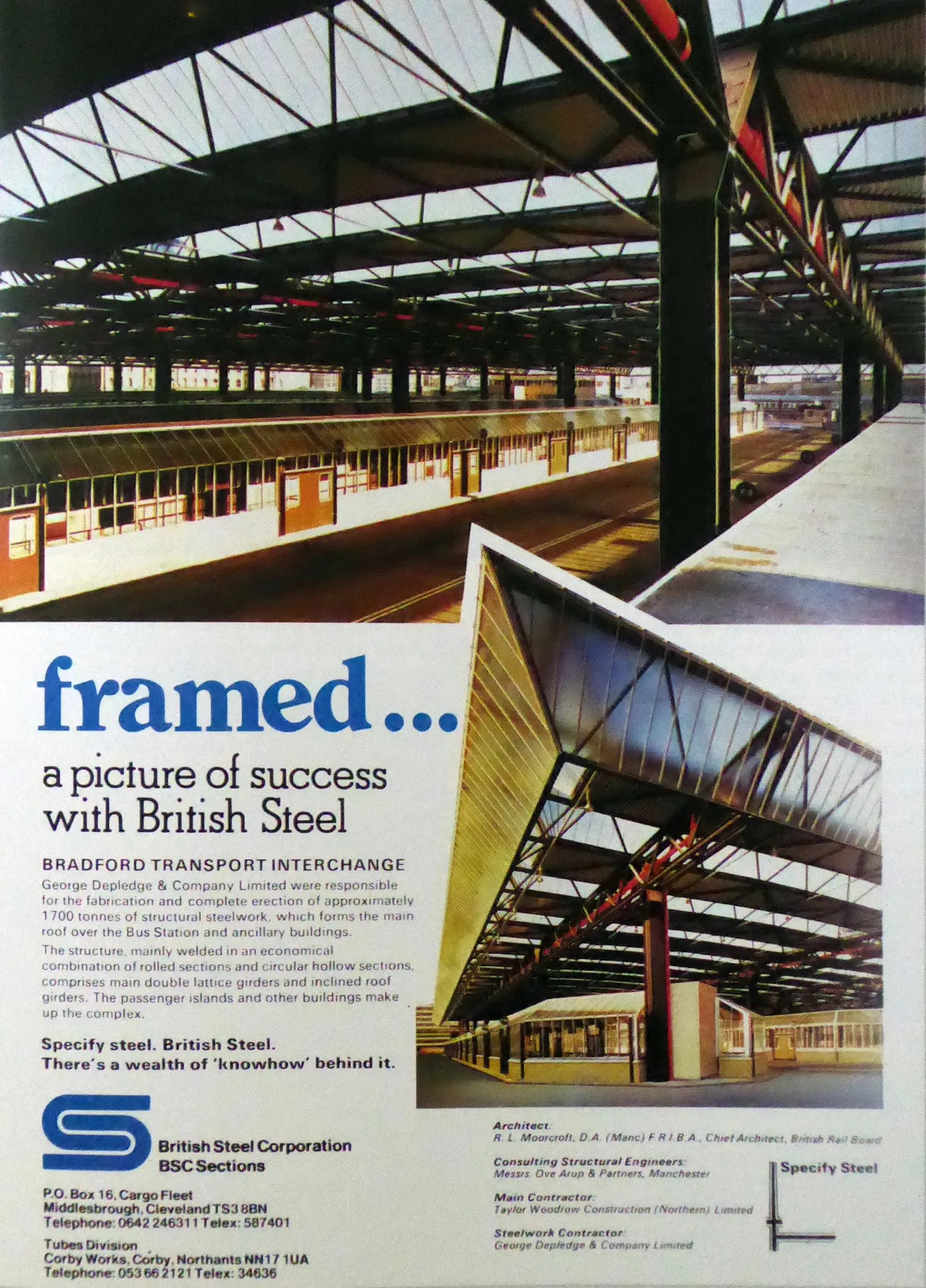
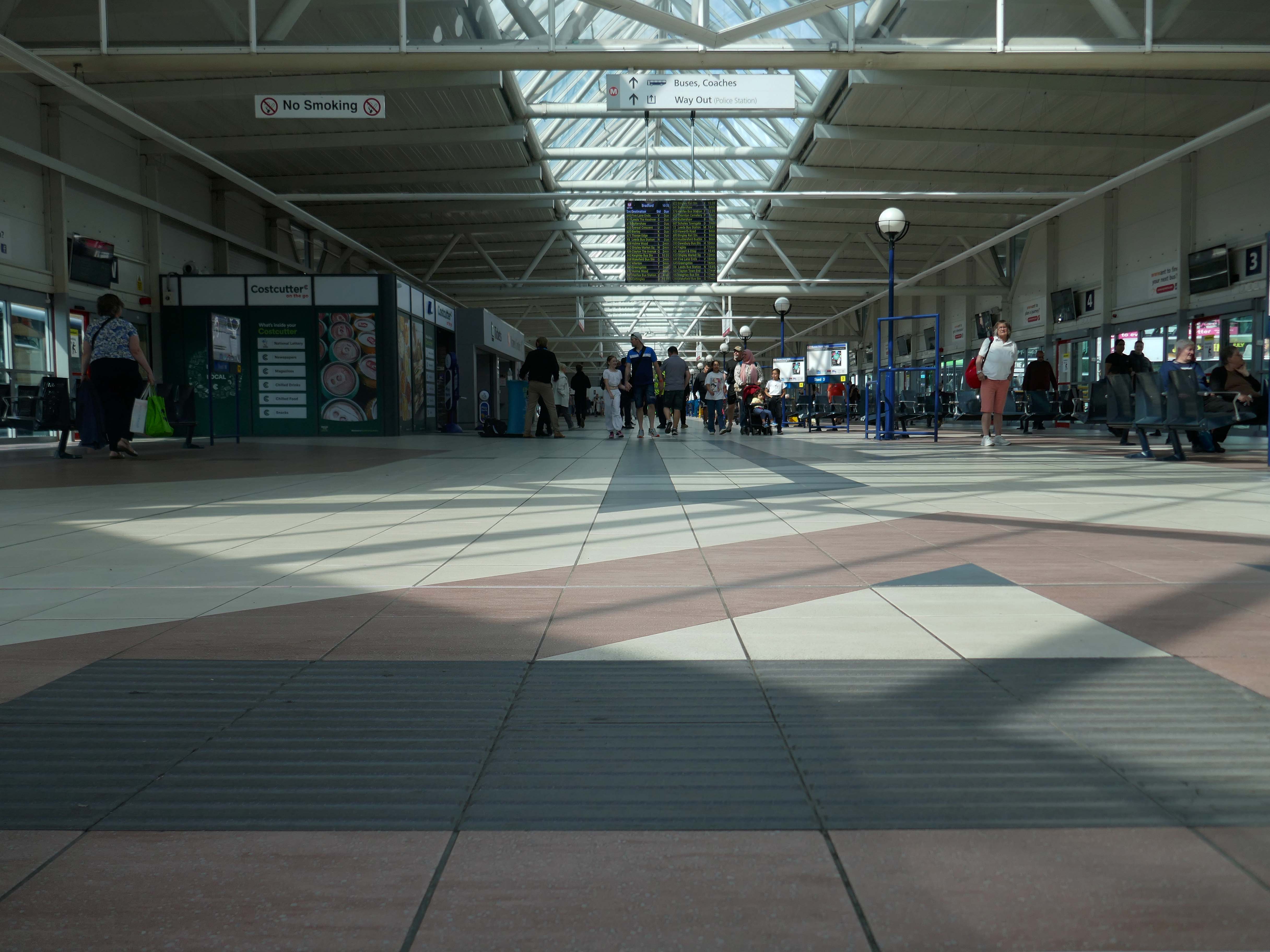
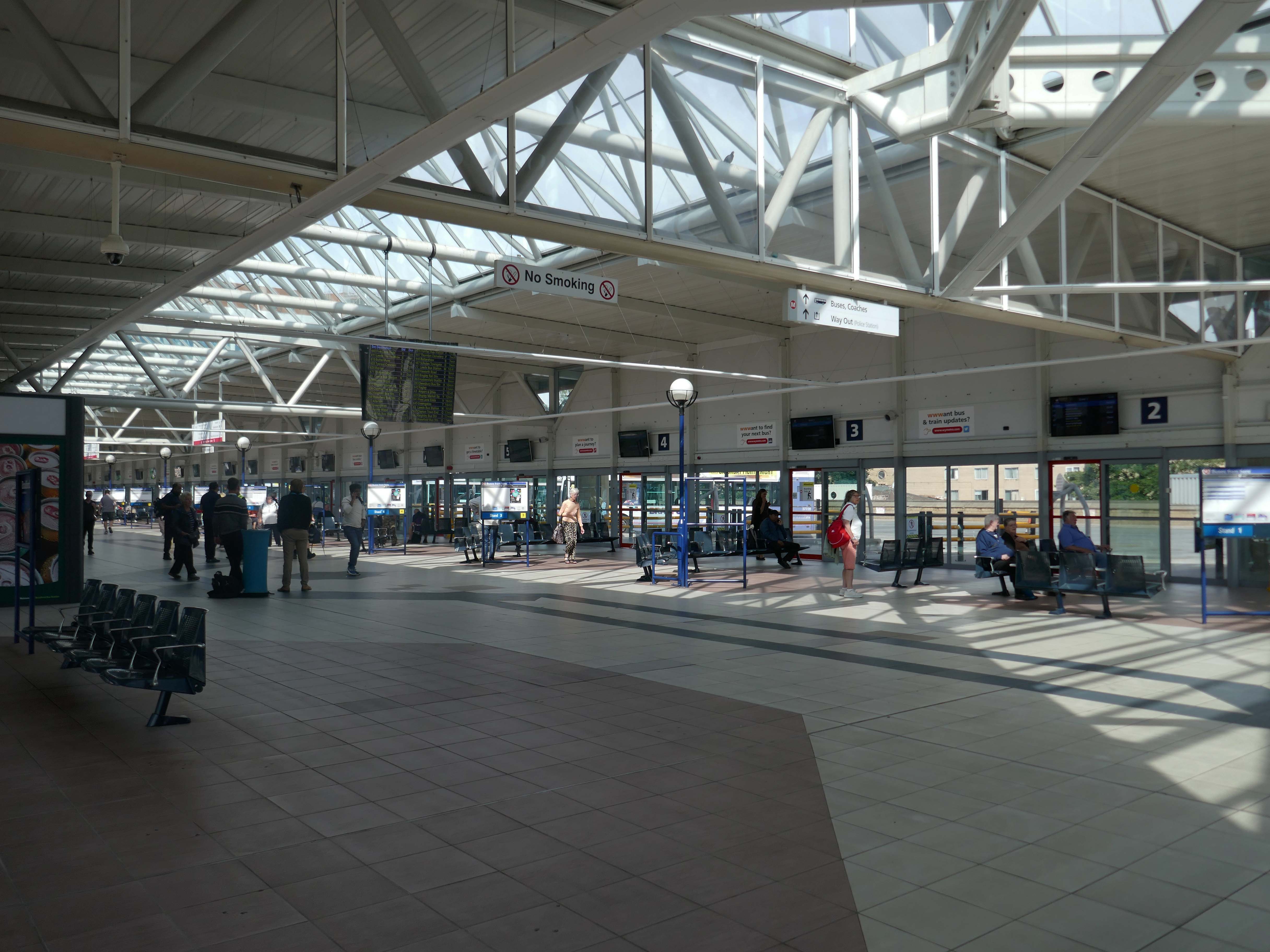
The Interchange was designed in 1962, it was hailed as a showpiece of European design when it opened in 1971.
Architects WC Brown Borough Architect and RL Moorcroft BR.
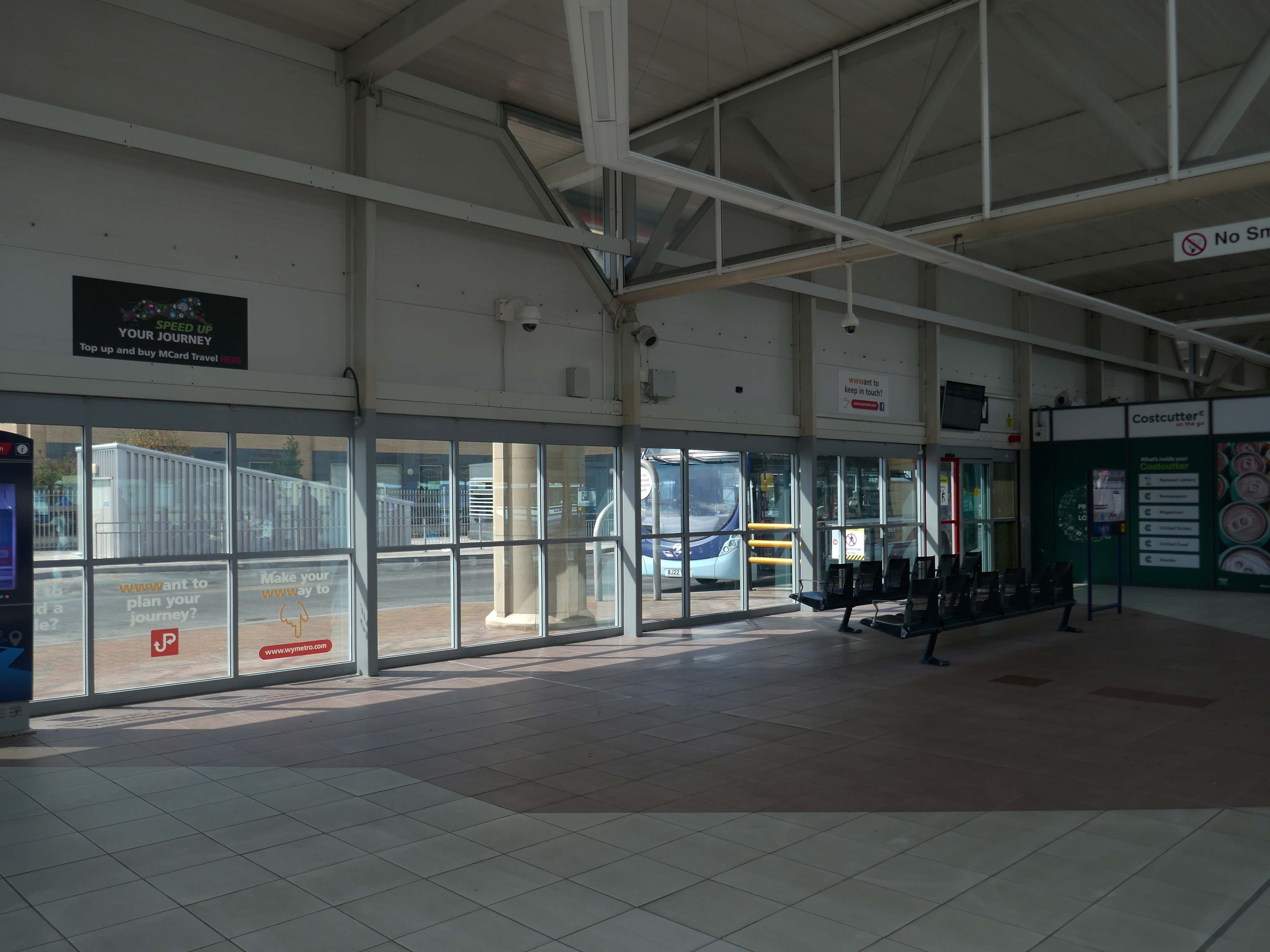
The bus station featured a large ridge and furrow design of overall roof, which was subsequently demolished in 1999 to allow for a rebuilding of the bus station, which was opened in 2001.
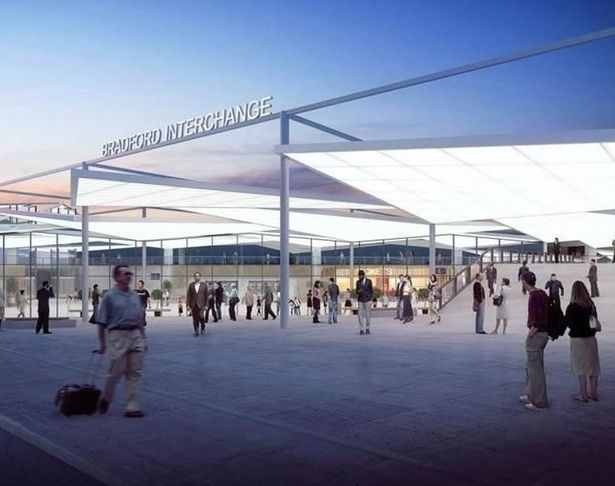
Further down the line, the plans of 2020 are yet to be realised.
So the curved and tented canopy is still in place, with the addition of seating in the newly landscaped plaza area – designed by Fereday Pollard.
The area has replaced the former taxi rank and drop-off point, and has new paving, seating and planters.
Designs include a new pocket park, plaza and interiors, all formed as a high quality welcoming visual amenity whilst repairing the disparate components which form the backdrop of the proposals. In the plaza, a kaleidoscope of colours is complemented by a grid of generous planters with integrated seating and vibrantly coloured furniture to create a celebratory and flexible meeting space. The ‘Colours of Bradford’ introduce clarity and joy, with the new plaza serving as an extension to the station concourse, allowing meeting and dwell space to interact with the city and onward journeys. Reinforcing the moor to meadow narrative of our original scheme, the new pocket park creates a pollinator park, encouraging and promoting a connection with the wider surrounding landscape of Bradford and combined with the Tower of Now, pays tribute to the rich and varied cultures found in Bradford.
Fereday Pollard
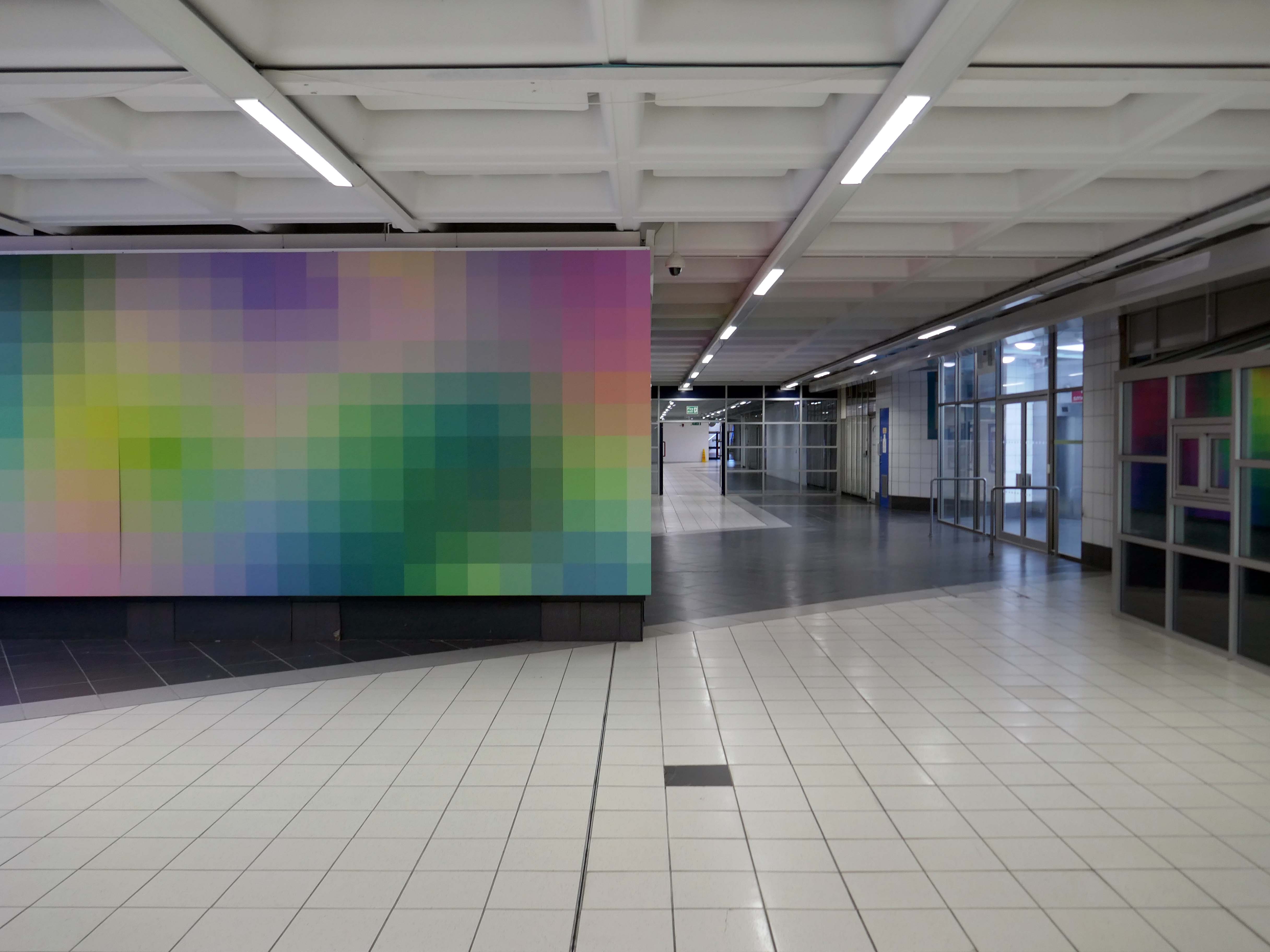
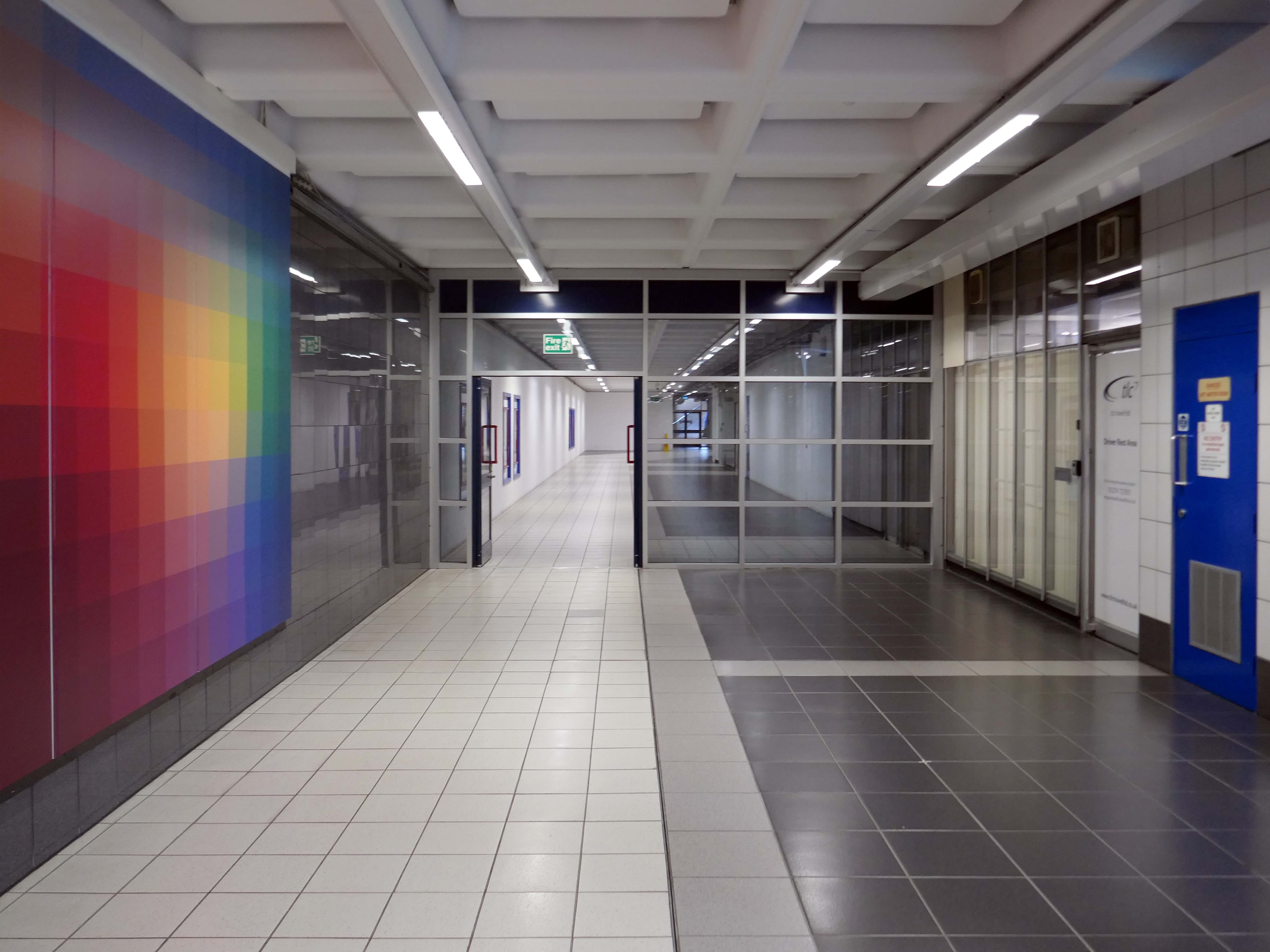
With Bradford awarded the UK City of Culture 2025, and an expected 15 million visitors during its year of celebrations, the city is ready for its moment in the spotlight. As part of these exciting developments, Bigg Design and Fun Makes Good are transforming Bradford’s main bus and rail interchange with super-scale, multi-surface artworks that will create an exciting, welcoming gateway to the city.
Their design work not a million miles from the prints and paintings of Richard Paul Lohse.
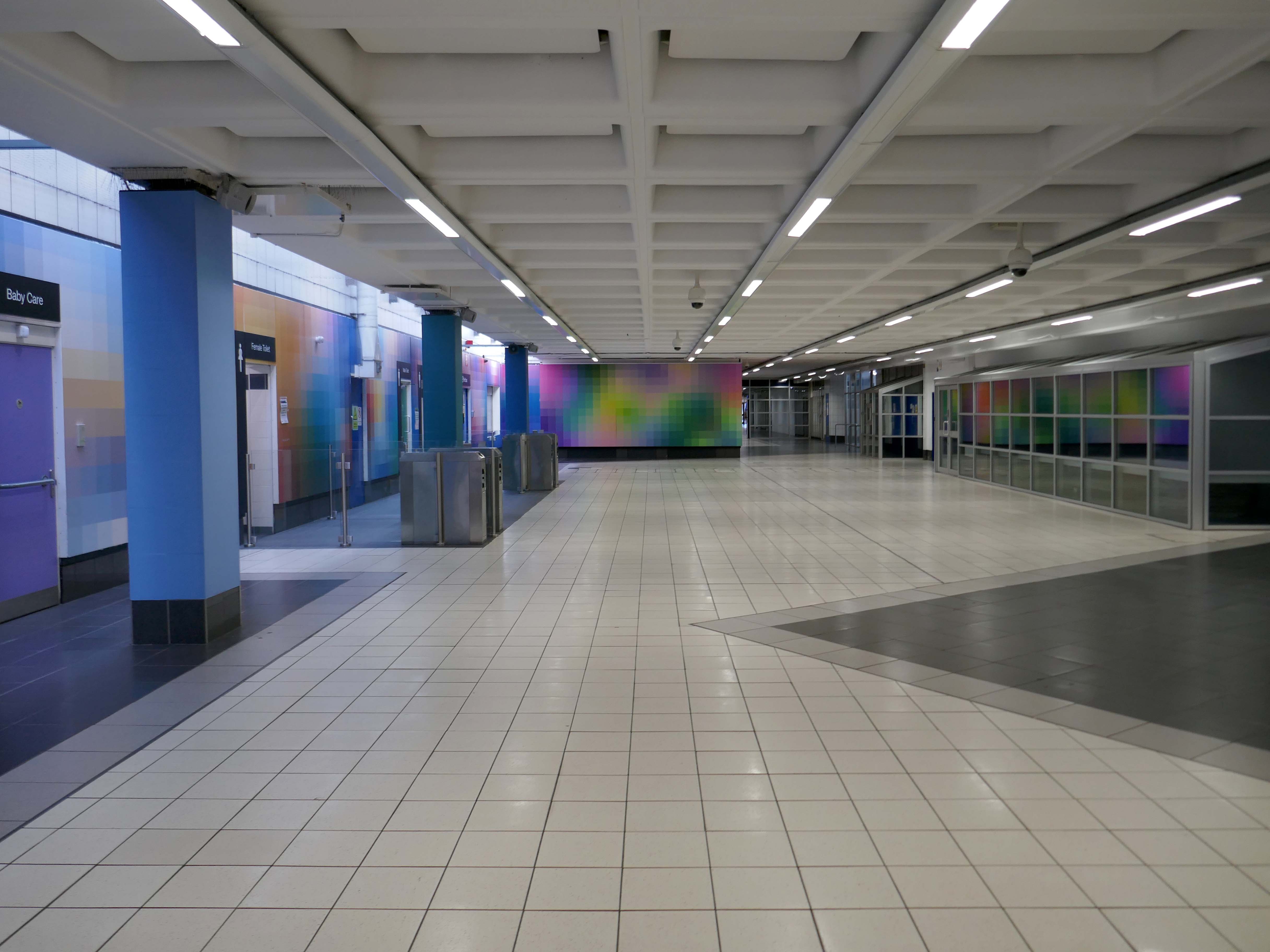
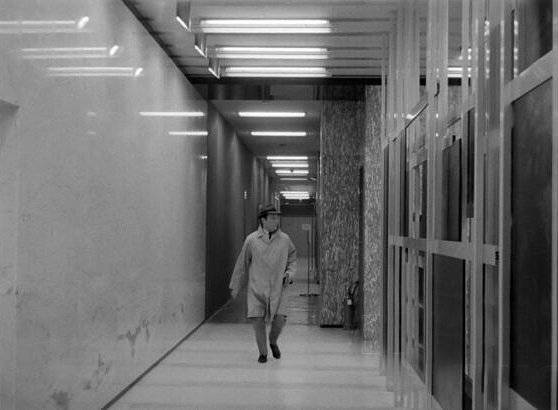
For me, this lower concourse always seems to have echoes of Jean-Luc Godard’s film Alphaville.
There are no special props or futuristic sets: instead, the film was shot in real locations in Paris, the night-time streets of the capital becoming the streets of Alphaville, while modernist glass and concrete buildings – which in 1965 were new and strange architectural designs, represent the city’s interiors.
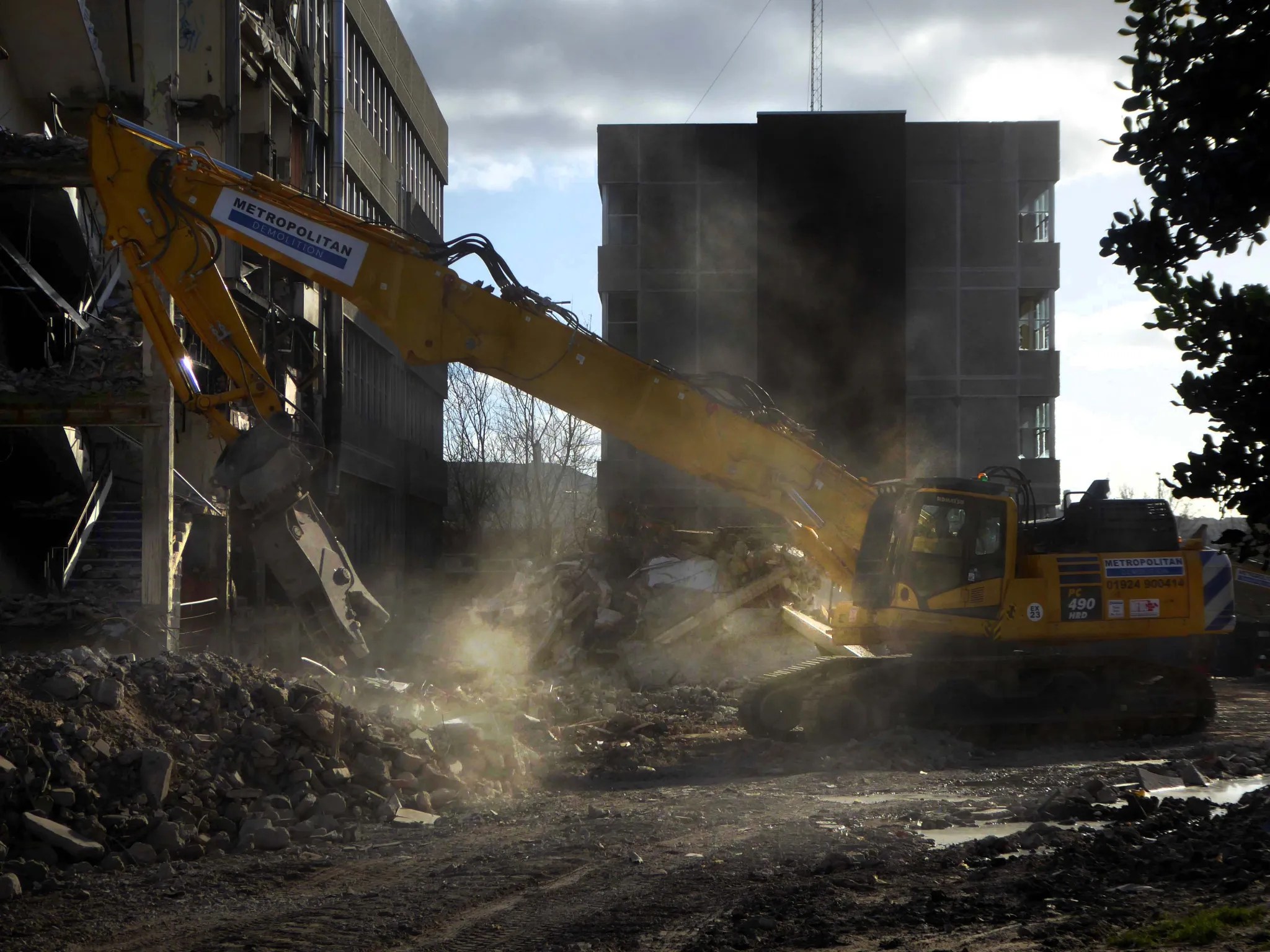
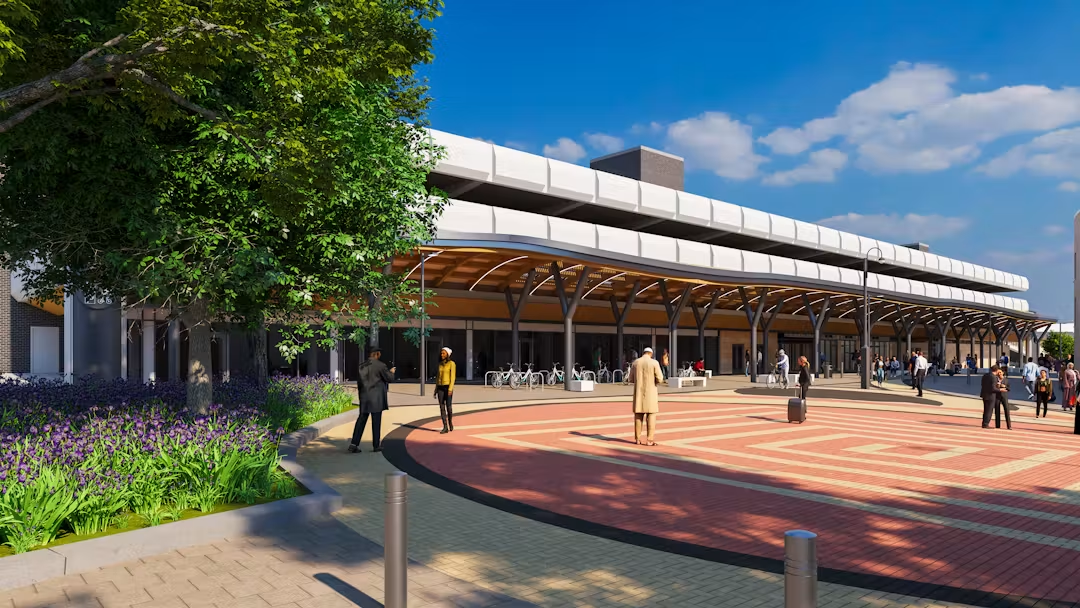
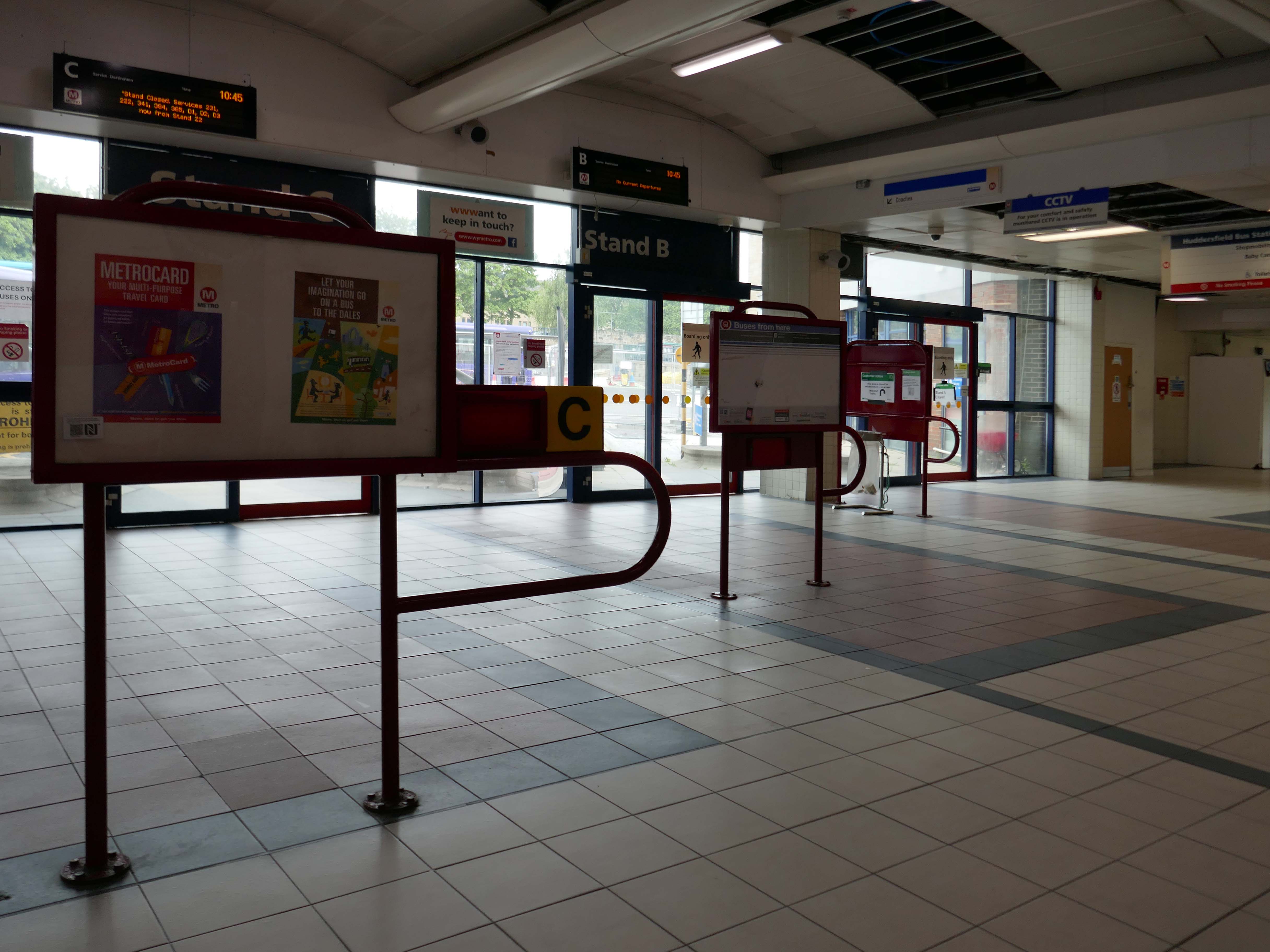
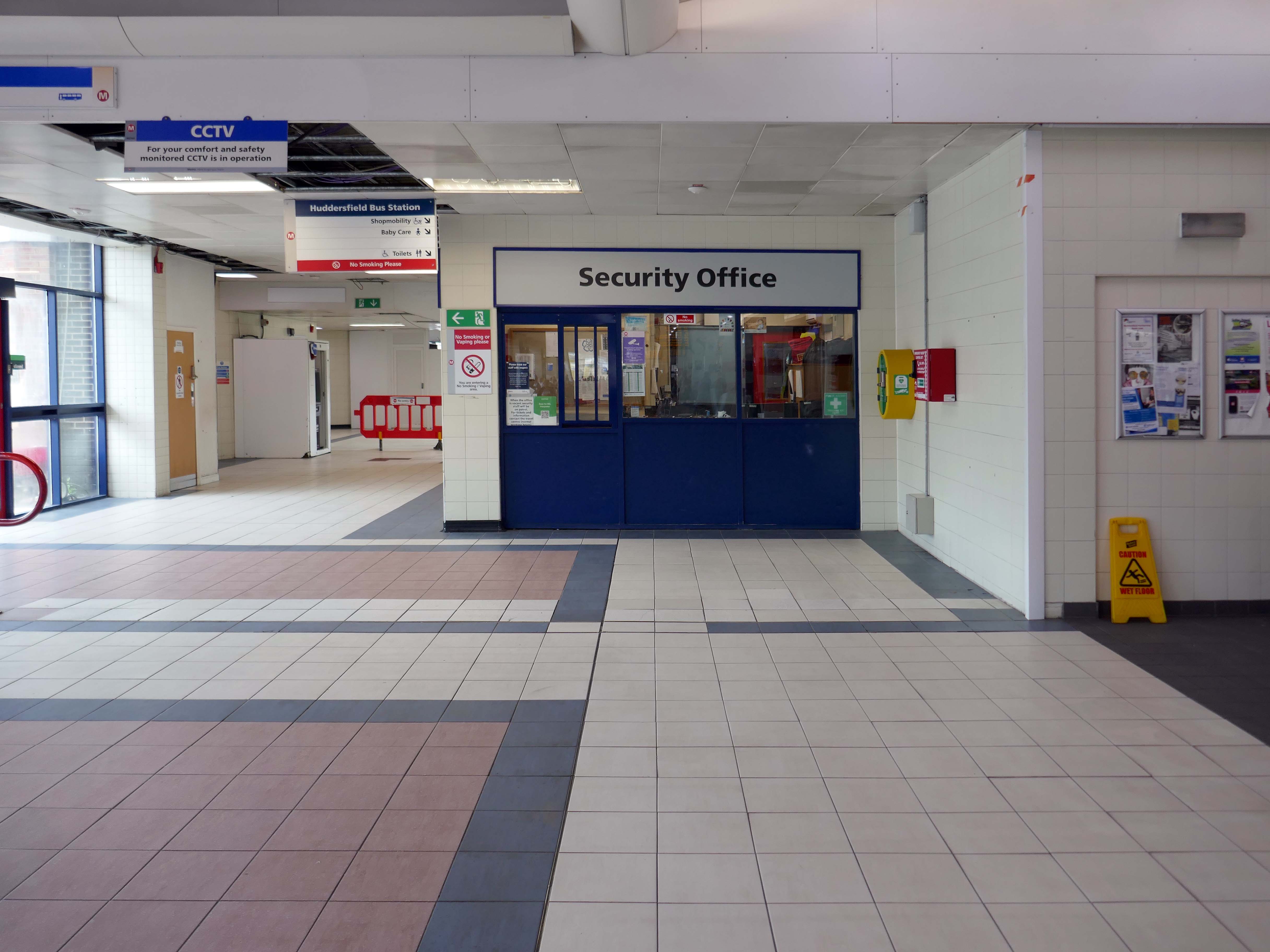
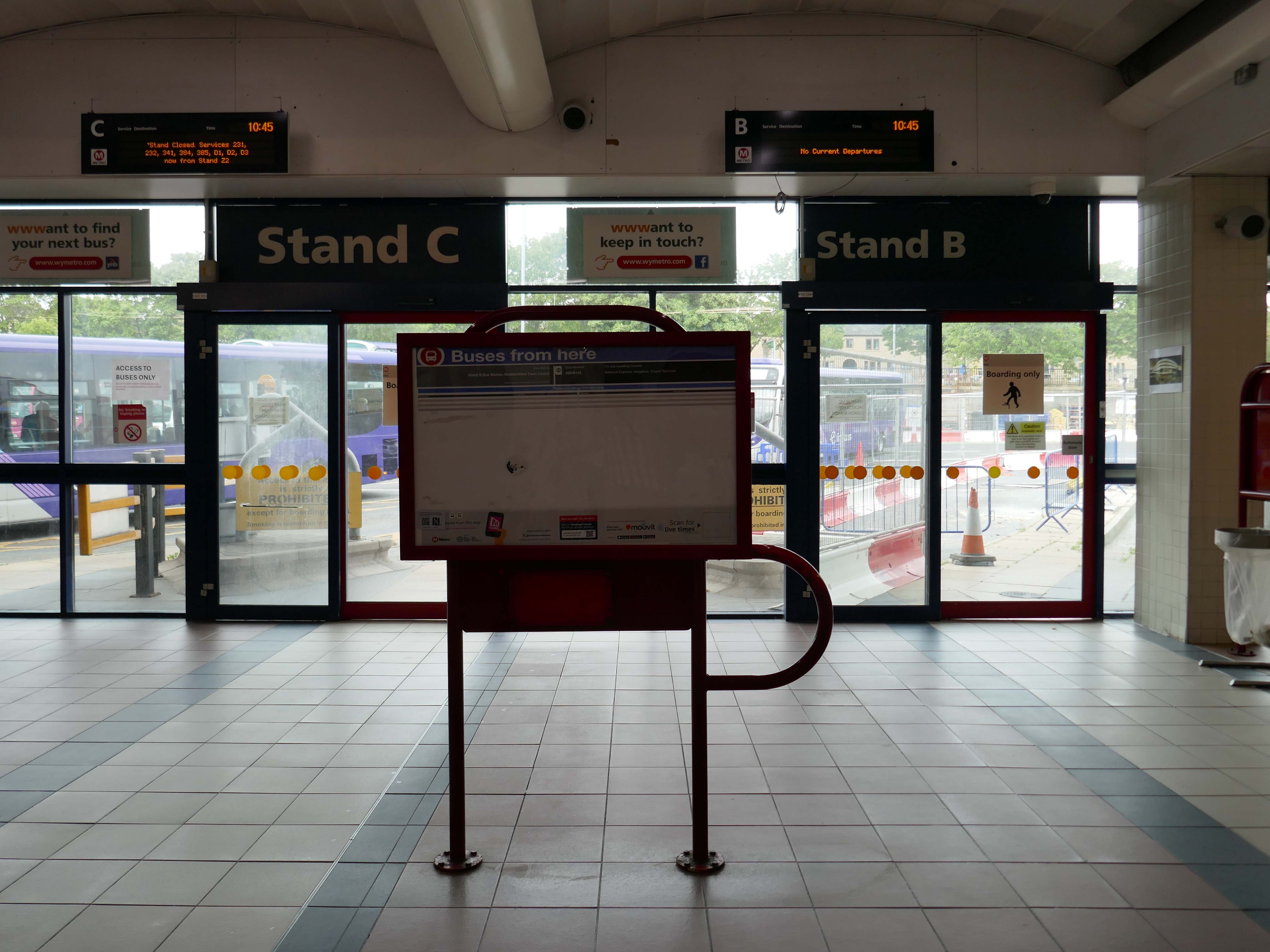
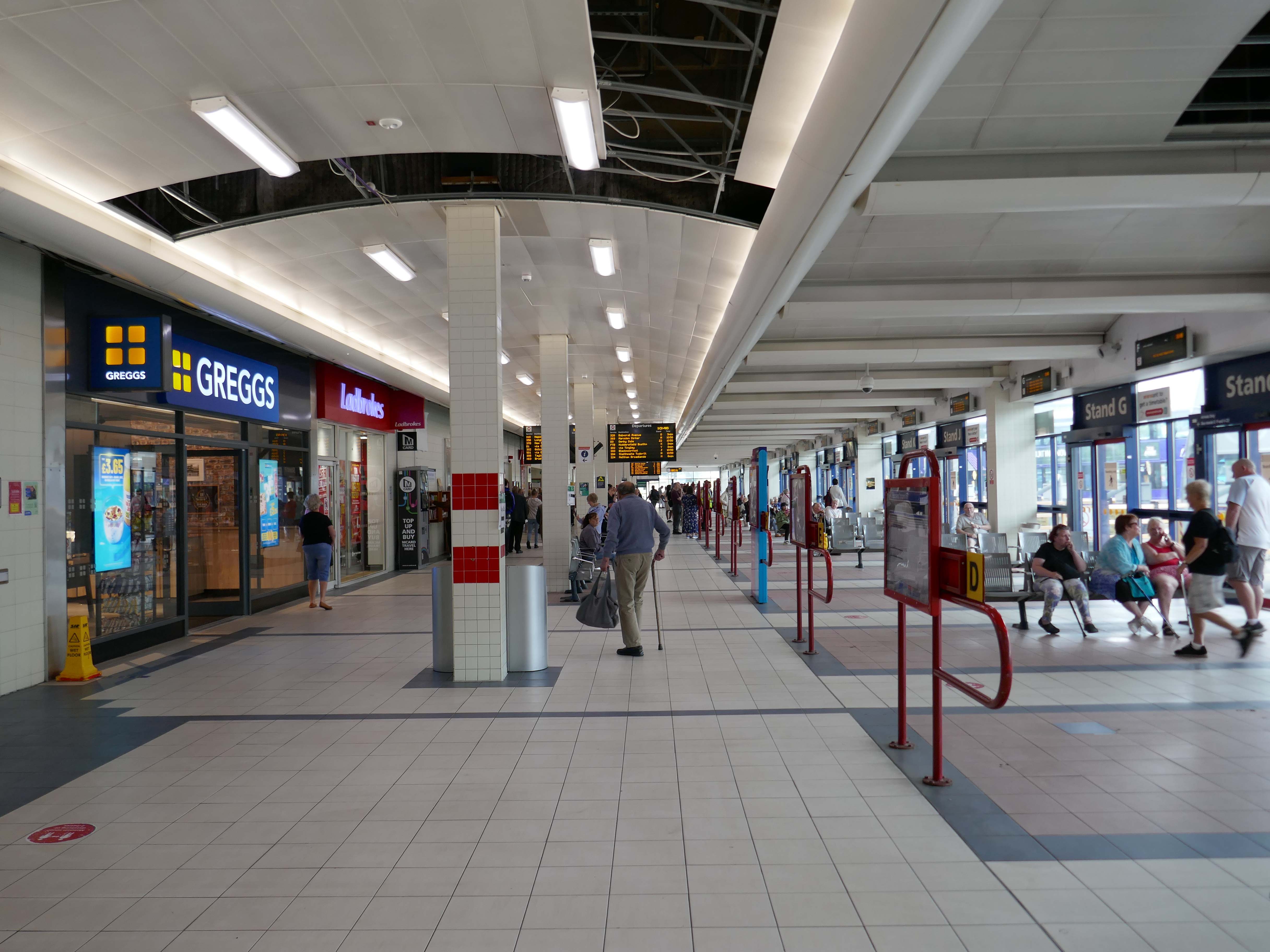
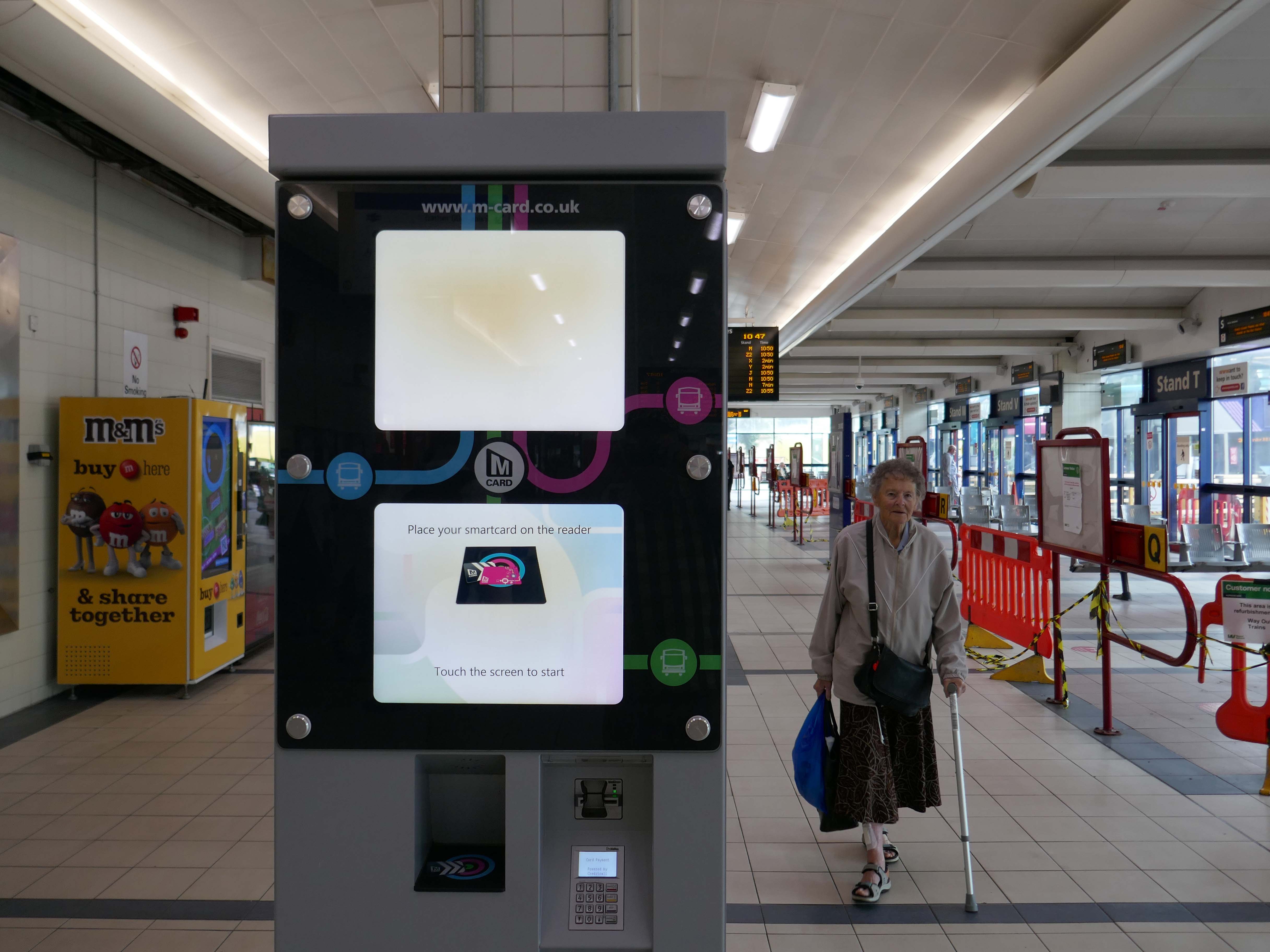
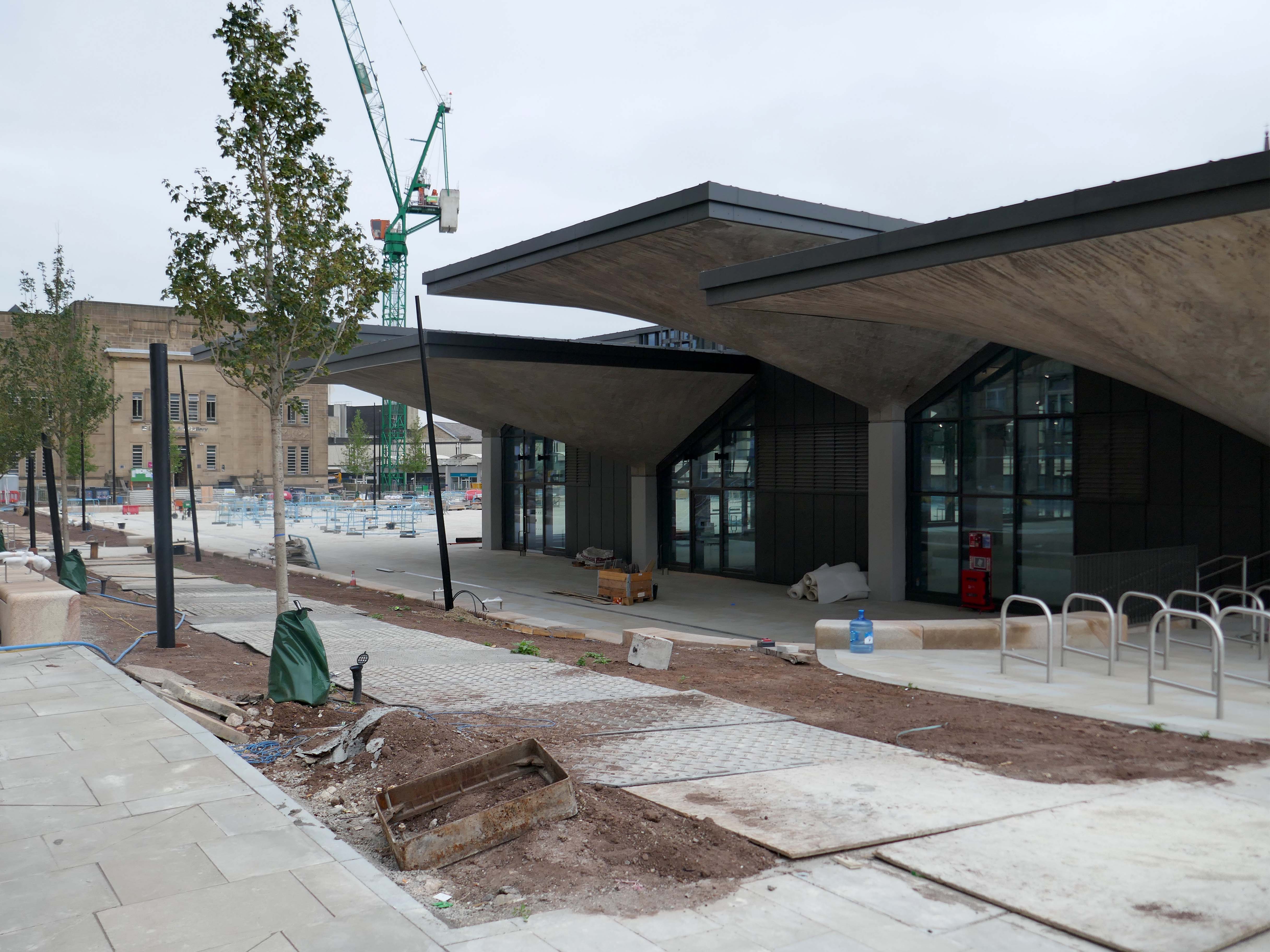
We are transforming Huddersfield Bus Station into a fully accessible facility.
Work is underway on the £28 million facility, which is funded by the West Yorkshire Combined Authority and Kirklees Council.
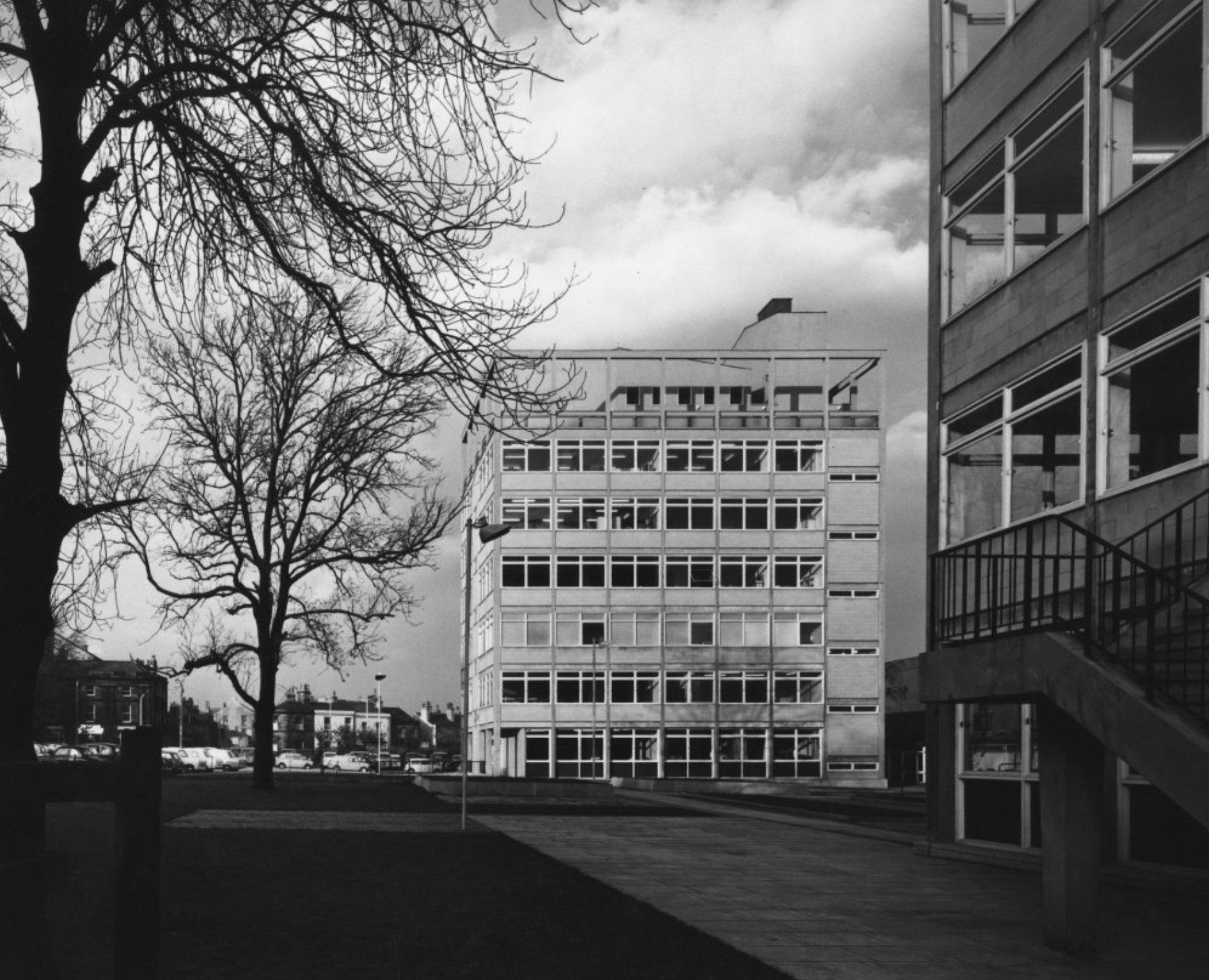
I was informed by the seriously erudite Christopher Marsden, that the bus station and car park were the work of Derek C W Vane: Borough Architect 1972-1974.
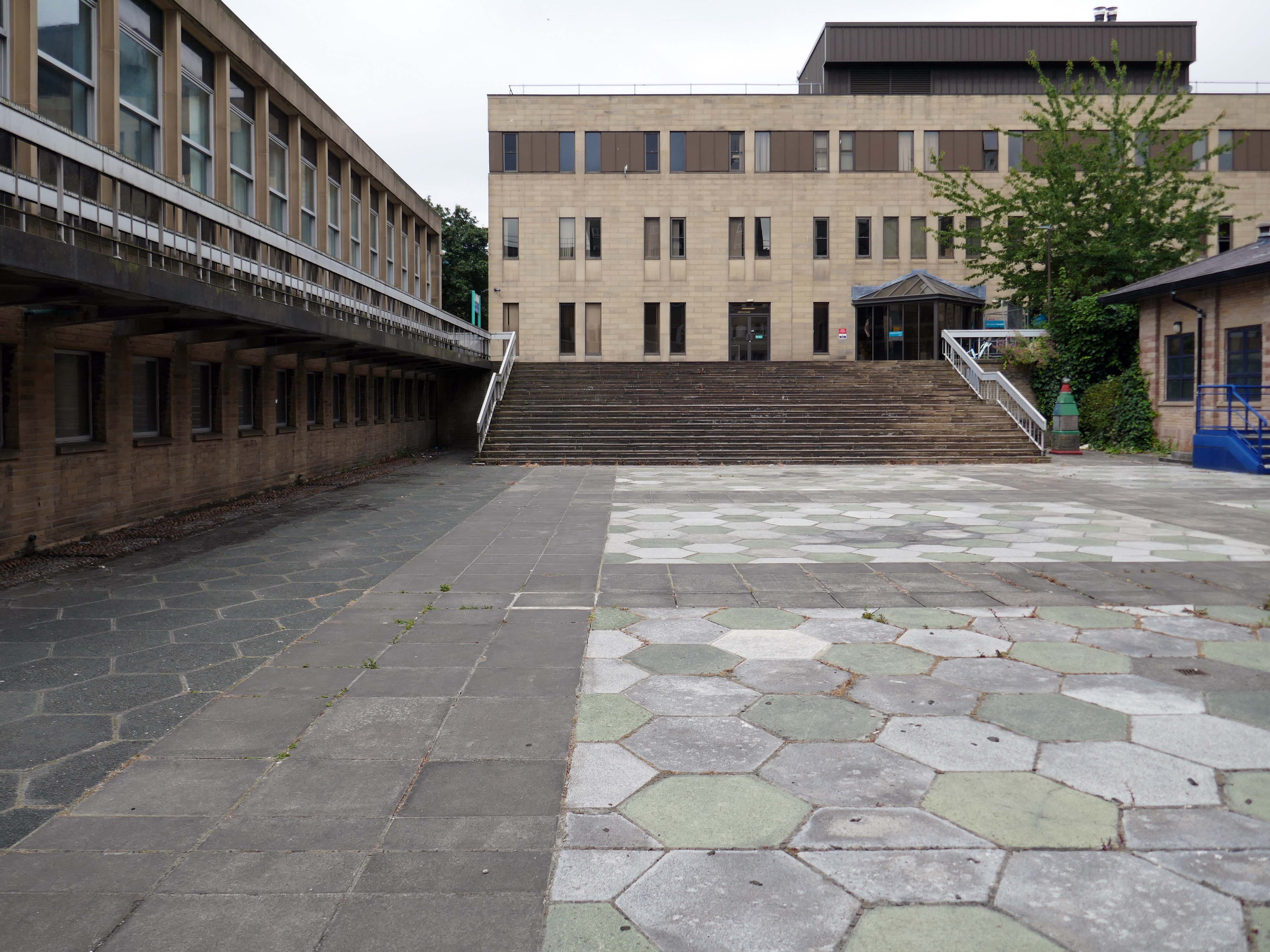
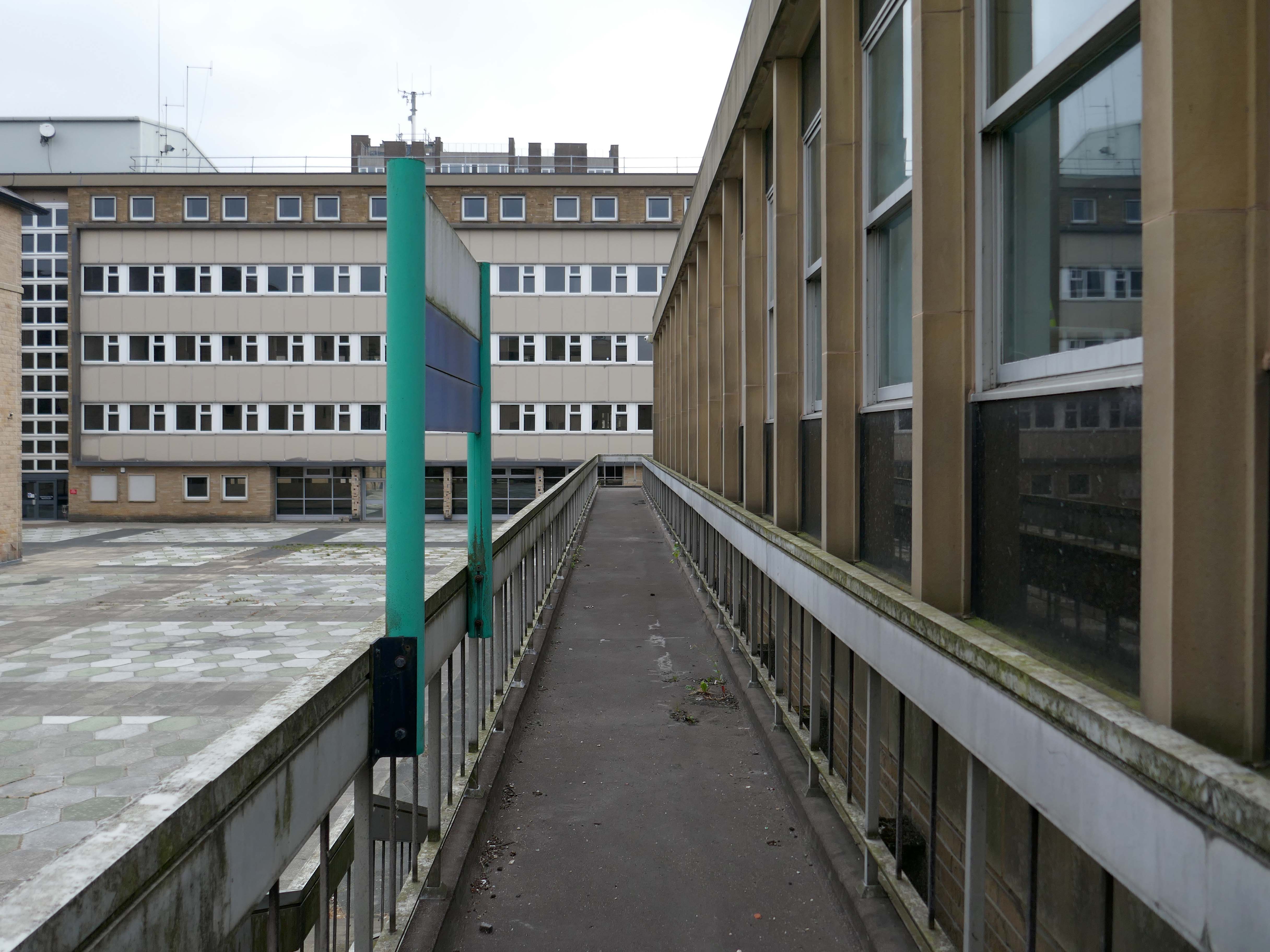
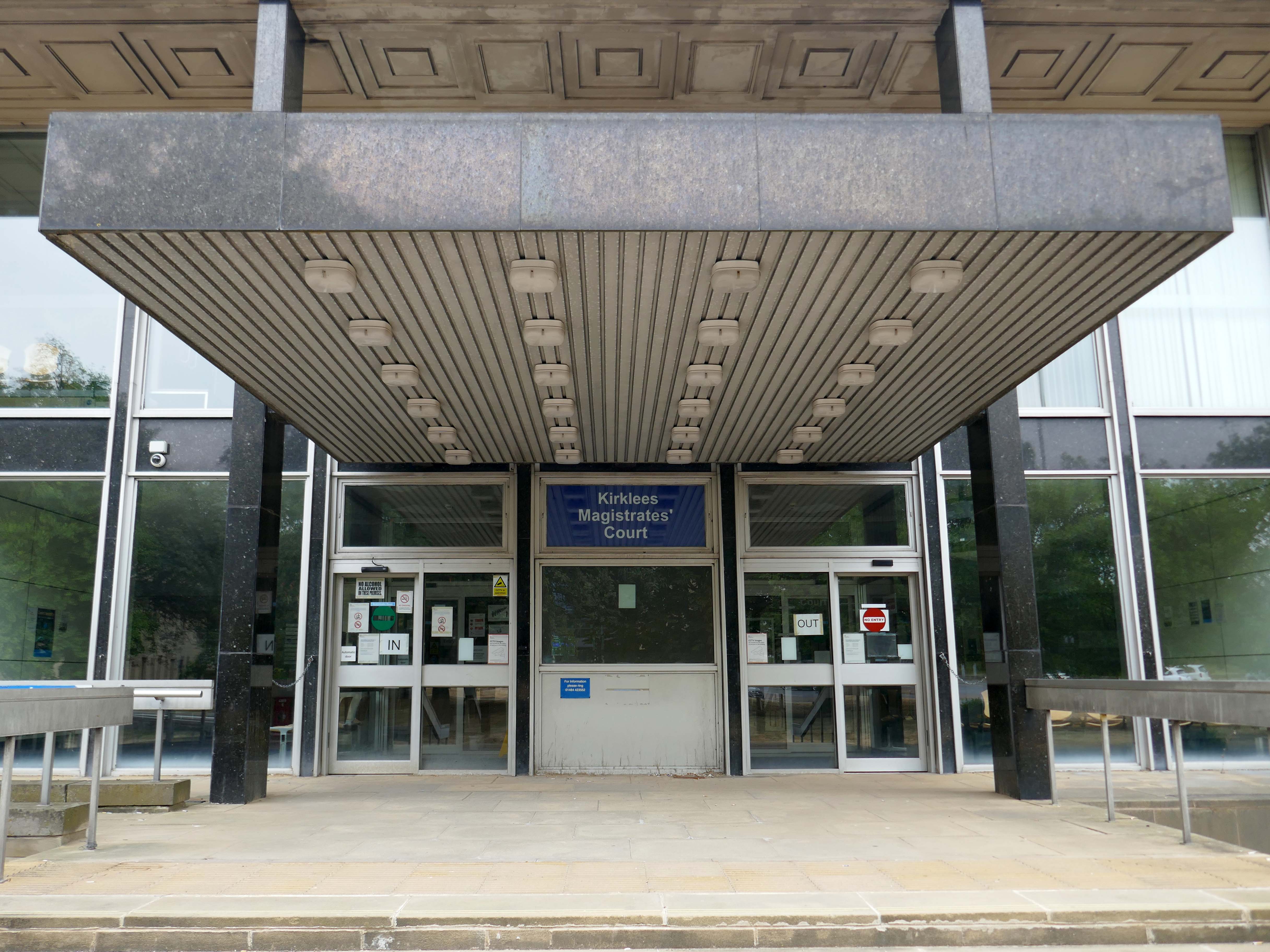
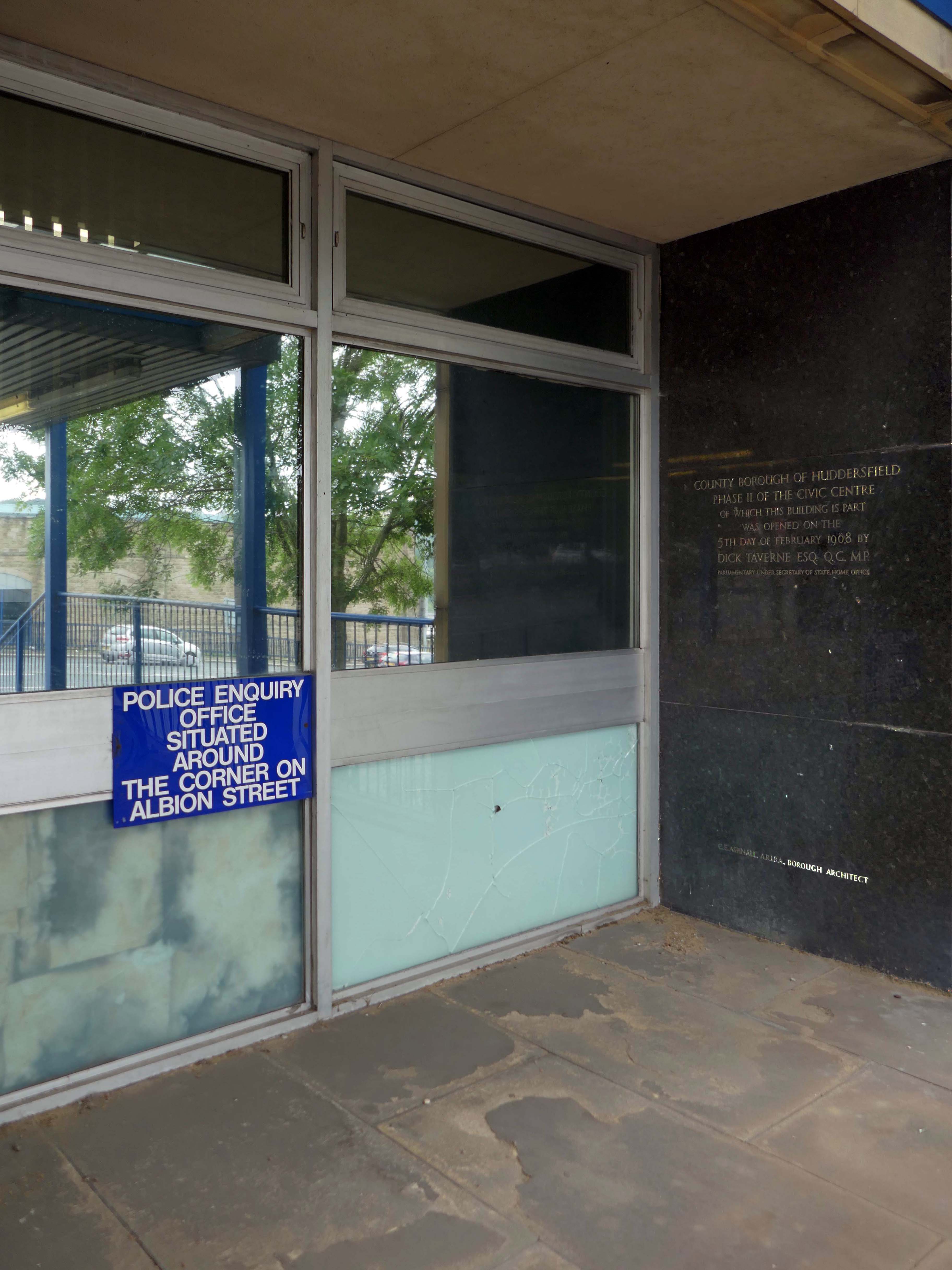
We then cross over the road to the Civic Centre, with its gold leaf facade, and the perennially empty piazza, which along with the Magistrates’ Courts and Police Station, was the work of the Borough Architects team – led by Charles Edmund Aspinall.
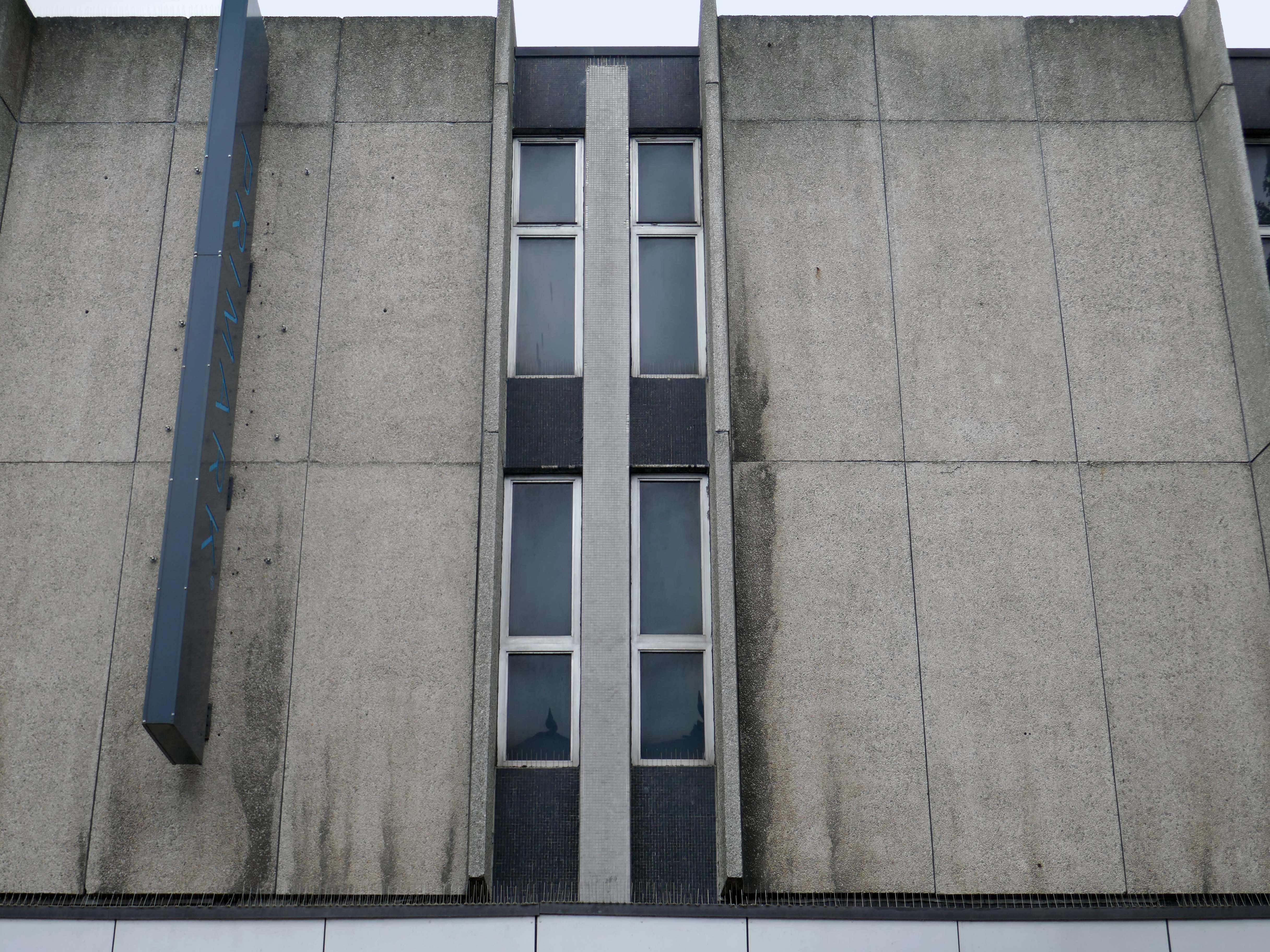
Exsilite panels set in the stone faced columns – a brand name for a synthetic, moulded, artificial marble.
Exsilite is made by fusing grains of silica and pigments to form a slab that simulates onyx marble.
Exsiliteis a Latin word meaning – spring/leap/burst forth/out, leap up, start up, bound; emerge into existence.
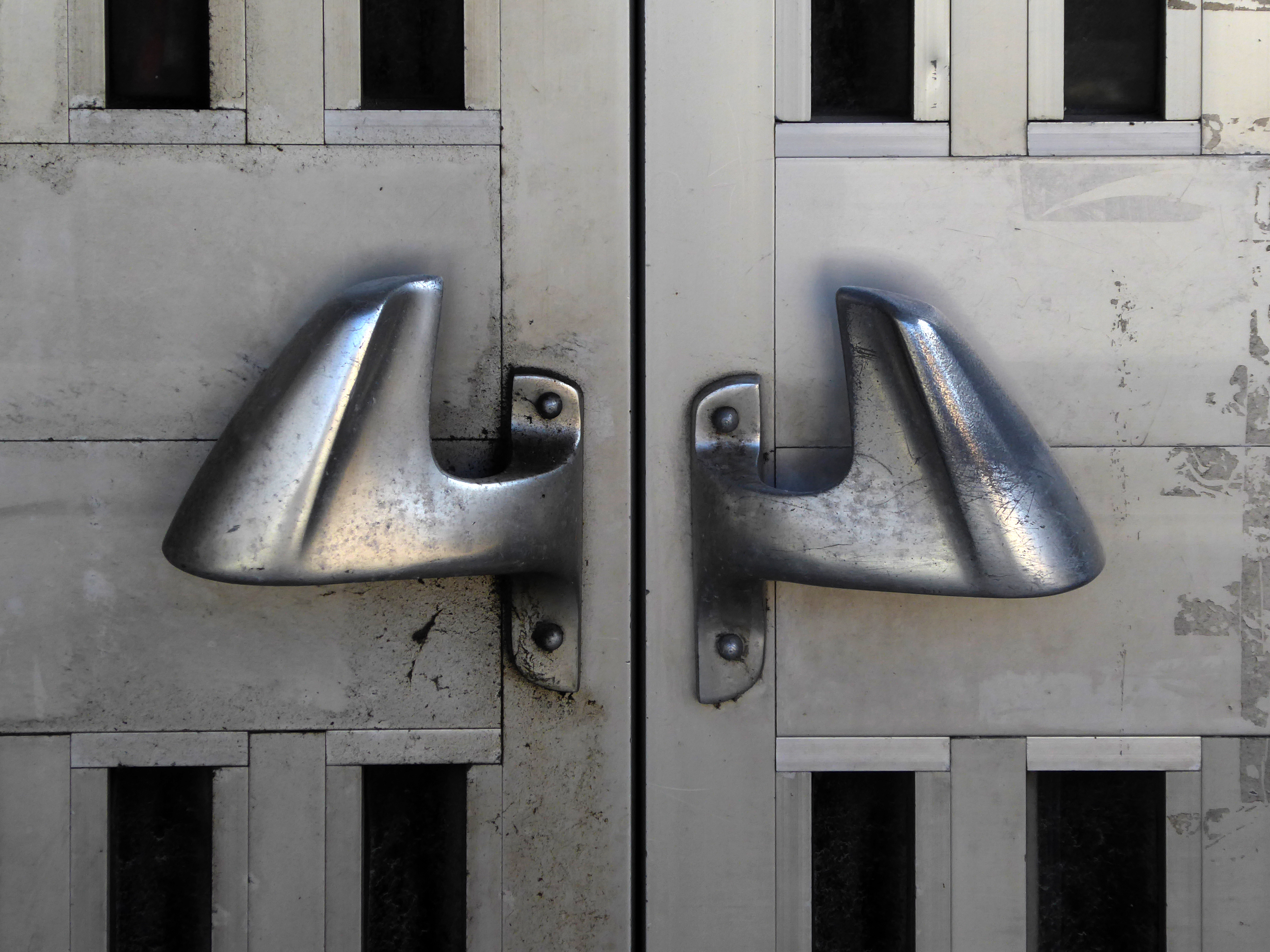
It is to be note that the doors and distinctive handles from the Courts to the Piazza have been removed.
The Police Station is to be vacated on completion of the new Police Station.
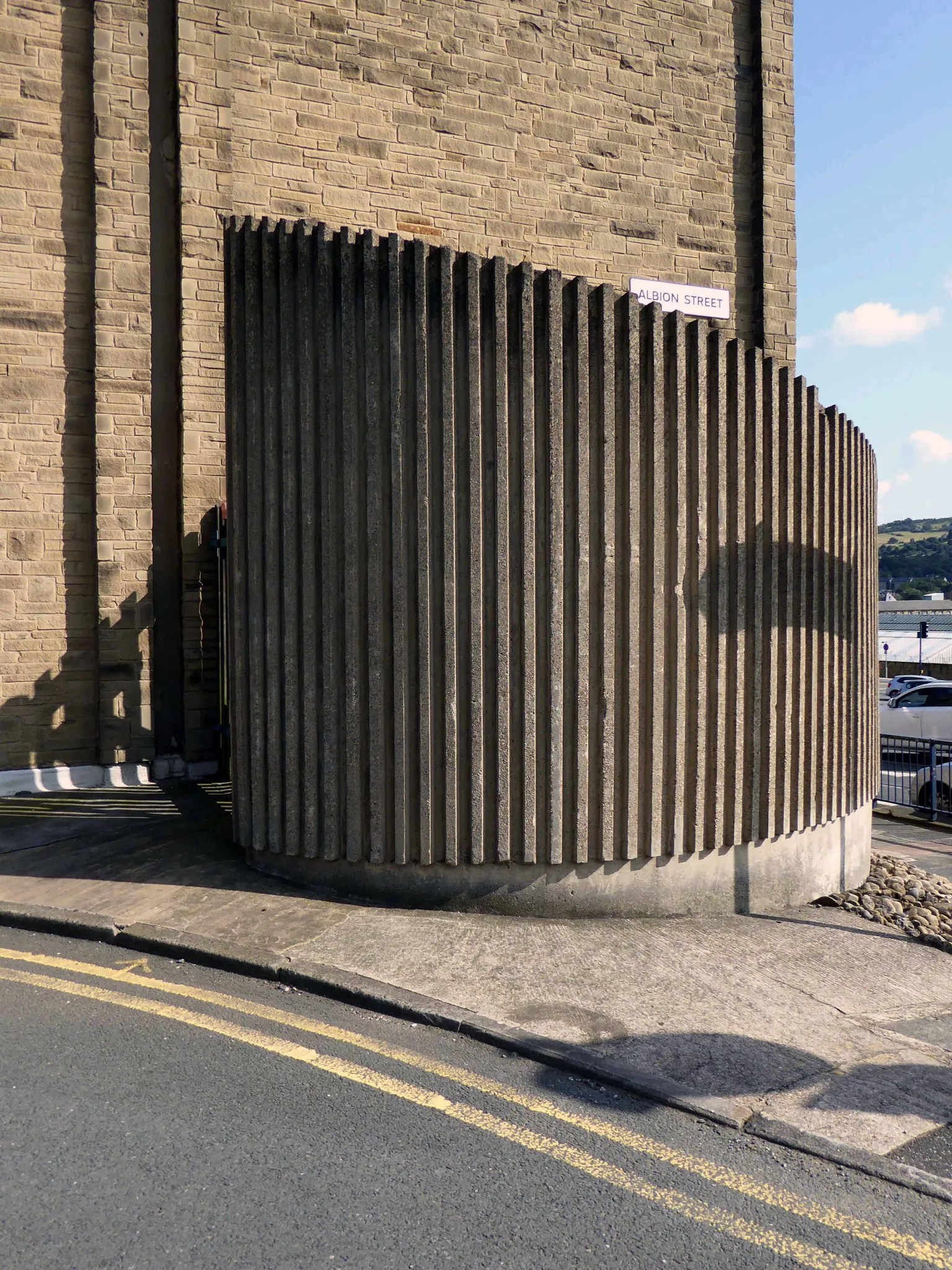
Next to the curved and ribbed concrete wall, concealing an electrical sub-station.
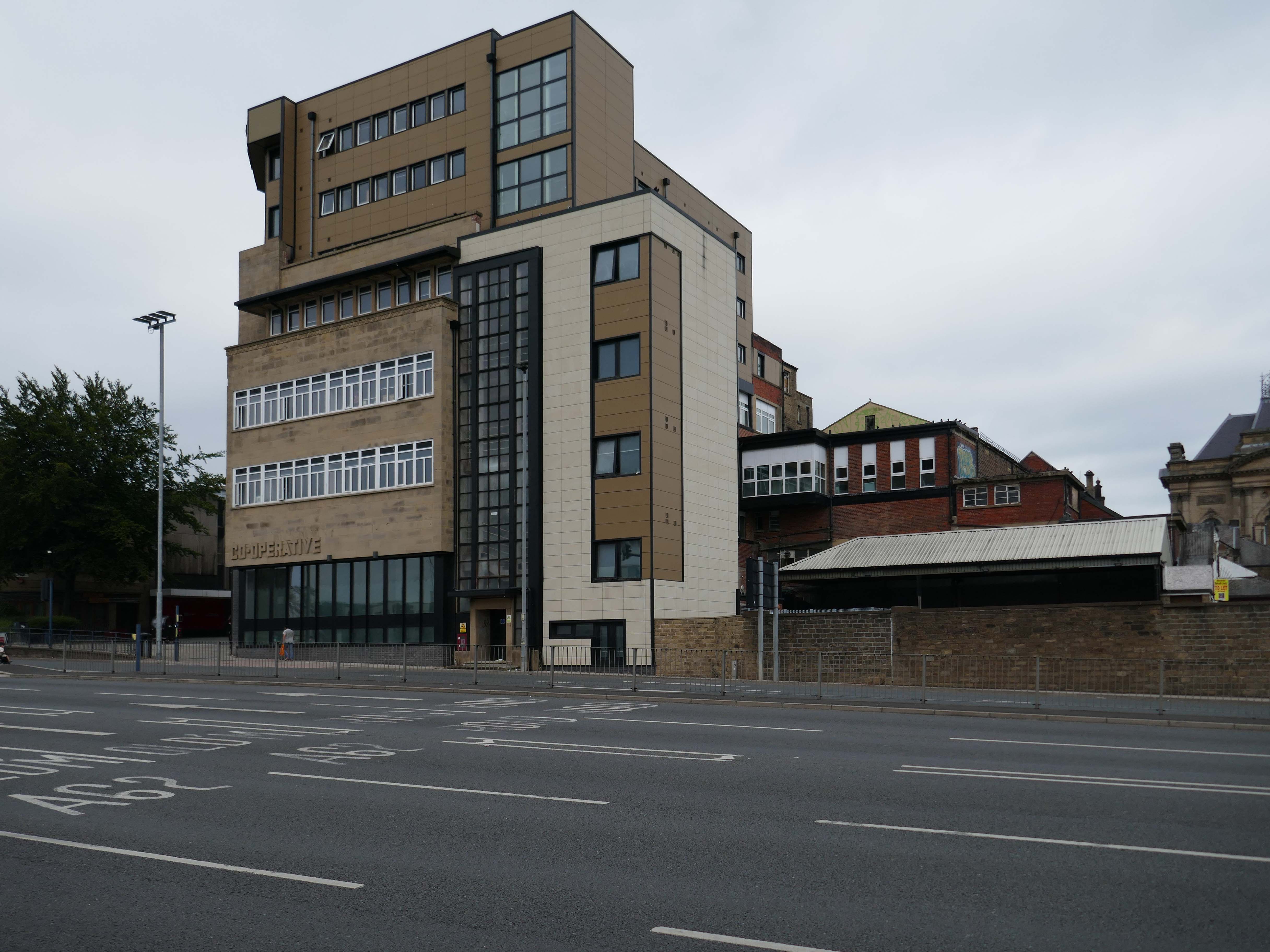
Further on down the road the former Co-operative store 1936 JW Cropper.
On opening day, the Examiner said the Co-op gave:
The town of Huddersfield a store that is entirely modern in design and equipped on the most up-to-date lines-a store of which the townspeople generally, and co-operators in particular, can be proud.
It has subsequently been seriously disabused by insensitive refurbishment and extension.
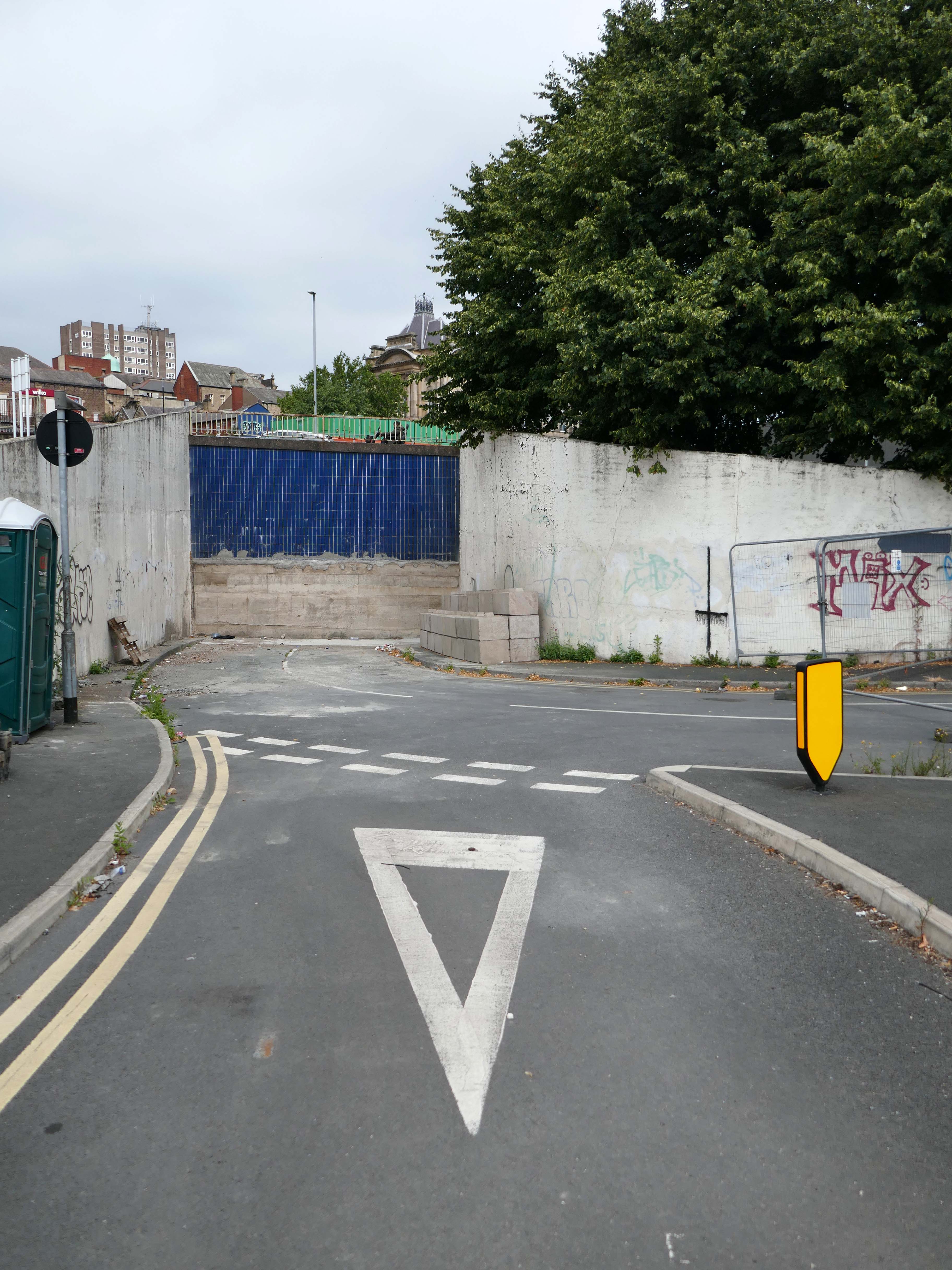
We cross over to view the access road to the service area of the market – now closed.
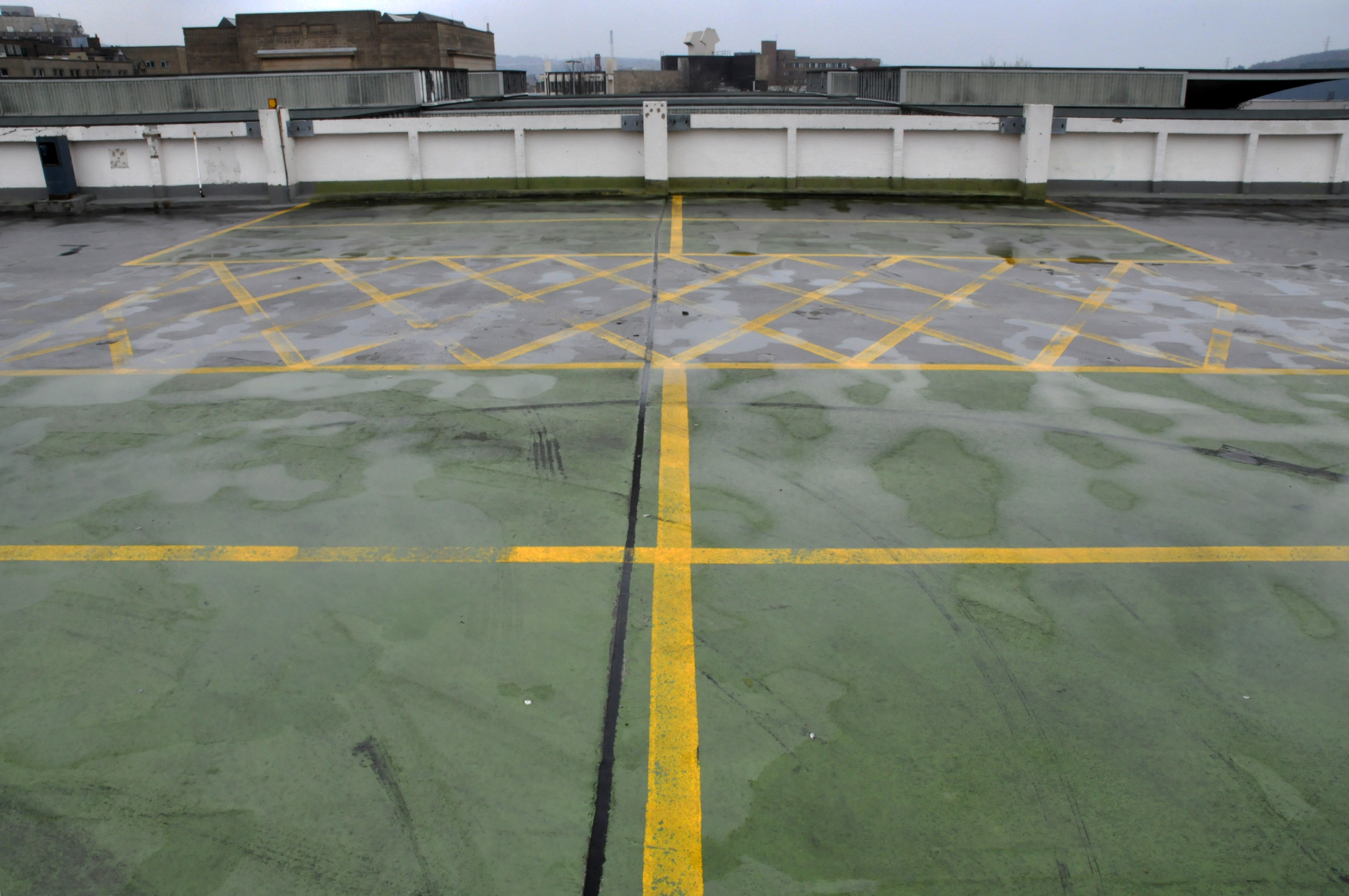
It was formerly topped off by a multi-storey car park – since demolished.
Then onward to the Grade II Bath House at Broadbent’s Engineering in Huddersfield.
1955, by Abbey Hanson architects – designing architect Andrew Buck, project leader Geoffrey Rowe.
The building is a very rare, possibly unique example of a purpose built bath house for foundry workers
* Its continuing function as a bath house has preserved its original purpose in both its layout and its fixtures and fittings as well as its design
* The design of the building manifests inspiration from both W Dudok and Frank Lloyd Wright, and achieves a high standard of accomplishment in its interpretation of contemporary architectural influences
* The use of local stone for external walls distinguishes it from brick built pithead baths of similar style, and the imaginative use of finishes lends further distinction
* The interior survives almost entirely intact, with original wash basins, shower and tap fittings, lockers, floor and wall surfaces, doors and light fittings.
One of Huddersfield’s hidden architectural gems has been transformed into an attractive and unusual gallery-cum-coffee house and restaurant, destined to become a popular public space for meeting, eating and art appreciation. But among the attendees at a special unveiling event there were men who remembered its original function – as a bath house where scores of foundry workers could shower away a day’s grime.
Up around the the bend and here we are at the Grade II listed Queensgate Market, 1968-70 to the designs of the J Seymour HarrisPartnership, with Leonard and Partners as consultant engineers.
Another feature of Huddersfield Market which sets it apart from other post-war market buildings is its incorporation of works of art. Fritz Steller was a German-born refugee architect who had settled in Stratford-upon-Avon. He pioneered the production of large scale ceramic art, having been interested in the use of a wide variety of materials in sculpture. The development company Murrayfield had a policy of incorporating public art into their schemes, and the project manager of J Seymour Harris, the architects for the Huddersfield development, was Gwyn Roberts, a friend of Steller. One of the Borough Councillors at Huddersfield was Clifford Stephenson, an enthusiast for public art and particularly for modern ceramic sculpture. This combination led to the appointment of Steller to produce designs for the new market hall. The size of the panels necessitated the construction of a special kiln for their firing, and experimental mixes for the composition of the clay which was resistant to acid rain and chemicals.
Straight ahed to the service entrance at the rear of ThePiazza.
The council wants to demolish the Piazza buildings as soon as possible.
Phase 3 was originally to be the Queen Street plot but Greenhead College’s plans for a new education building on the site failed to secure Government funding. Since then the council has been looking at alternatives – including a hotel, residential or offices – but now believes a new multi-storey car park could be the best way forward.
Phase 5 was to have been a £90 million events and concert venue with a multi-storey car park attached but that is no longer affordable. A review of the venue is underway and the council now thinks a “flexible multi-purpose” venue is the way forward. It would have a fully-seated capacity of 1,200 or 2,000 with a standing floor and seated balcony.
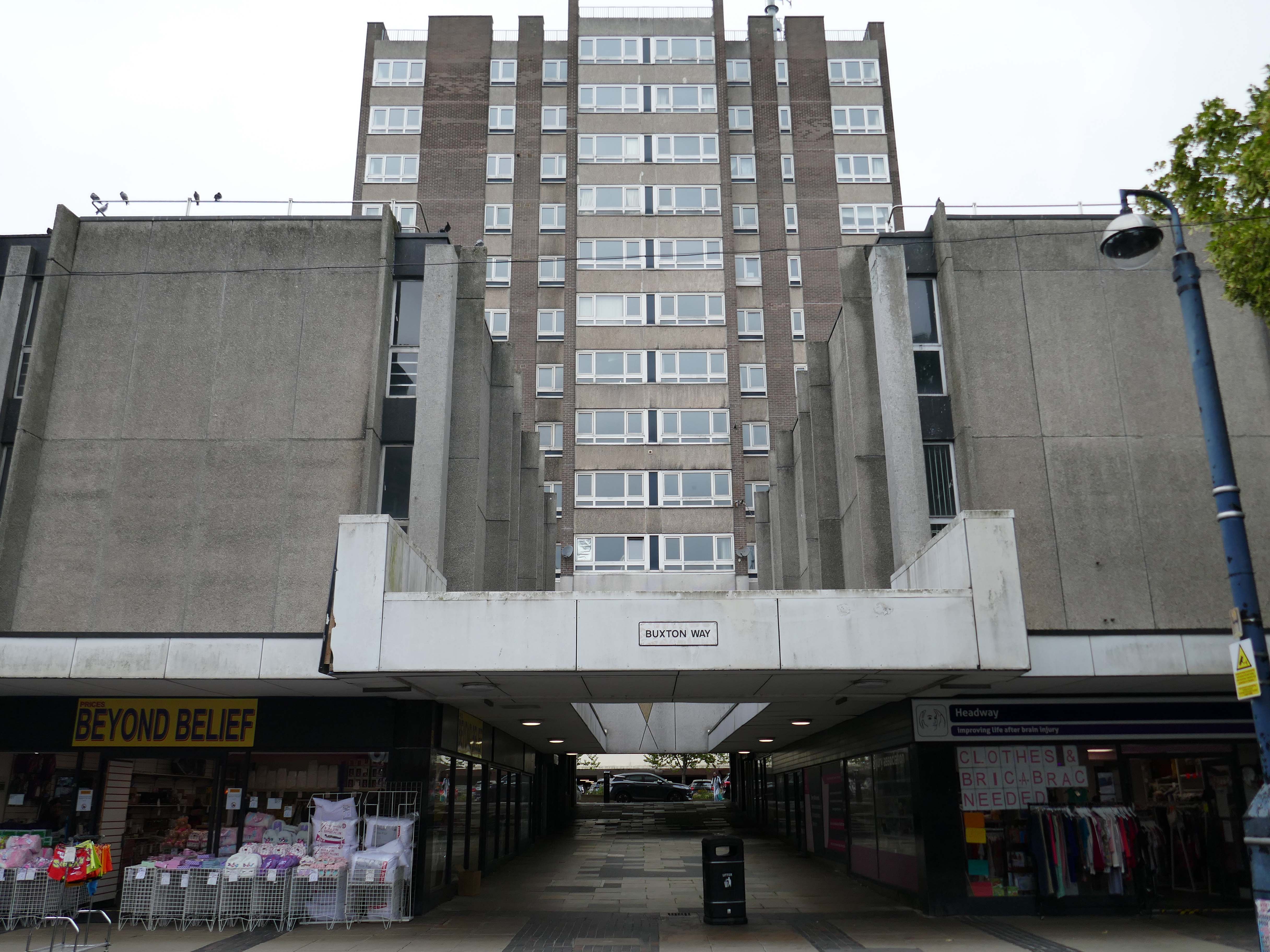
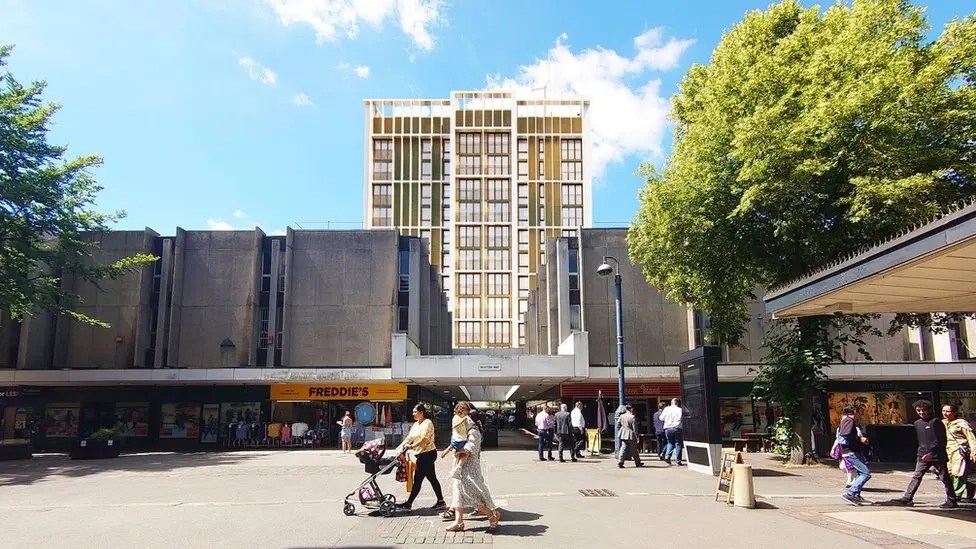
Turning our back on the market and away to Buxton House 1968.
Kirklees Council’s plans for the £16 million re-development of a Huddersfield town centre block of flats have collapsed.
Buxton House, between New Street and Albion Street, failed to meet modern fire safety standards and the council moved tenants and bought out owners and leases, pending a full-scale refurbishment.
Planning permission was granted in July 2024 to re-model the tower block to create forty one, one and two-bedroomed flats along with five studio flats with construction set to start in November 2025.
However, it has now been revealed that the council has failed to find a contractor and the scheme is on hold indefinitely.
The flats are part of a larger retail development by Bernard Engle & Partners.
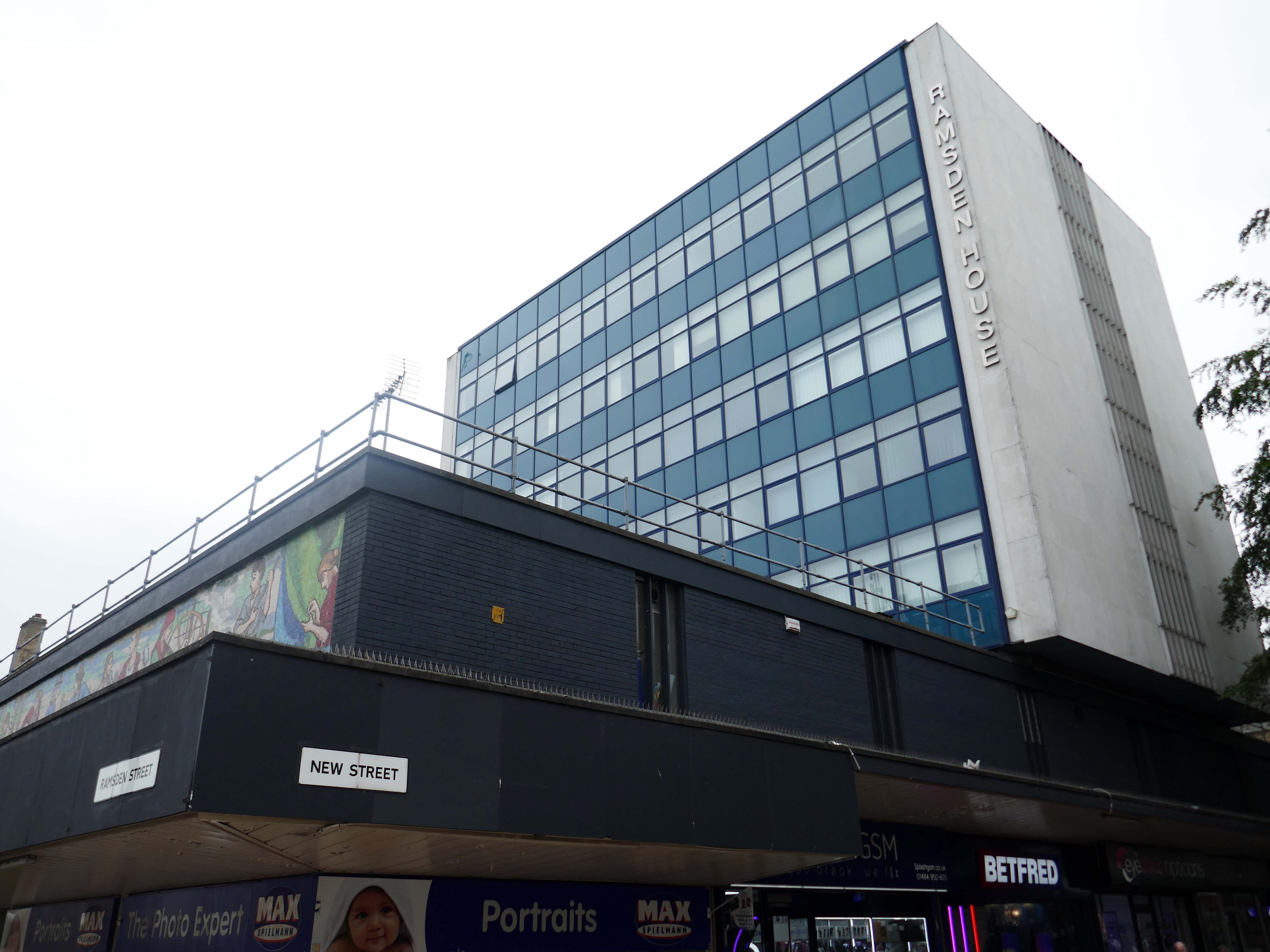
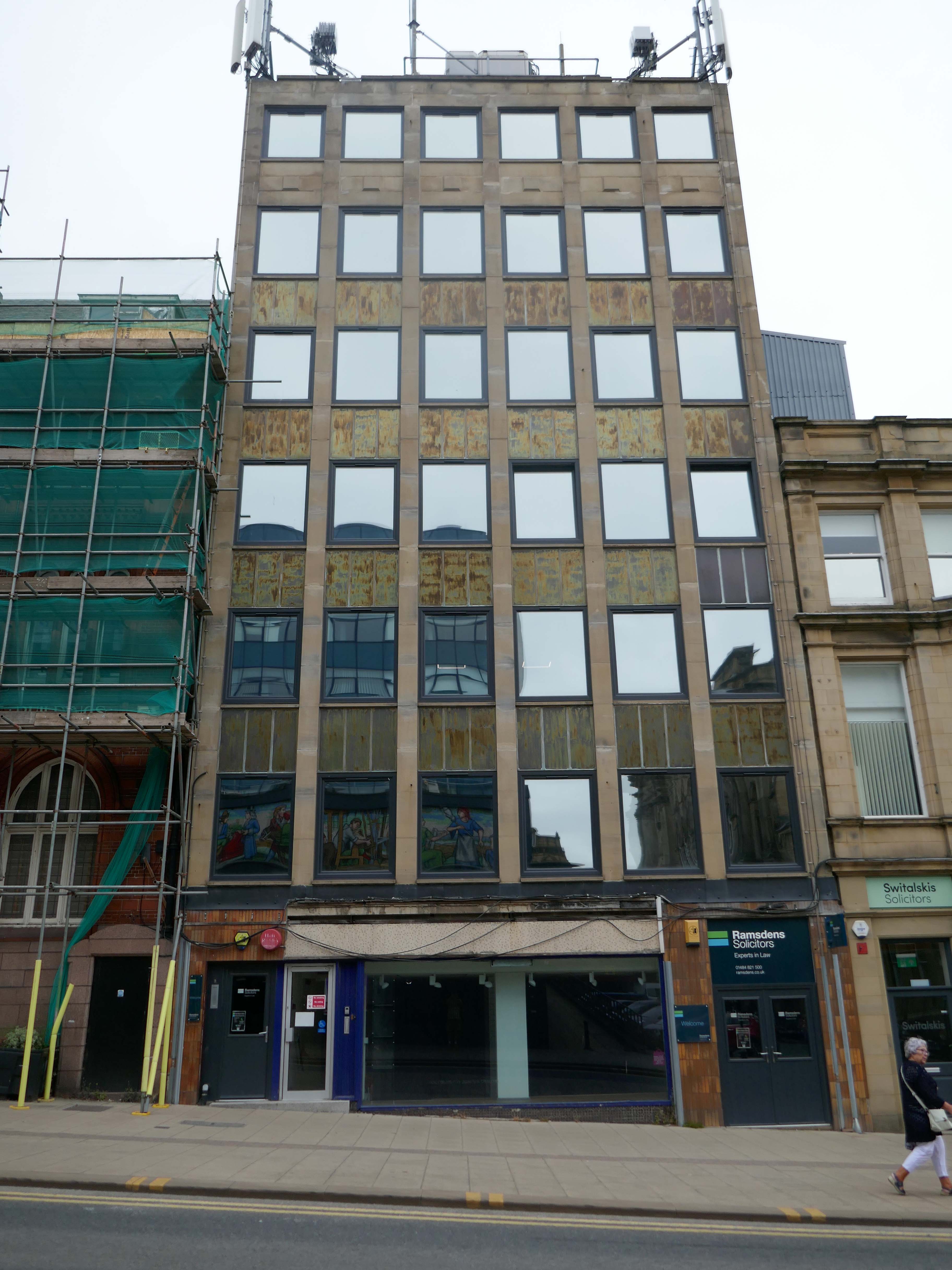
Across the way Ramsden House a slab on a podium, part of the Murrayfield Redevelopment 1968 J Seymour Harris Partnership.
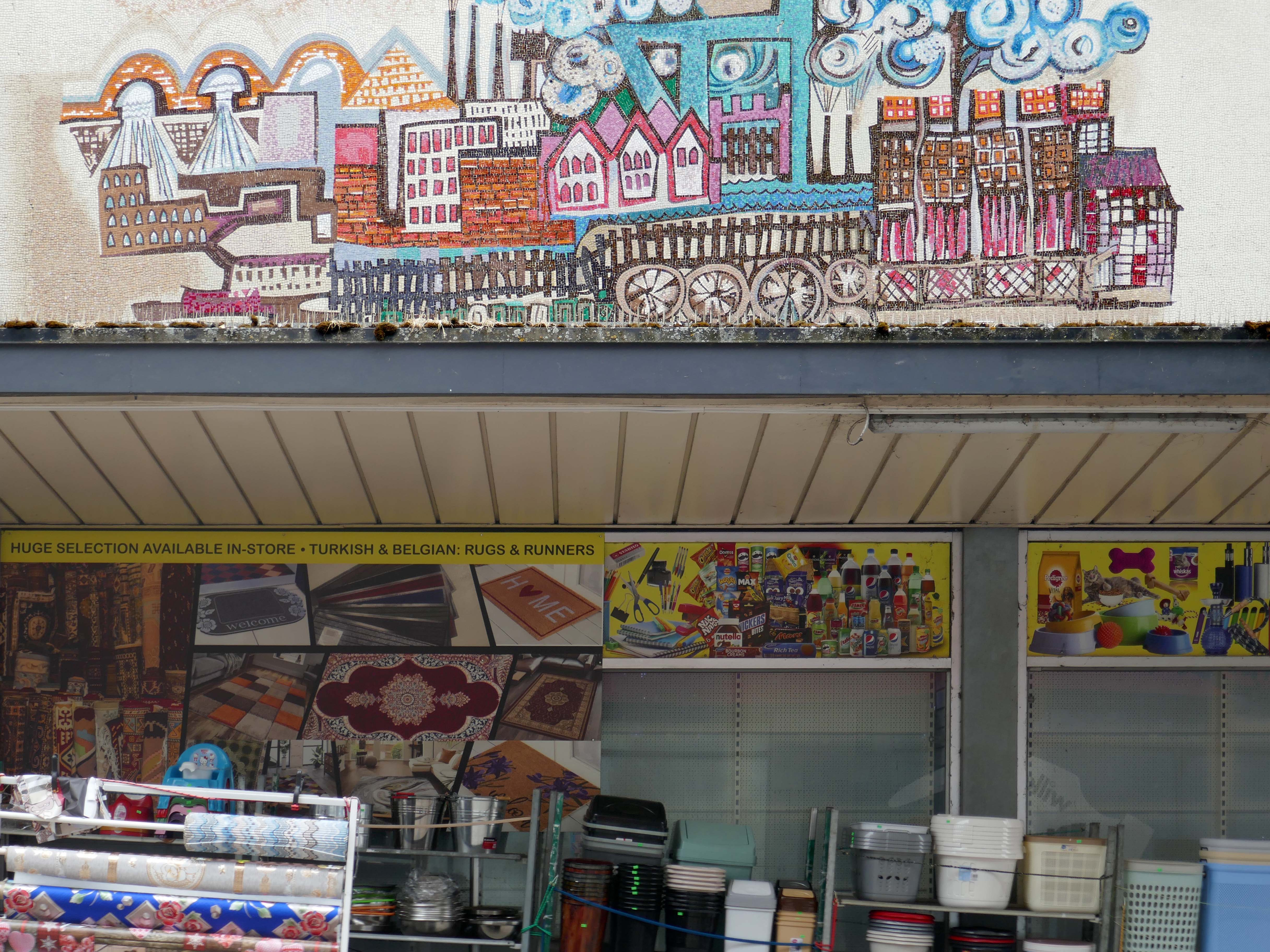
This block was the first and only phase of four that’s still intact. It’s a slab and plinth project with underground servicing marble finishes and two art mosaics that relate to the town. The Ramsden Street elevation mosaic depicts ‘Development of the woollen industry from a cottage craft to the beginning of the industrial revolution’ designed by Huddersfield artist, Harold Blackburn.
Princess Street bears ‘Facets of the Local Scene’ by Mural Consultants Ltd.
Across the way Whitfield’s Department Store 1963 Ralph Hudson.
The longstanding furniture & piano dealers, Whitfield’s expanded from numbers five and seven with this six6 storey tower.
Influenced by a tour of modern European retail premises the company chairman supplied the architect with photos of ideas.The glossy metallic finish reflects the excitement of the notion of an Ercol show room on the fourth floor and G-Plan on the fifth. Pianos were on the first floor and TVs & radio and their servicing were in the basement. Welcome to stylish living sixties style!
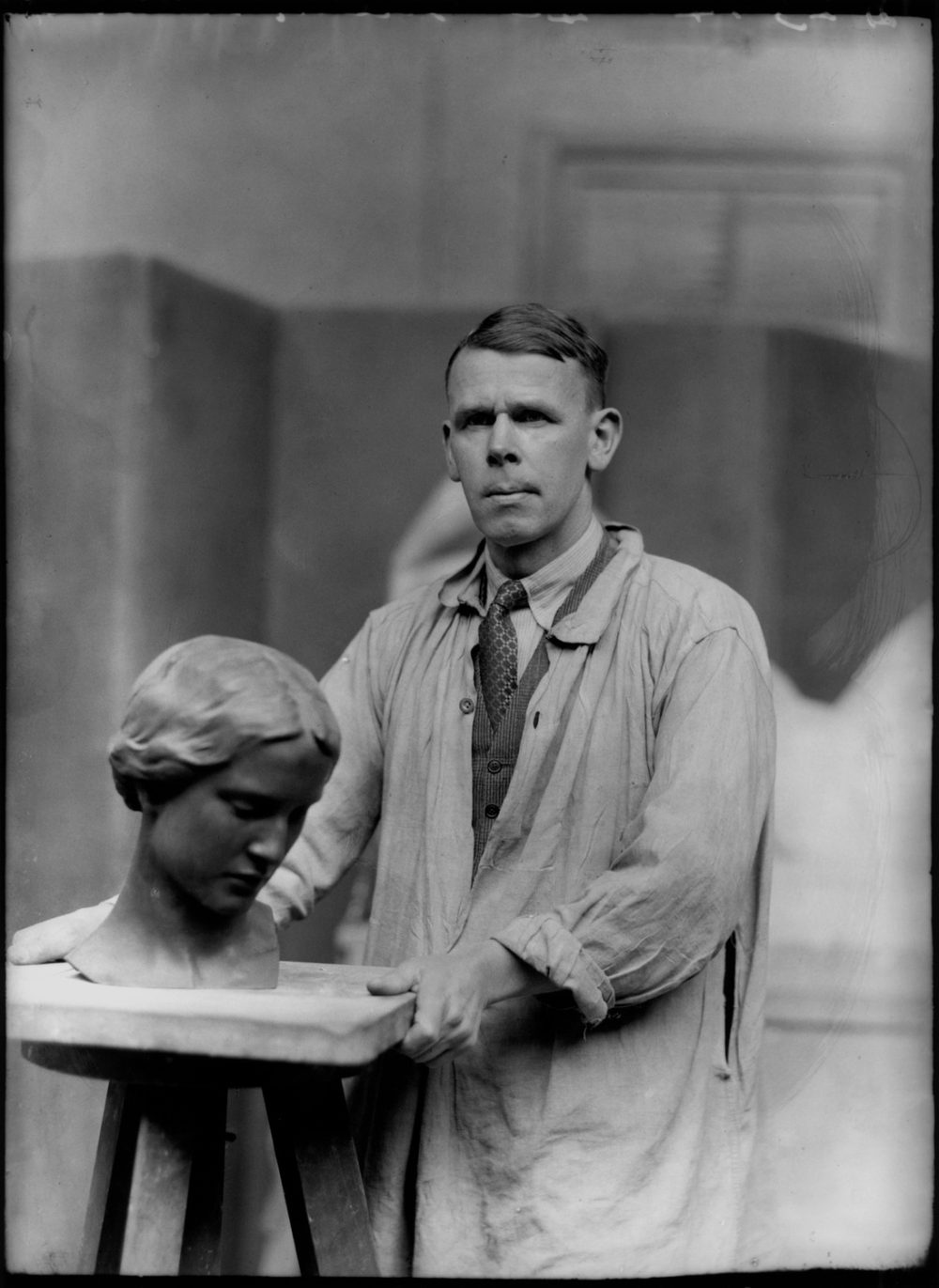
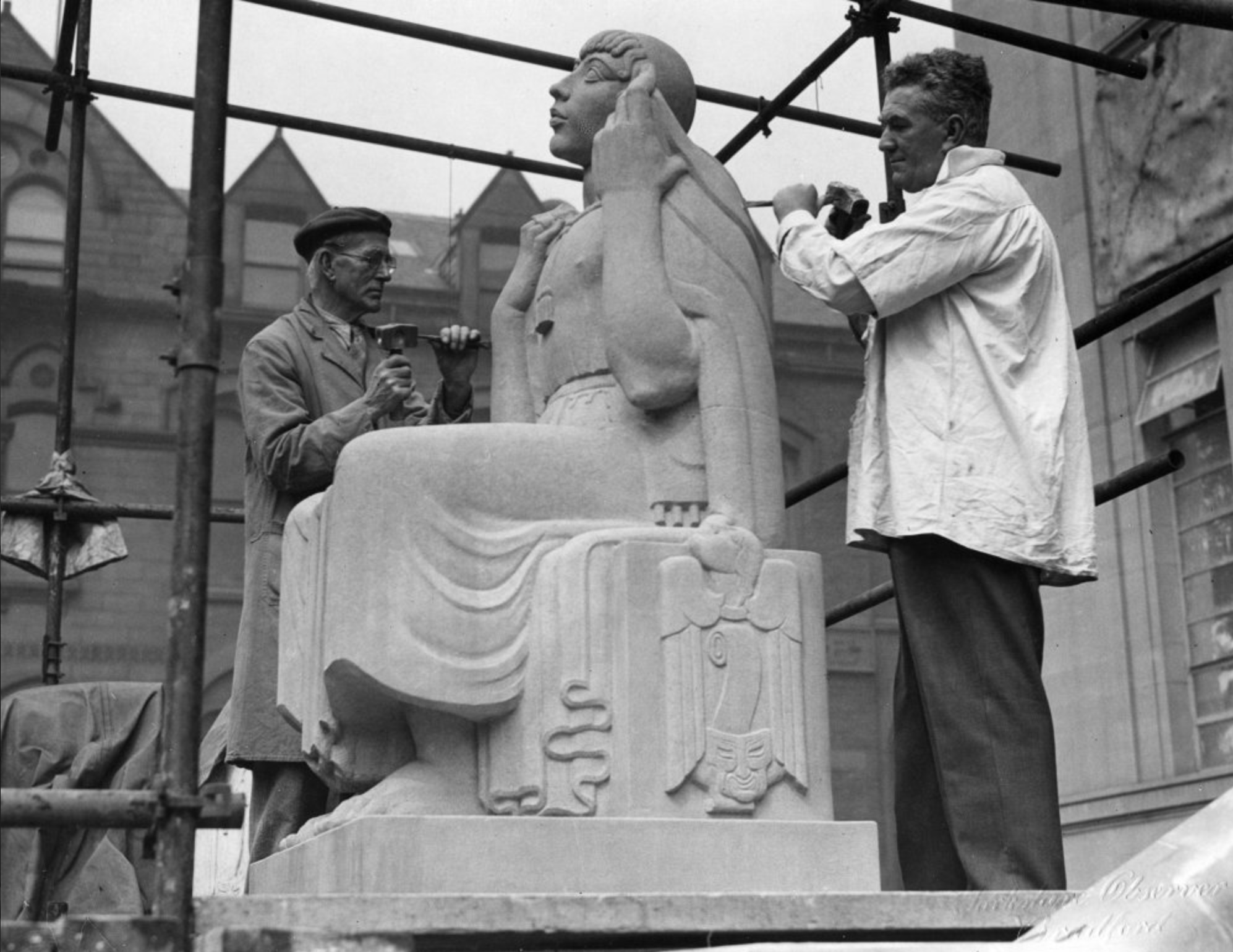
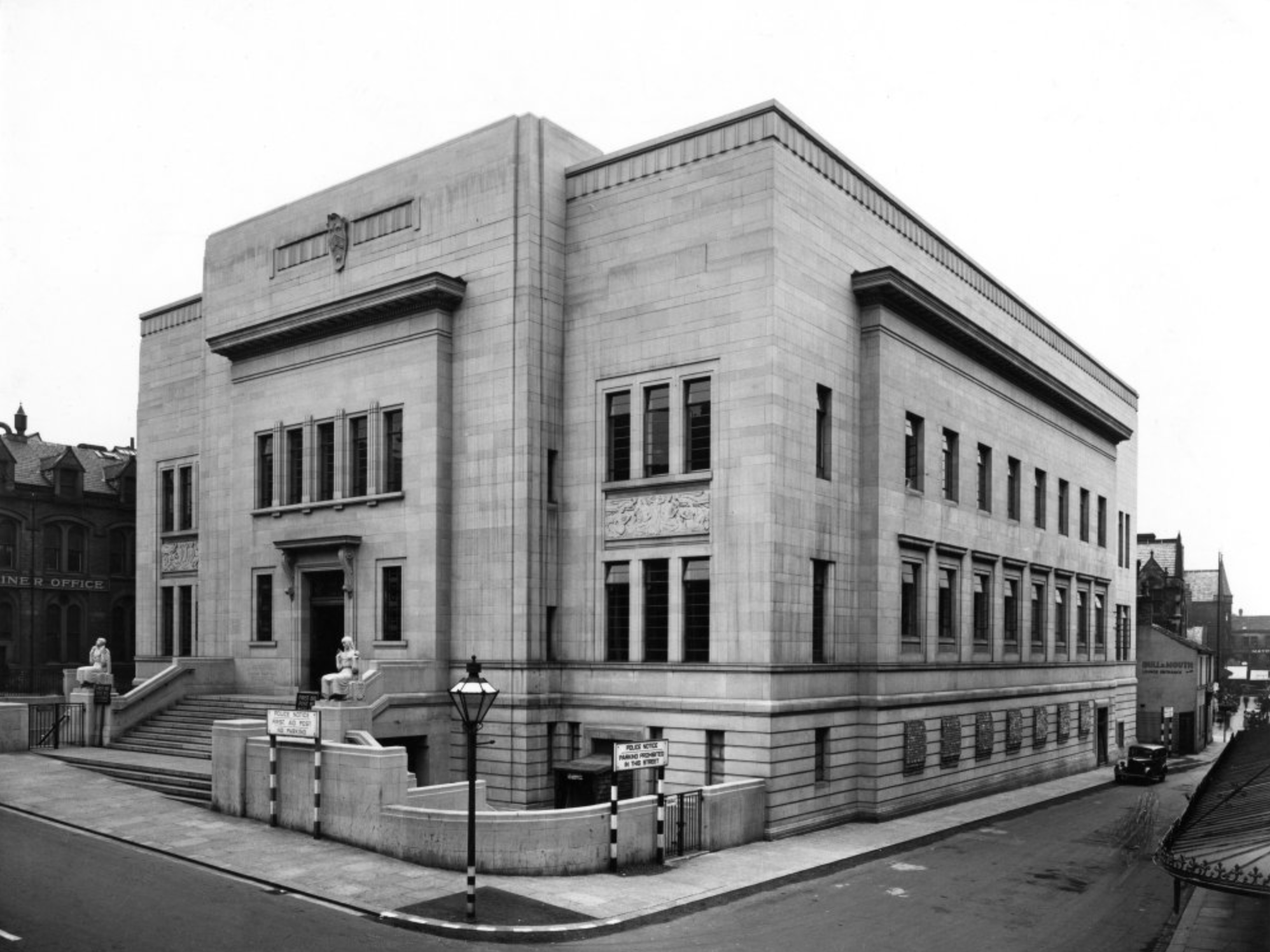
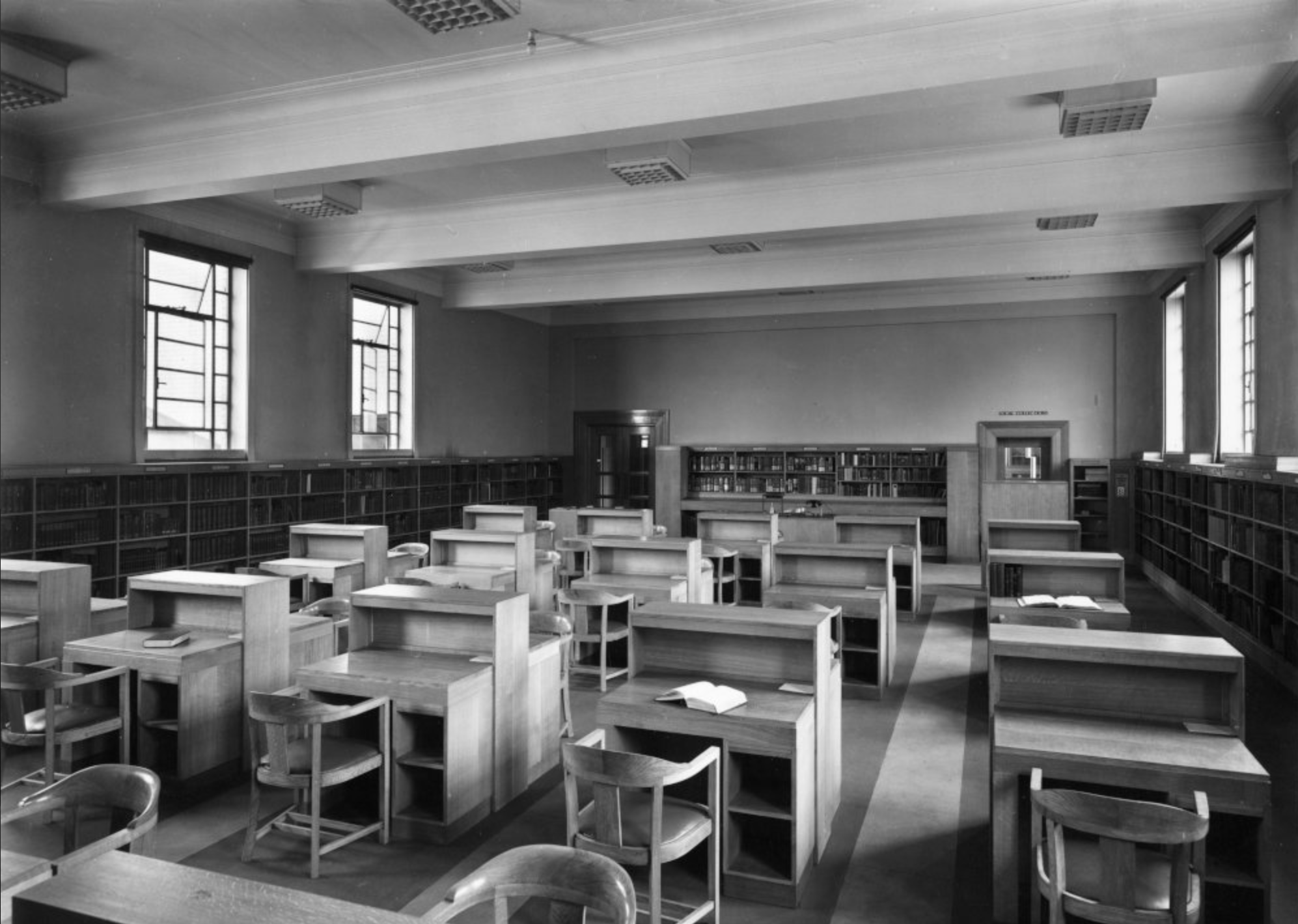
Public Library 1940 Architect: EH Ashburner&James Arthur Woodford.
James Woodford at work – on the right, sculpting figure representing the Spirit of Literature
Reference Library.
Image – Charles Pickard 1940.
The food hall and library is due to open in summer 2026 but more problems have been uncovered with the former library and art gallery which will become the new museum. Internal works are underway and more asbestos than expected has been found and an extra £1 million has been needed to pay for removal.
The council has also found several other “significant issues” that also needed to be resolved.
It could be mid-2029 before the museum is ready to open.
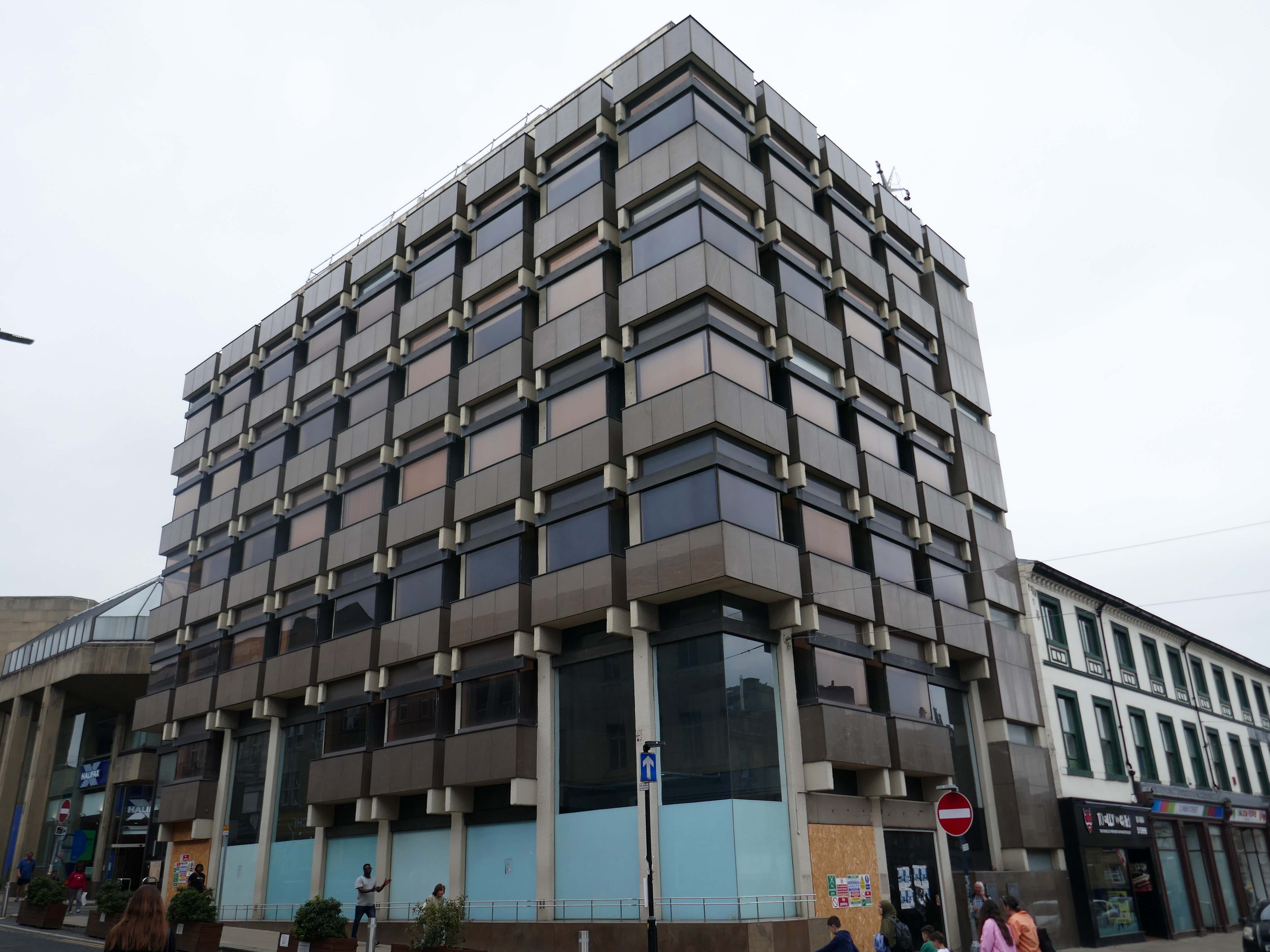
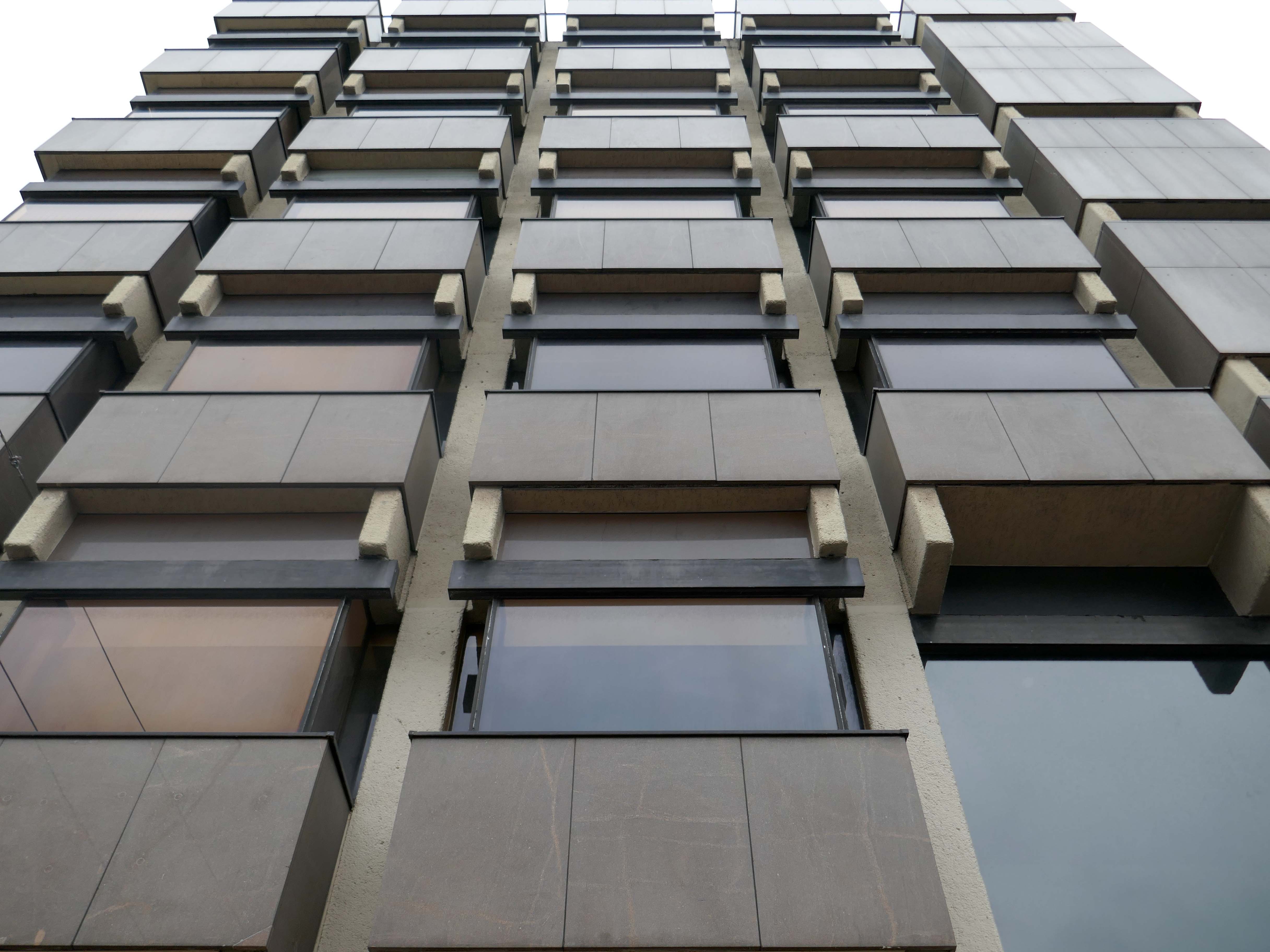
Off we go to the MidlandBank – then HSBC then not a bank at all, 1970 Peter Womersley with Roger Shaw of Kitson & Partners.
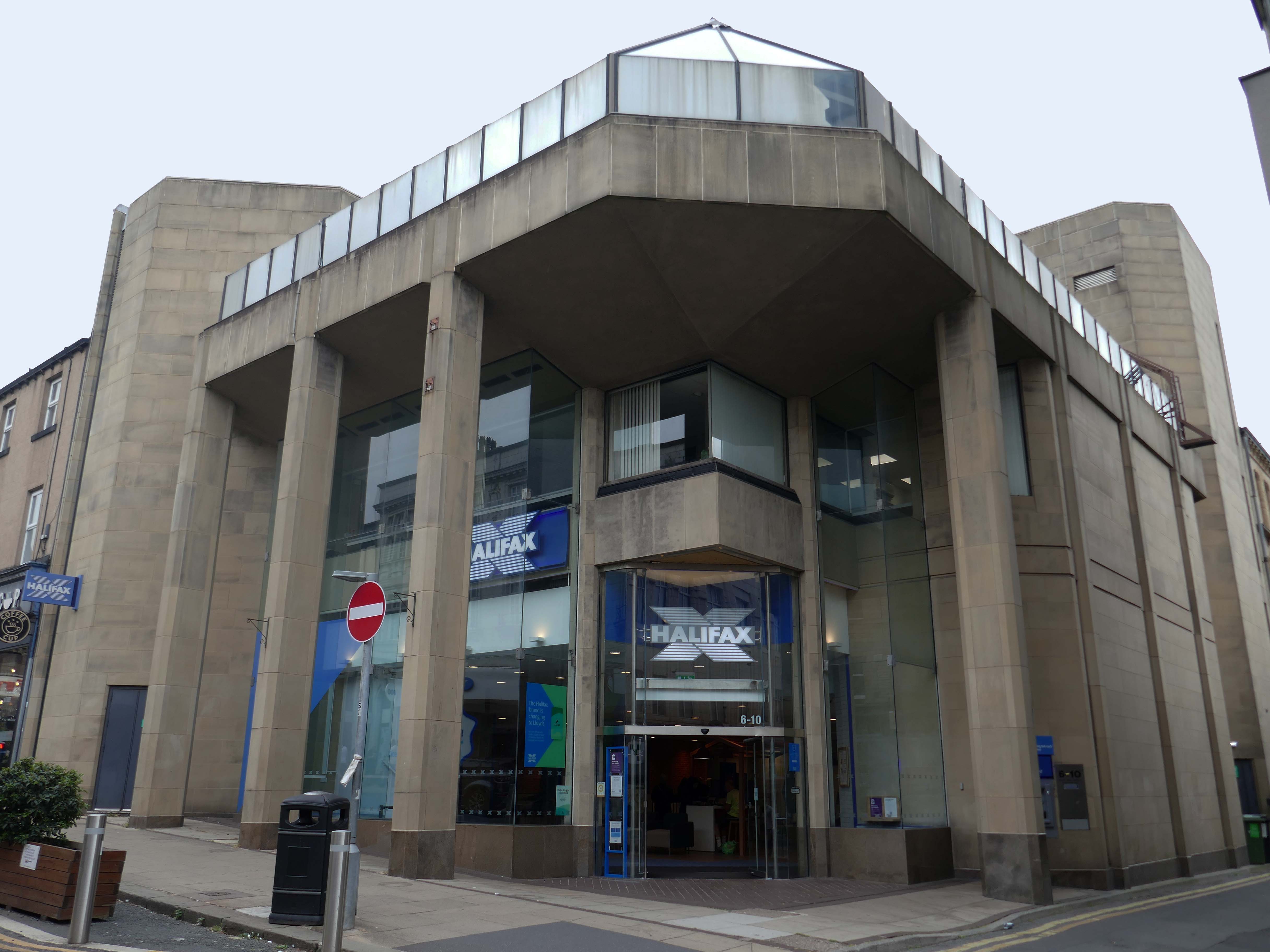
Next door the Halifax Building Society 1981 Abbey Hanson Rowe.
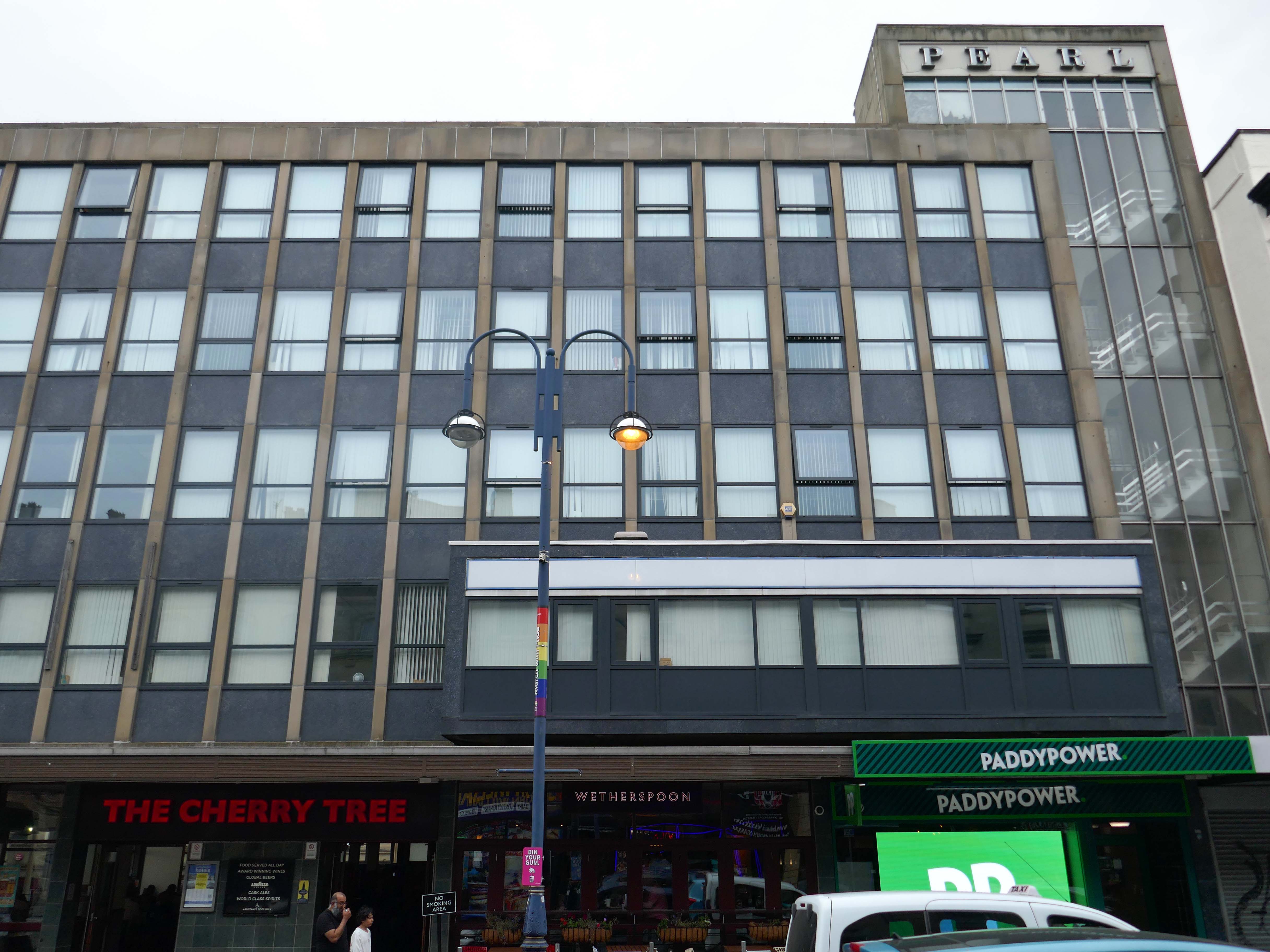
back to the main drag and the Pearl Assurance Building 1963 Elsworth Sykes & Partners.
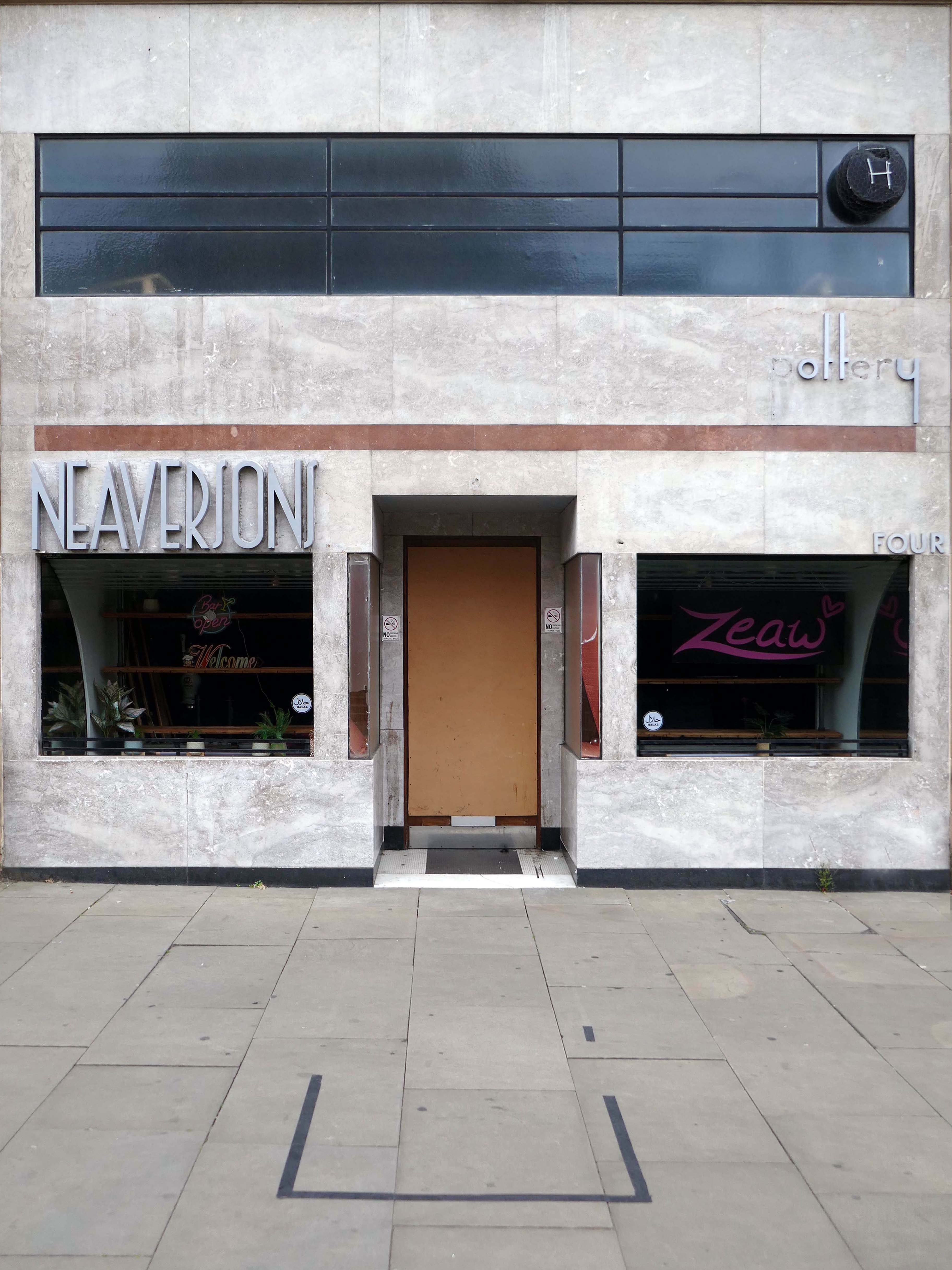
The nipping down the lane to Neaversons1935 with two Moderne fascia elevations by shop fitters Sharp & Law of Bradford, Grade II Listed as part of the Kirkgate Buildings.
Once selling bijou household goods, following occupation by several bars and cafes, currently empty.
Finally just in time to catch the last post at the Royal Mail Sorting Office – Post Office extension 1968 Office of Public Works.
St John’s College was founded as a men’s college in 1555, it has been coeducational since 1979. Its founder, Sir Thomas White, intended to provide a source of educated Roman Catholic clerics to support the Counter-Reformation under Queen Mary.
St John’s is the wealthiest college in Oxford, with assets worth over £790 million as of 2022, largely due to nineteenth-century suburban development of land in the city of Oxford of which it is the ground landlord.
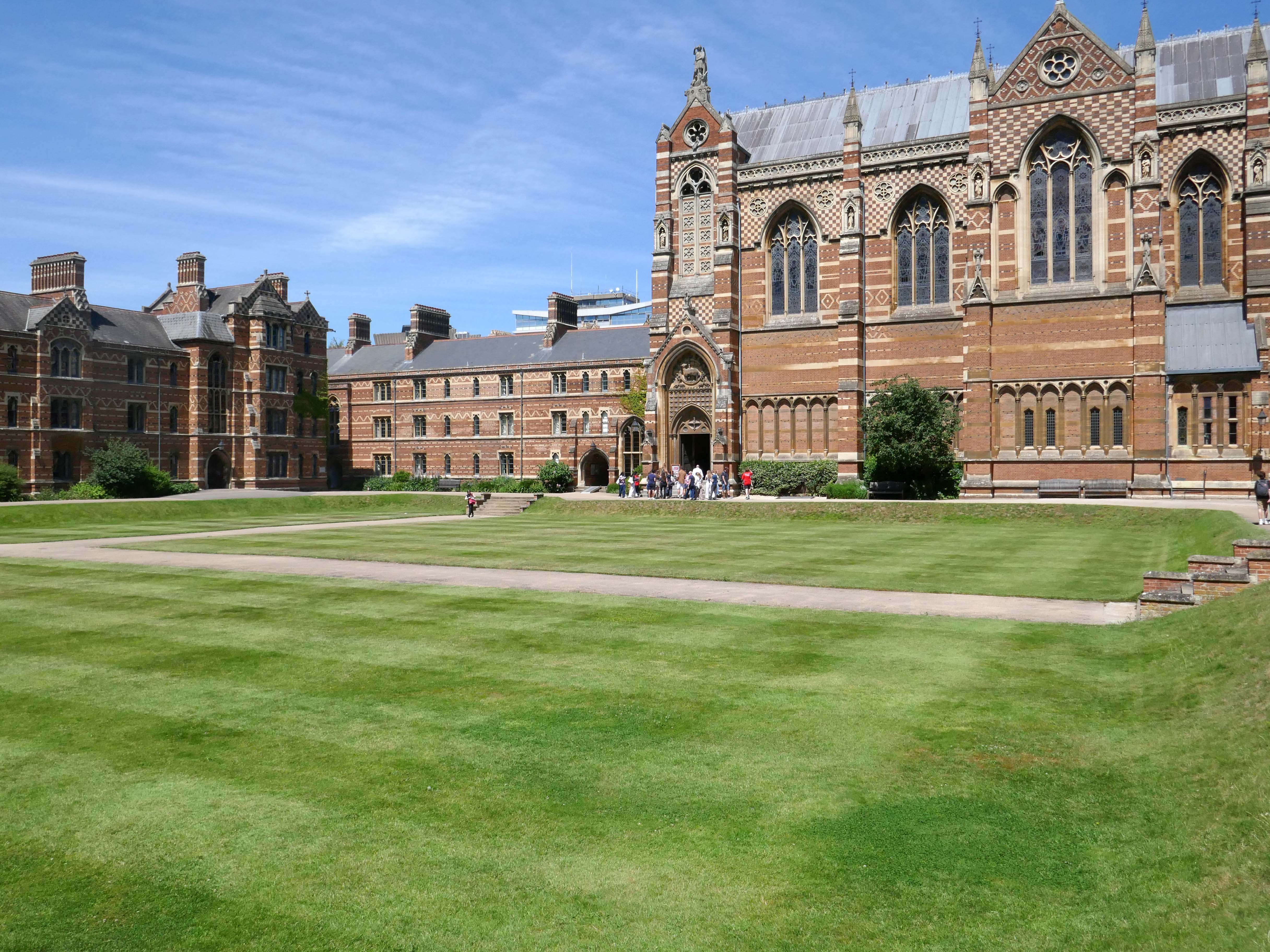
The original buildings of the College were designed by William Butterfield 1814-1900. Although the darling of the Tractarian movement, Butterfield was a controversial choice, as his style – a form of High Victorian Gothic had long provoked argument in Oxford. The original Gothic revival of the 1840s was purely imitative, seeking to blend new buildings with the pre-existing architecture of the city. However, this did not satisfy Butterfield, who “sought a new form of Gothic which would both convey eternal truths and would express the spirit of the age”.
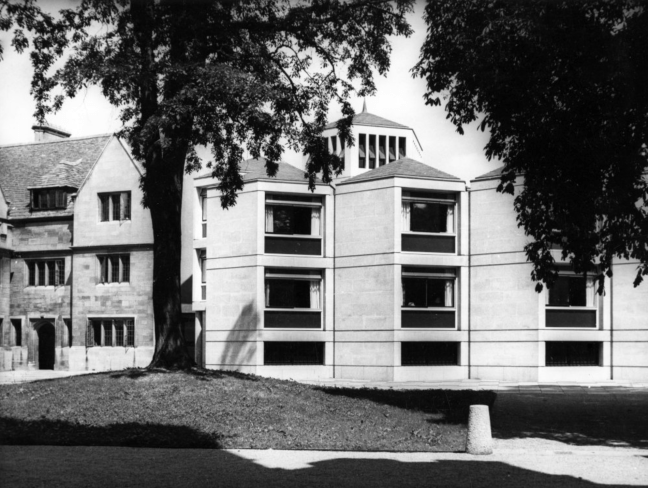
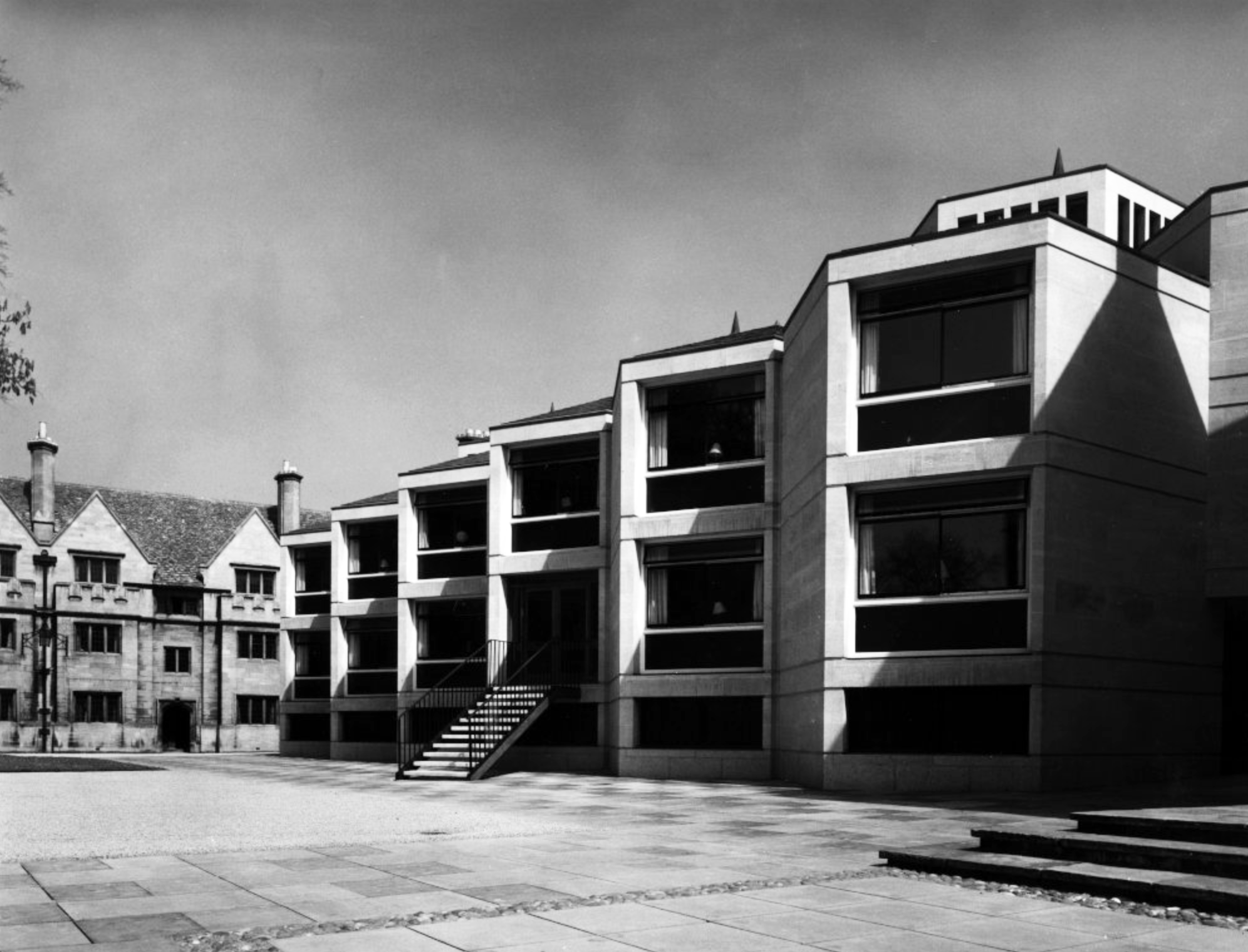
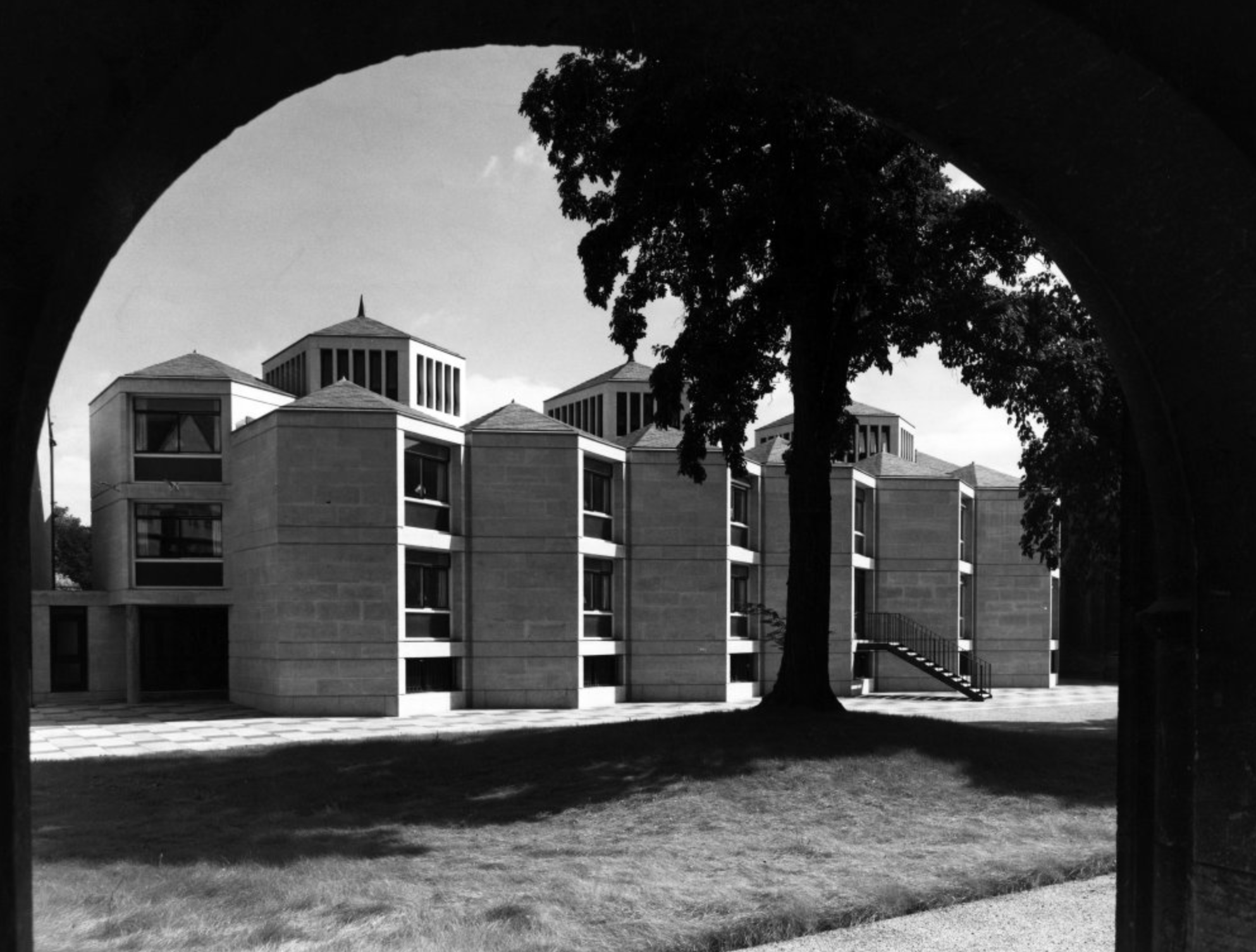
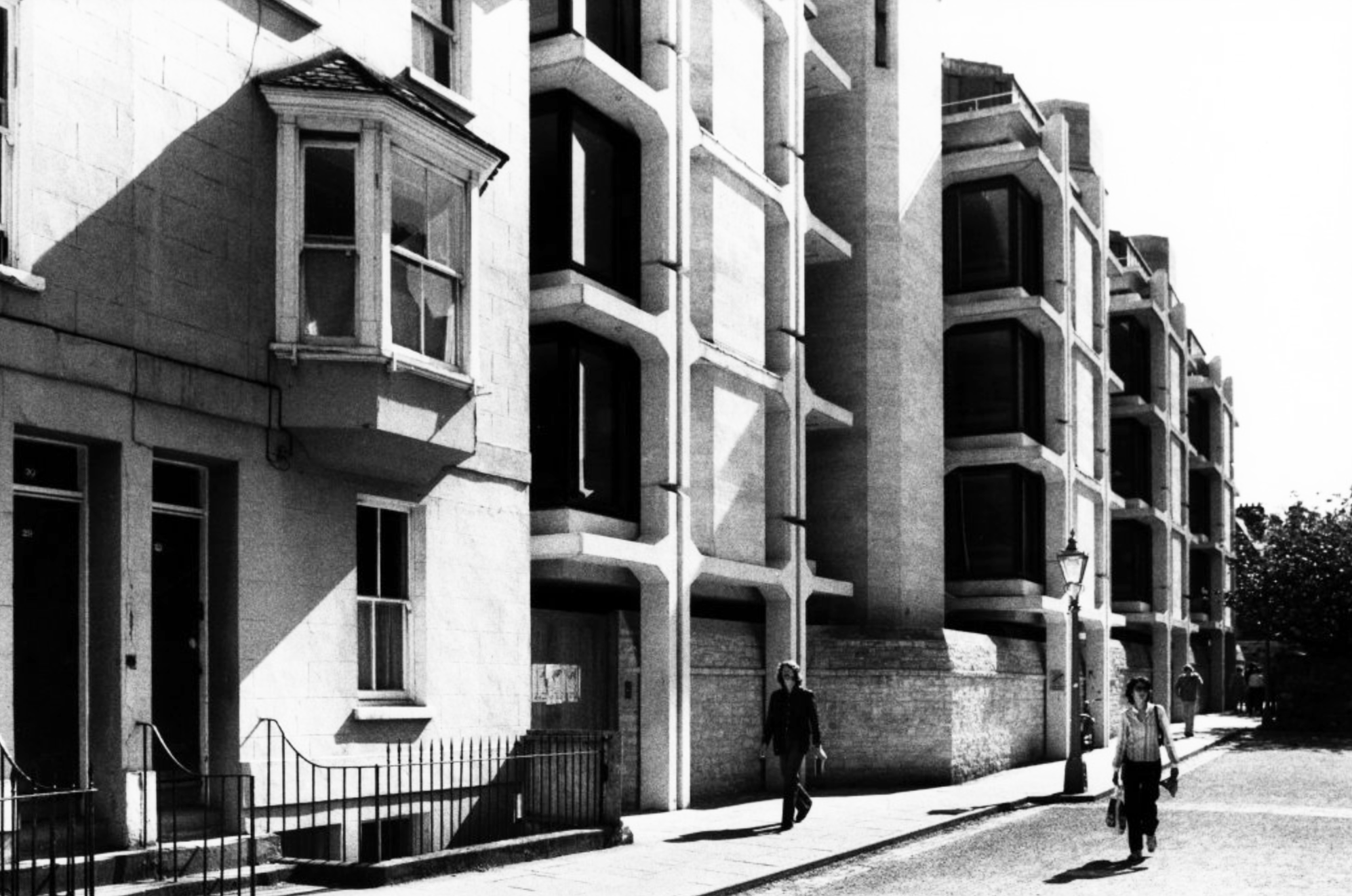
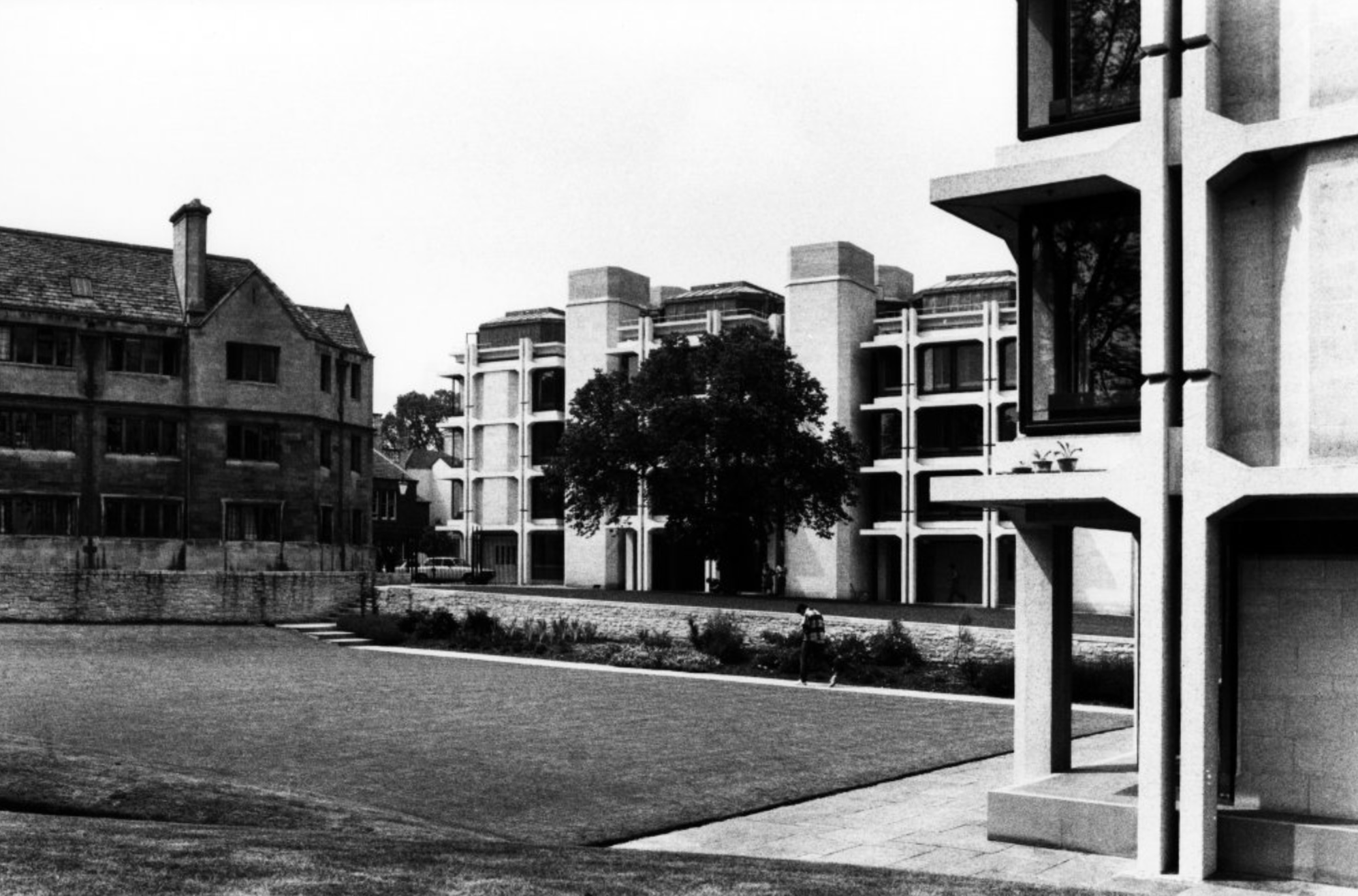
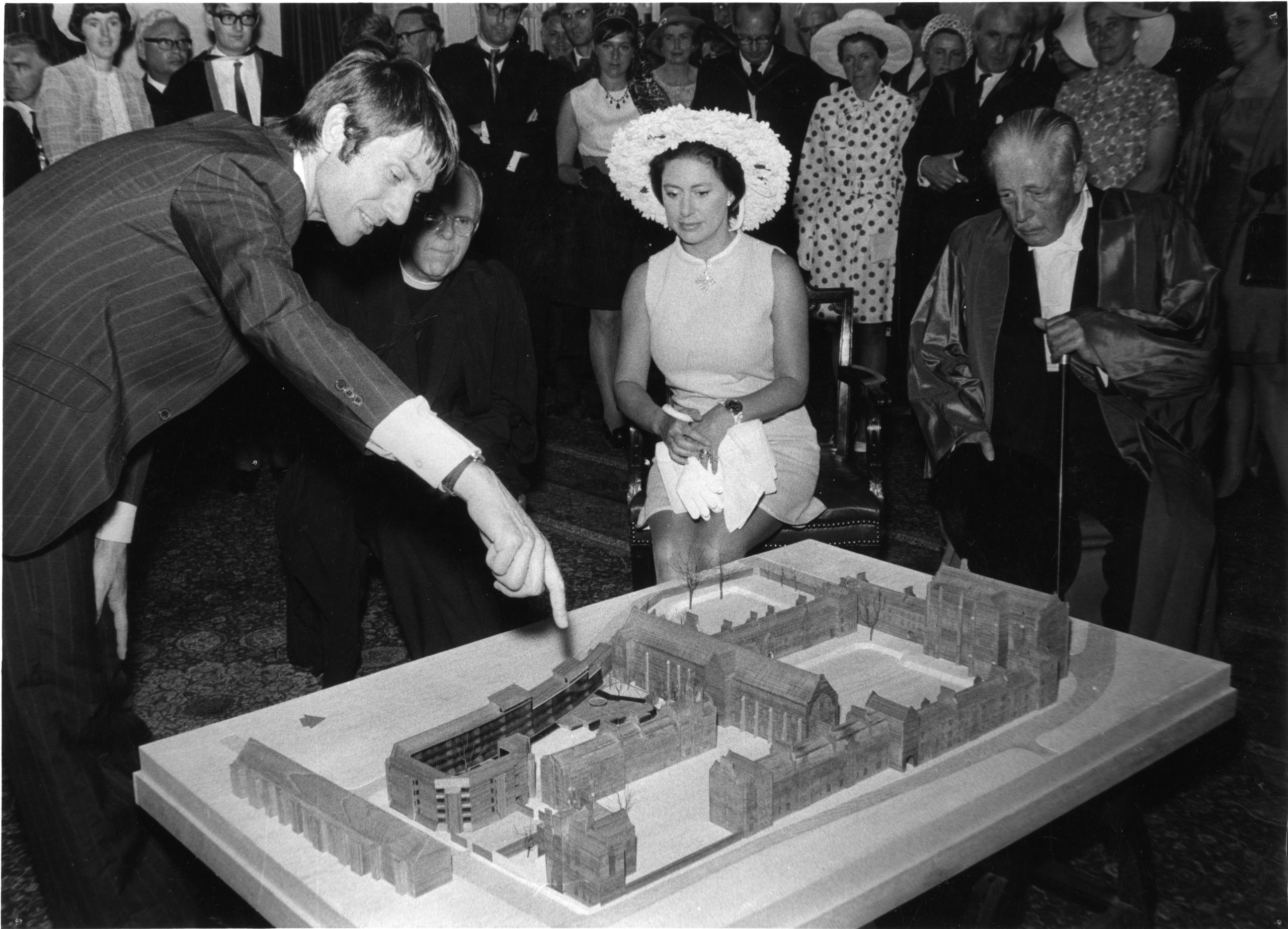
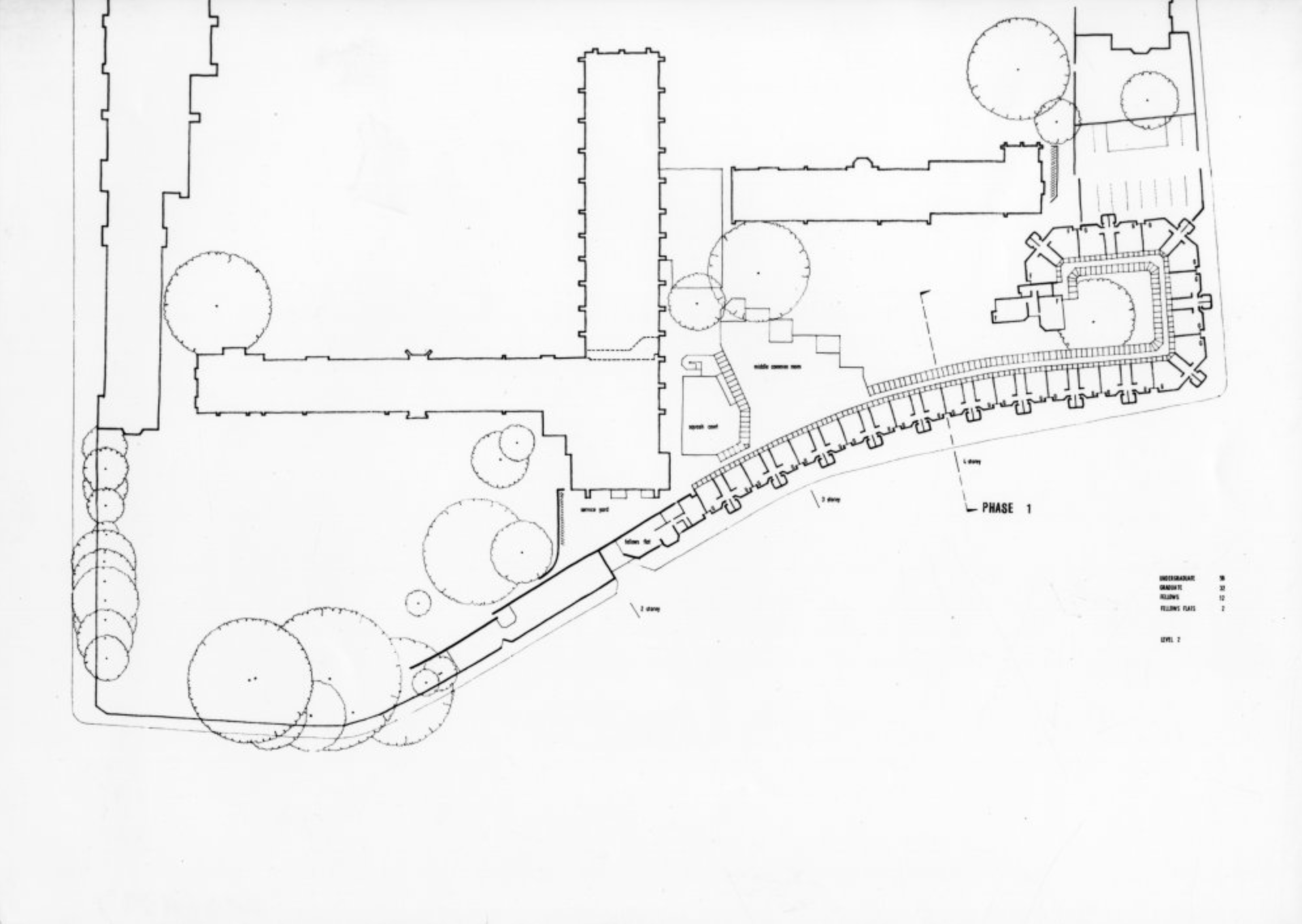
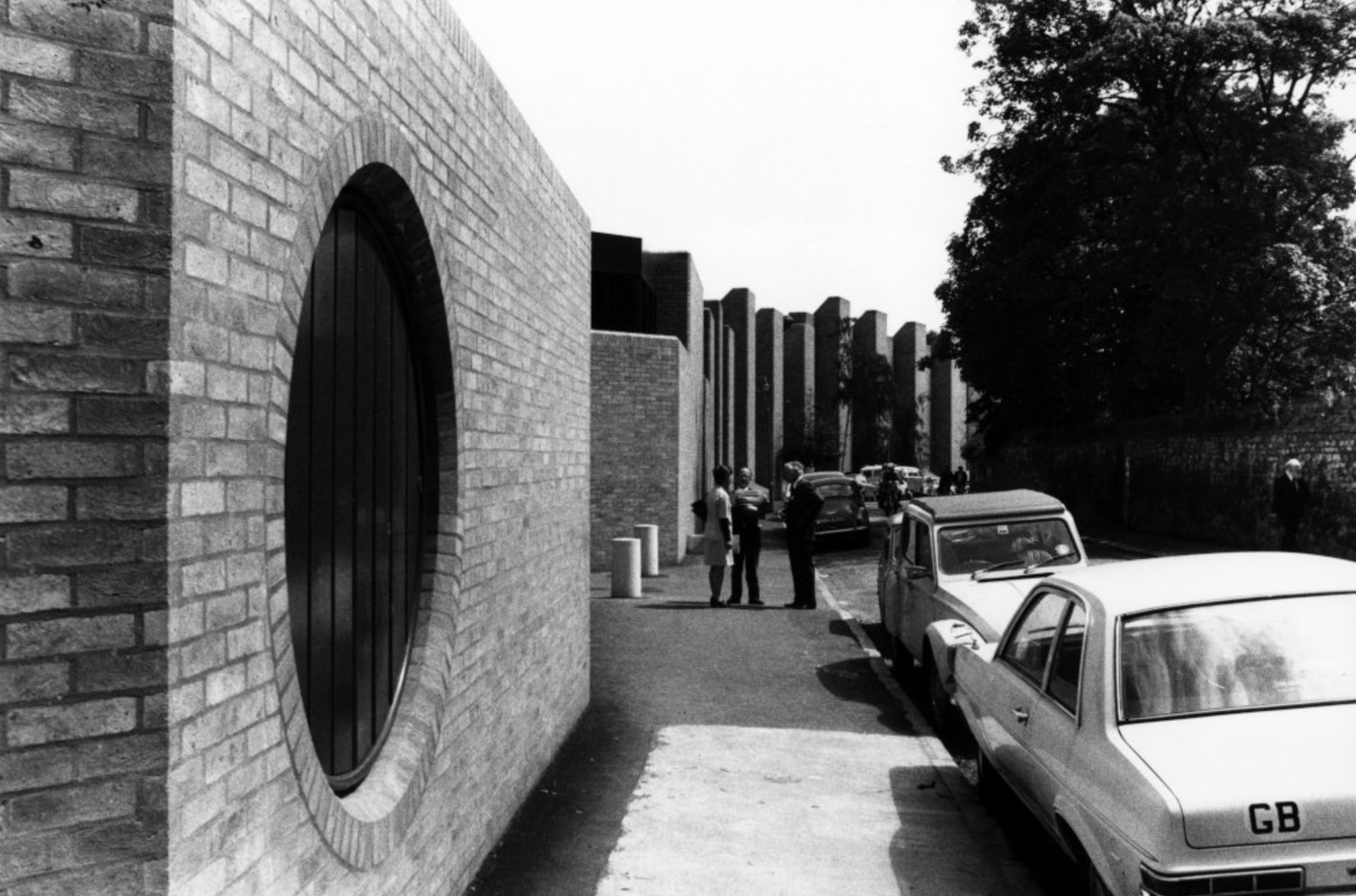
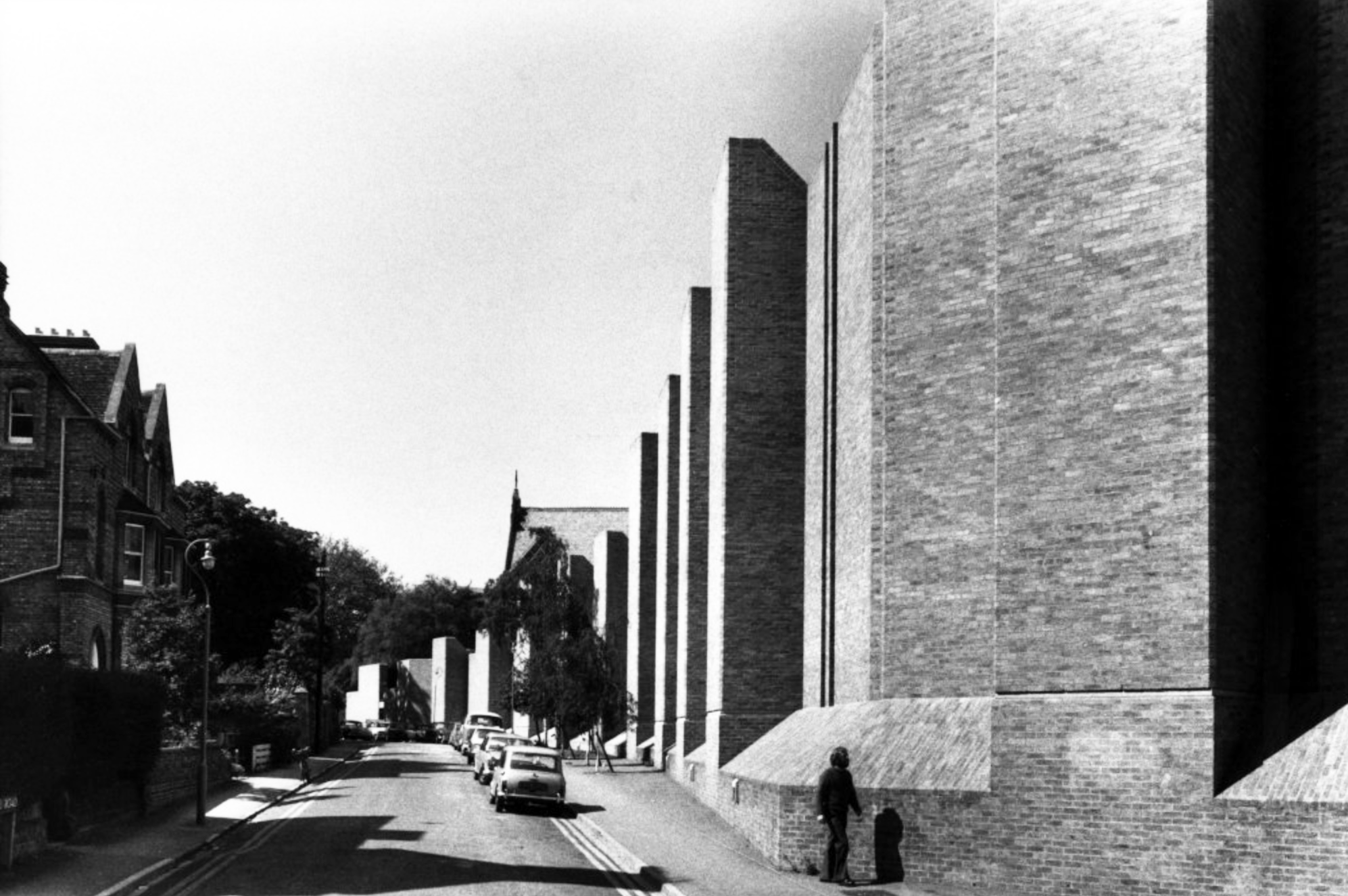
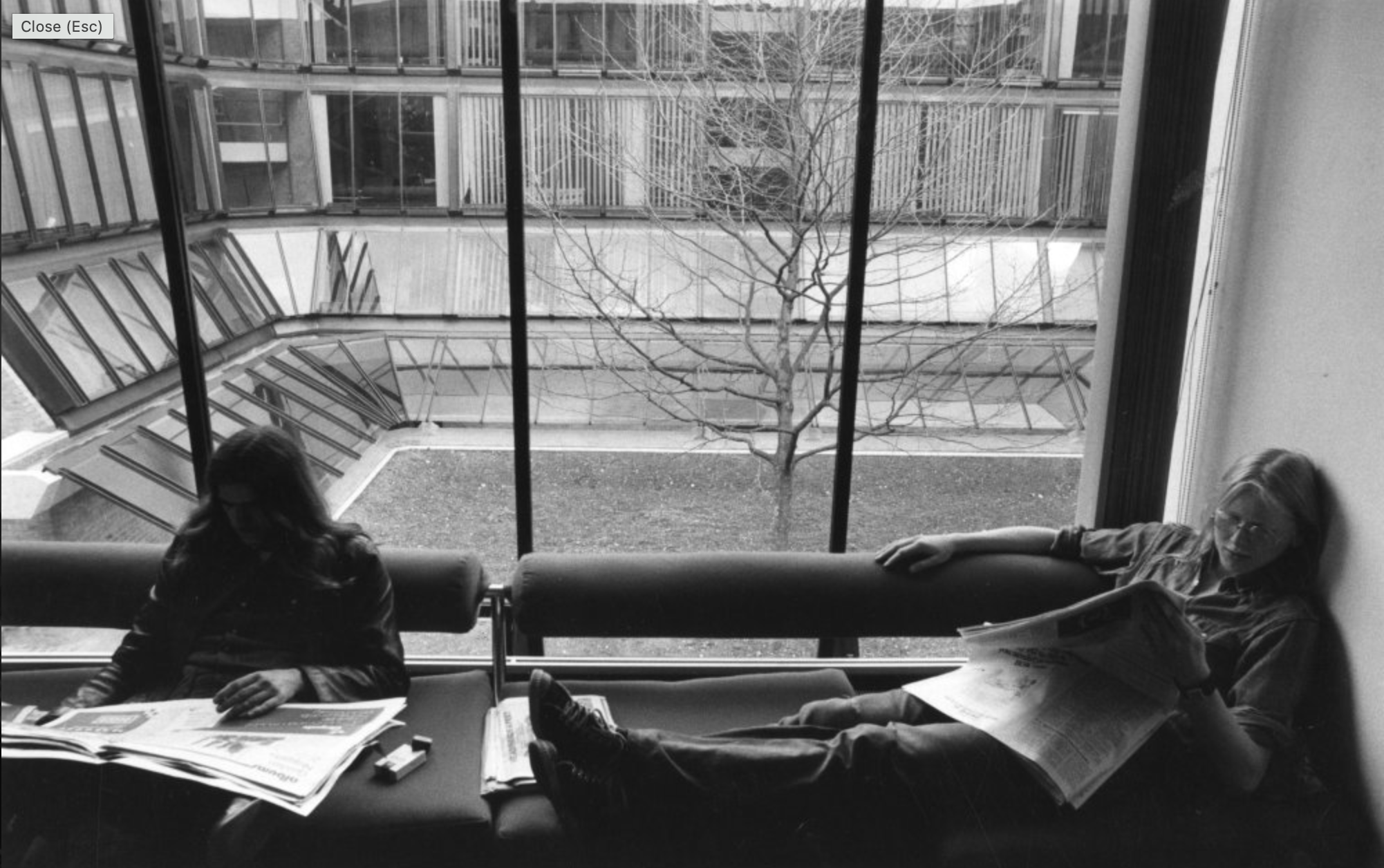
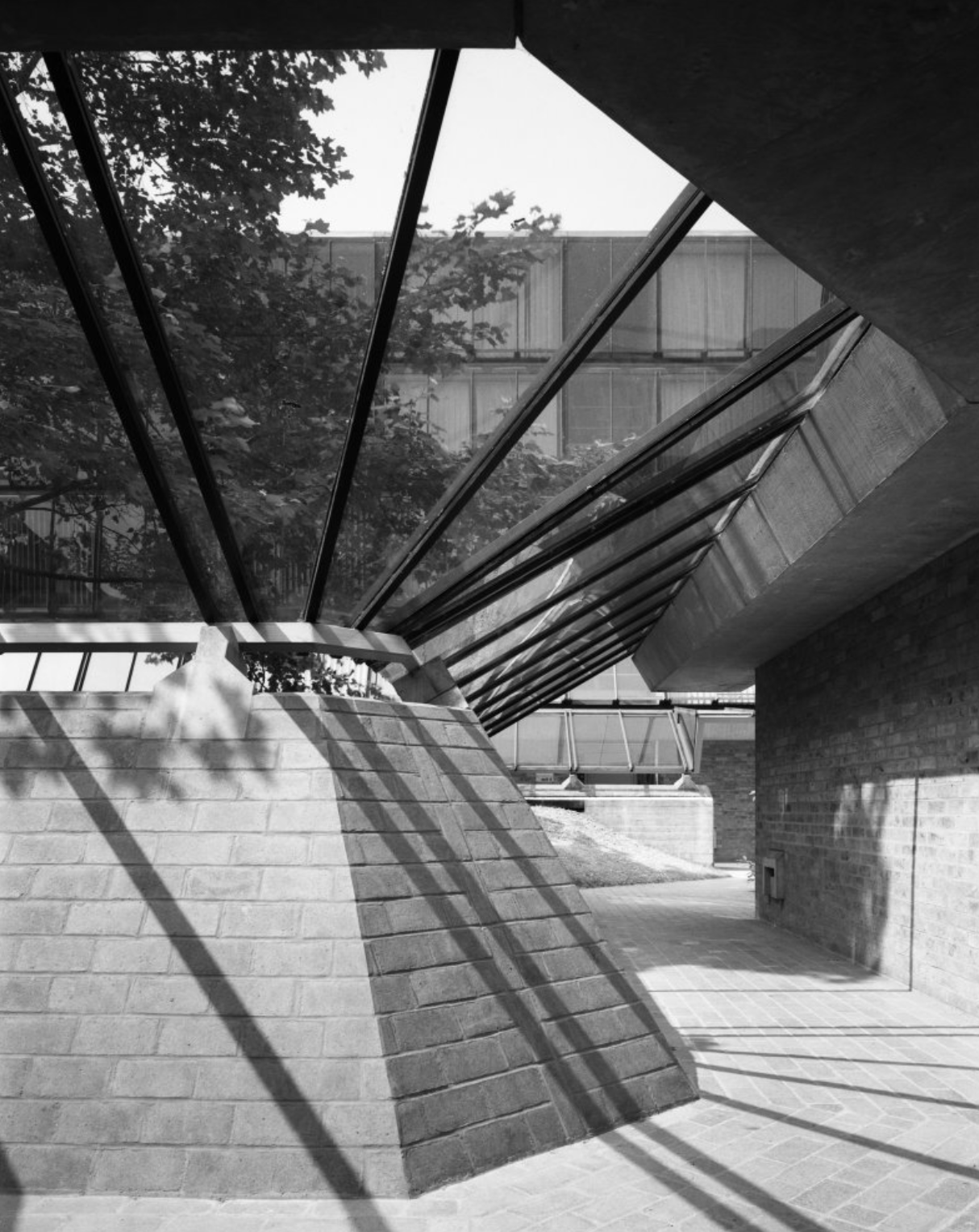
The College was lucky in that the ambitious vision of its founders allowed it to house the majority of its students for decades. However, by 1967, it had become clear to the College that there was a need to expand on a large scale. With the £500,000 cost funded via the Centenary Appeal, the project remained challenging – the site available was wedge-shaped, construction had to be phased, as funds became available, and the buildings had to stand next to Butterfield’s imposing work. To meet this challenge, the College chose an up-and-coming firm of architects, Ahrends, Burton and Koralek ABK.
Ahrends, Burton and Koralek – ABK was established in London in 1961 by three young AA graduates, Peter Ahrends, Richard Burton and Paul Koralek. By the 1970s, ABK was known as one of the most creative and versatile of Britain’s younger practices, its workload ranging from college buildings in Oxford and Chichester to housing, public libraries, retail and industrial buildings.
While influenced by High-tech, their buildings were characterised by a concern for strong form and materiality. Major projects of the 1980s included stations for the Docklands Light Railway and the pioneering St Mary’s Hospital on the Isle of Wight, as well as buildings at Hooke Park in Dorset designed in collaboration with Frei Otto.
ABK’s victory in the prestigious 1982 competition for an extension to the National Gallery in London reflected the firm’s standing but the scheme was abandoned following a controversial intervention by the Prince of Wales.
The College was lucky in that the ambitious vision of its founders allowed it to house the majority of its students for decades. However, by 1967, it had become clear to the College that there was a need to expand on a large scale. With the £500,000 cost funded via the Centenary Appeal, the project remained challenging – the site available was wedge-shaped, construction had to be phased, as funds became available, and the buildings had to stand next to Butterfield’s imposing work. To meet this challenge, the College chose an up-and-coming firm of architects, Ahrends, Burton and Koralek – ABK.
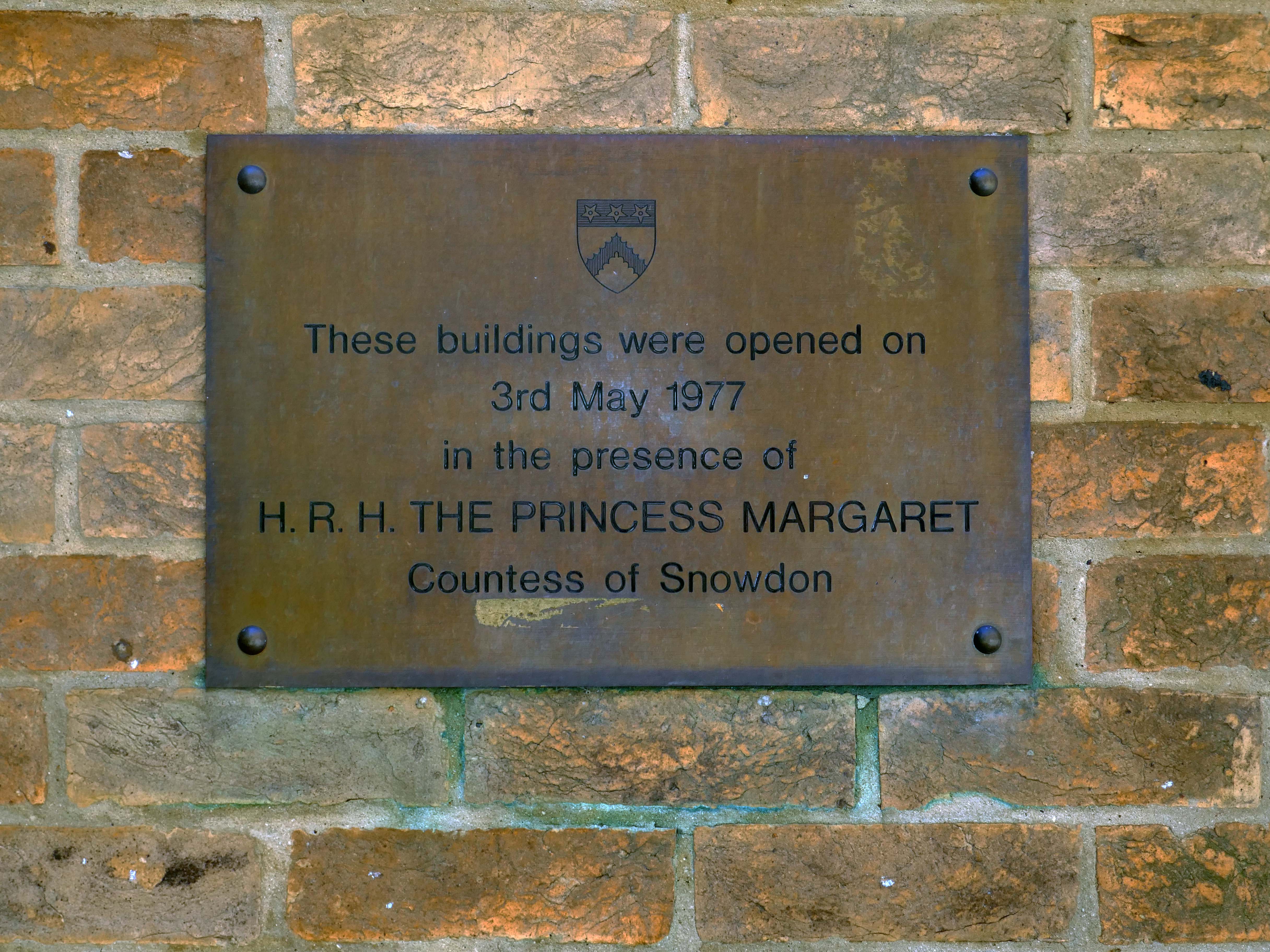
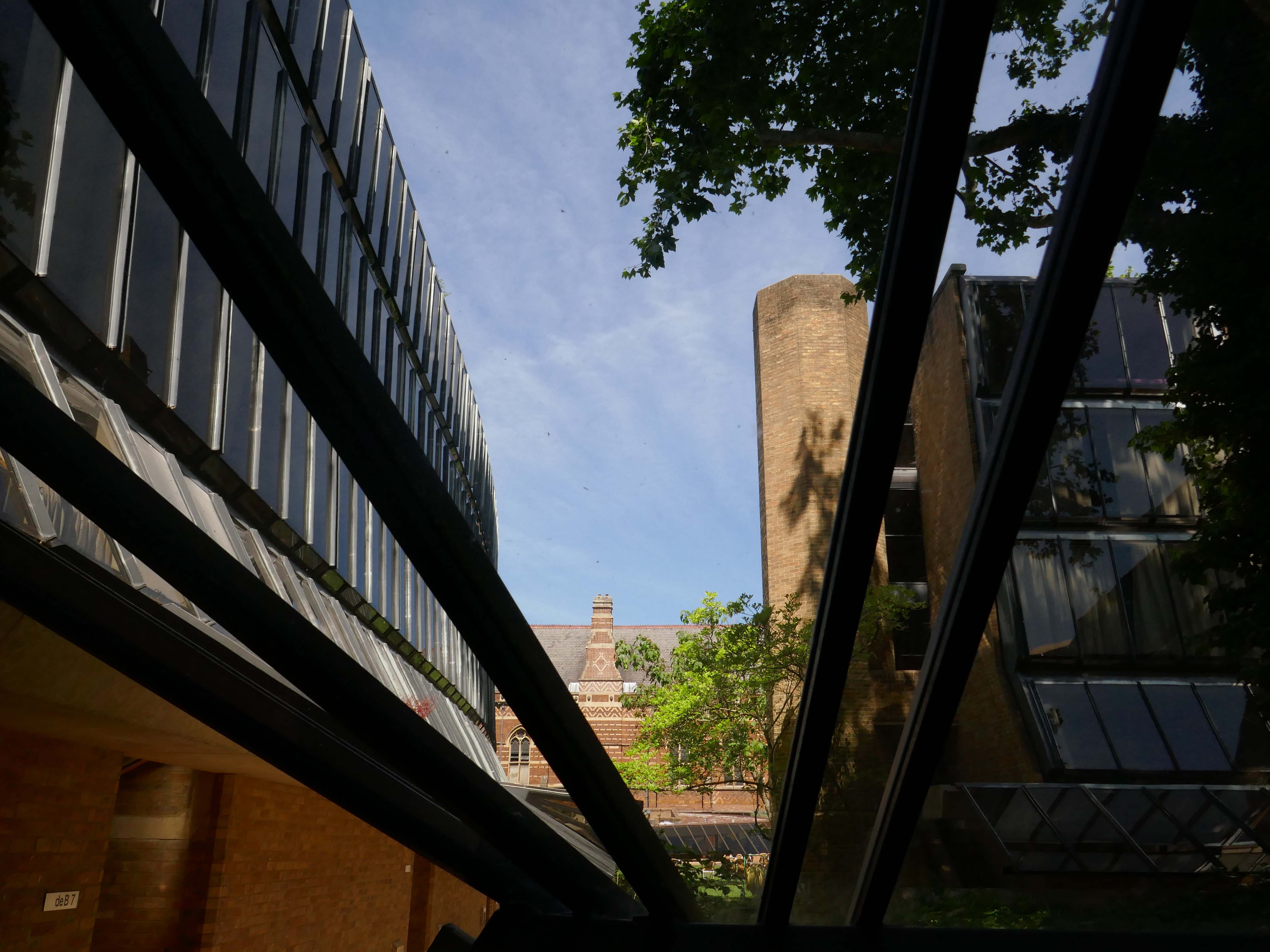
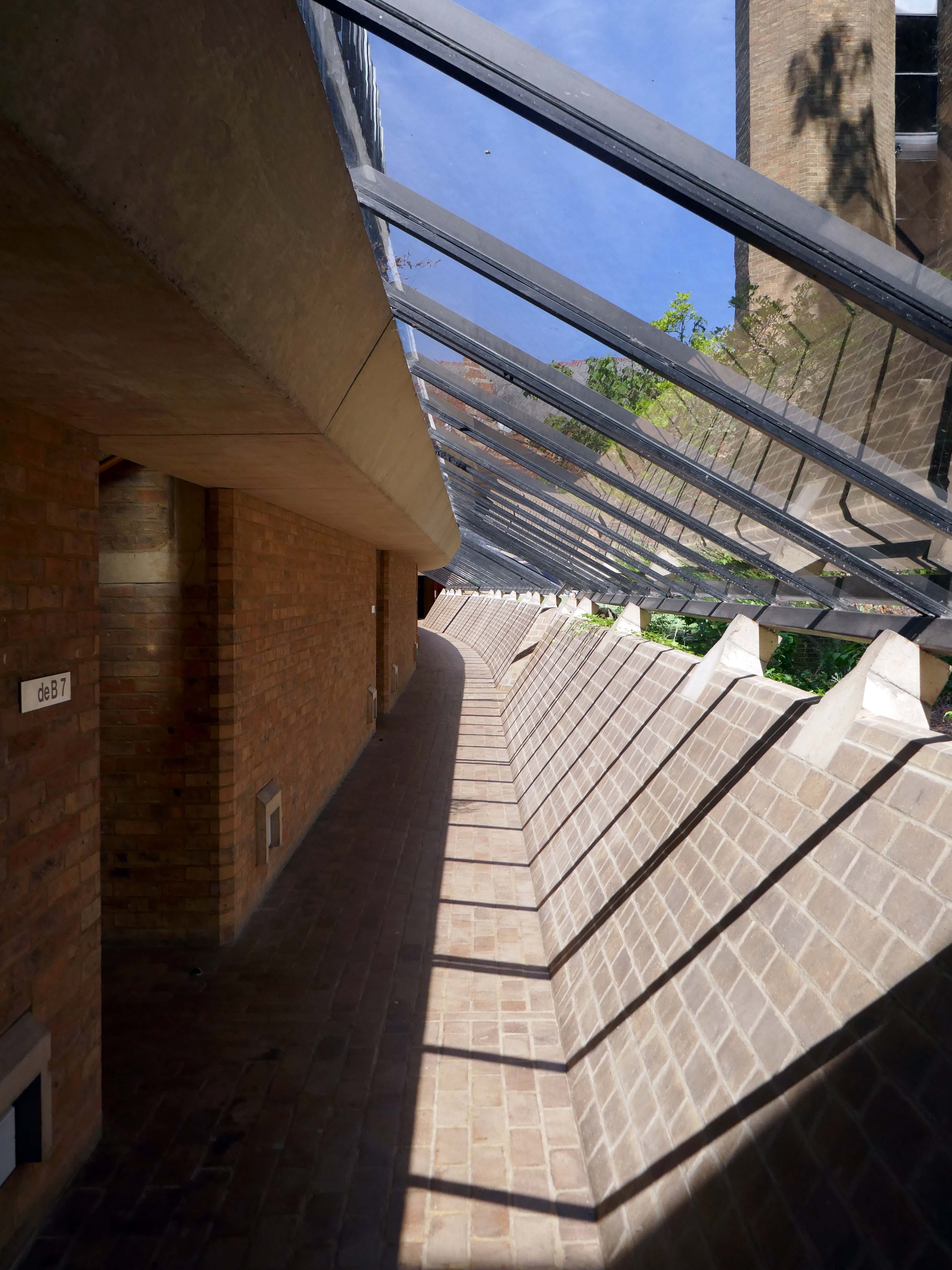
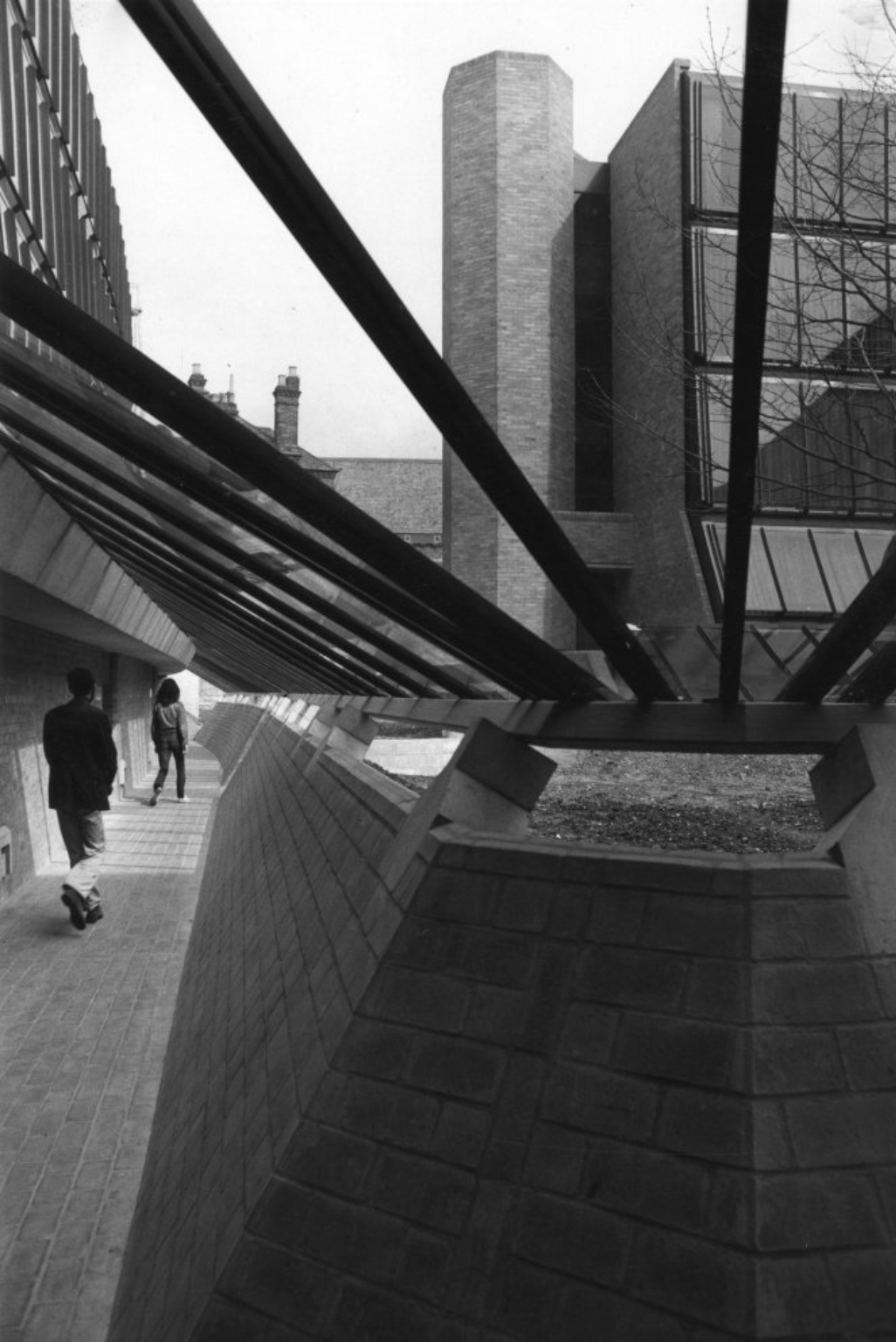
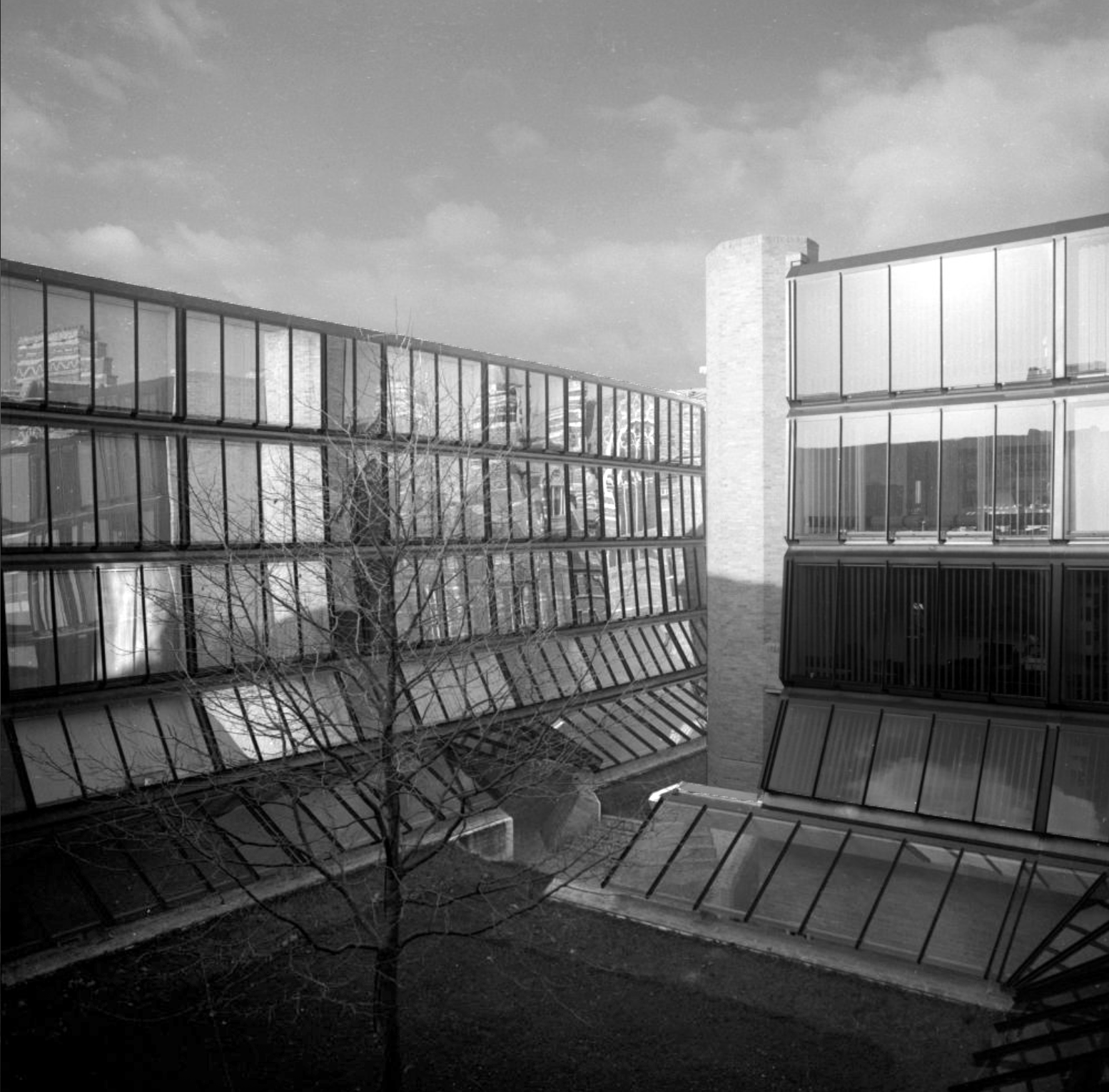
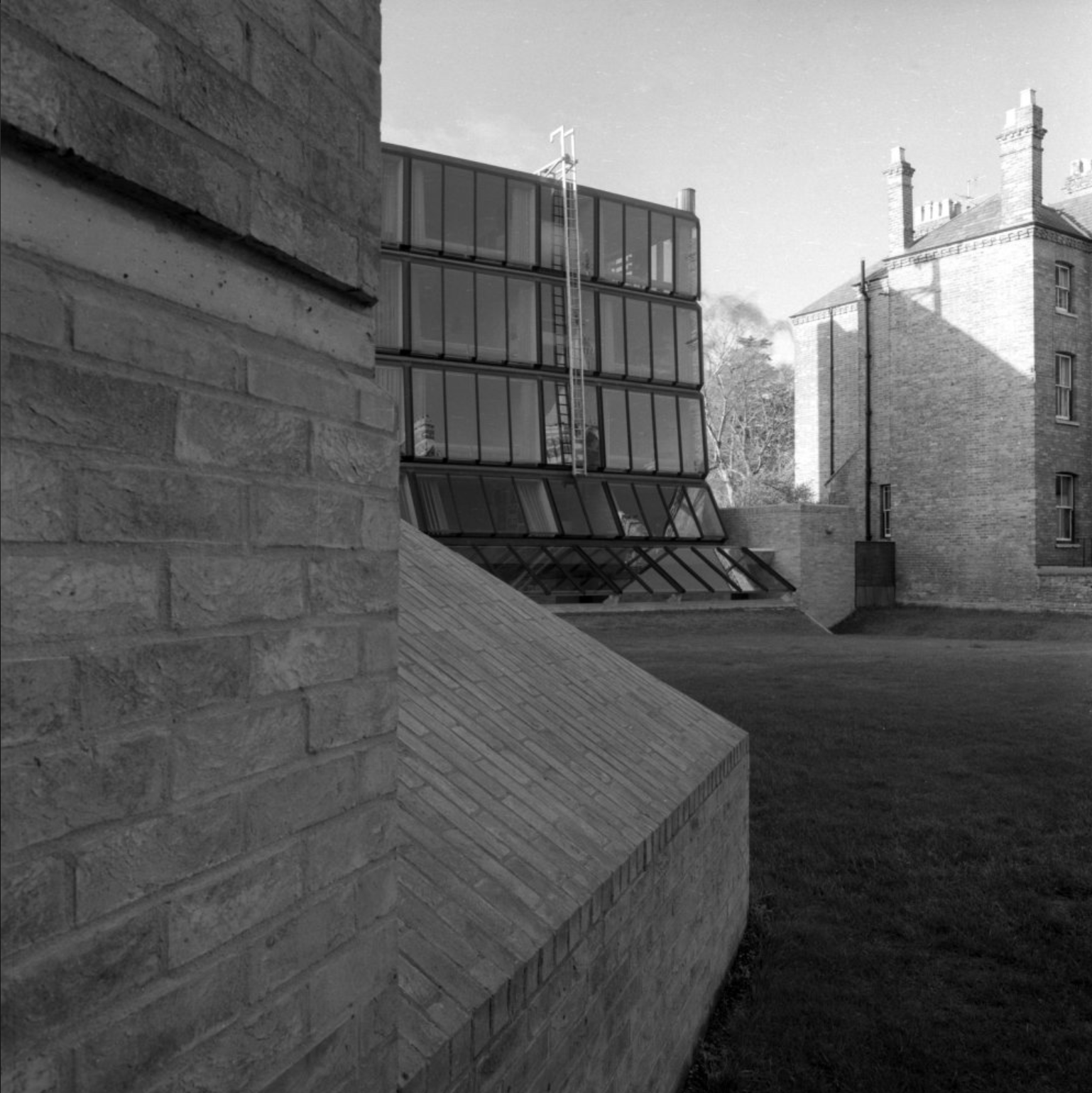
The construction was completed in two phases, the De Breyne quad – completed in 1972, was largely funded by the Adeby Trust. The second phase – completed in 1976, was primarily funded by the Hayward Foundation.
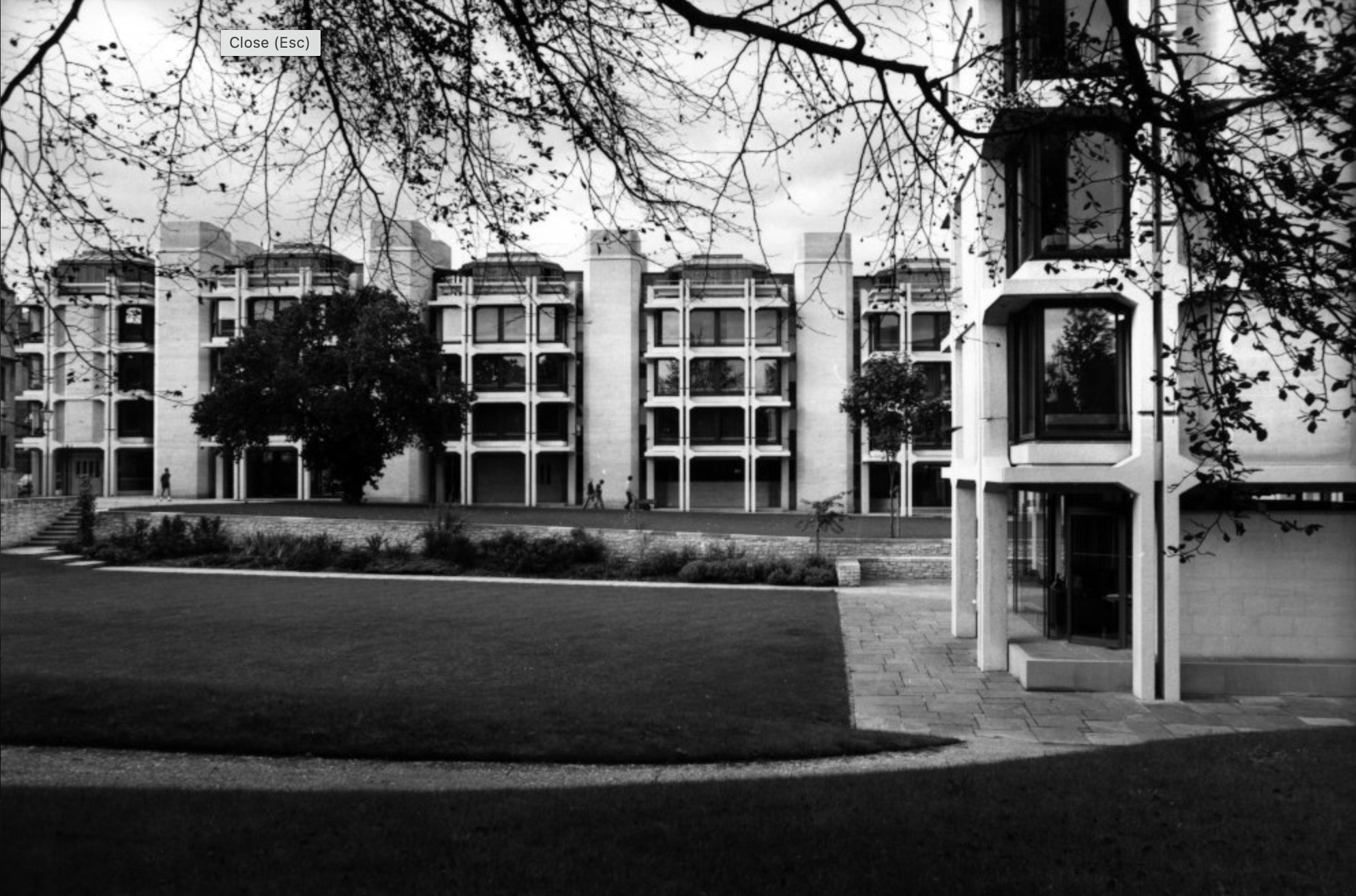
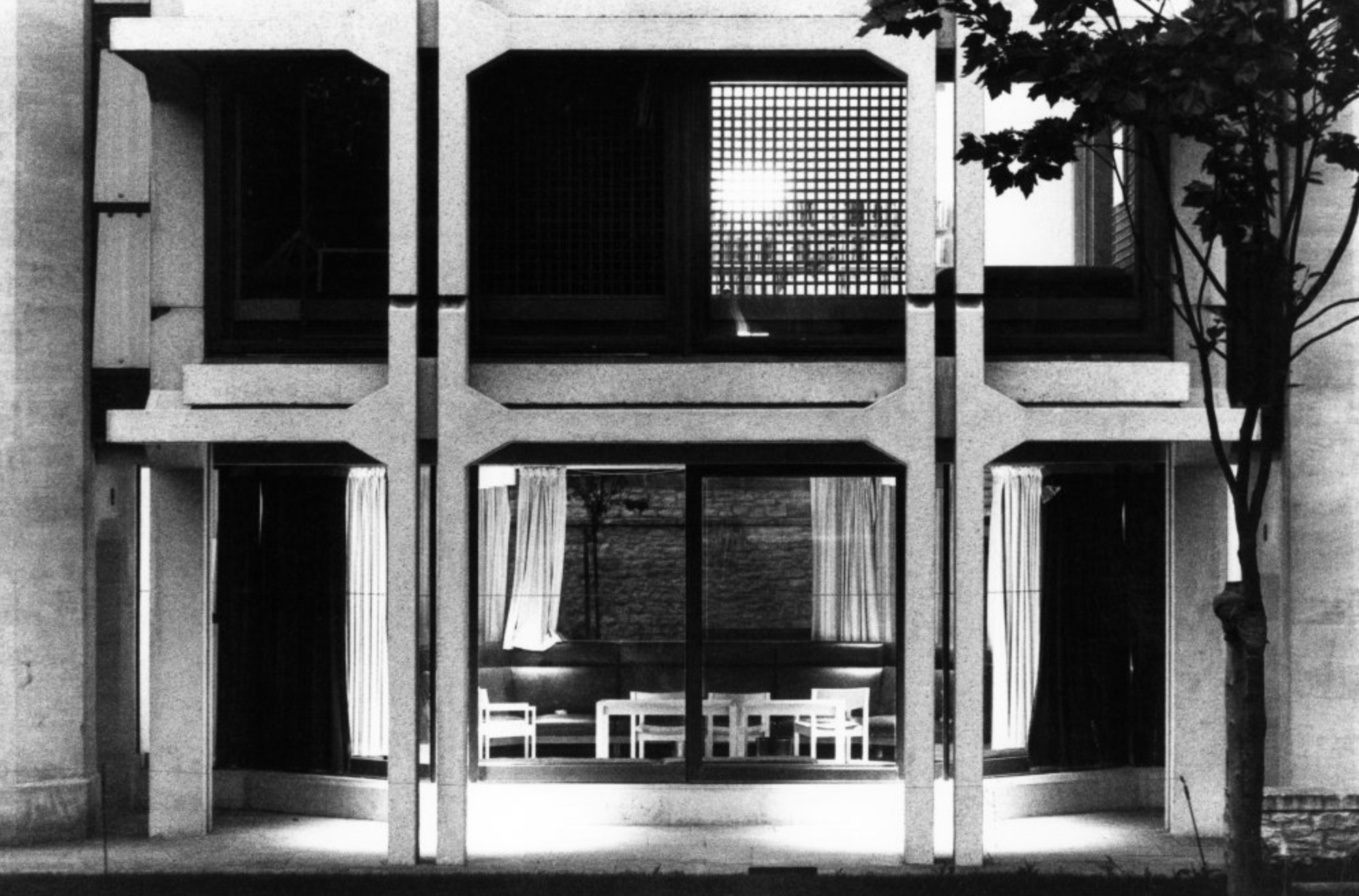
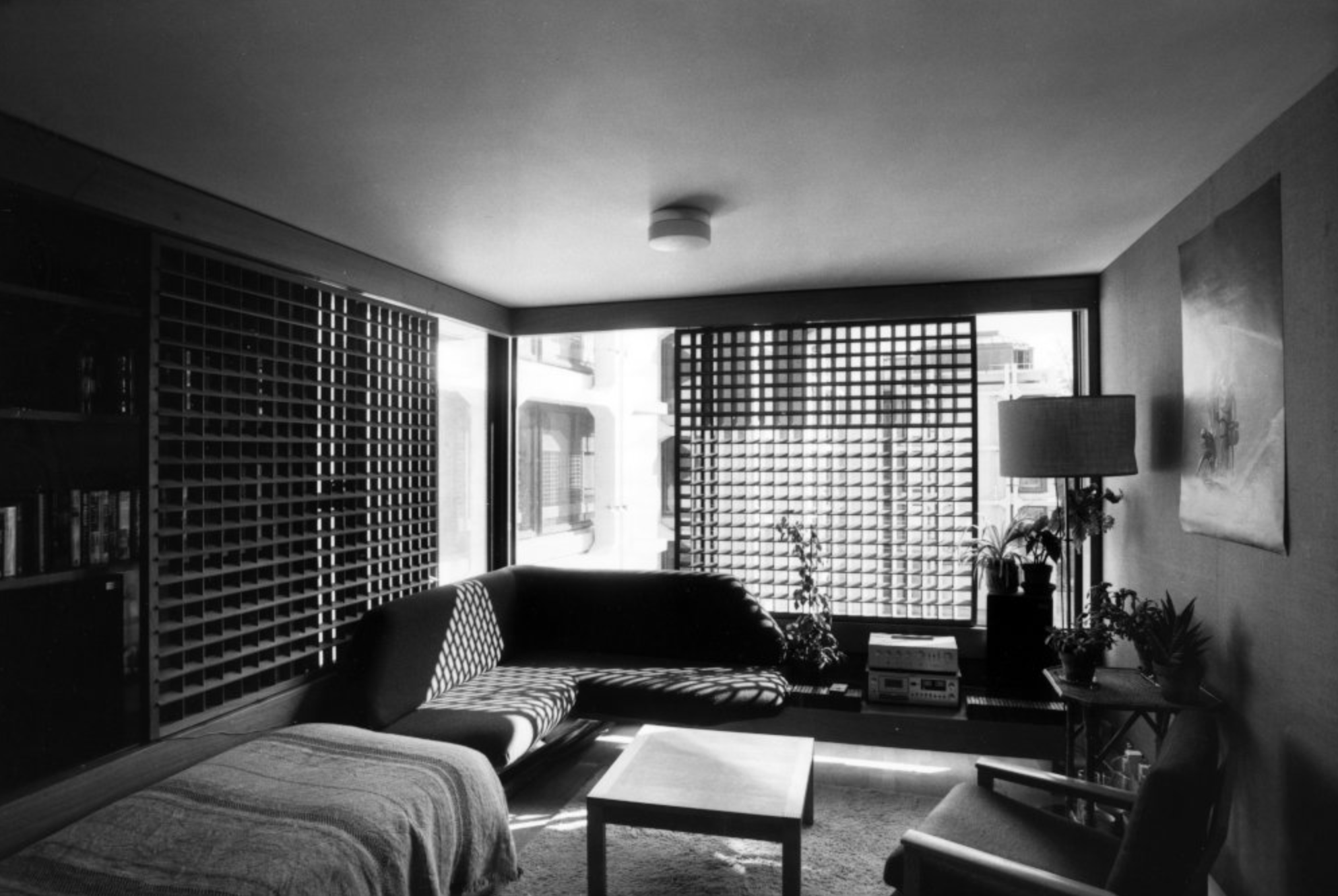
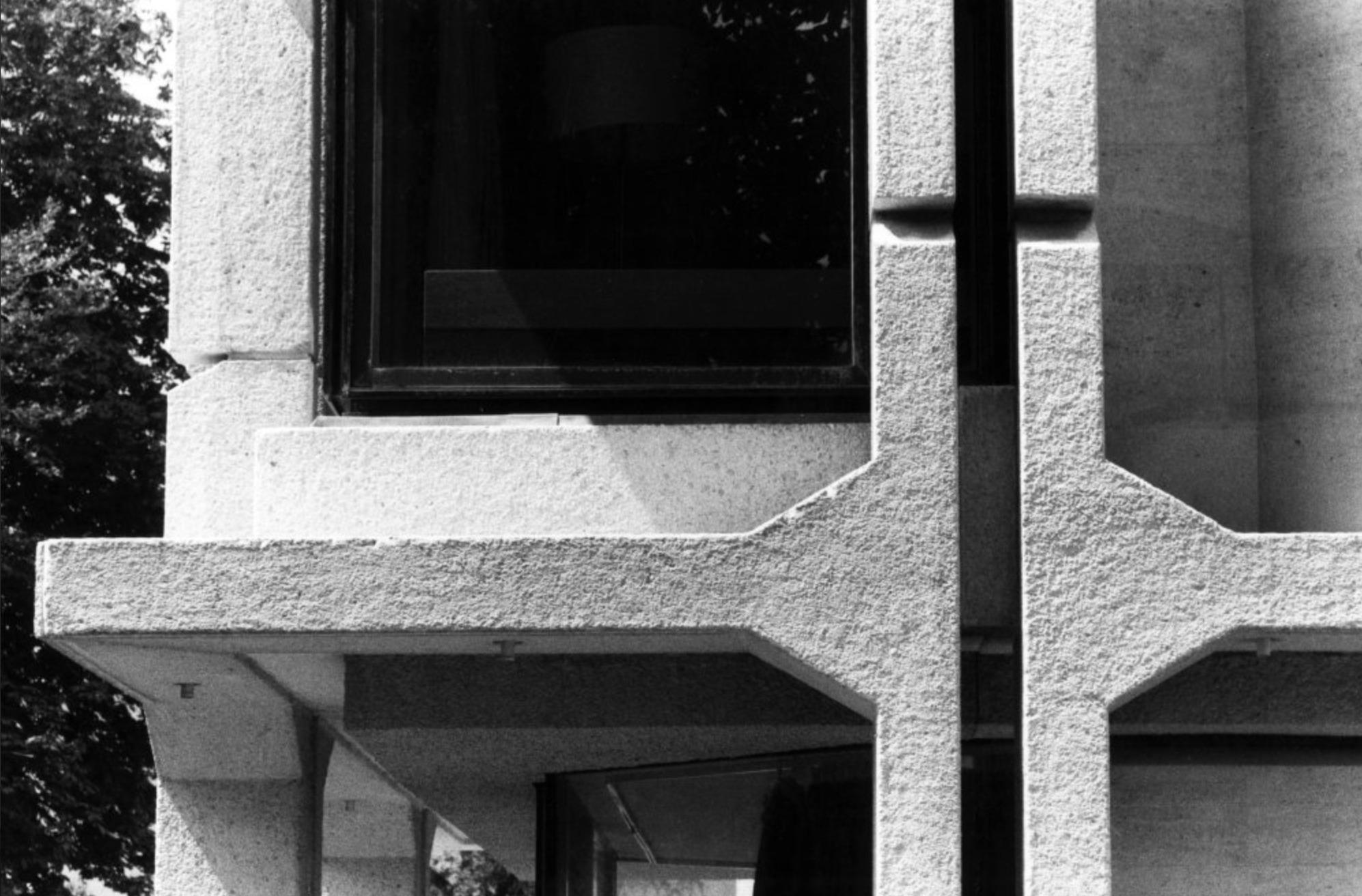
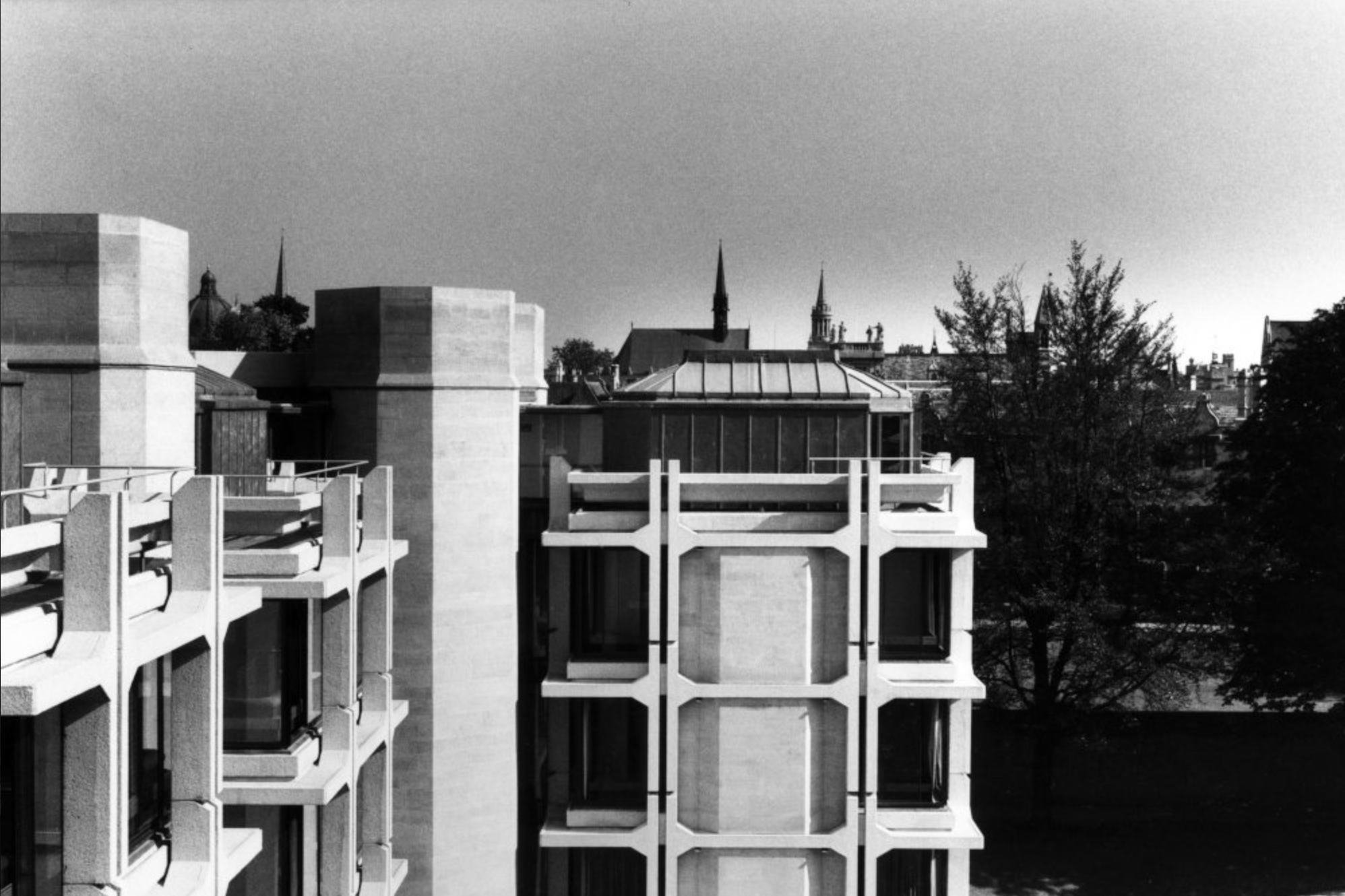
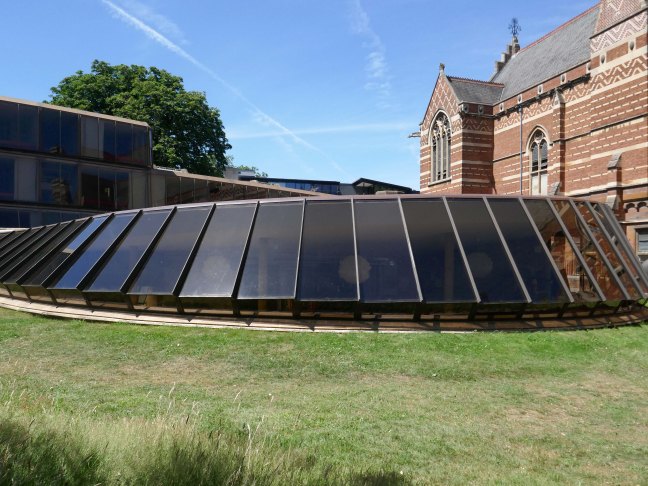
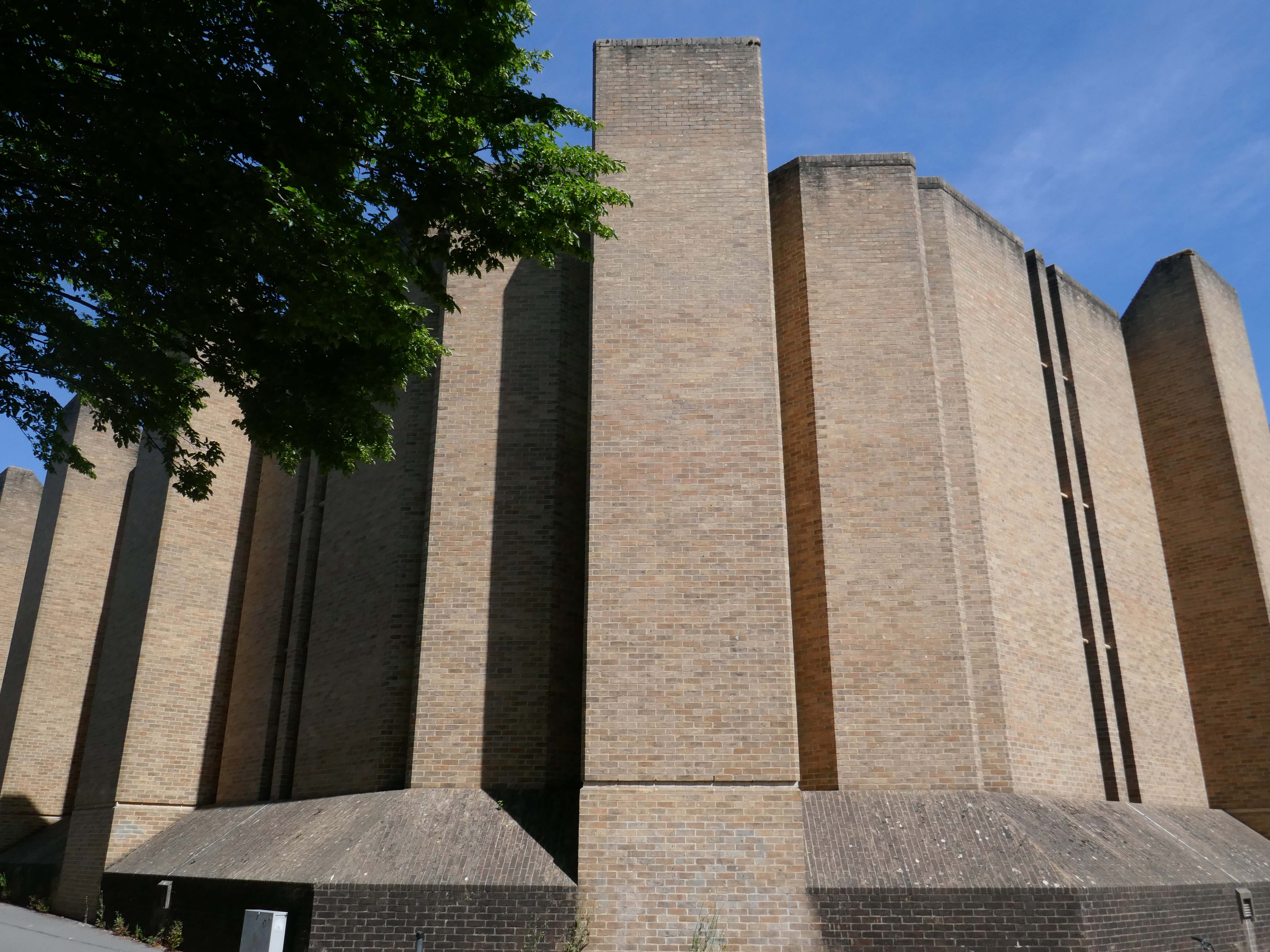
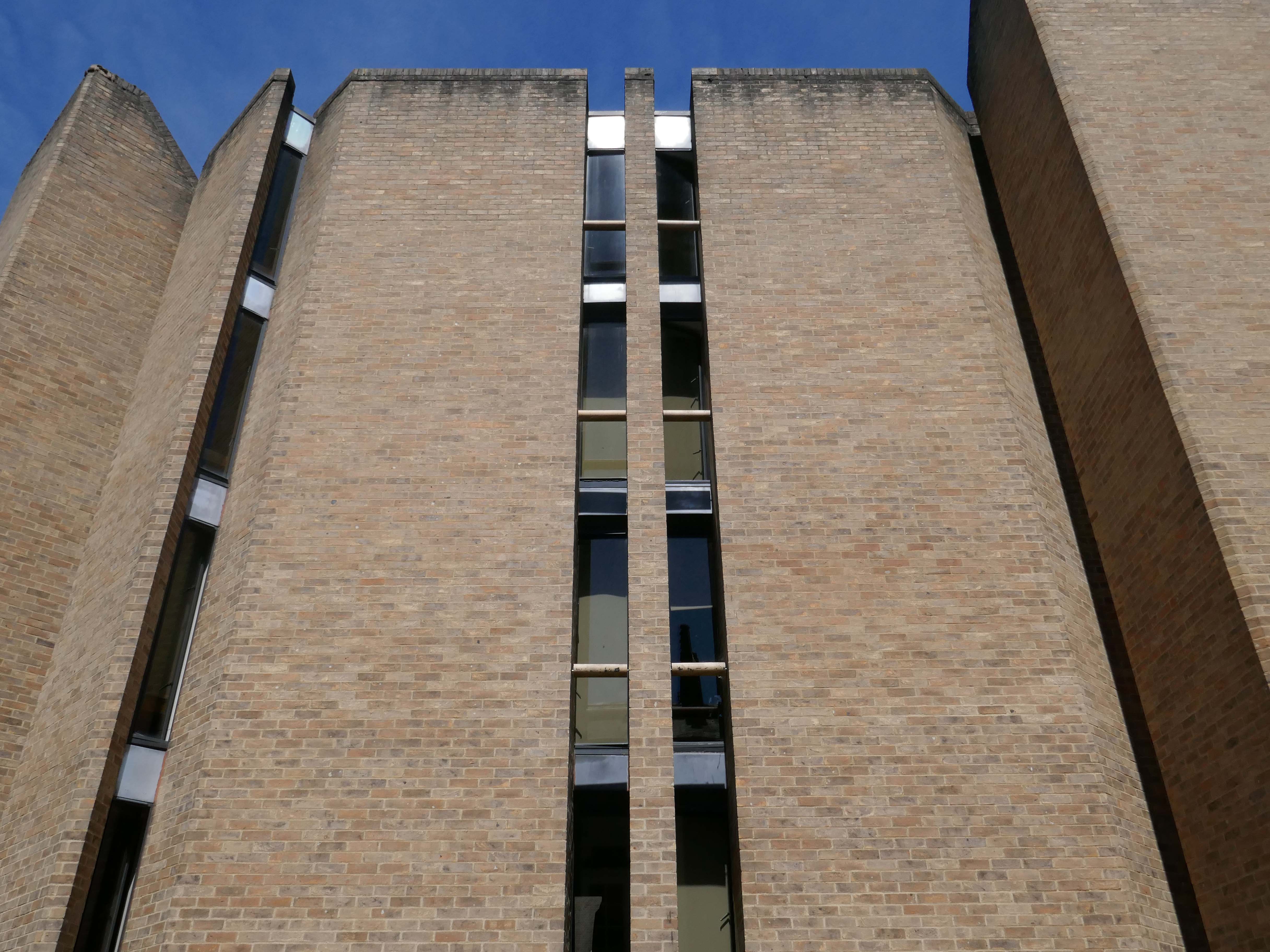
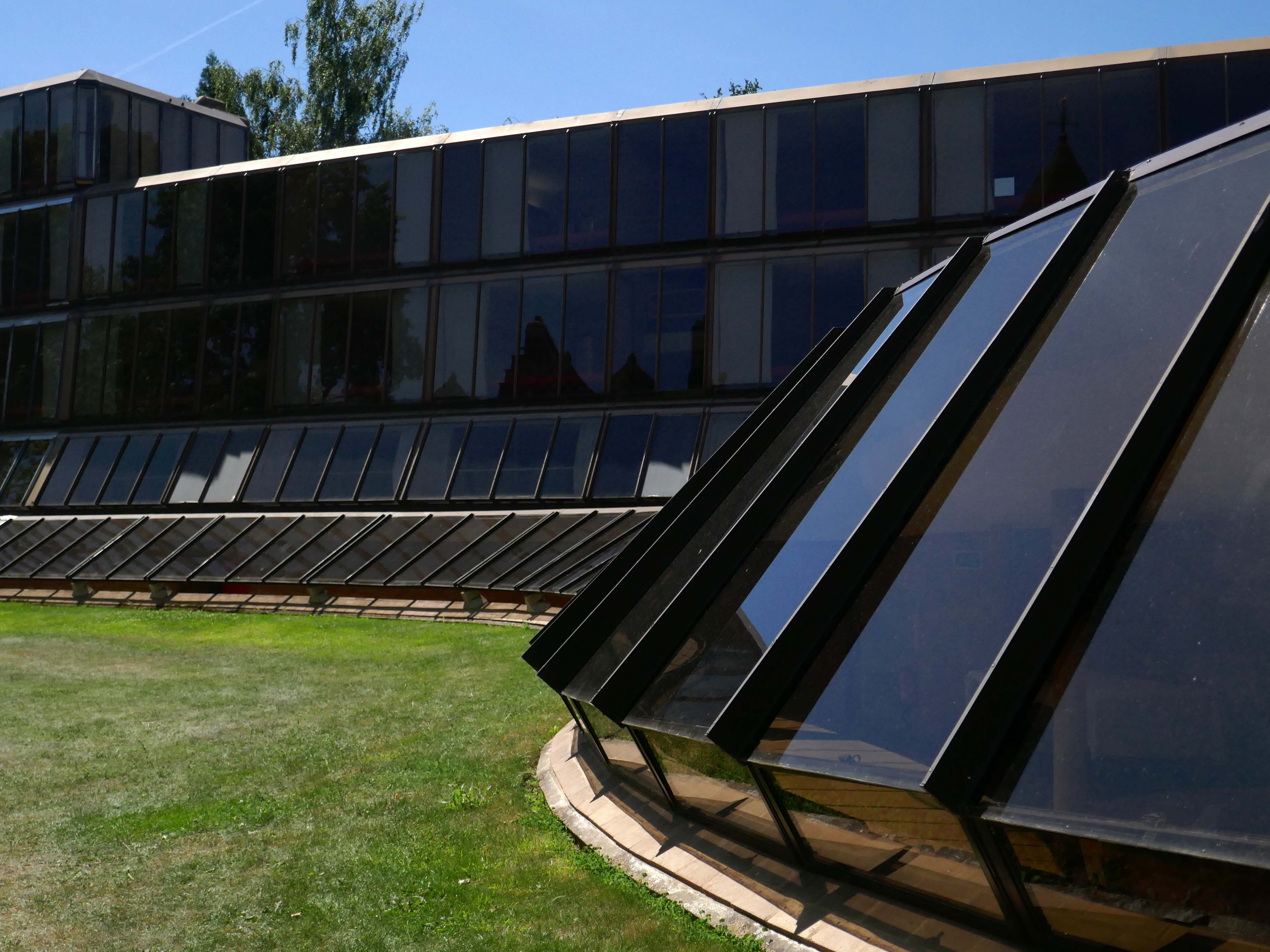
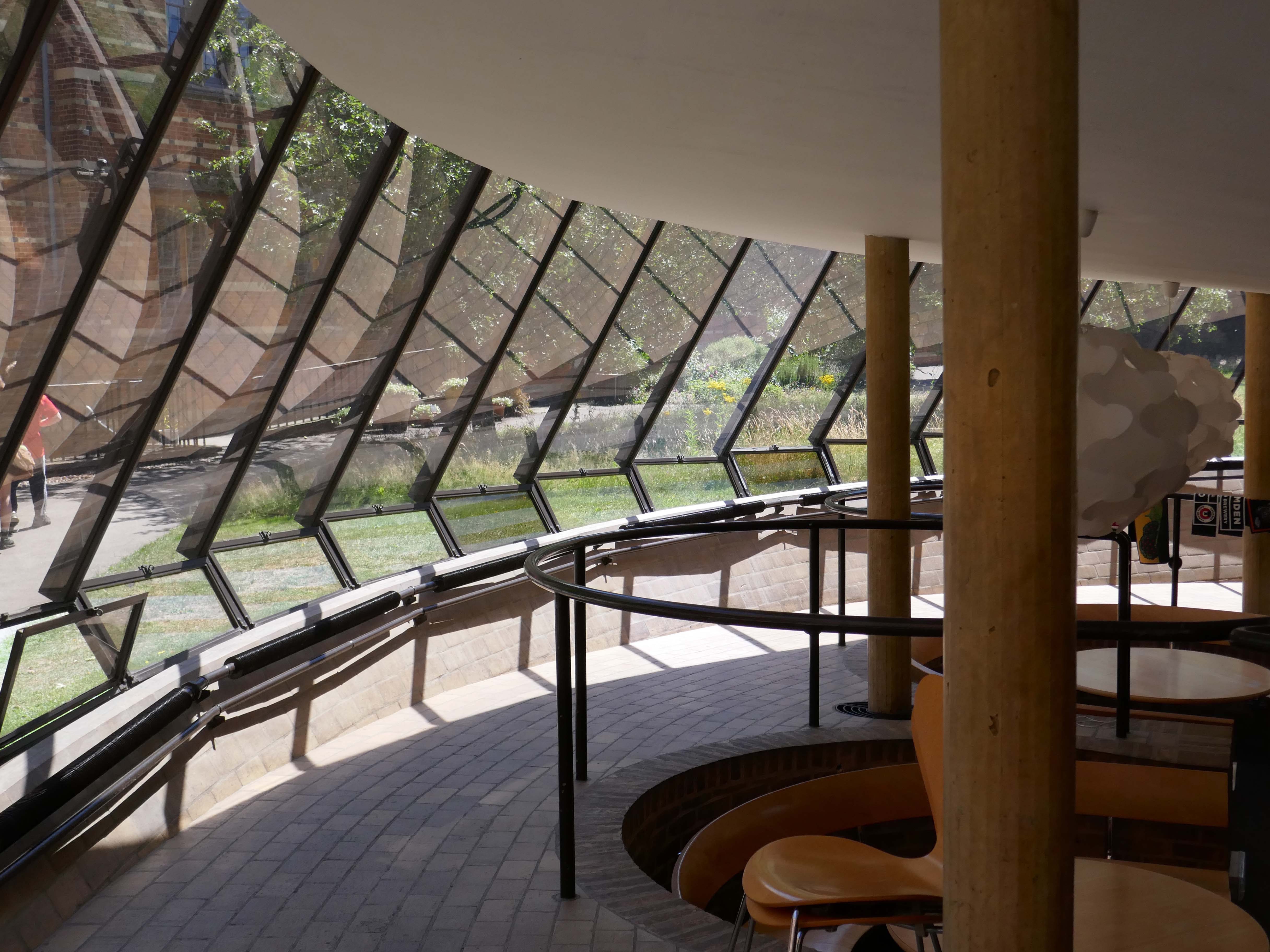
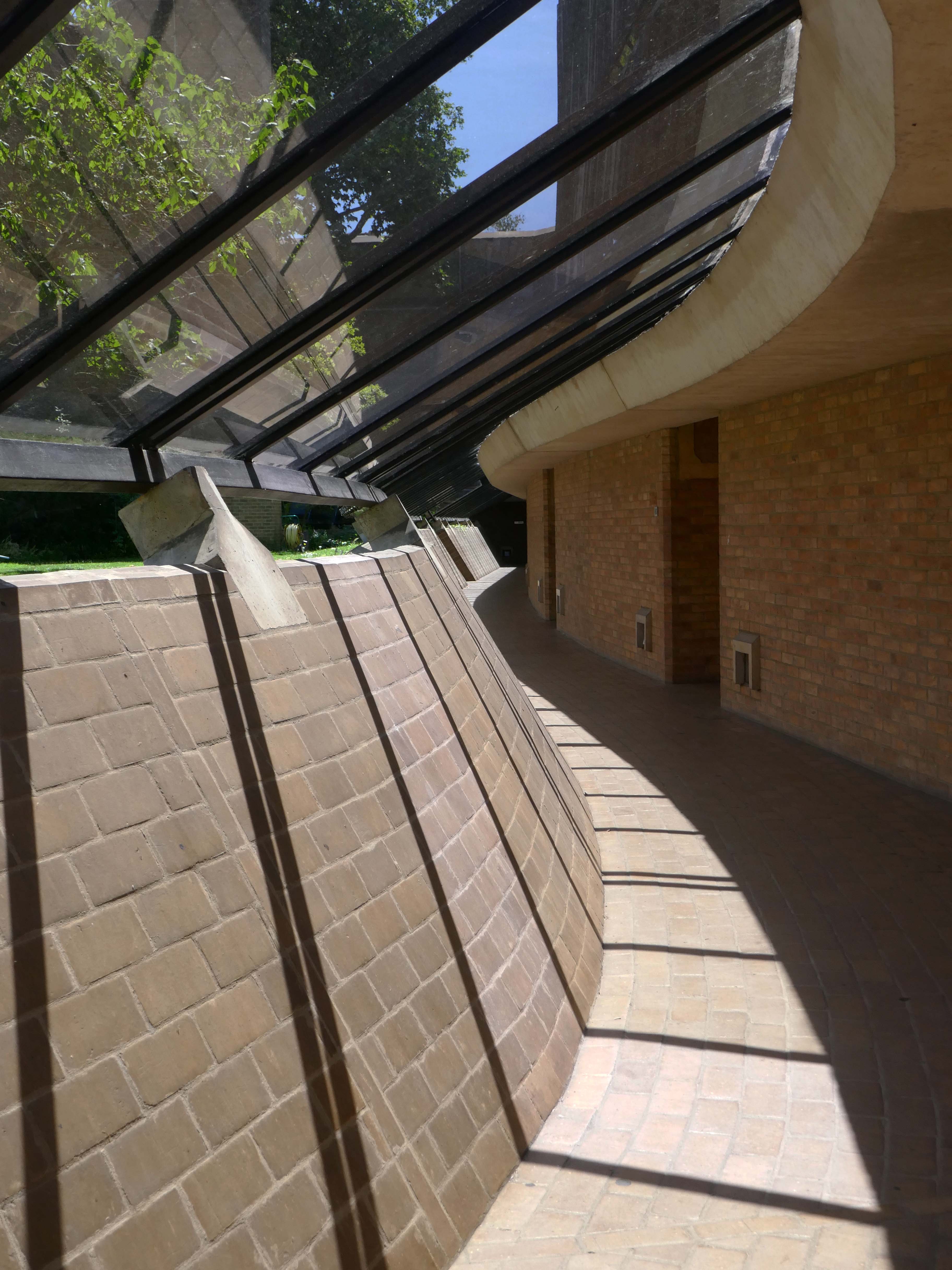
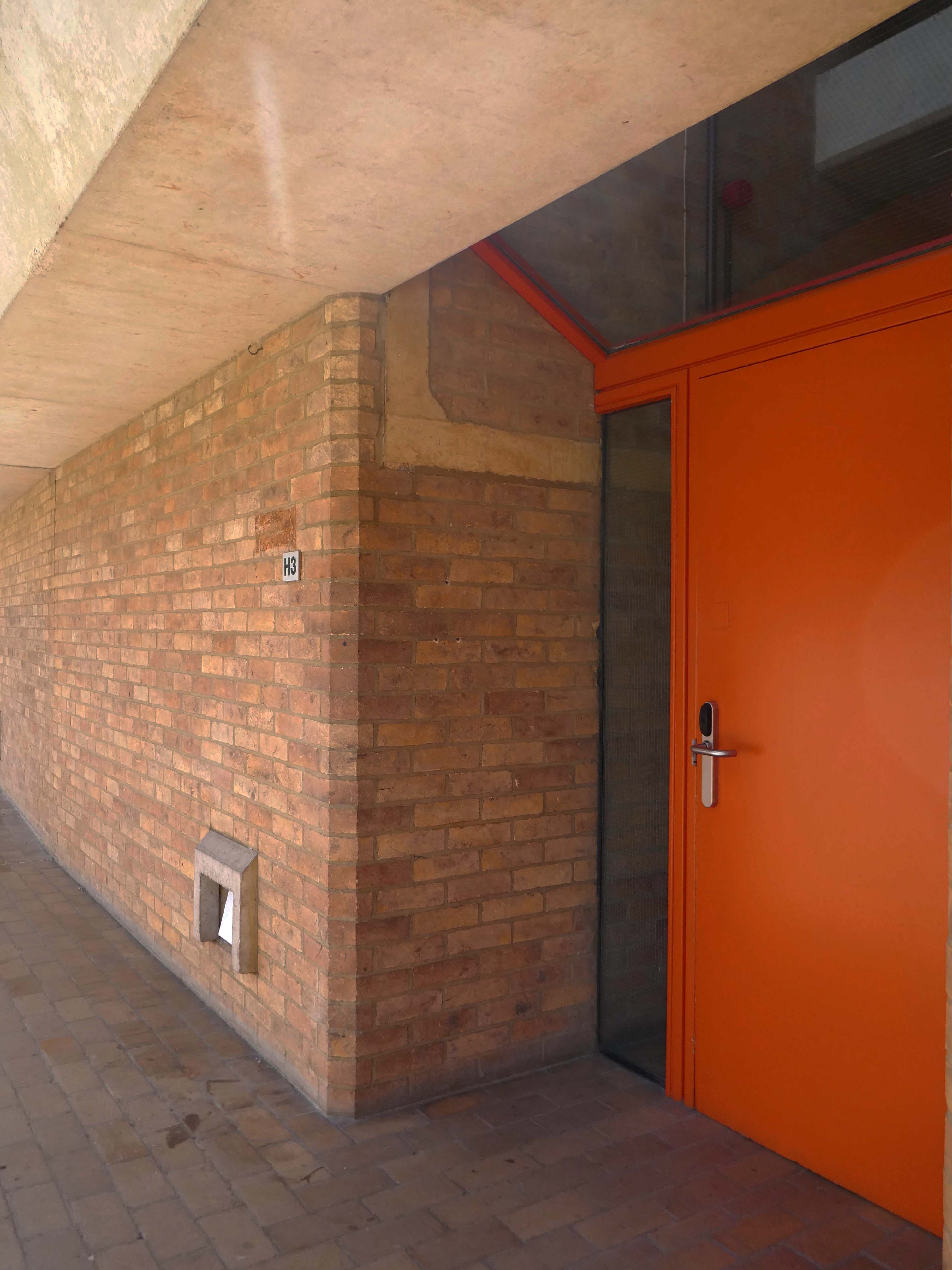
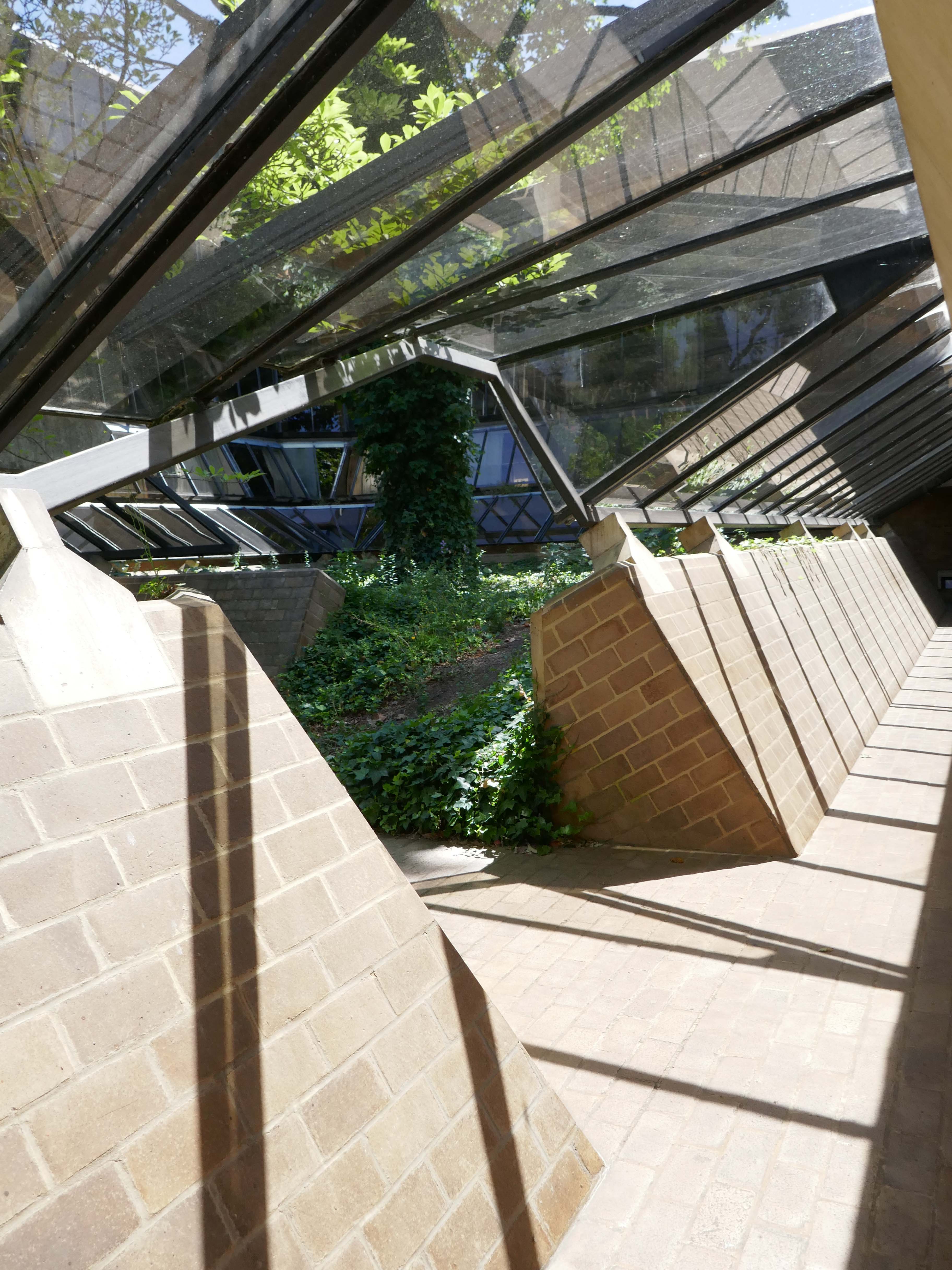
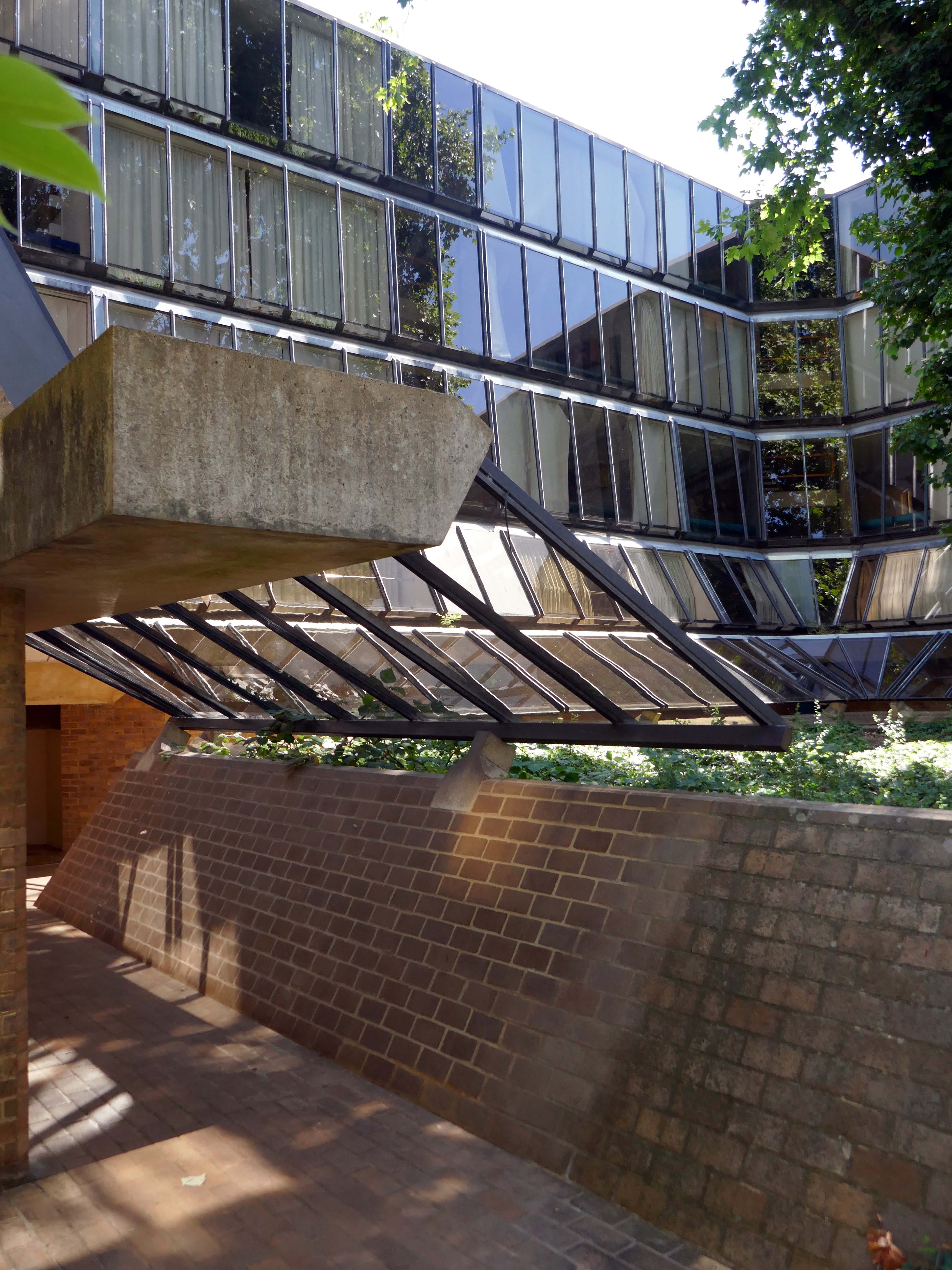
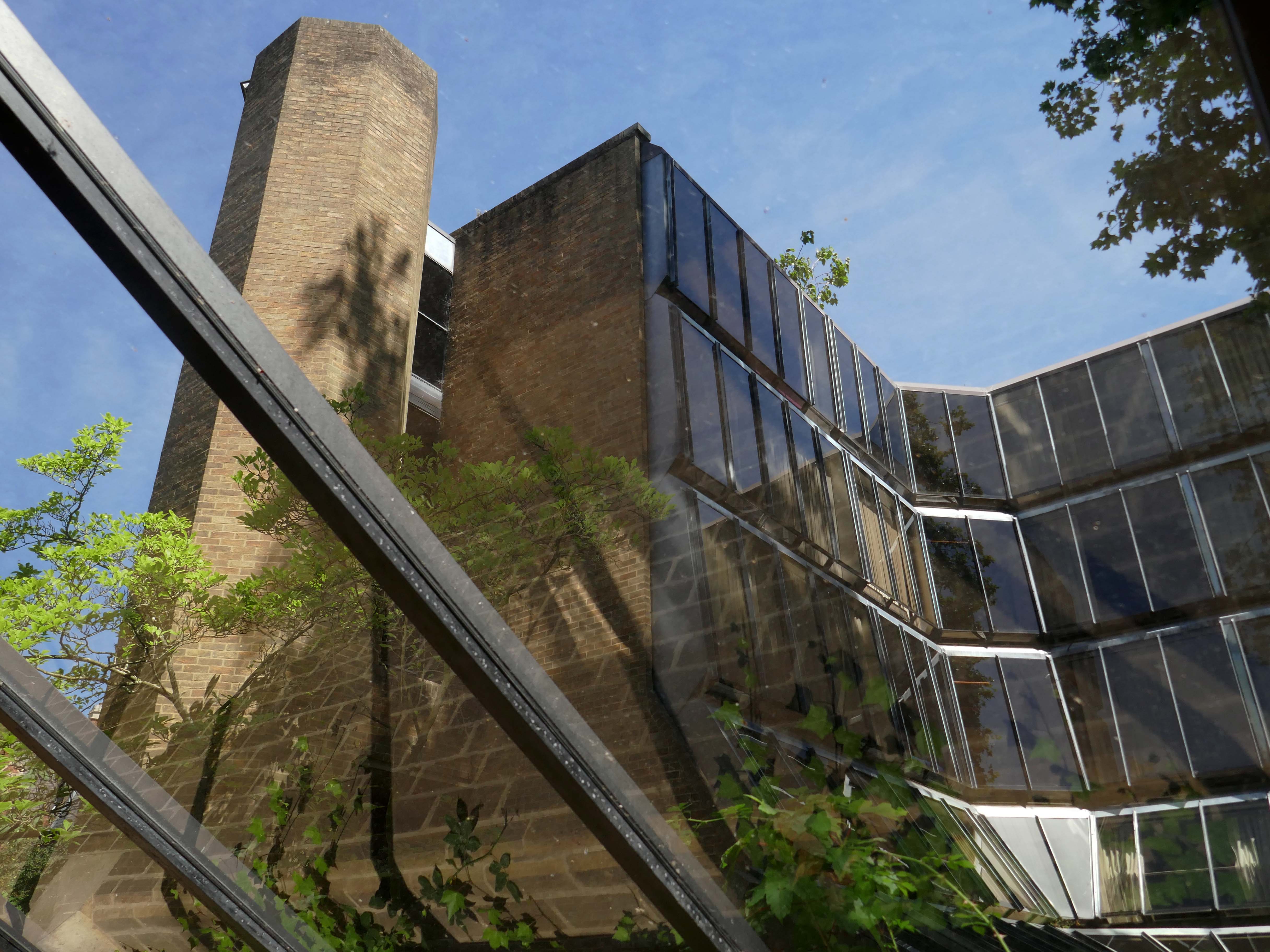
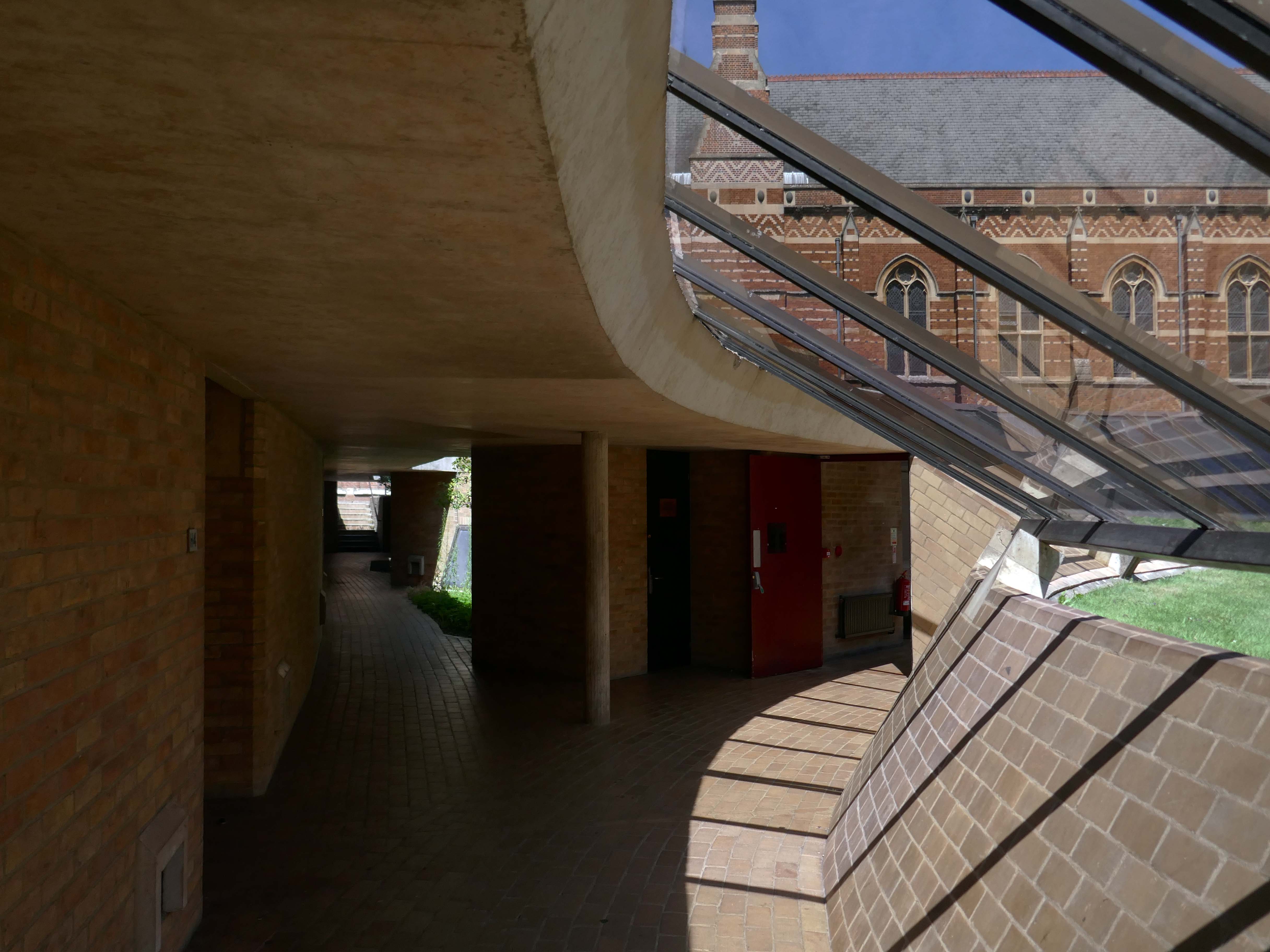
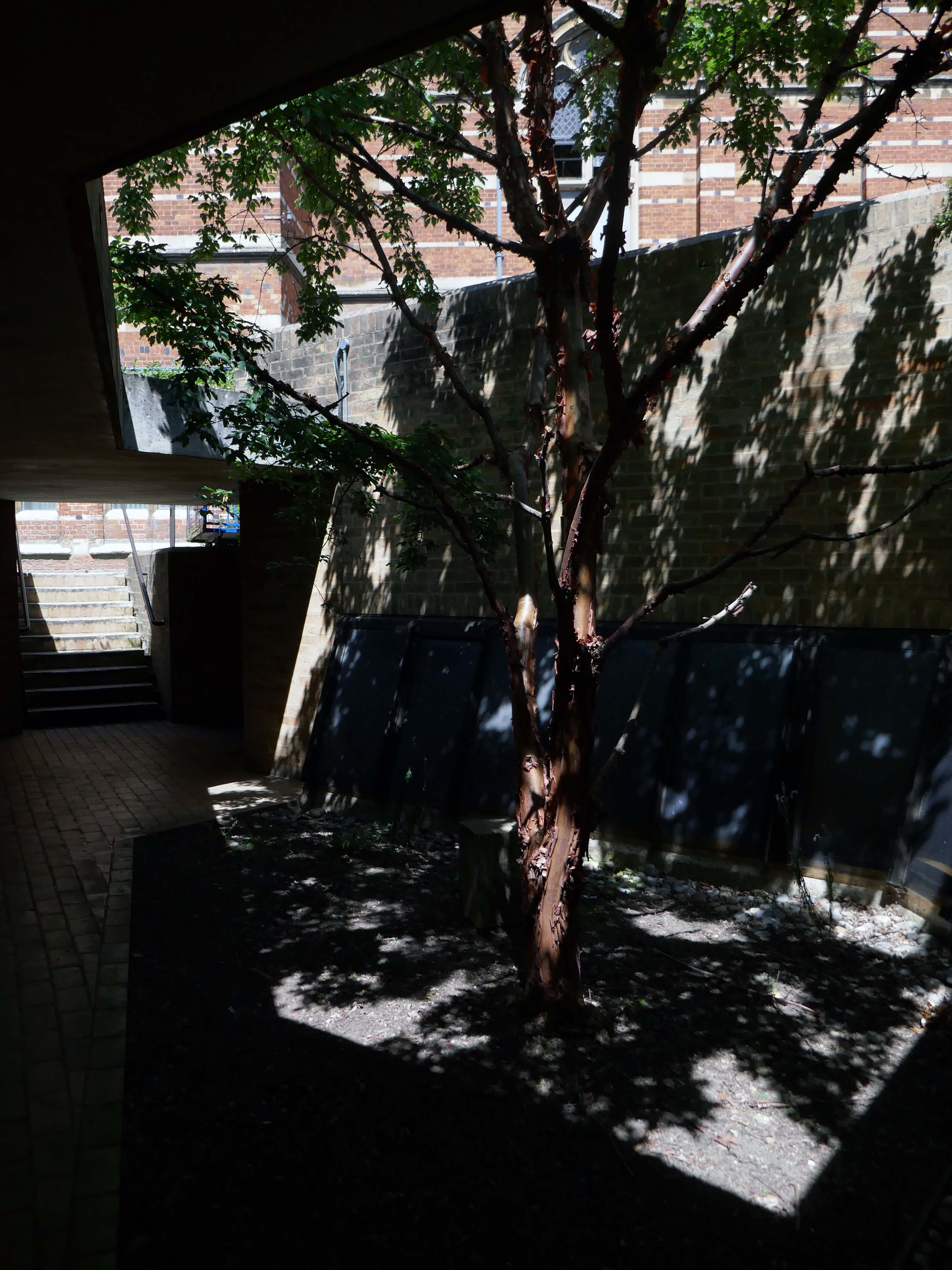
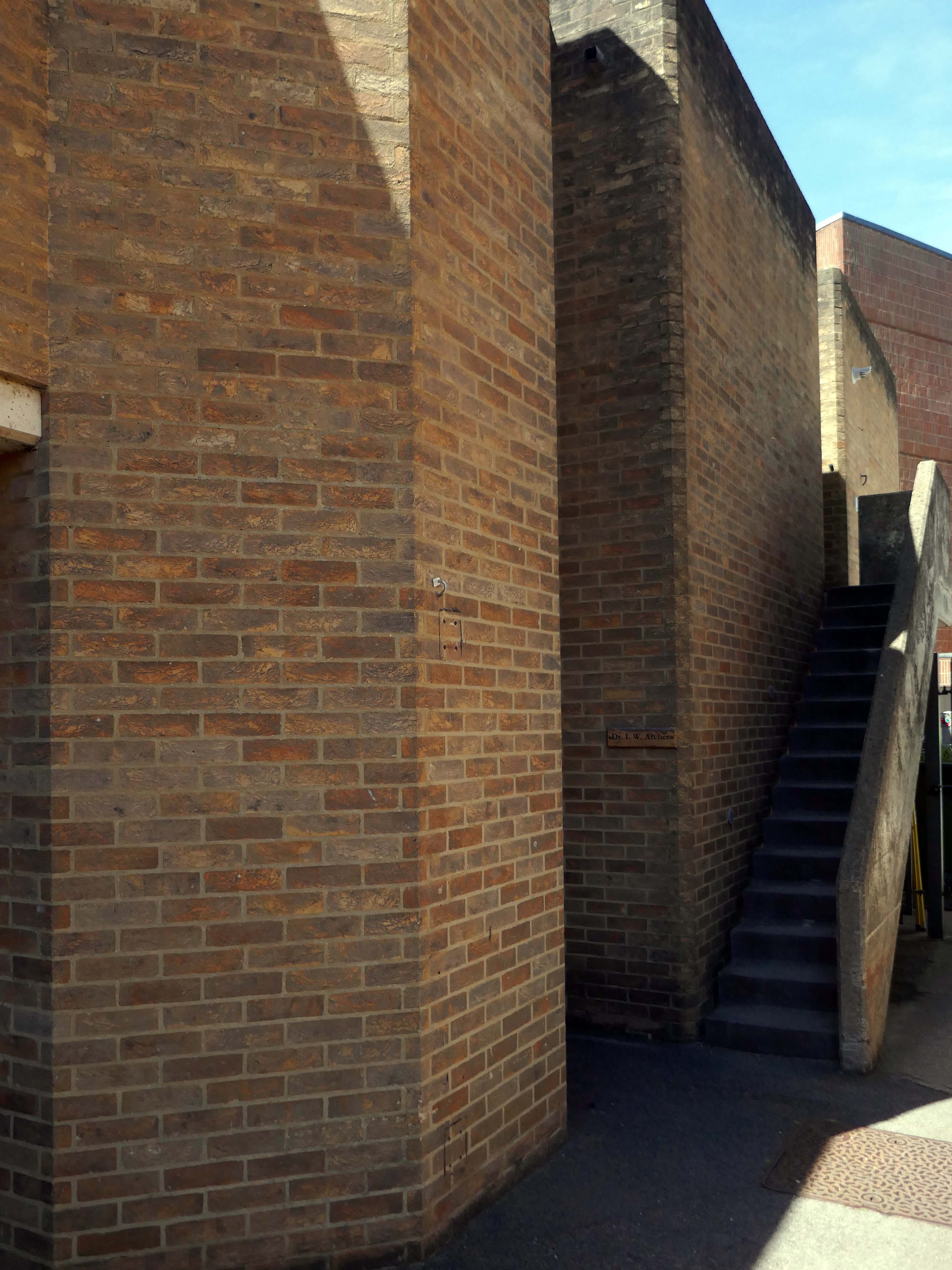
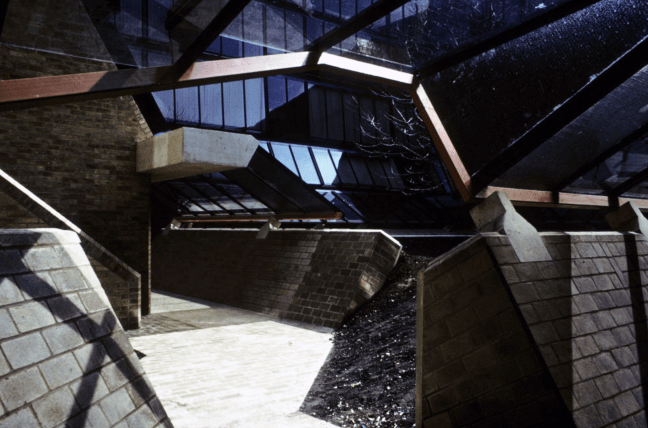
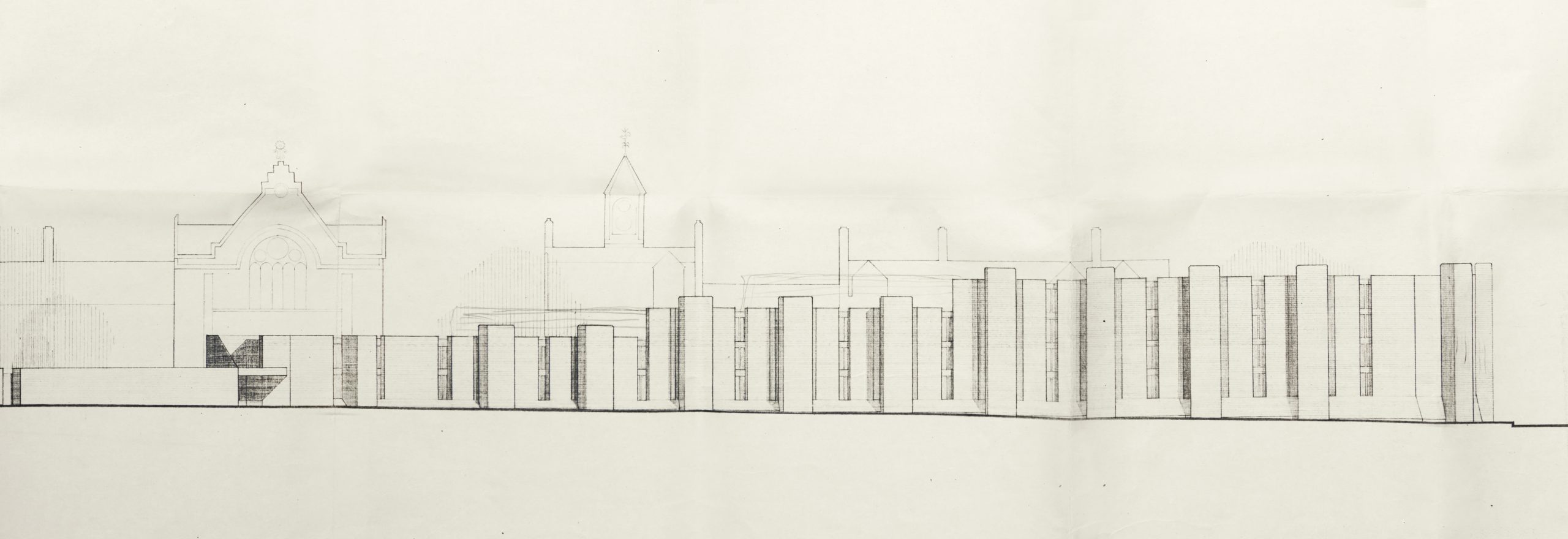
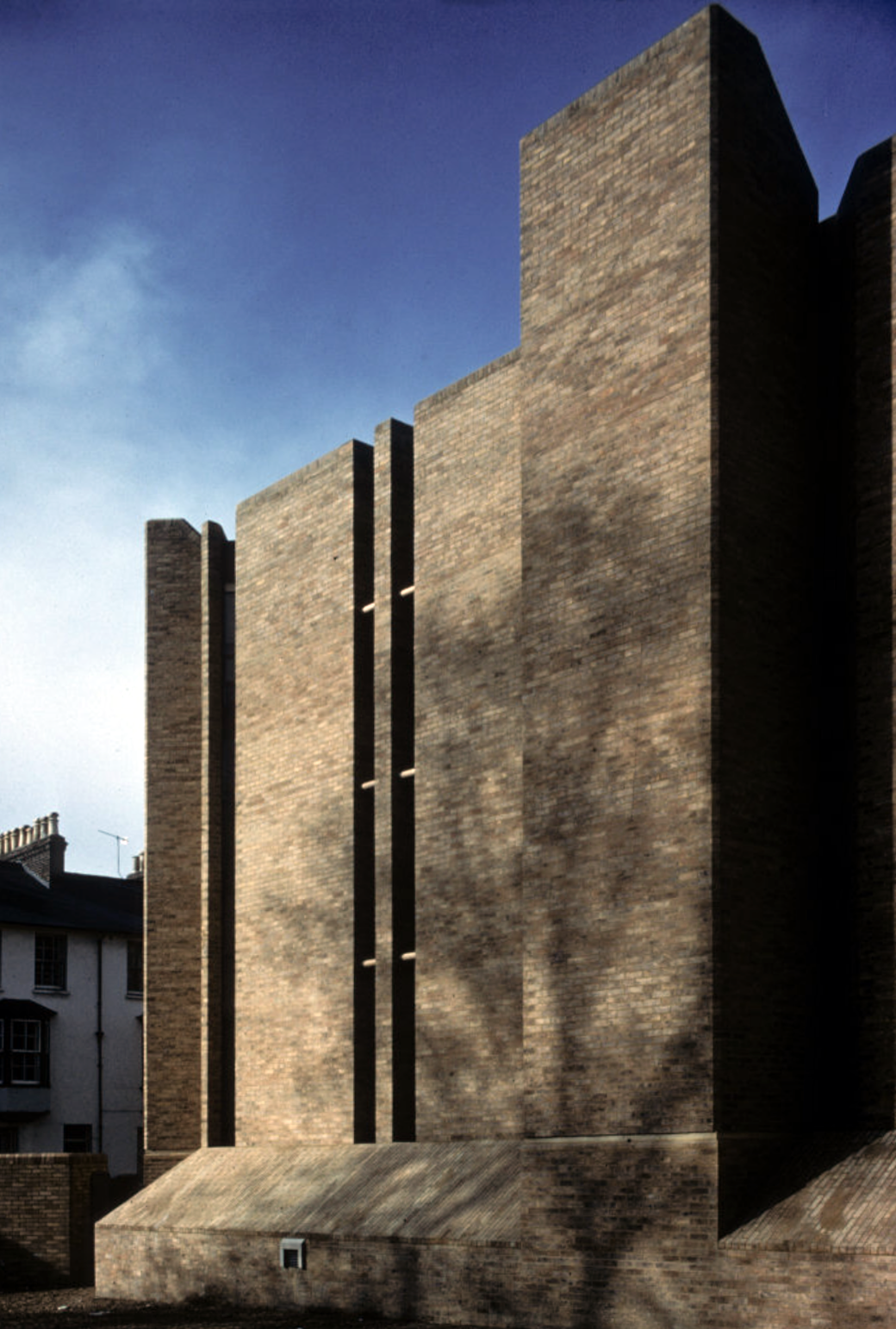
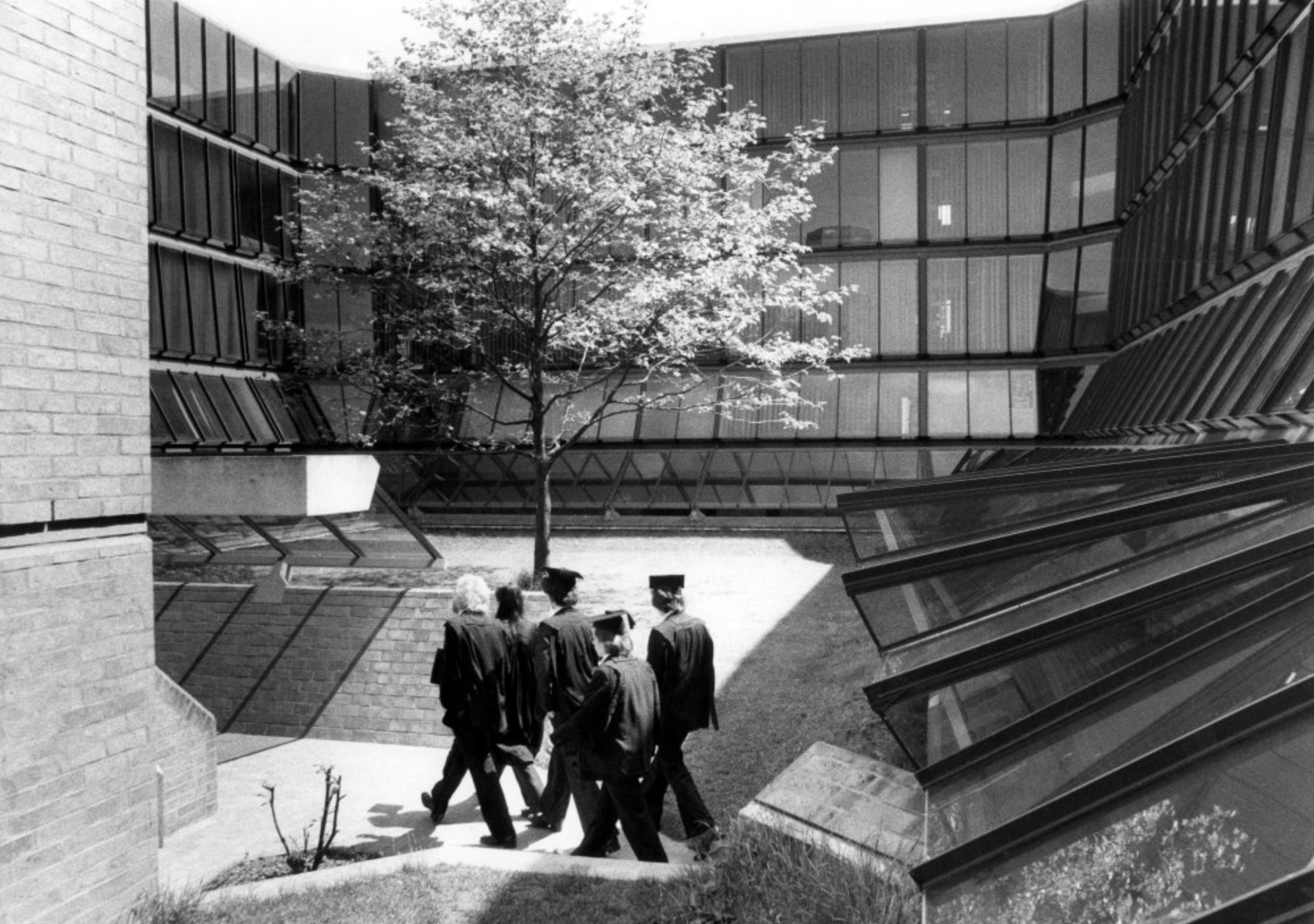
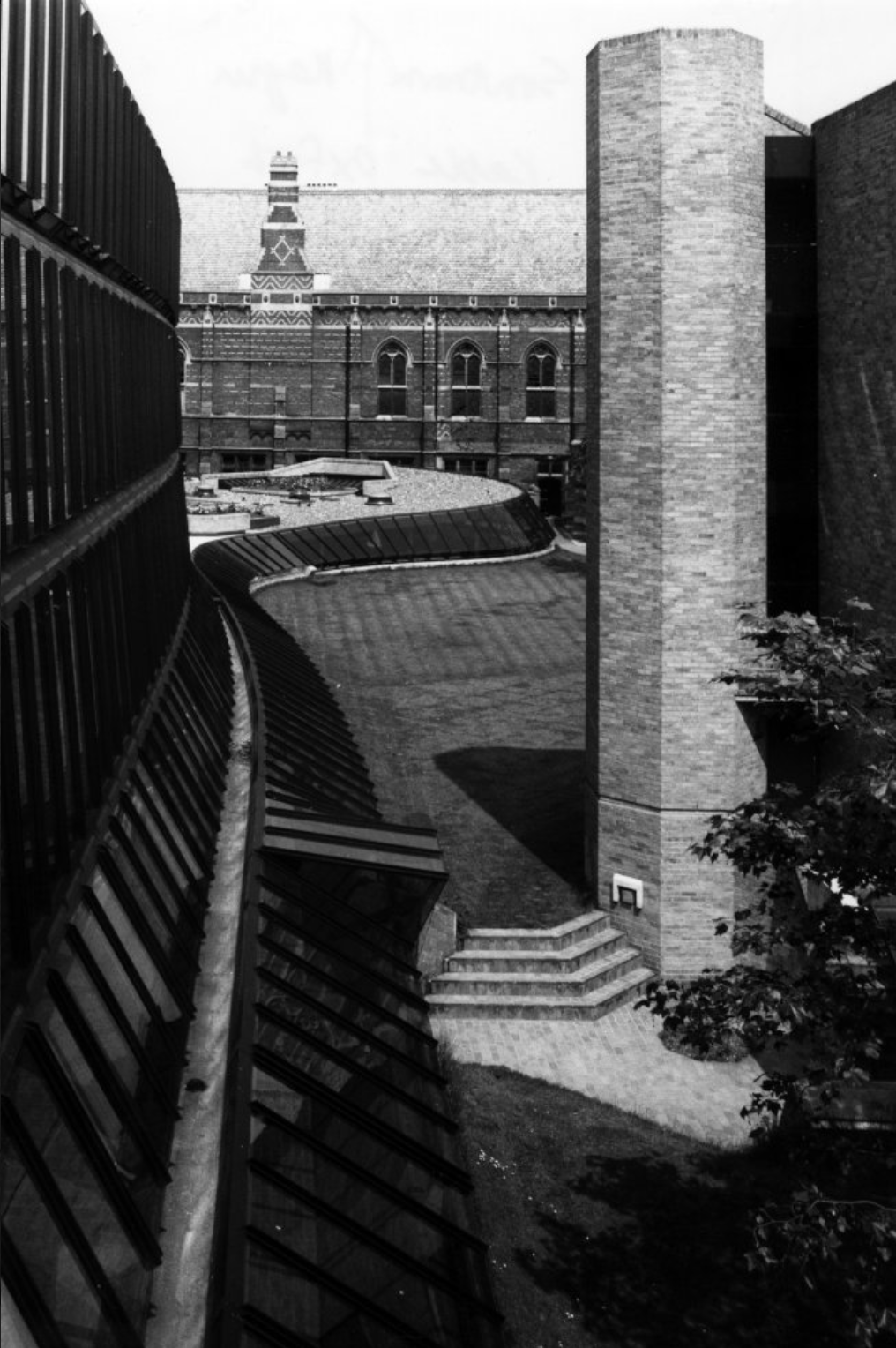
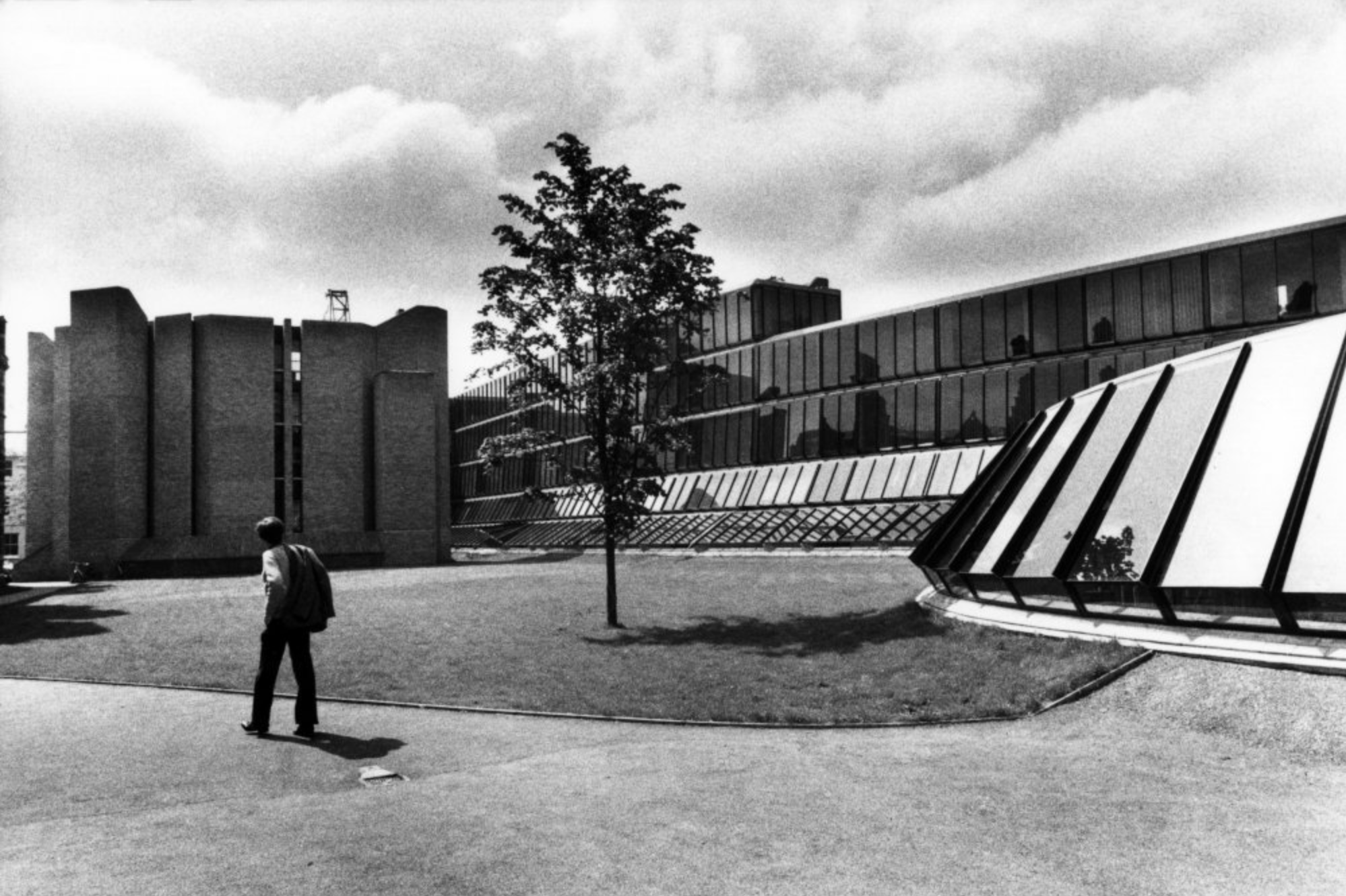
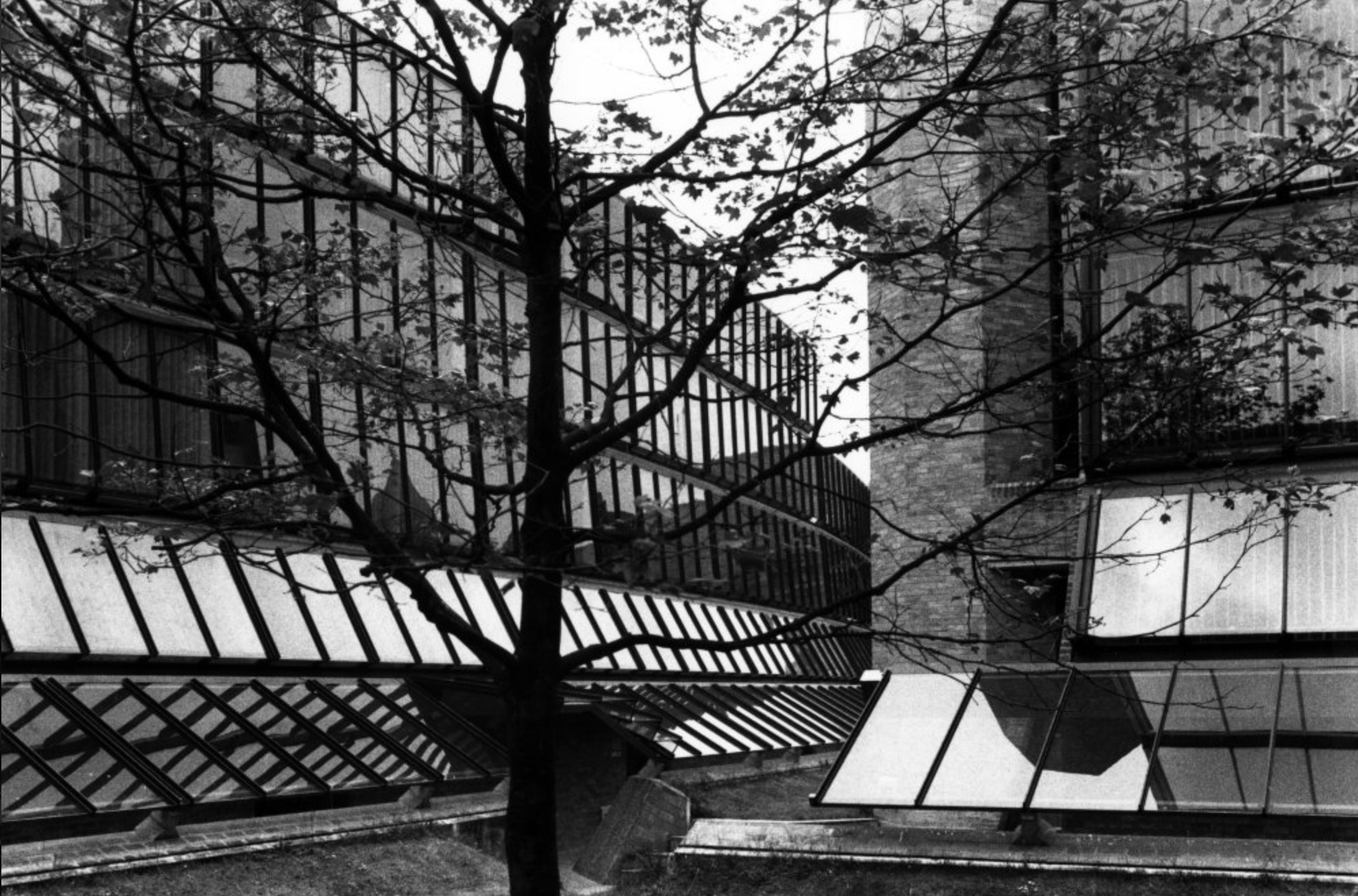
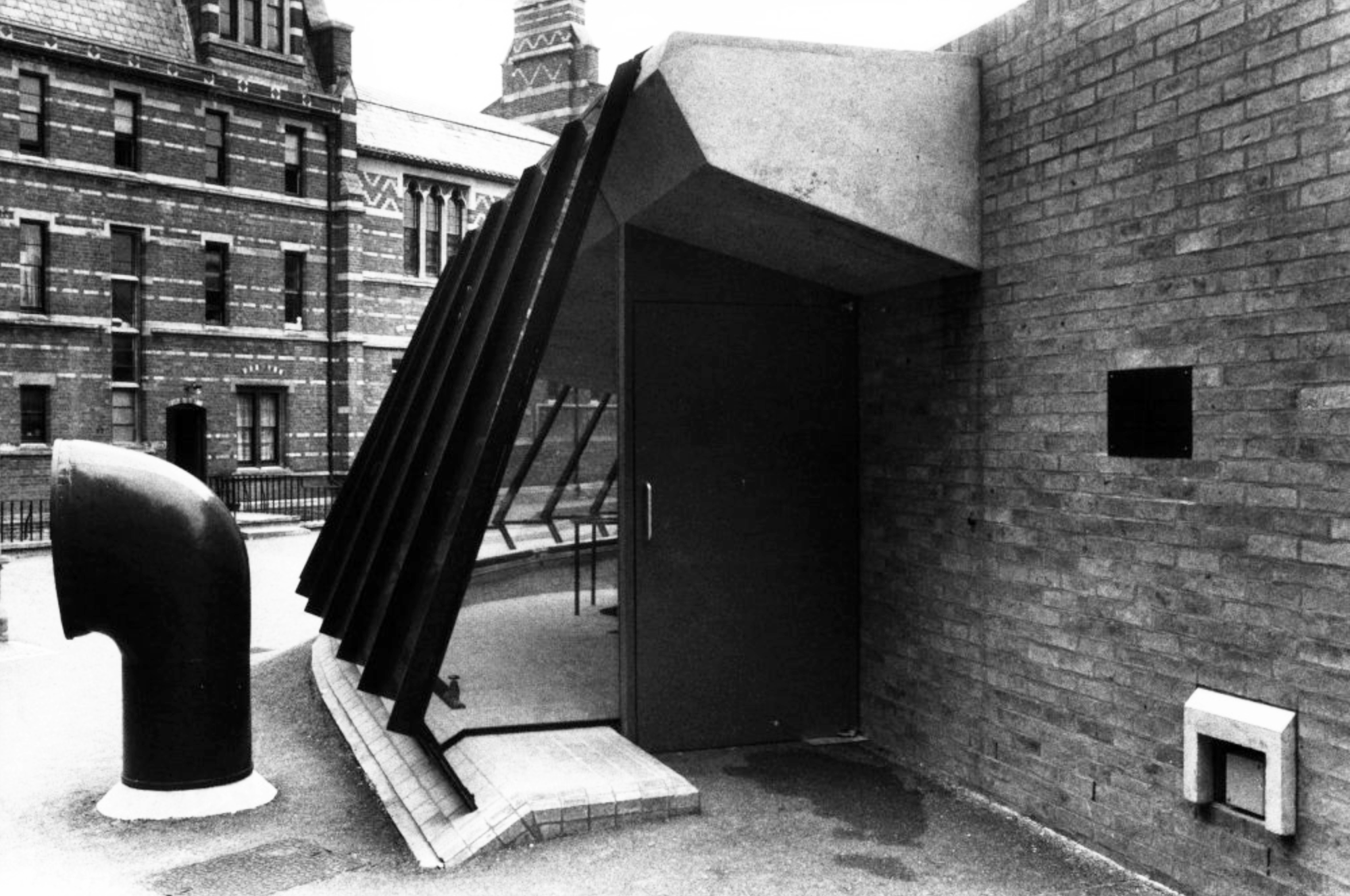
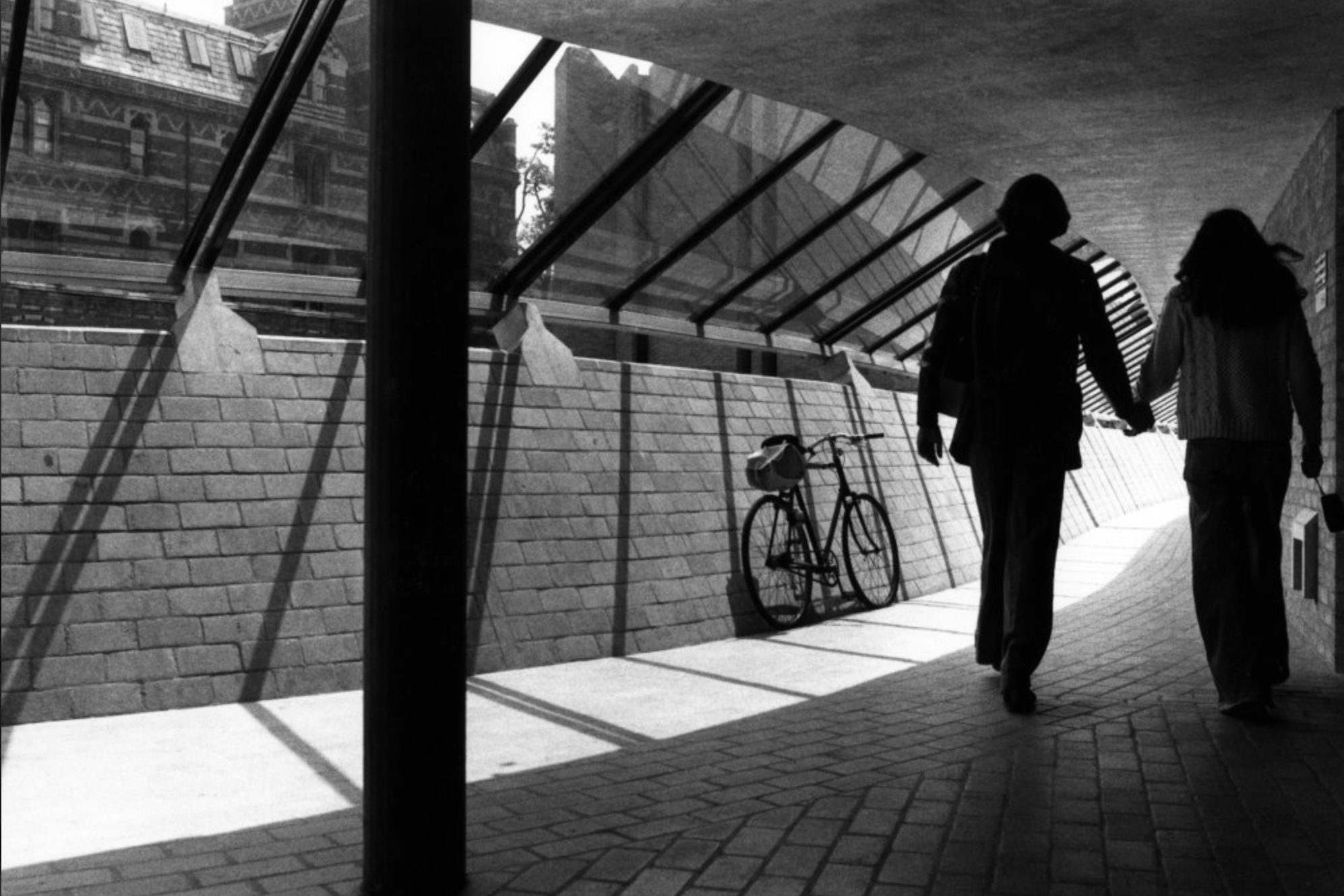
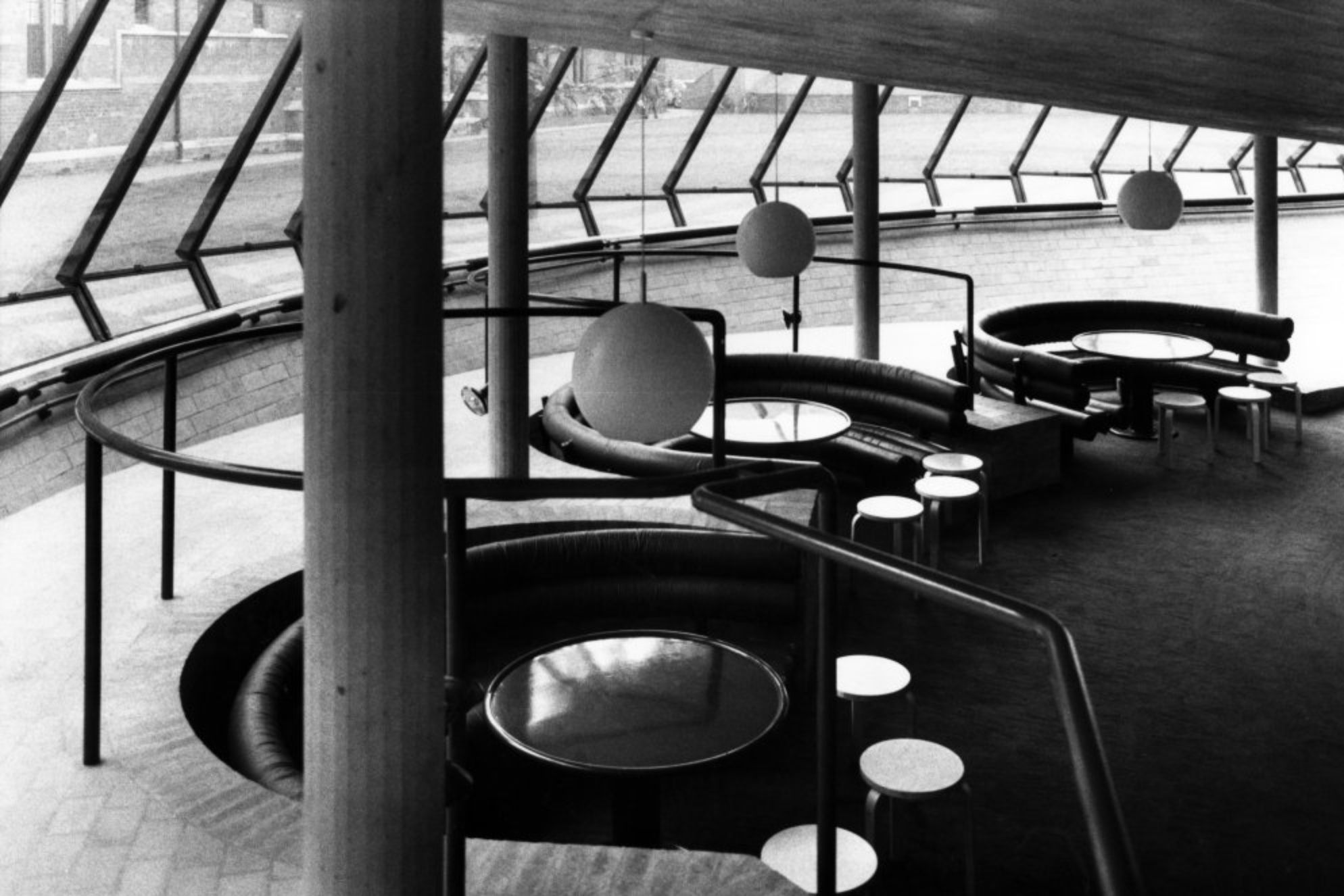
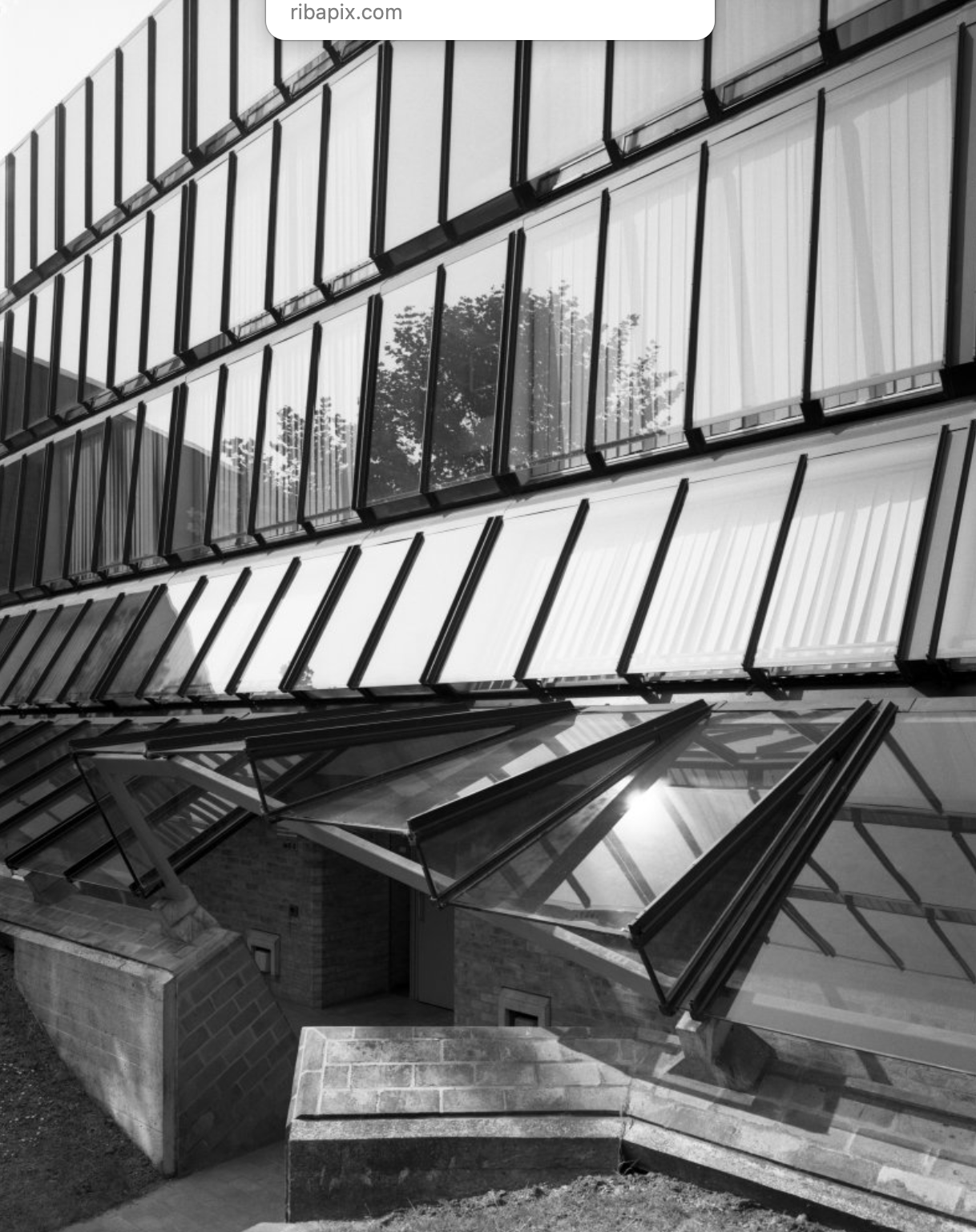
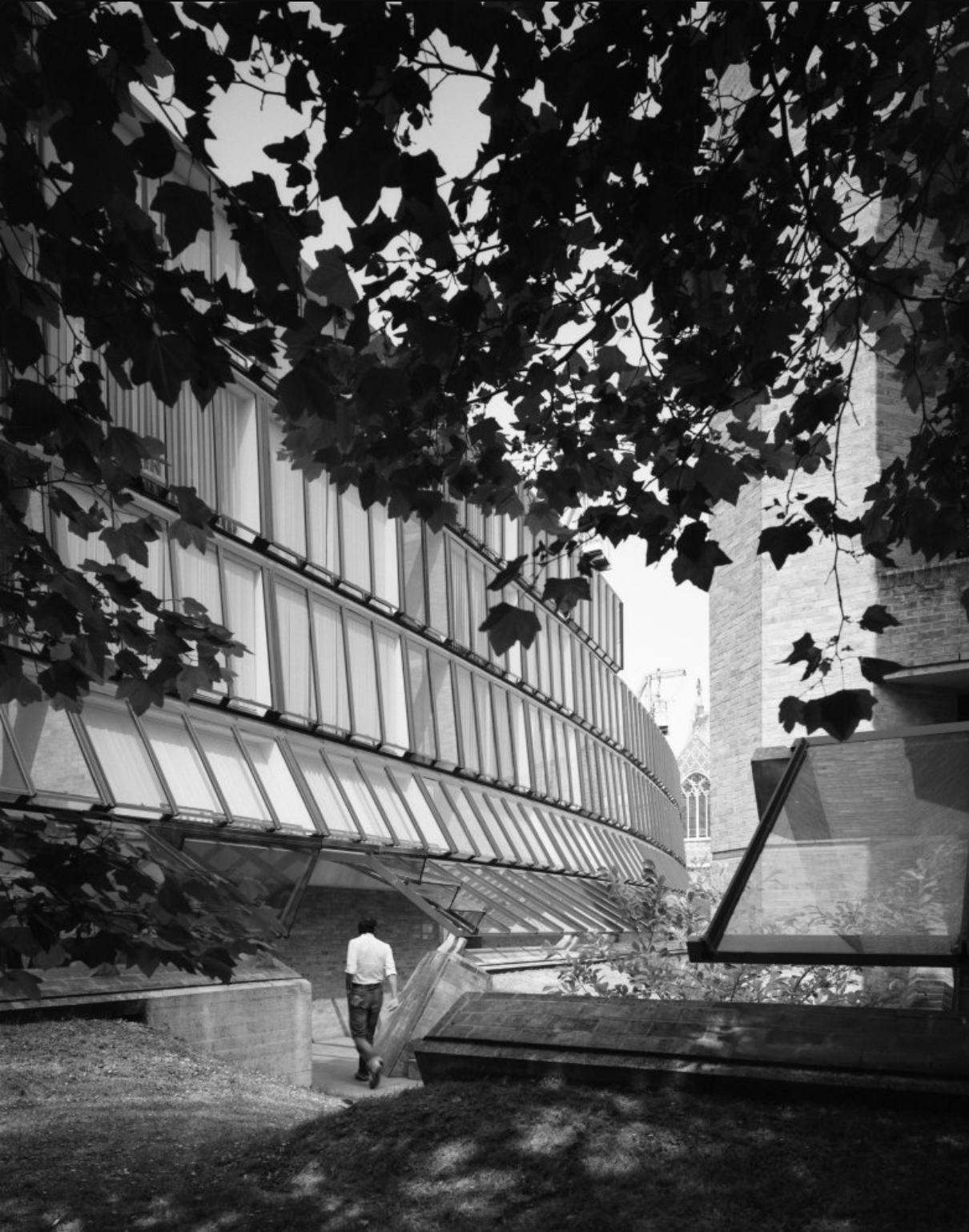
Whilst ABK’s architecture did not seek to imitate Butterfield, it nevertheless adopted elements from his work. The buildings follow the exterior line of the College and the roofline varies along its length, gradually decreasing as it approaches the Butterfield buildings. Yet, the architecture also manages to be innovative. The exterior is fortress-like, punctuated by slot windows, with the buff coloured brick forming a contrast to the red of the original buildings. Internally, the walls are formed by overlapping layers of glass, creating a “soft underbelly”, which mirrors Butterfield’s patterns in its reflective surface.
Once again, Keble’s choices proved to be controversial. The Architectural Review of 1977 claimed the walls “suggest the exterior of some strange zoo”, yet the Royal Institute of British Architects saw fit to award it their Southern region award in 1978 and in 2001 it became one of the youngest Grade 2* listed buildings, a ranking reserved for “particularly important buildings of more than special interest”.