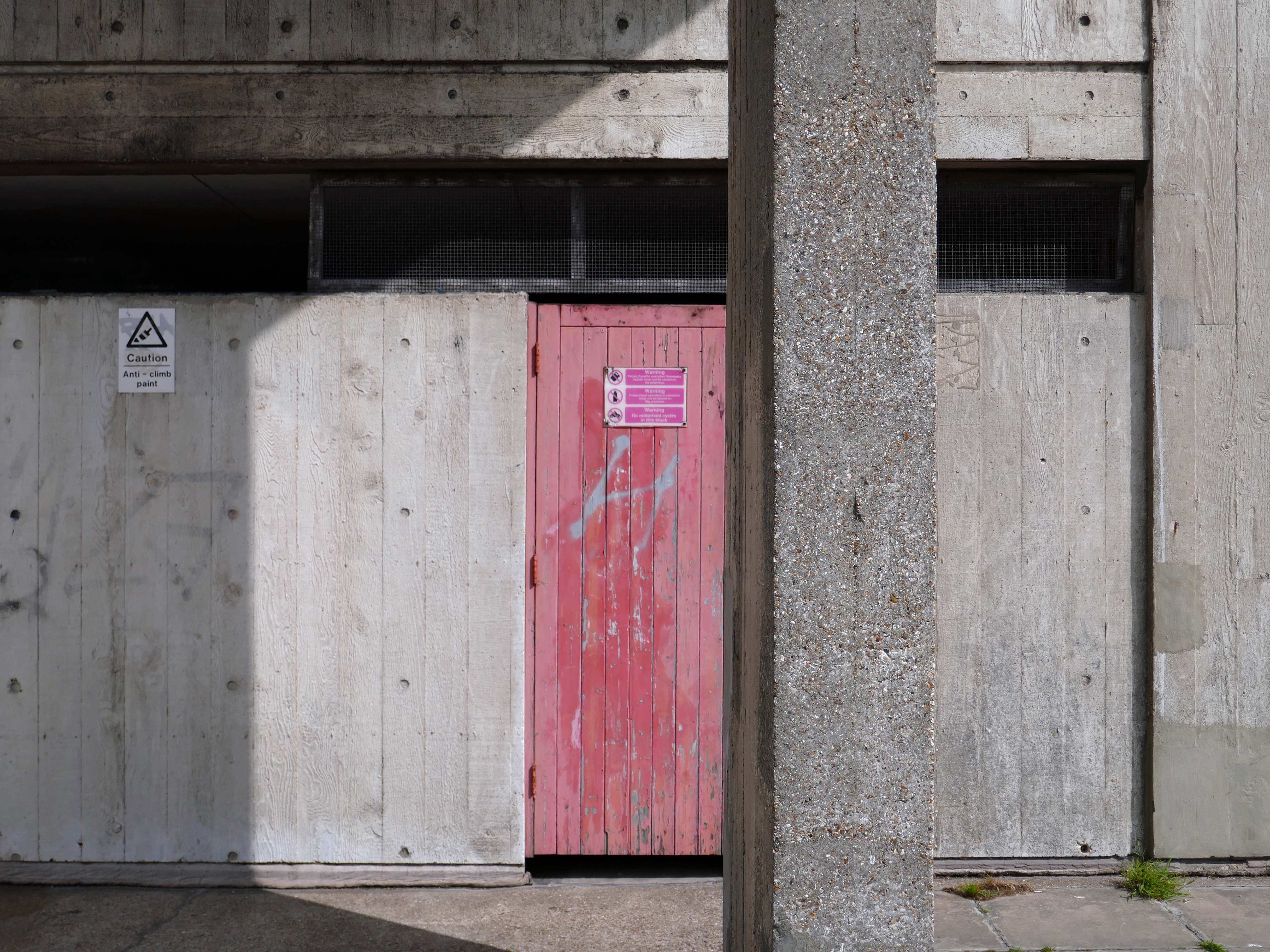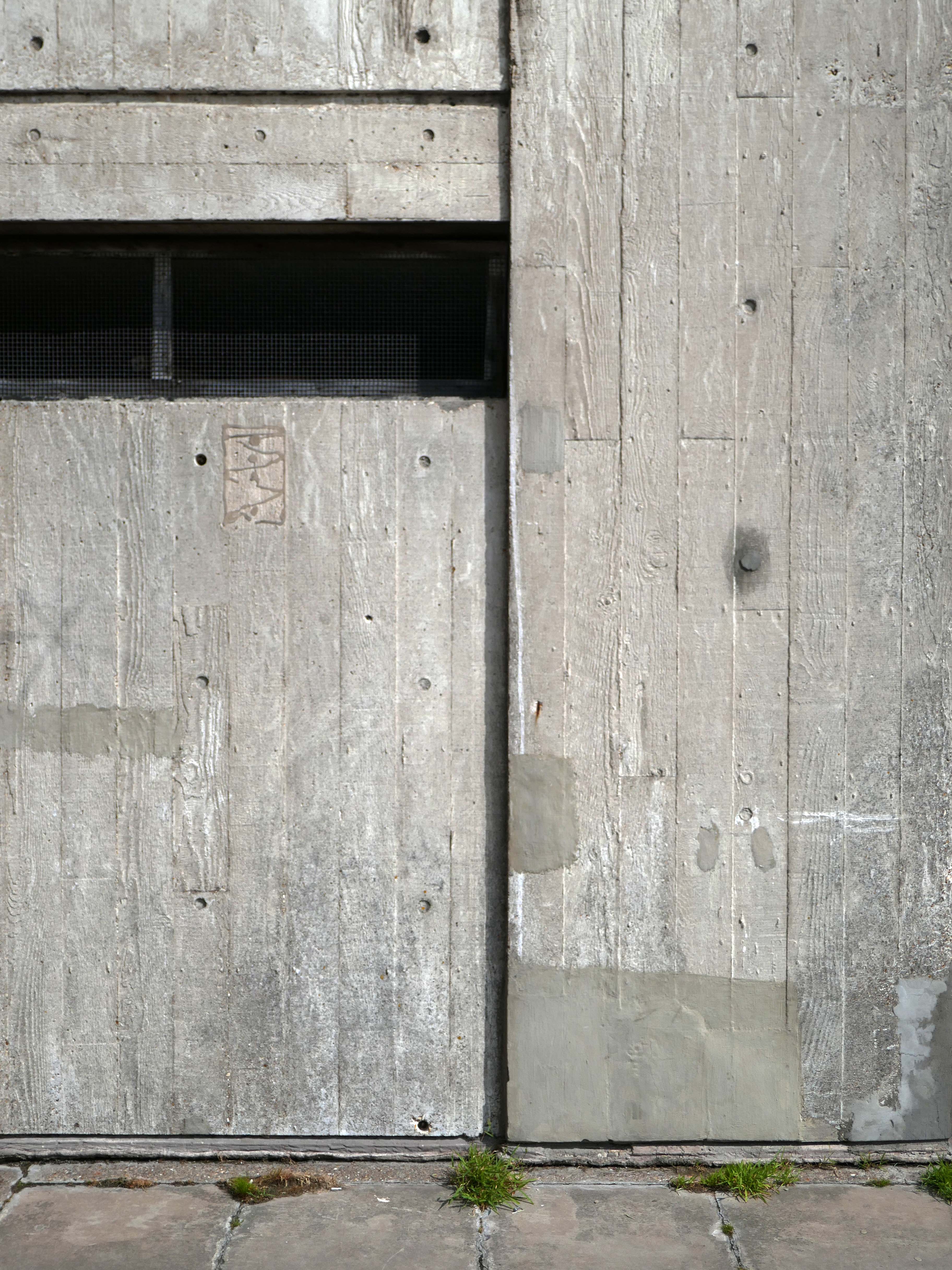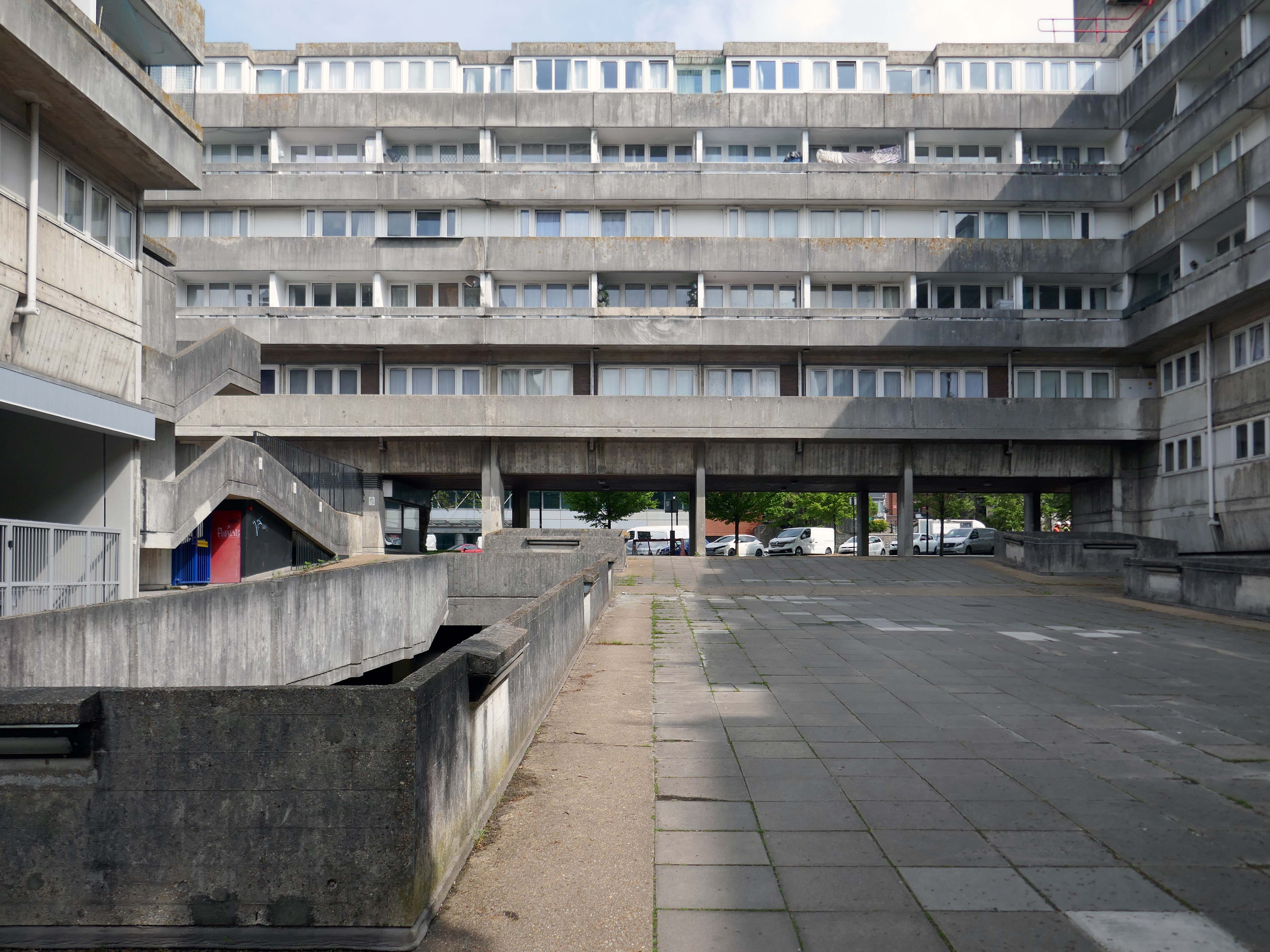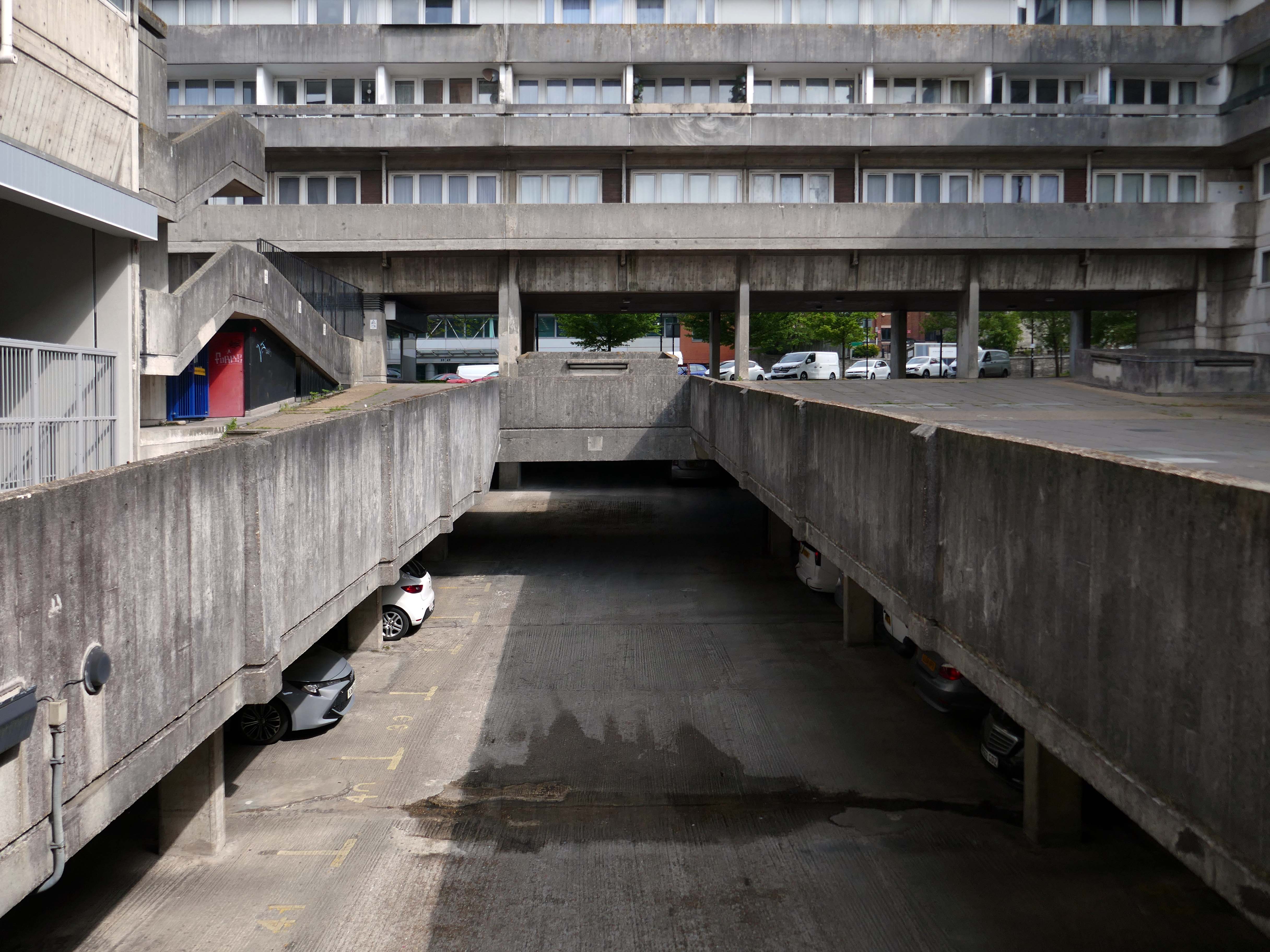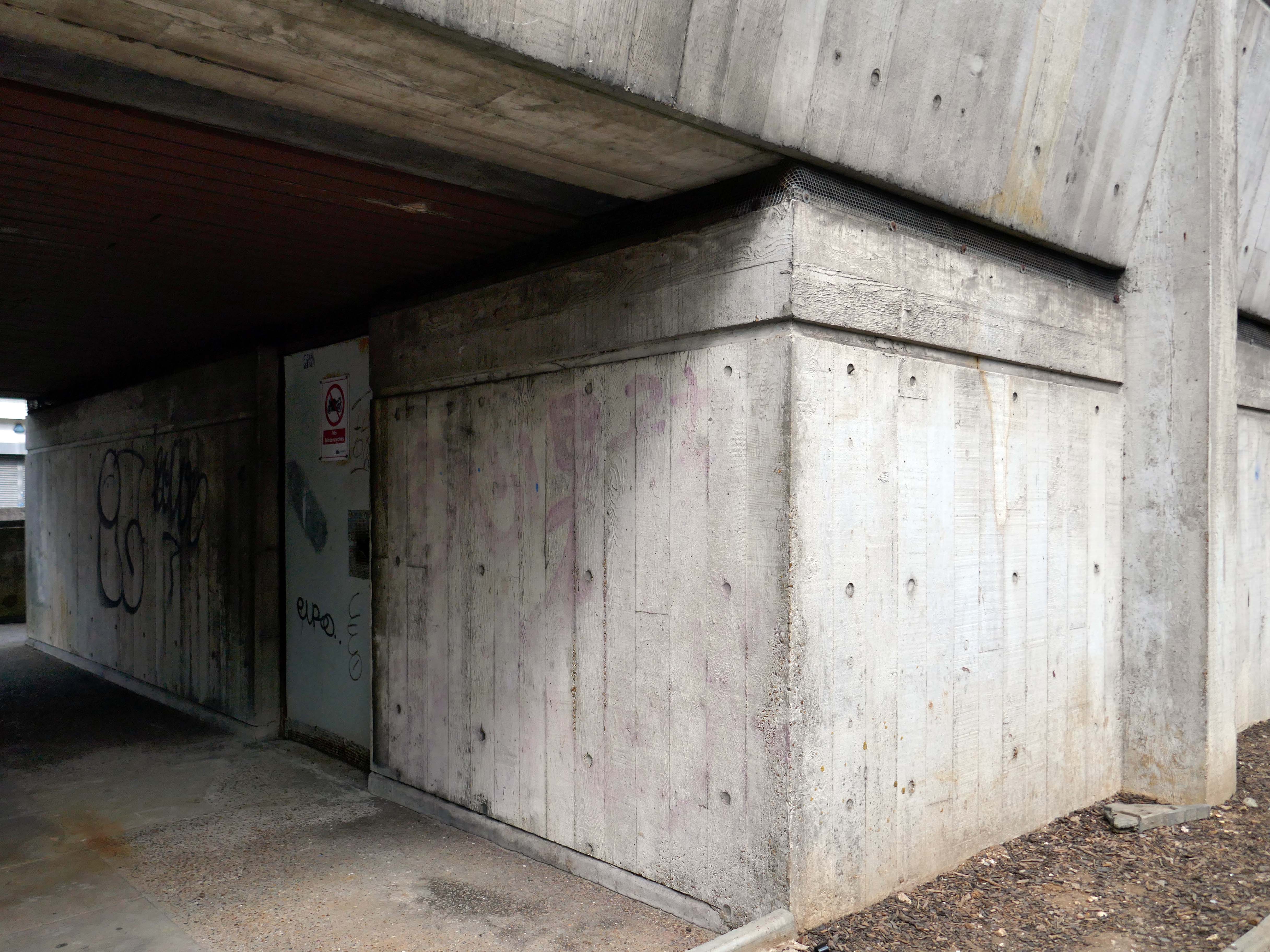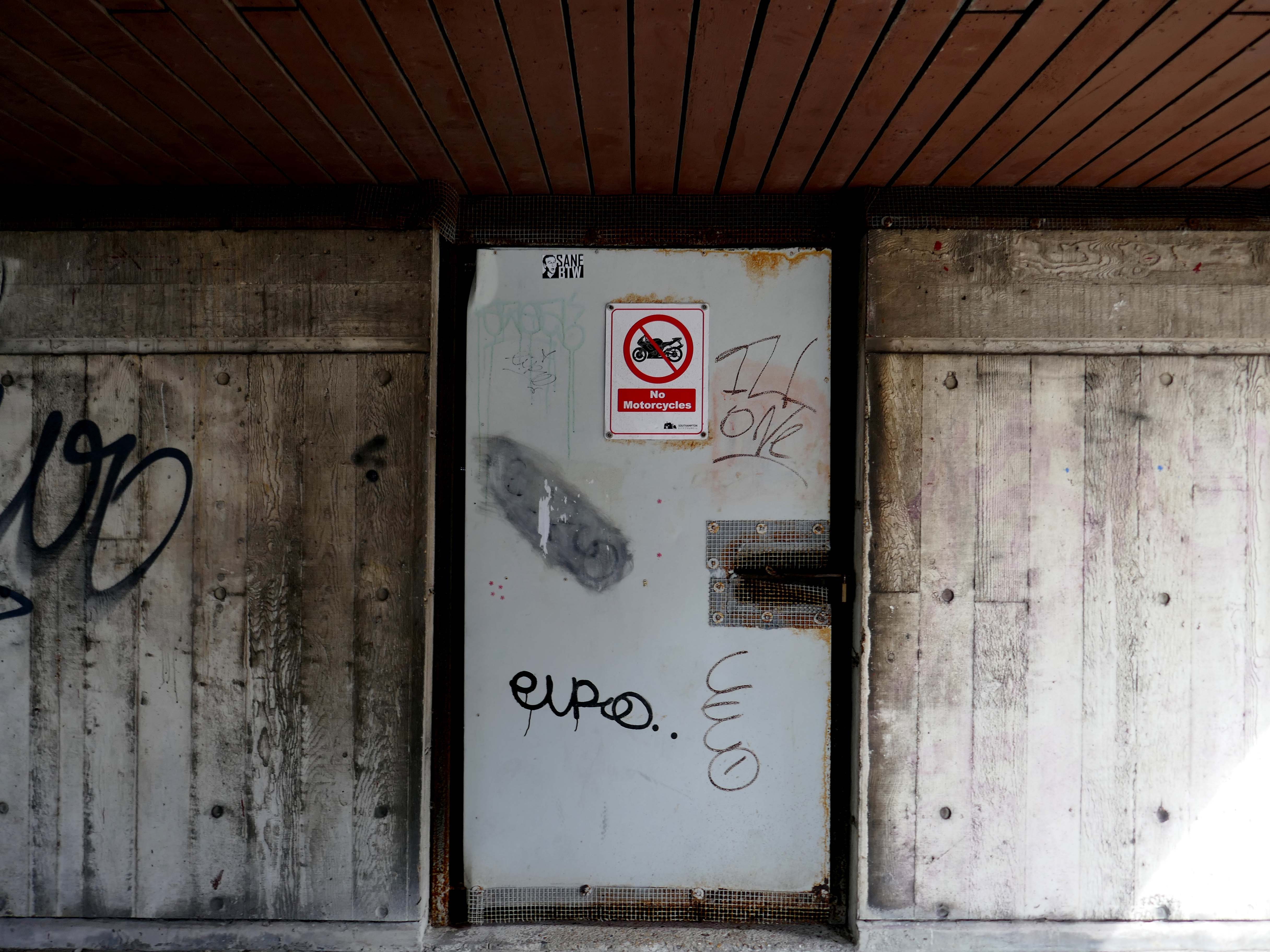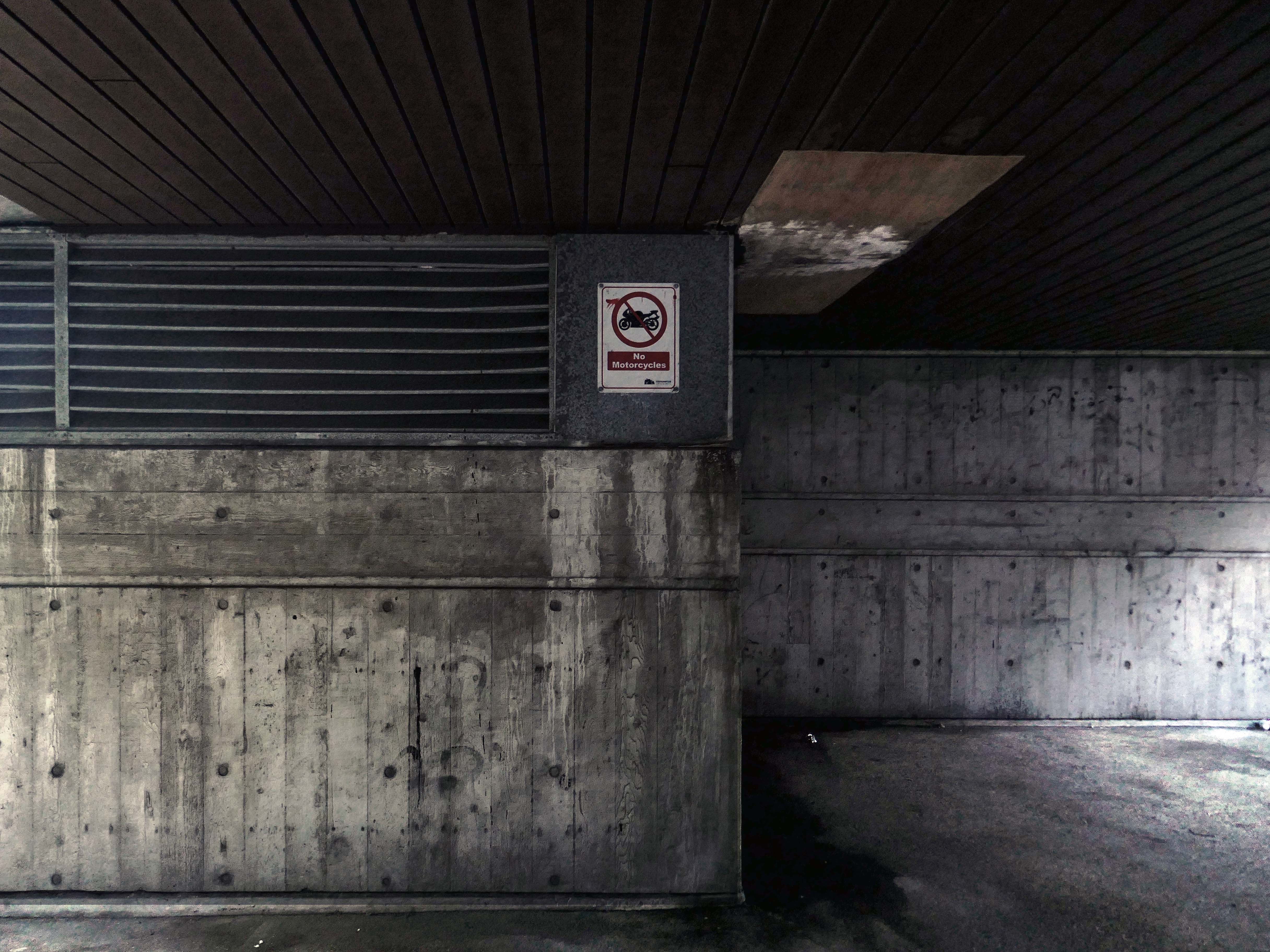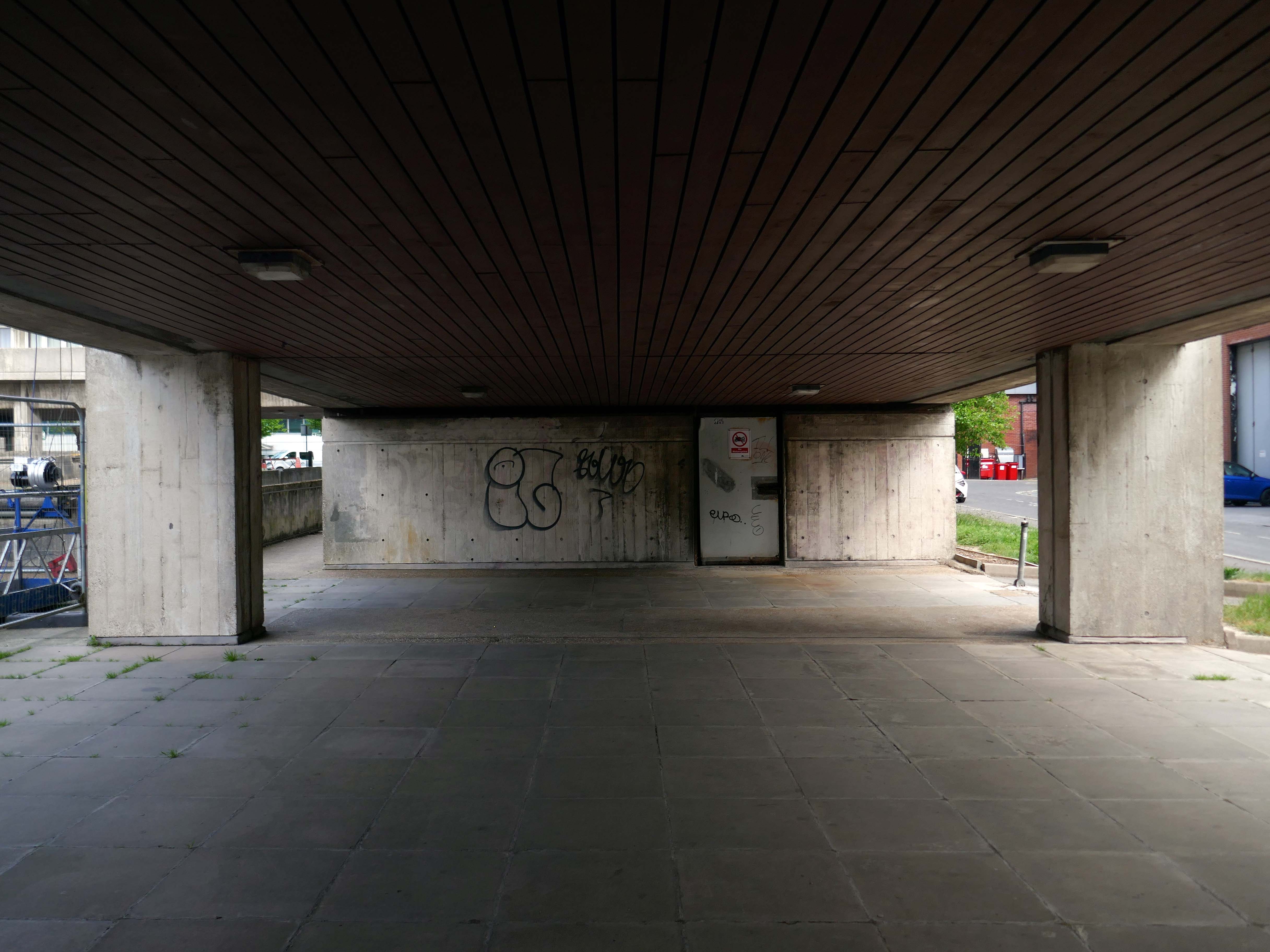
Wyndham Court – Southampton

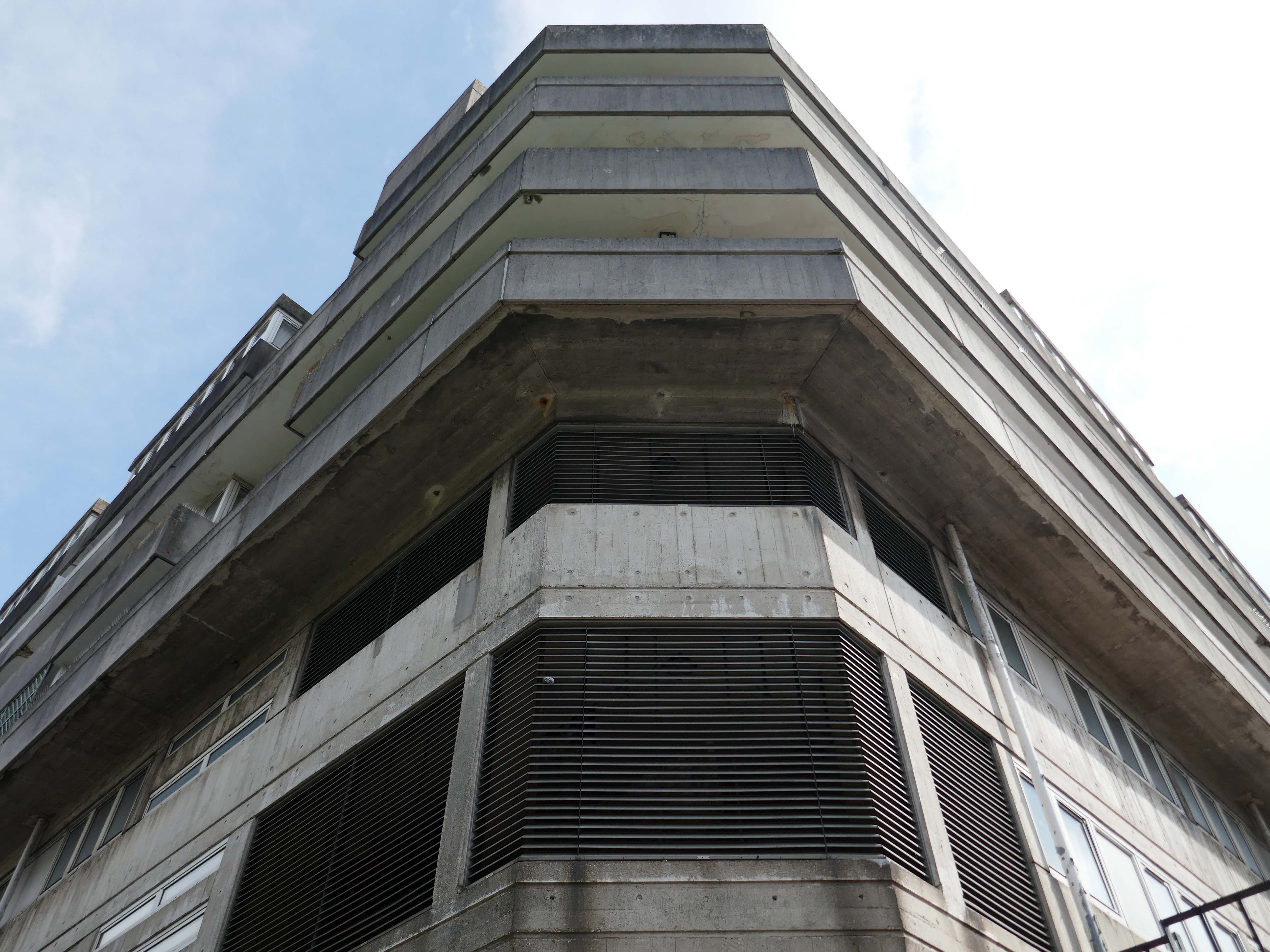
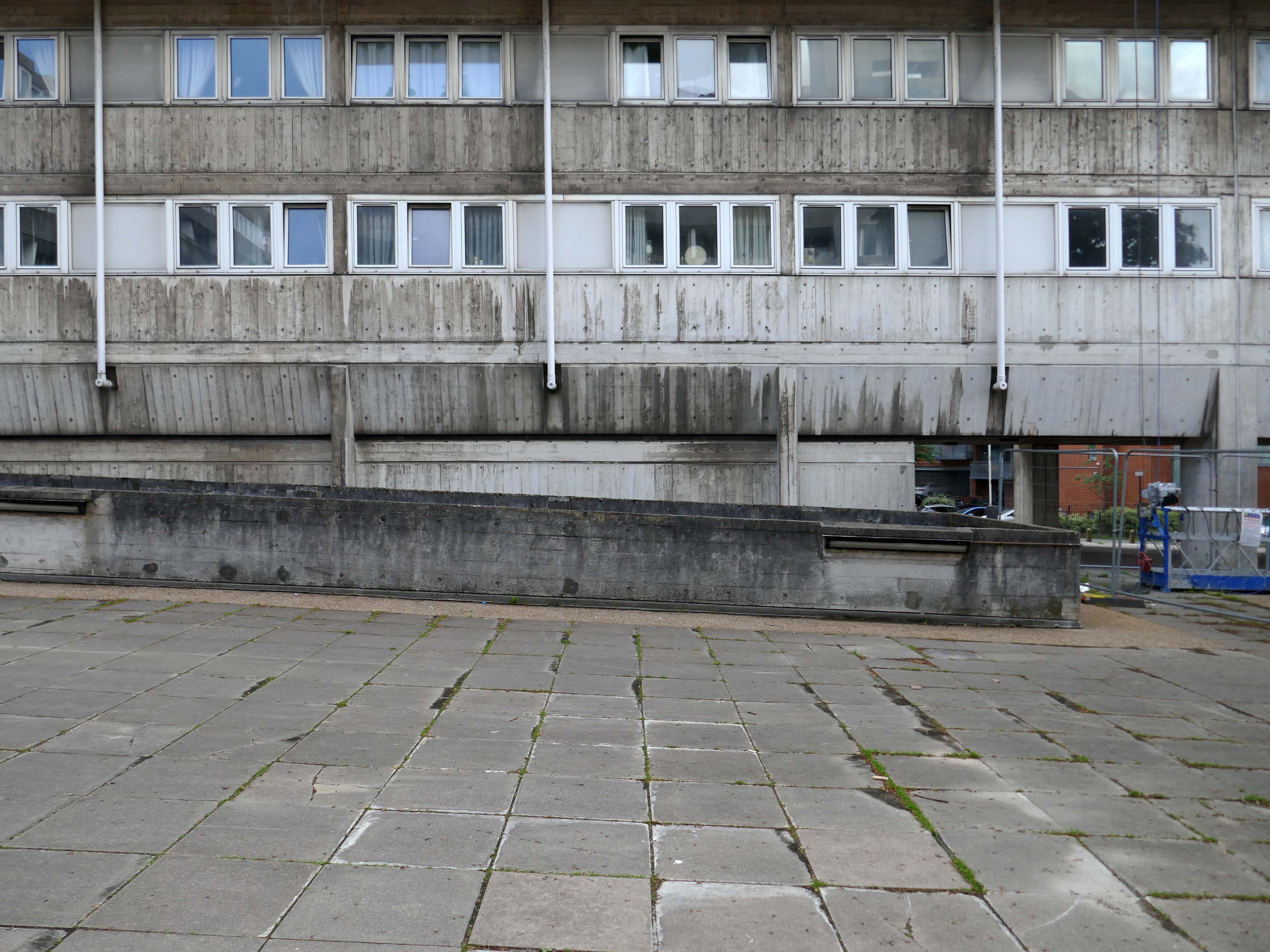
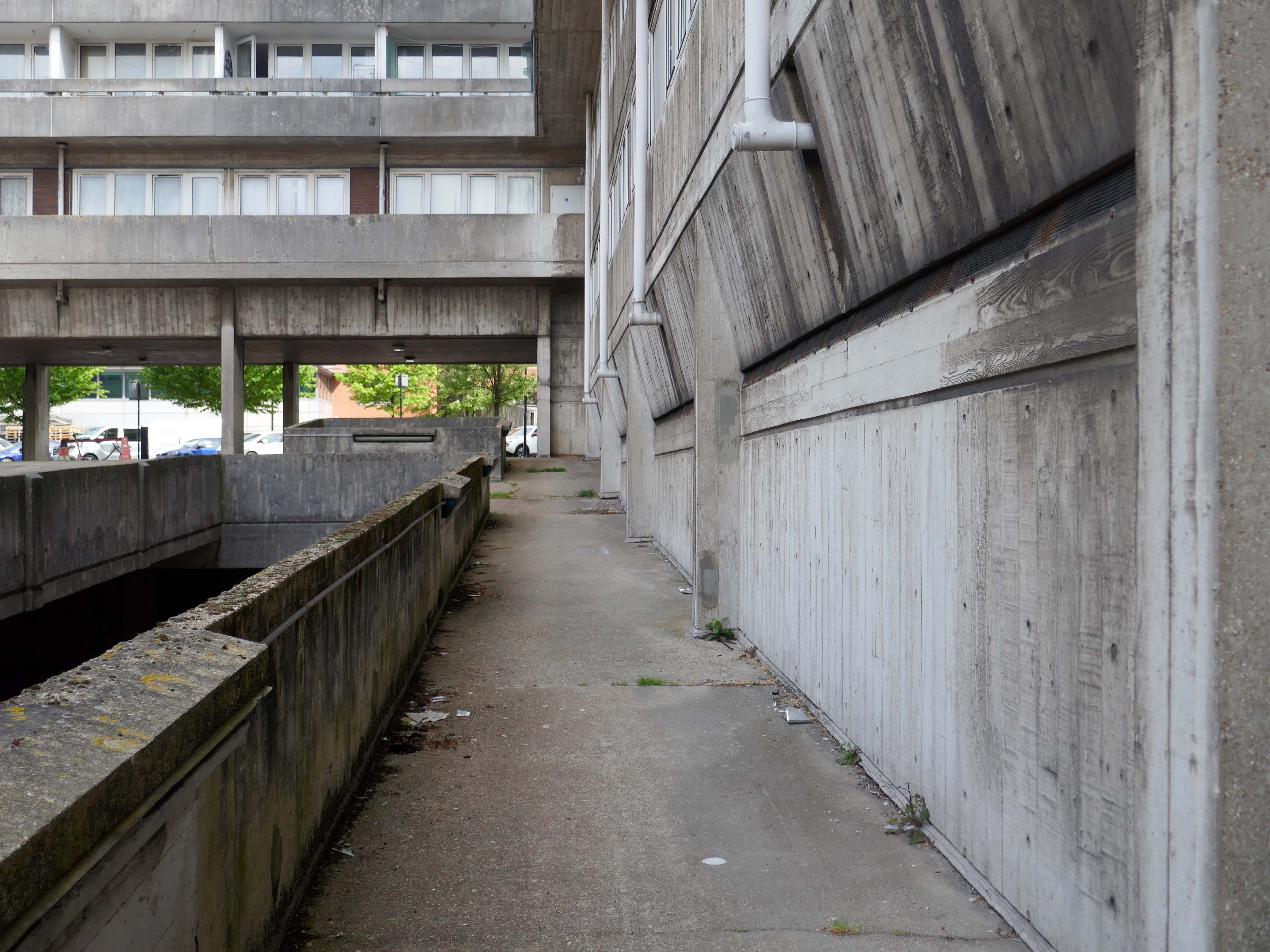
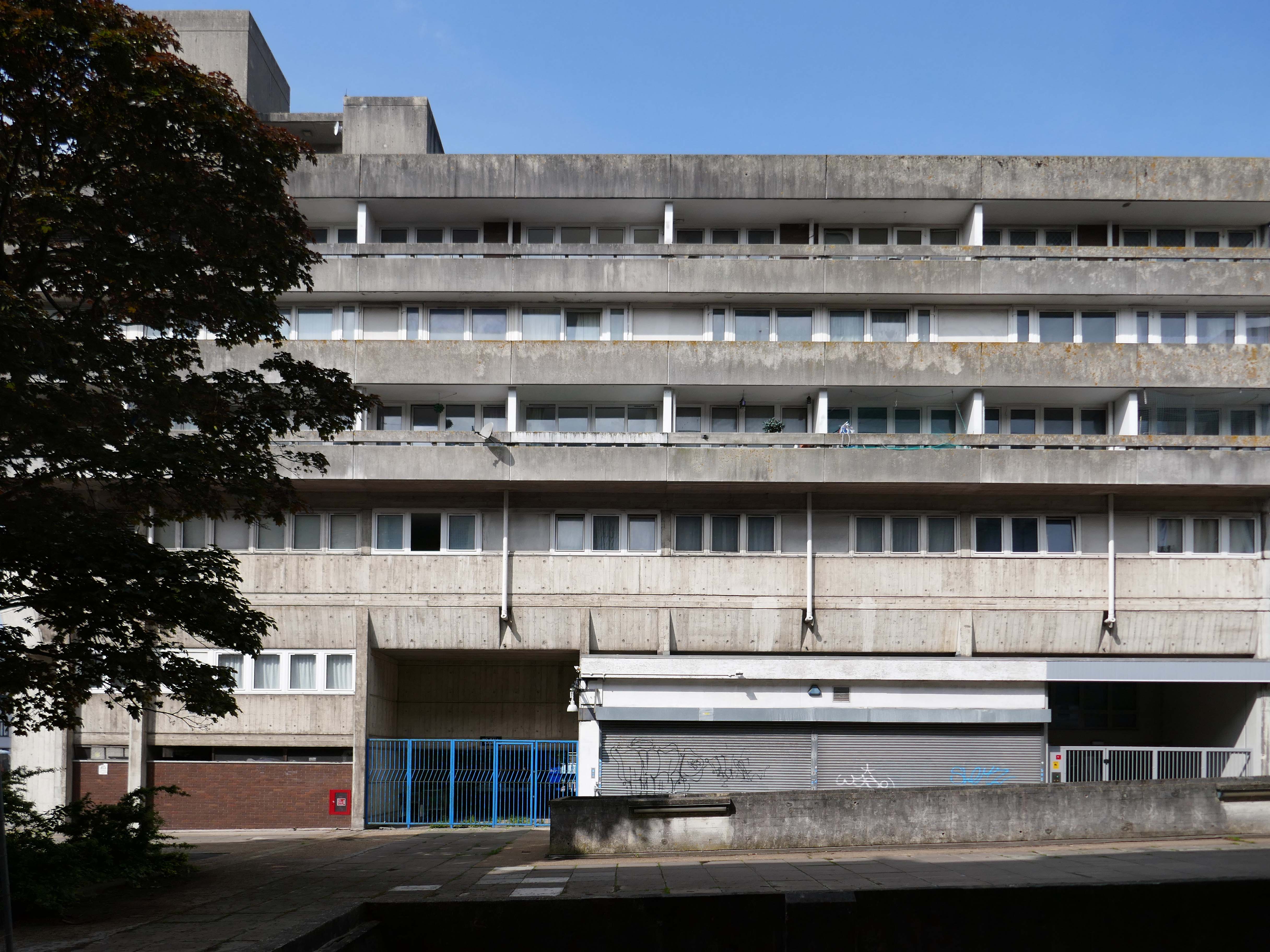
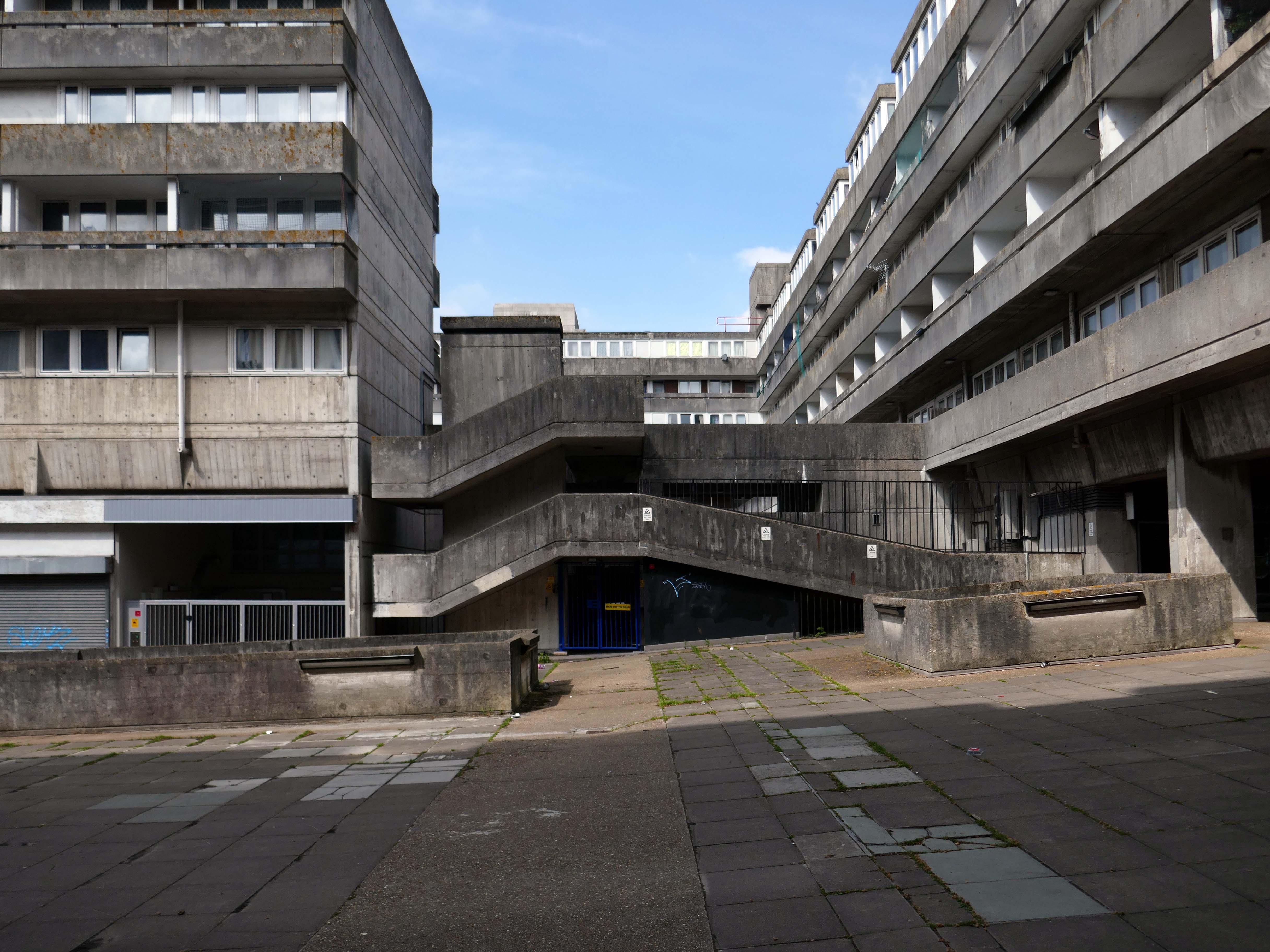
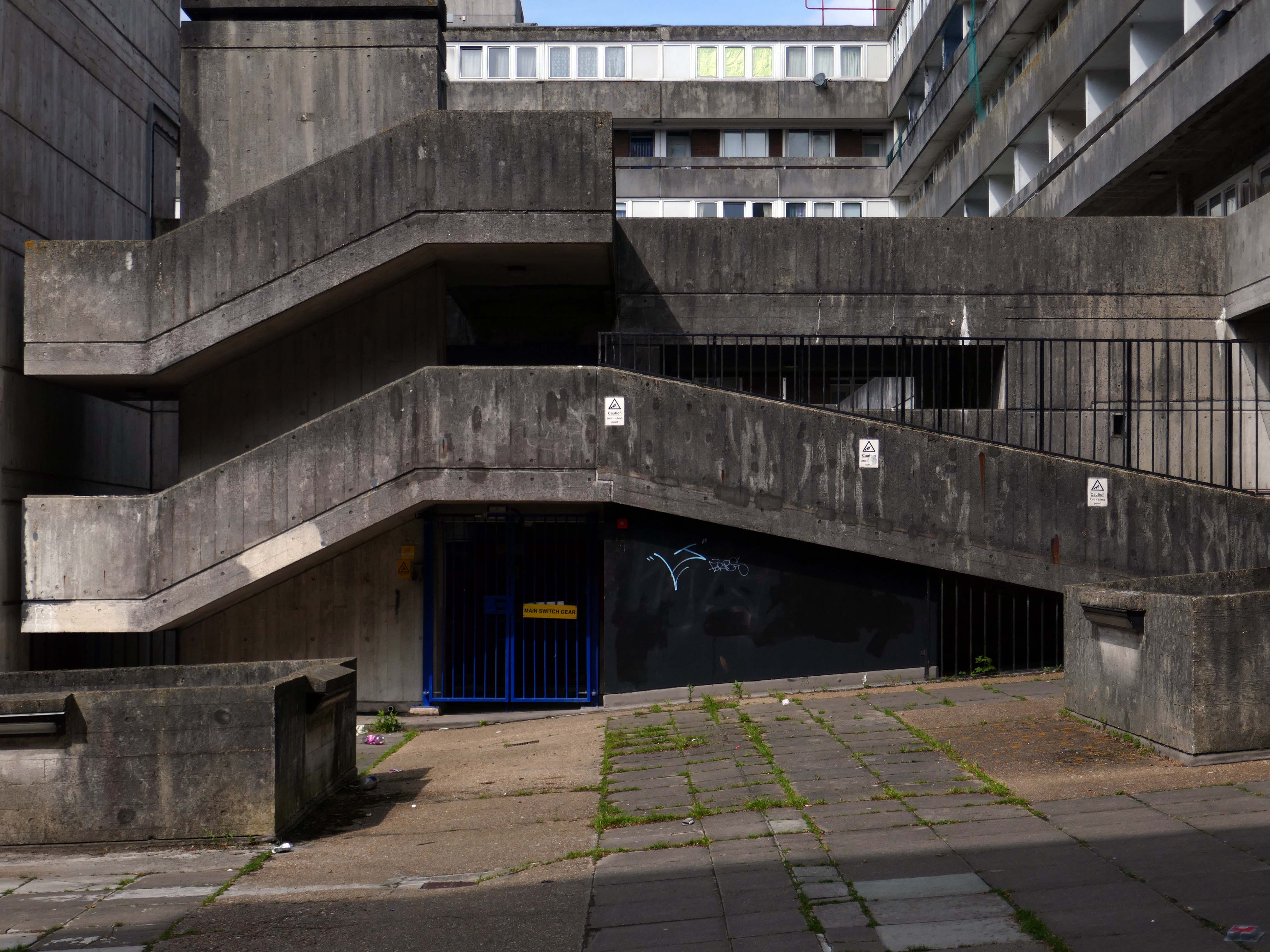
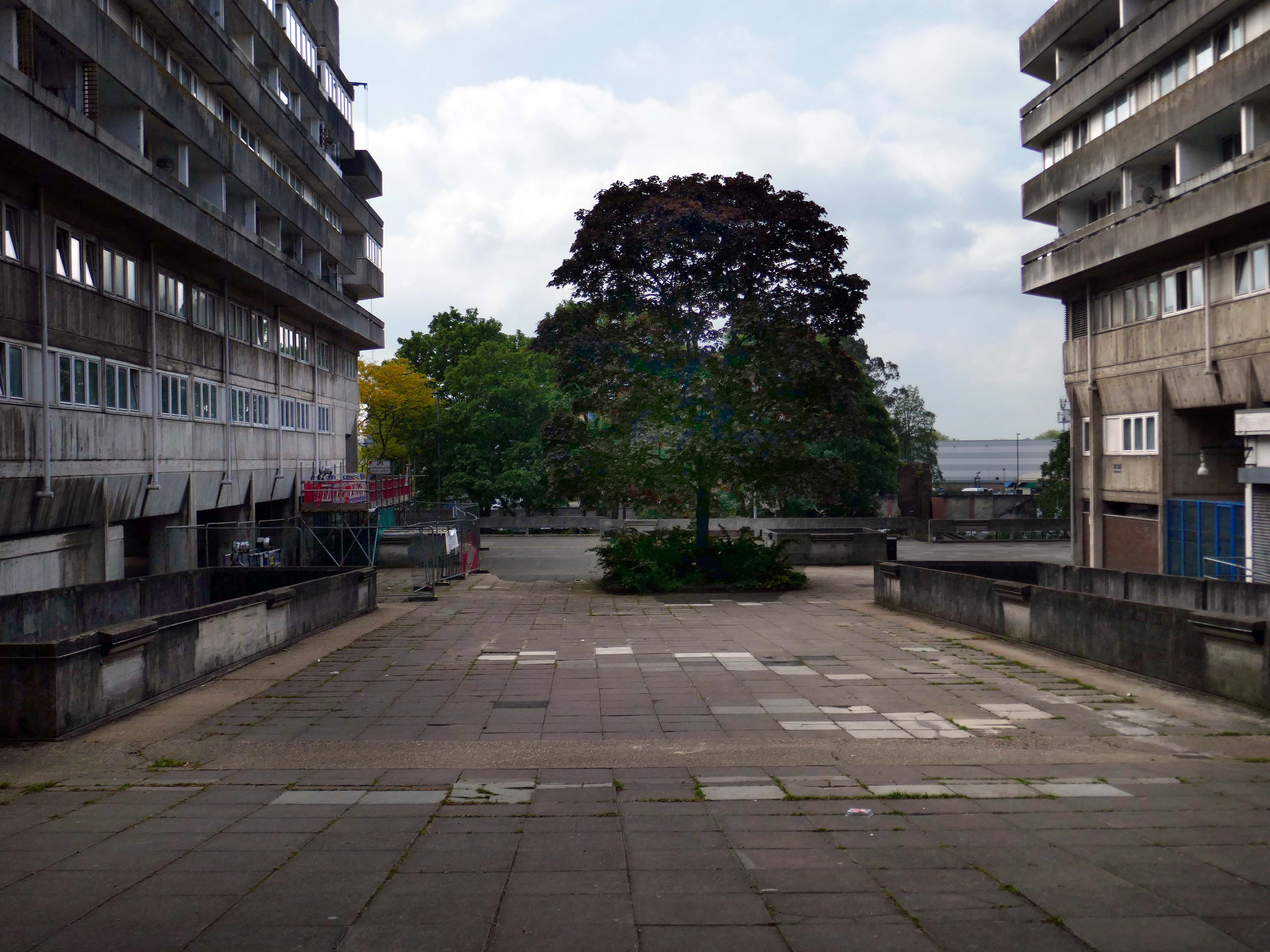
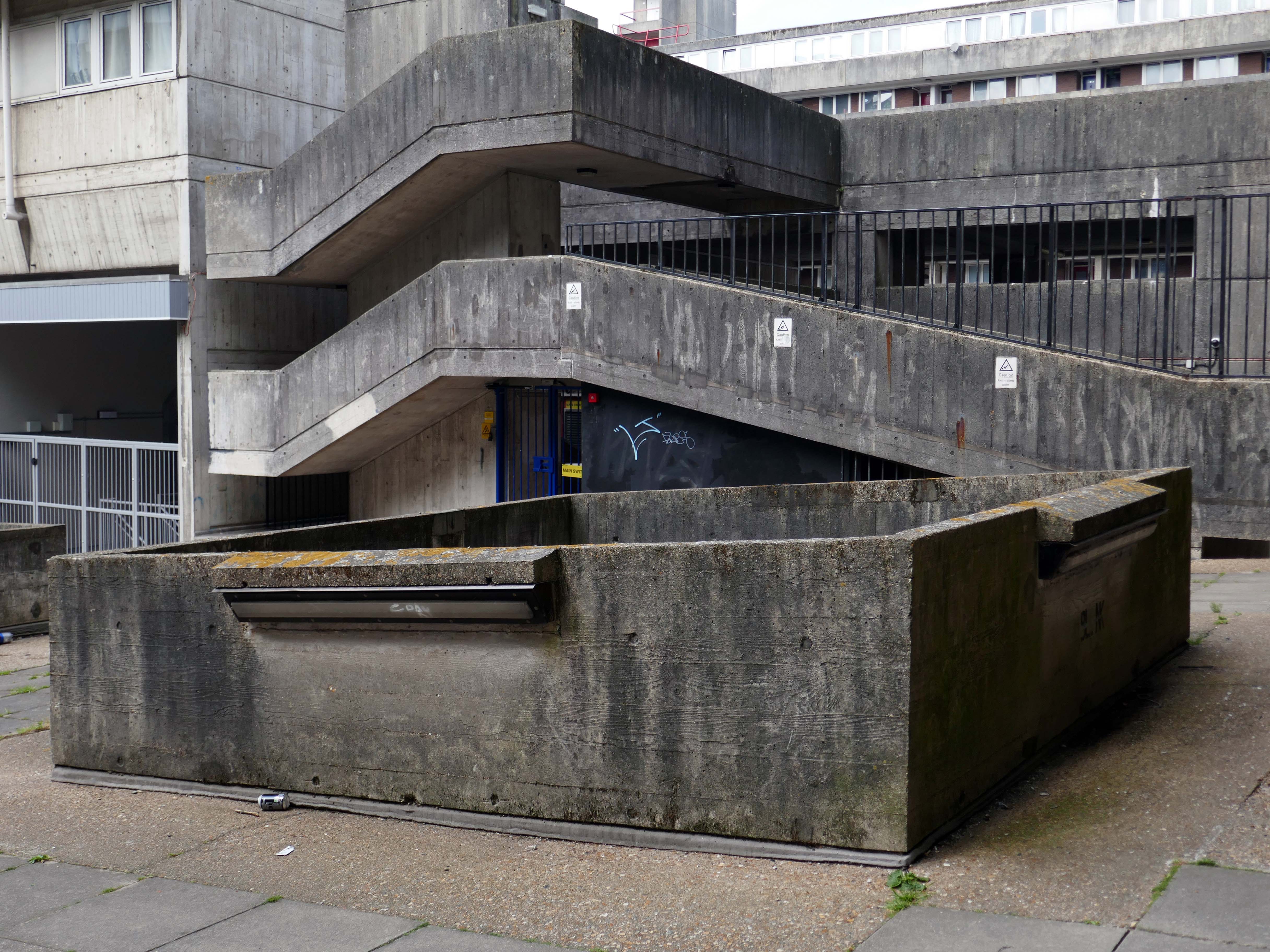
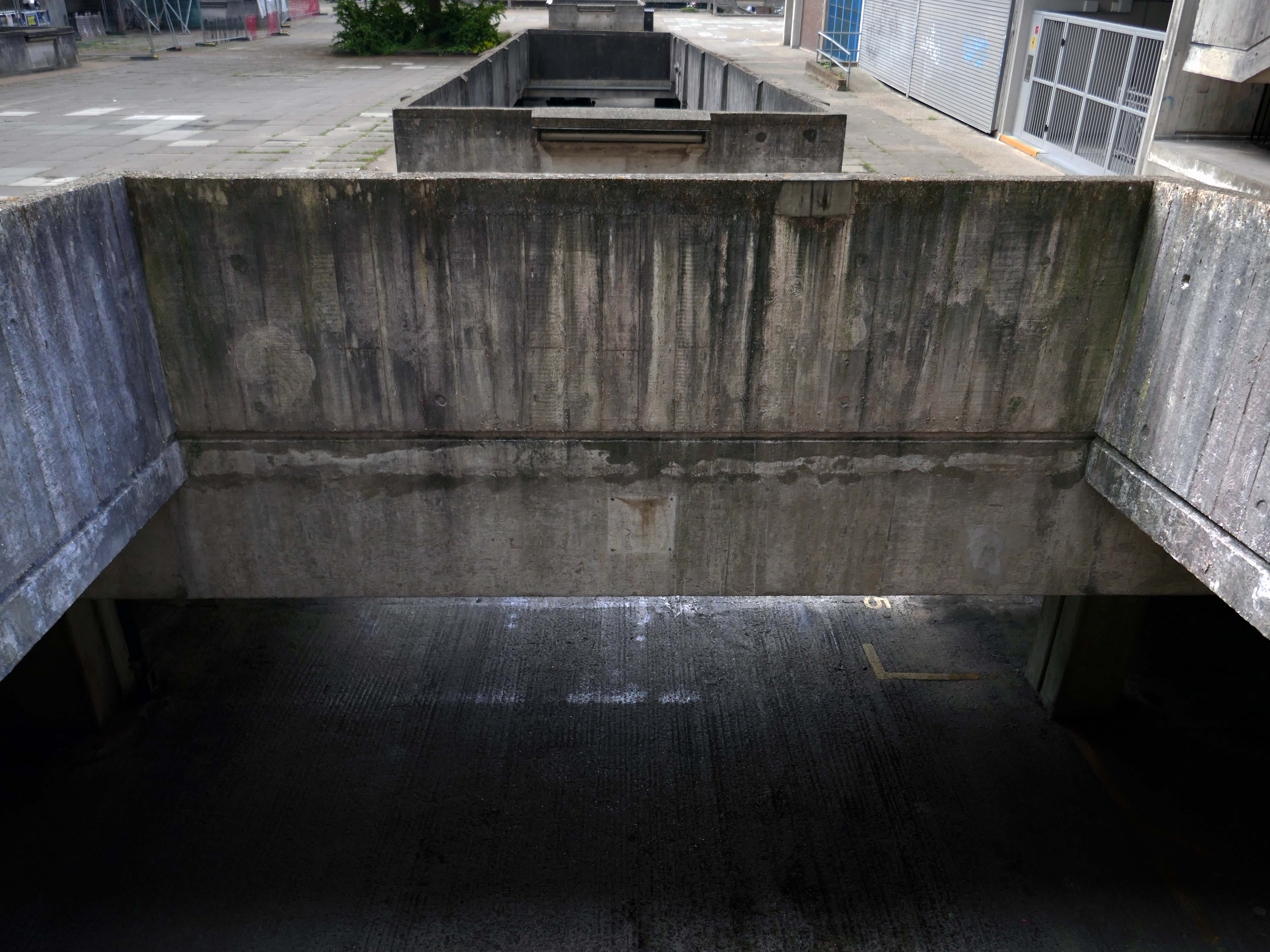
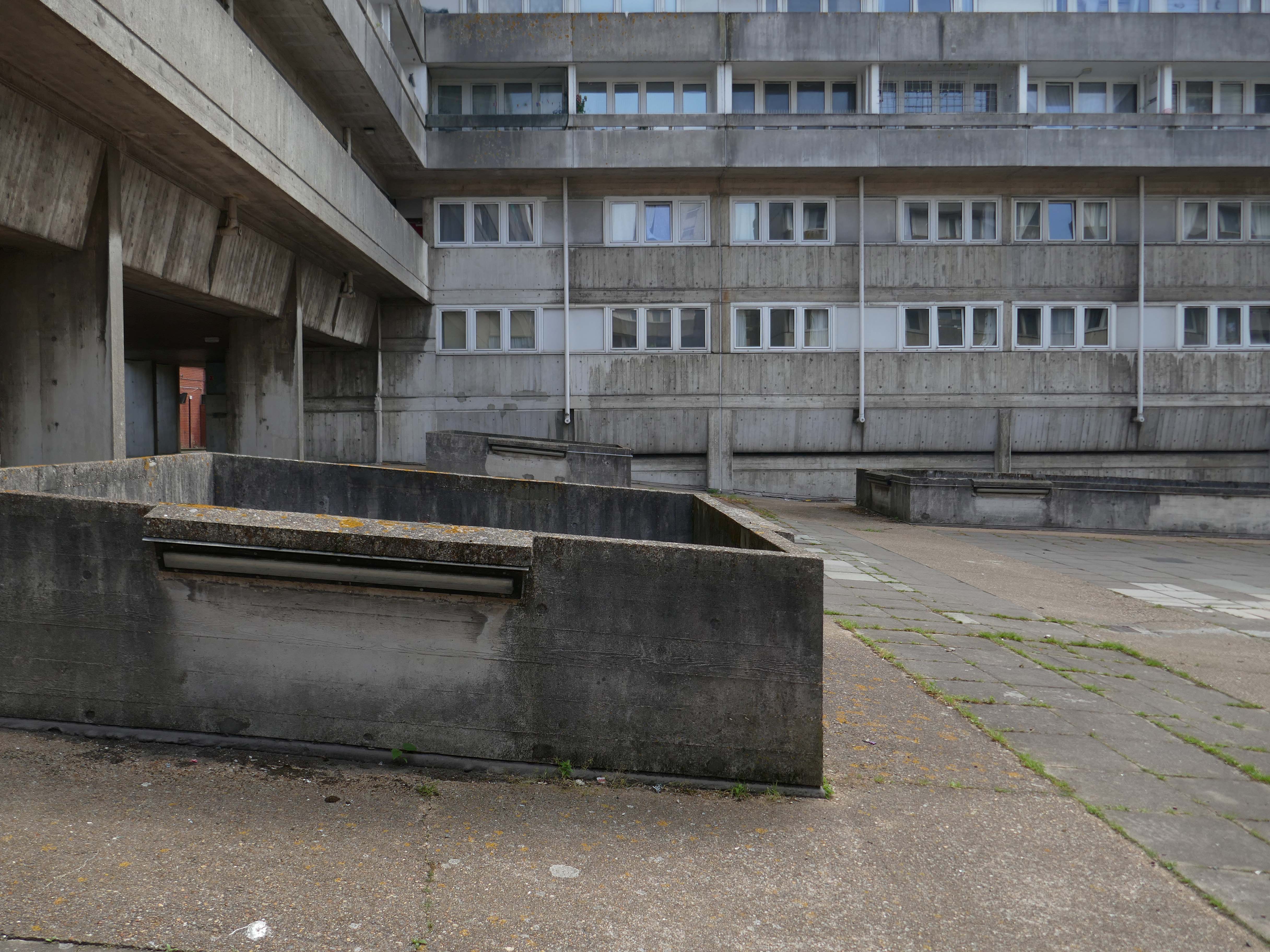
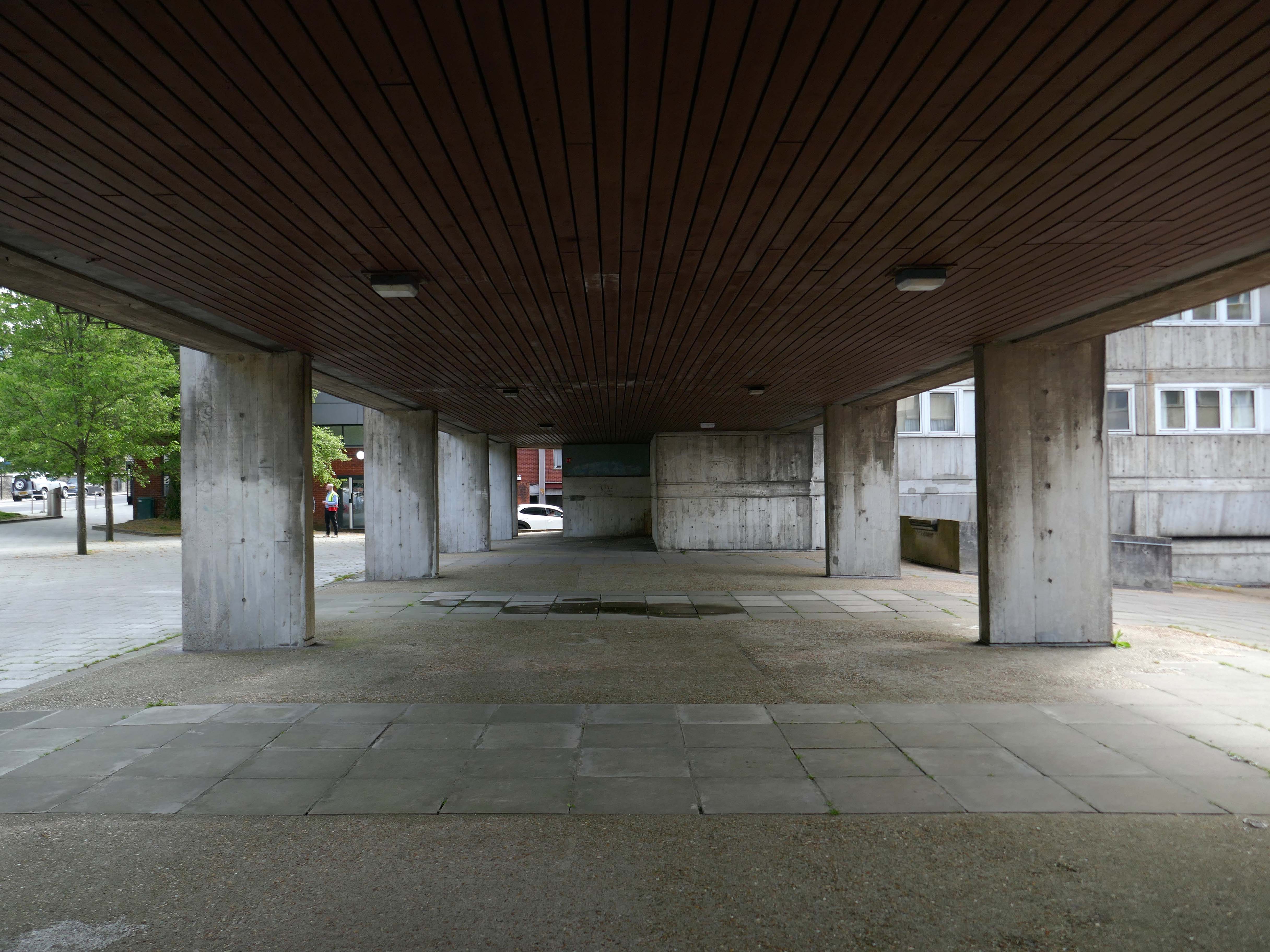
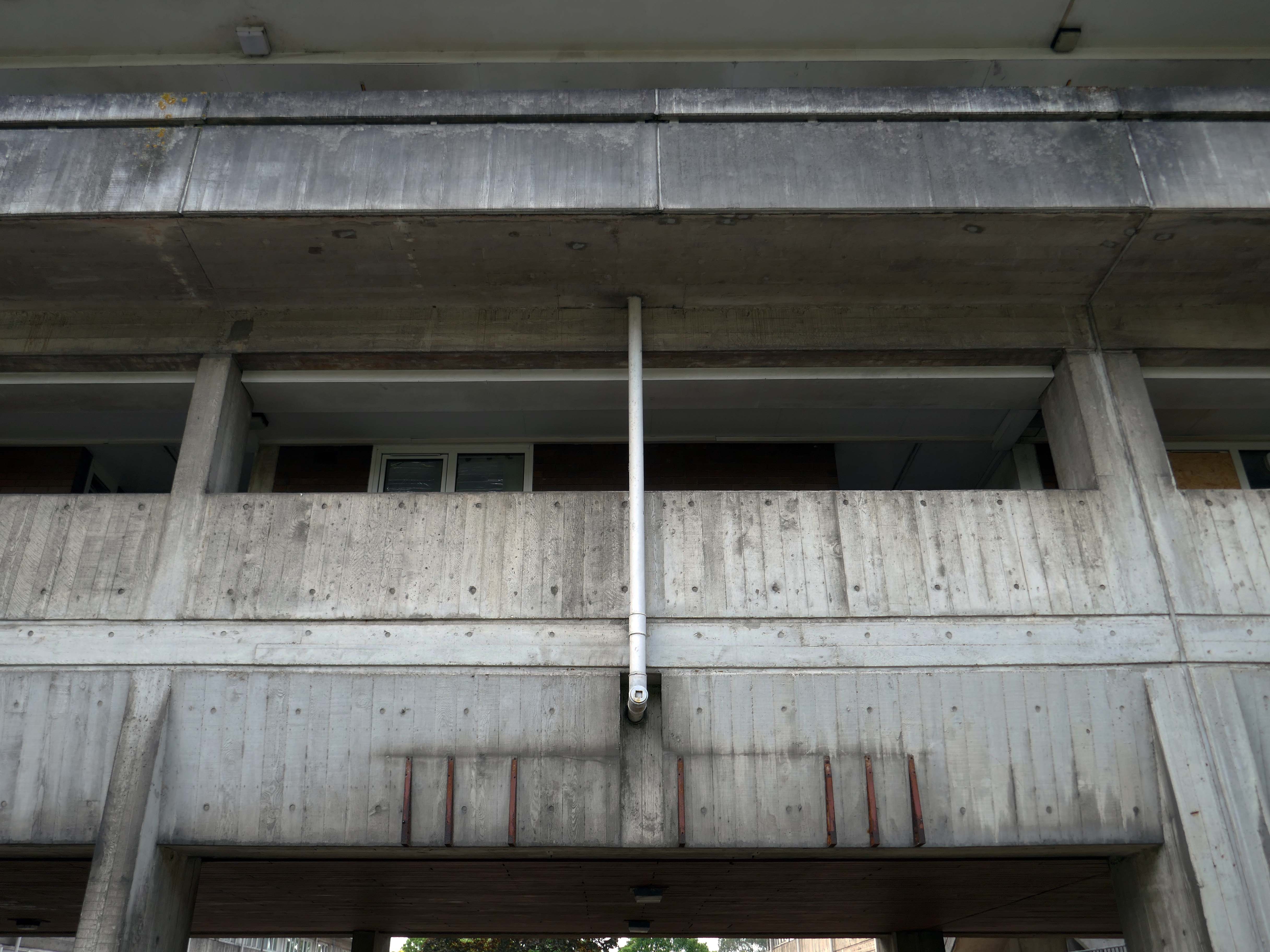
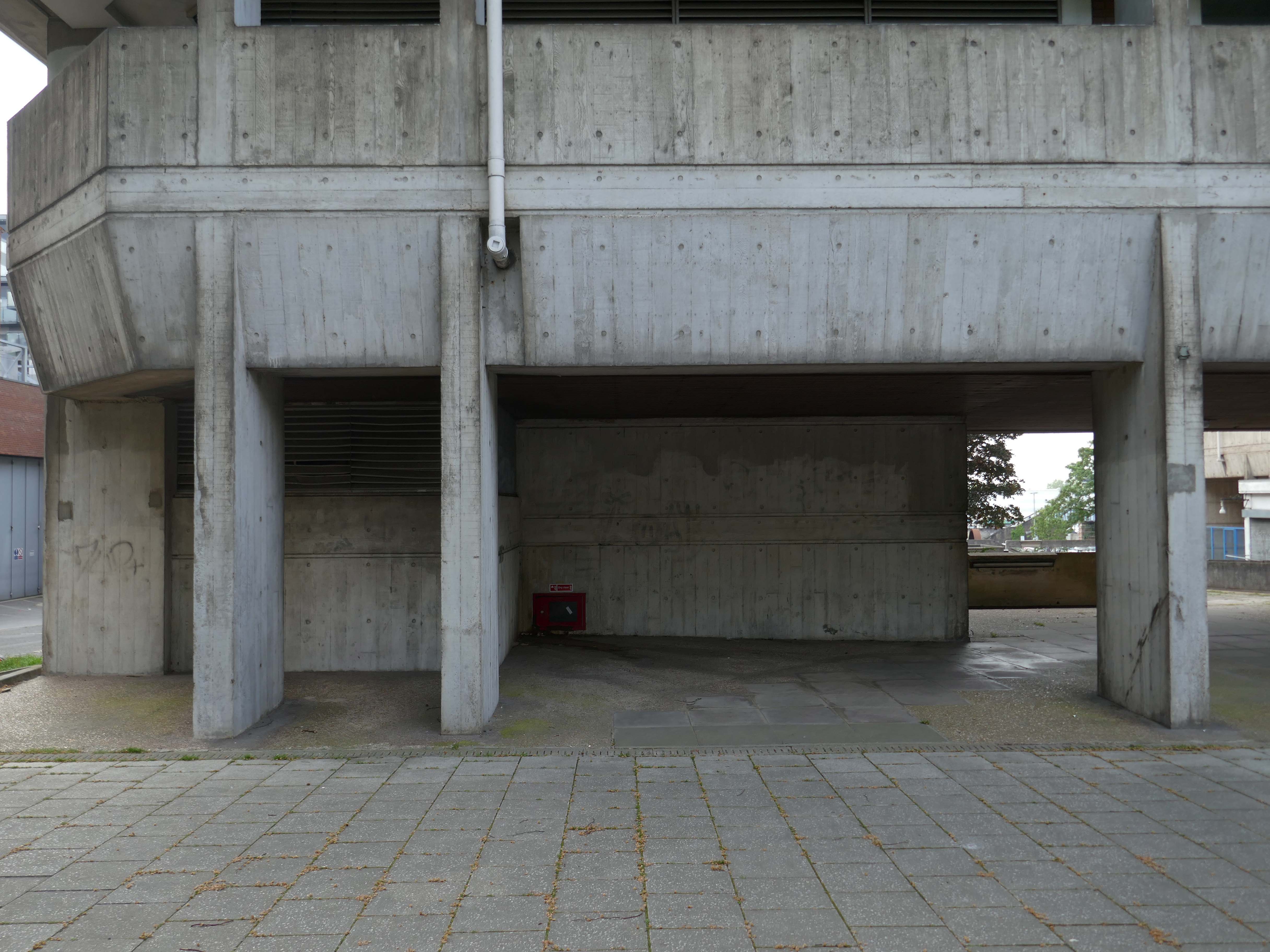
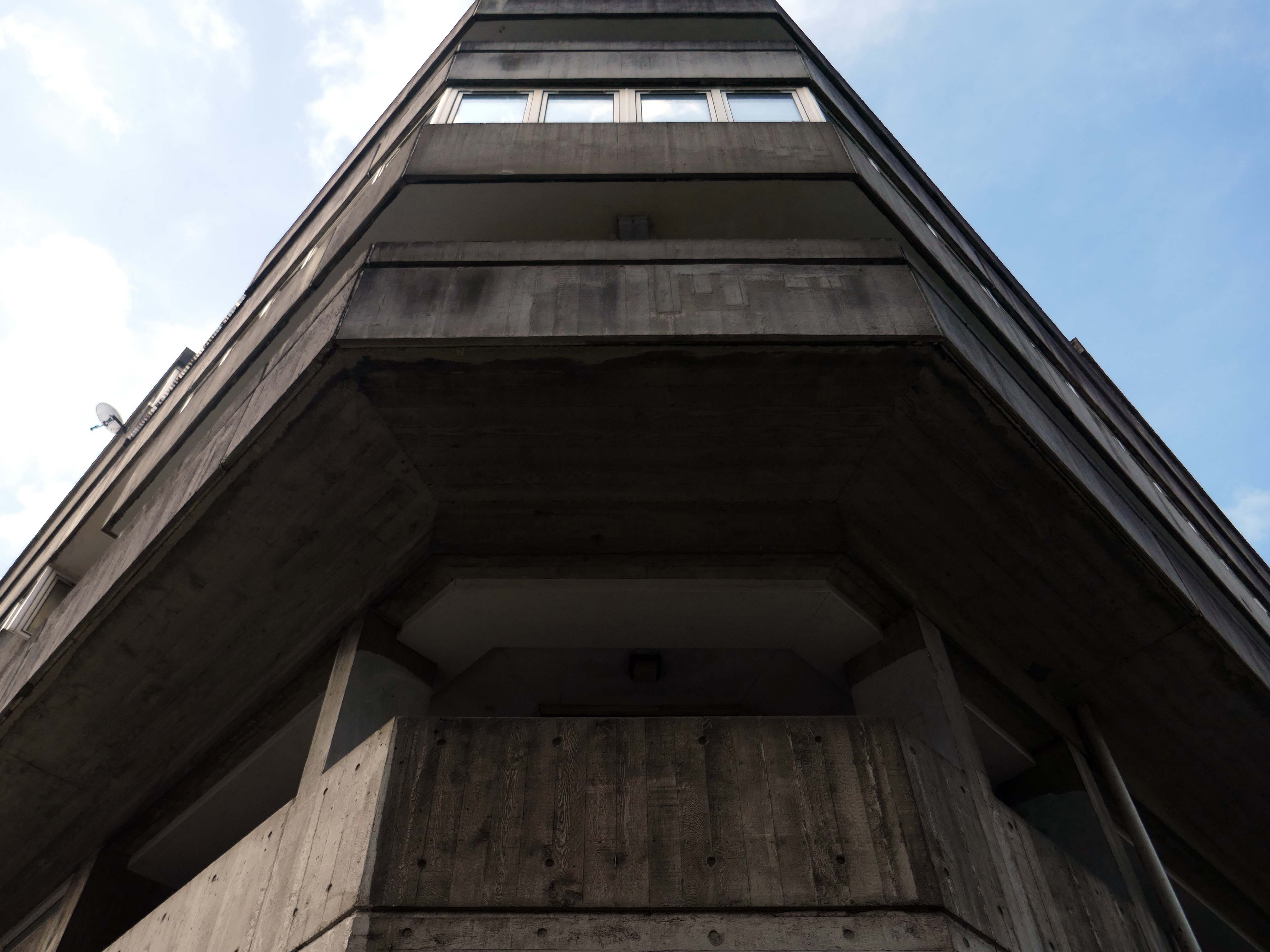
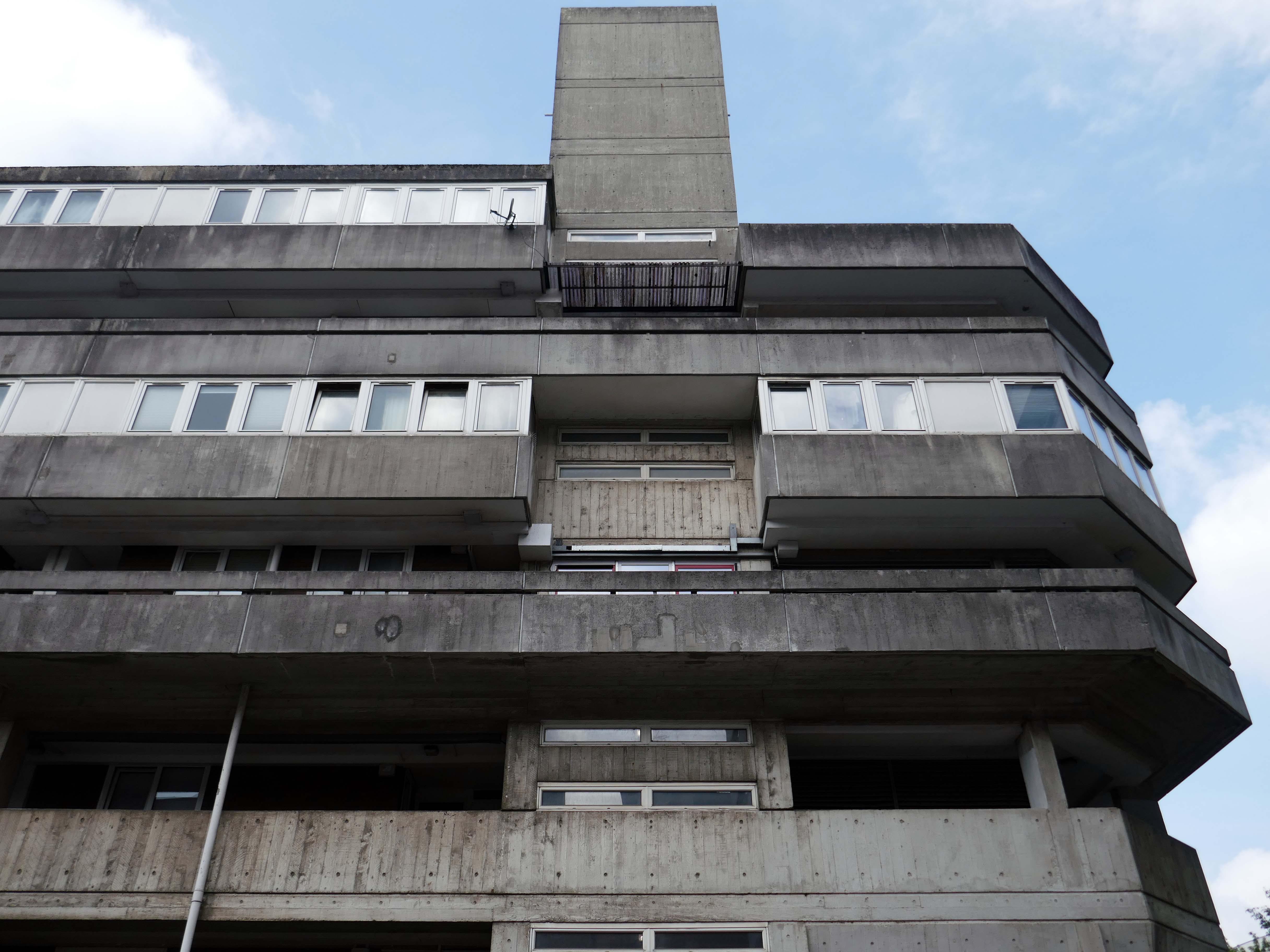
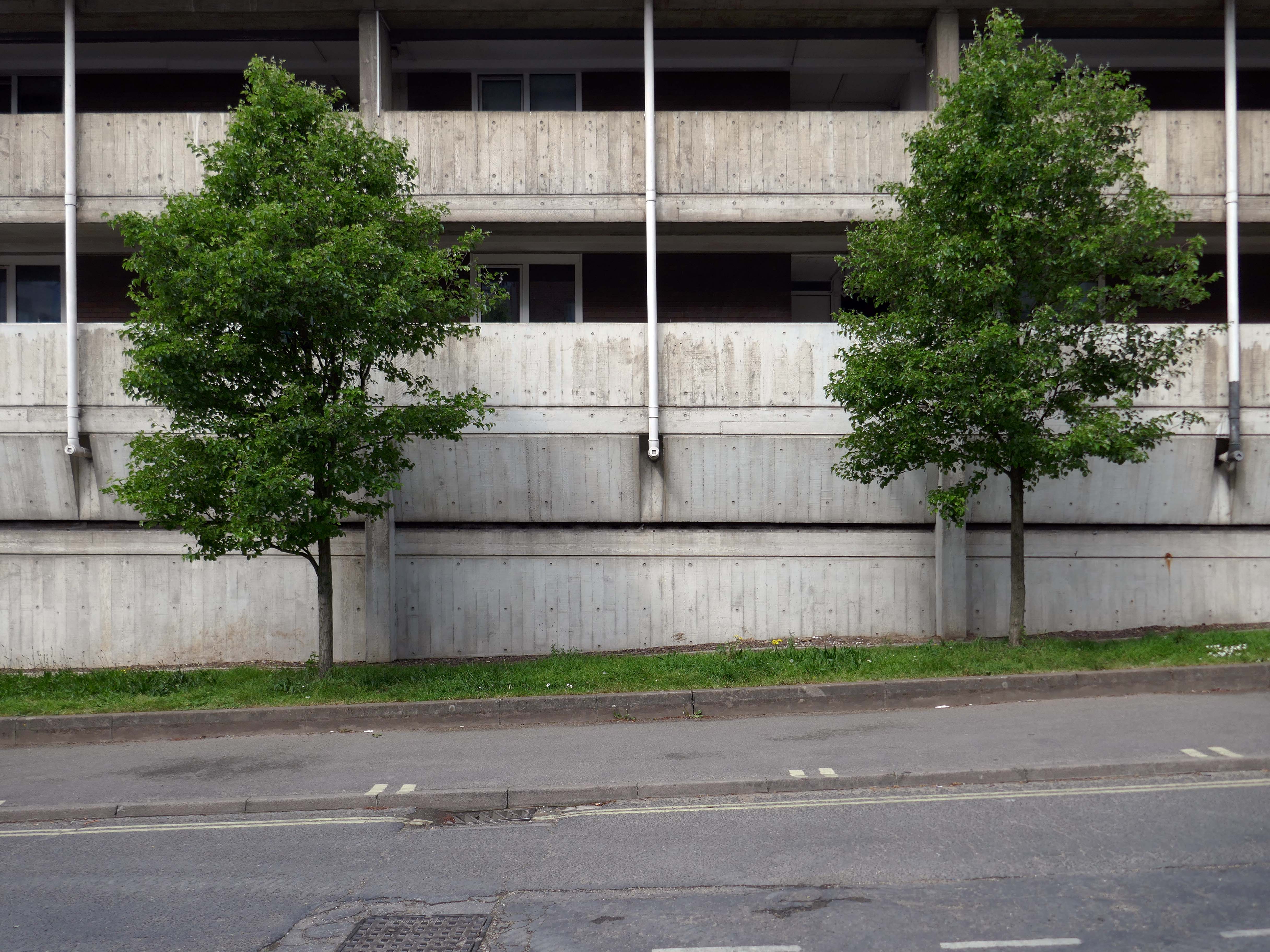
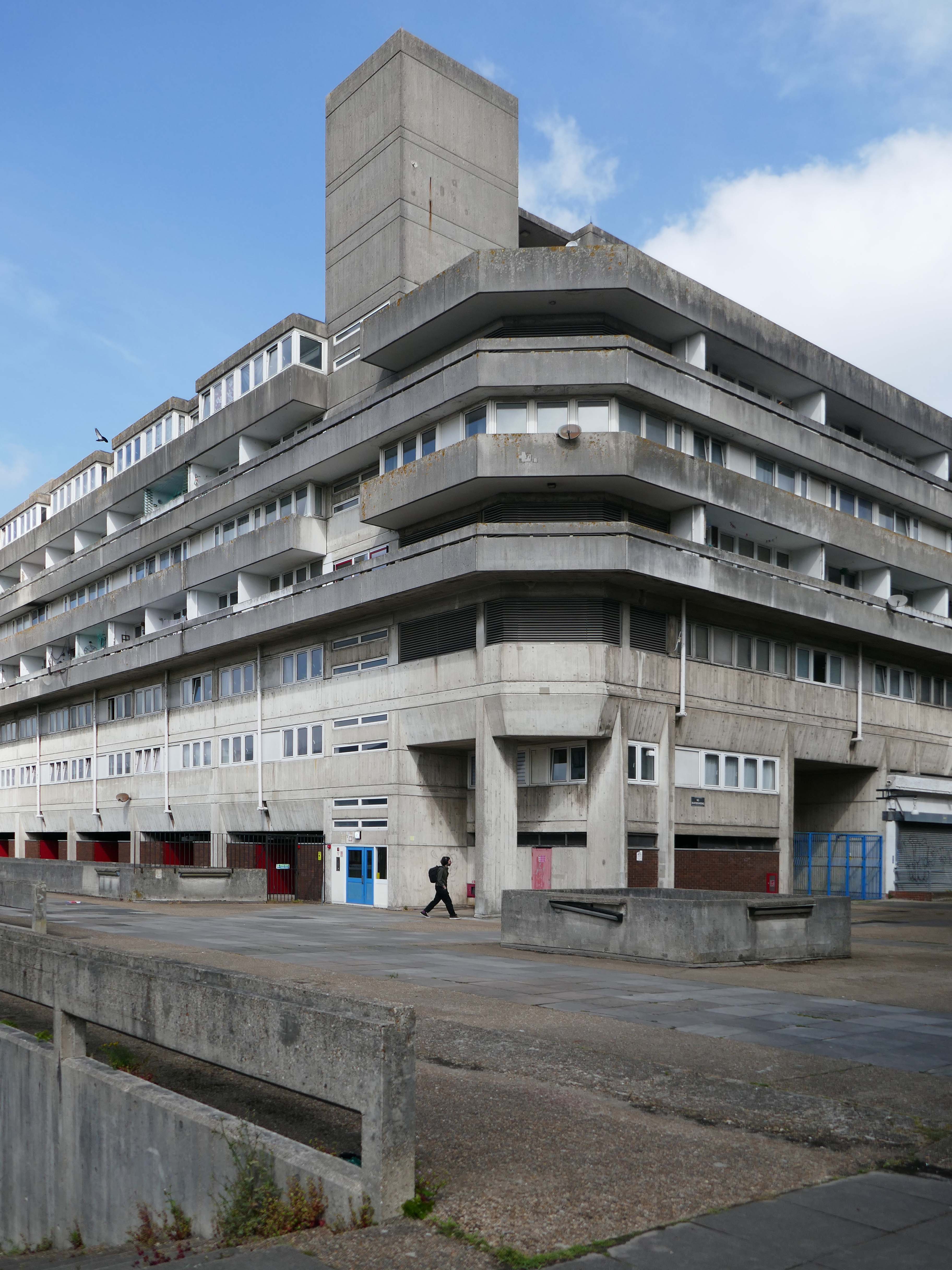
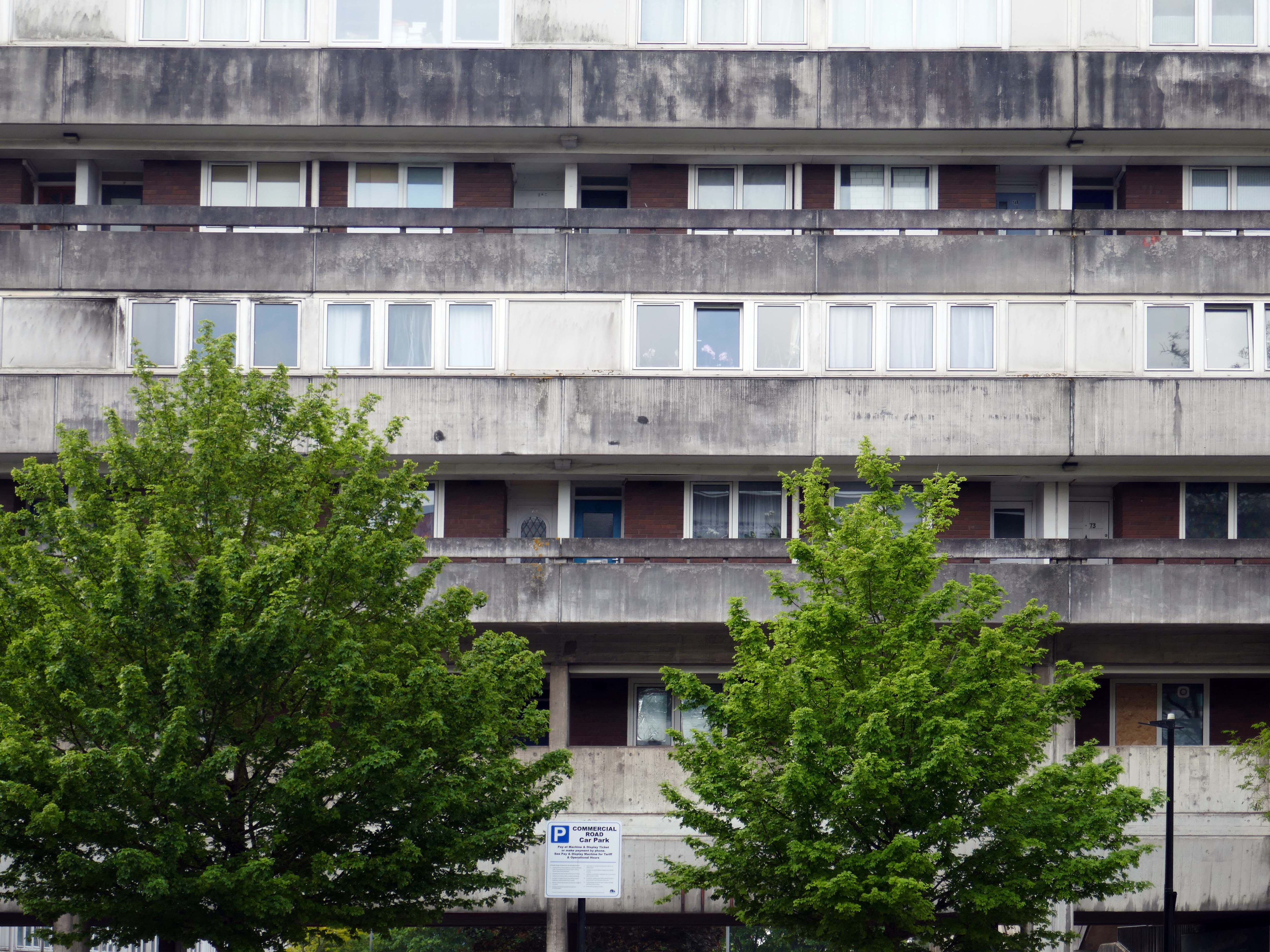
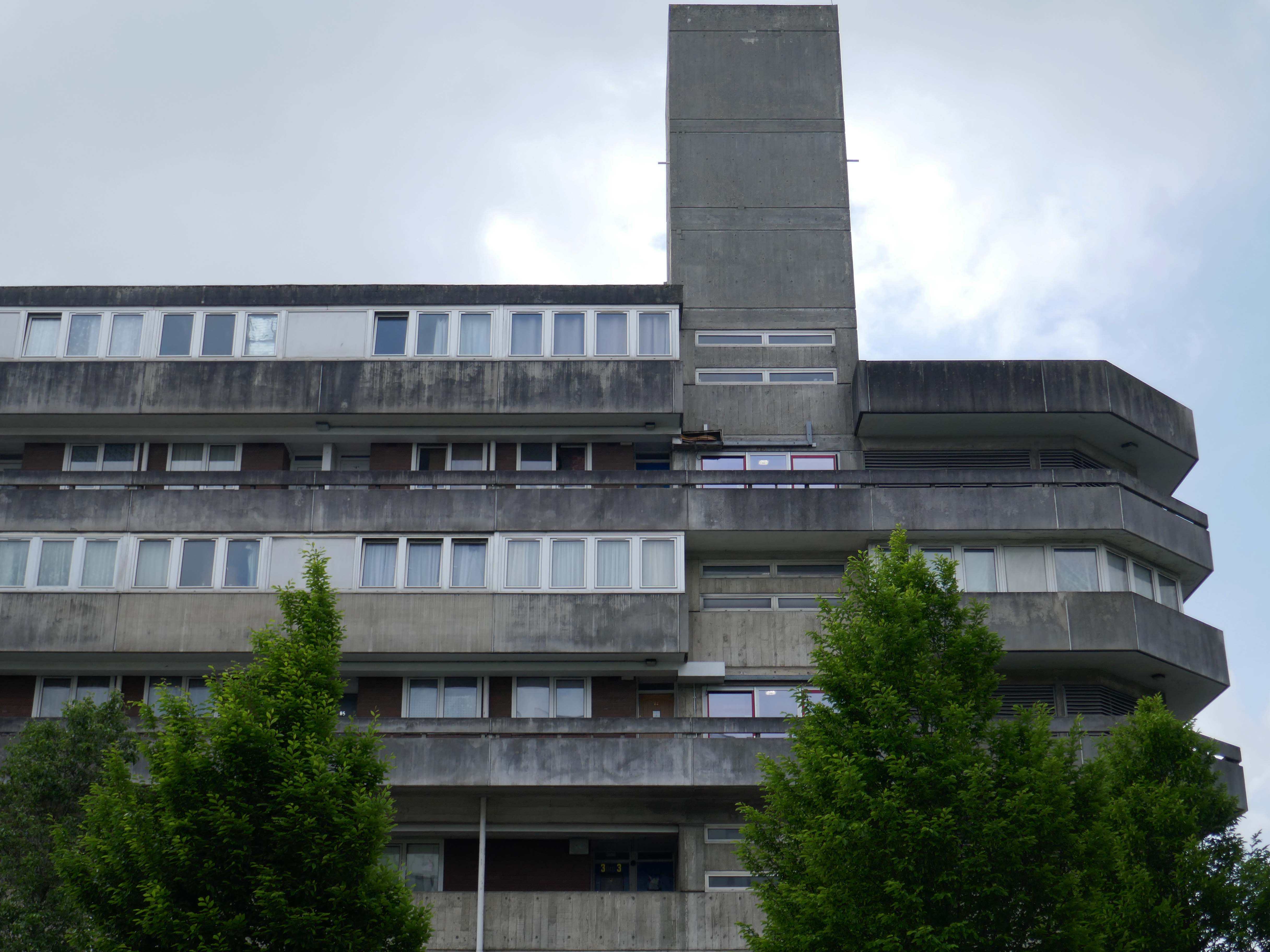
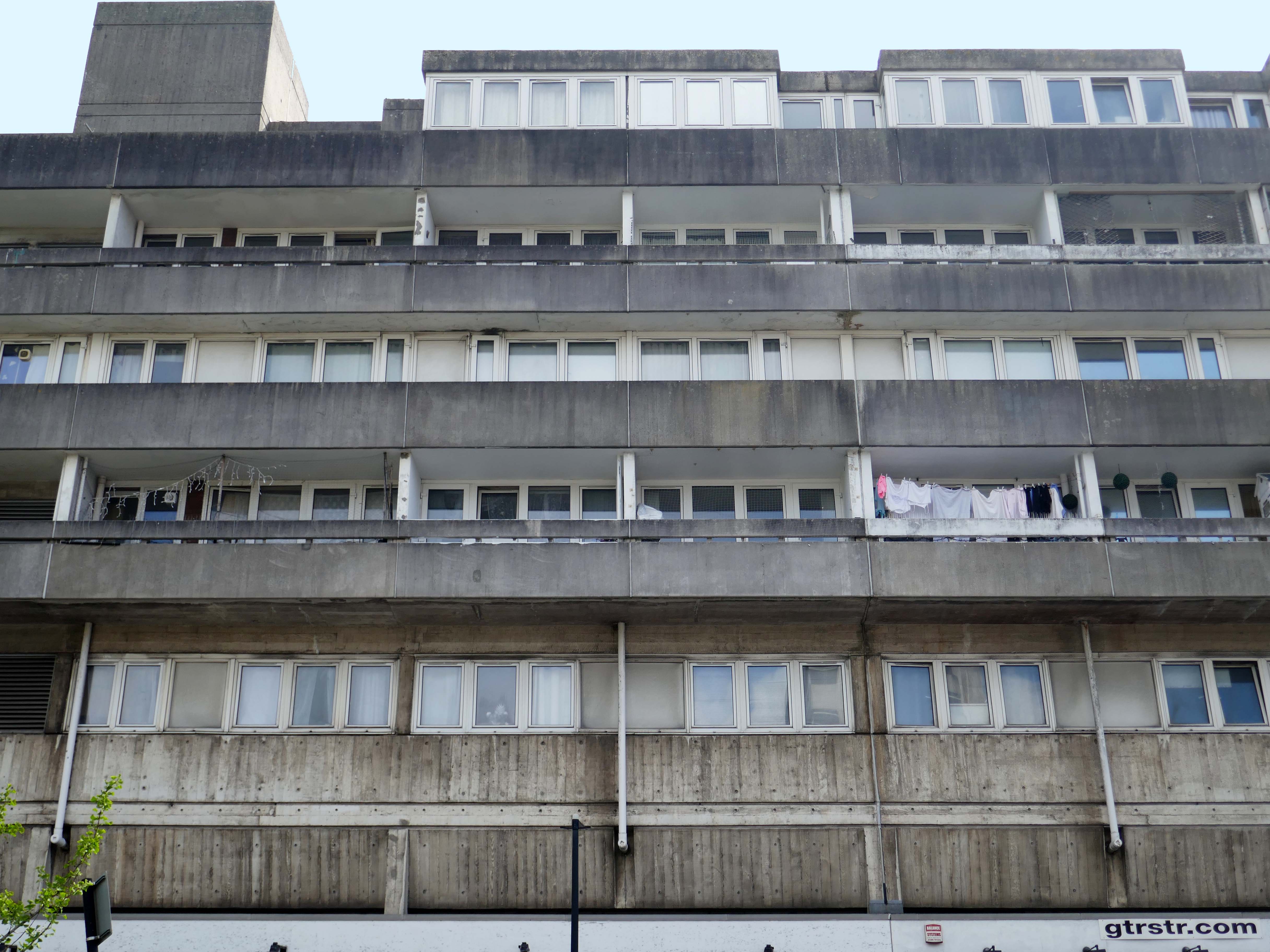
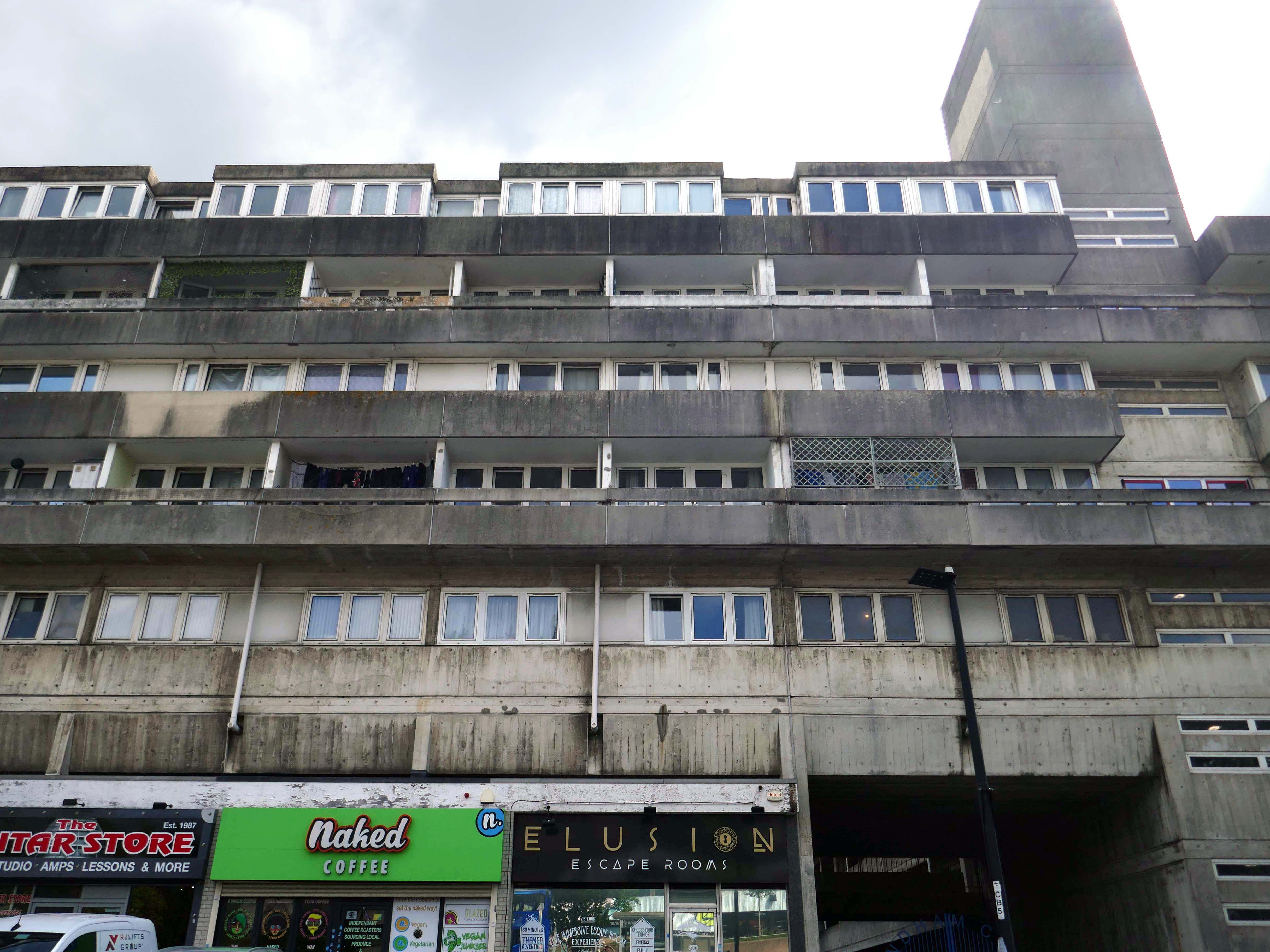
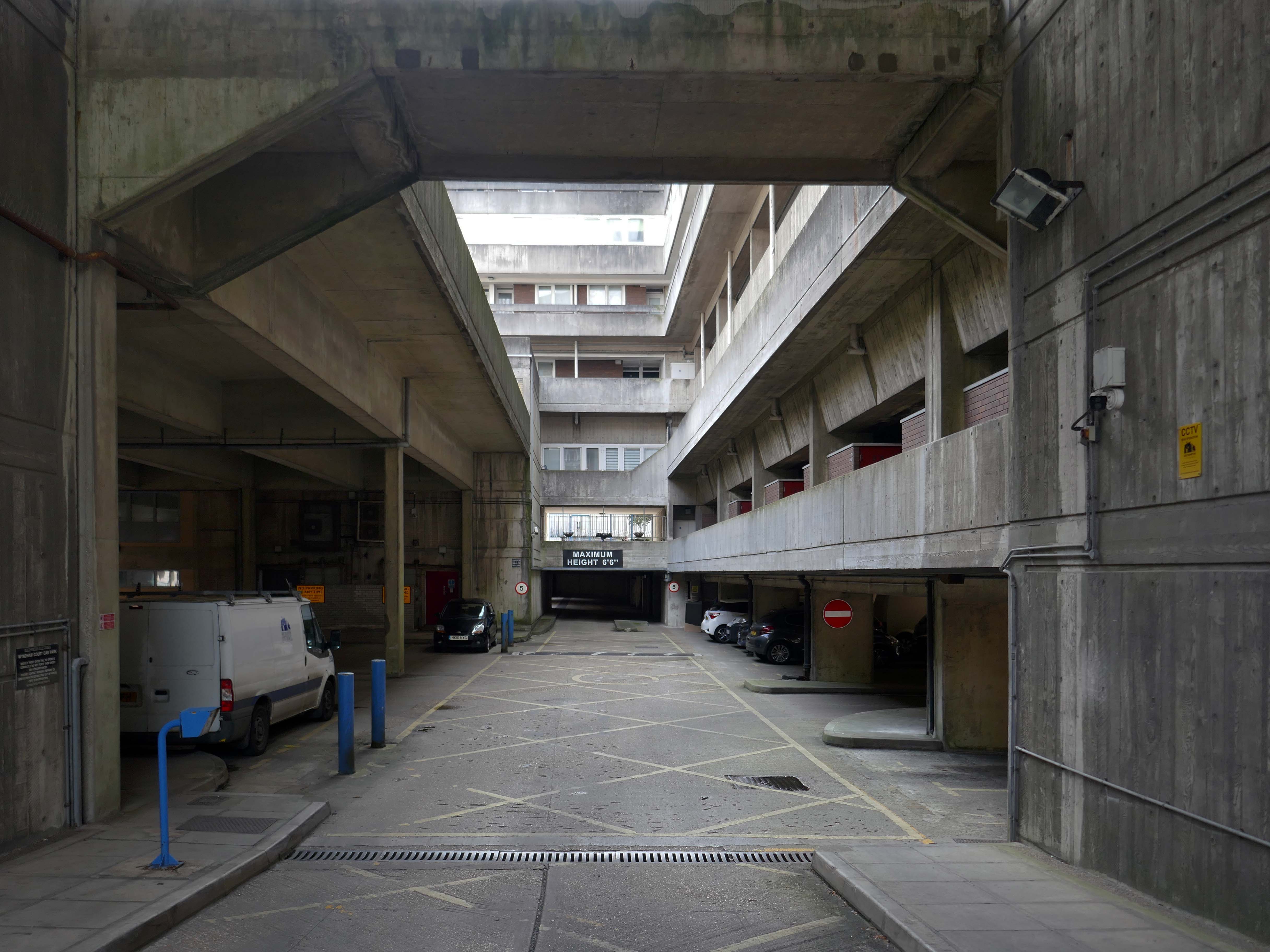
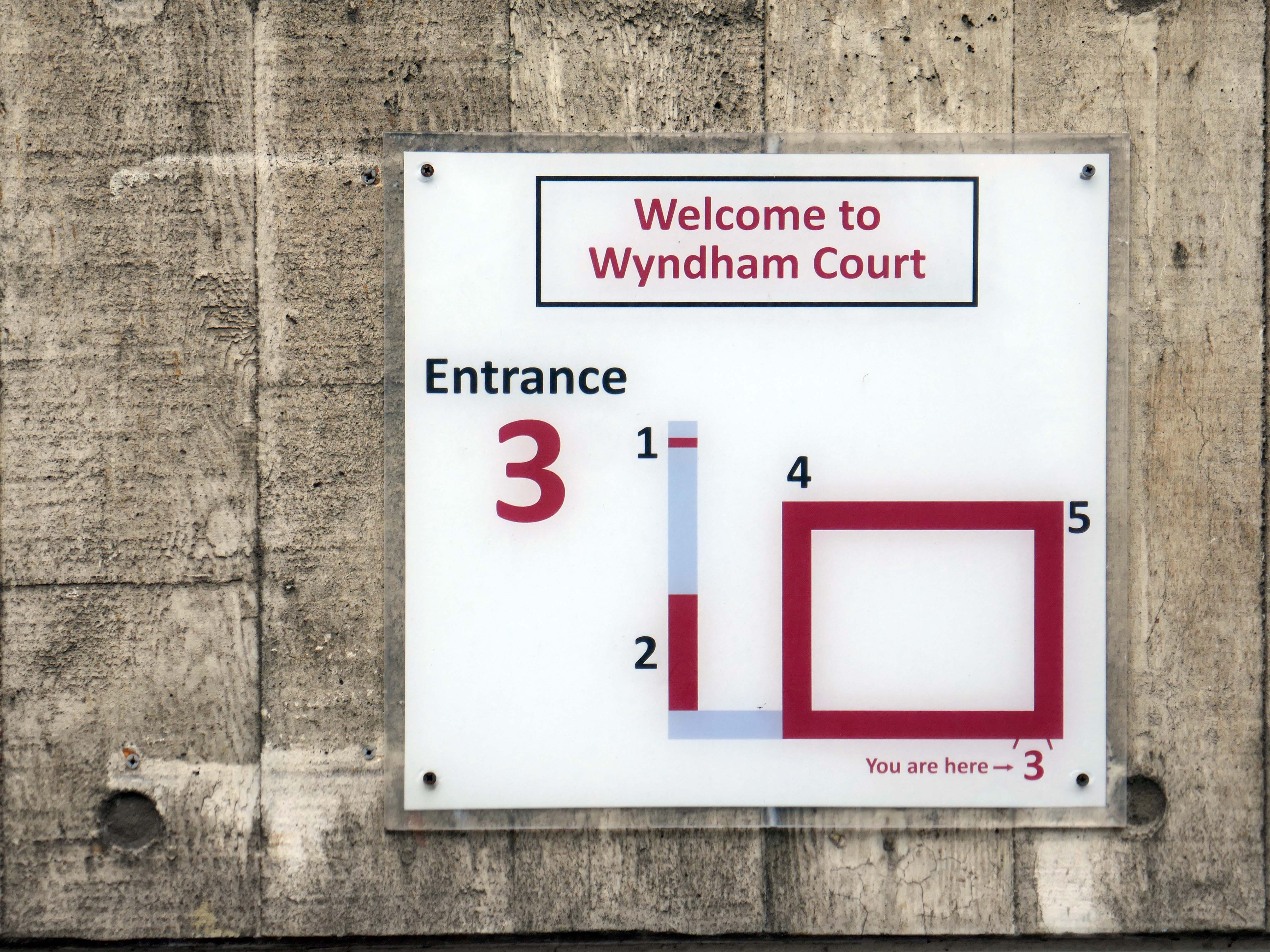
Wyndham Court is a block of social housing in Southampton which opened in 1970.
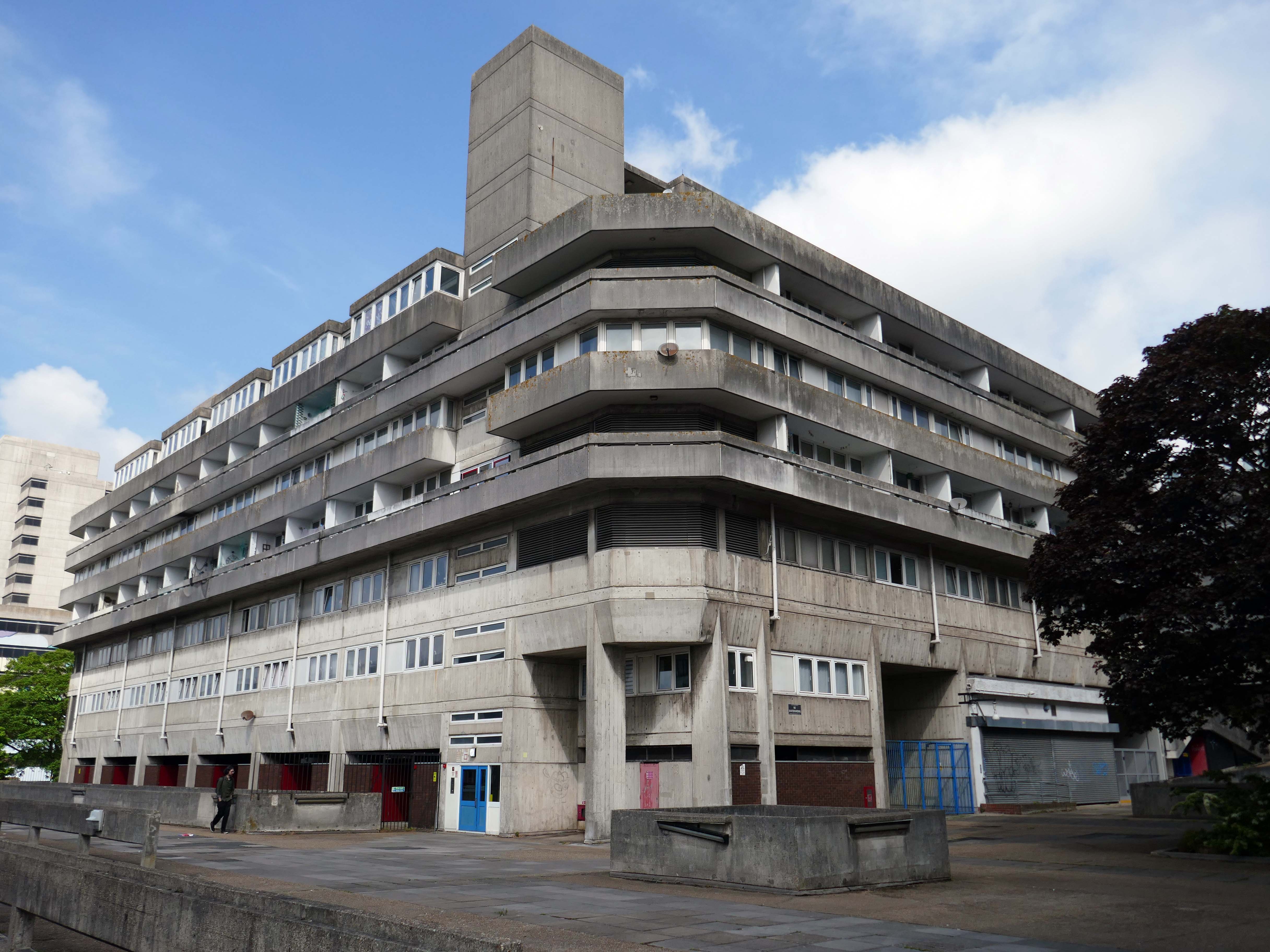
It was designed by Lyons Israel Ellis for Southampton City Council in 1966, ED Lyons being the partner in charge and architects Frank Linden and Aubrey Hume also assigned to the job. The structural engineers were Hajnal-Konyi and Myers and the firm of builders was G Minter.
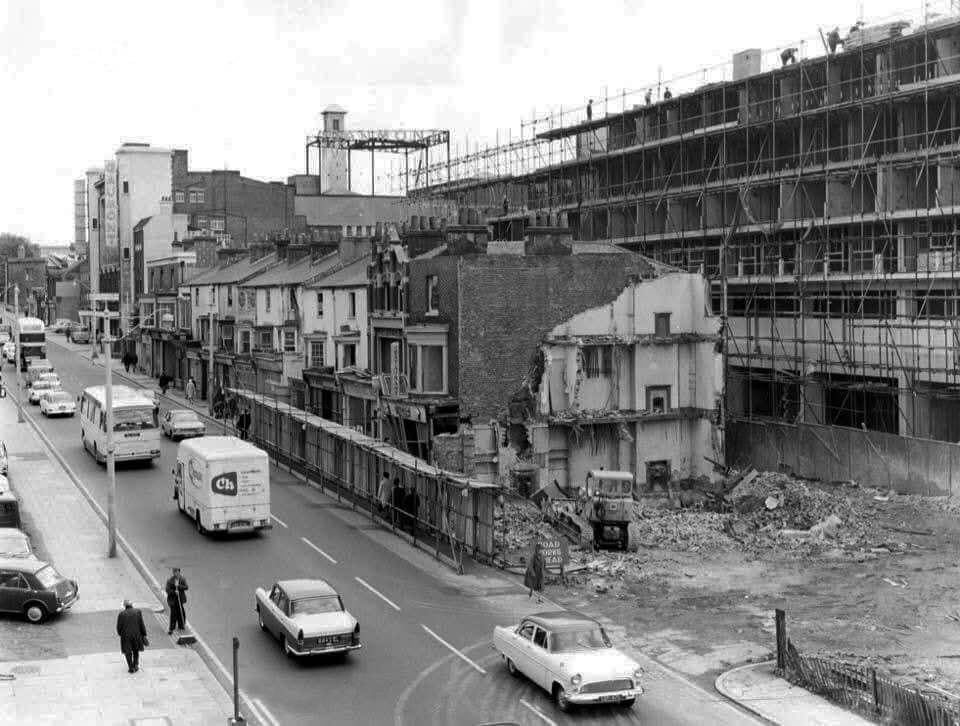
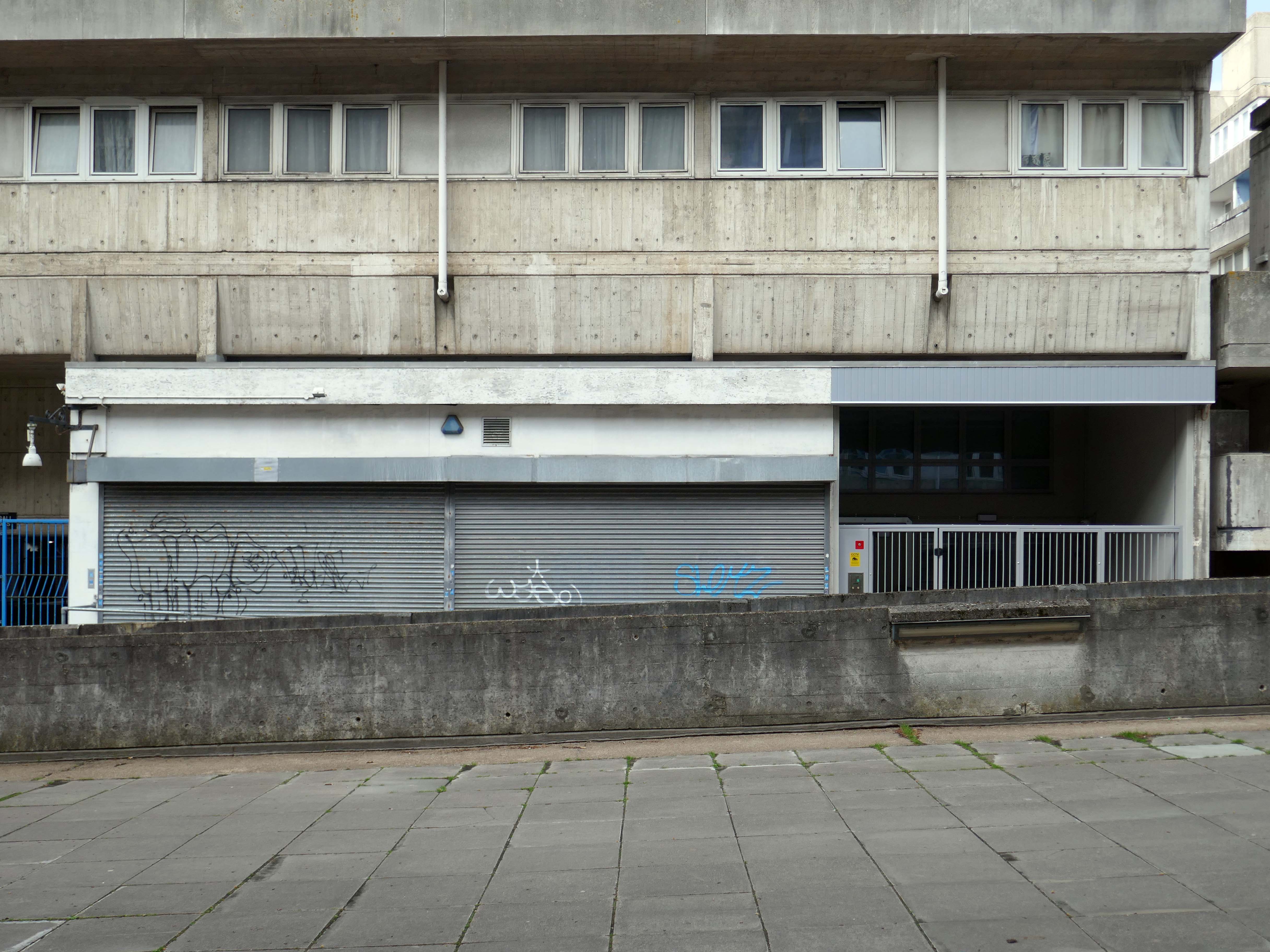
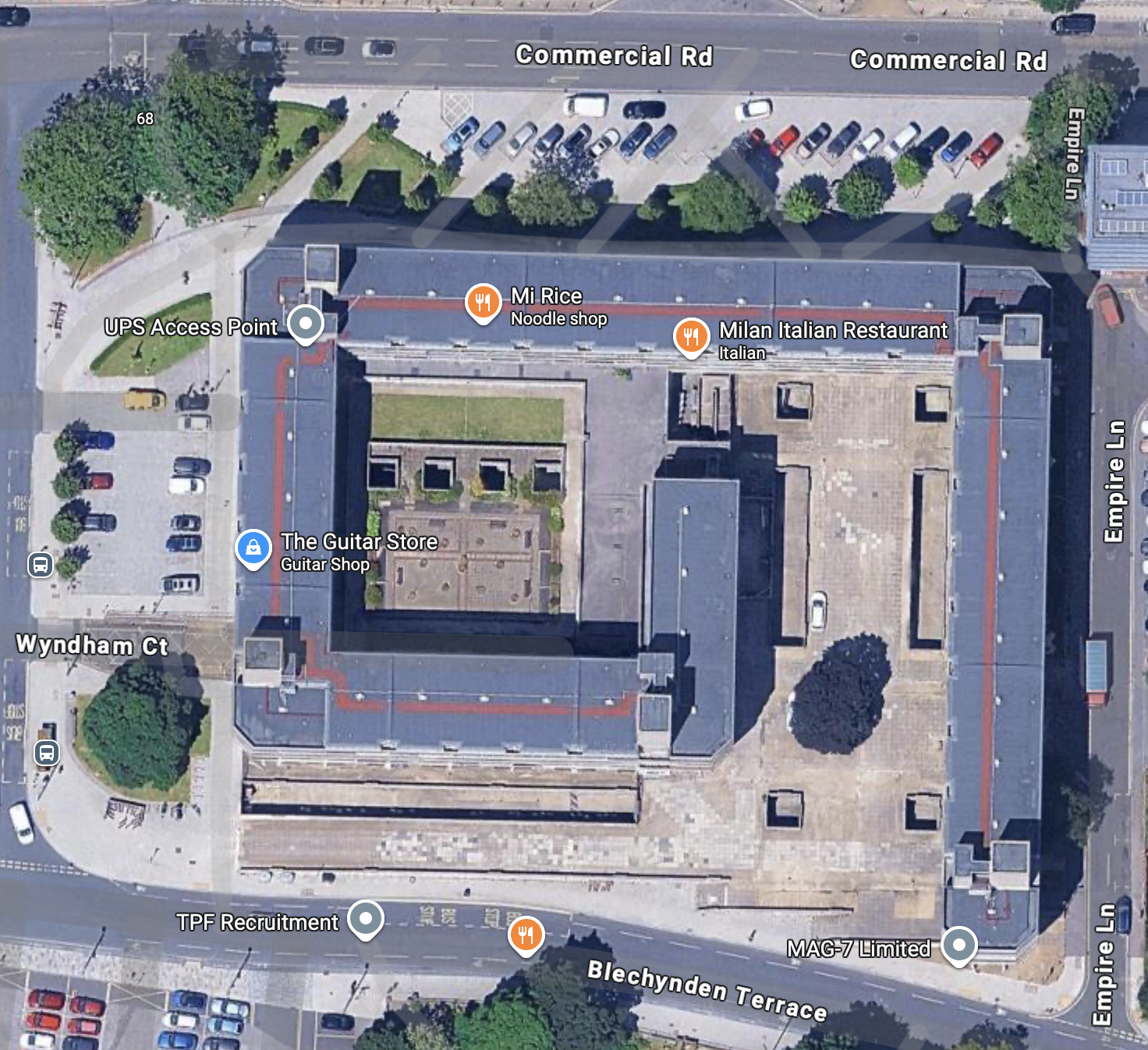
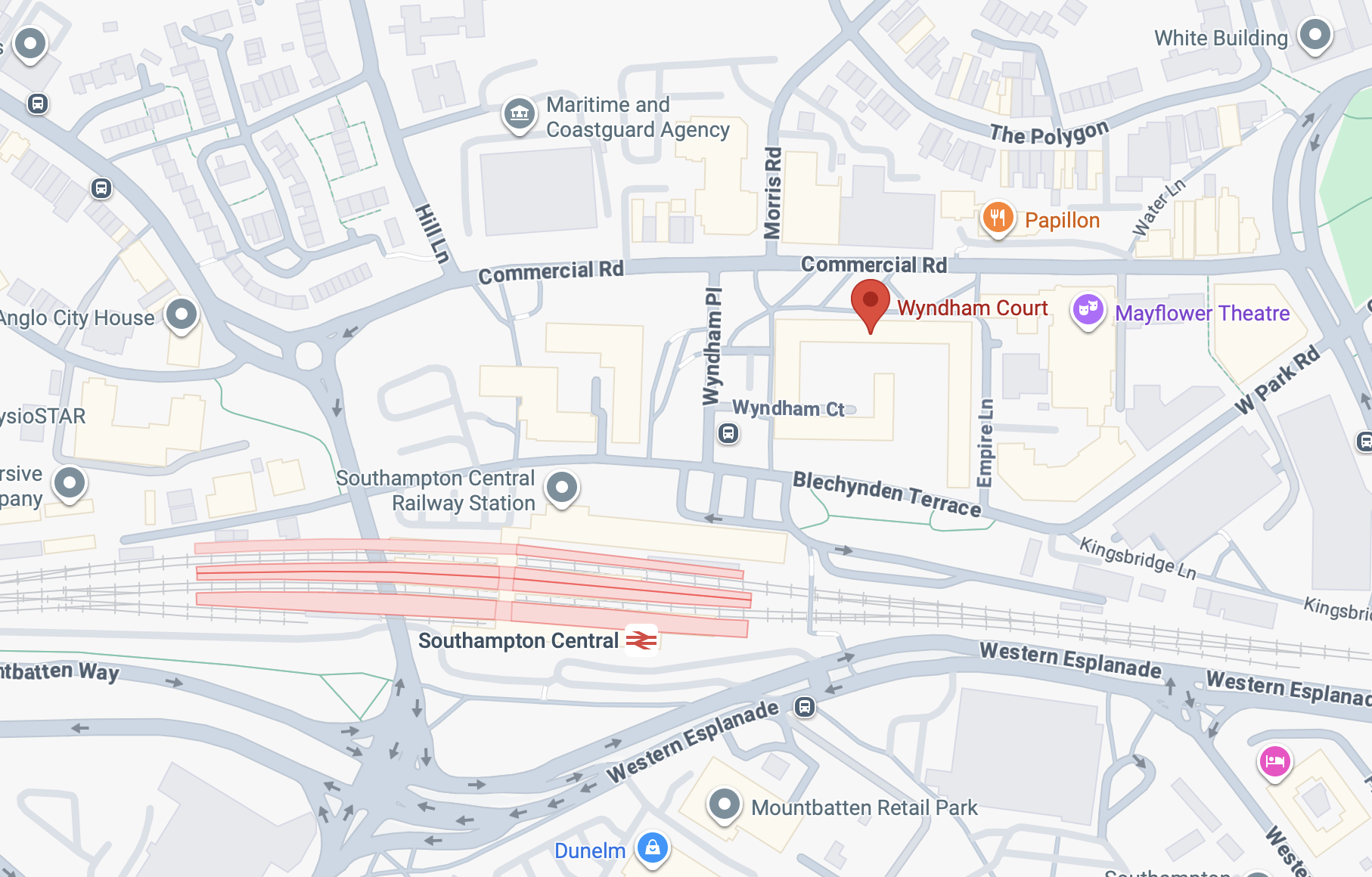
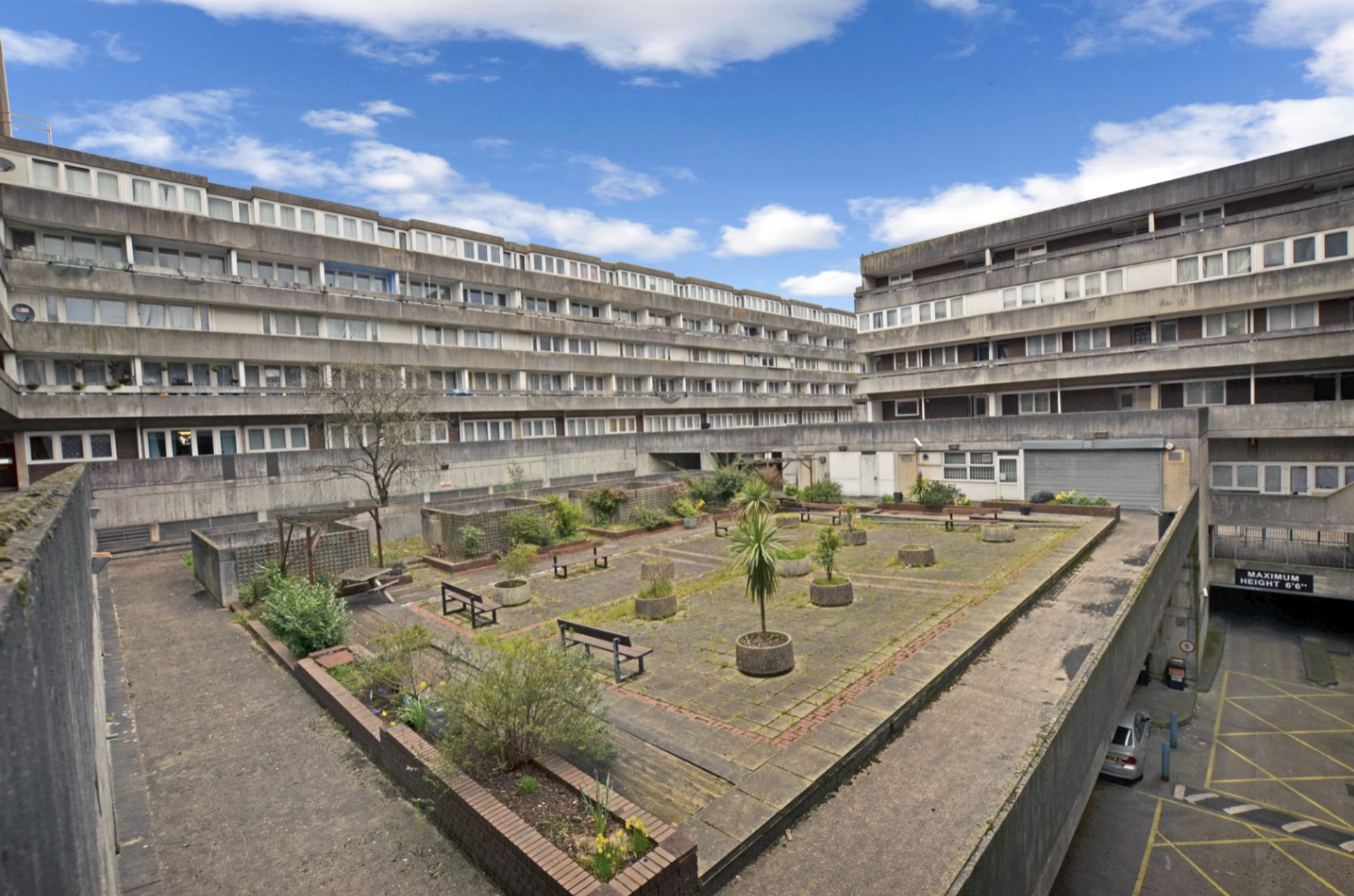
It is located near Southampton Central station and the Mayflower Theatre. Wyndham Court includes 184 flats, three cafes or restaurants and 13 shops, and was completed in 1969.

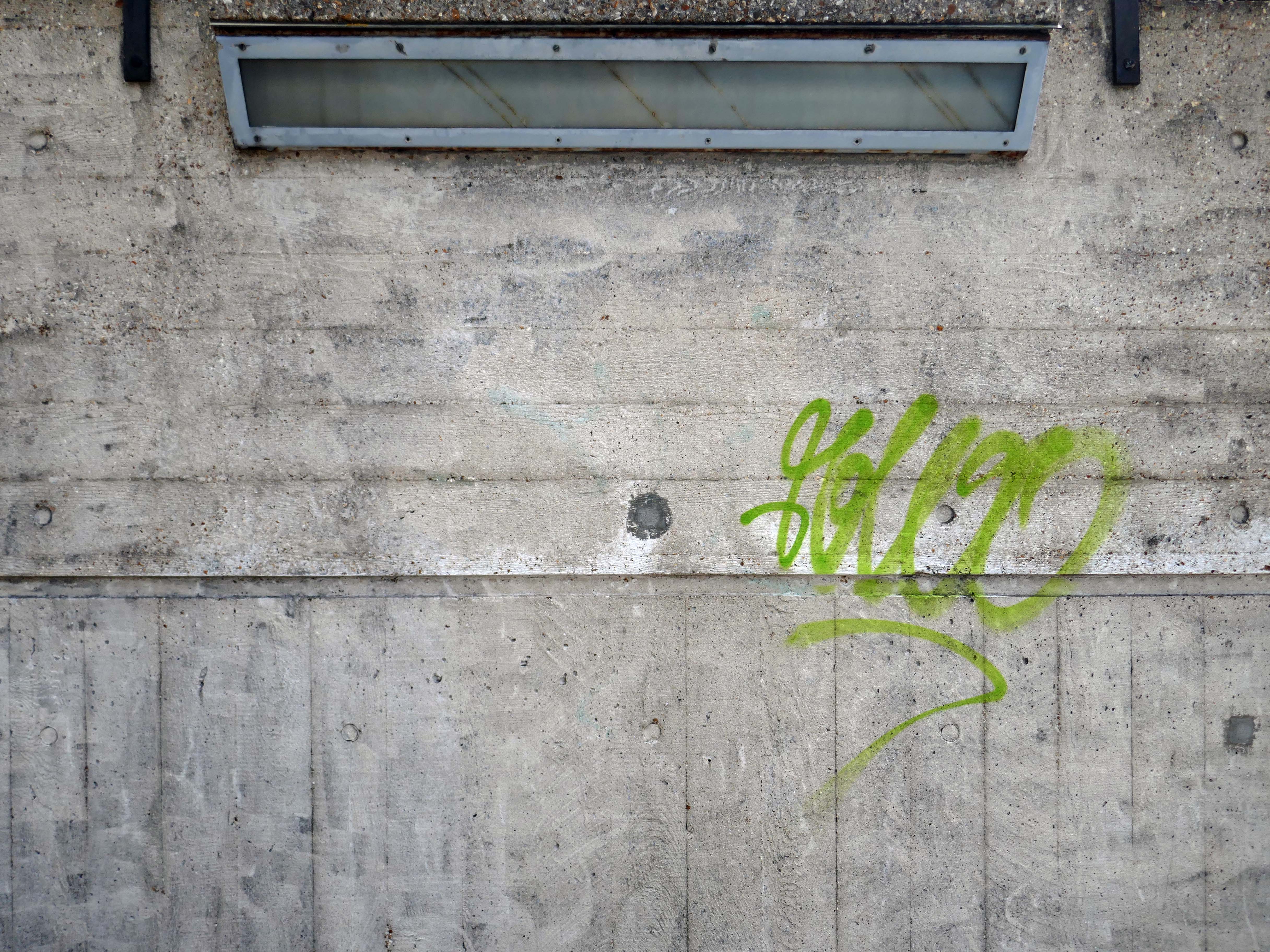
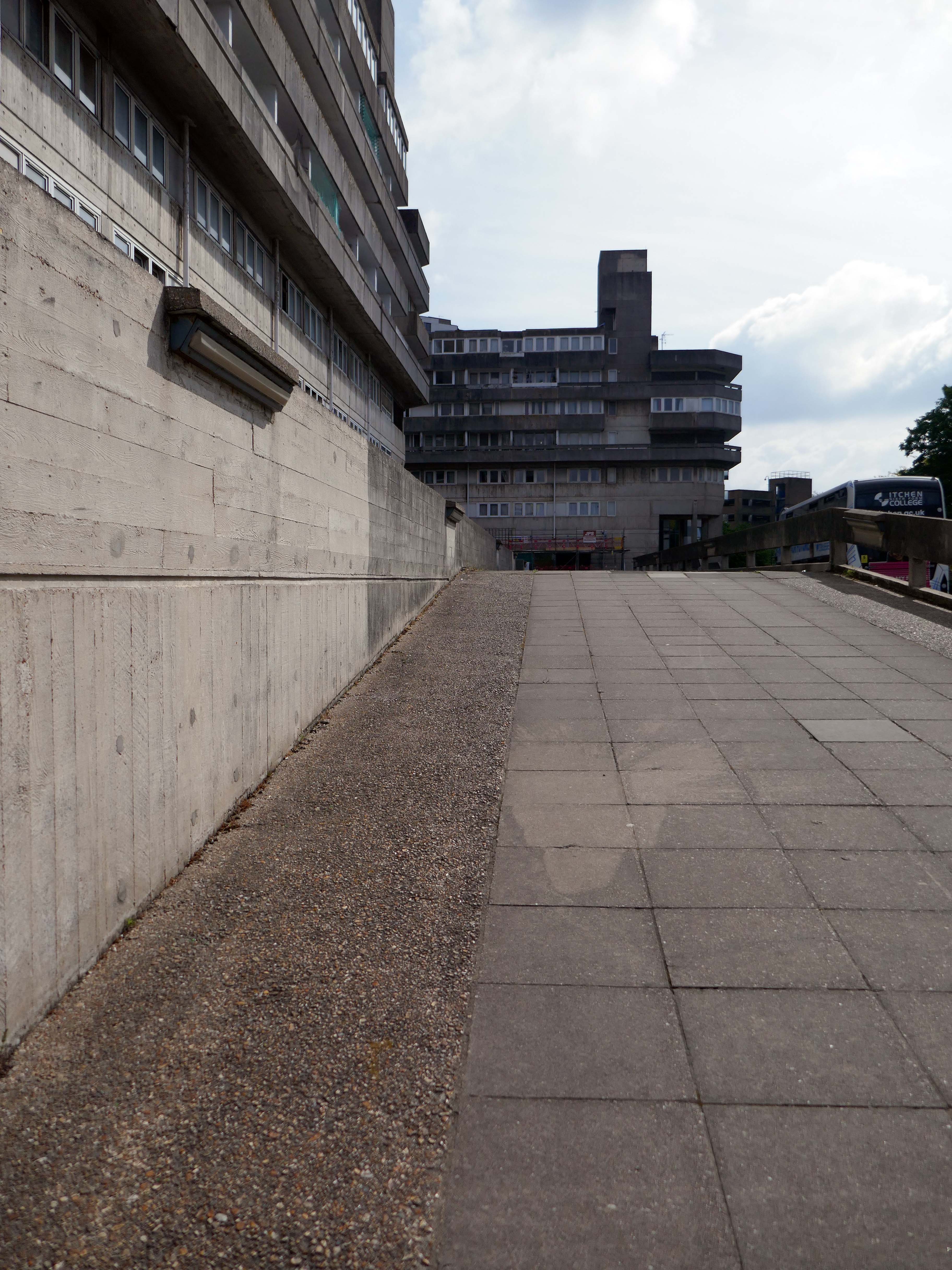
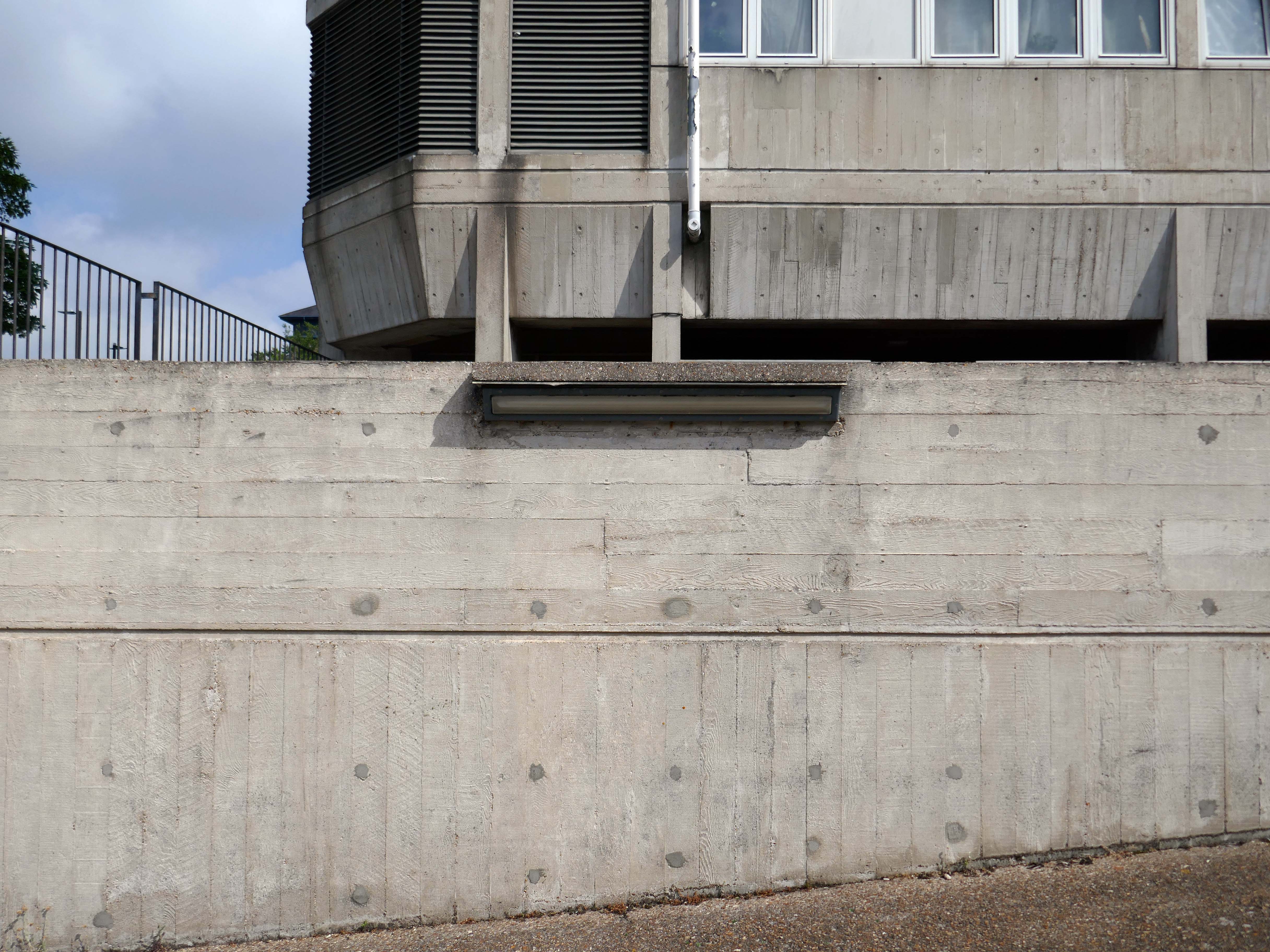
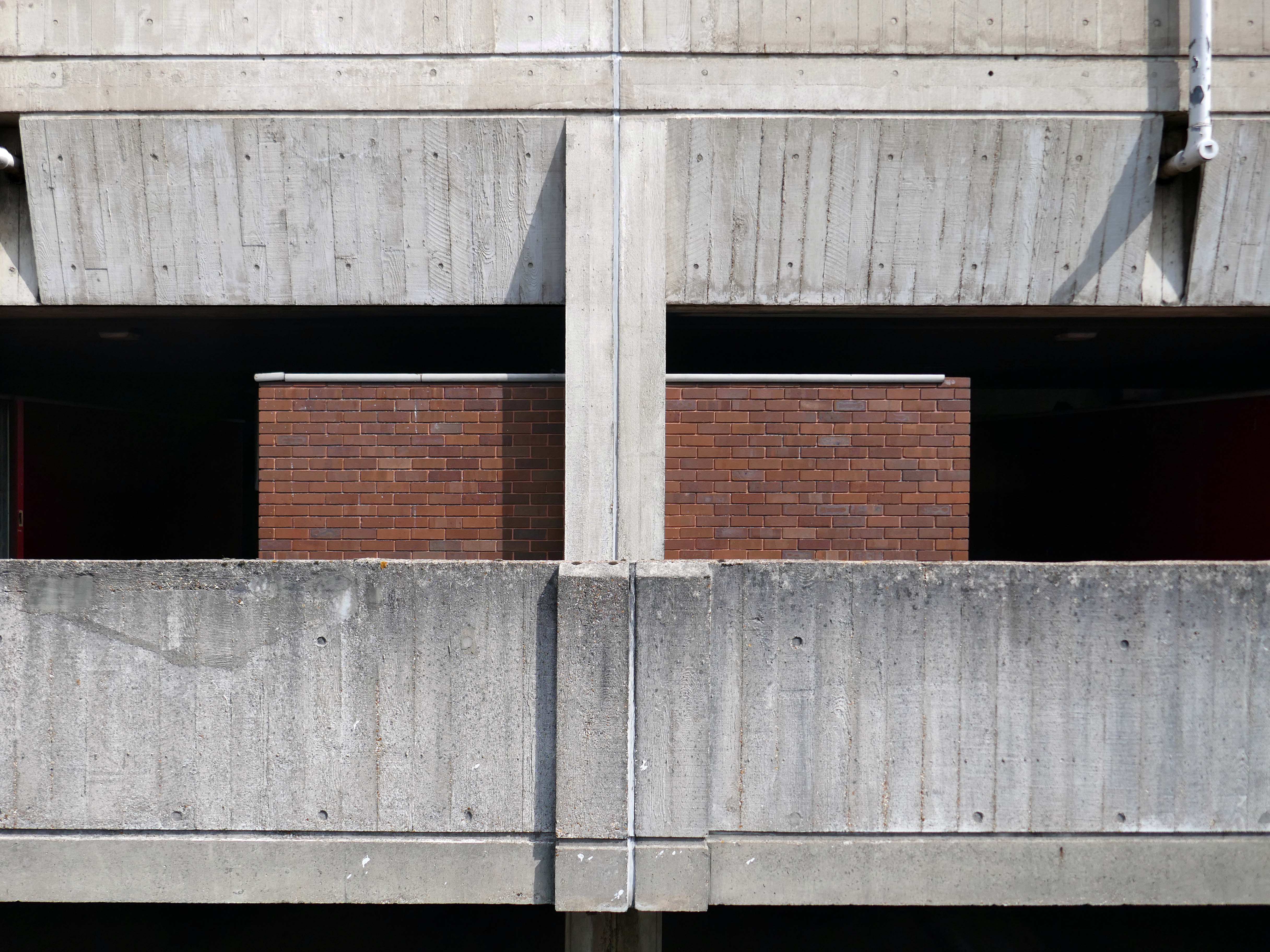
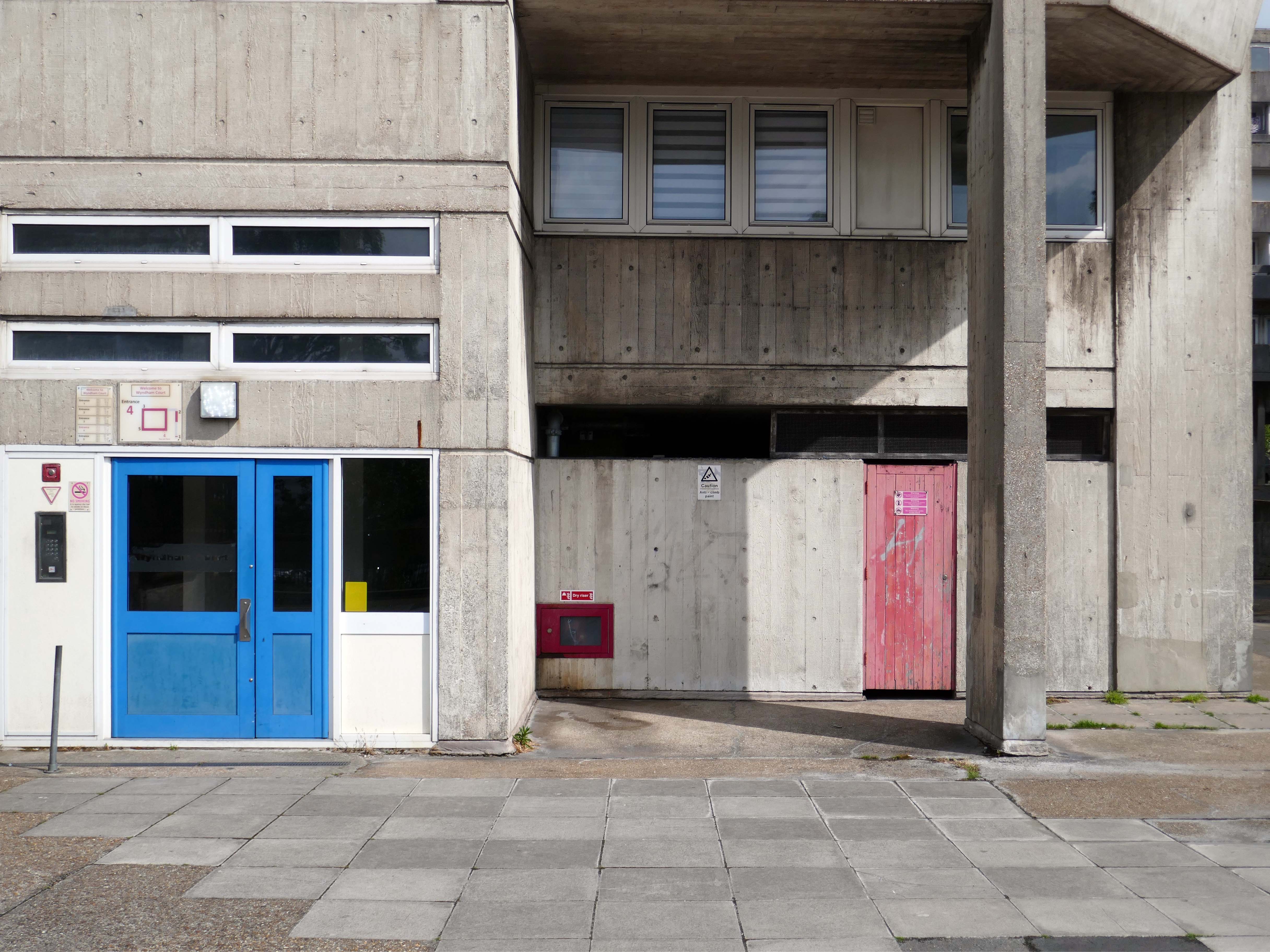
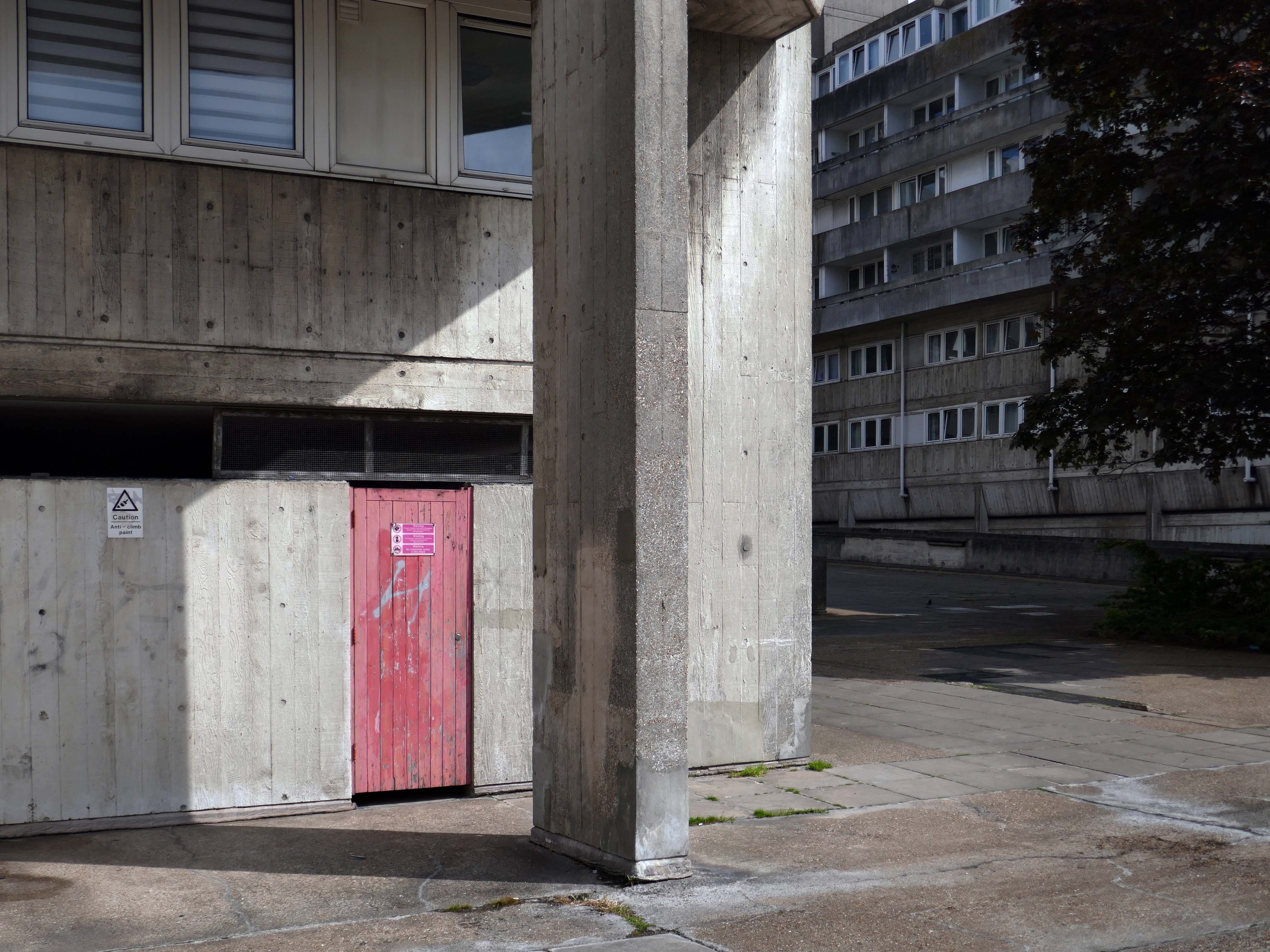
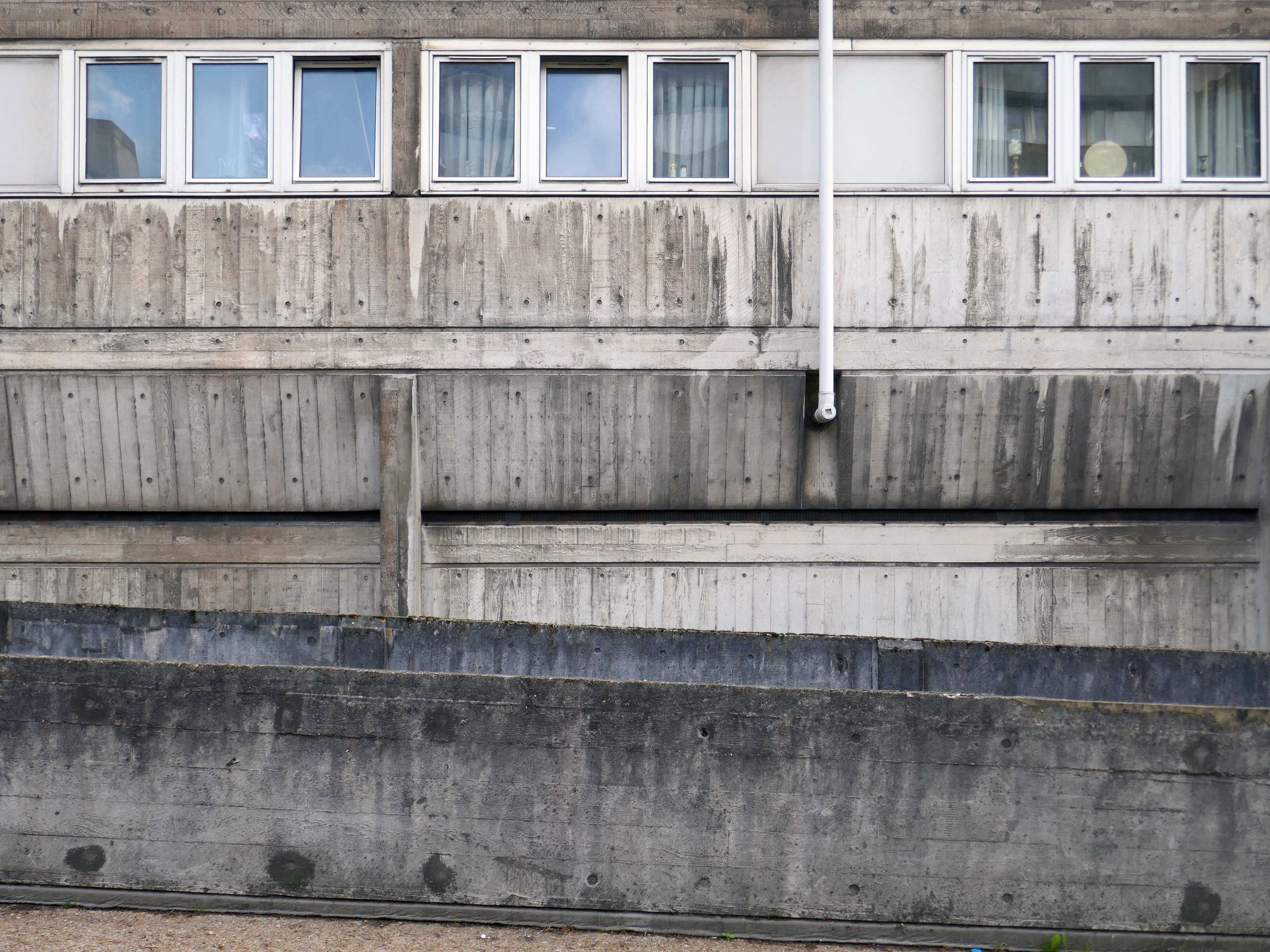
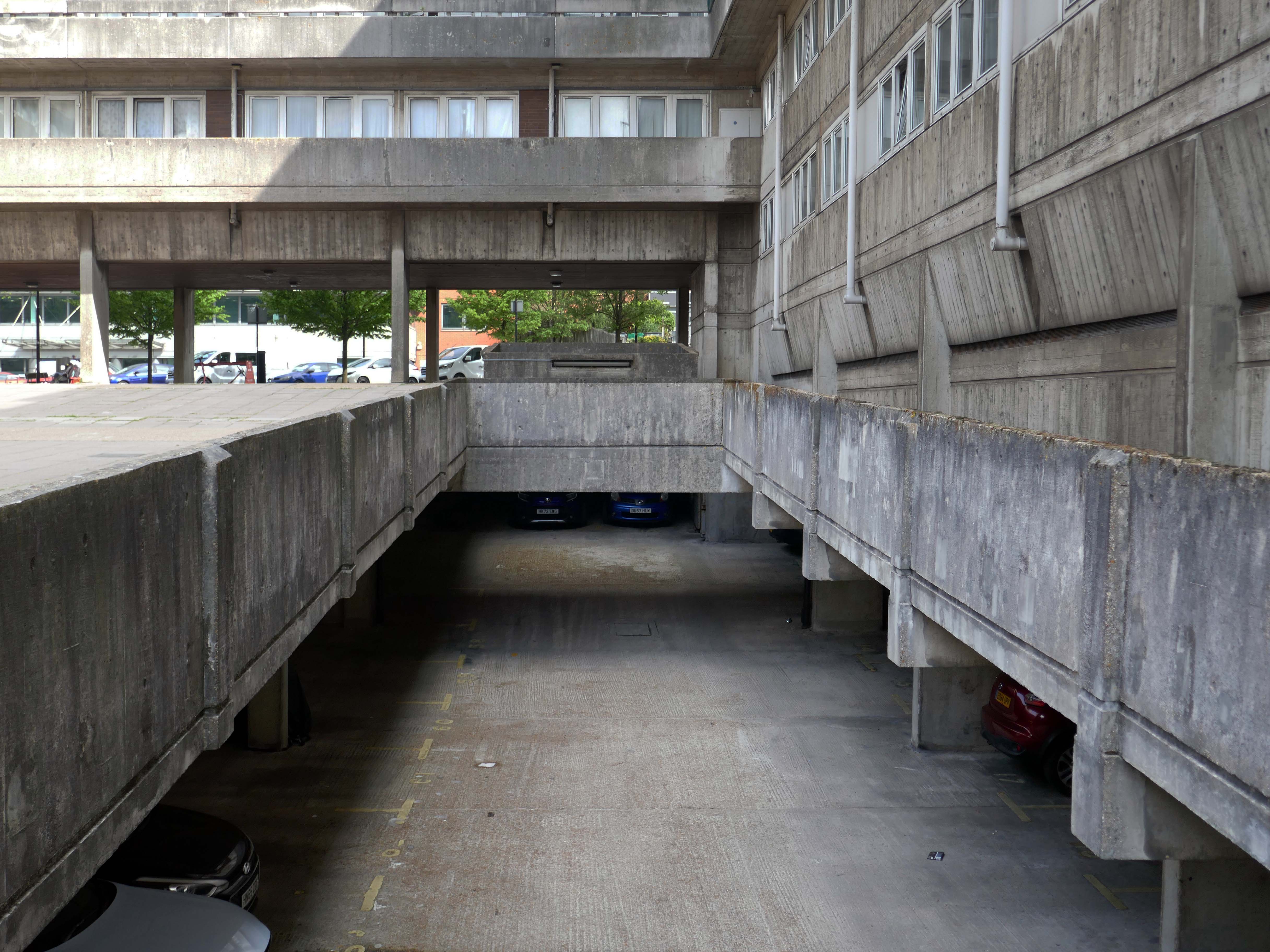
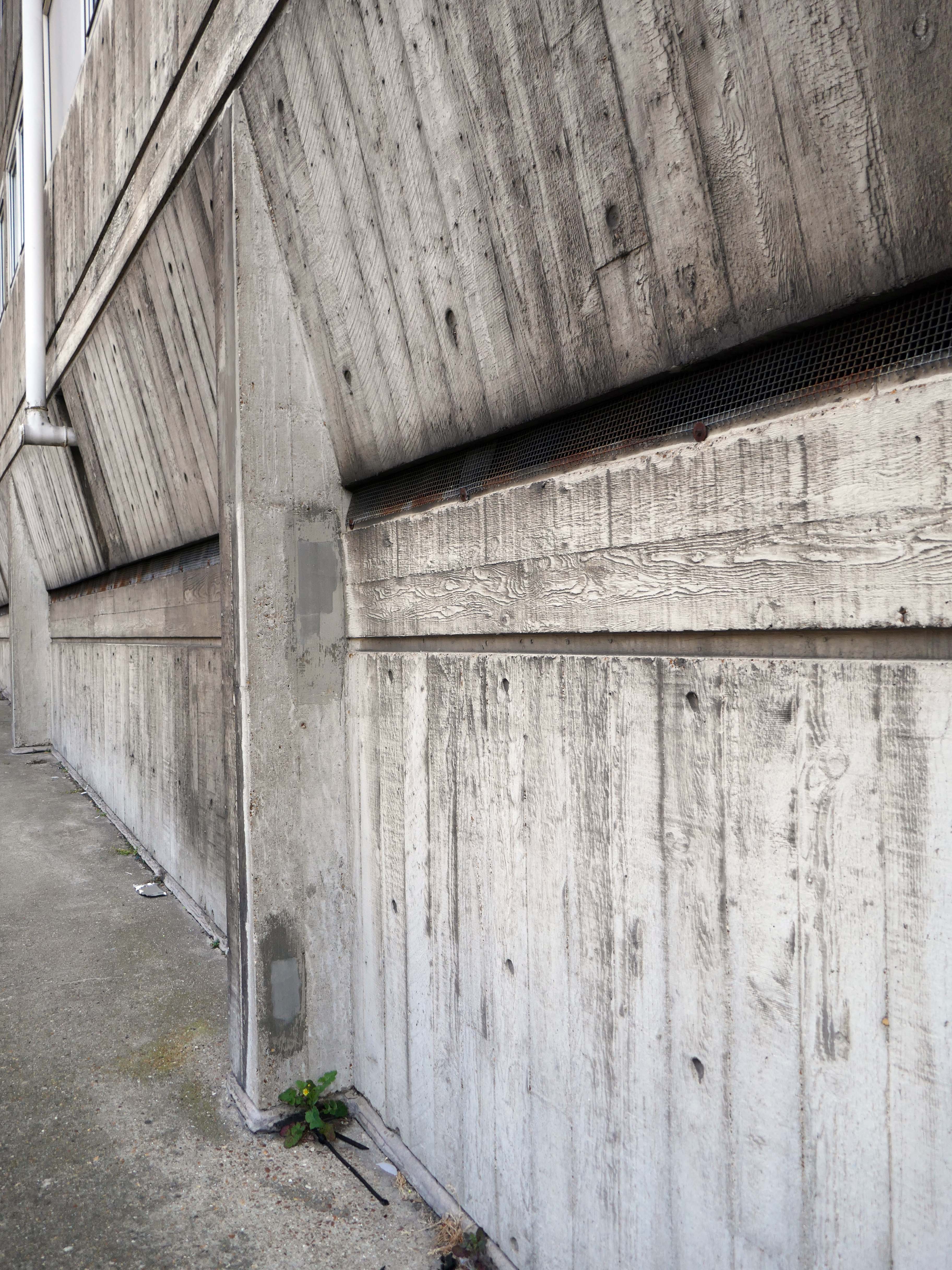
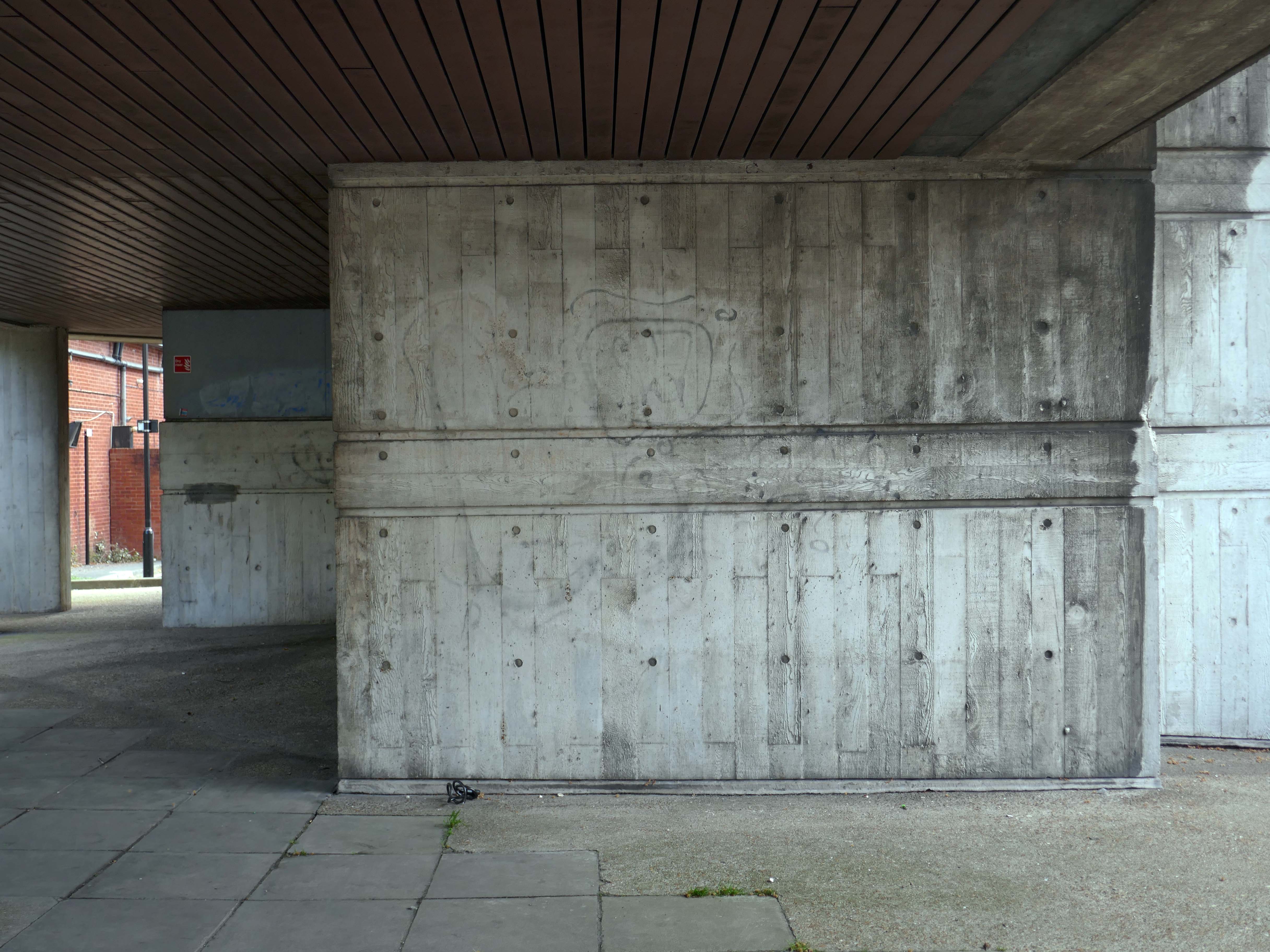
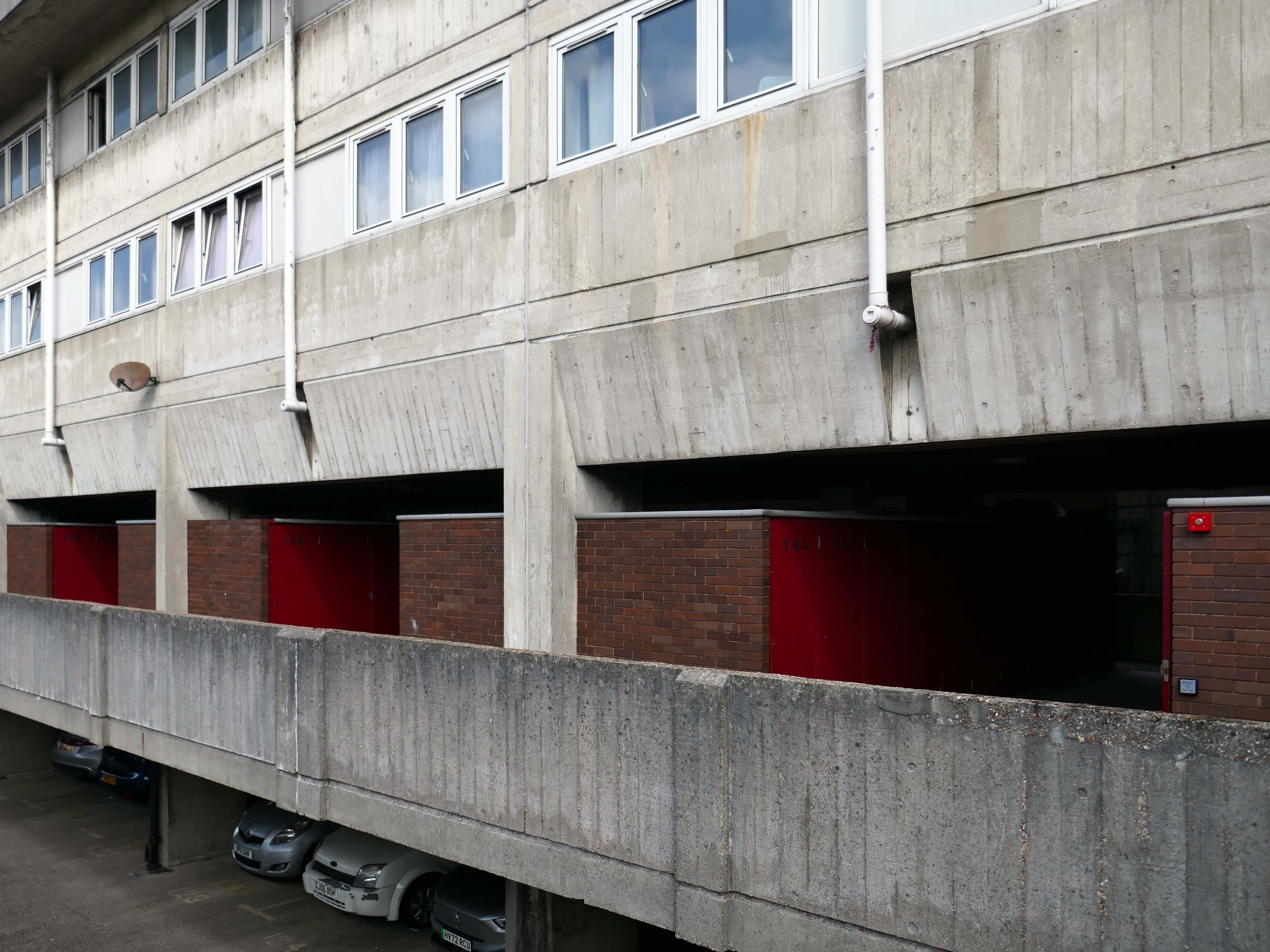
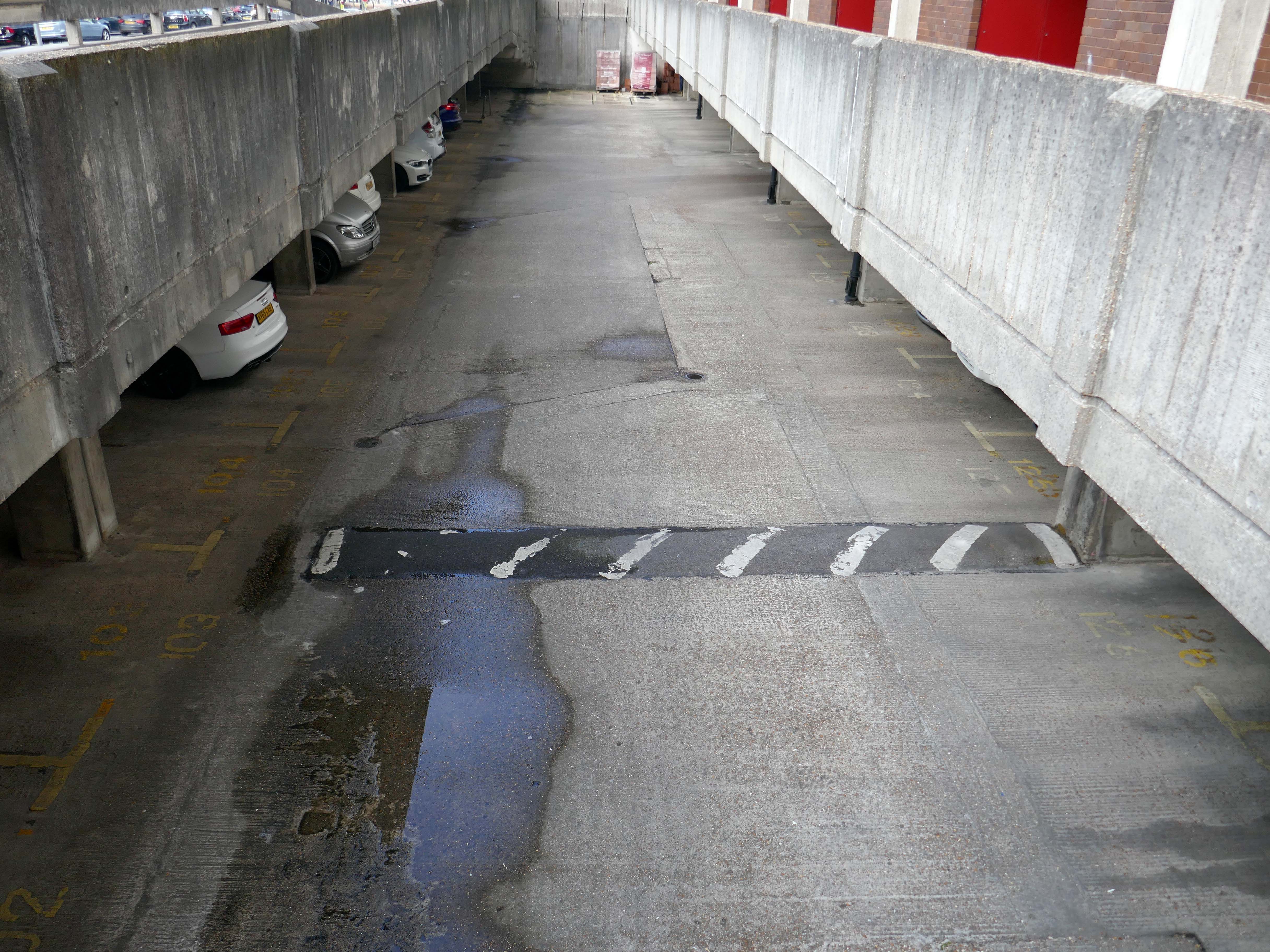
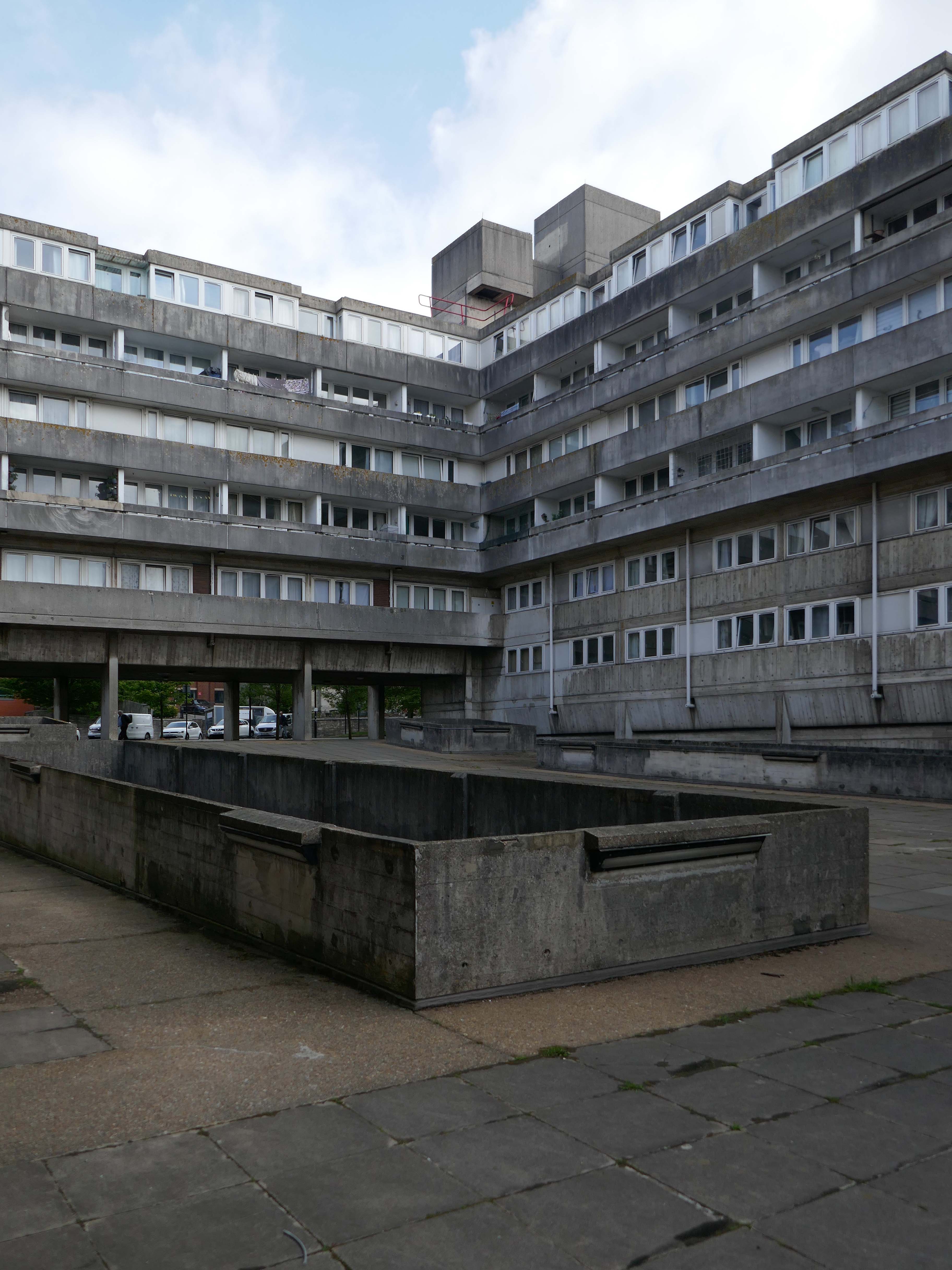
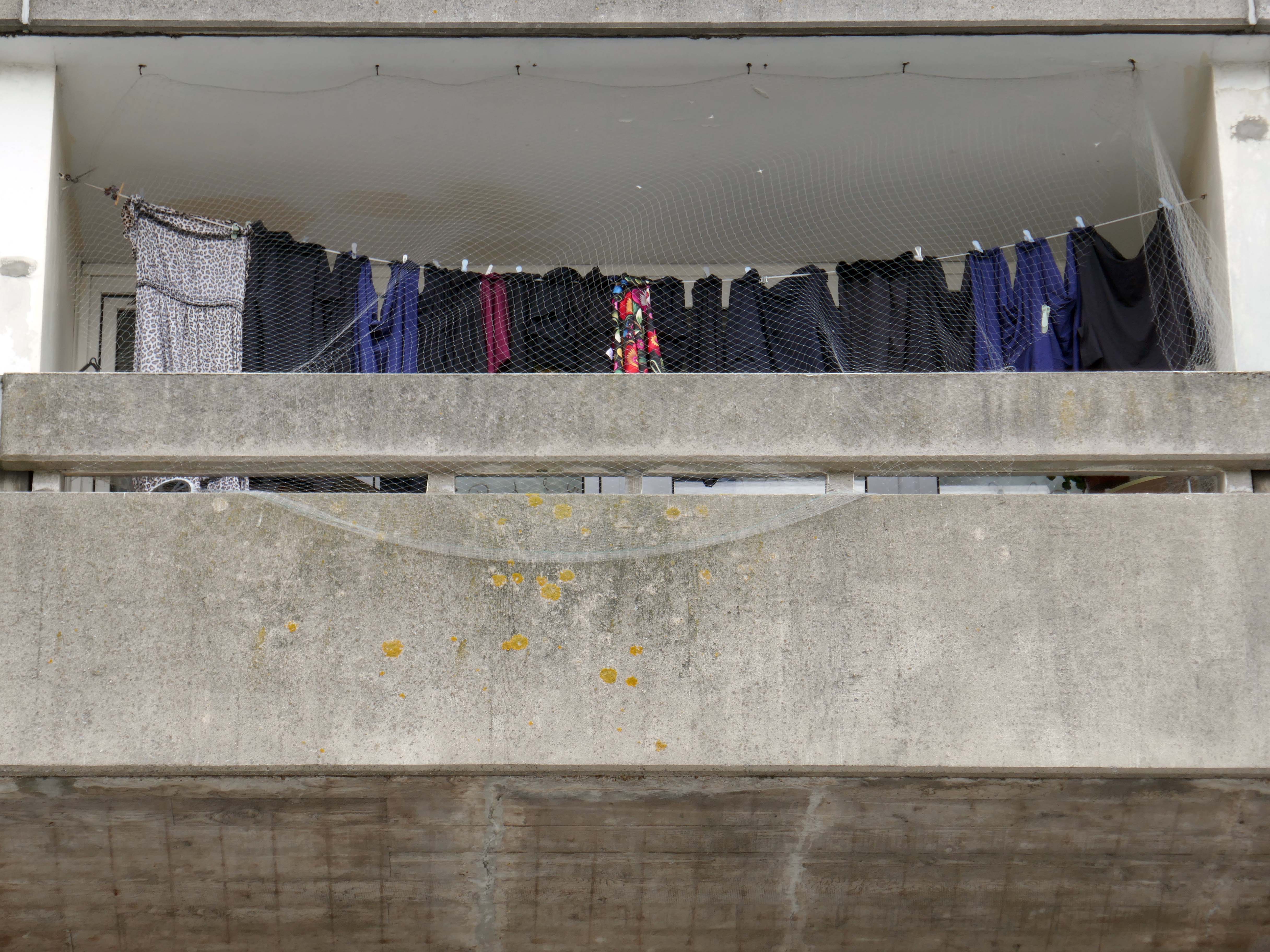
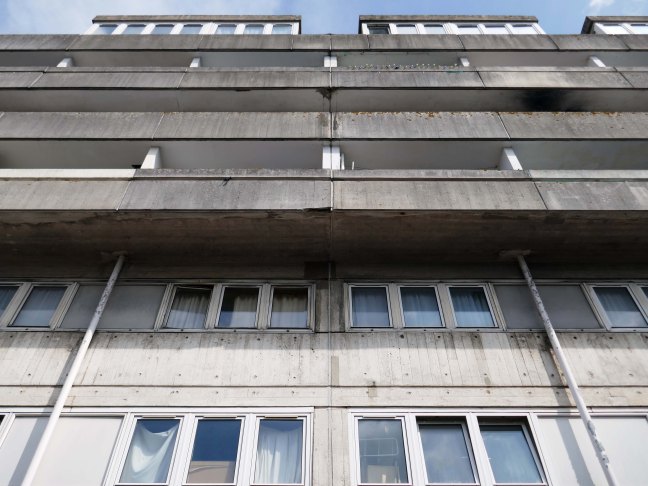
It is built from reinforced concrete and finished with white board-marked concrete, with narrow bands painted horizontally between windows and the partition walls that separate the apartments’ balconies. Because it is built on a hill, the building has six storeys at its northern end and seven at the southern. There is an underground car park which was constructed from the basements of previous buildings on the site
Wikipedia

This was my very first visit on my day out in Southampton having also taken a look around Nelsons Gate.

Walking around the building I was quickly engaged by two residents, emerging from their concrete clad home. Assuming that I was from the Council, I was given a lurid account of rodent infestation, faulty locks, open doors and all manner of ills. Having explained my unfortunate lack of municipal affiliation, we parted amicably as we went our respective ways.

A single bed apartment will cost you £600 PCM.
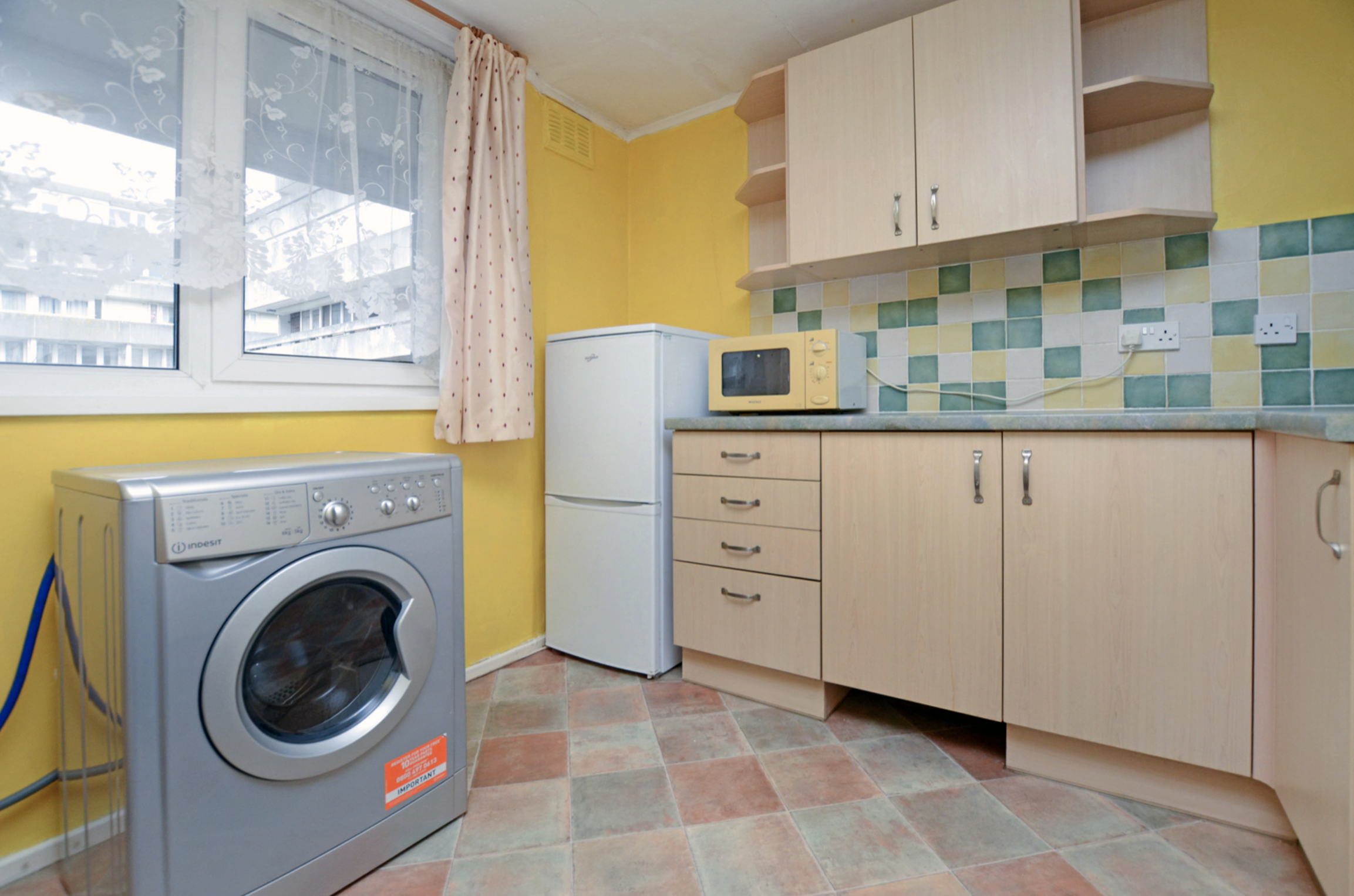
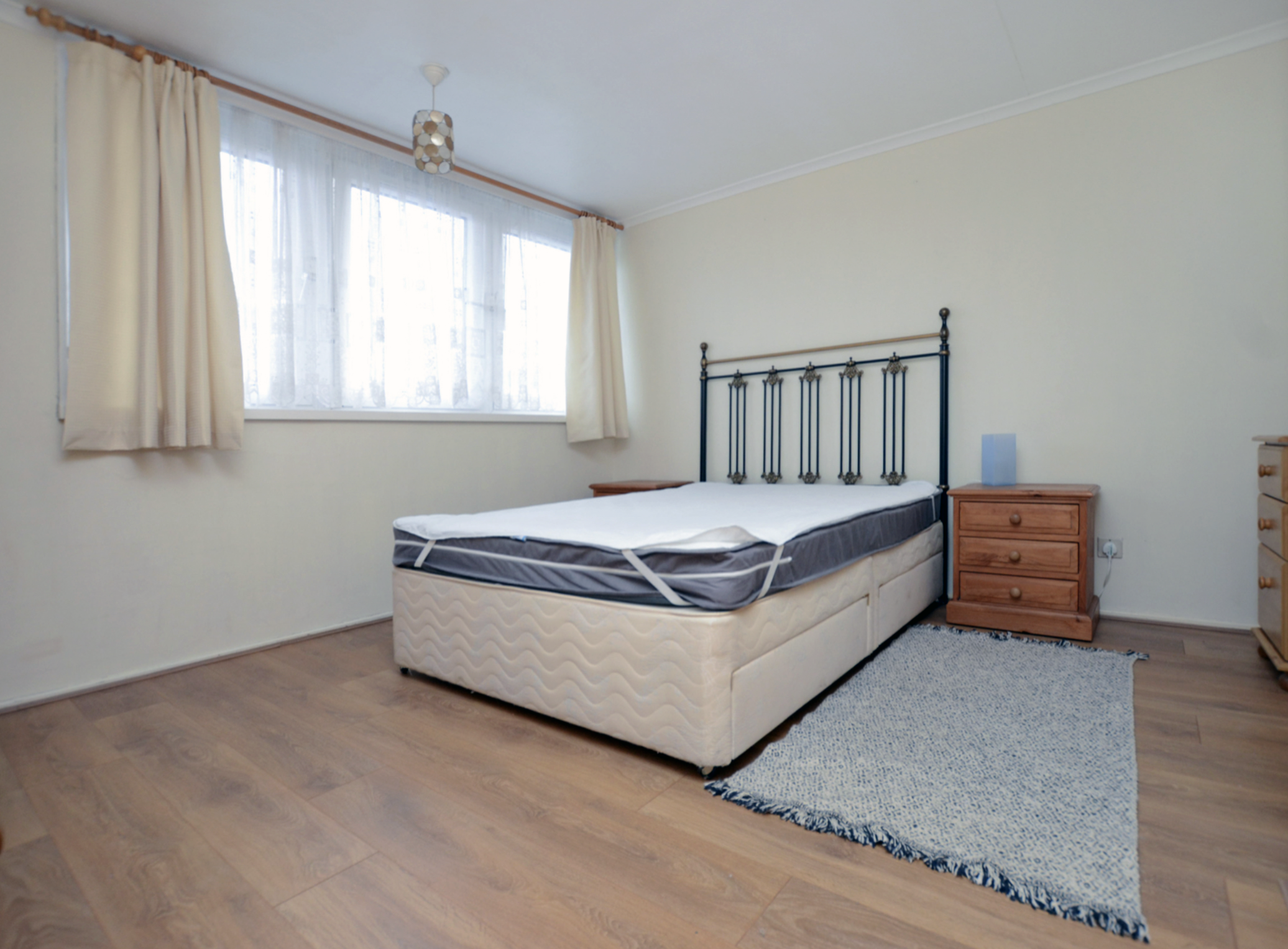
The flat itself is situated within this large purpose built block, benefits with this particular block include secure entrance system and lift access to each floor. This particular flat is found on the 4th floor and offers a private front door, as you enter the hallway leads round to a large living room which has plenty of space for dining as well, the kitchen is separate but has been cleverly designed to include an large opening hatch that creates the feeling of open plan to this area. The kitchen is clean and tidy and is supplied with the white goods including a brand new washing machine.
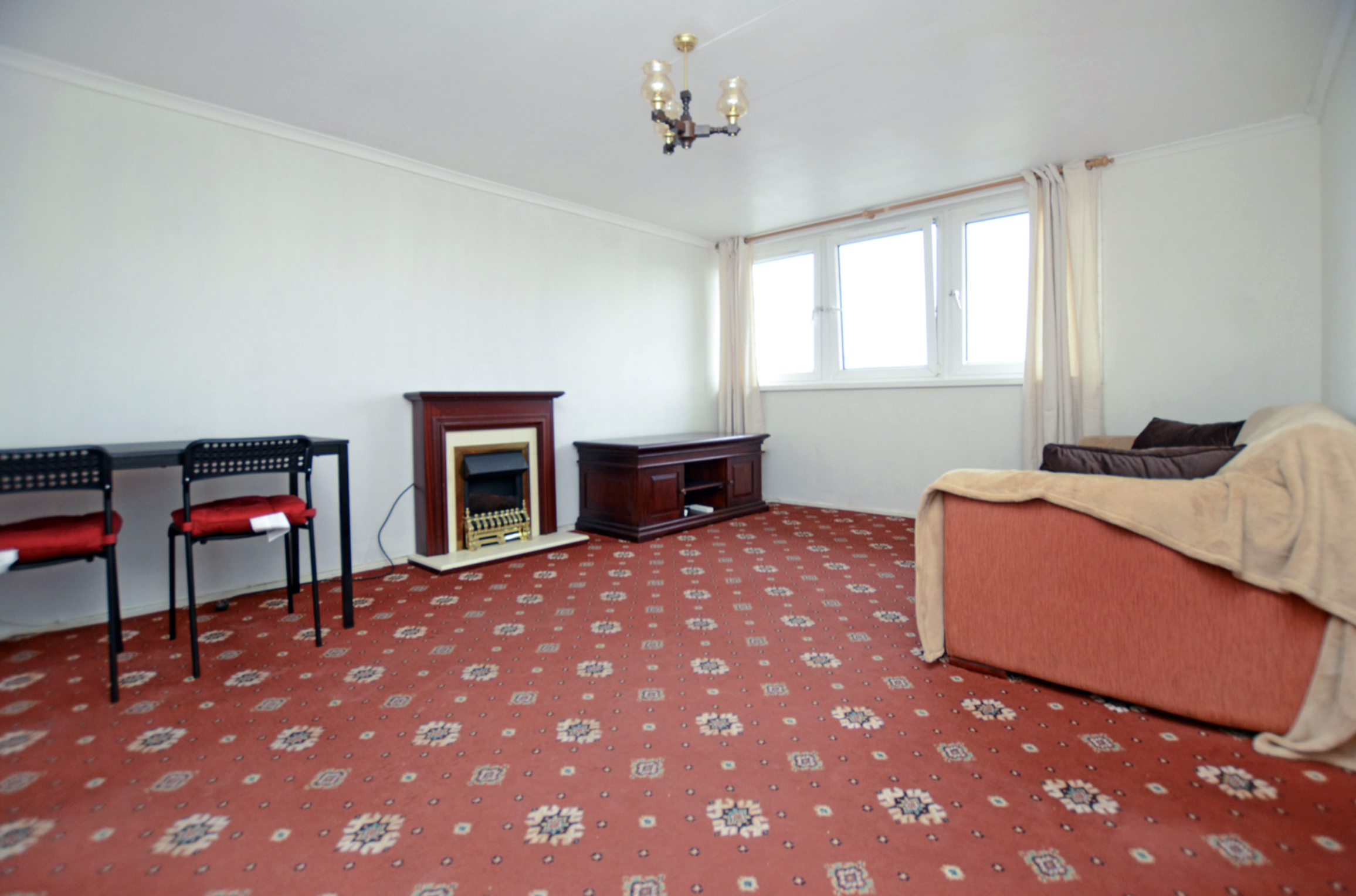
The main living space has lovely big windows that not only offers lots of natural light but also offers a stunning viewing, where you can see glimpses of the Cruise liners docking. The bedroom is accessible by multiple doors either from the living room or hallway, the bedroom is a great size and also features nice big windows, along with plenty of storage. Back into the hallway there are two useful storage cupboards and last but not least a fully tiled bathroom with shower and bath. Further benefits with the flat include electric heating and external storage cupboard next to the front door, the block also boosts a communal garden which is a nice place to sit and enjoy some fresh air.

The building is Grade II Listed.
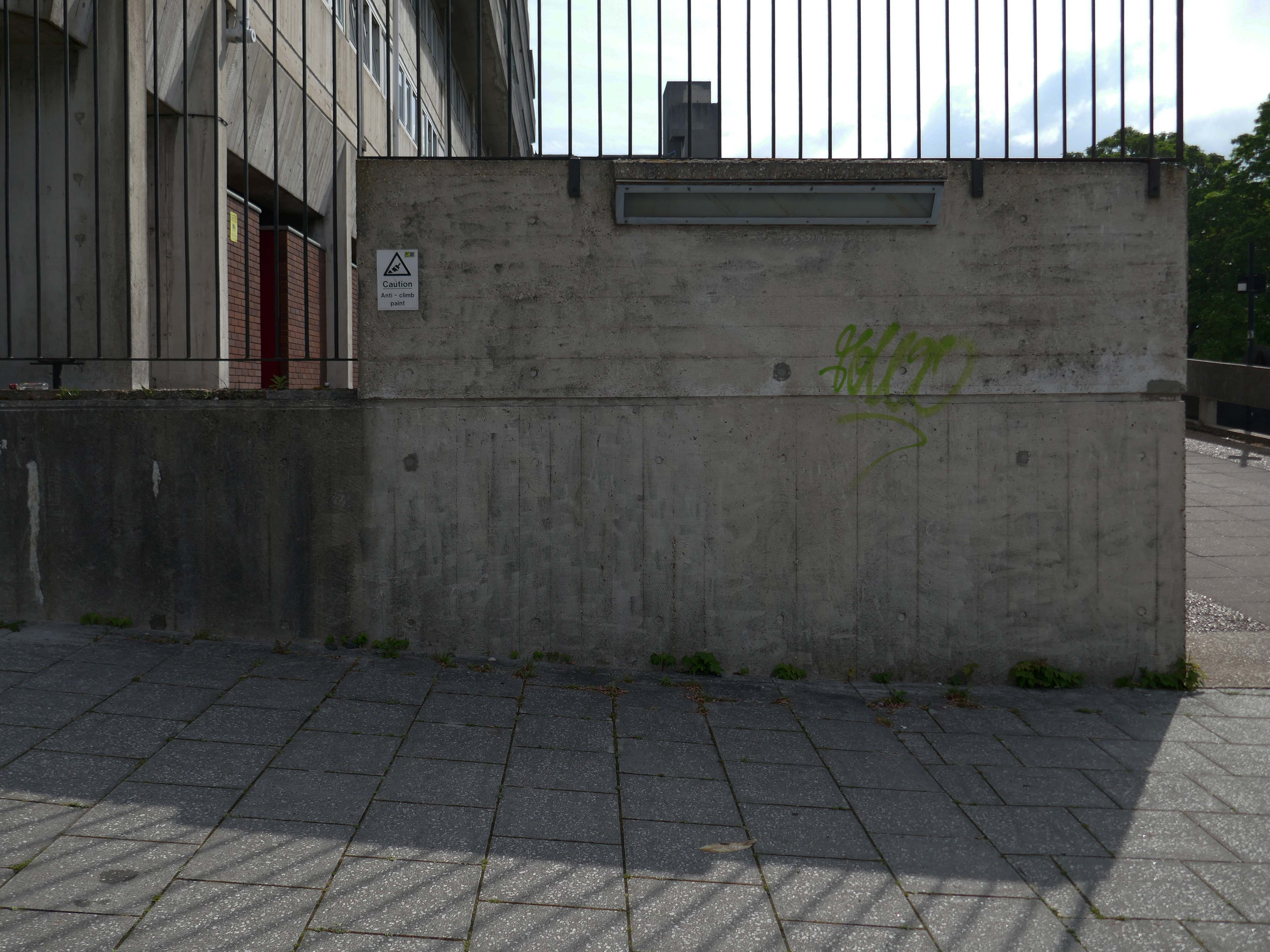
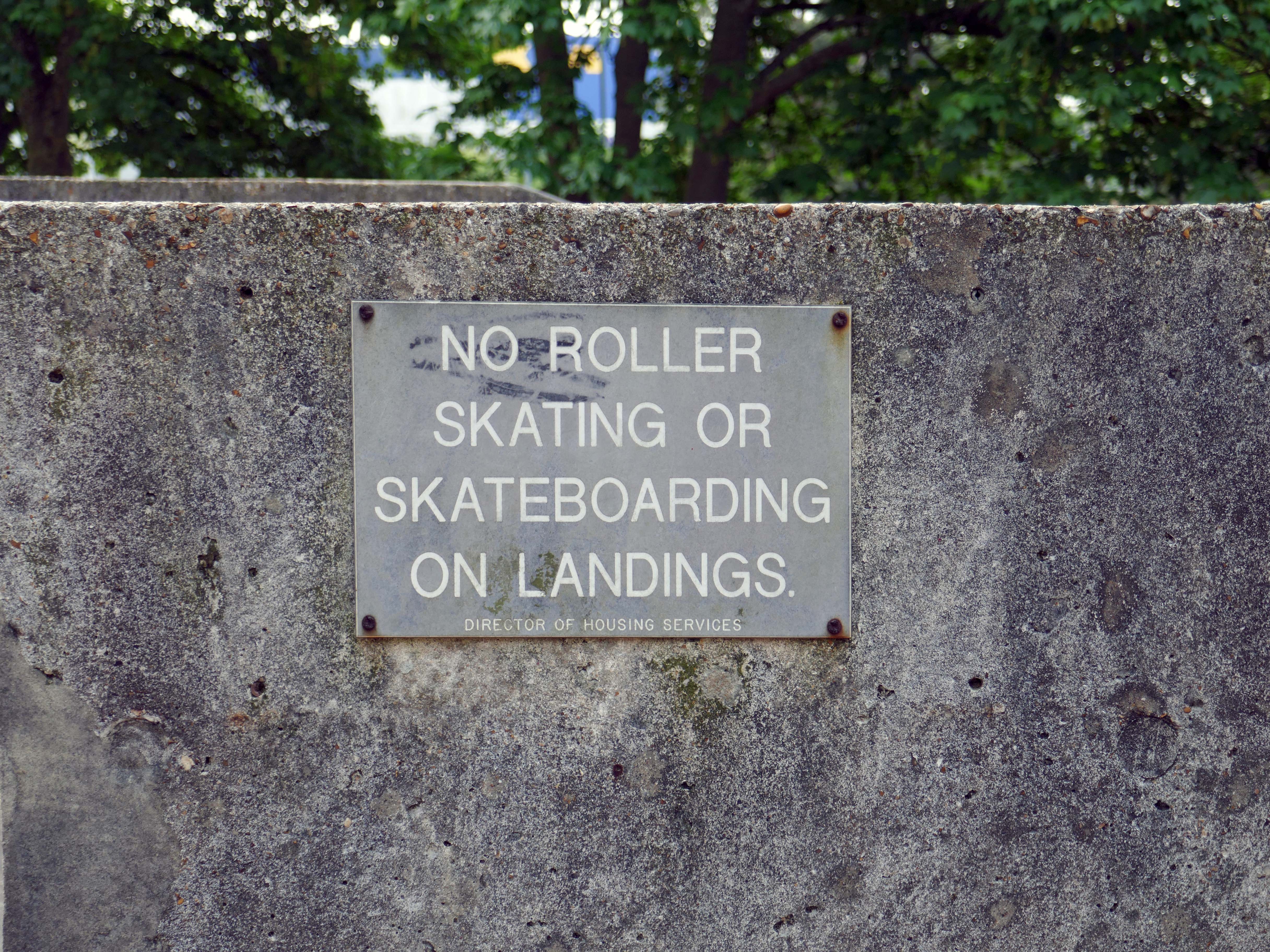
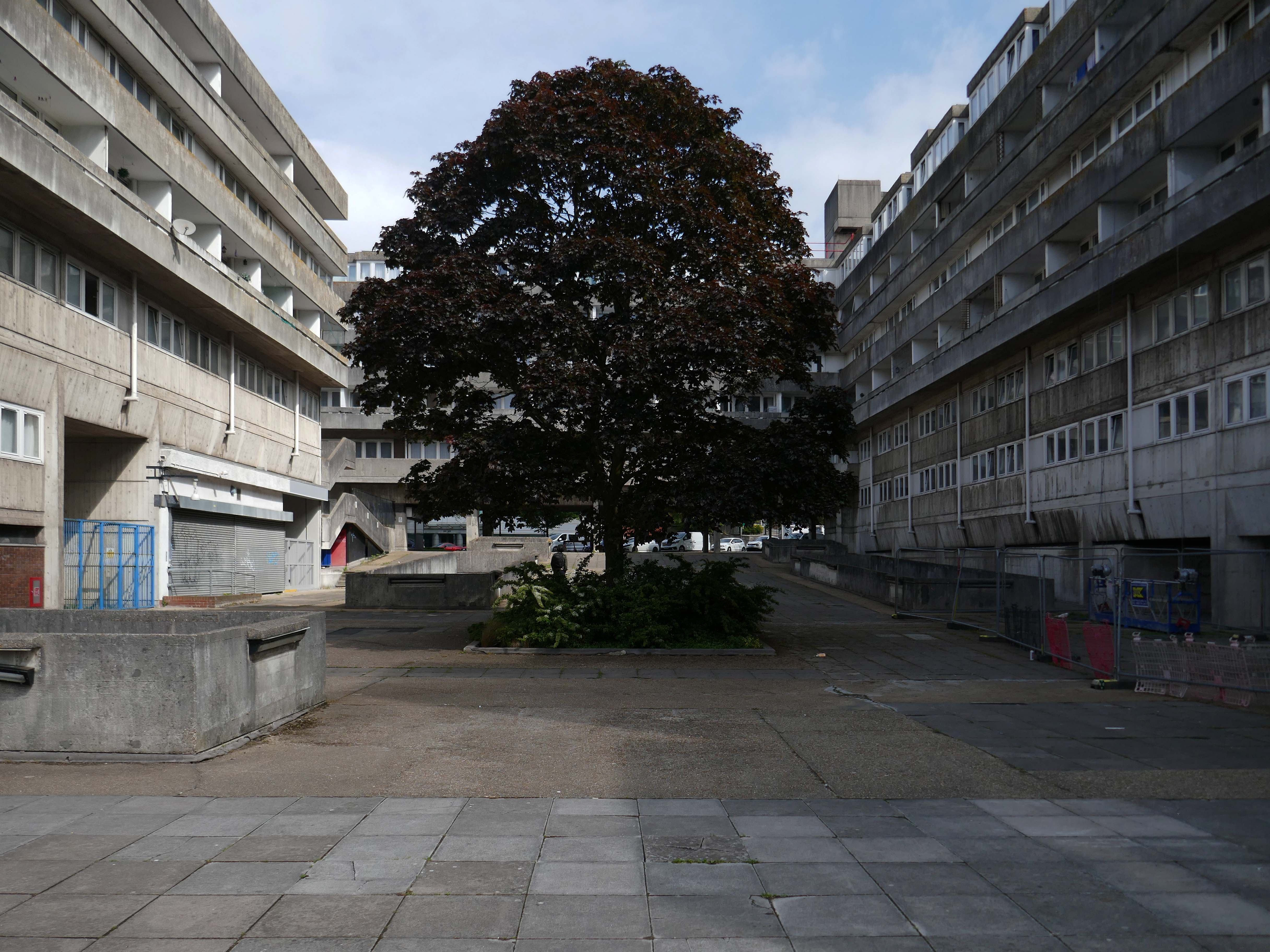
Wyndham Court, ought to be as well-known as the Brunswick Centre or the Barbican, and isn’t largely because of where it is. It is a monumental, civic housing project on the grandest scale.

Owen Hatherley

Southampton to Portsmouth

We arrived safely by train from Stockport at Southampton Central.

Following lengthy consideration we headed off on our bikes.

Whilst halting to review our progress, I realised that I had lost the map, a map vital to our further progress.

Returning to the station I found it nestled against the kerb.

Further assessment of our onward journey resulted in yet another retracing of steps.

In the shadow of Southampton Station dwarfed by Norwich House.

Resolute, we confront the fact that we are unsure of the route and following close scrutiny of the map, our environs and the surrounding signage, we proceed eastward towards our destination.

Wyndham Court – architects Lyons Israel Ellis, E.D. Lyons being the partner in charge along with Frank Linden and Aubrey Hume.

Leaving the city and heading along the Weston Shore – Southampton Water.

To our right several Seaside Moderne shelters

Tim feasts on a Mint Club biscuit.

To our left are the tower blocks of Weston Farm Foreshore – L. Berger City Architect 1963

Seen here in 1985 – Tower Block.

In the distance Canberra Towers Ryder and Yates 1967

Residents living on the second floor of 24-floor block Canberra Towers, on Kingsclere Avenue in Weston, were told to evacuate as flames erupted inside a kitchen.

The Daily Echo spoke to the residents of the affected flat, who said the cat knocked paper that was on top of the microwave, which then fell onto the toaster.

Tracey Long said:

I’ve got two cats, and Sponge was the one who knocked the paper.

He knocked paper off the microwave and into the toaster, it was quite scary.

I lost him in the flat but now I’ve found him again.

Daily Echo

Arriving just in time to be too late, next thing you know we’re bobbing along on the Hamble Warsash Ferry.

The obliging ferry folk having taken us across the estuary, despite our tardiness.

The village and the River featured in the 1980s BBC television series Howards’ Way.

Sadly little evidence of the successful TV show remains, however happily Henry VIII’s Dock and an Iron Age Fort have prevailed.
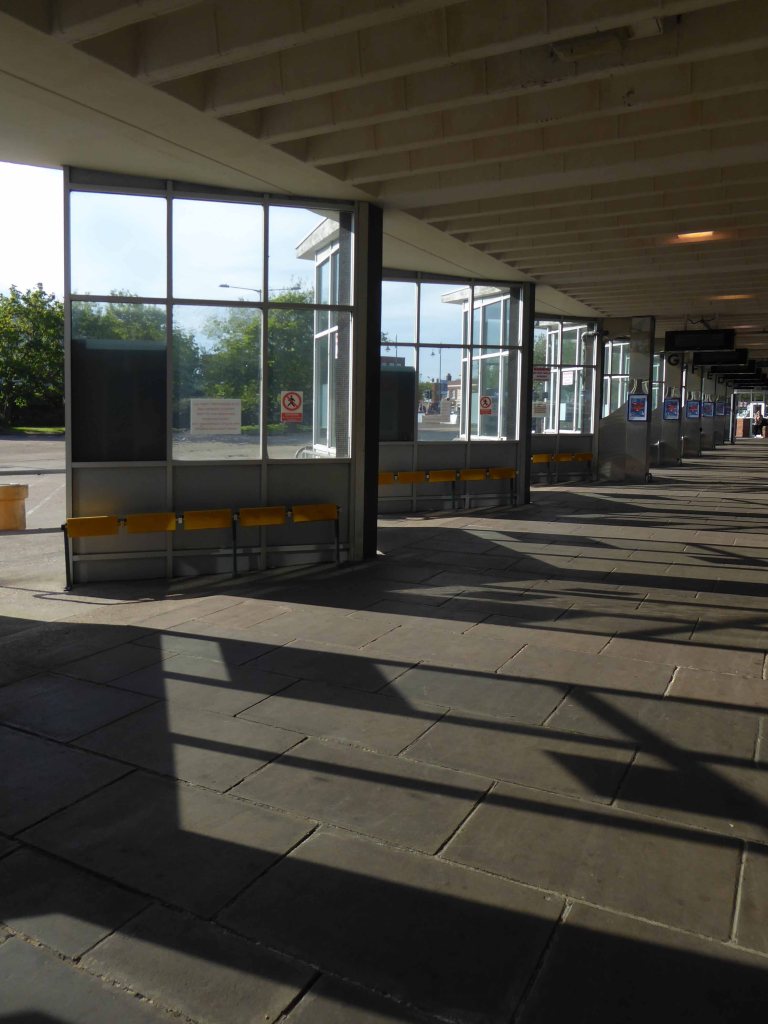
Onward to Gosport where we happen upon a diminutive yet perfectly formed Bus Station.
Originally built in the 1970s, the bus station was described in 2012 as knackered by the council chief executive at the time, Ian Lycett, and an investment plan was drawn up.

Talk of redevelopment then resurfaced in 2015, before the site was put on the market in 2016.

The News

Keith Carter, retiring owner of Keith’s Heel Bar in Gosport Precinct, has described the bus station as a missed opportunity.

The nearby Harbour and Seaward Towers have faired a little better, newly clad and their tiled murals intact.

While working for George Wimpey and Co. Ltd, and together with J E Tyrrell, Chief Architectural Assistant to Gosport Borough Council, Kenneth Barden was responsible for tiled murals on Seaward Tower and Harbour Tower, two sixteen-storey tower blocks built in 1963 on the Esplanade in Gosport. 

They really are something they really are.

And so following a ride on the Gosport Ferry we arrive at Portsmouth Harbour.

The land where British Rail signage refuses to die!

I have passed this way before on a Bournemouth to Pompey trip and both Tim and I were students at the Poly here in the 70s – more of which later.