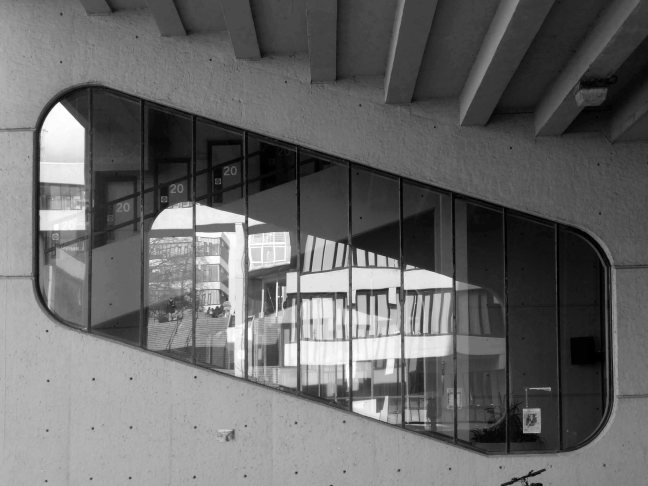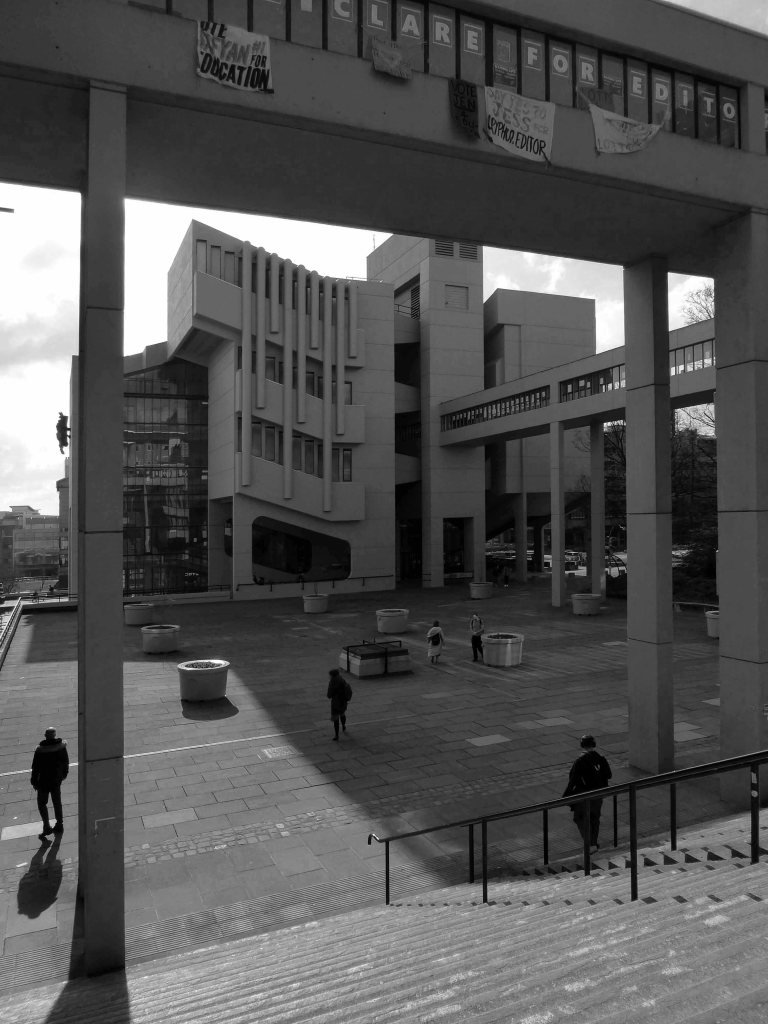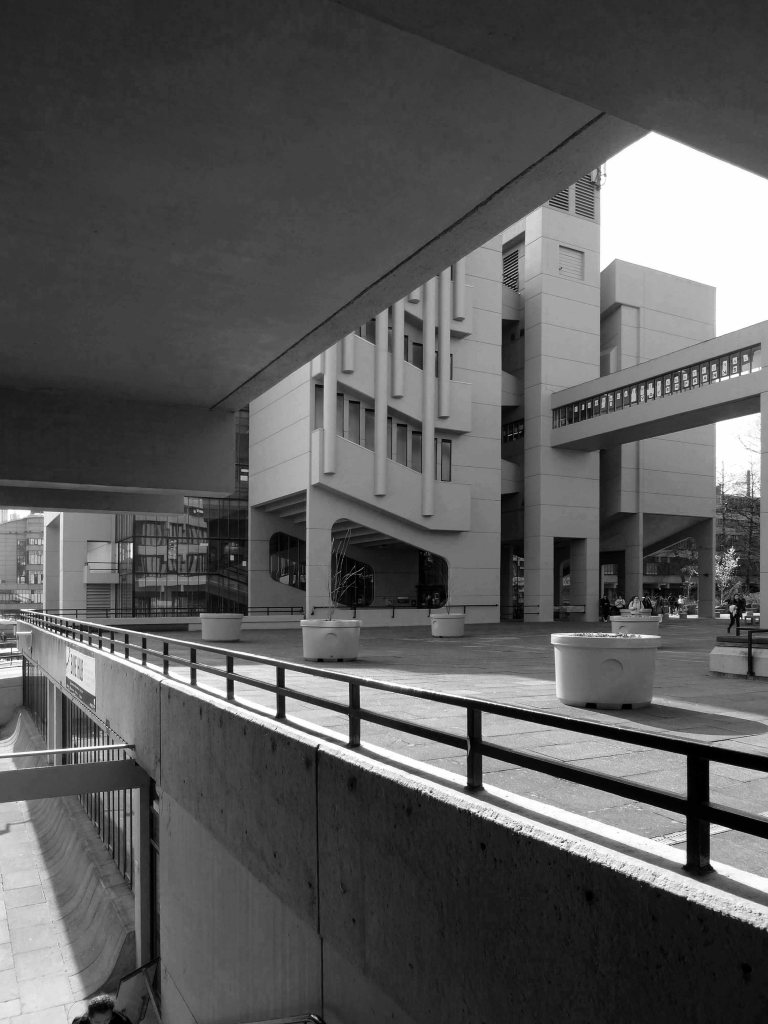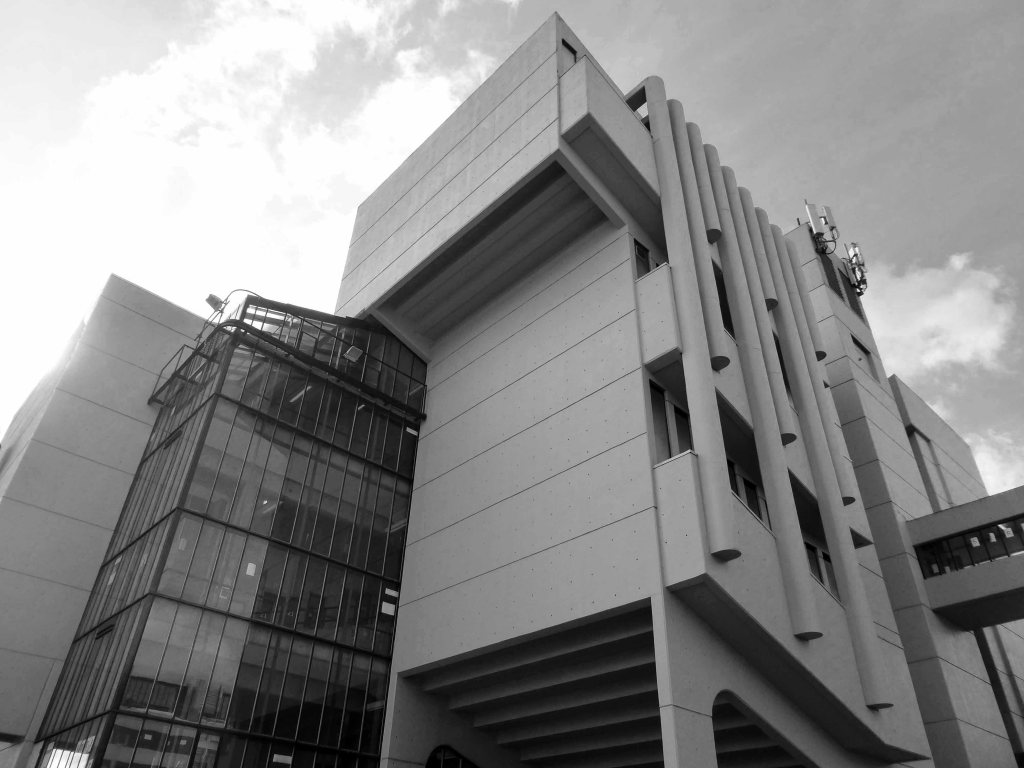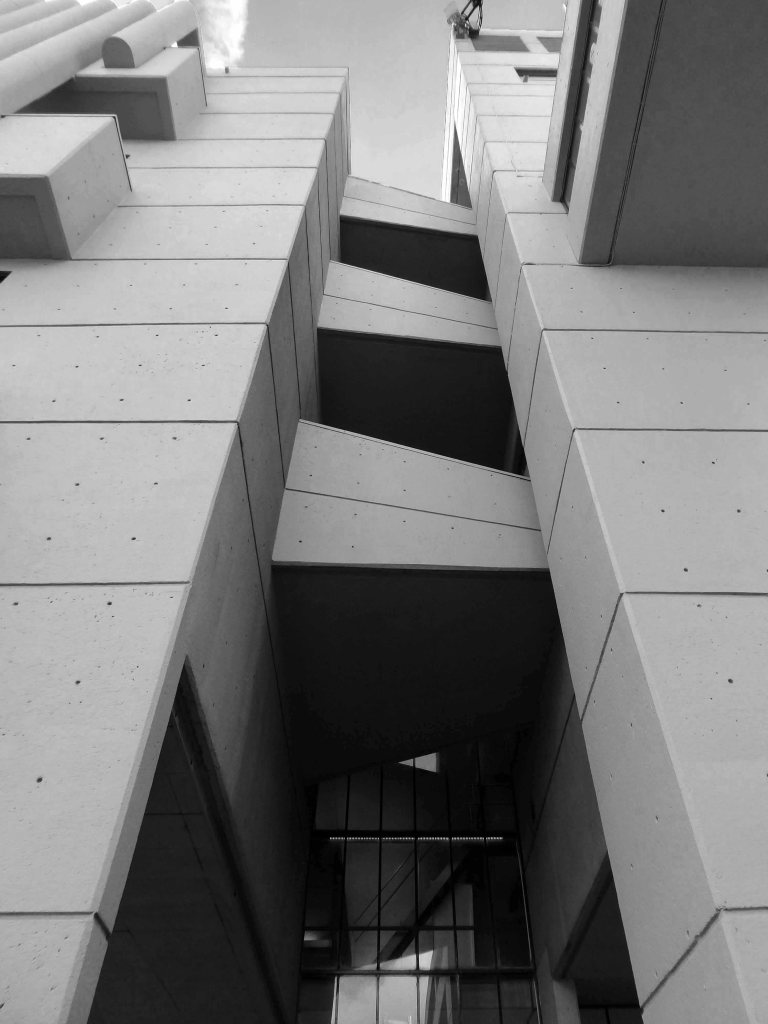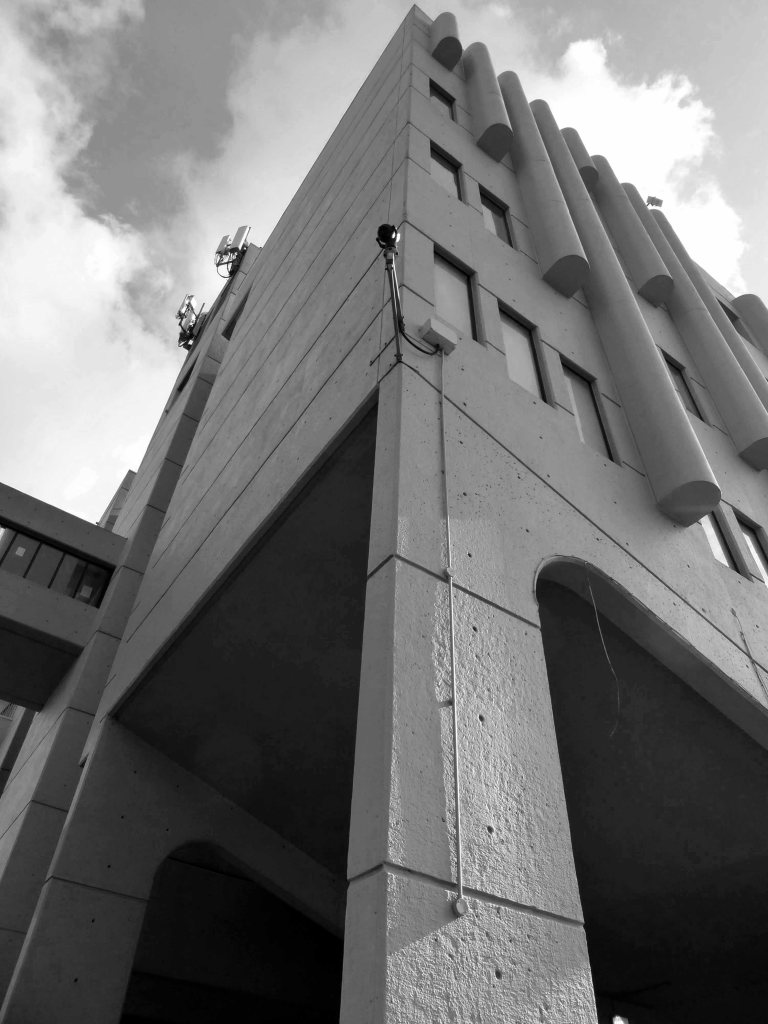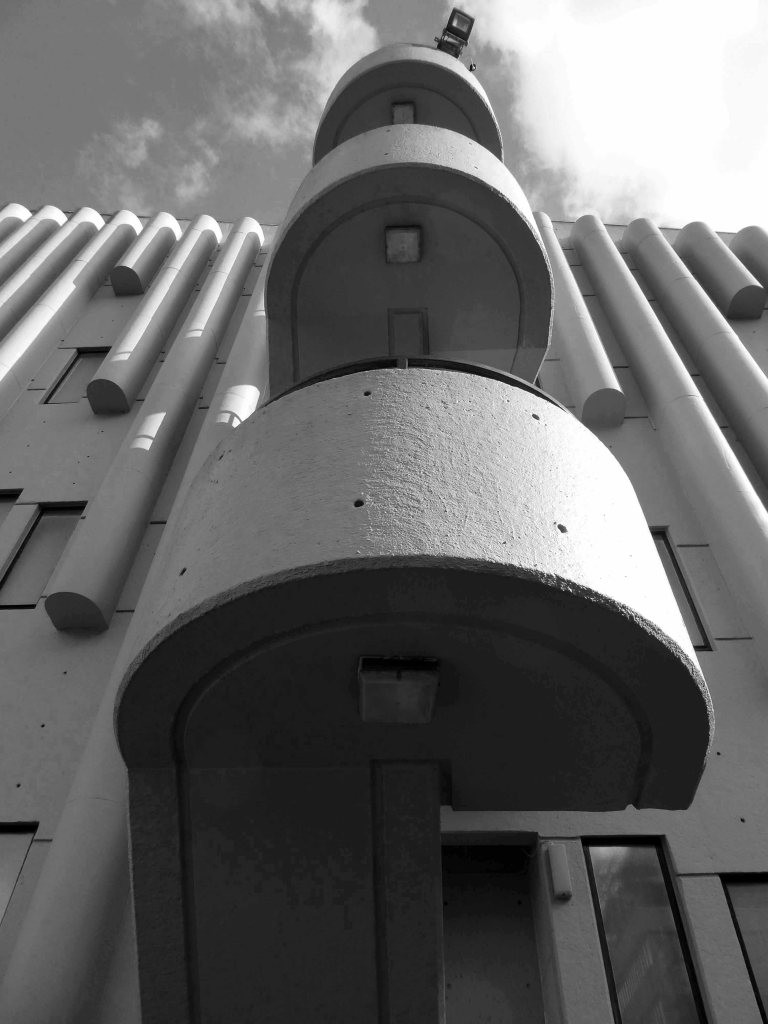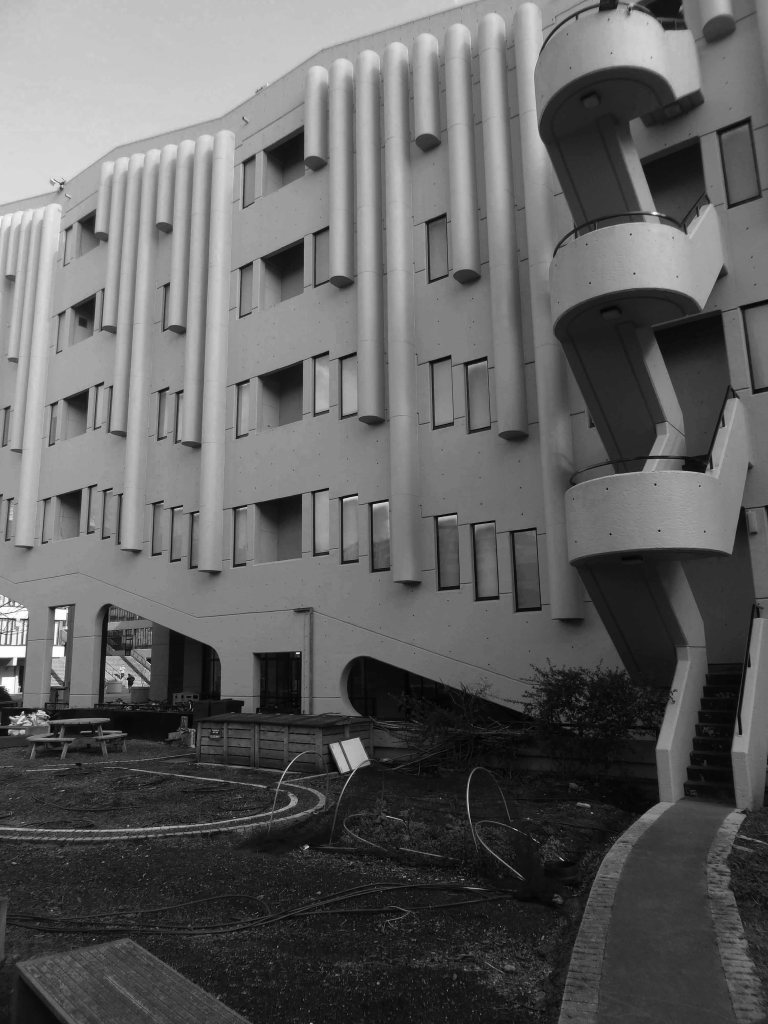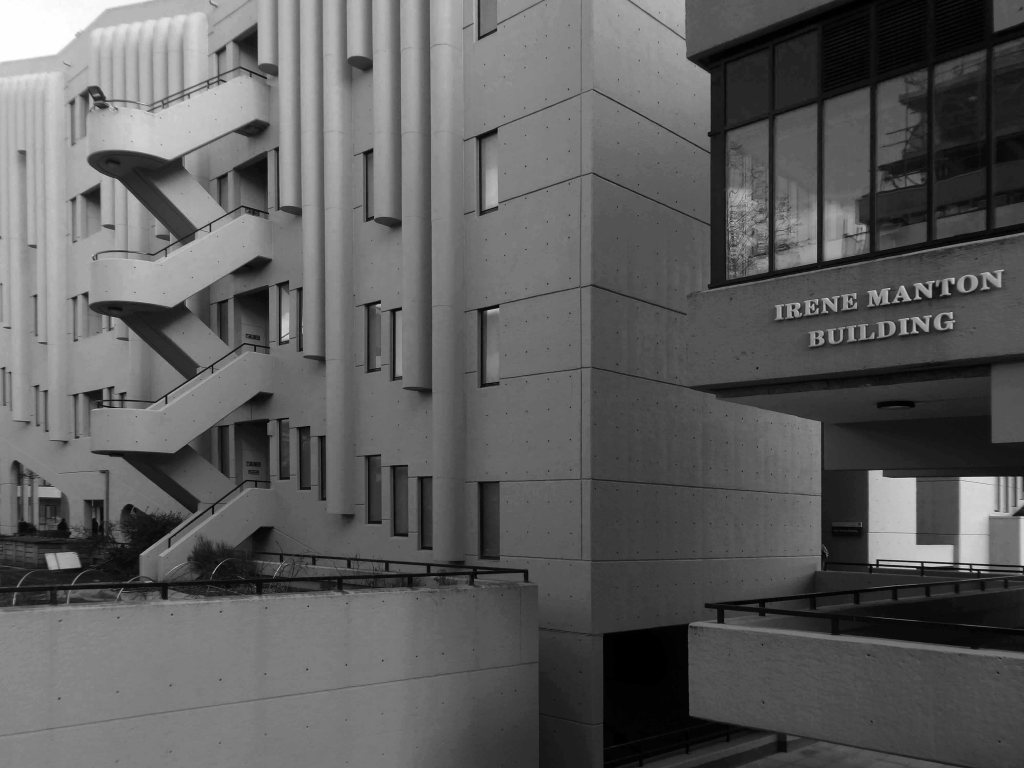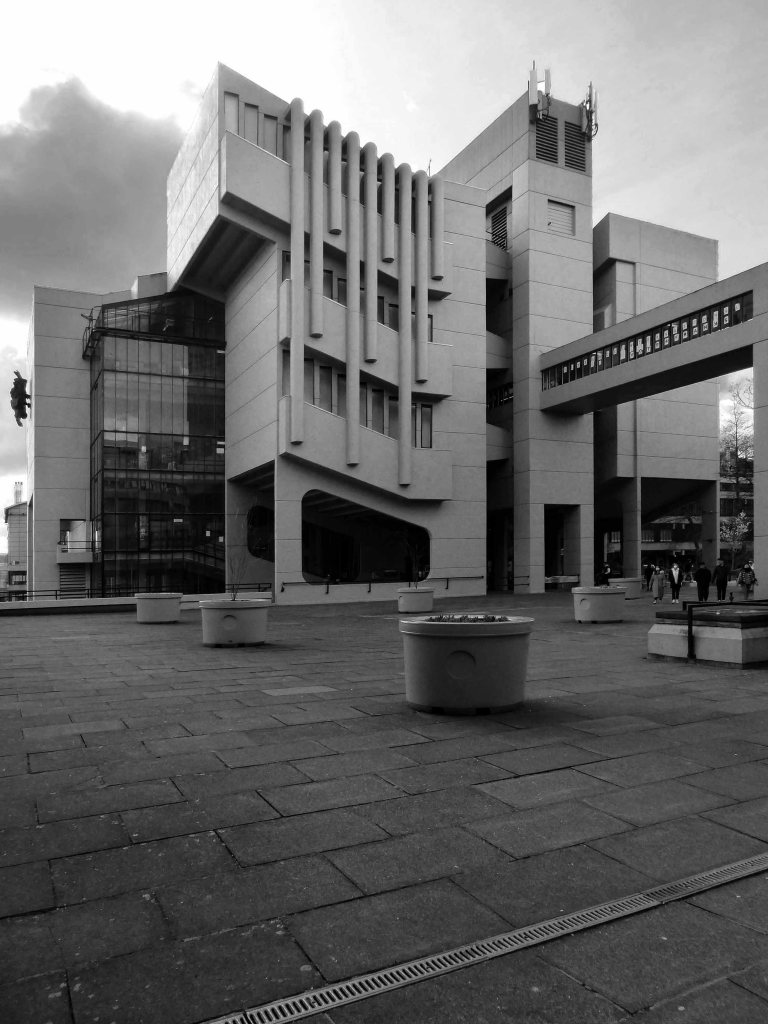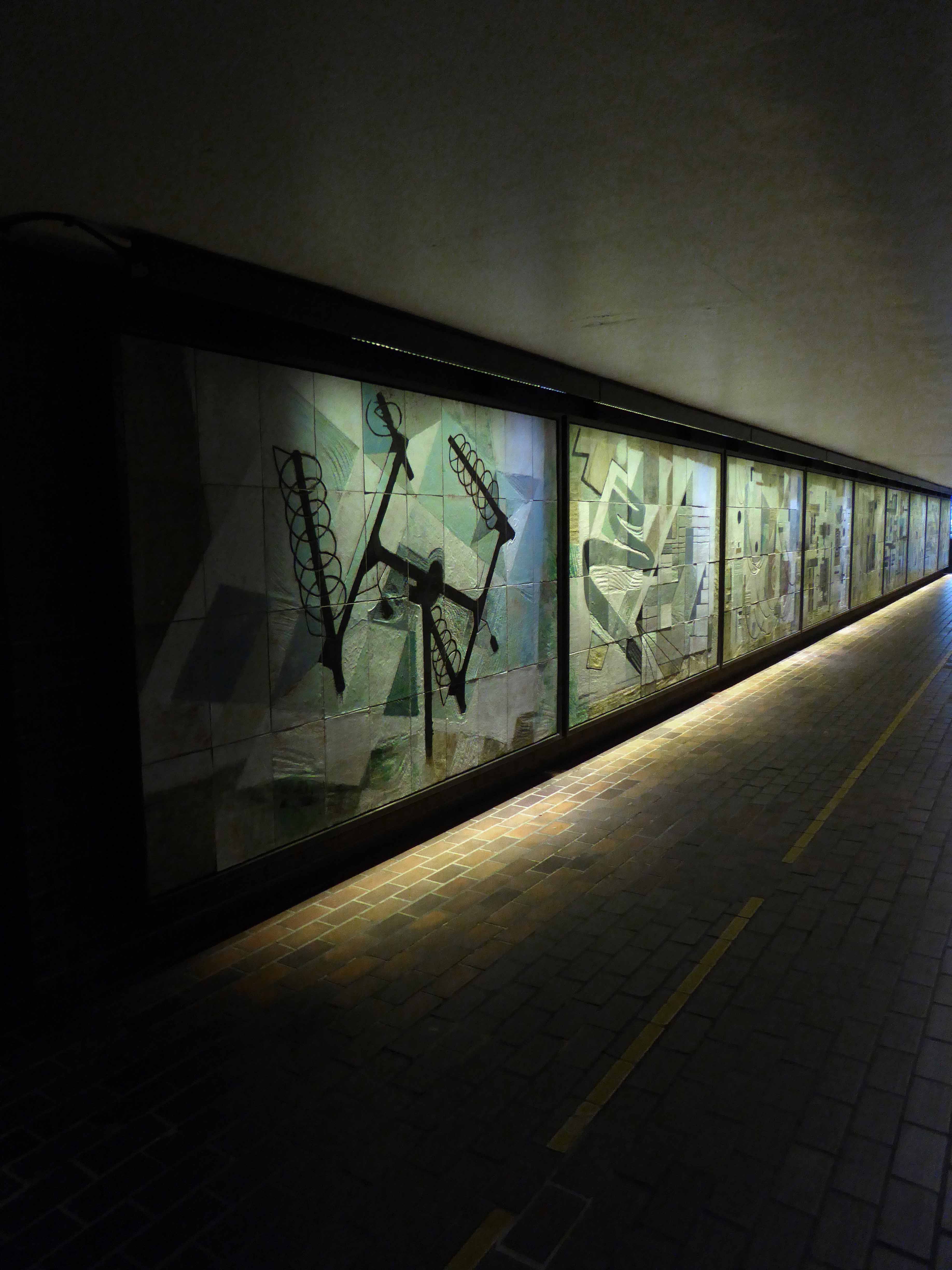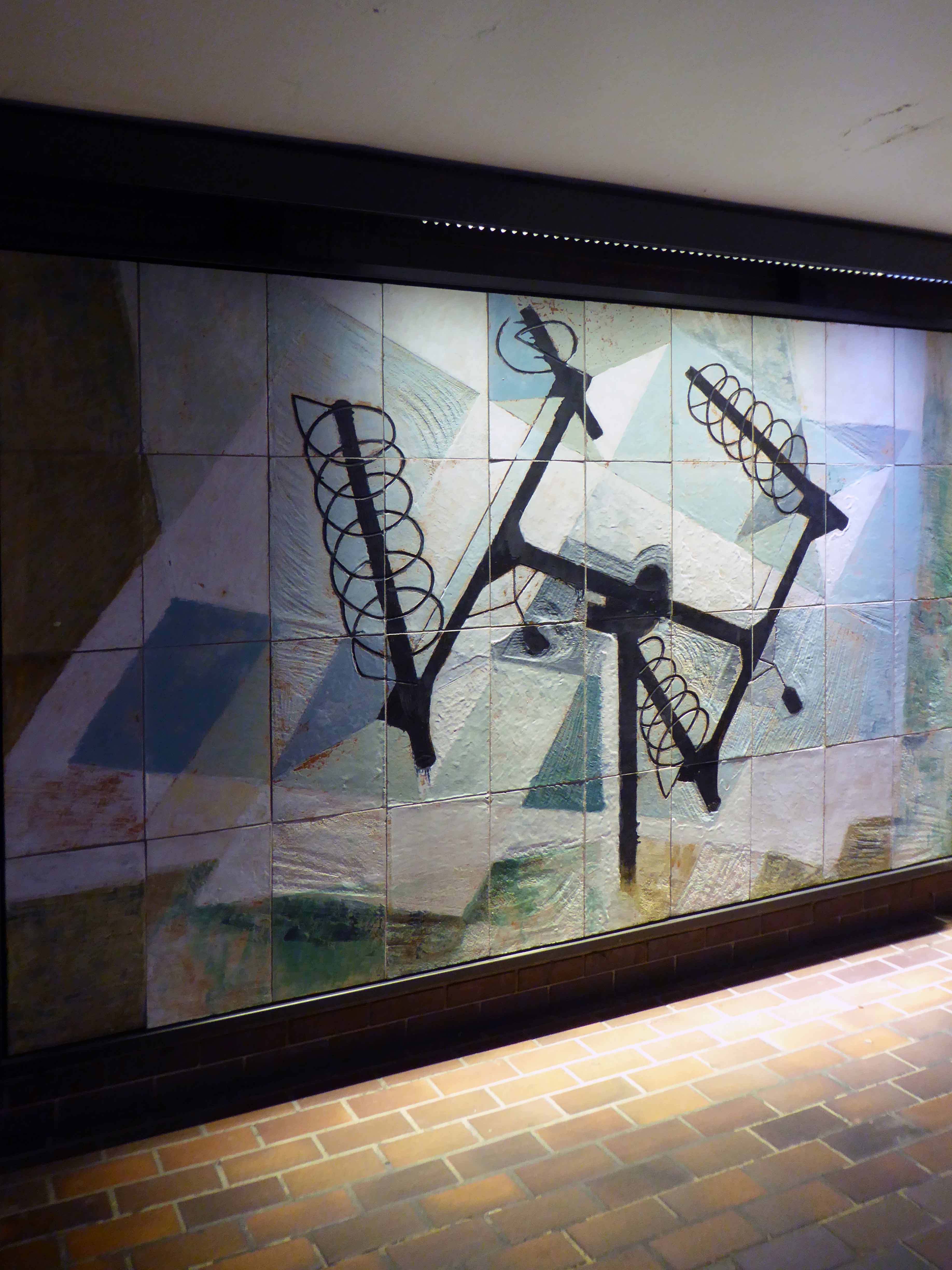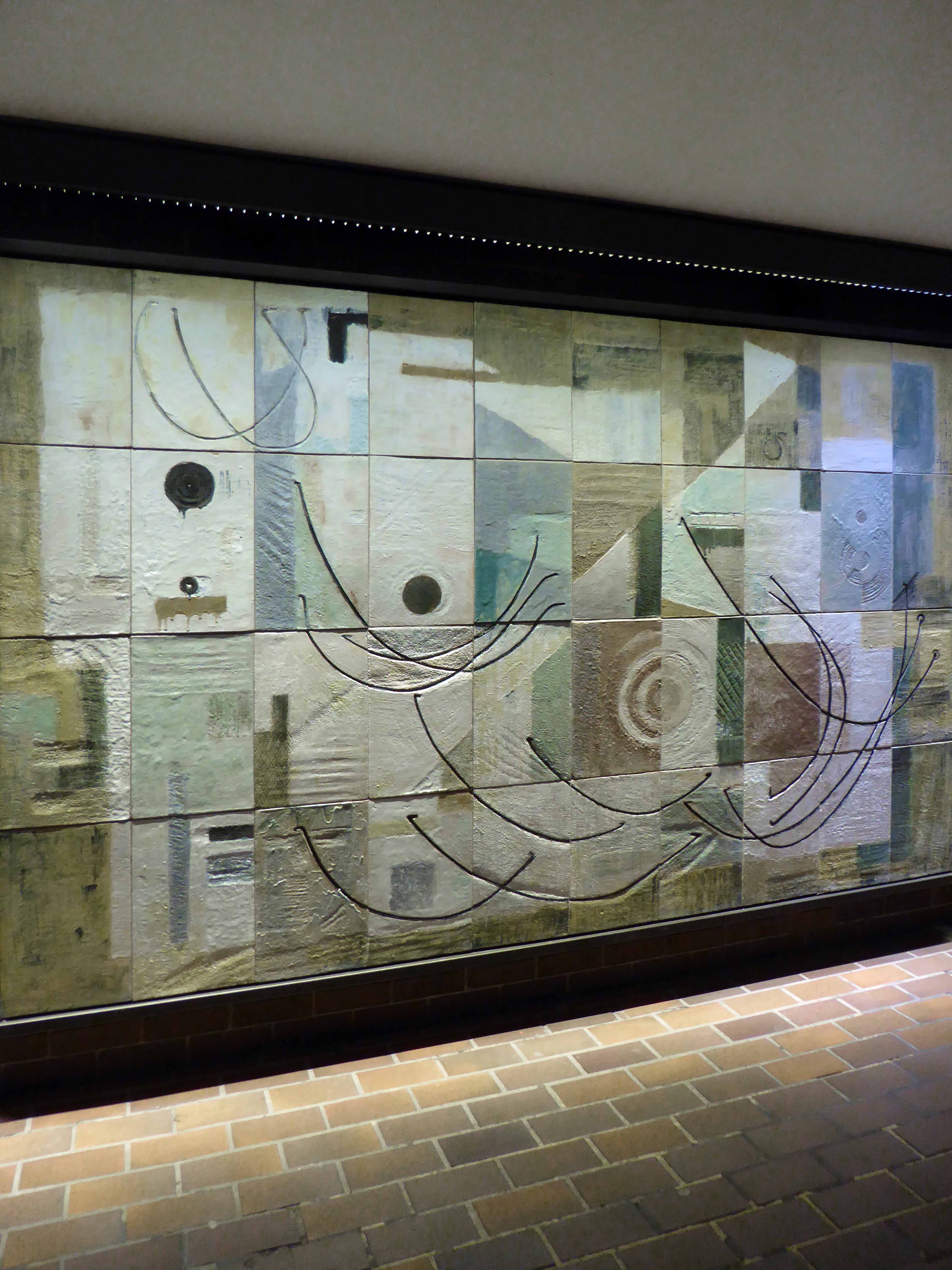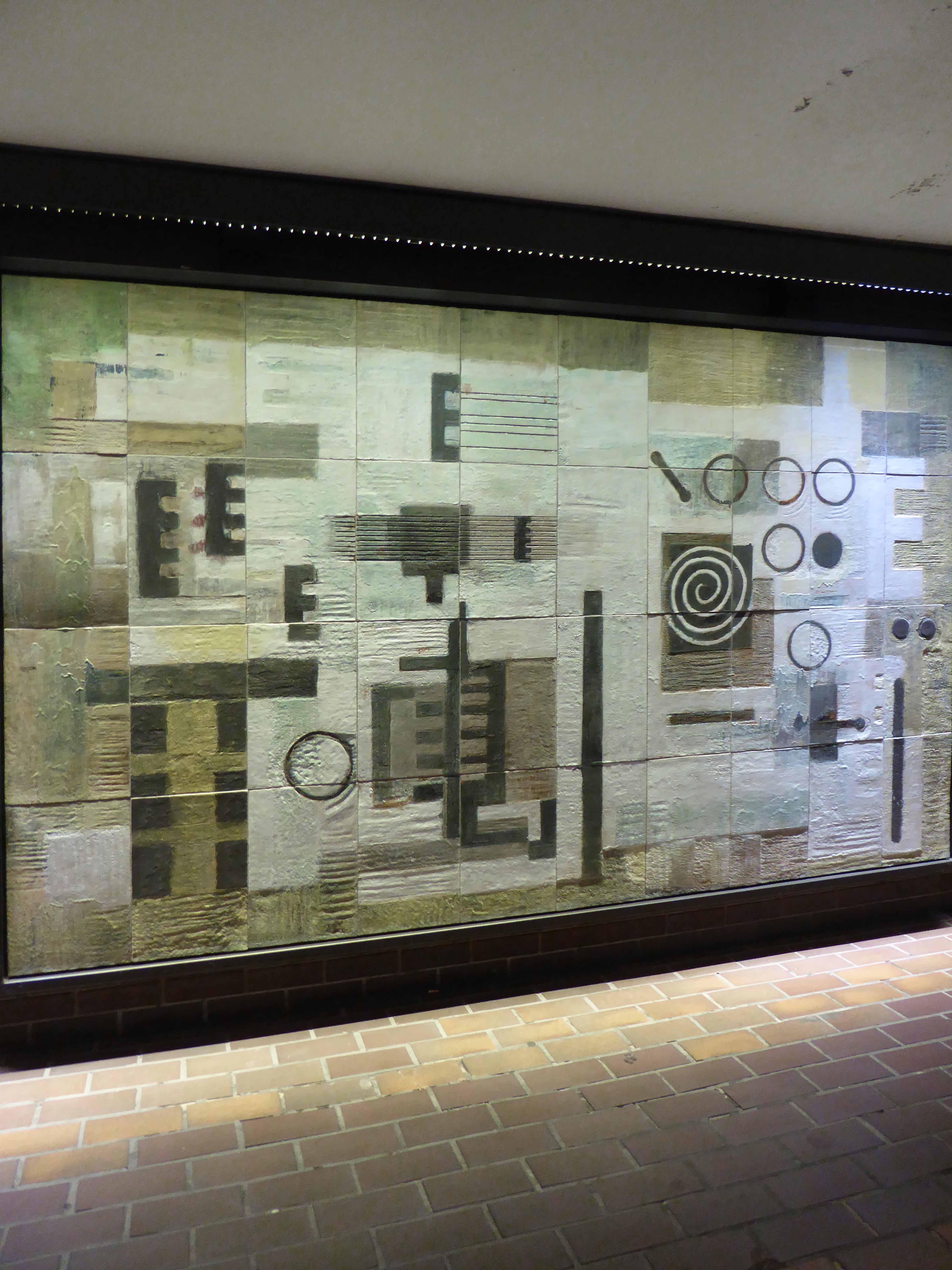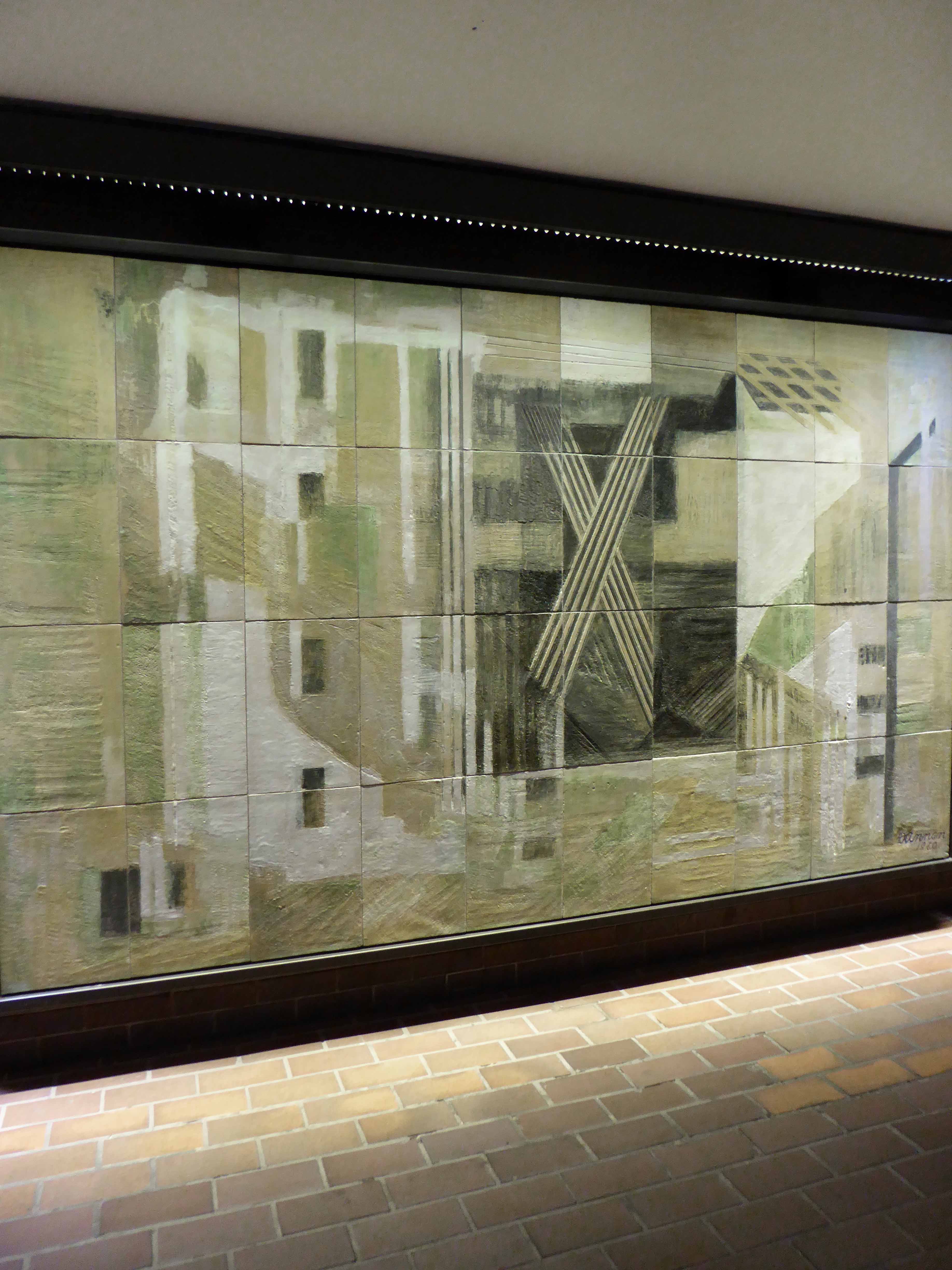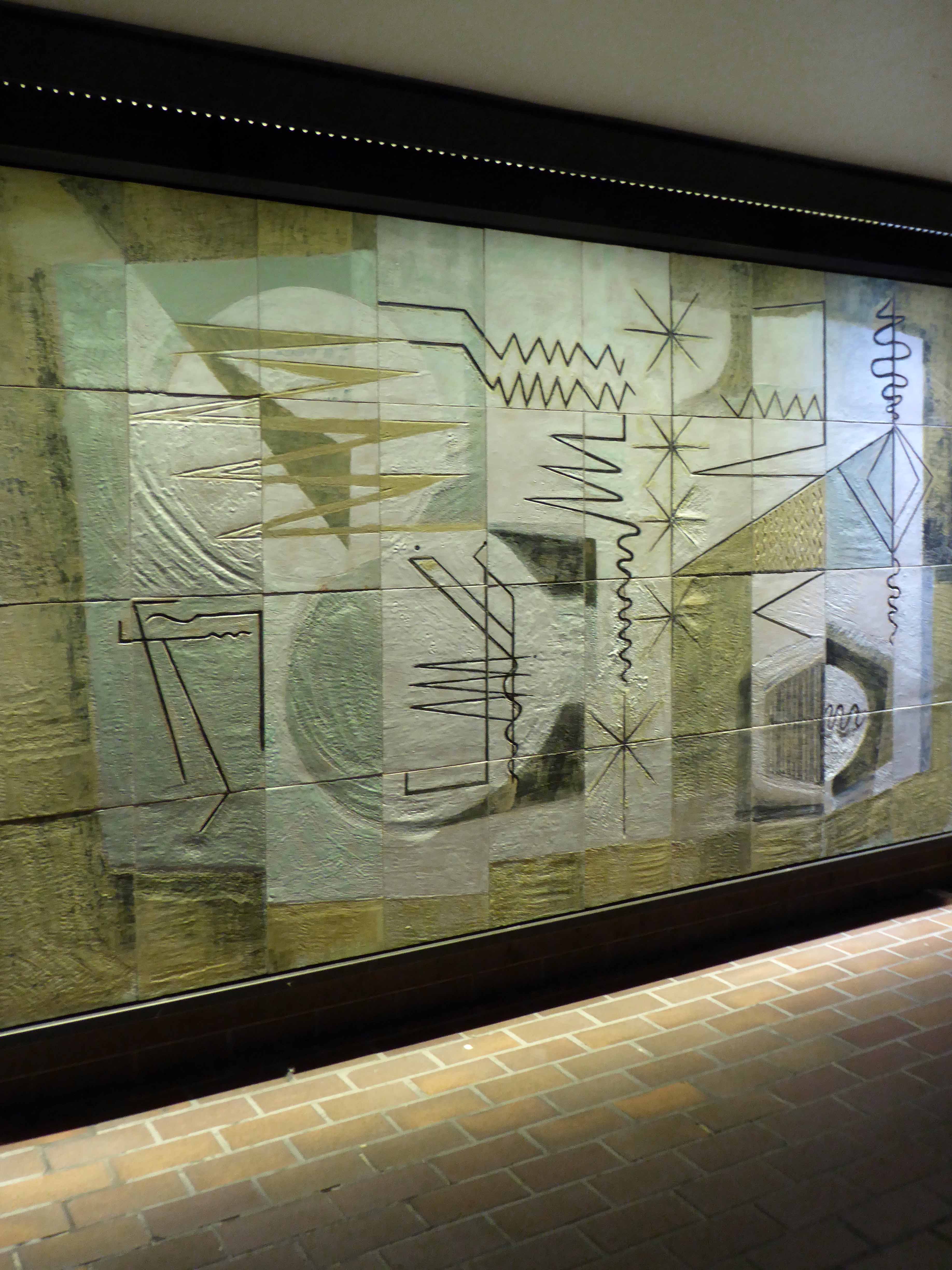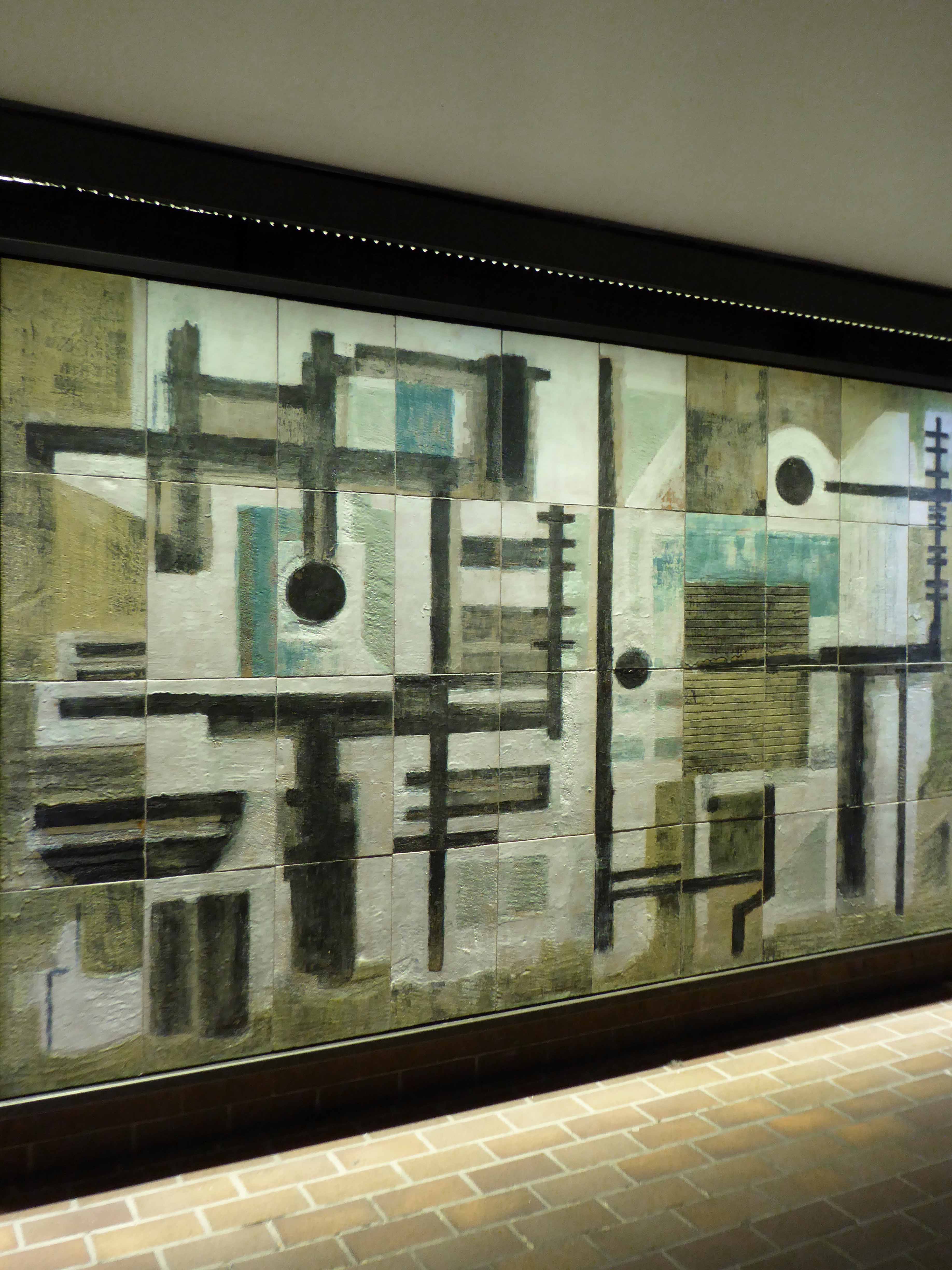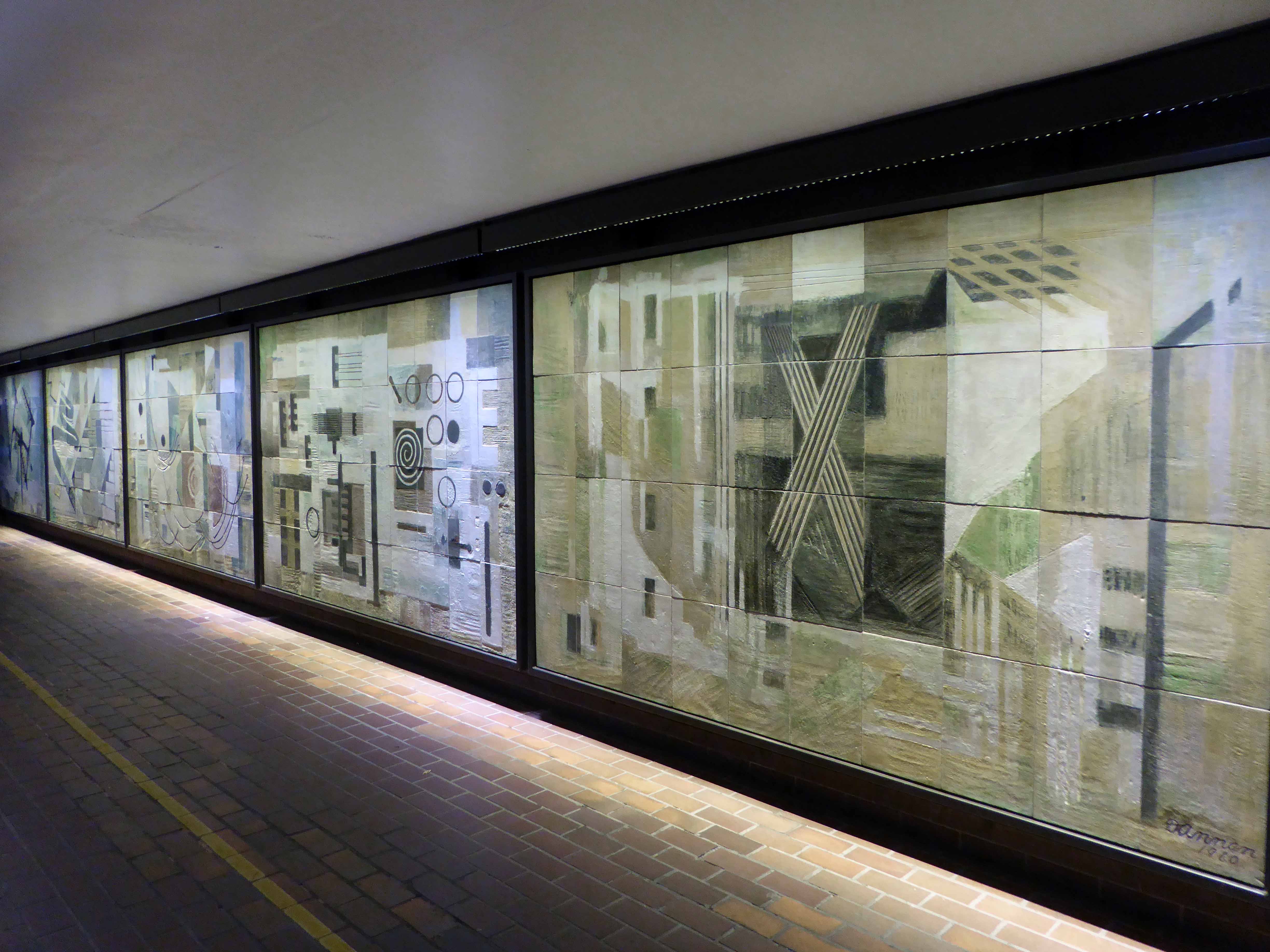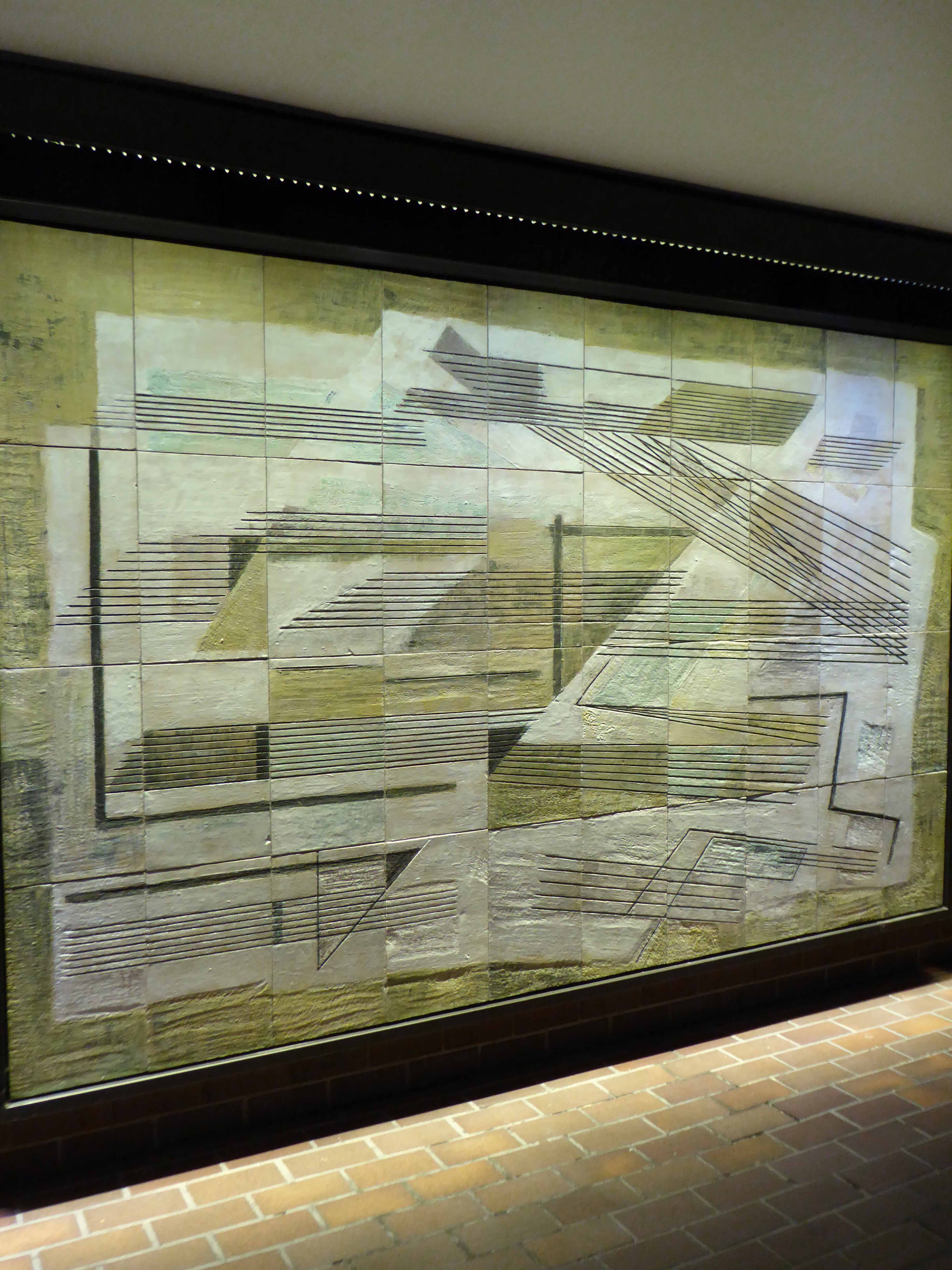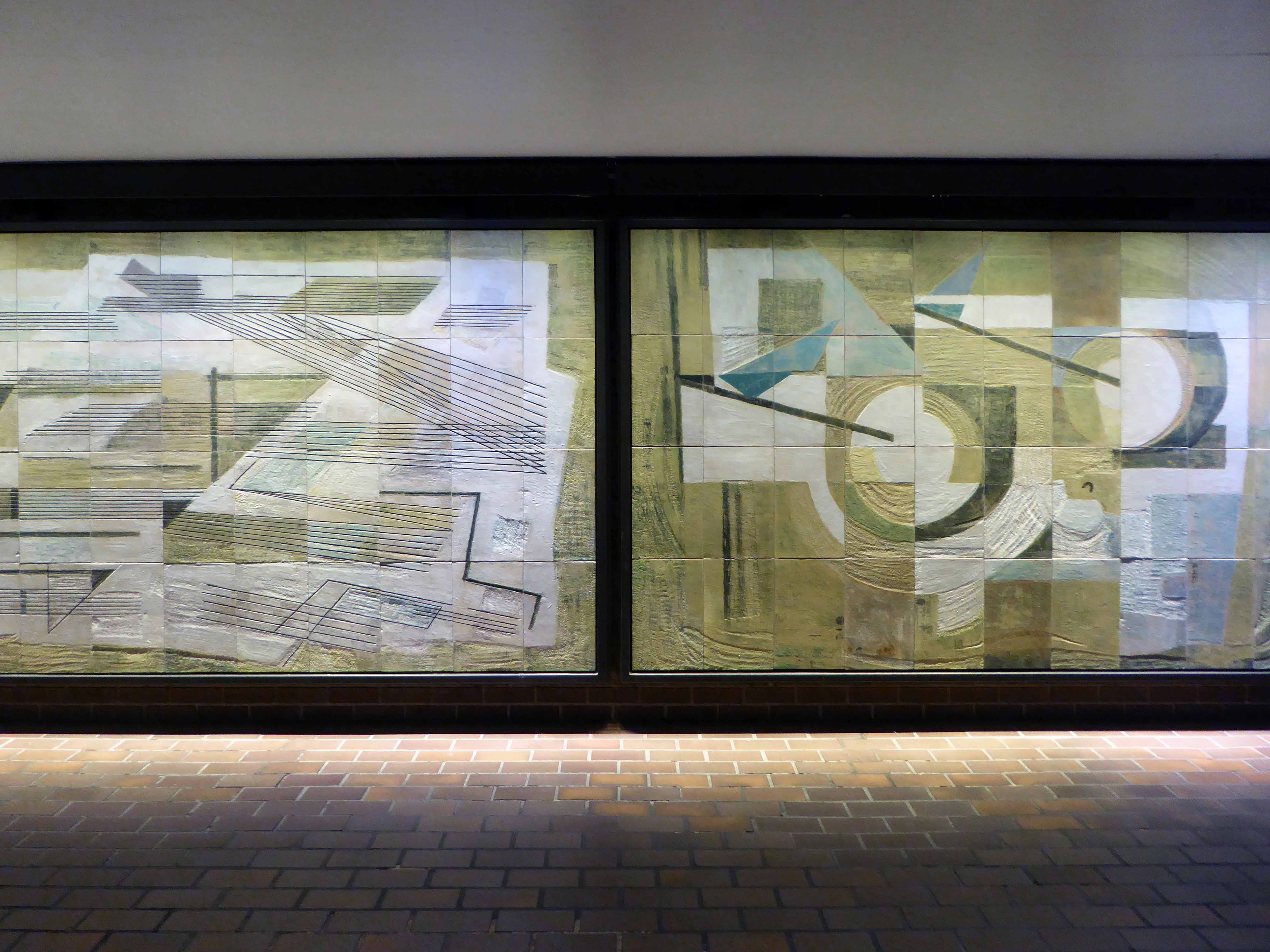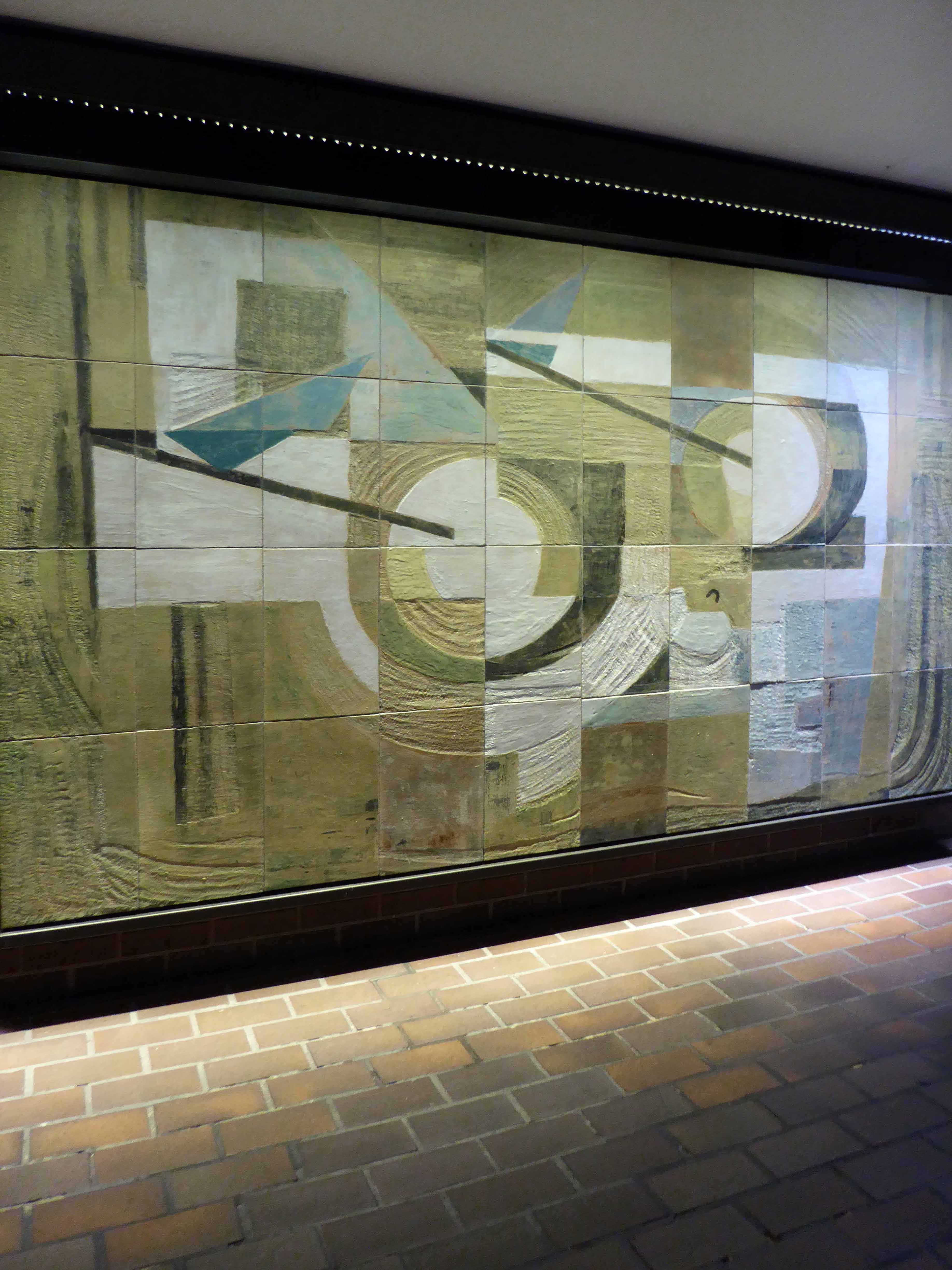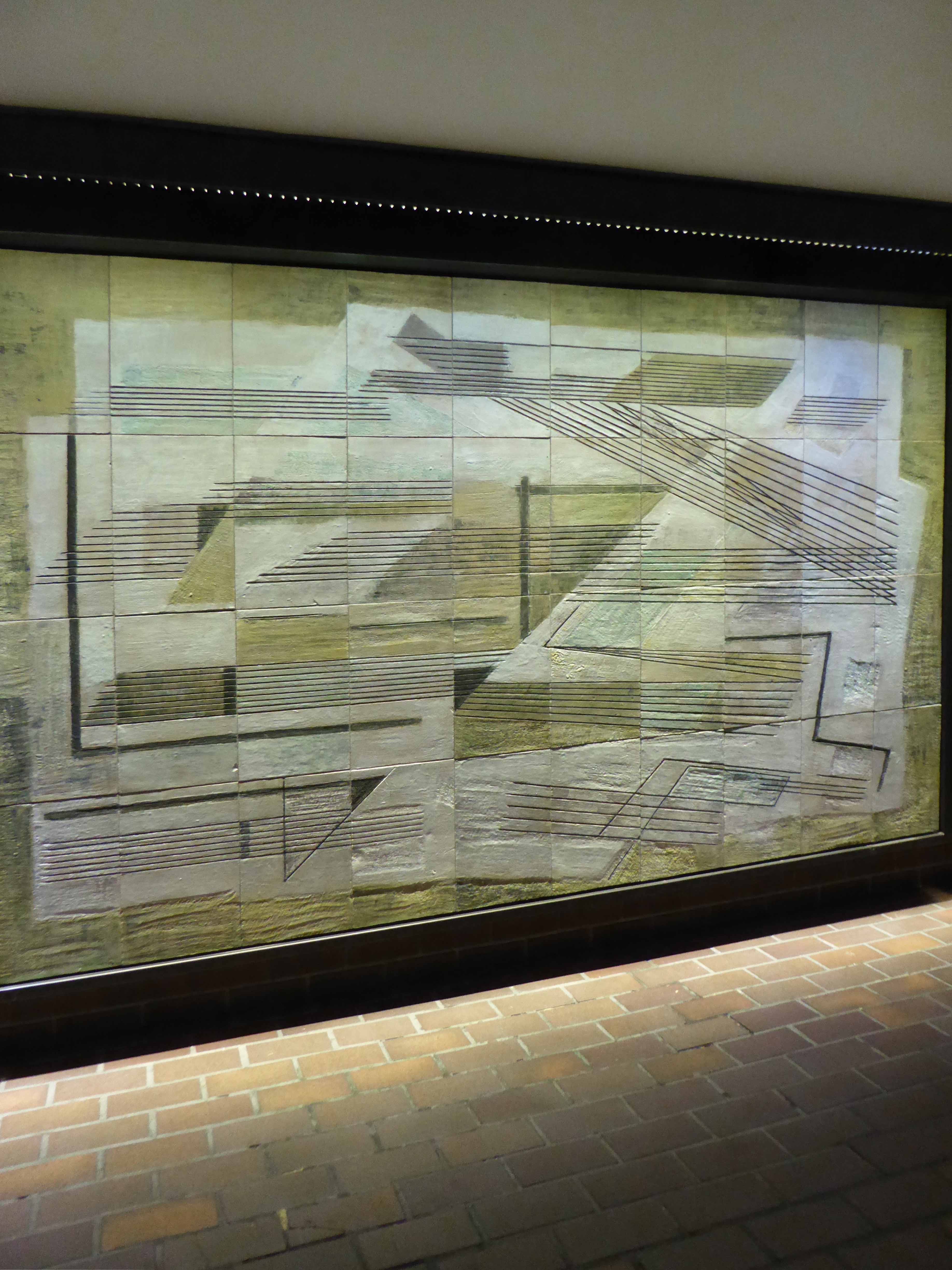
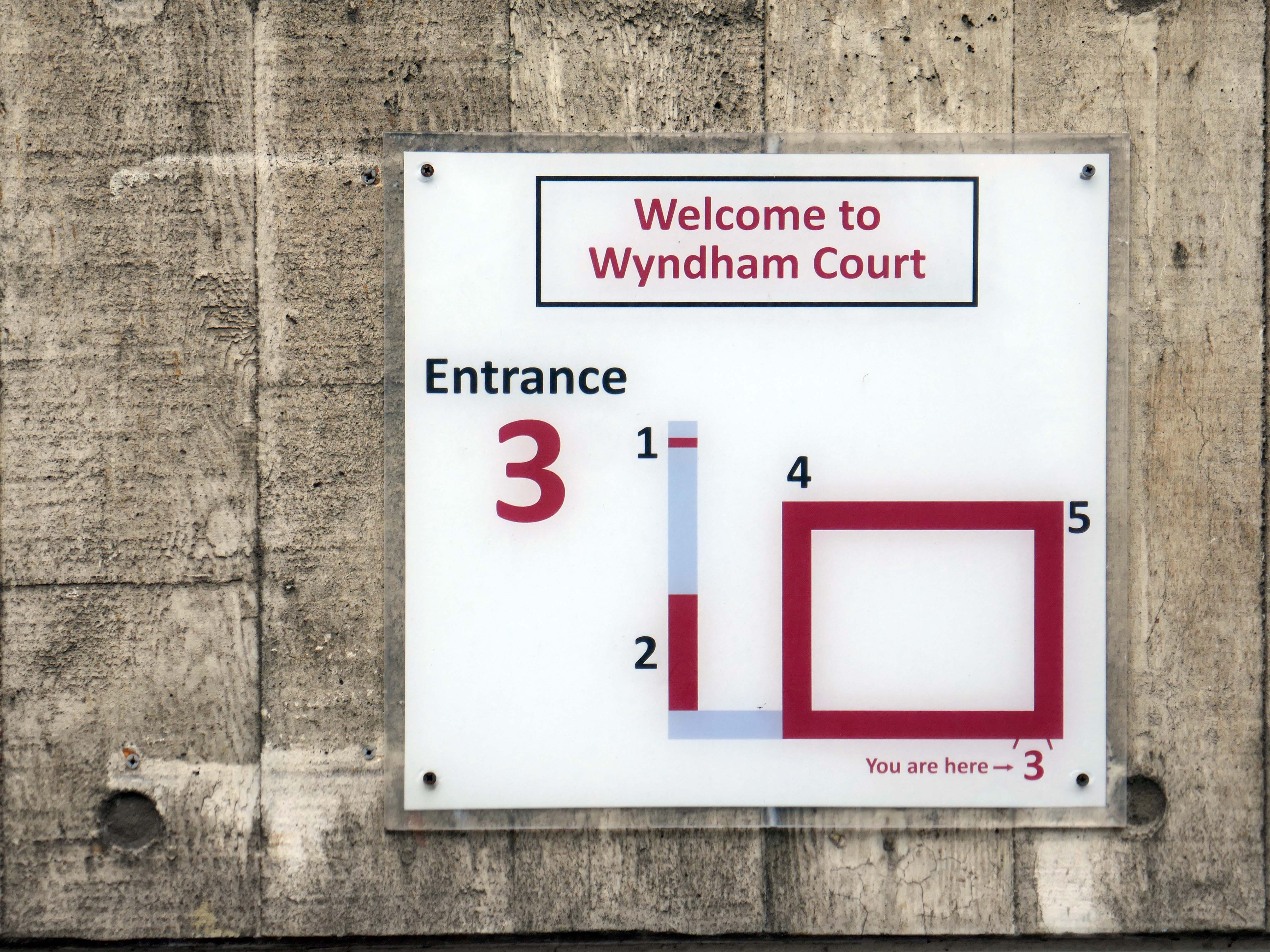
Wyndham Court is a block of social housing in Southampton which opened in 1970.
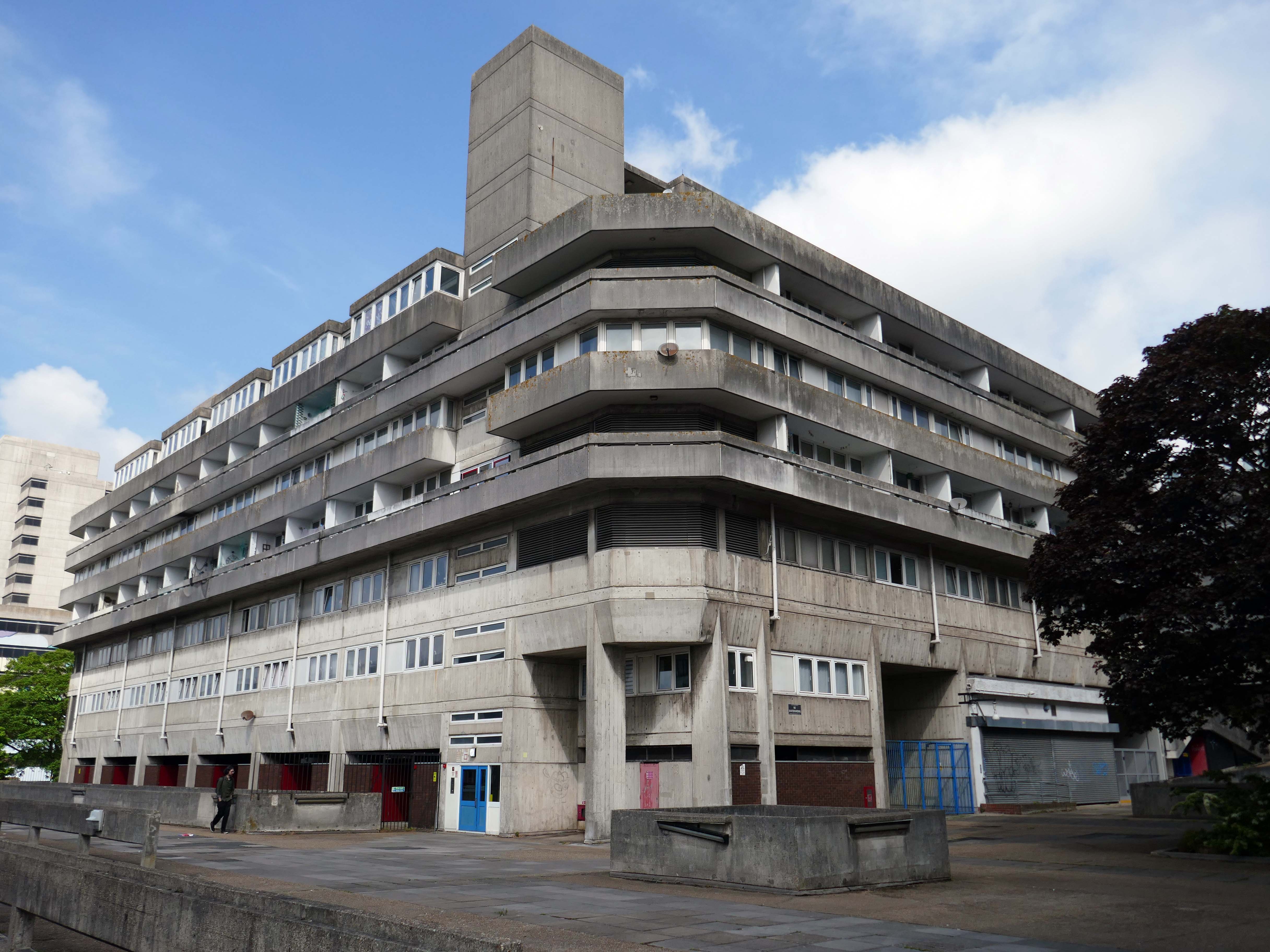
It was designed by Lyons Israel Ellis for Southampton City Council in 1966, ED Lyons being the partner in charge and architects Frank Linden and Aubrey Hume also assigned to the job. The structural engineers were Hajnal-Konyi and Myers and the firm of builders was G Minter.
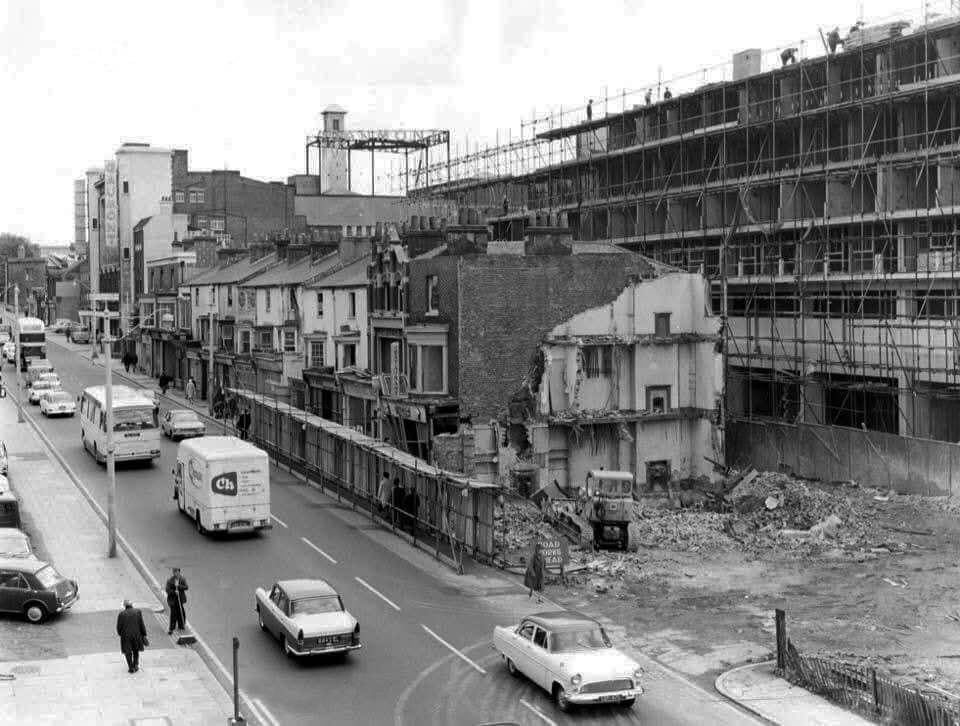
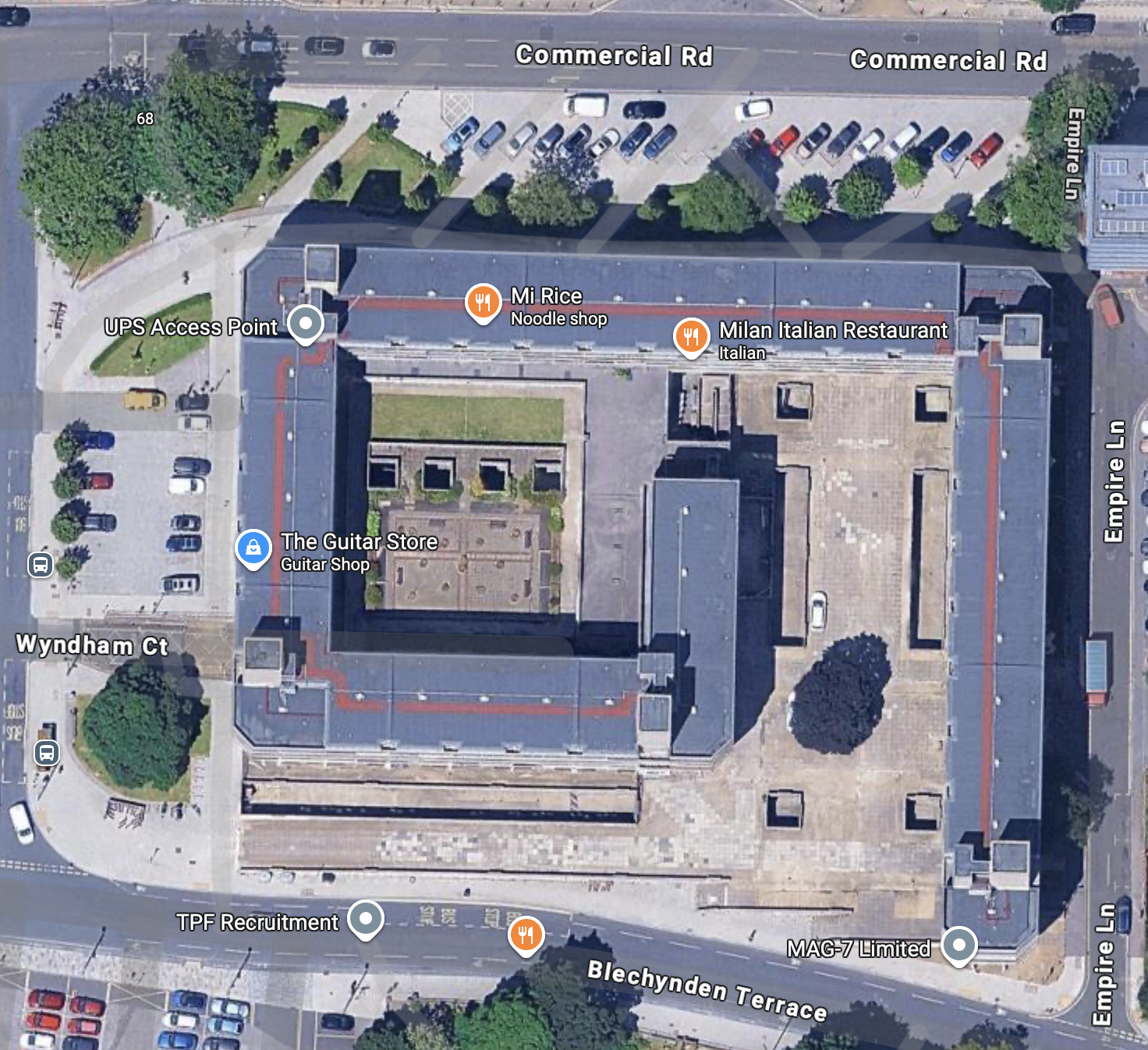
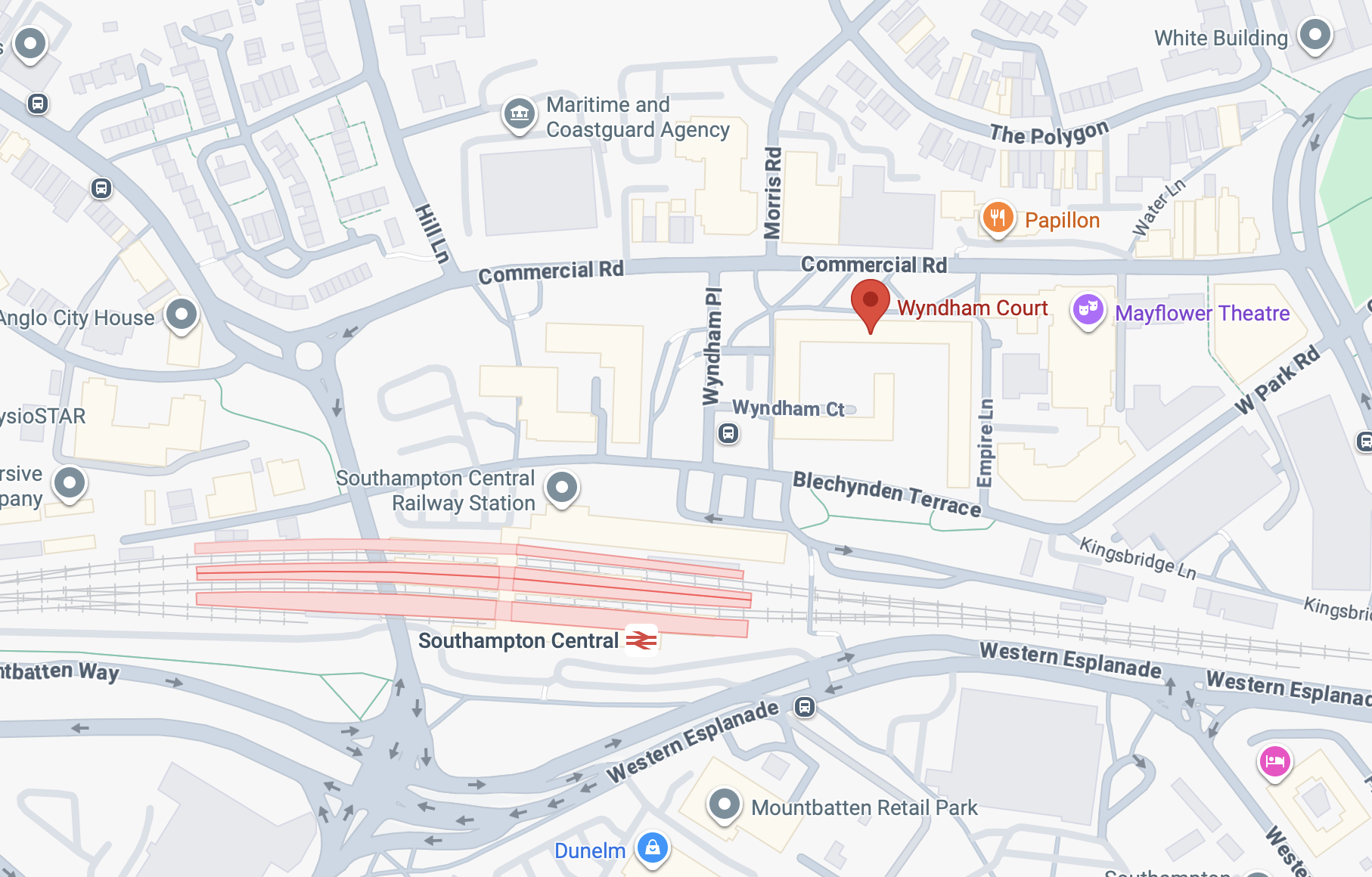
It is located near Southampton Central station and the Mayflower Theatre. Wyndham Court includes 184 flats, three cafes or restaurants and 13 shops, and was completed in 1969.
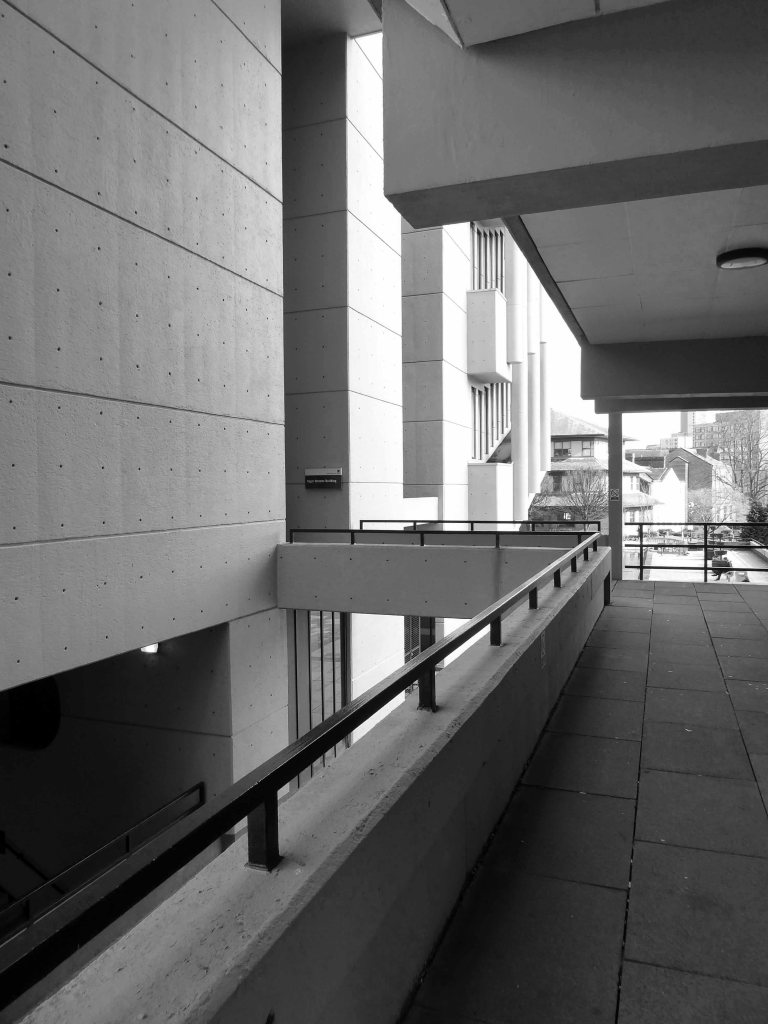
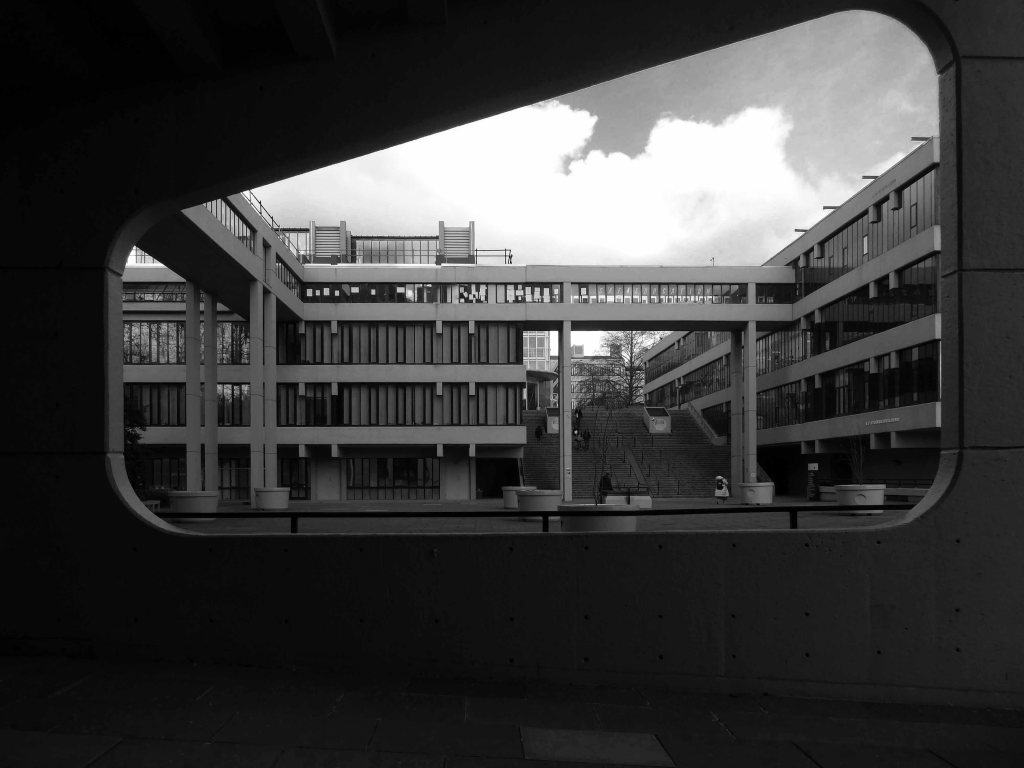
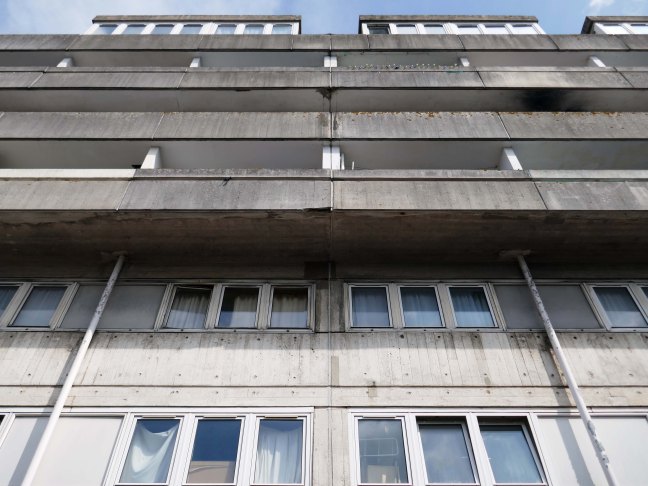
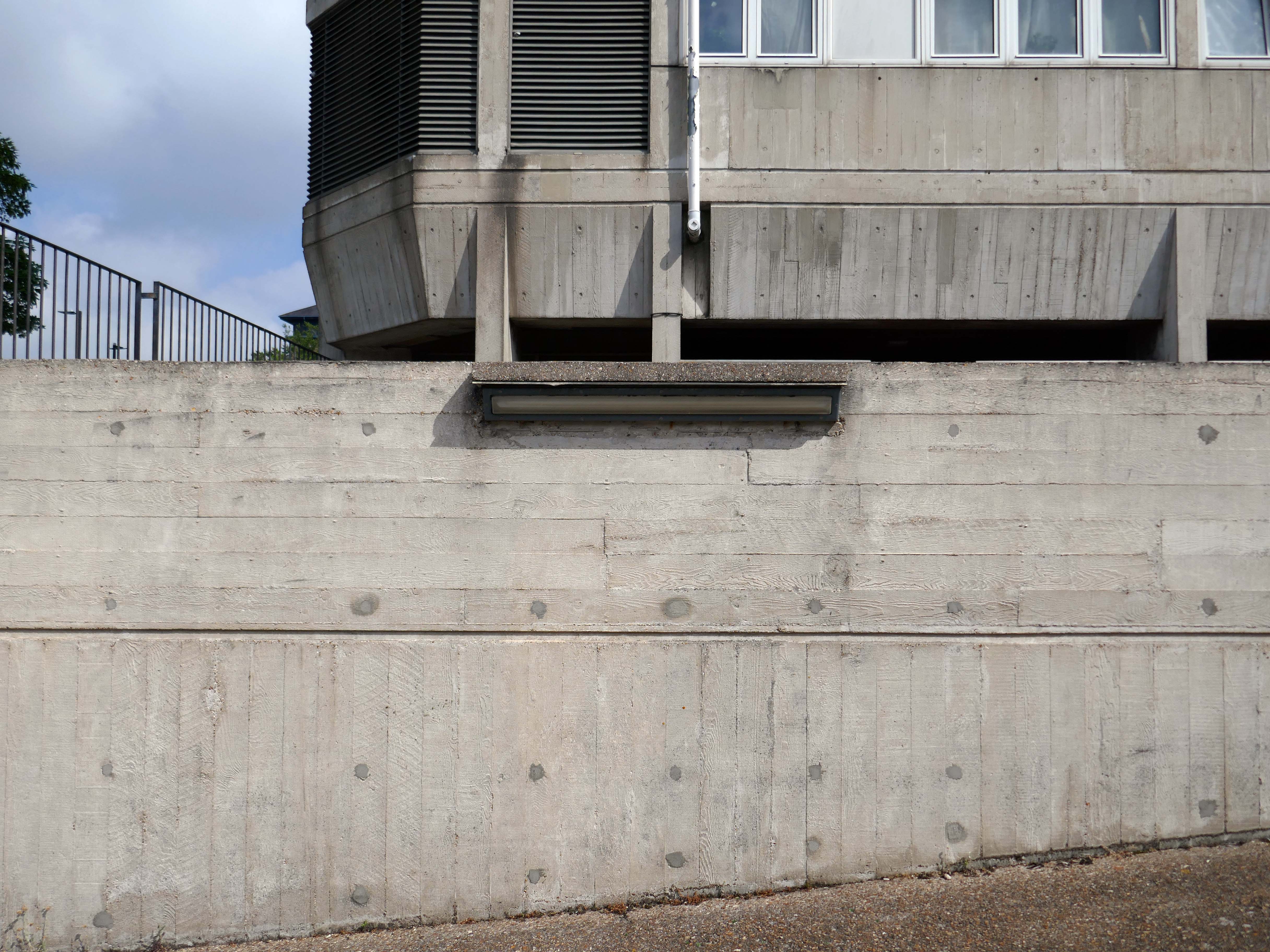
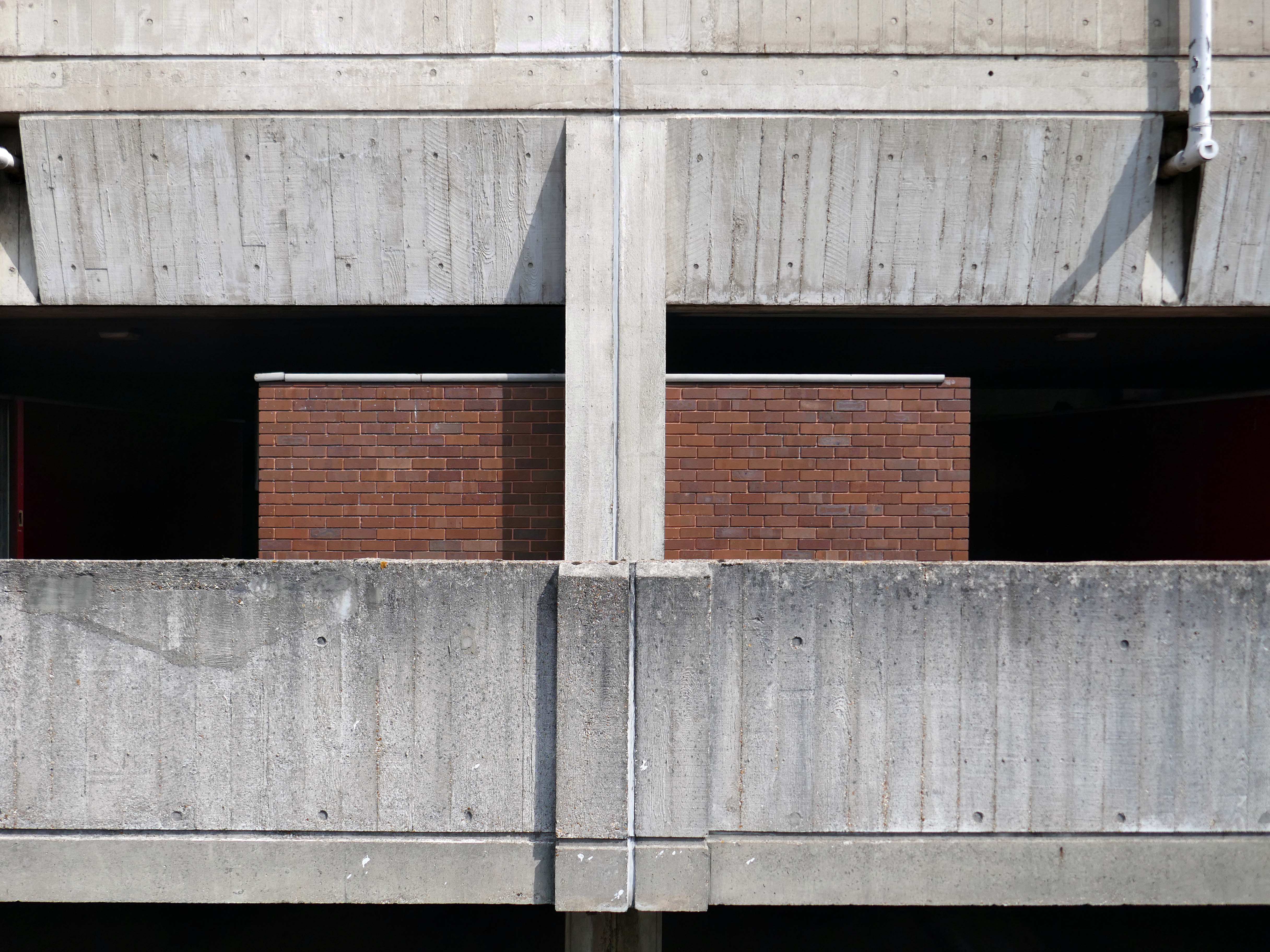
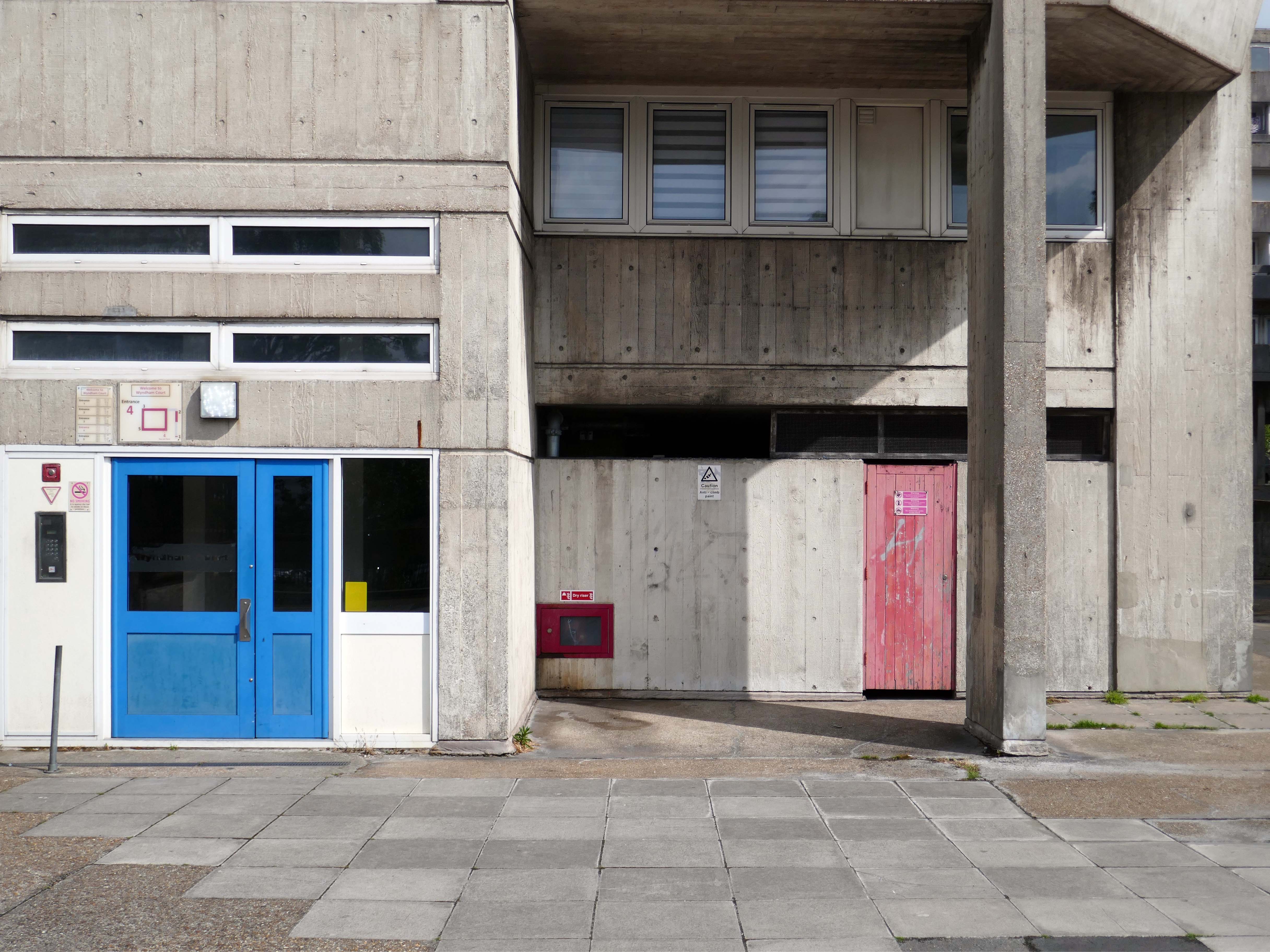
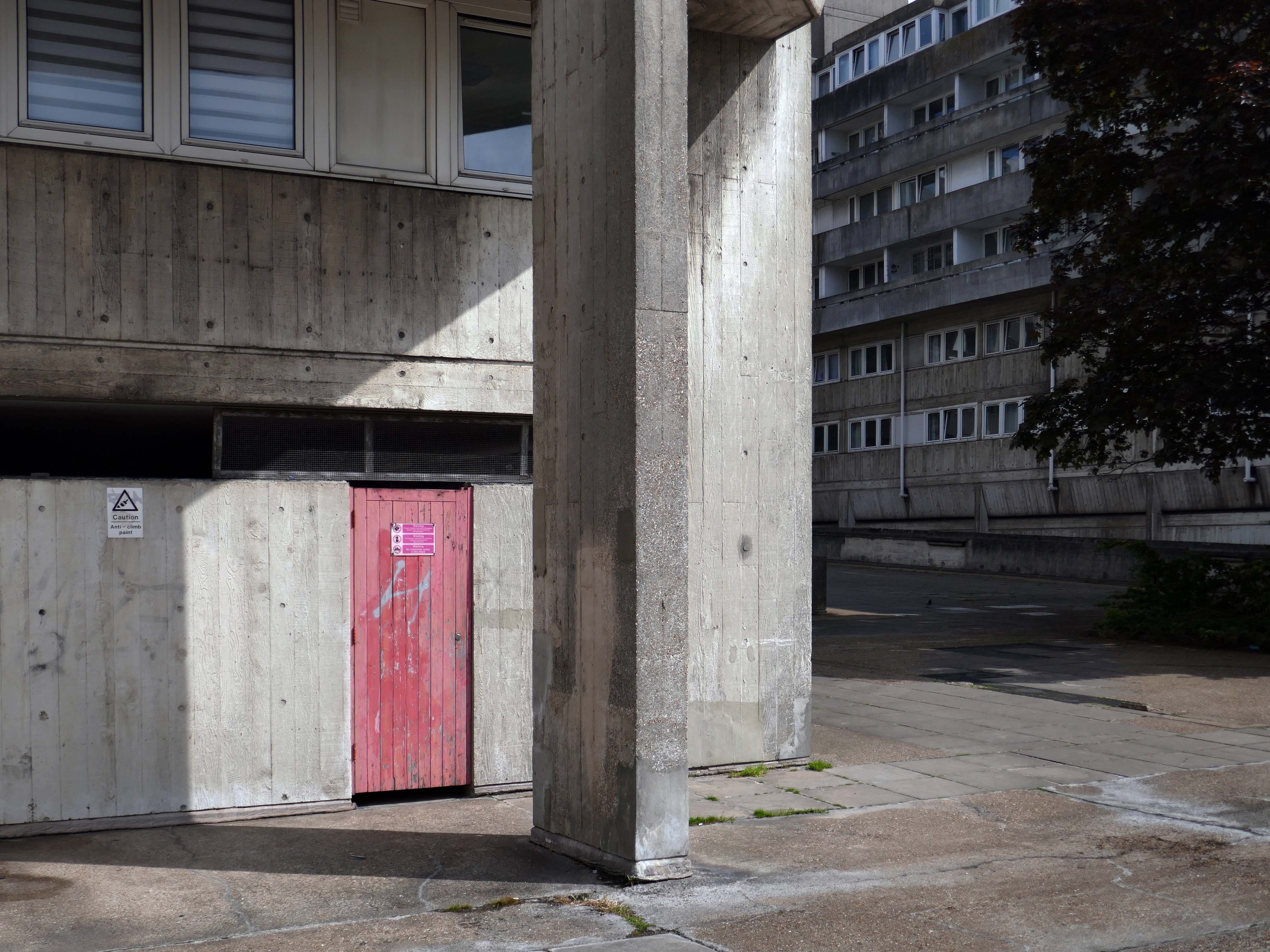
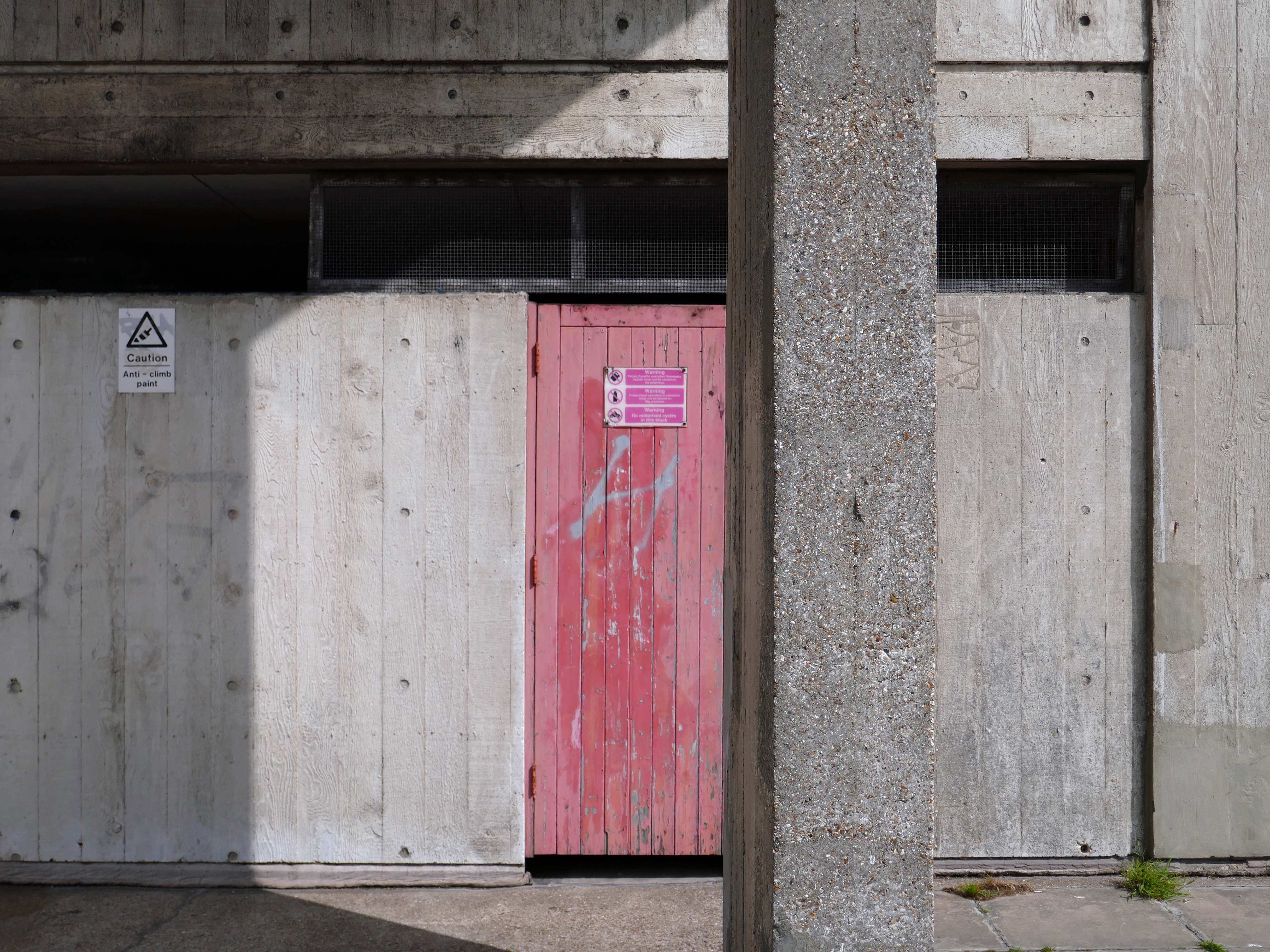
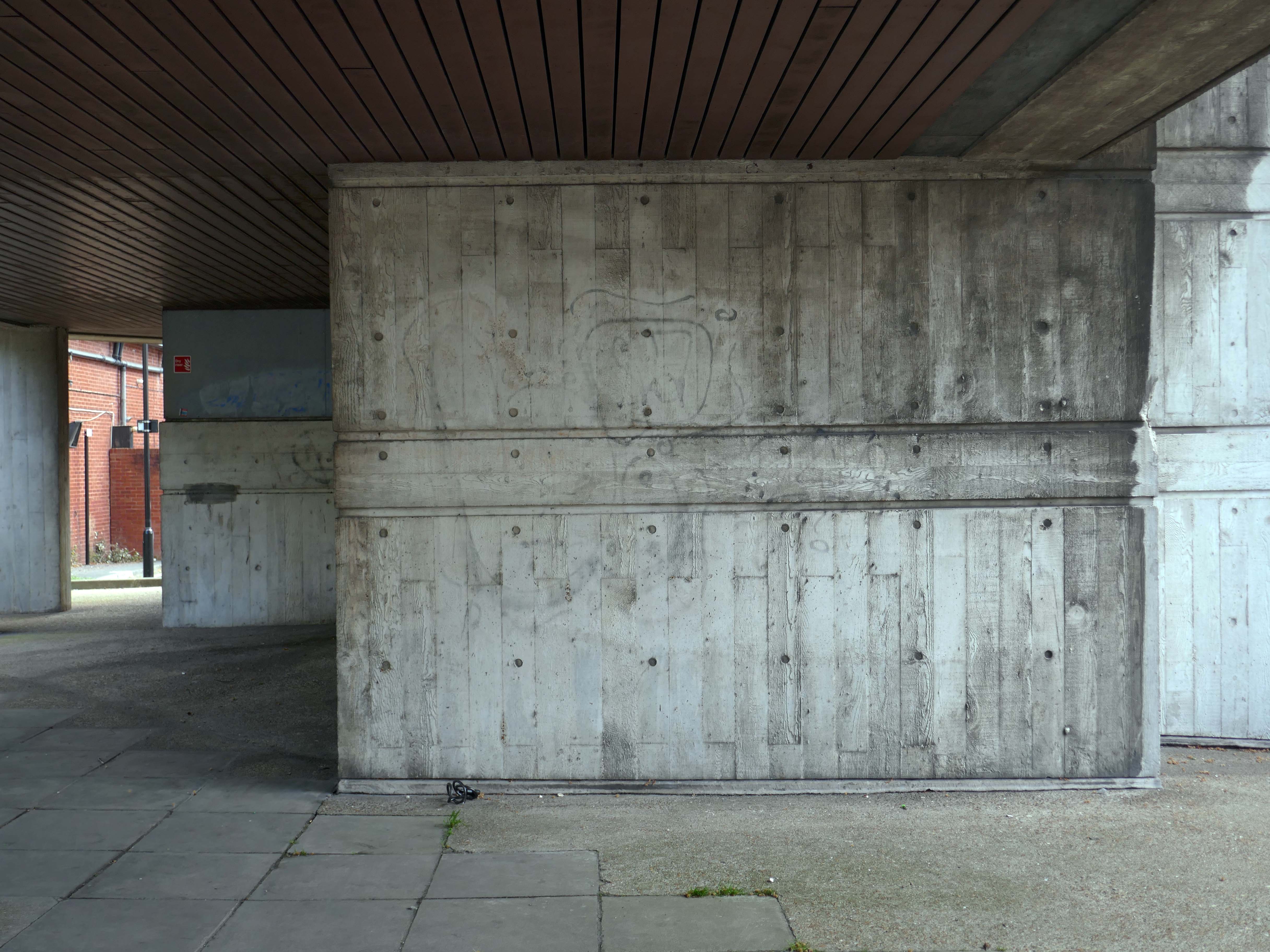
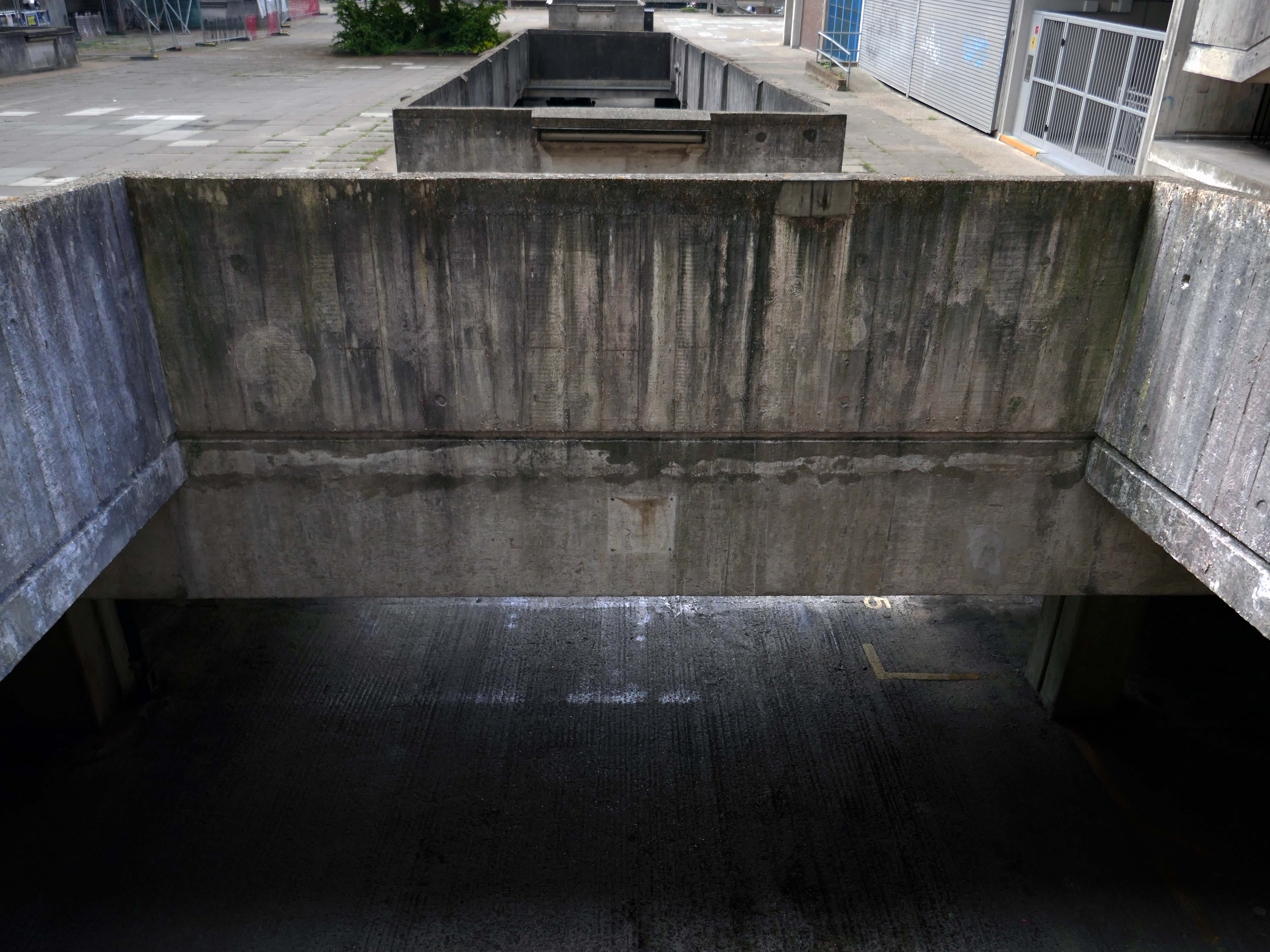
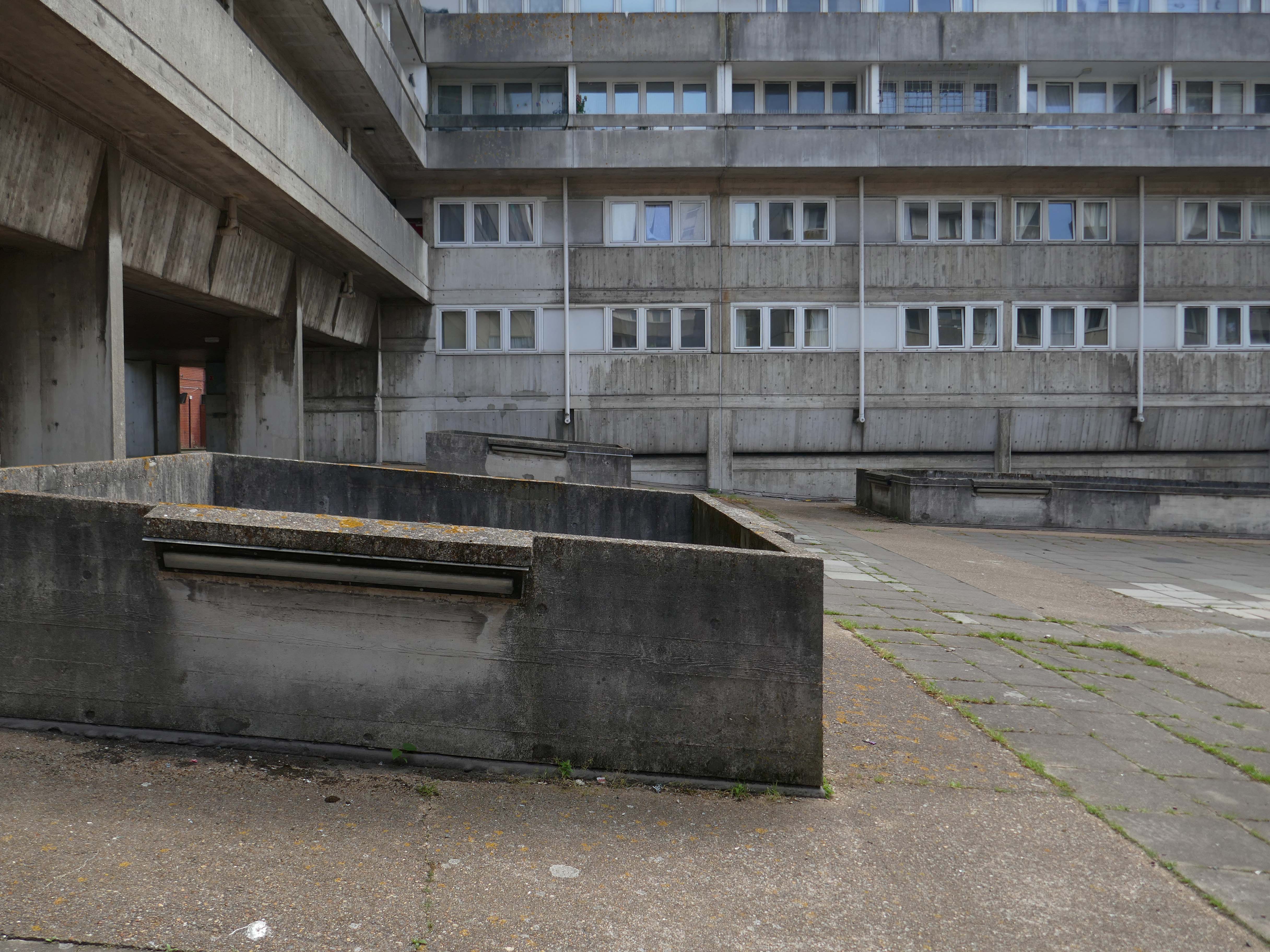
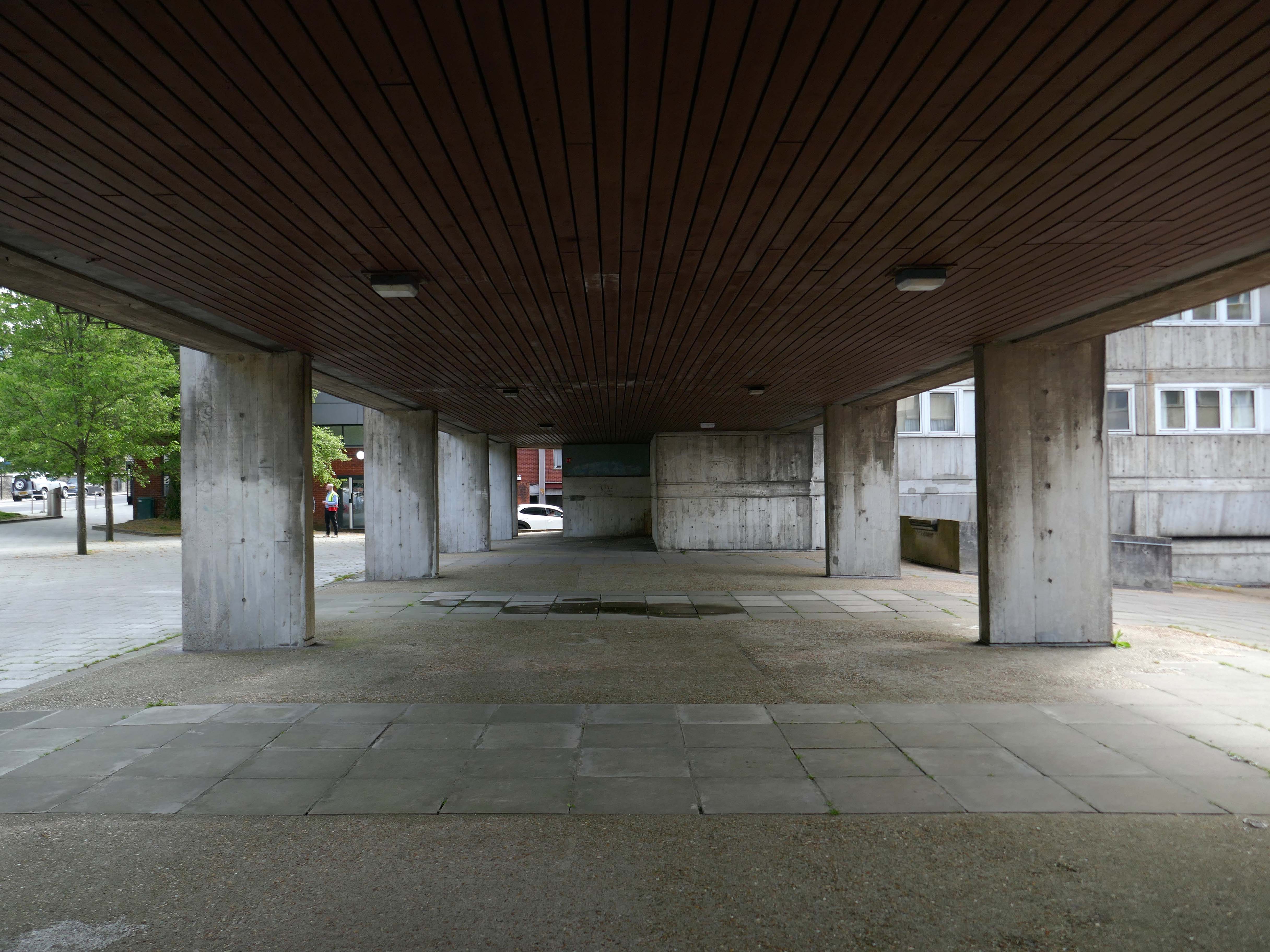
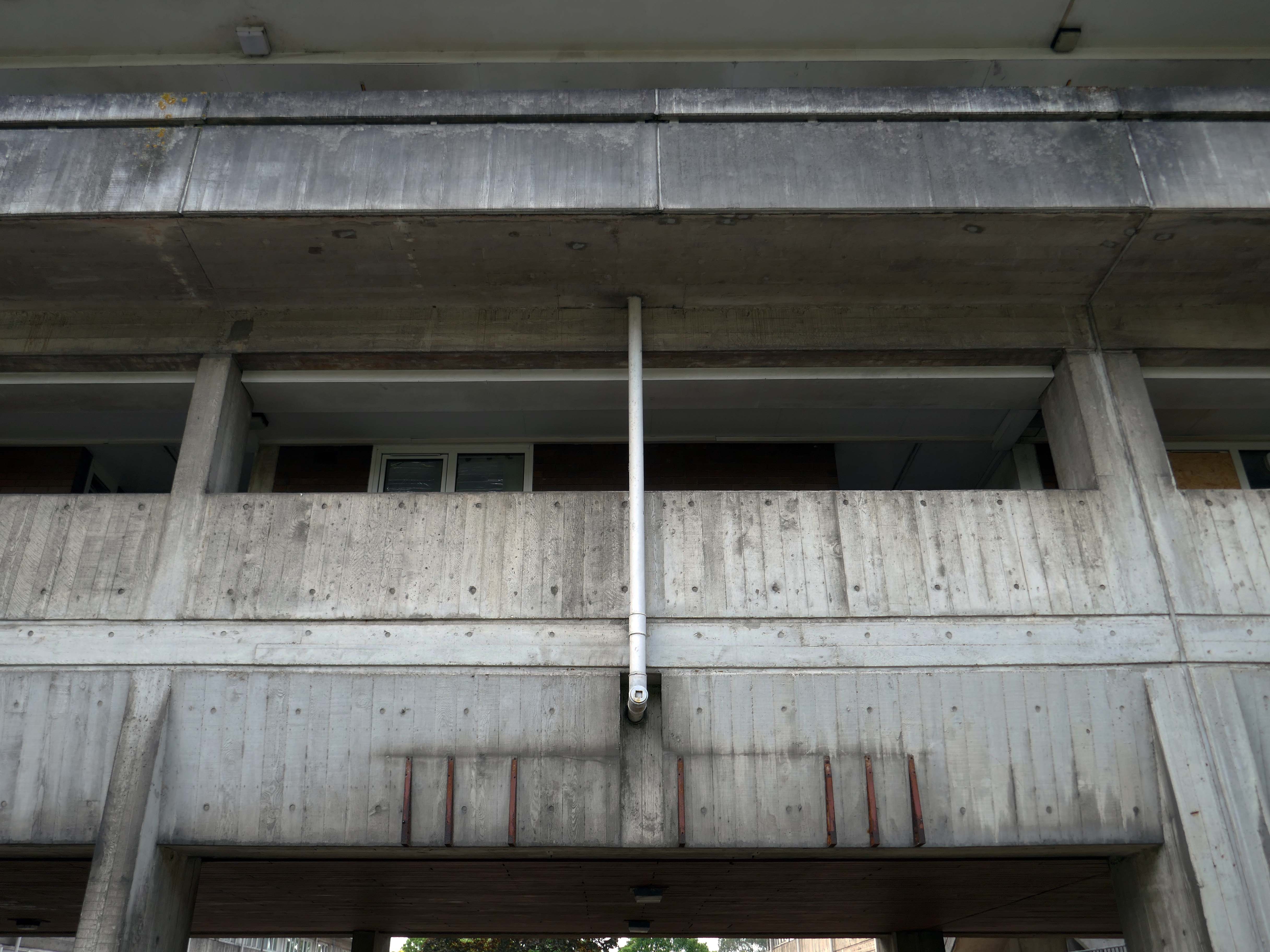
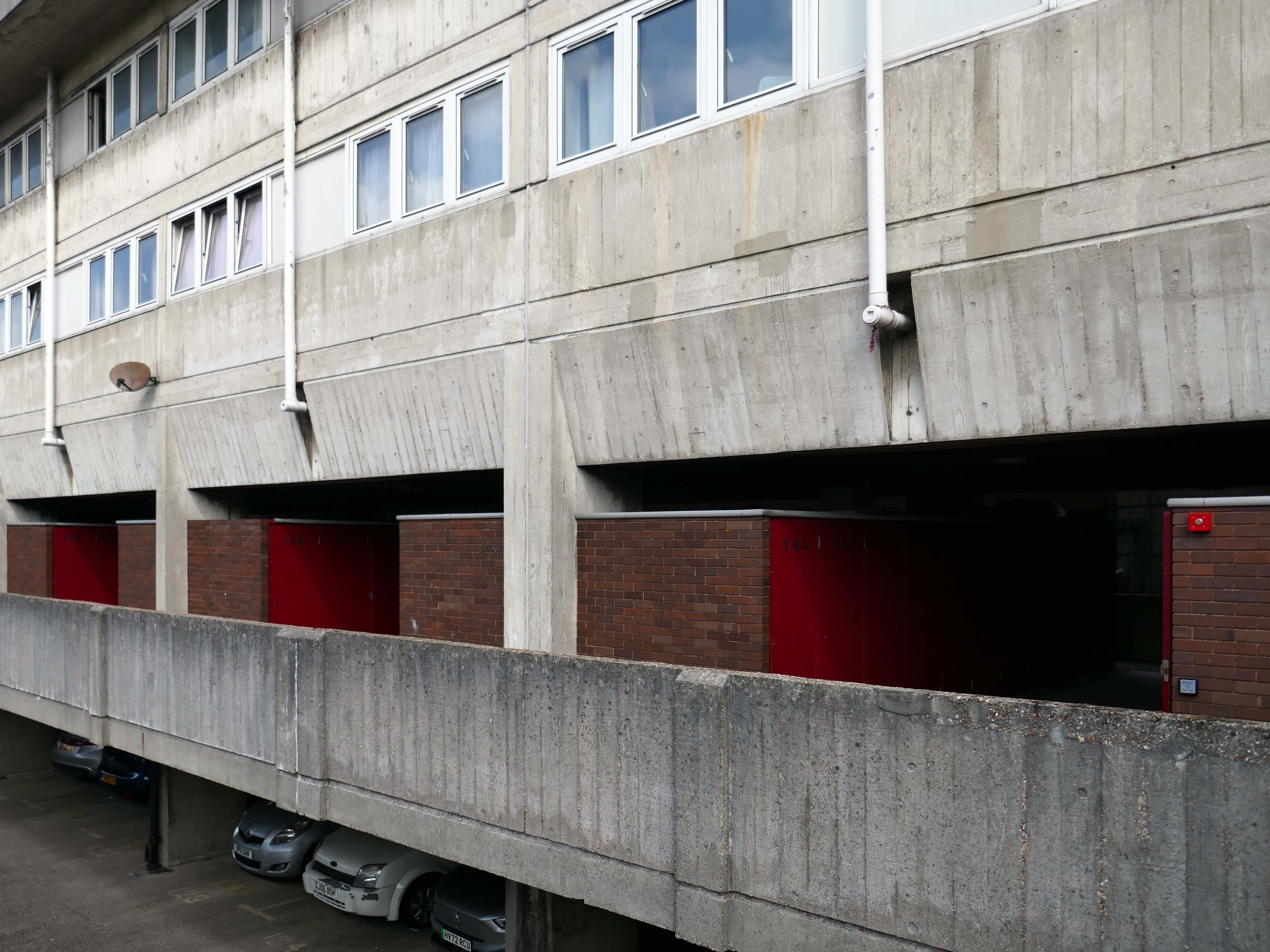
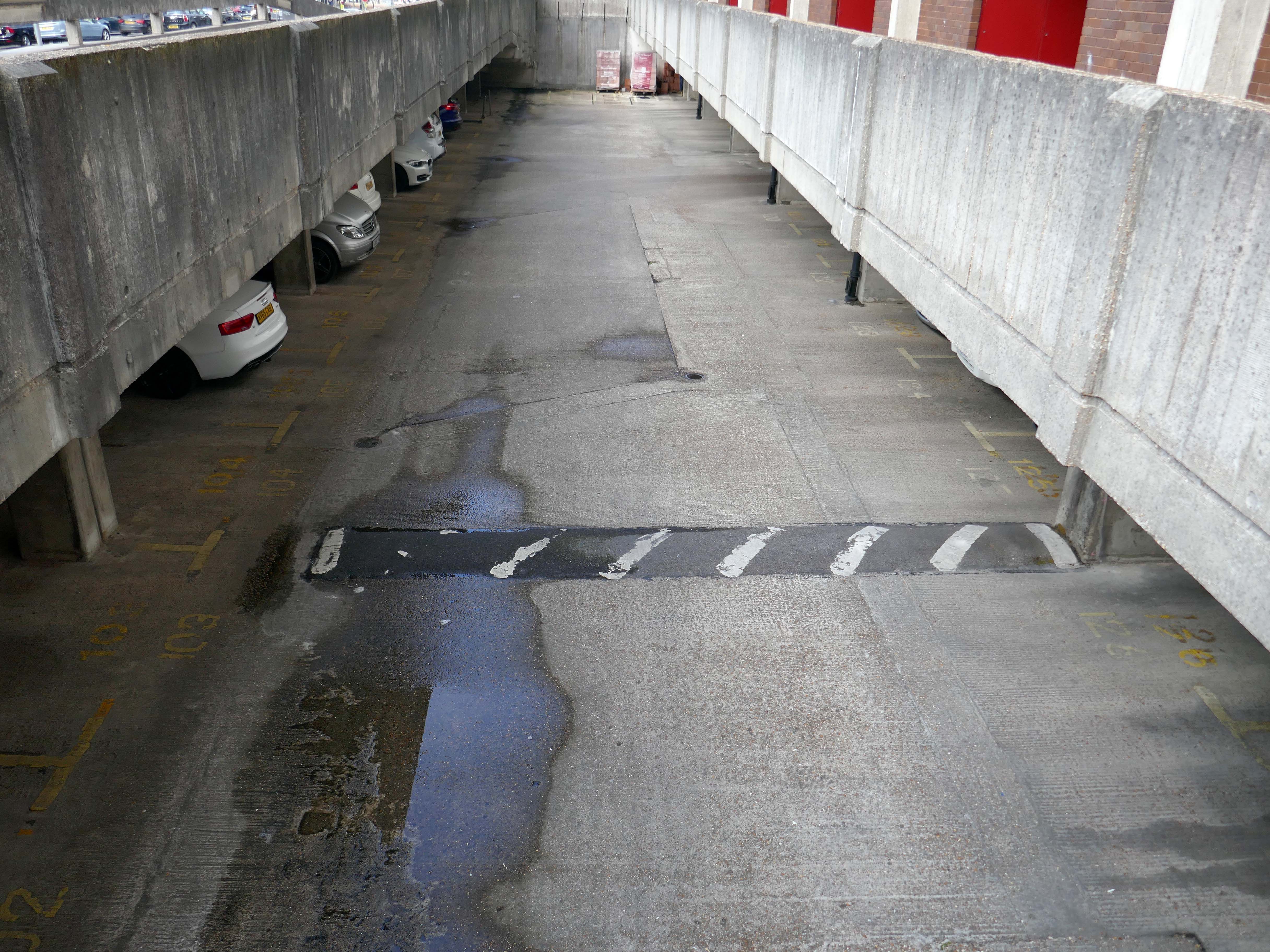
It is built from reinforced concrete and finished with white board-marked concrete, with narrow bands painted horizontally between windows and the partition walls that separate the apartments’ balconies. Because it is built on a hill, the building has six storeys at its northern end and seven at the southern. There is an underground car park which was constructed from the basements of previous buildings on the site
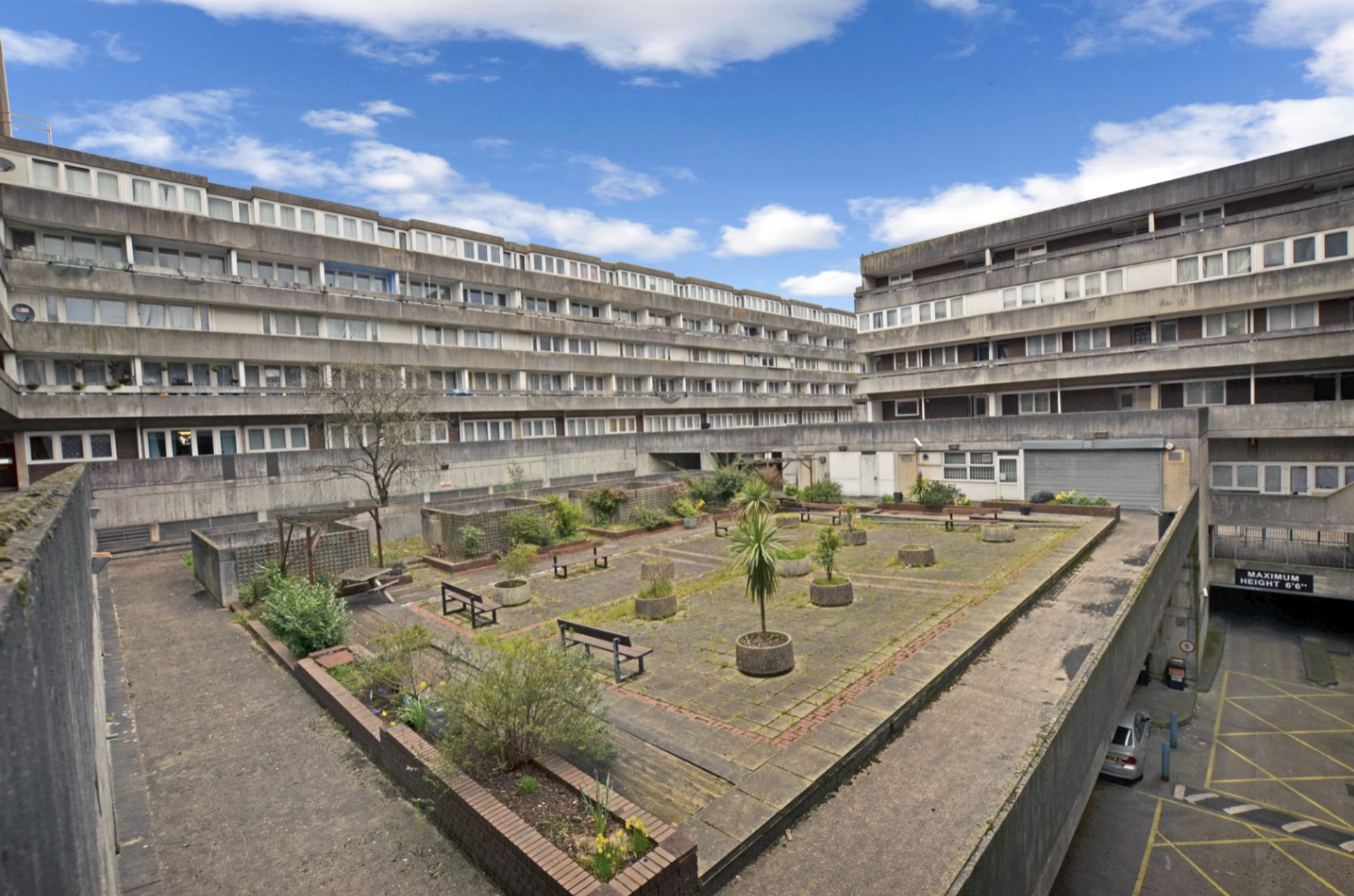
This was my very first visit on my day out in Southampton having also taken a look around Nelsons Gate.
Walking around the building I was quickly engaged by two residents, emerging from their concrete clad home. Assuming that I was from the Council, I was given a lurid account of rodent infestation, faulty locks, open doors and all manner of ills. Having explained my unfortunate lack of municipal affiliation, we parted amicably as we went our respective ways.
A single bed apartment will cost you £600 PCM.
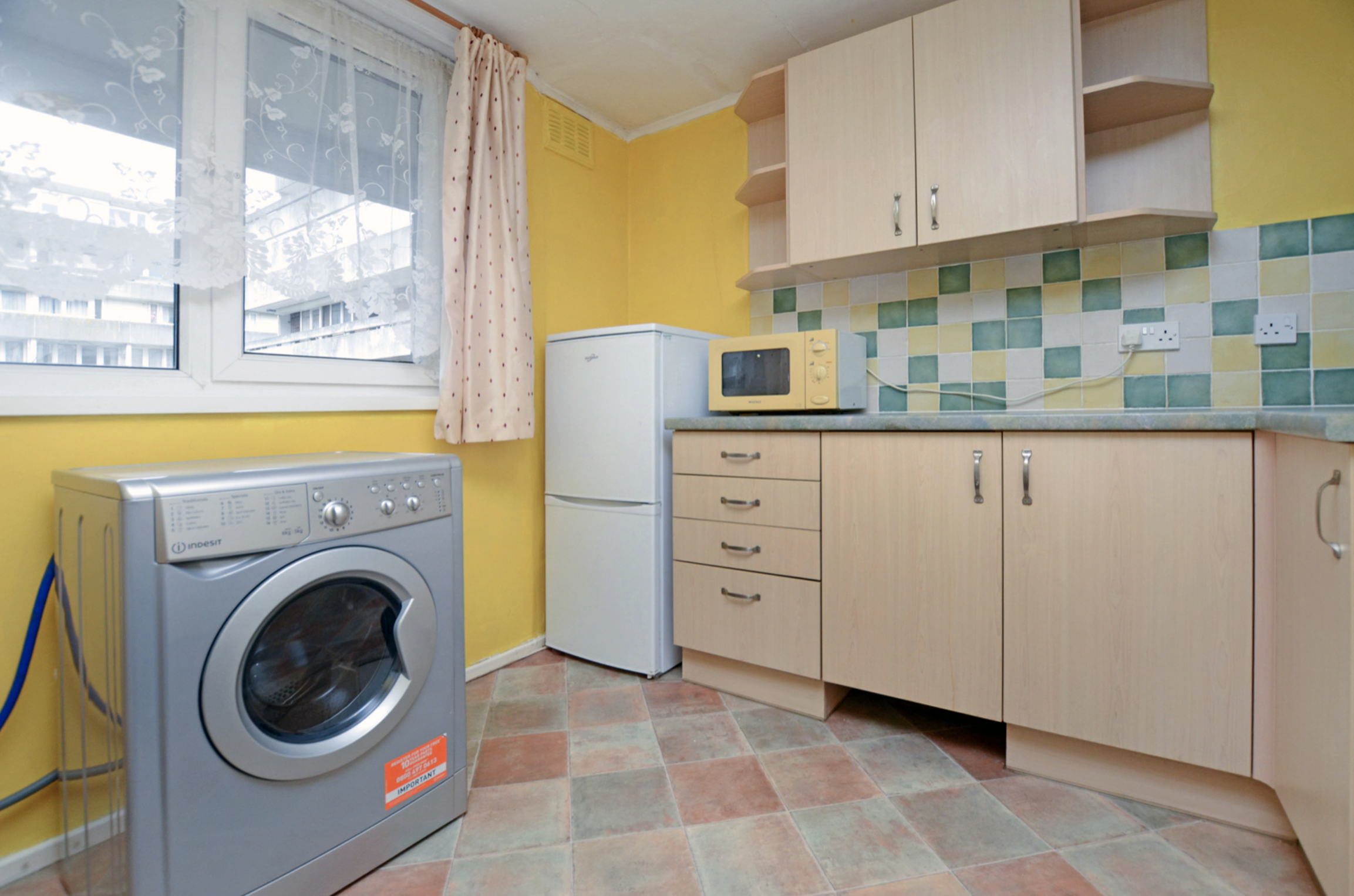
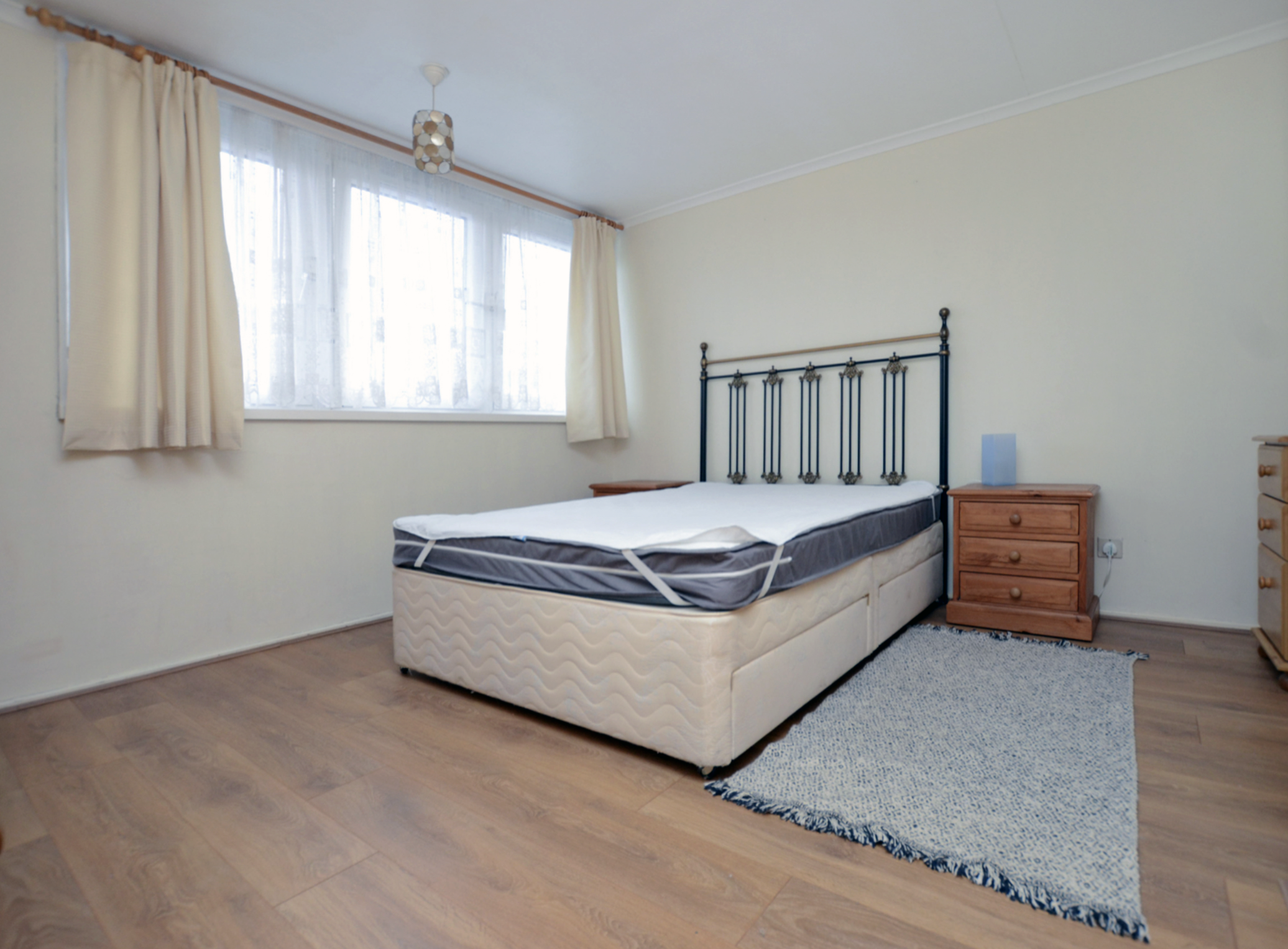
The flat itself is situated within this large purpose built block, benefits with this particular block include secure entrance system and lift access to each floor. This particular flat is found on the 4th floor and offers a private front door, as you enter the hallway leads round to a large living room which has plenty of space for dining as well, the kitchen is separate but has been cleverly designed to include an large opening hatch that creates the feeling of open plan to this area. The kitchen is clean and tidy and is supplied with the white goods including a brand new washing machine.
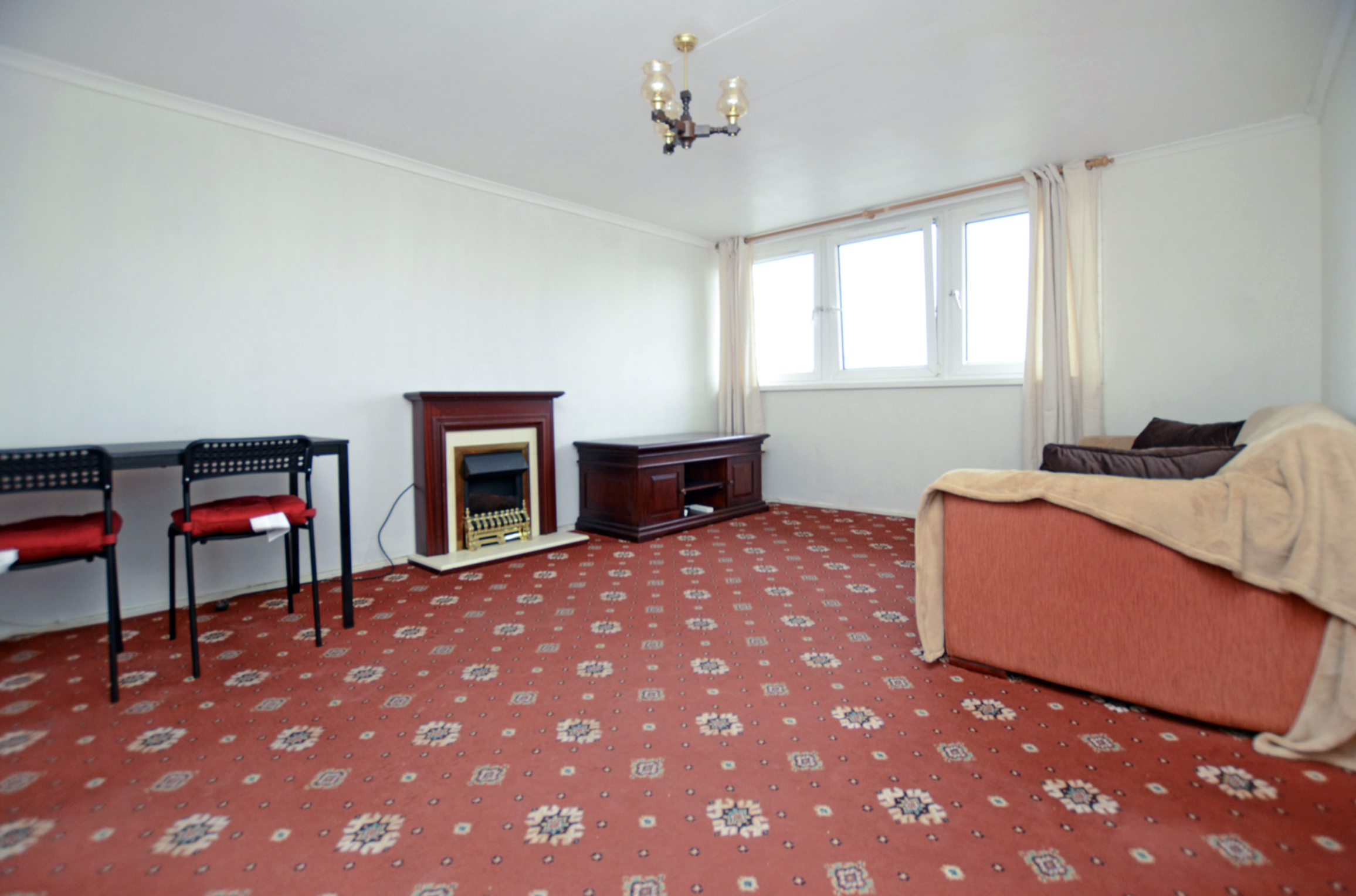
The main living space has lovely big windows that not only offers lots of natural light but also offers a stunning viewing, where you can see glimpses of the Cruise liners docking. The bedroom is accessible by multiple doors either from the living room or hallway, the bedroom is a great size and also features nice big windows, along with plenty of storage. Back into the hallway there are two useful storage cupboards and last but not least a fully tiled bathroom with shower and bath. Further benefits with the flat include electric heating and external storage cupboard next to the front door, the block also boosts a communal garden which is a nice place to sit and enjoy some fresh air.
The building is Grade II Listed.
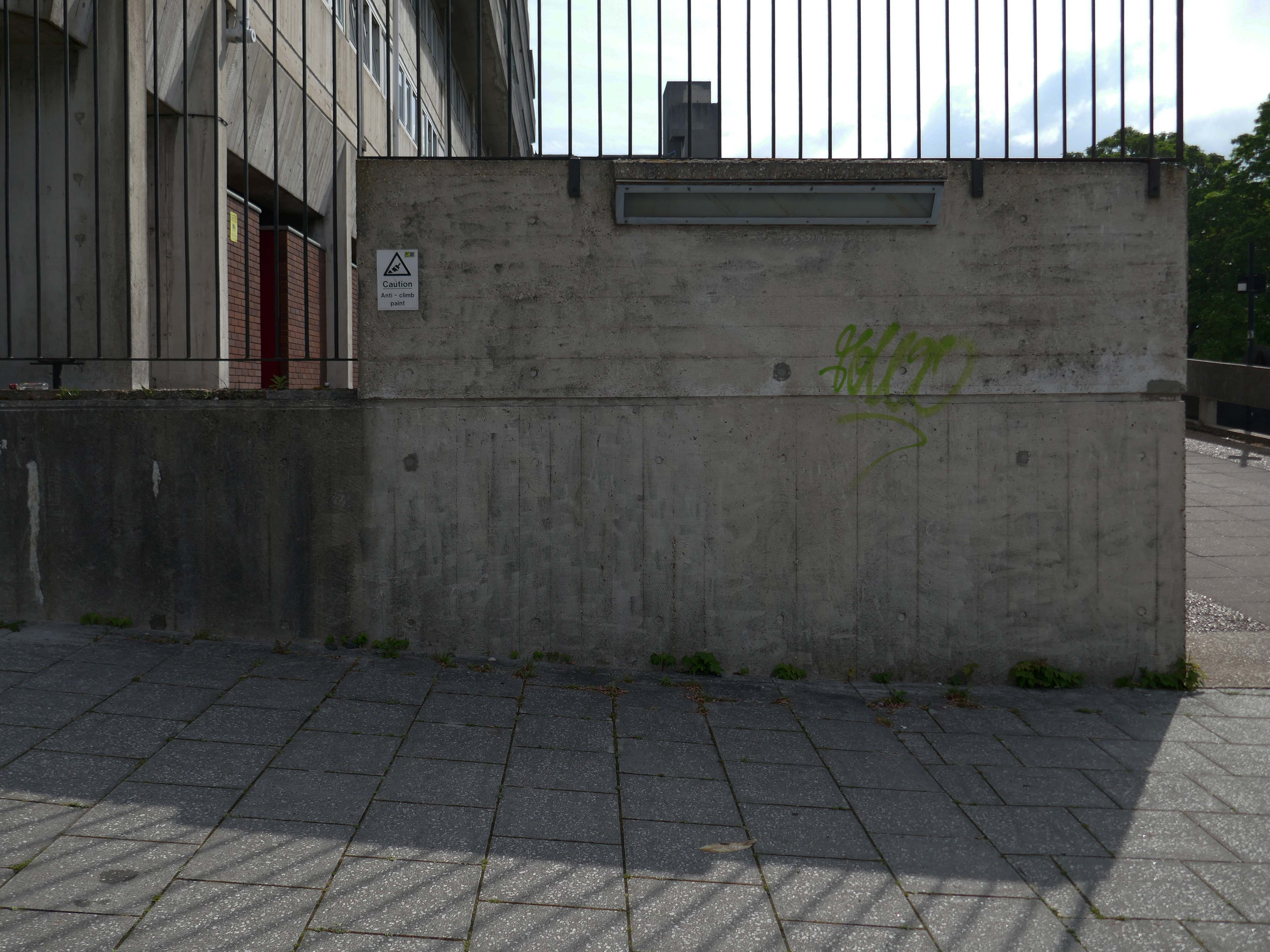
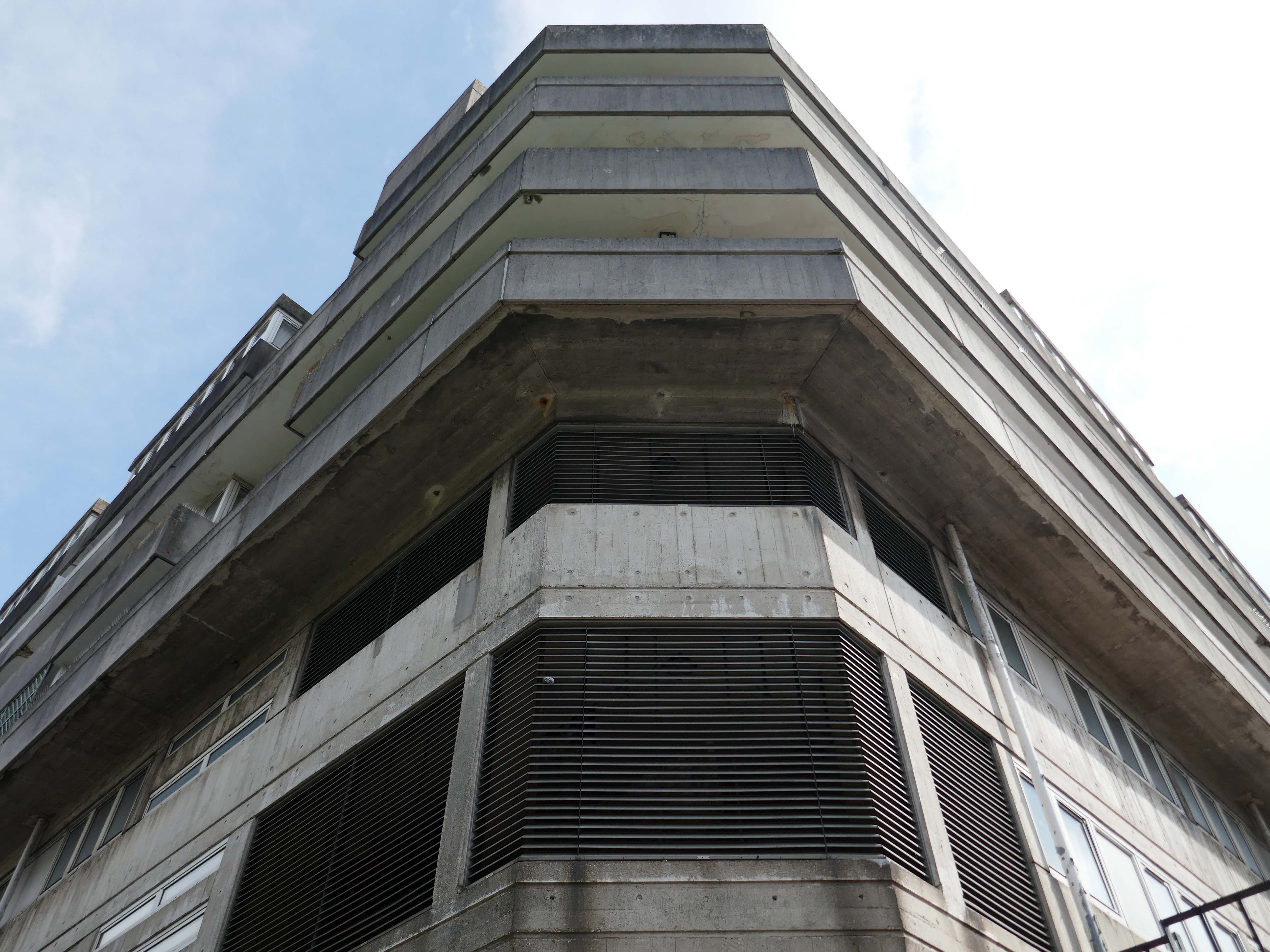

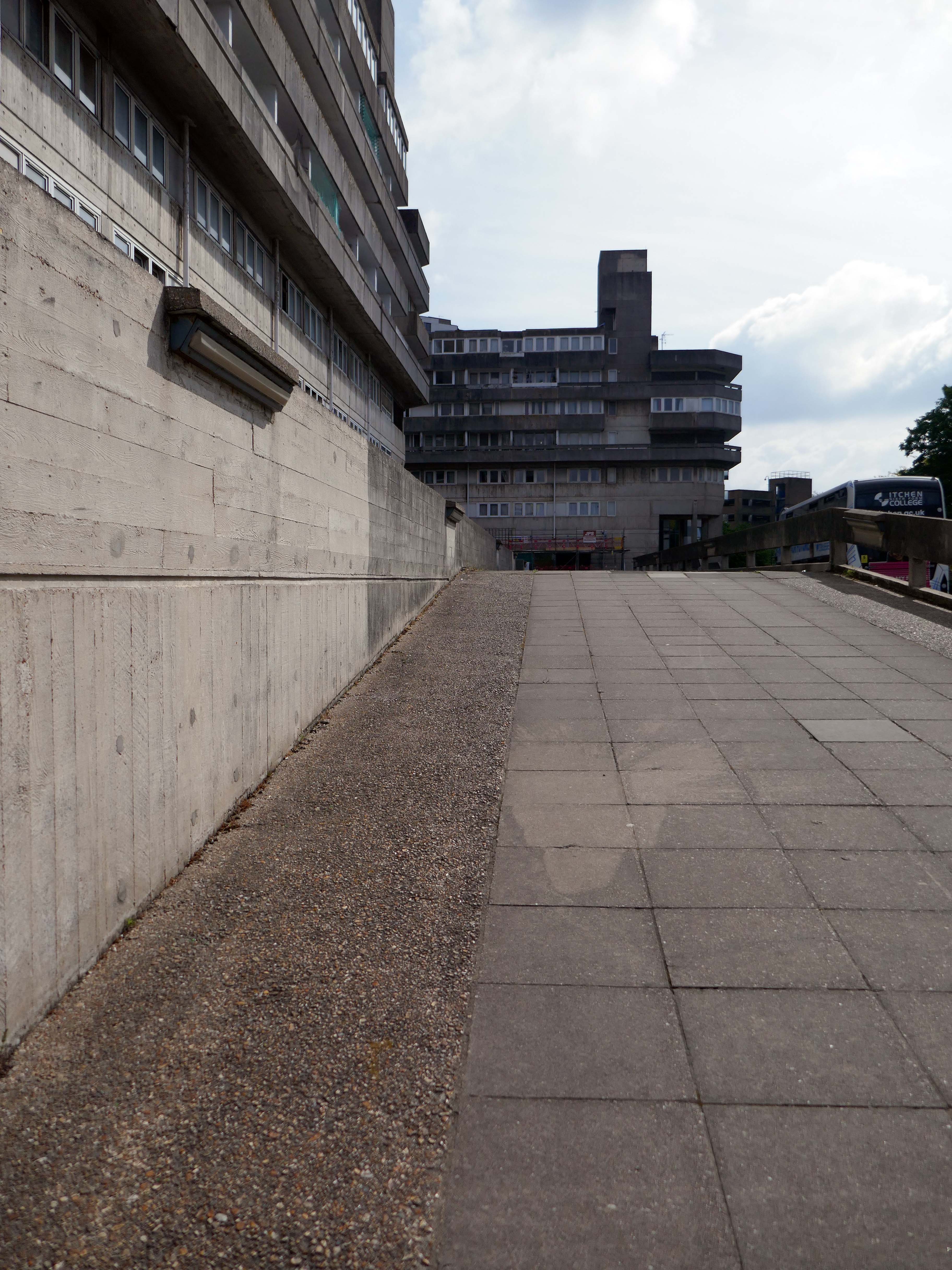

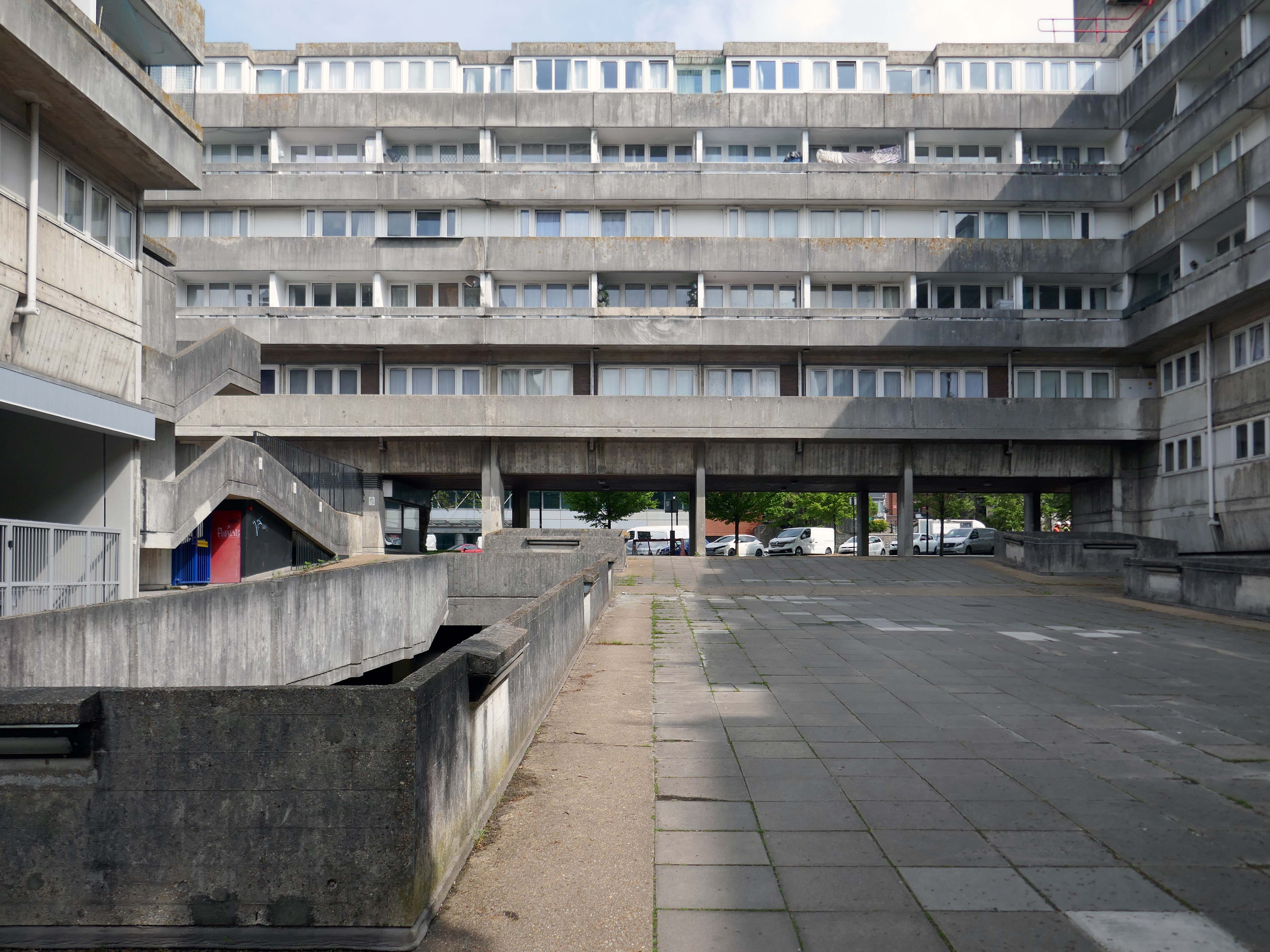
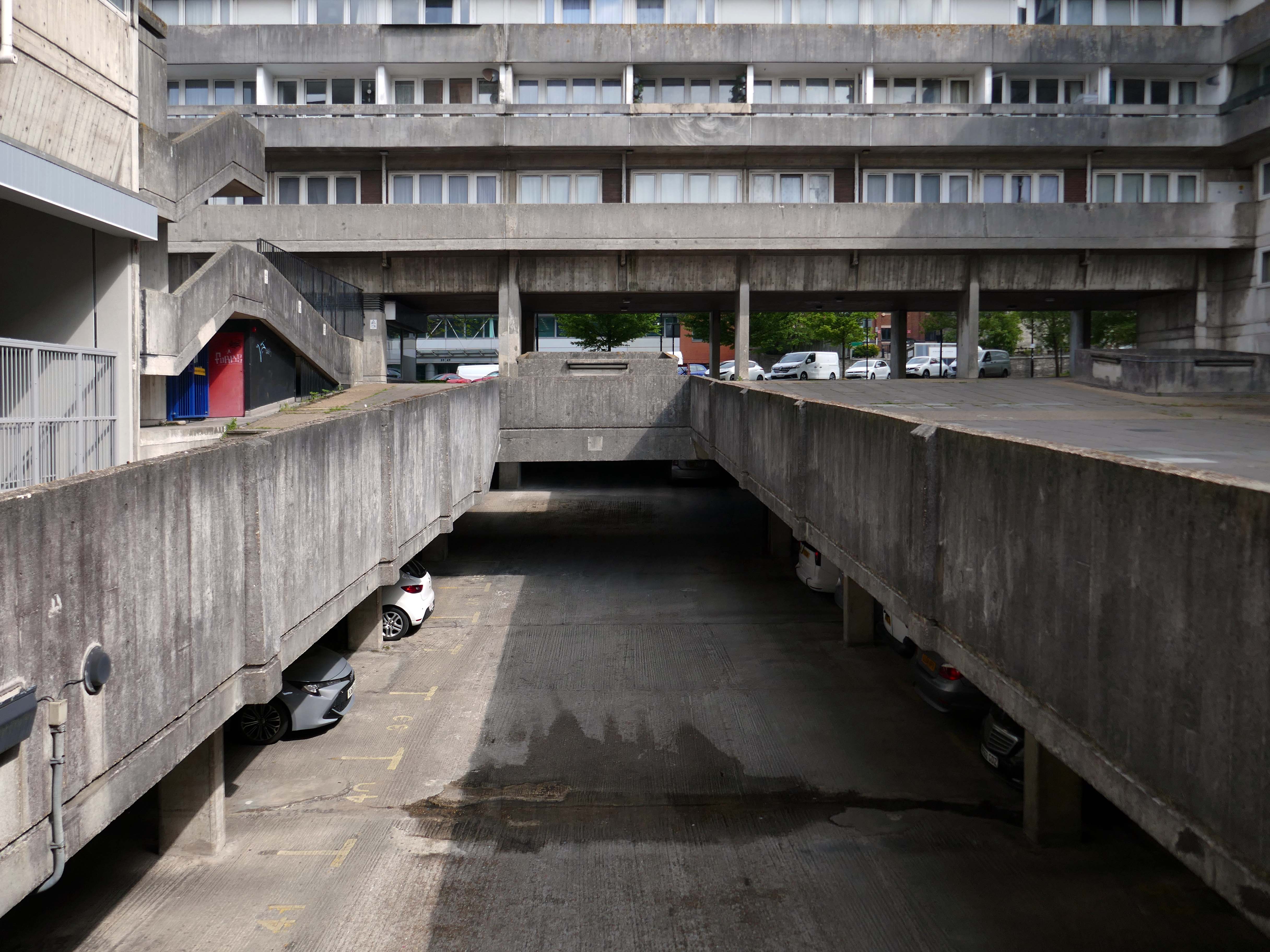
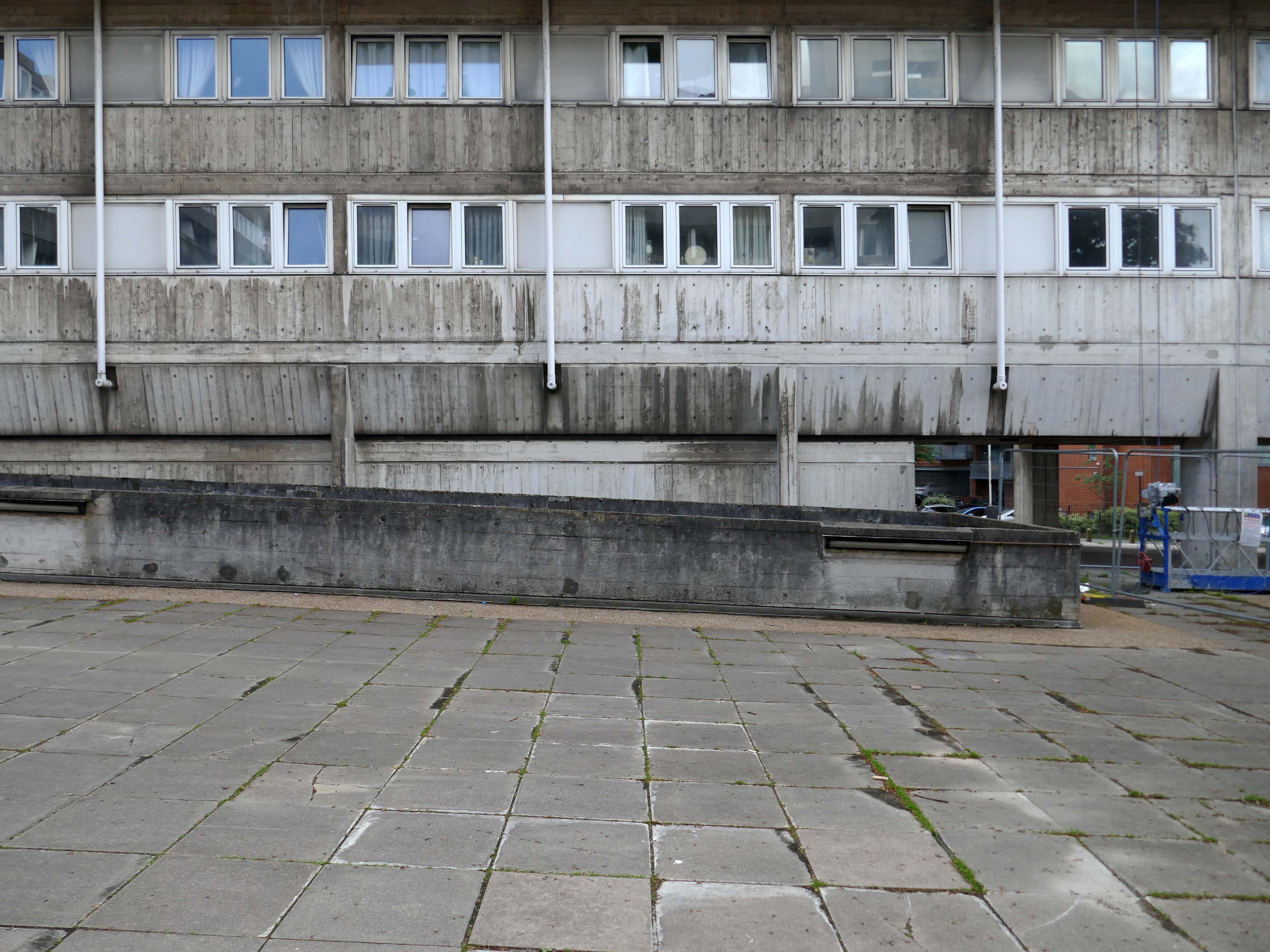
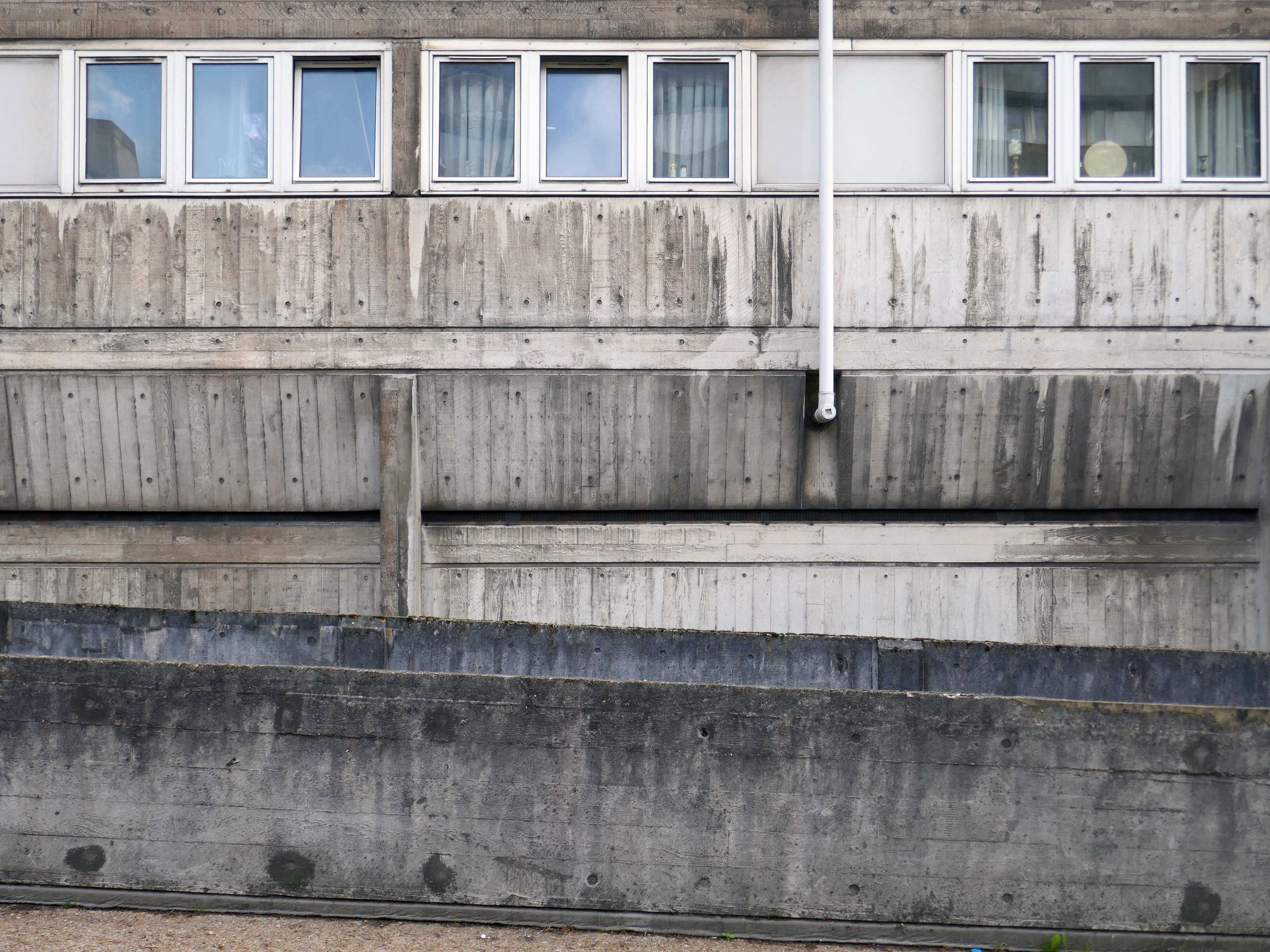
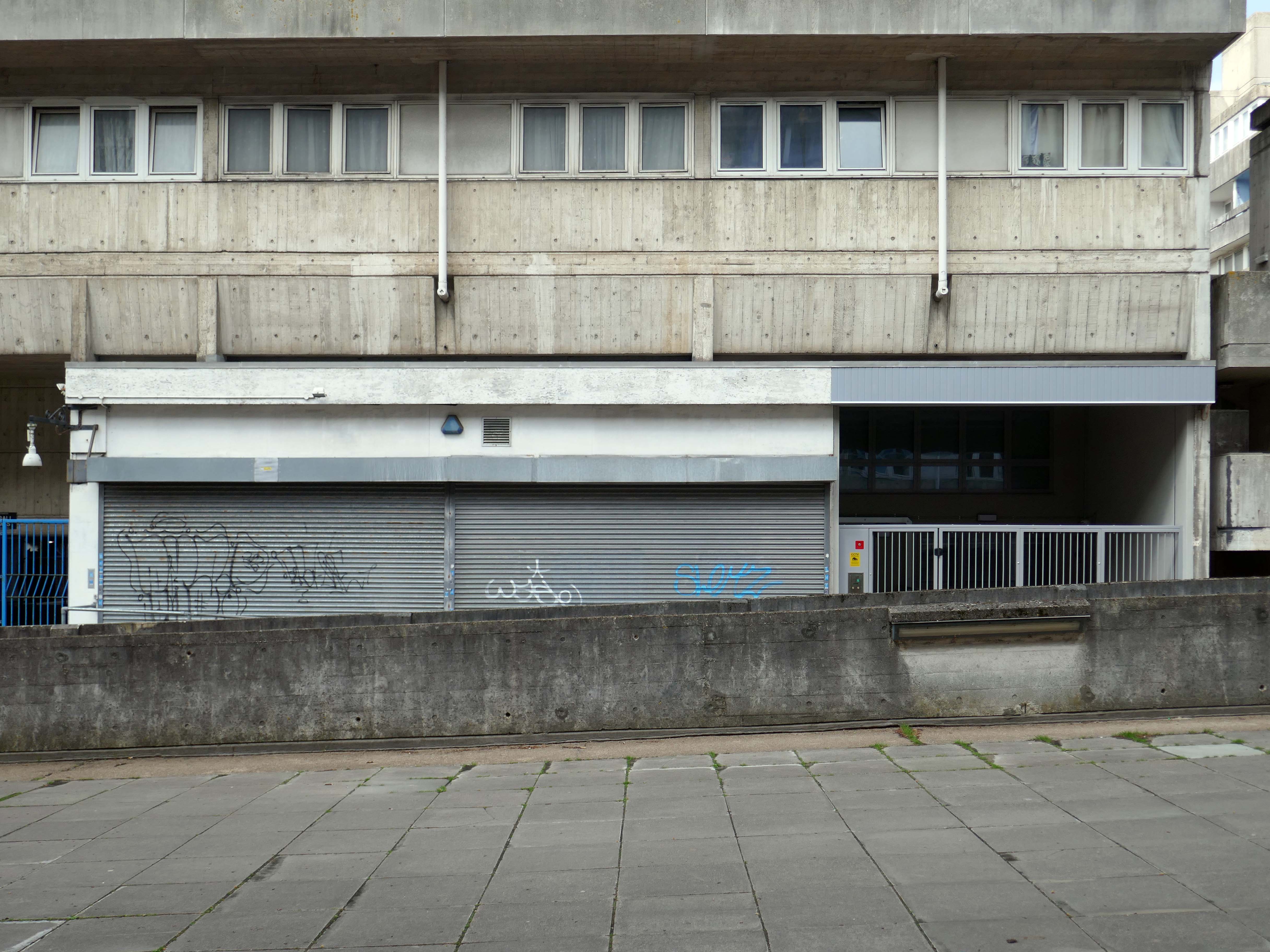
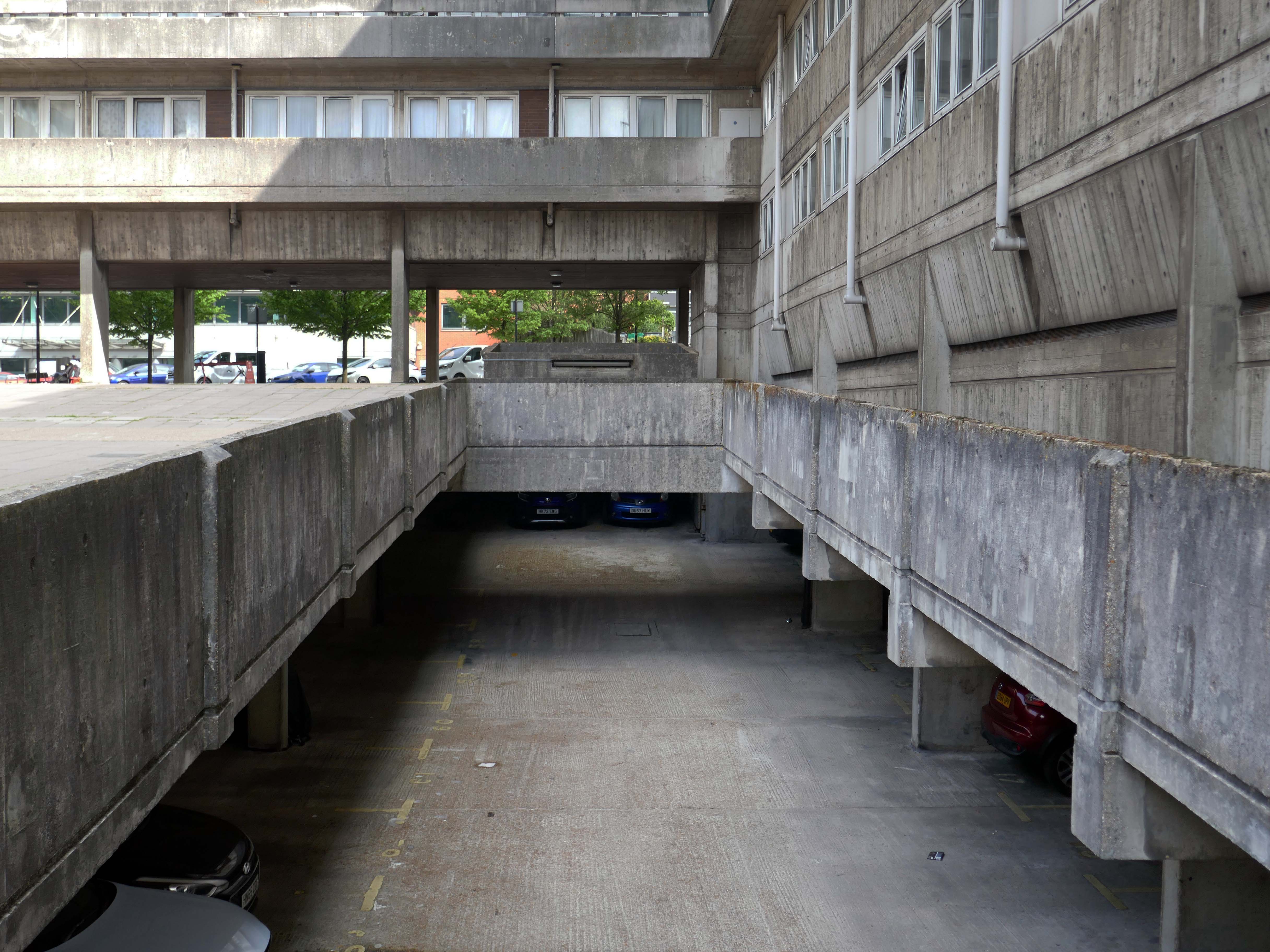
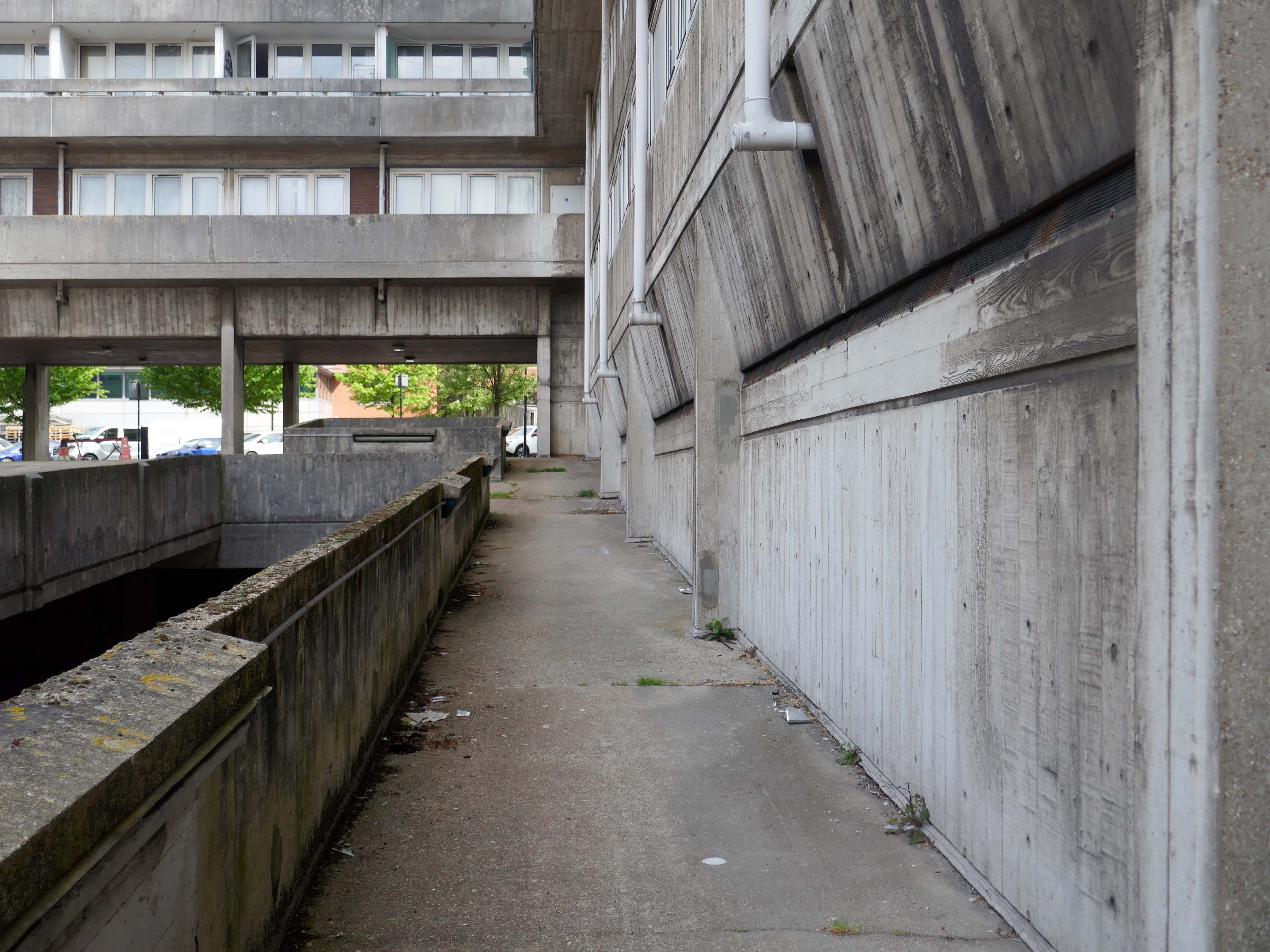
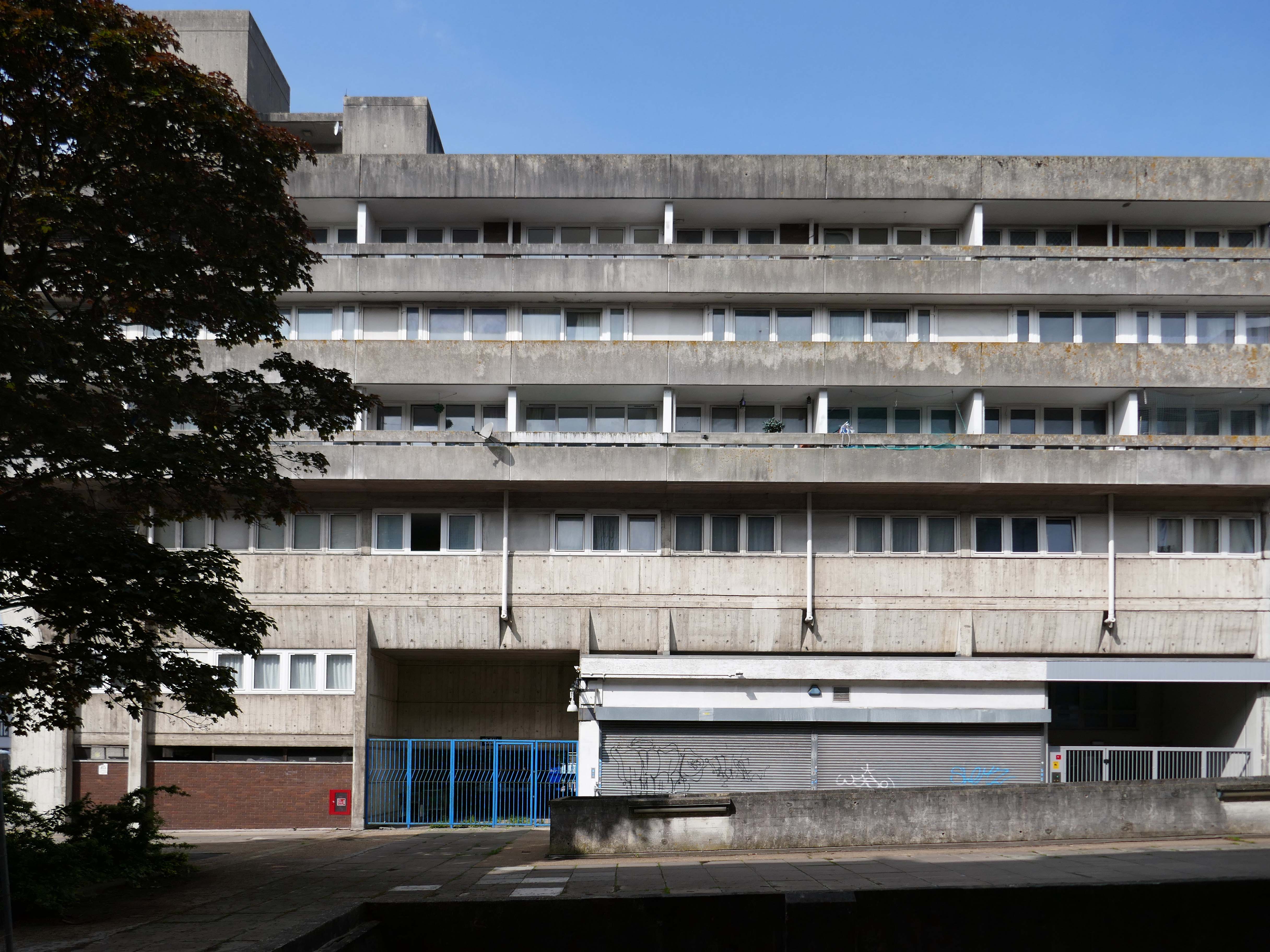
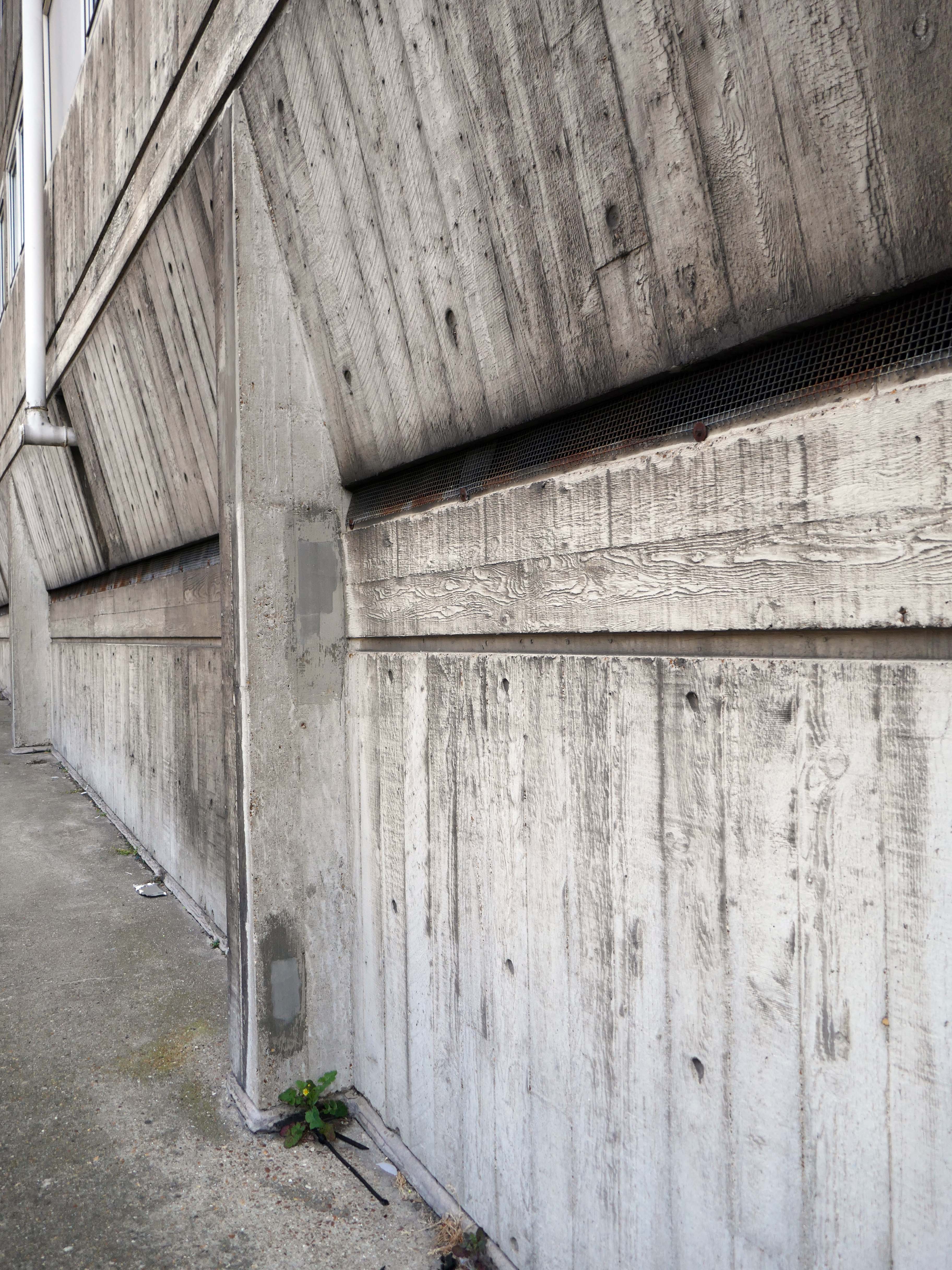
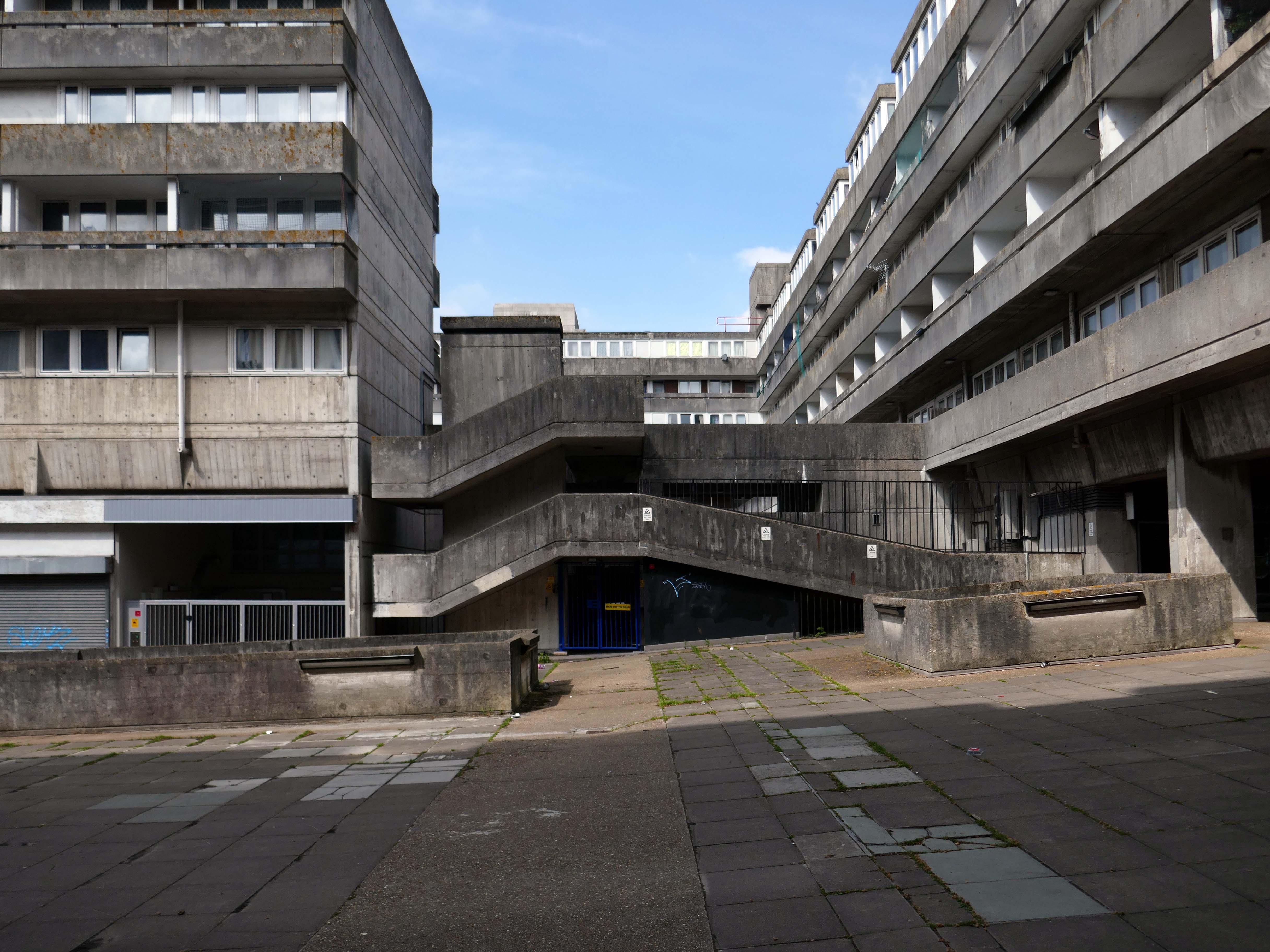
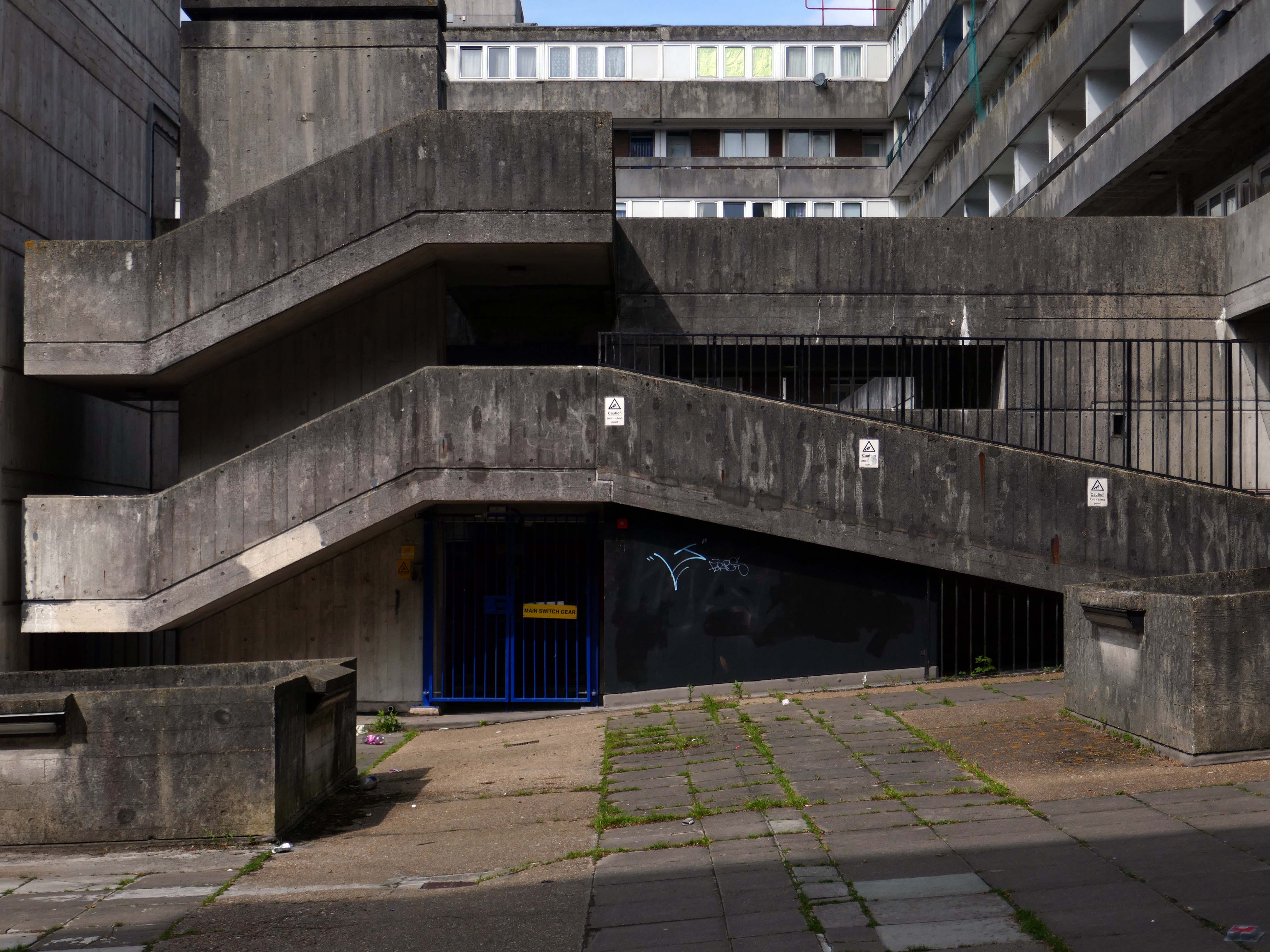
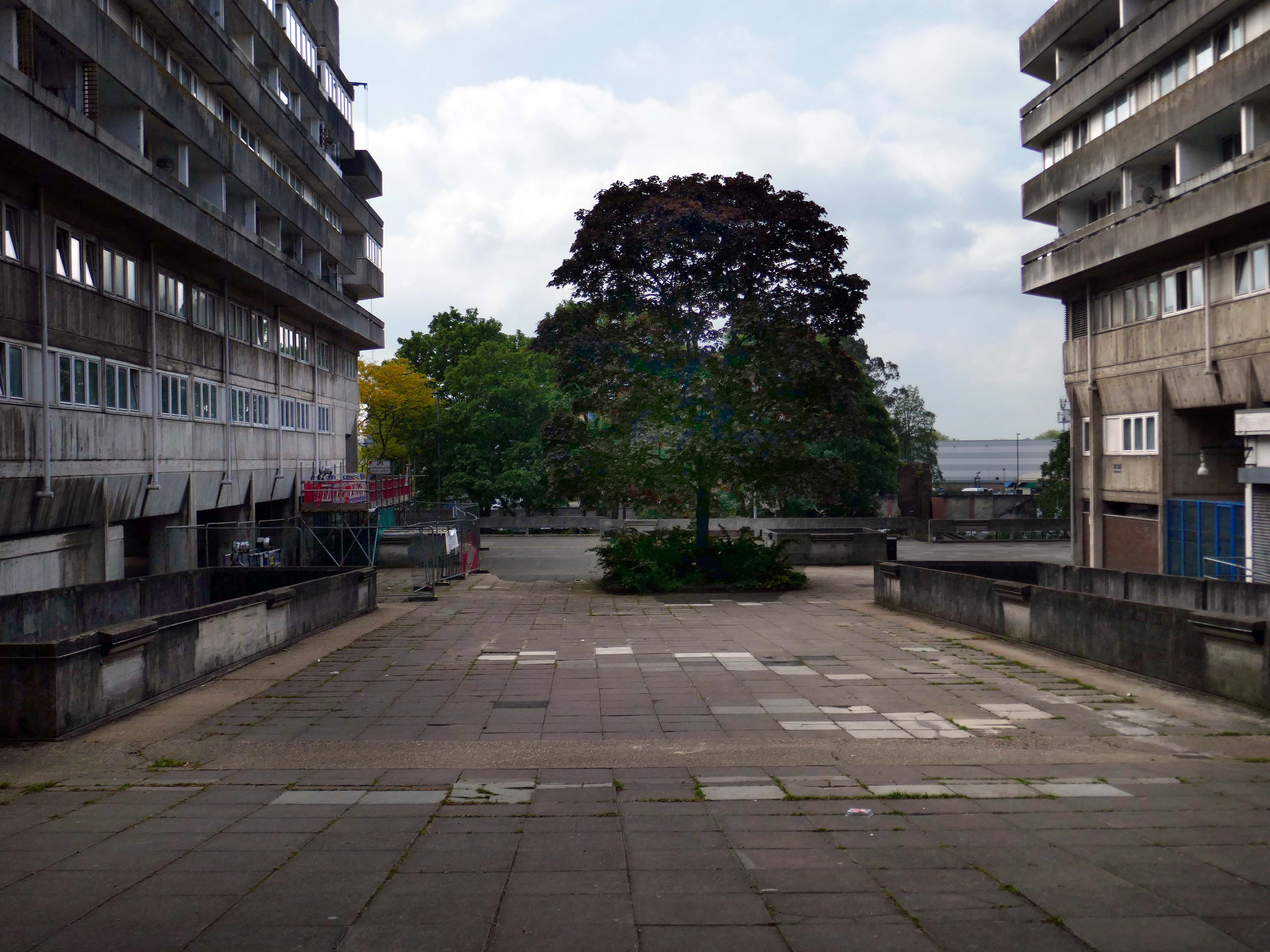
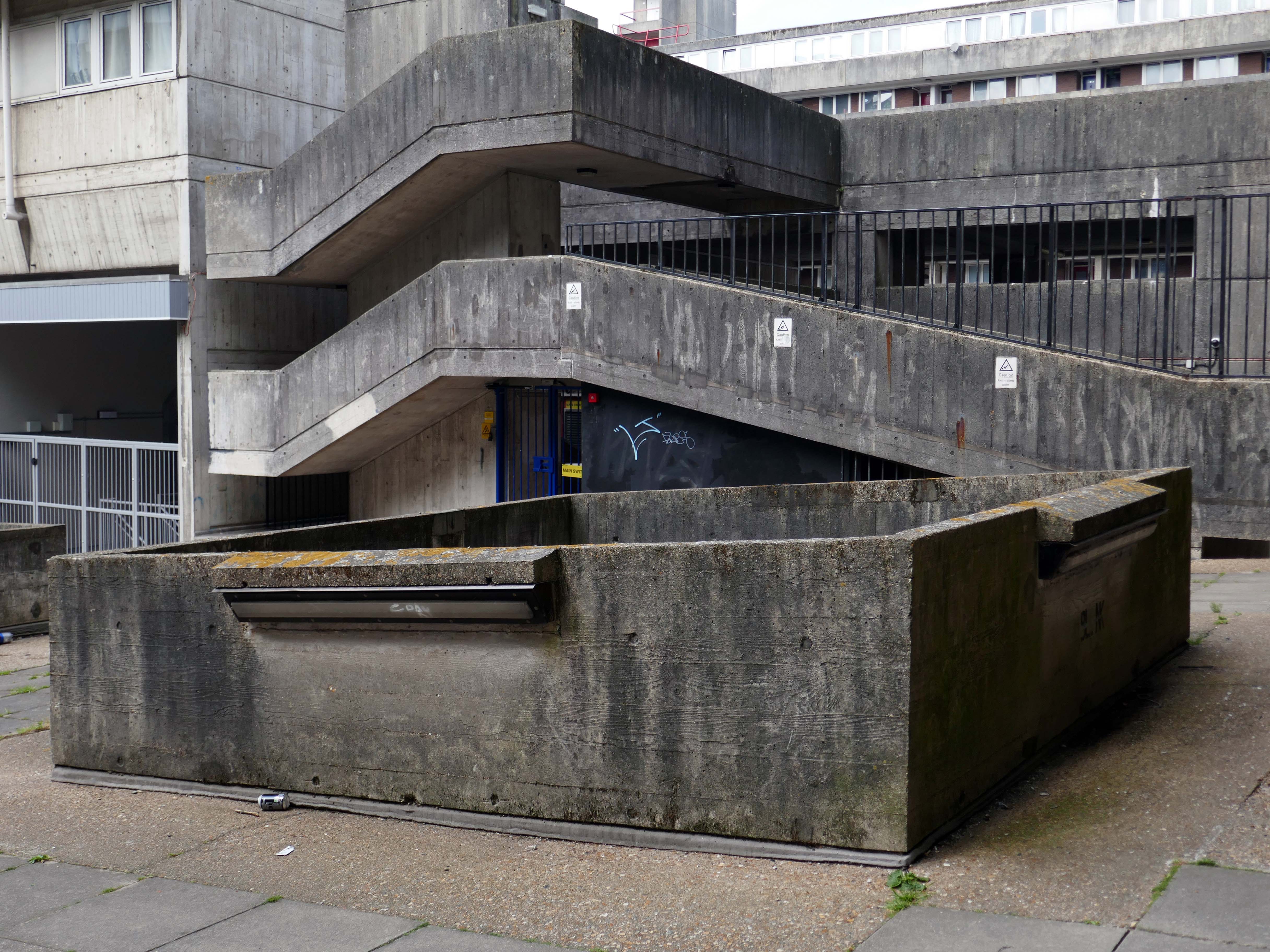
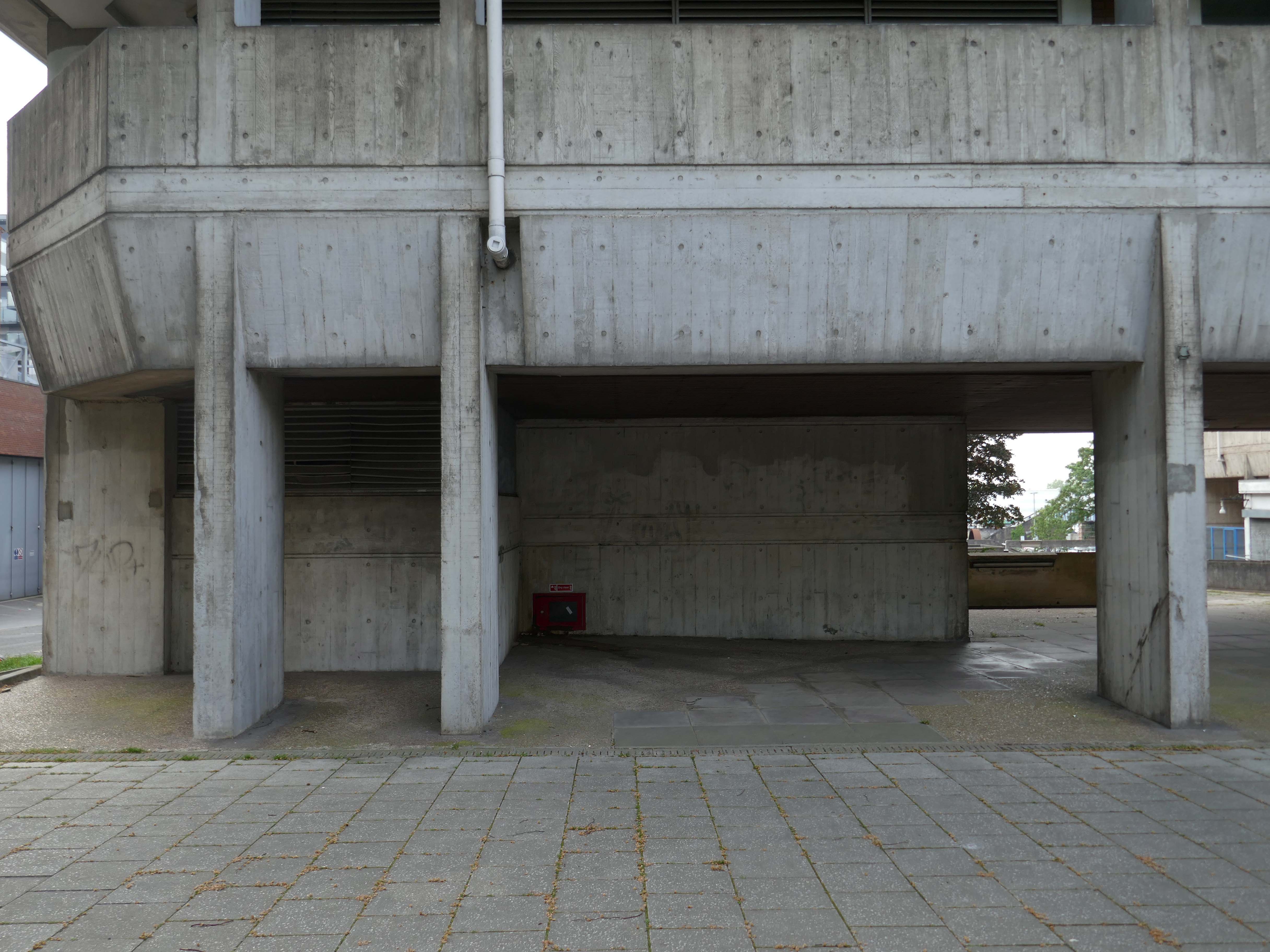
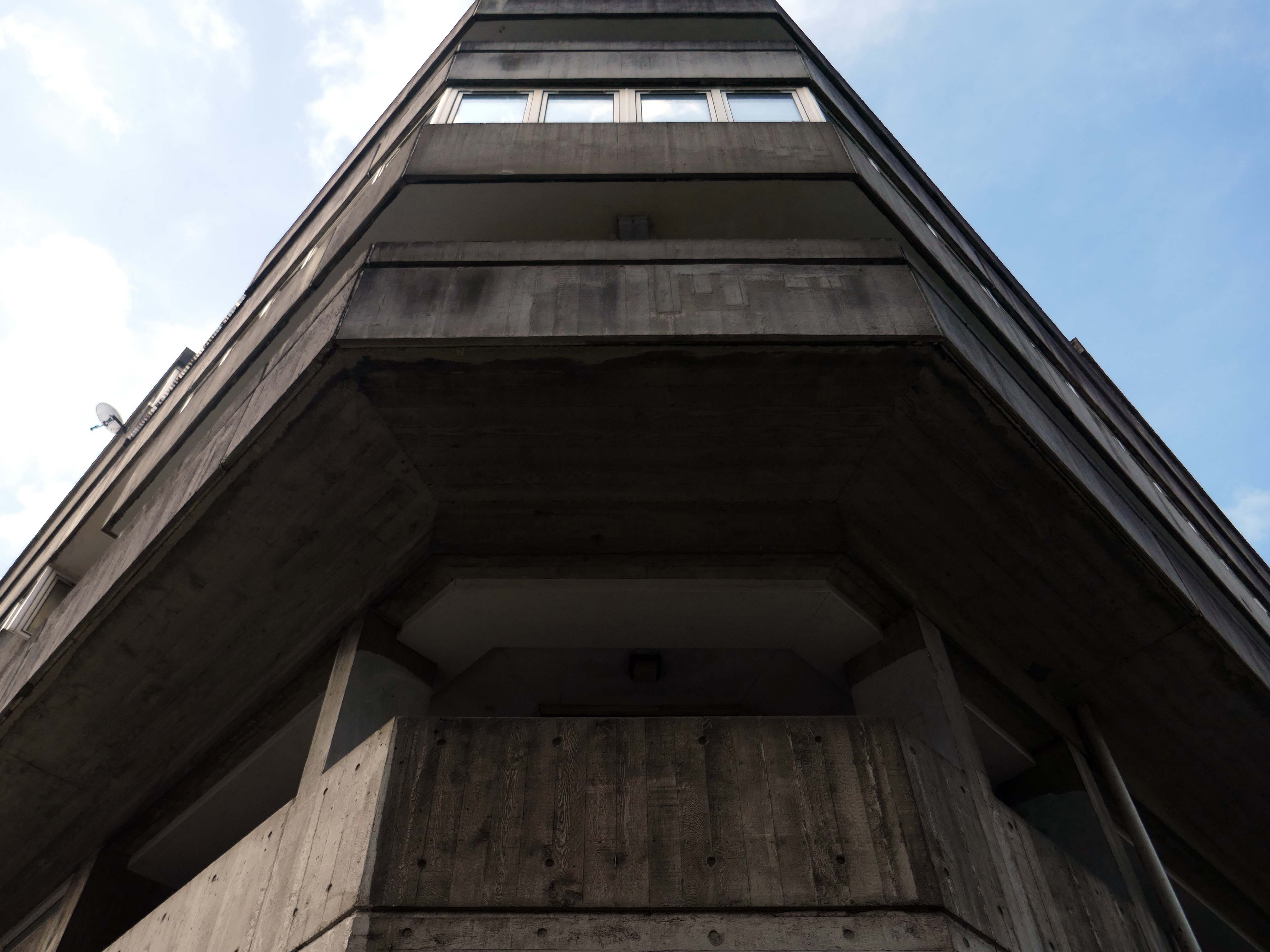
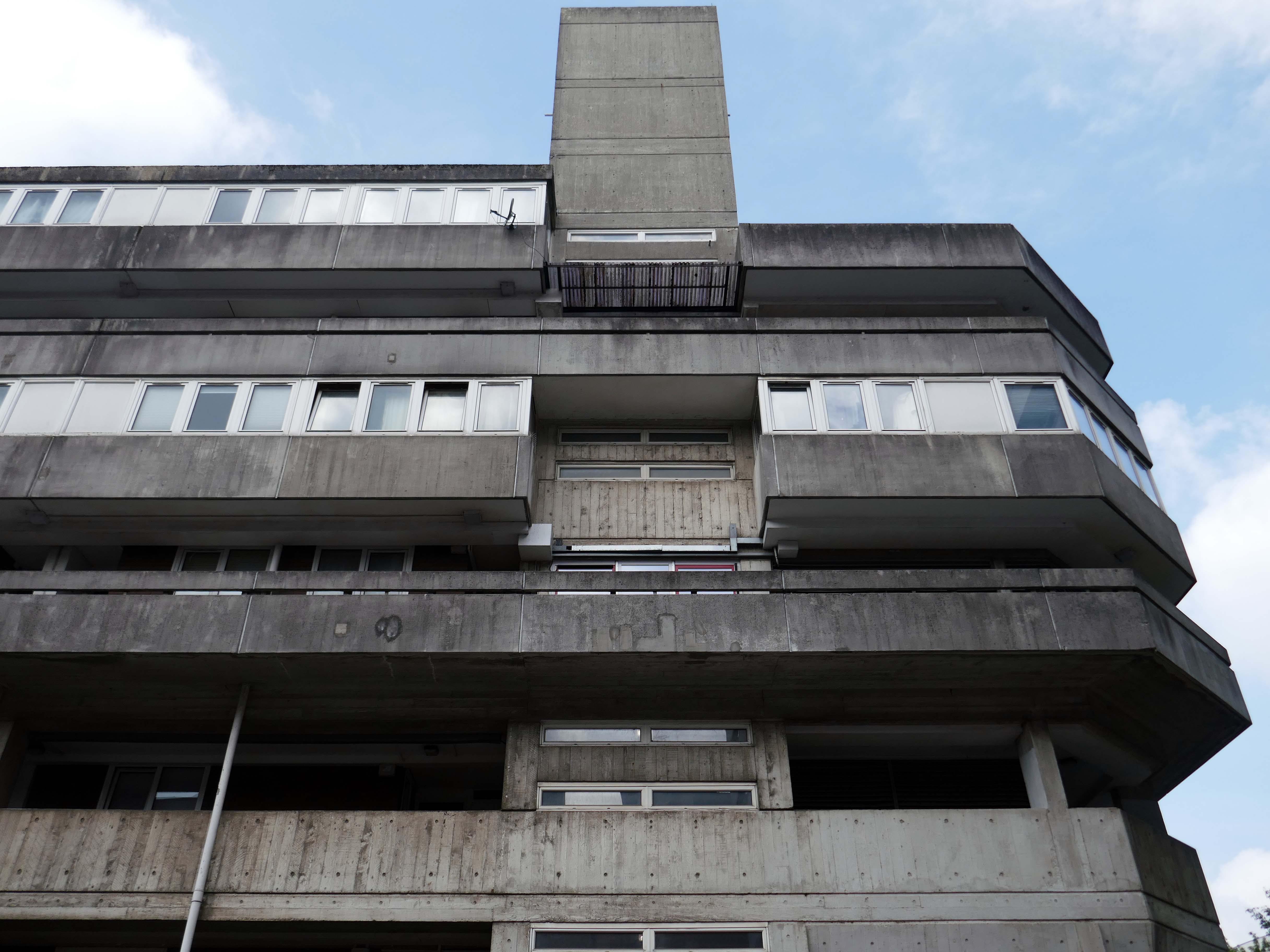
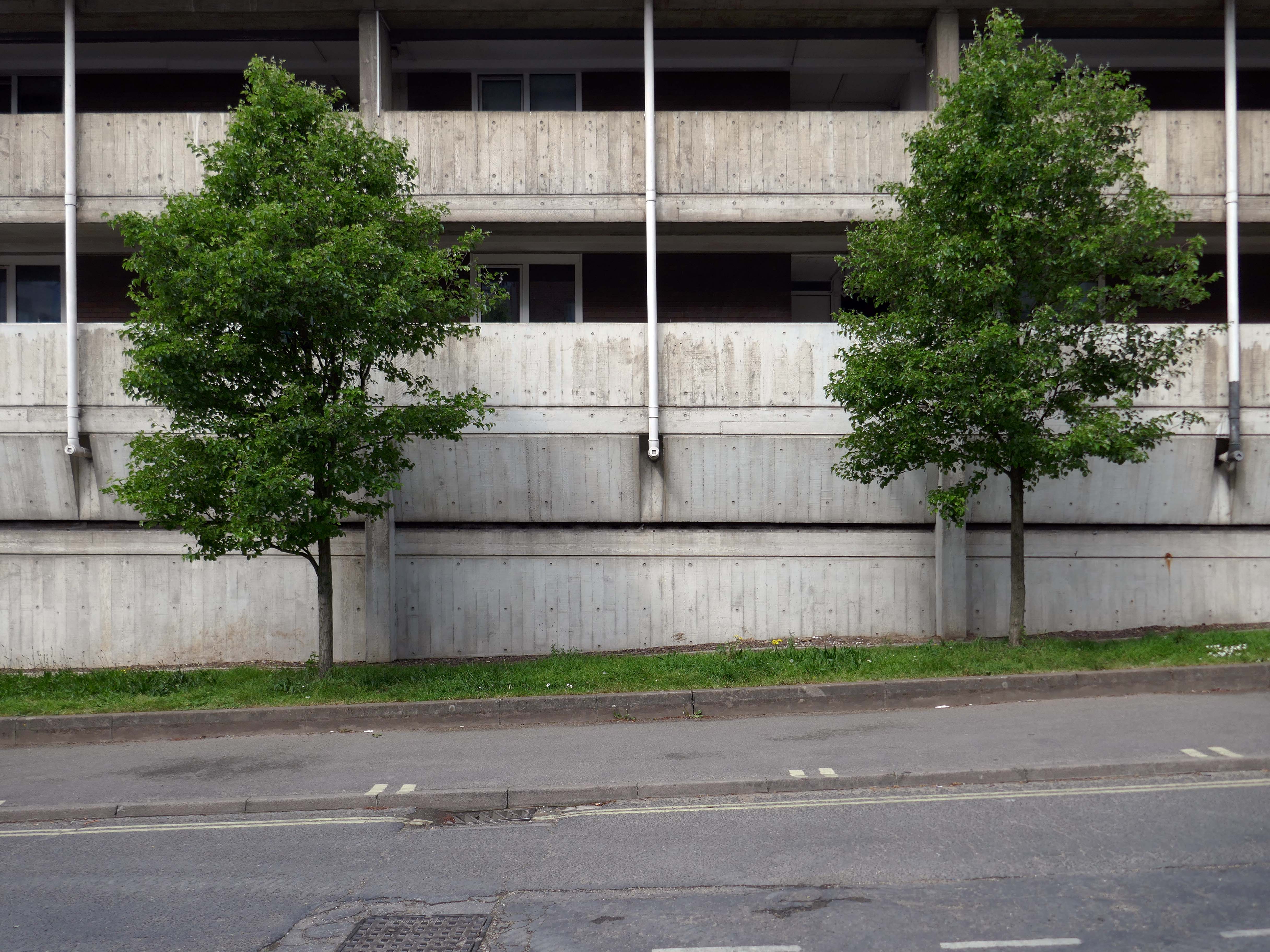
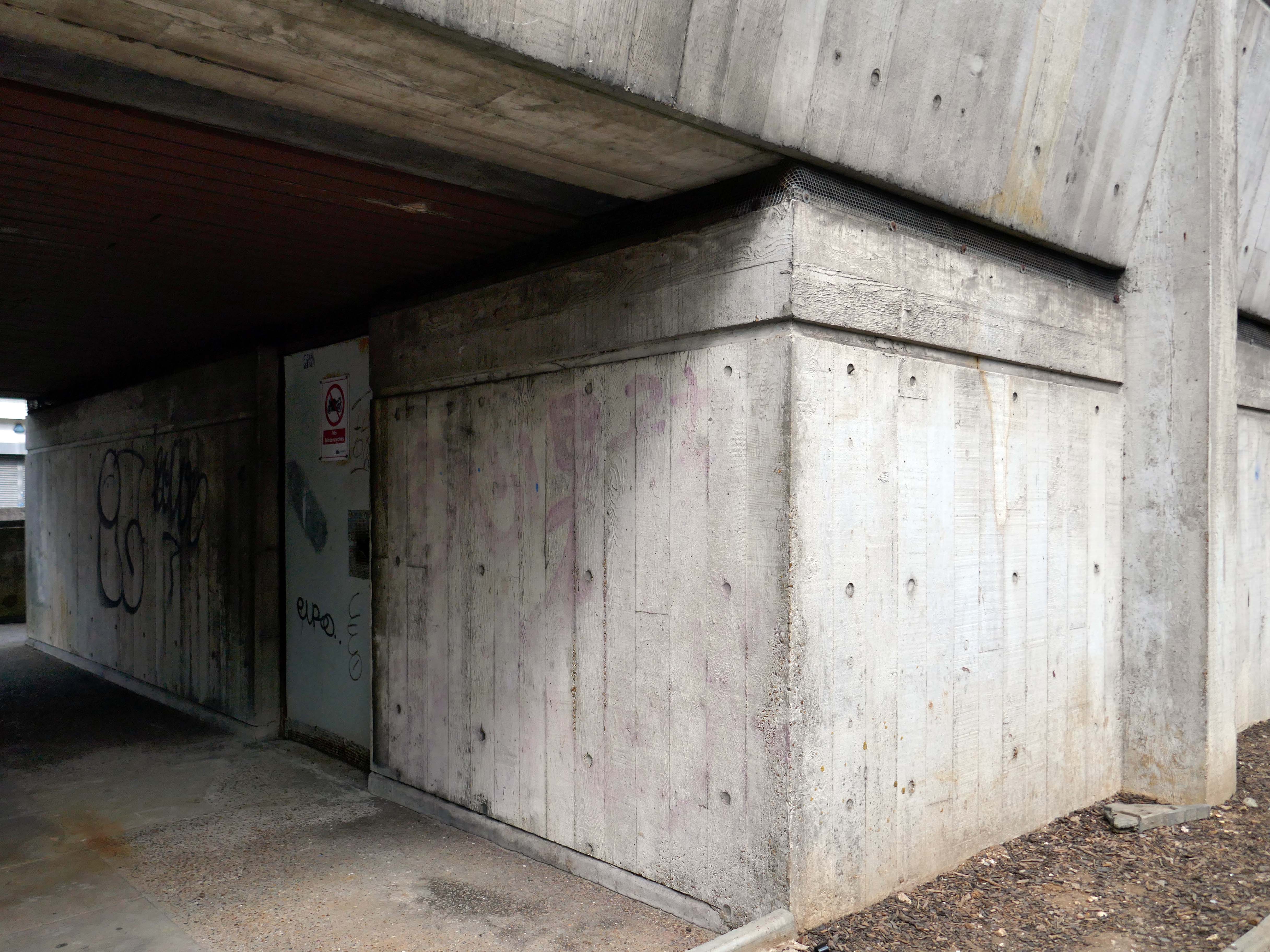
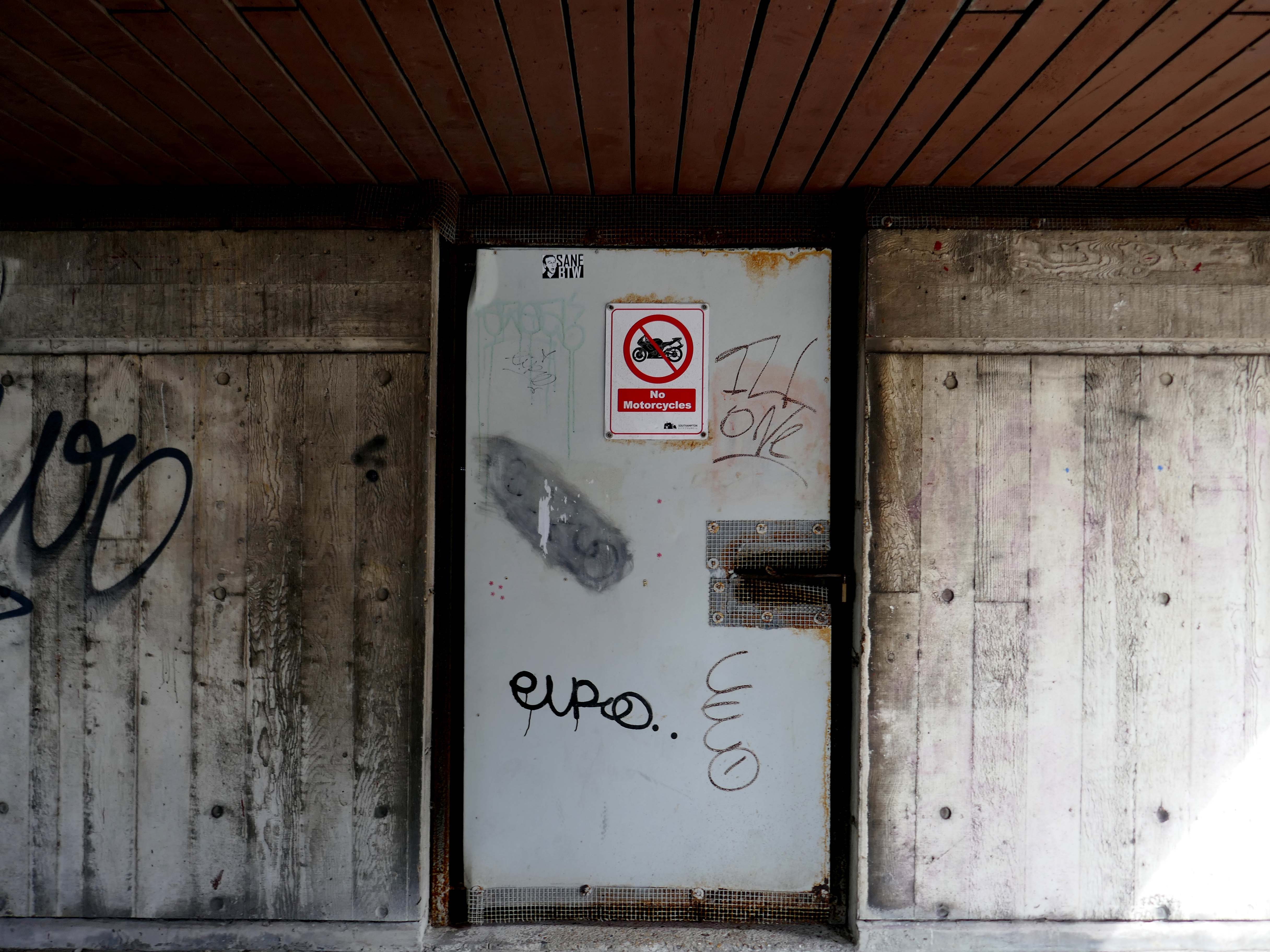
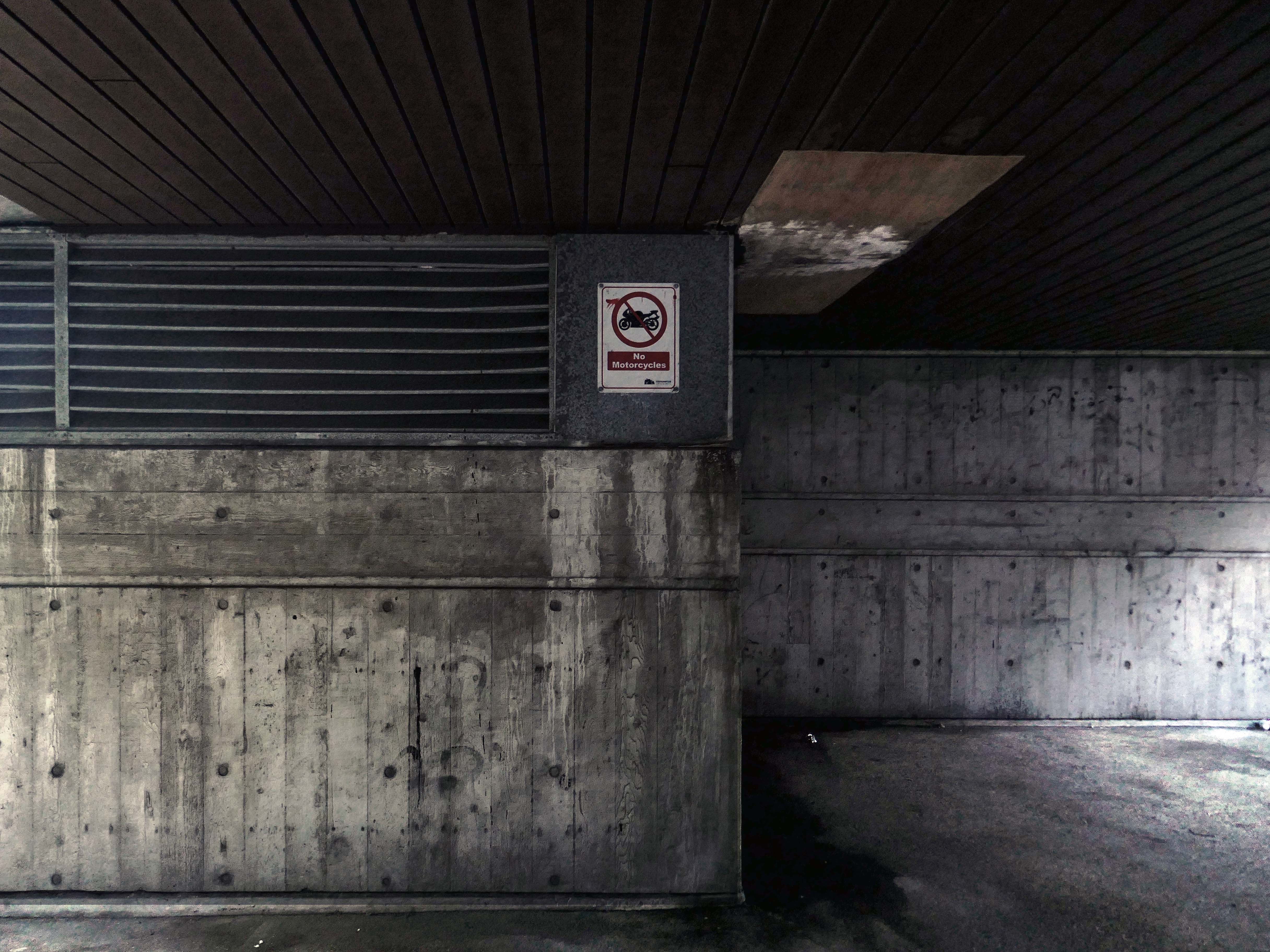
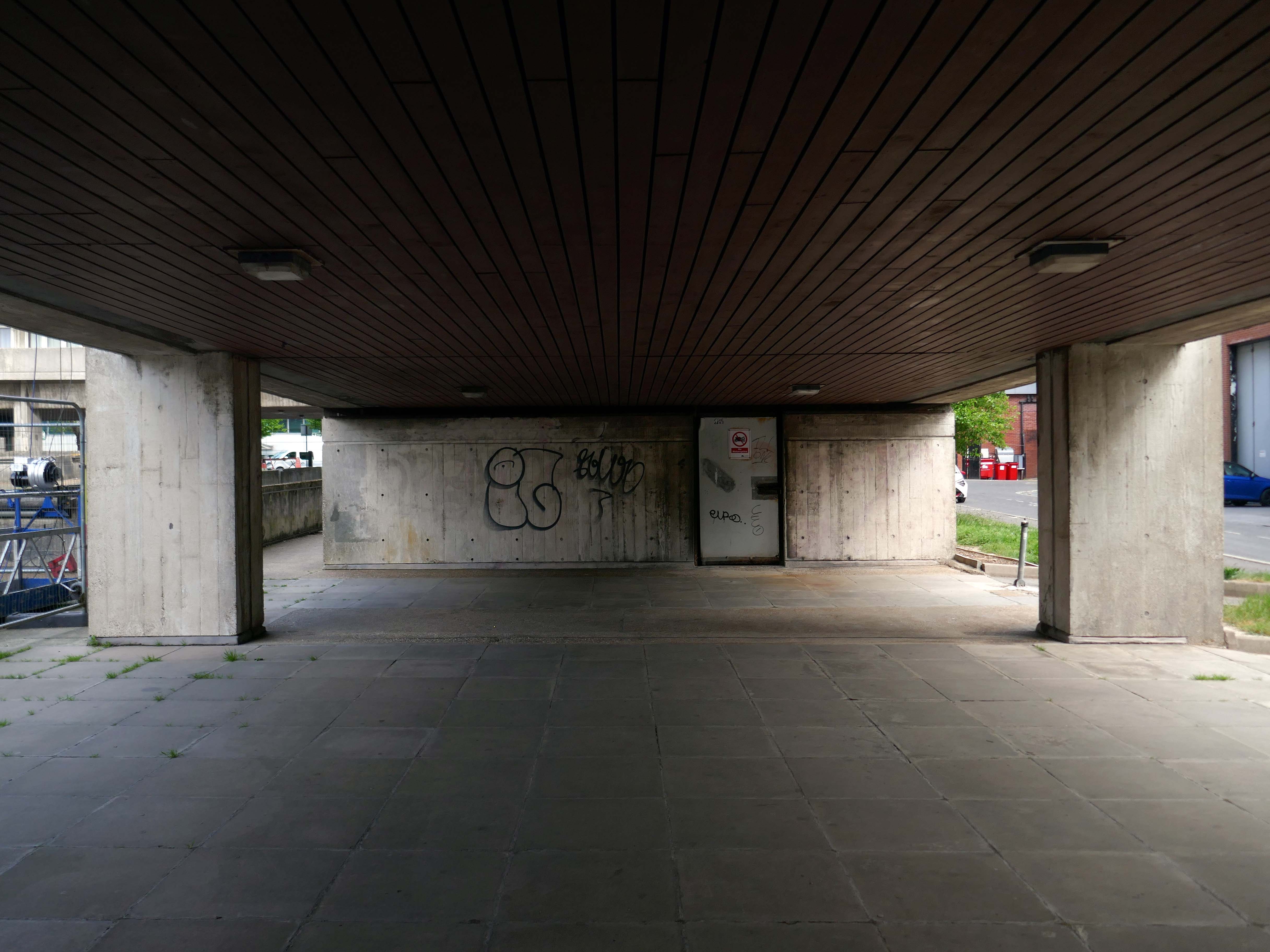

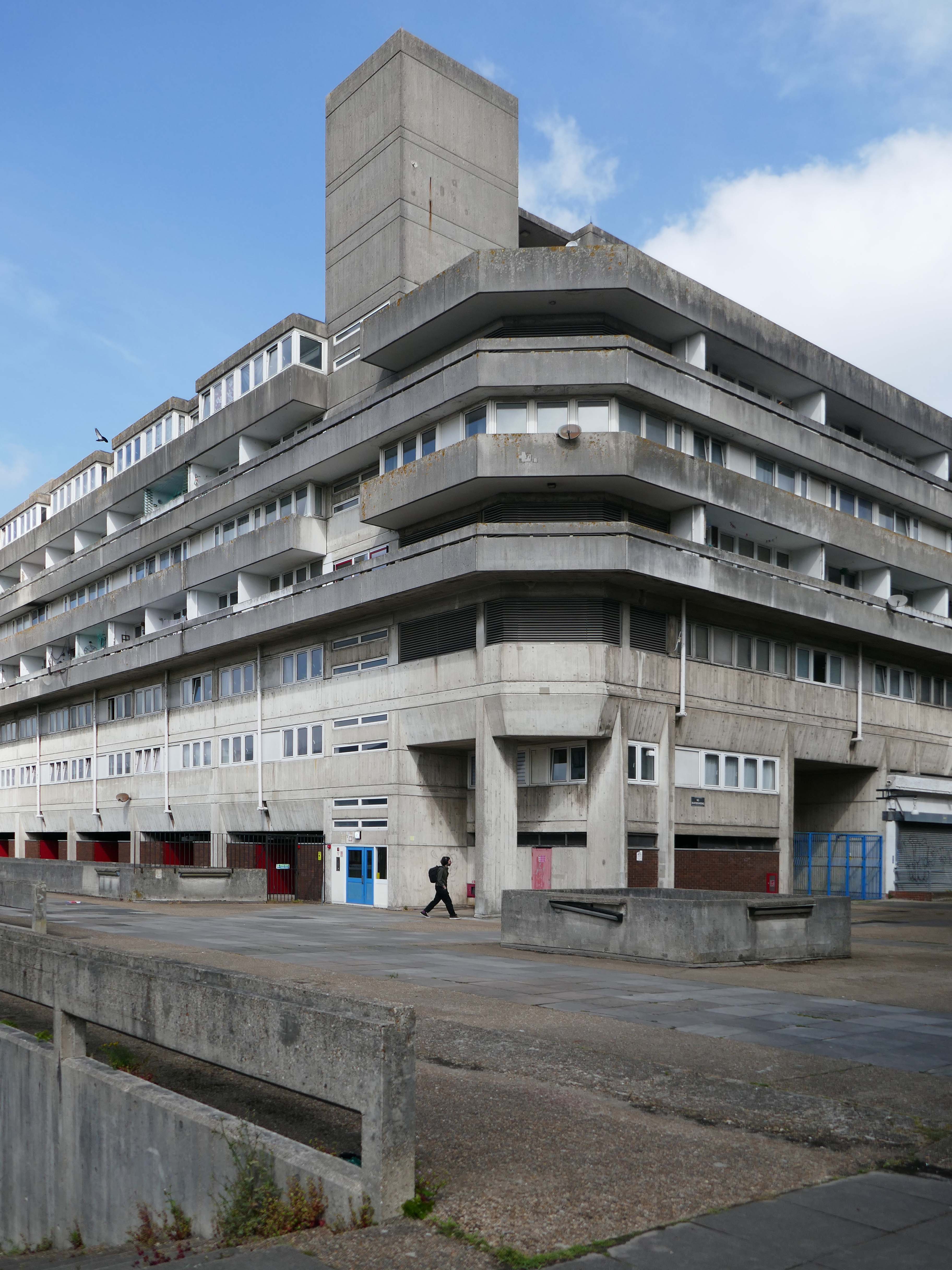
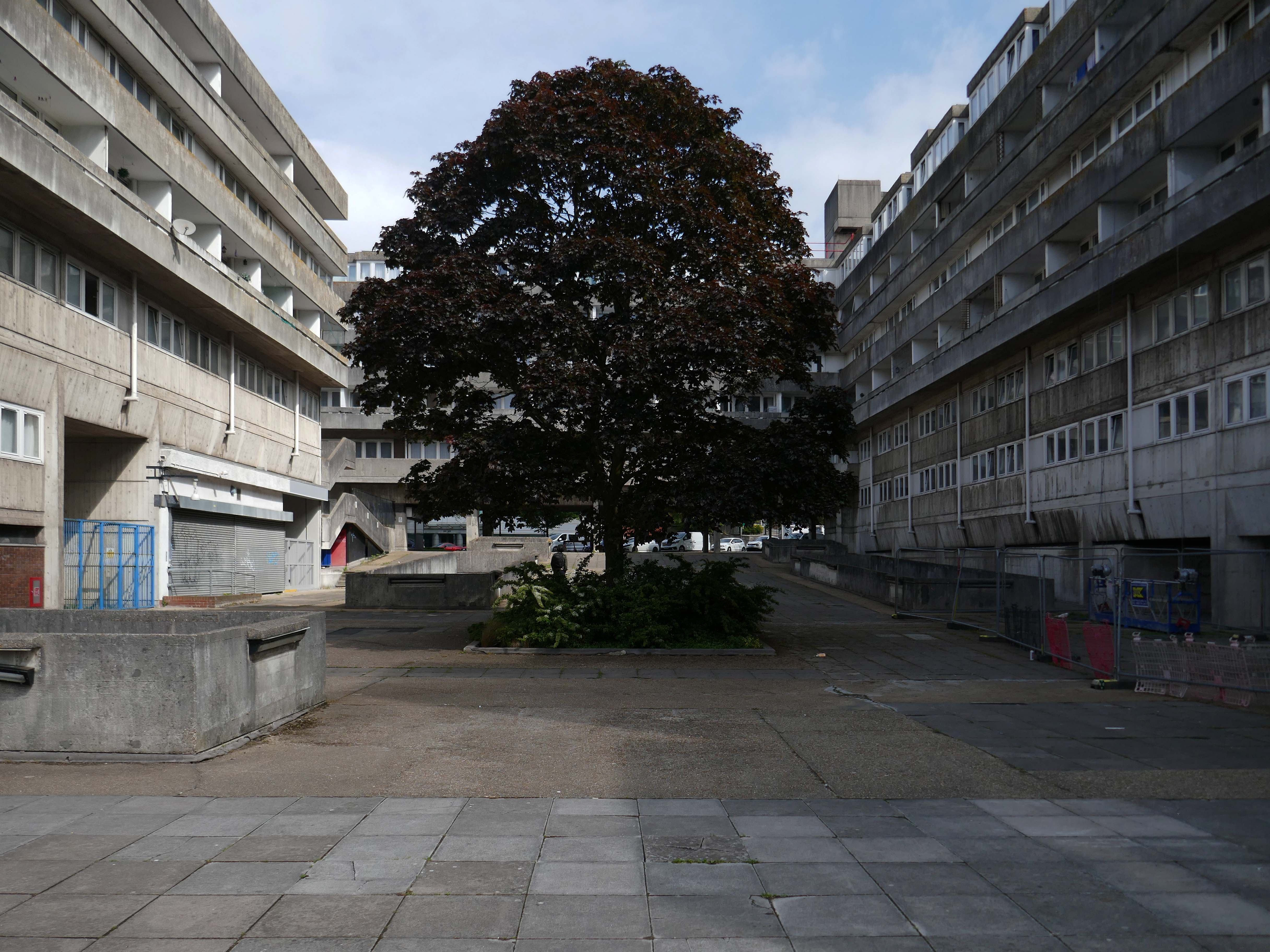
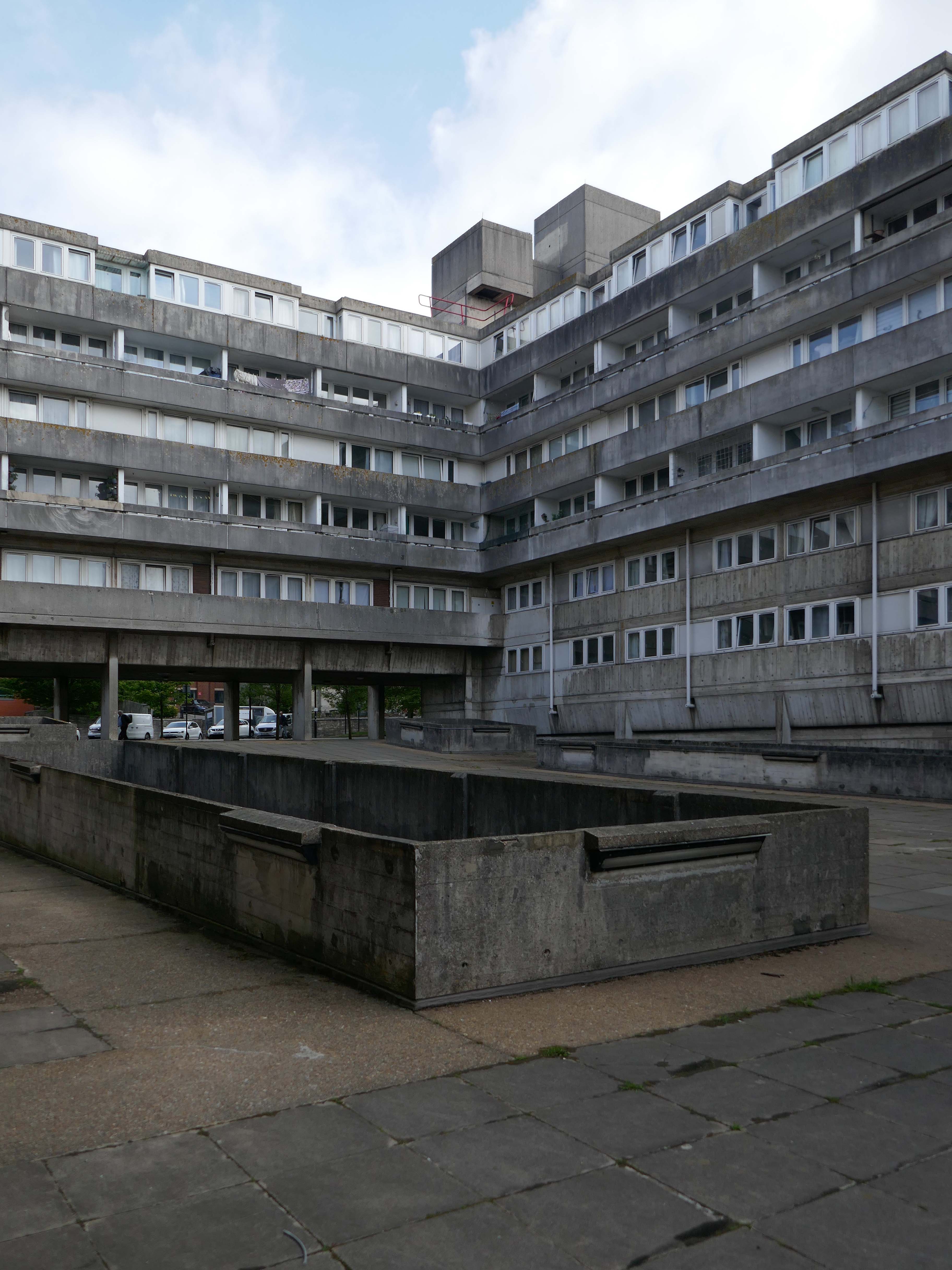
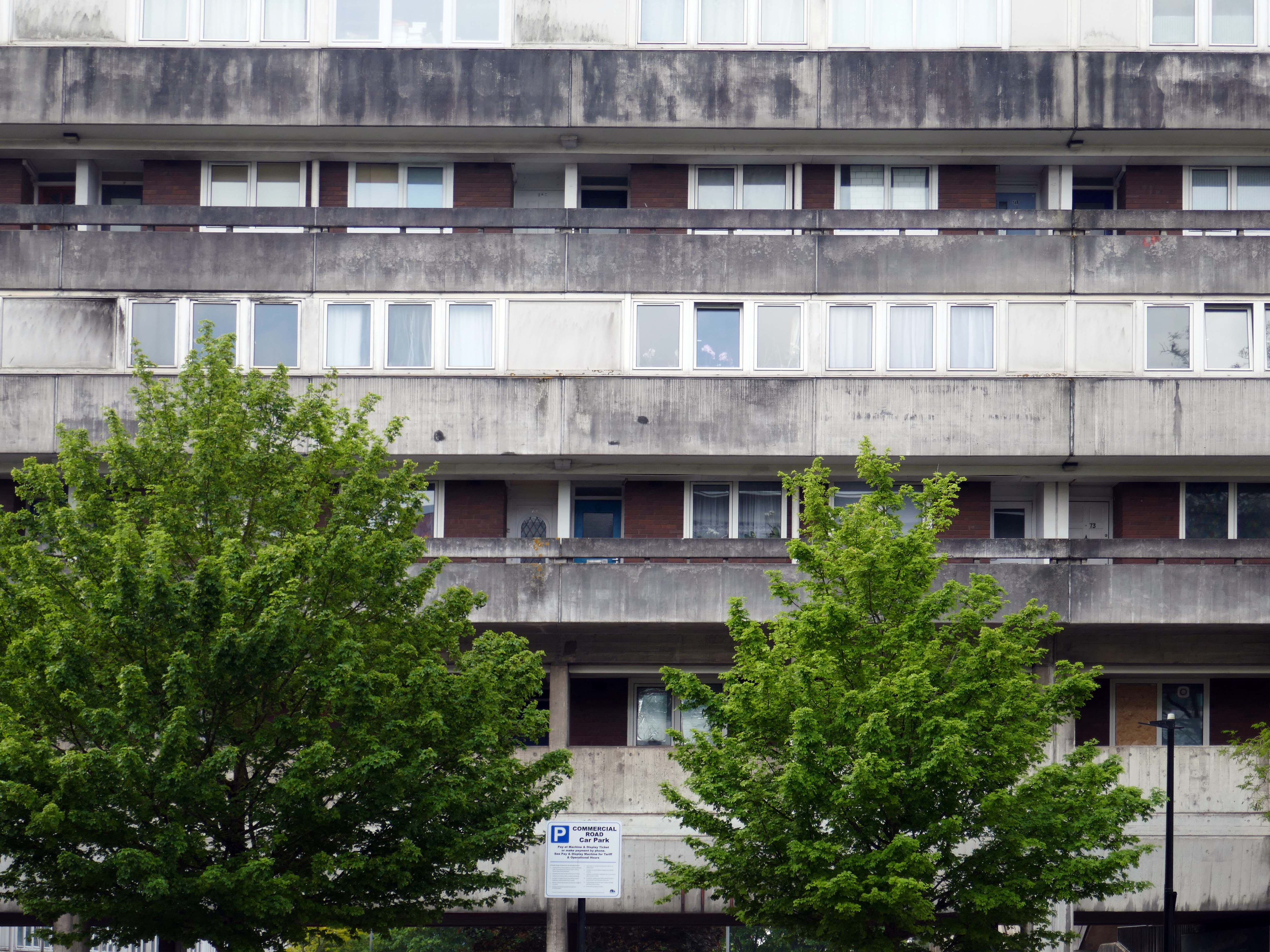
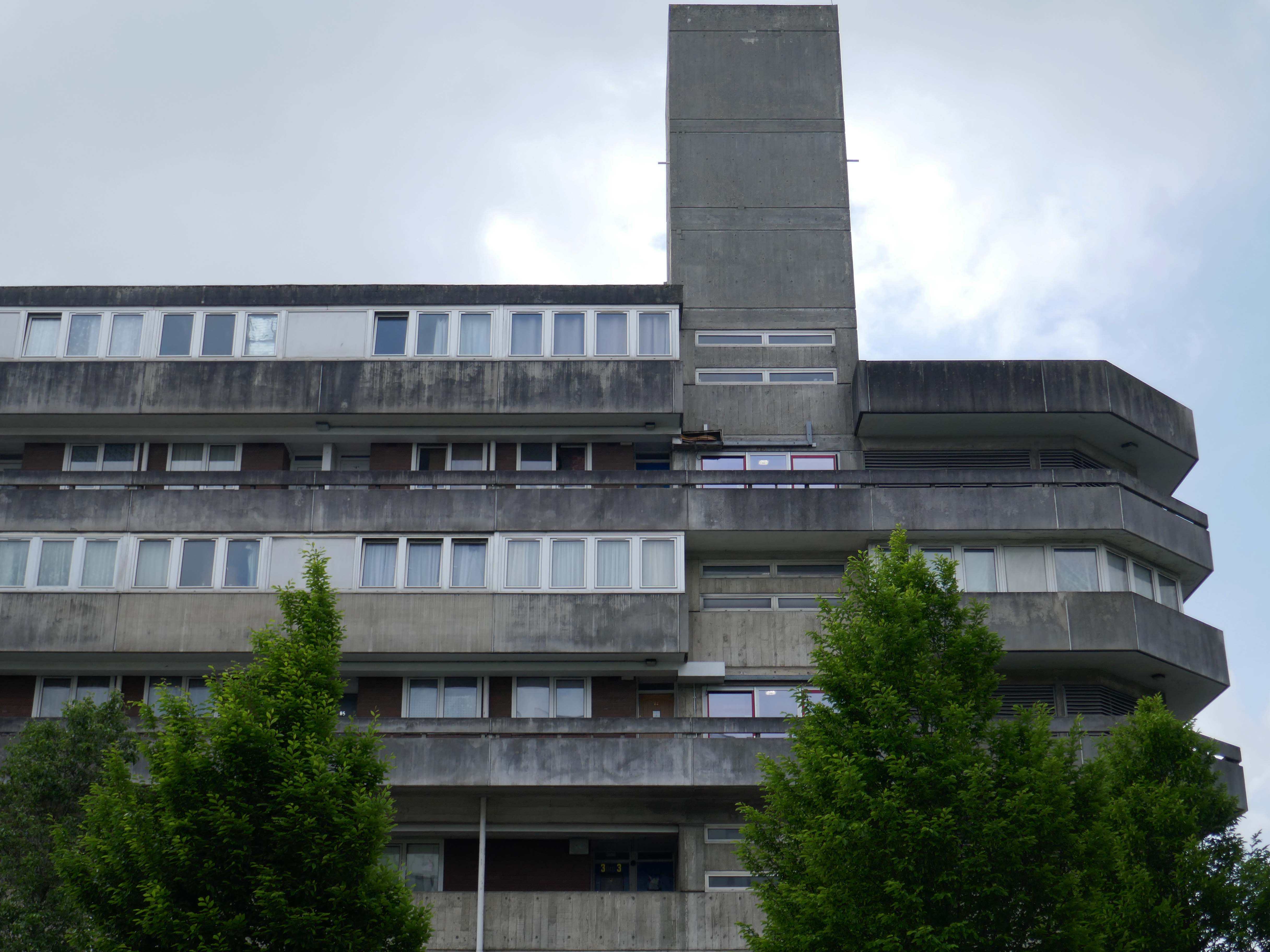
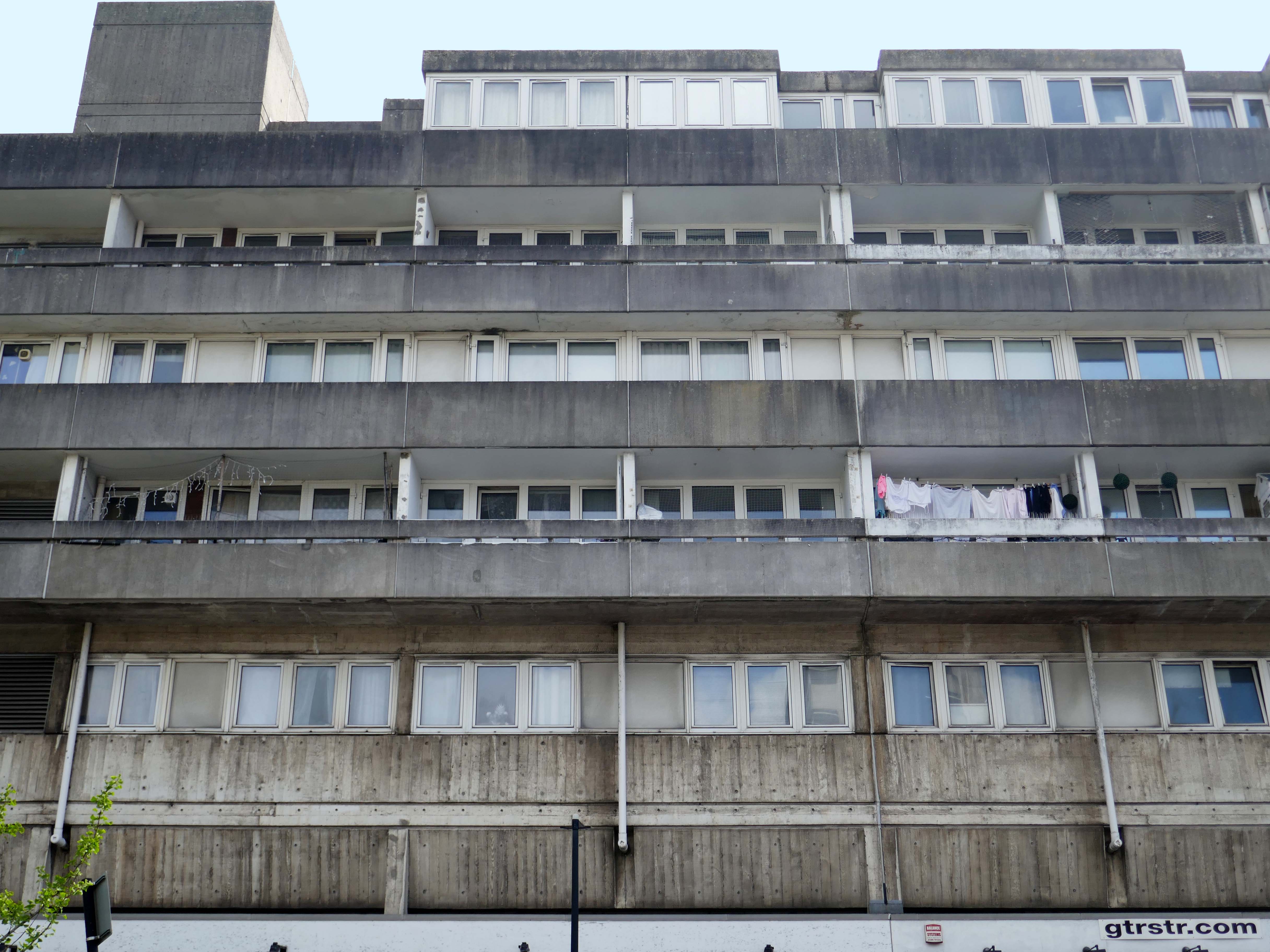
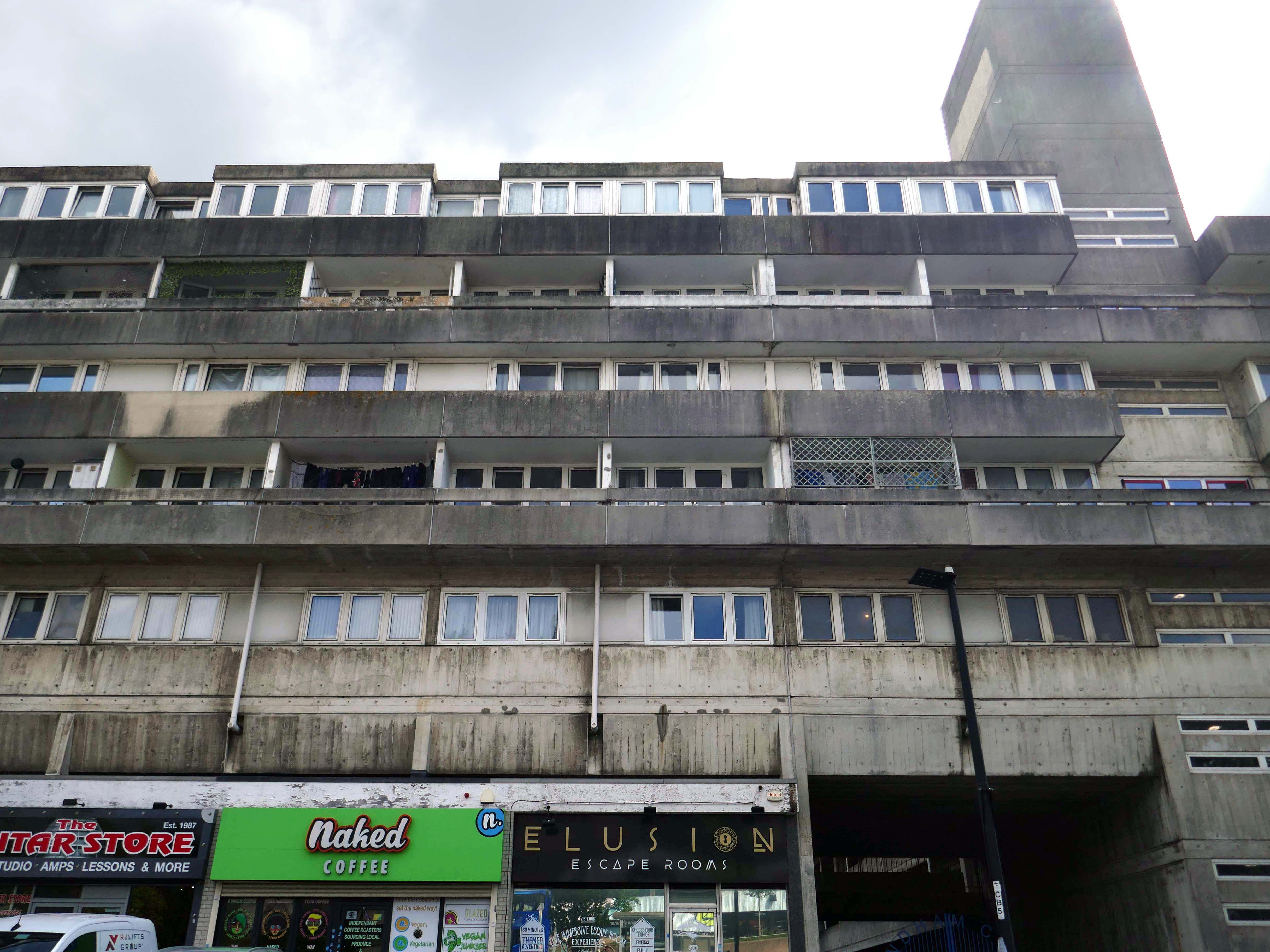
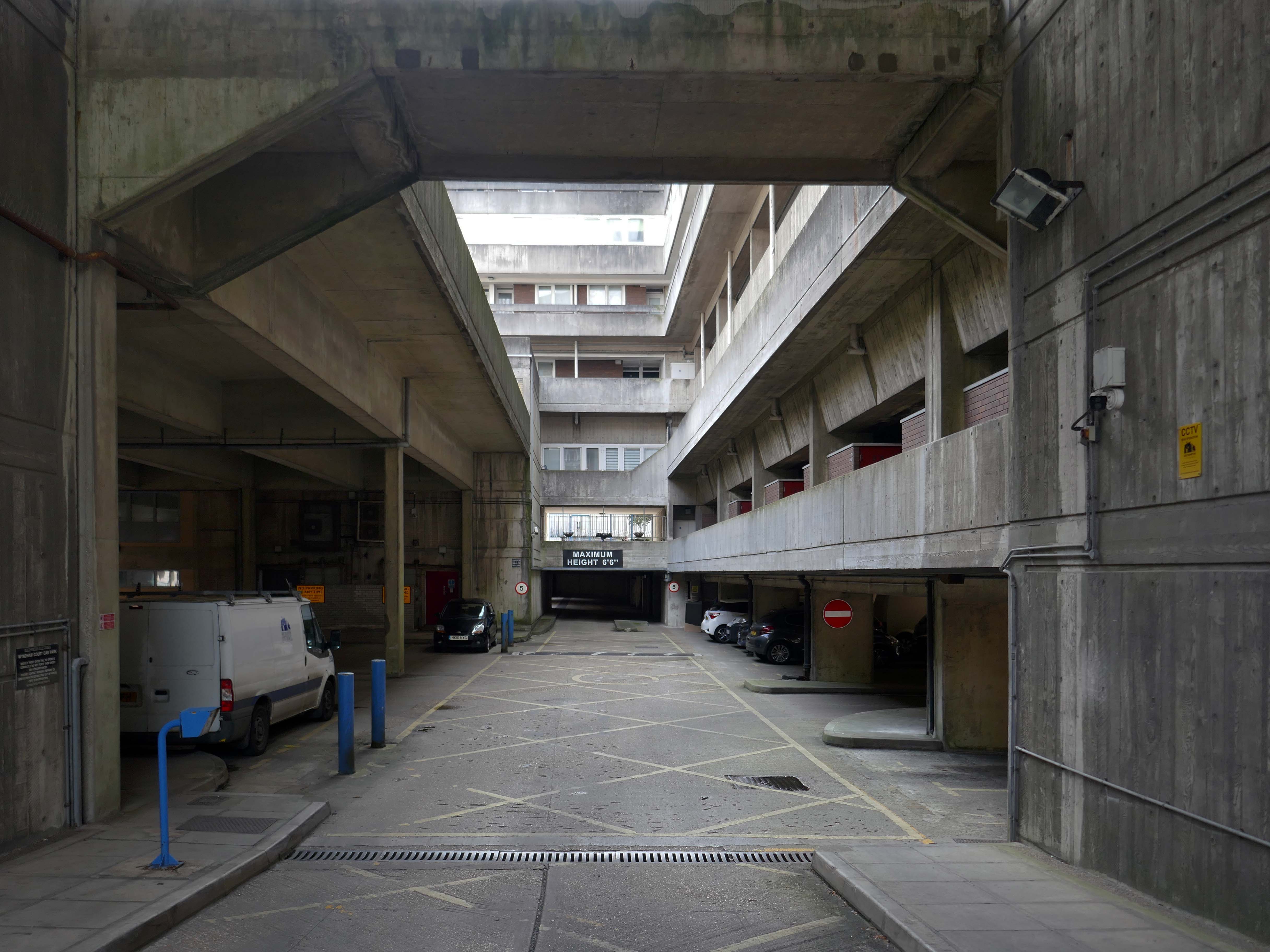


Wyndham Court, ought to be as well-known as the Brunswick Centre or the Barbican, and isn’t largely because of where it is. It is a monumental, civic housing project on the grandest scale.