Barnsley Co-op

Having previously visited Barnsley to construct a Barnsley Walk, I returned to take the Modernists on the walk.

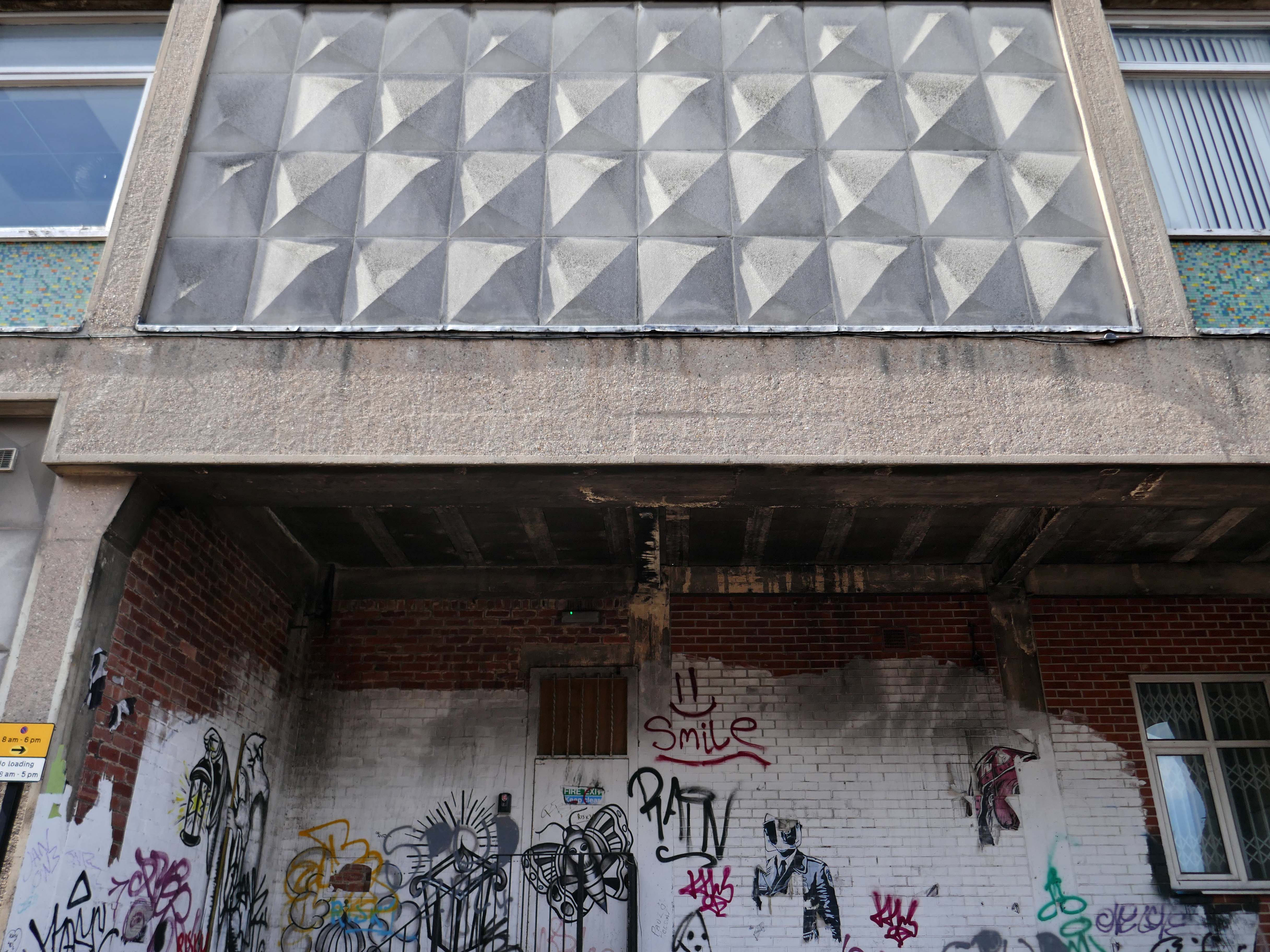
Previously puzzled by this mosaic clad Festival of Britain facade.
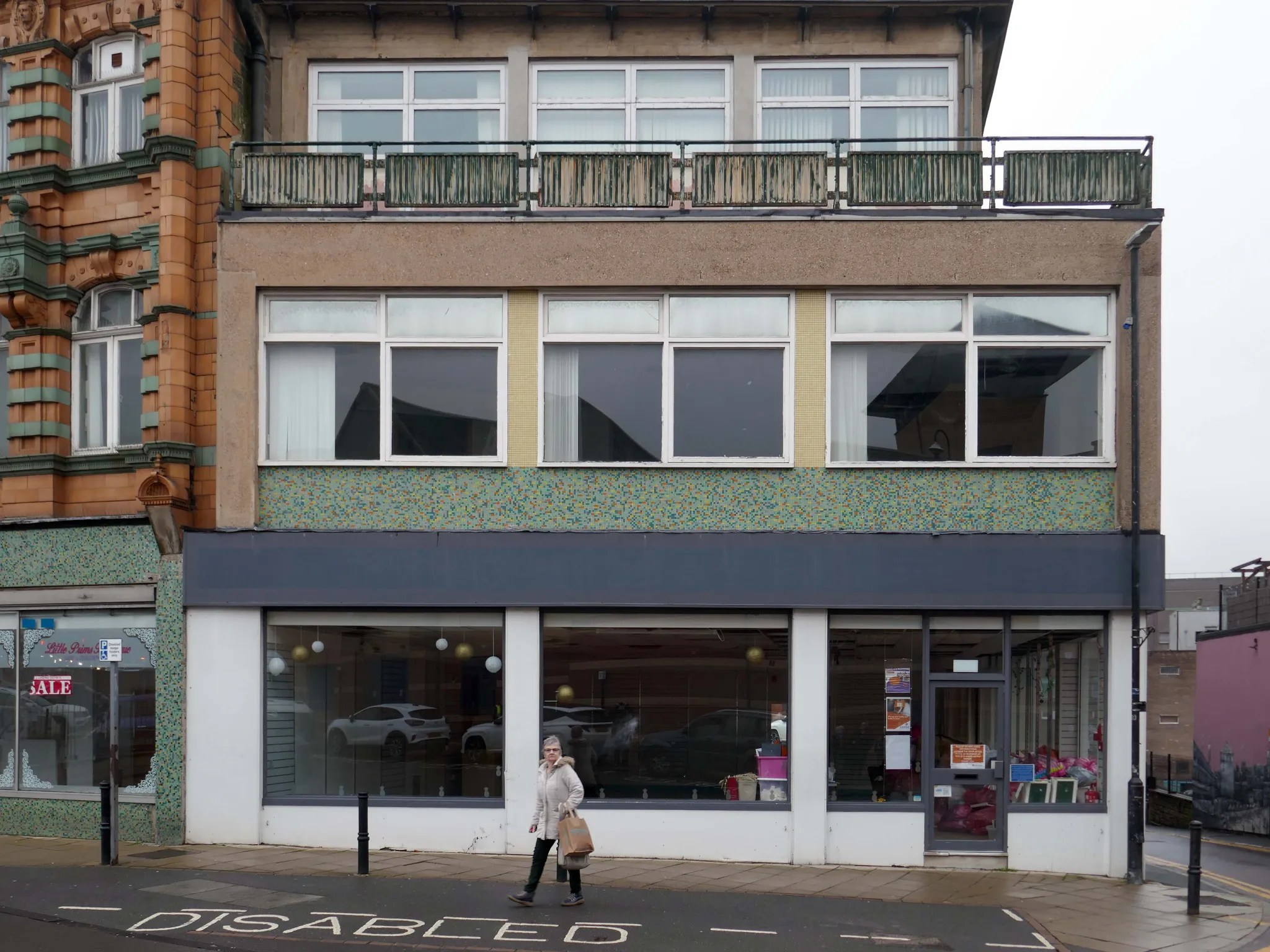
Subsequent observation and research revealed it to be an extension to a group of Barnsley Co-operative buildings.
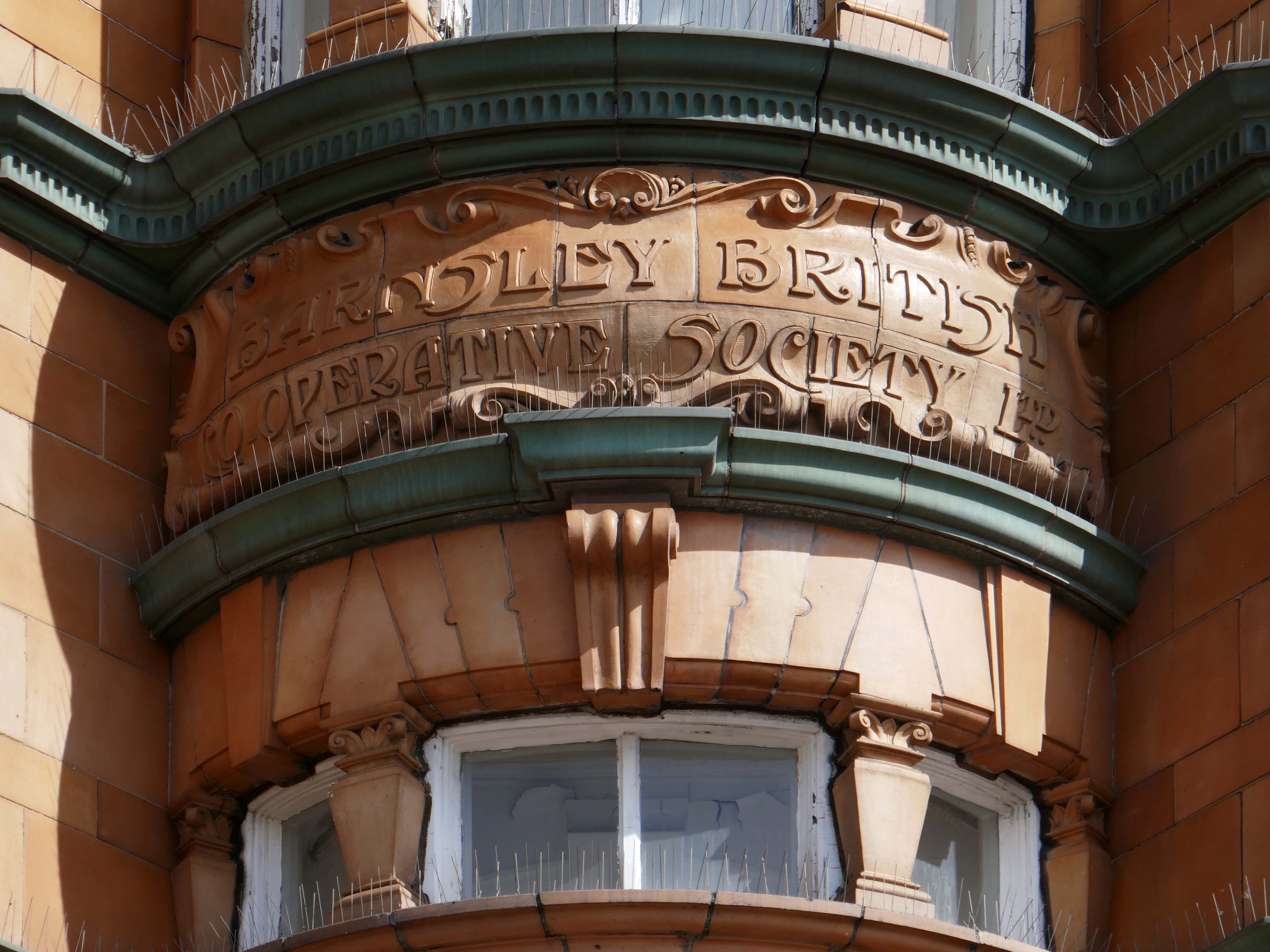
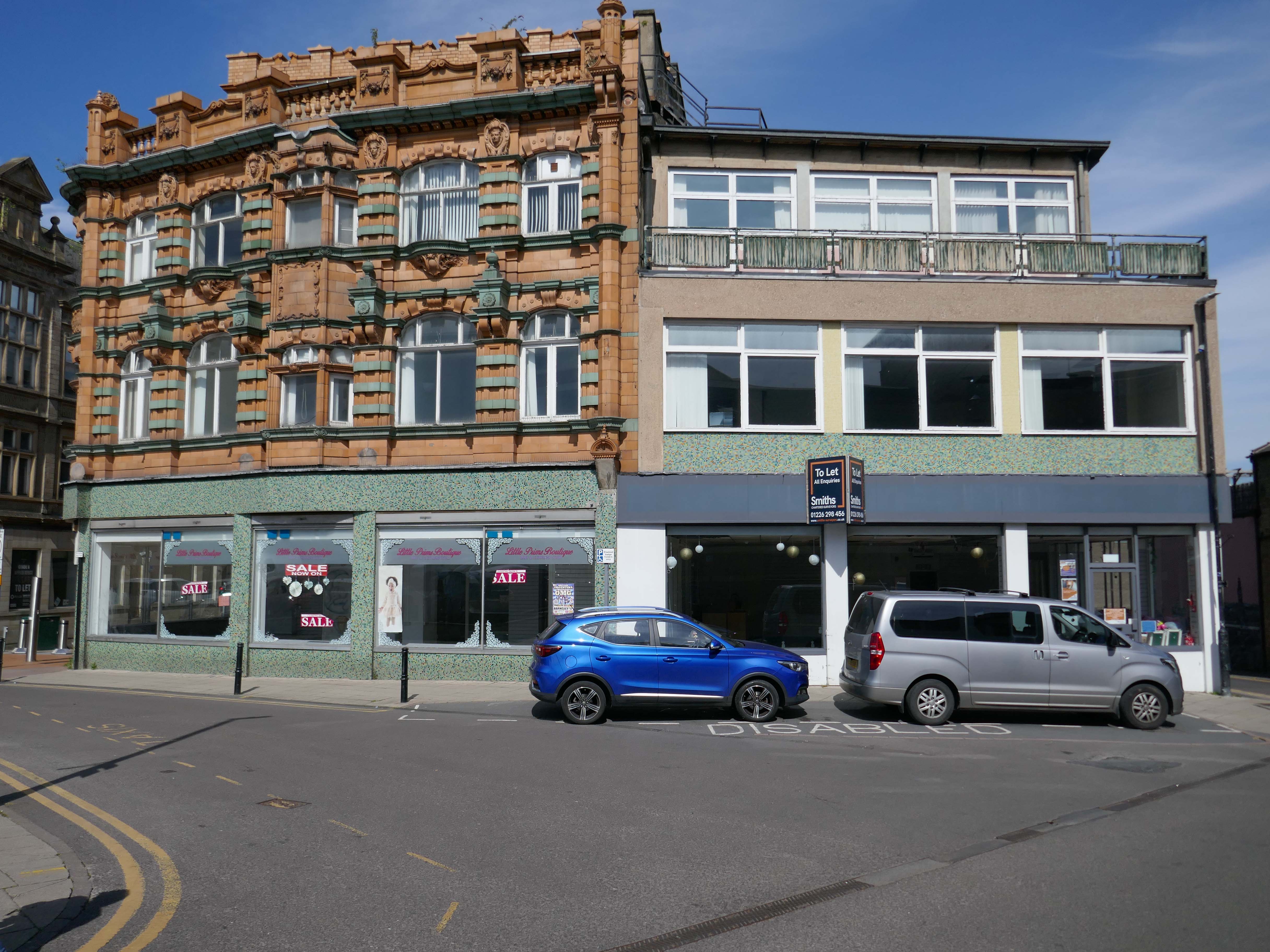
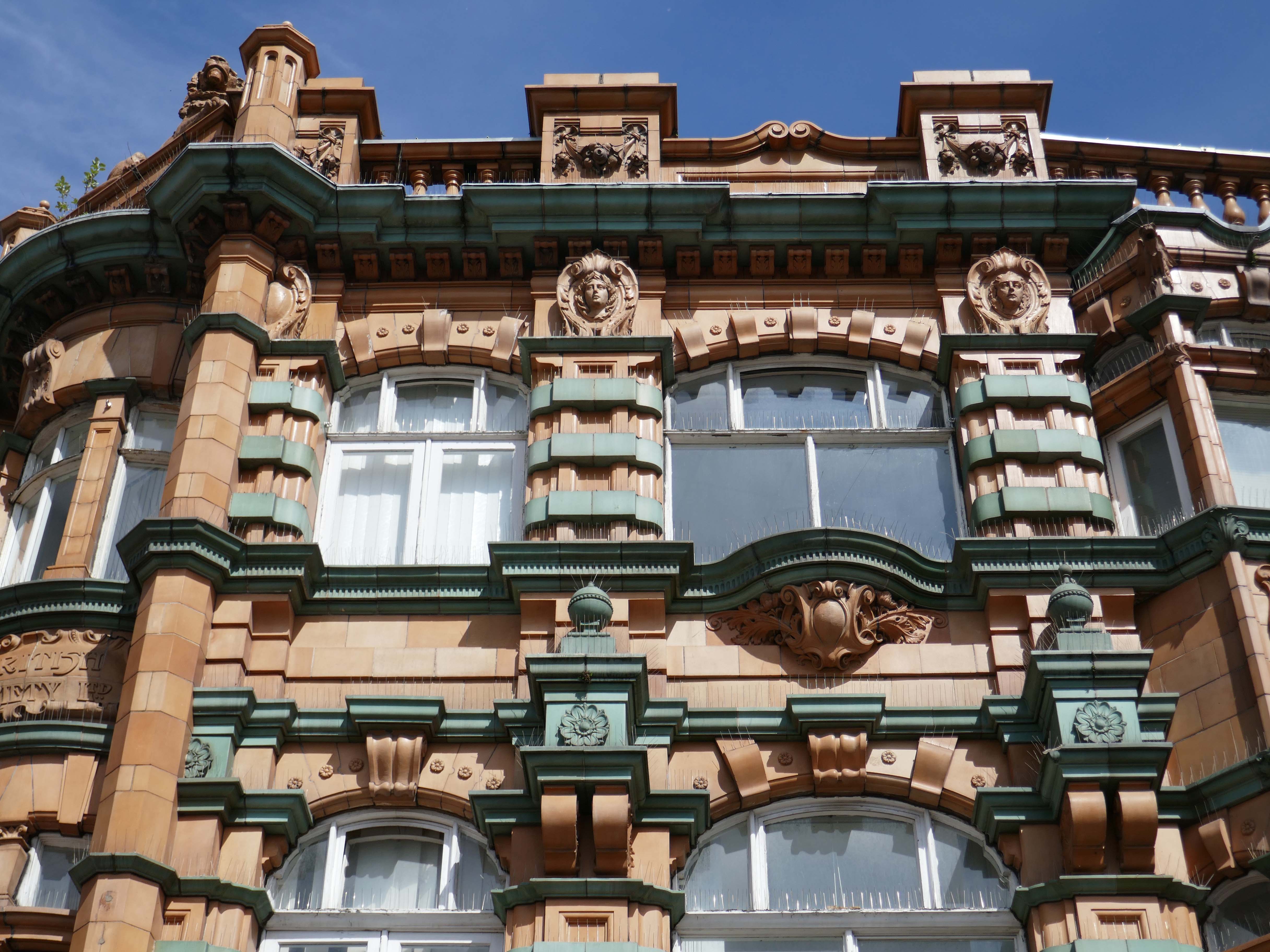
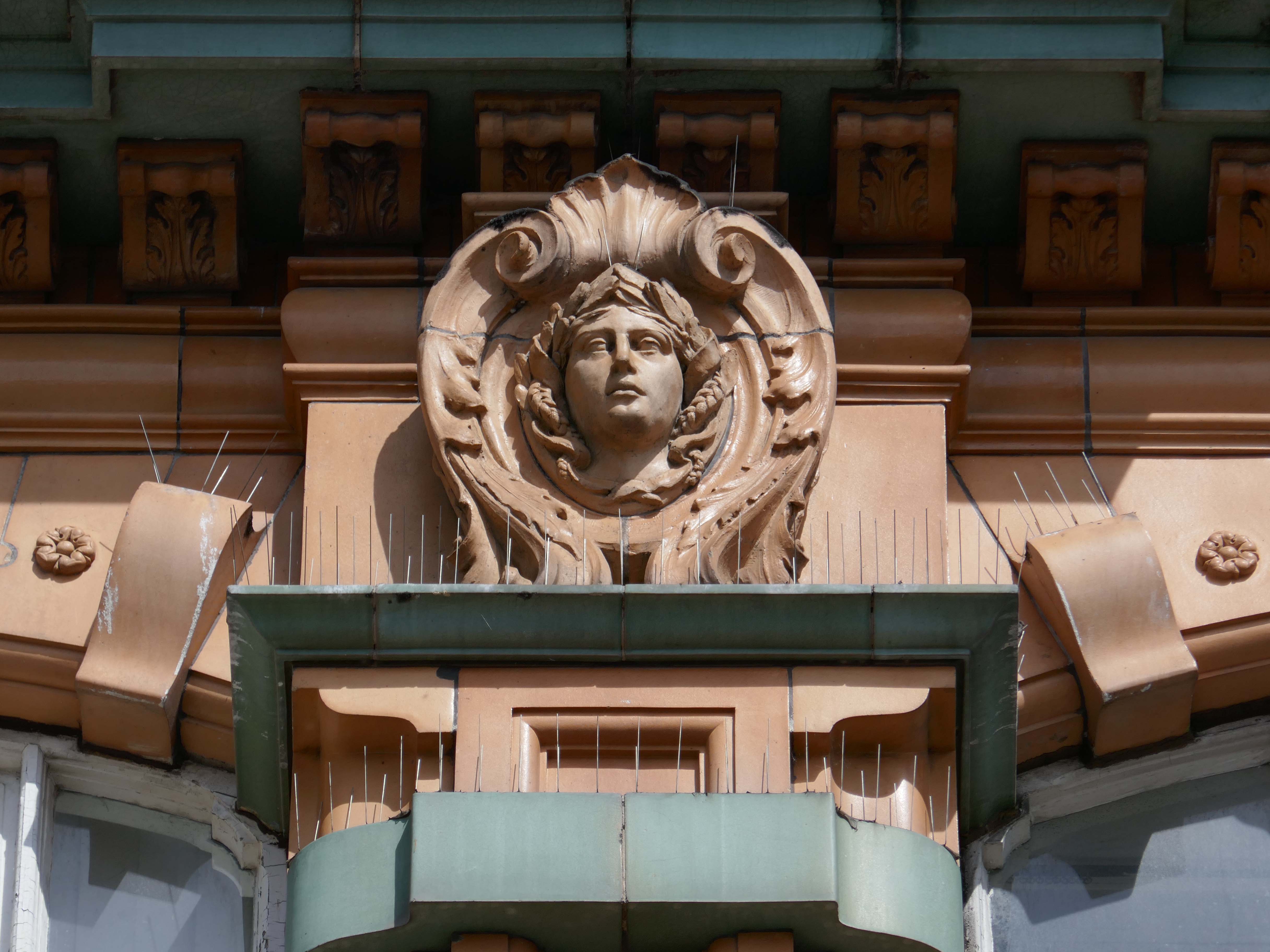
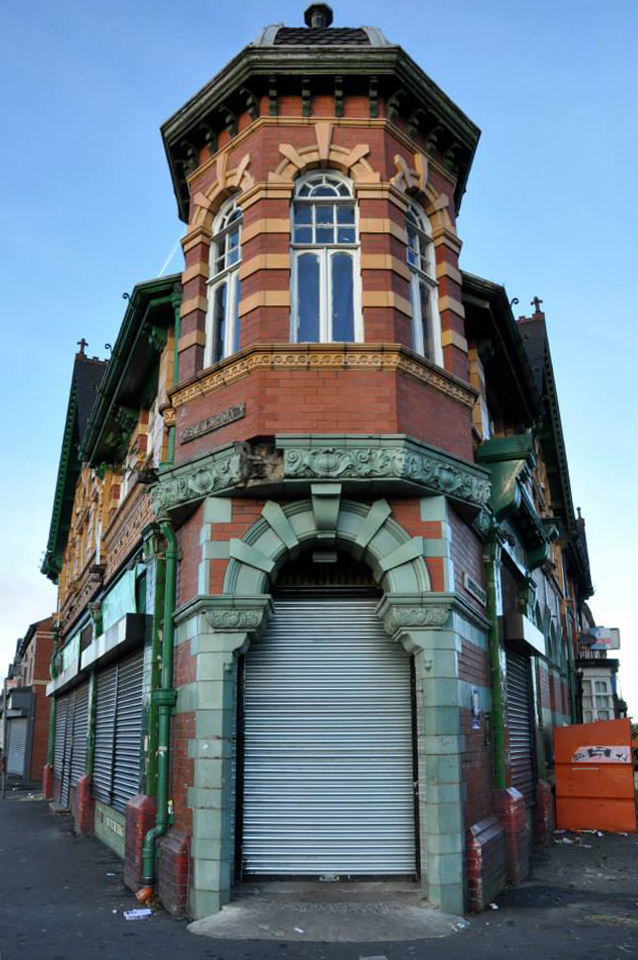
I should have noted that the building of 1910, was the work of architect Arthur Walshingham, the terracotta and green faience, very much in the style of Northmoor Road.
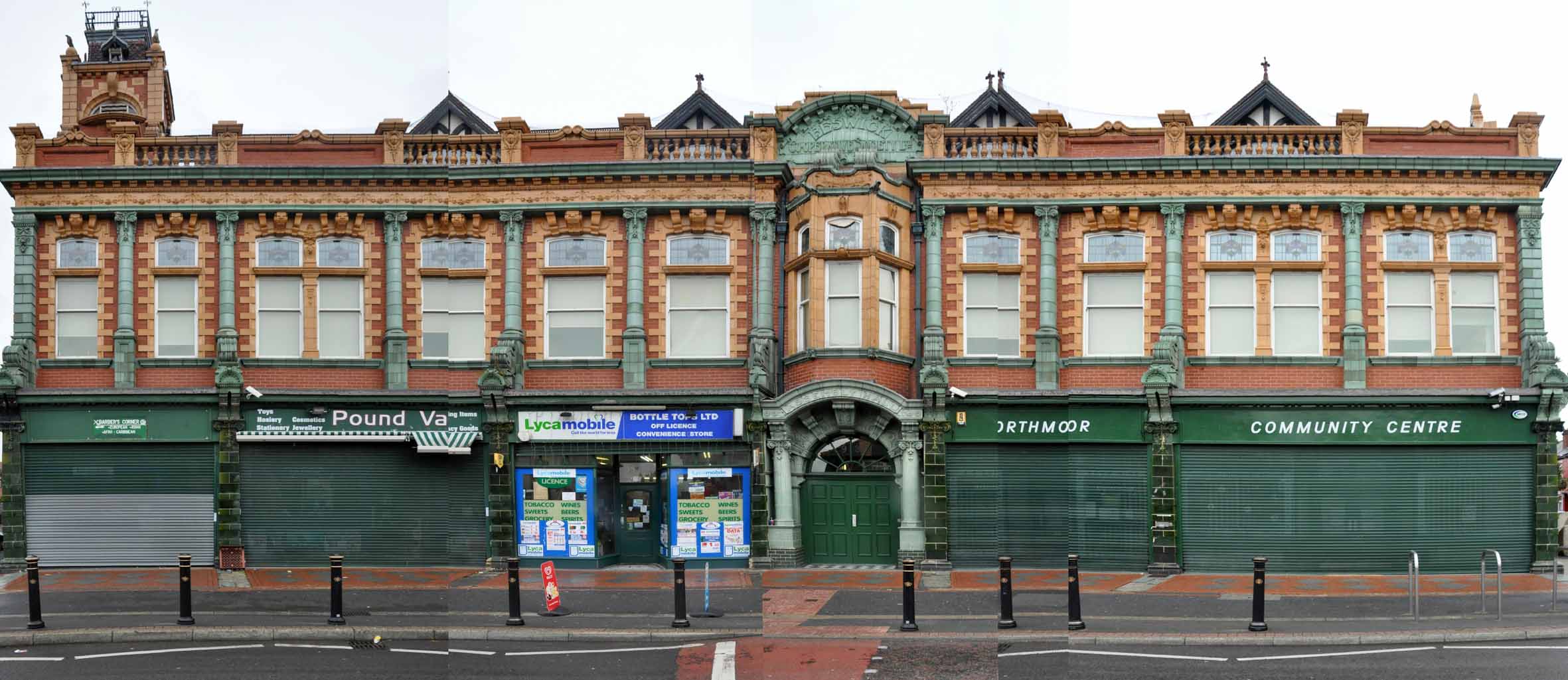
And also his work here in Pendleton.
According to author Lynn Pearson:

The building housed grocery and footwear shops, an elegant marble floored entrance hall, a restaurant and assembly room. Its original shopfronts were mahogany with metal sills on a granite base, the windows were divided by columns with green faience shafts.

England’s Cooperative movement – an Architectural History.

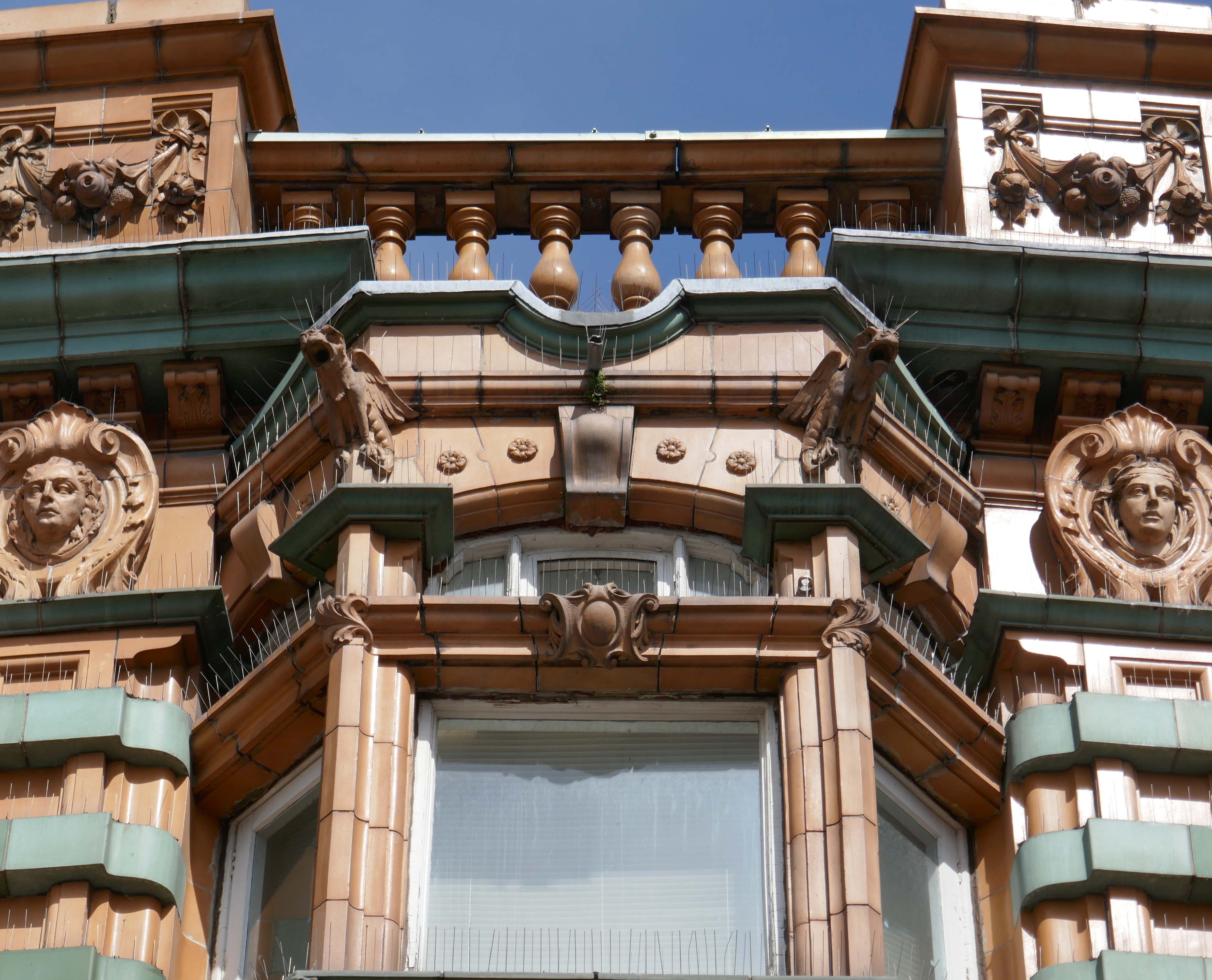
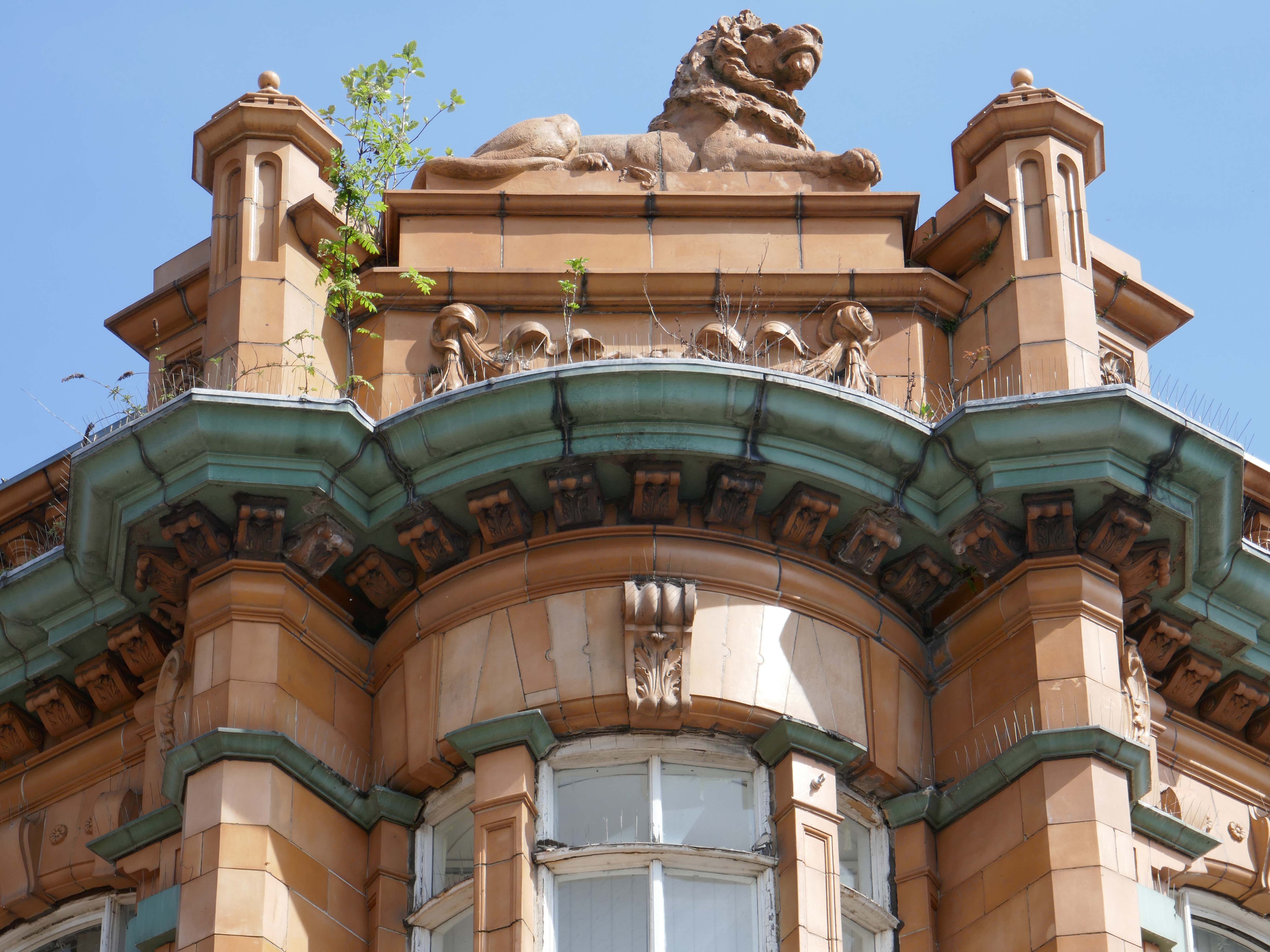
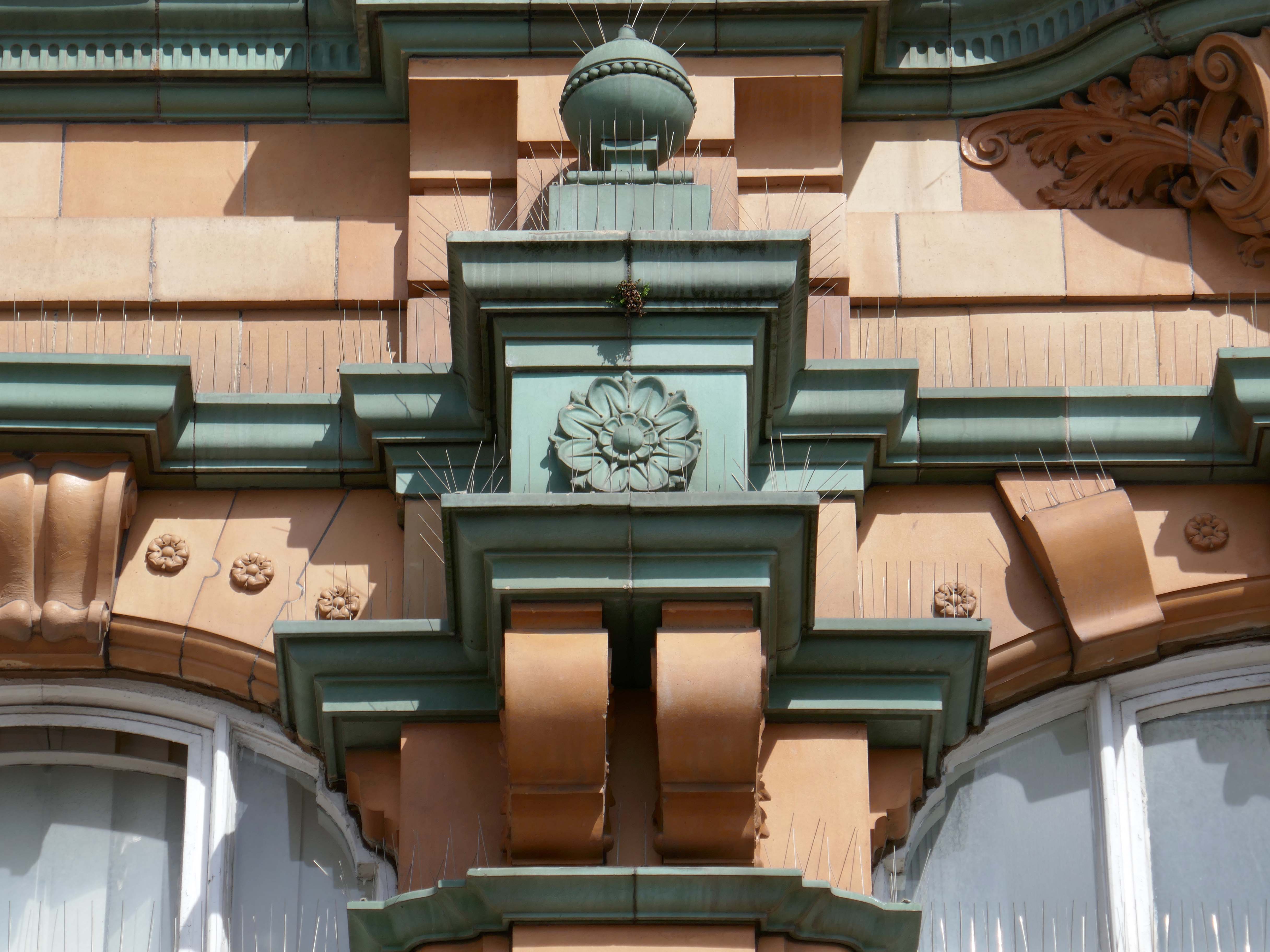
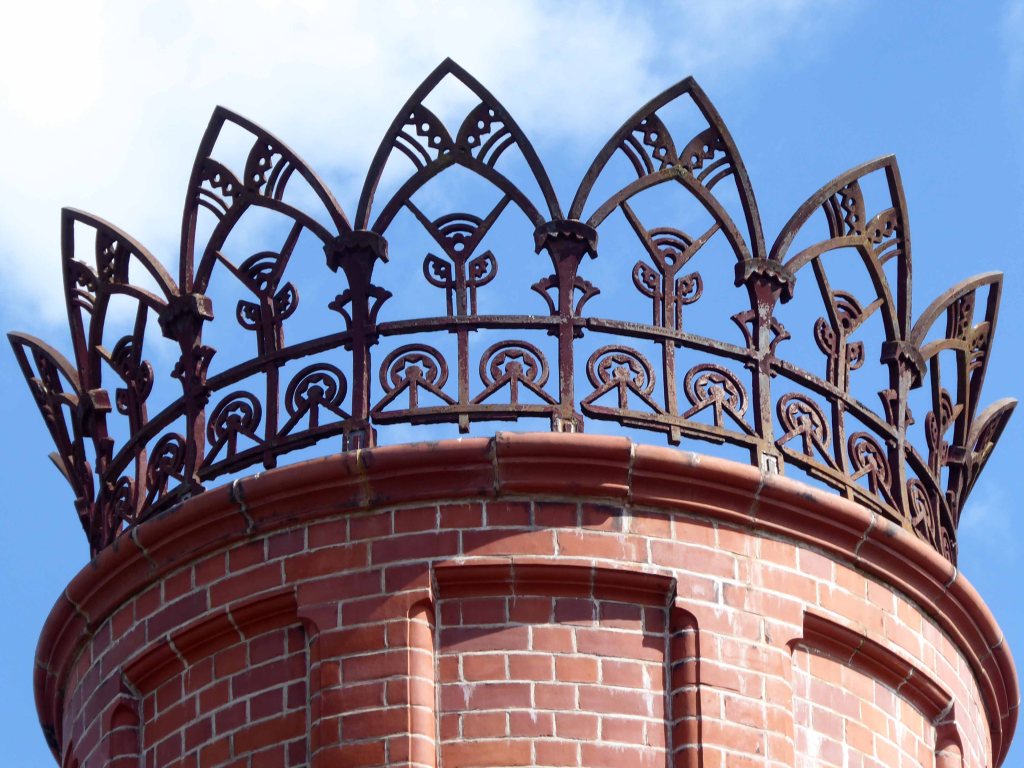
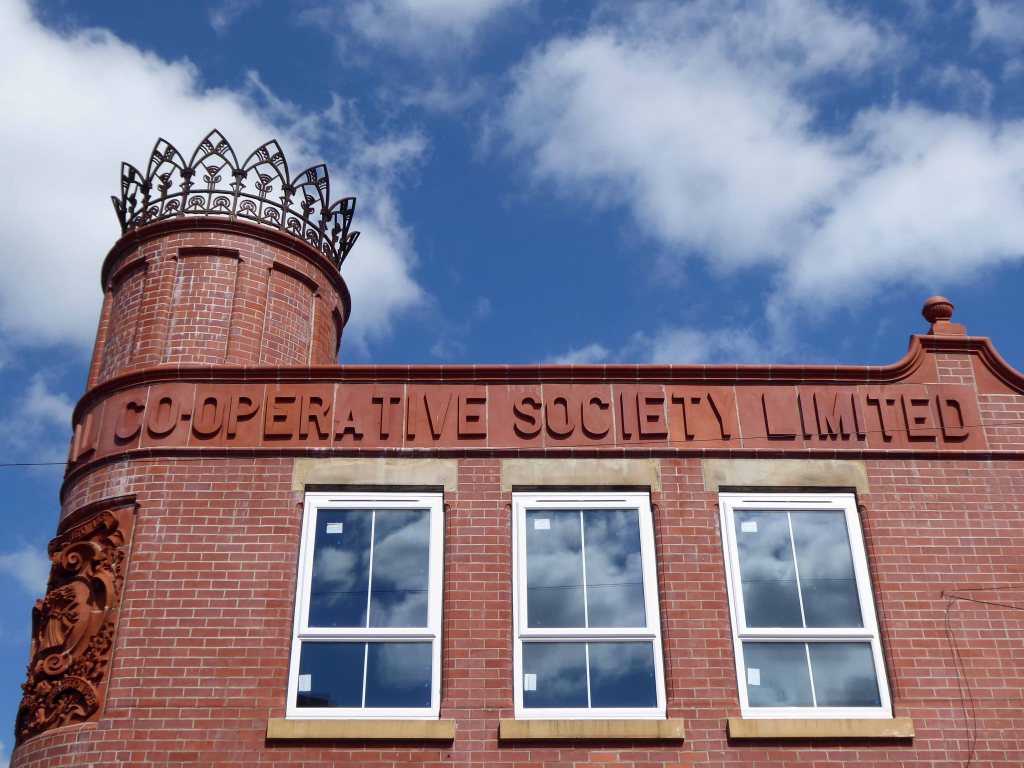
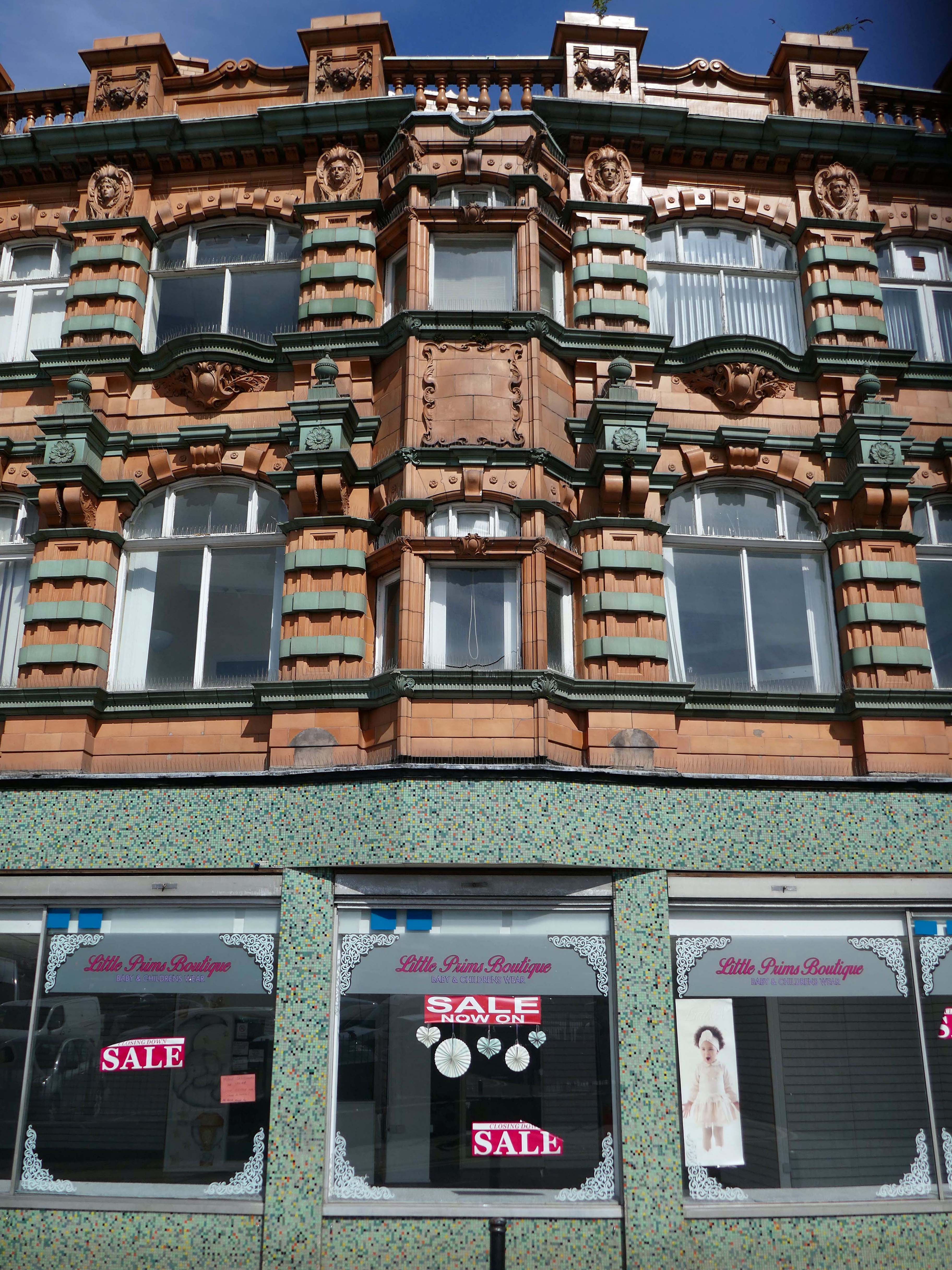
The Barnsley building is loaded with decorative details.
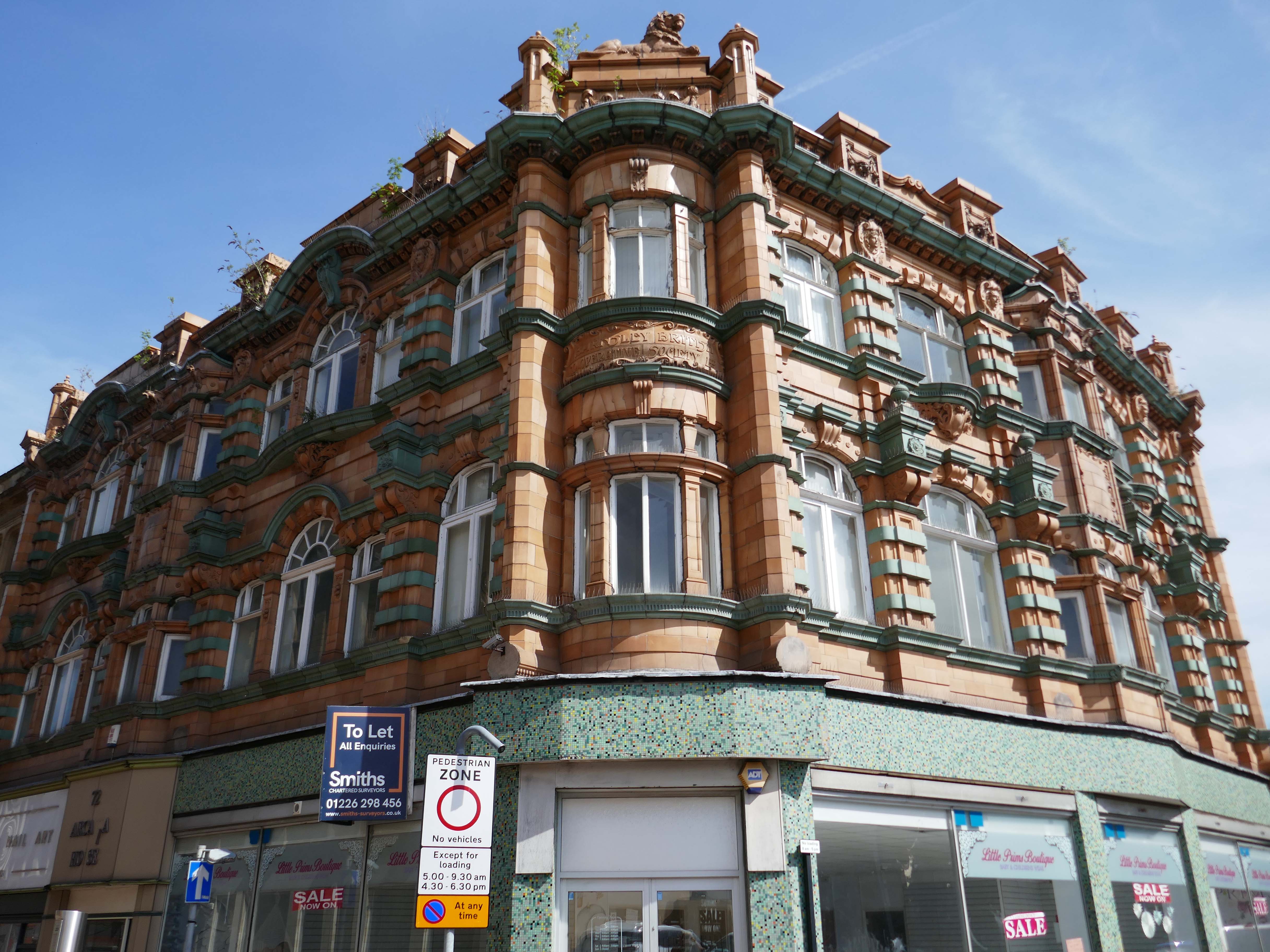
Sadly the columns mentioned above were replaced, the mosaic from the later extension extended to give a misplaced sense of cohesion to the pairing.
The extension has a charm of its own – with an upper tier terrace bordered by a metal fence.
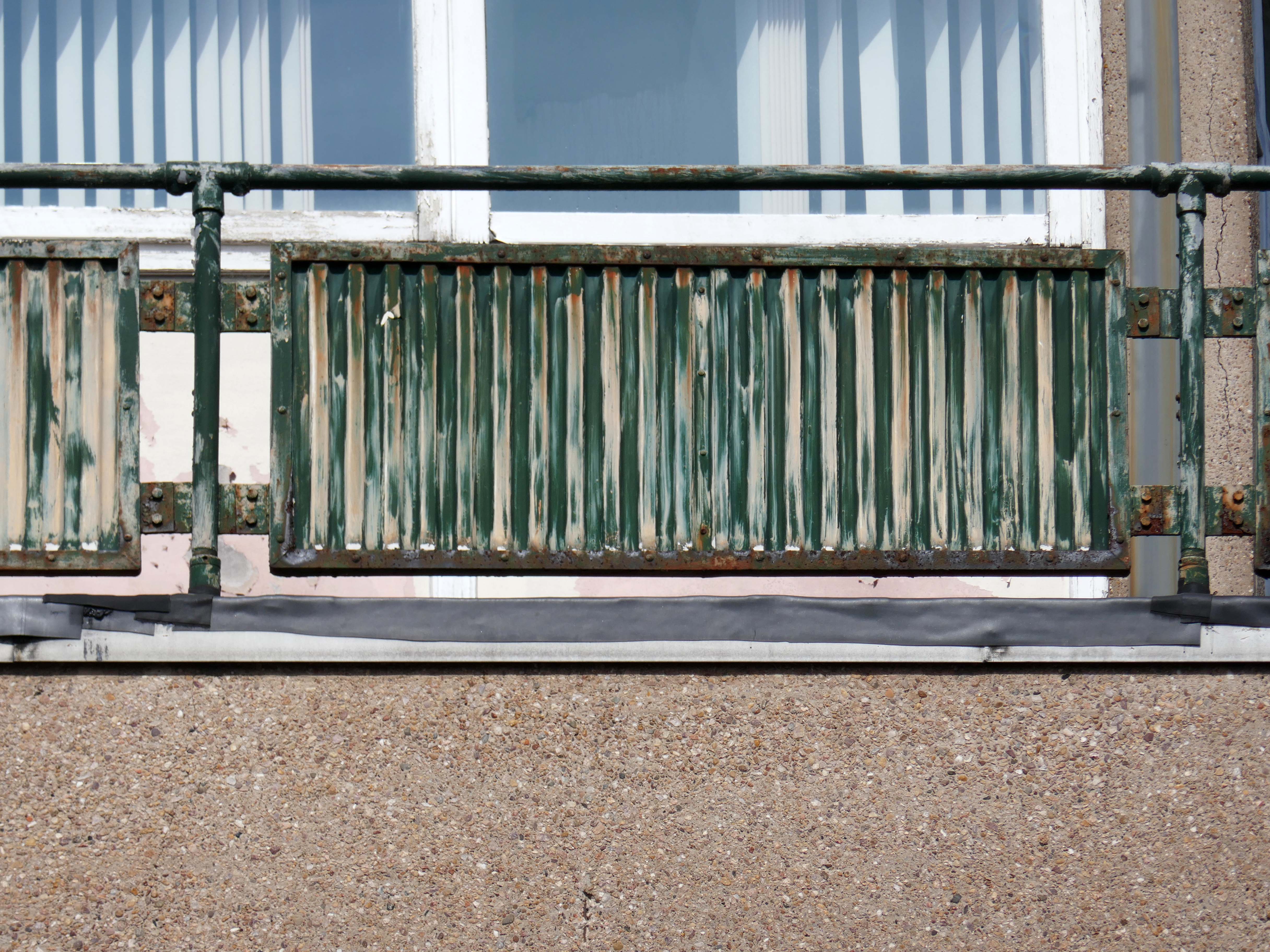
A concrete relief to the side.
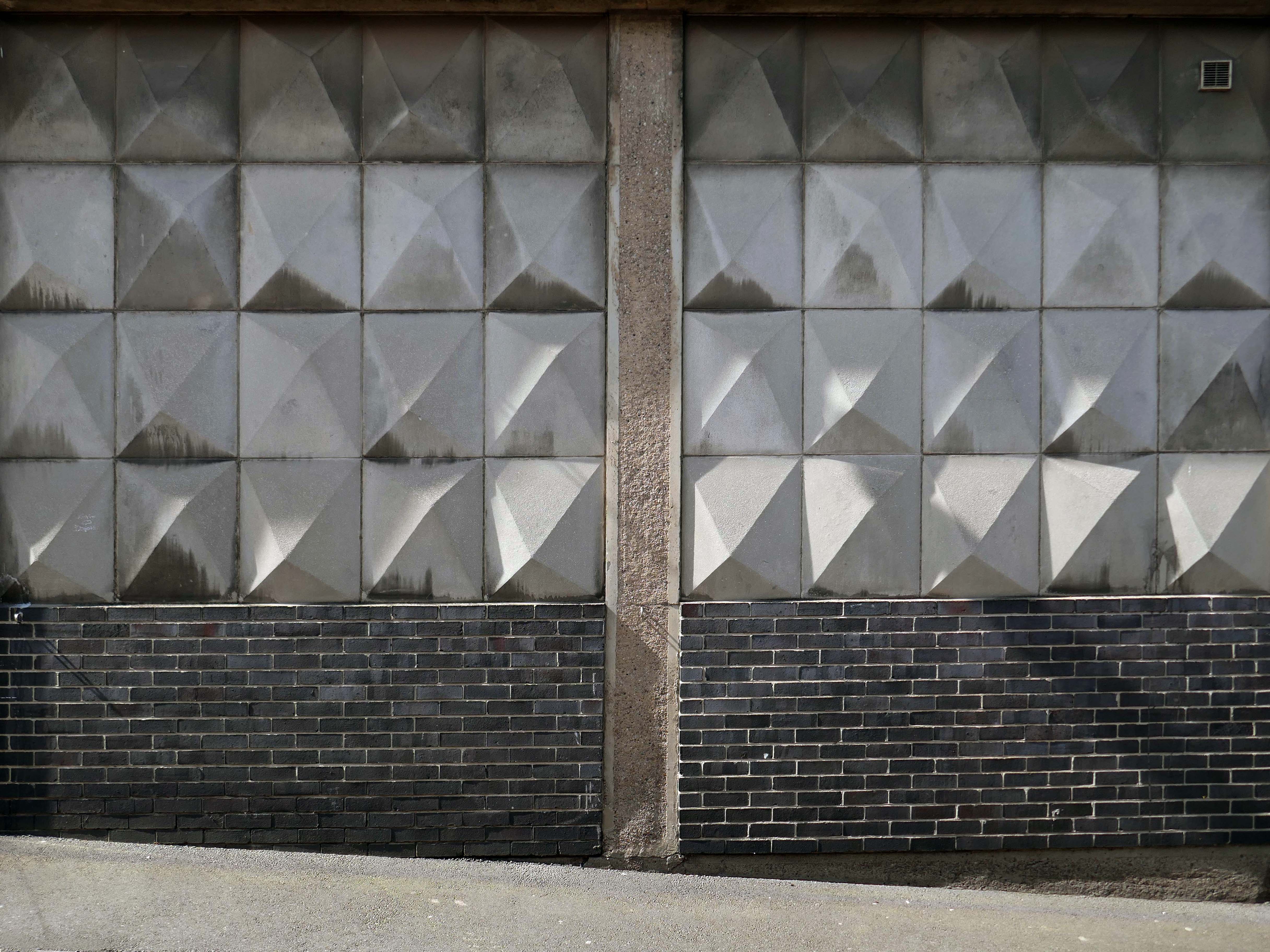
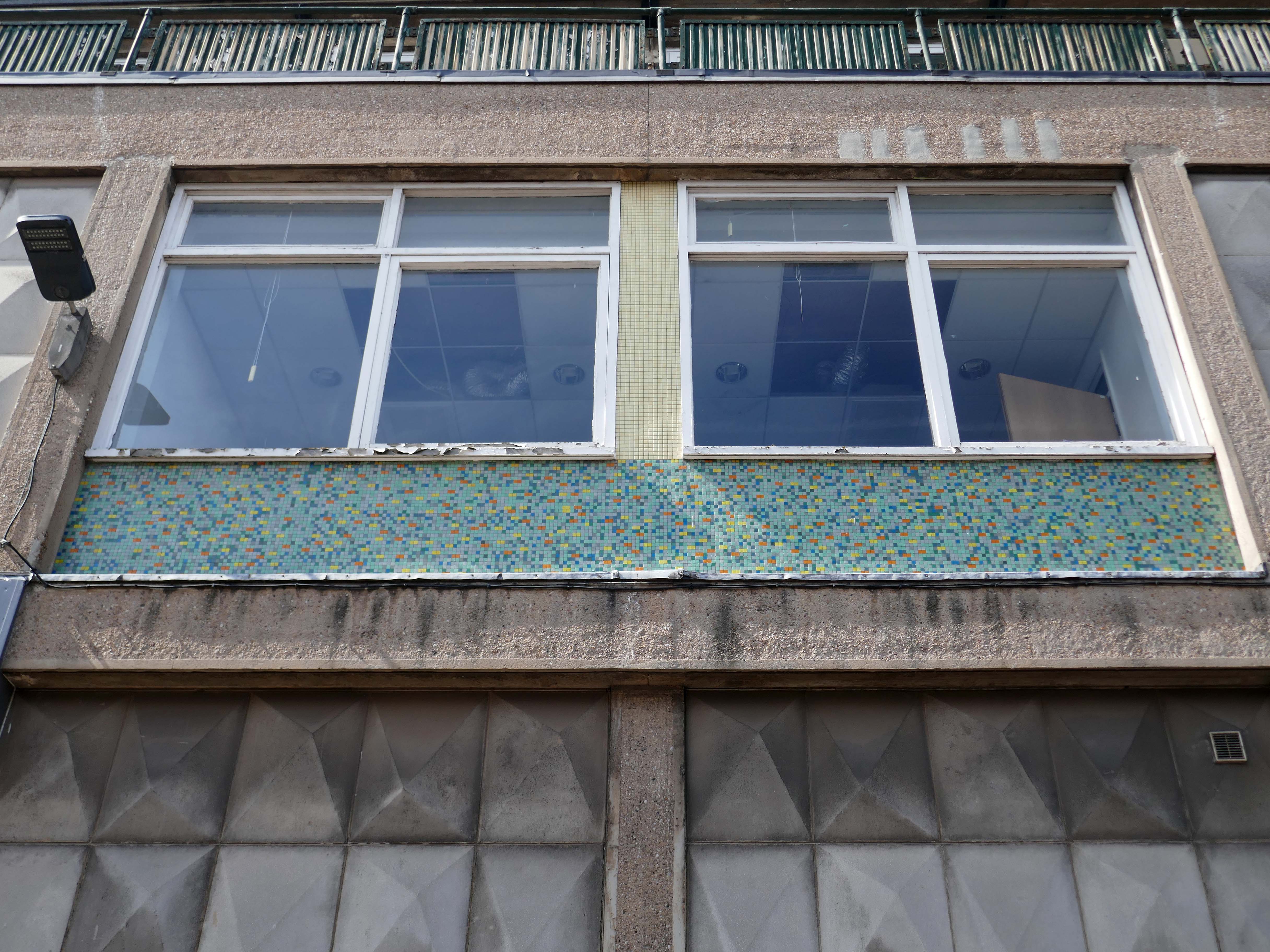
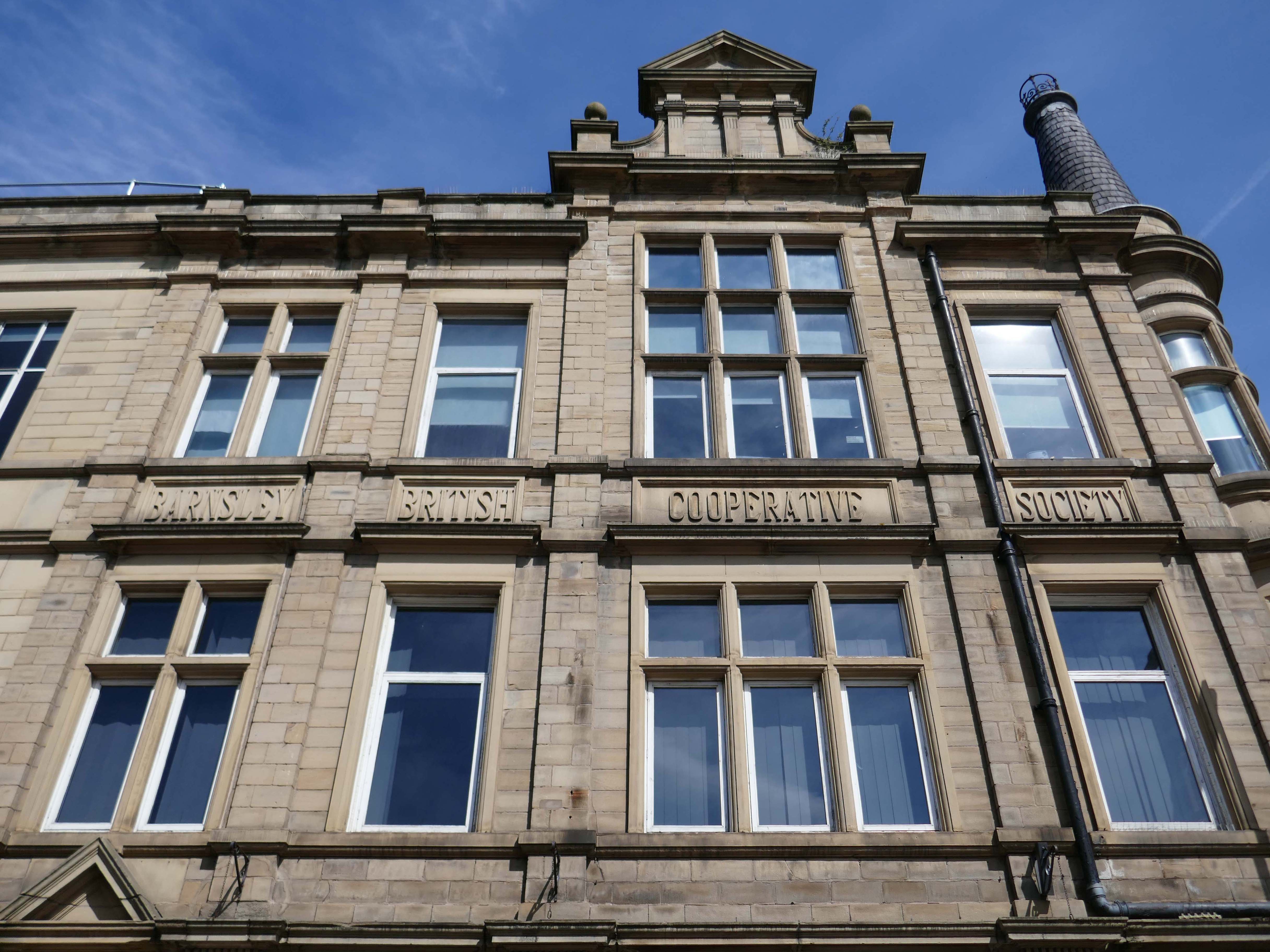
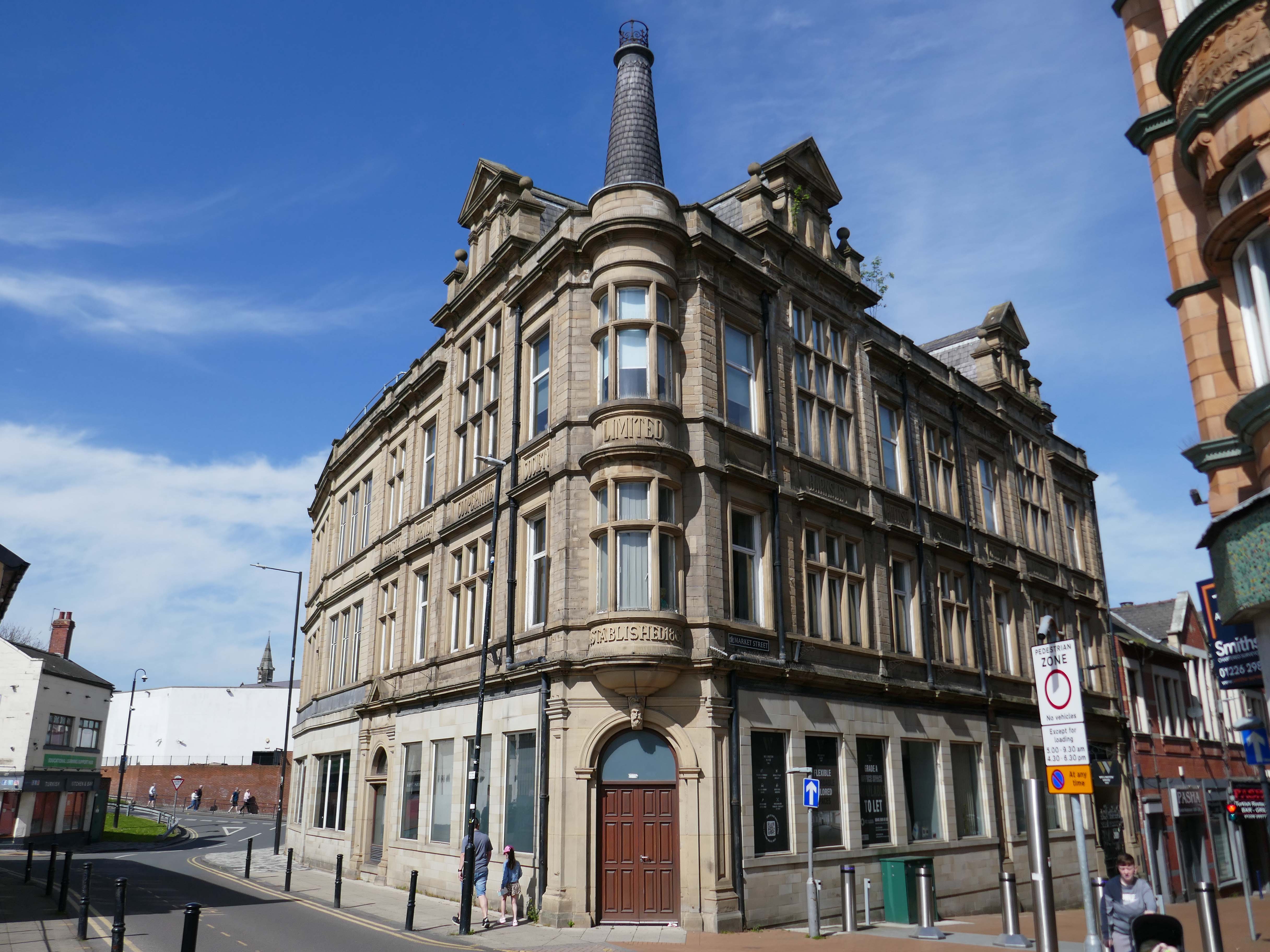
The adjacent buildings were the 1885 central offices of the Barnsley British Cooperative Society.

The building is Grade II Listed.
In 2016 the Barnsley British Co-operative building, sited opposite the existing buildings, suffered a large fire and unfortunately had to be demolished due to safety concerns.
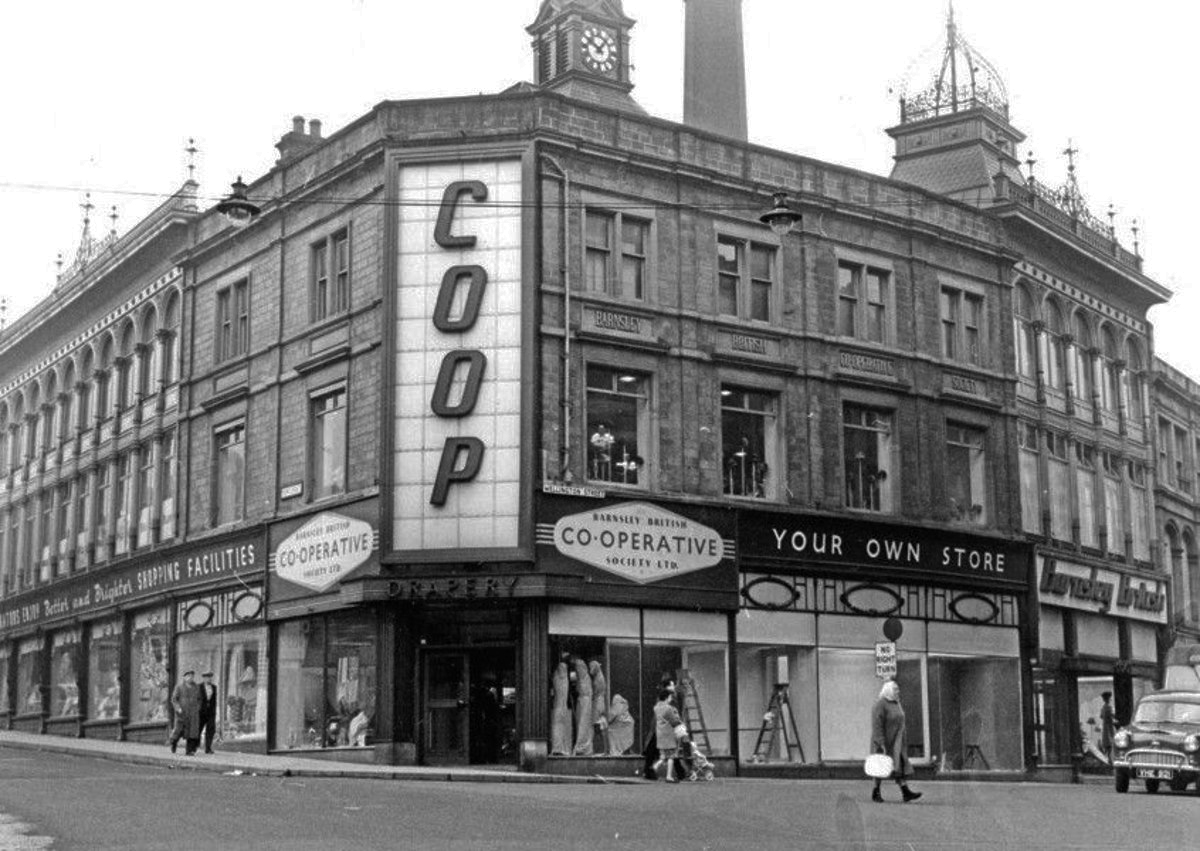
For more than a century it had been considered the place to shop in town. Many will recall it as the Co-op’s toy department where, every year, excited children would queue with mums and dads to meet Santa in his grotto at Christmas.

It closed in the 1980s.

In 1993 the plan was to turn the imposing Victorian Grade II listed building into a ’high class’ venue which it was anticipated would be aimed at a clientele in the 25-plus age group.

Barnsley Chronicle.
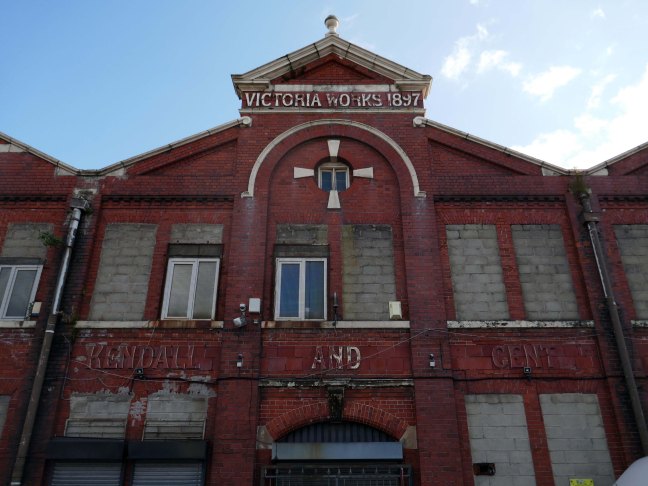
Kendall & Gent – Victoria Works

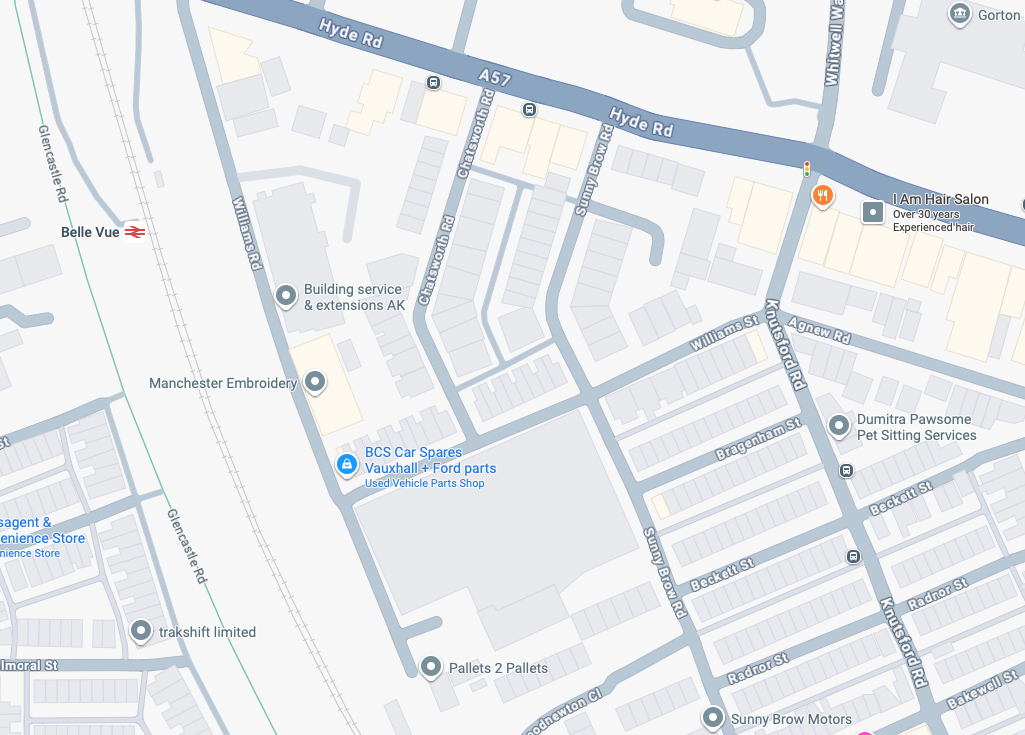
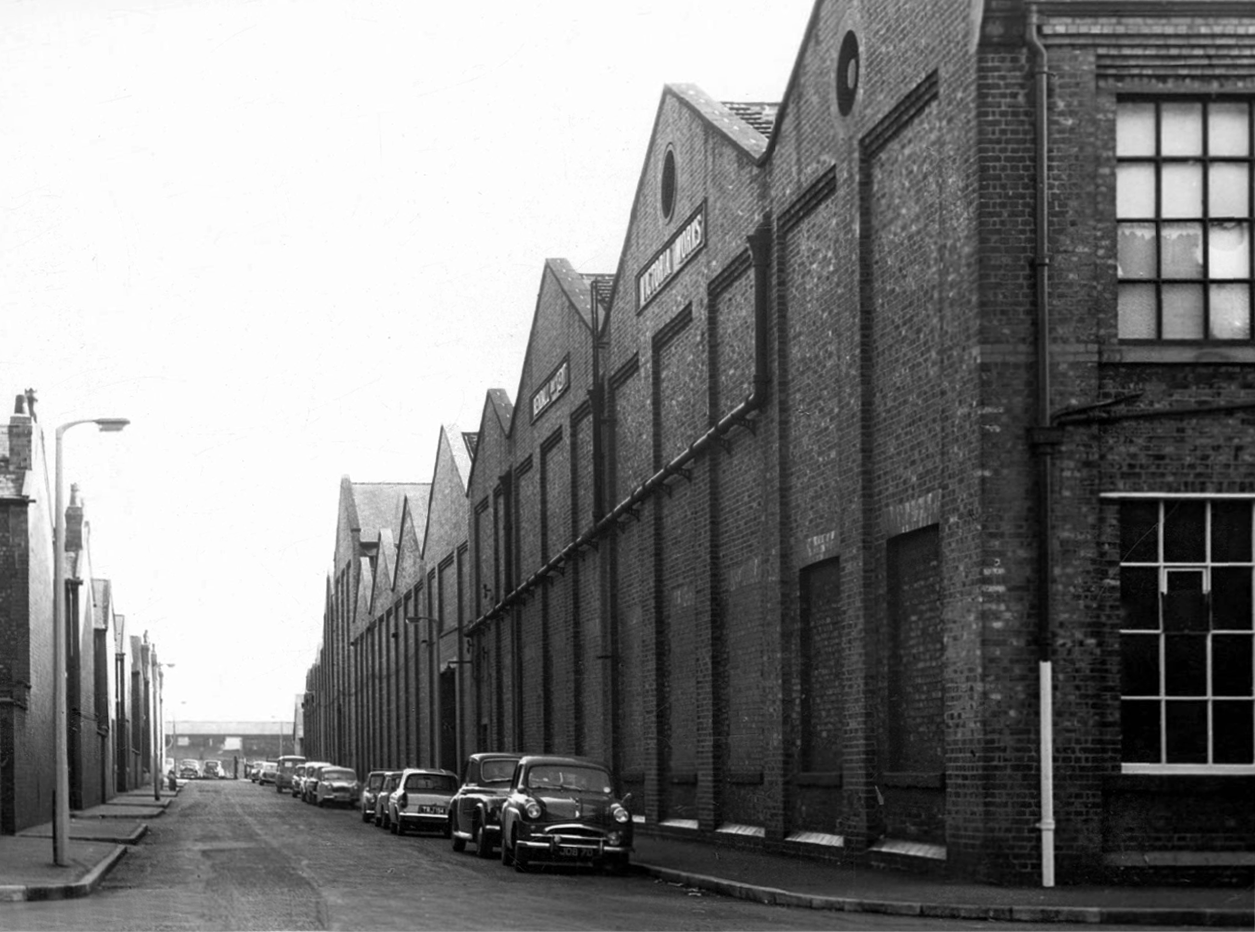
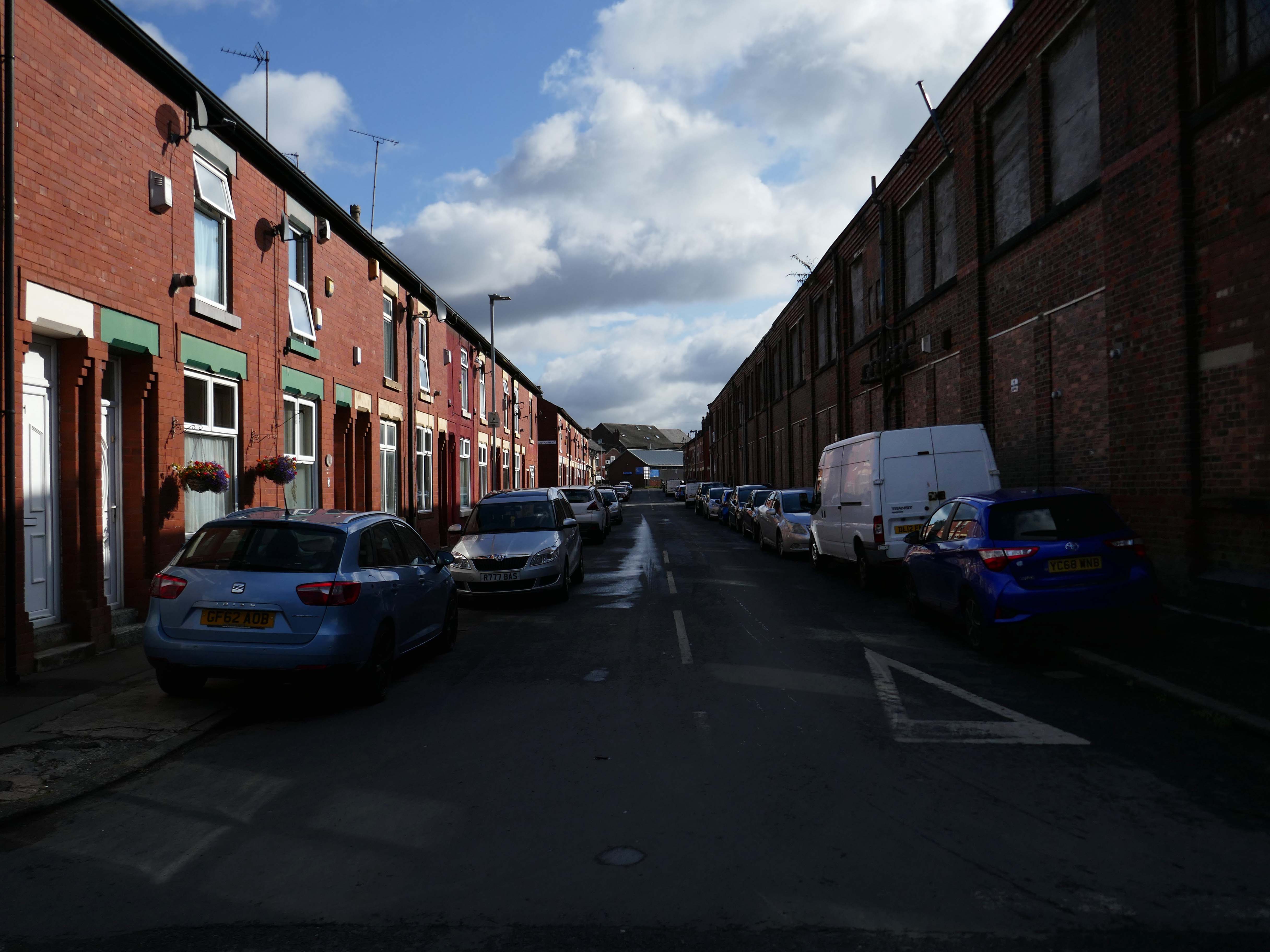
Bounded on three sides by Williams Road, Williams Street and Sunny Brow Lane.
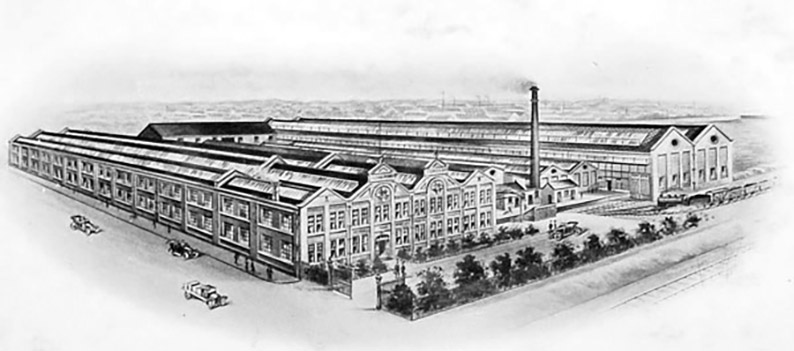
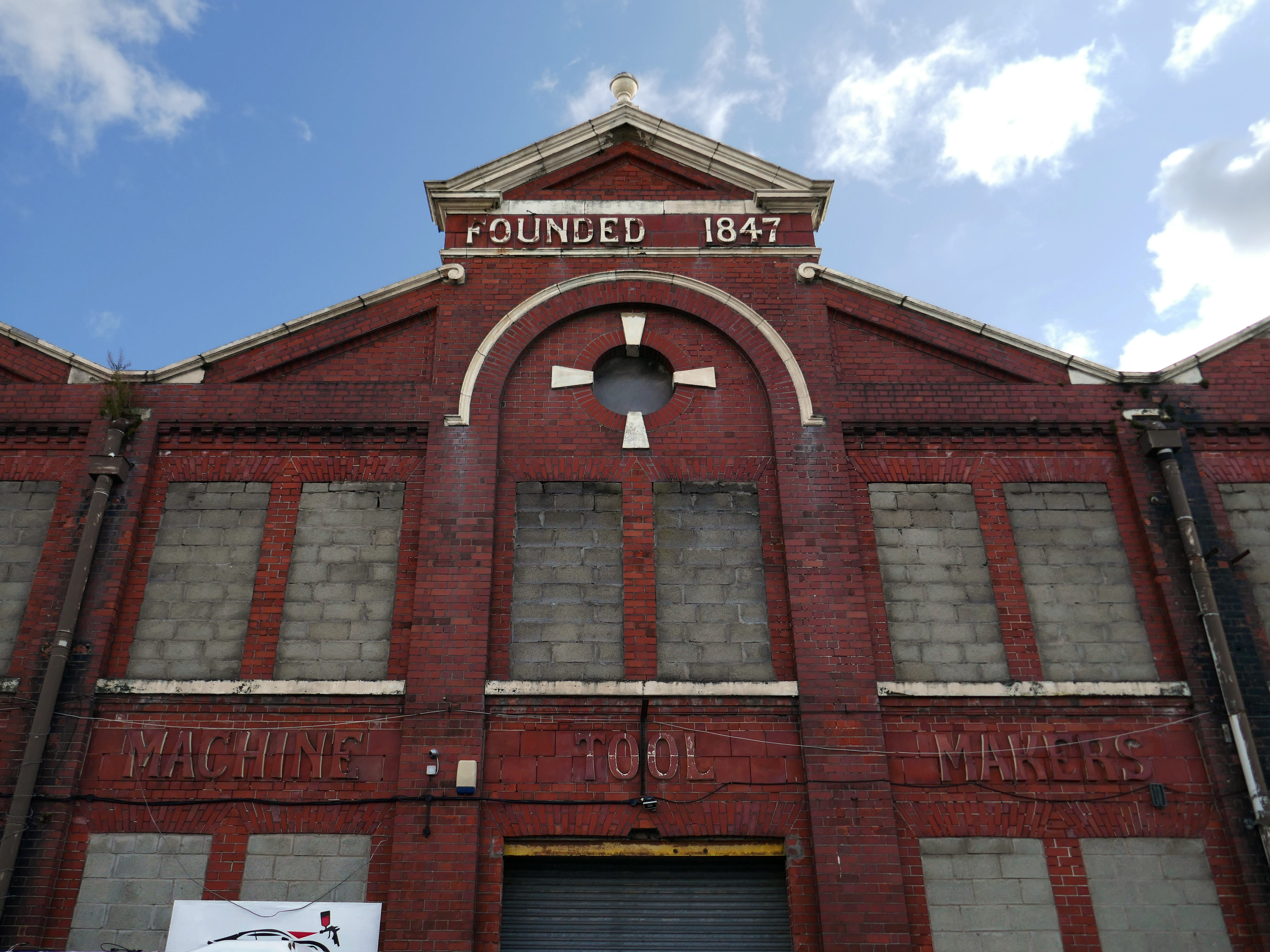
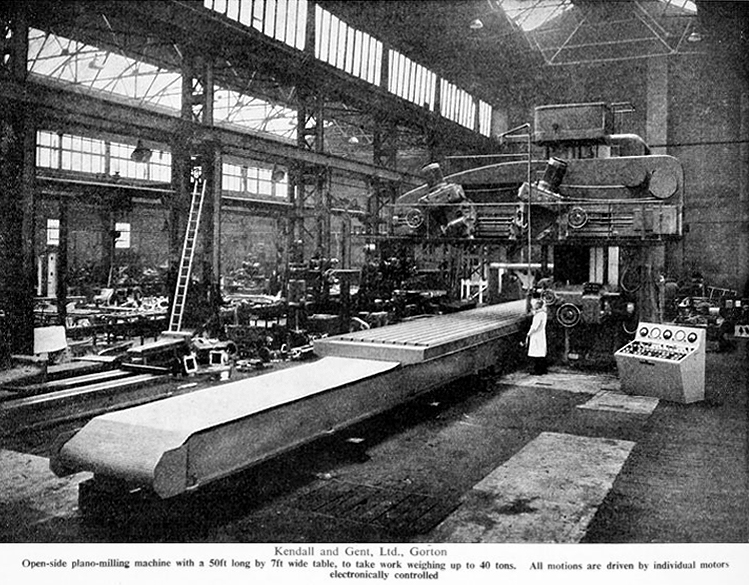
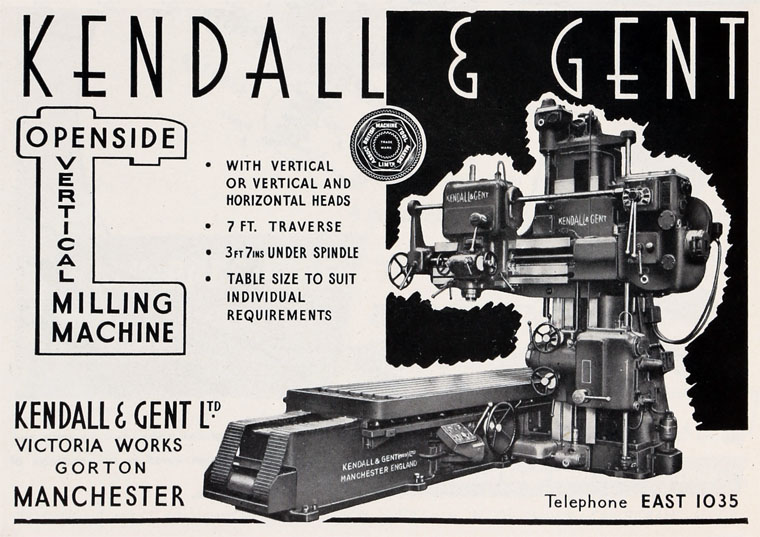
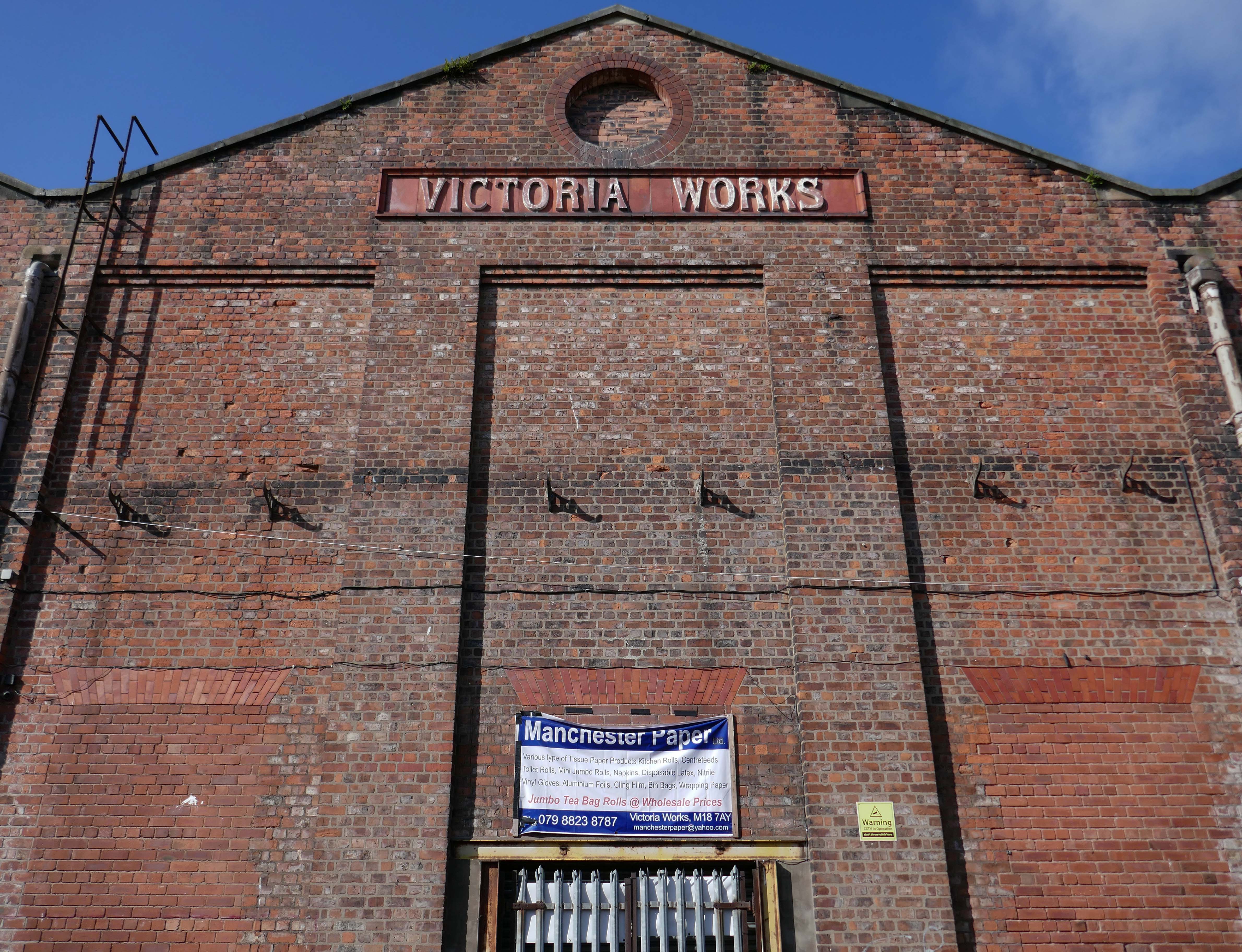
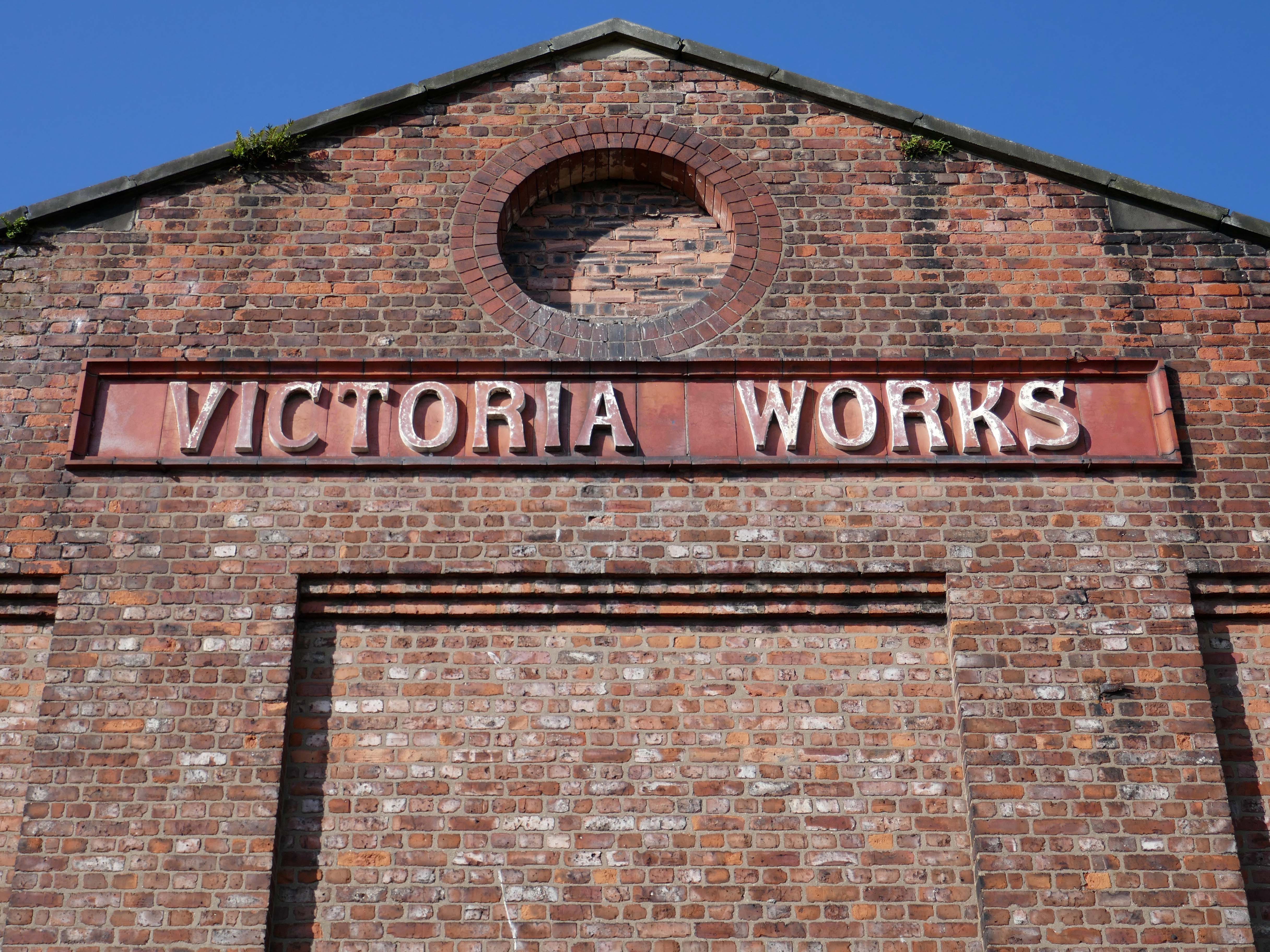
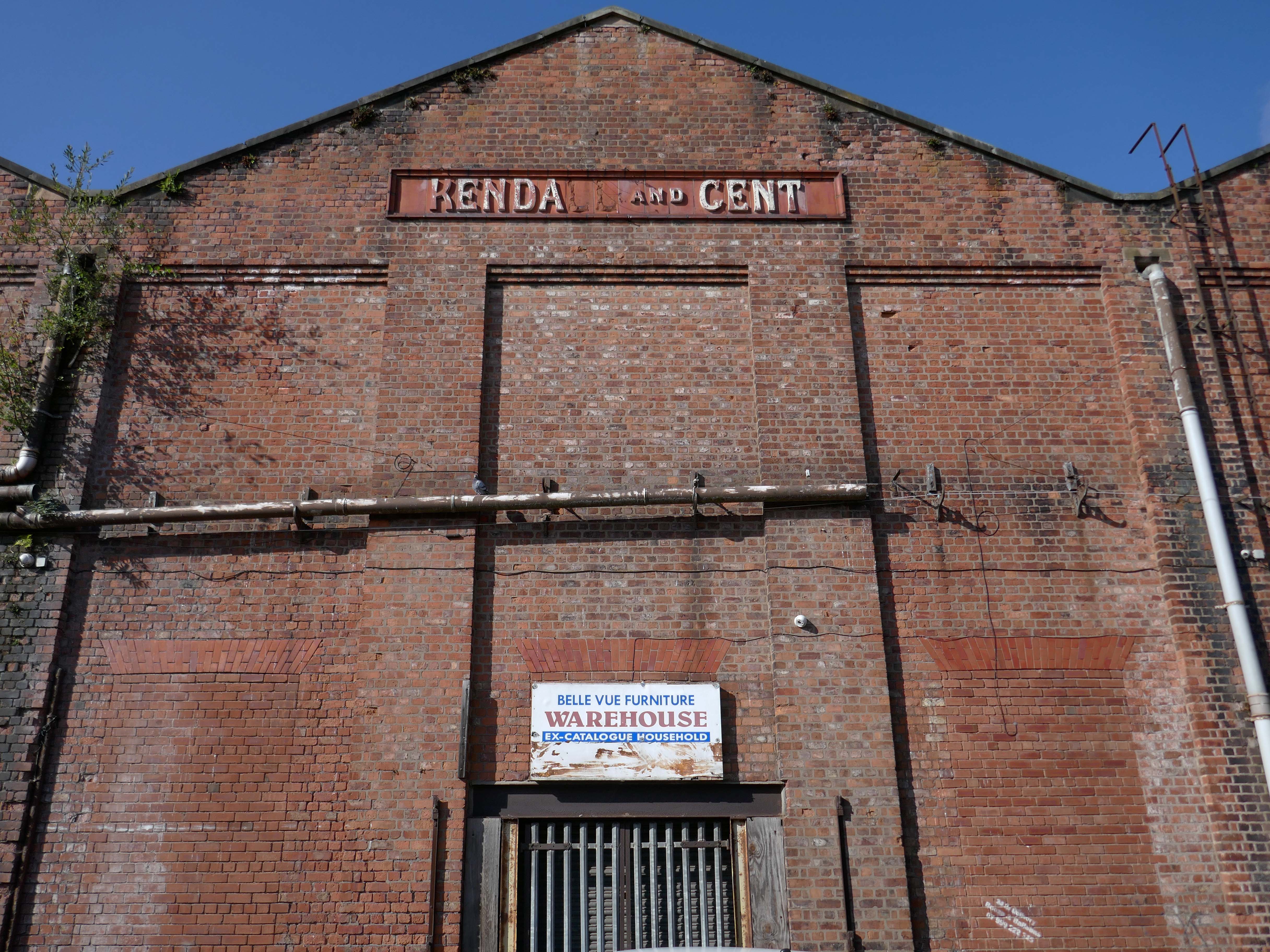
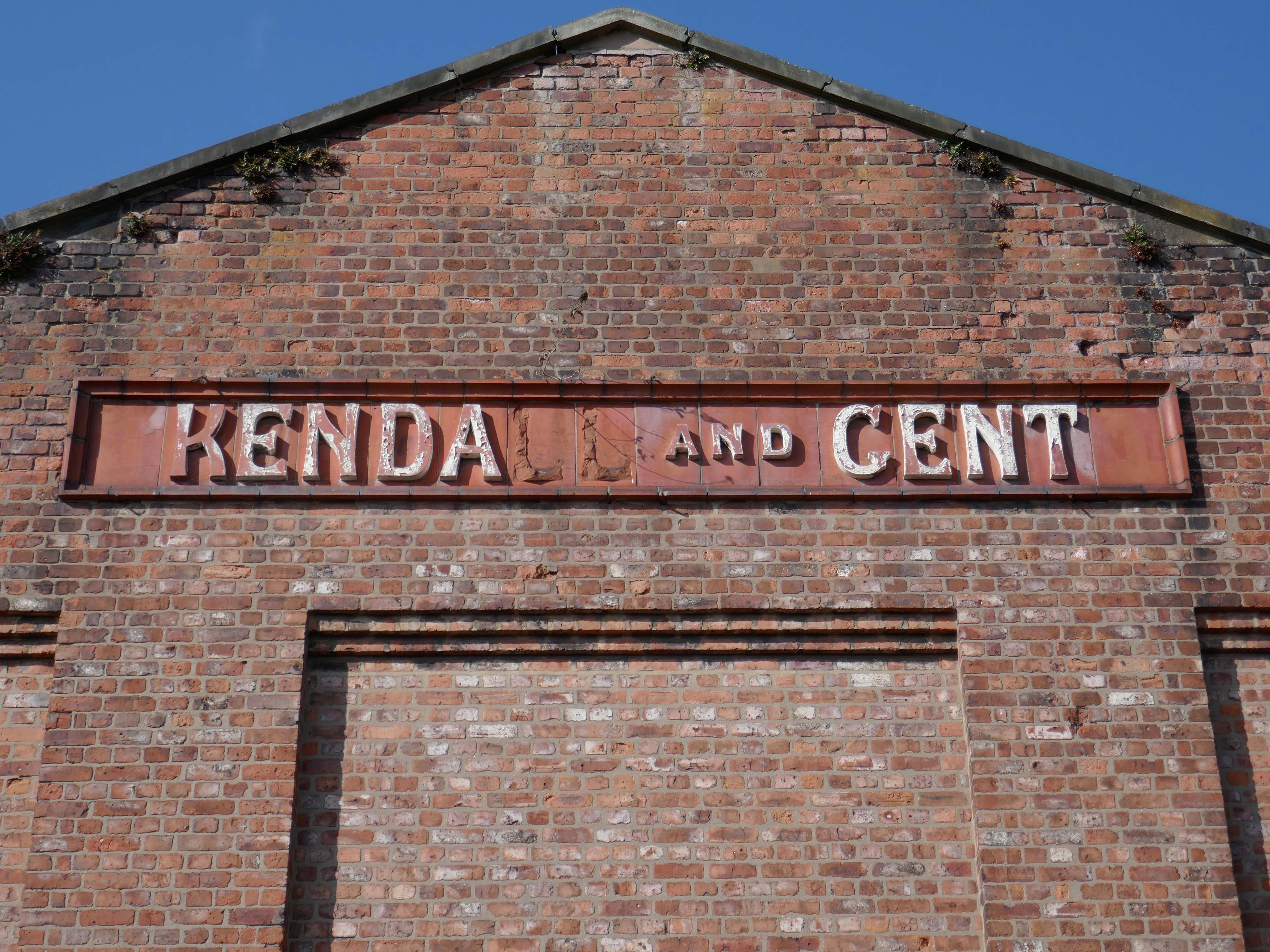
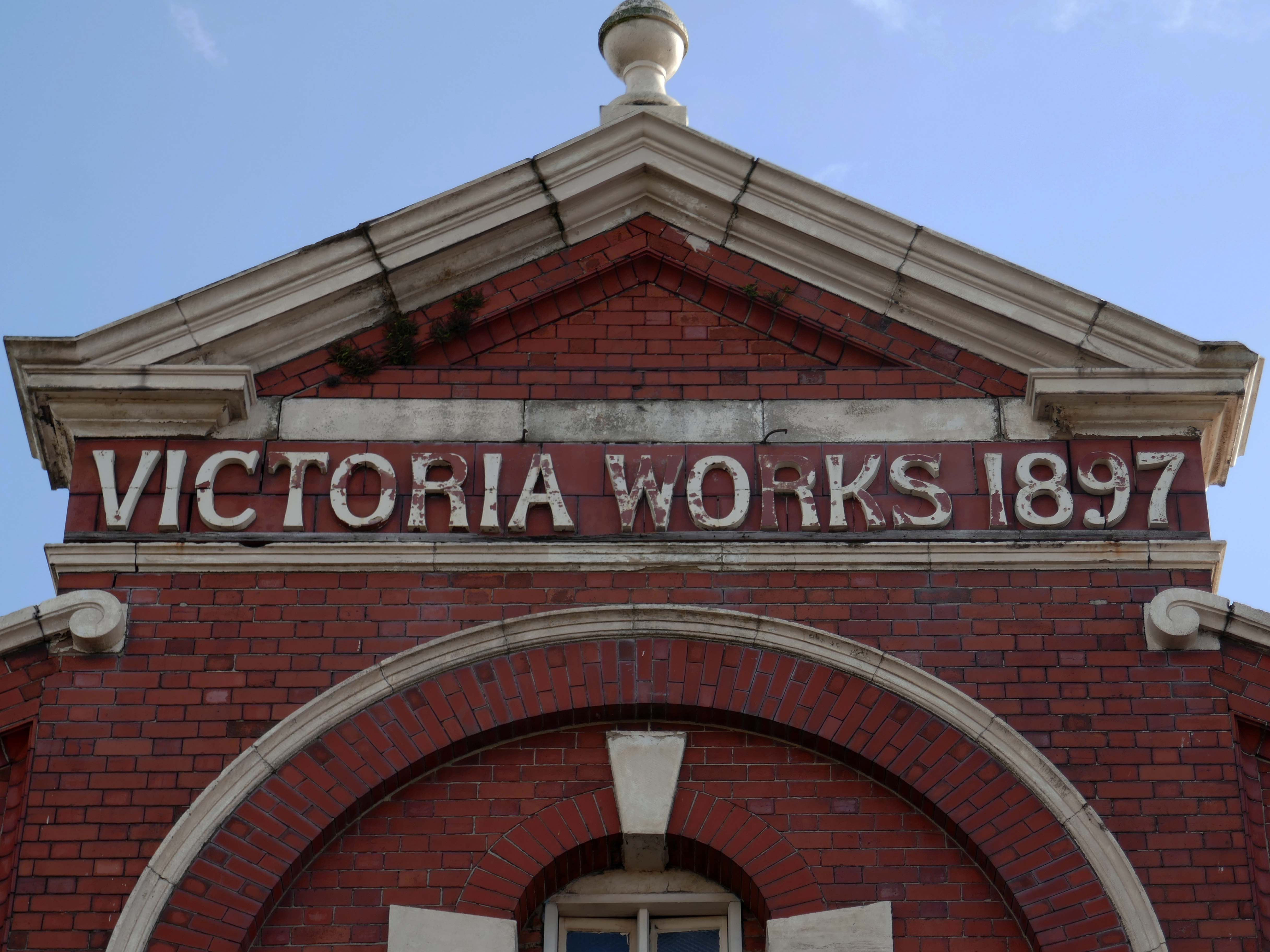
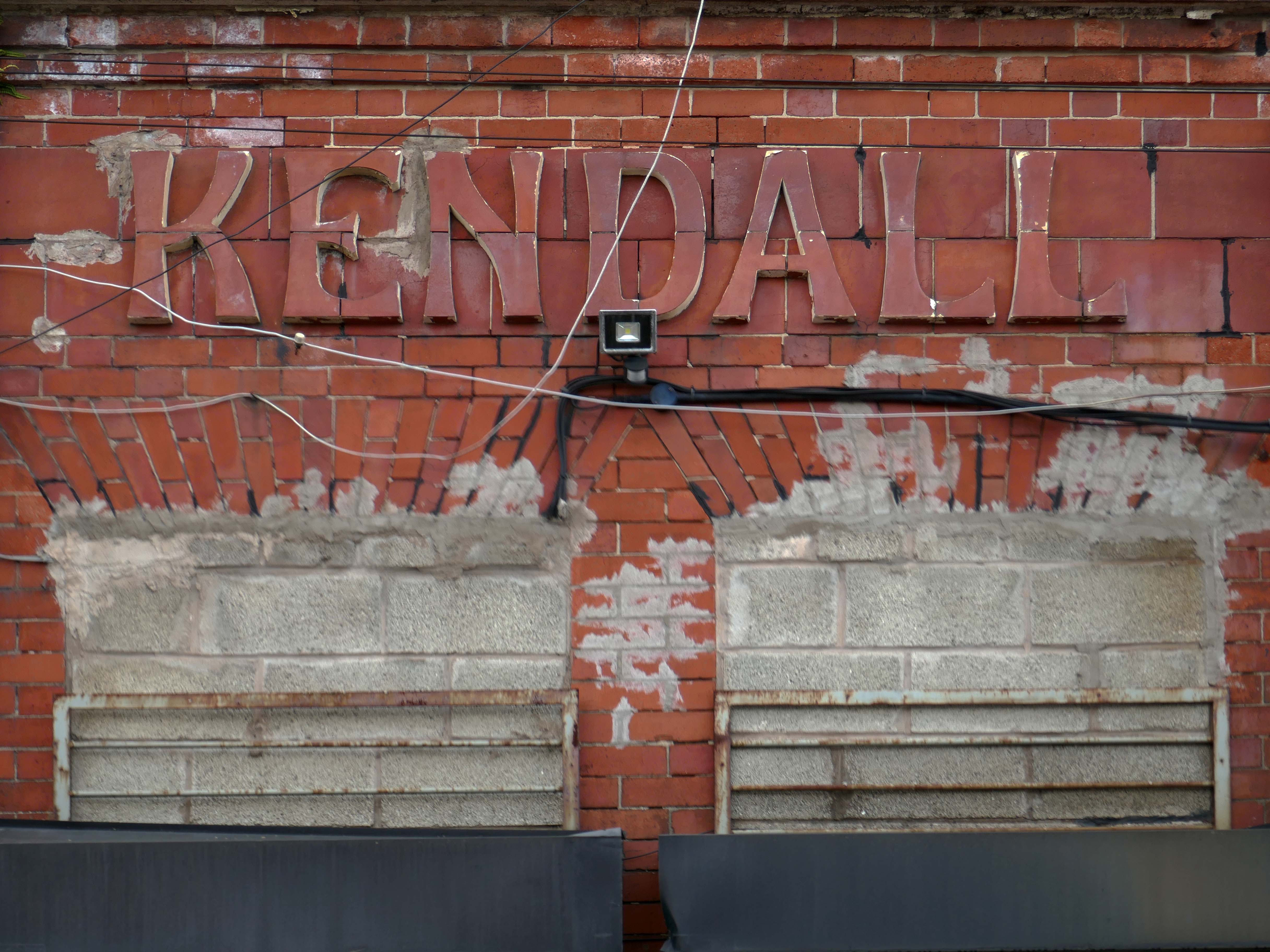
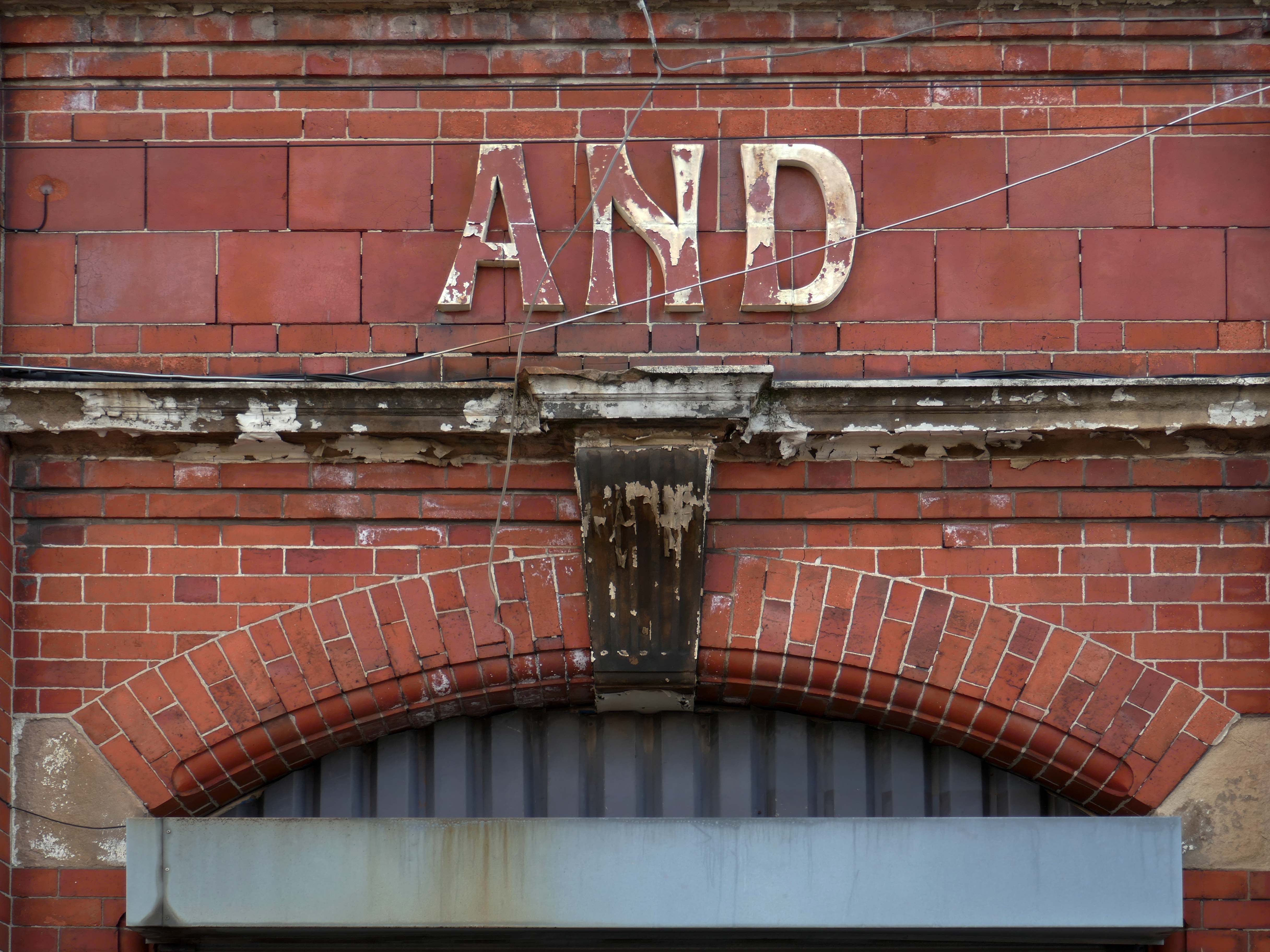
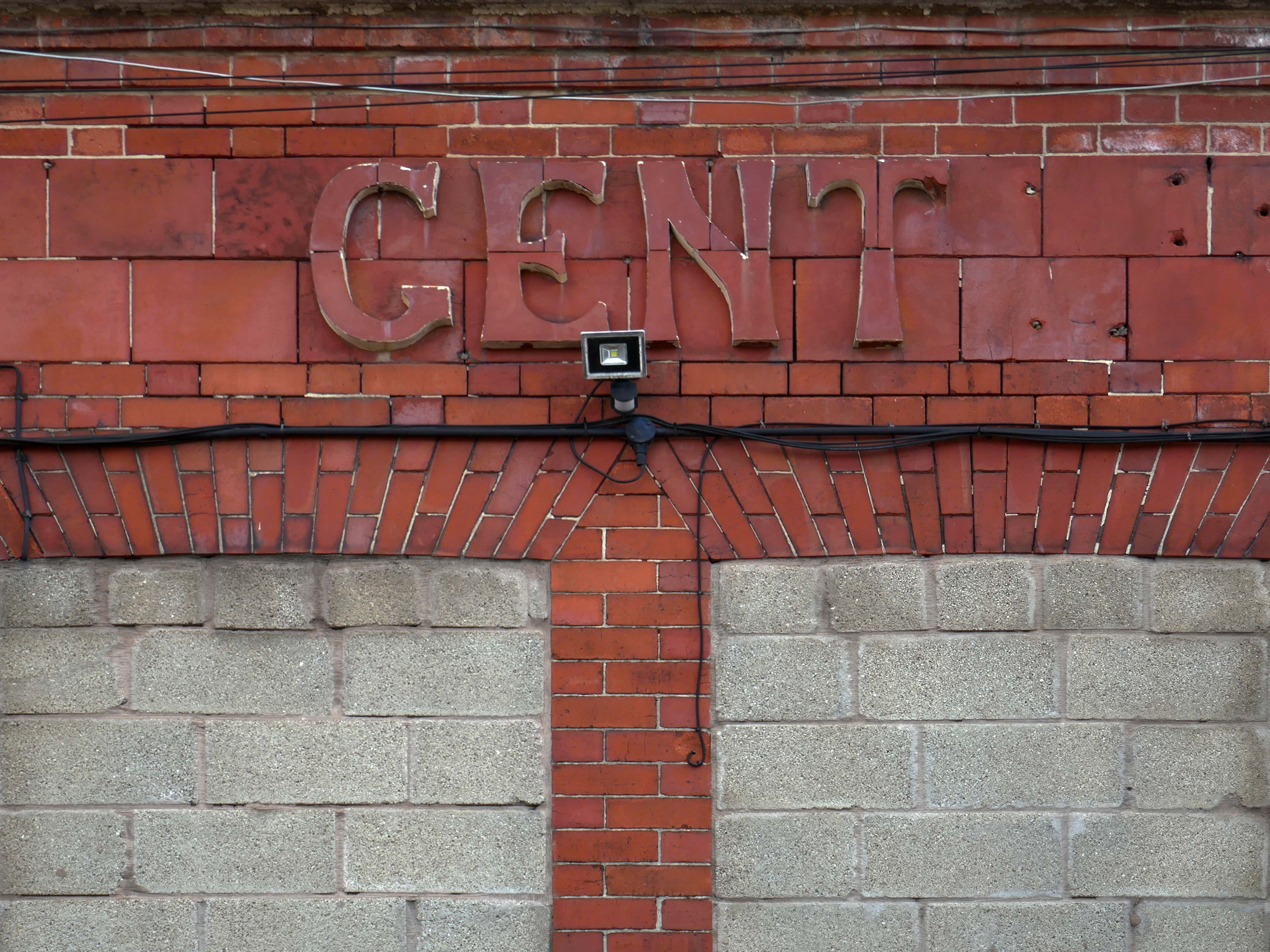
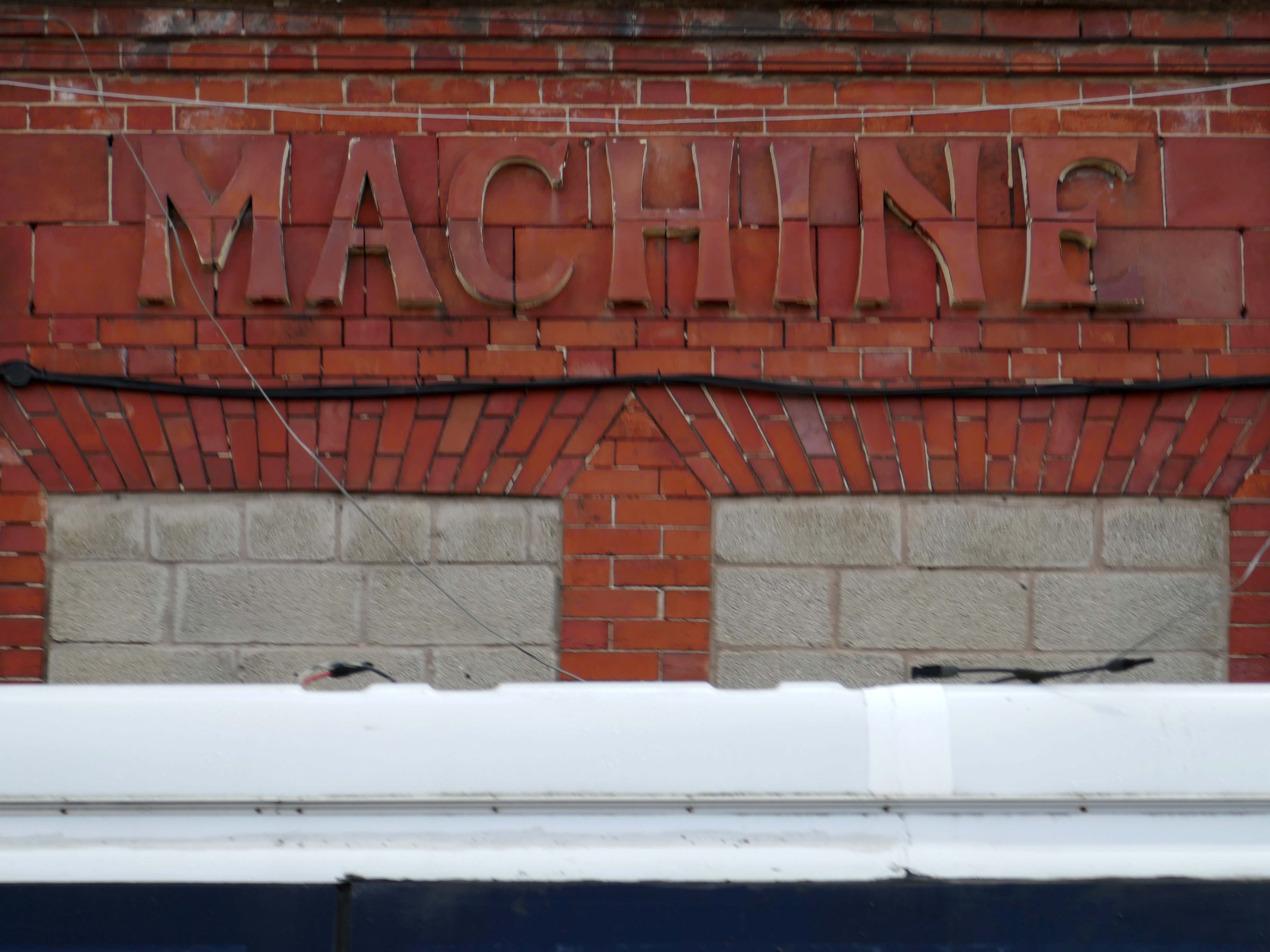
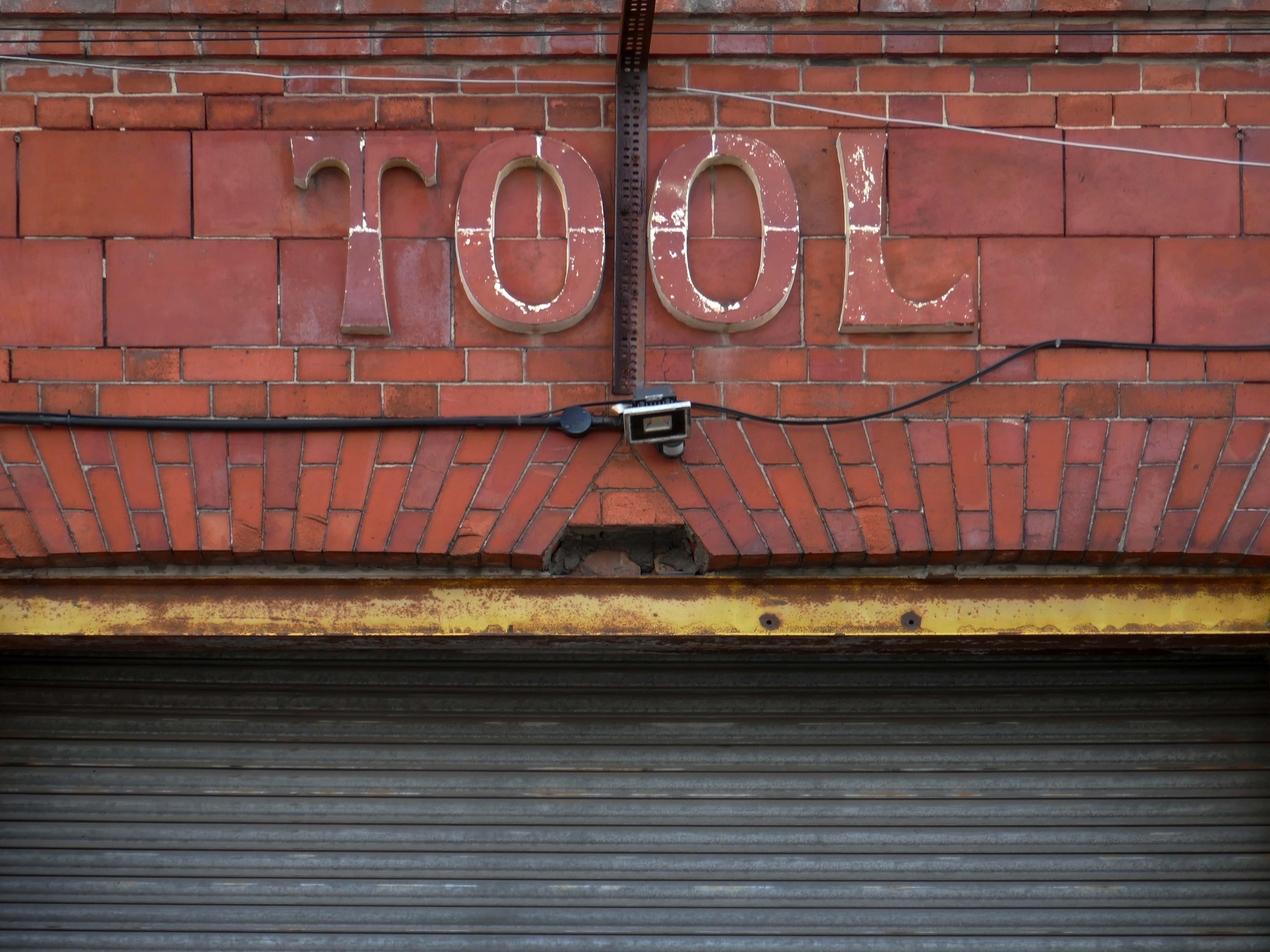
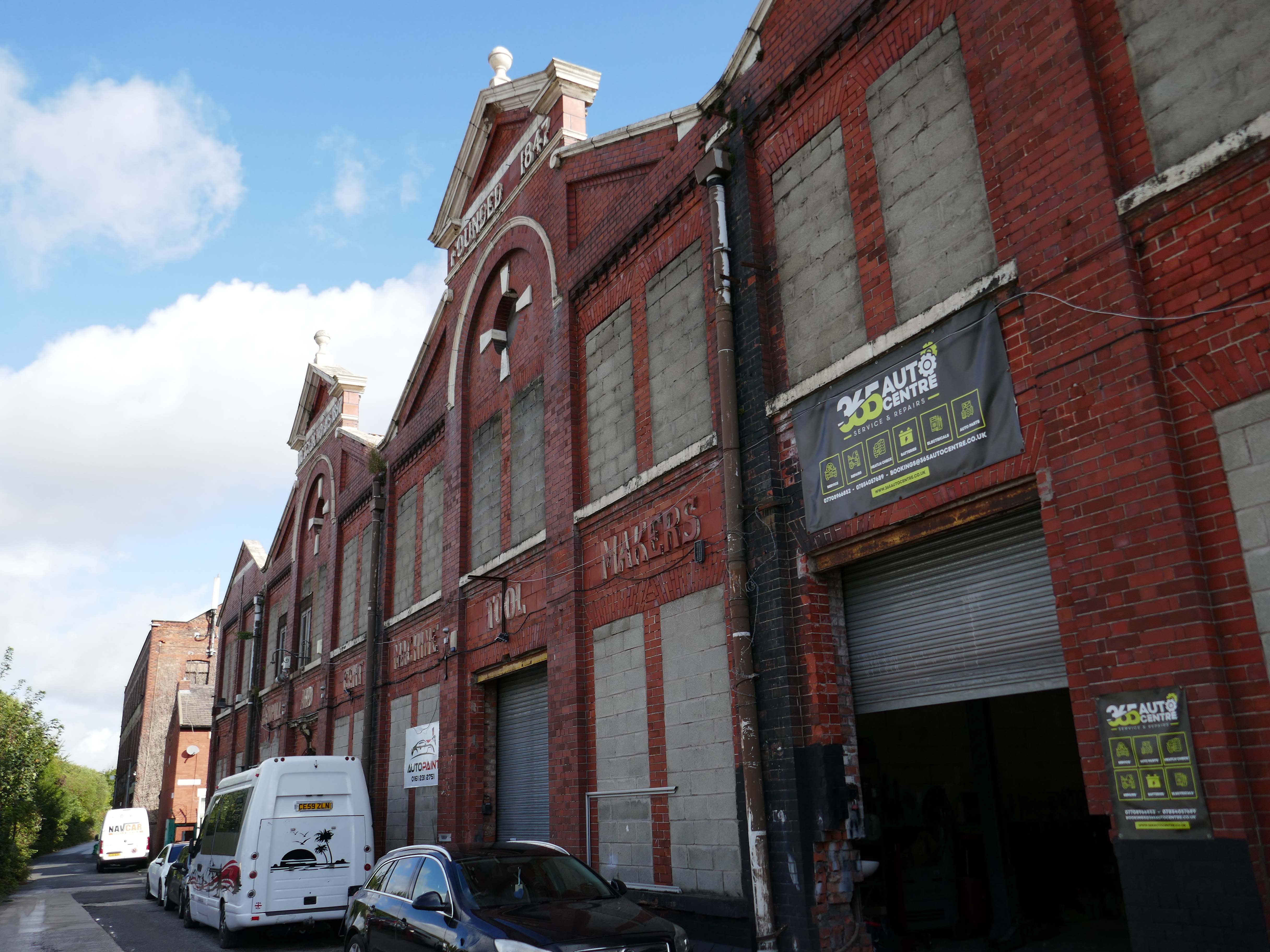
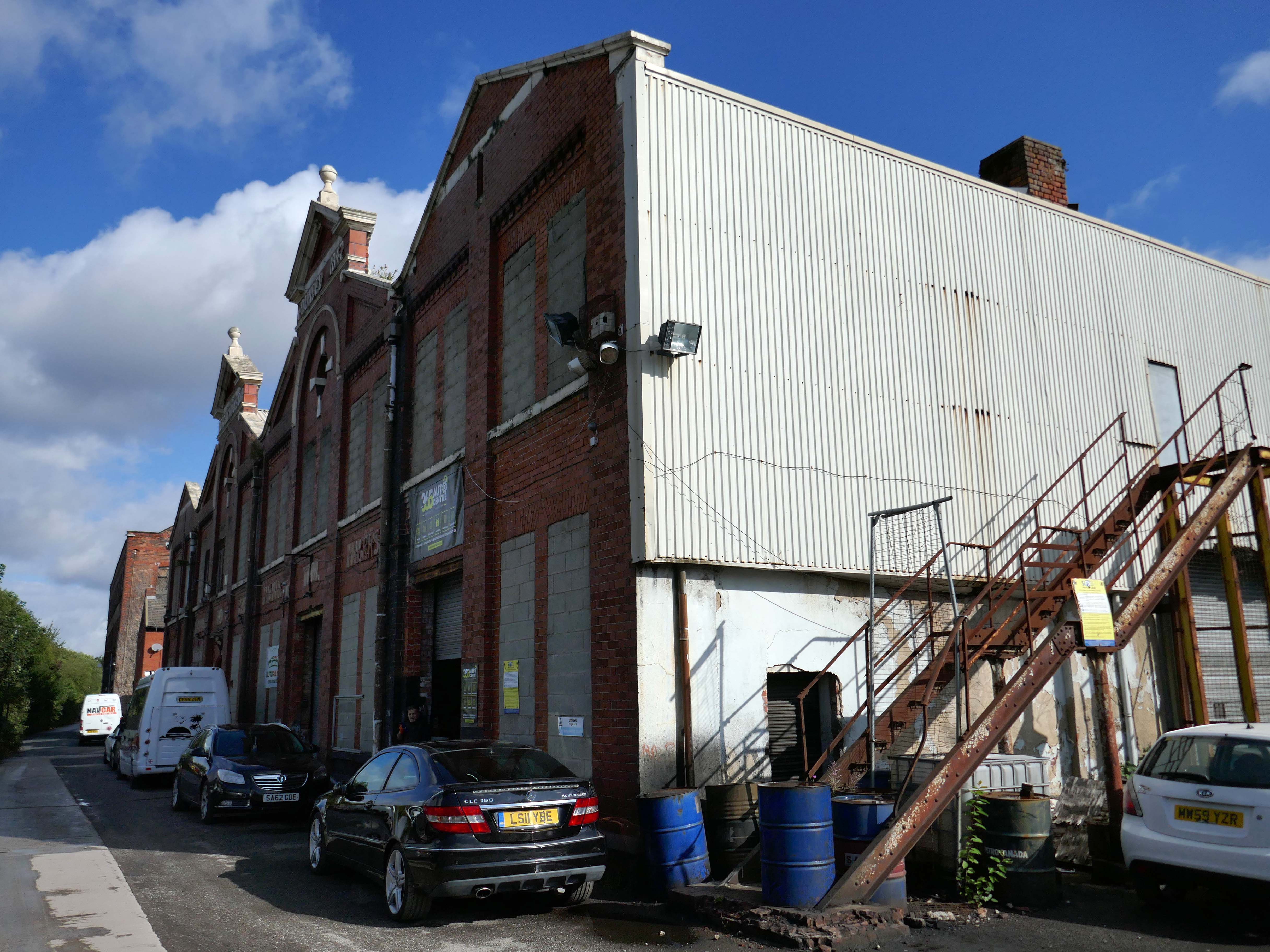
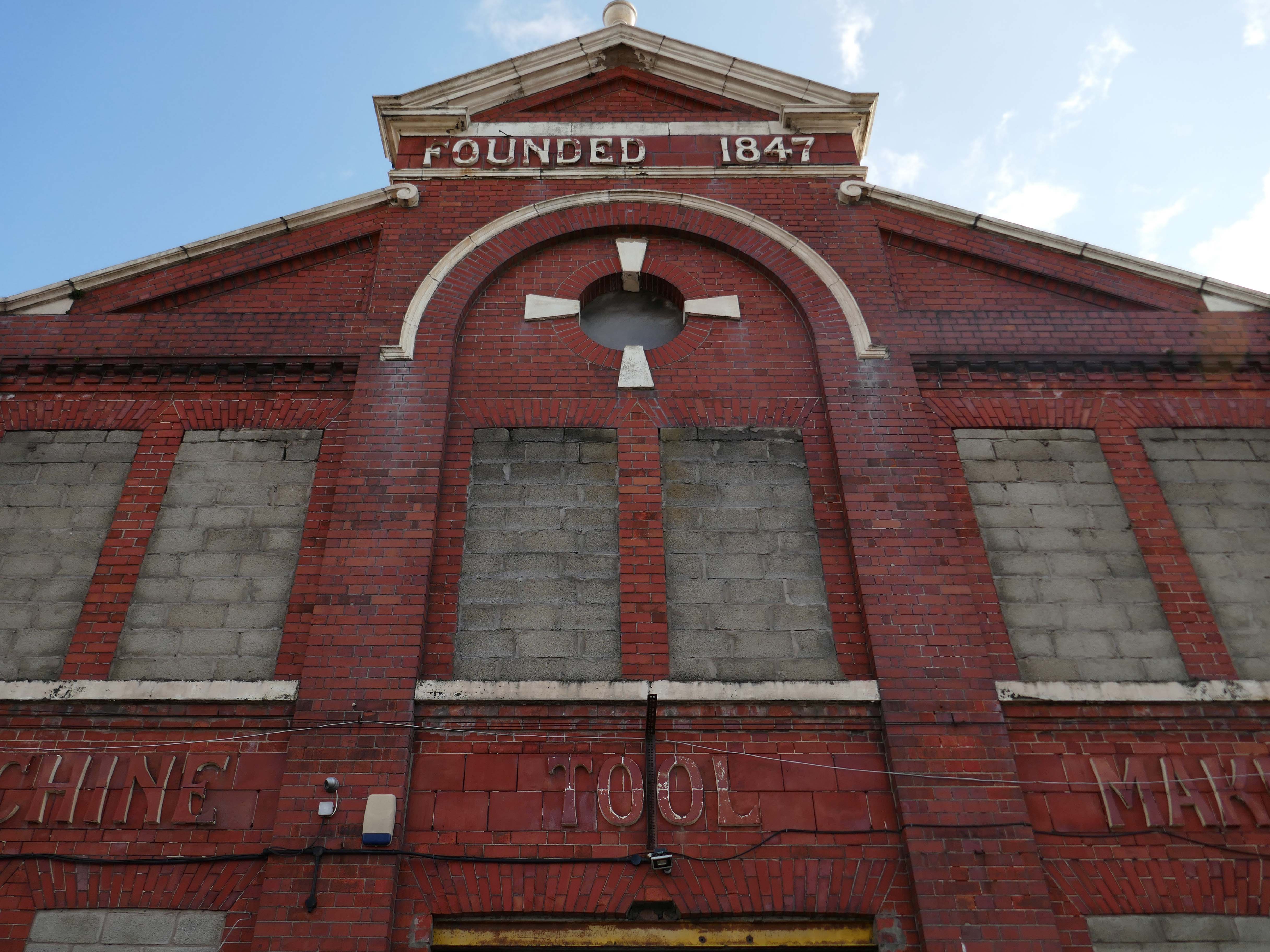
Here’s the Victoria Works, formerly home to machine tool makers Kendall & Gent of Gorton Manchester.
Kendall and Gent were machine tool makers, originally of Victoria Works, Springfield, Salford.

Founded by William Kendall and George Gent in 1847.

Latterly of Victoria Works, Belle Vue/Gorton from the 1890’s, acquired by Staveley Industries in 1966.

Graces Guide

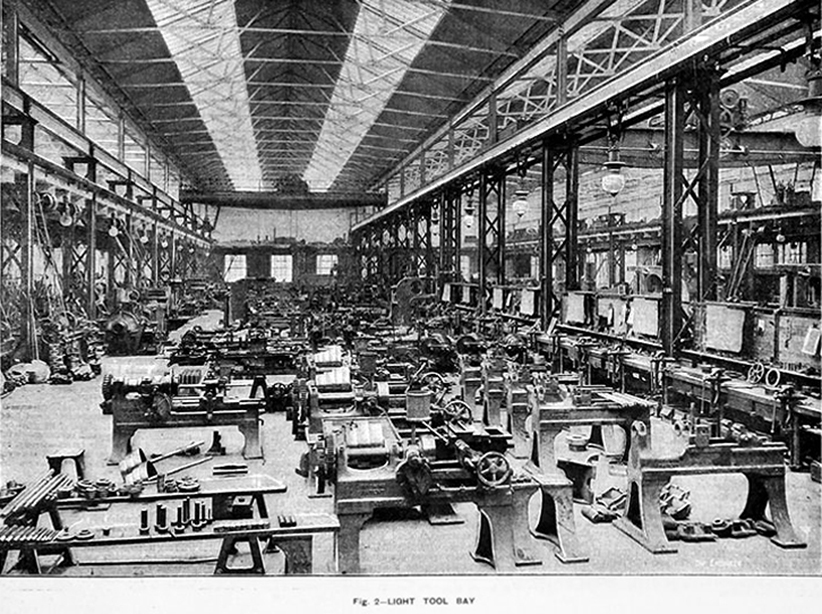
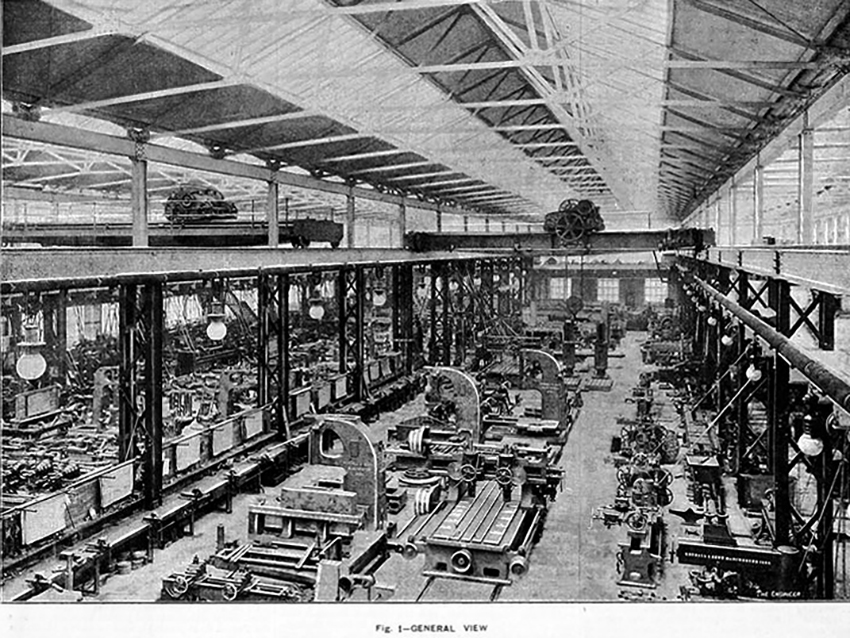
This was a world of heavy and light engineering, which reached in a broad swathe across Greater Manchester, from Stockport to Cheetham Hill and beyond.

This is the Gorton Works – illustrations taken from Graces Guide.

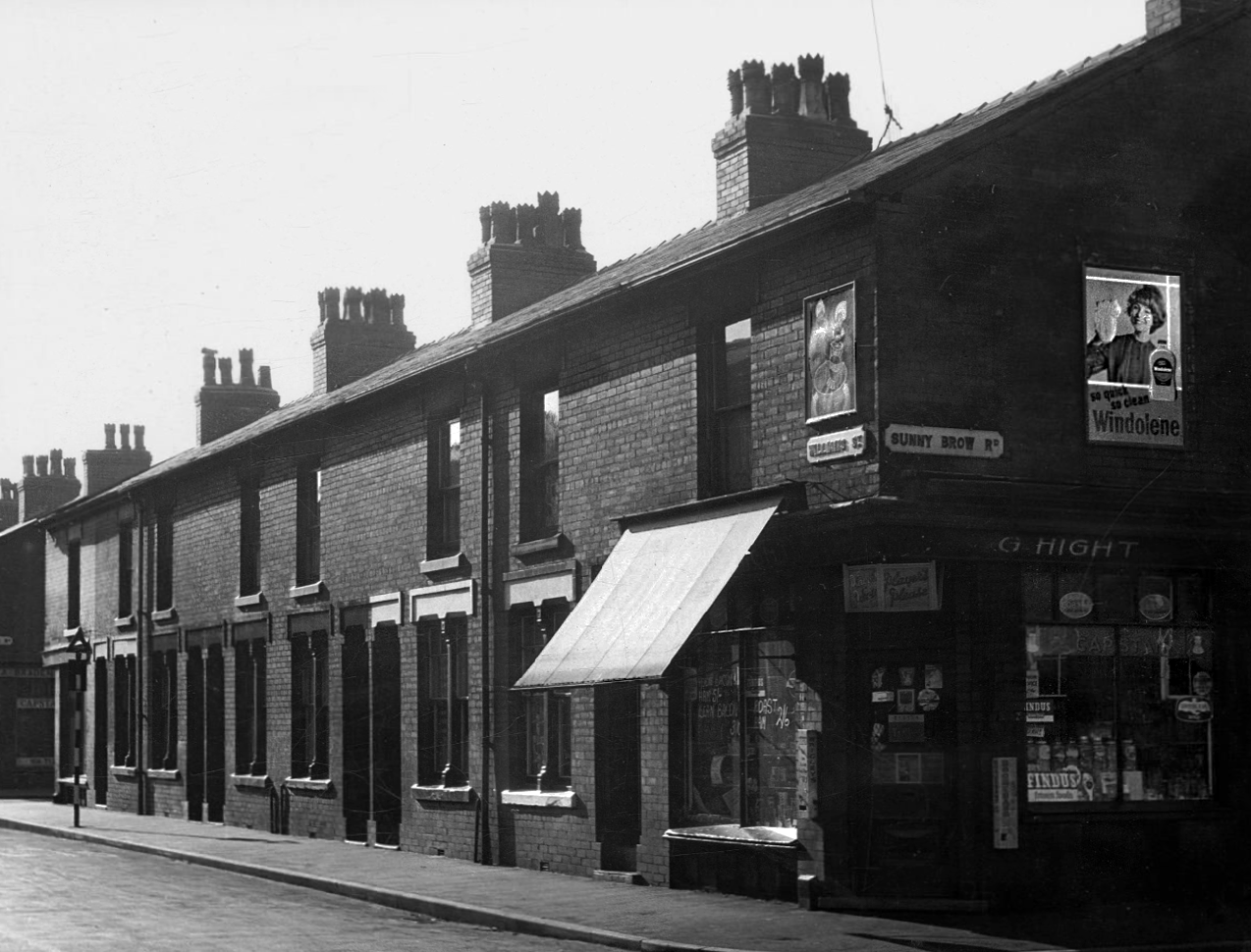
This was a world of terraced houses and corner shops, side by side with the local works.

Photographs: Tommy BrooksLocal Image Collection

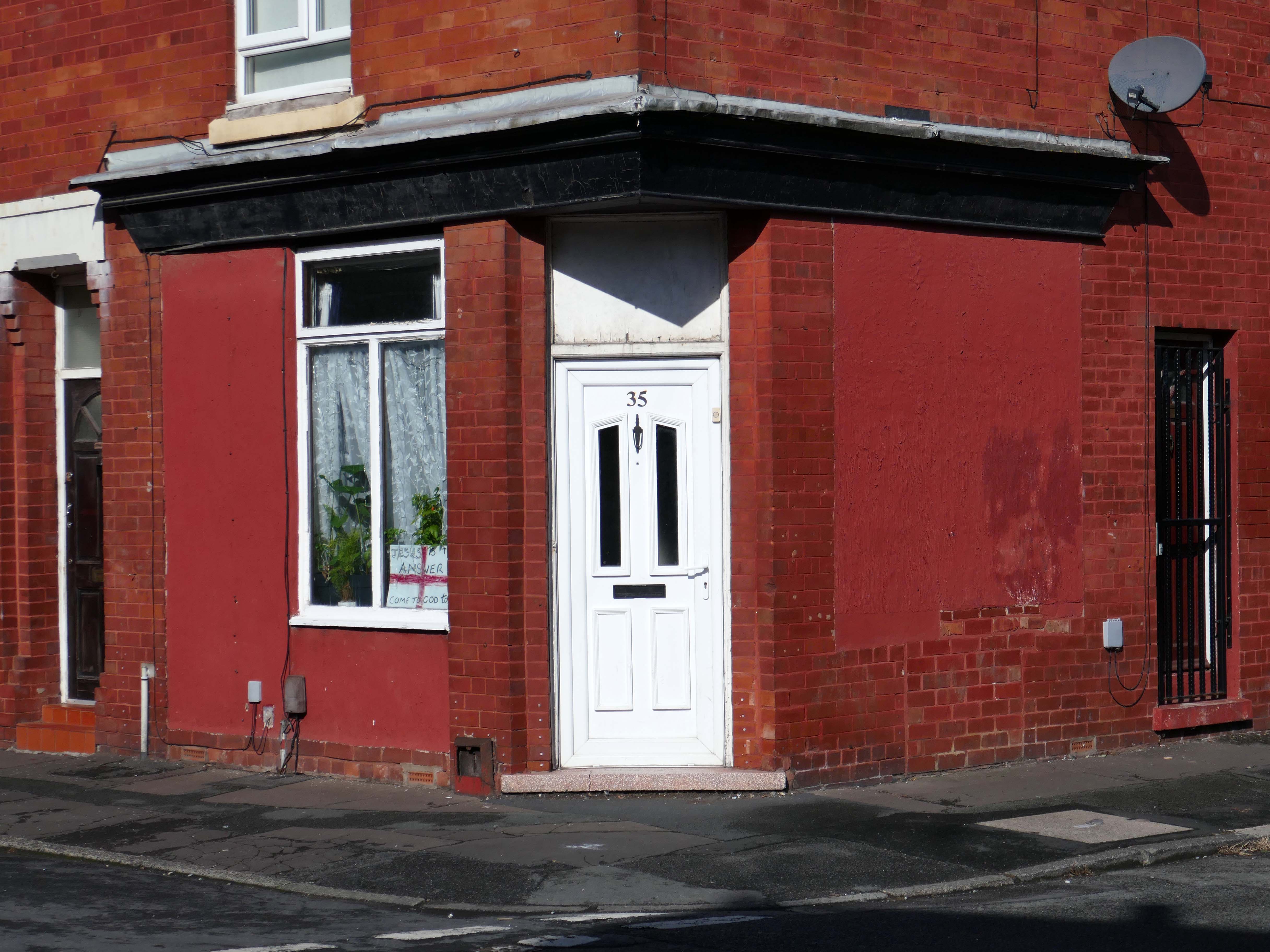
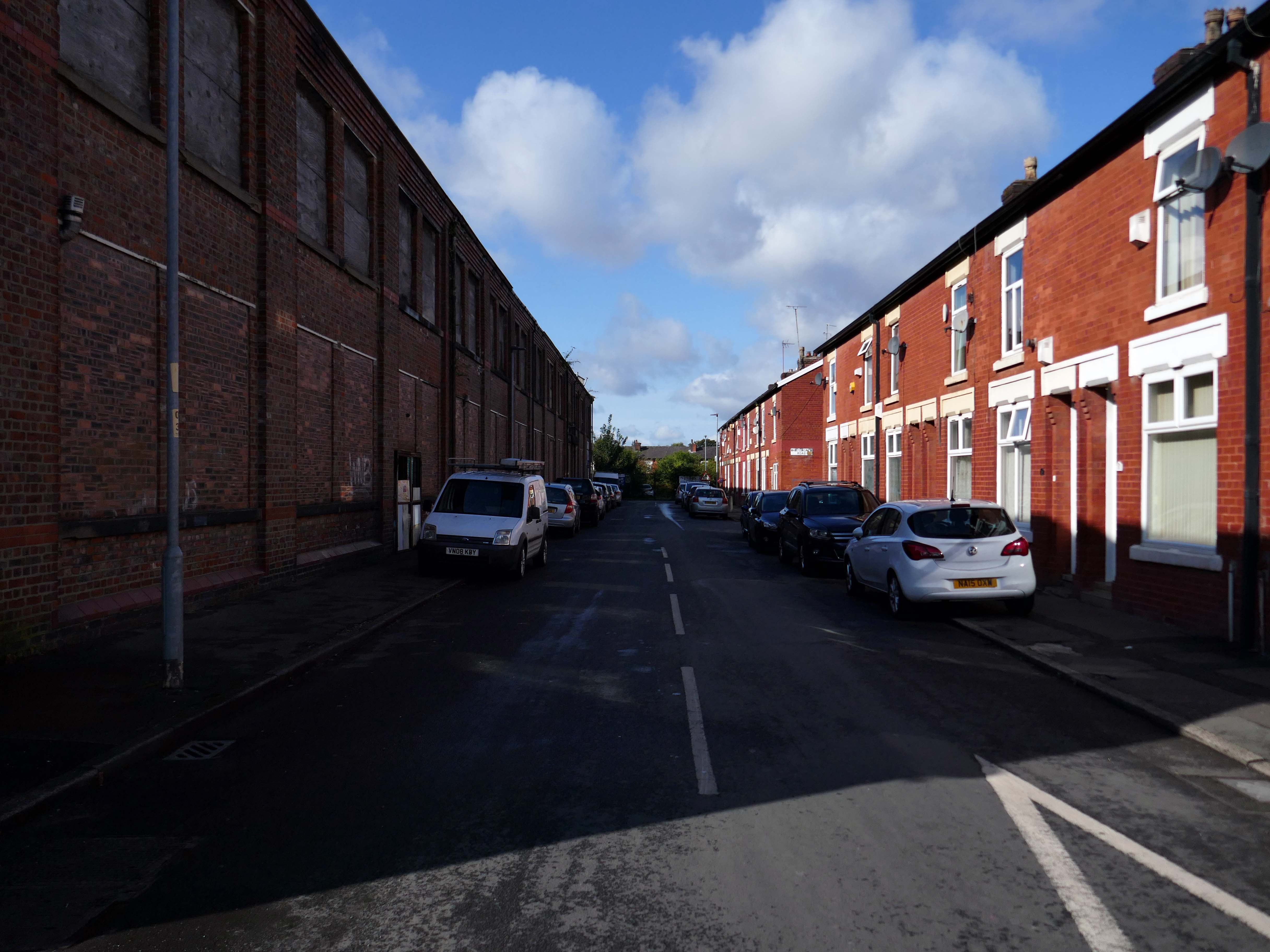
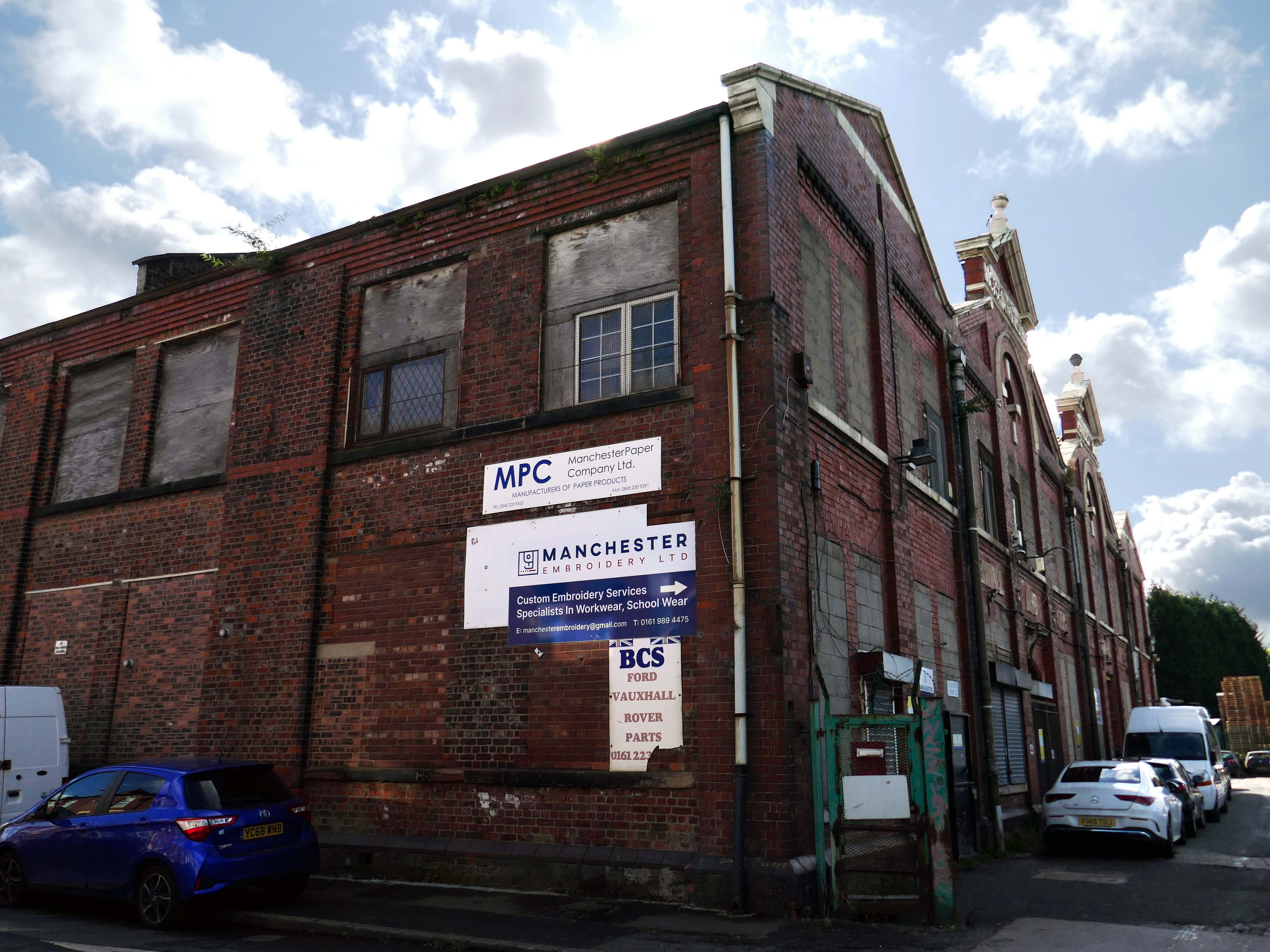
This is that corner of Williams Street and Sunny Brow Road today.

Victoria Works Sunny Brow Road.

Victoria Works Williams Street

Victoria Works Williams Road

Manchester’s engineering industry has subsequently been seriously diminished.

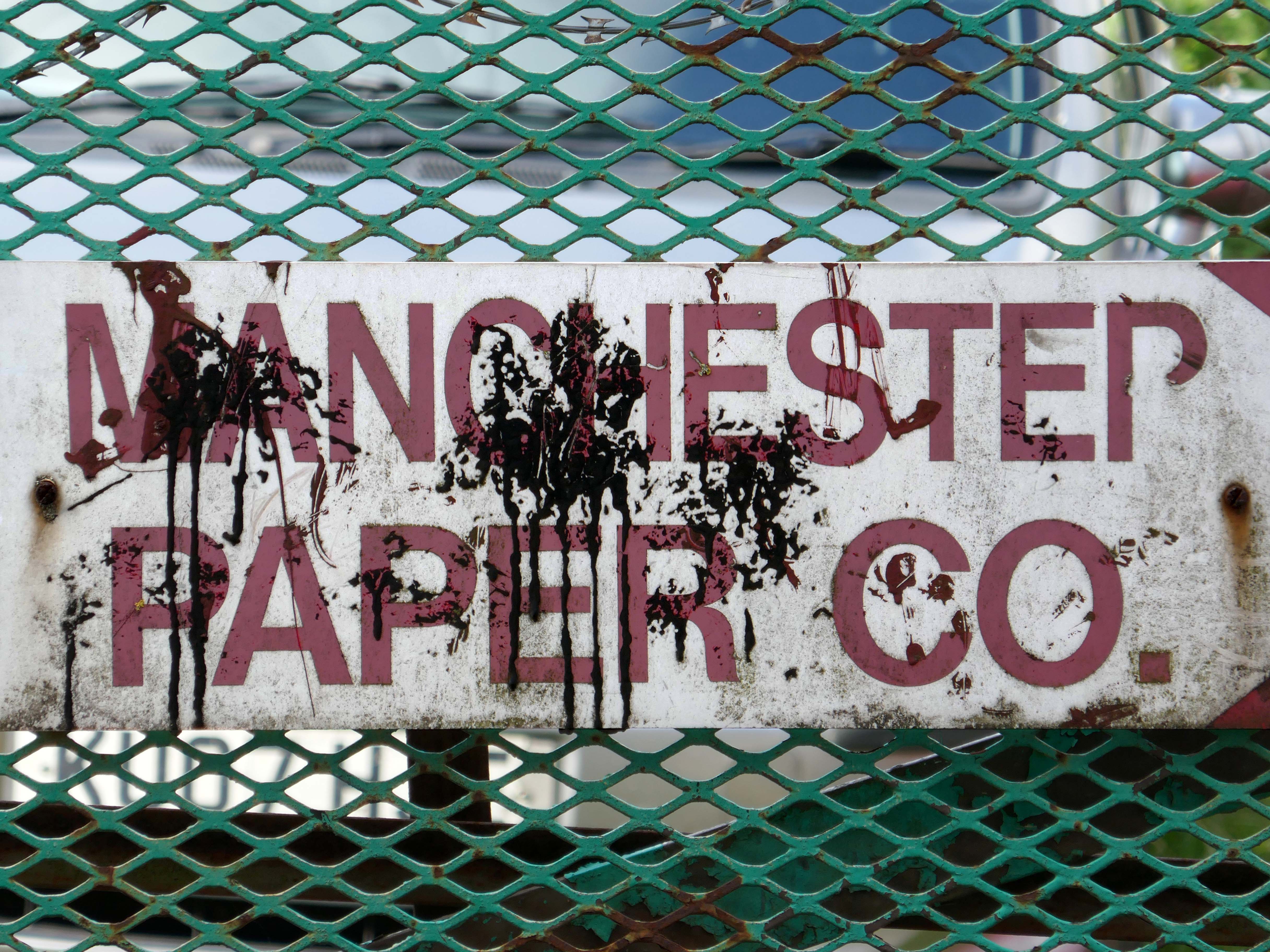
The building became a base for toilet paper manufacturing and distribution.

But the metal beat goes on in both Wolverhampton and Florida.

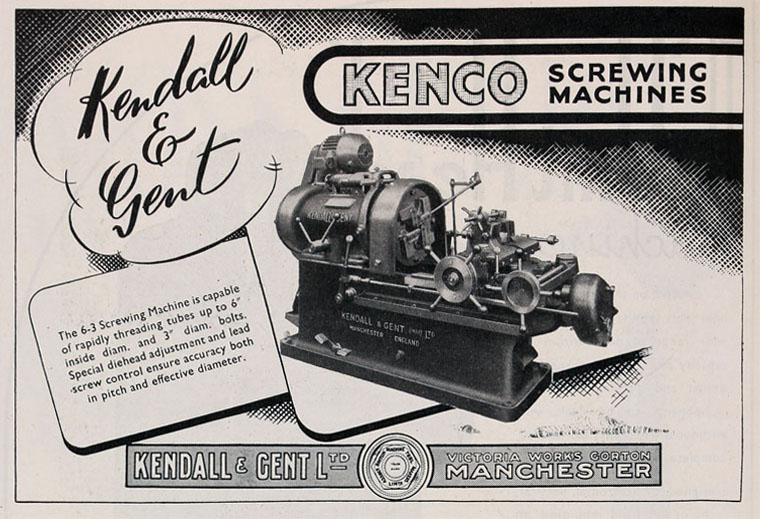
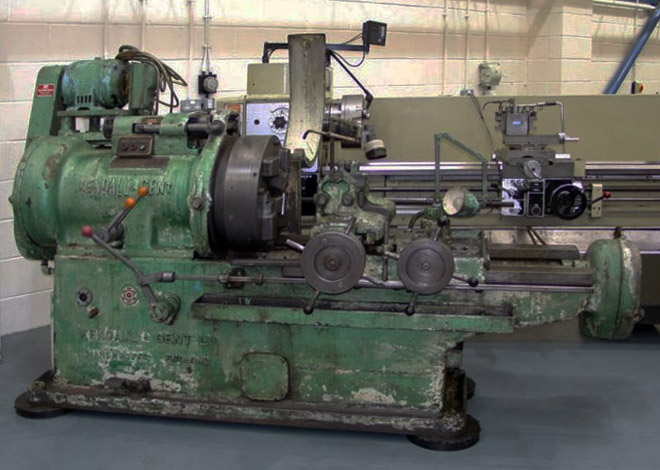
Originally formed in 1847, Kendall and Gent enjoyed many years as one of the biggest machine tool manufacturers in the UK, producing many large machines which are still in production today. Many of the tangential threading machines are still used in pipe, bolt and stud threading.

Kendall and Gent

Also of interest Richard Peacock Gorton industrialist .

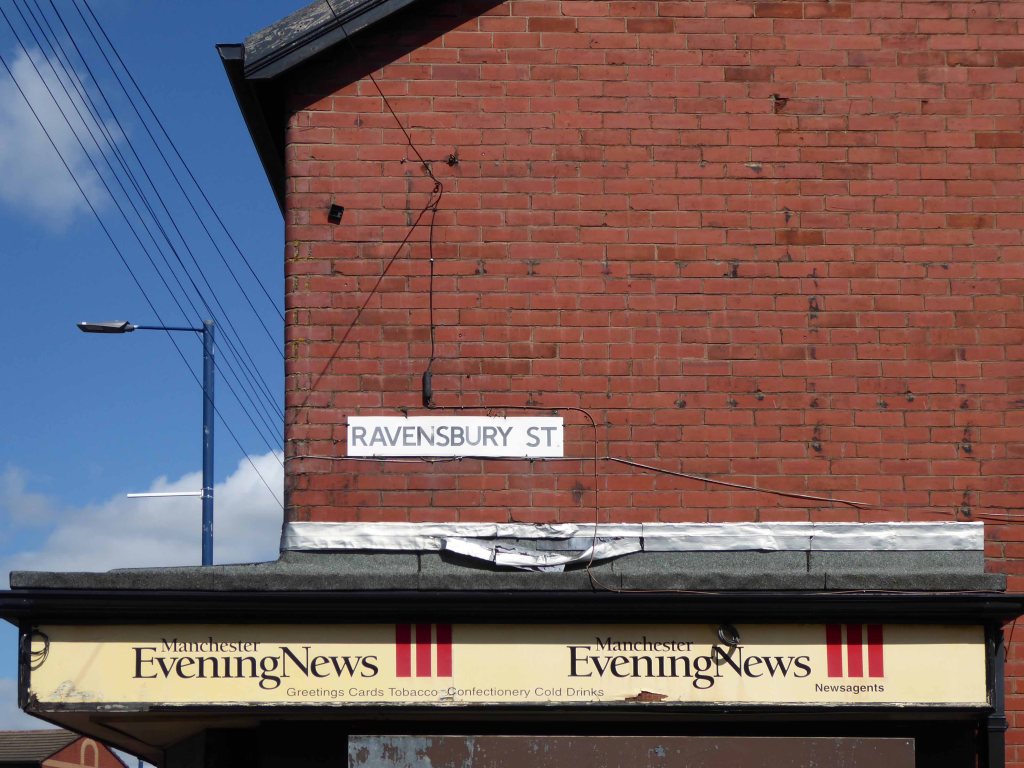
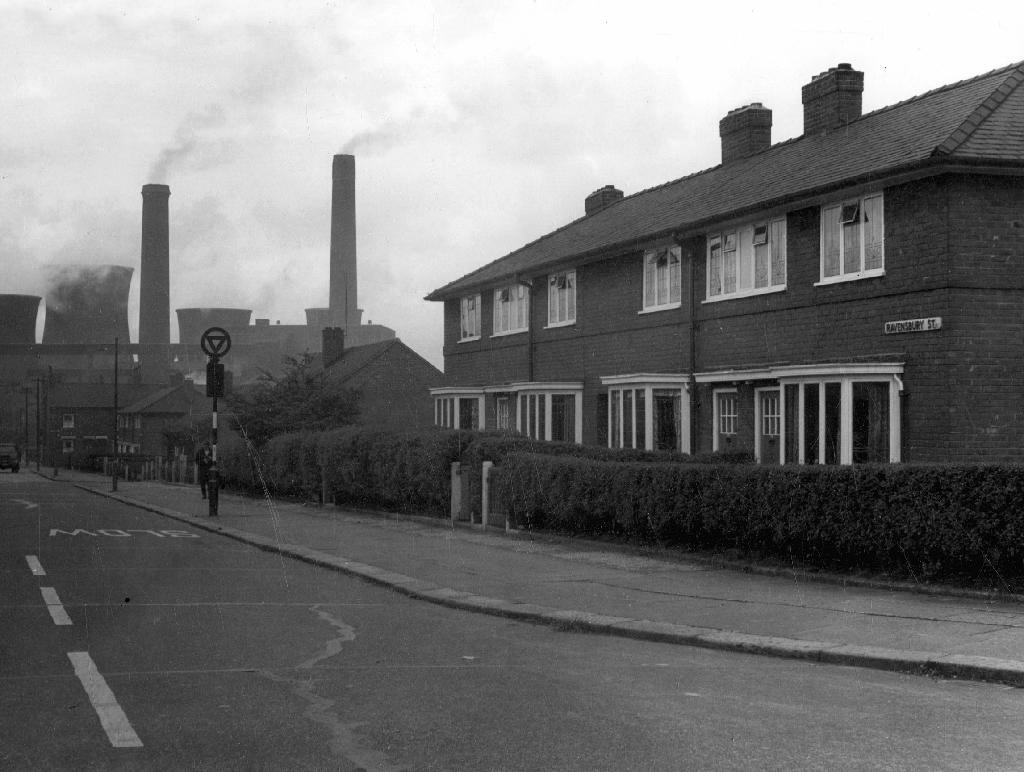
Ravensbury Street – Droylsden Cooperative Society Store

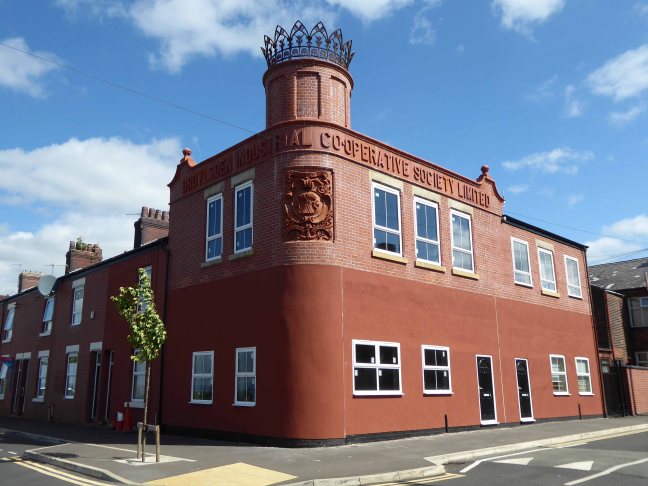
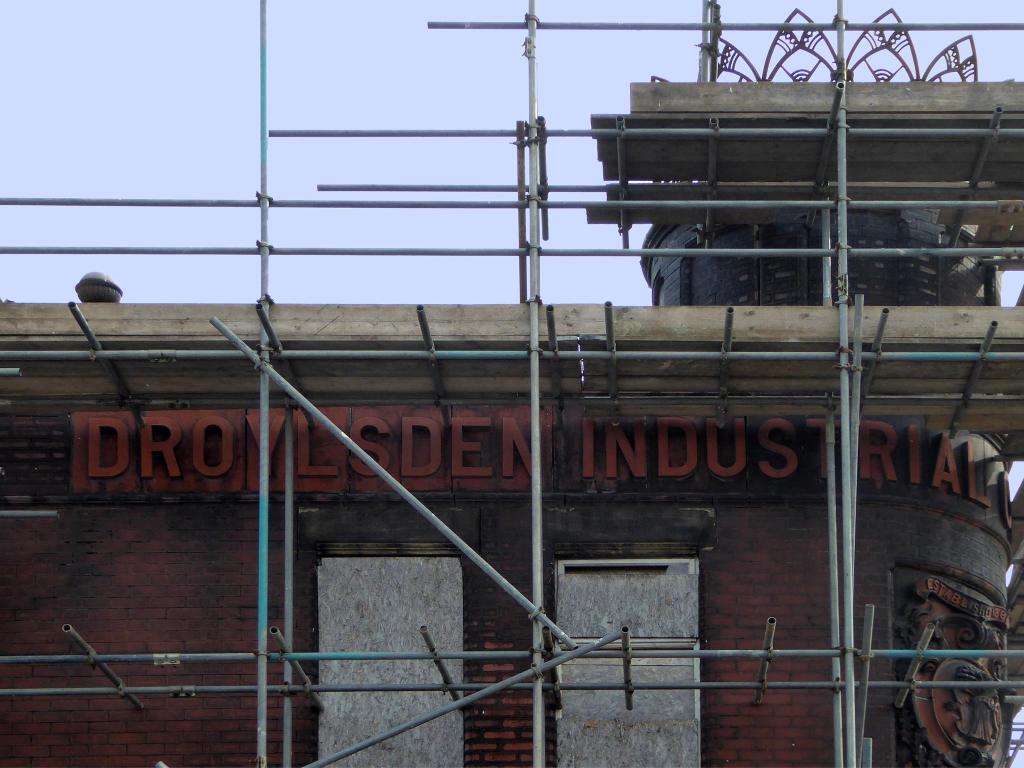
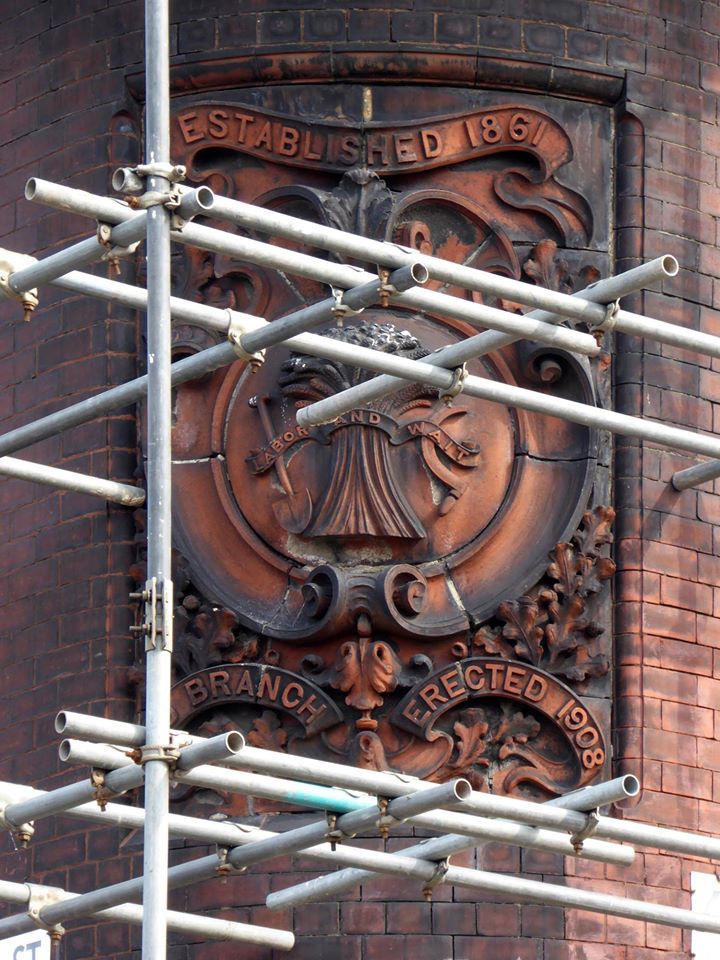
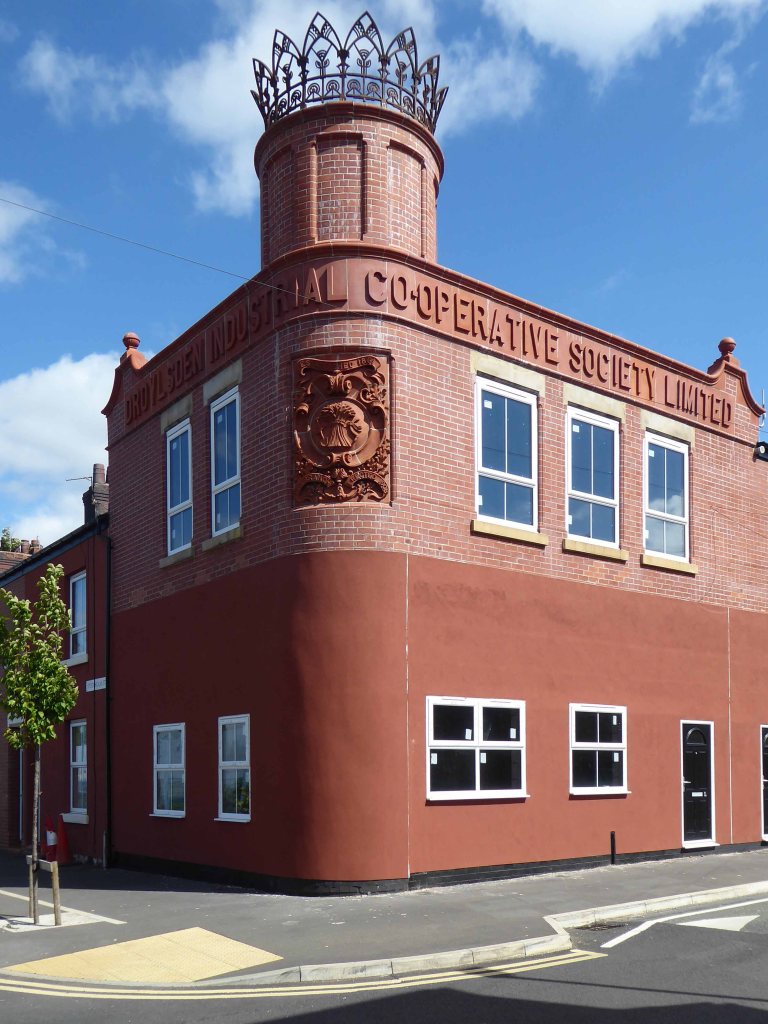
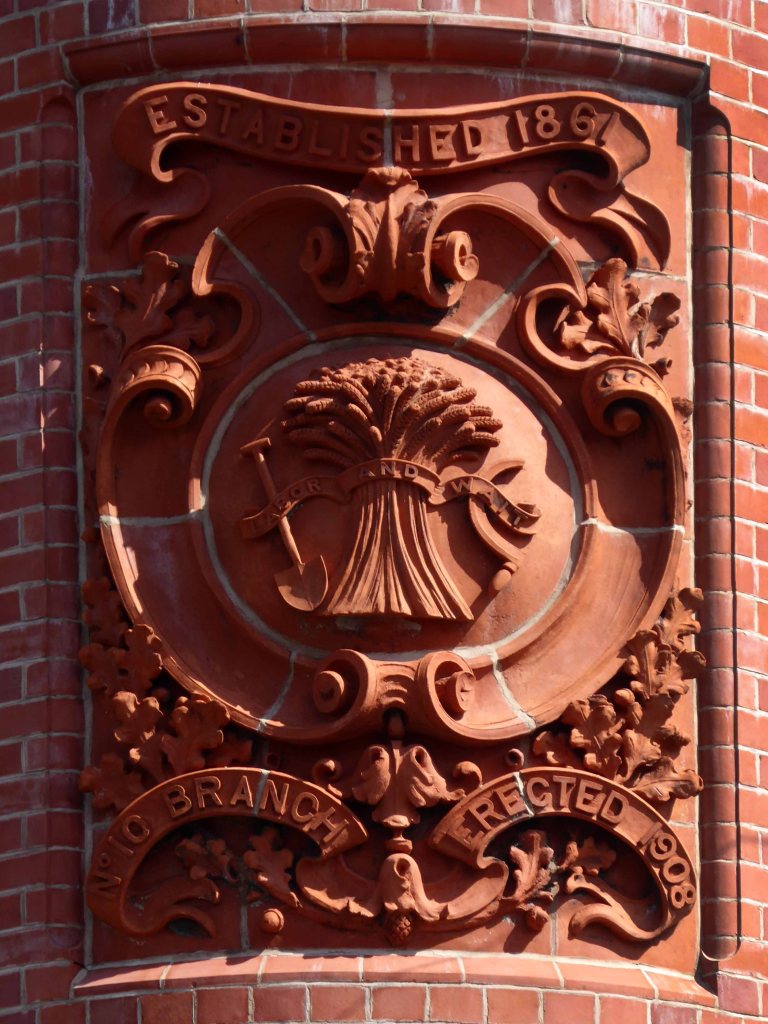
On the corner of Ravensbury and Stockholm Street Clayton Manchester there stands a Cooperative Shop of 1908.

We have previously visited another fine example on Northmoor Road.

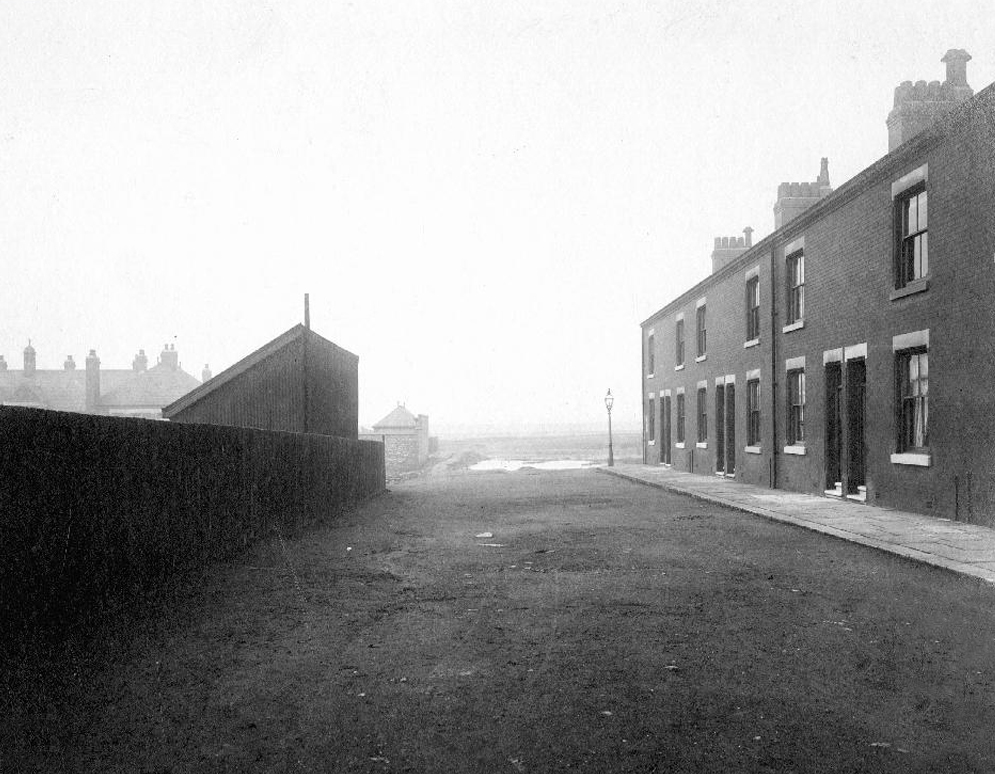
In 1902 the area is still set to open ground.

This Manchester Local Image Collection photograph of 1912 shows new terraced homes emerging to meet the housing needs of the world’s first industrial city.

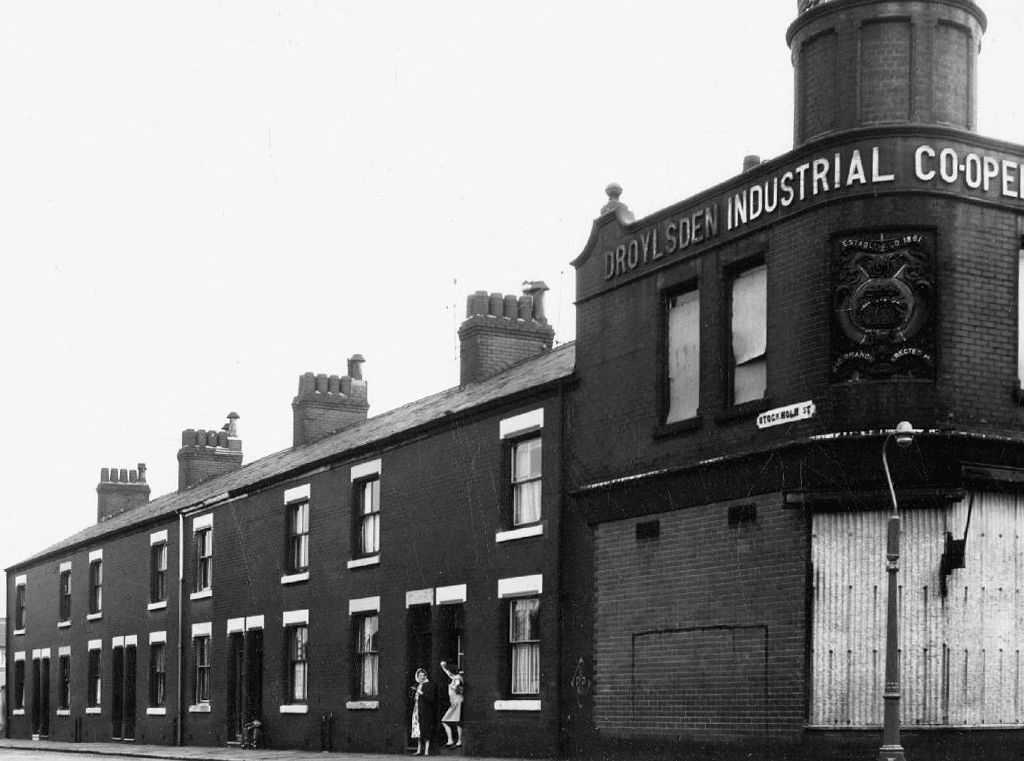
Stockholm Street

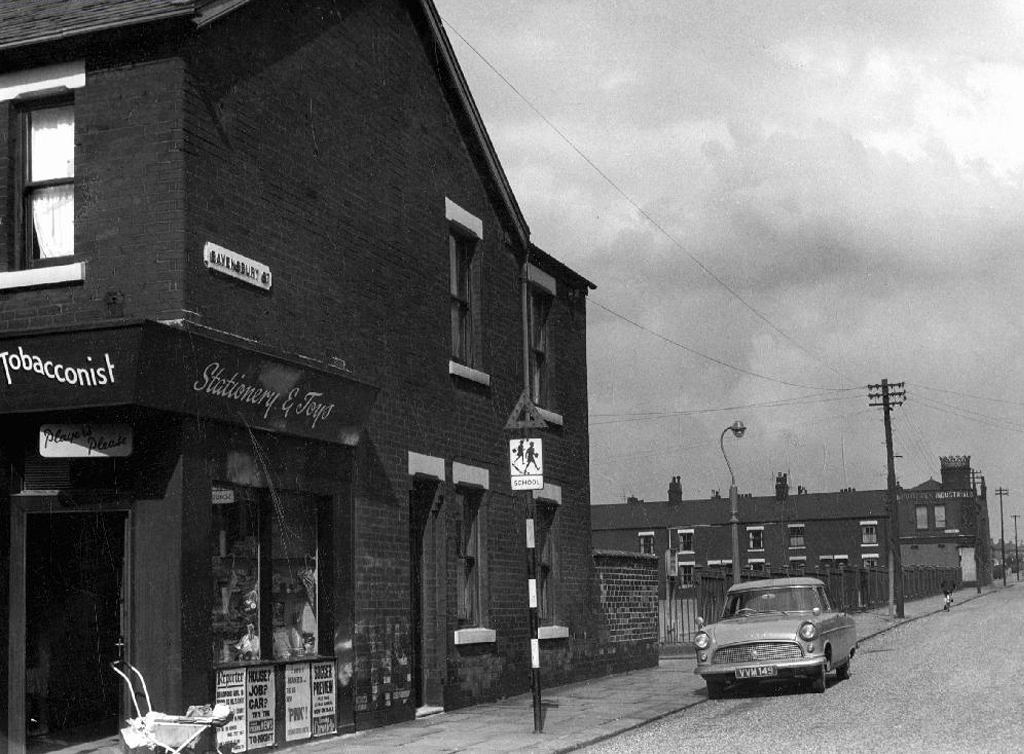
Here is the street in 1965 the shop already shut.

The corner shop on Bank Street still trades.

The Stuart Street Power Station does not.

Changing patterns in shoppers habits sealed the fate of many local and corner shops, as larger supermarkets opened, increased mobility and car ownership became more common.

When I first visited the building was undergoing renovation work.

The beautiful terracotta tile work and corona obscured by scaffolding .

I returned last week to find the job almost done – converted to flats, in an area which has seen a great deal of improvement to the general housing stock, paving and street furniture.

A joy to see a fine building almost returned to its former glory, with a much needed social purpose, reviving the city’s western edge.