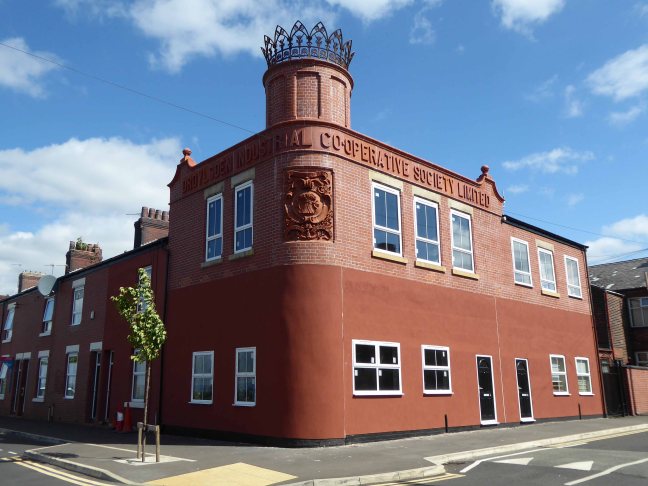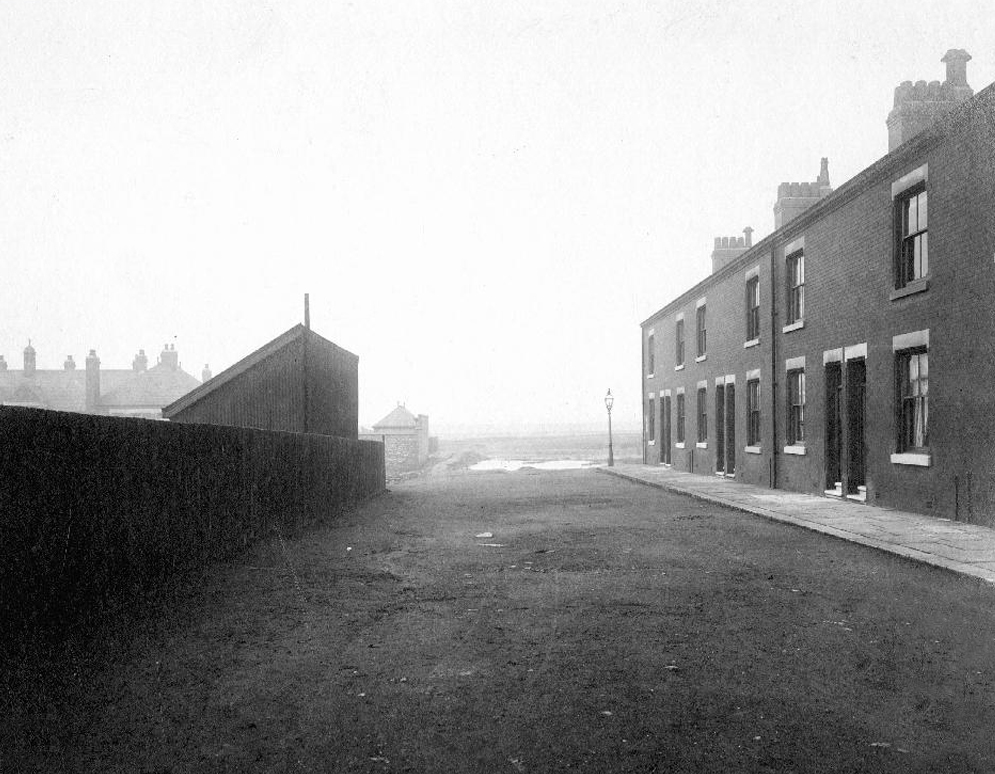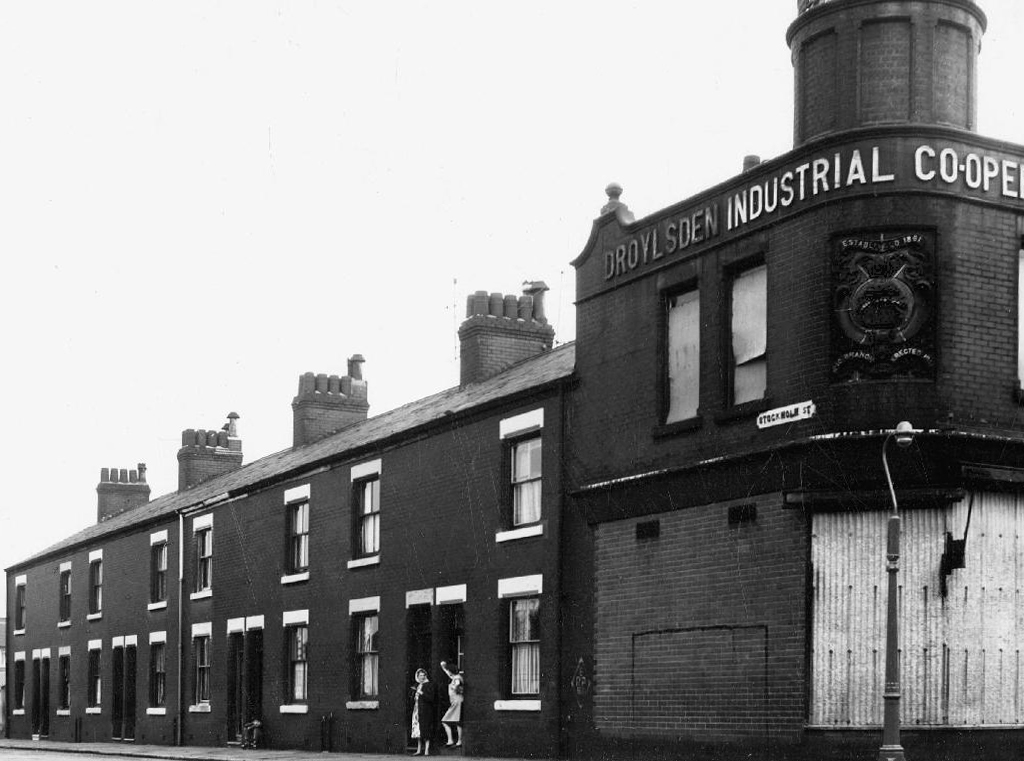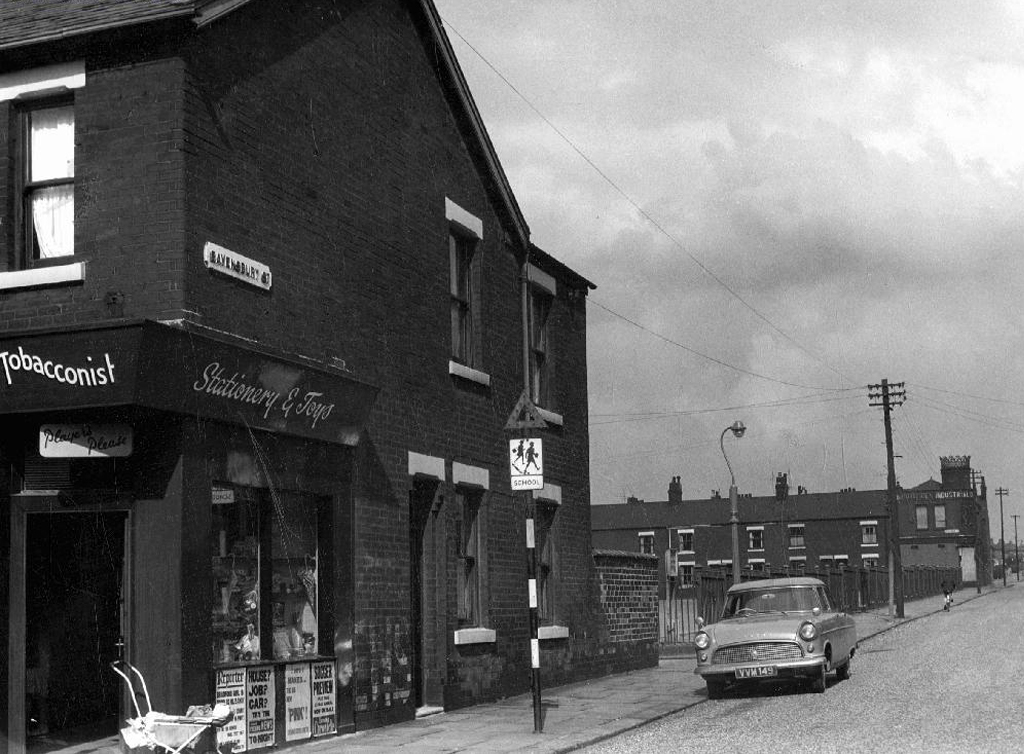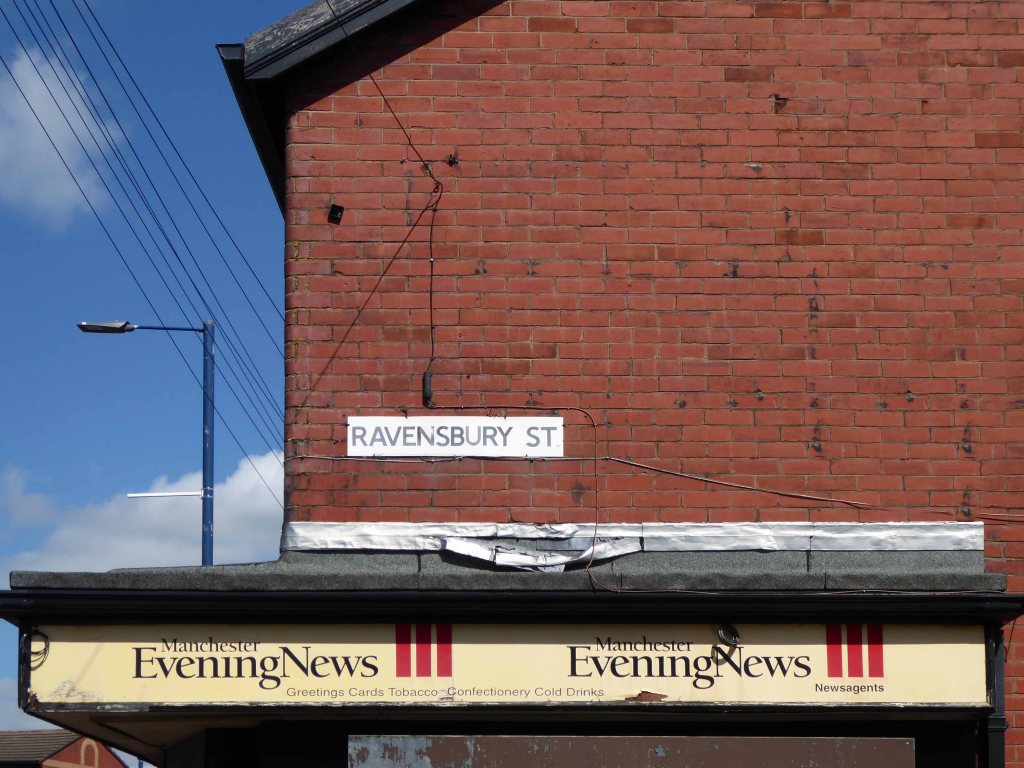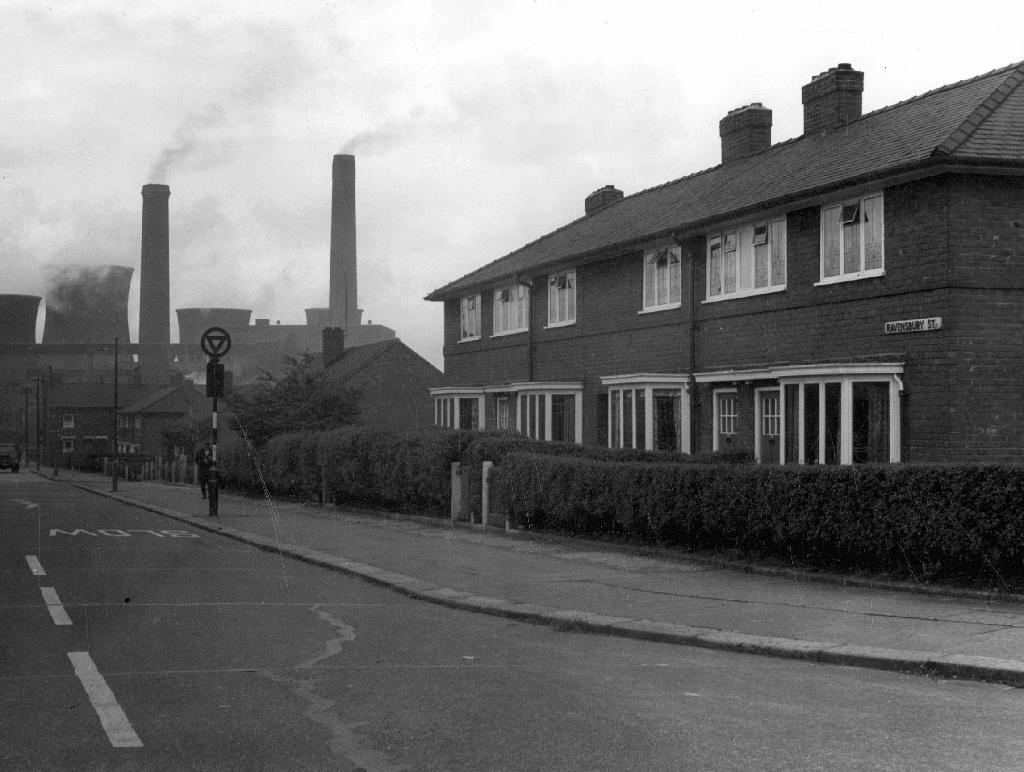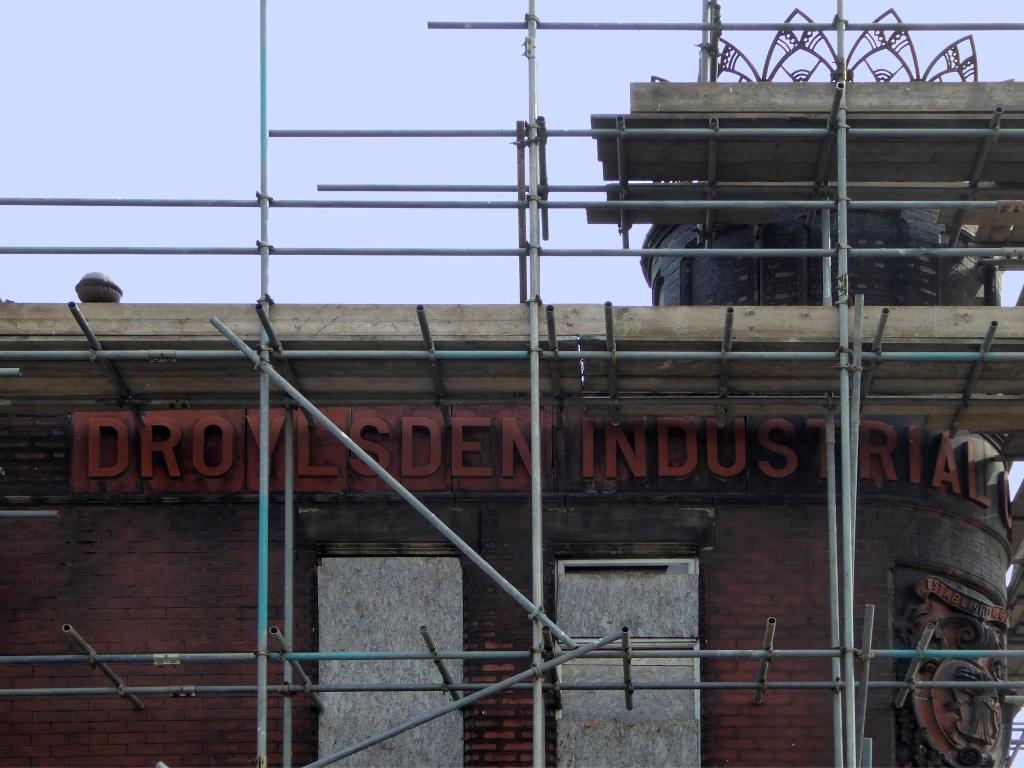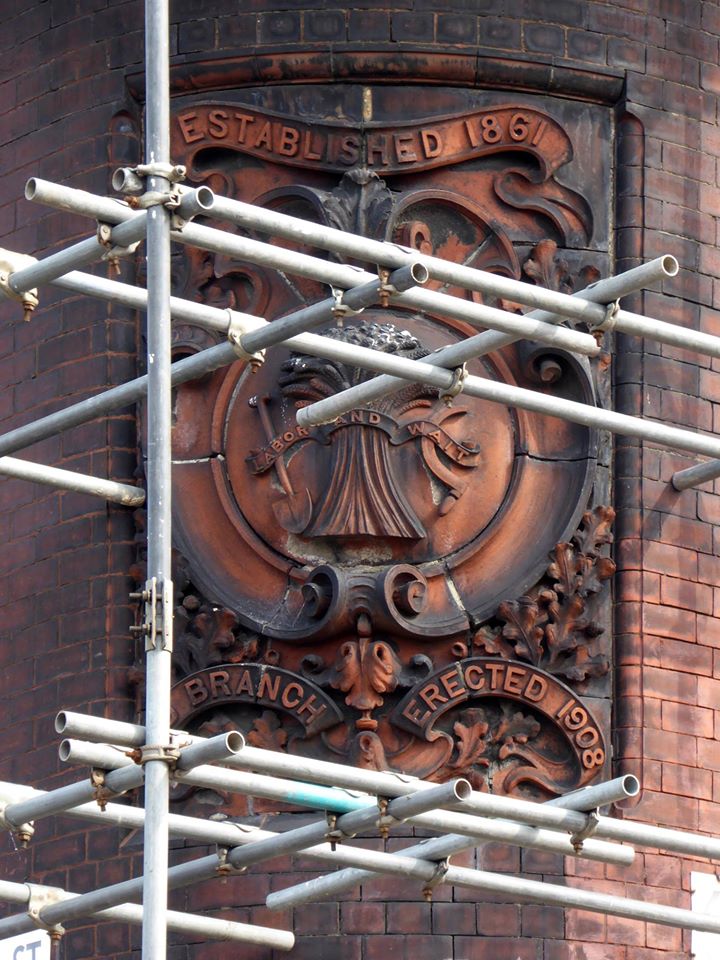

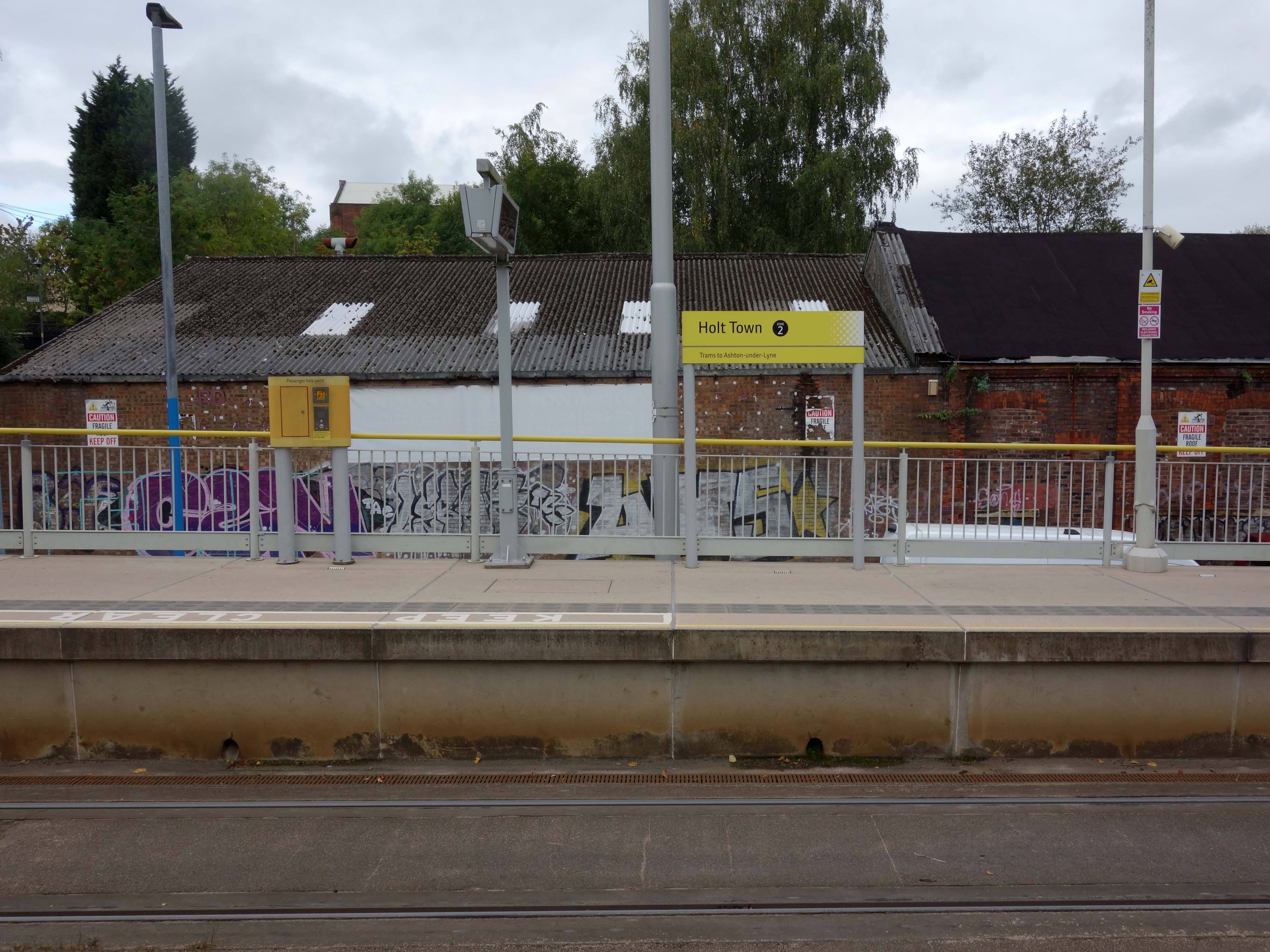
Here we are again in Holt Town – following visits in 2017 and 2020.
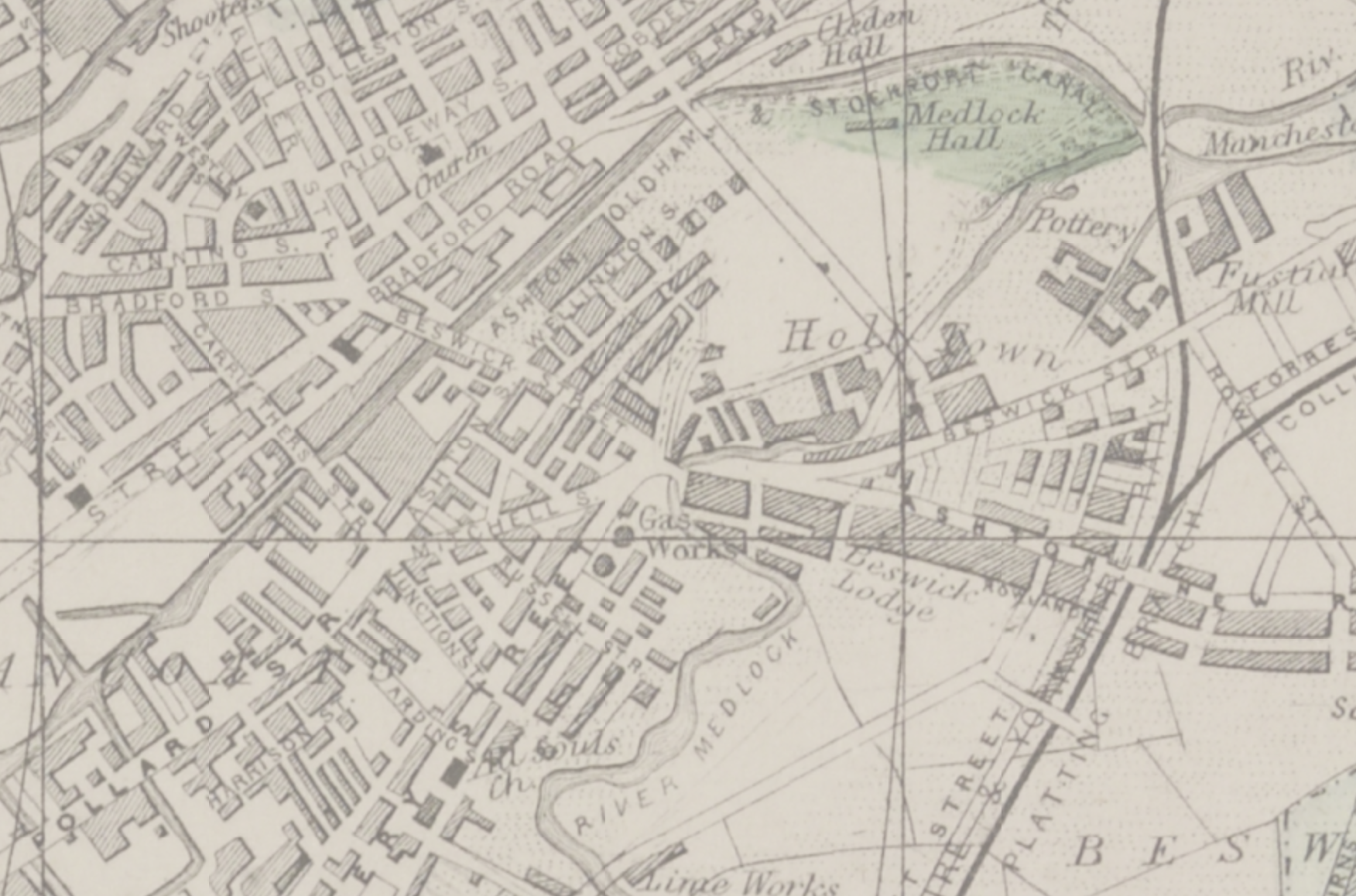
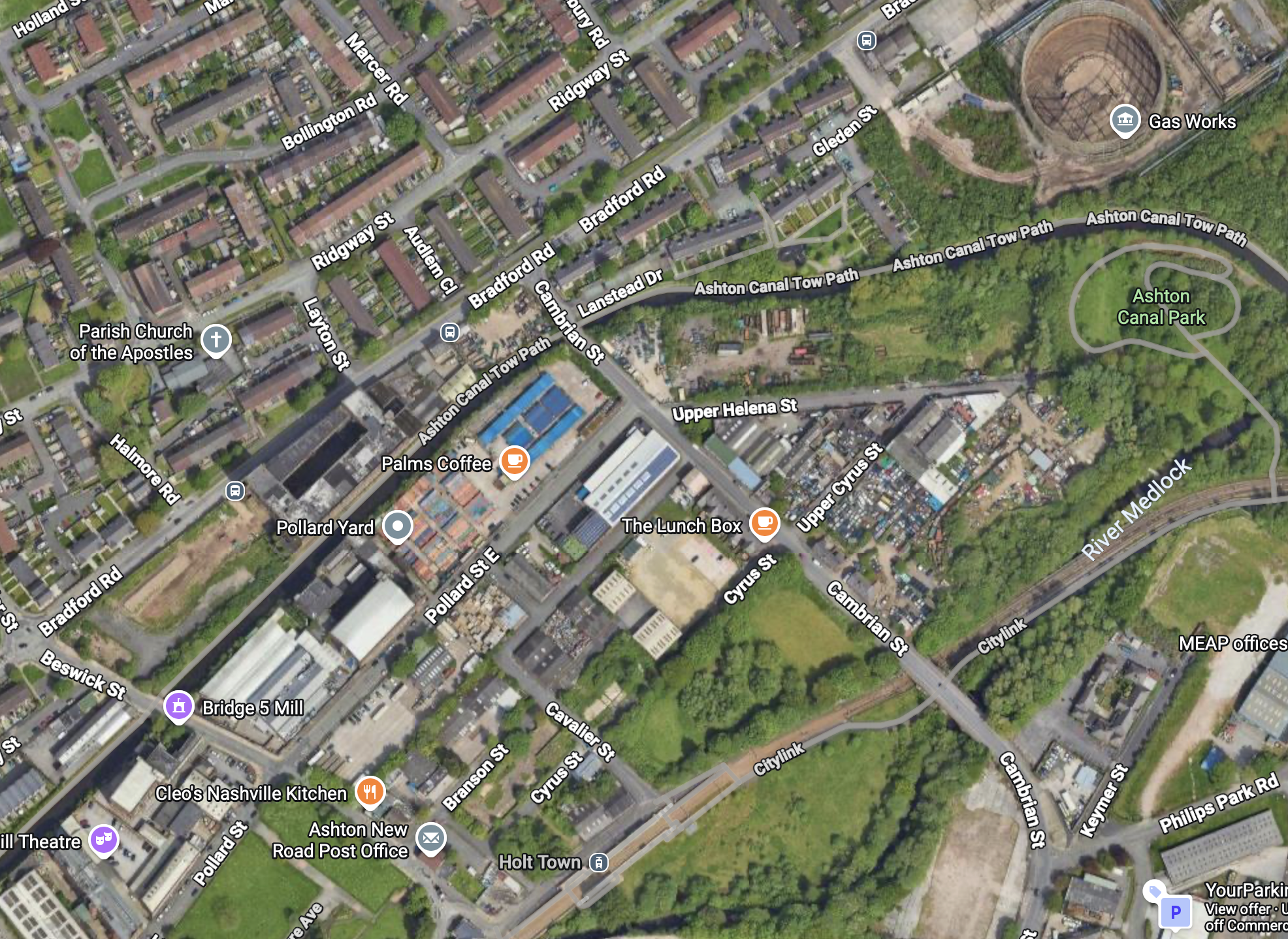
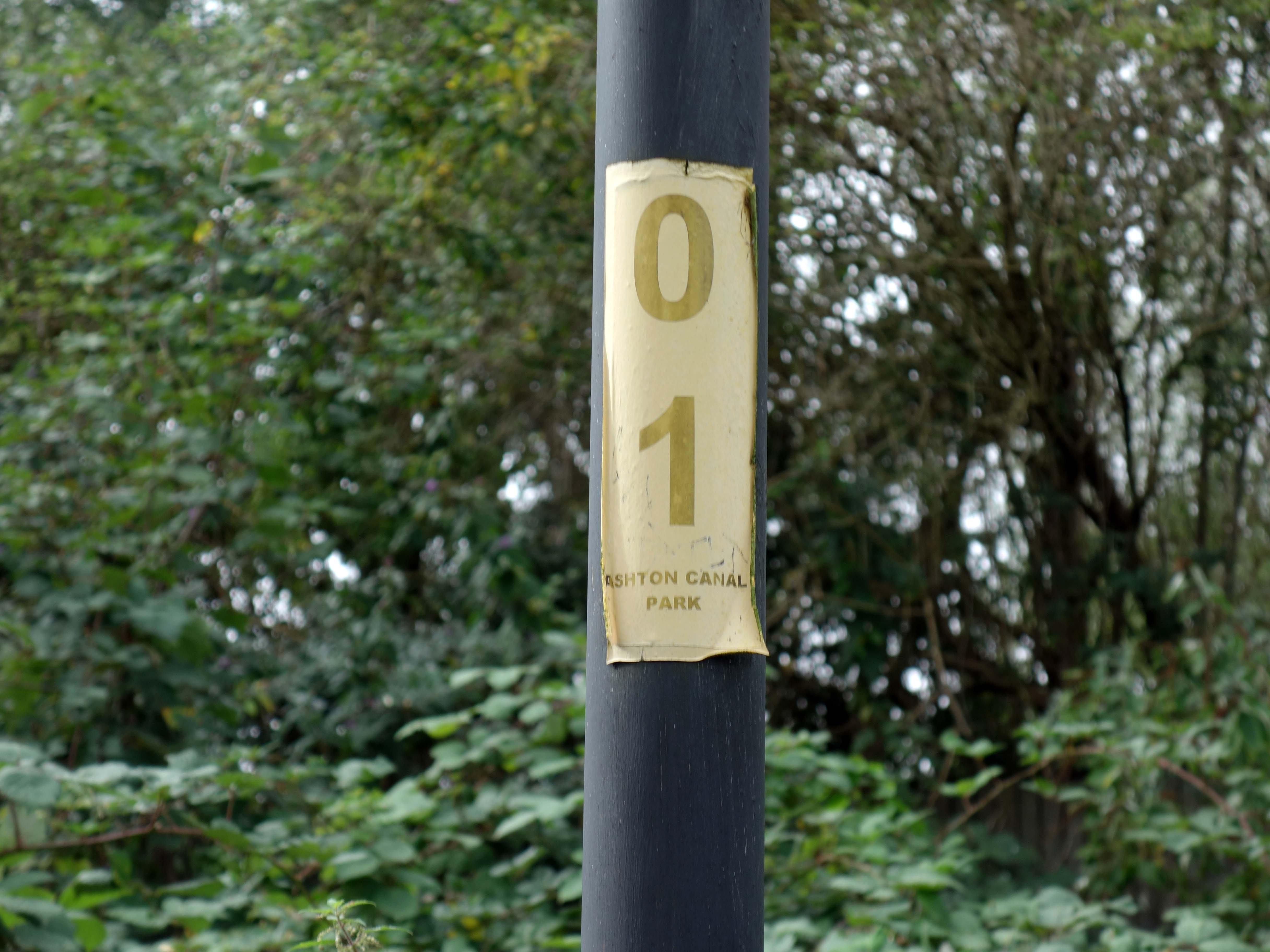
Somewhere between the Ashton Canal and the River Medlock.
An area which has always embraced industry with open arms and dirty hands.
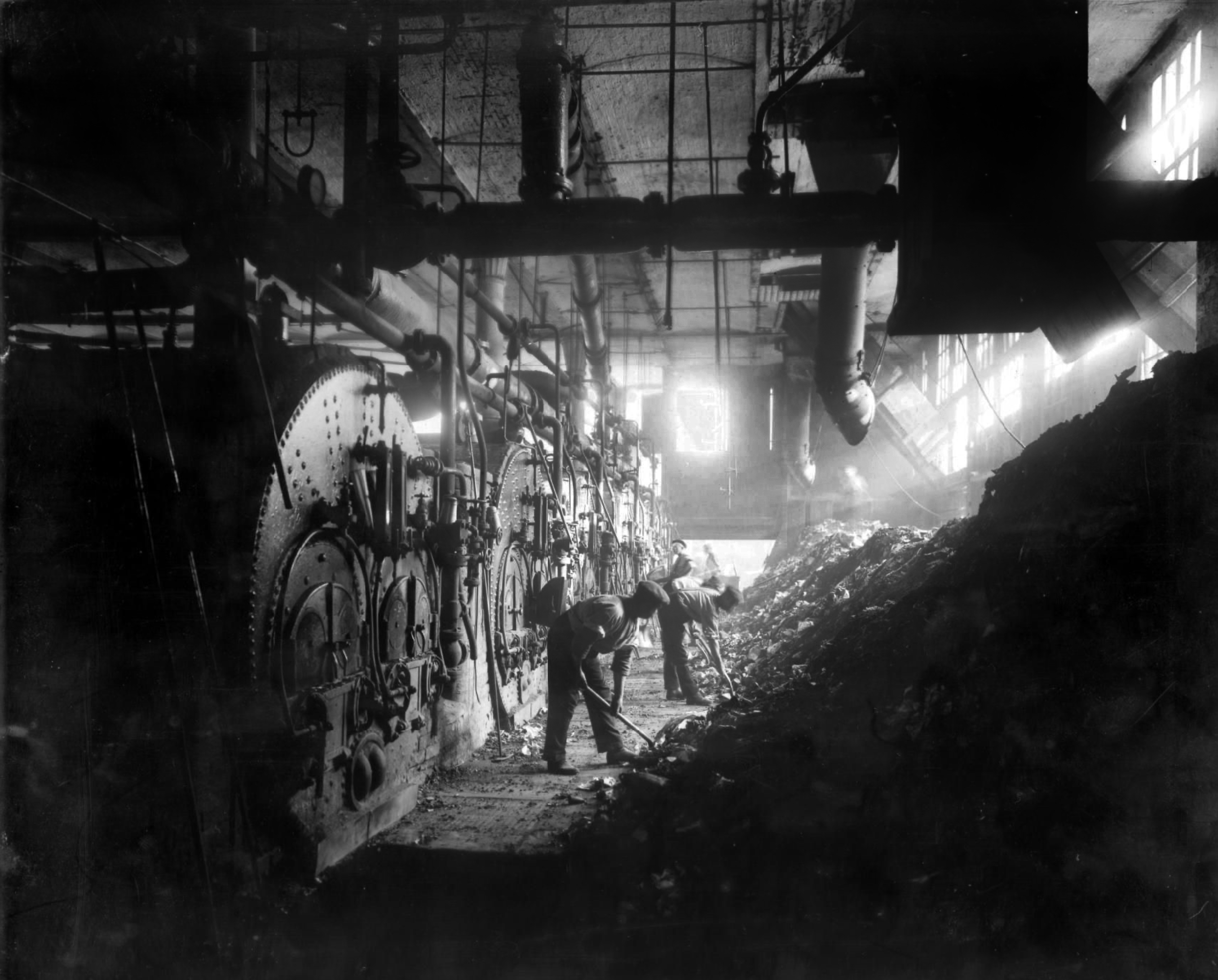
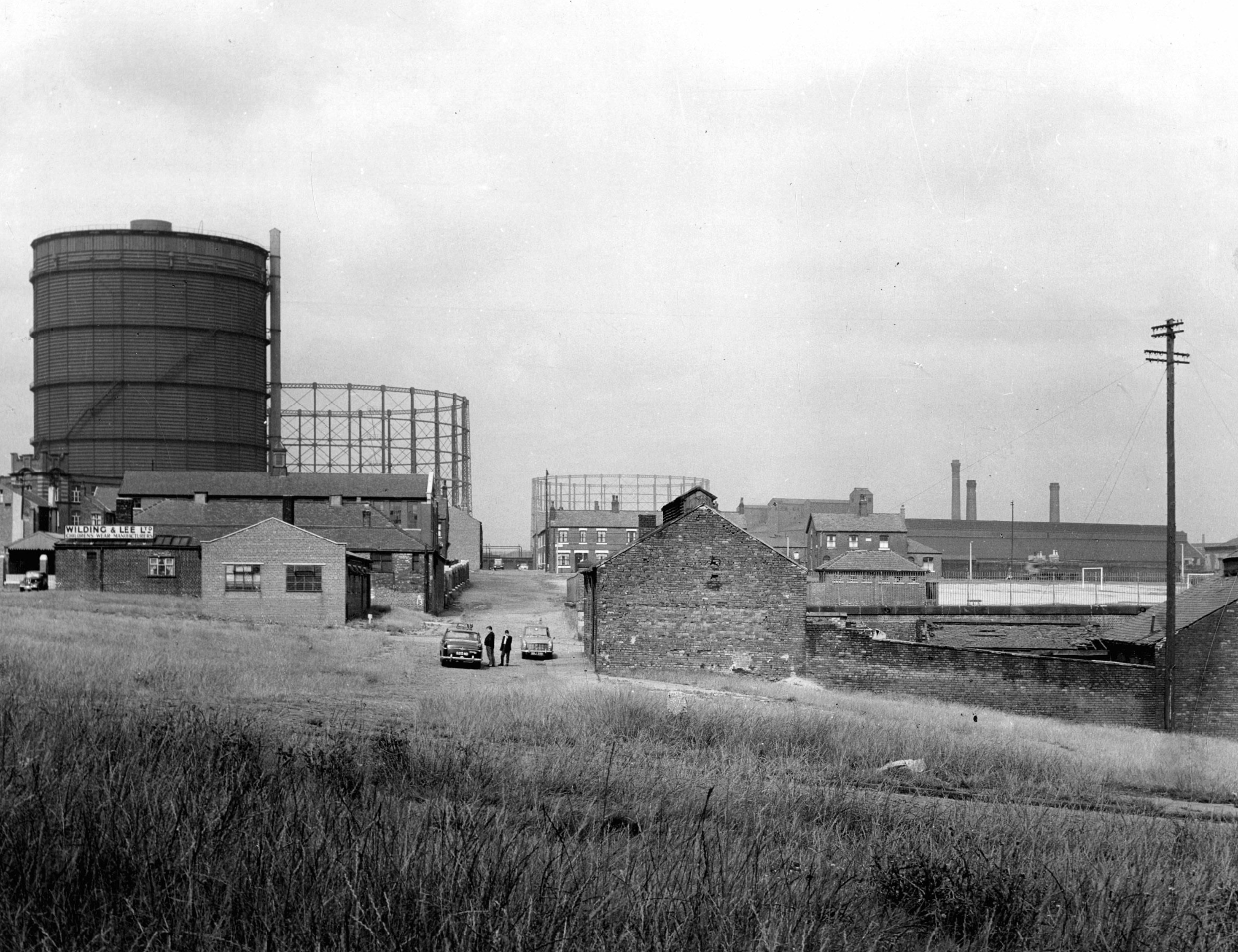
An area which has been home to many, with the attendant houses, schools, churches and hospitals
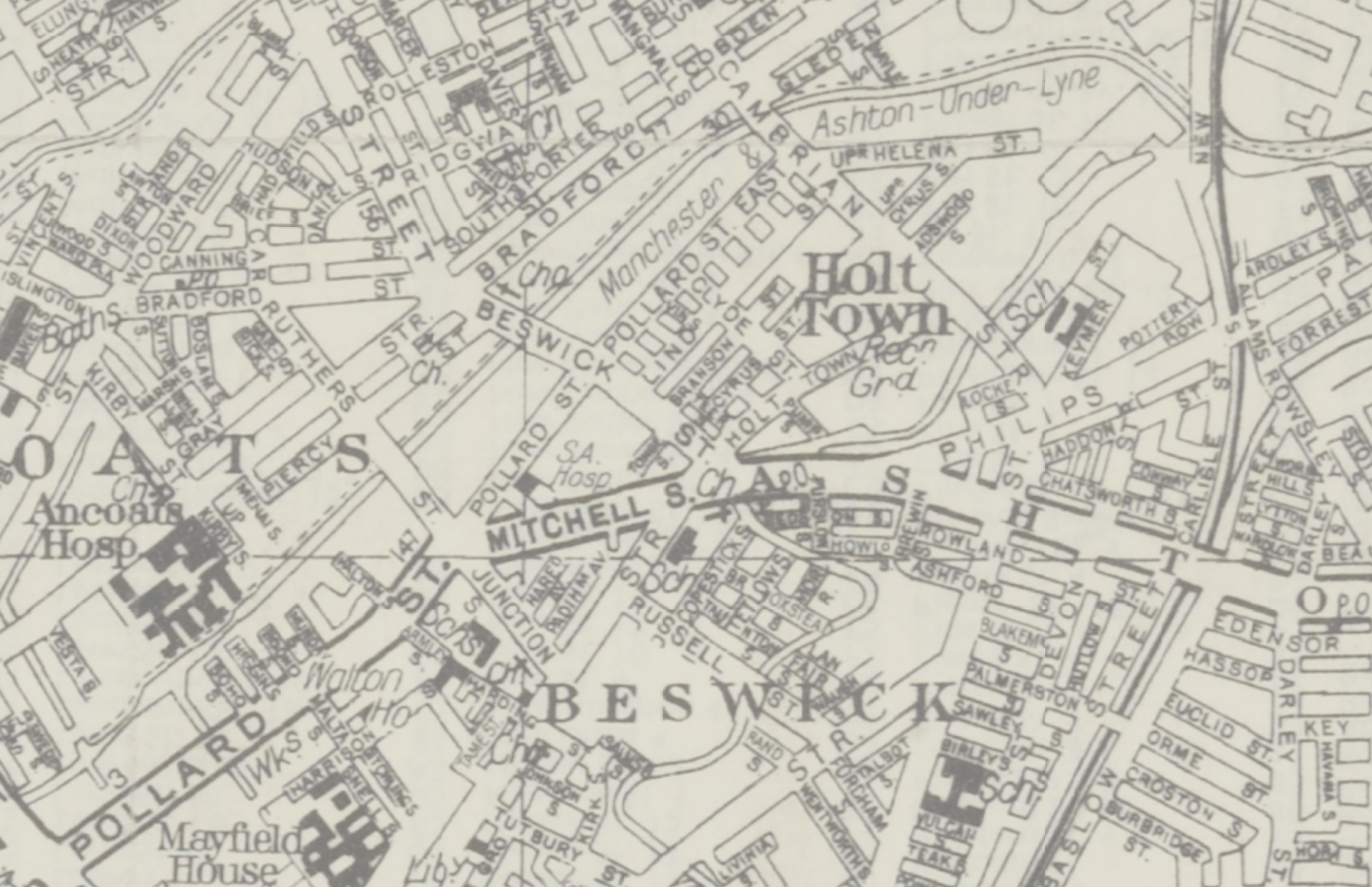
Now the Town is to become a Village – caught between a Sheik and a hard faced Developer, with the Council in tow.
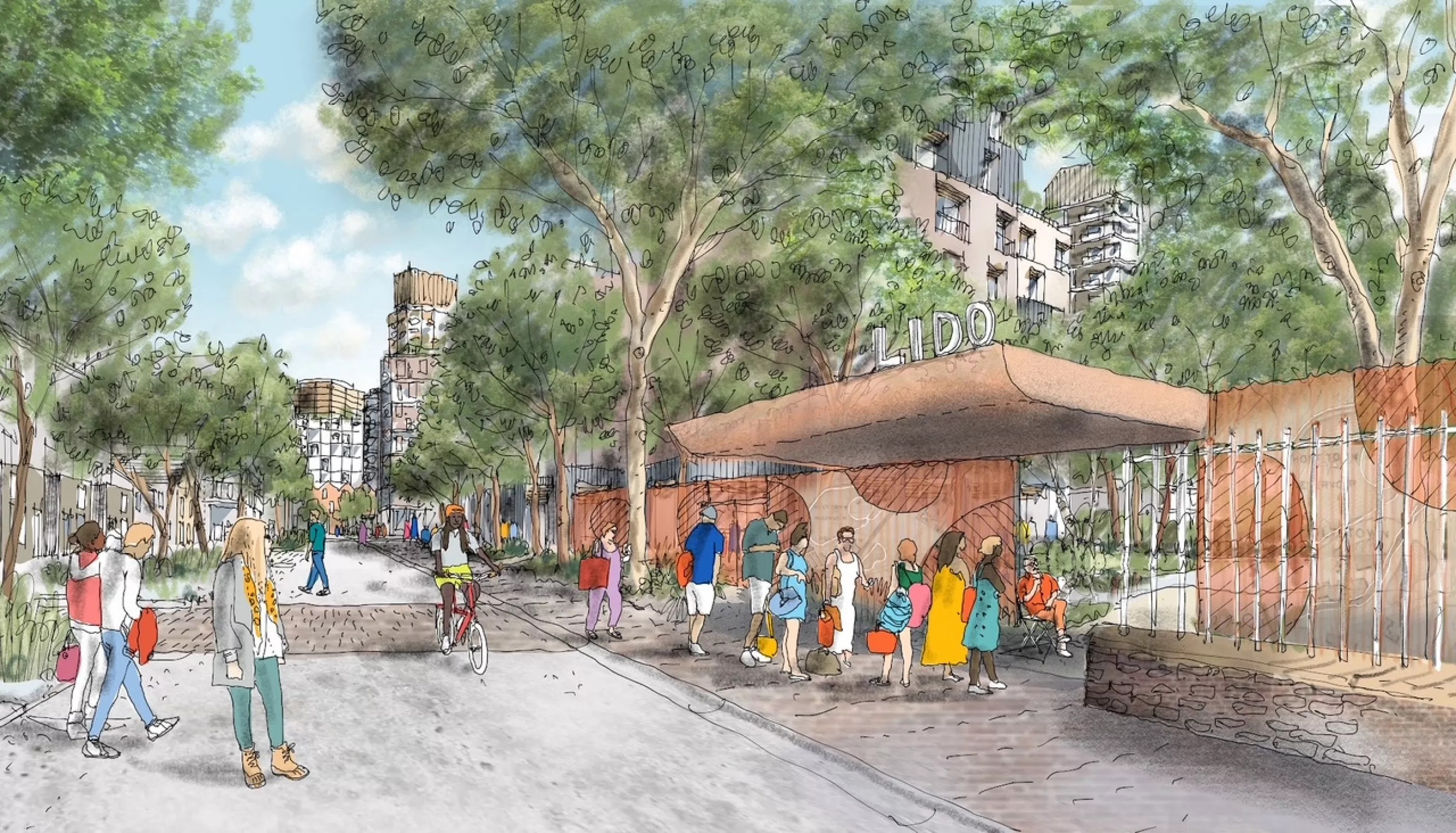
Holt Town is a major regeneration project to create a new, eco-friendly neighbourhood. Our vision includes up to 4,500 new homes of different types and tenure and 30,000 square feet of workspace. With high-quality green spaces, a 1km play street, new local services, plus a cultural hub, lido and mobility hub.
The Neighbourhood Development Framework was created by a team of consultants led by Studio Egret West.
This document will help guide investment in Holt Town over the next ten to twenty years.
Let’s all go to the Lido – now!
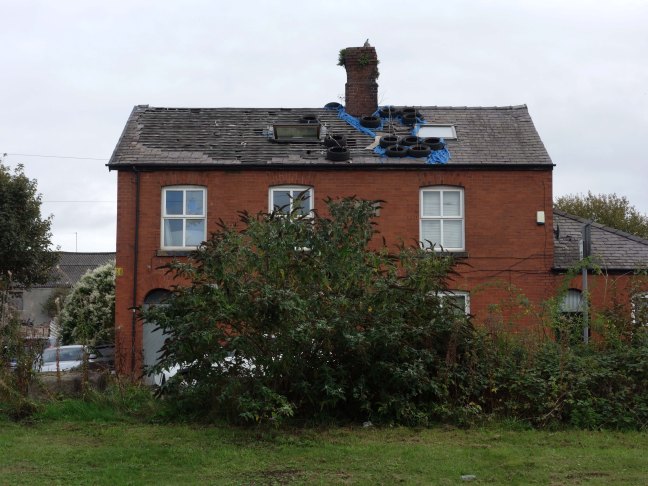
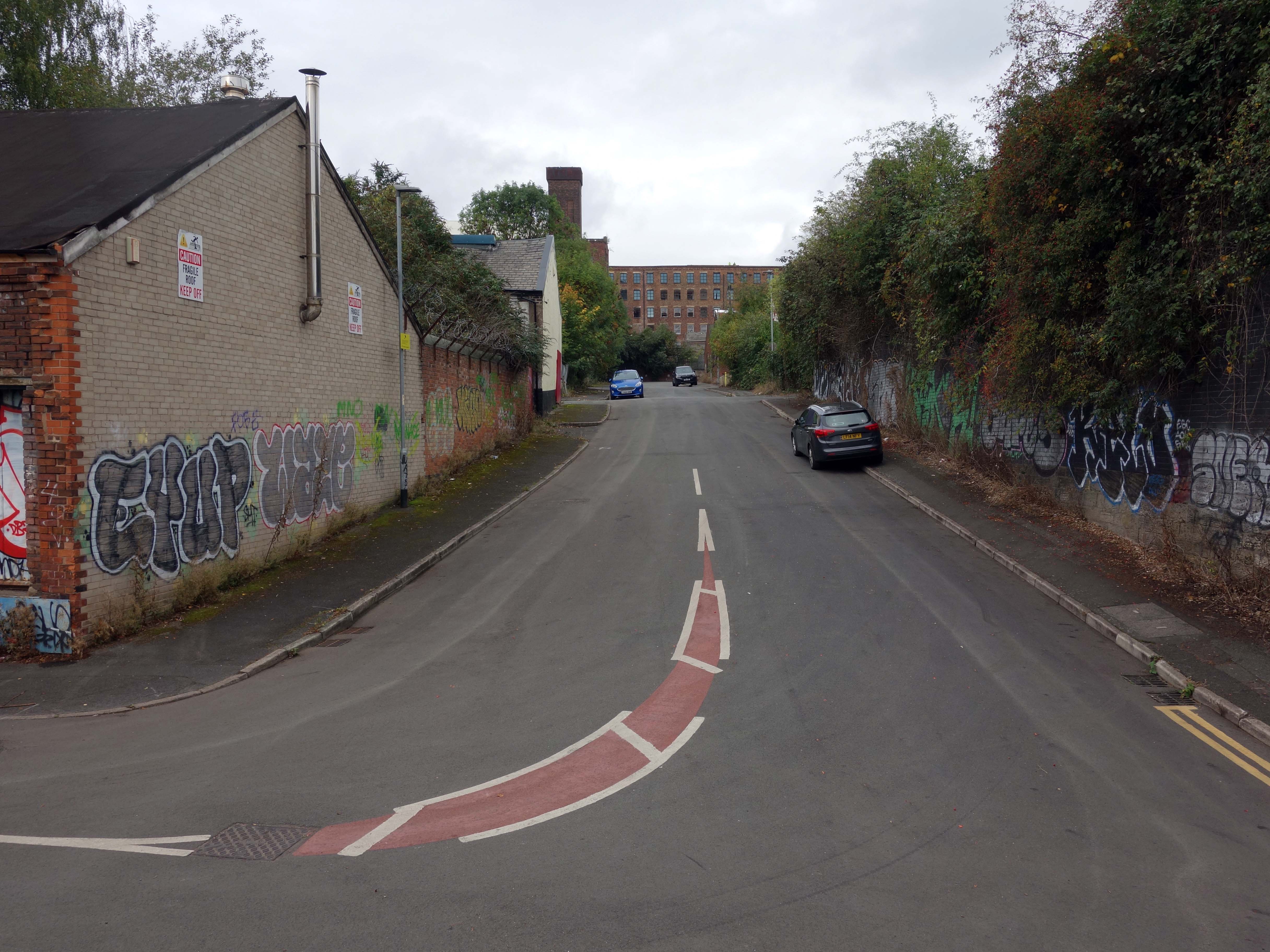
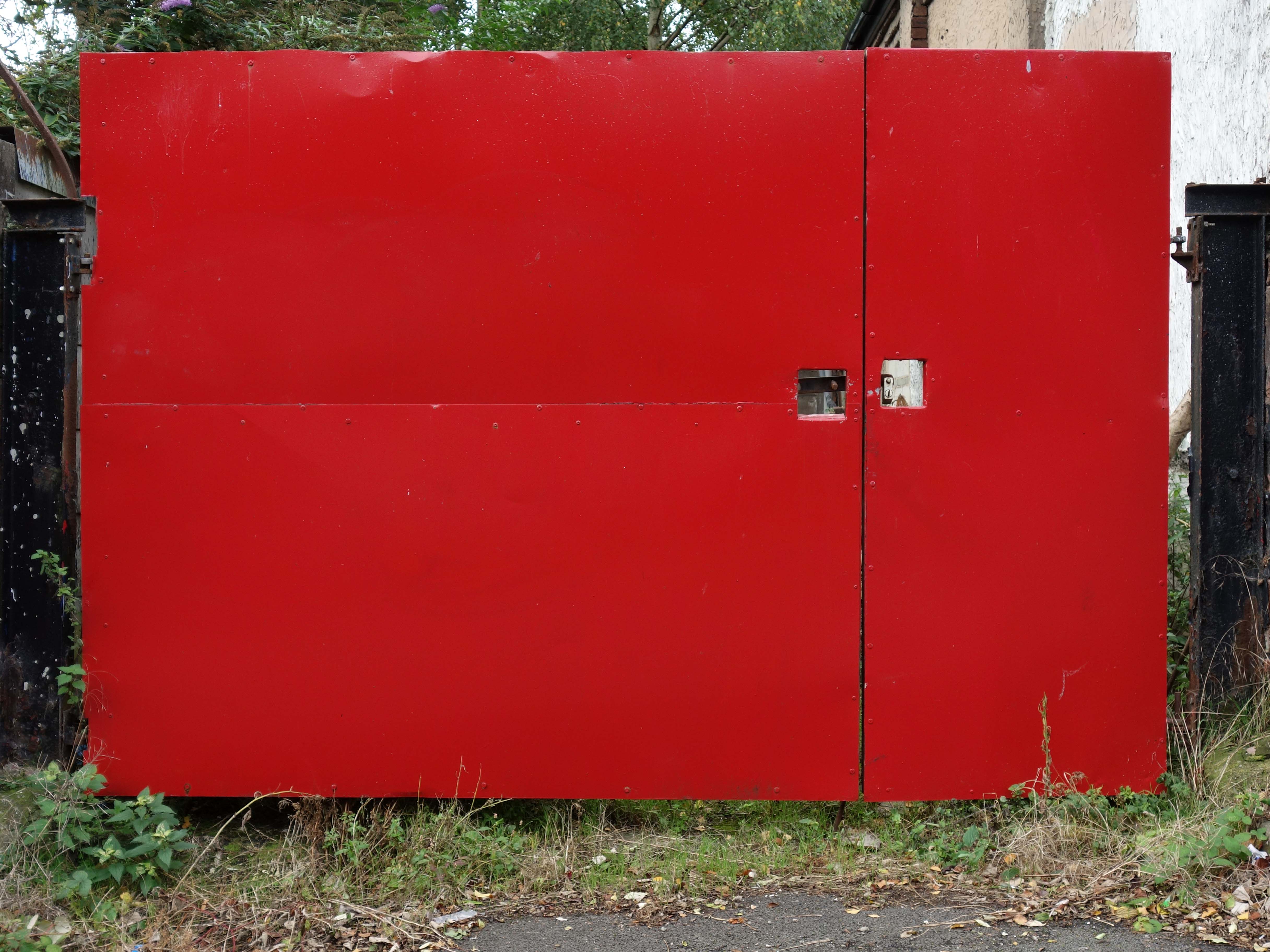
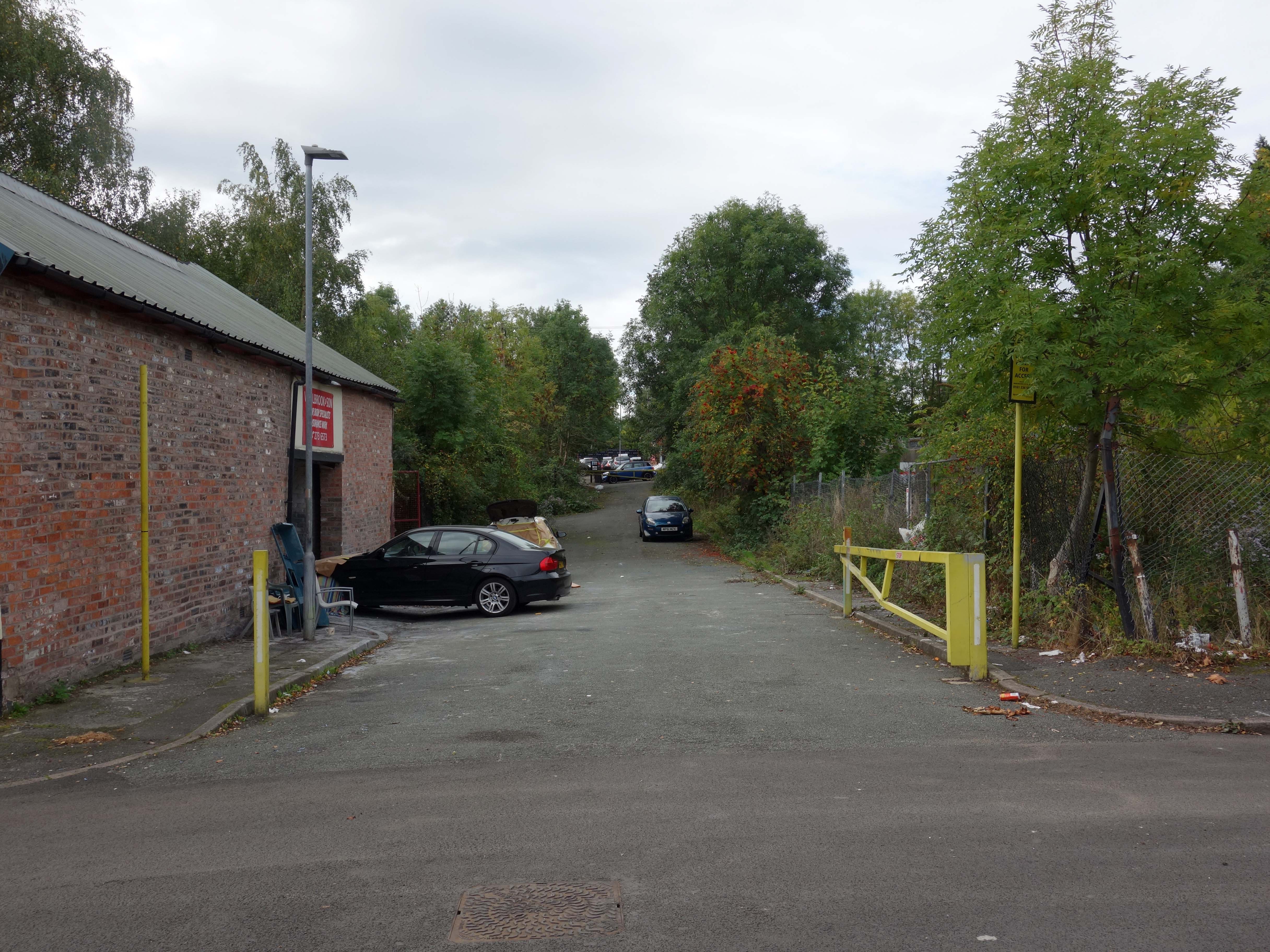
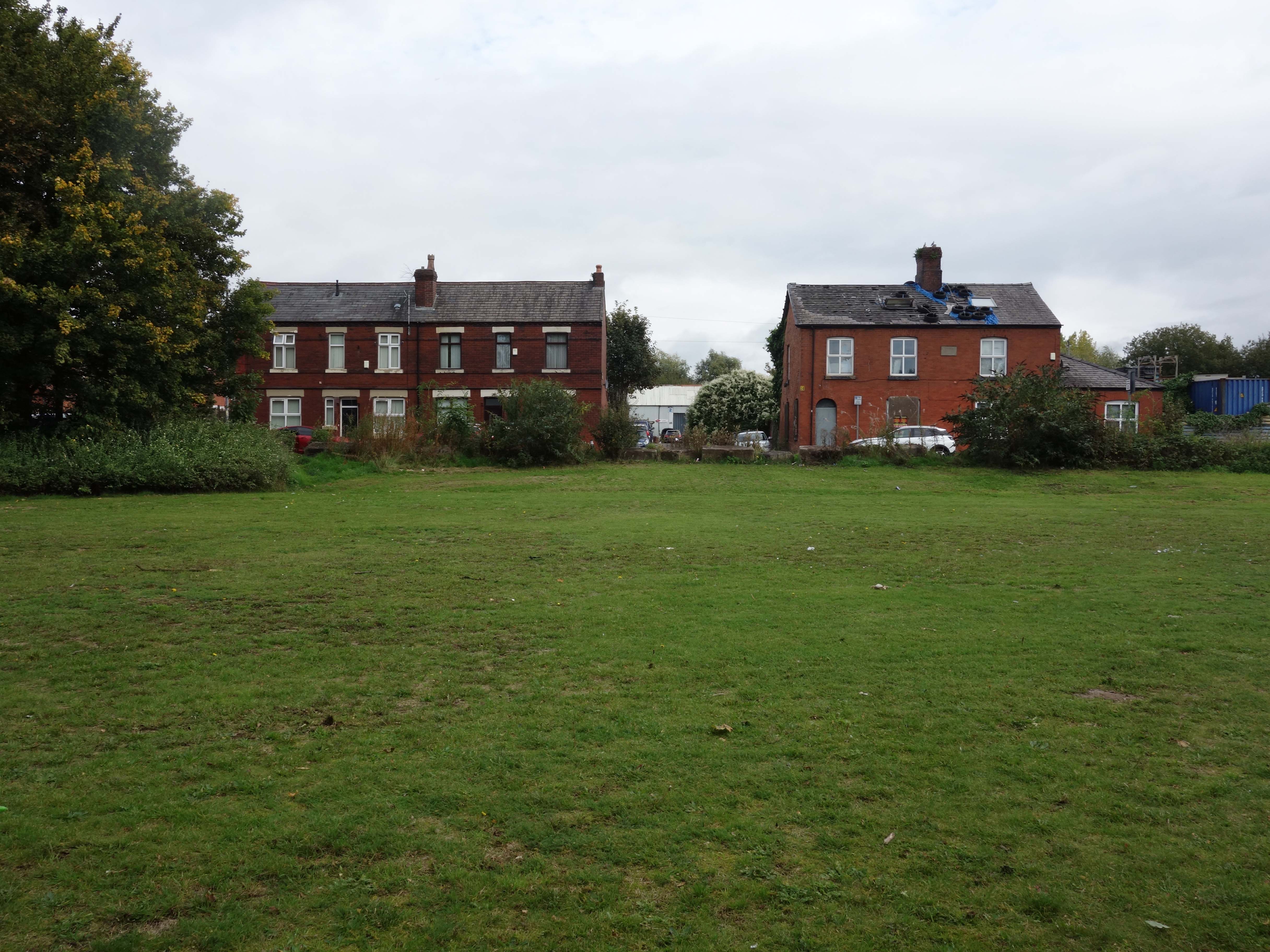
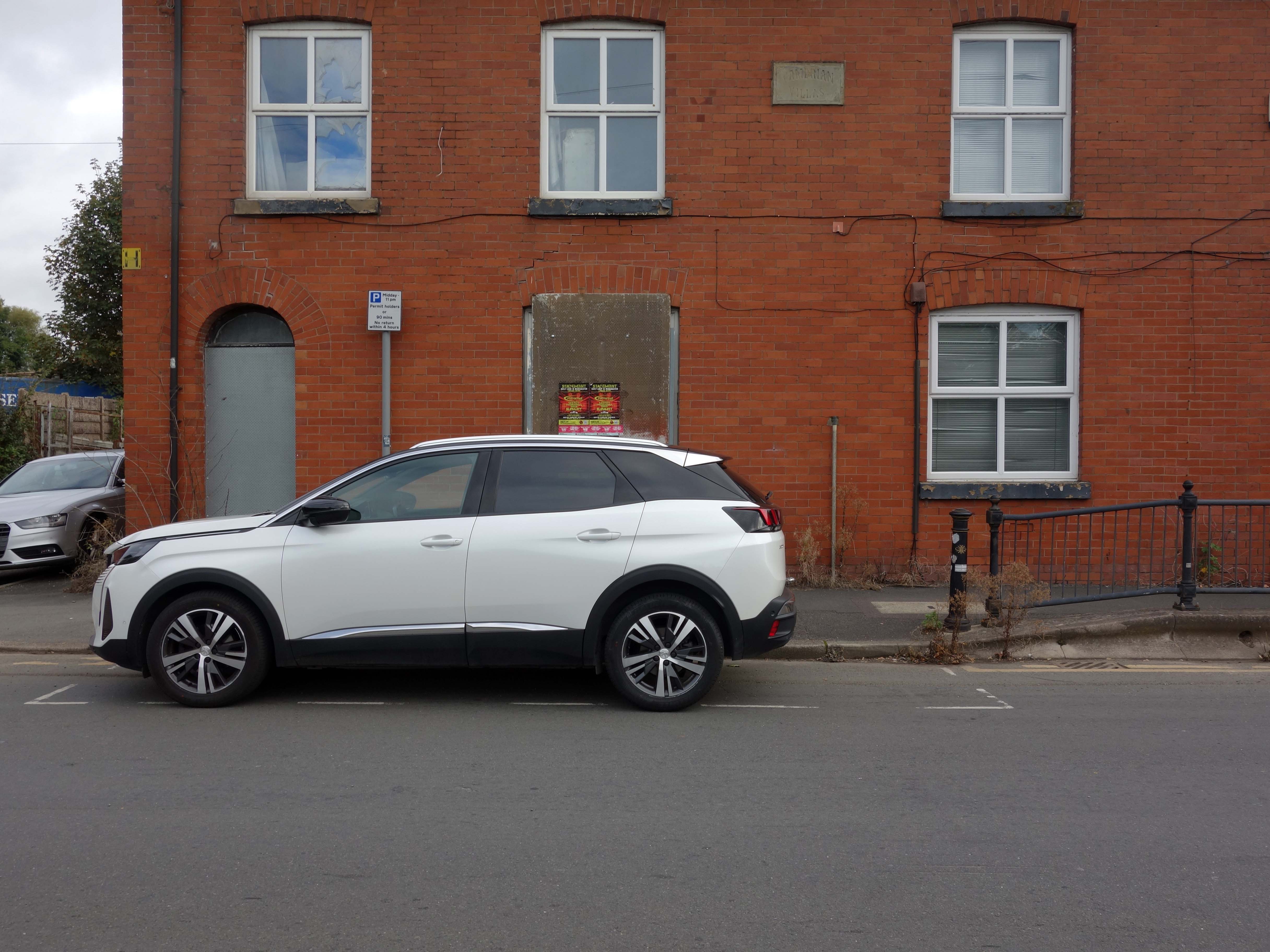
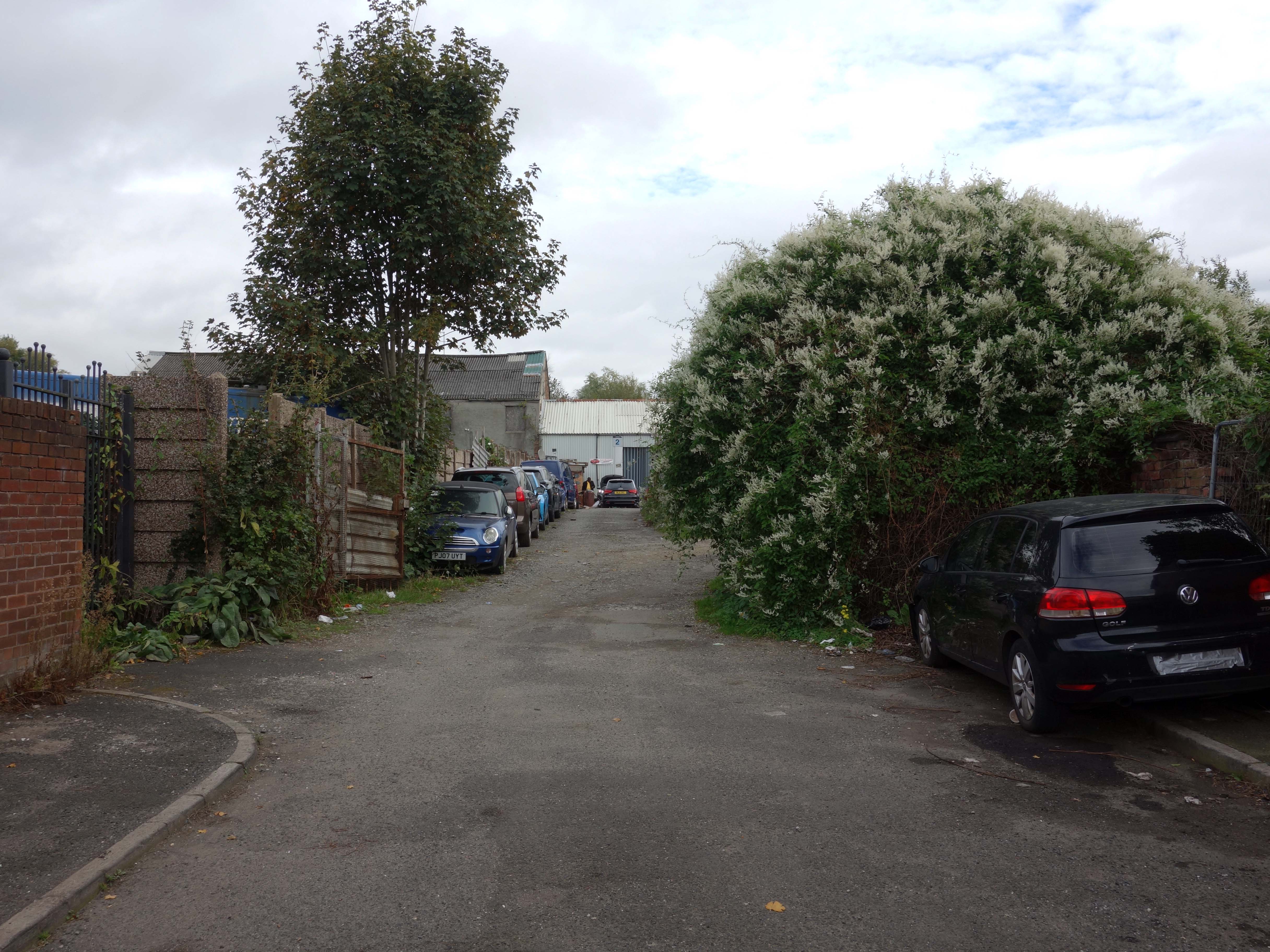
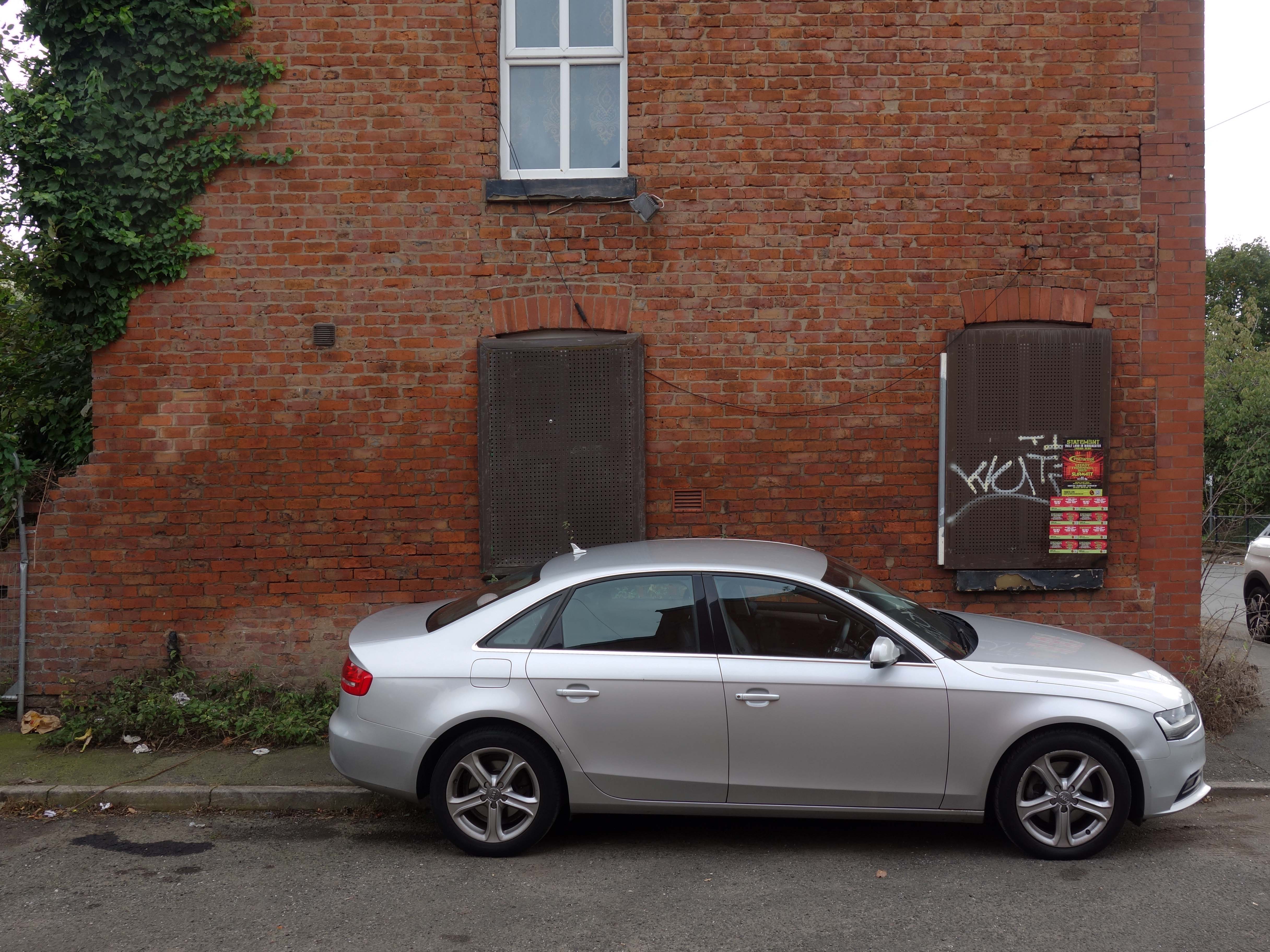
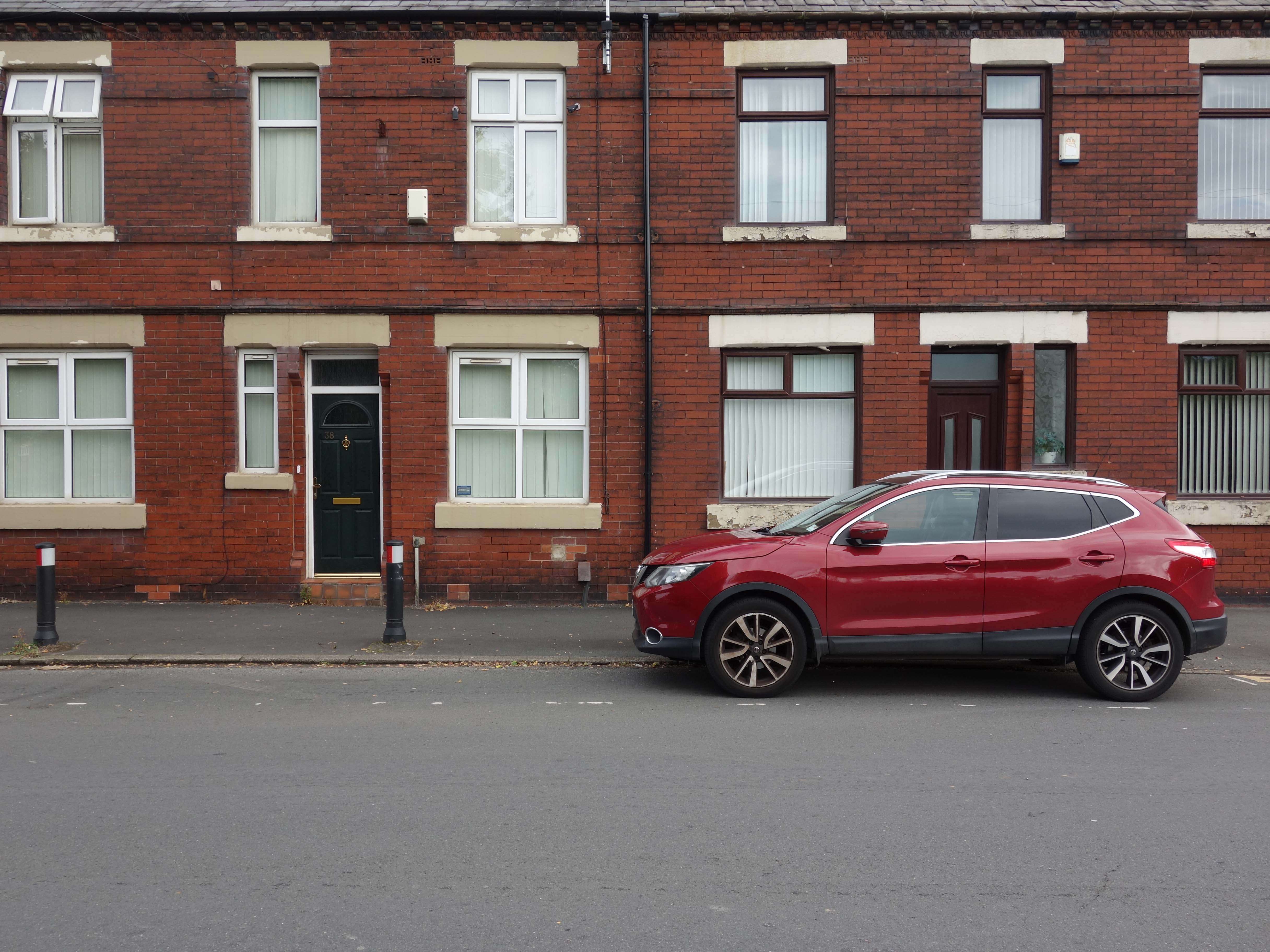
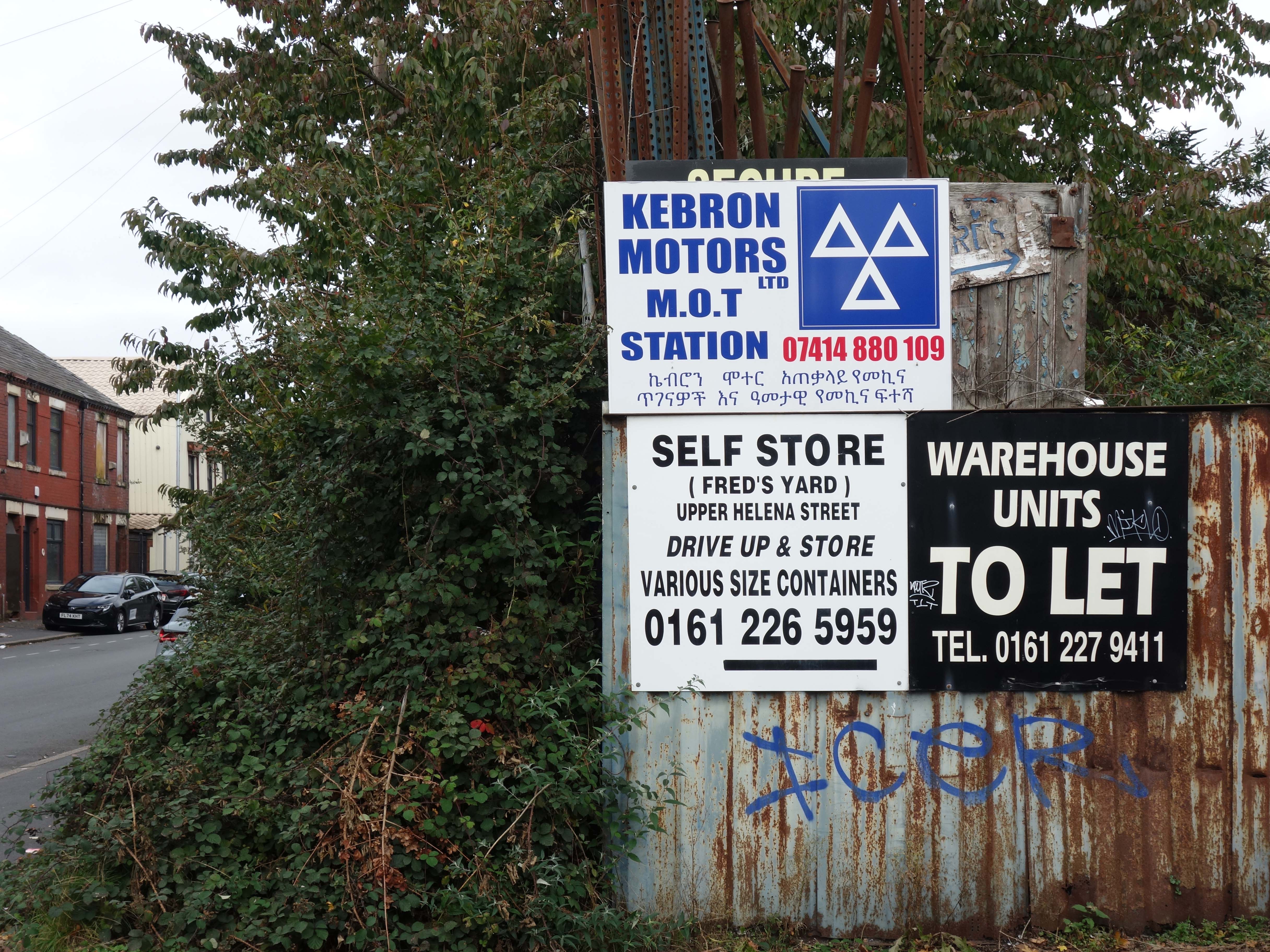
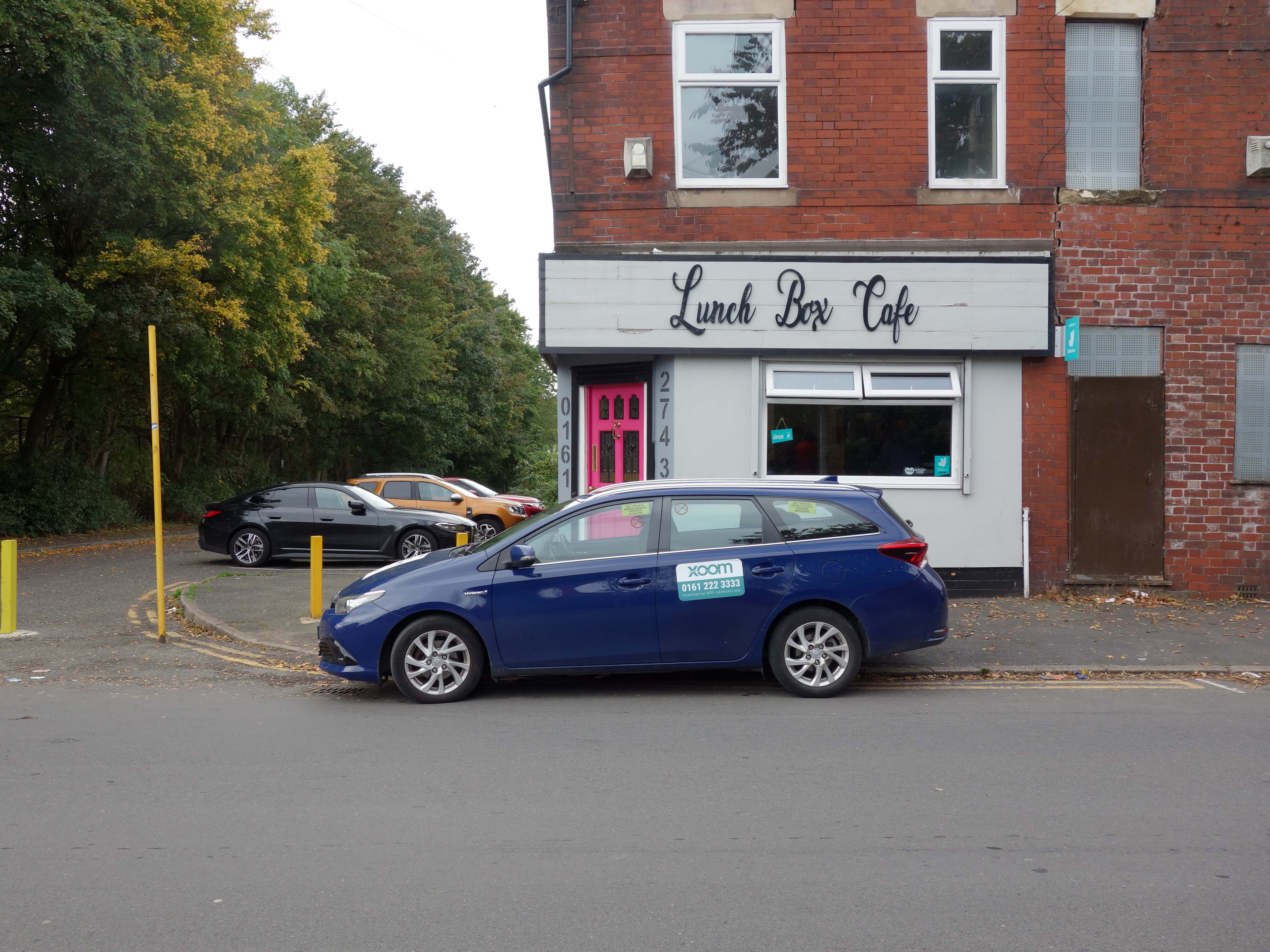
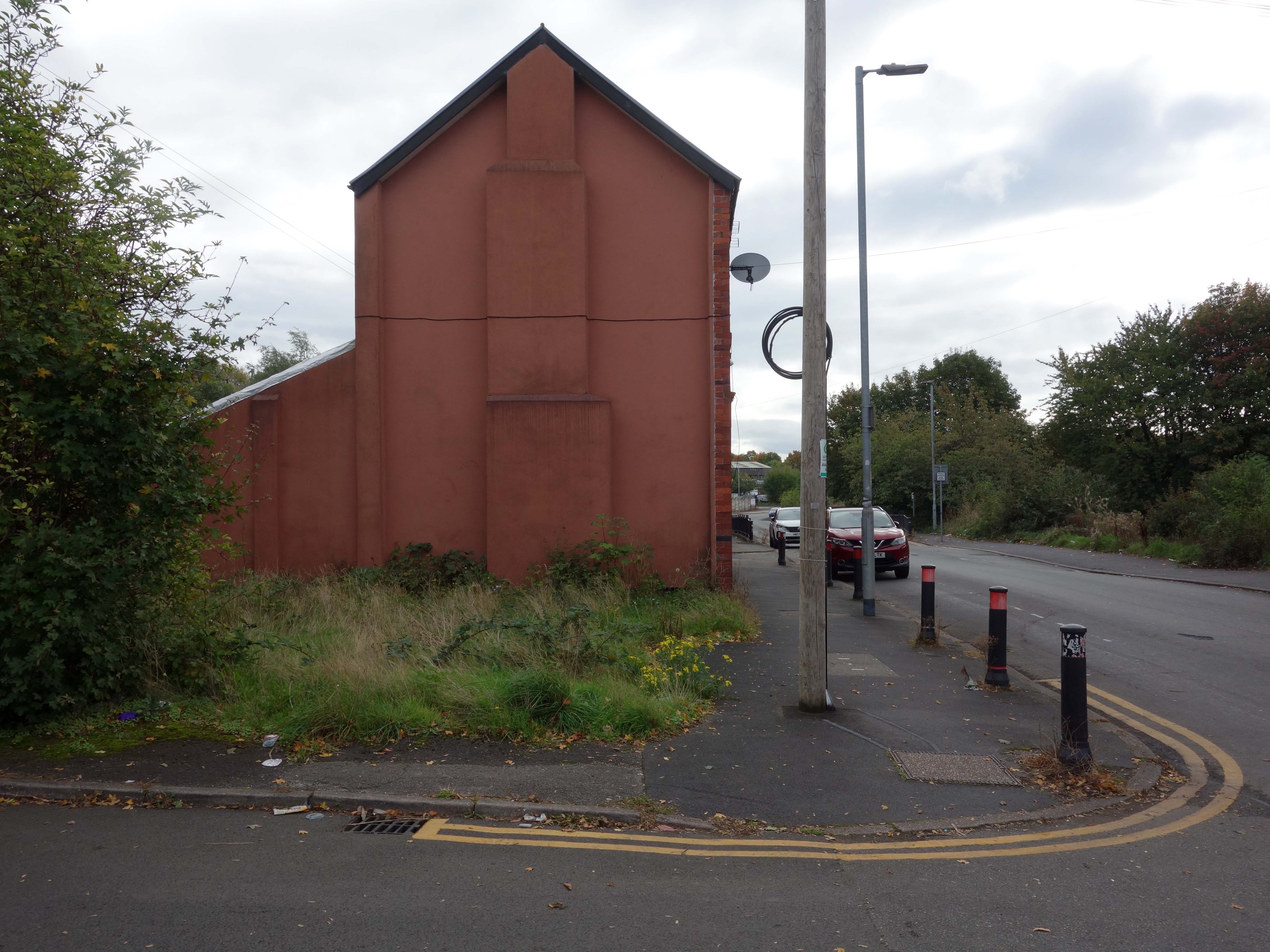
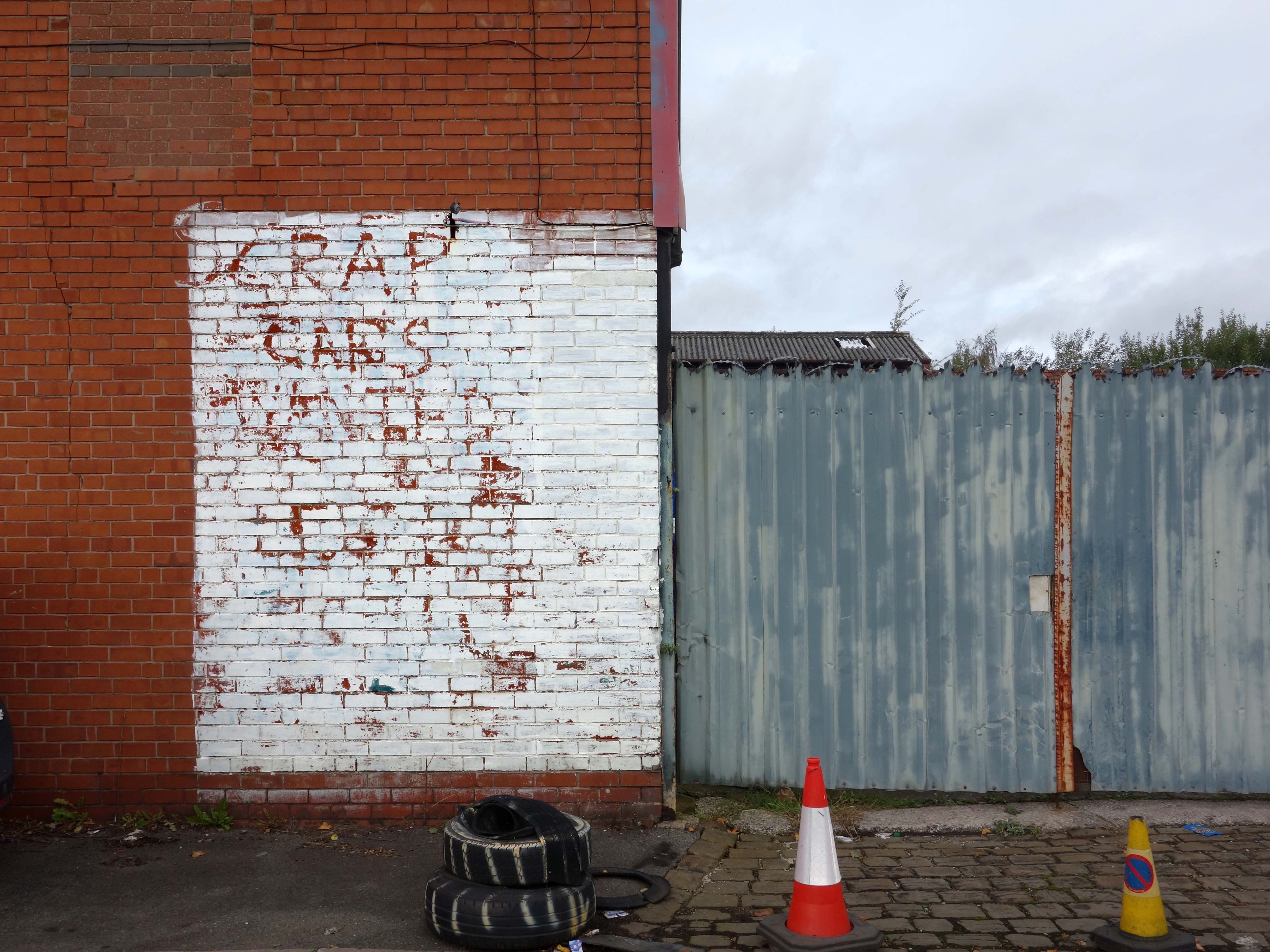
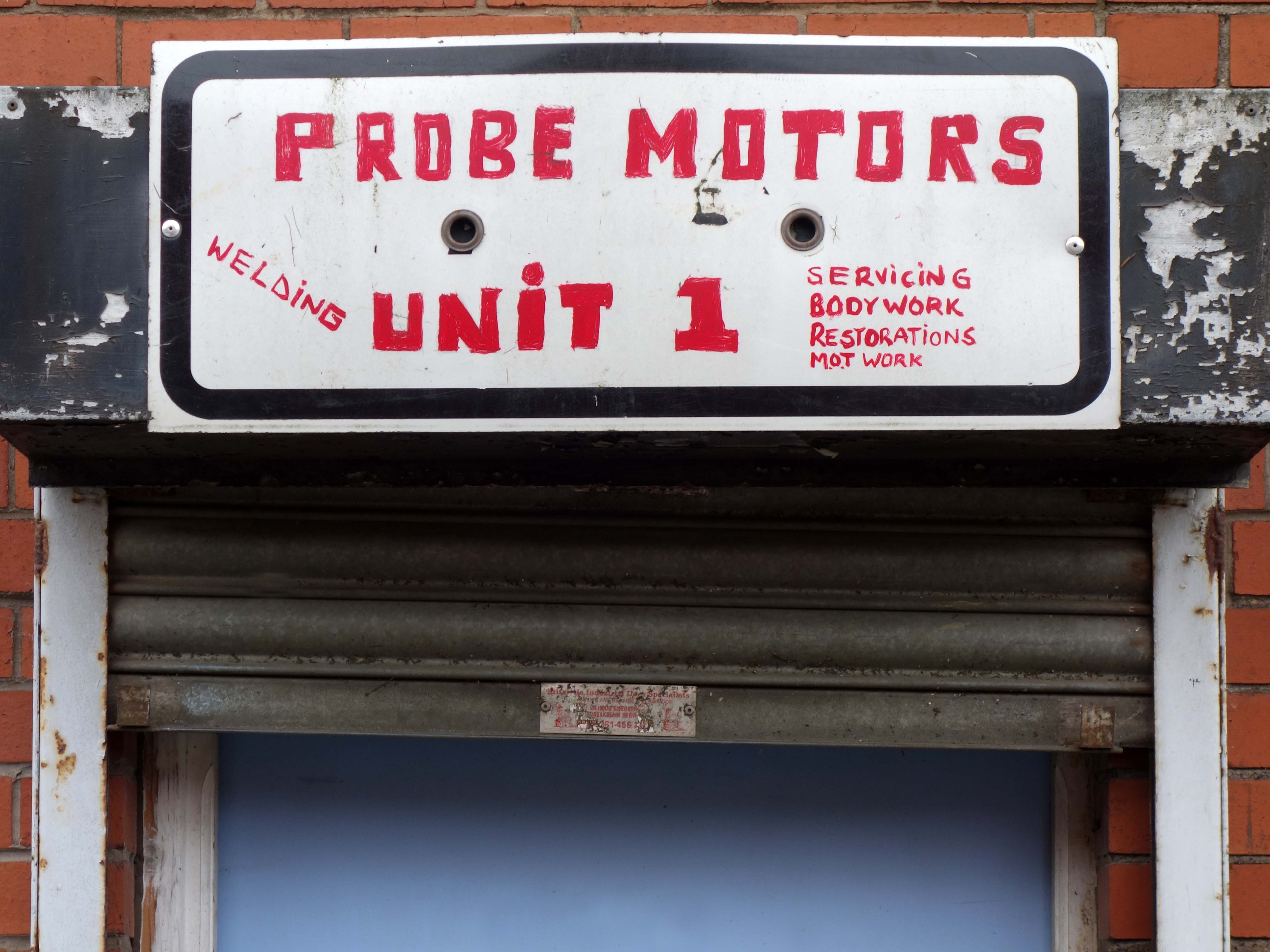
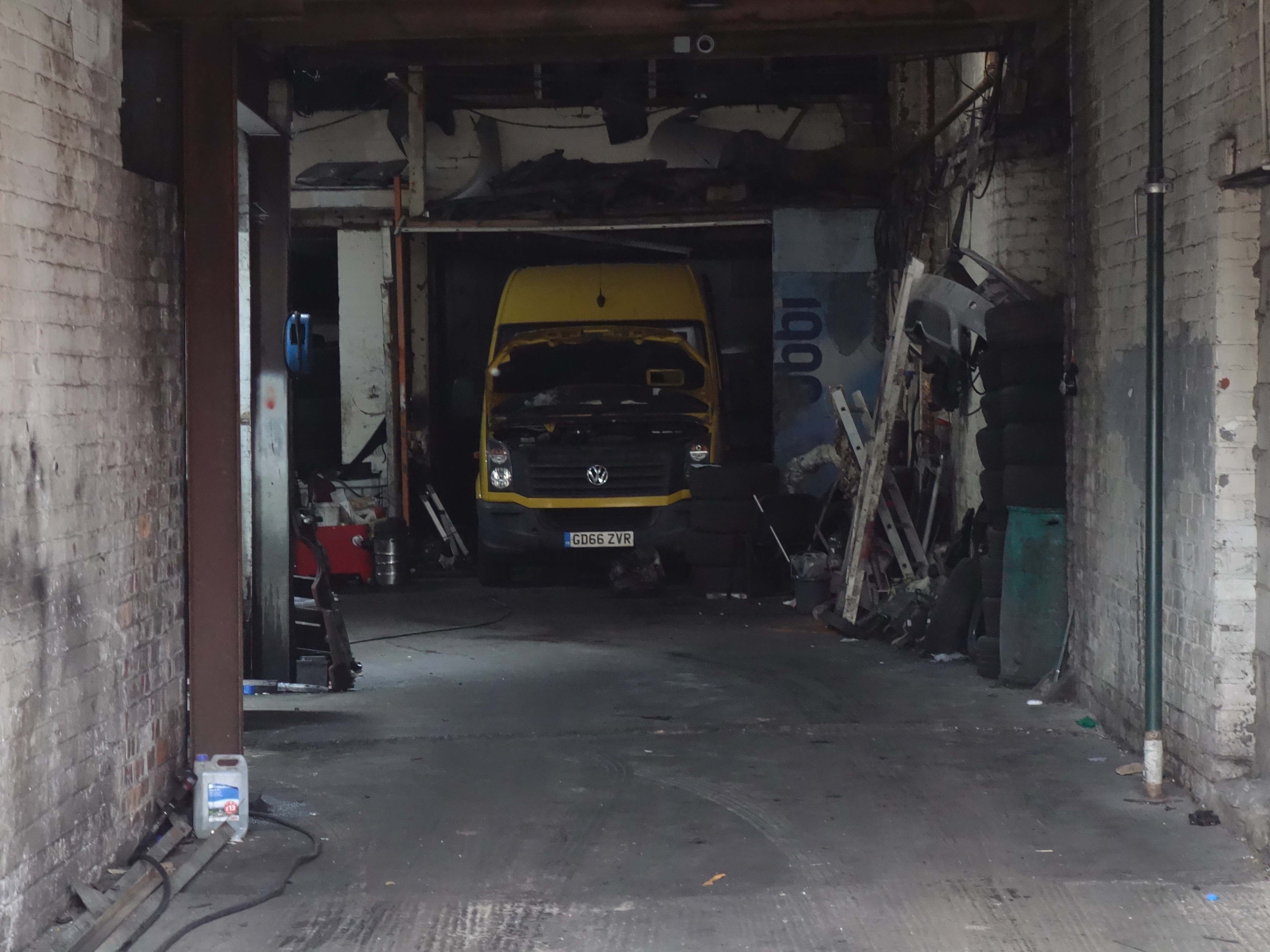
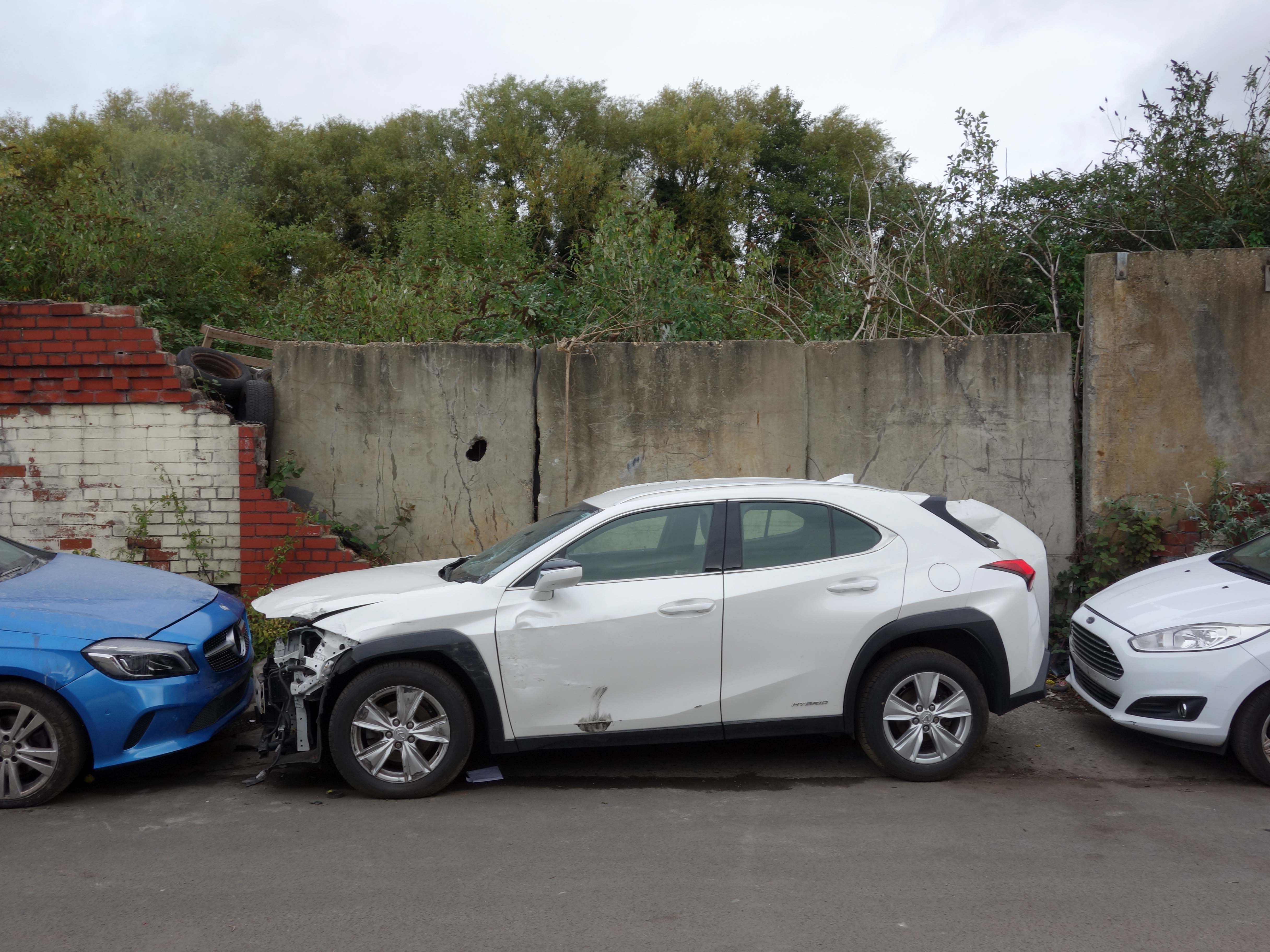
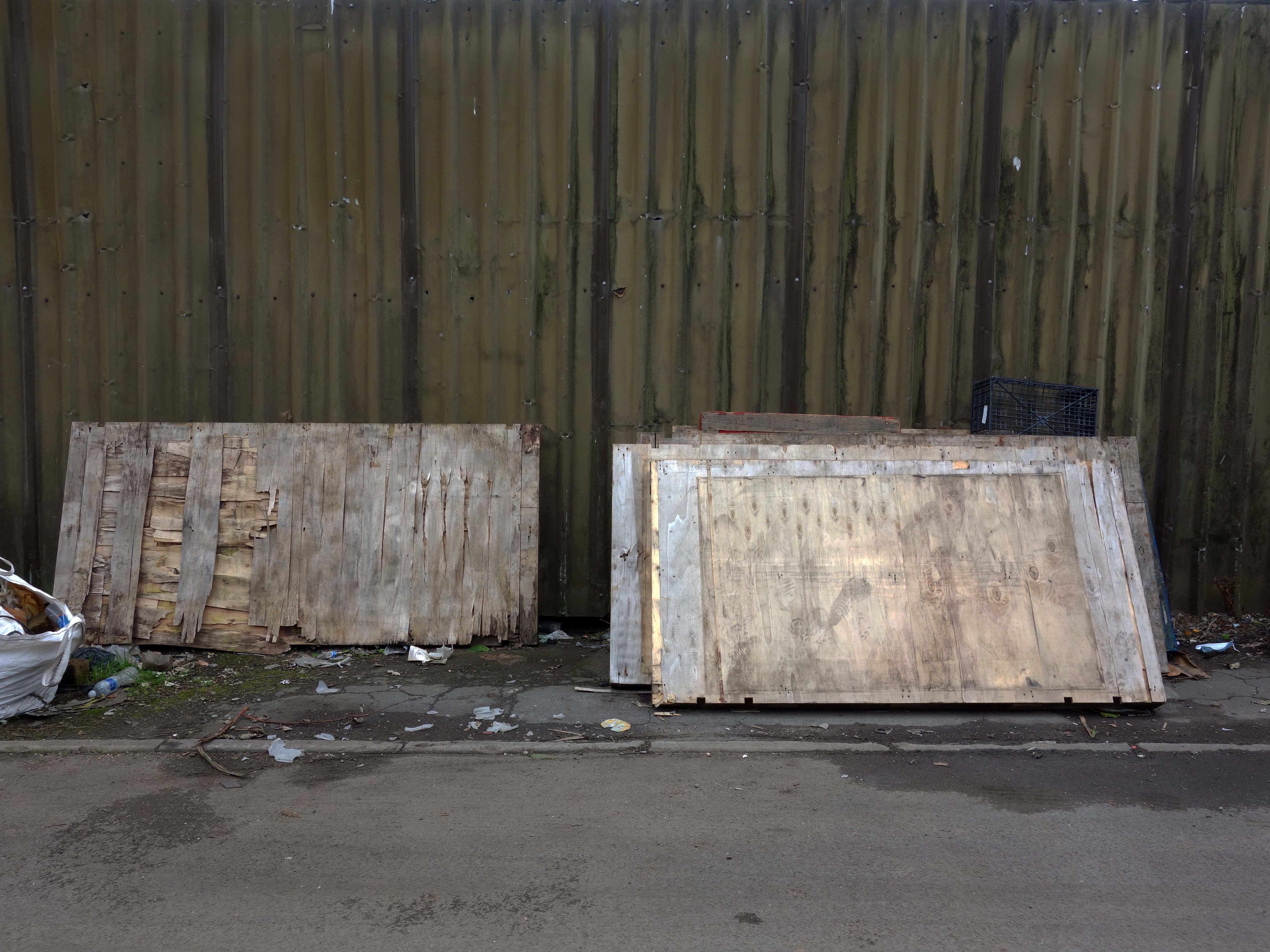
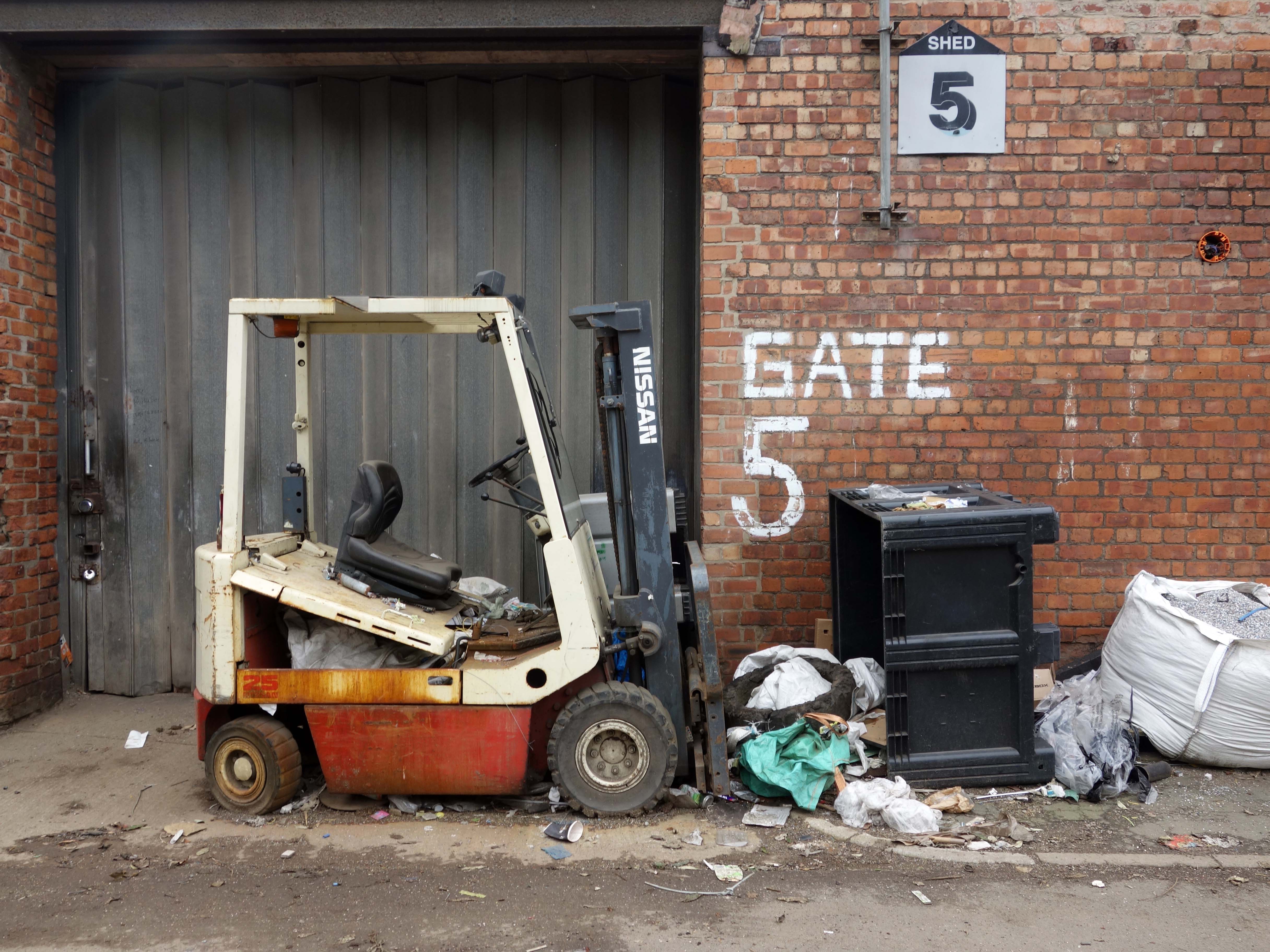
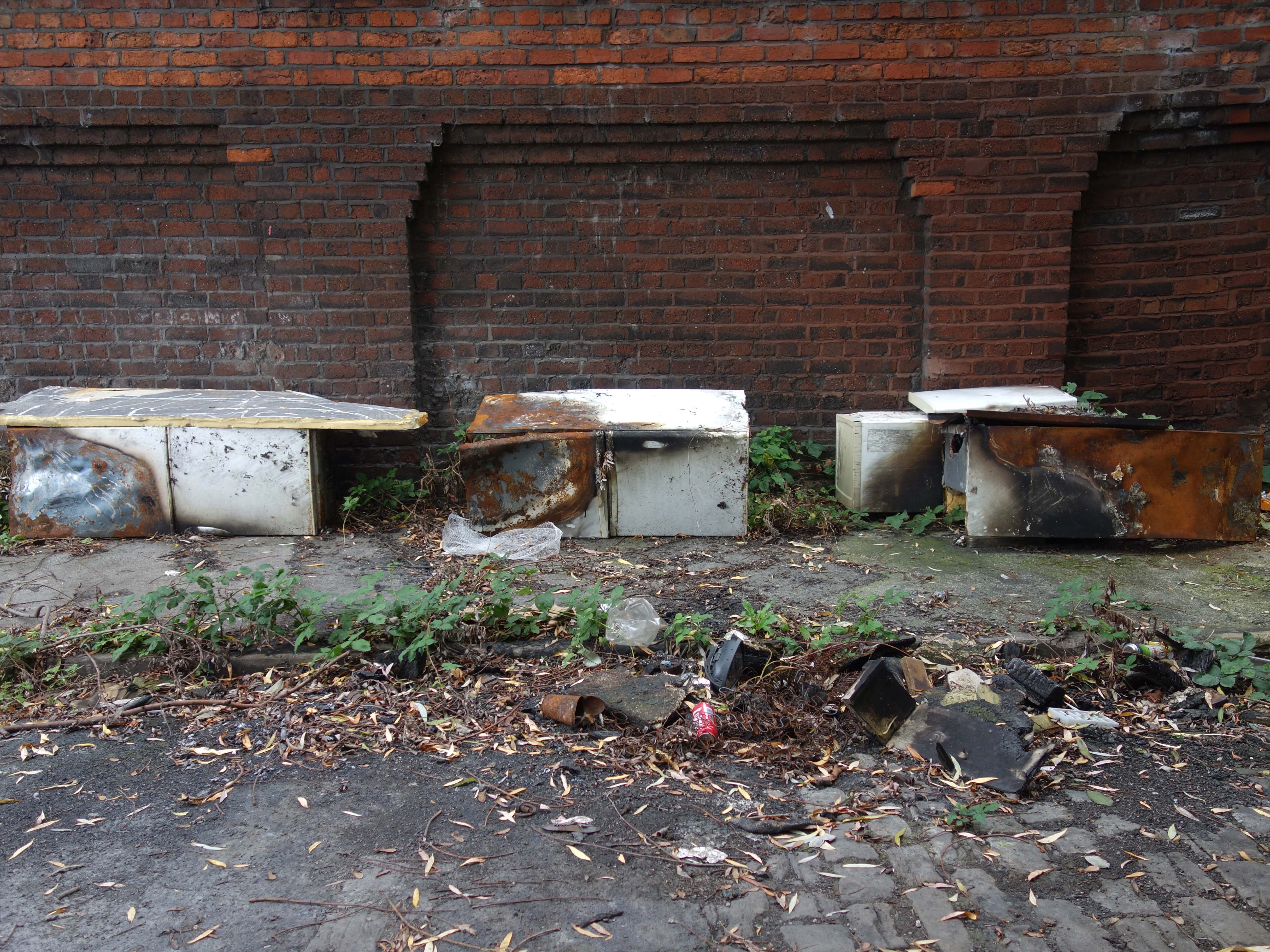
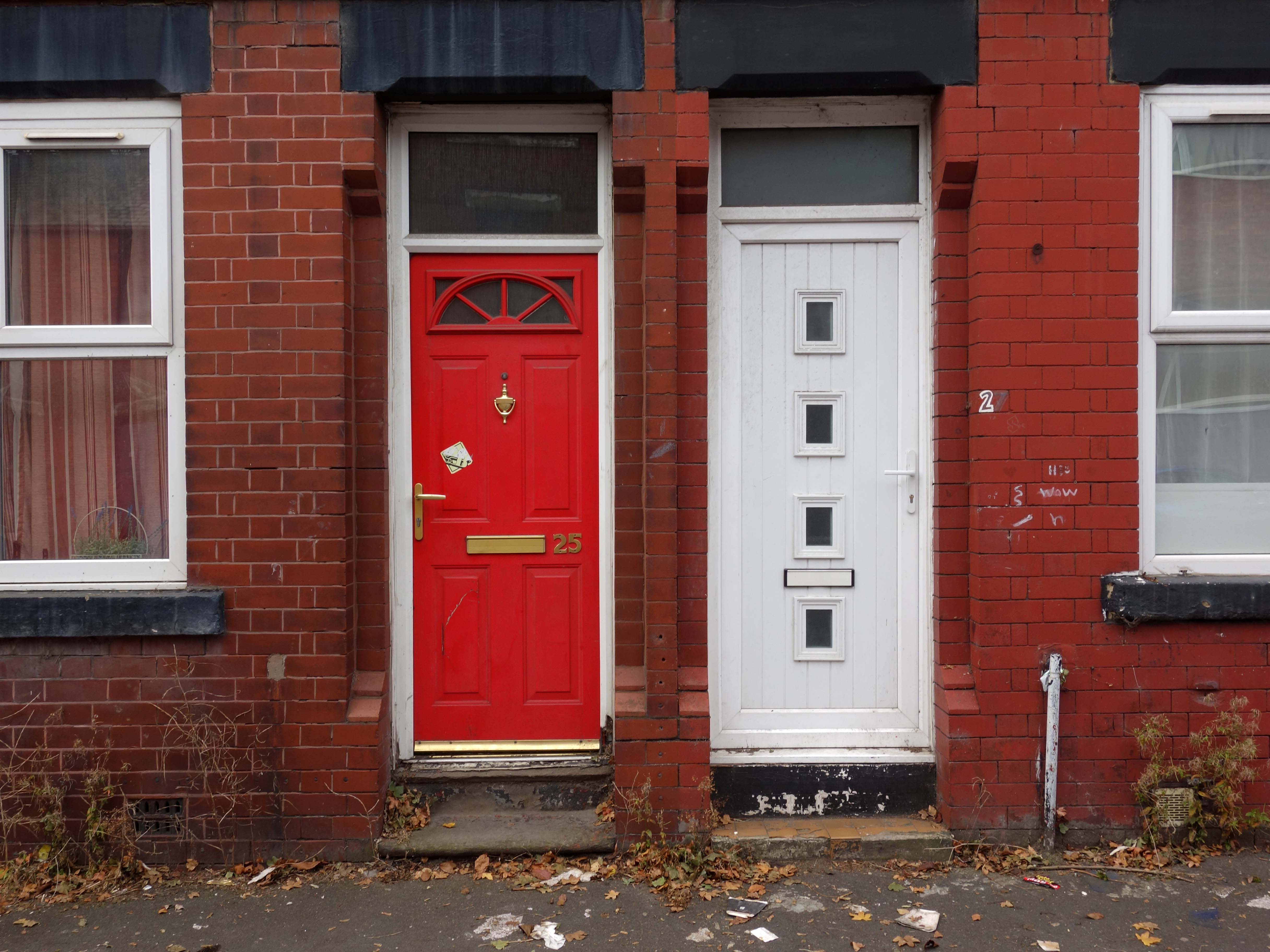
As of this week there are still the vestiges of car repairs, panel beaters, scrap metal merchants and just about occupied houses.
Wither will they wander?
As they are nowhere to be seen in the wonderful ink and wash world of Studio Egret West.
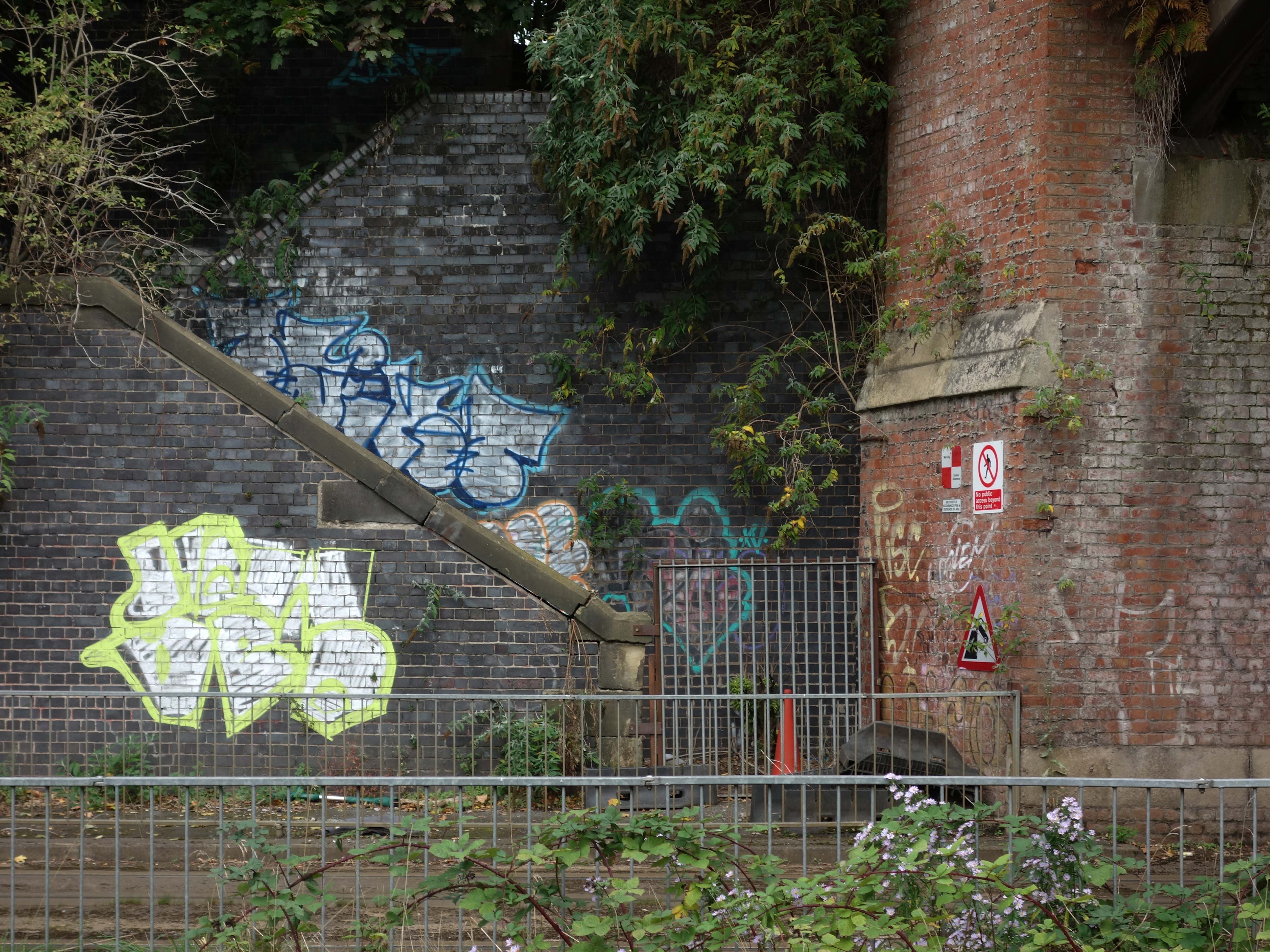
The Devil’s Steps are permanently closed.
We all dreamt of you last night
We all fell out of bed twice.
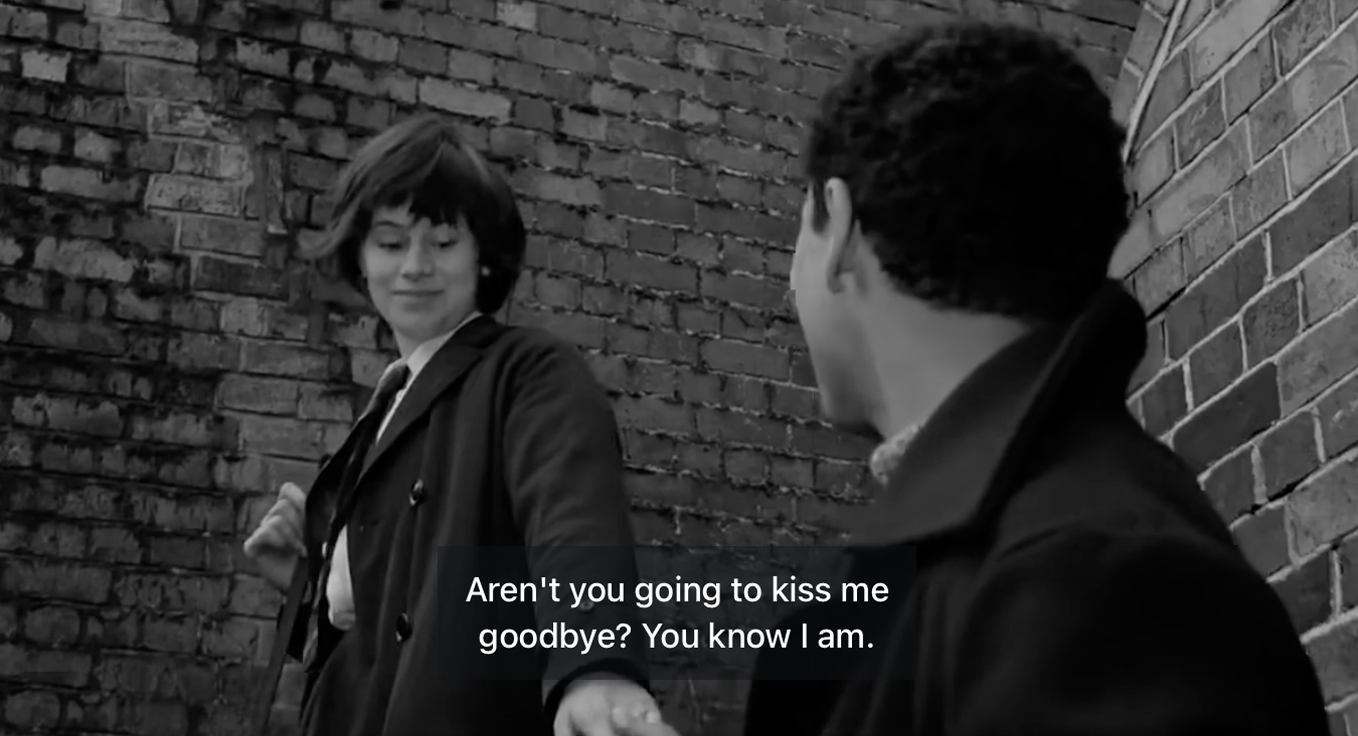
A taste of honey is better than none.
Aren’t you going to kiss me goodbye?