

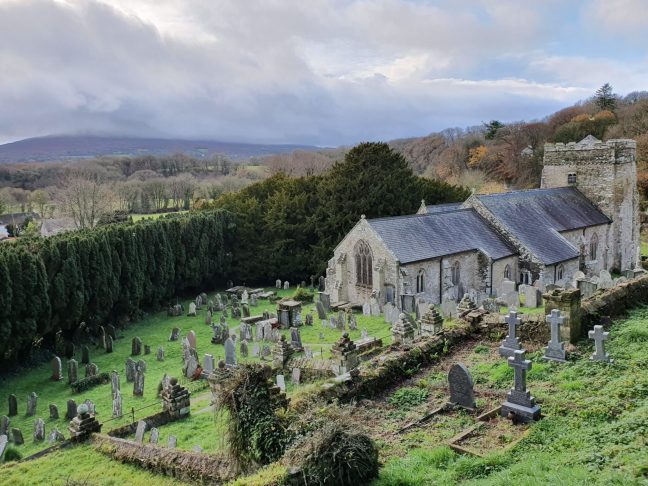
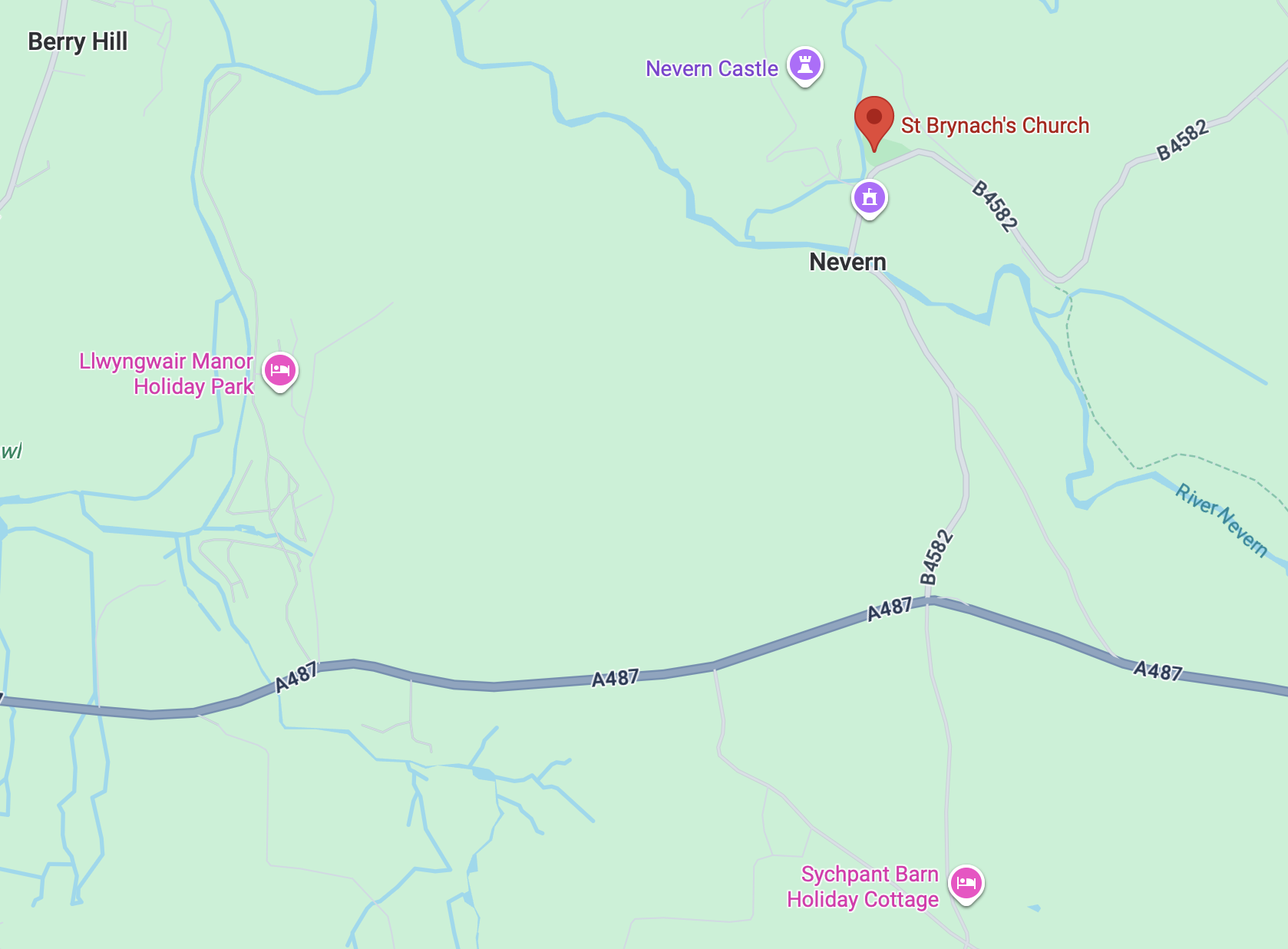
Nevern is a rural village in Pembrokeshire, West Wales.
The surrounding land is devoted largely to agriculture.
The church was founded by St Brynach in 540AD and the present building dates from around 1400.
Tim Rushton and I were cycling from Fishguard to Aberteifi on the Route 82 Lôn Teifi, which passes through Nevern.
So we stopped to have a look around.
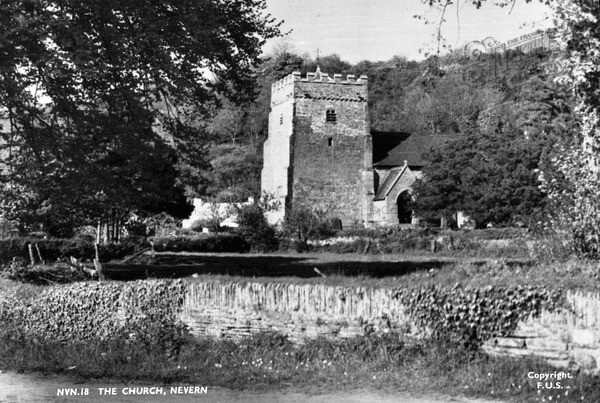
1955
The most probable reason Brynach chose Nevern was the protection afforded it by its obscurity and the Castle above the village which had been a fortified stronghold since Iron-age times. He was a kinsman of the Goedelic Tribal Chieftains who occupied it.
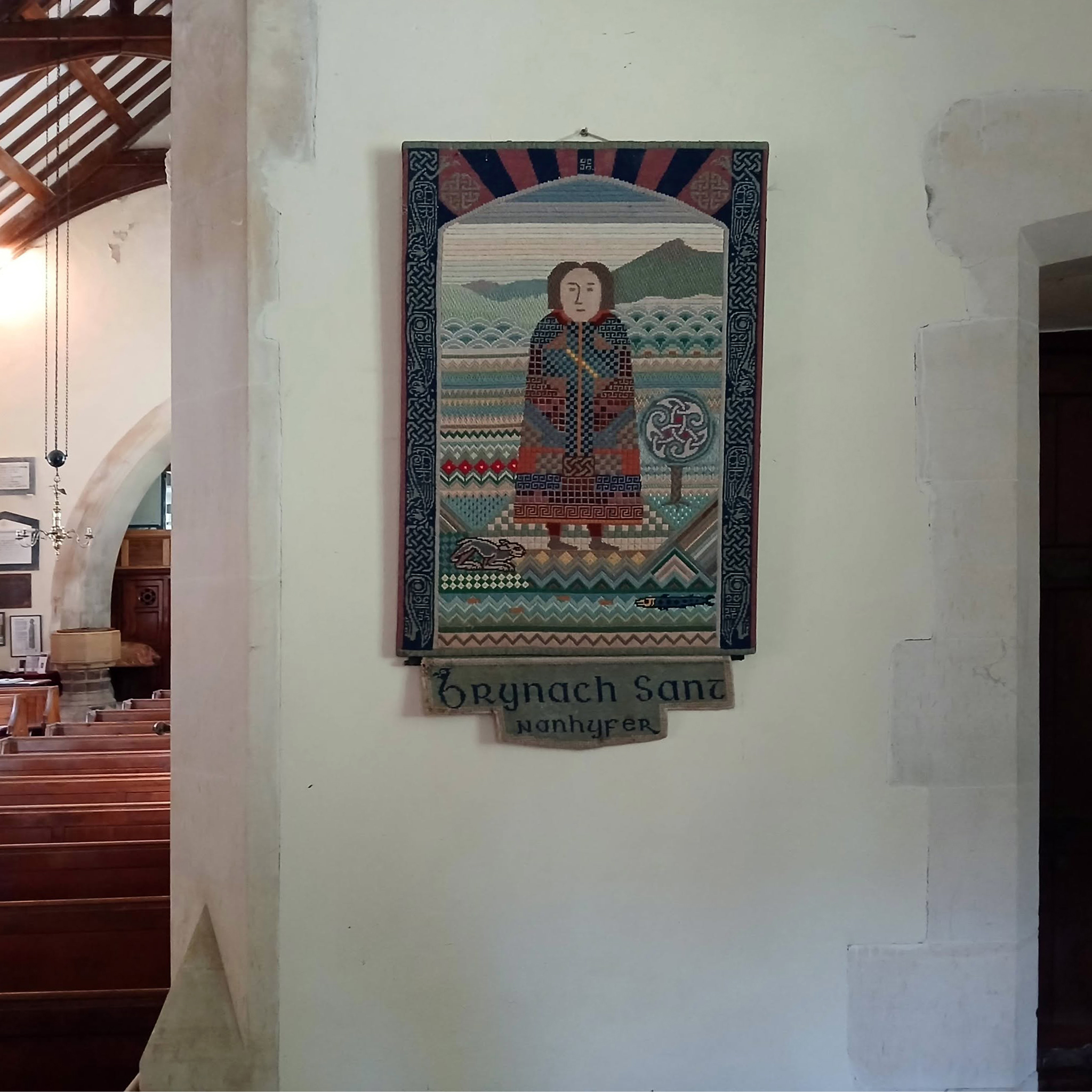
Though the Peregrinatio had learned their theology and scholarship by travelling to monasteries on the Continent under the rule of Rome, the Celtic Church was very different. The ‘churches’ were in essence small monasteries or ‘clas’ peopled by monks. They had a leader or Abbot such as Brynach but were centres of learning and small-scale industry as much as for worship.
Evangelising by monks took place from the ‘mother churches’, so when a church is said to have been founded by a certain saint it was probably named after the leader of the ‘clas’. The life of the ‘clas’ and its form of worship, essentially different to that of Rome, changed very little from its formation in the 6thC into the century after the Norman Conquest, except that in the C8th repeated persuasion by the Continental conquerors of middle Britain converted the Celtic Church to Catholicism, henceforth adopting its dates and some of its rites.
The Vikings sacked St. David’s in 878, killing the bishop, and were a constant scourge along the coast for the next three hundred years. This is where the Castle played its most important role in the life of the church. They built a tower stronghold on a spit of land separated from the main castle where they would ‘sit out’ the Viking raids literally burning their bridge behind them. Fortunately for them the Vikings had a short attention span and were loath to lay siege preferring to push on to other targets, so, apart from having to occasionally rebuild their church, the Christians at Nevern were left relatively unharmed.
Having landed in the country in 1066 the Normans arrived at Nevern in the latter years of the 11th Century. They usurped the local chieftains from the Castle – though their descendants still live in the parish to this day and rebuilt the Castle in their usual Motte and Bailey manner. They evidently intended to make Nevern their manor in this area, which accounts for an unusually large church in a small village, but changed their minds moving to Newport, building a much larger castle, and populating the town with their loyal English supporters.
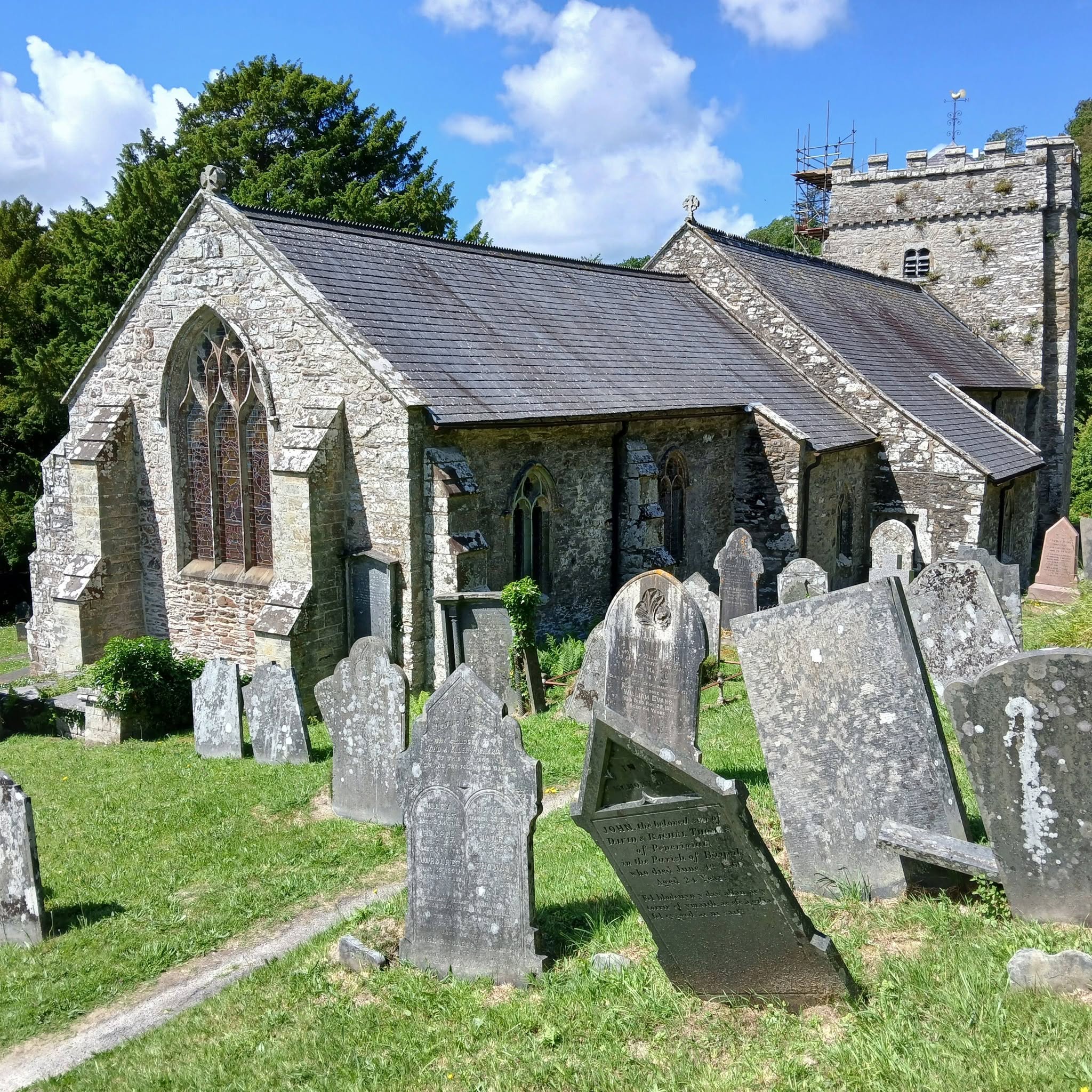
The church as it presently stands was built in this period, the oldest part being the Tower dating from about 1380 and the nave and Chancel following 1420-1450, built in the ‘Late Perpendicular’ style learned from the Normans. indeed, quite possibly supervised by French overseers. The church obviously held some status before this, because in 1291 Archbishop Baldwin and Giraldus Cambrensis came through raising money for Pope Nicholas IV’s 3rd Crusade, Nevern’s annual value was £16, more than double any other church in the Deanery.
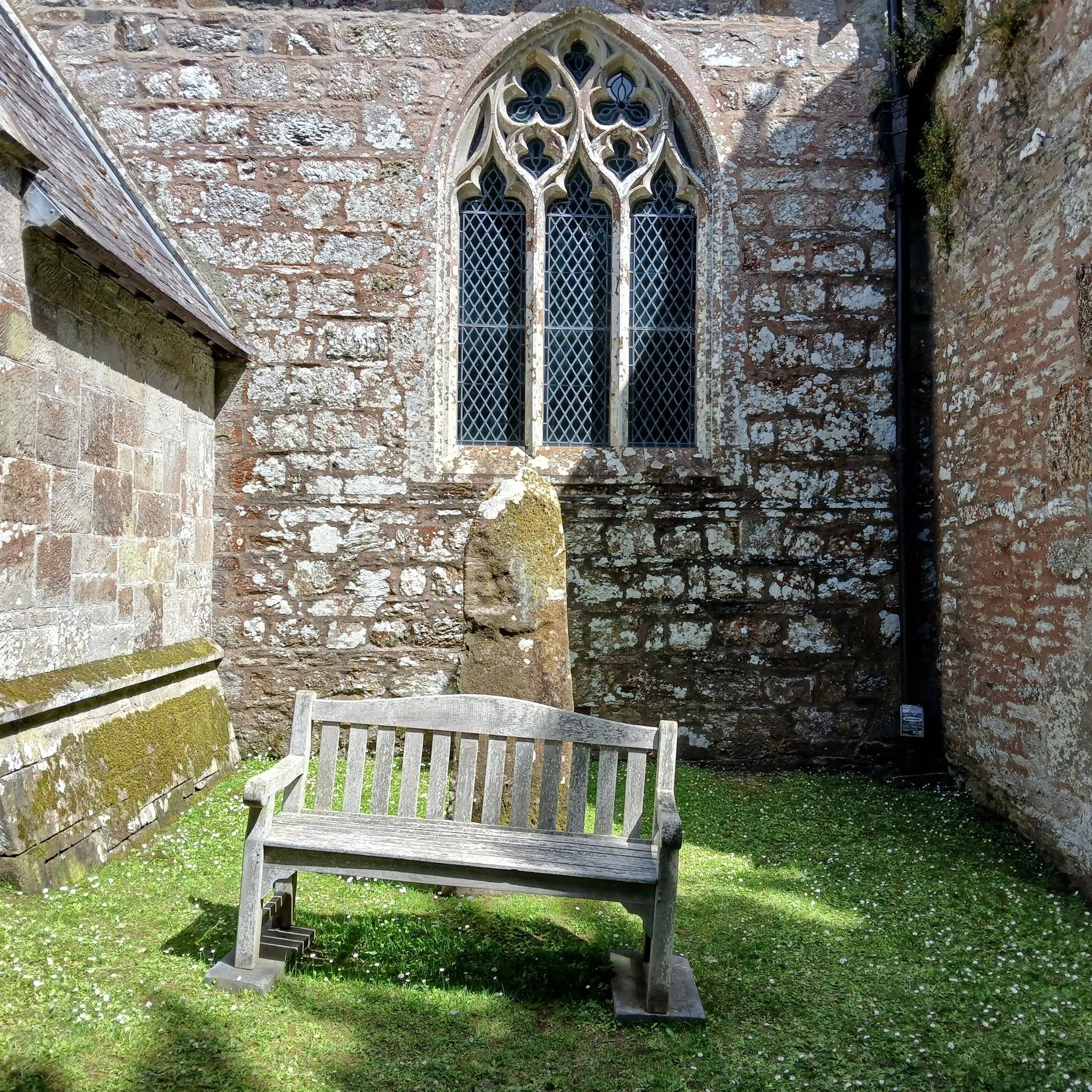
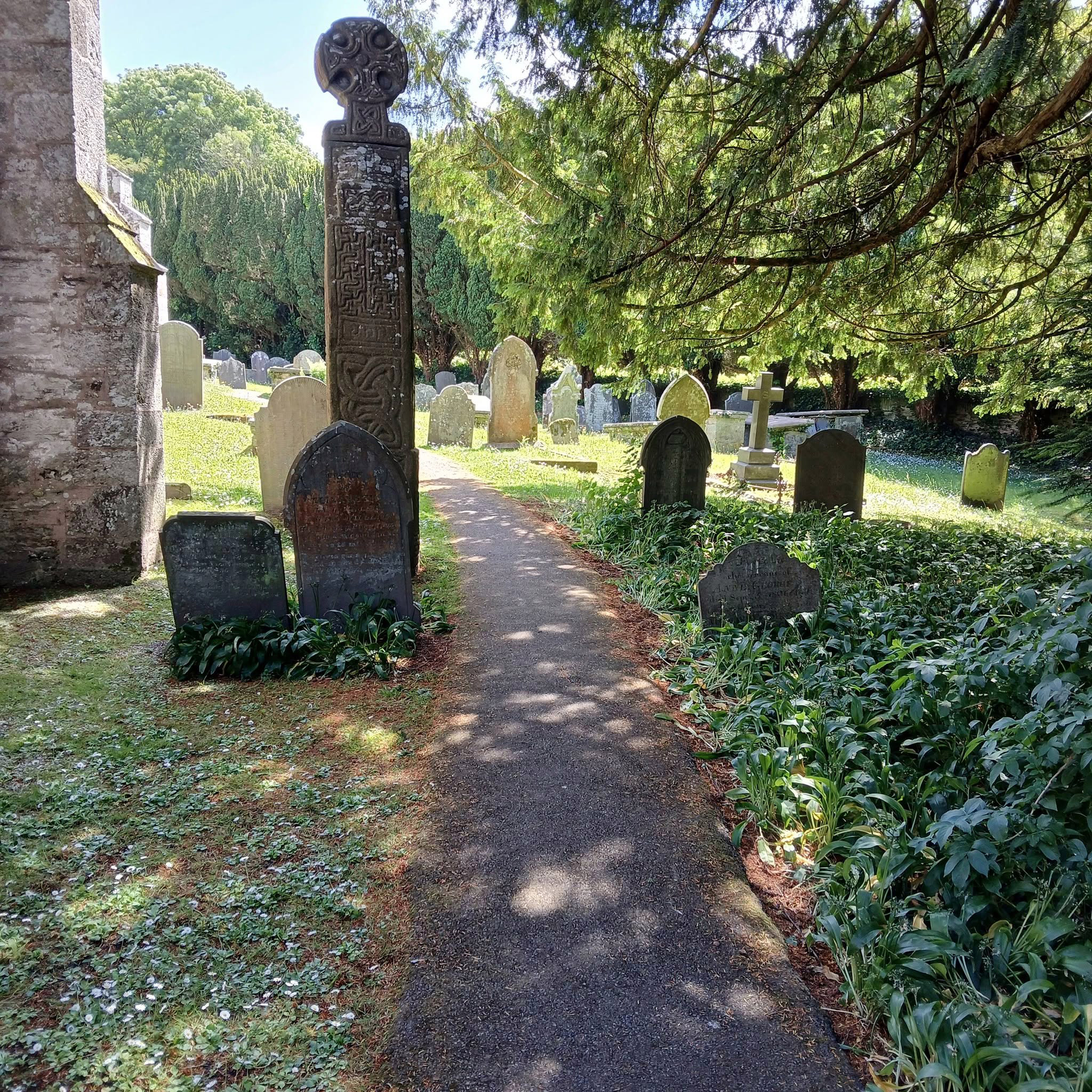
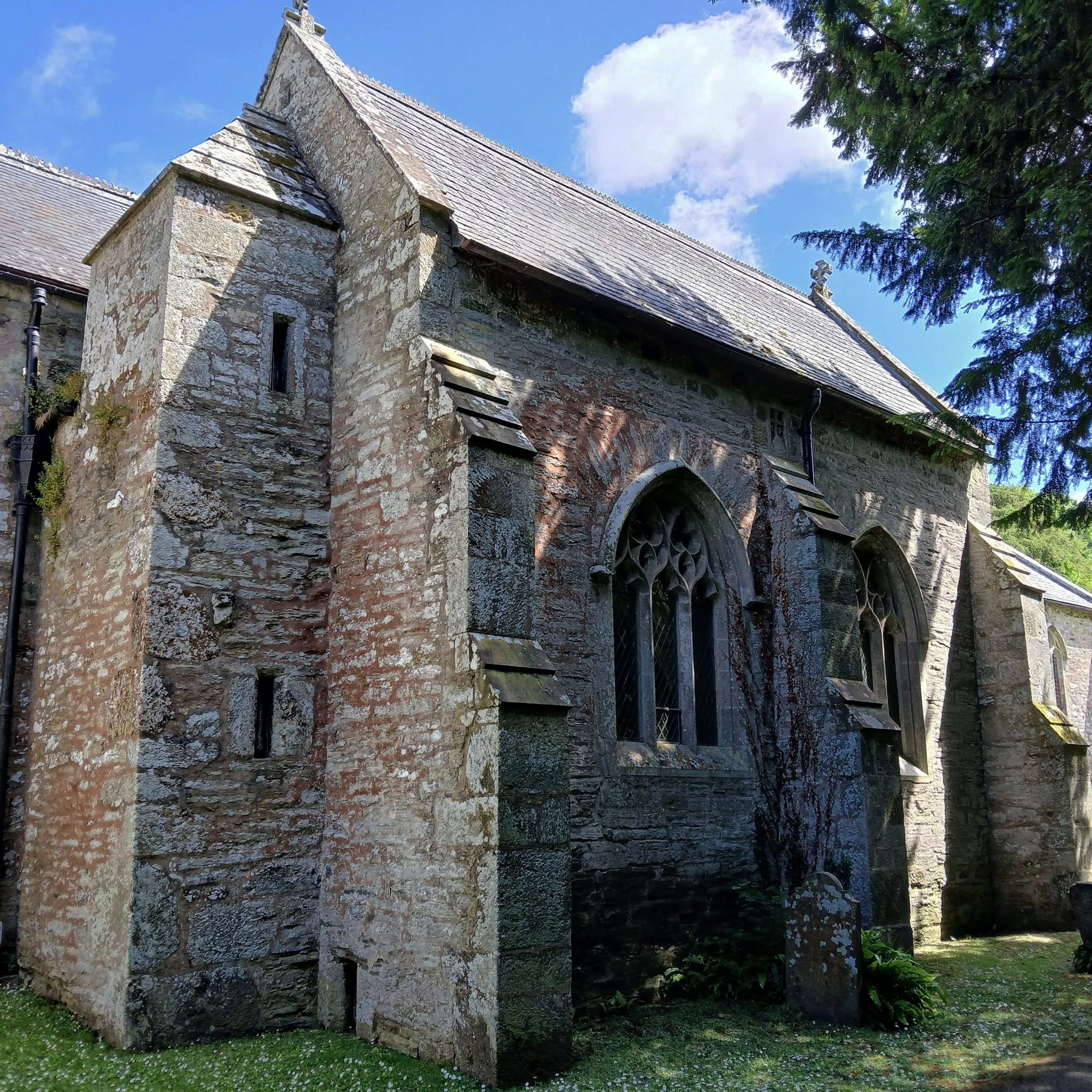
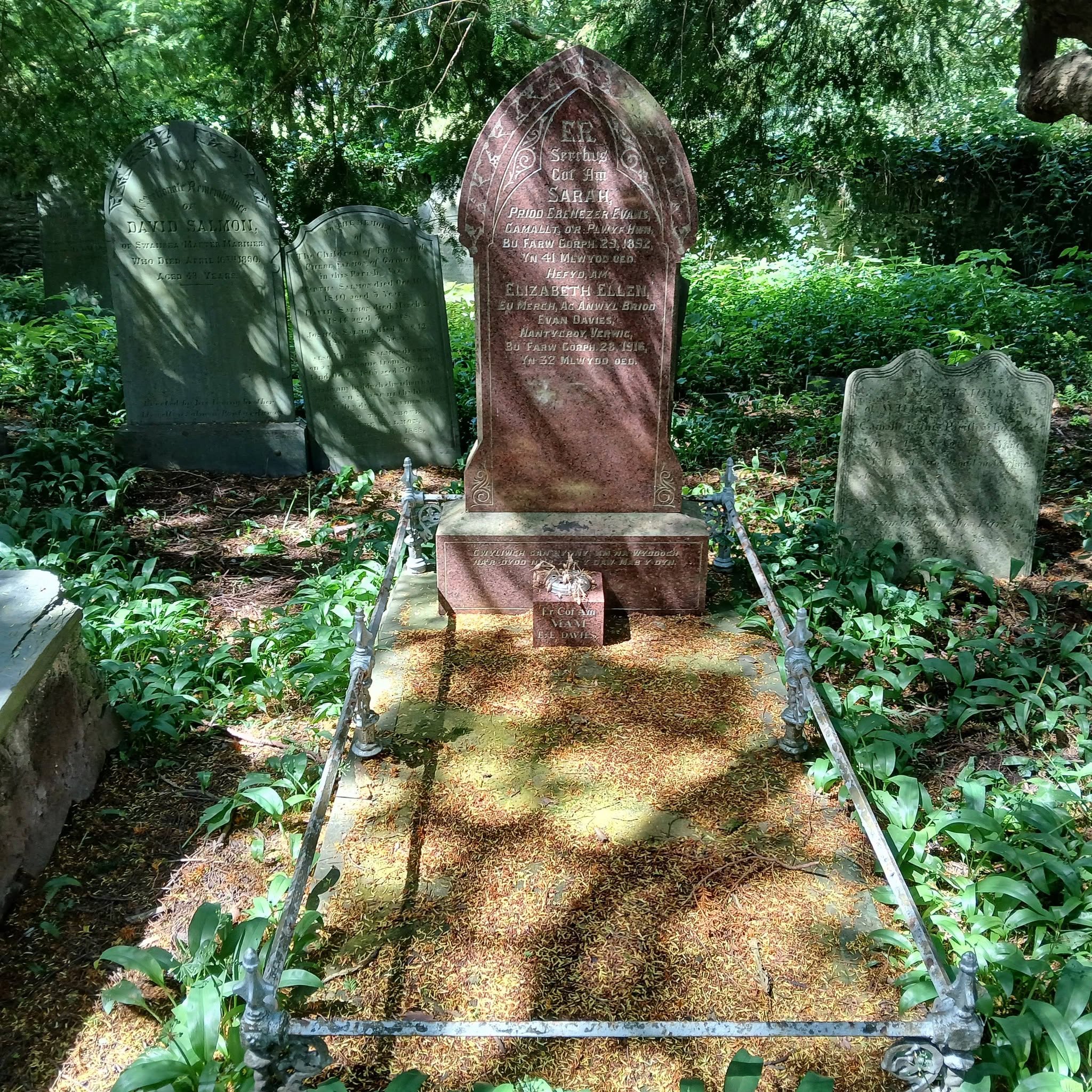
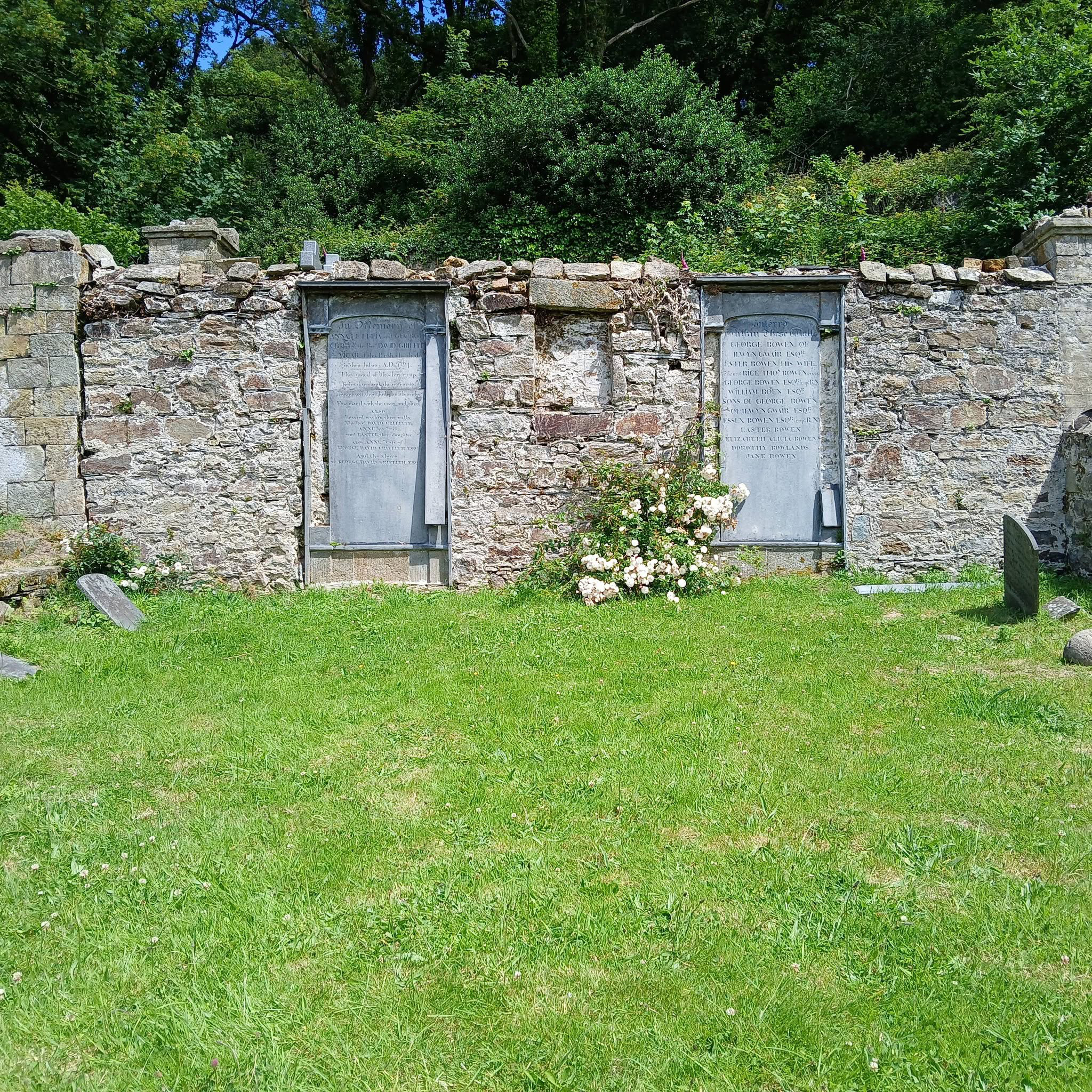
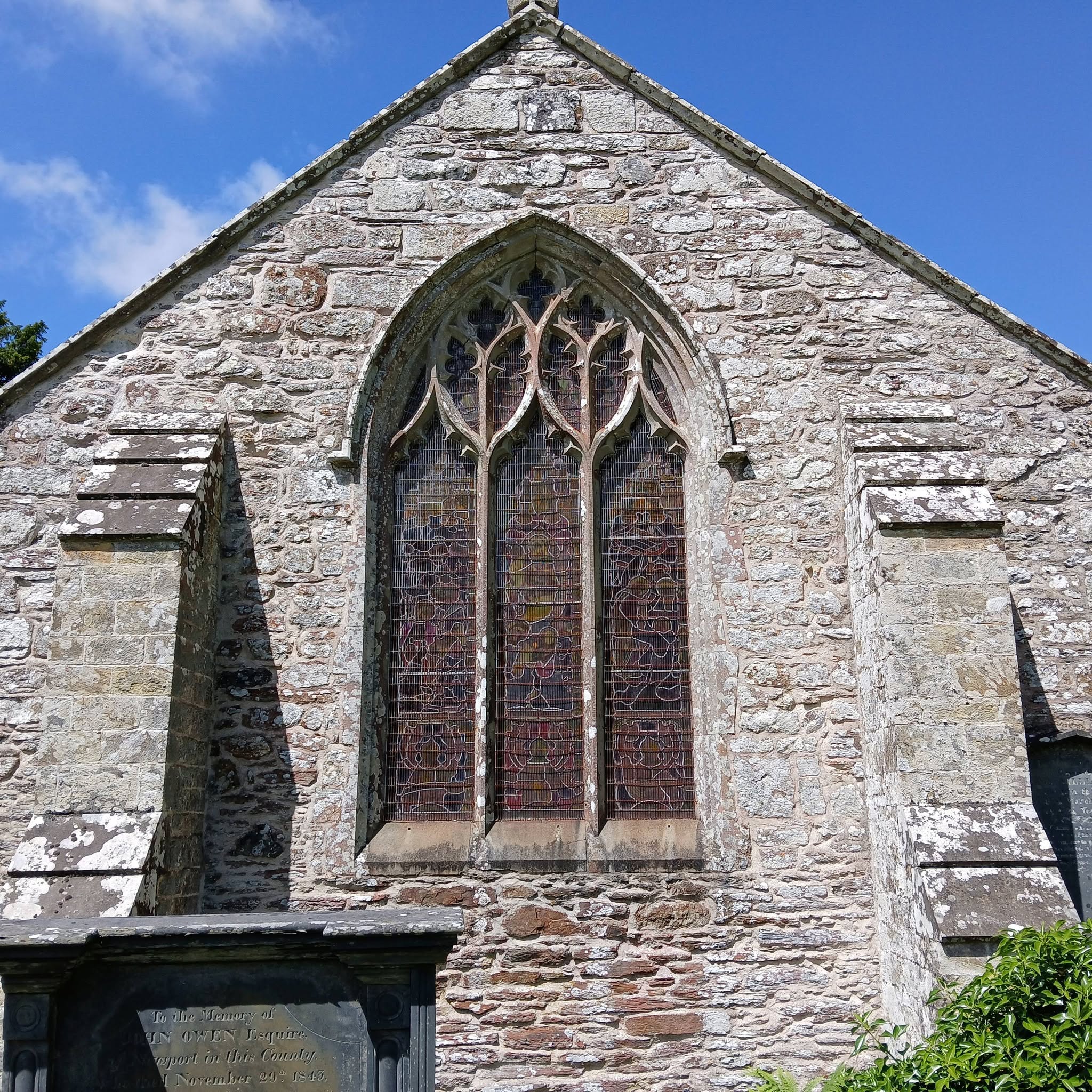
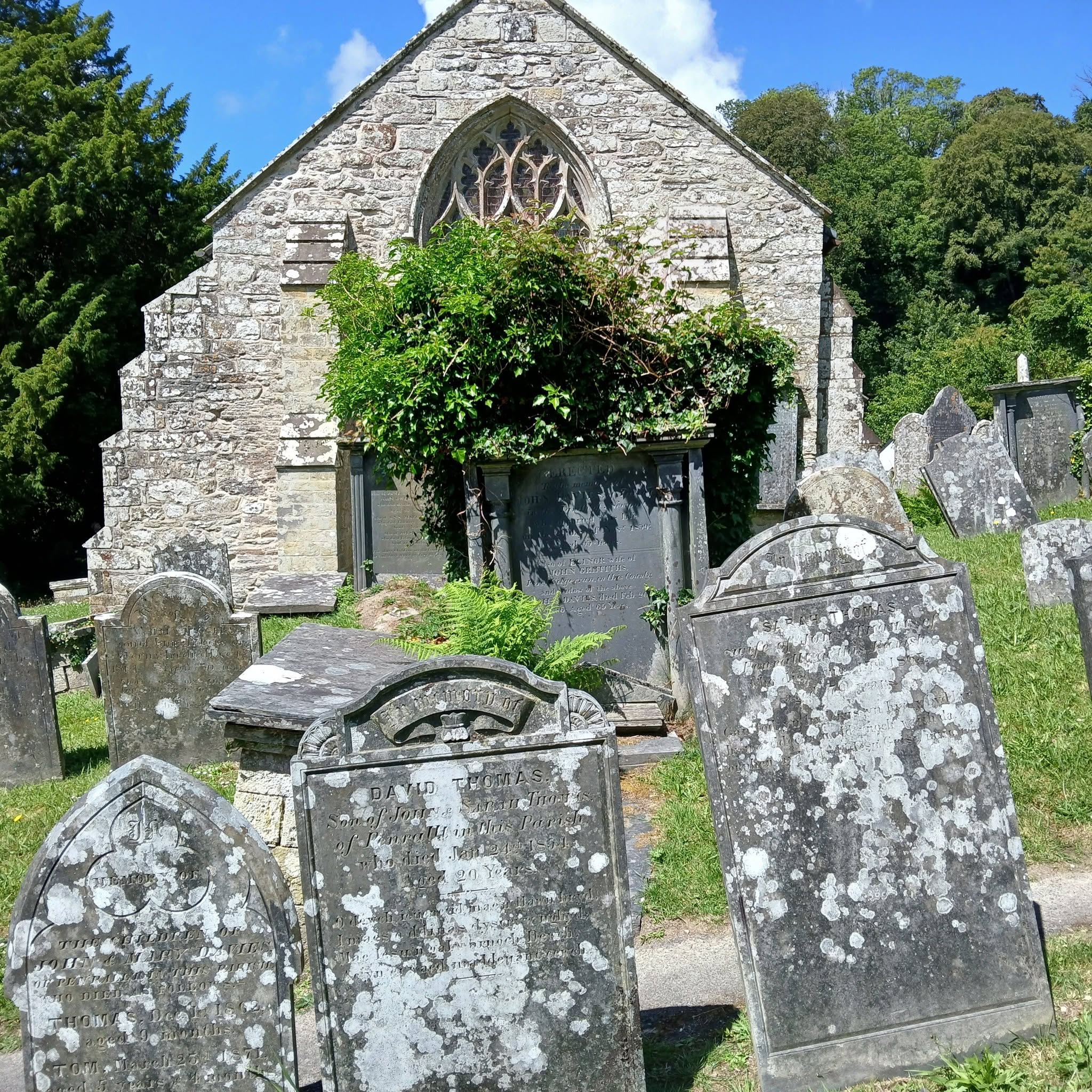
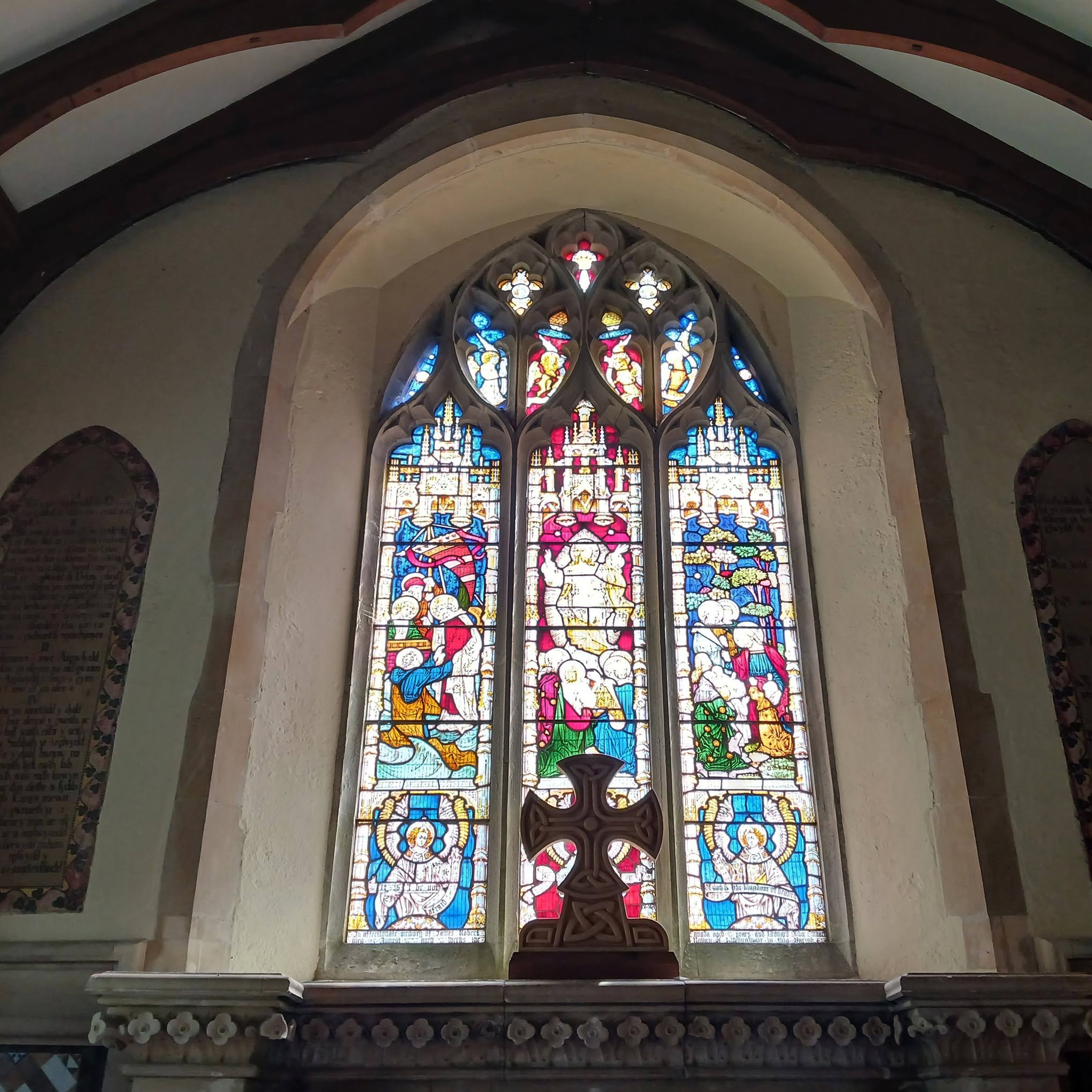
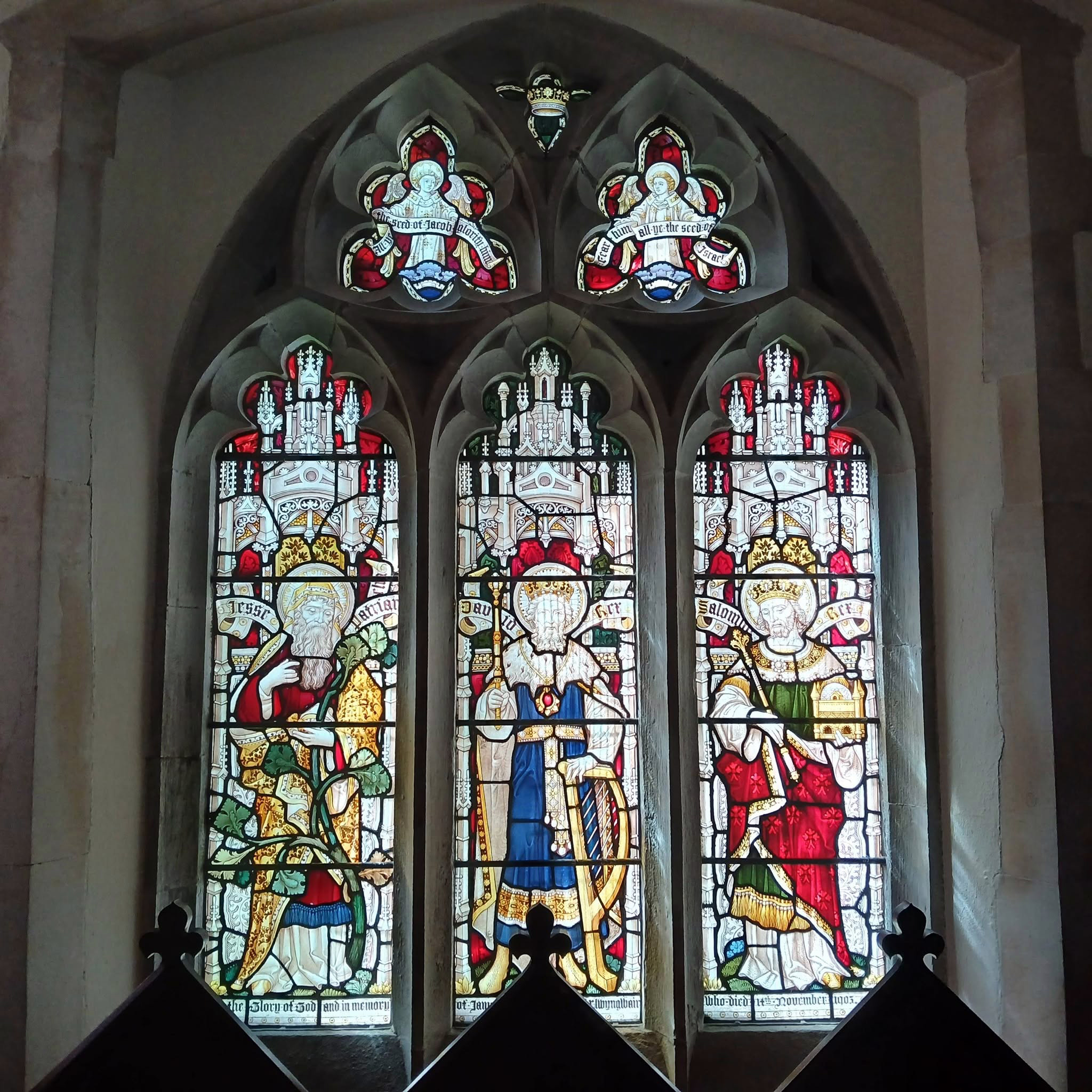
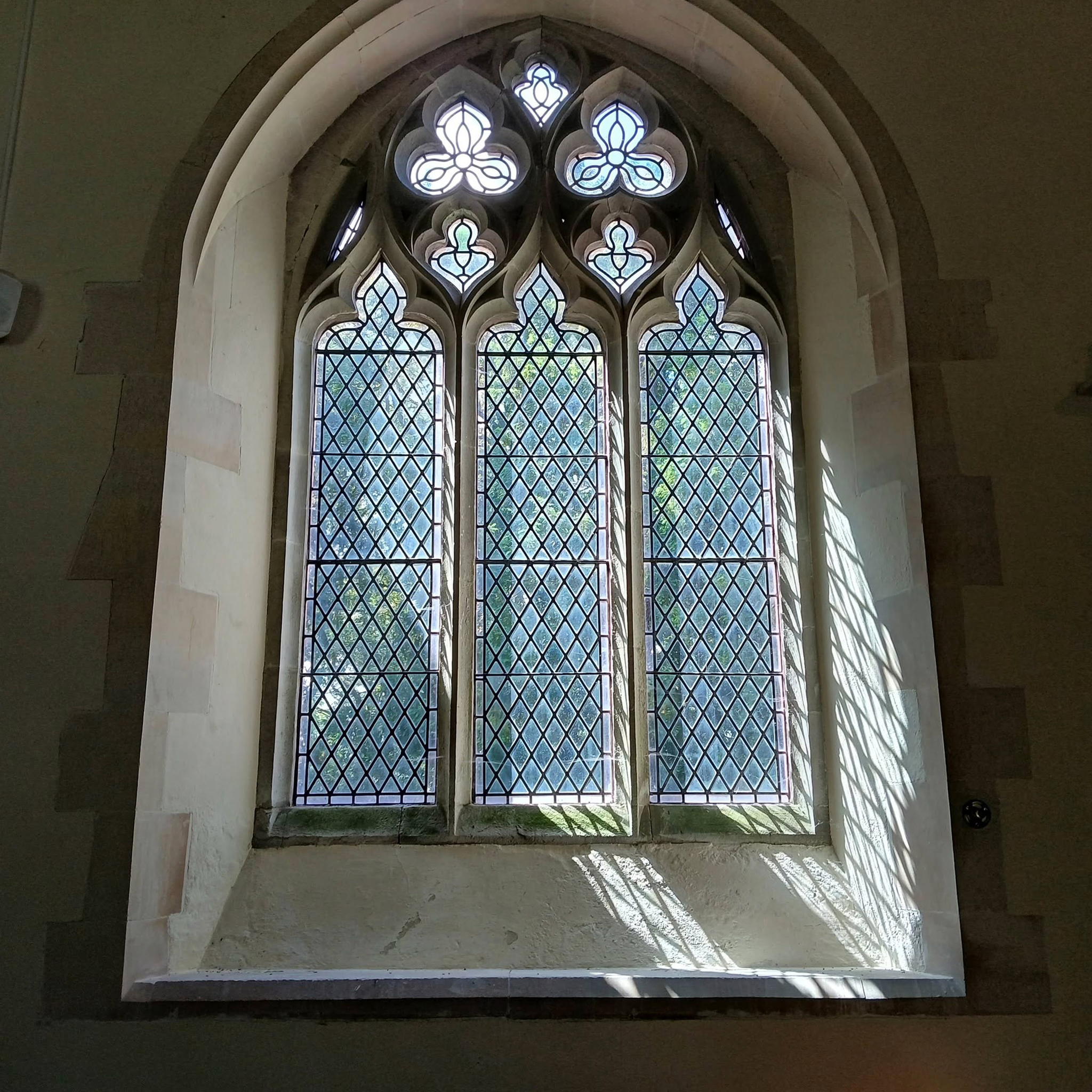
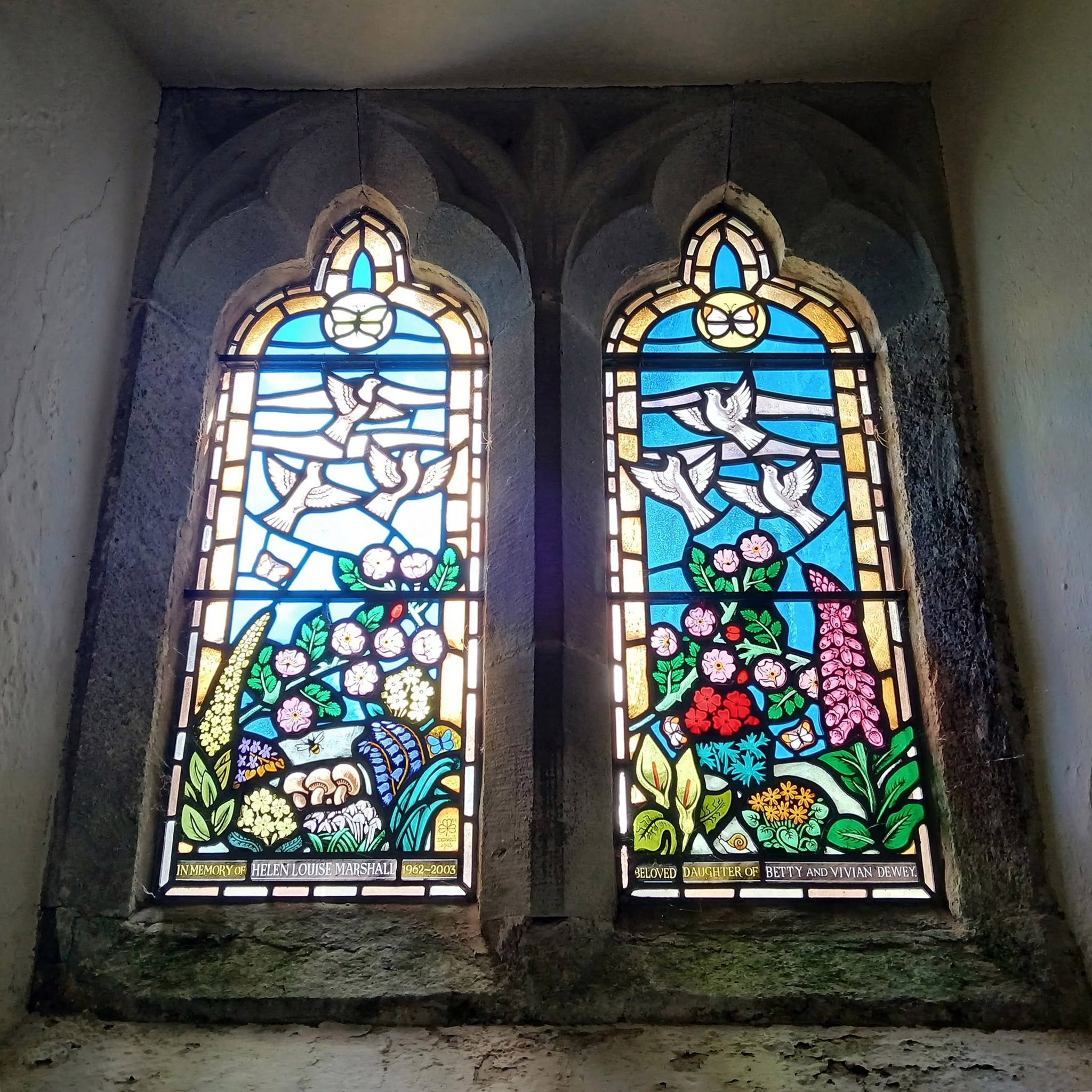
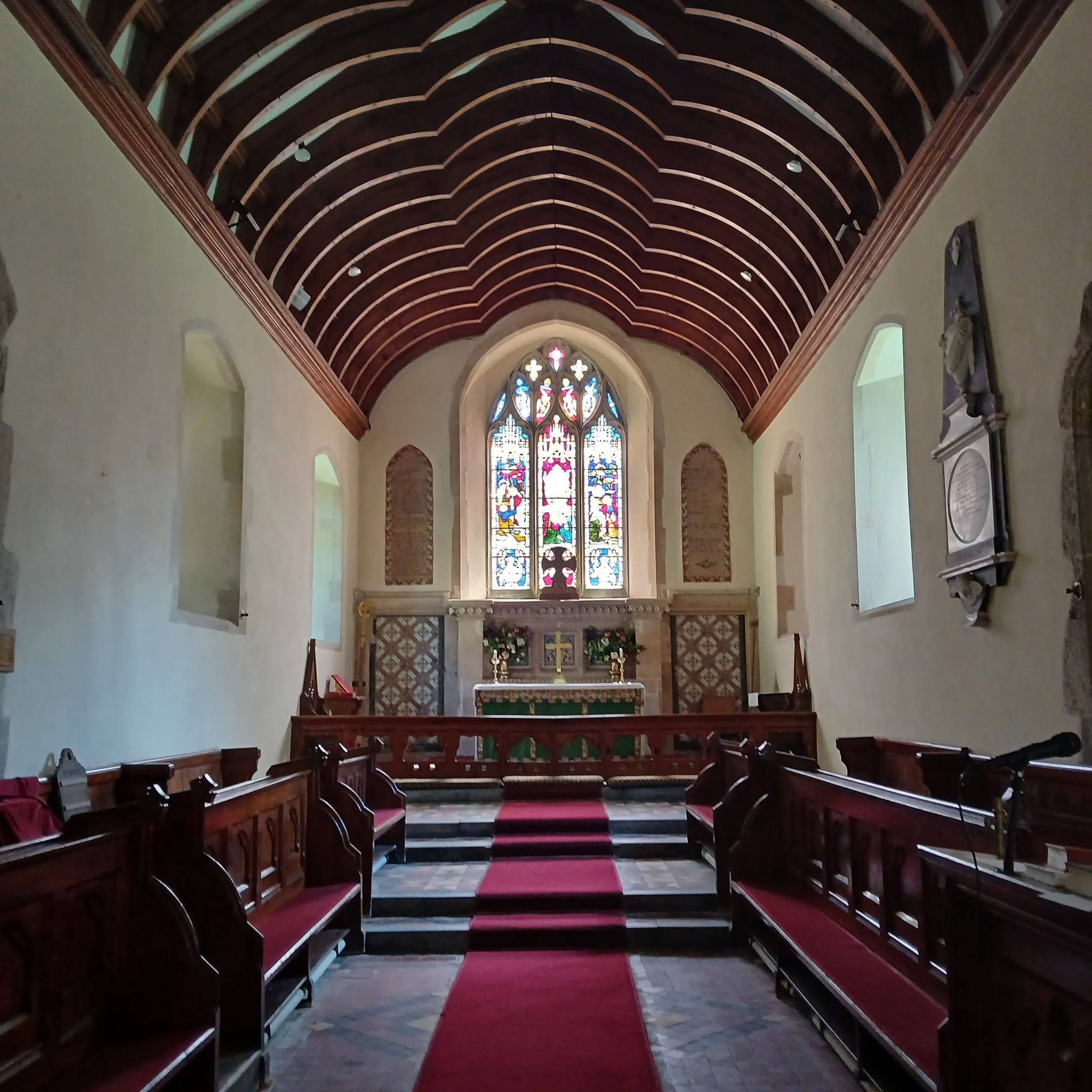
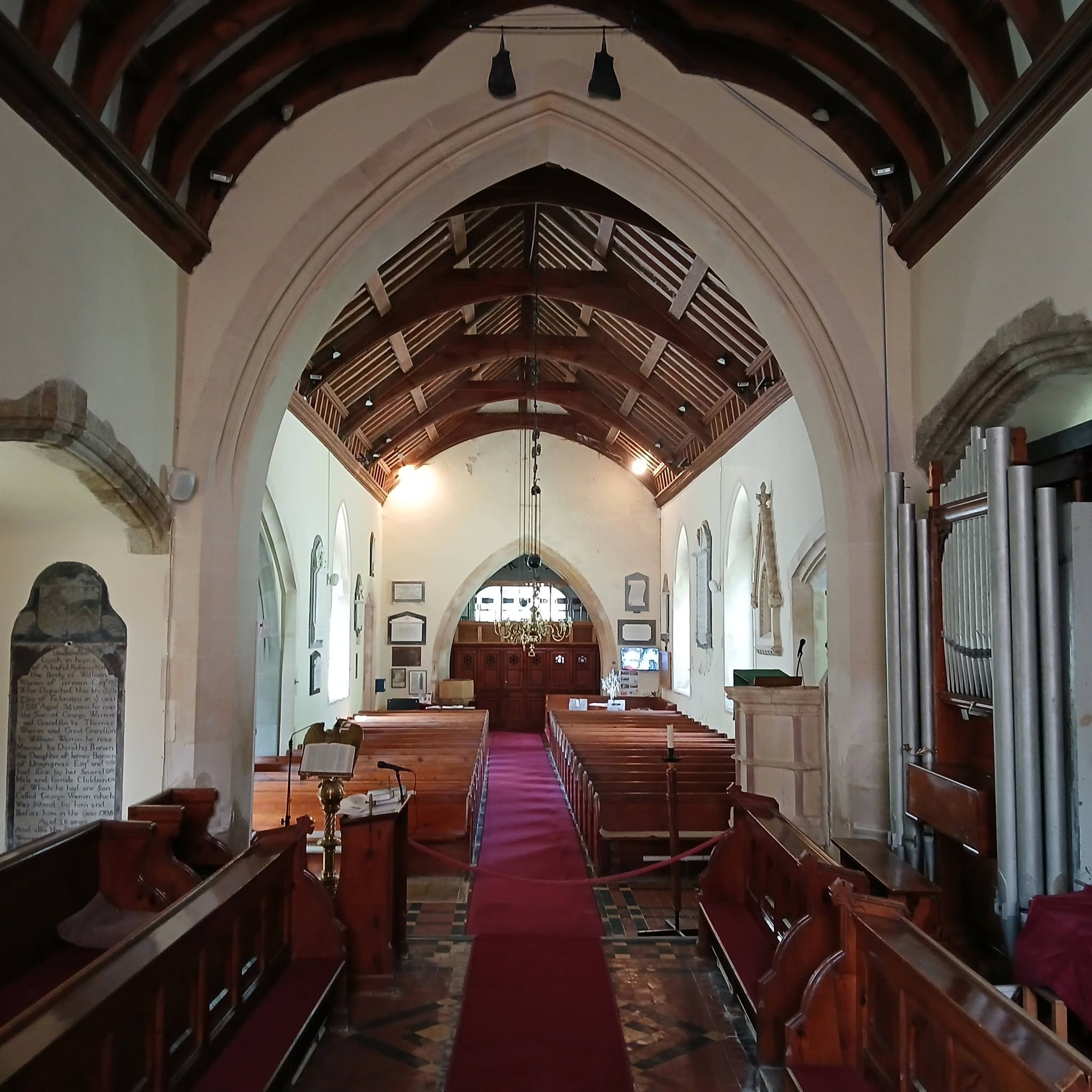
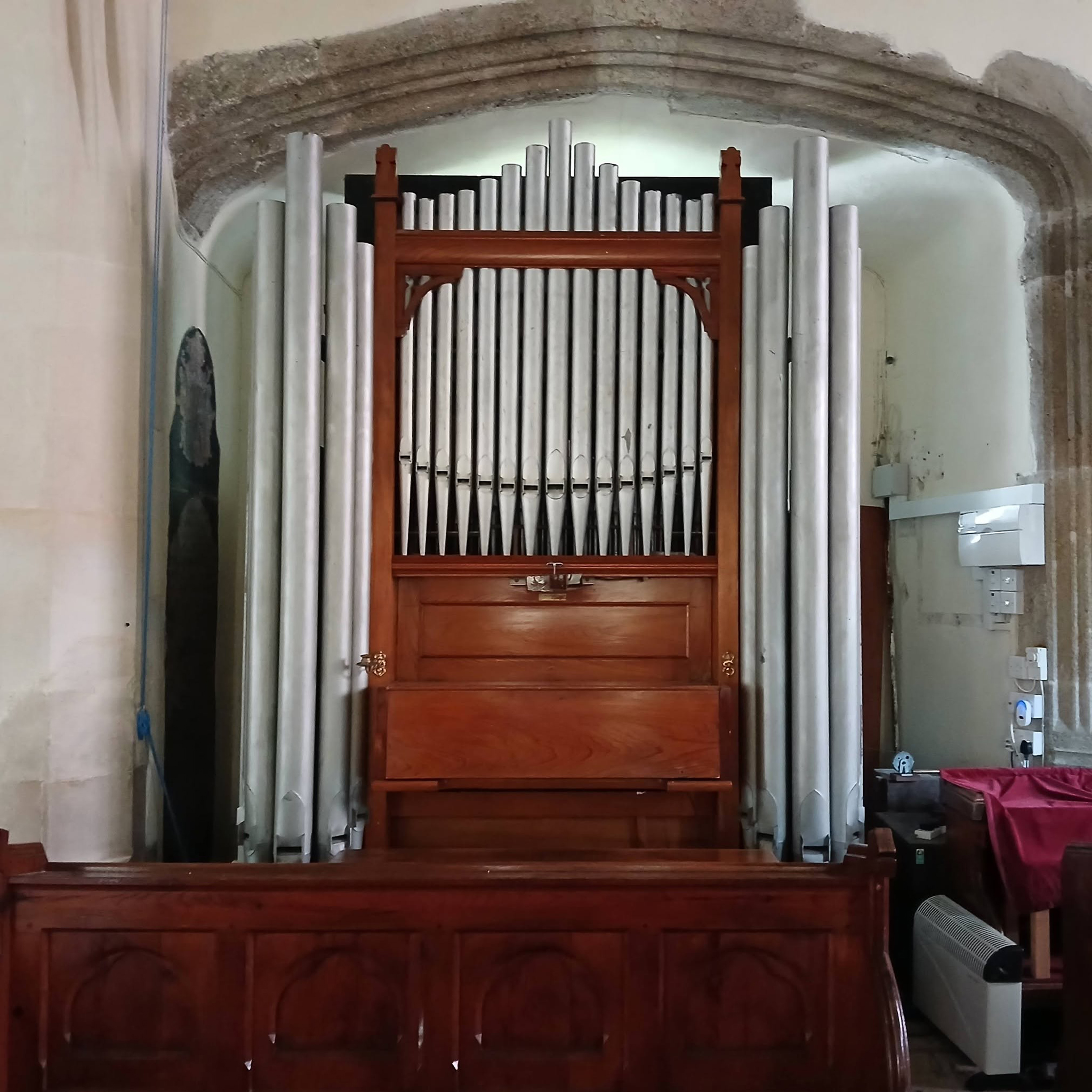
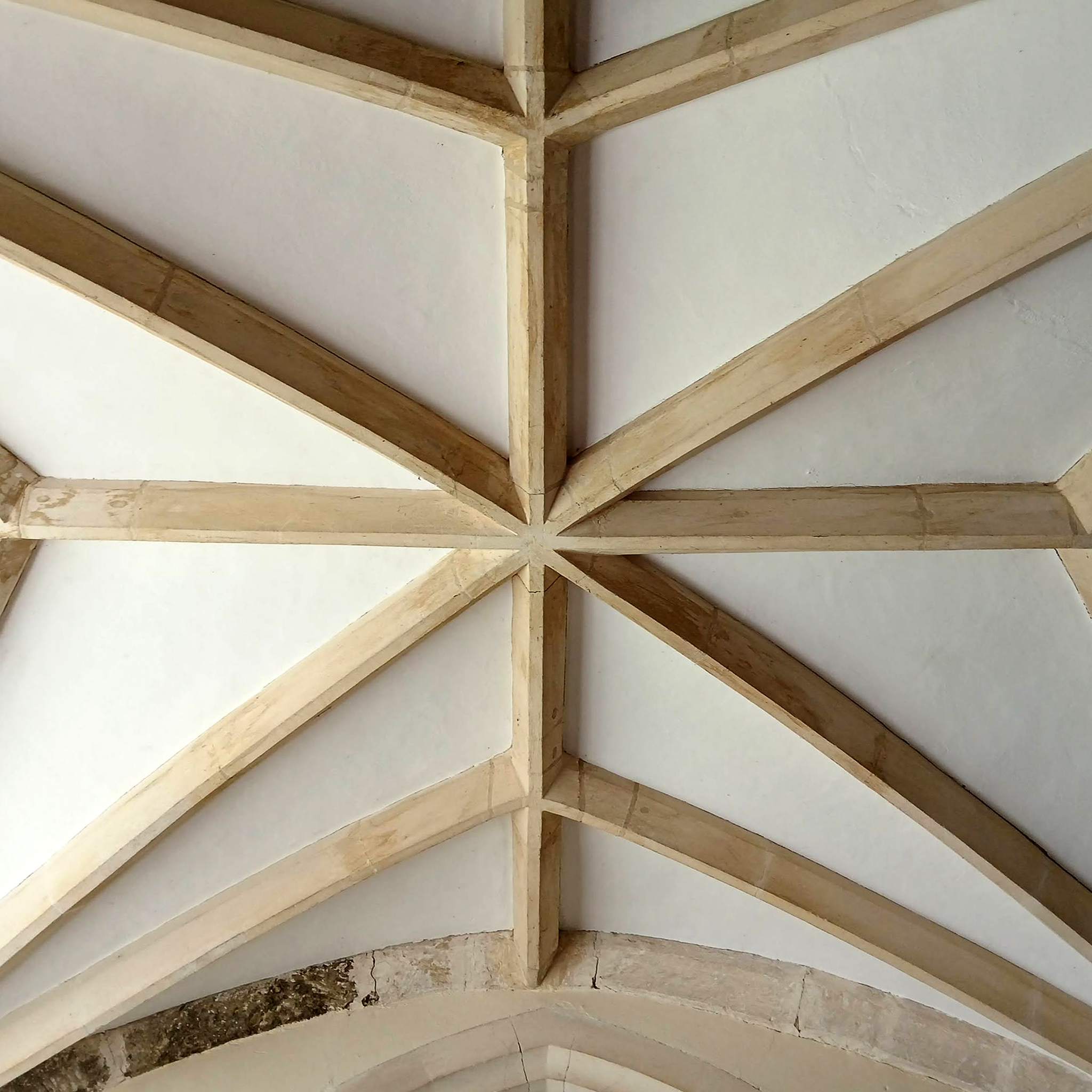
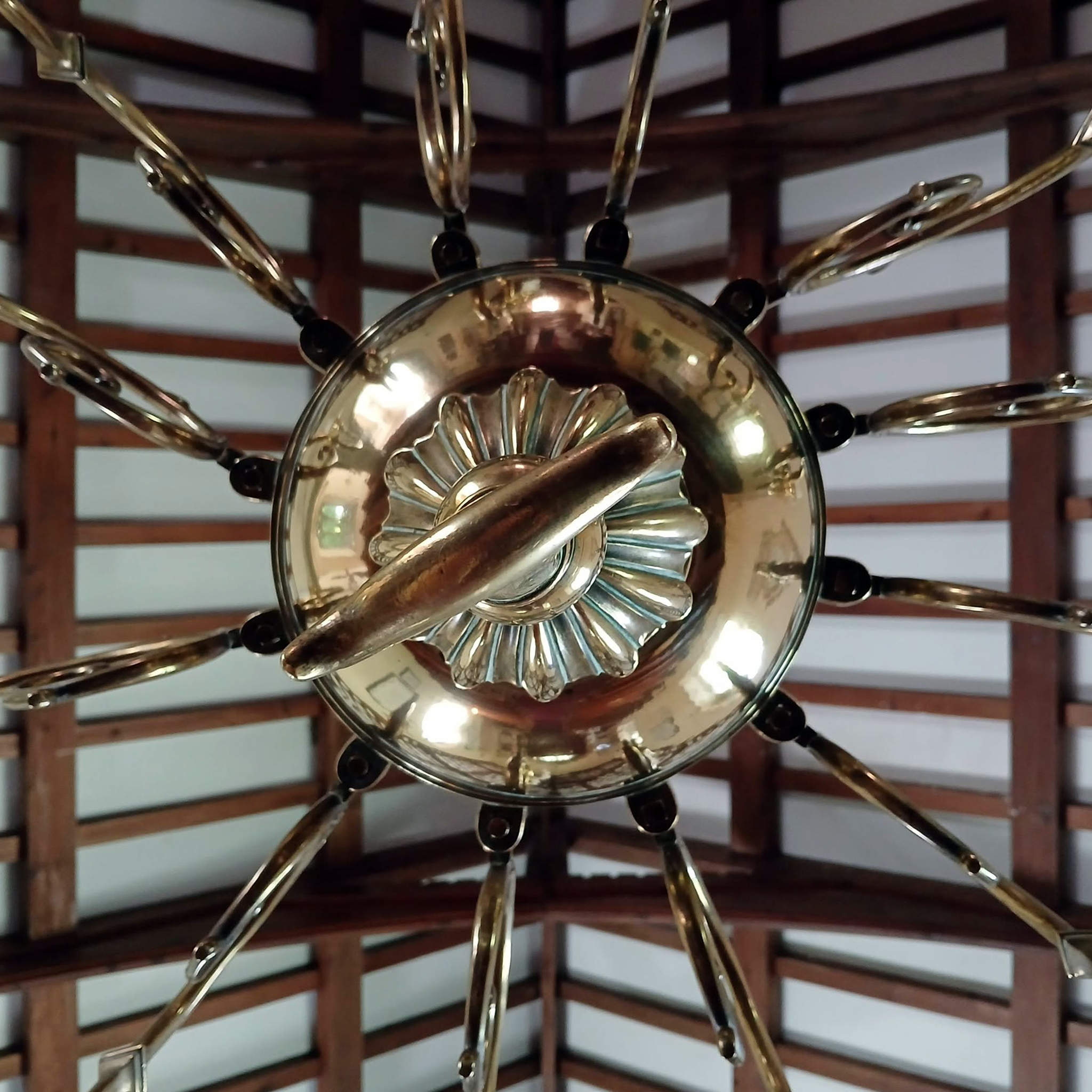
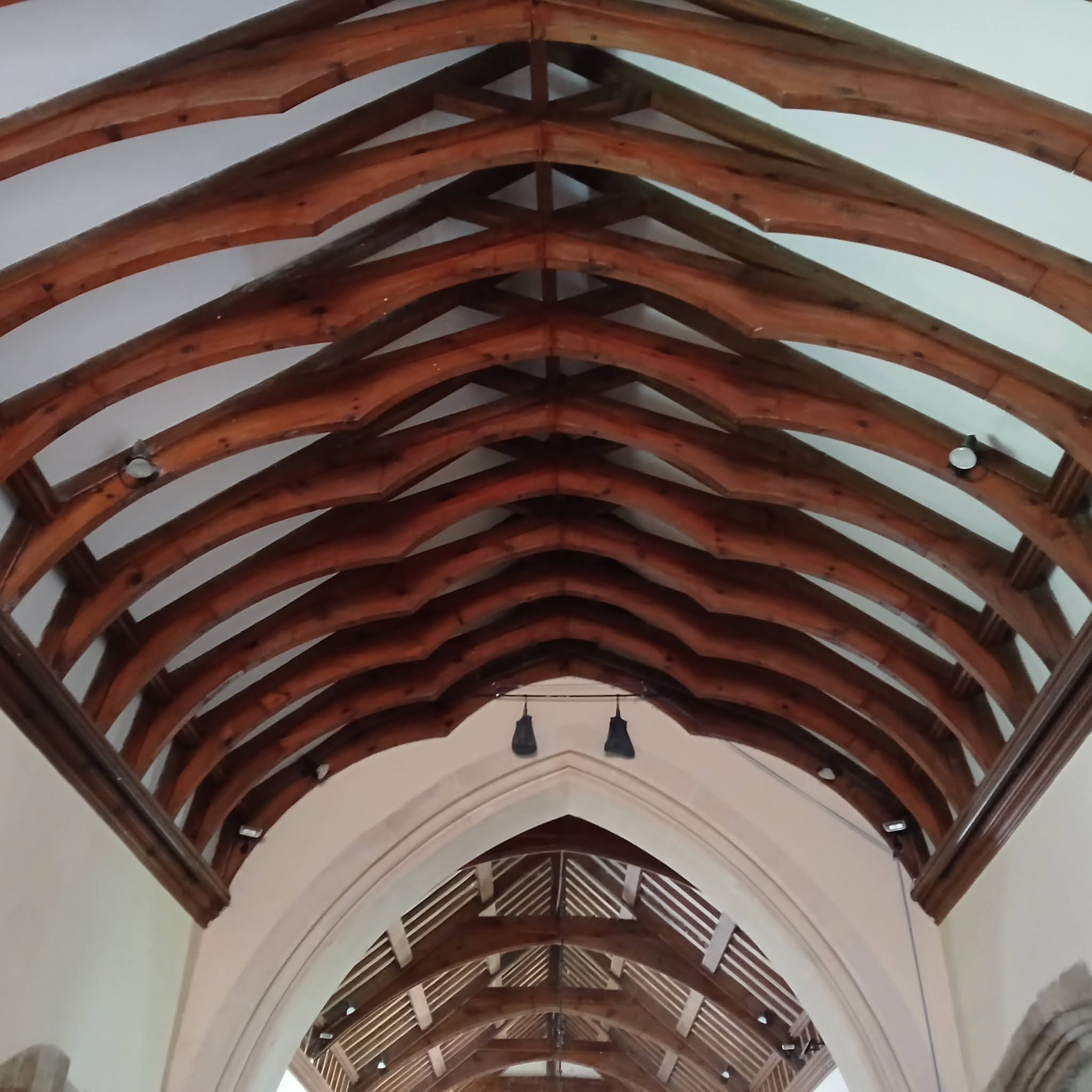
The church as it stands today has a Norman tower and Tudor nave, but it was rigorously restored in 1864.
Legends abound here: one of the yew trees is called the Bleeding Yew, and has dark blood like sap that oozes year round. And the first cuckoo of Spring is supposed to sing from Nevern Cross on 7 April, St Brynach’s Day.

