Tim Rushton and m’self were cycling from Fishguard to Aberystwyth, as we have in previous years, taking the train from Stockport and setting off on our way through Pembrokeshire and beyond. Modern pilgrims crossing the ancient pilgrim’s route.
This was the second day of our tour, from Aberteifi to Lllandysul.
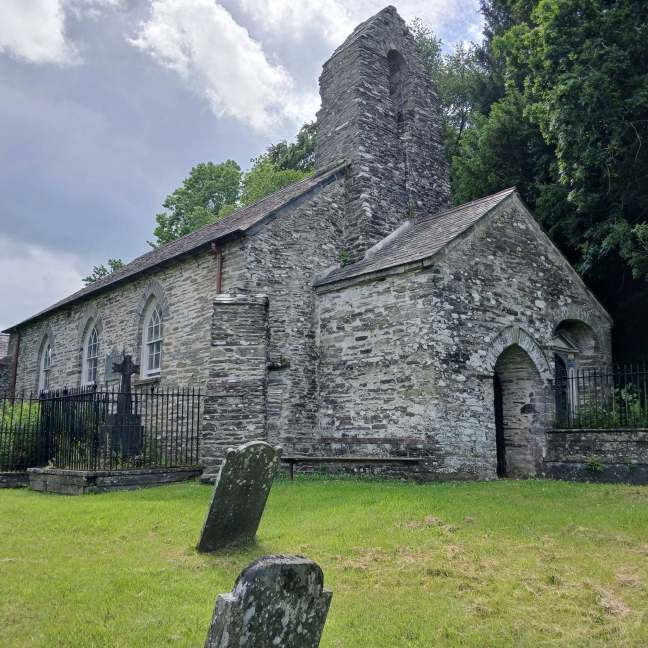
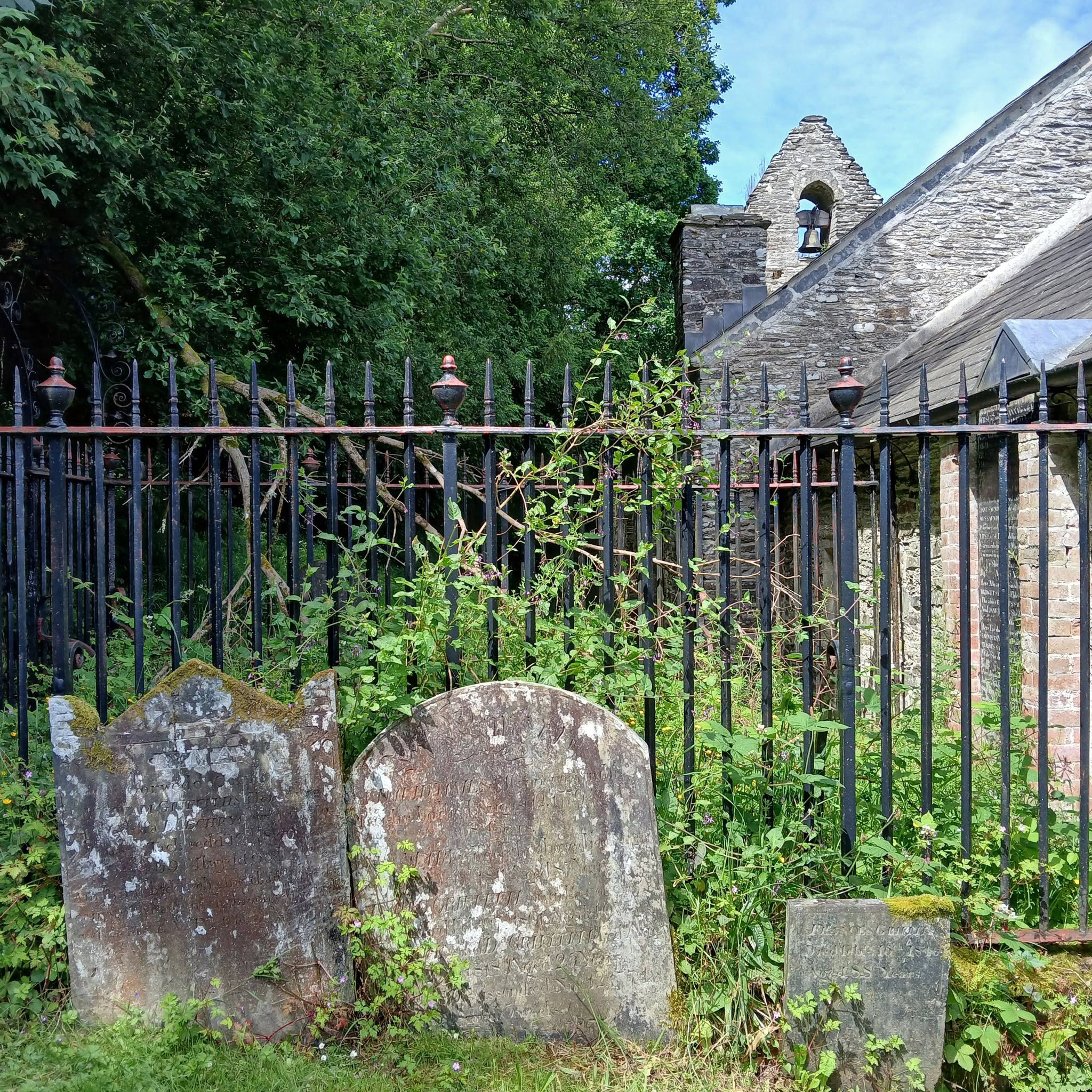
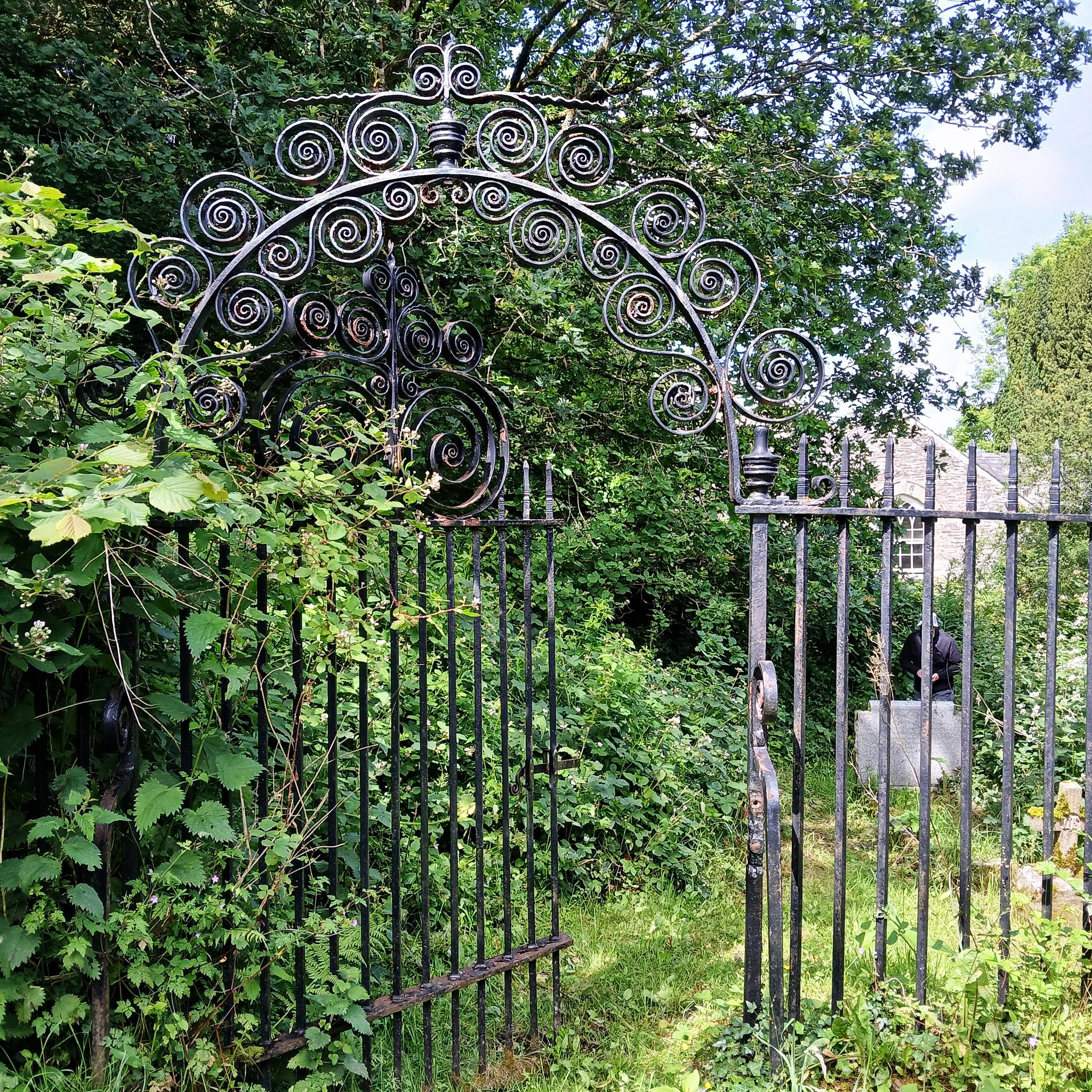
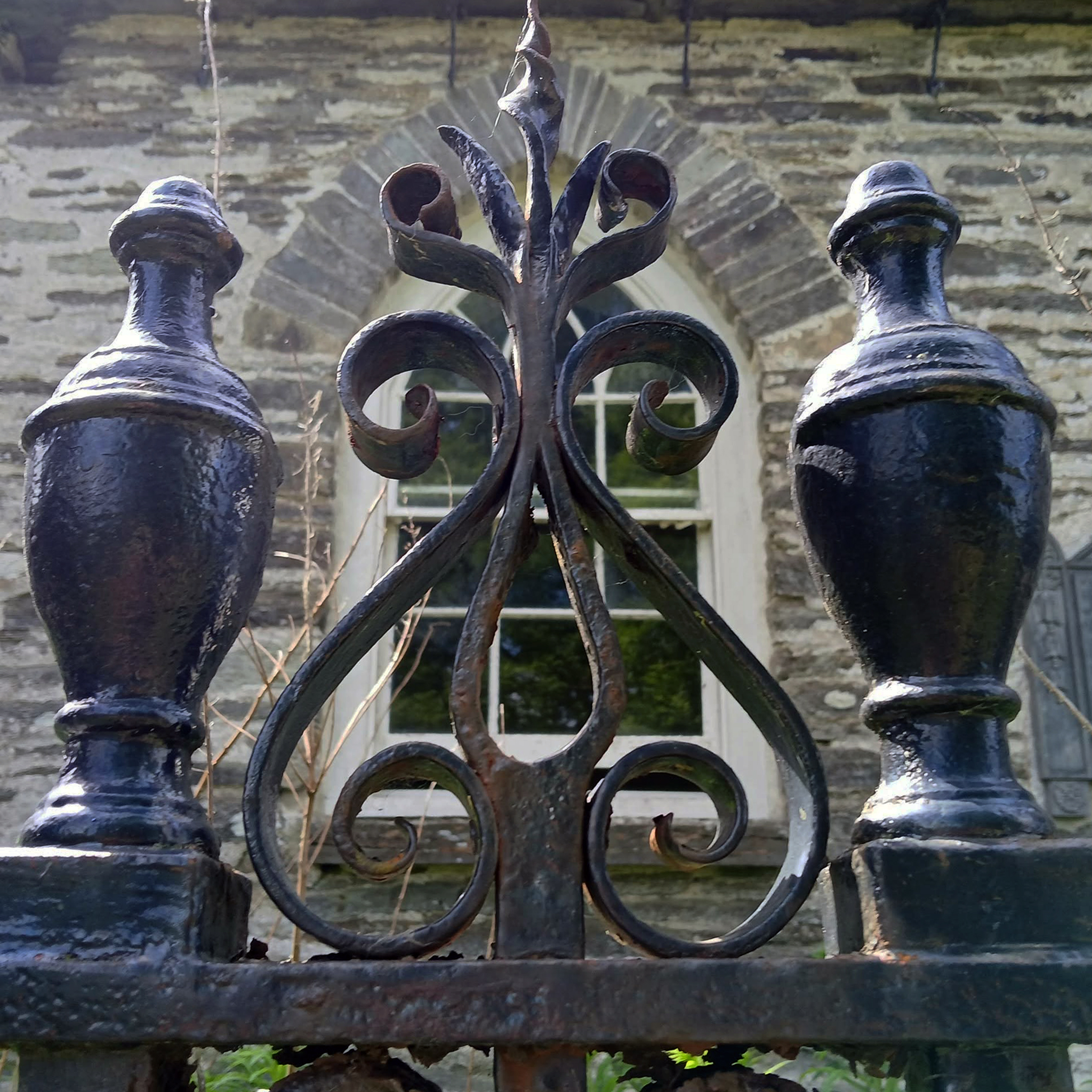
At the end of a long lane that follows the Afon Teifi we saw this low stone church, tucked beneath the rising landscape to the right.
We both share a love of architecture and vernacular churches in particular – Tim, illustrated below, has produced a book on Welsh Chapels.
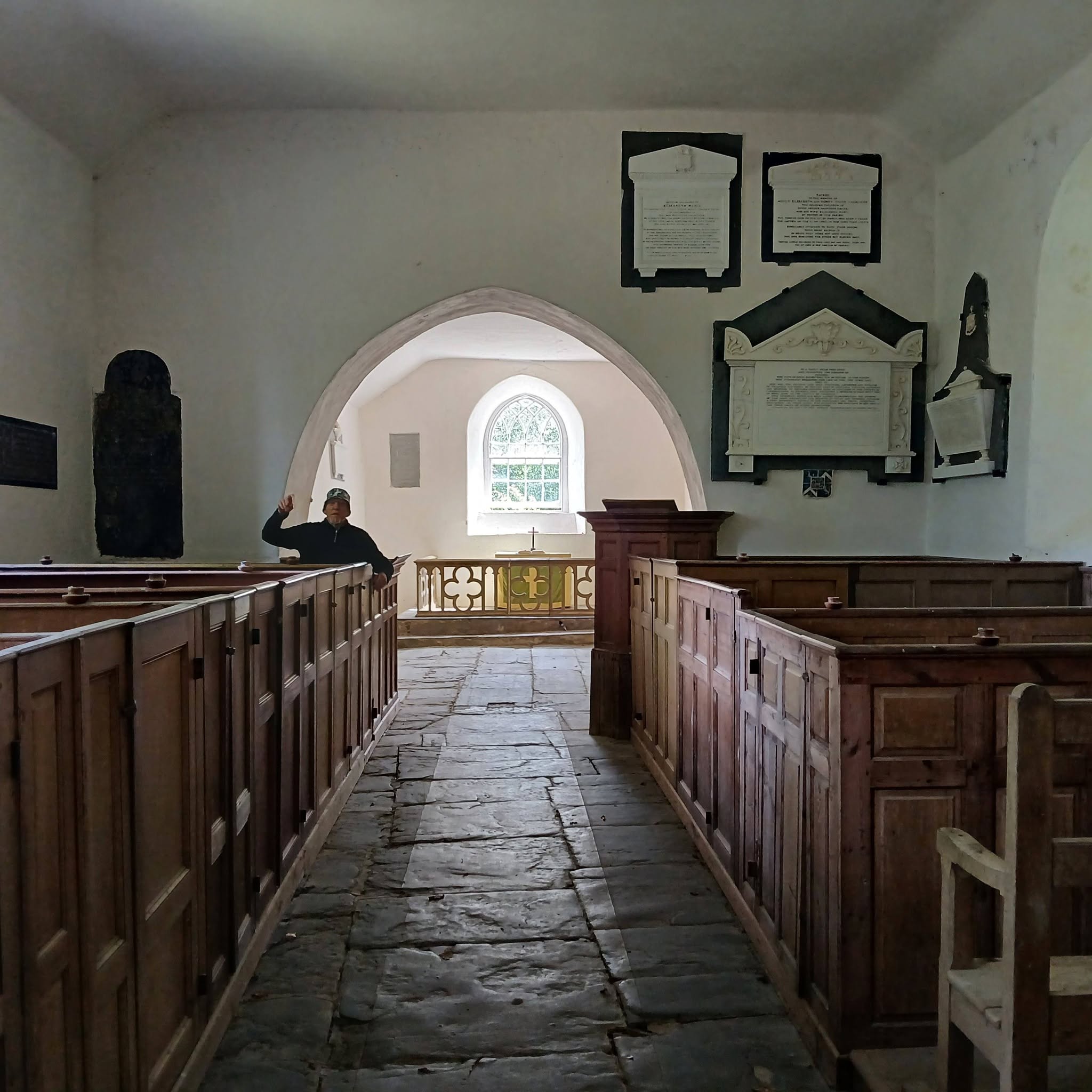
So we stopped to take a look around.
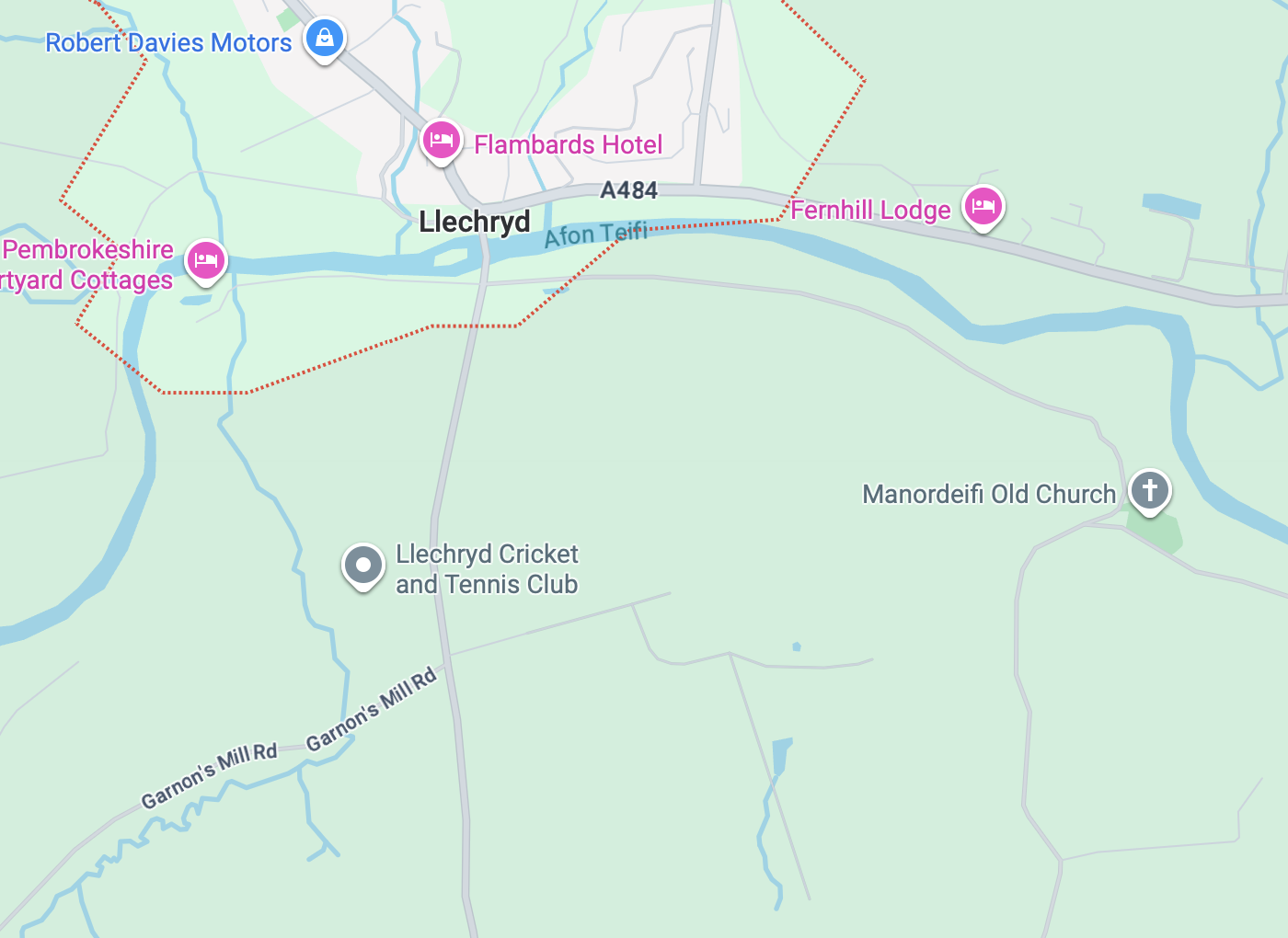
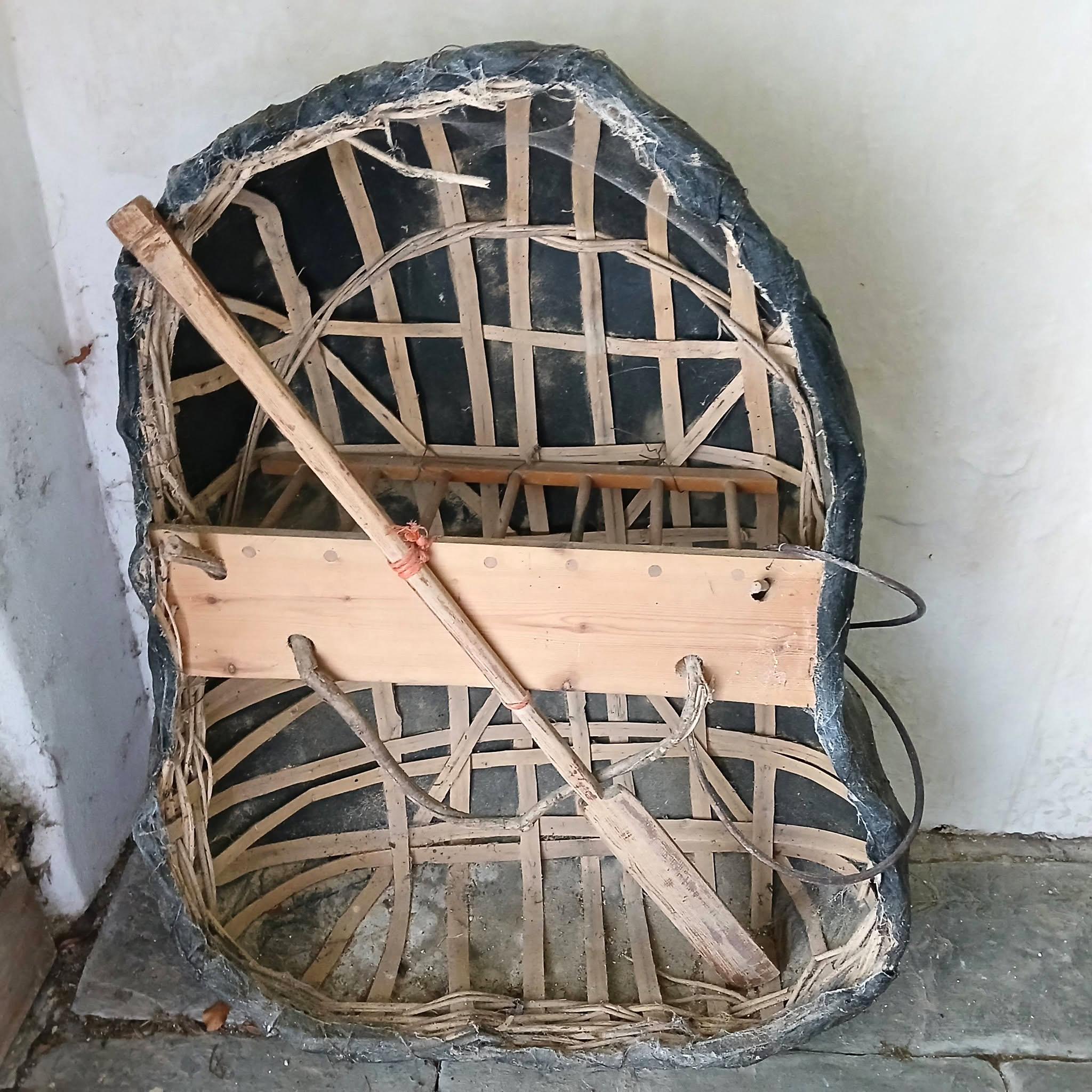
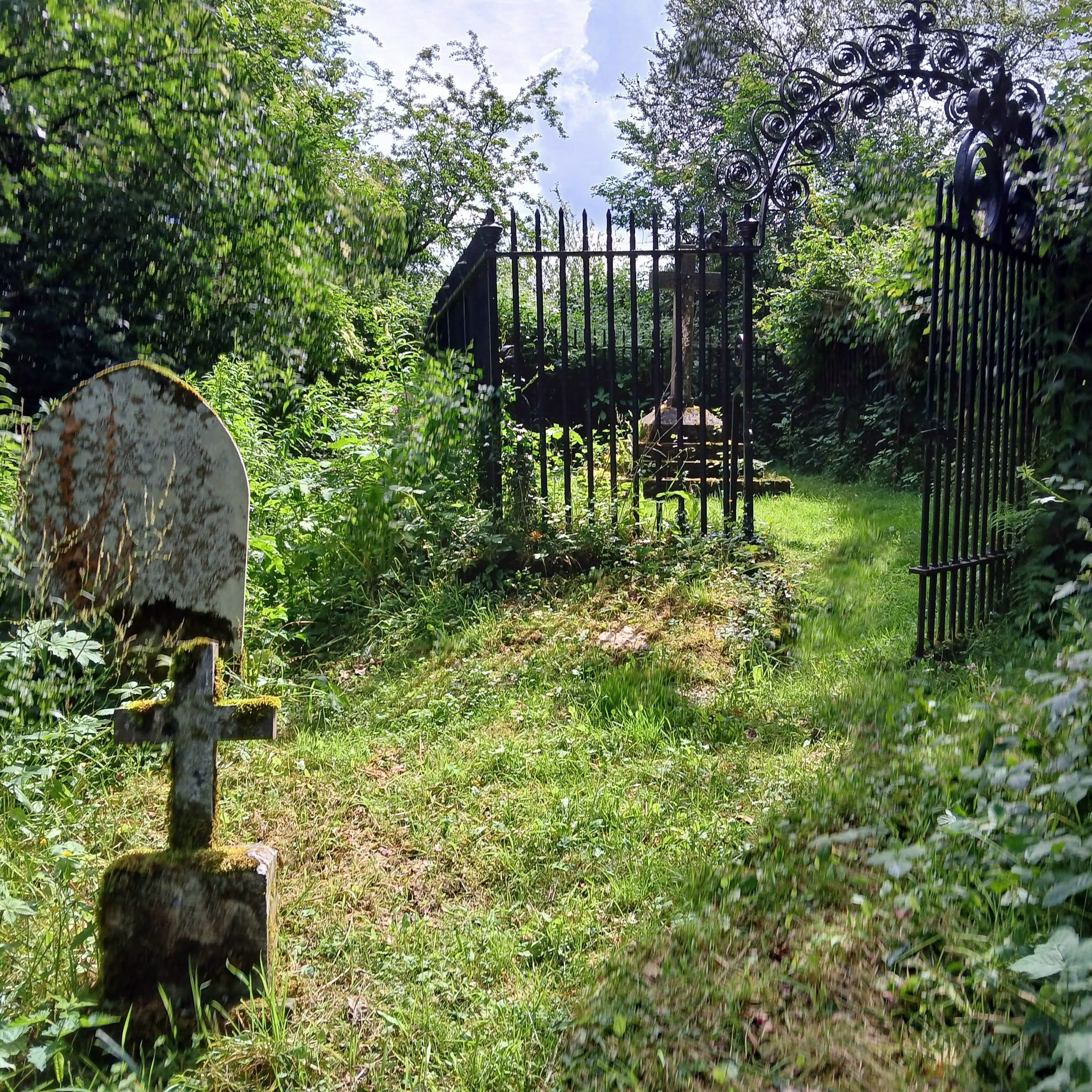
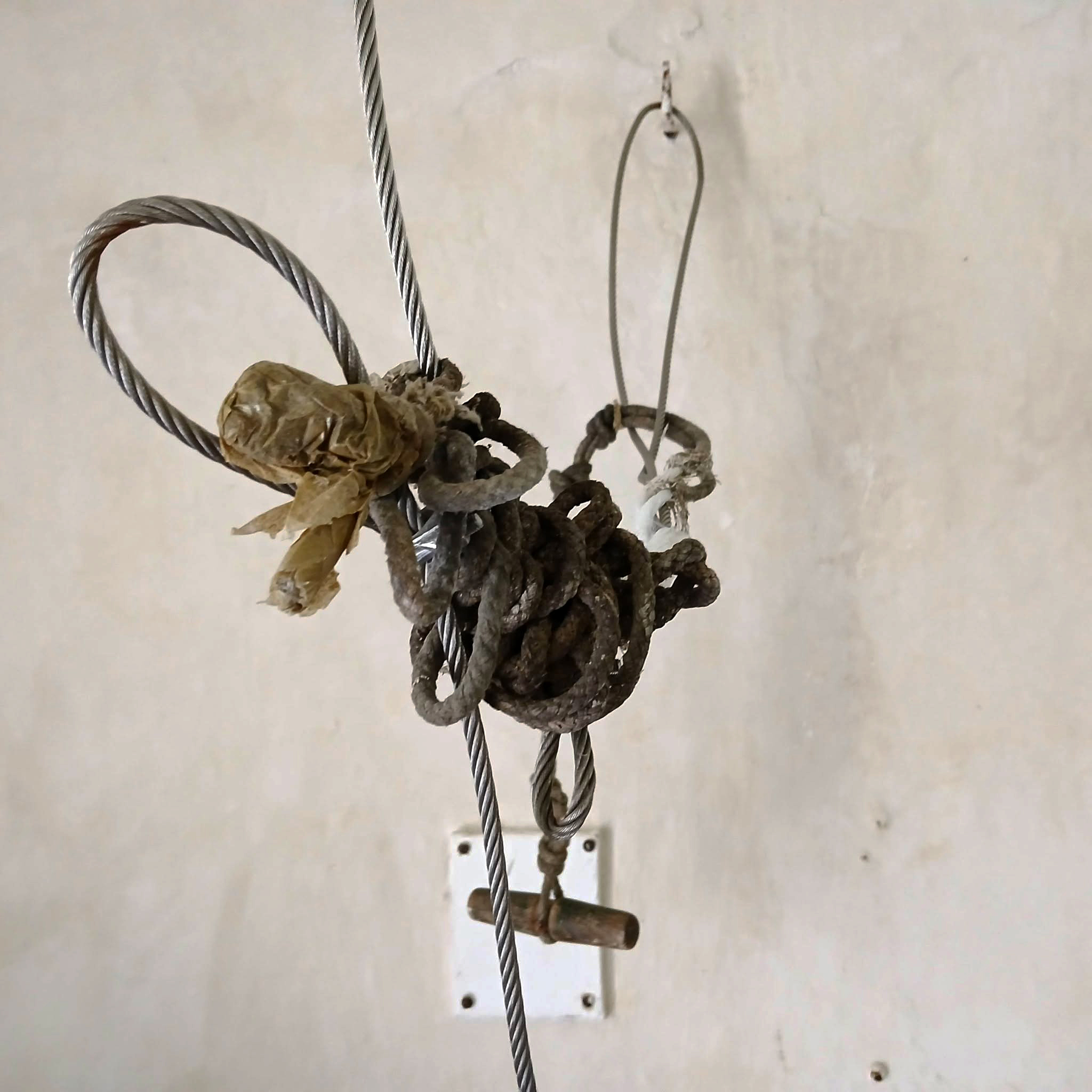
Old St David’s lies on the pilgrimage route to the cathedral of the same dedication and next to the Teifi River. Frequent flooding led to a new church being built on the other side of the river in the 19th century. It also explains why the church has its own coracle, which once ferried worshippers to and fro during a flood. Unfortunately, the church is still prone to flooding, most recently in September 2021.
This is a reproduction as the original was stolen.
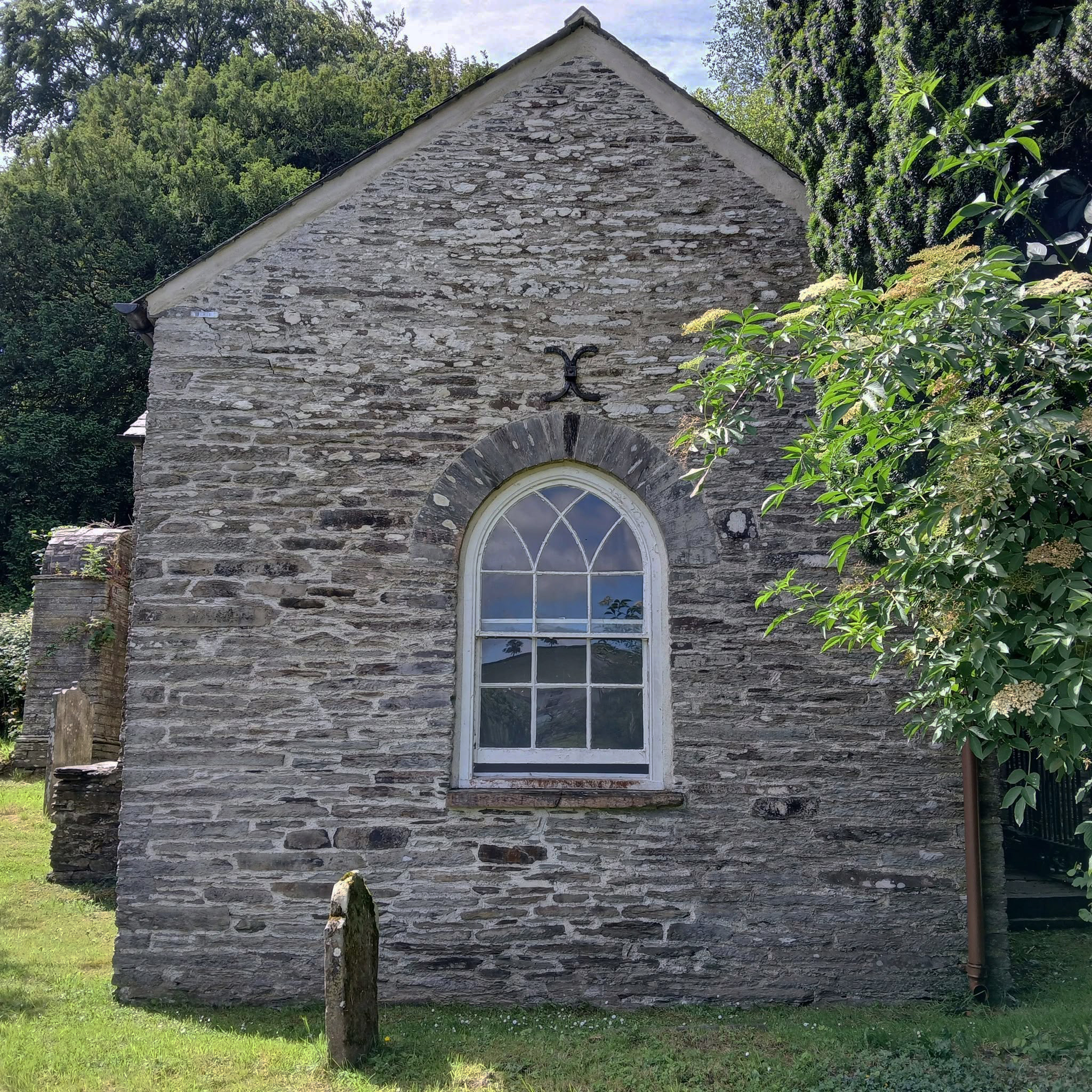
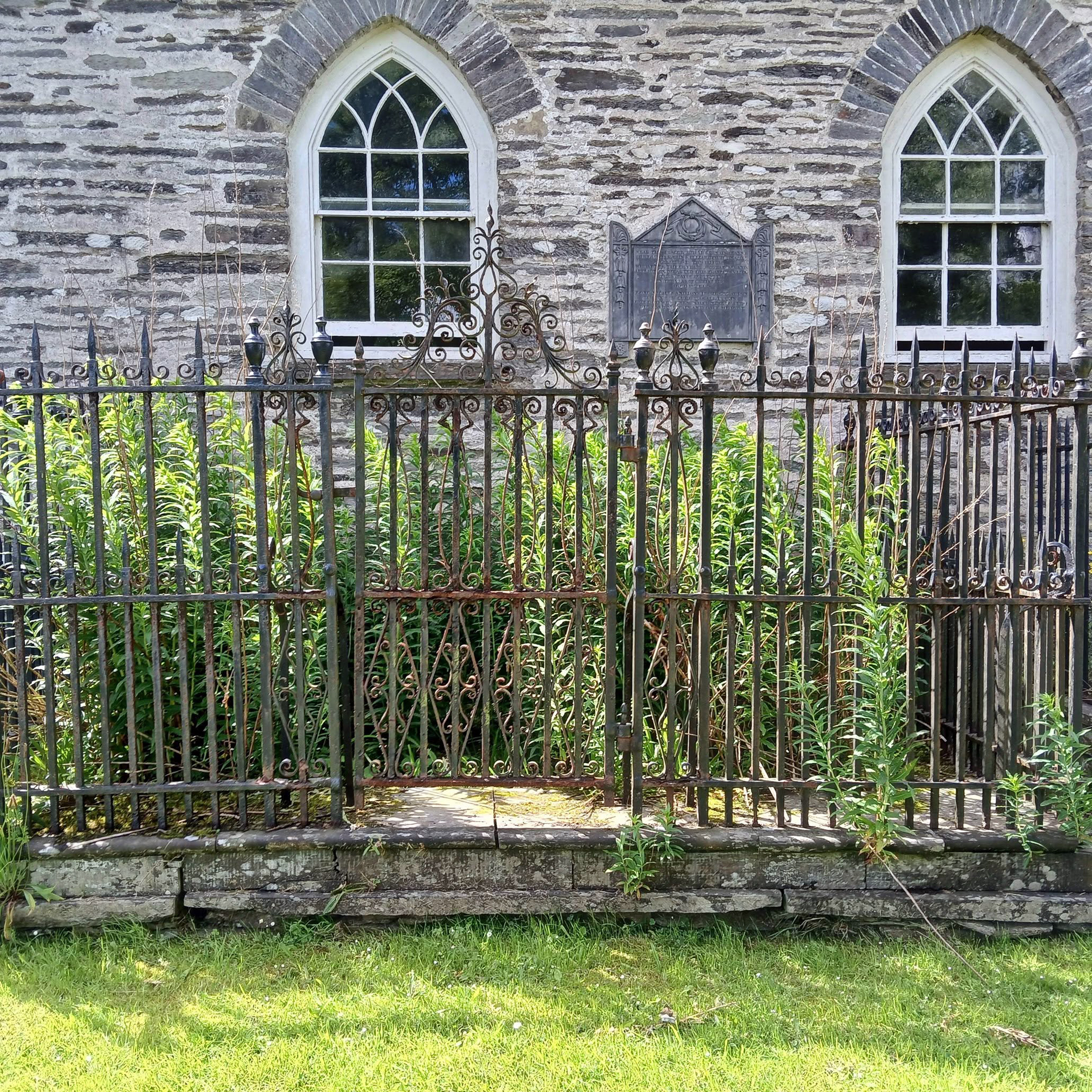
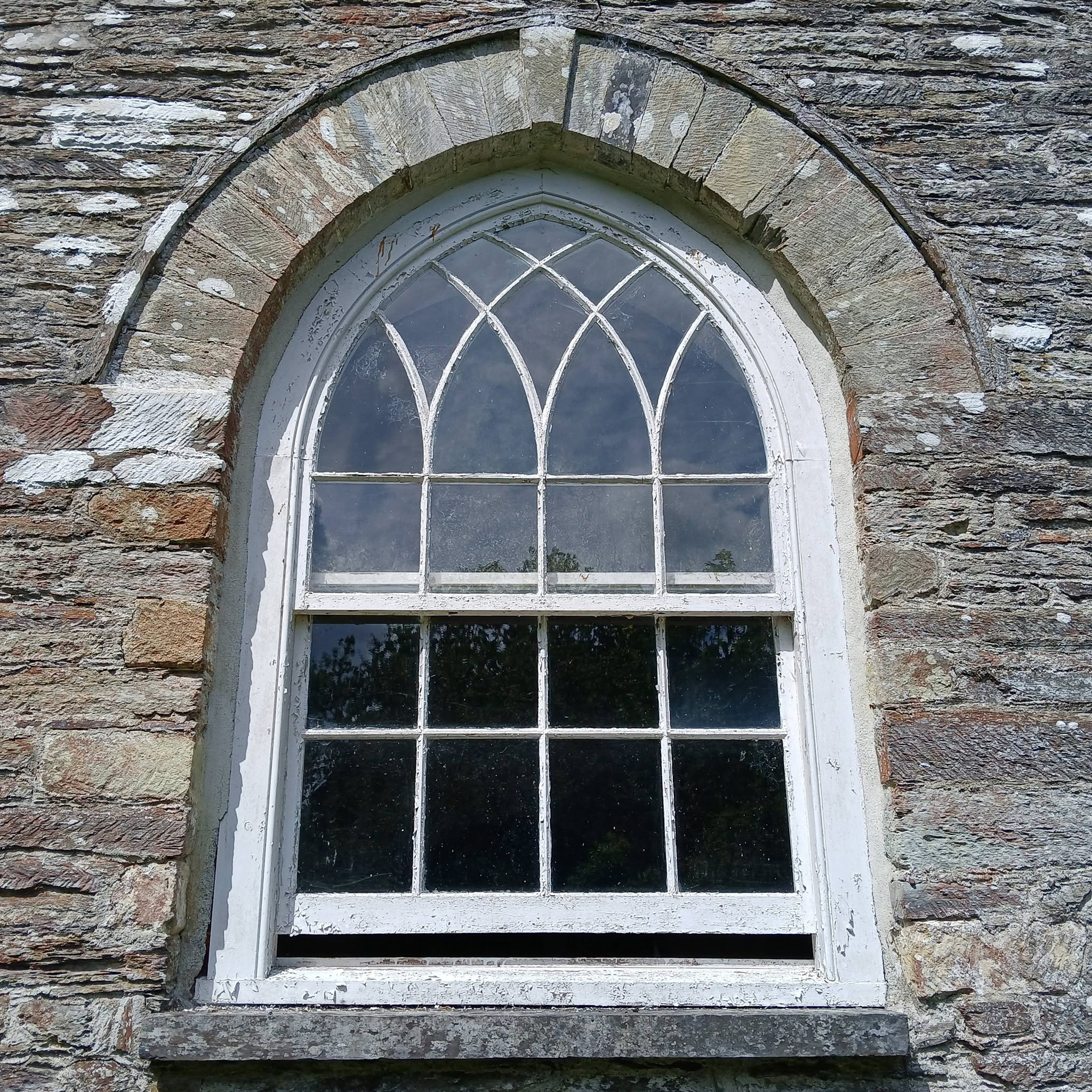
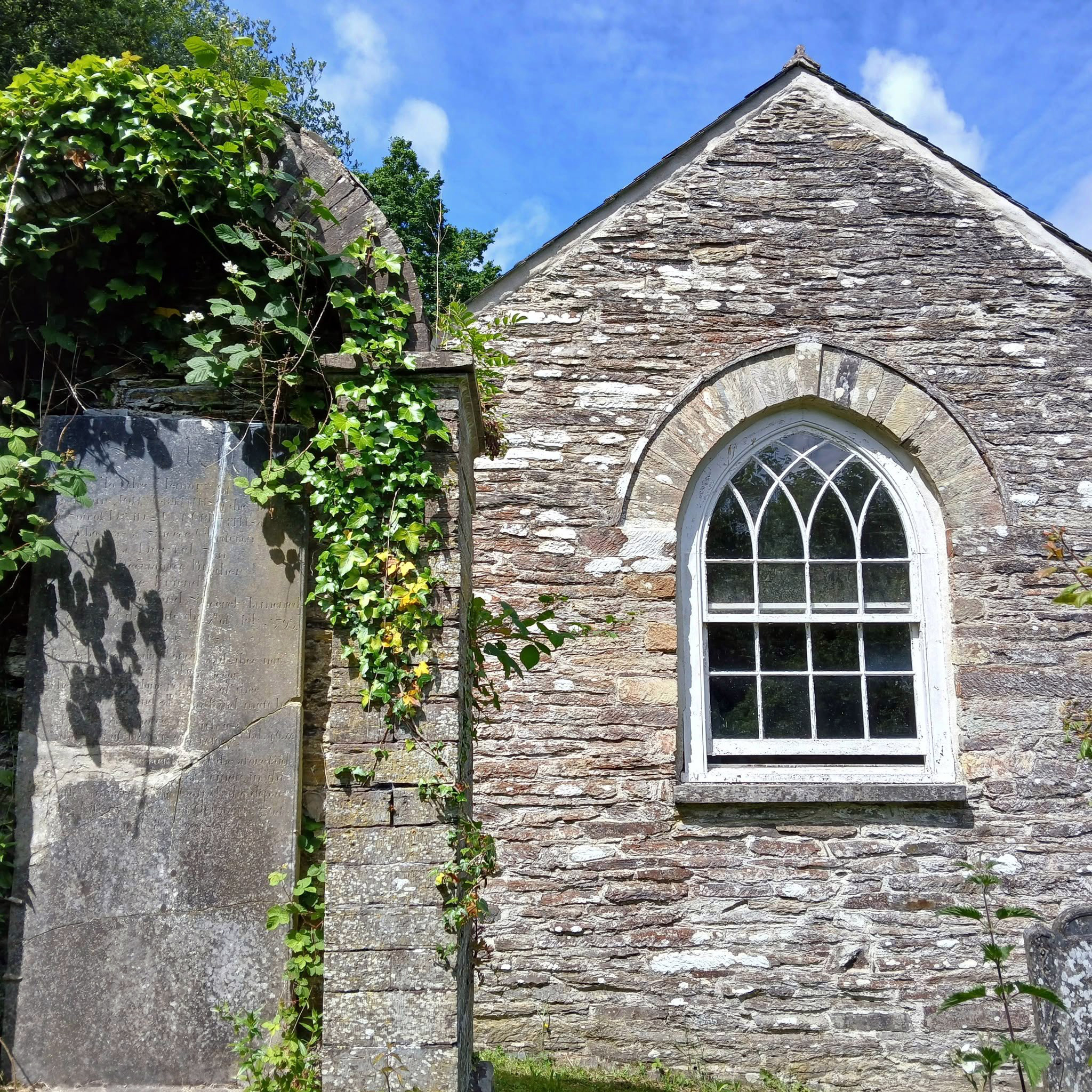
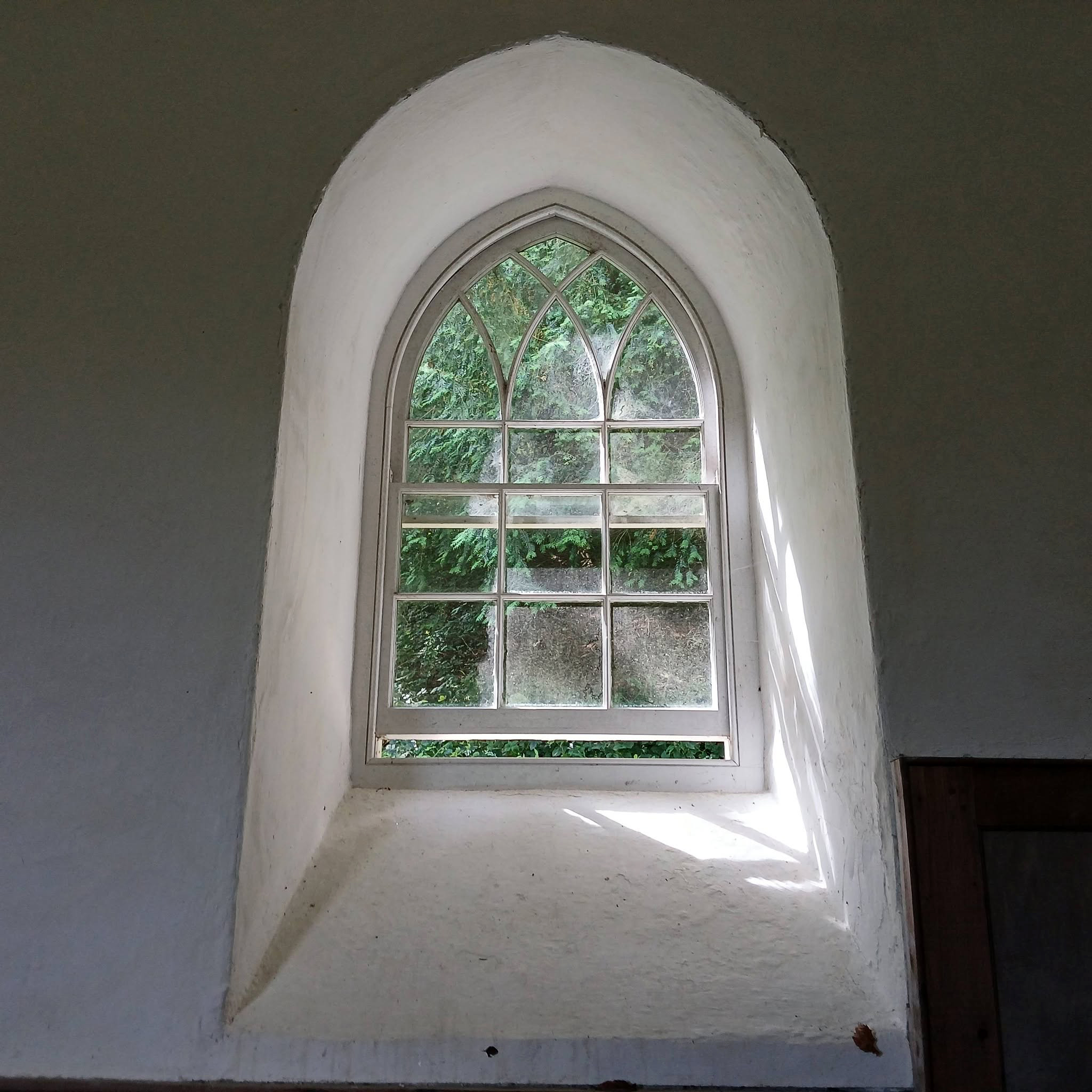
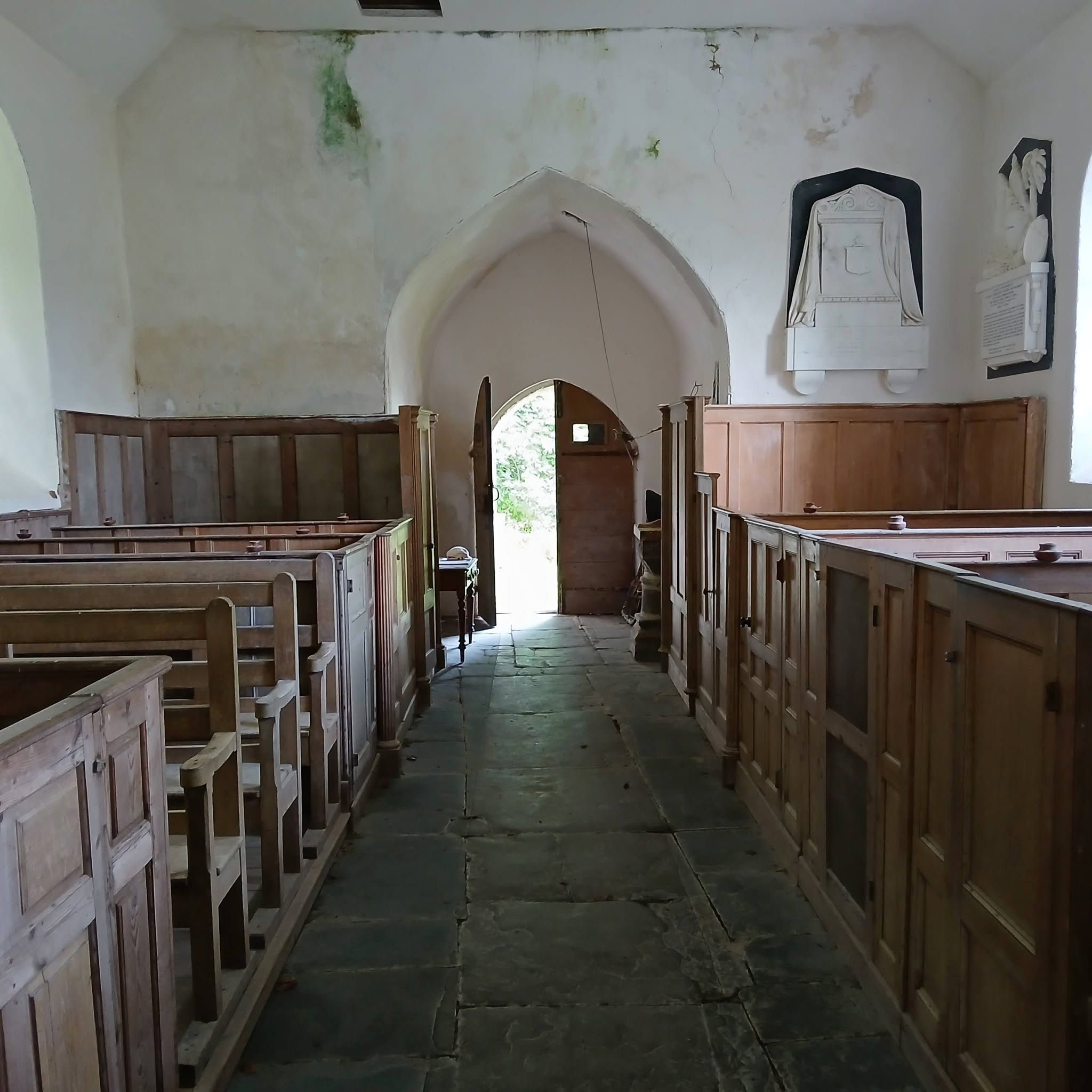
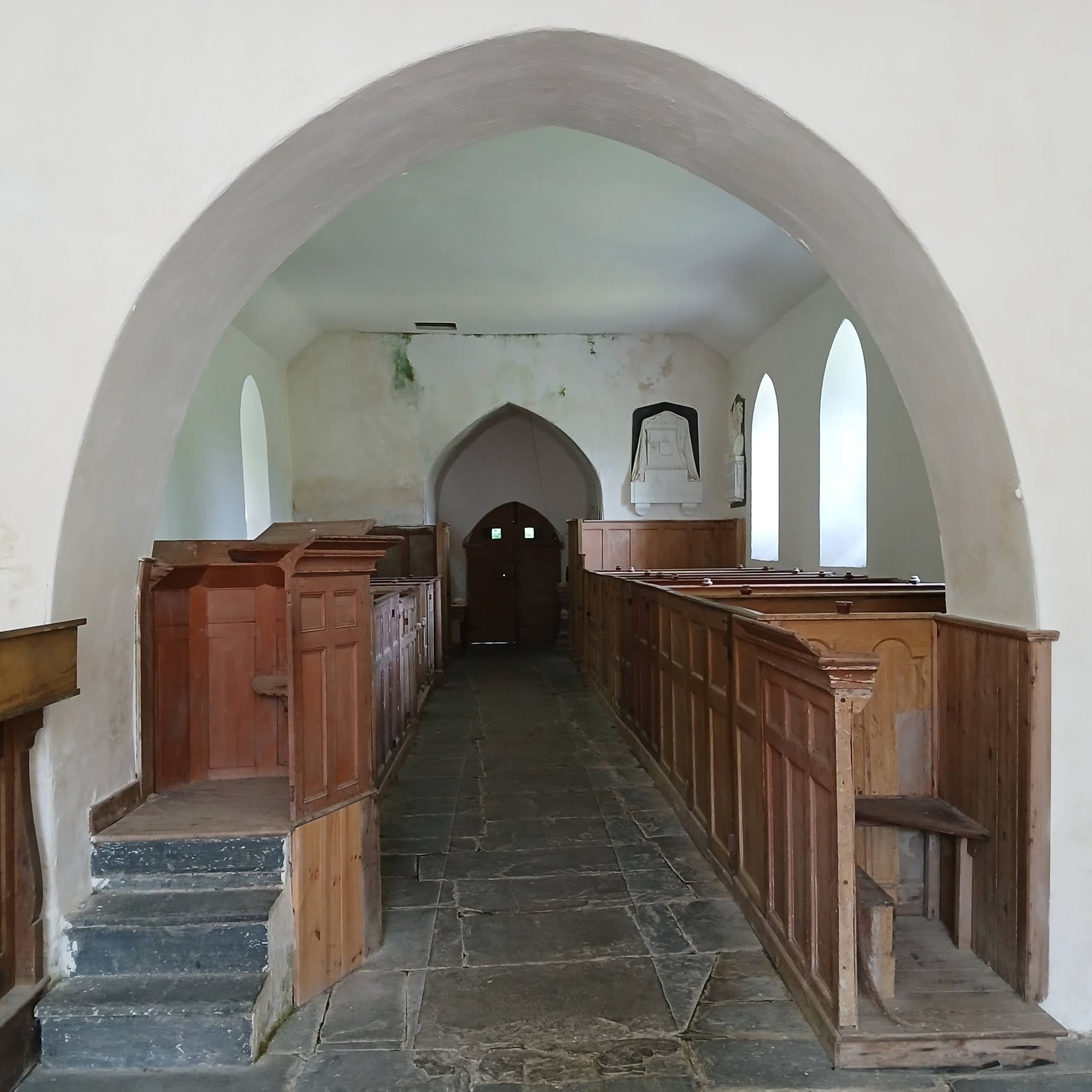
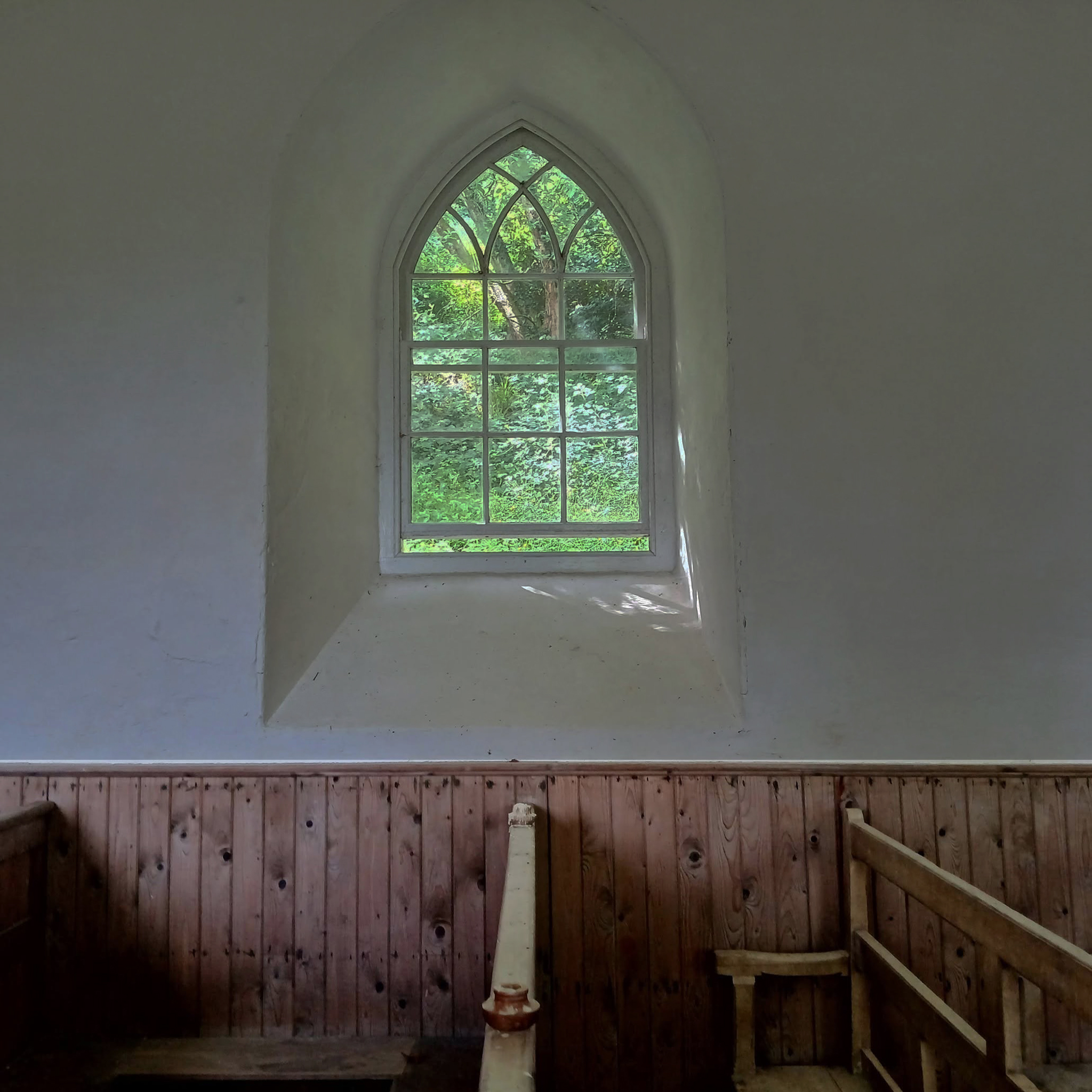
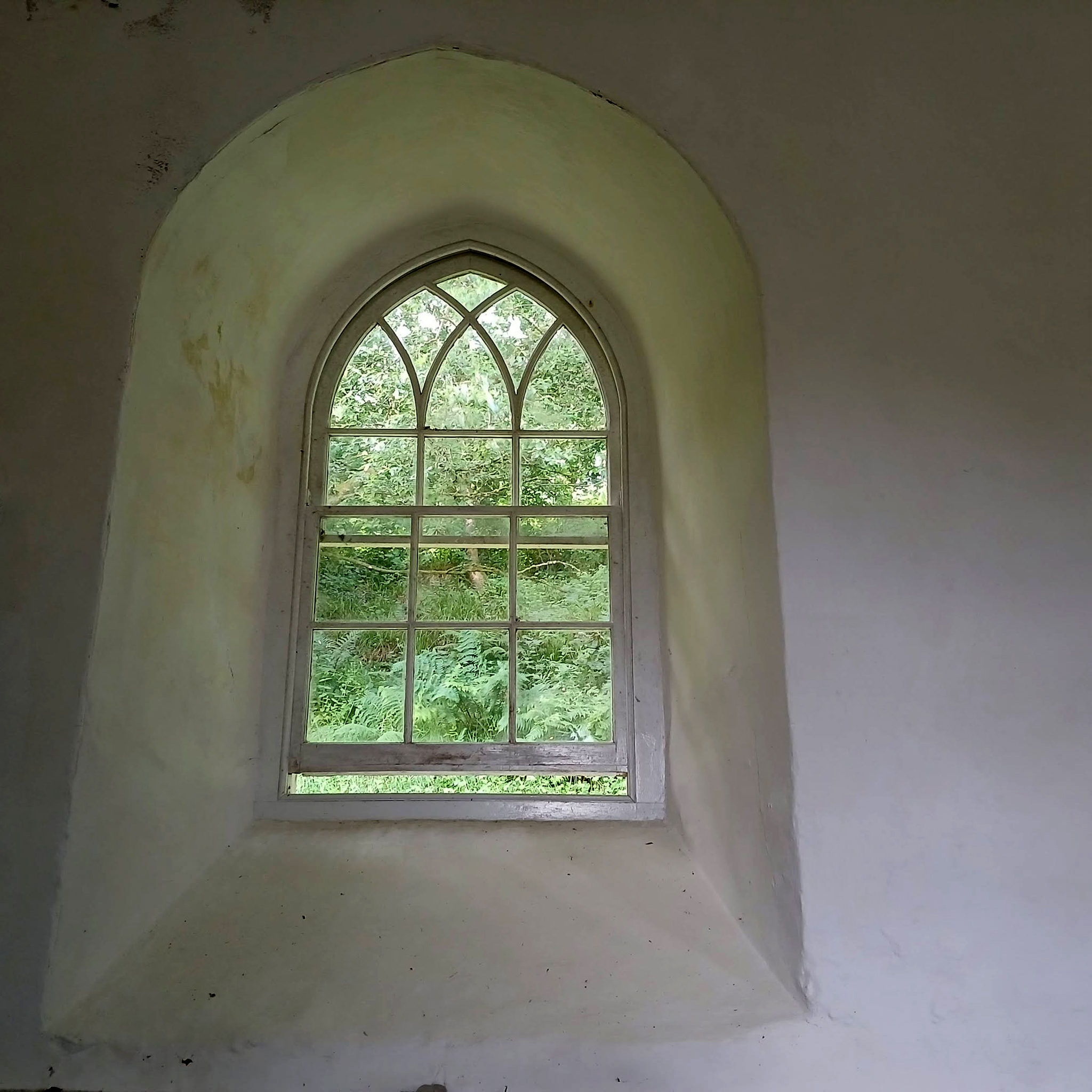
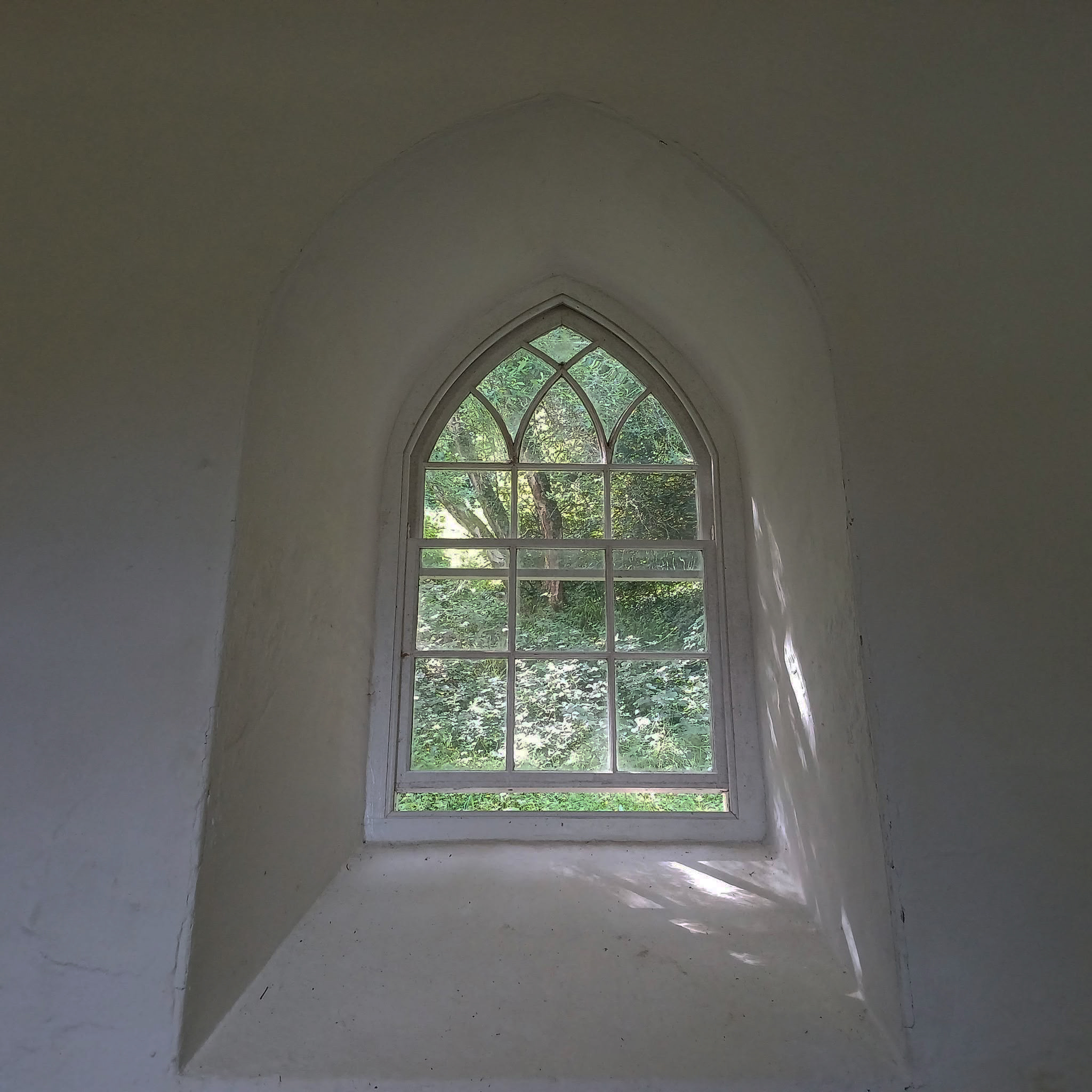
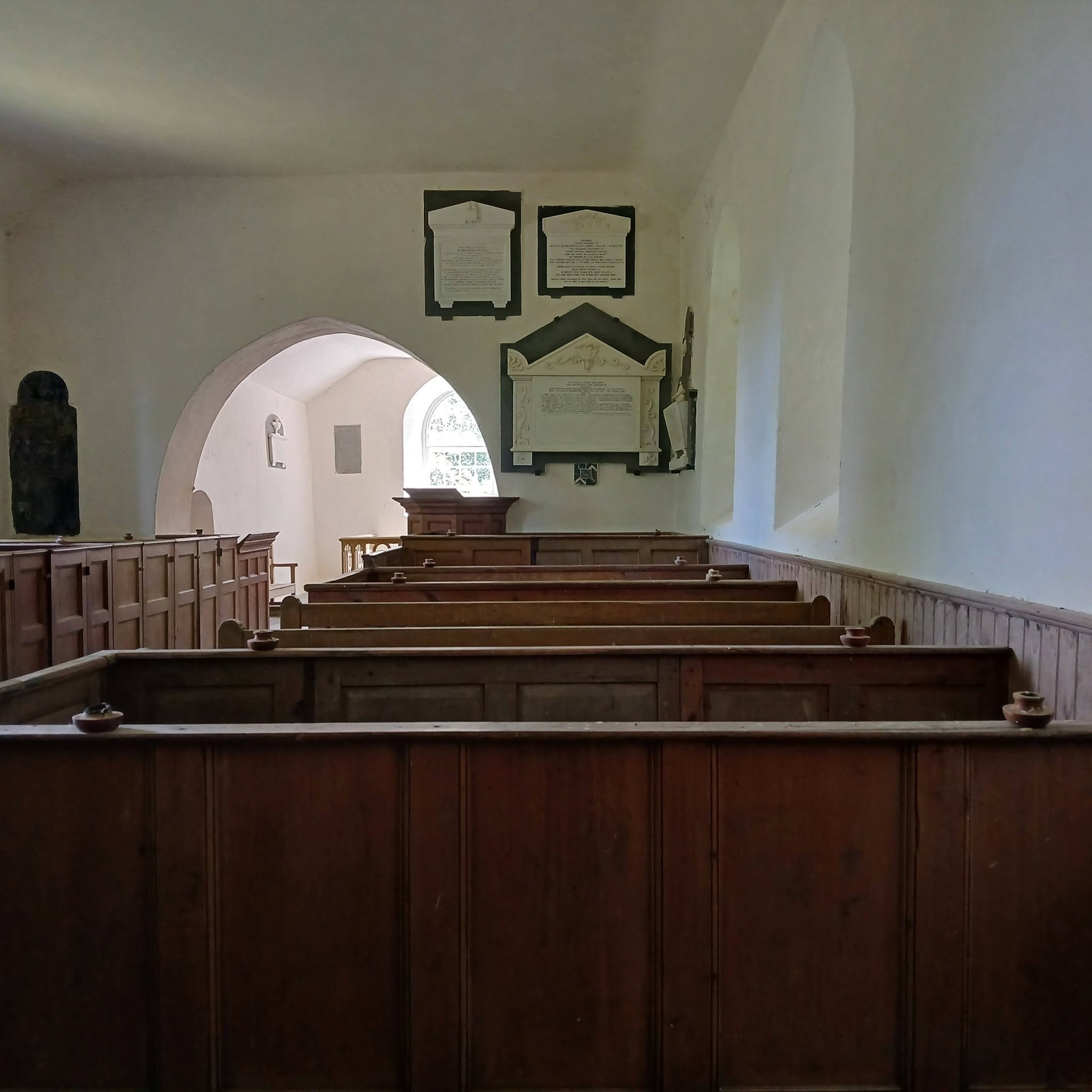
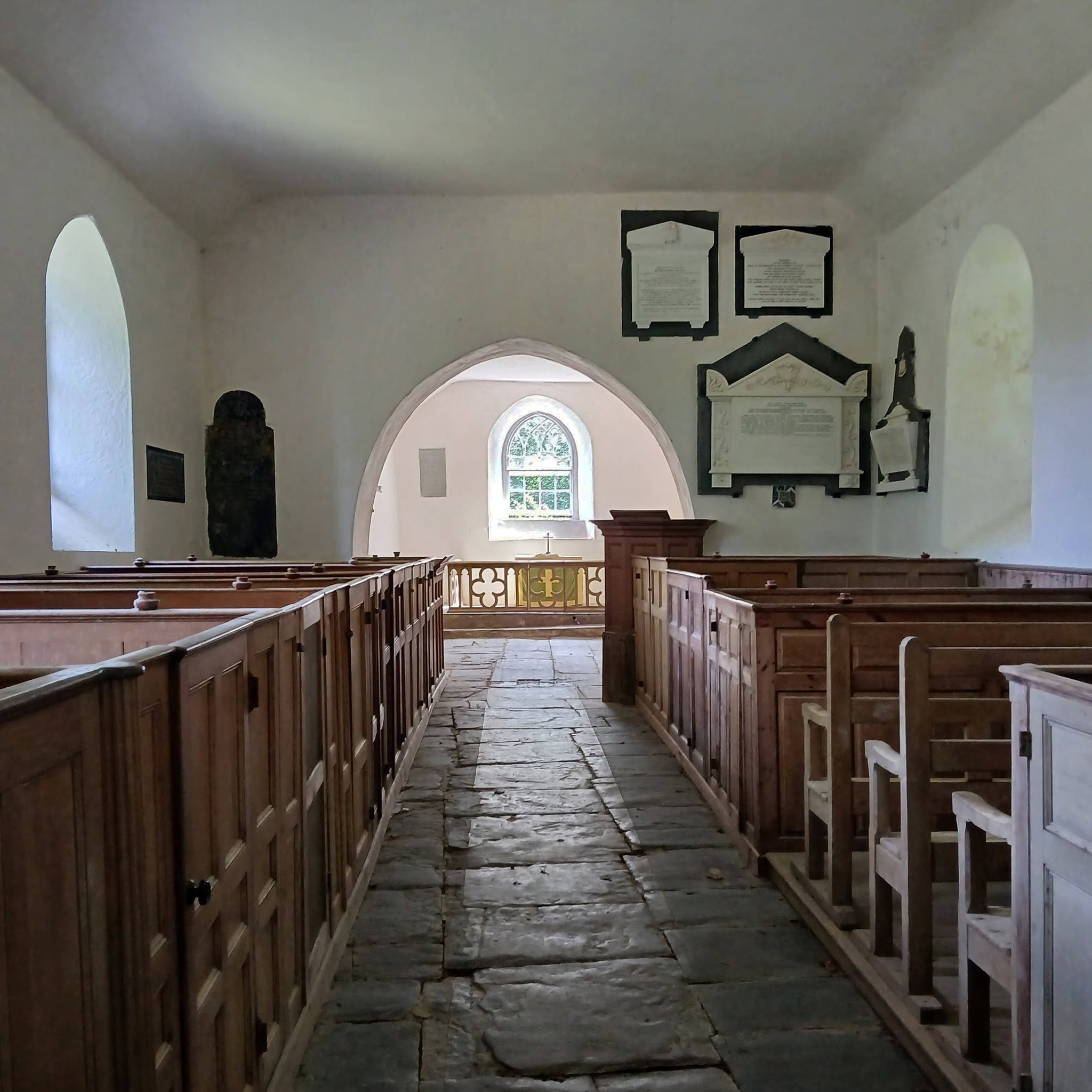
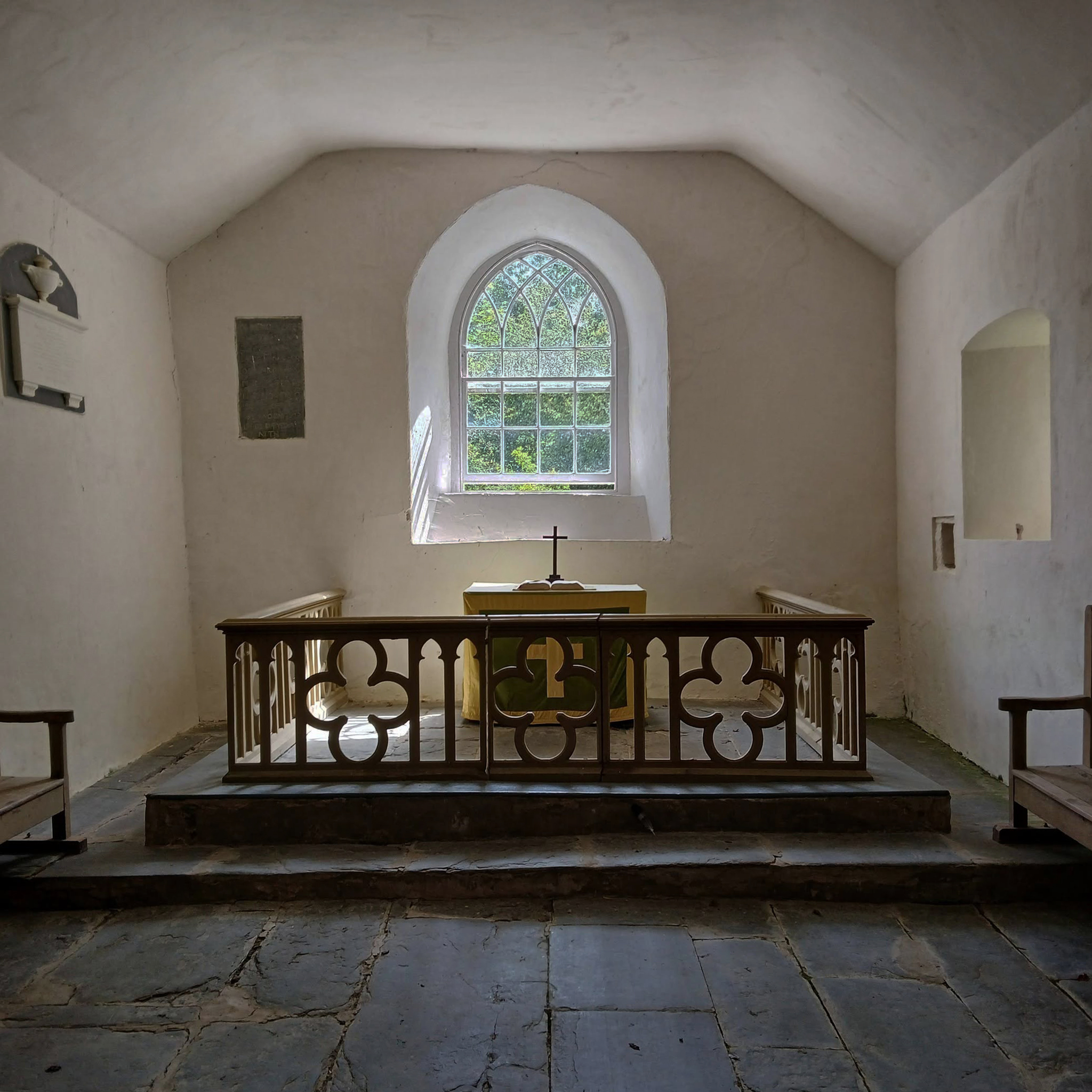
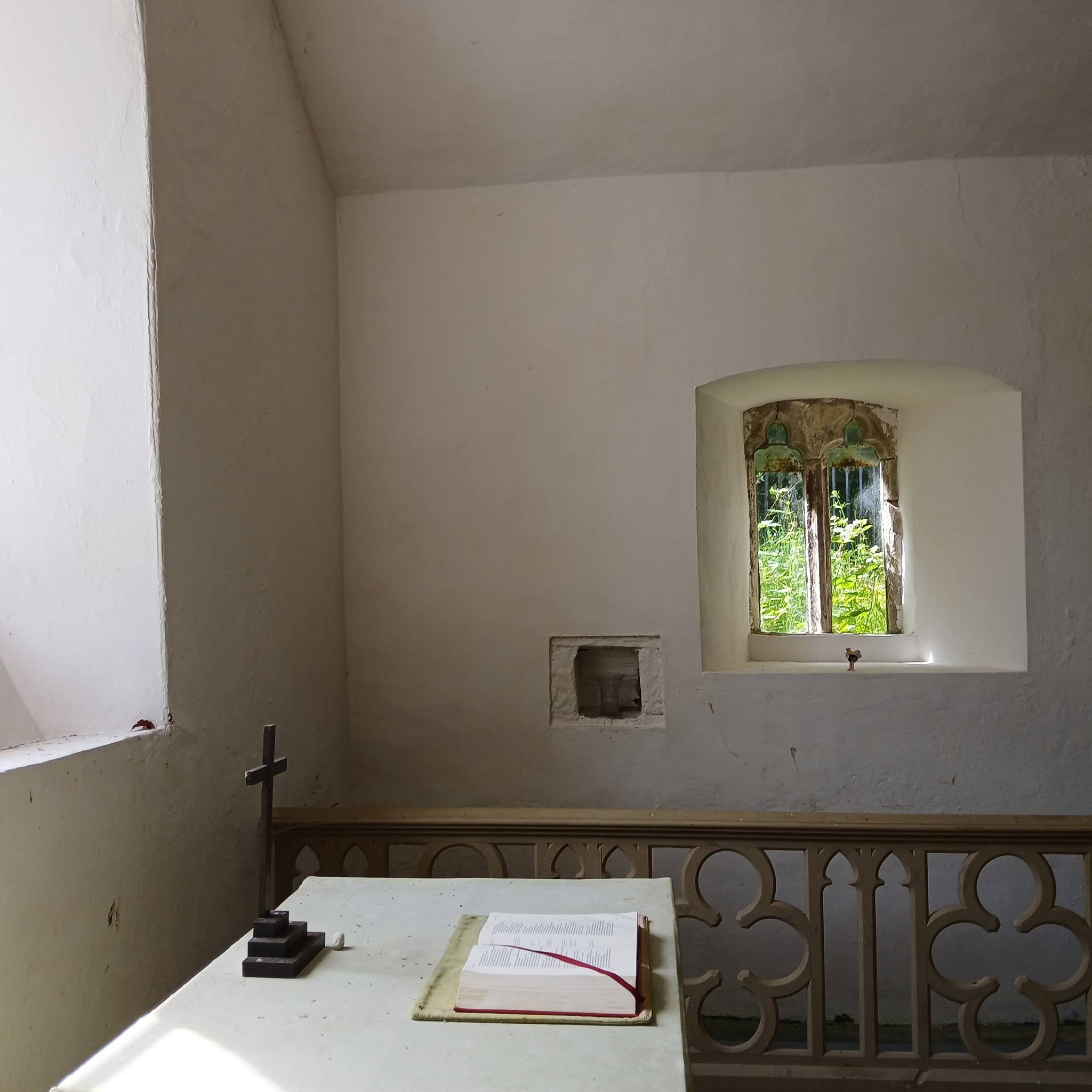
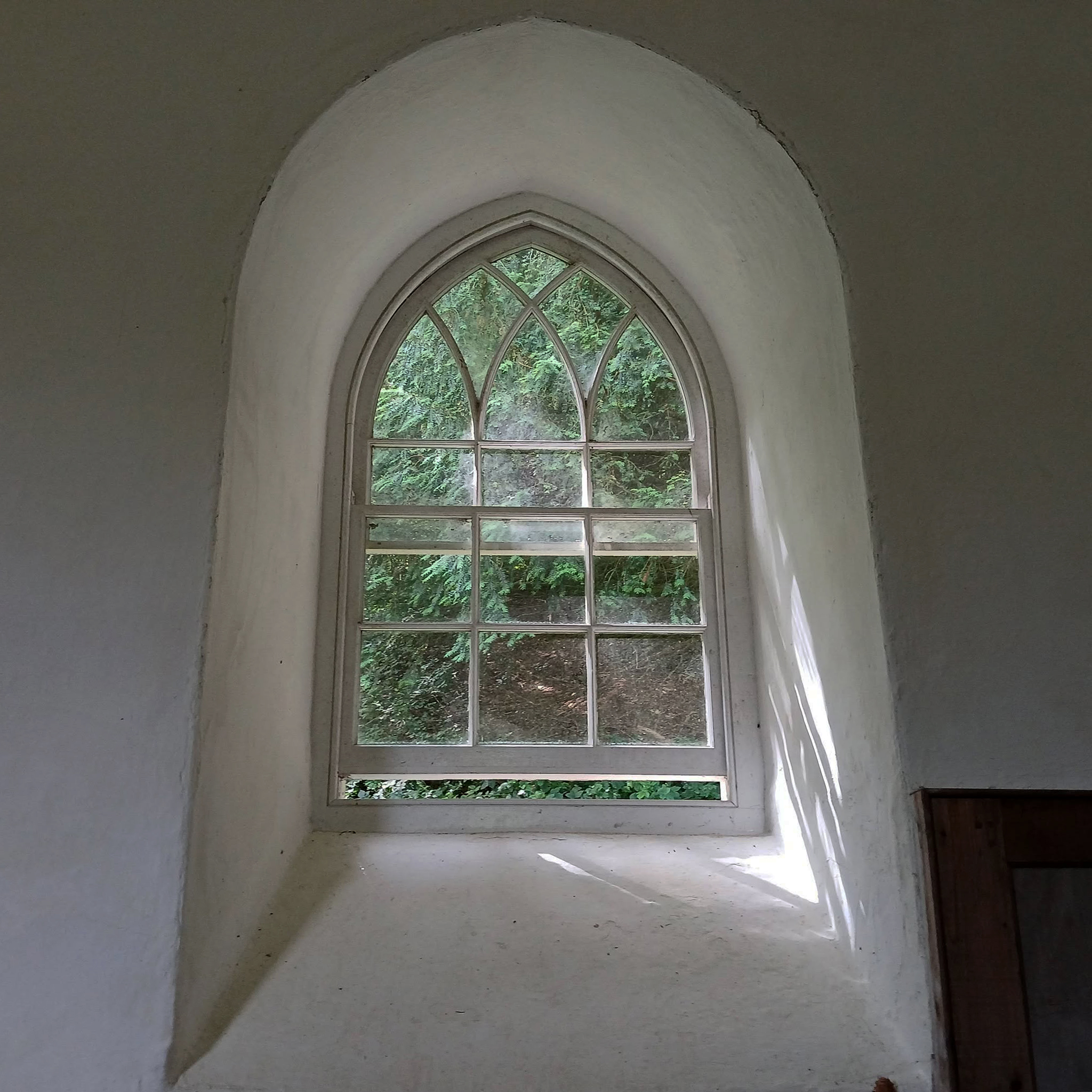
The church you see today is a 13th-century building, remodelled in 1847 to the elegant Georgian Gothick interior. This style was already out of fashion in more urban parts and by 1899, the church had fallen out of regular use.
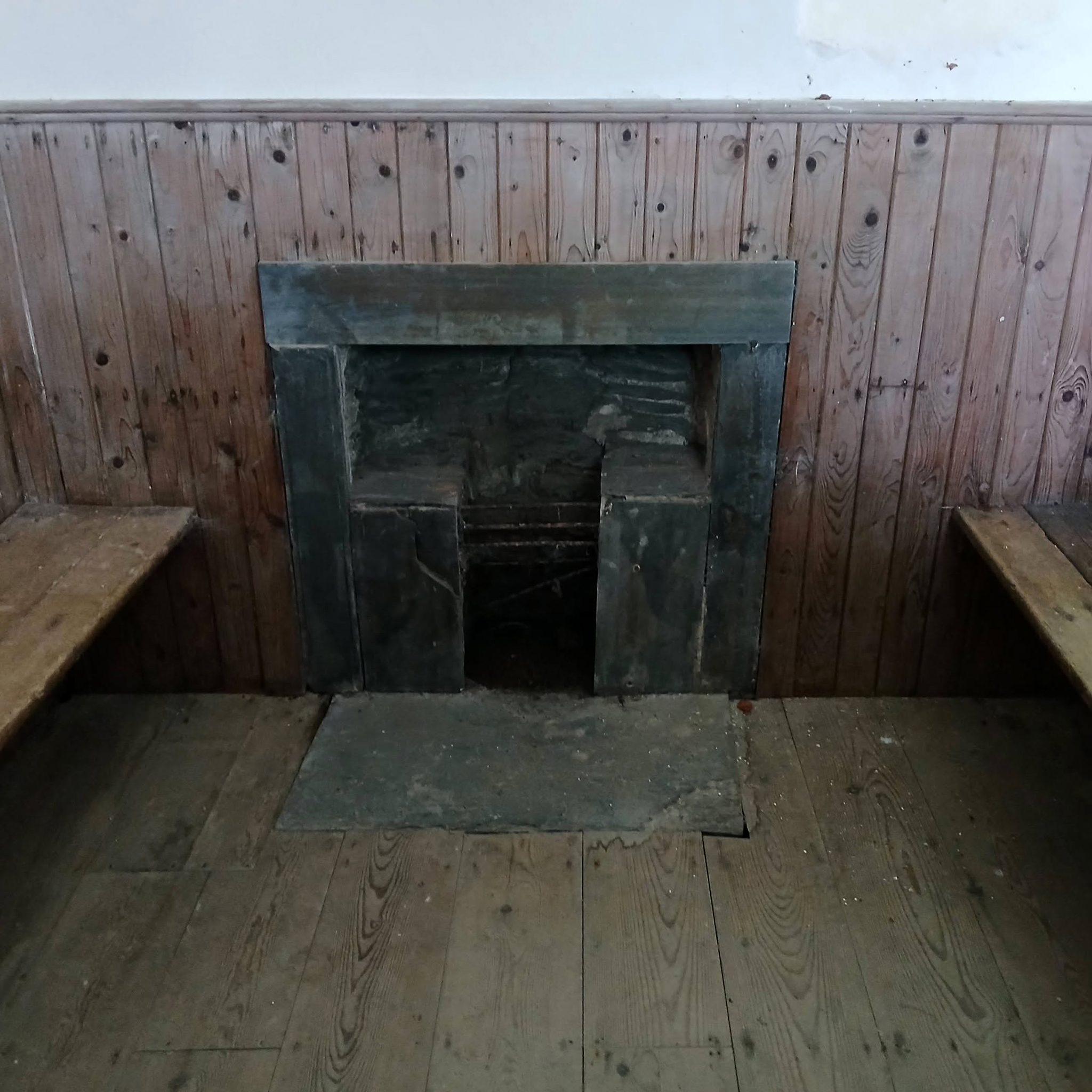
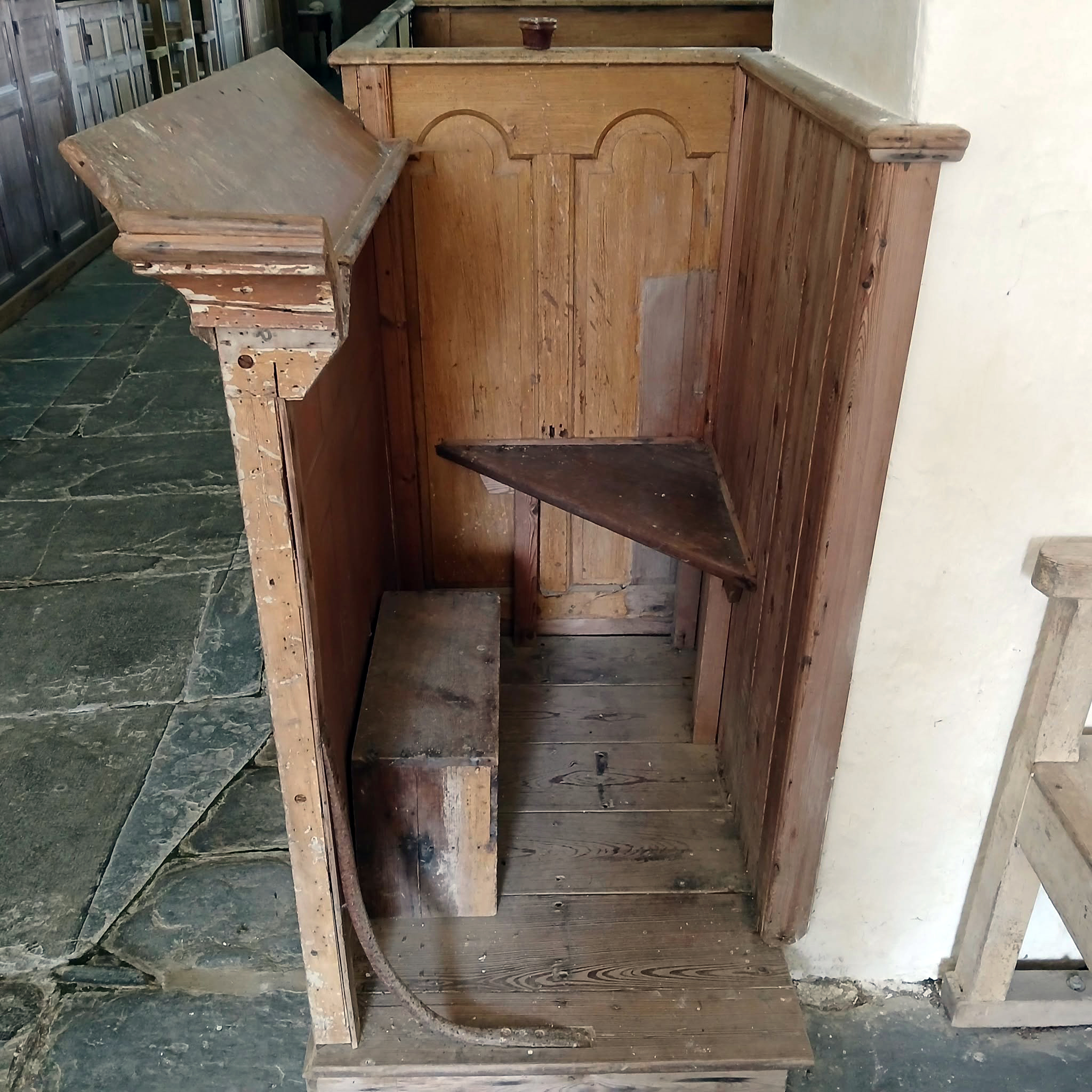
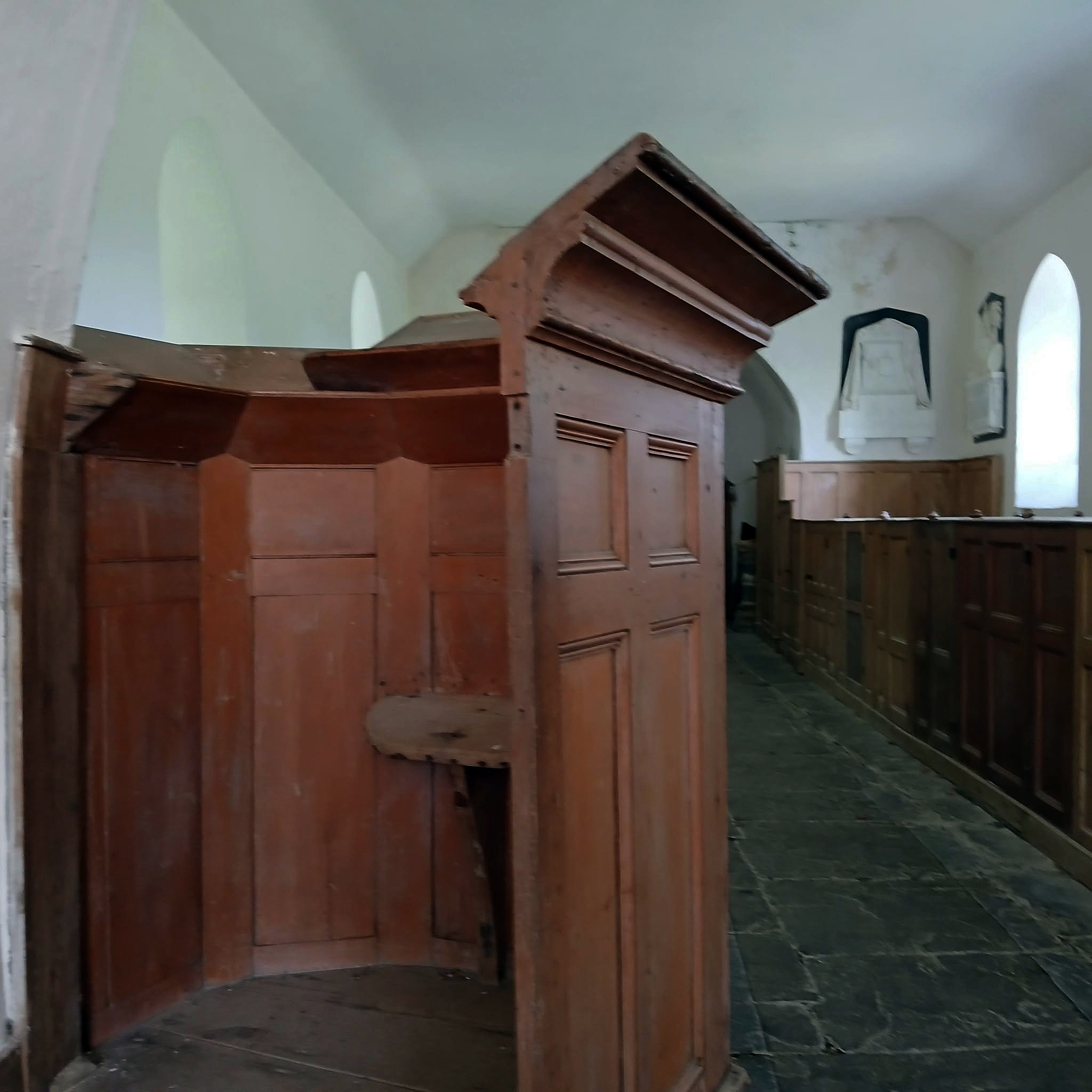
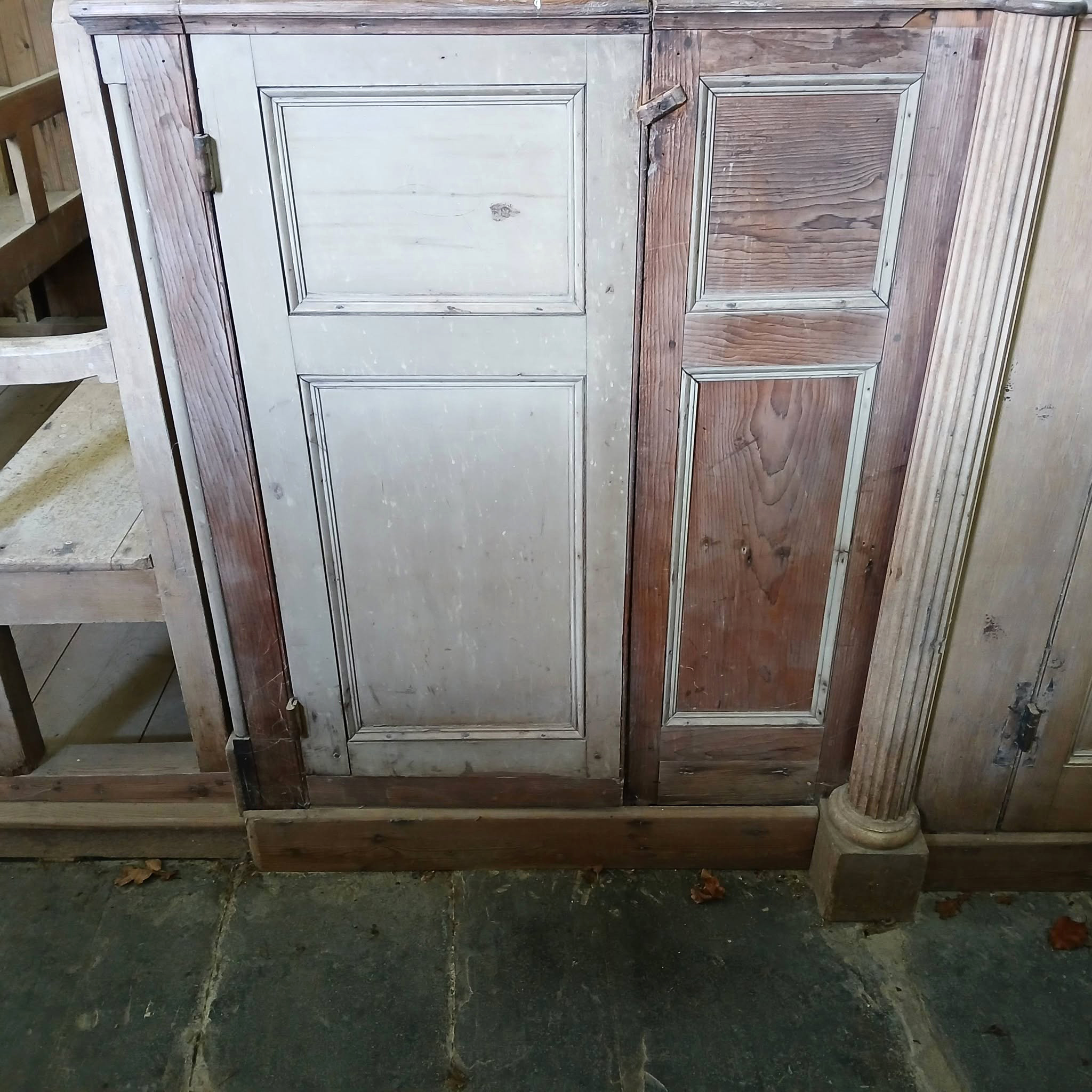
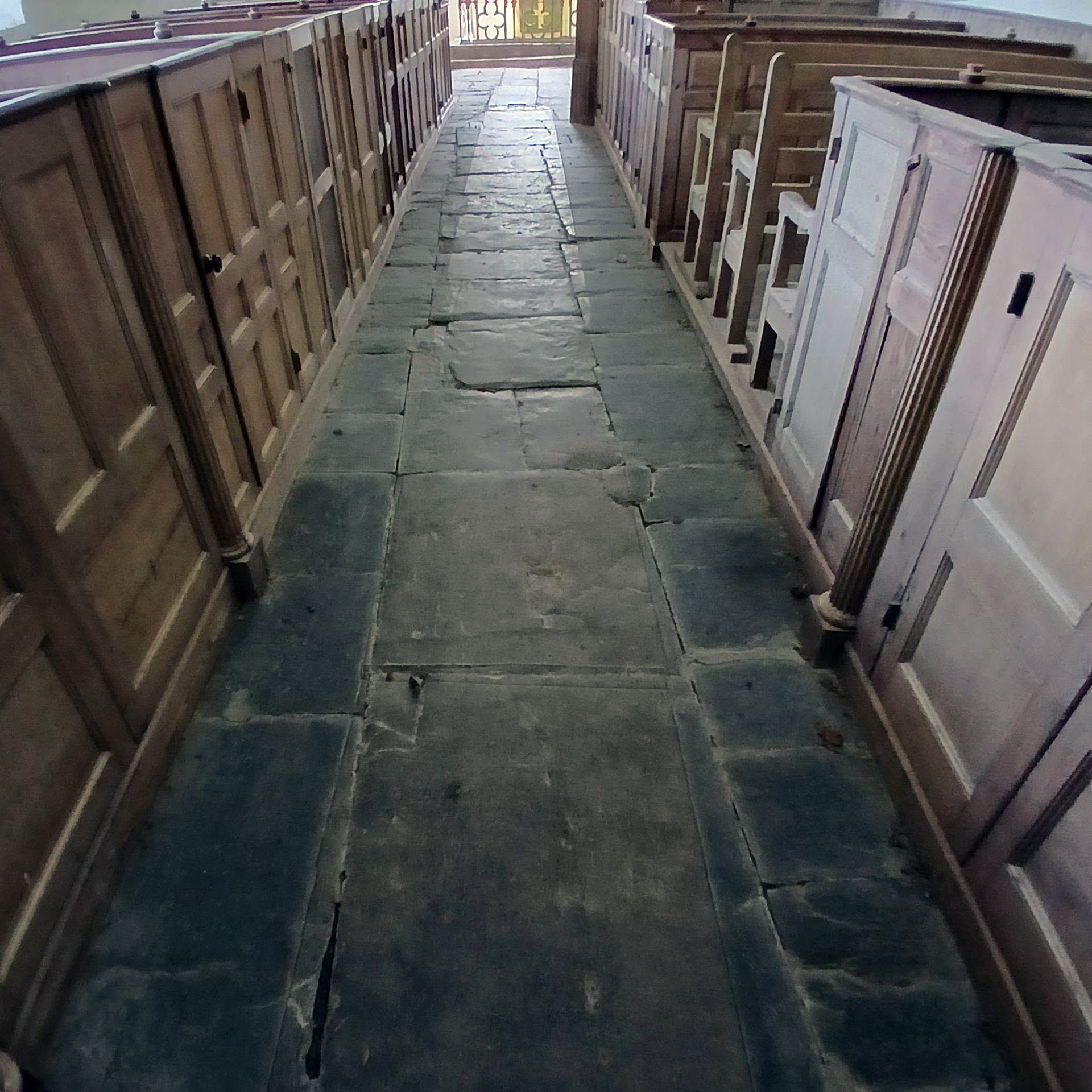
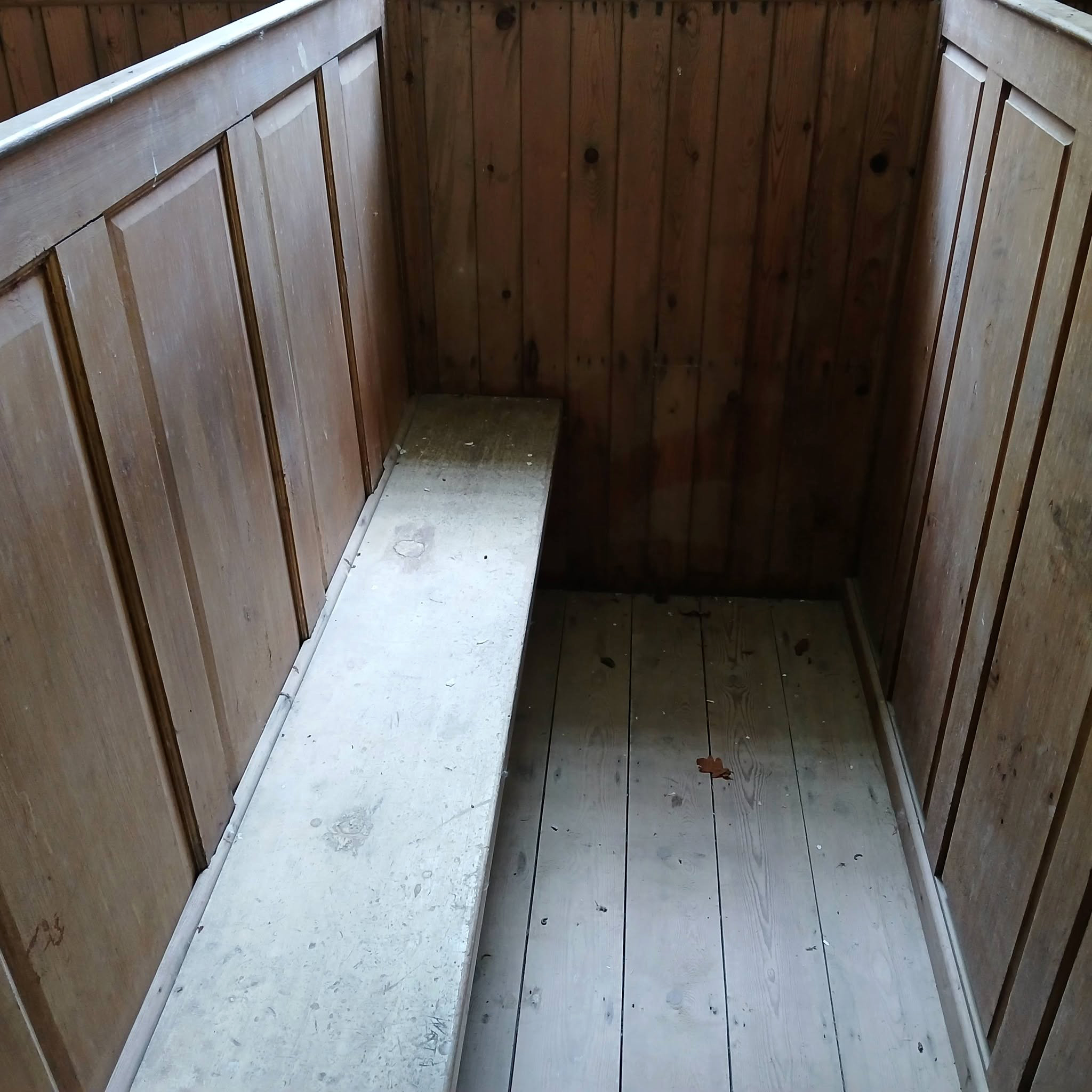
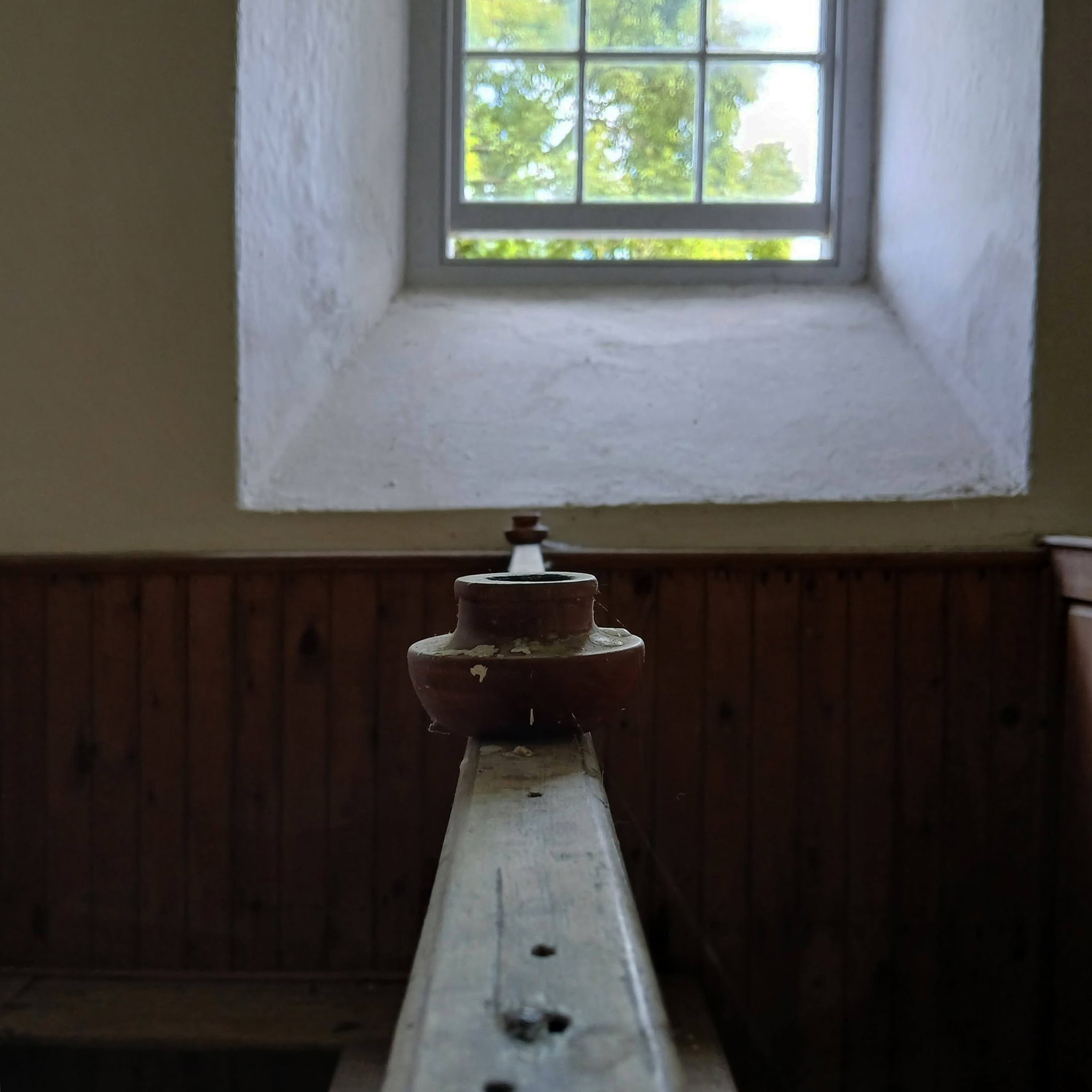
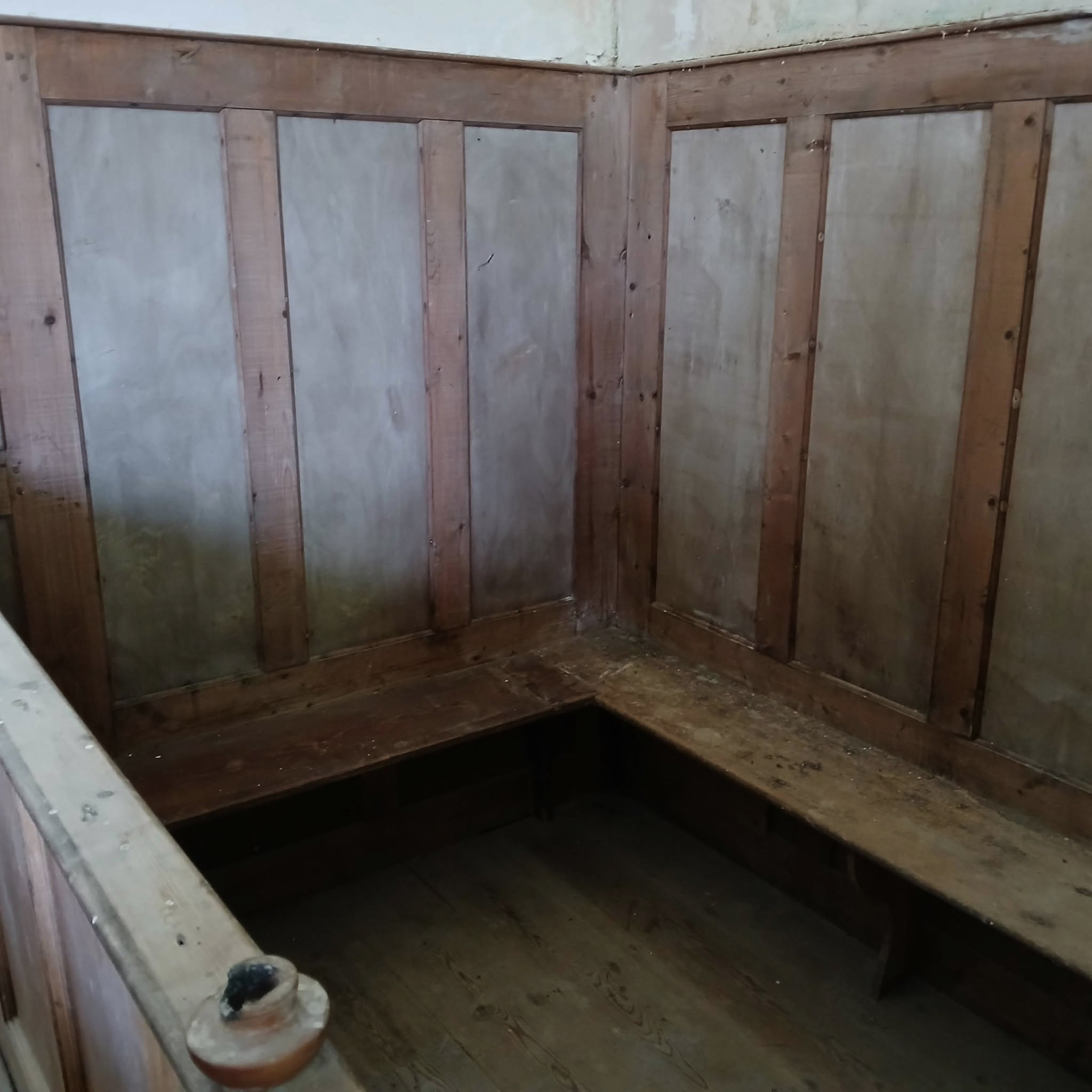
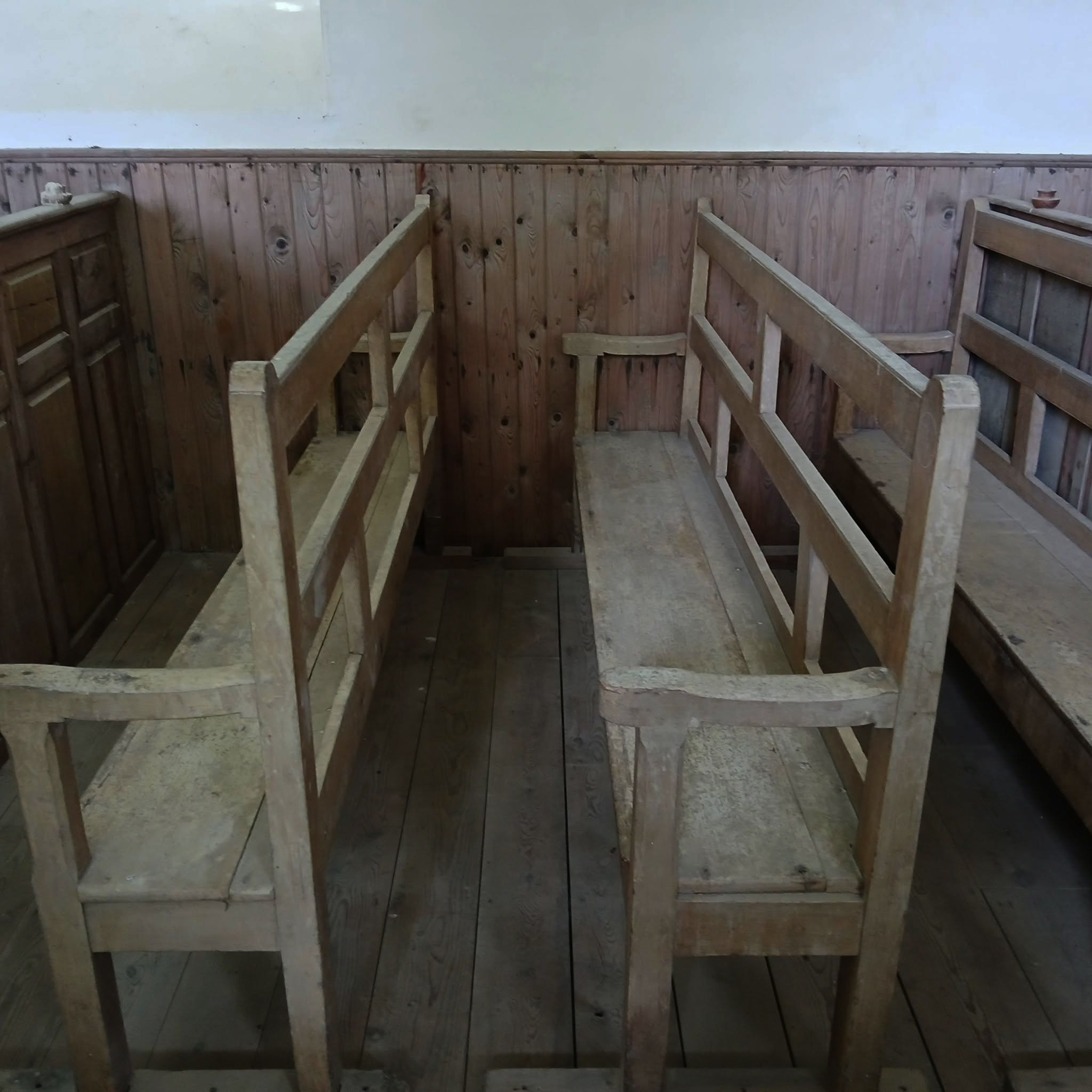
The nave walls are lined with a set of 18th-century box-pews; some have fluted columns, drawers with brass handles, and some even have their own fireplaces.
The square font, which you’ll find right inside the west porch, dates to the 13th century and is the only survivor from the early church. Its underside is fluted and its sides are carved with quatrefoils.
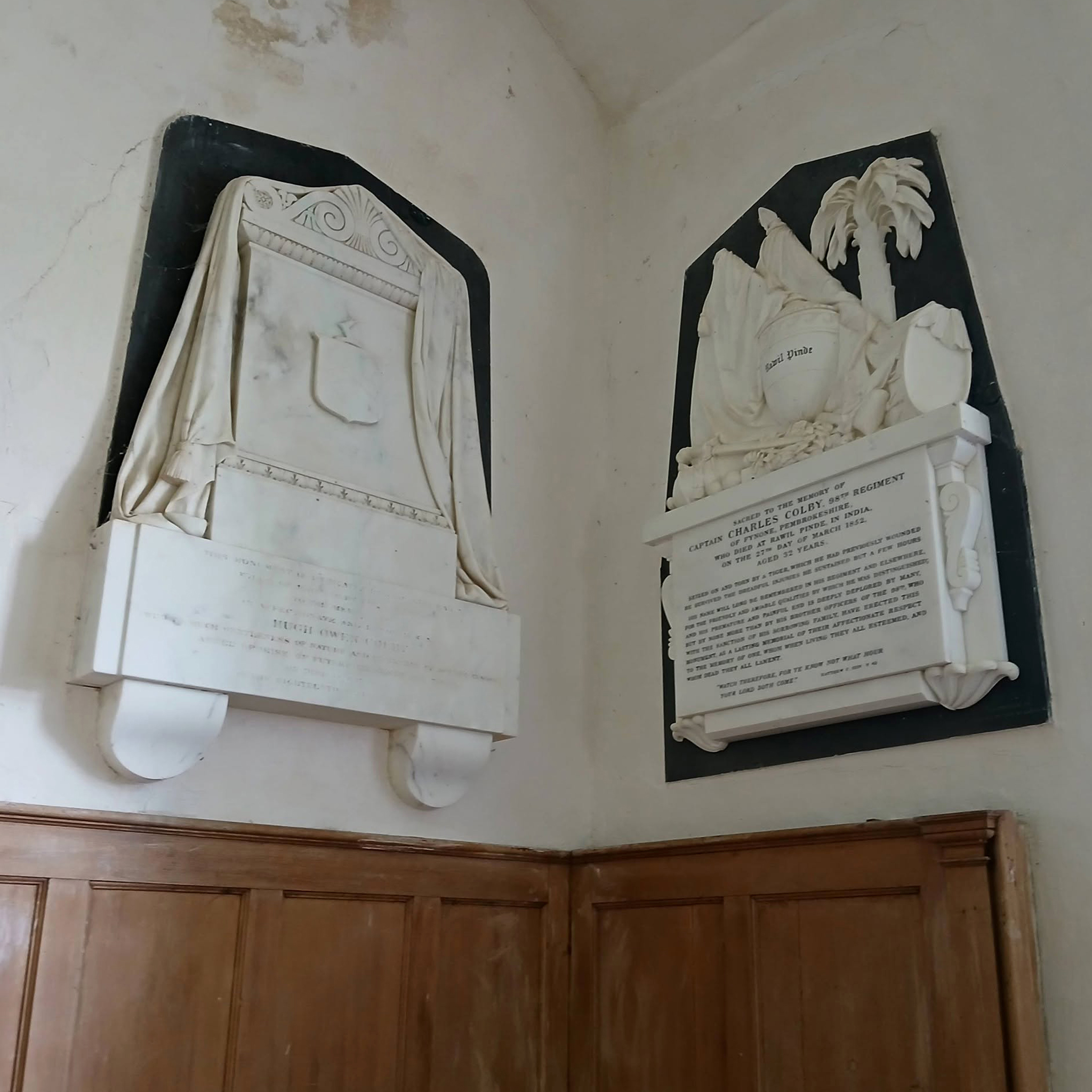
Don’t miss the memorial to Capt. Charles Colby, who was stationed to Rawalpindi – now in Pakistan in about 1850. On a day off, he went hunting on an elephant, and was unfortunately mauled by a tiger. His plaque bears an urn with the inscription ‘Rawil Pinde’ and a carved palm tree.
Friends of Friendless Churches
Many thanks to the Friends of Friendless churches for ensuring that the church remains open and maintained.

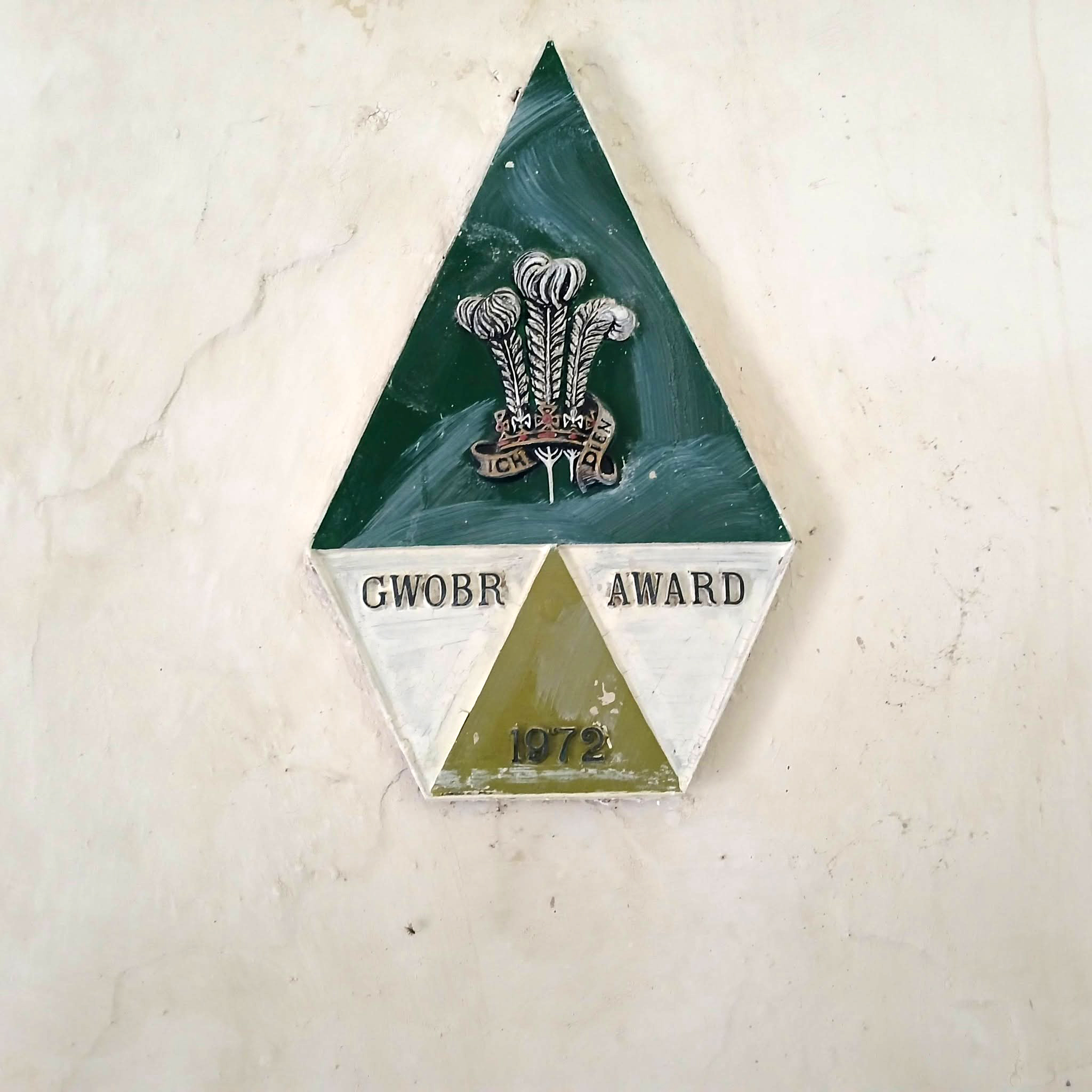
As a postscript – the appreciation of these wonderful Welsh churches must be due in part to John Piper.
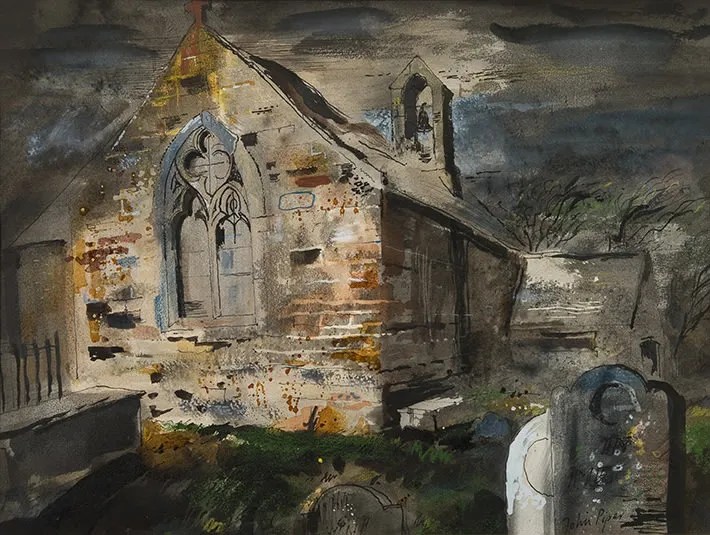
Jerwood Foundation was recently alerted to a renewed recognition of John Piper’s painting The churchyard, in Jerwood Collection, after it appeared as an illustration accompanying an online article. The image was immediately recognised by a reader as depicting St Baglan’s Church, near Caernarfon, viewed from a familiar angle.
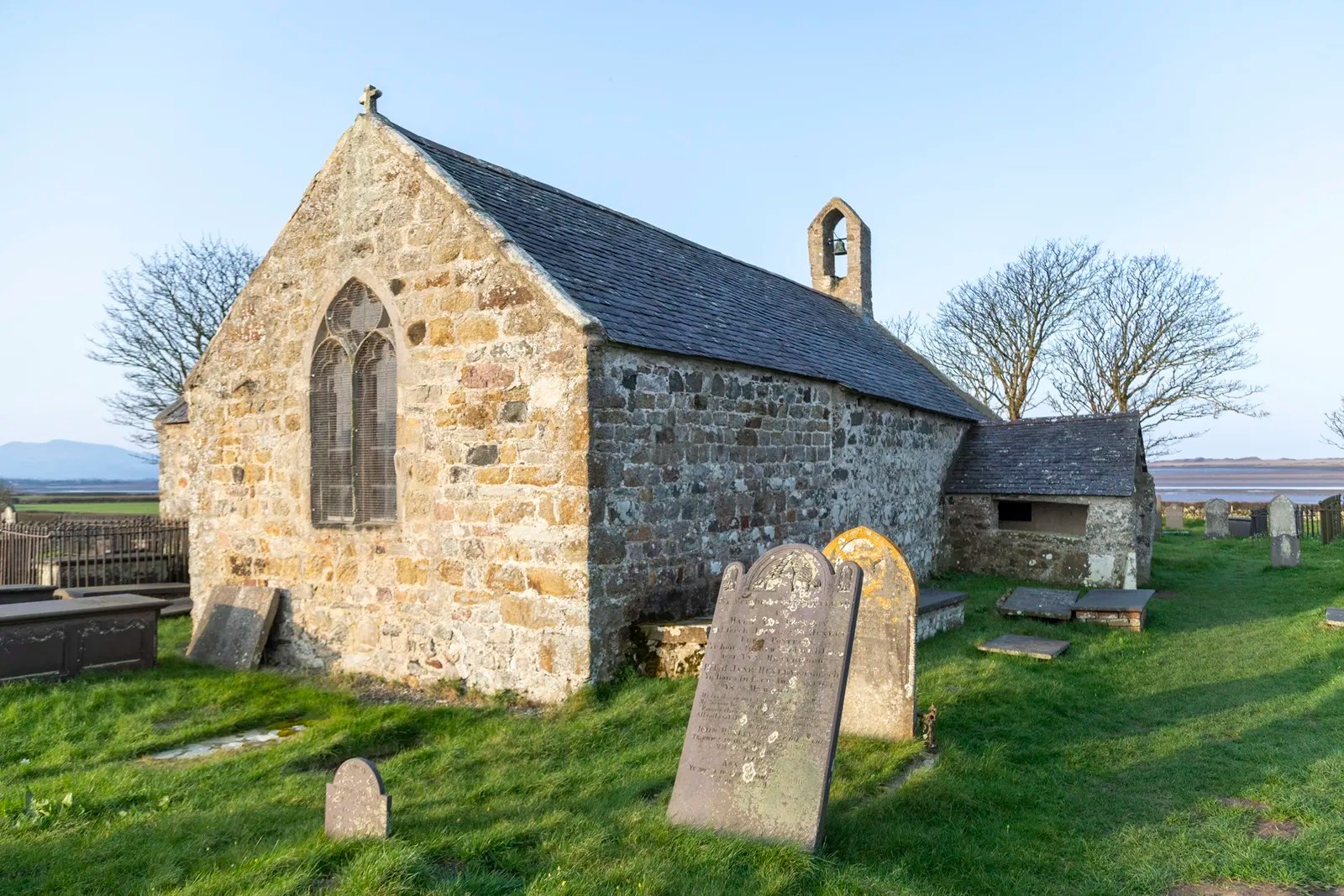
John Piper, a founding member of Friends of Friendless Churches in the 1950s, painted many historic churches across the UK. Although St Baglan’s has been under the charity’s care since the 1970s, this rediscovery offers a valuable insight into Piper’s early engagement with sites that would later become key rescue projects. The recognition helps to piece together the history of how some of the charity’s earliest churches were identified, recorded and preserved.