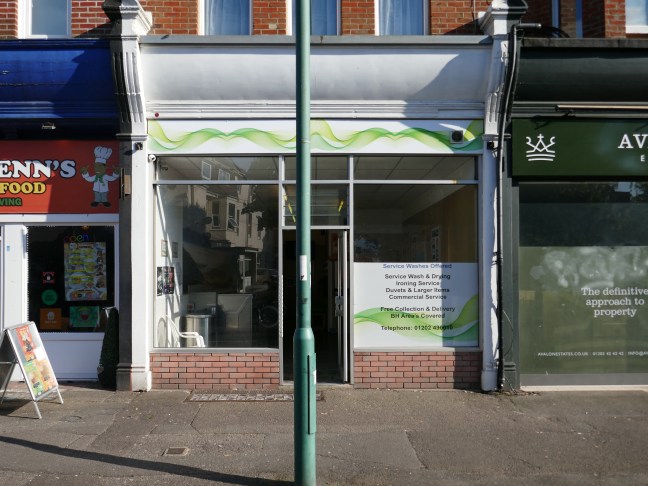
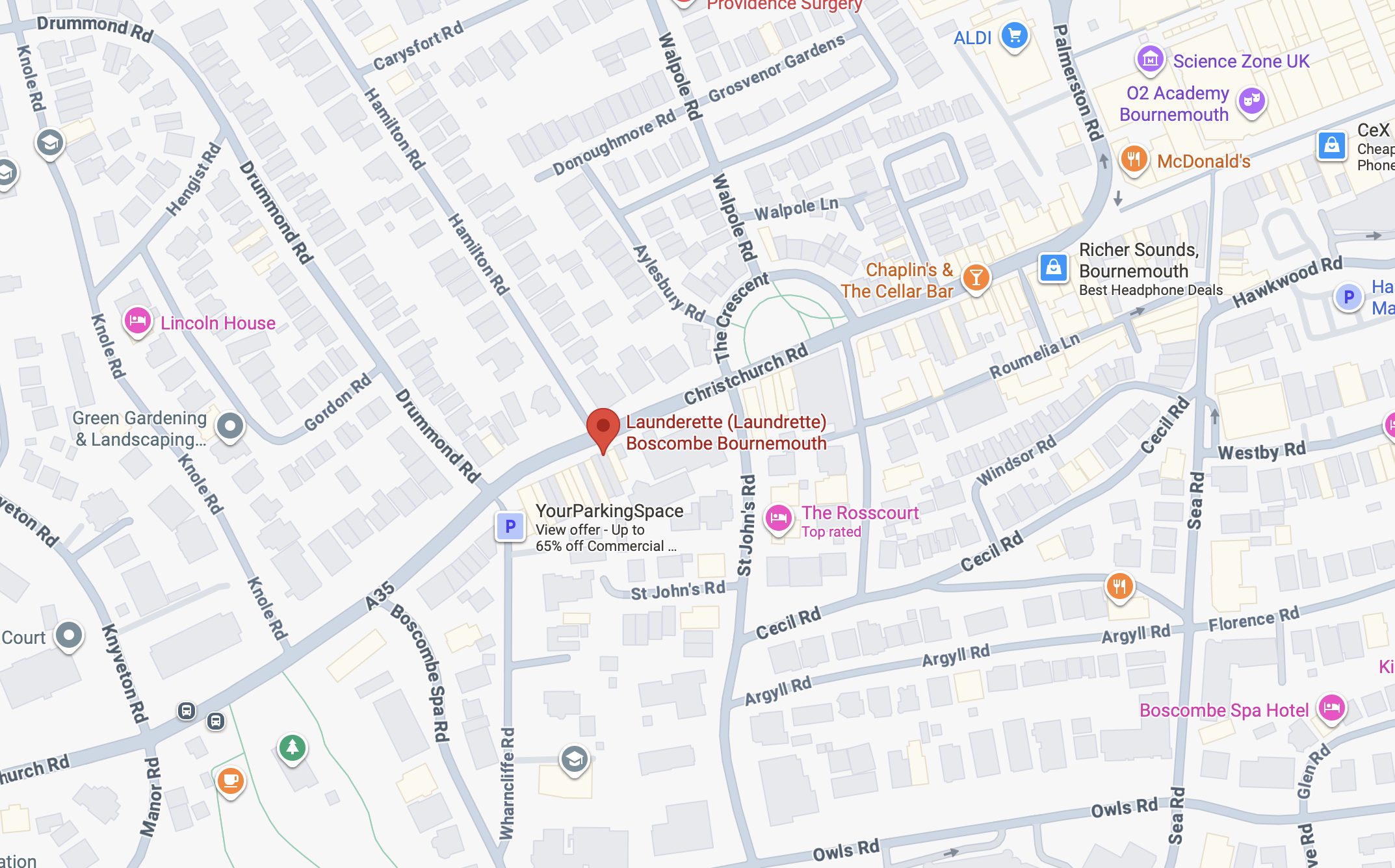
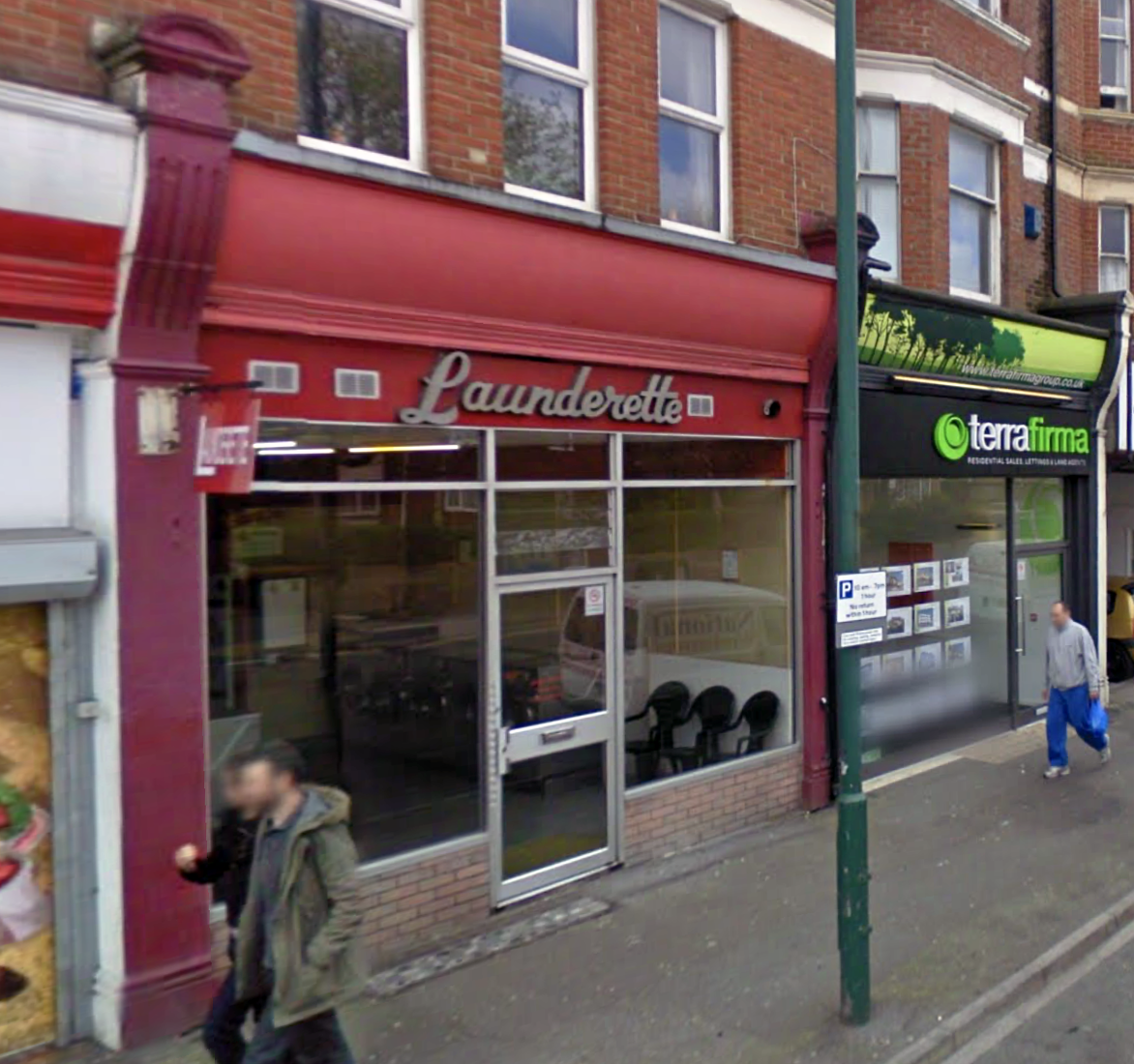
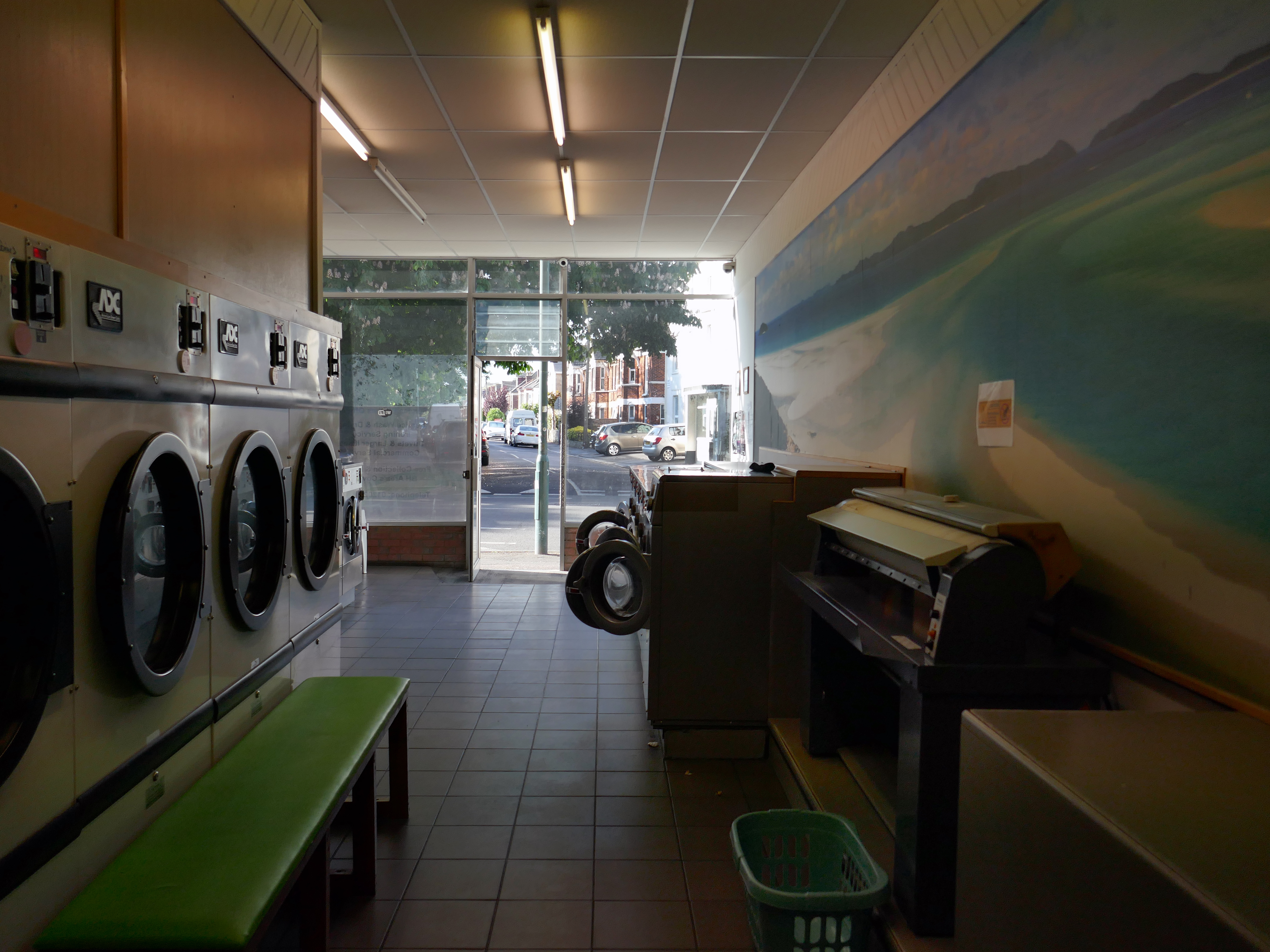
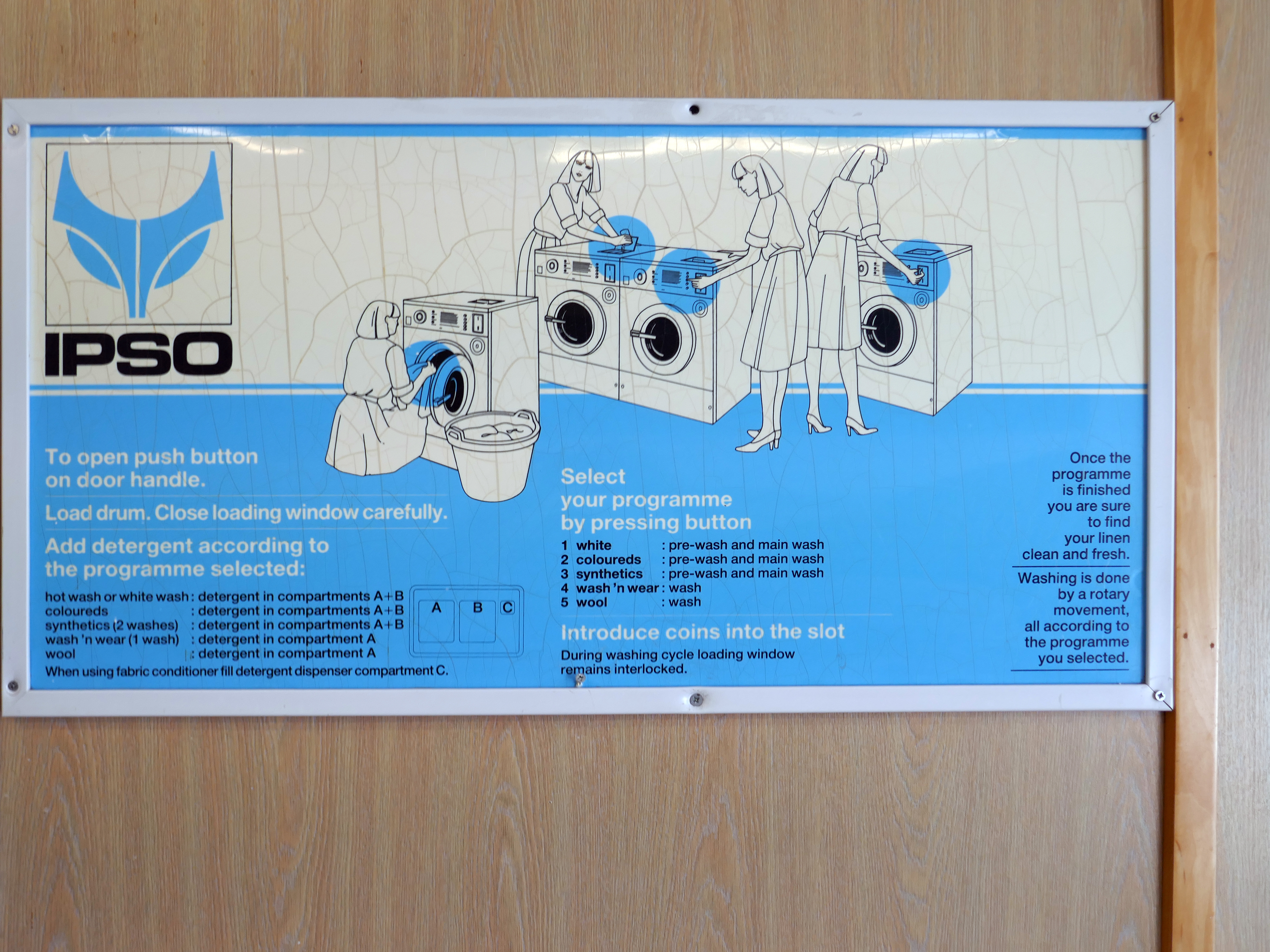
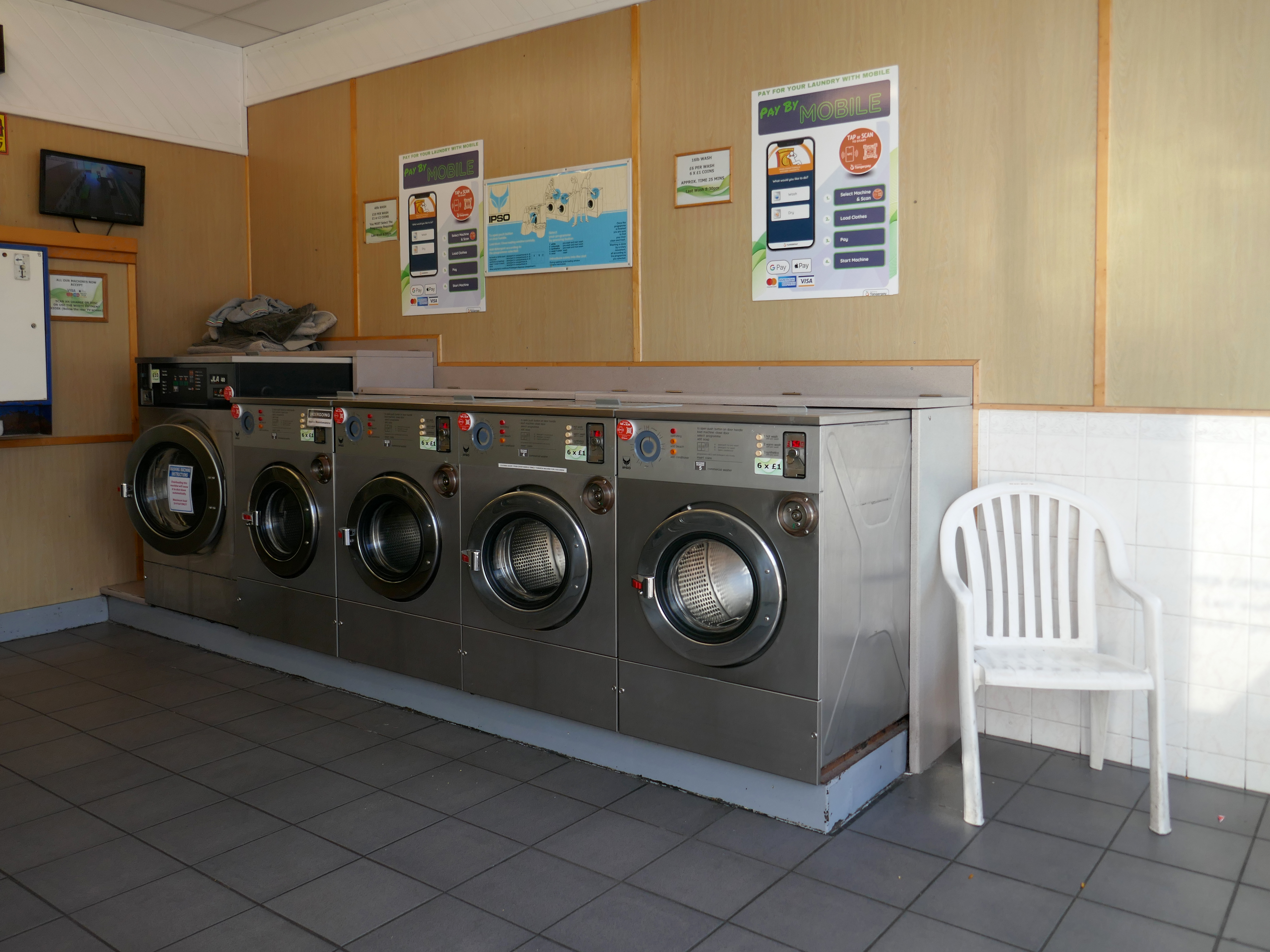
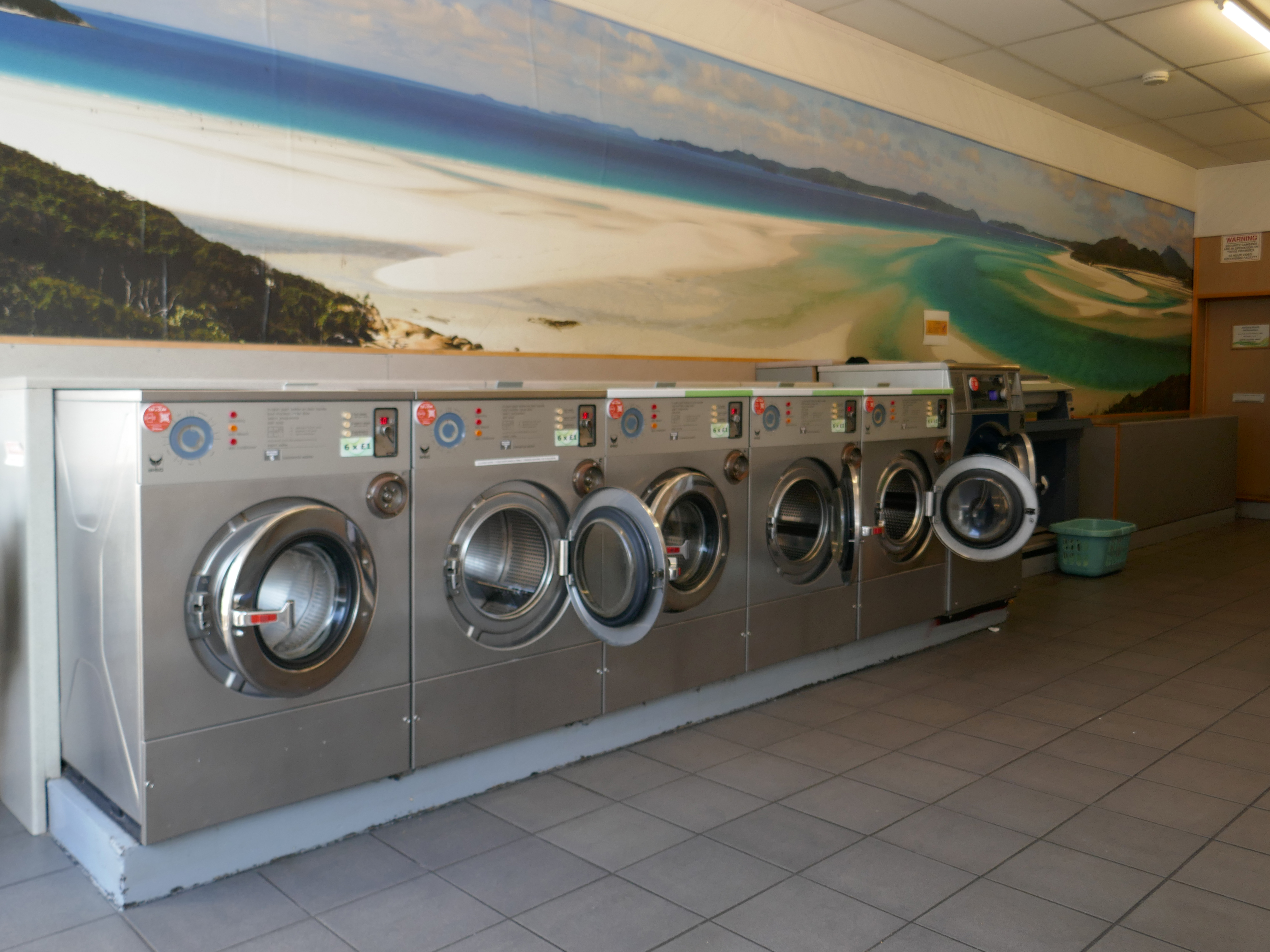
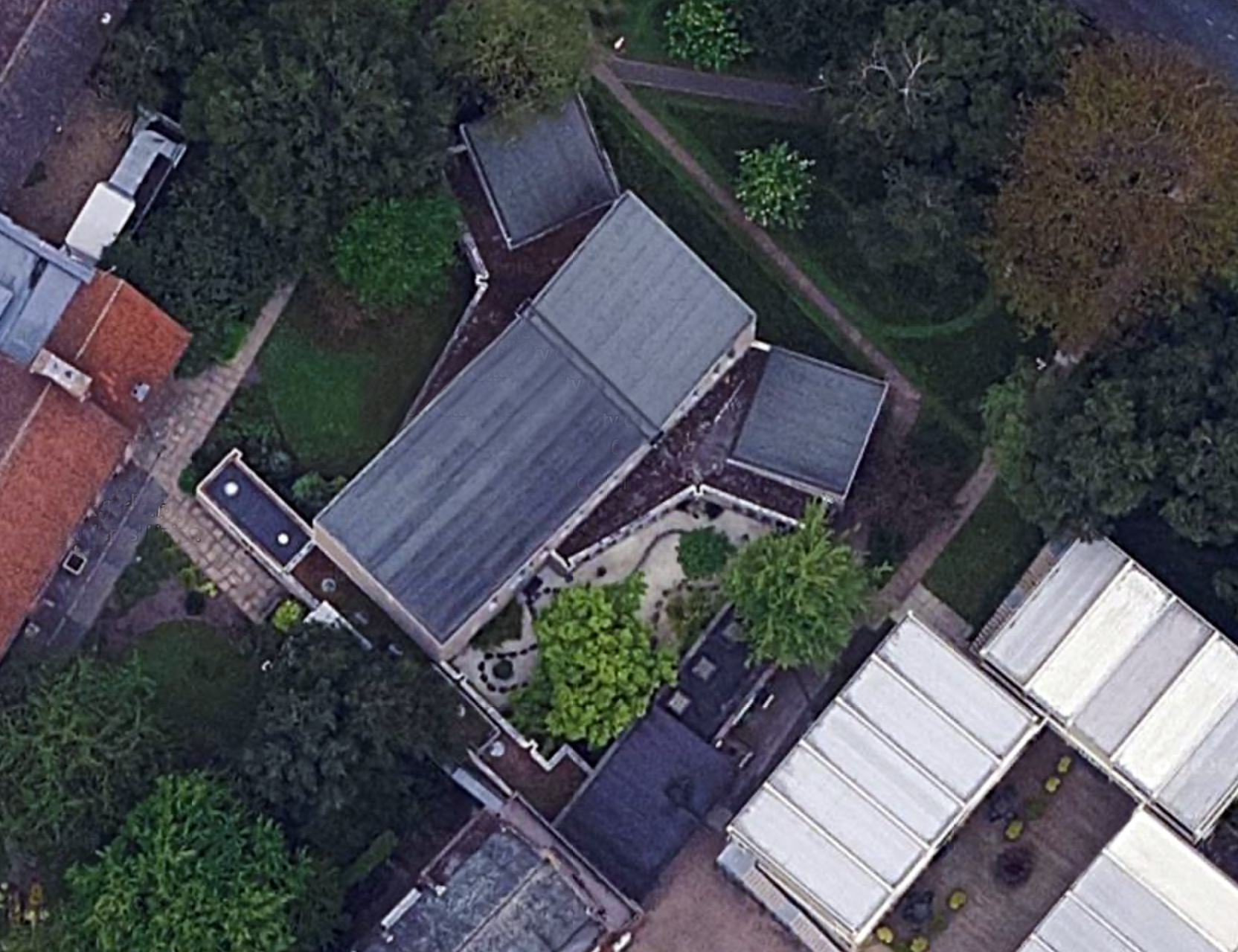
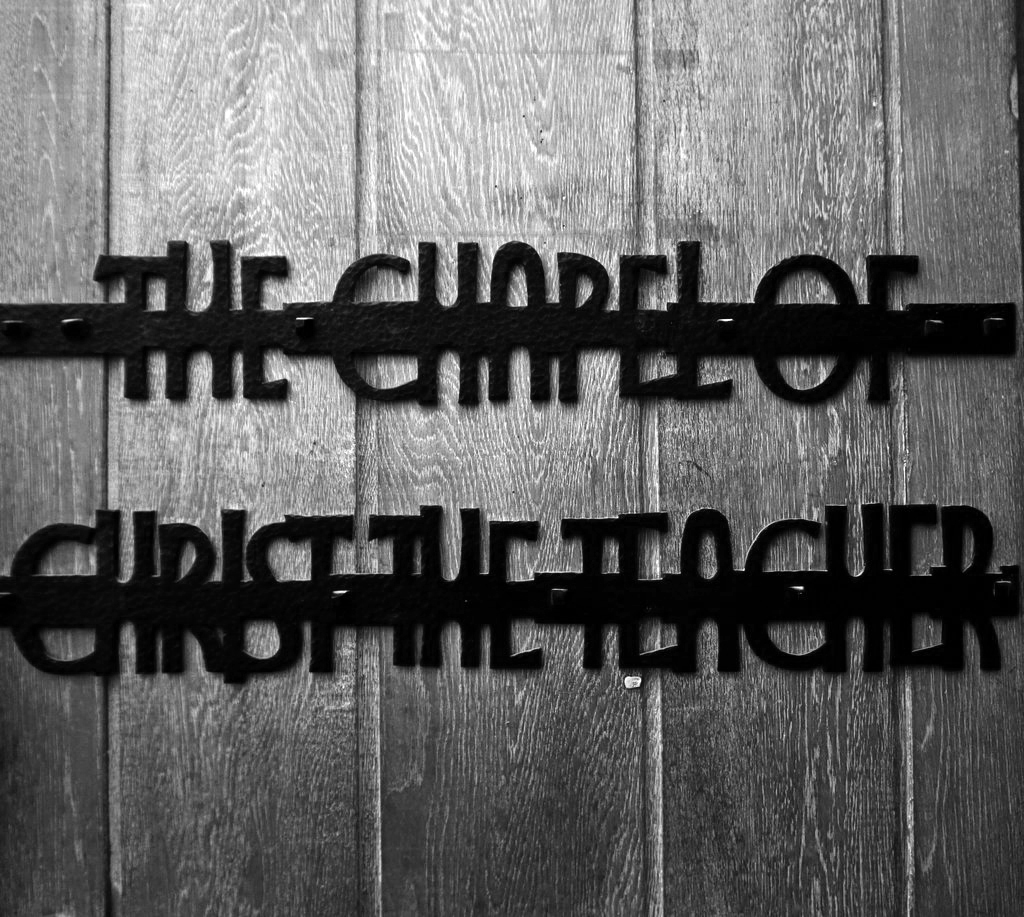
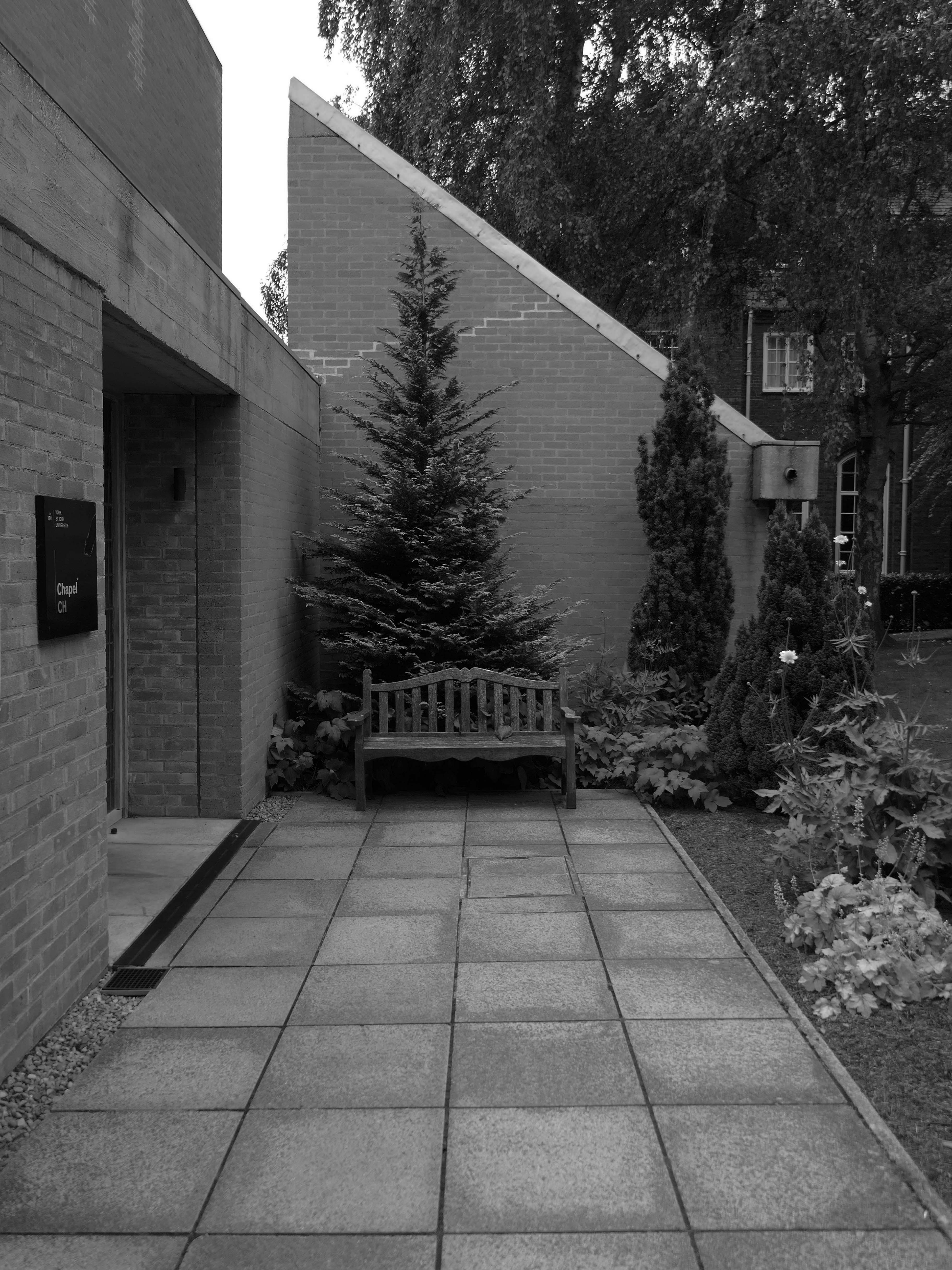
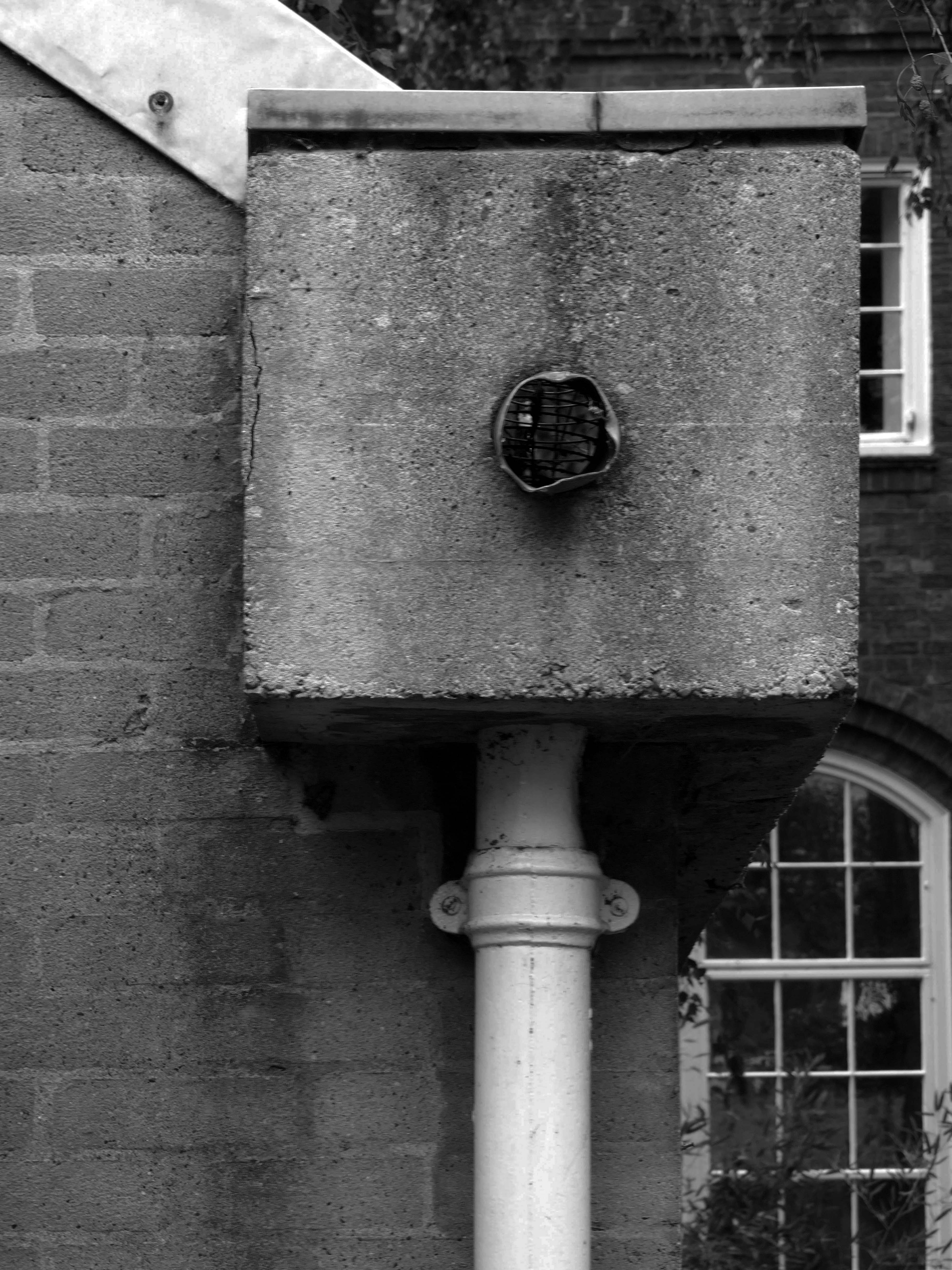
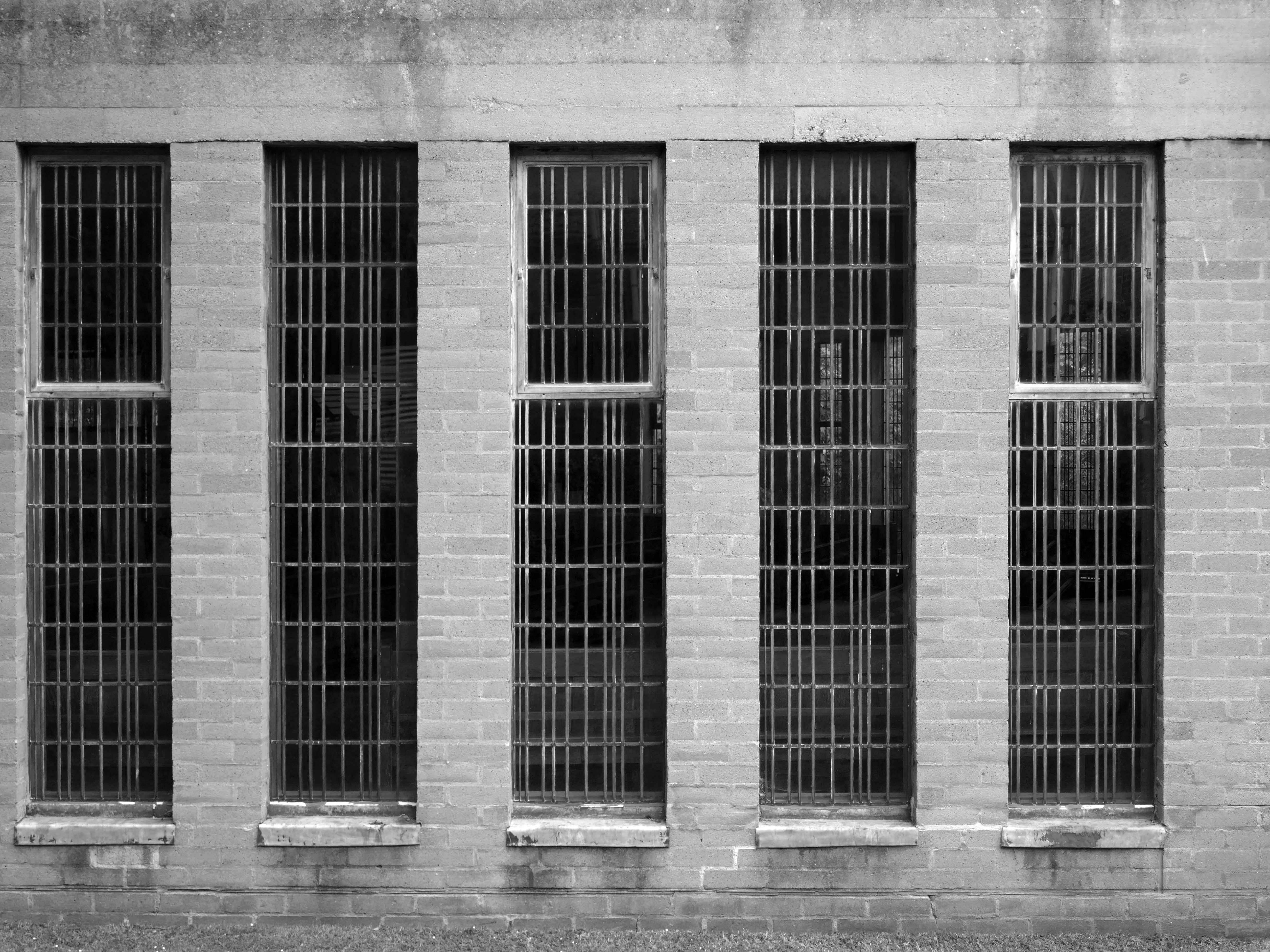
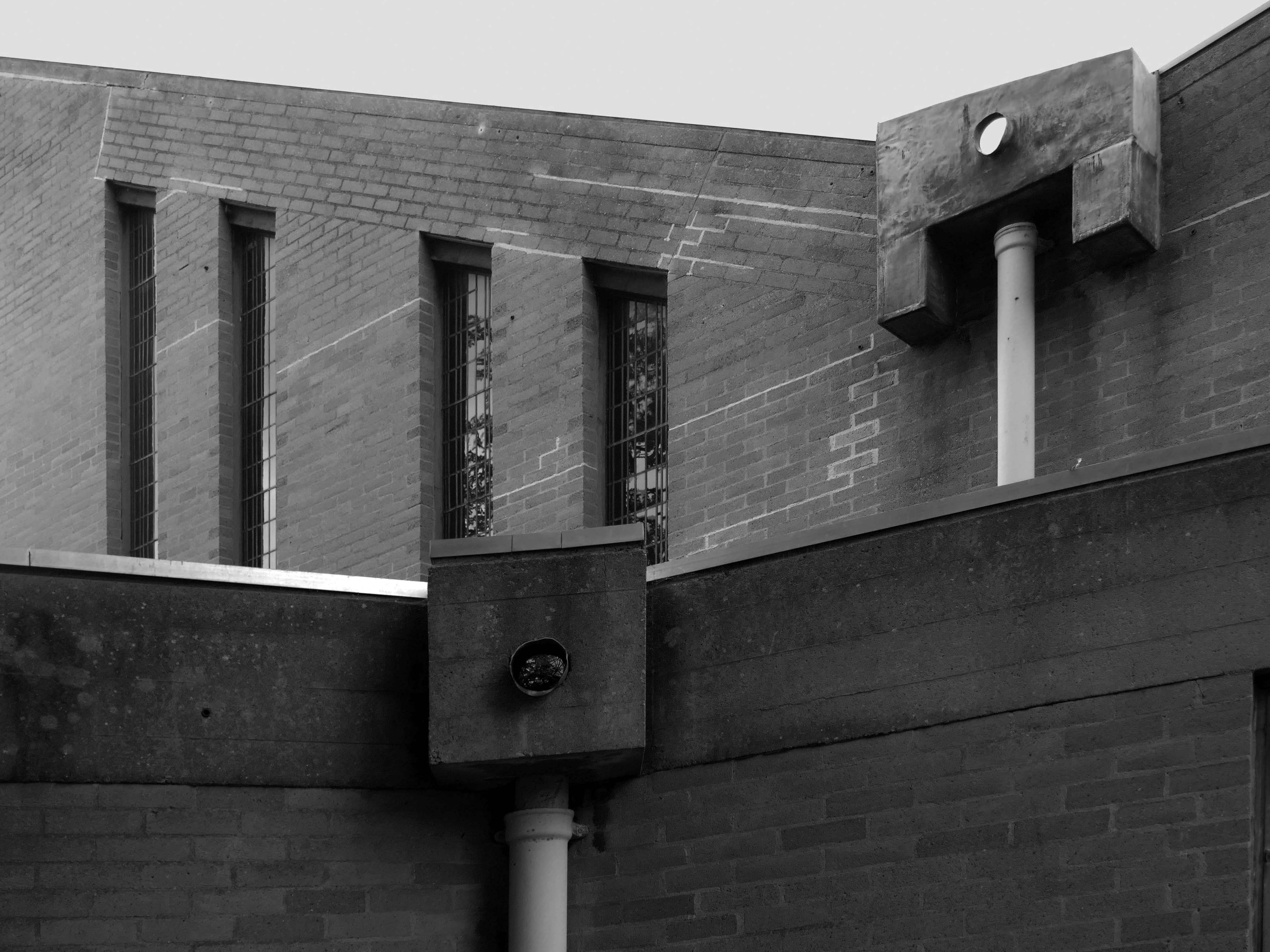
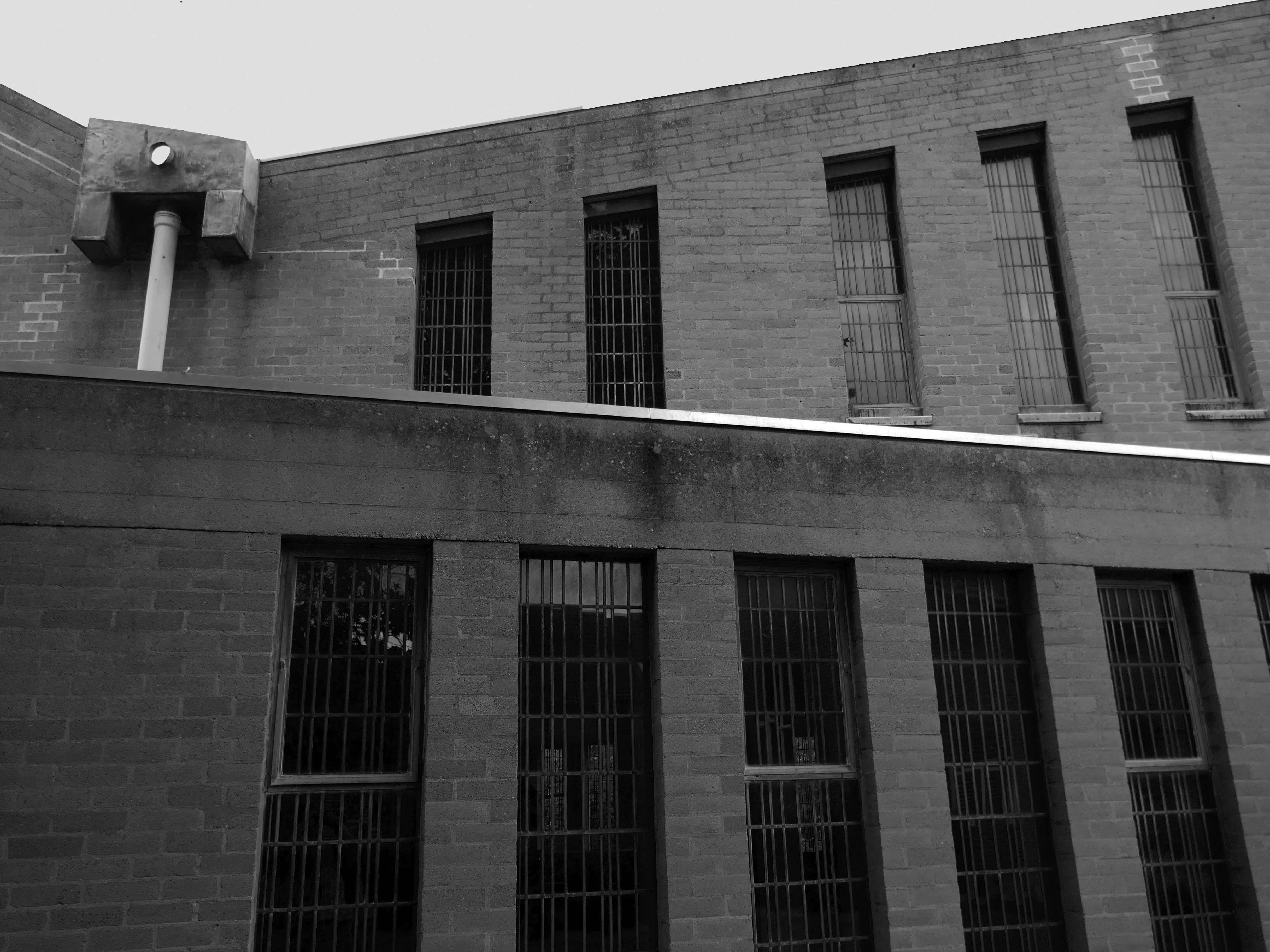
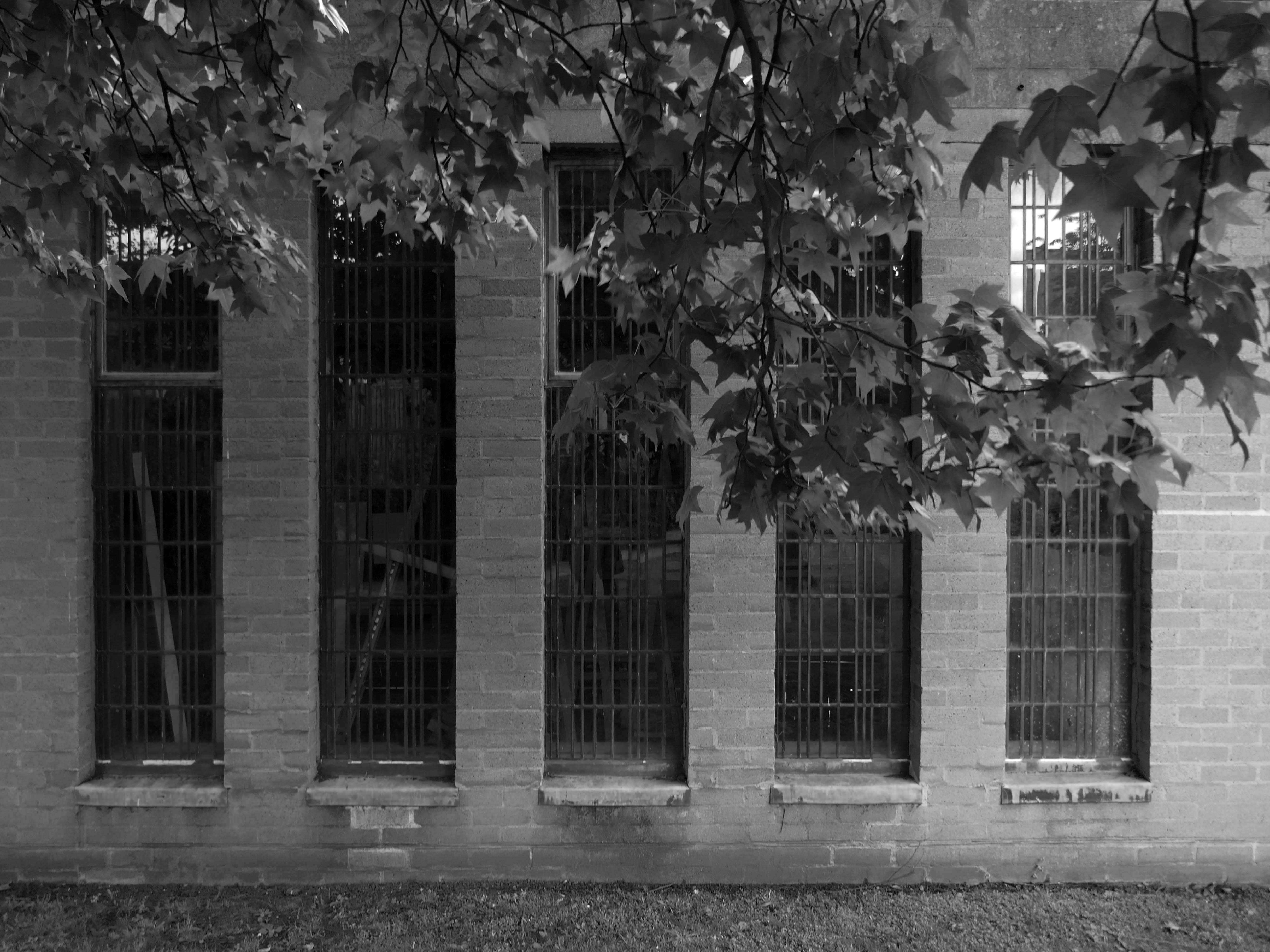
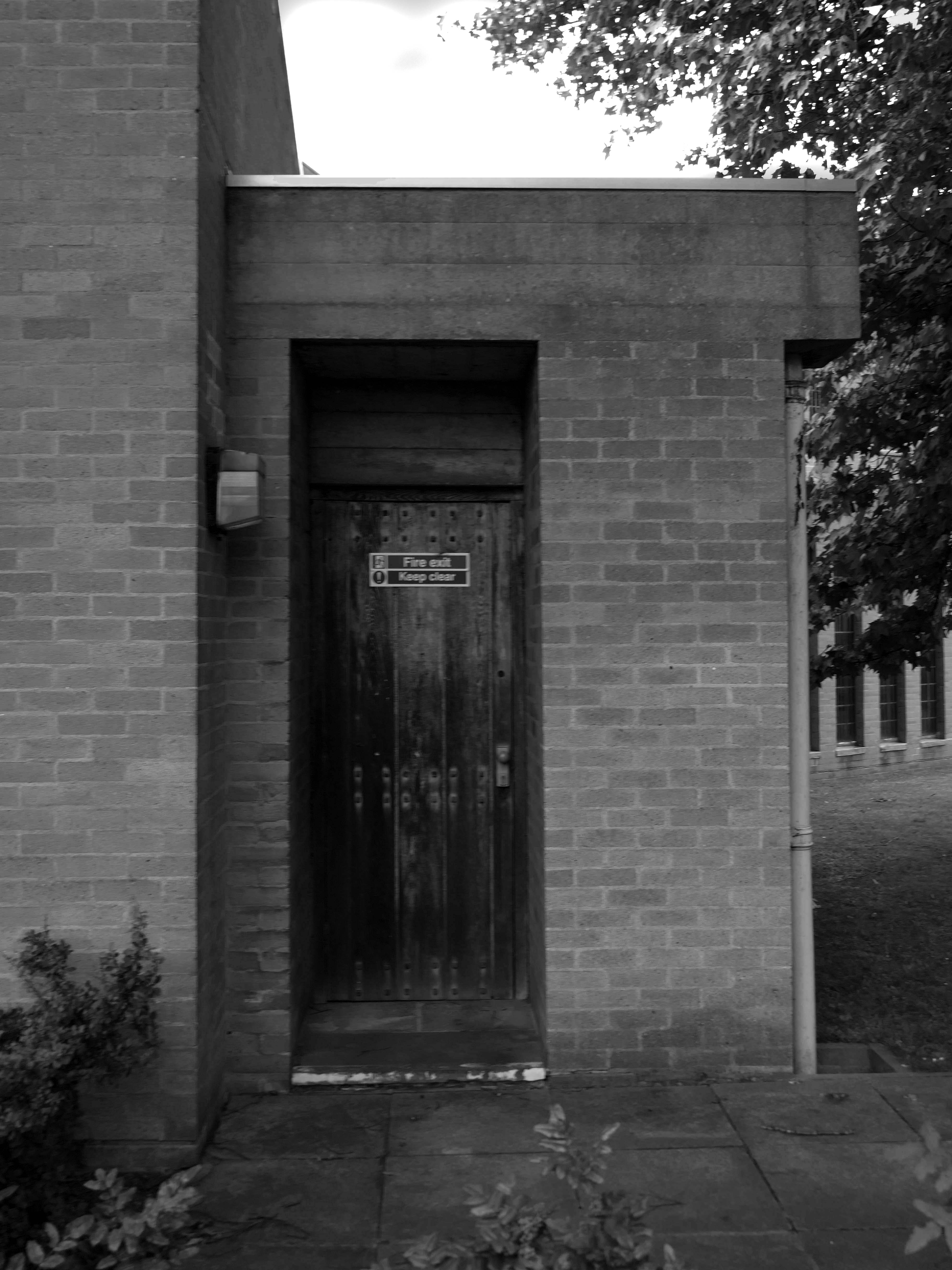
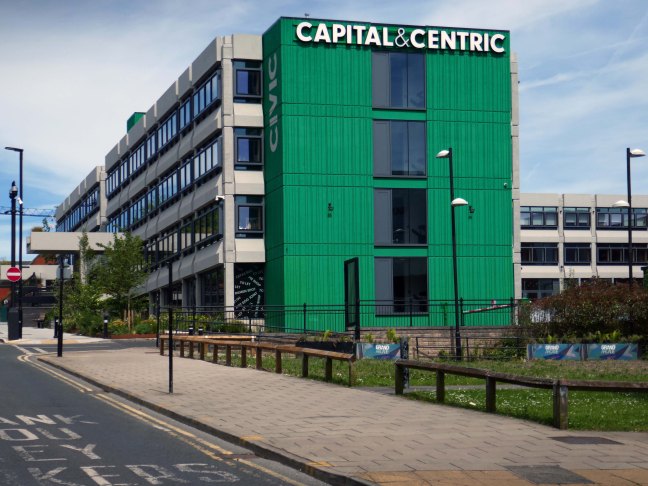
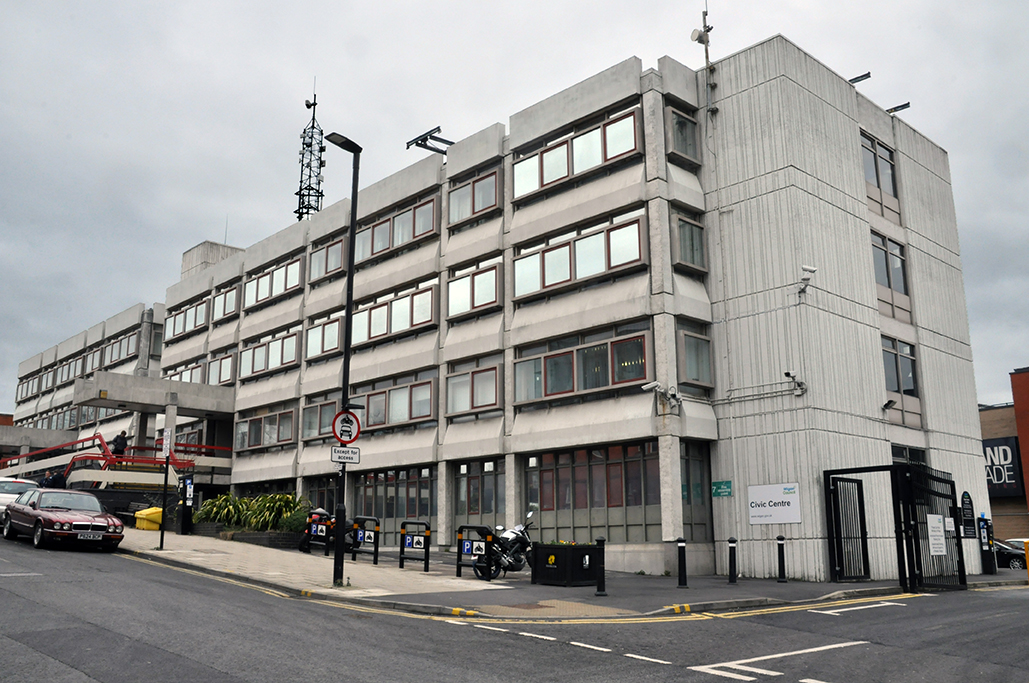
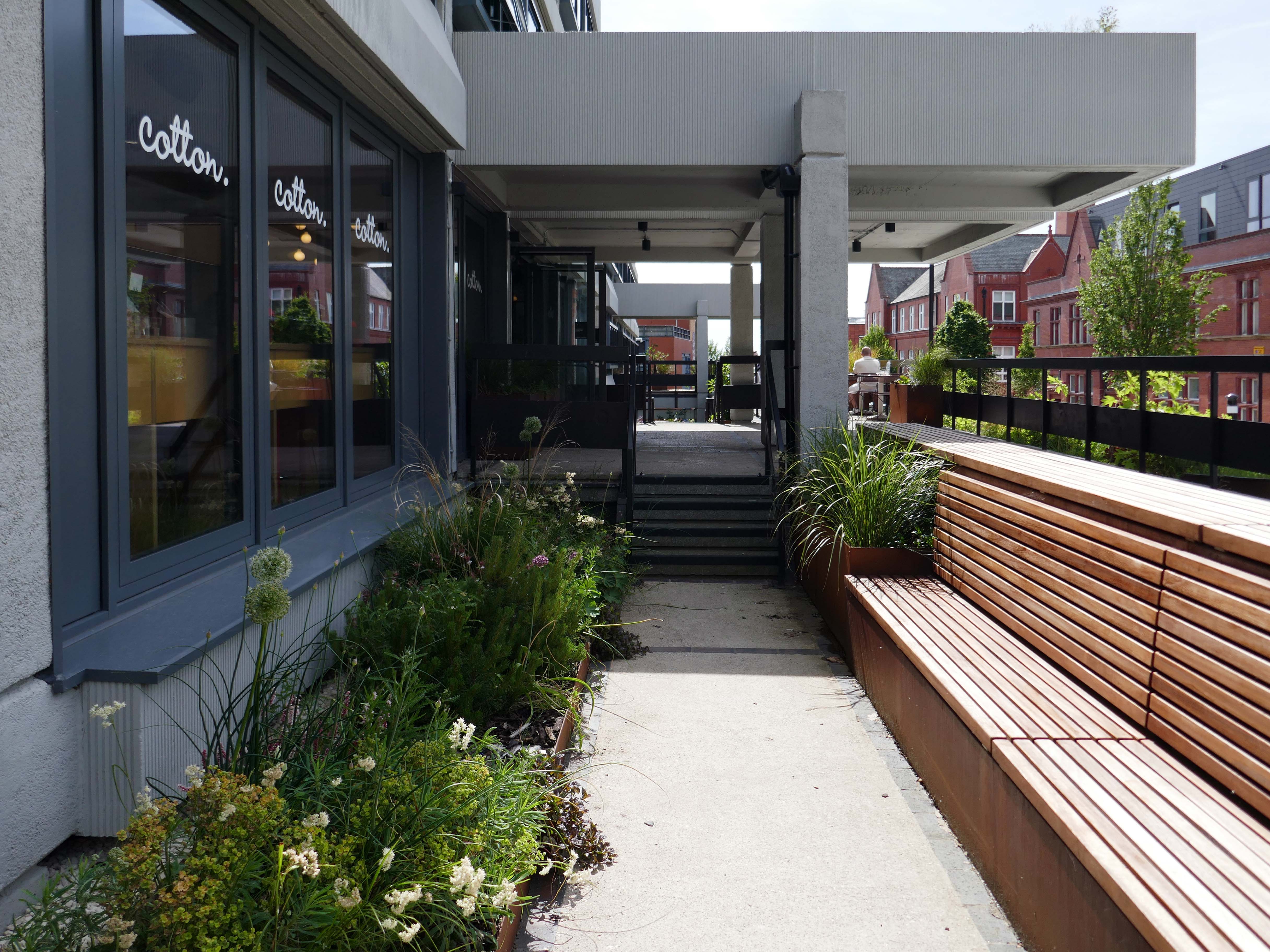
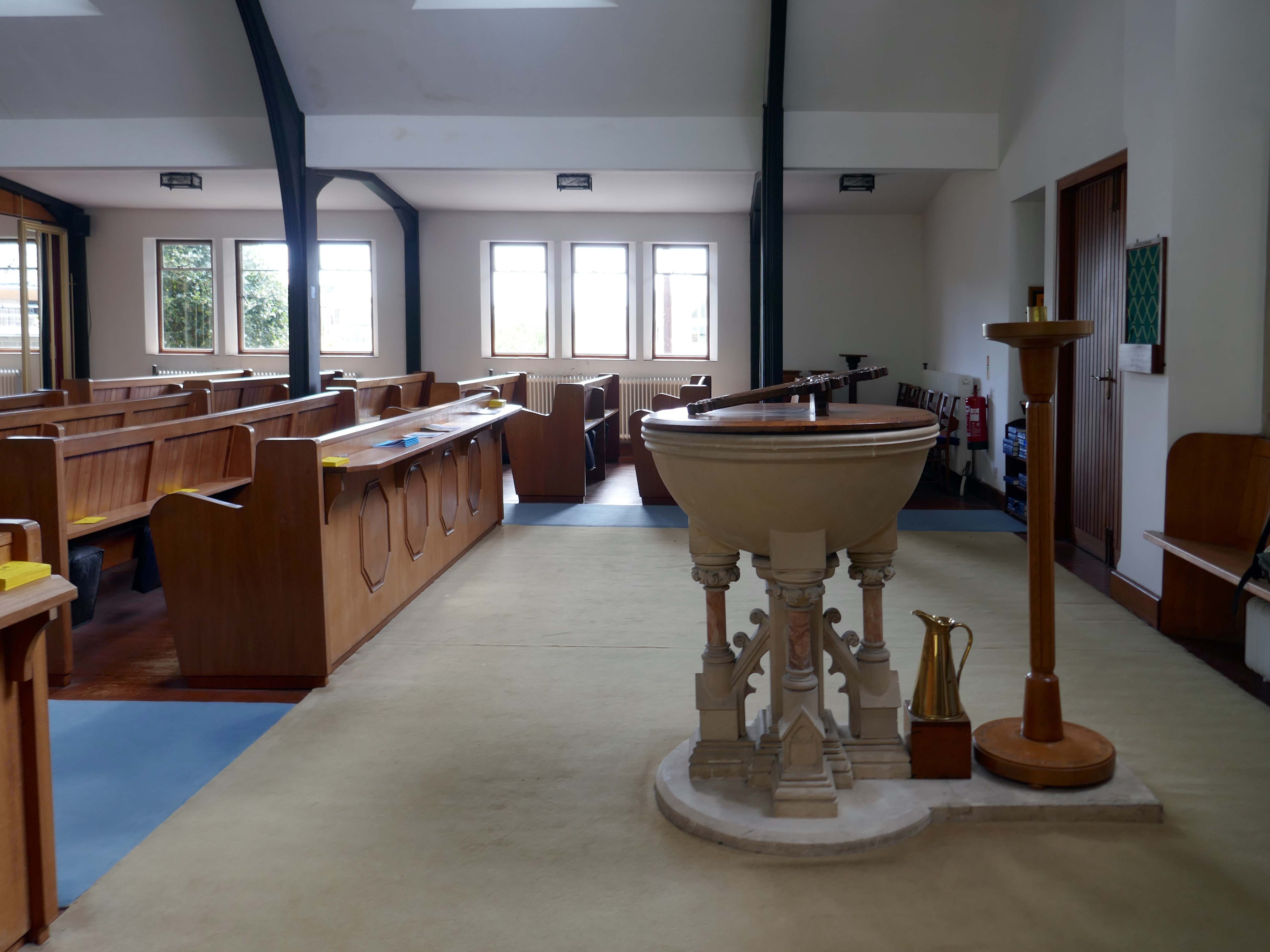
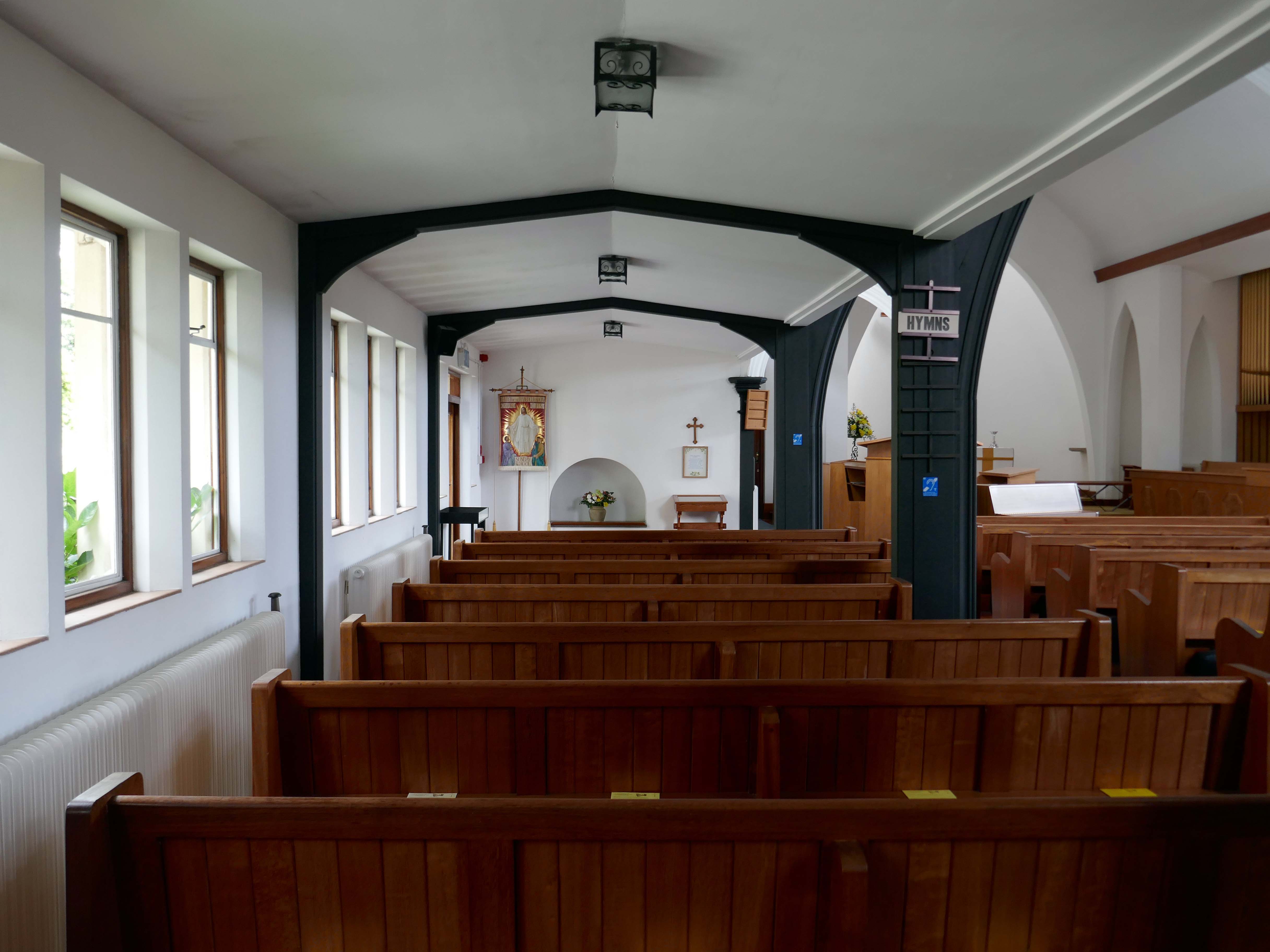
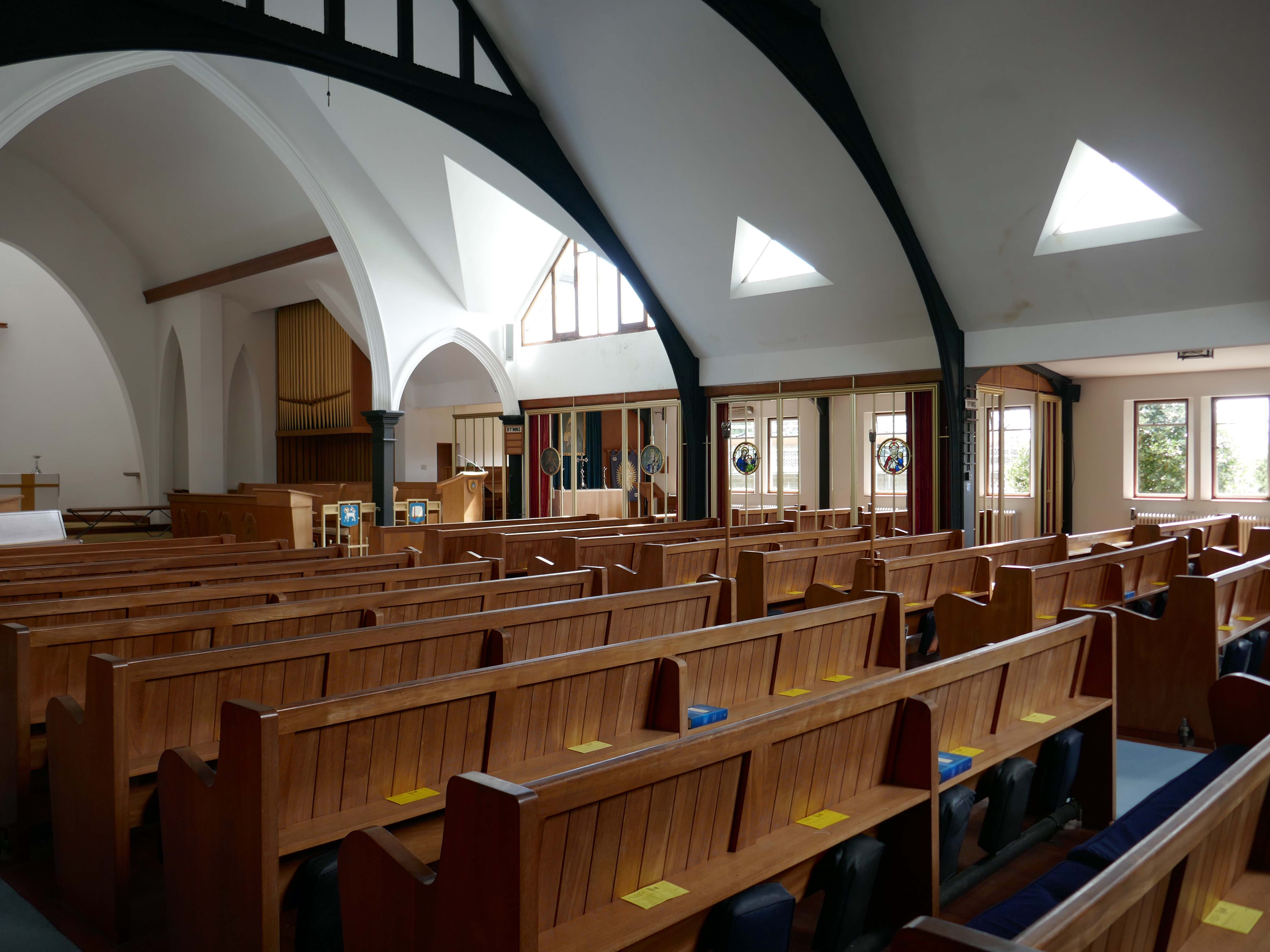
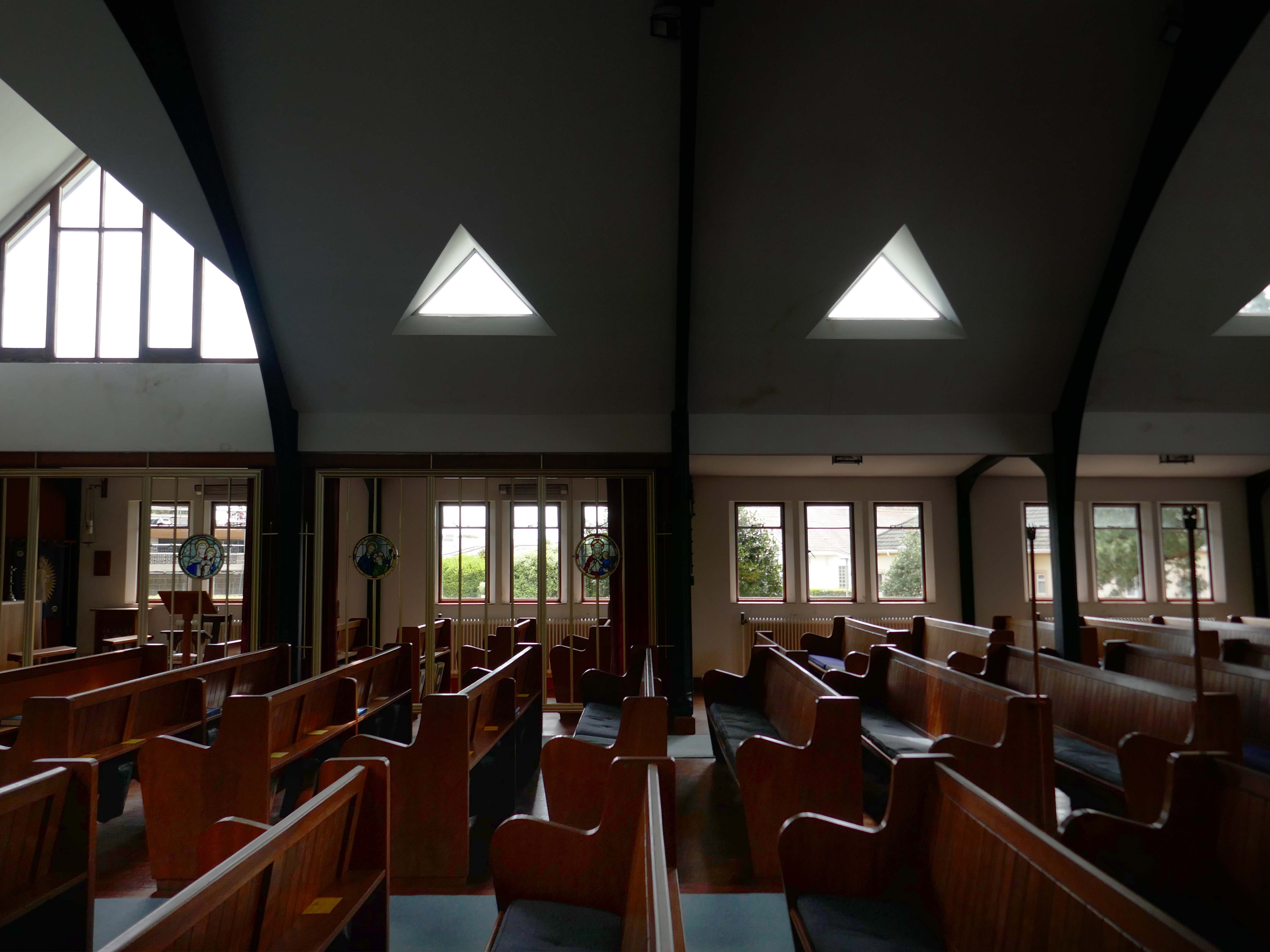
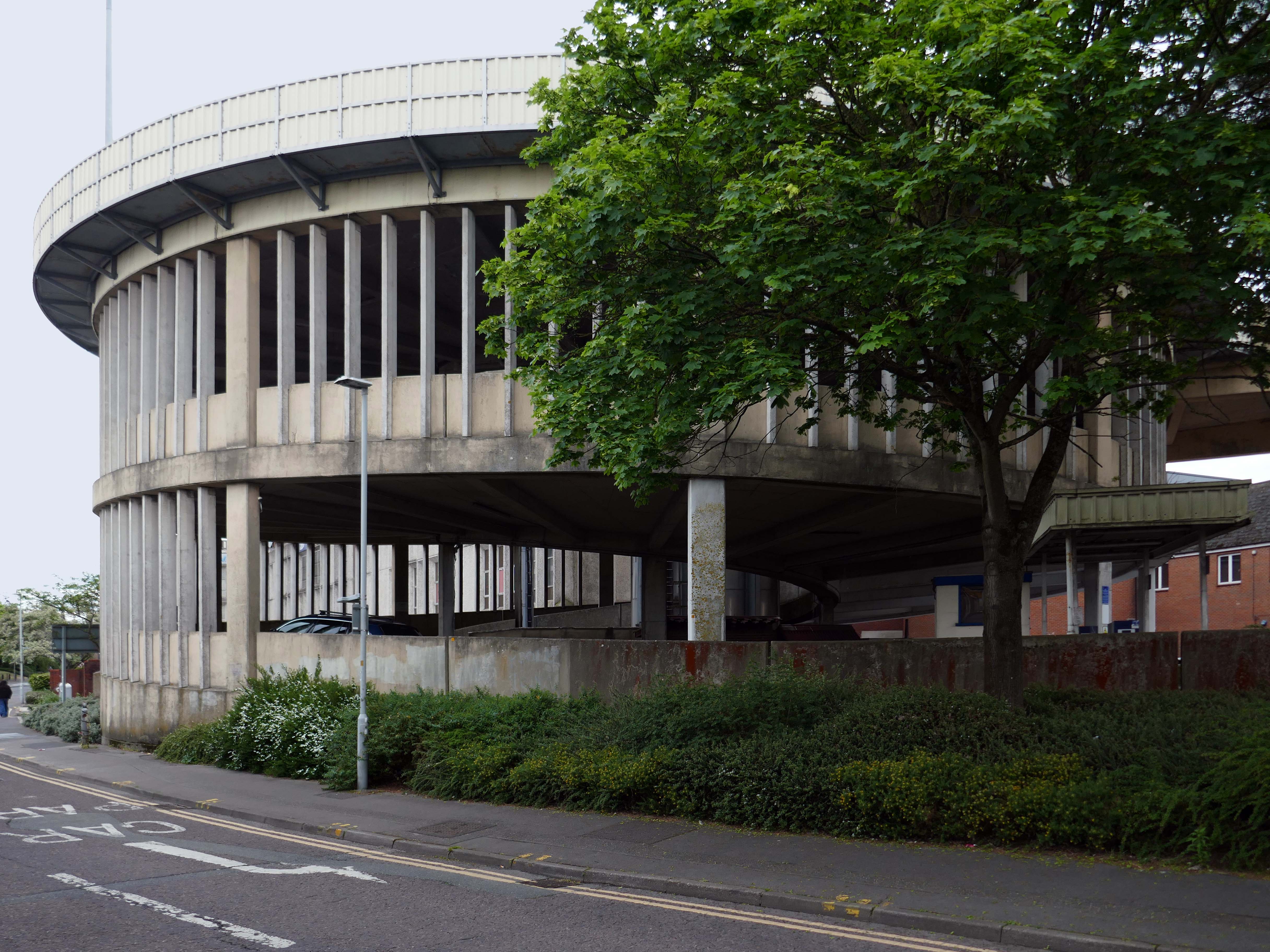
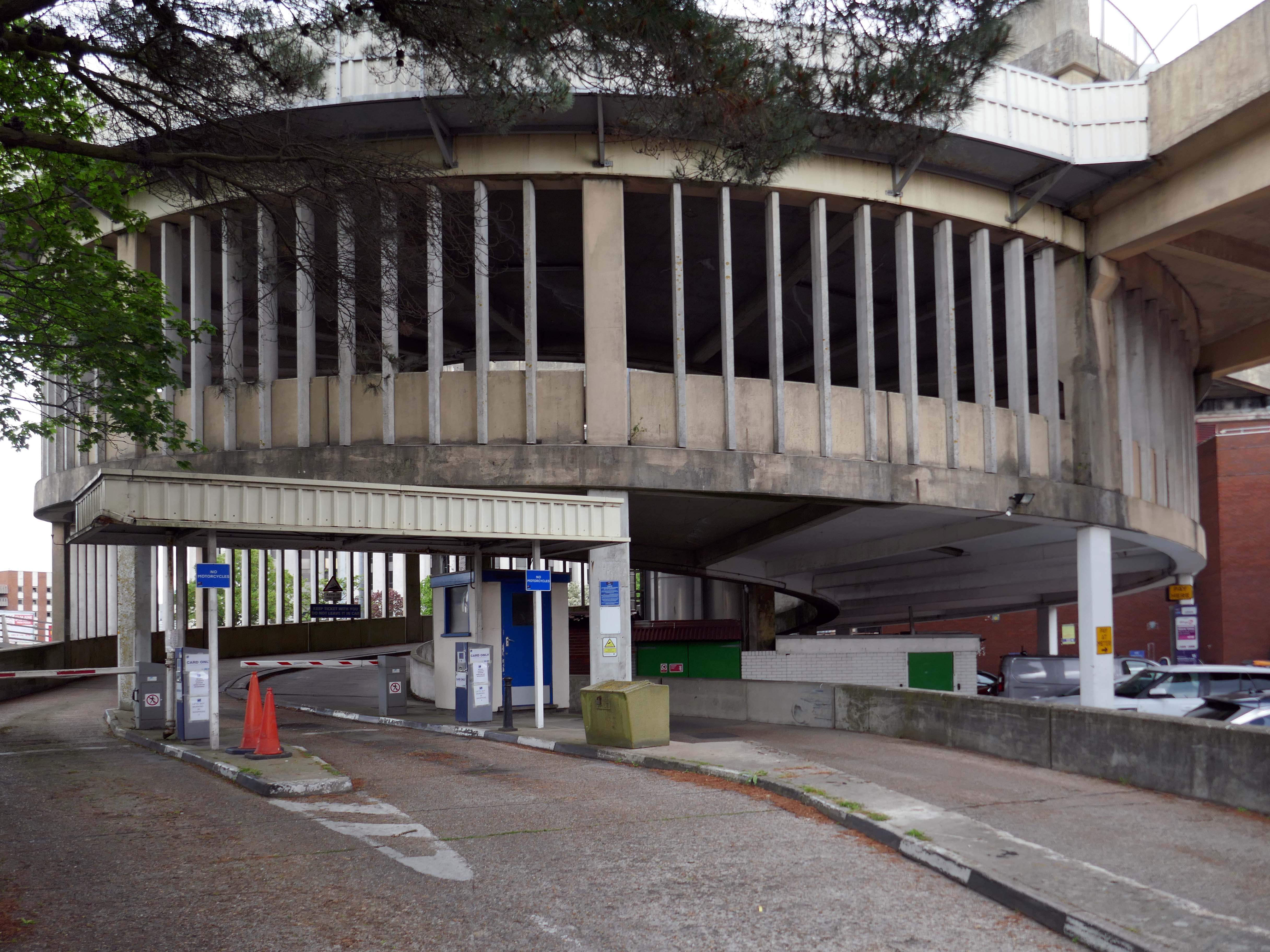
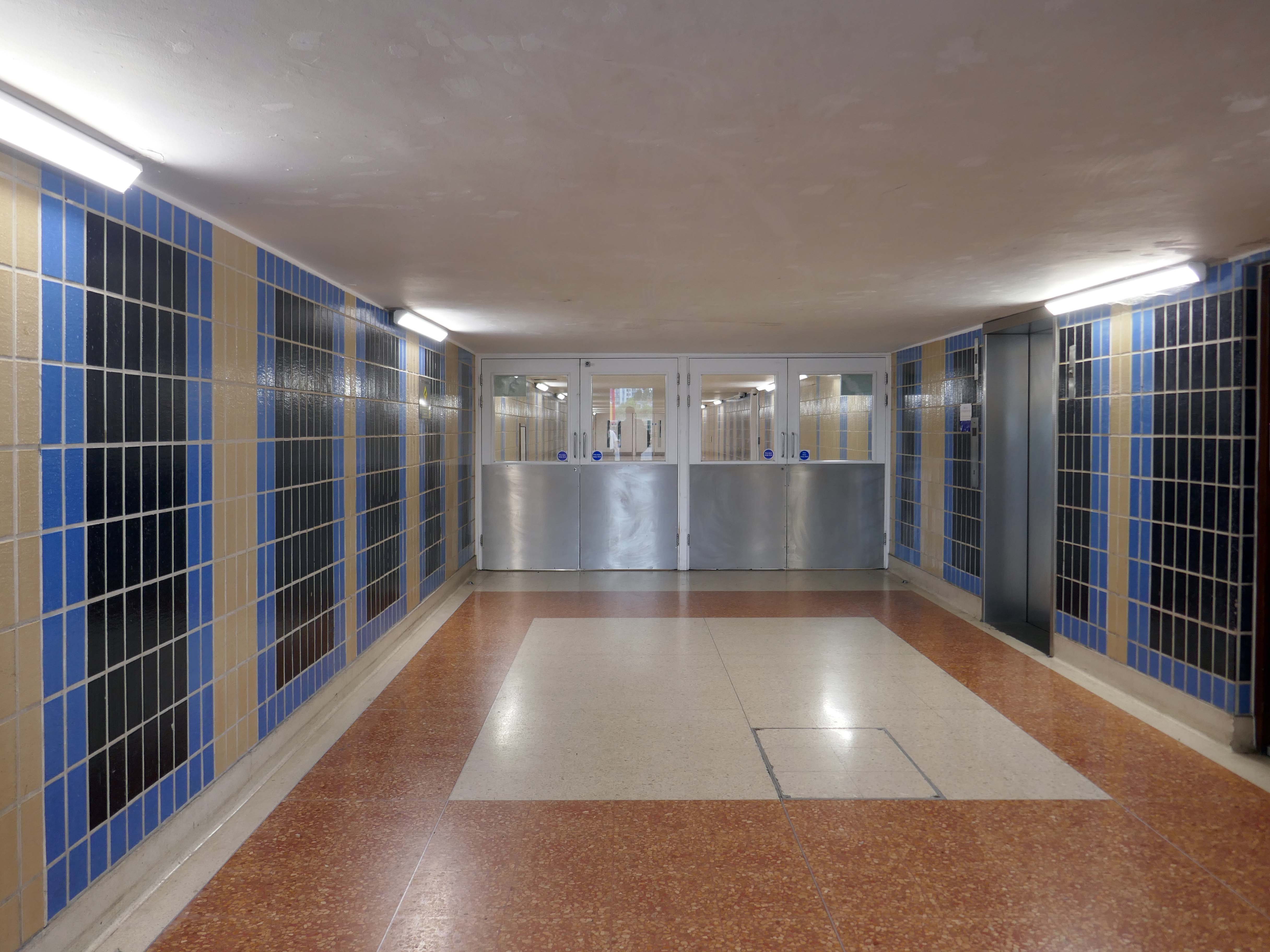
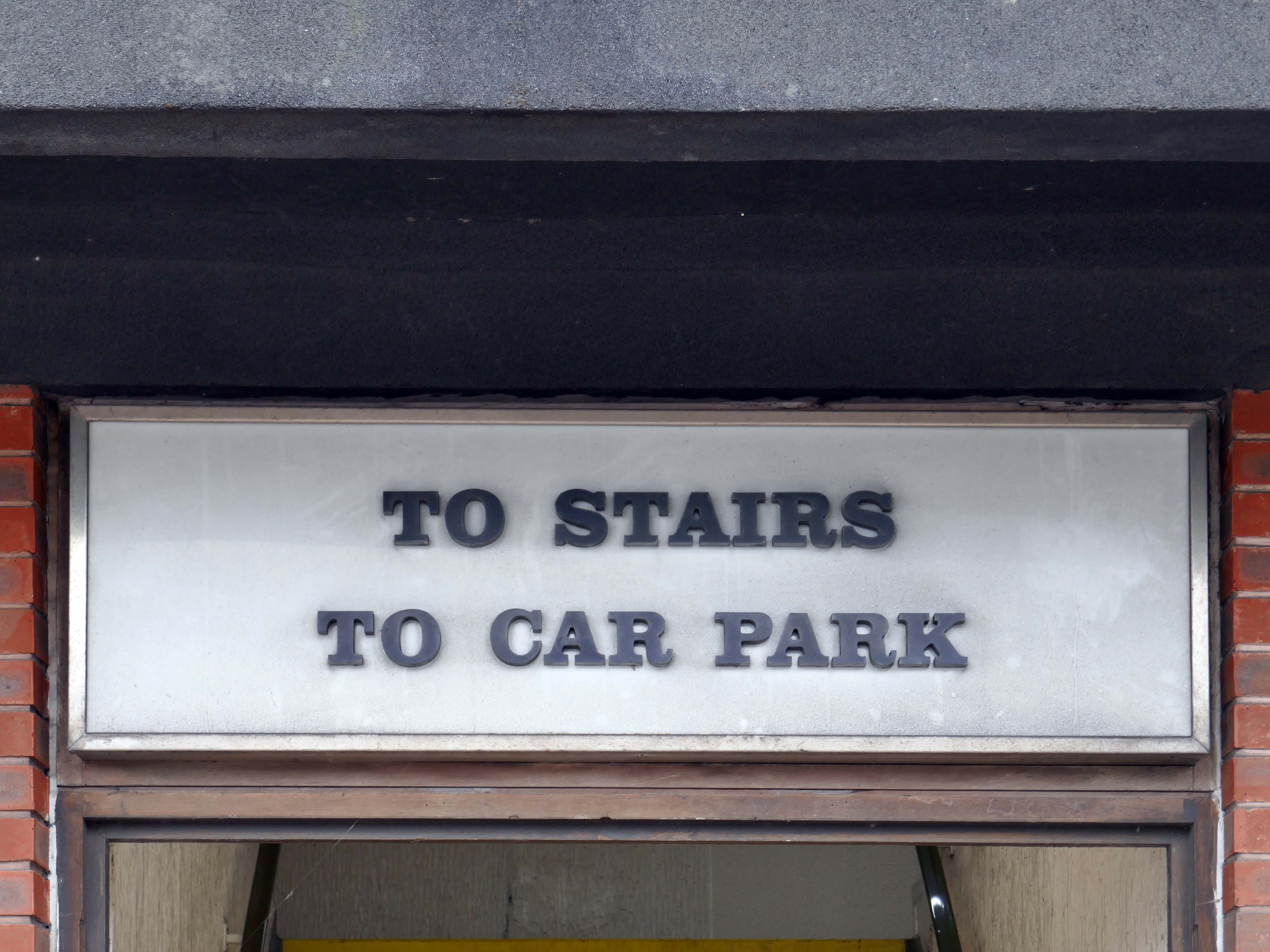
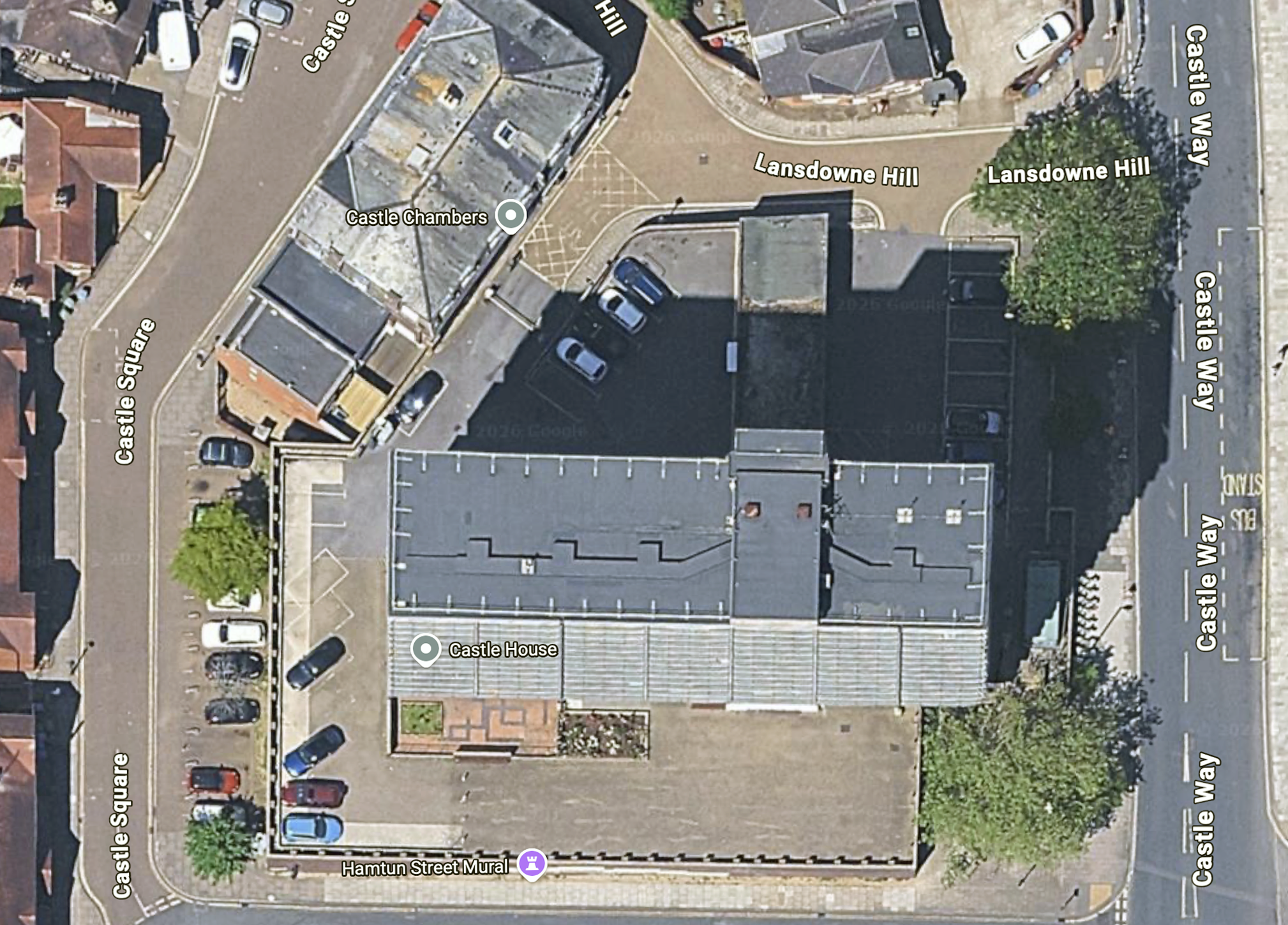
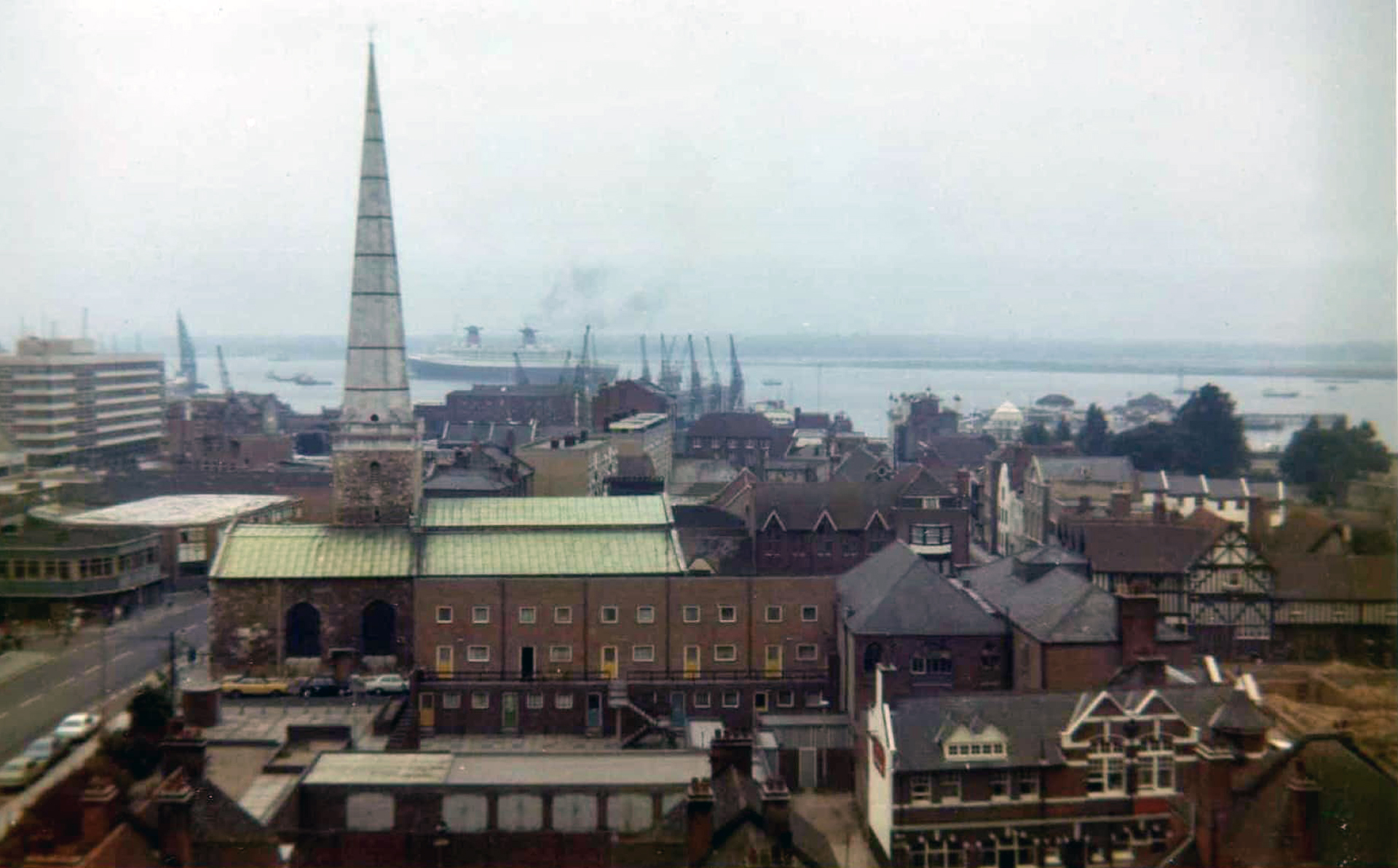
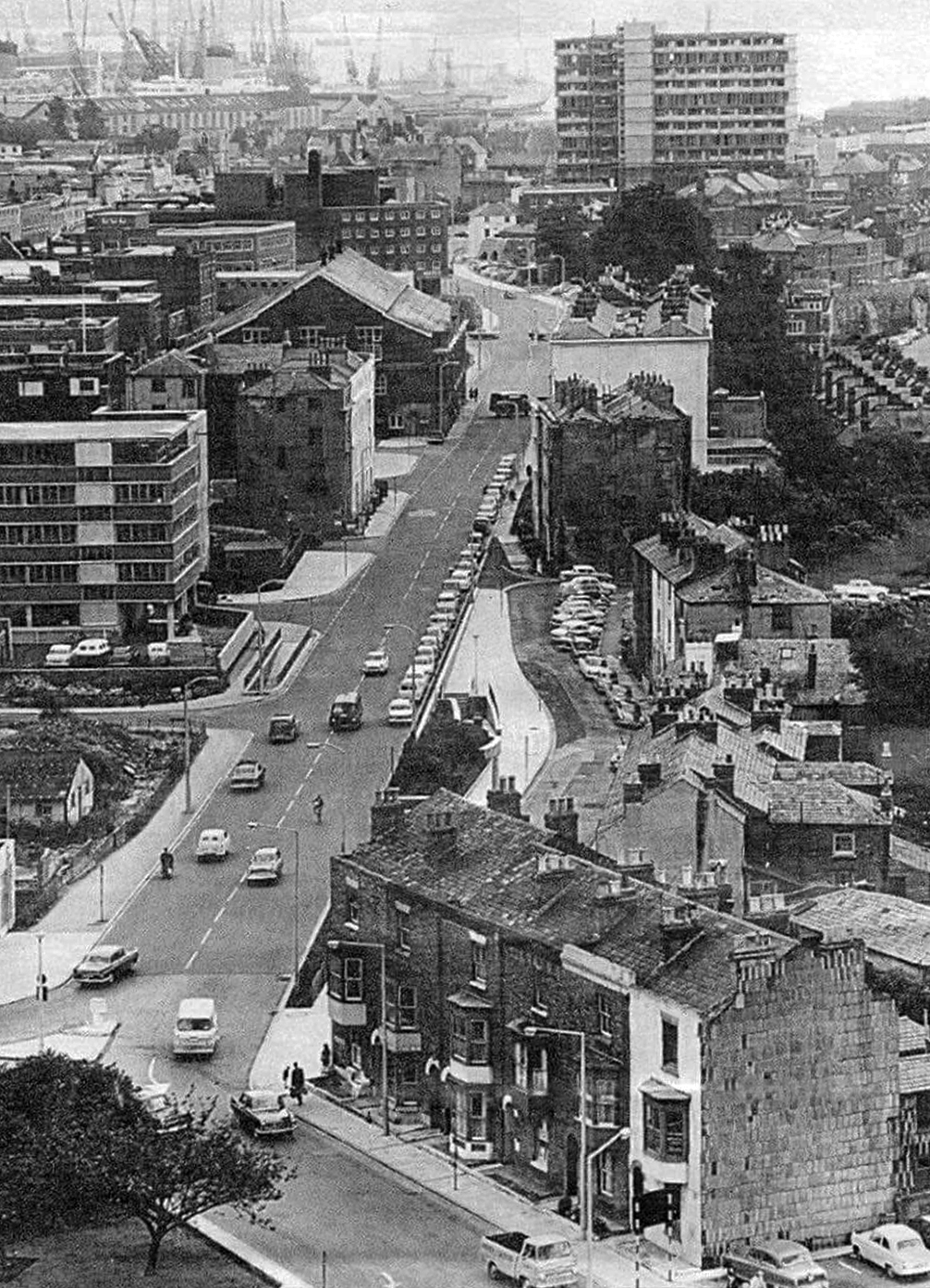
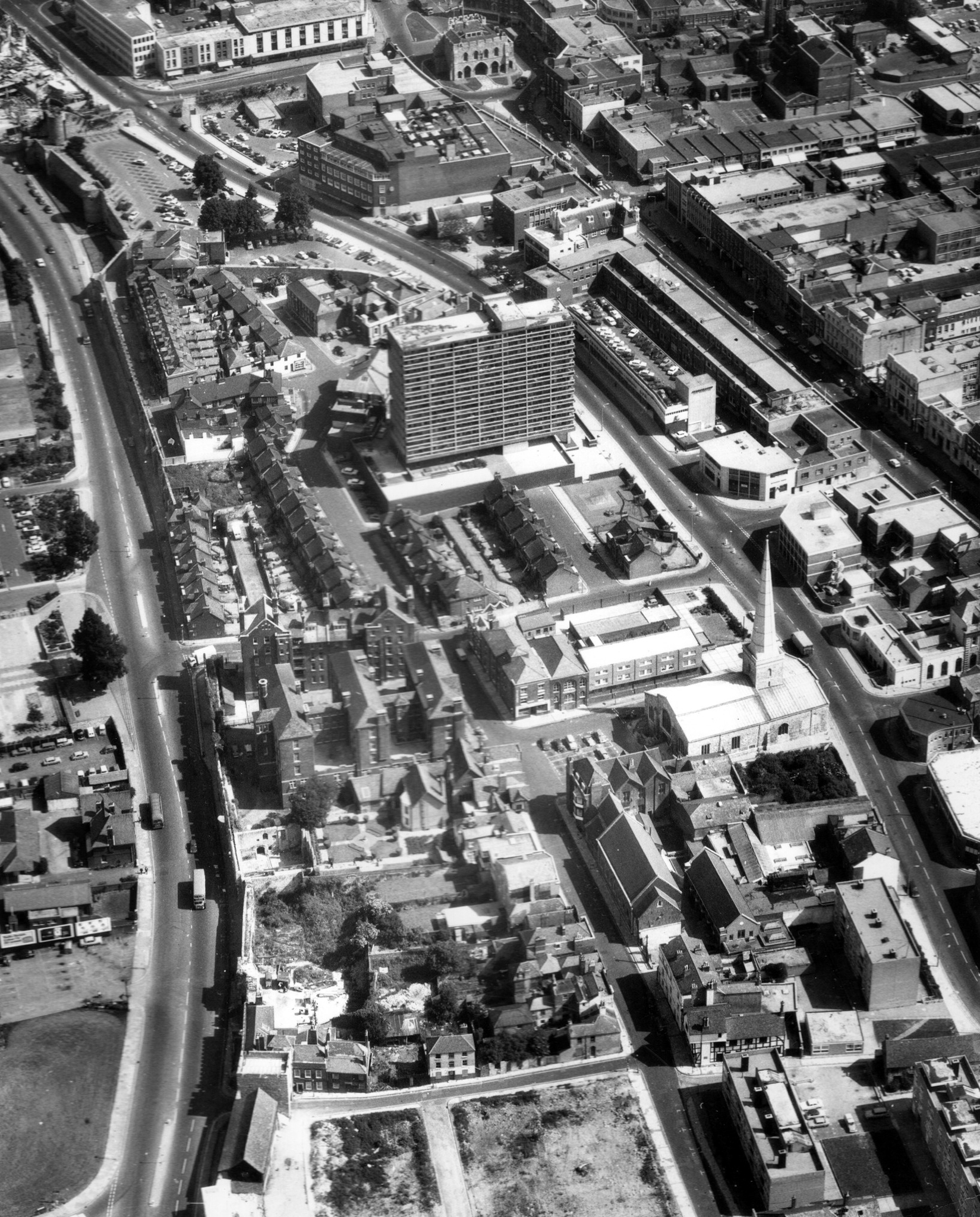
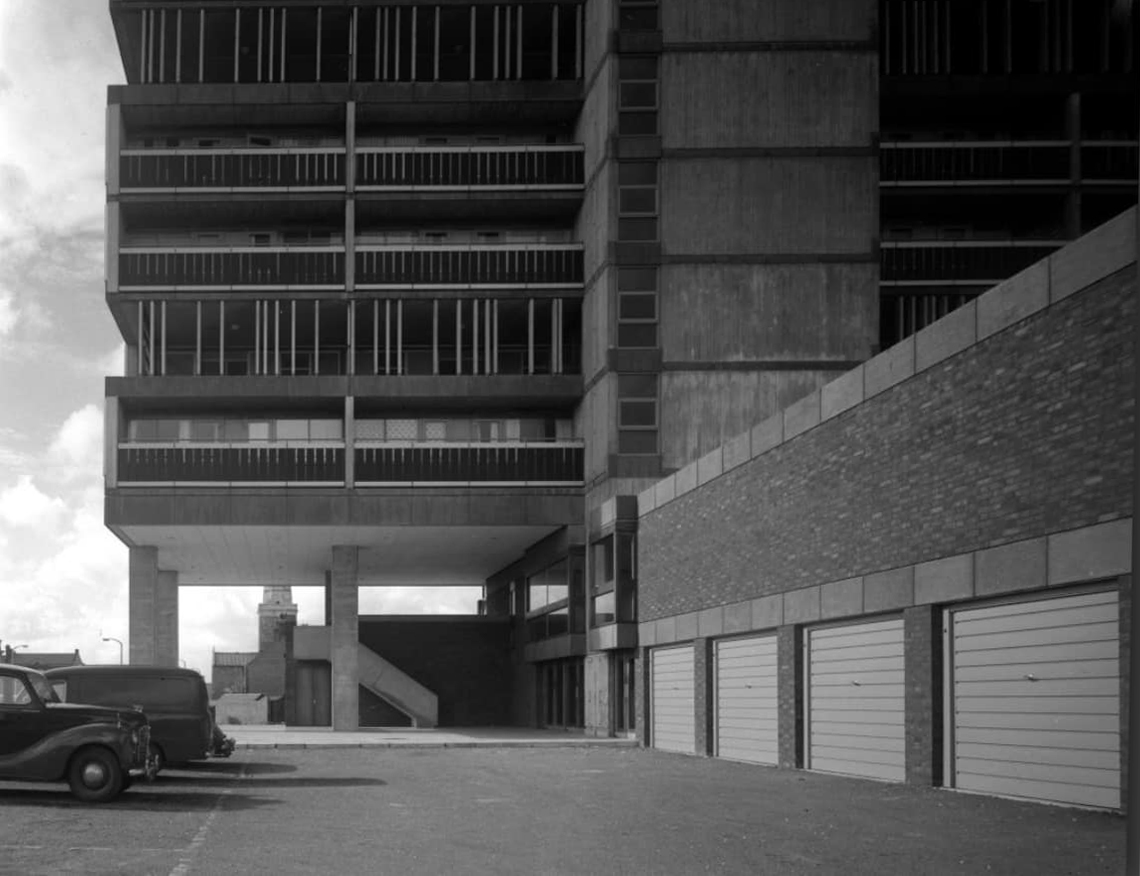
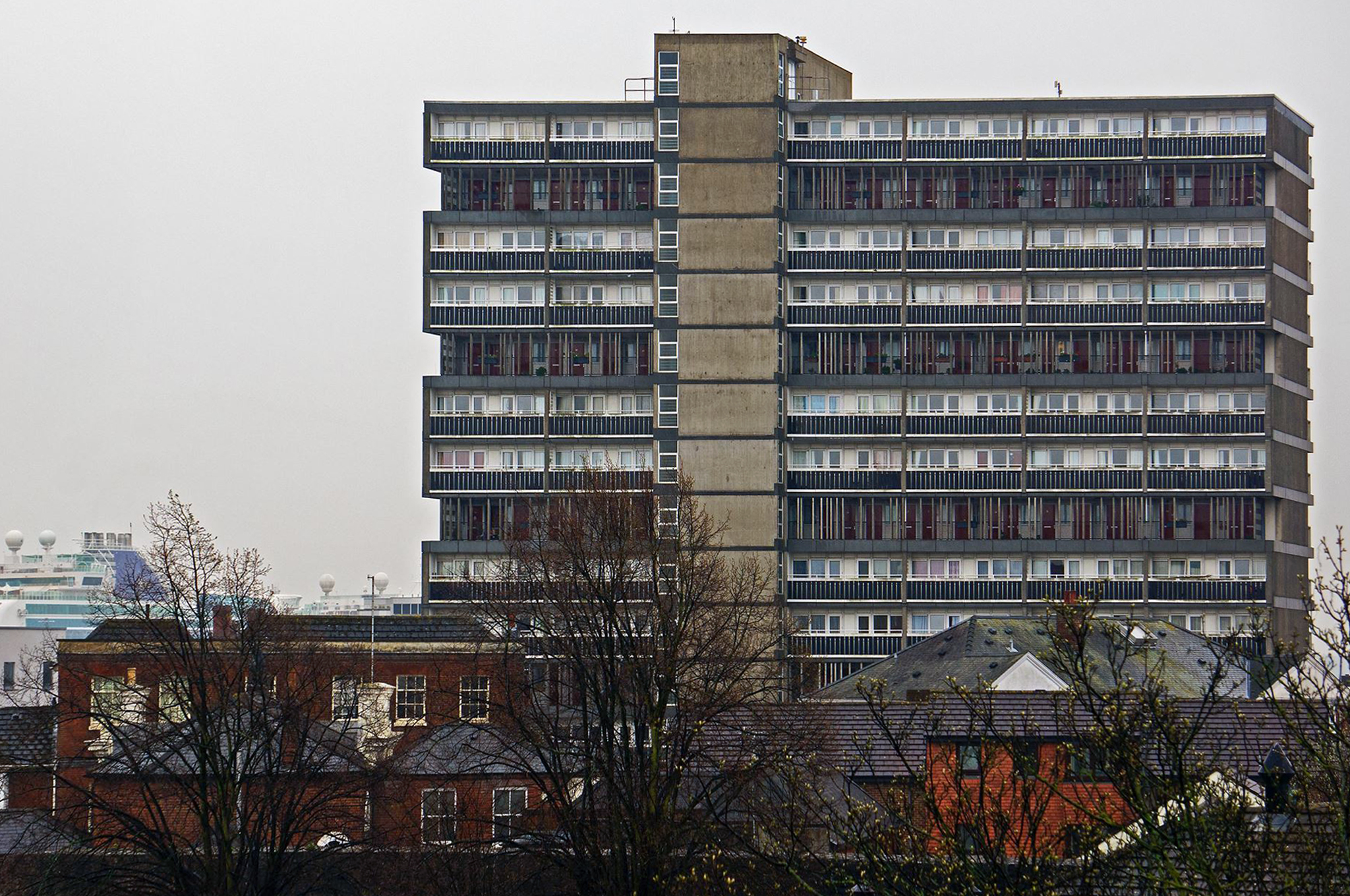
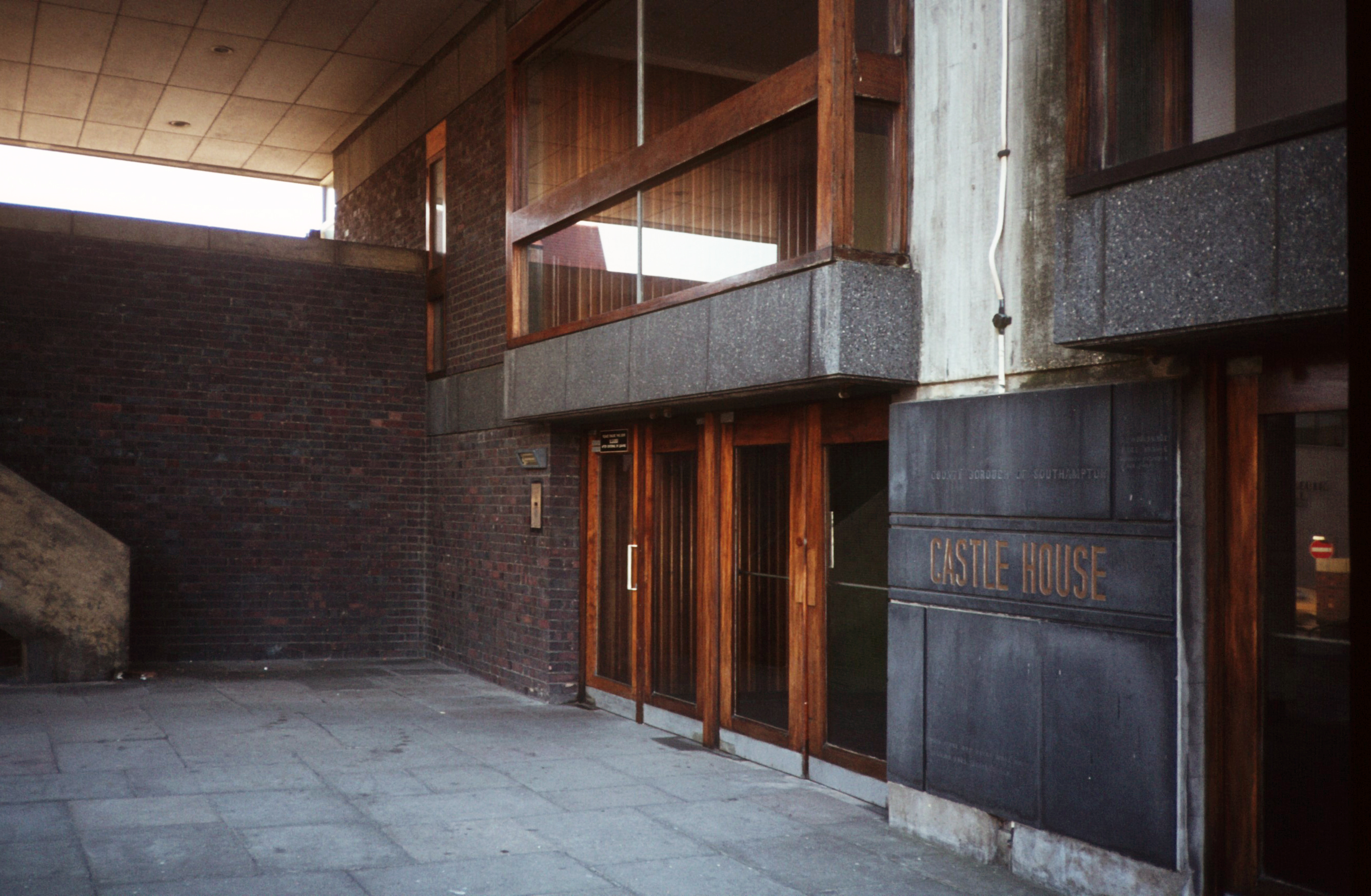
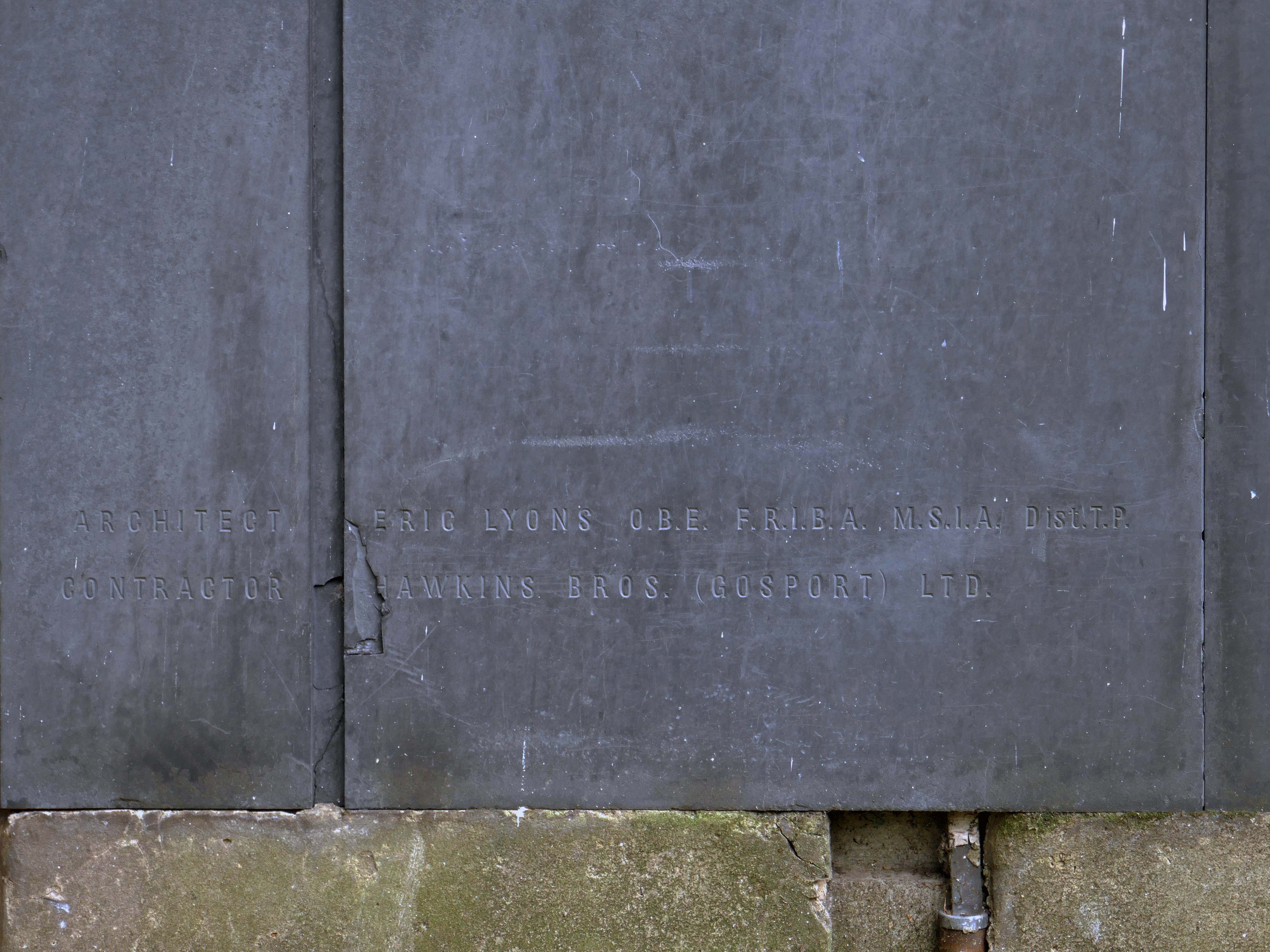
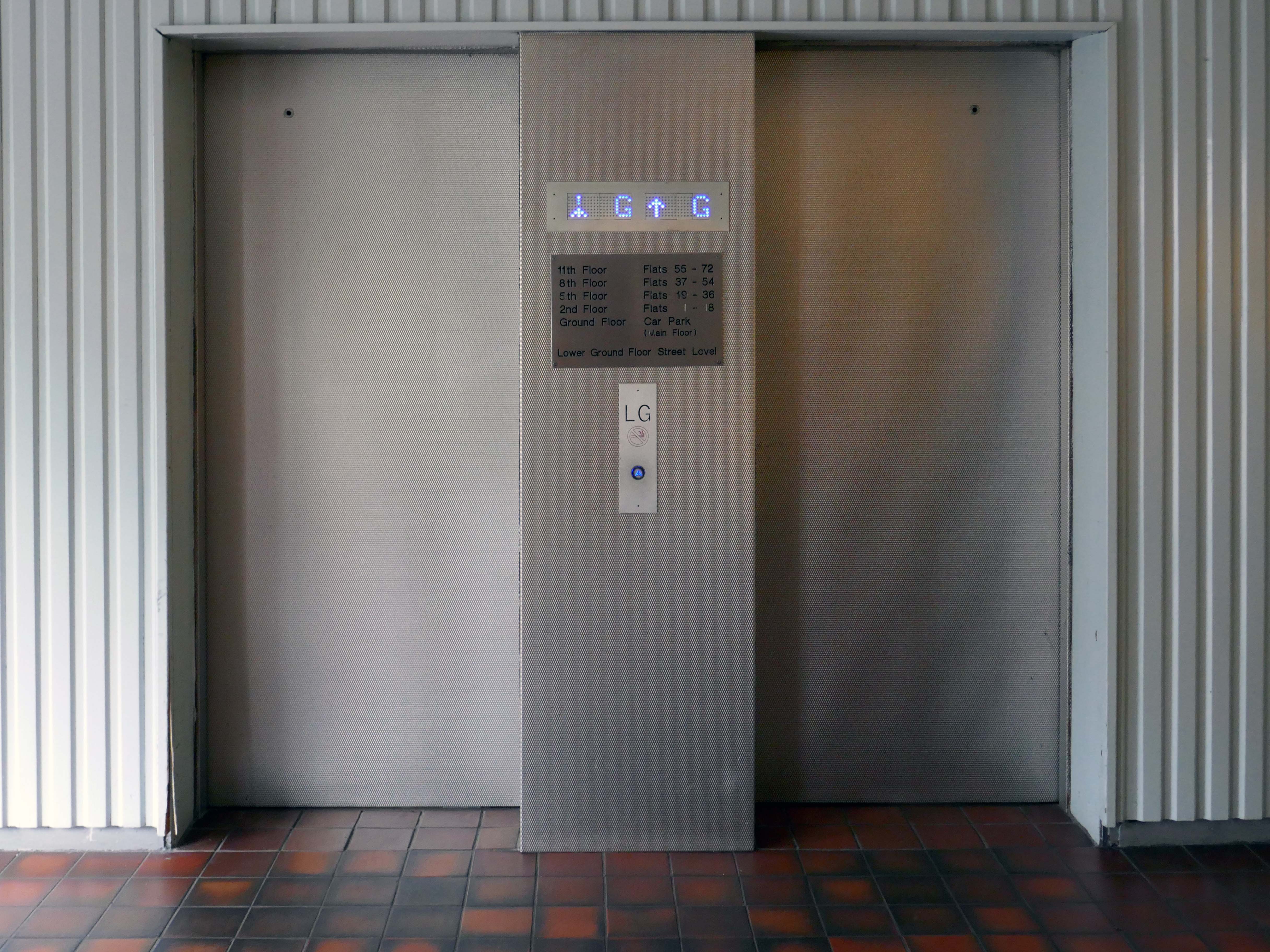
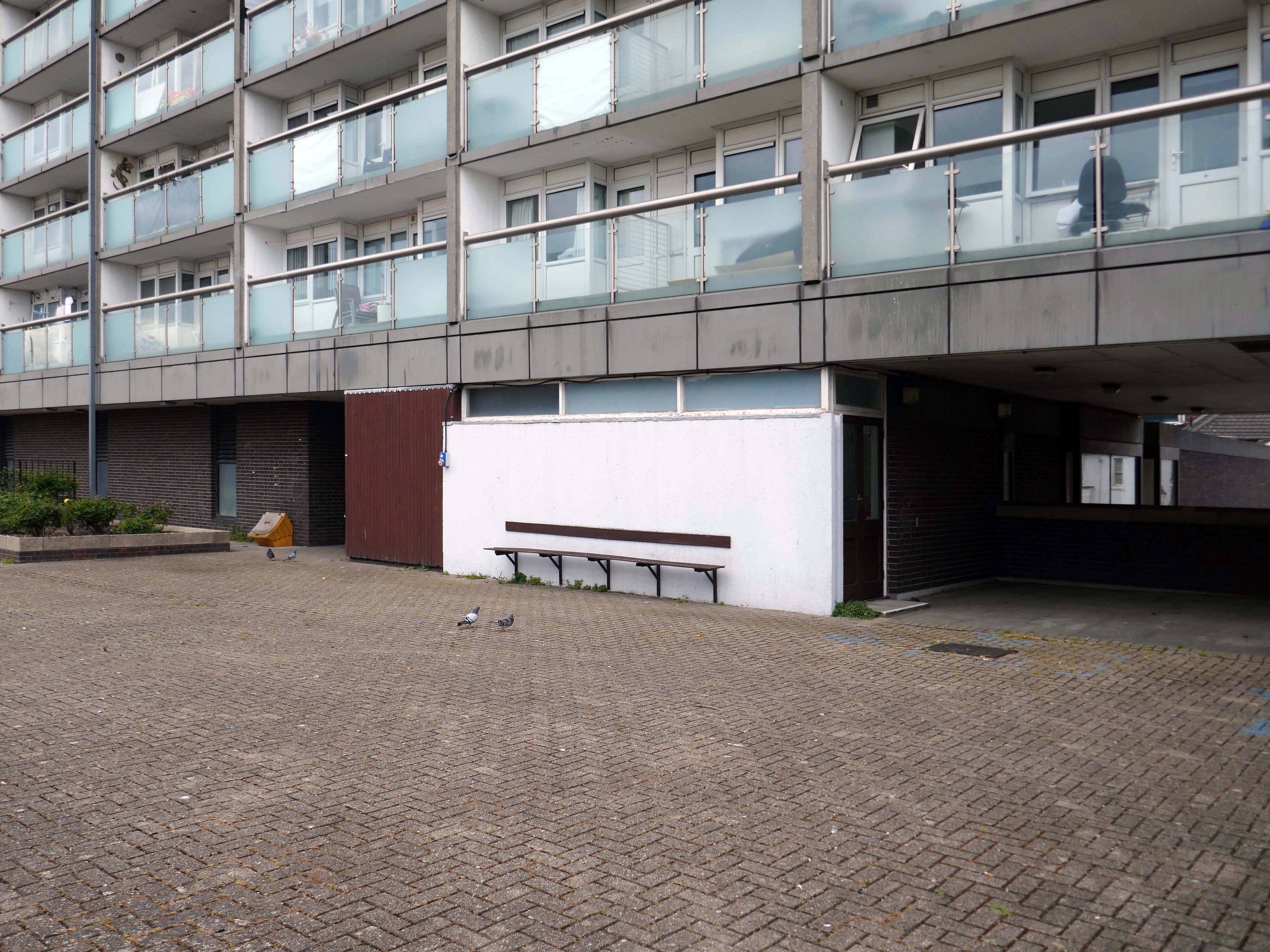
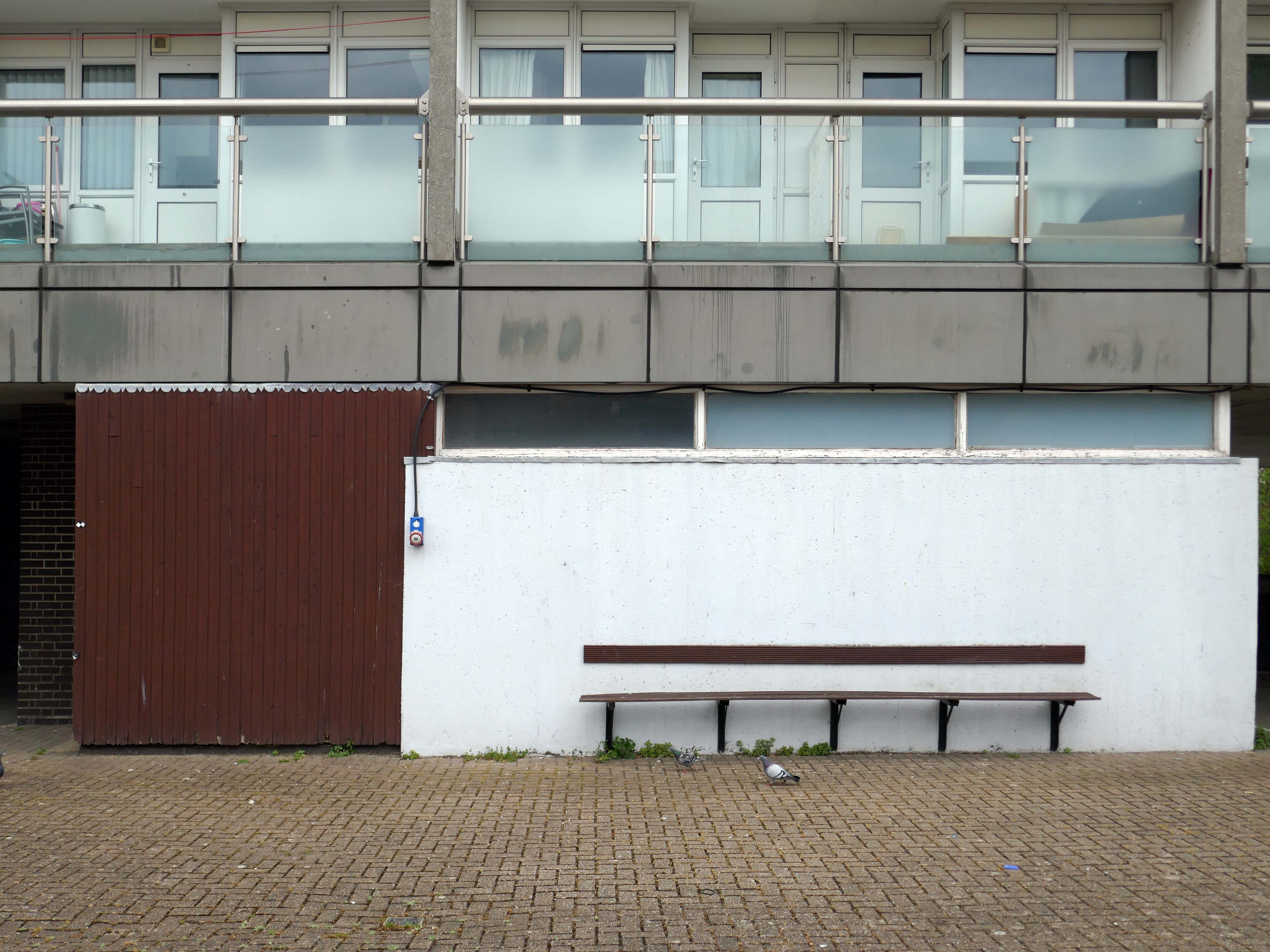
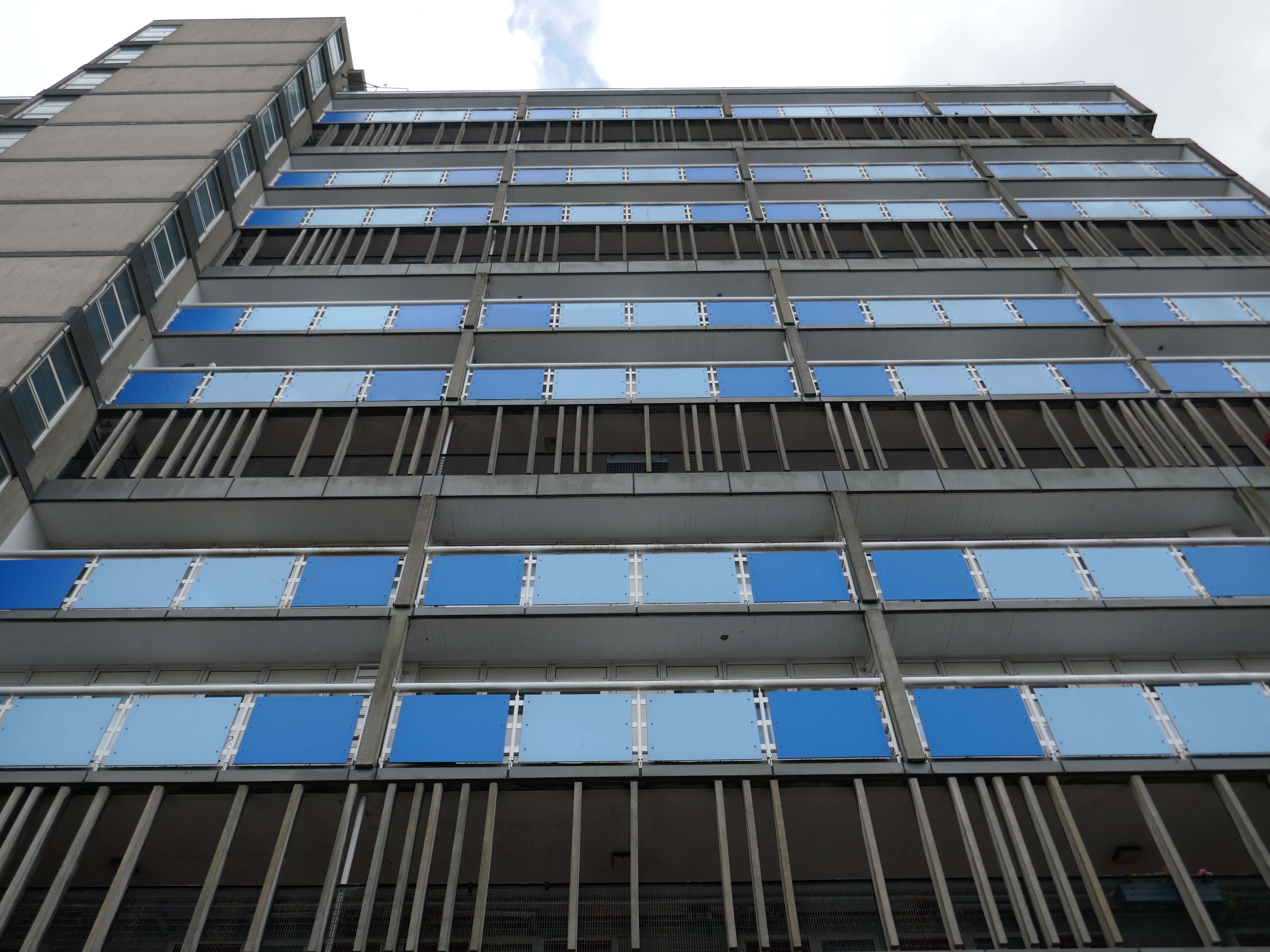
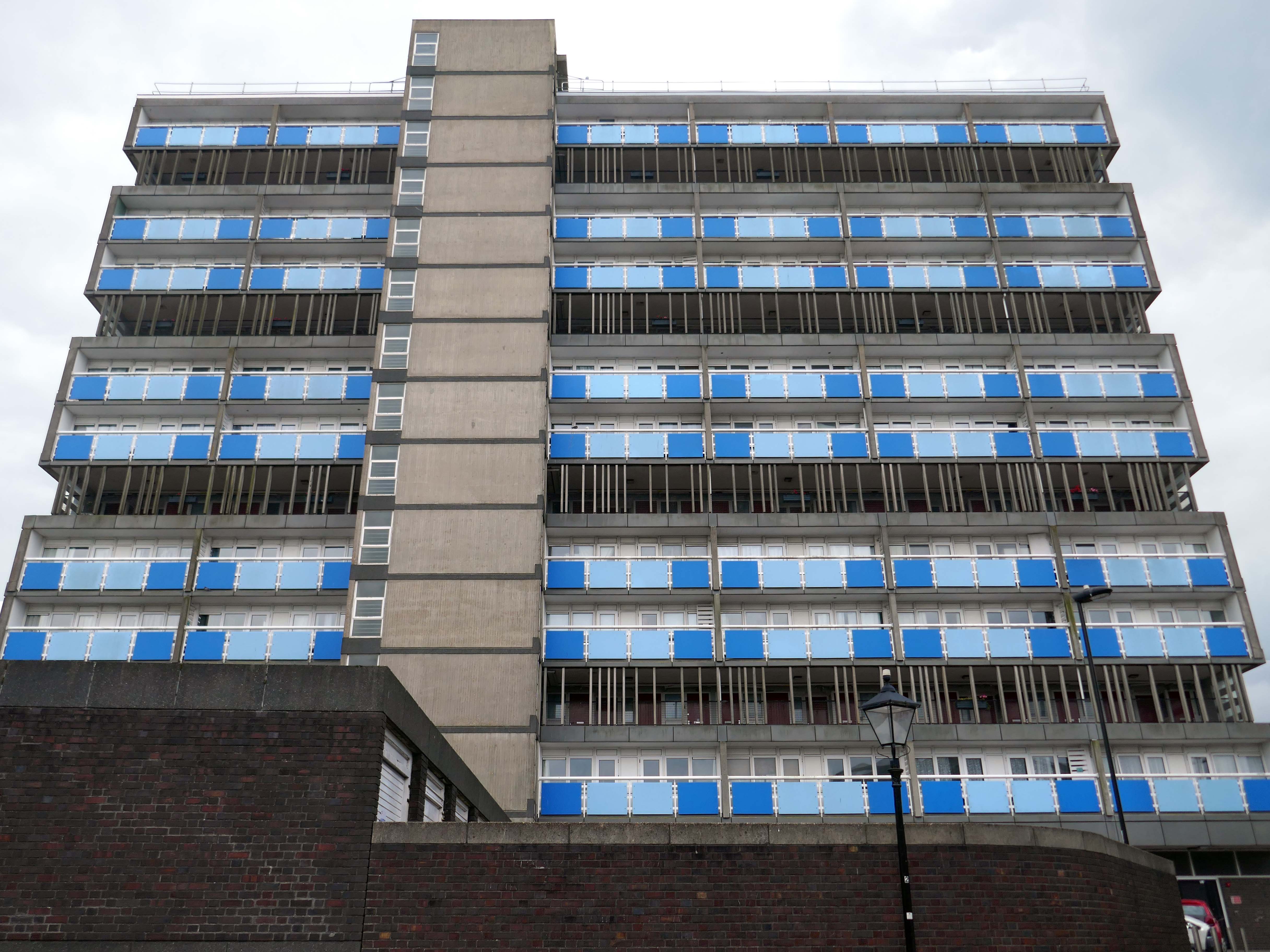
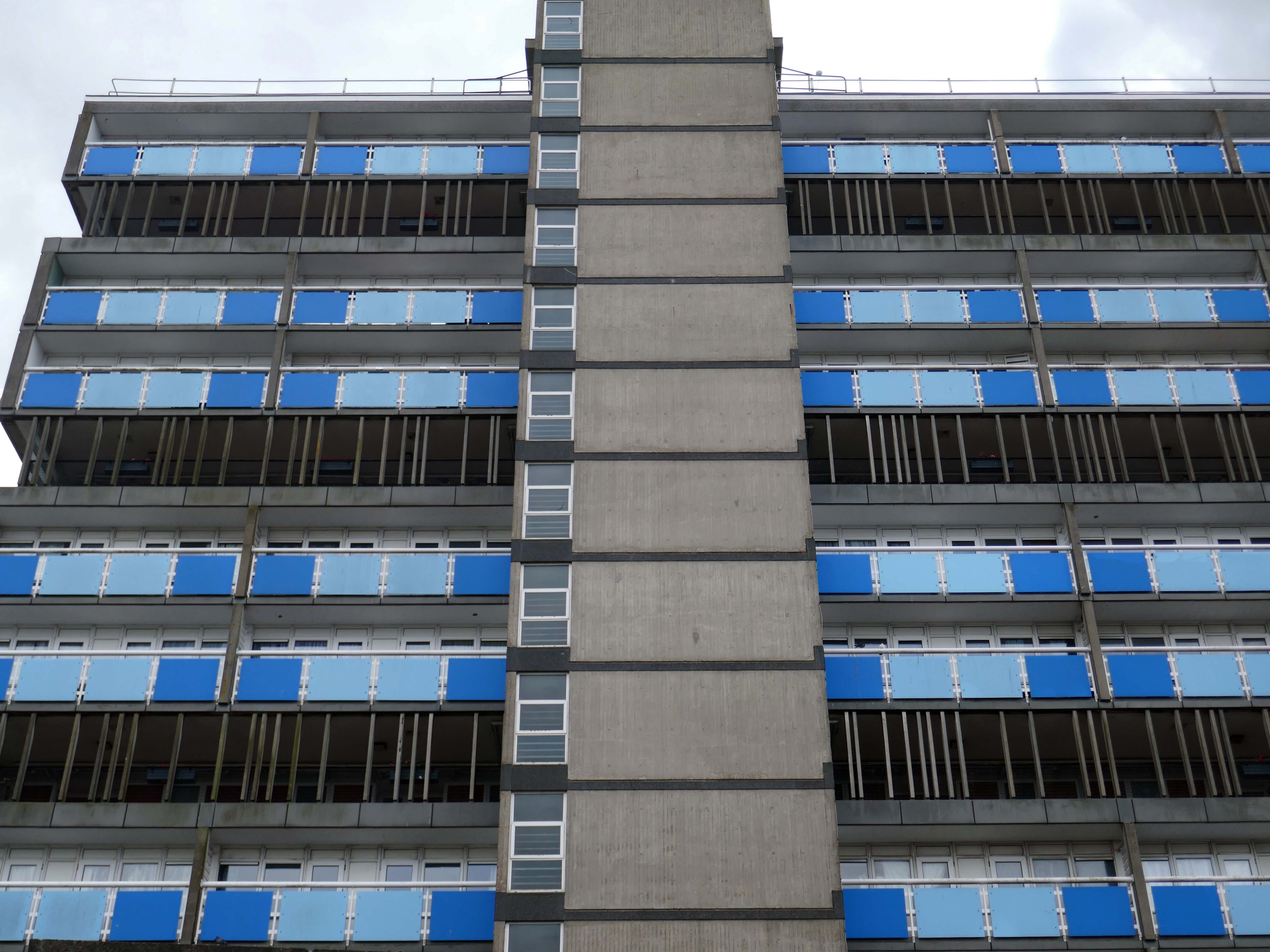
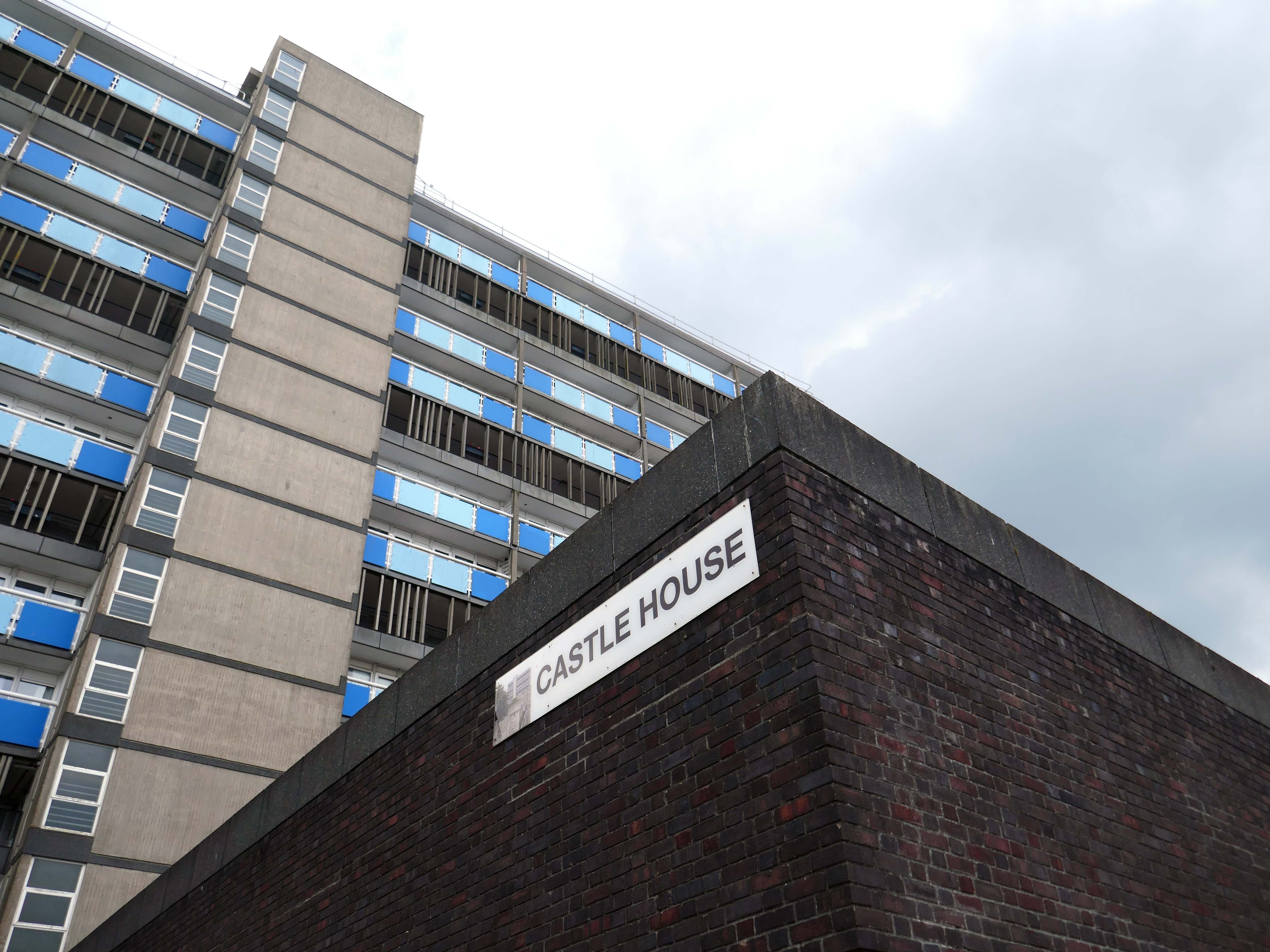
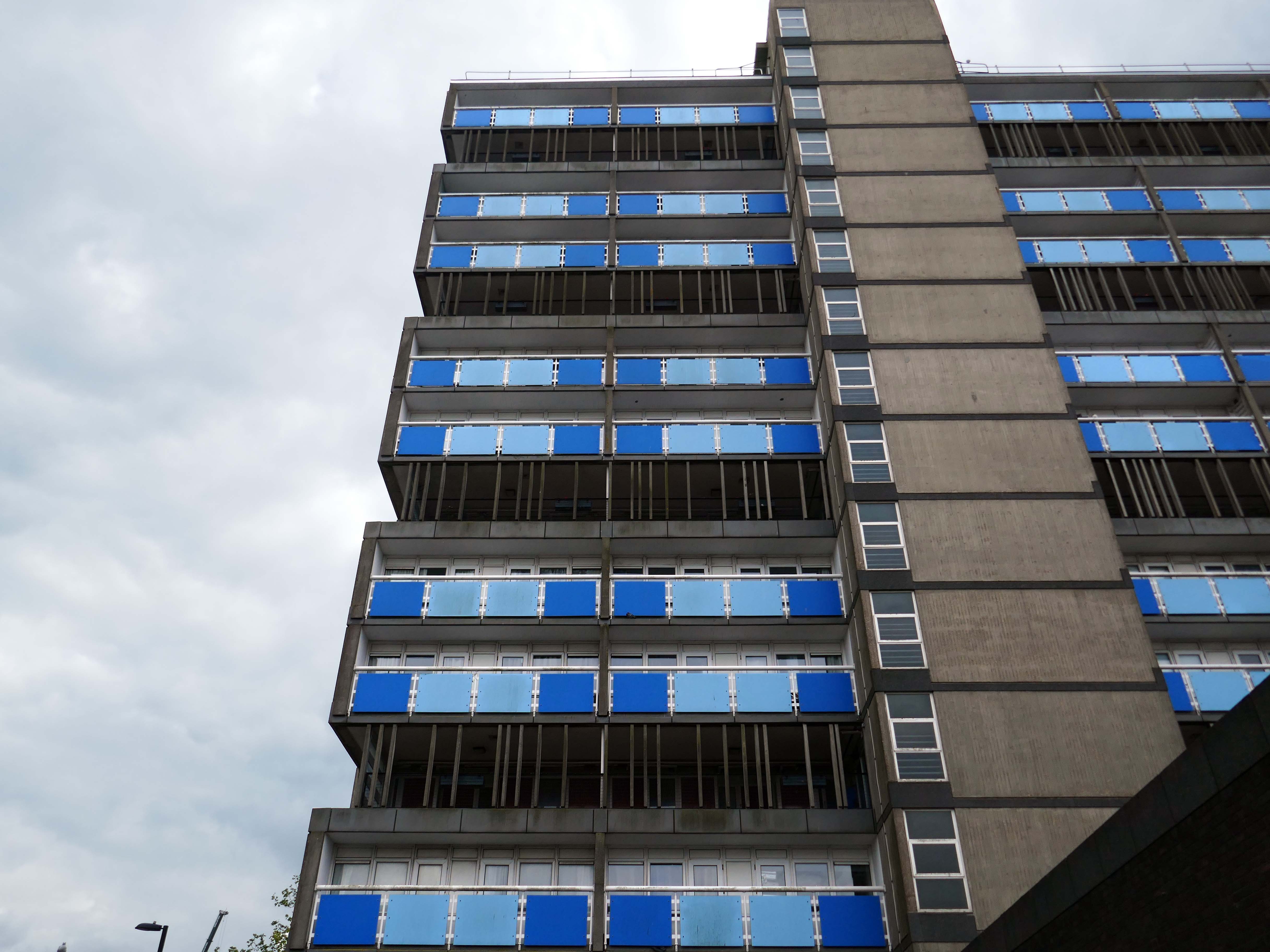
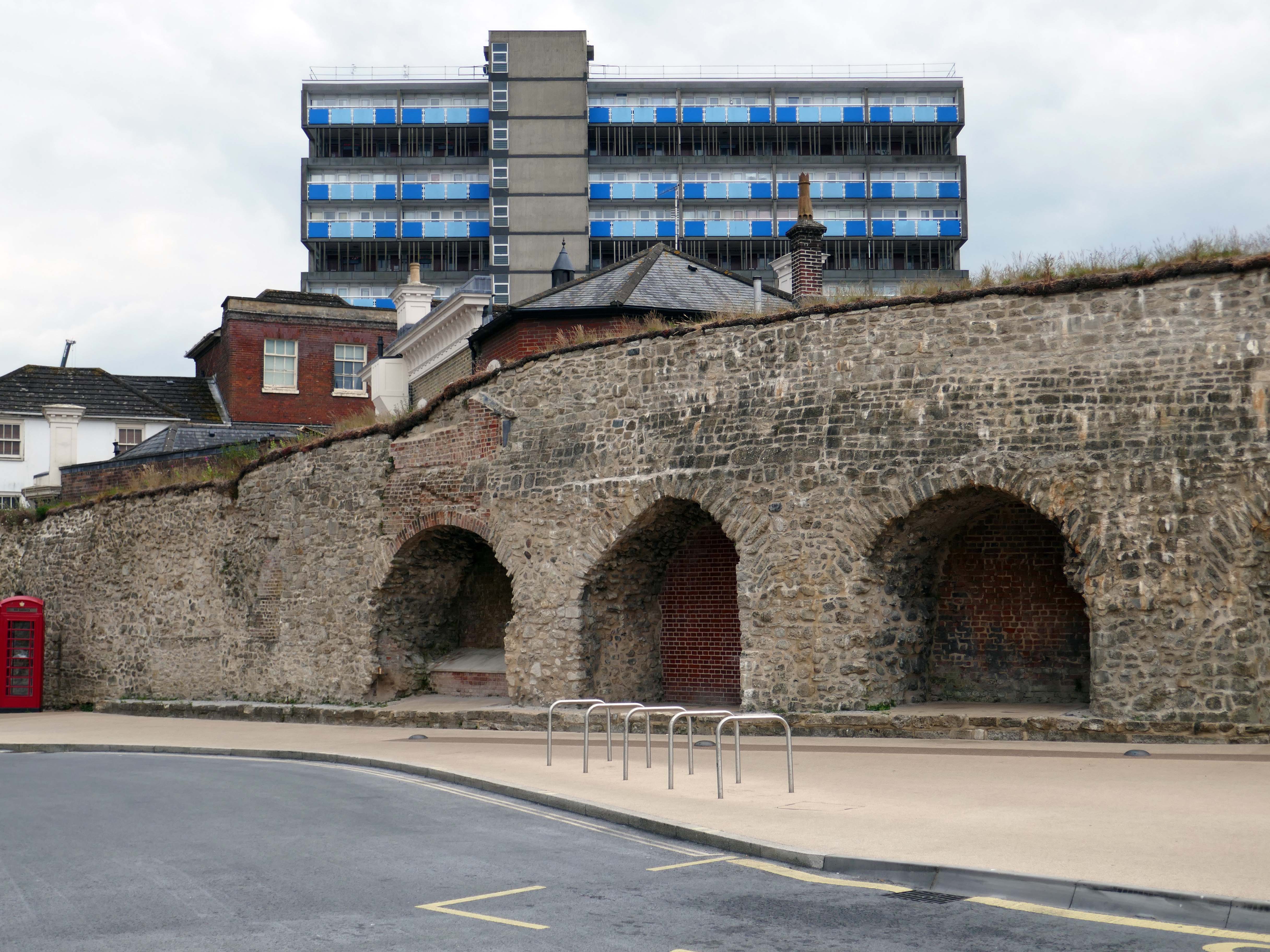
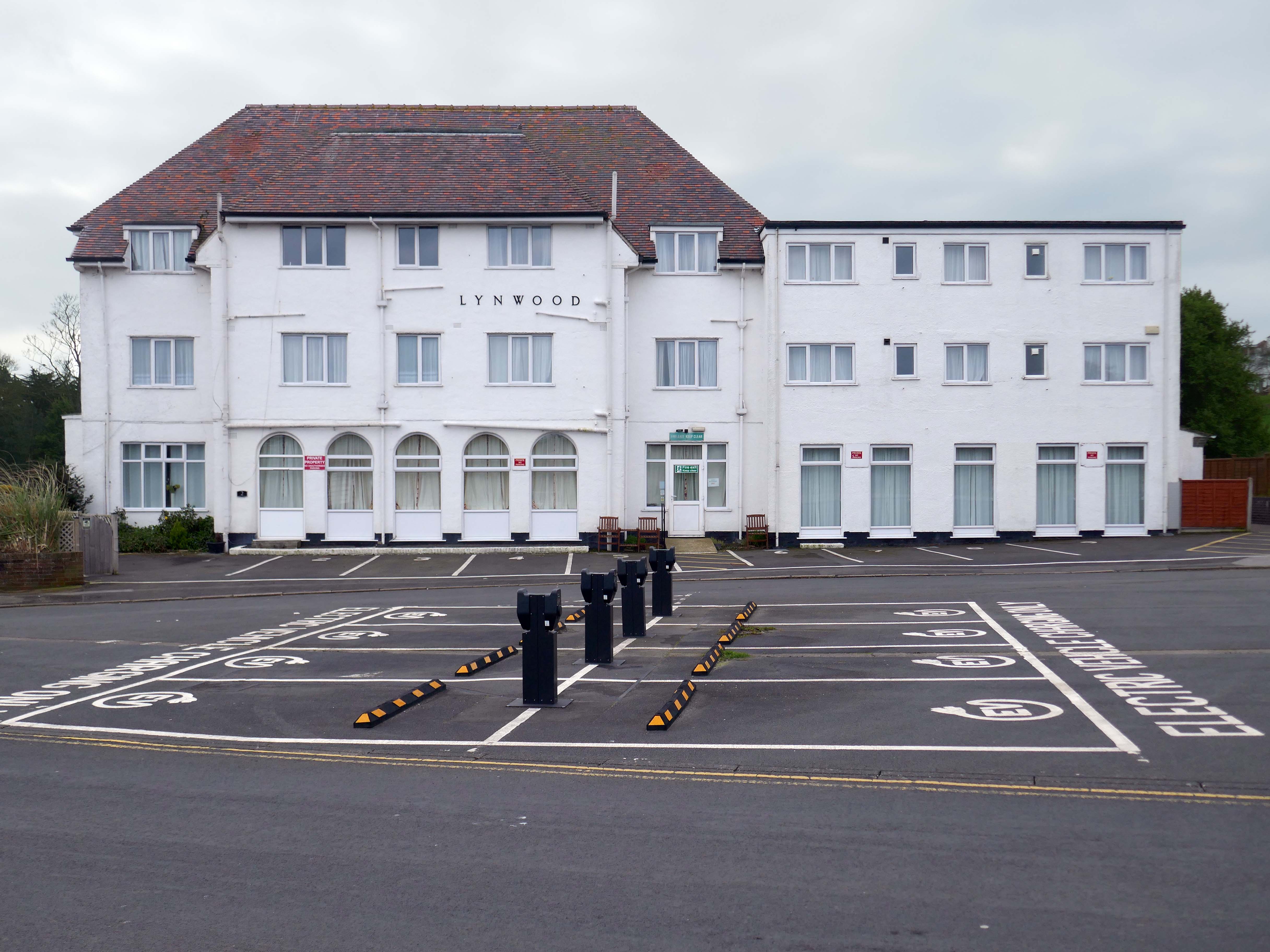
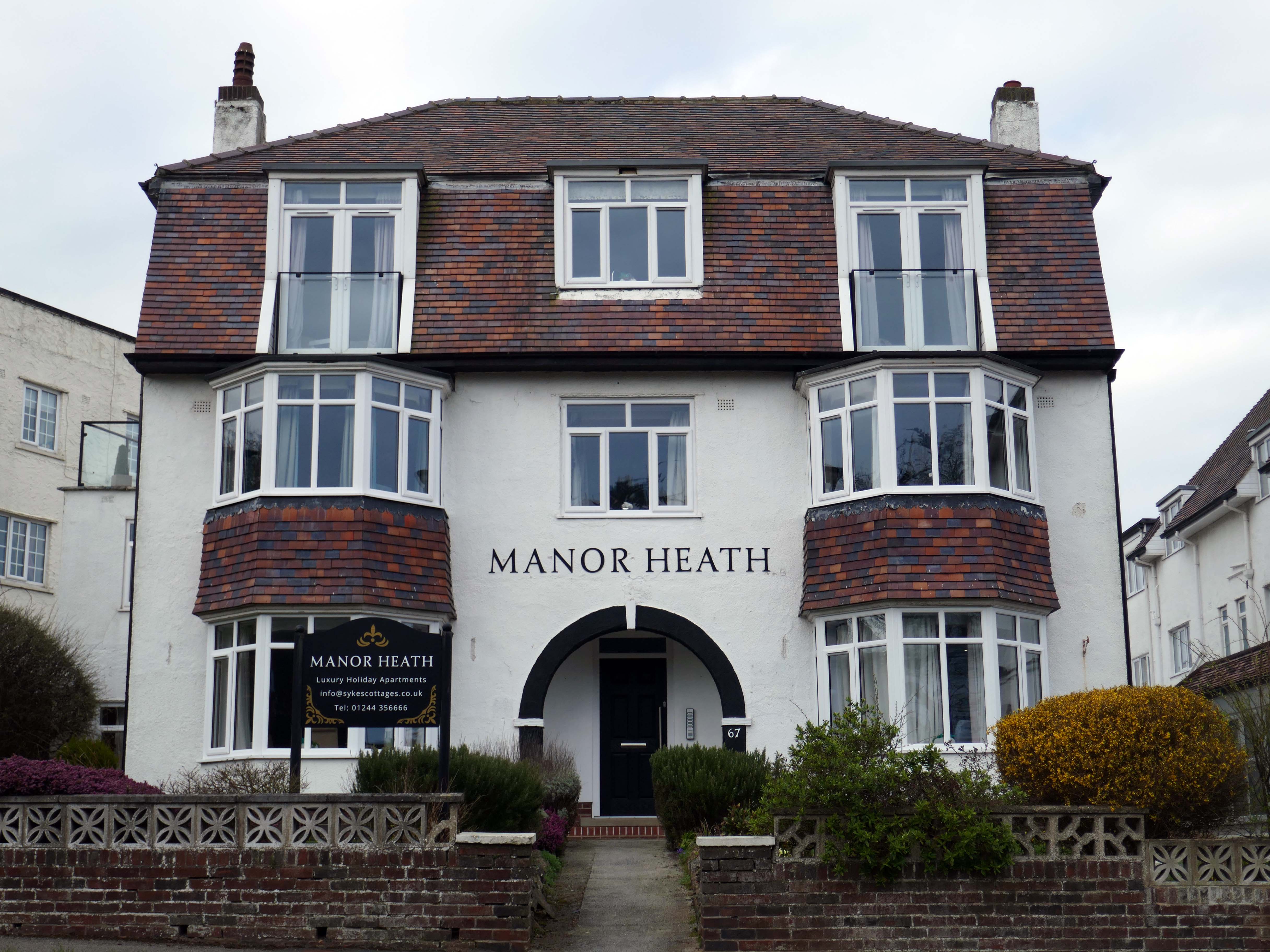
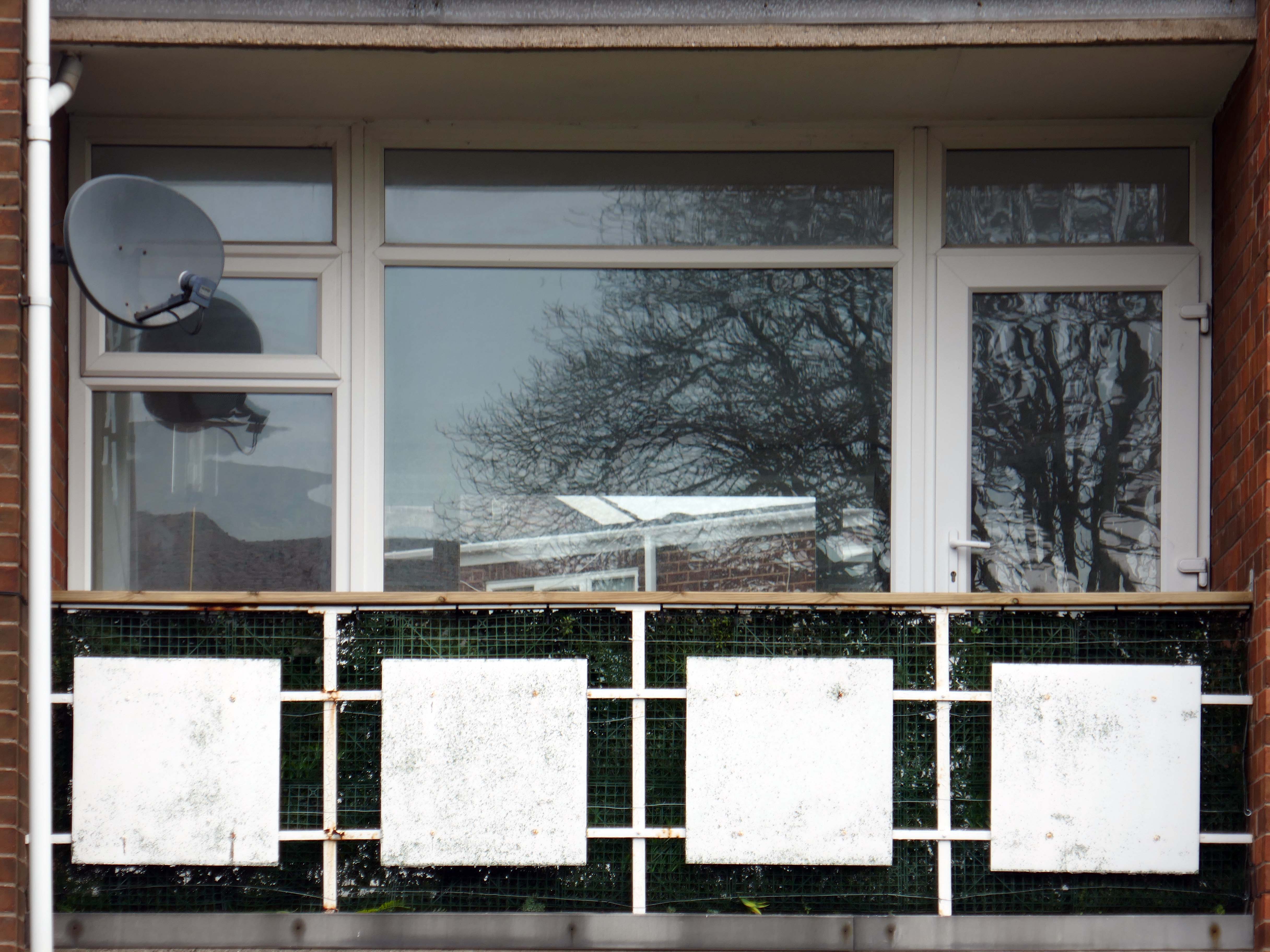
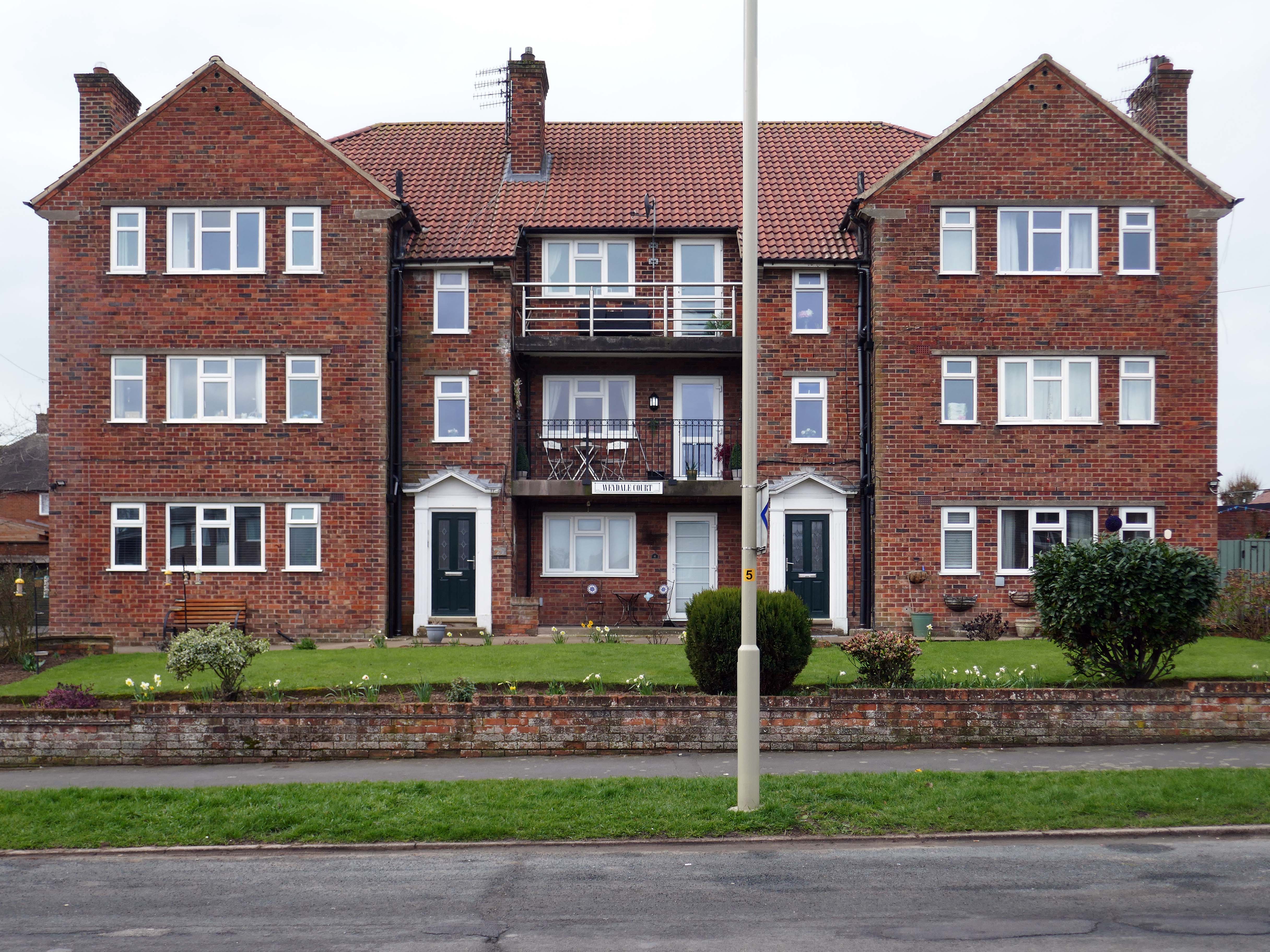
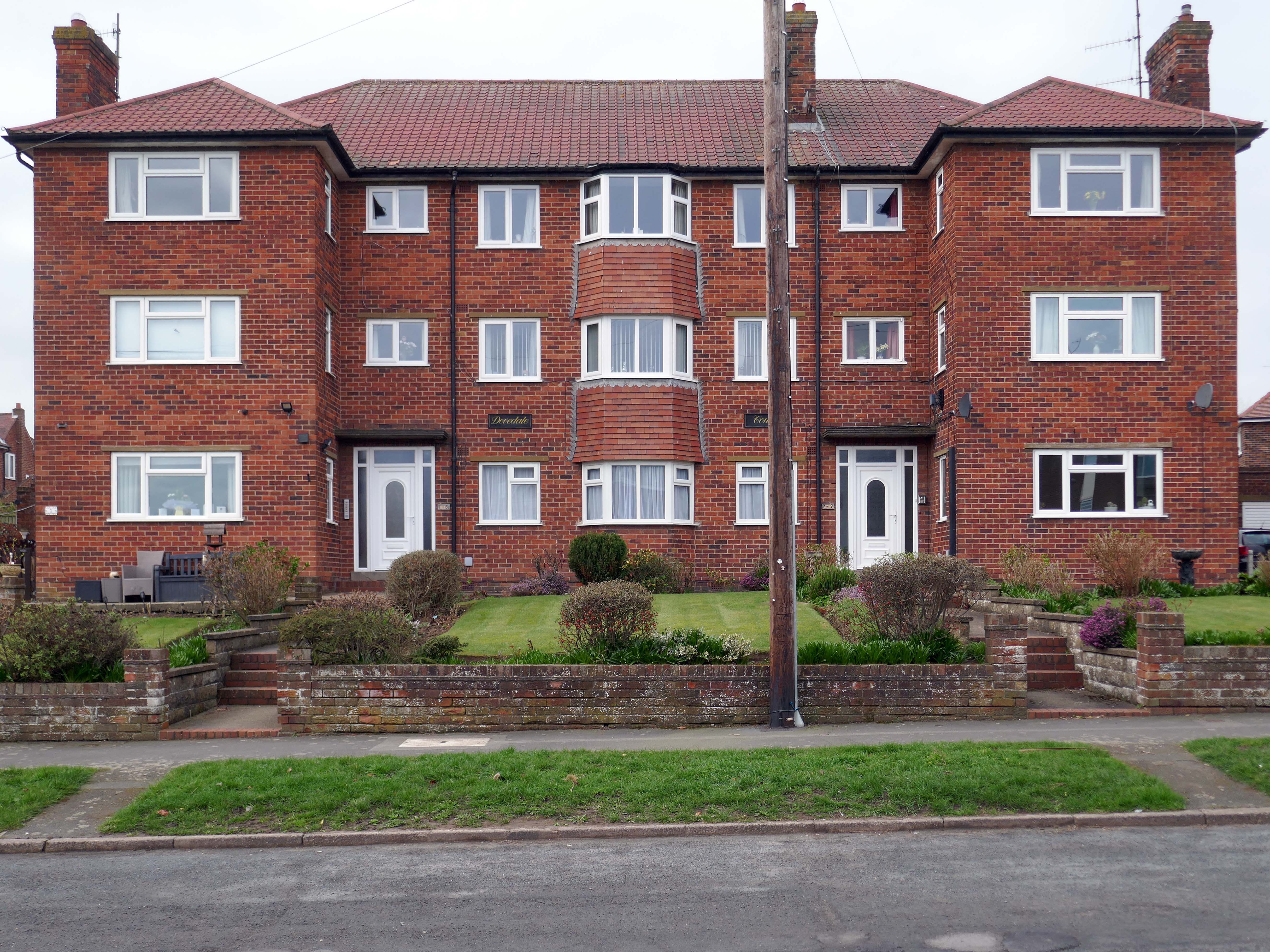
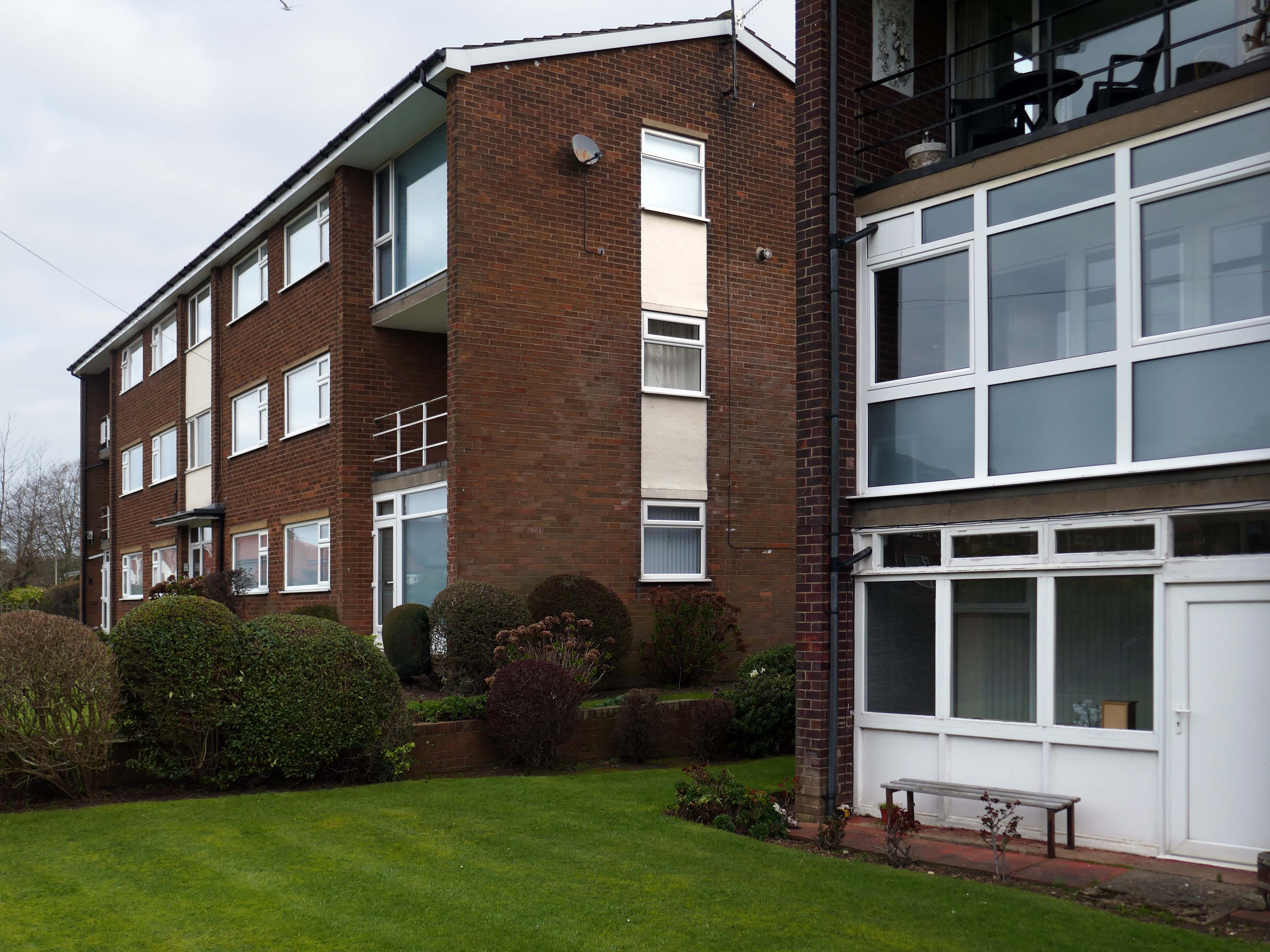
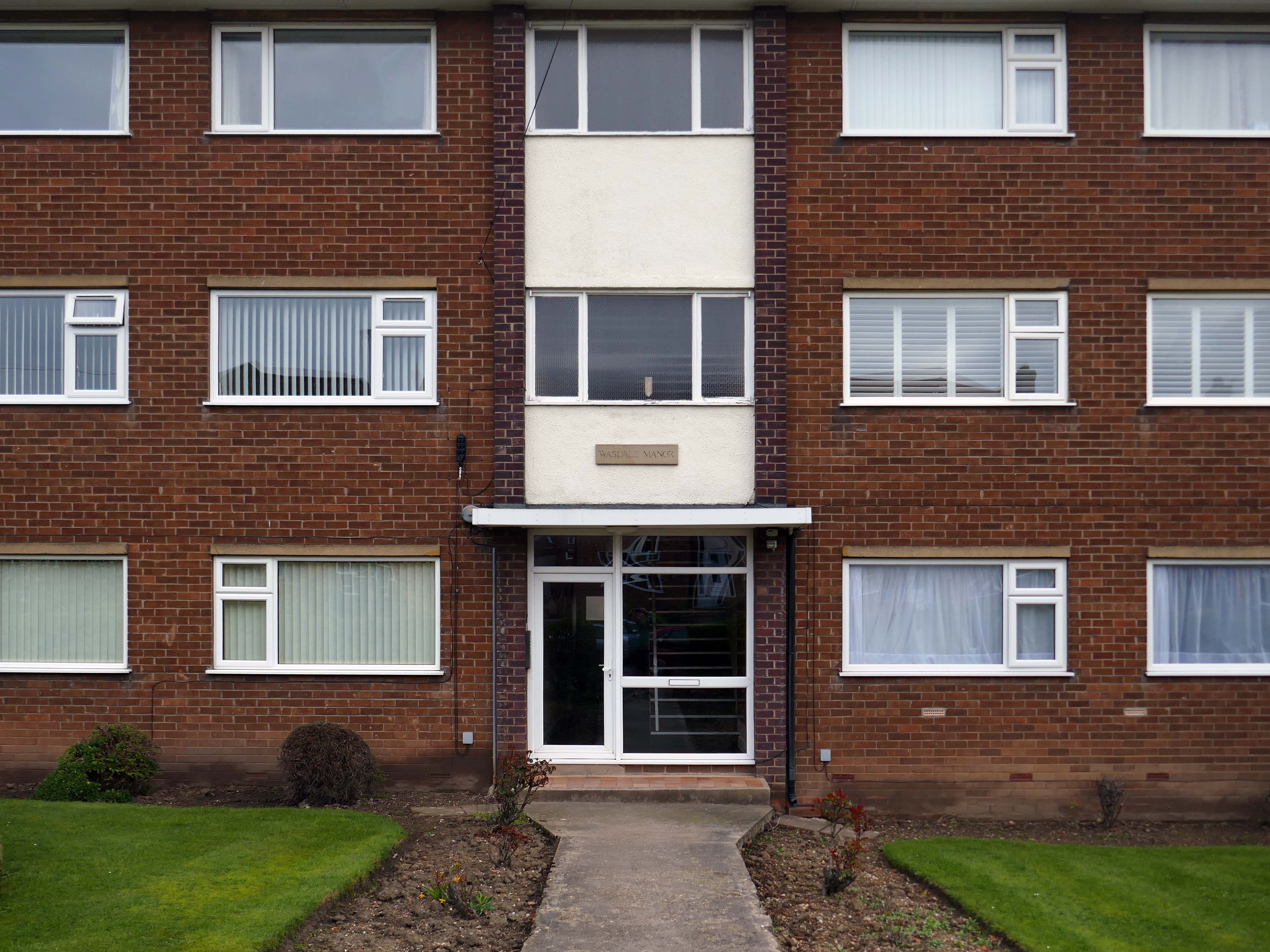
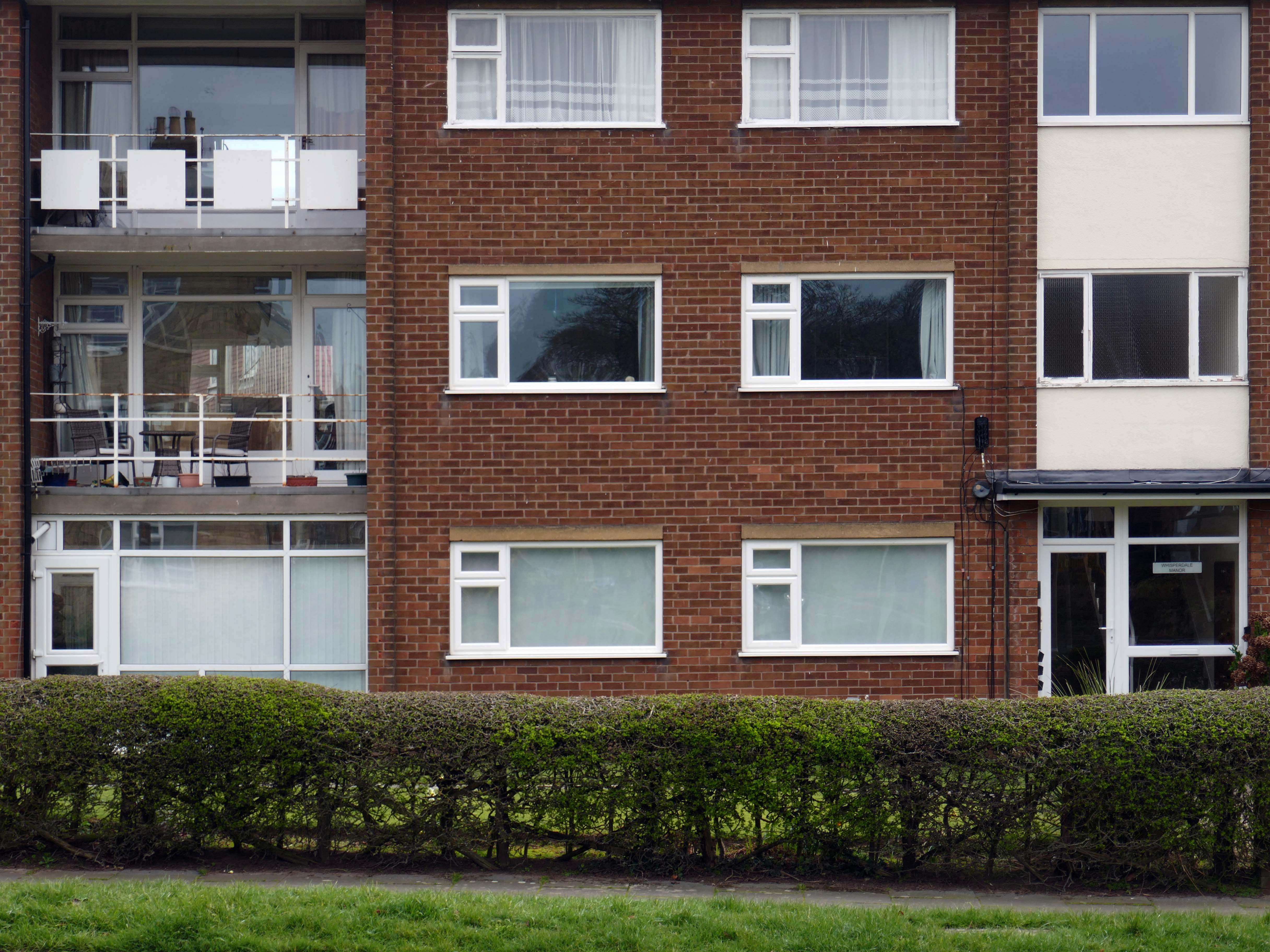
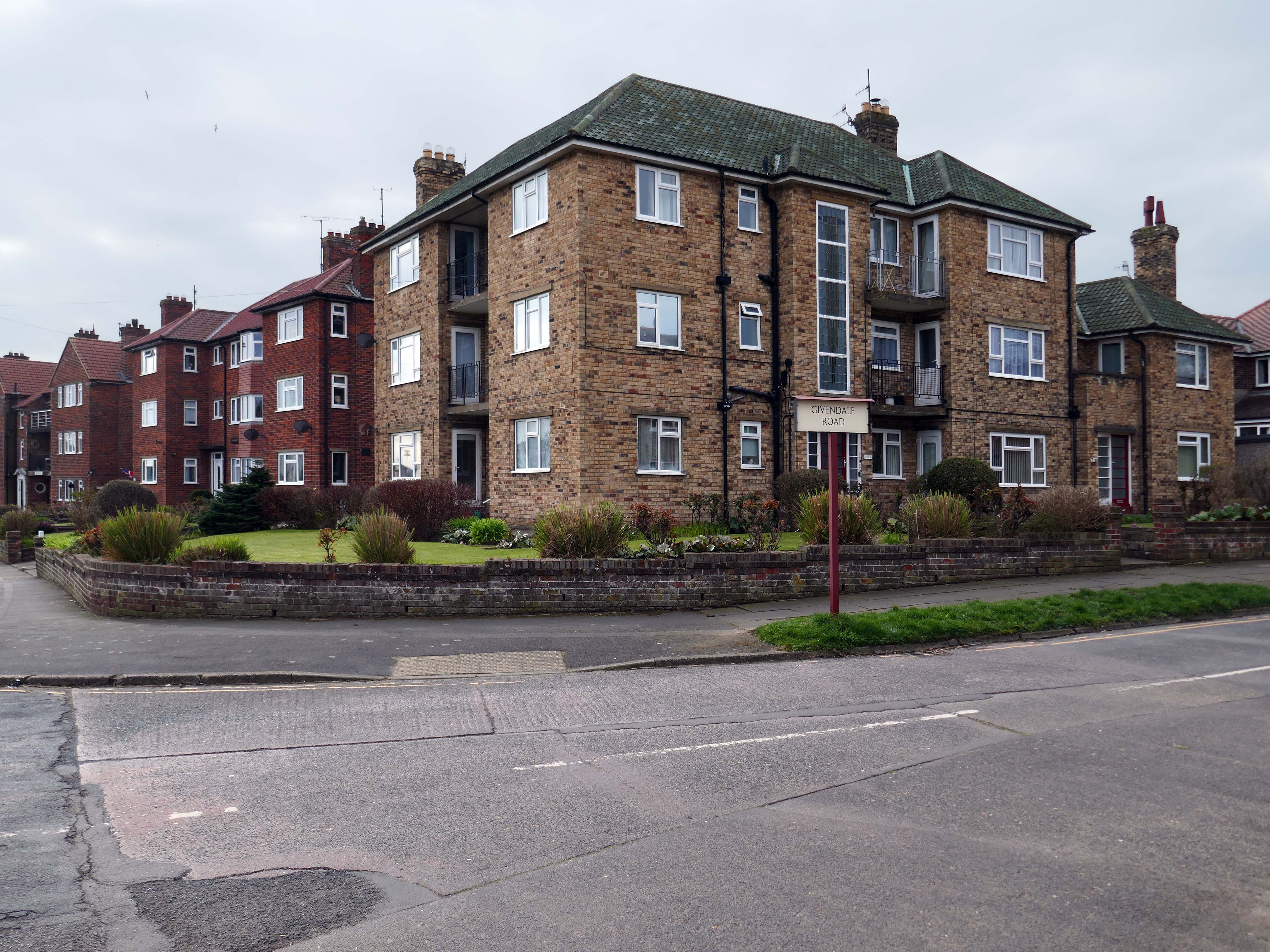
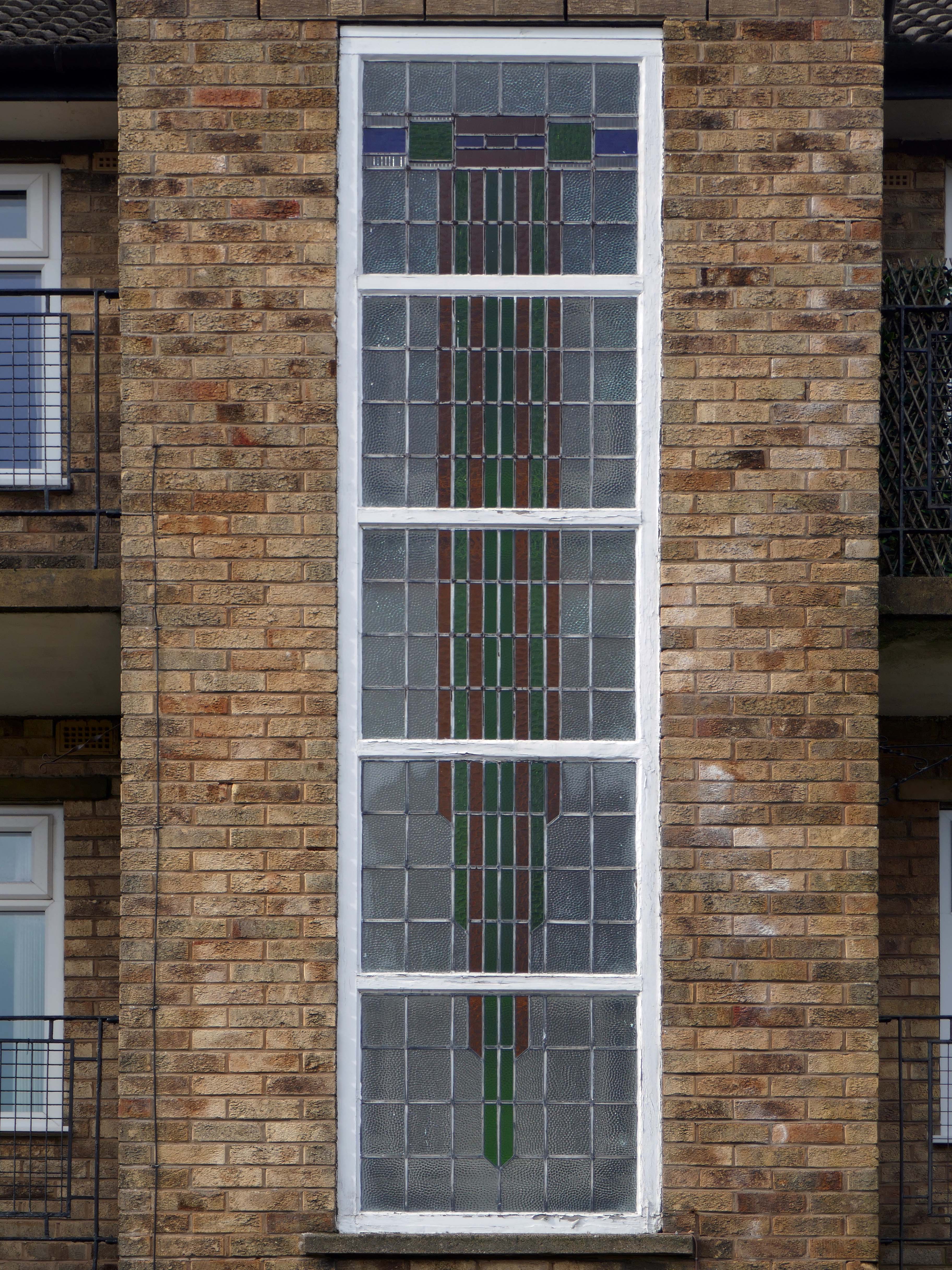
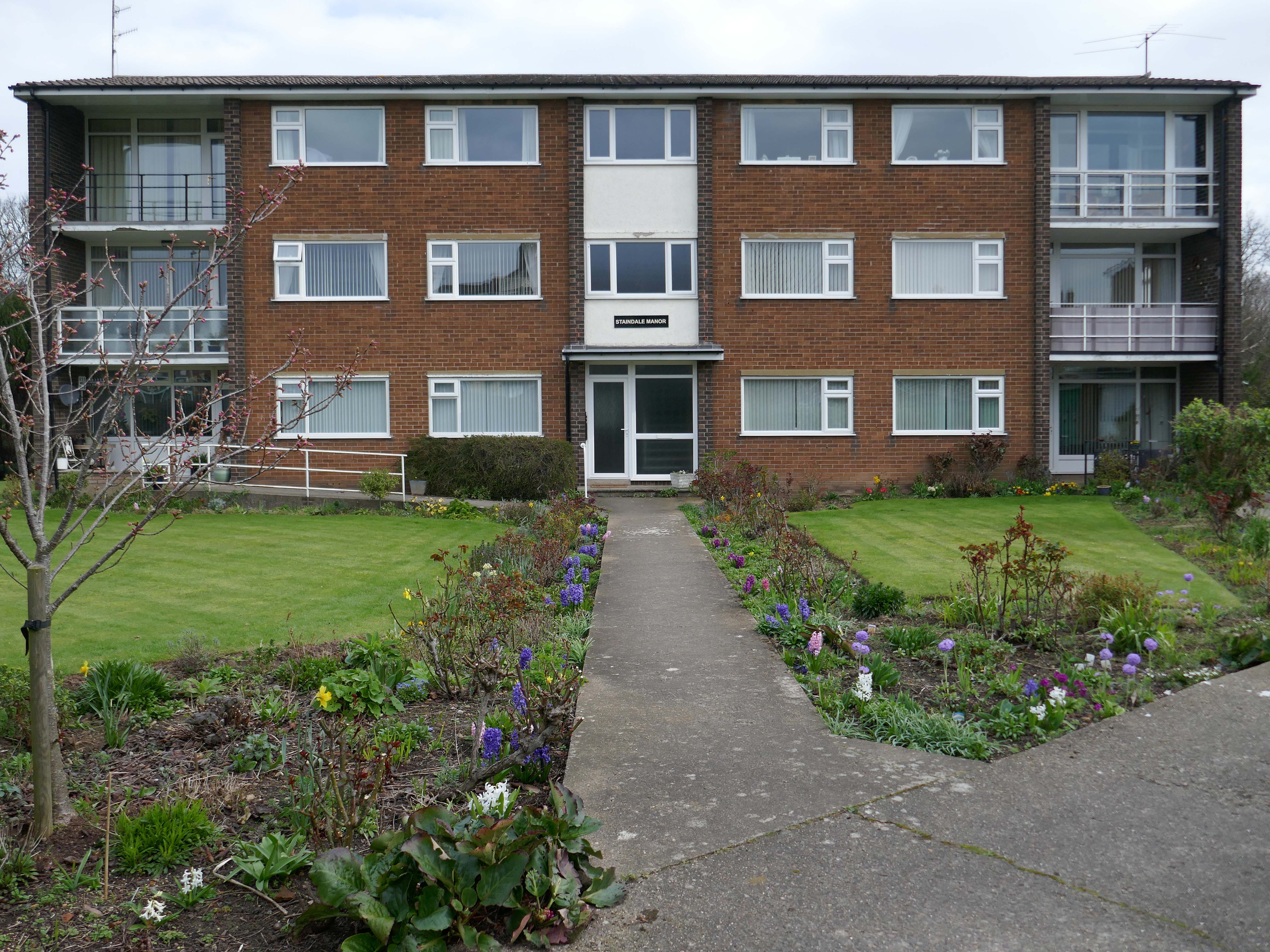
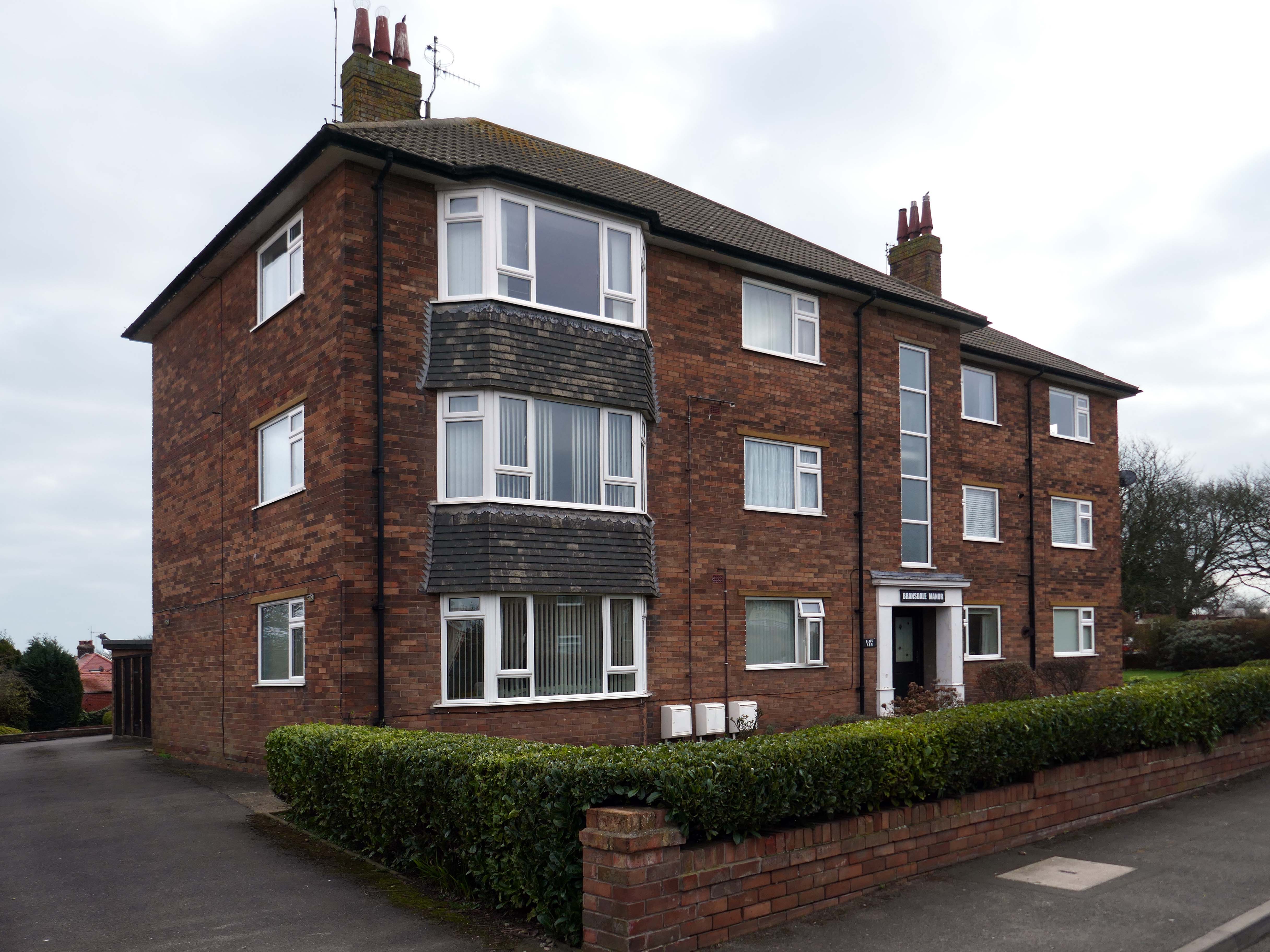
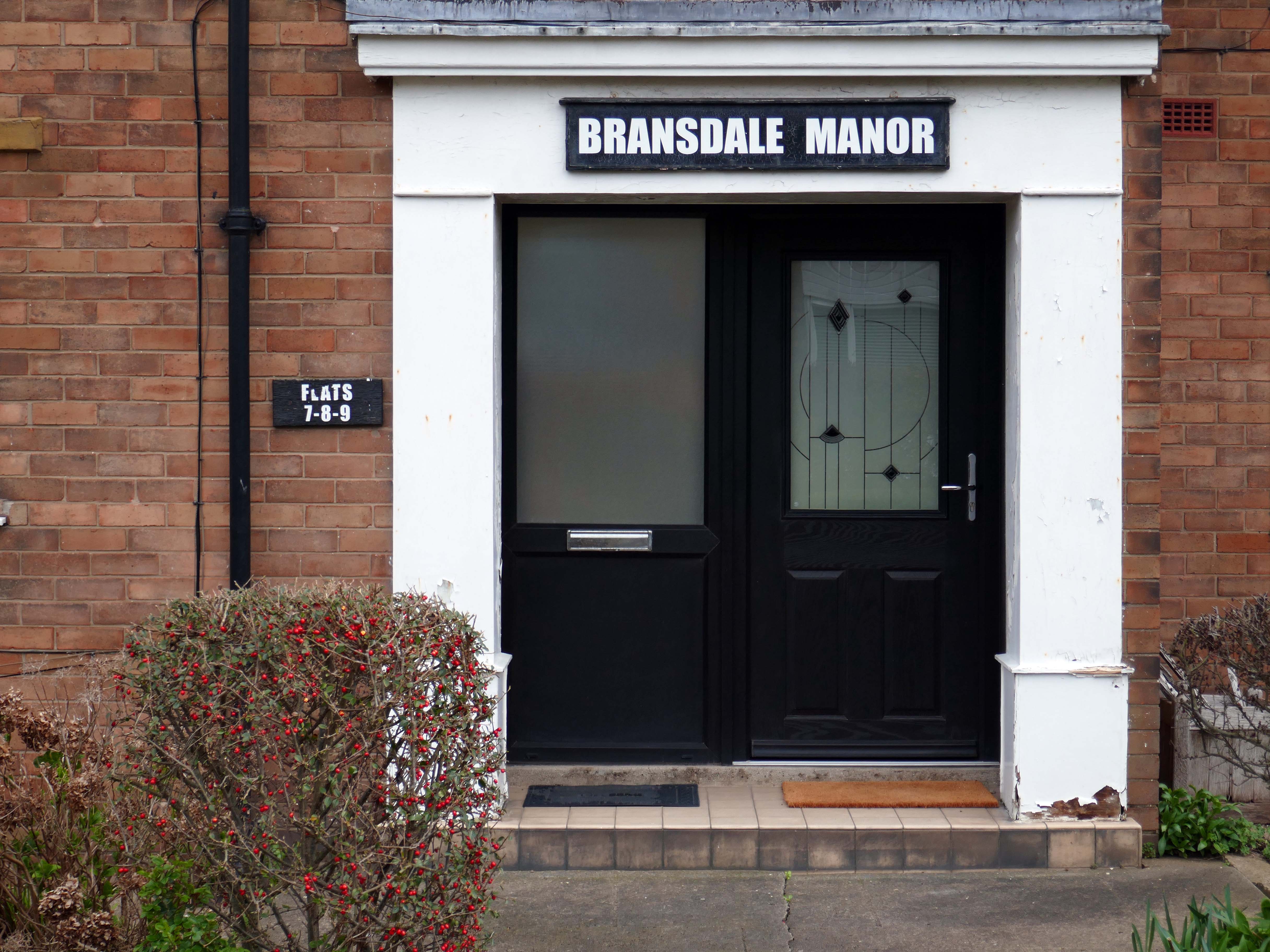
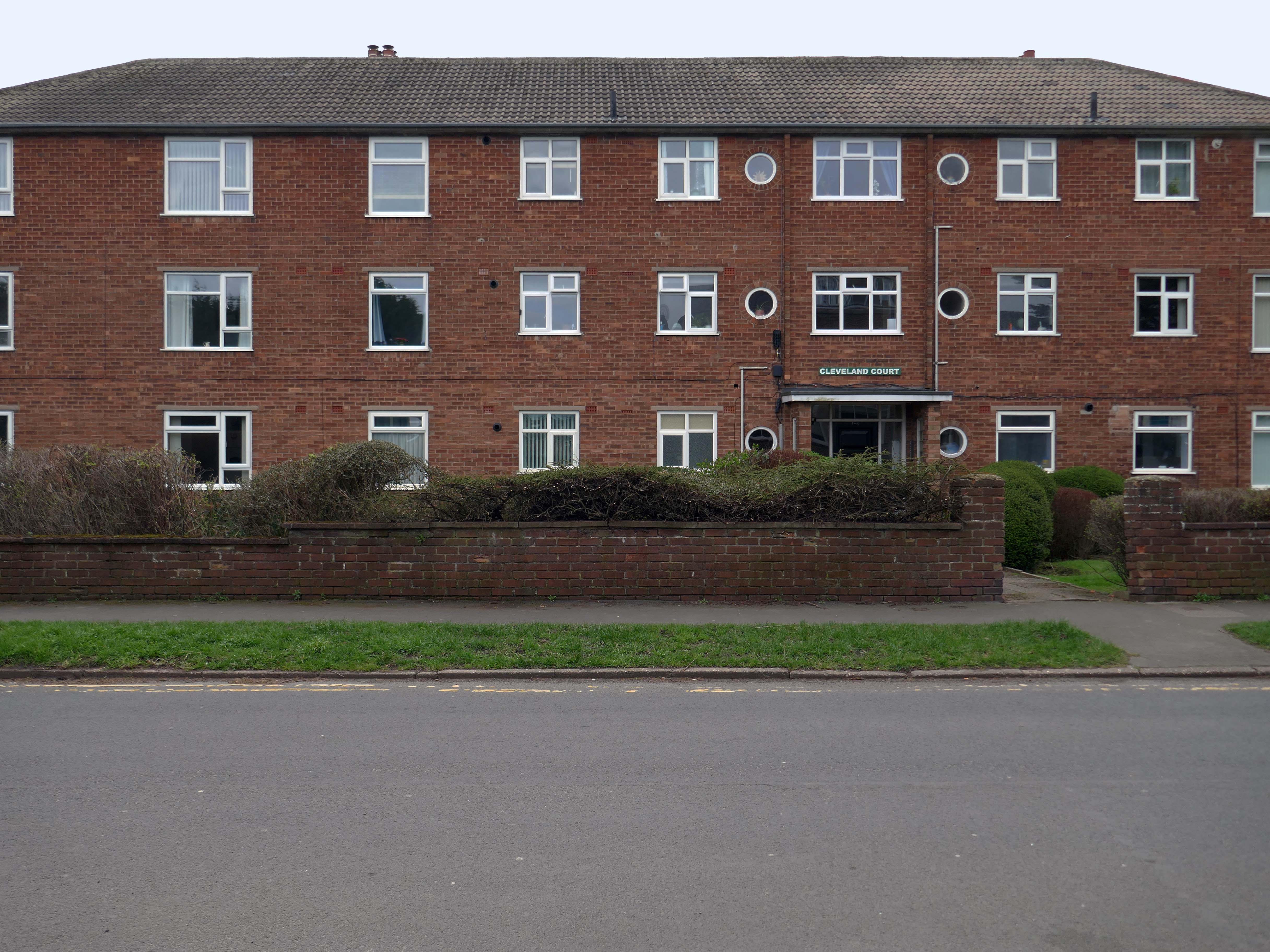
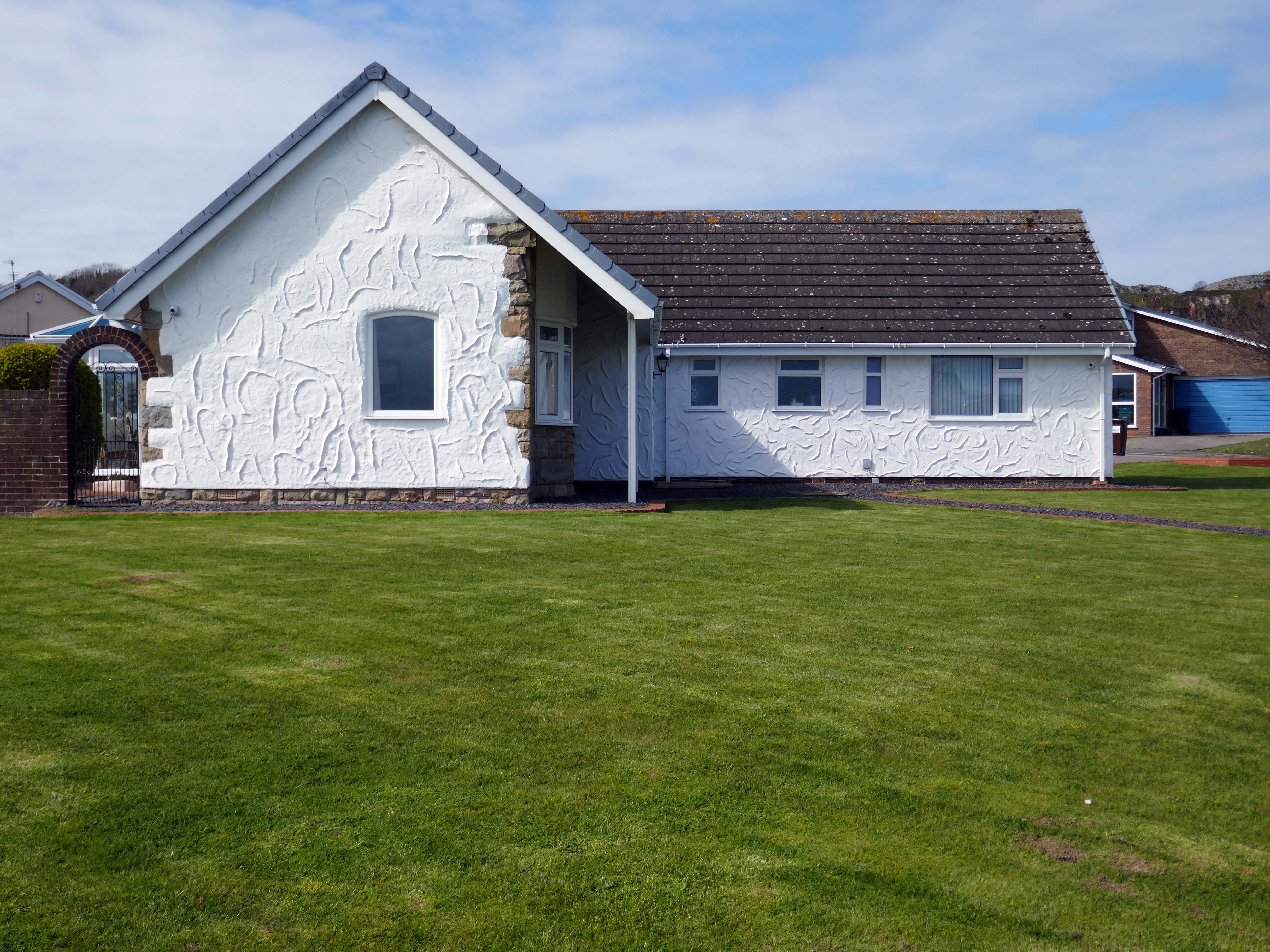
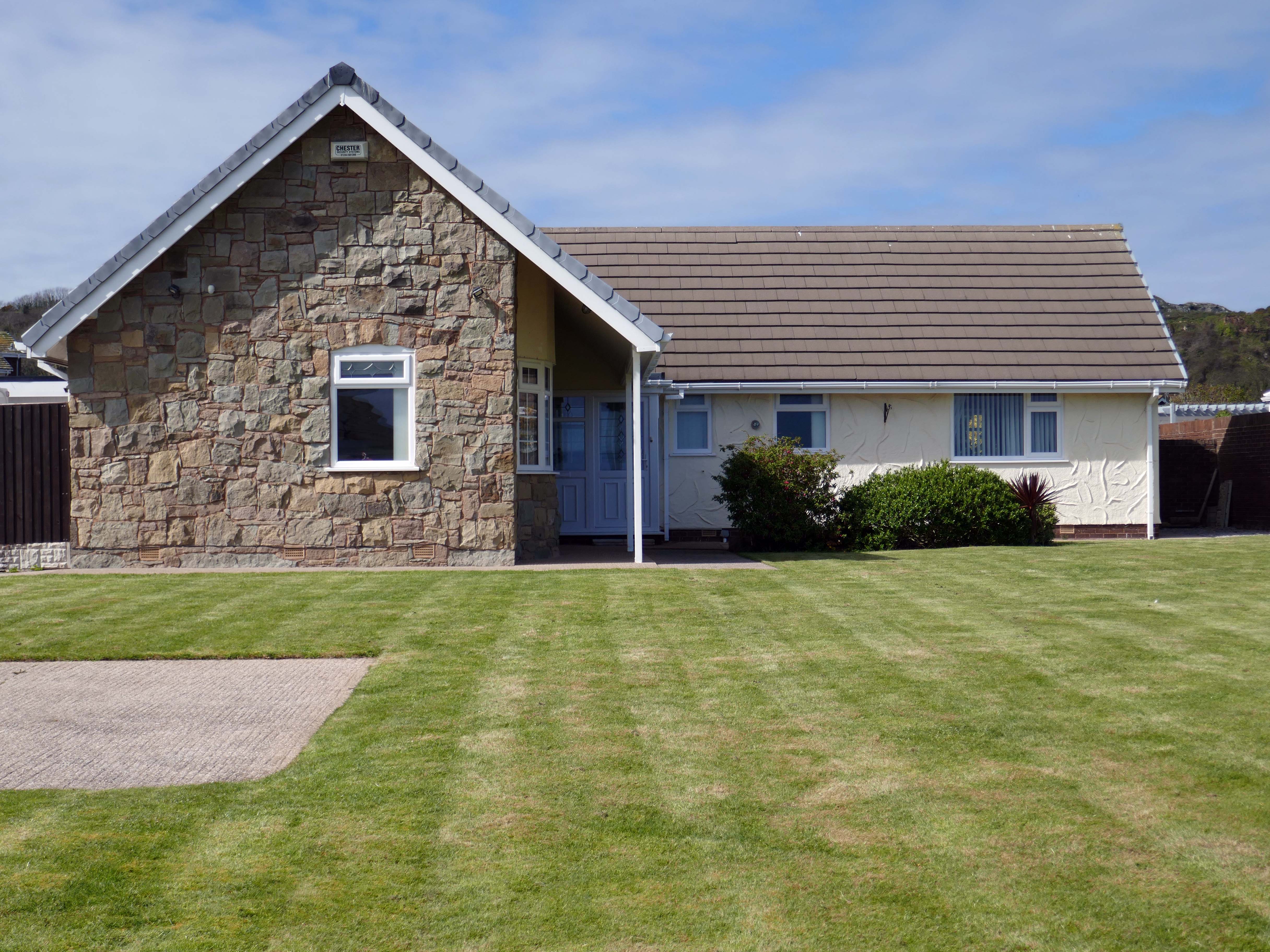
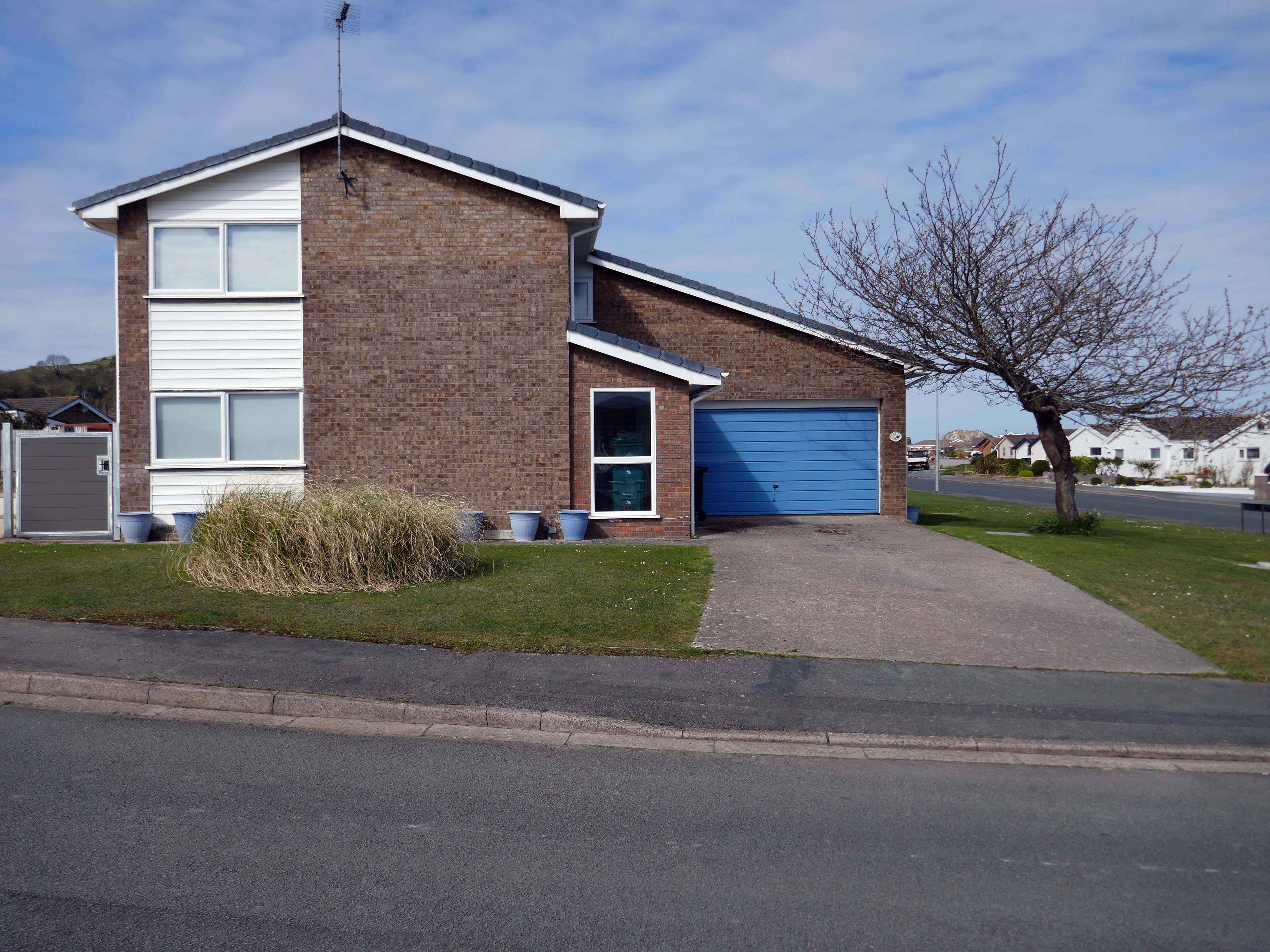
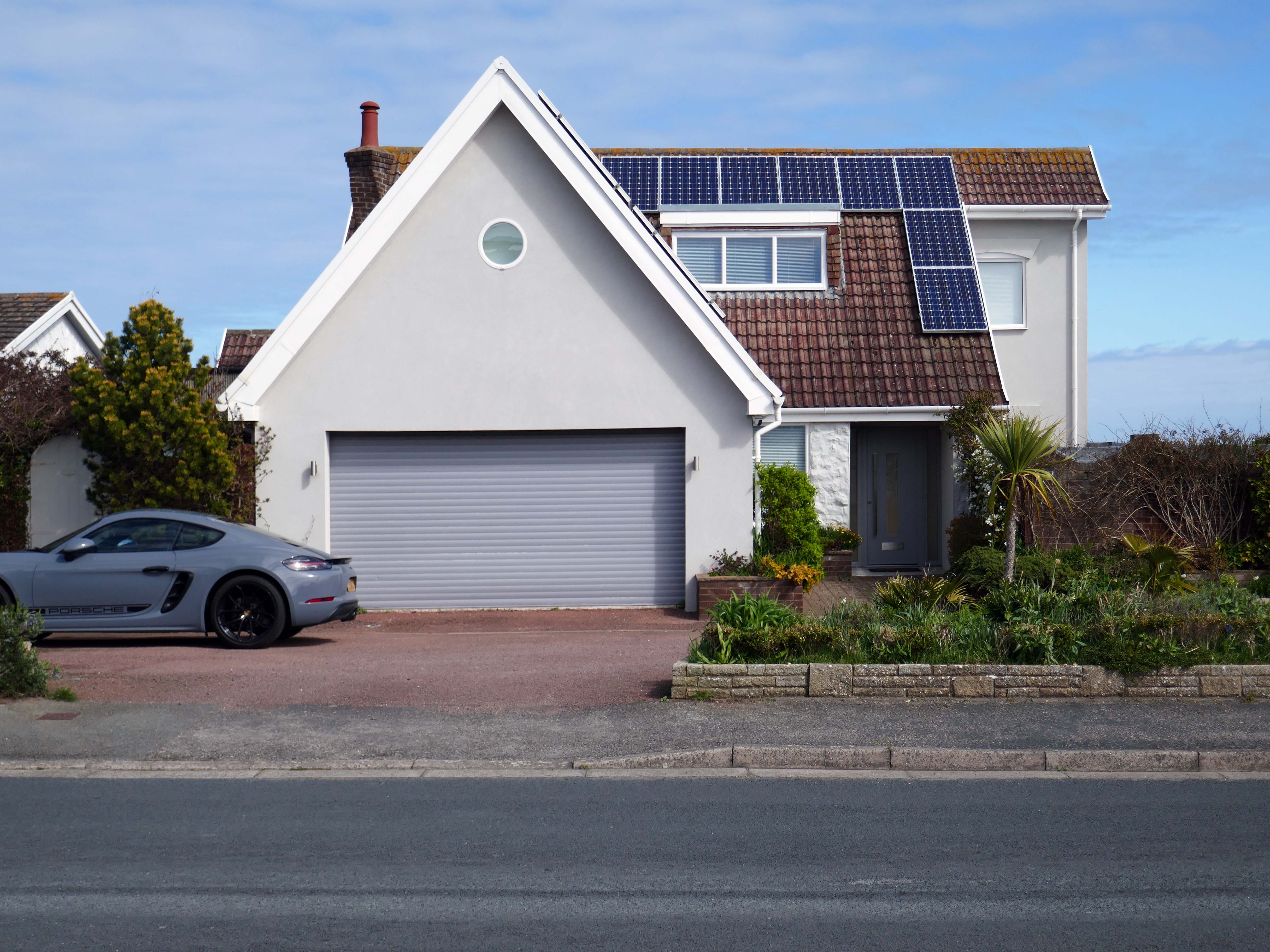
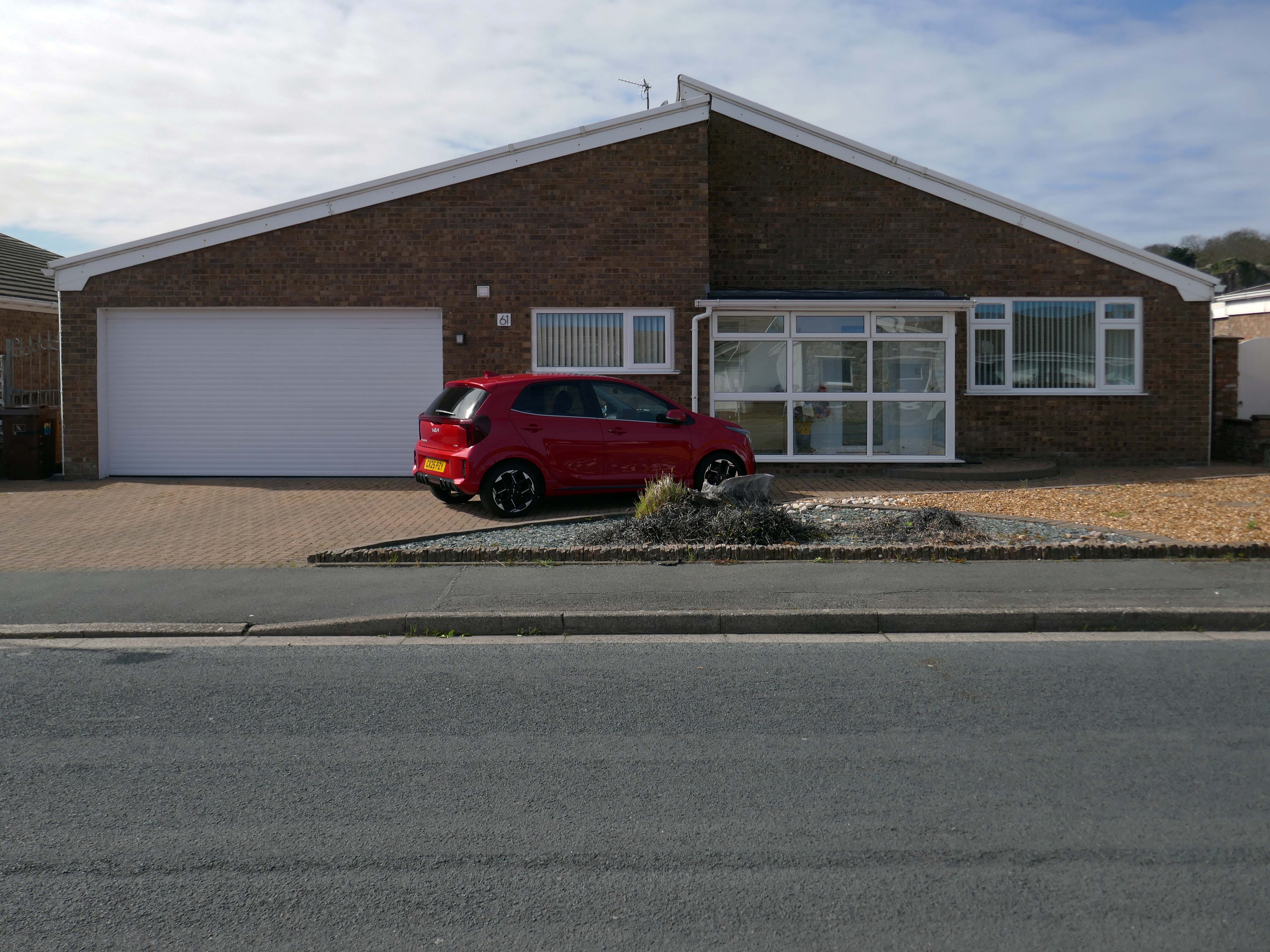
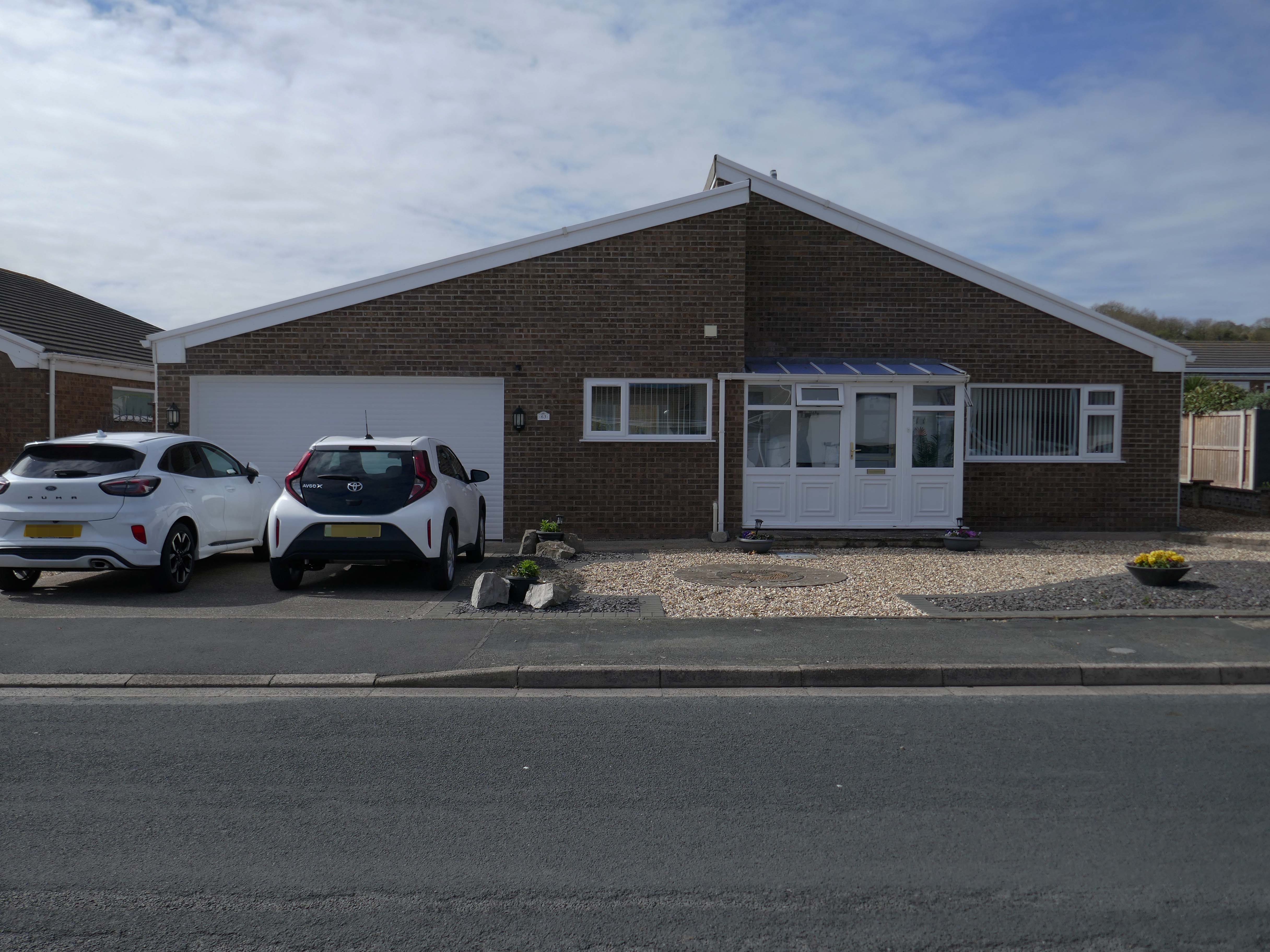
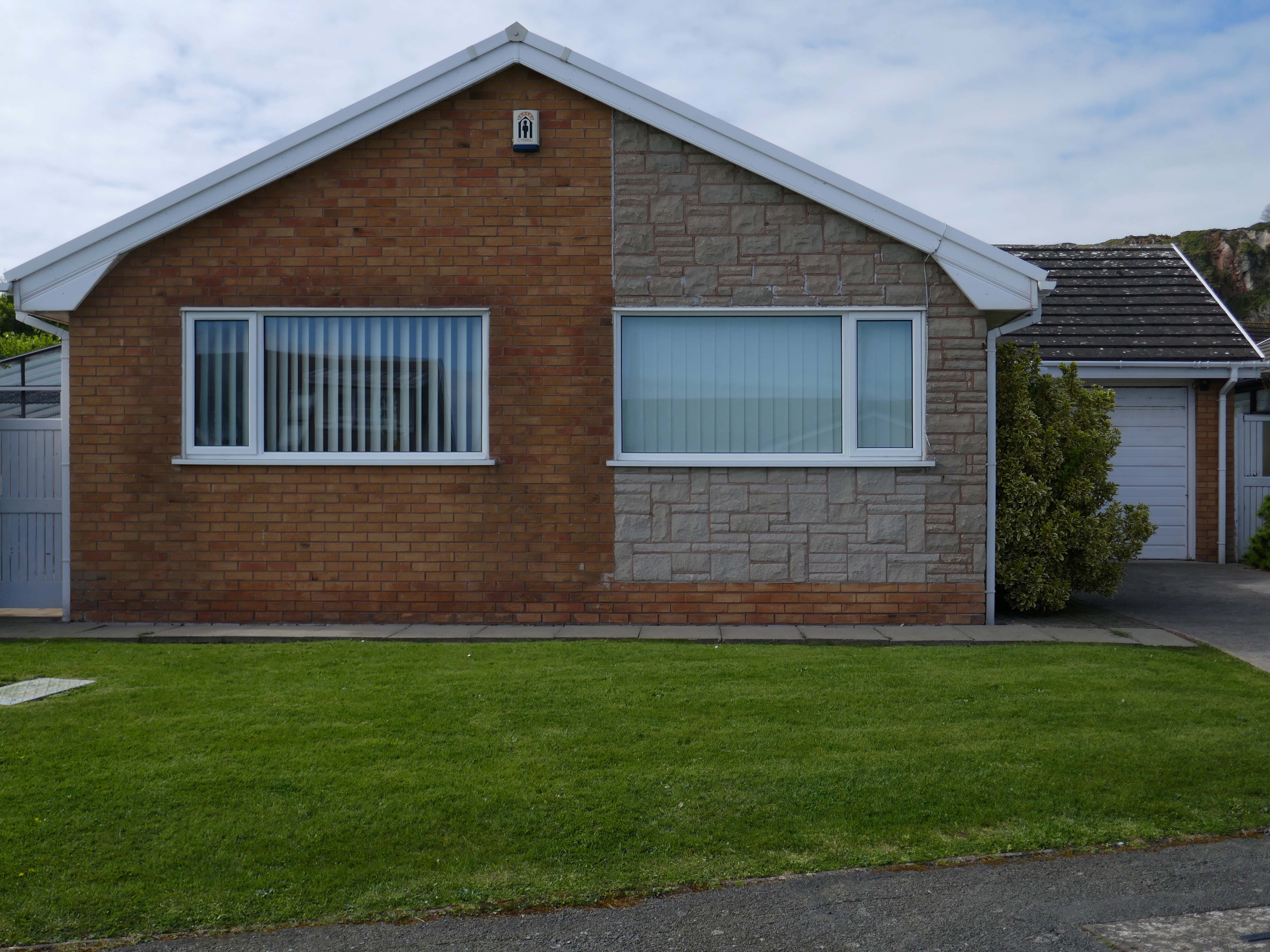
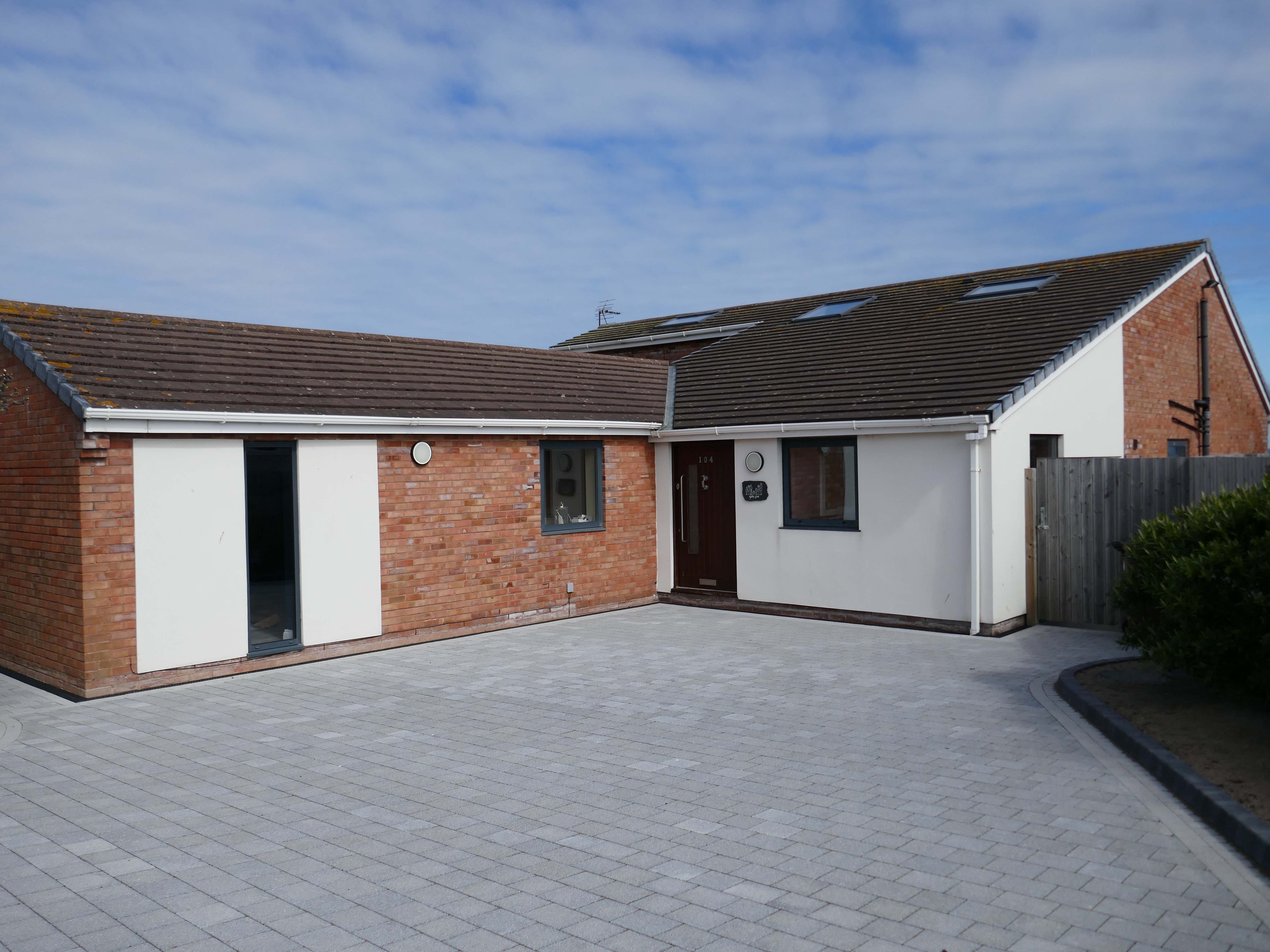
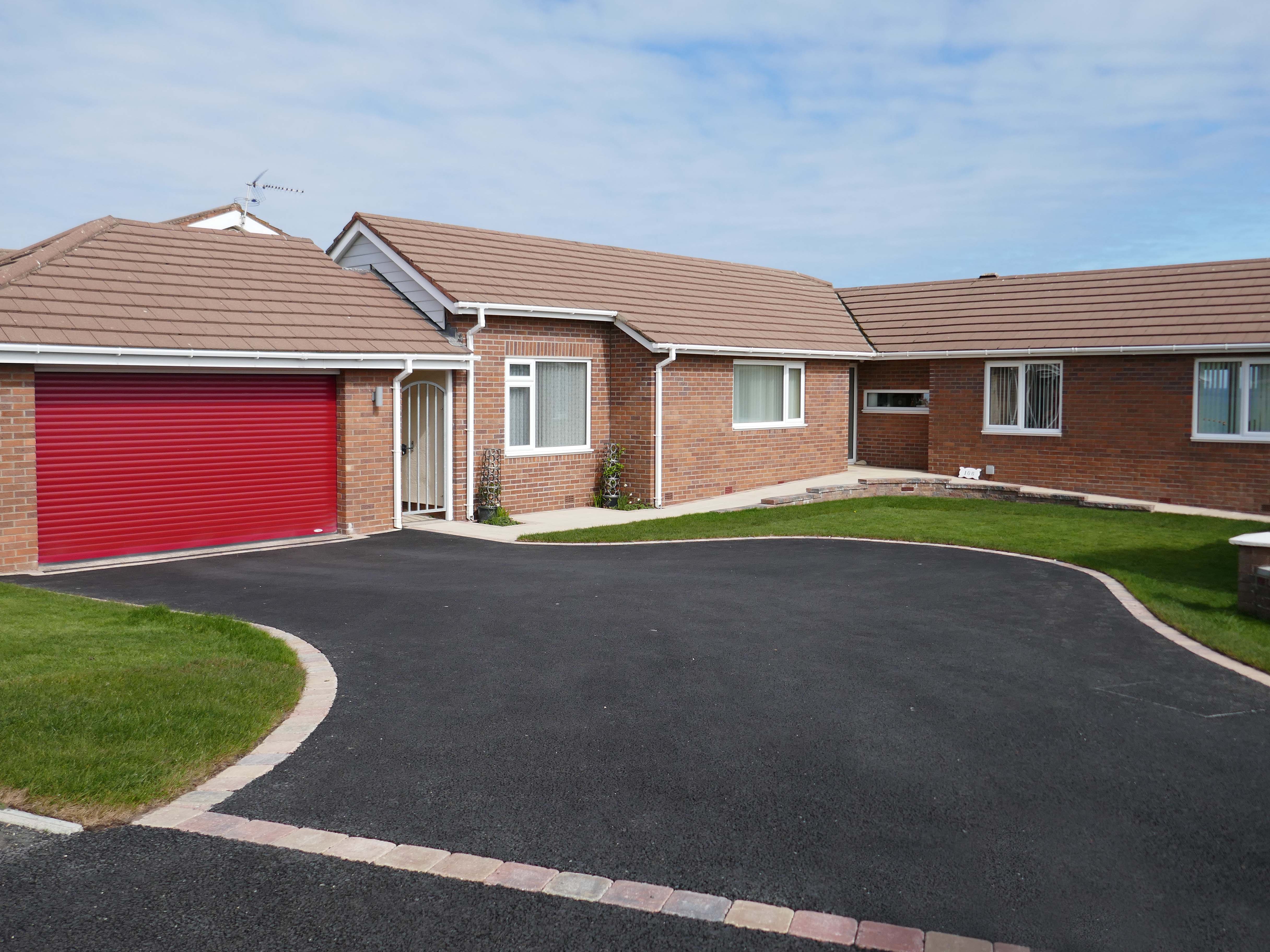
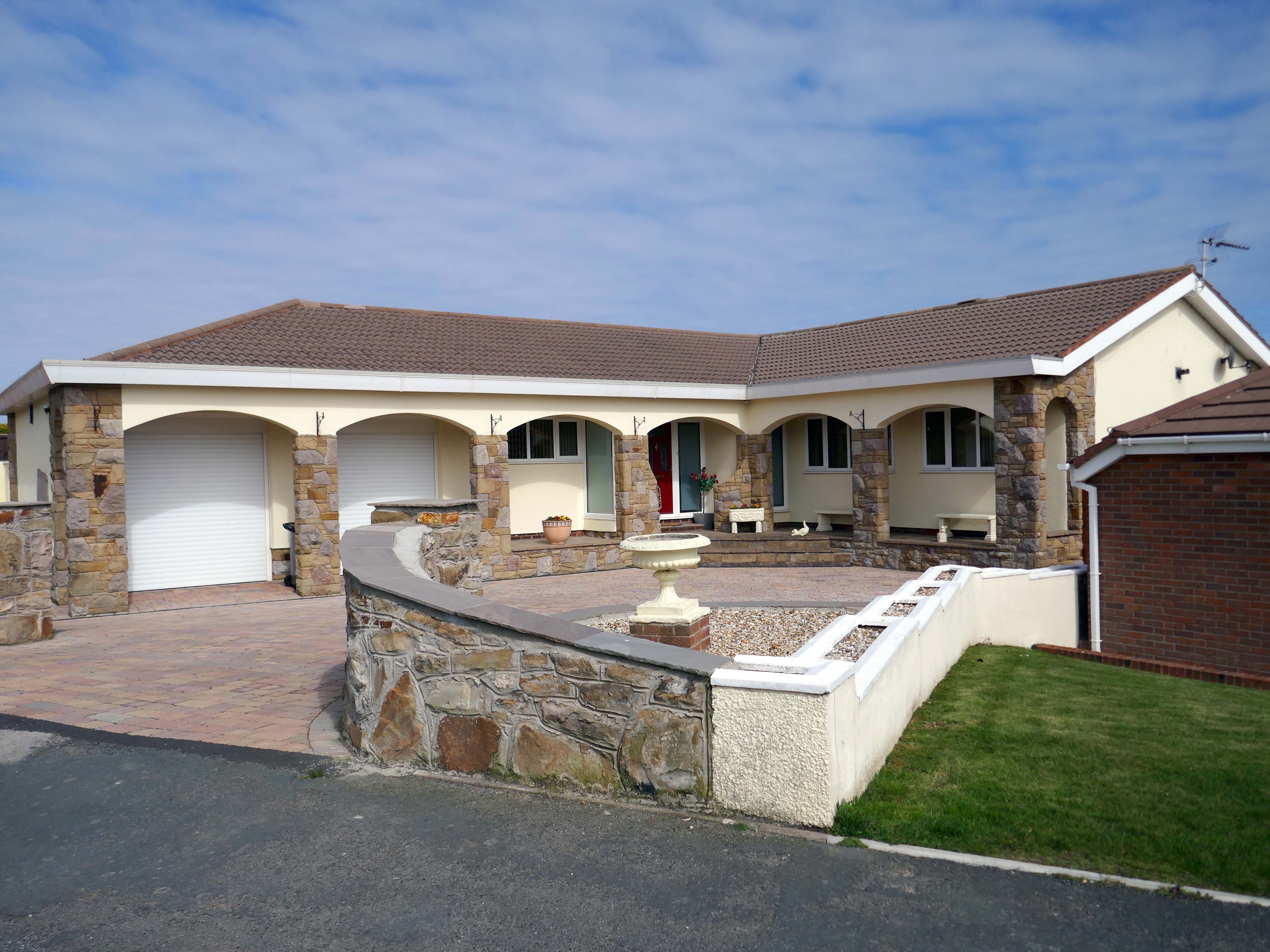
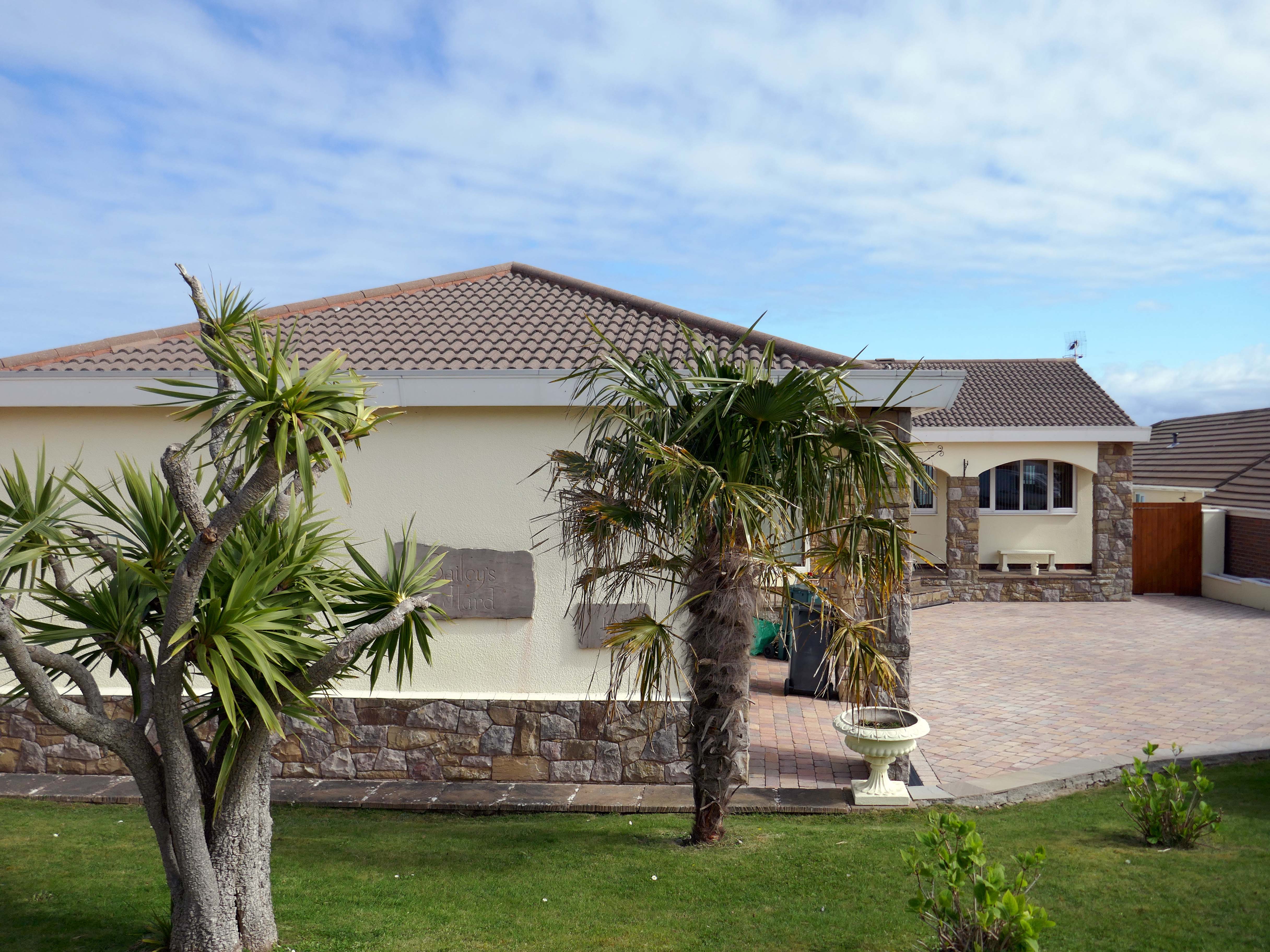
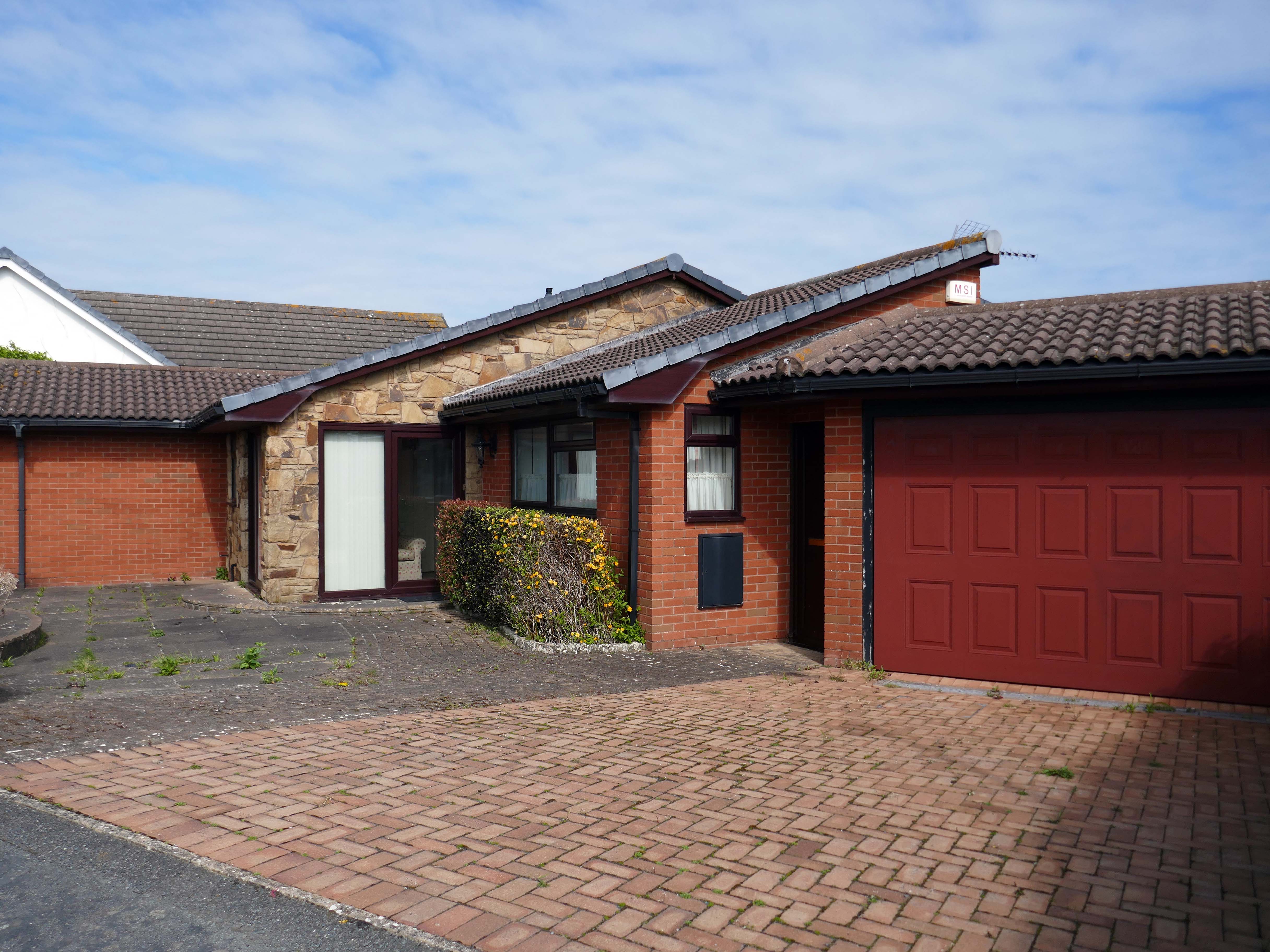
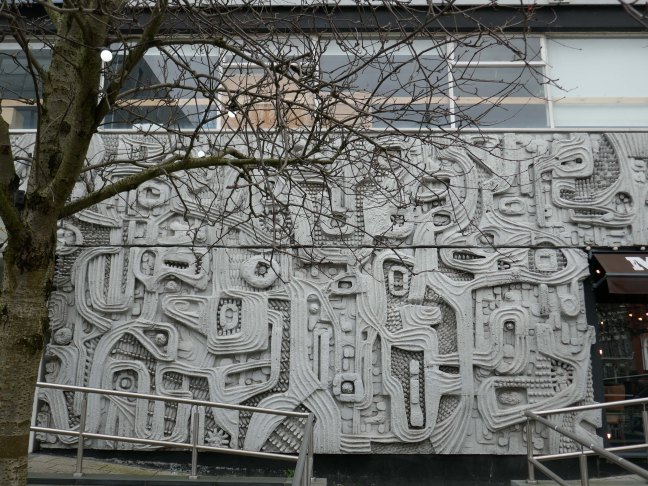
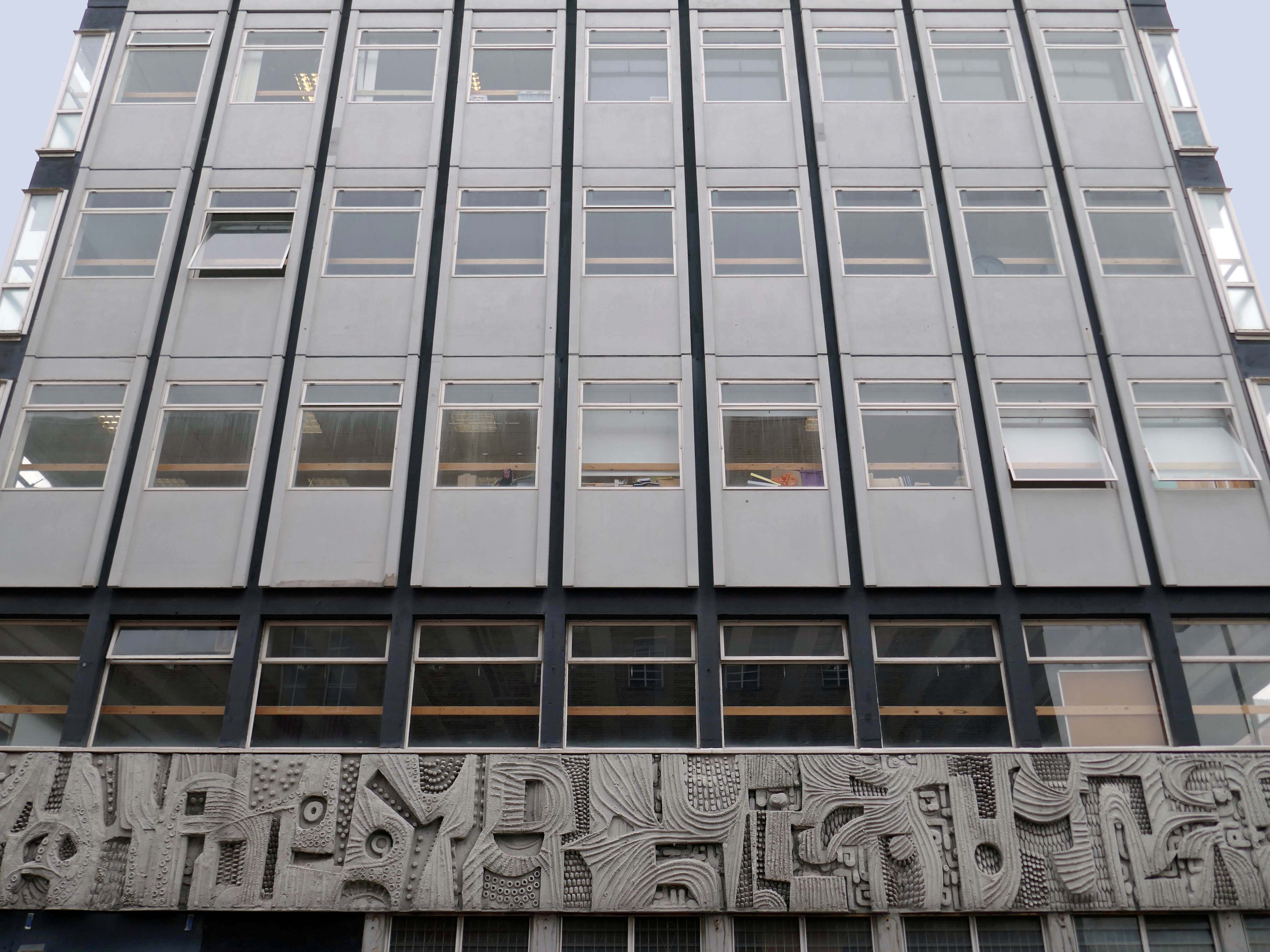
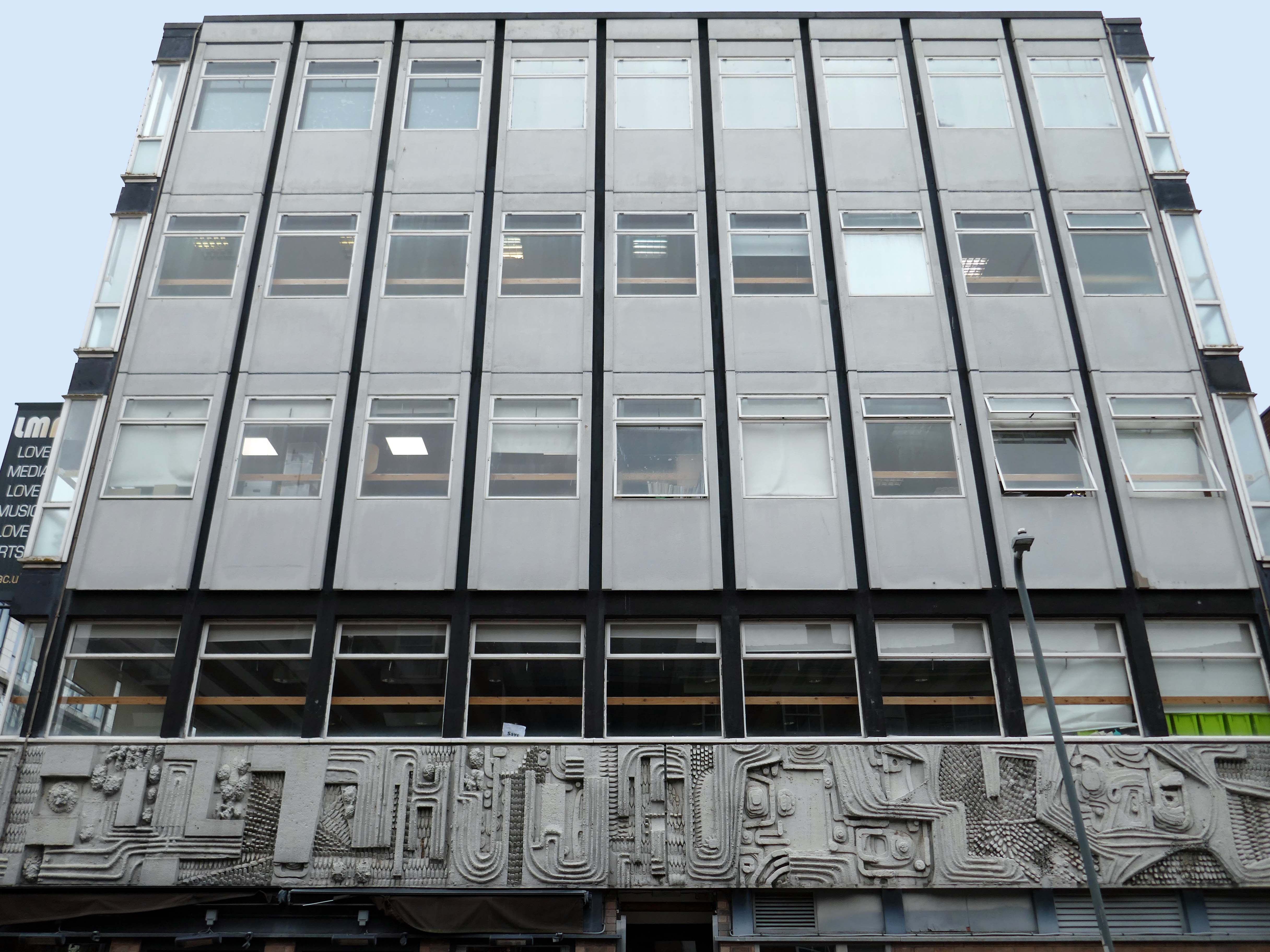
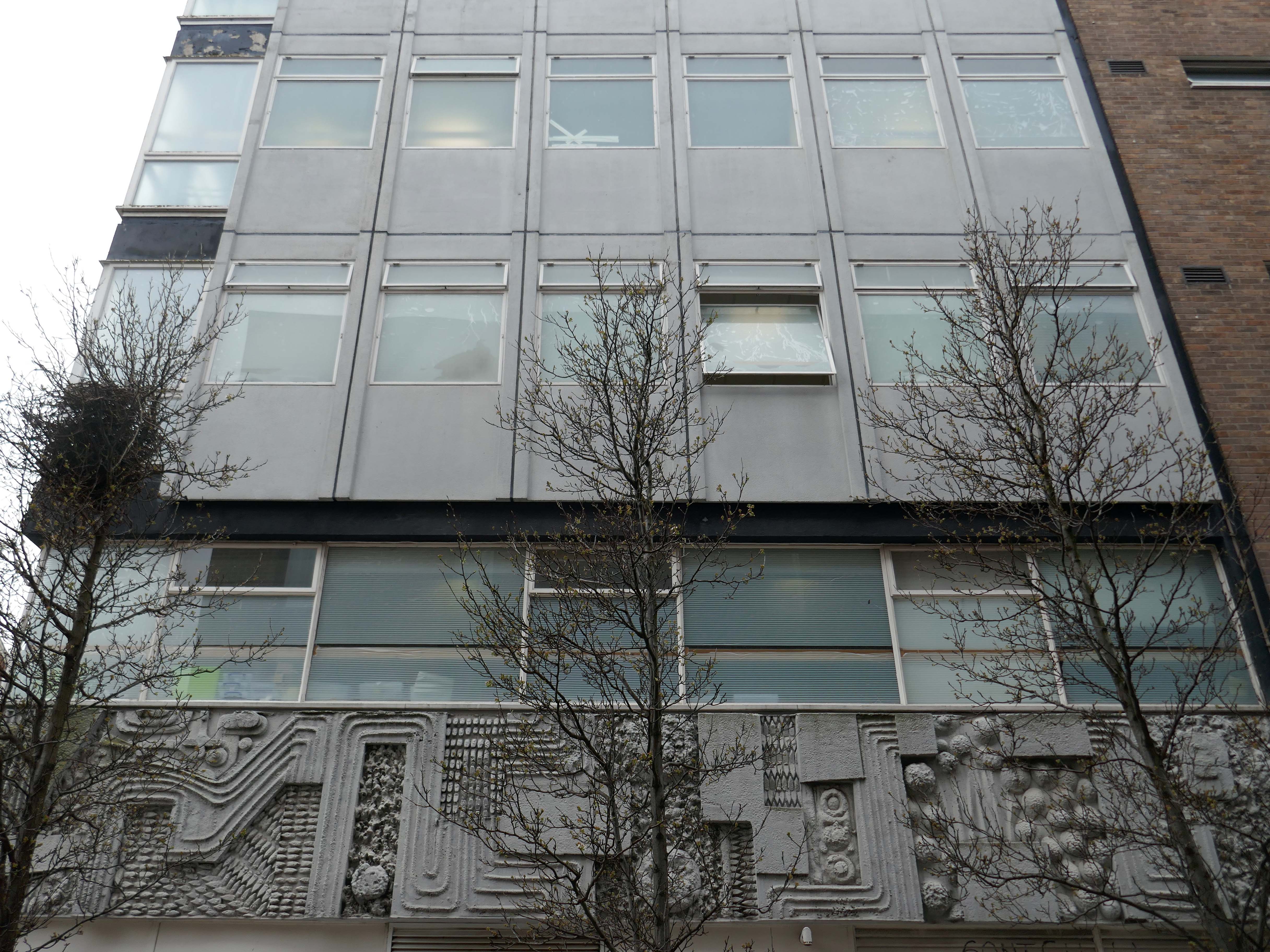
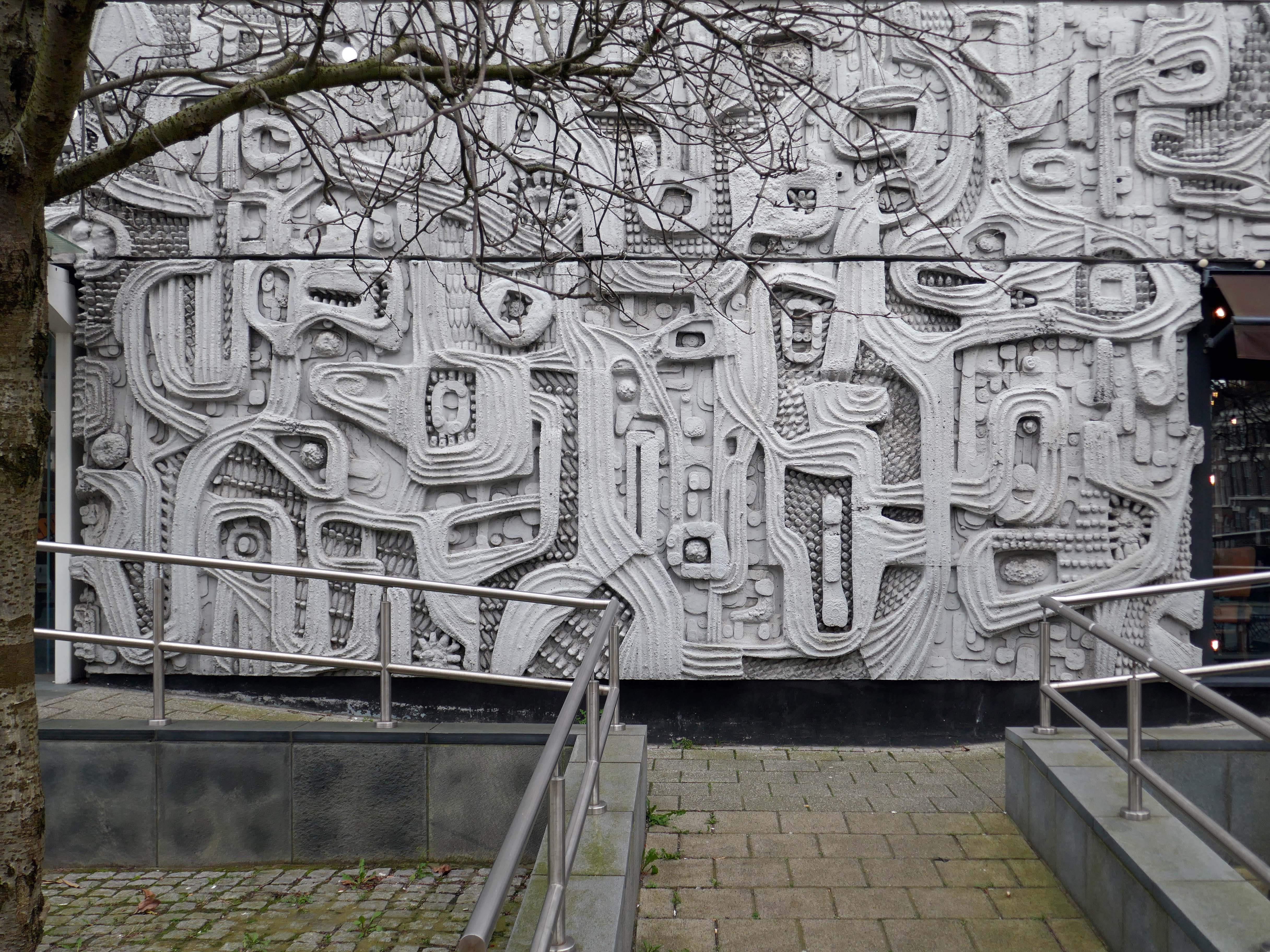
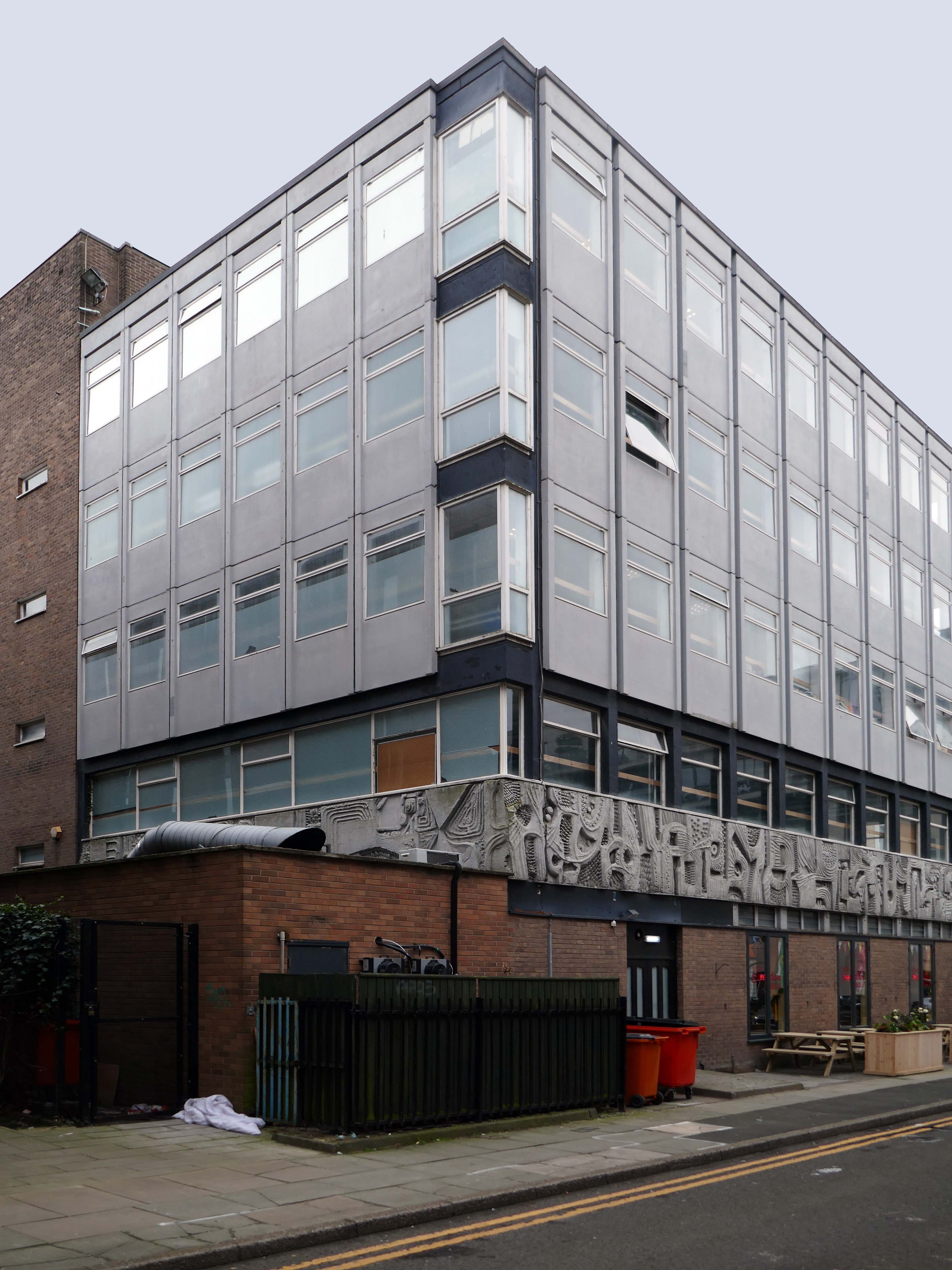
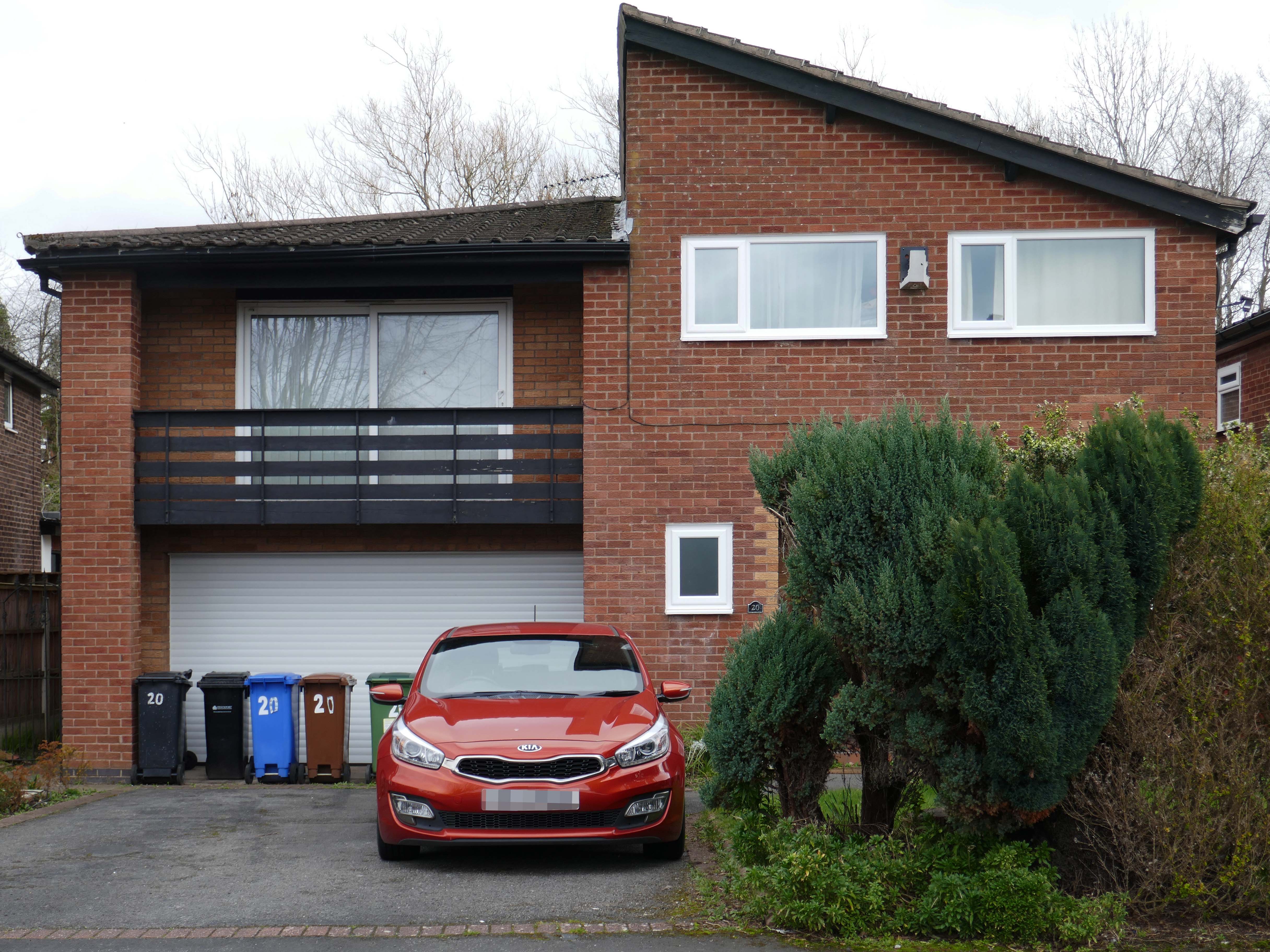
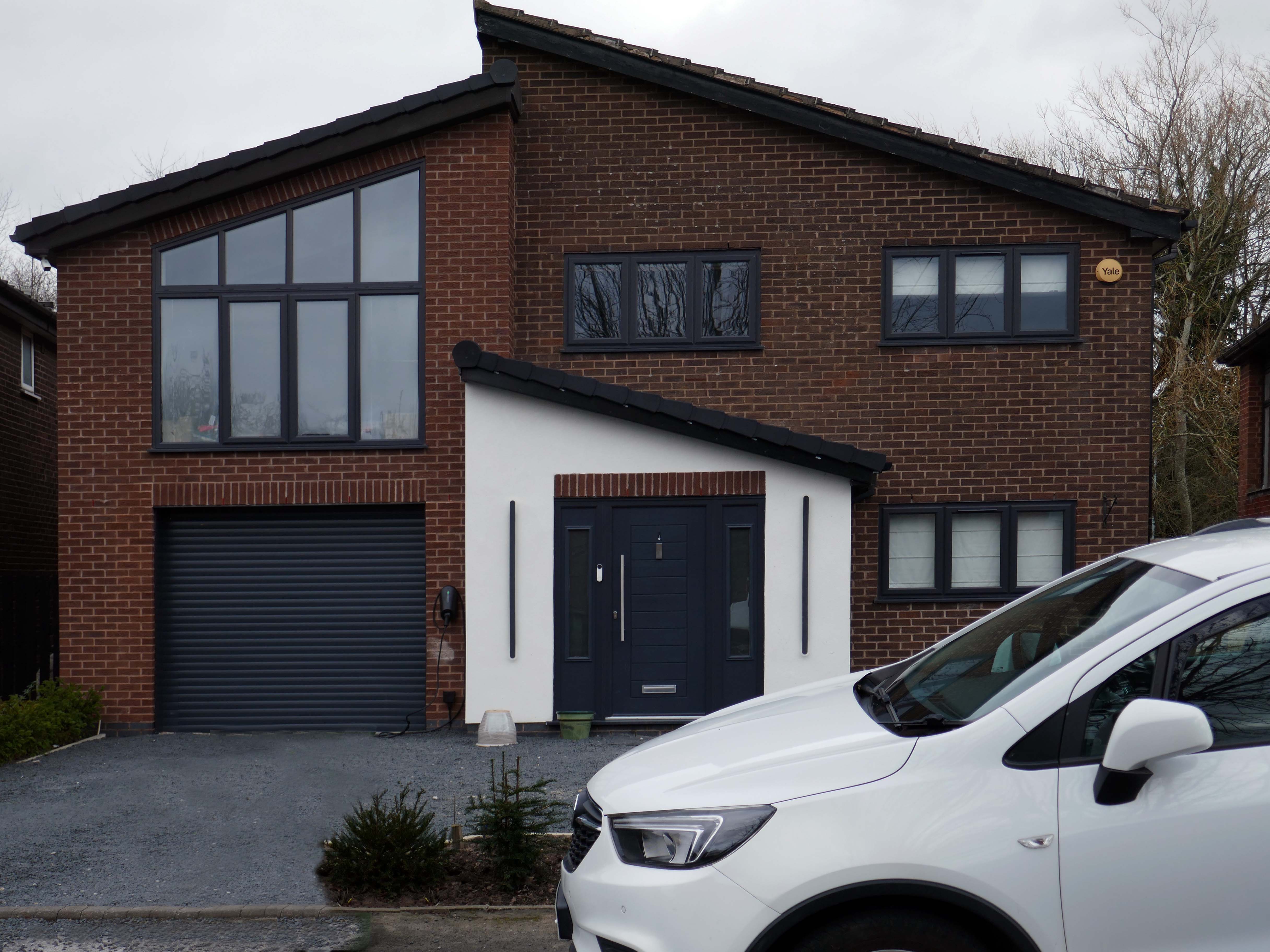
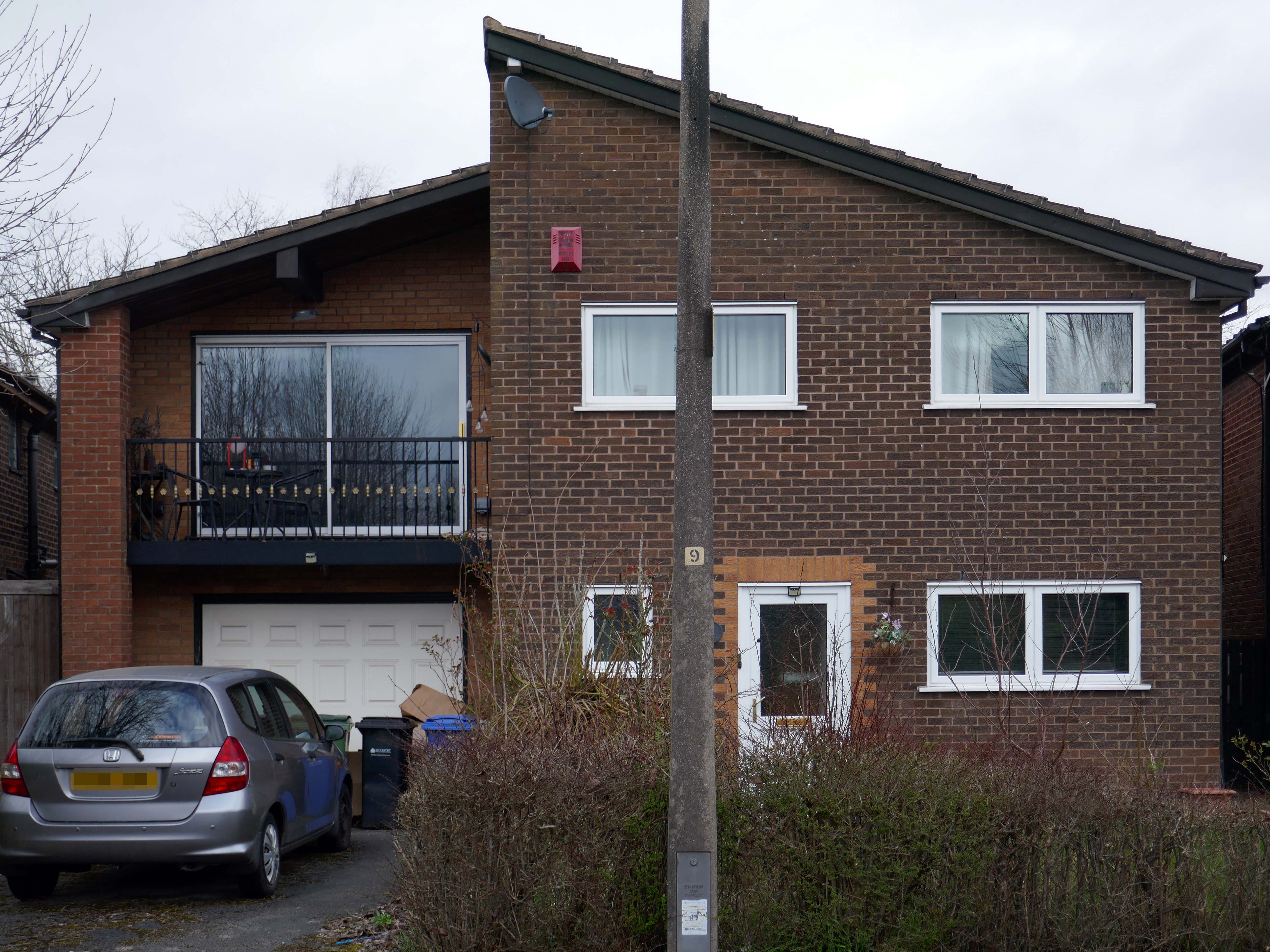
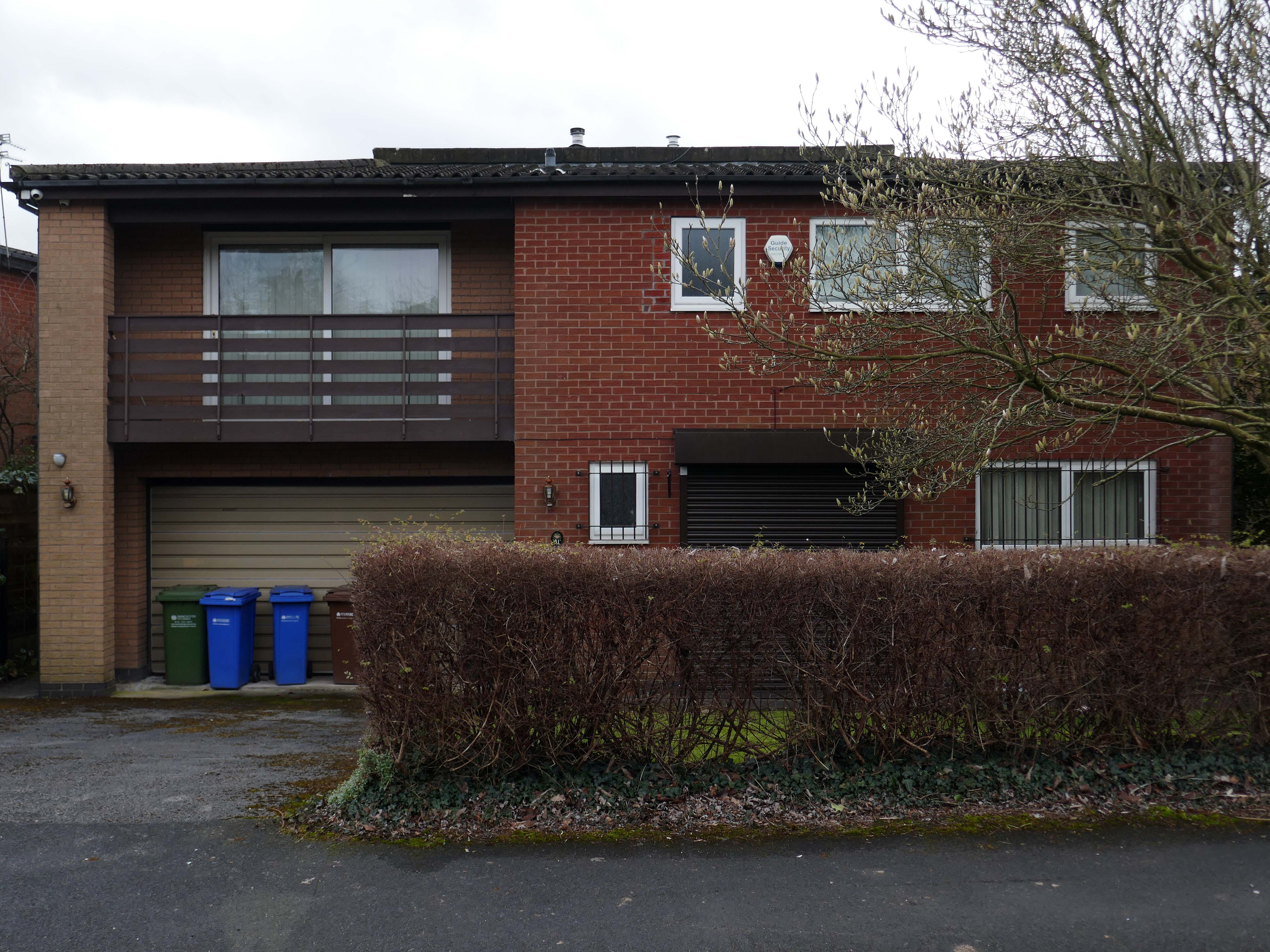
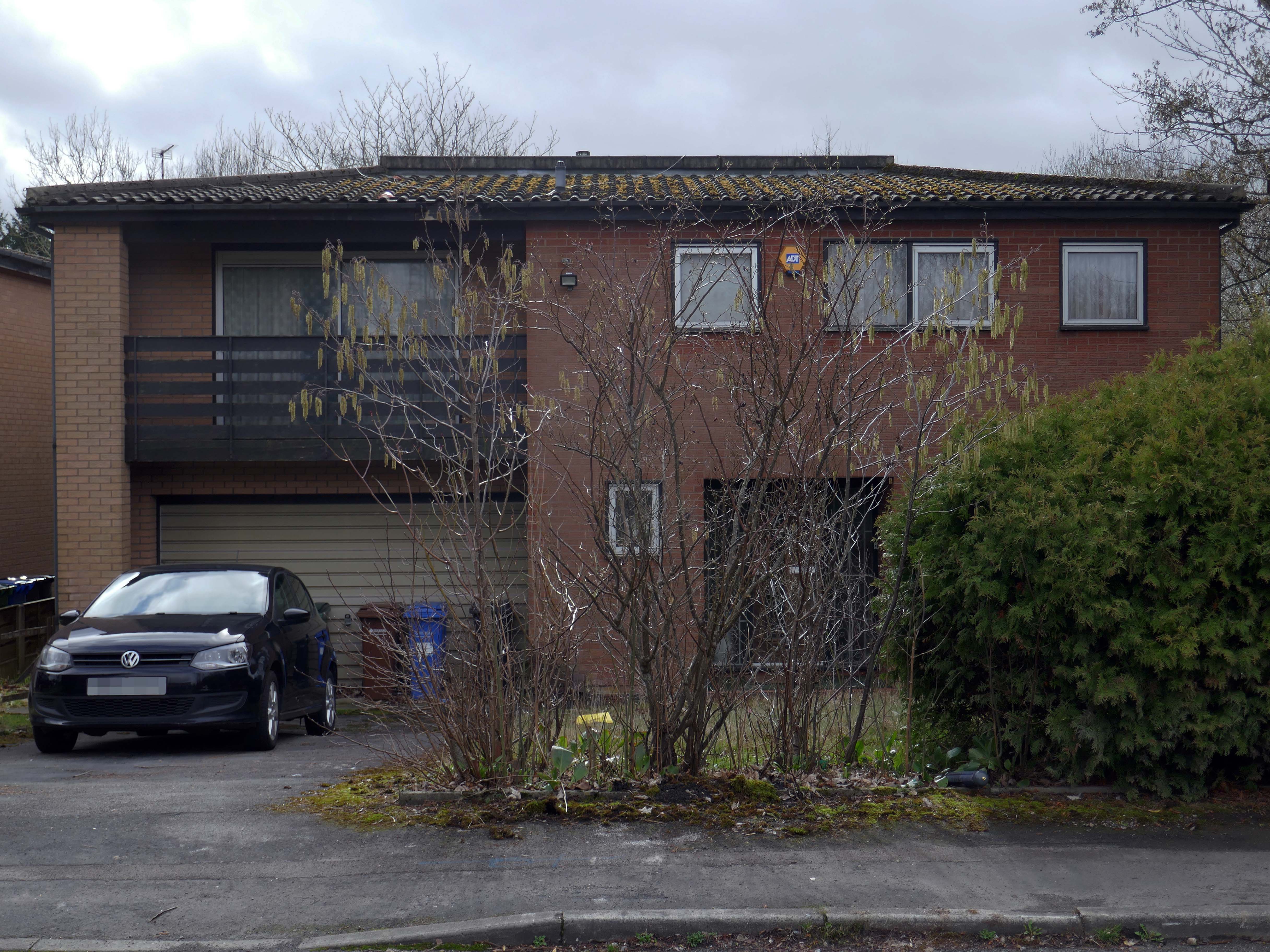
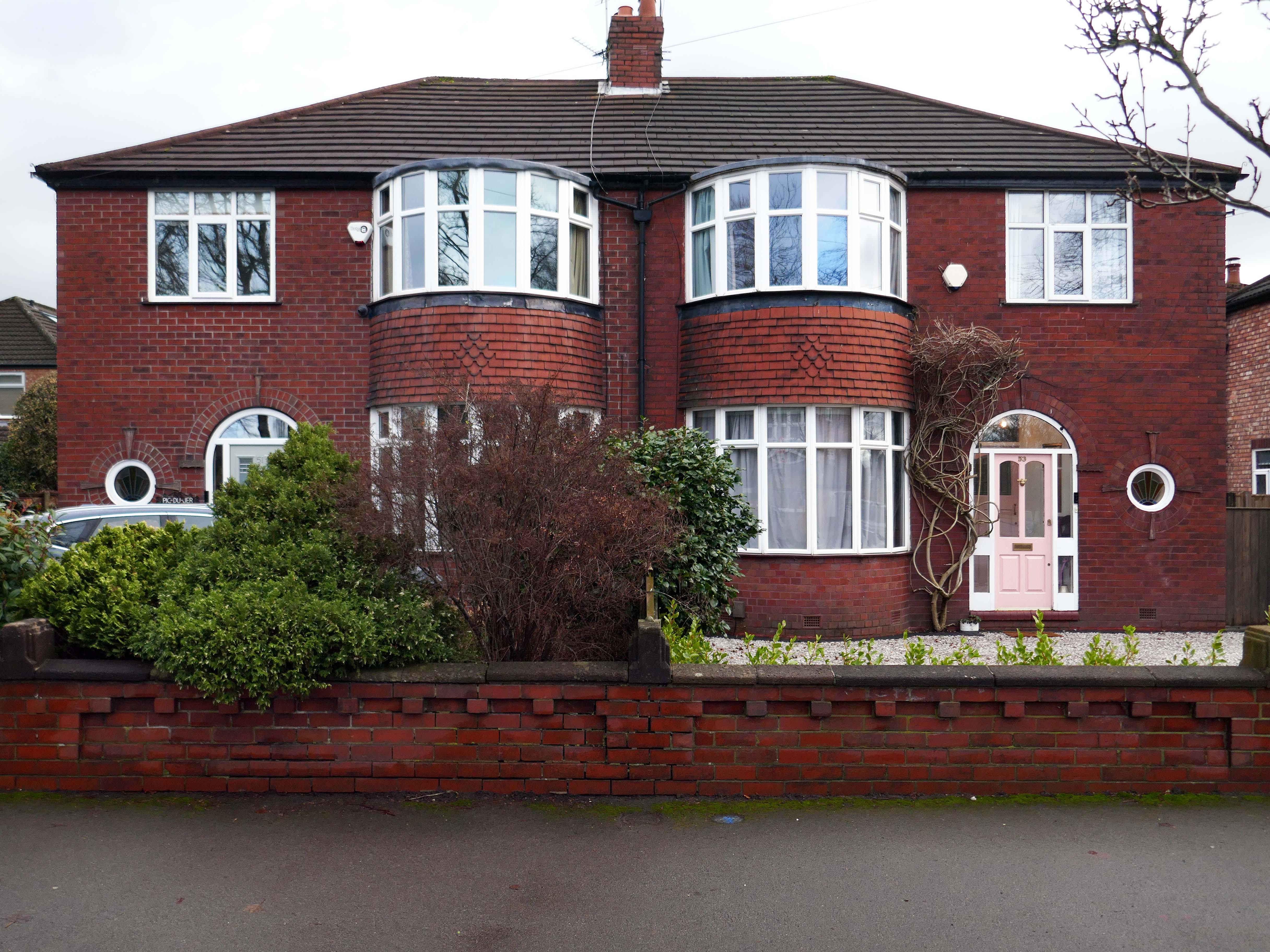
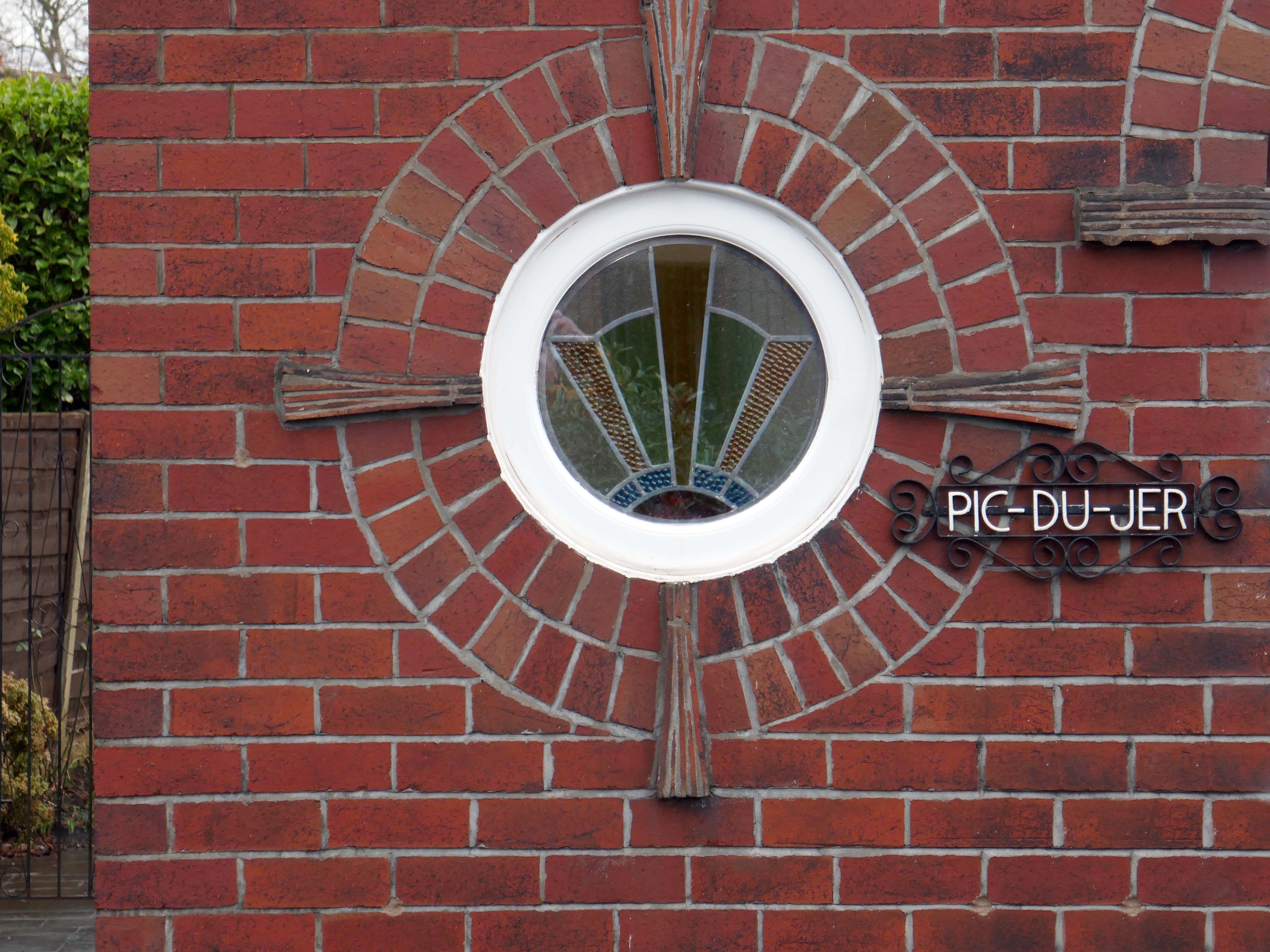
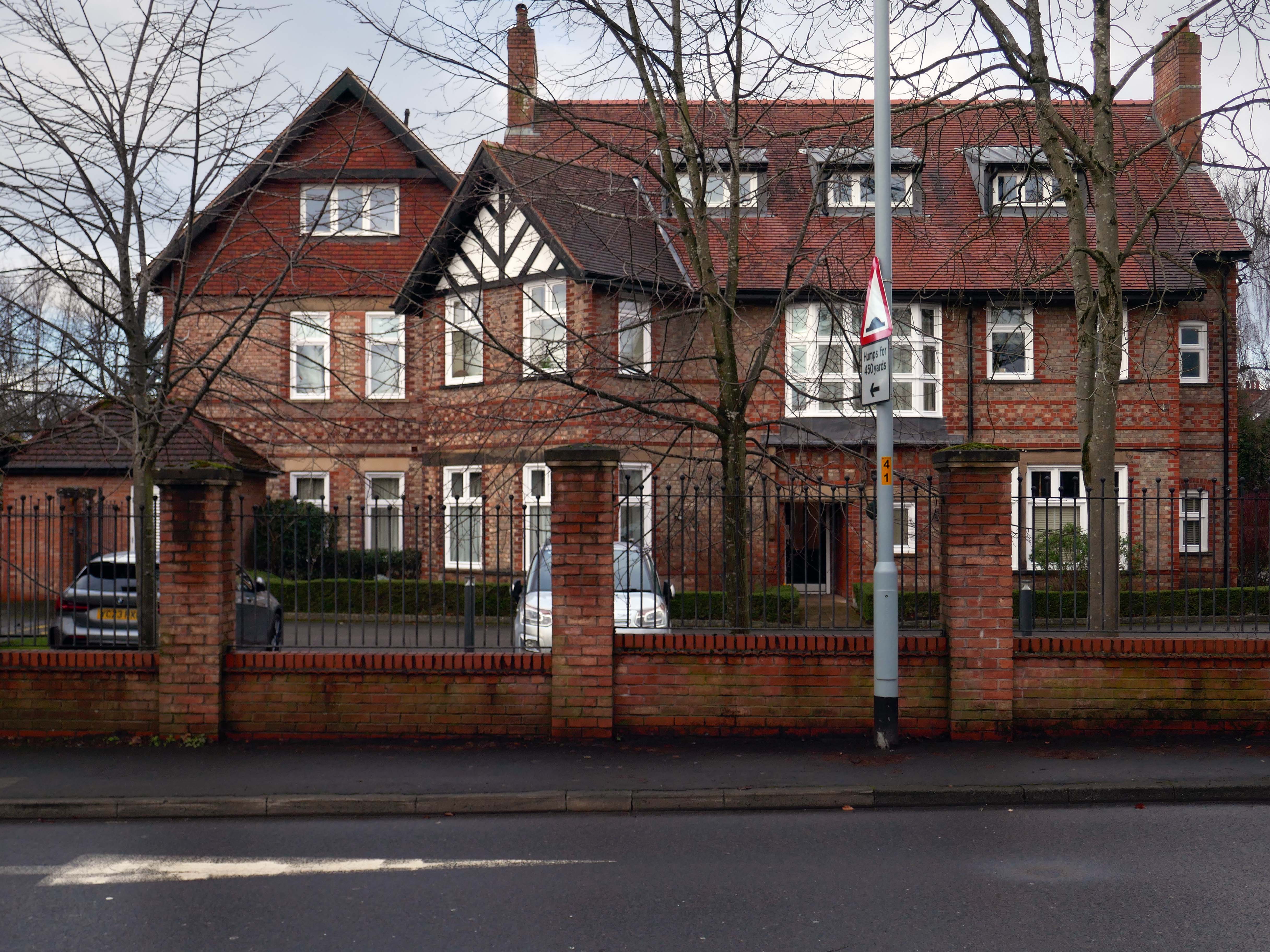
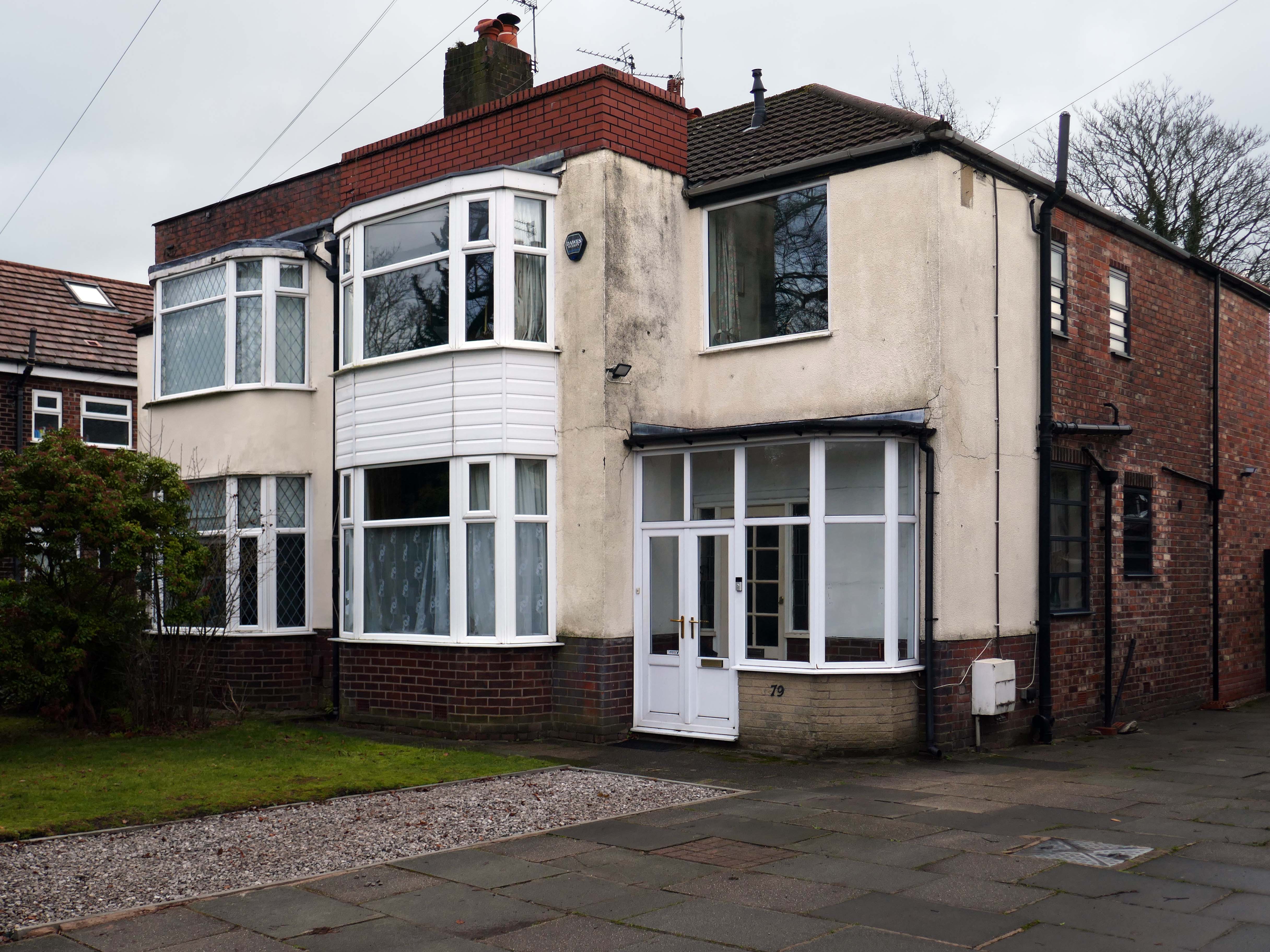
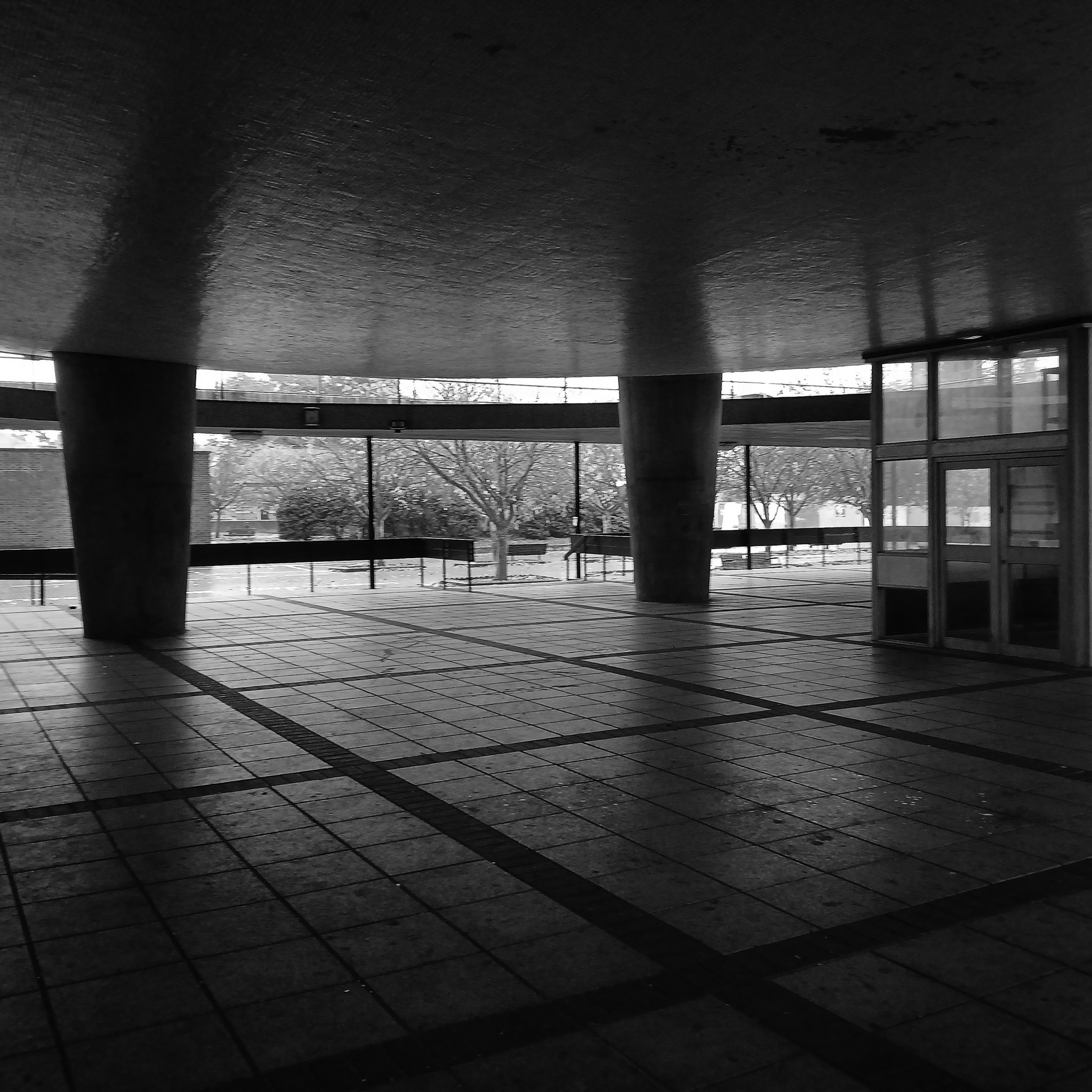
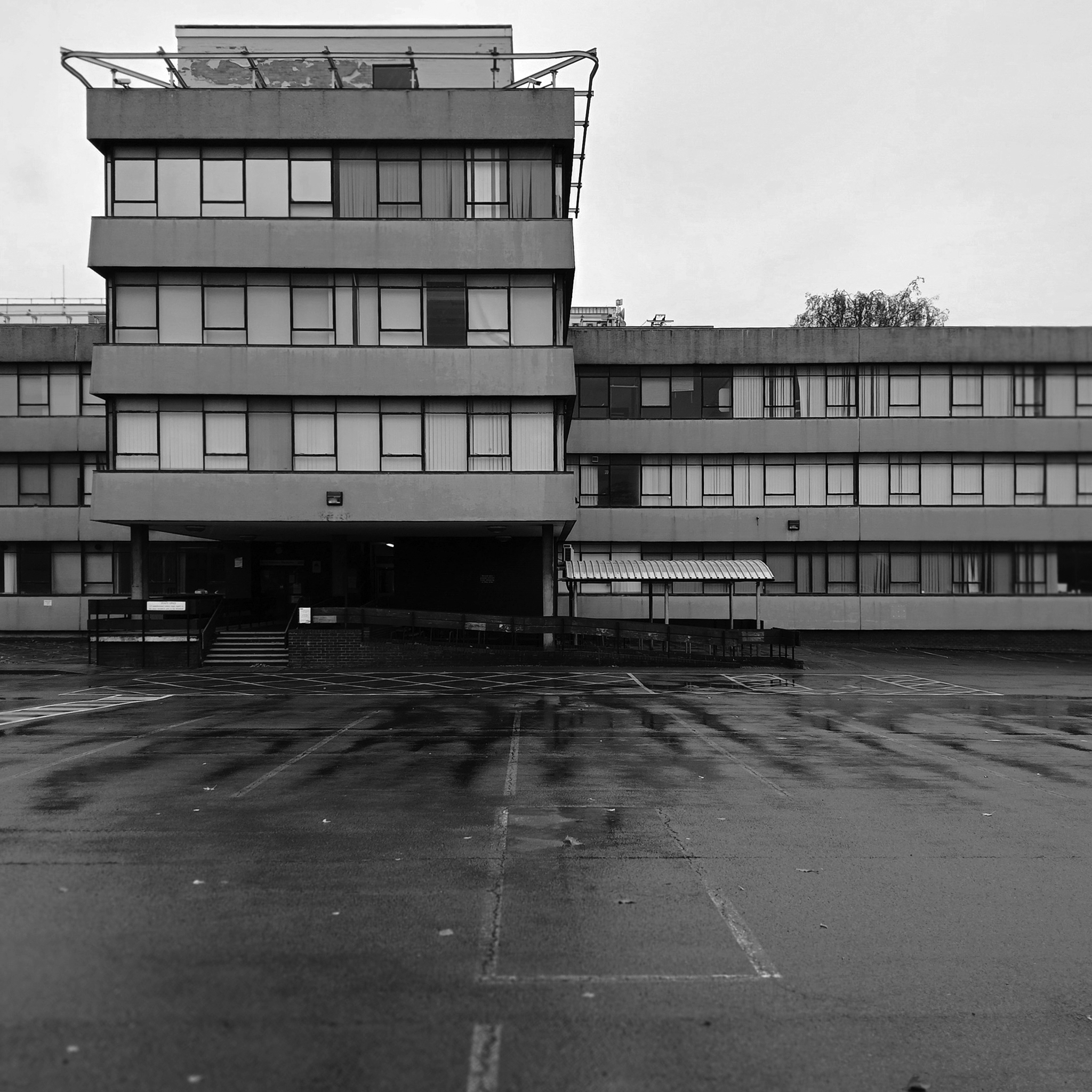
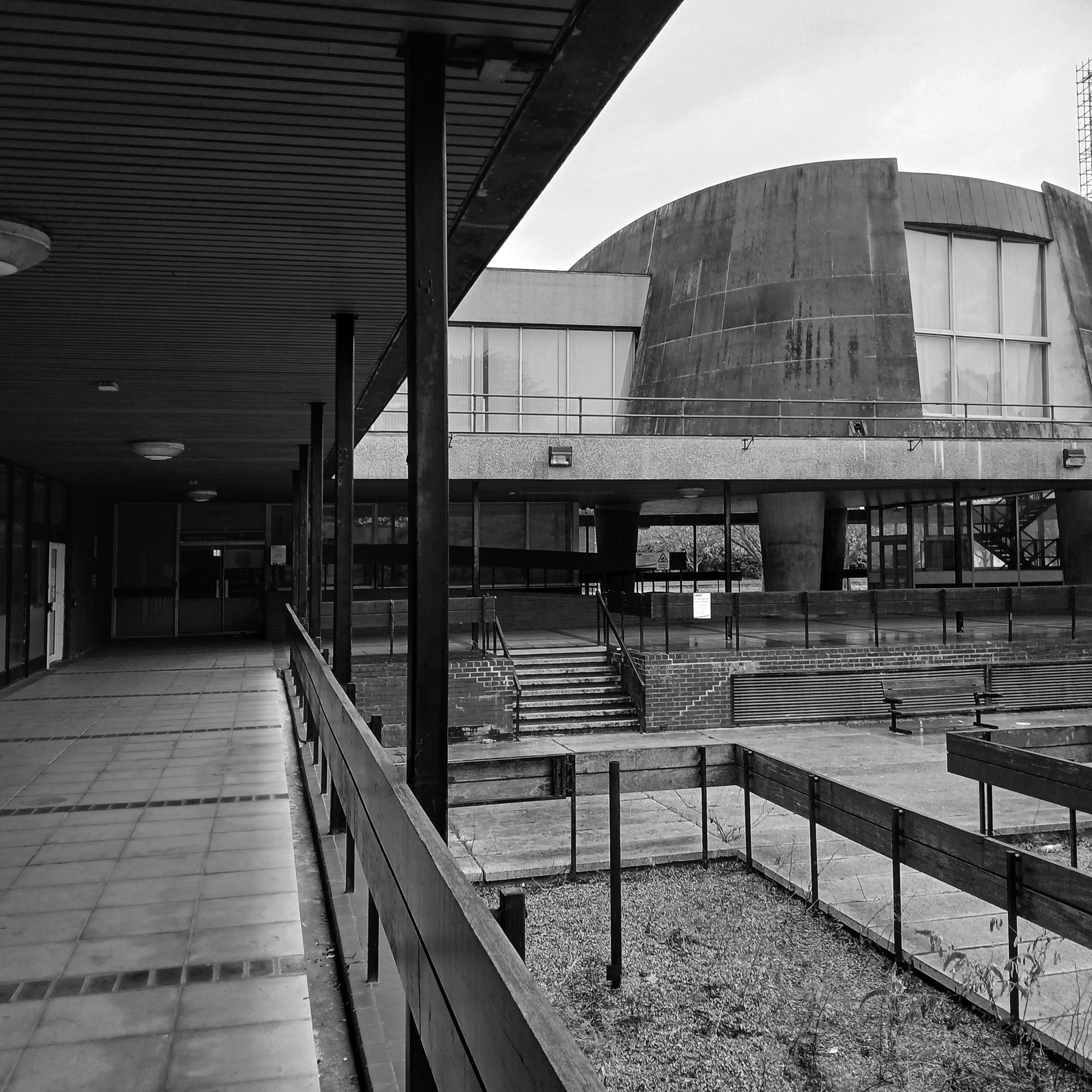
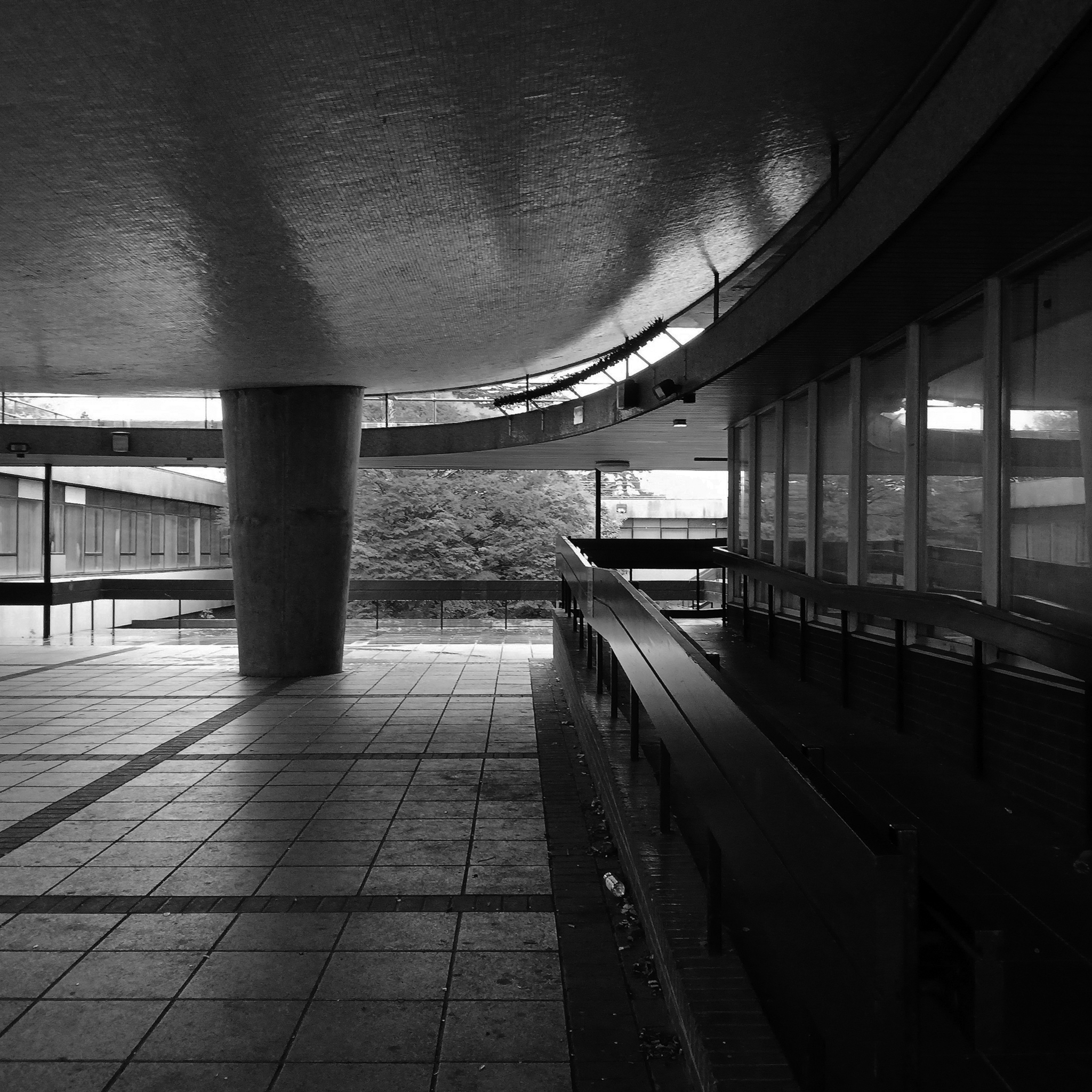
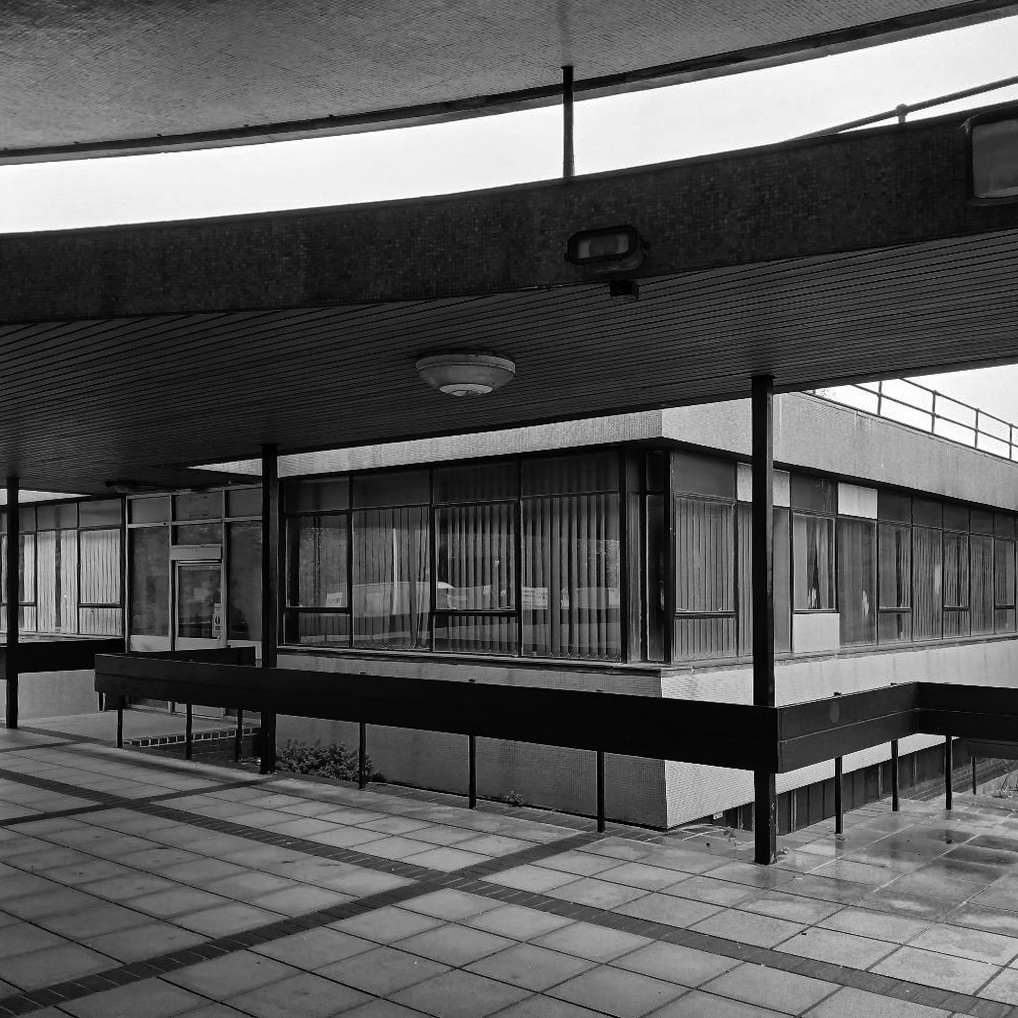
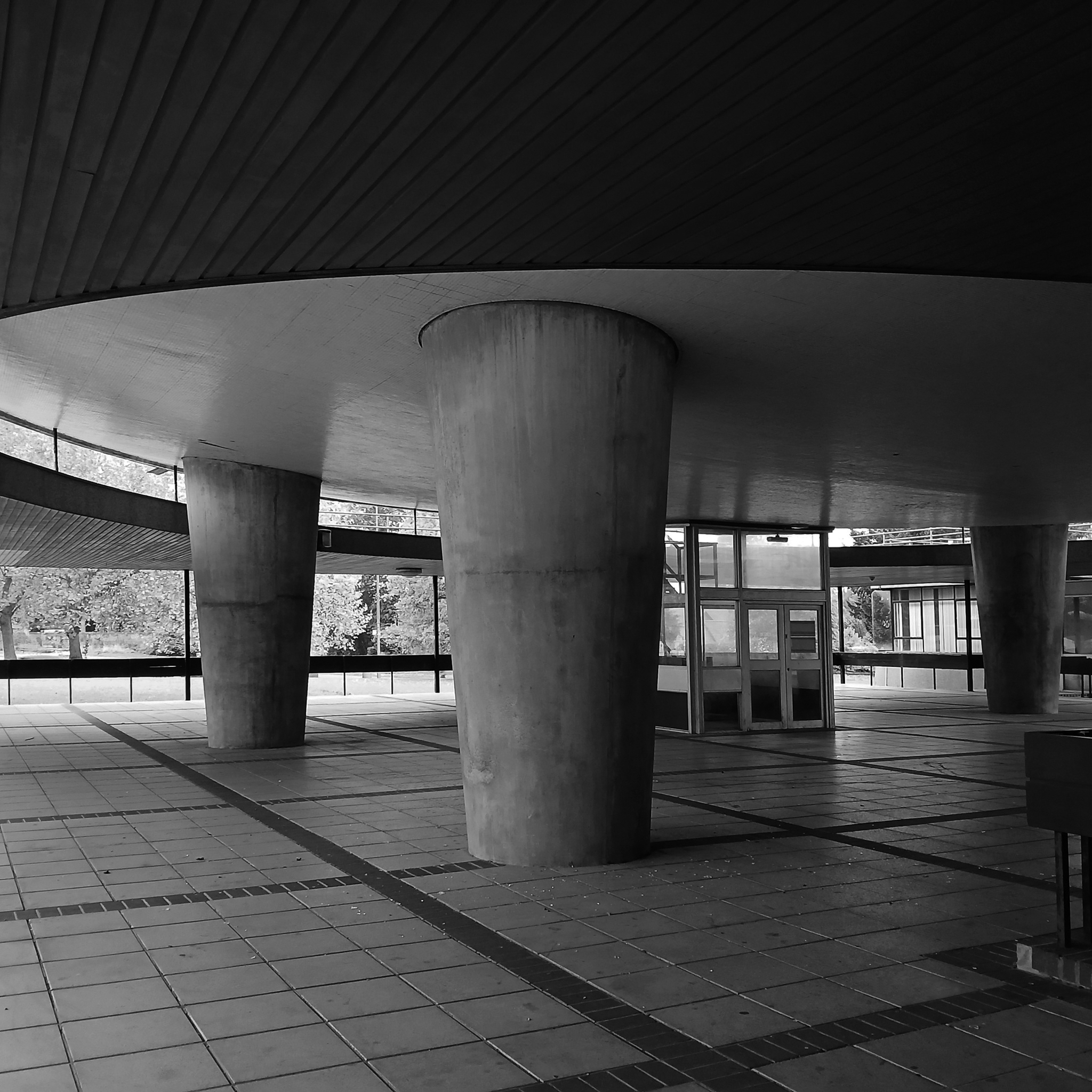
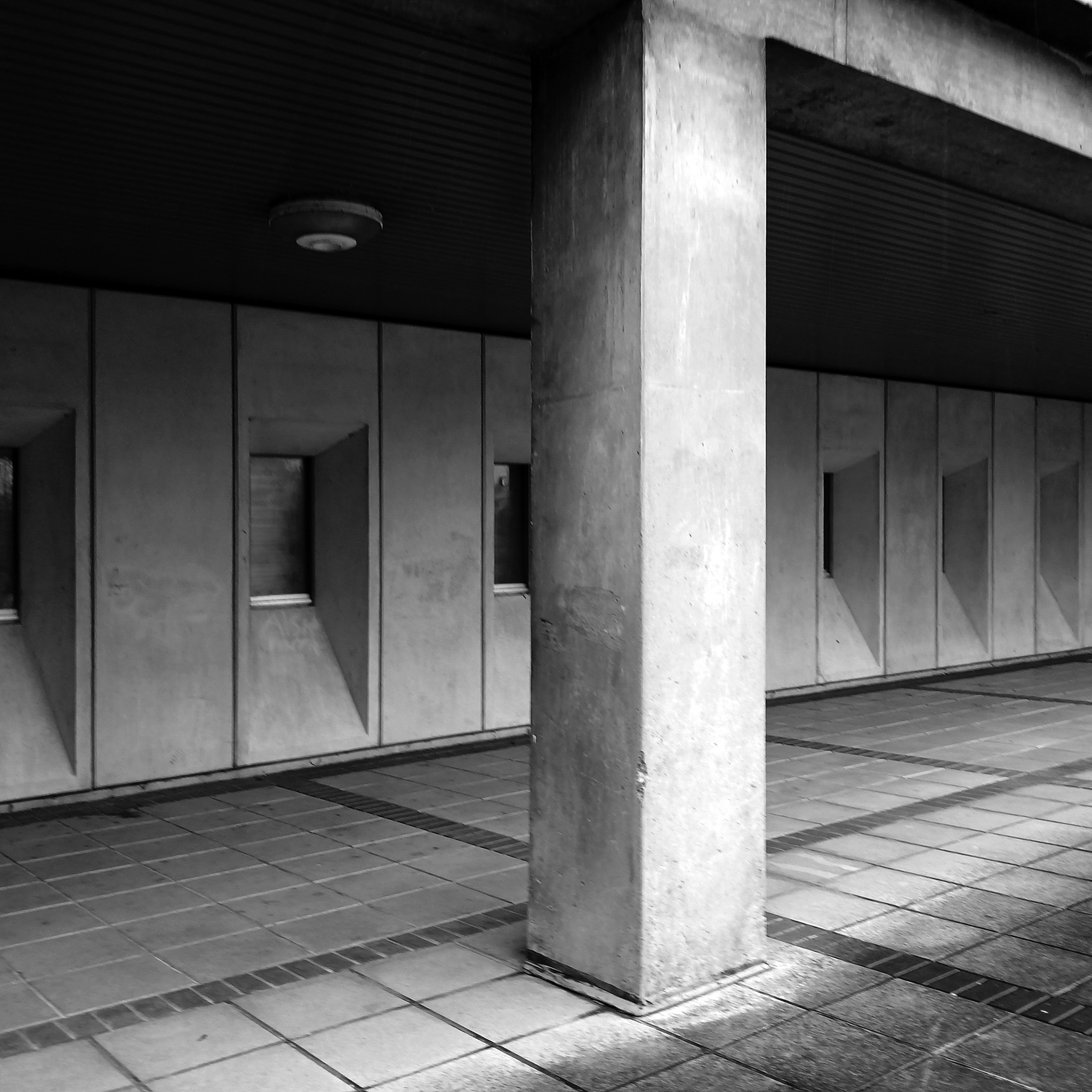
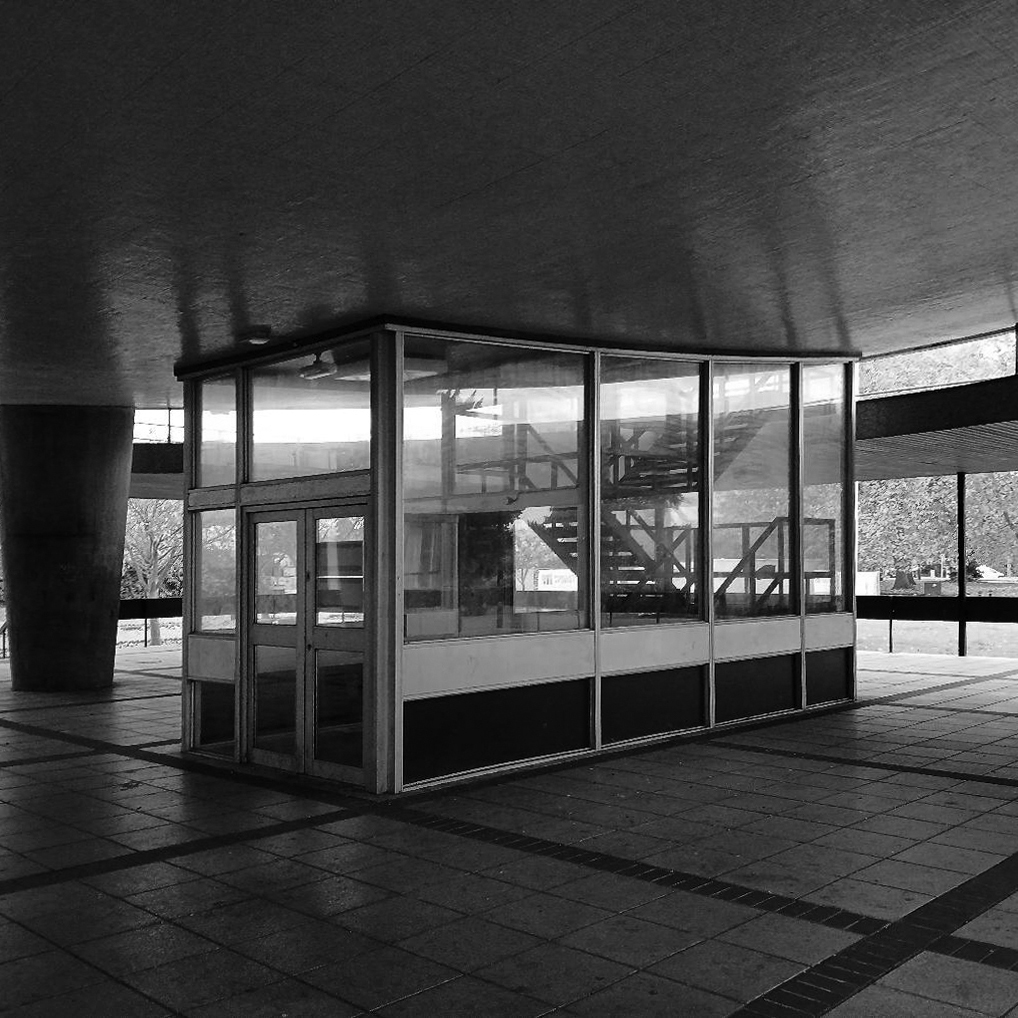
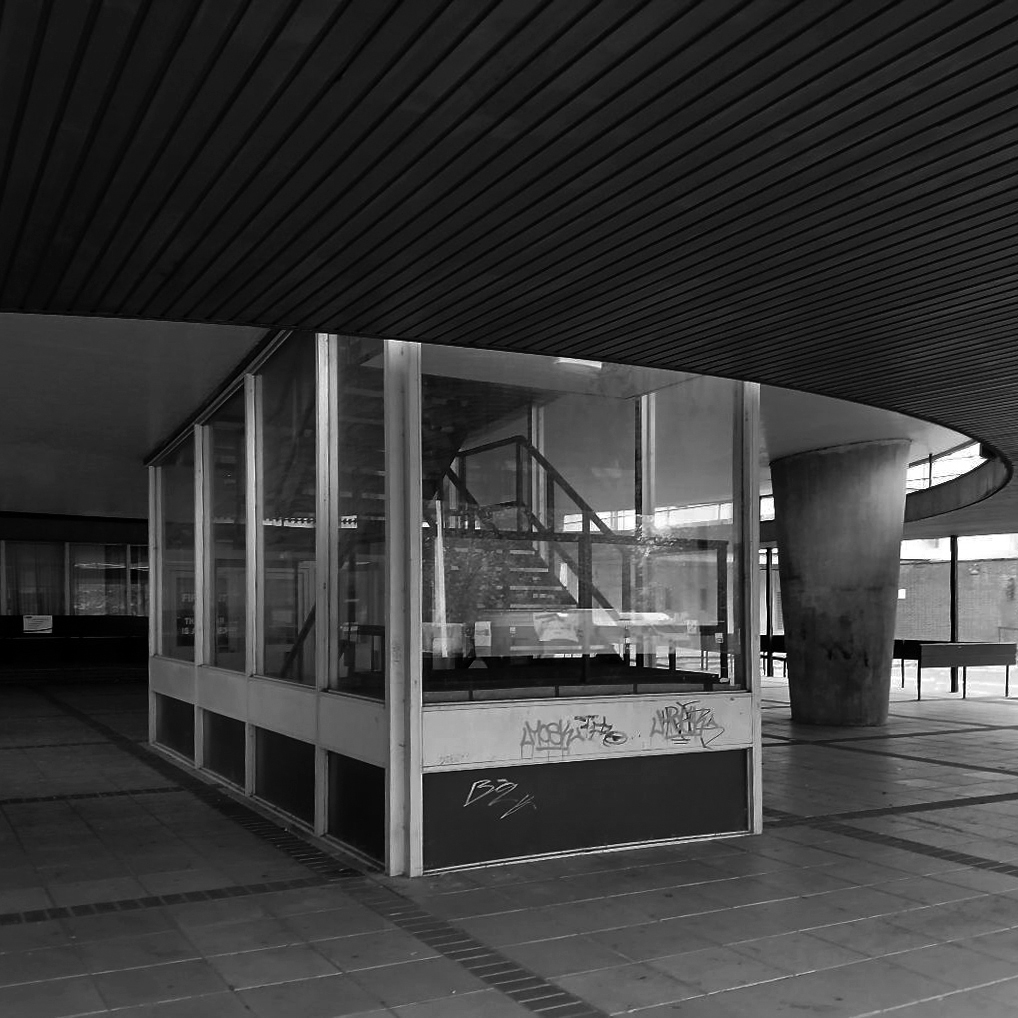
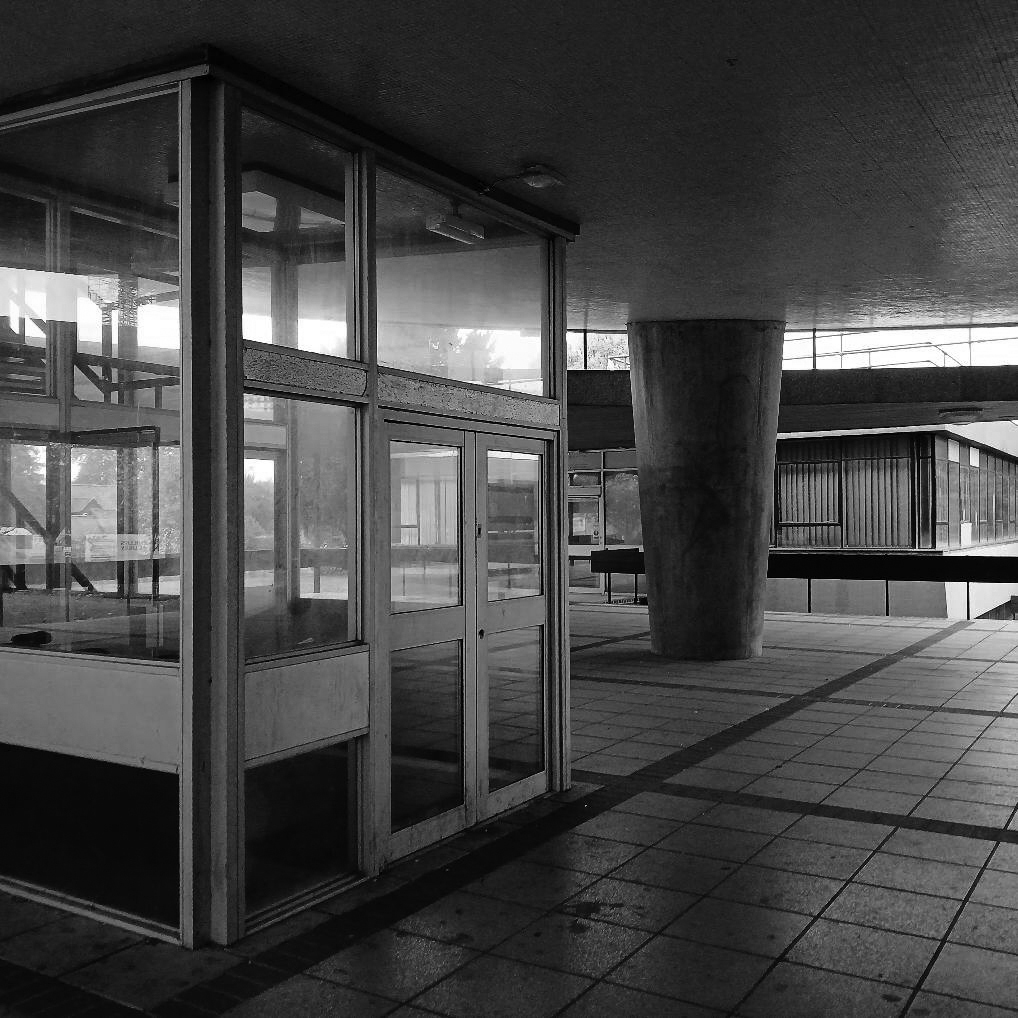
Seen here in 2011 via Google – with clear windows and delightful signage.
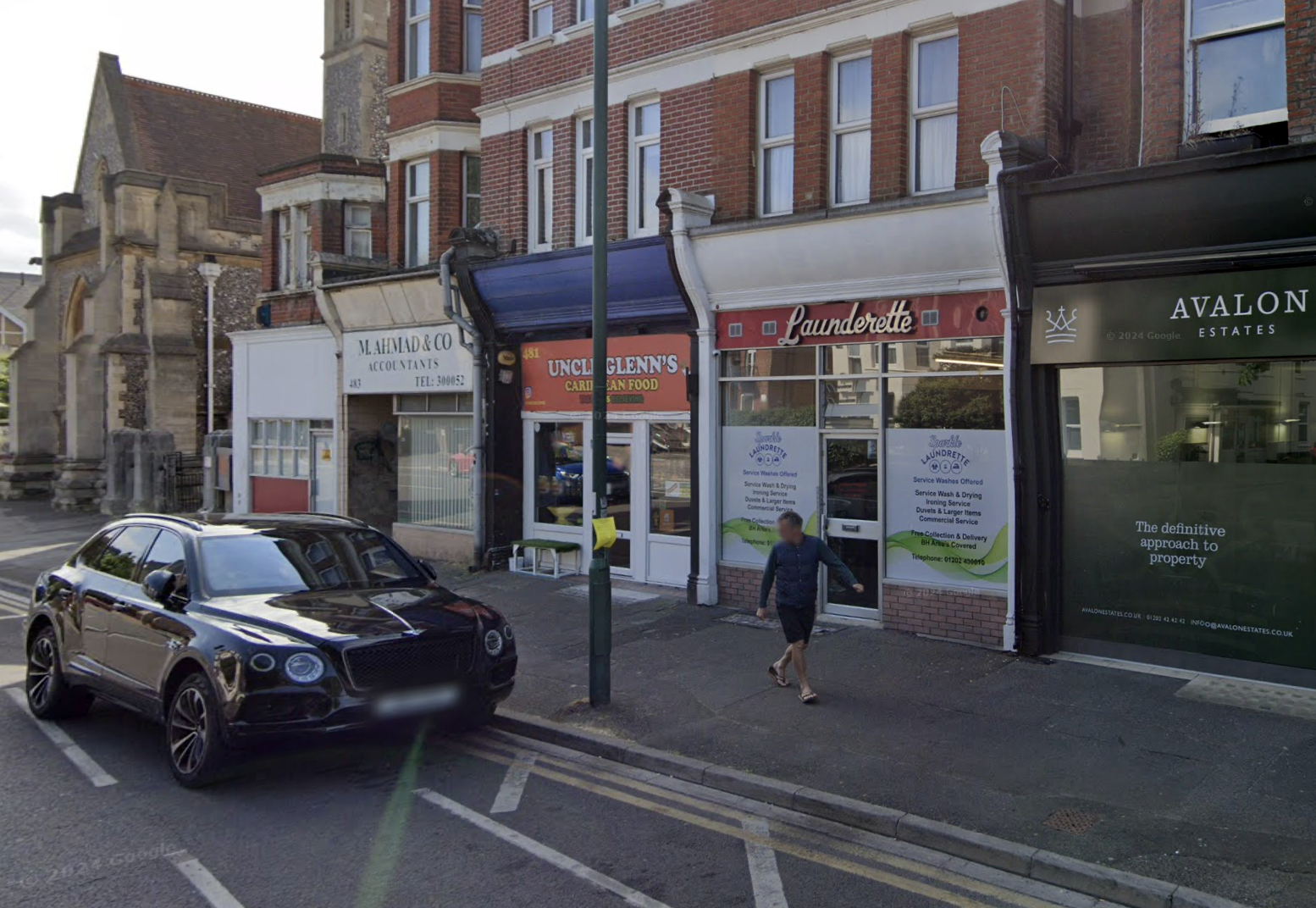
2024 with vinyl covered windows and sign intact.
By the time of my visit in May 2026 – the sign and the Bentley were no more.
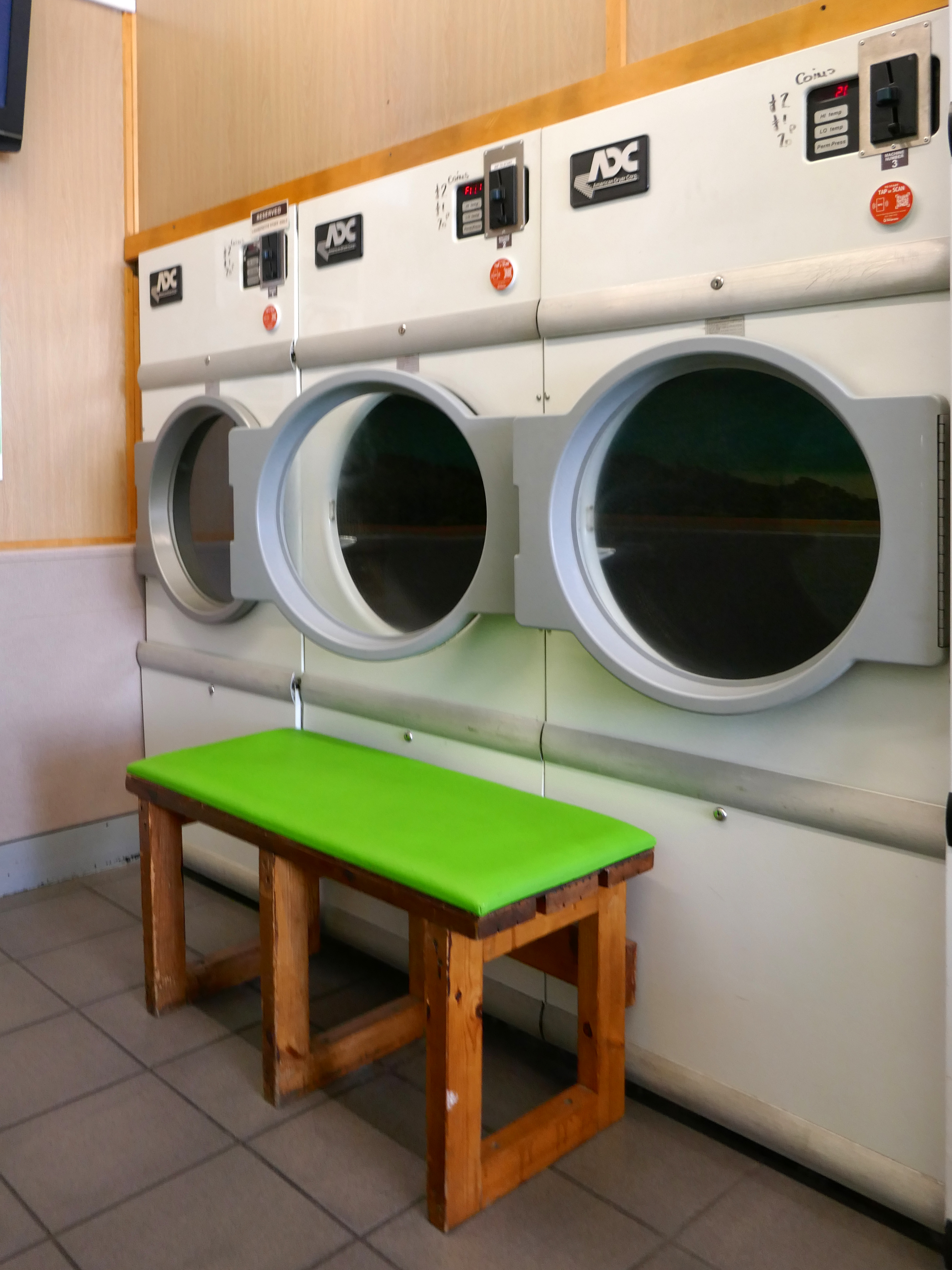
This is my most recent wander into a washateria following something of a lay off. Having previously published a launderette book and calendar way back when.
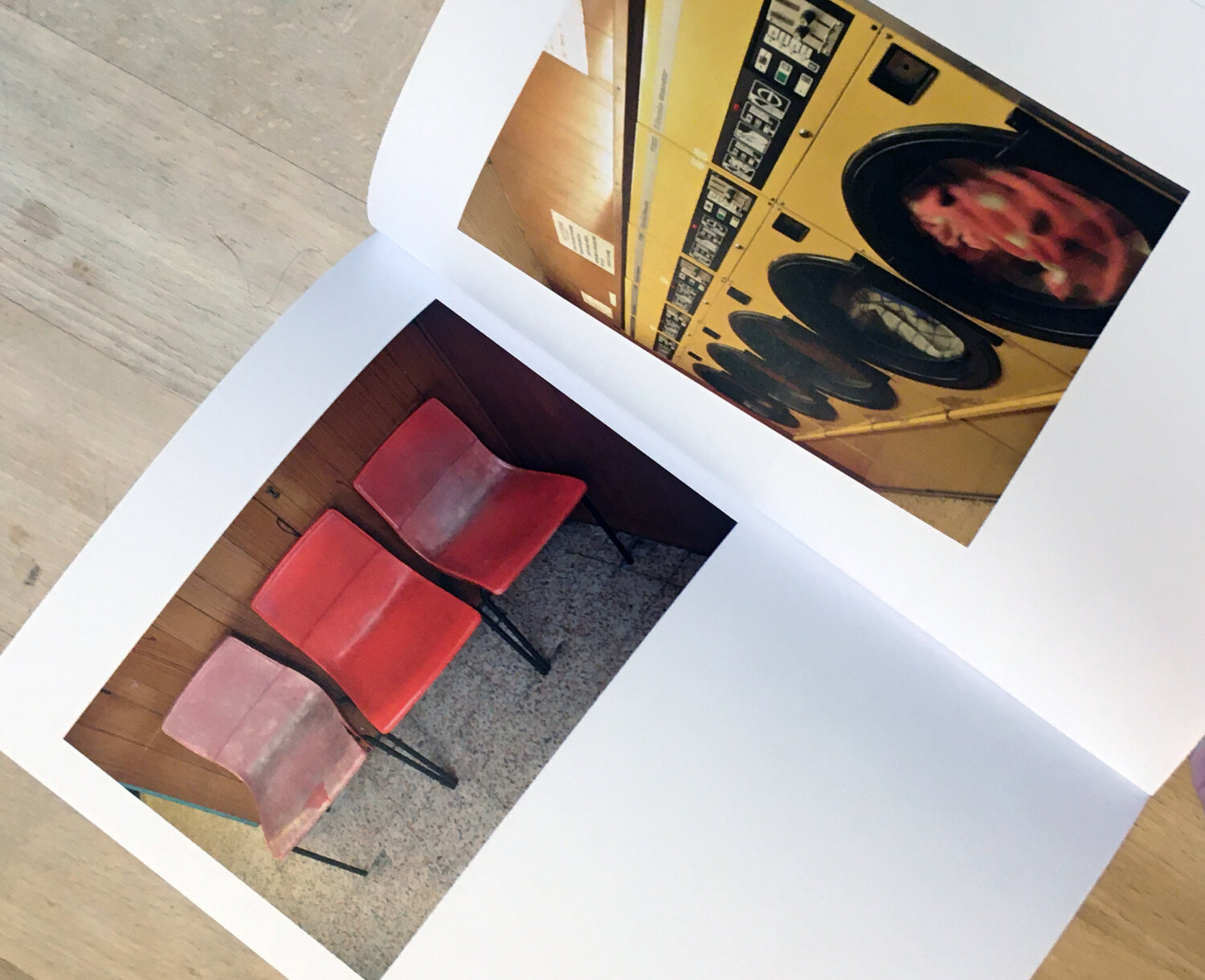
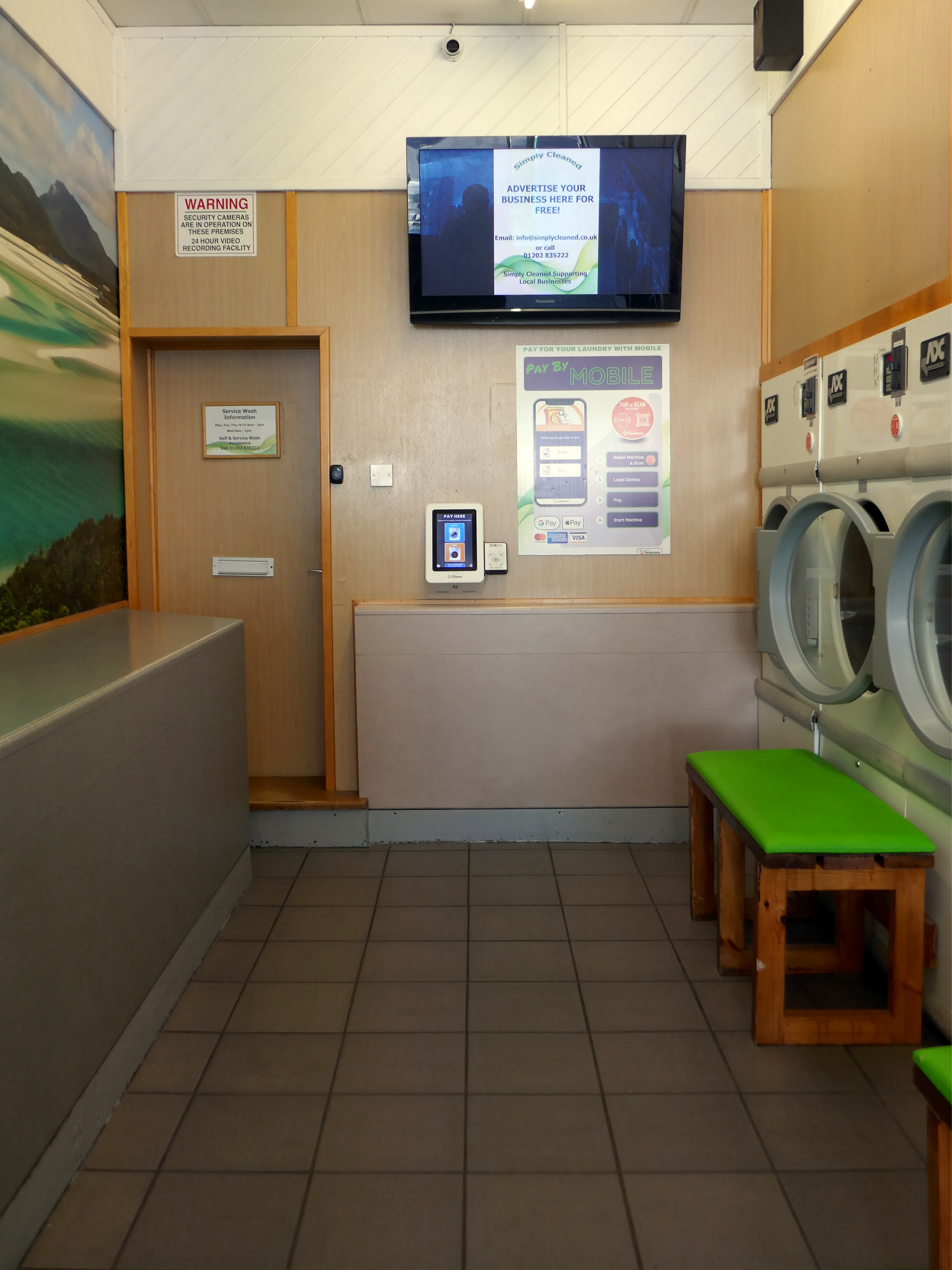
So once again we enter that familiar bubble of bubbles, whirrs and washing.
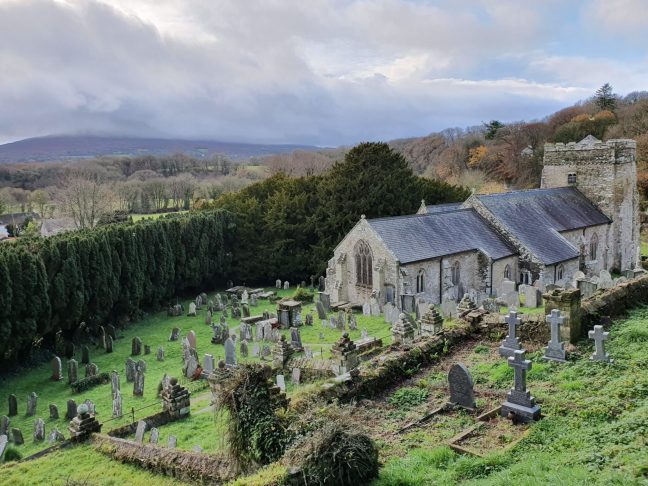
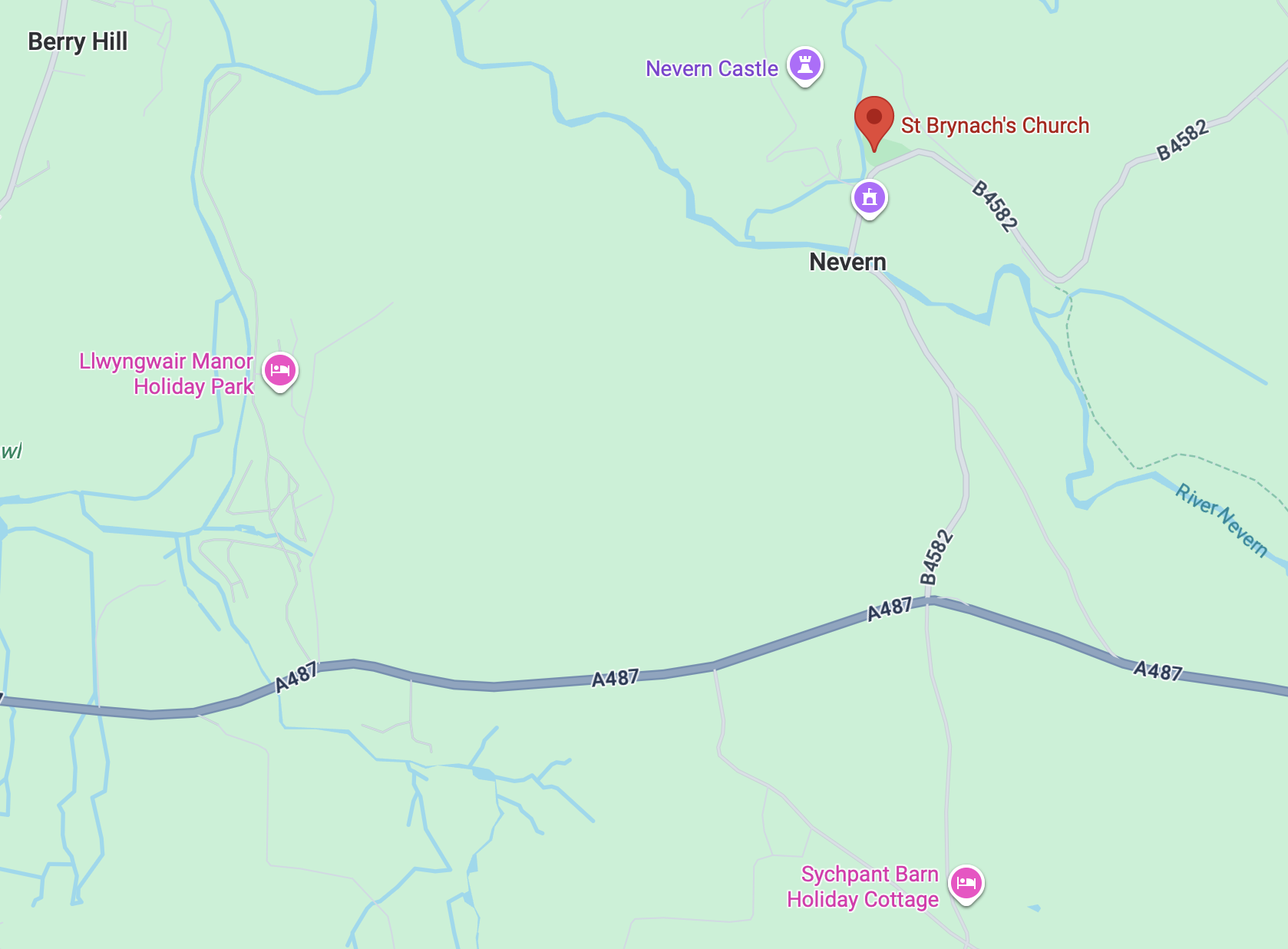
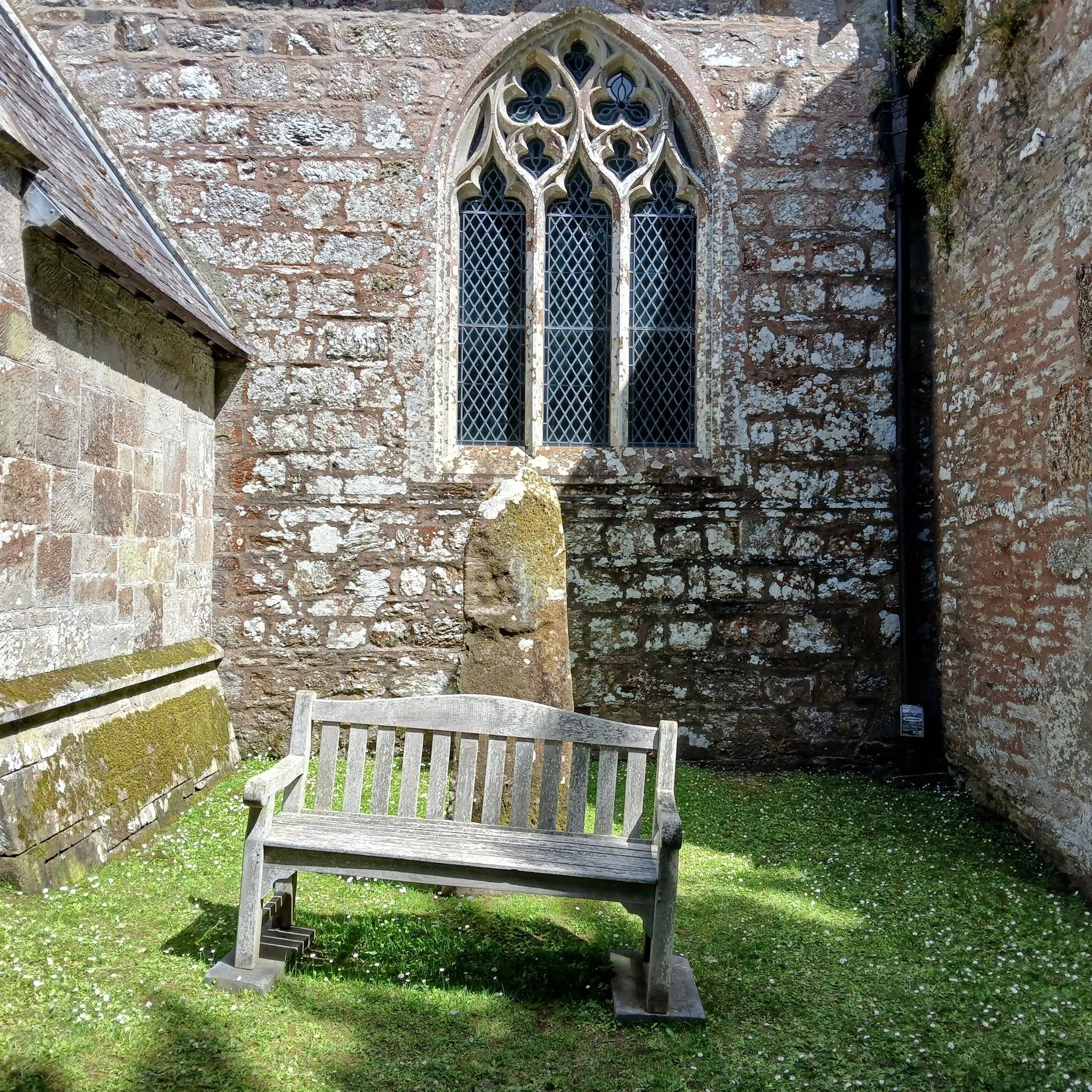
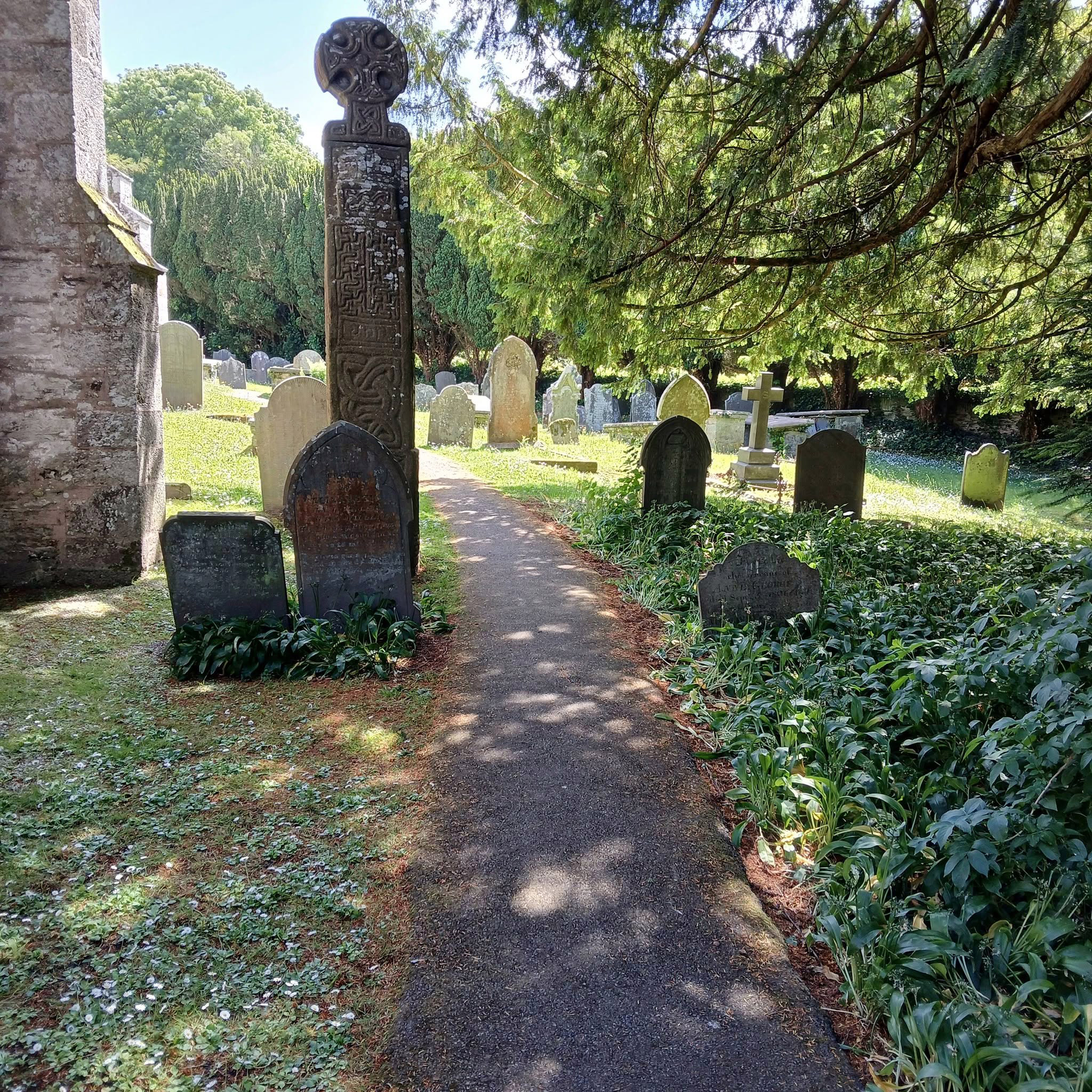
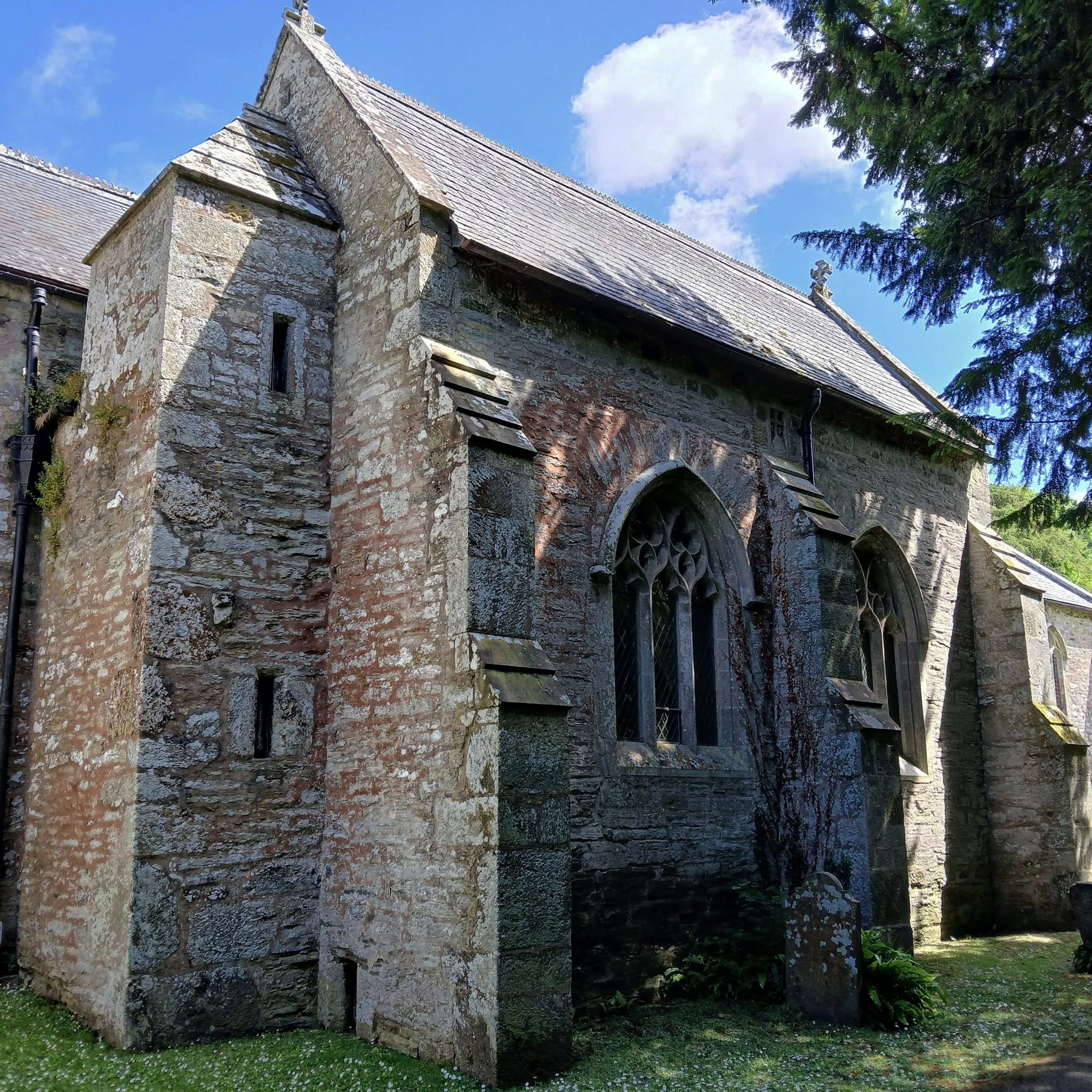
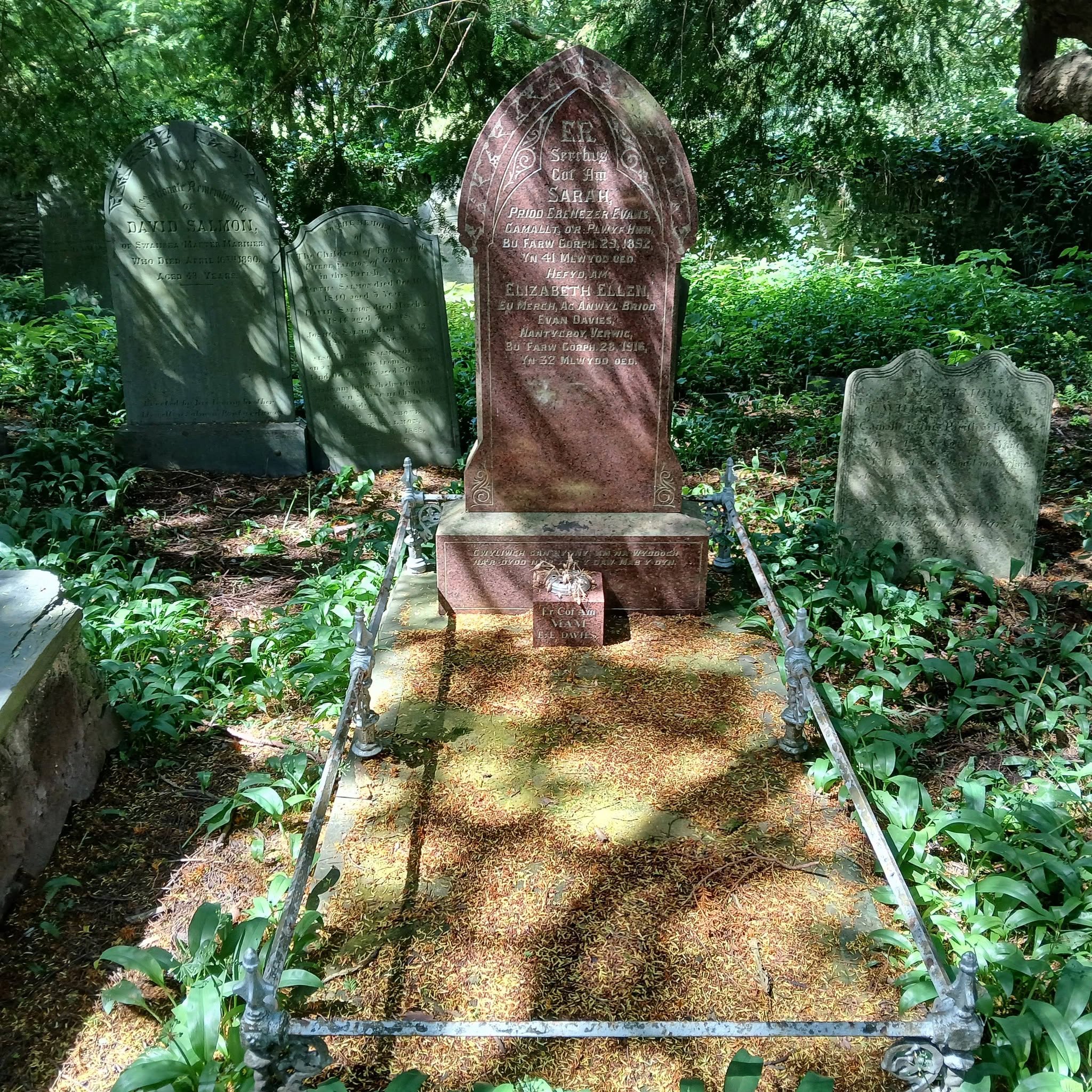
Nevern is a rural village in Pembrokeshire, West Wales.
The surrounding land is devoted largely to agriculture.
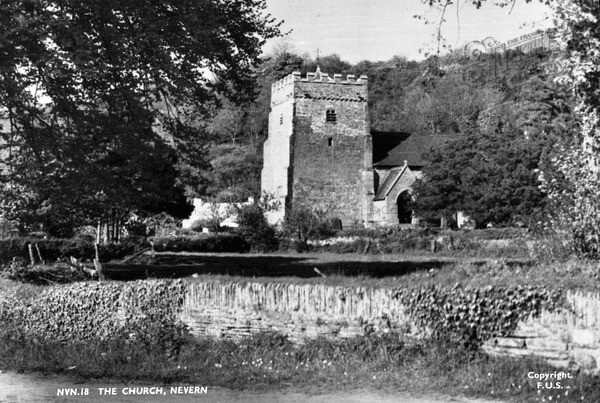
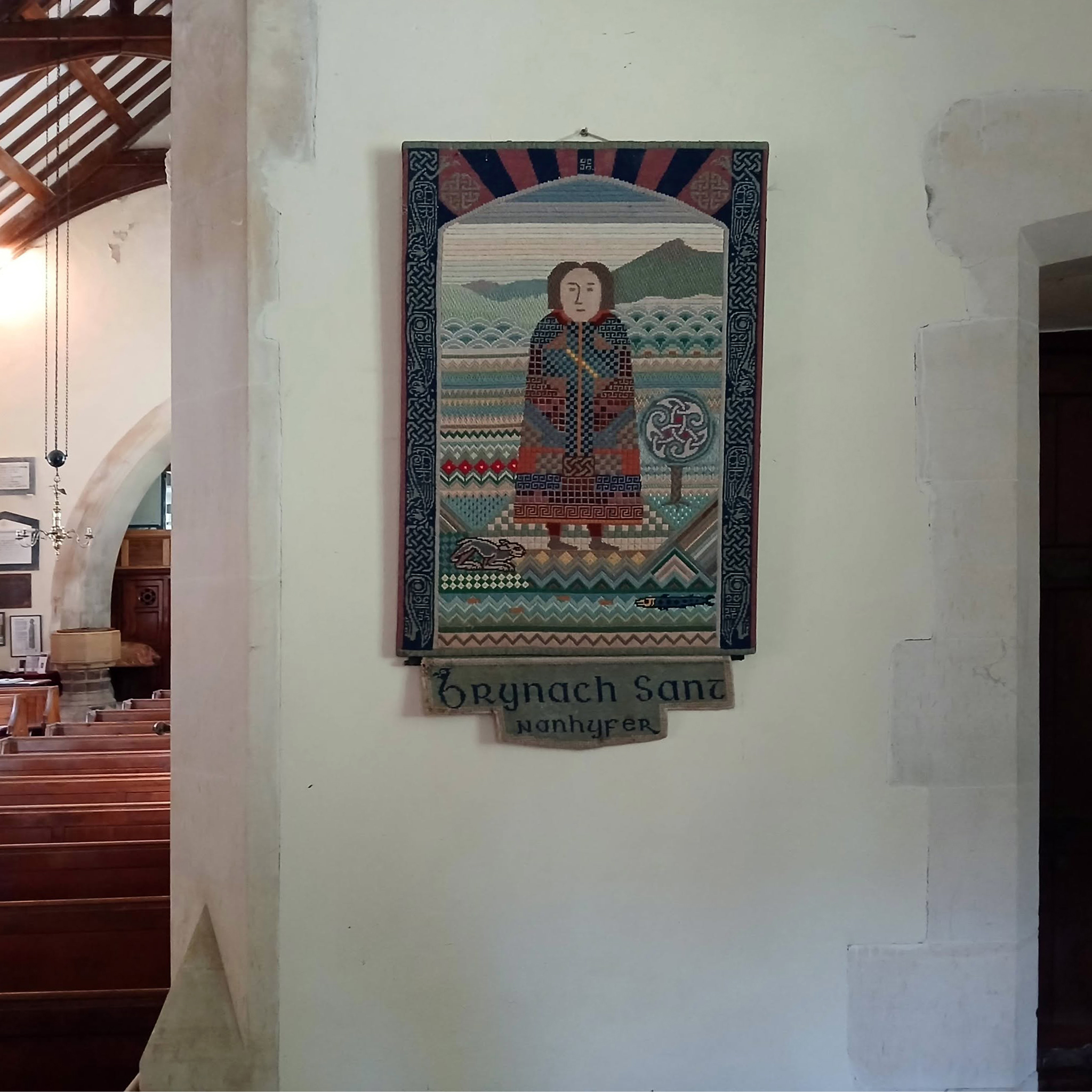
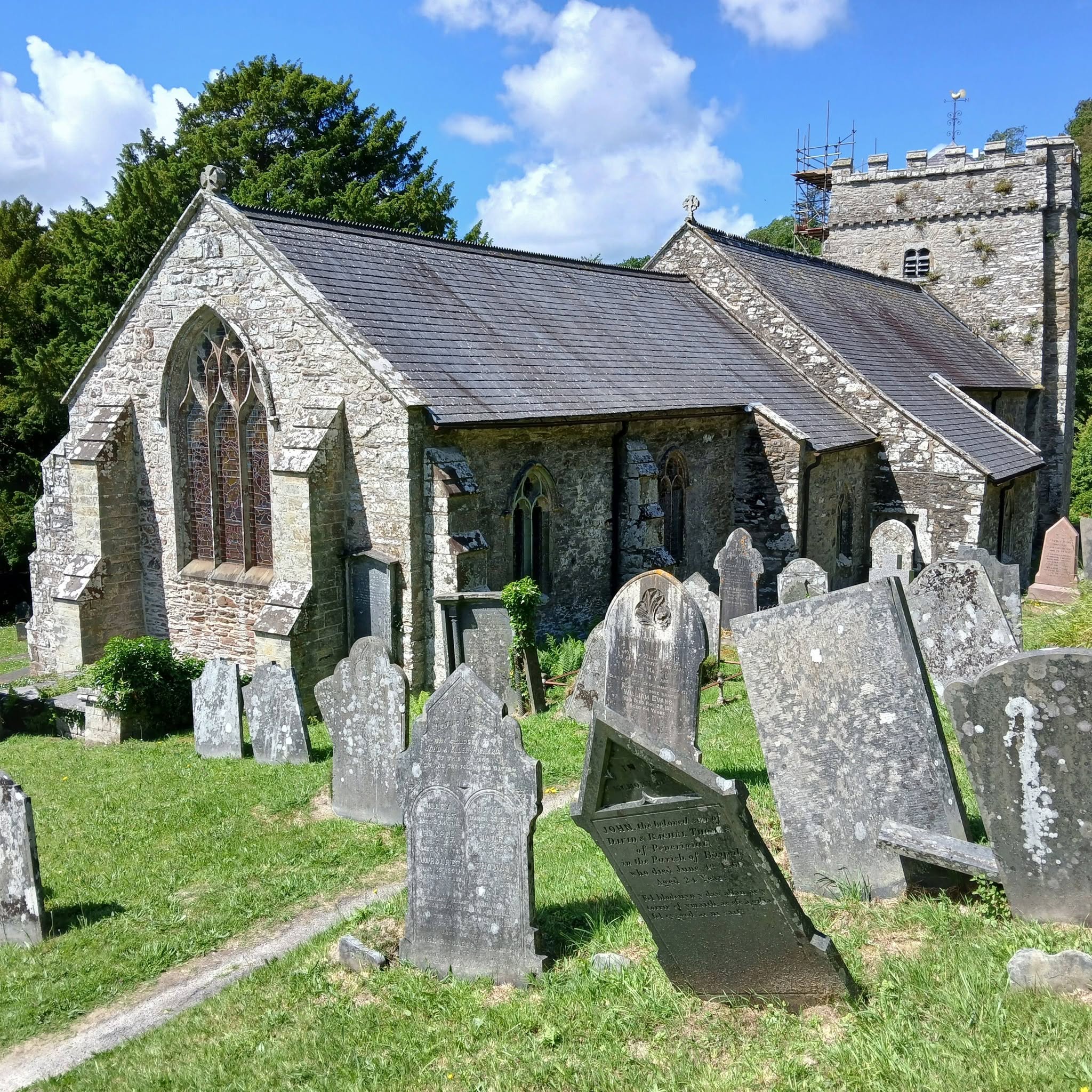
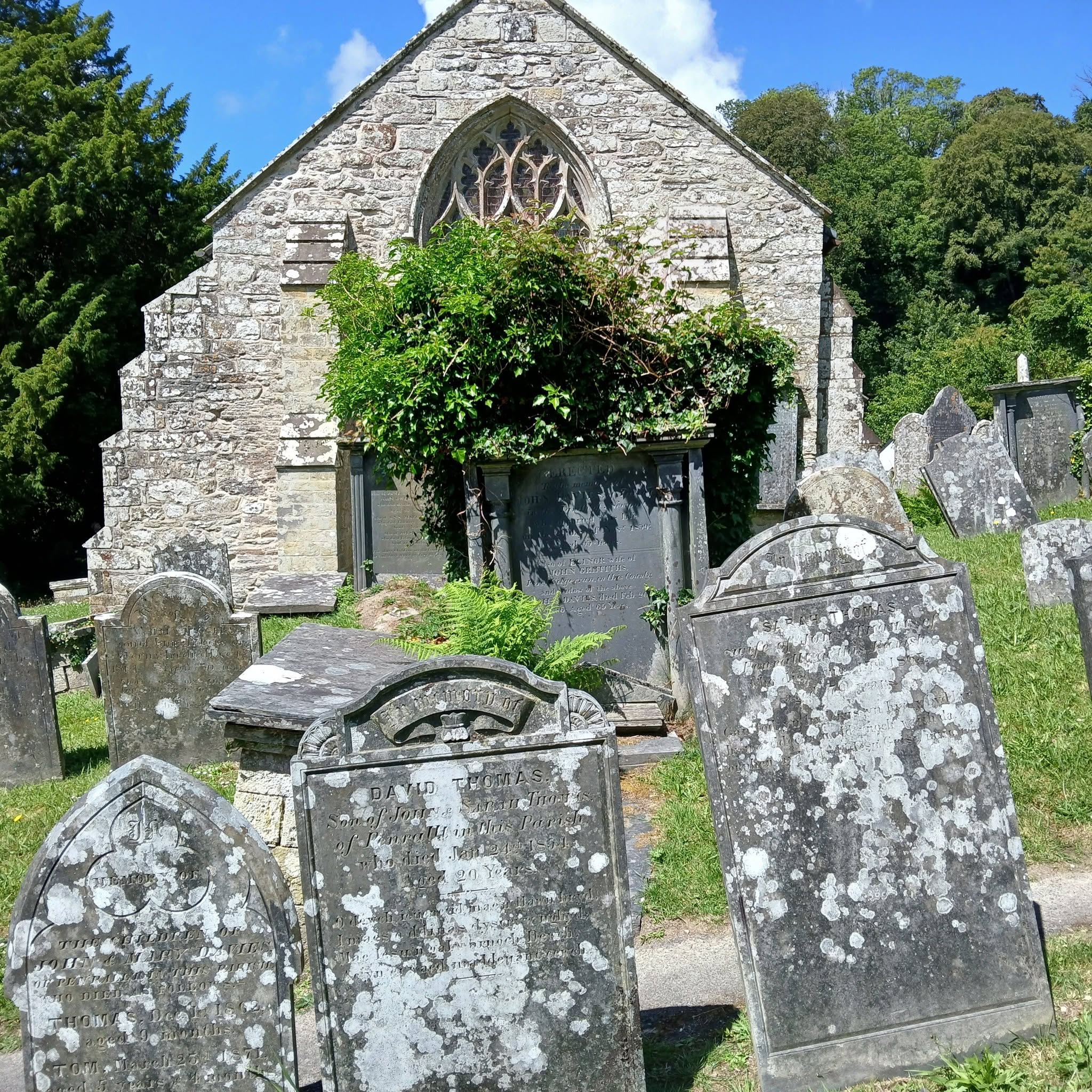
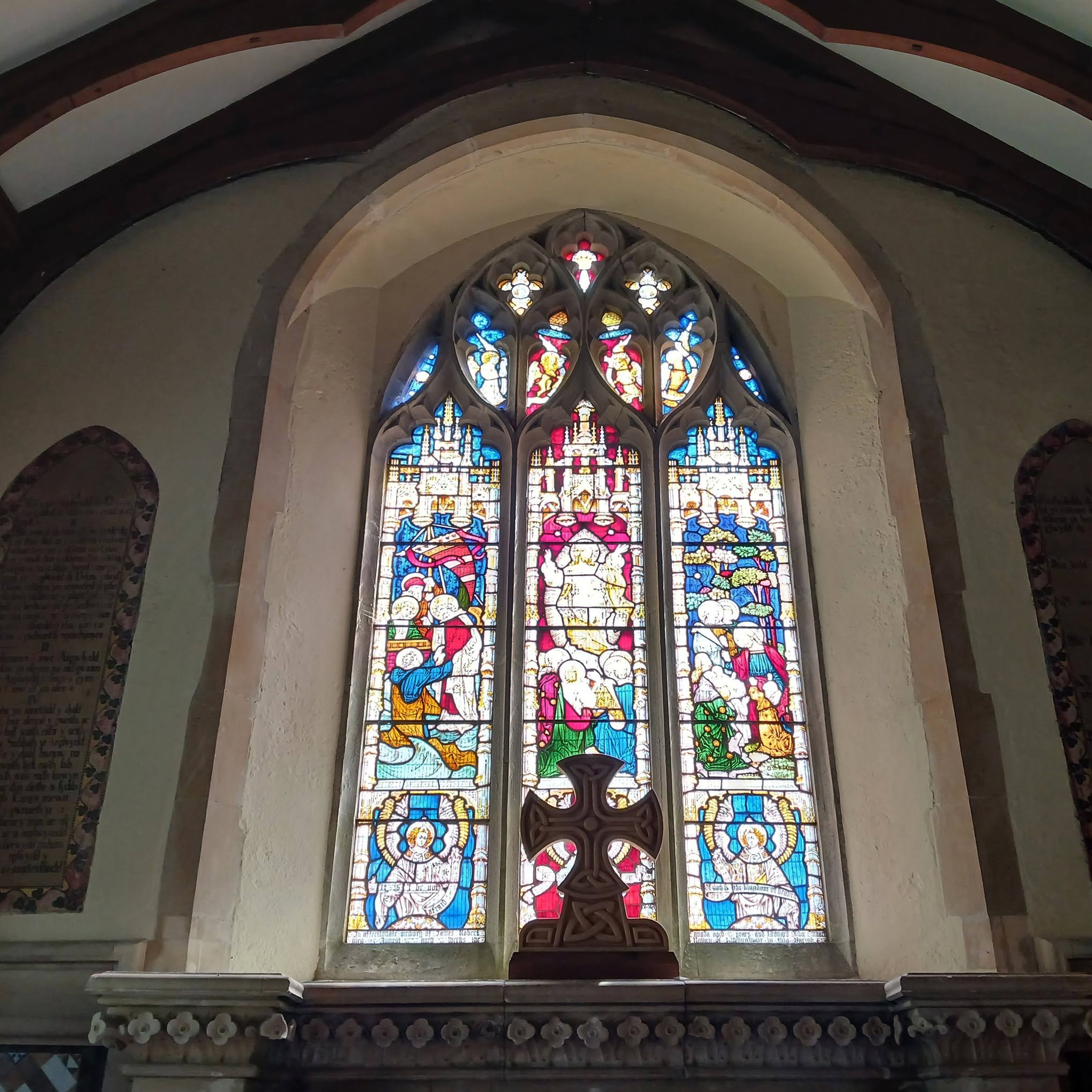
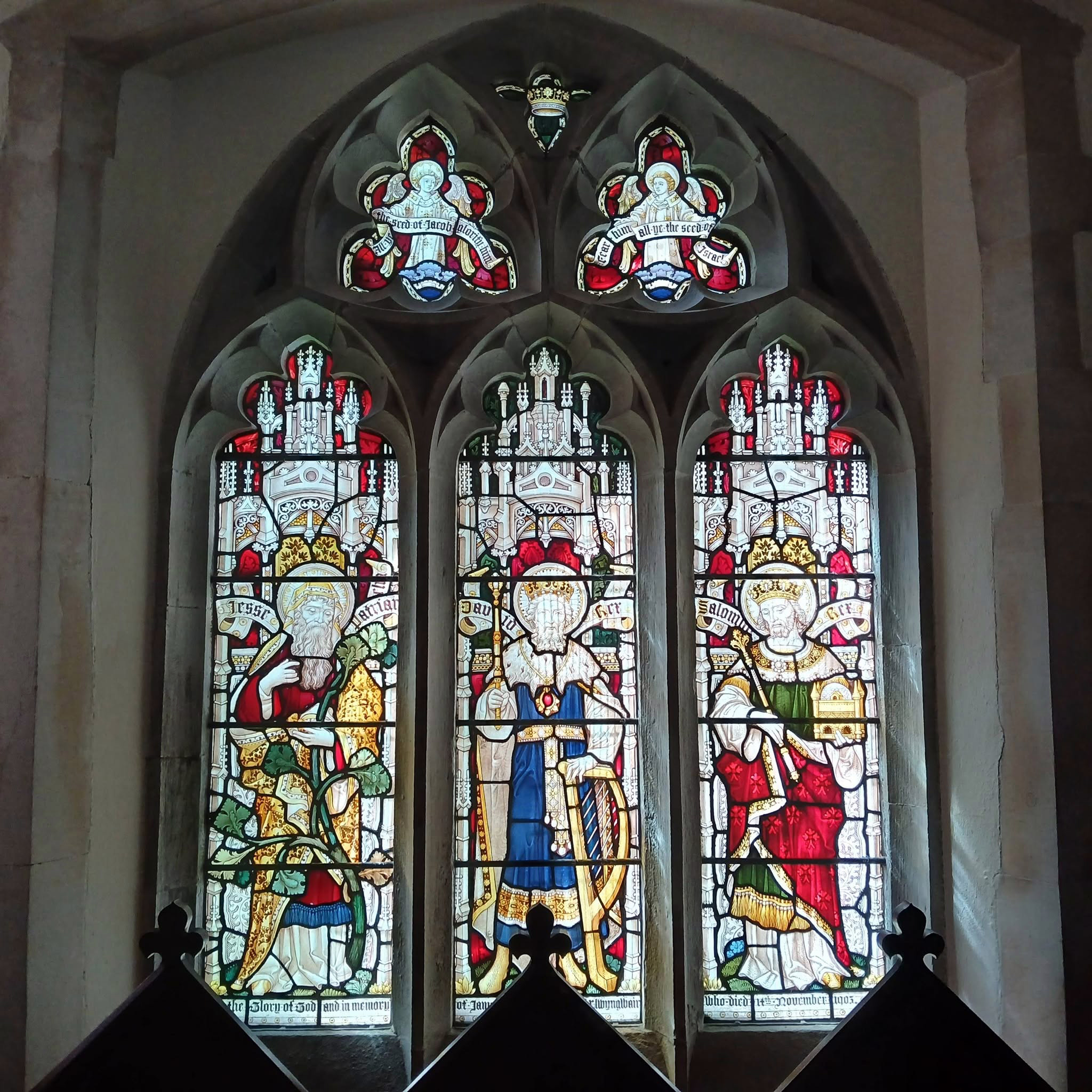
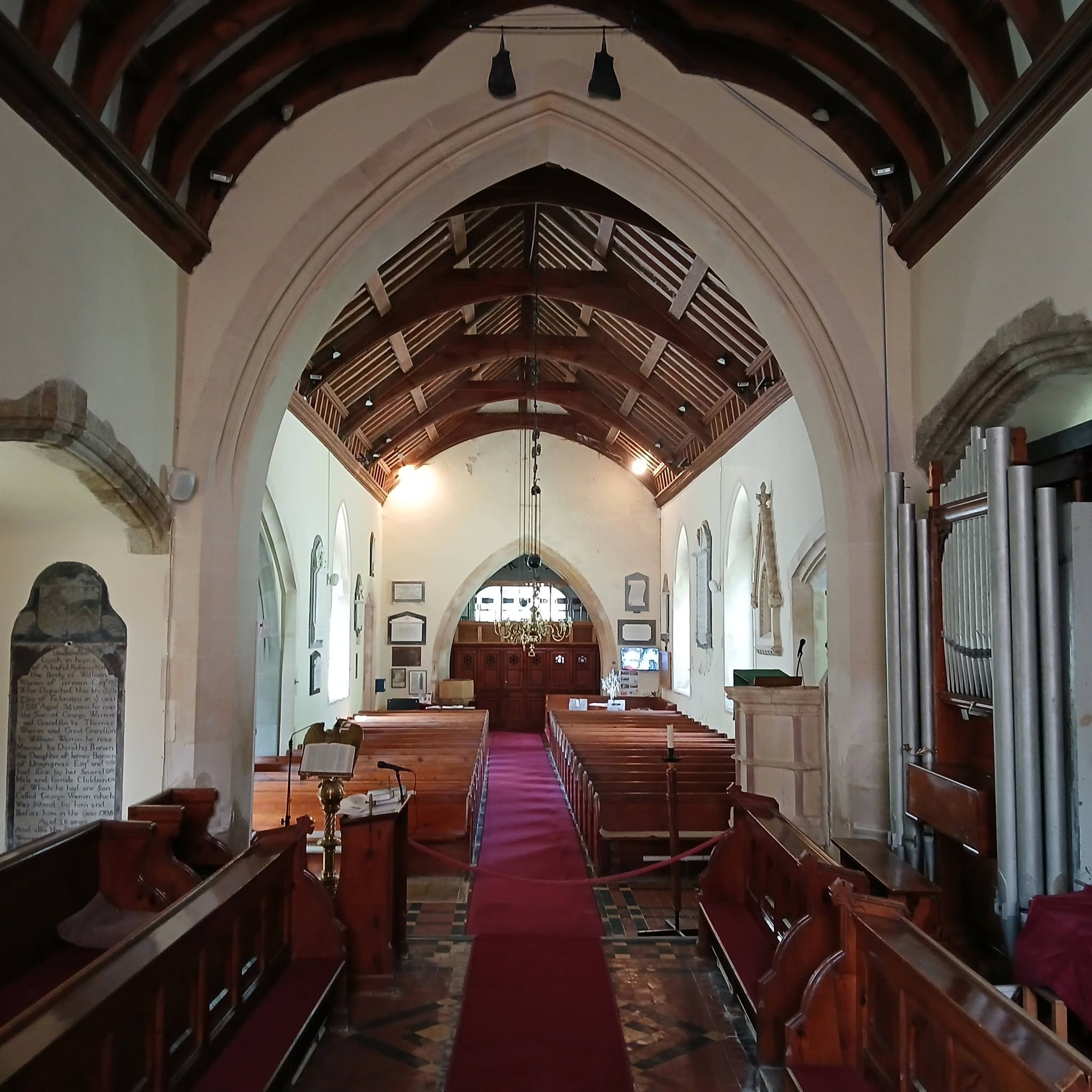
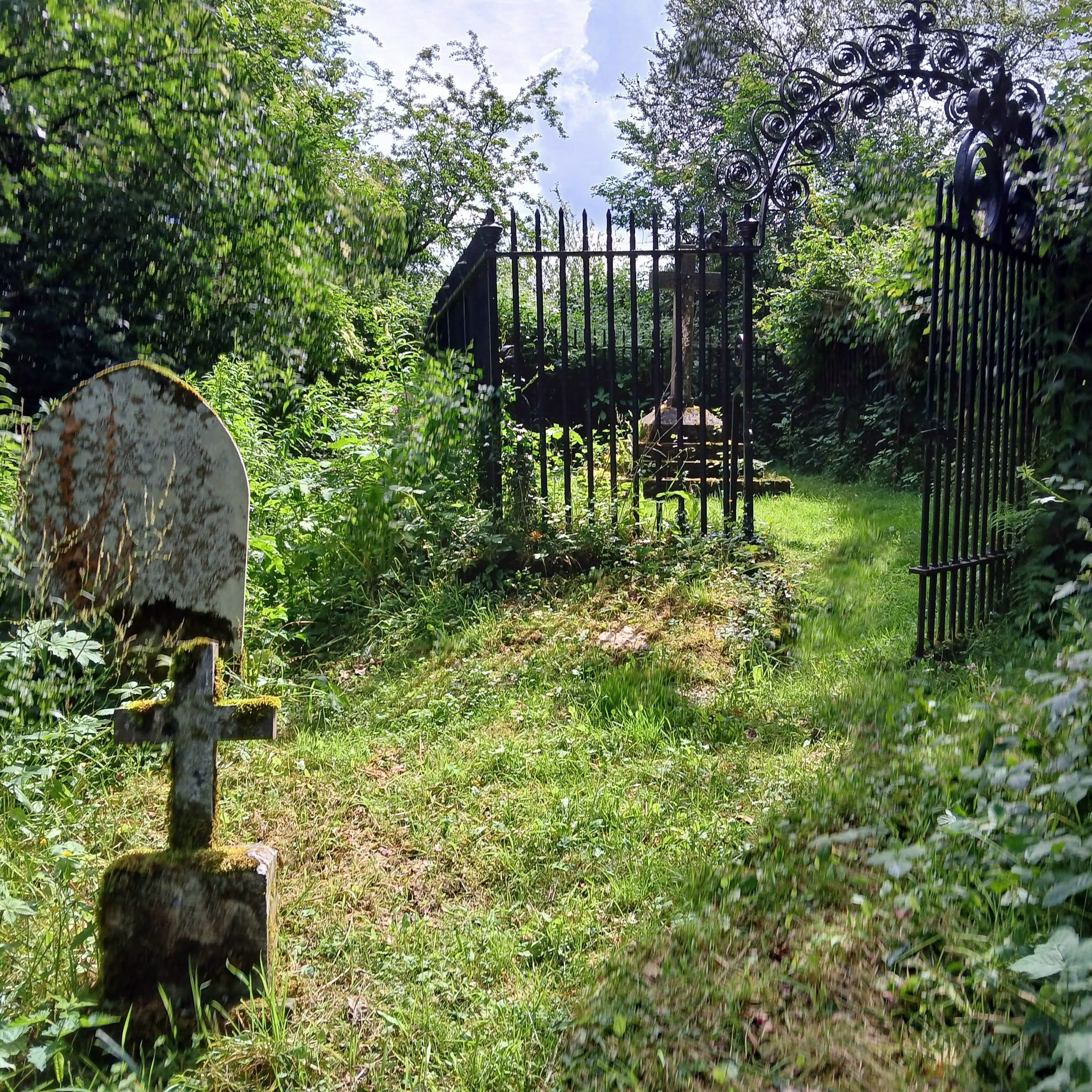
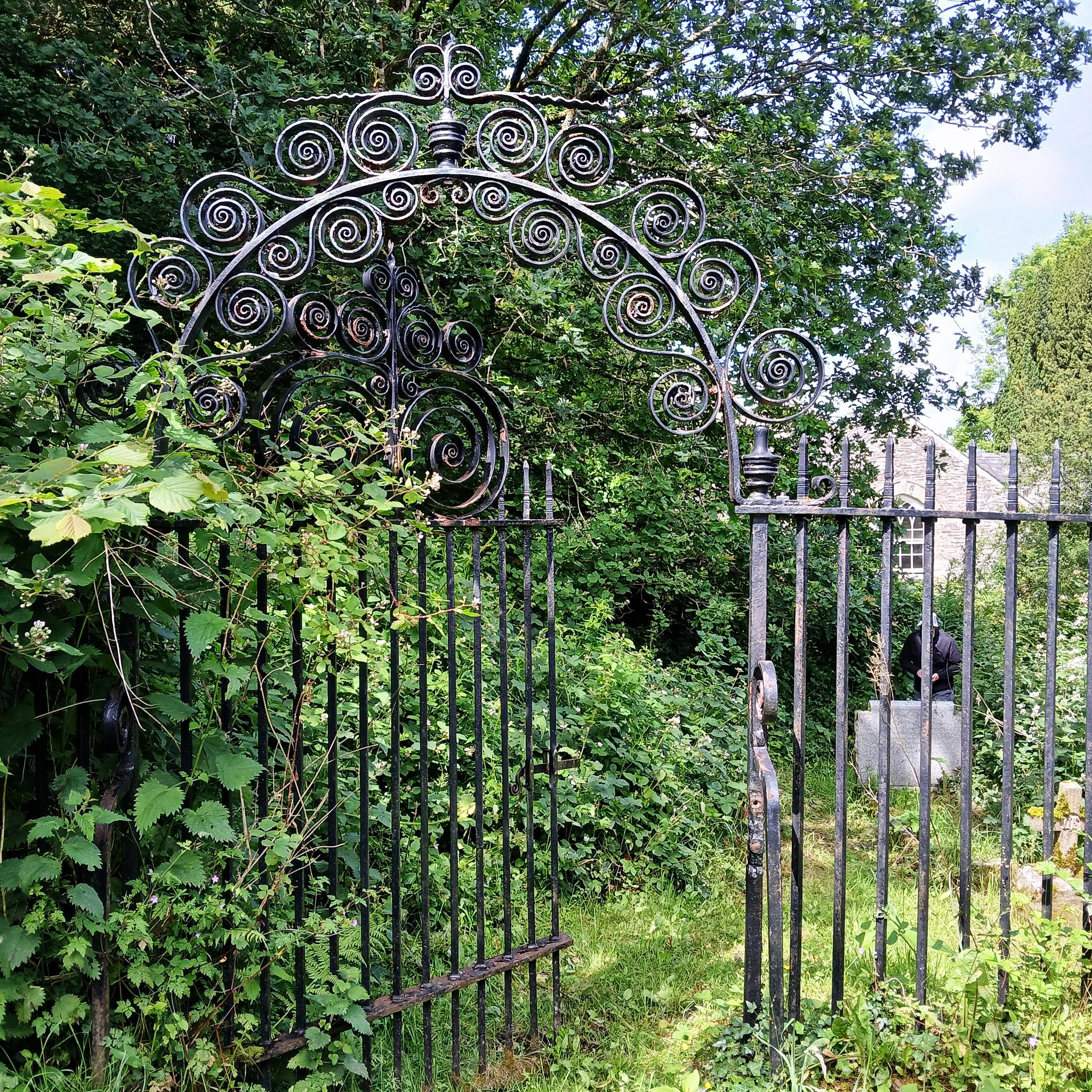
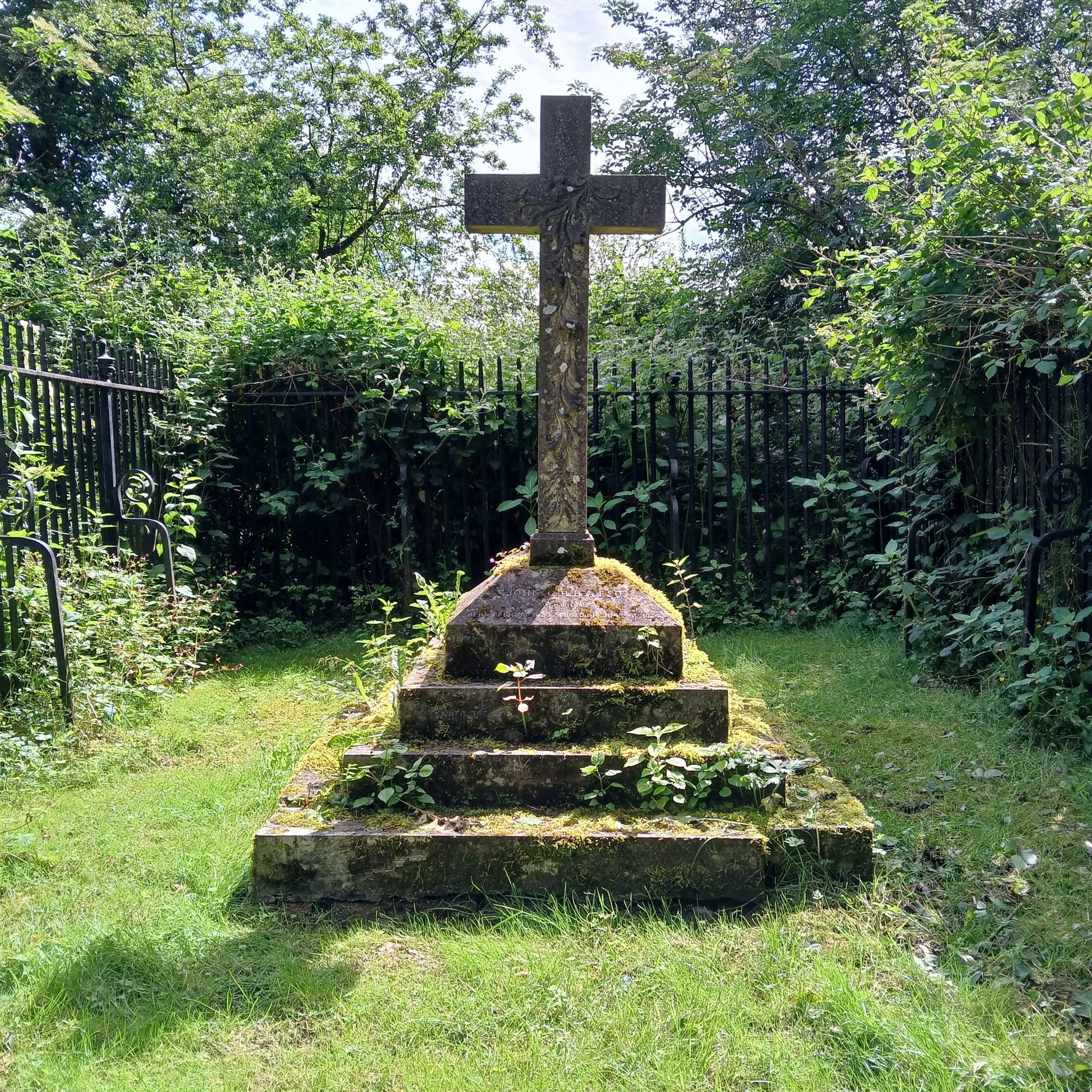
The church was founded by St Brynach in 540AD and the present building dates from around 1400.
Tim Rushton and I were cycling from Fishguard to Aberteifi on the Route 82 Lôn Teifi, which passes through Nevern.
So we stopped to have a look around.
1955
The most probable reason Brynach chose Nevern was the protection afforded it by its obscurity and the Castle above the village which had been a fortified stronghold since Iron-age times. He was a kinsman of the Goedelic Tribal Chieftains who occupied it.
Though the Peregrinatio had learned their theology and scholarship by travelling to monasteries on the Continent under the rule of Rome, the Celtic Church was very different. The ‘churches’ were in essence small monasteries or ‘clas’ peopled by monks. They had a leader or Abbot such as Brynach but were centres of learning and small-scale industry as much as for worship.
Evangelising by monks took place from the ‘mother churches’, so when a church is said to have been founded by a certain saint it was probably named after the leader of the ‘clas’. The life of the ‘clas’ and its form of worship, essentially different to that of Rome, changed very little from its formation in the 6thC into the century after the Norman Conquest, except that in the C8th repeated persuasion by the Continental conquerors of middle Britain converted the Celtic Church to Catholicism, henceforth adopting its dates and some of its rites.
The Vikings sacked St. David’s in 878, killing the bishop, and were a constant scourge along the coast for the next three hundred years. This is where the Castle played its most important role in the life of the church. They built a tower stronghold on a spit of land separated from the main castle where they would ‘sit out’ the Viking raids literally burning their bridge behind them. Fortunately for them the Vikings had a short attention span and were loath to lay siege preferring to push on to other targets, so, apart from having to occasionally rebuild their church, the Christians at Nevern were left relatively unharmed.
Having landed in the country in 1066 the Normans arrived at Nevern in the latter years of the 11th Century. They usurped the local chieftains from the Castle – though their descendants still live in the parish to this day and rebuilt the Castle in their usual Motte and Bailey manner. They evidently intended to make Nevern their manor in this area, which accounts for an unusually large church in a small village, but changed their minds moving to Newport, building a much larger castle, and populating the town with their loyal English supporters.
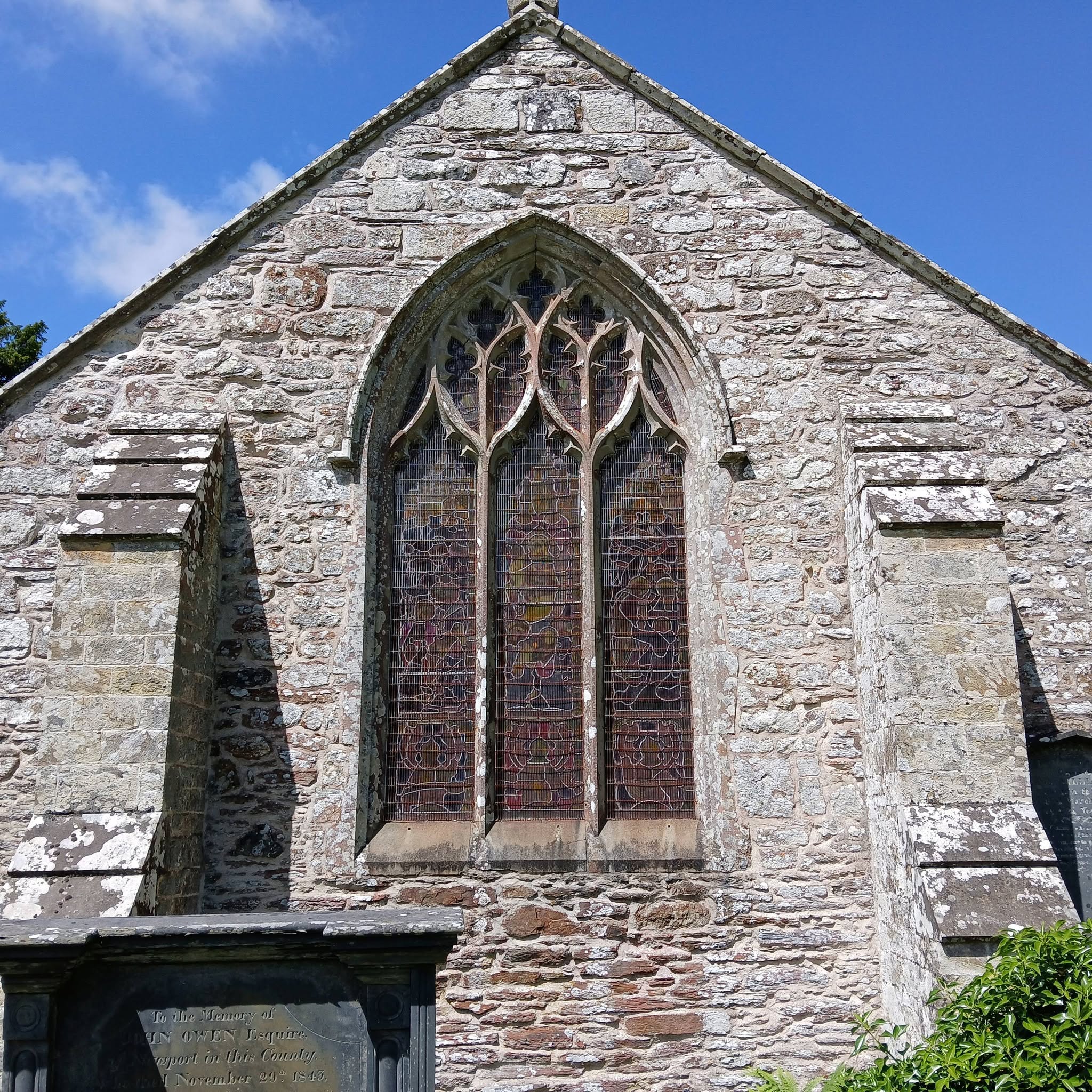
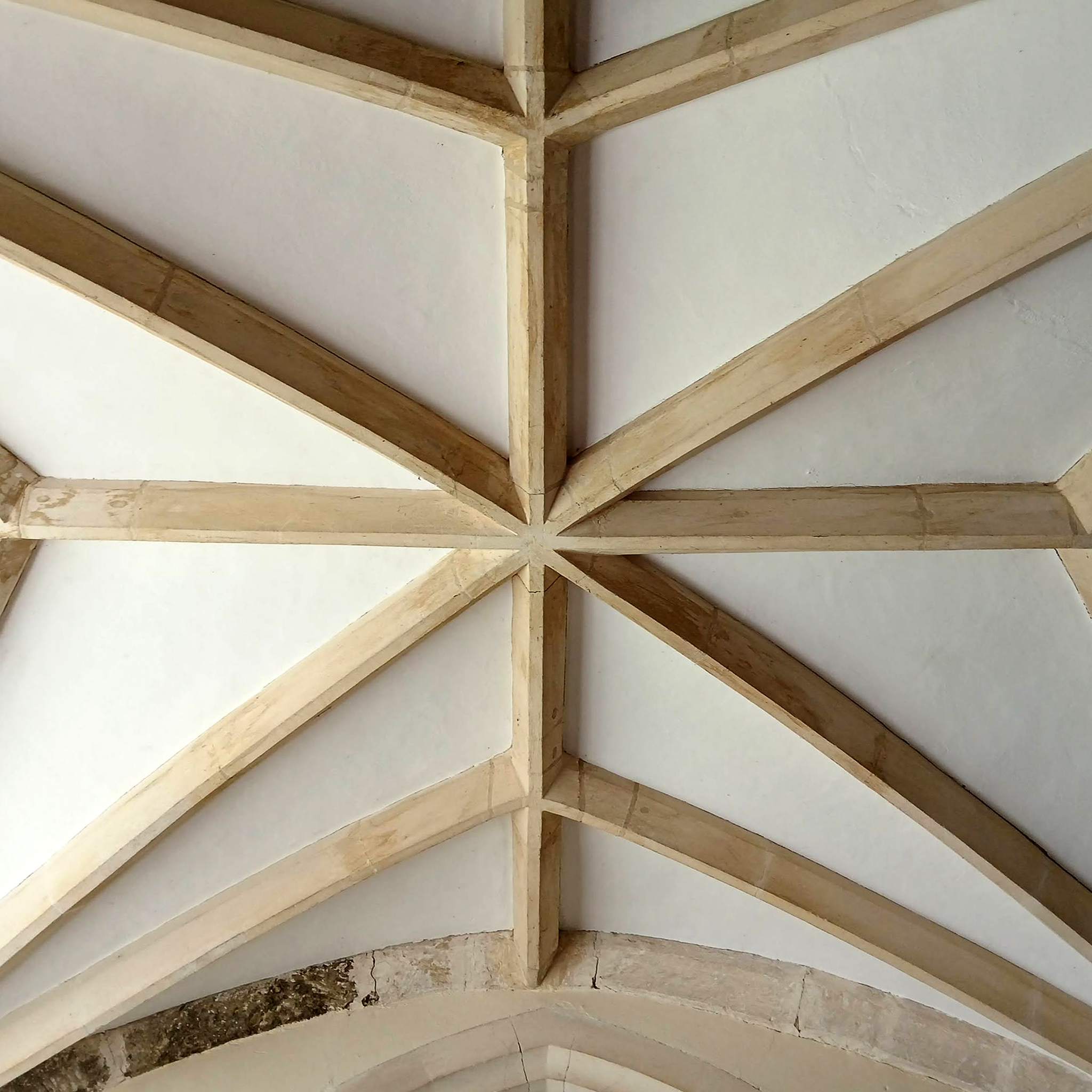
The church as it presently stands was built in this period, the oldest part being the Tower dating from about 1380 and the nave and Chancel following 1420-1450, built in the ‘Late Perpendicular’ style learned from the Normans. indeed, quite possibly supervised by French overseers. The church obviously held some status before this, because in 1291 Archbishop Baldwin and Giraldus Cambrensis came through raising money for Pope Nicholas IV’s 3rd Crusade, Nevern’s annual value was £16, more than double any other church in the Deanery.
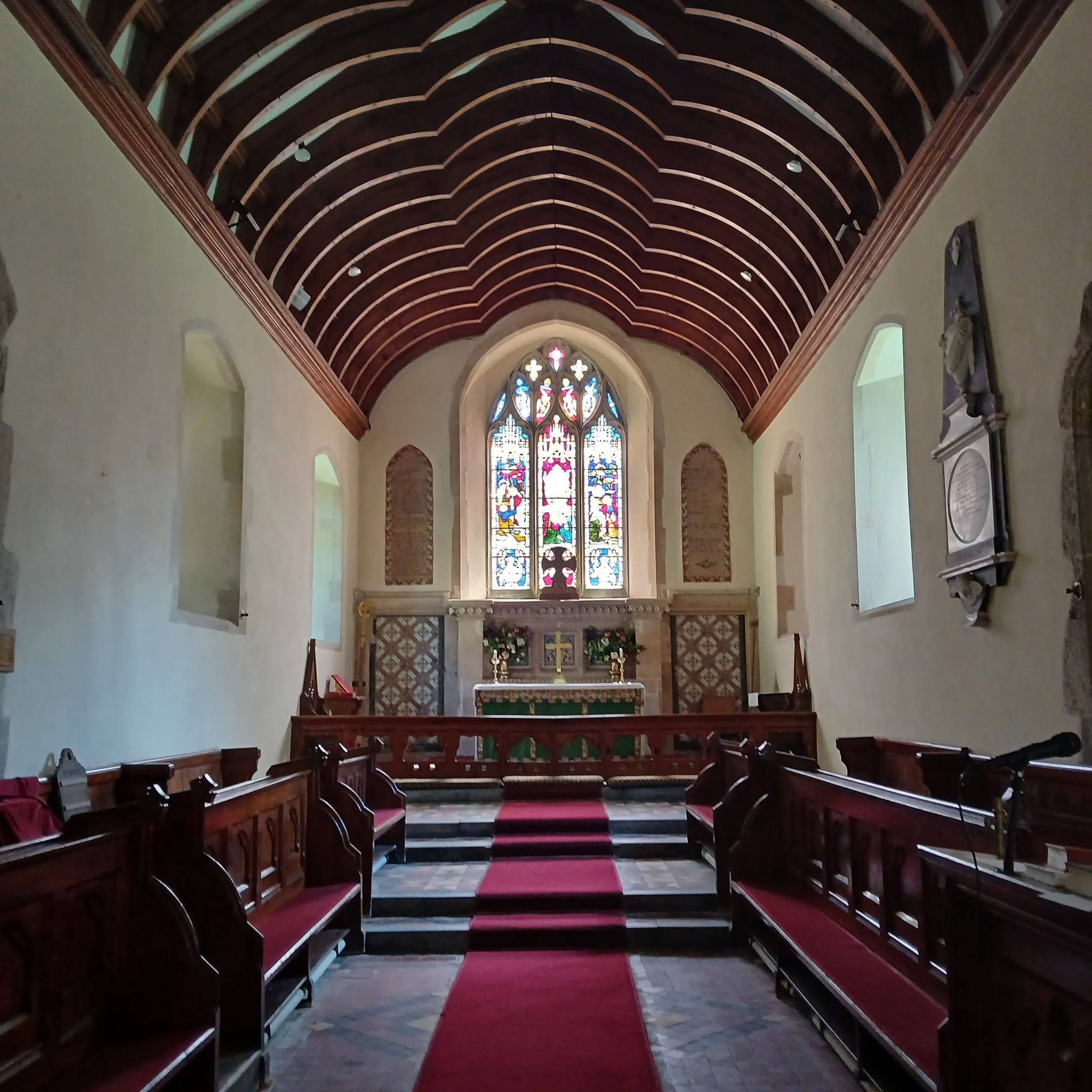
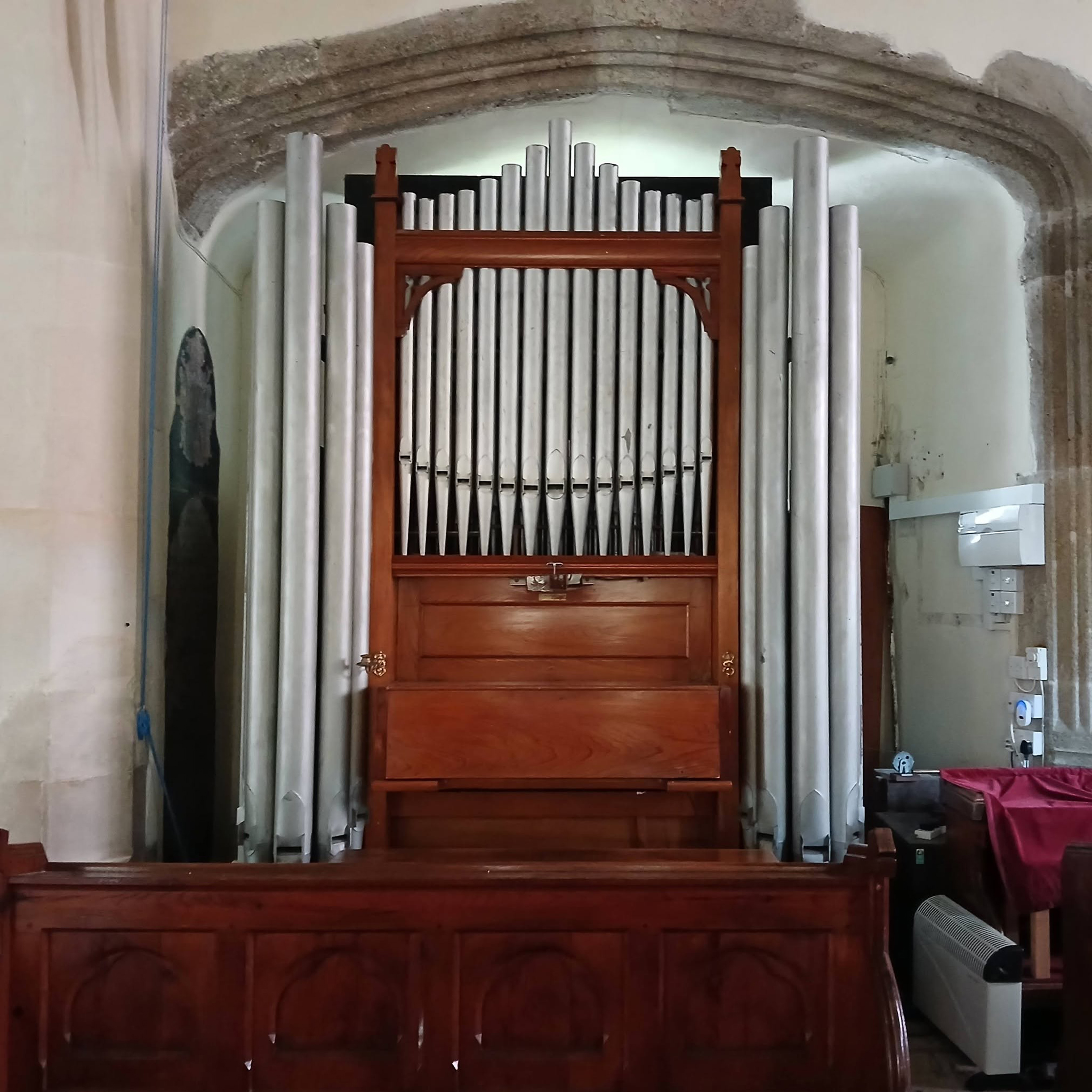
The church as it stands today has a Norman tower and Tudor nave, but it was rigorously restored in 1864.
Legends abound here: one of the yew trees is called the Bleeding Yew, and has dark blood like sap that oozes year round. And the first cuckoo of Spring is supposed to sing from Nevern Cross on 7 April, St Brynach’s Day.
Tim Rushton and m’self were cycling from Fishguard to Aberystwyth, as we have in previous years, taking the train from Stockport and setting off on our way through Pembrokeshire and beyond. Modern pilgrims crossing the ancient pilgrim’s route.
This was the second day of our tour, from Aberteifi to Lllandysul.
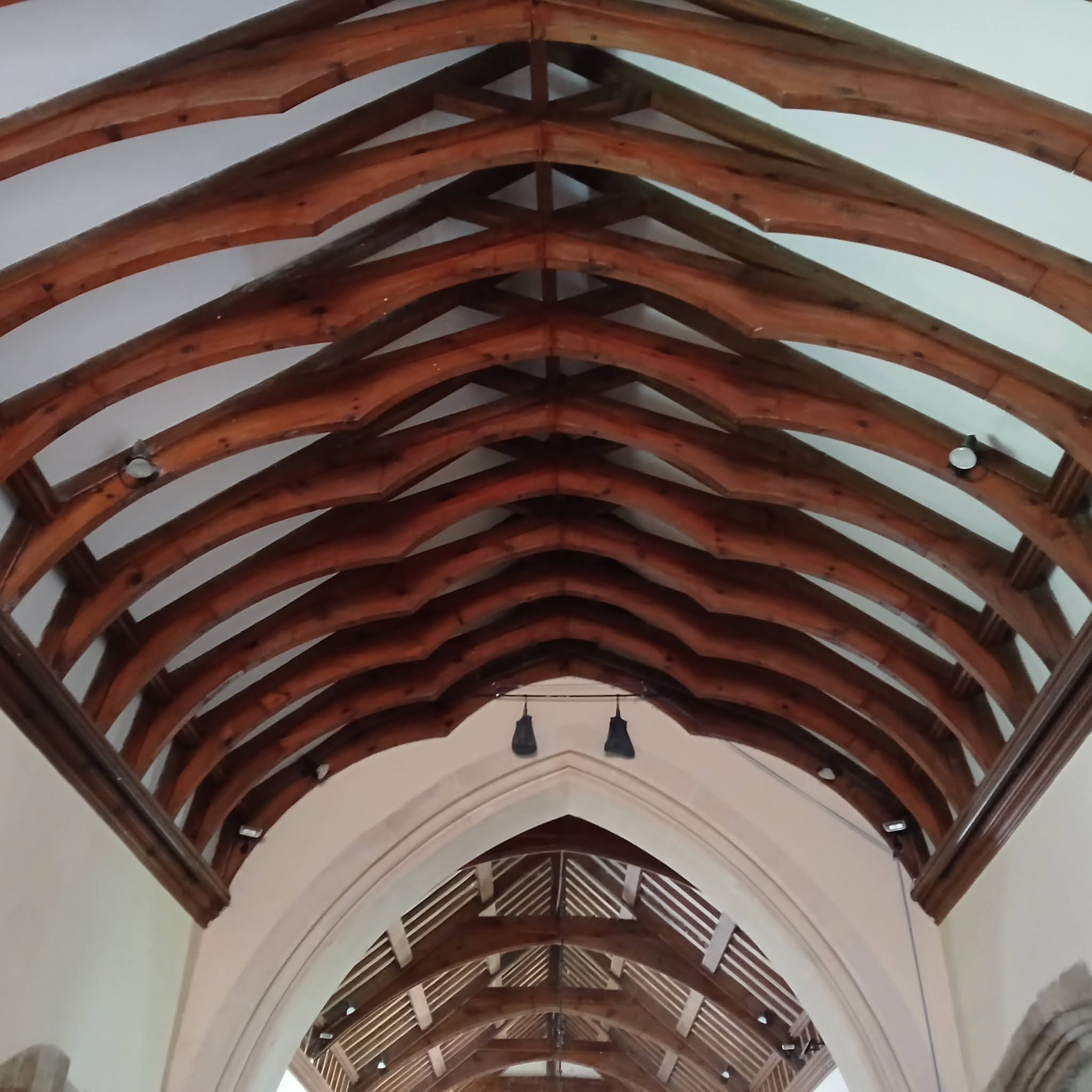
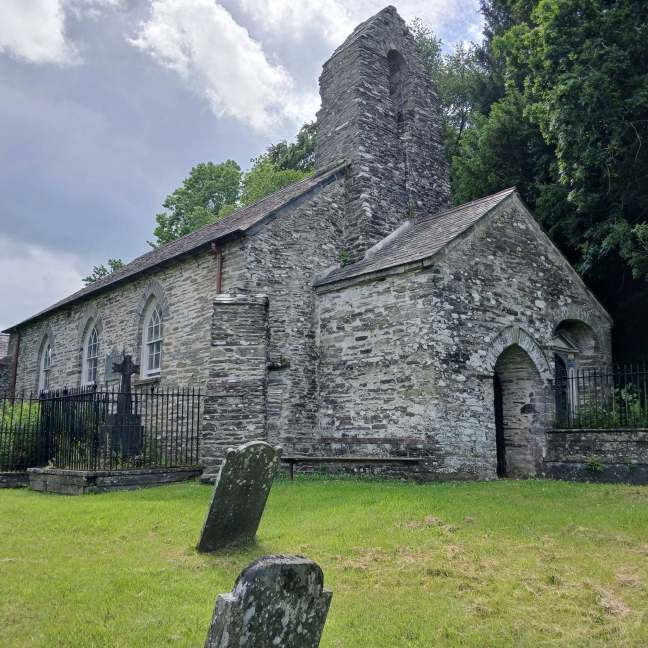
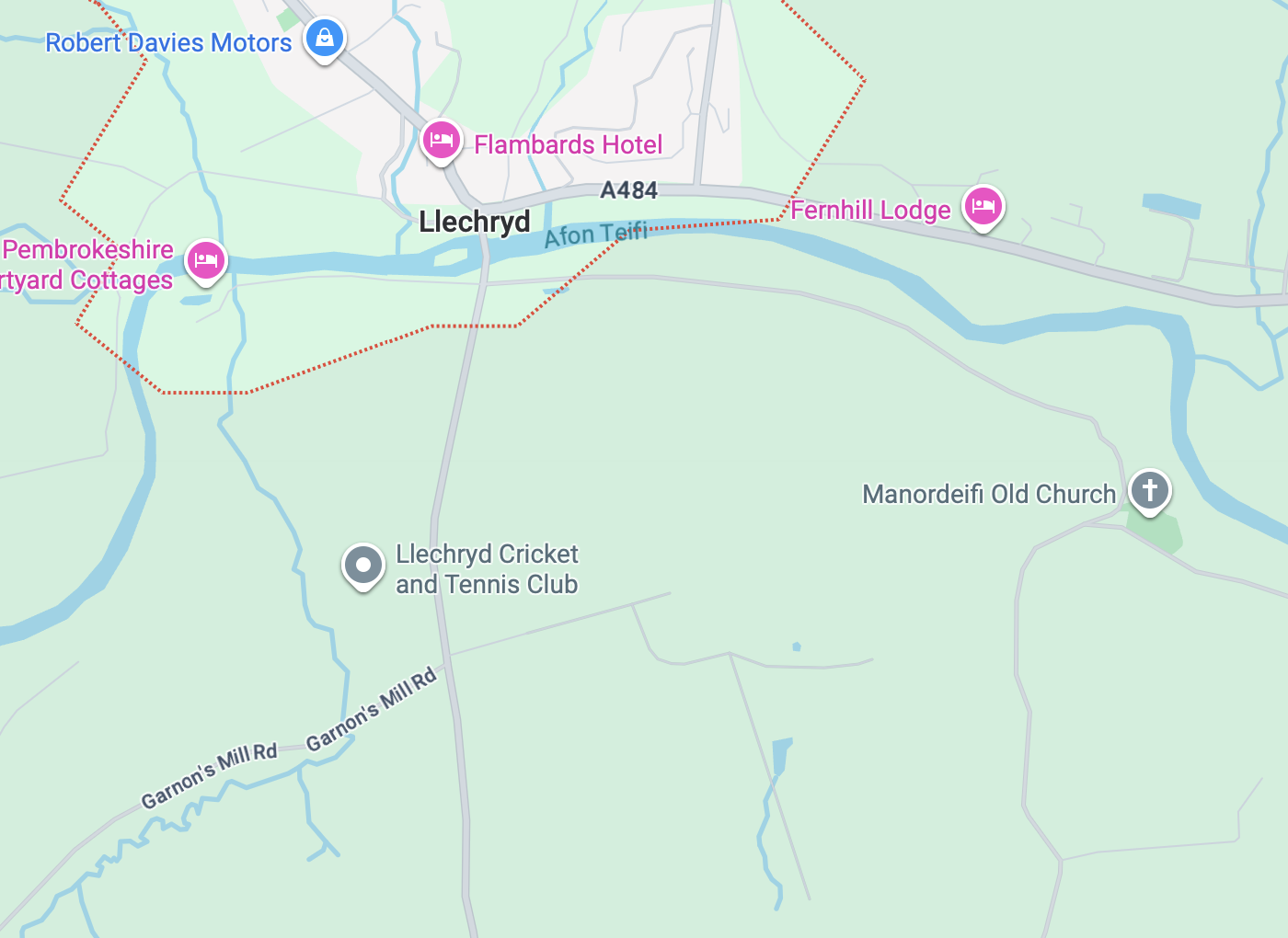
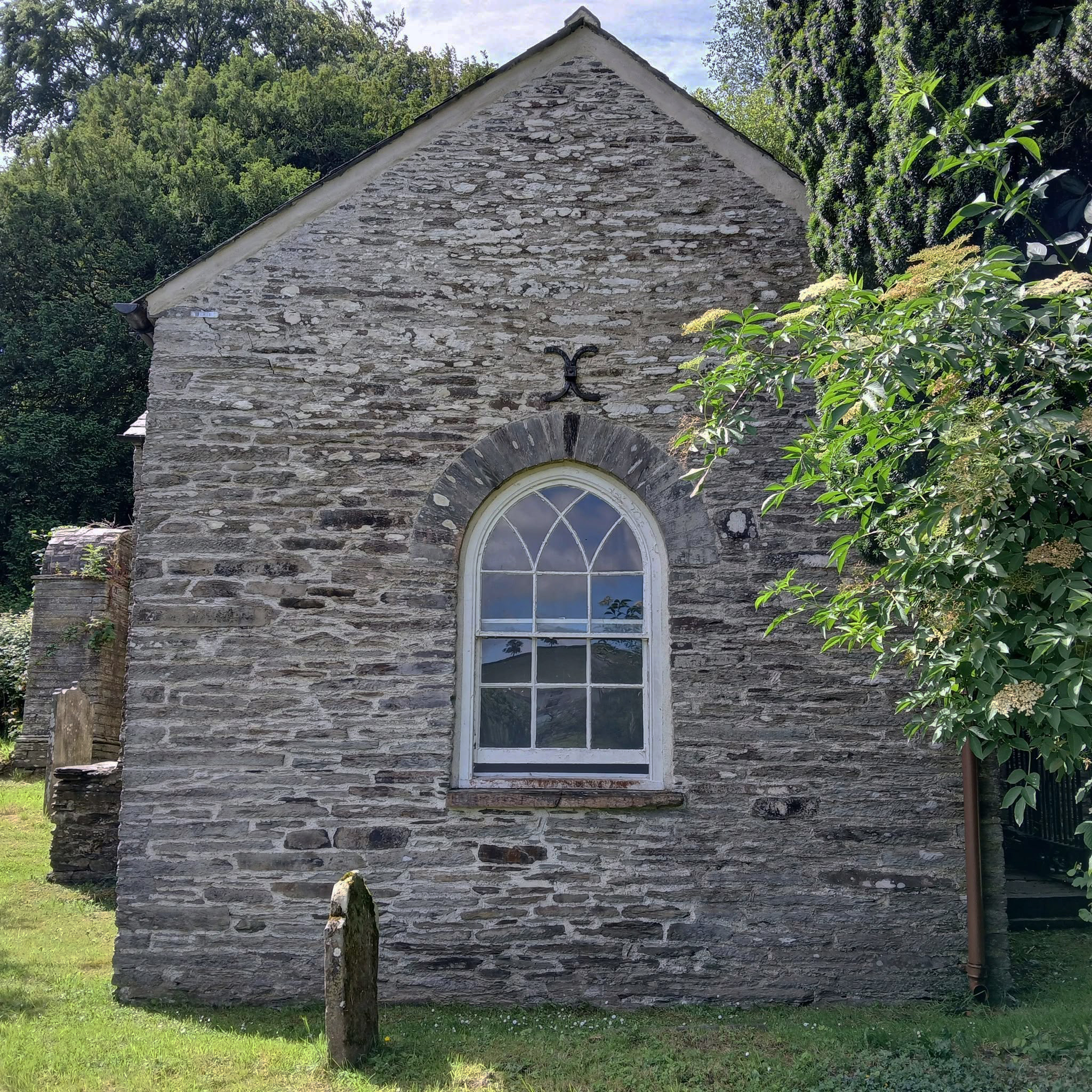
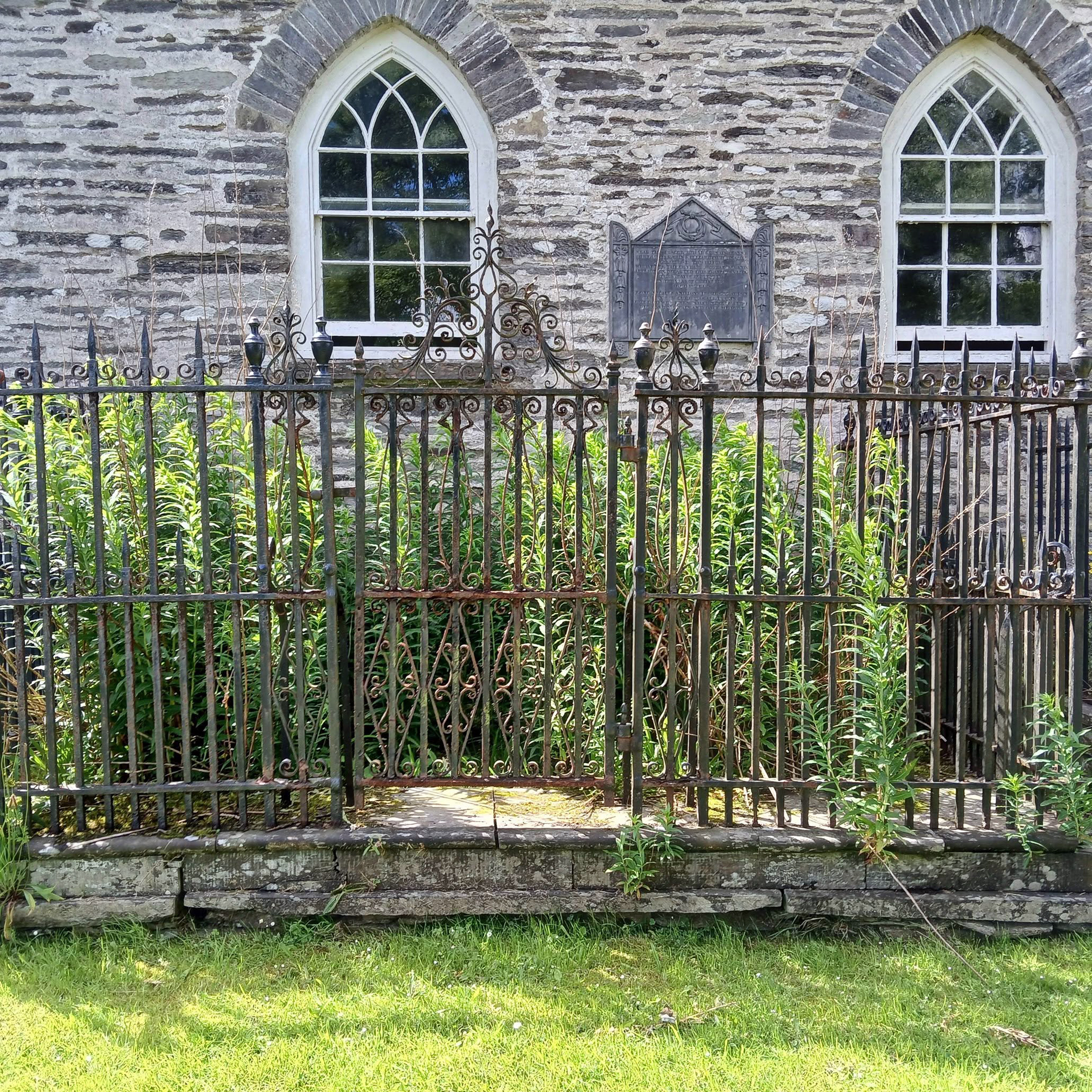
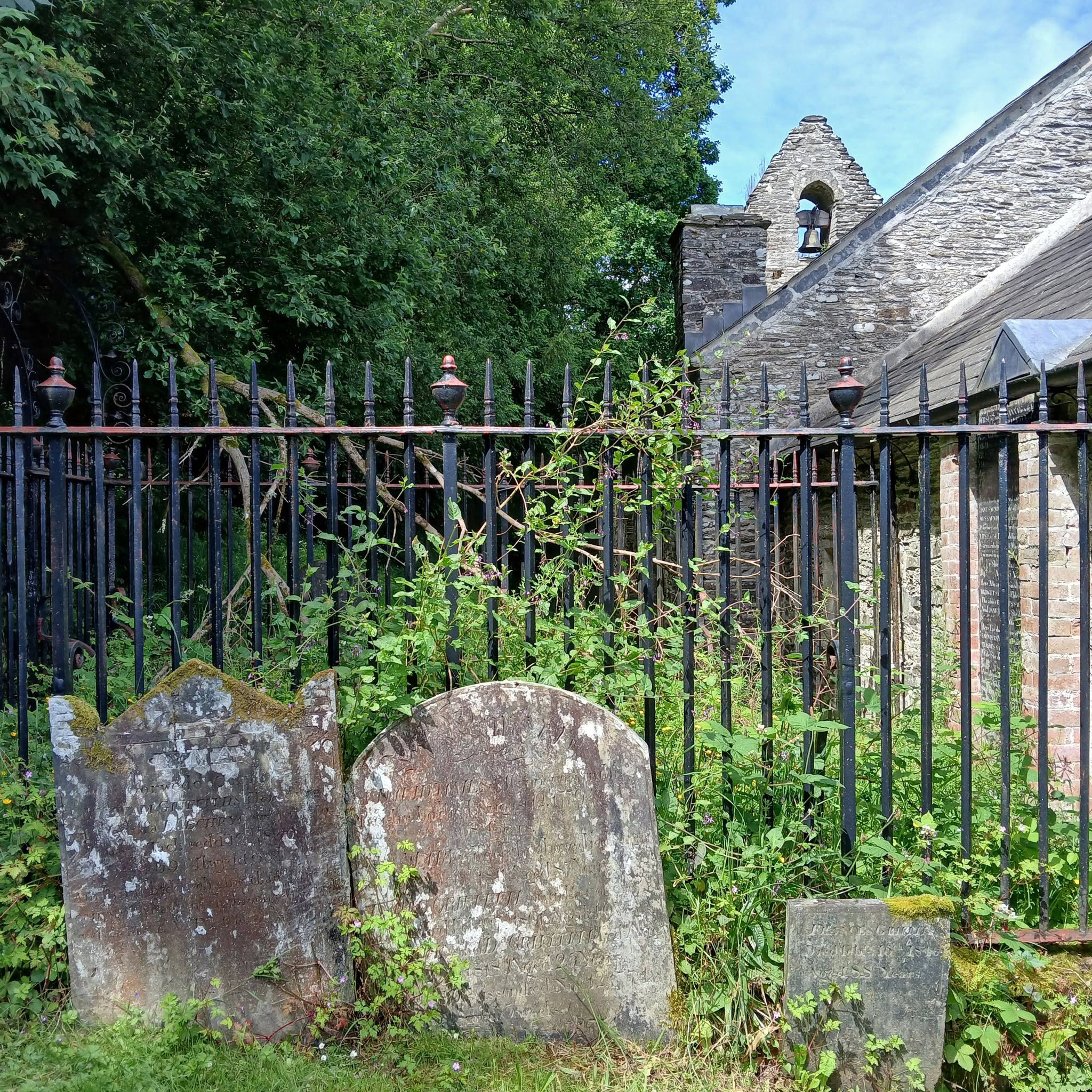
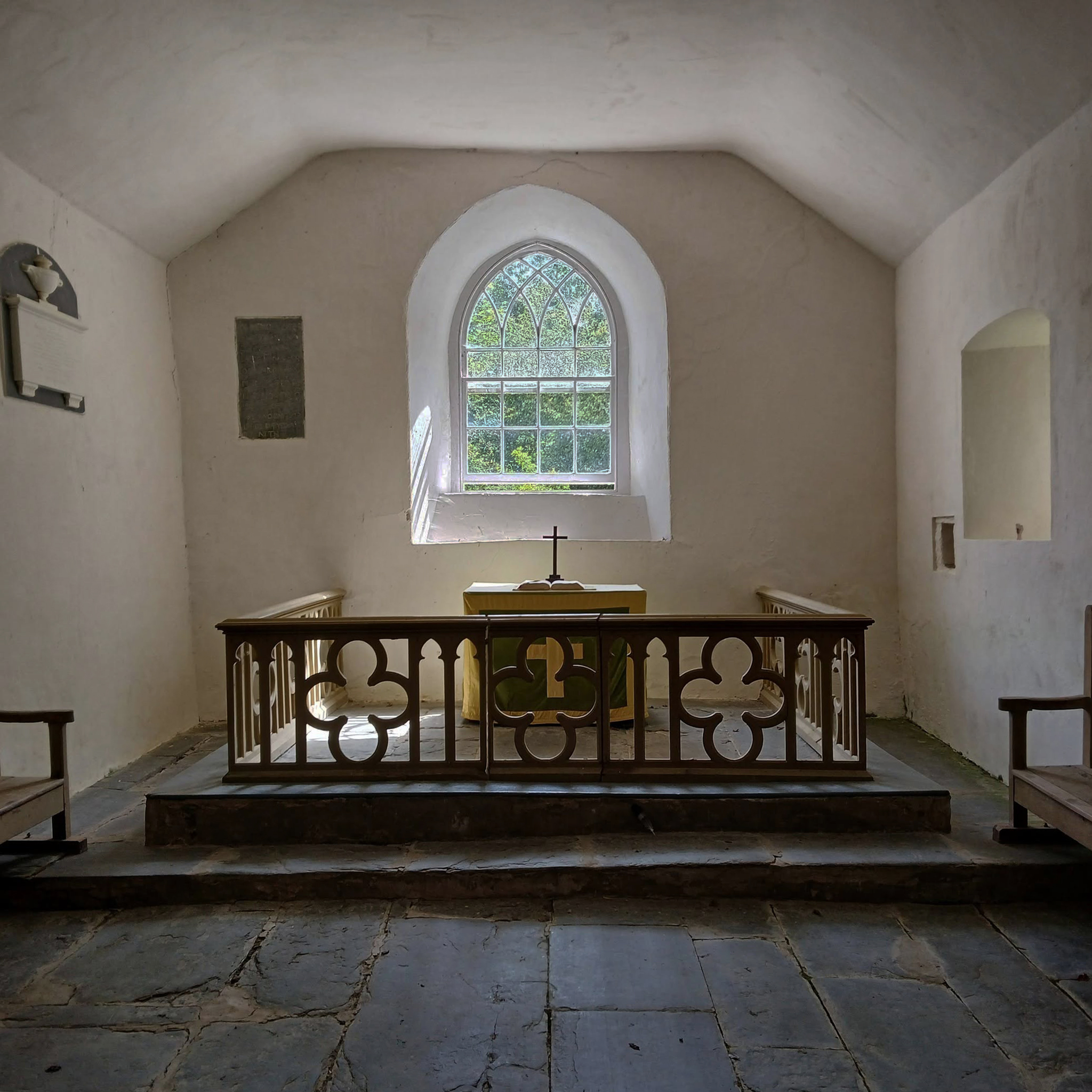
At the end of a long lane that follows the Afon Teifi we saw this low stone church, tucked beneath the rising landscape to the right.
We both share a love of architecture and vernacular churches in particular – Tim, illustrated below, has produced a book on Welsh Chapels.
So we stopped to take a look around.
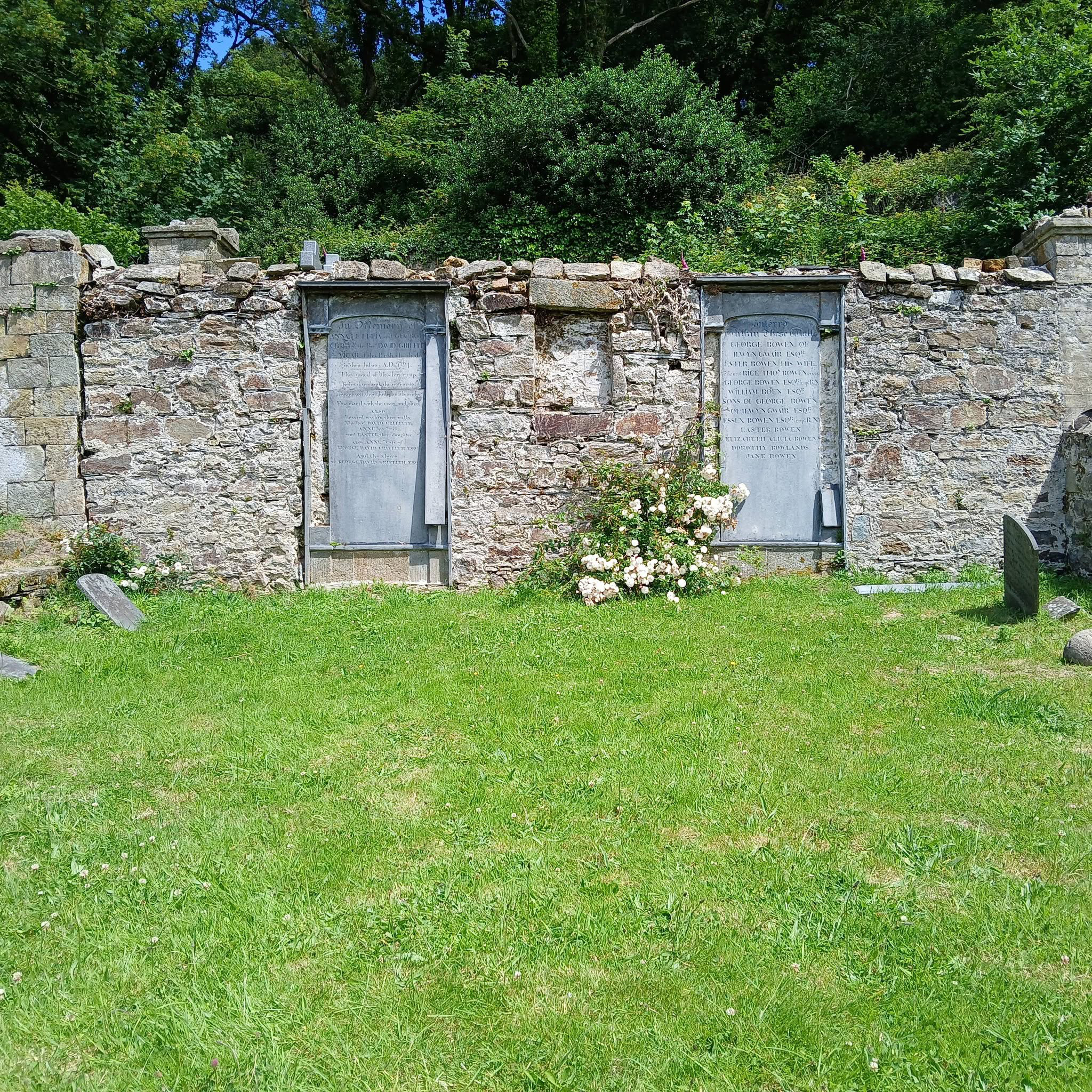
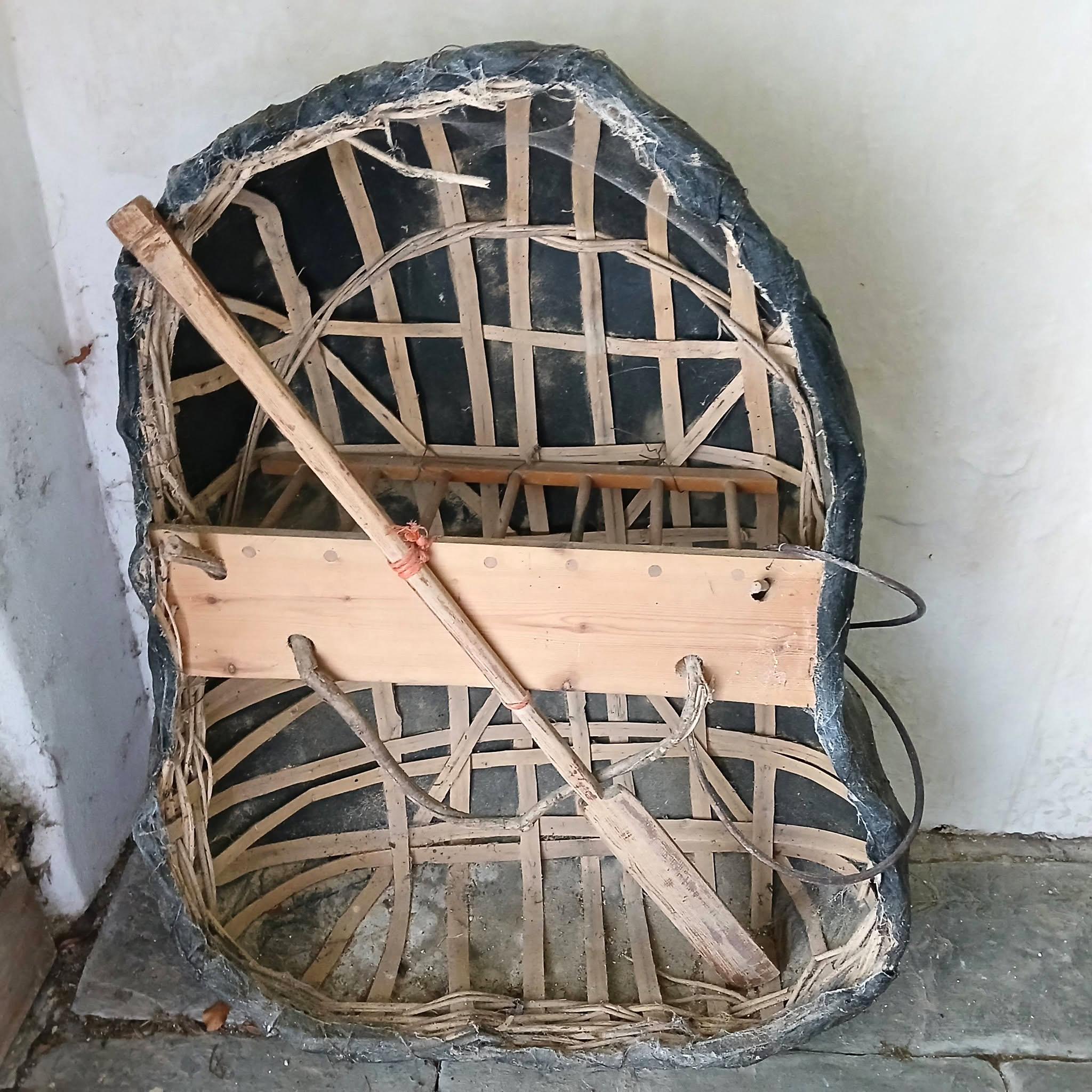
Old St David’s lies on the pilgrimage route to the cathedral of the same dedication and next to the Teifi River. Frequent flooding led to a new church being built on the other side of the river in the 19th century. It also explains why the church has its own coracle, which once ferried worshippers to and fro during a flood. Unfortunately, the church is still prone to flooding, most recently in September 2021.
This is a reproduction as the original was stolen.
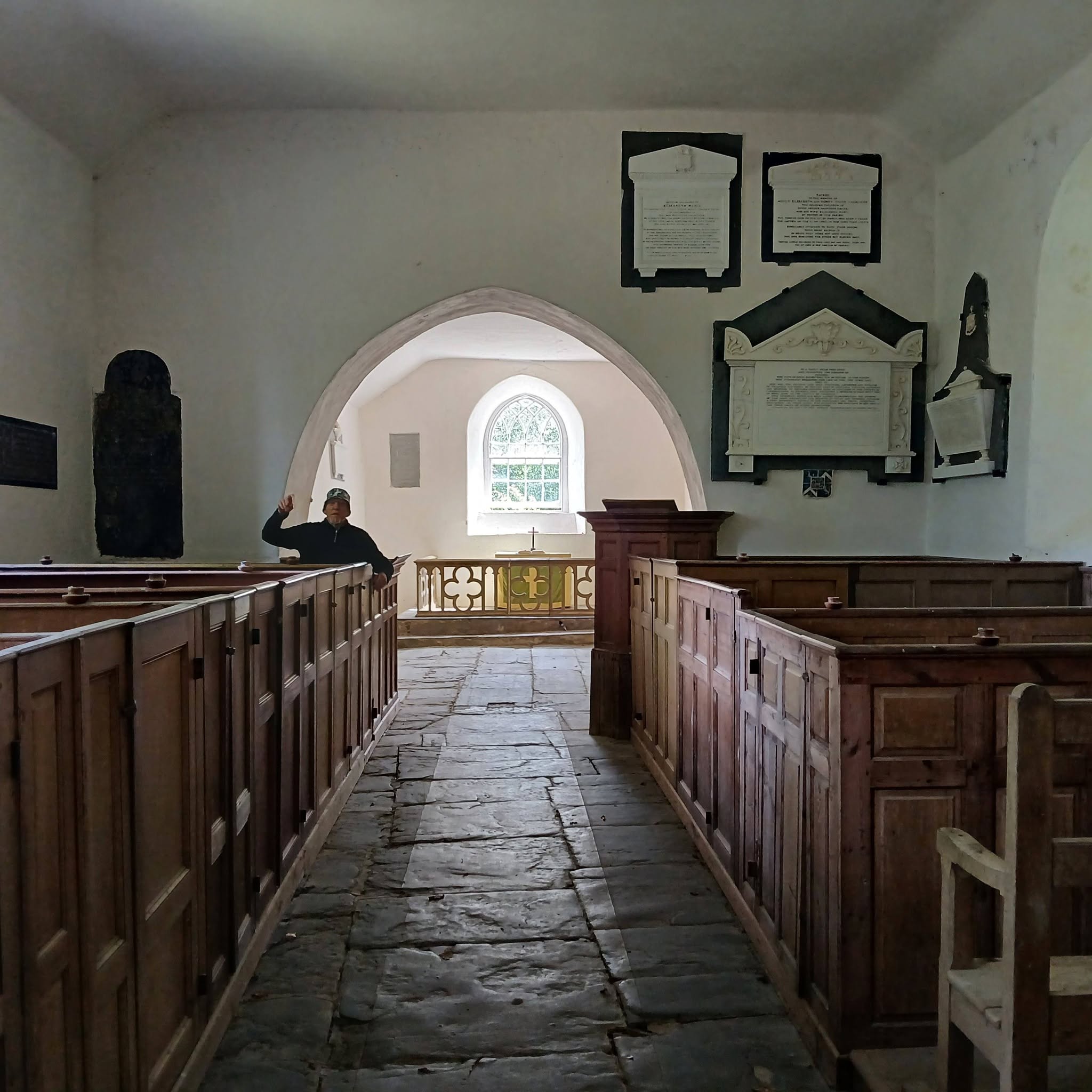
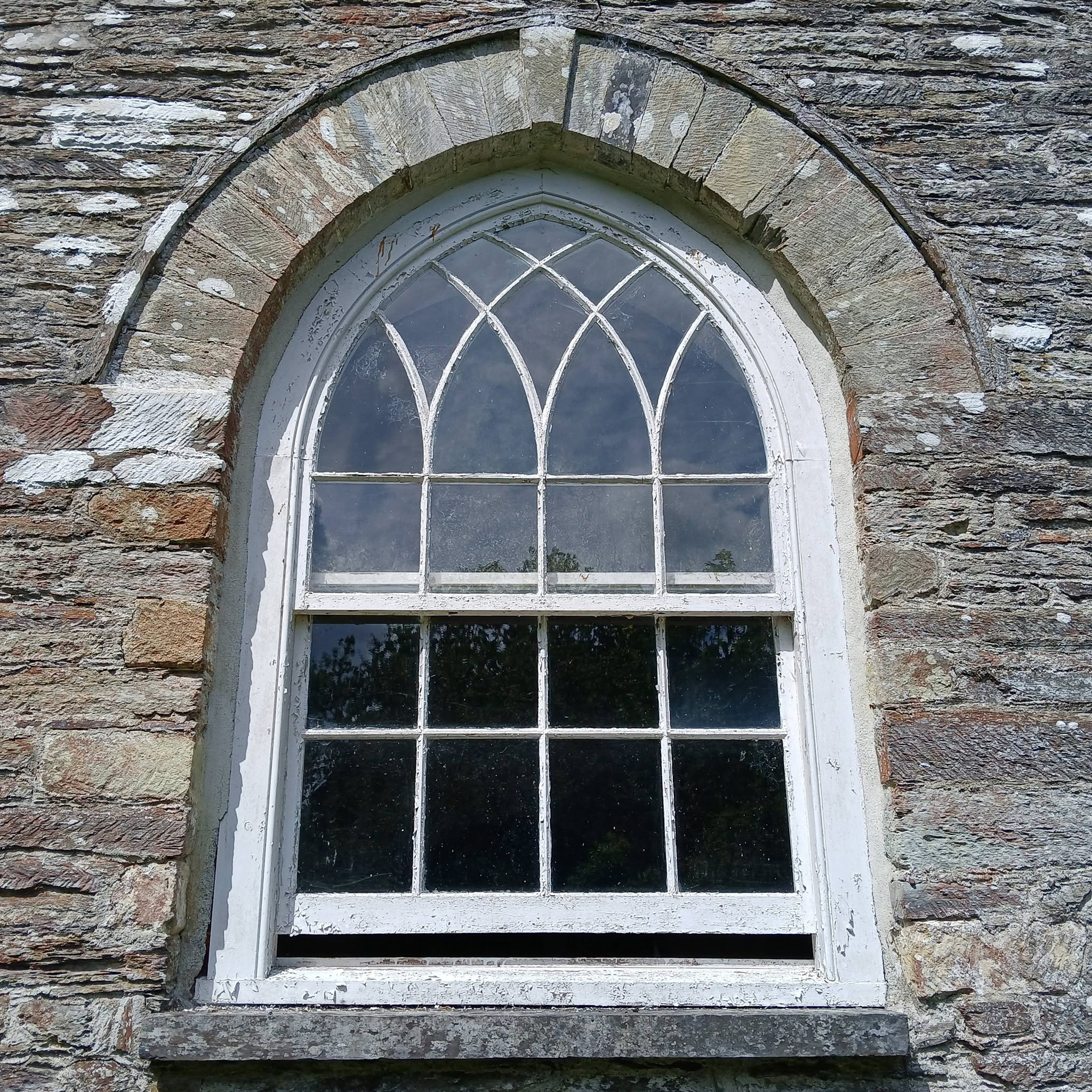
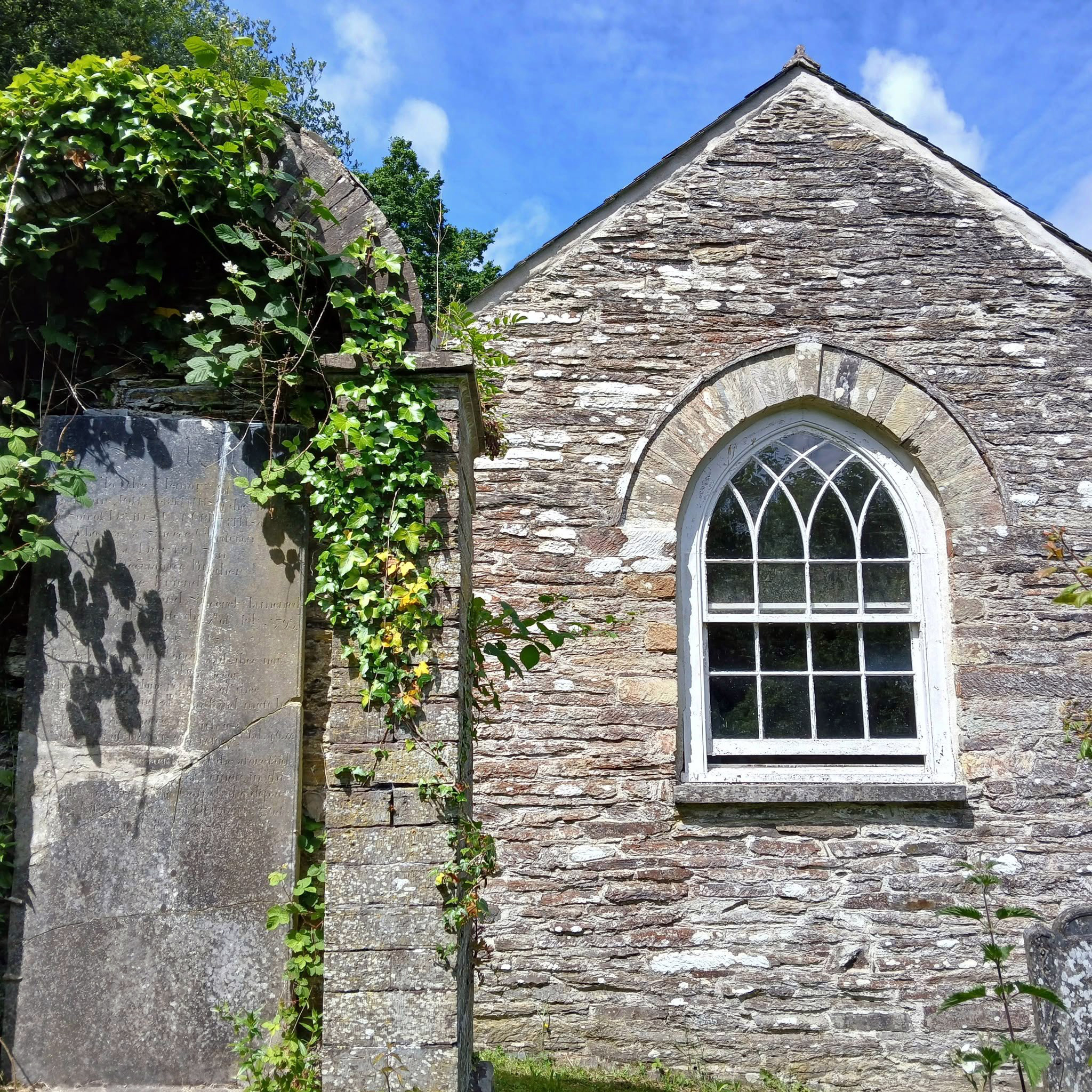
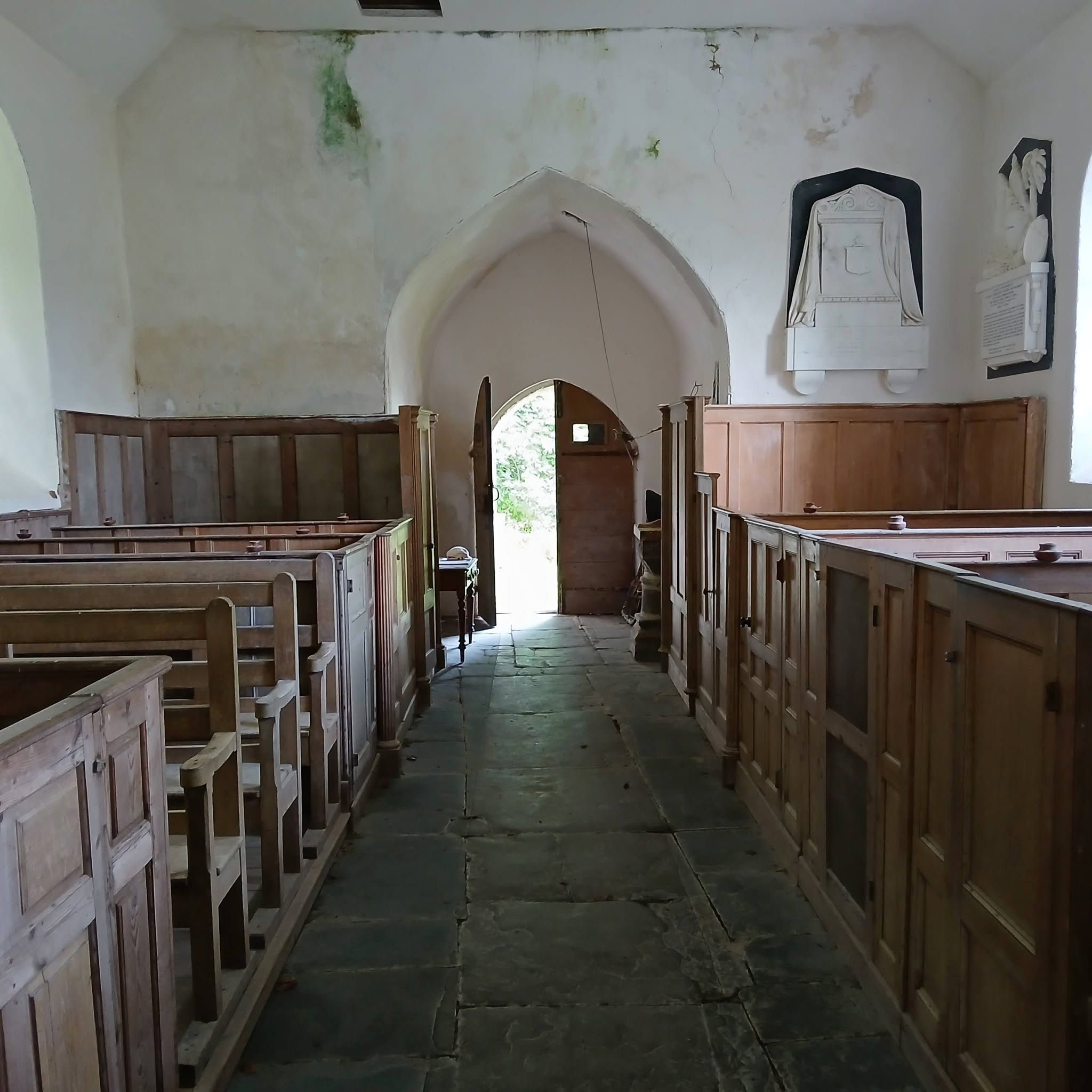
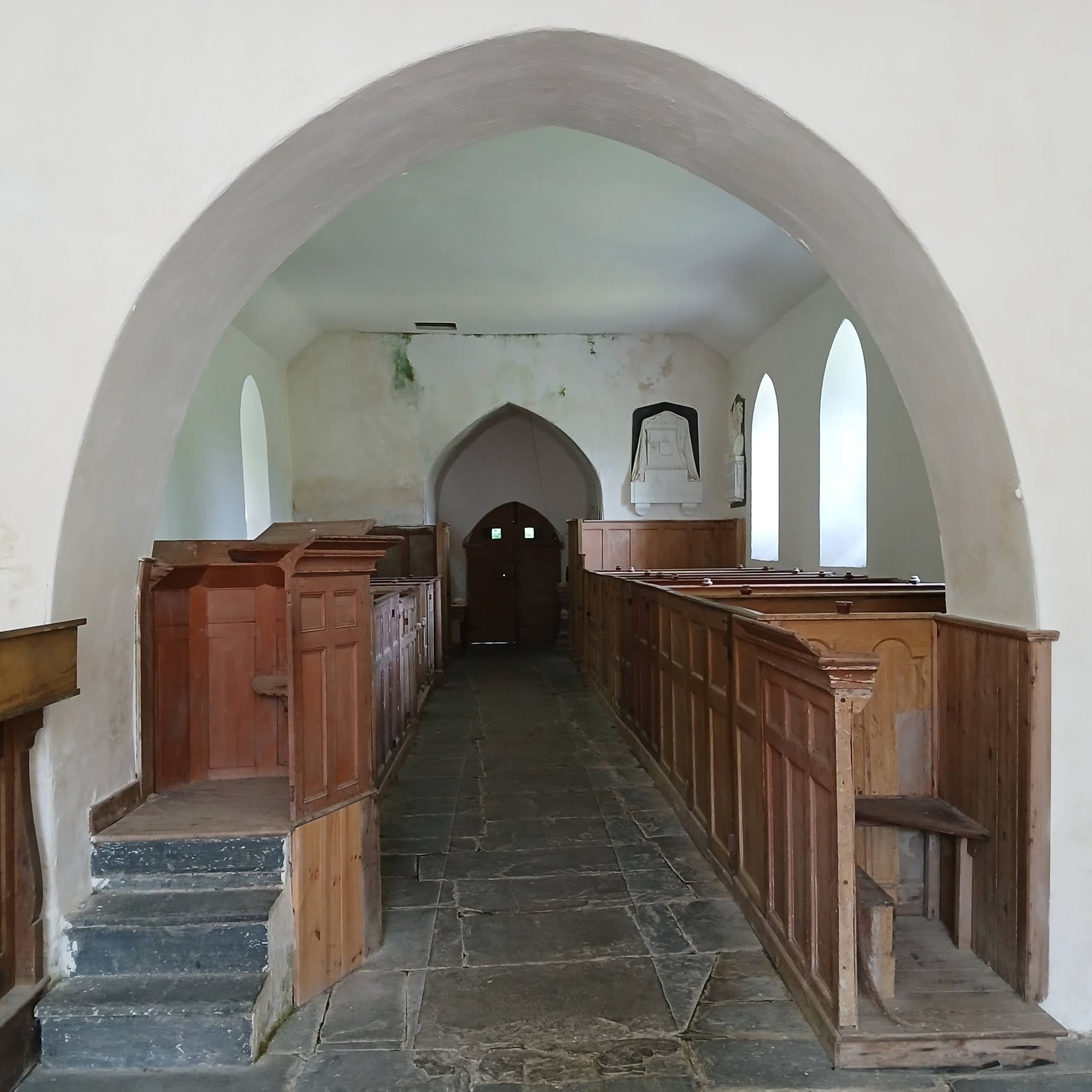
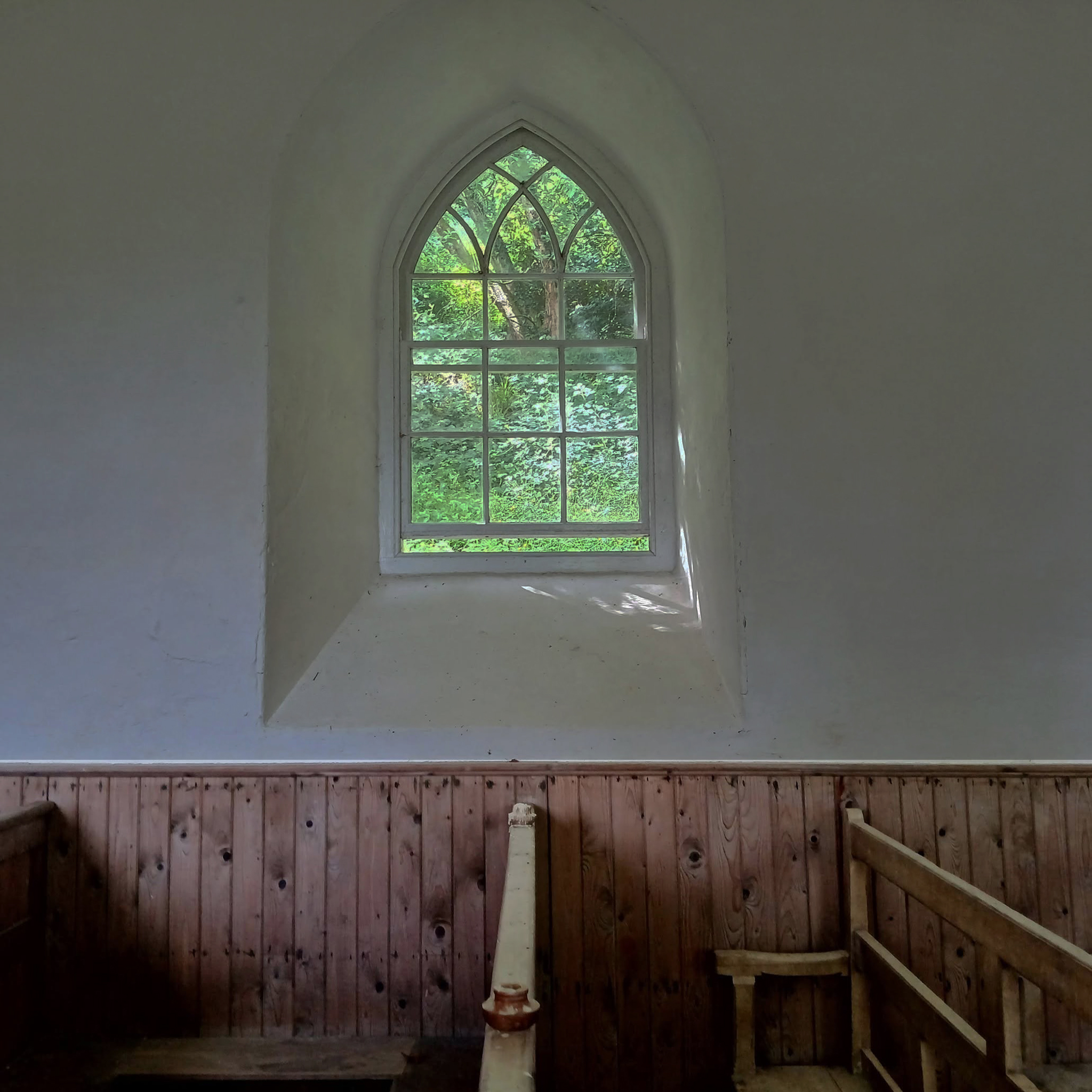
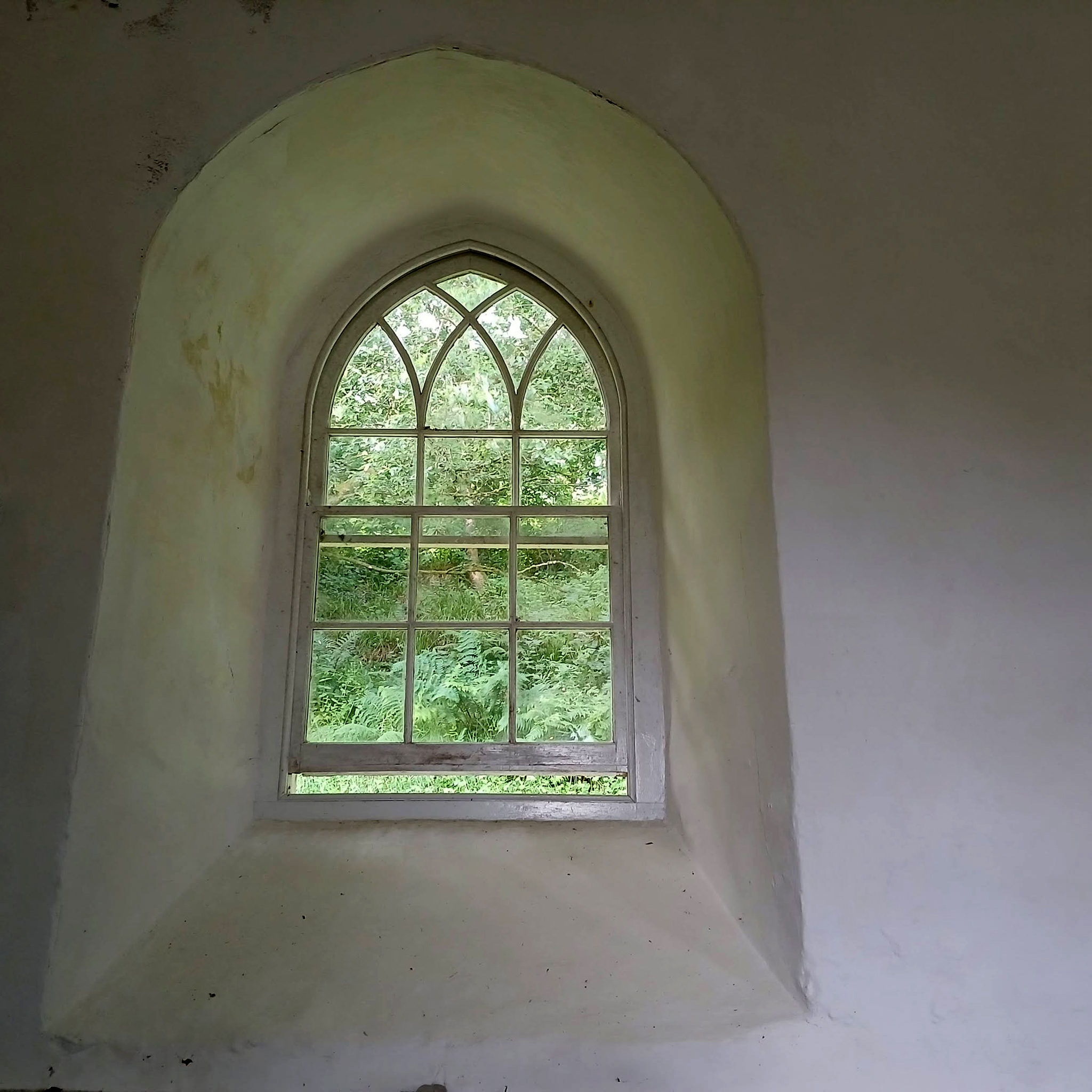
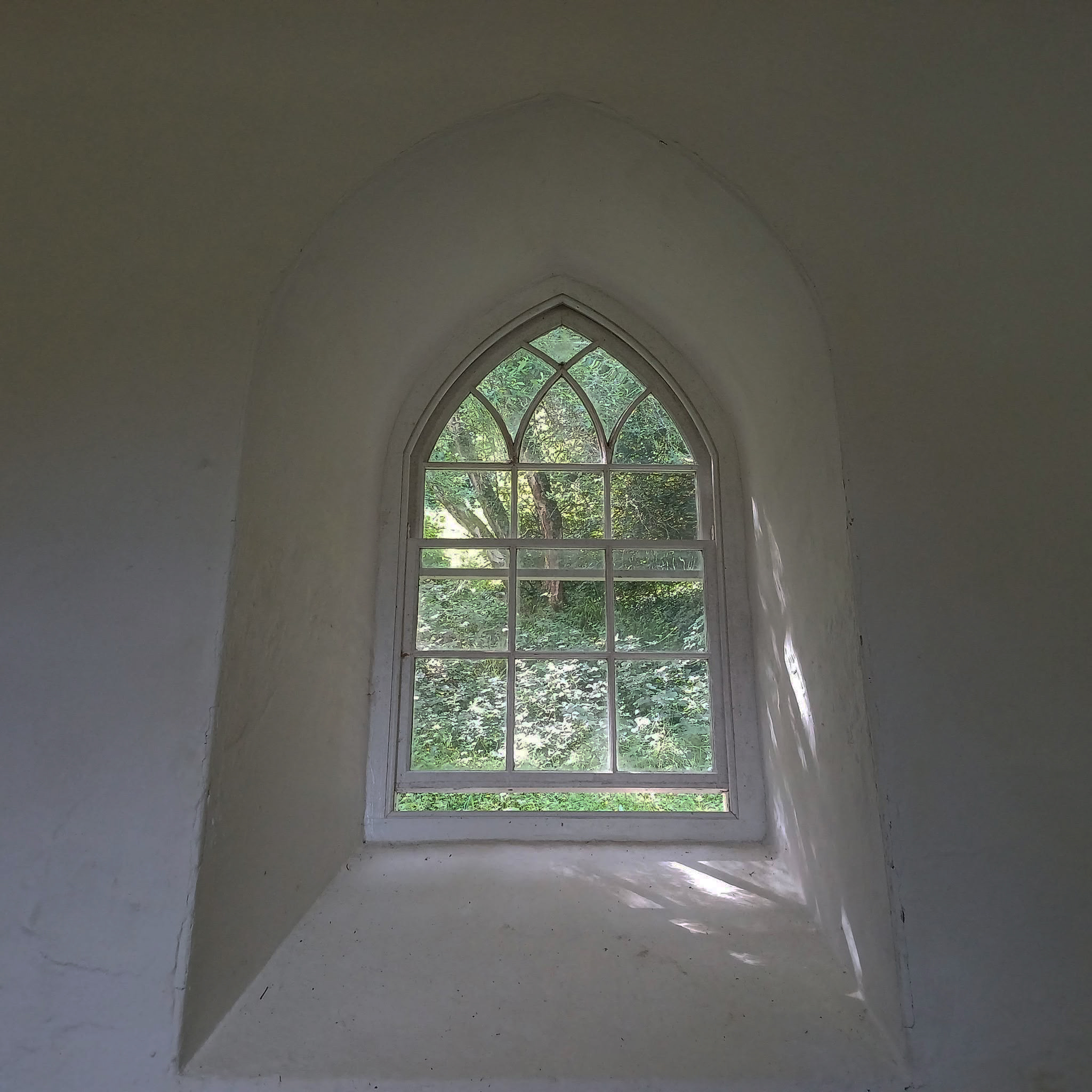
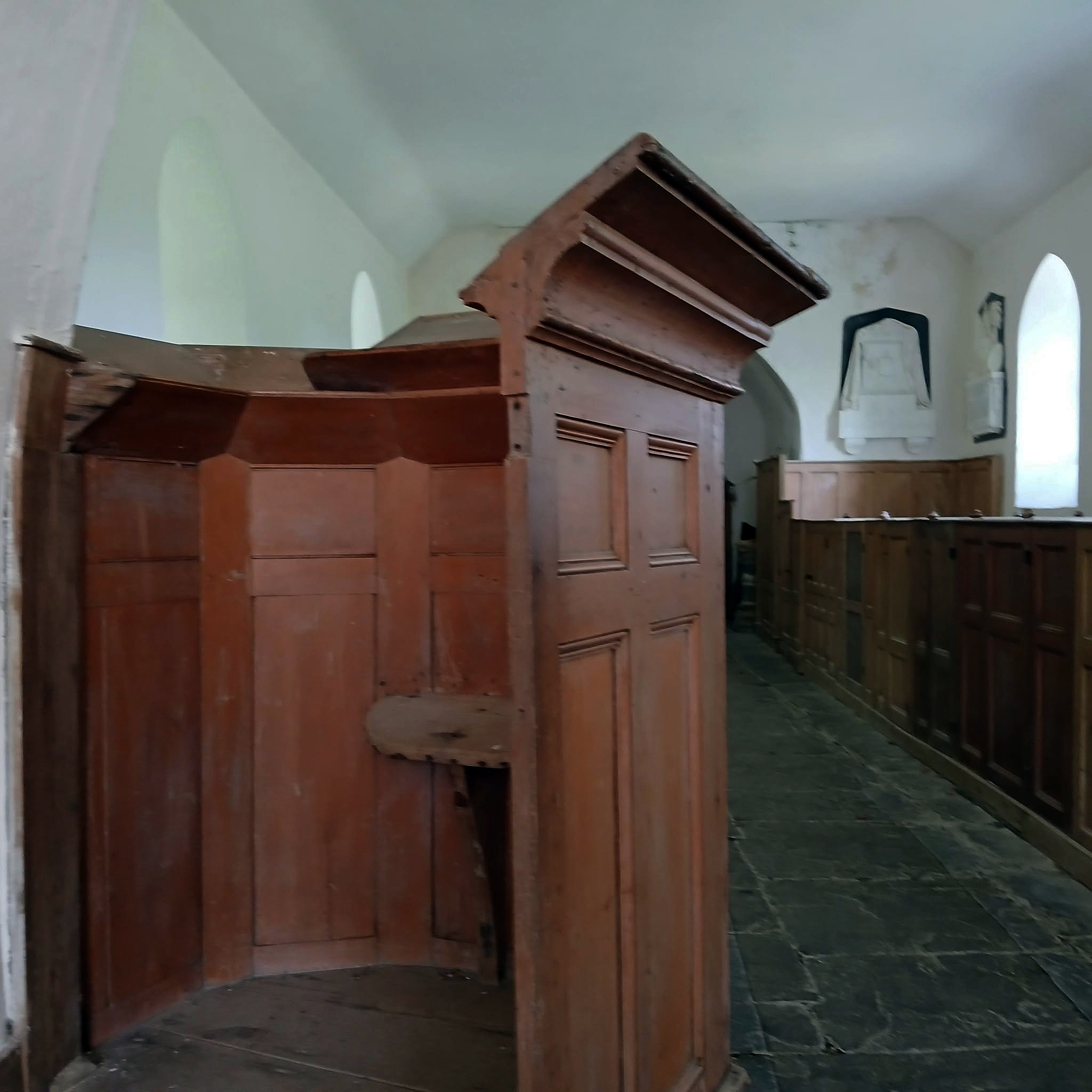
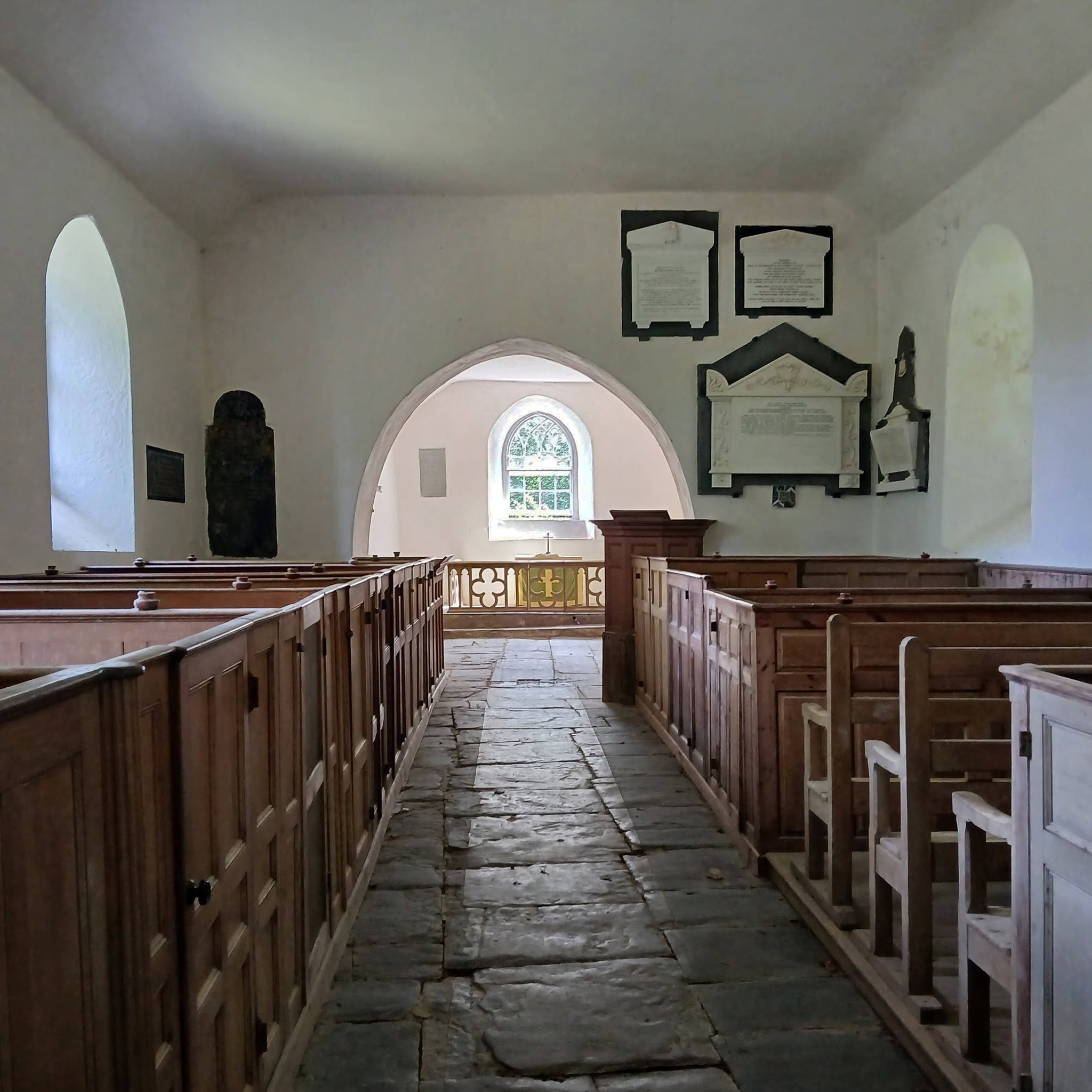
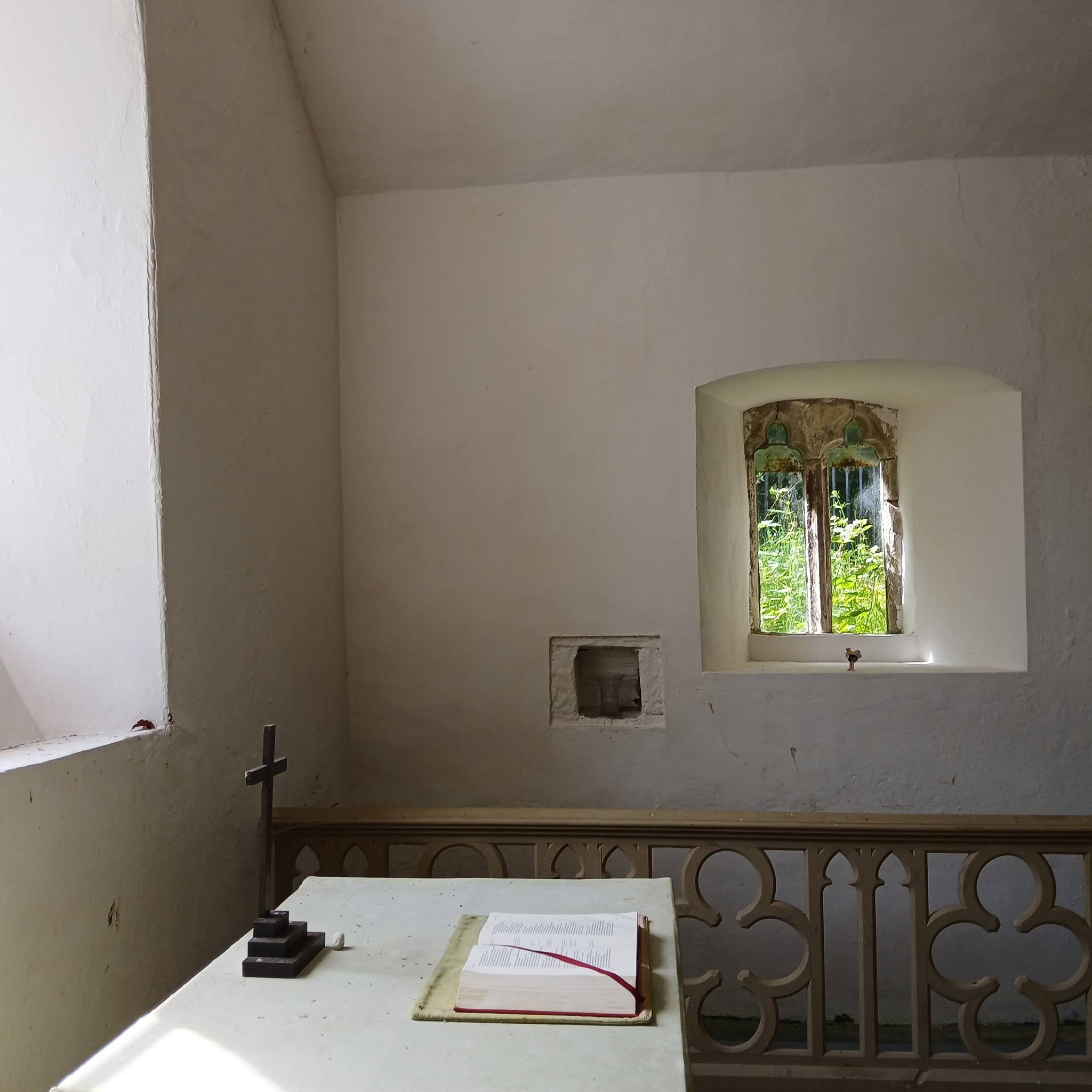
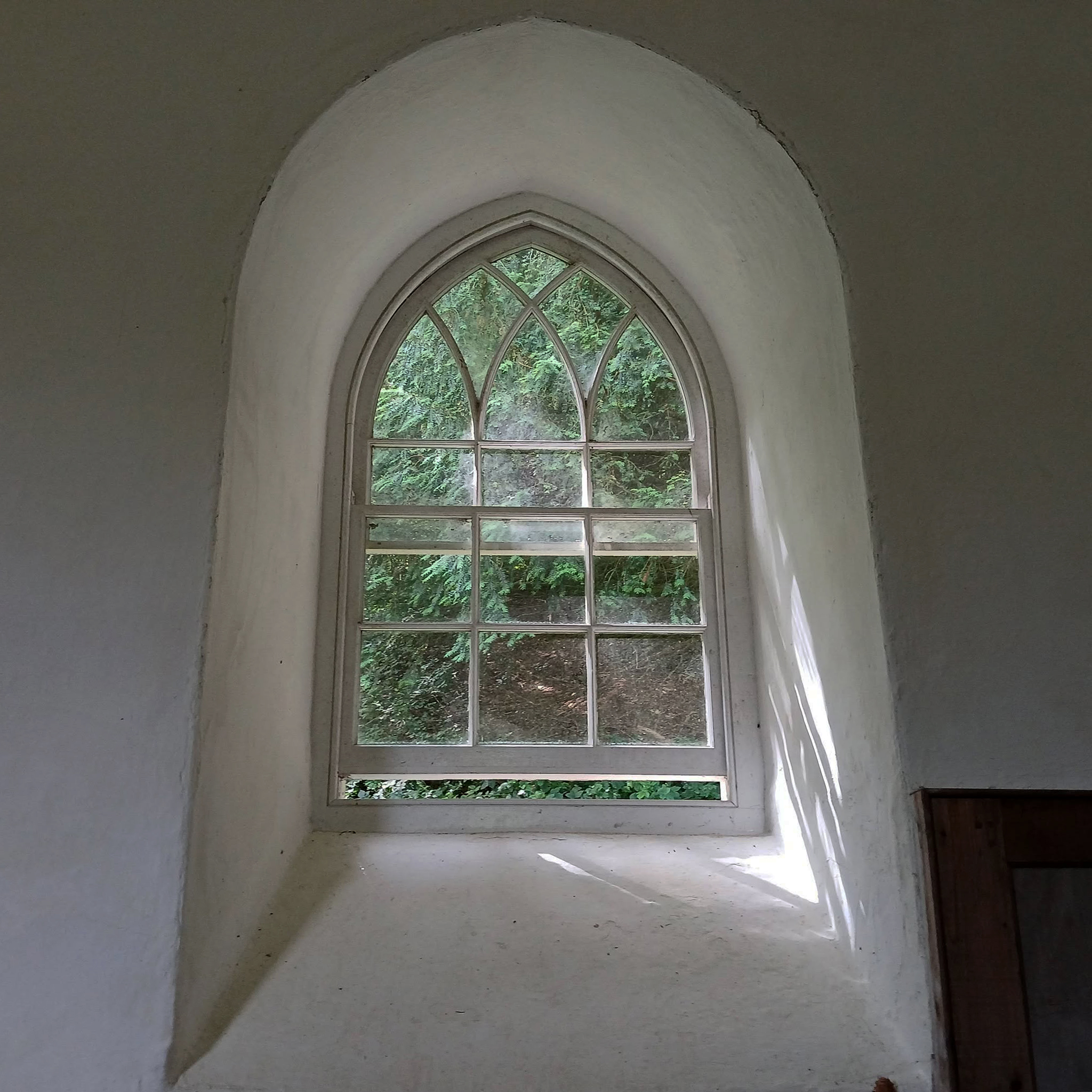
The church you see today is a 13th-century building, remodelled in 1847 to the elegant Georgian Gothick interior. This style was already out of fashion in more urban parts and by 1899, the church had fallen out of regular use.
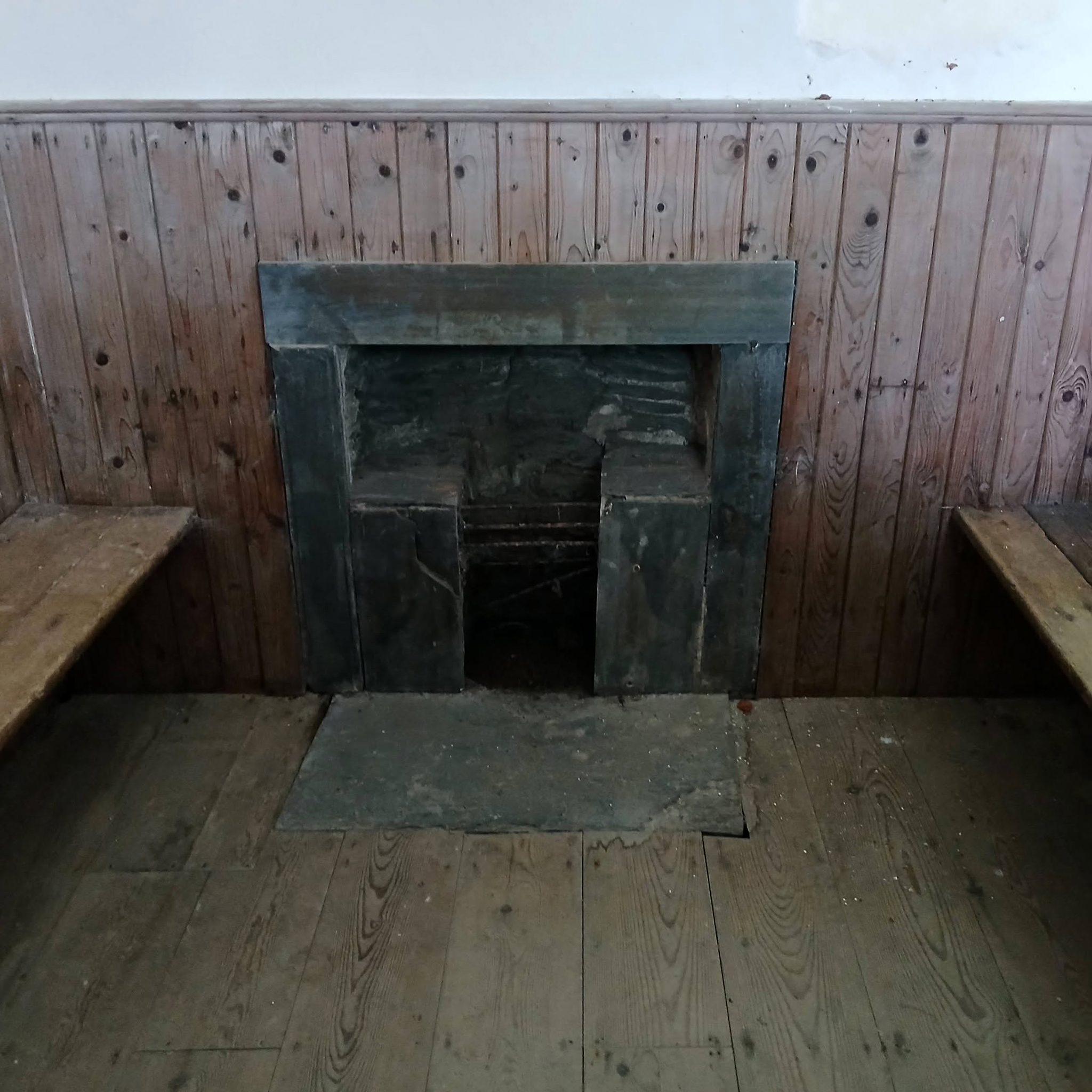
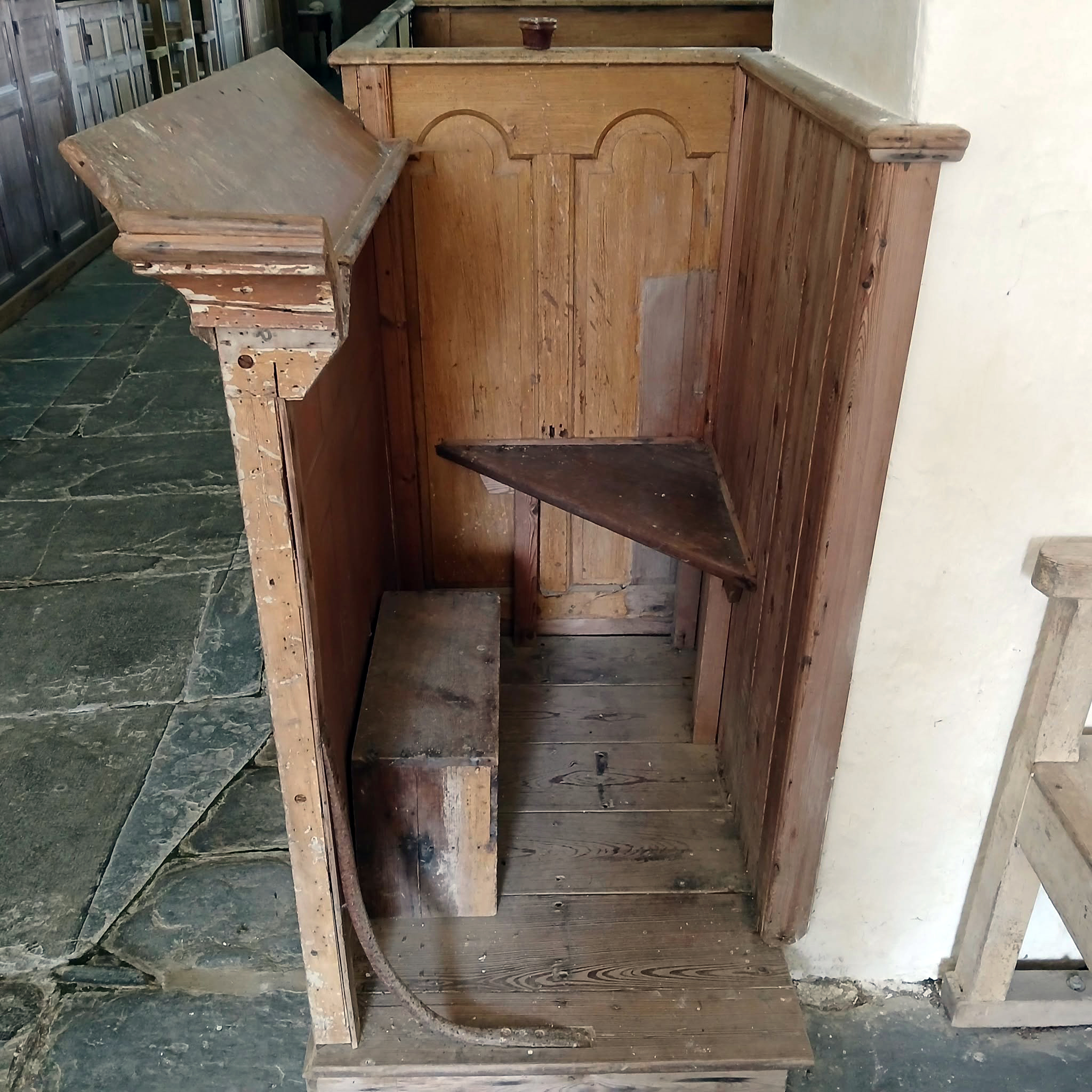
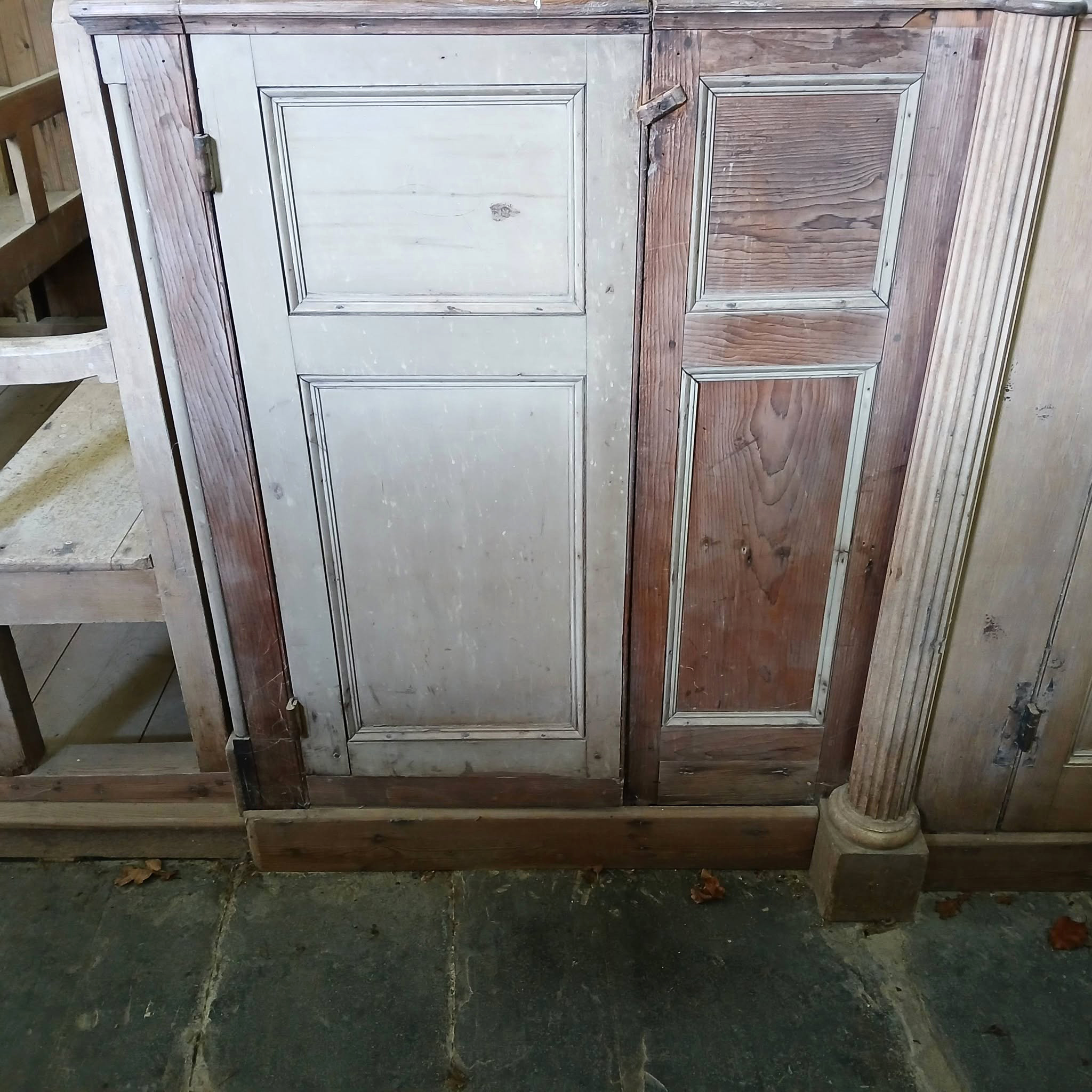
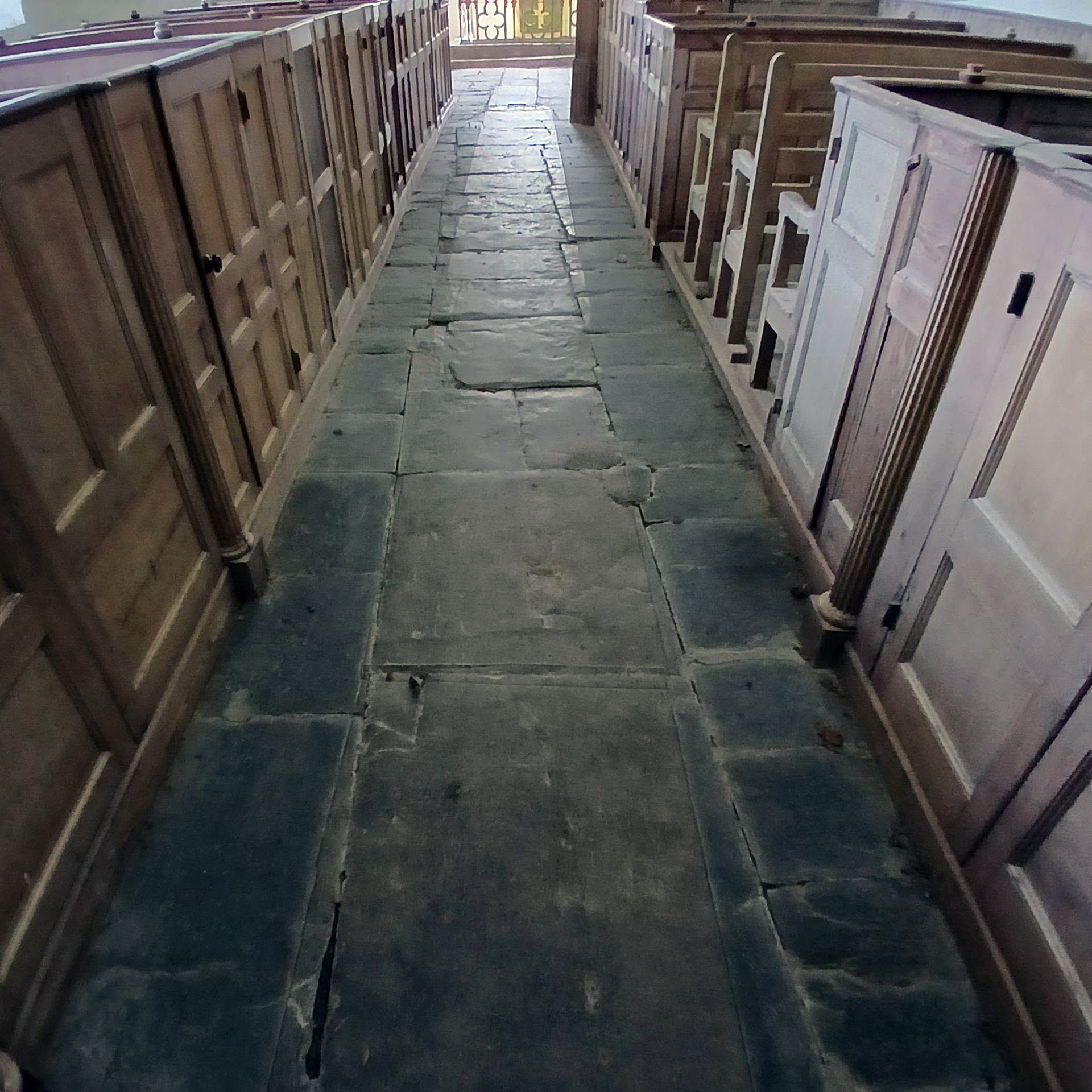
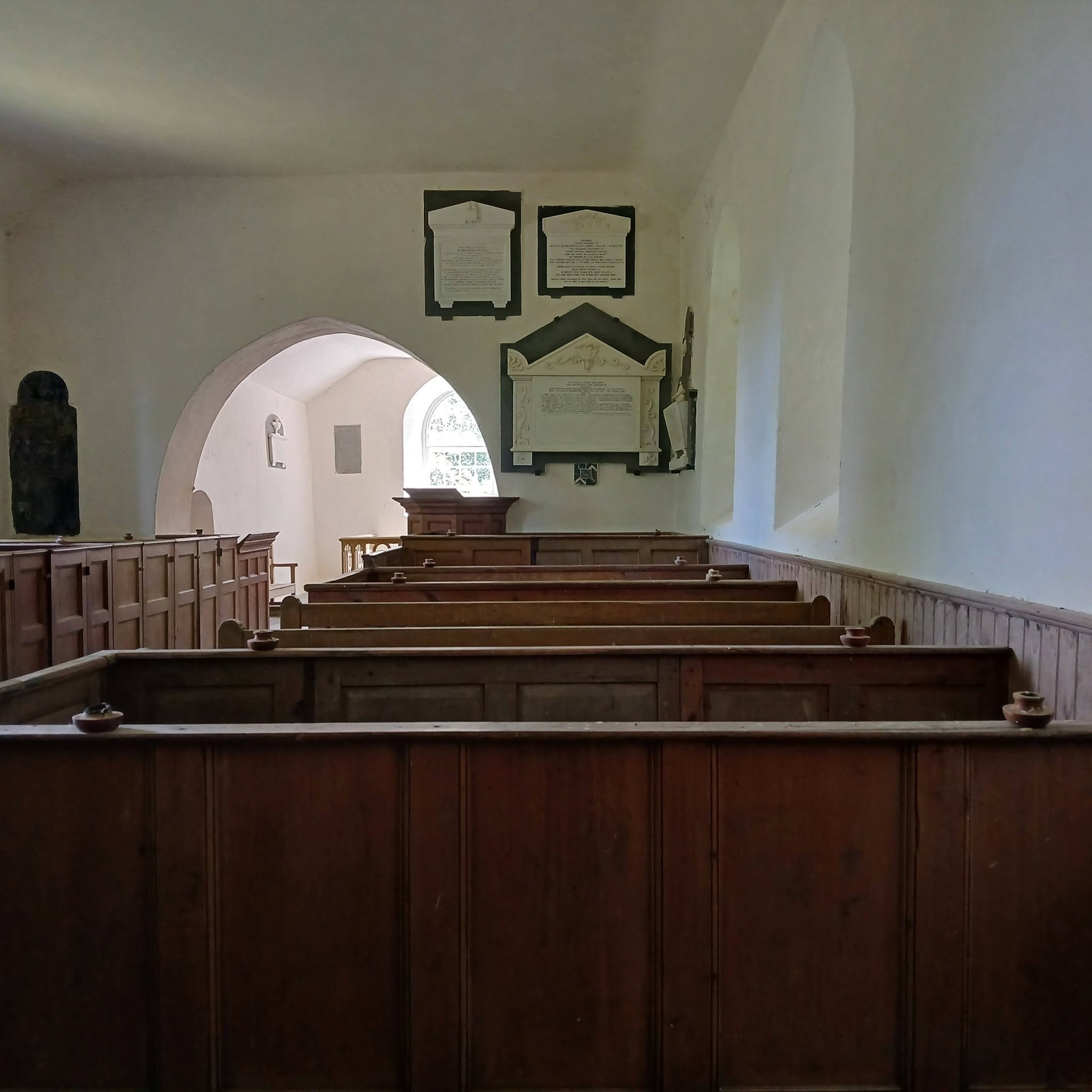
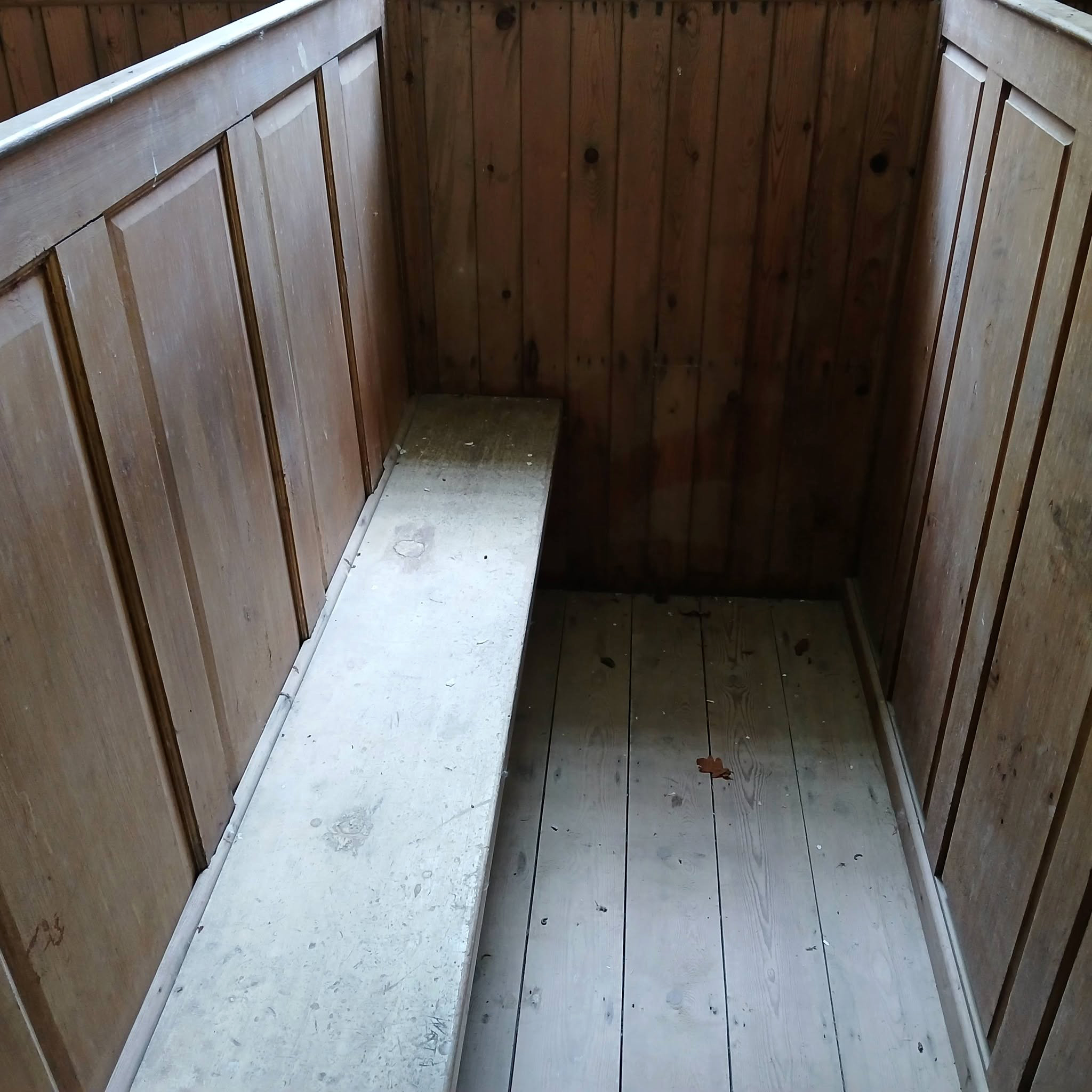
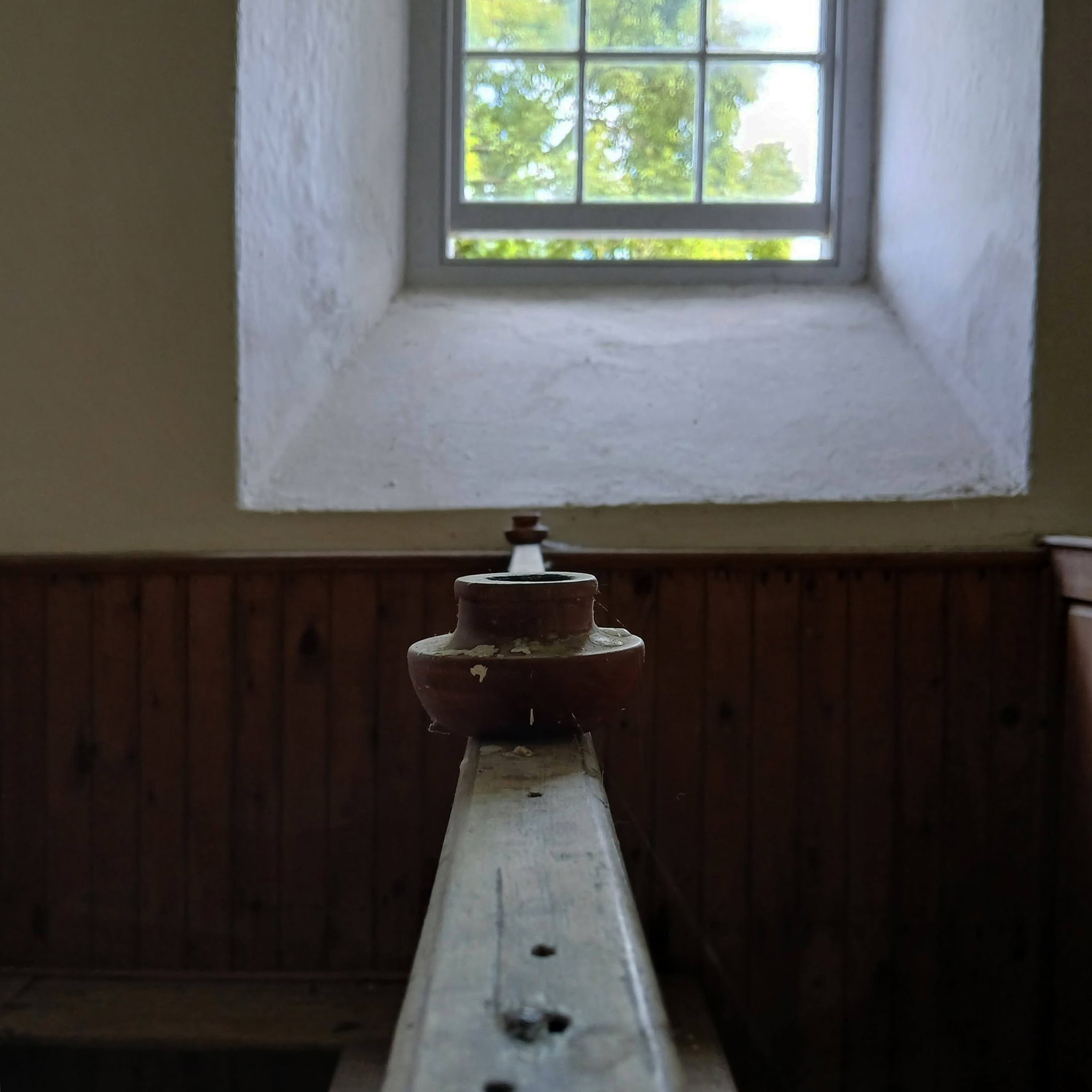
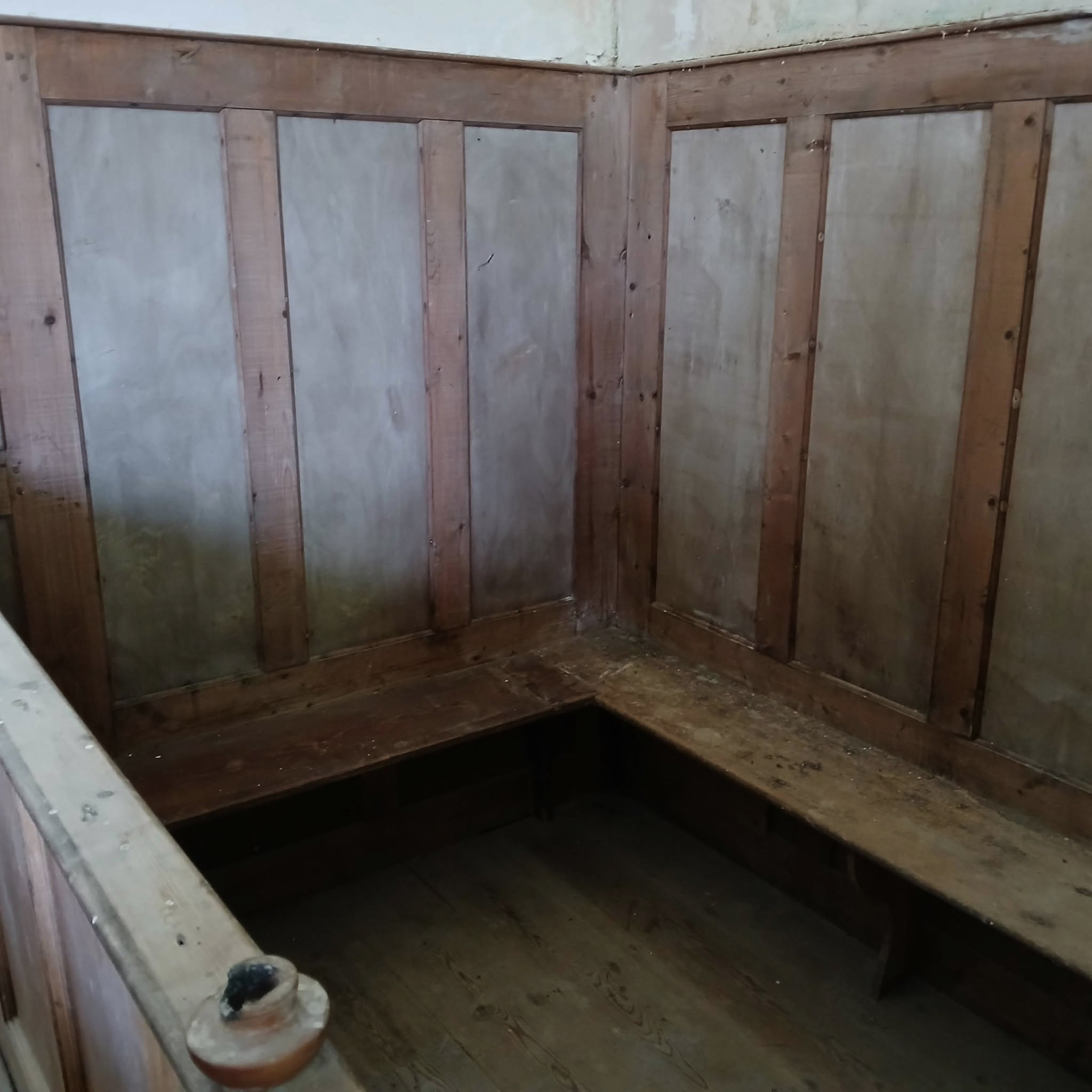
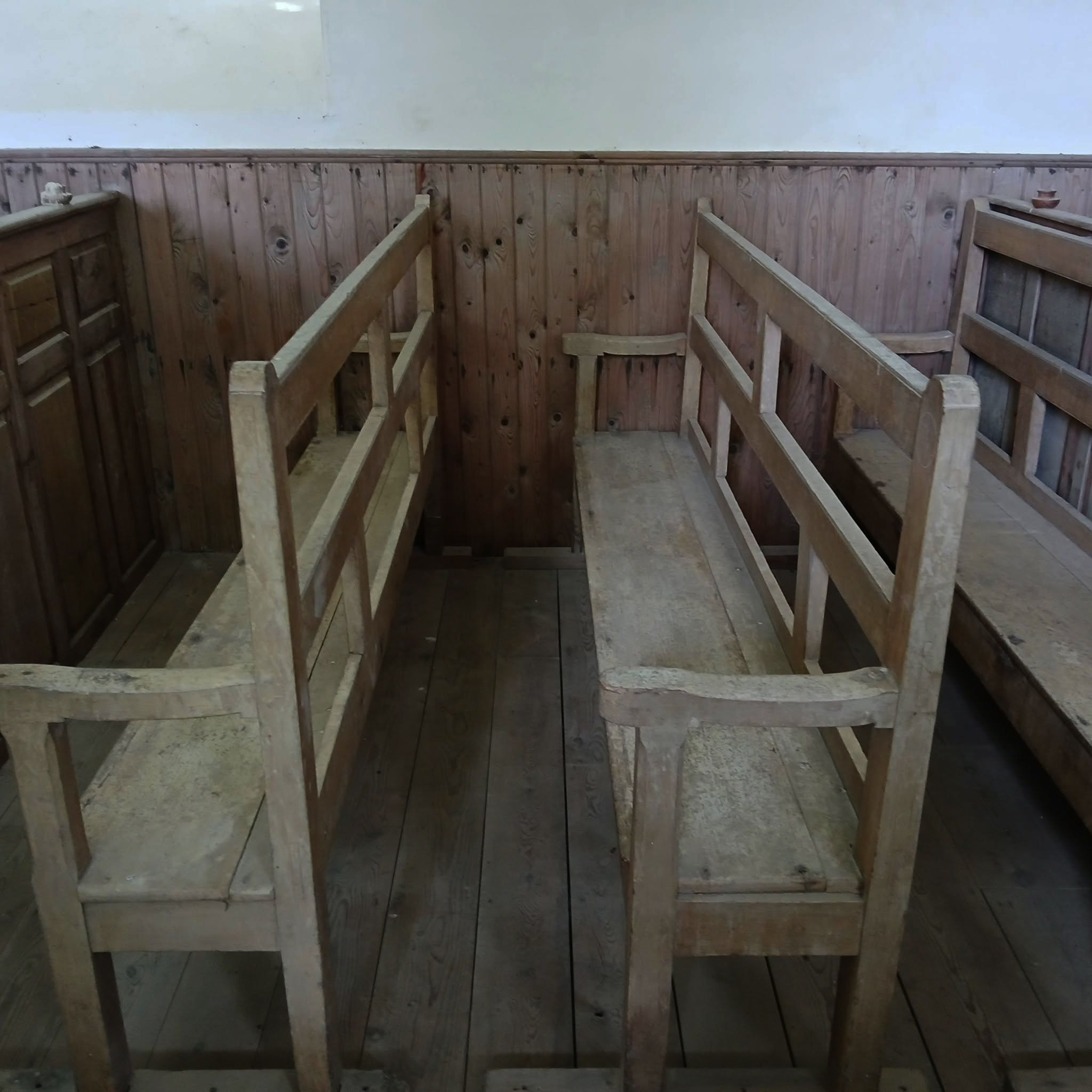
The nave walls are lined with a set of 18th-century box-pews; some have fluted columns, drawers with brass handles, and some even have their own fireplaces.
The square font, which you’ll find right inside the west porch, dates to the 13th century and is the only survivor from the early church. Its underside is fluted and its sides are carved with quatrefoils.
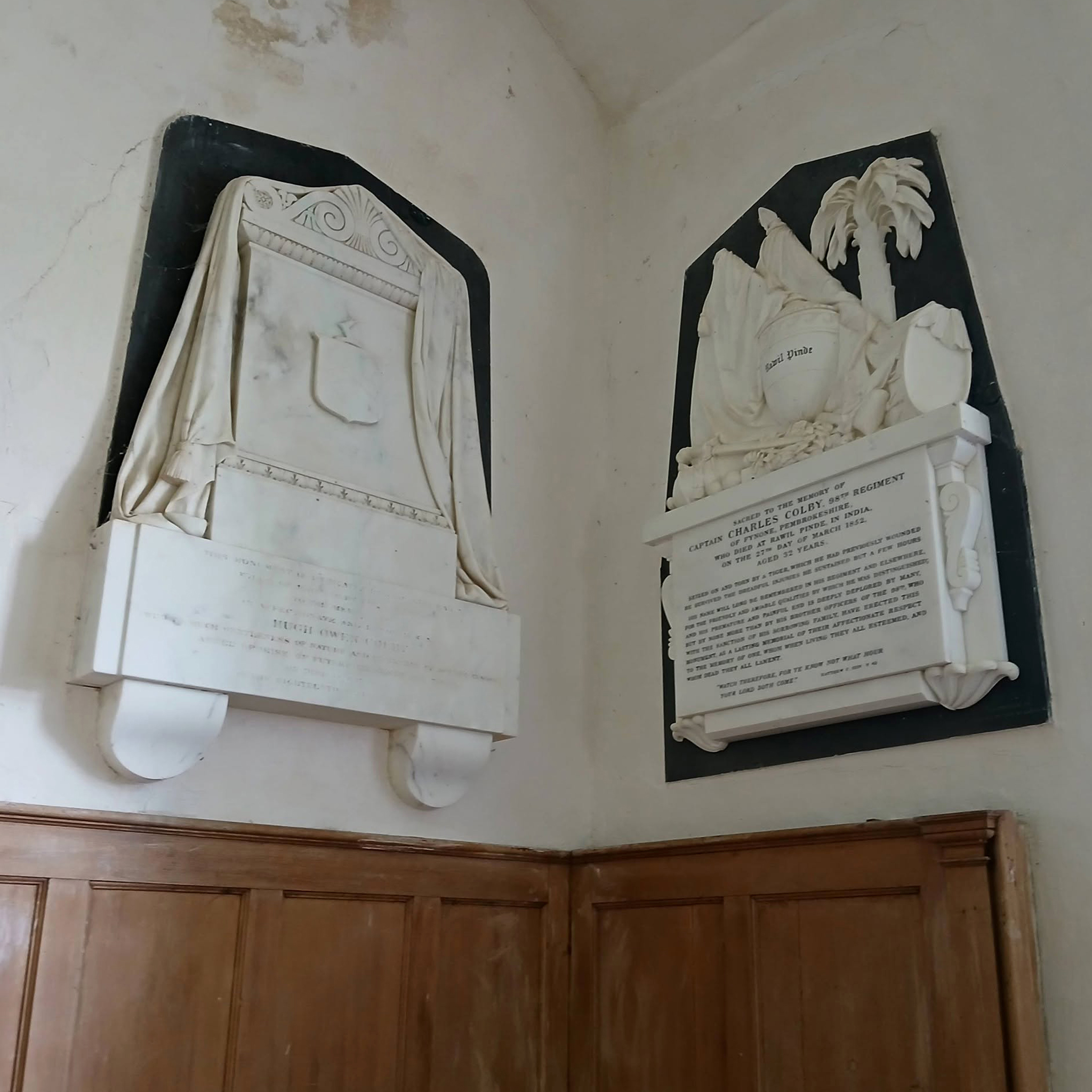
Don’t miss the memorial to Capt. Charles Colby, who was stationed to Rawalpindi – now in Pakistan in about 1850. On a day off, he went hunting on an elephant, and was unfortunately mauled by a tiger. His plaque bears an urn with the inscription ‘Rawil Pinde’ and a carved palm tree.
Many thanks to the Friends of Friendless churches for ensuring that the church remains open and maintained.
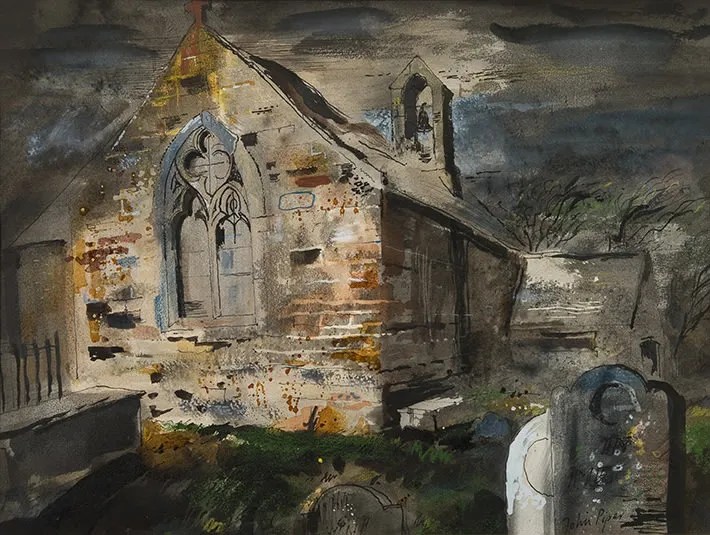
As a postscript – the appreciation of these wonderful Welsh churches must be due in part to John Piper.
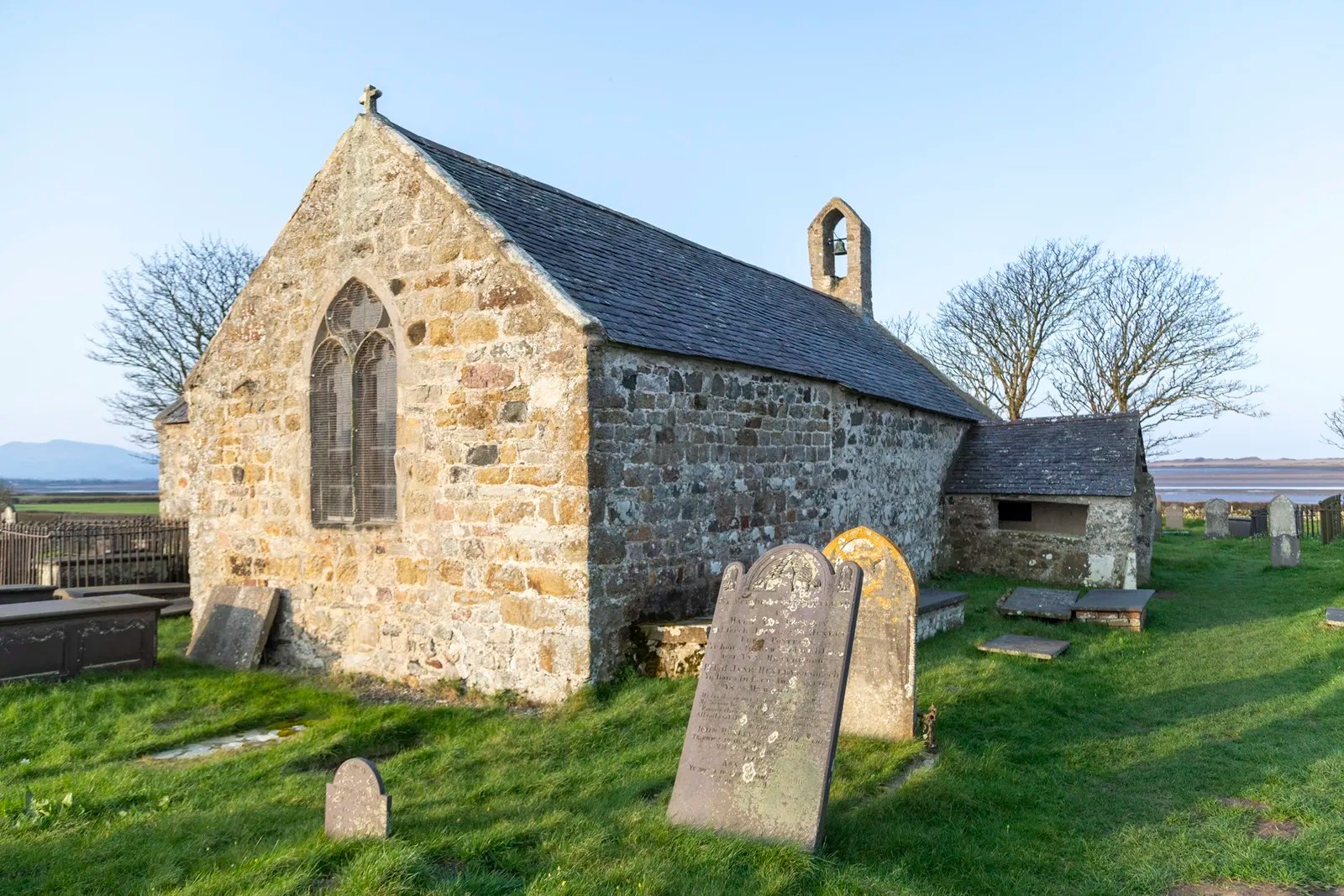
Jerwood Foundation was recently alerted to a renewed recognition of John Piper’s painting The churchyard, in Jerwood Collection, after it appeared as an illustration accompanying an online article. The image was immediately recognised by a reader as depicting St Baglan’s Church, near Caernarfon, viewed from a familiar angle.
John Piper, a founding member of Friends of Friendless Churches in the 1950s, painted many historic churches across the UK. Although St Baglan’s has been under the charity’s care since the 1970s, this rediscovery offers a valuable insight into Piper’s early engagement with sites that would later become key rescue projects. The recognition helps to piece together the history of how some of the charity’s earliest churches were identified, recorded and preserved.
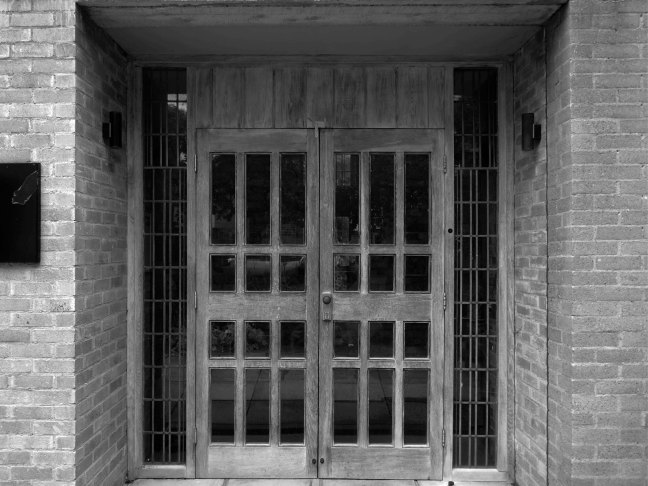
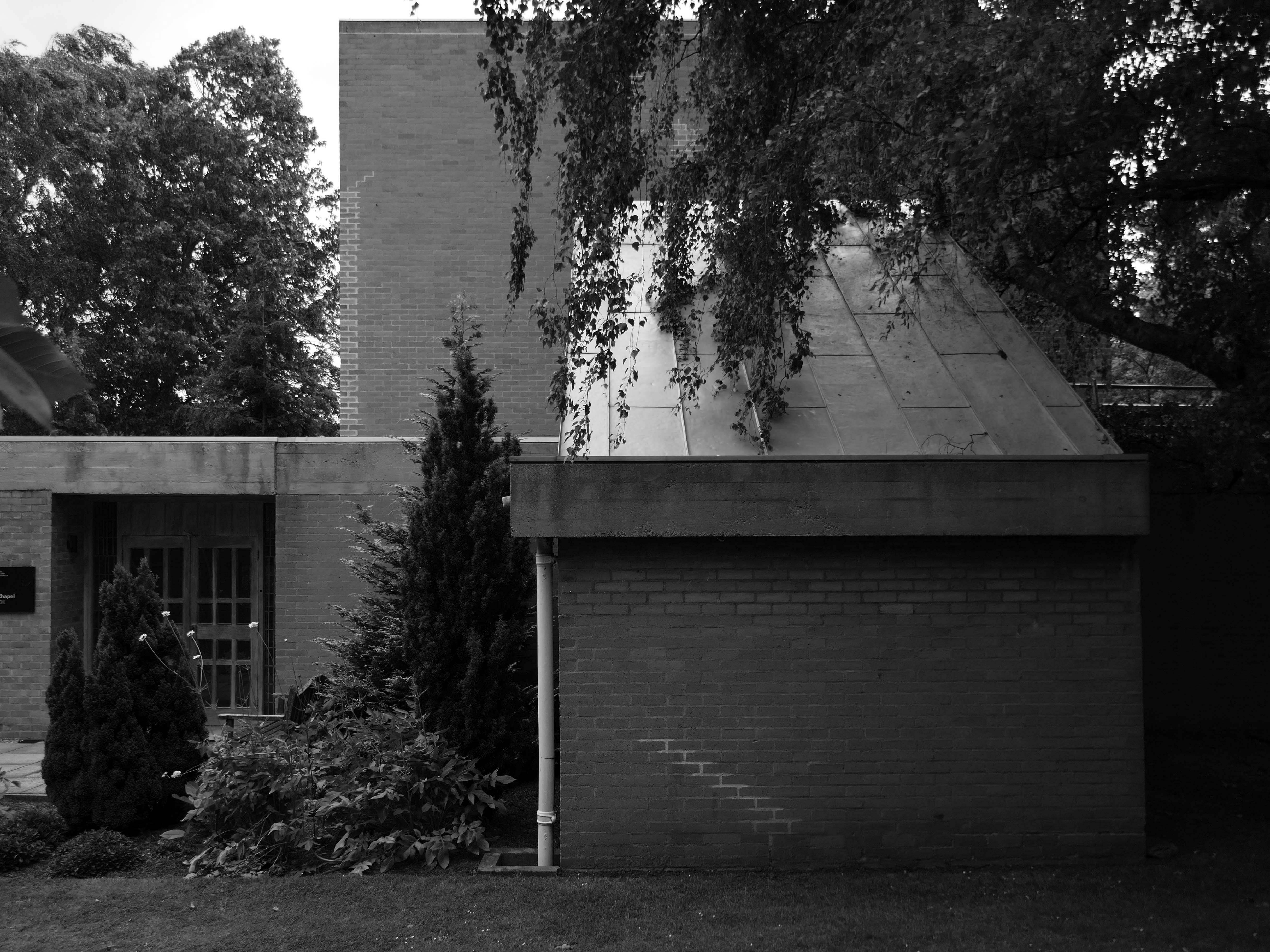
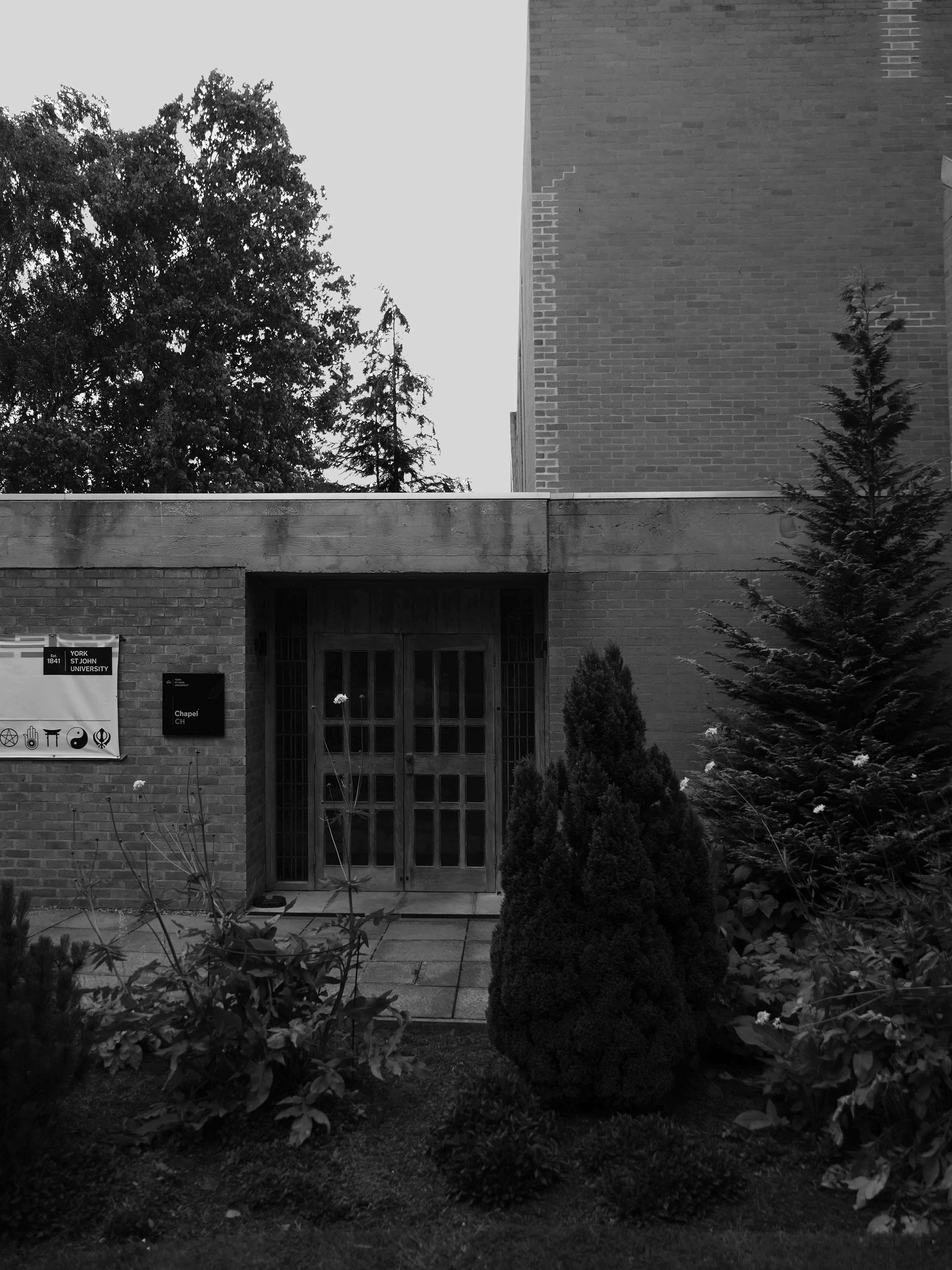
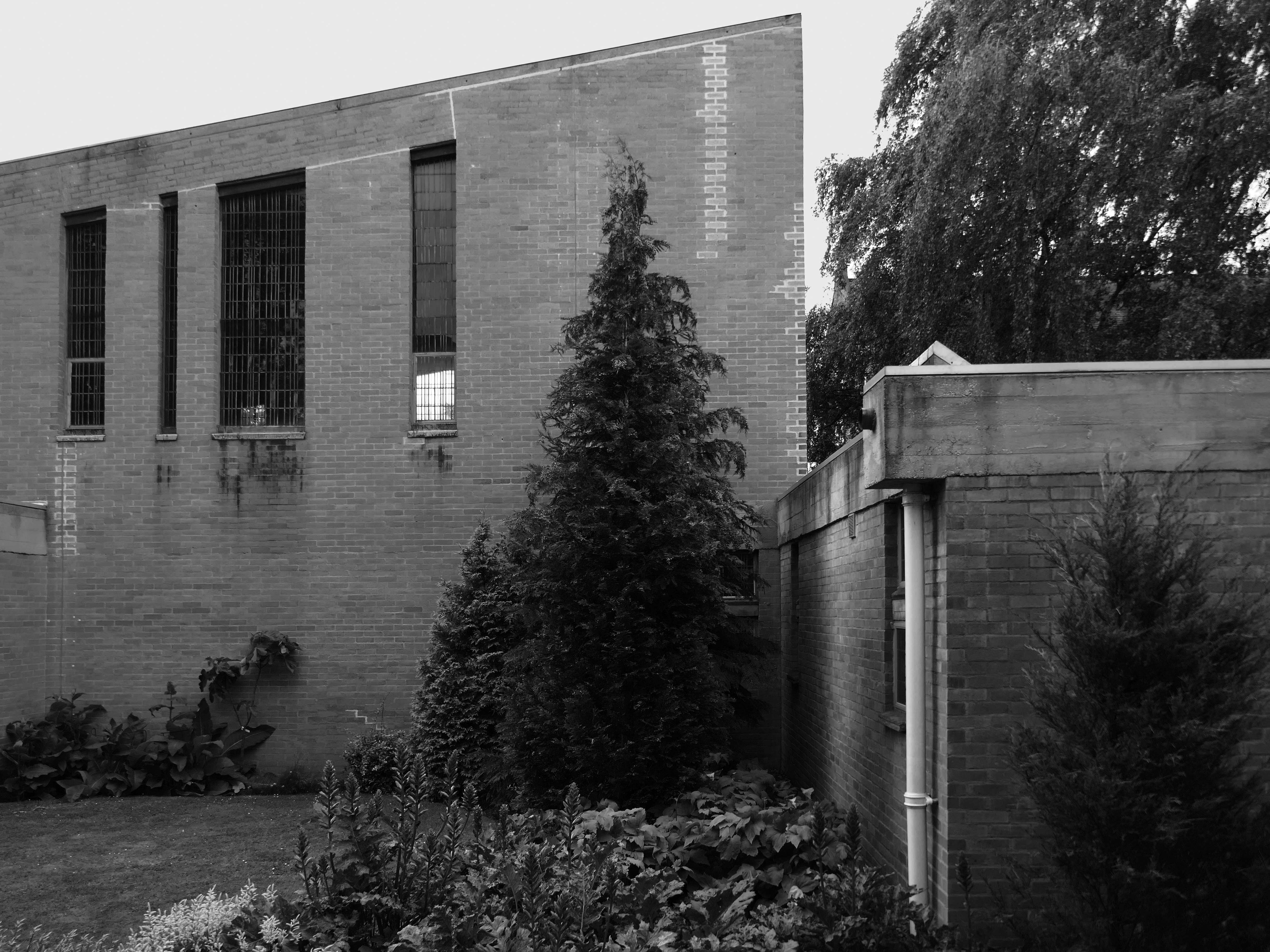
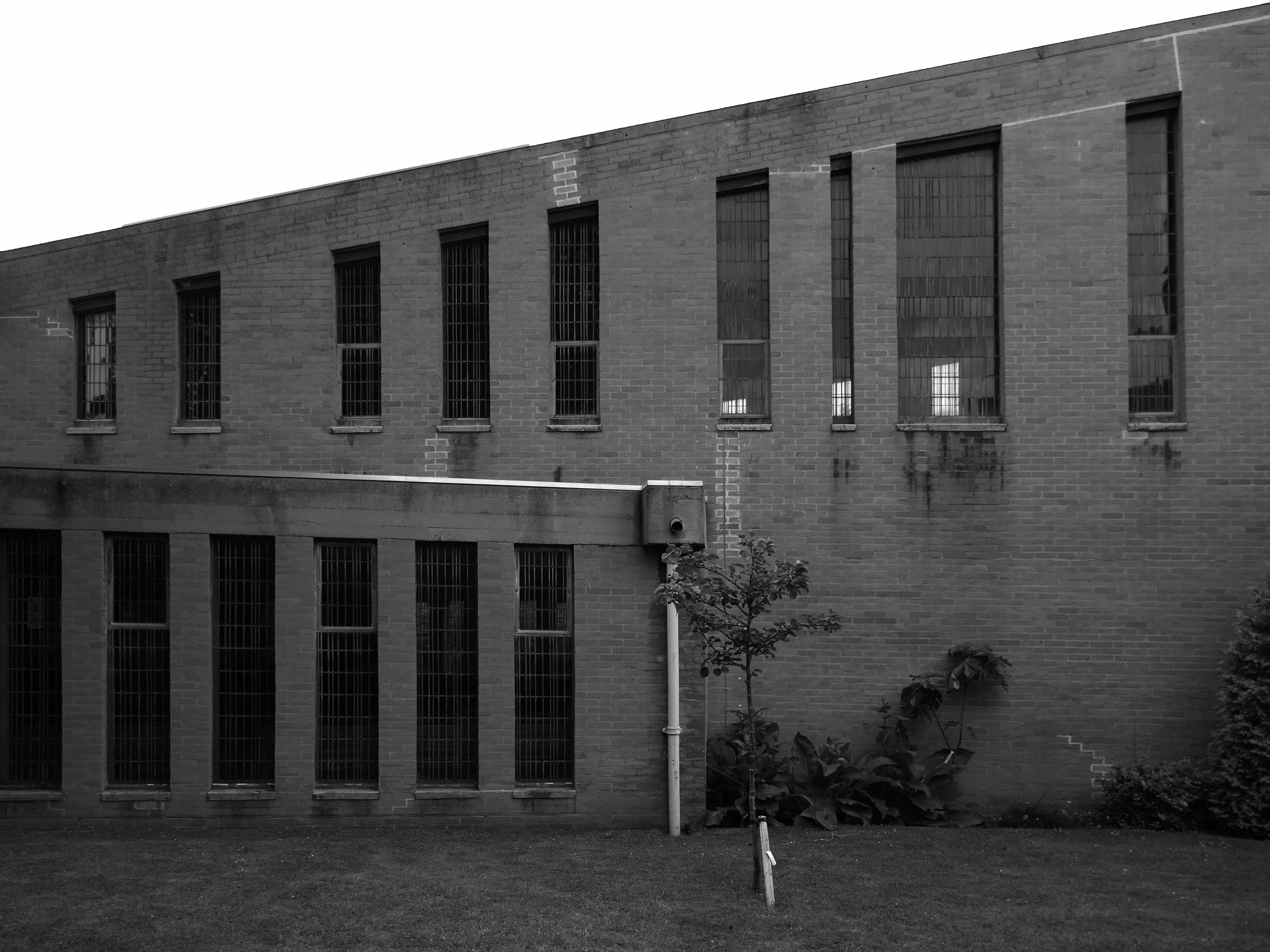
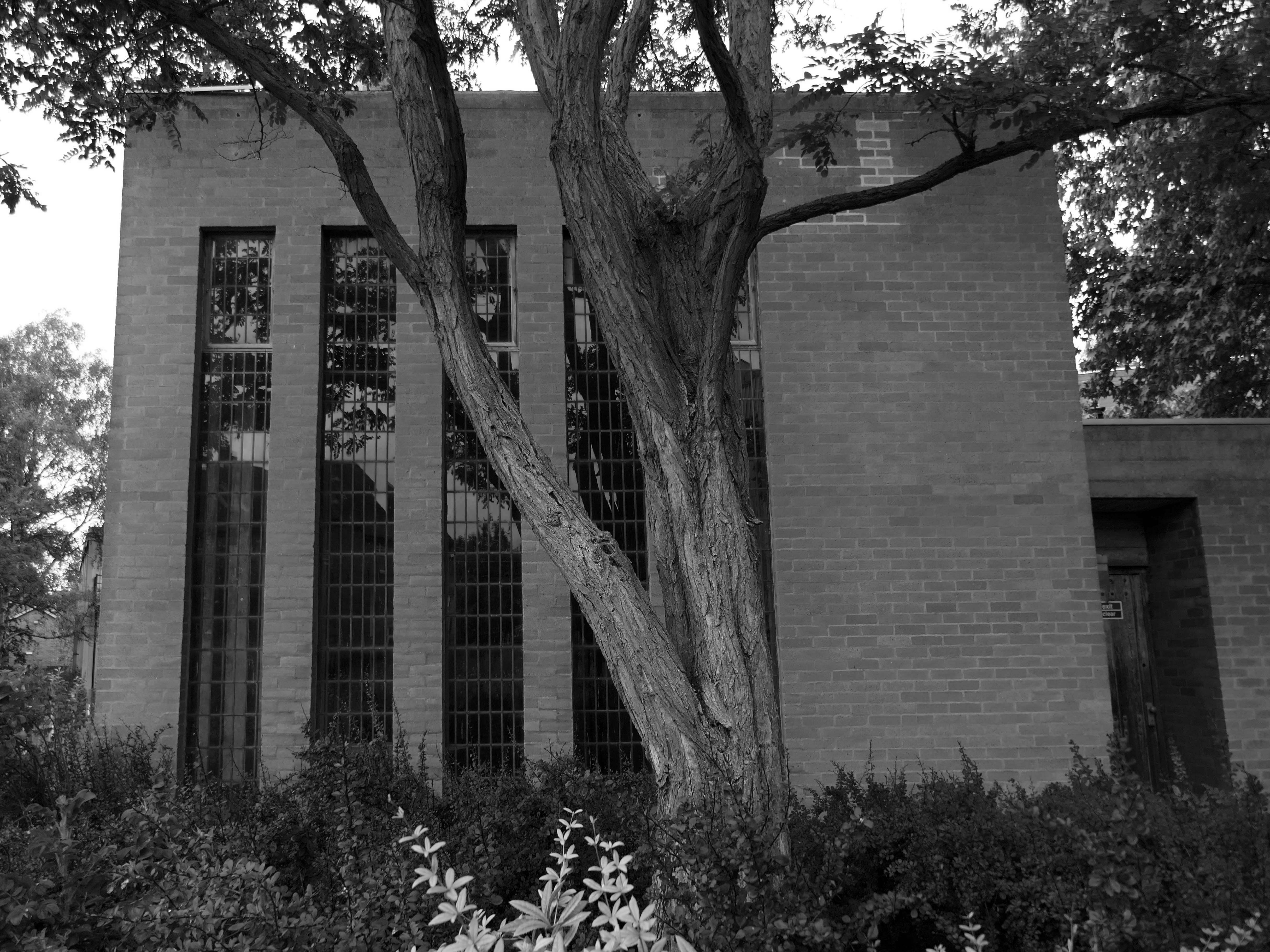
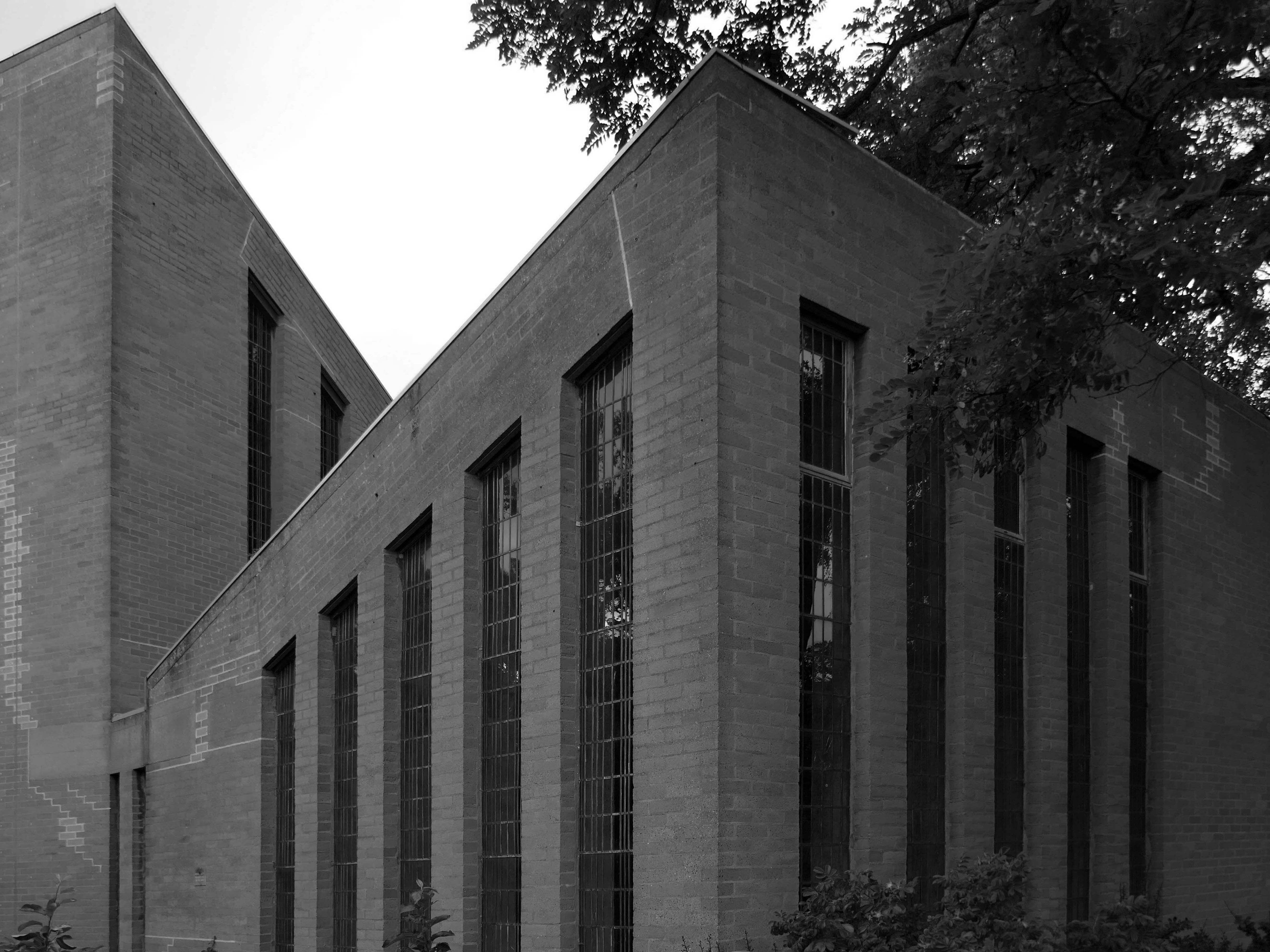
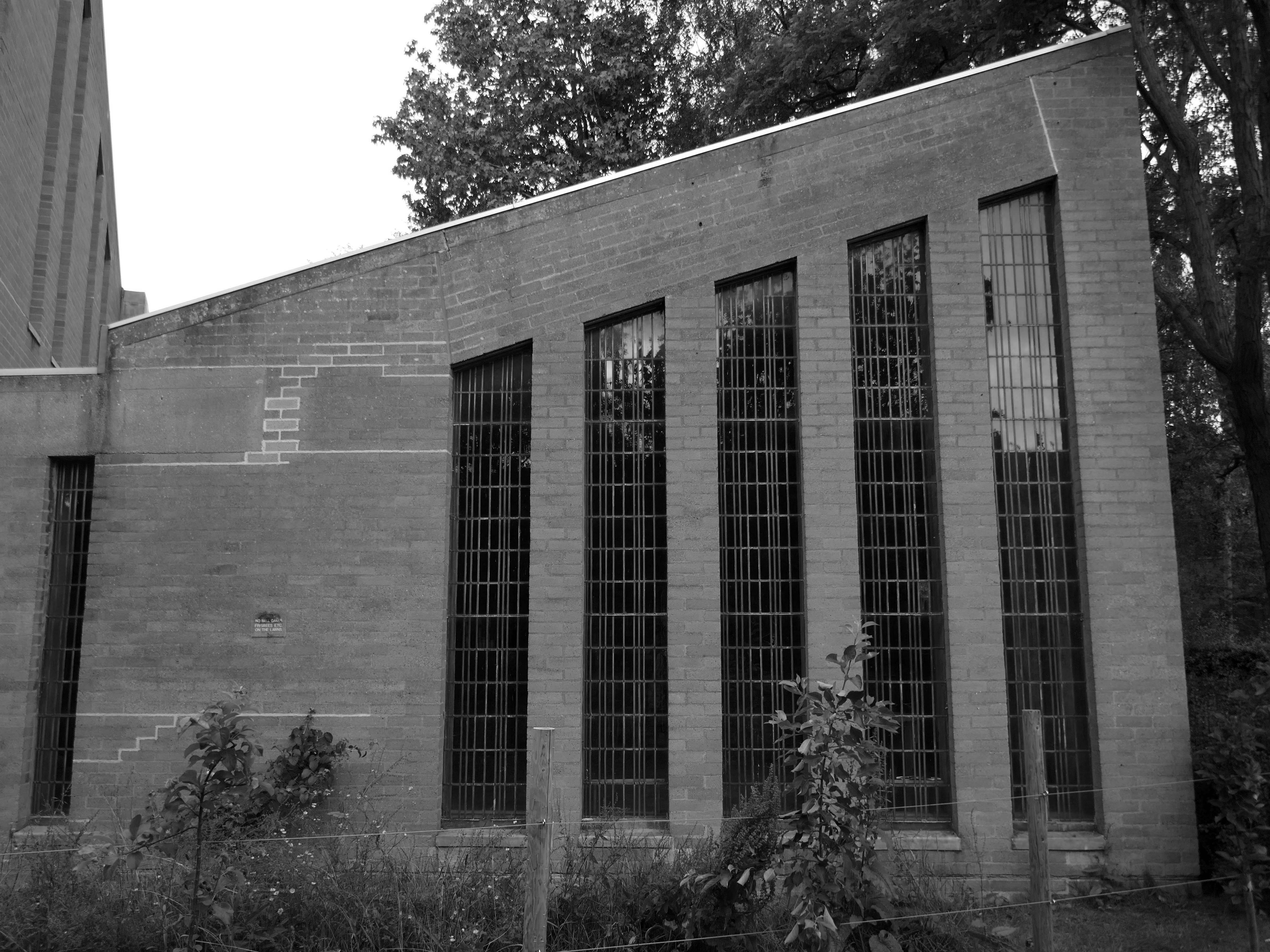
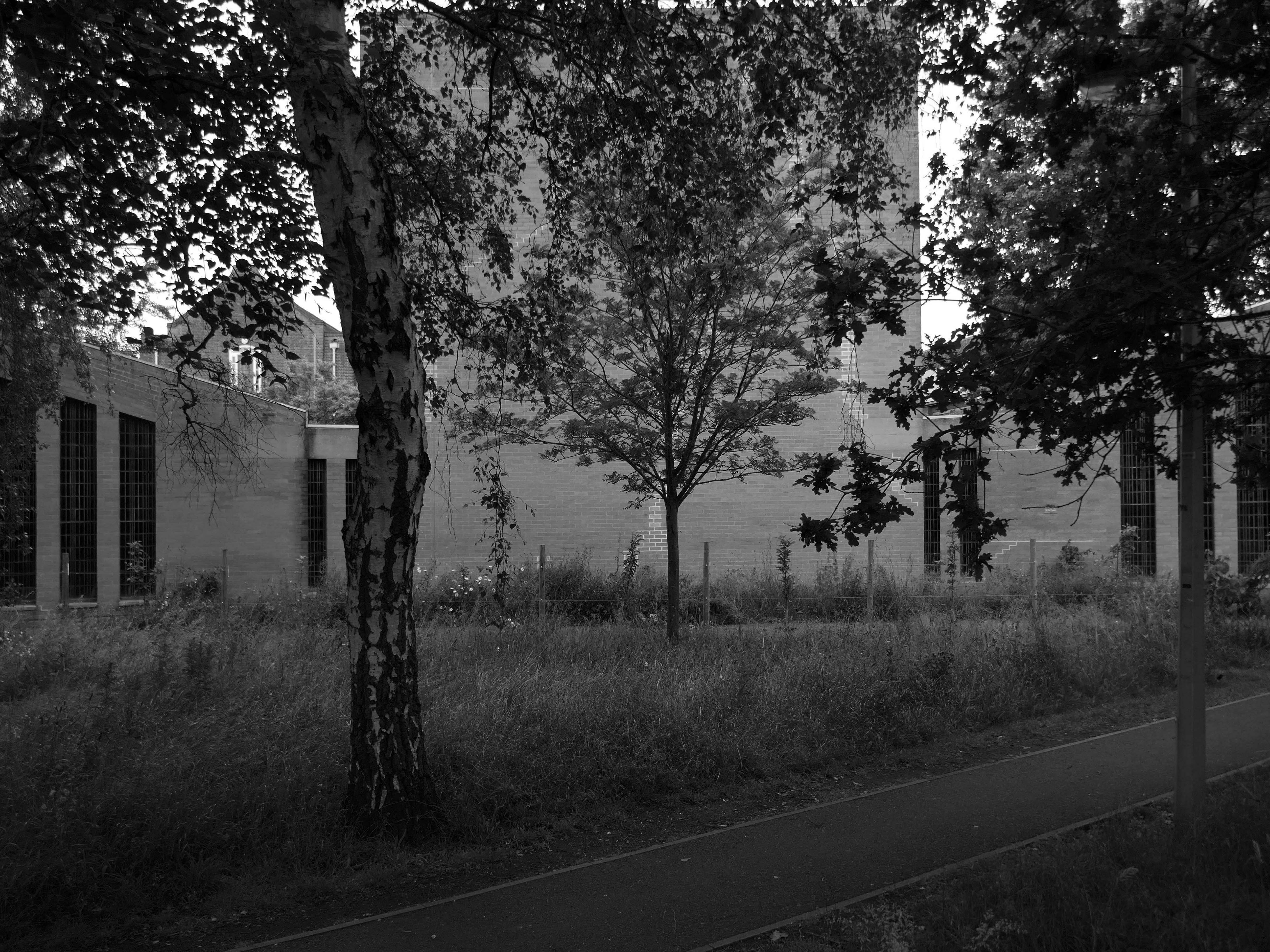
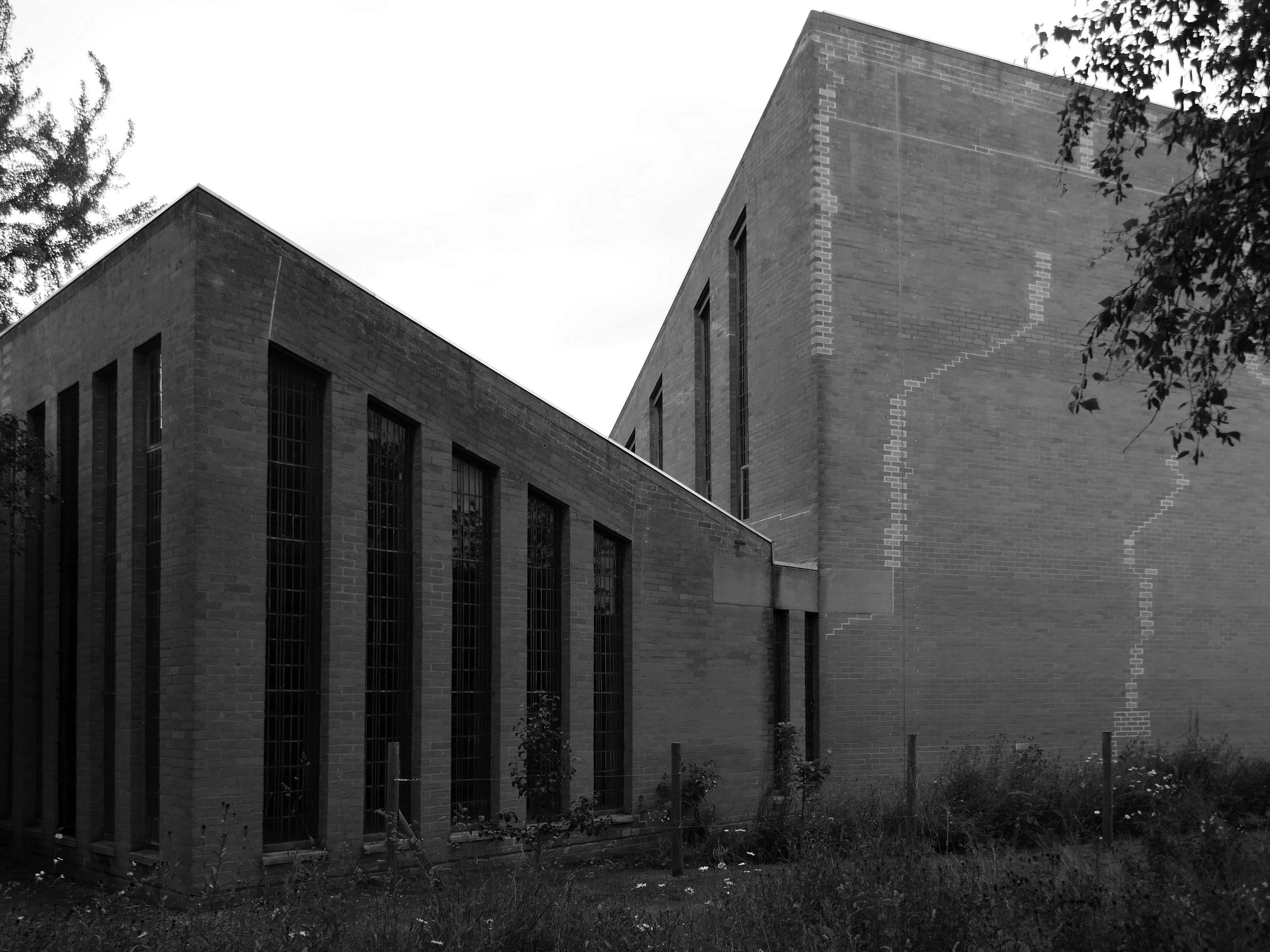
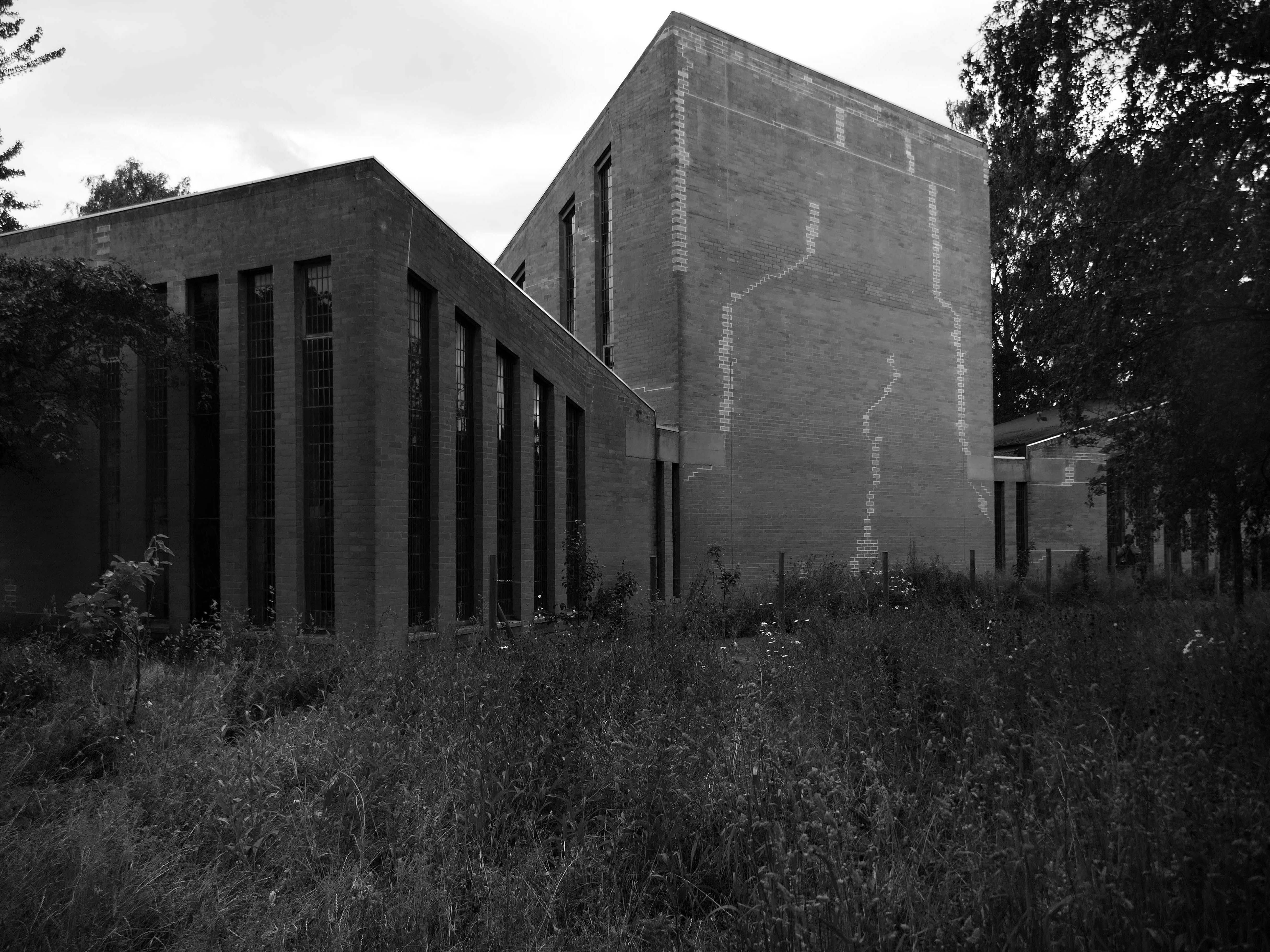
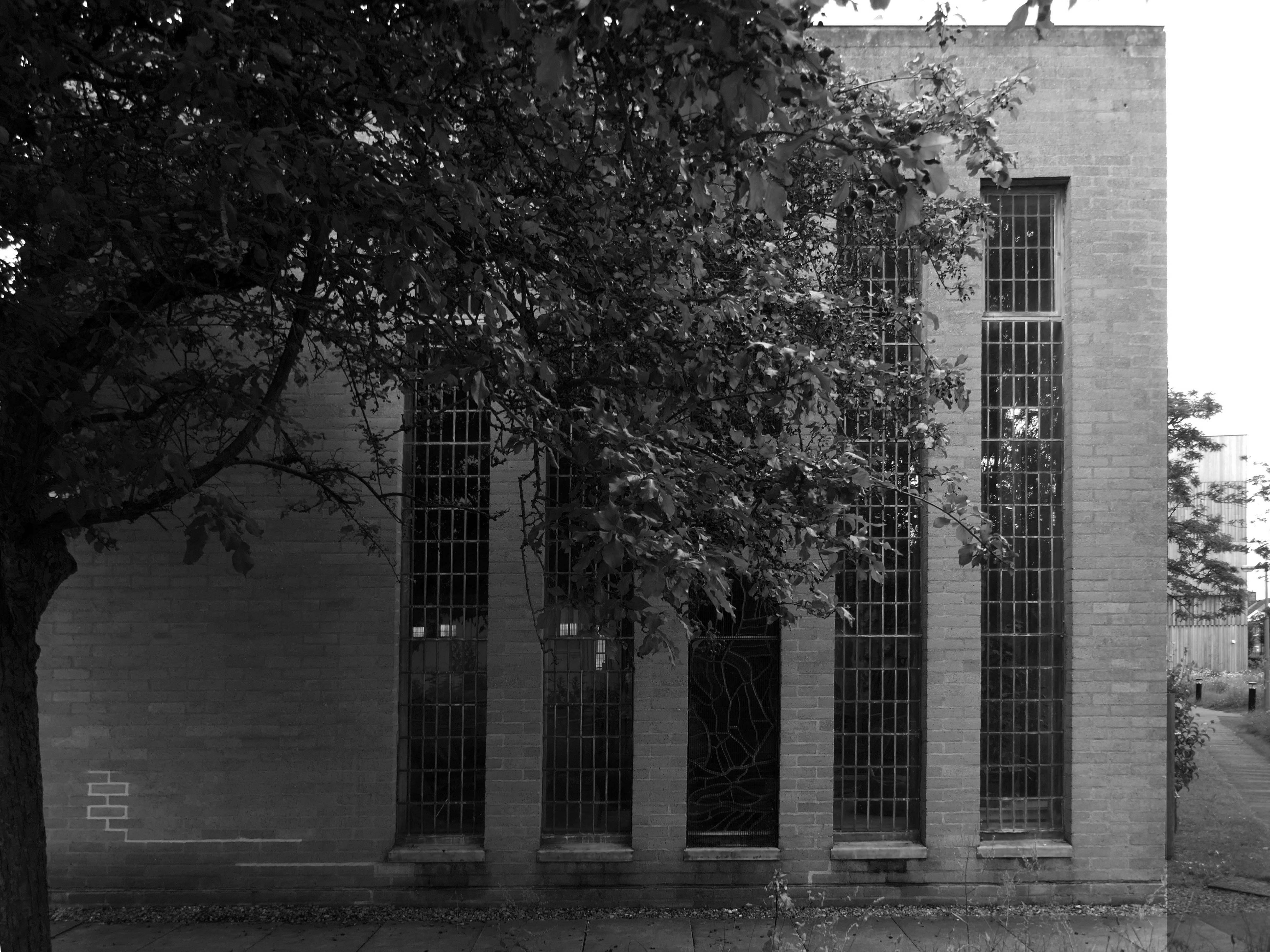
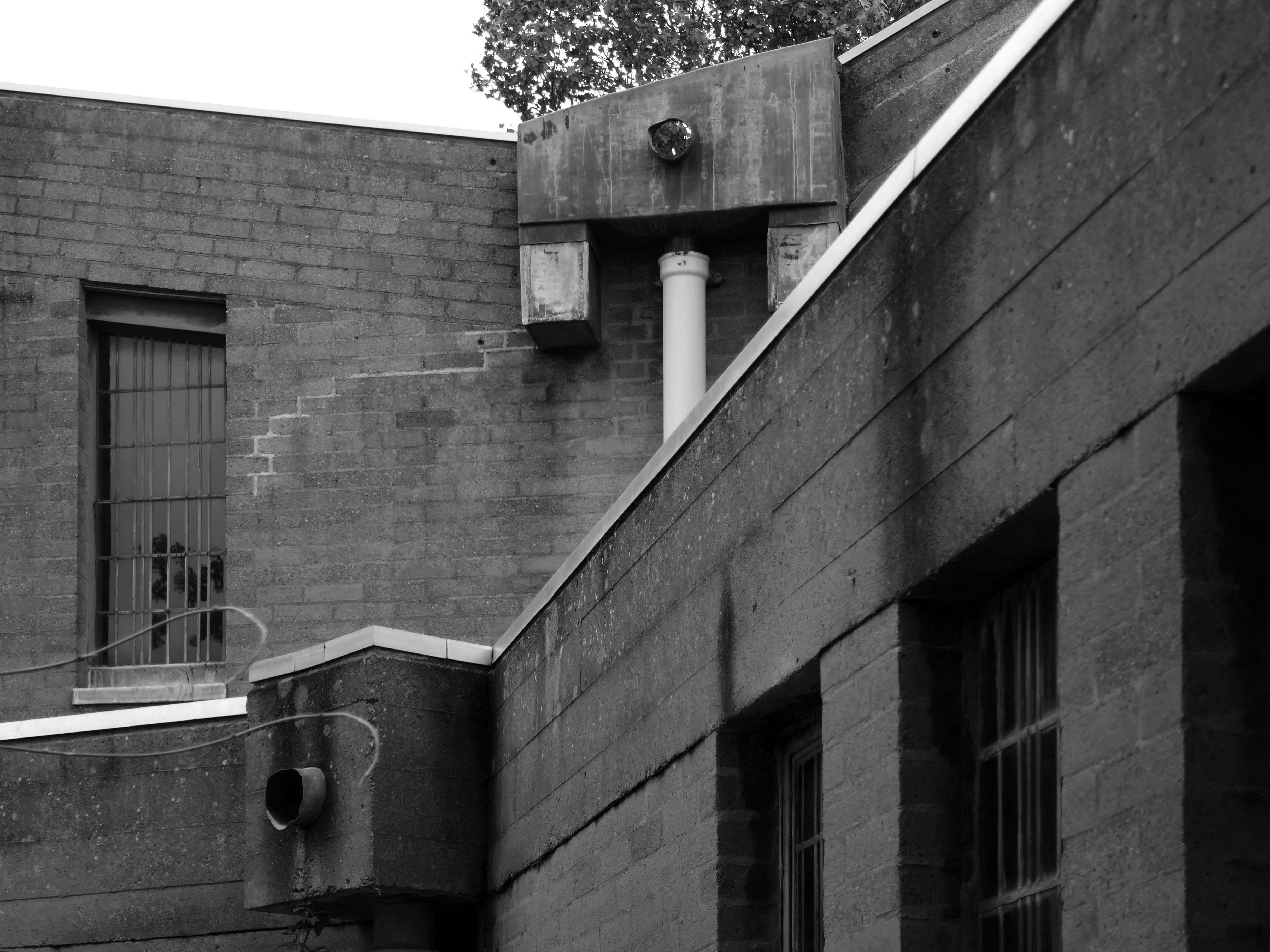
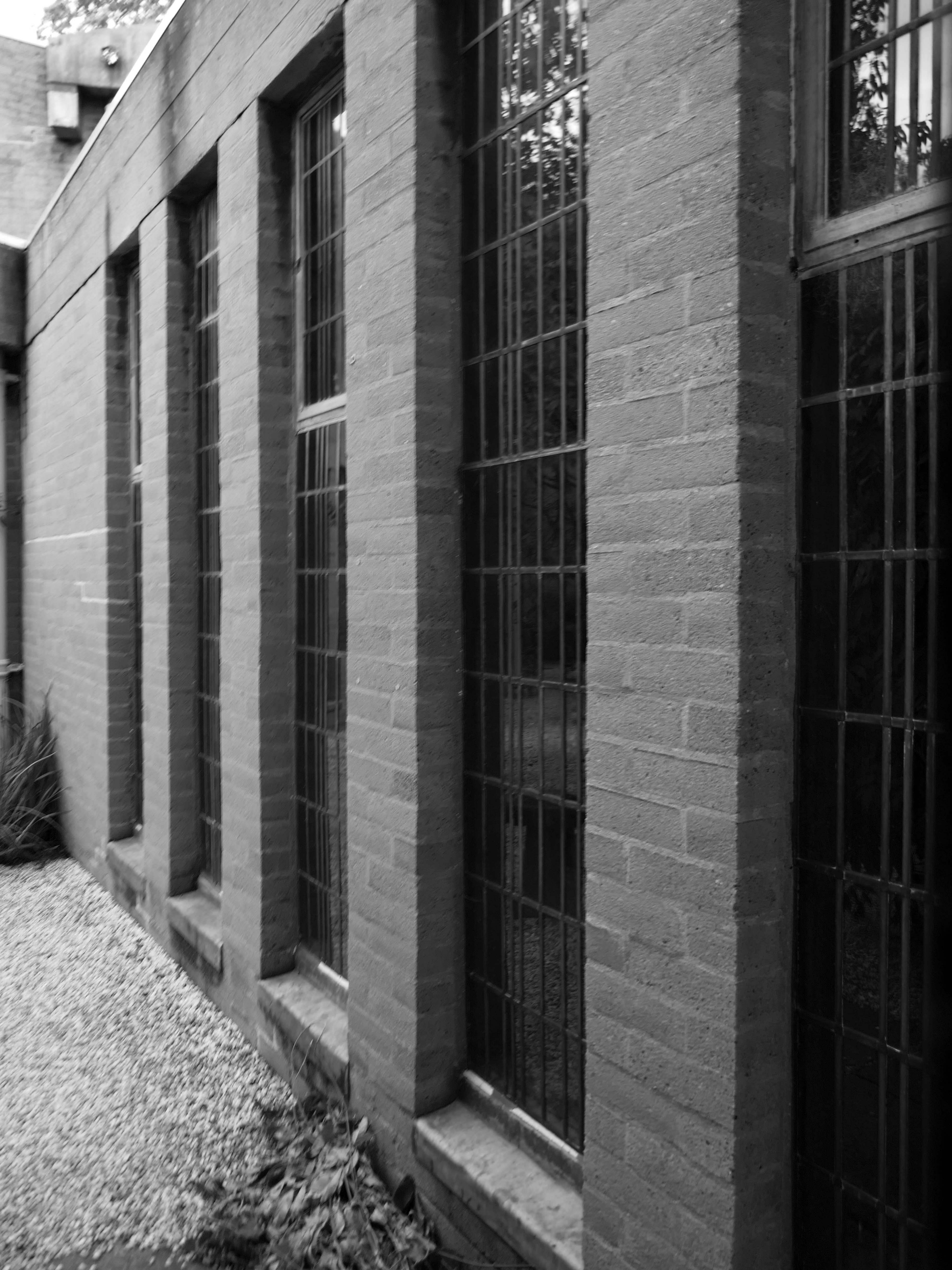
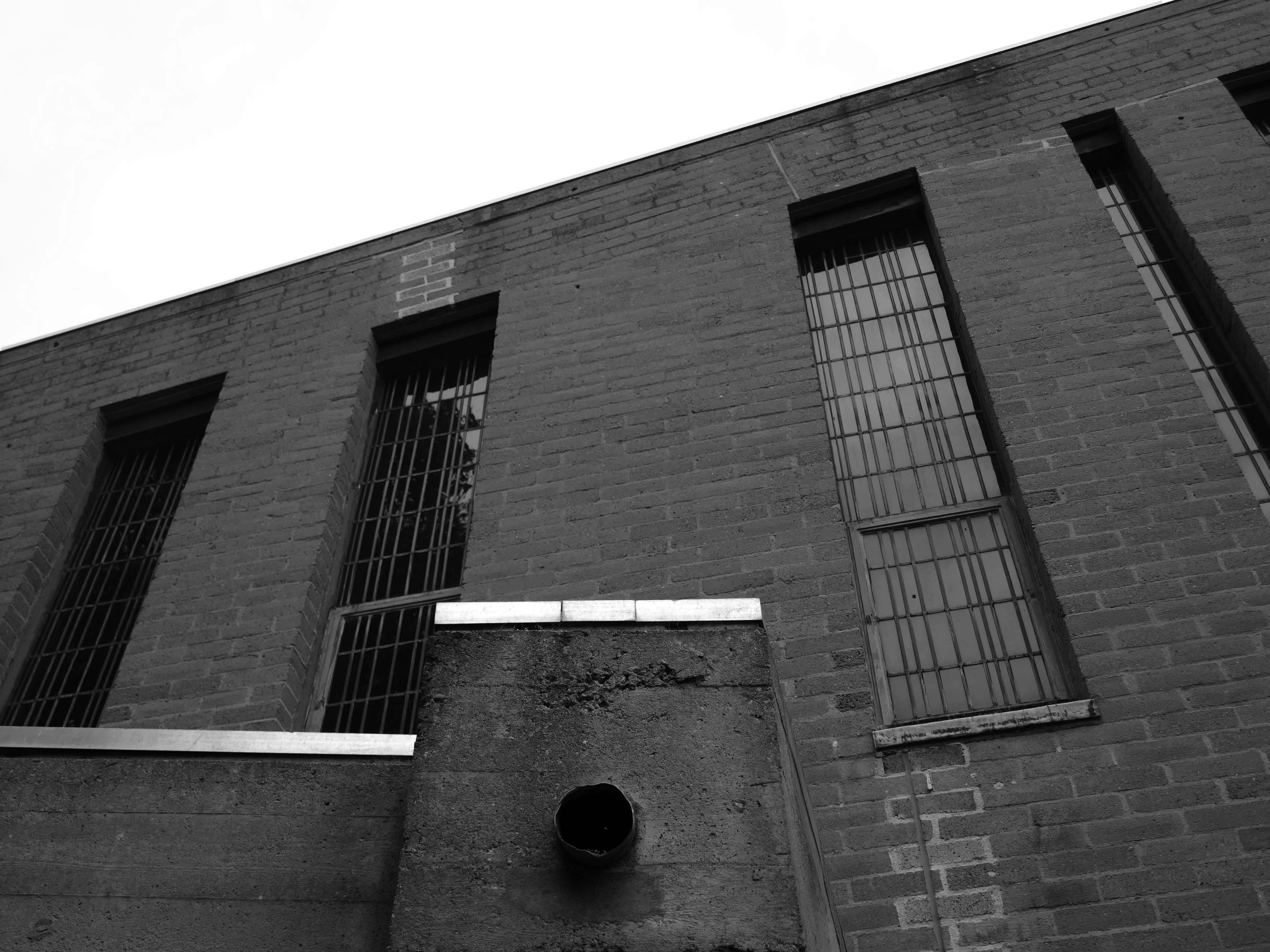
The chapel was closed on a Saturday so we wandered around outside, peering curiously through the windows. Surrounded by mature planting, the bare brick and glazing is more than somewhat softened, the planting however does inhibit the intrepid photographer.
Designed 1965, built 1966-7; architect George Gaze Pace, executant assistant Ronald Sims.
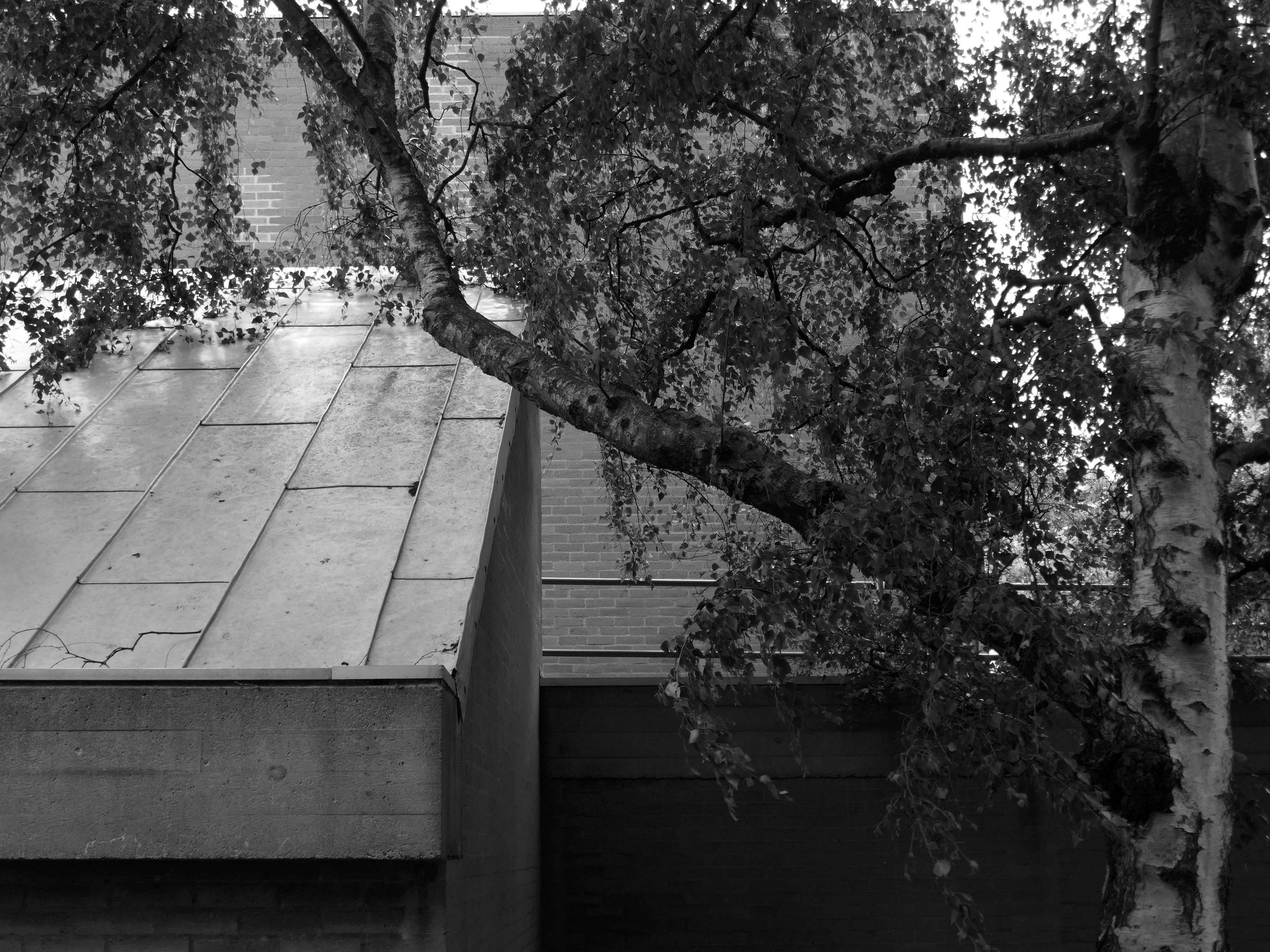
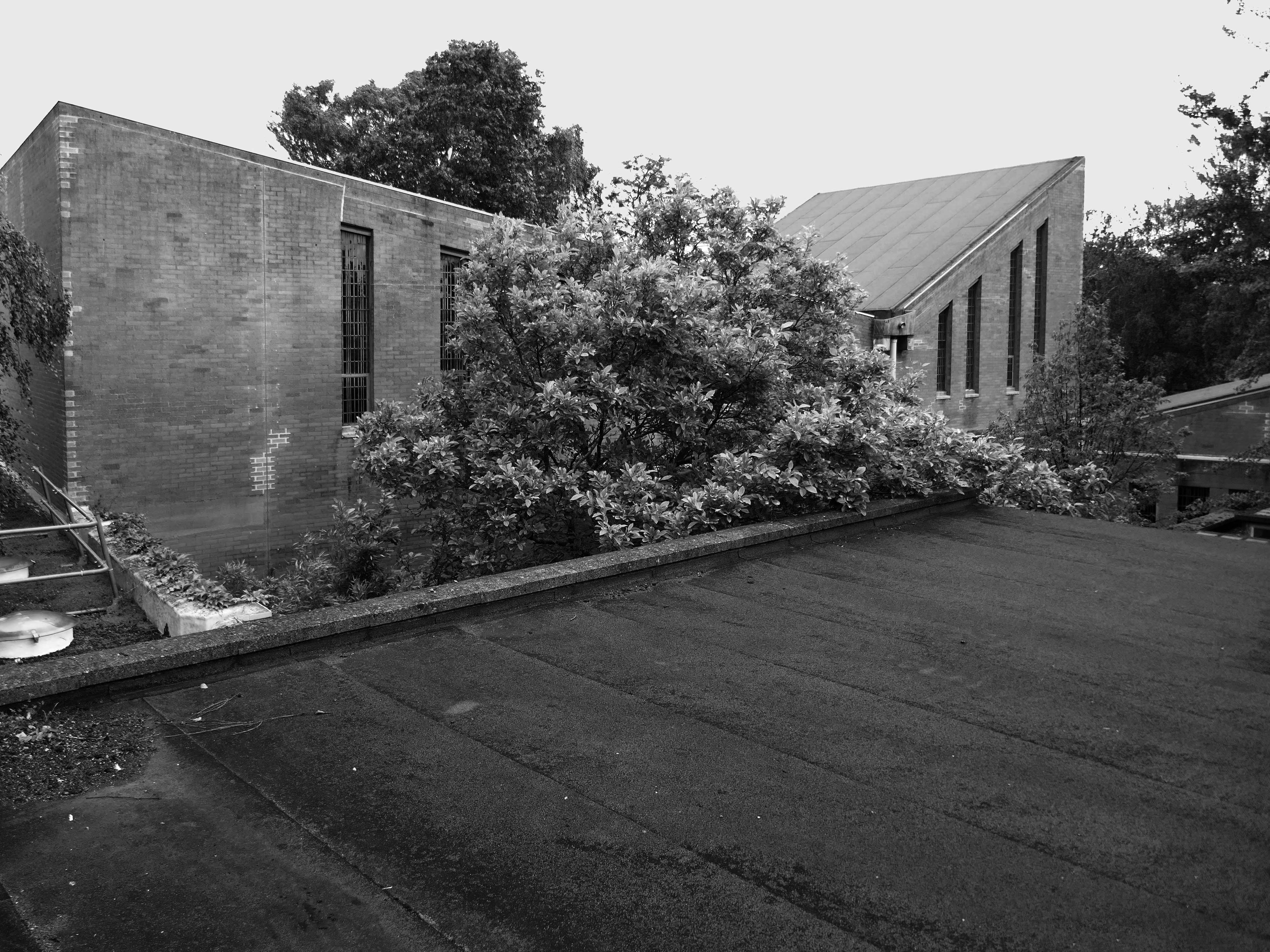
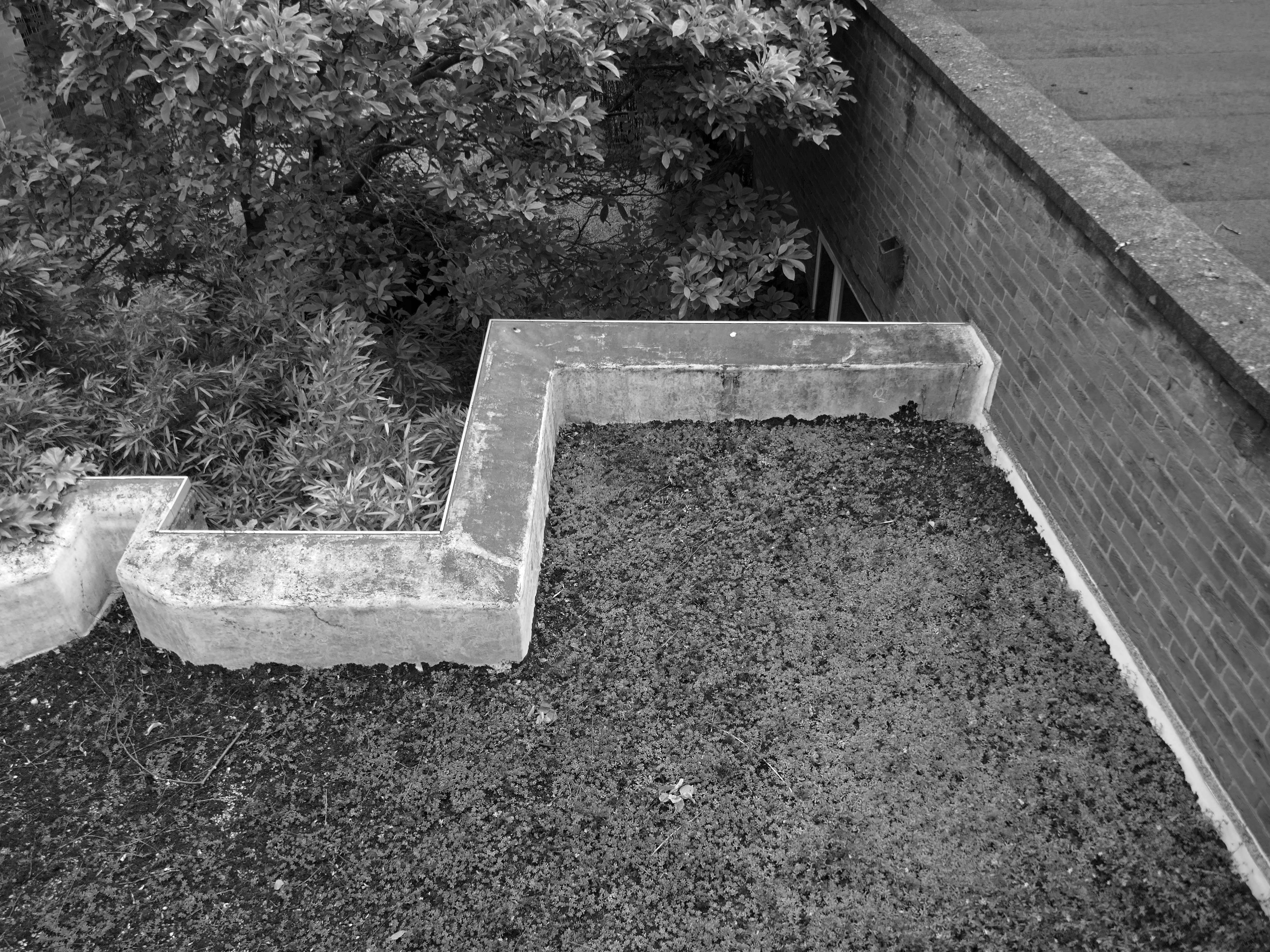
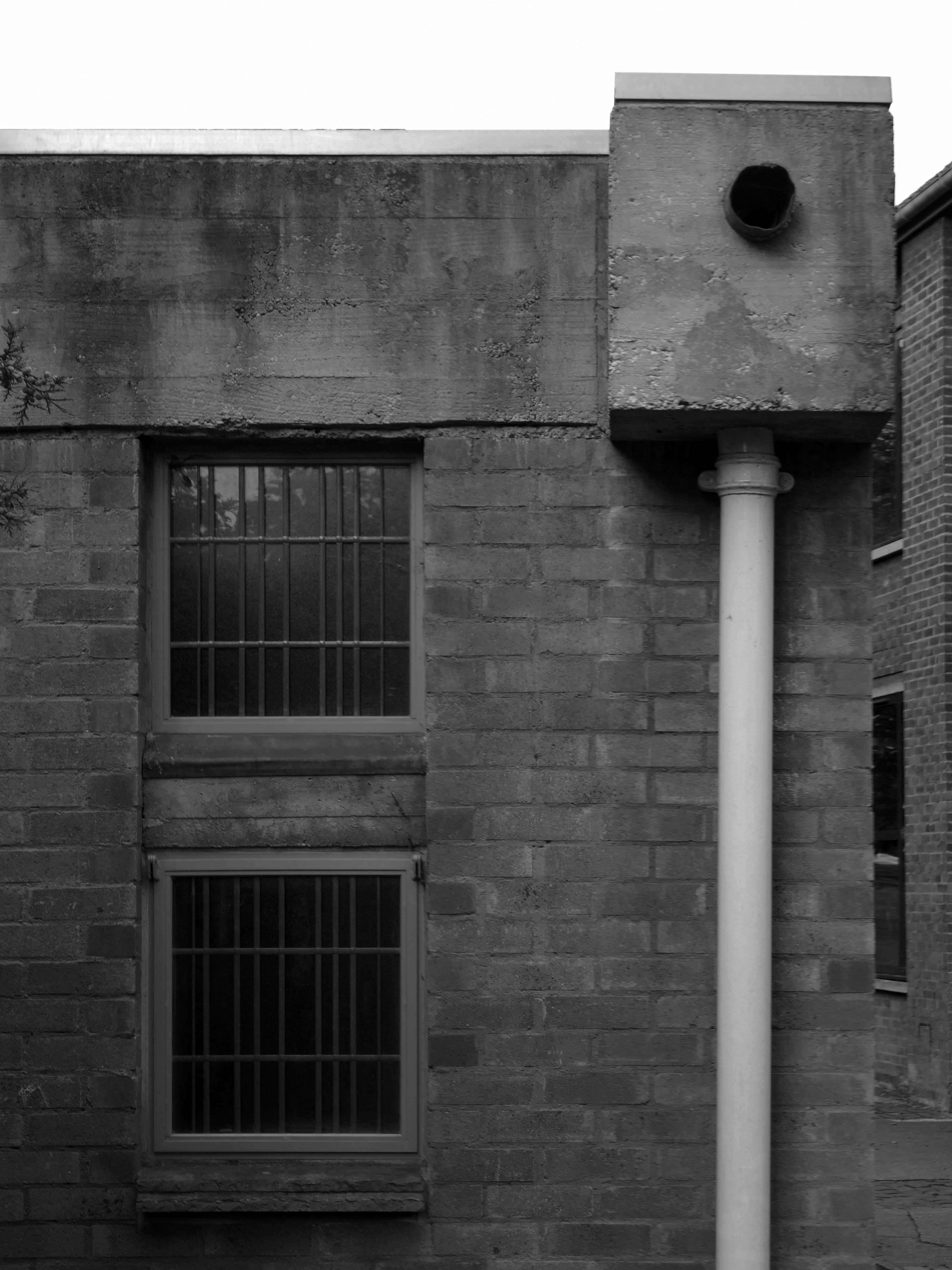
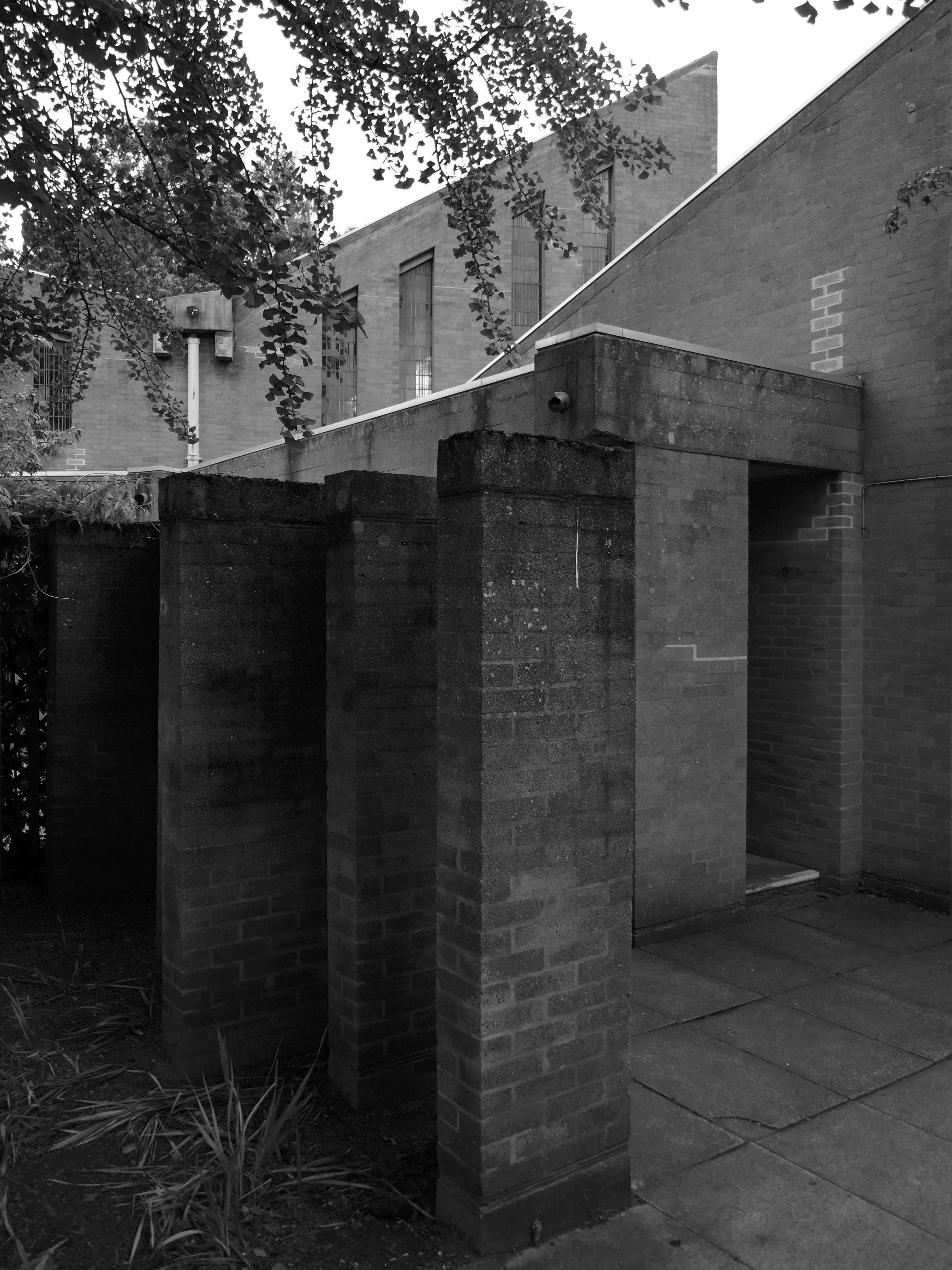
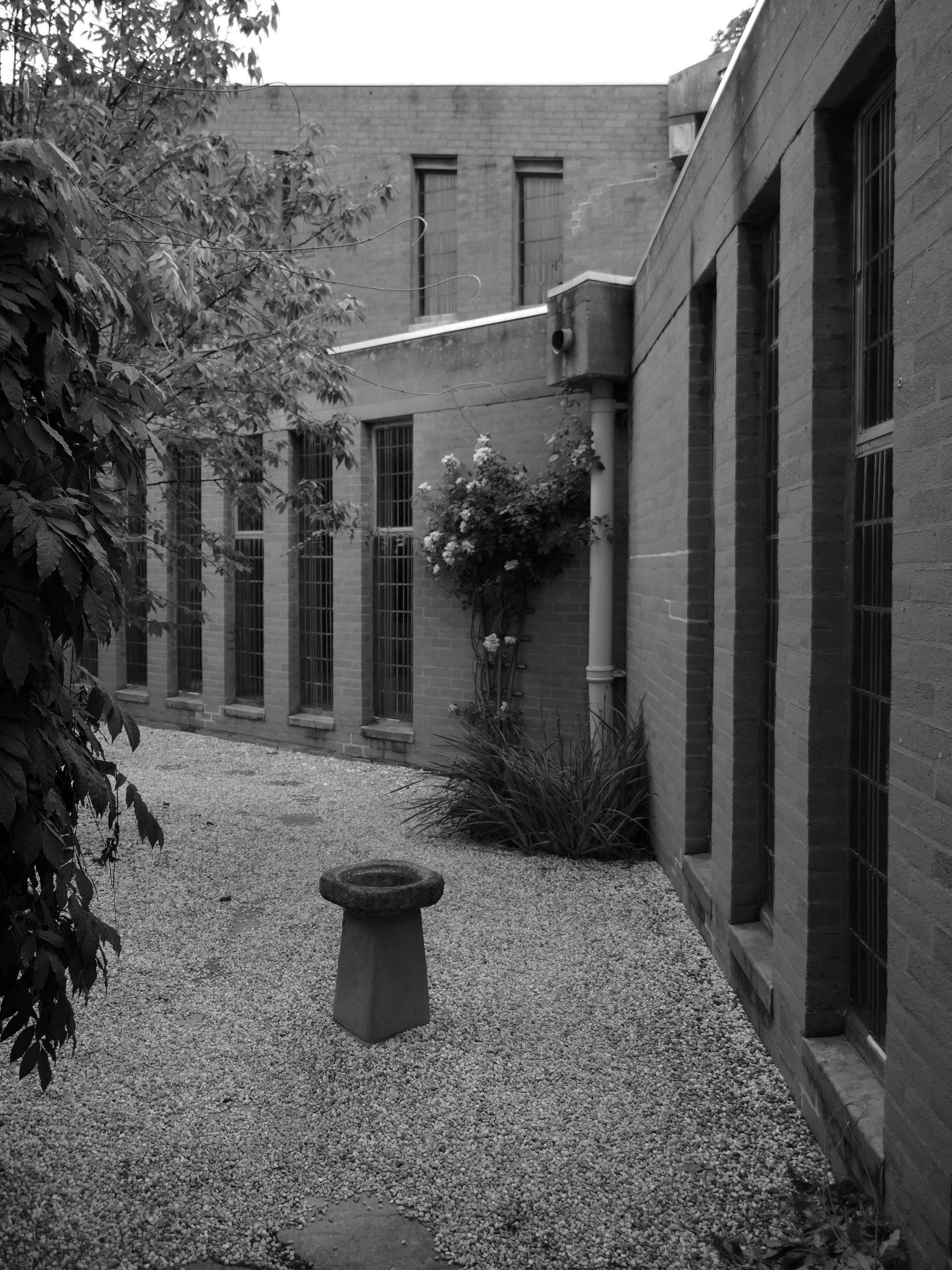
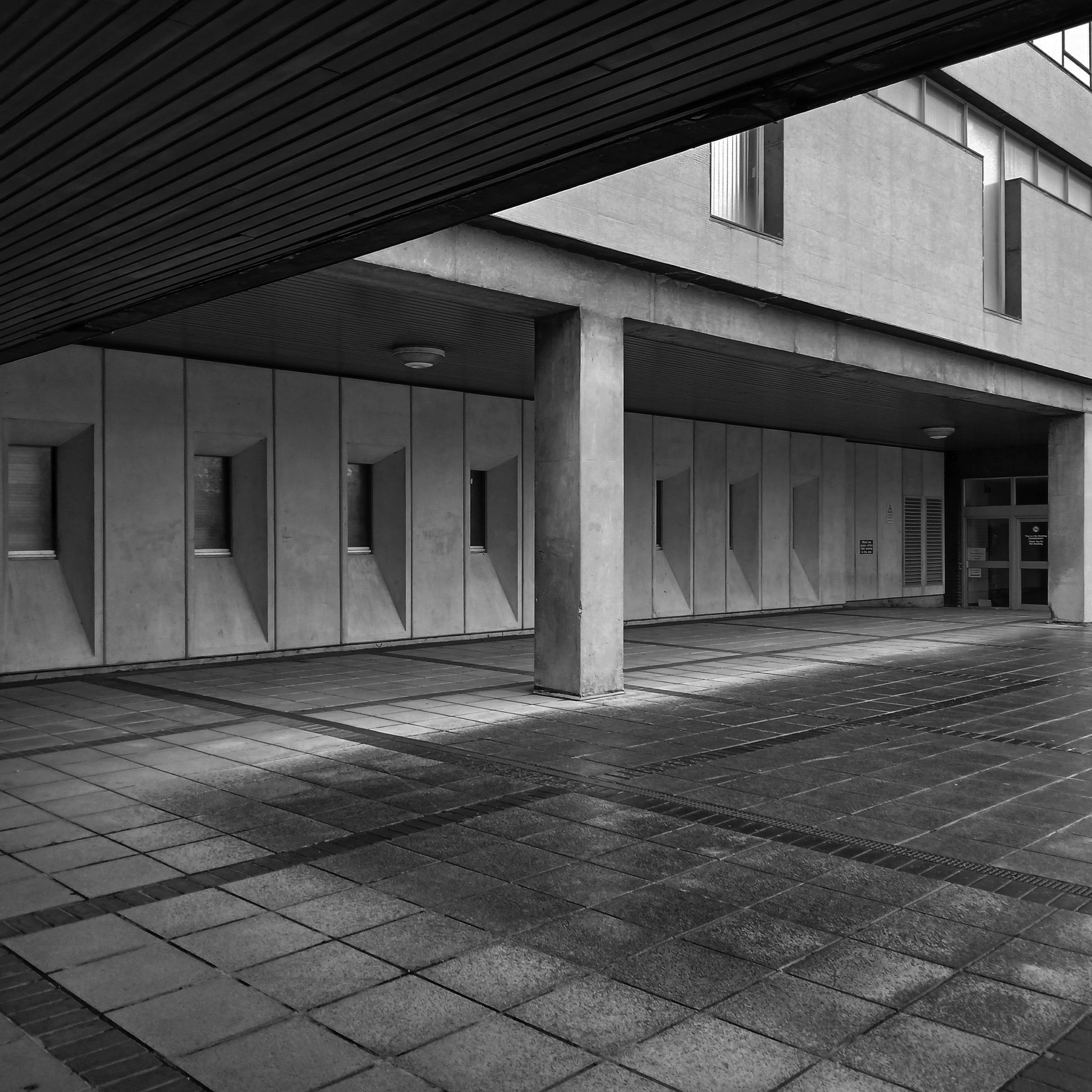
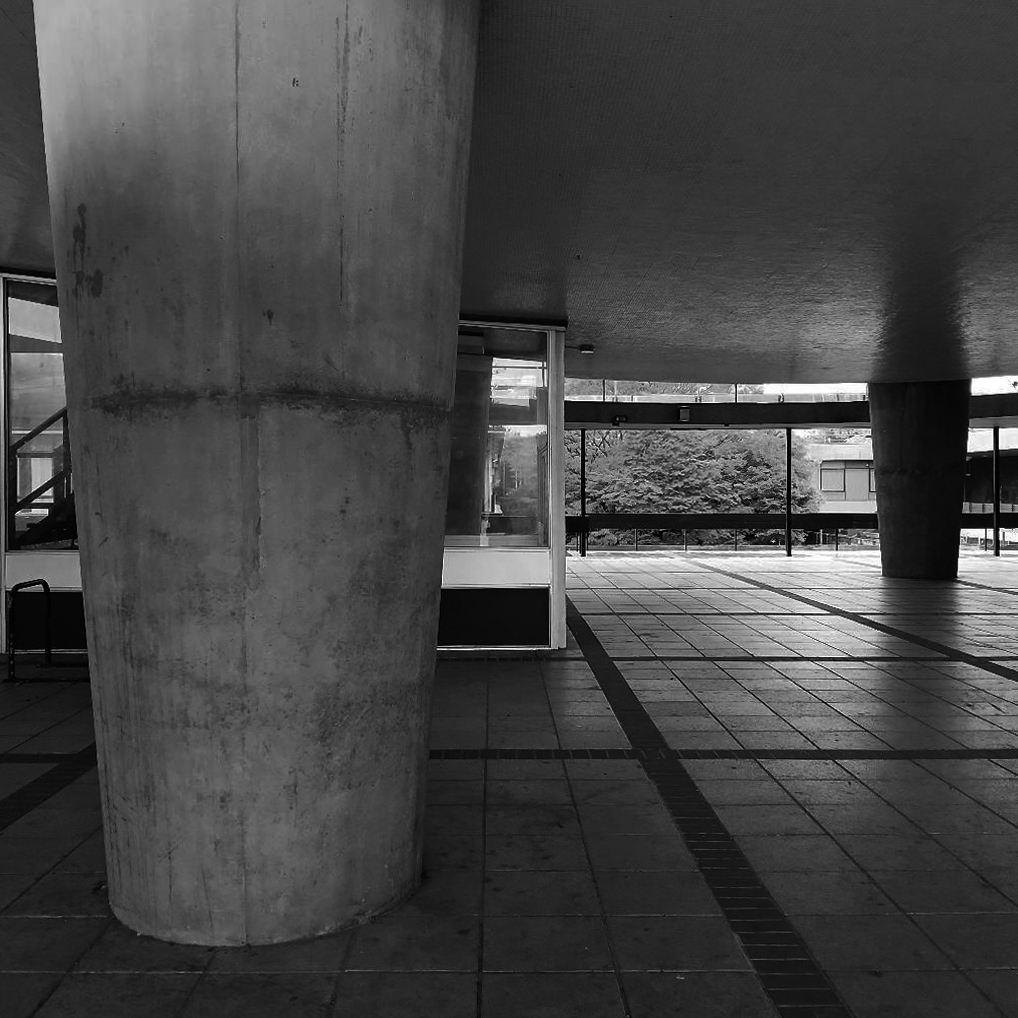
Reinforced concrete frame, partly left exposed, clad in pale brick. Monopitched roofs. Low flat roofs to entrances and between the three main elements with thick board-marked eaves. Central space flanked by angled transepts, with organ loft to (liturgical) west end and wing of offices behind. Long narrow flat-headed windows between brick mullions, timber doors. Attached walls and steel gate lead to inner garden, intended for contemplation.
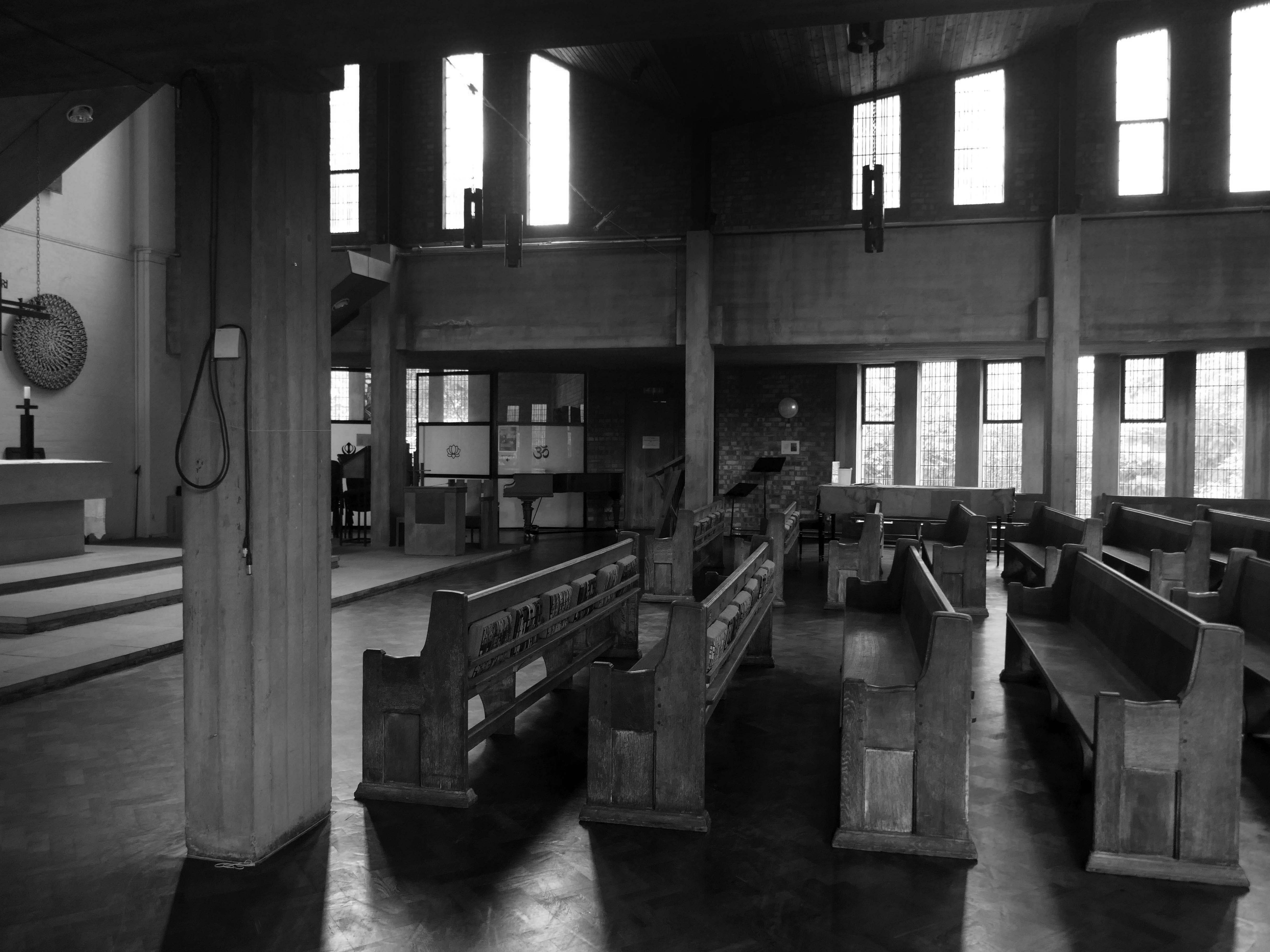
Interior with exposed concrete frame, including piers and thick ring beam at gallery level, with brick infill. Boarded timber ceiling to main space; board-marked ceilings to low side aisles. Choir gallery with organ, designed by Pace, set behind timber lattice screen also to his designs, and reached via narrow spiral stair. Ceramic piece to balcony front 1999 by Helen Batty. Some pews, brought from the college’s former chapel of 1858 remodelled by Pace in the 1950s.
Hanging pendant light-fittings to Pace’s designs. Altar, lectern and altar seating all by Pace; pulpit designed 1998. Windows – internally the concrete of the mullions is exposed, all originally clear leaded lights, but now stained glass is being incorporated, most notably ‘The Water of Life’ by Cathy Nutkins, a 1990 graduate, in right-hand transept.
Chapel of Christ the Teacher to rear, by foyer, refurbished 1994 by Helen Turner, textile artist. The building is well-suited to the incorporation of student works of art, some temporary, some permanent, and additions are continually being made to the collection.
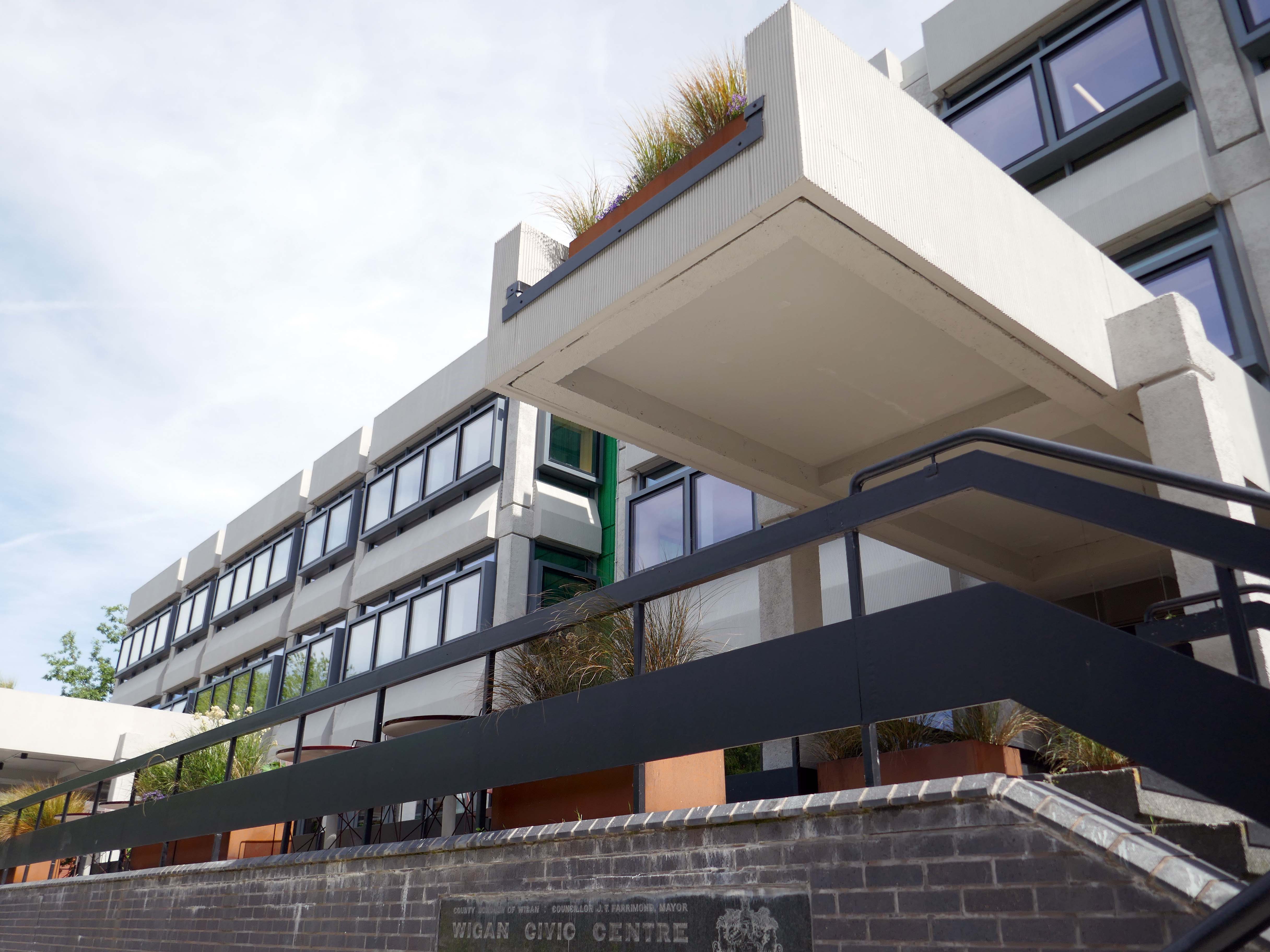
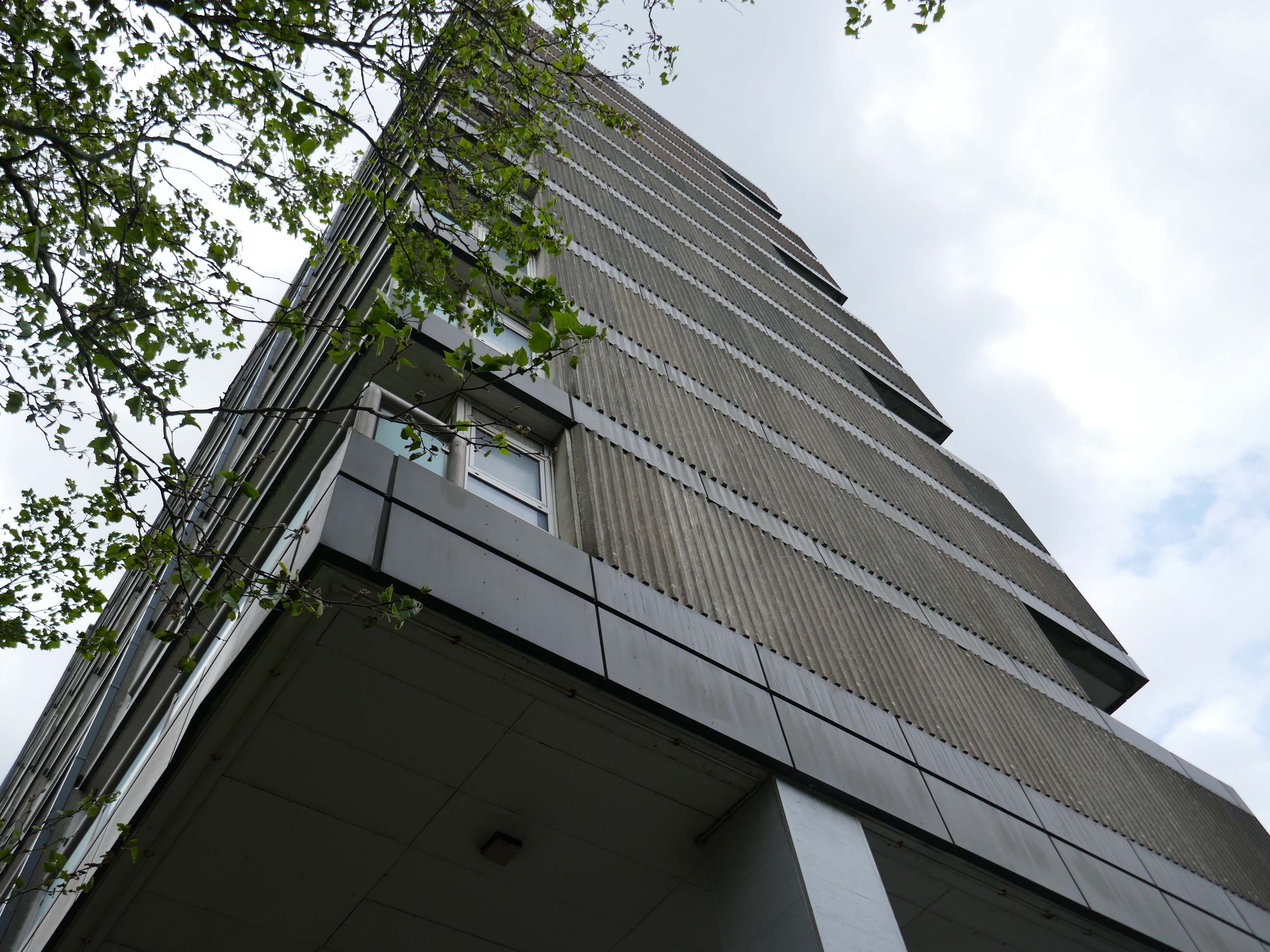
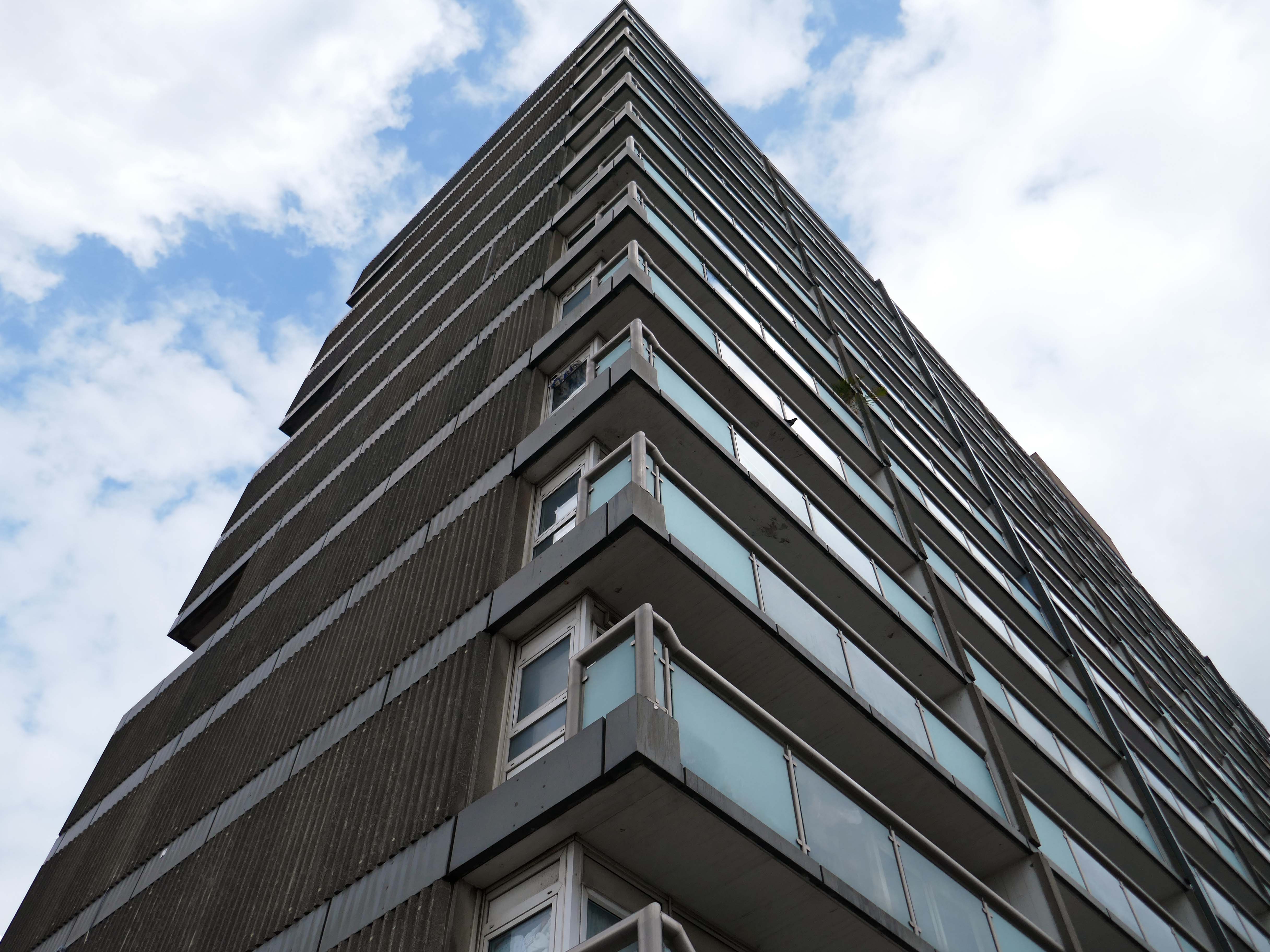
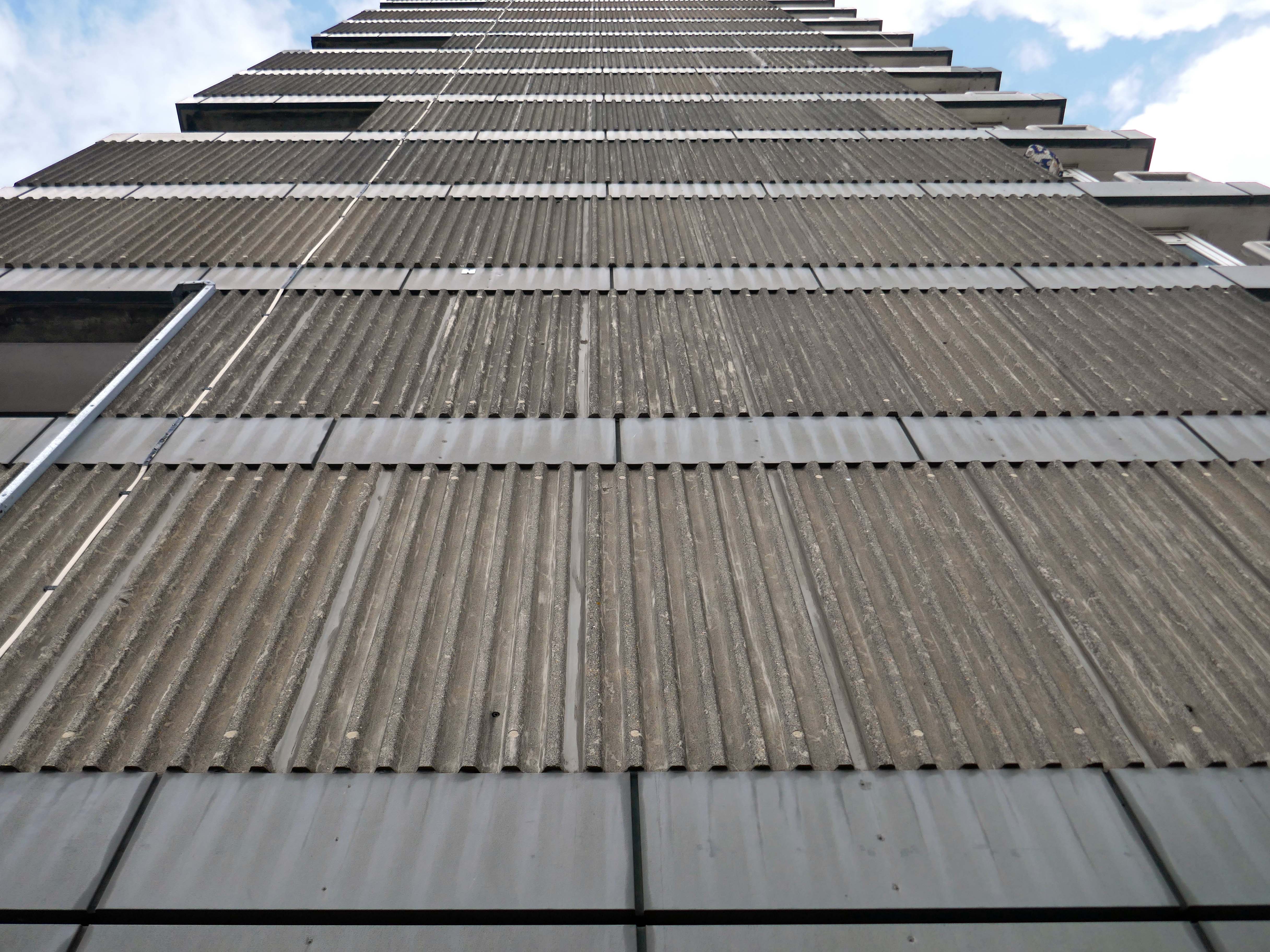
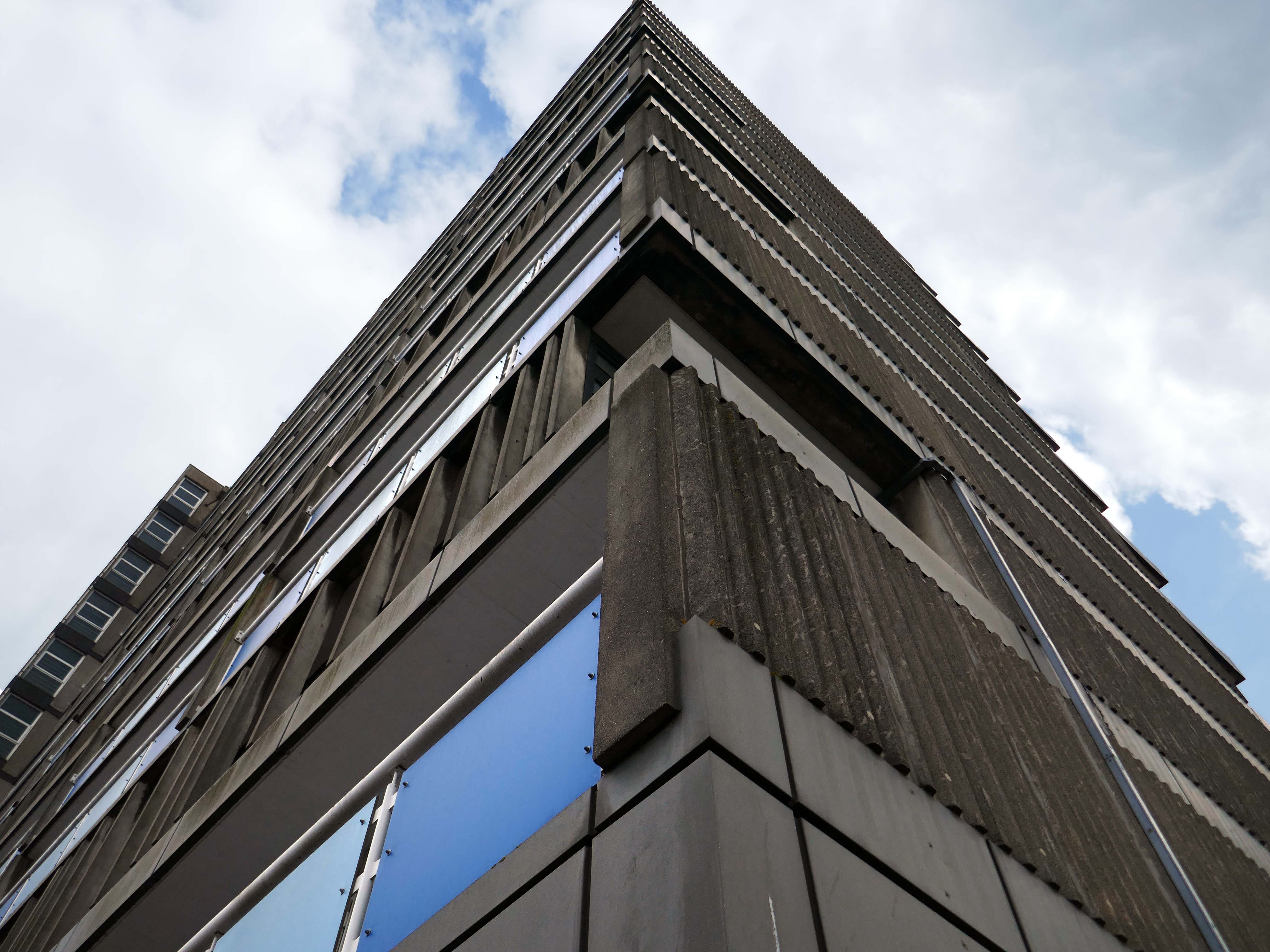
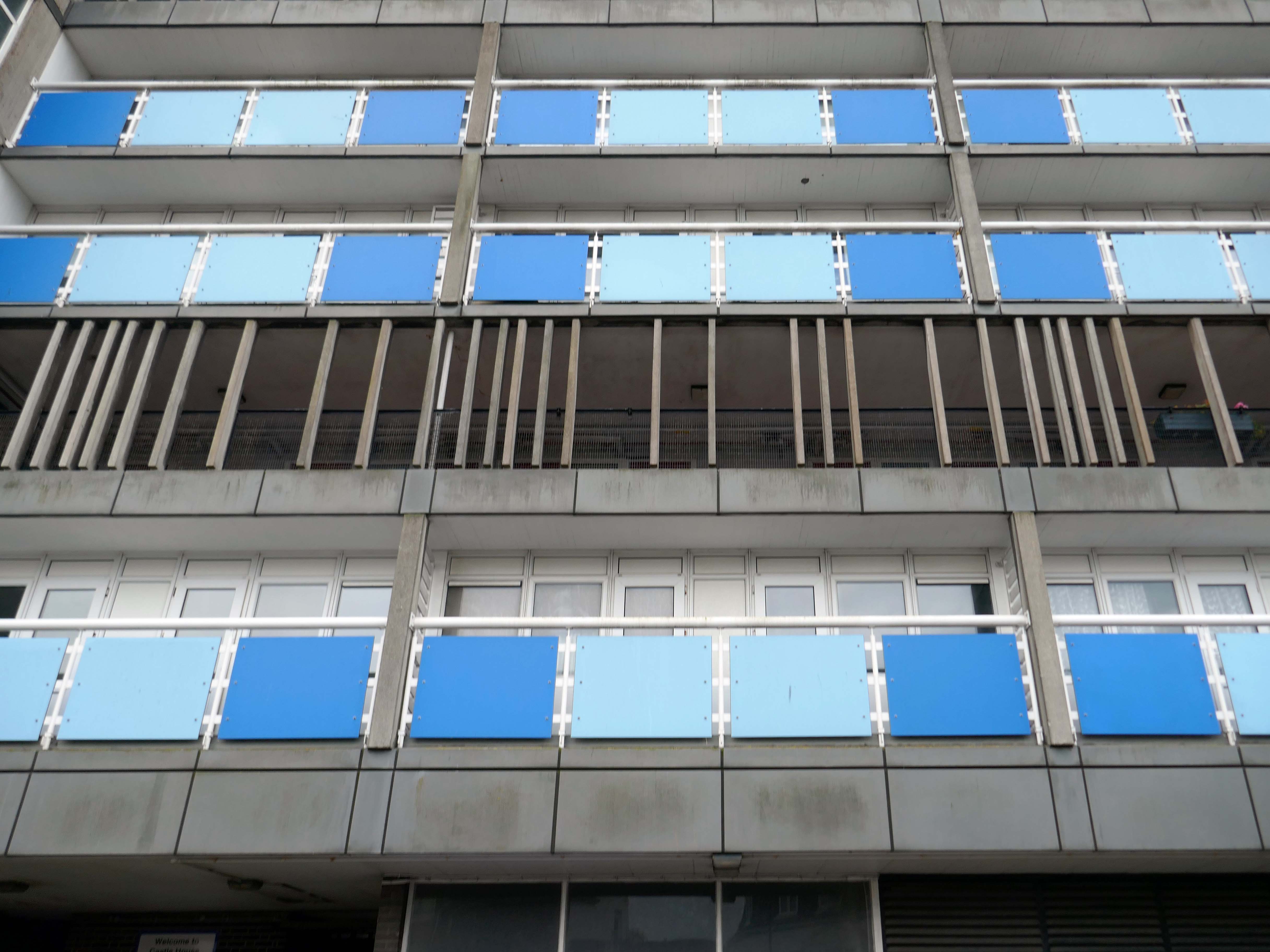
1971 built of a pre-cast concrete panel system, dour, on an awkwardly sloping site.
I beg to differ – what’s the opposite of dour?
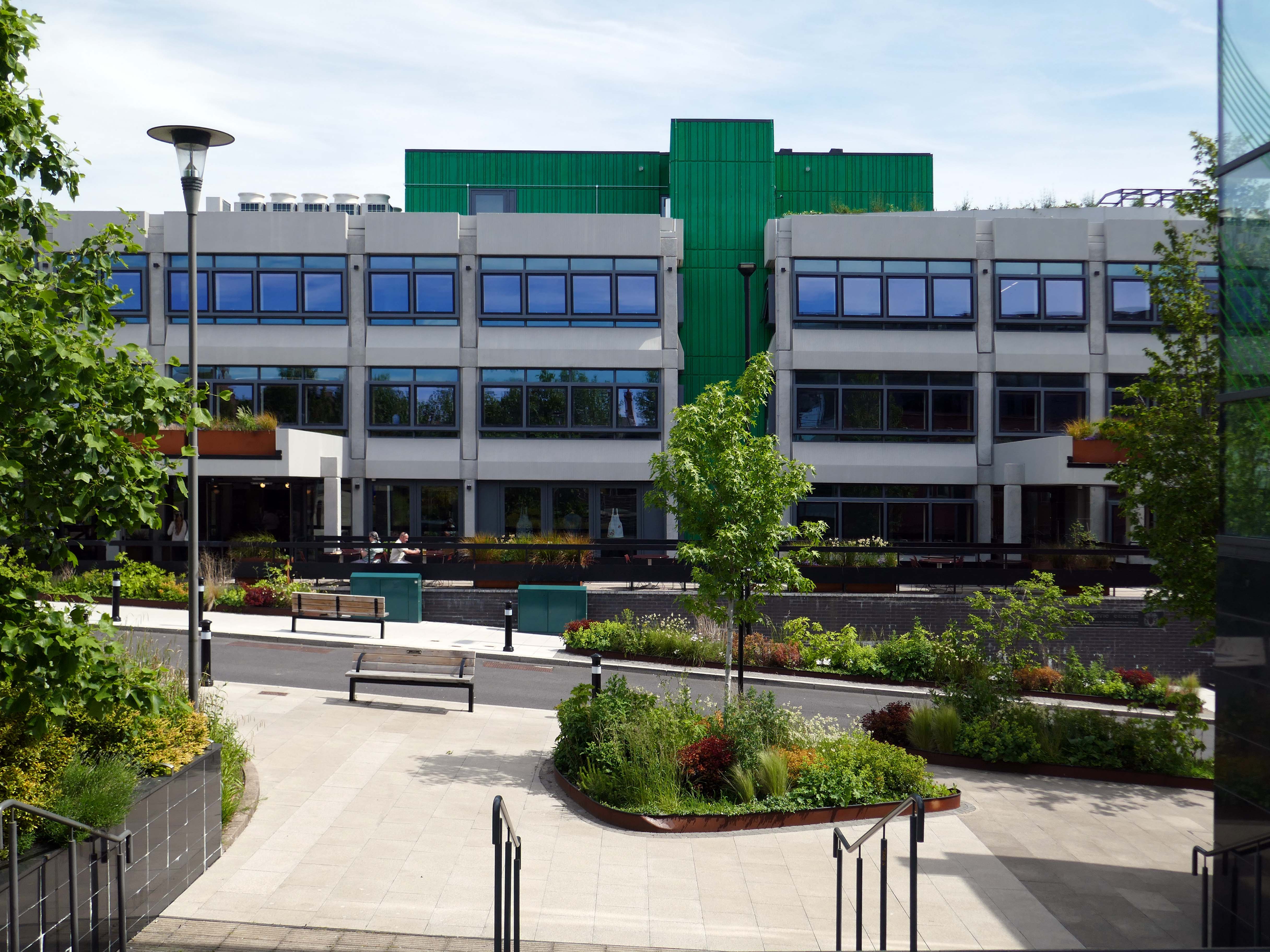
So says the online Thesaurus – and I heartily concur, for the whole building has had a makeover and a half.
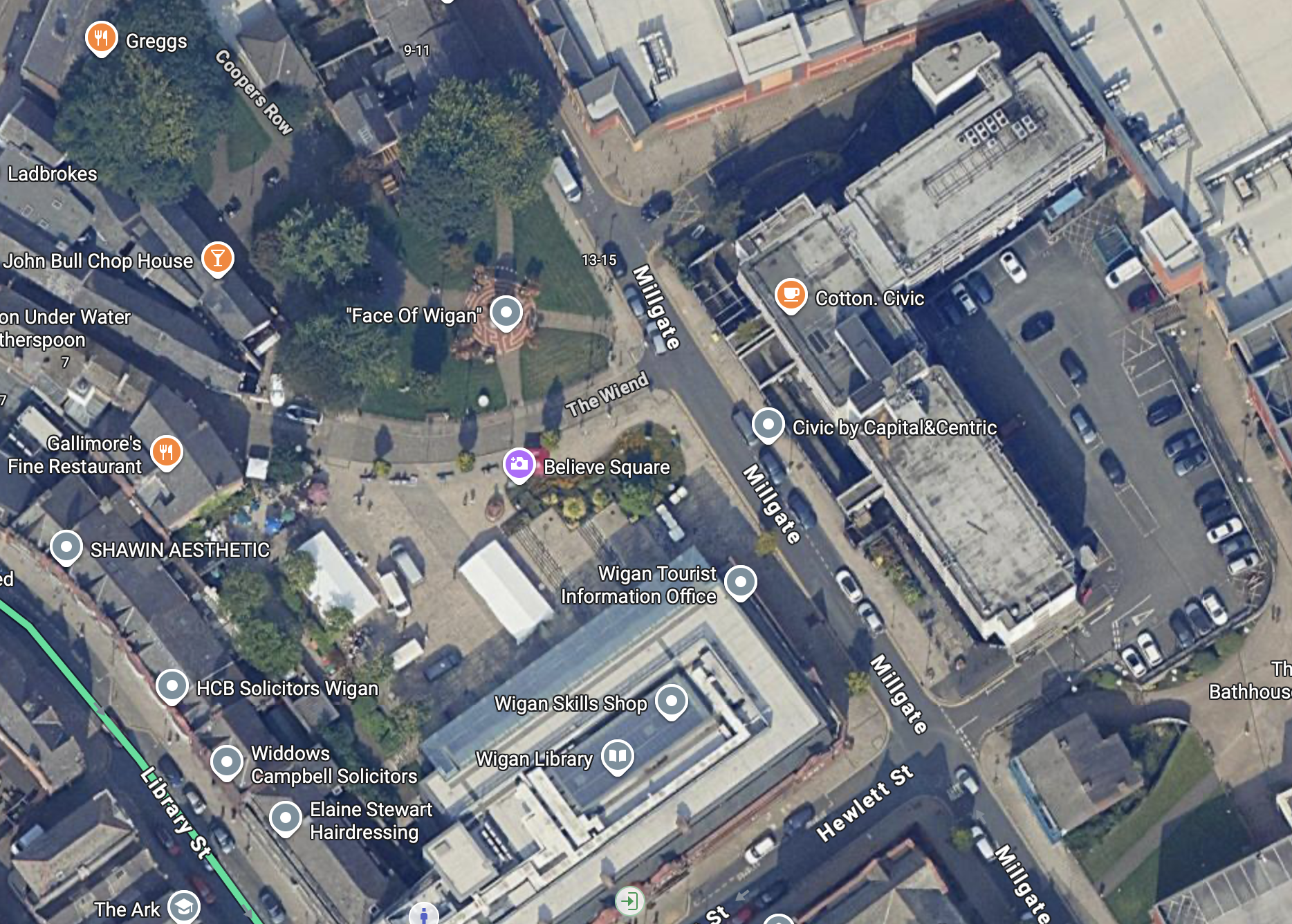
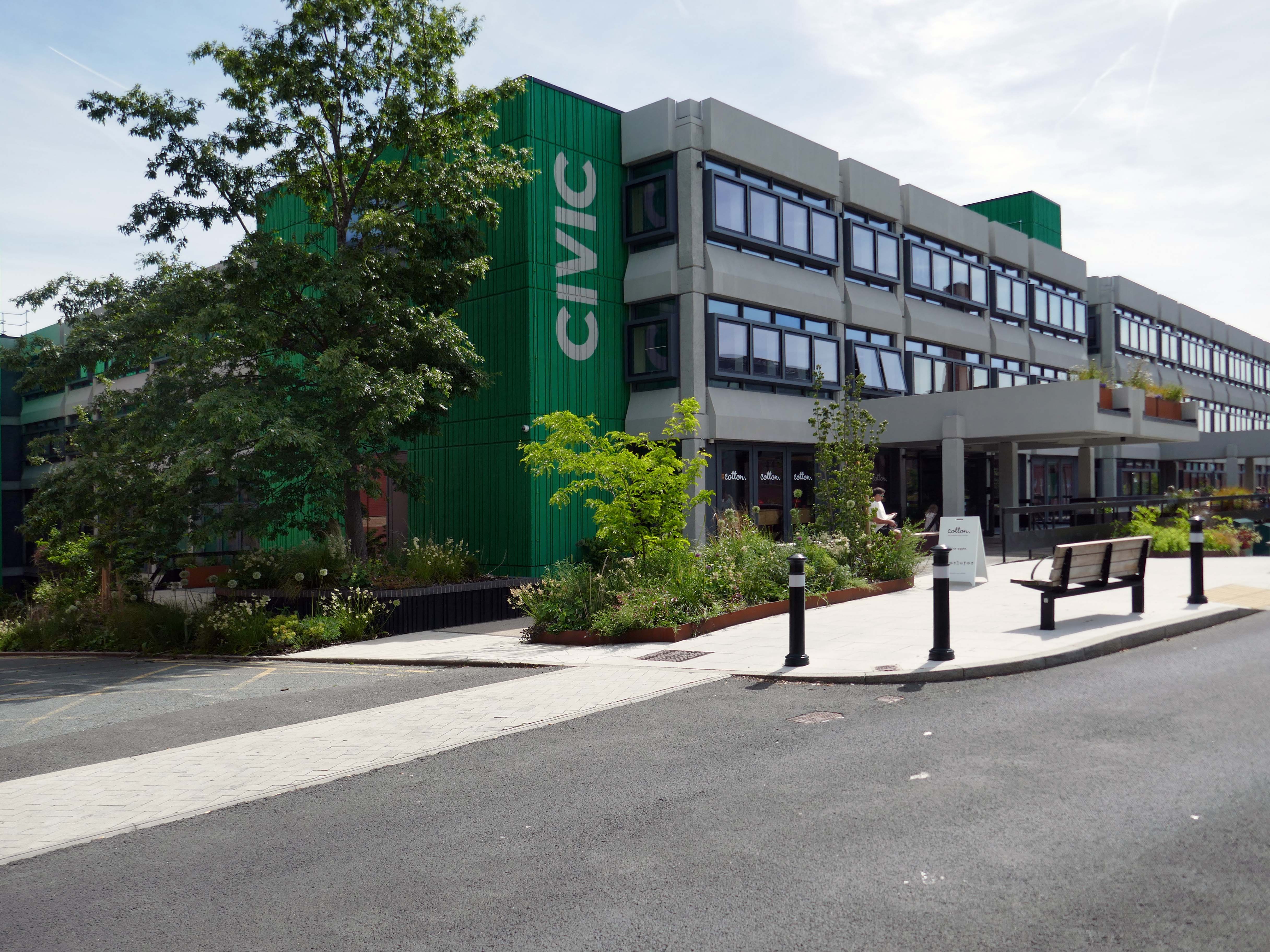
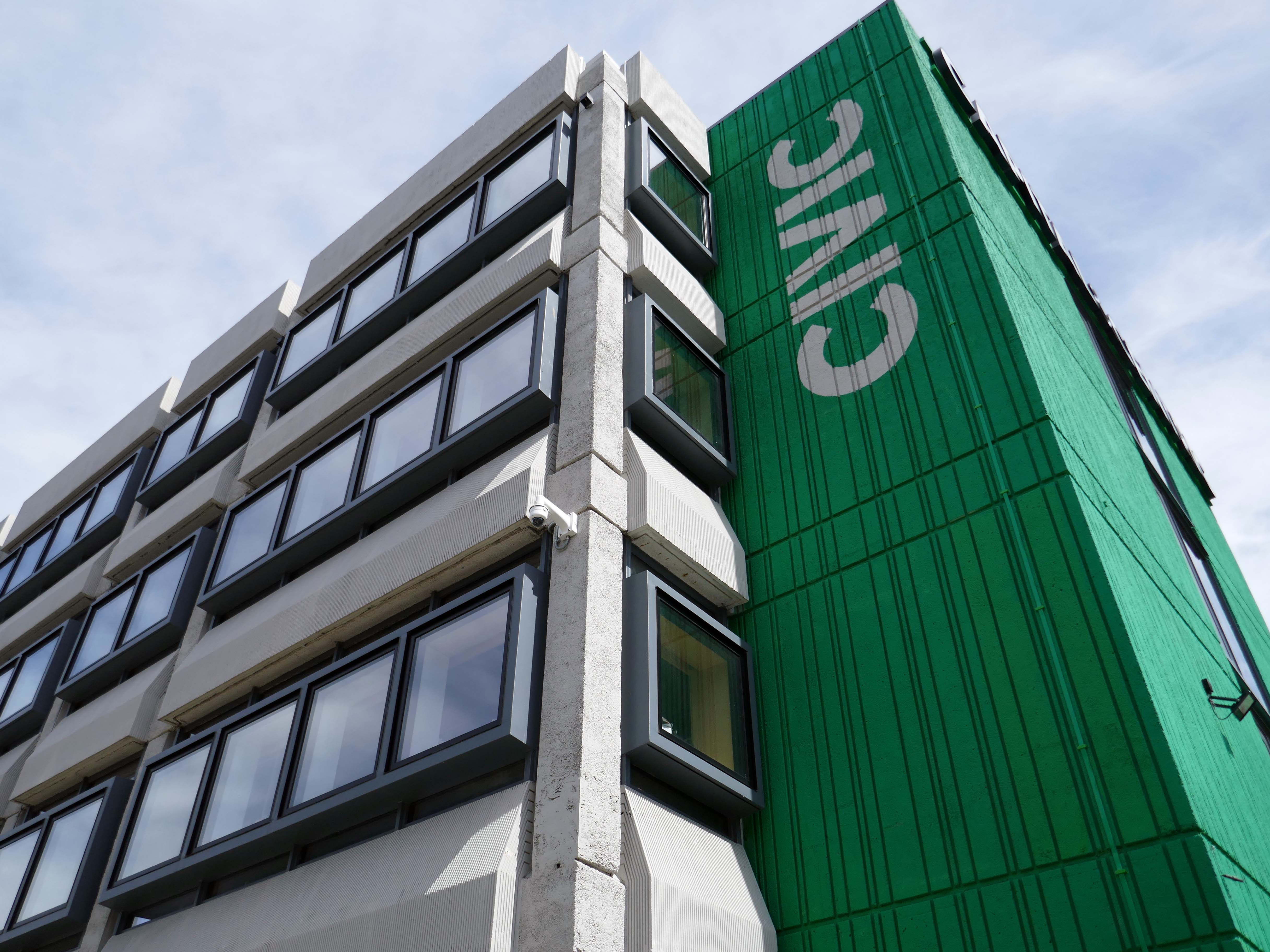
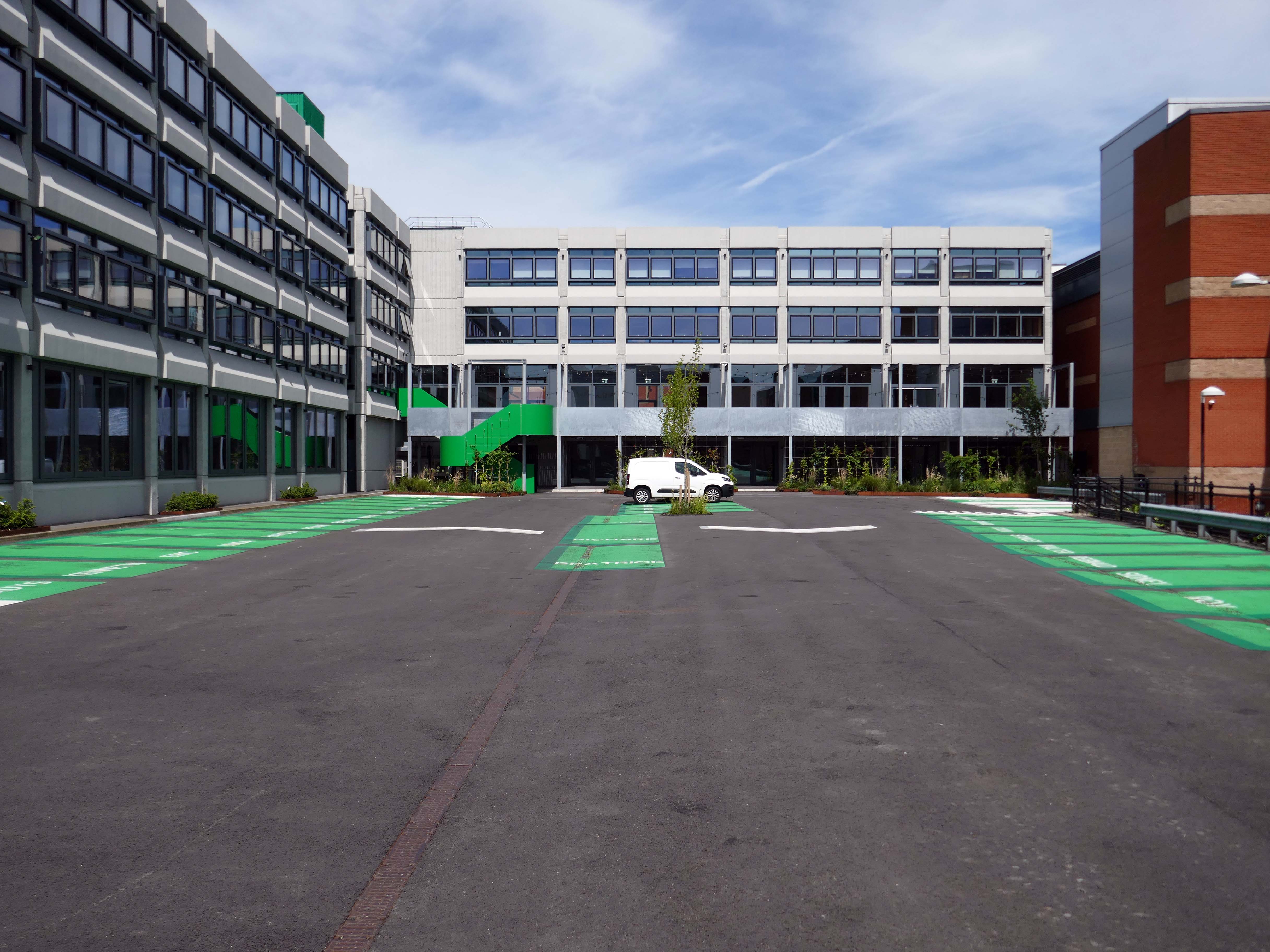
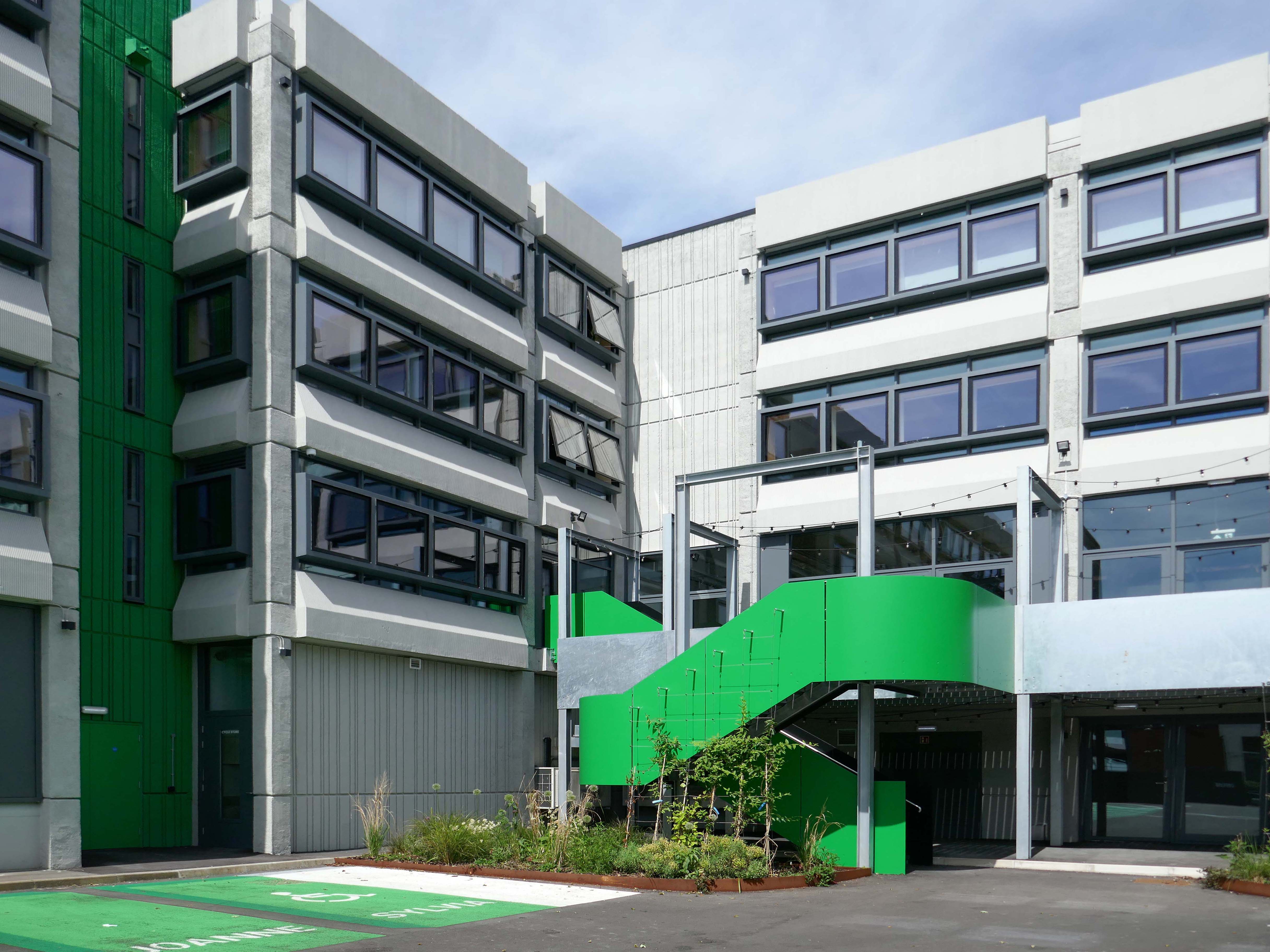
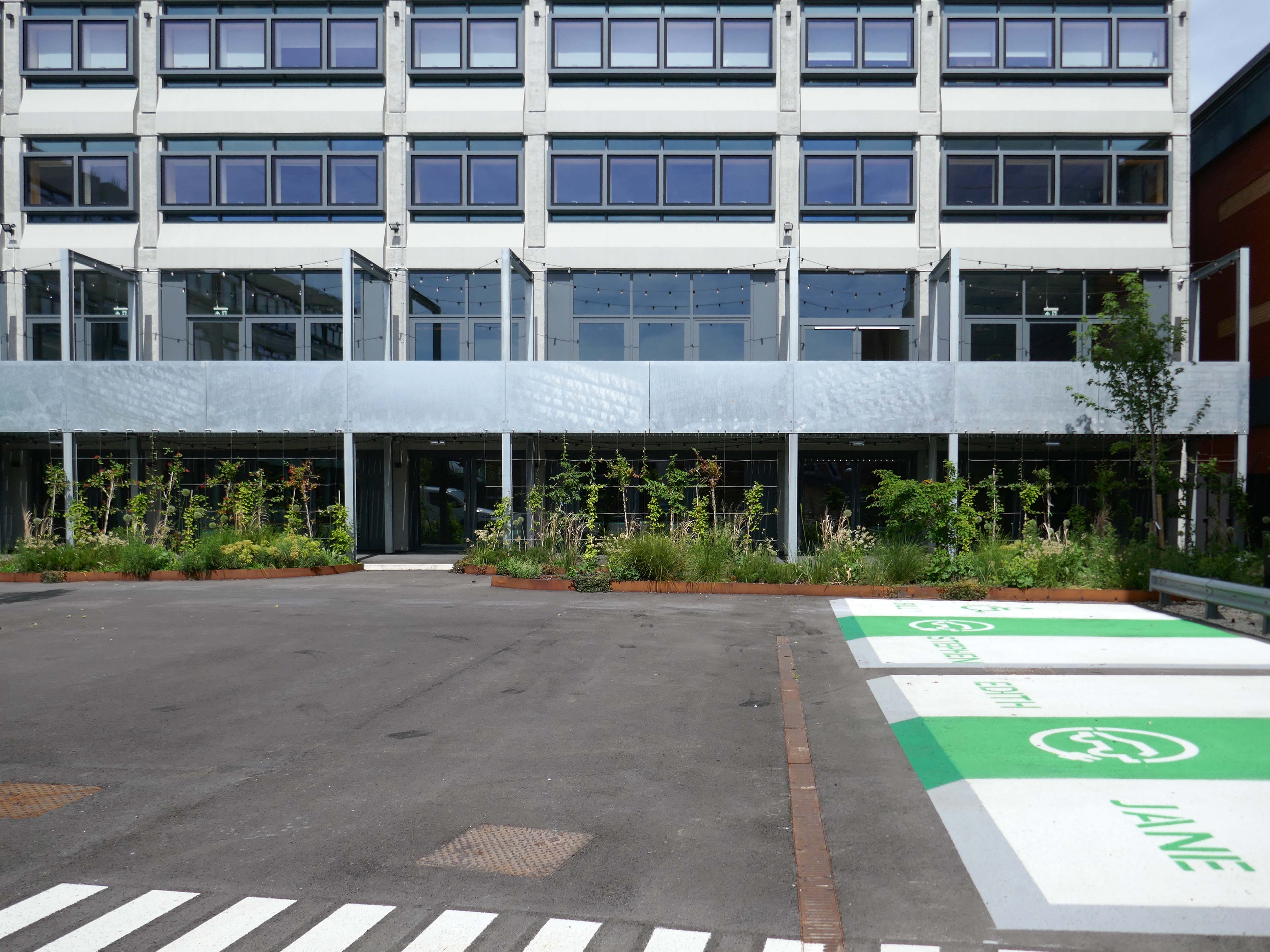
Civic is a super energy-efficient workspace in the centre of Wigan town centre. The BREEAM Excellent building has space for business of all sizes, from desks for solo start-ups, all the way to big open plan offices with their own front door.
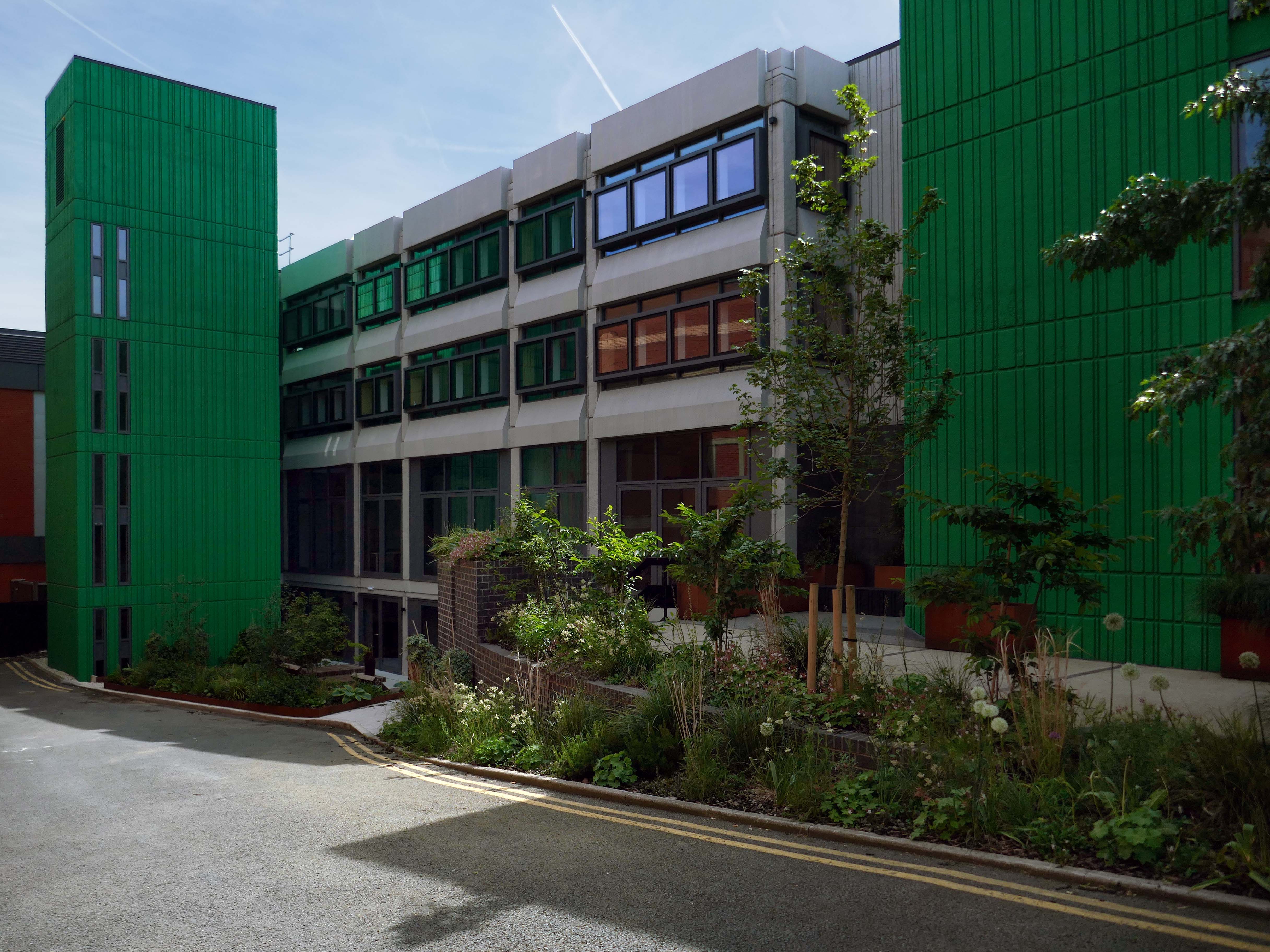
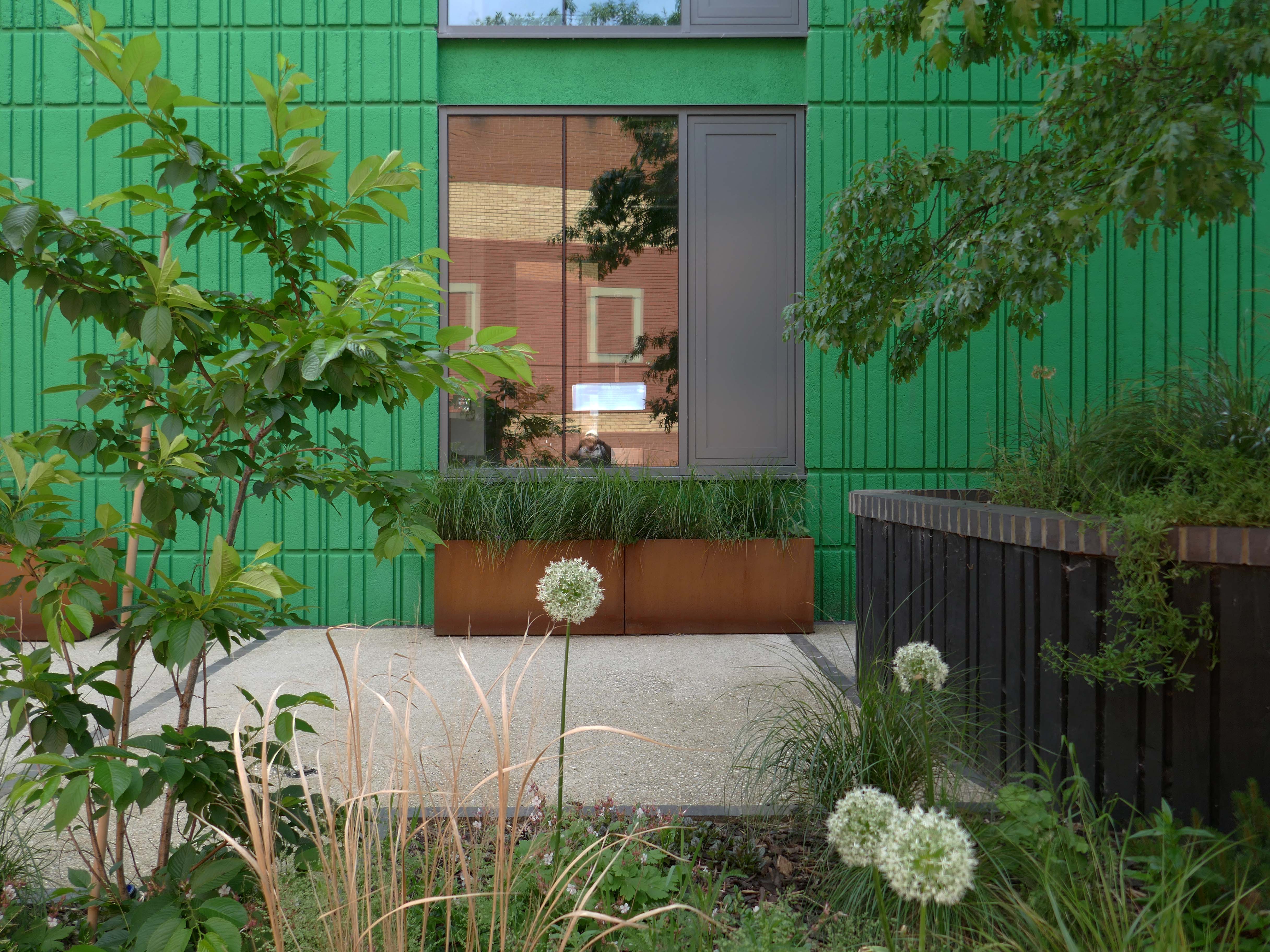
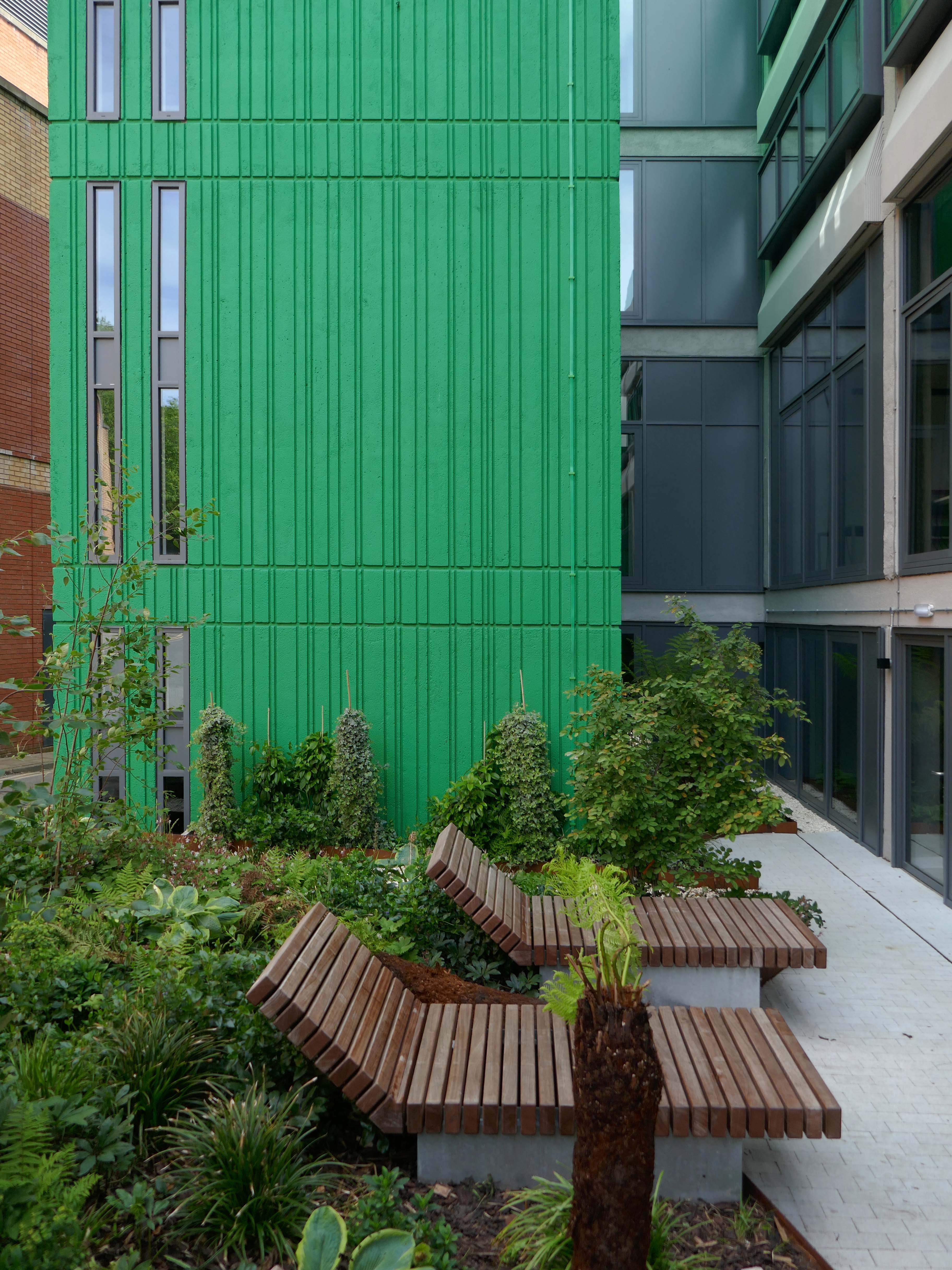
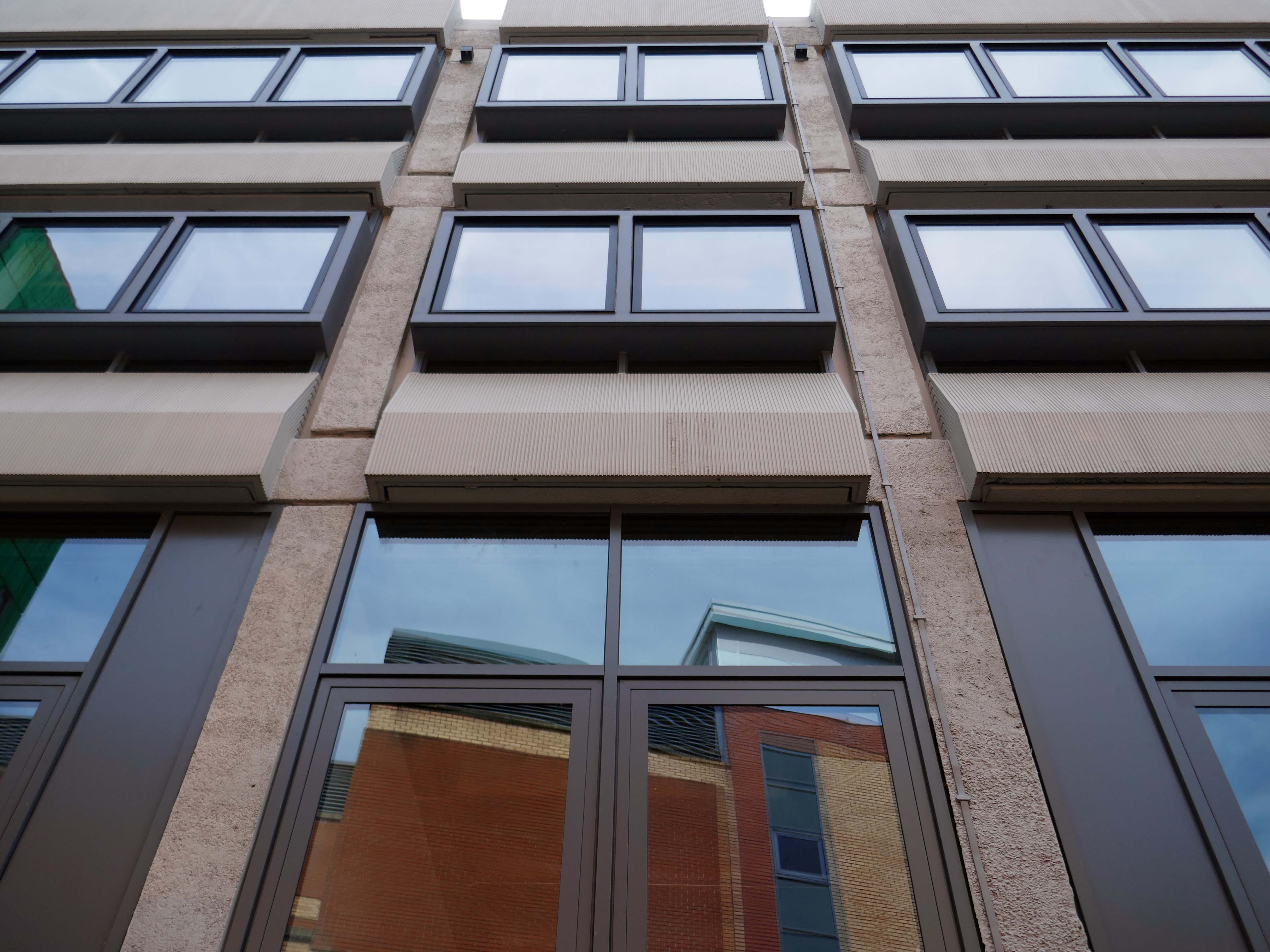
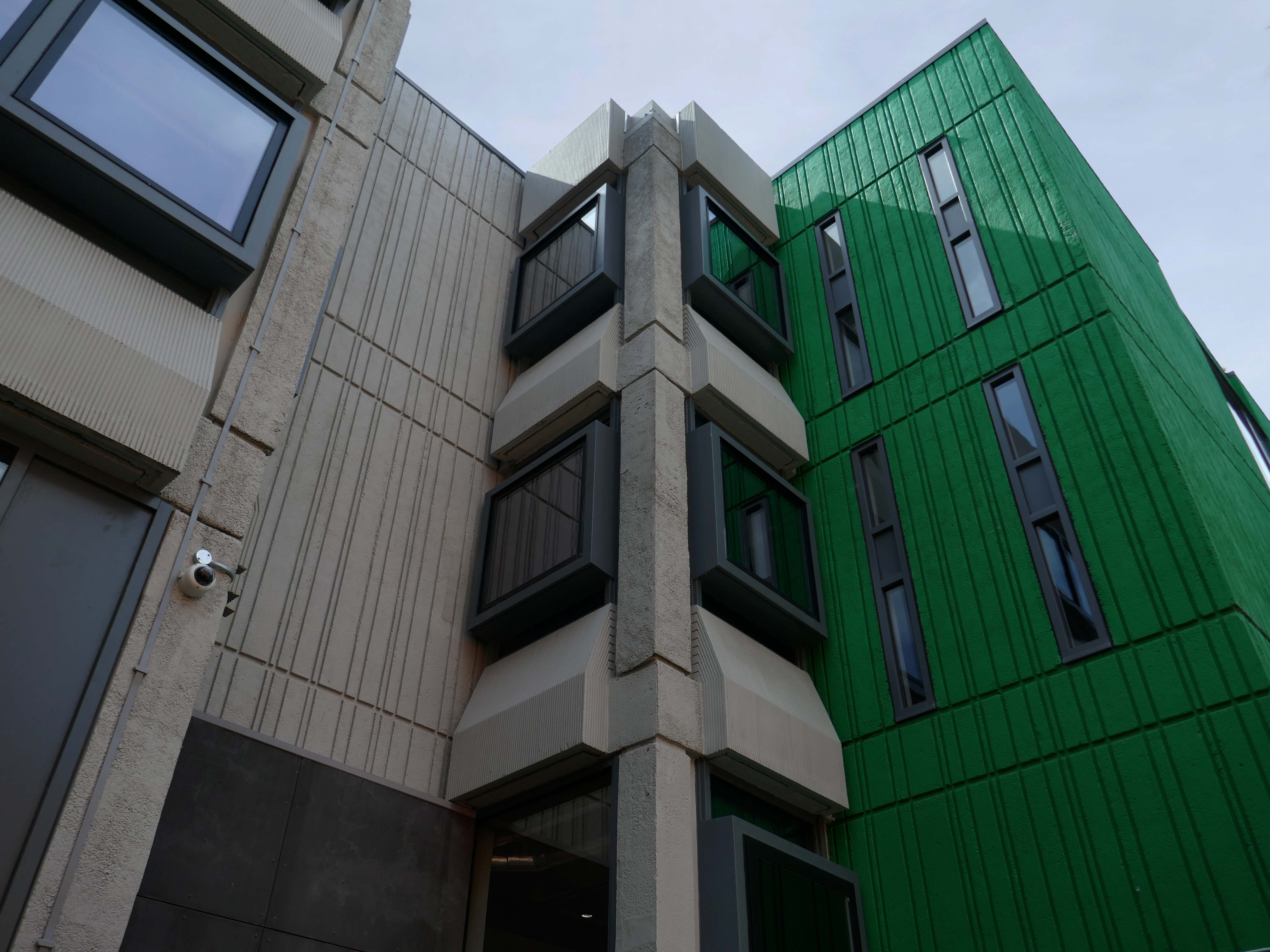
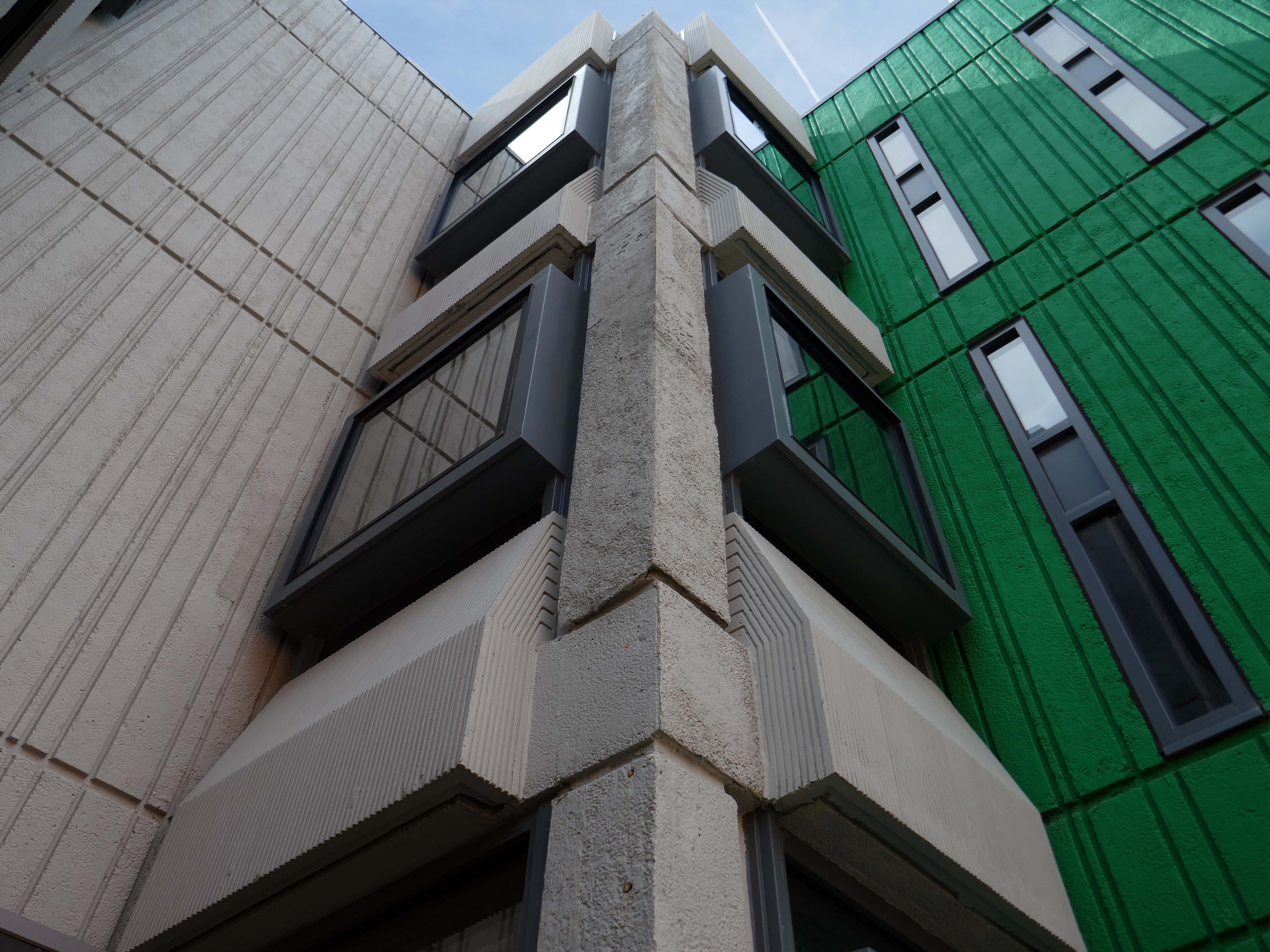
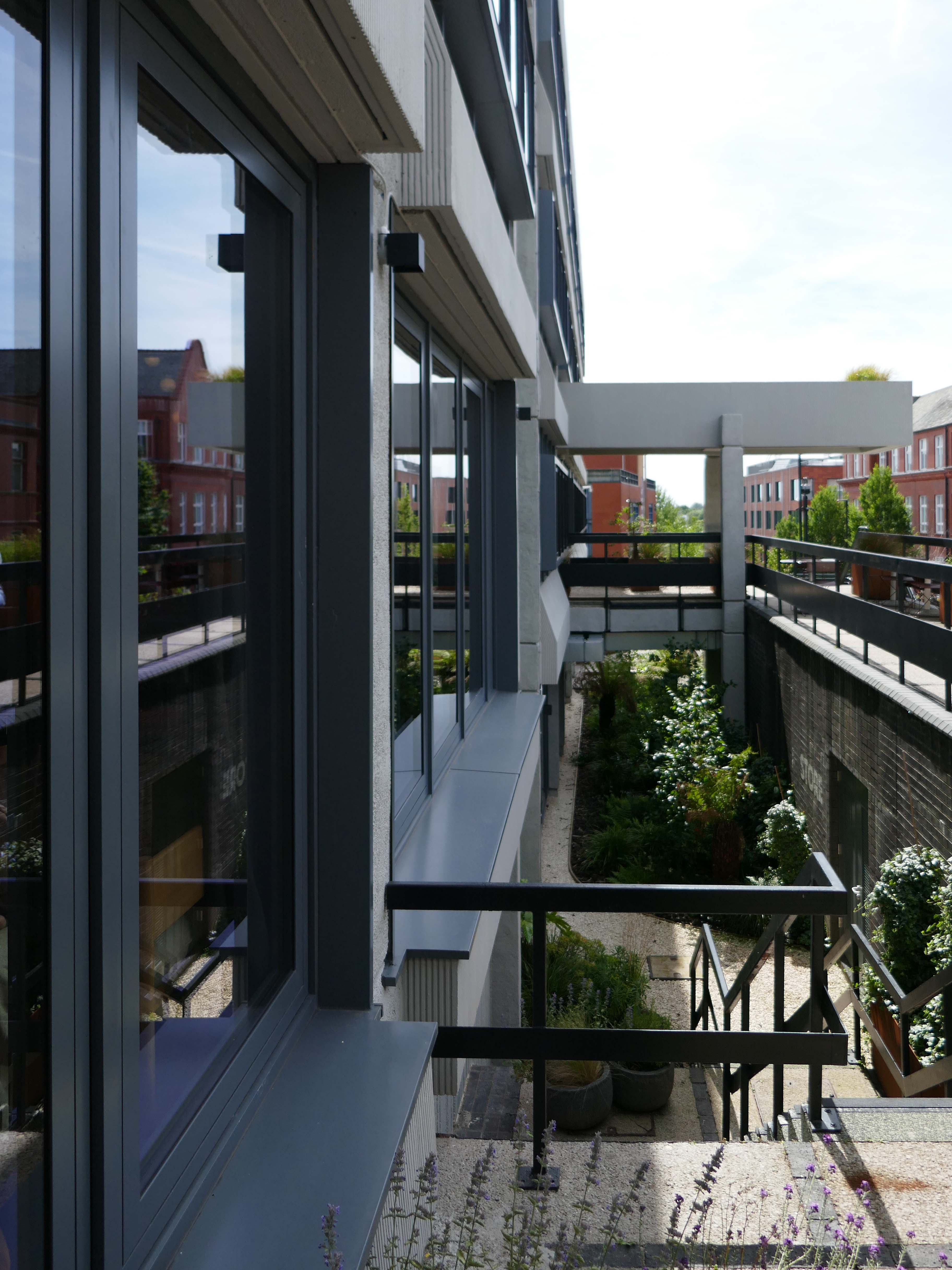
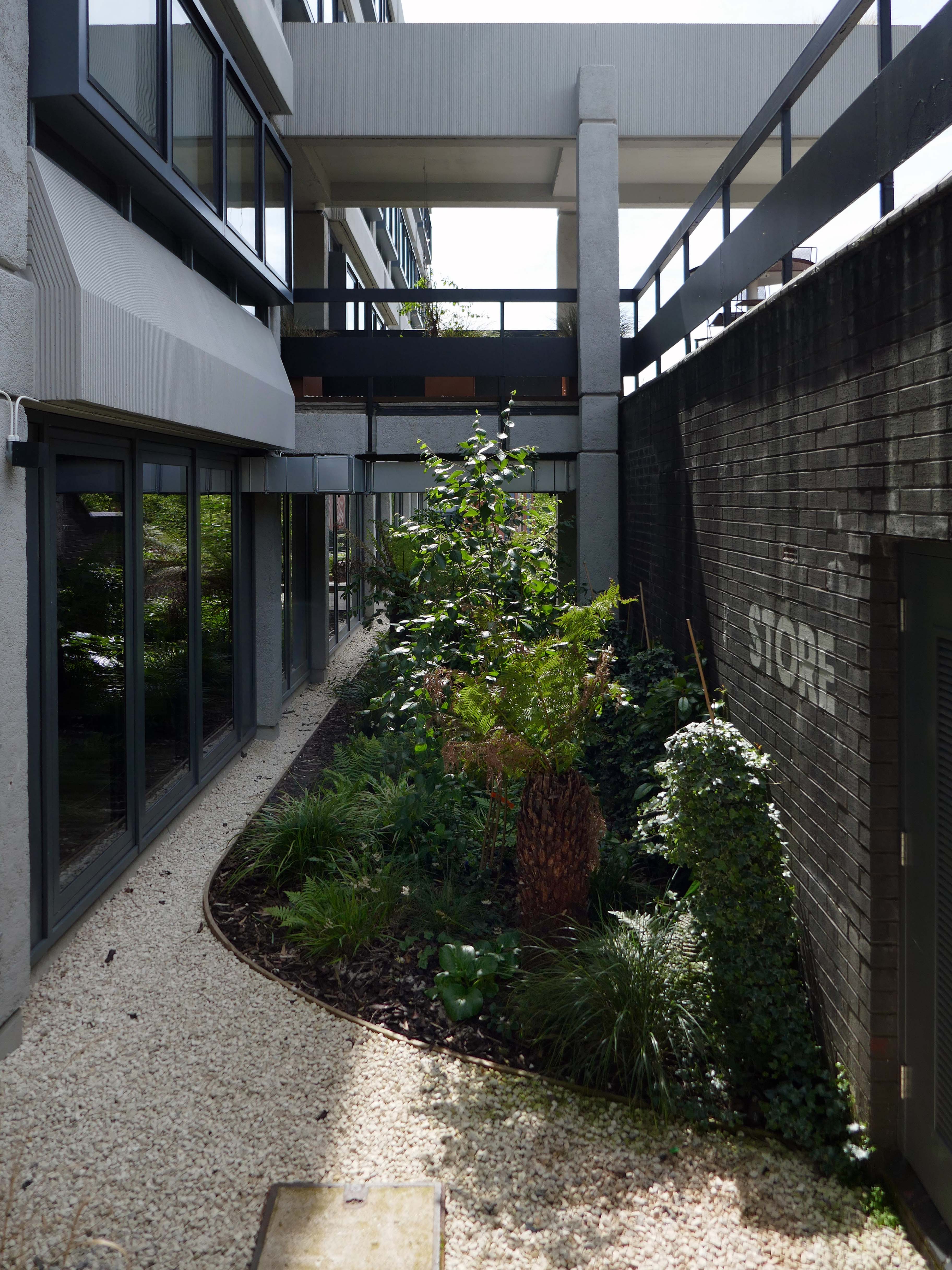
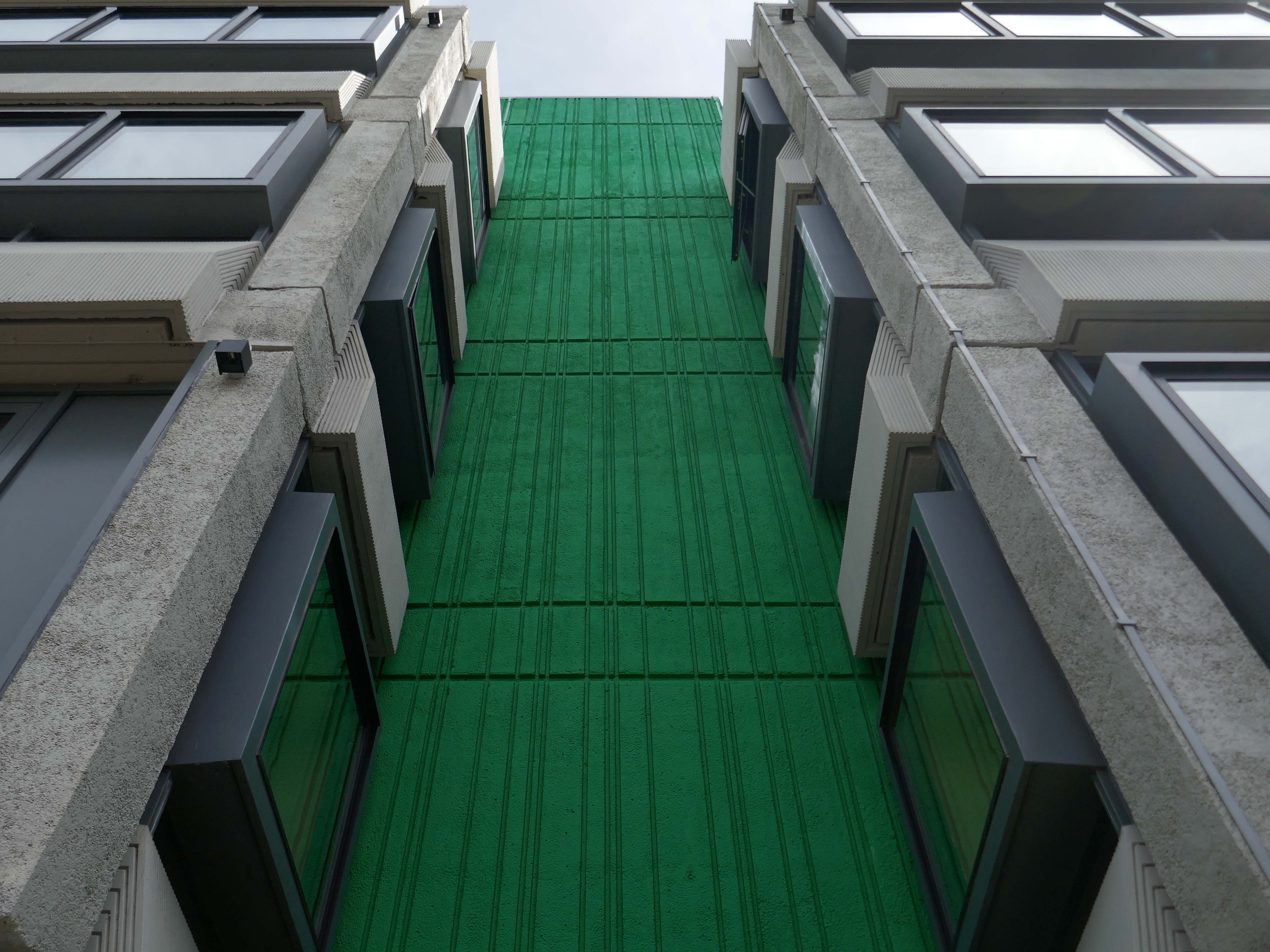
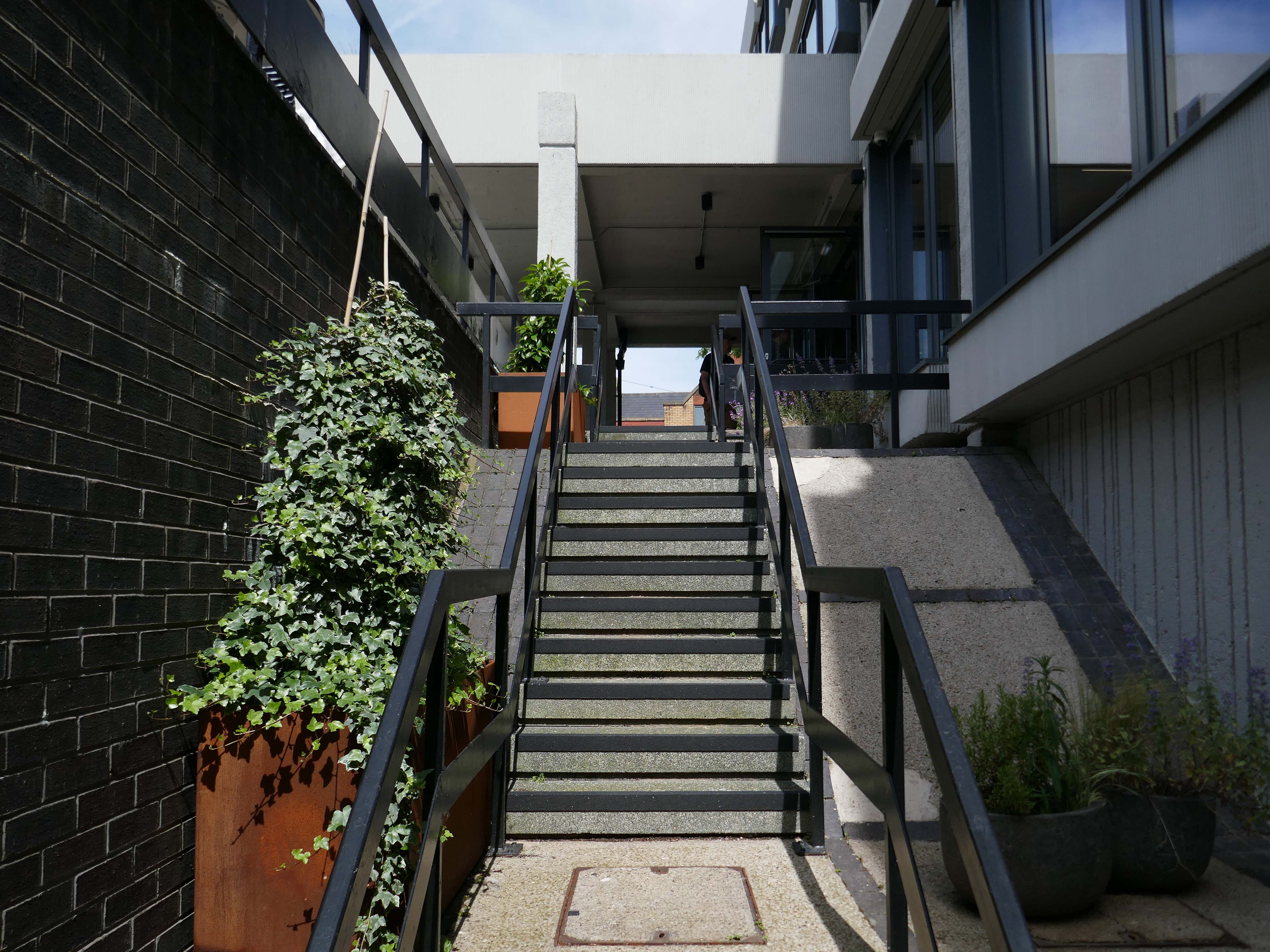
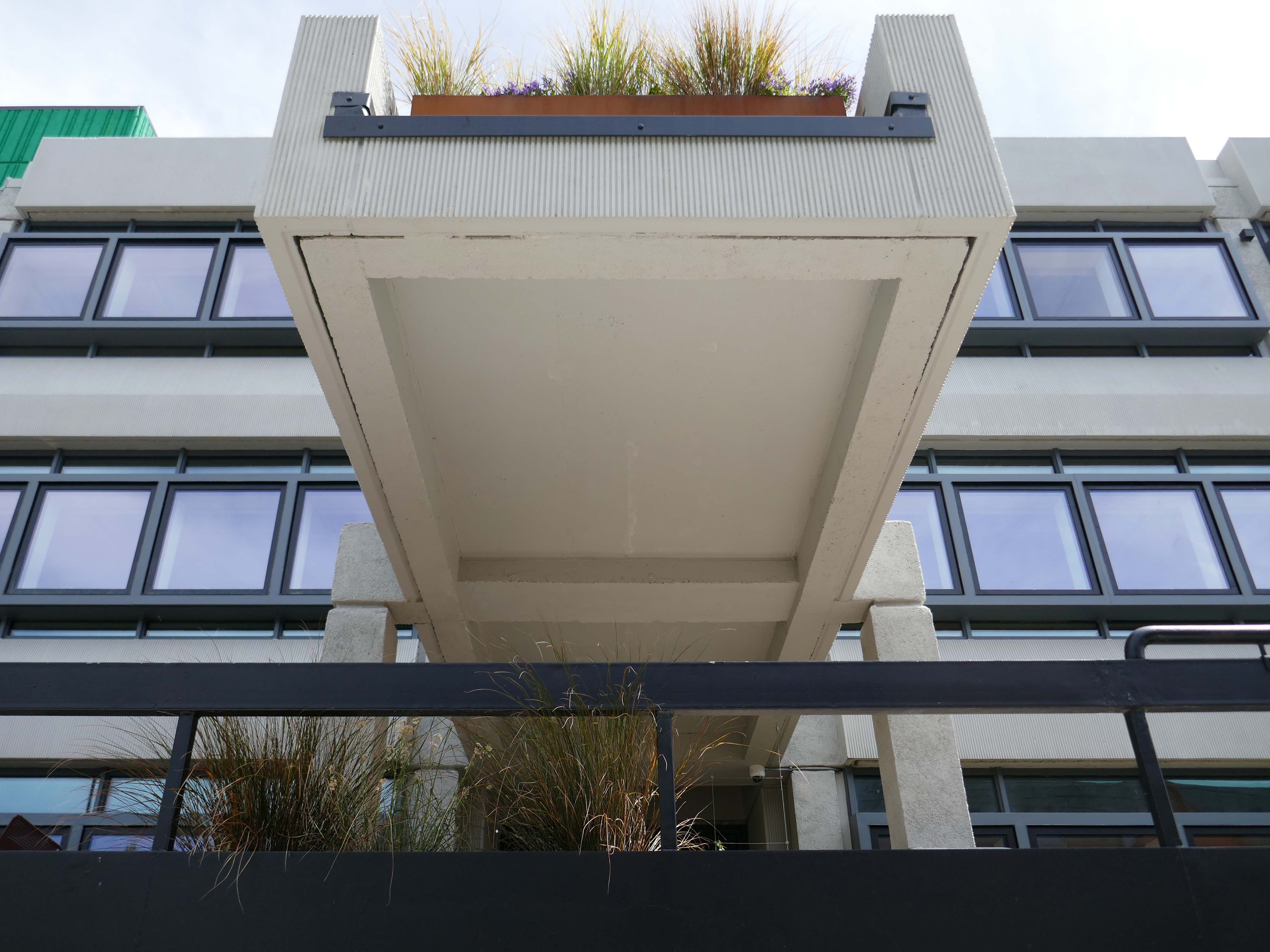
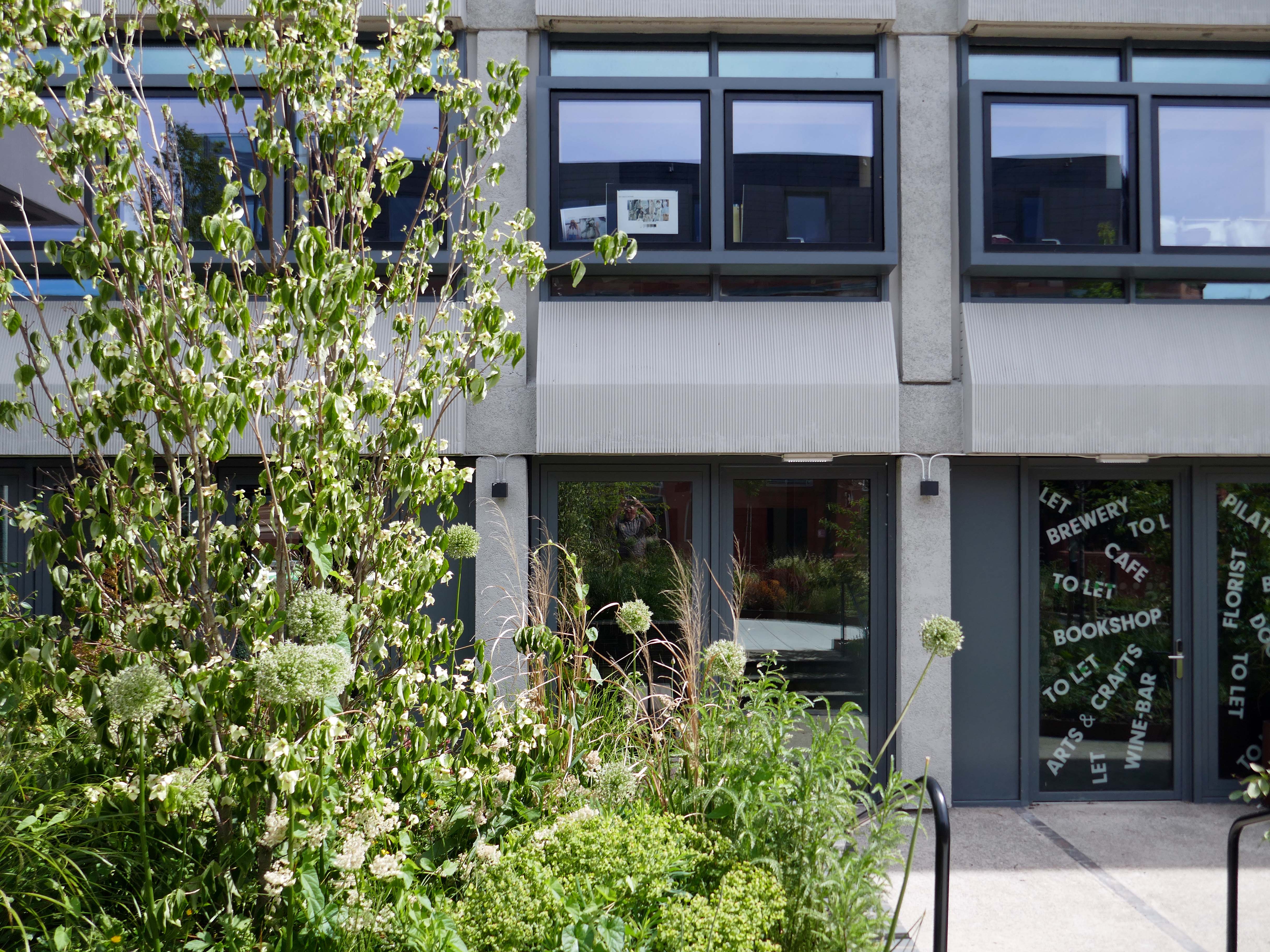
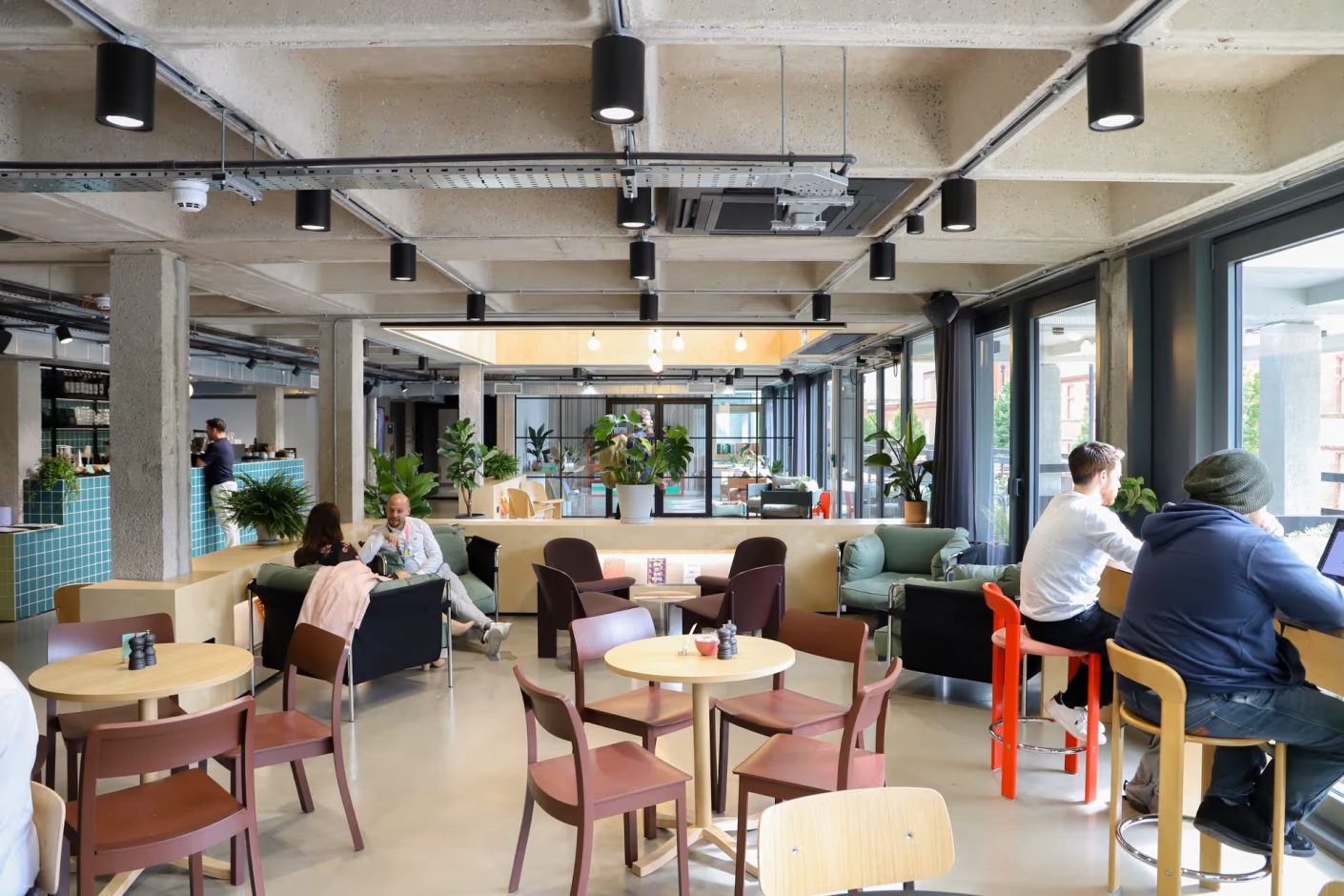
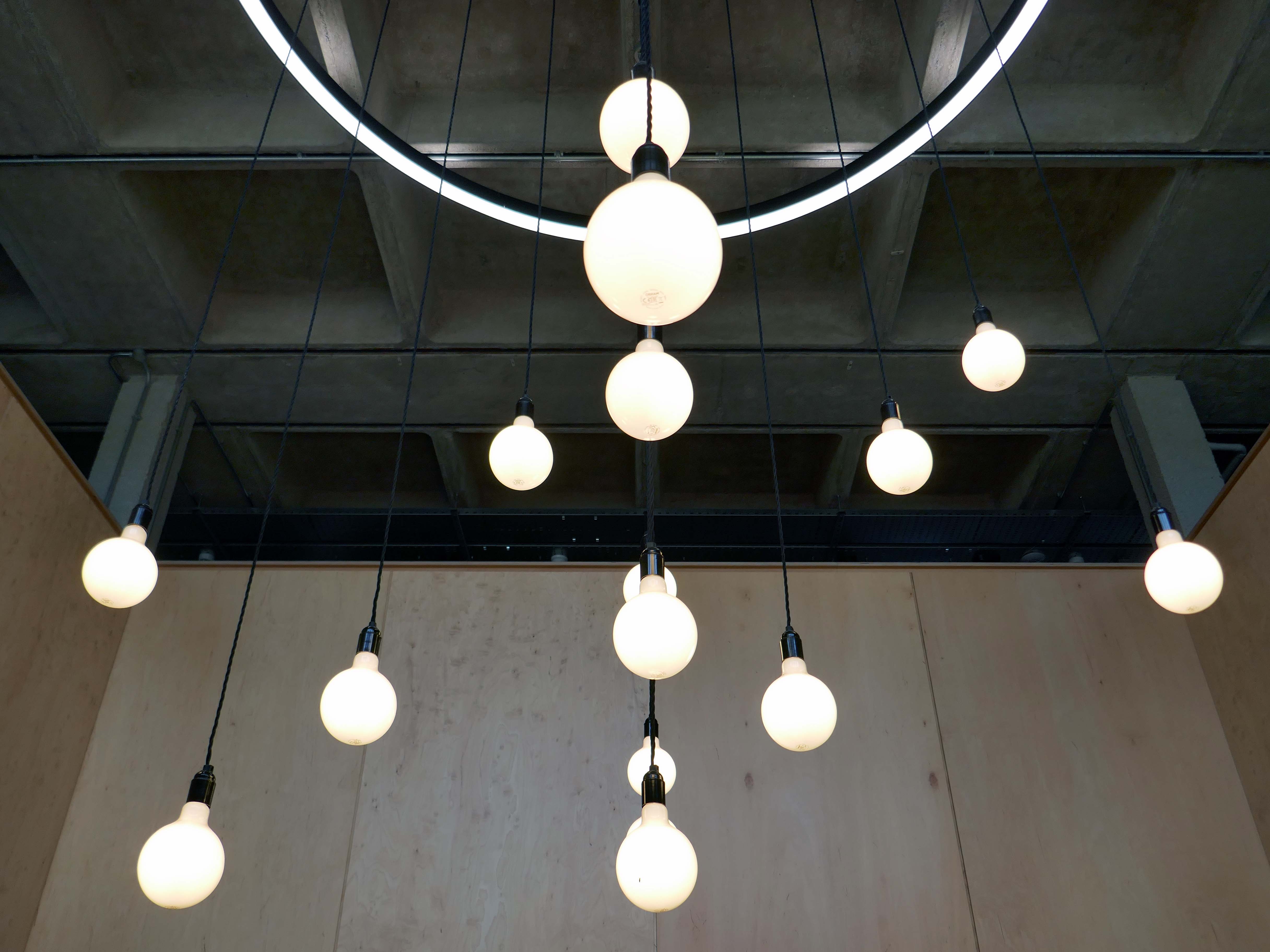
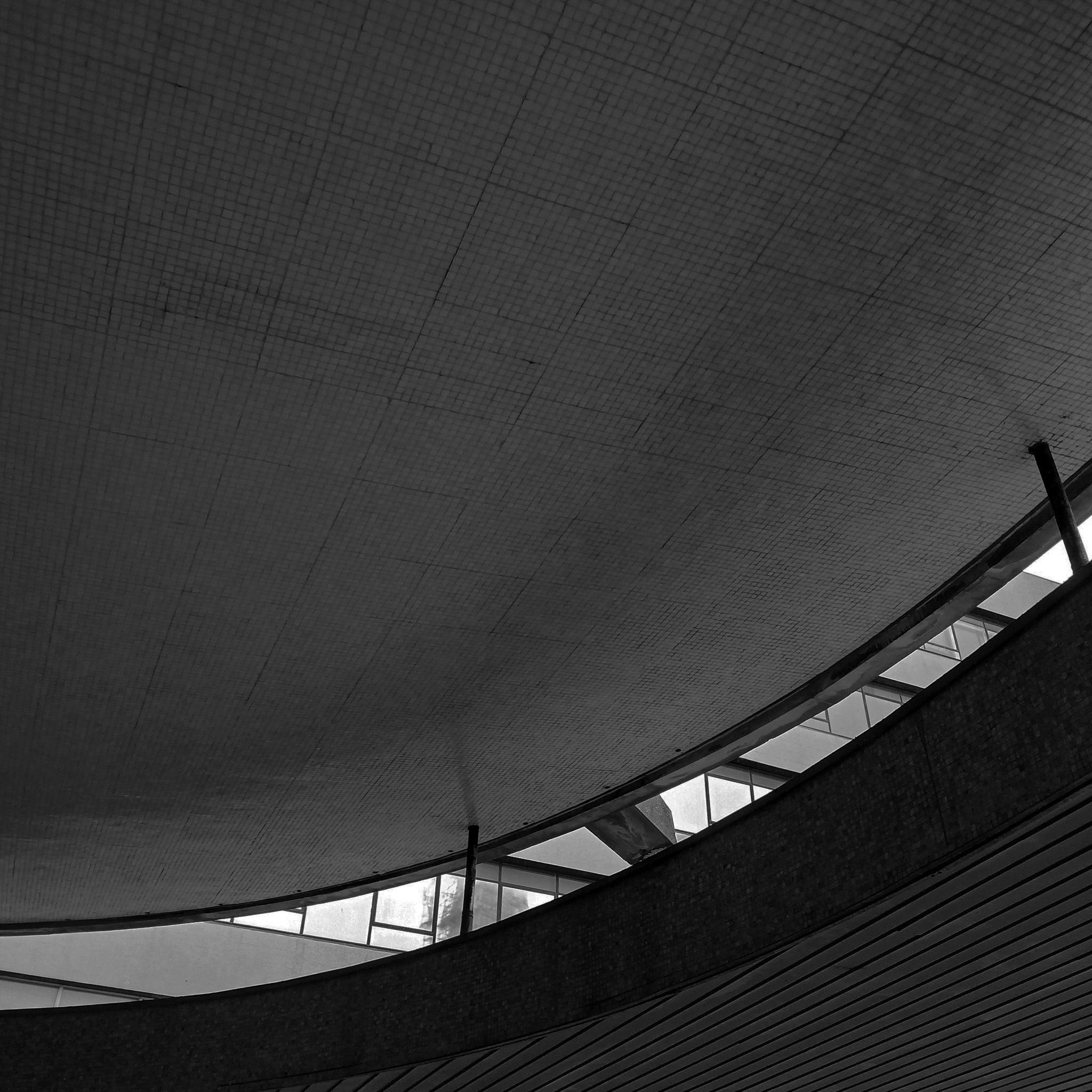
The brutalist beast has been lovingly restored by Capital&Centric to celebrate its architecture, with original waffle ceilings, corduroy concrete and stunning feature windows that flood the space with light.
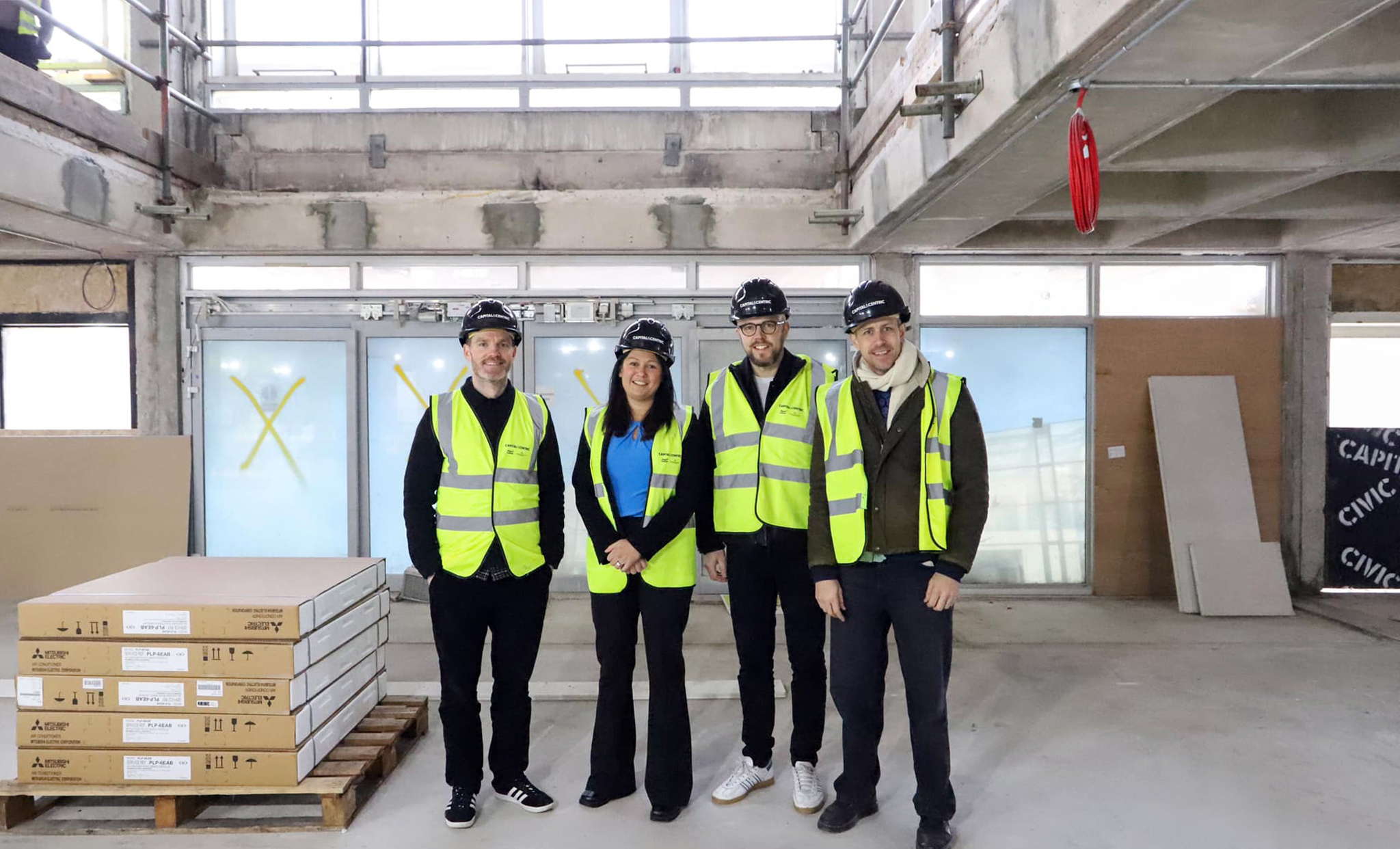
It was great to visit and tour Wigan Civic Centre on Millgate, to see the inspiring work being done to create sustainable workspaces and amenities in the centre of our town. This development, alongside others taking place and planned across the North West, will help to revitalise our public spaces
With students, start-ups and professionals situating themselves elsewhere in Greater Manchester, Wigan town had been missing out on the economic and cultural vitality that high quality workspace brings. Civic’s transformation represents not just the overhaul of a tired concrete building, but a wider renewal of place and opportunity for Wigan.
Working with Wigan Council and Capital & Centric, we completed the refurbishment of the 50,000 sq ft building that is Wigan Civic Centre. Delivering aspirational office accommodation to stimulate economic growth with the goal to create a lasting social impact in Wigan. In addition to exemplar market-leading workspace, amenities include a rooftop terrace, mini cinema, gym studio and co-working/coffee shop space.
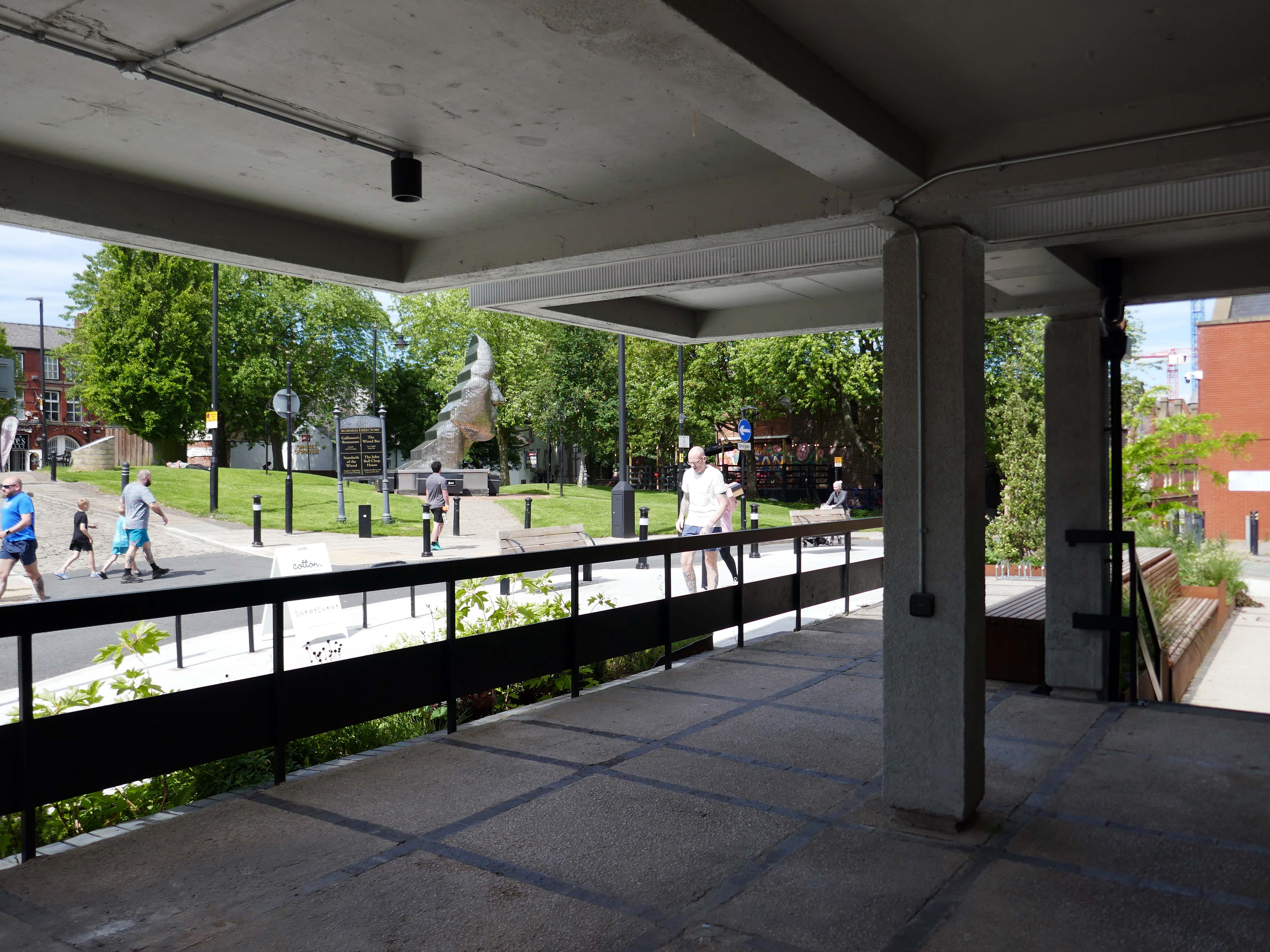
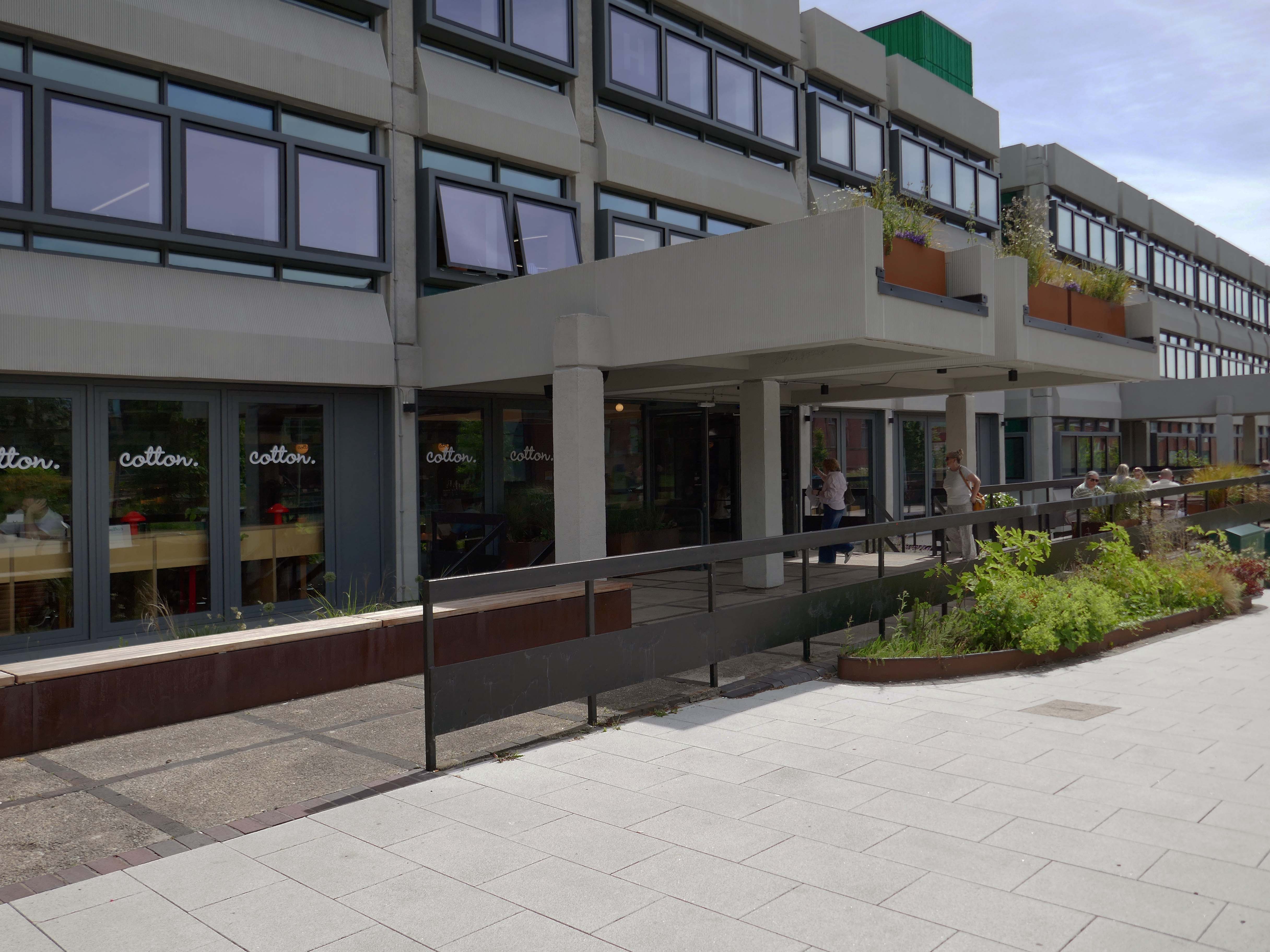
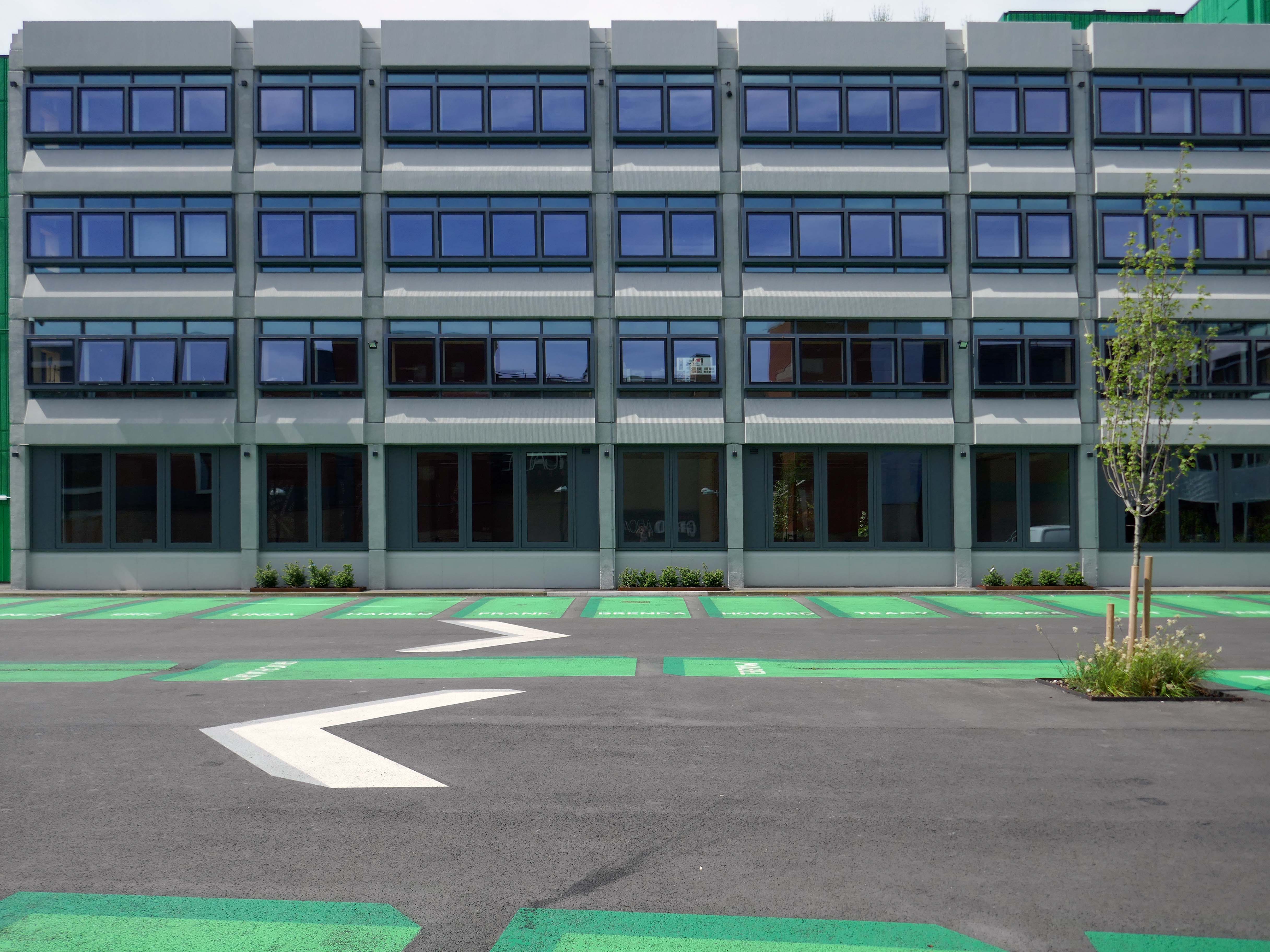
Here’s the exterior.
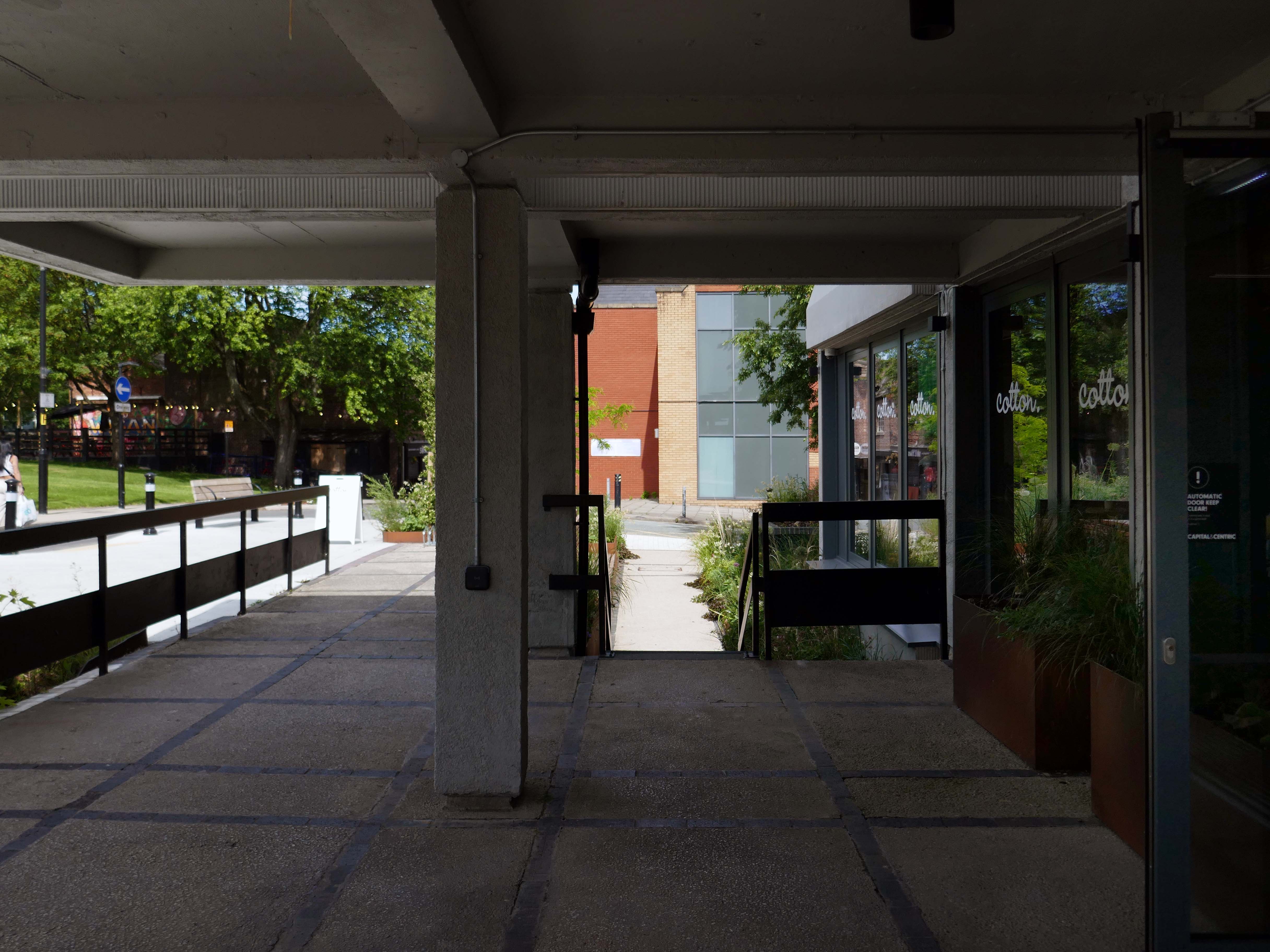
Many thanks to the Cotton CaféBar for kindly allowing us in after hours.
Ultimately, civic stands as a symbol of optimism for Wigan, proving that intelligent commercial design can catalyse economic renewal, secure a sustainable future, and truly lift a town’s spirits, without erasing its history. It is a gold standard for the adaptive reuse of 20th-century landmarks.
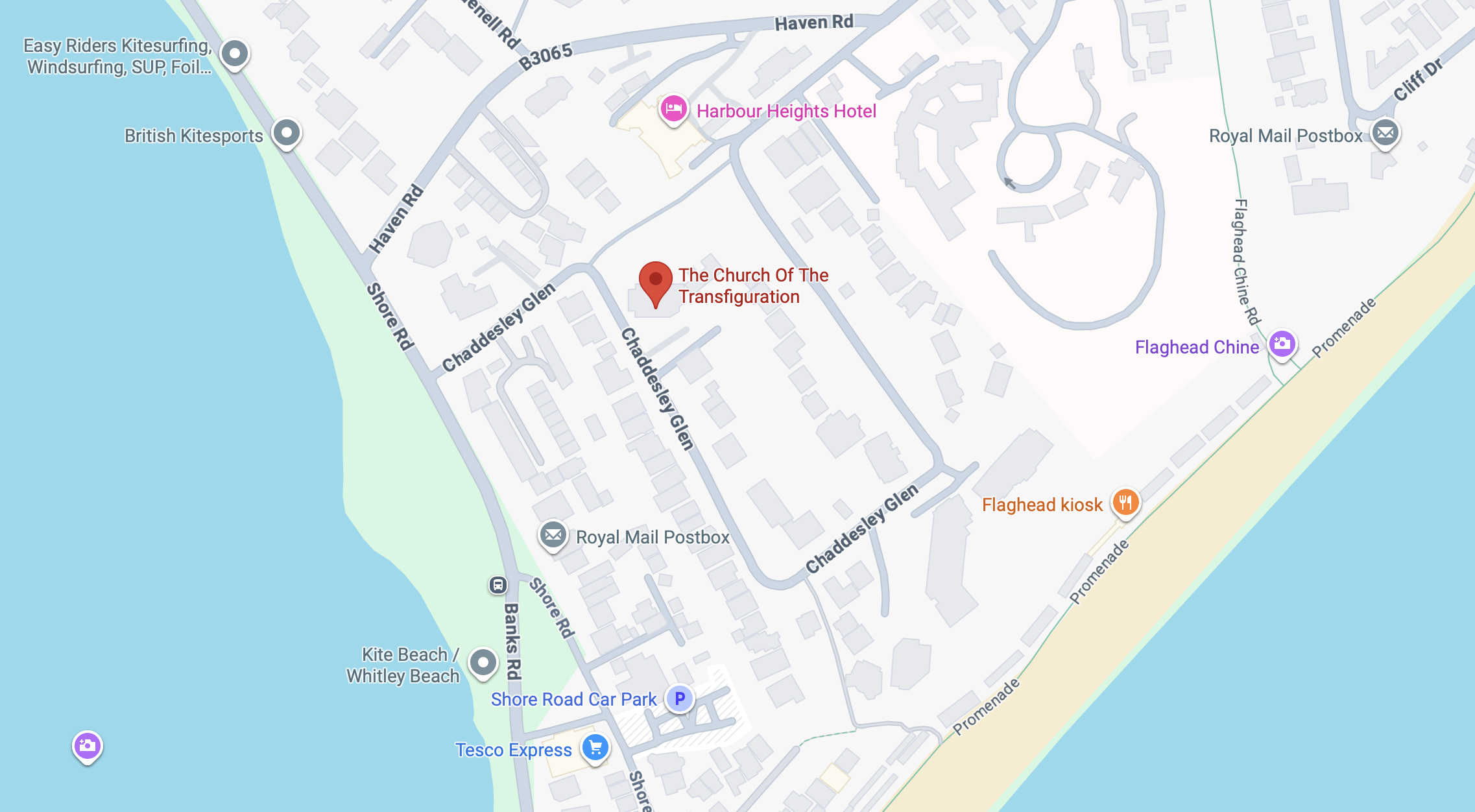
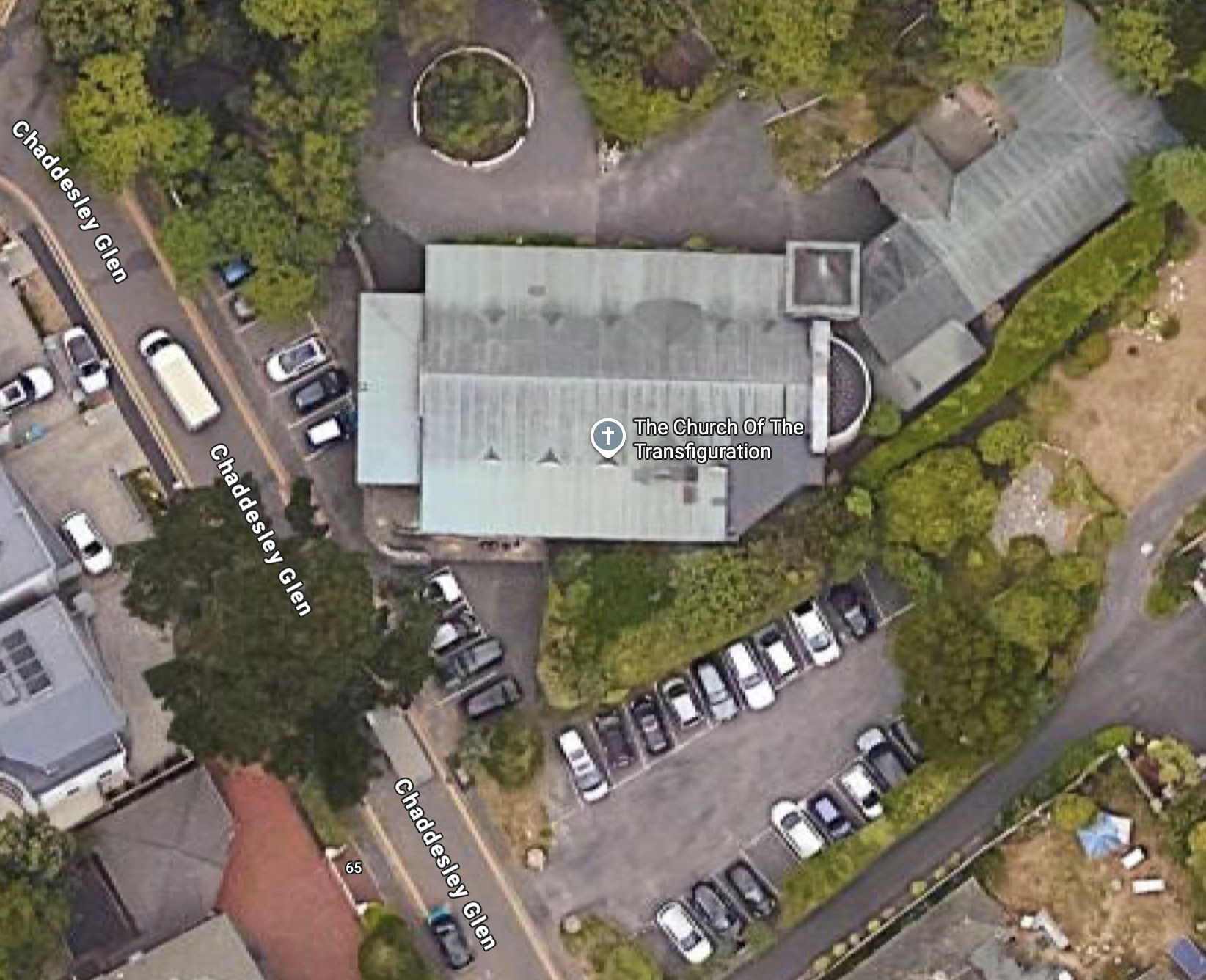
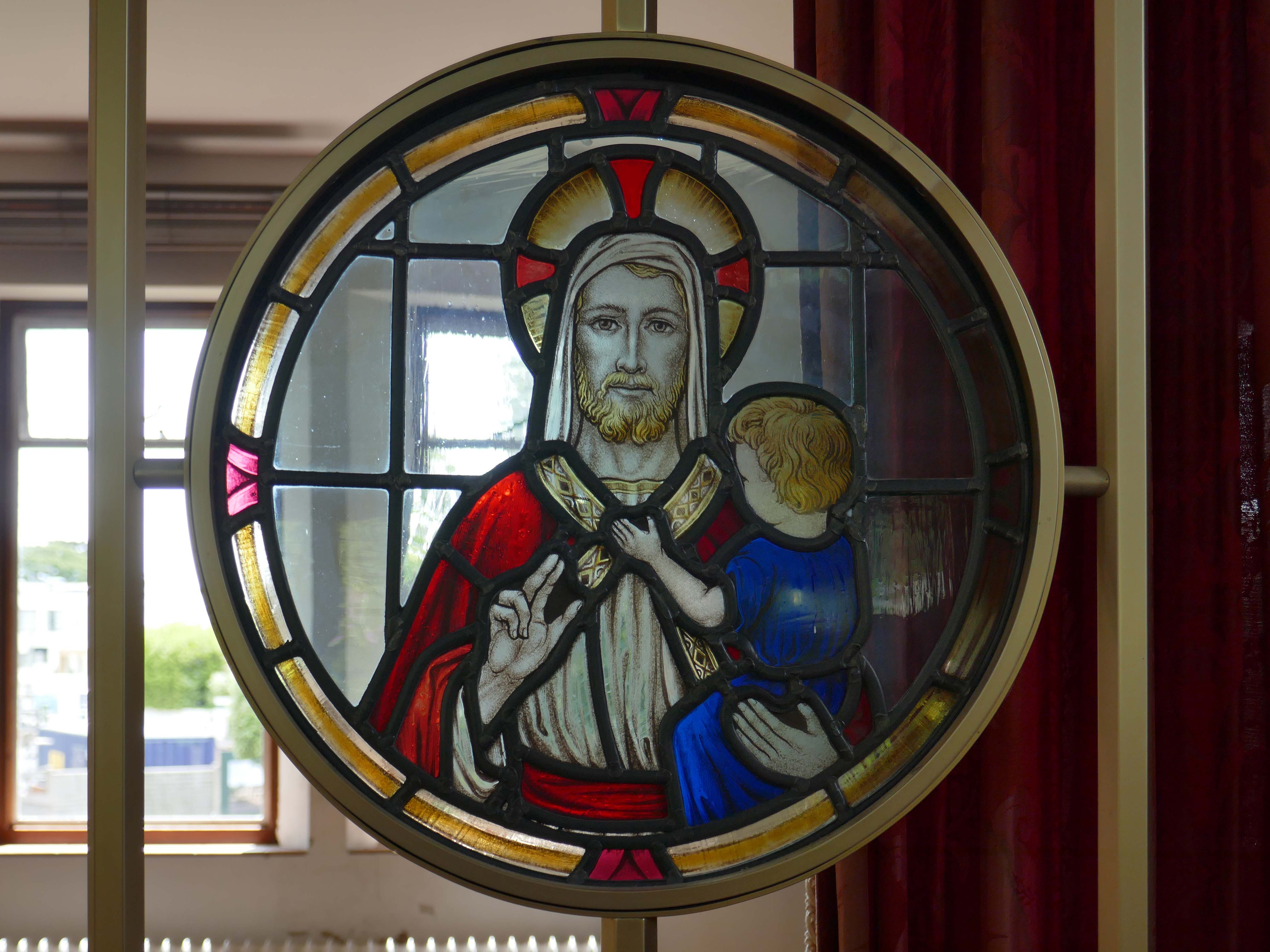
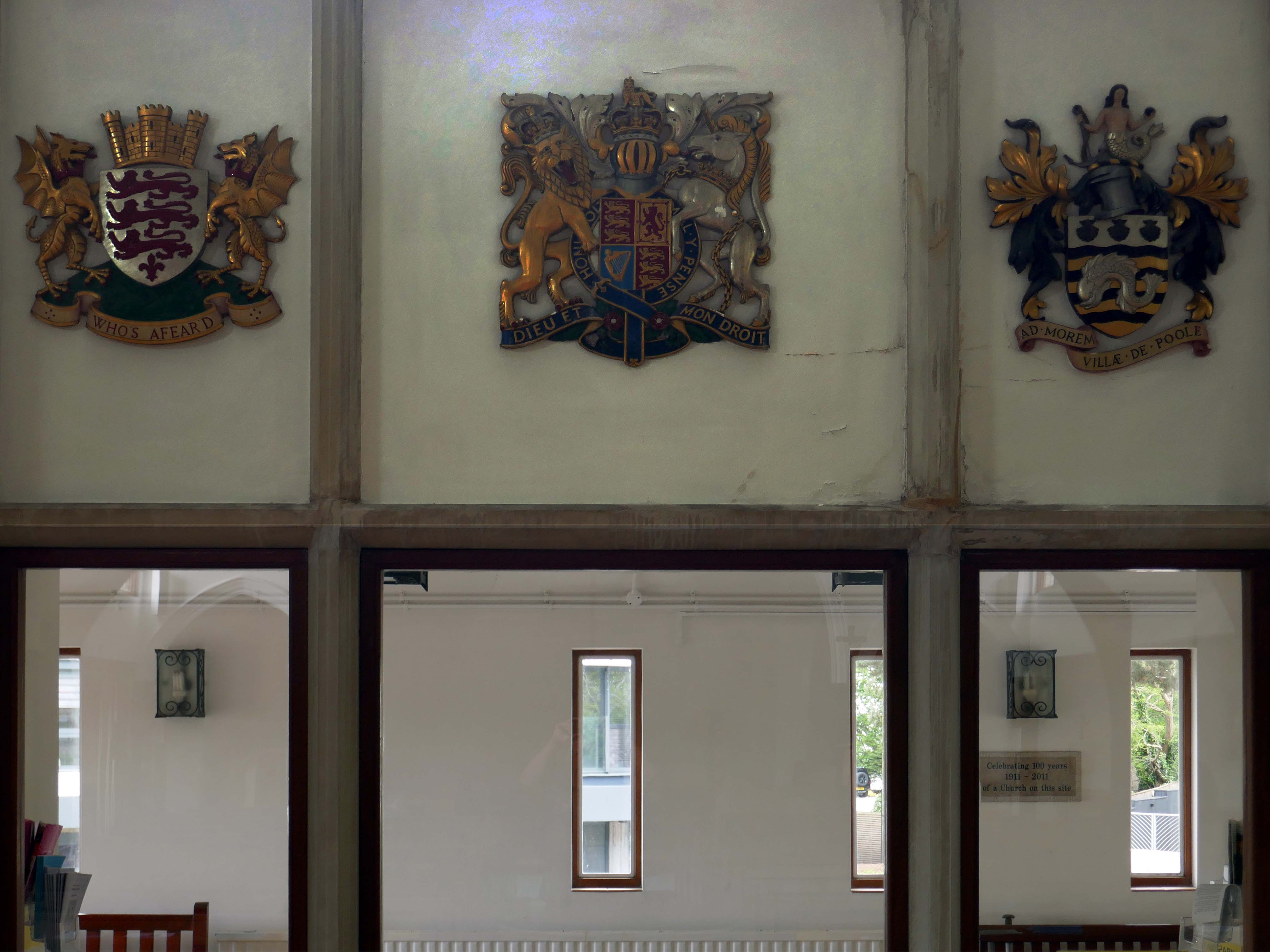
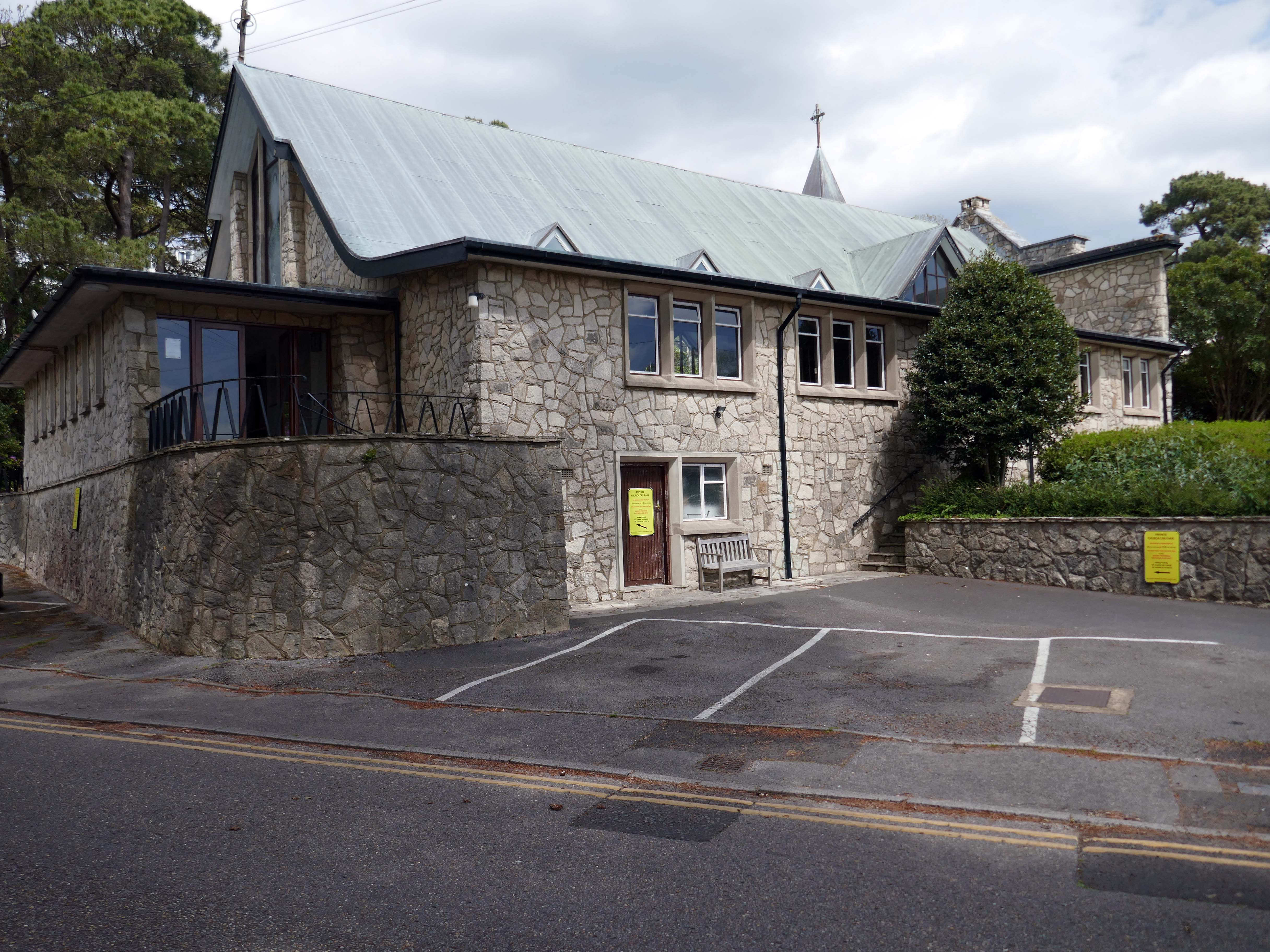
We are a small Anglican parish situated on the south coast of England between Bournemouth and Poole in the county of Dorset, which is part of the Church of England Diocese of Salisbury. We hope that this site may help you to gain a flavour of what we have to offer. We enjoy wonderful views across Poole Harbour – the second largest natural harbour in the world after Sydney, to the Purbeck Hills, as well as some of the best beaches in the country.
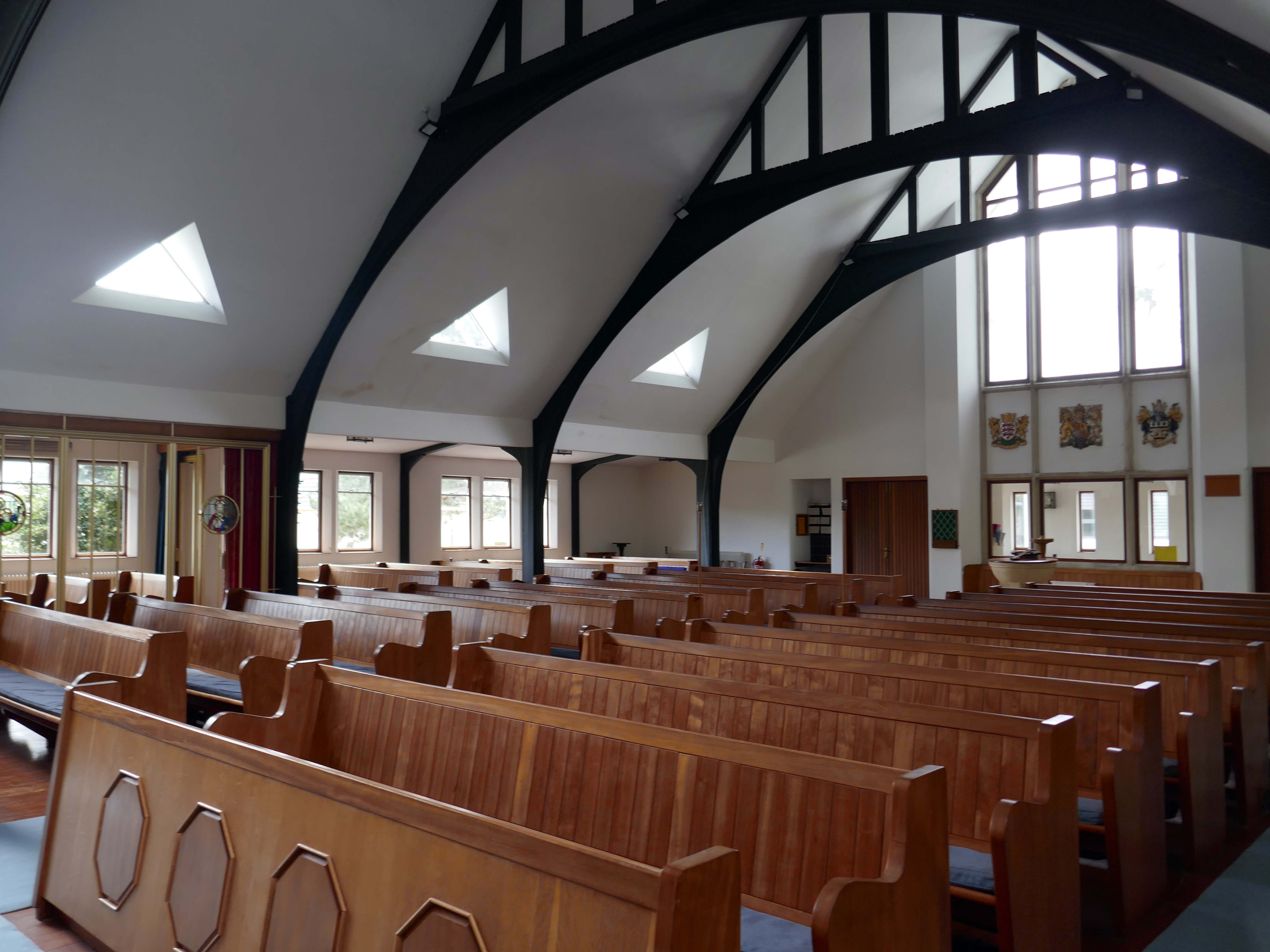
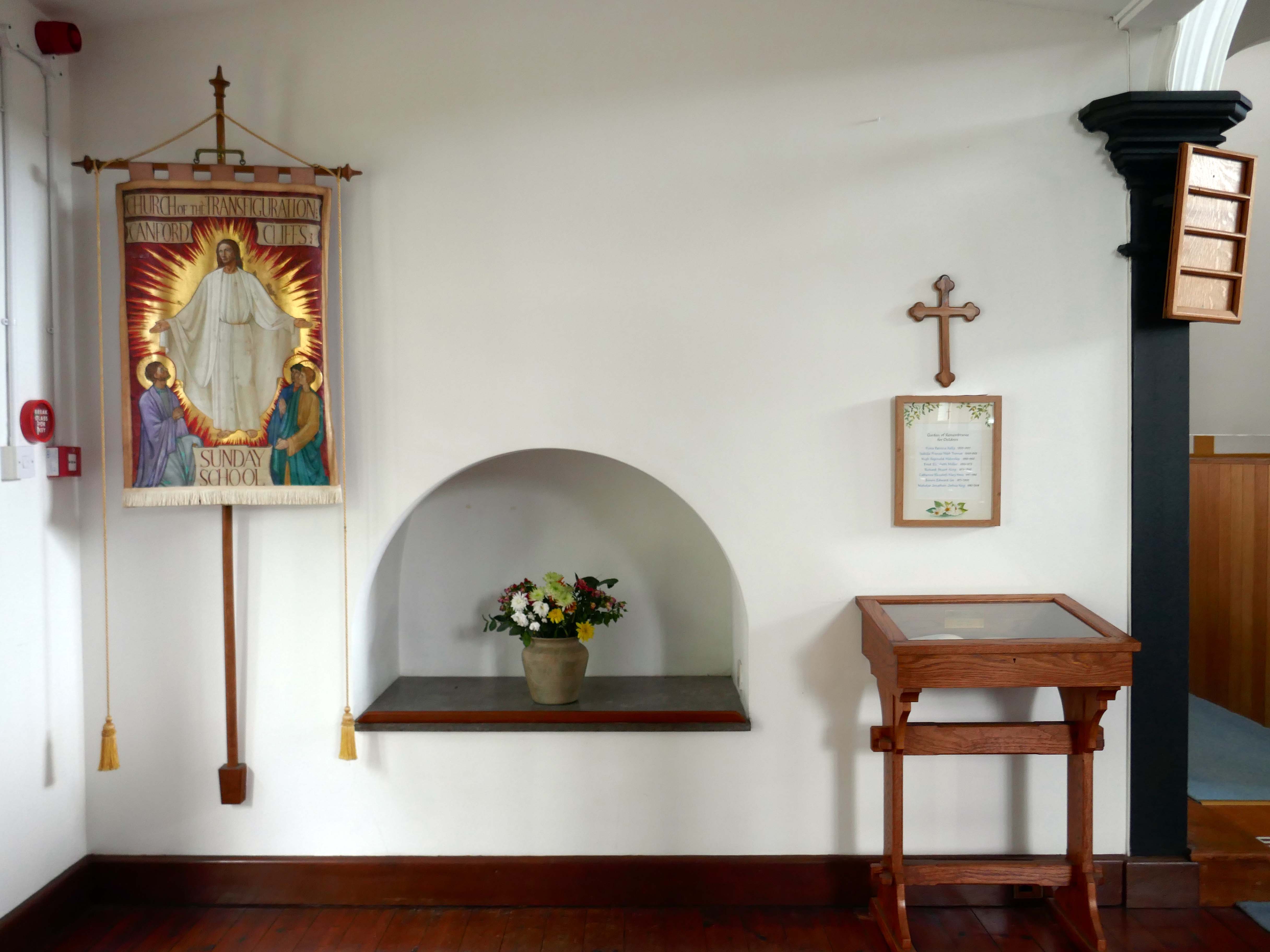
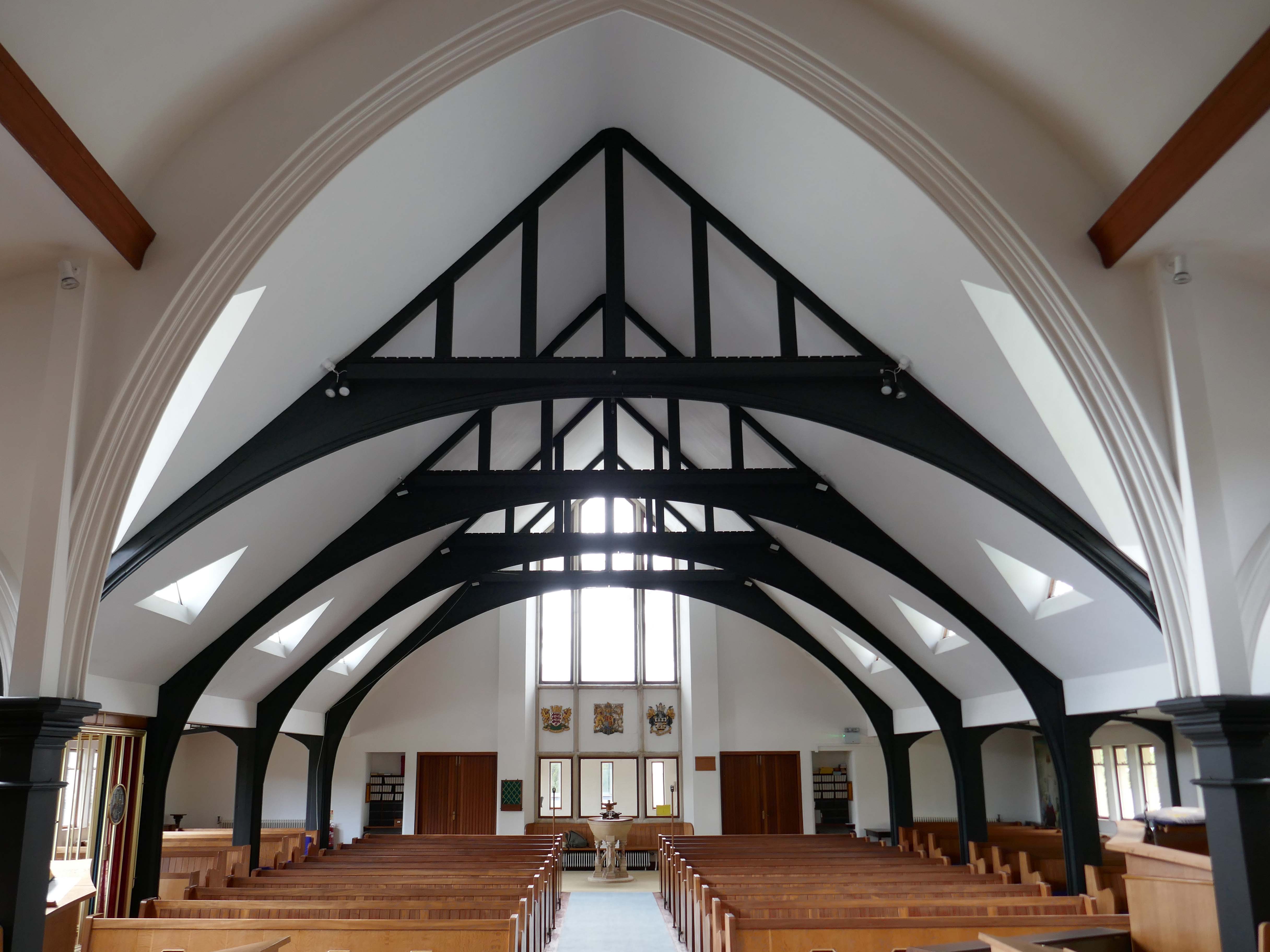
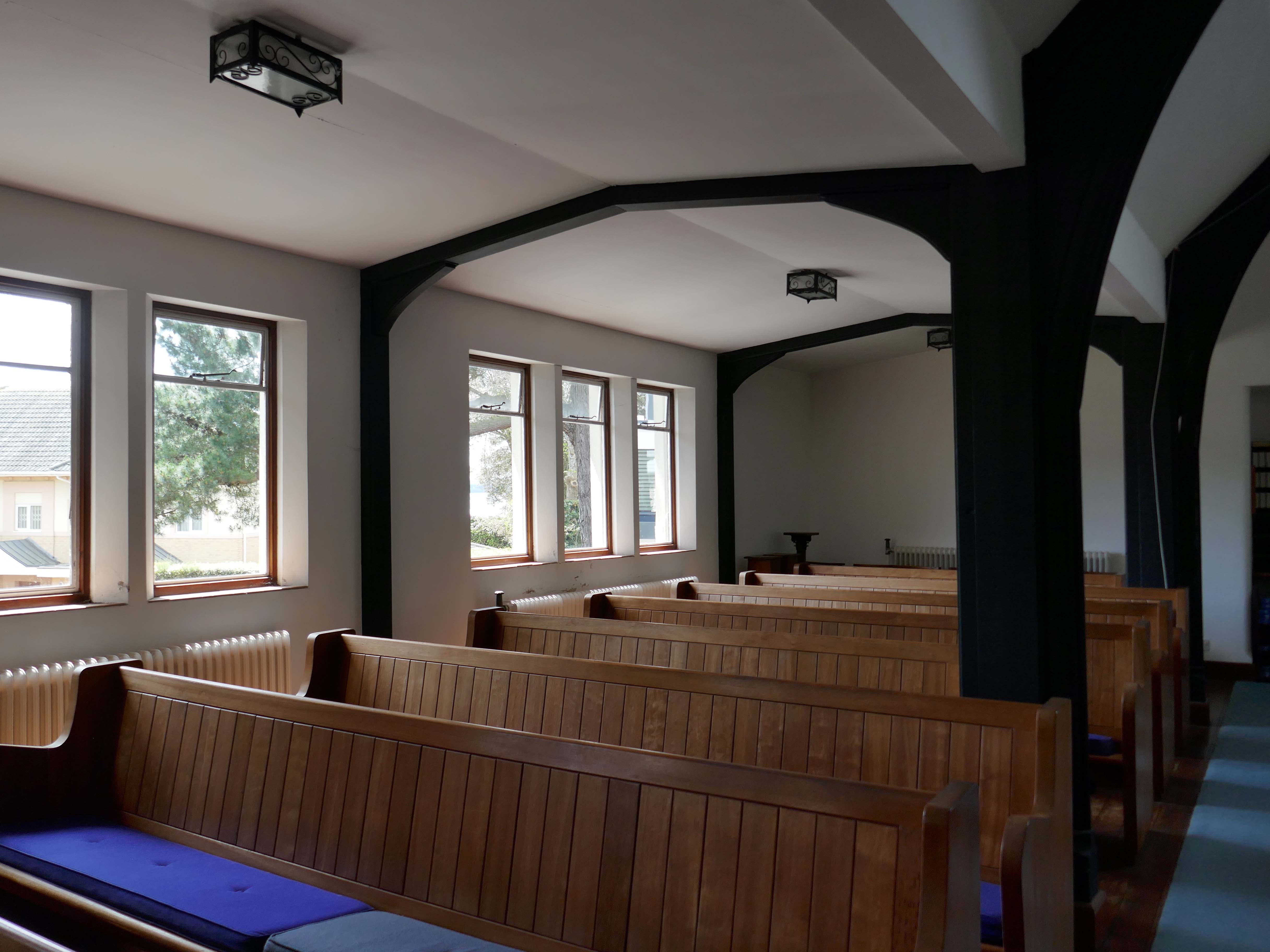
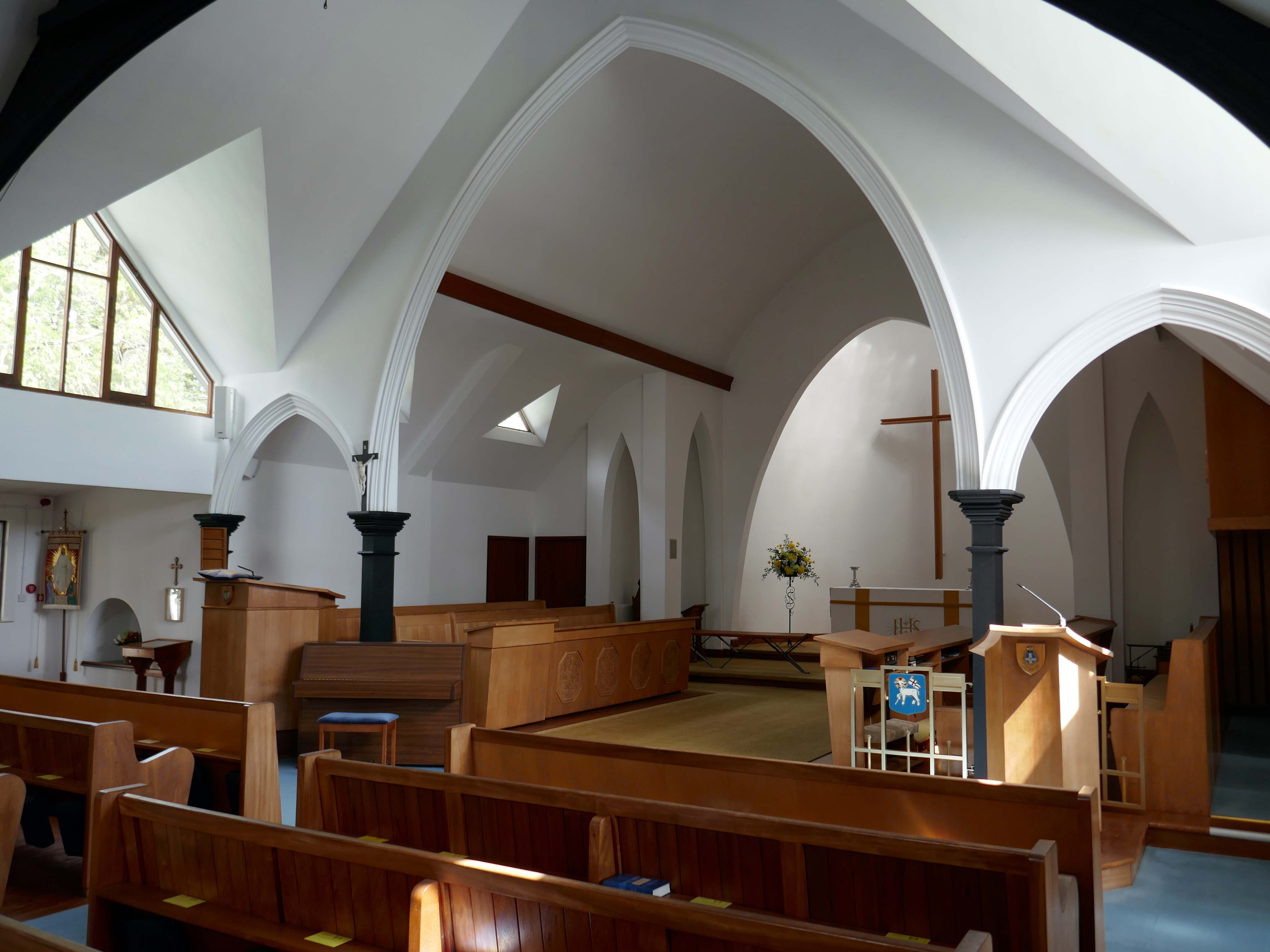
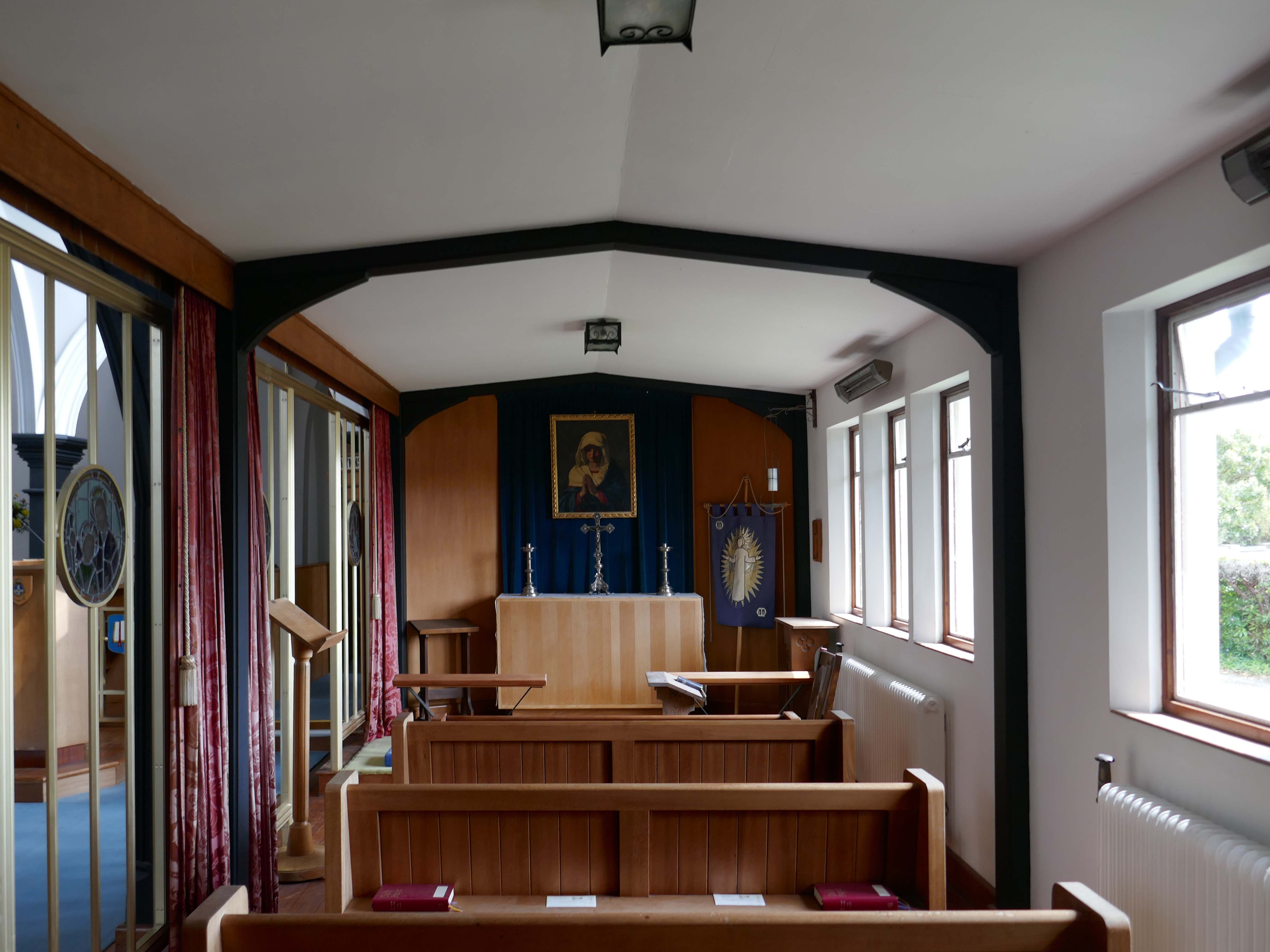
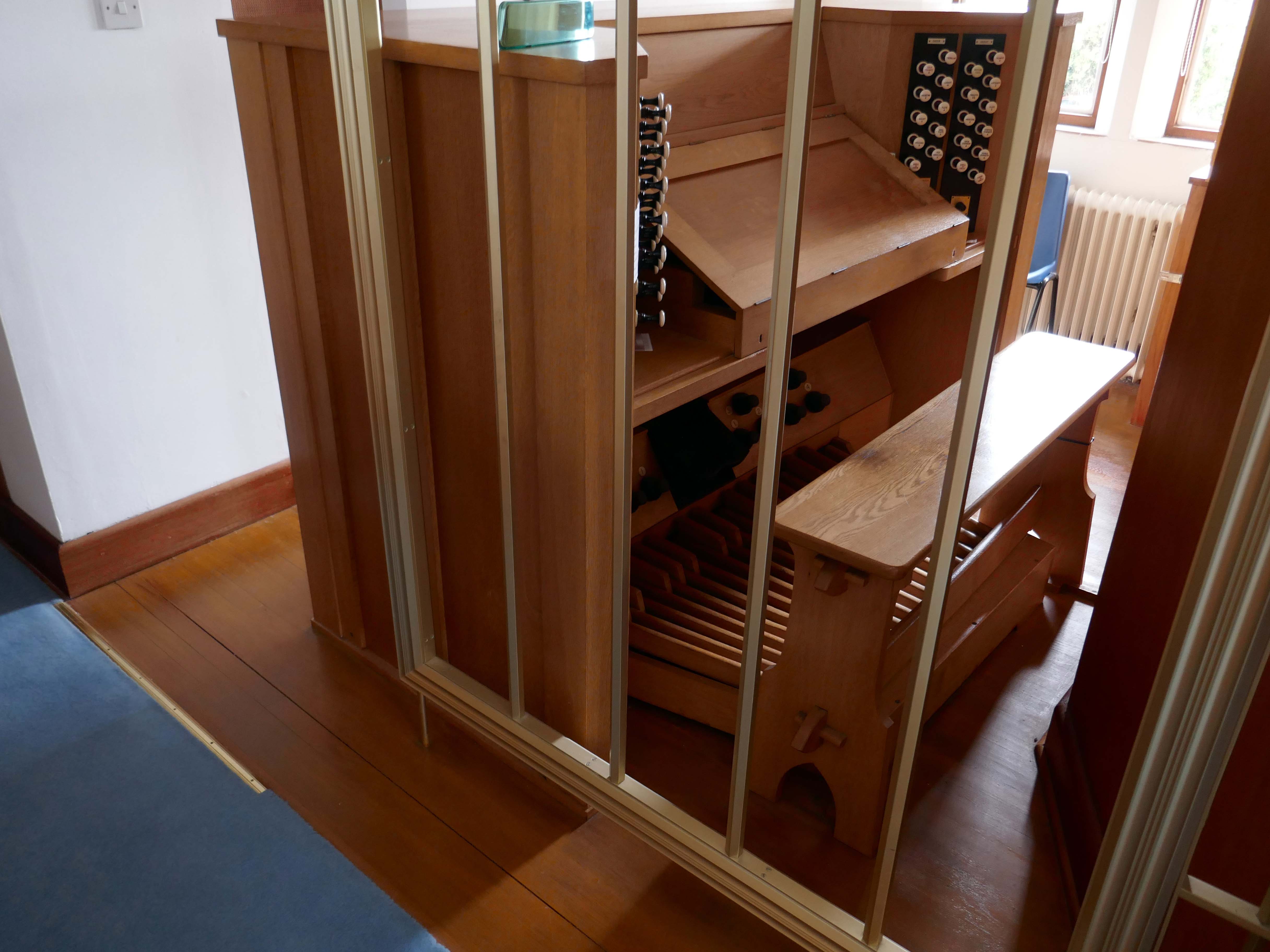
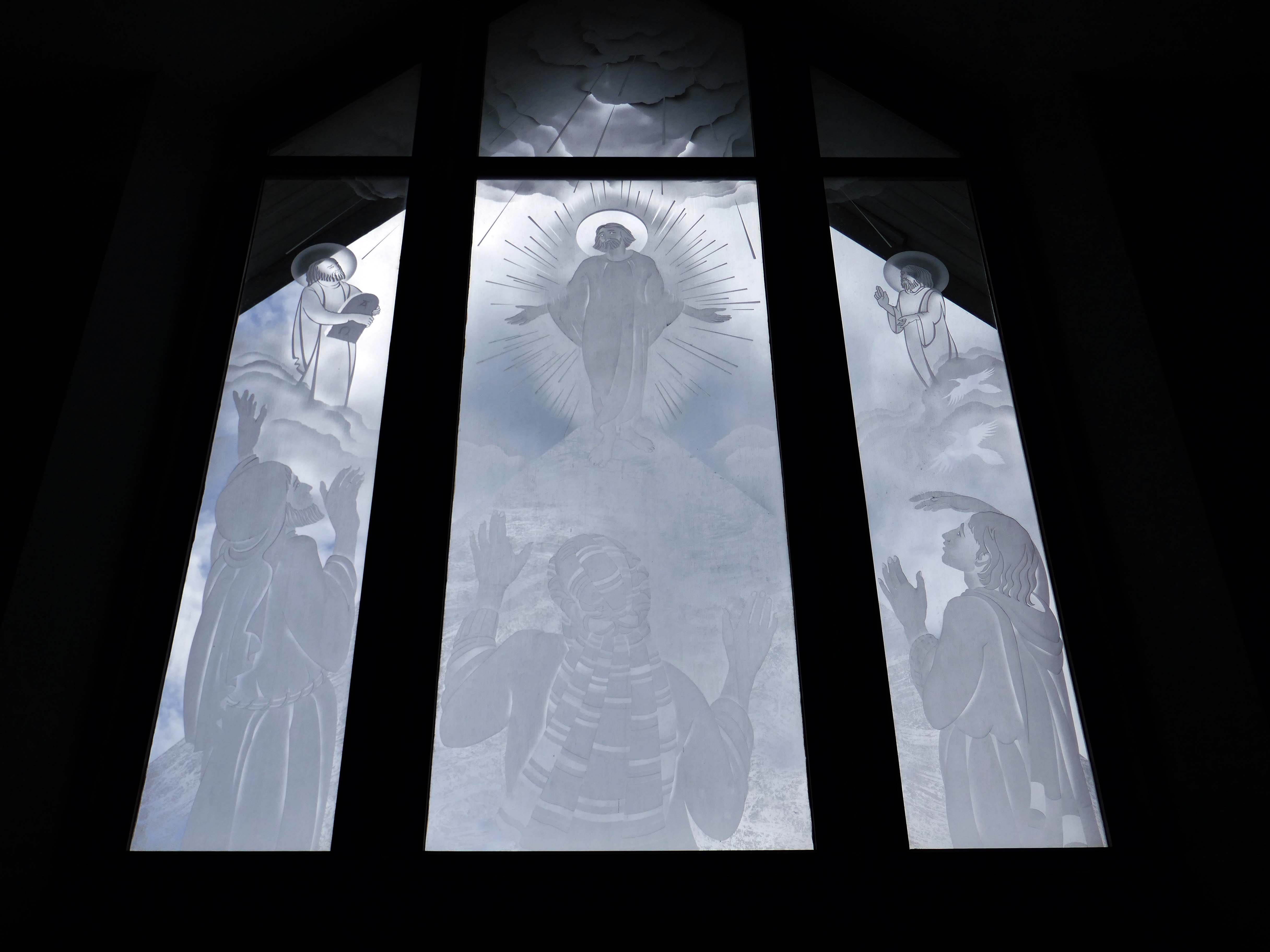
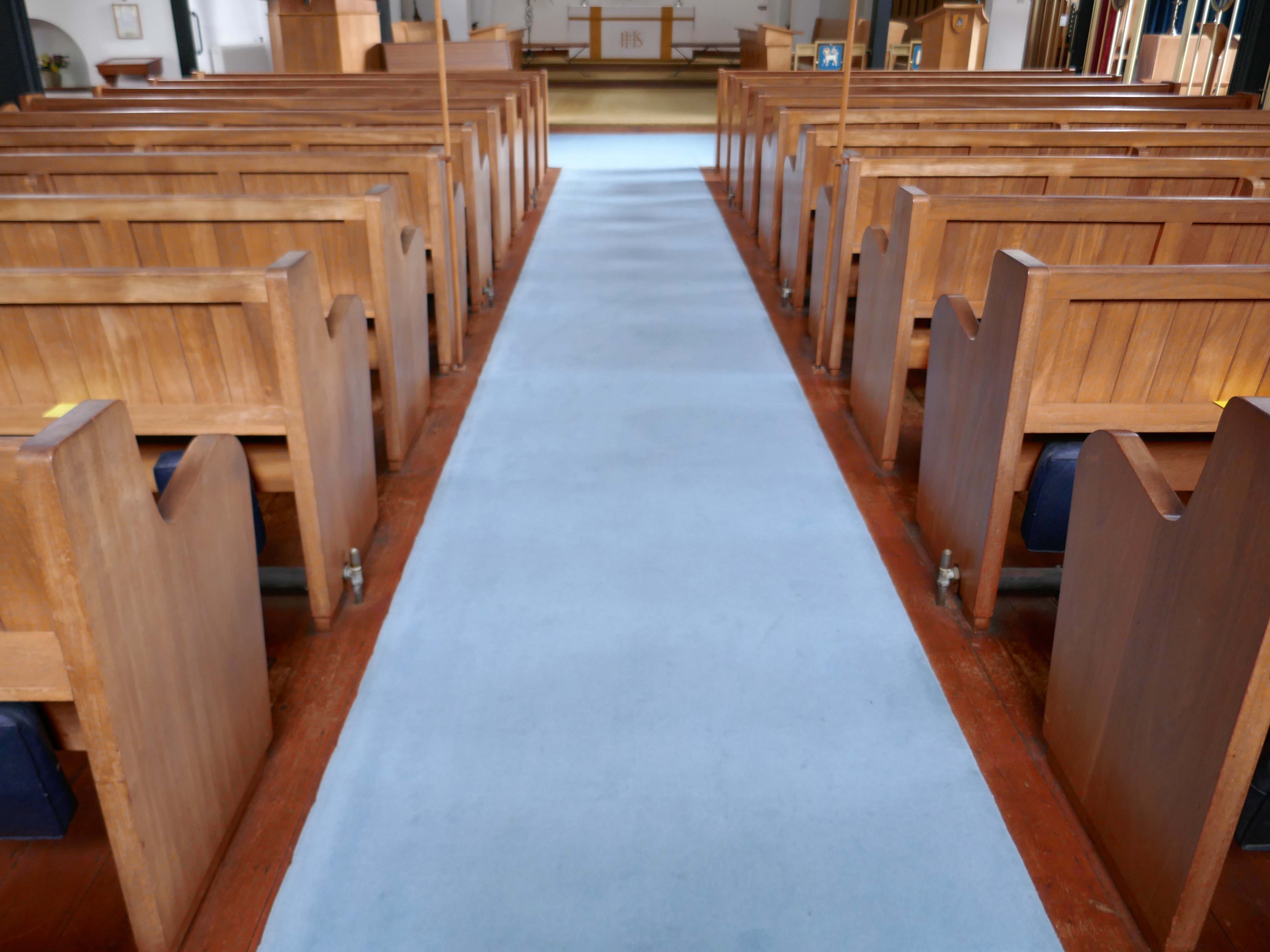
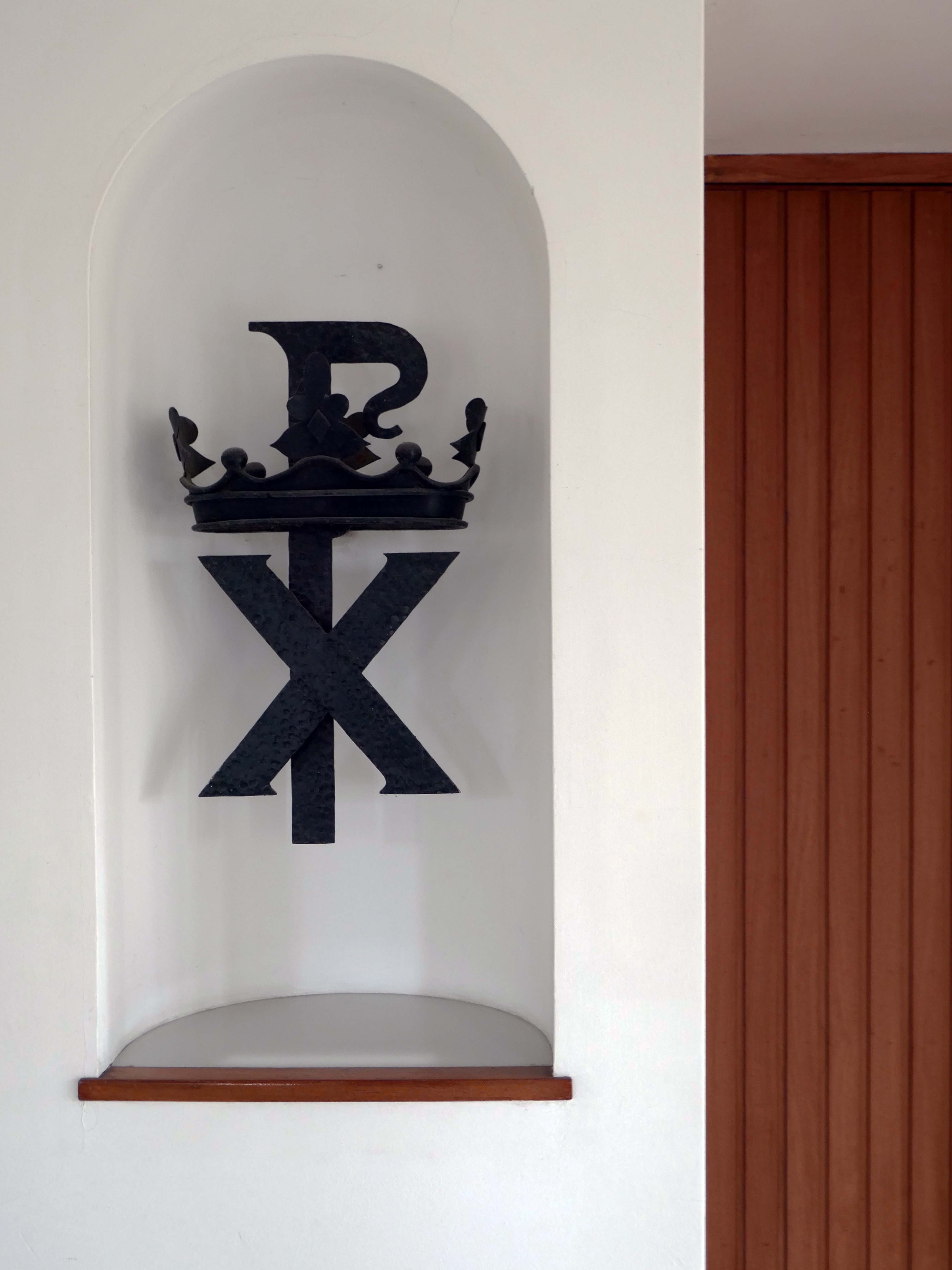
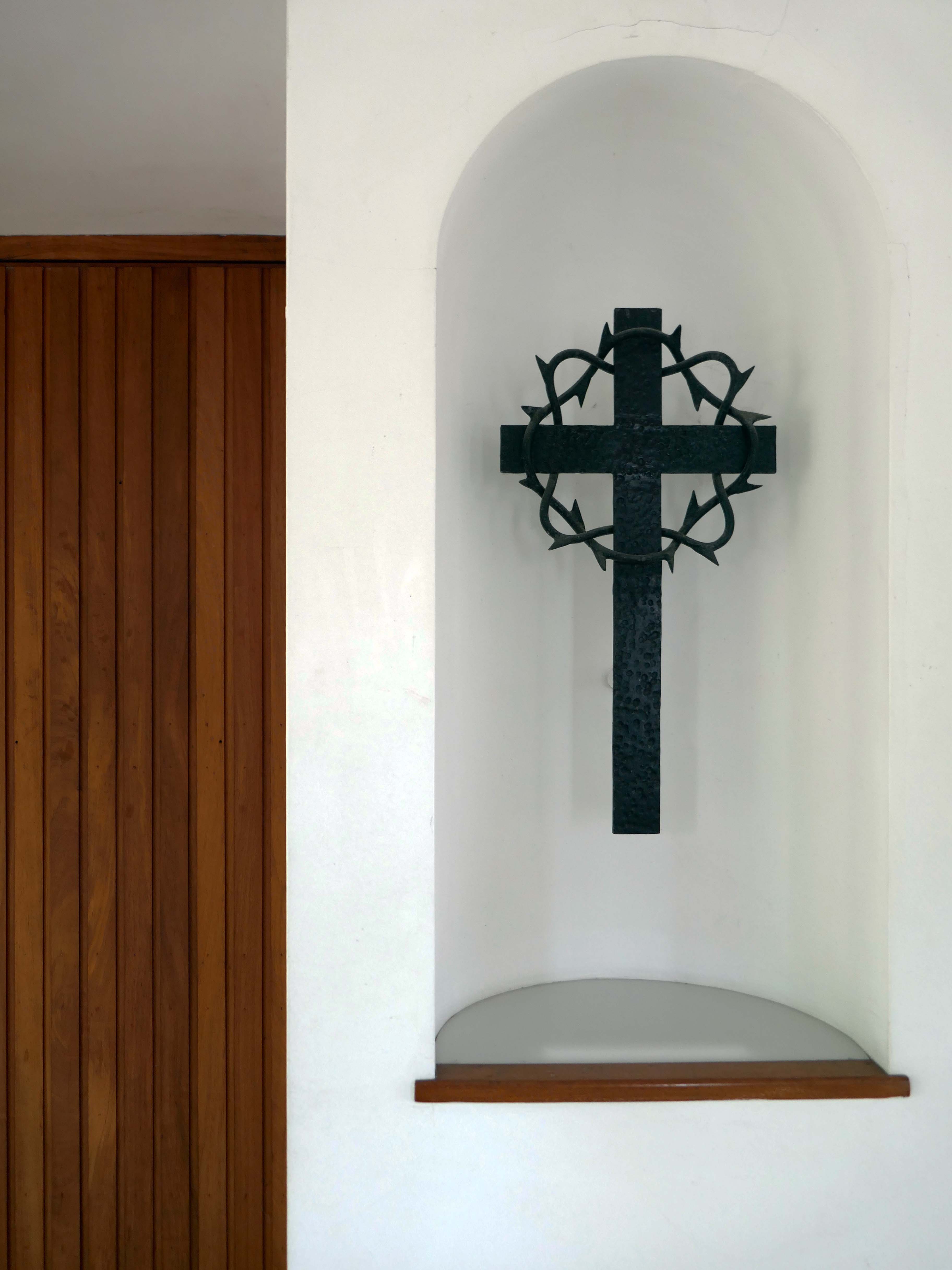
The two churches in the Parish are the Parish Church of the Transfiguration, and the Chapel of St. Nicolas. Both churches are open every day during daylight hours for quiet contemplation and prayer.
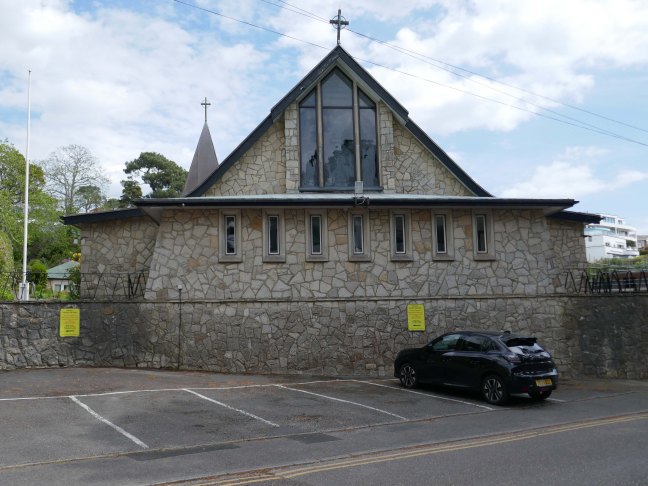
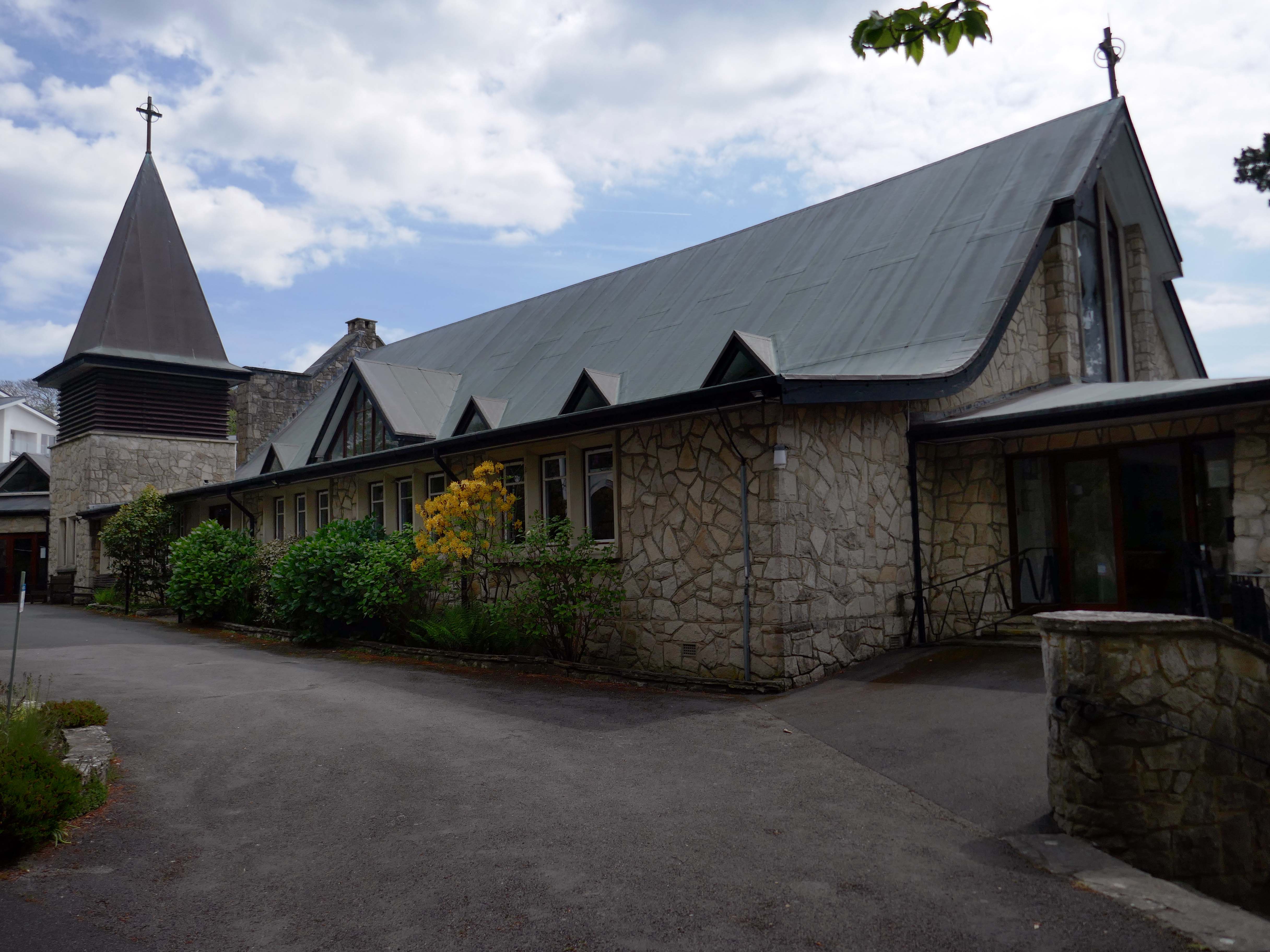
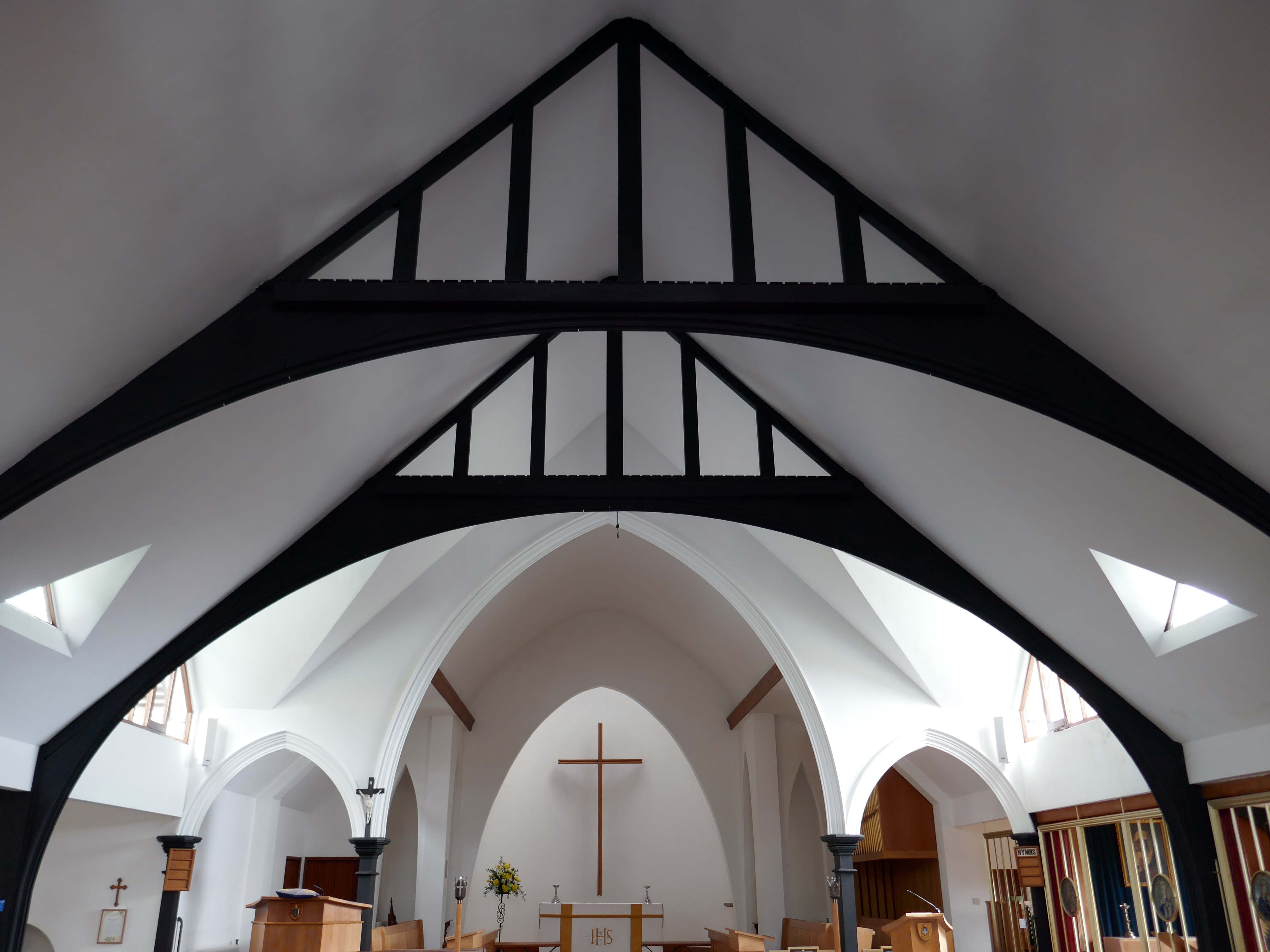
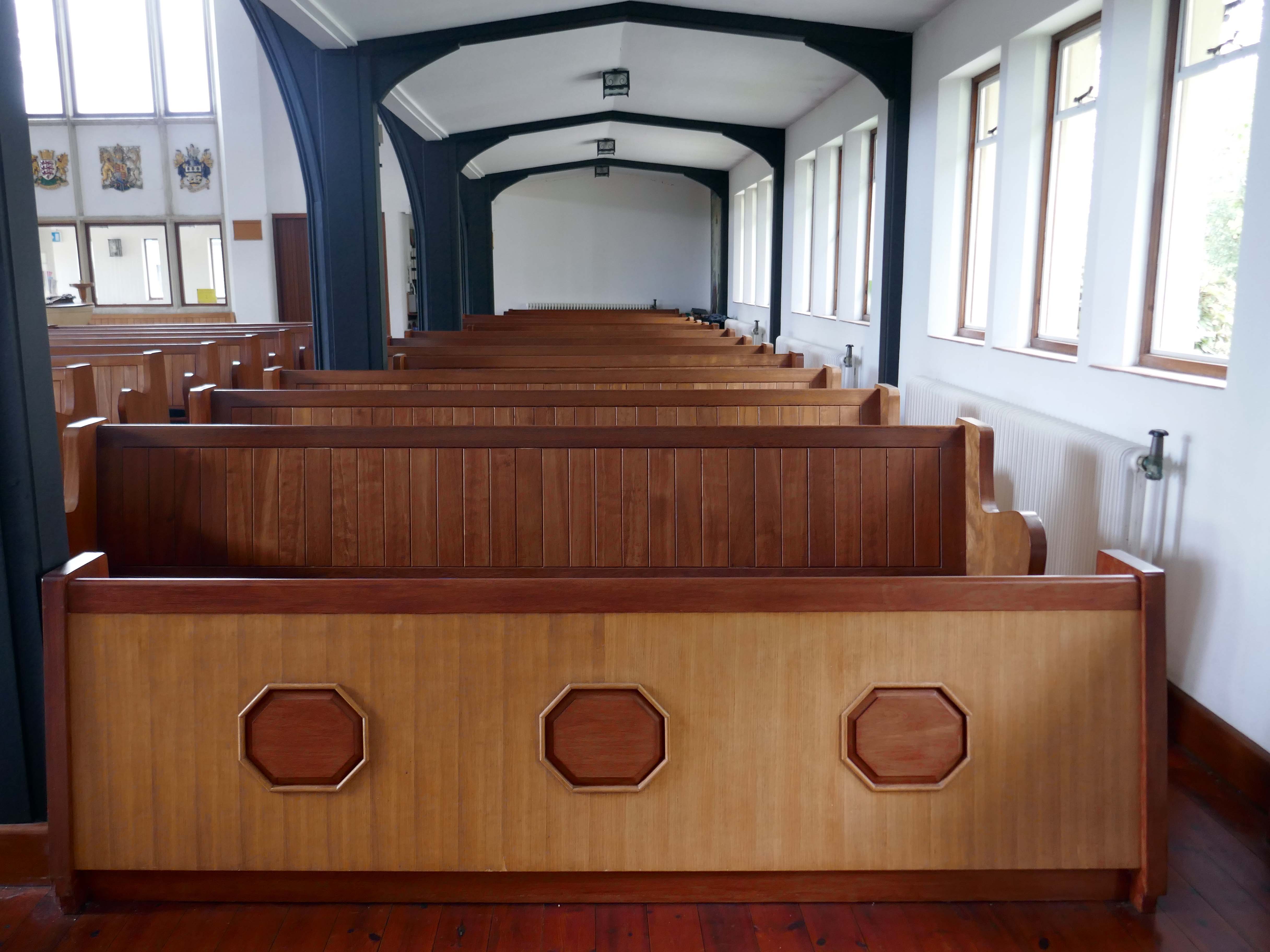
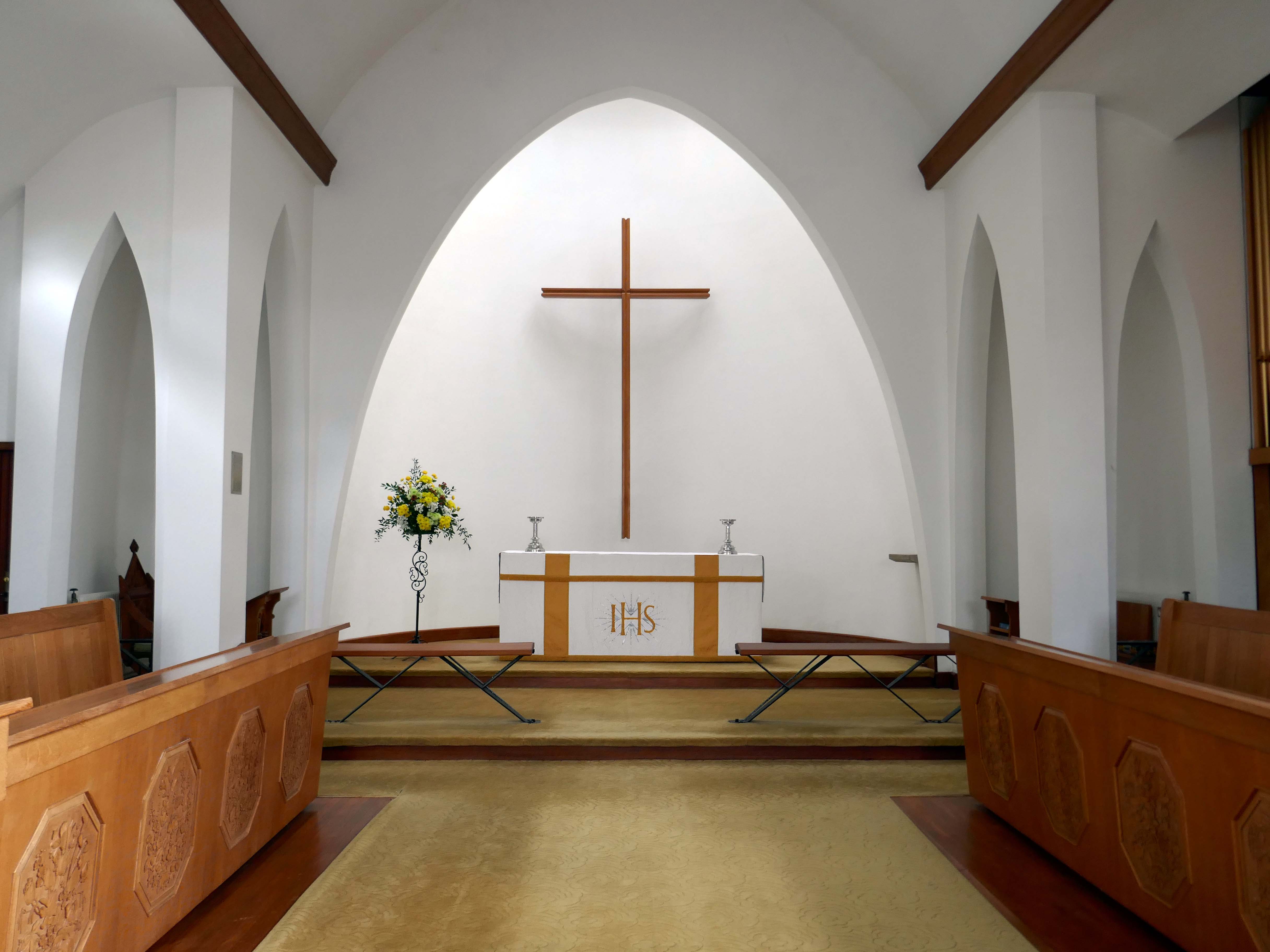
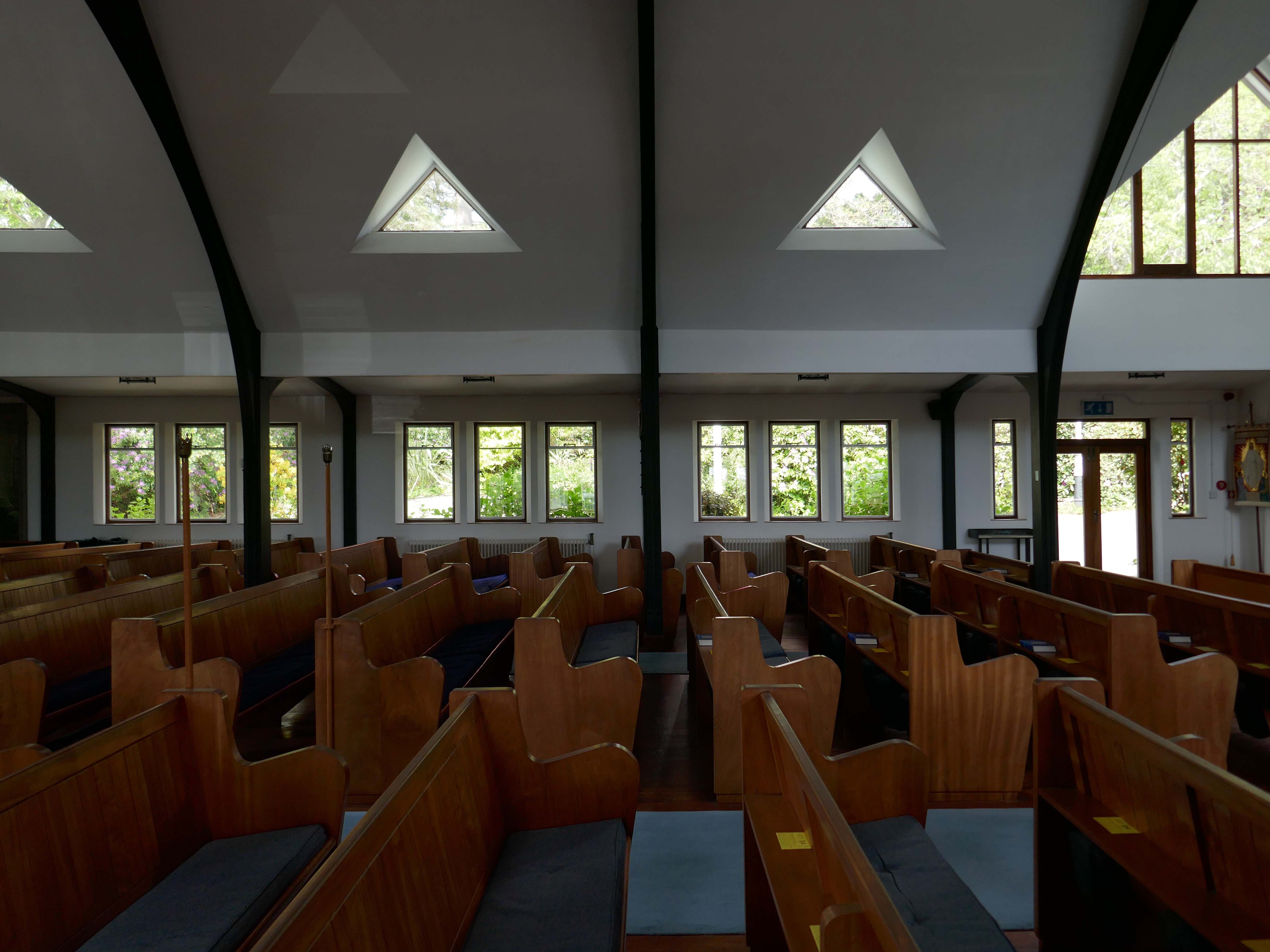
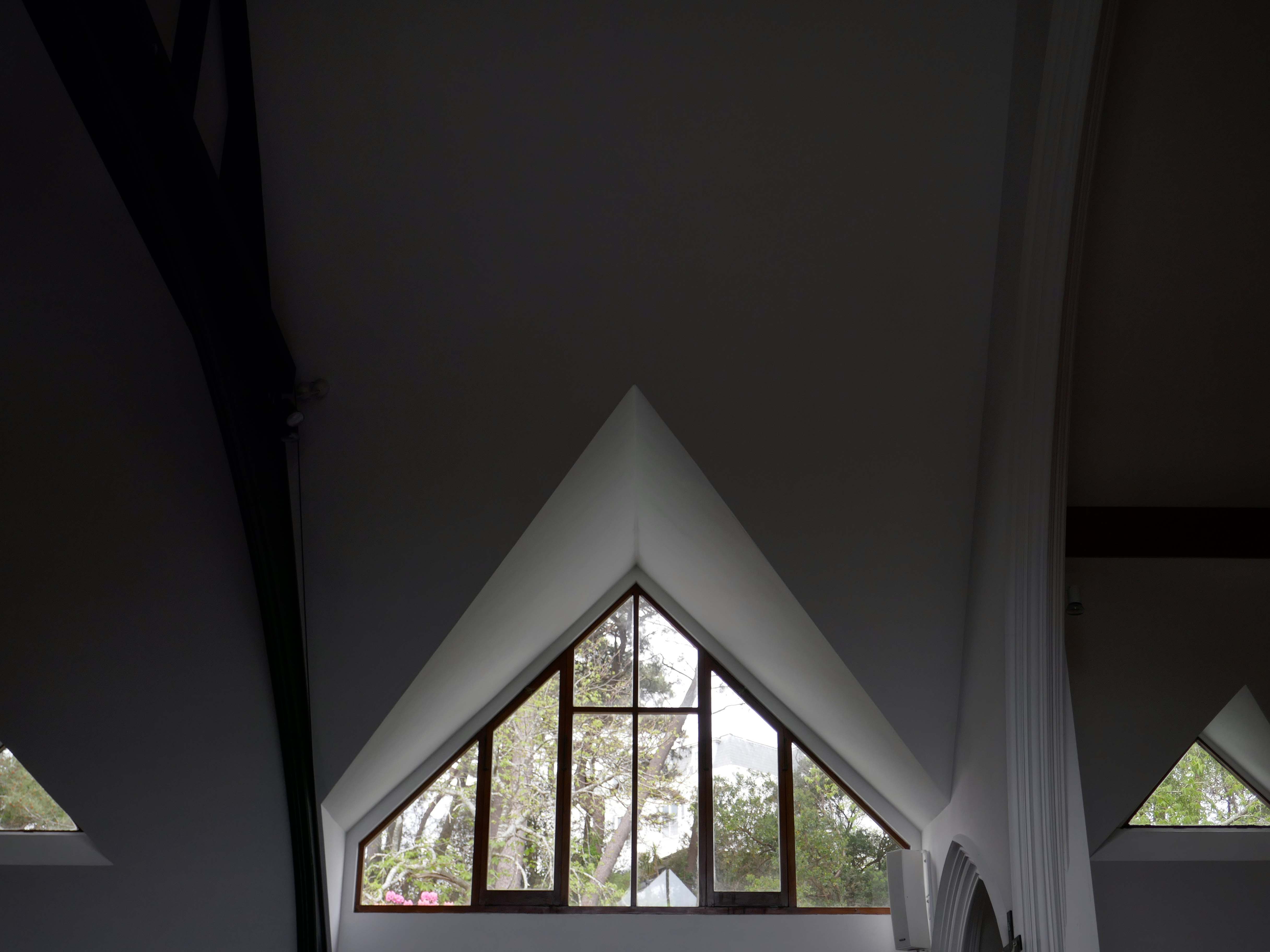
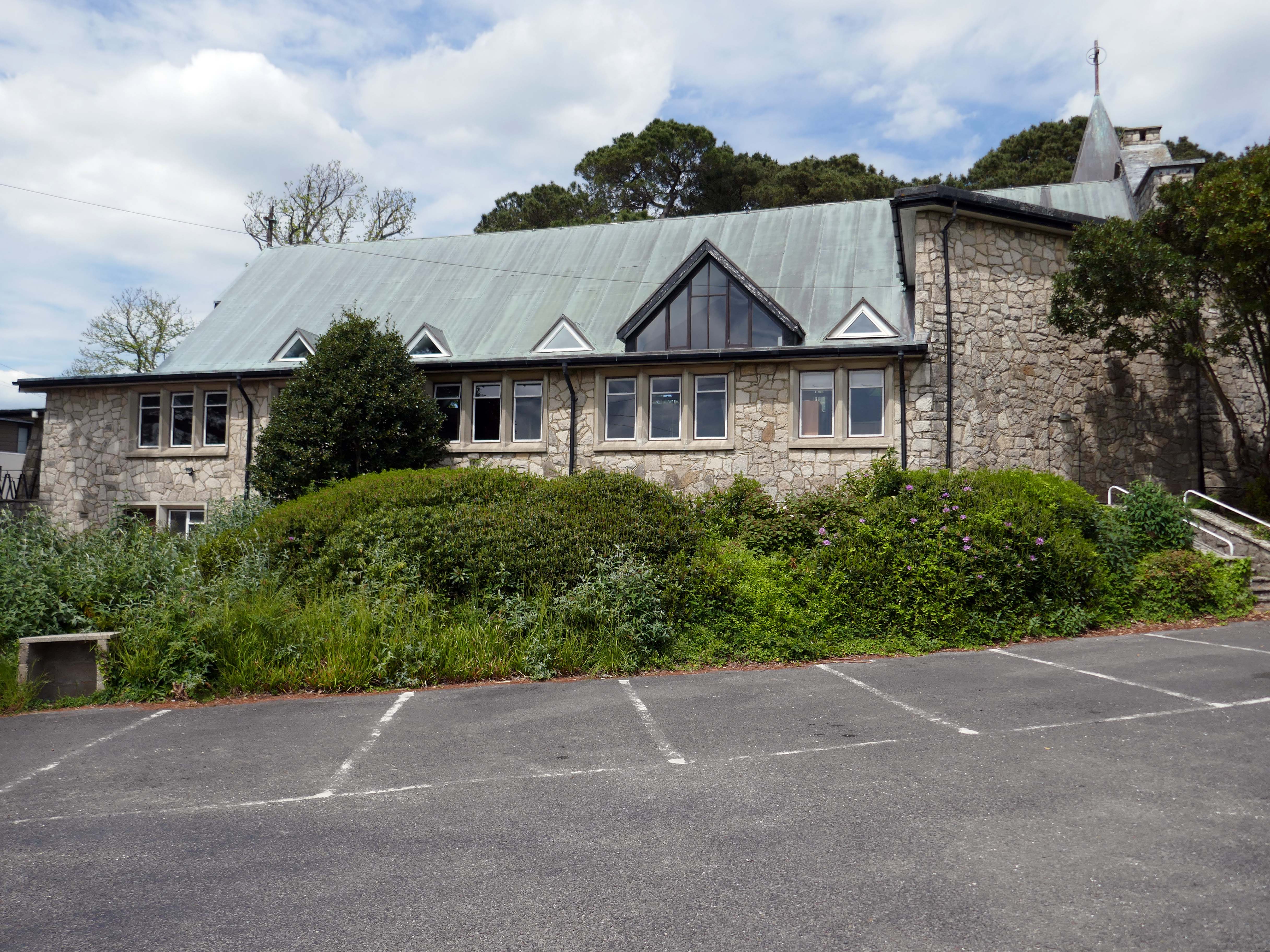
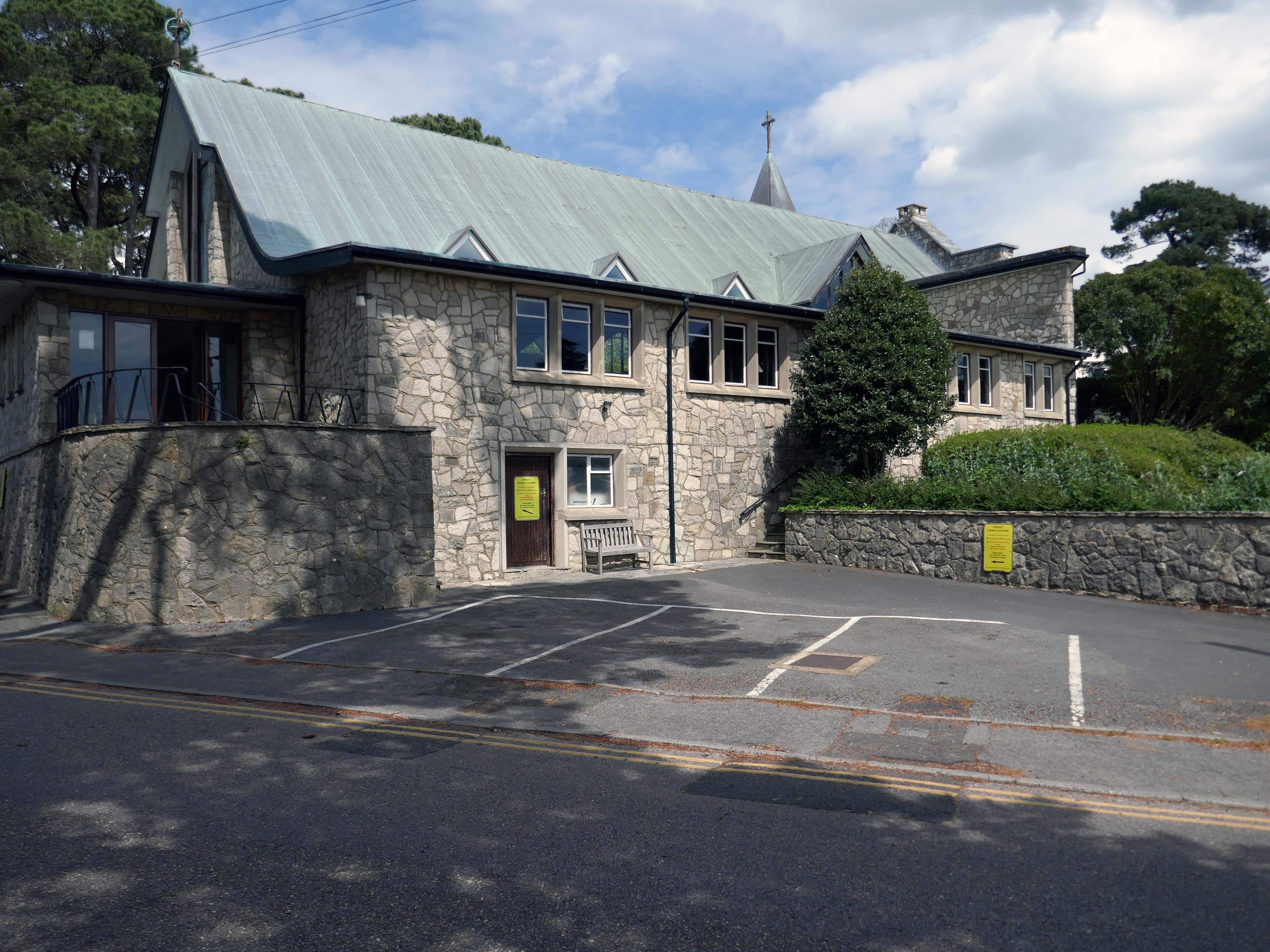
The Church of the Transfiguration is one of the youngest ecclesiastical buildings in the county, having been built during 1962-5 to a design by Lionel Gregory, who was also responsible for an interesting industrial unit in the nearby Nuffield Industrial estate.
When Sir Nikolaus Pevsner visited the church, which cannot have been long after it was built, he observed that it was.
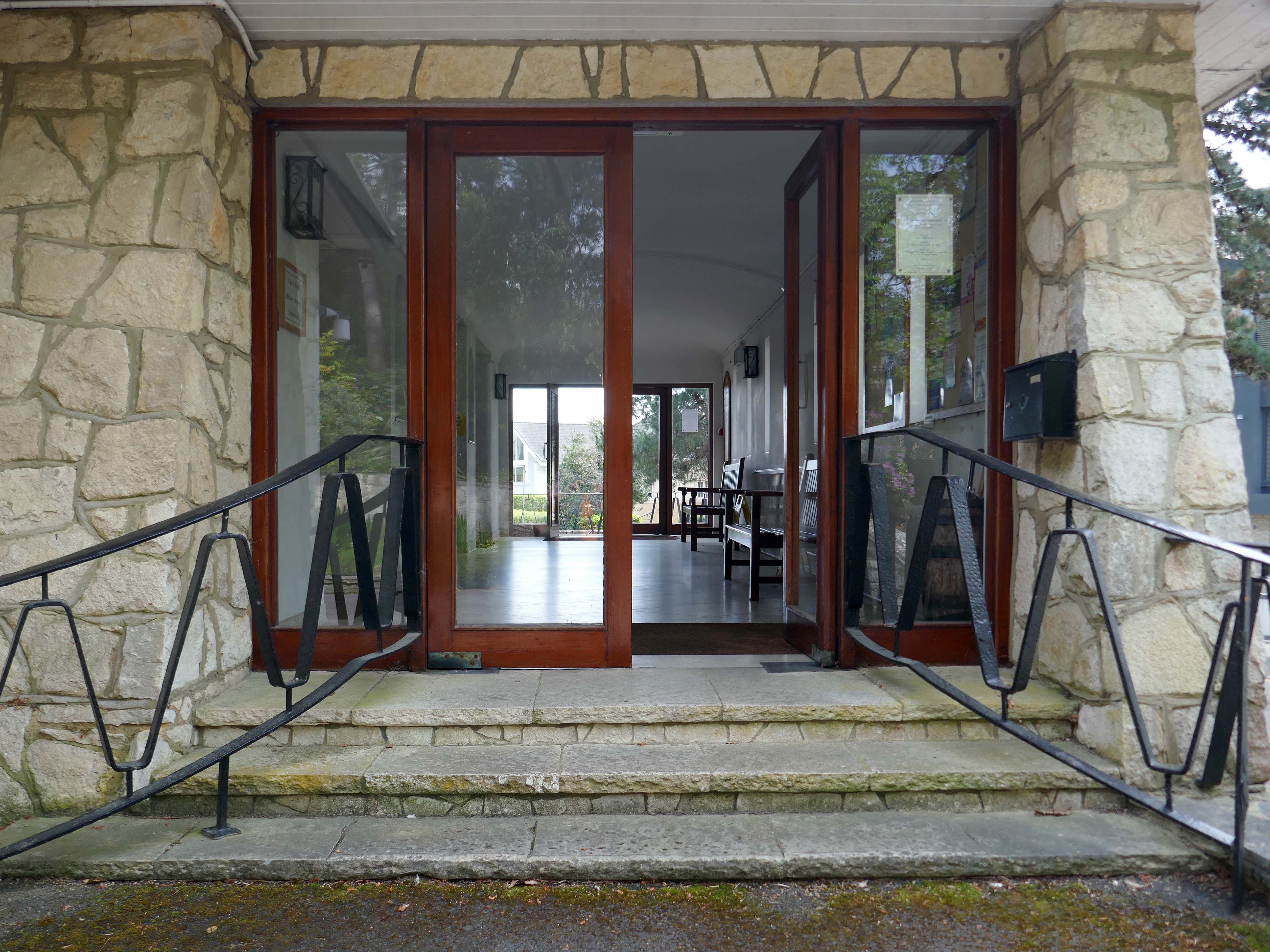
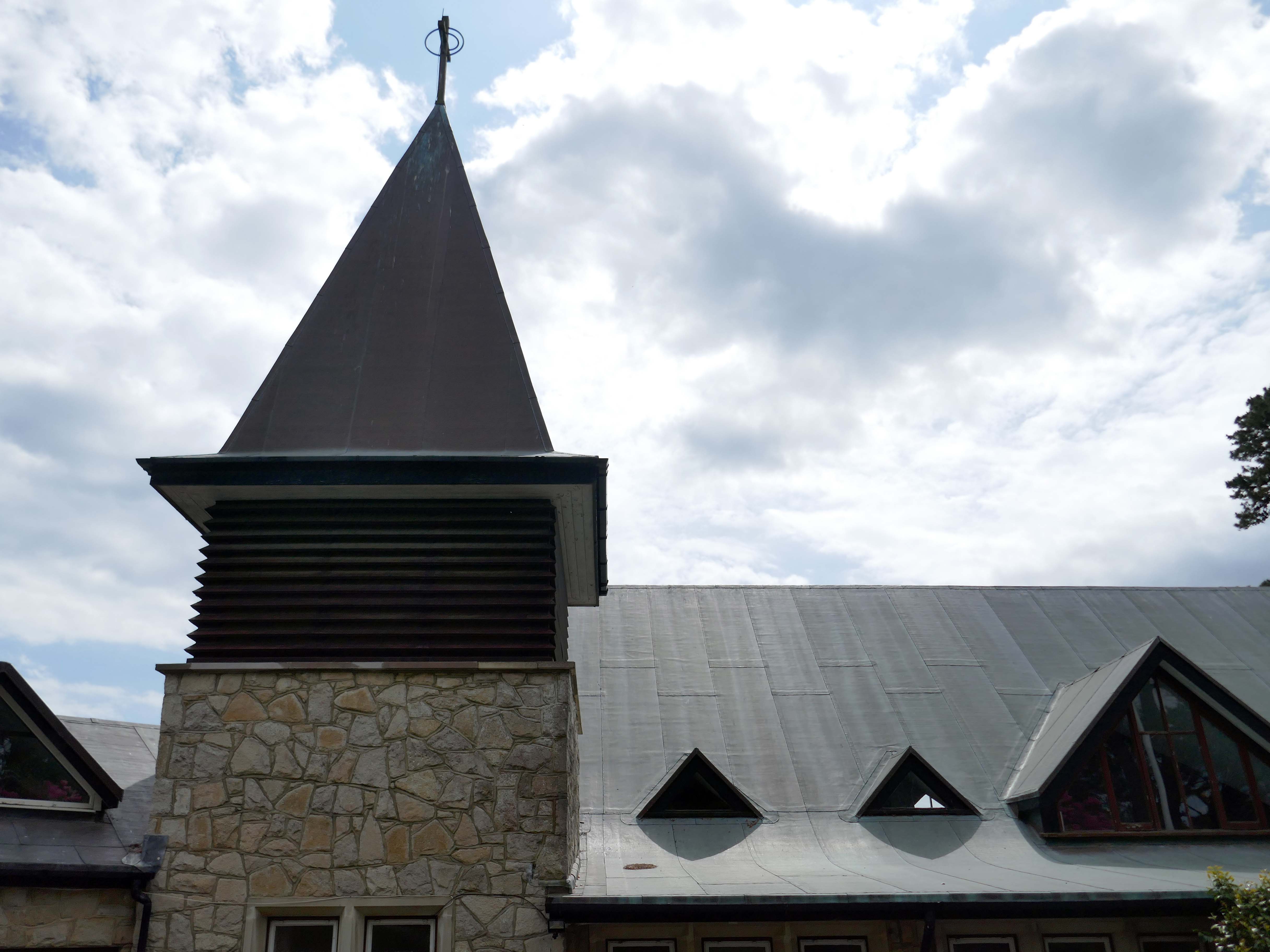
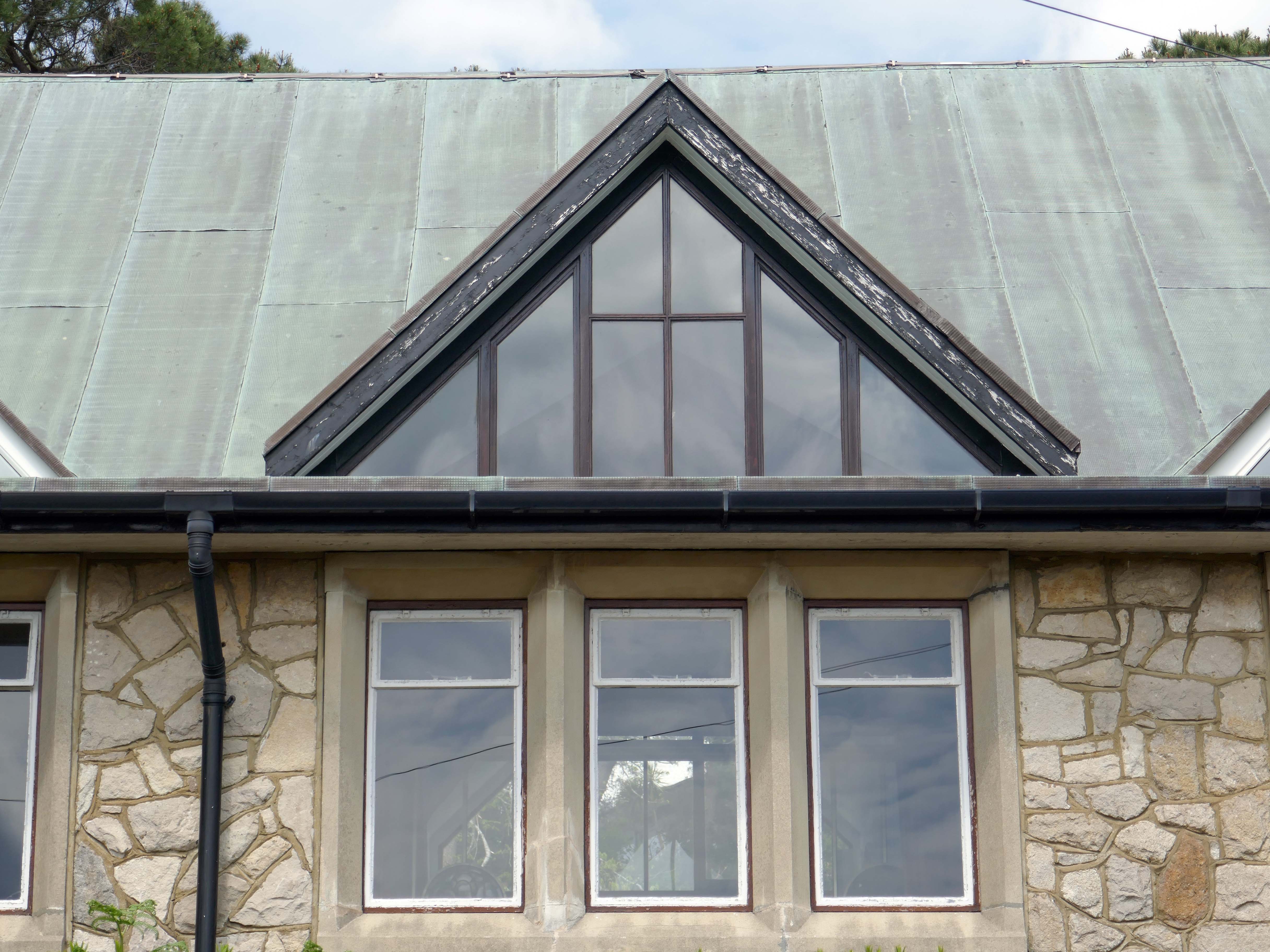
A bungaloid church, the exact ecclesiastical equivalent of Dunromin and Thistledo, with crazy-paved walling and saw-toothed dormers.
It is certainly true that the walls are clad in crazy-paved walling and the dormers are saw-toothed, but this was a little unfair.
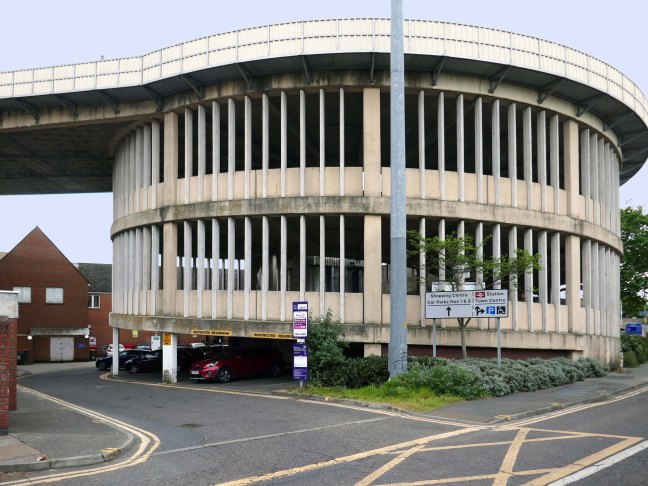
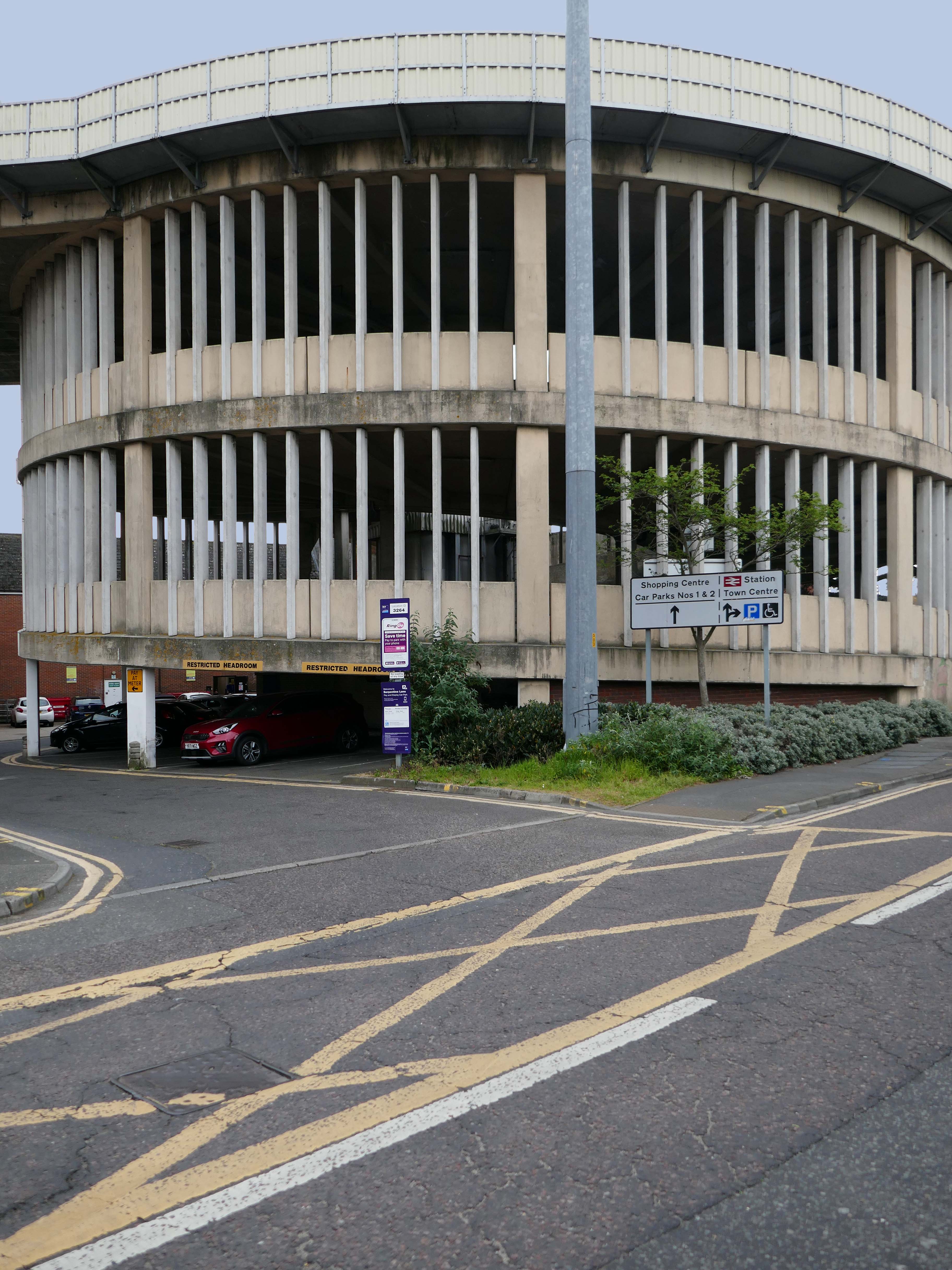
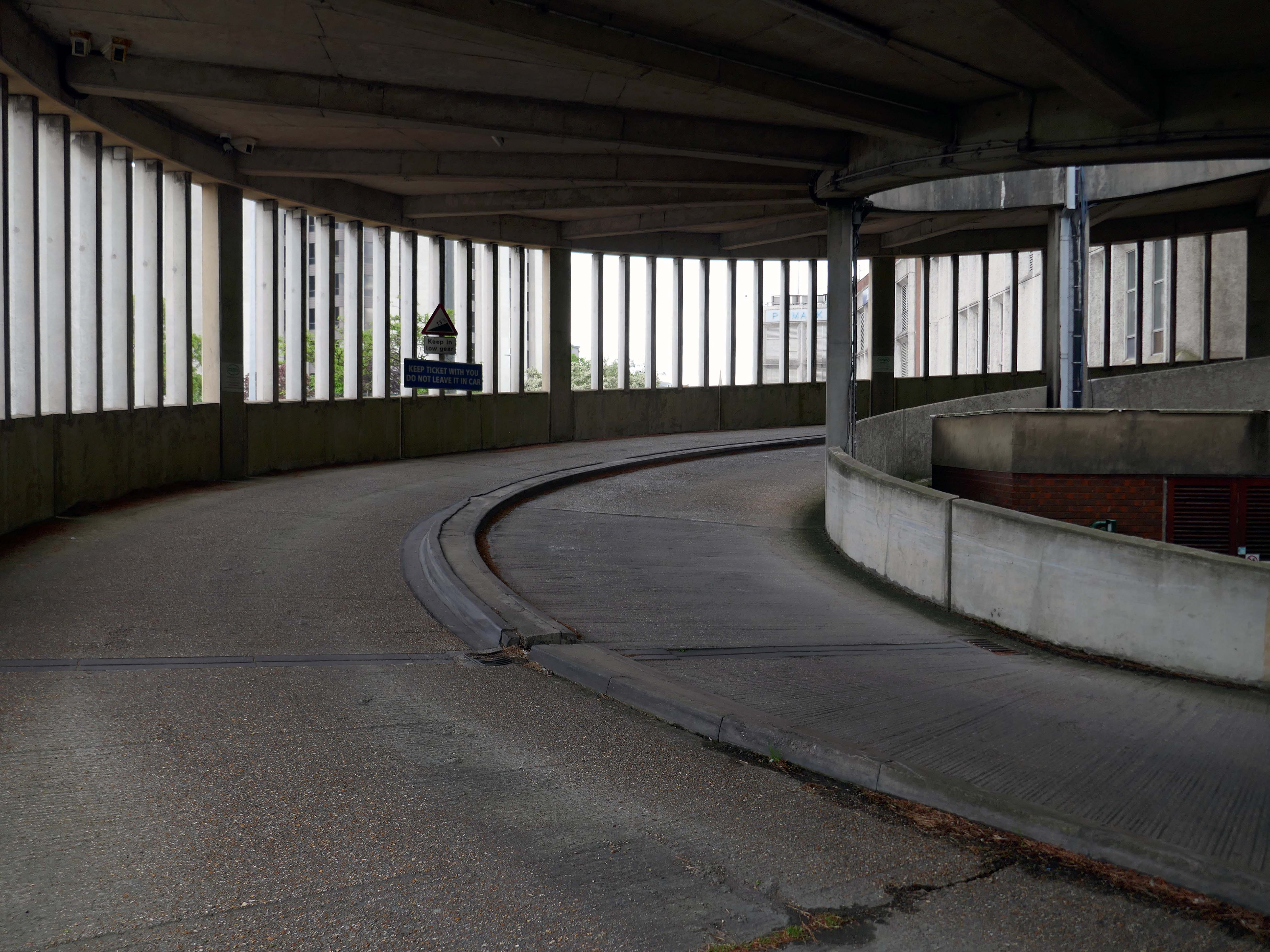
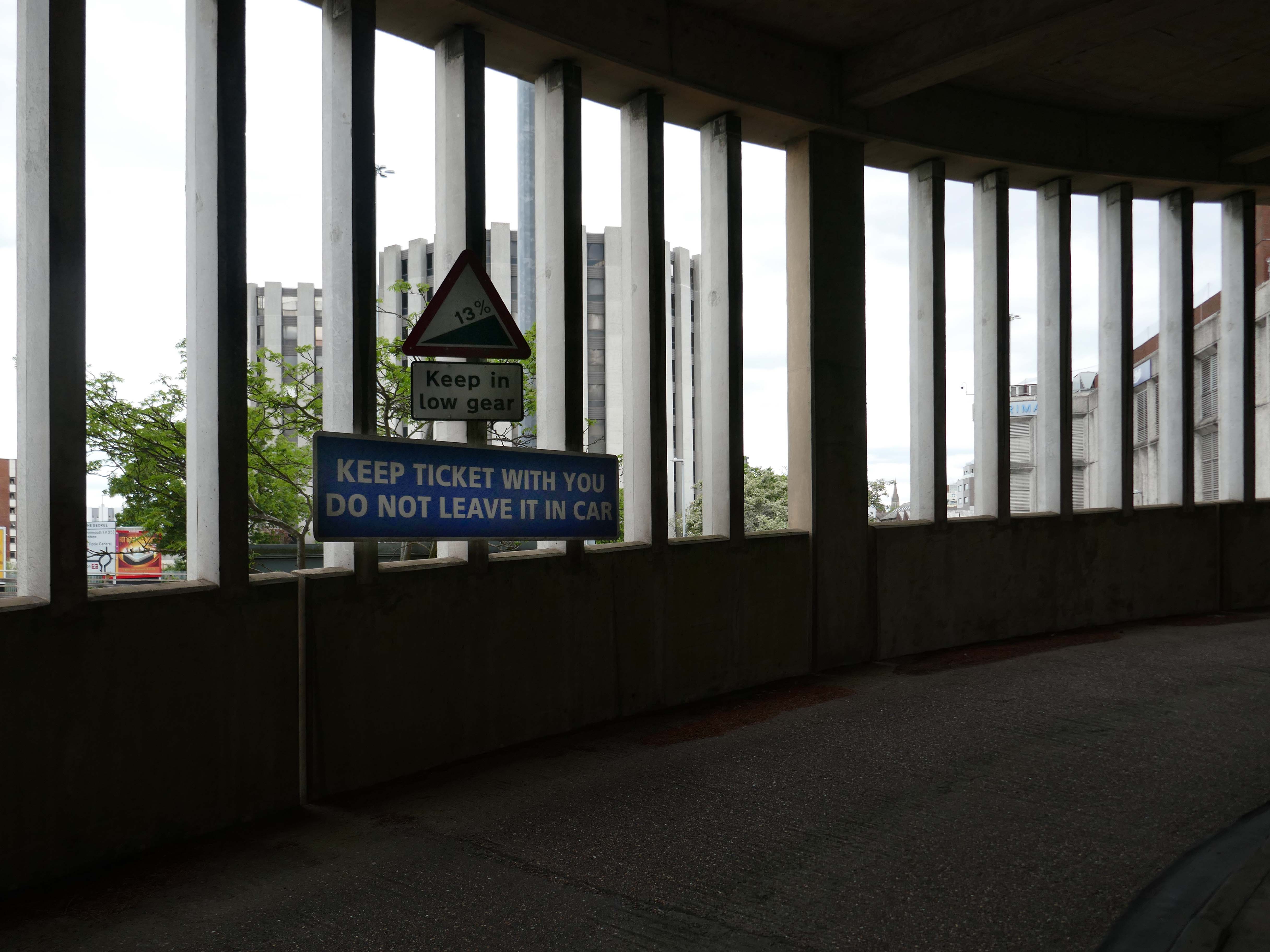
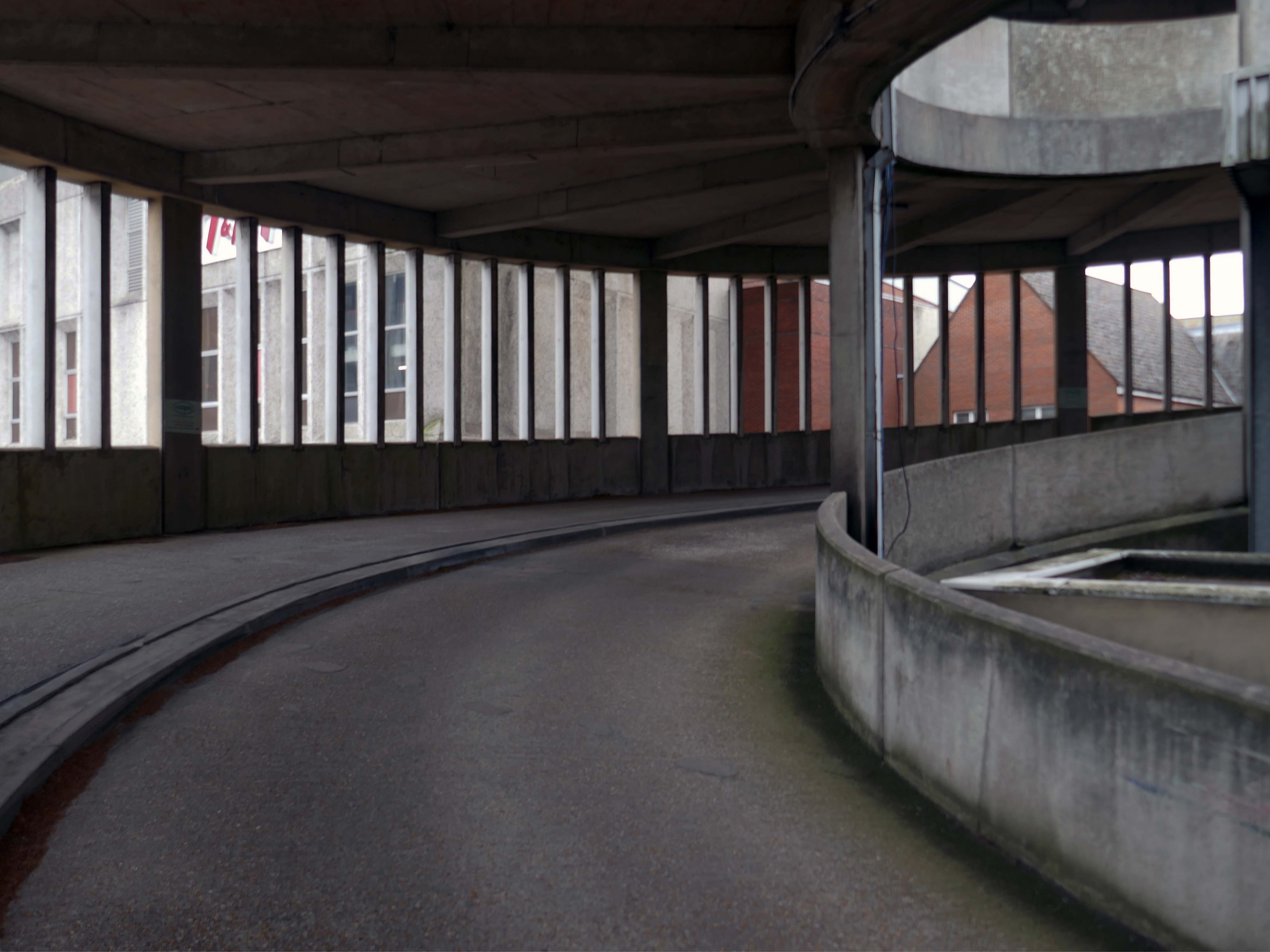
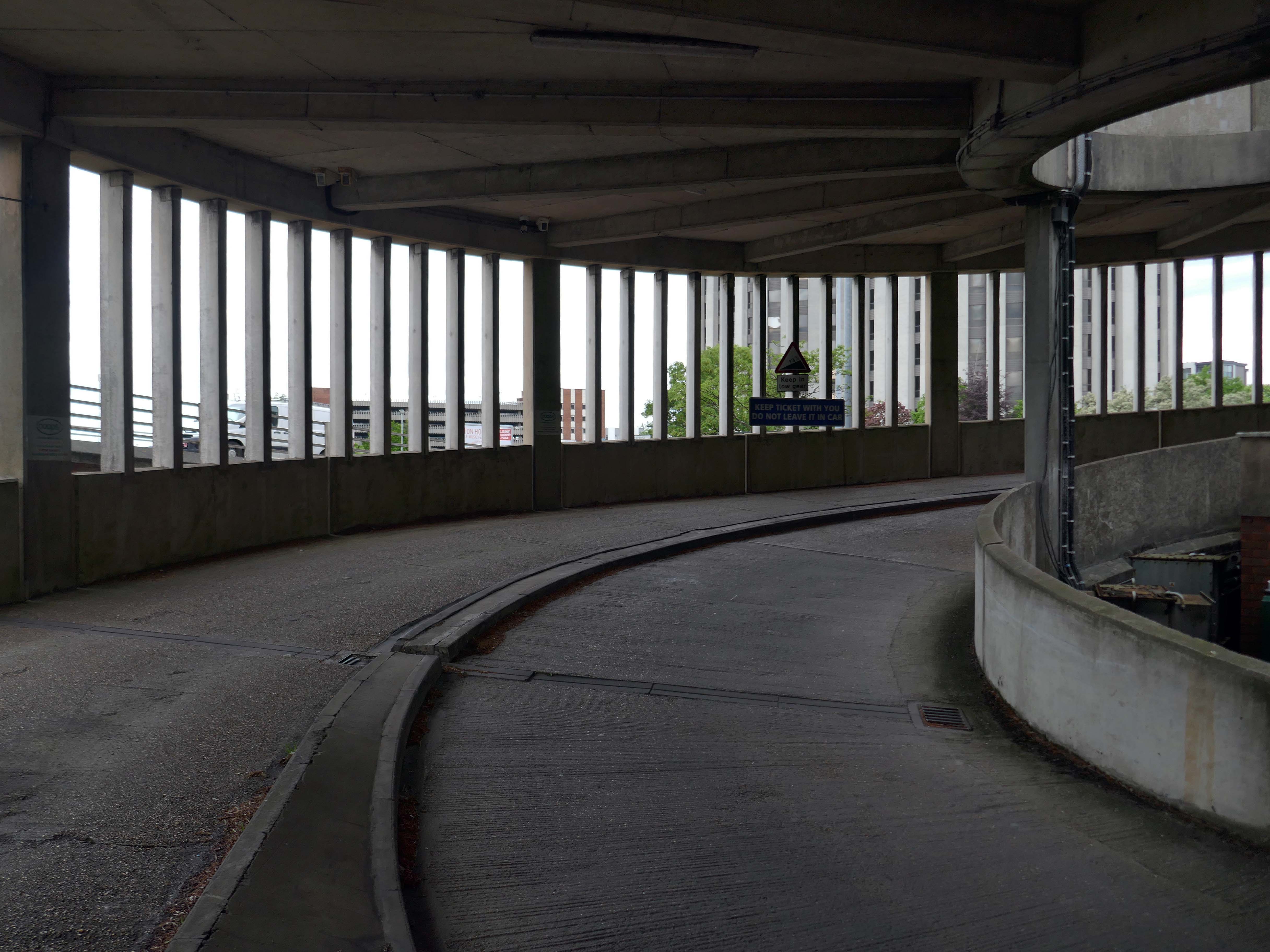
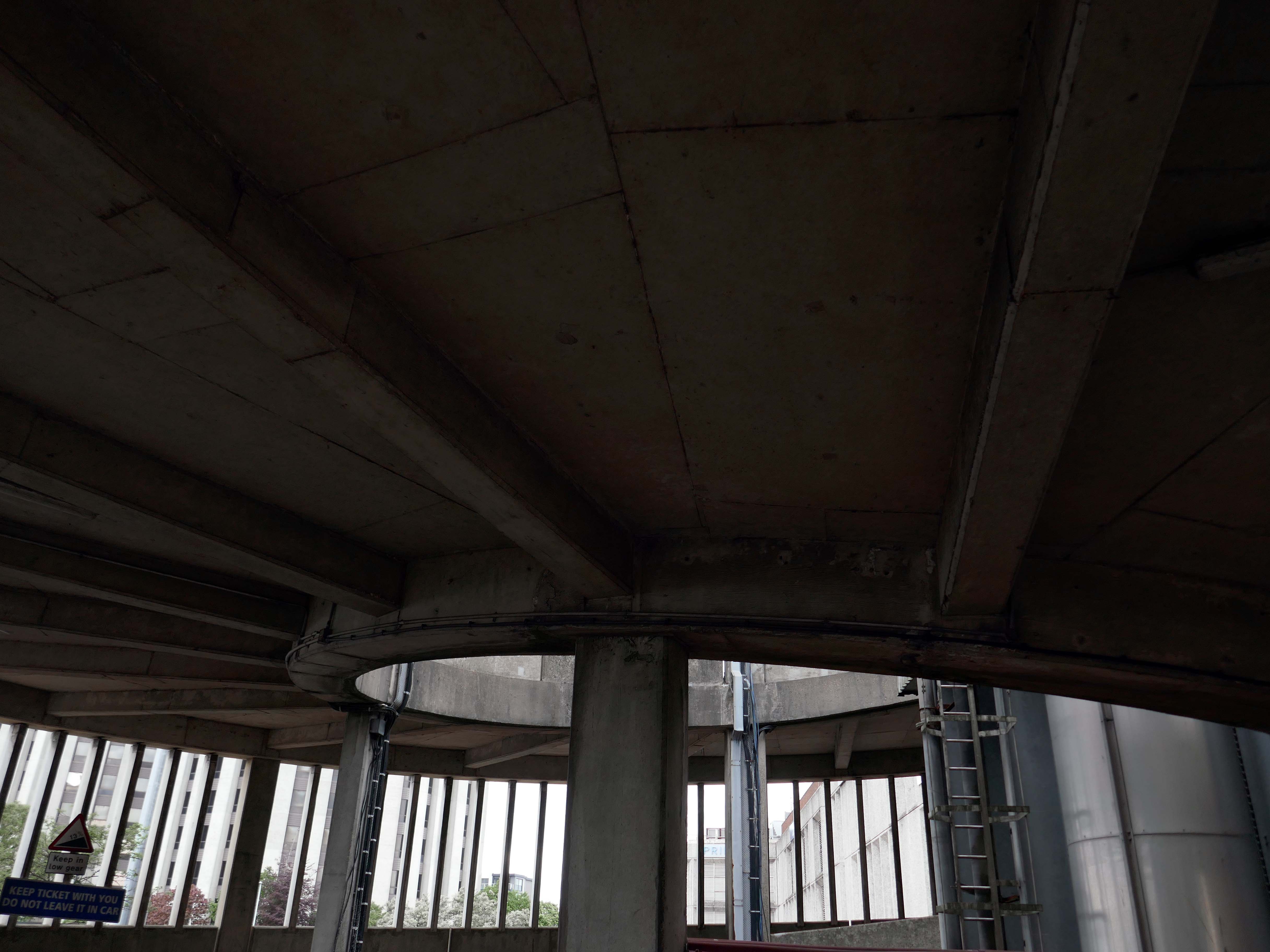
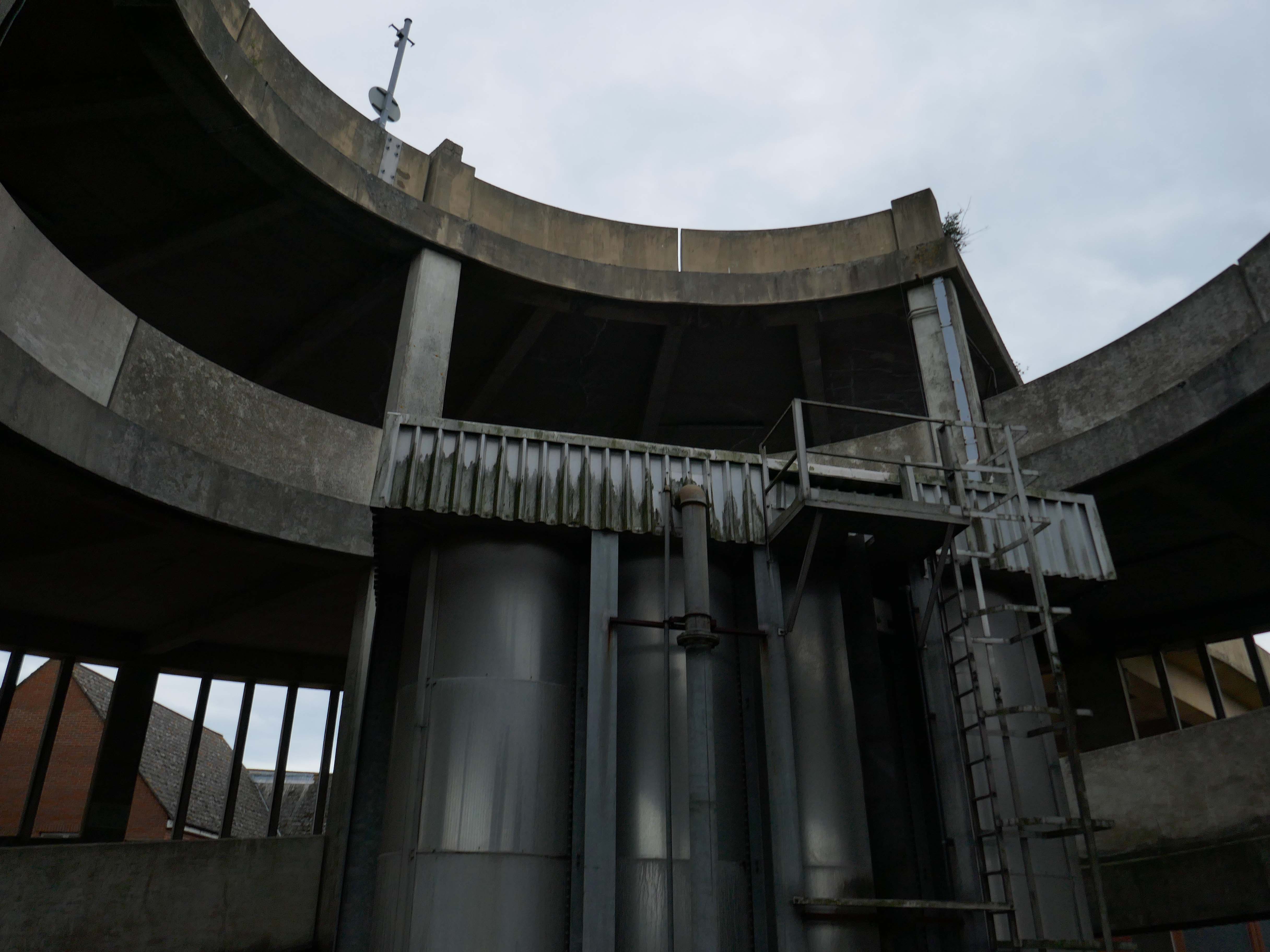
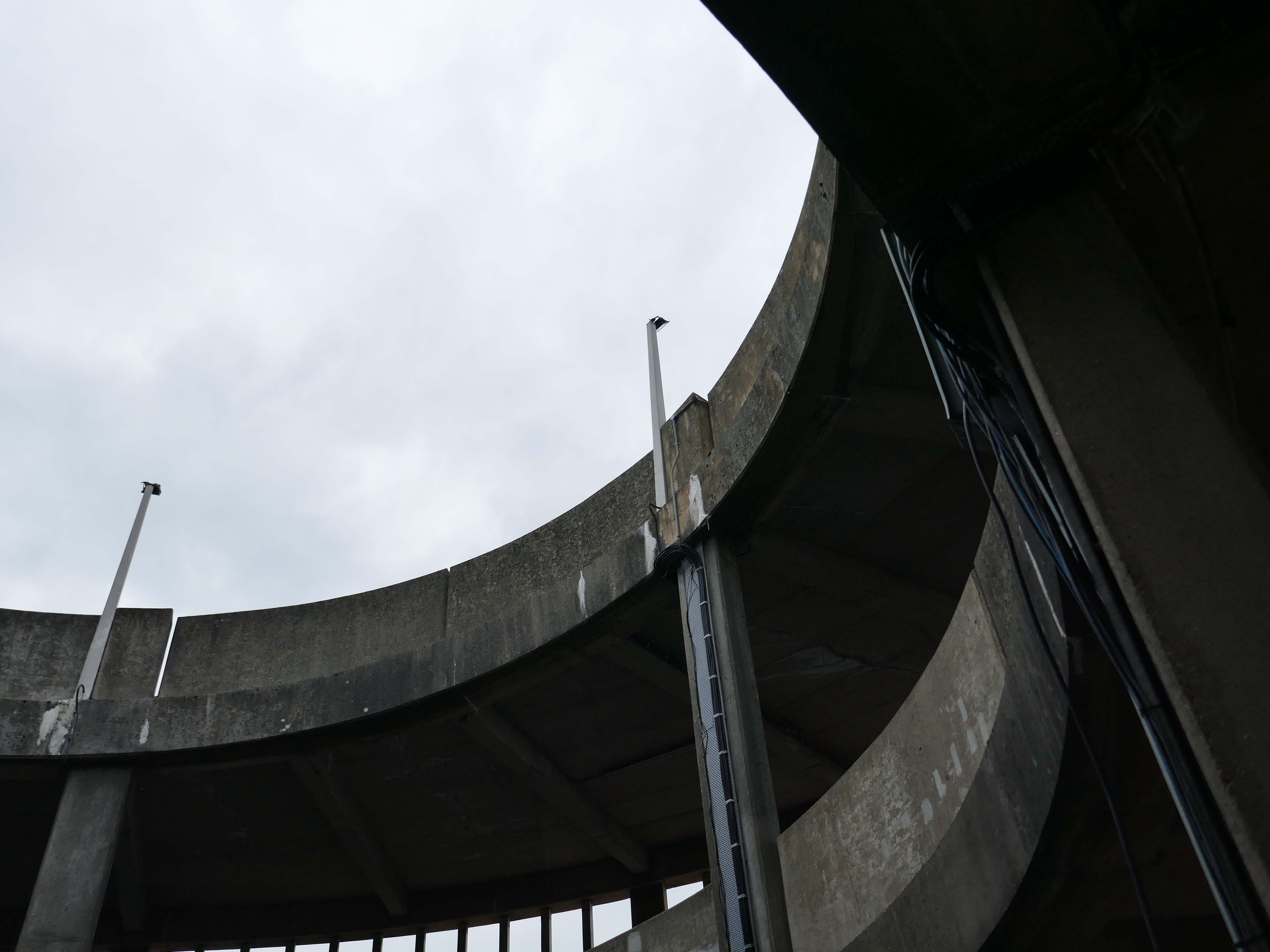
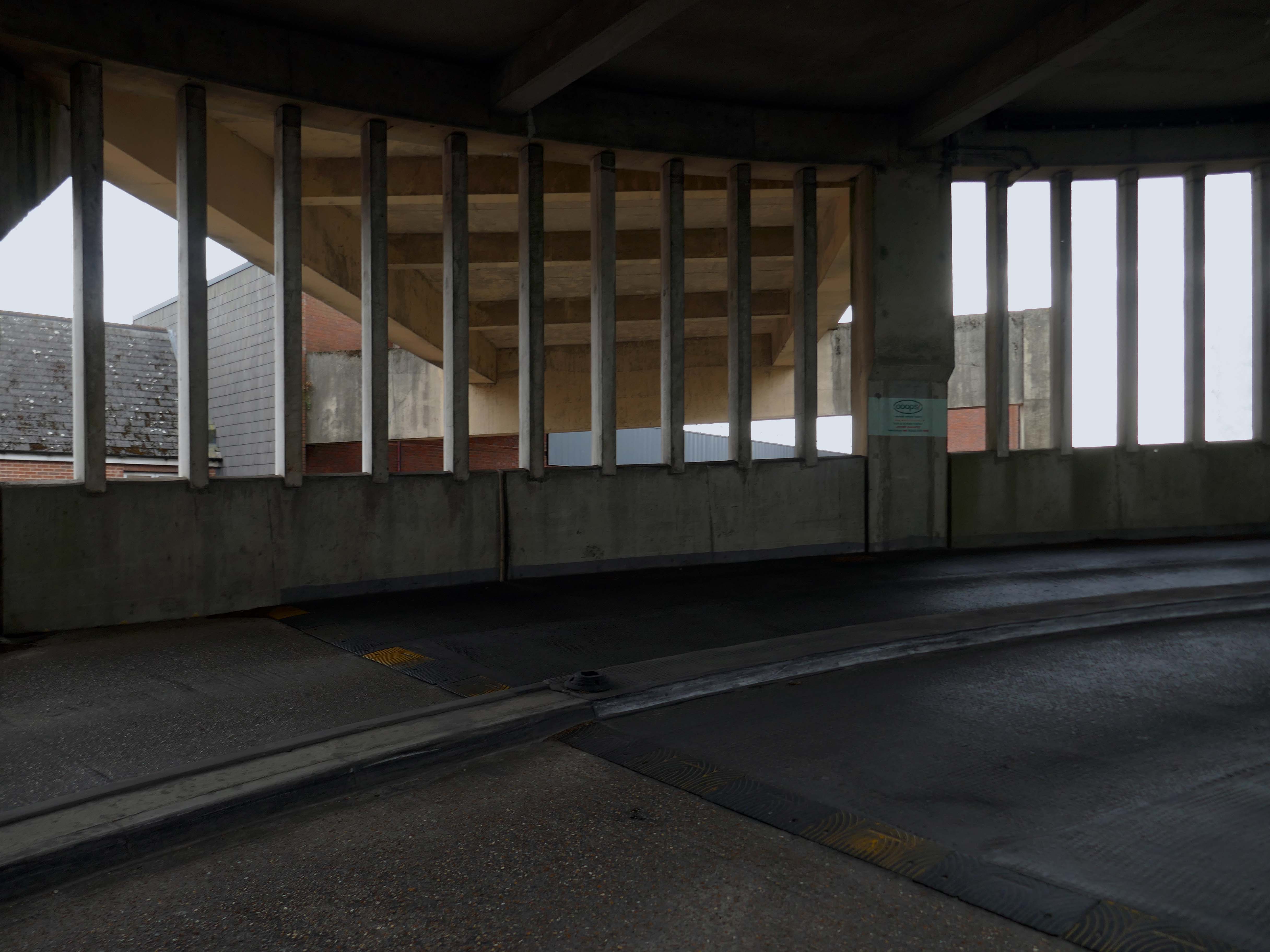
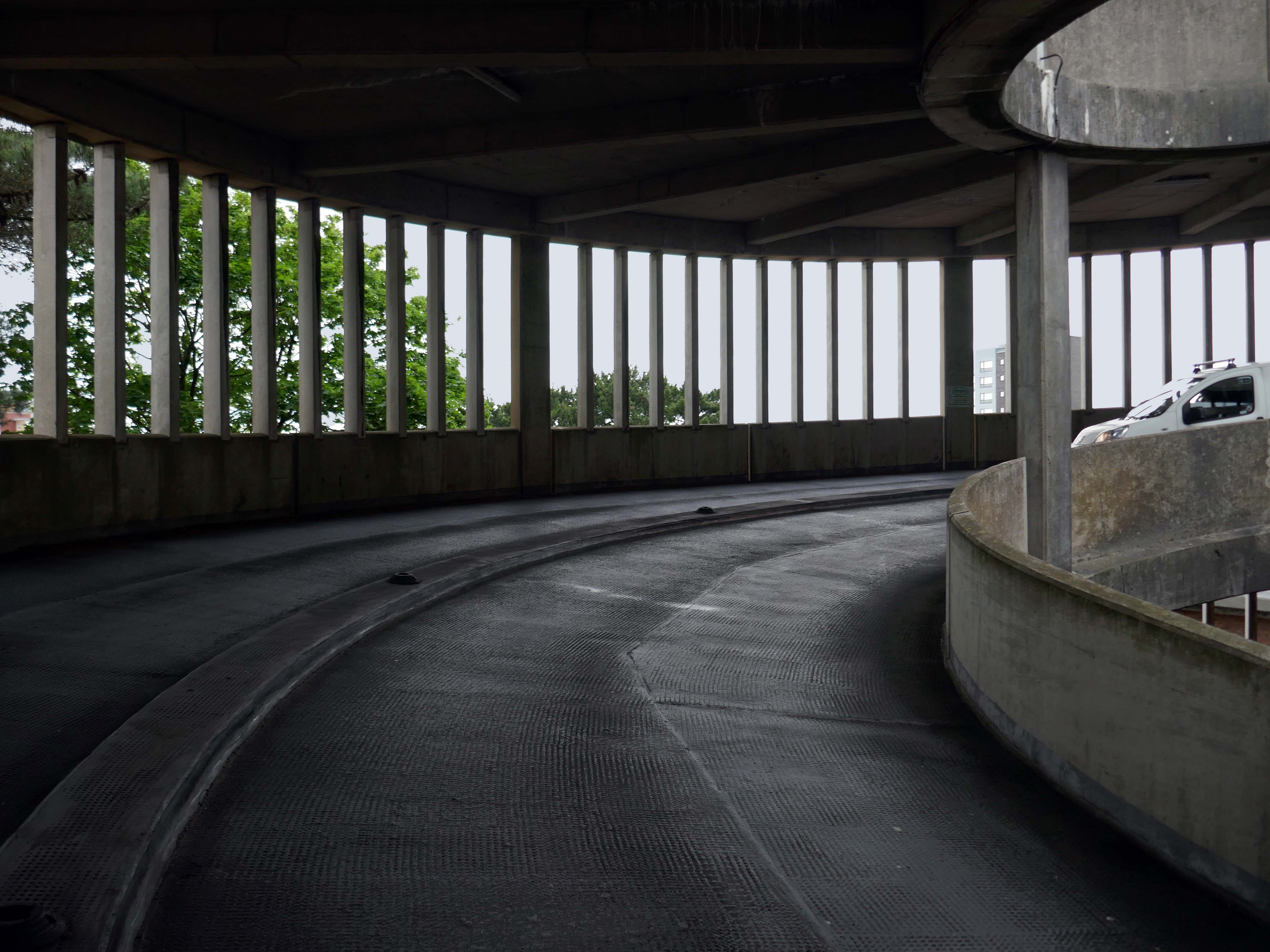
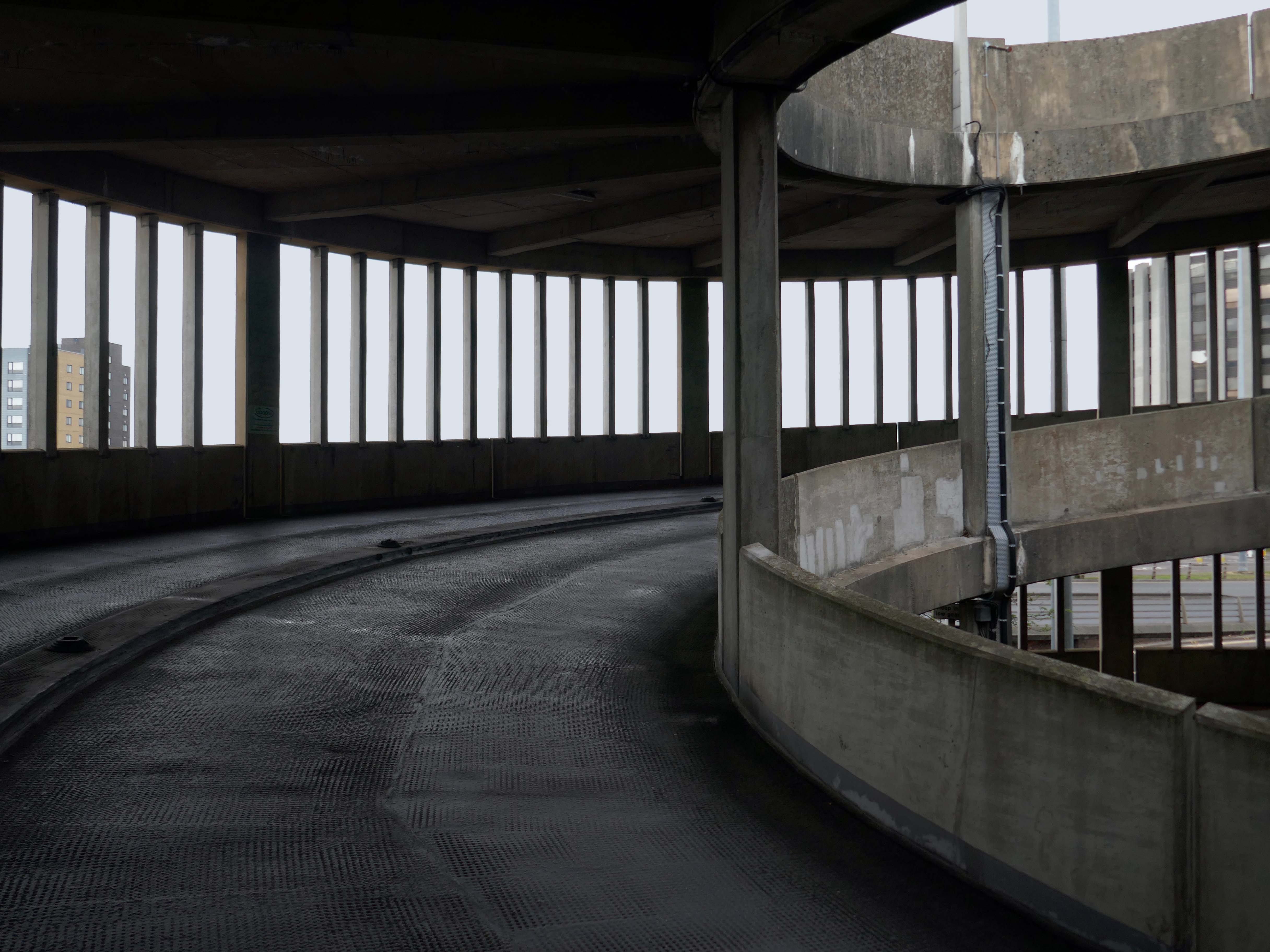
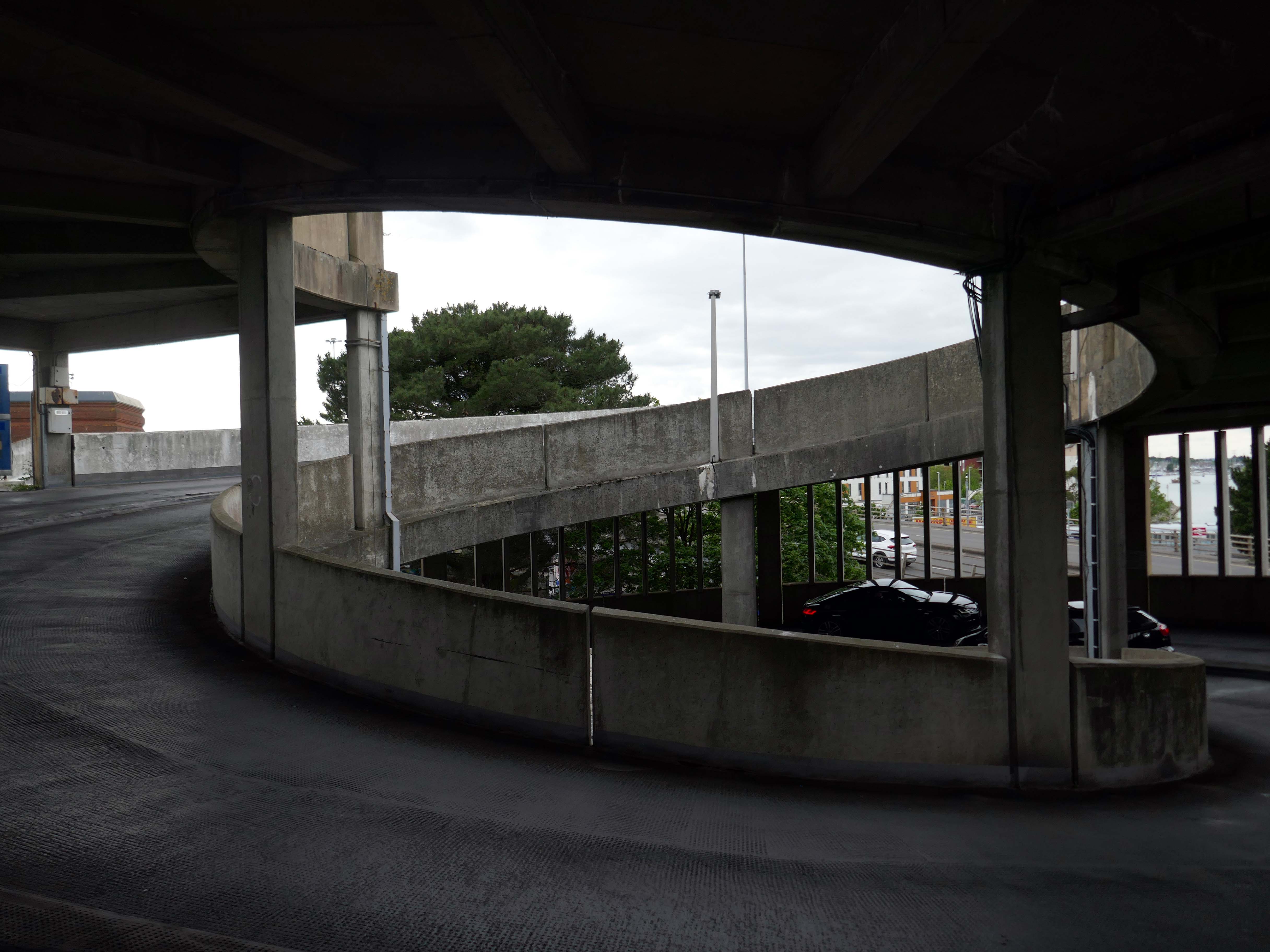
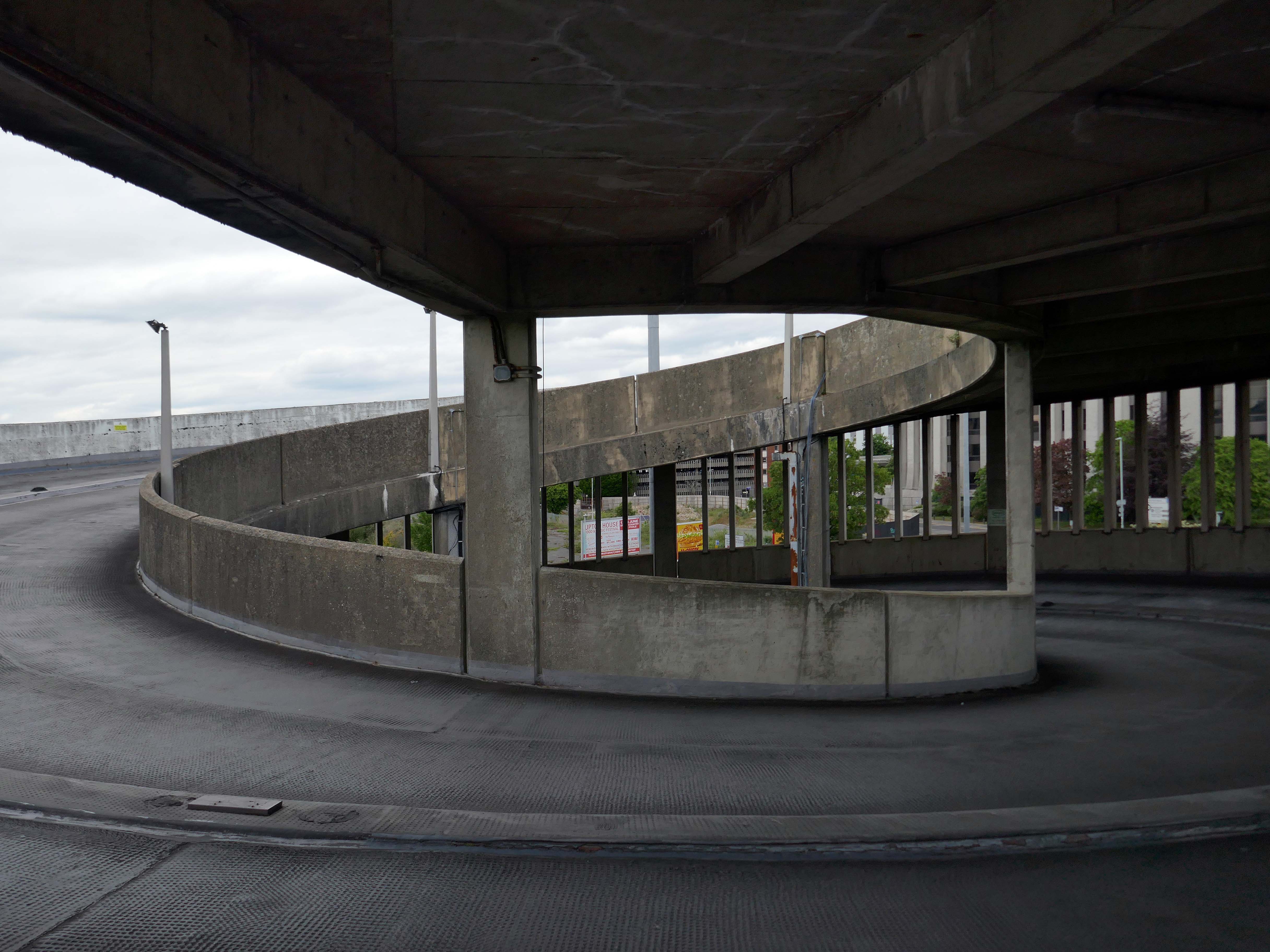
Always a pleasure to walk the spiral ramp of a multi-storey car park, with the extra added pleasure of a passing motorist enquiring after my well being.
“Are You Lost?”
“No I’m taking pictures, but thanks anyway, if I ever am lost I’ll certainly know who to ask.”
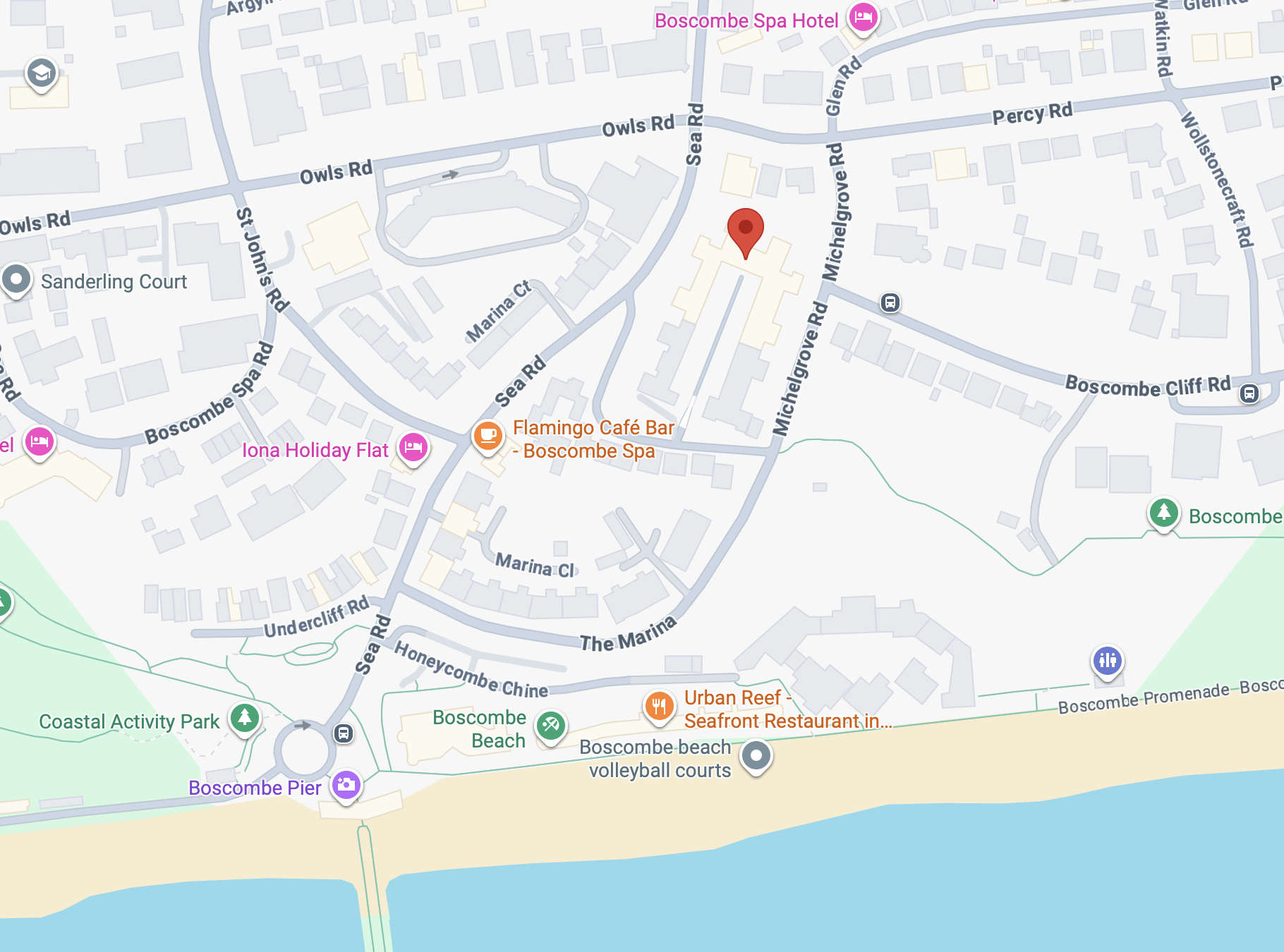
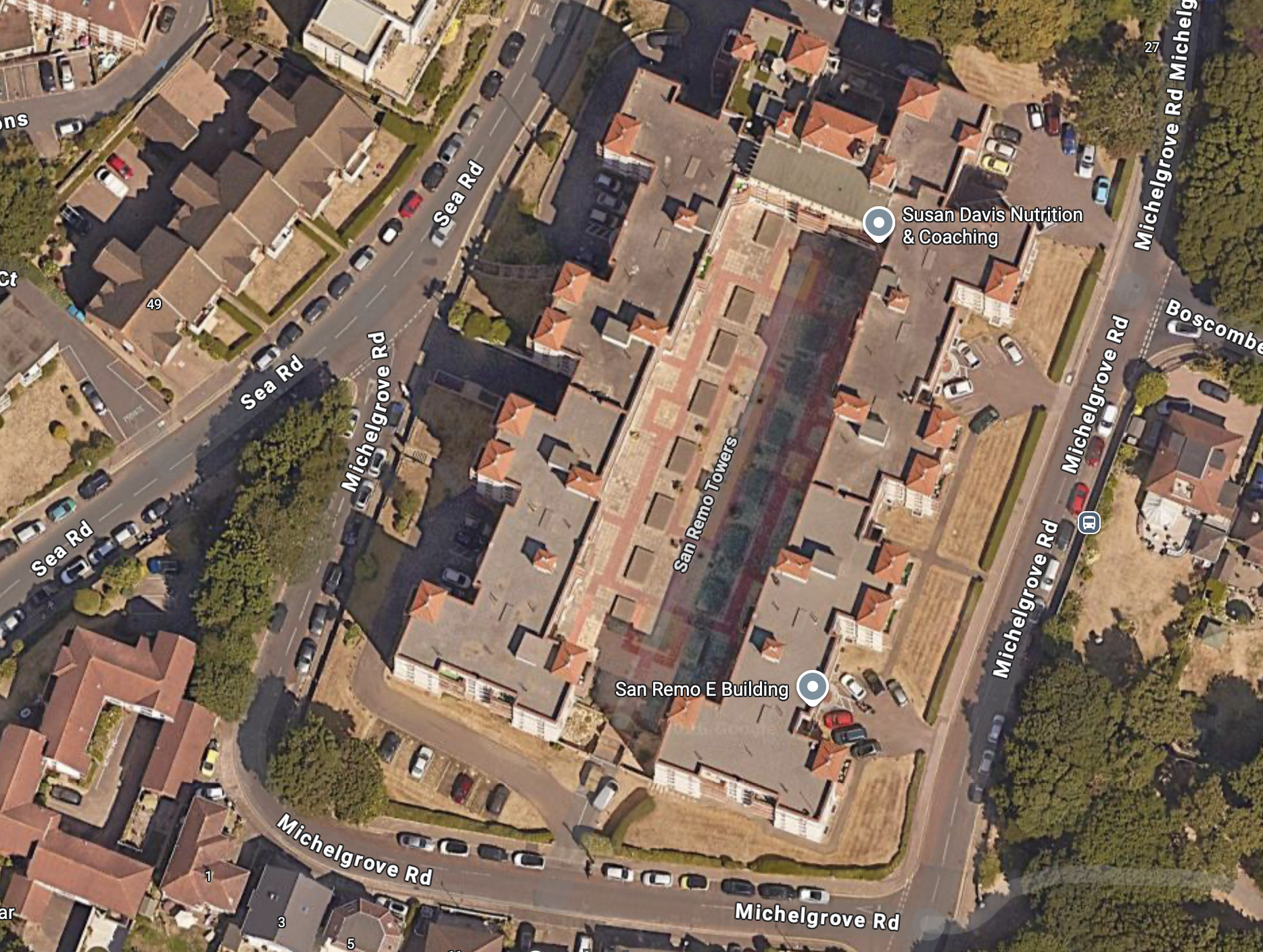
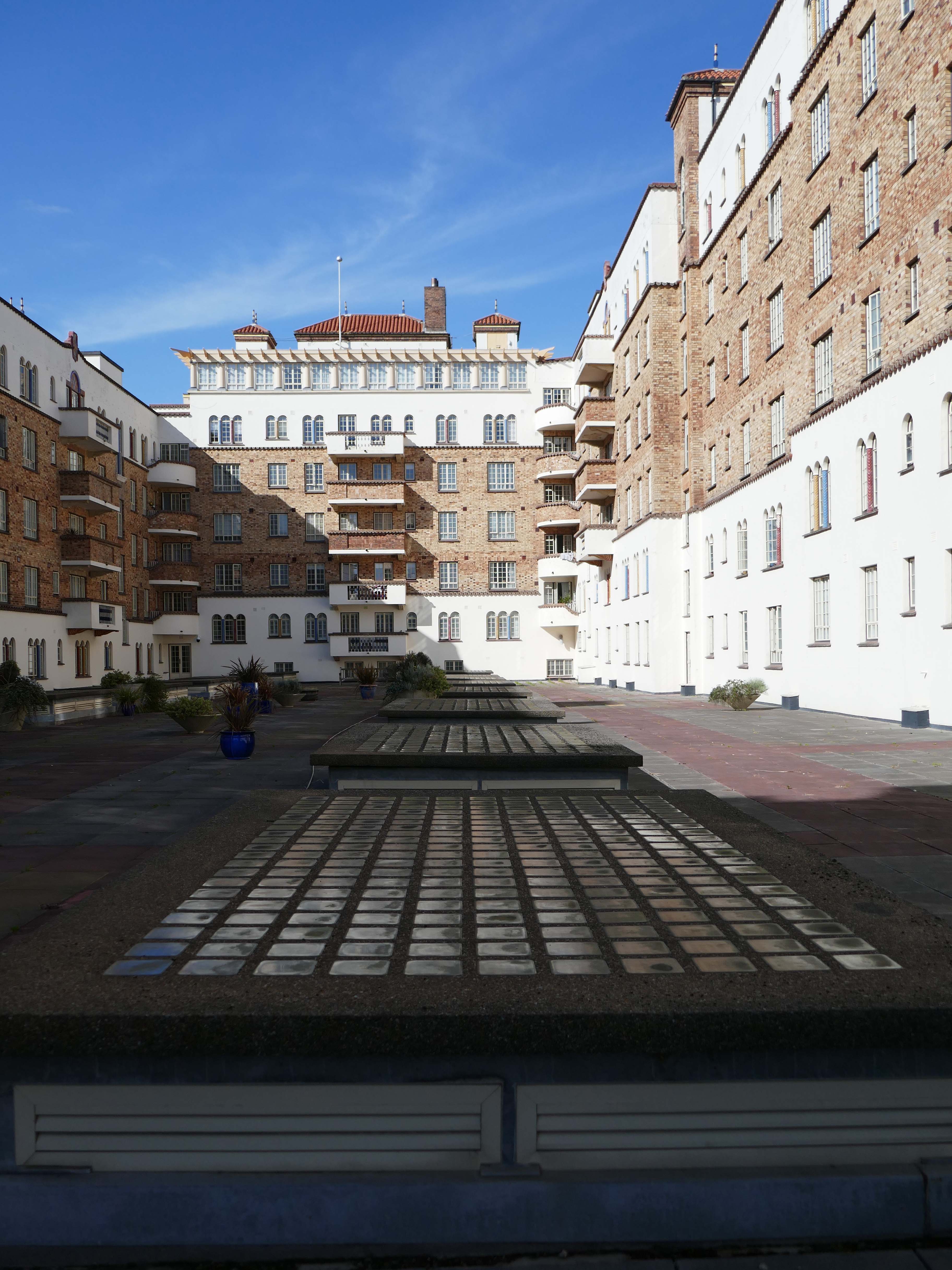
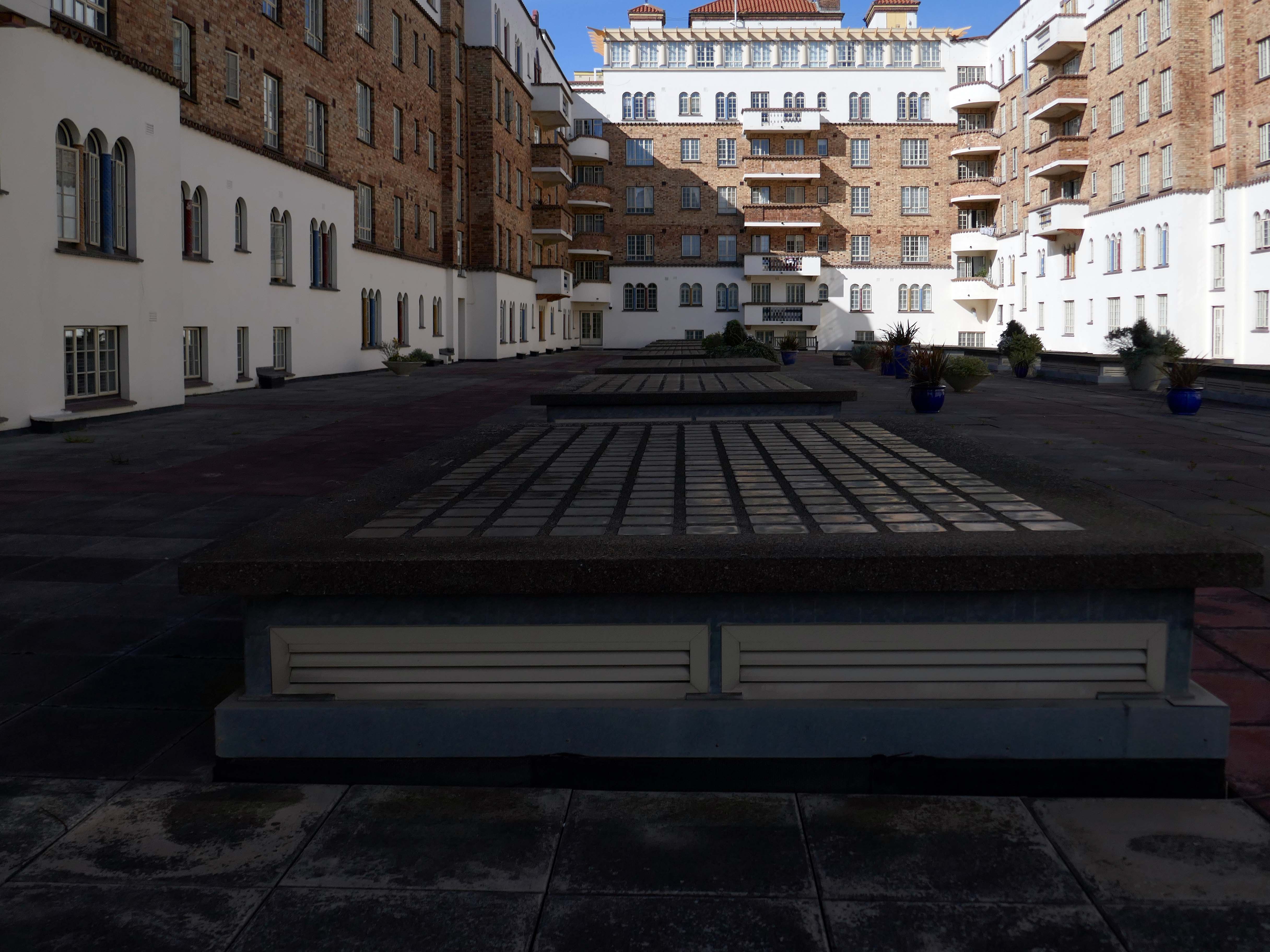
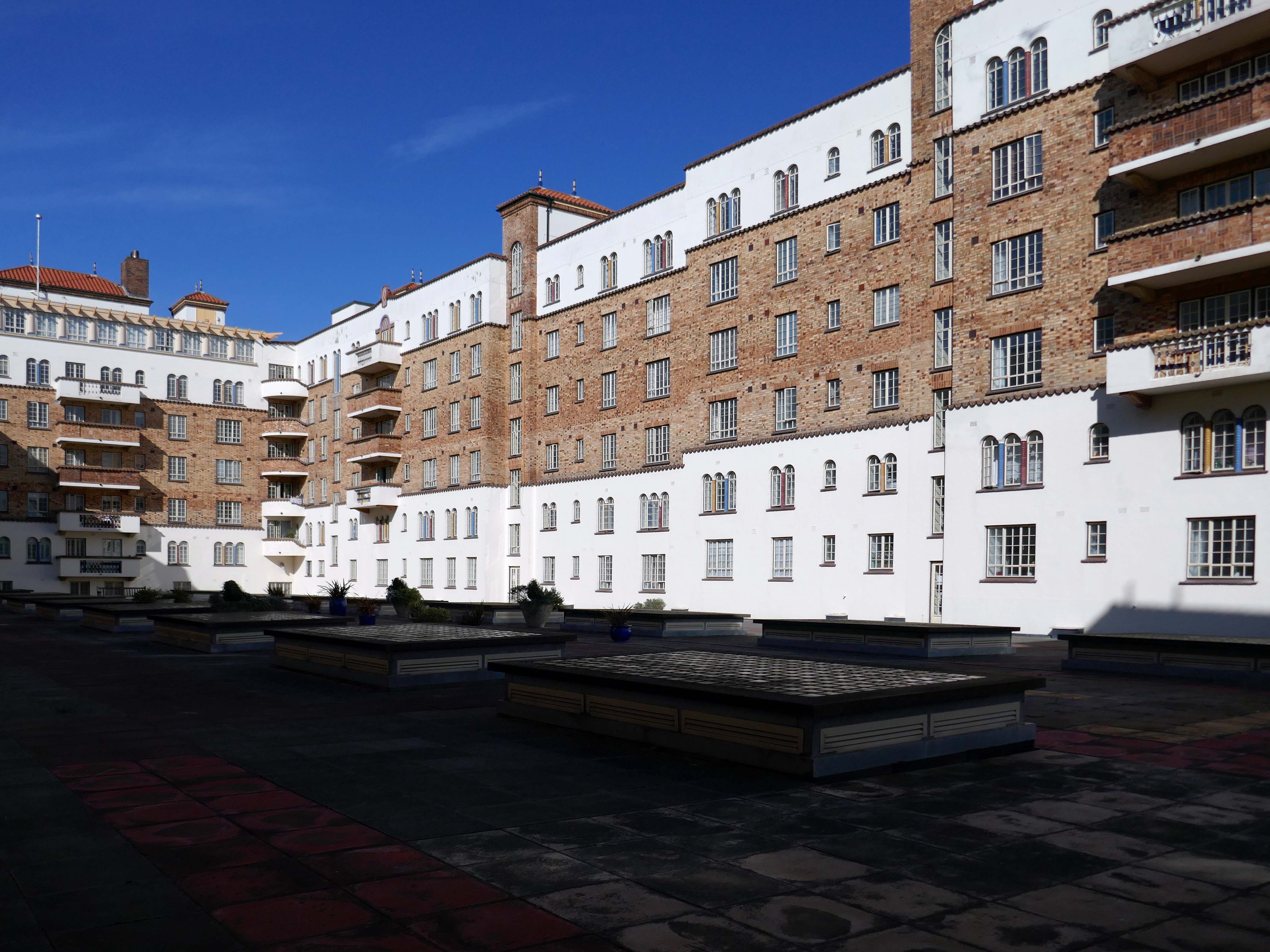
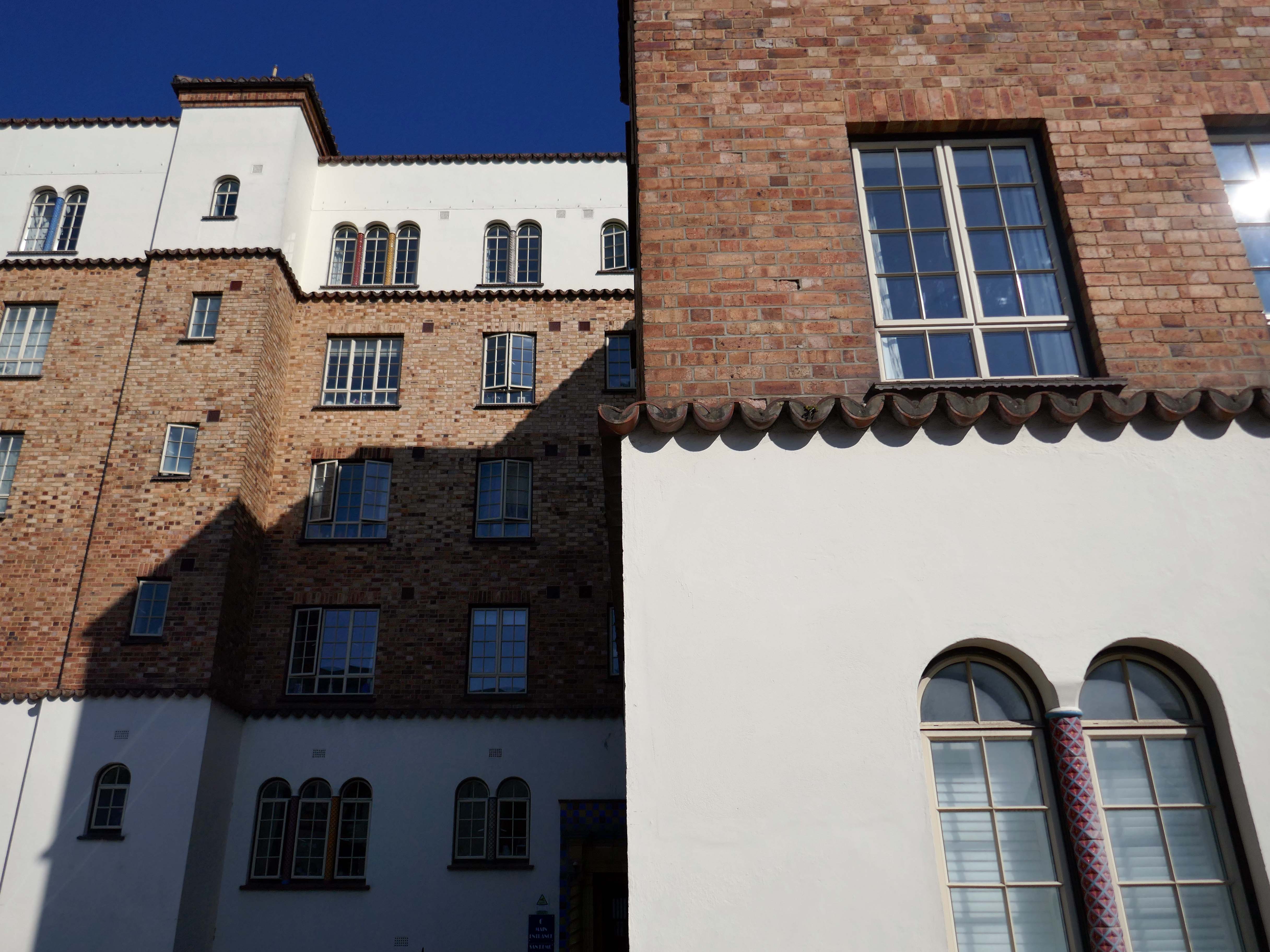
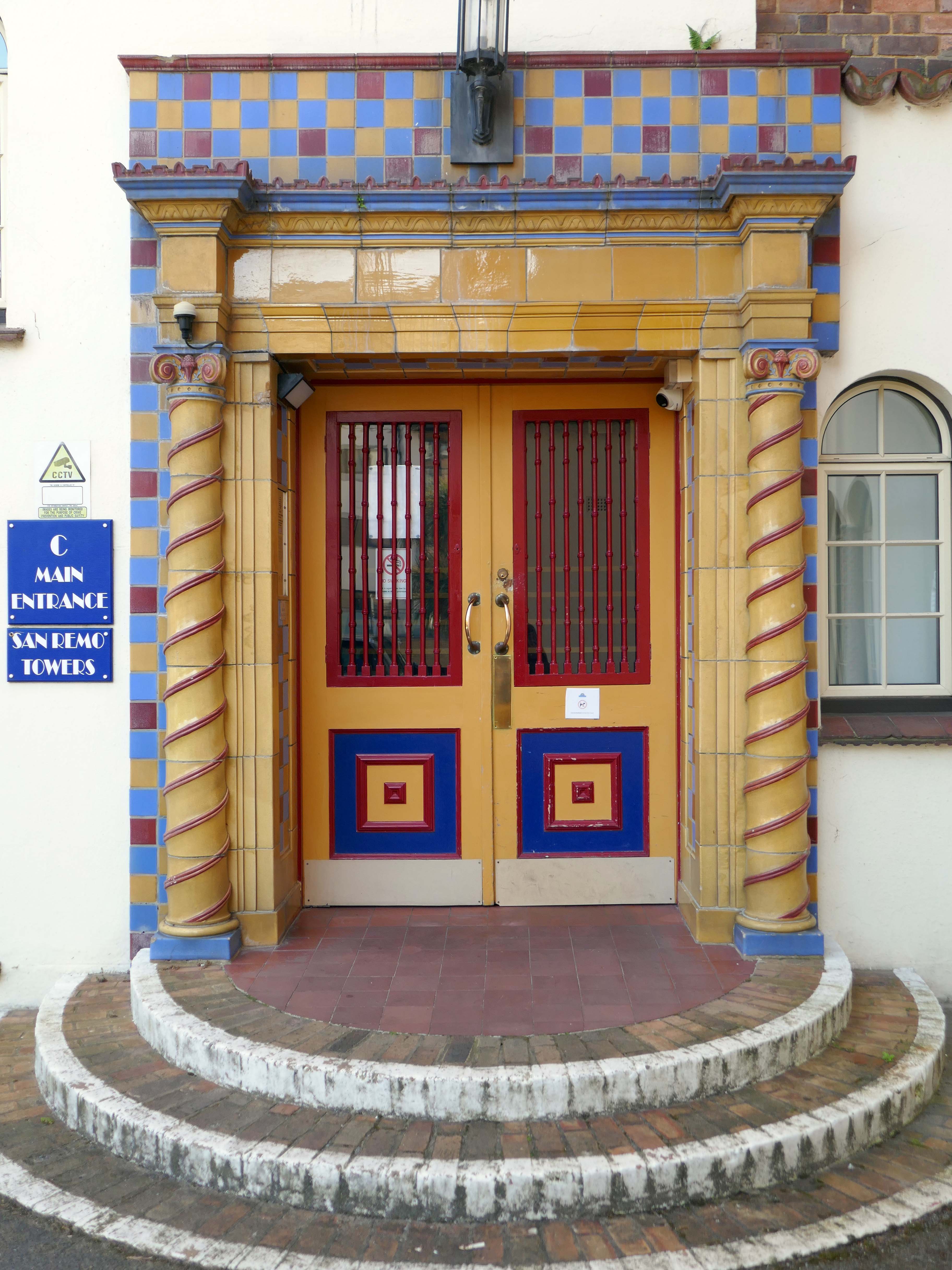
San Remo Towers Sea Rd Boscombe Bournemouth BH5 1JY
Alwyn Ladell
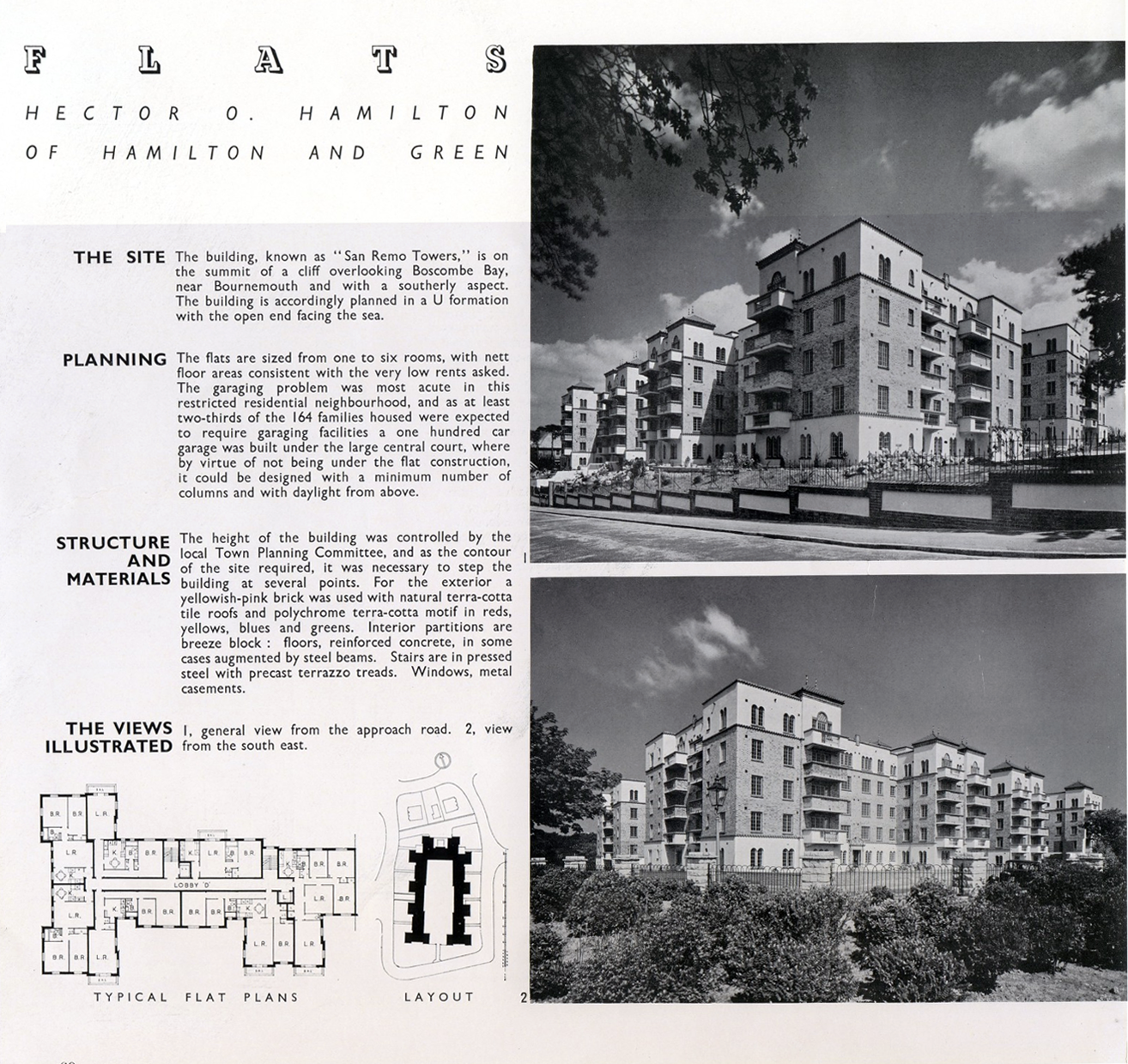
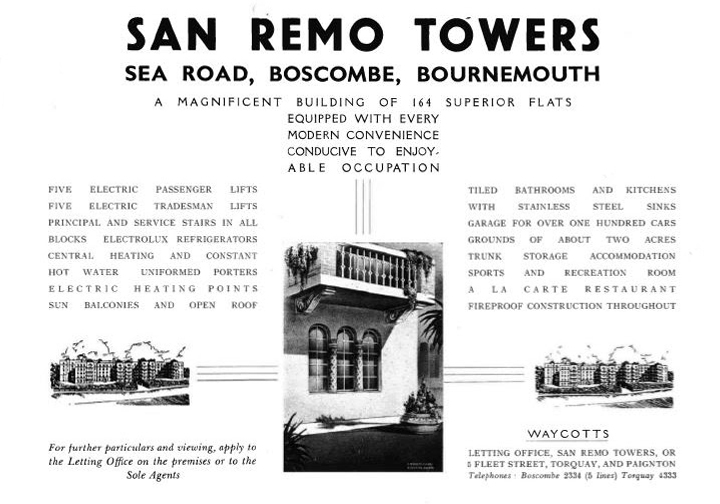
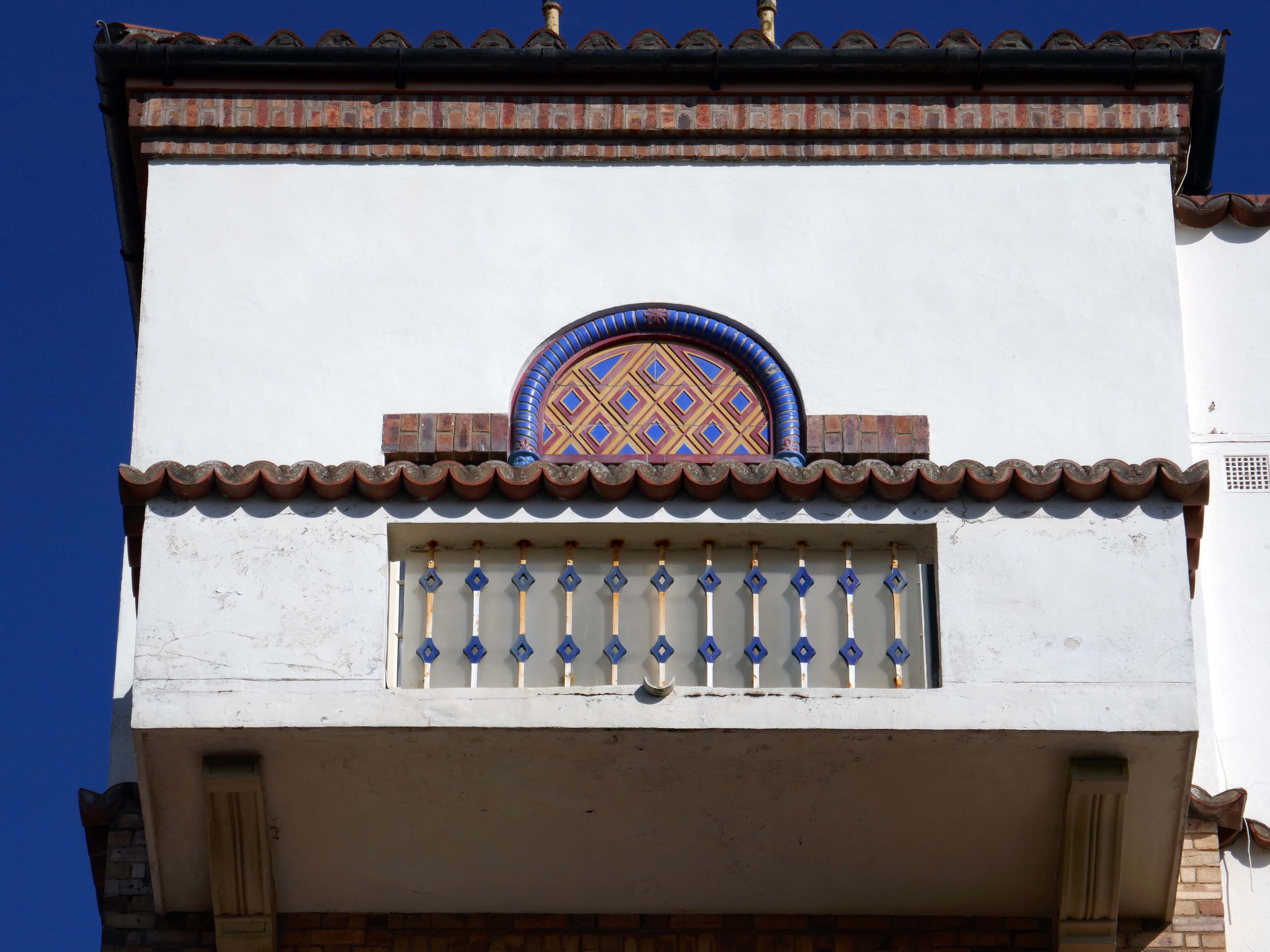
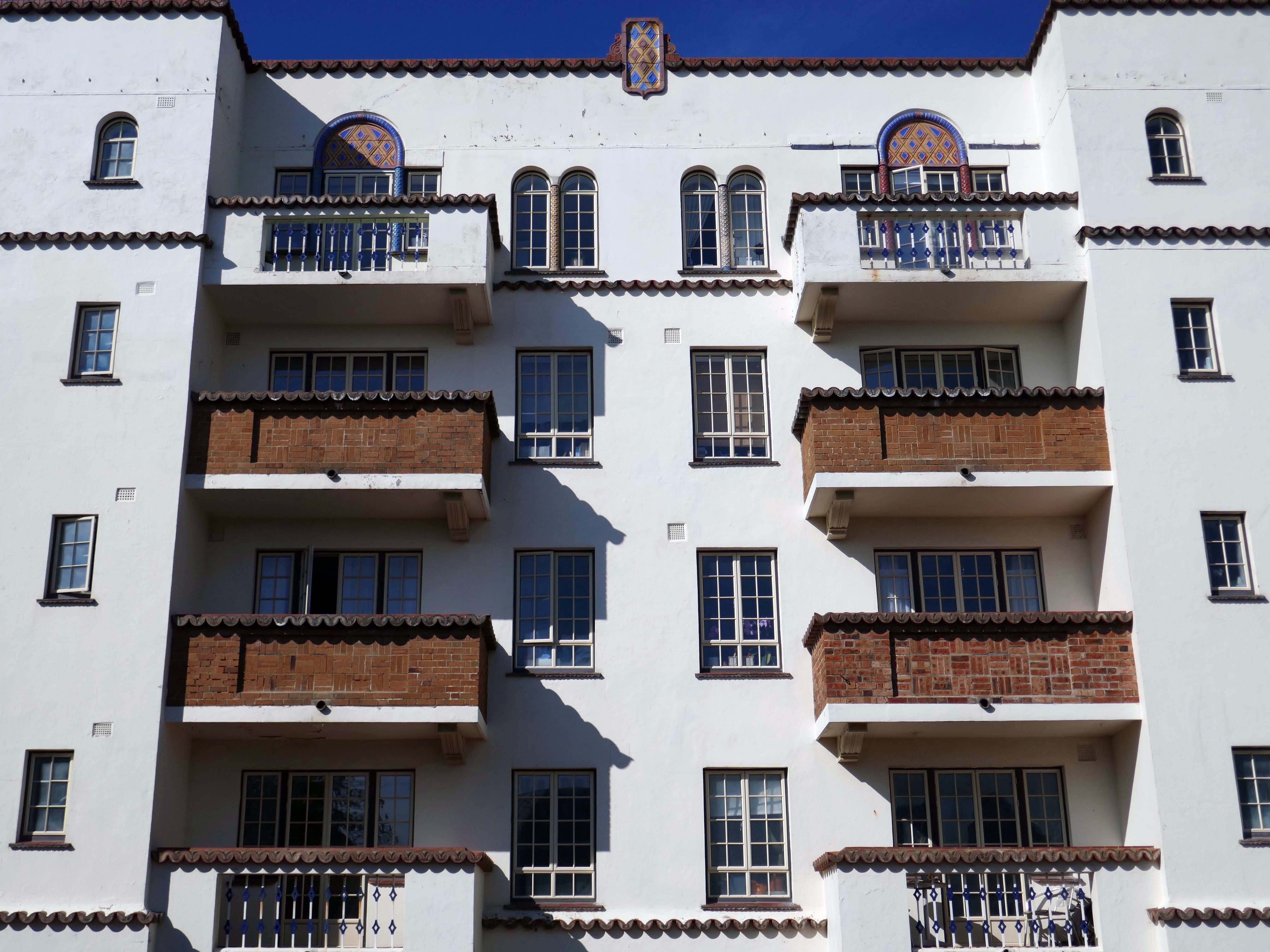
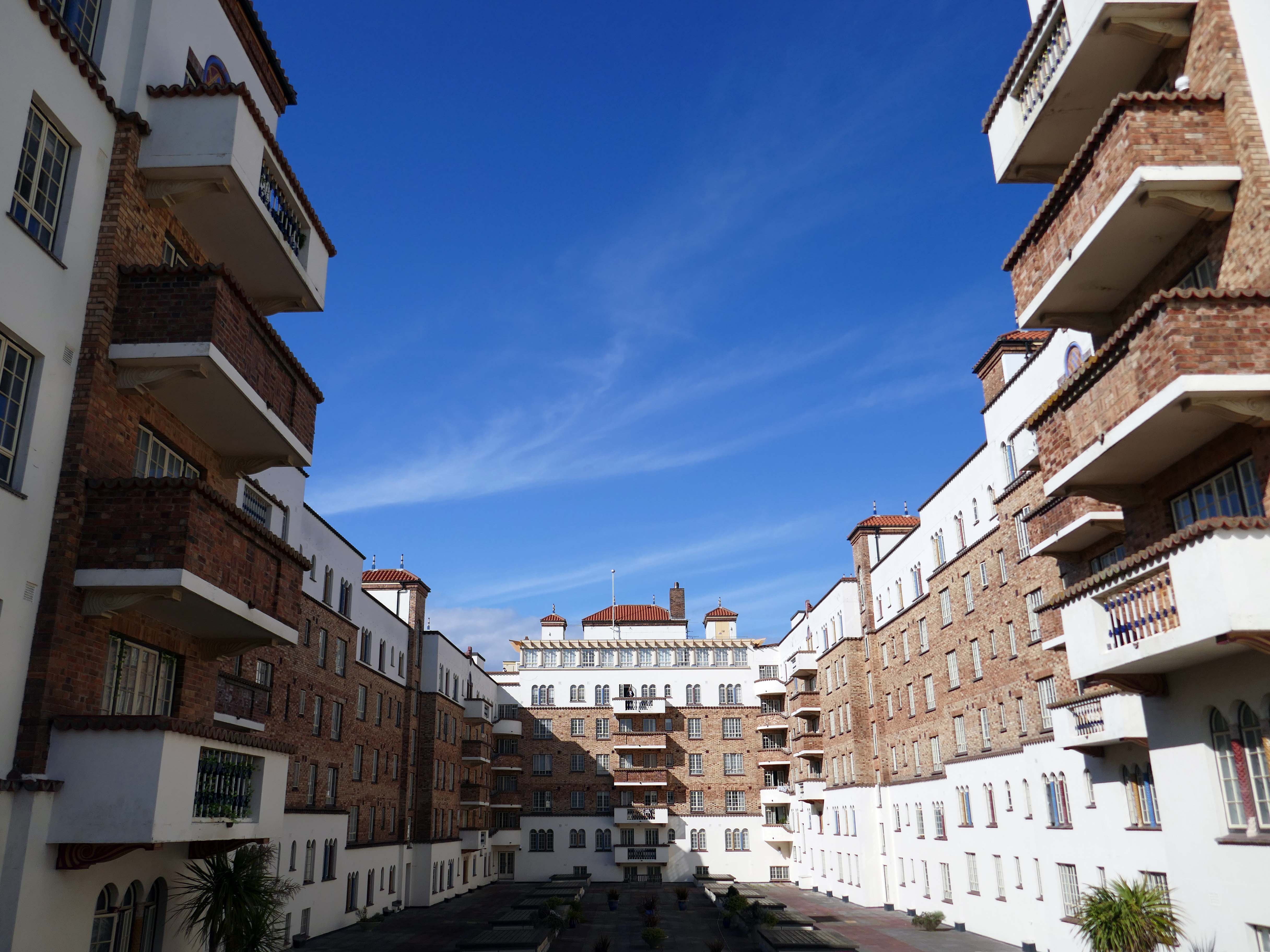
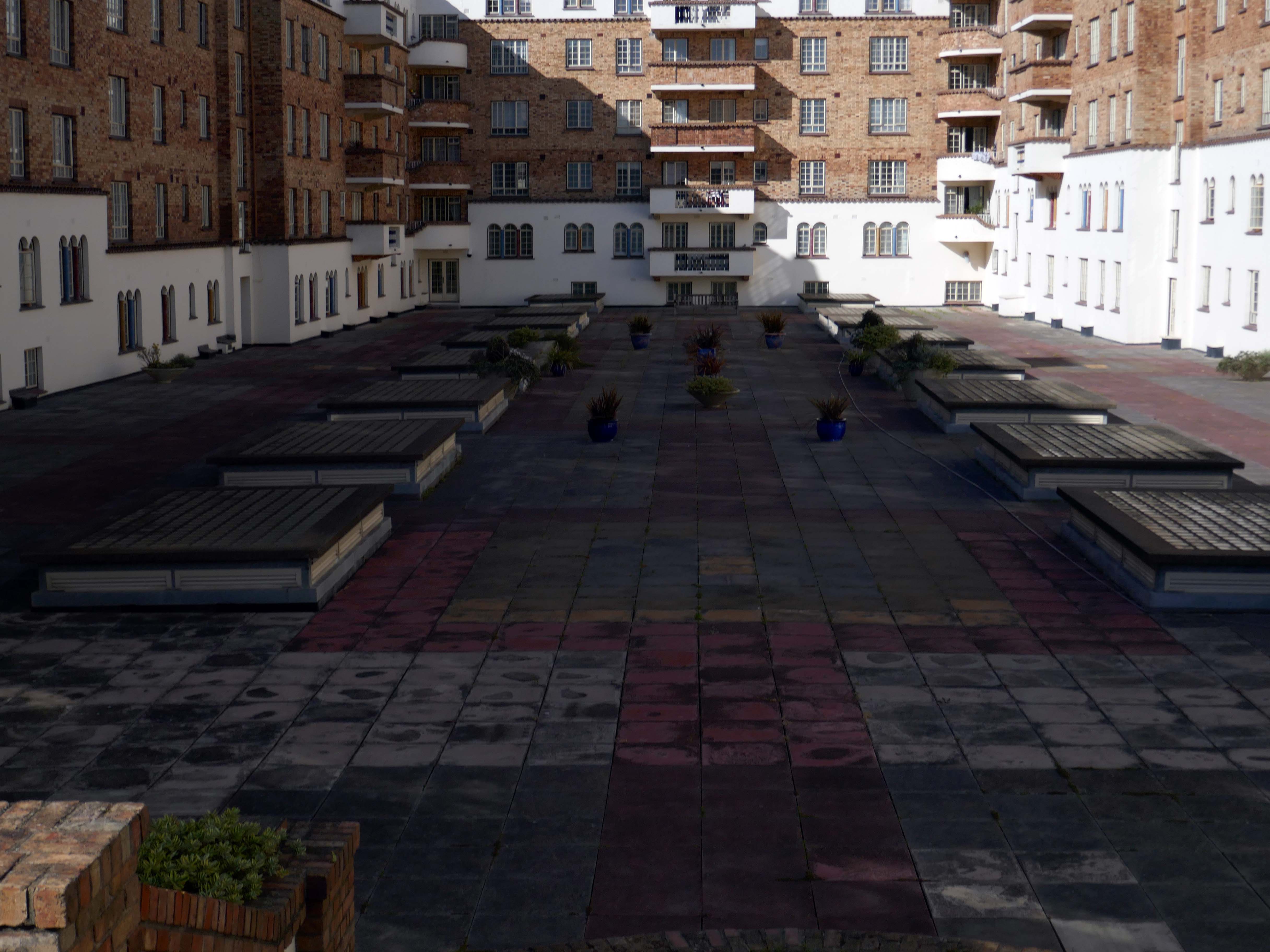
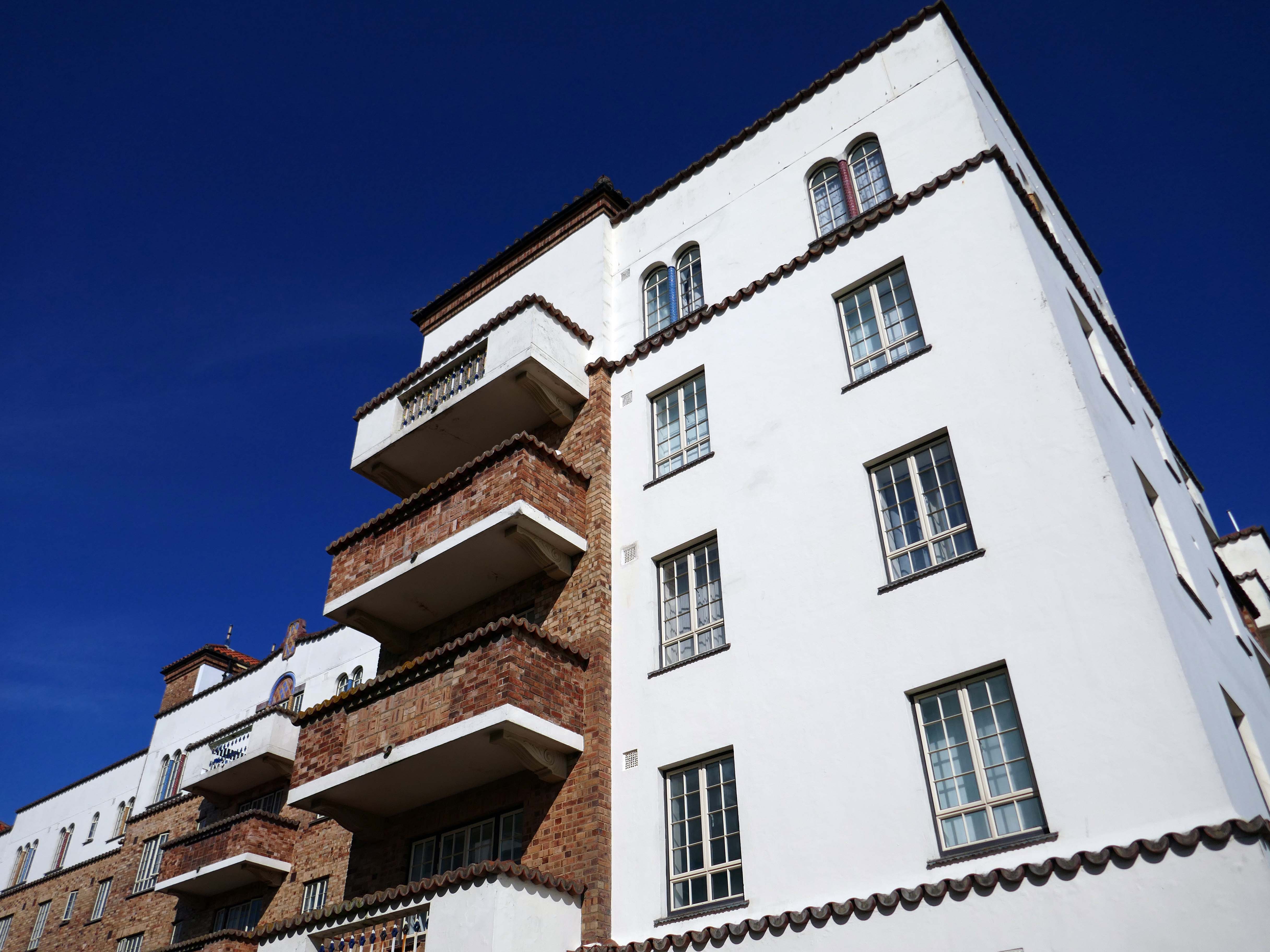
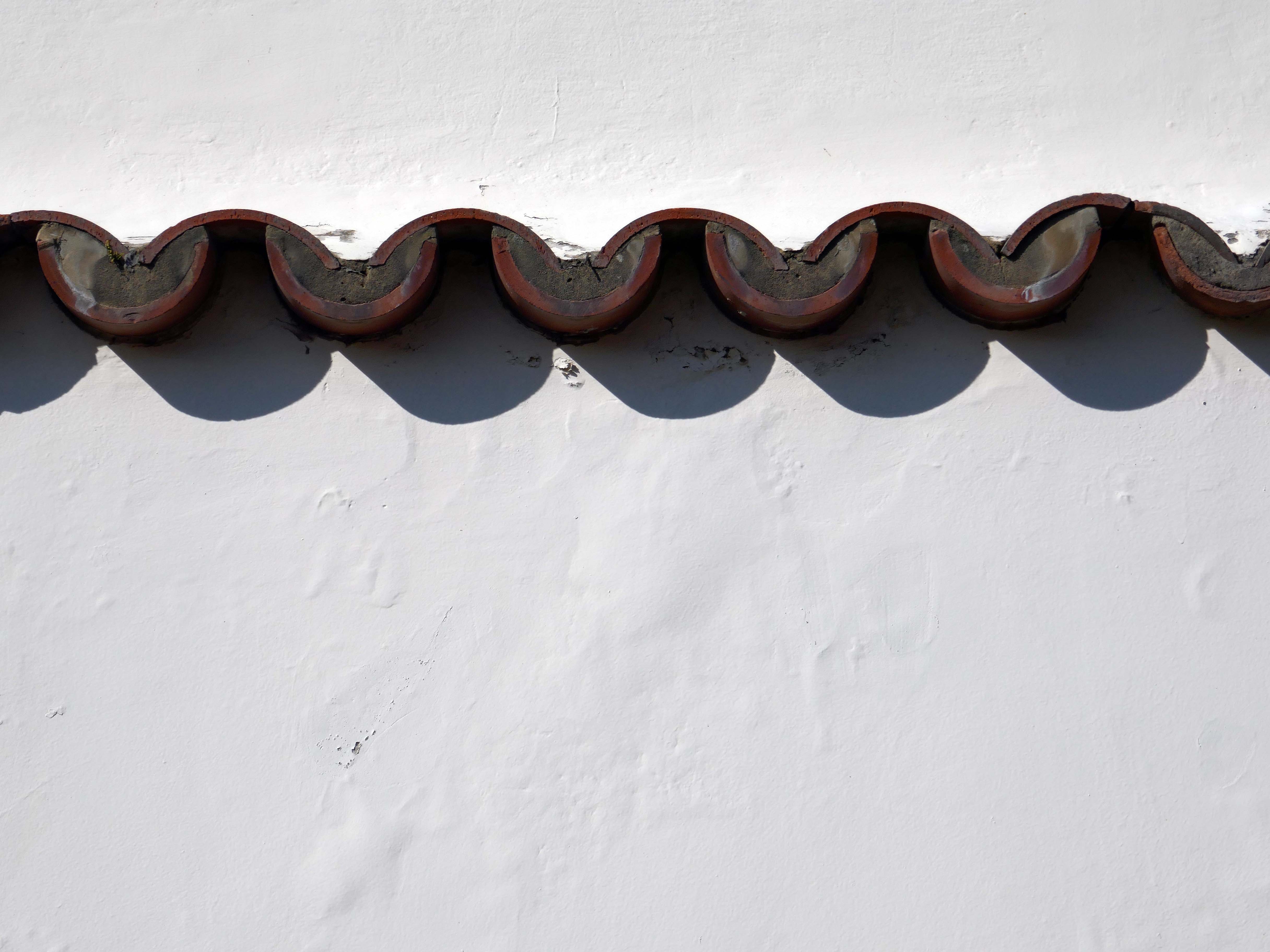
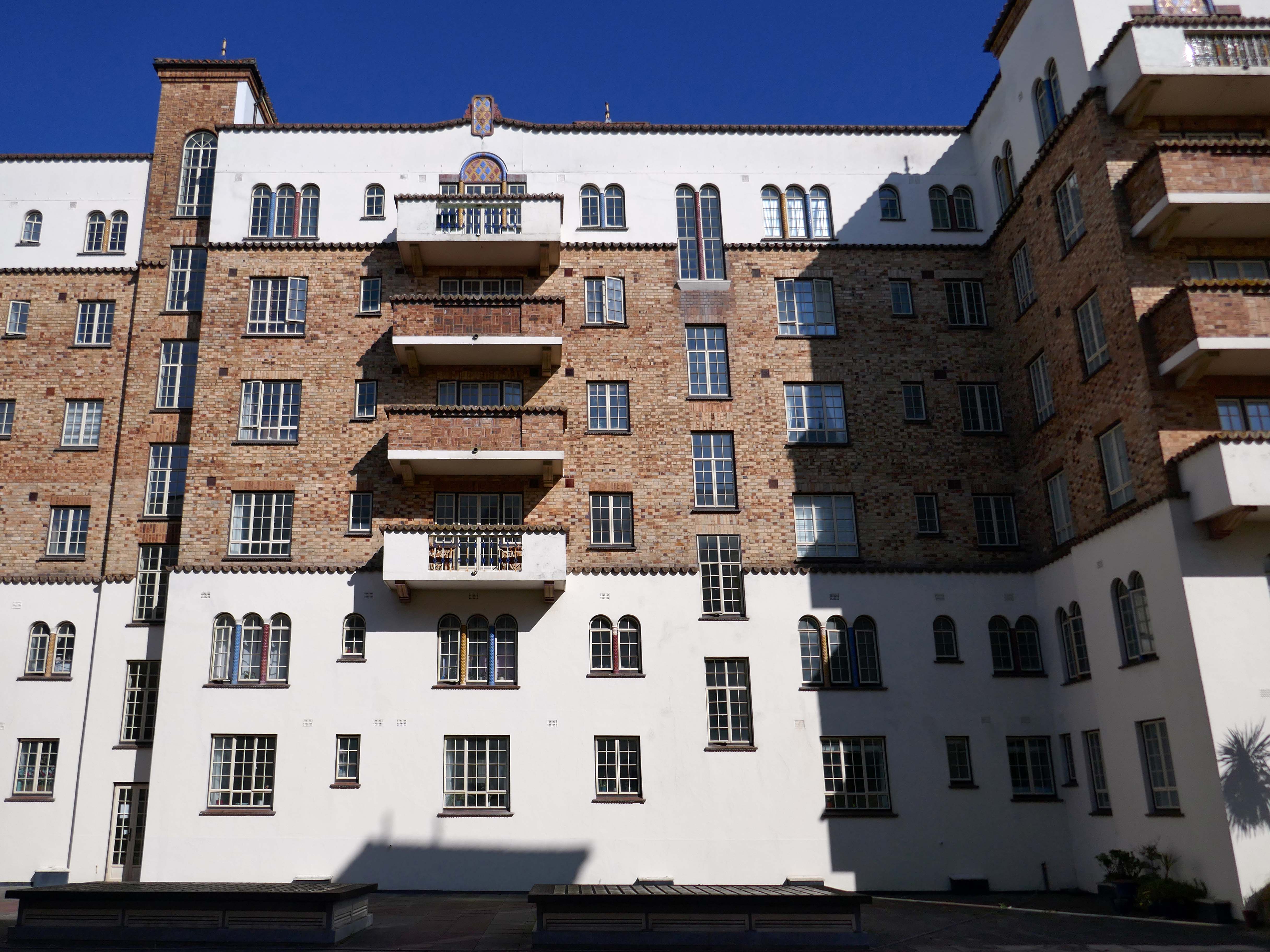
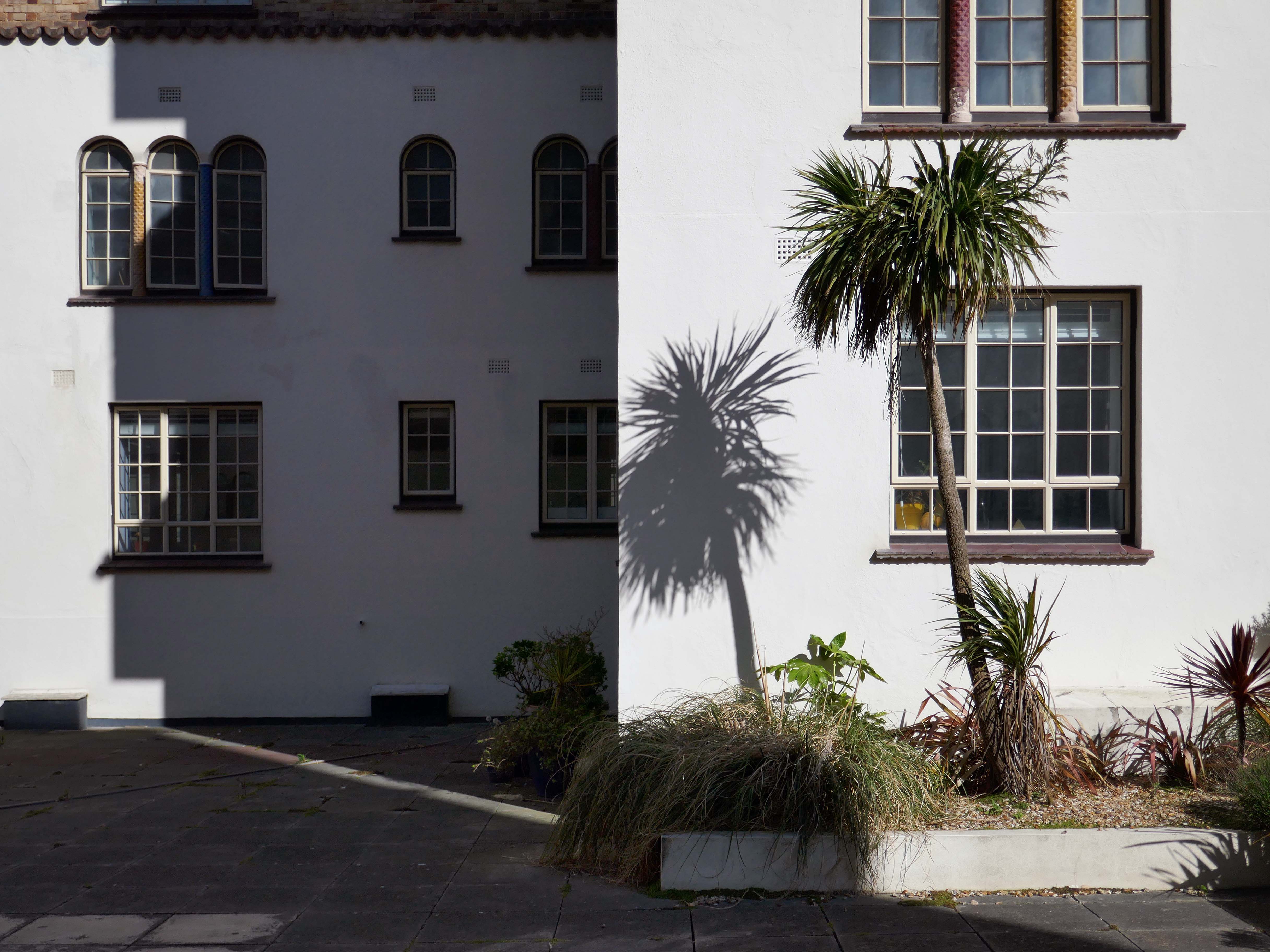
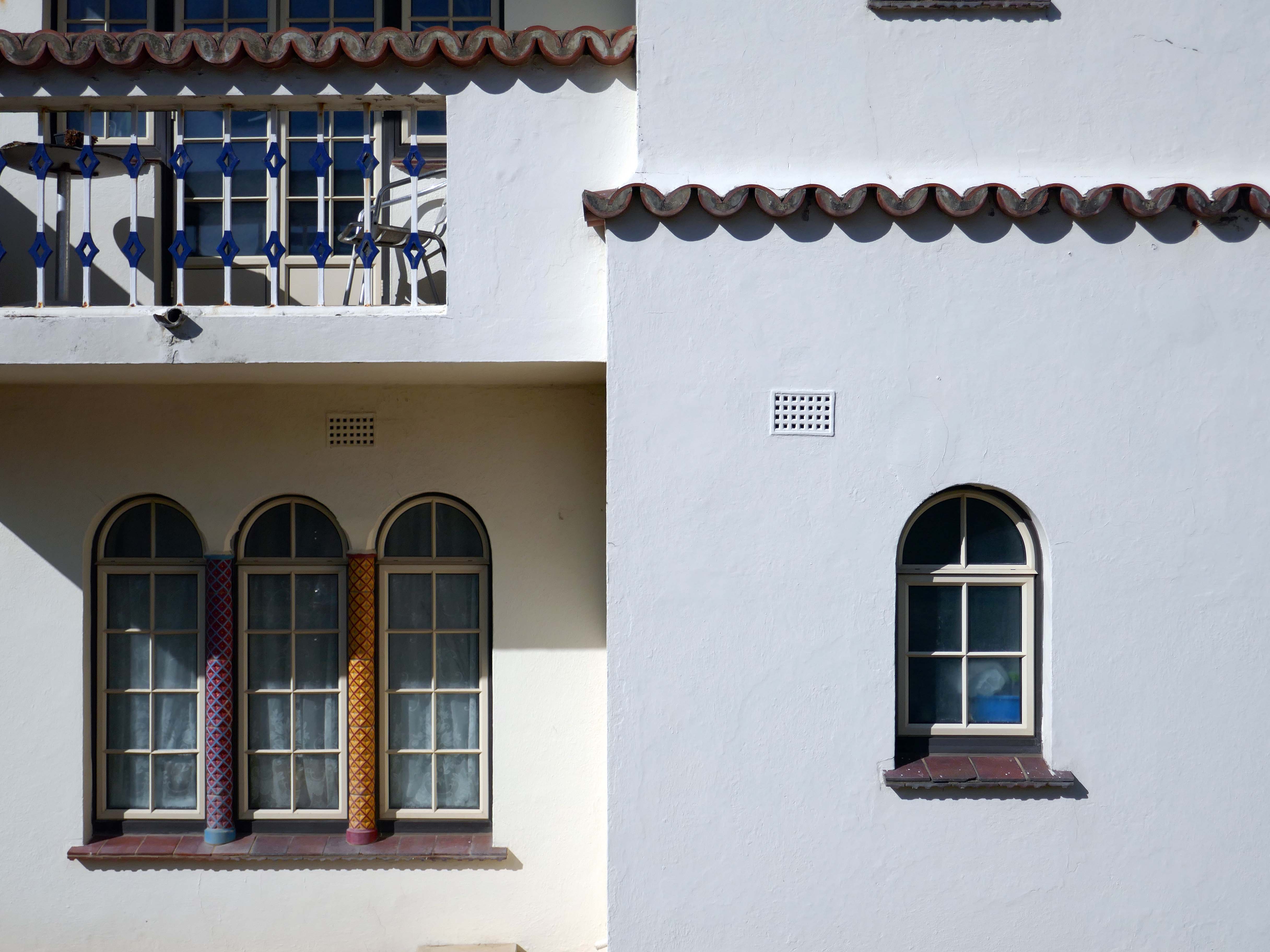
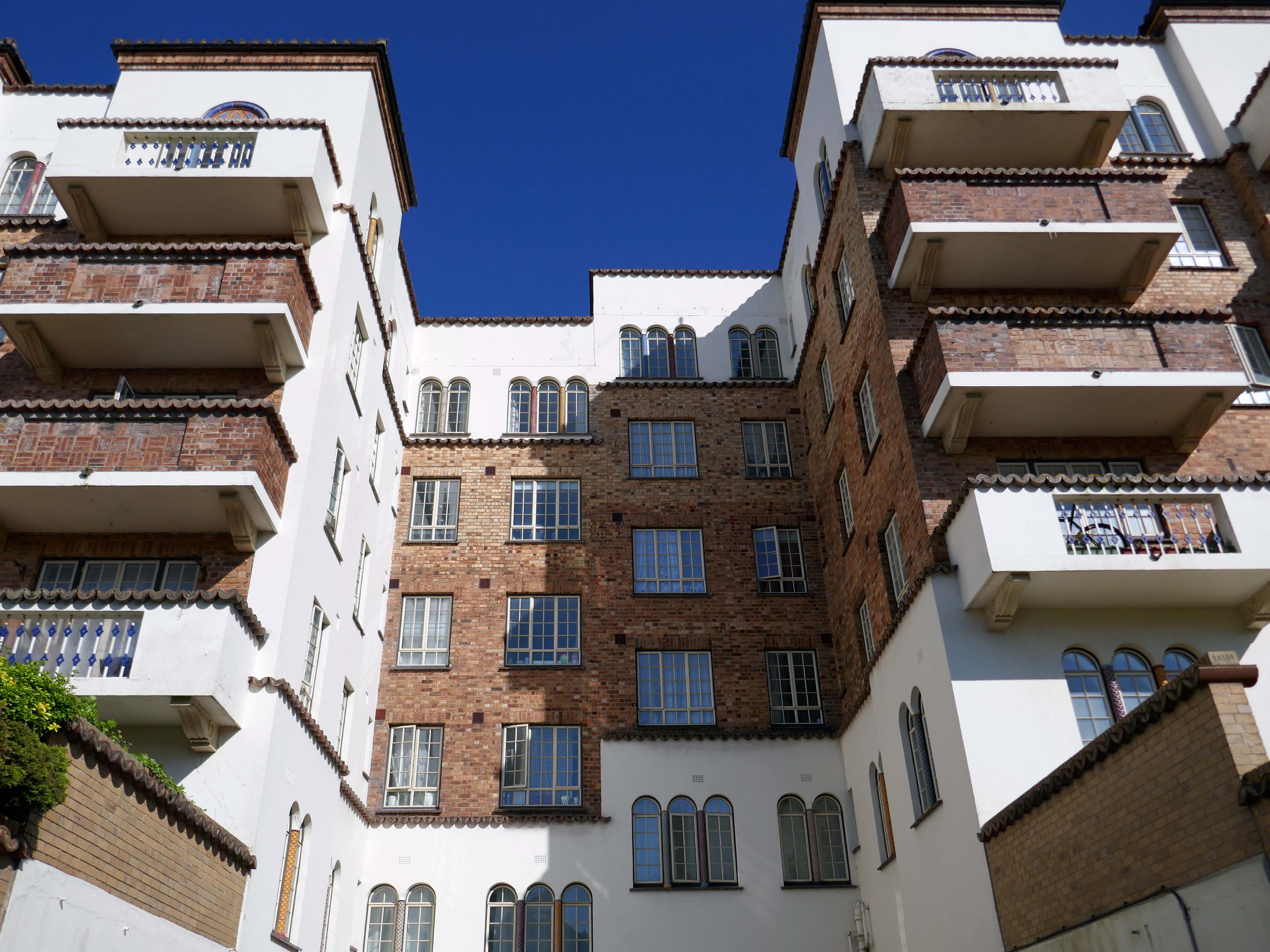
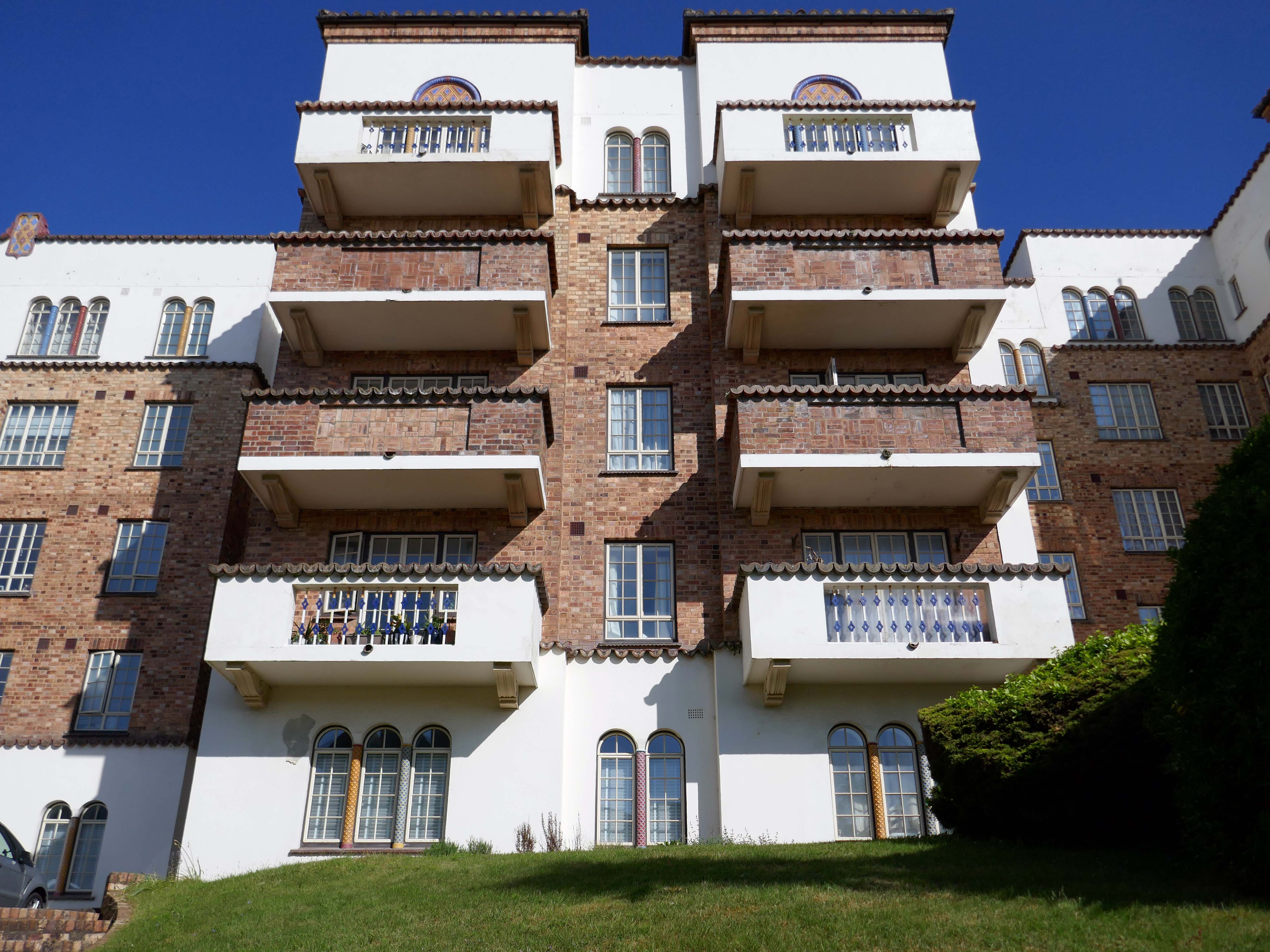
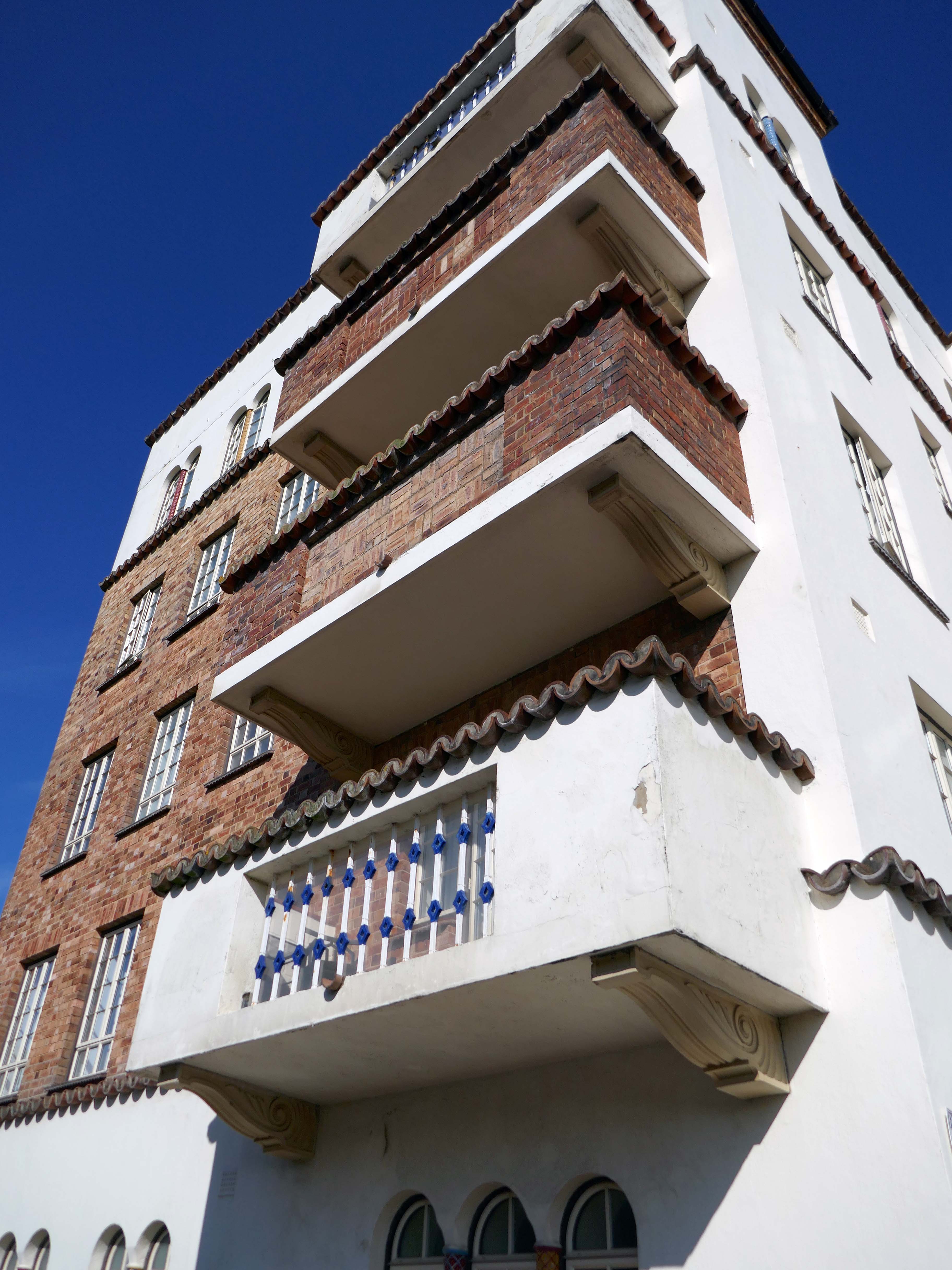
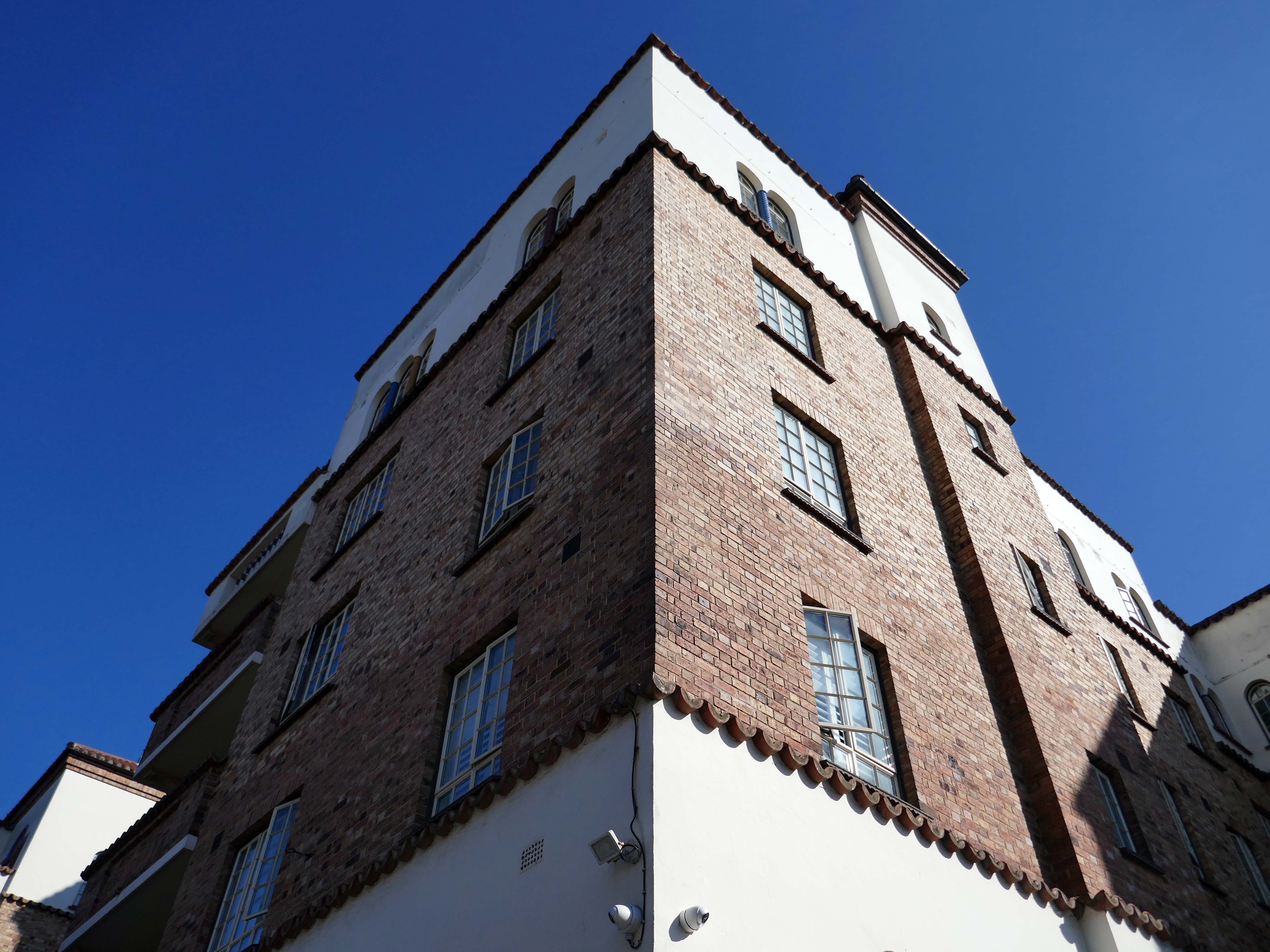
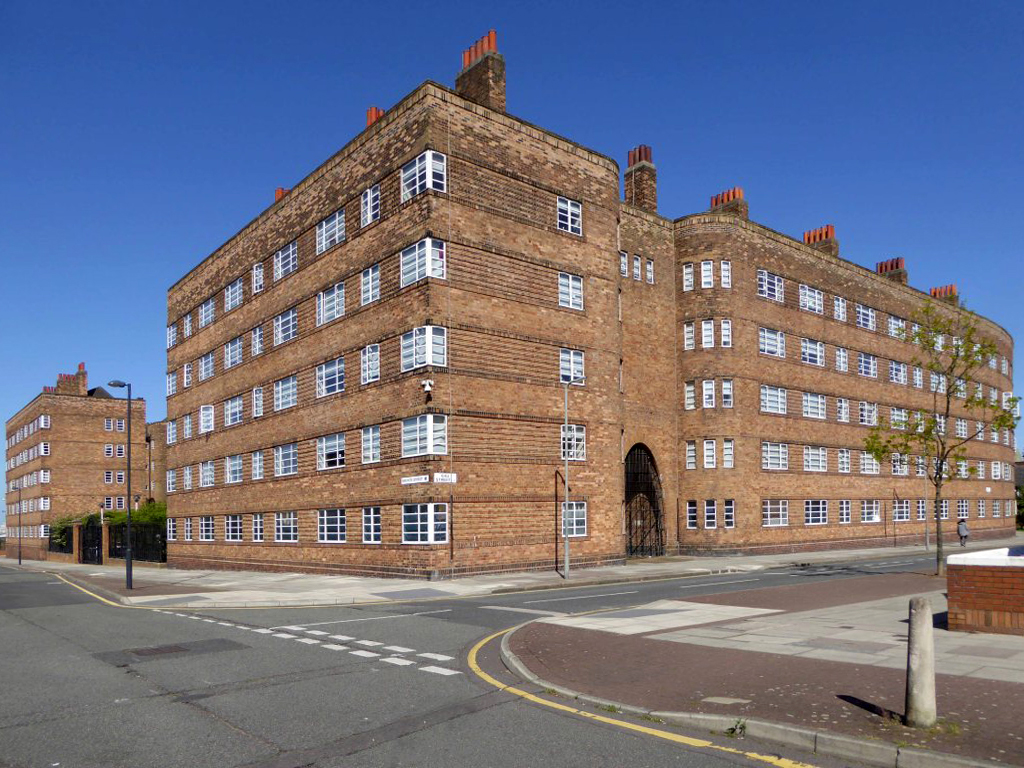
Block of 164 flats, with penthouse and office, over basement garage. 1935-8 by Hector O Hamilton. Pale brick, with areas of render, particularly to ground and upper floors, faience tiling, and concrete floors. Flat roof behind high parapets edged with pantiles, and with pantiled roofs over staircase towers and over penthouse. Single stack serving boiler house. U-shaped plan around central courtyard, set over garage.
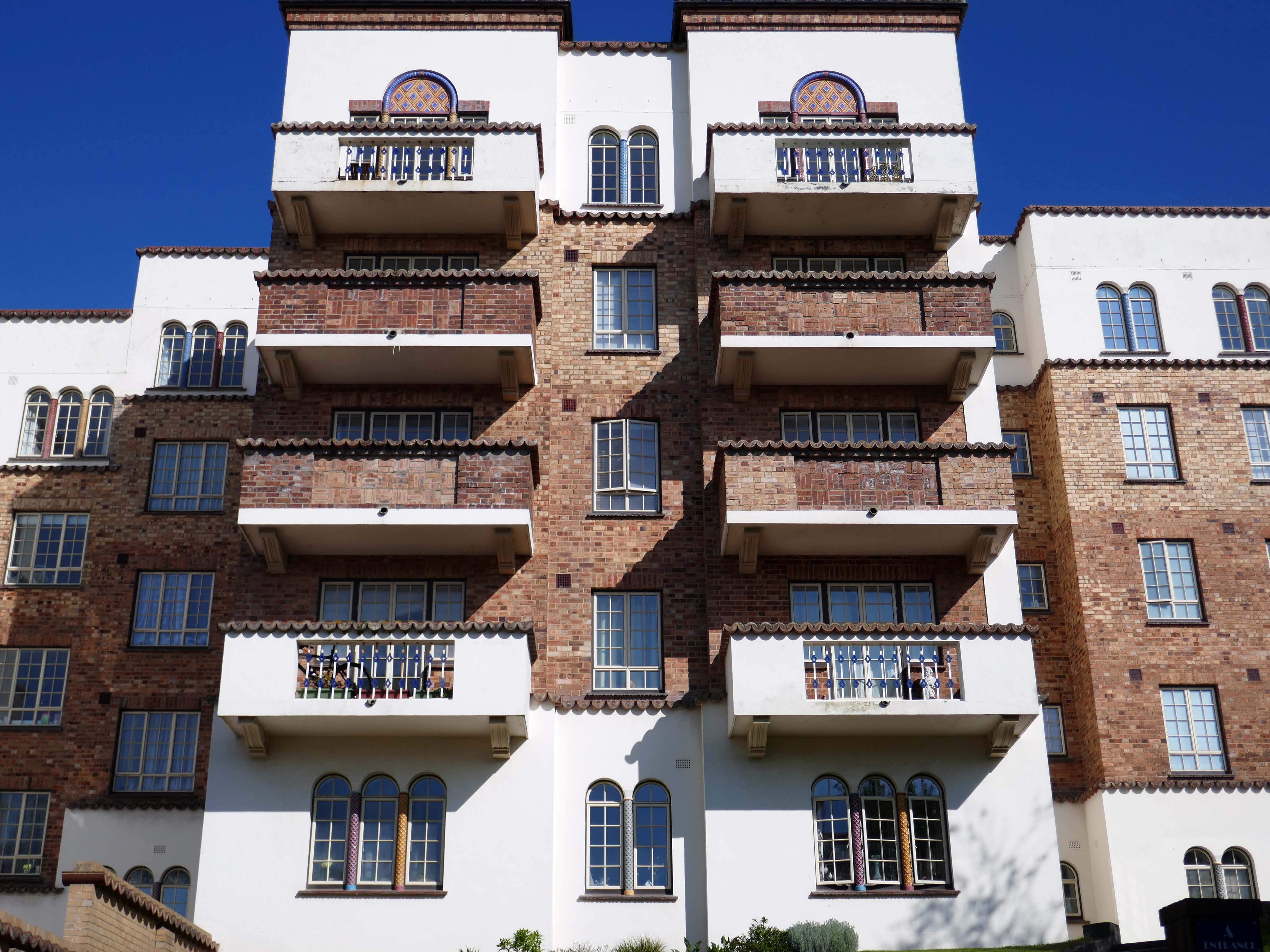
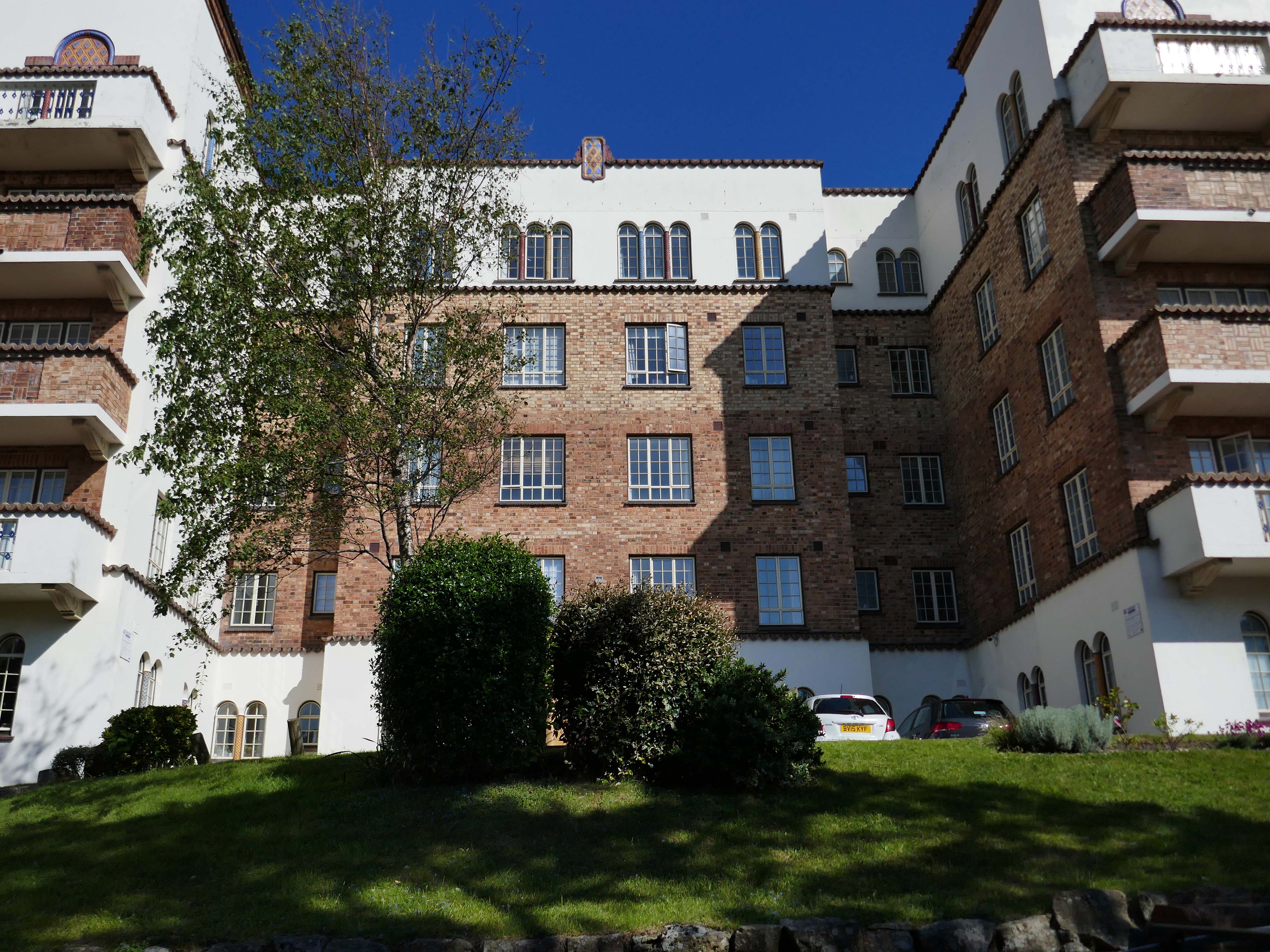
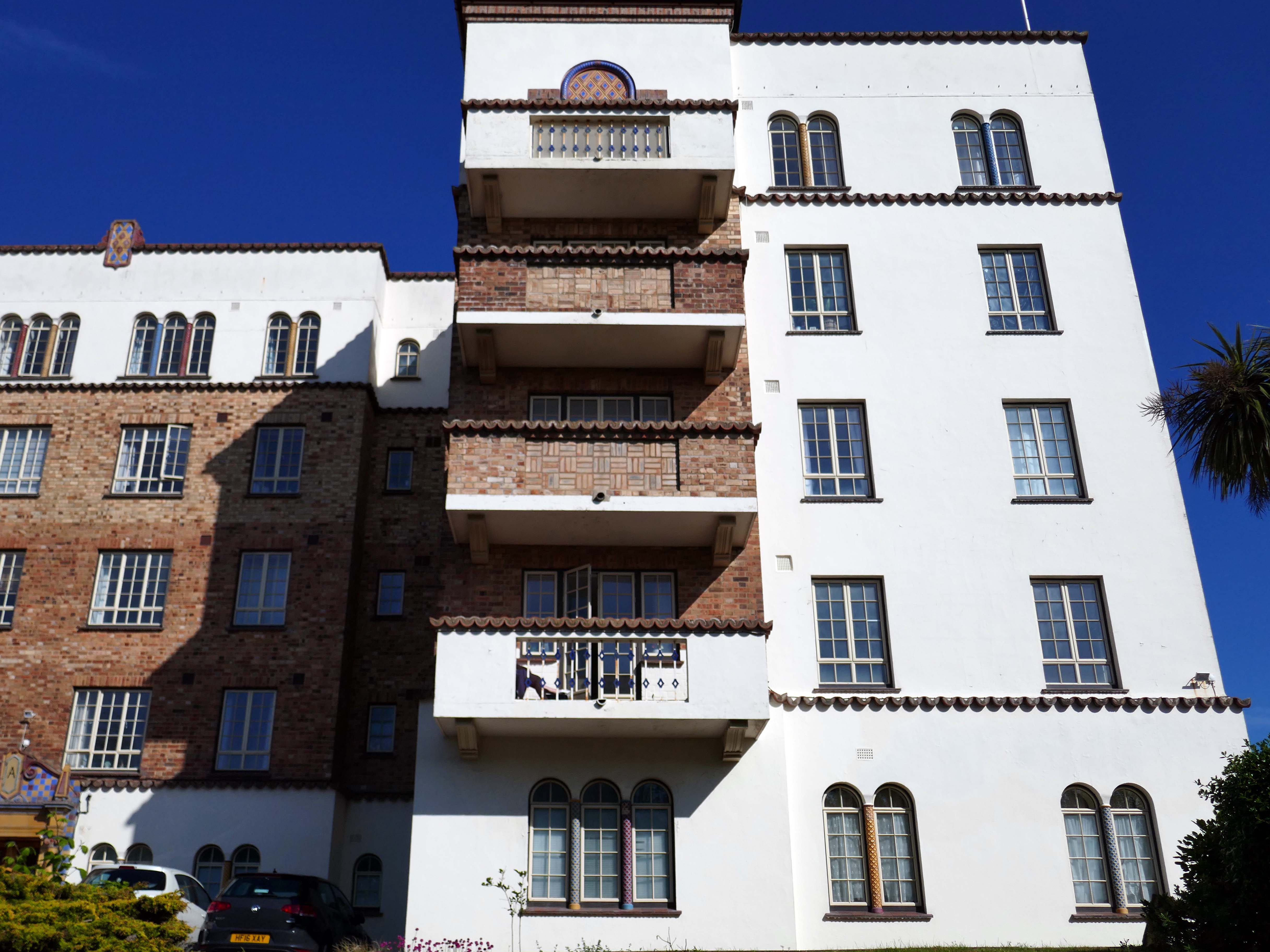
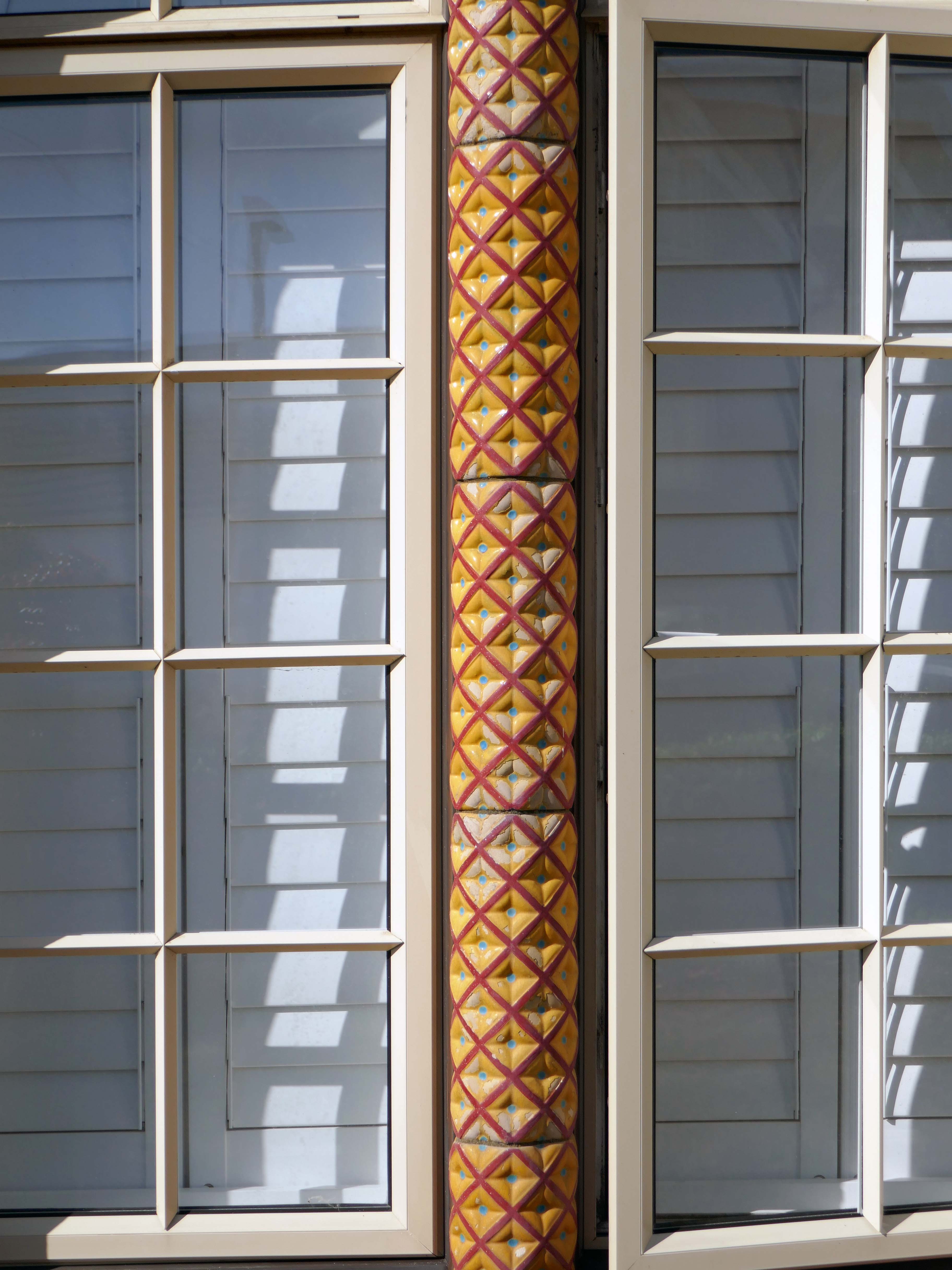
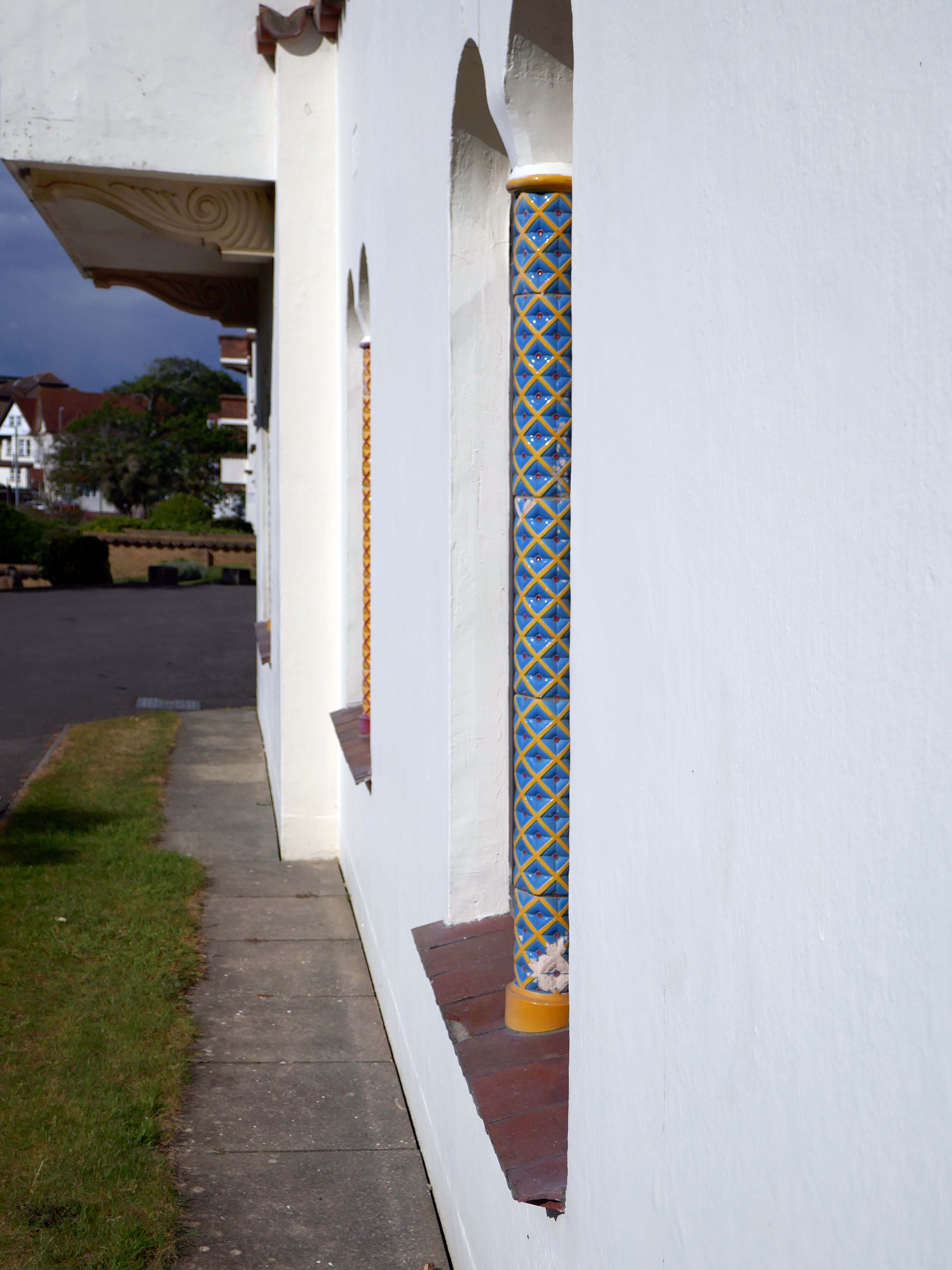
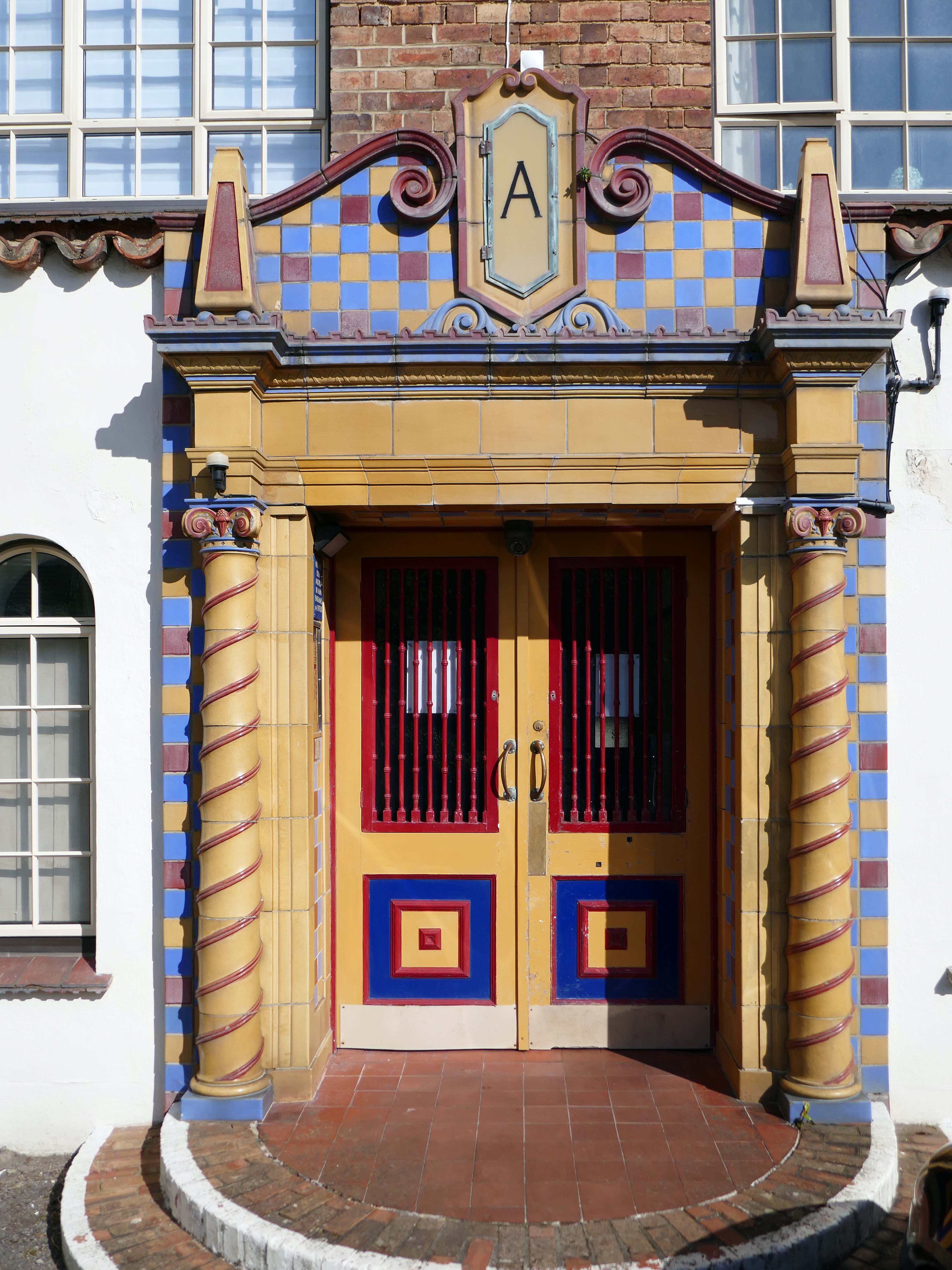
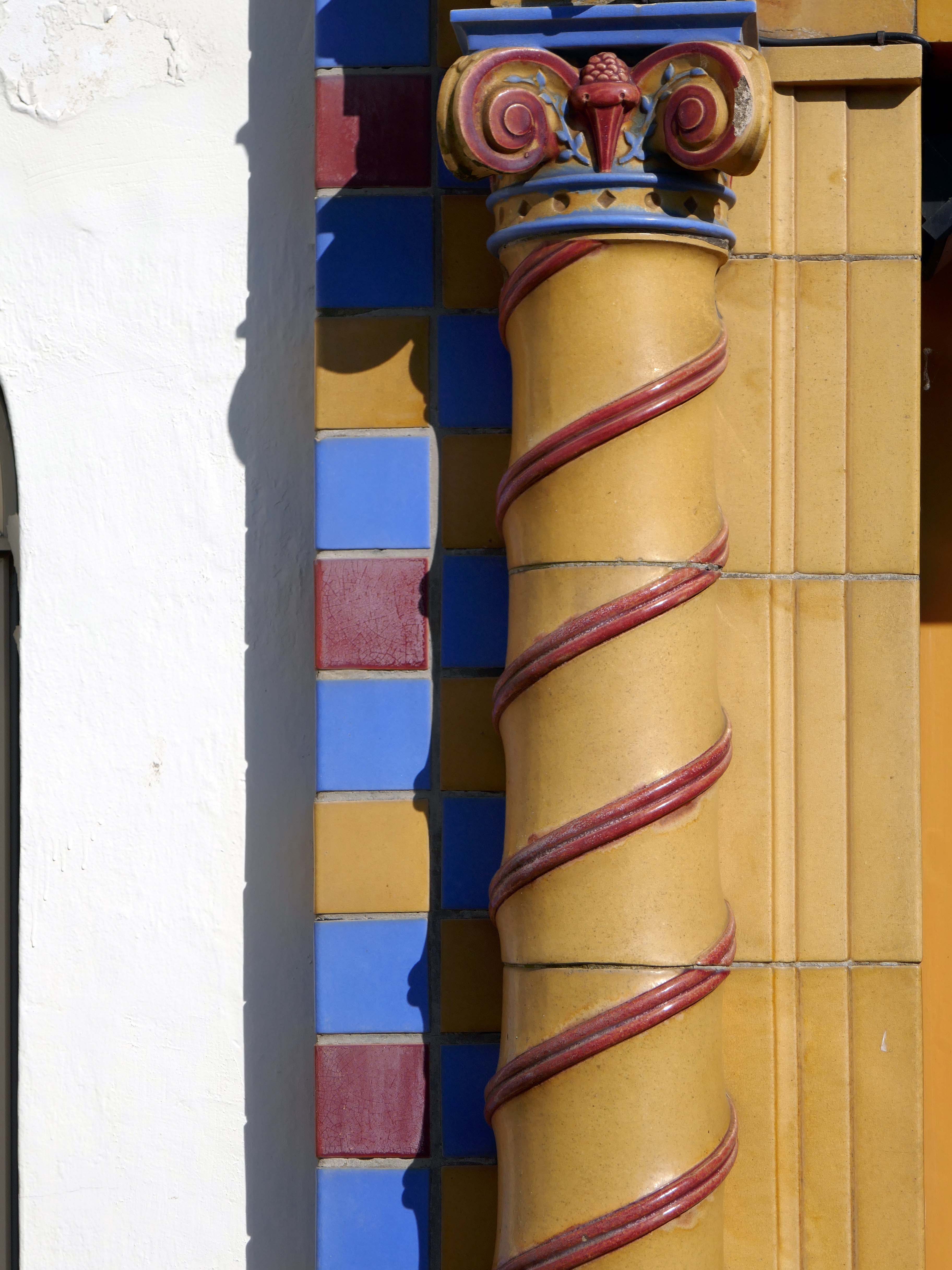
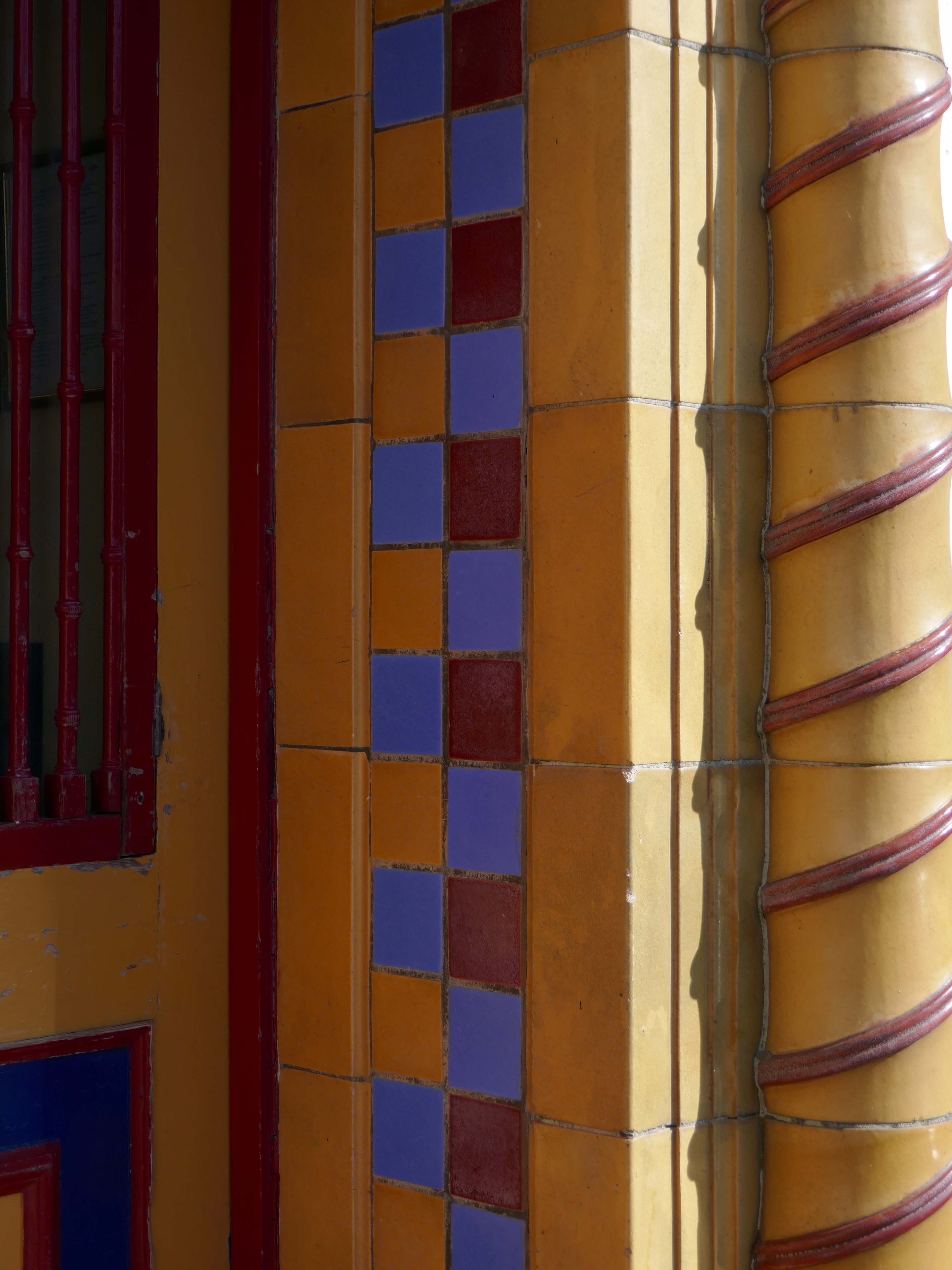
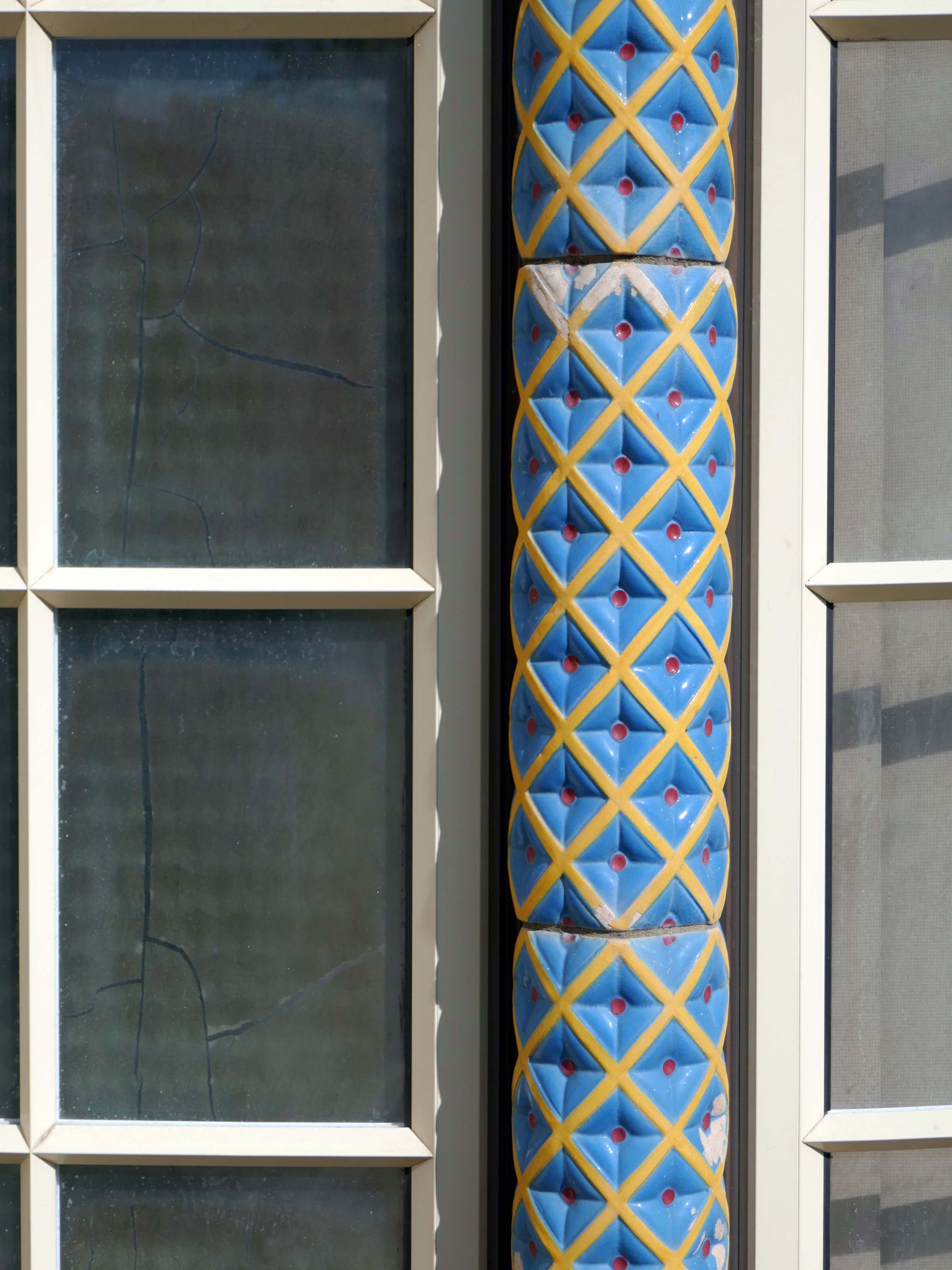
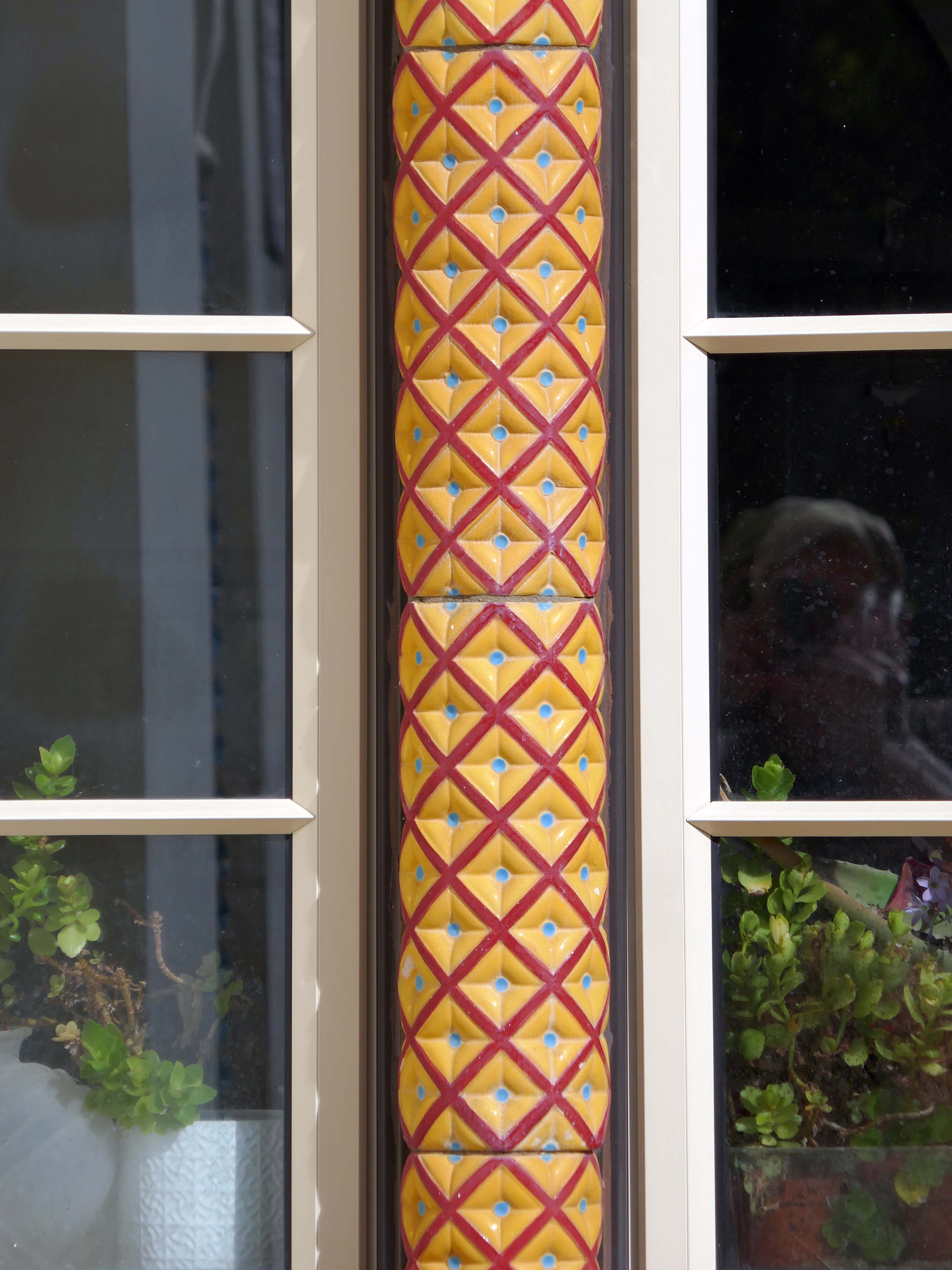
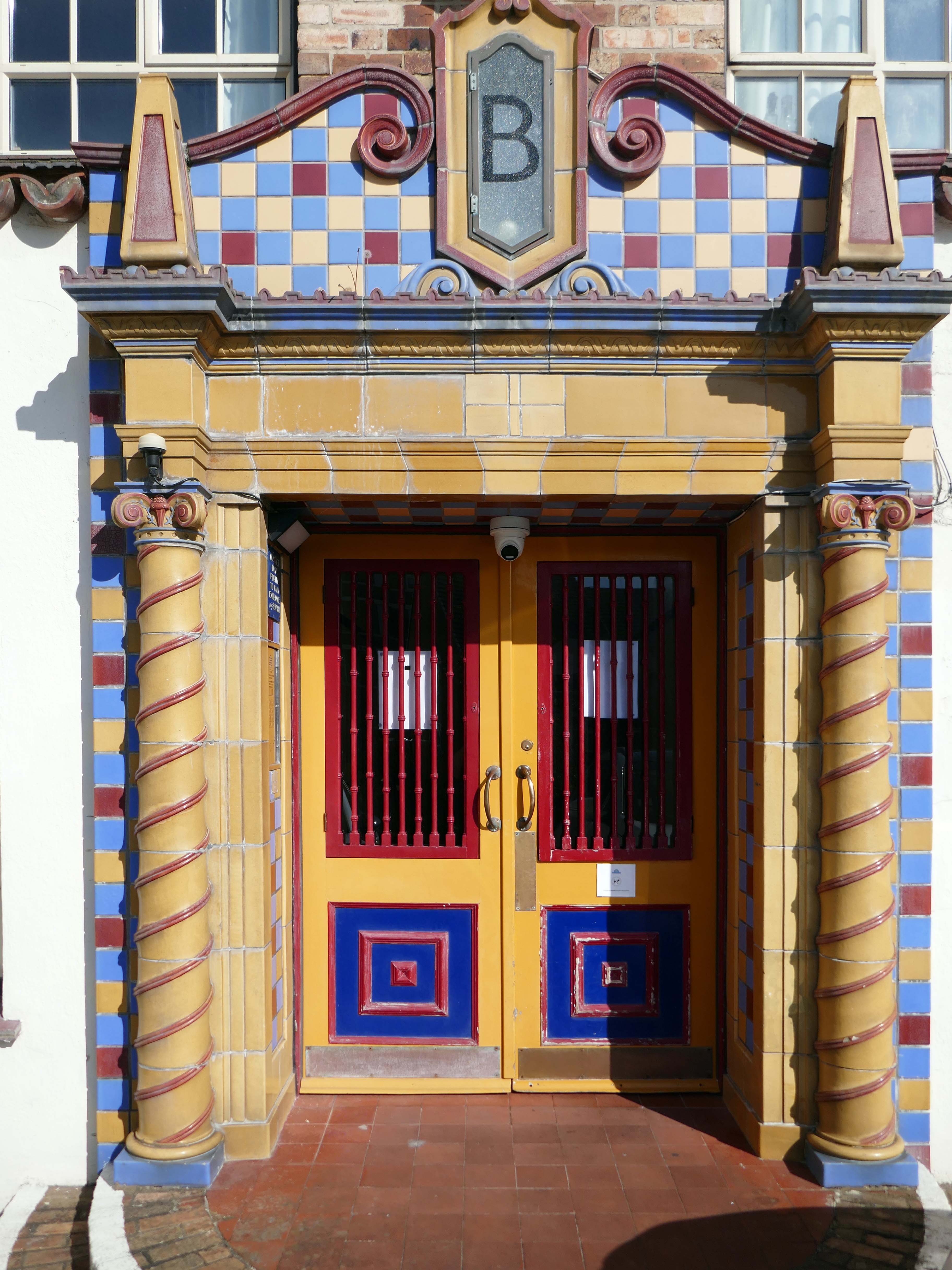
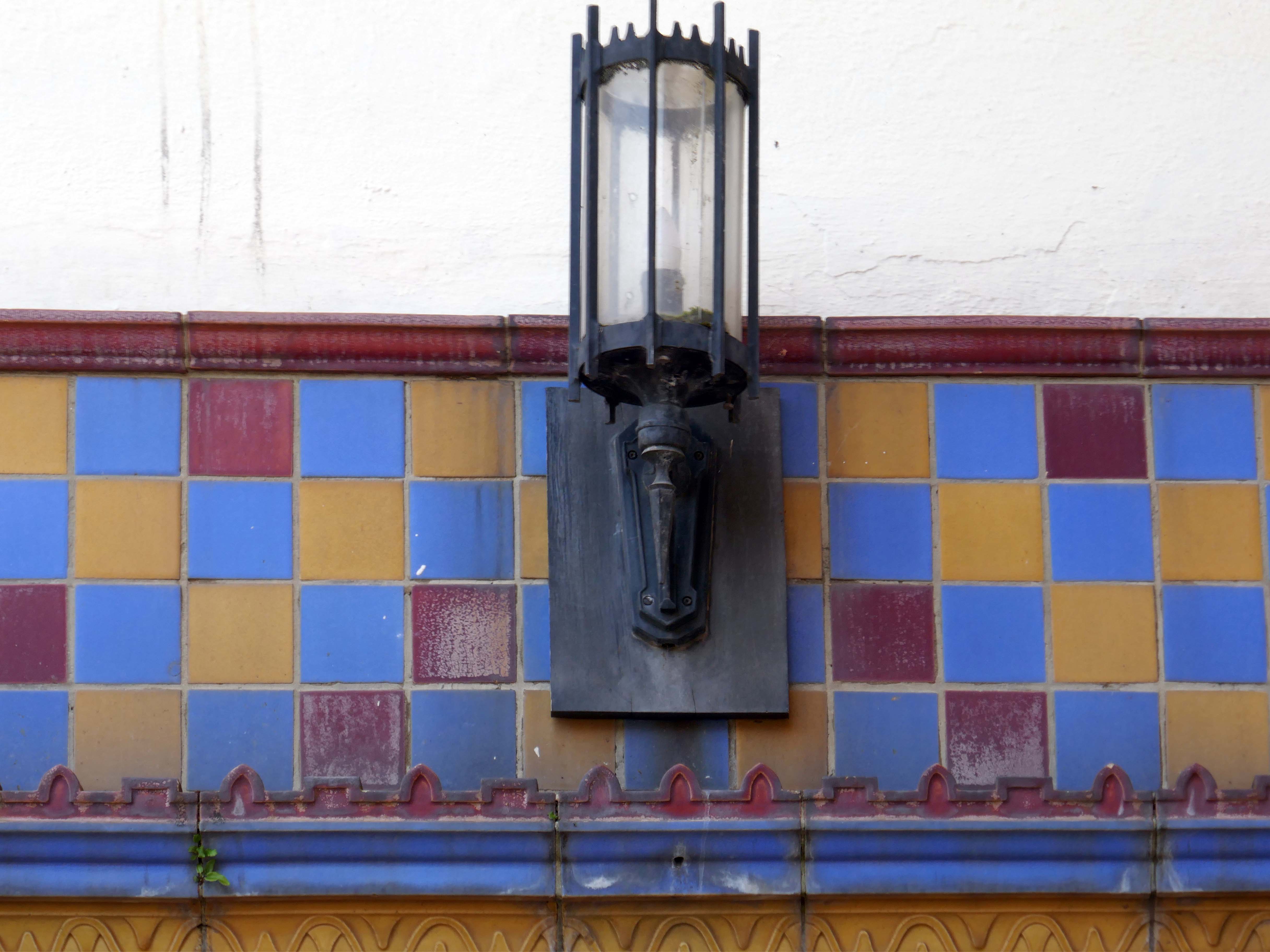
The flats, on five floors, are set in five blocks, with corridor access via separate residents and trade stairs and lift from each of six entrance doors – the central block C is served by the main entrance as well as its own. Through access between blocks on ground floor only. The estate office projects on the ground floor of Block C. The exterior is in a delightful Spanish mission style, with extensive use of coloured faience around doors and in window jambs. Metal casement windows with small panes, round-arched to ground and fifth floor, where coloured jambs predominate. Projecting balconies of brick and render to the larger flats, with coloured balustrades and supported on console brackets. Glass rooflights to the basement car park. The six entrances with double panelled doors, set in lively decorated surrounds of brightly coloured faience, with barley sugar engaged columns under Ionic capitals and block designation – A-E, main entrance, in faience lettering. French doors with small panes to courtyard. Attached brick retaining walls at entrance to courtyard.
Interiors: The residents’ staircases with jazz modern metal balustrading, those for tradesmen with stick balusters. Interiors of flats not inspected but understood to have been modernised. San Remo Towers is one of the most comprehensive seaside developments of flats to be erected in the 1930s. It was planned as early as 1935-6 by Armstrong Estates Limited of Guildford. It was opened on 1 June 1938 as ‘a magnificent block of 164 superior flats, 296-260 per annum rental, garage for 130 cars’. Facilities offered as inclusive in this price included centralised hot water and central heating, an auto vac’ cleaning system, centralised telephones, a resident manager, a porter, daily maid, boot cleaning and window cleaning services. There was a Residents’ club with a reading room card room, billiard room and library, and a children’s recreation and games room. There were kiosks in the ground-floor lobbies selling tobacco and convenience items, where the staff took orders for the local tradesmen. The fifth-floor restaurant offered a la carte meals, which could be taken at pension rates of 38s per week. A simpler dinner cost 2/6d.
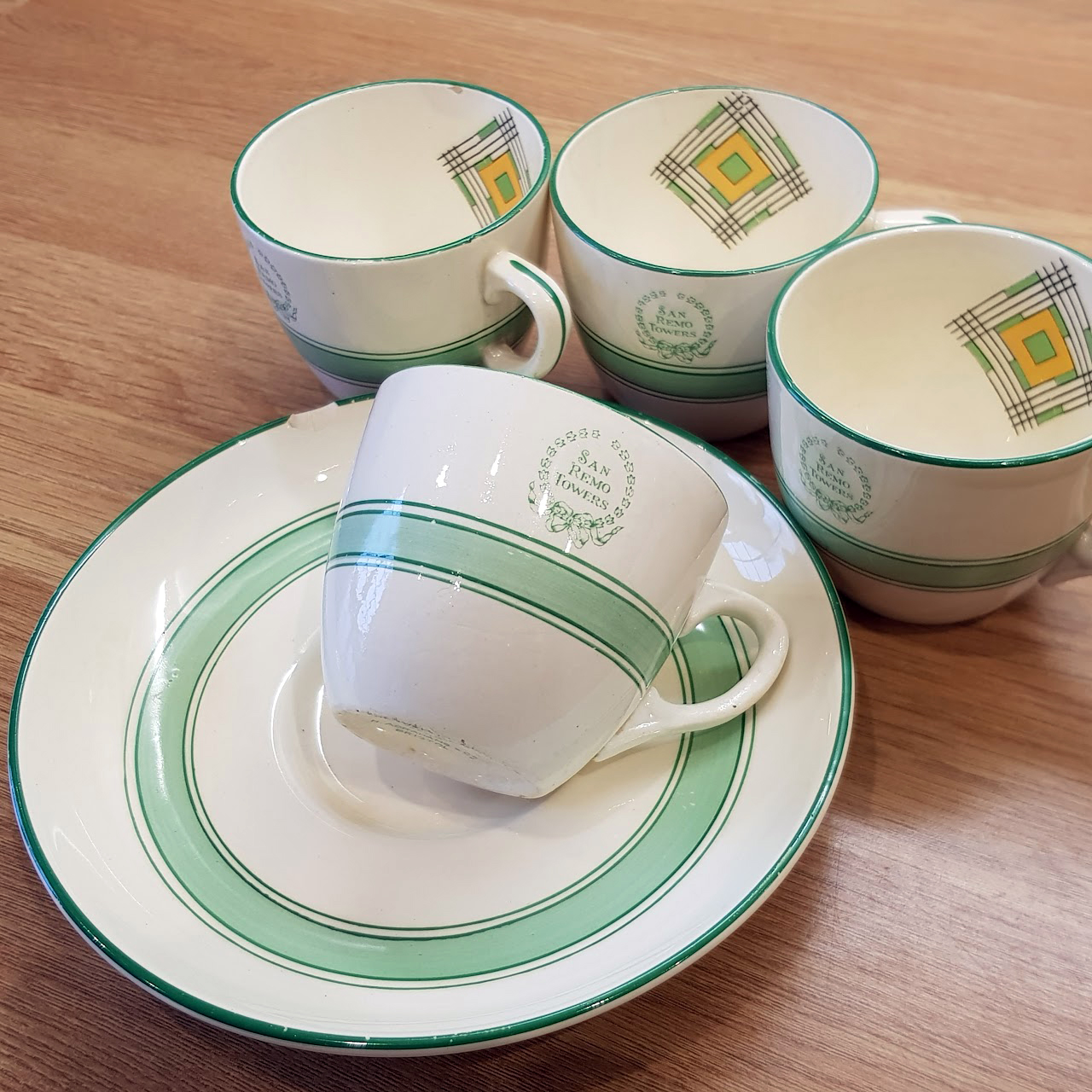
Restaurant Crockery 1940
The use of an American architect, Hector O Hamilton, may be an explanation for the building’s large range of facilities, including the grand underground car park and sophisticated servicing. The residents’ club was converted to a penthouse in the 1950s, but the block retains its select tone. The elevations were described in 1940 as dignified and select and harmonise with the general surroundings. Today they are admired as for the very striking way in which they stand out from their surroundings as a piece of 19305′ exotic fantasy transported to seemly Bournemouth.
San Remo Towers is one of the most impressive seaside developments in England of its period. Source: Waycotts, San Remo Towers, 1940 letting brochure.
First seen in 2015 on my South Coast cycling tour, today I was on foot with time to wander around San Remo Towers.
For me it is the most charming and capricious of seaside apartment blocks – a playful symphony of faience and fancy. An exotic dose of Californian Hispanic on the Dorset coast.
Today, most of the flats have been refurbished and sold to independent buyers. In 2019, the lessees worked together to buy the building and it is now owned by San Remo Towers SRT Freehold Ltd. Not all the flats have share of freehold yet, but the option is available for any lessee who wishes to join.
Hector O. Hamilton, young New York architect, who won a share in the first prize with his design for the projected Palace of the Soviets in Moscow, announced yesterday that he would sail for Russia in a month at the invitation of the Soviet Government to aid in the construction of the building. Although persons familiar with Russia have warned that he would be paid in rubles and probably not be permitted to take the $6,000-his share in the prize money-out of the country, Americans who have worked there point out that it is the policy of the Soviet Government to pay technical men from this country in dollars. They say also that while it is against the law to take rubles out of the country this law does not apply to foreign currency.
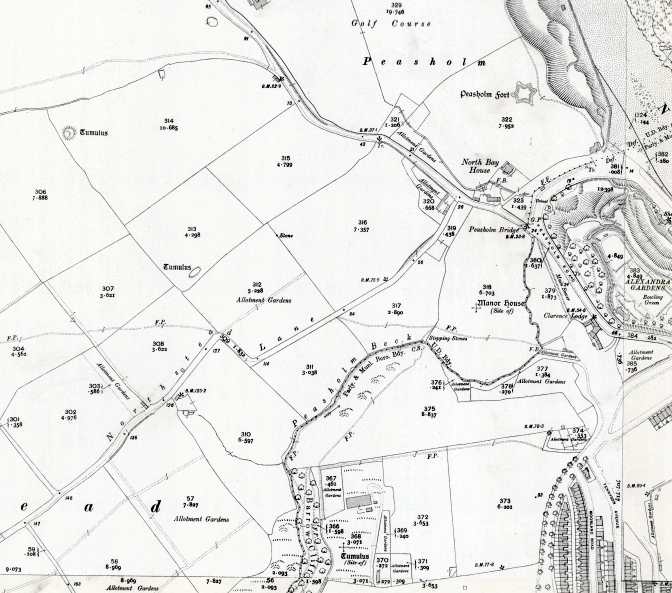
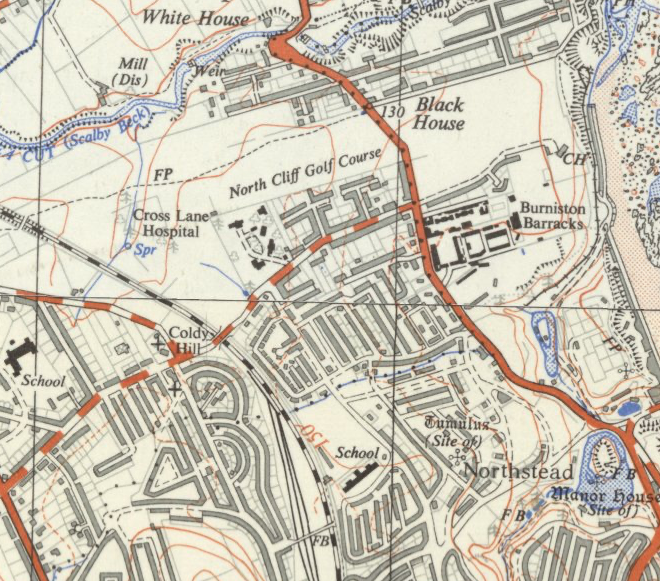
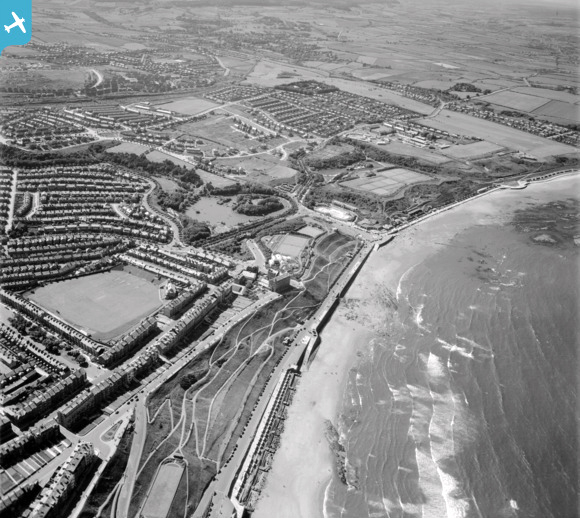
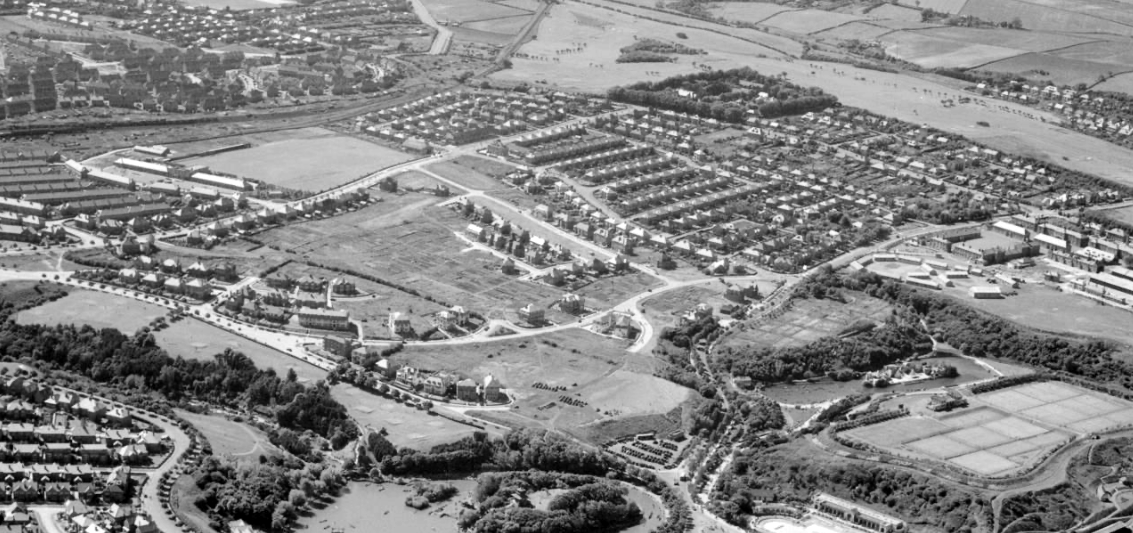
It’s 1892 and the Twentieth Century is about to overwrite the expansive green sward of Northstead and Newlands.
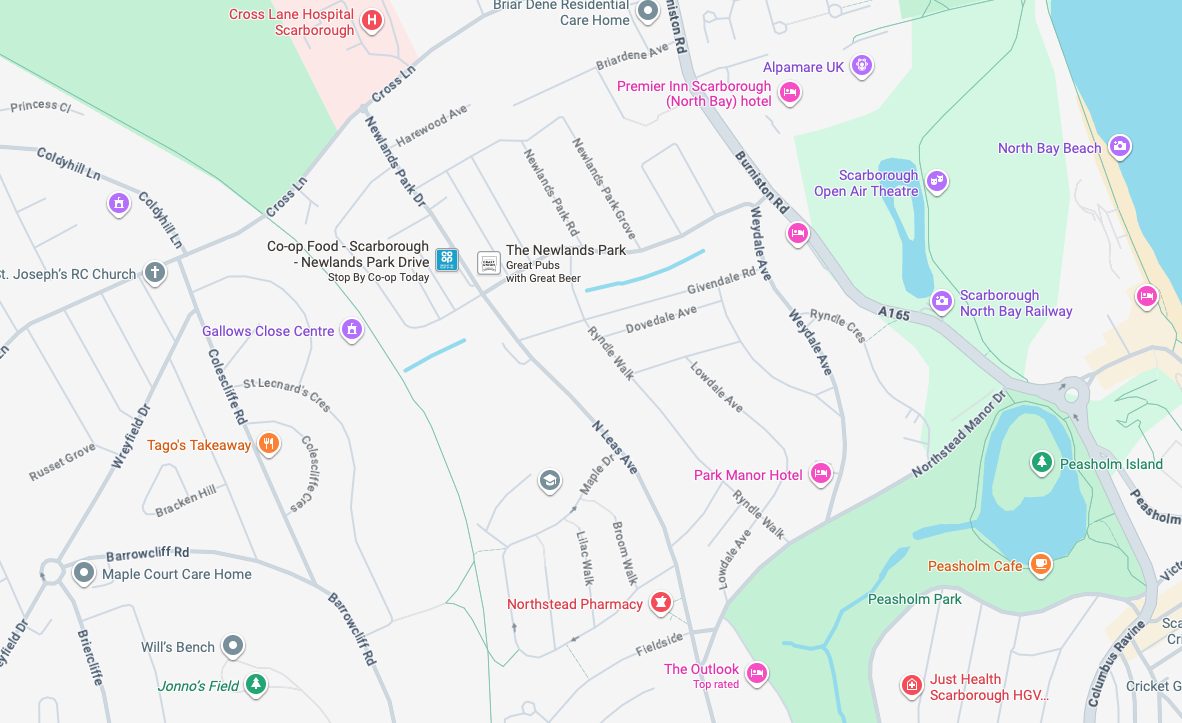
The Manor of Northstead consisted of a medieval manor house surrounded by fields and farms in the parish of Scalby in the North Riding of Yorkshire. The estate originally bordered the northern side of the ancient boundary of the Borough of Scarborough, following the line of Peasholm Beck. The estate passed into the ownership of the Crown during the reign of King Richard III. By 1600, the manor house had fallen into disrepair, being latterly occupied by Sir Richard Cholmeley’s shepherd until it finally collapsed
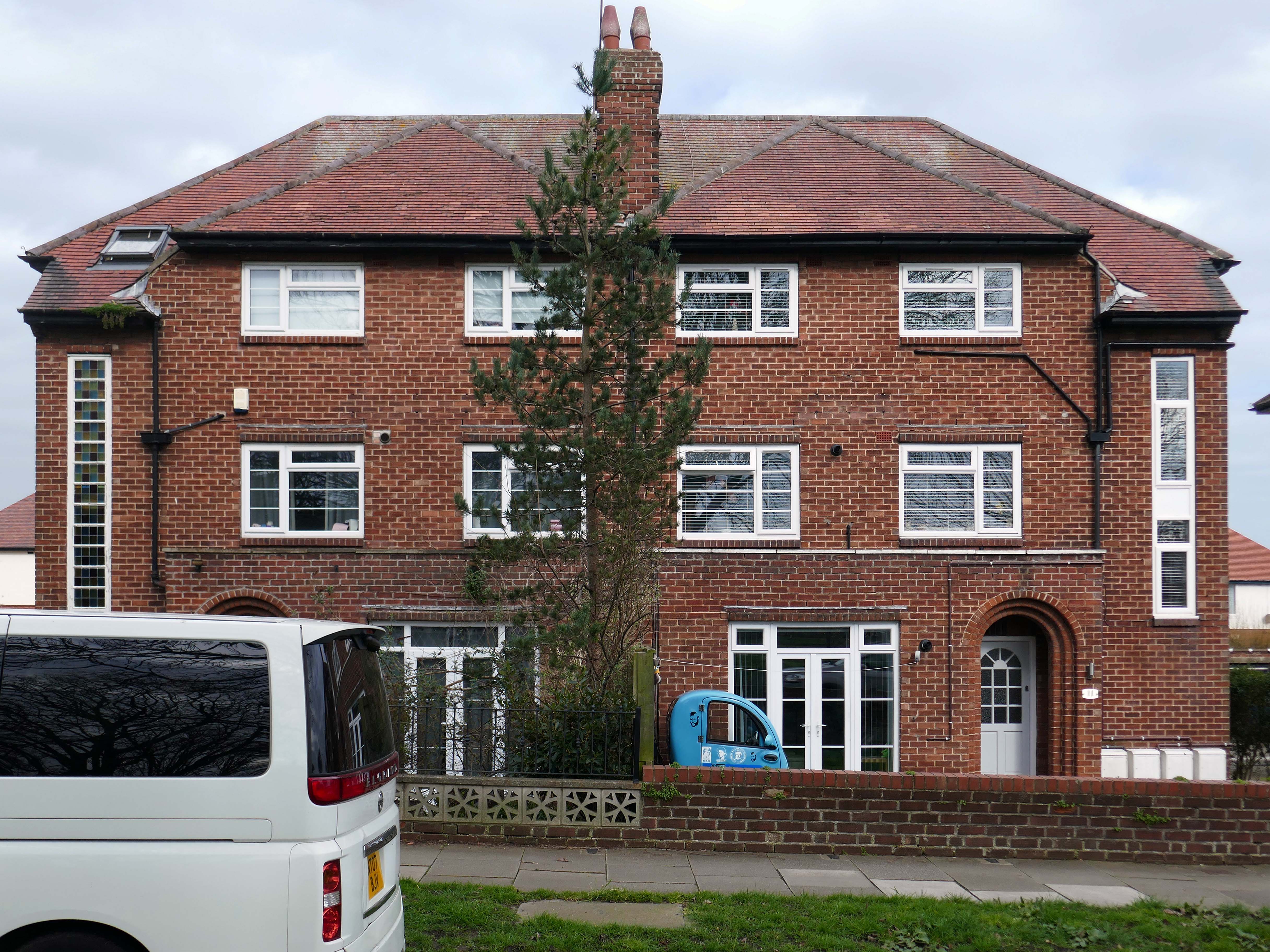
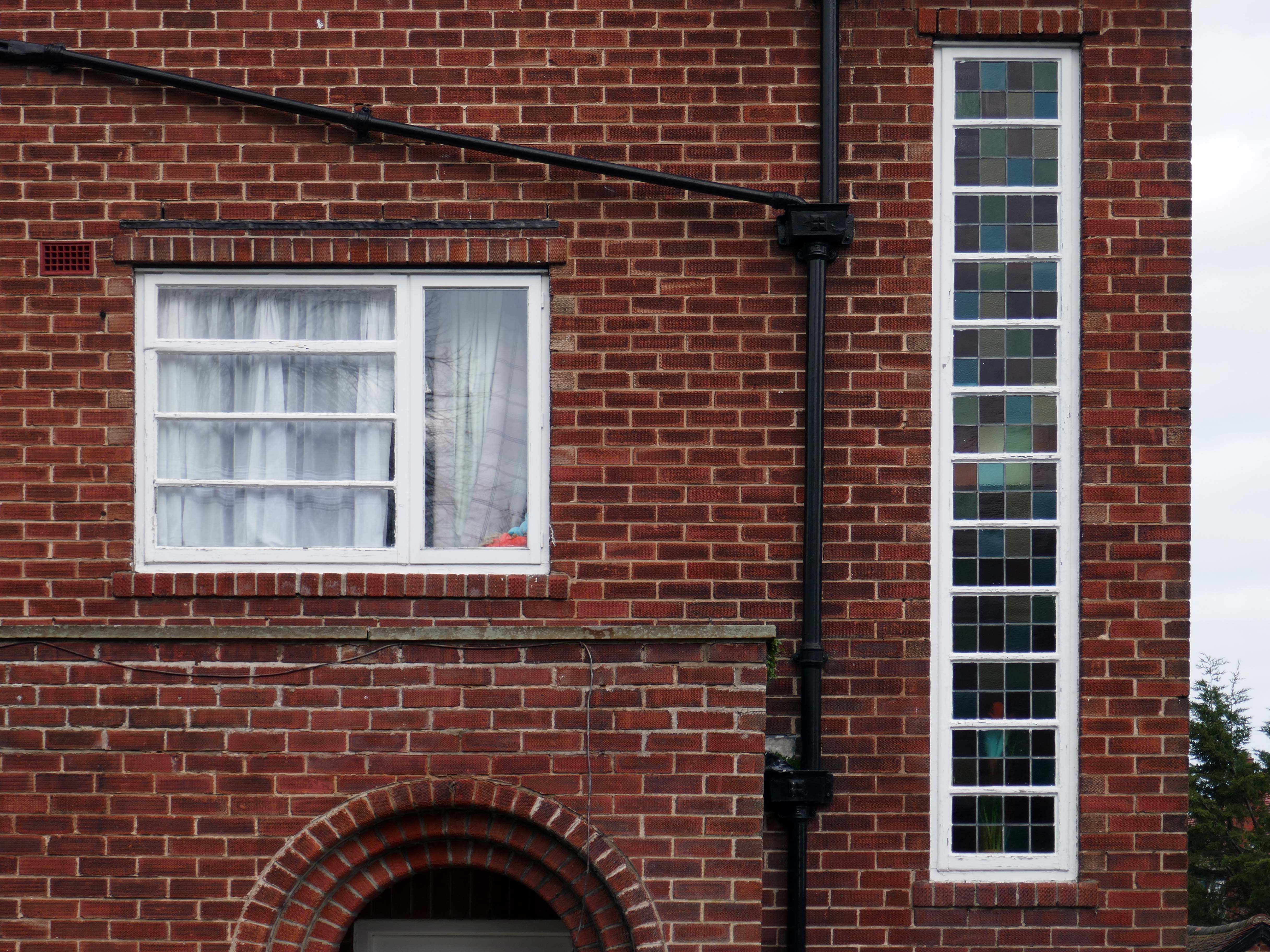
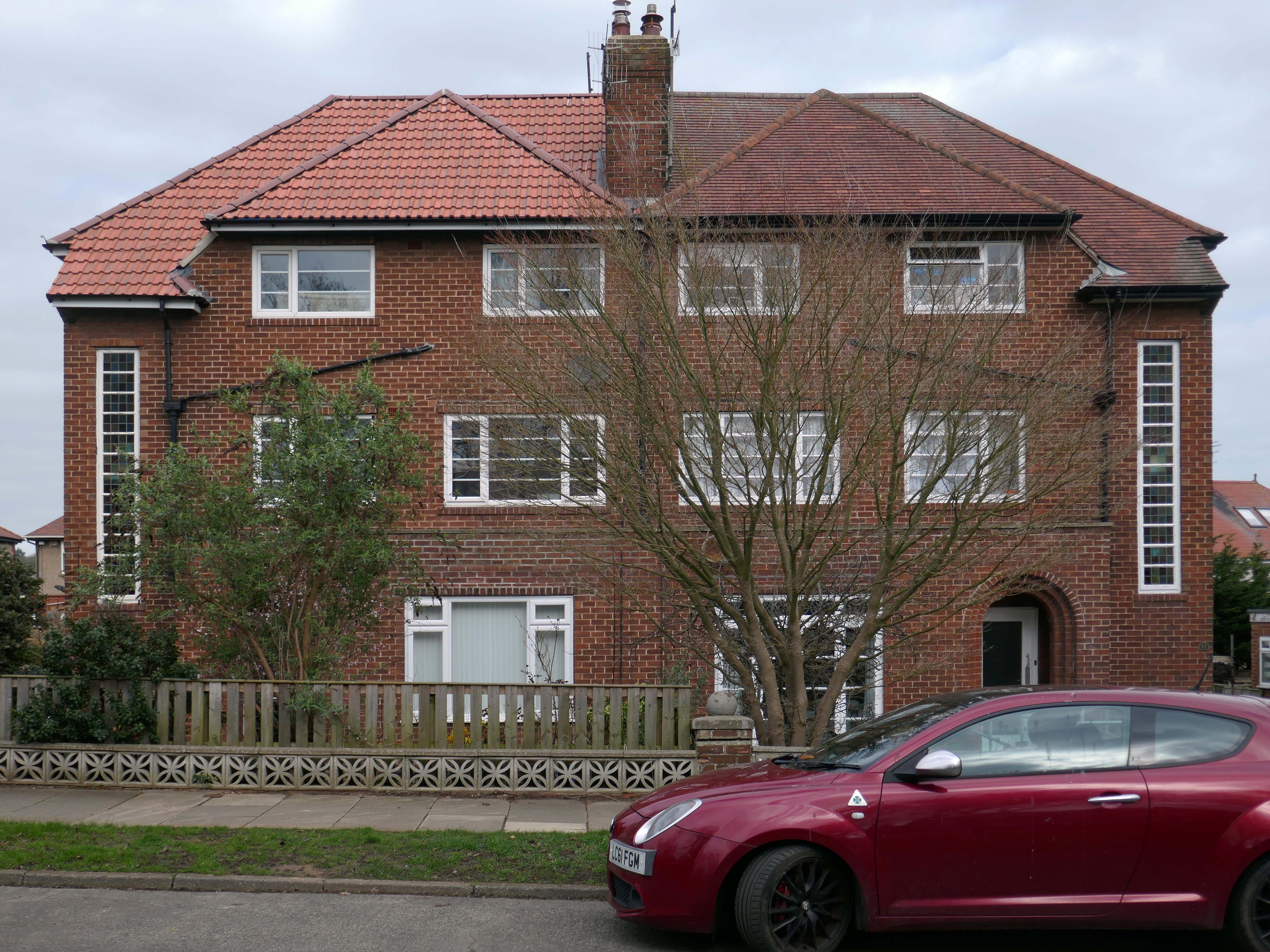
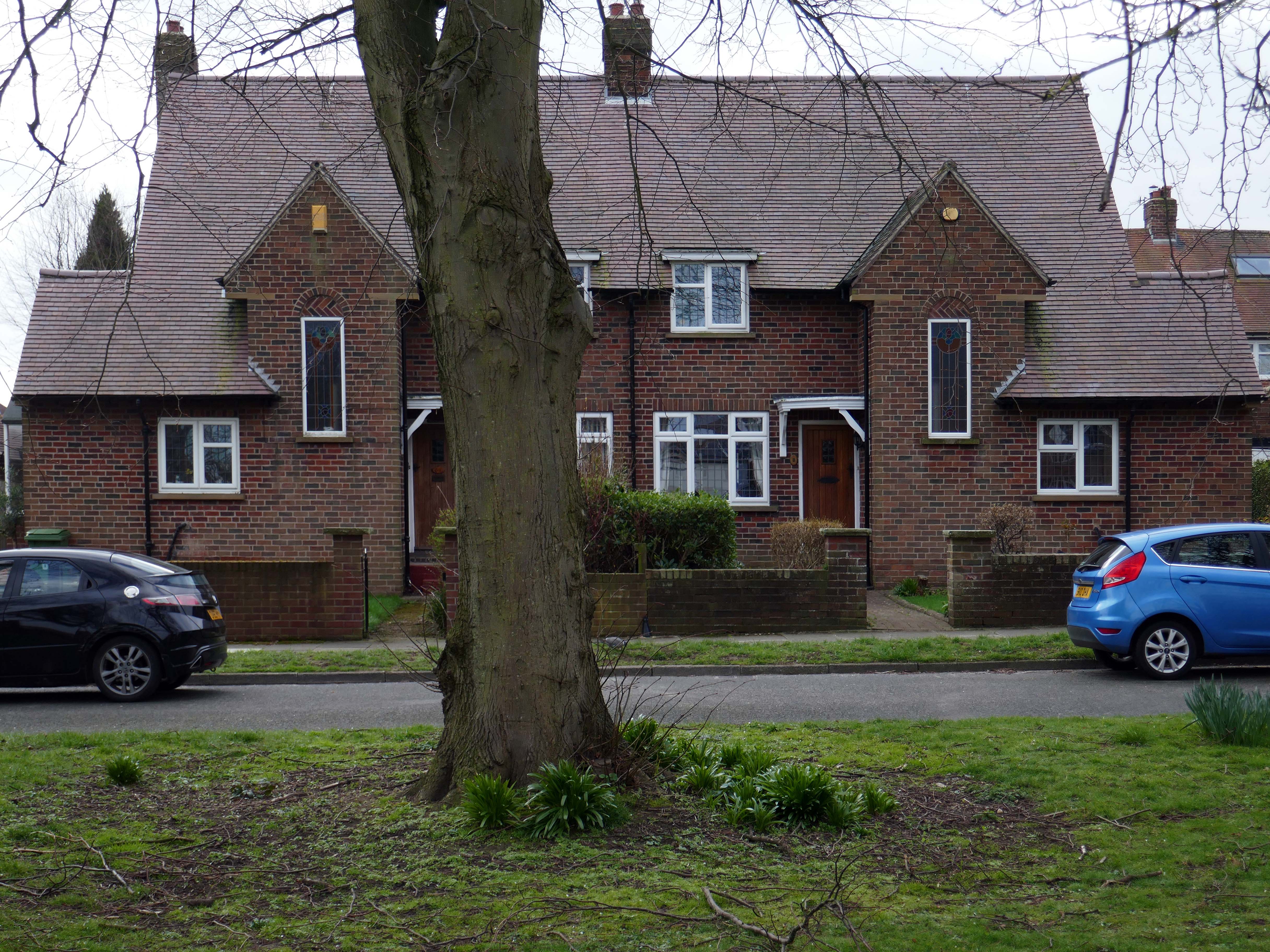
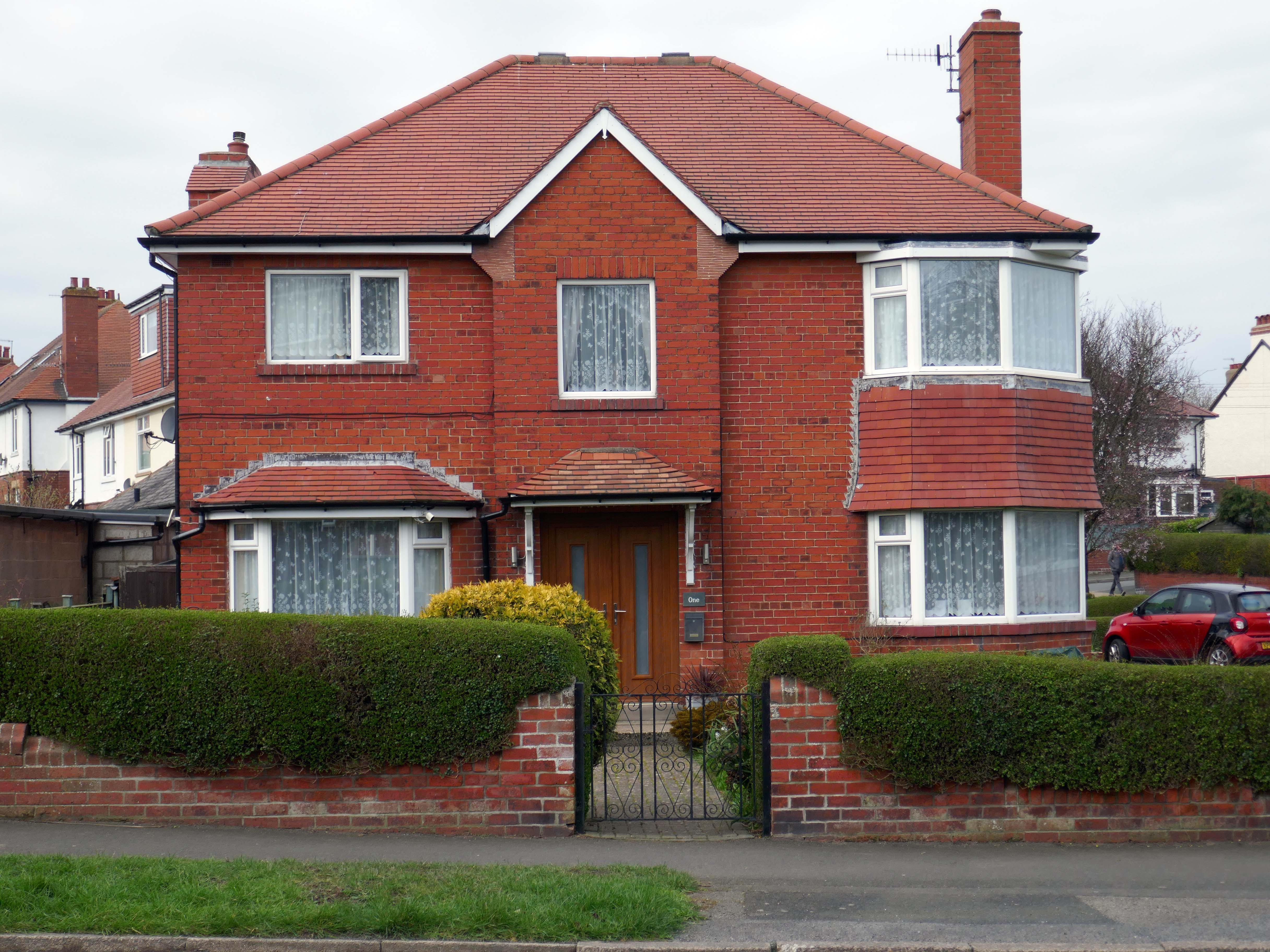
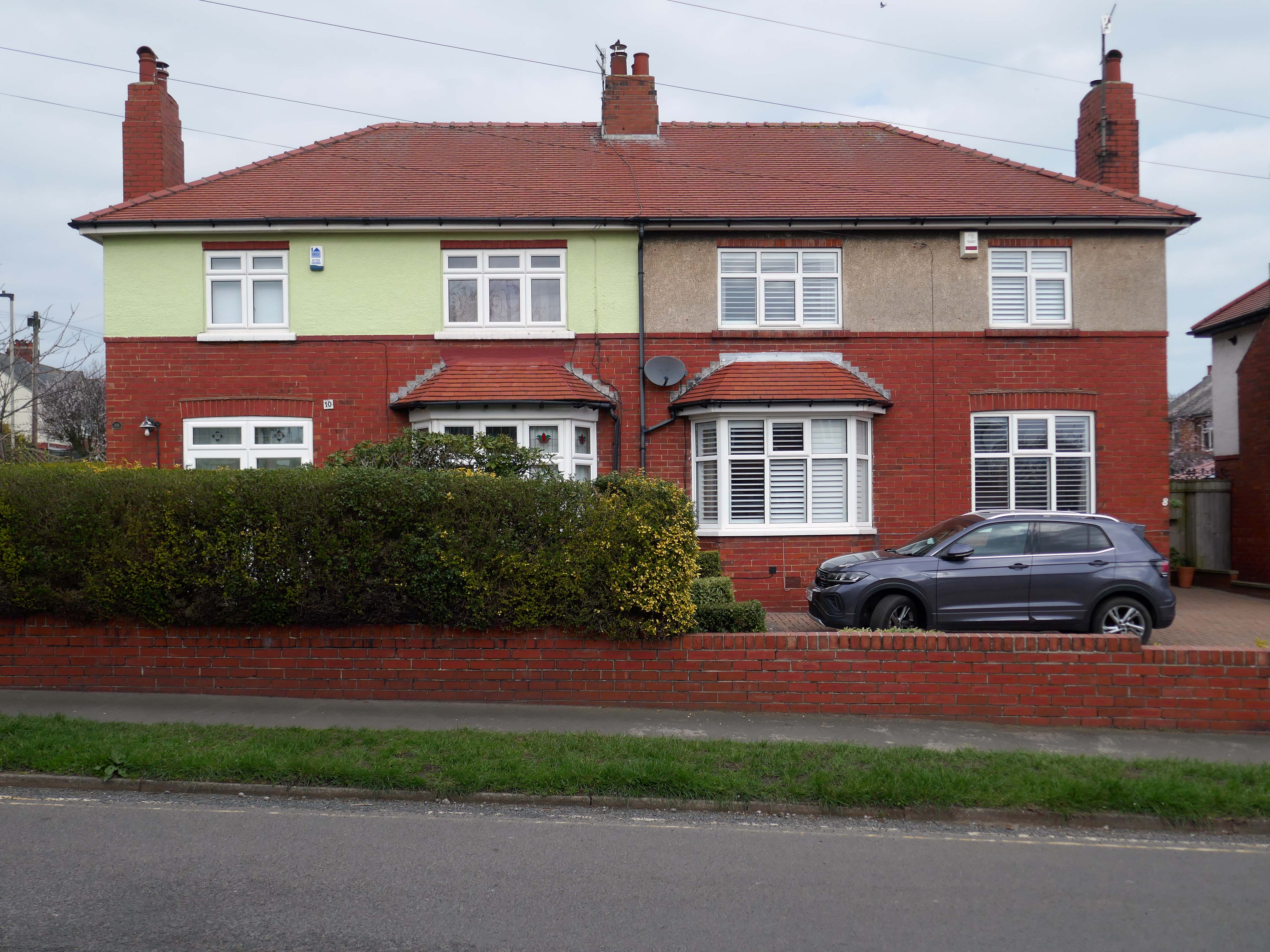
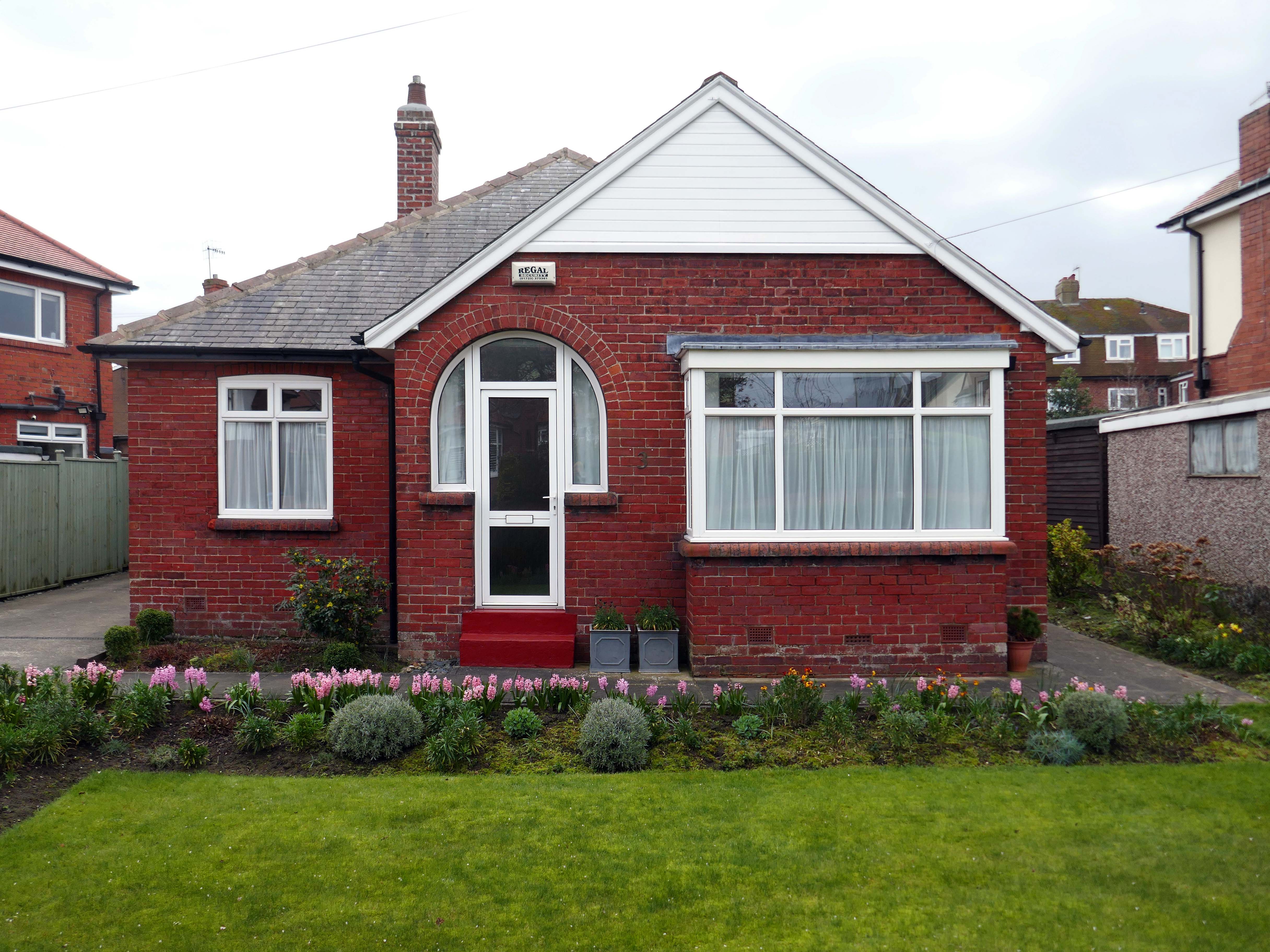
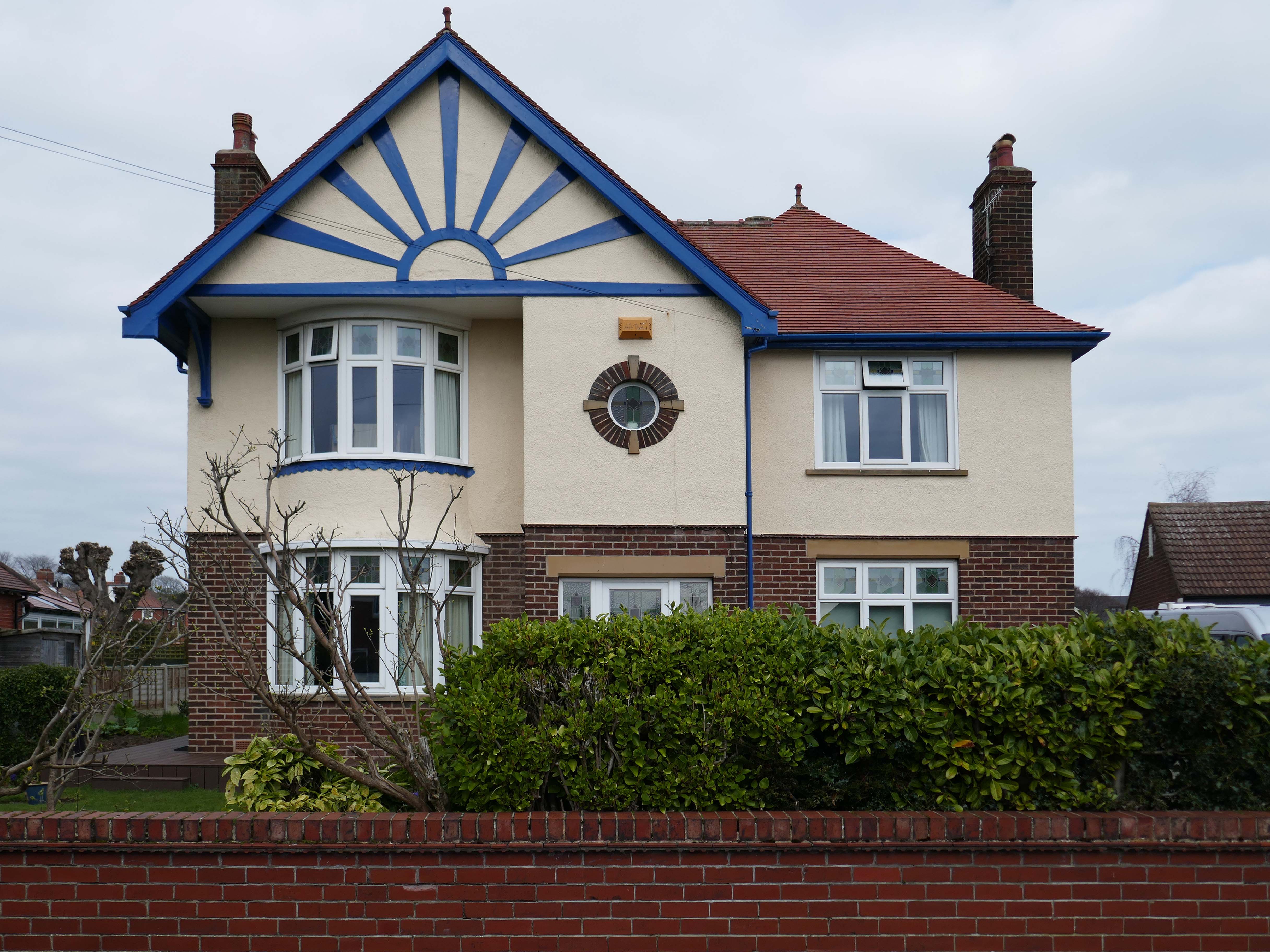
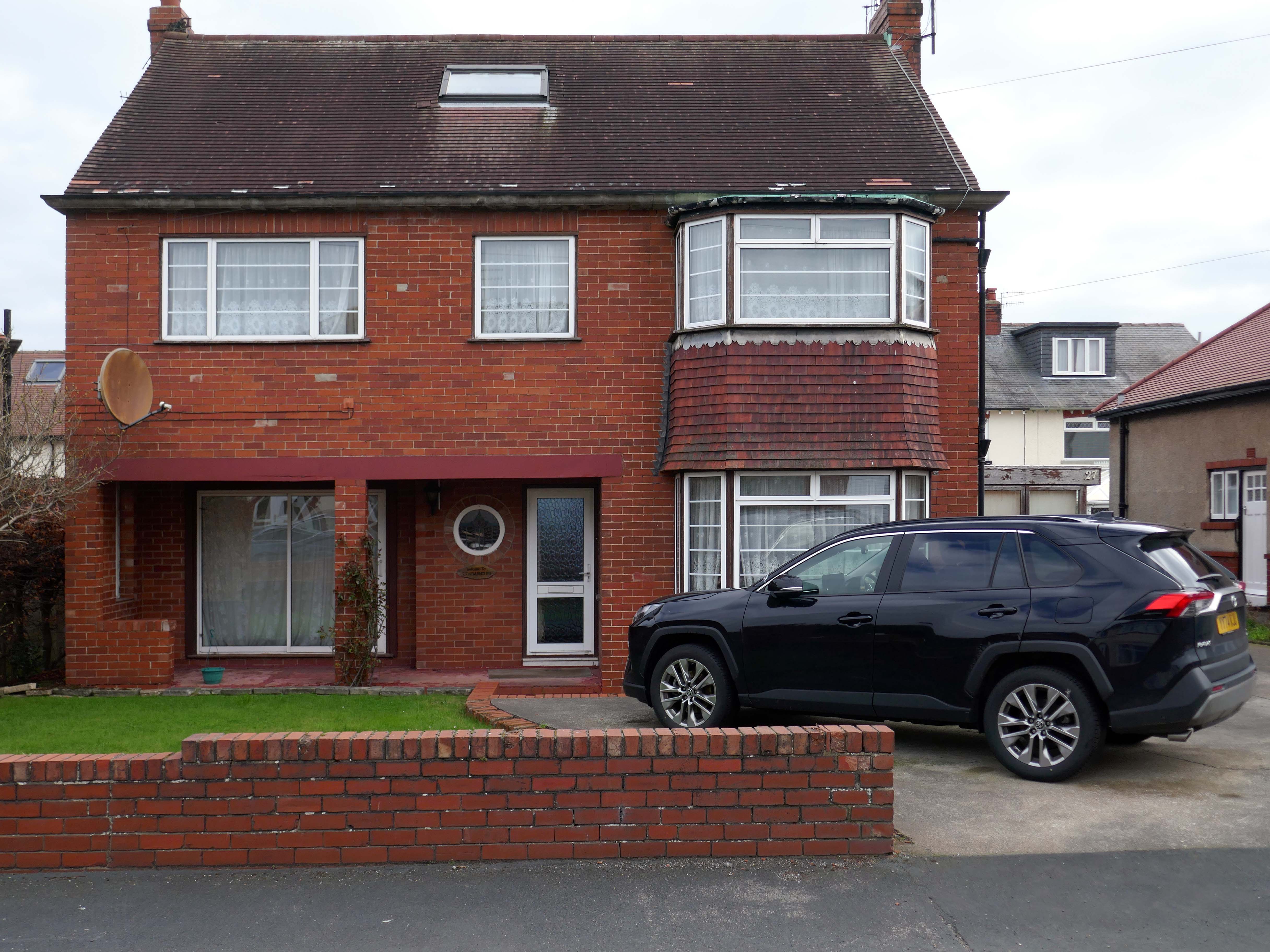
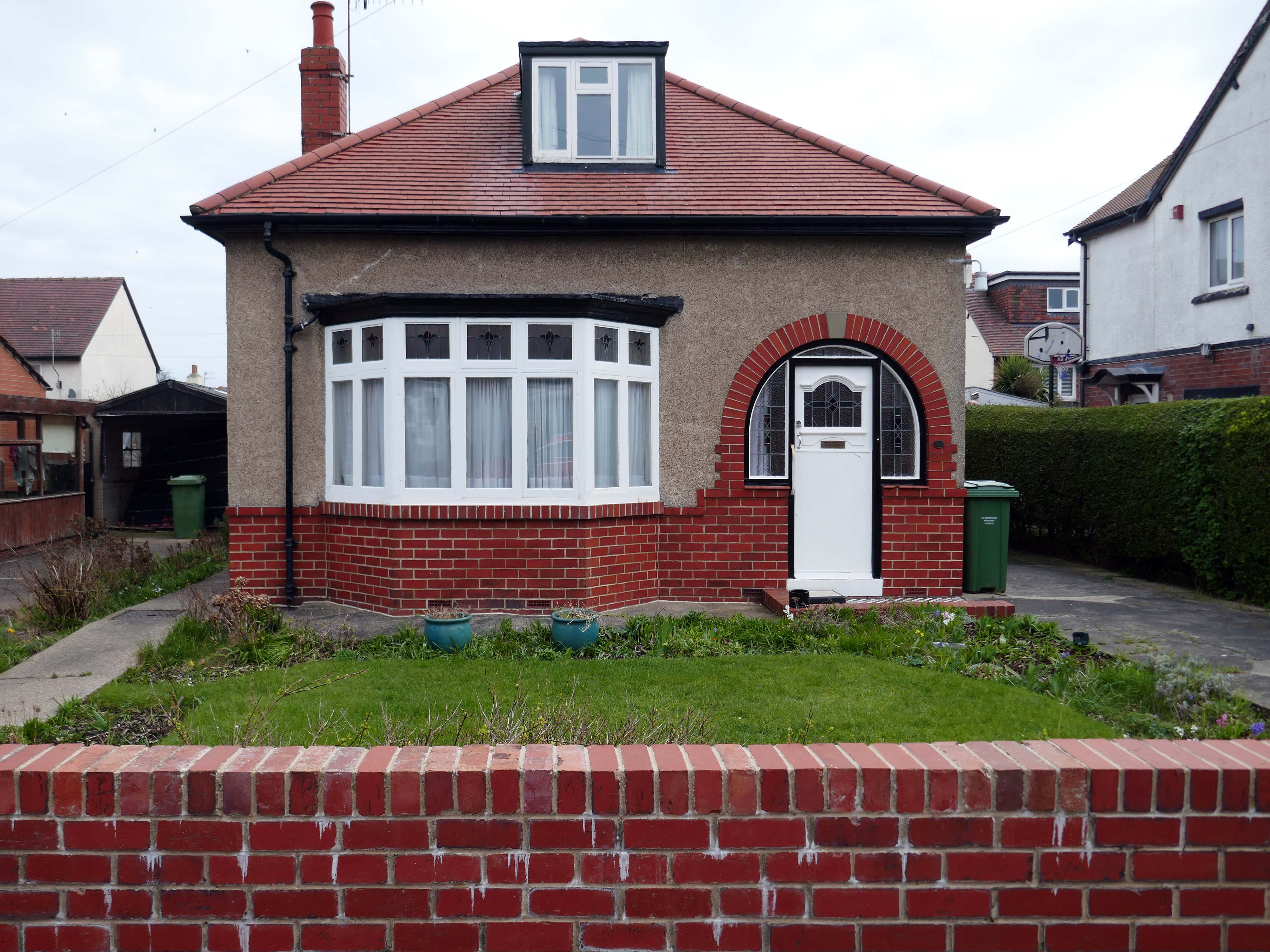
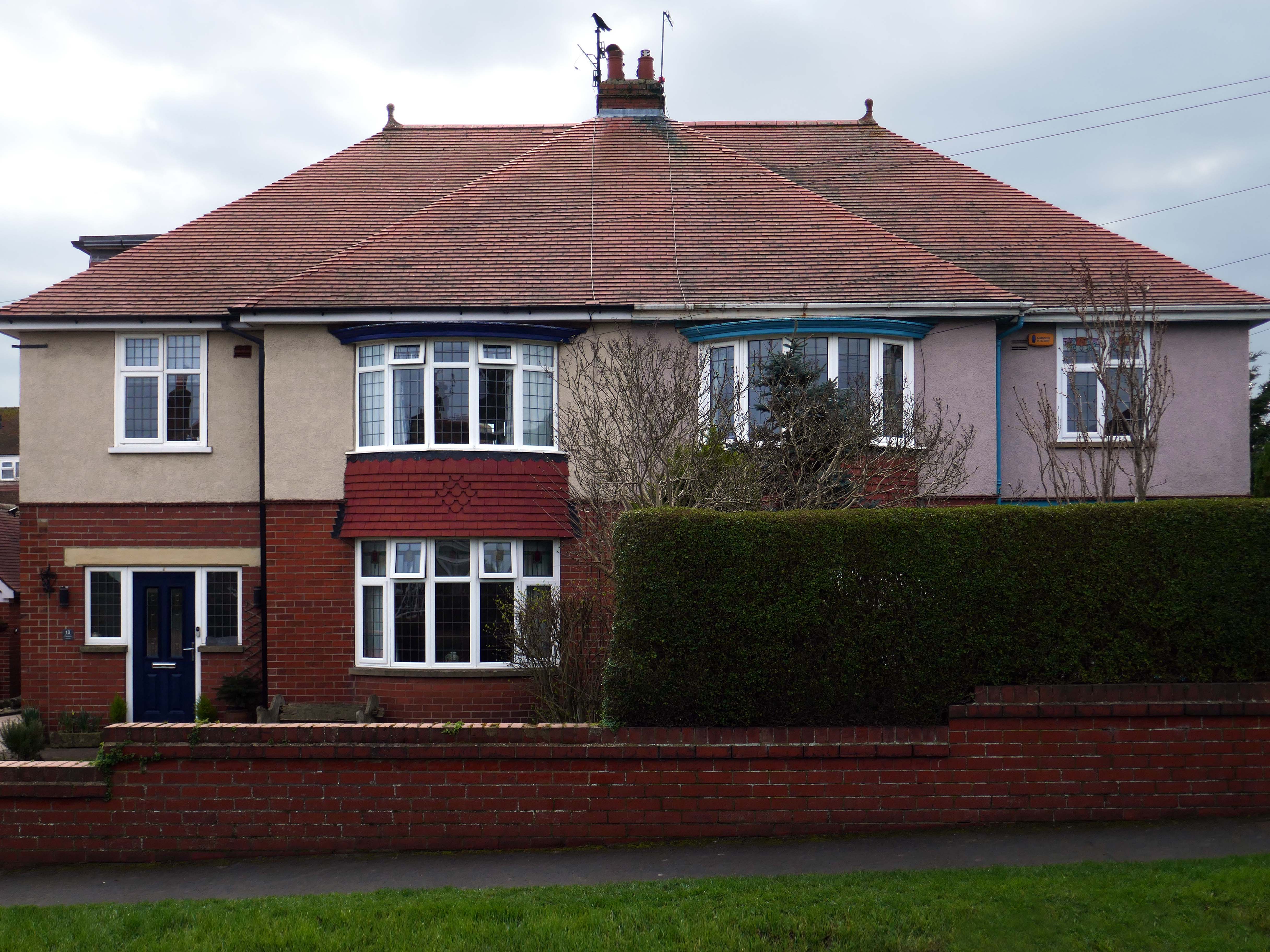
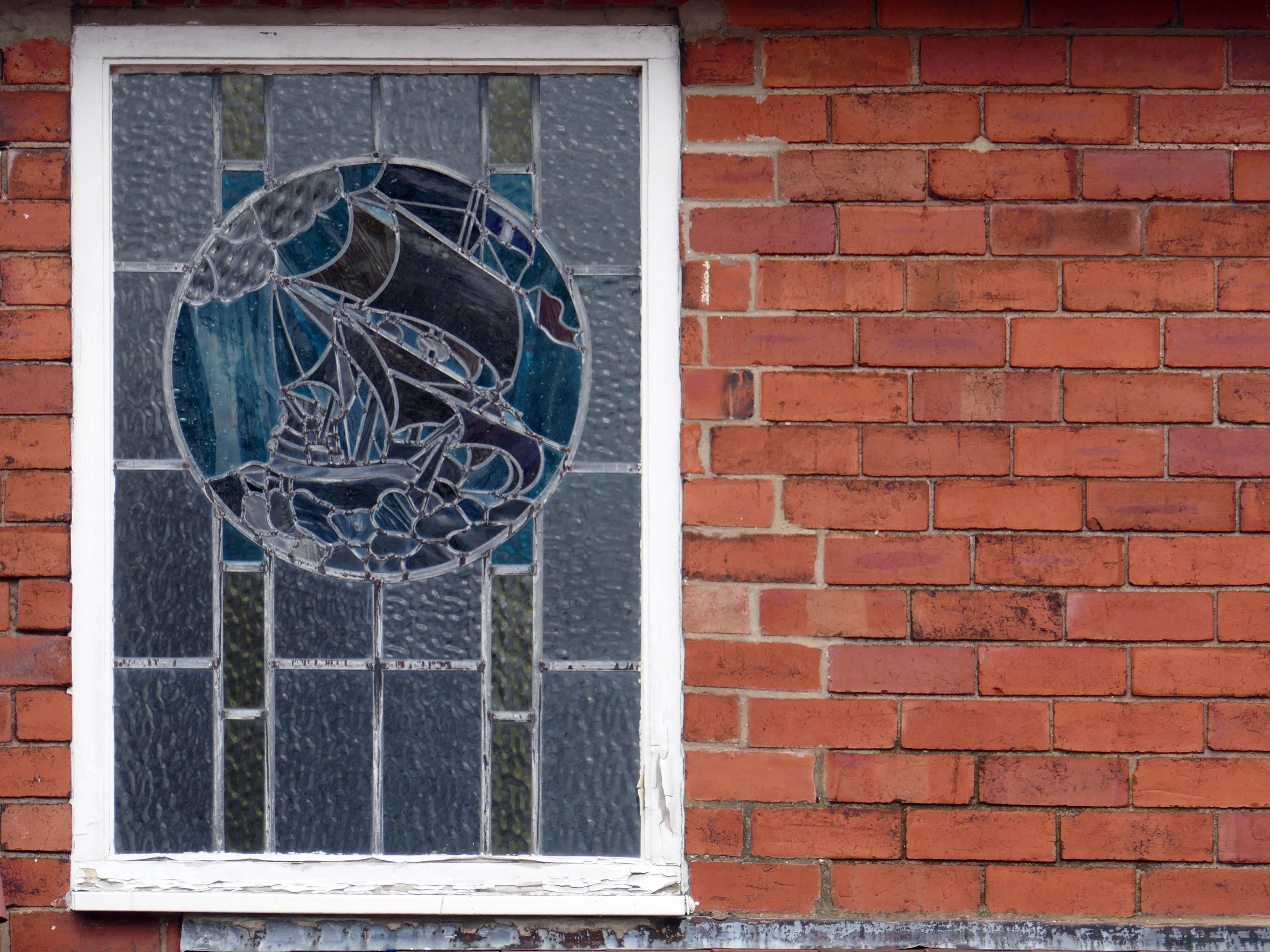
Walking the streets on a sunny Scarborough day, I was struck by the capricious cornucopia of interwar and postwar architectural styles. These are well kept well behaved homes, many of which were built as imposing apartment blocks, possibly for the seaside retirees, or the transient tourist.
The coast encourages a playful sense of design, referencing vernacular styles and including several decorative devices.
So let’s take a wander around, see what we can see.
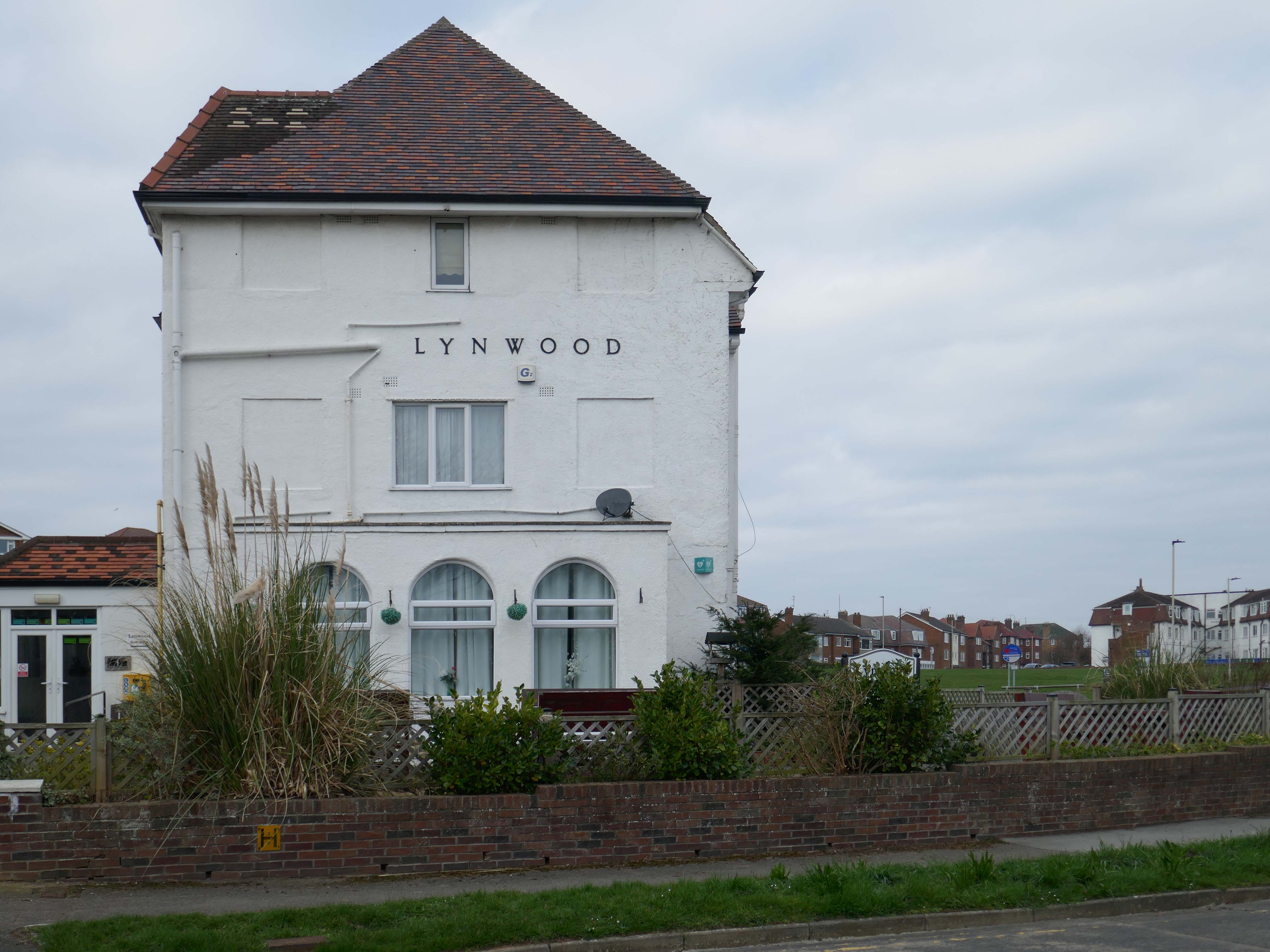
It is with deepest regret that despite the best efforts of everyone involved, it has now been confirmed that Lynwood Convalescent Home will close at the end of 2025. Whilst it was previously hoped that Lynwood could remain open for a further period, unfortunately, there are insufficient funds required to keep the Home operating and a sale of the building is progressing.
The Yorkshire Miners’ Welfare Convalescence Home charity who owns the home is continuing to support beneficiaries and staff during this difficult period. The trustees of the Home are currently discussing how the charity will use the funds from the property sale to support beneficiaries going forward and plans will be communicated in the coming weeks and months.
We fully understand the disappointment and impact this decision will have on our beneficiaries and staff. Please be assured that the trustees remain committed to keeping all stakeholders informed about the future of the charity.
Hi, there are a few point that we feel need addressing, the WiFi kept going off. Both shower heads were very high and we could not adjust them. The grouting in the bathroom floor was broken, which made the tiles loose and needs attention. The toilet in the bathroom was loose and felt insecure. The cooker was not properly secured to the housing, it felt loose in the housing. The TV kept loosing signal and the picture would break up – thank God for youtube, as that was pretty good
Apart from the points mentioned the apartment was clean and tidy and very nice.
We have previously stayed at Manor Heath on four occasions and always enjoy it and look forward to our next visit. We stayed in apartment two, which was very comfortable, but would benefit from a coffee table or nest of tablets, so you could relax and put your drinks on it
Reviewed by Sharon 5.0 ★
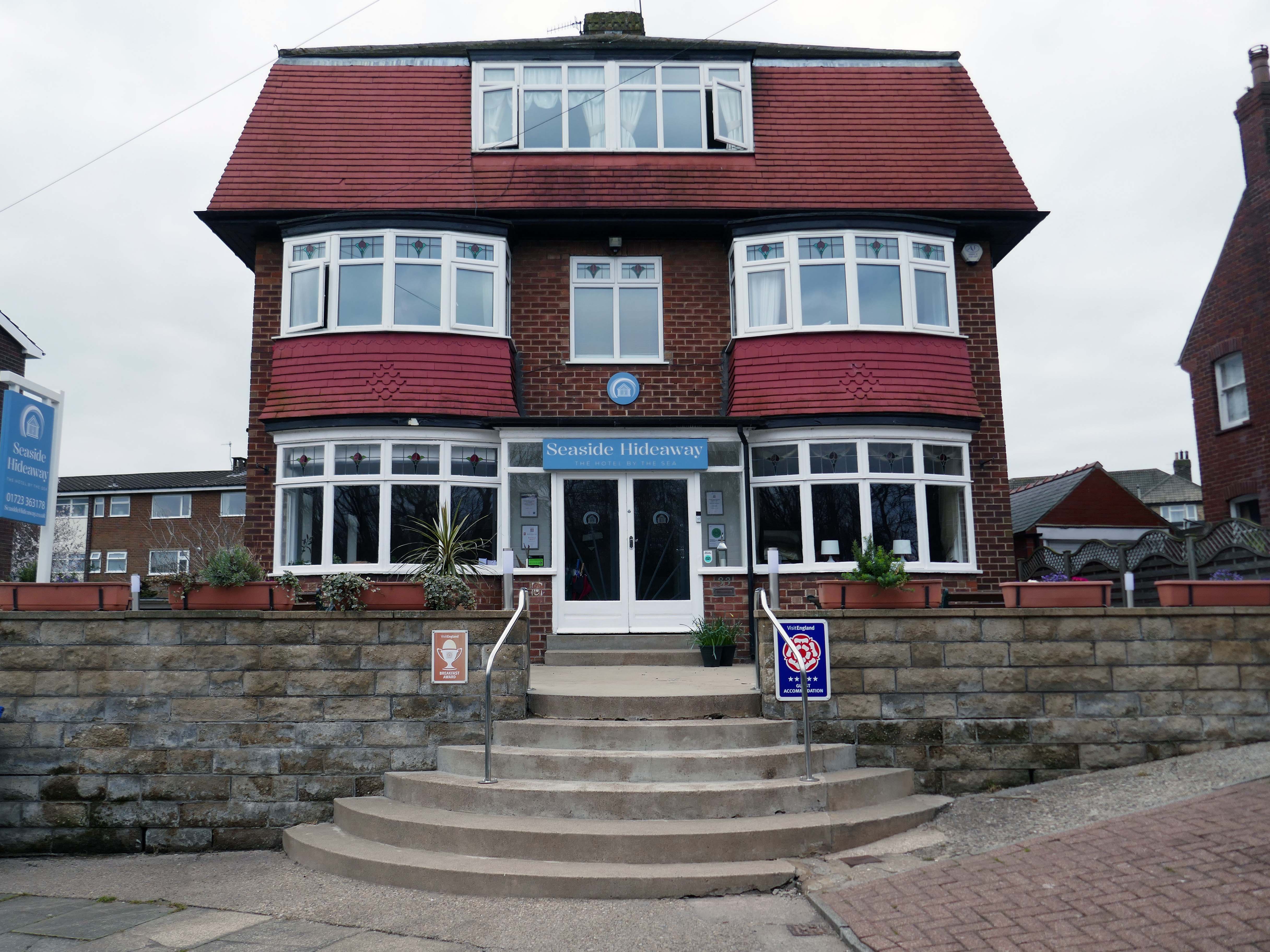
Seaside Hideaway combines a fantastic North Bay location with comfortable rooms, delicious breakfasts and a warm personal welcome from your hosts, Jim and Sarah.
If you’re thinking about a spring break by the coast, take a look at our spring breaks in Scarborough guide for ideas on where to stay and what to do.
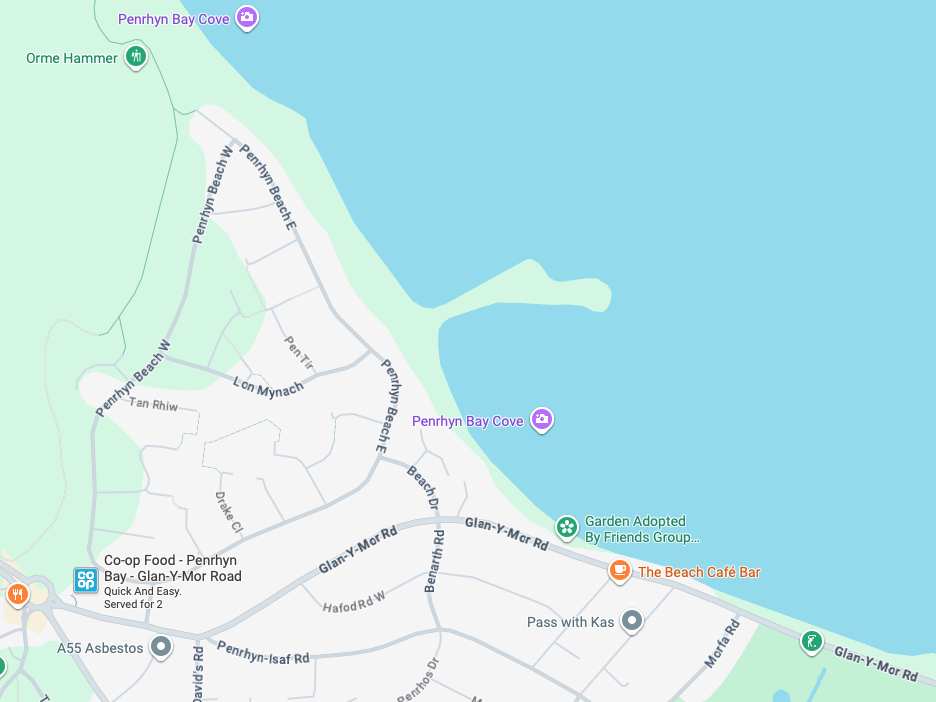
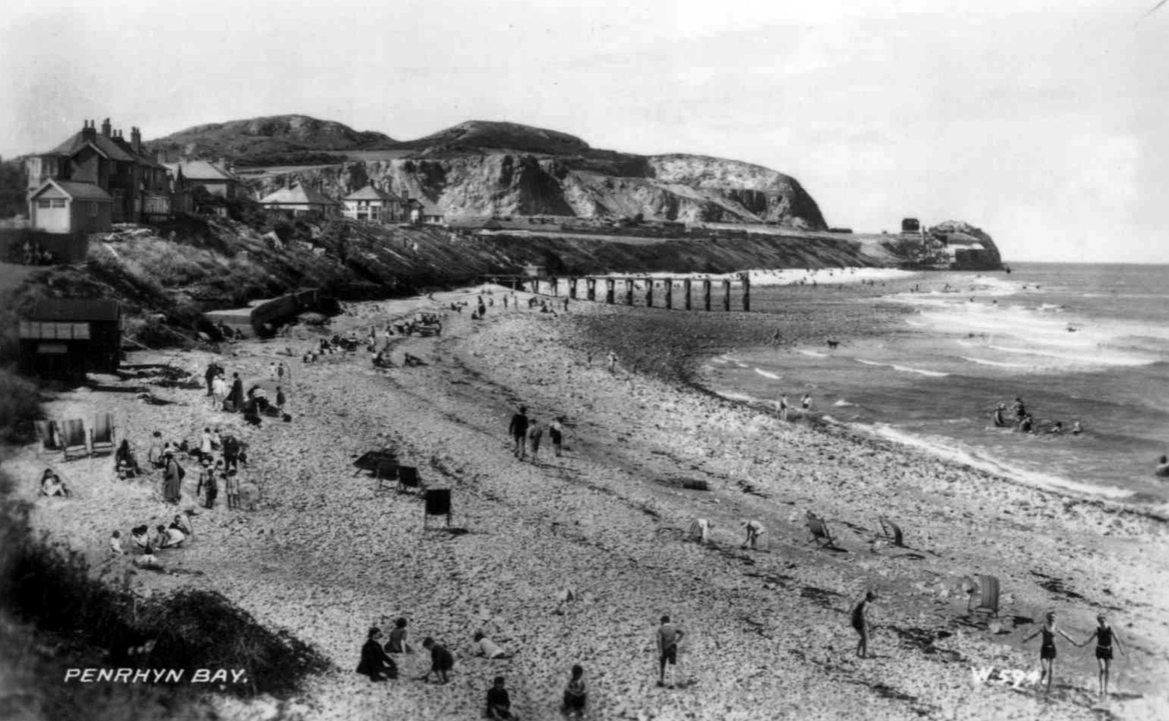
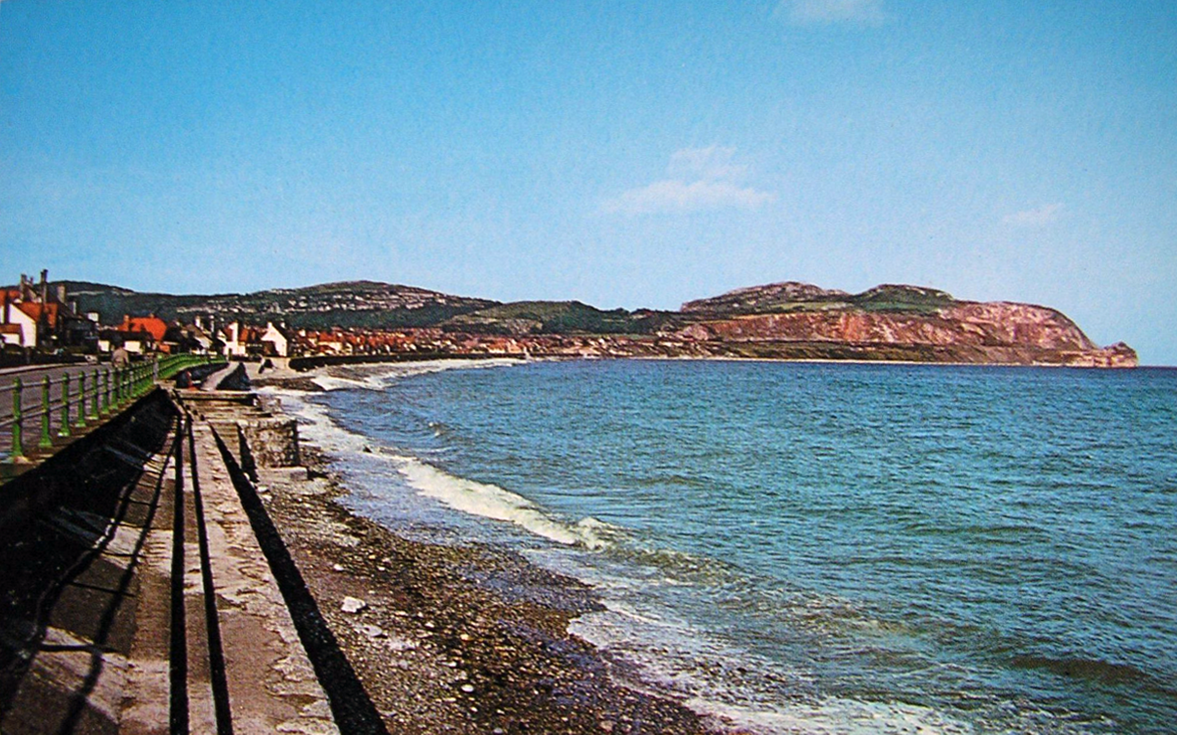
Penrhyn Bay is a peaceful seaside town and residential suburb of Llandudno in Conwy County, North Wales, known for its scenic sand-and-shingle beach. Located east of the Little Orme, it offers coastal walks, rock pooling, and a quiet alternative to nearby bustling resorts. The area is popular for its local community feel, nearby seal spotting, and easy access to North Wales attractions.
Following several recent suburban posts in my local area, I decided to take a train to Colwyn Bay, in order to revisit an old friend, last seen in 2023.
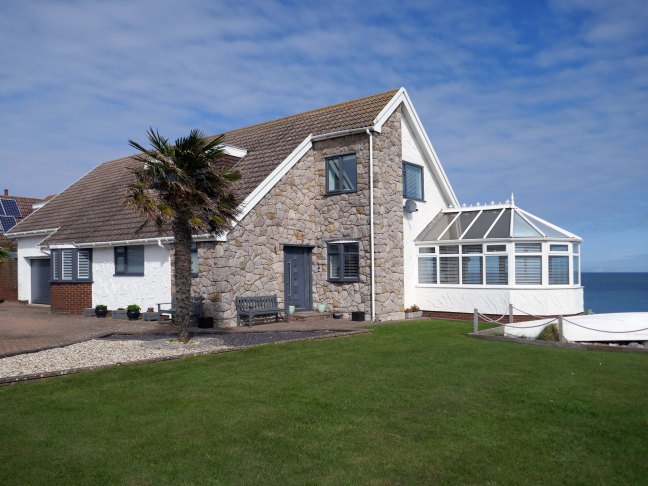
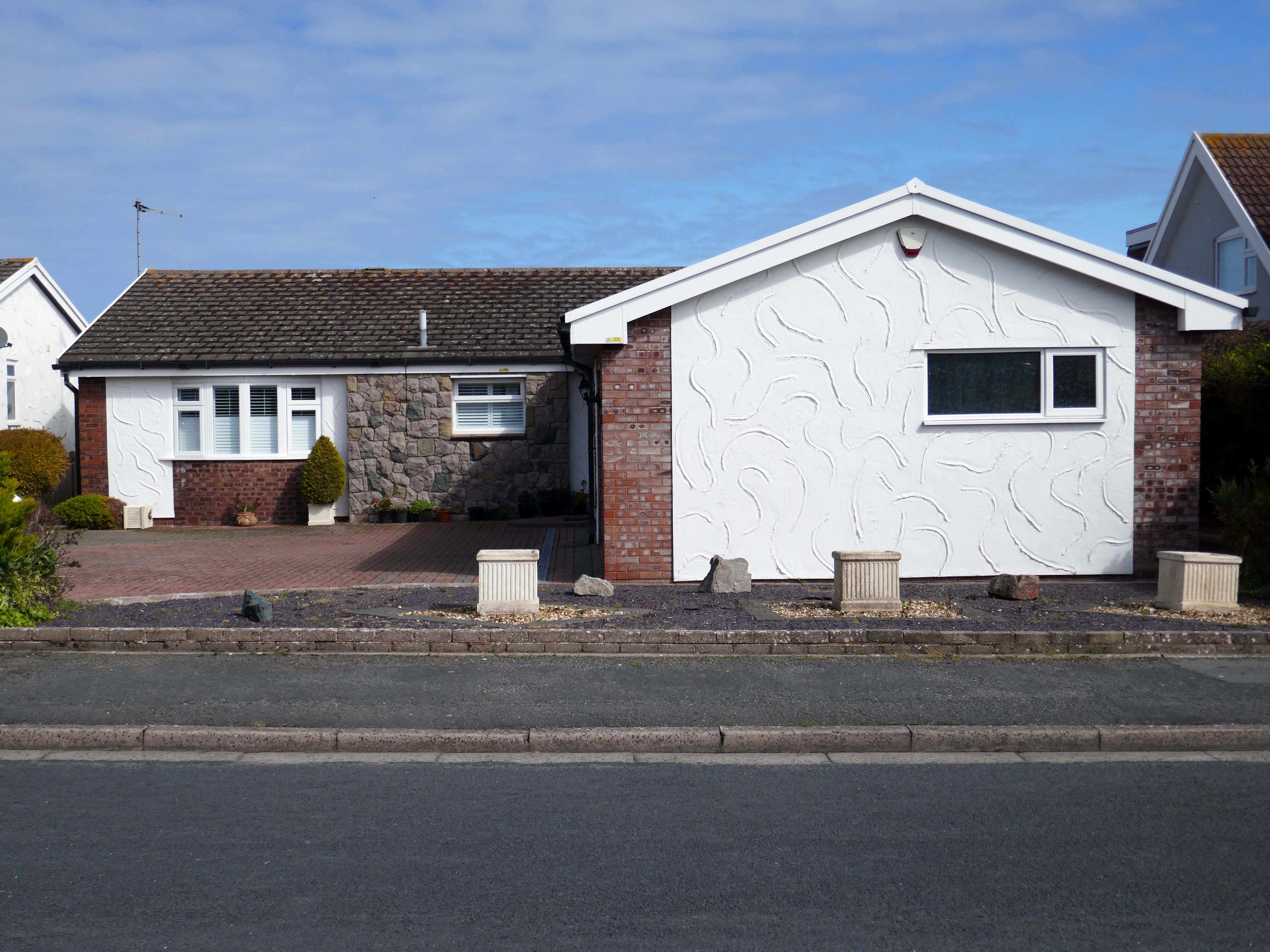
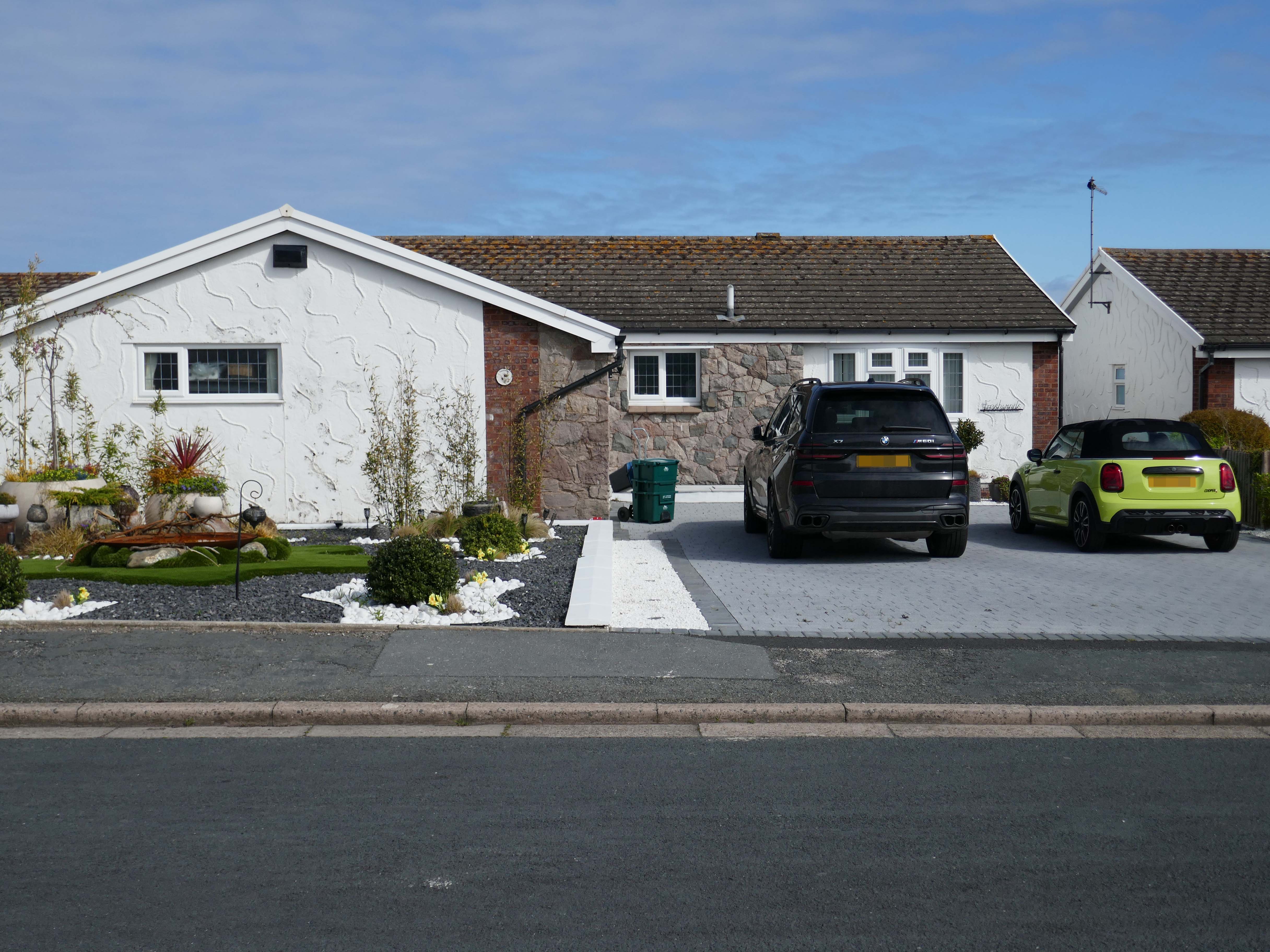
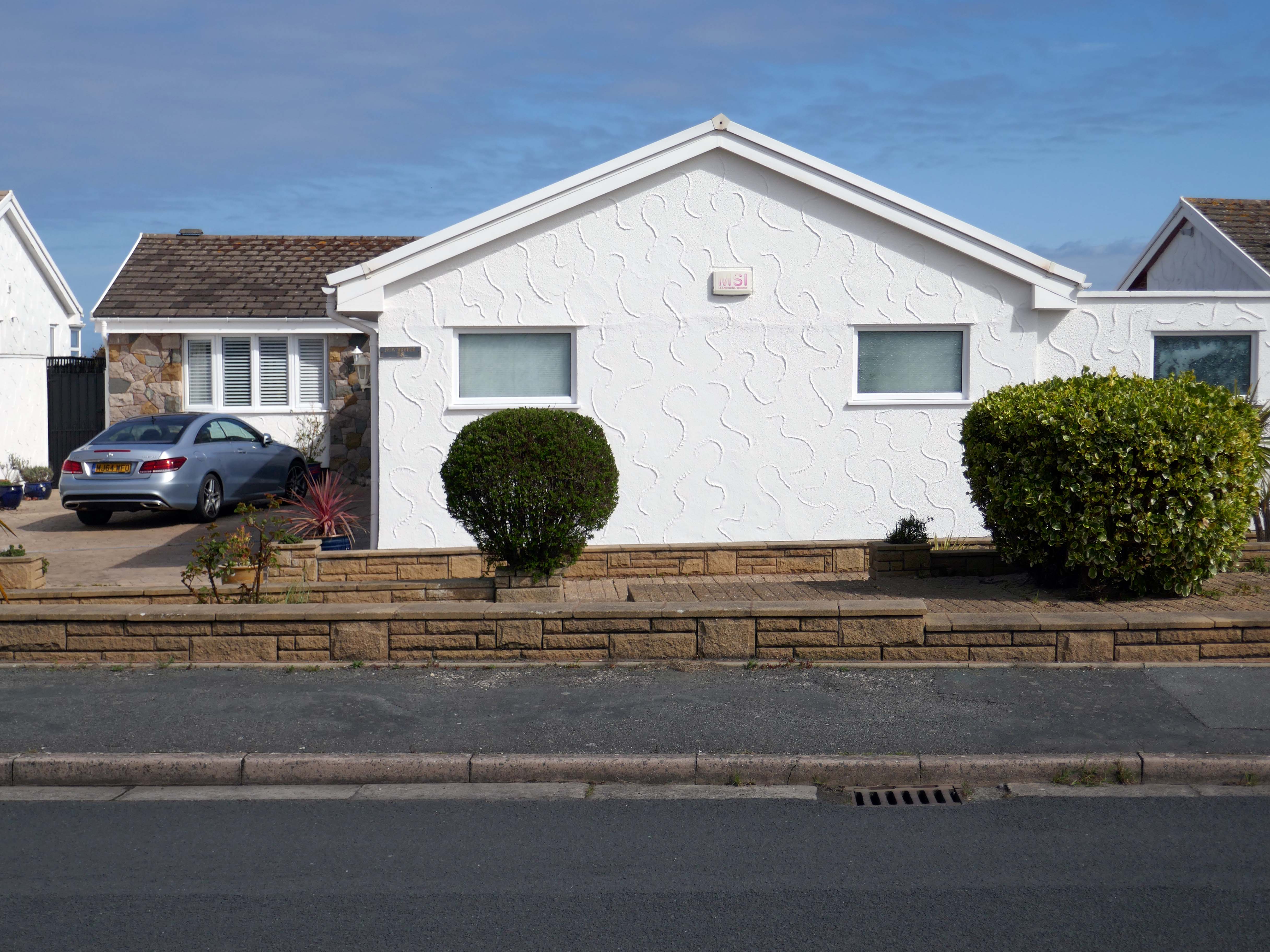
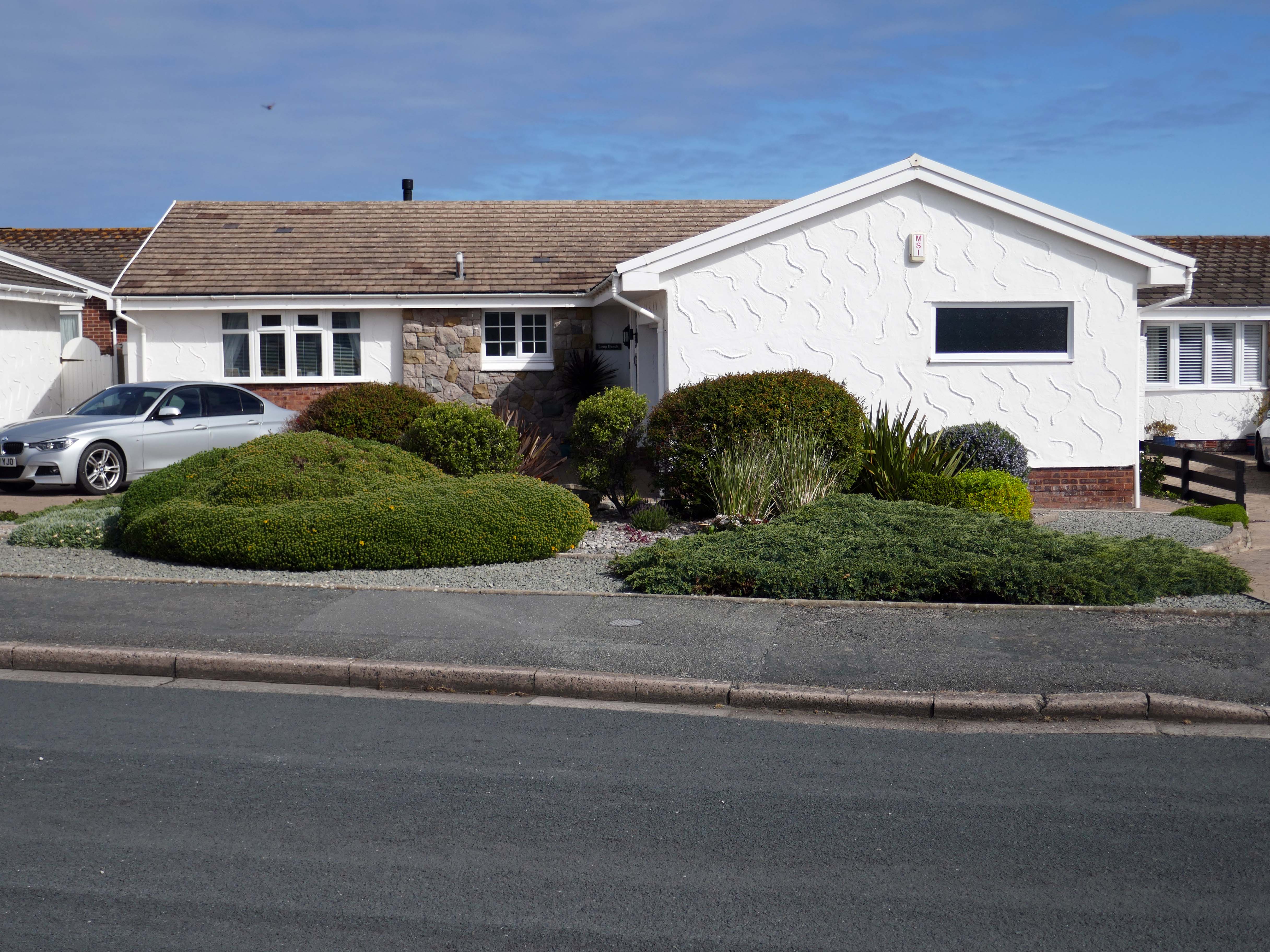
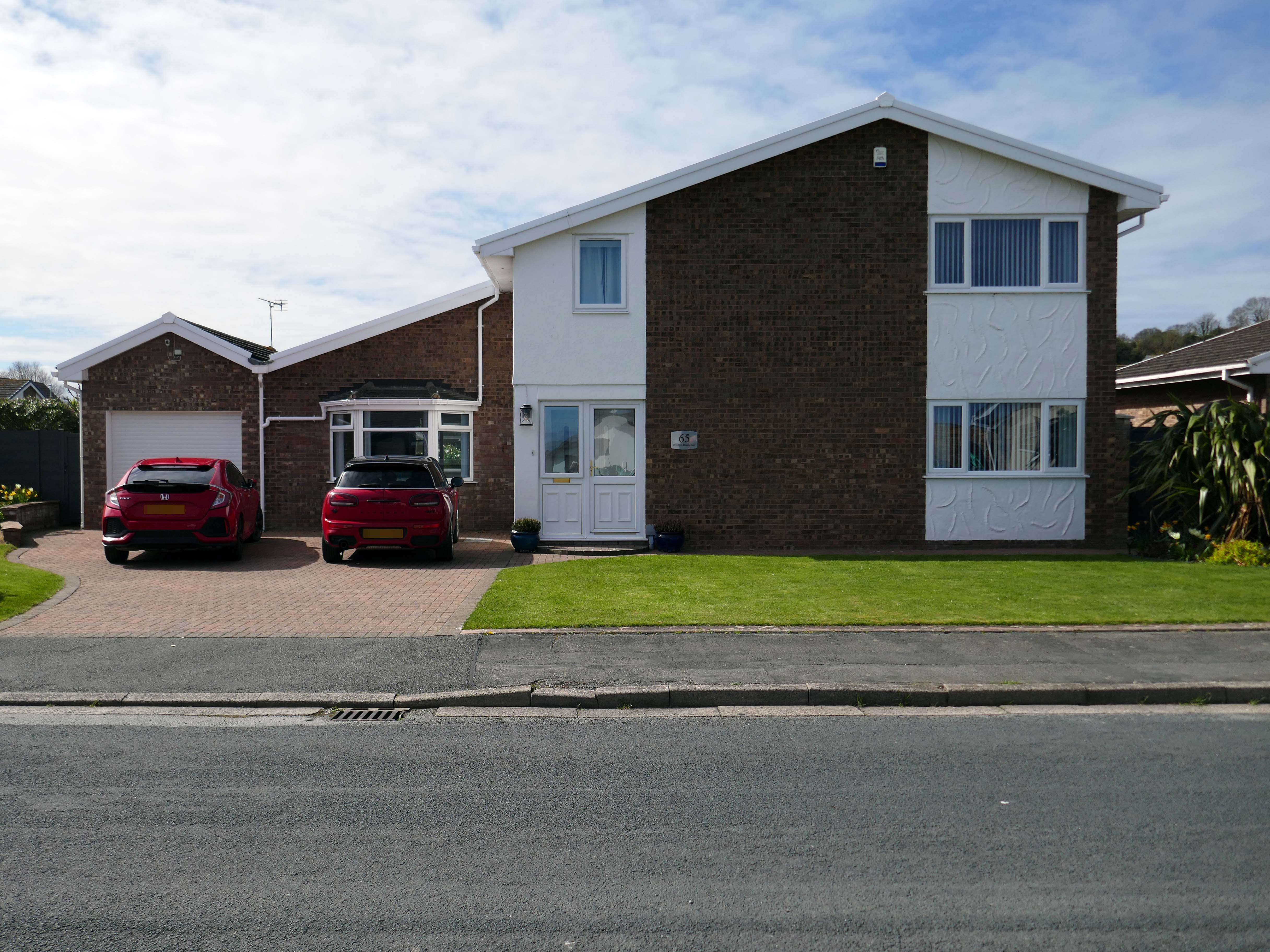
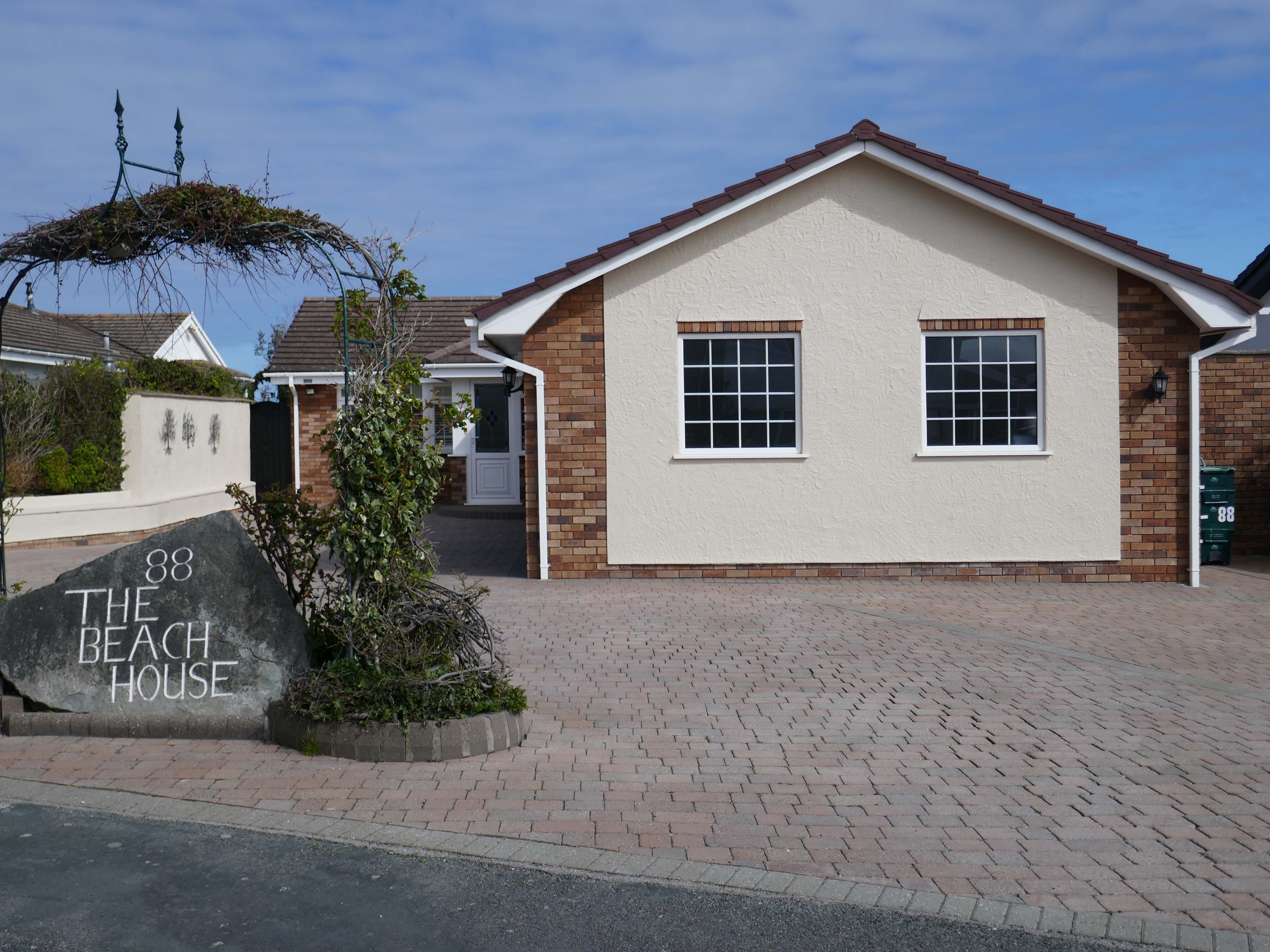
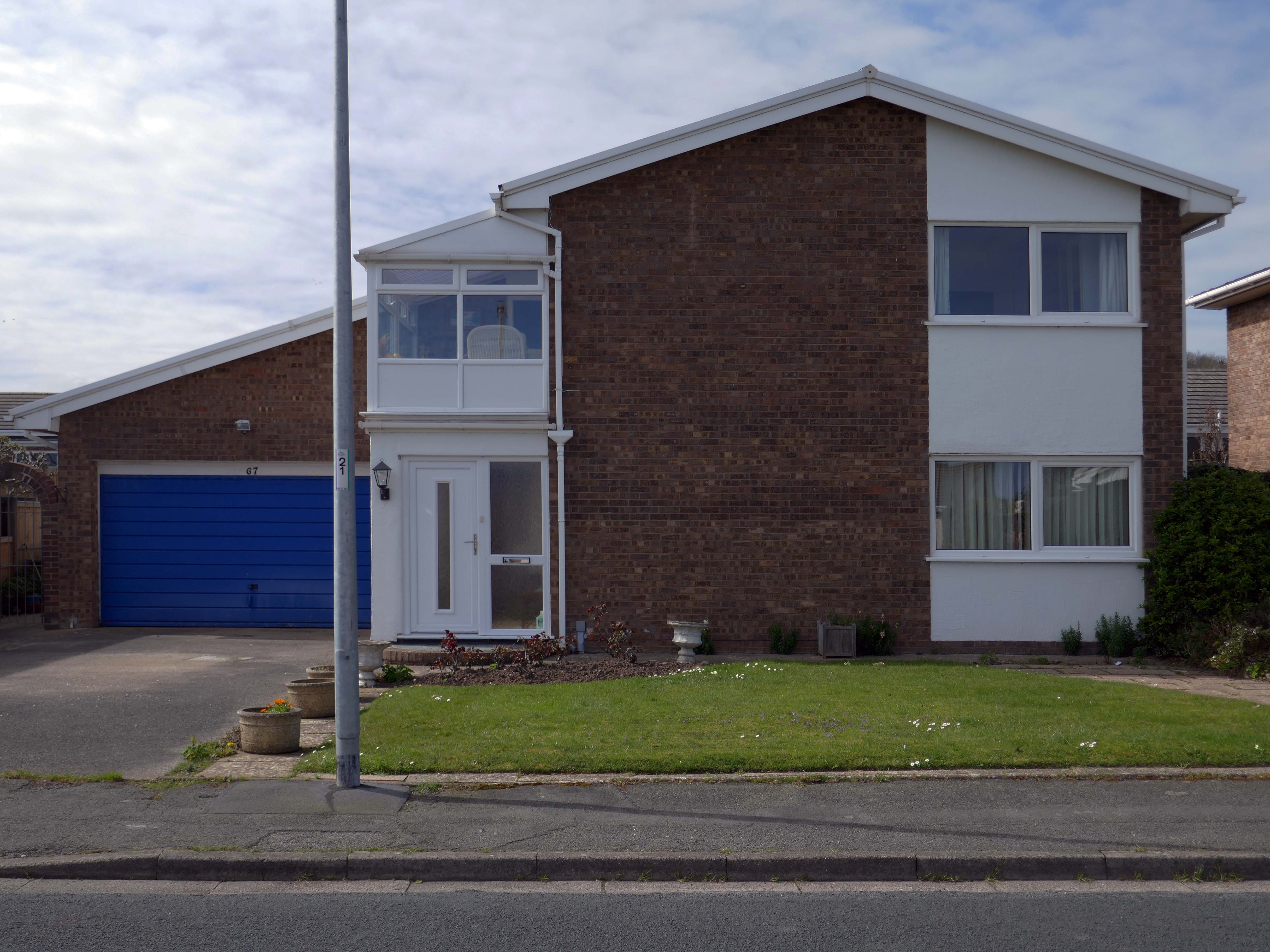
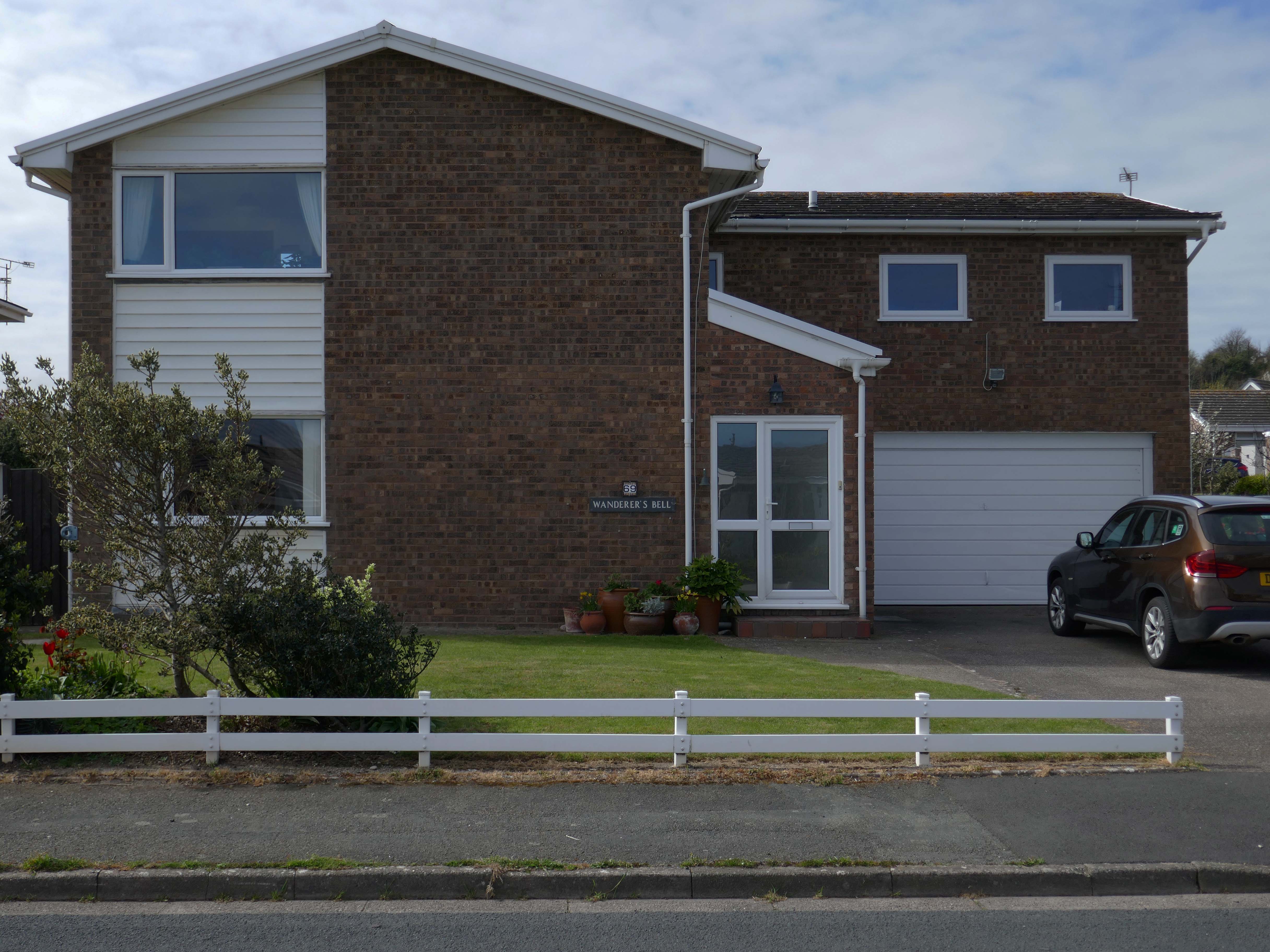
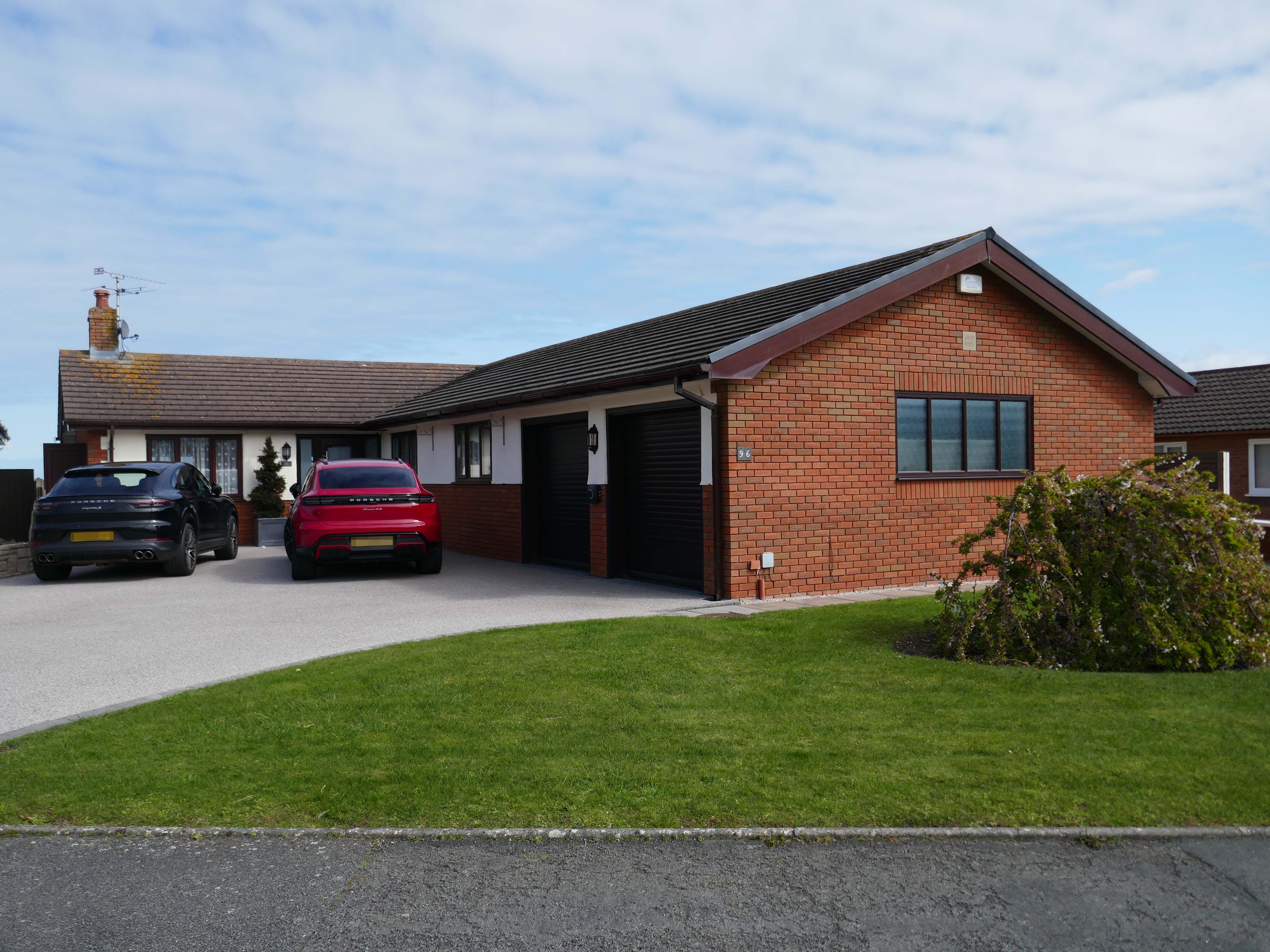
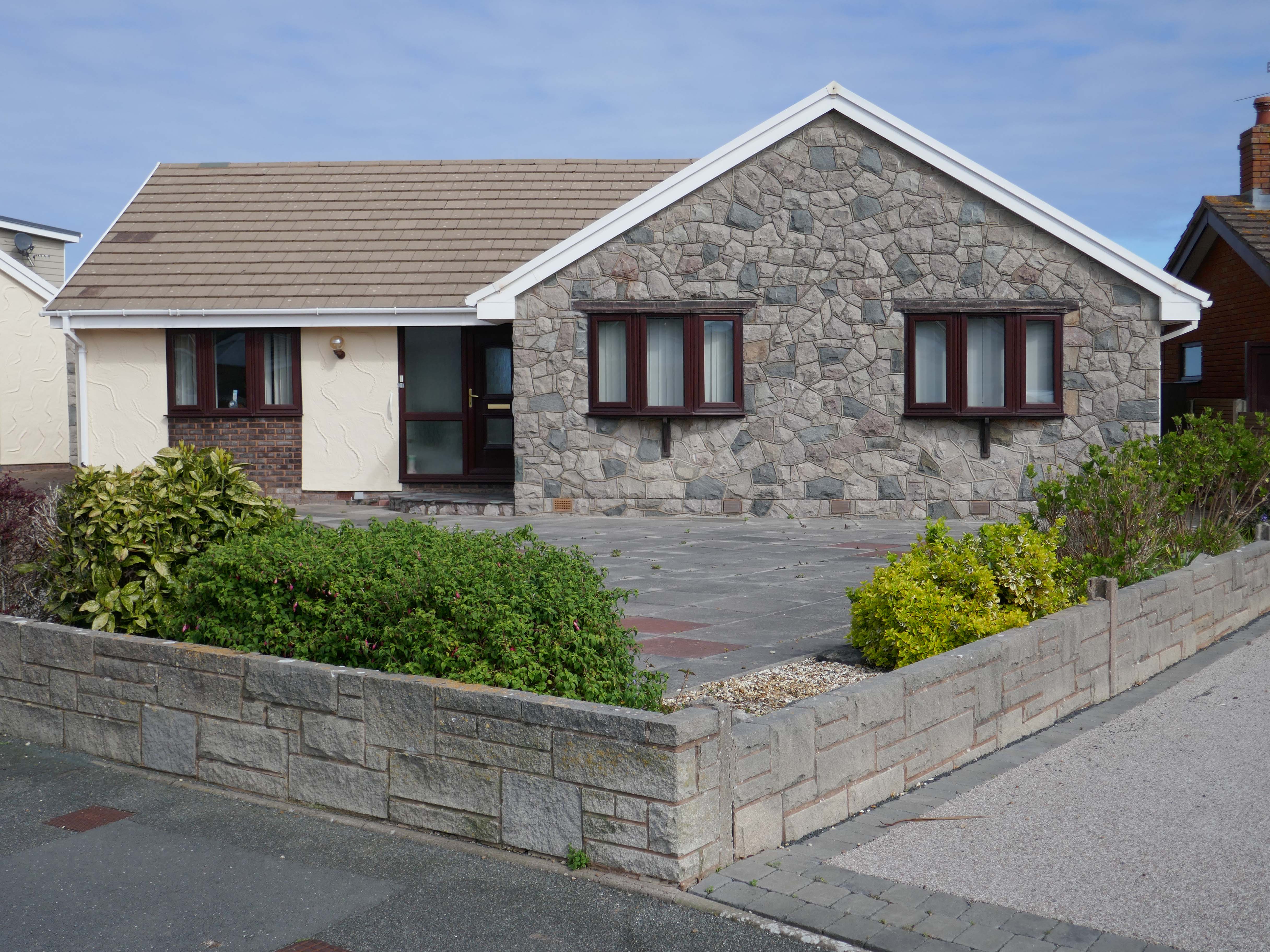
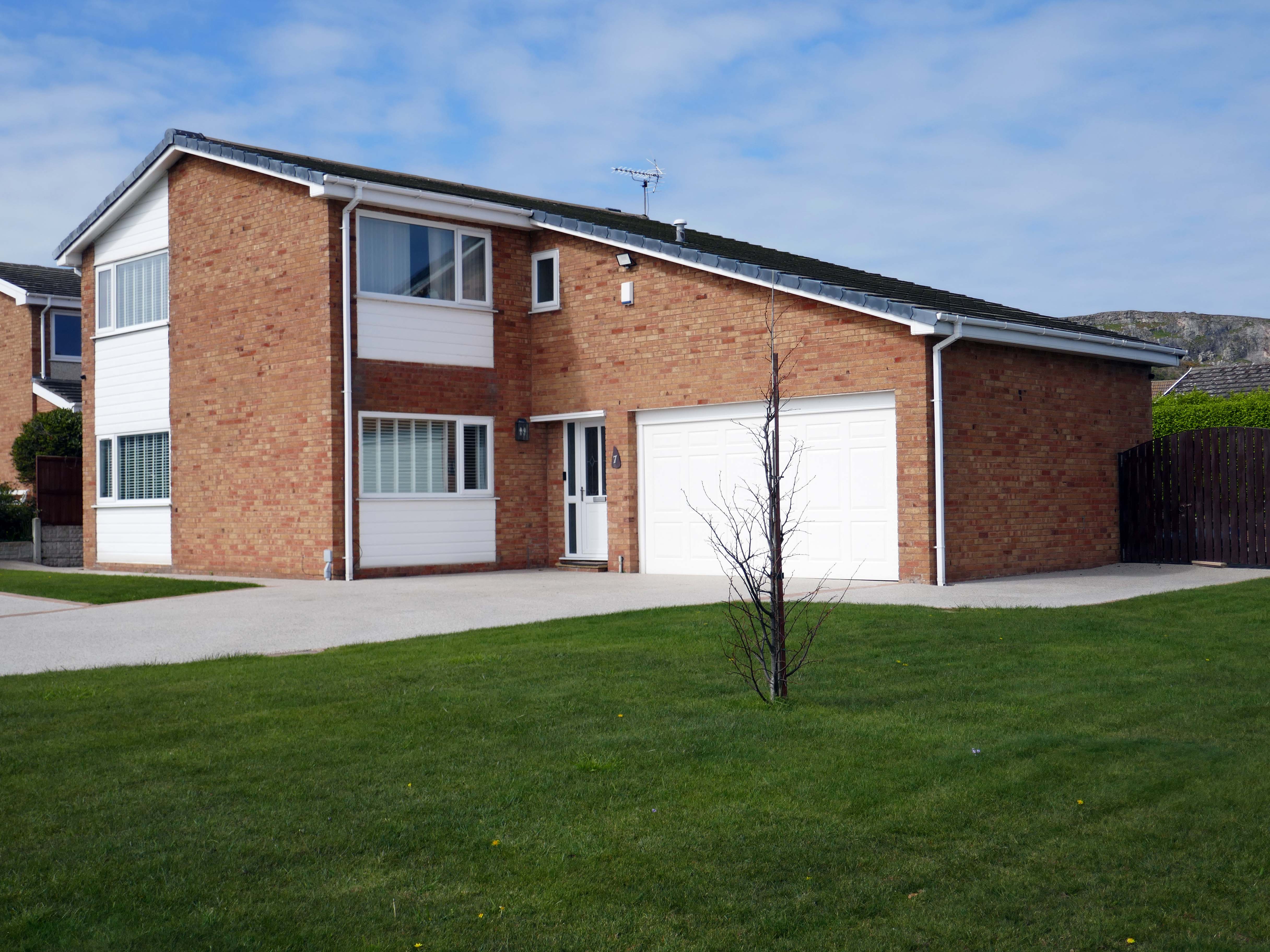
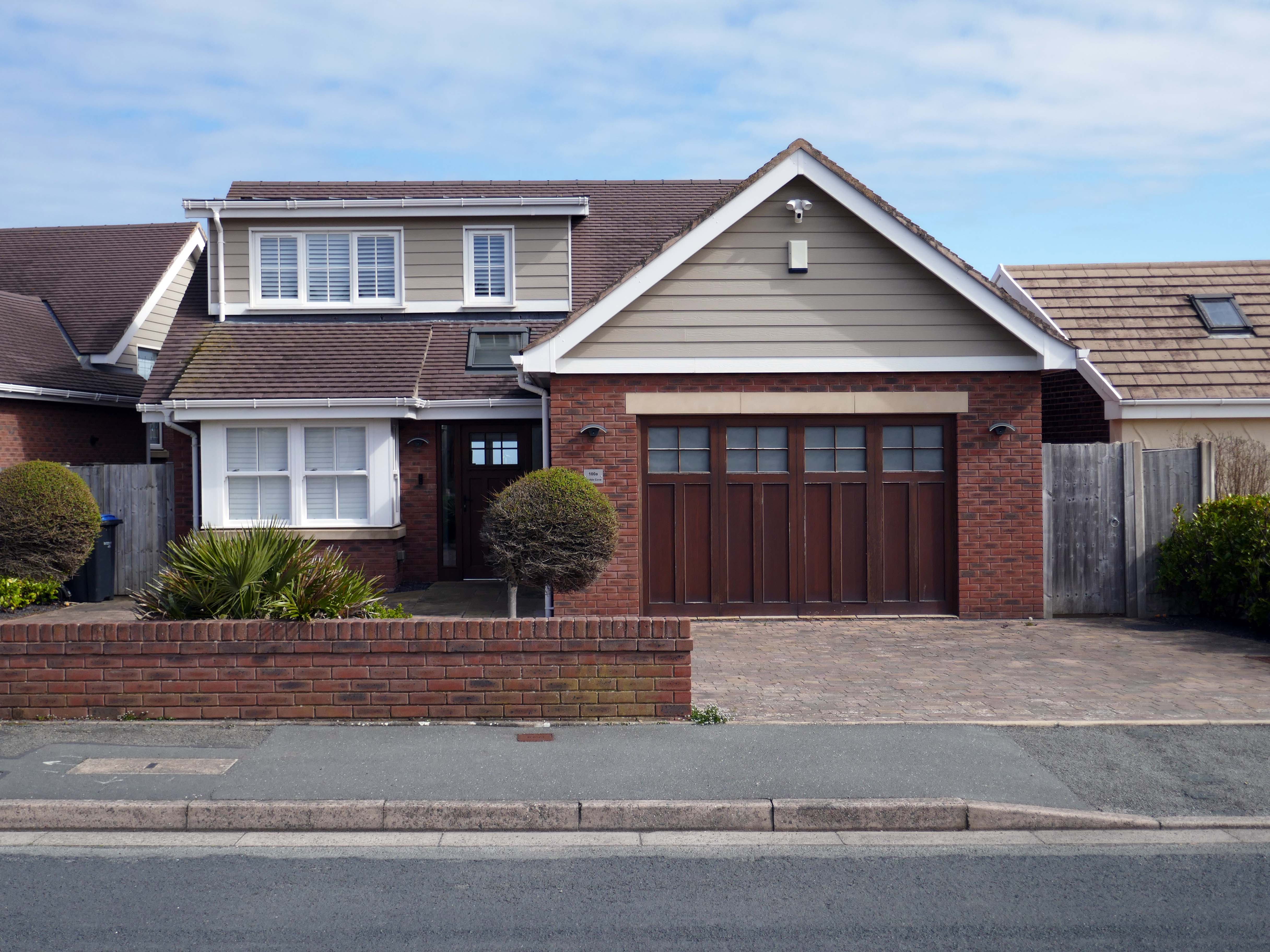
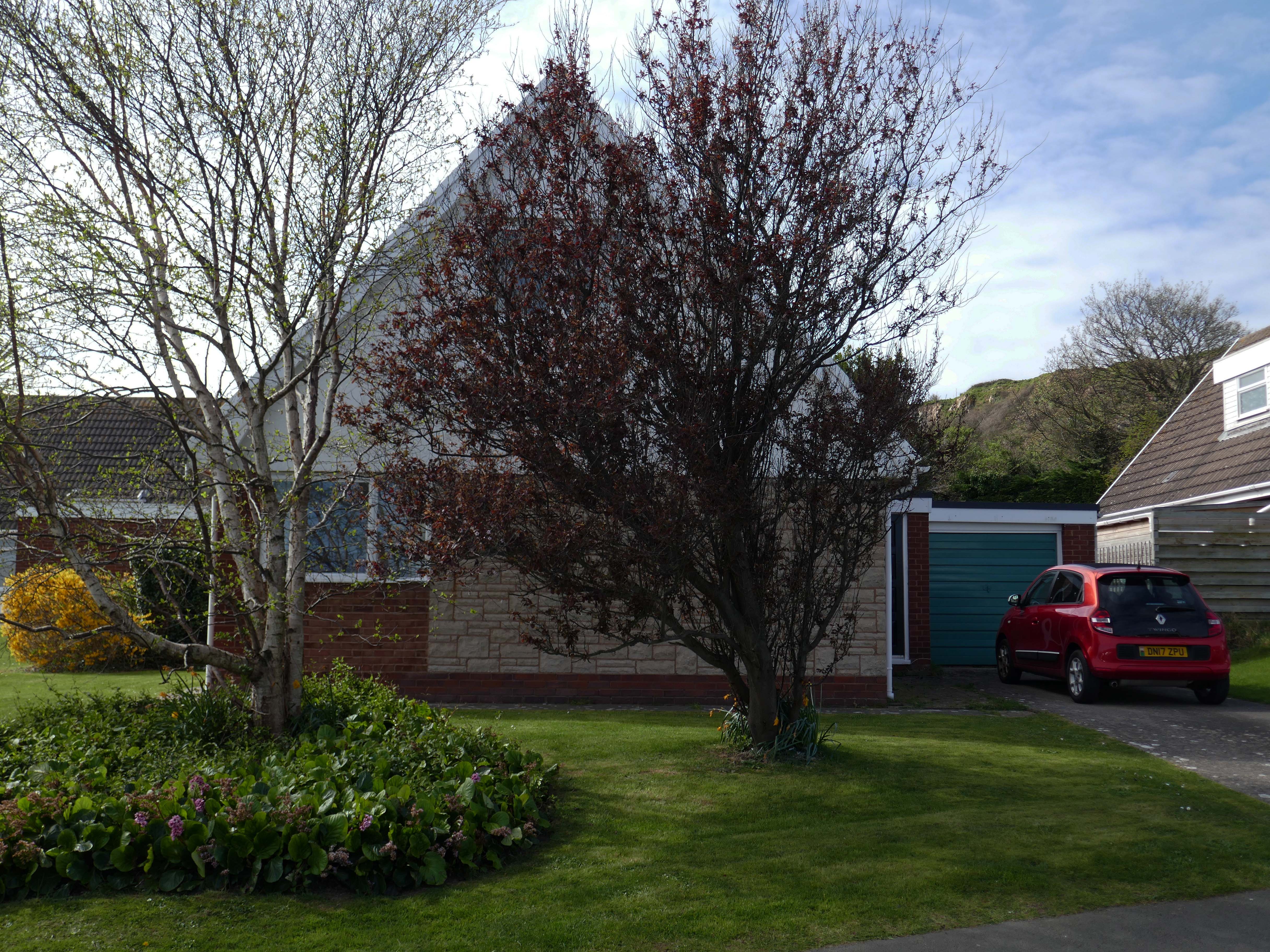
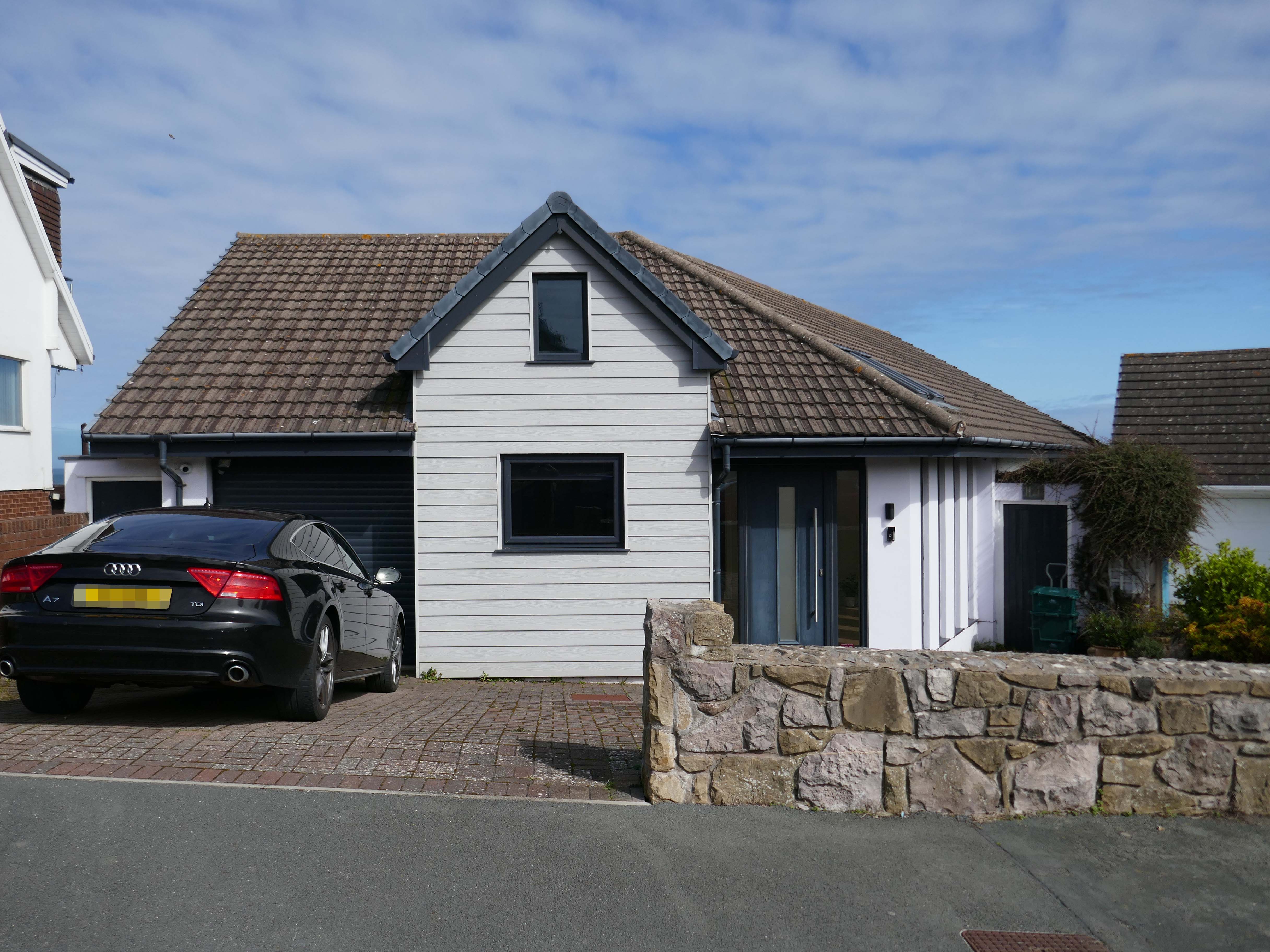
The quality of light and the well behaved deportment of the houses and owners, exuded the demeanour of a model village.
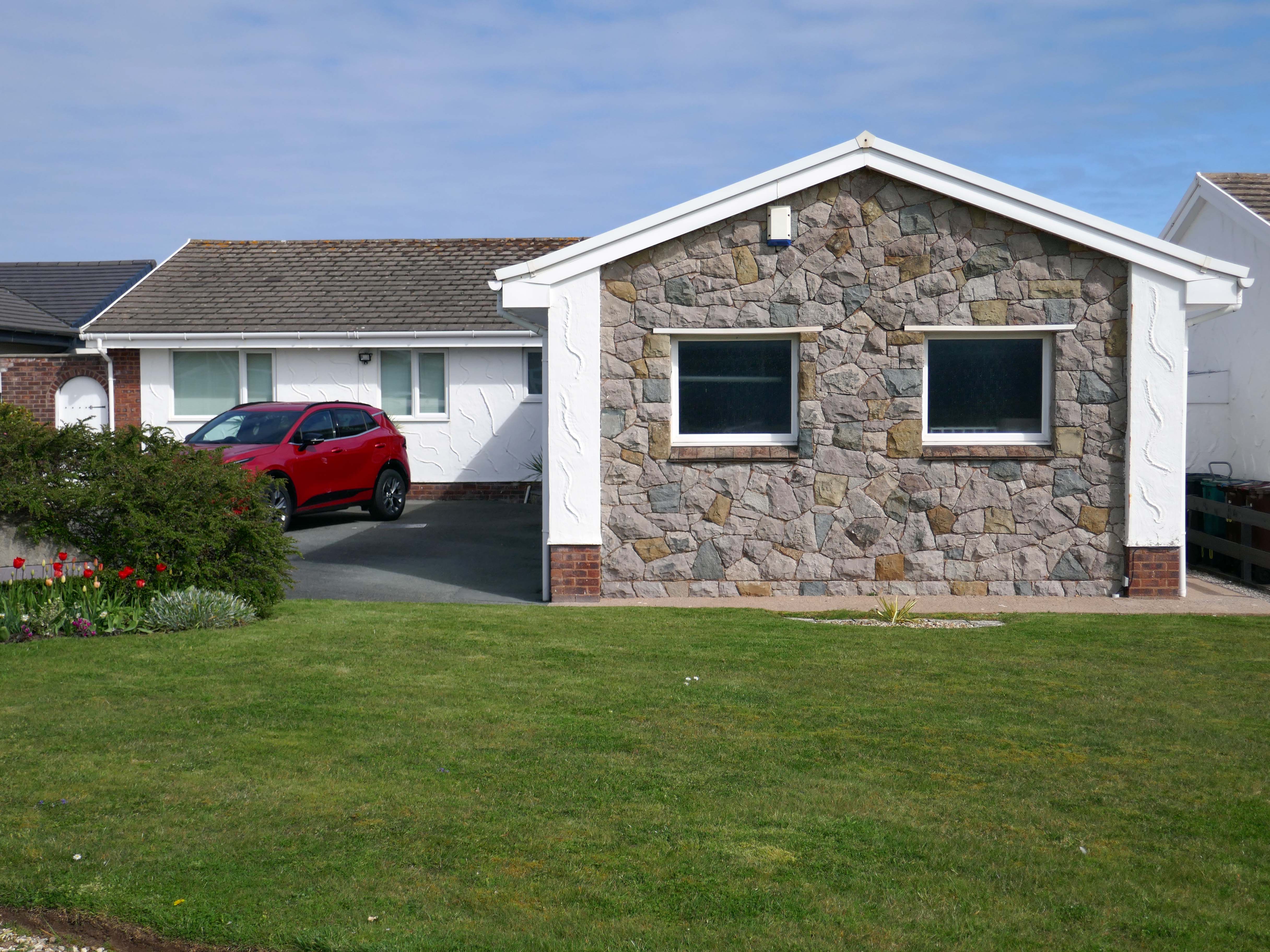
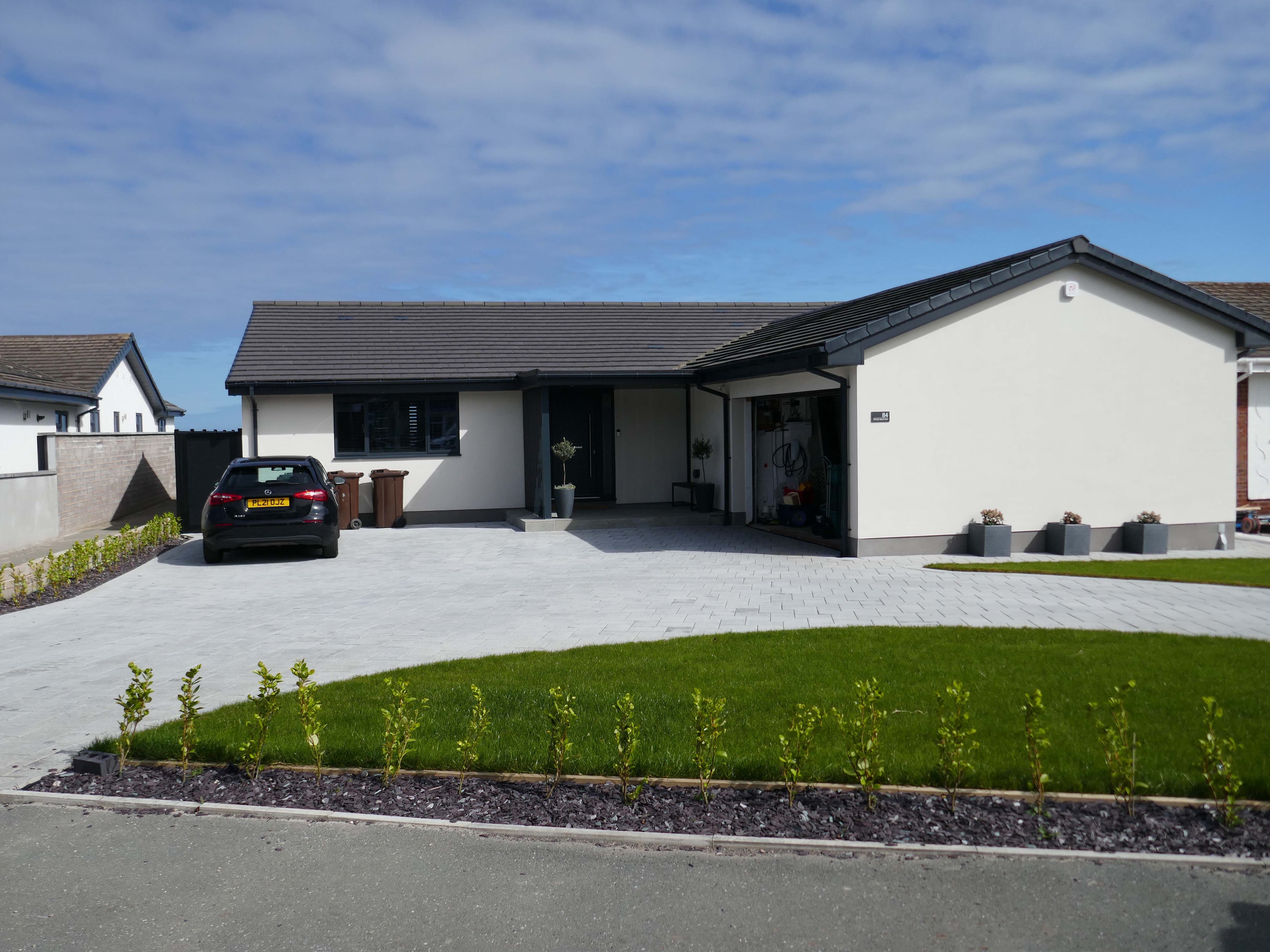
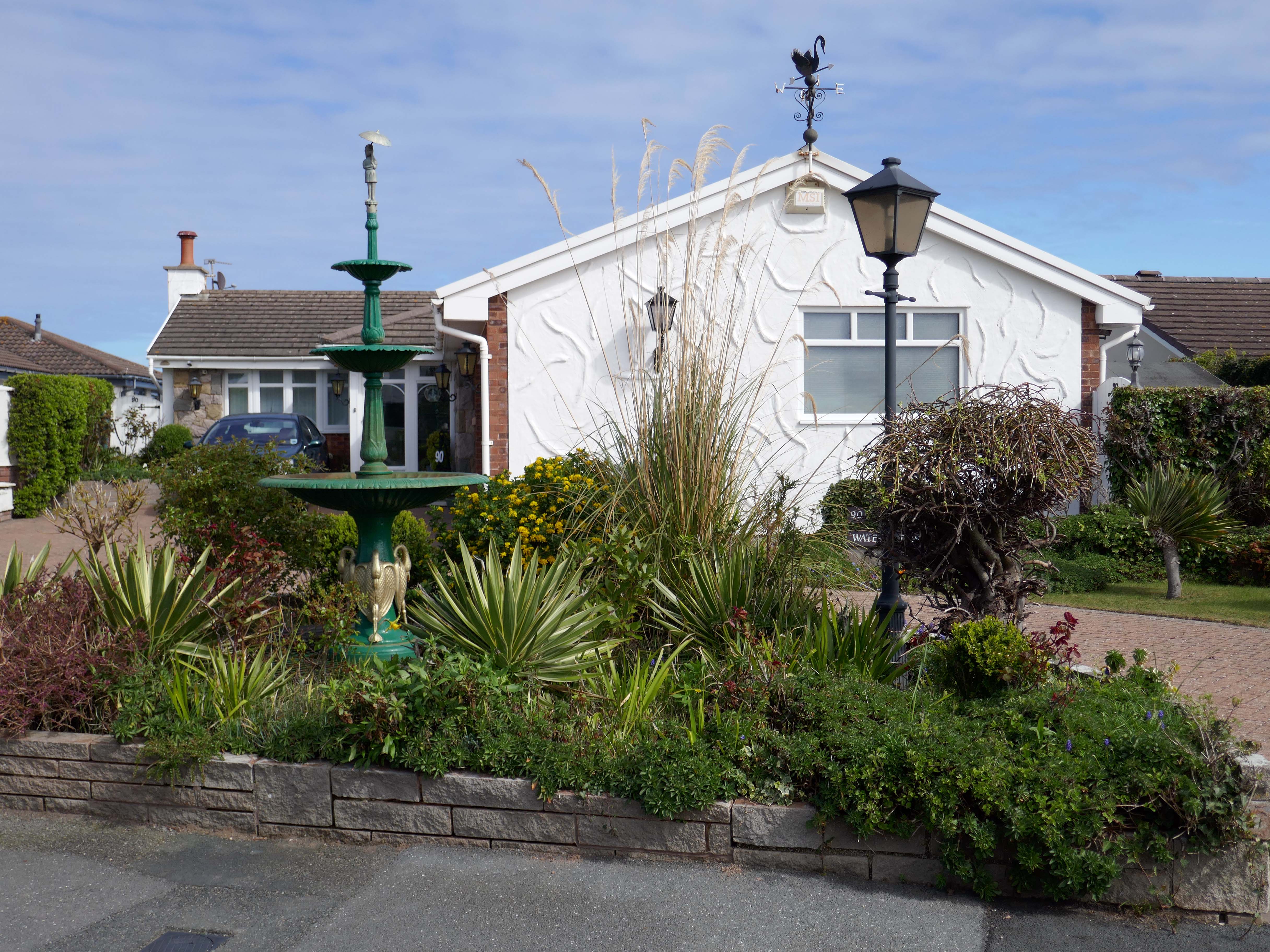
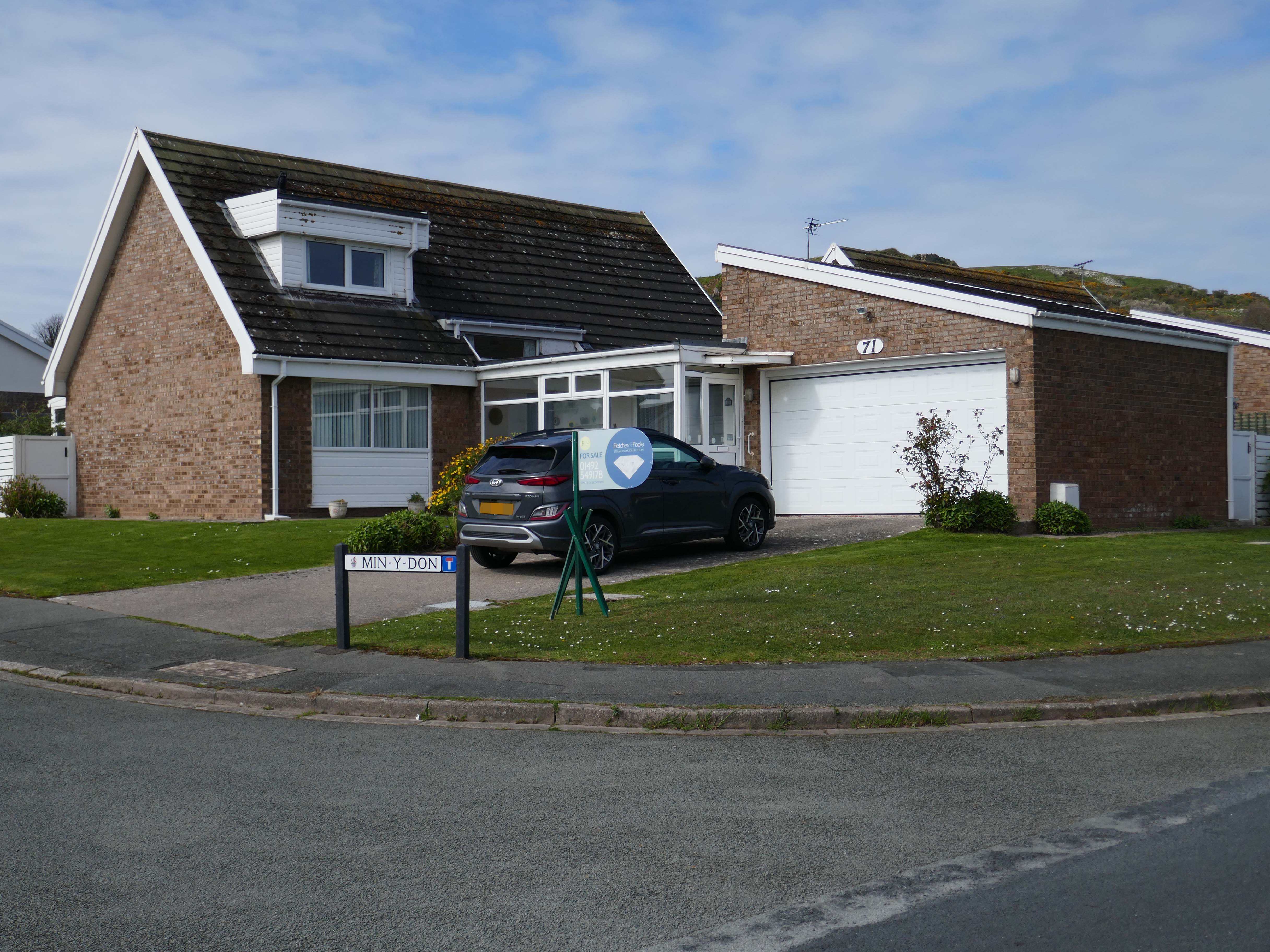
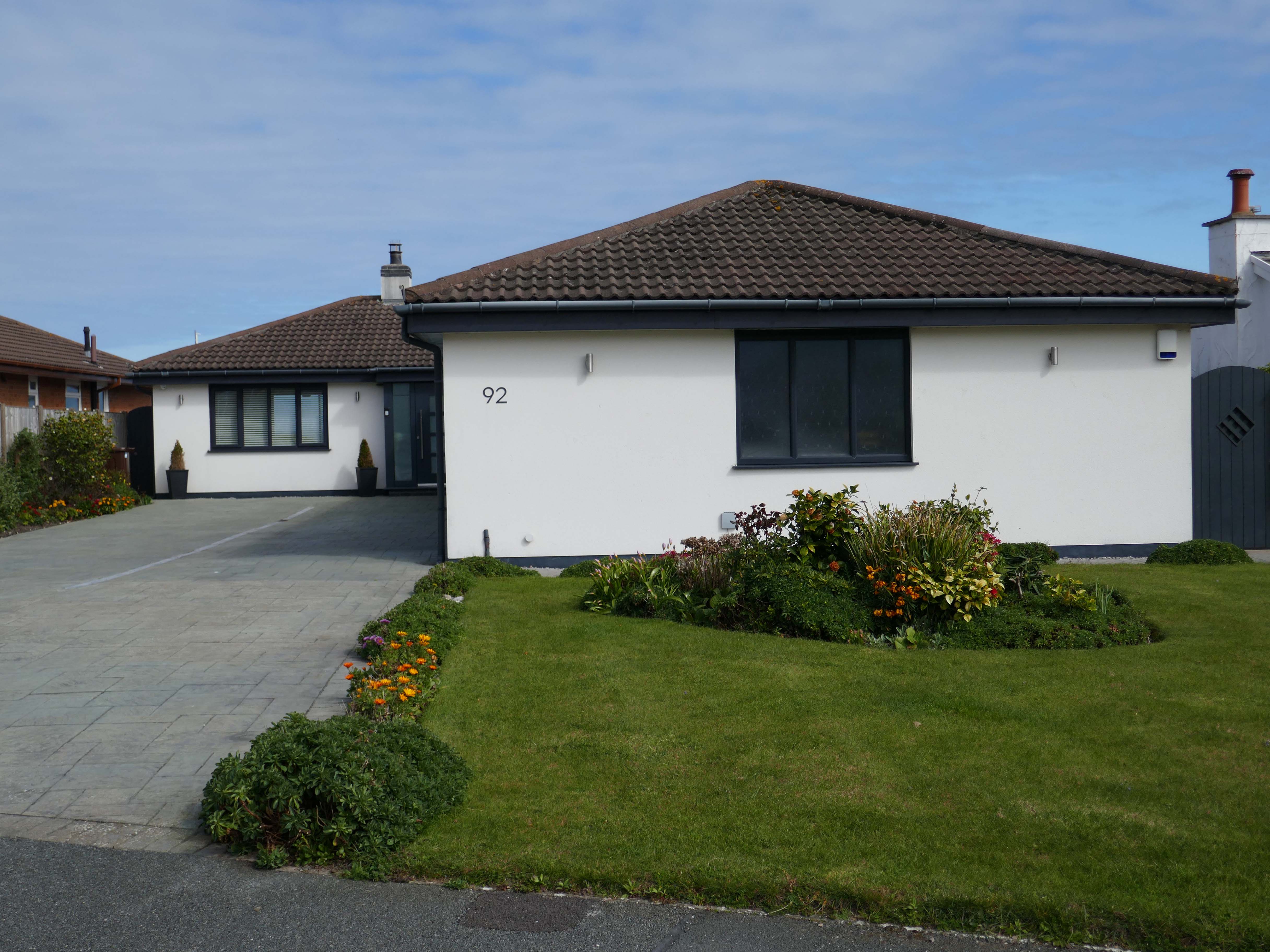
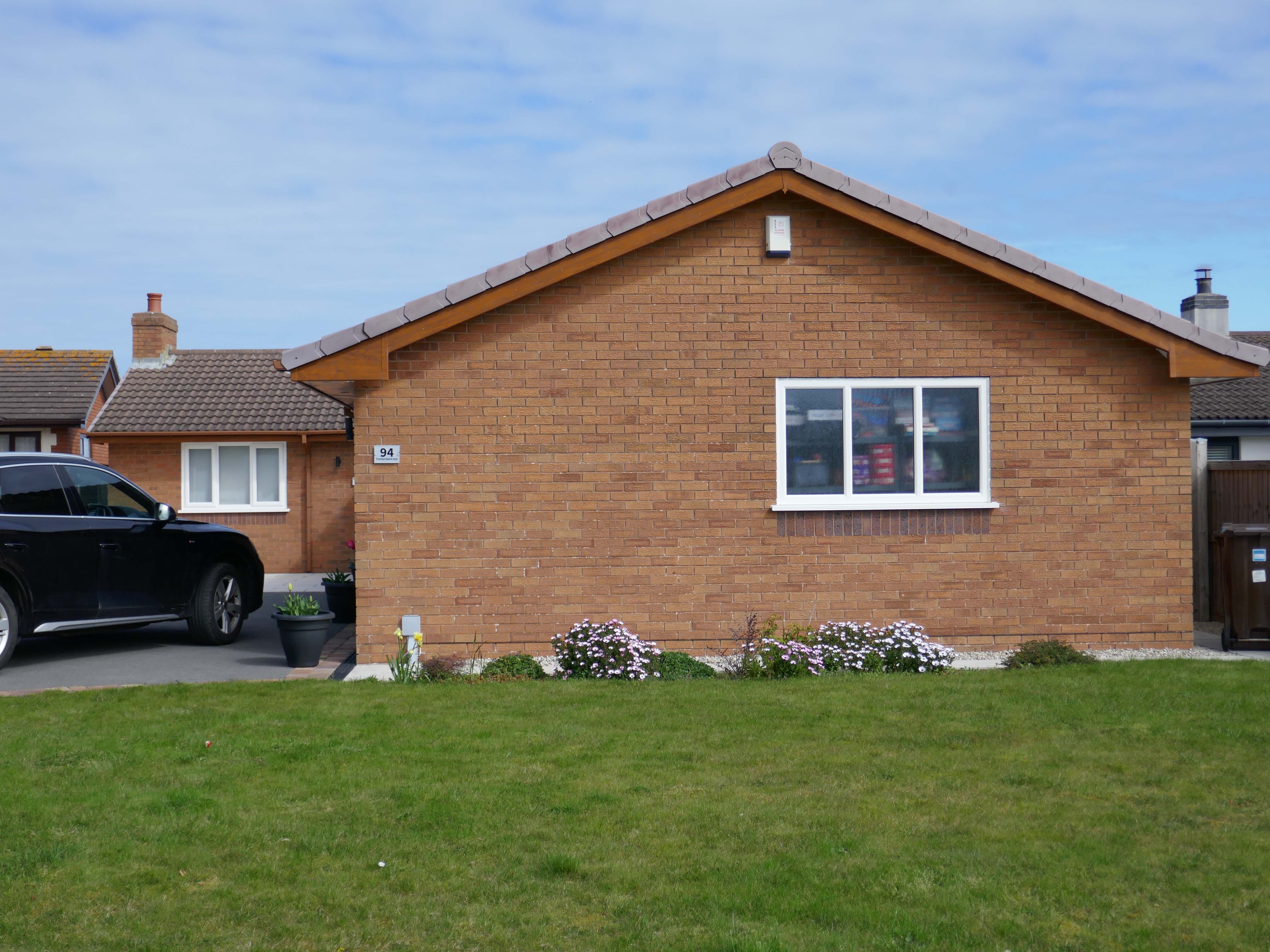
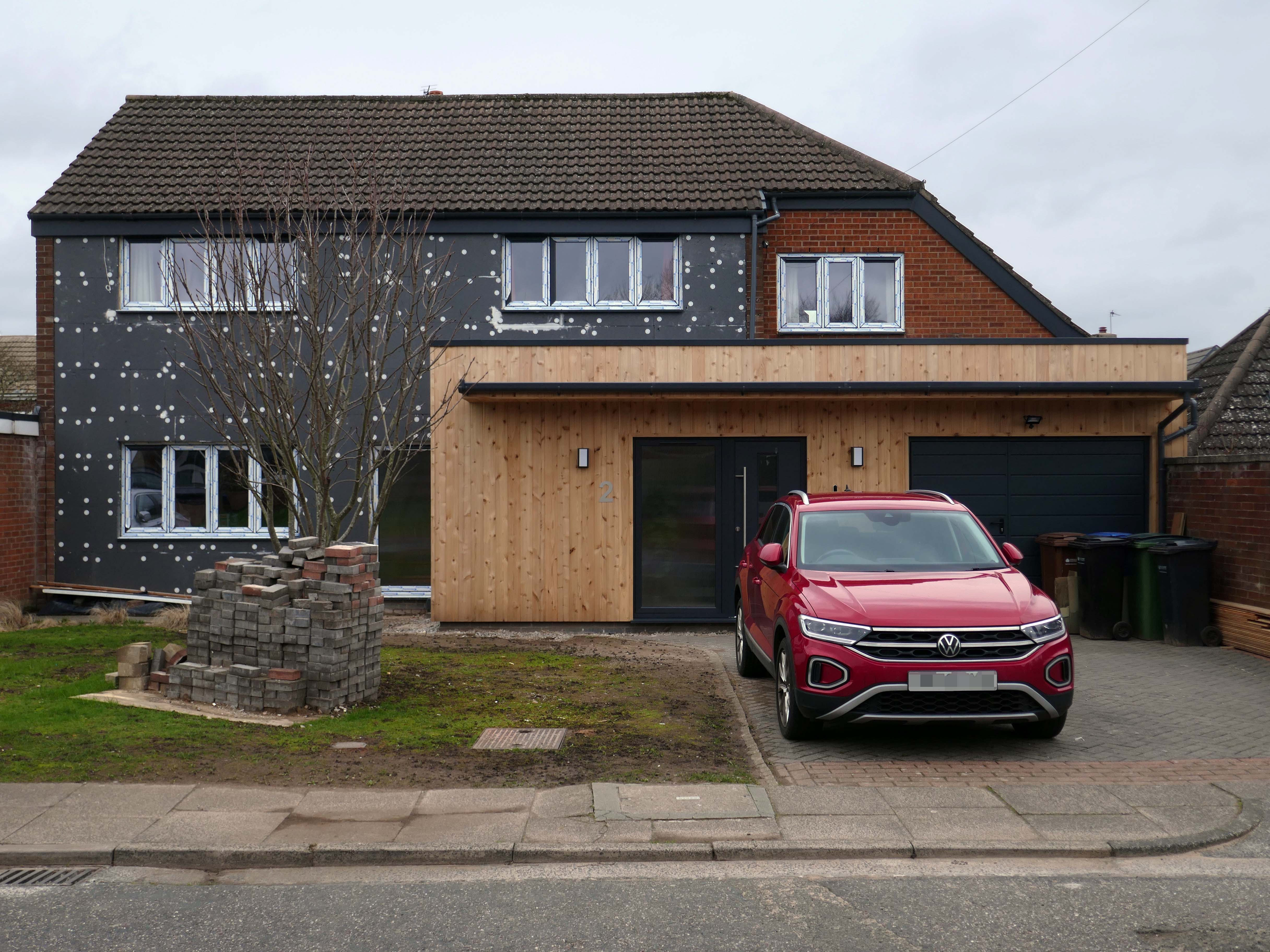
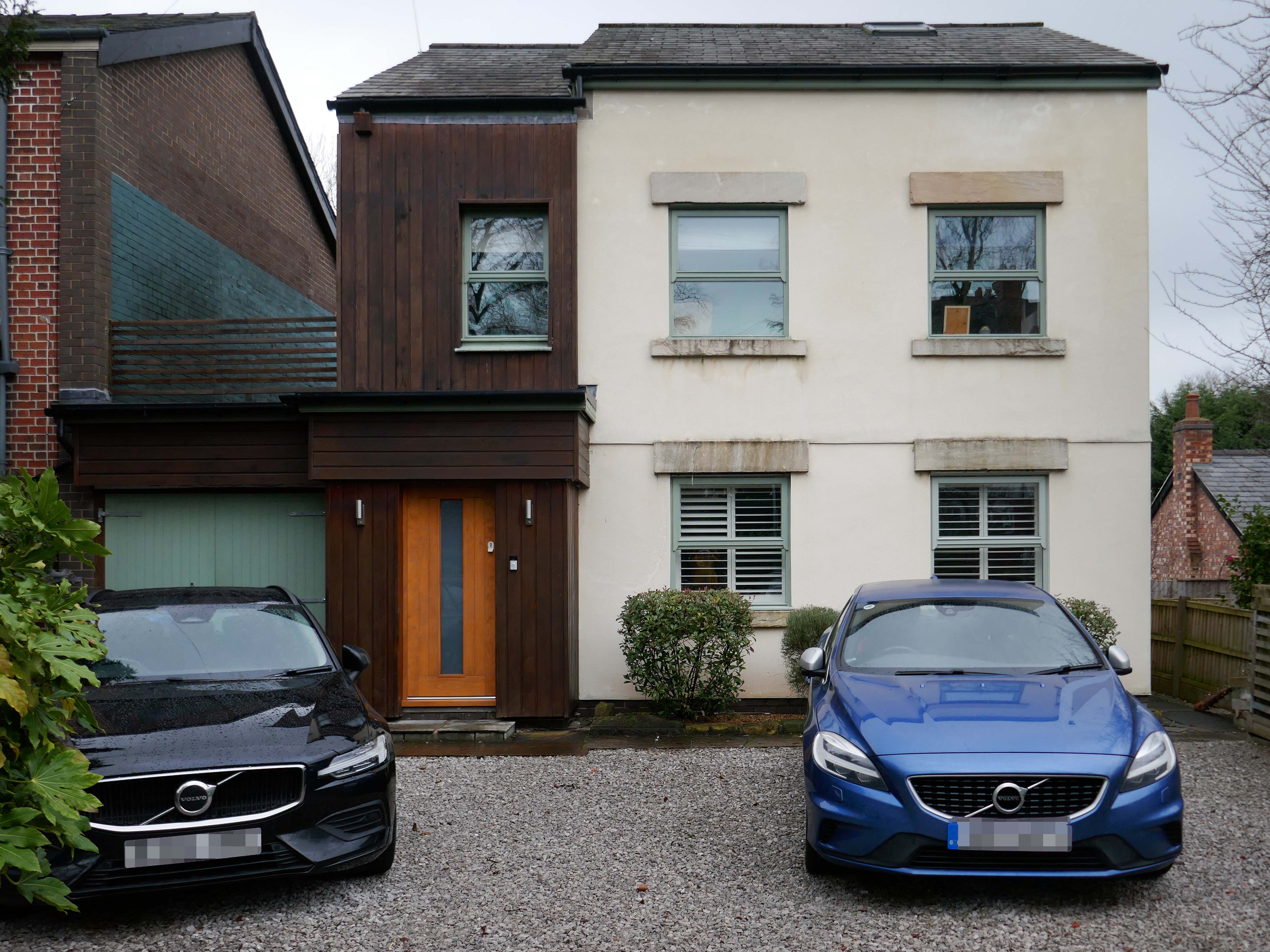
There are new model cars, extensions, impressed drives, garden ornamentation, quirkily rendered reliefs and cladding.
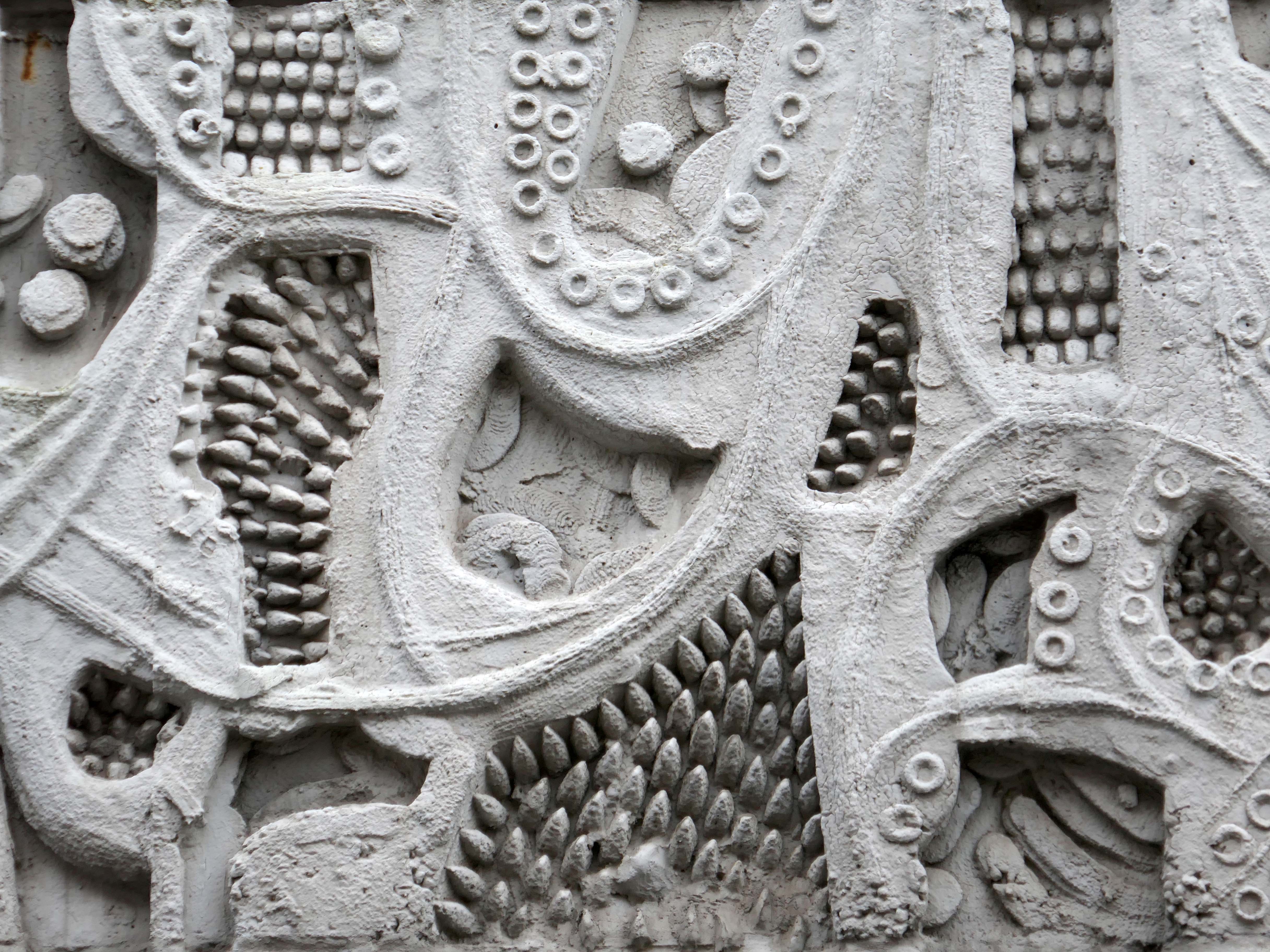
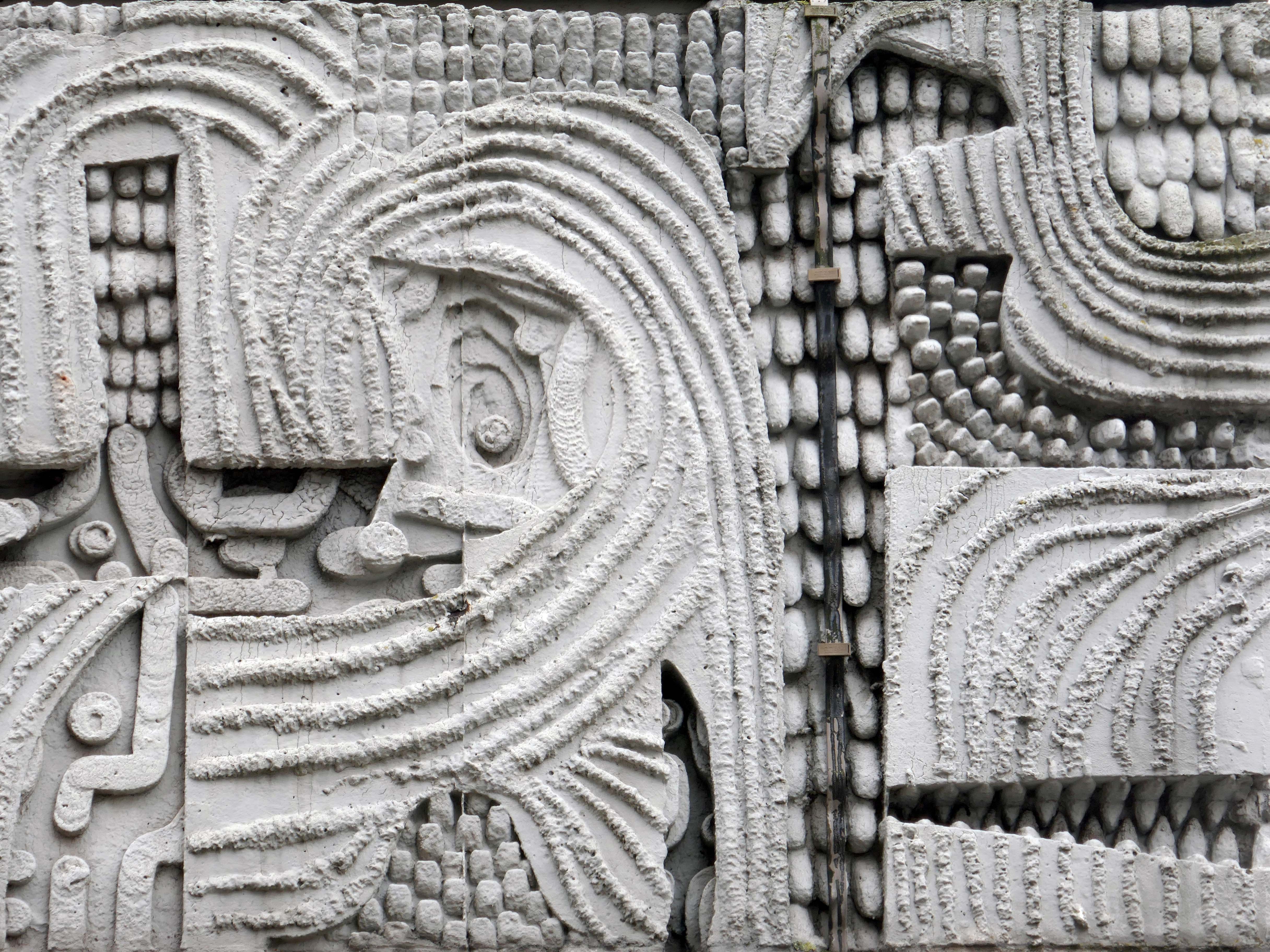
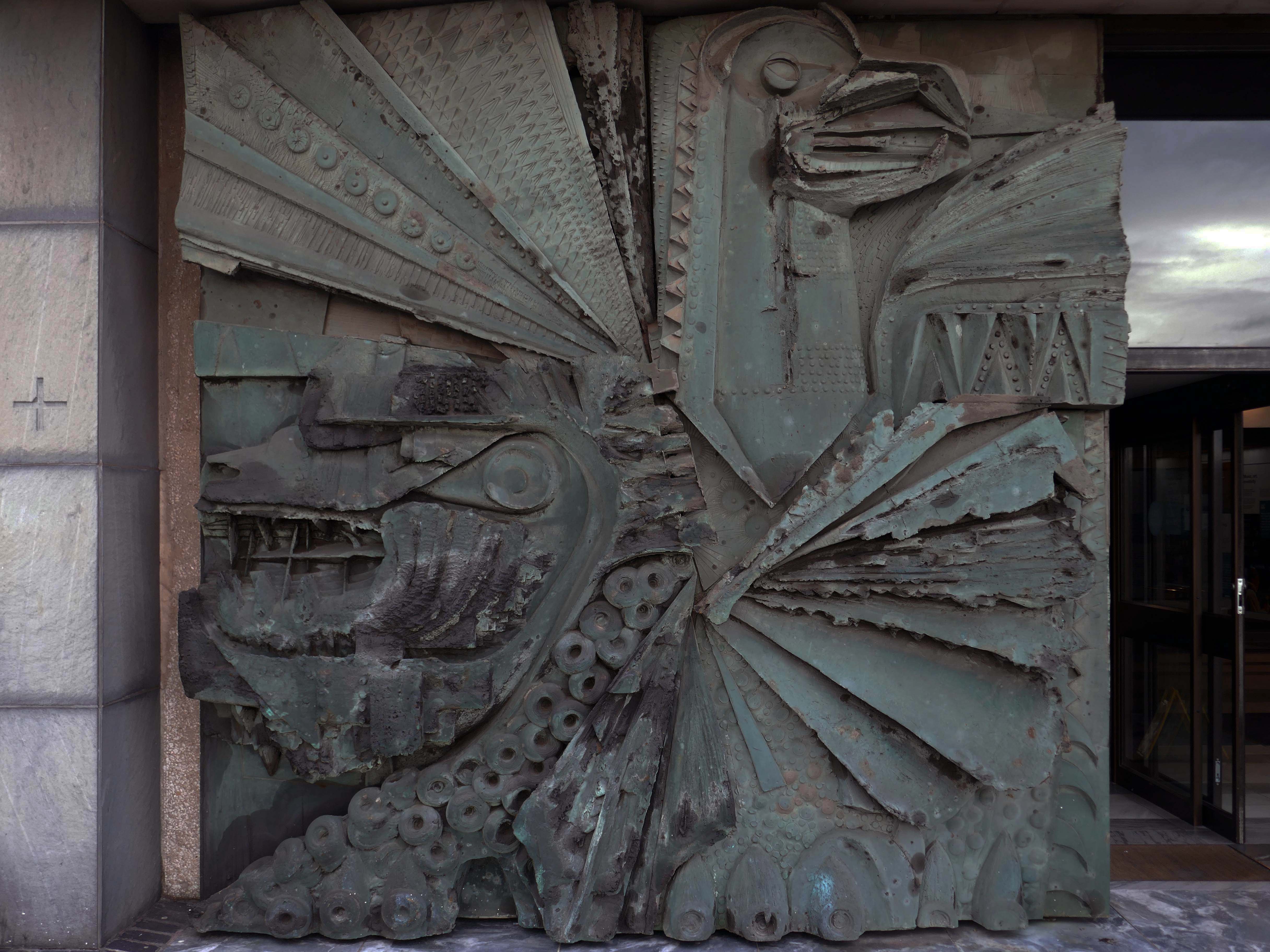
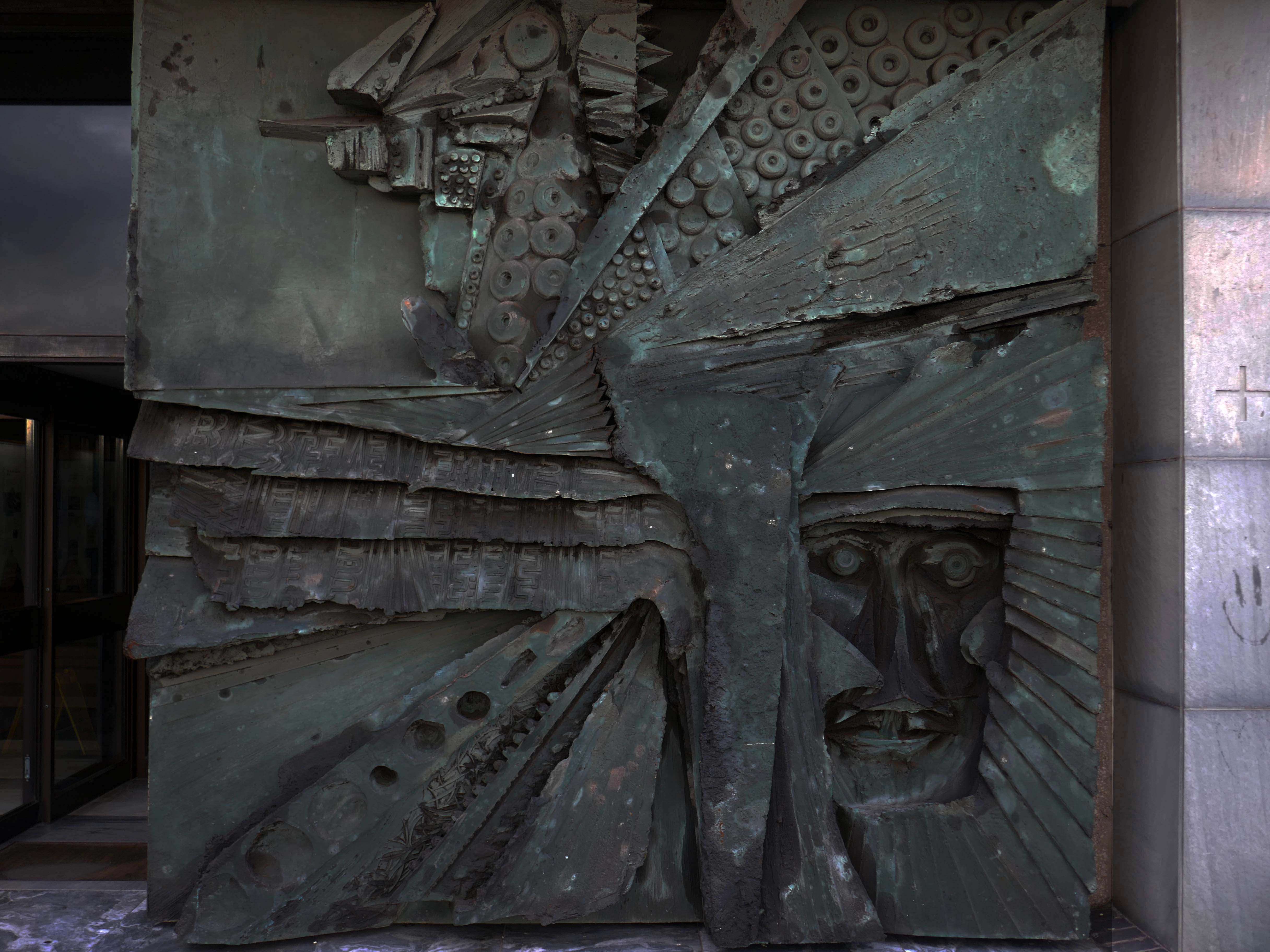
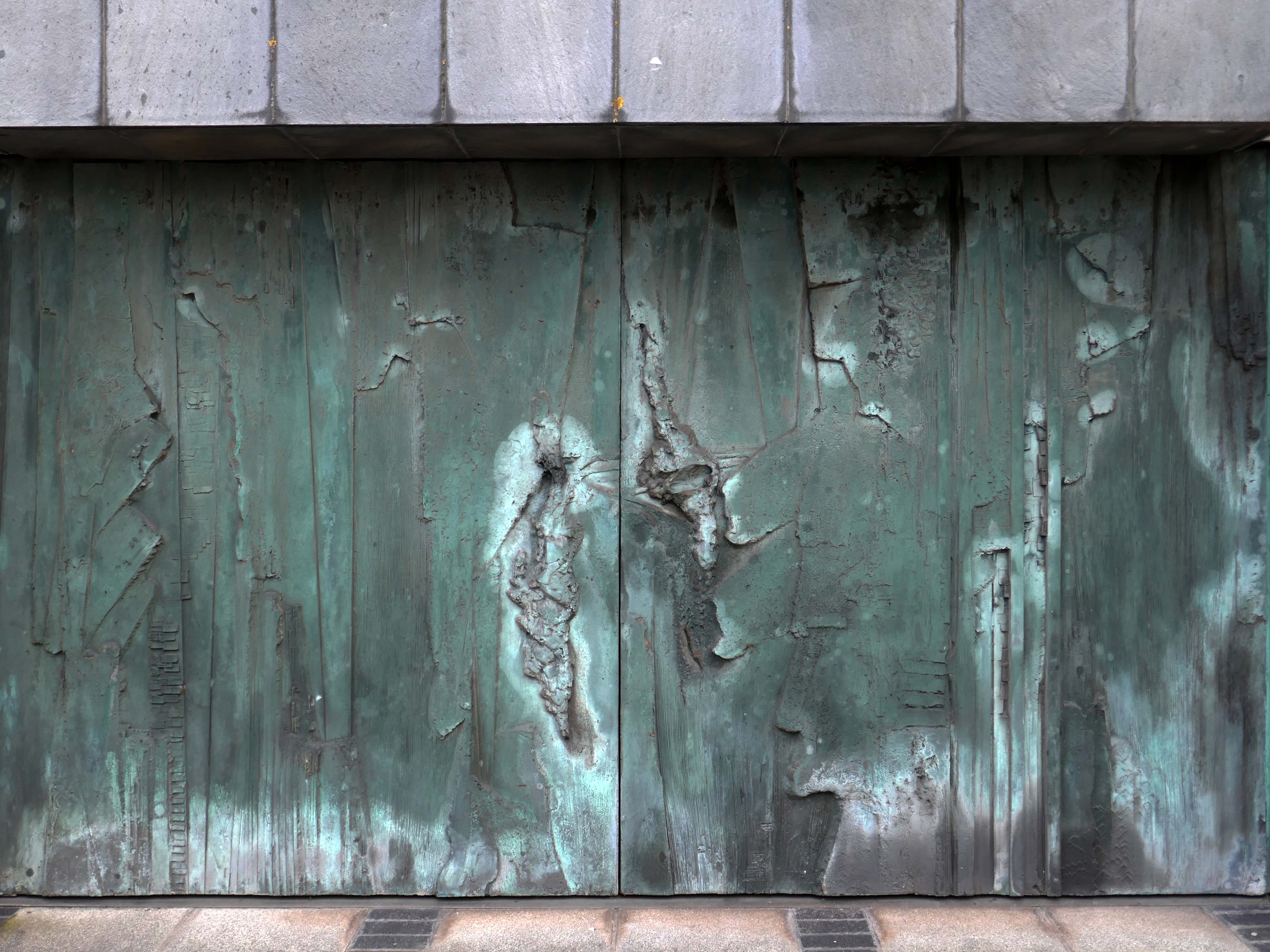
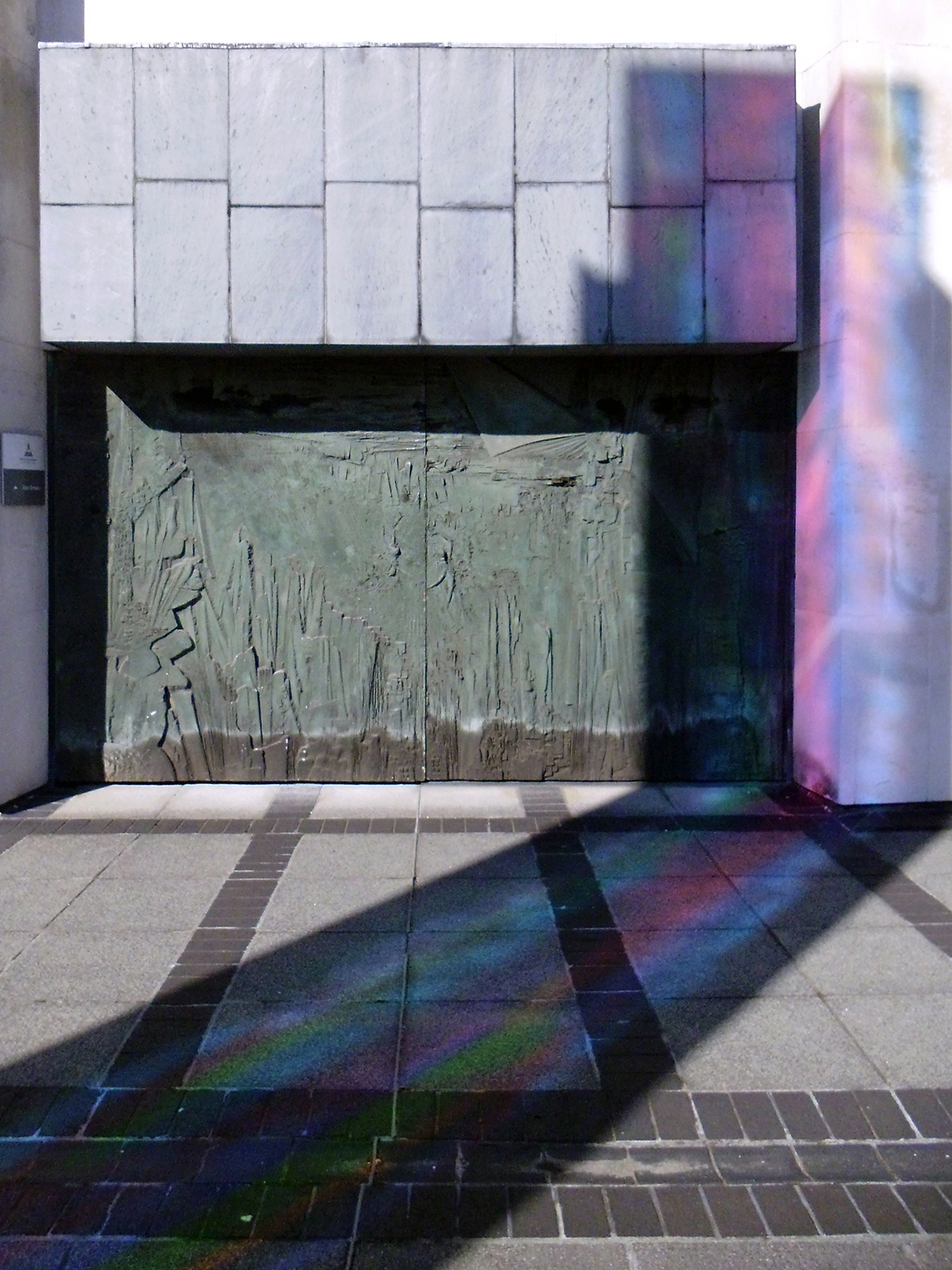
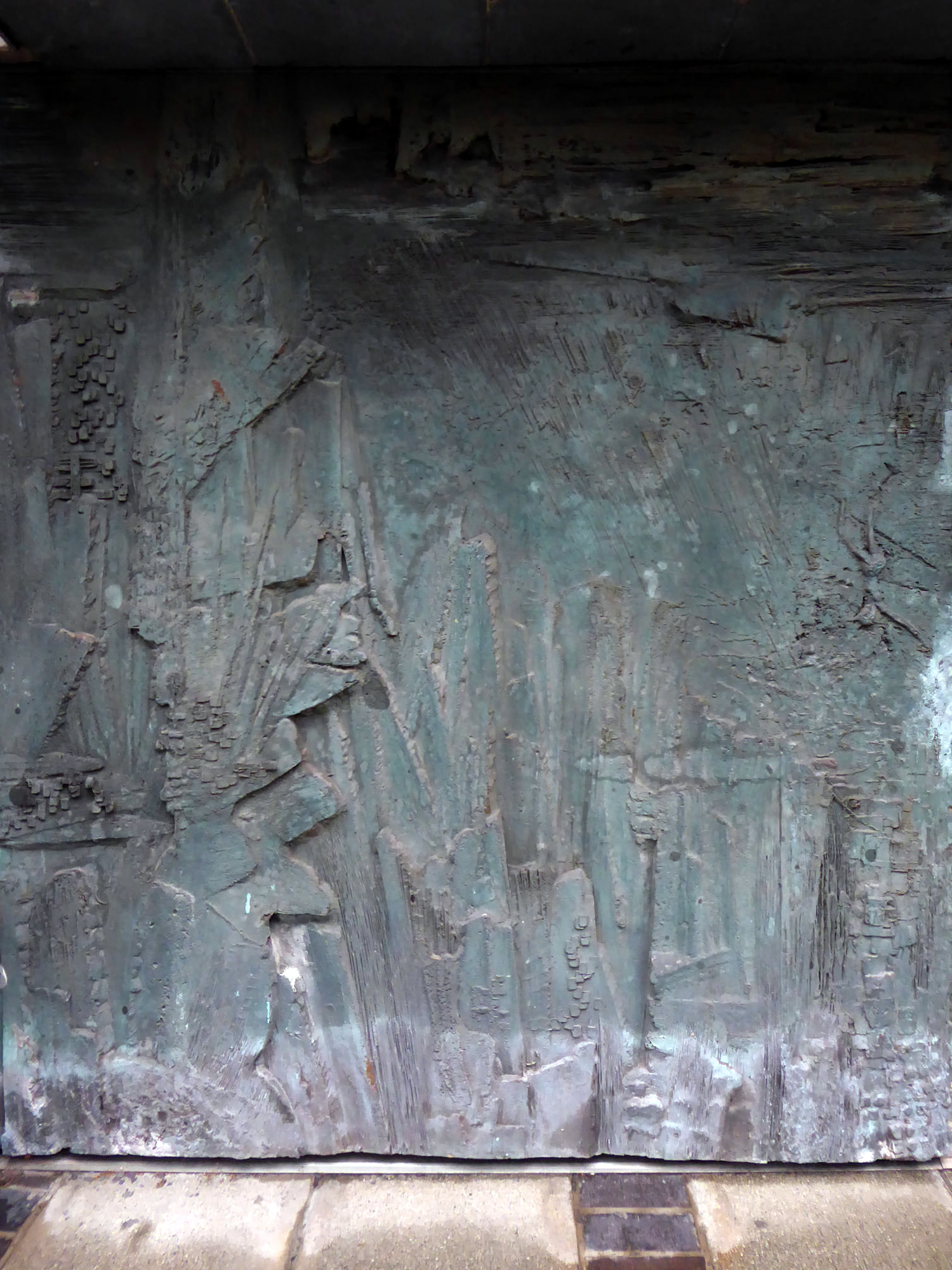
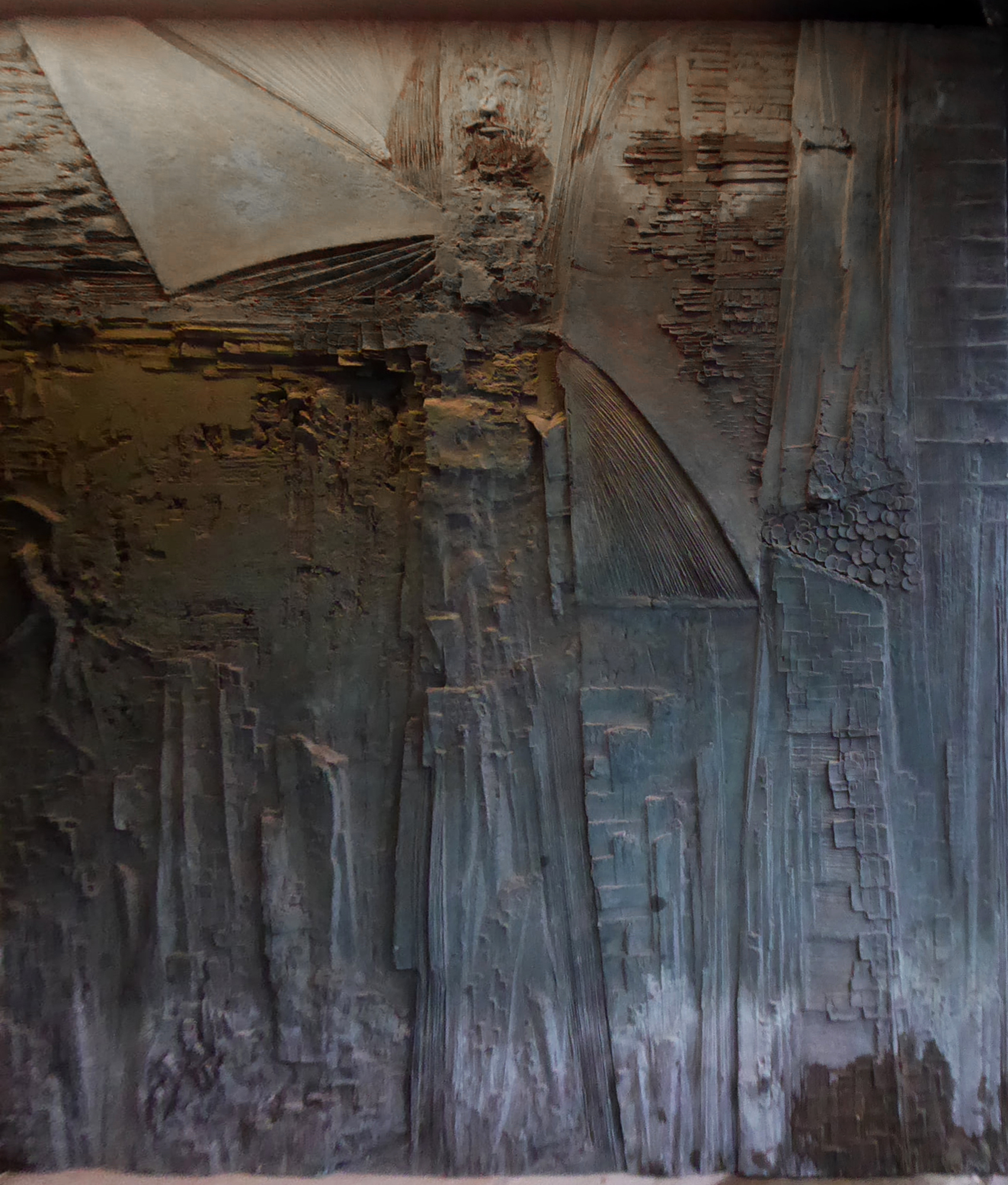
Sculptor and designer, born in London 1925, where he continued to live. Studied at Southern College of Art in Portsmouth, at Royal College of Art and at British School in Rome; was an Abbey Award-winner. Went on to lecture widely and was a member of the design advisory board, Hammersmith College of Art and Trent Polytechnic. Also did work for Concrete Society and completed a frieze for Swiss Cottage Library.
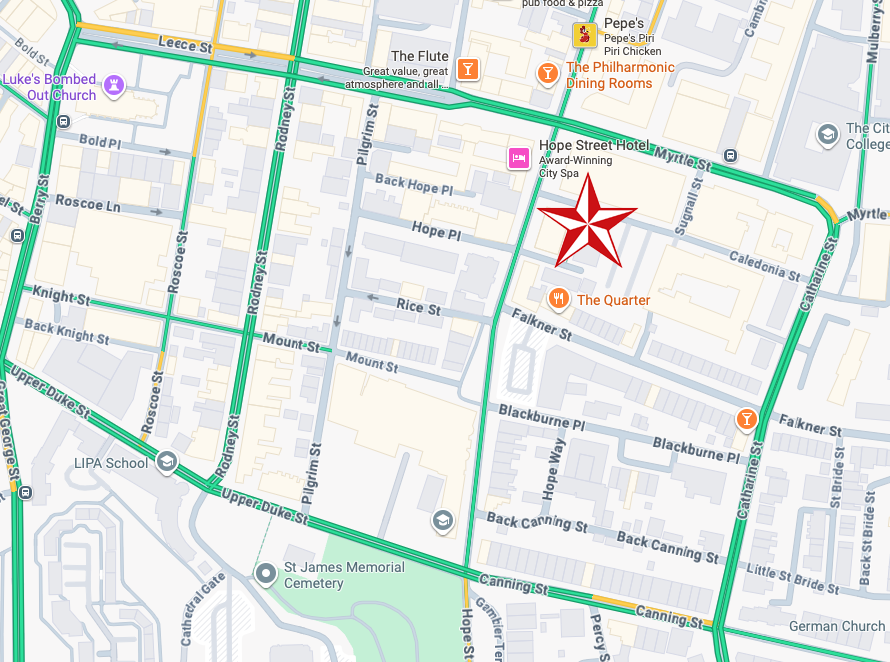
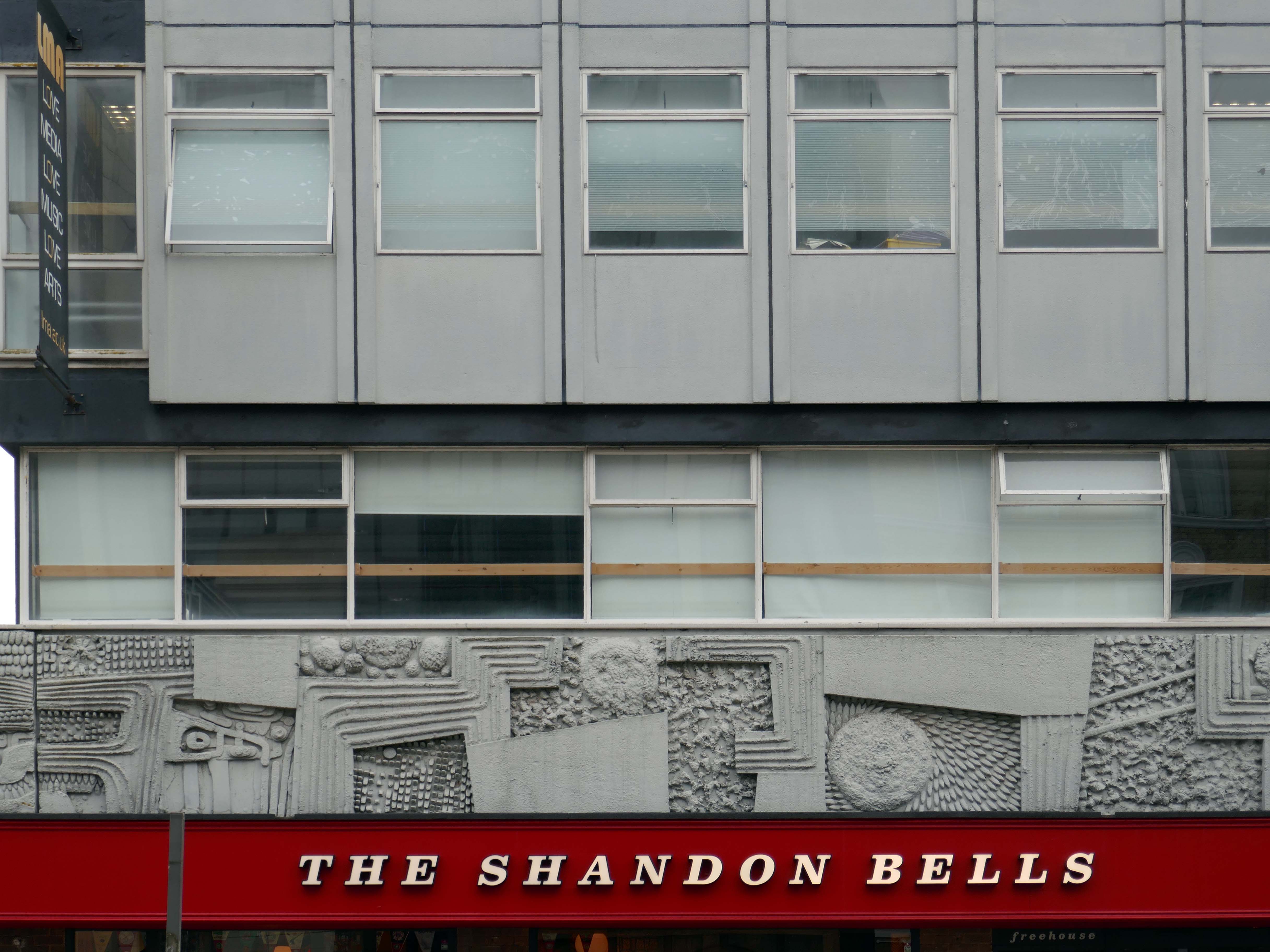
Federation House – 1965-66 Gilling Dodd & Partners
Originally home to the National Federation of Building Employees Investments.
Now how in part to The Shandon Bells – named for the chimes of St. Anne’s Church in Cork.
The church is noted for its eight bells, immortalised in the song The Bells of Shandon by Francis Sylvester Mahony. The largest weighs a little over one and a half tons and was originally cast by Abel Rudhall of Gloucester.
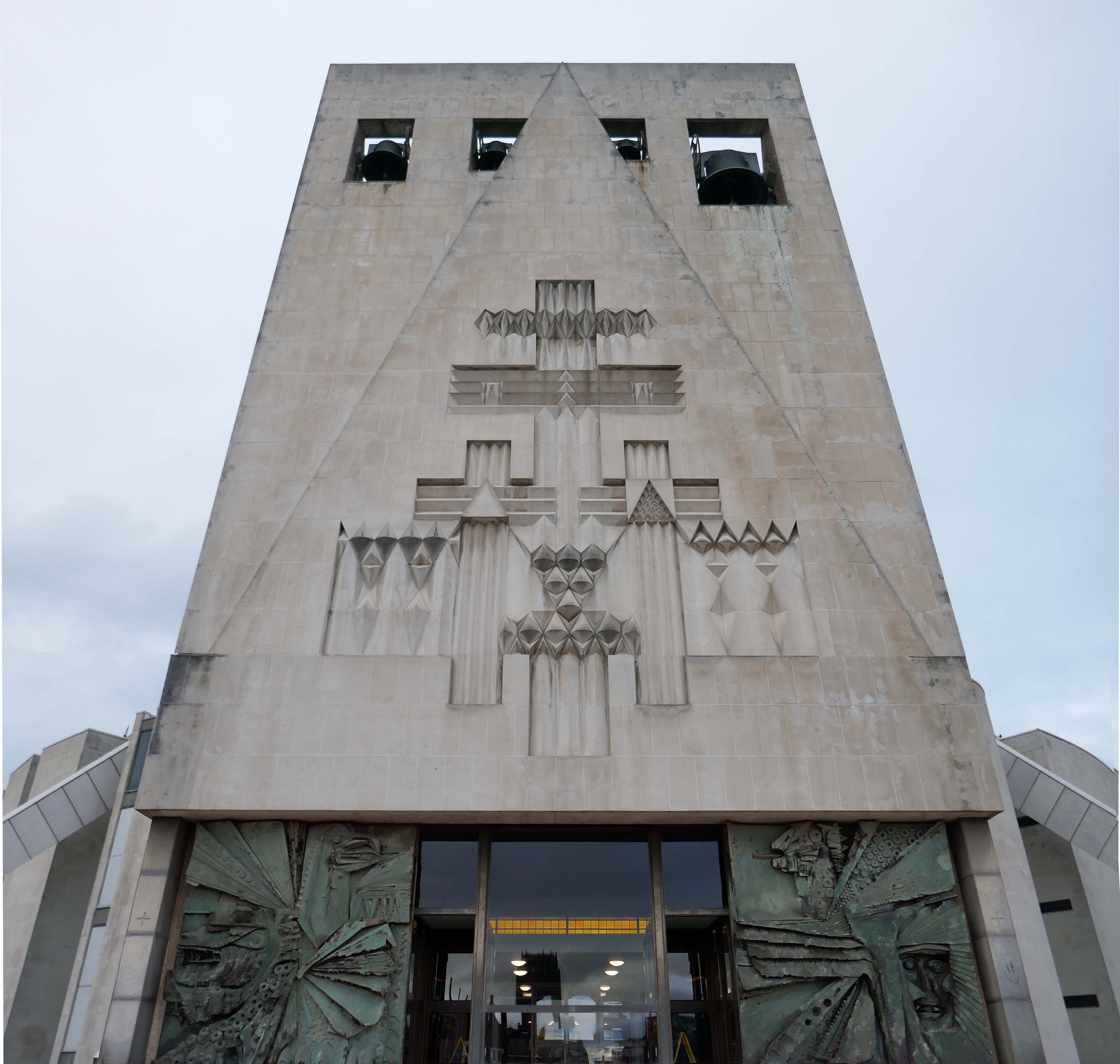
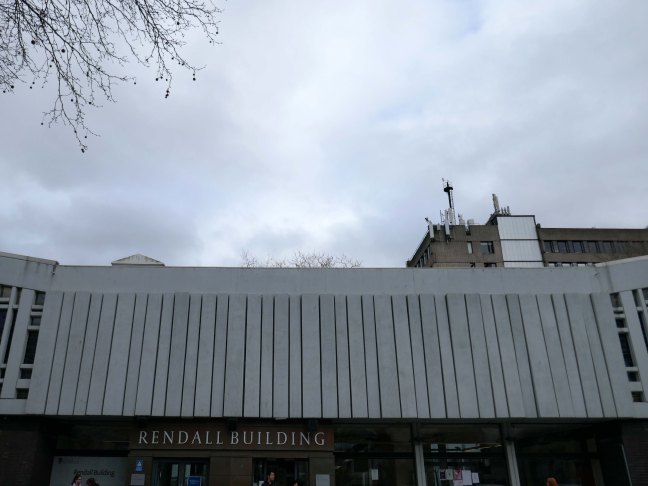
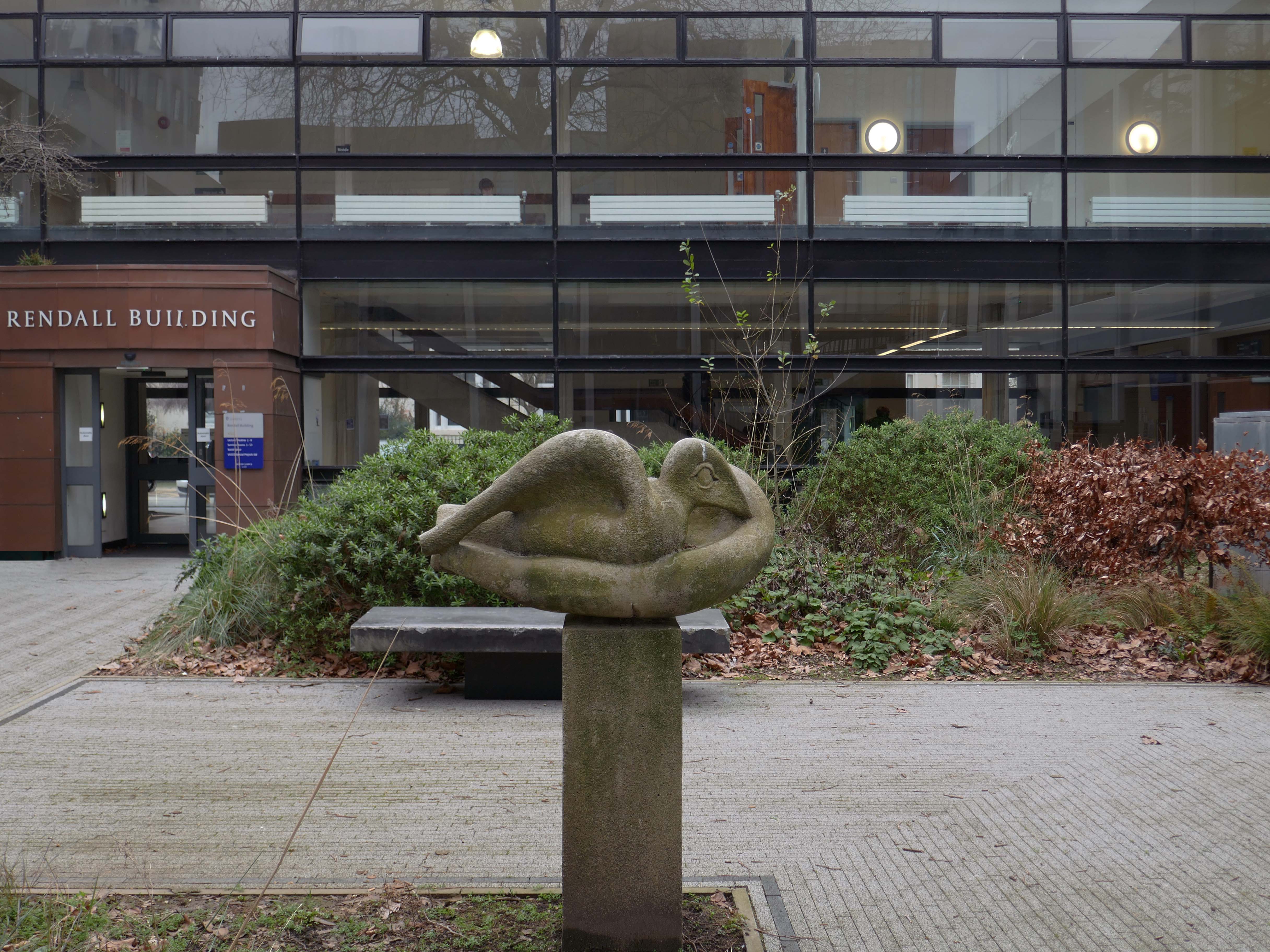
Rendall Building by Bryan & Norman Westwood, Piet & Partners 1964-6
Named after Gerald Henry Rendall who was an English educator and college administrator.
He was principal of University College Liverpool.
We have been here before at liverpool-university, exploring the space betwixt and between the two cathedrals.
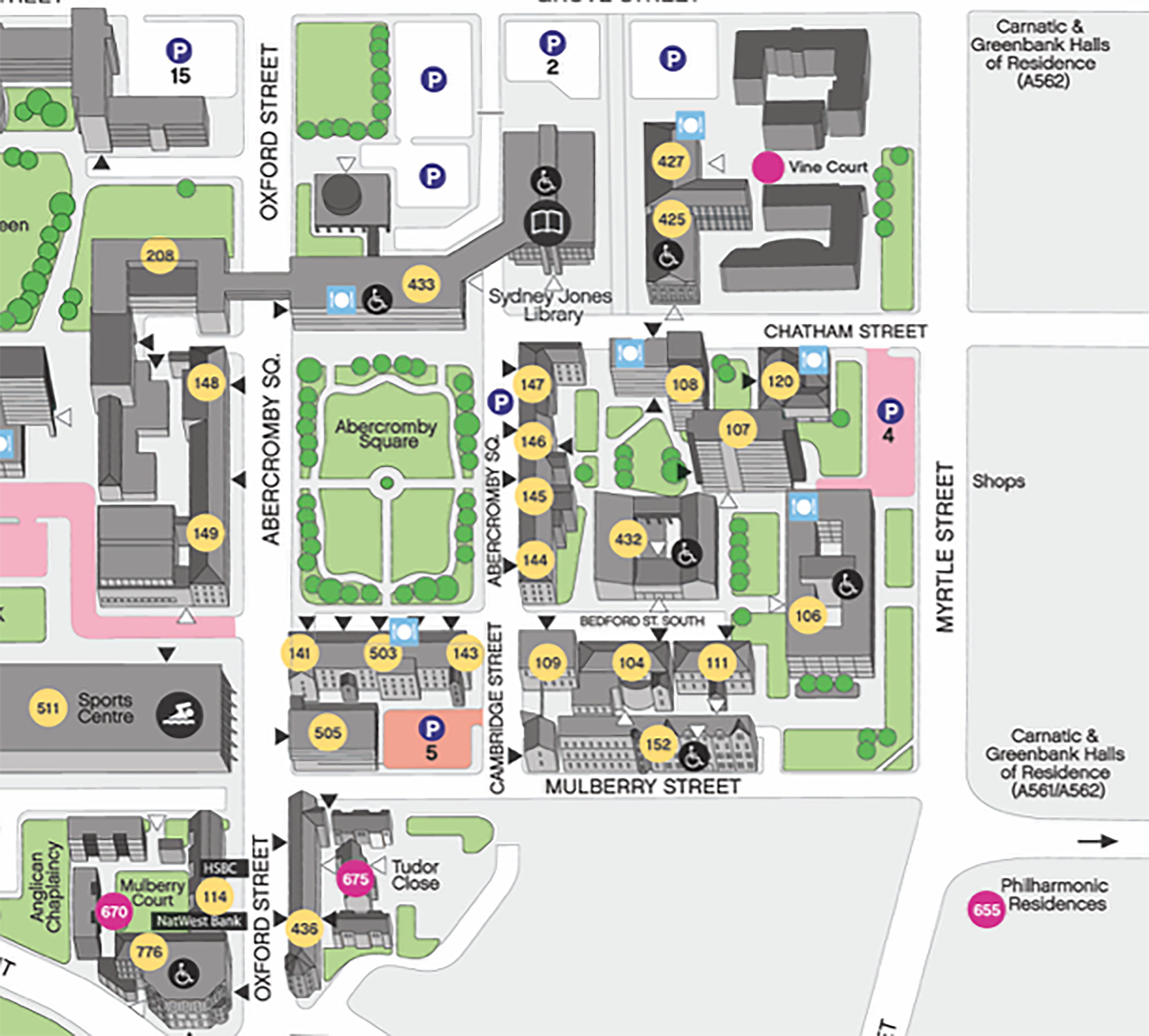
On this occasion, I wish to draw attention to this relatively small but perfectly formed building – #432 on your maps.
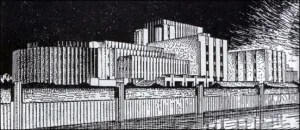
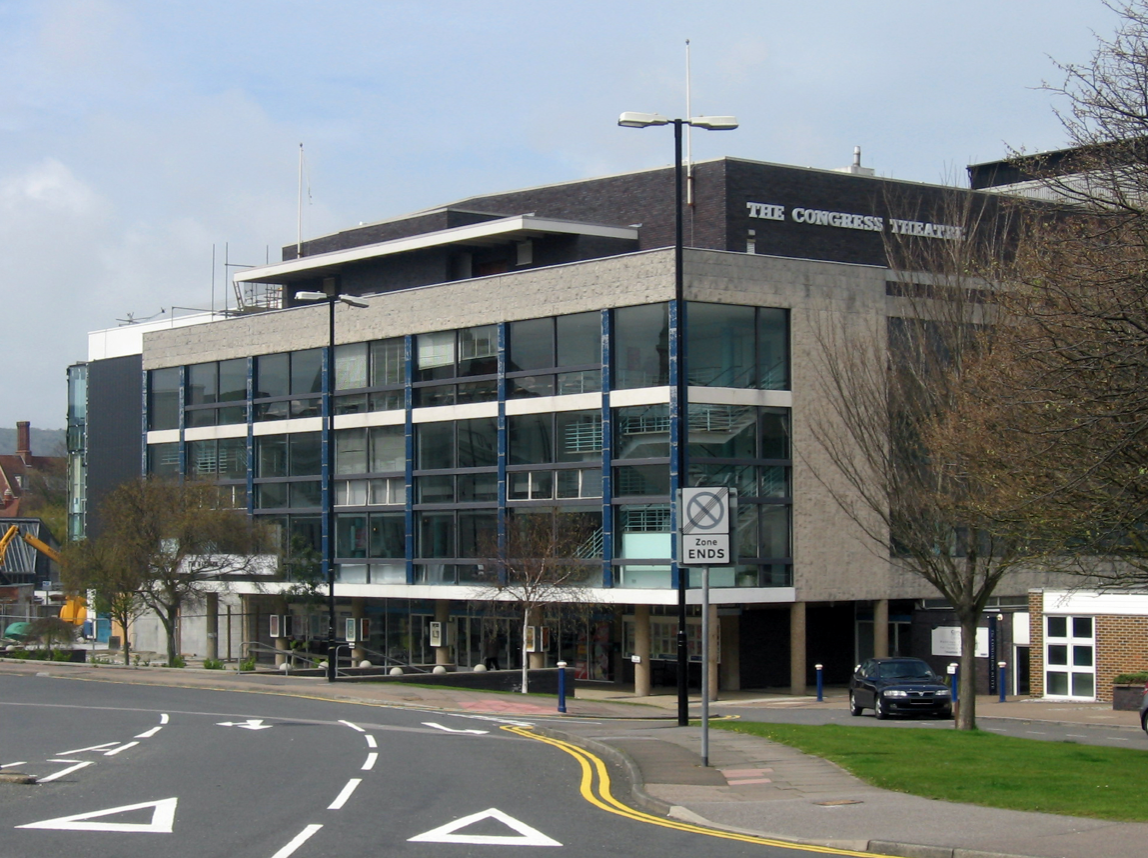
Westwood, Piet & Partners were well-known architects during the post-war period in Britain and built a body of varied work including army barracks, retail and theatre design. An example of their work is the Congress Theatre in Eastbourne – Grade II* listed.
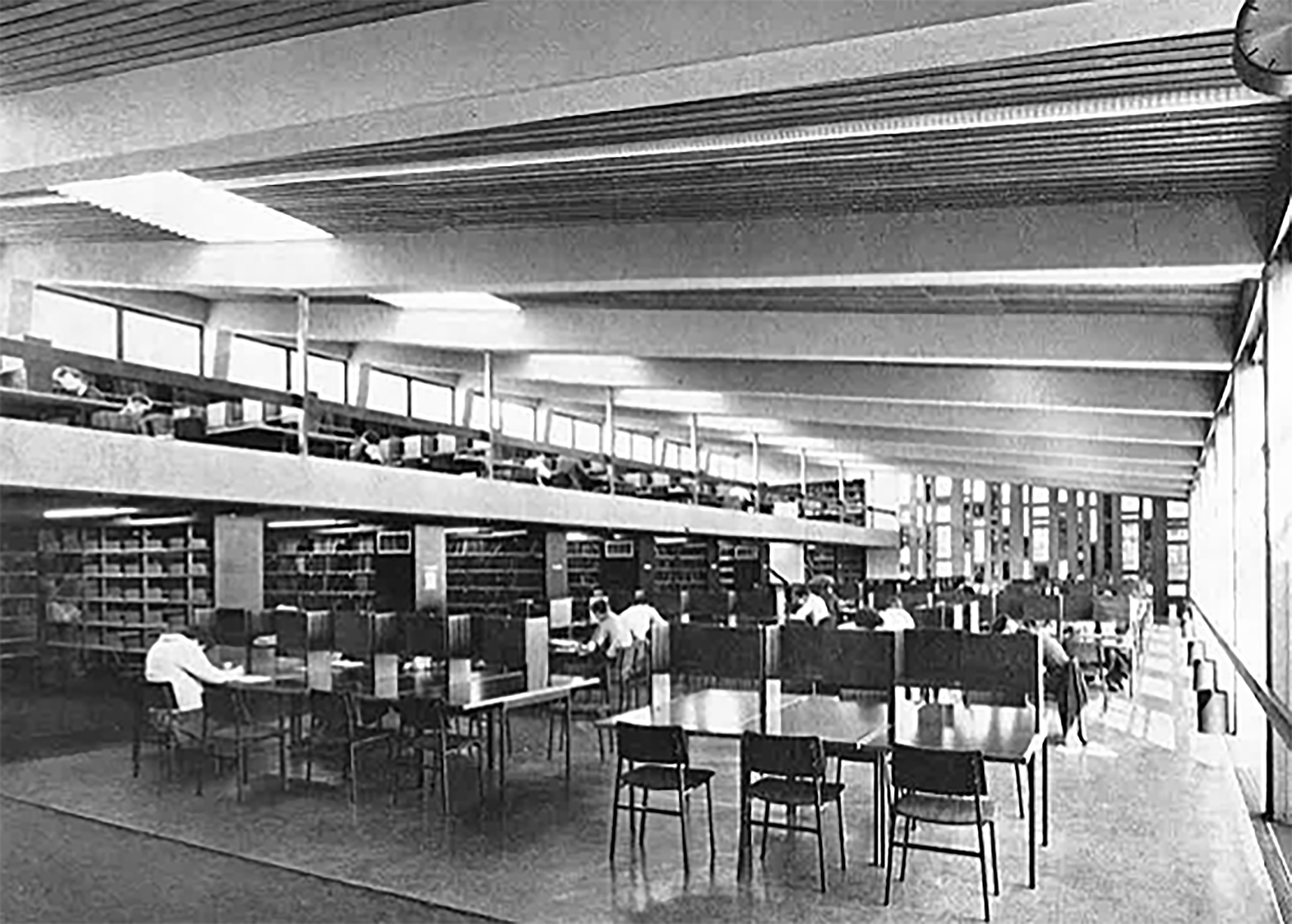
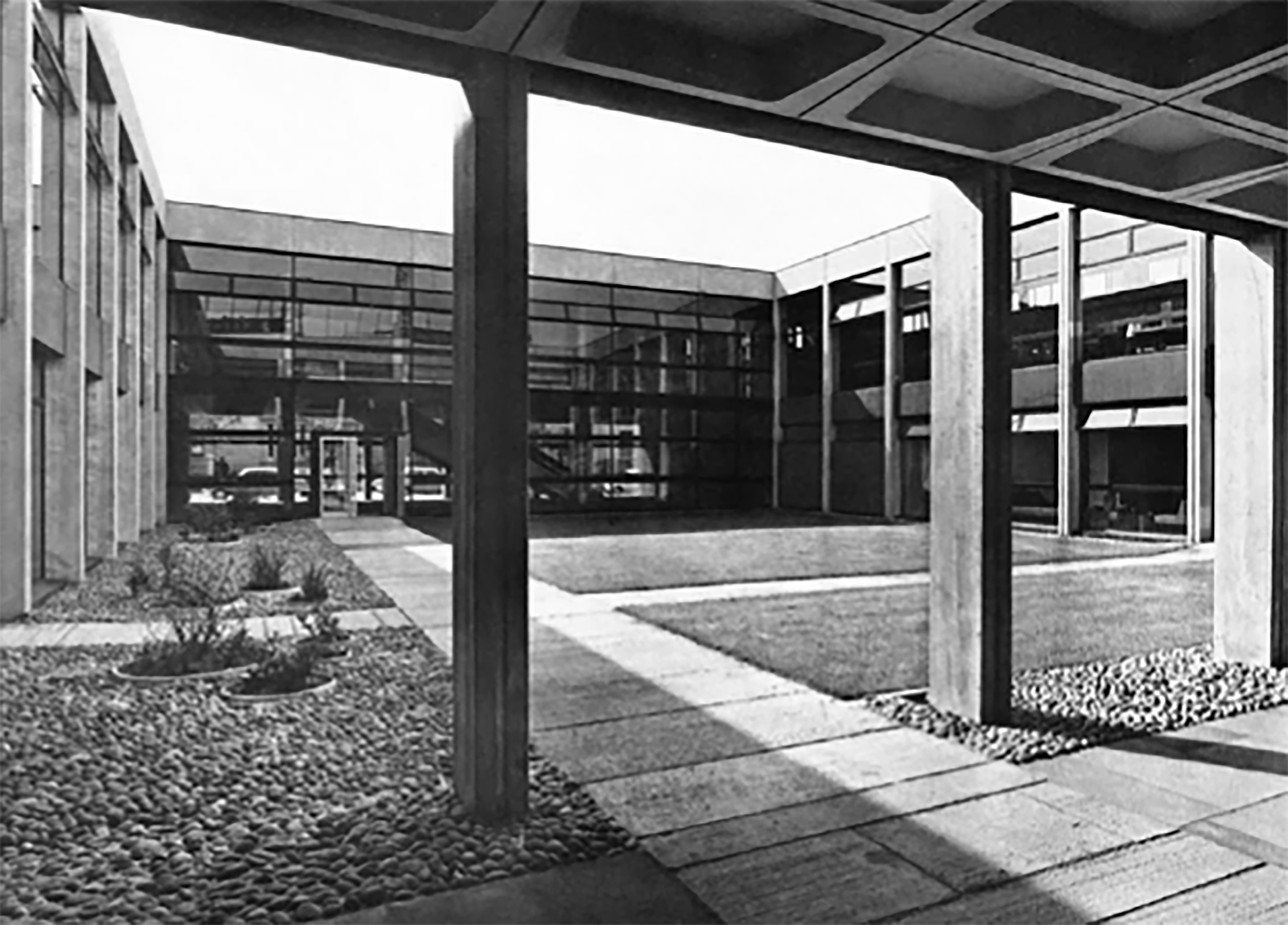
Originally built to accommodate the arts library and lecture rooms on the south campus as the University grew to accommodate larger numbers of students.
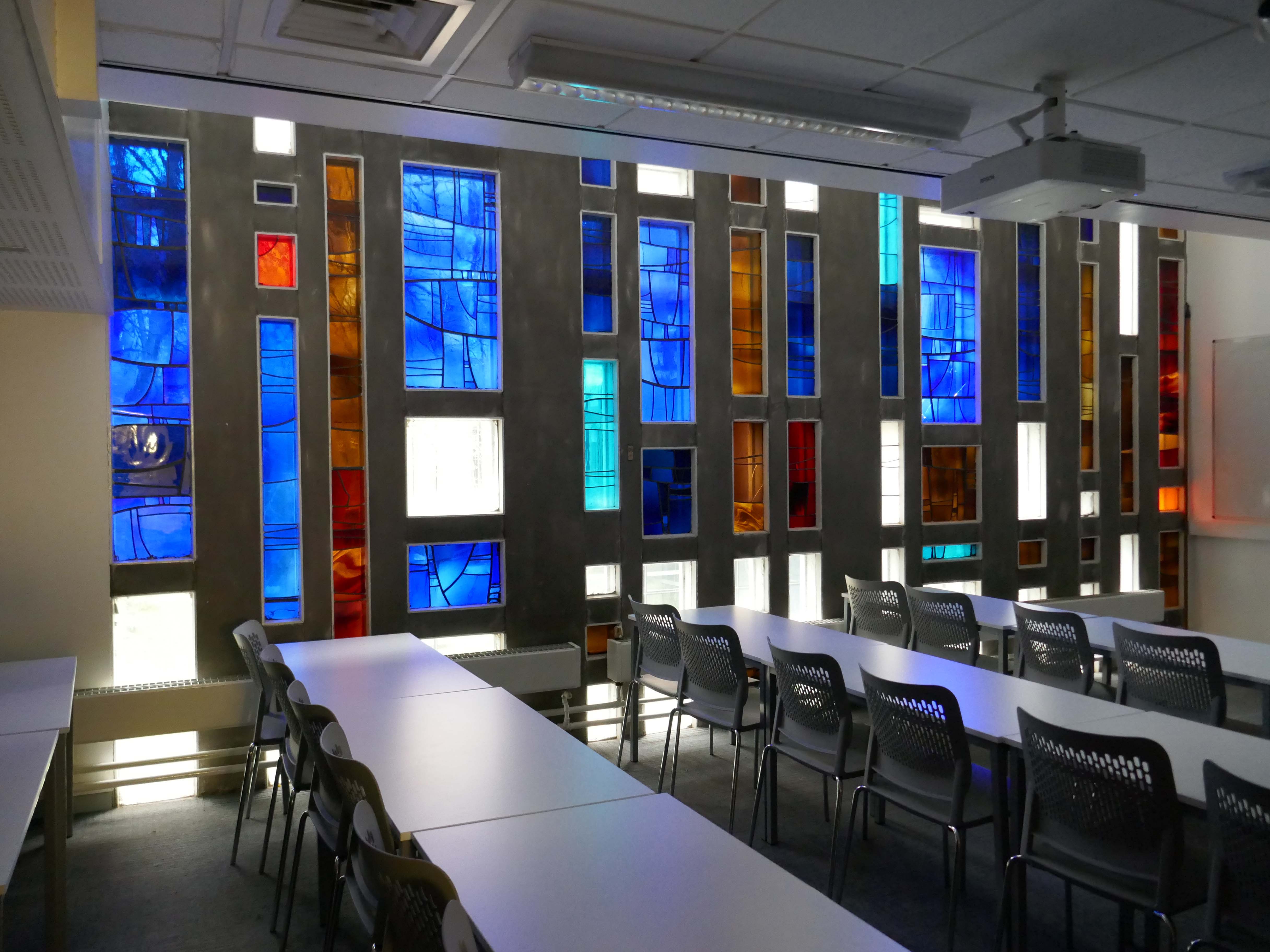
The current use as lecture and seminar rooms maintains the building’s use as a key learning space on campus.
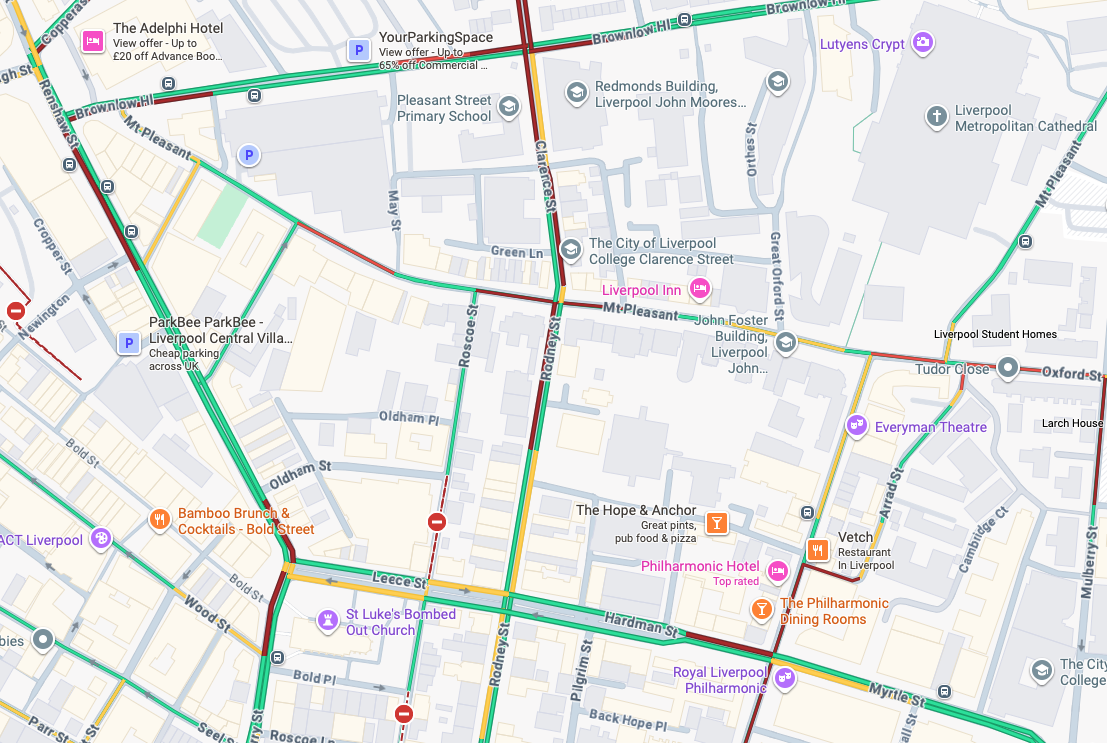
Located in an area of the southern campus where Westwood, Piet & Partners designed four blocks resulting in a group which Pevsner described as the
Most coherent and satisfying part of the precinct. The massing and materiality of the external is complementary and respectful to the surrounding Georgian buildings.
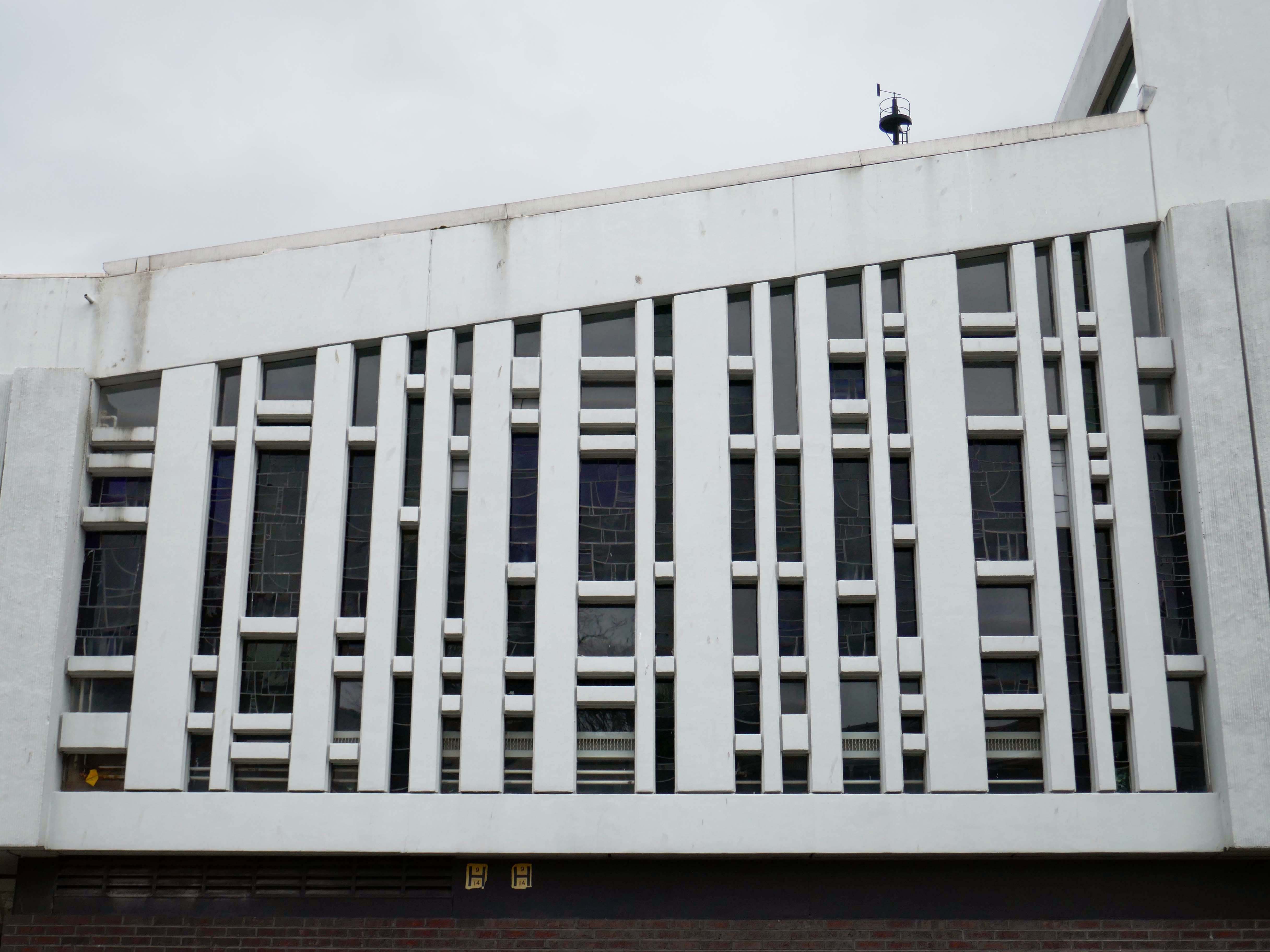
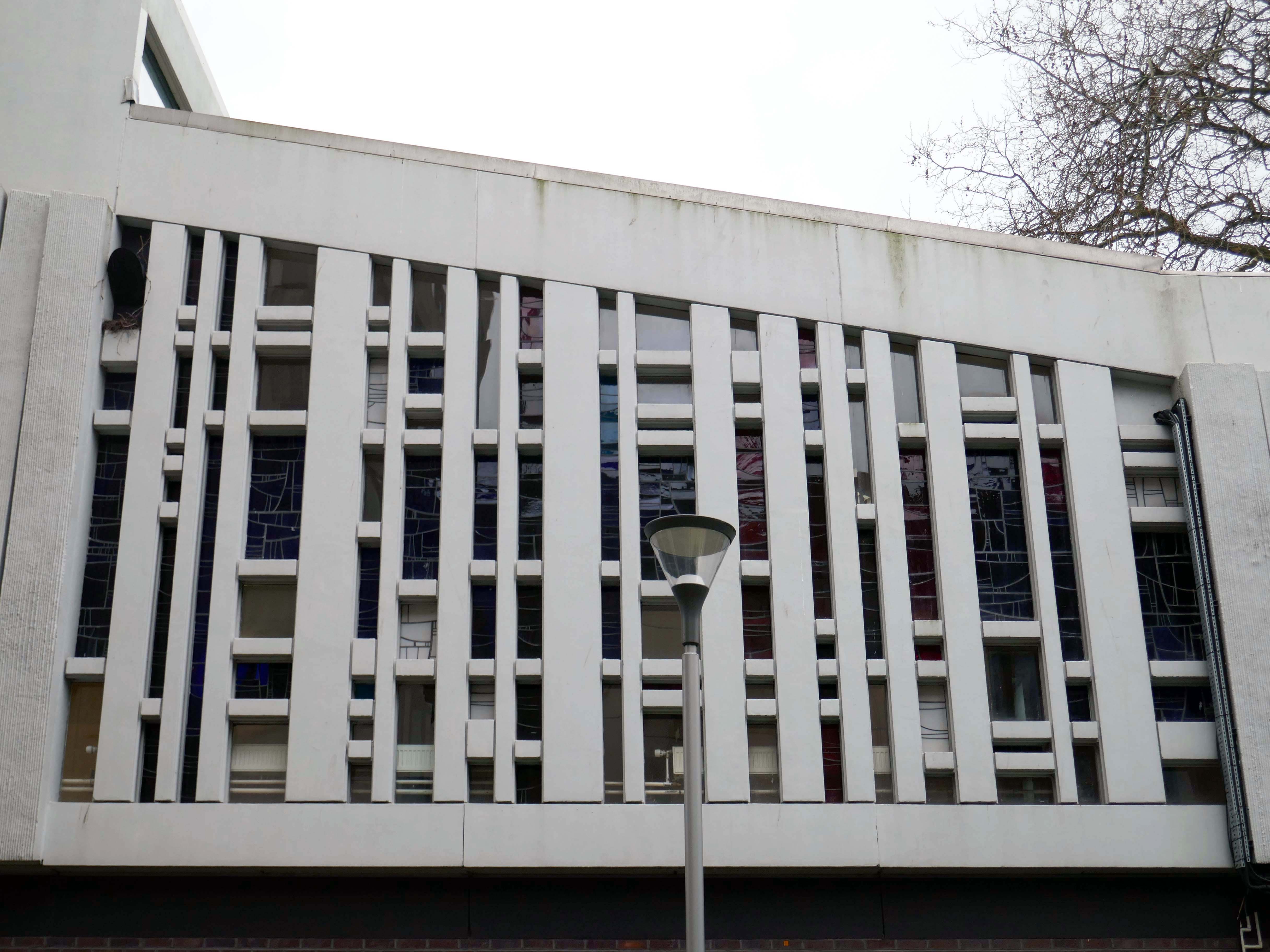
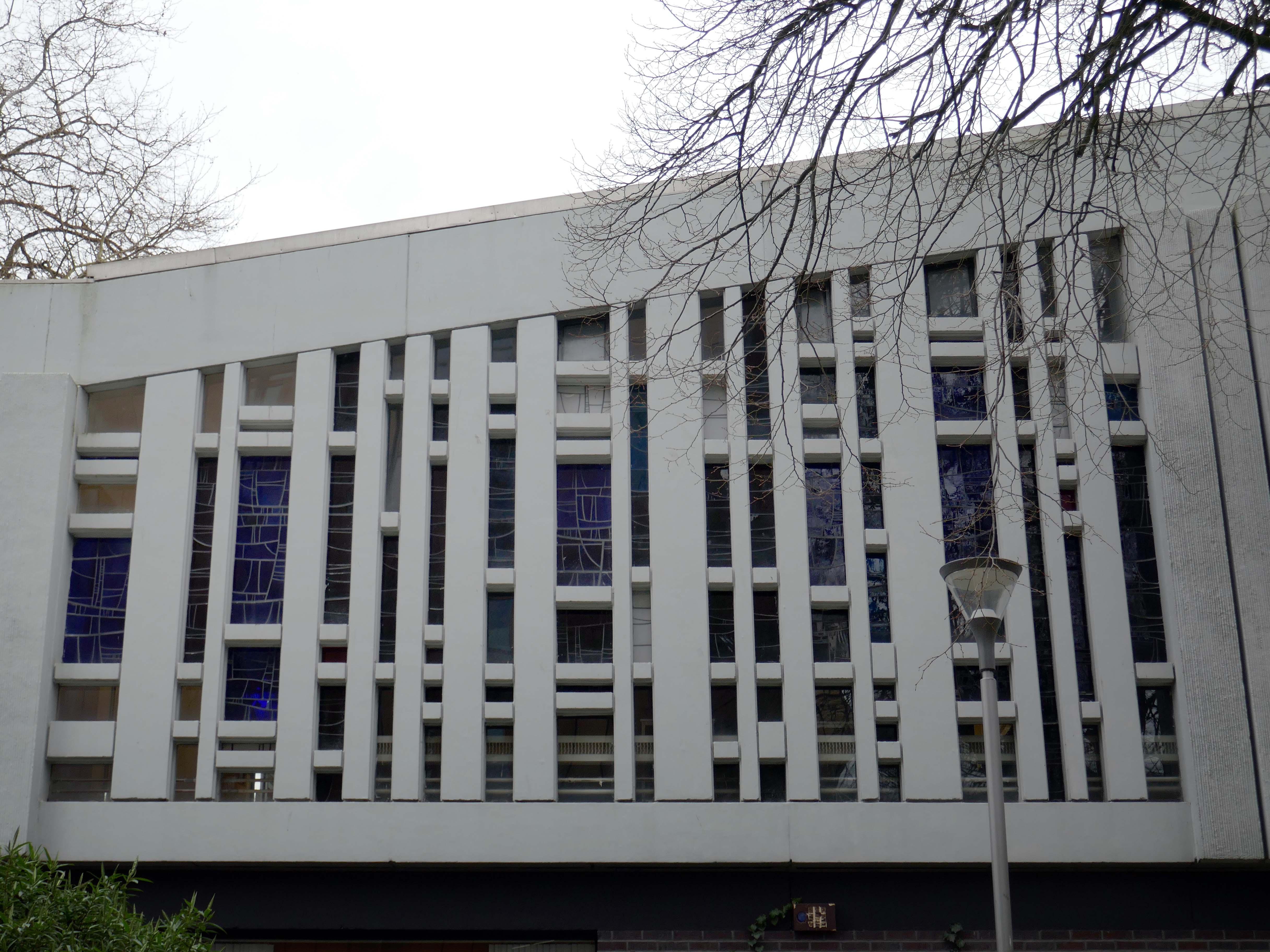
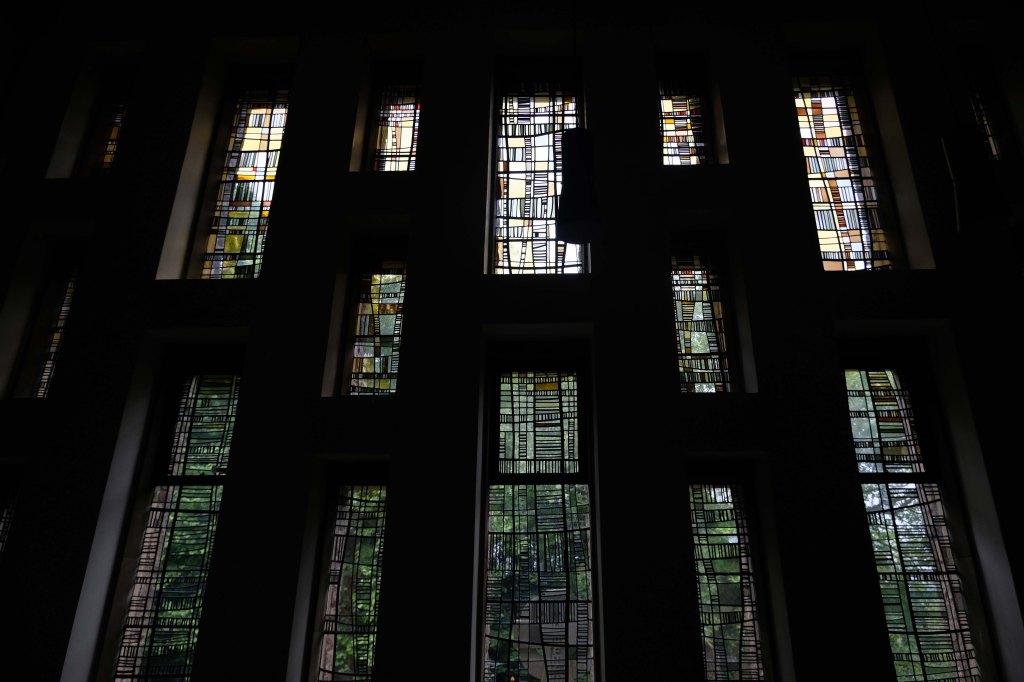
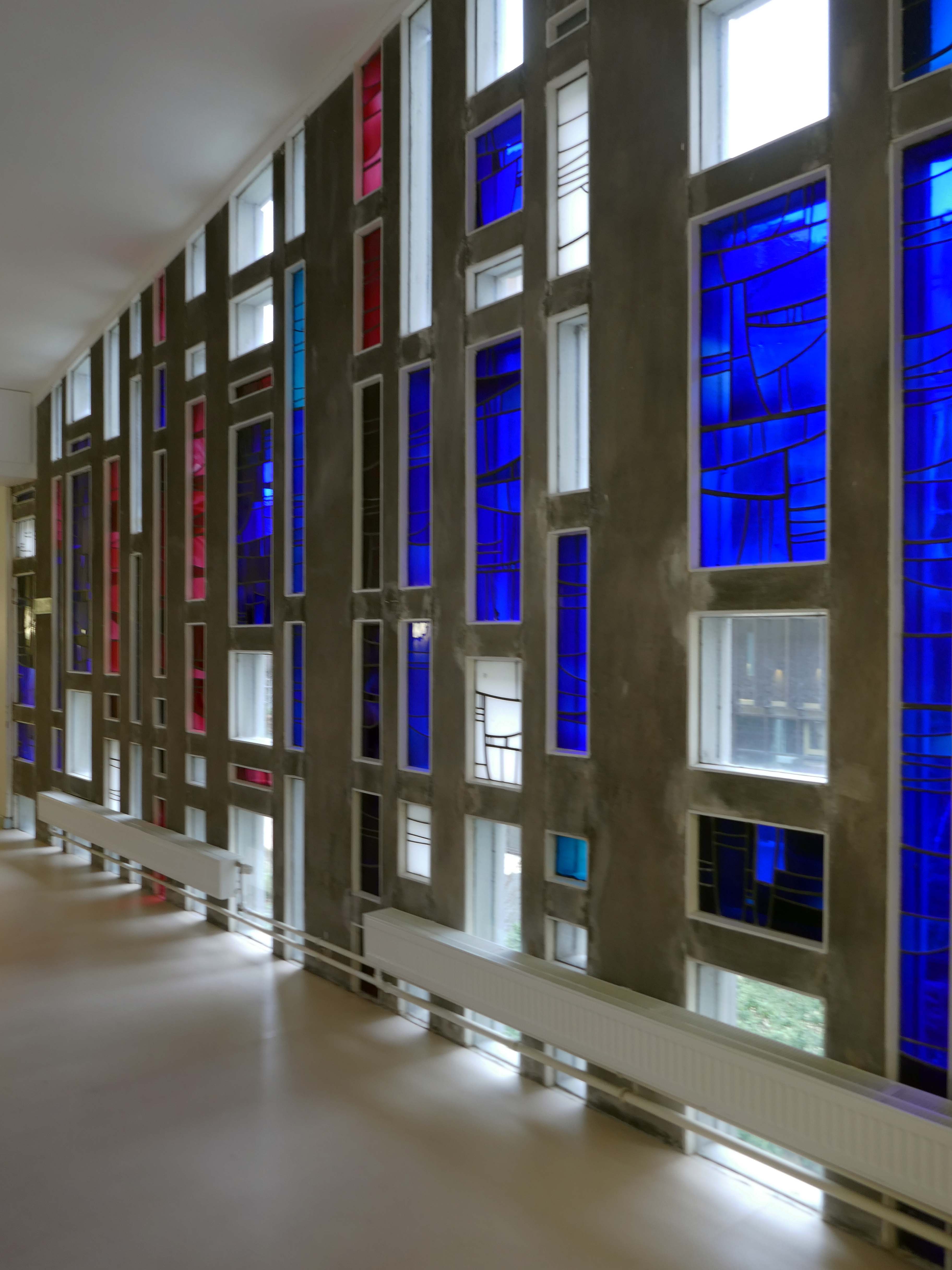
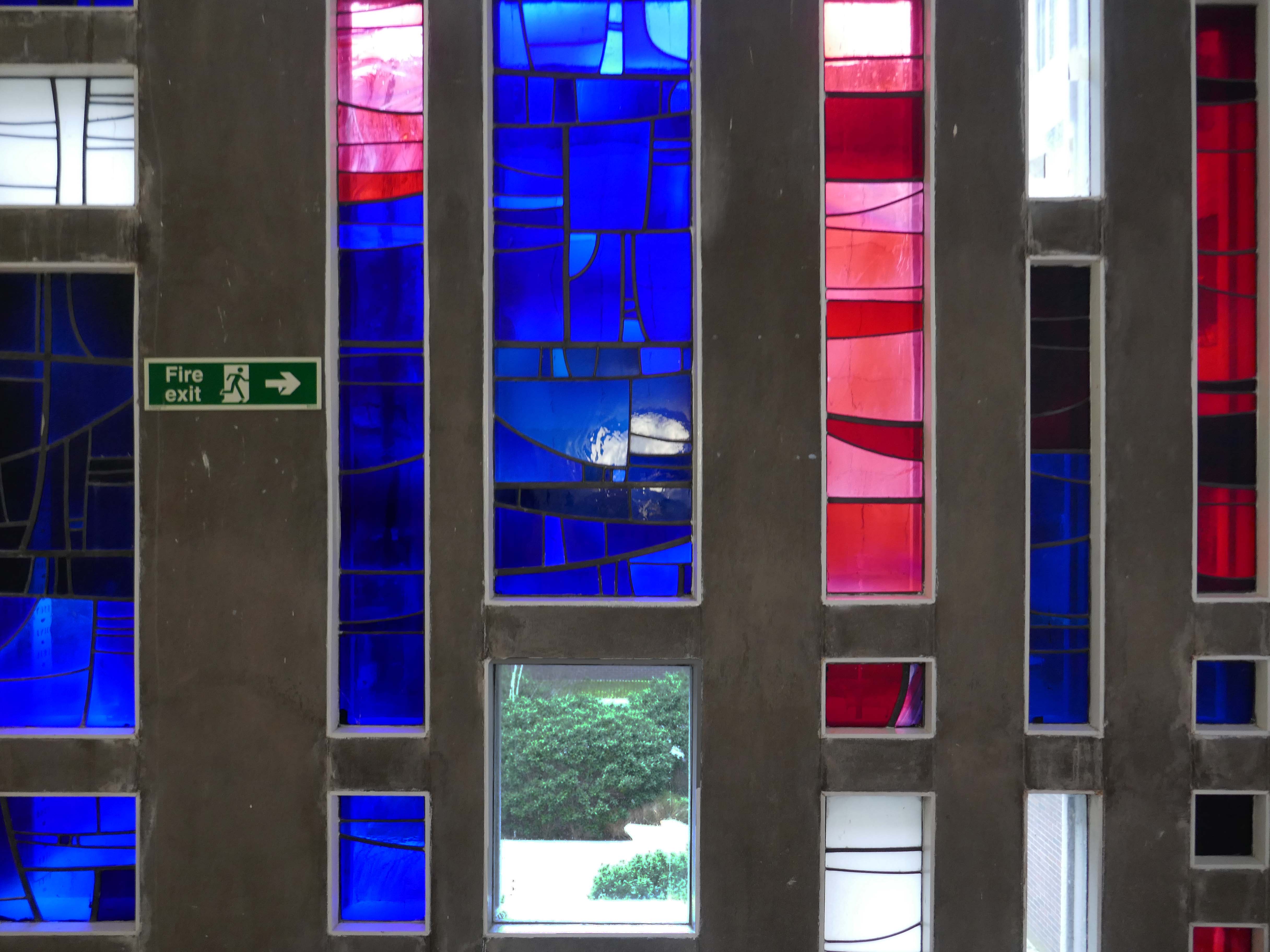
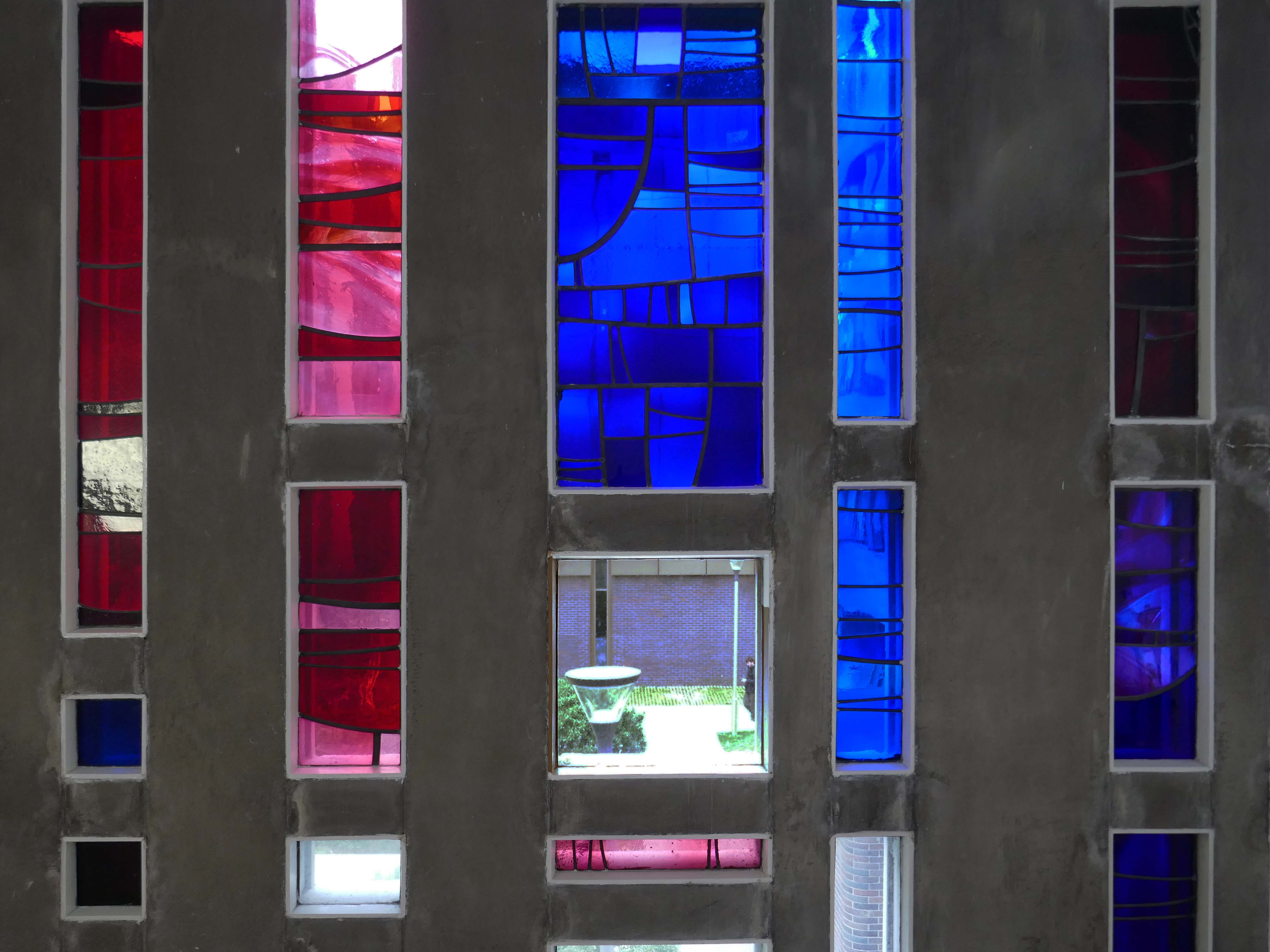
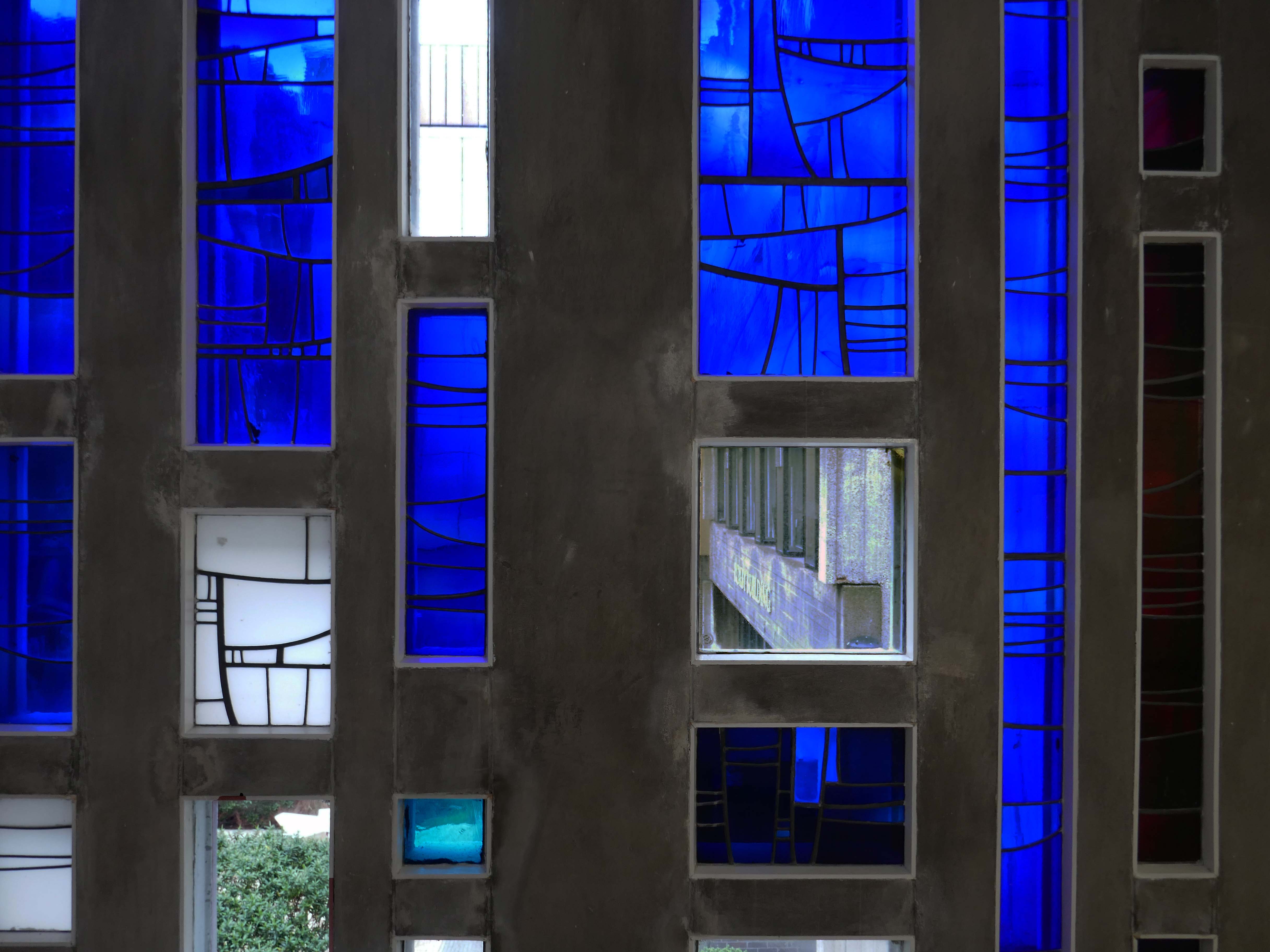
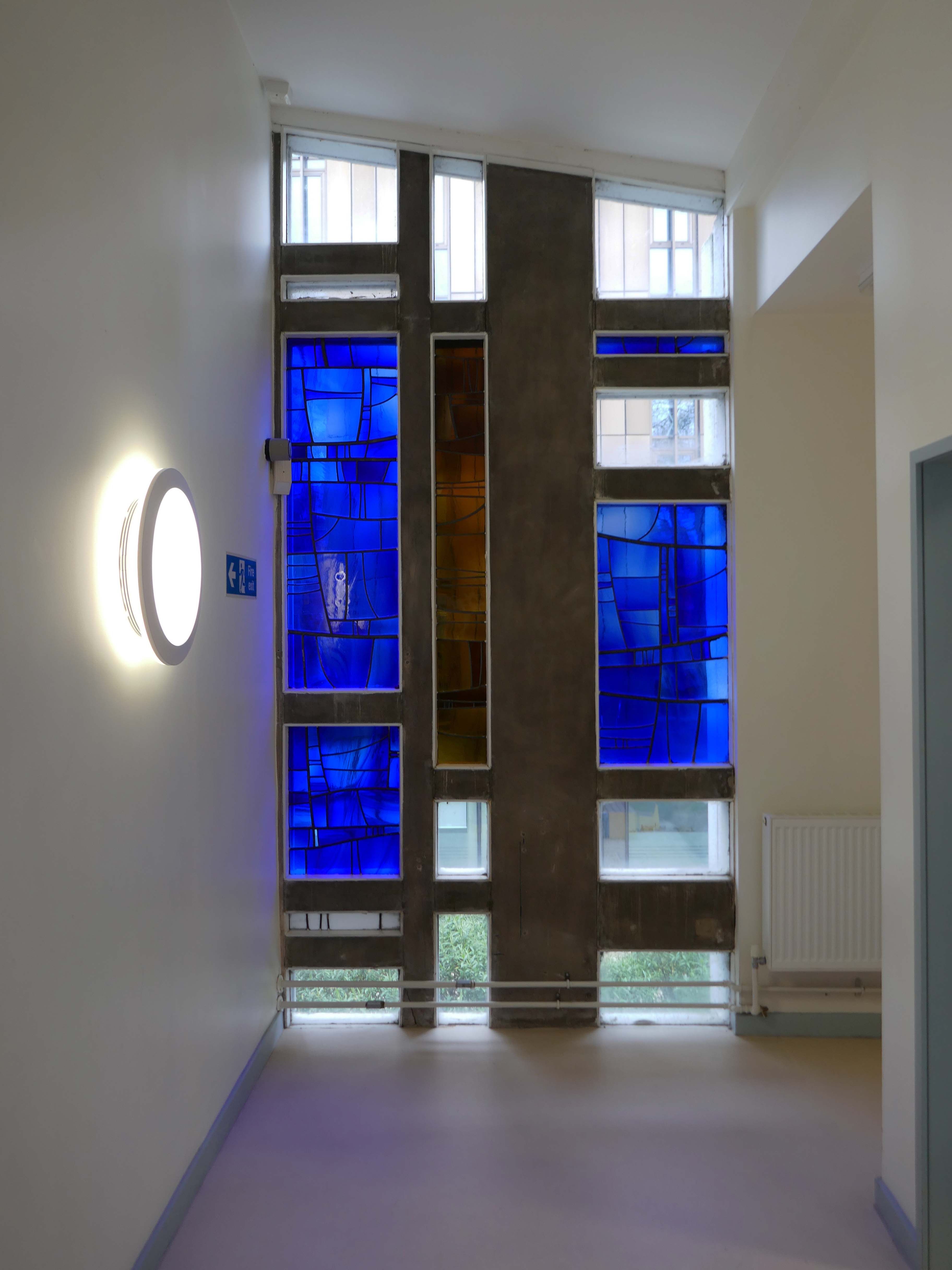
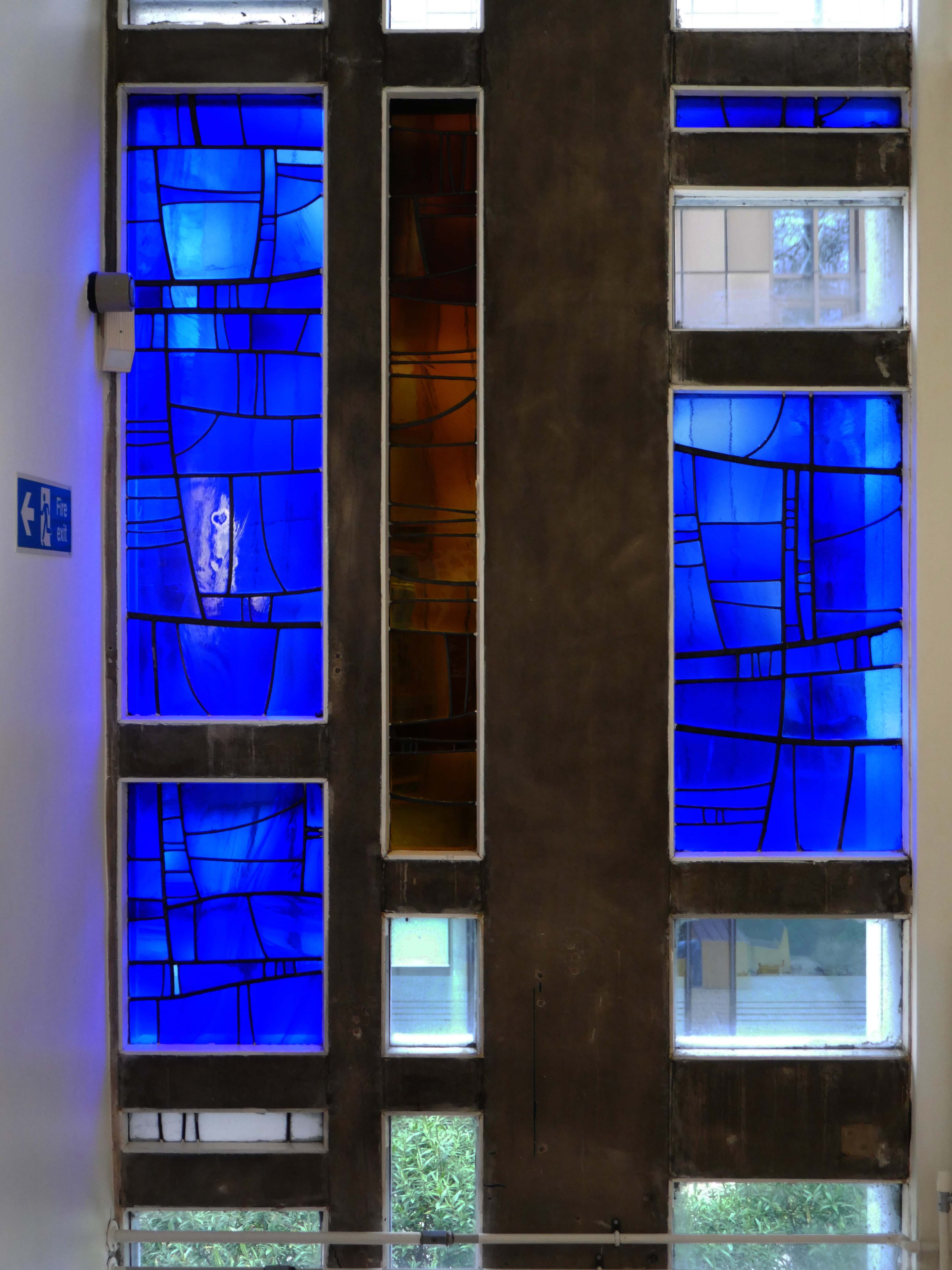
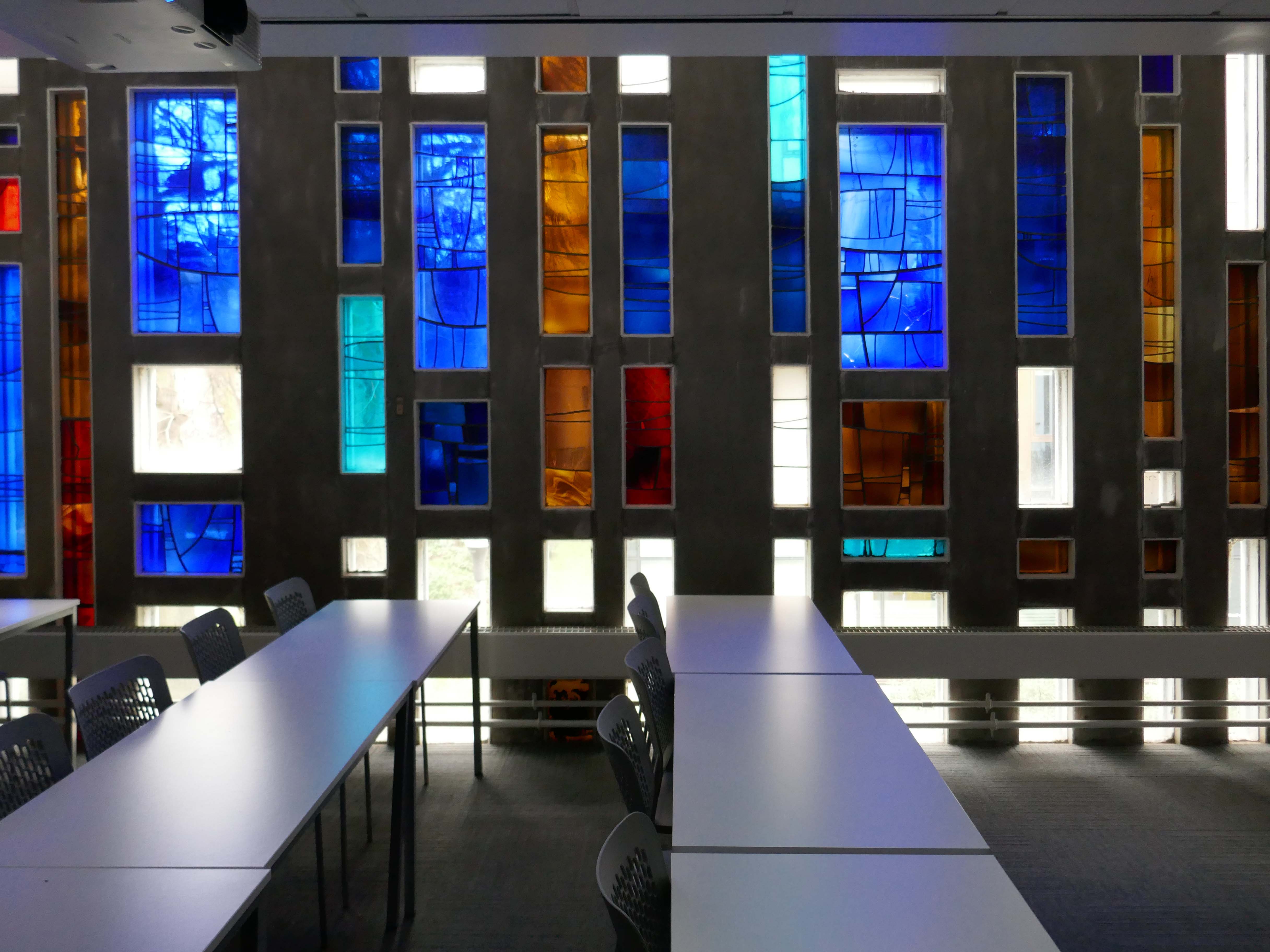
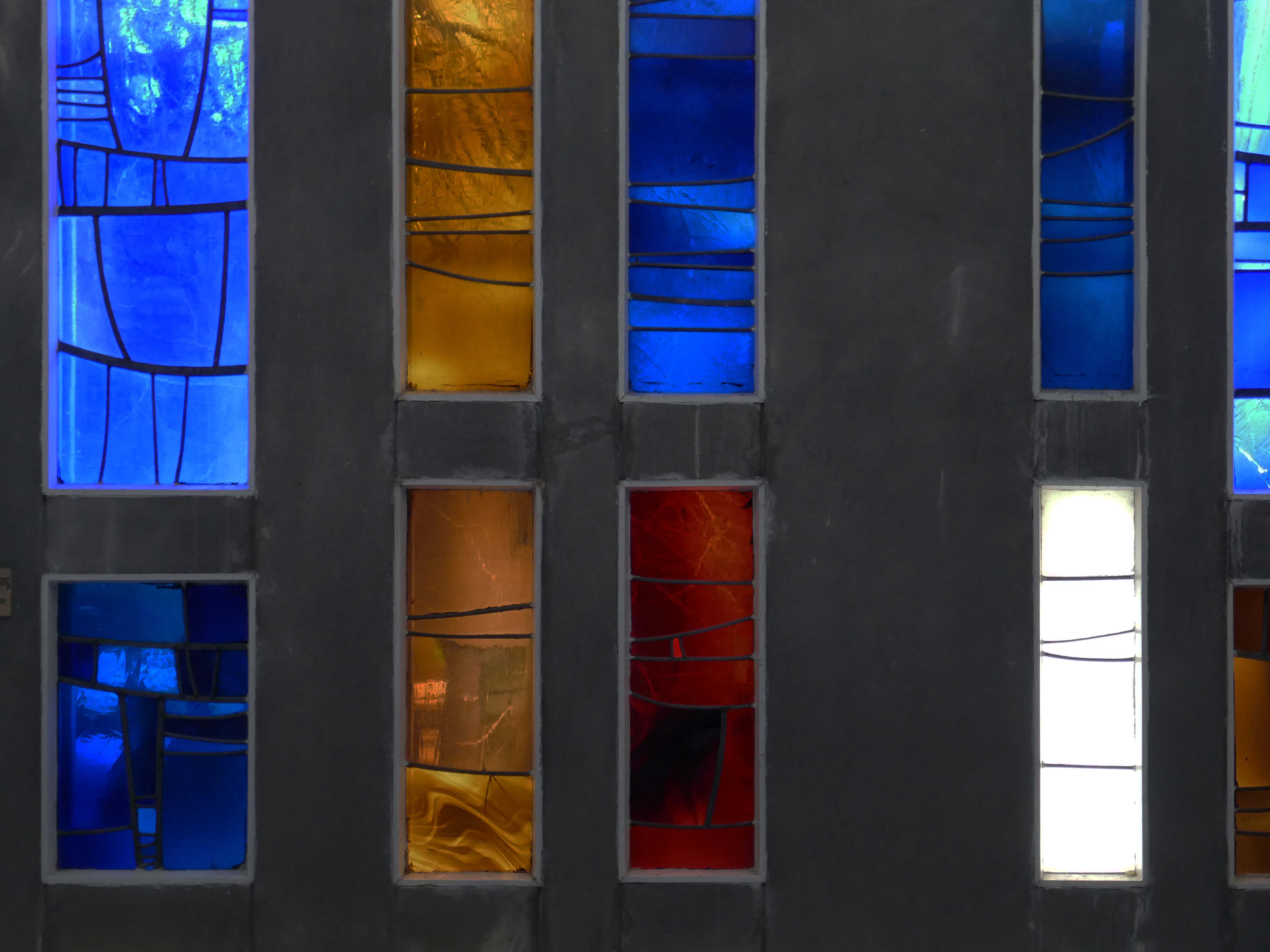
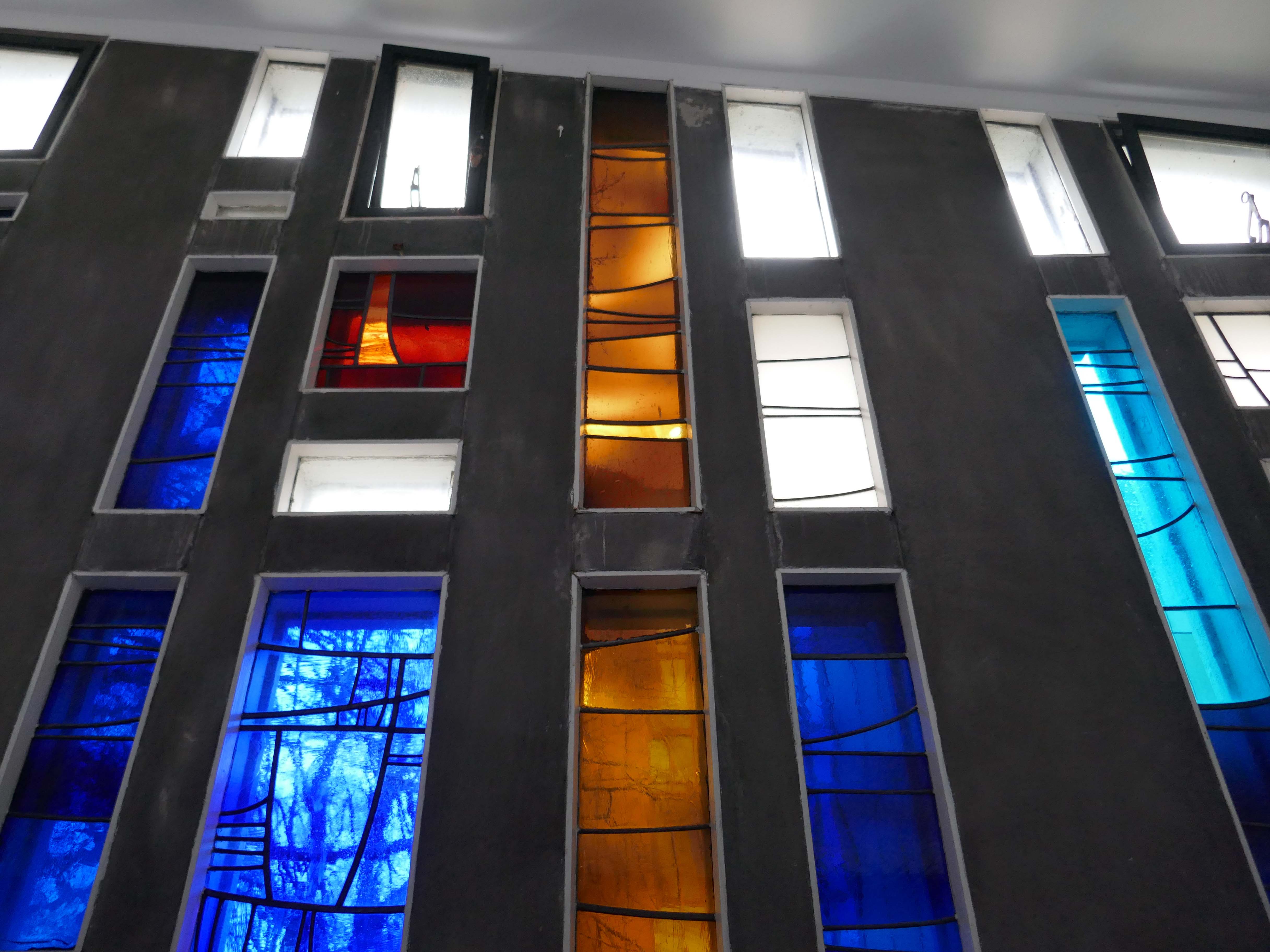
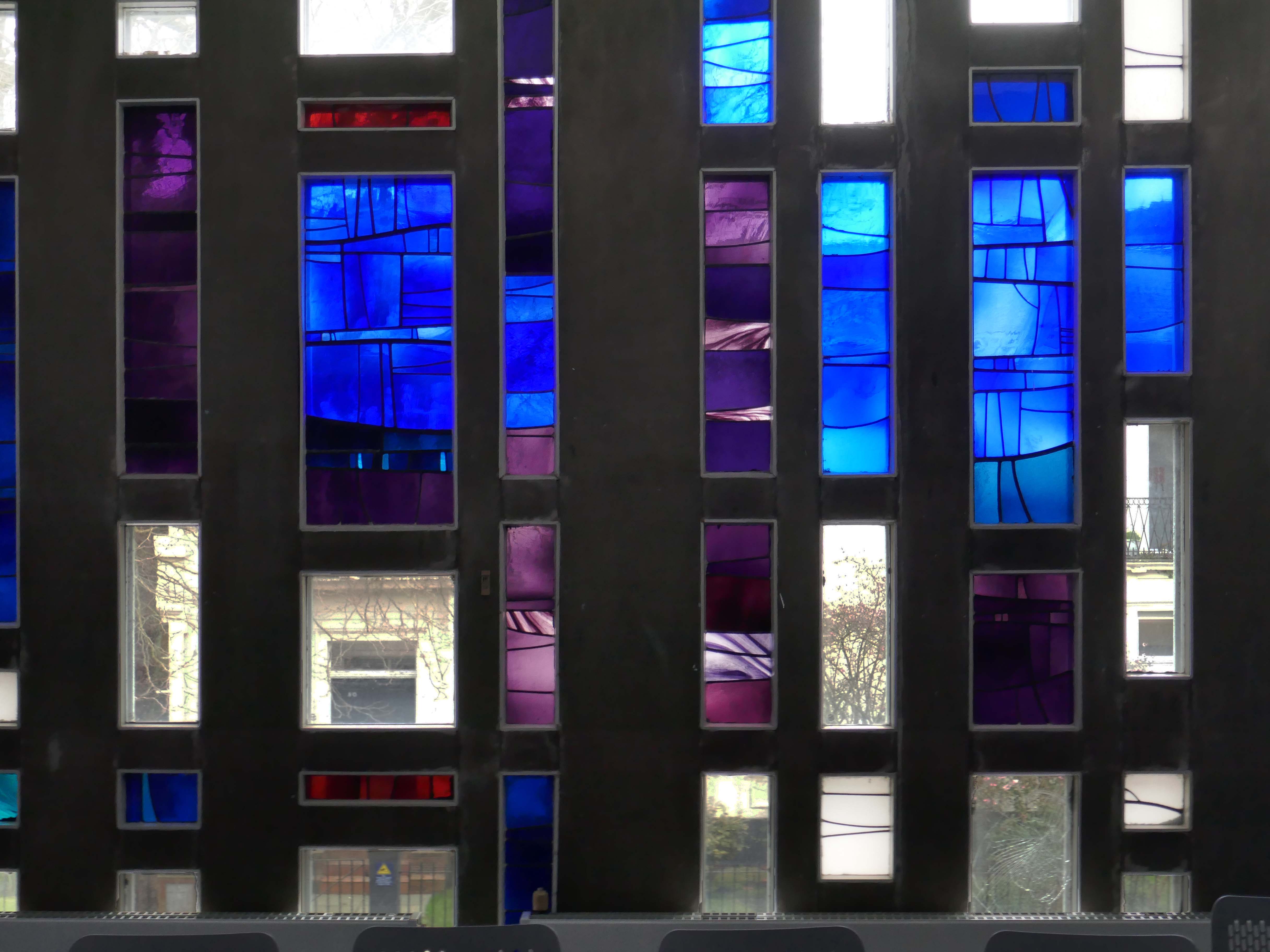
Between the concrete is ‘dalle de verre’ stained glass by Gillian Rees-Thomas.
she was also responsible for the side chapel windows at St Mark’s Broomhill Sheffield.
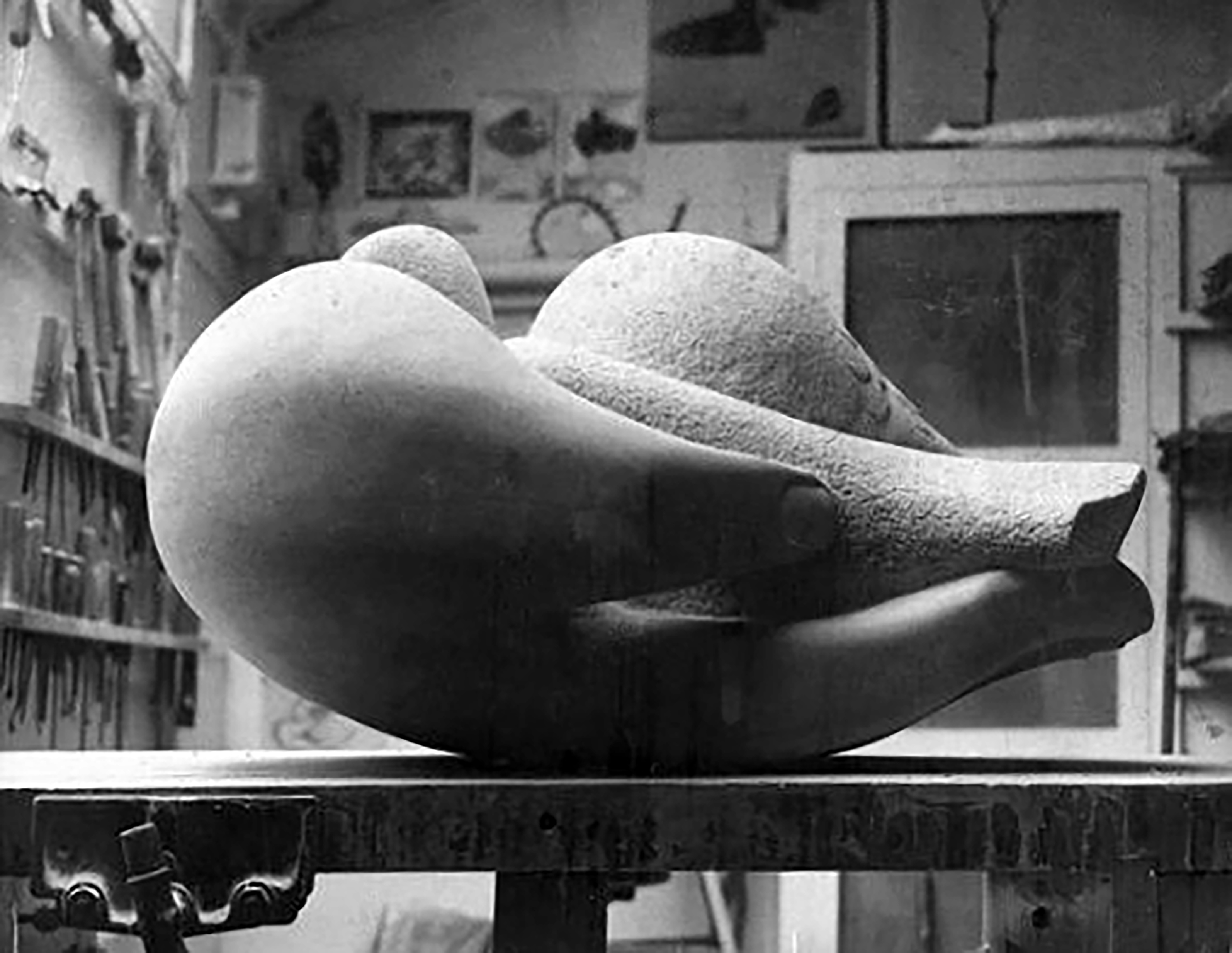
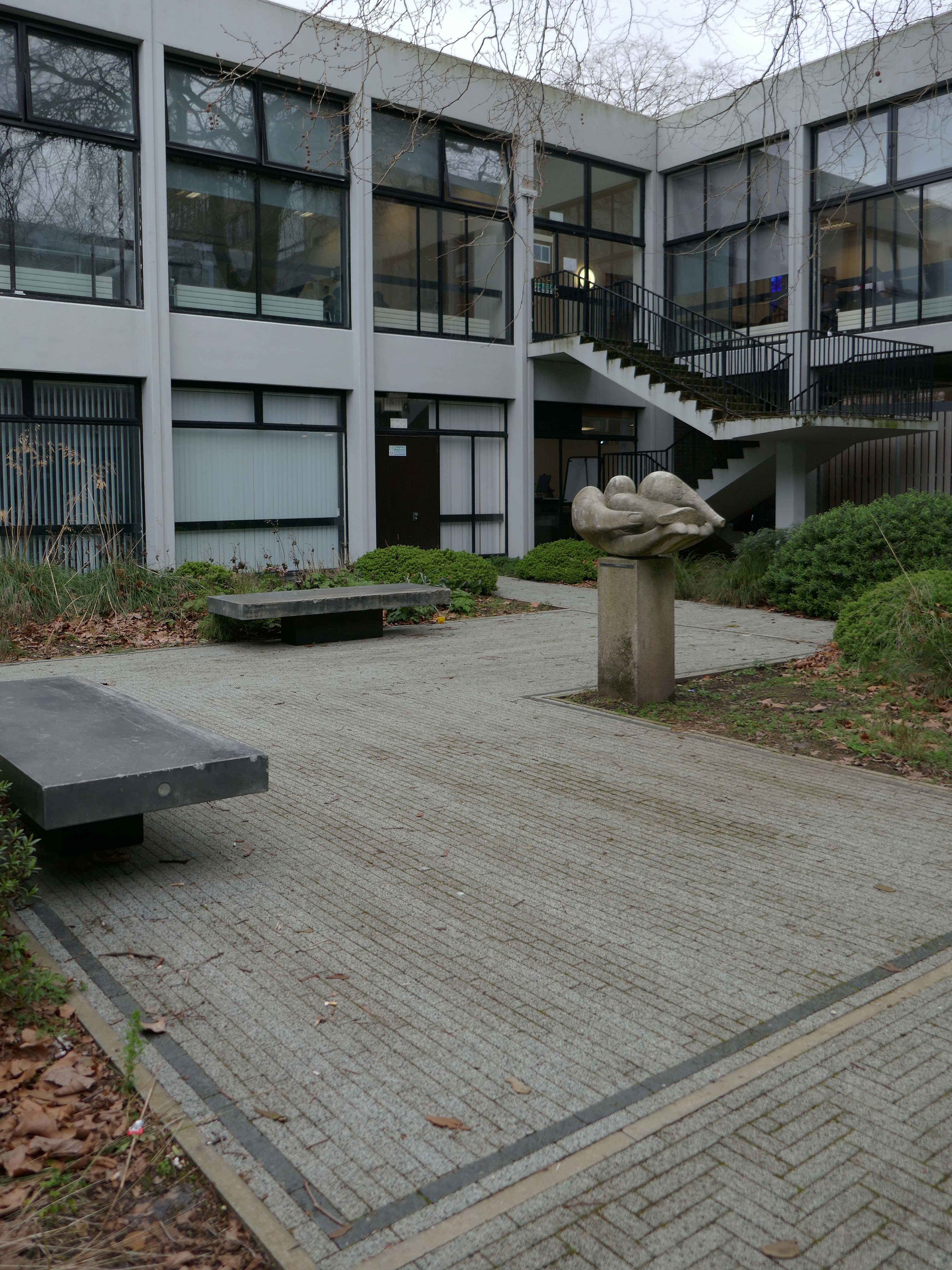
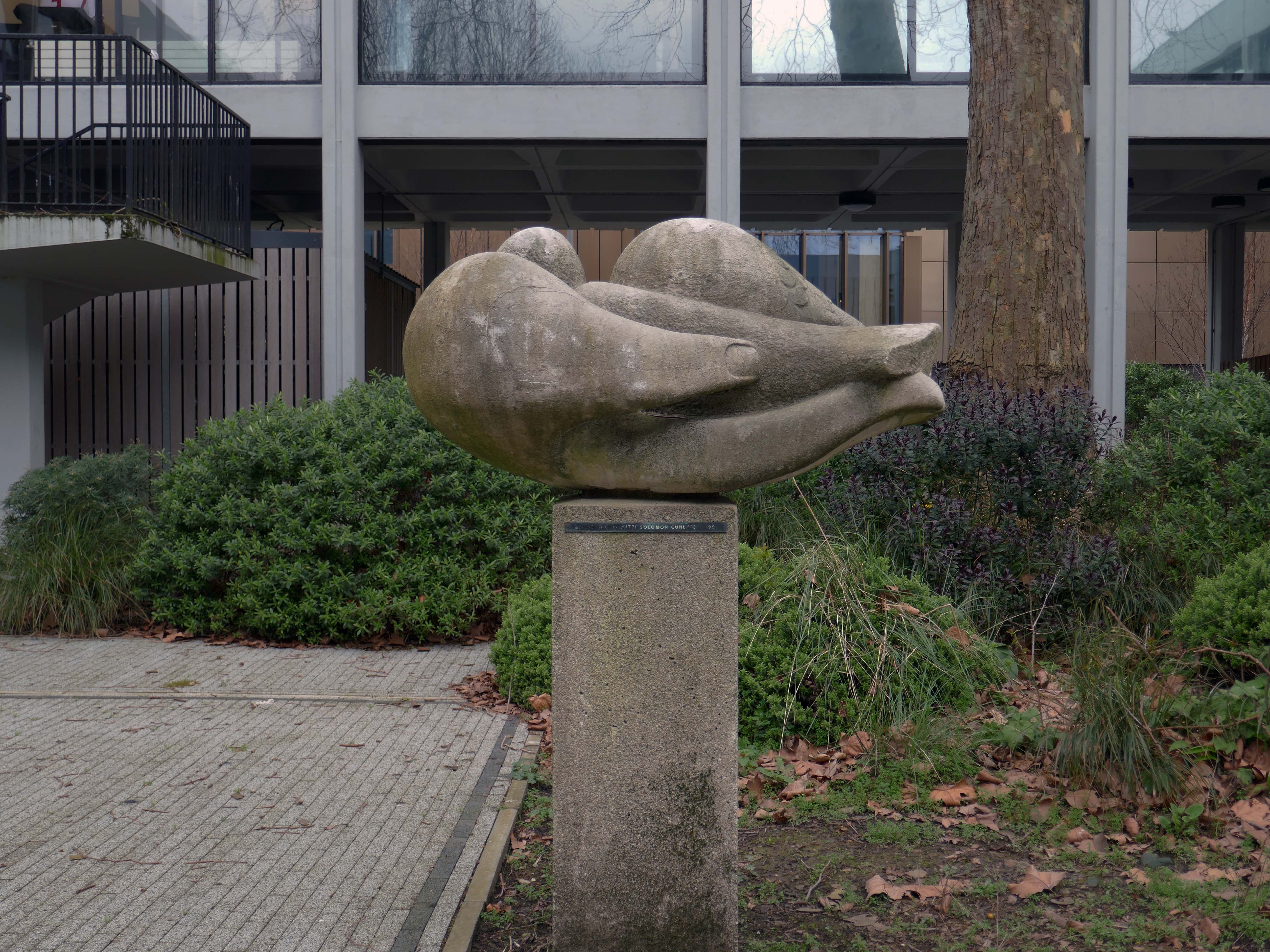
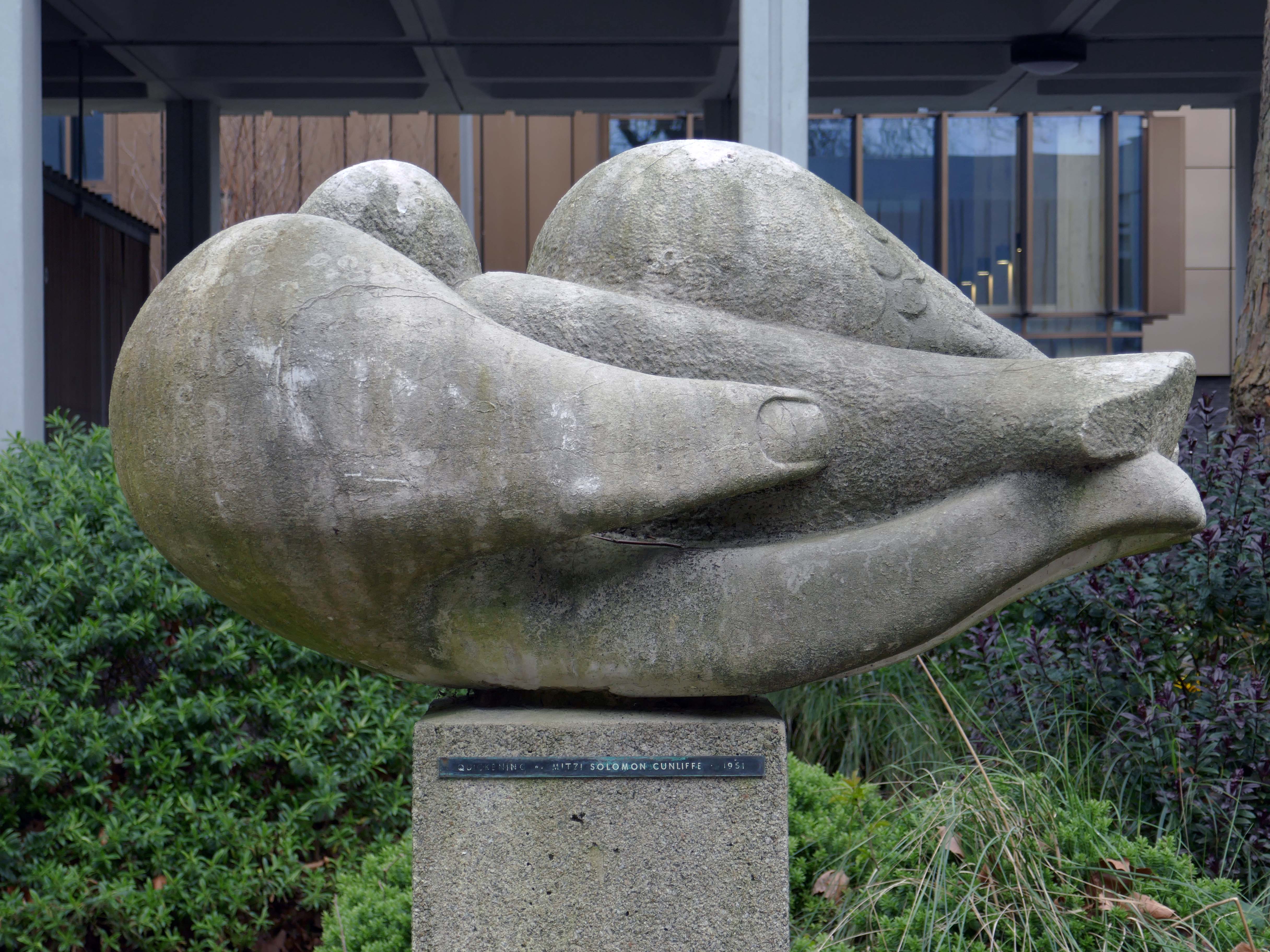
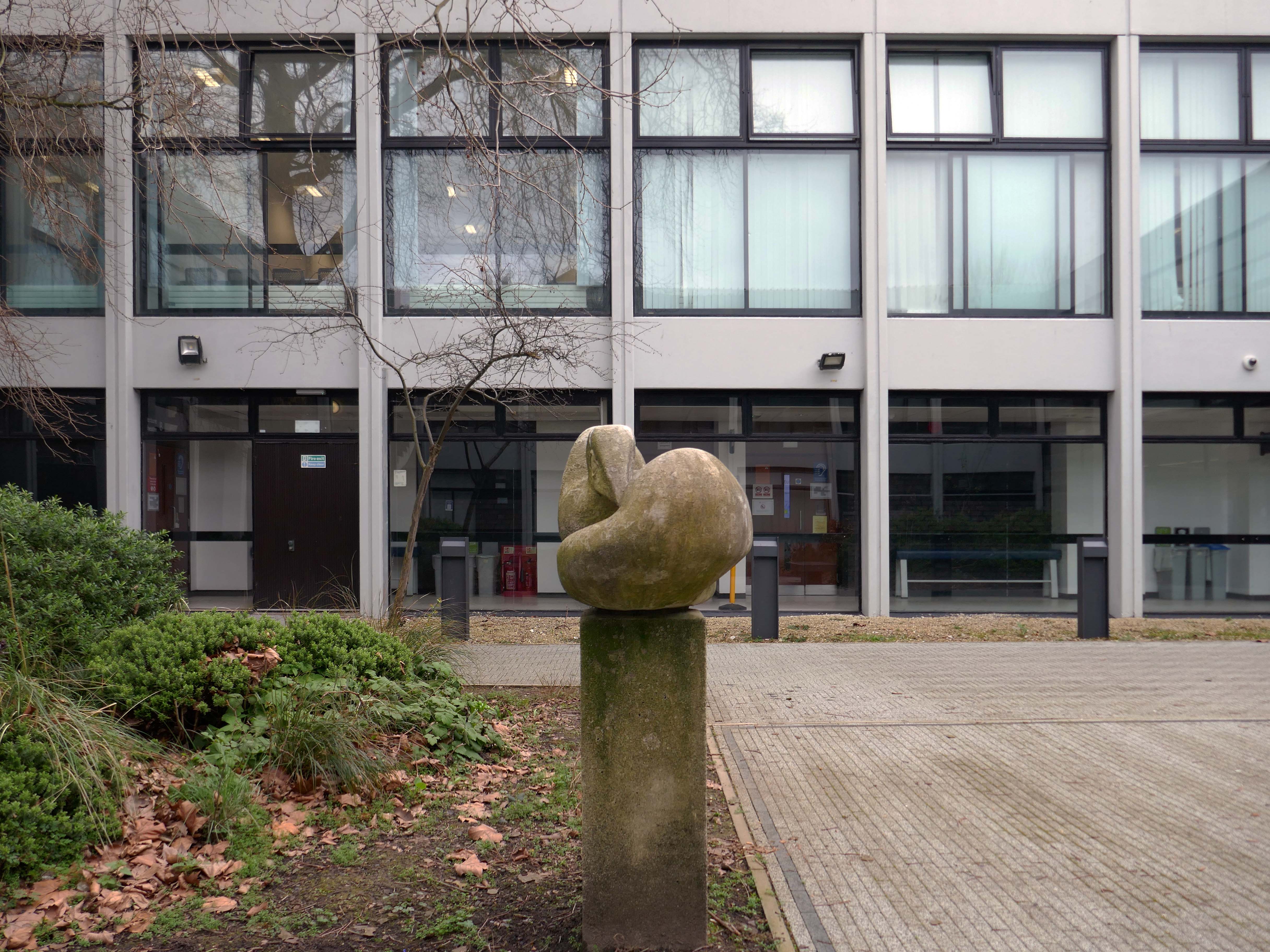
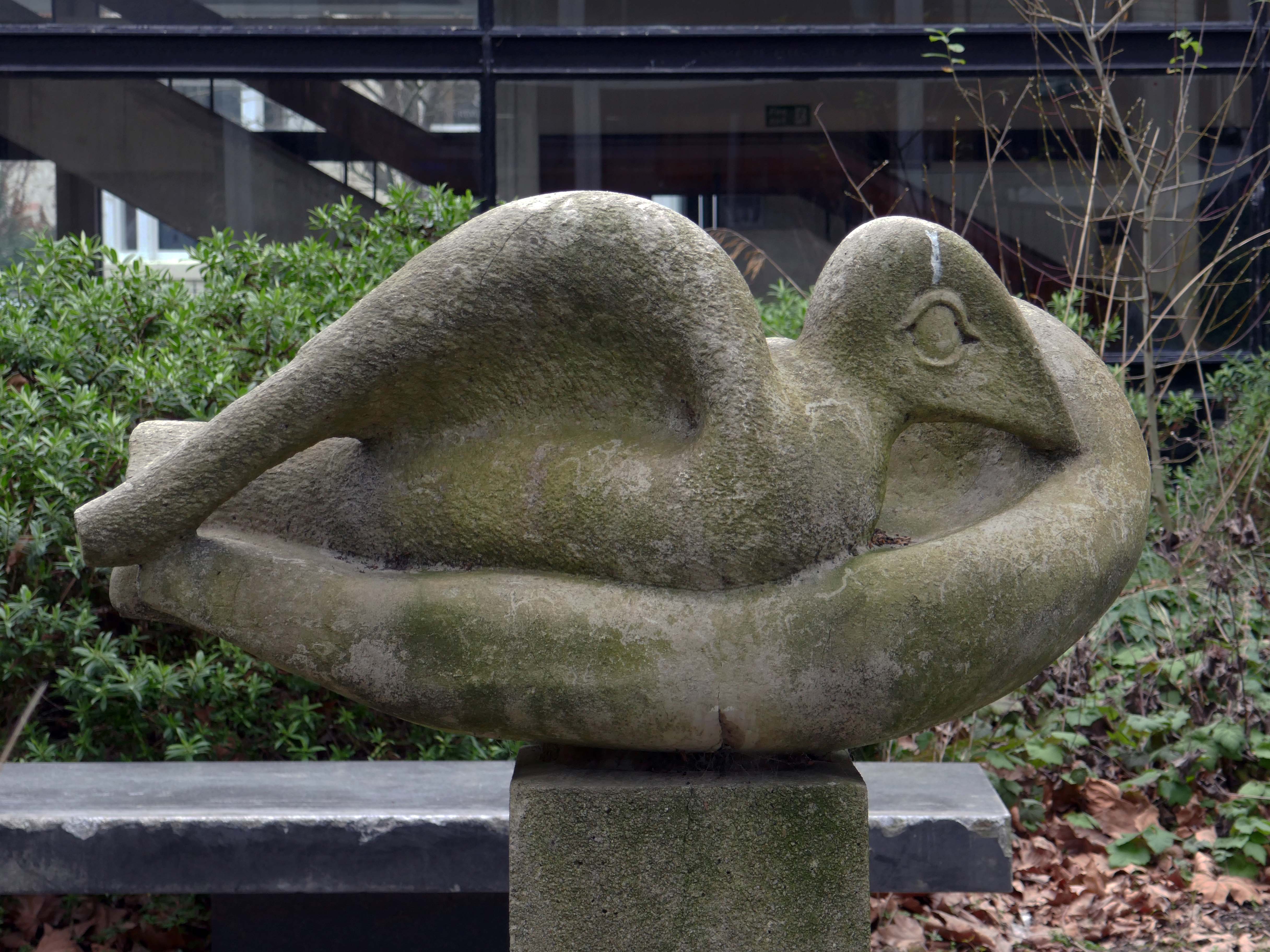
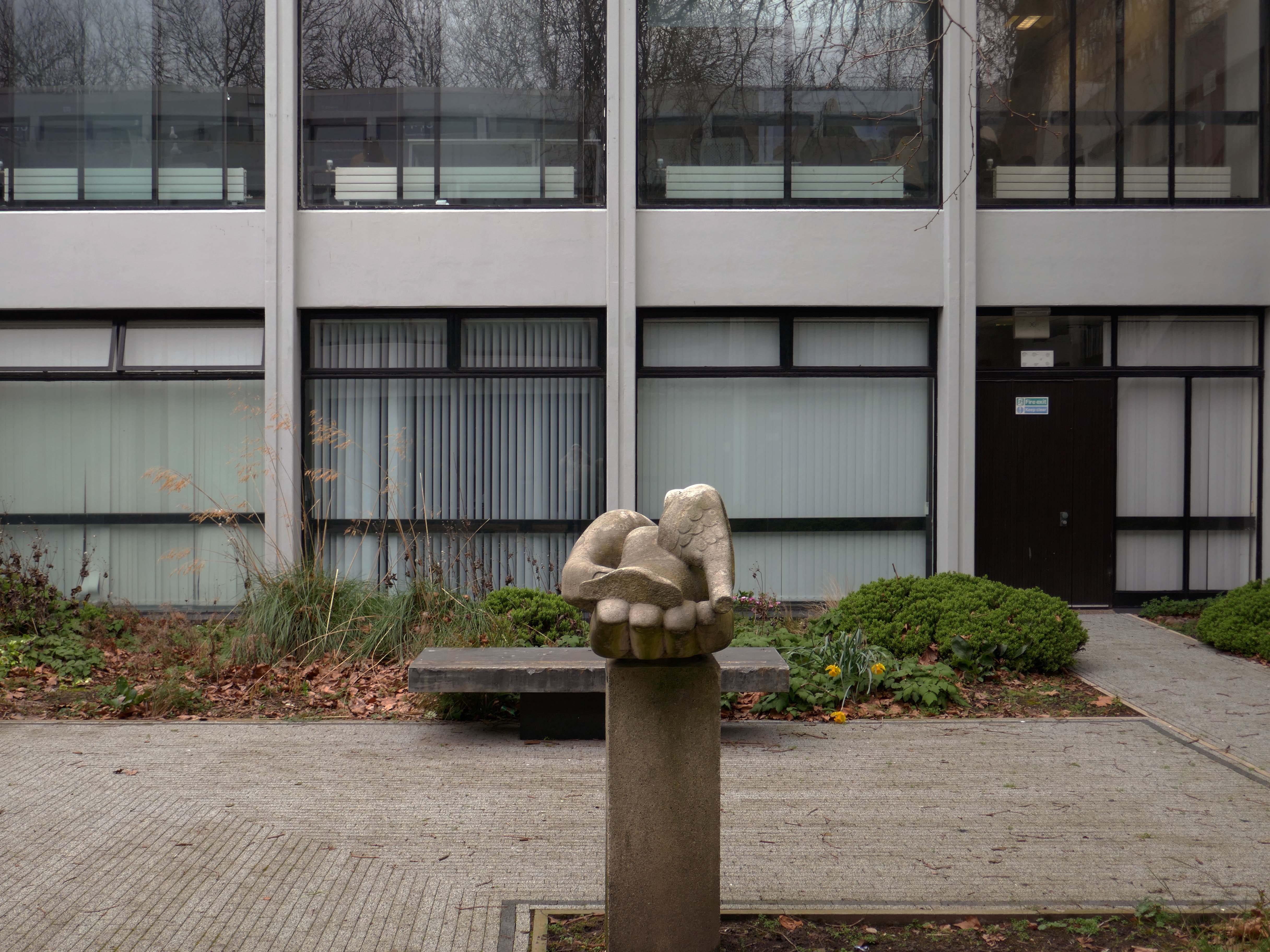
The courtyard contains a sculpture by Mitzi Solomon Cunliffe – The Quickening previously located behind the School of Architecture.
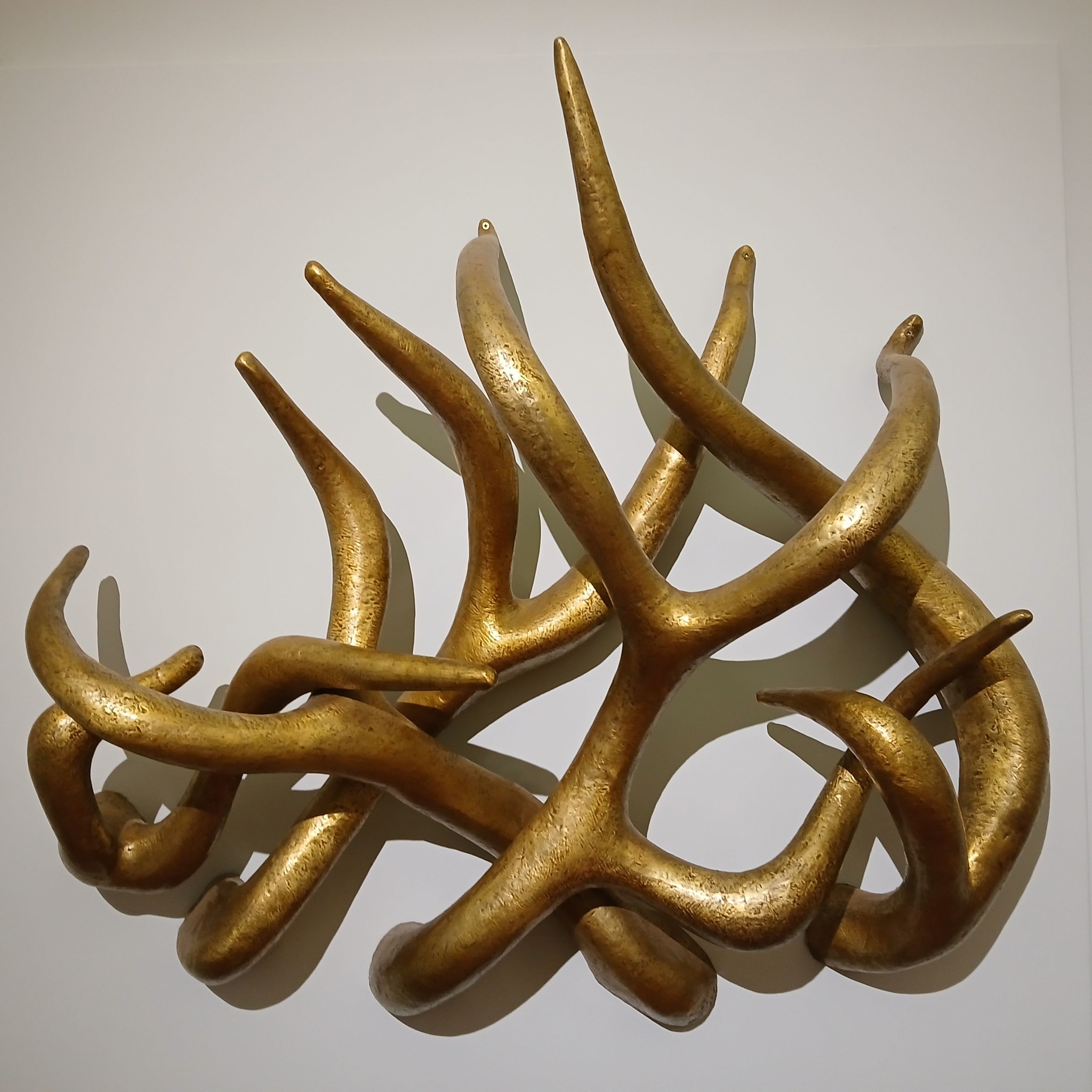
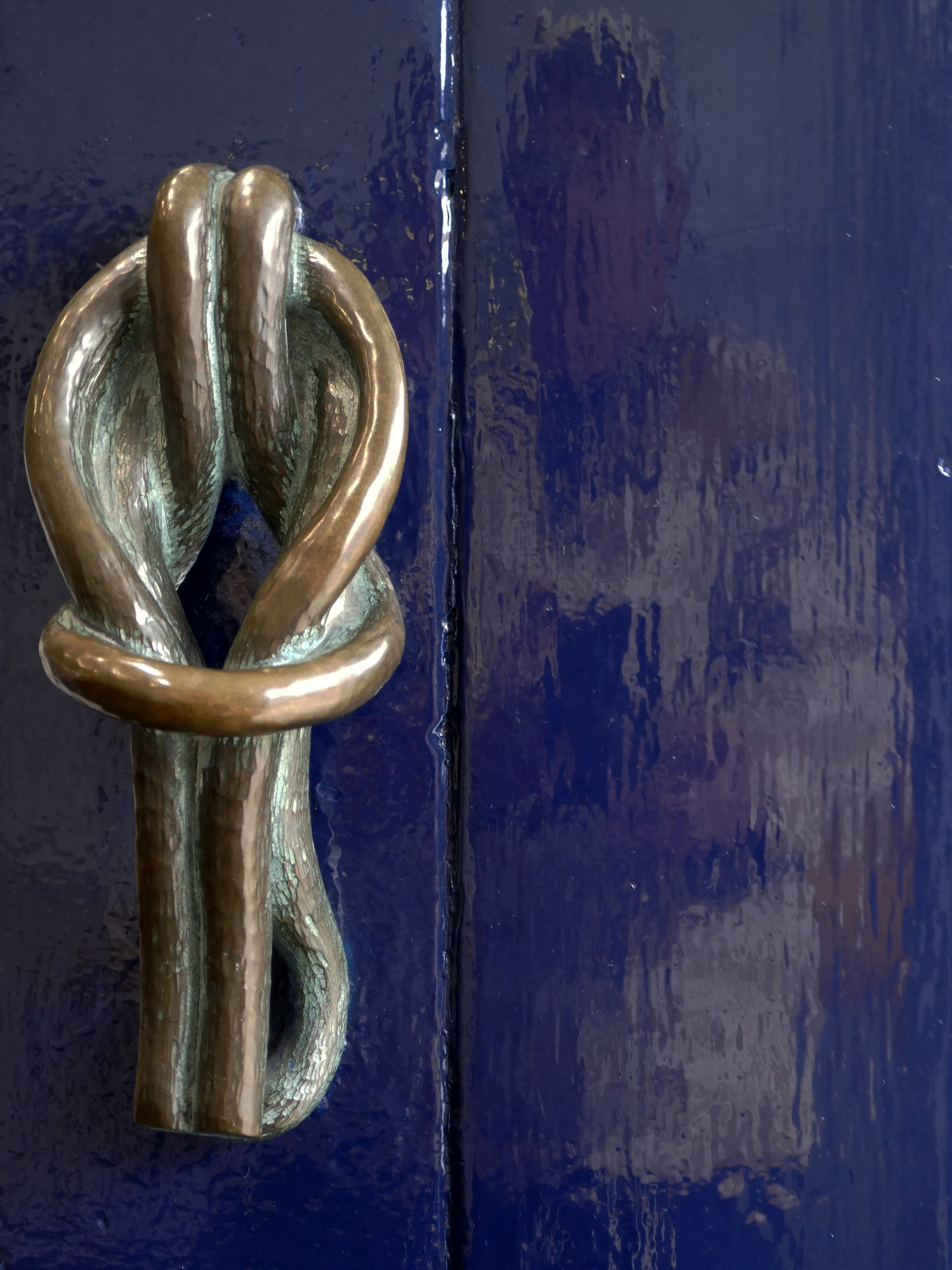
Somebody at the University of Liverpool saw Mitzi’s work at the Festival of Britain and took note. She was immediately commissioned to create three items for the University: a public sculpture to go in the courtyard of the School of Civic Design’s new building, a decorative sculpture for the inside the building and the handles for its front-door.
The public sculpture, is in the form of a hand gently holding a dove. It stood in its original position for sixty-nine years until sent away for conservation and then relocated across campus in 2020, to outside the Rendall Building.
The other sculpture that Mitzi created for the building is easily the spikiest thing in our art collection. ‘Loosestrife’ is a number of tentacle-like arms that intertwine and project outwards. For many it looks like an assemblage of golden deer antlers but it may be based on spires of the flower called loosestrife.
‘Loosestrife’ had been recorded on its arrival as being made of bronze and had turned completely black over the years, probably because it was hung in an area where students smoked back in the day. When it was removed from the School of Civic Design building in 2018 and sent for cleaning, it was revealed to actually be made of brass. It is very heavy and takes four technicians with lifting gear to hang it for display.
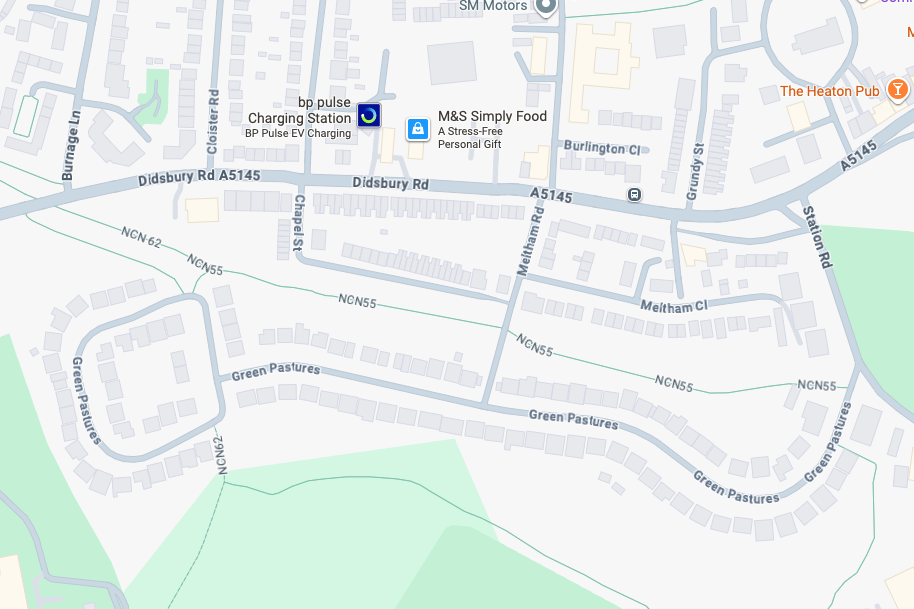
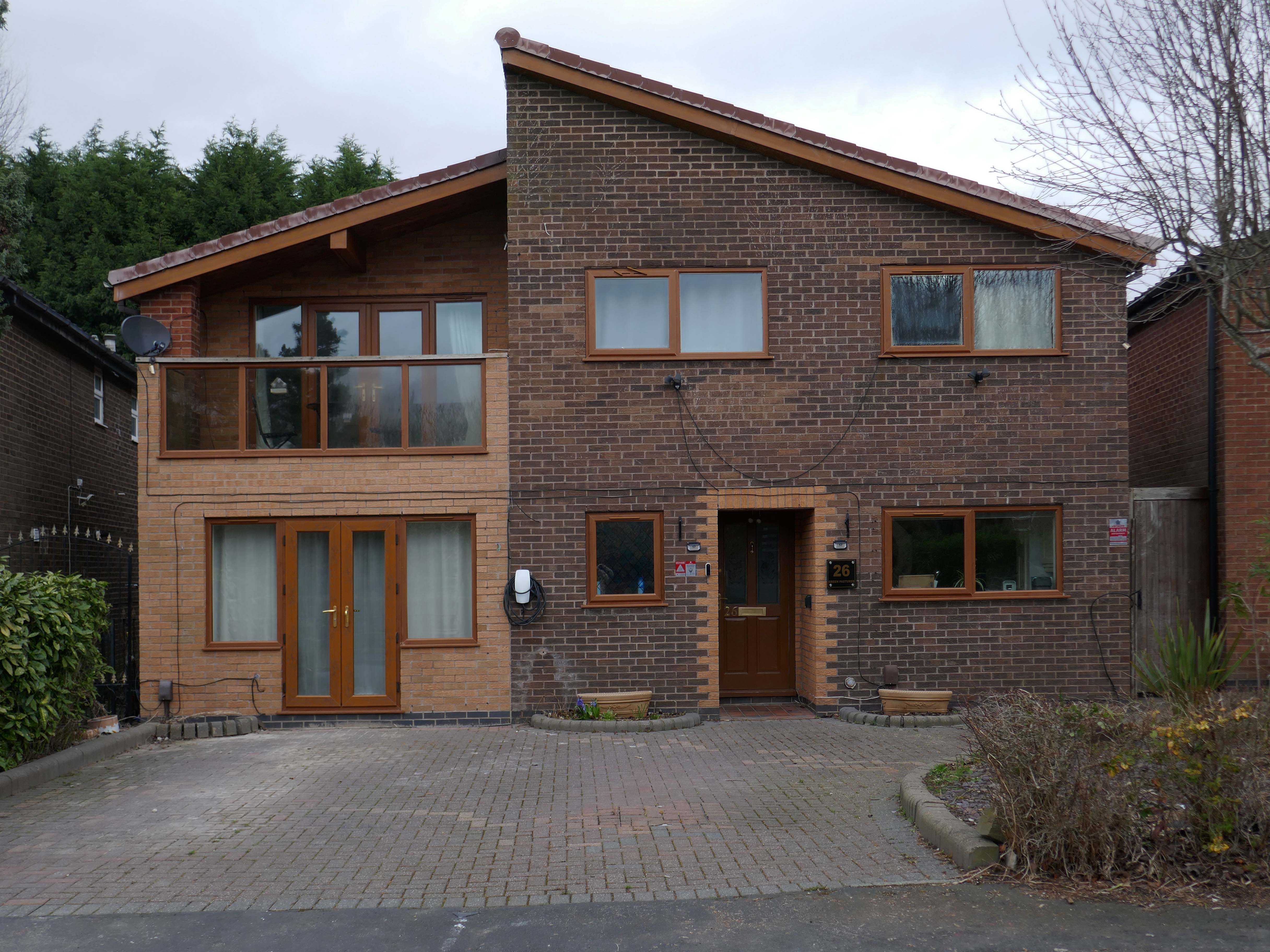
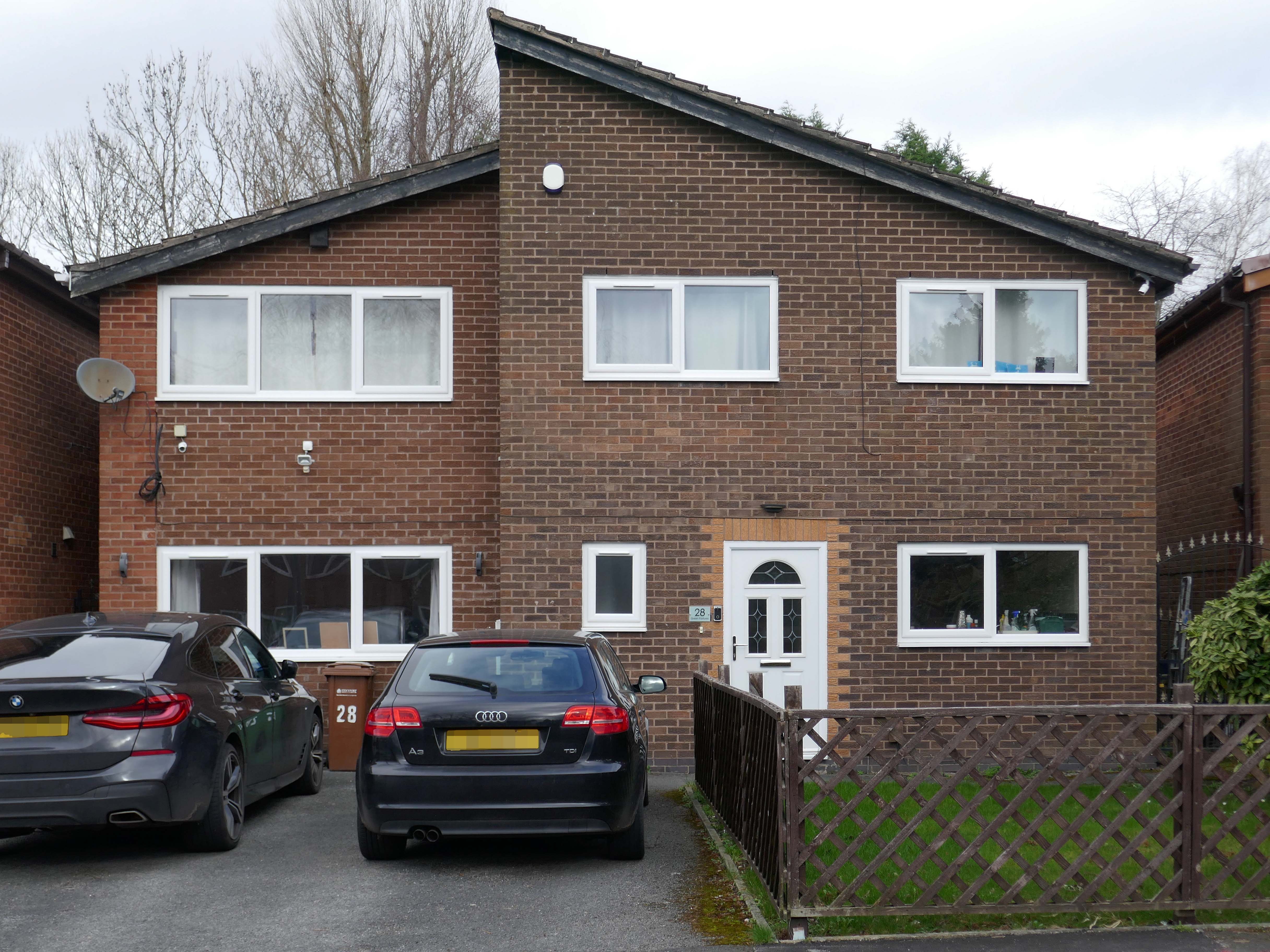
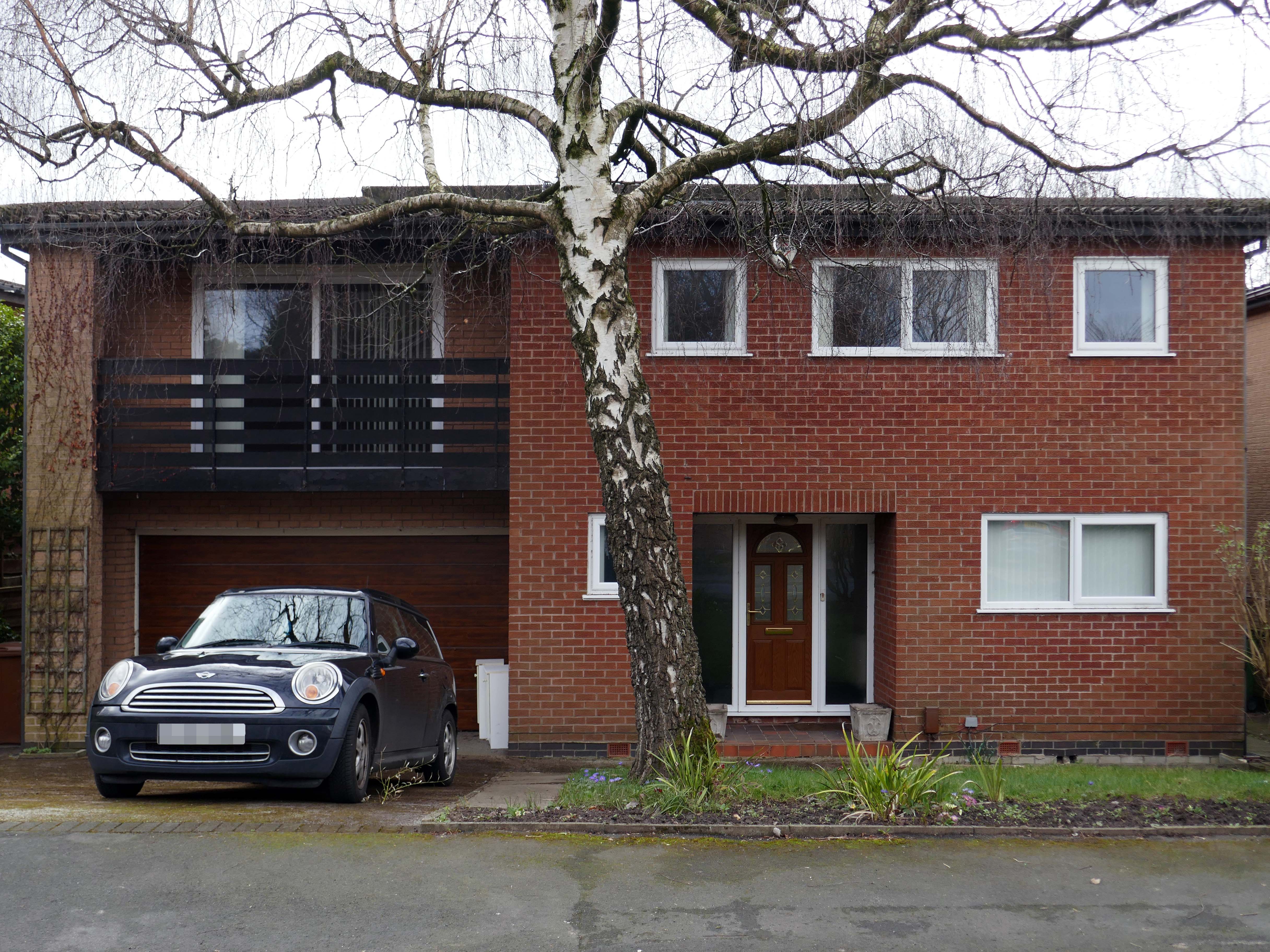
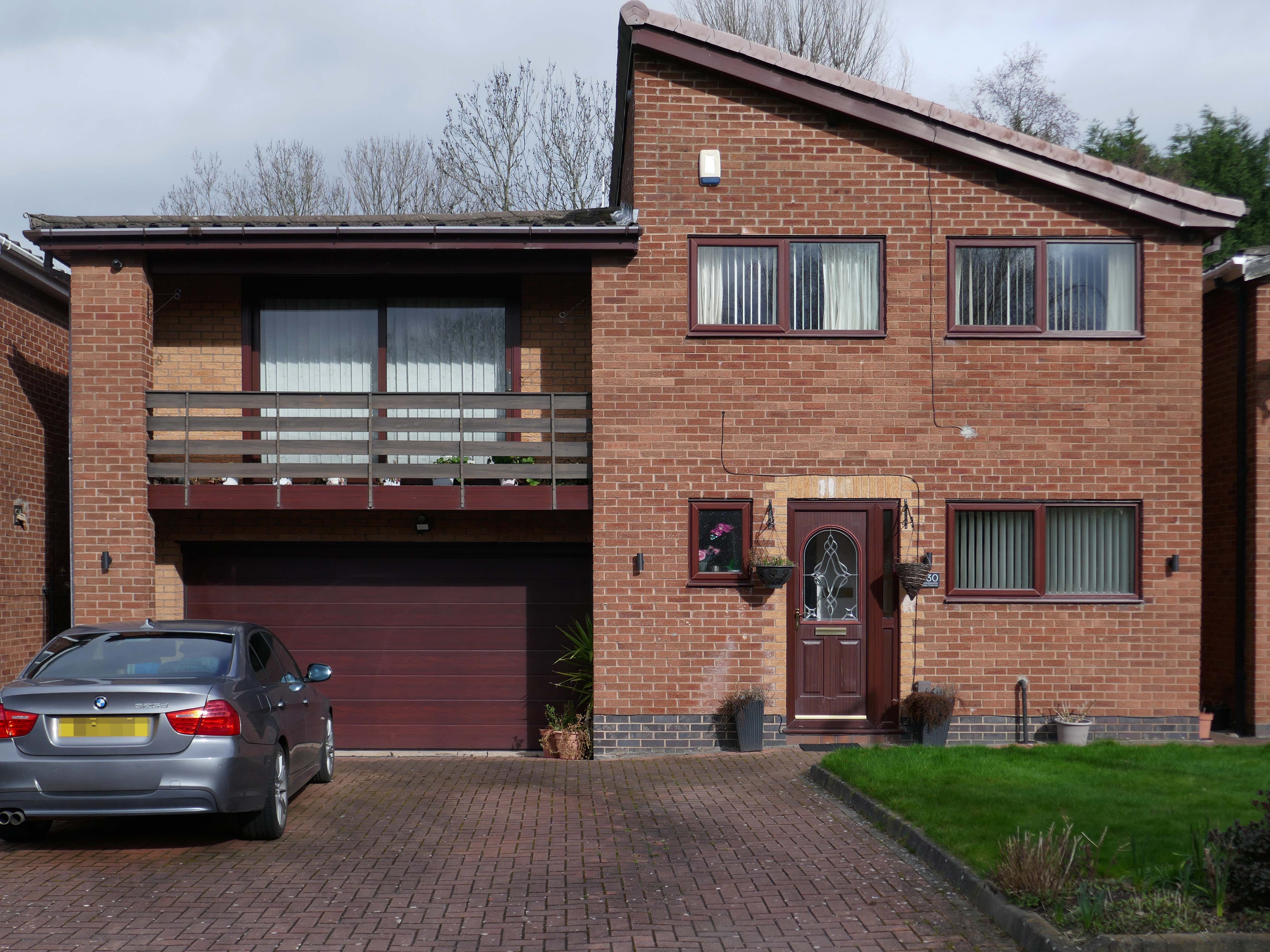
For my part I cannot help bur recall the TV show Green Acres whenever I pass by Green Pastures.
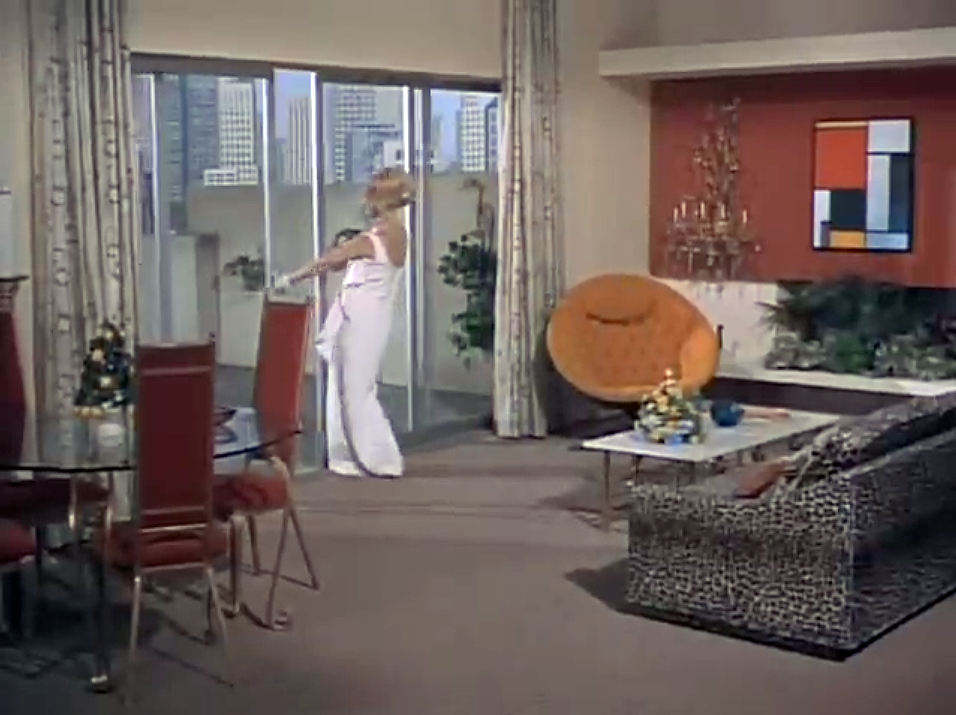
Eva Gabor preferring the glamour of Manhattan.
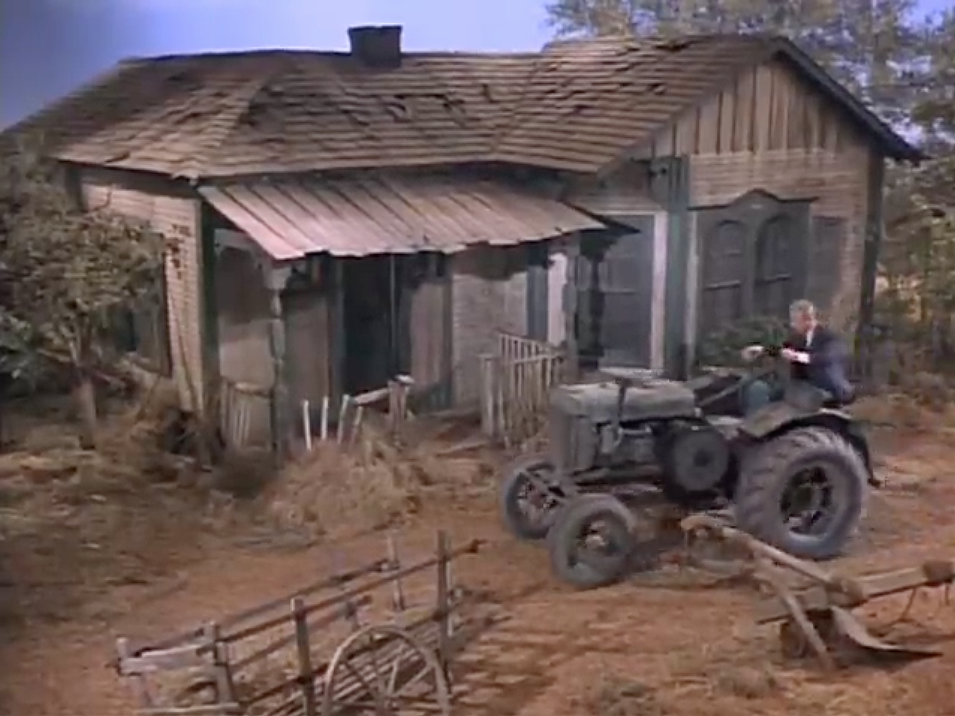
To the rural life.
Culturally and stylistically, Green Pastures sits somewhere betwixt and between.
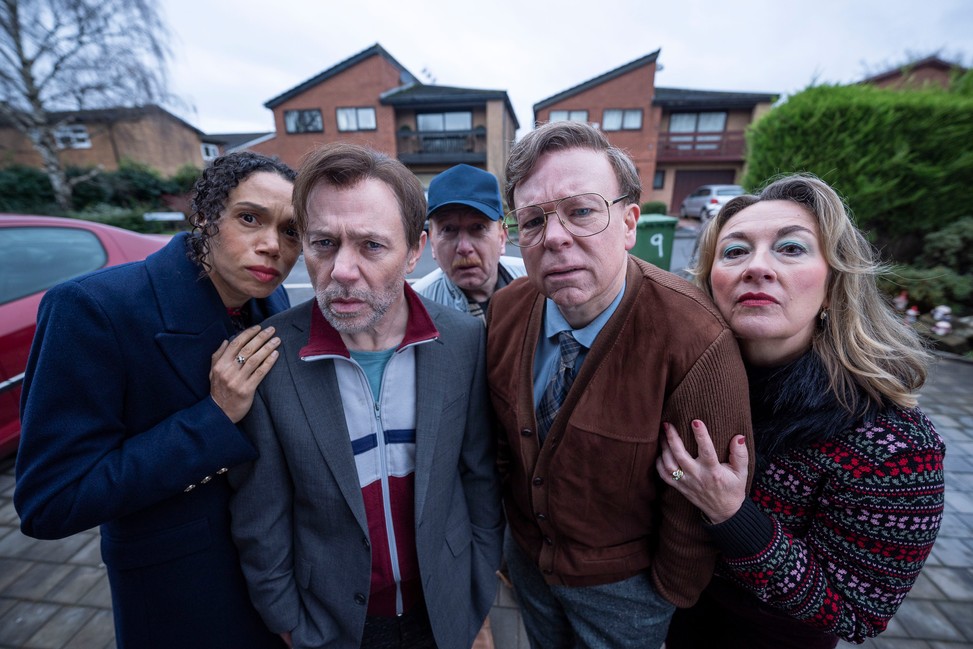
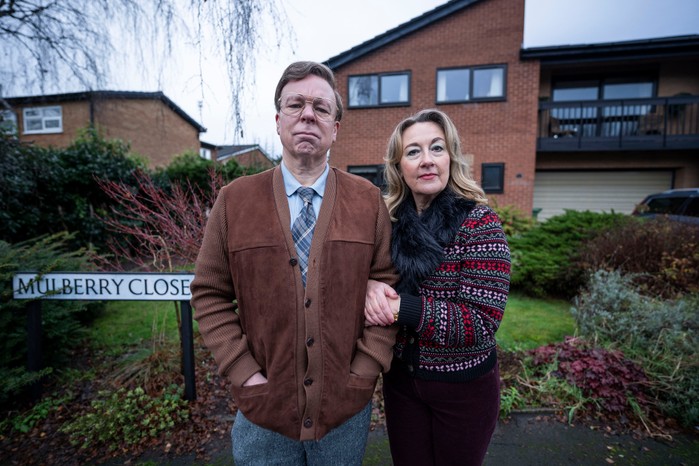
In reality the fictional life of Green Pastures became Mulberry Close, in the hit TV show Inside No. Nine
Vinette Robinson, Reece Shearsmith, Adrian Scarborough, Steve Pemberton and Dorothy Atkinson.
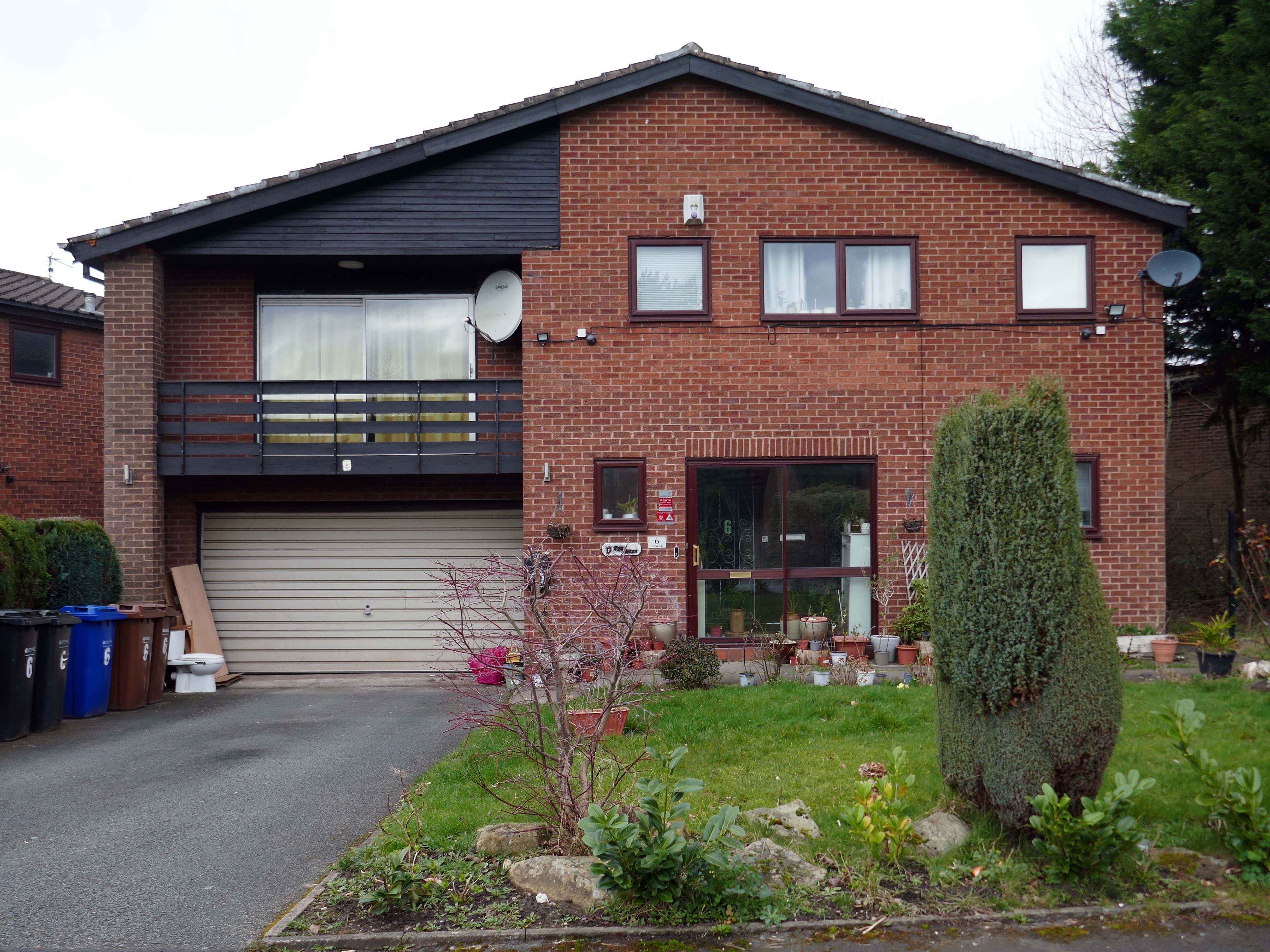
So much for the scriptwriters wild imaginings, what does the road look like?
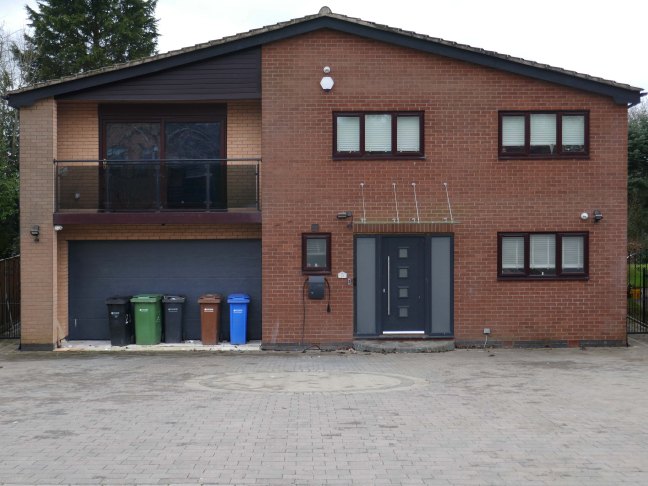
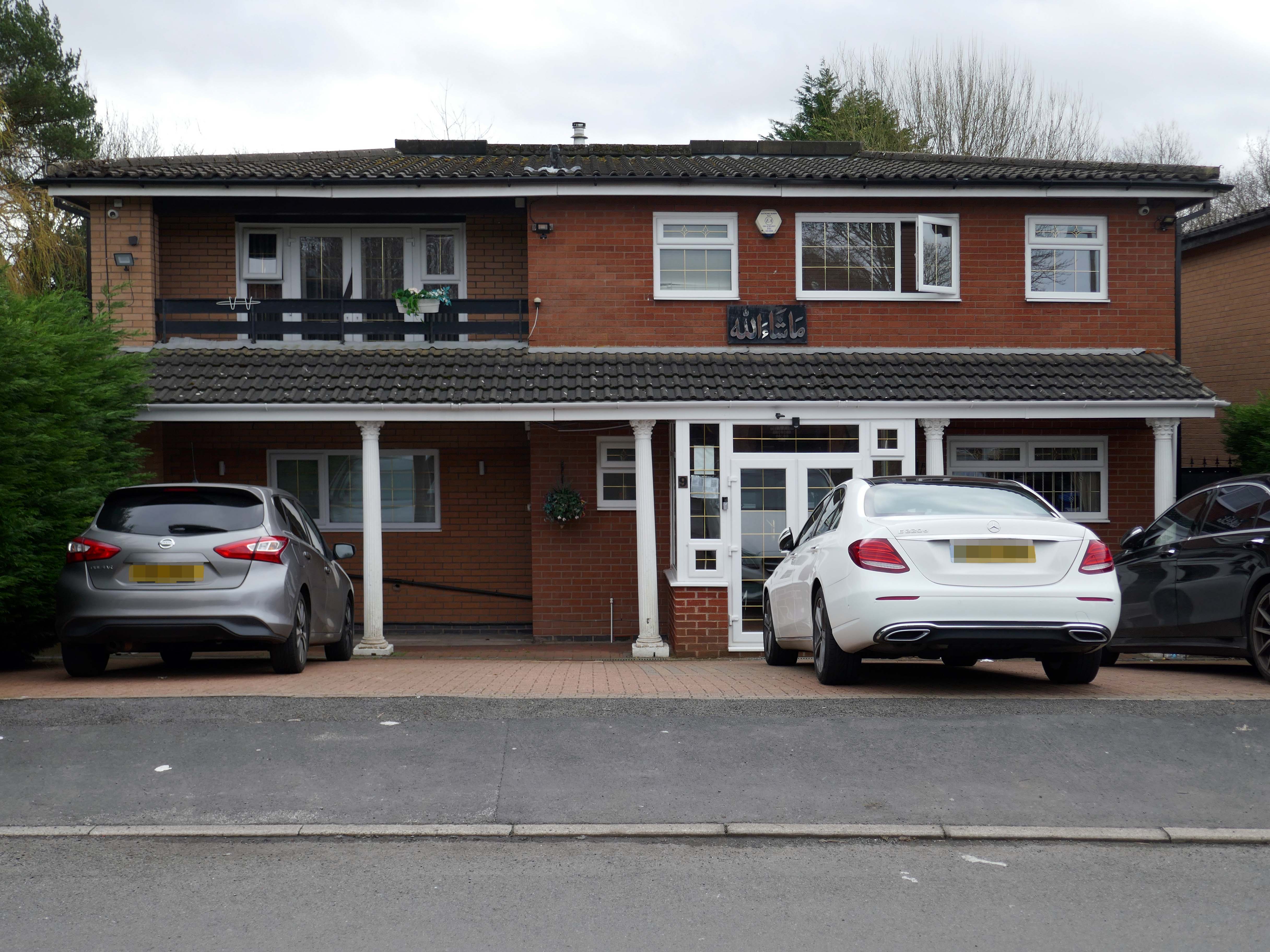
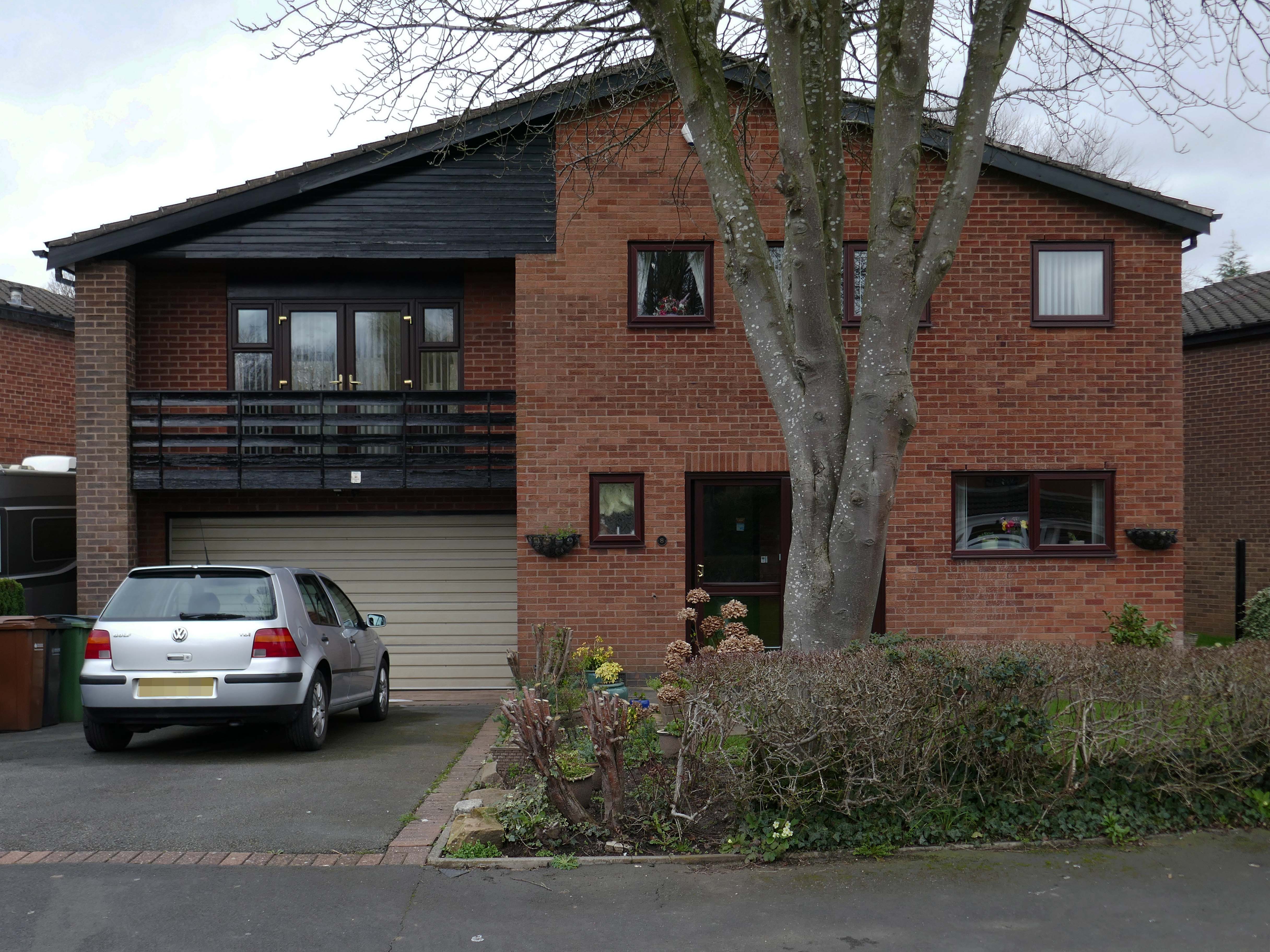
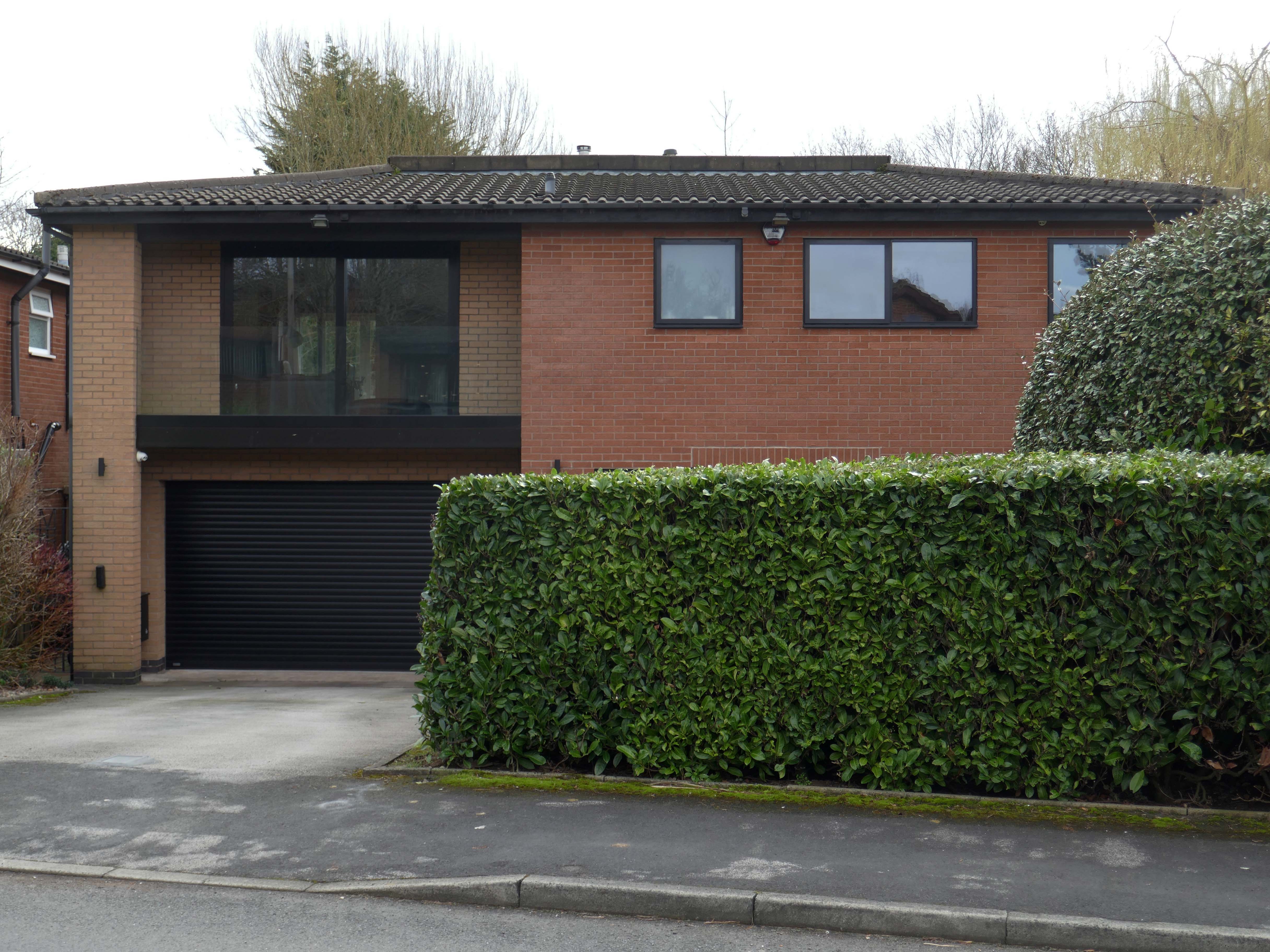
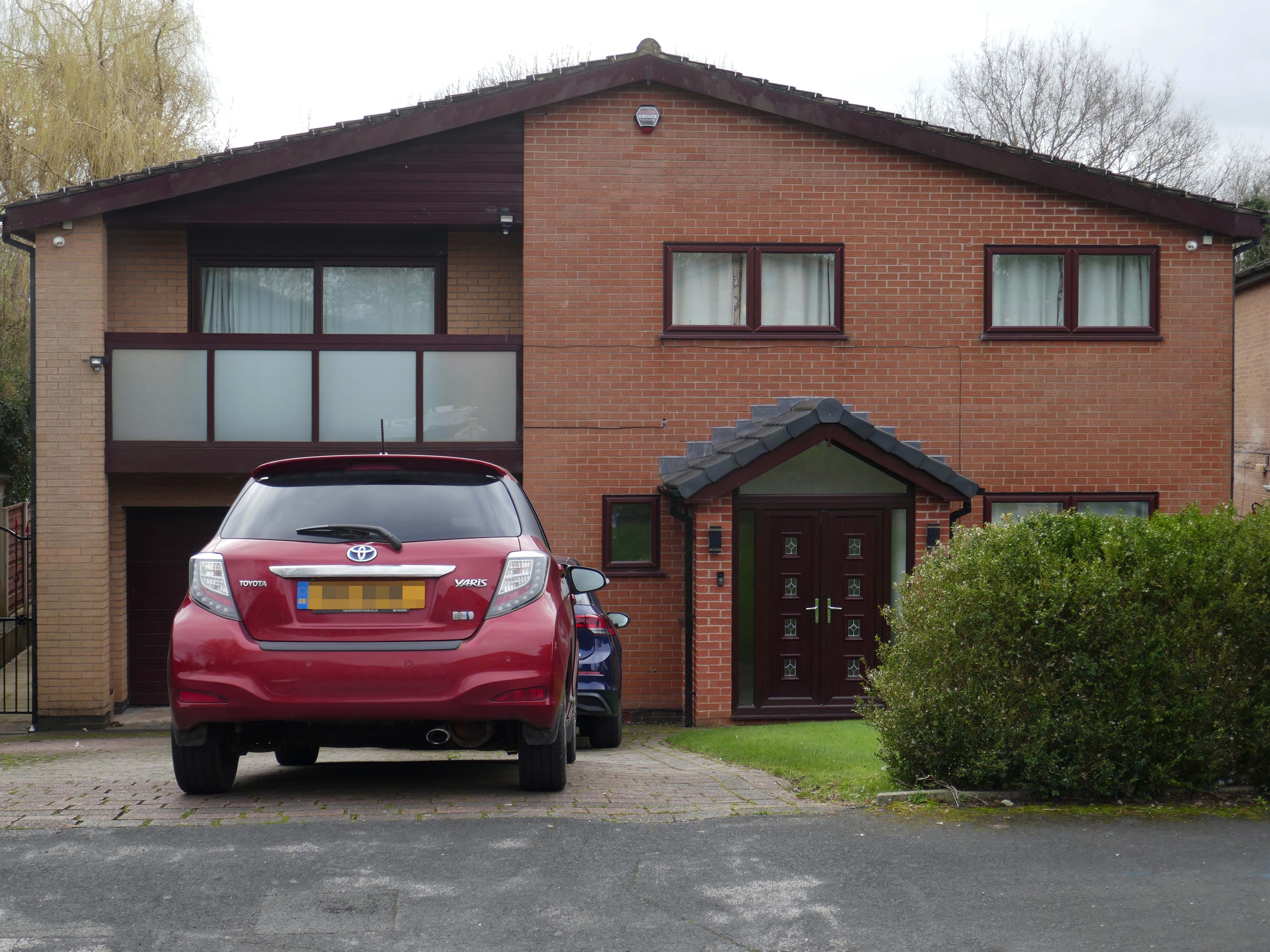
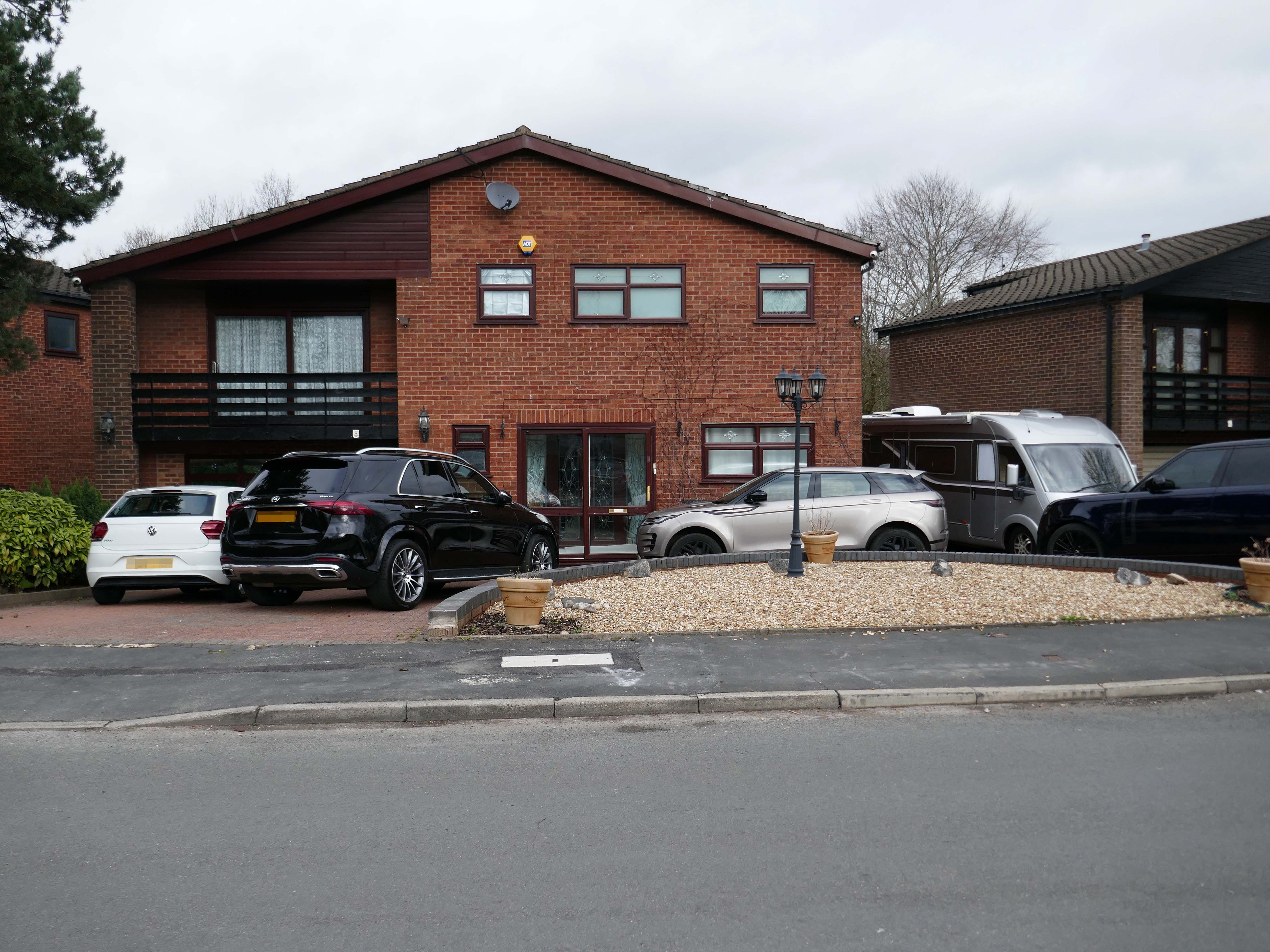
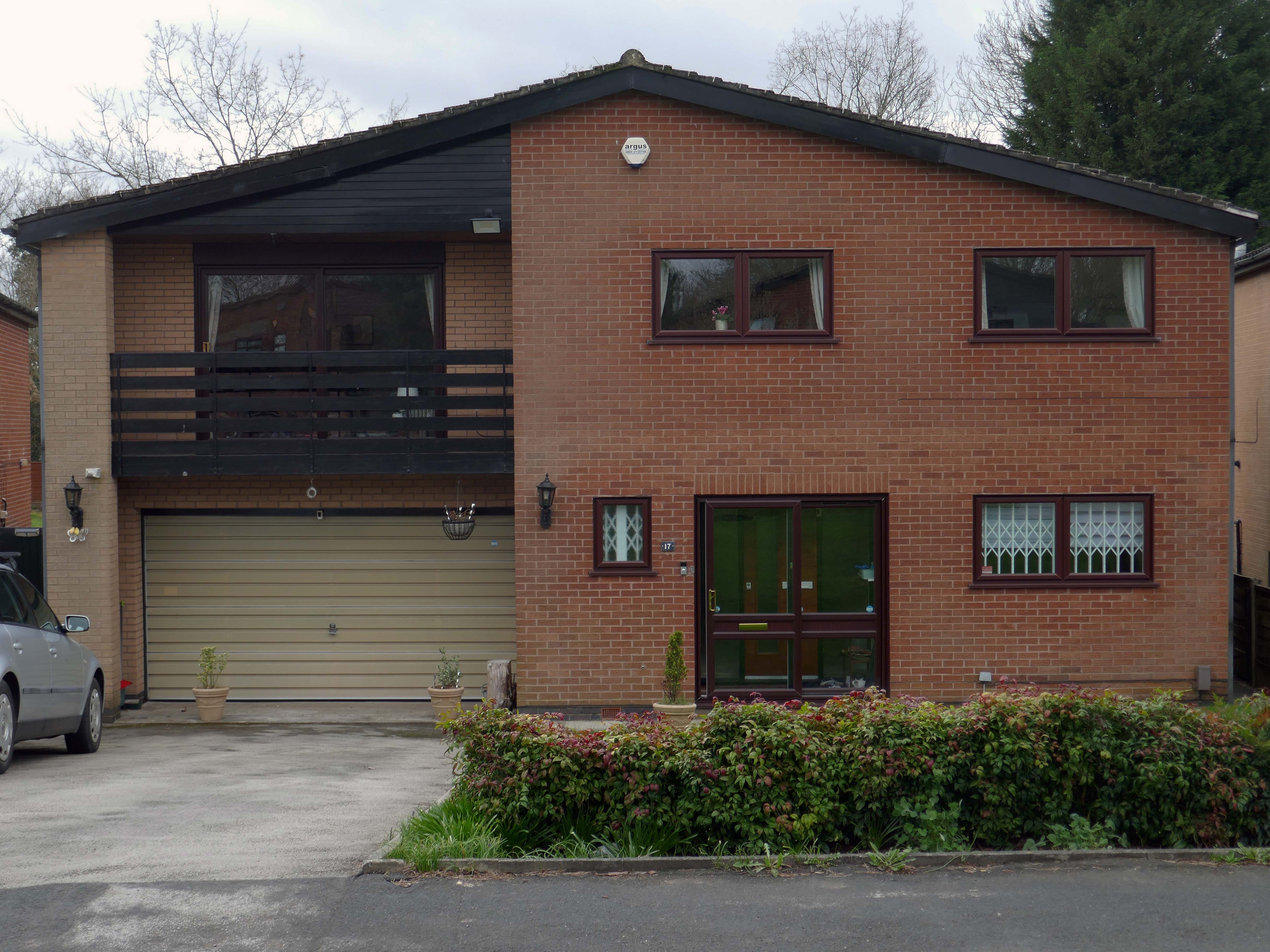
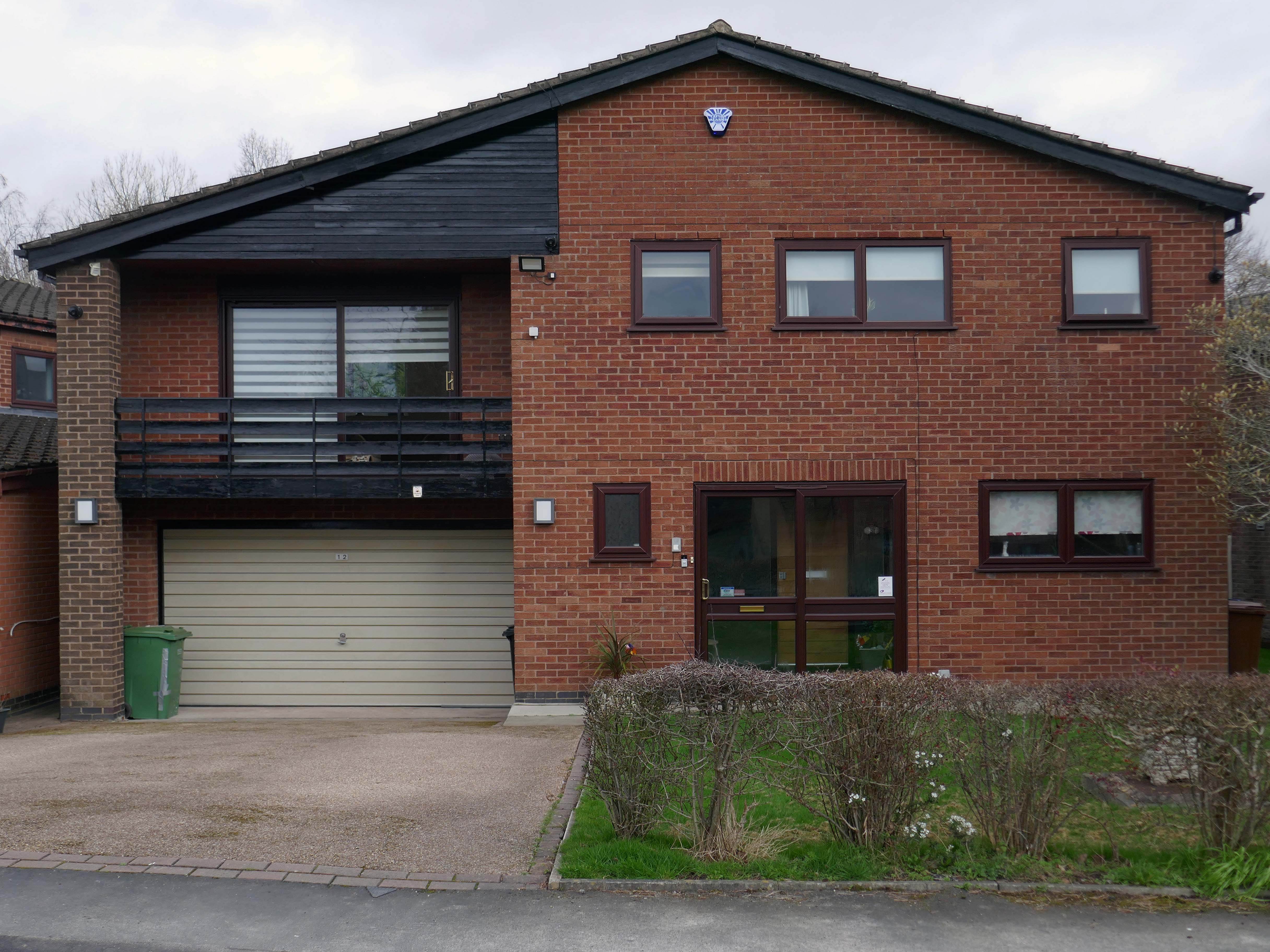
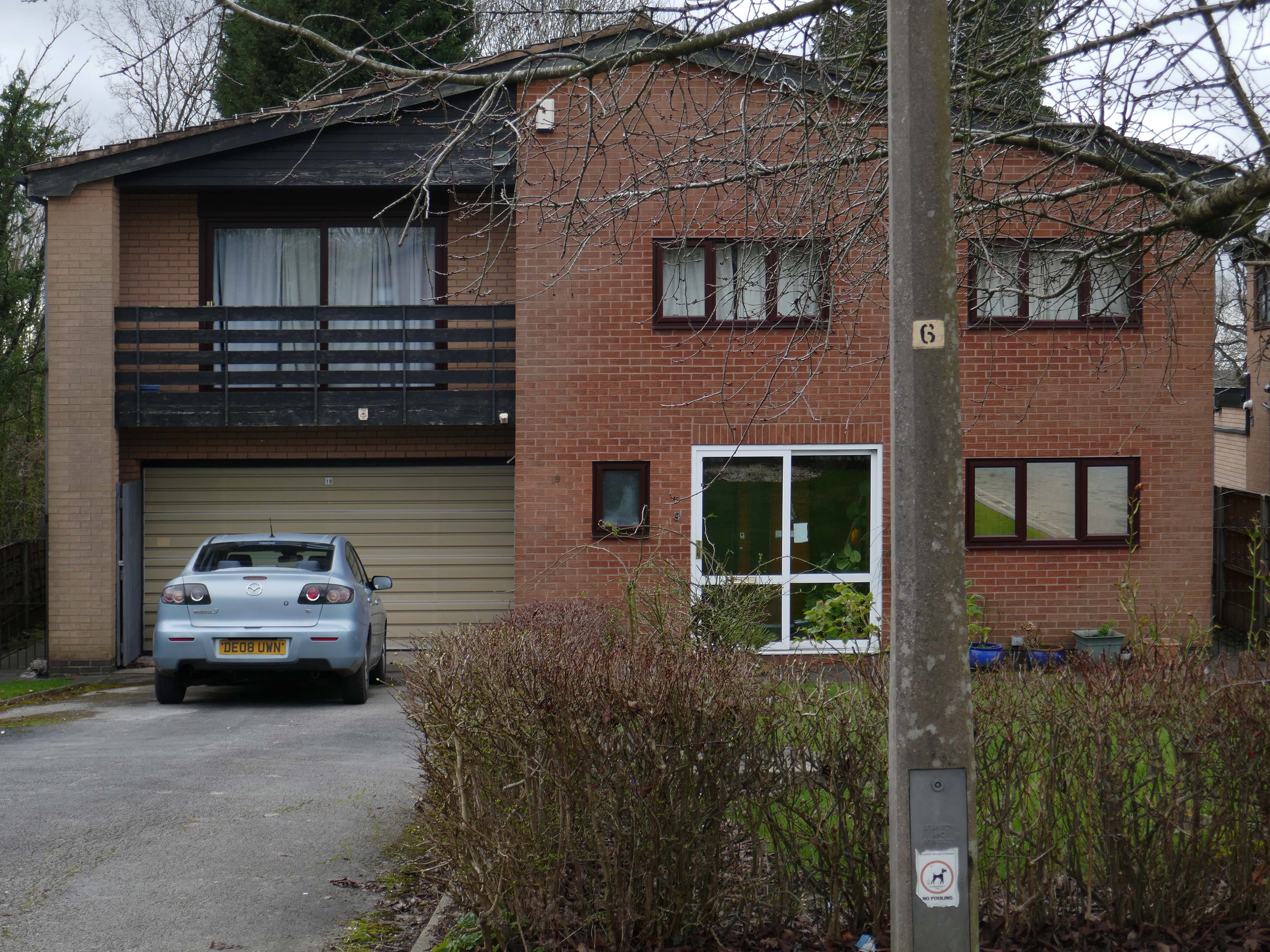
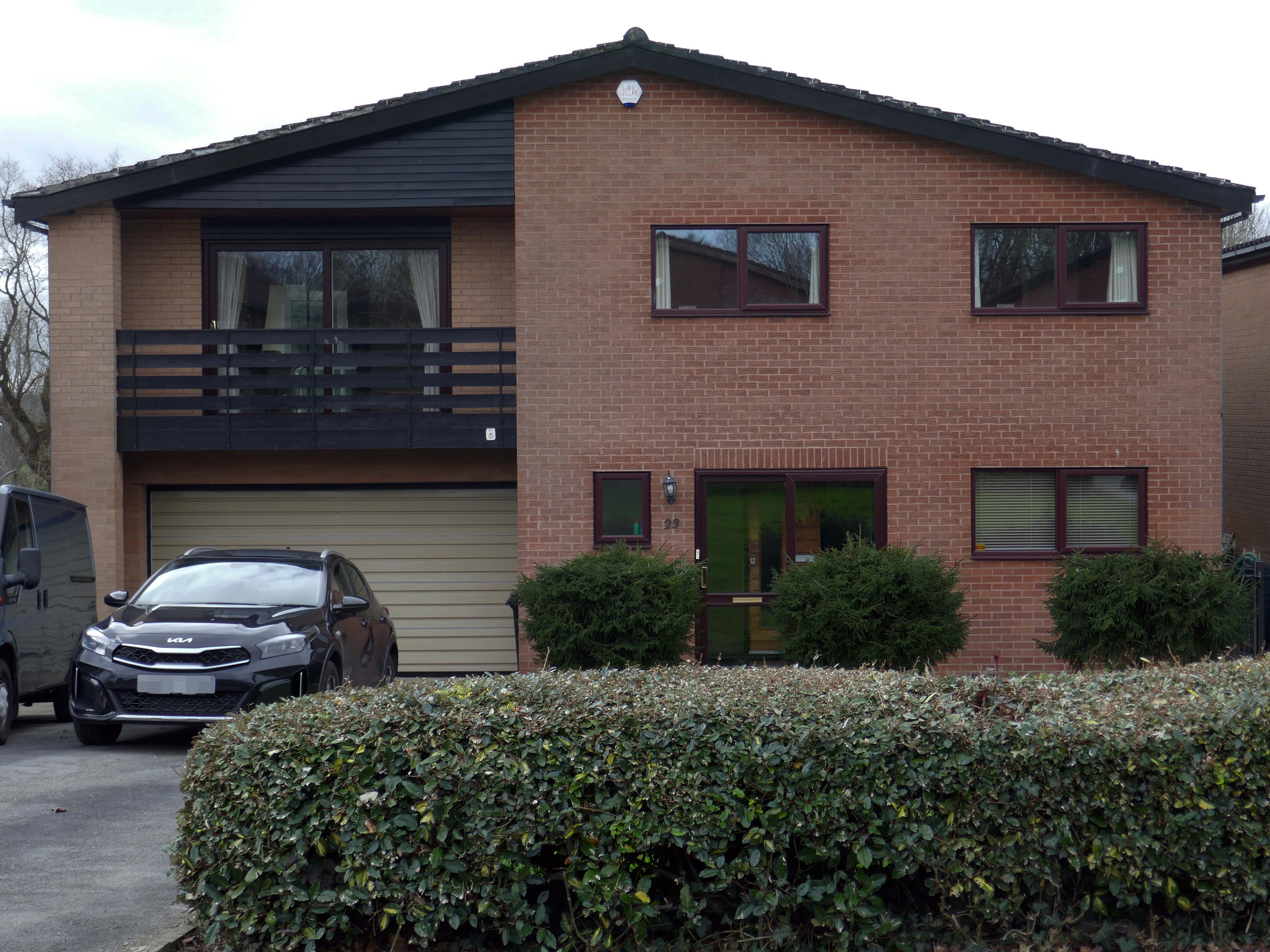
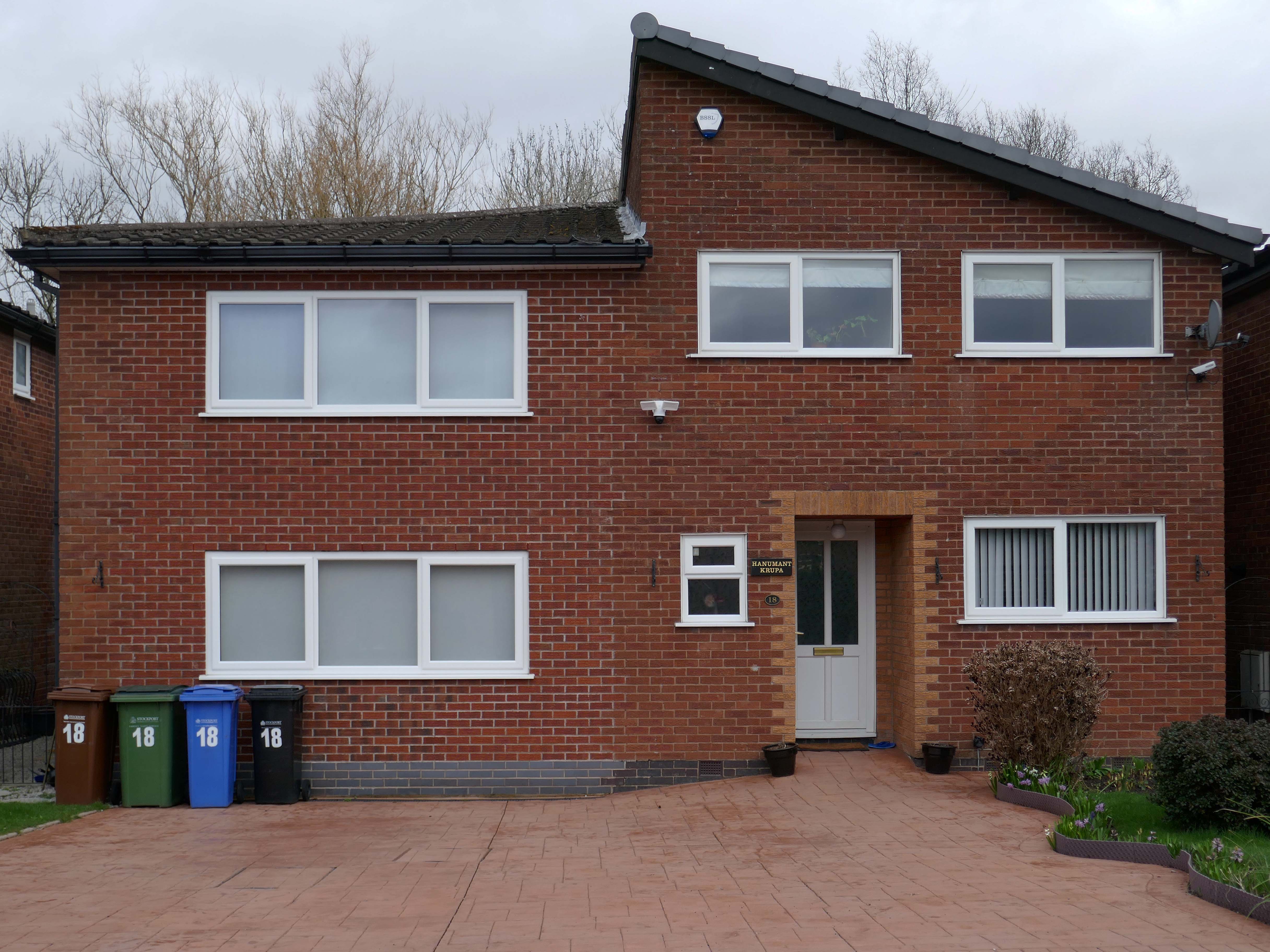
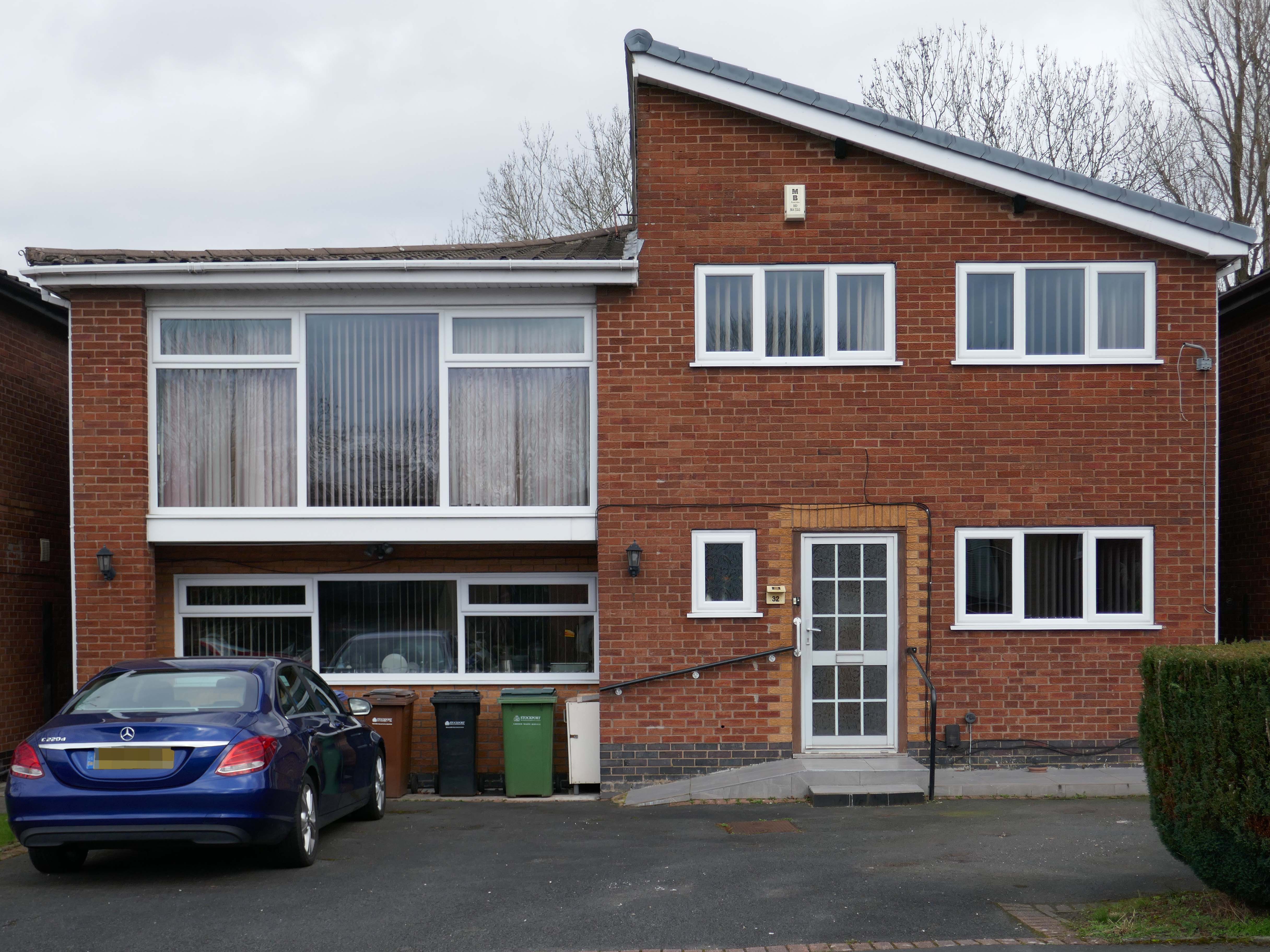
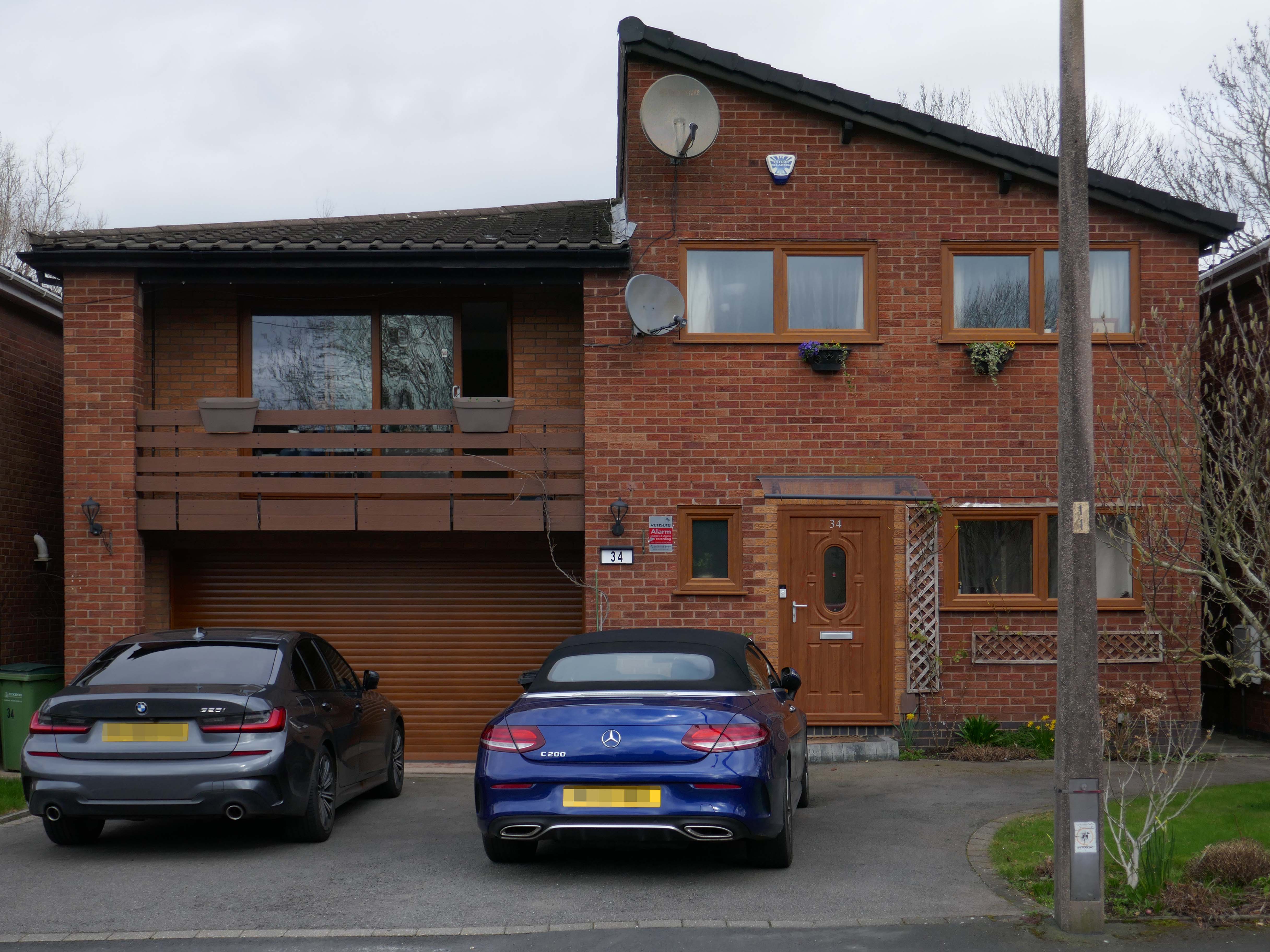
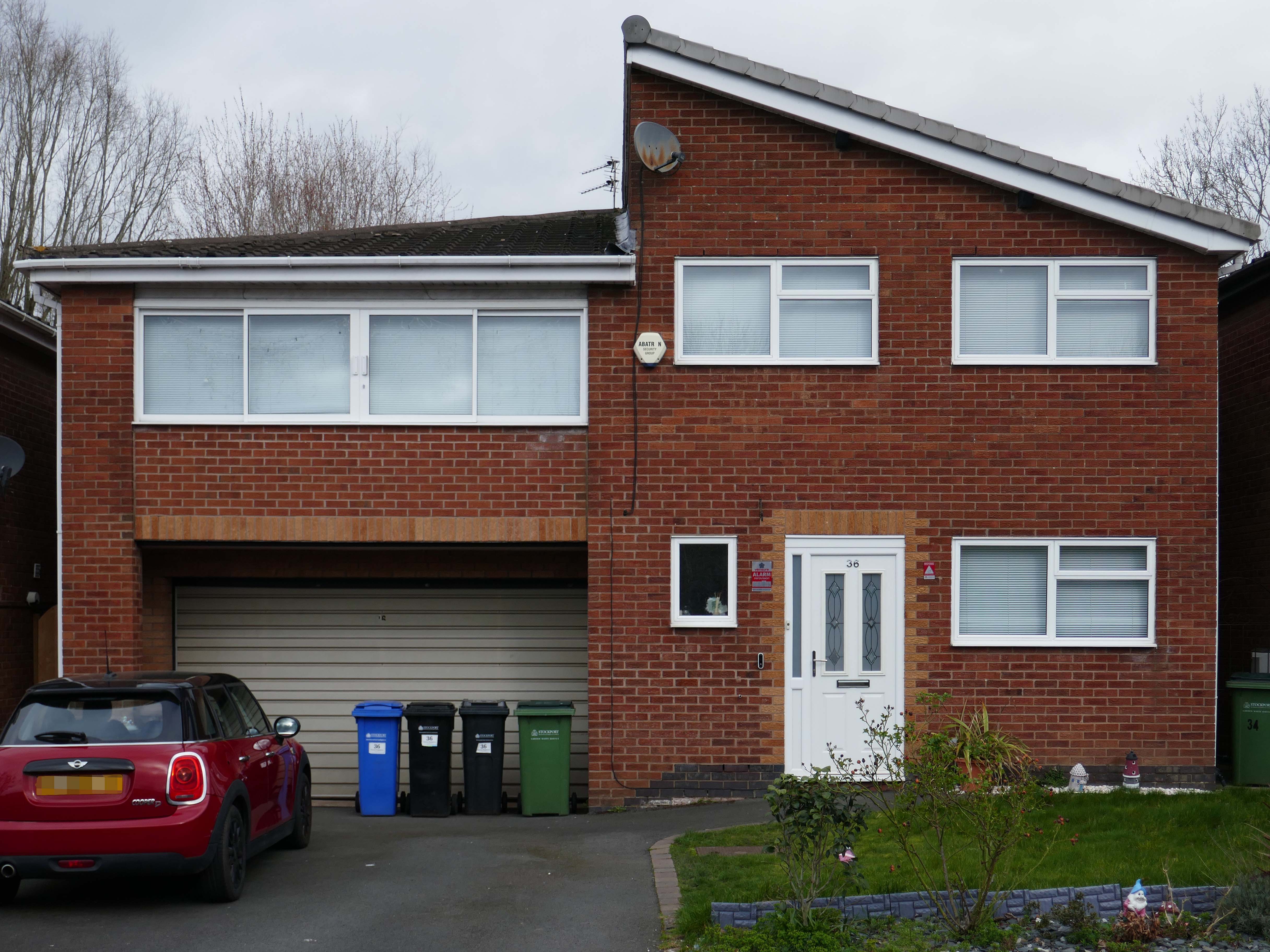
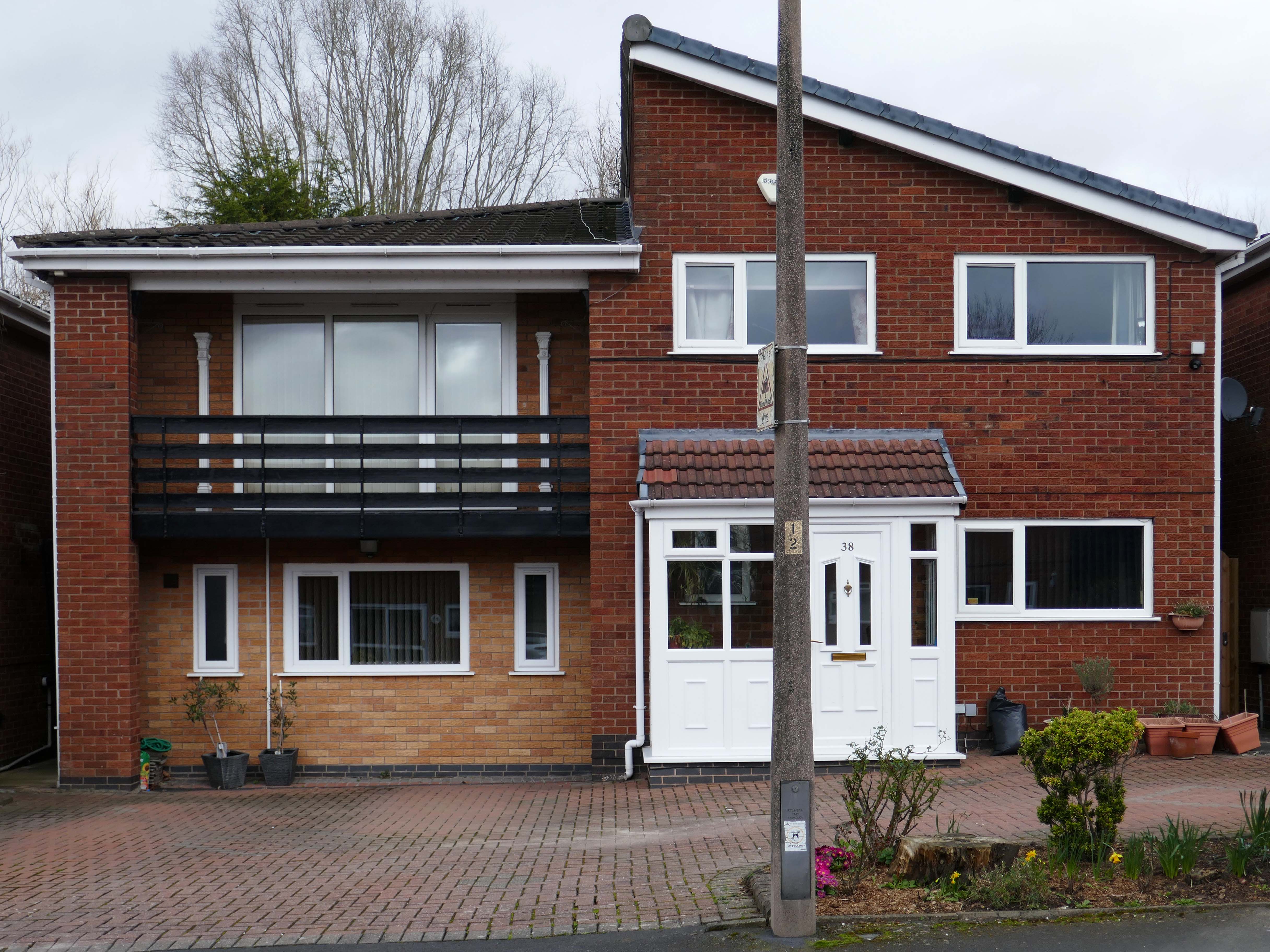
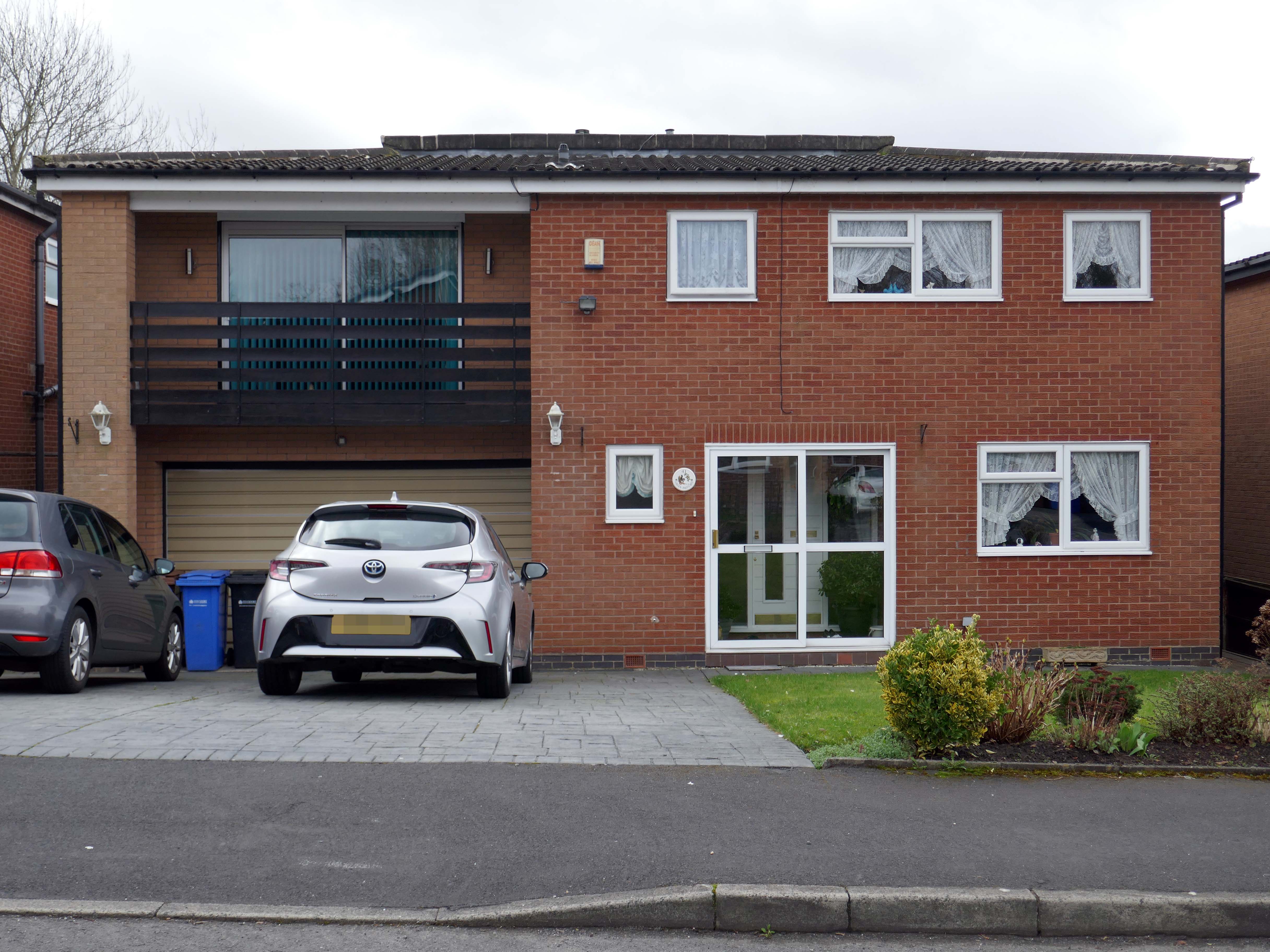
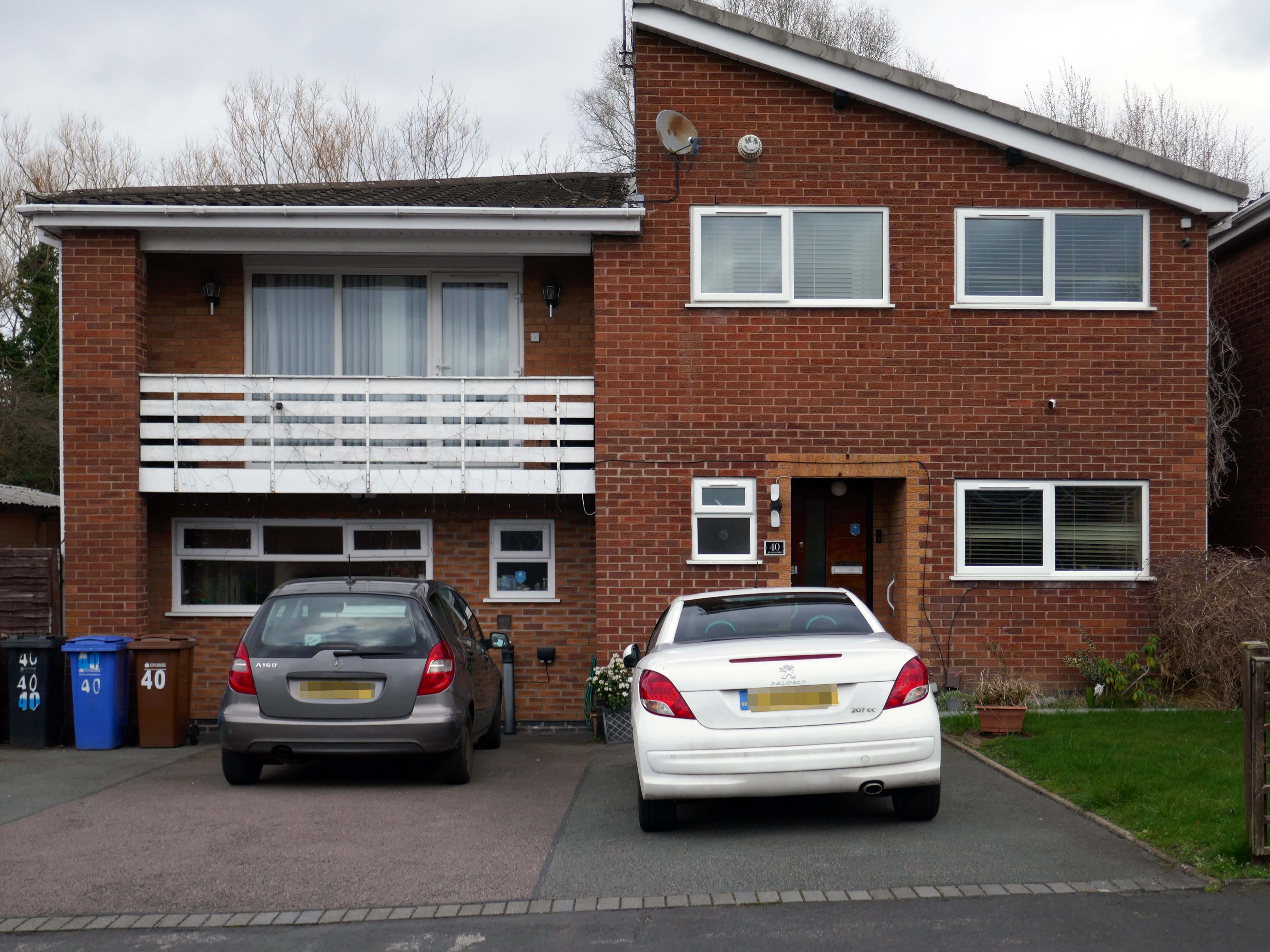
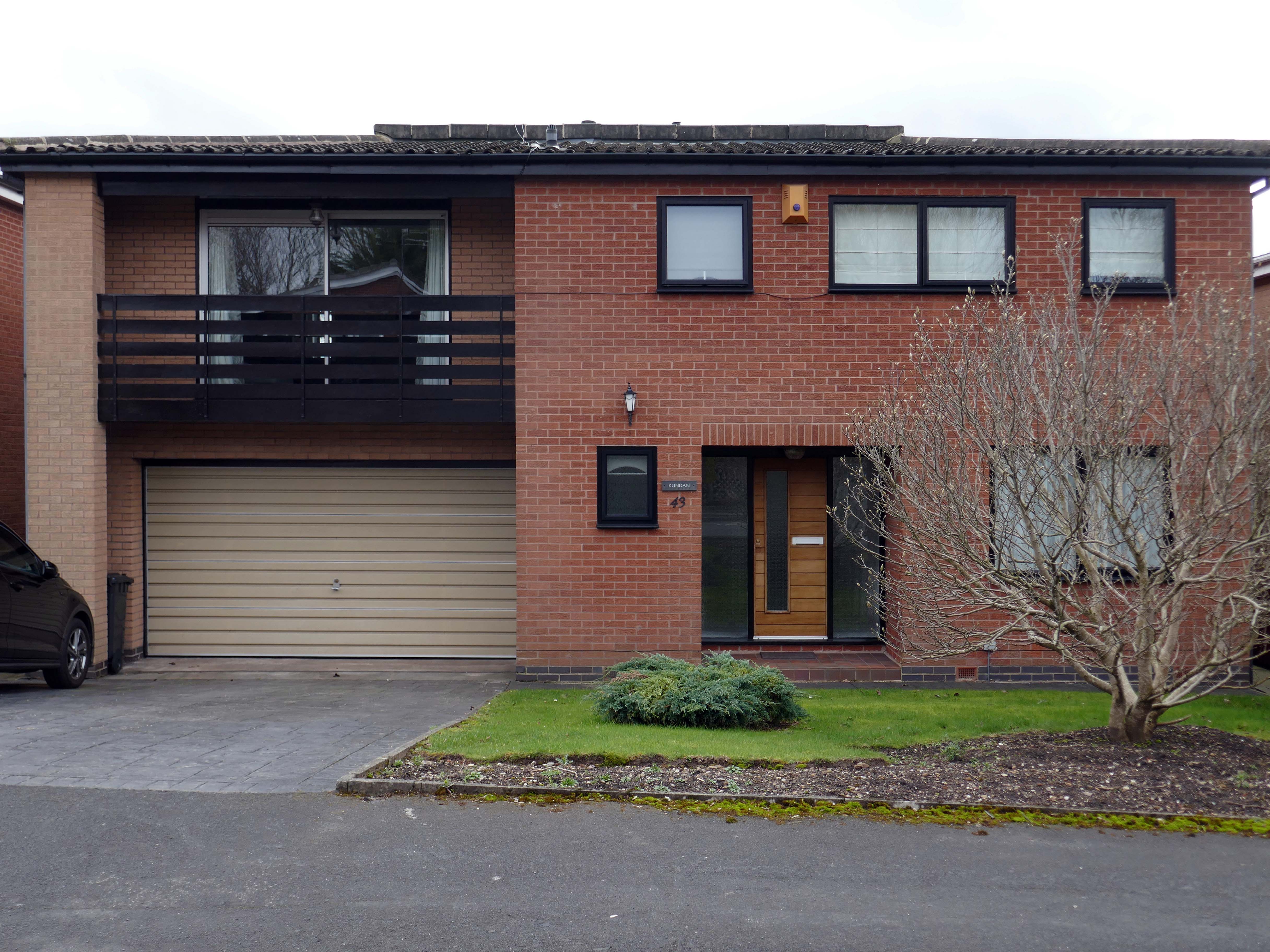
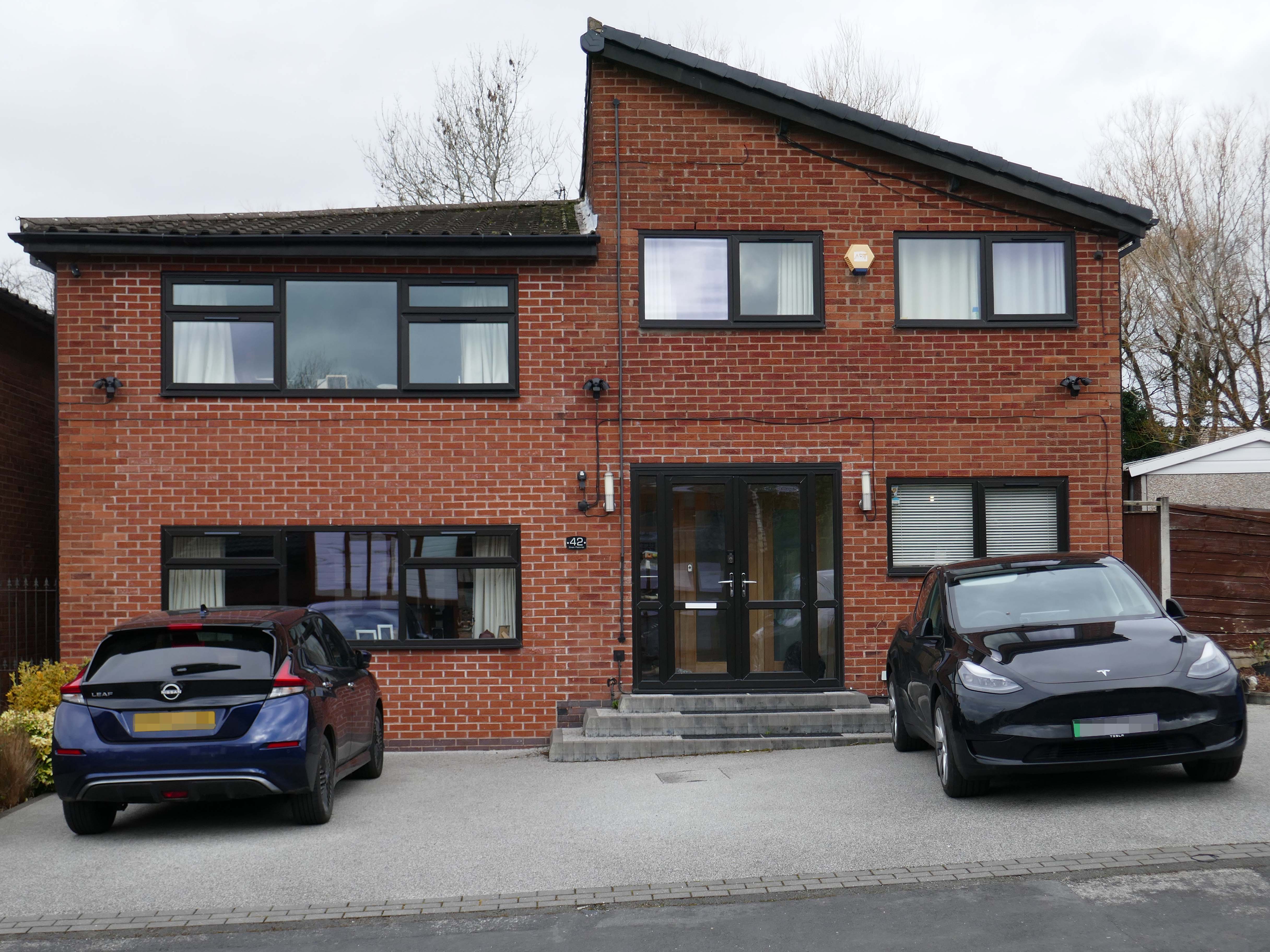
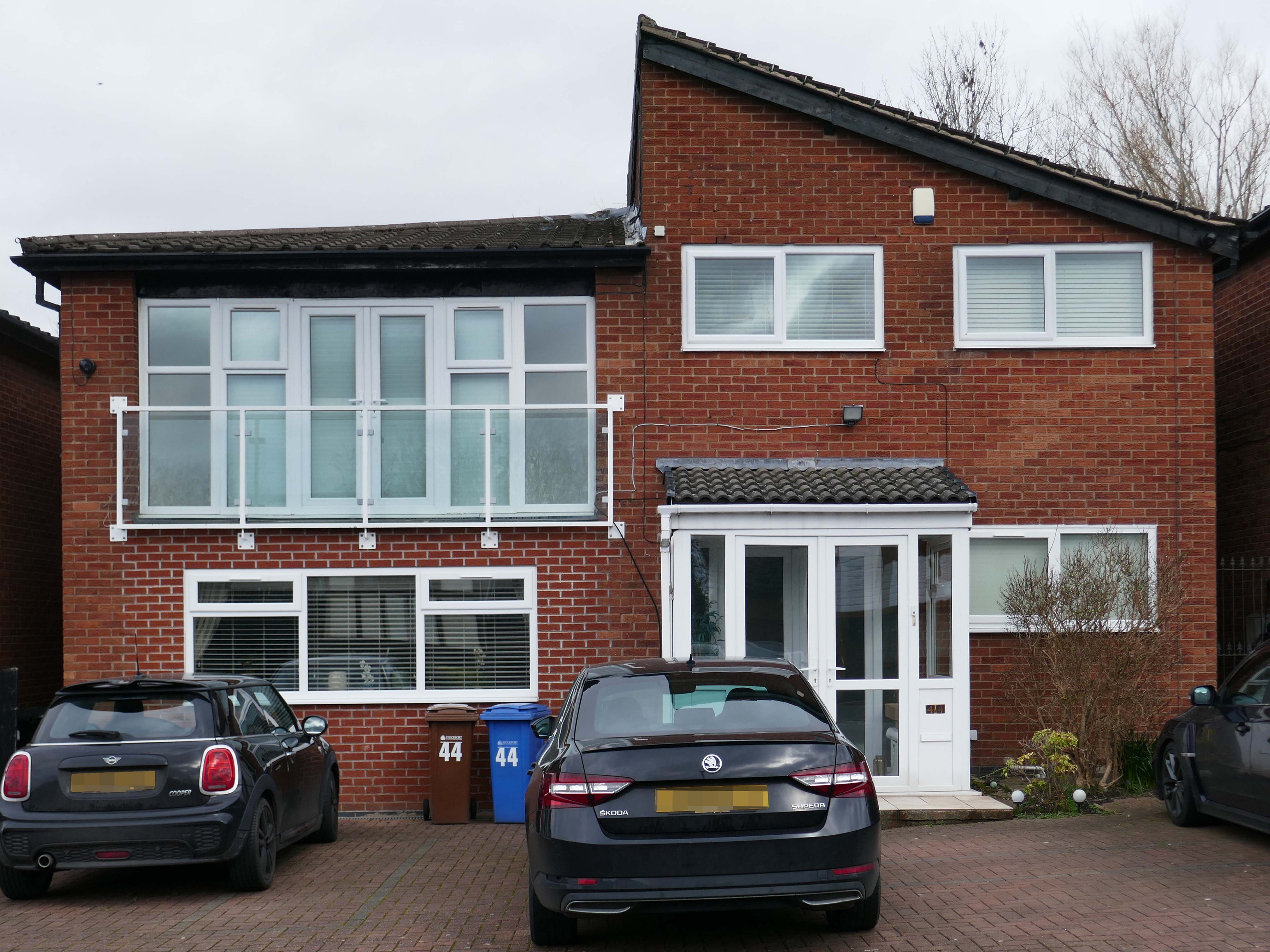
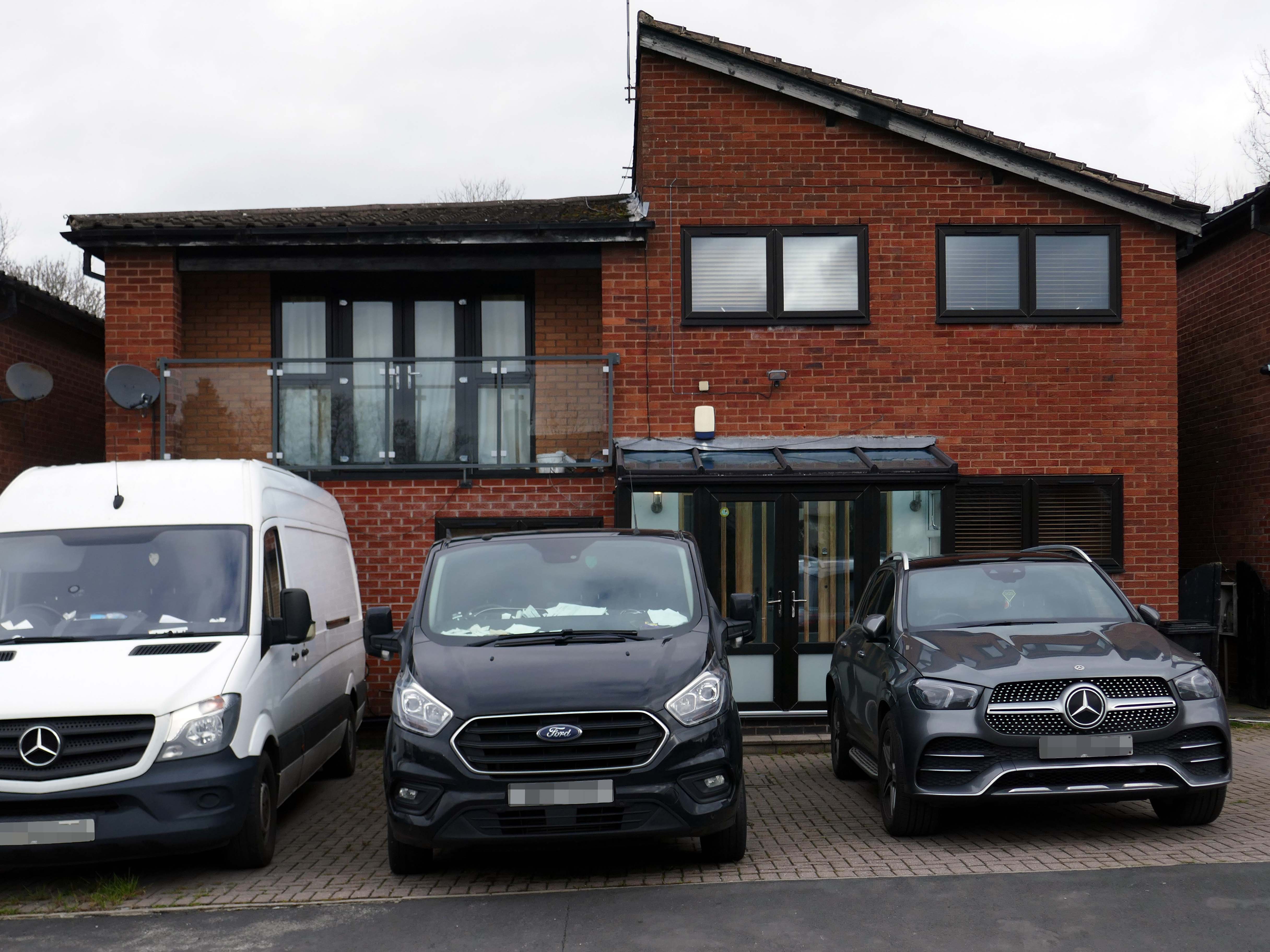
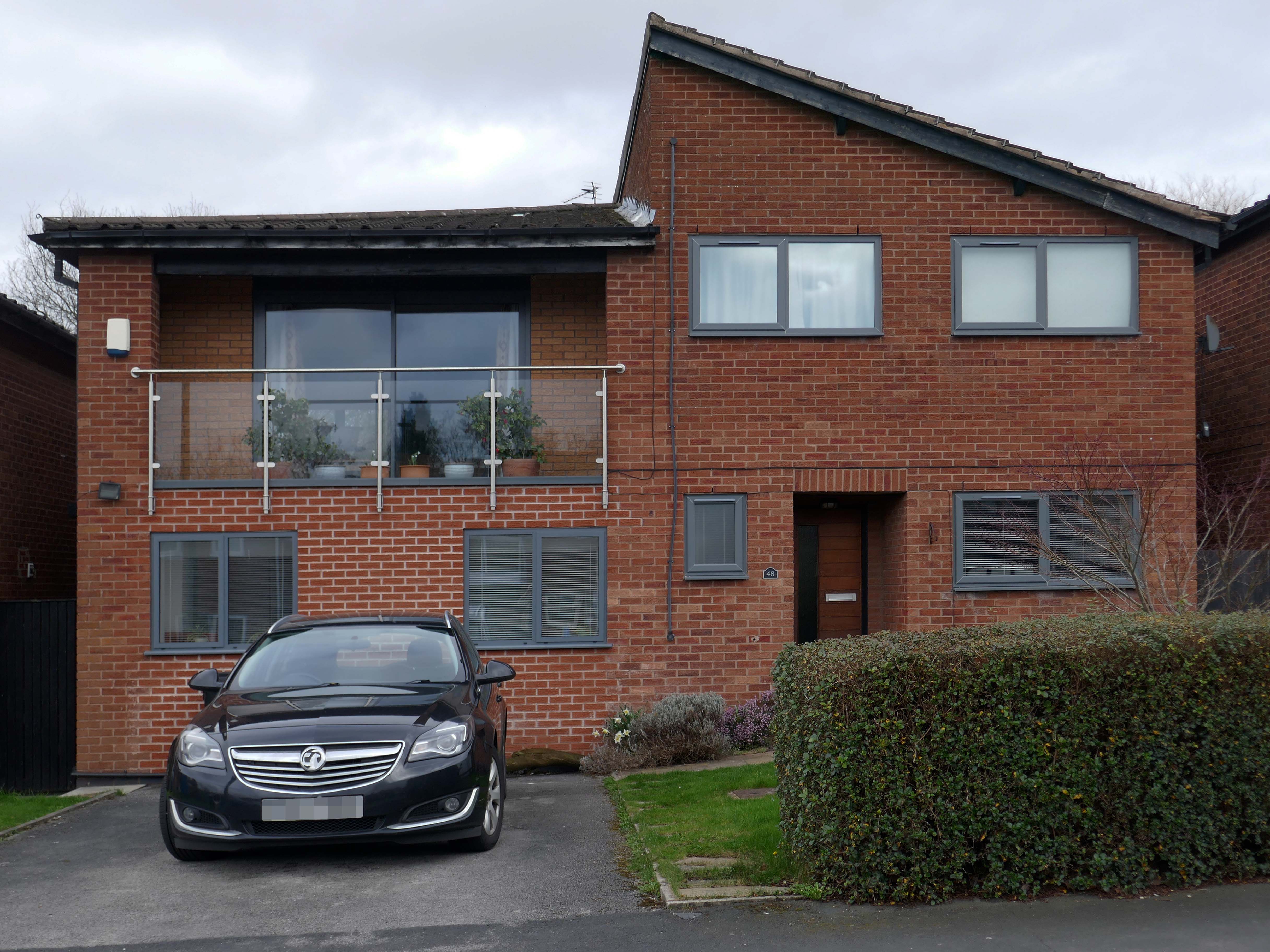
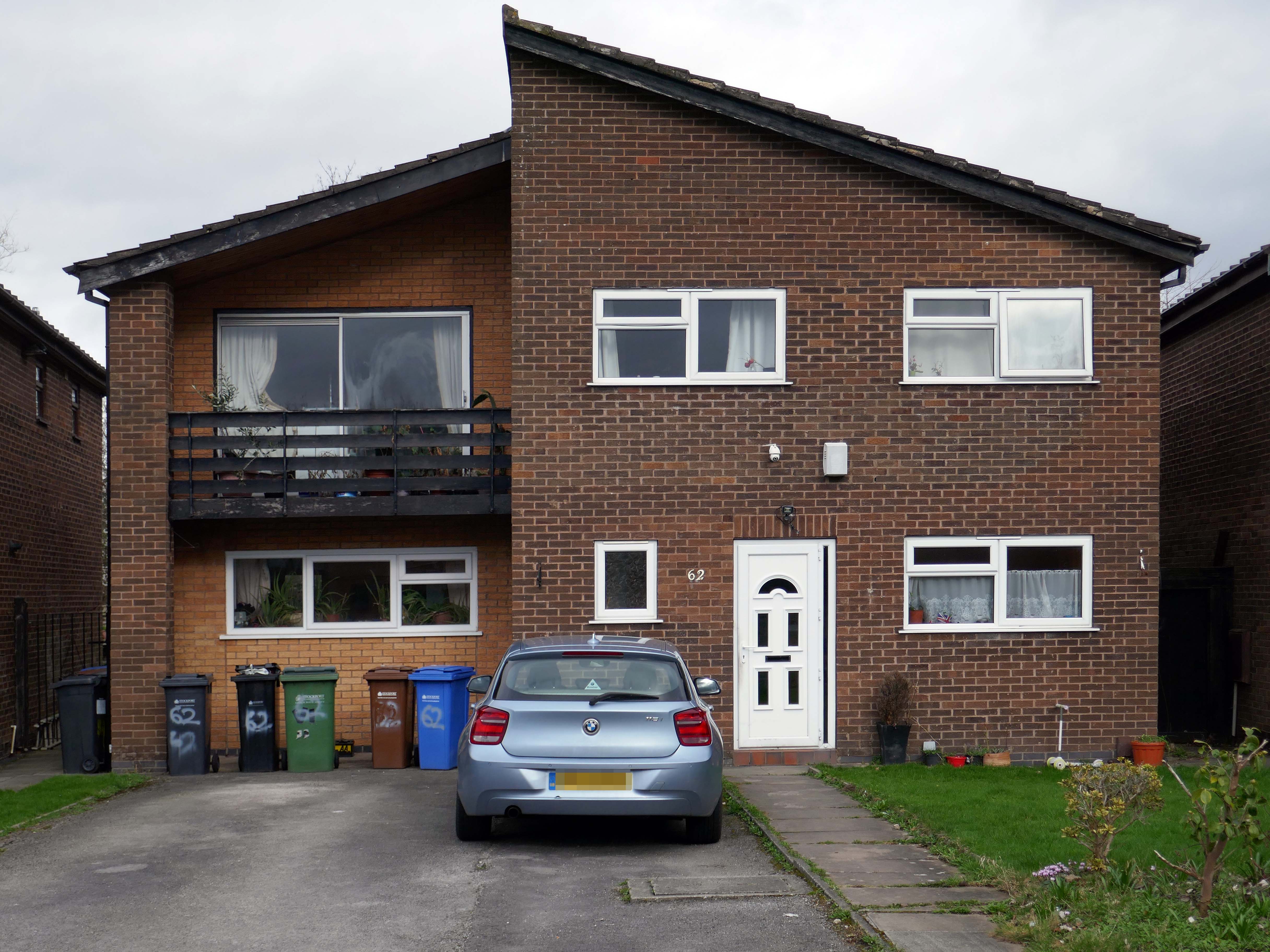
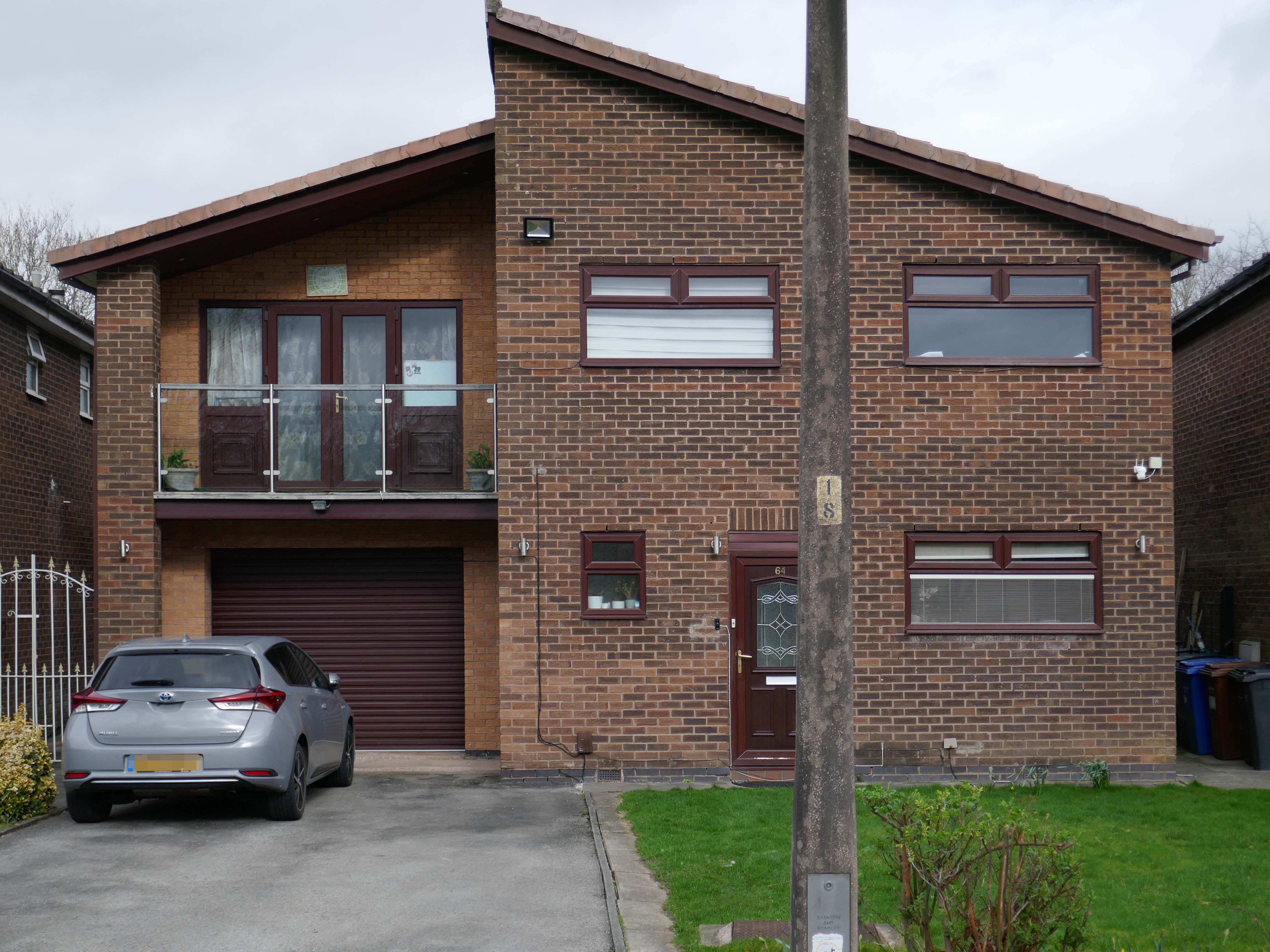
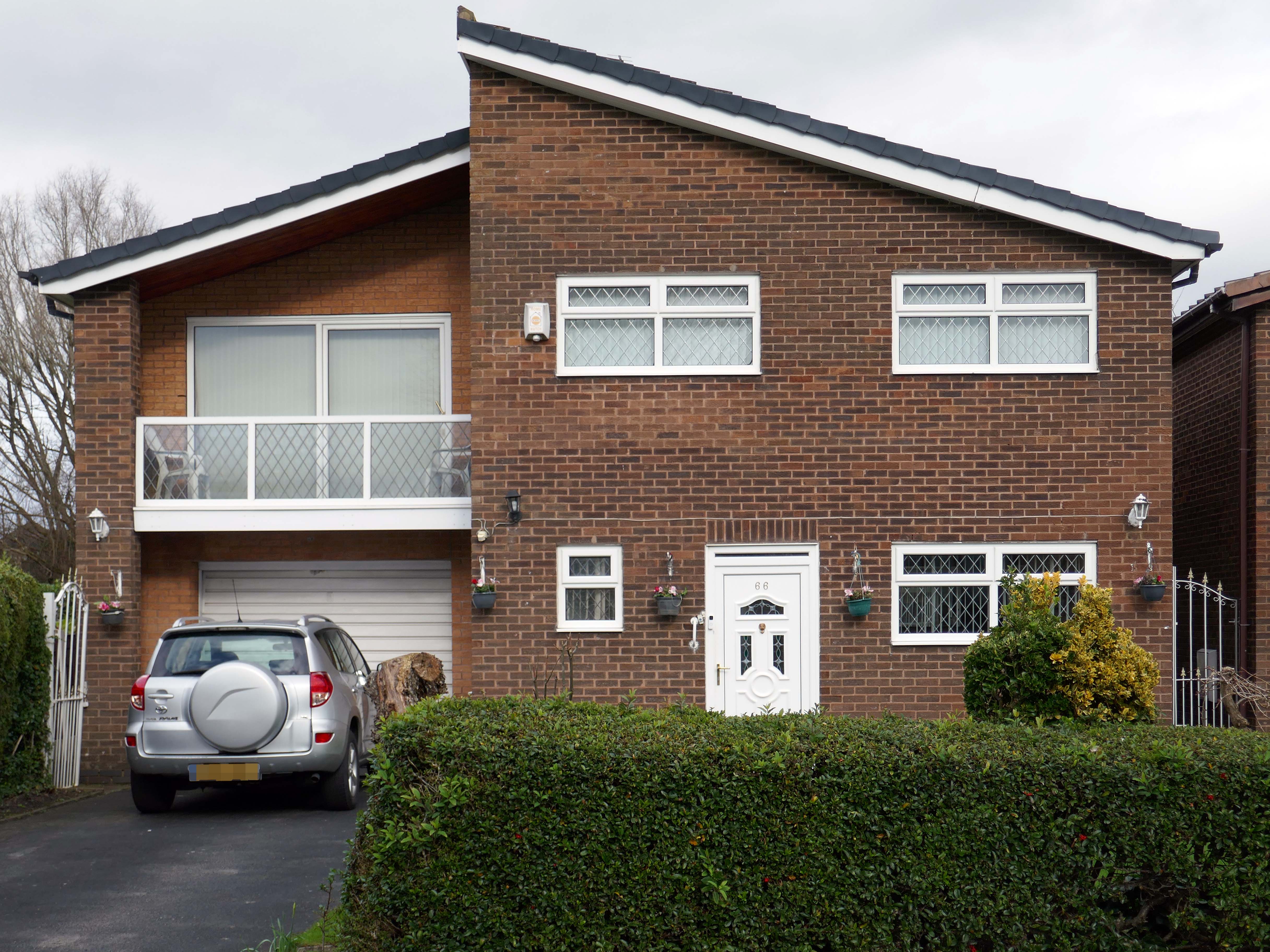
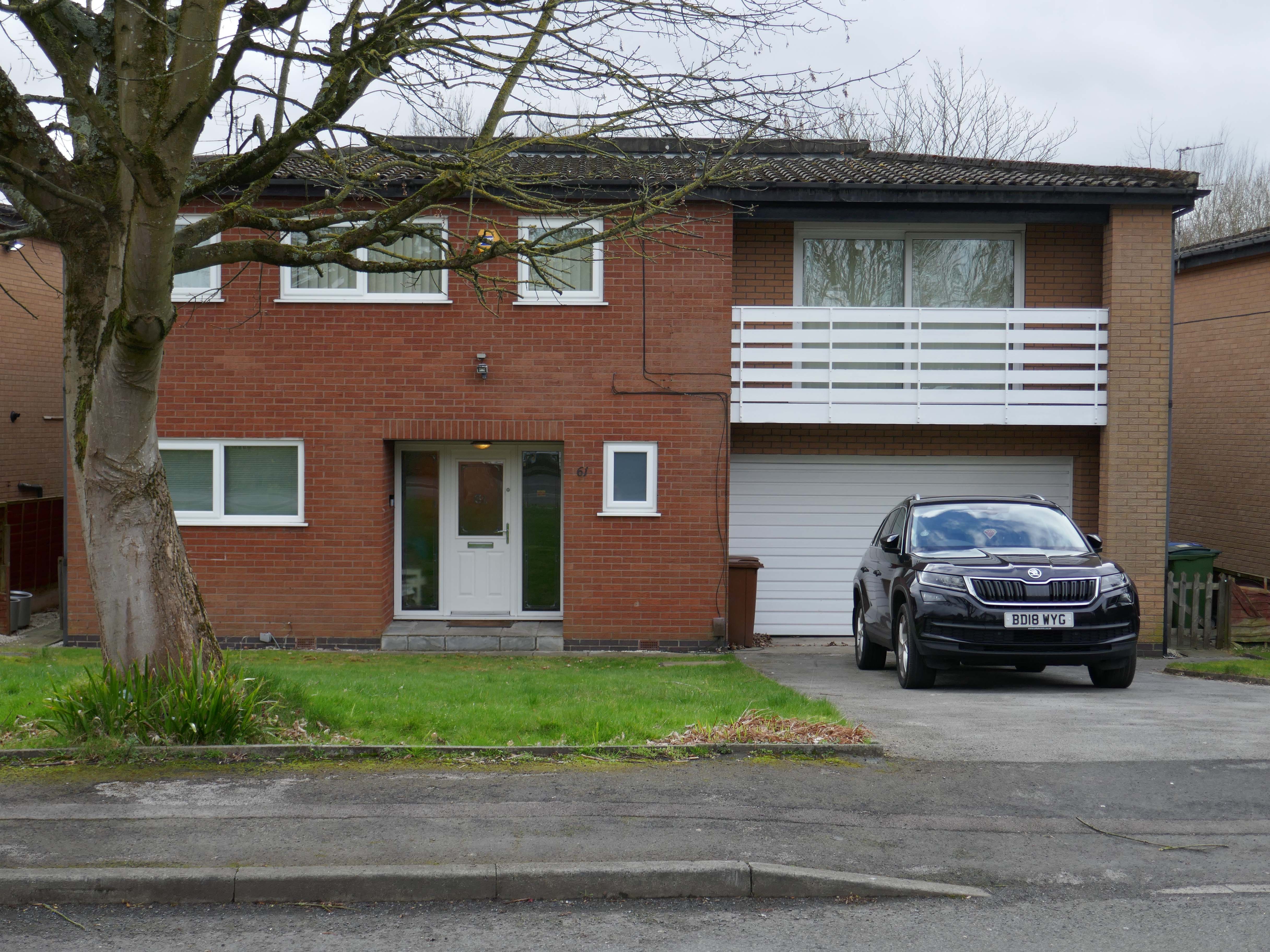
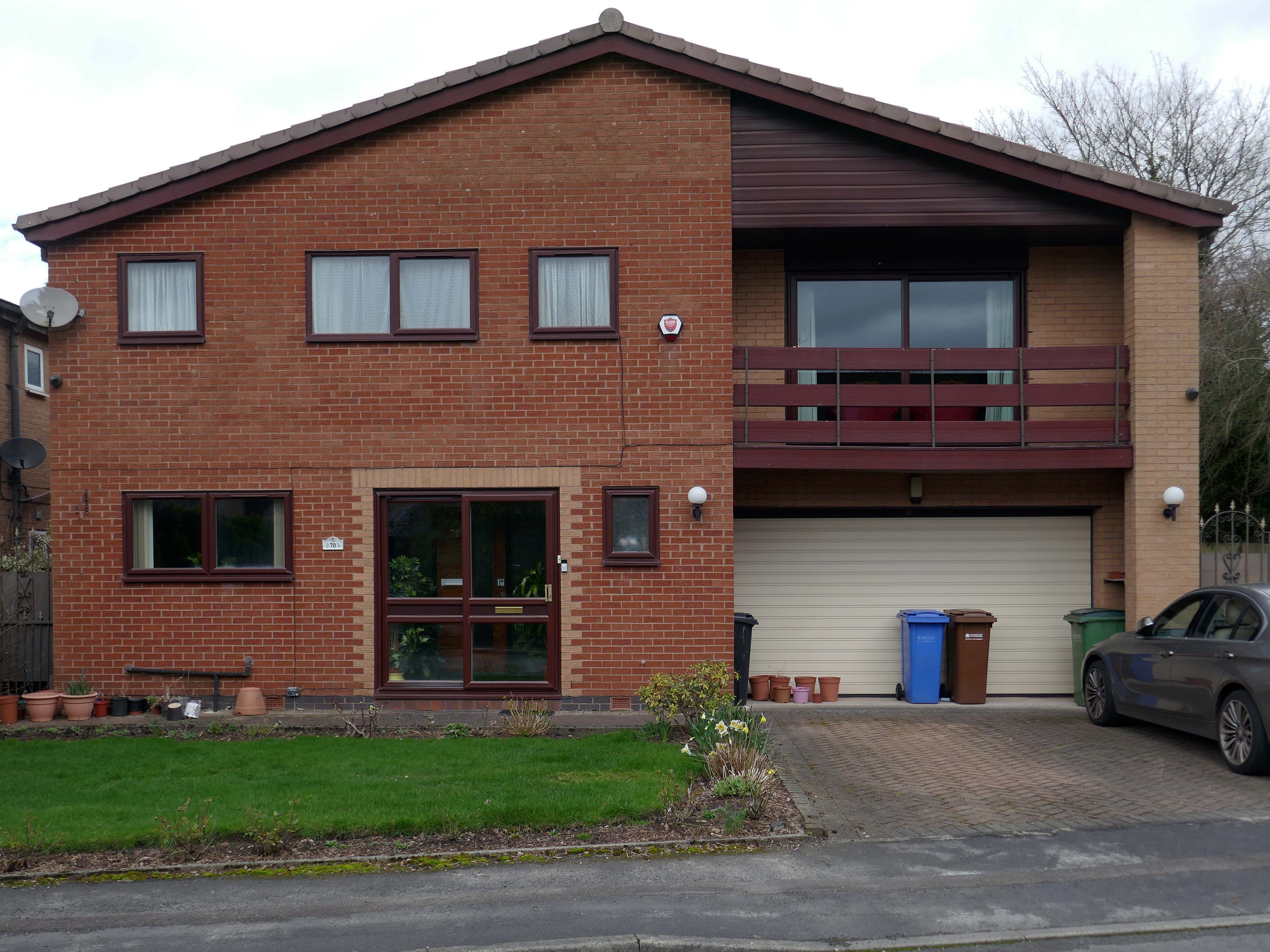
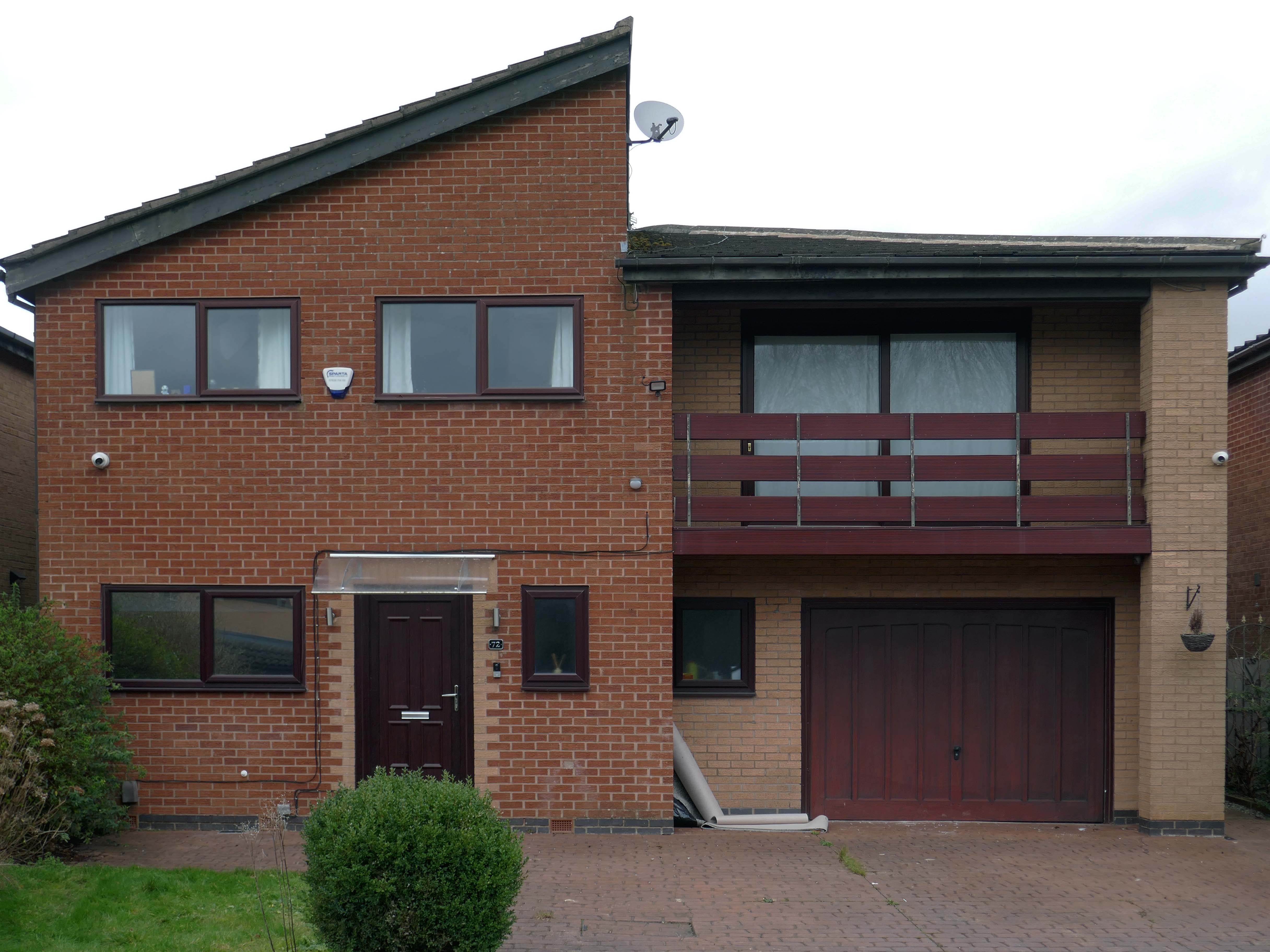
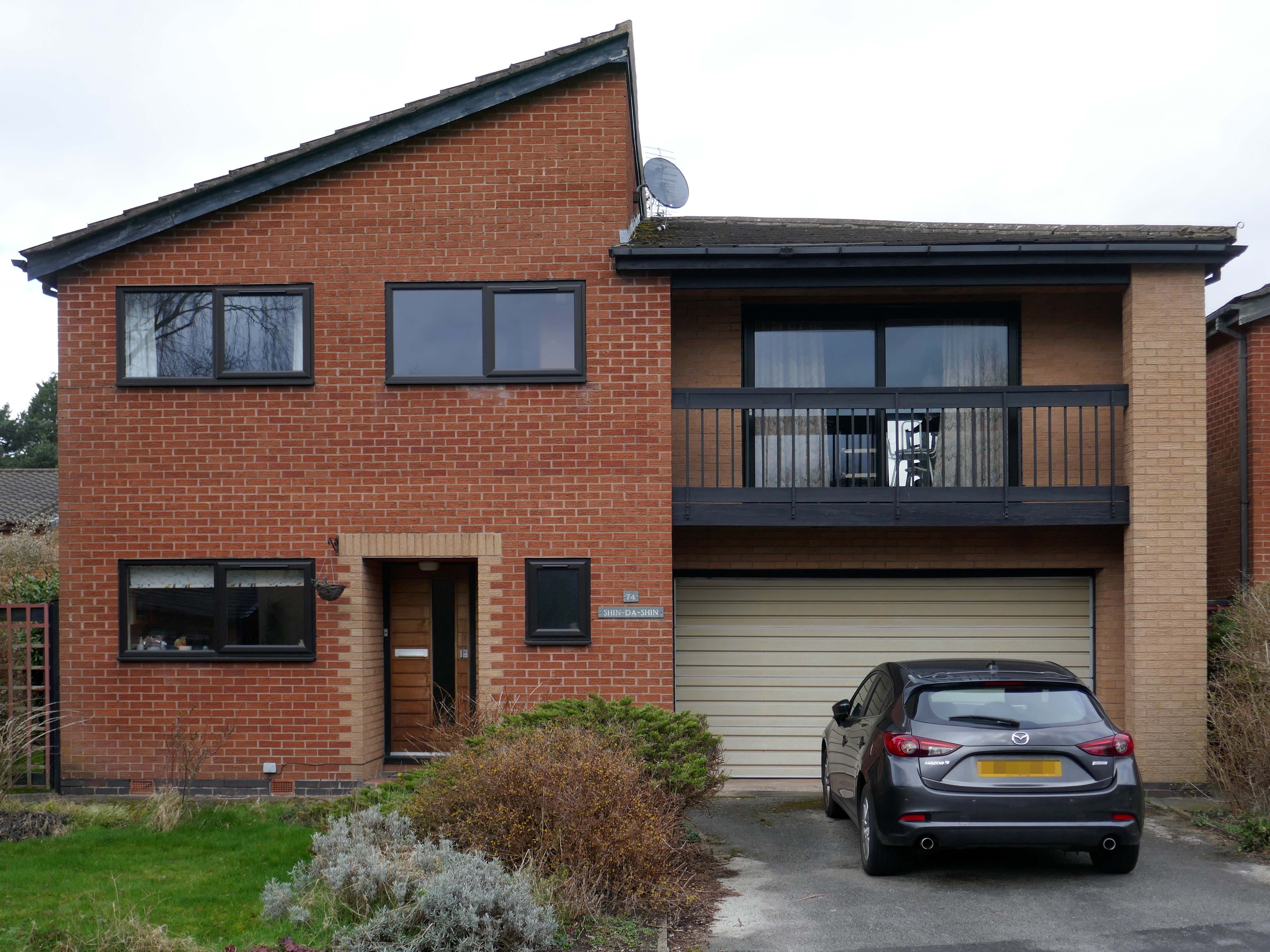
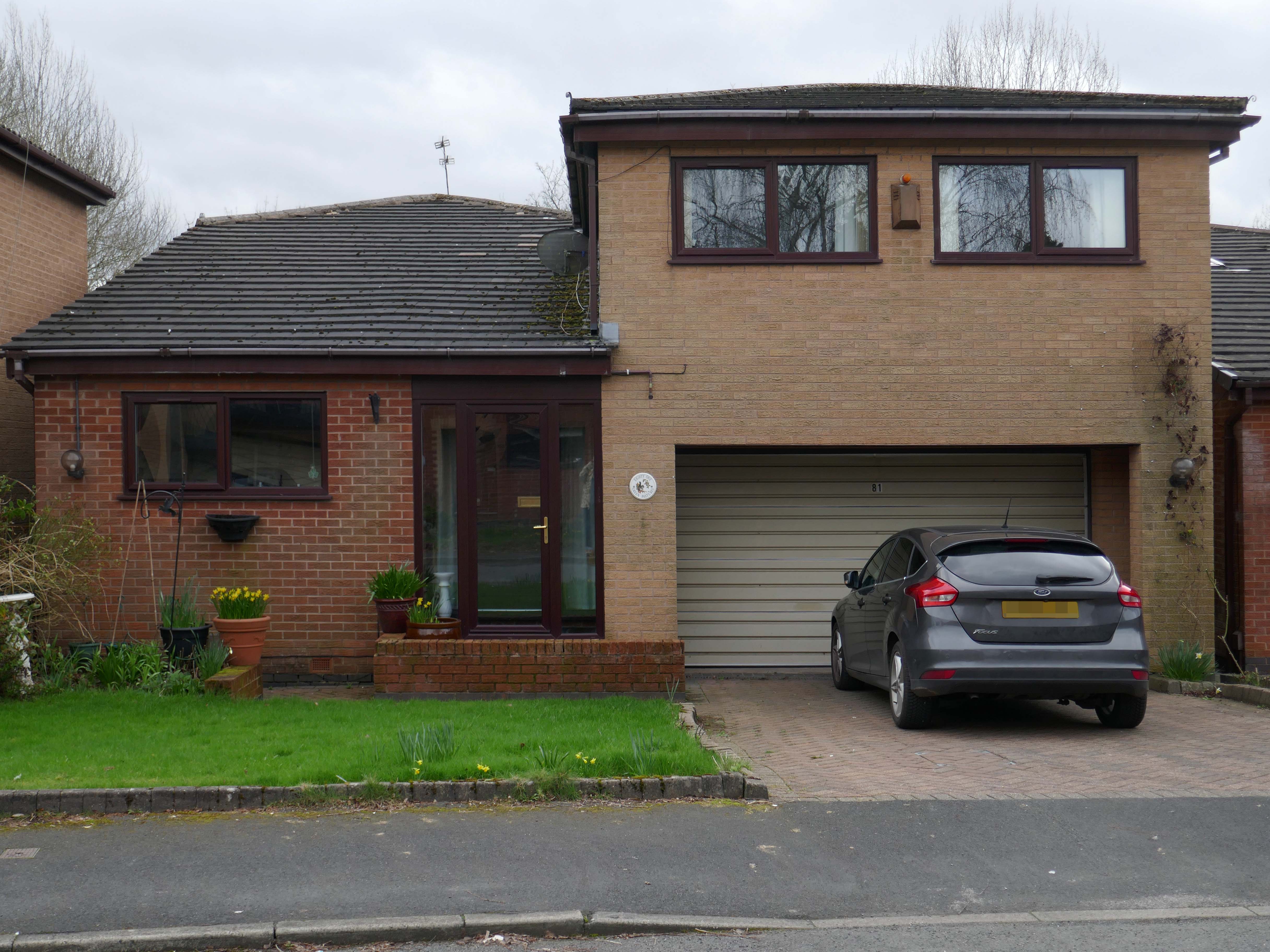
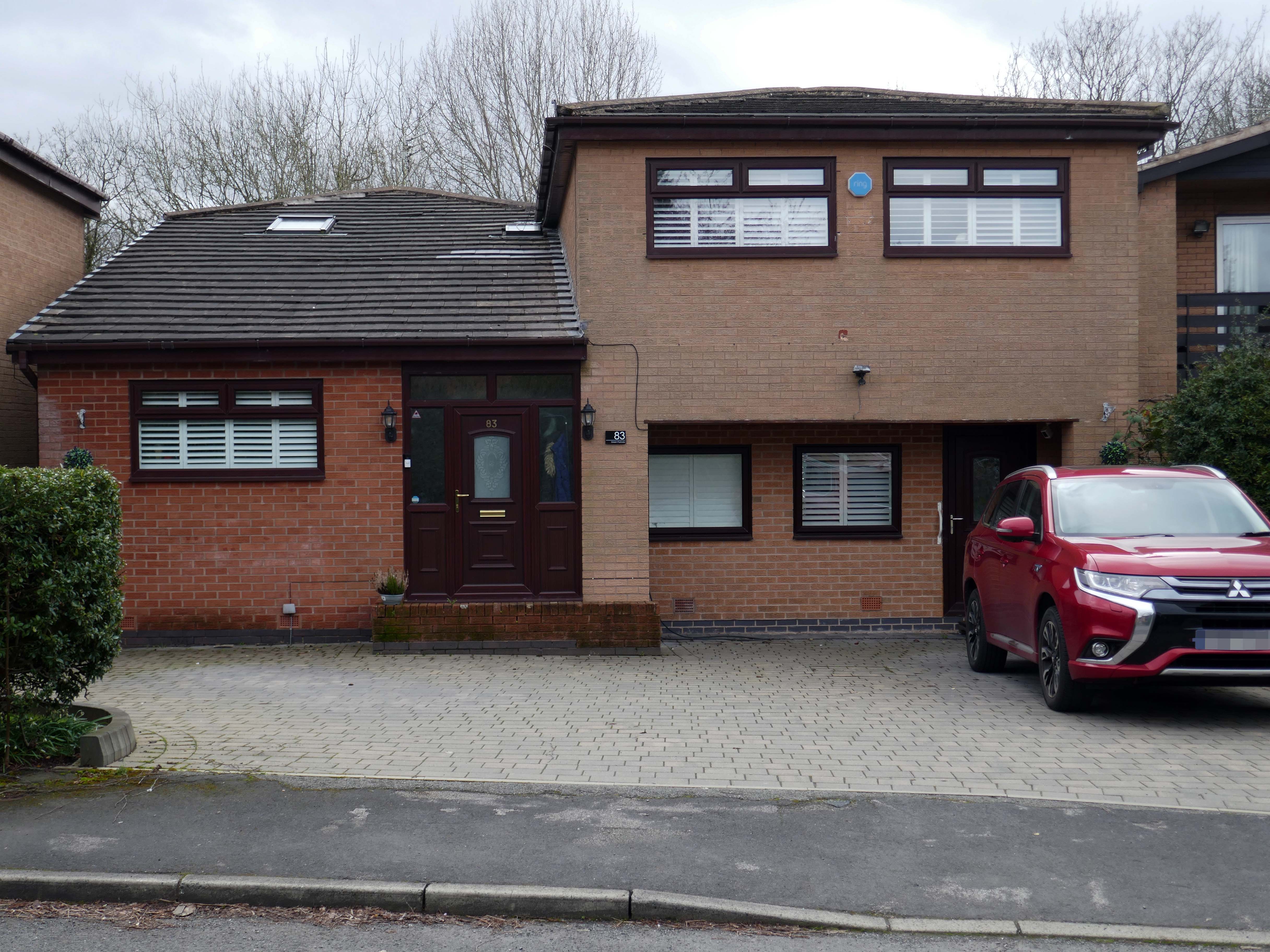
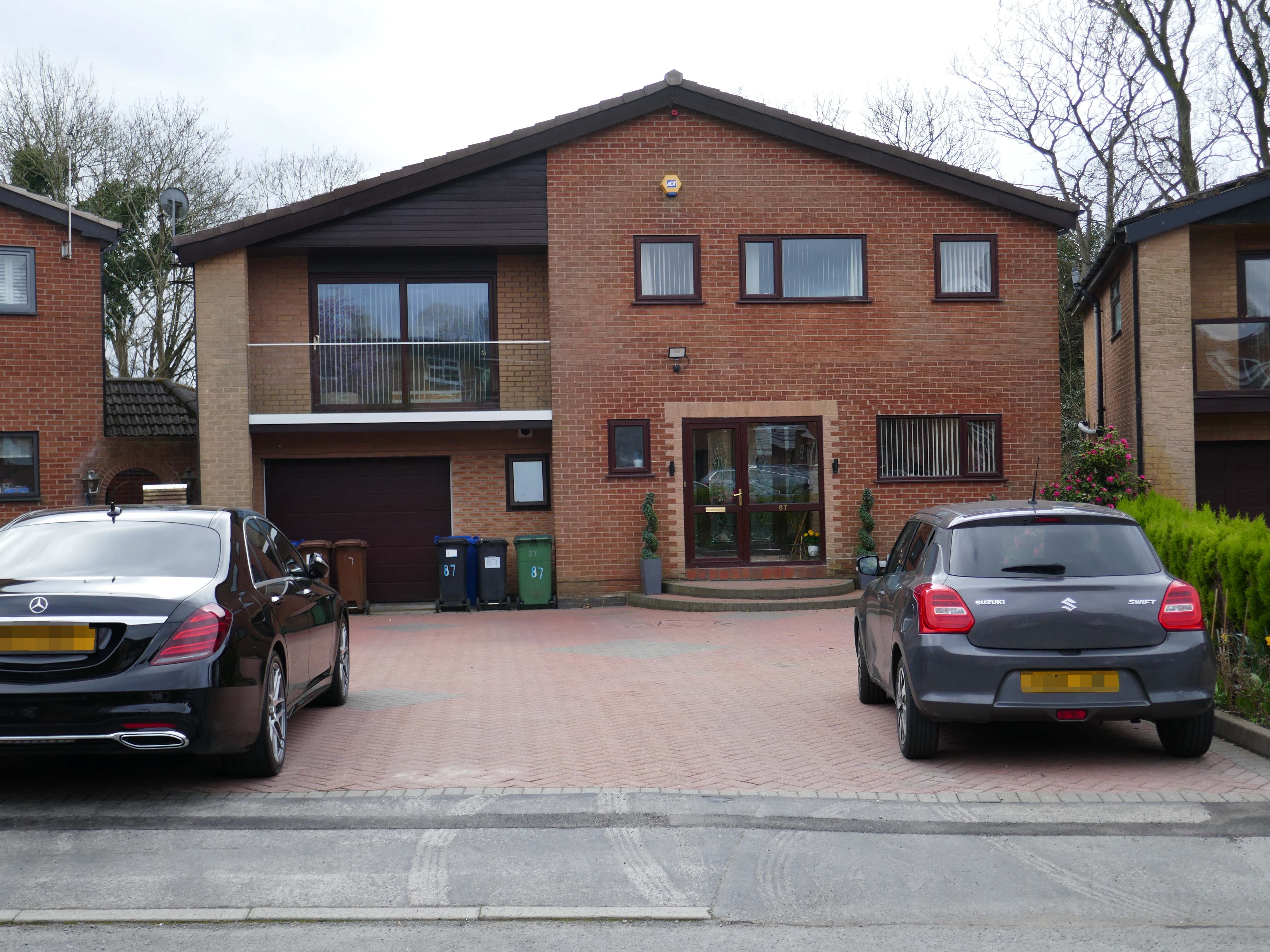
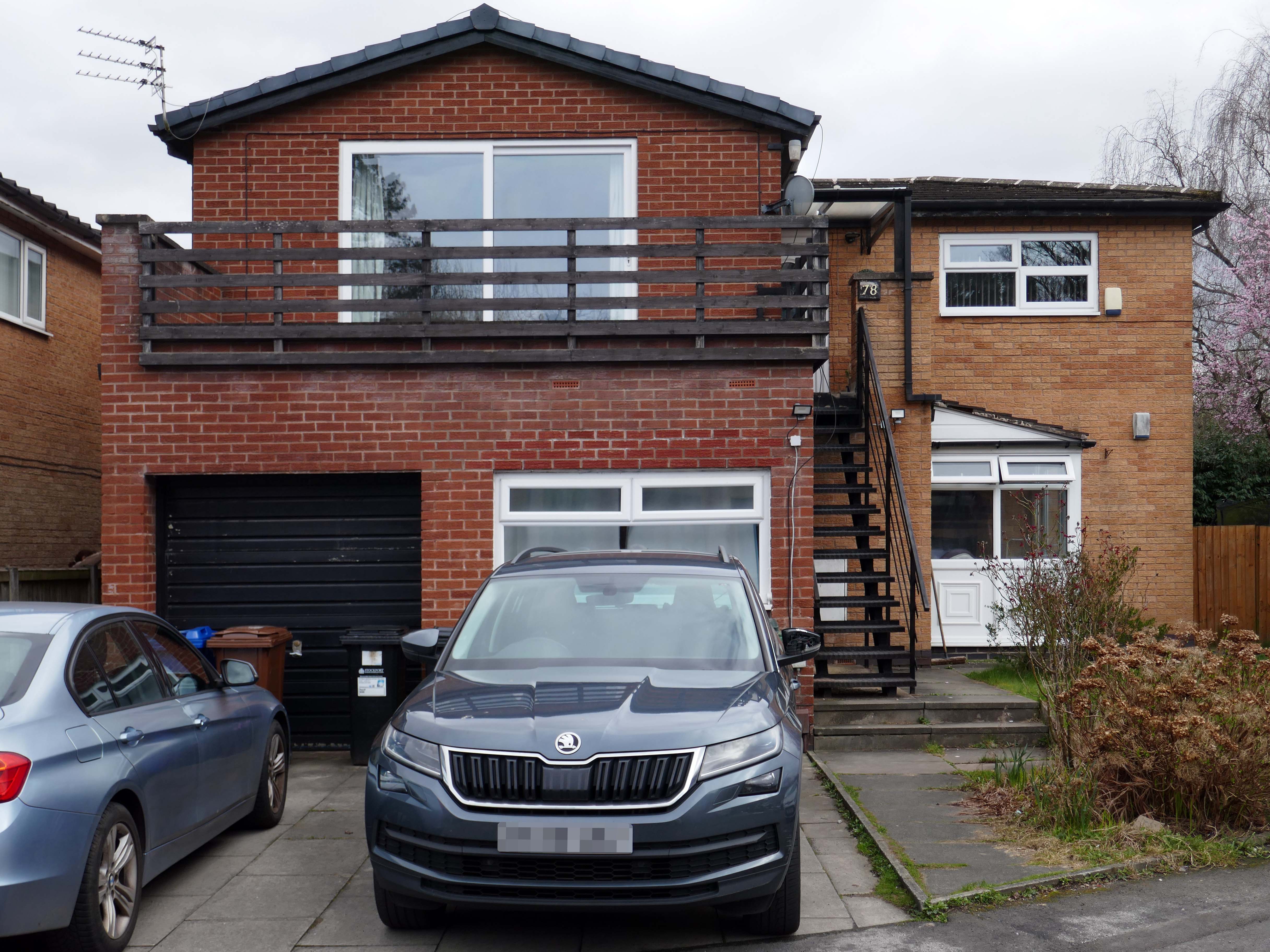
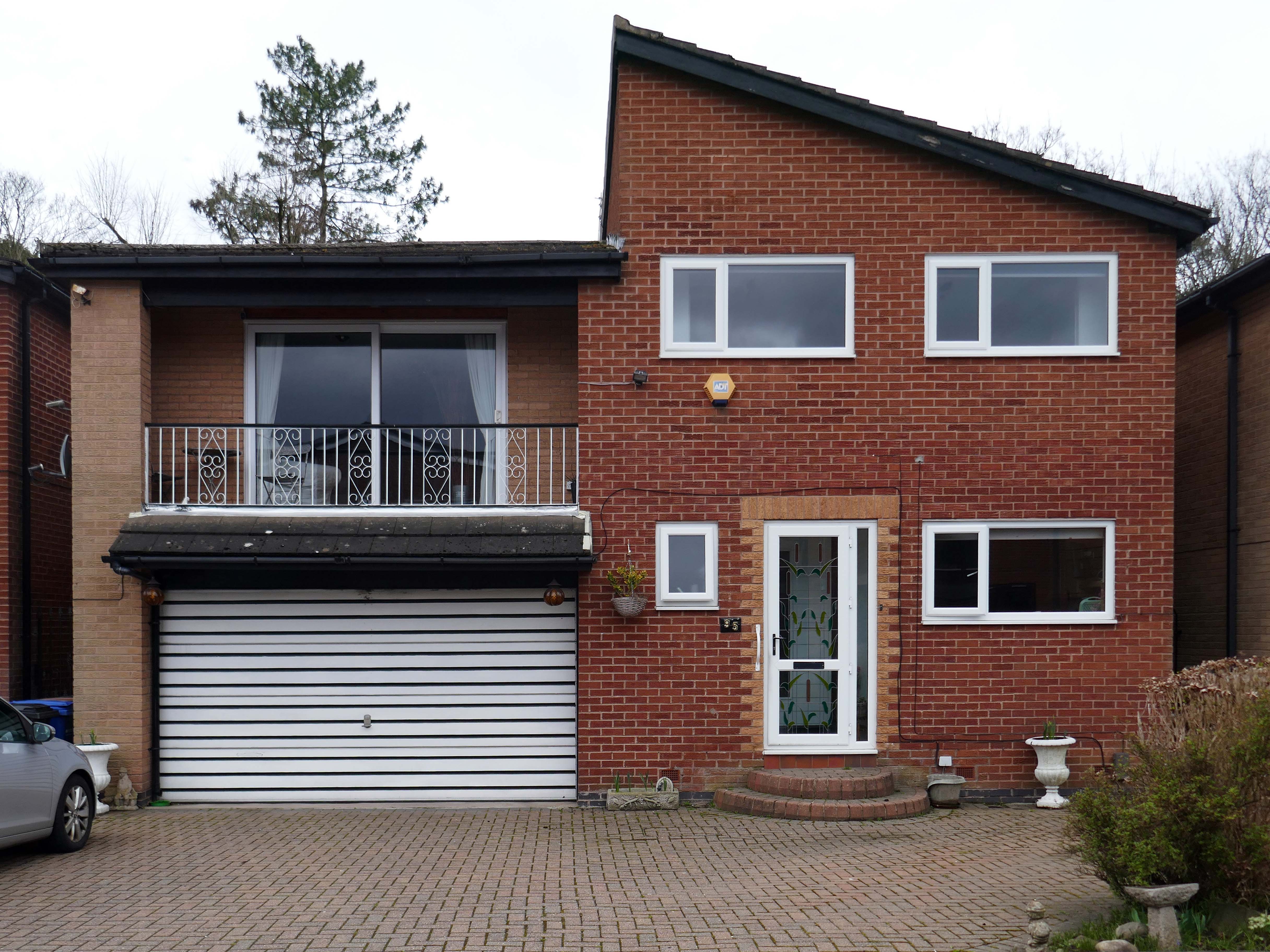
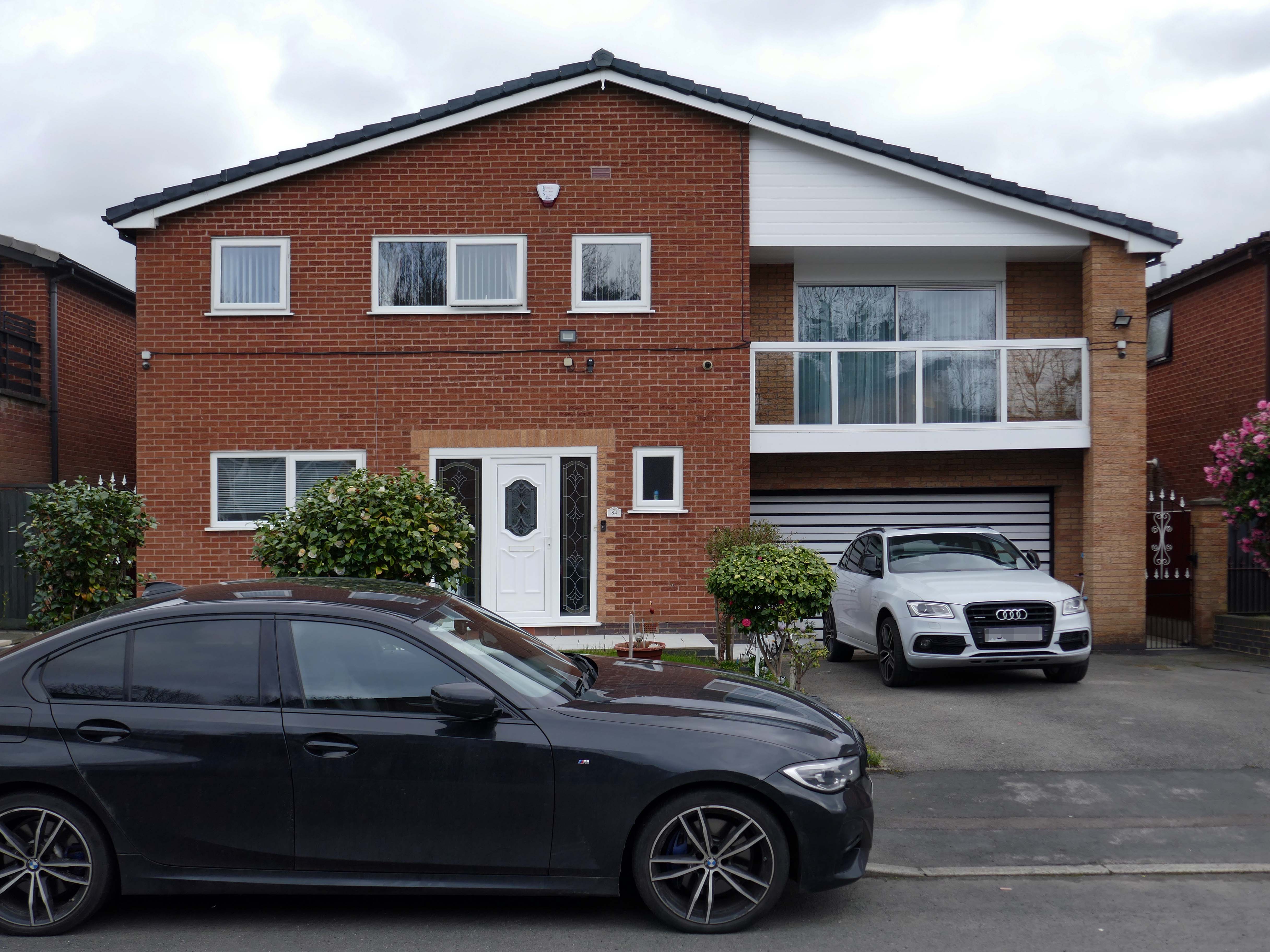
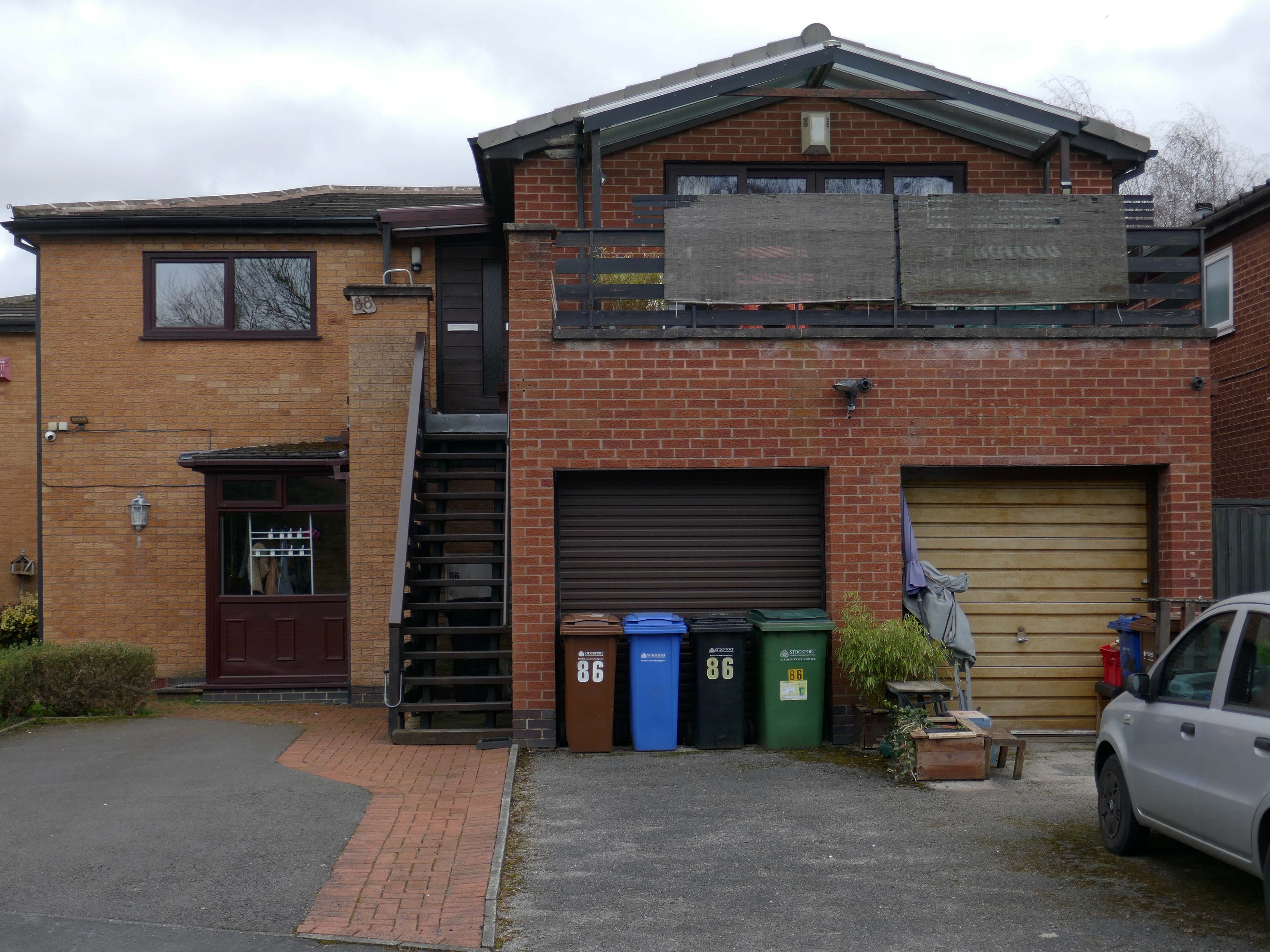
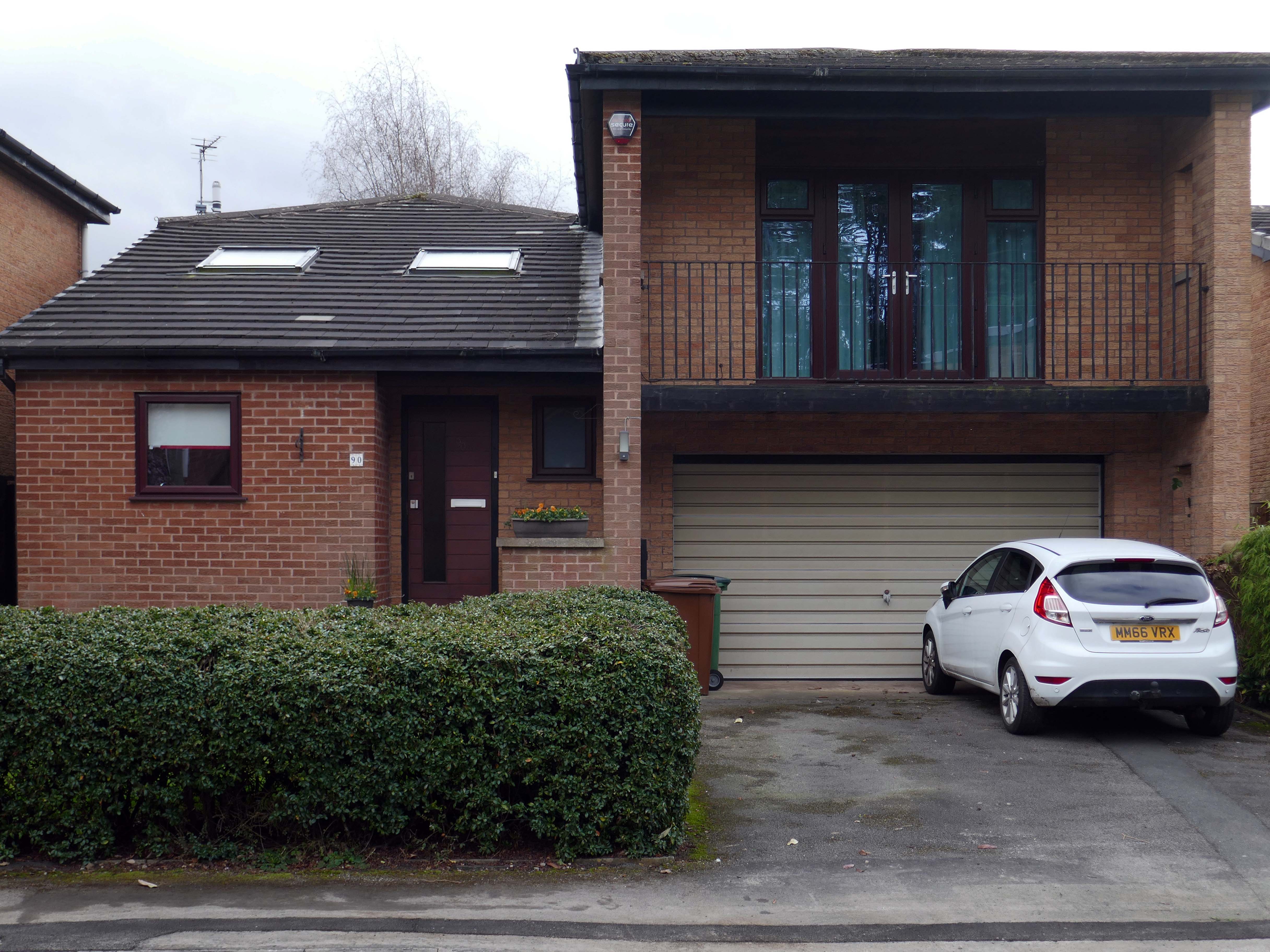
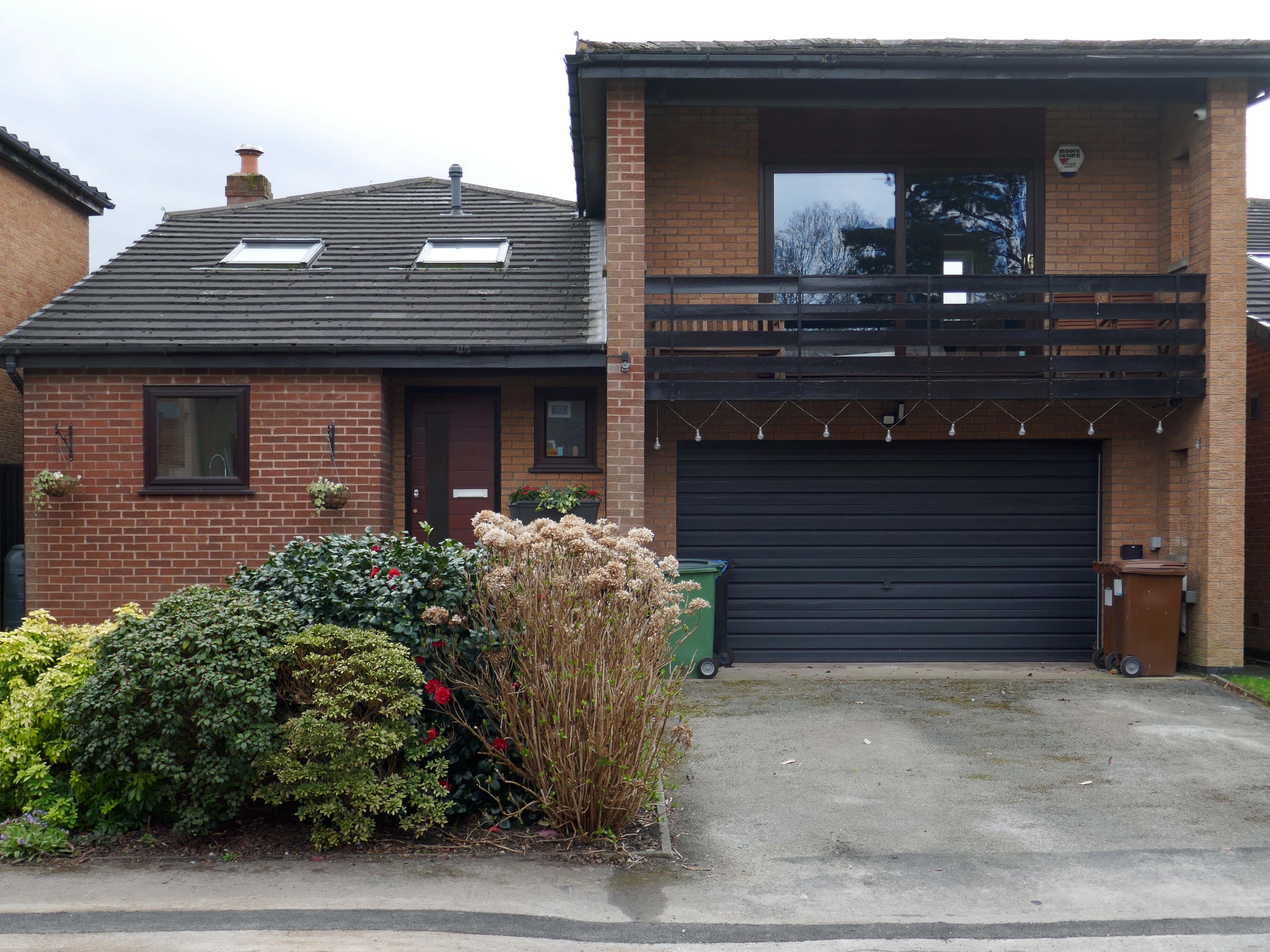
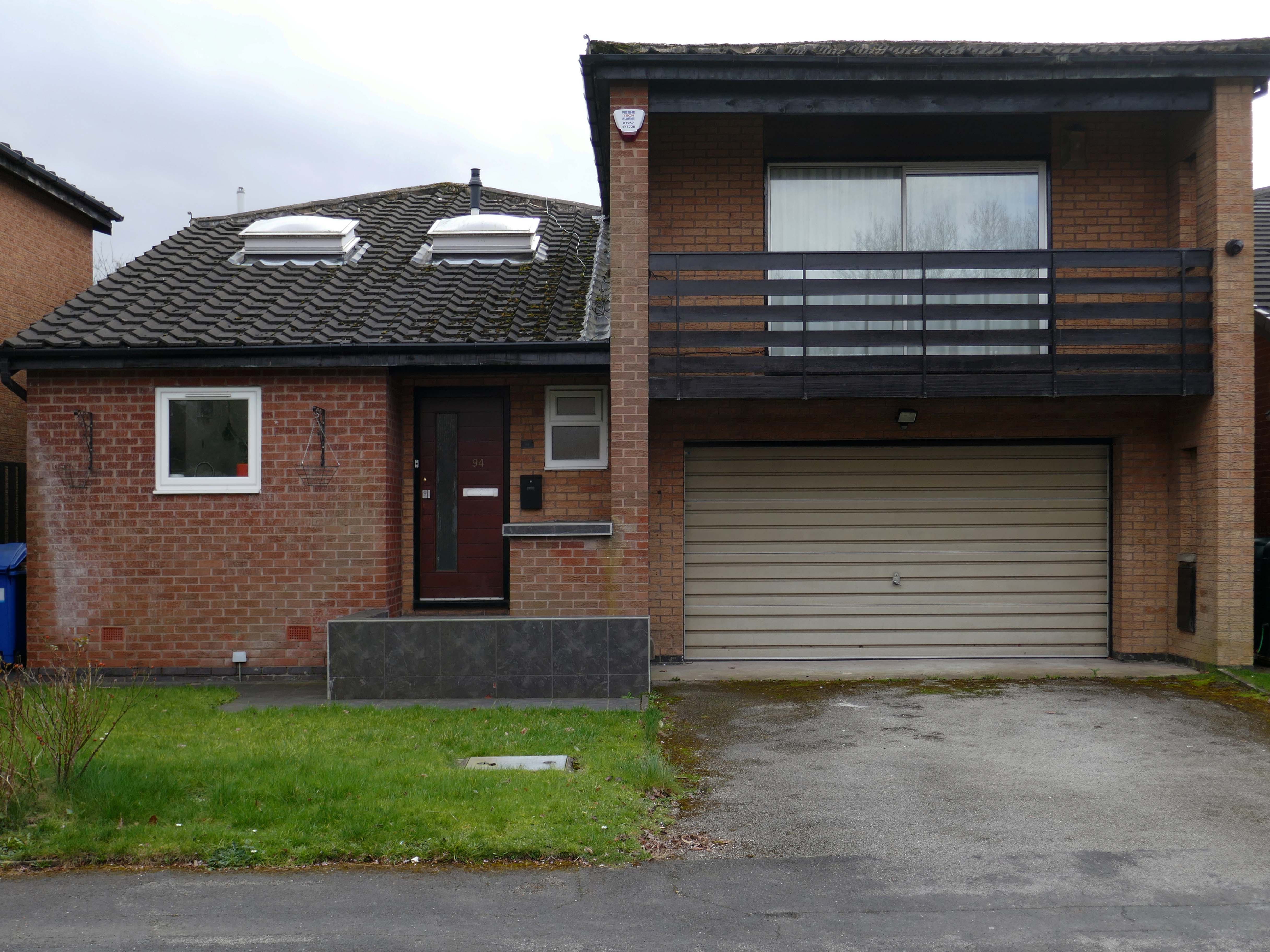
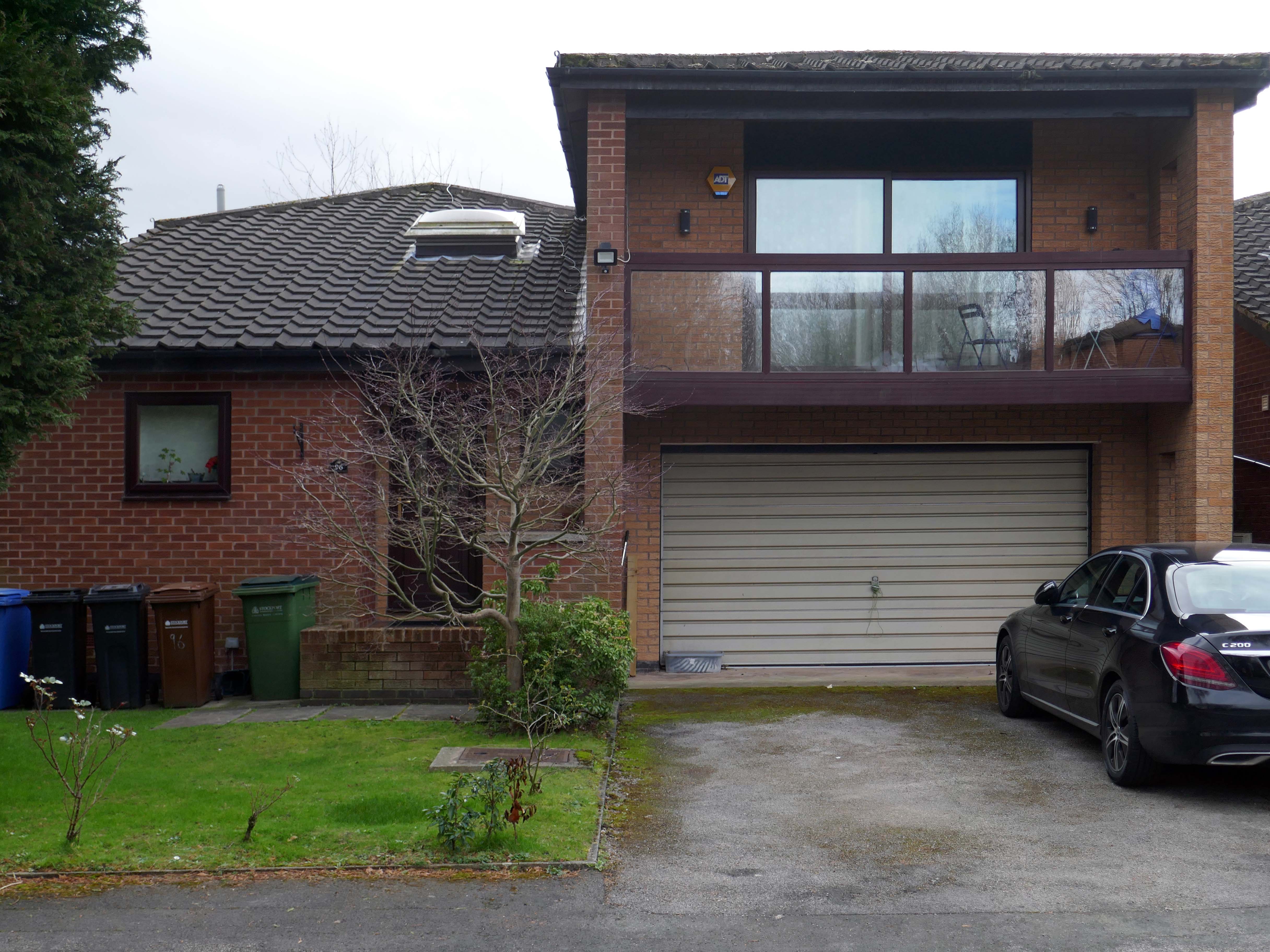
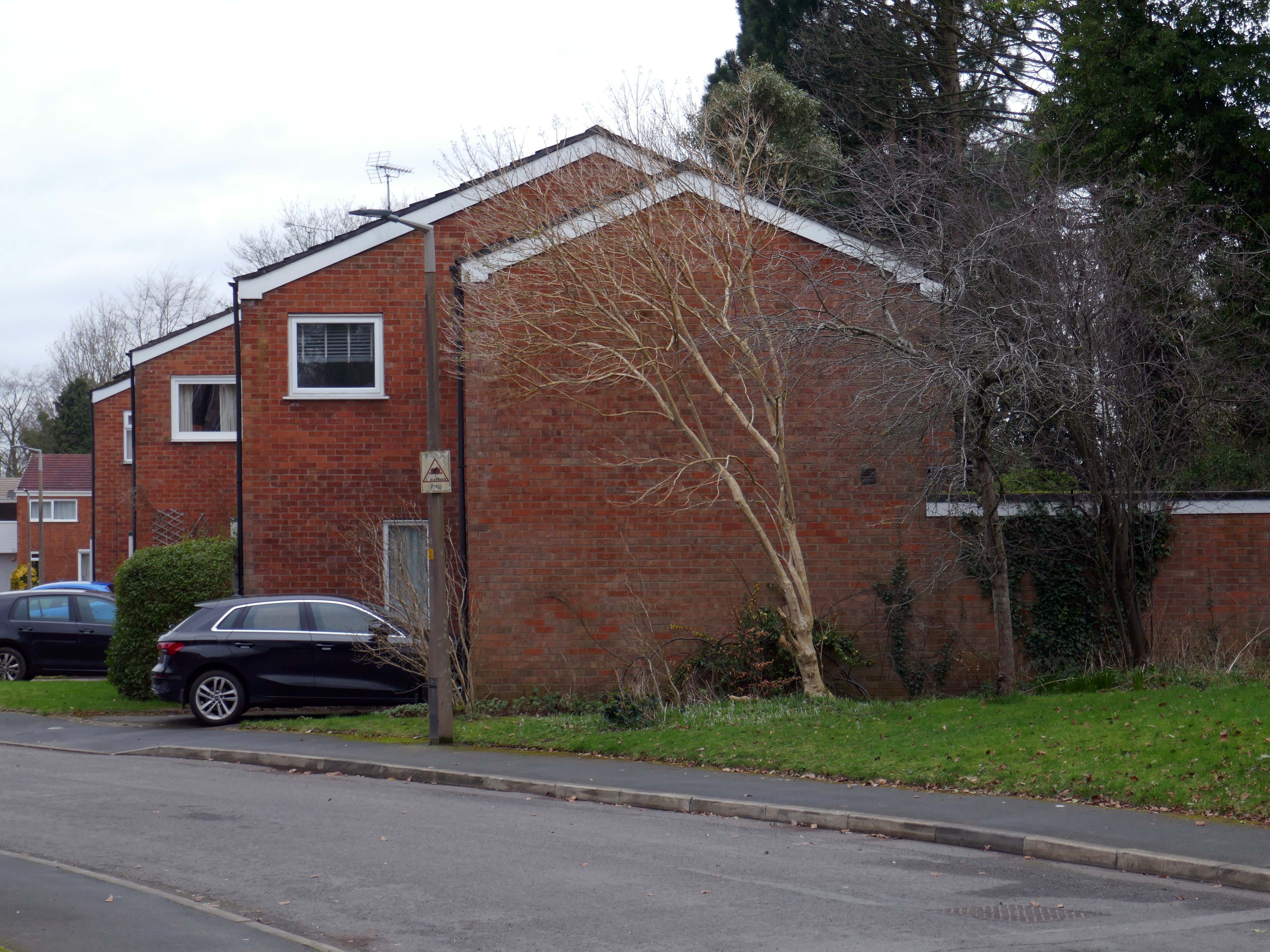
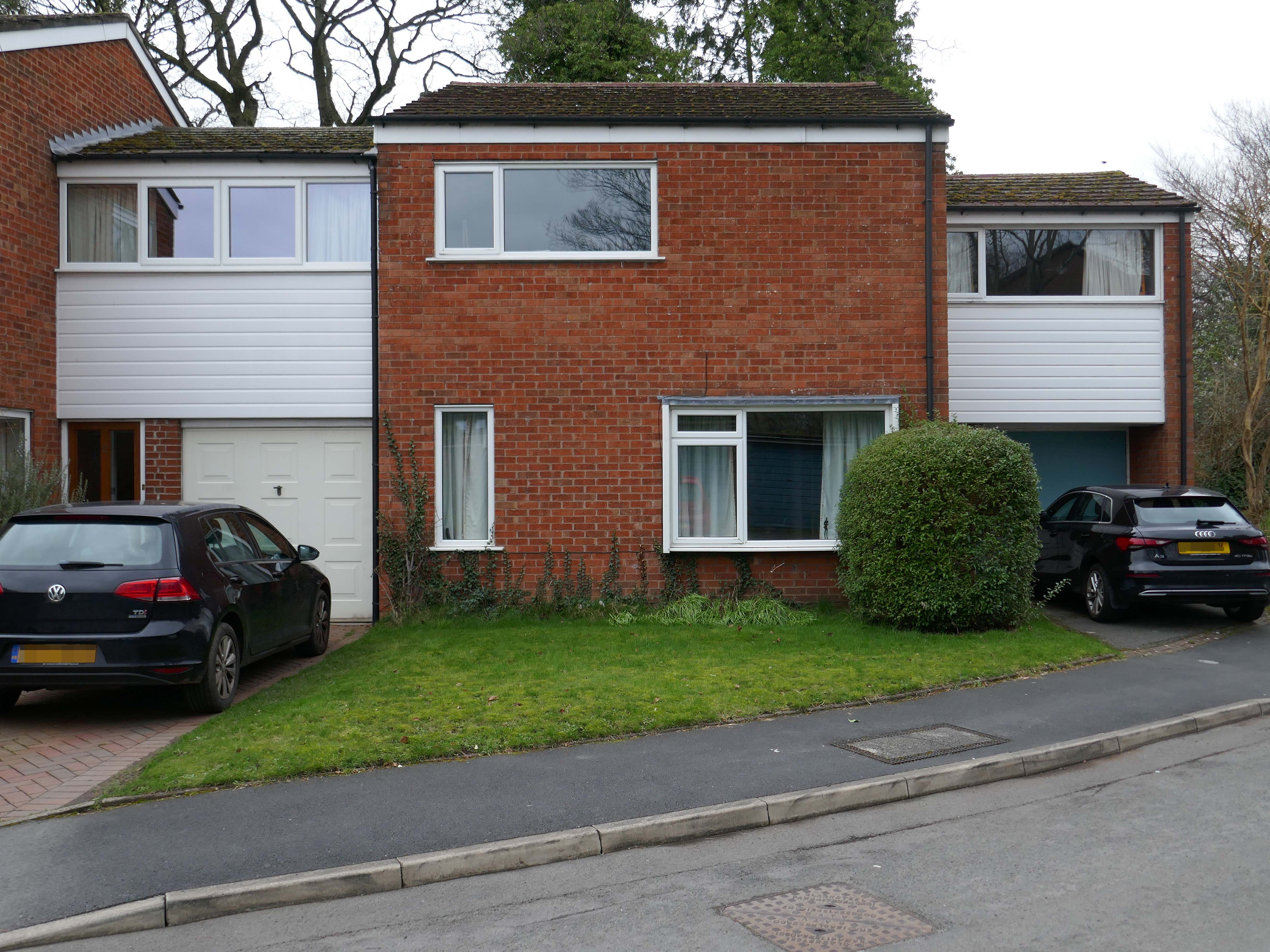
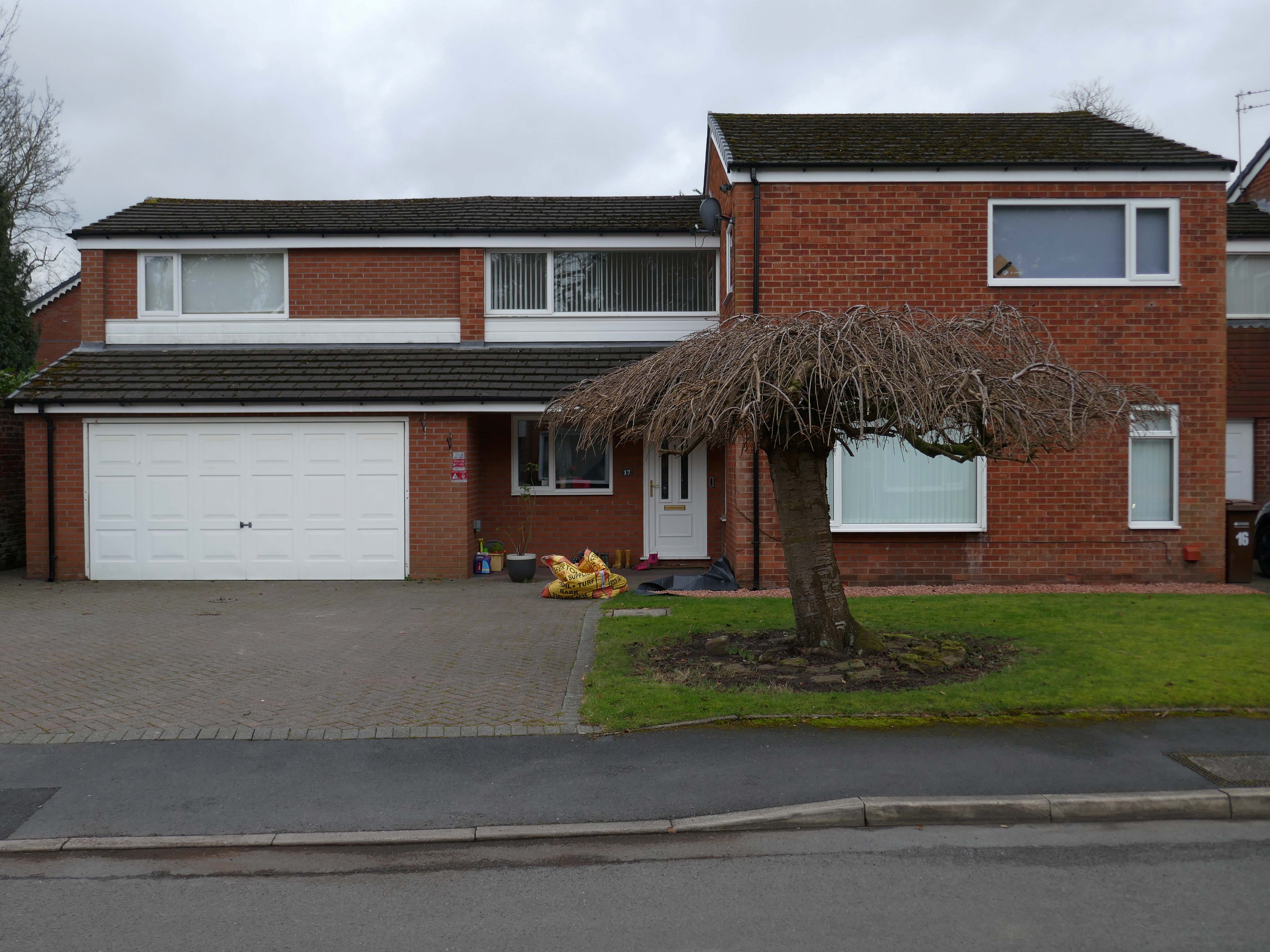
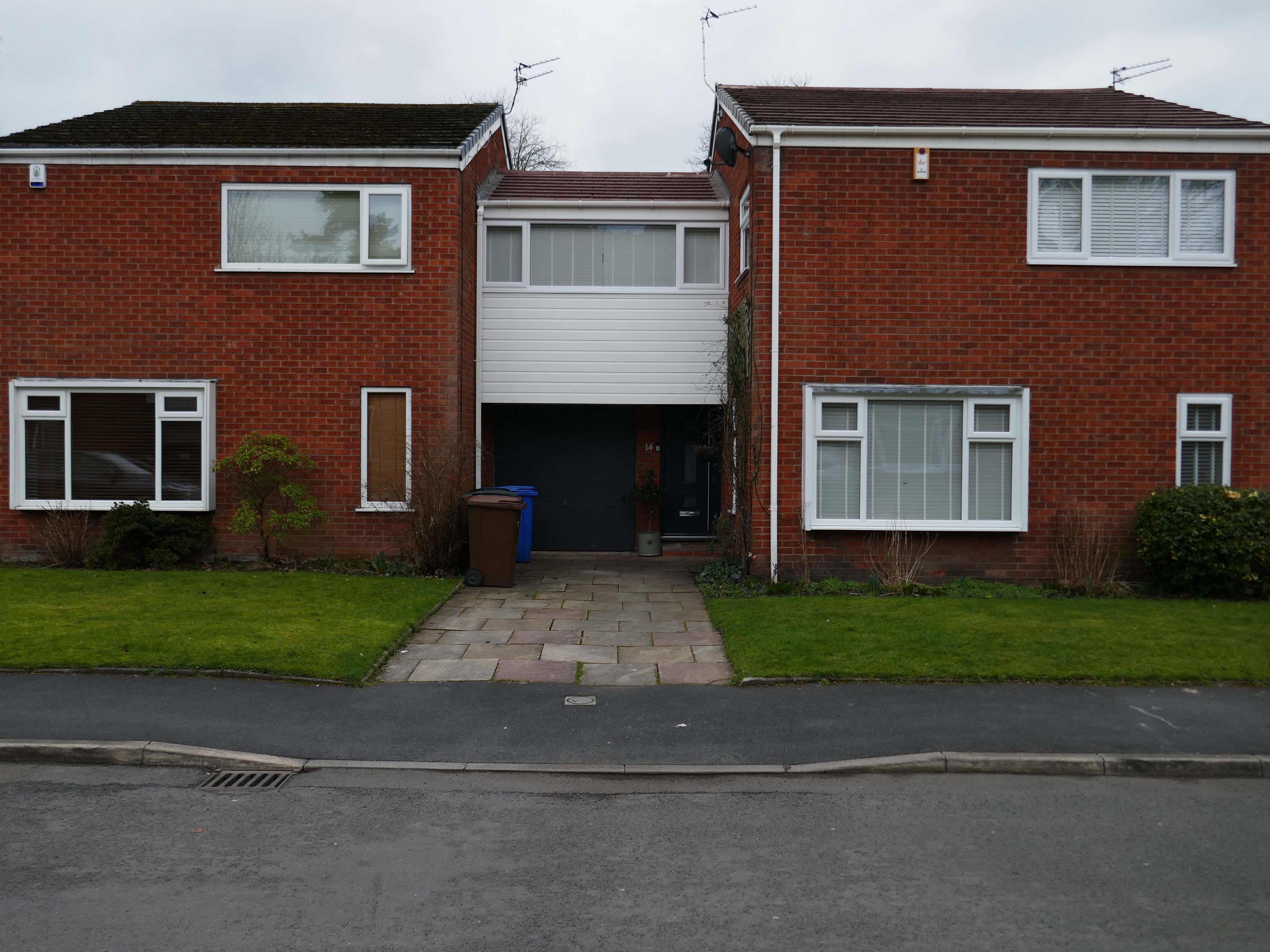
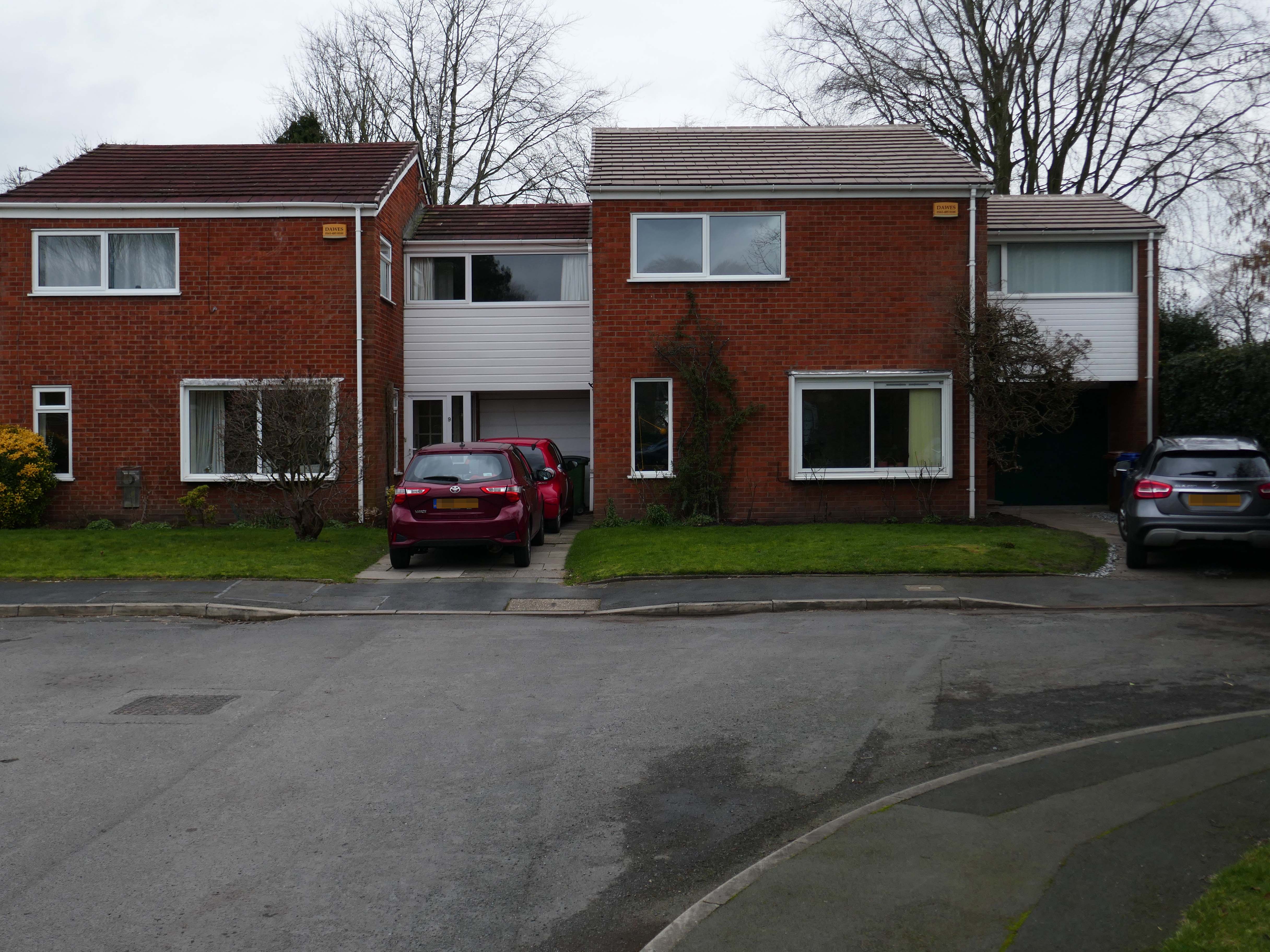
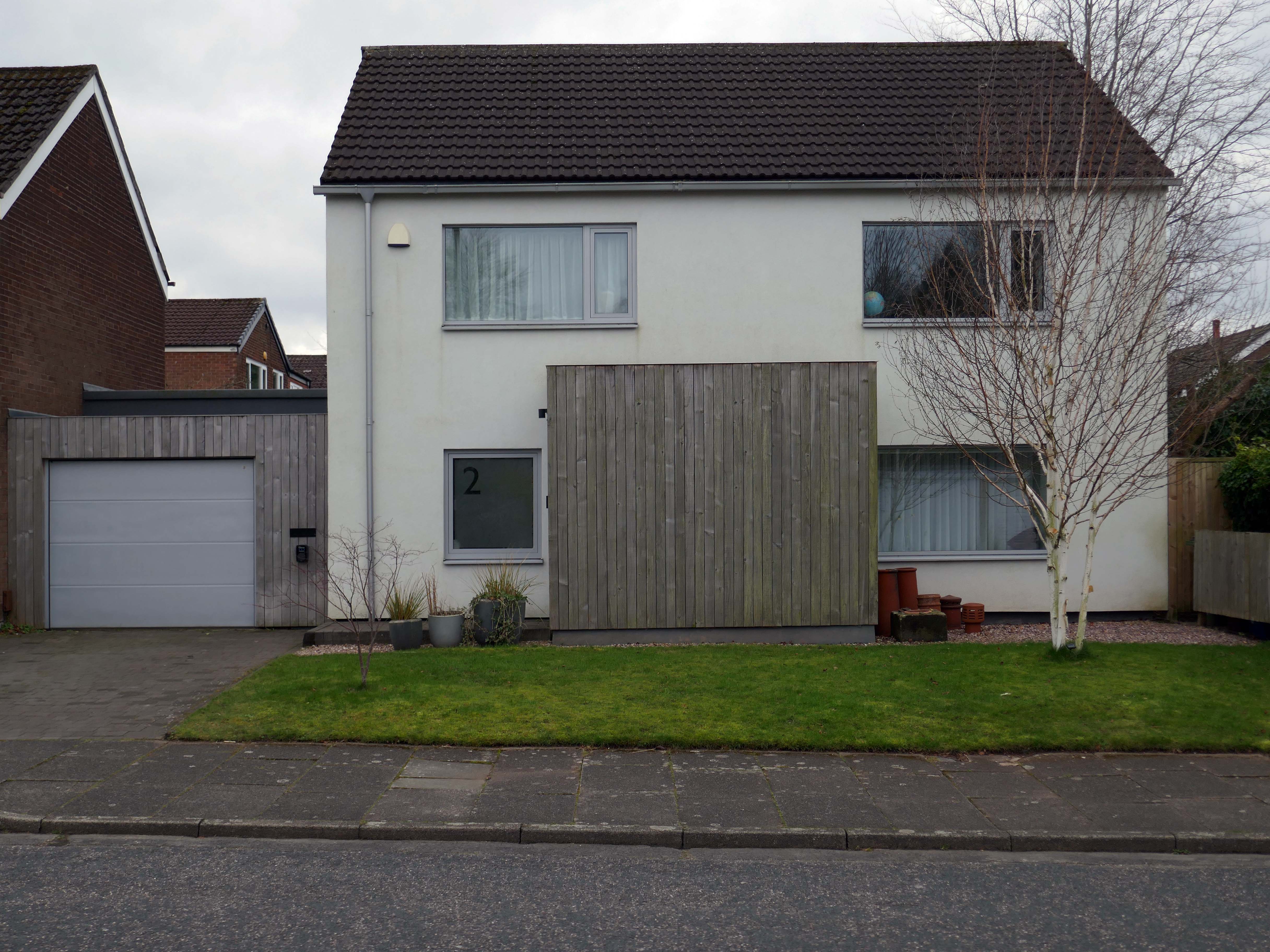
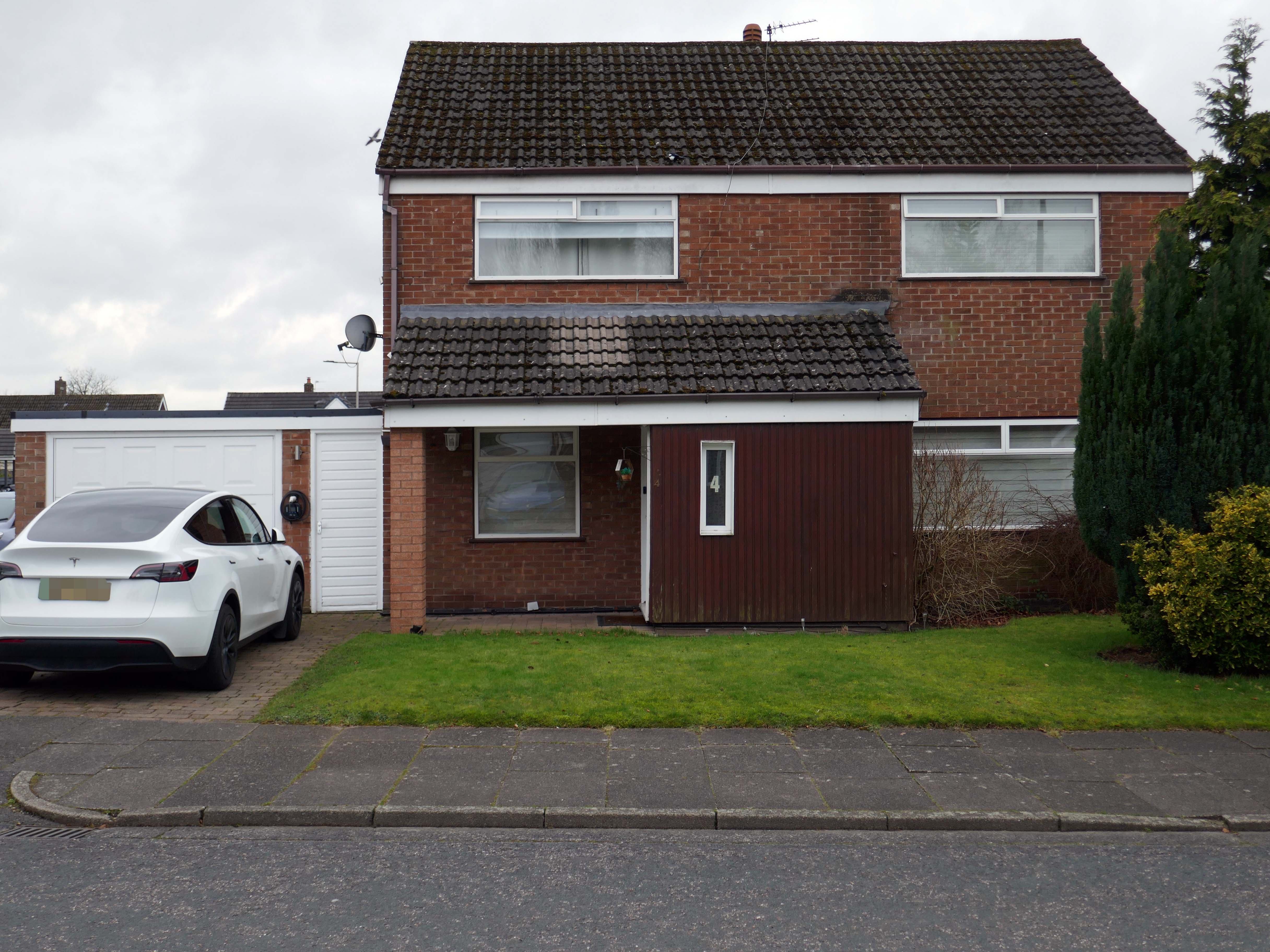
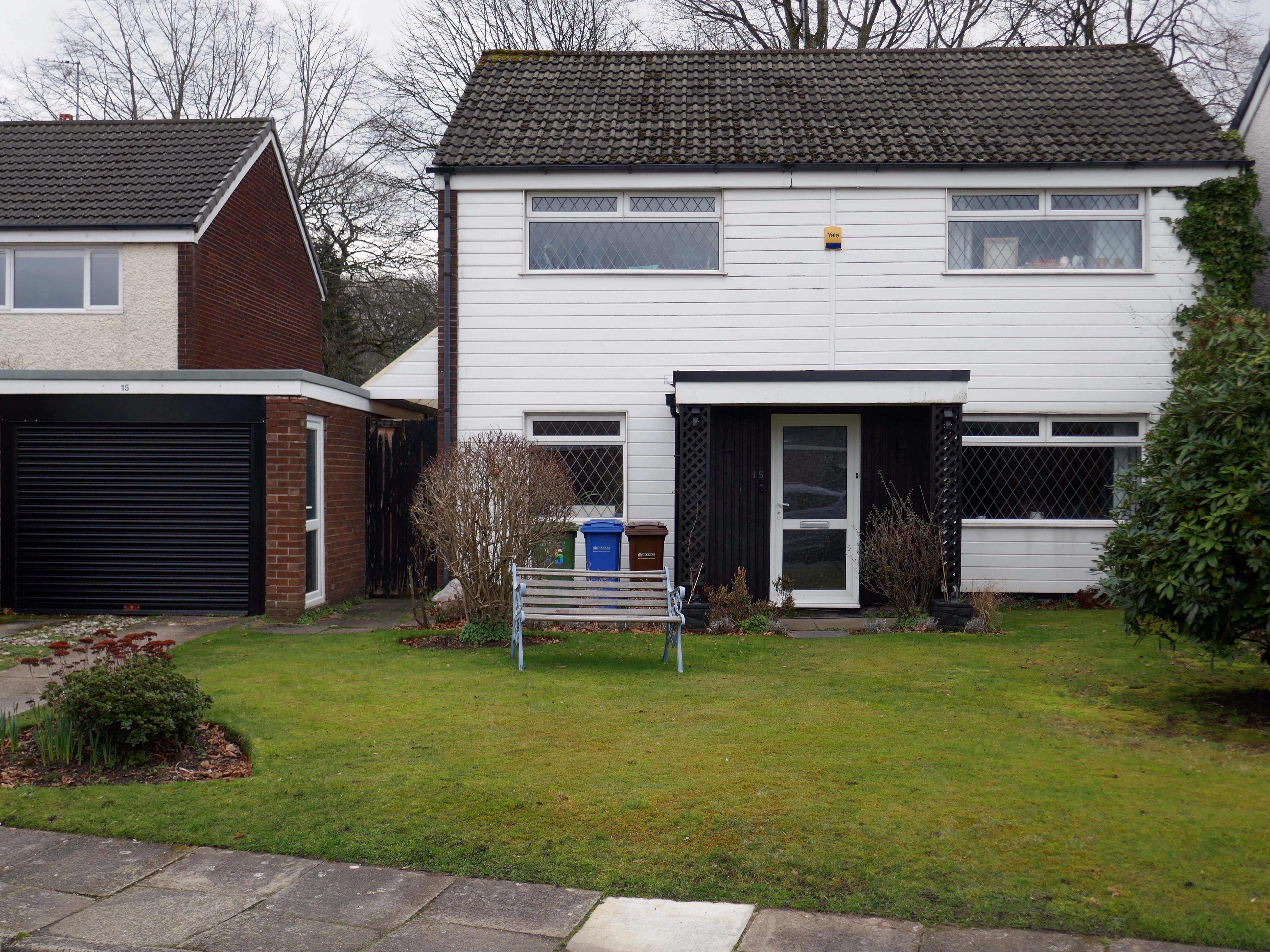
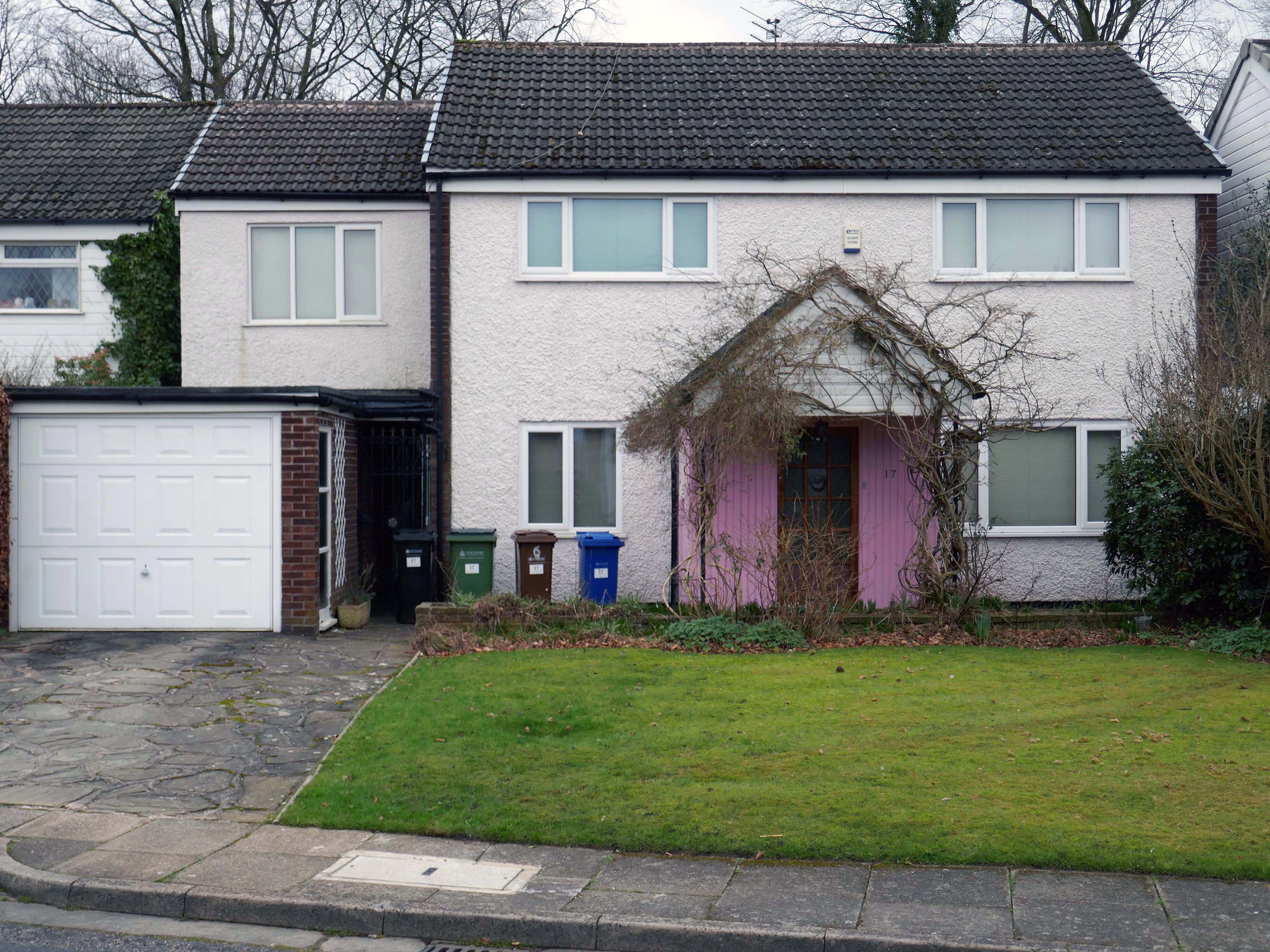
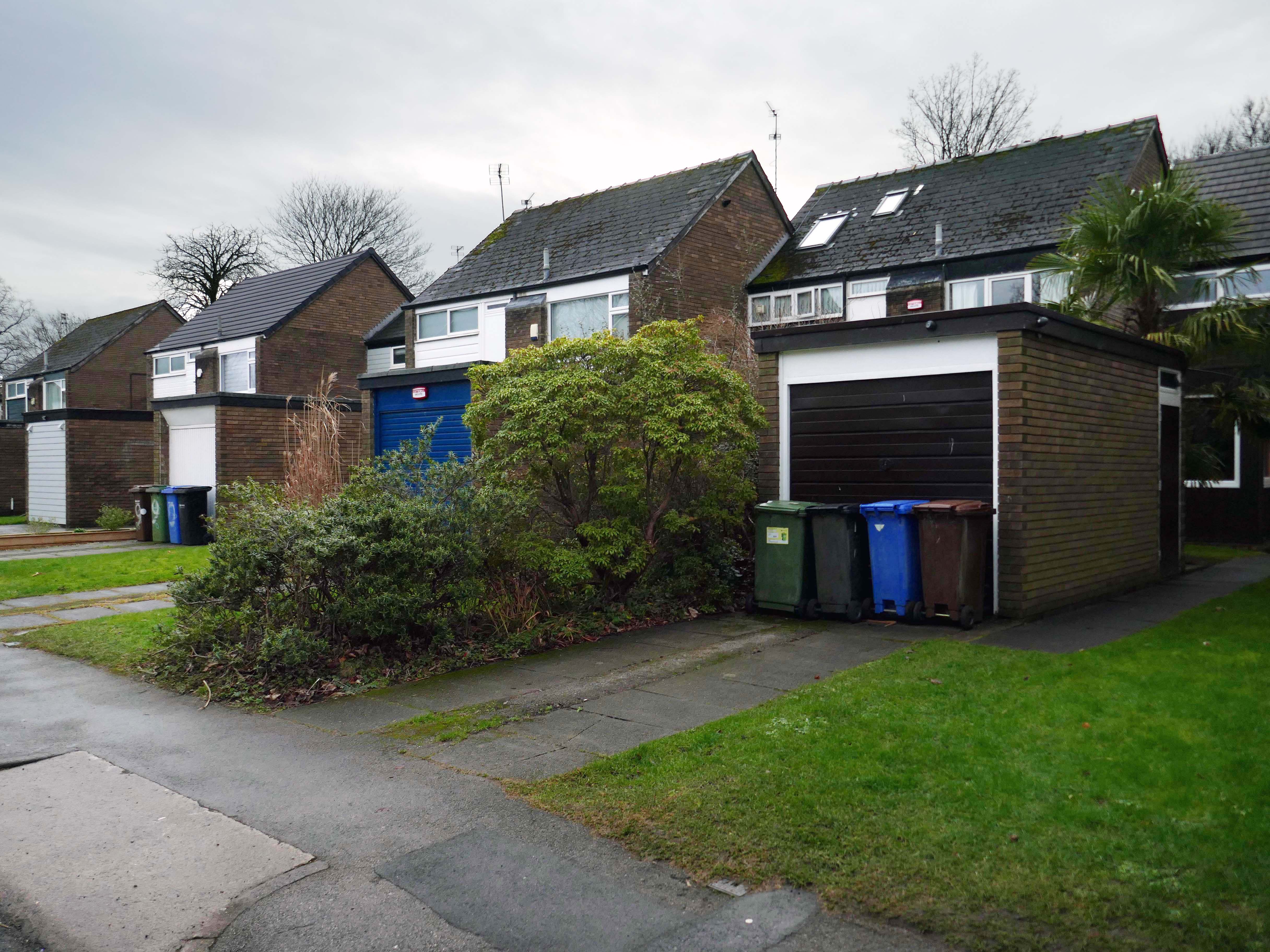
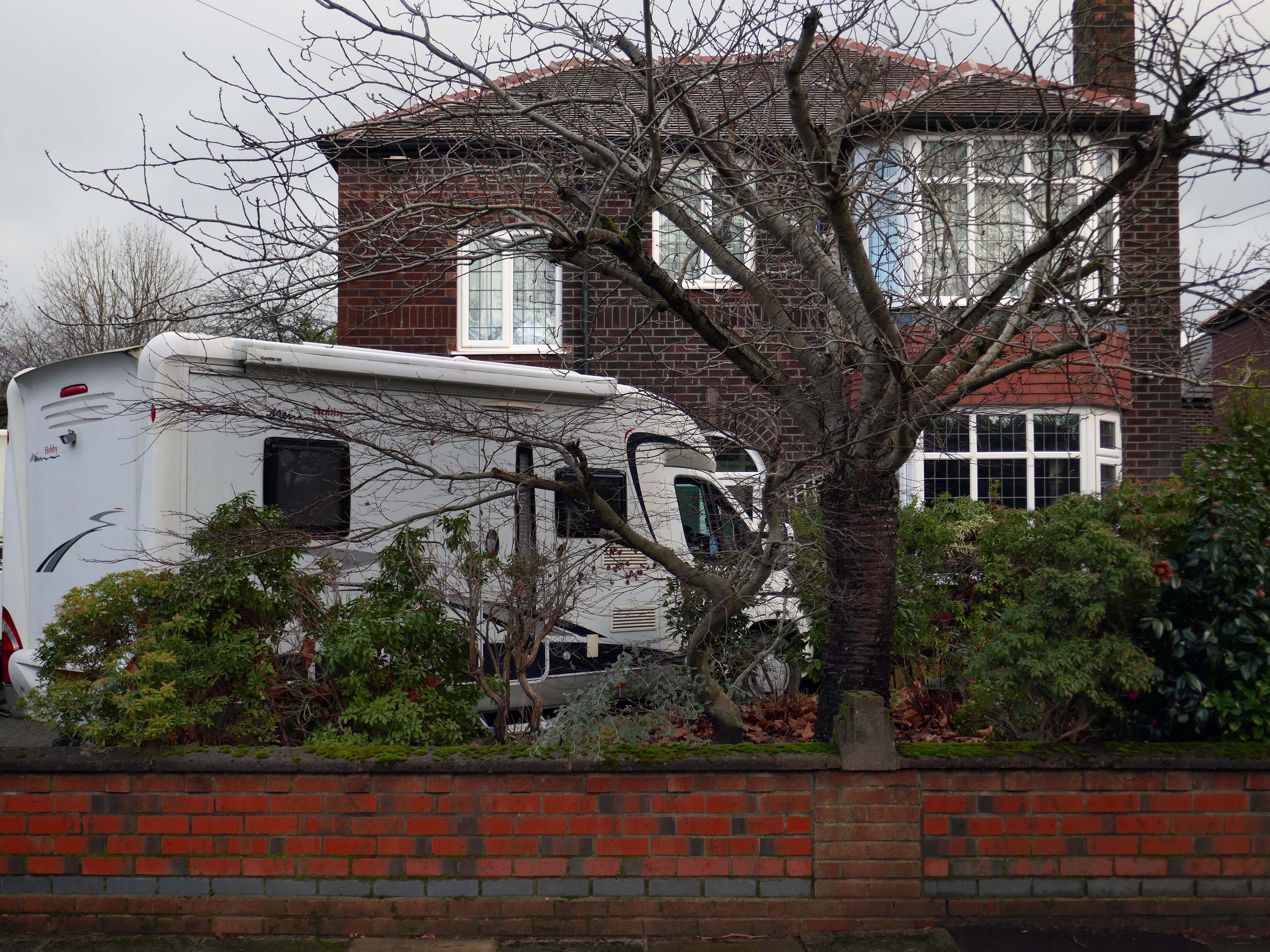
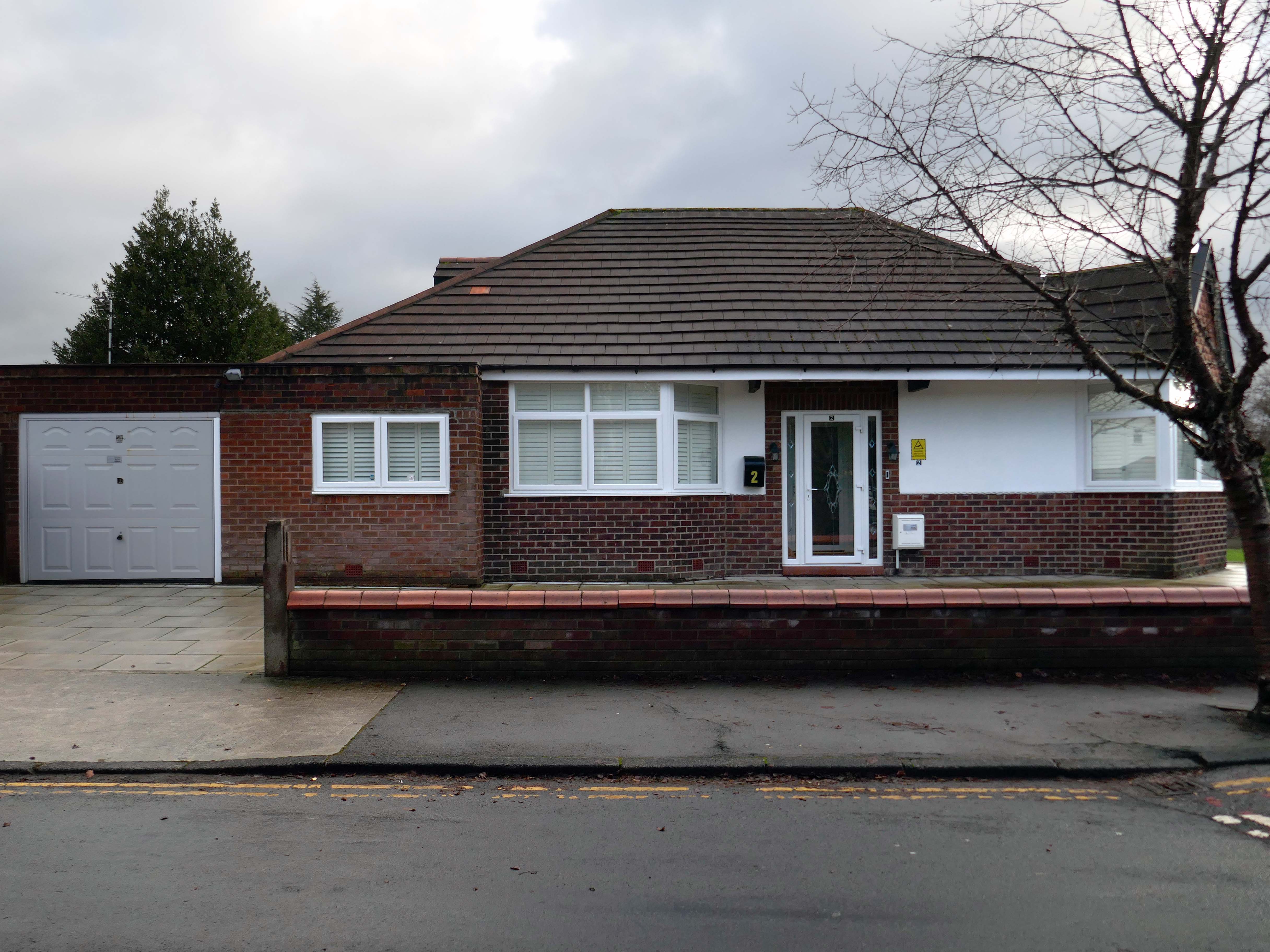
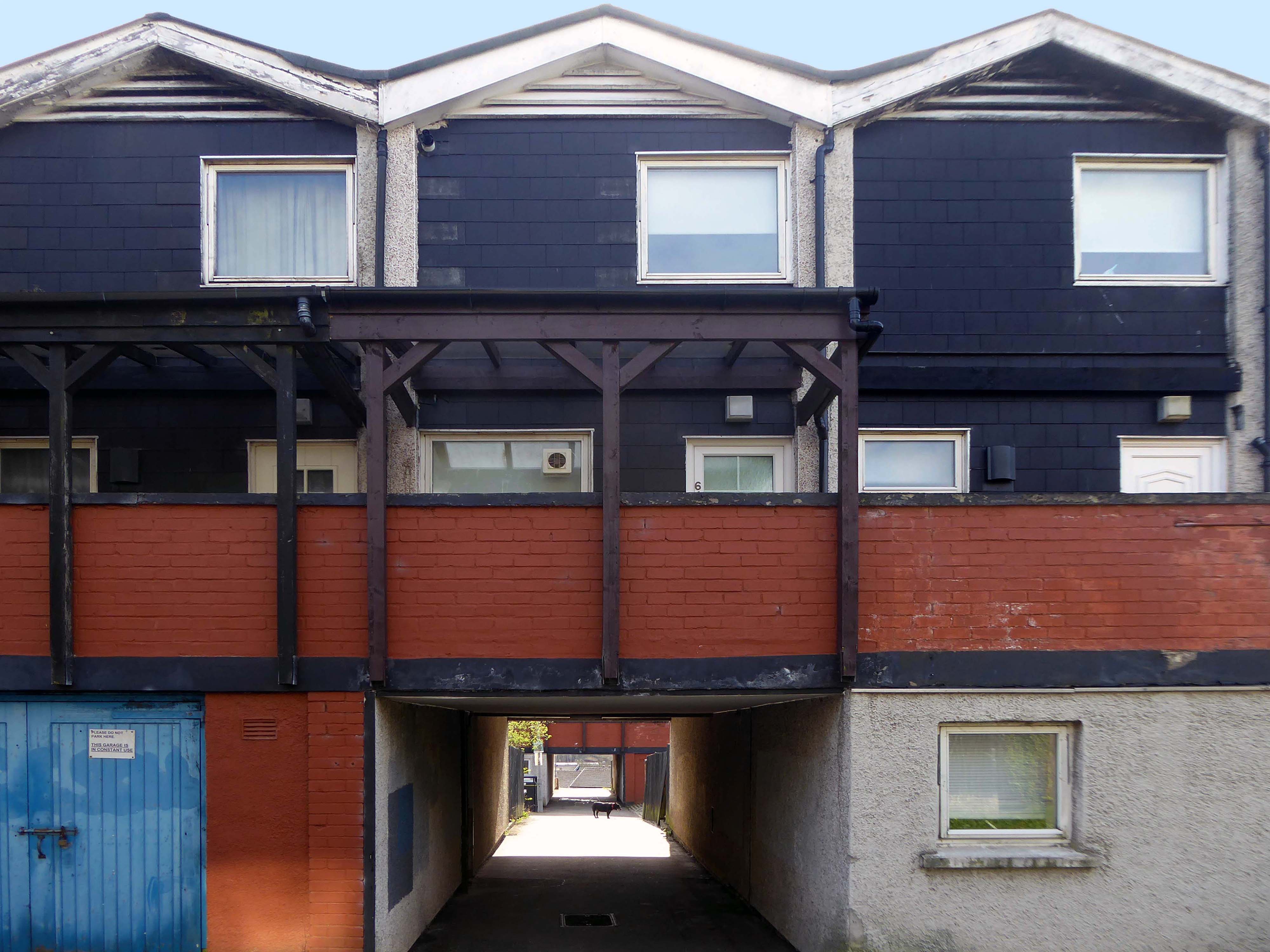
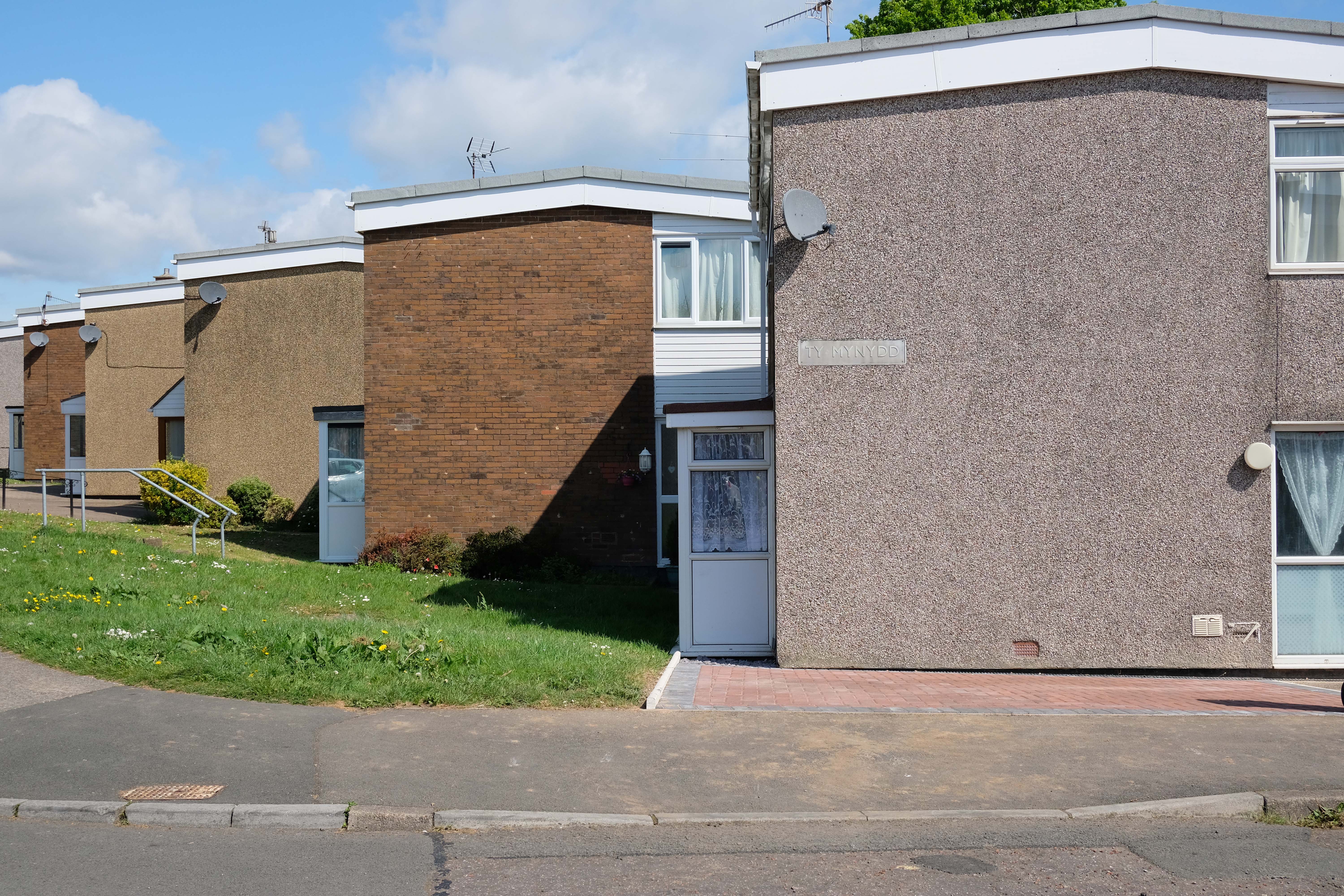
A broad sweeping swathe of tarmac, with a range of 70s housing typologies – wall less gardens, where grass becomes easily impressed concrete, gravel and artfully paved car parks.
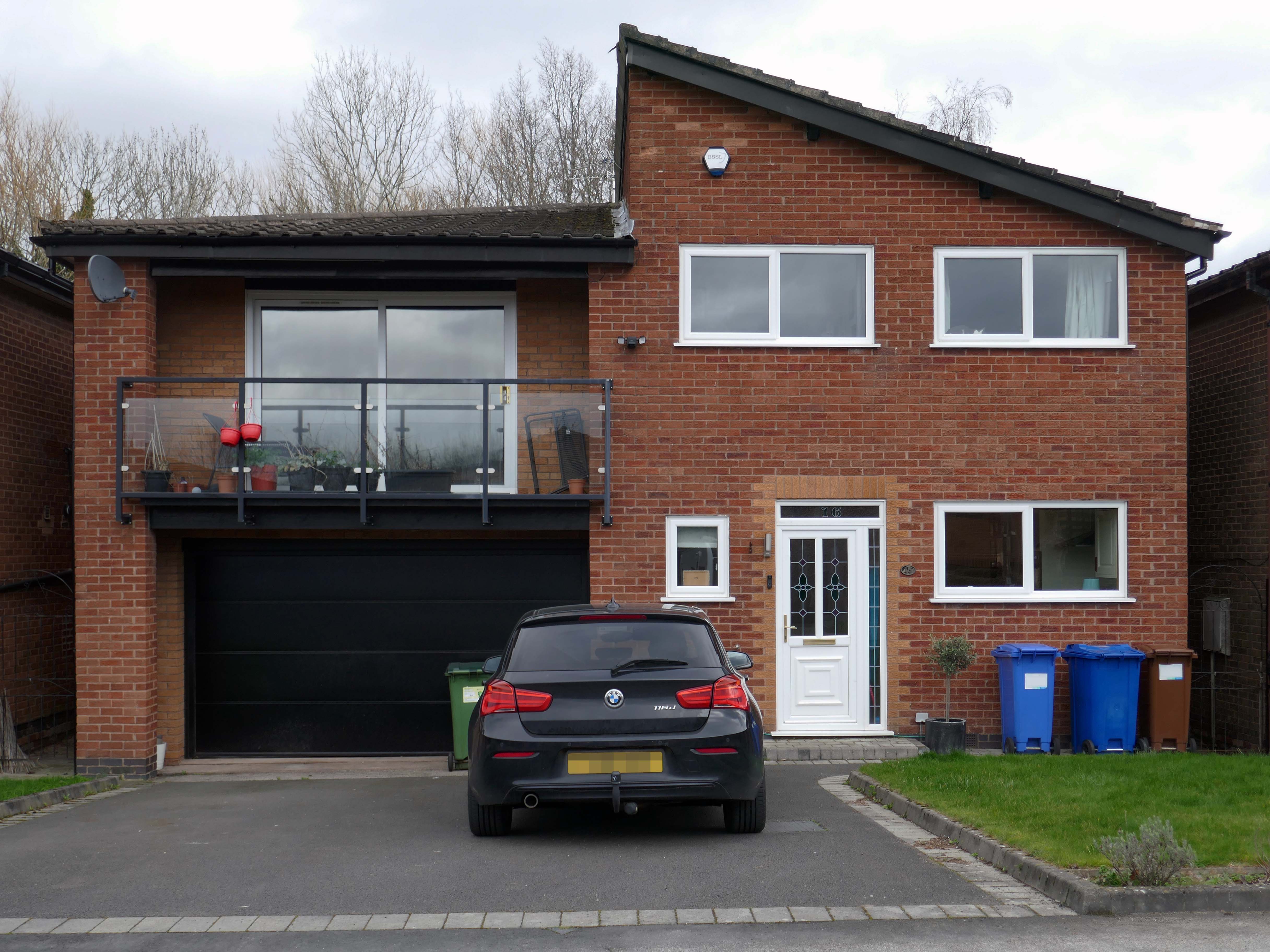
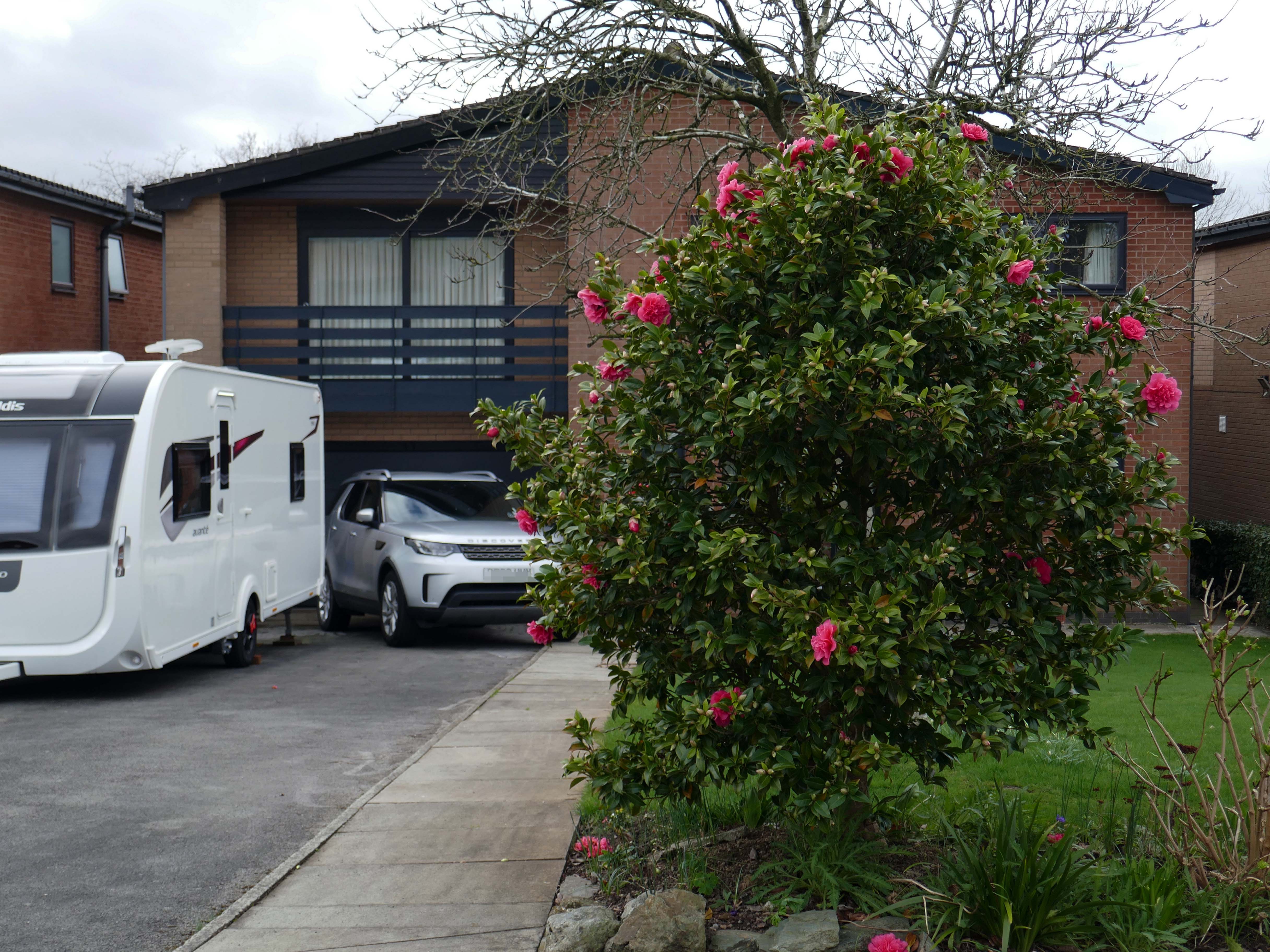
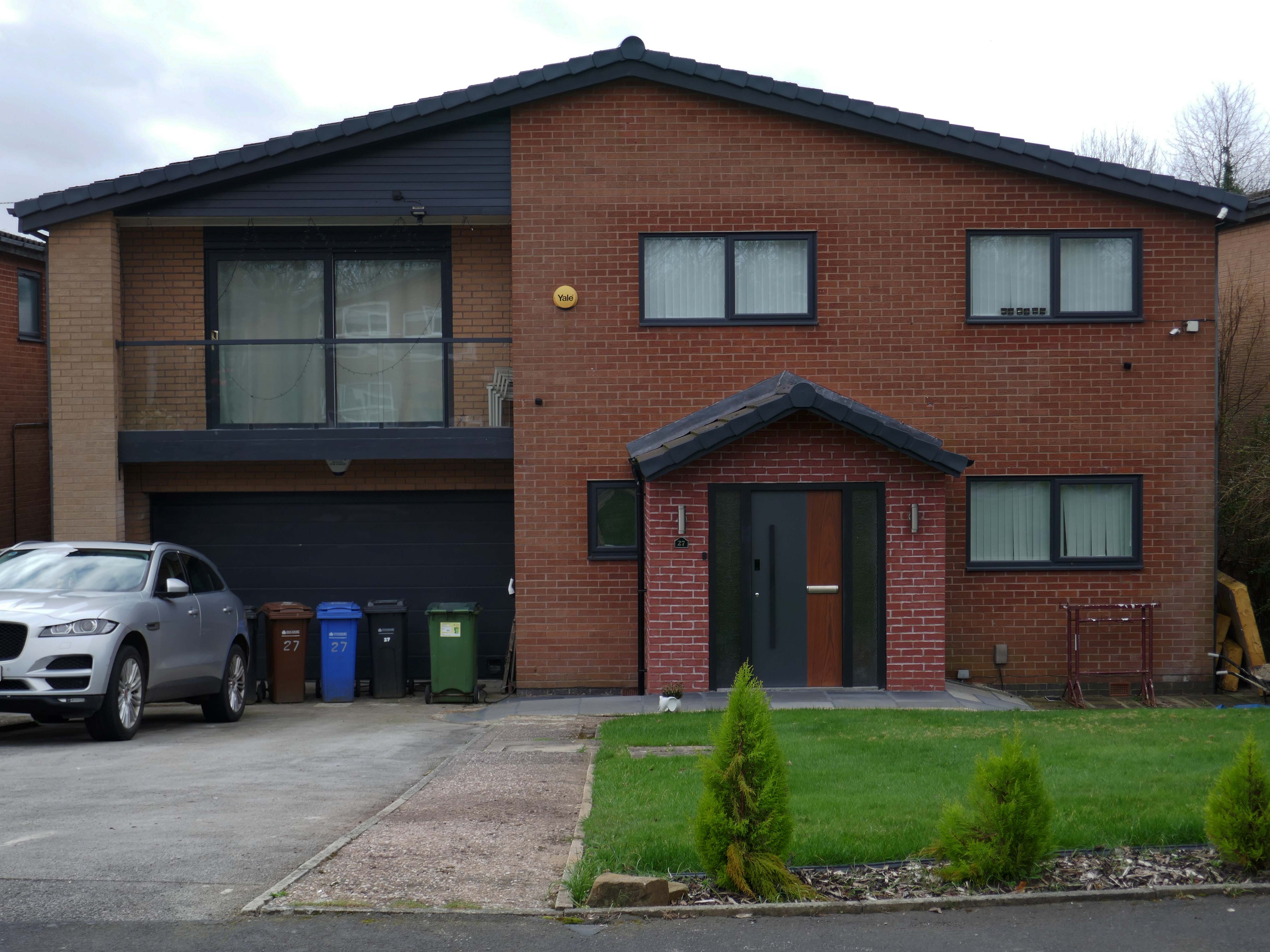
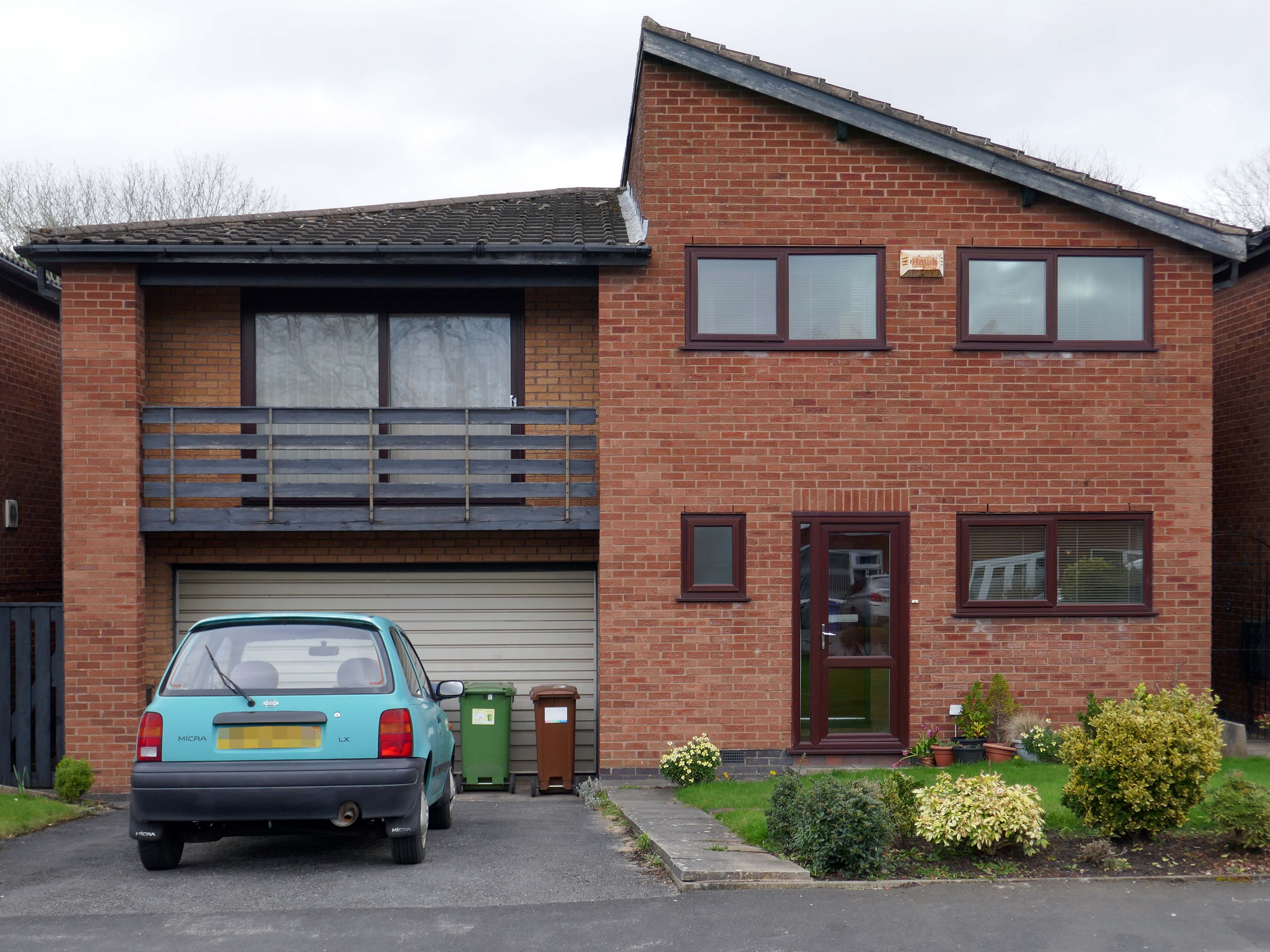
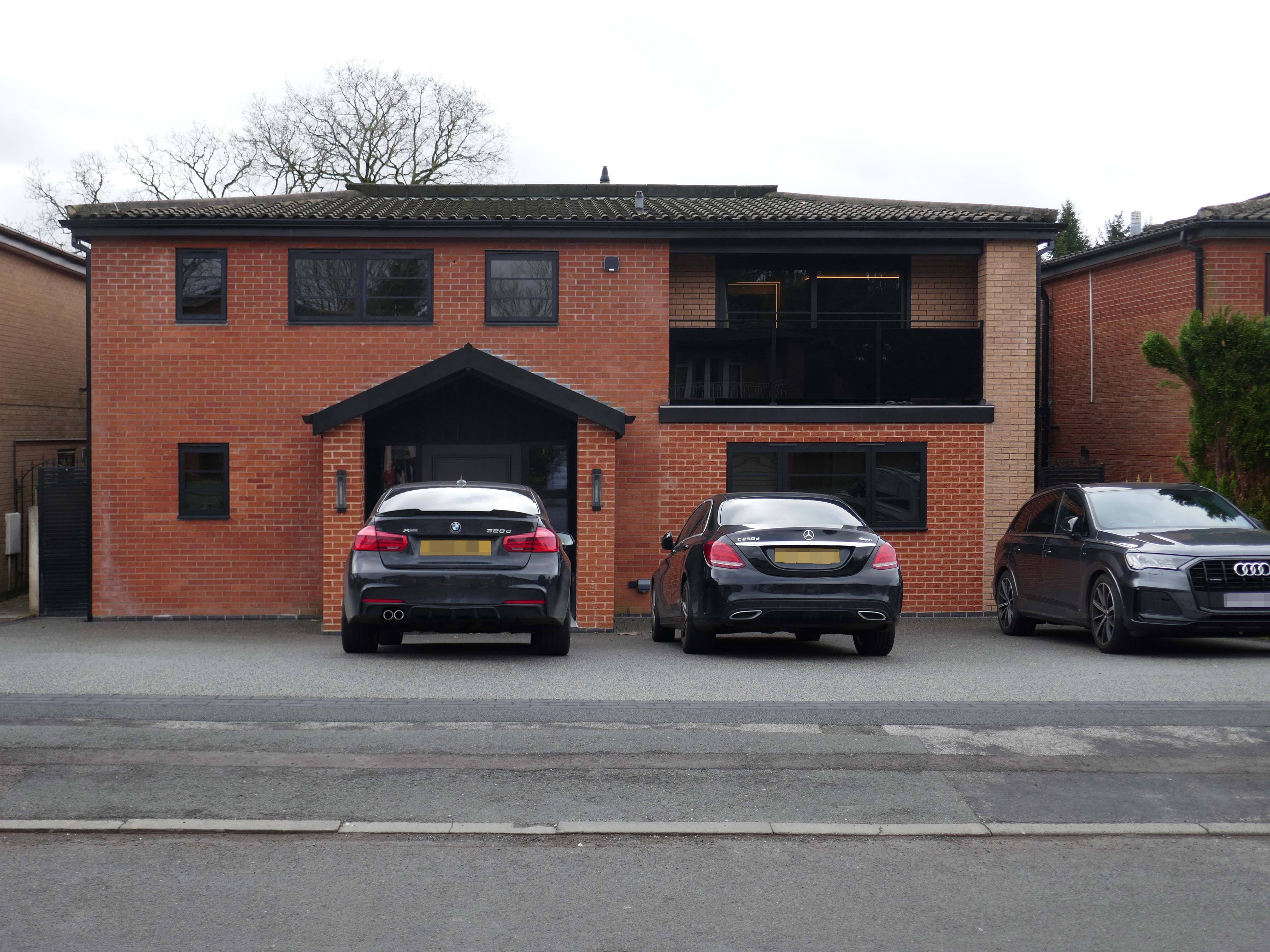
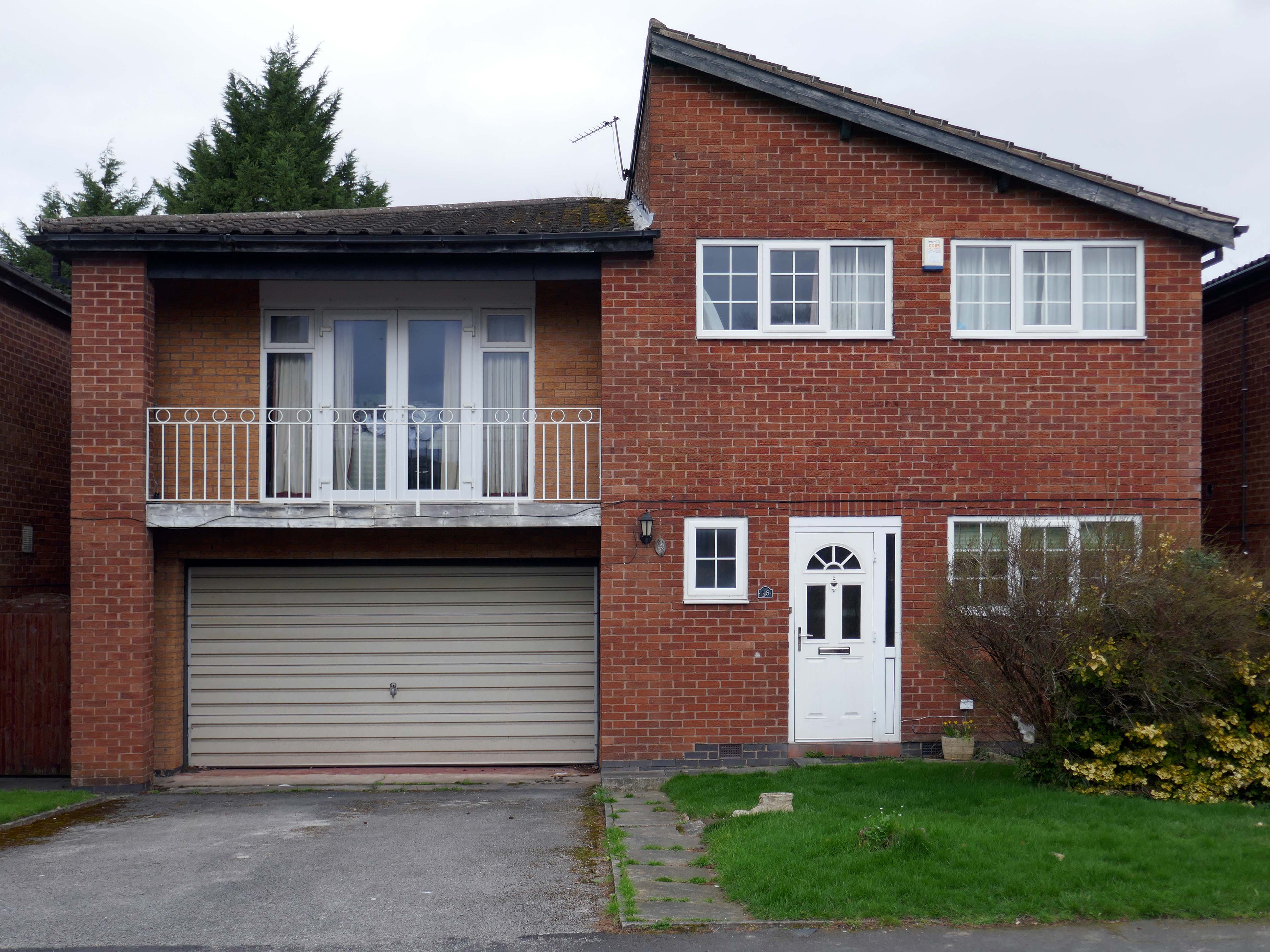
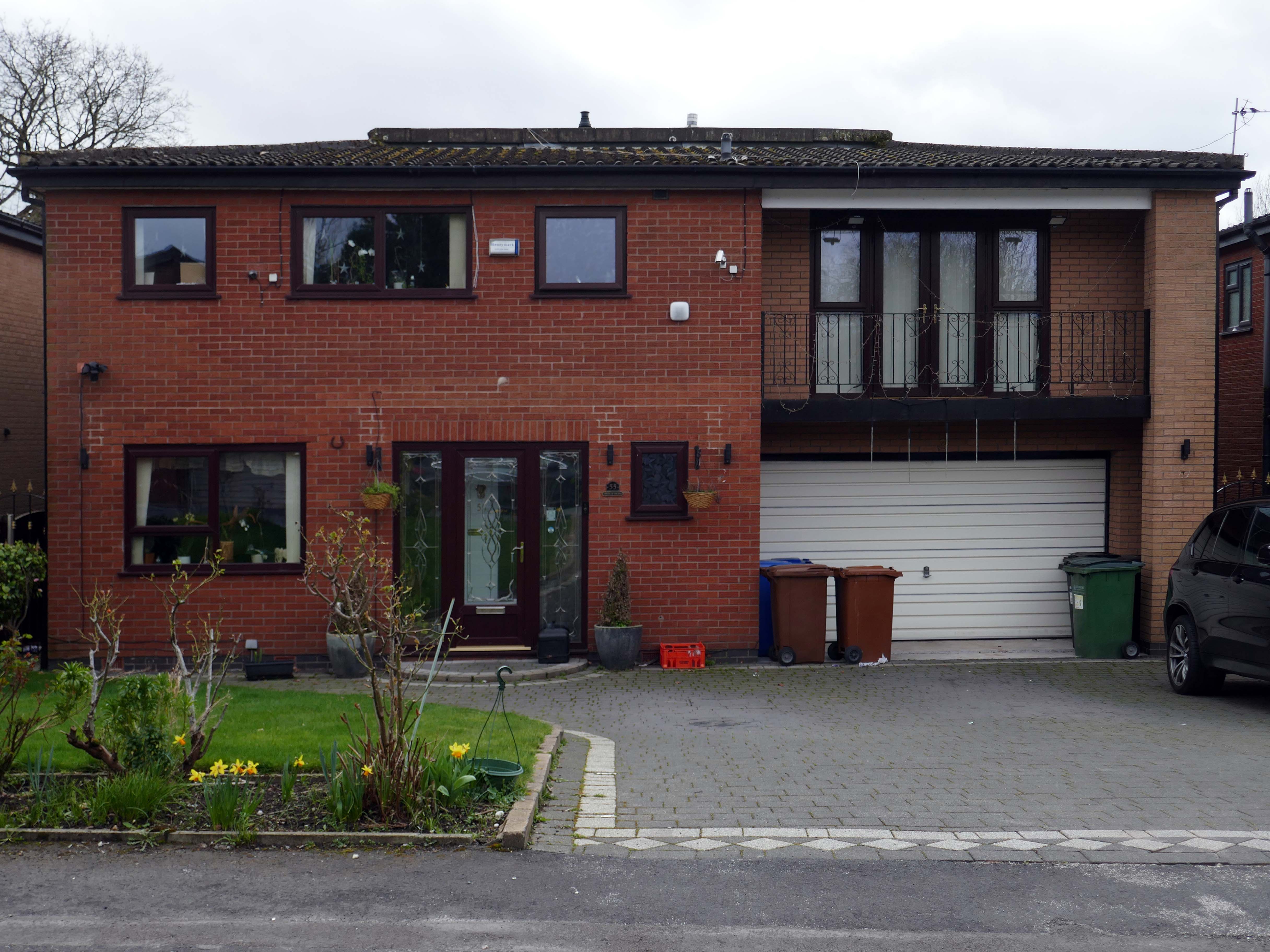
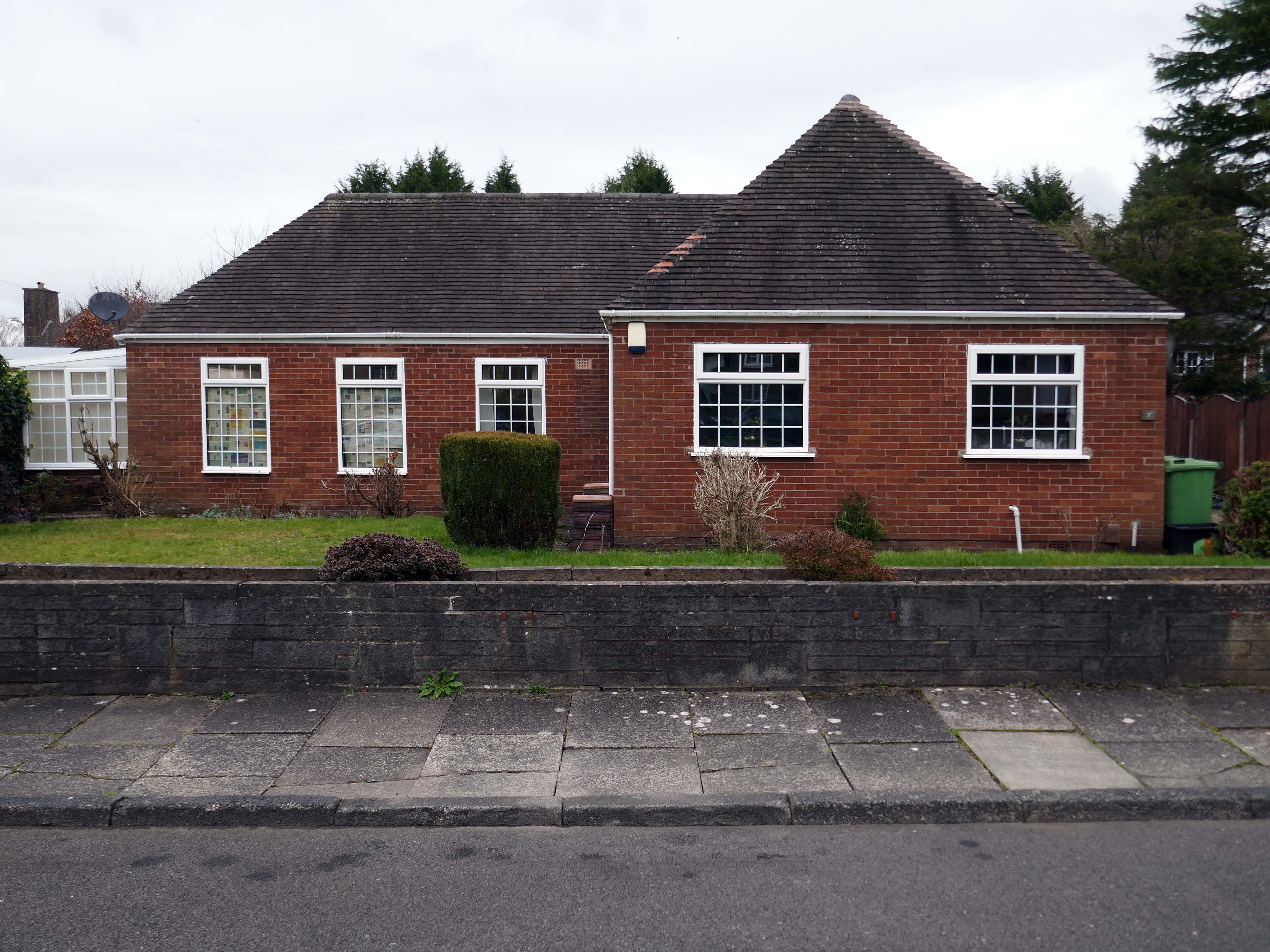
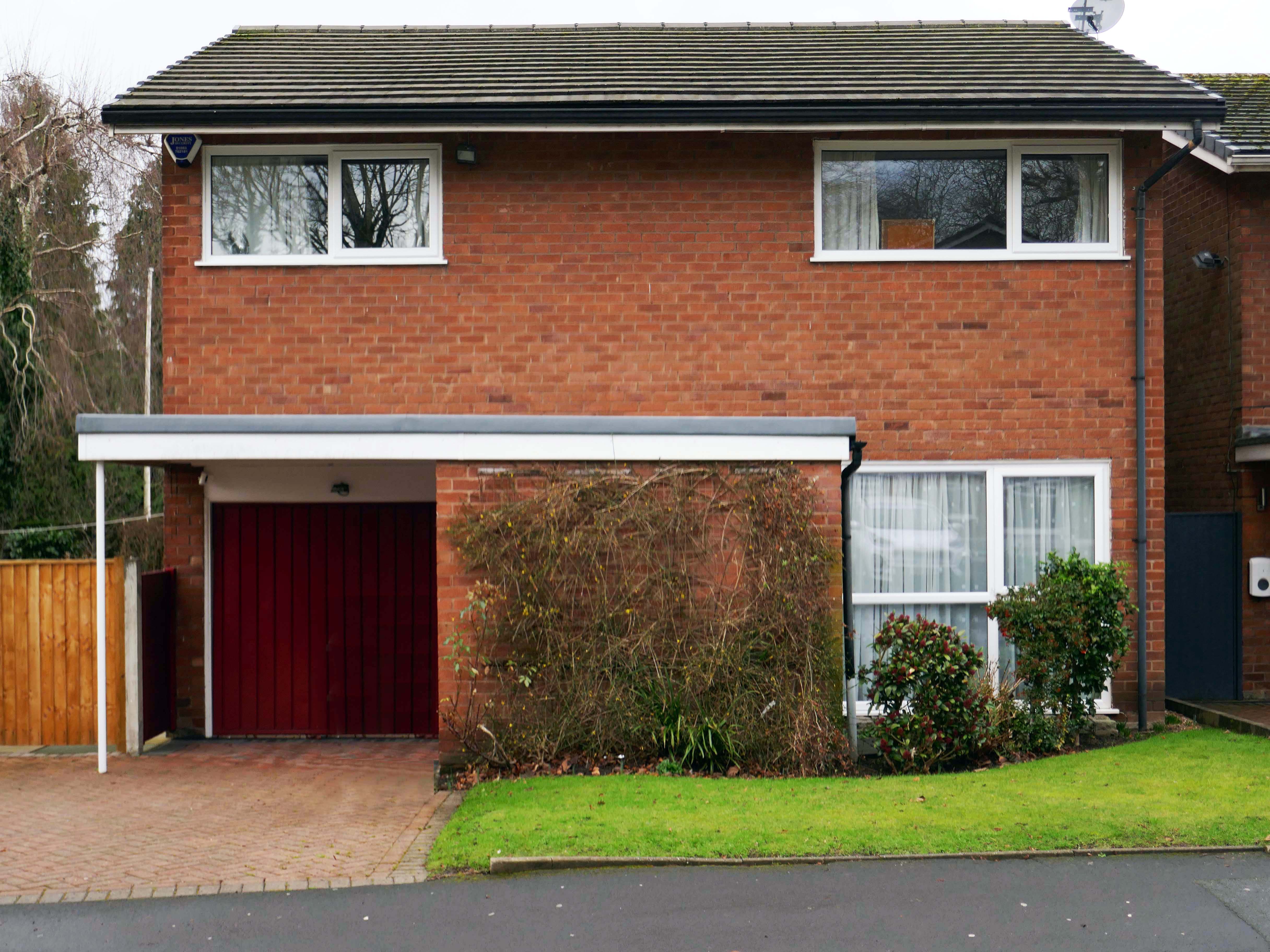
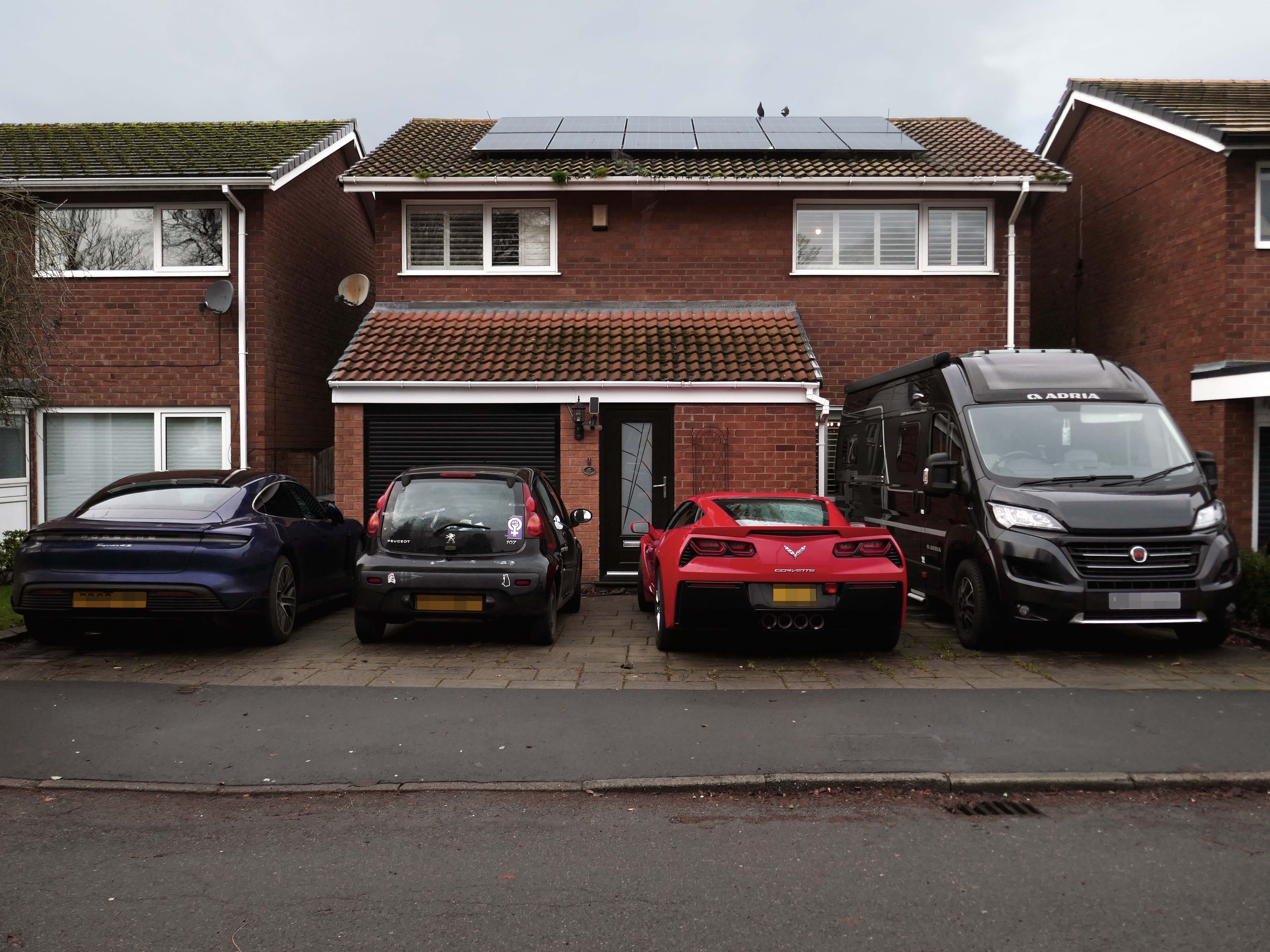
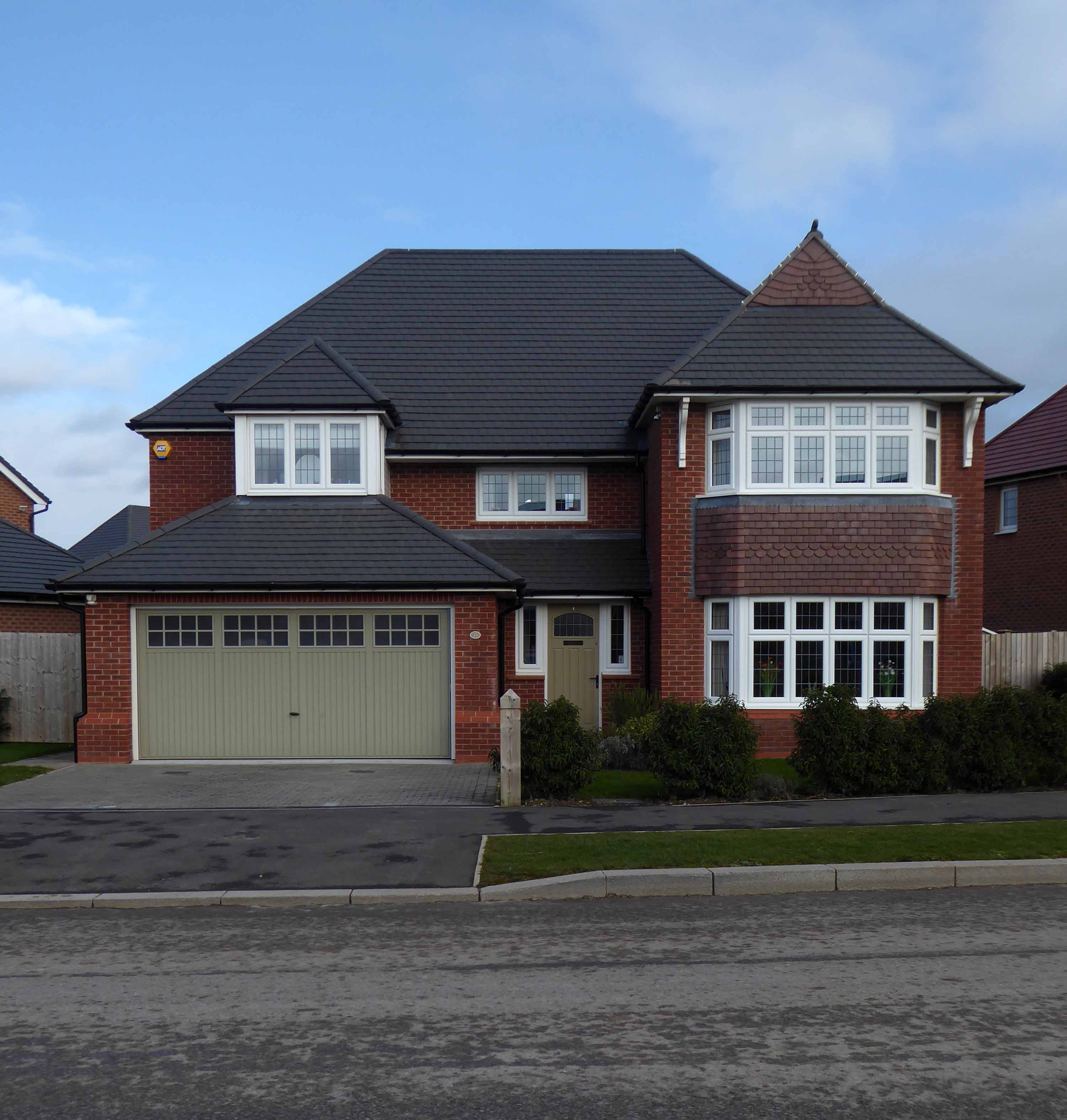
Asymmetric roof, bedroom balcony with optional infill, ever more pointless integrated garage, as the inflated automobile refuses to fit in.
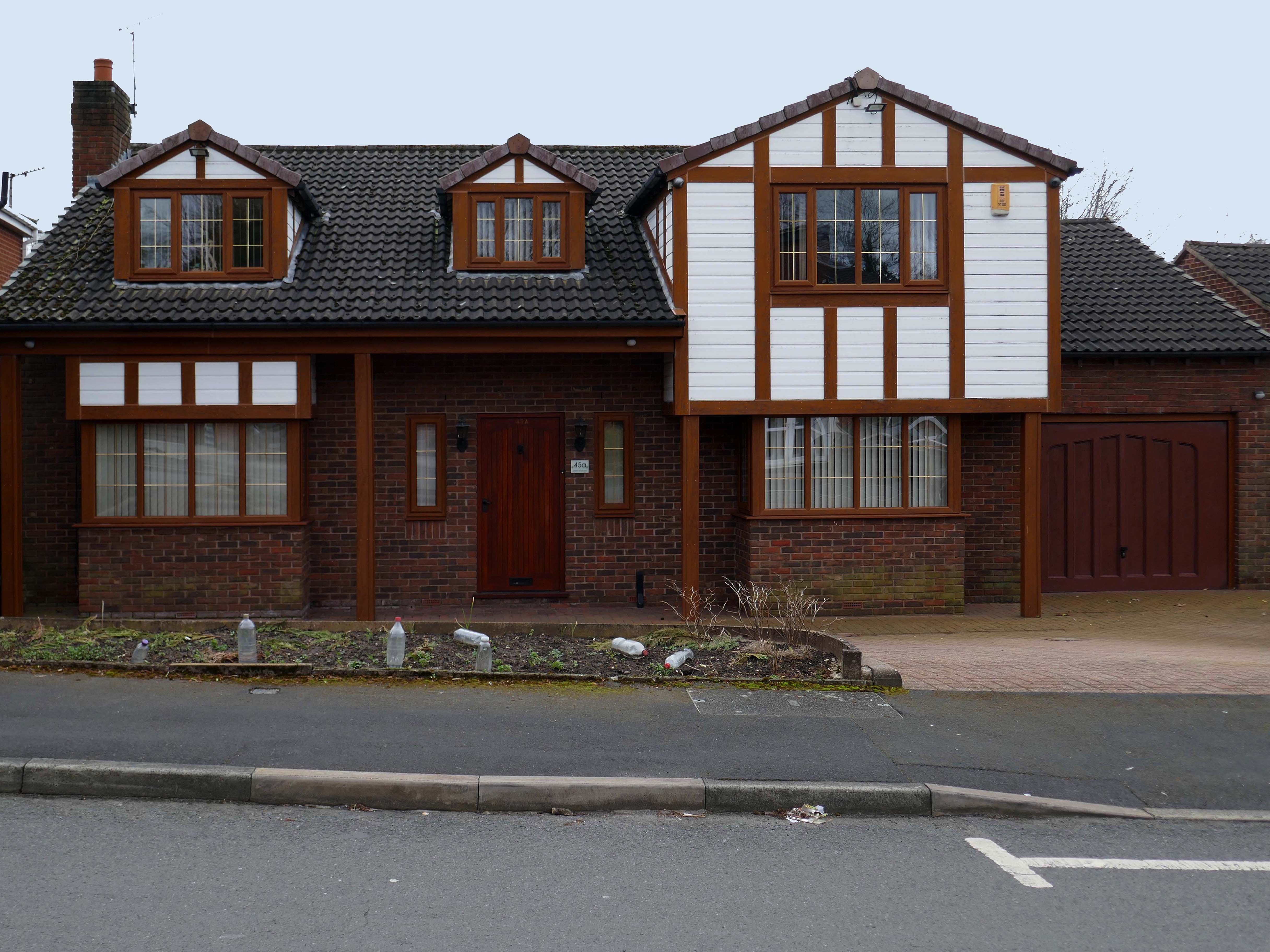
The ubiquitous carriage lamp, B&Q Georgian front door and hanging basket, all head up the relentless quest to defy period integrity, in favour of a free market, free for all of undiluted historicism.
The future and the past and the houses are infinitely all extendable.
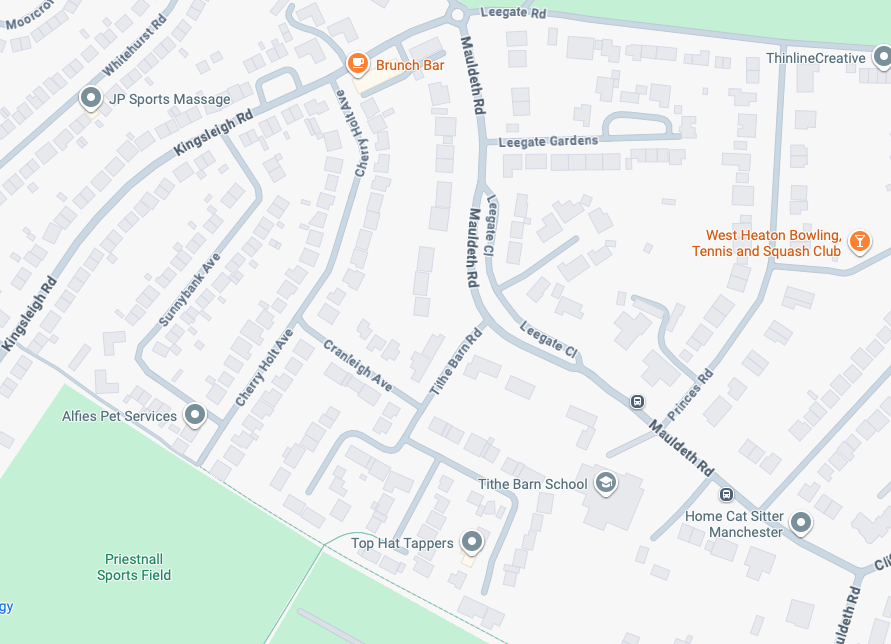
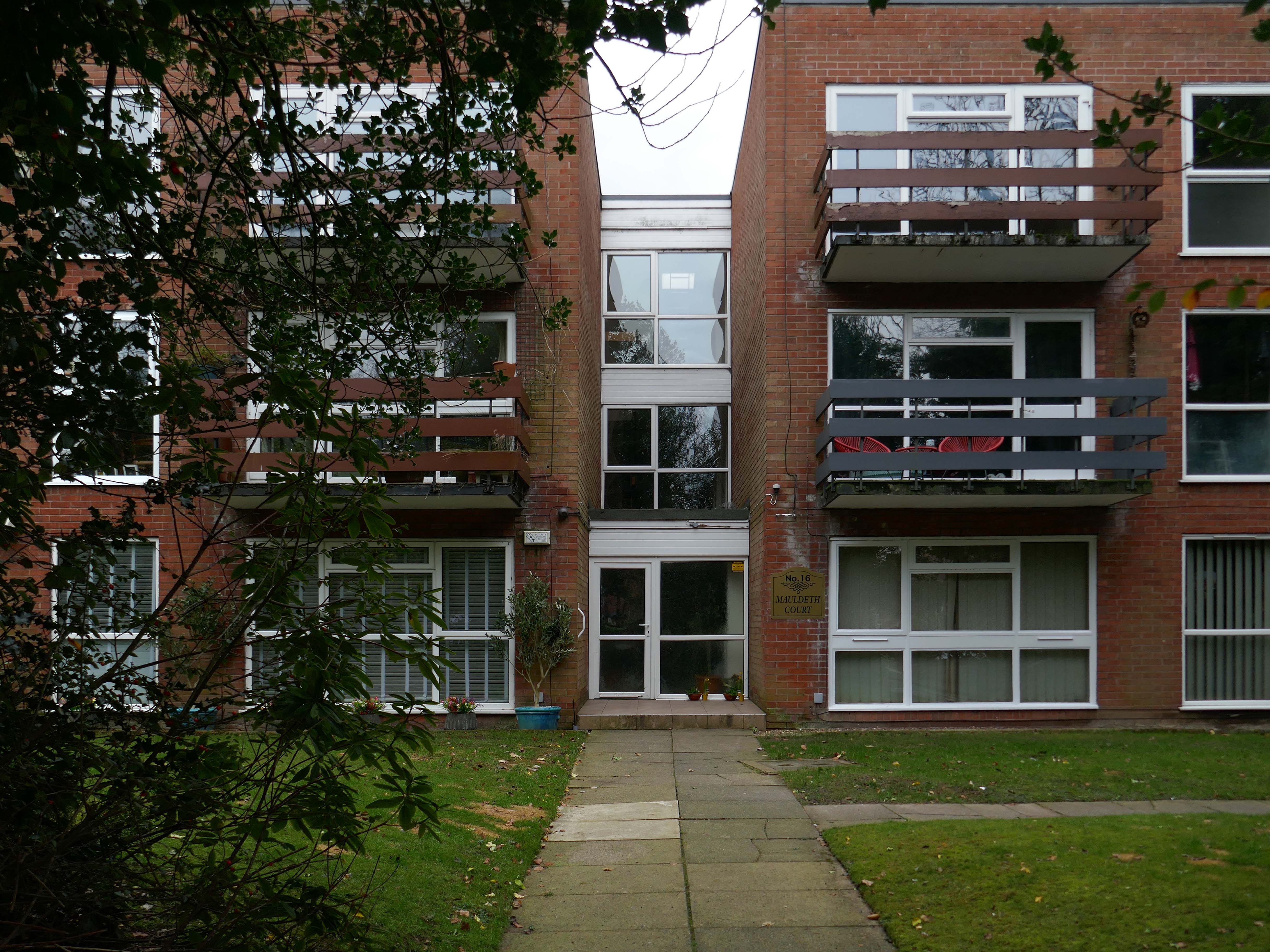
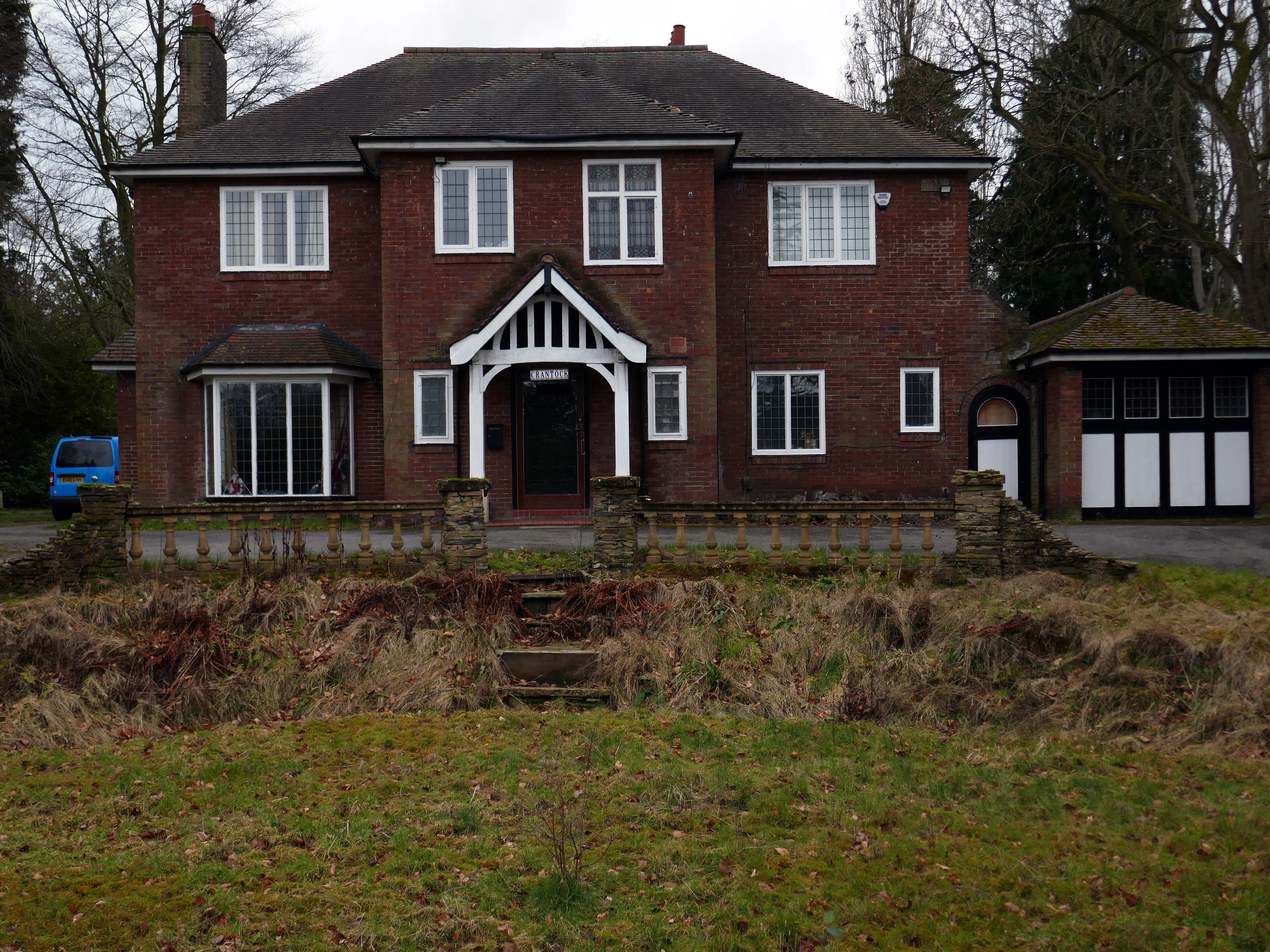
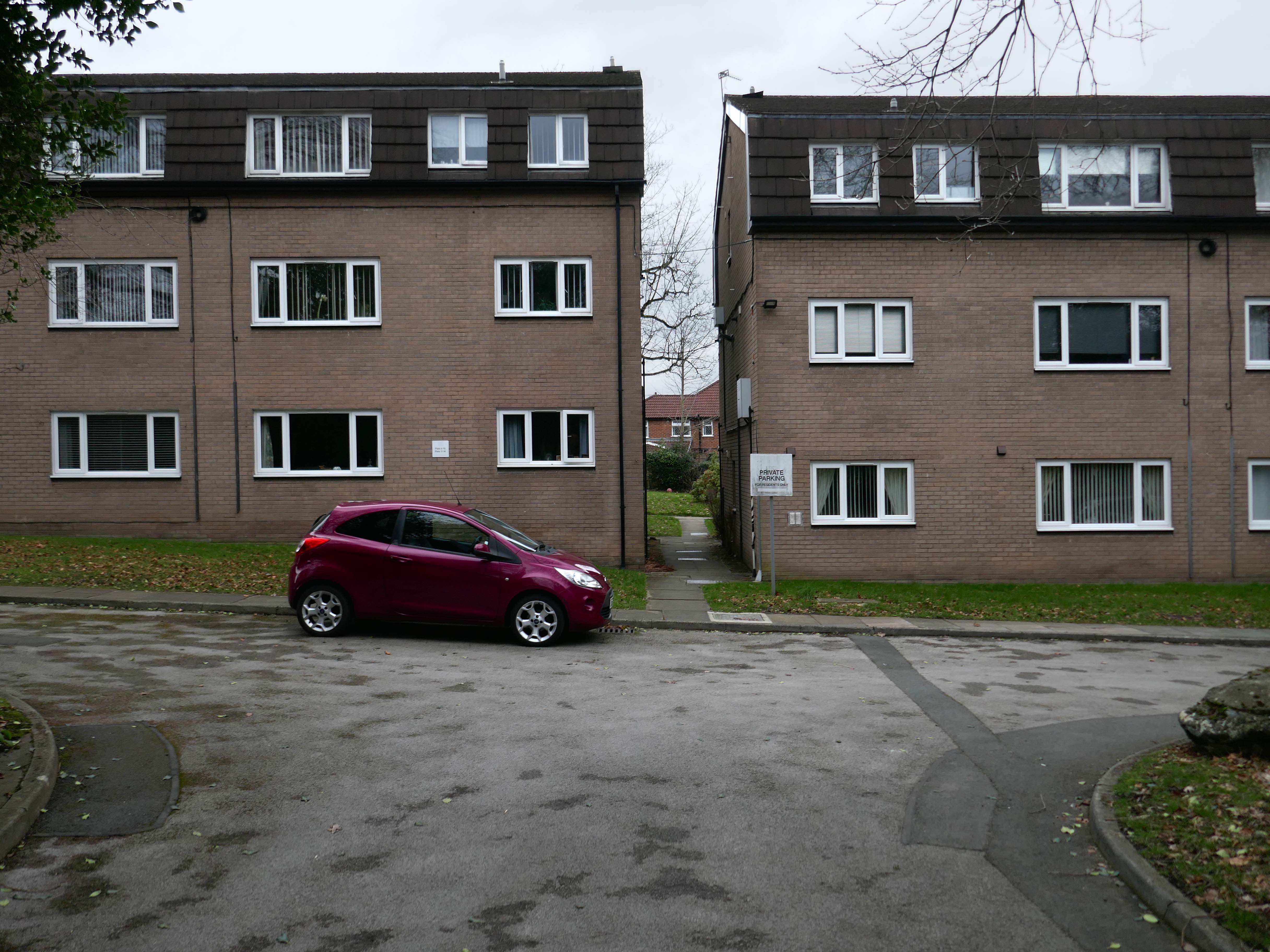
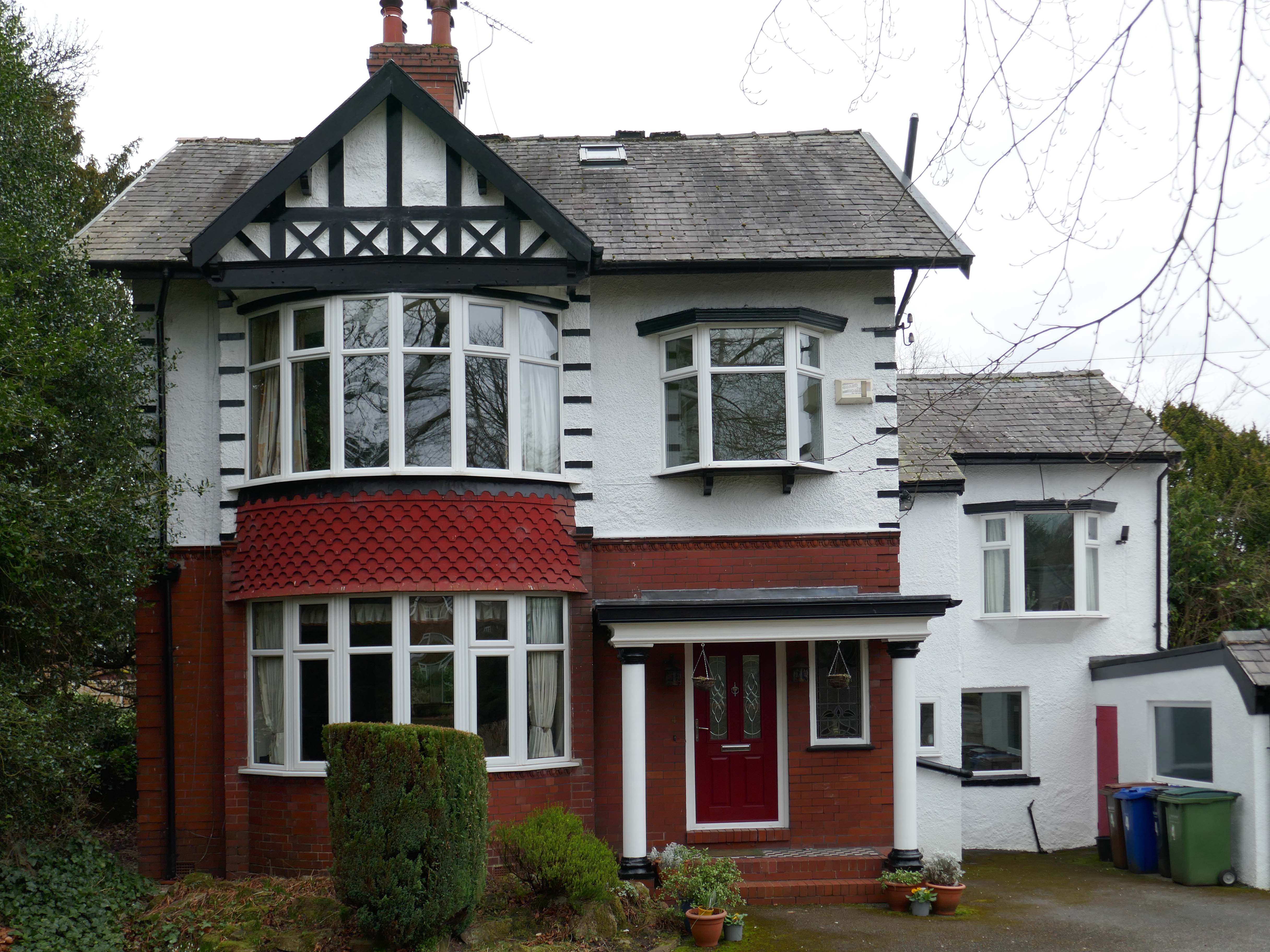
Taking in Mauldeth Road, Pinewood Close and Leegate Gardens
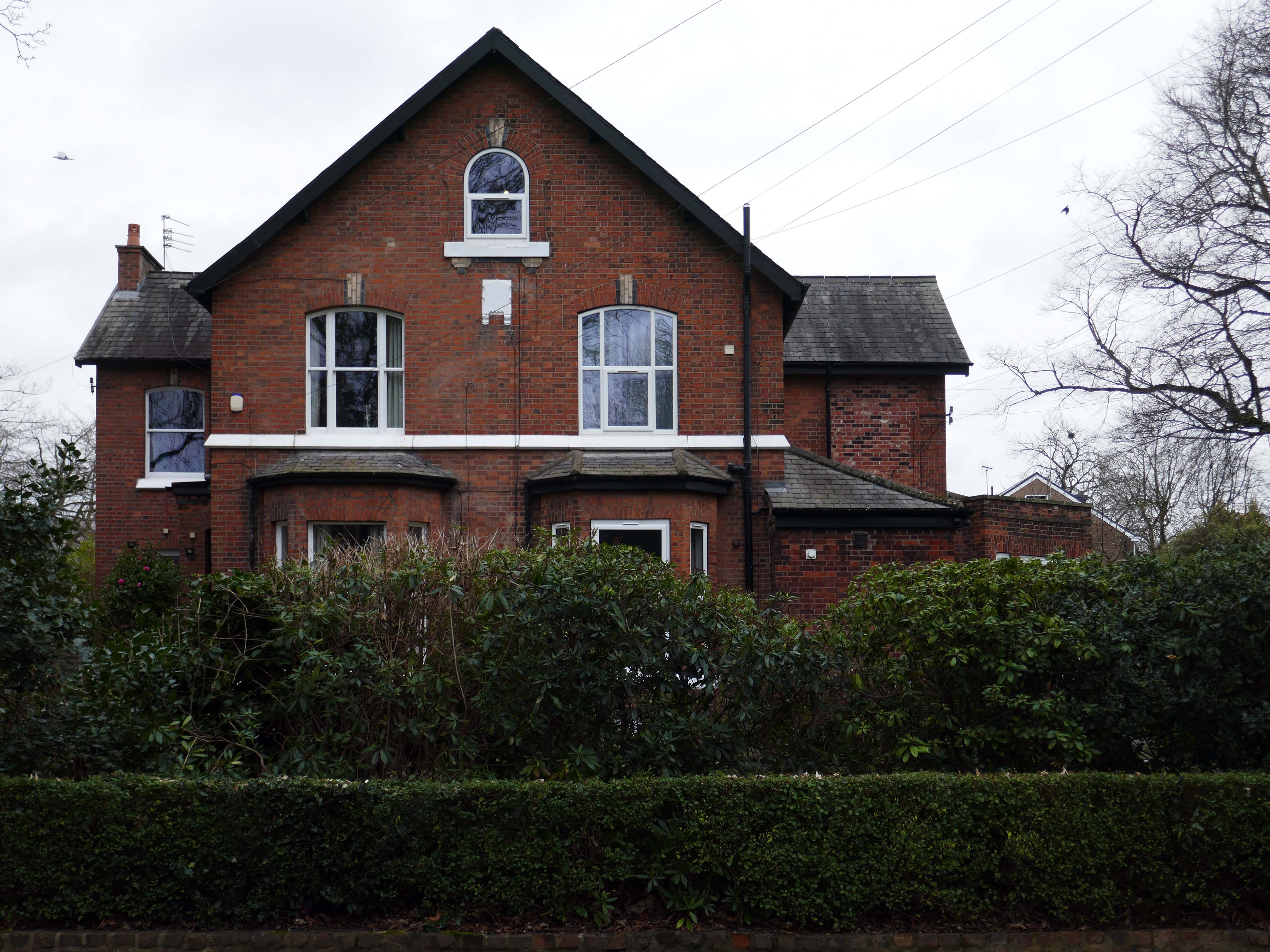
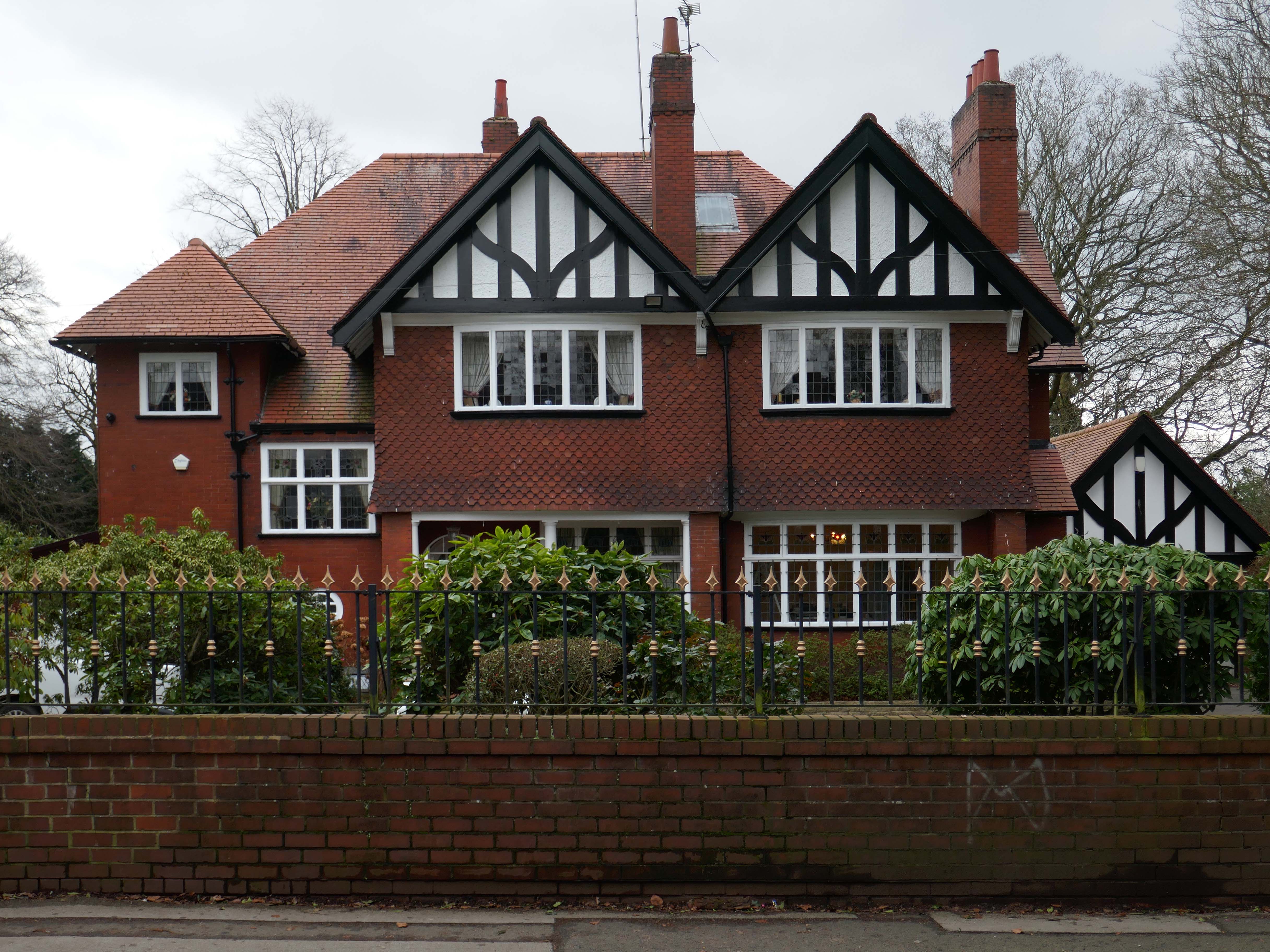
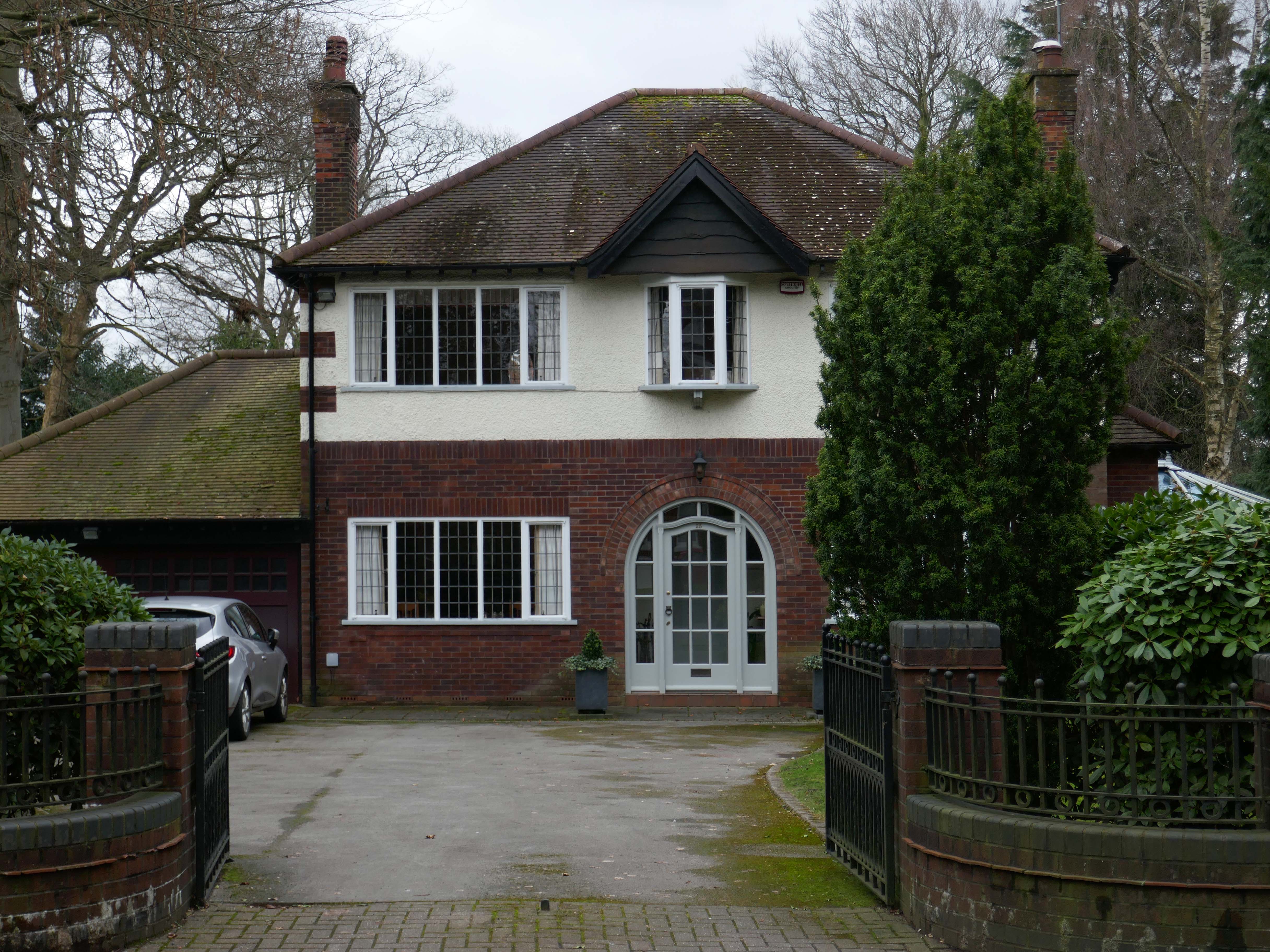
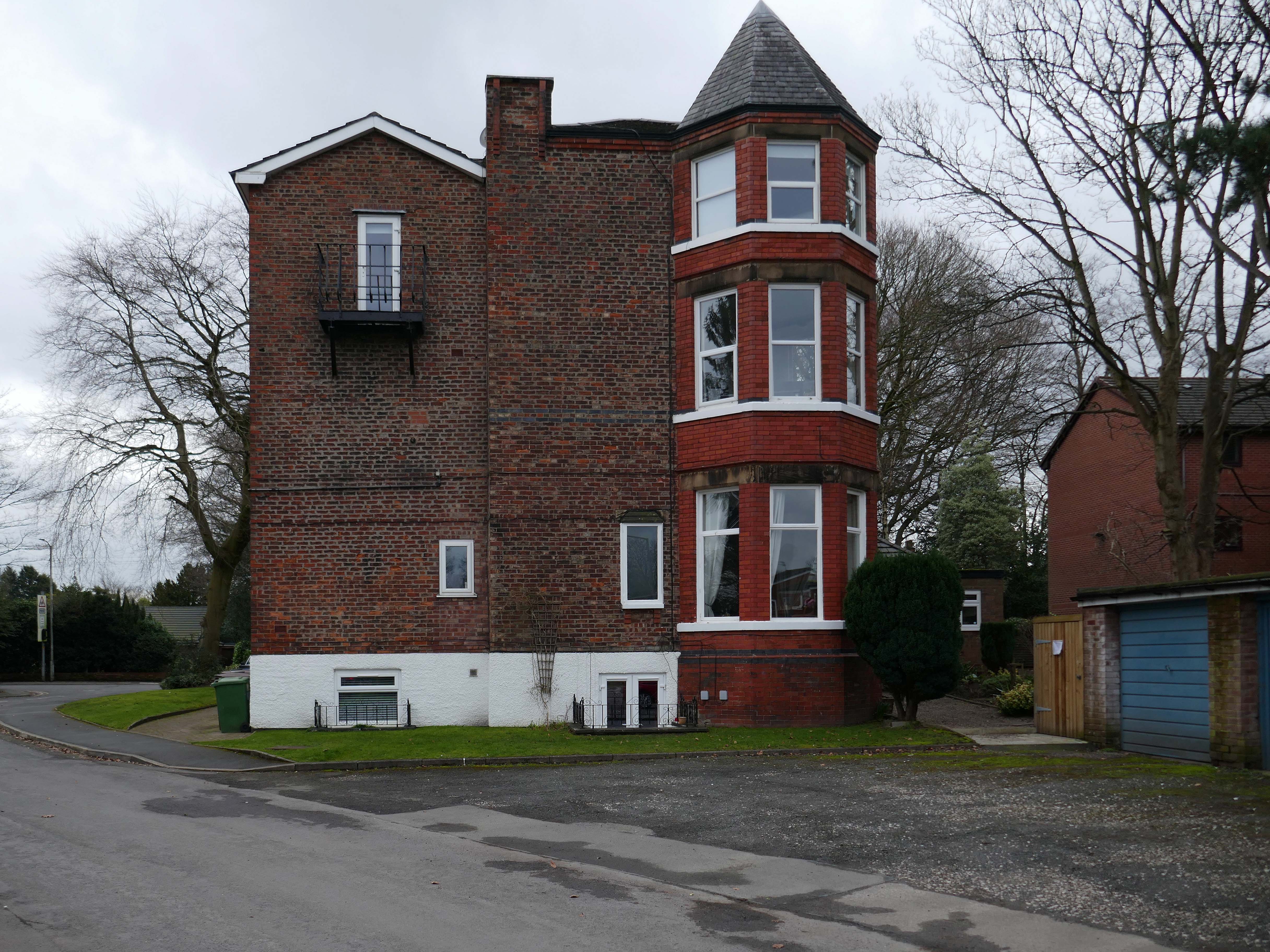
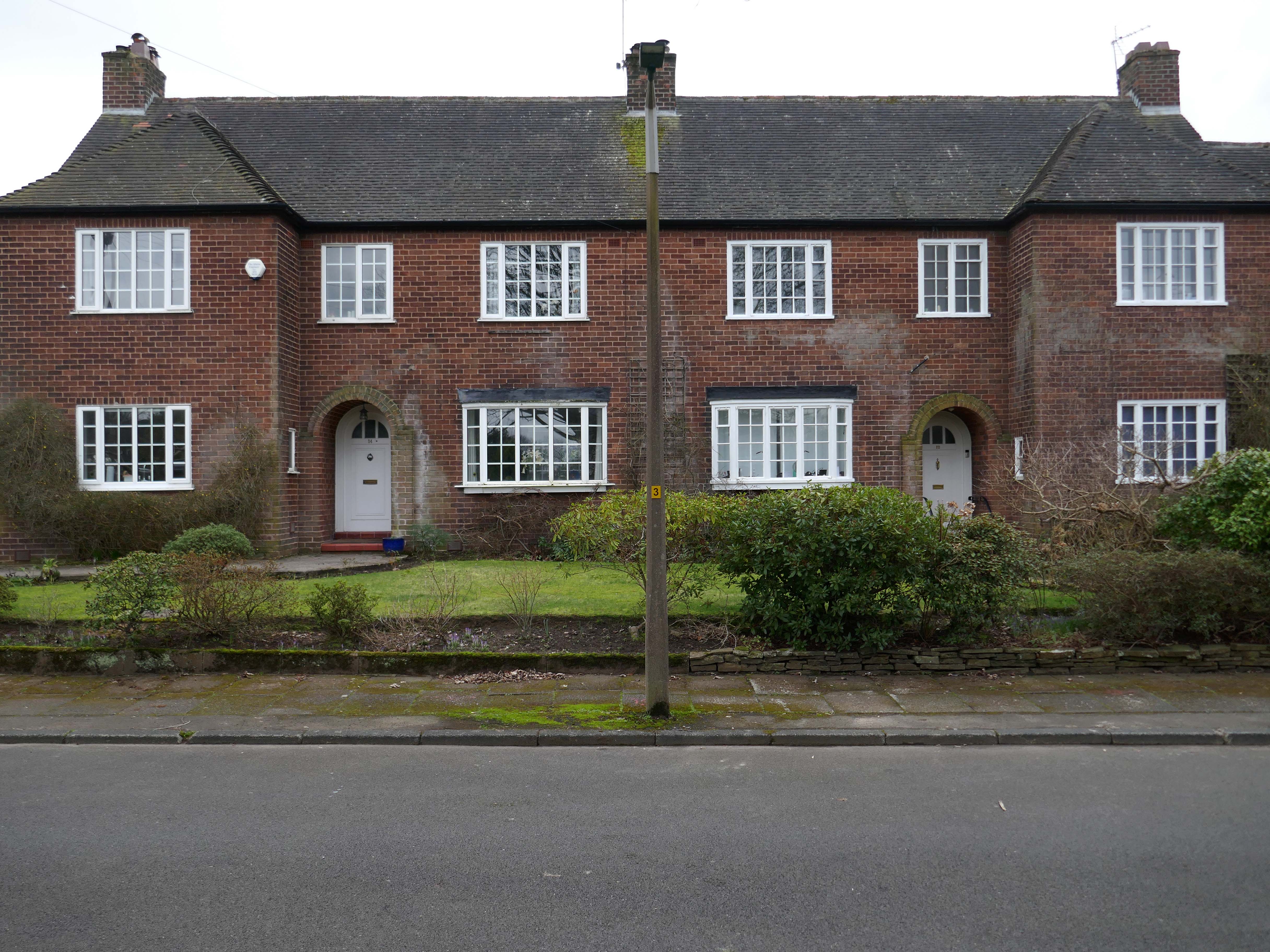
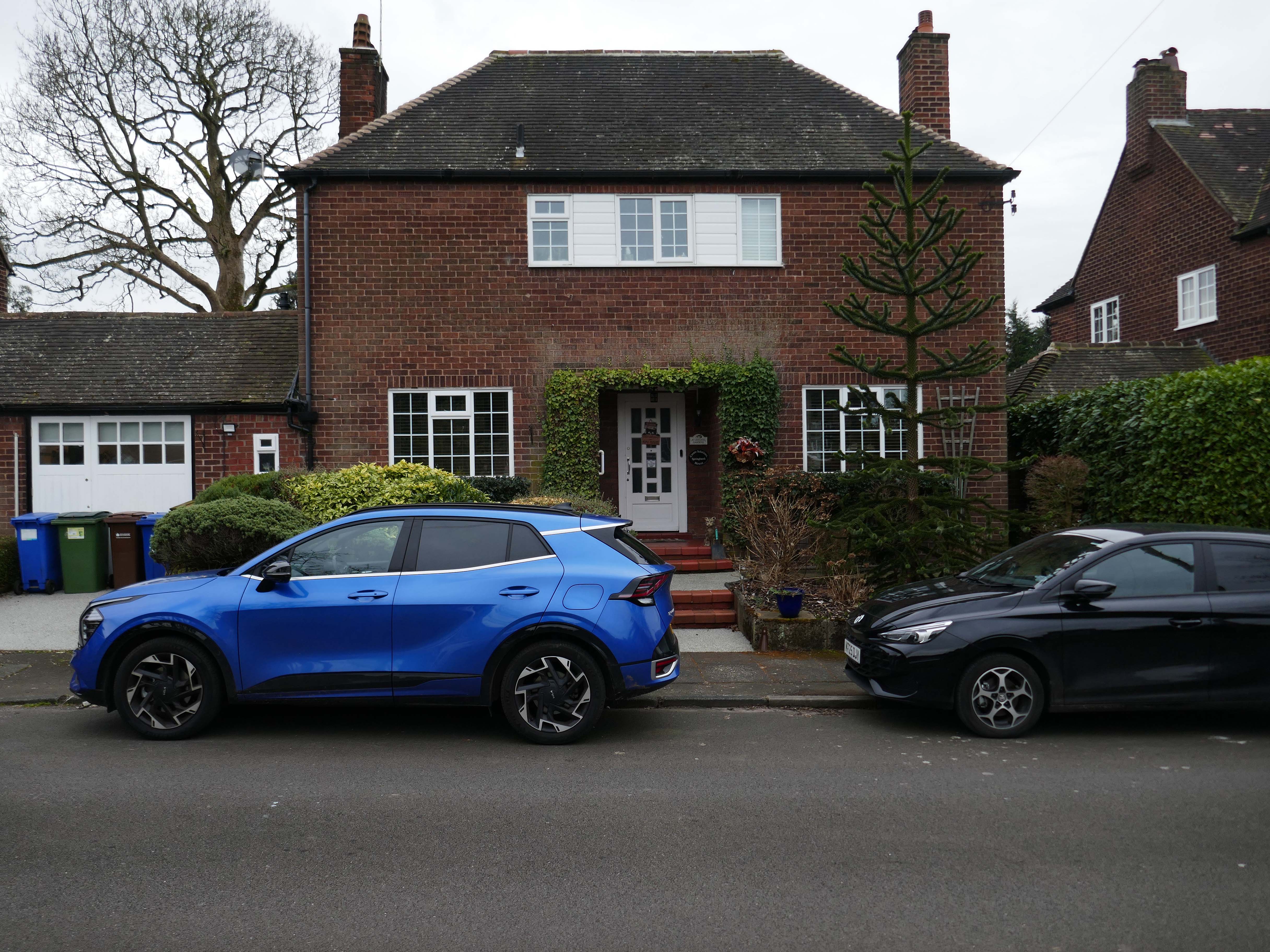
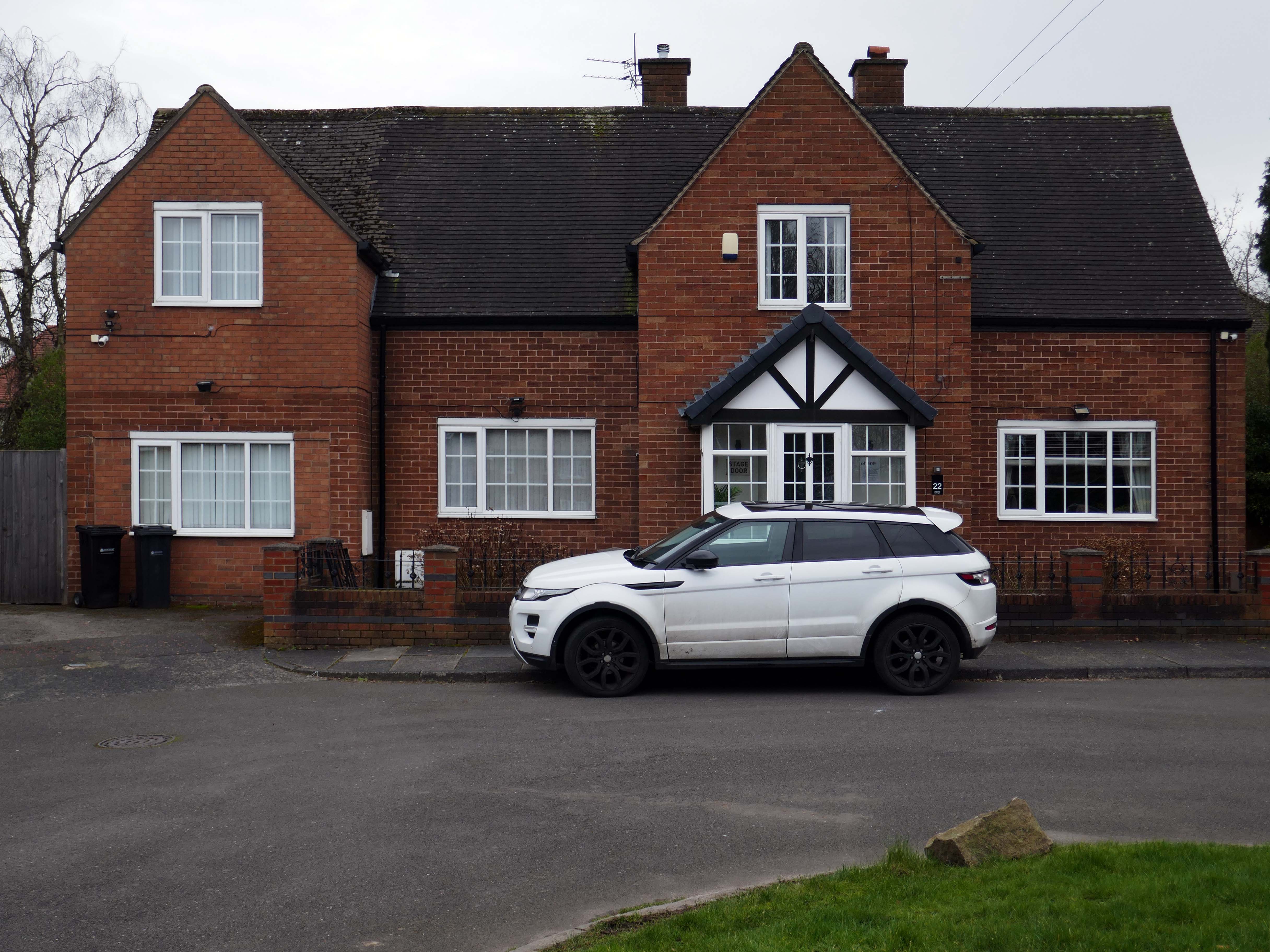
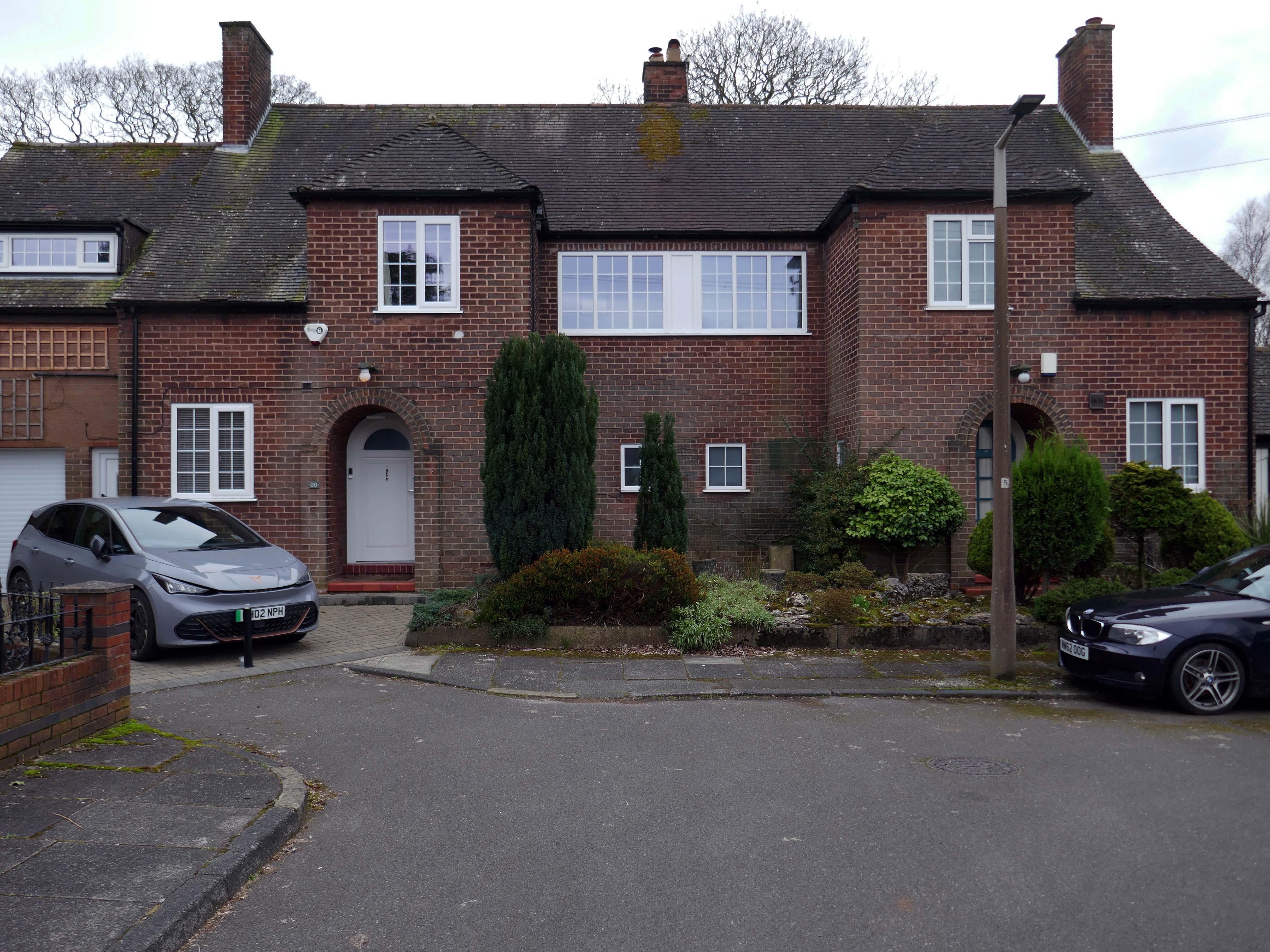
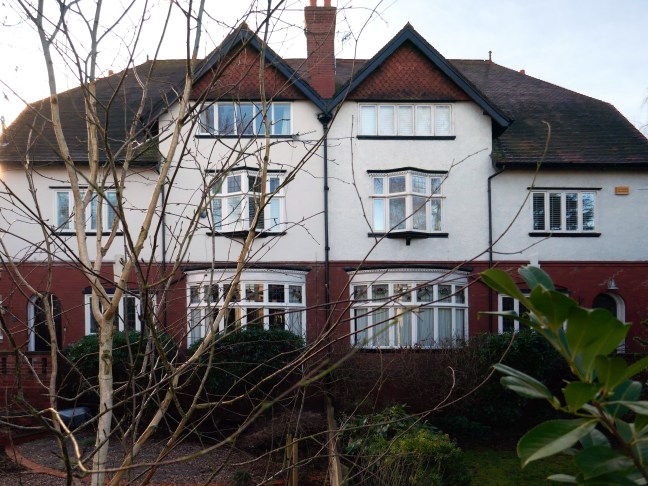
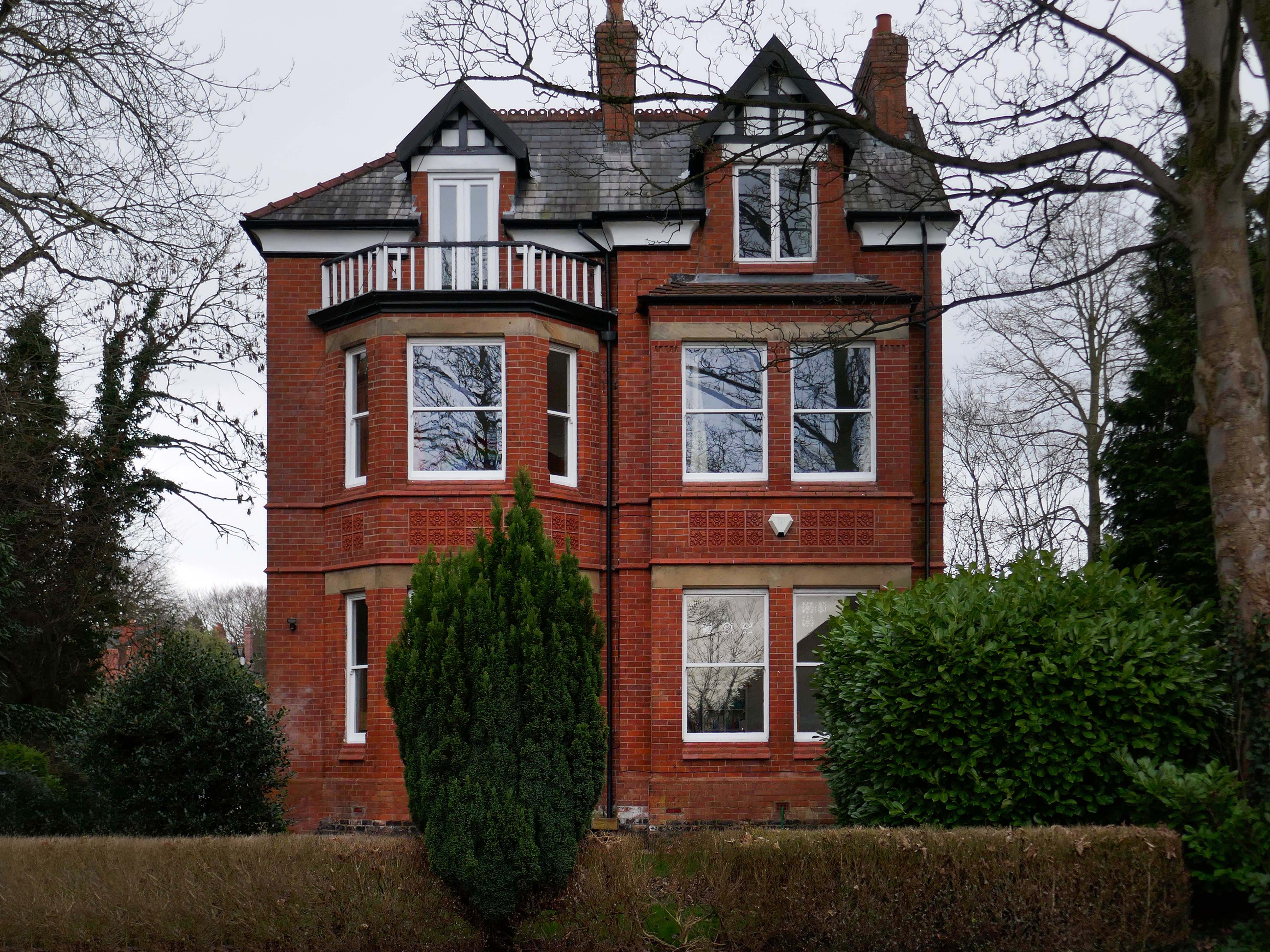
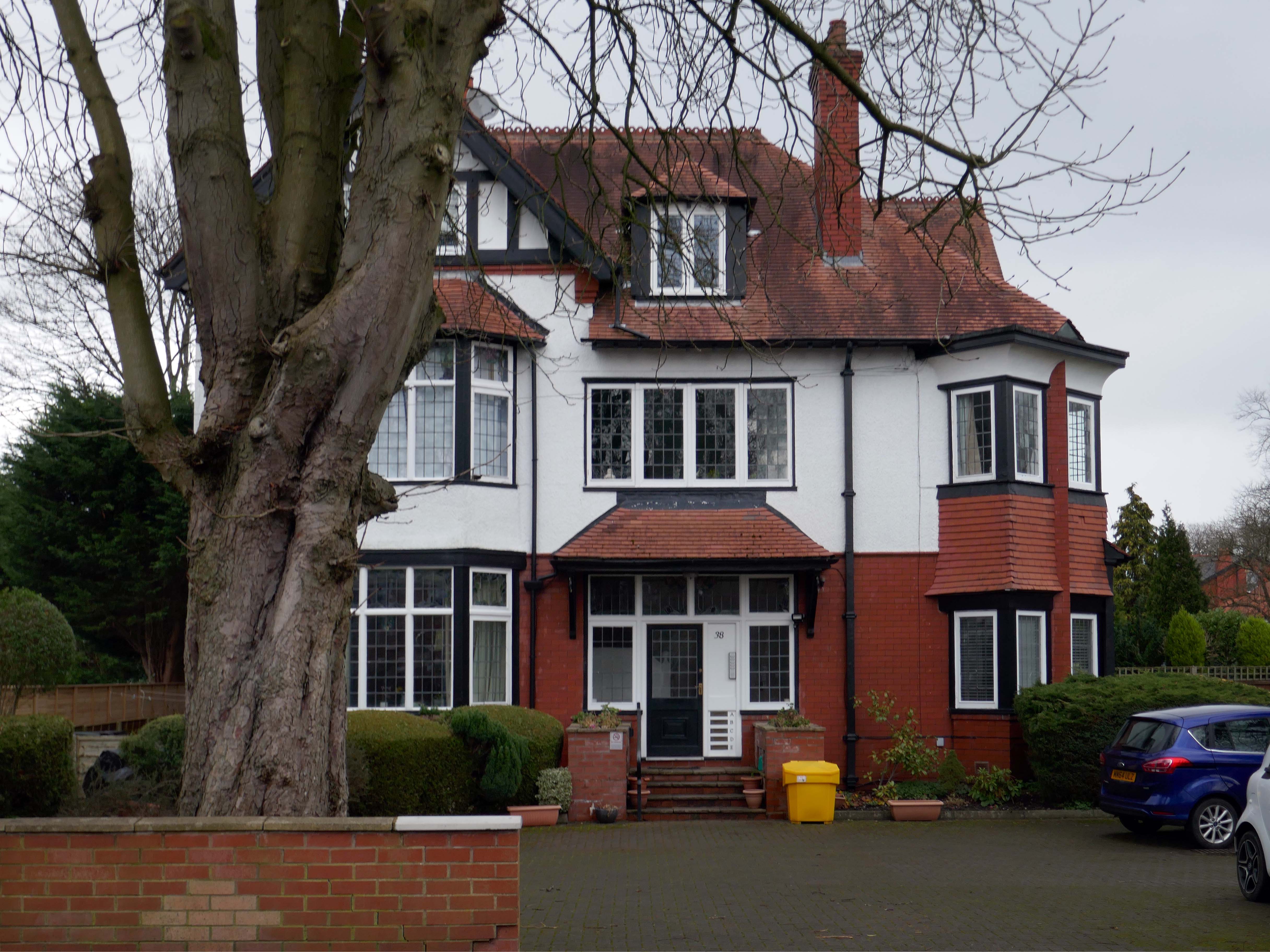
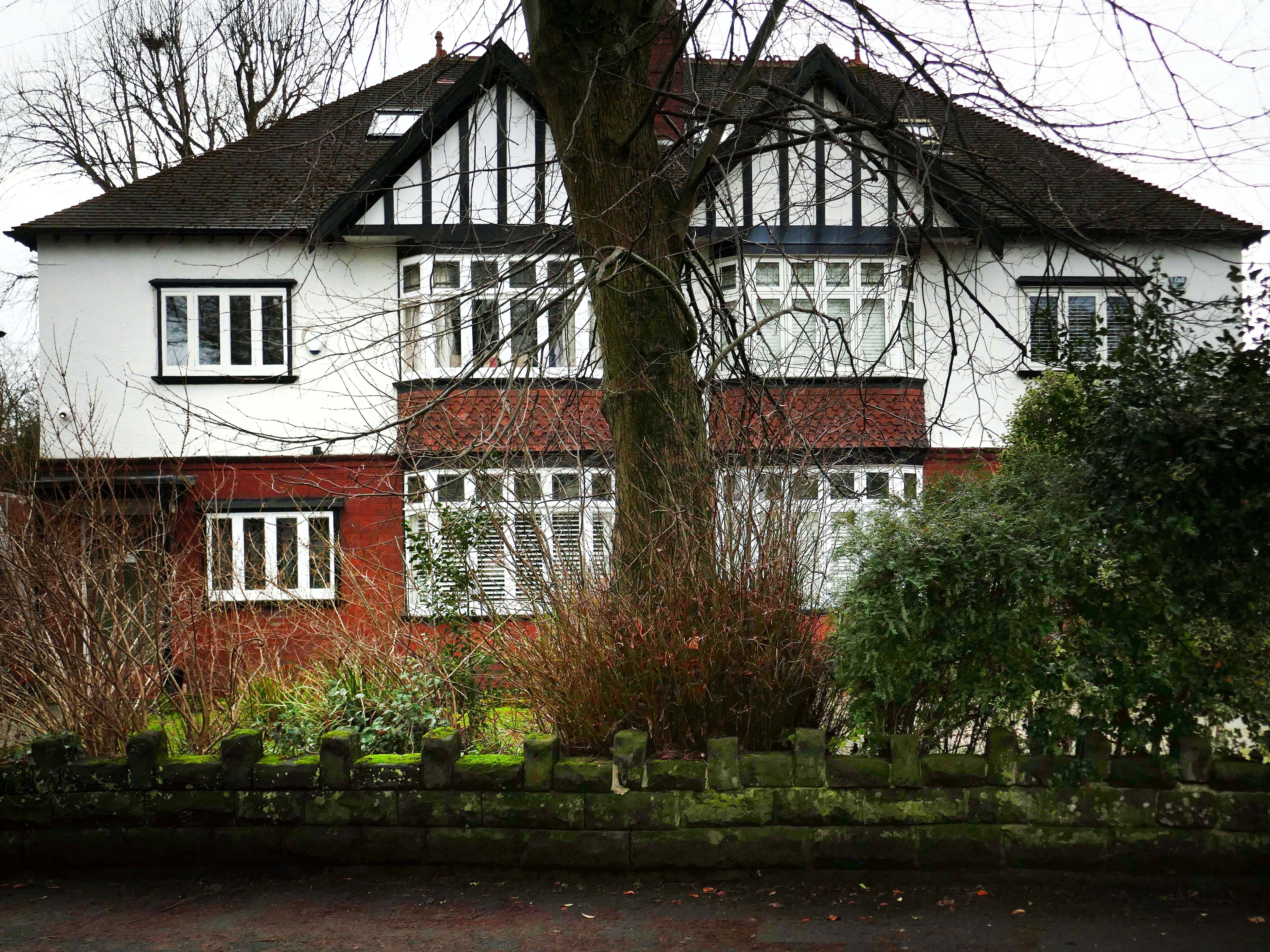
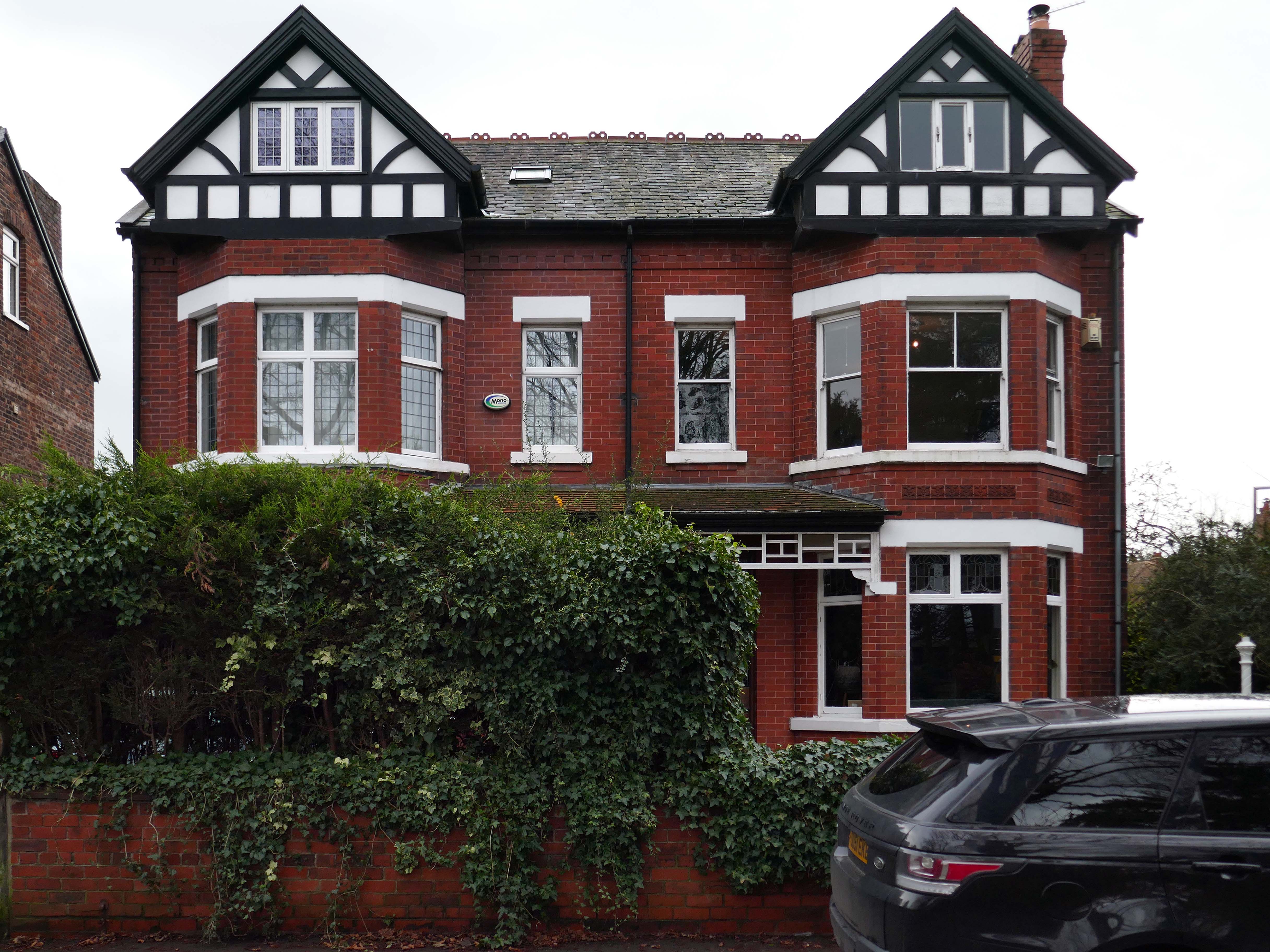
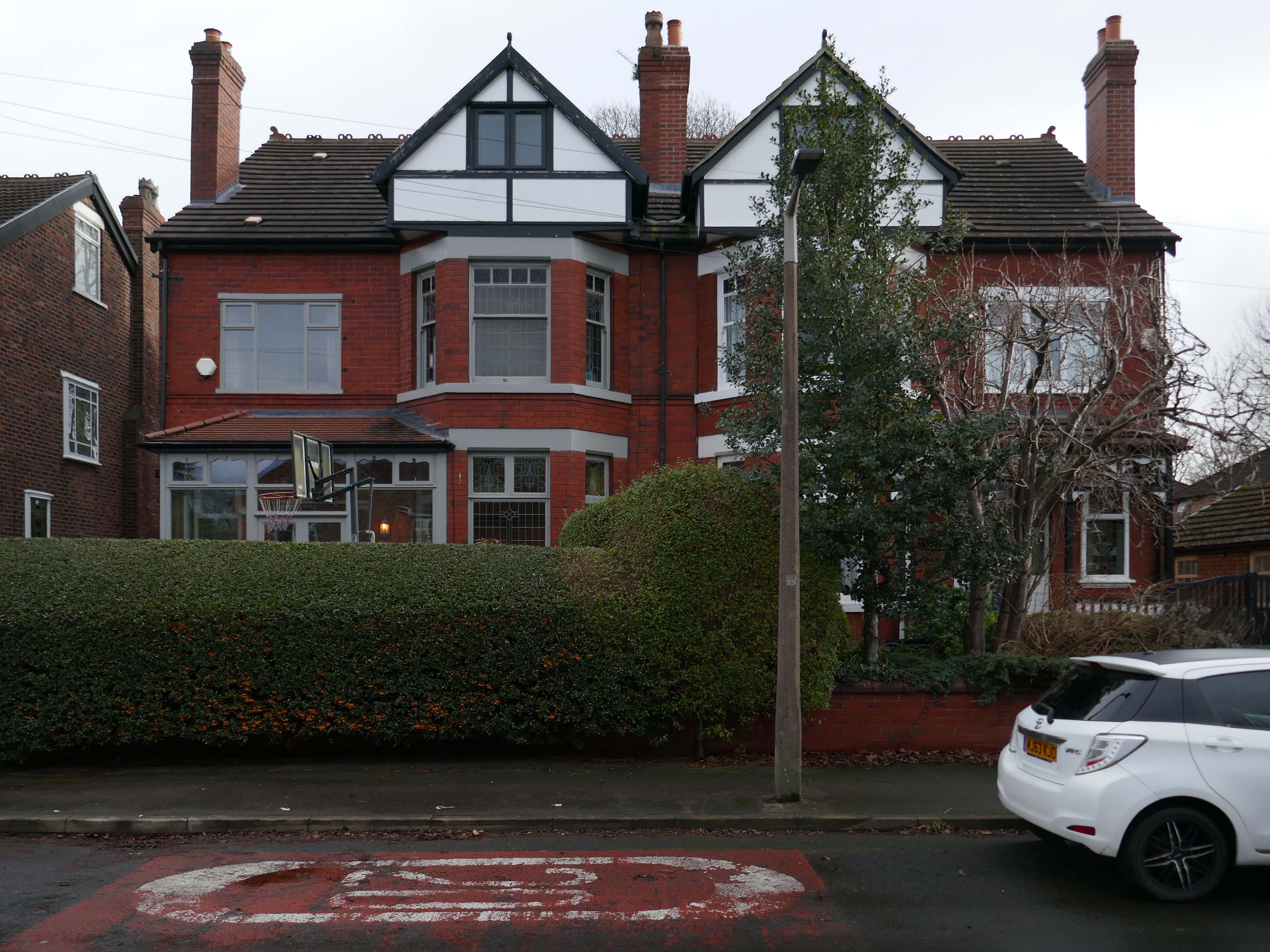
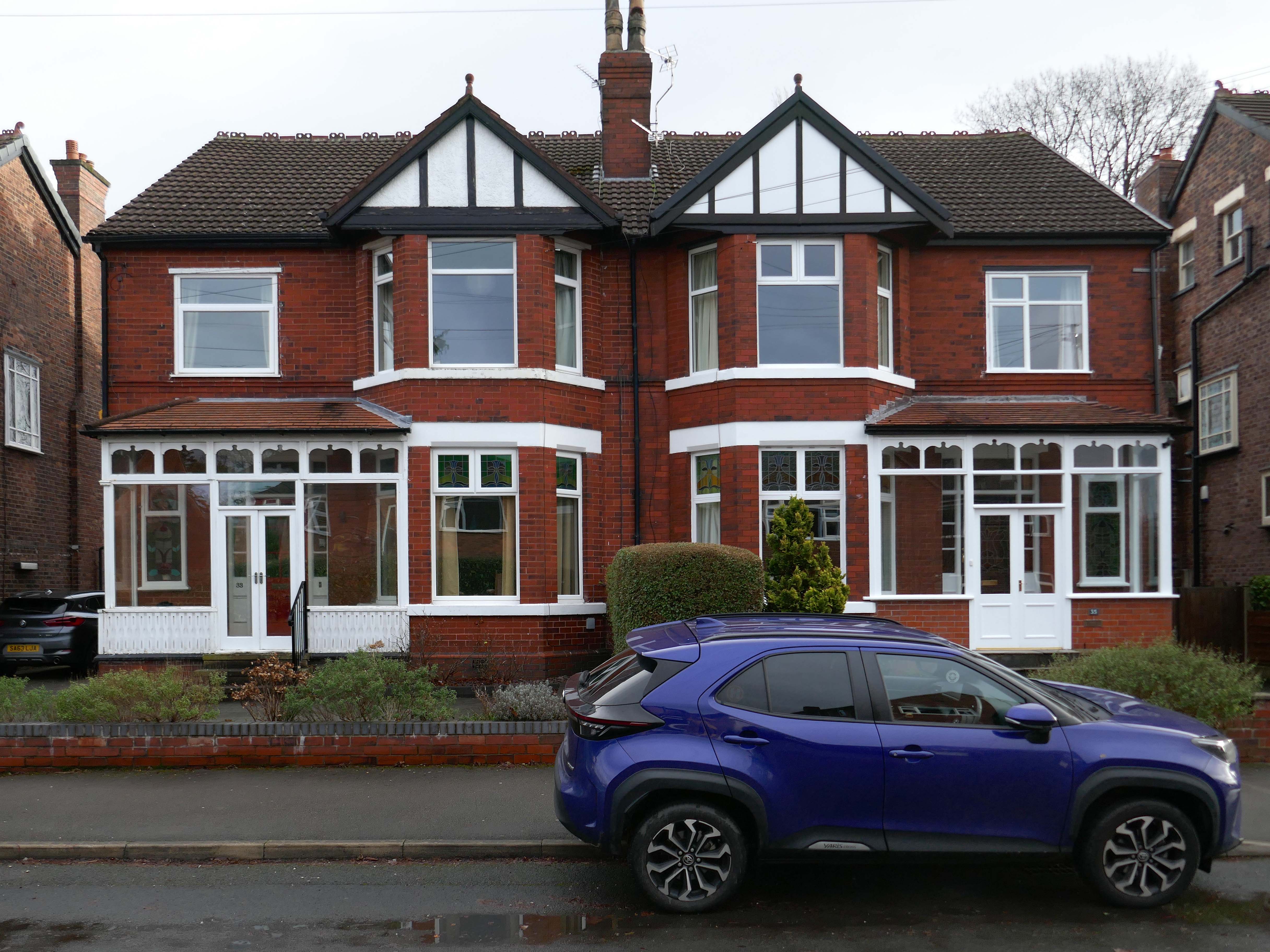
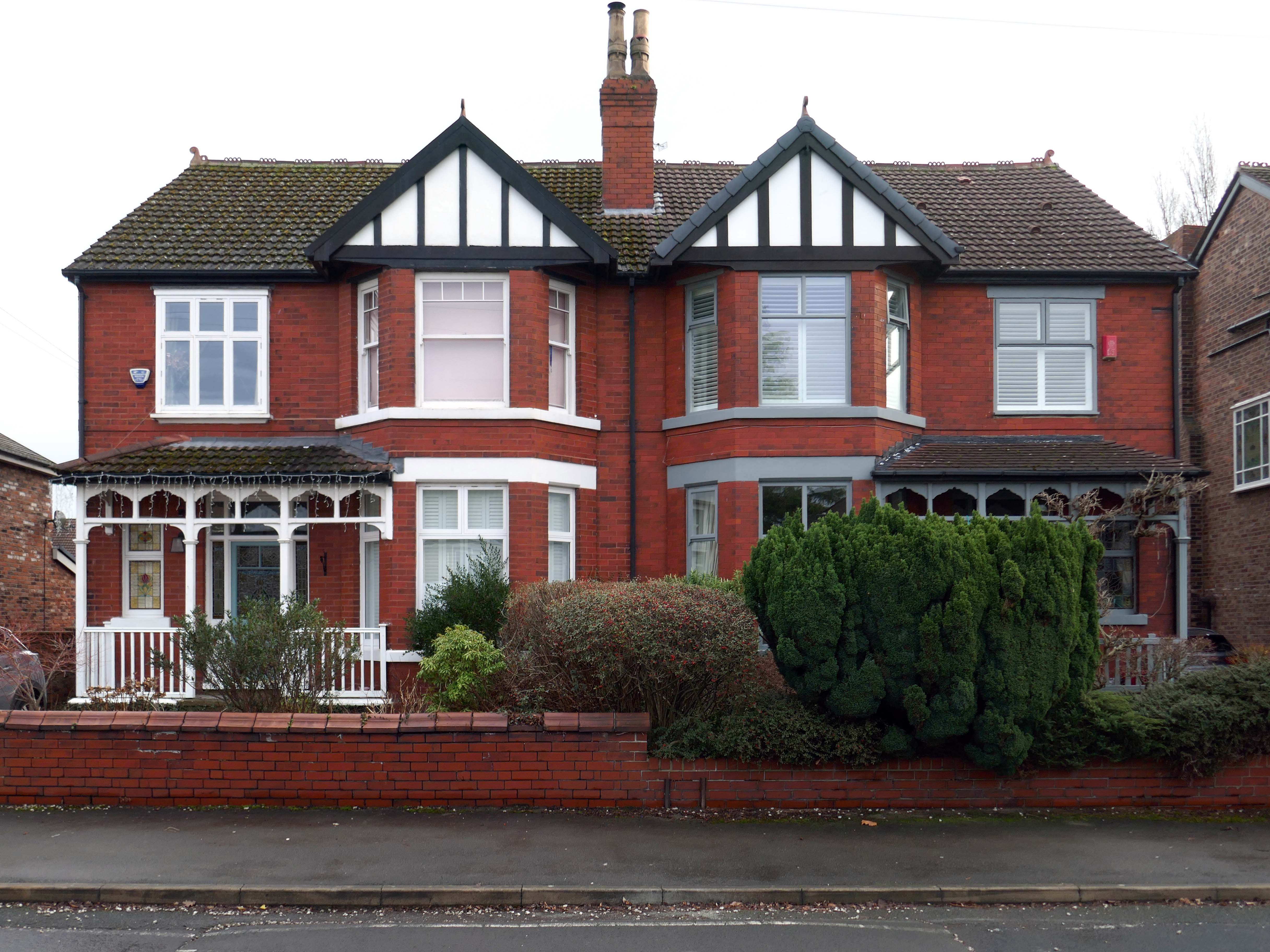
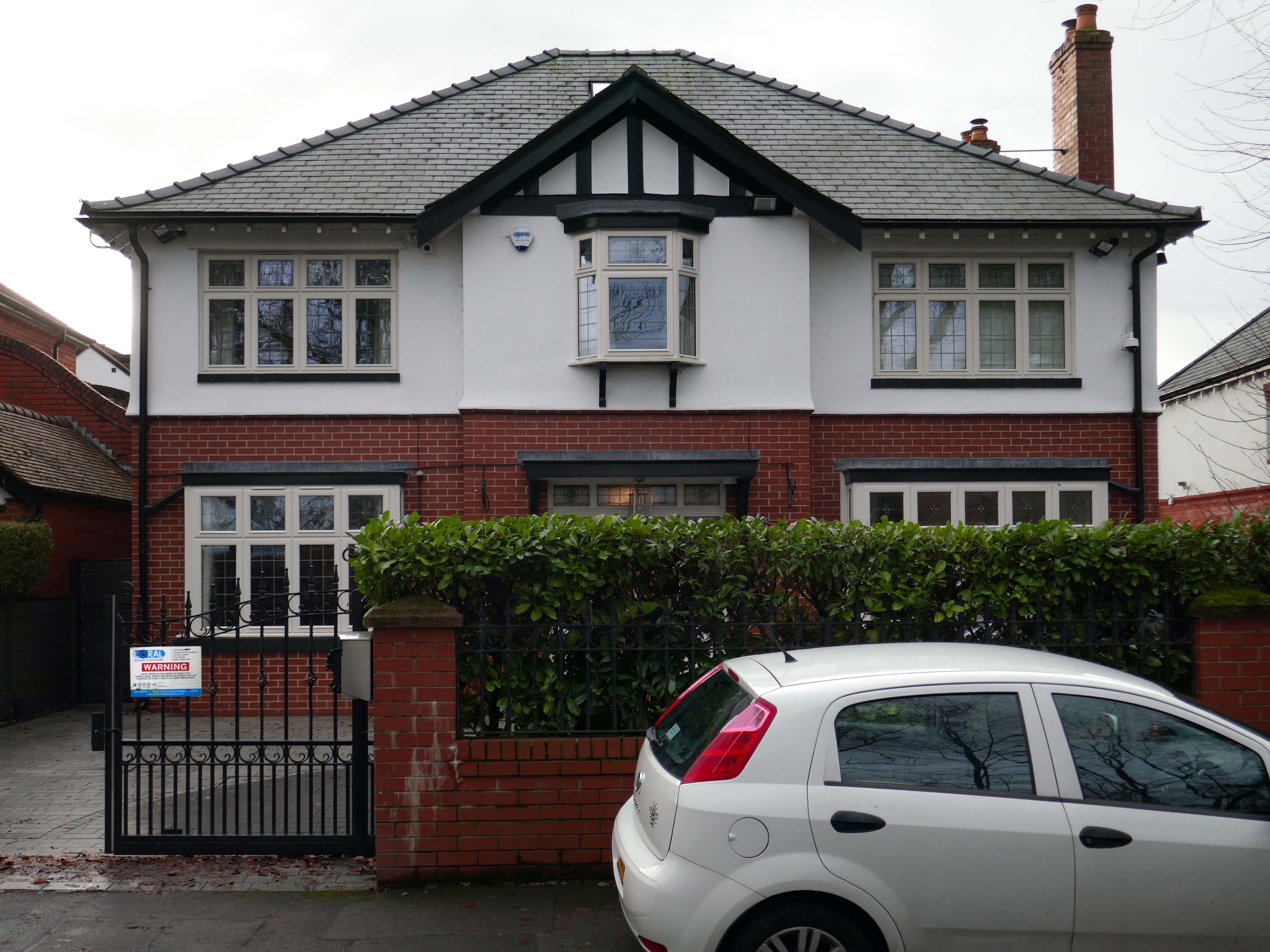
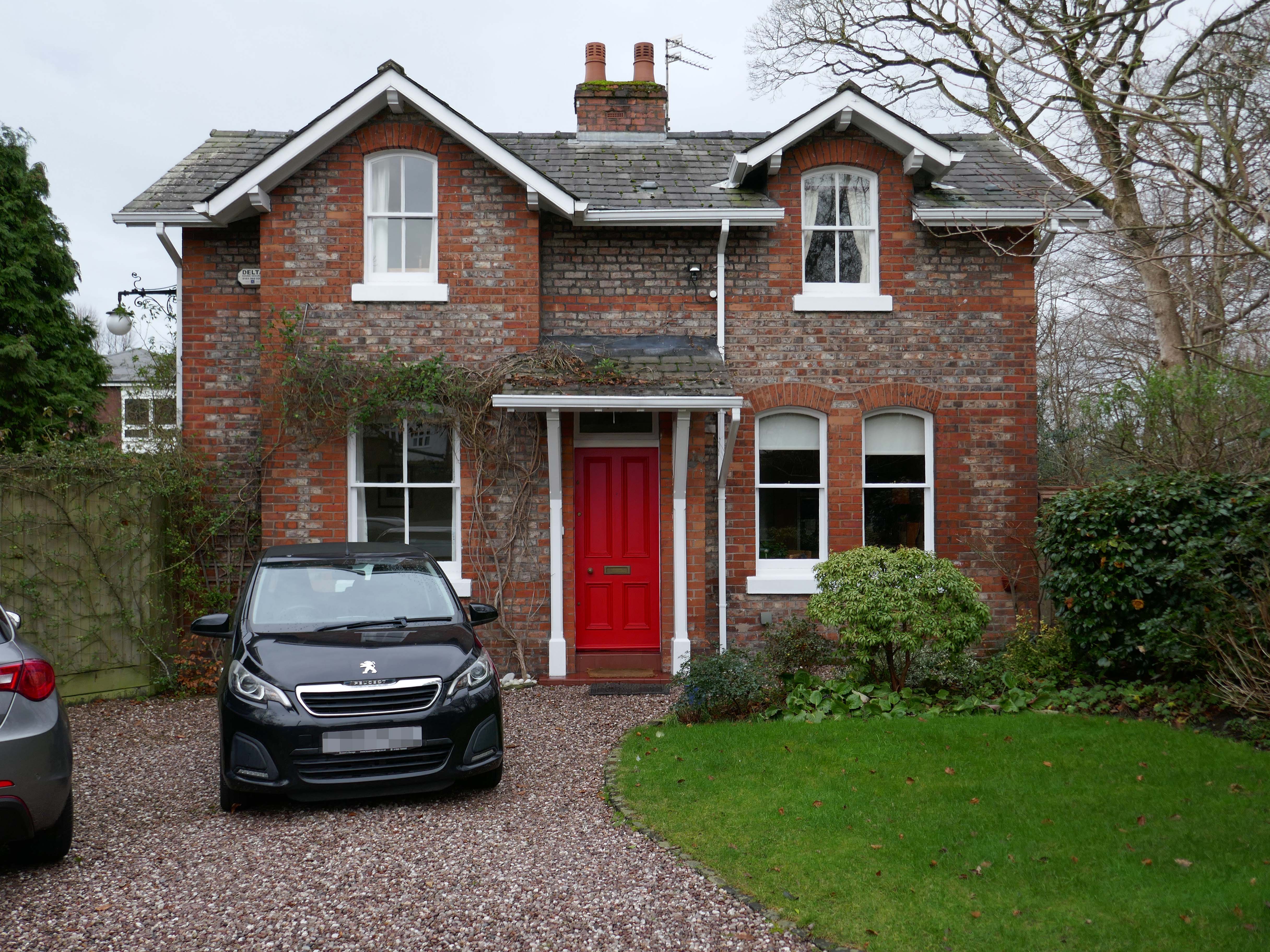
Mauldeth Road is lined with larger houses, Victorian and interwar villas, bijou apartments and the odd Modernist interloper.
Through the avenues and alleyways, home to those ever so tidy inter and postwar enclaves.
Where a mans gotta work out which side he’s on Any way he chooses Chances are he loses No one gets to live too long
Though in my experience the converse is true, this is a mature community gently maturing, on the inside of everything.
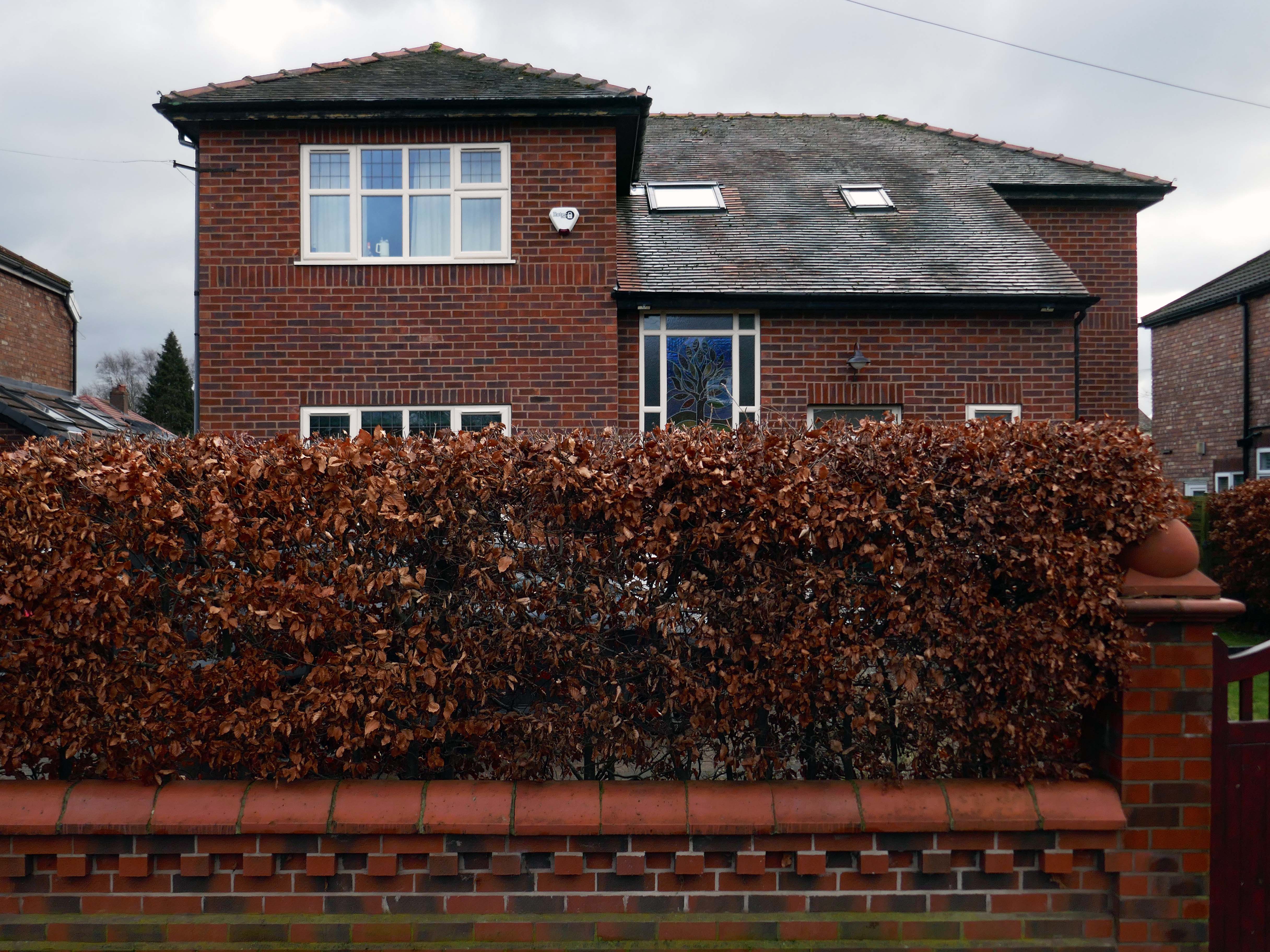
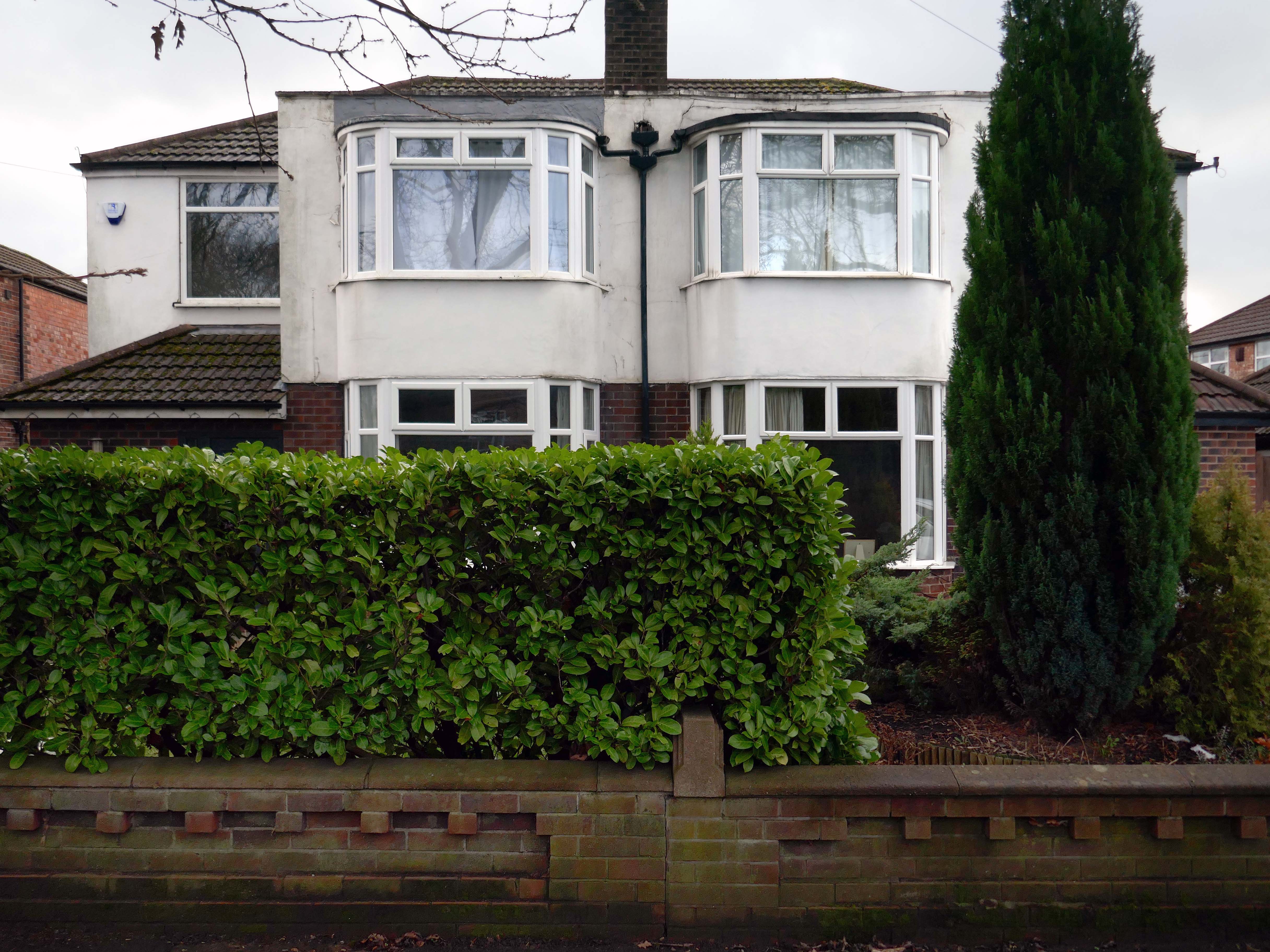
Hiding what may possibly be hidden behind the hedge, though the privacy of privet is in retreat, replaced by bay, birch, holly and the extremely hardy laurel.
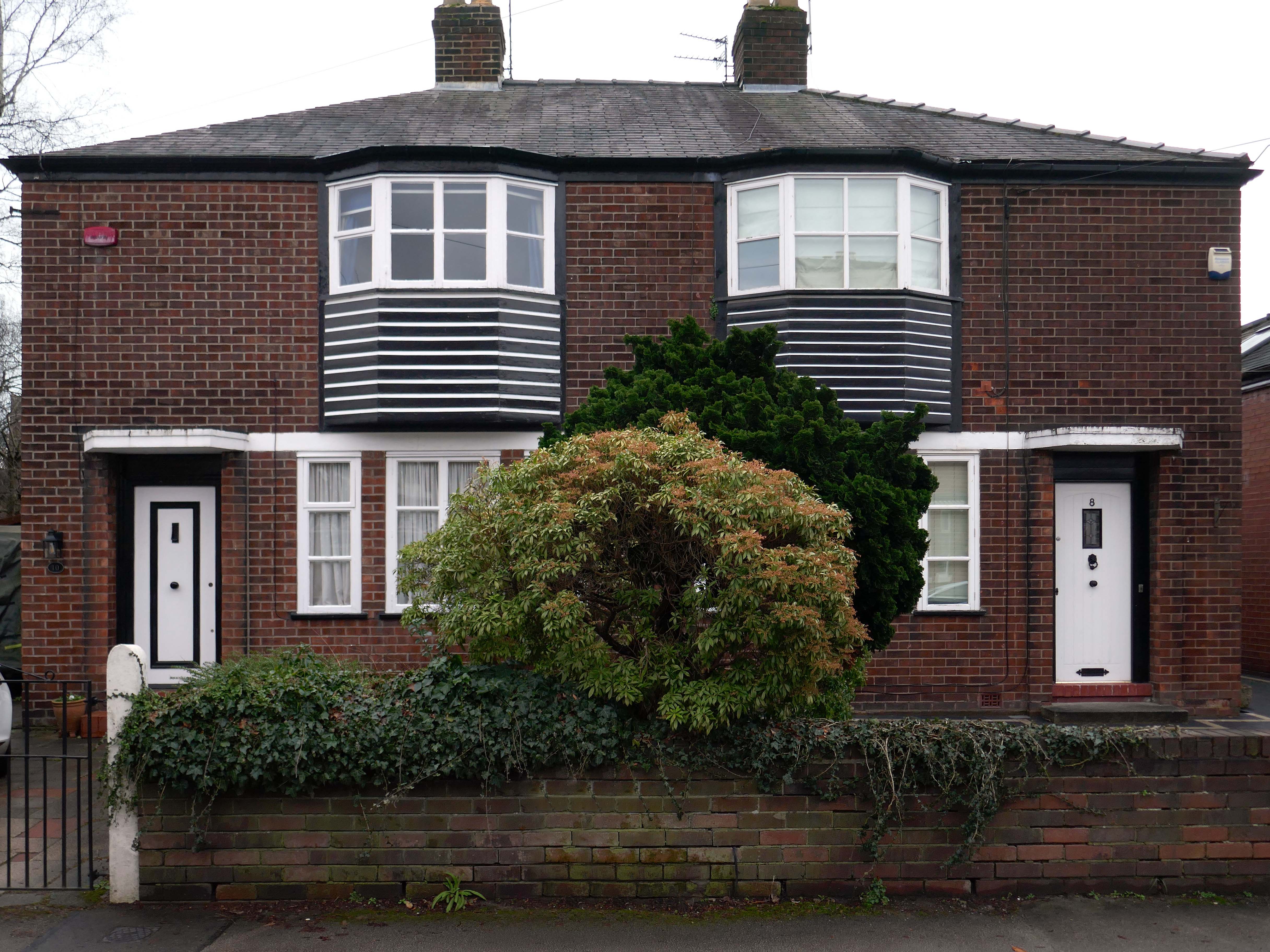
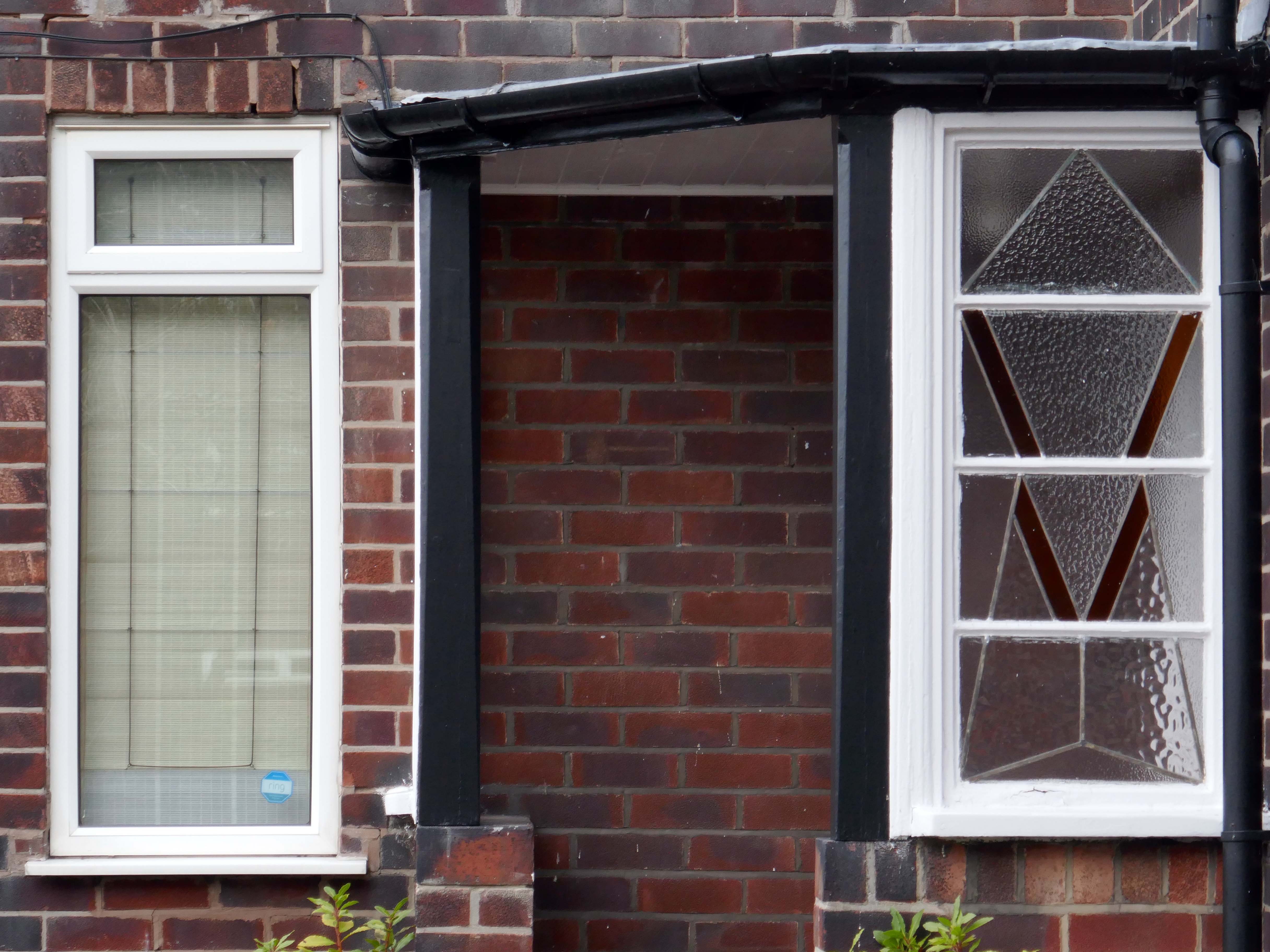
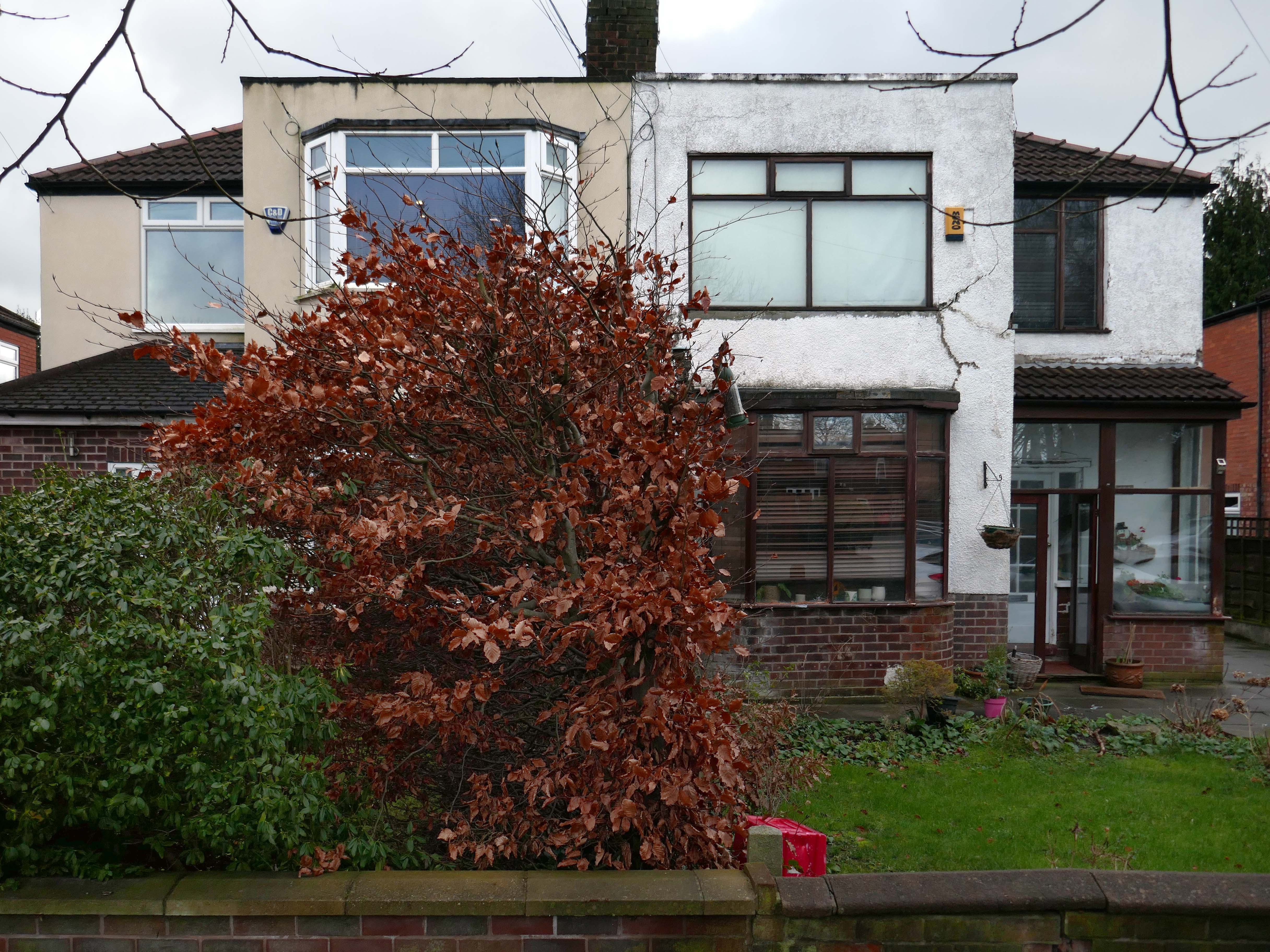
The left hand house has purposefully retained the original Crittall Windows.
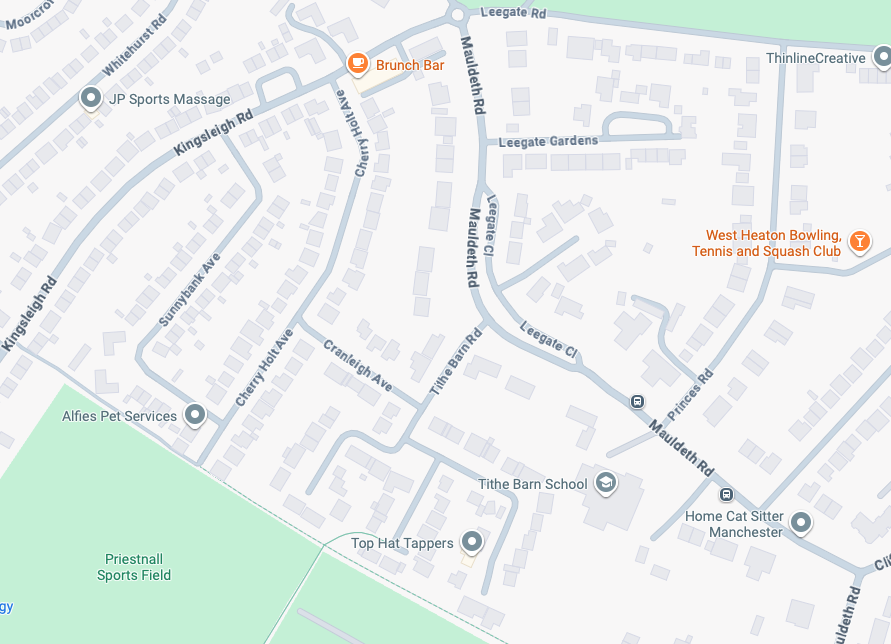
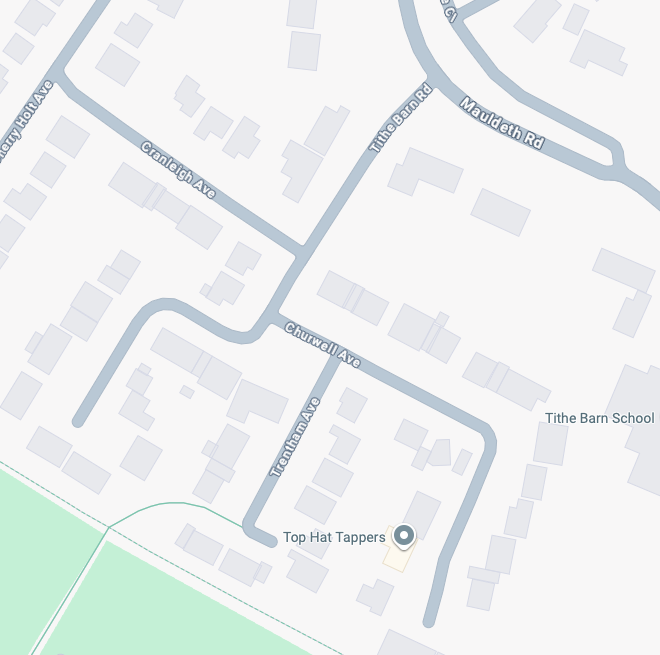
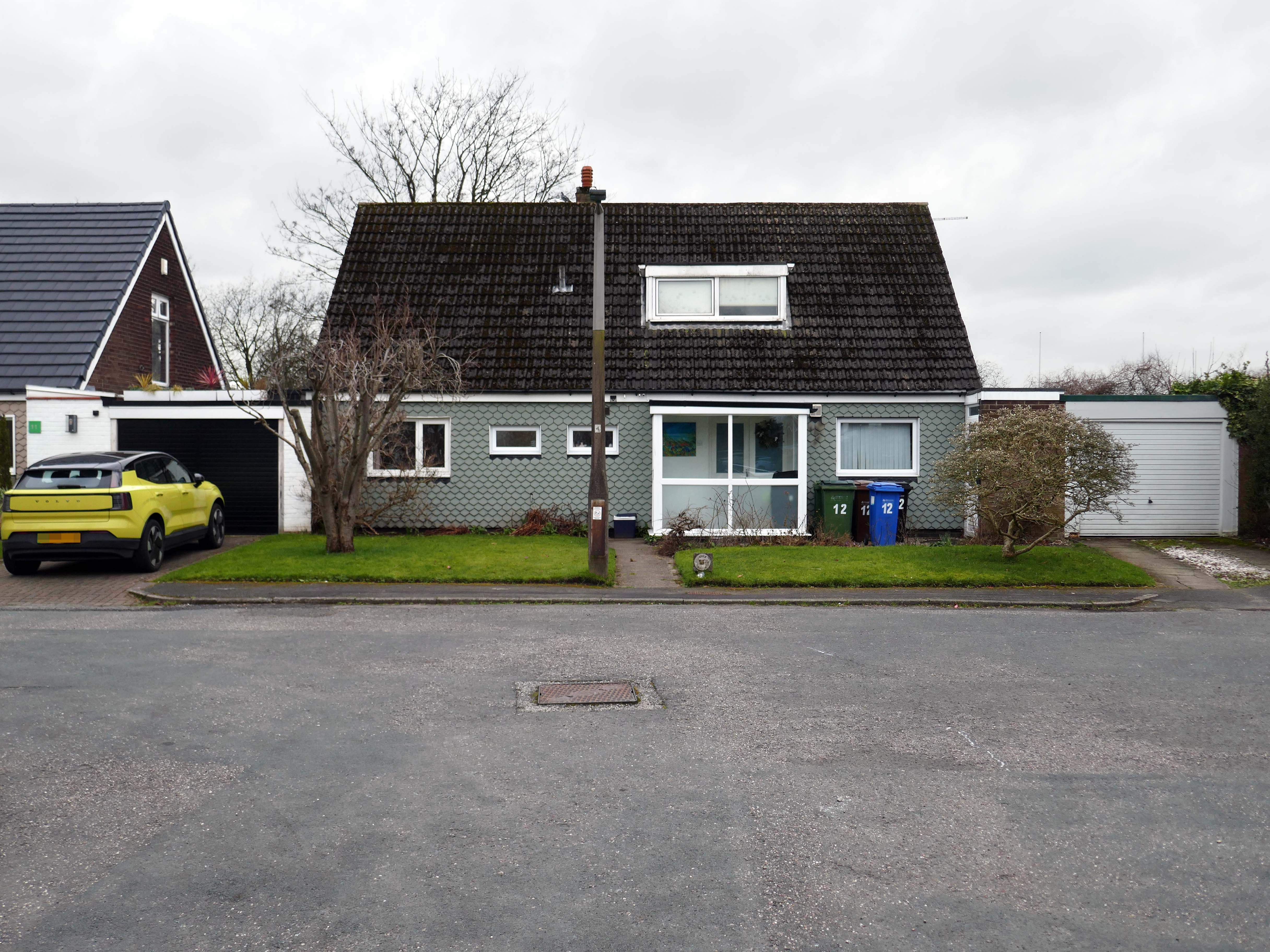
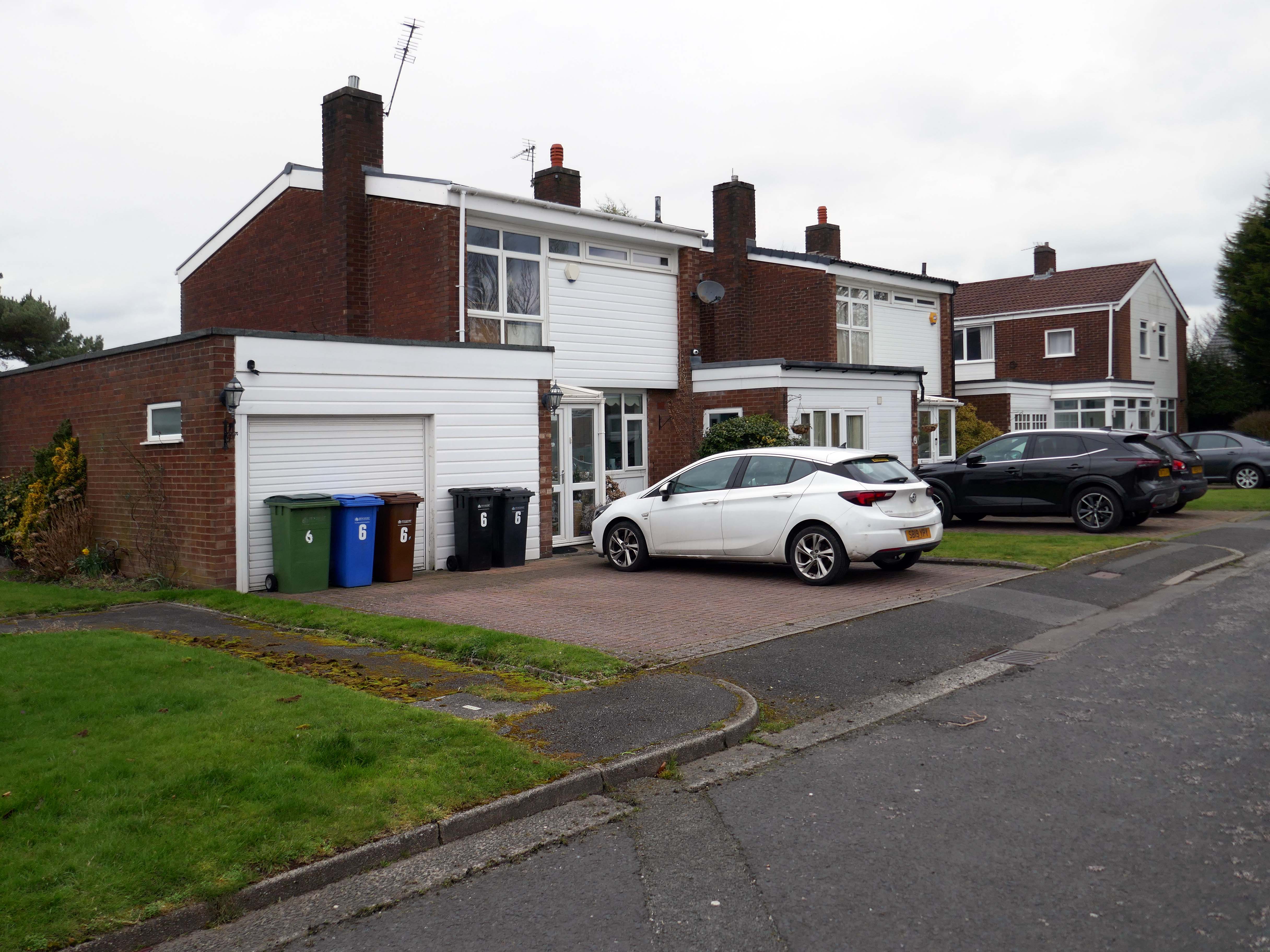
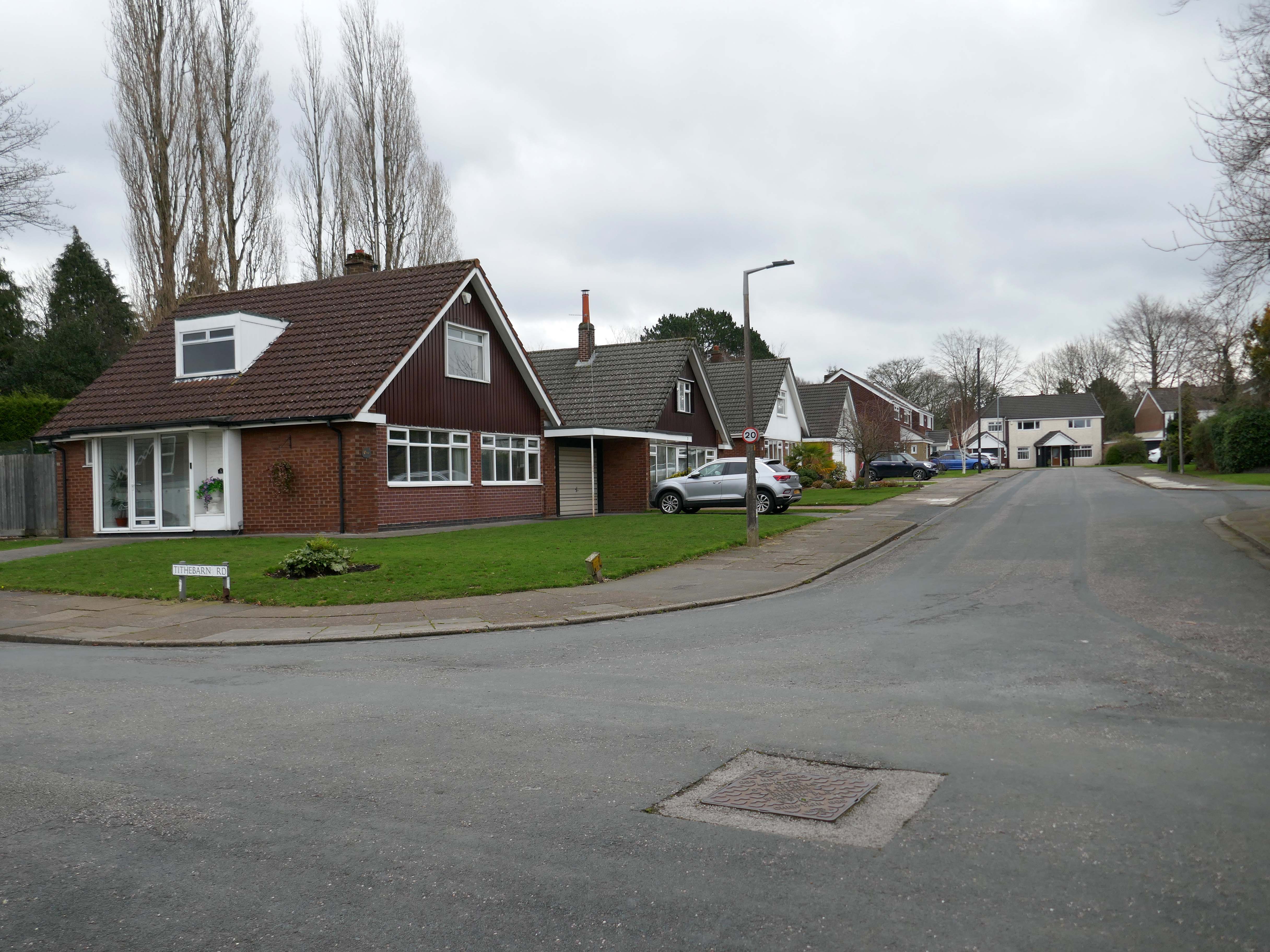
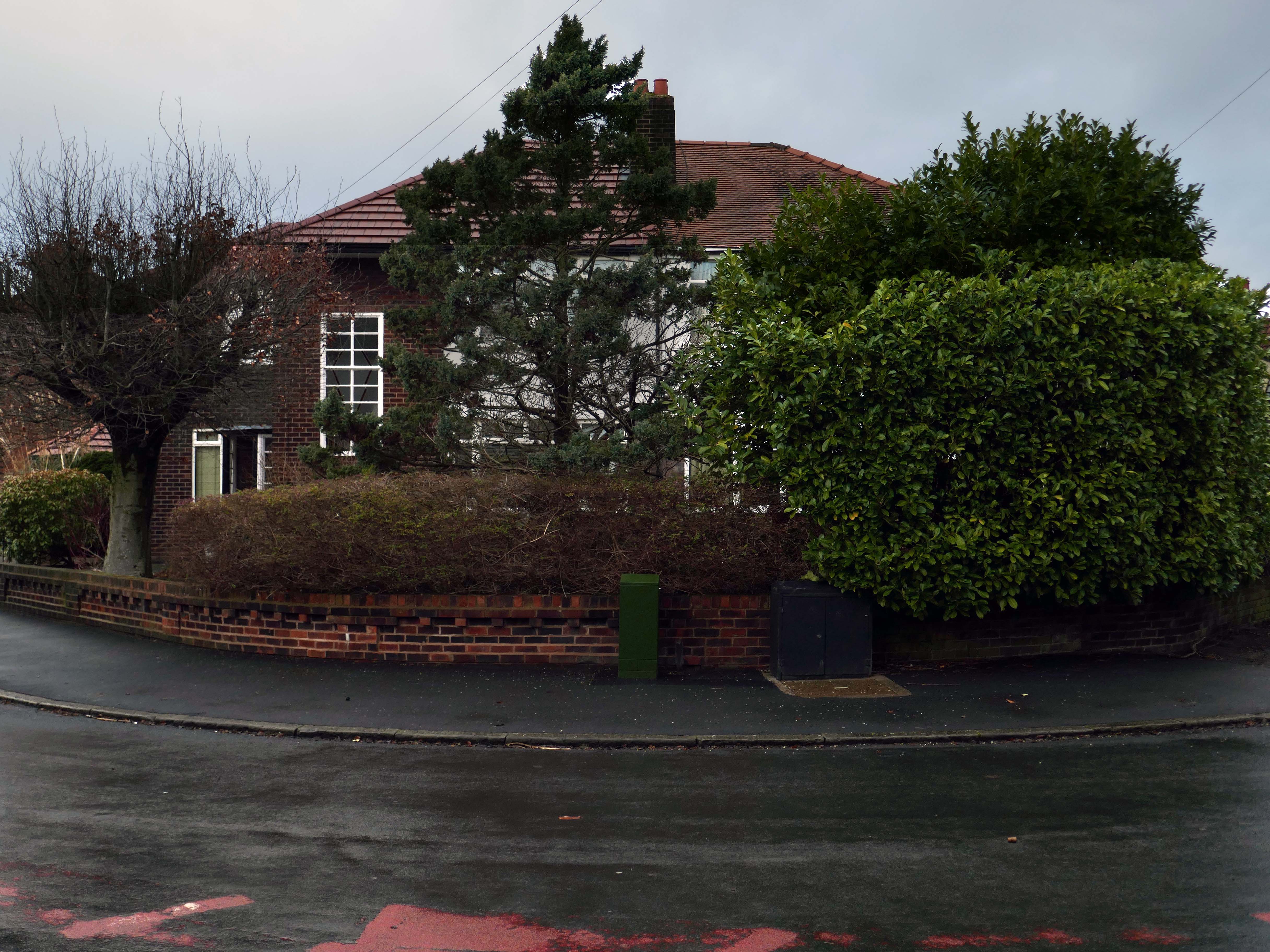
High above the streets of Stockport – zooming in to a cluster of cul de sacs branching out from Tithe Barn Road.
Cul de sac translates as bottom of the bag, the French do not use the term, preferring voie sans issue, literally a dead end.
In the slums of New York City, on the East River just below the Queensboro Bridge, wealthy people live in opulent and luxurious apartments because of the picturesque views of the river, while the destitute and poor live nearby in crowded, cockroach-infested tenements.
I assume that countless civic meetings and Estate Agents’ offices eschew the terminal term – dead end, in favour of the assumed elegance of the cu de sac.
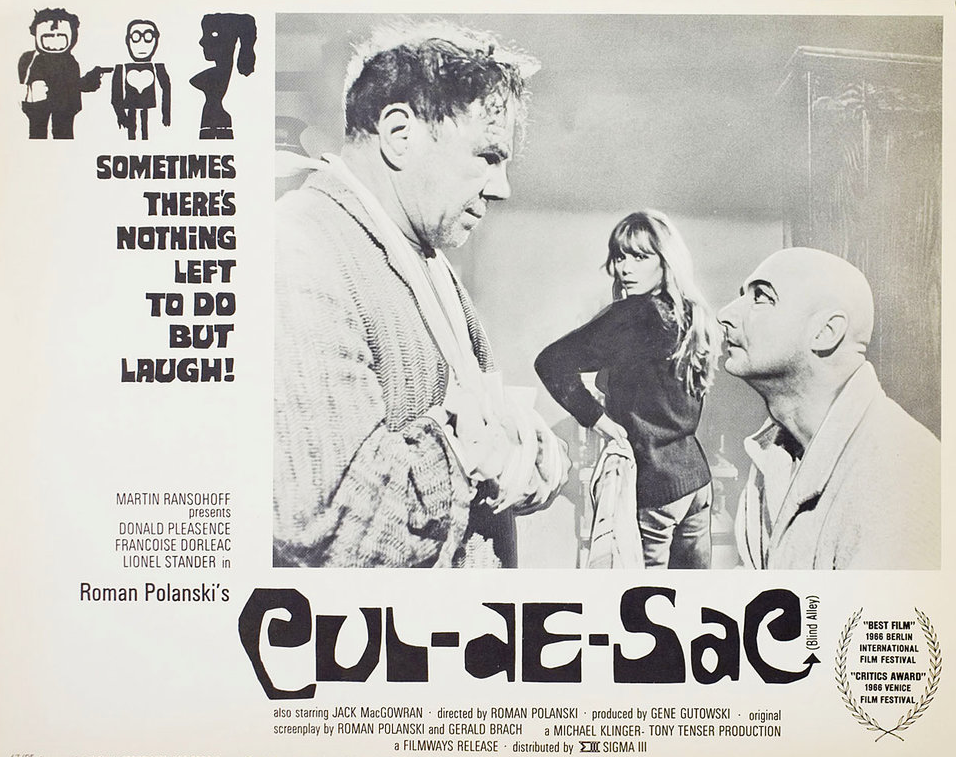
Polanski’s second English-language feature, it follows two injured gangsters who take refuge in the remote island castle of a young British couple in the North of England, spurring a series of mind games and violent altercations.
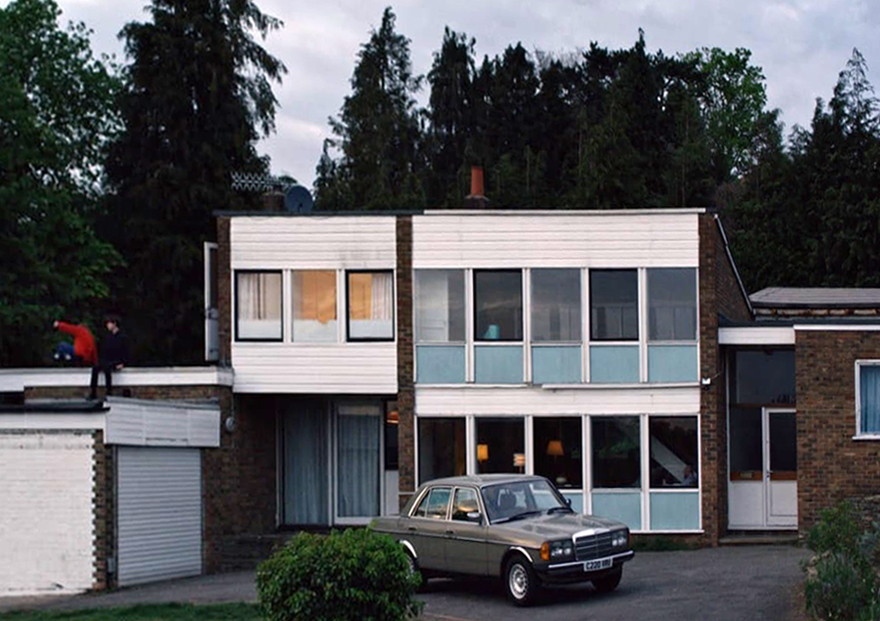
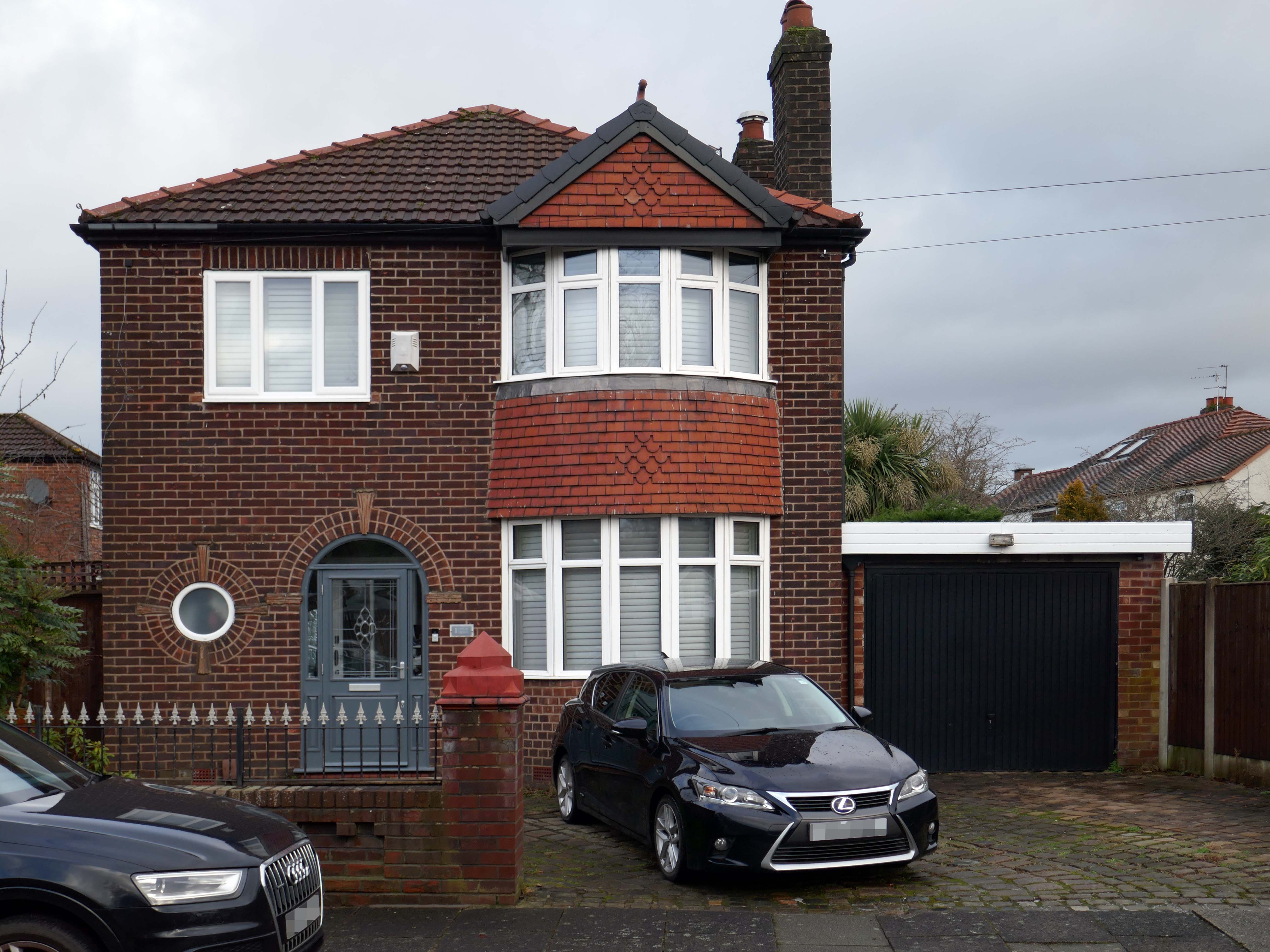
I was informed by a local resident that the streets and houses had been used by film crews, firstly for ease of access, the location being closed off, and secondly as the period architecture aligns perfectly with the current penchant for mid-century styling.
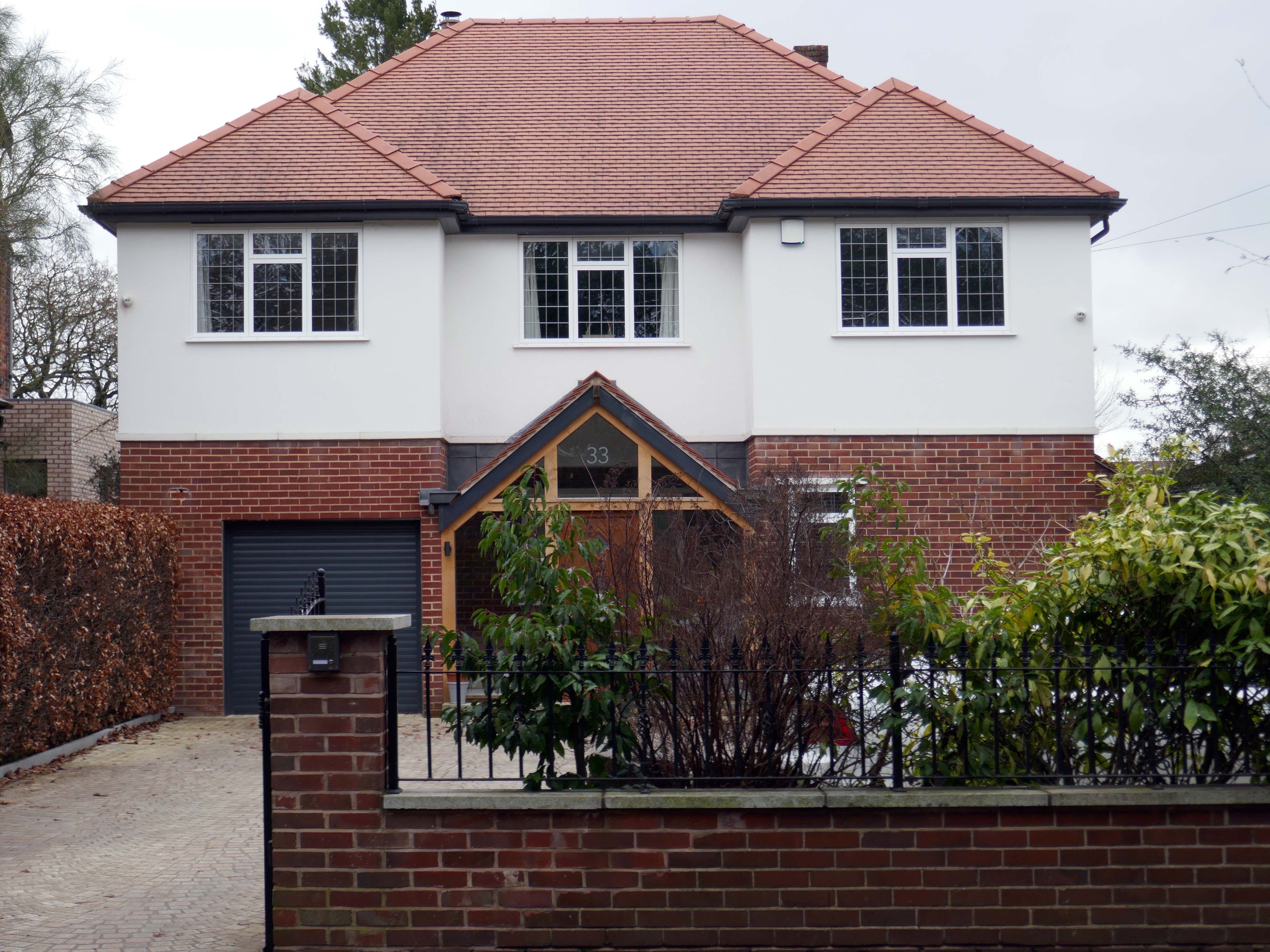
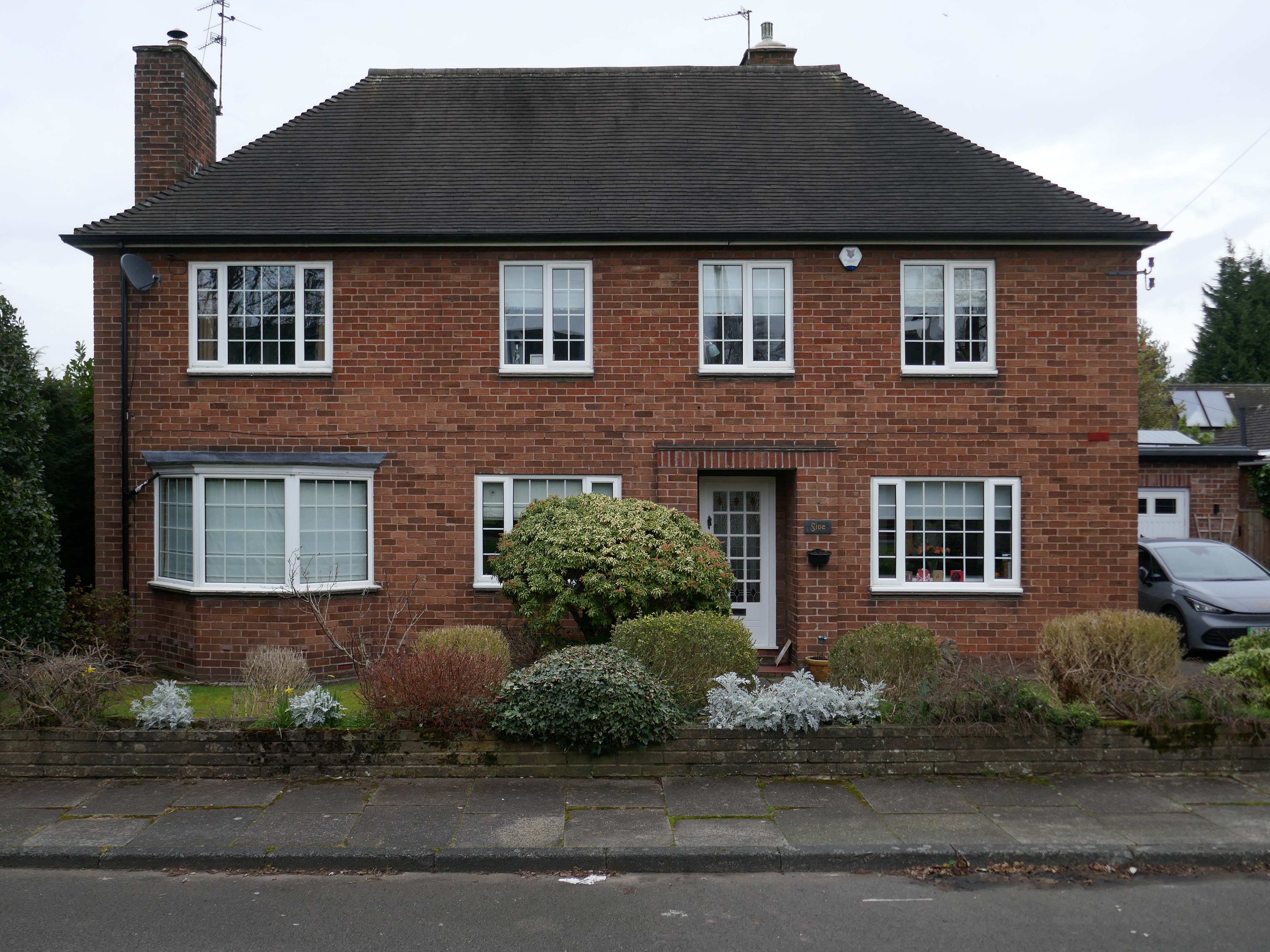
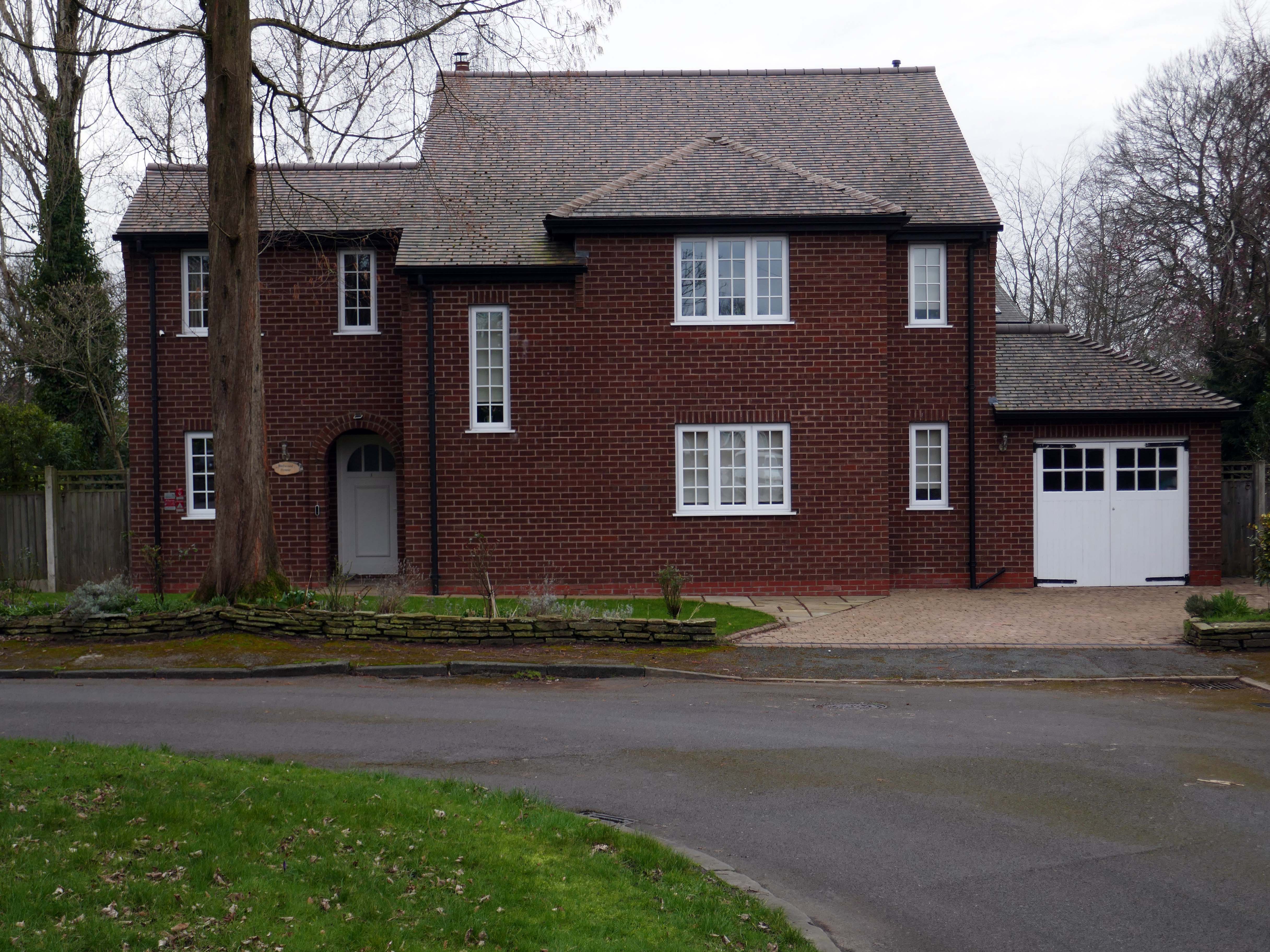
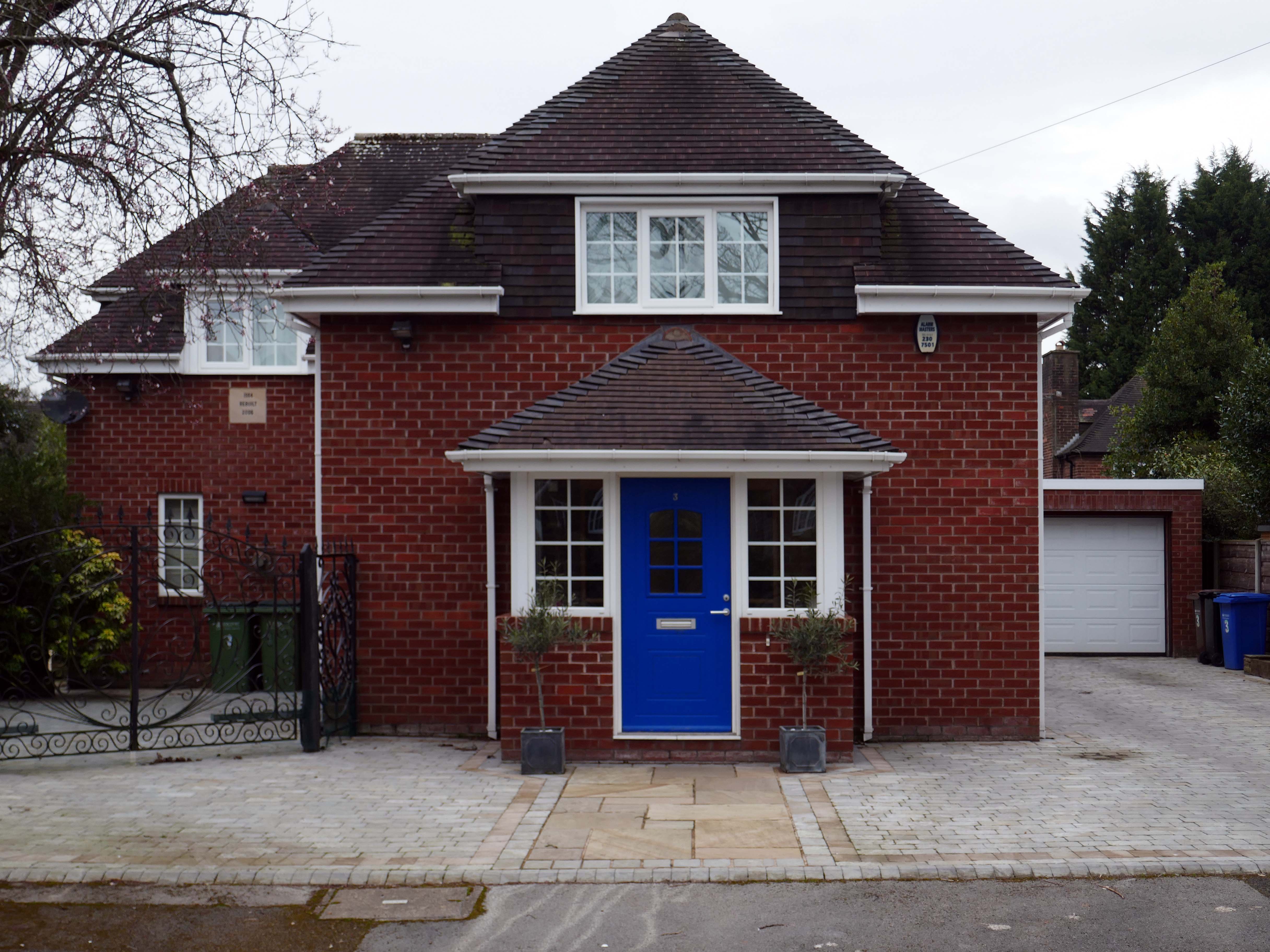
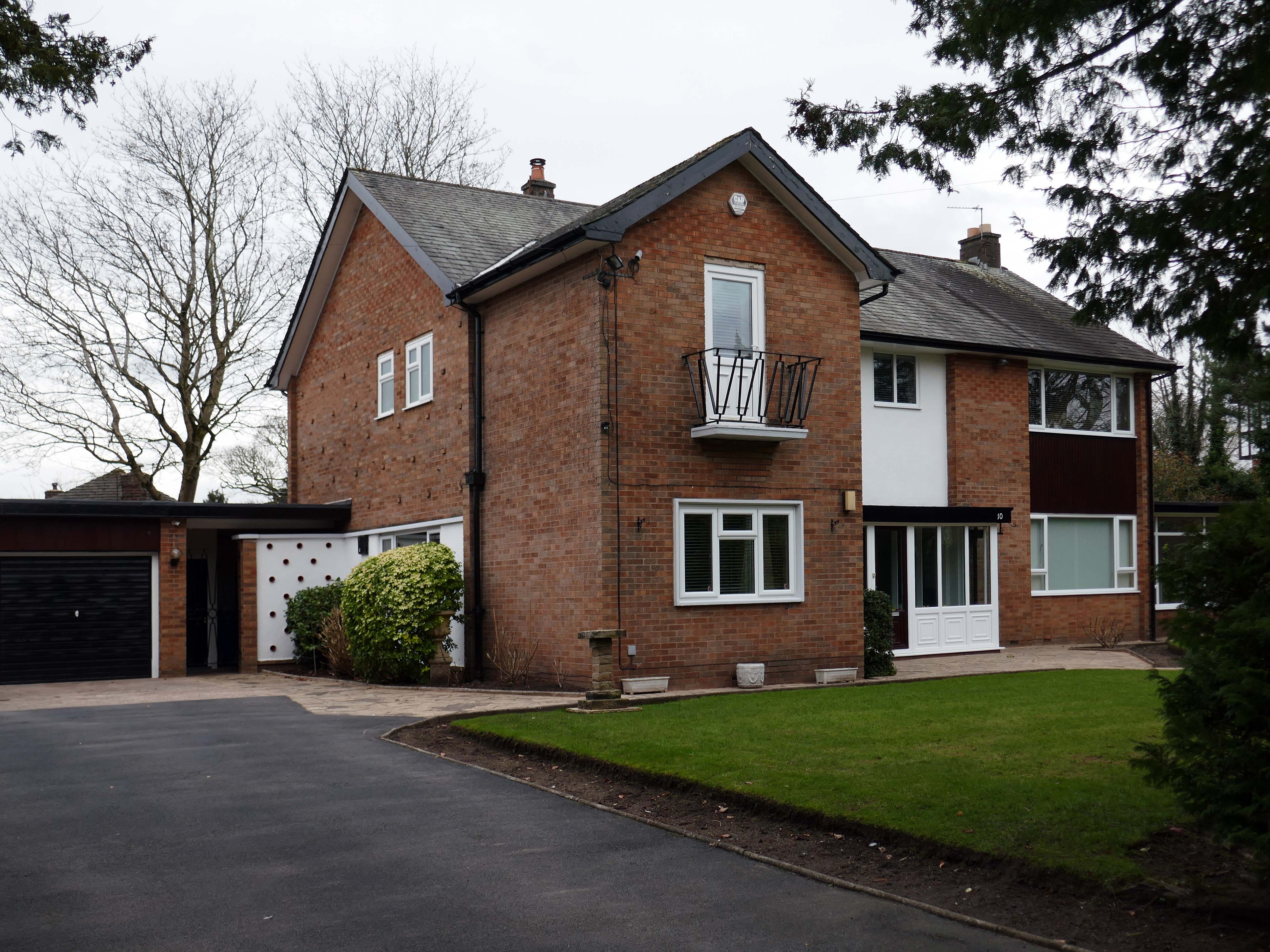
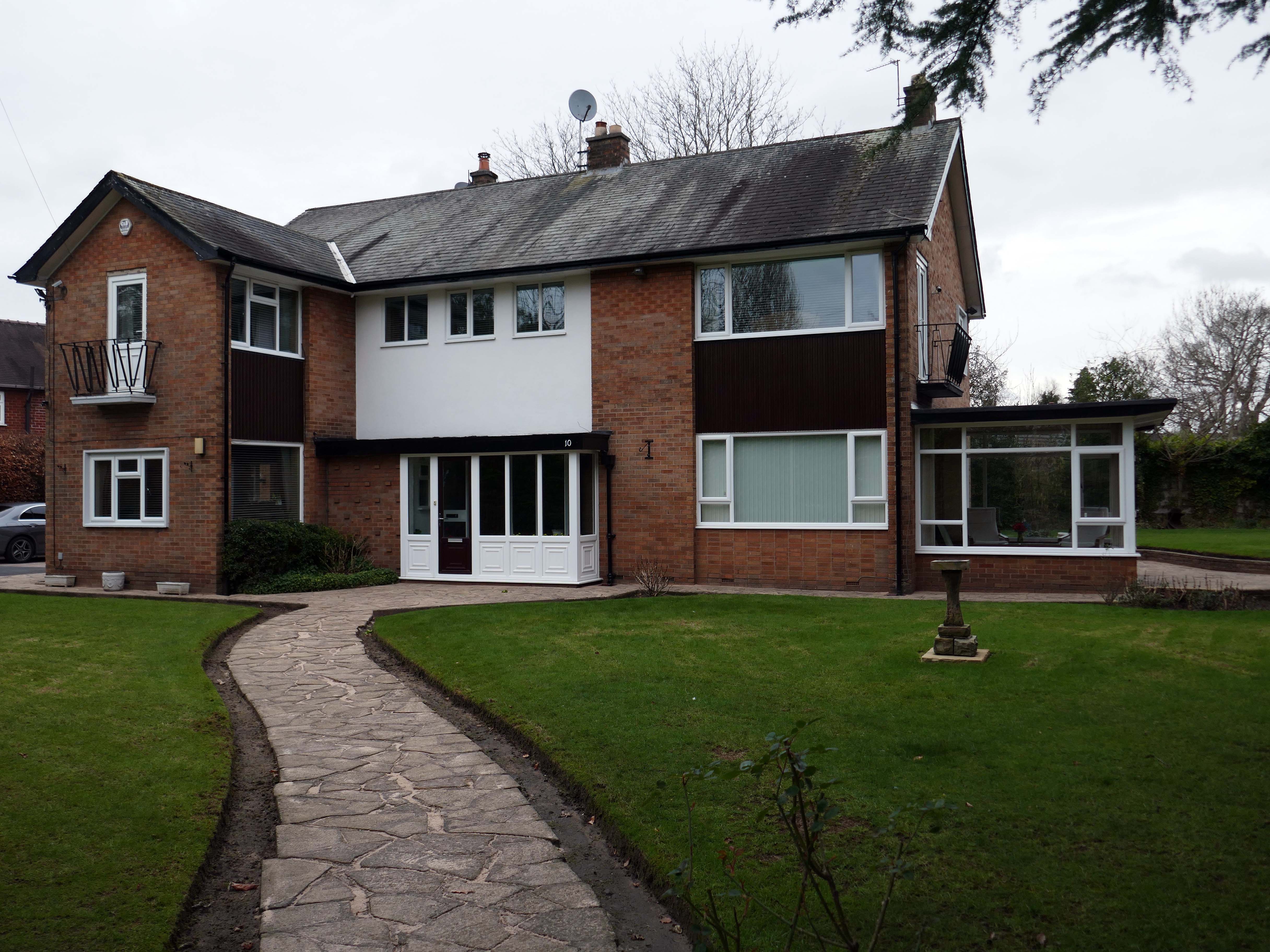
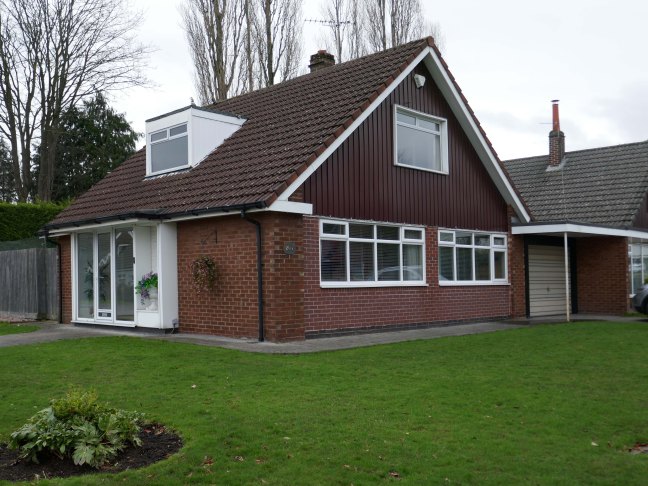
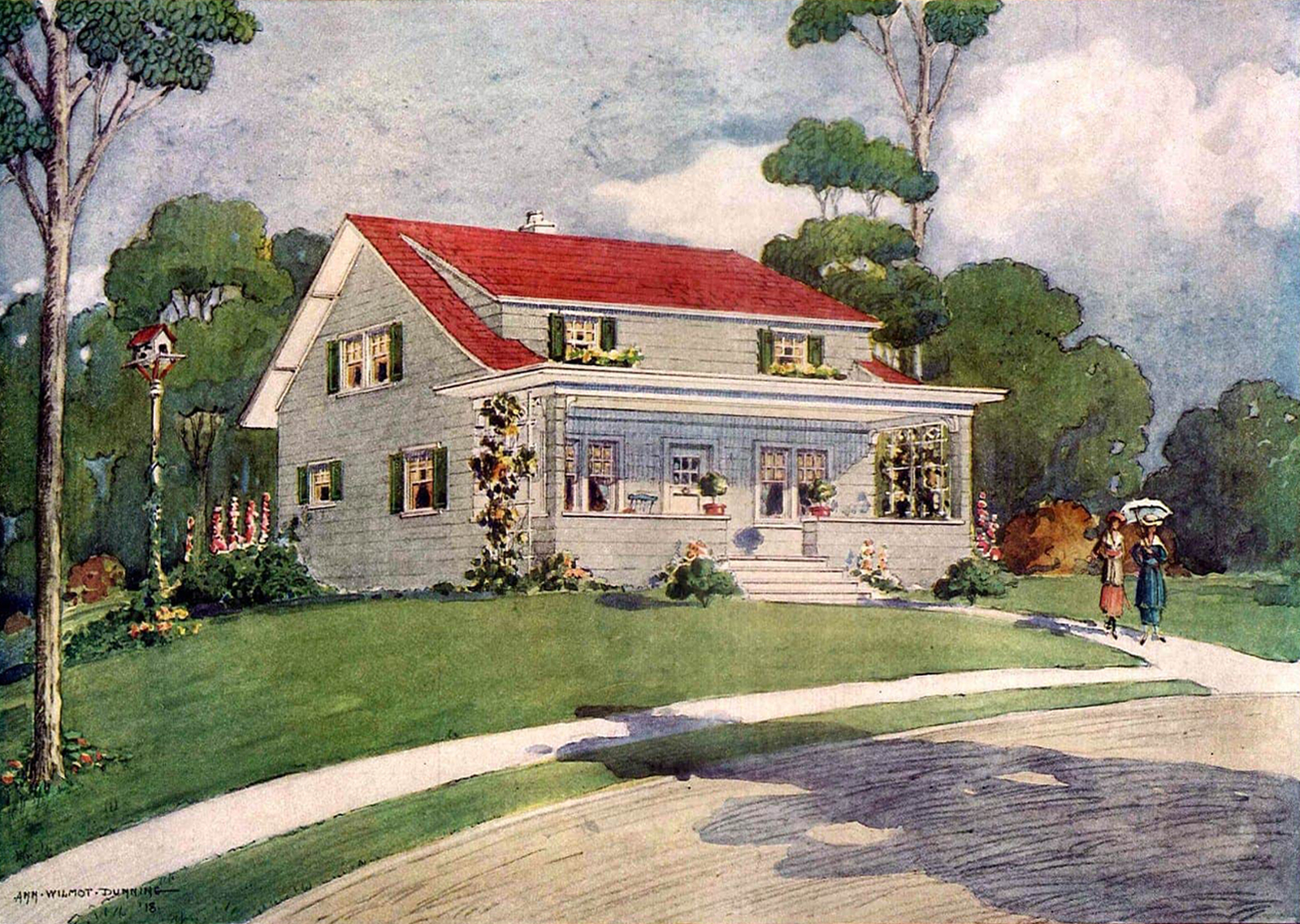
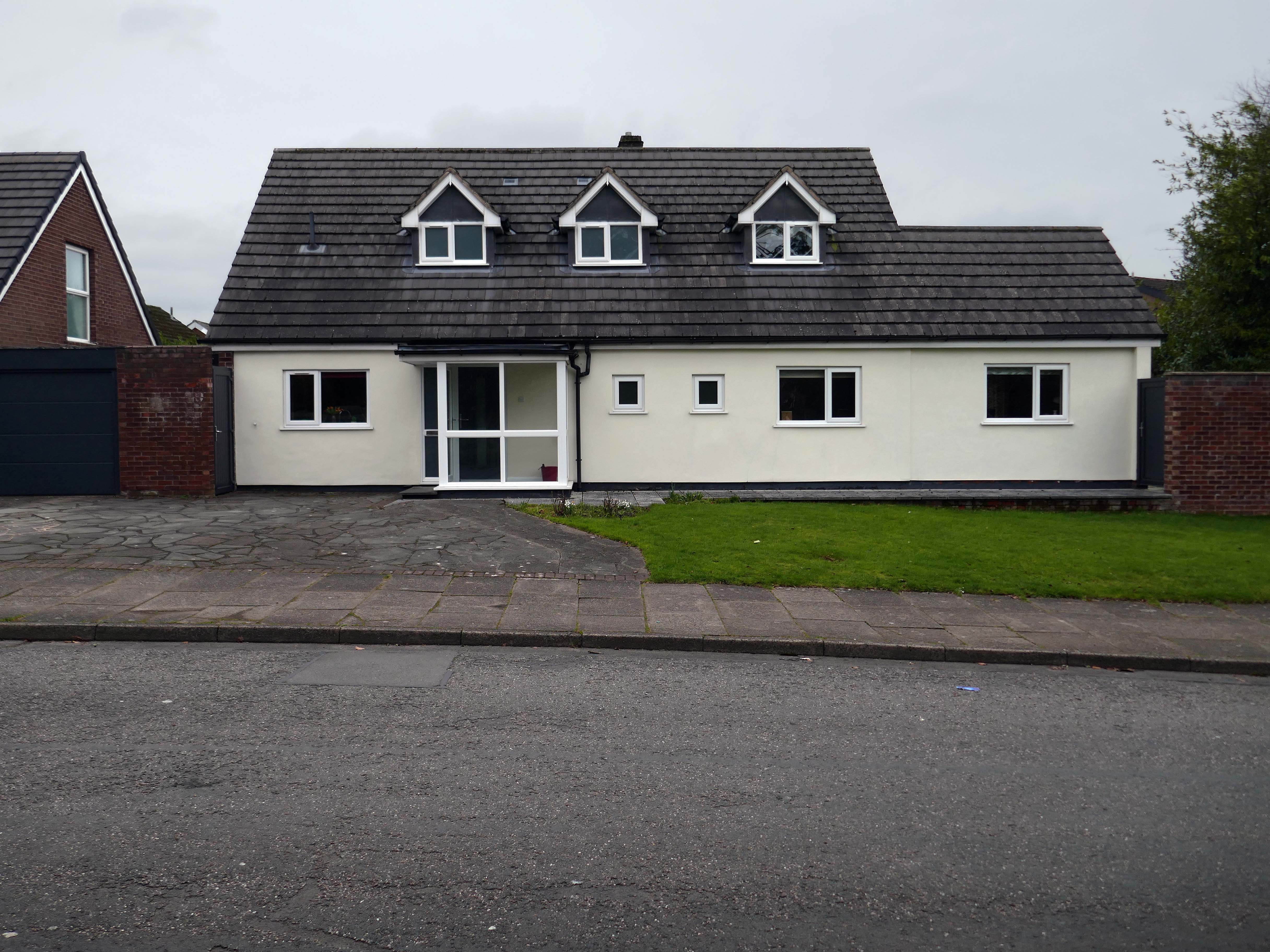
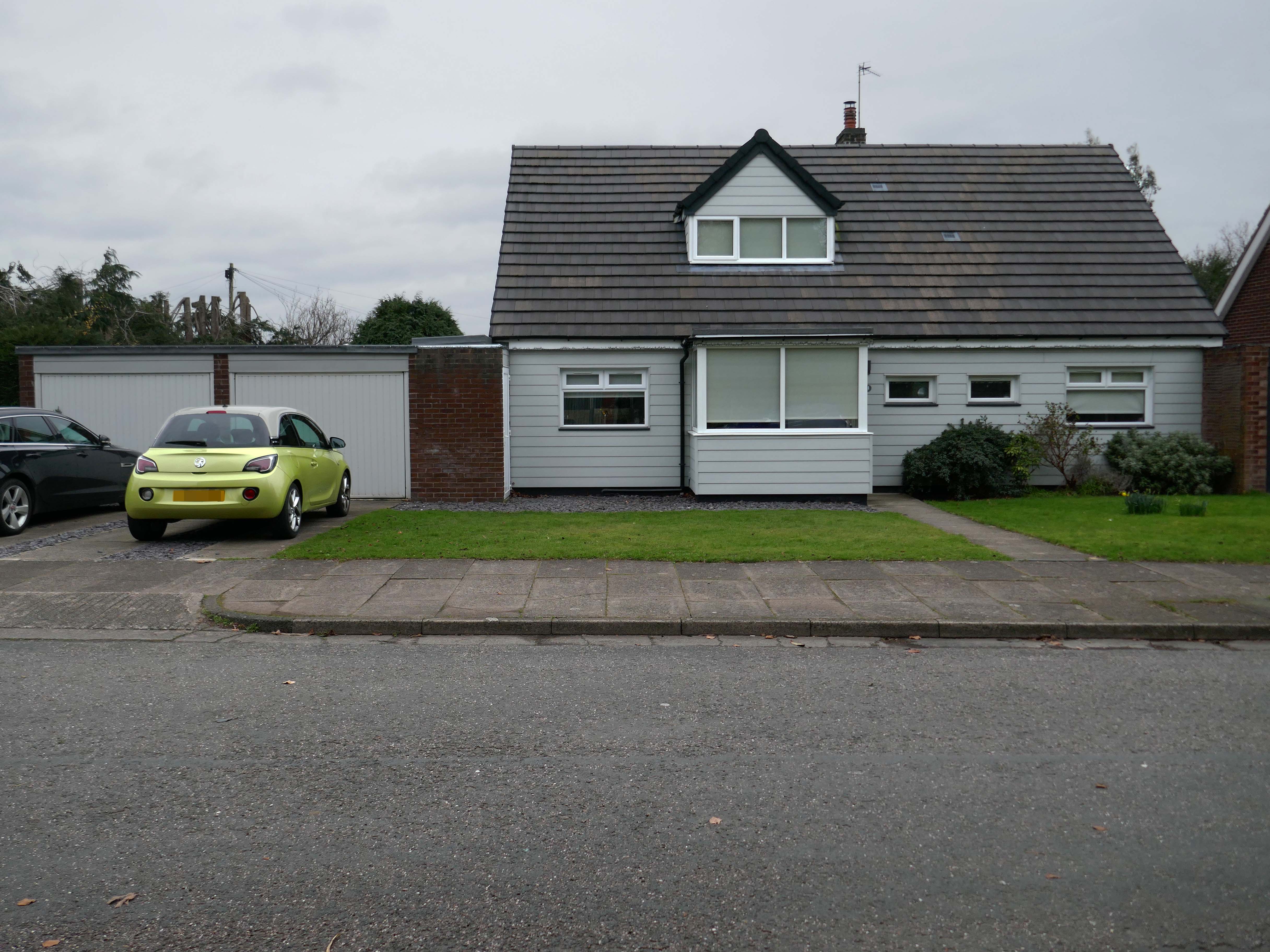
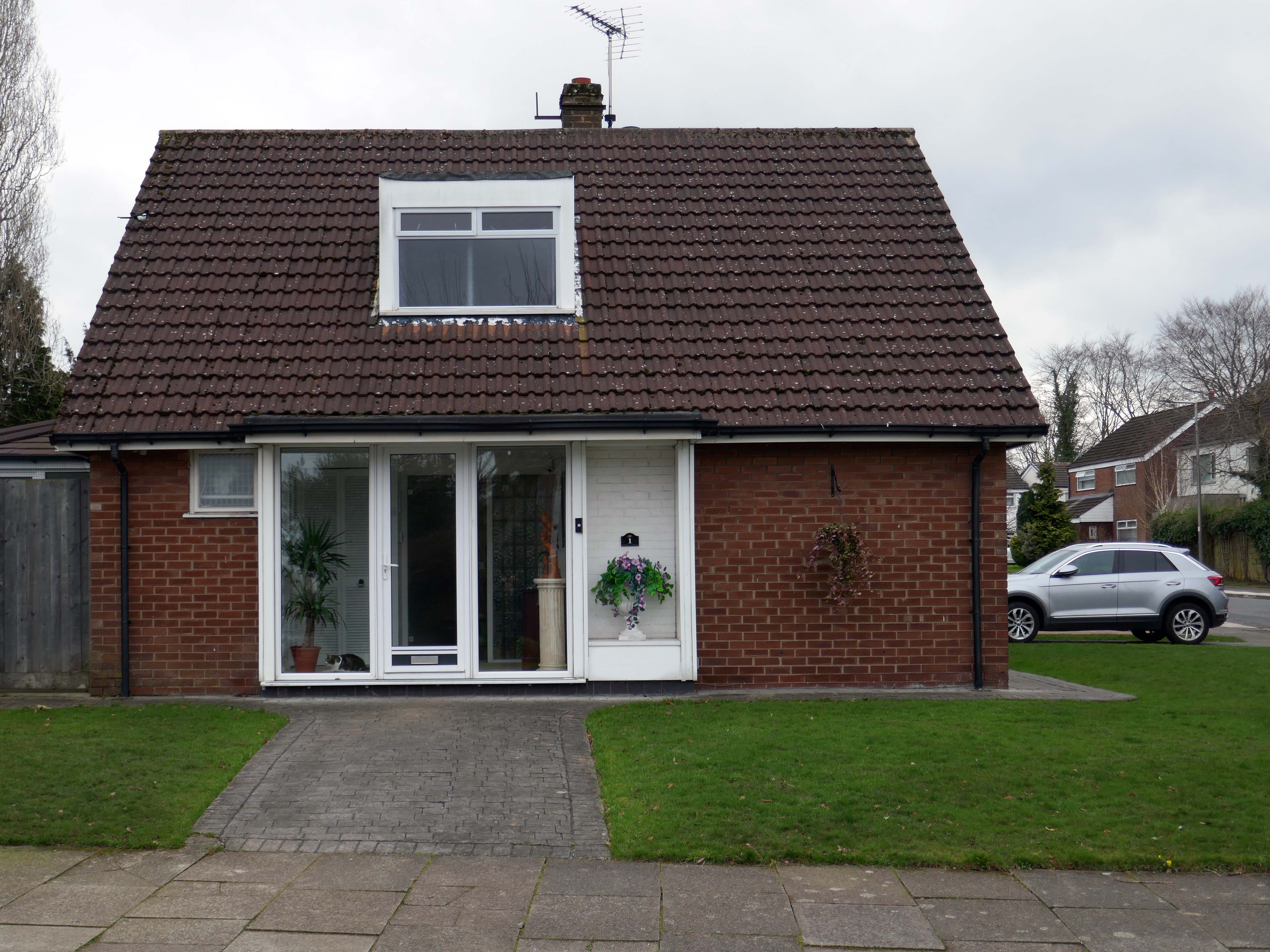
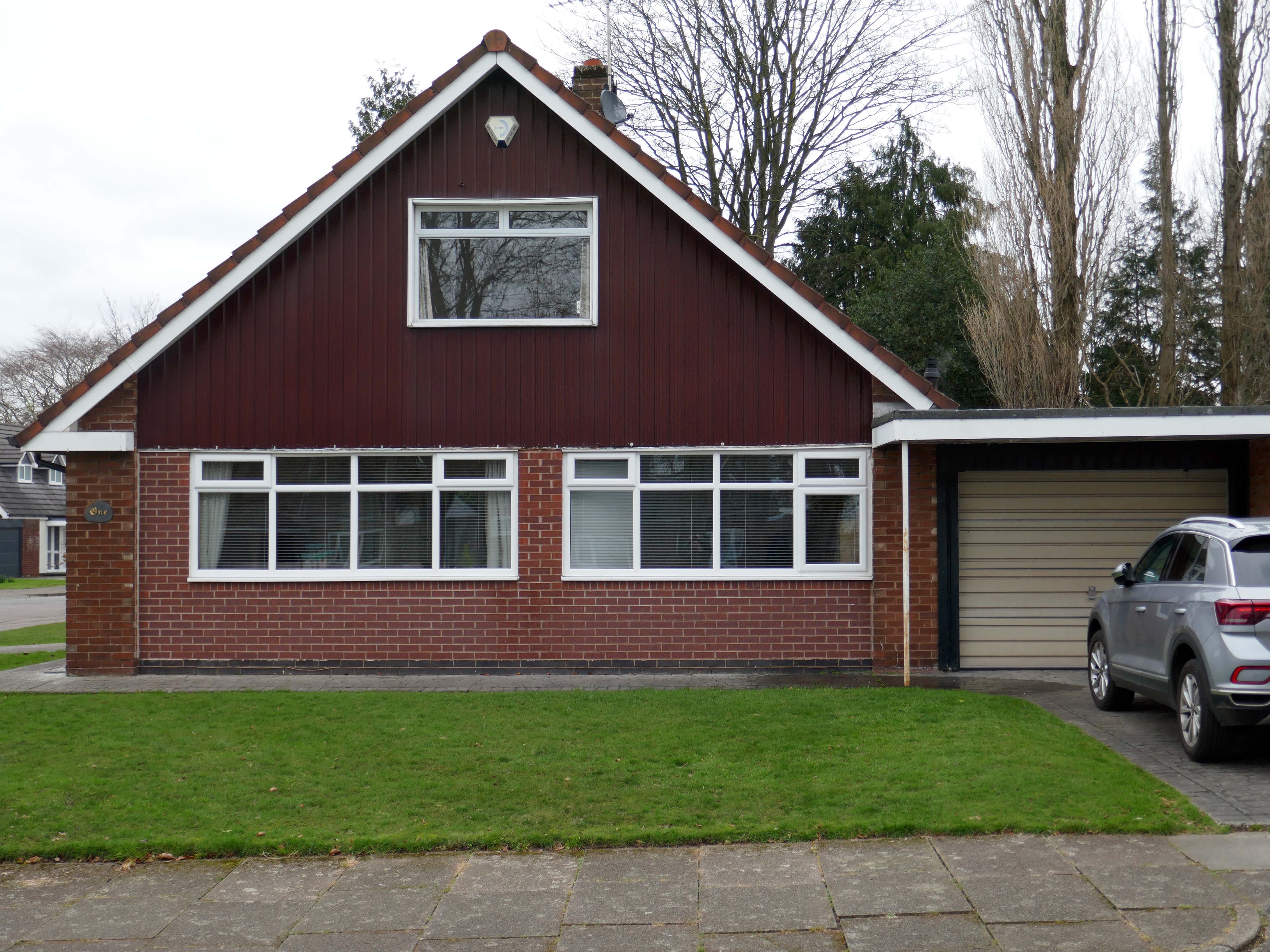
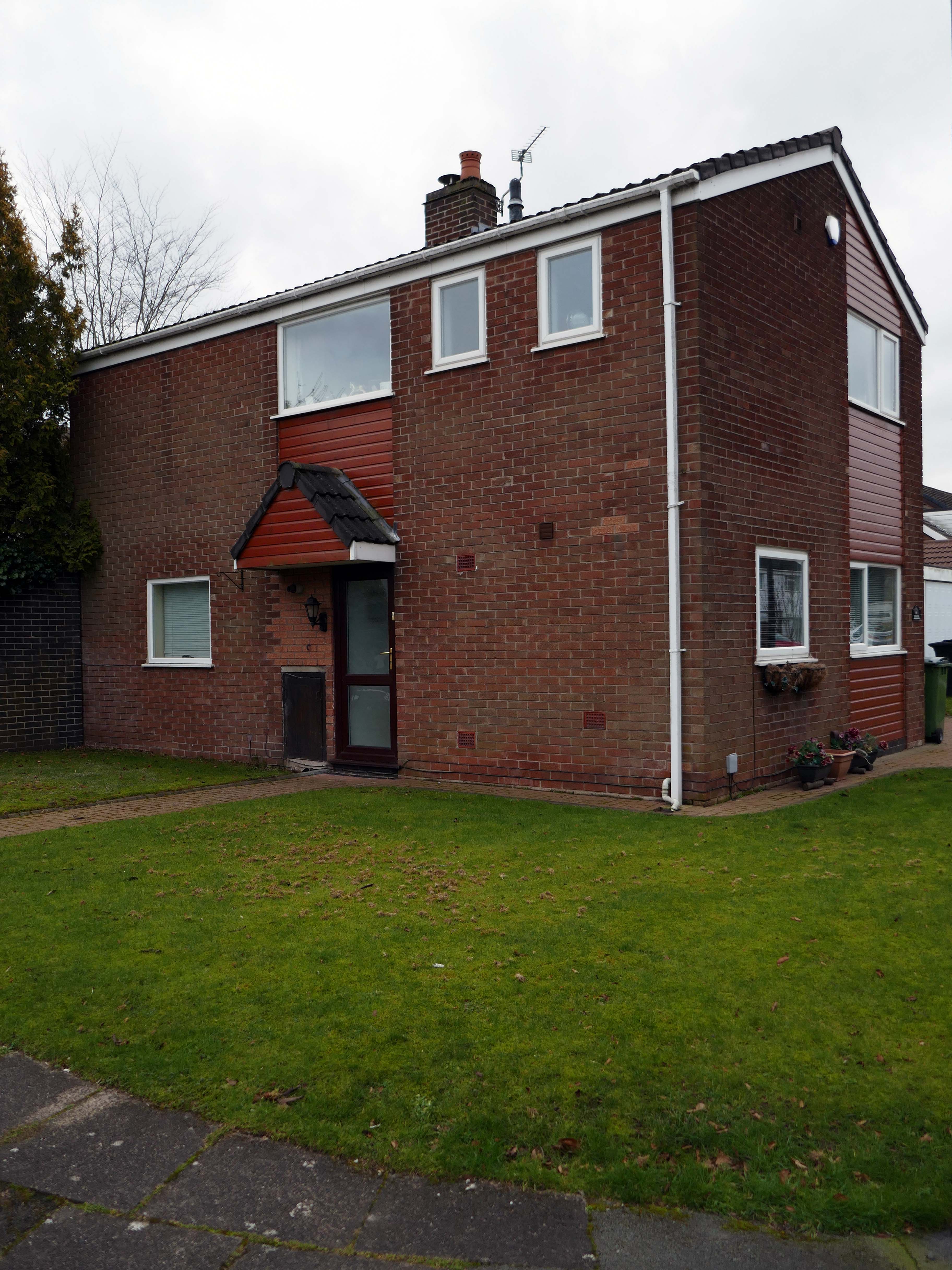
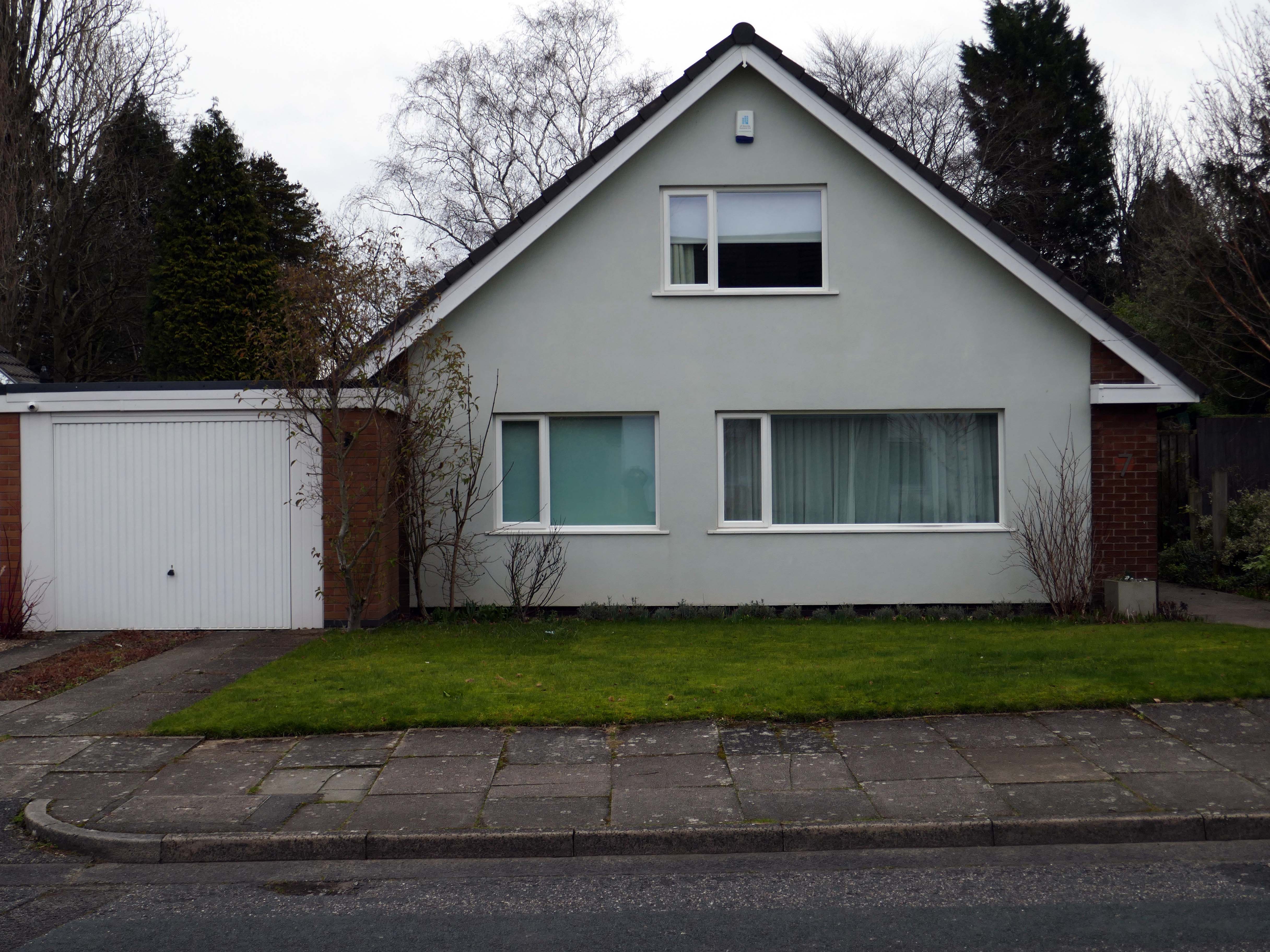
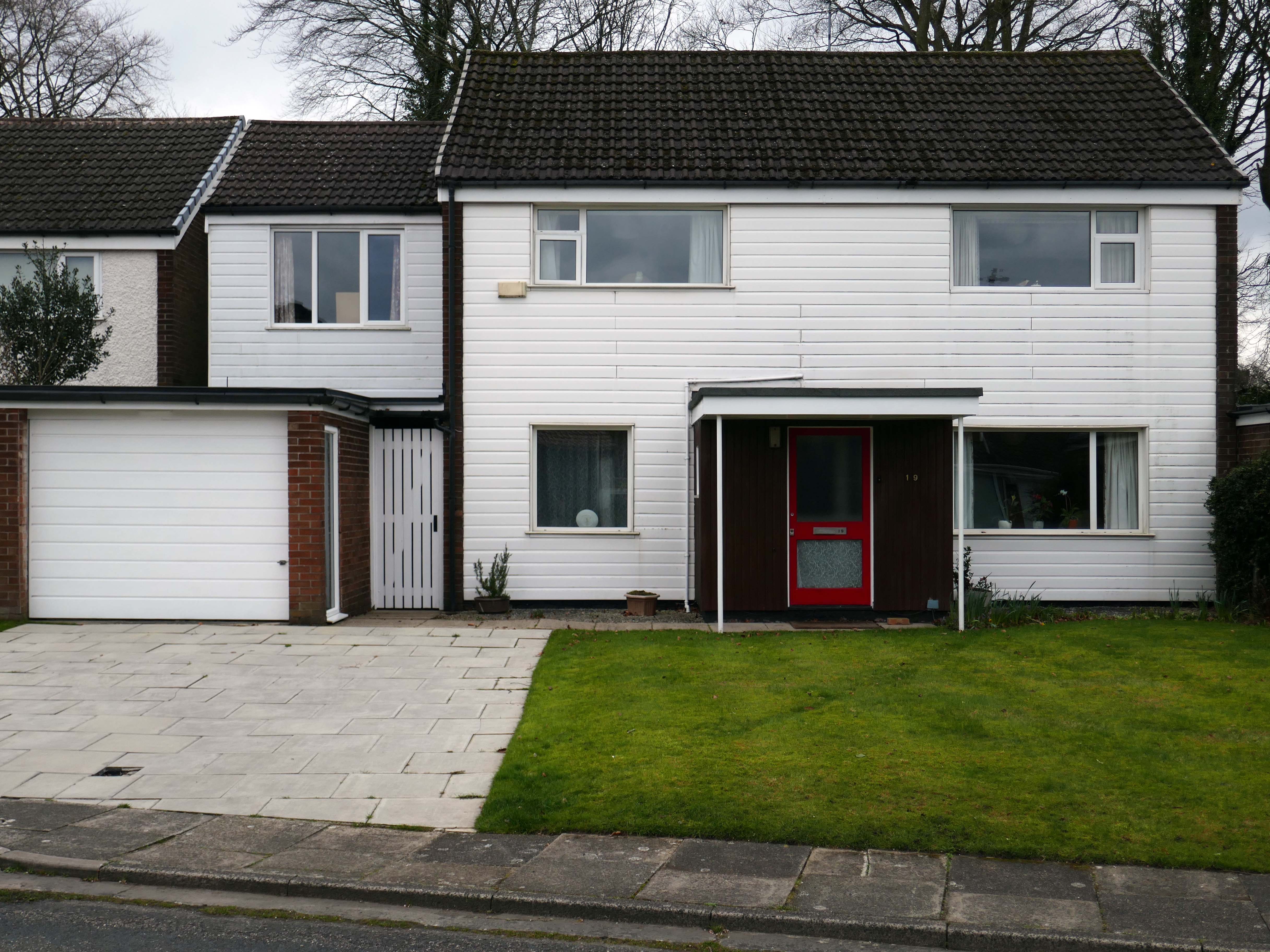
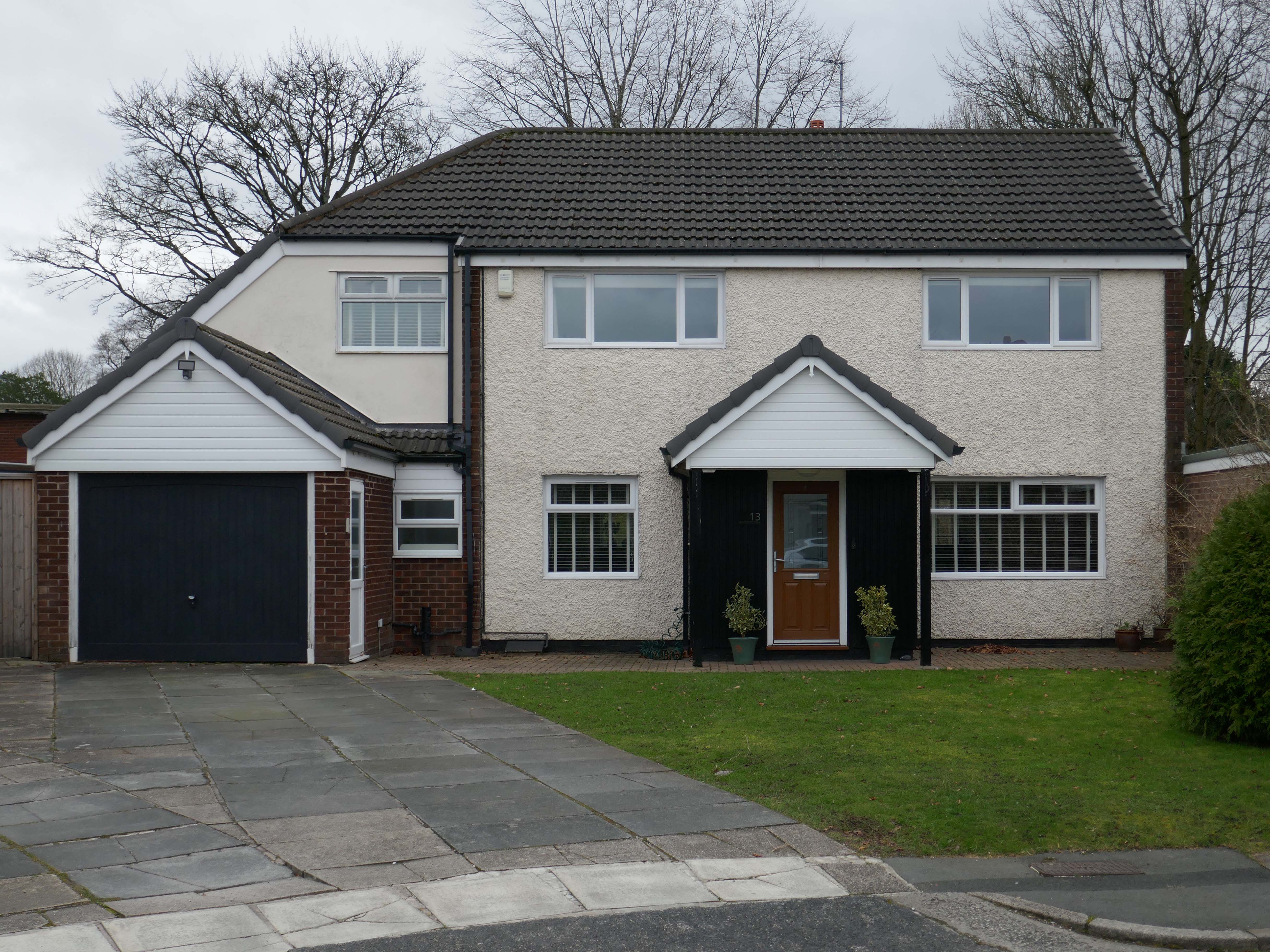
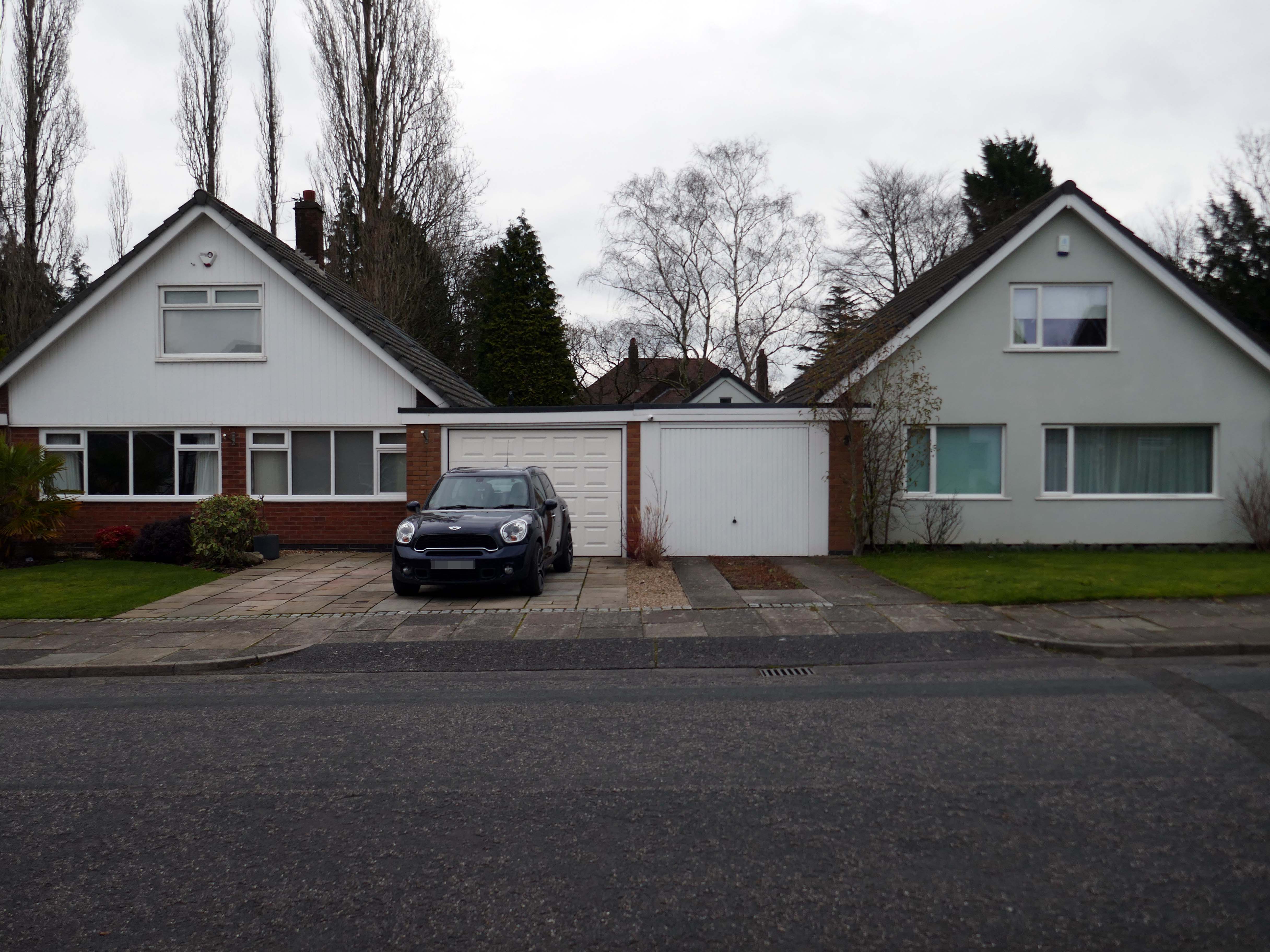
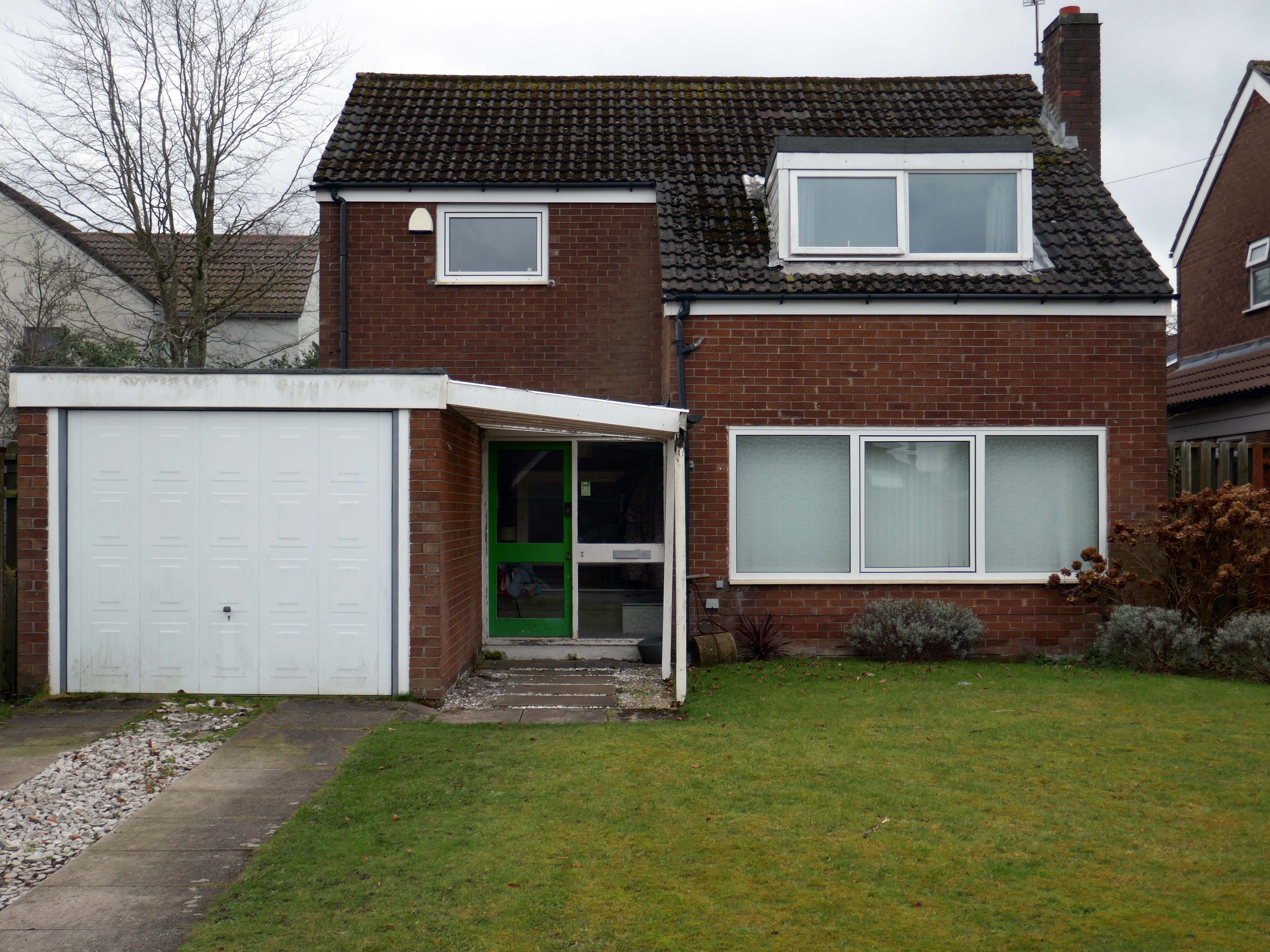
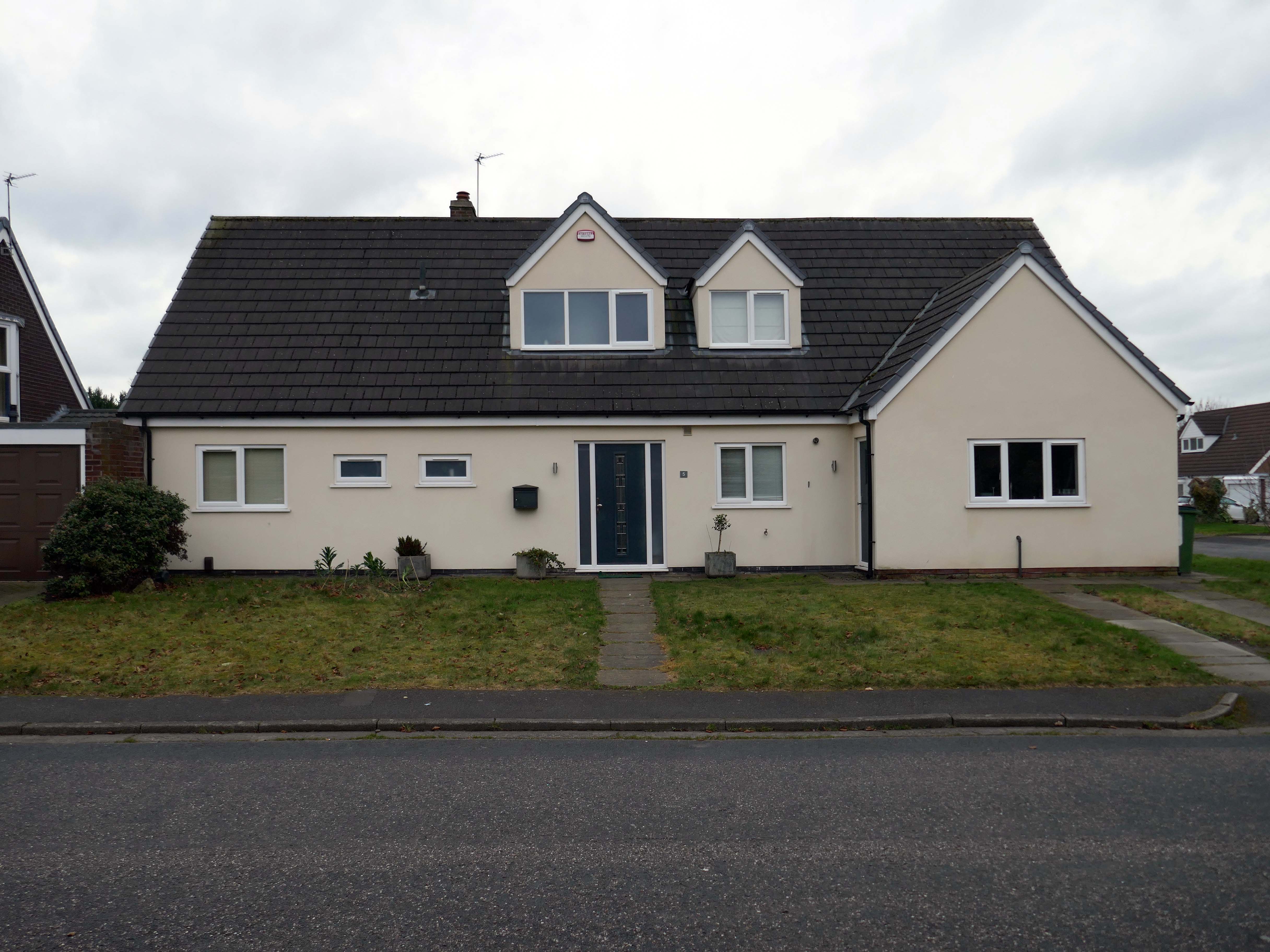
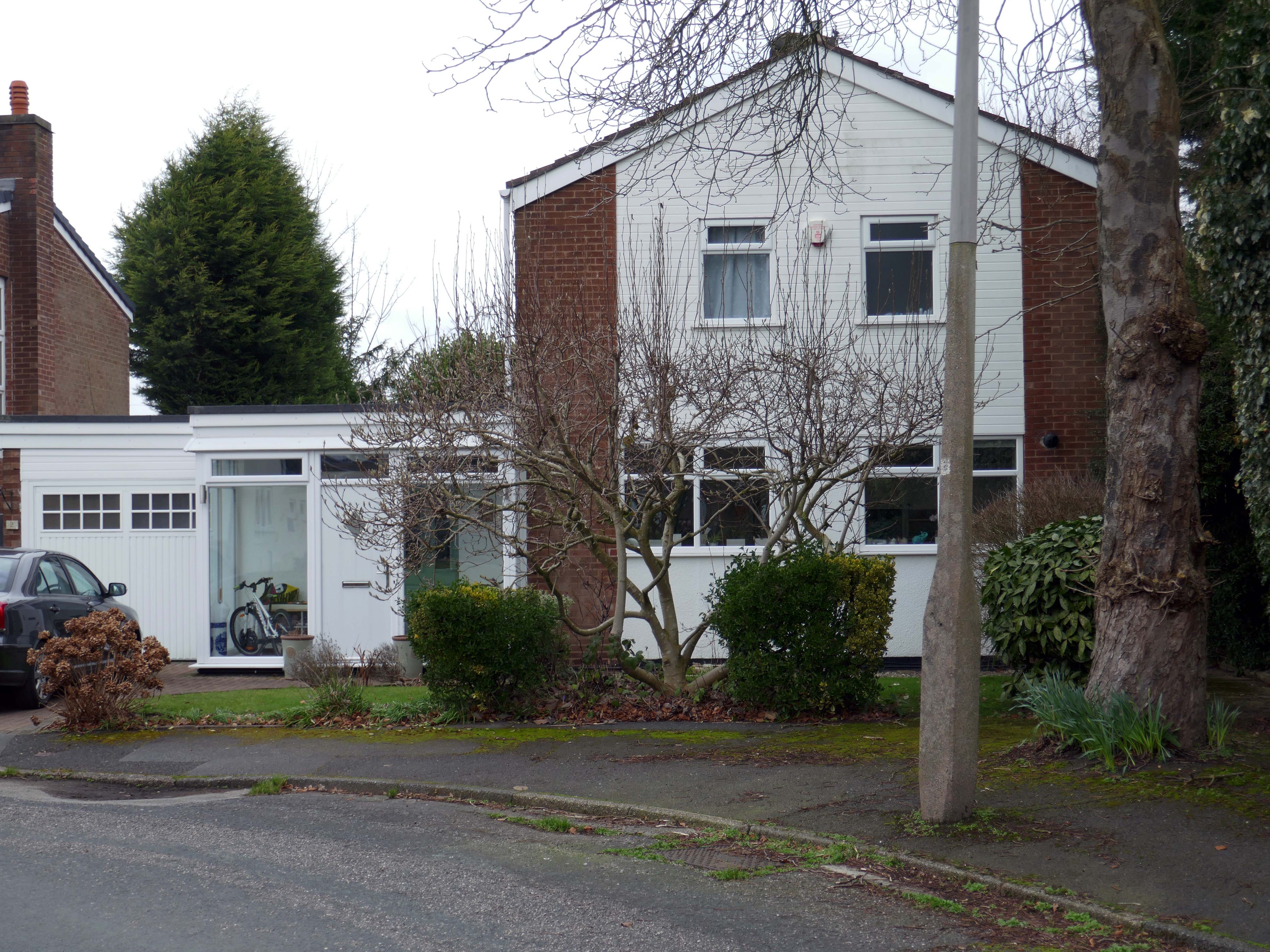
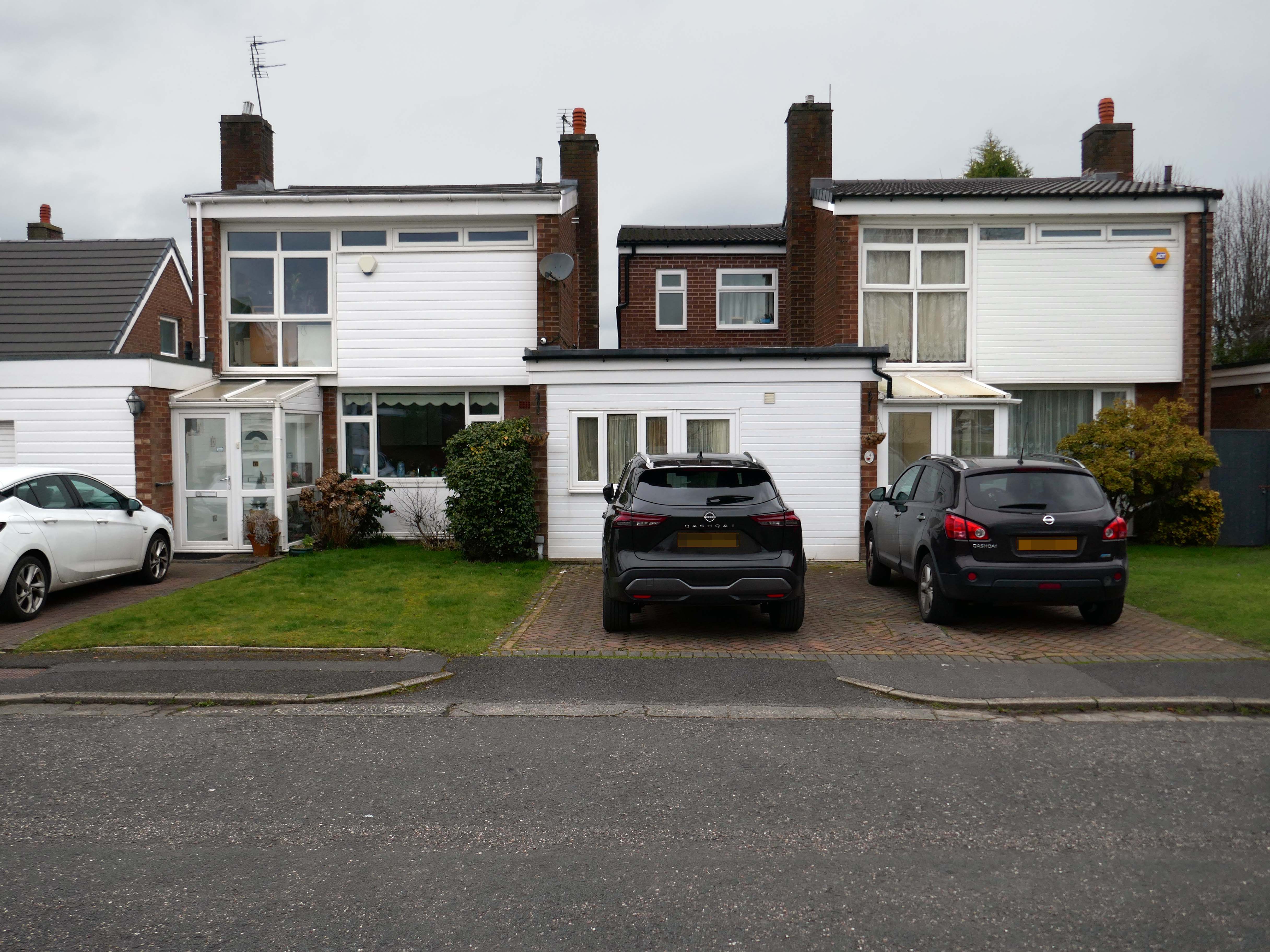
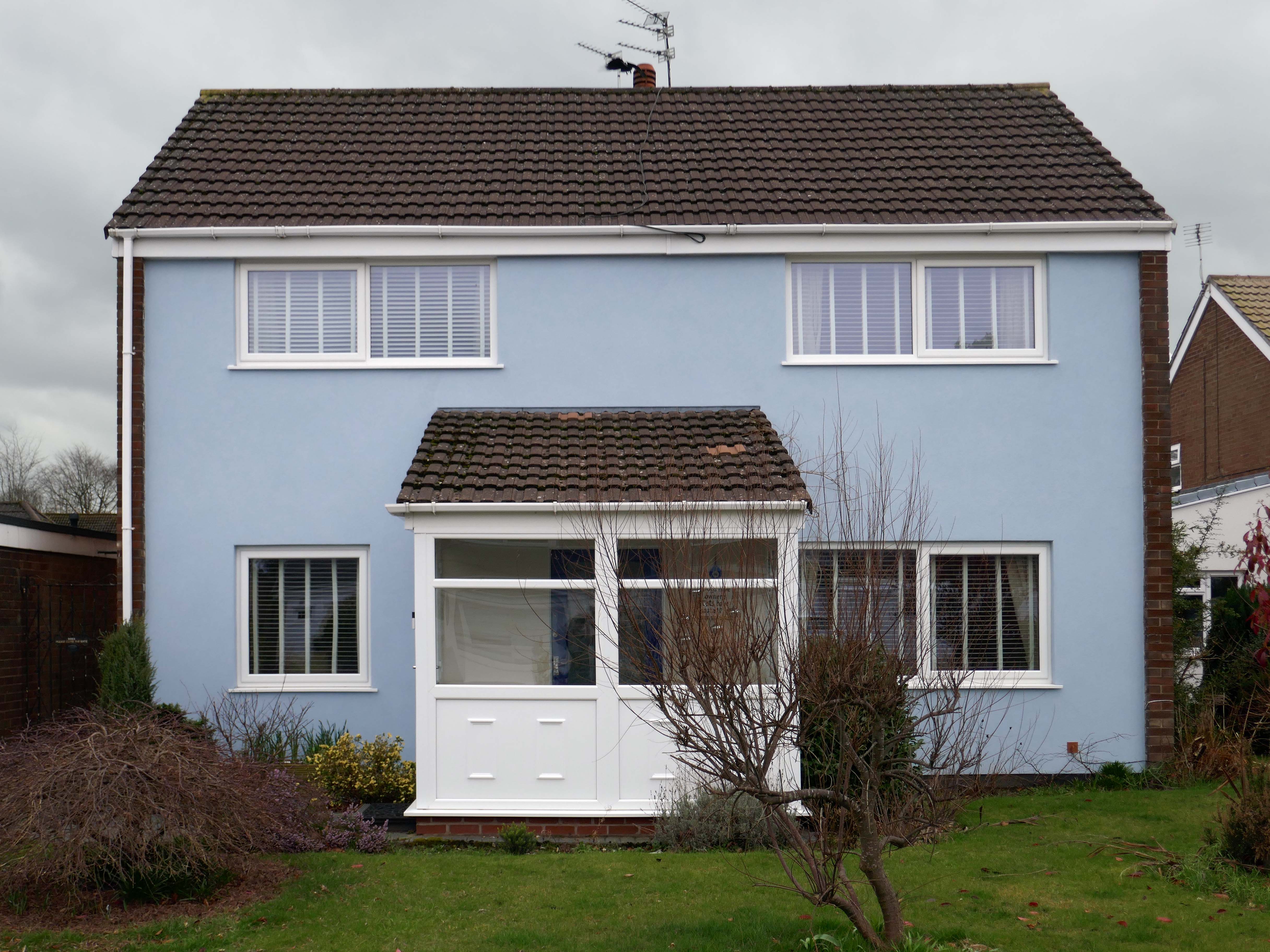
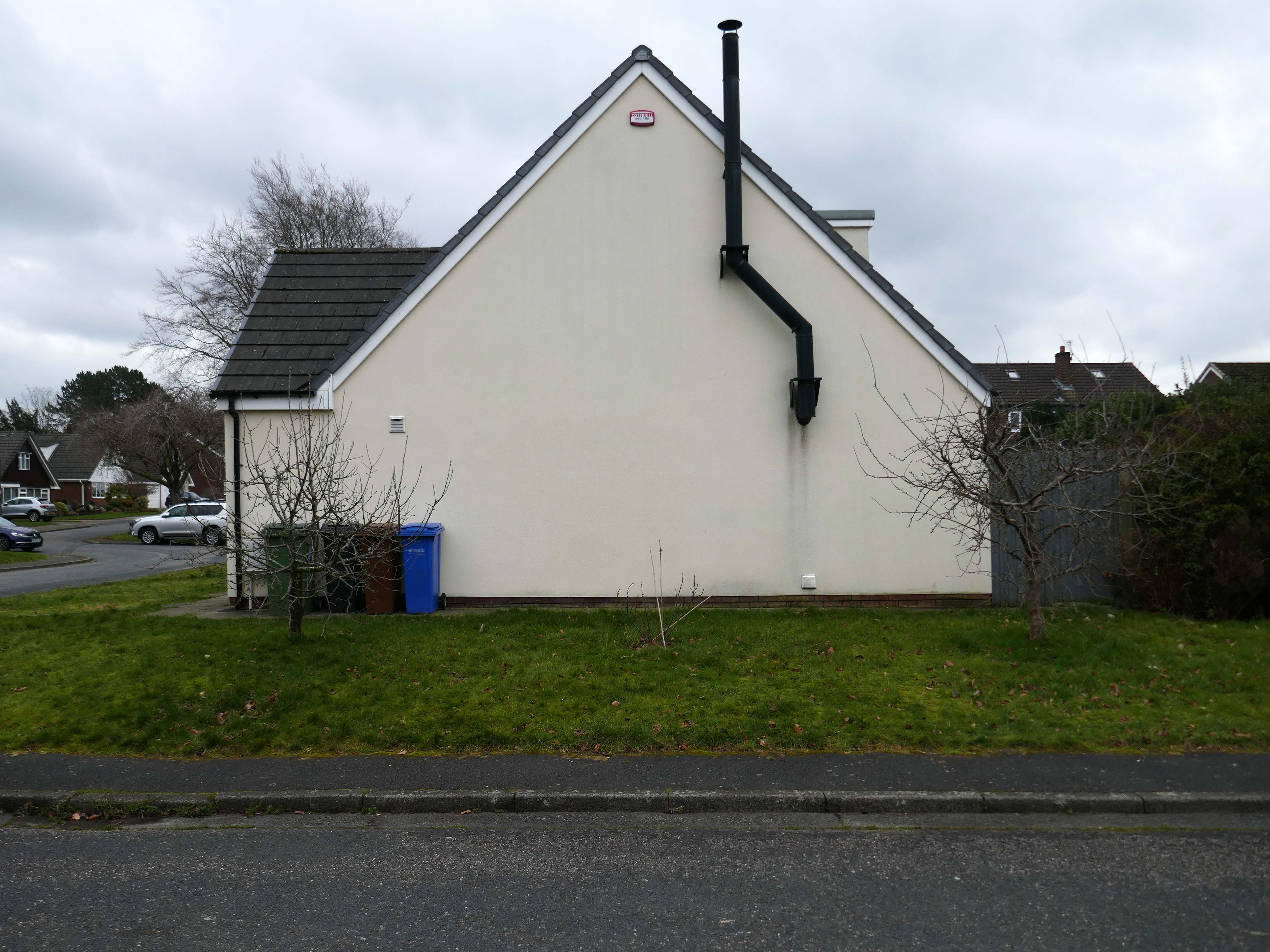
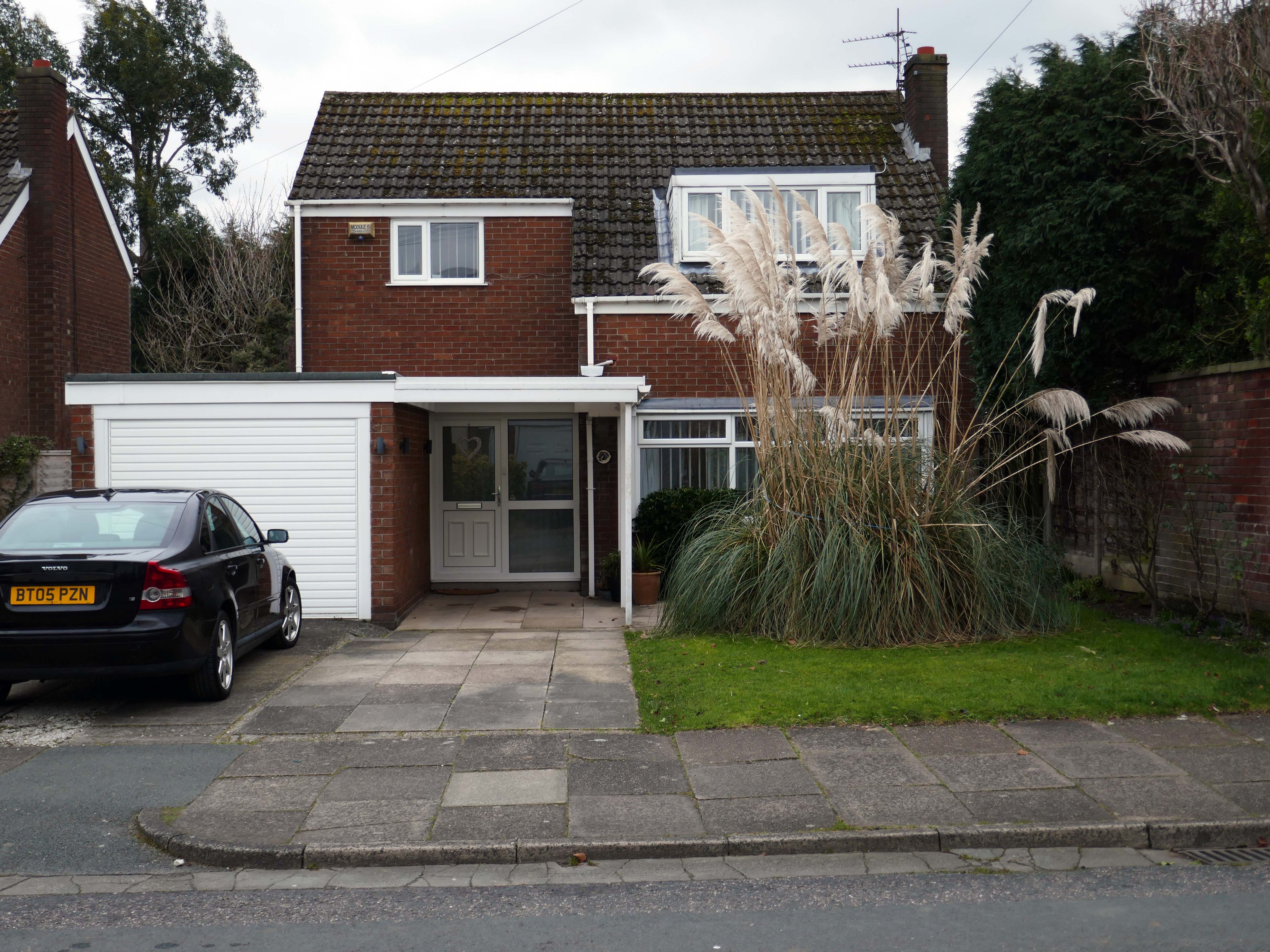
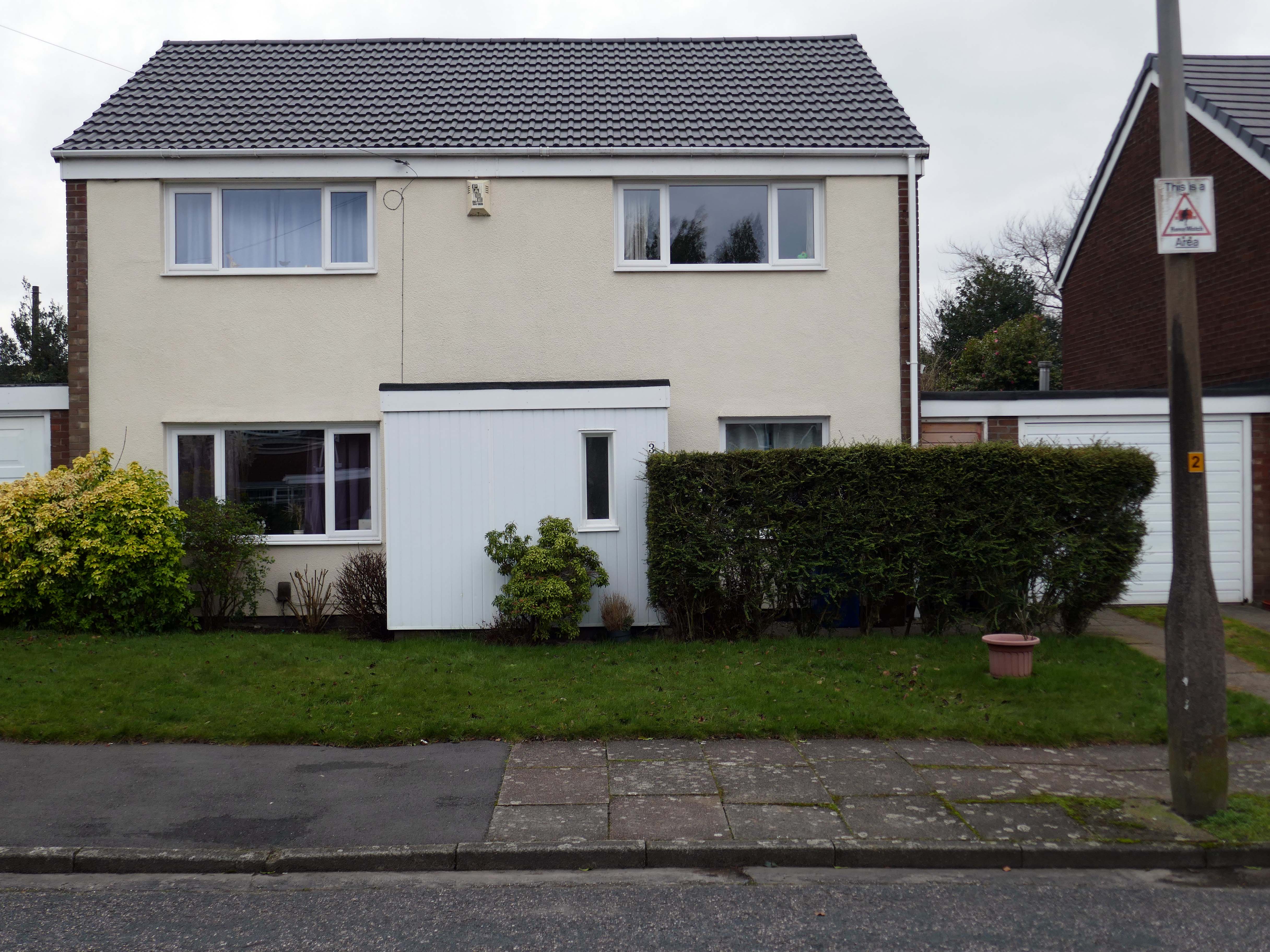
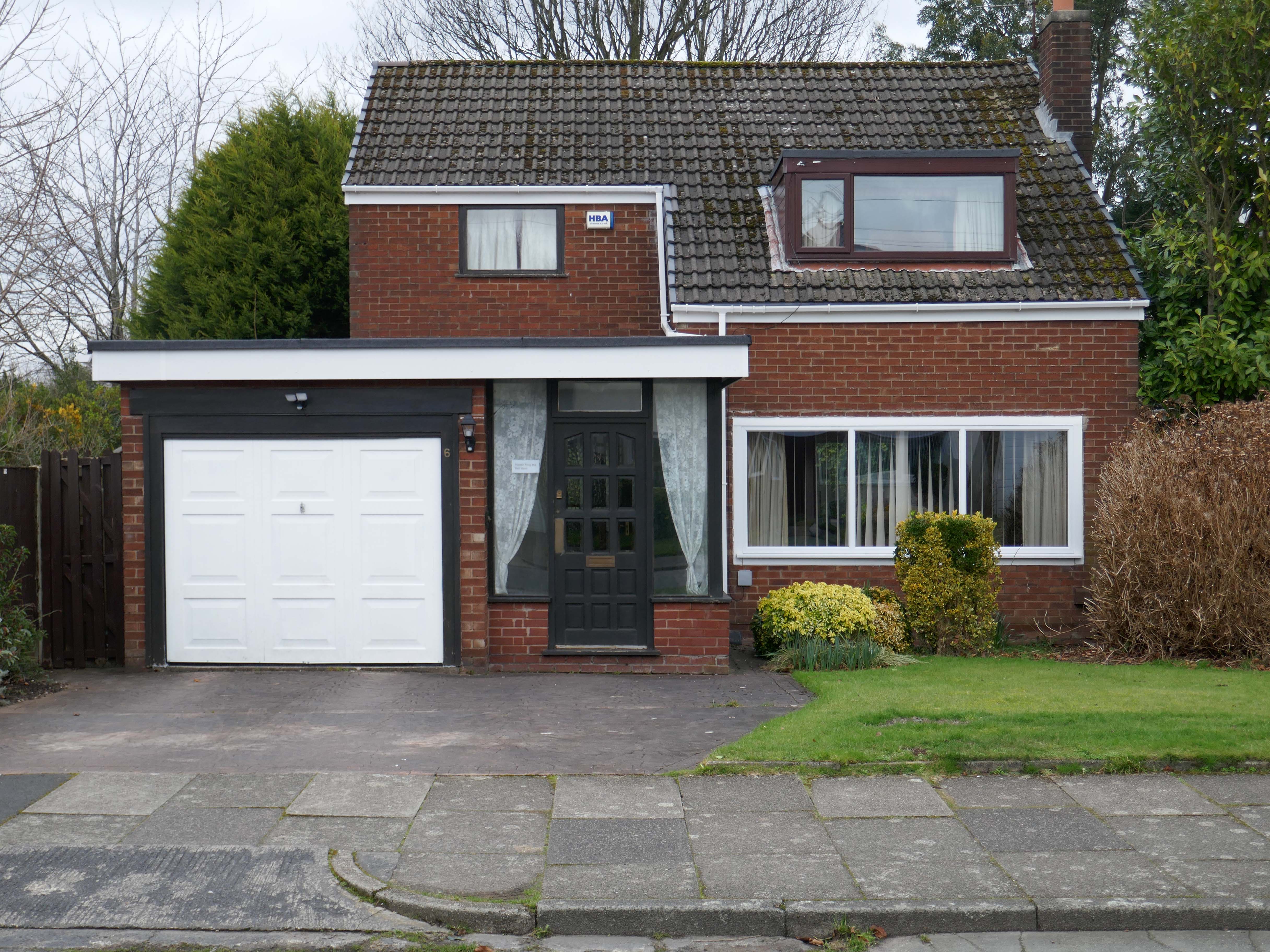
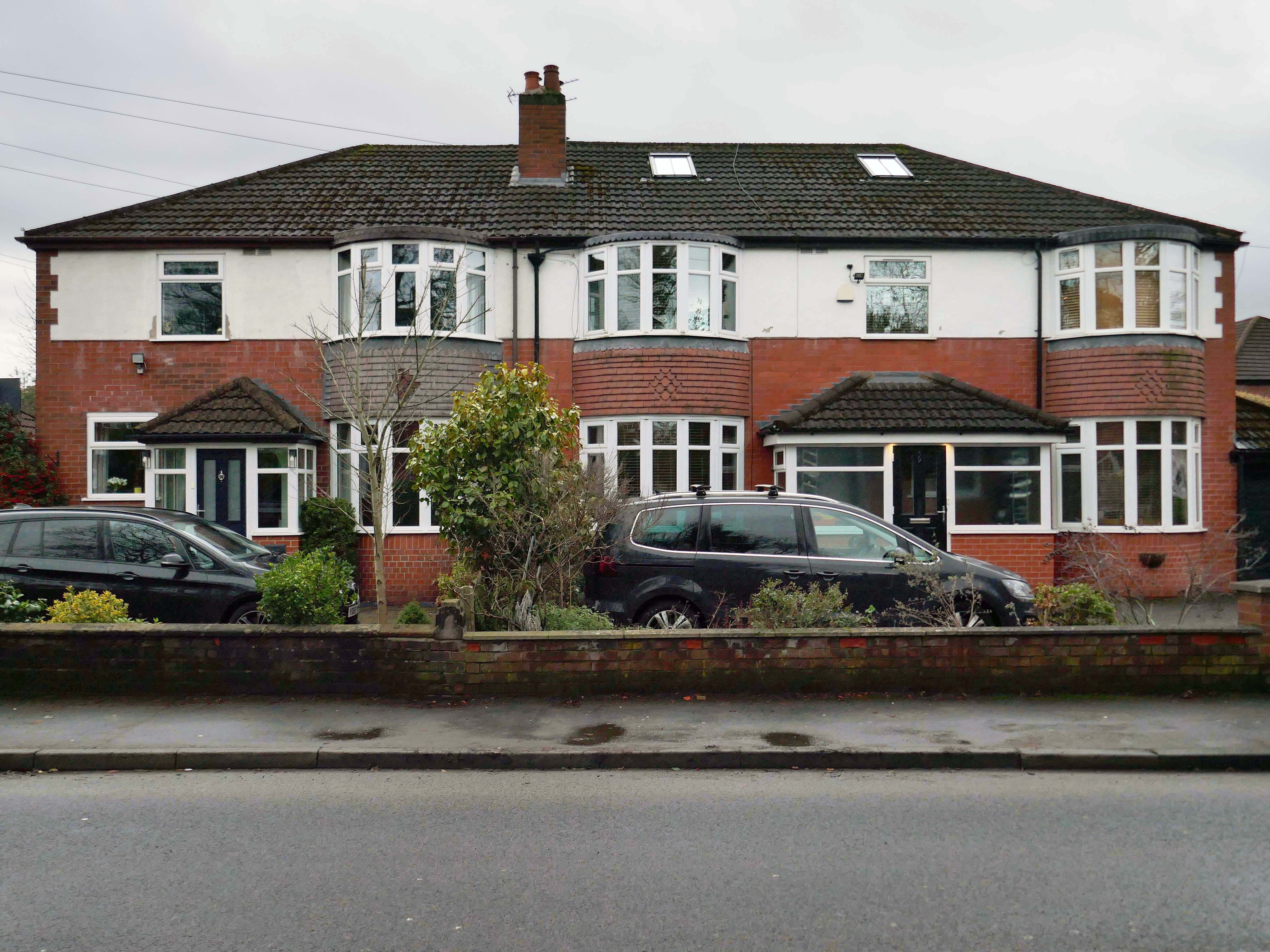
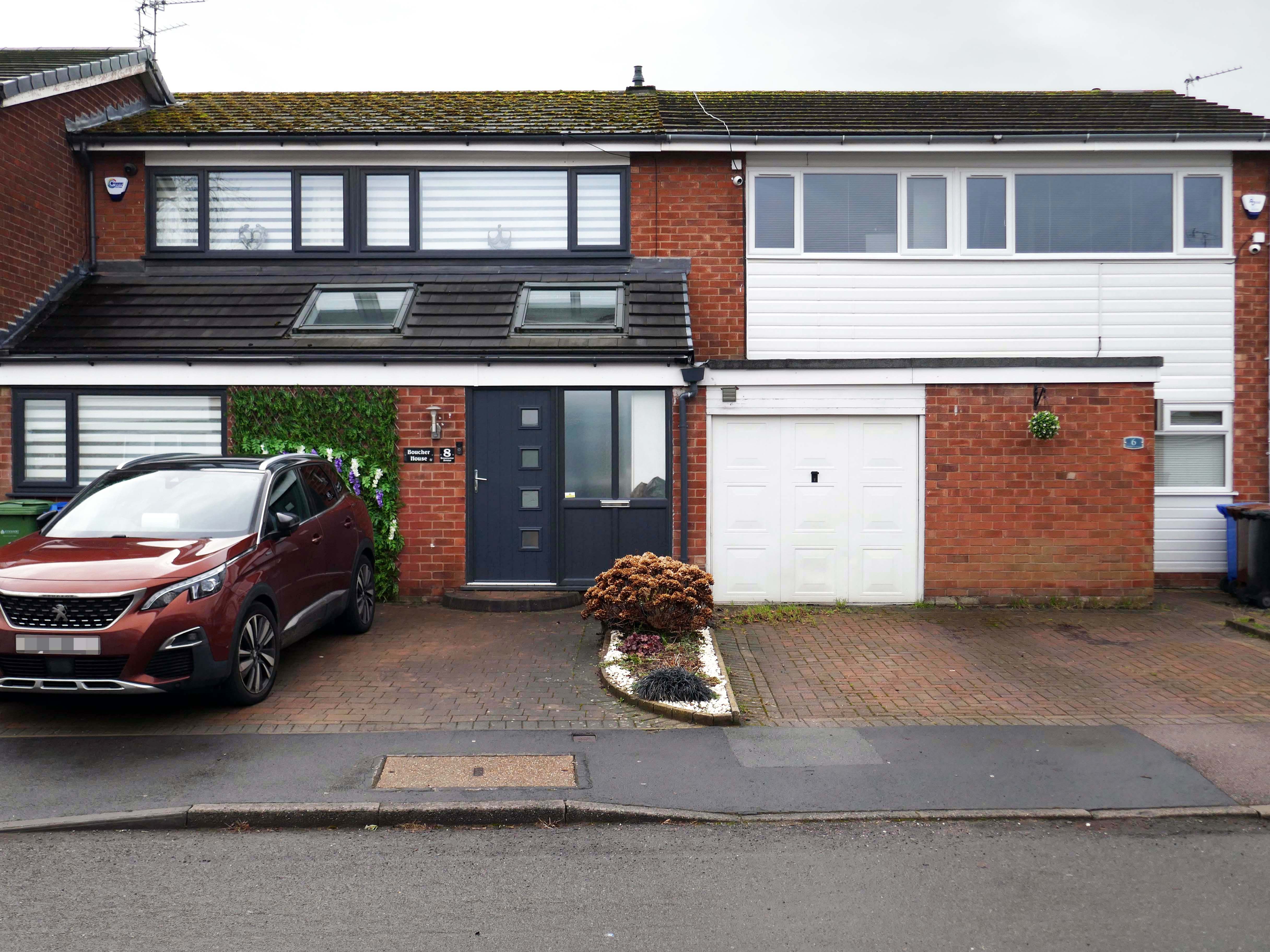
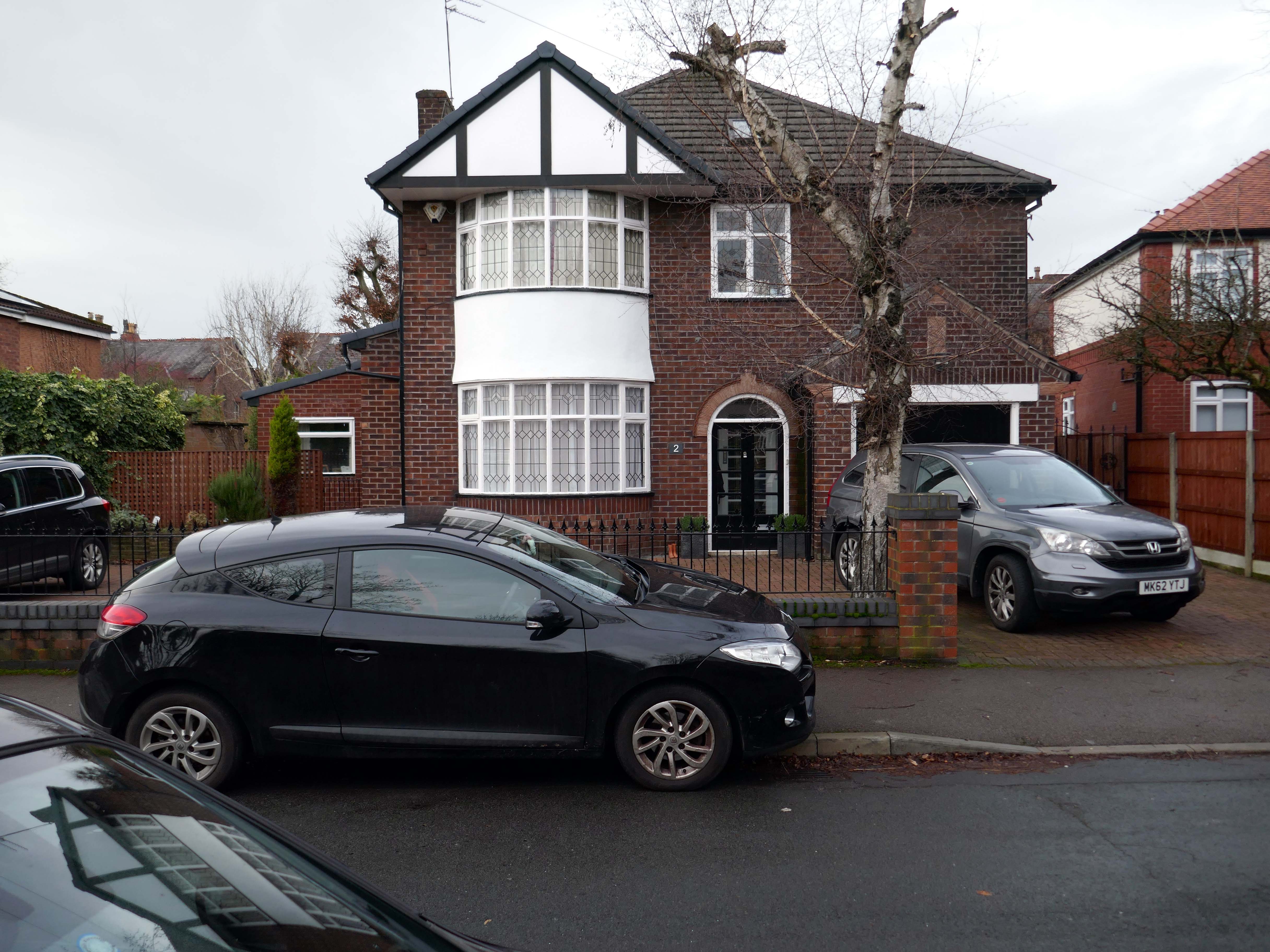
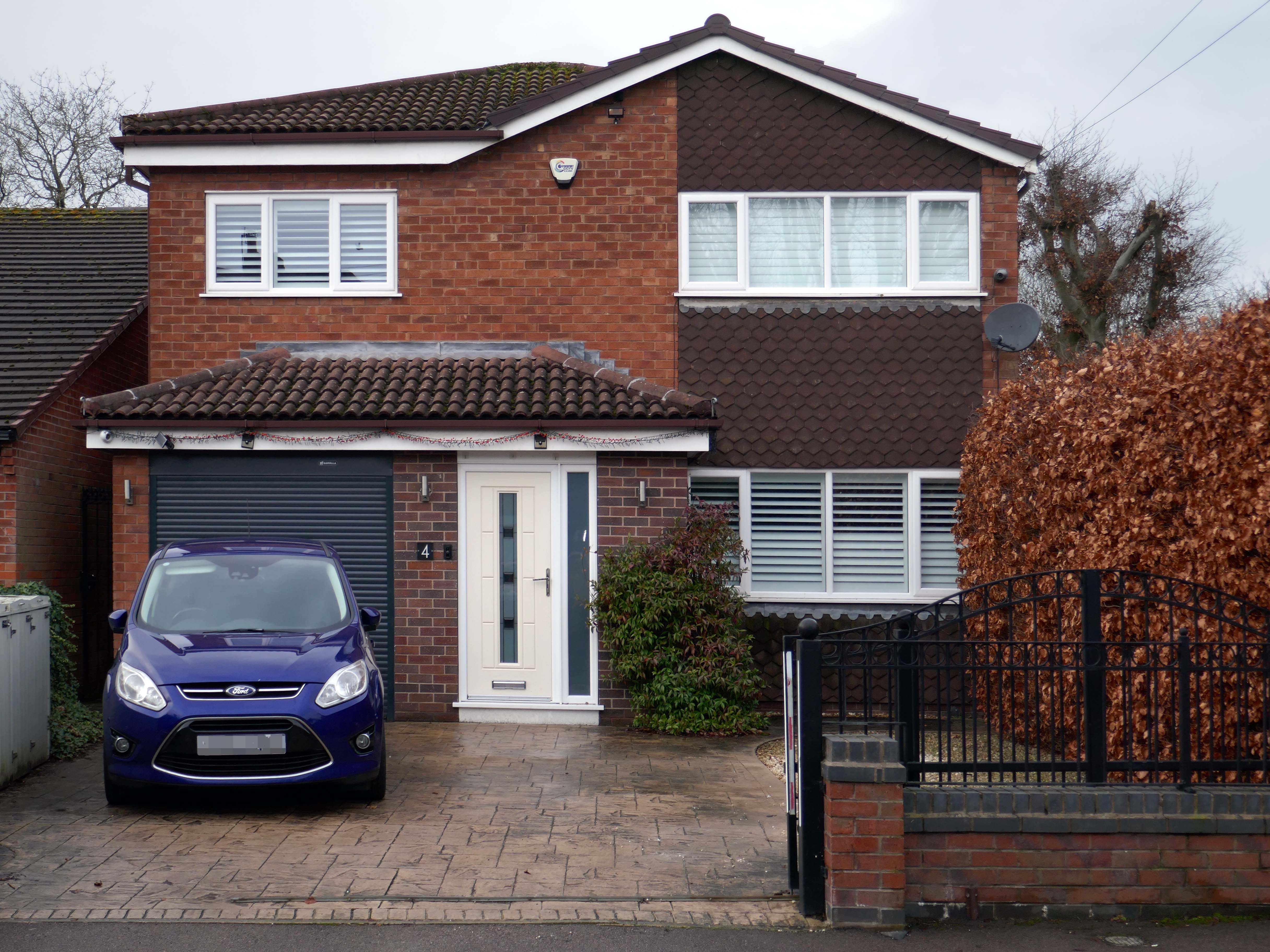
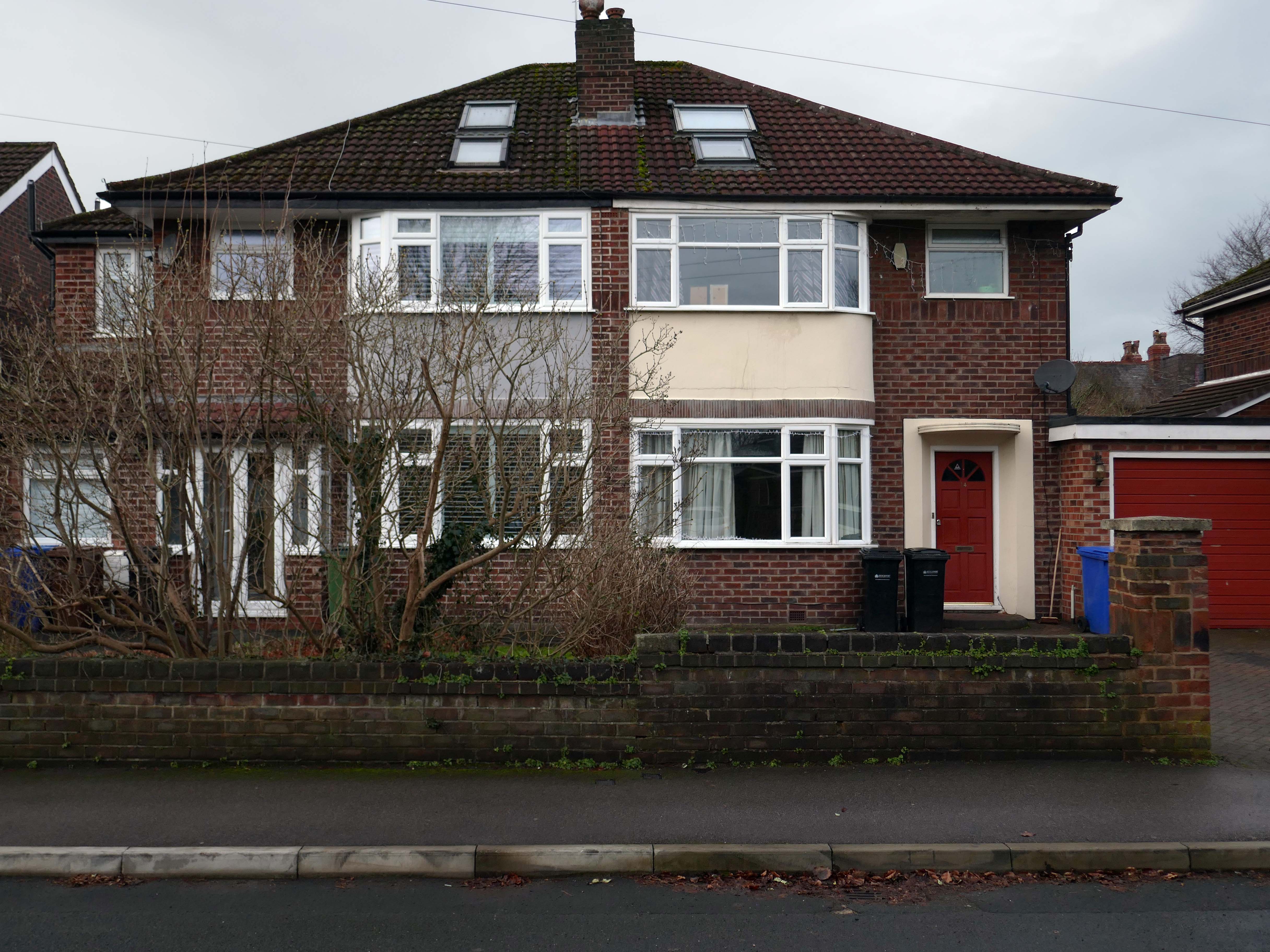
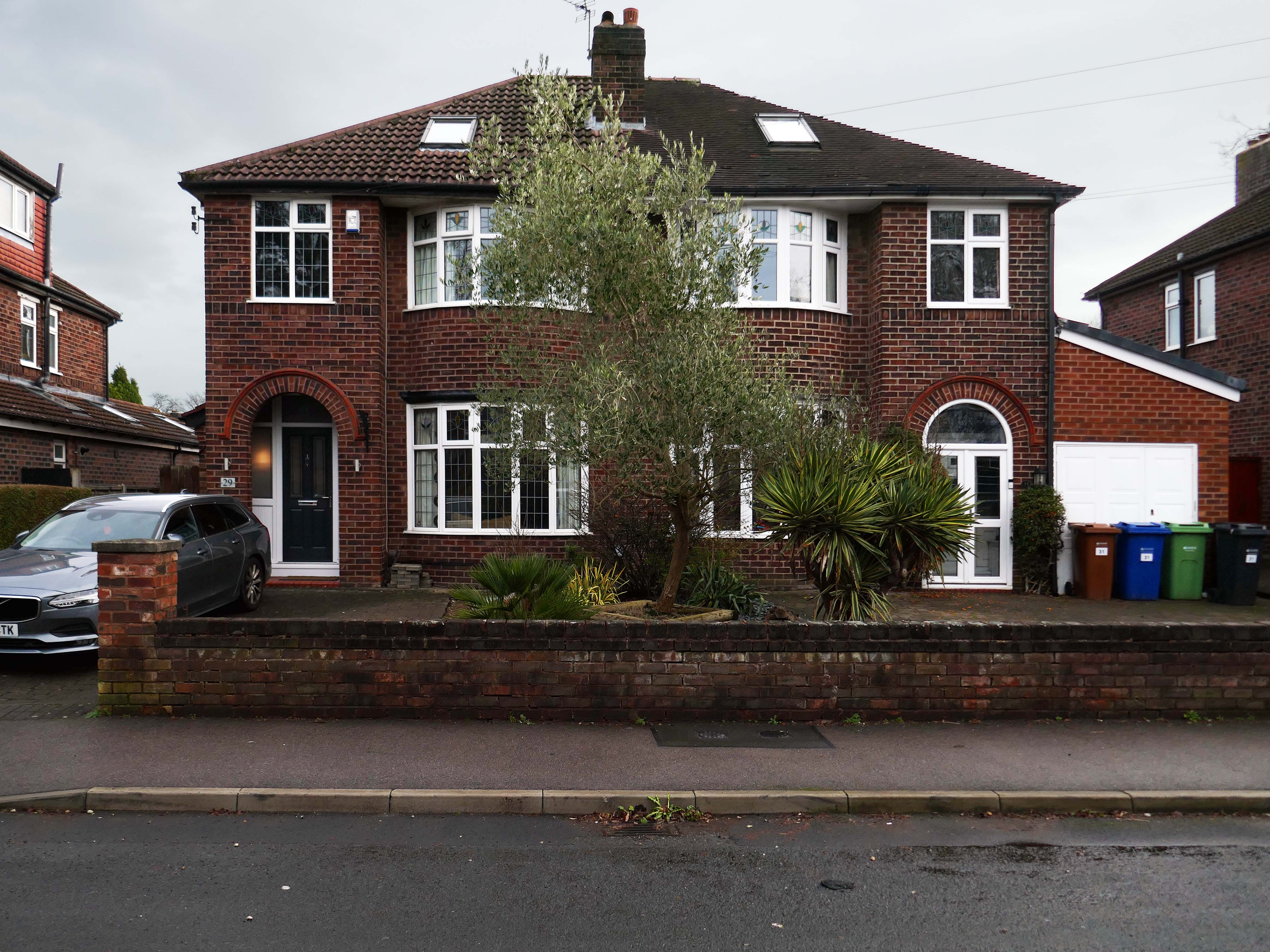
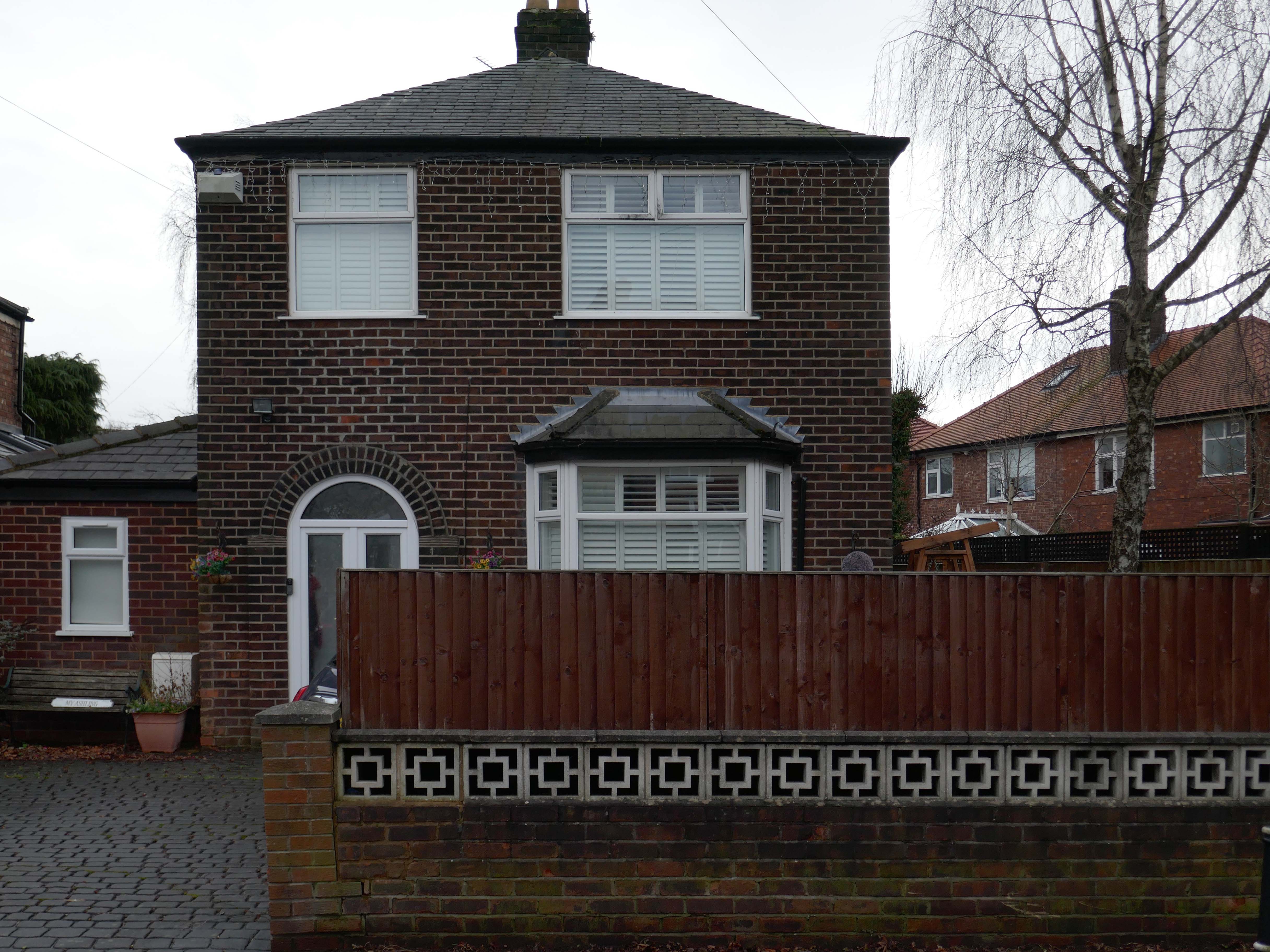
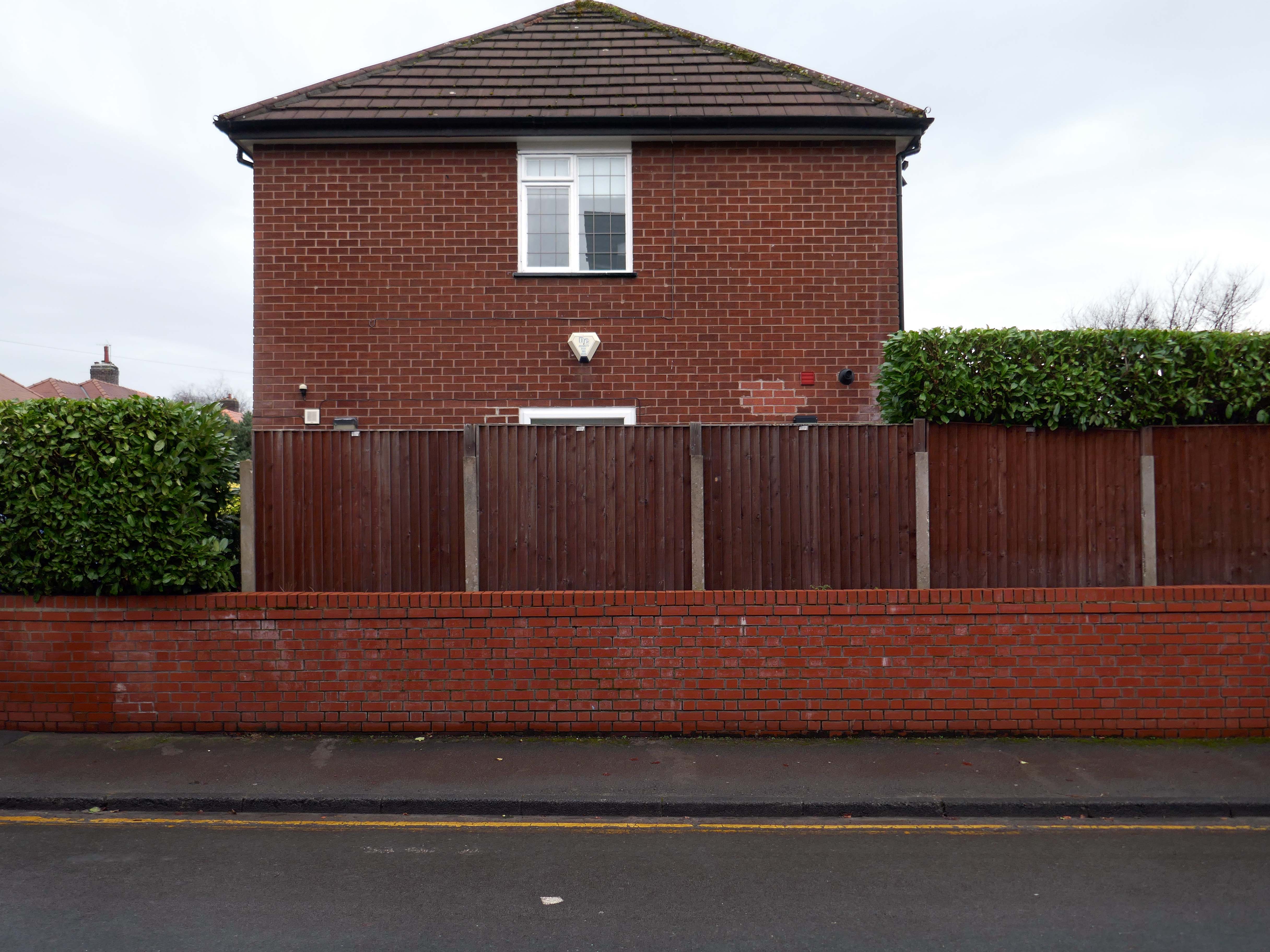
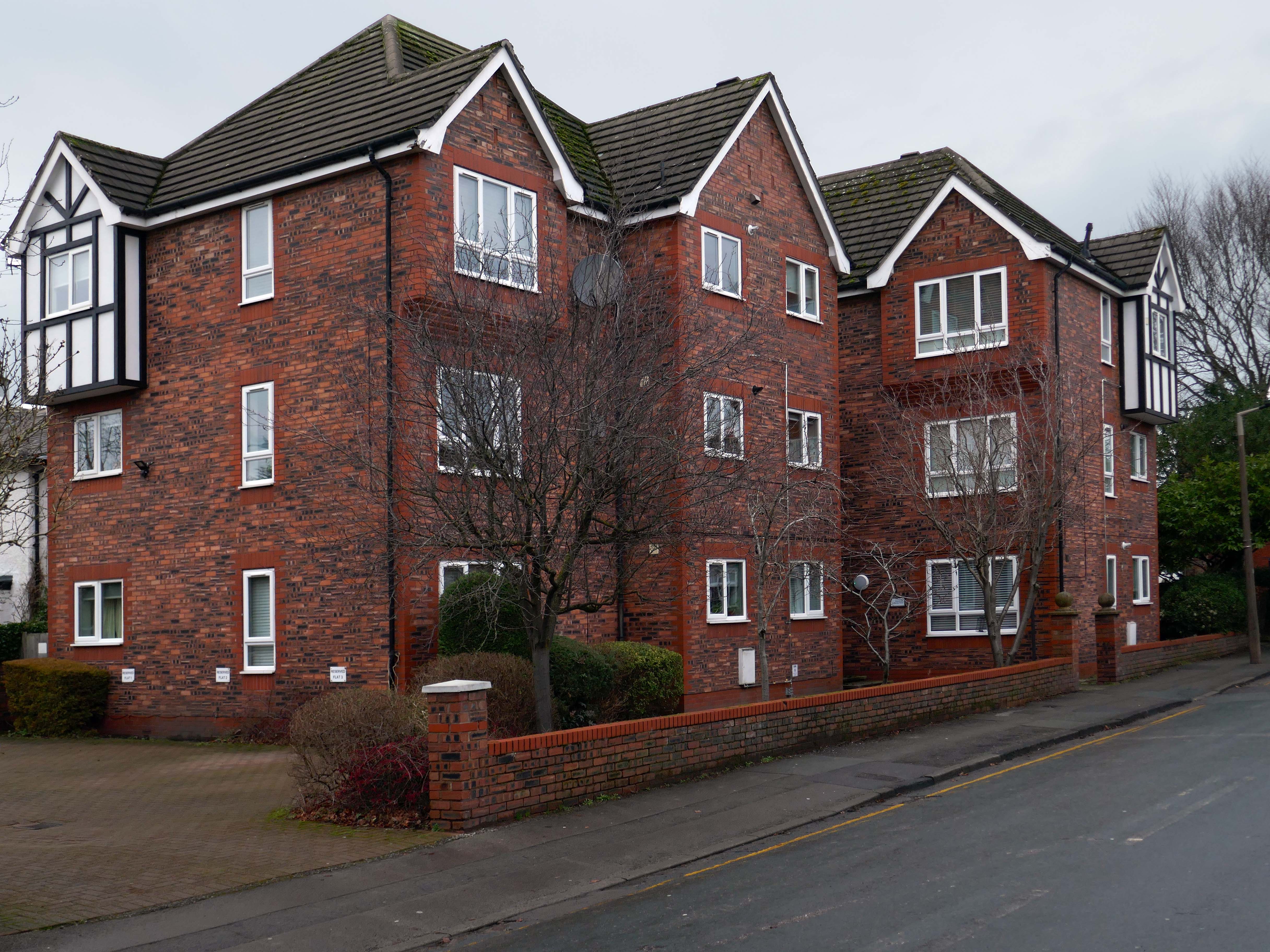
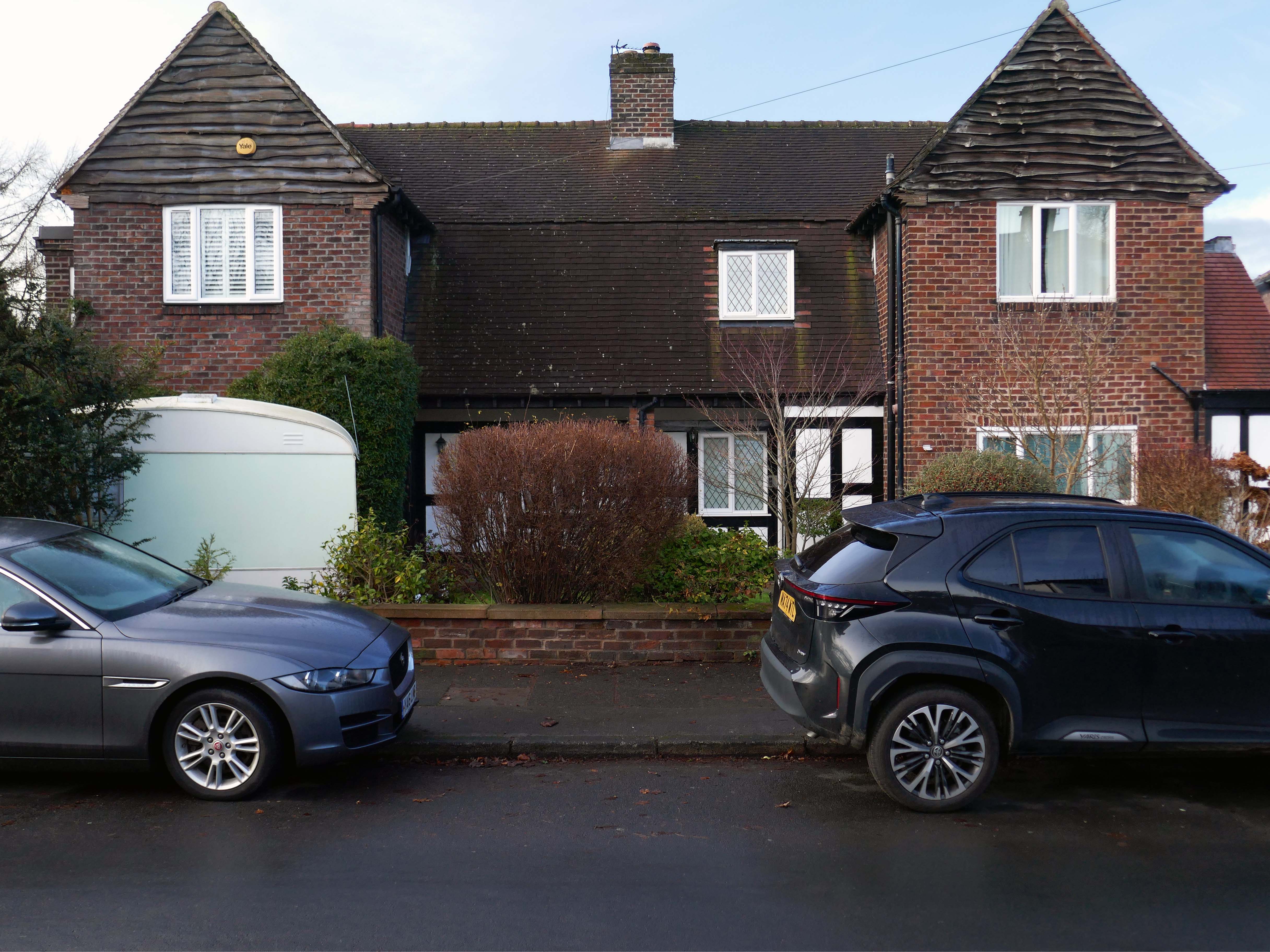
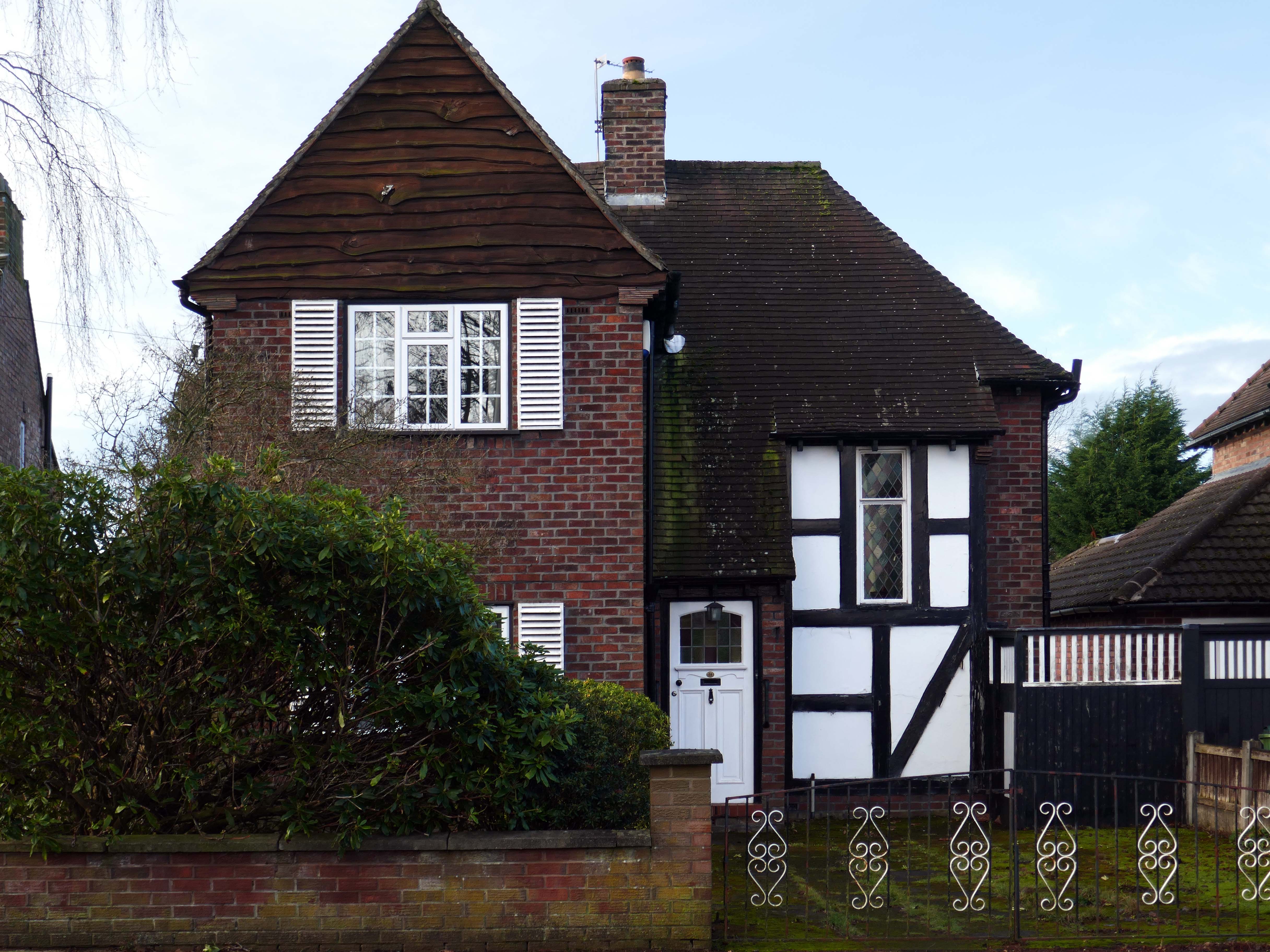
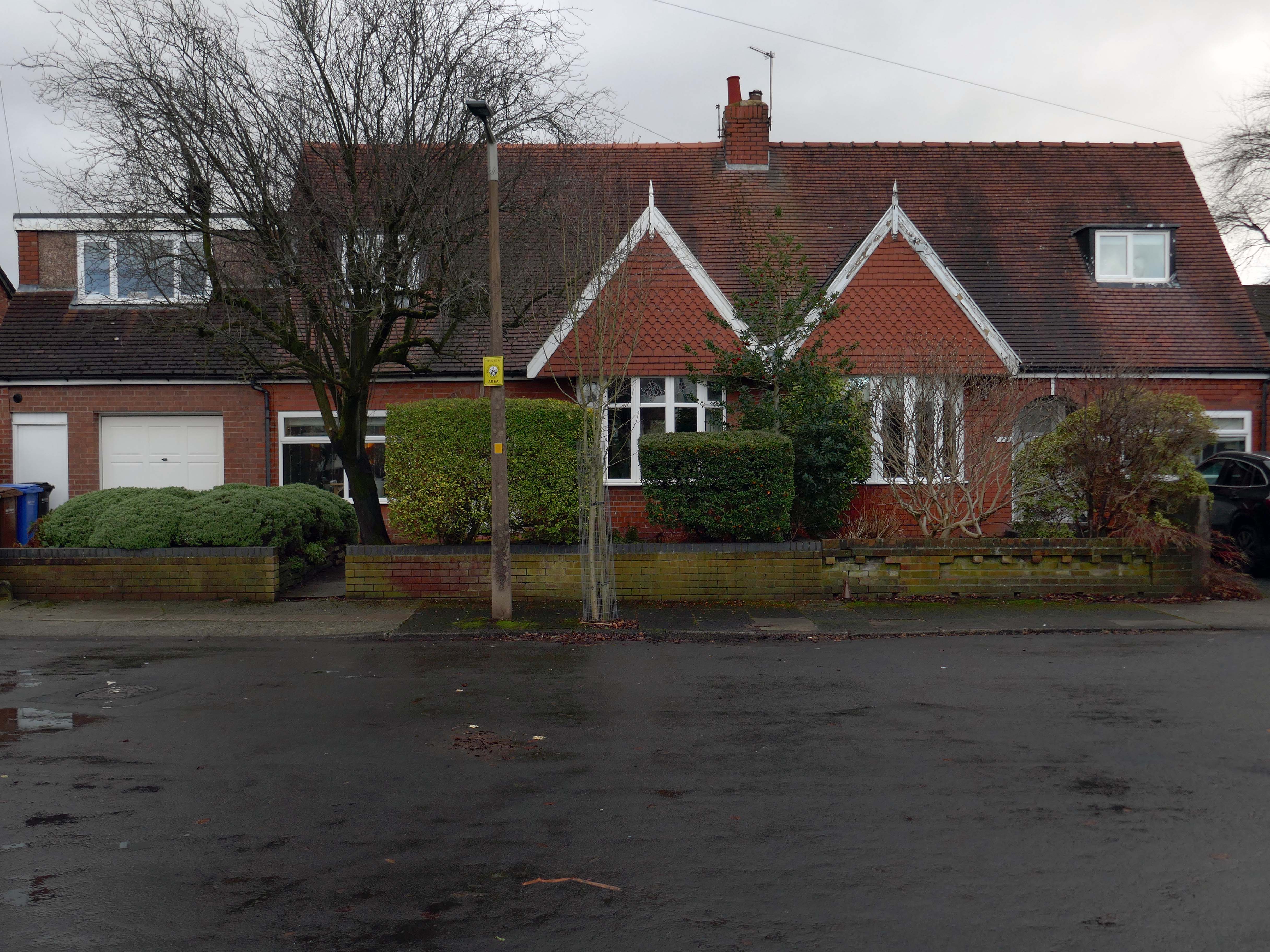
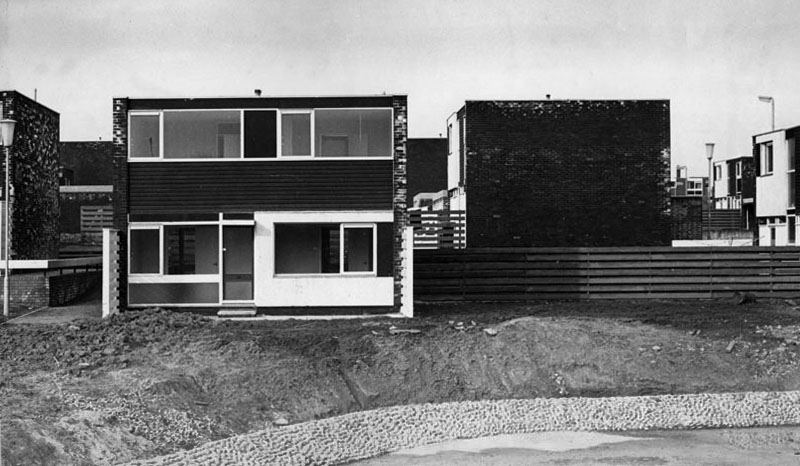
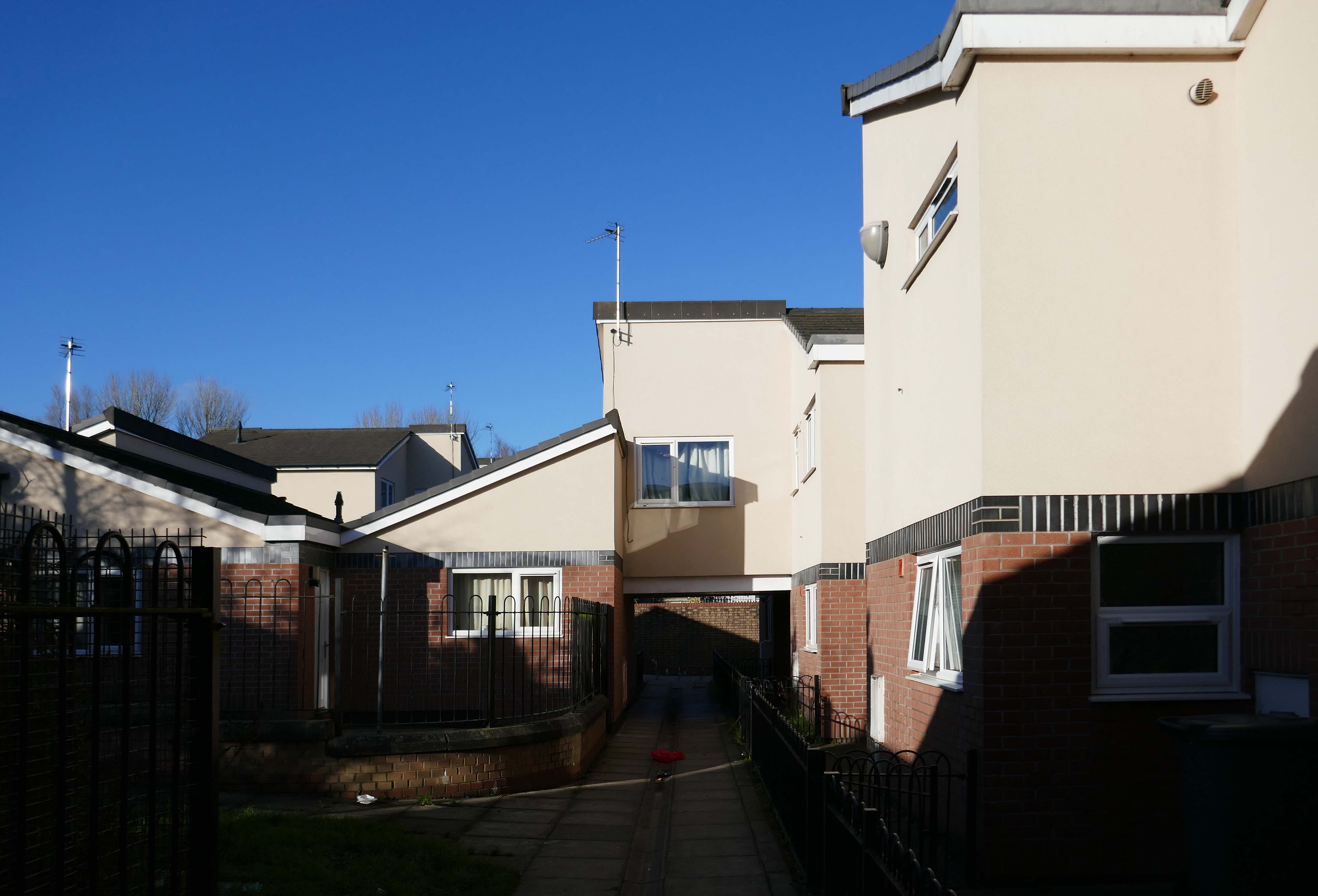
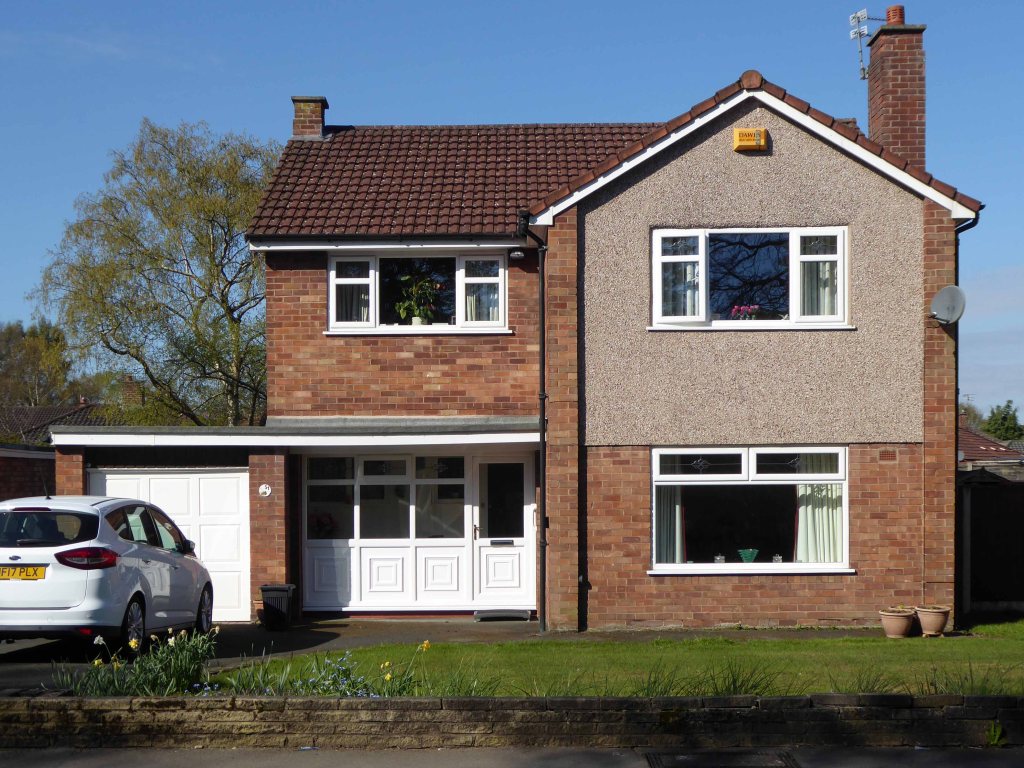
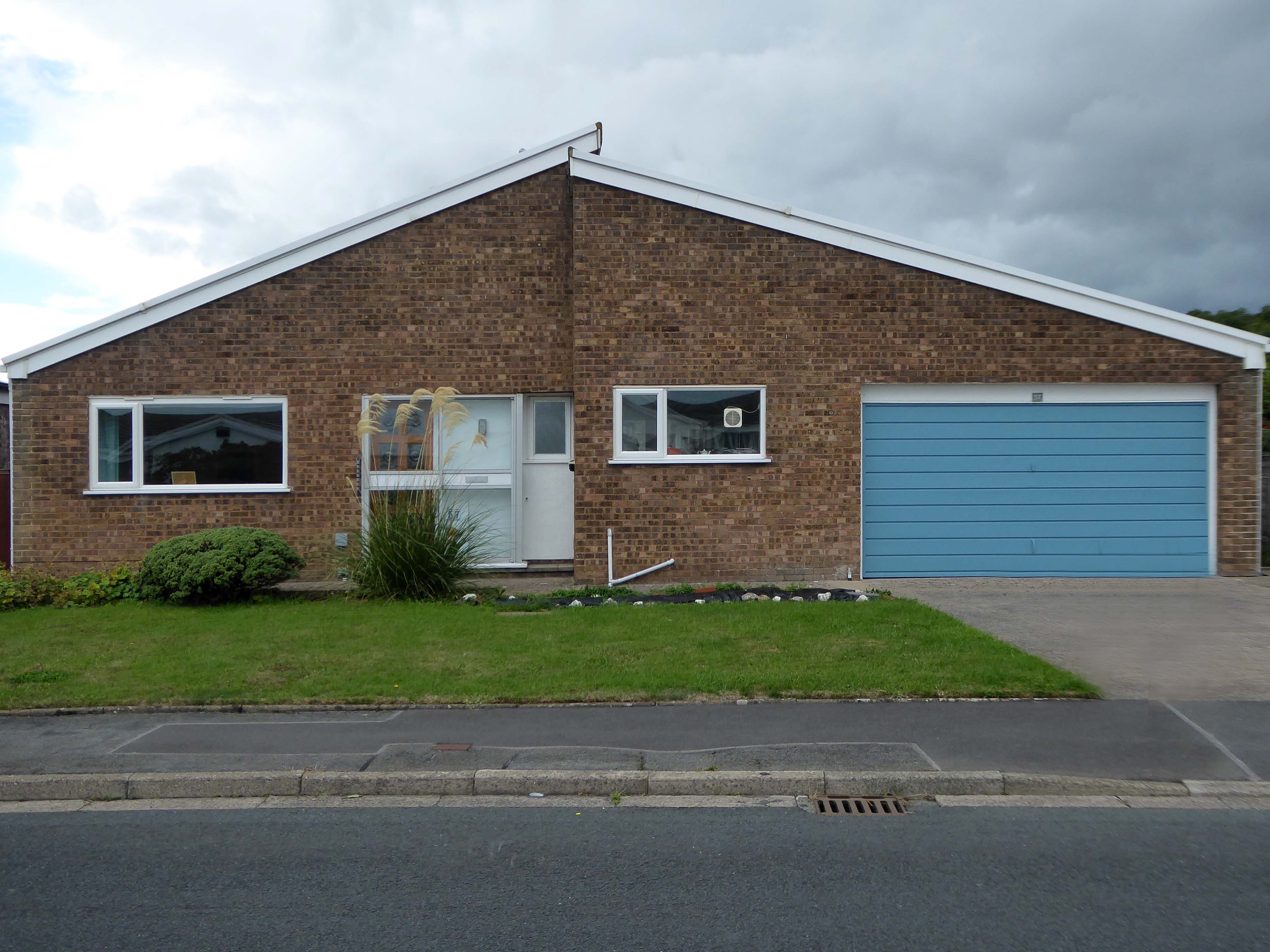
Within the typology there area number of variants, bungalow, dormer bungalow, link detached, semi-detached and detached.
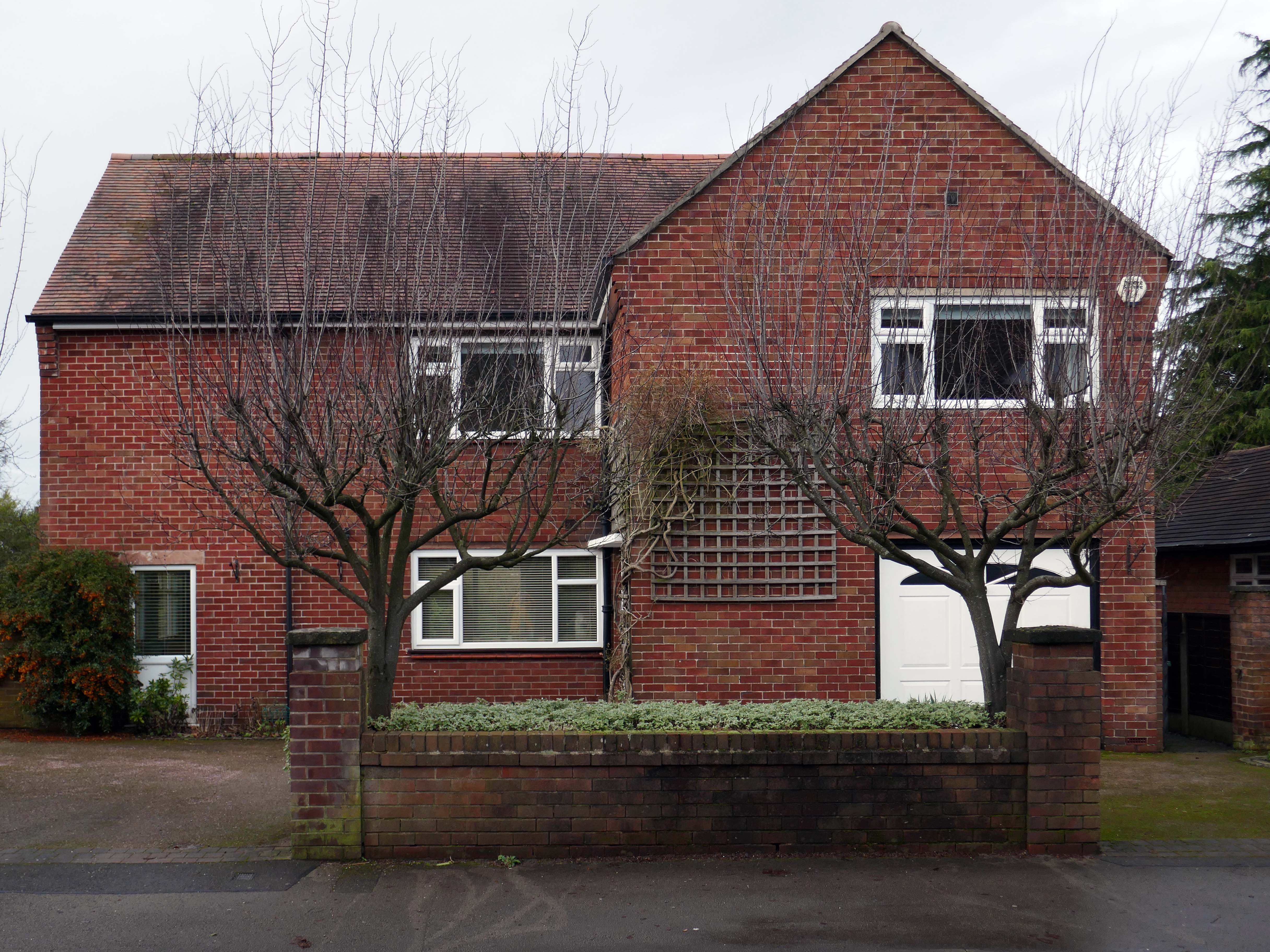
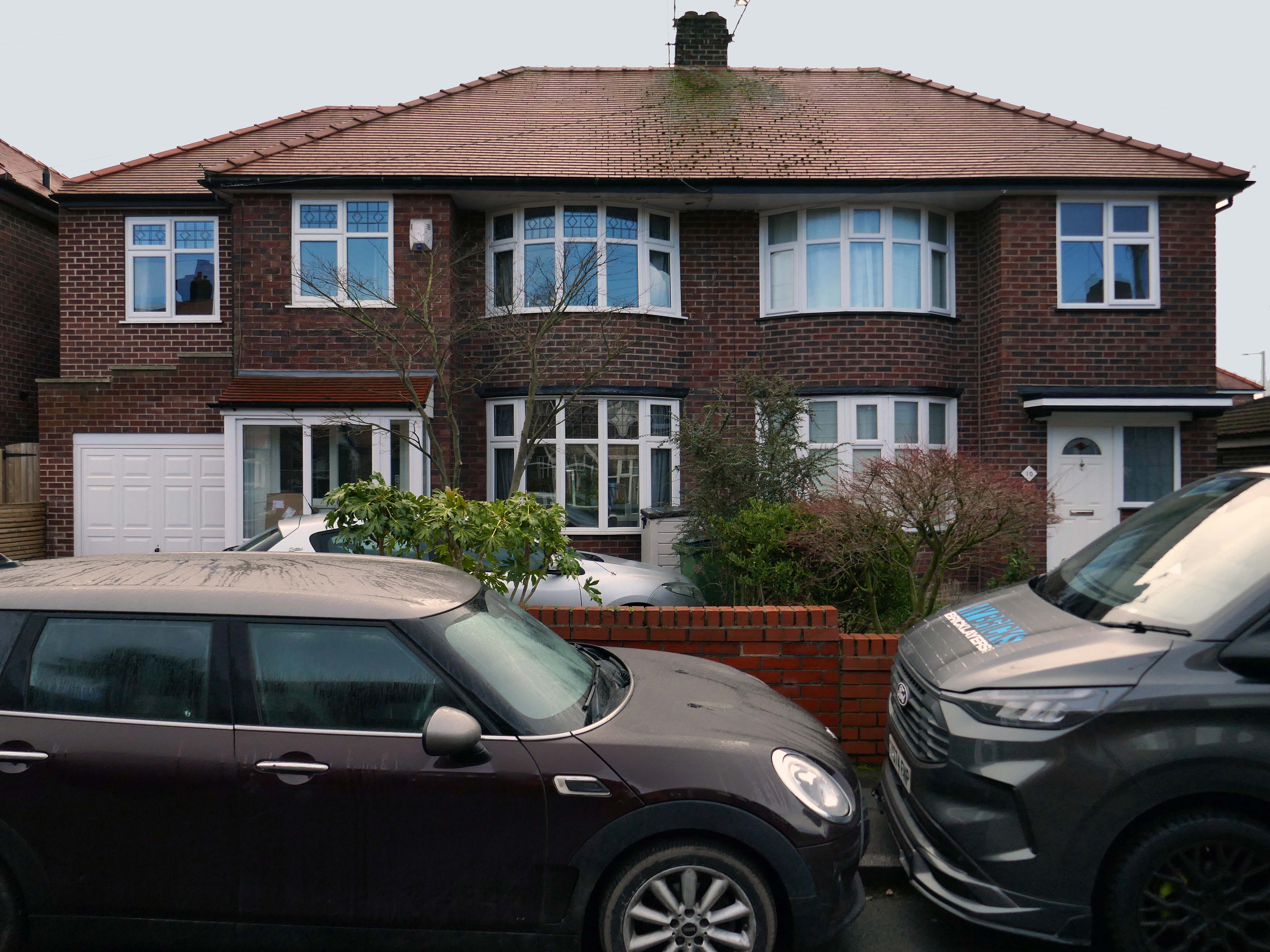
Very very few of the homes have retained their original features, the imperative of our age is to extend and improve.
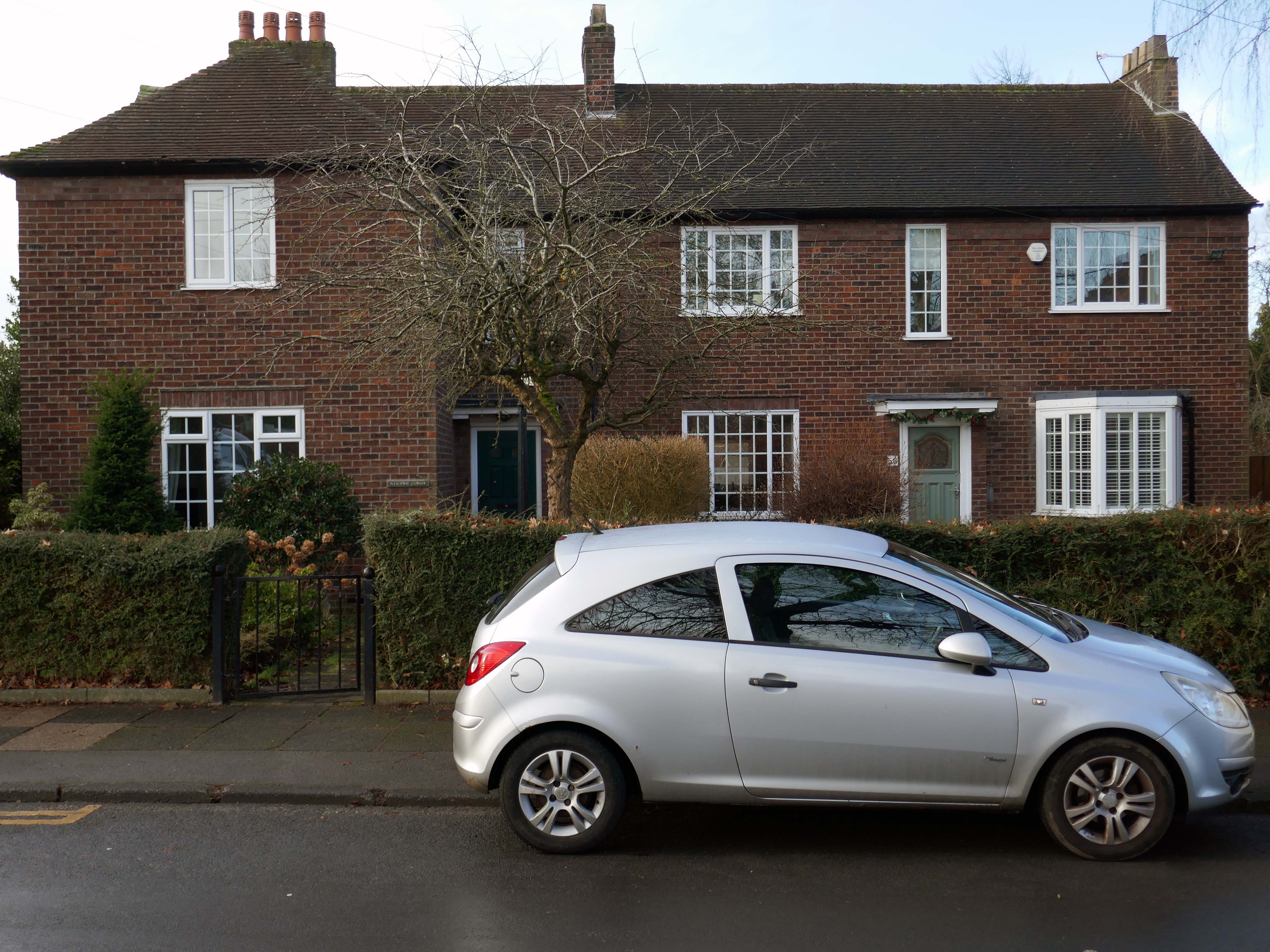
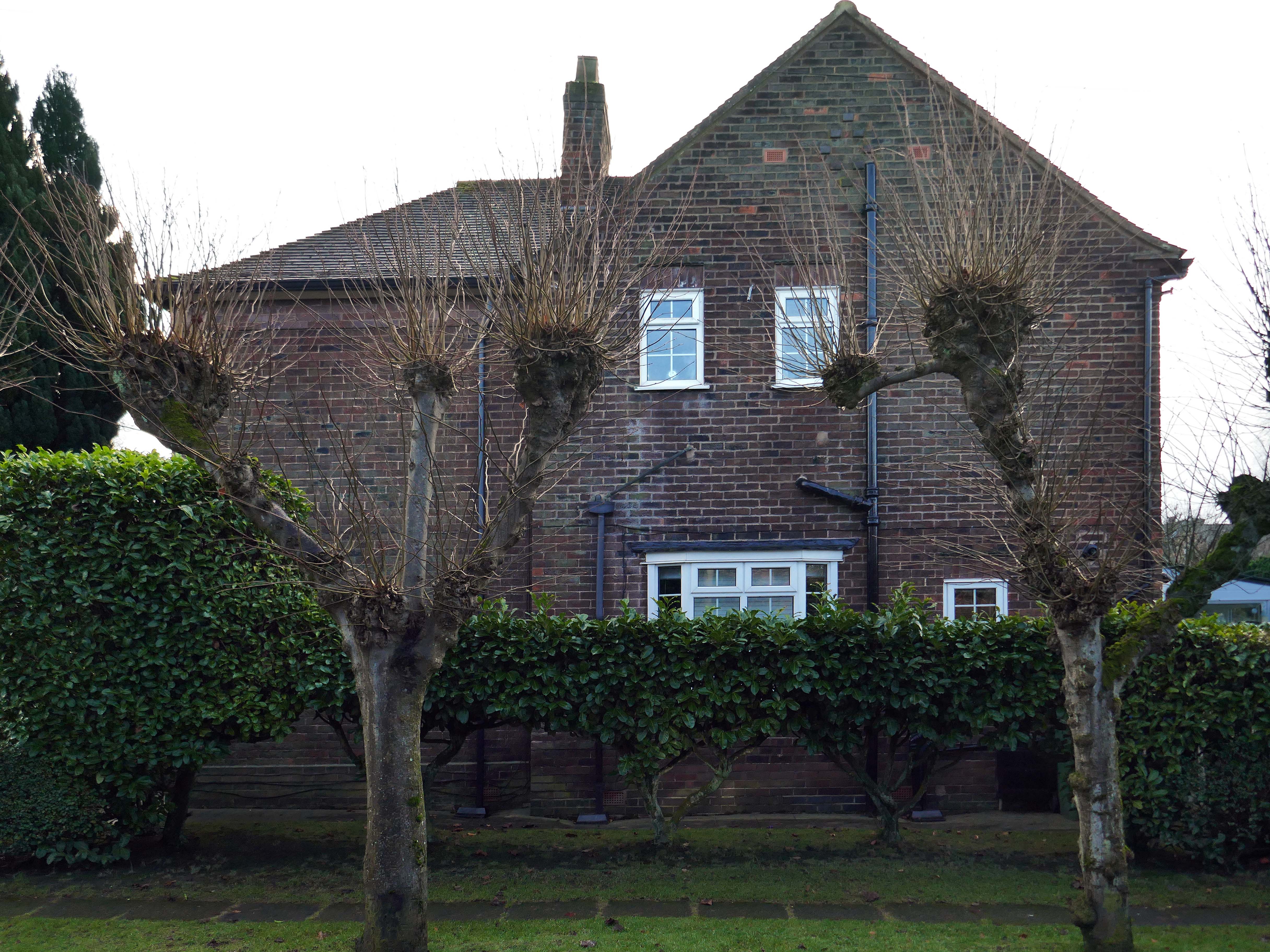
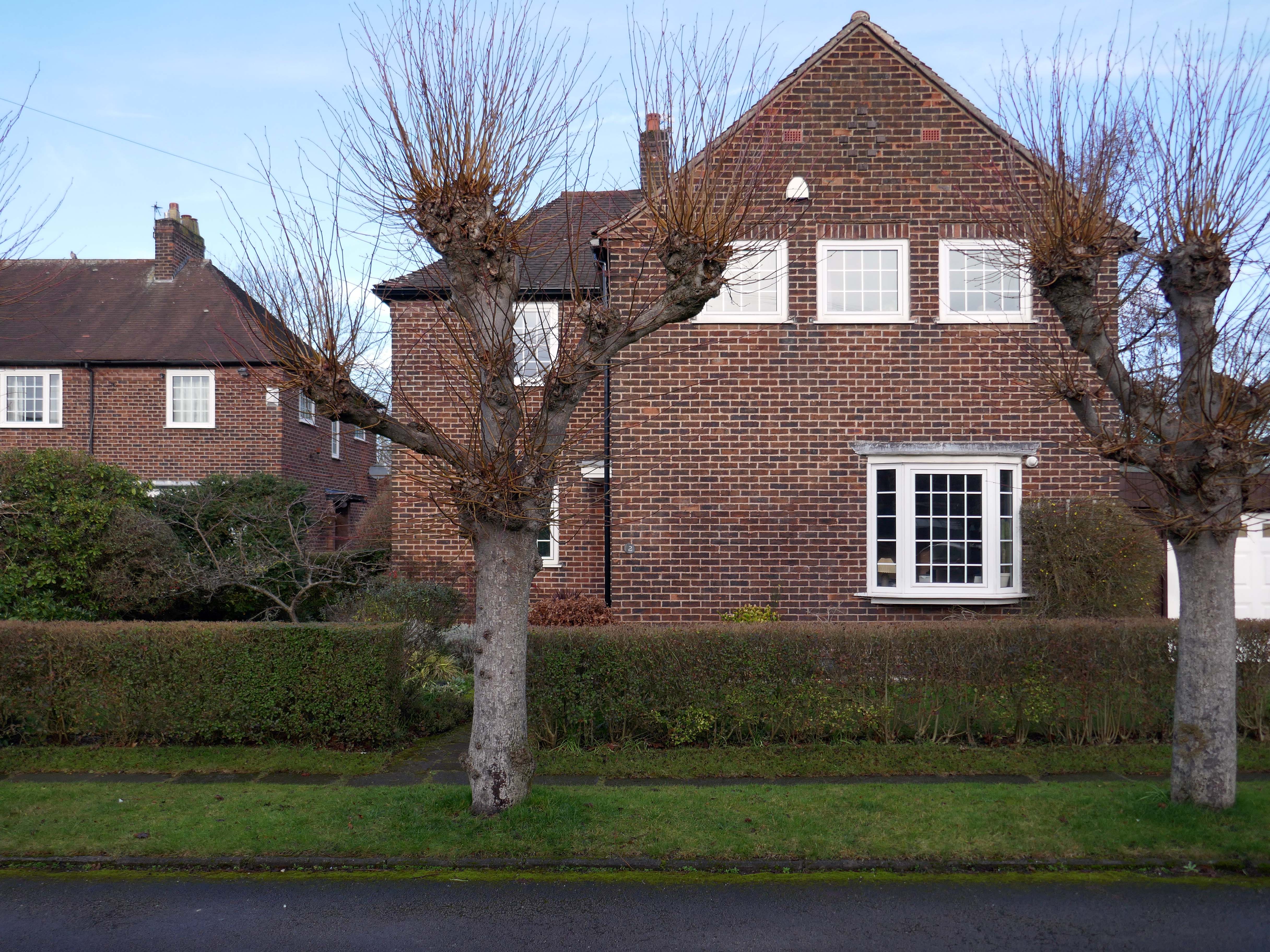
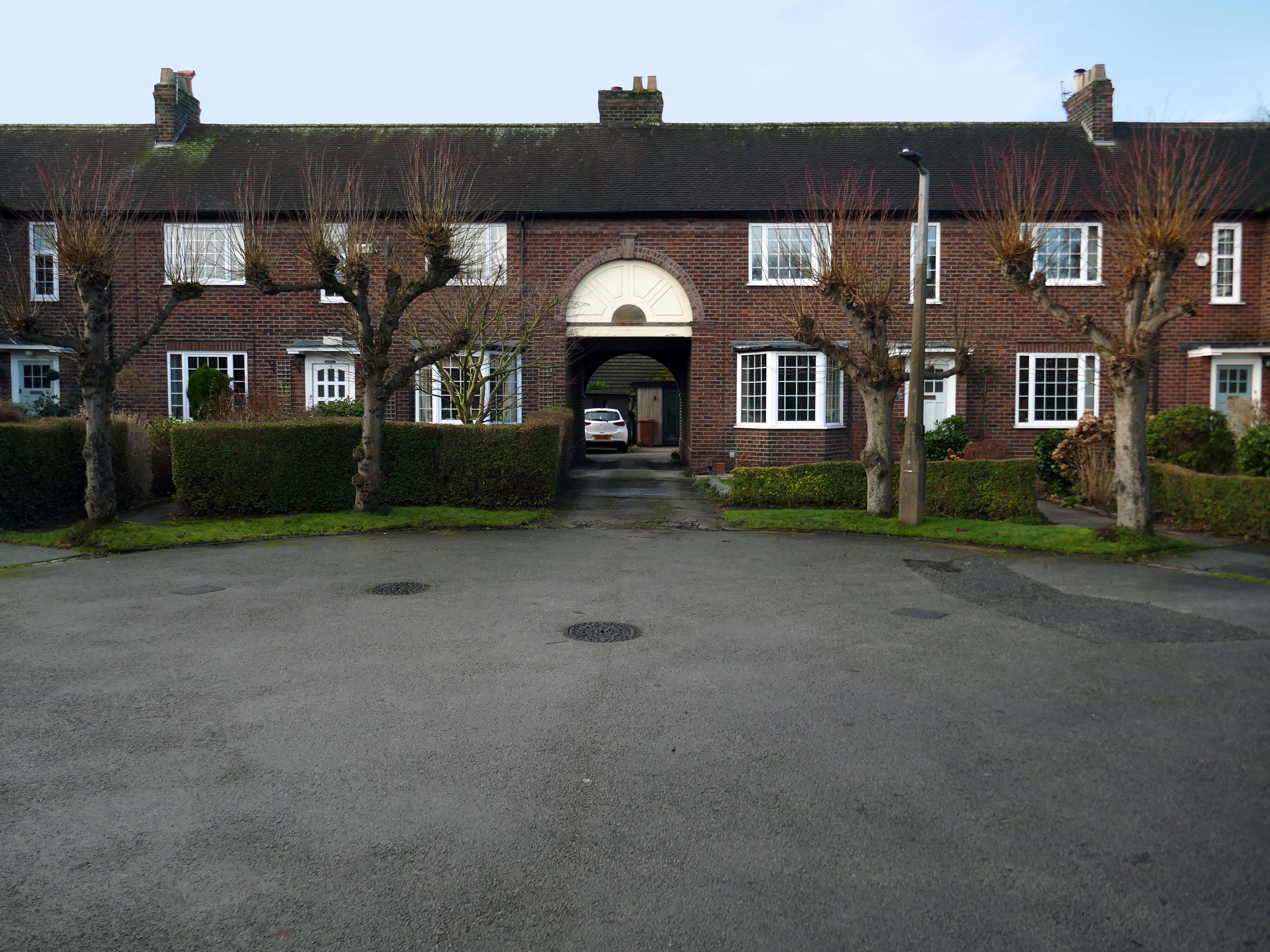
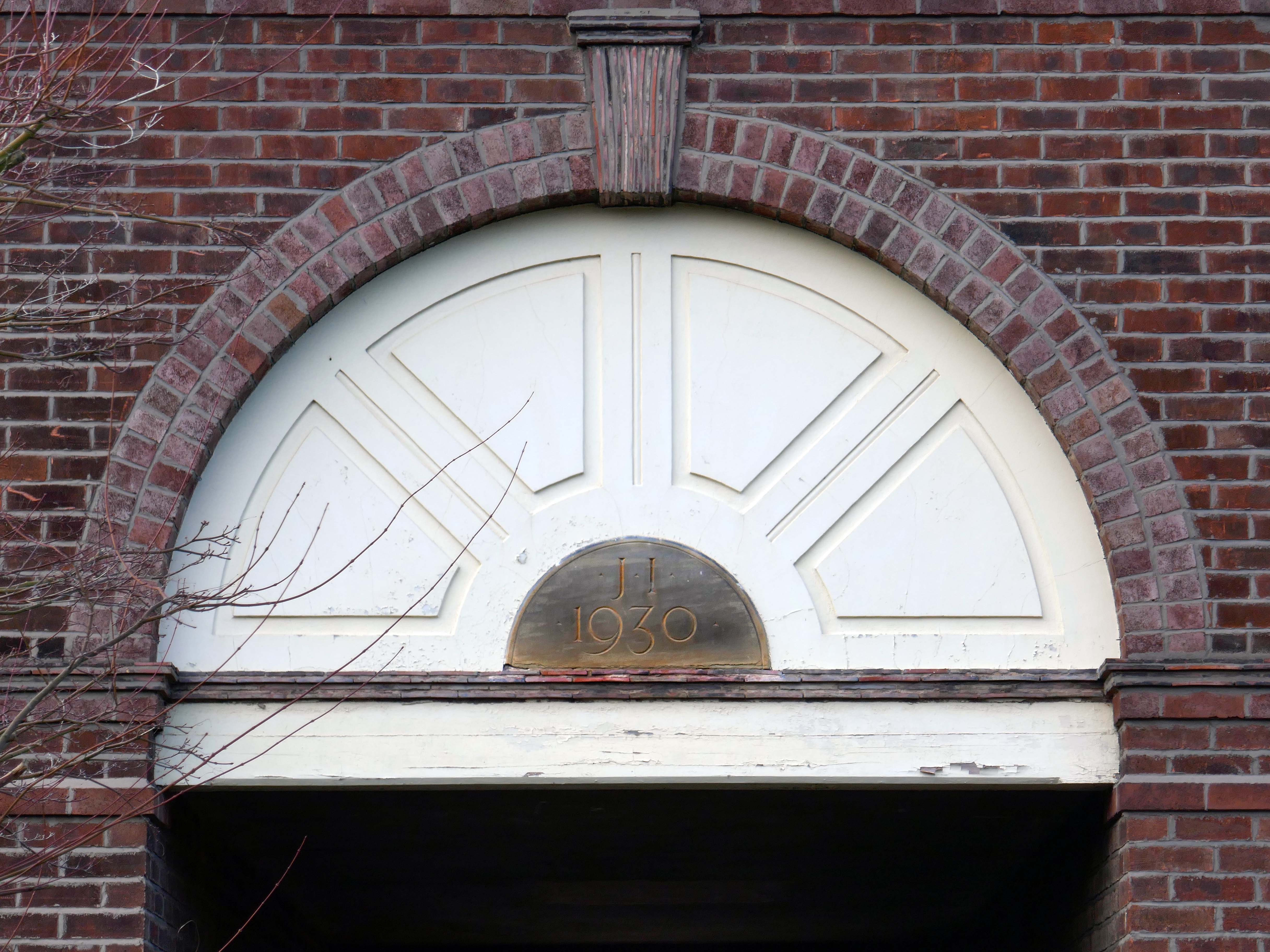
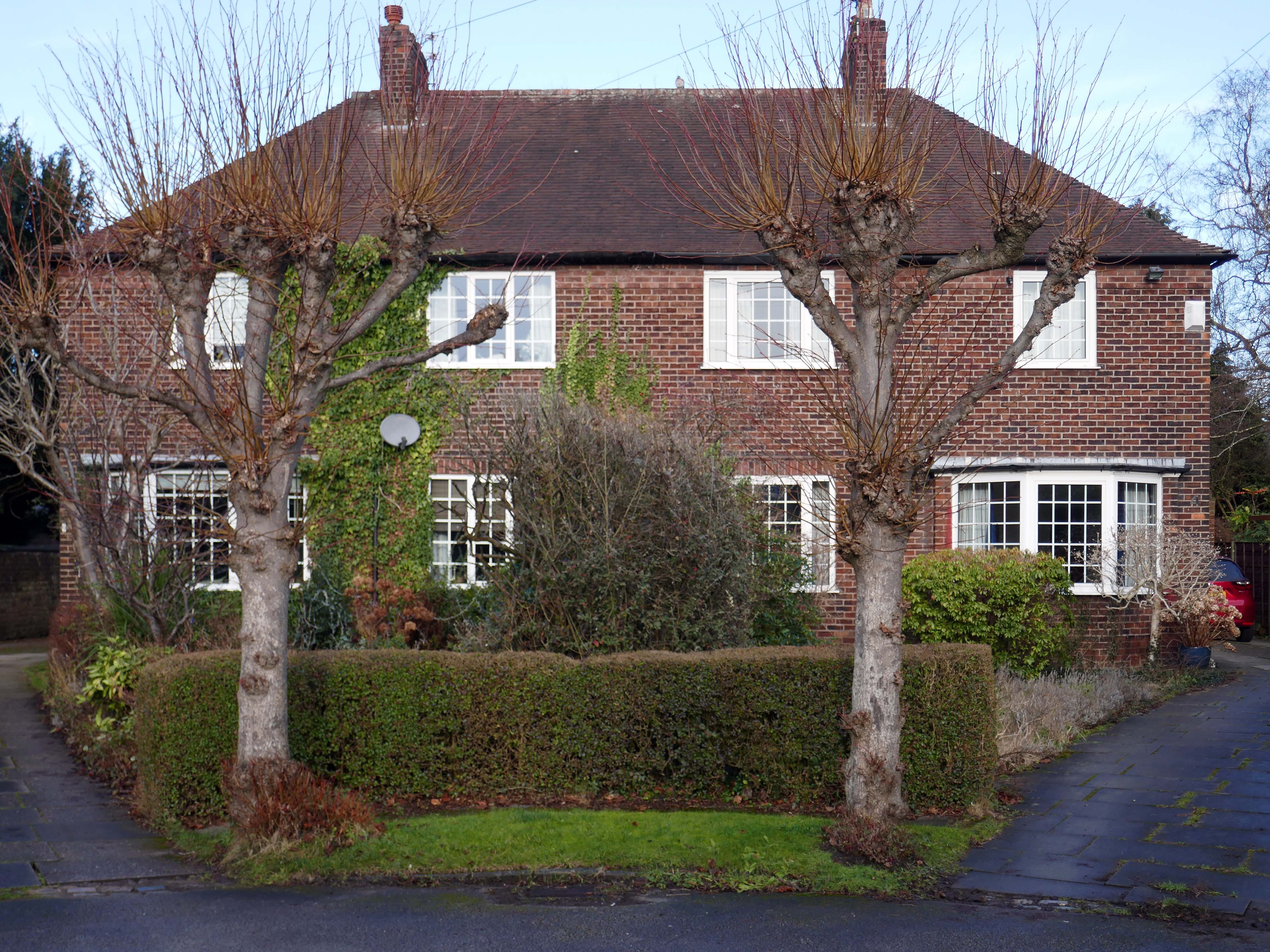
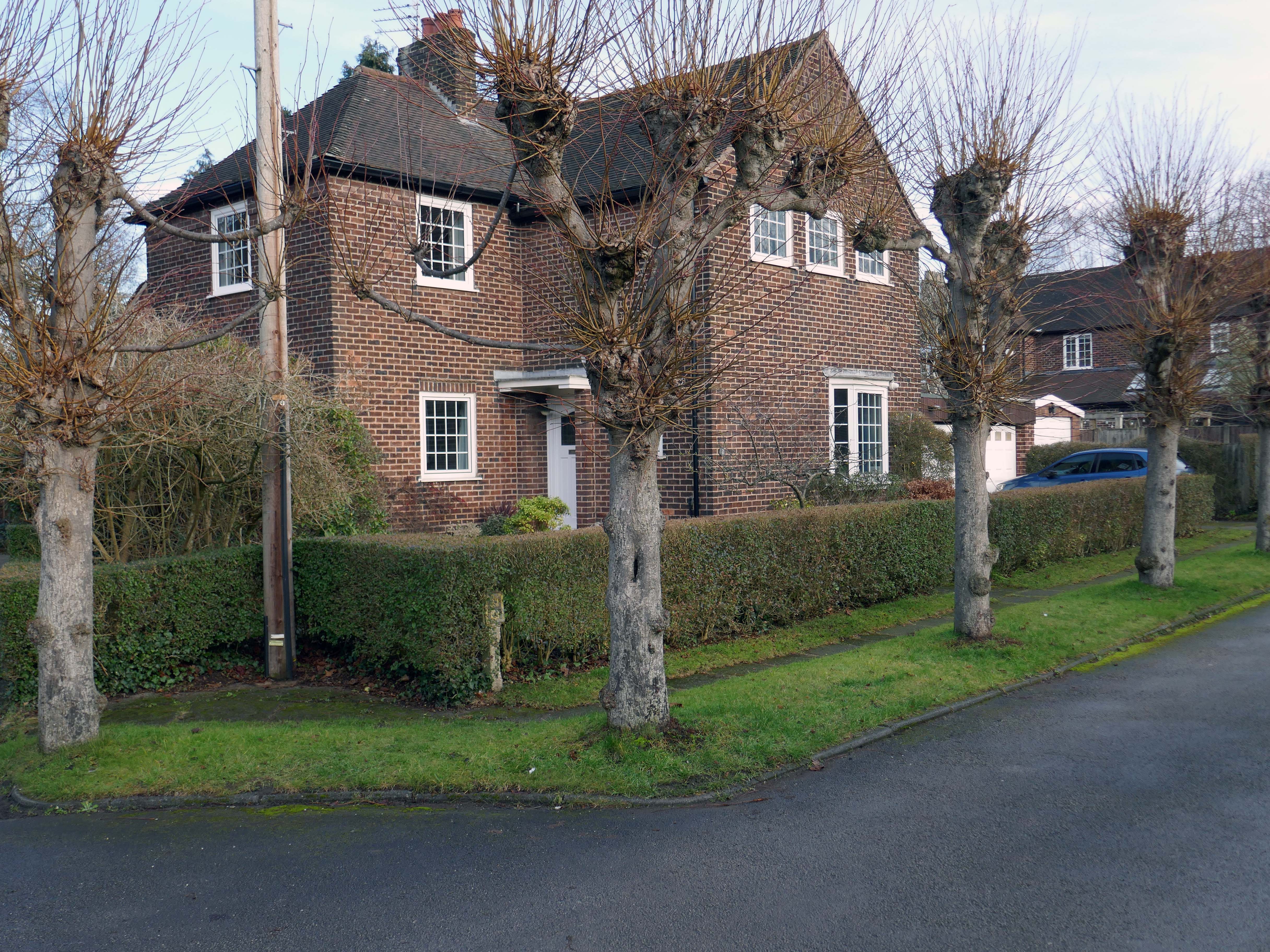
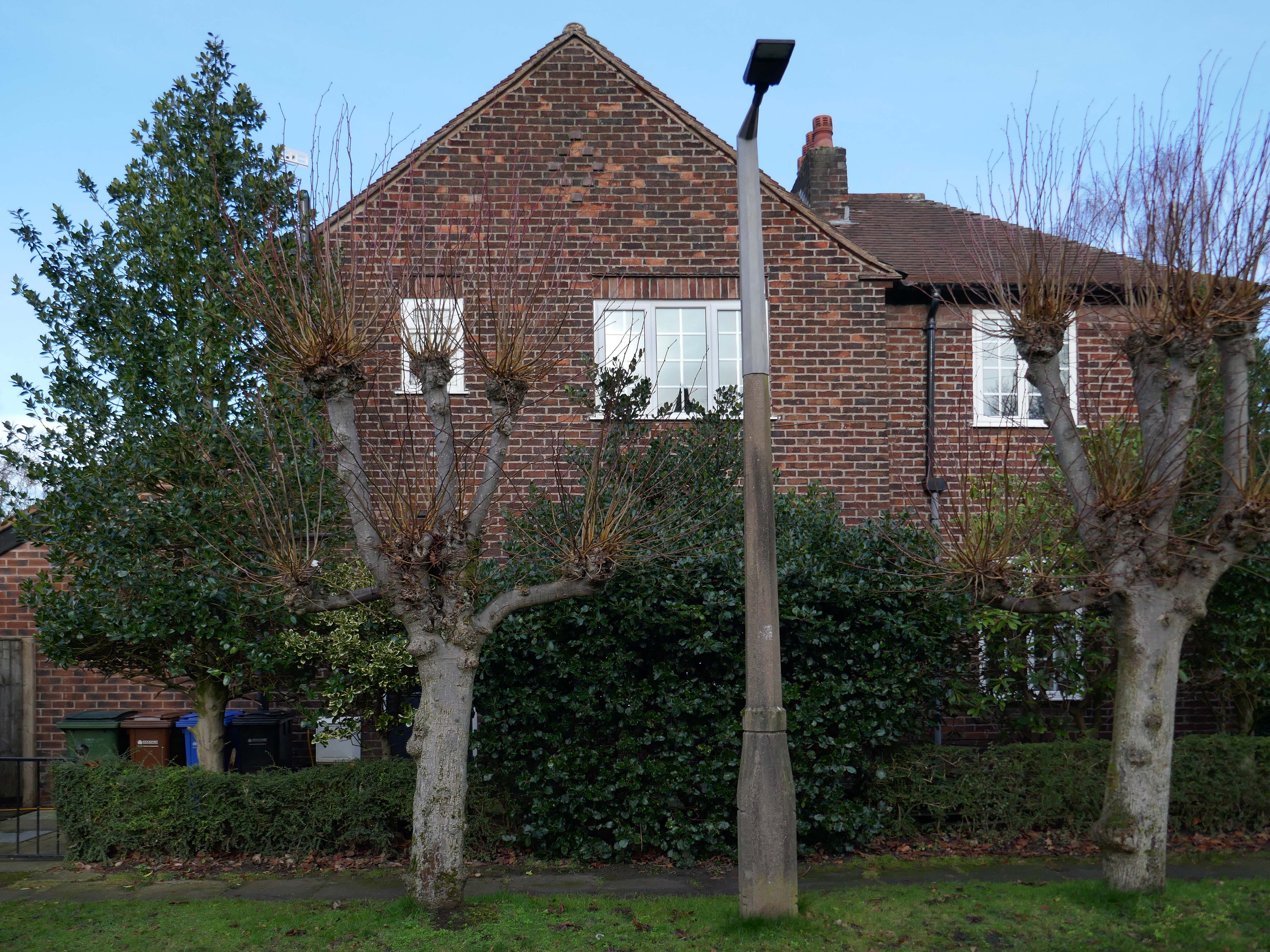
There is a covenant in the deeds which prevents the building of border fencing – therefore the development retains its small-scale suburban American ambience.
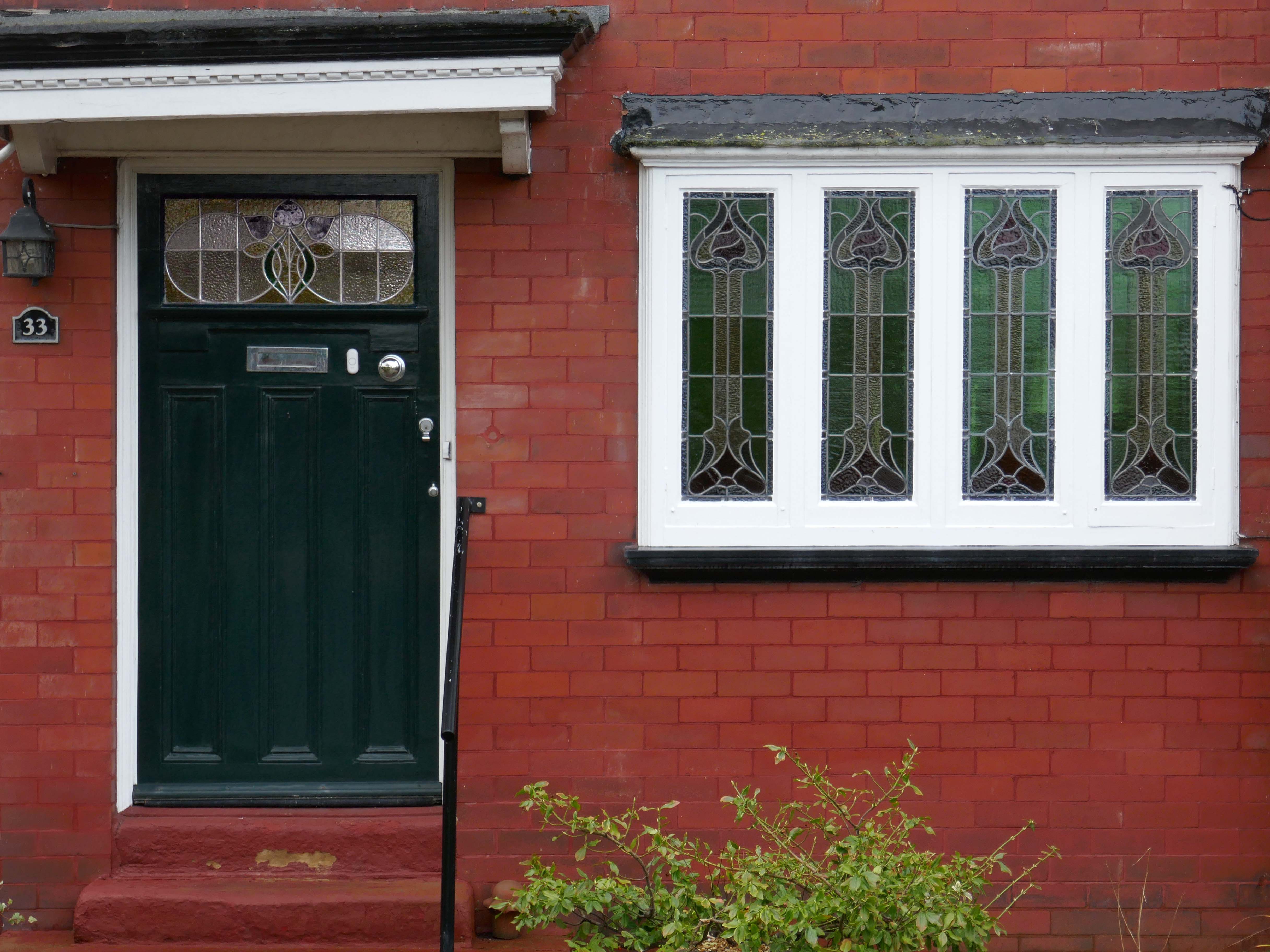
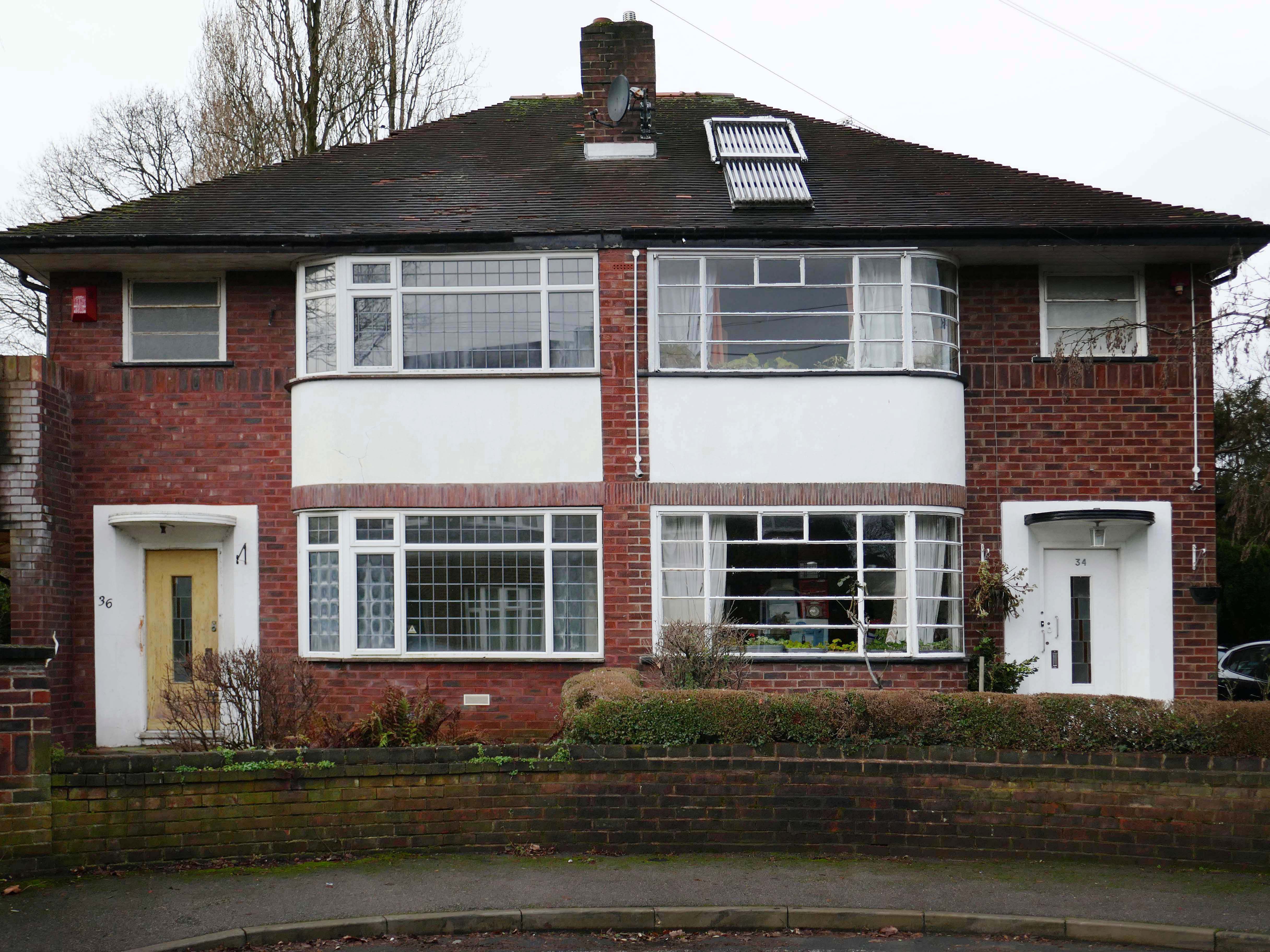
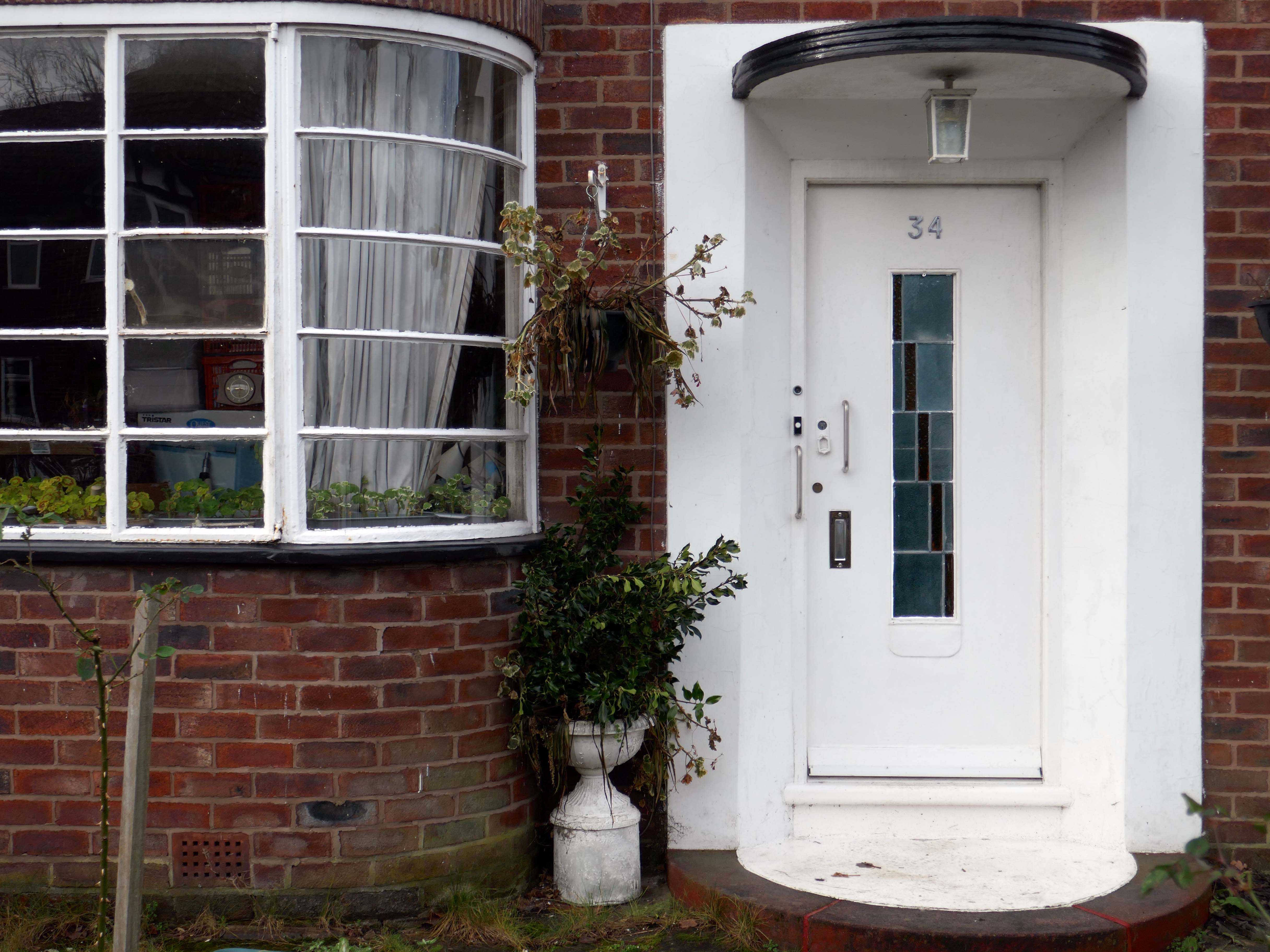
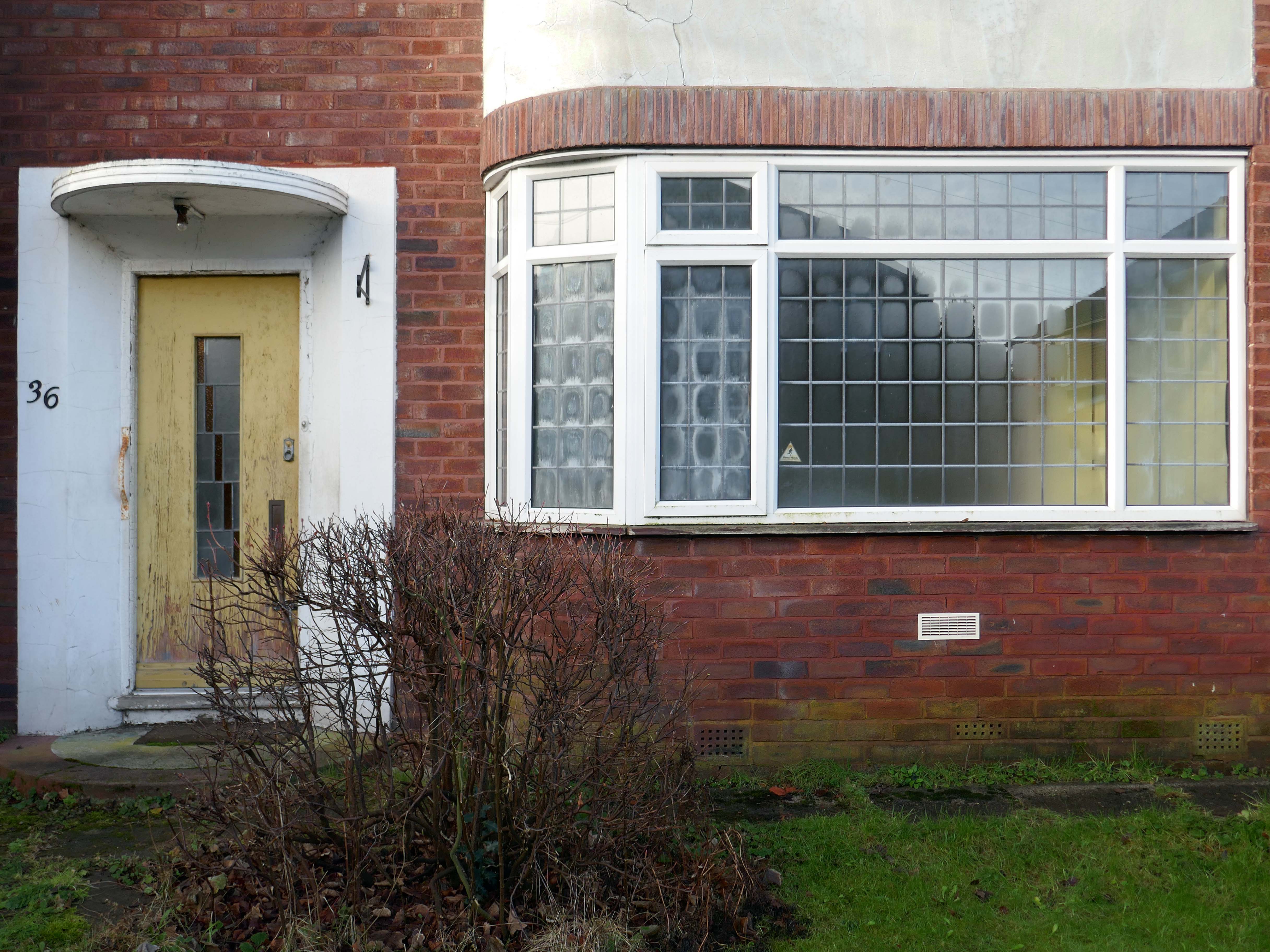
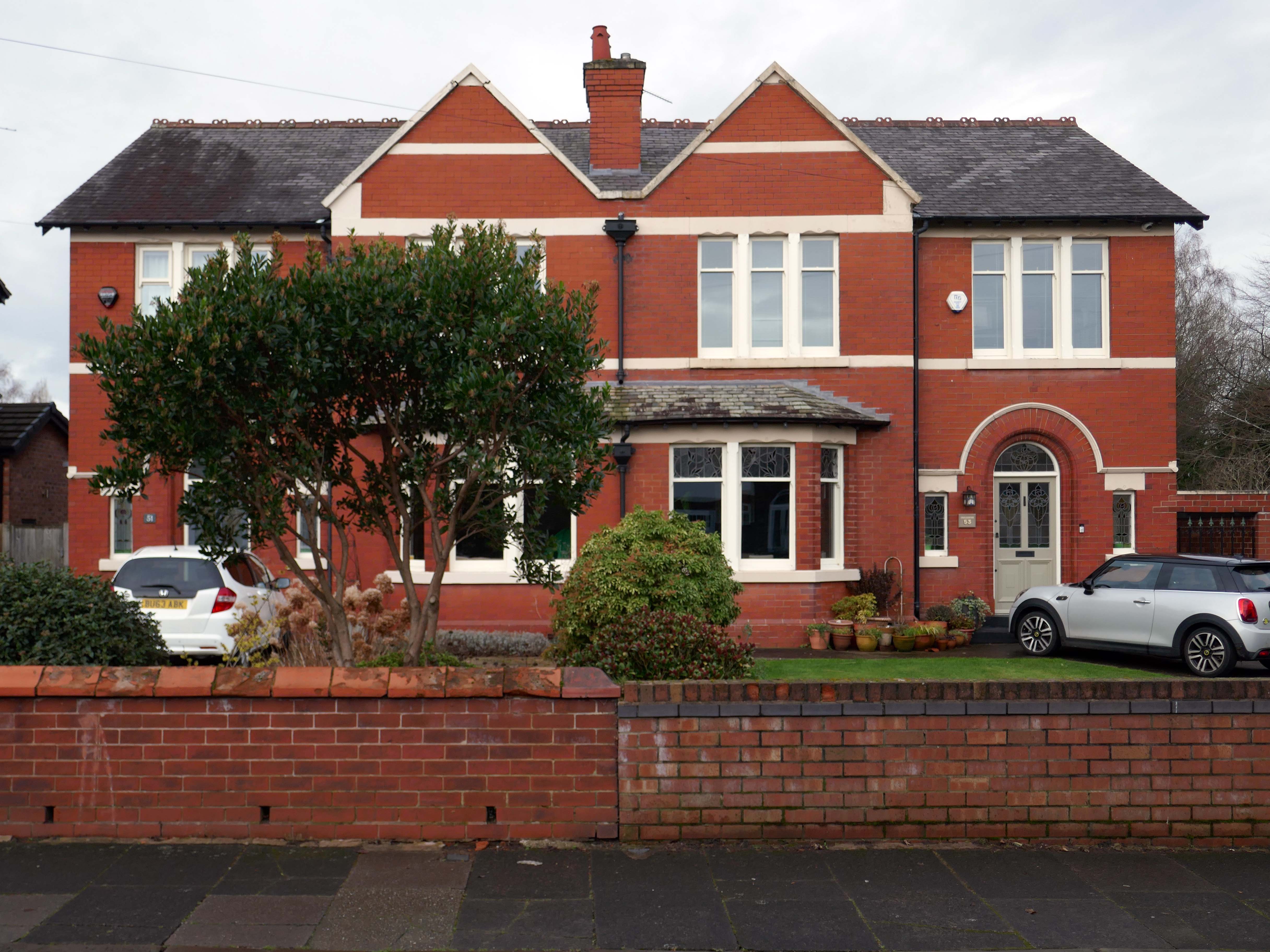
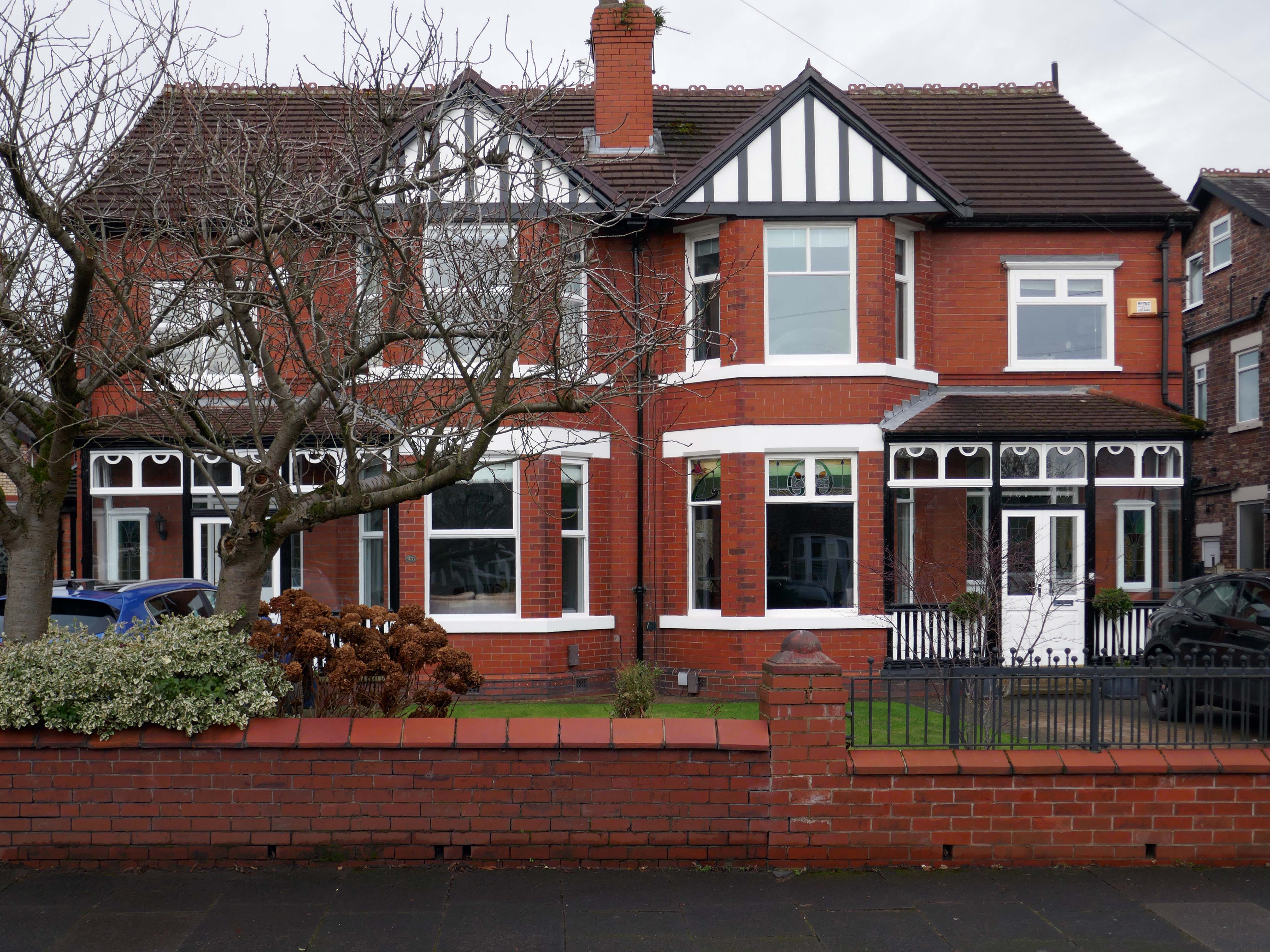
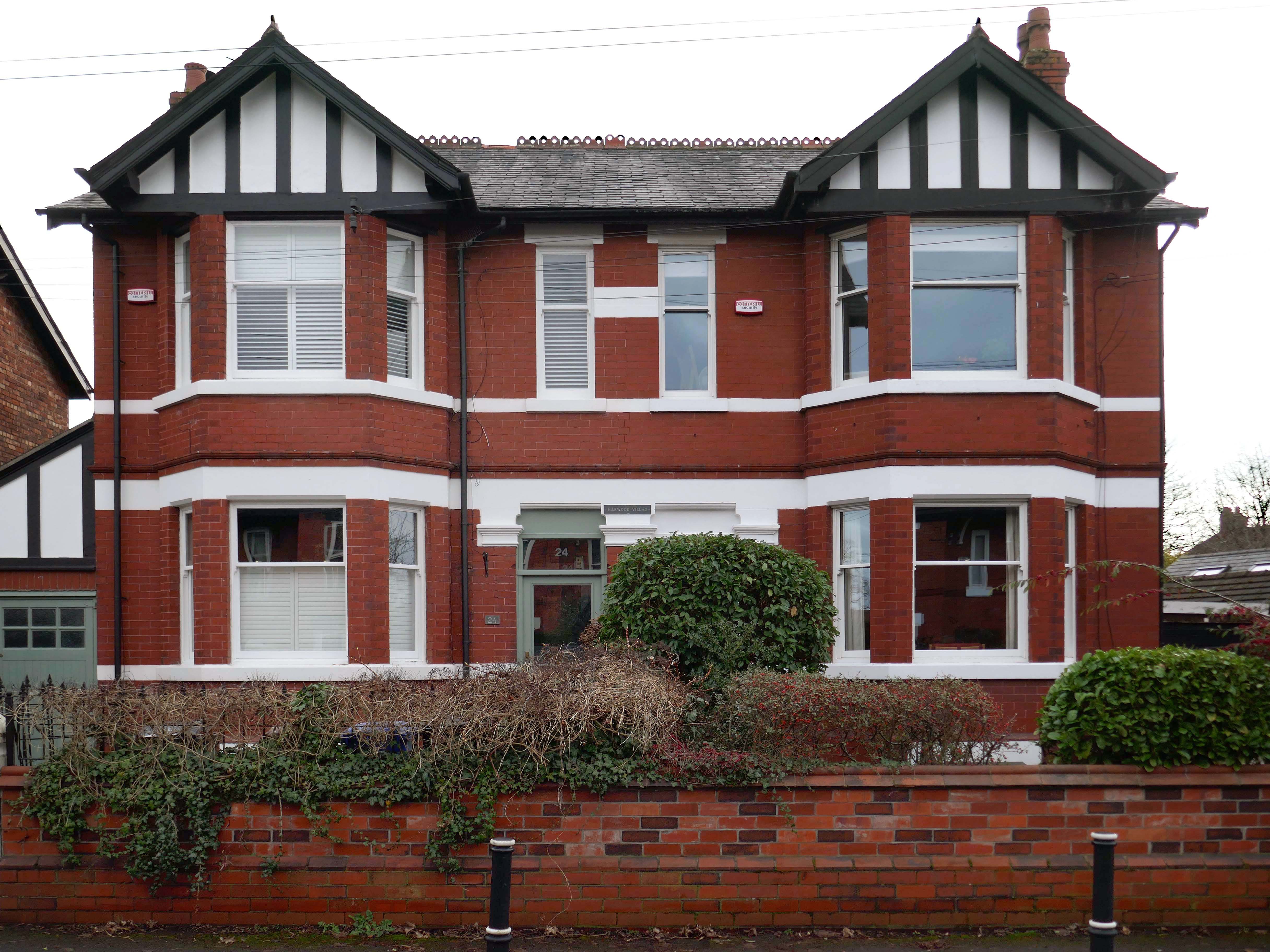
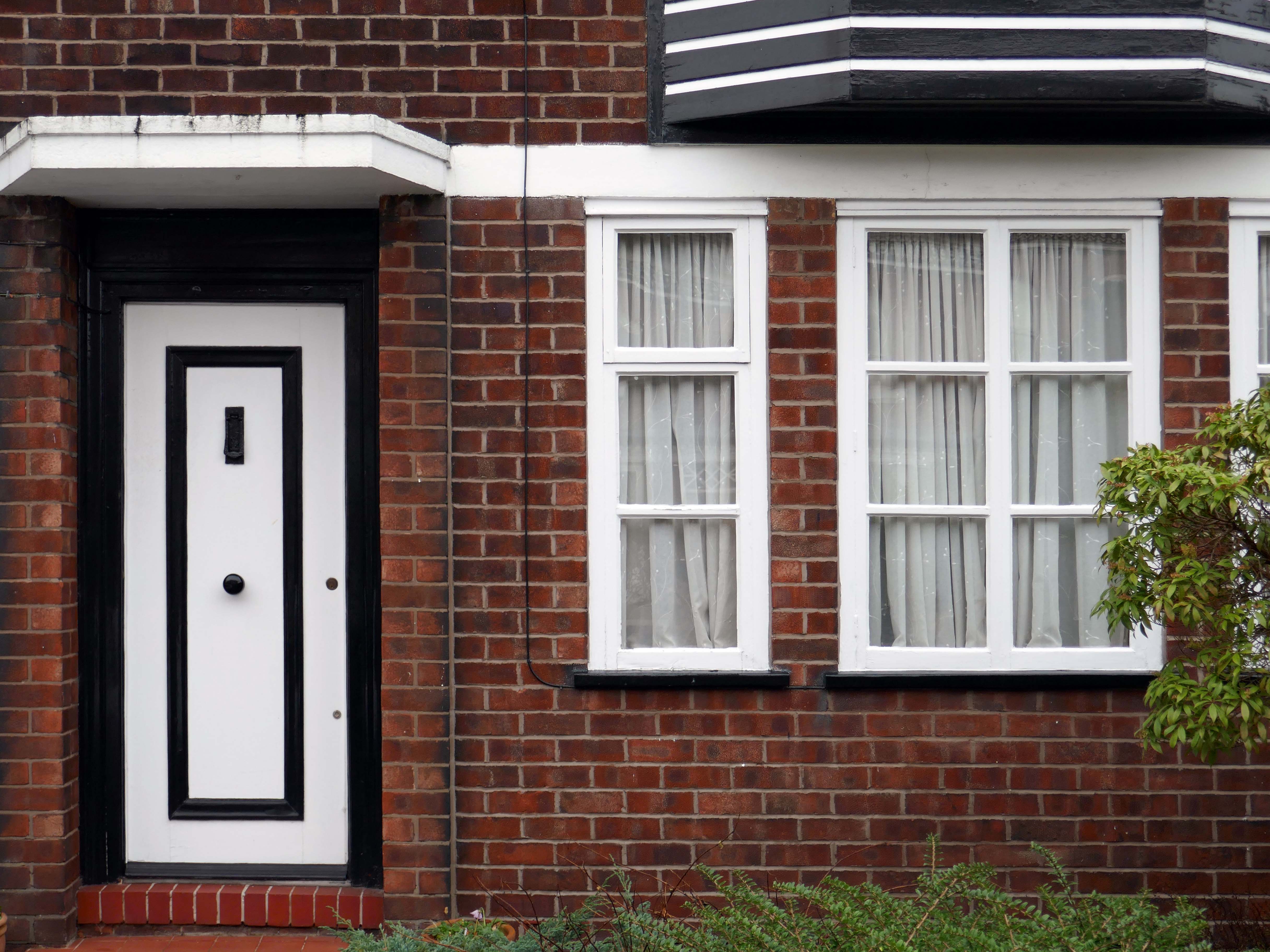
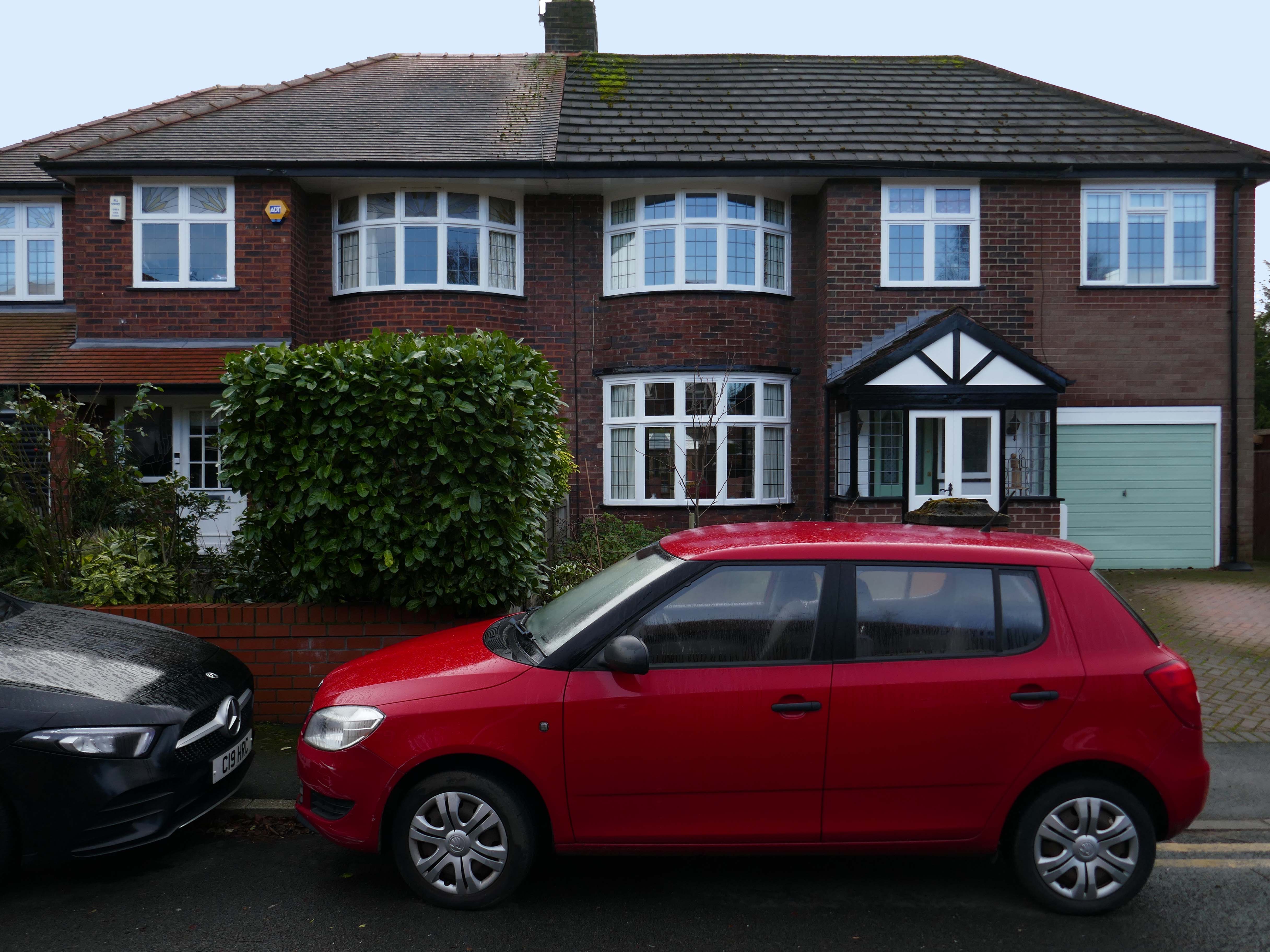
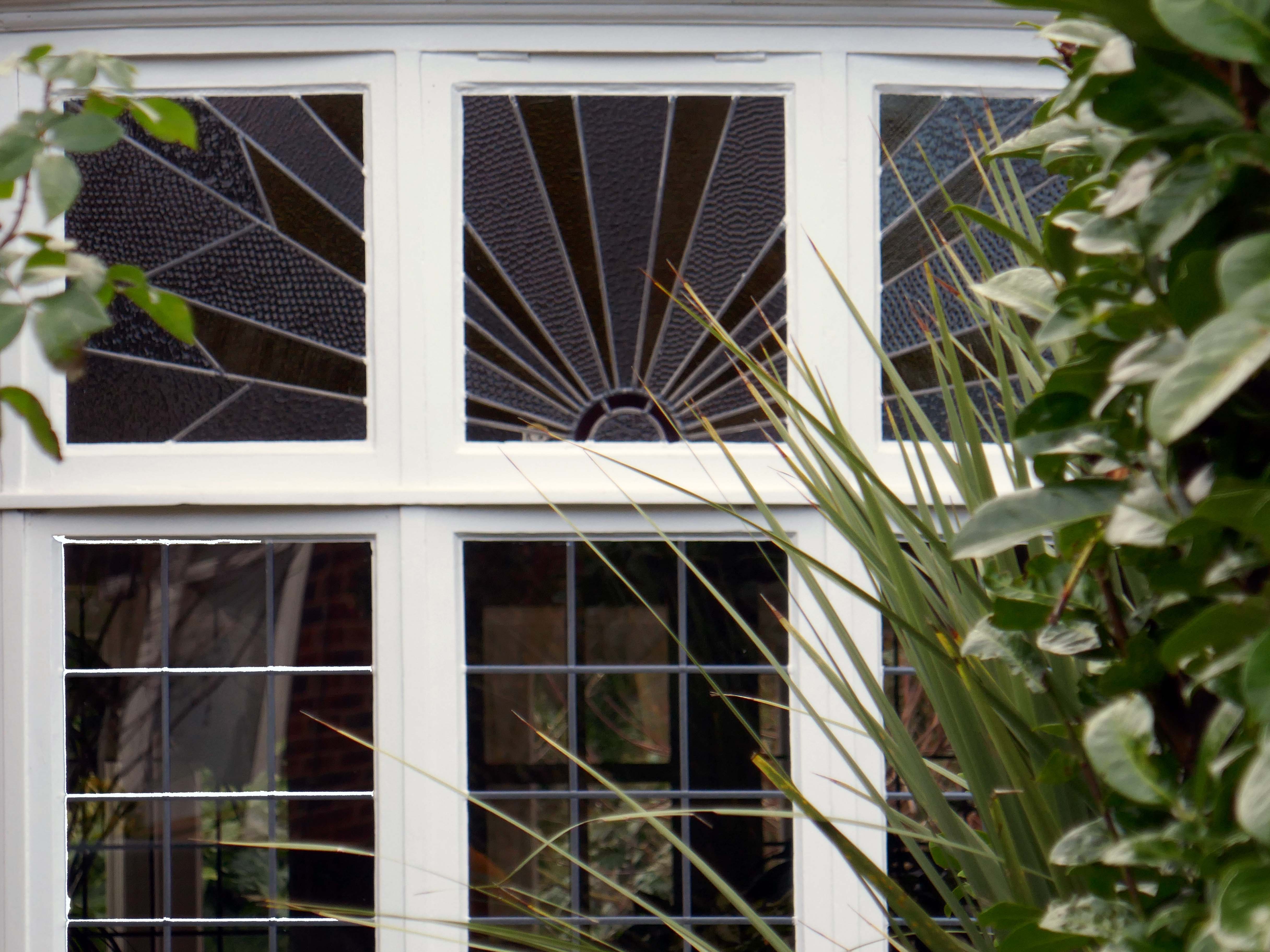
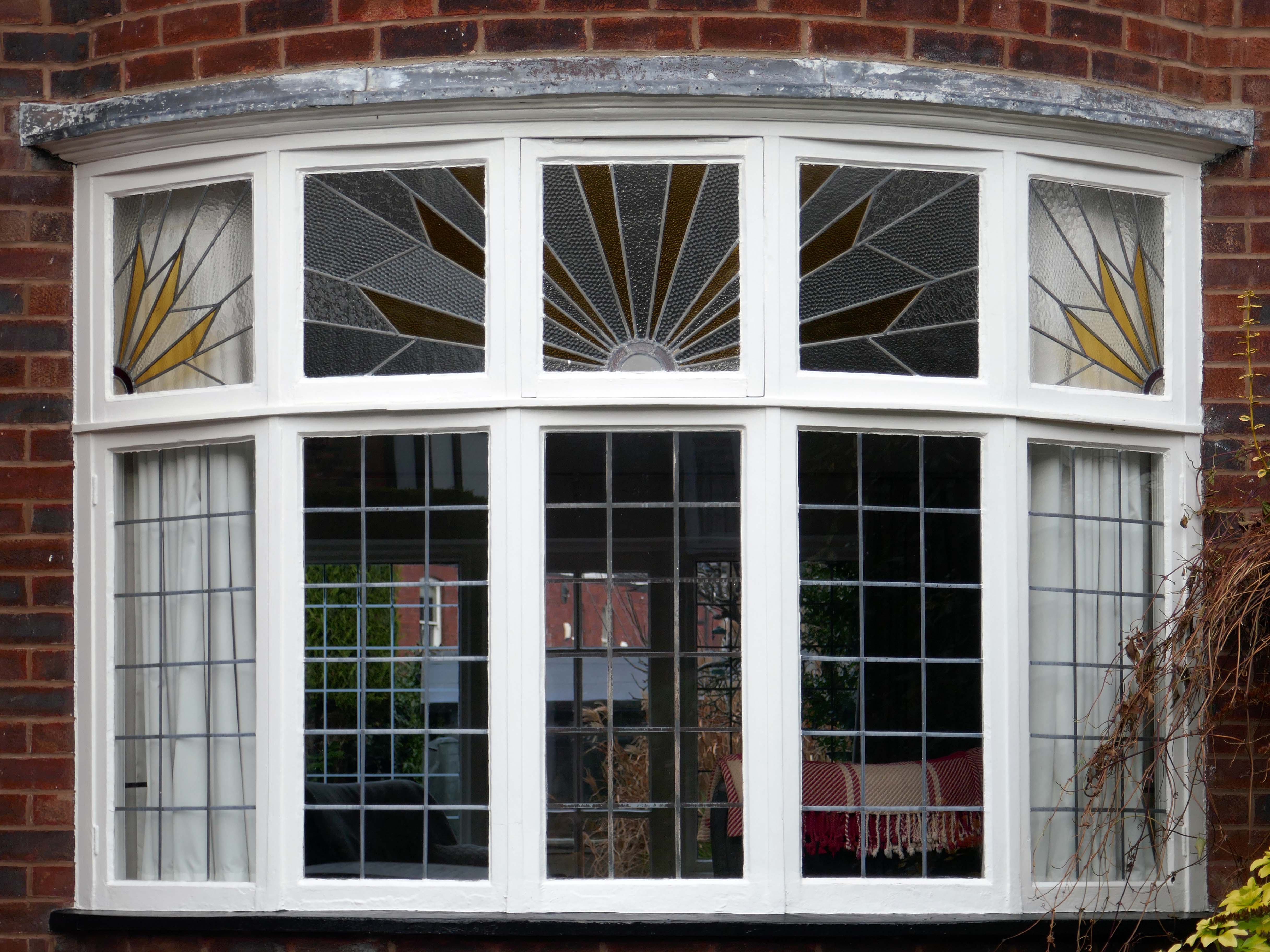
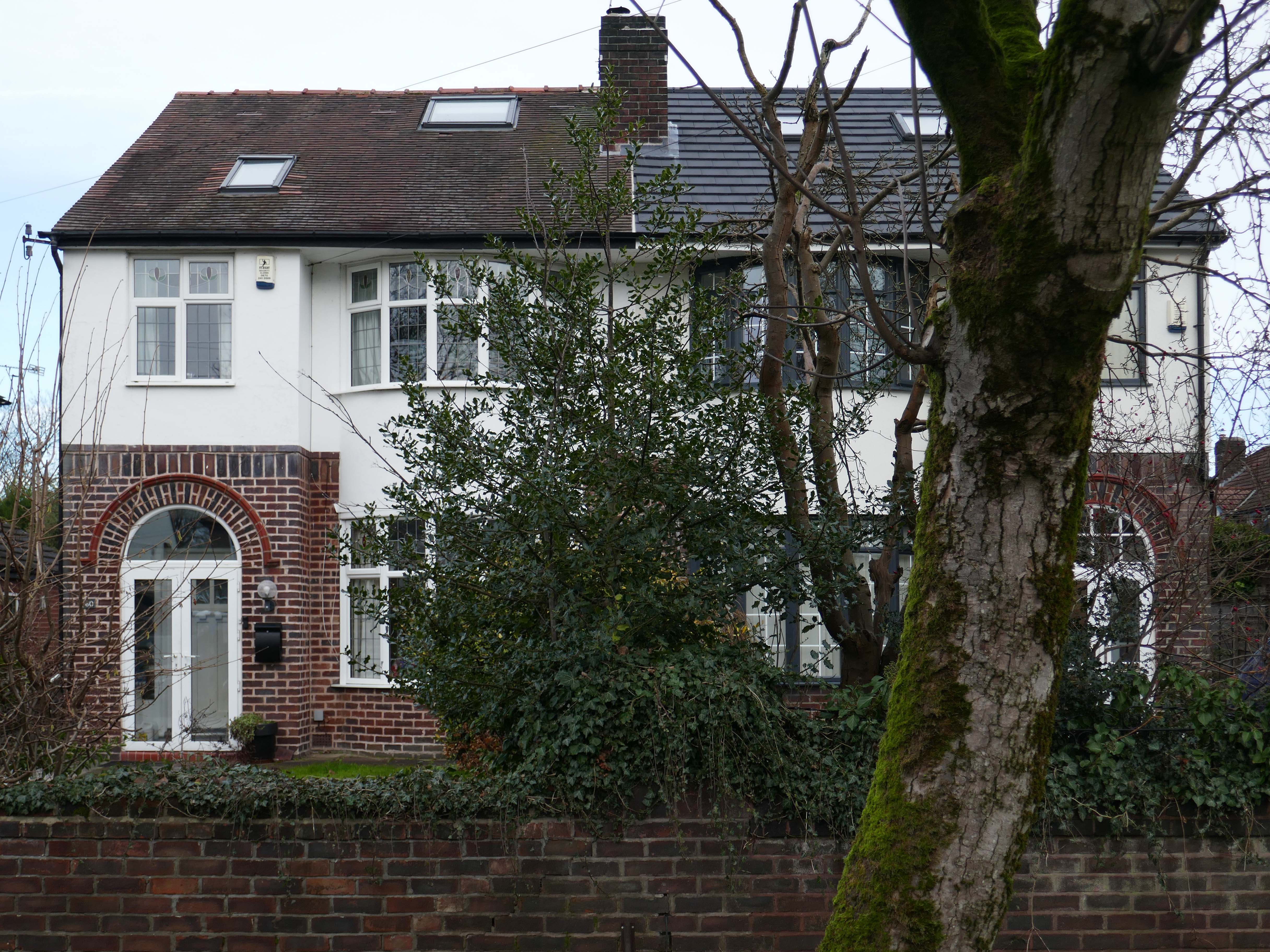
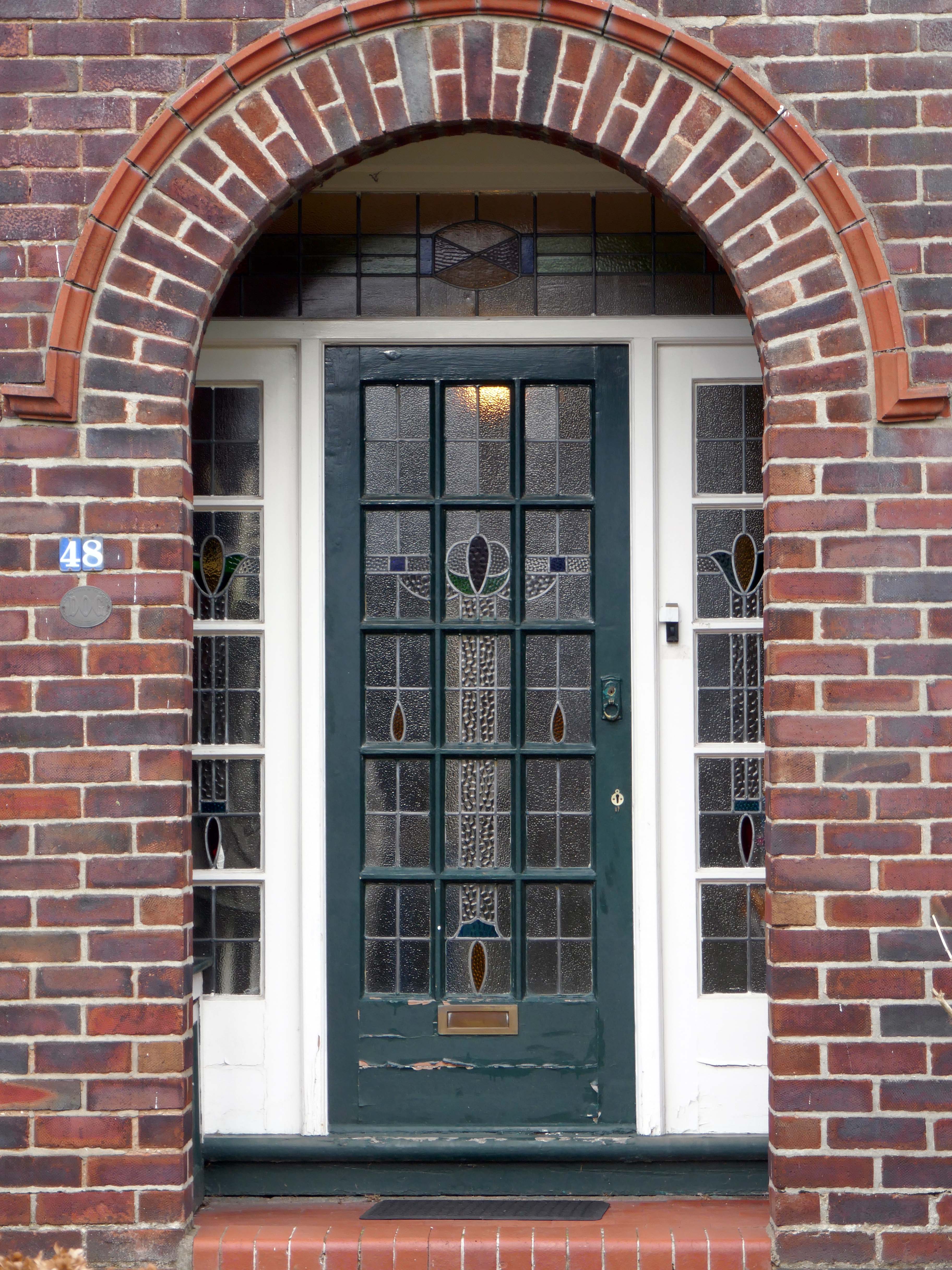
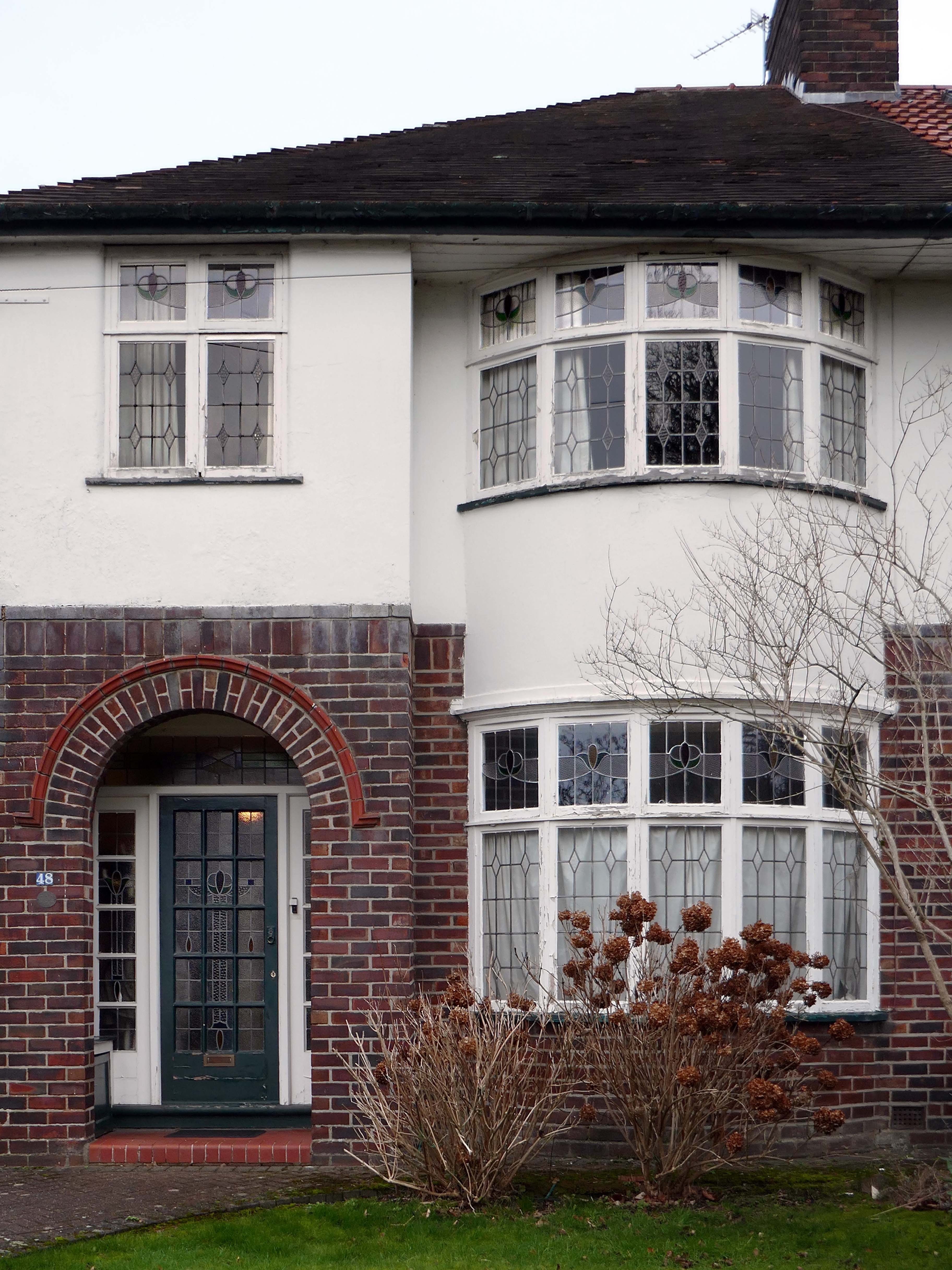
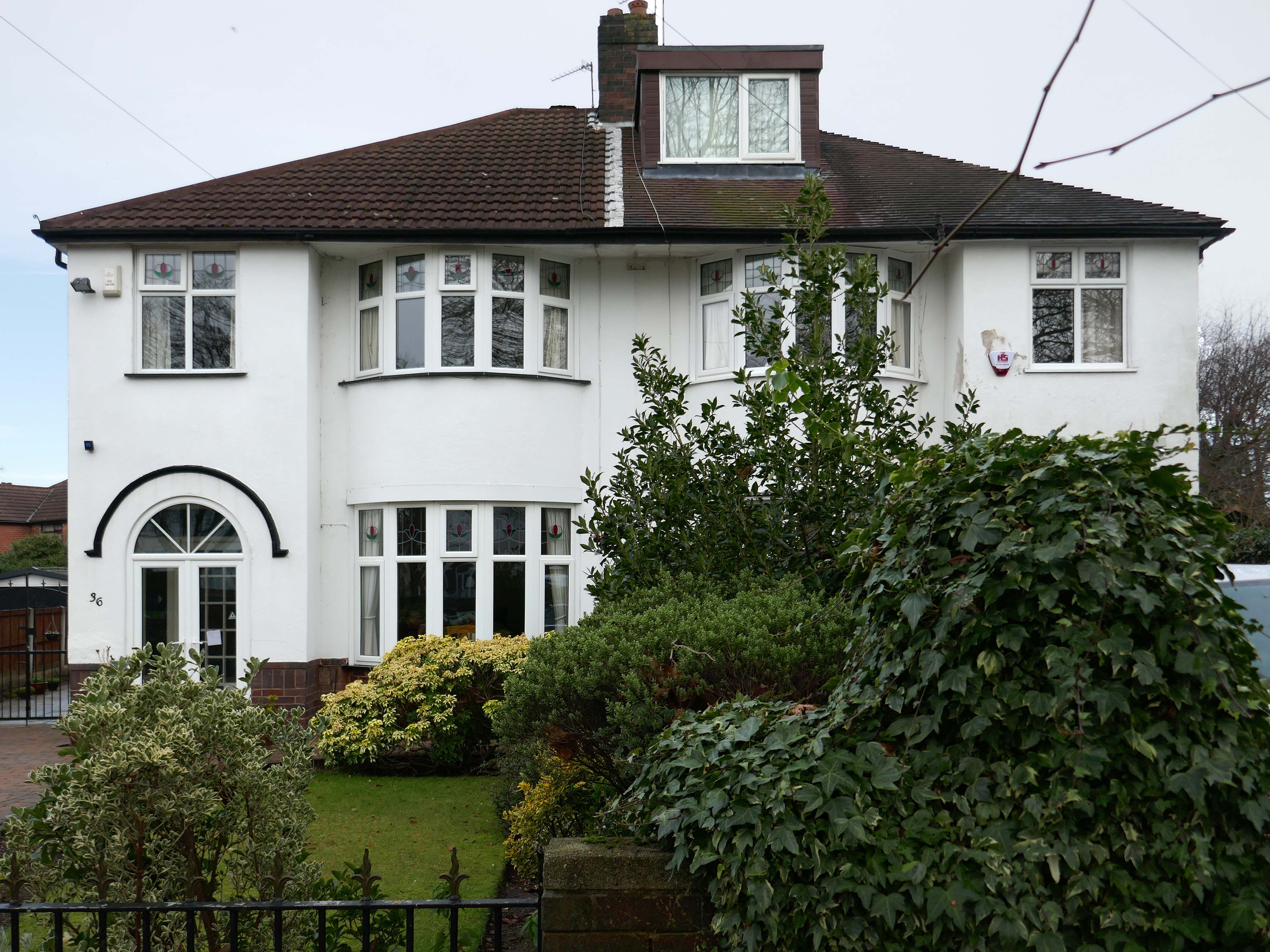
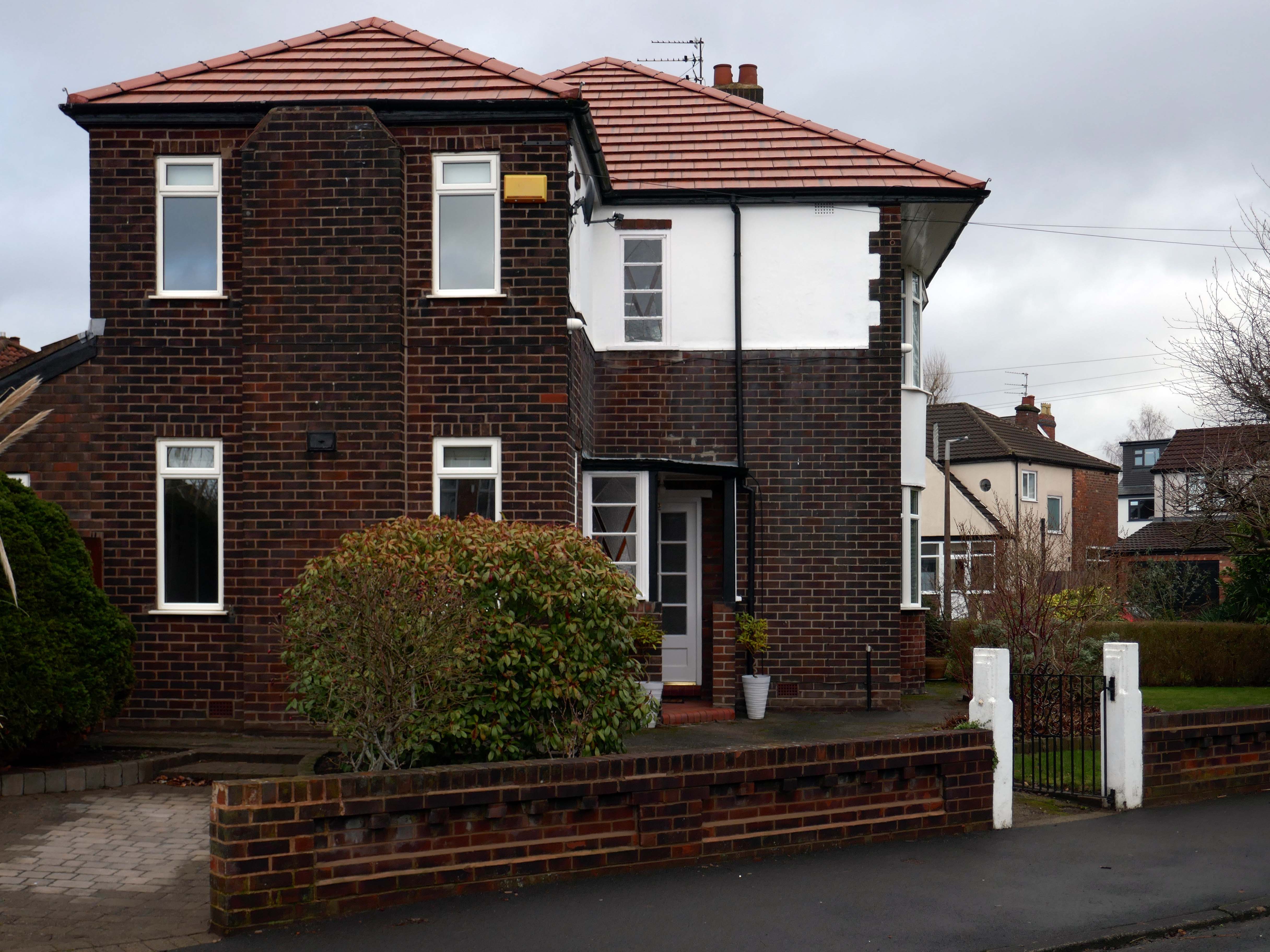
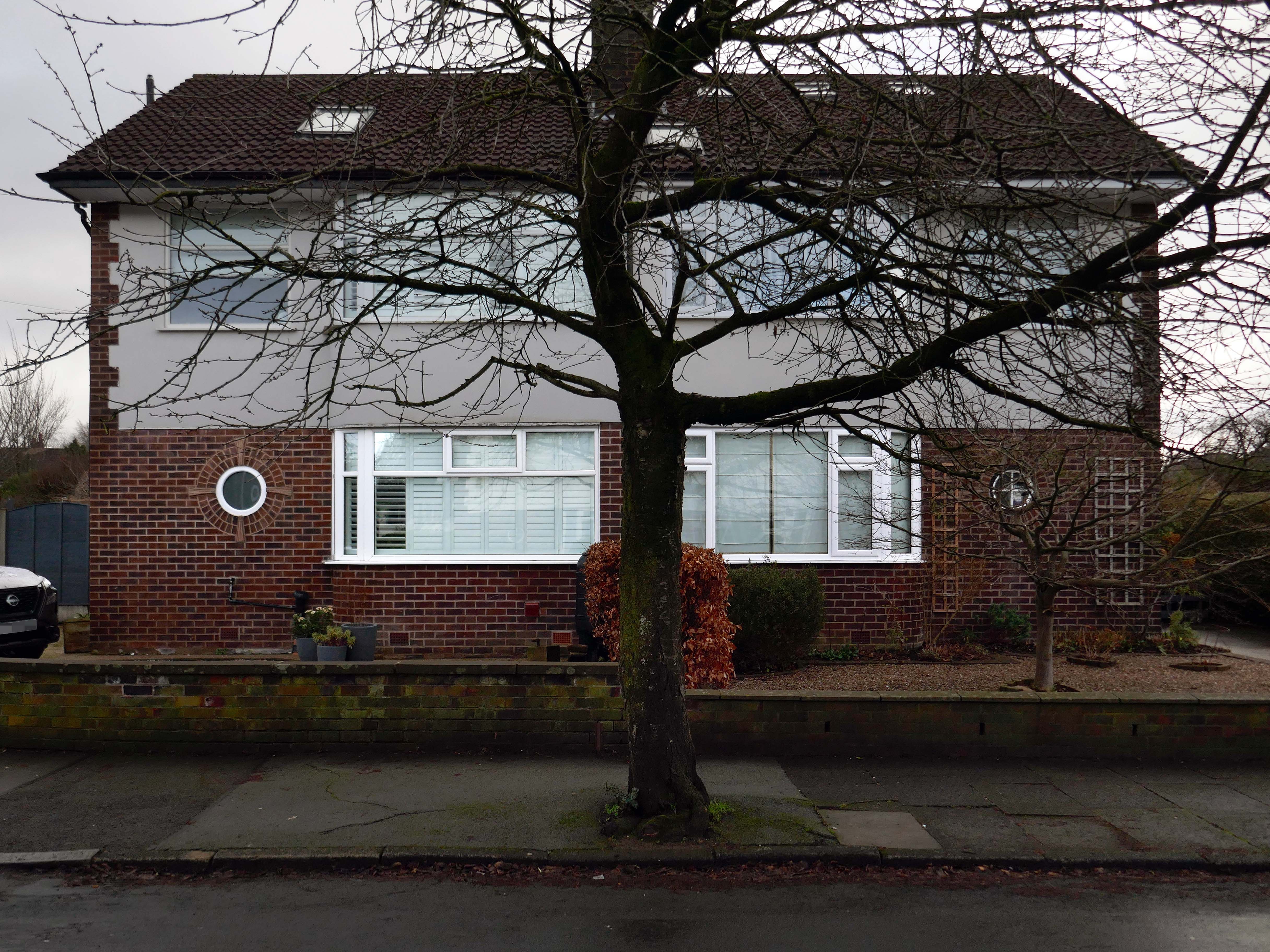
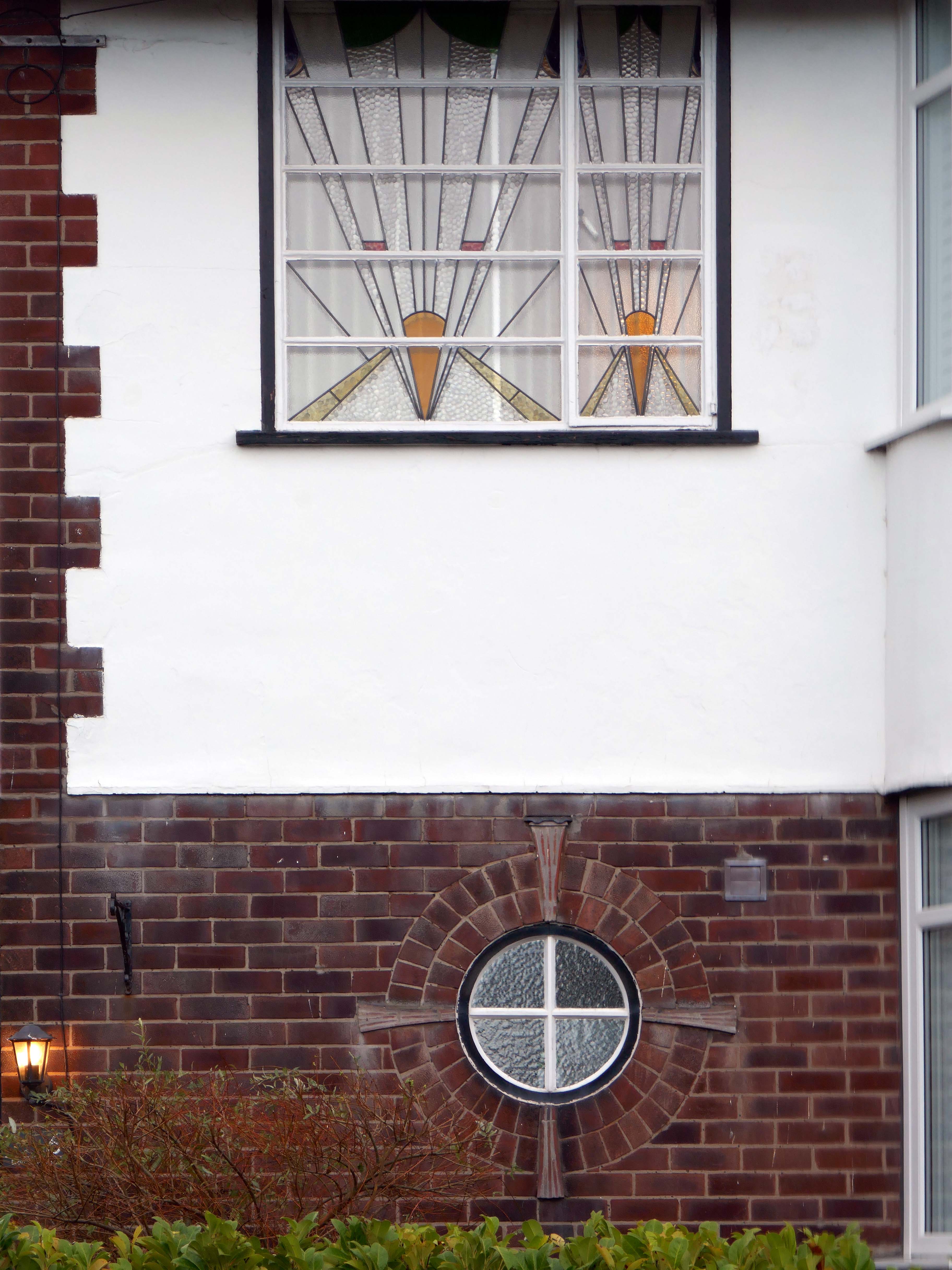
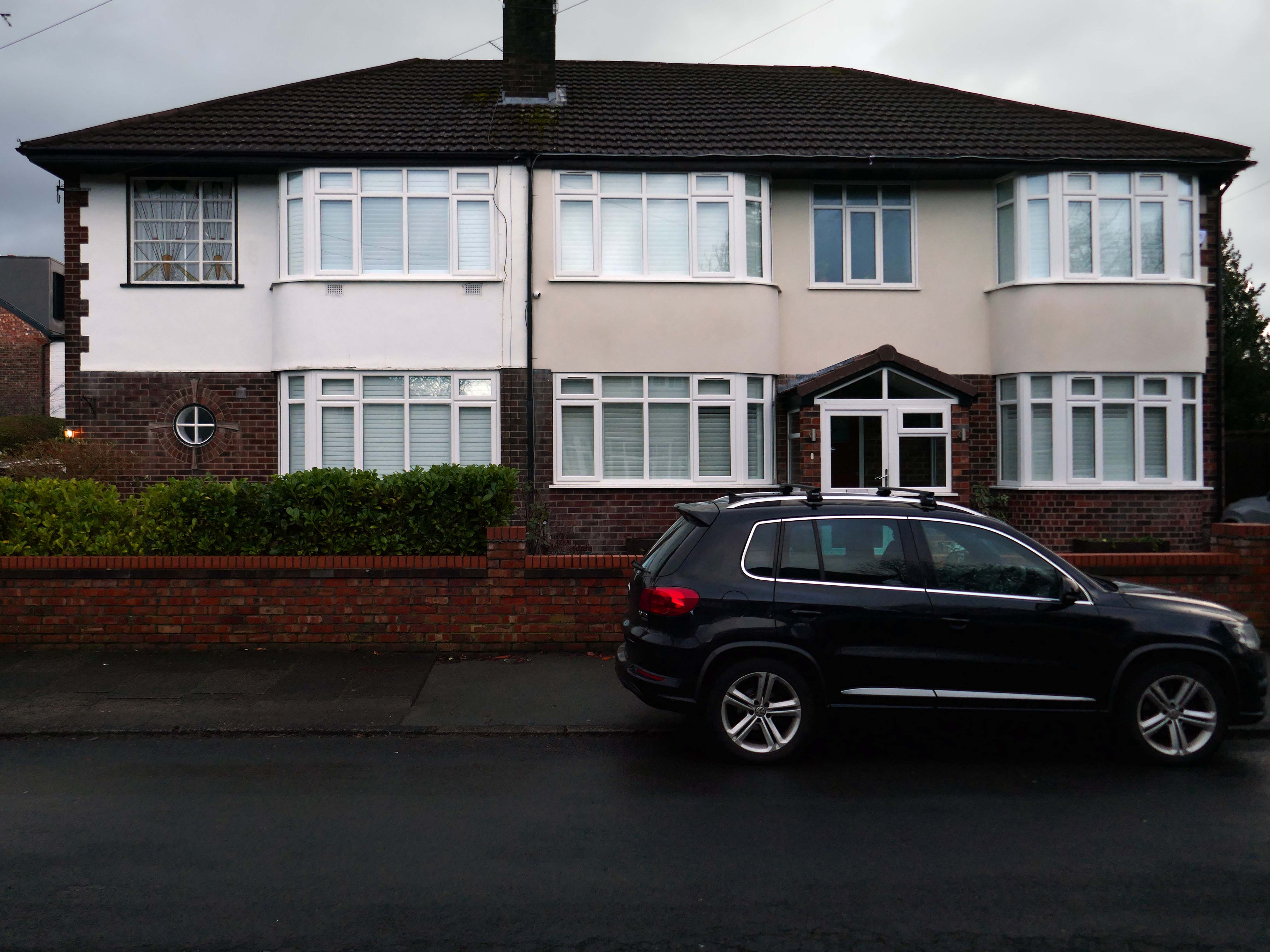
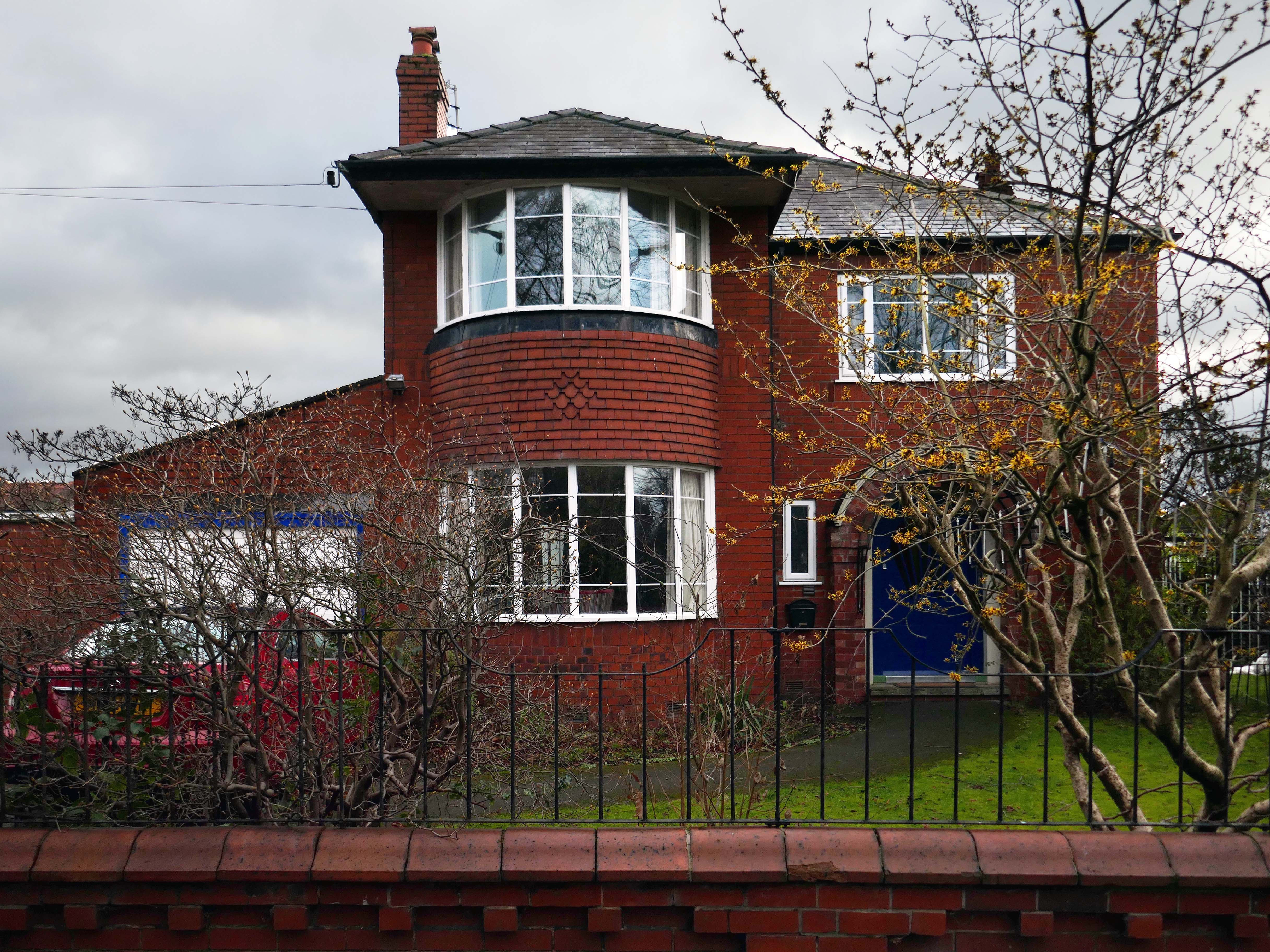
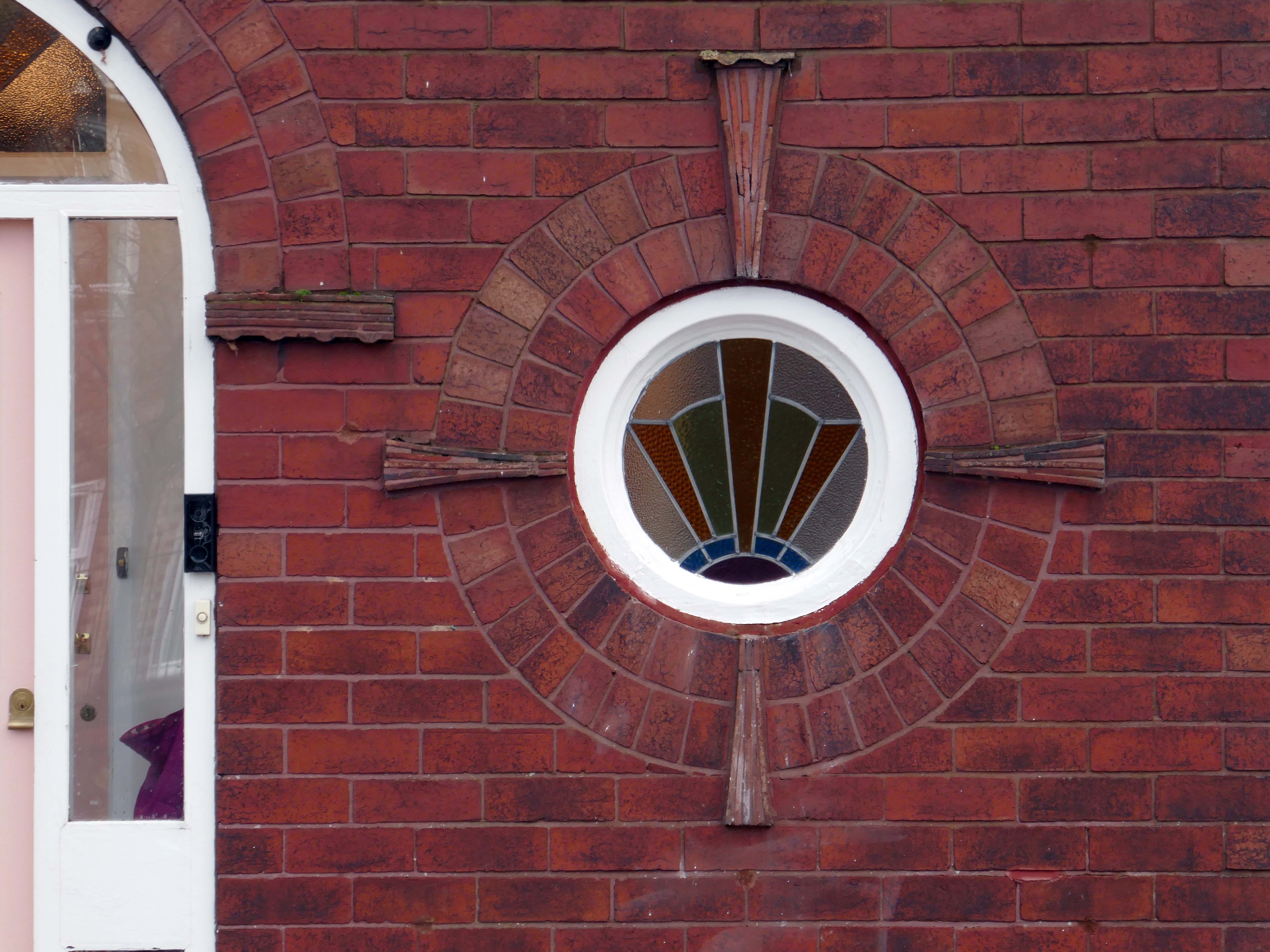
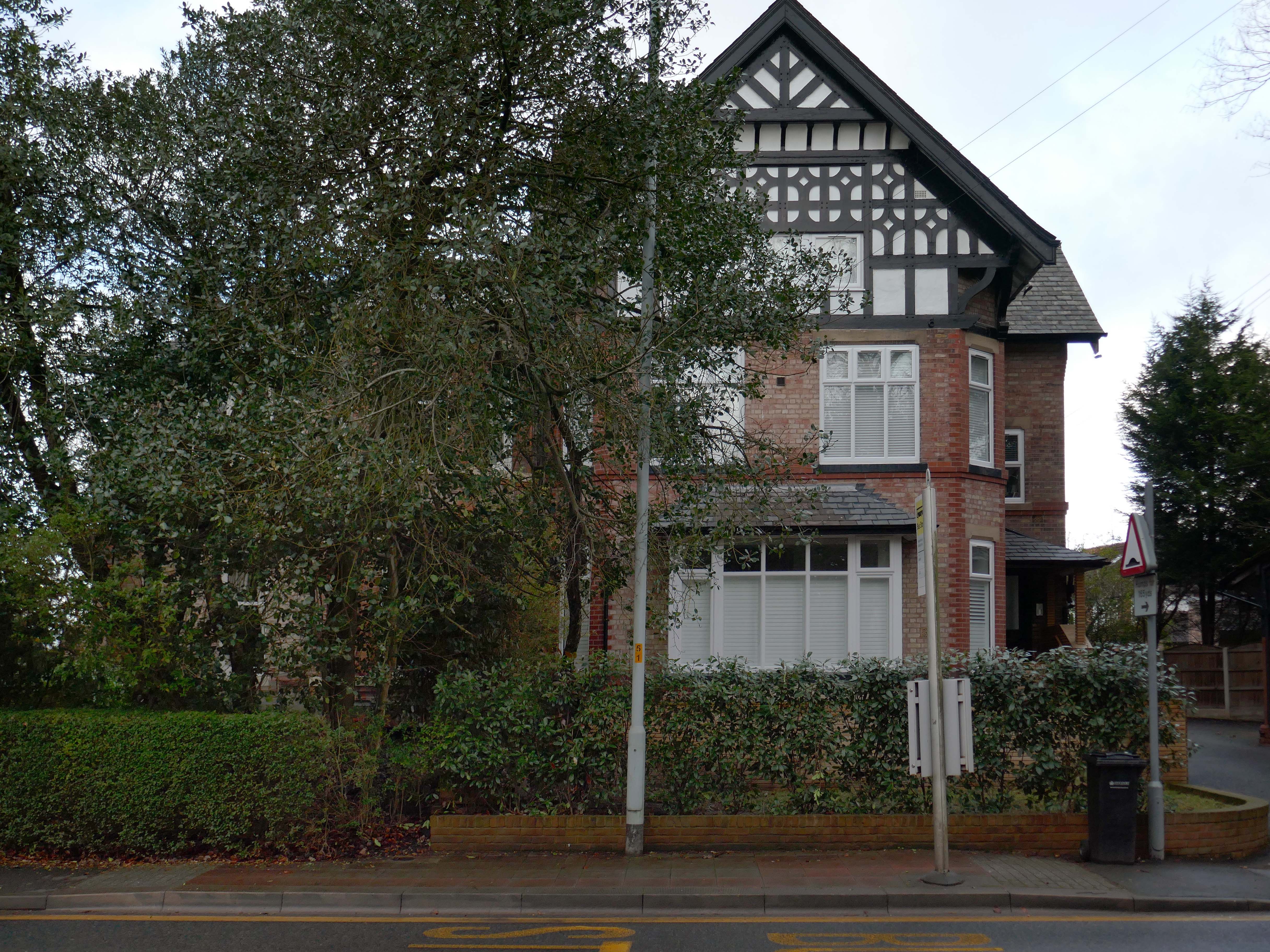
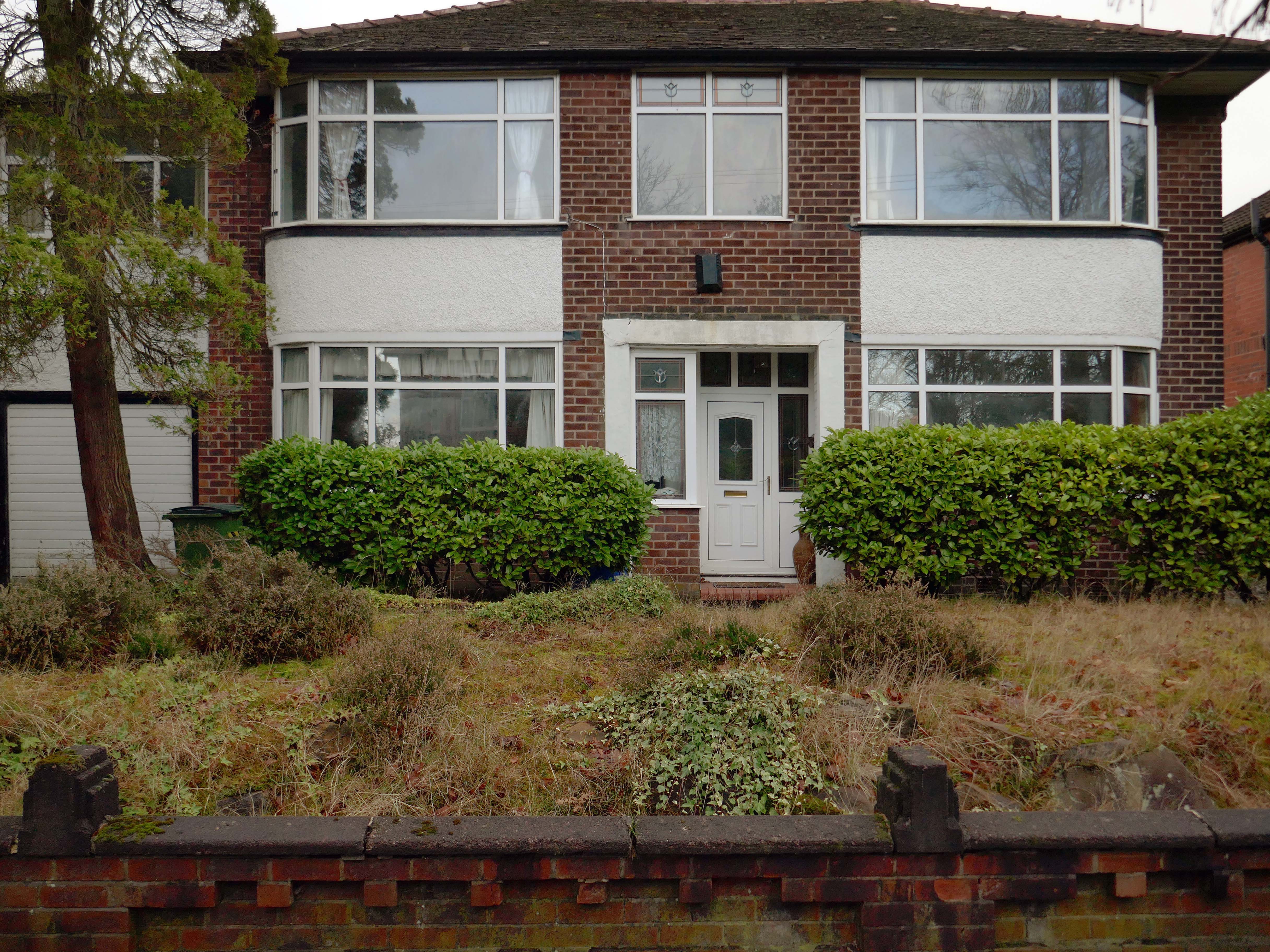
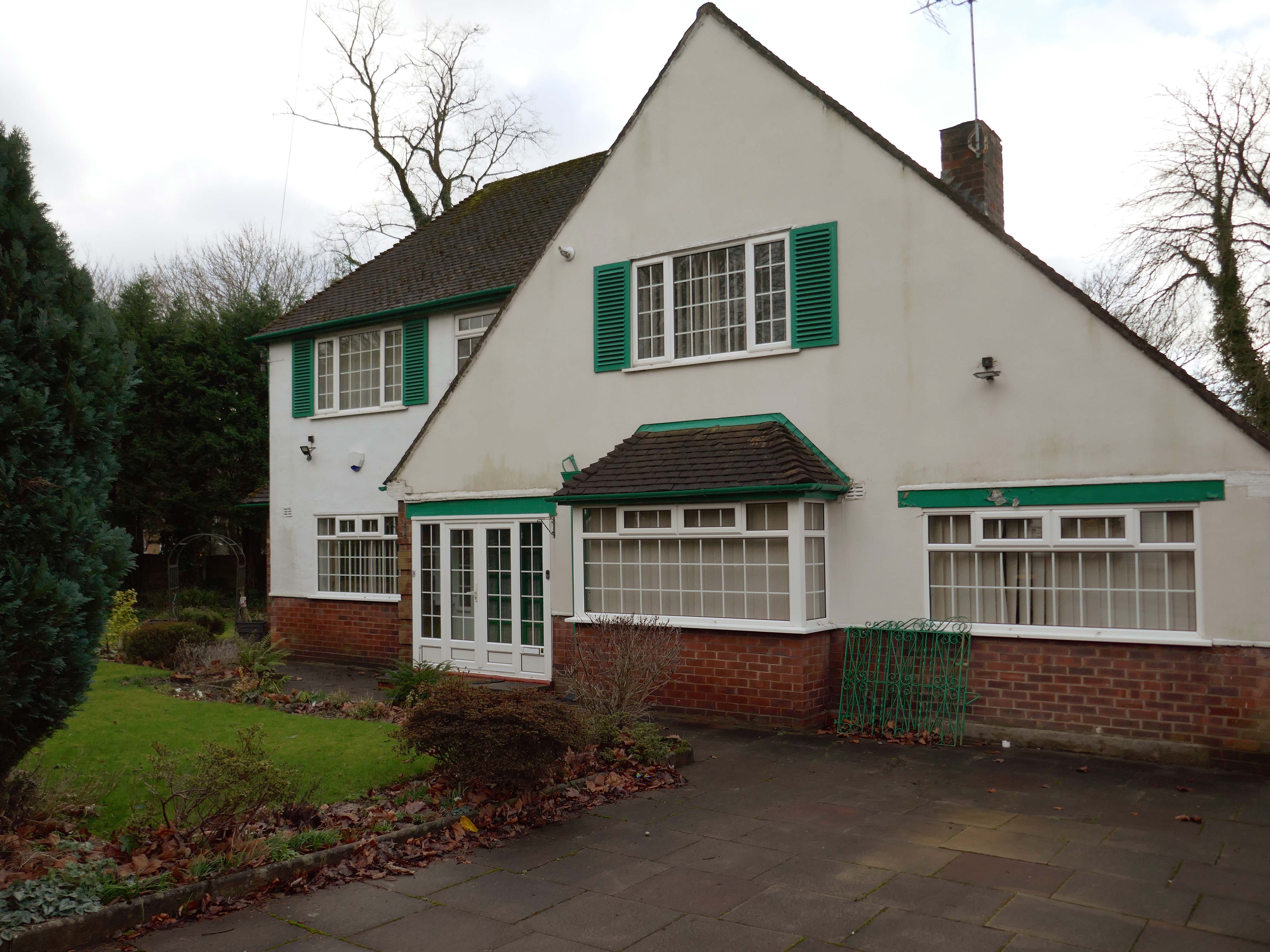
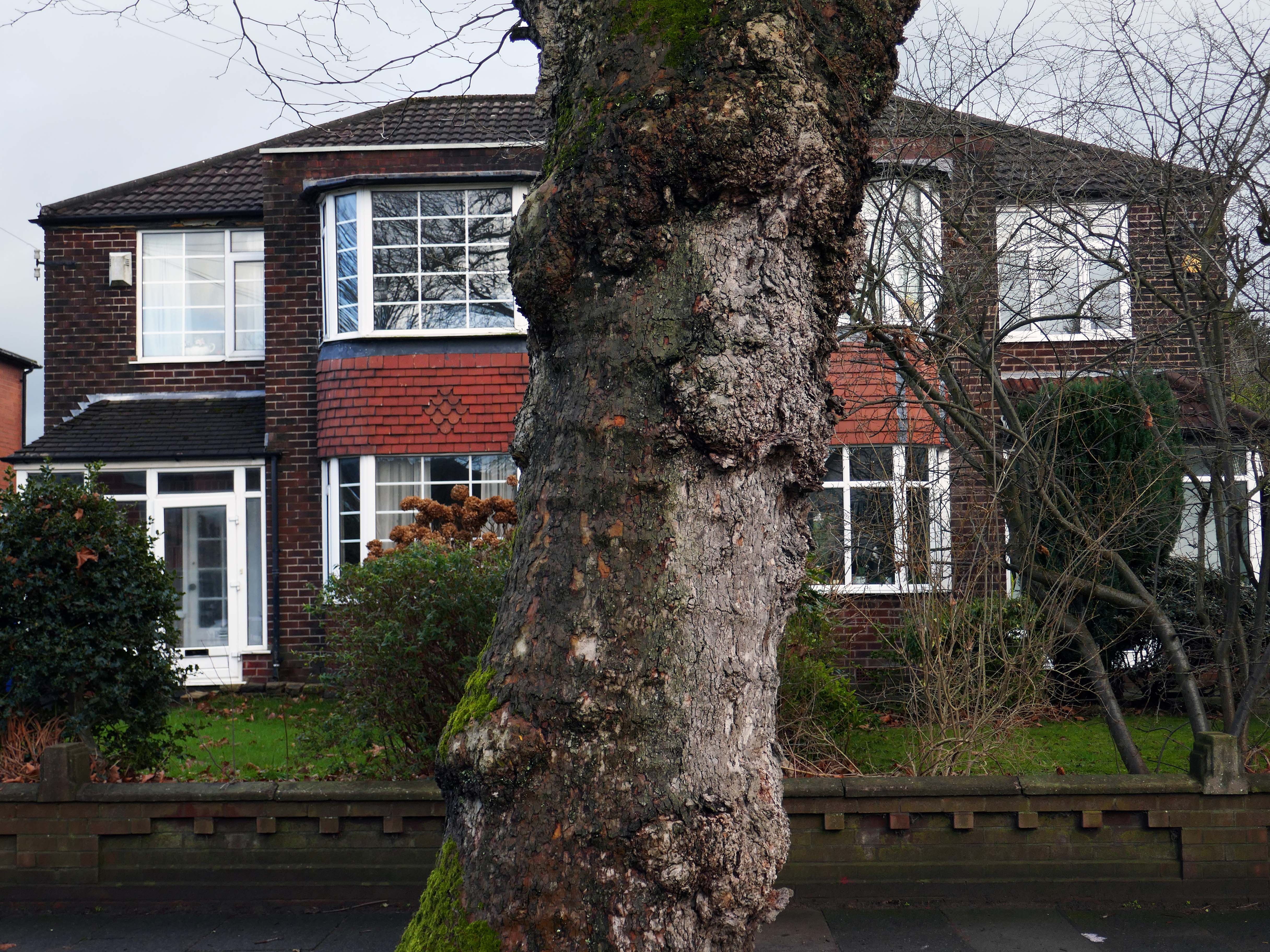
Within such a tight network of suburban streets, restrained Modernism sits alongside the traditional semi, the grand villa and humble abode. A smattering of stained glass and an original door here and there.
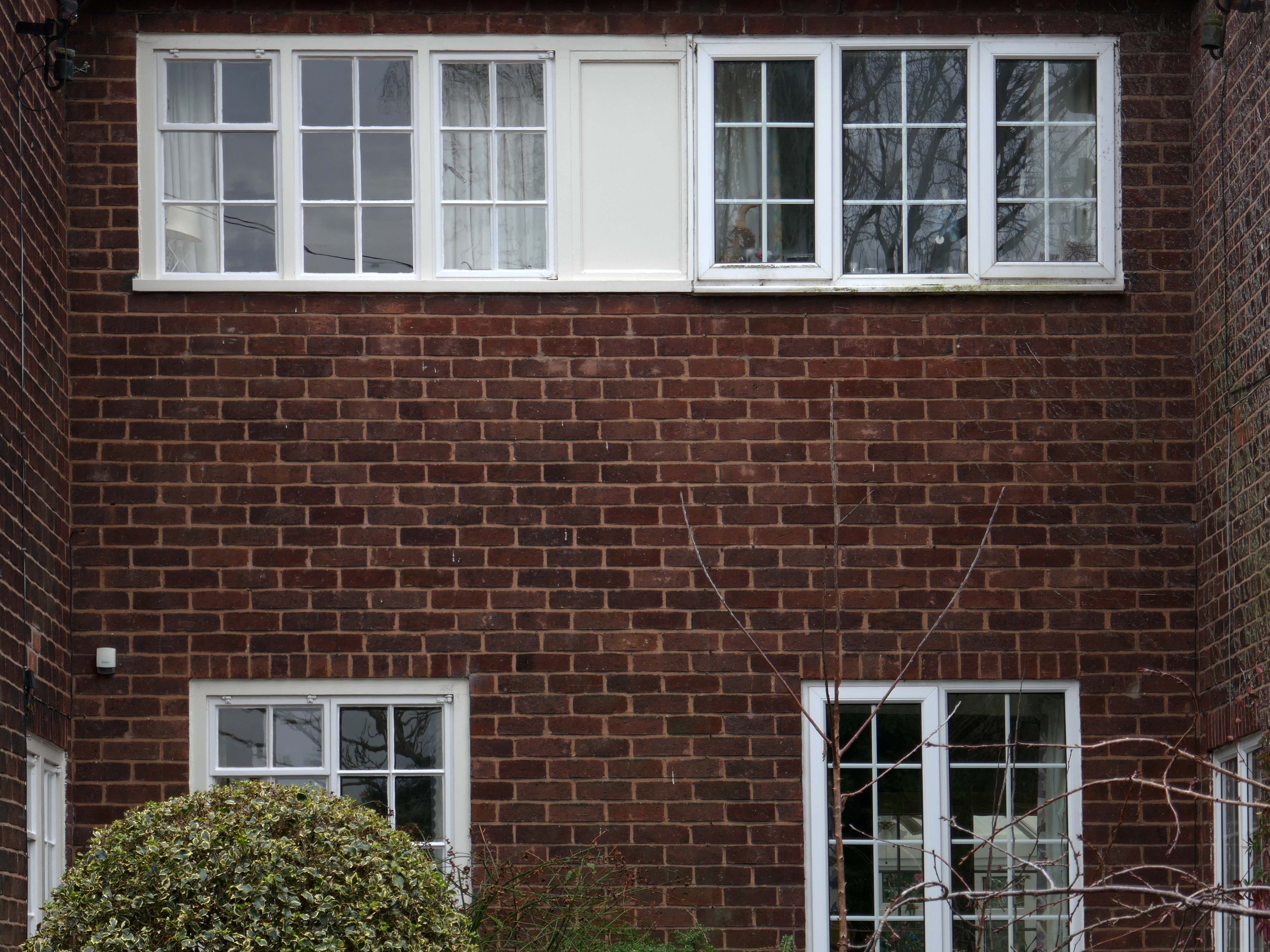
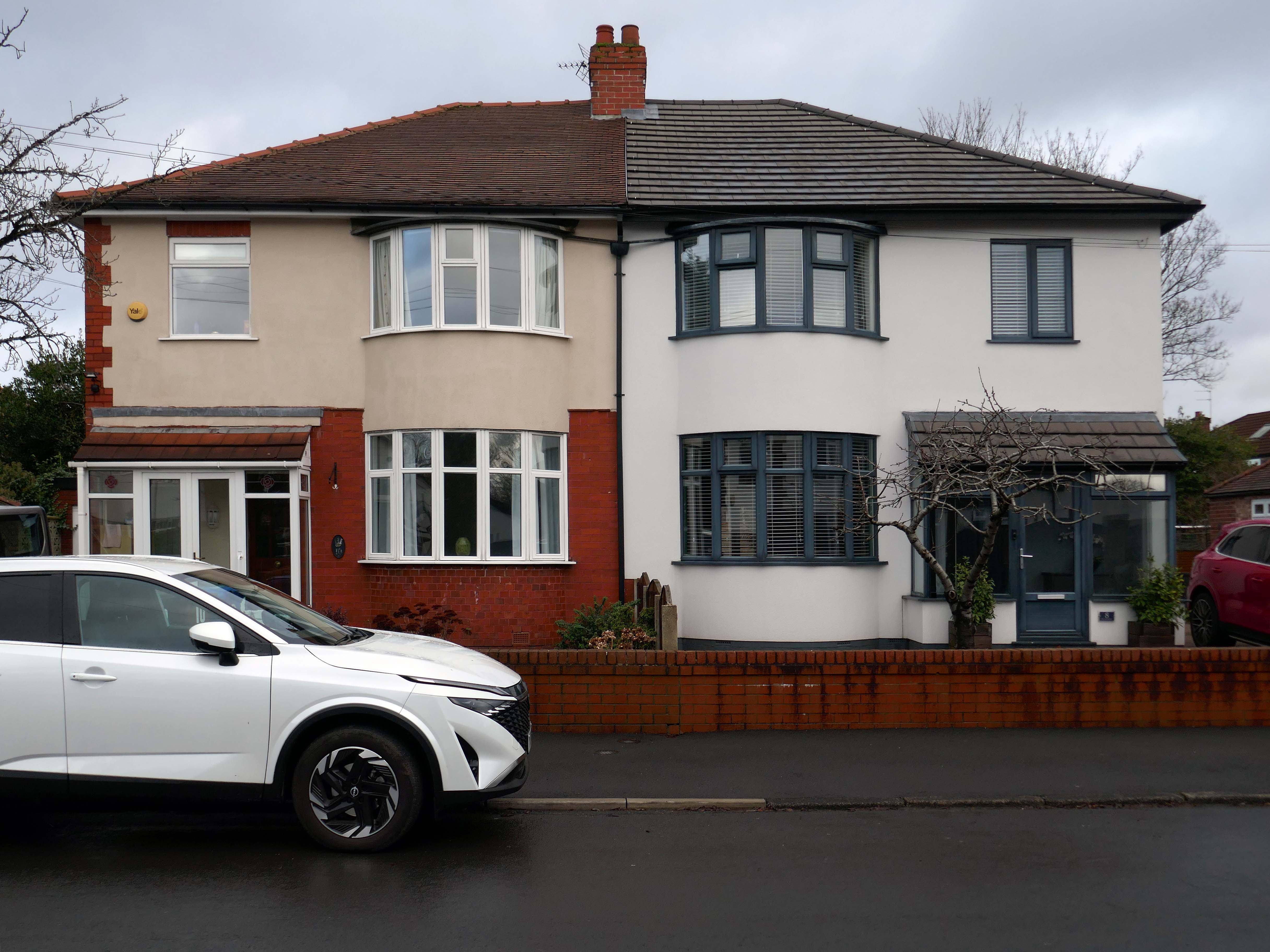
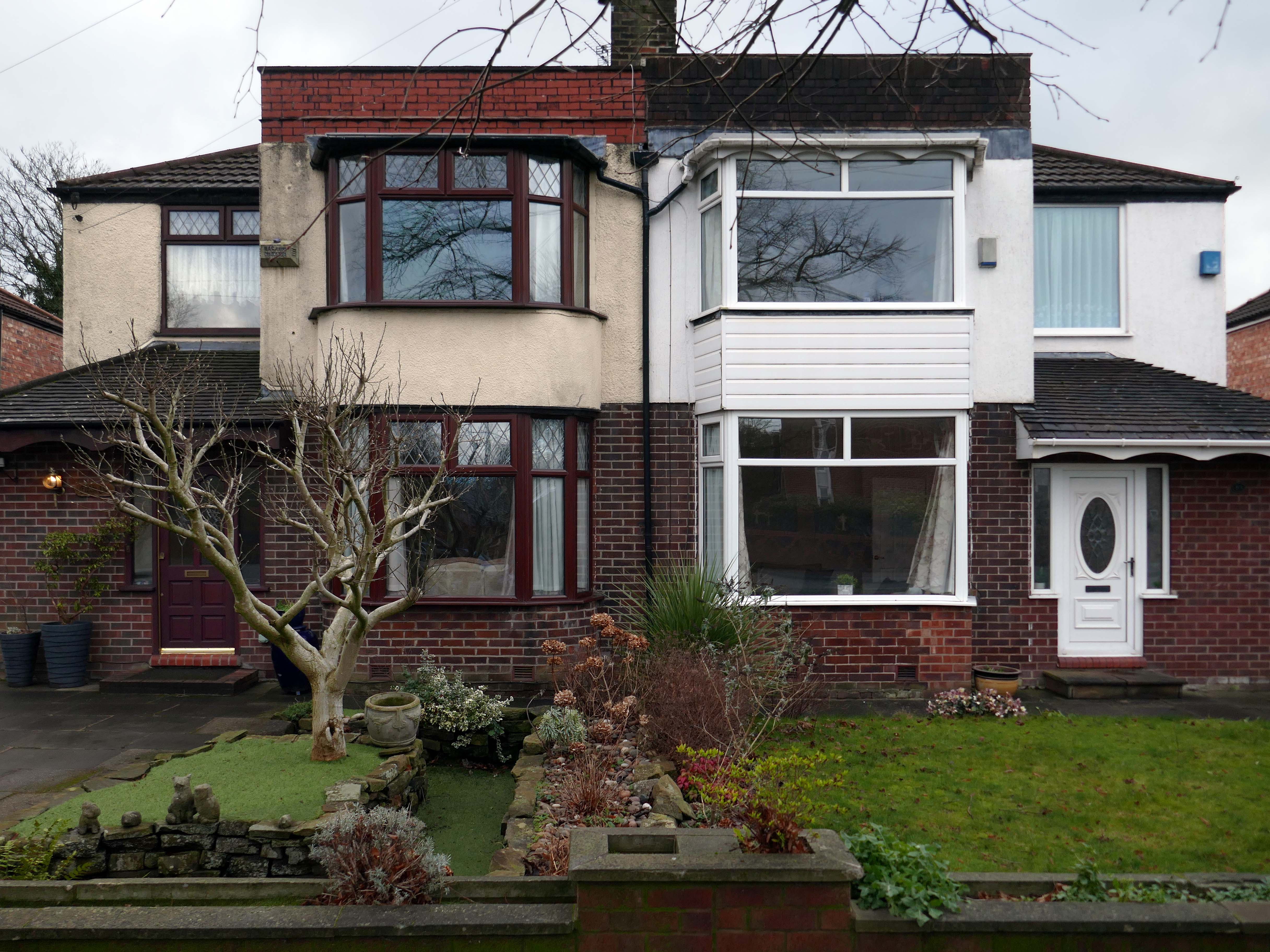
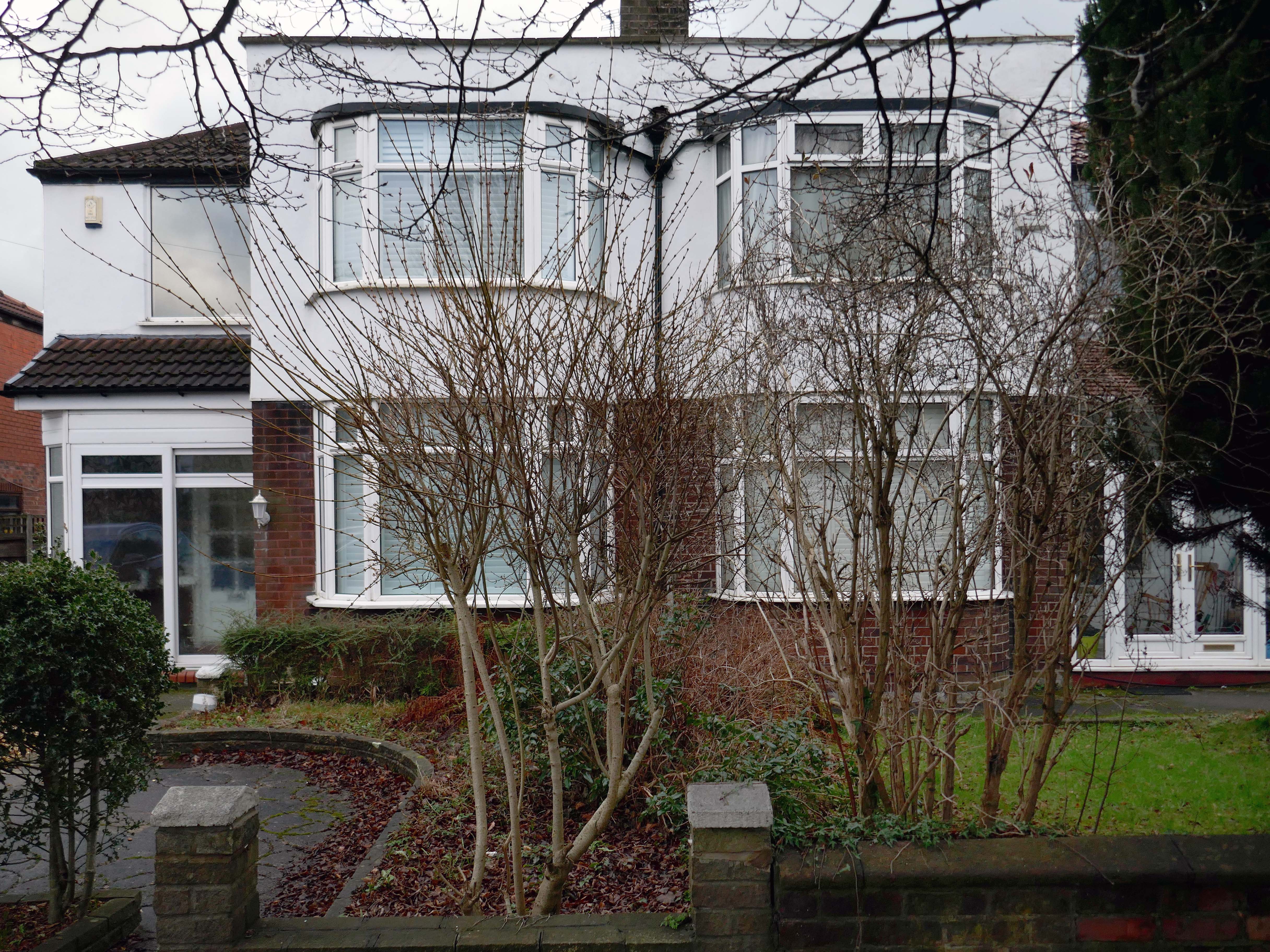
One example of a curved Crittall bay, sitting next door to a distant uPVC cousin.
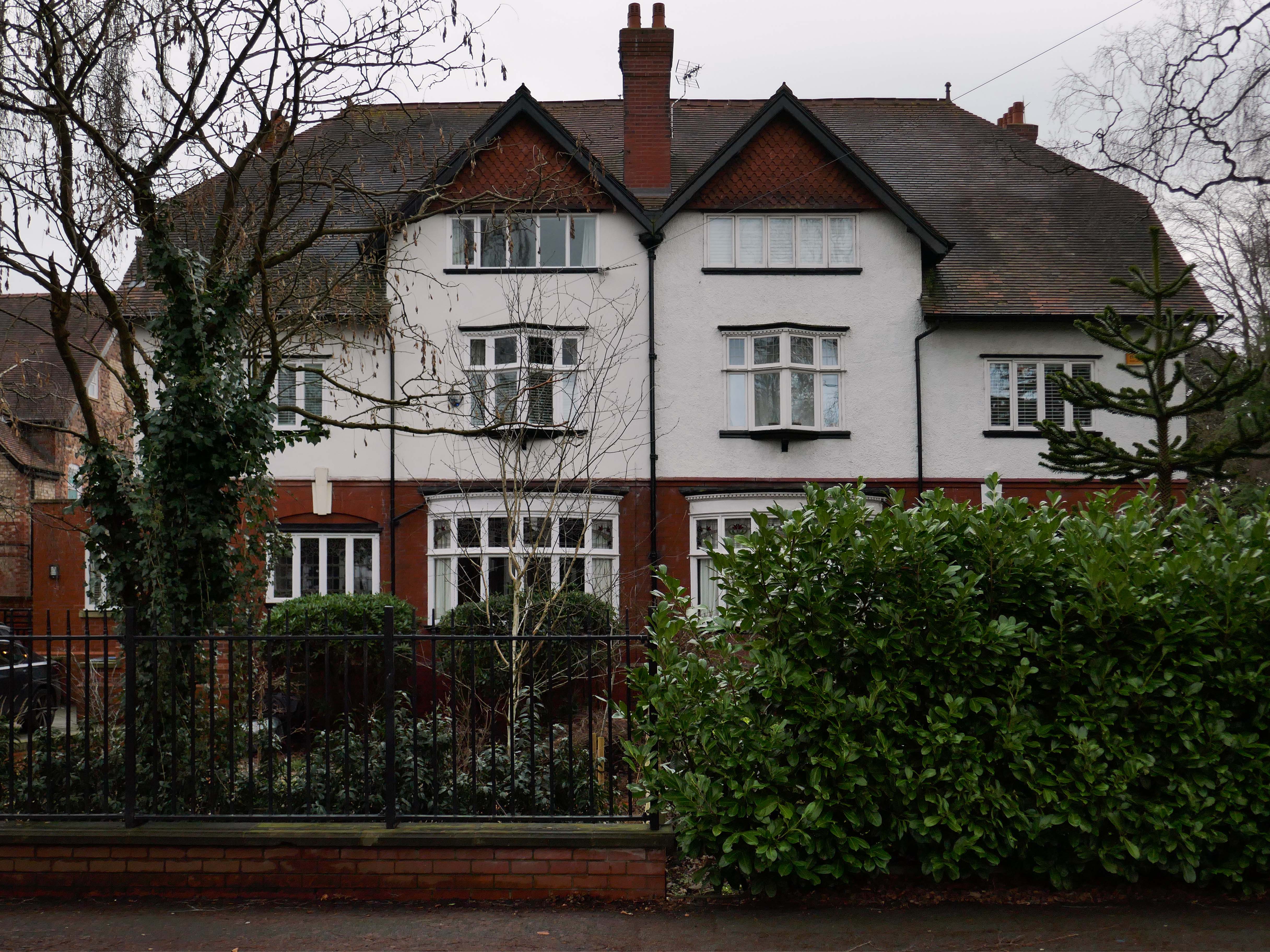
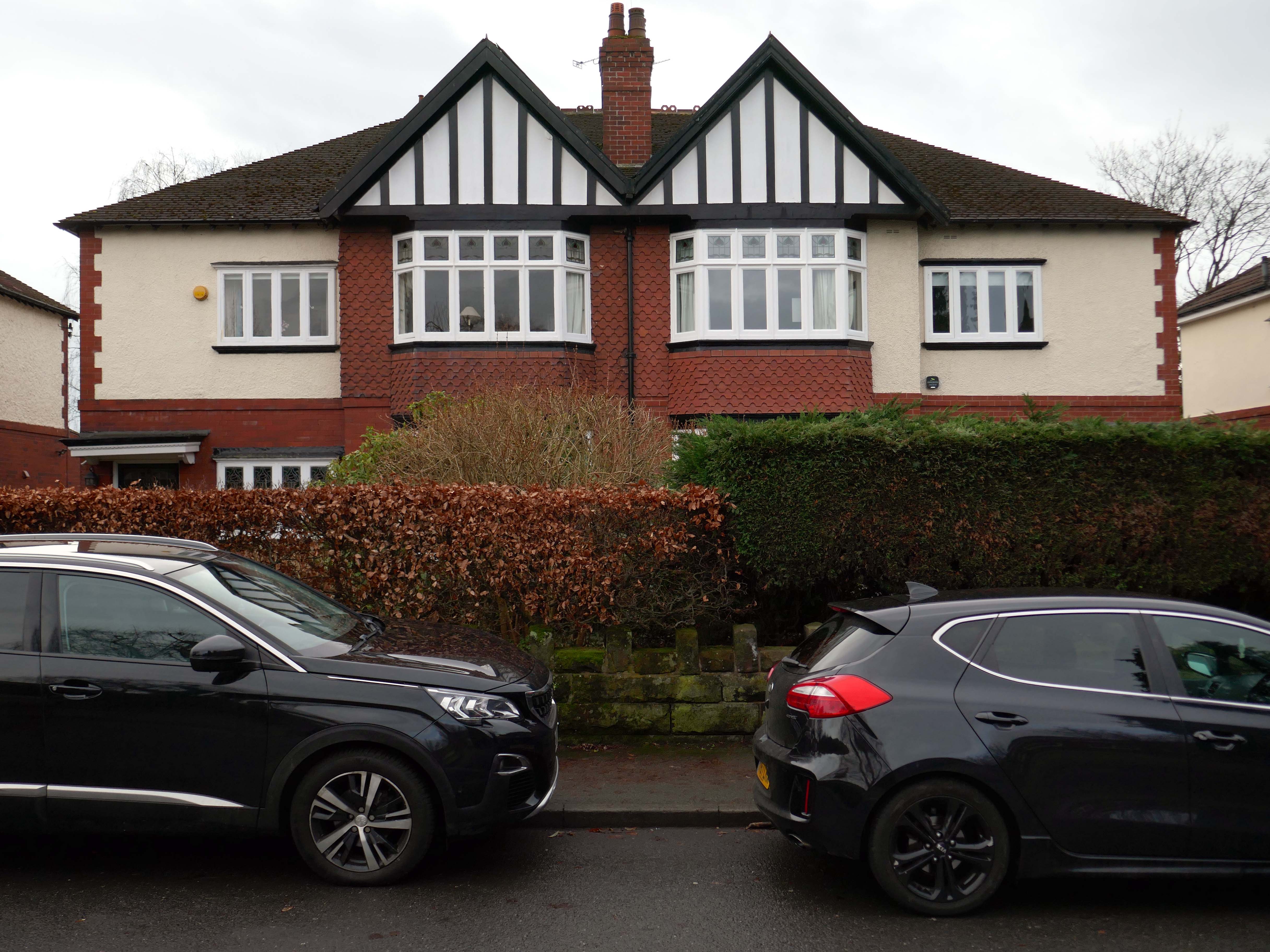
Hesitant examples of Arts and Crafts and hints of Tudorbethan, subtle shades of sub Lutyens, the odd Art Deco detail.
We never keep to the present. We recall the past; we anticipate the future as if we found it too slow in coming and were trying to hurry it up, or we recall the past as if to stay its too rapid flight. We are so unwise that we wander about in times that do not belong to us, and do not think of the only one that does; so vain that we dream of times that are not and blindly flee the only one that is. The fact is that the present usually hurts. We thrust it out of sight because it distresses us, and if we find it enjoyable, we are sorry to see it slip away. We try to give it the support of the future, and think how we are going to arrange things over which we have no control for a time we can never be sure of reaching.
Blaise Pascal
Let each of us examine his thoughts; he will find them wholly concerned with the past or the future. We almost never think of the present, and if we do think of it, it is only to see what light it throws on our plans for the future. The present is never our end. The past and the present are our means, the future alone our end. Thus we never actually live, but hope to live, and since we are always planning how to be happy, it is inevitable that we should never be so.
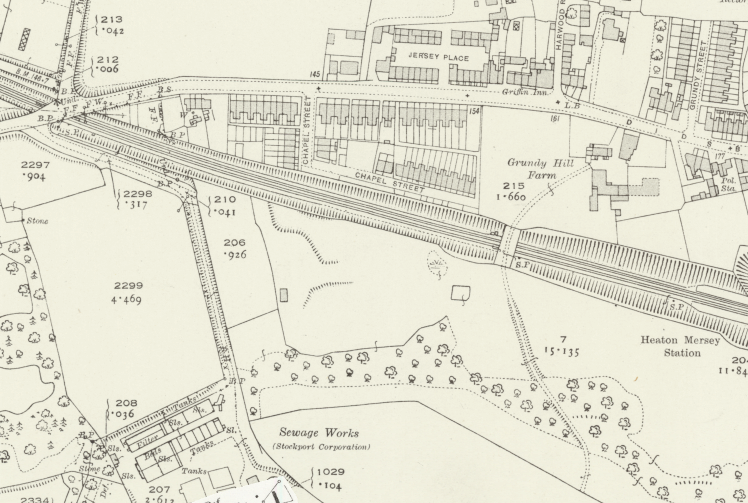
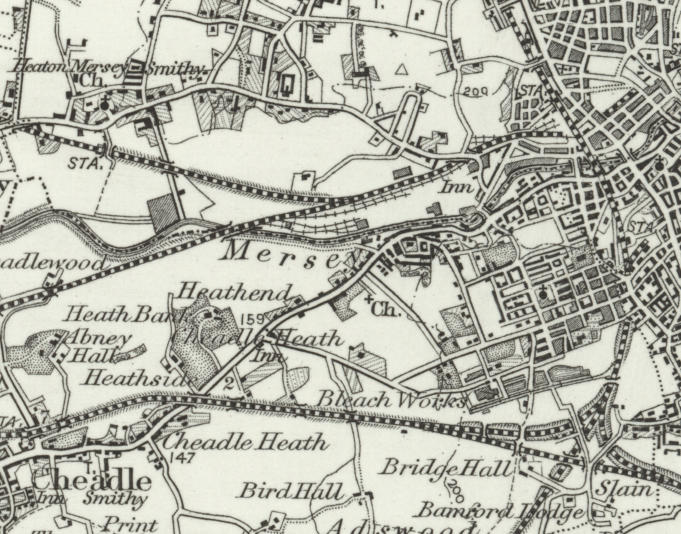
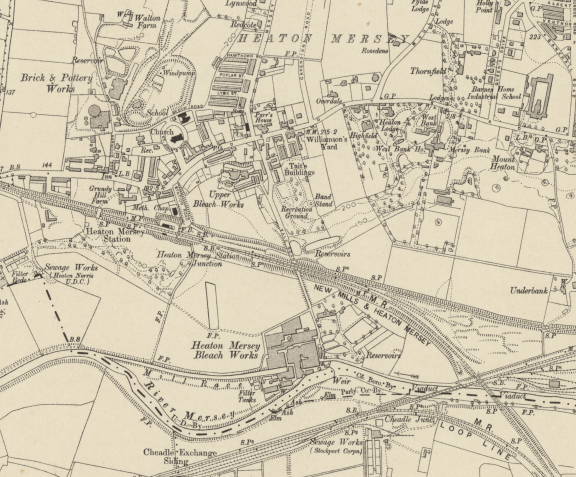
In 1896 the area to the east of central Stockport is a potpourri of emergent industry, railways, a river and agriculture – a product of the second Ice Age, the subsequent formation of the Mersey Valley and the Industrial Revolution.
By 1911 there is an expansion in the housing stock.
A comprehensive history of the area cane be found here.
In 1918, the UK property landscape was dominated by private renters, who made up 75% of all households. At the time, only 25% of the population owned their own homes.Over the next few decades, home ownership gradually increased, reaching about 38% by 1958. This shift was accompanied by a decrease in private renting, which fell to 41% during the same period.
The most significant growth in home ownership occurred between 1958 and 2003. The percentage of owner-occupiers surged from 38% to 70%. This period saw a corresponding decline in both private renting, which fell to just 8% in 2003, and social renting, which peaked at 29% in 1978 before declining to 22% by 2003.
The pattern of home ownership has been determined by a number of factors –
The Property Owning Democracy – Coined by British MP Noel Skelton in 1920, the concept emphasised the terms ‘property-owning’ and ‘democracy’ as a conservative response to left-leaning ideas of liberalism and socialism.
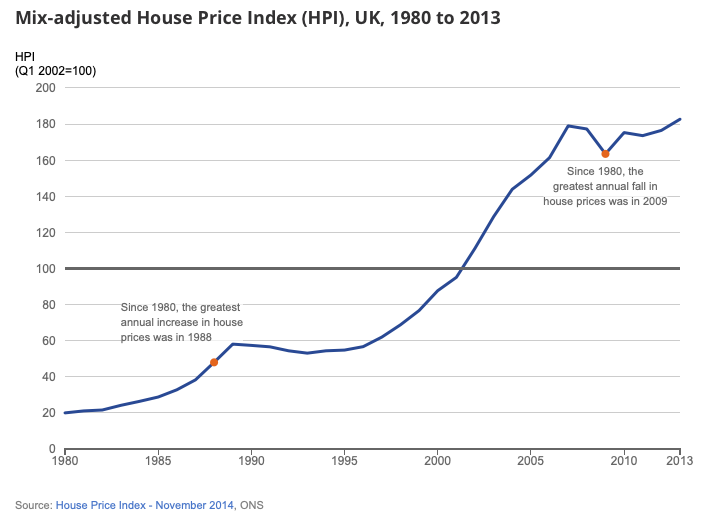
Right to Buy scheme, introduced by Margaret Thatcher’s Housing Act 1980, allowed long-term council social tenants in England and Wales to buy their homes at a significant discount, fostering homeownership but drastically reducing the stock of affordable social housing, leading to ongoing housing shortages and debates over its legacy.
The Property Ladder which commodifies housing. Where once house and home were largely for life, the upwardly mobile homeowner wishes to continually acquire value and status through trading ever onwards and upwards.
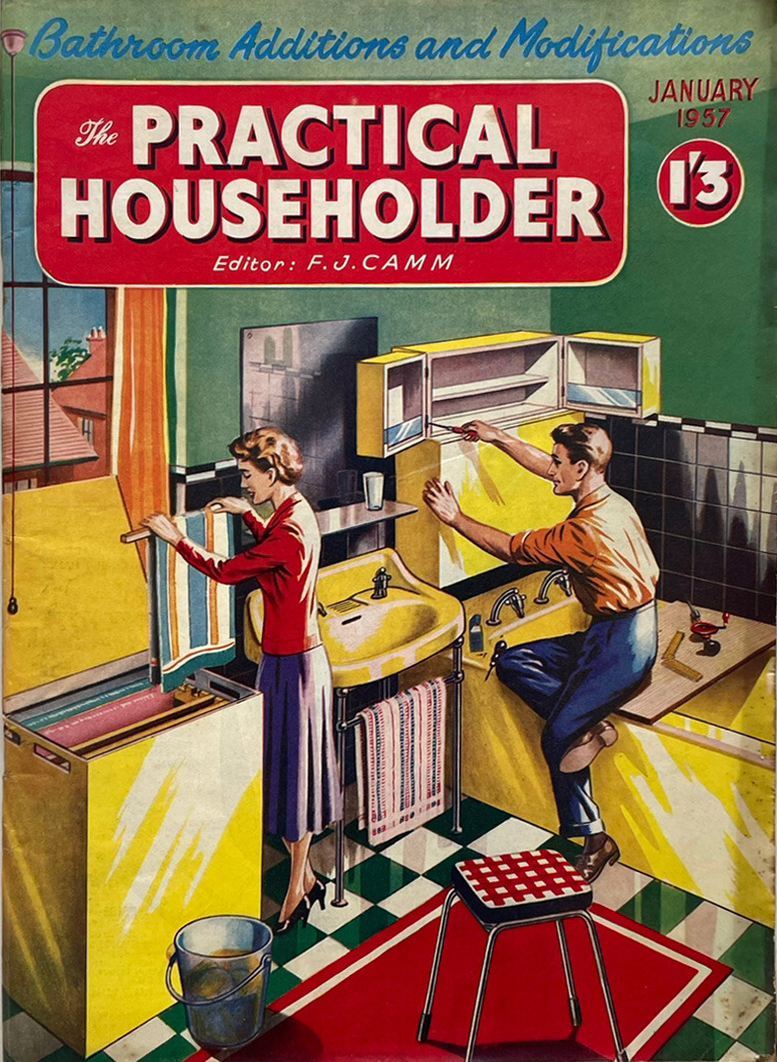
Socially the role of the home has also changed over time, once a place to be outside of – working or playing, the home is now possibly a place of both work and play. A larger percentage of weekly earnings is now absorbed by housing costs, and the lure of the multi-channel Smart TV, gaming systems, take away food and supermarket lager, nails the residents’ slippers firmly to the laminate flooring.
This has gone hand in hand with the trend home improvements and extensions – fed by glossy magazines, design led property TV shows advocating a New England, Shabby Chic, Maxi/Minimalist Vibe.
Welcome to the new England.
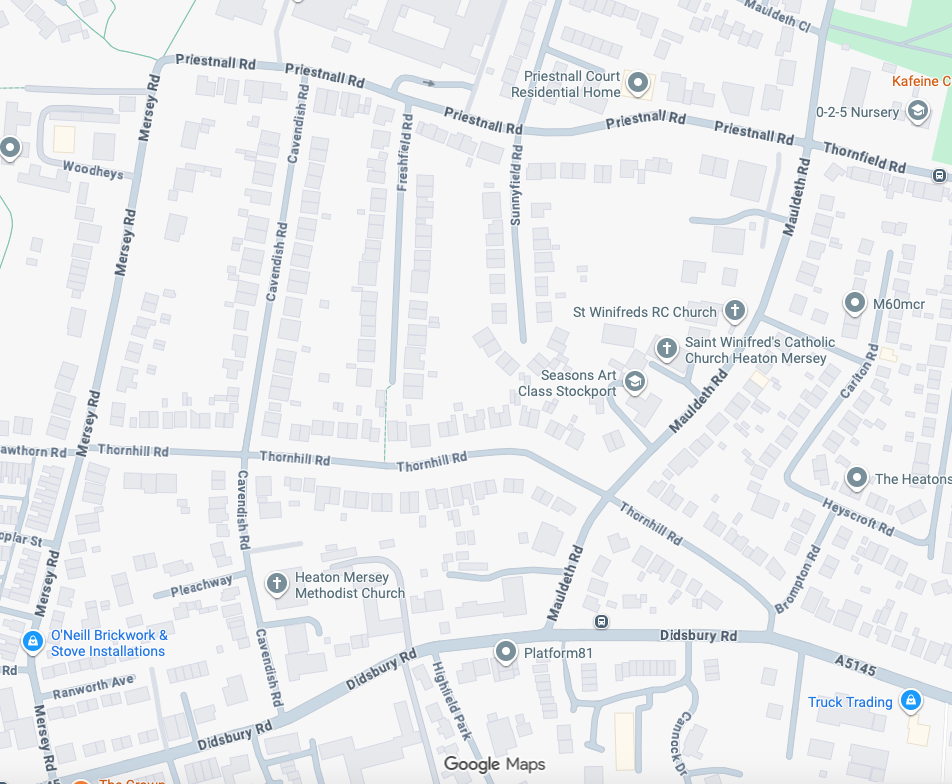
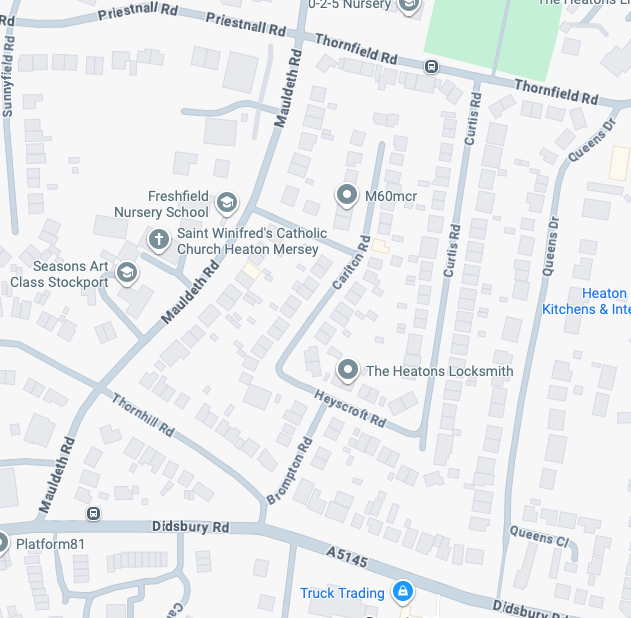
It’s January 2026 and I have taken to the area between Mauldeth Road, Thornfield Road, Queens Drive and Didsbury Road.
What is actually going on in my locale? – The only way to find out is to go and take a good look around.
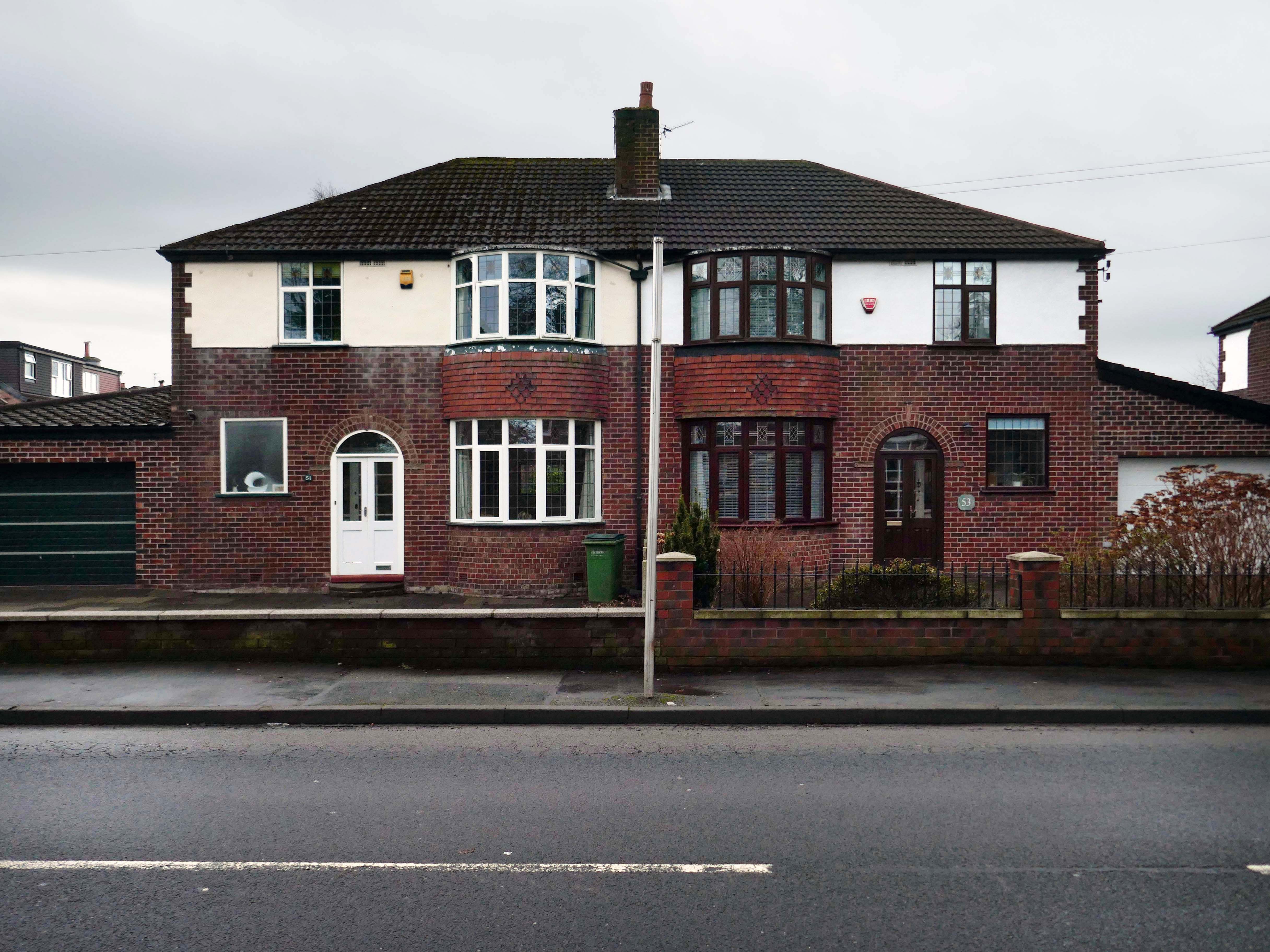
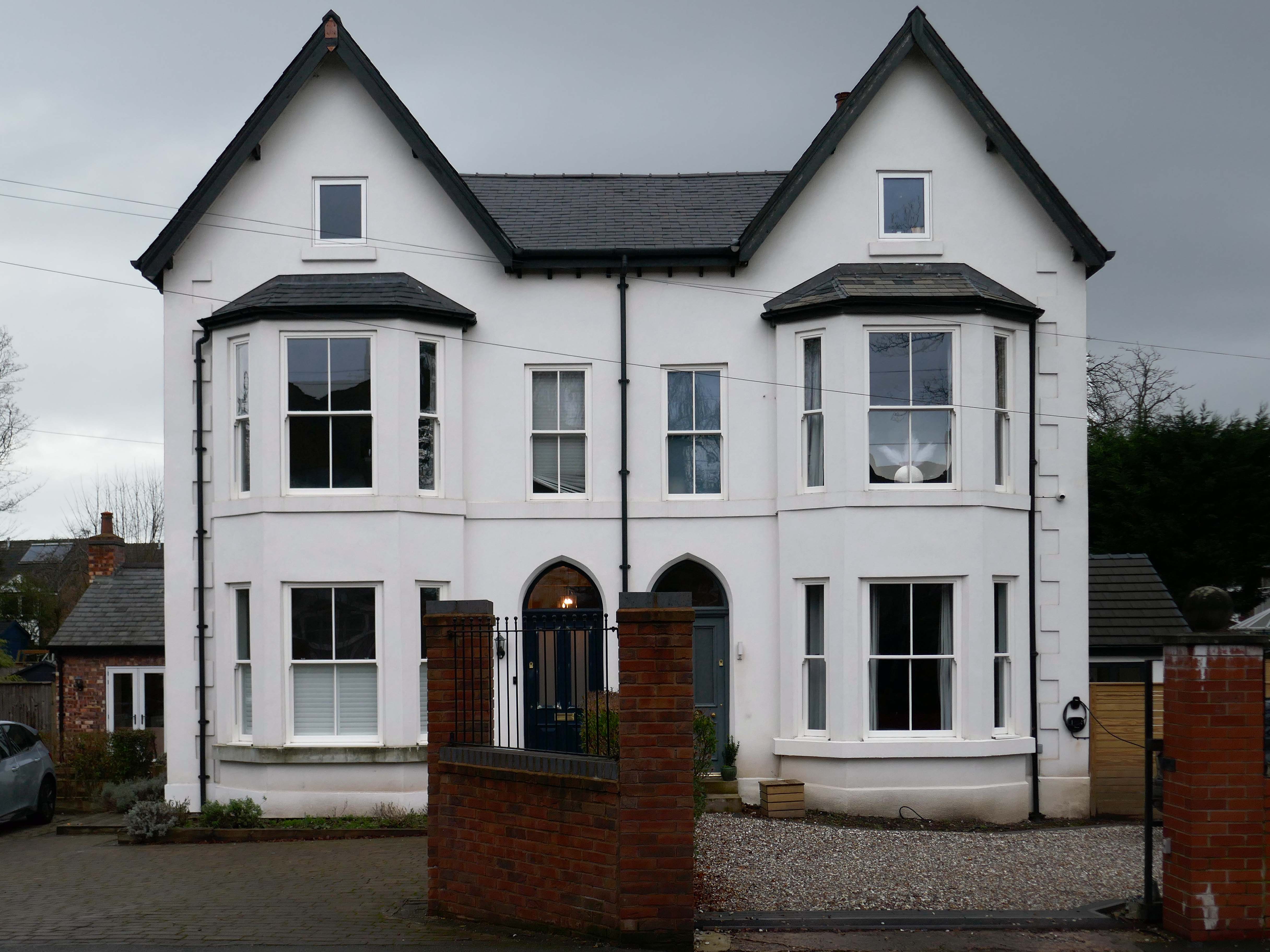
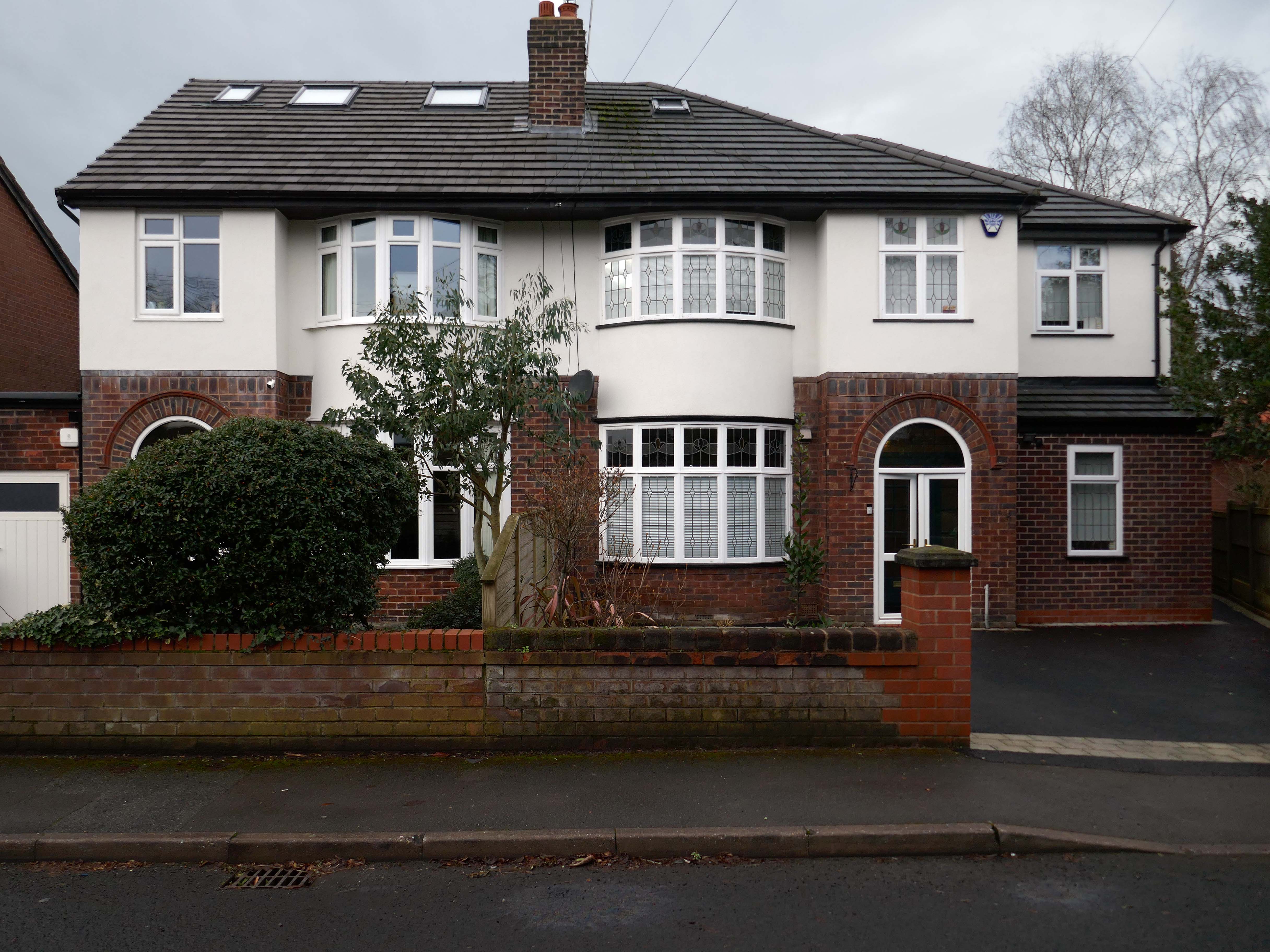
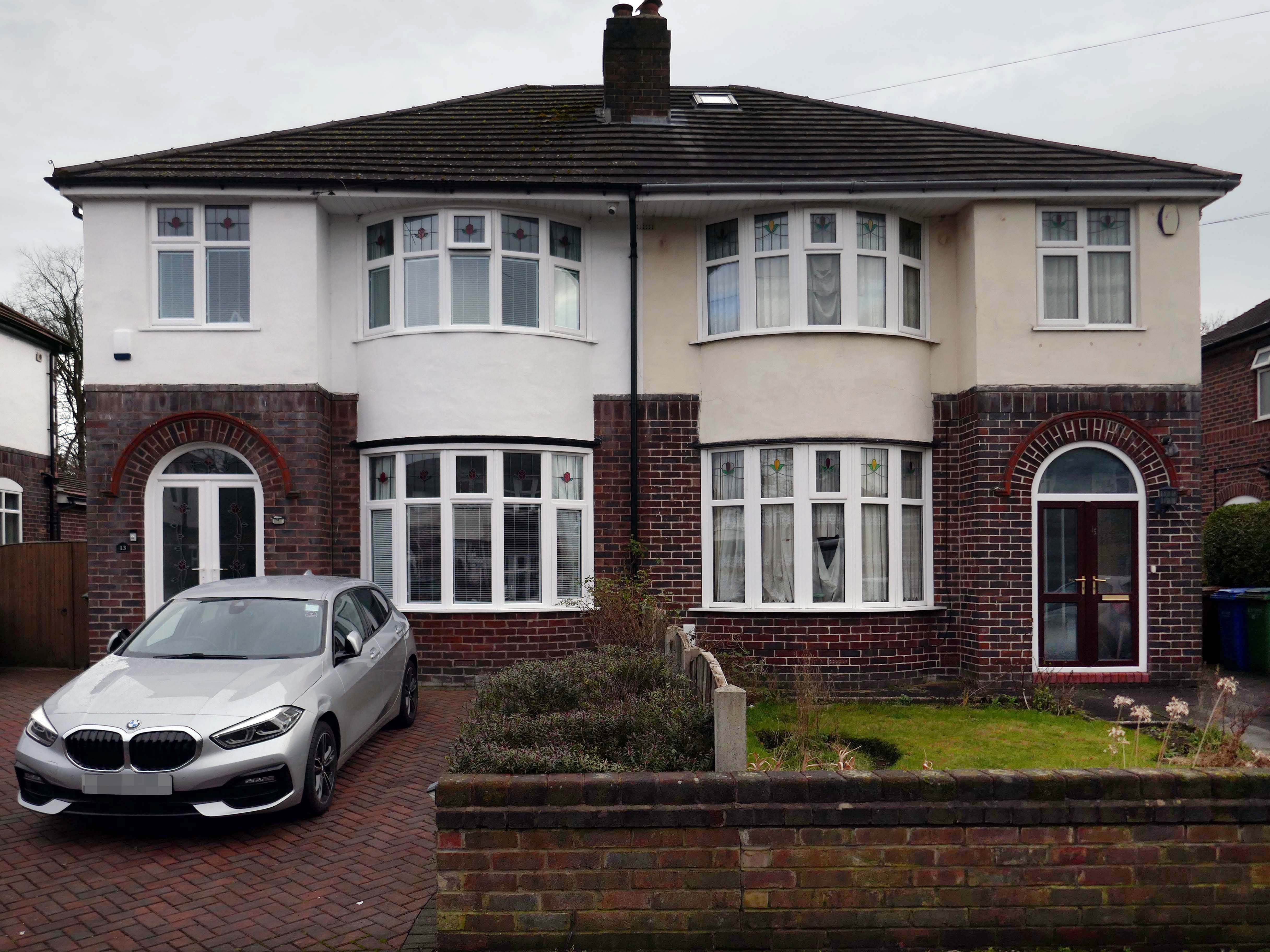
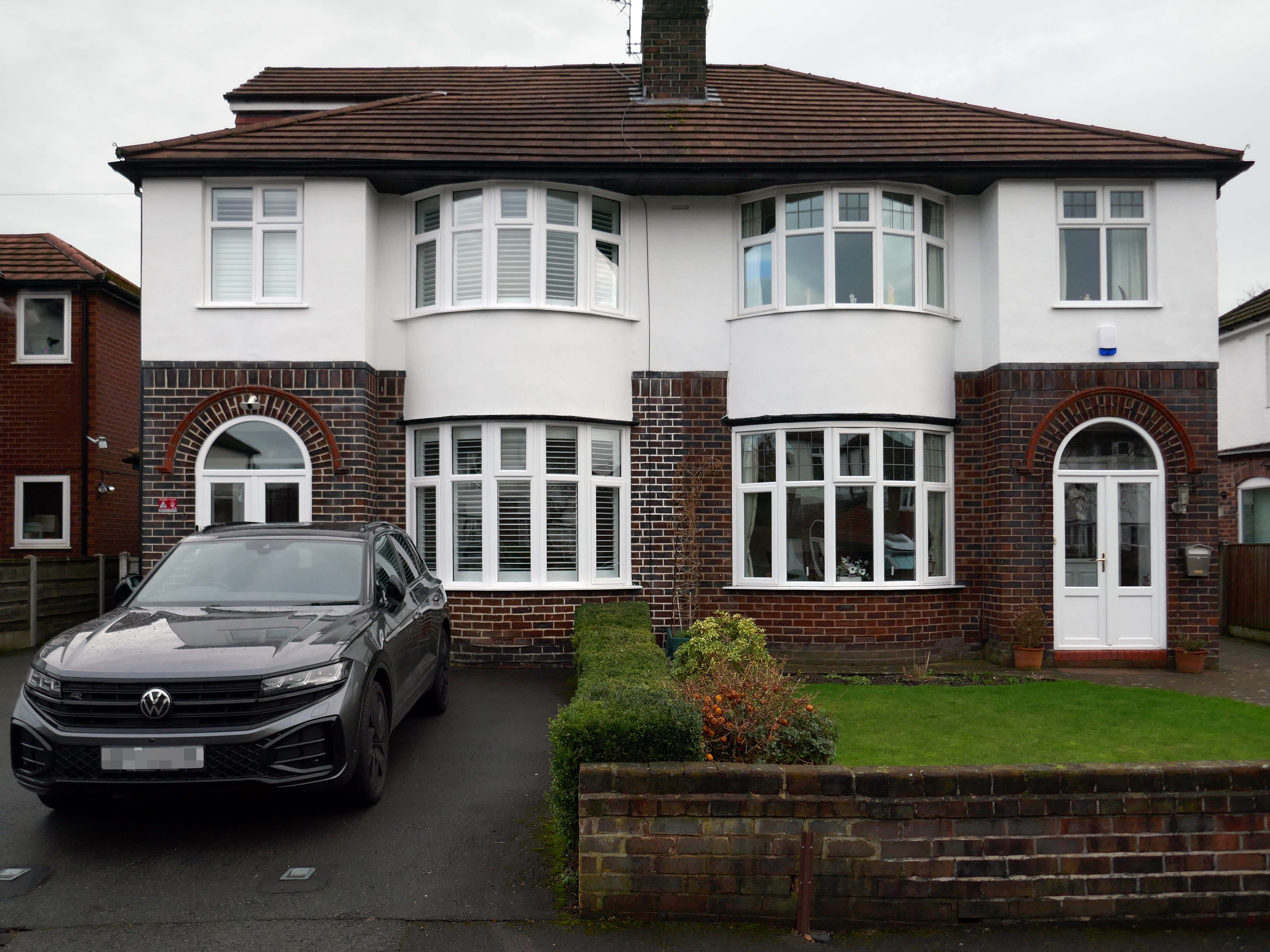
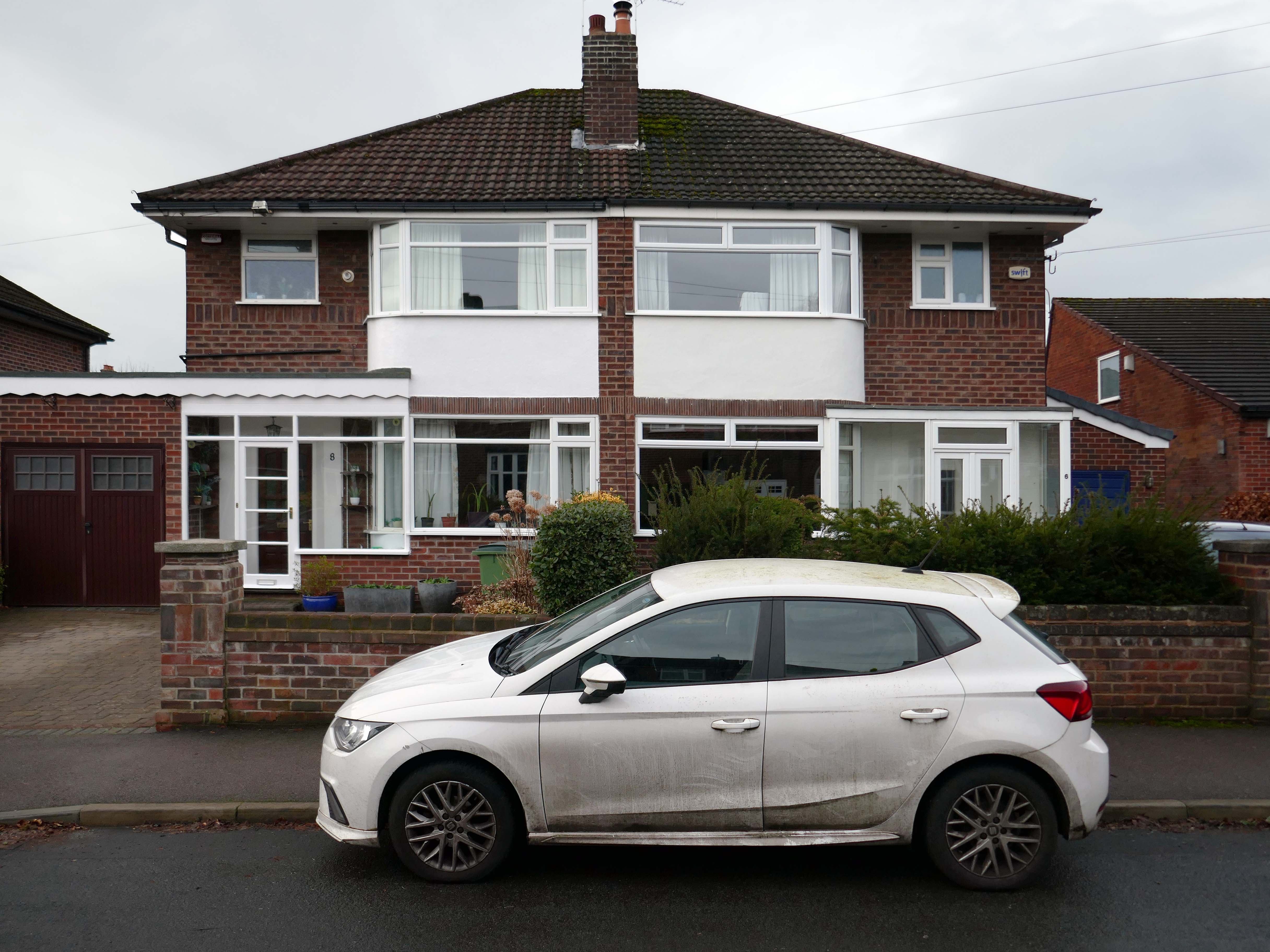
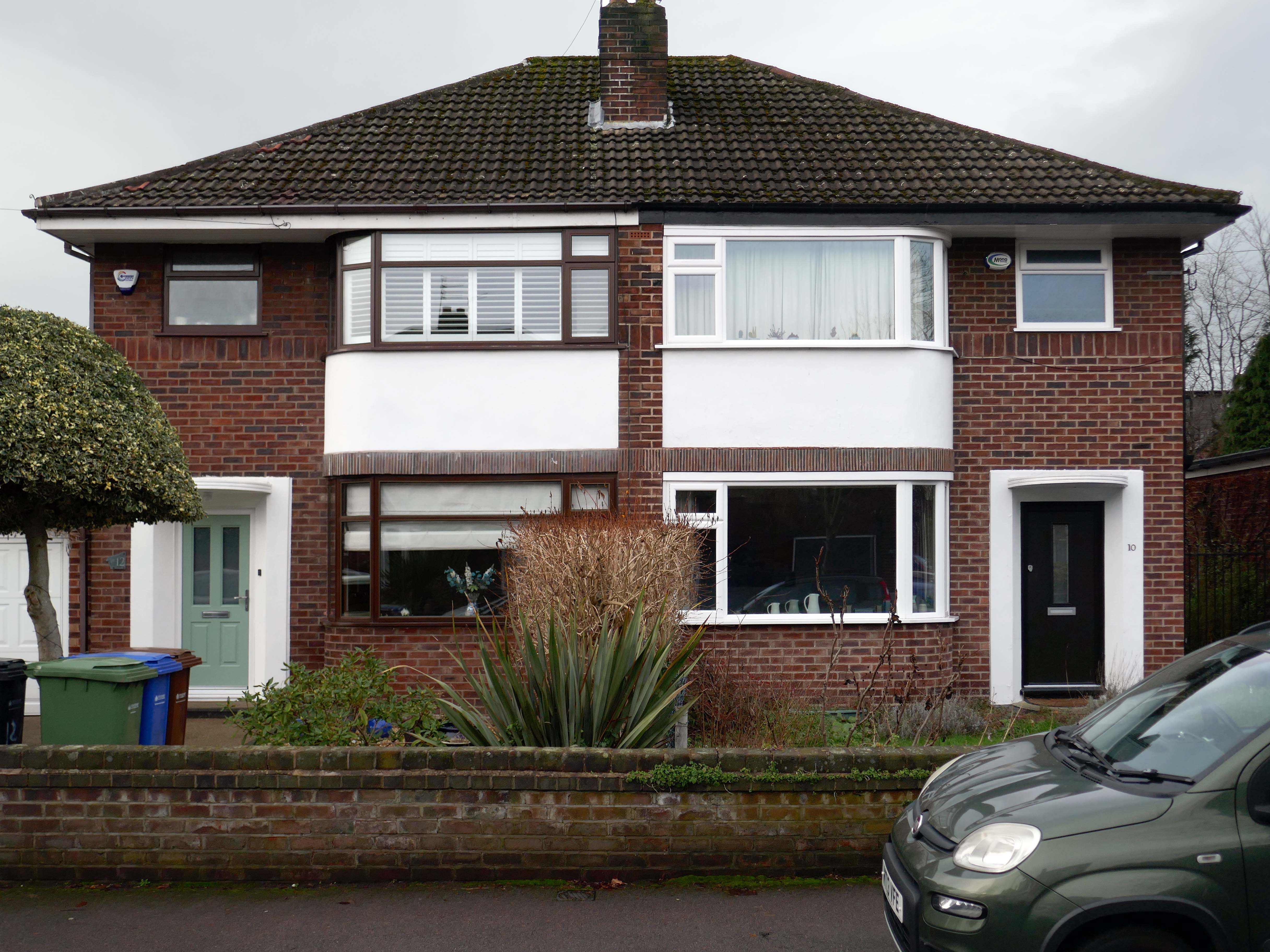
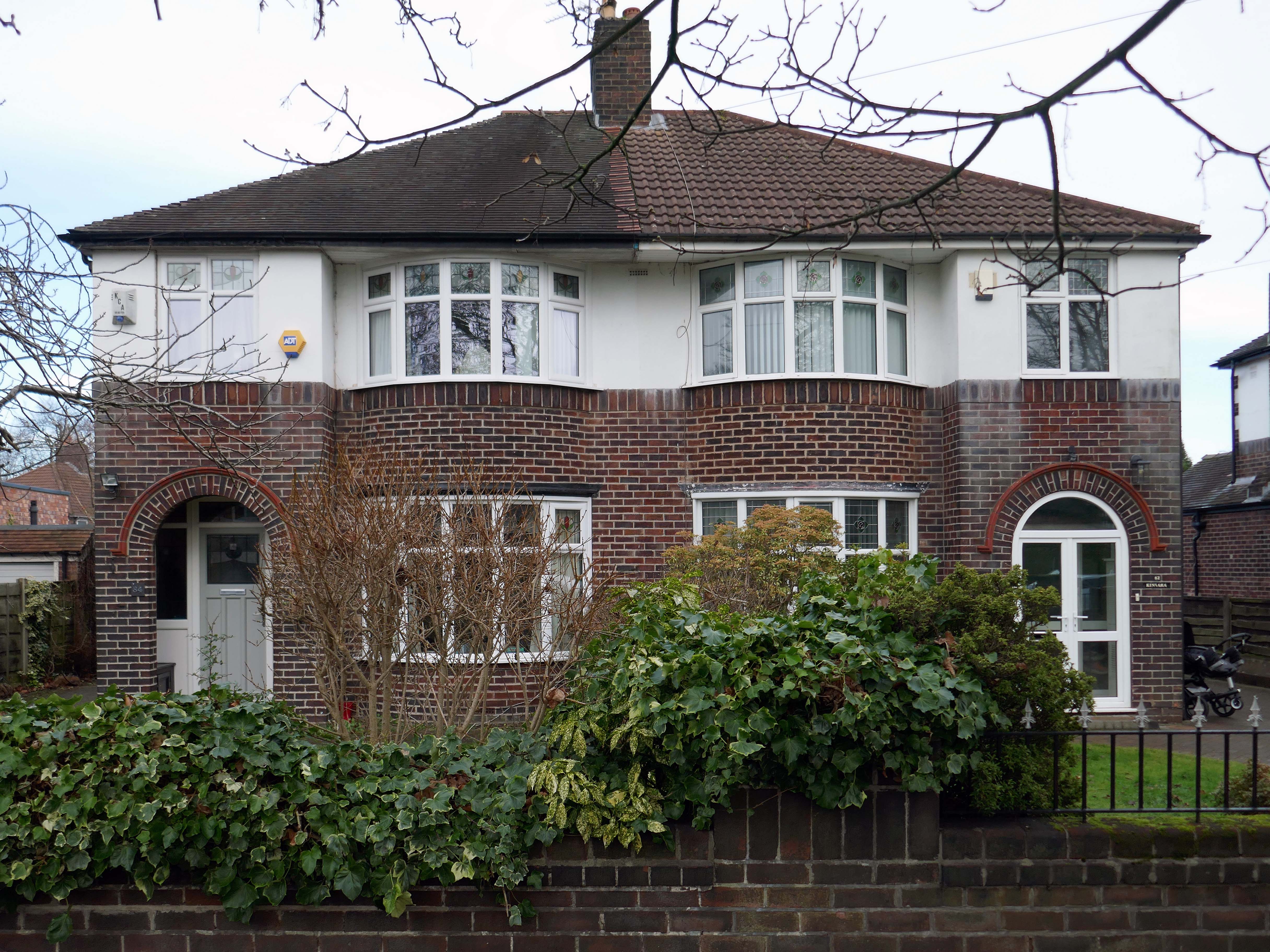
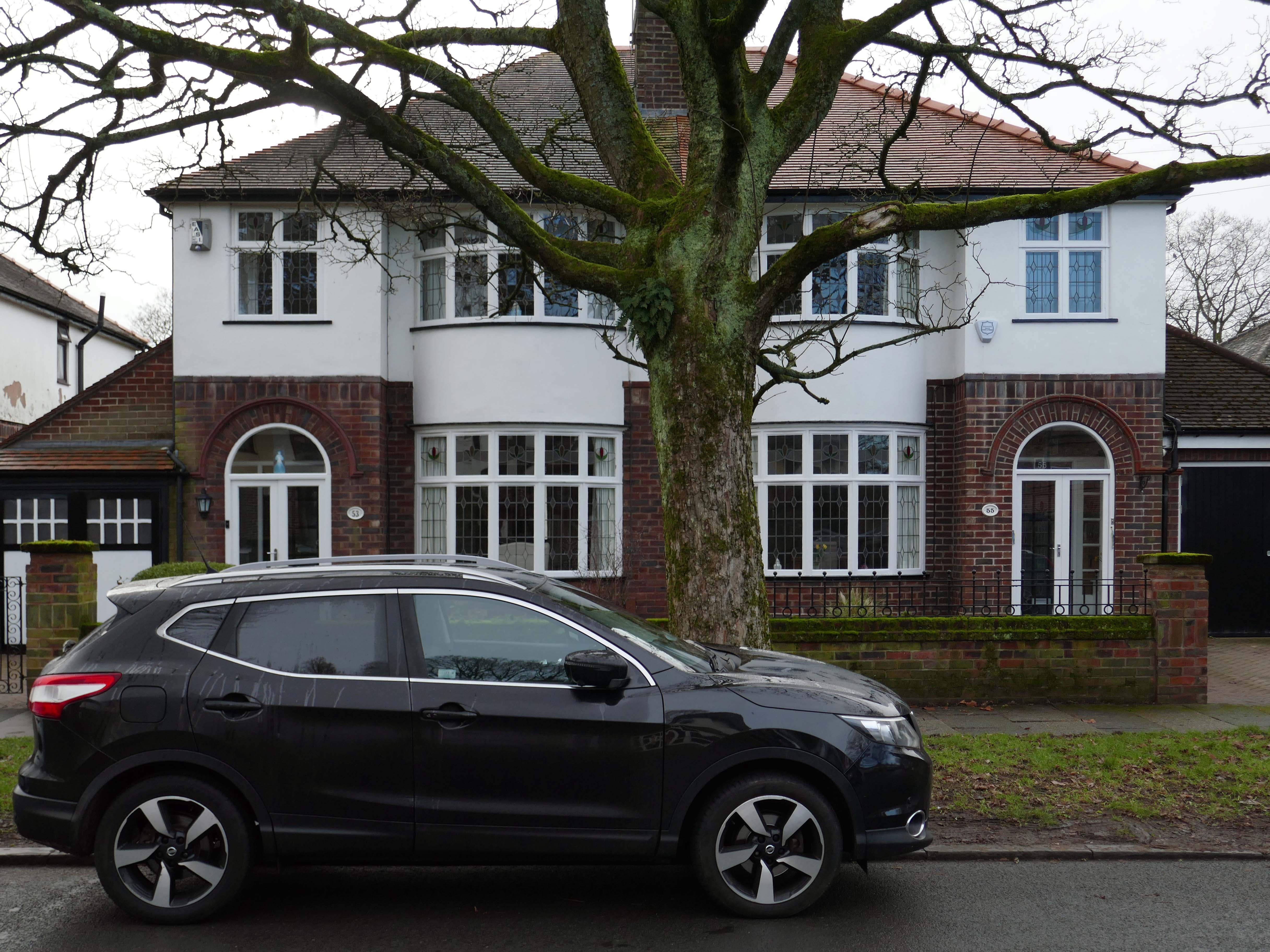
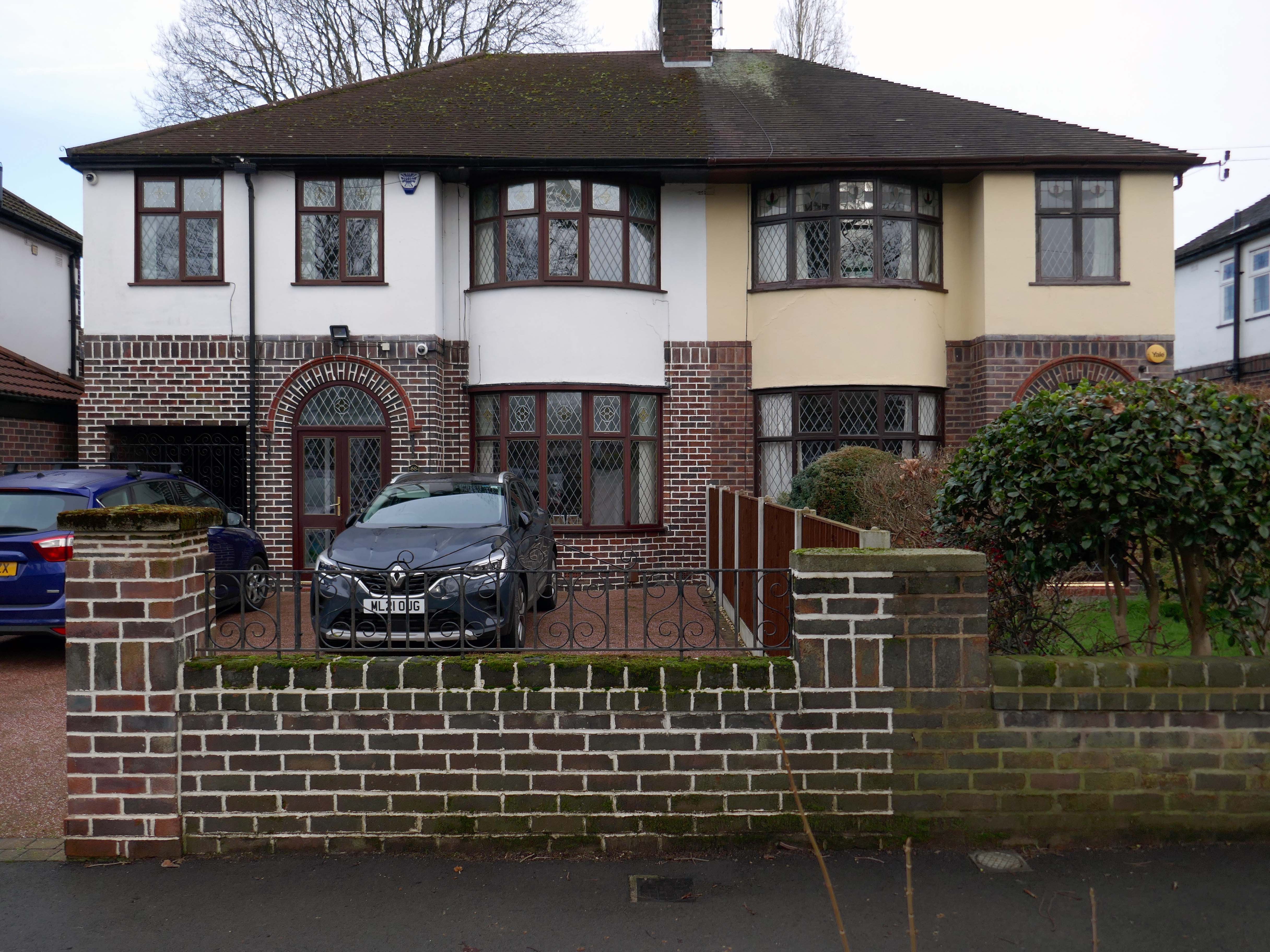
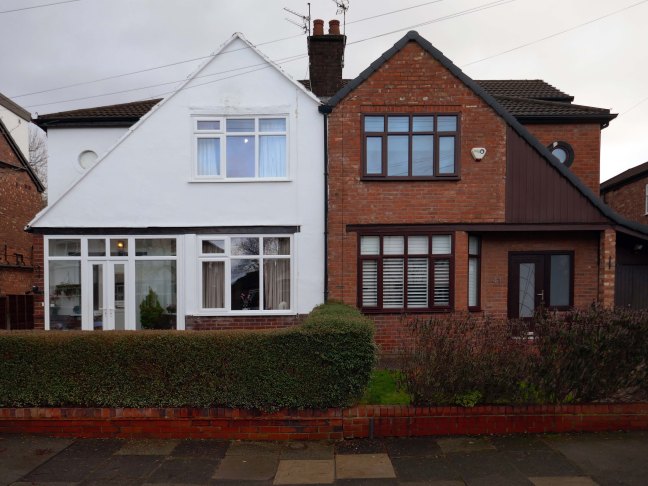
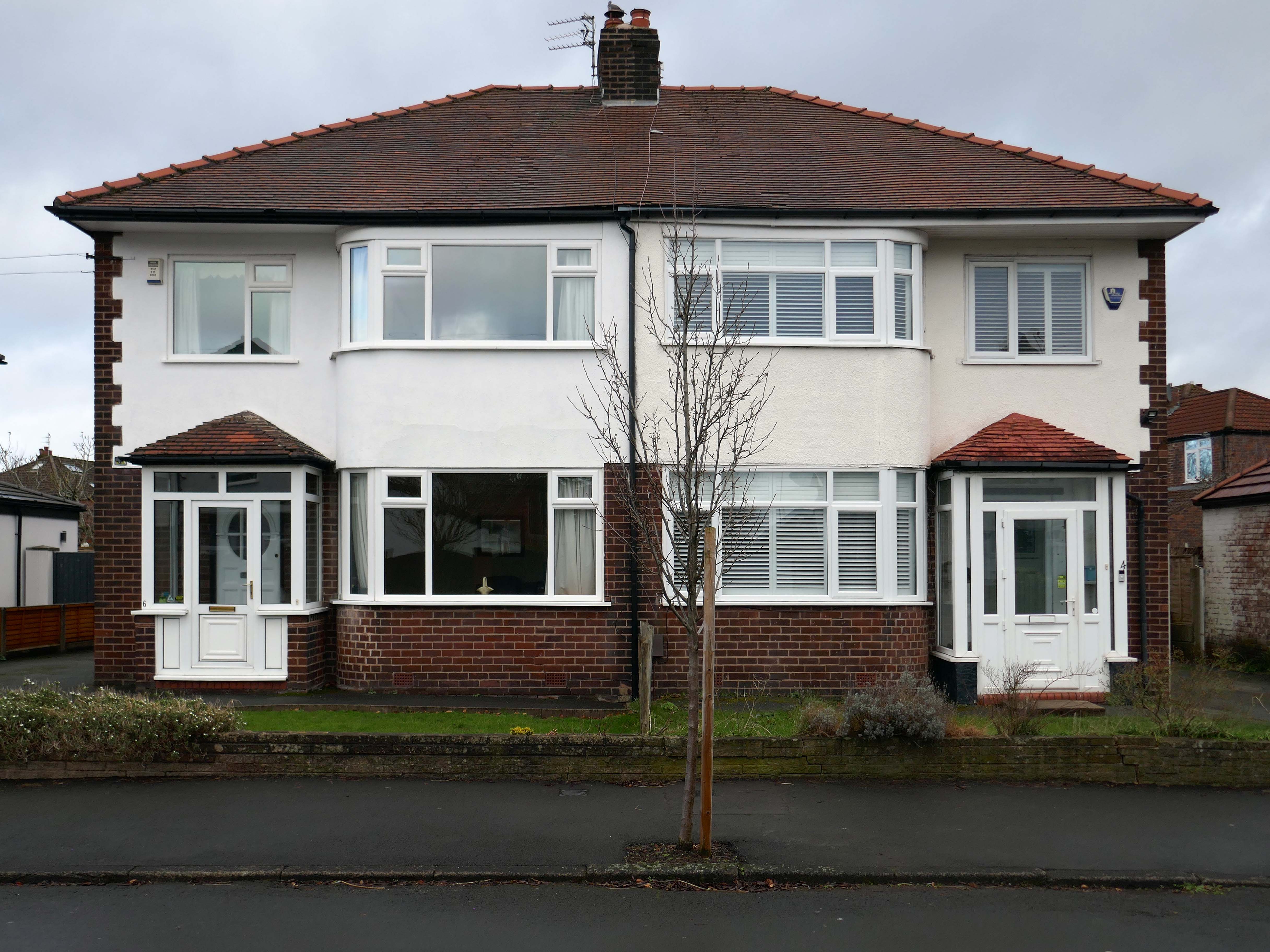
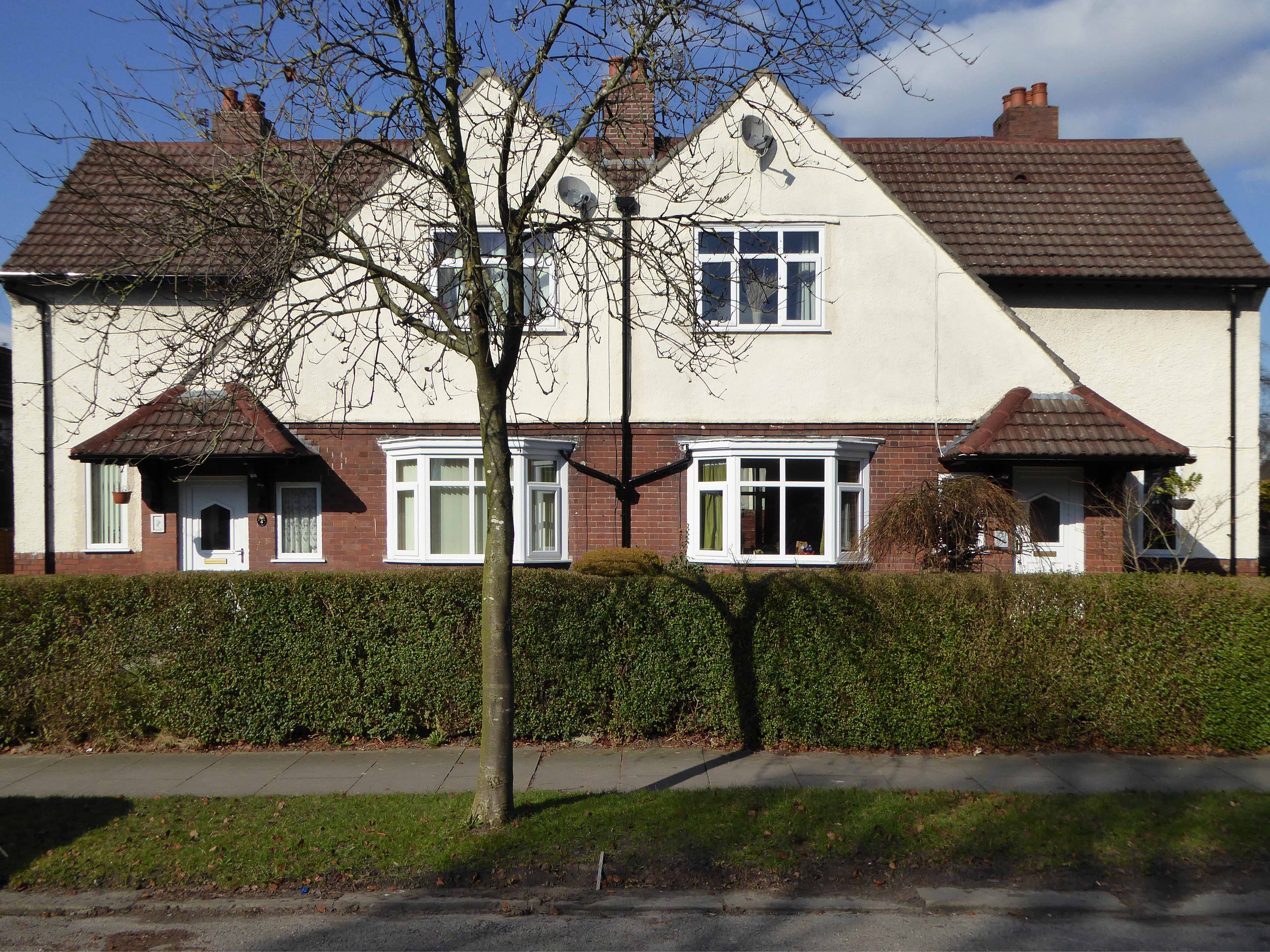
Symbol of middle-class aspiration, conservatism and compromised individualism, the semi-detached house is England’s modern domestic type par excellence.
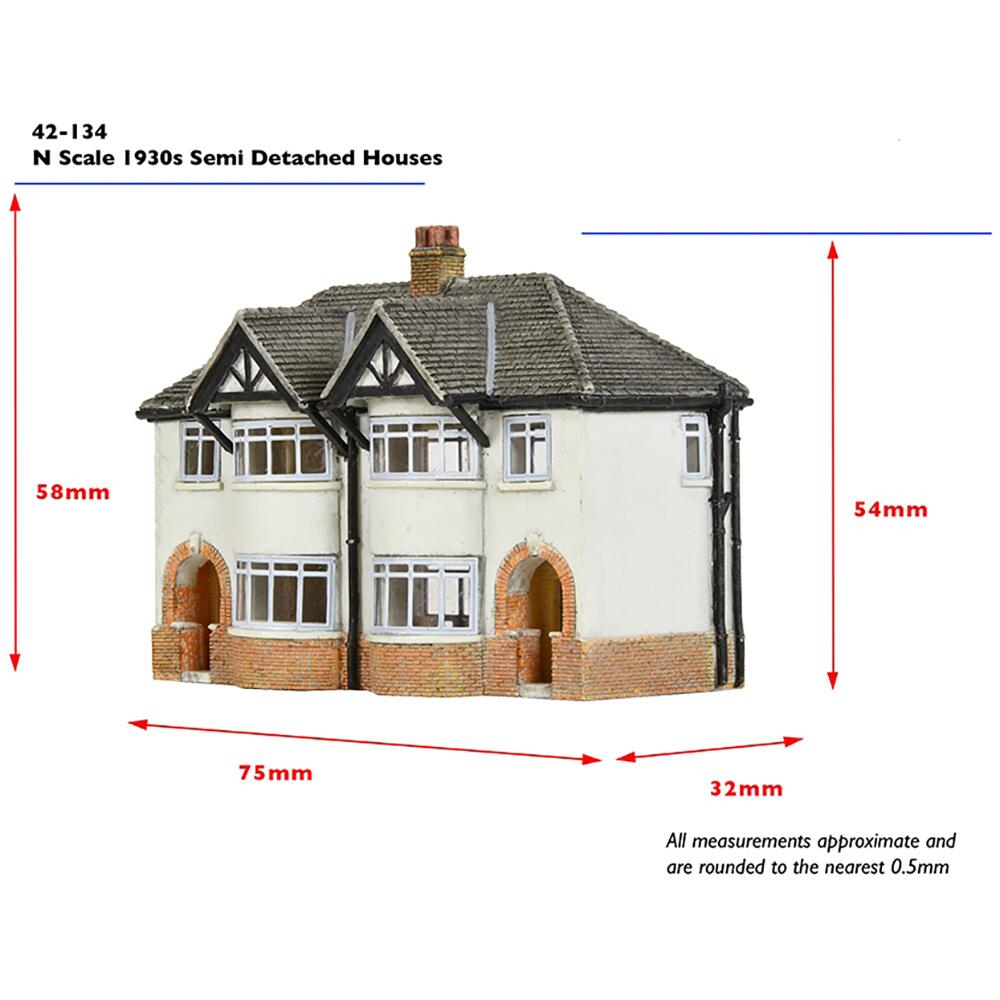
Semi-detached houses are the most common property type in the United Kingdom. They accounted for 32% of UK housing transactions and 32% of the English housing stock in 2008. Between 1945 and 1964, 41% of all properties built were semis.
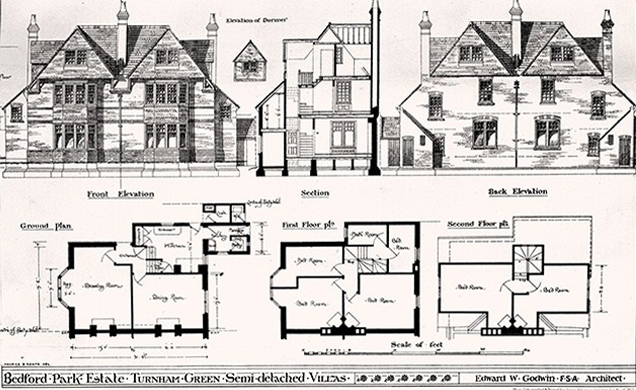
Semi-detached houses for the middle class began to be planned systematically in late 18th-century Georgian architecture, as a suburban compromise between the terraced houses close to the city centre, and the detached villas further out, where land was cheaper.
Although semi-detached housing is built throughout the world, it is generally seen as particularly symbolic of the suburbanisation of the United Kingdom and Ireland.
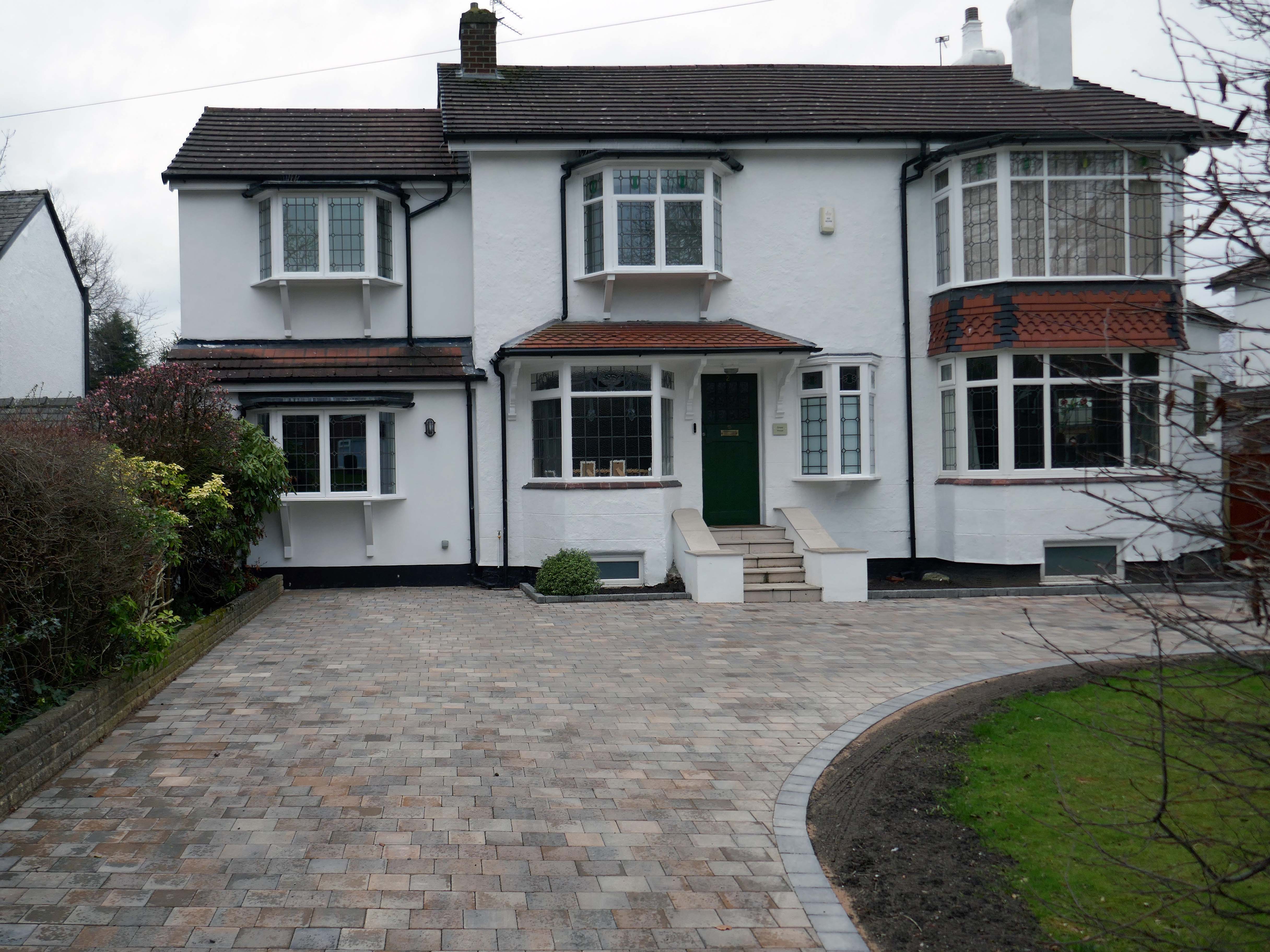
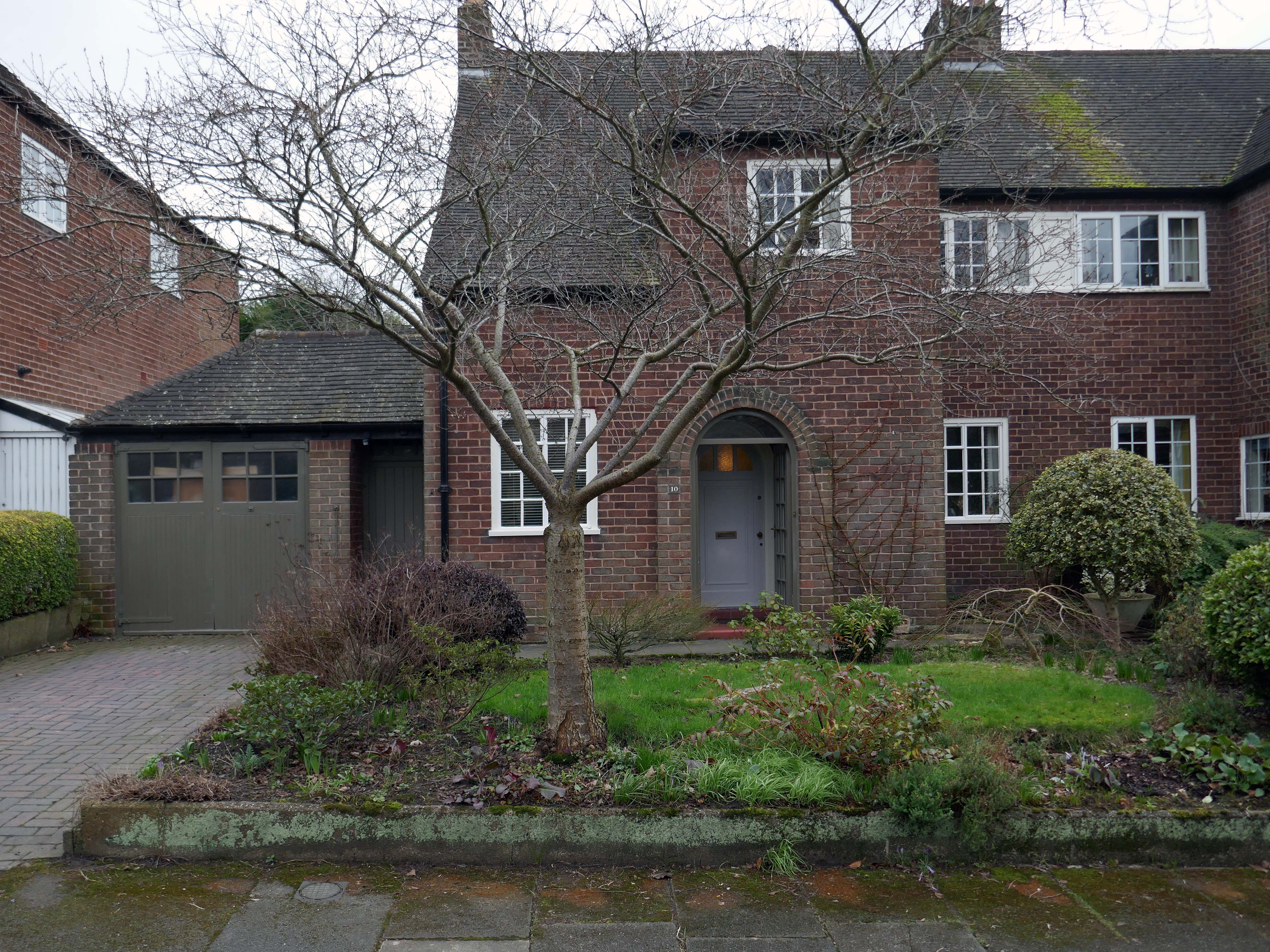
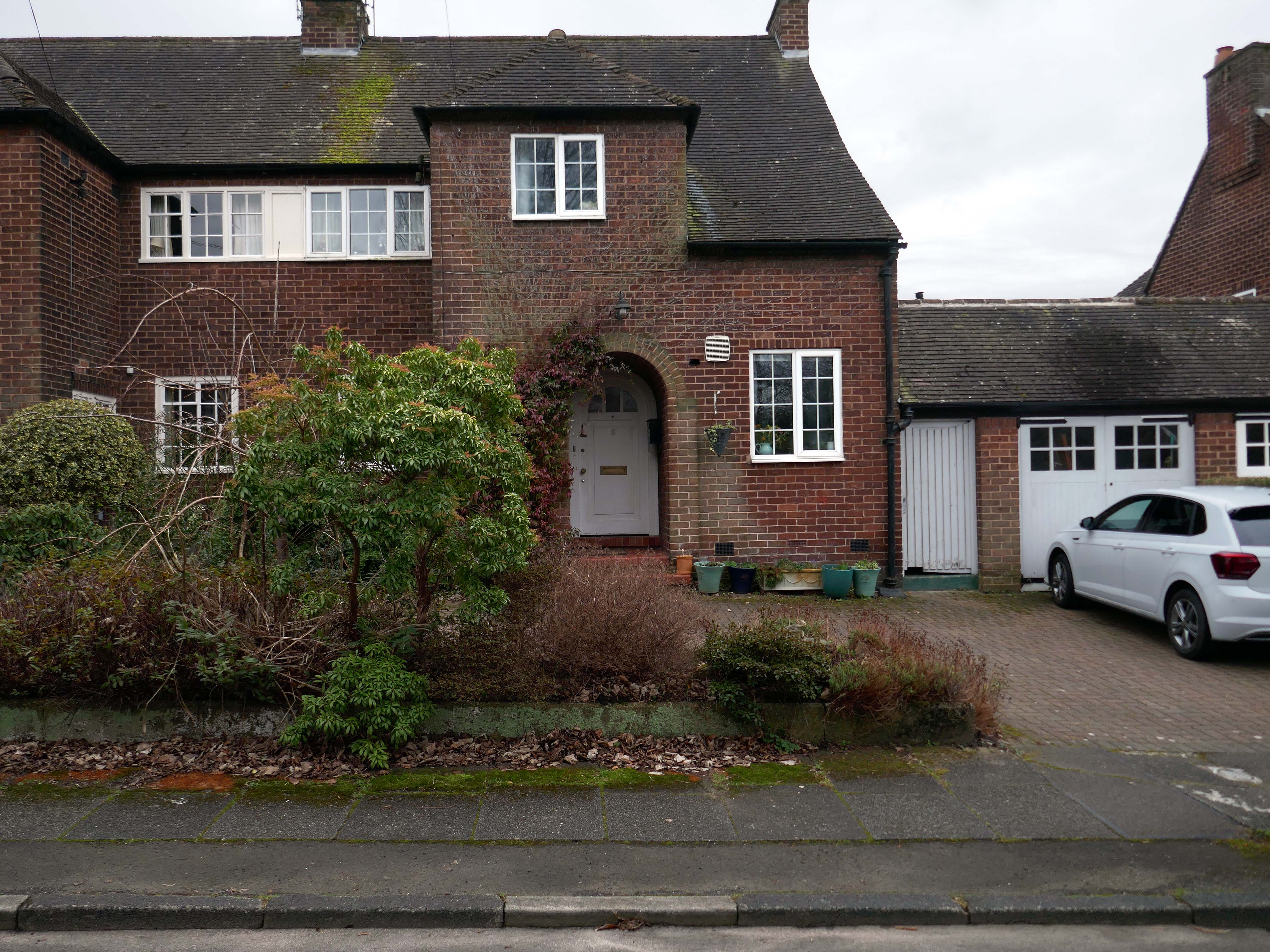
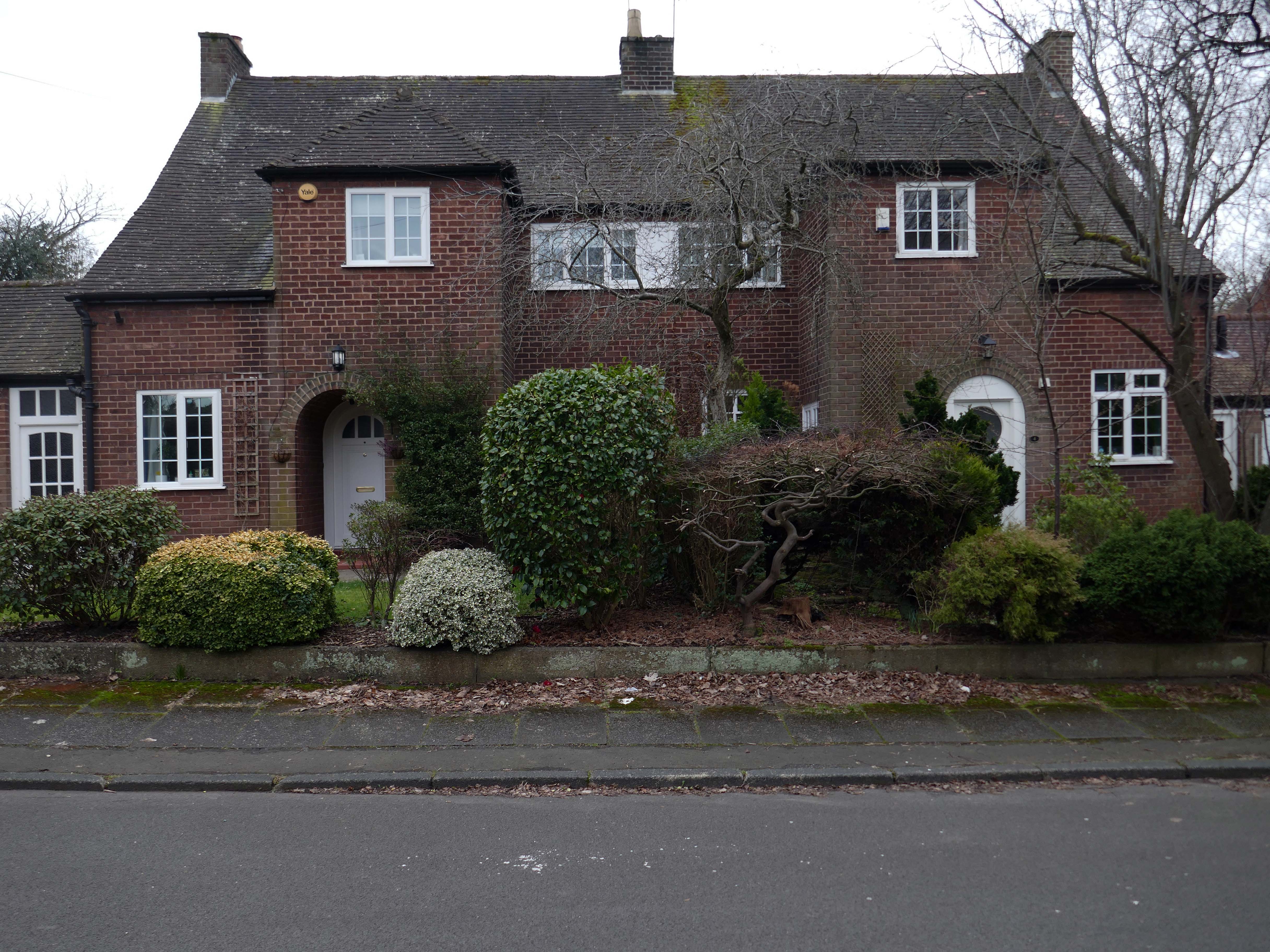
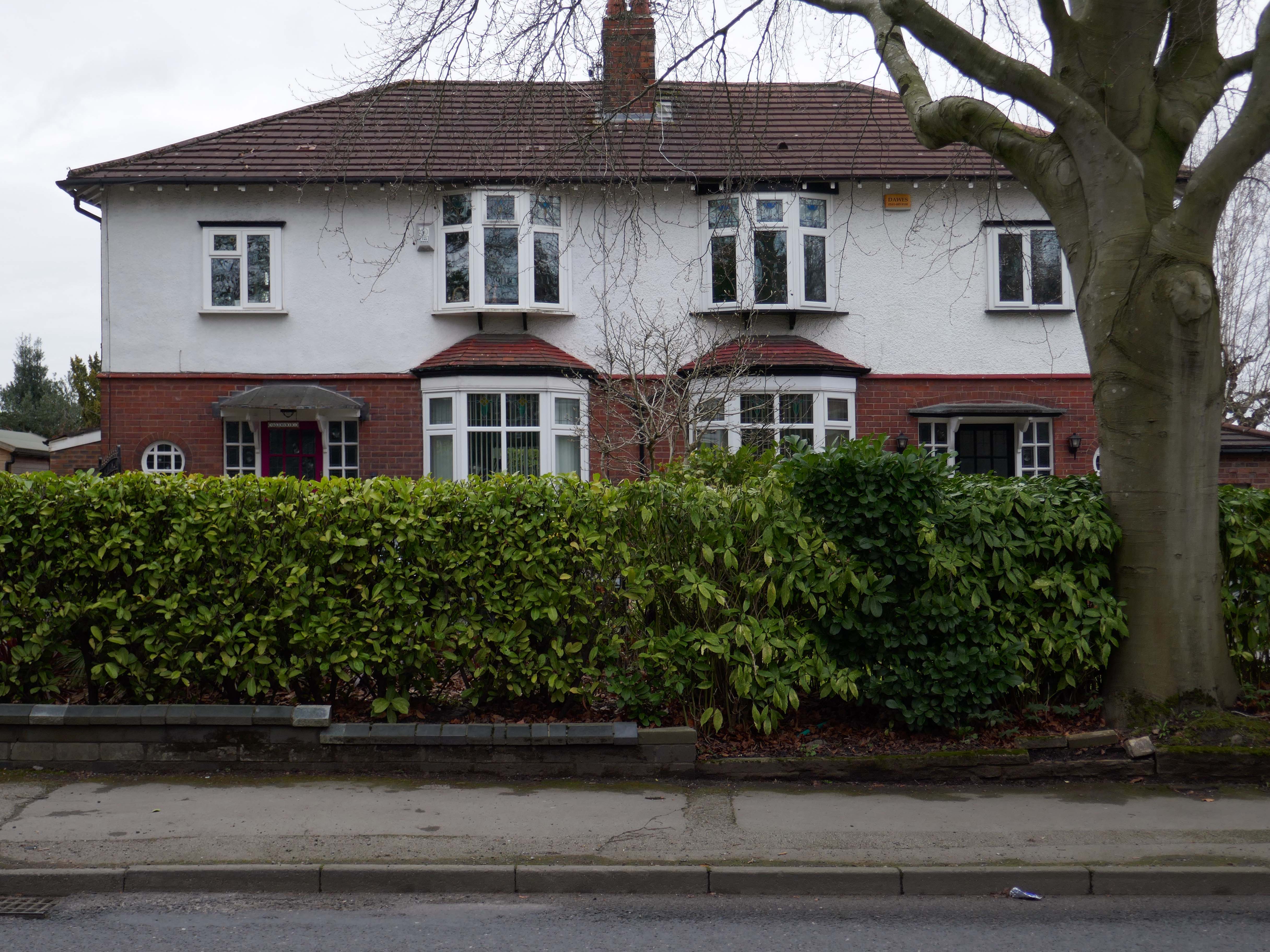
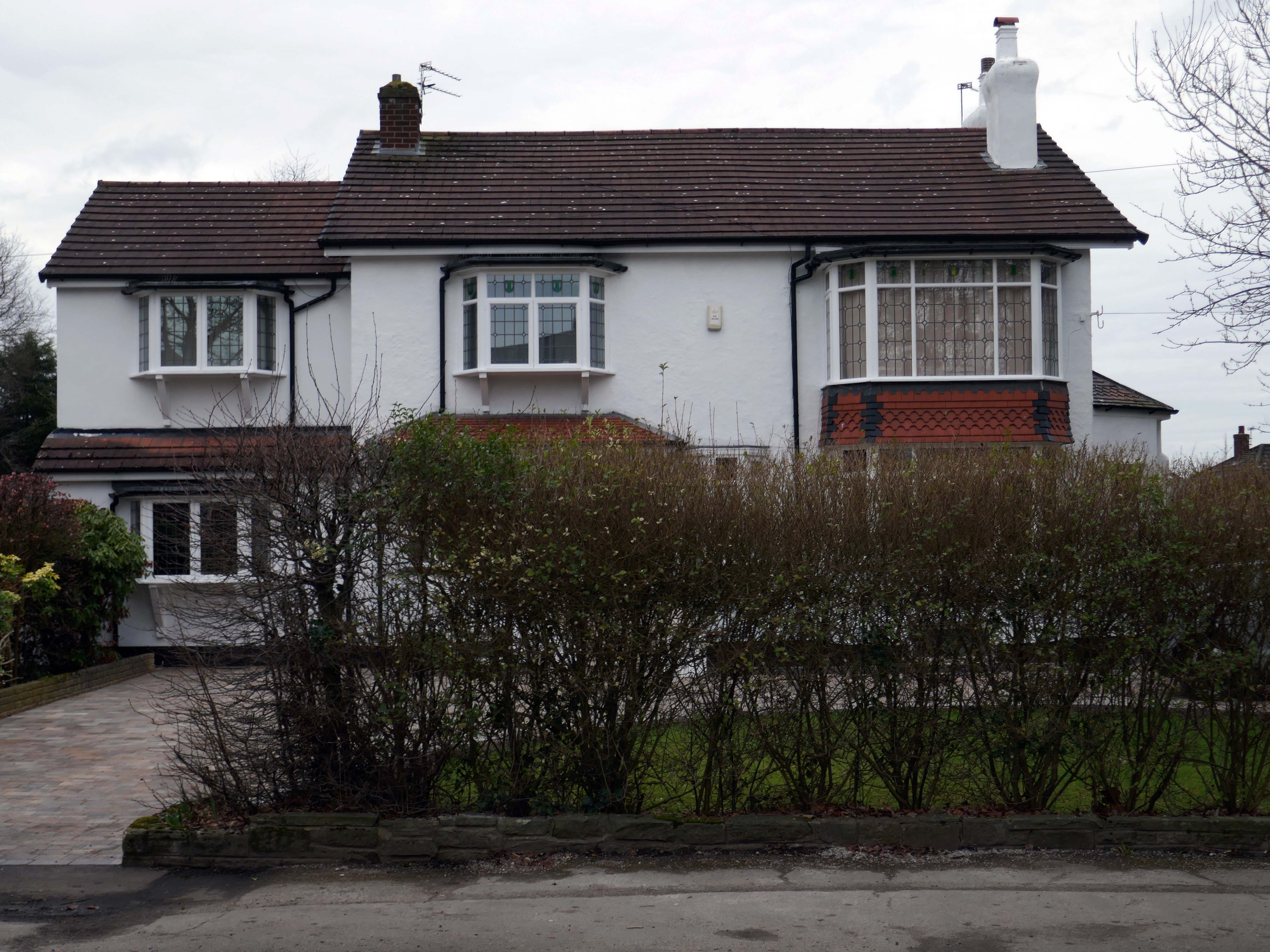
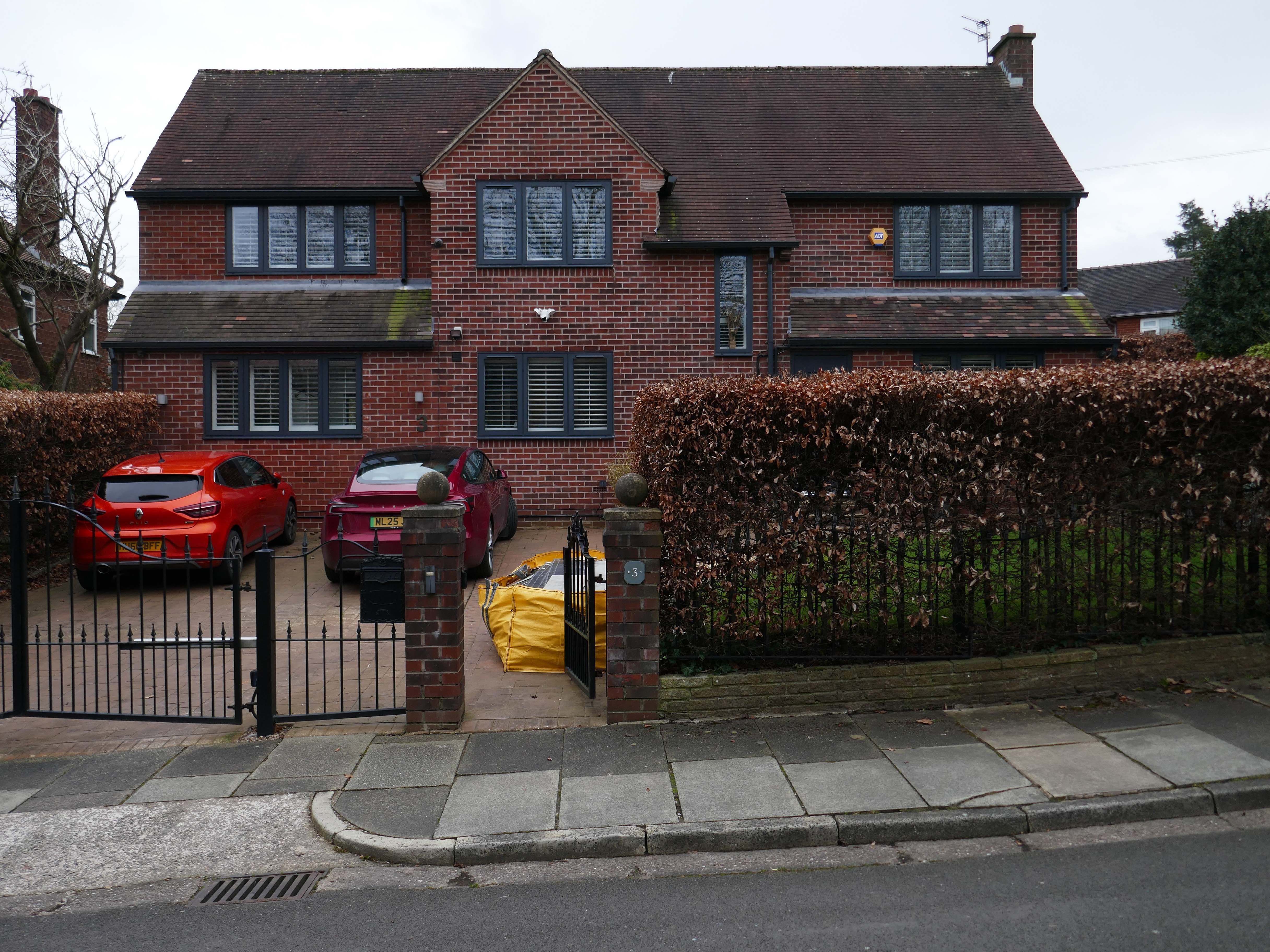
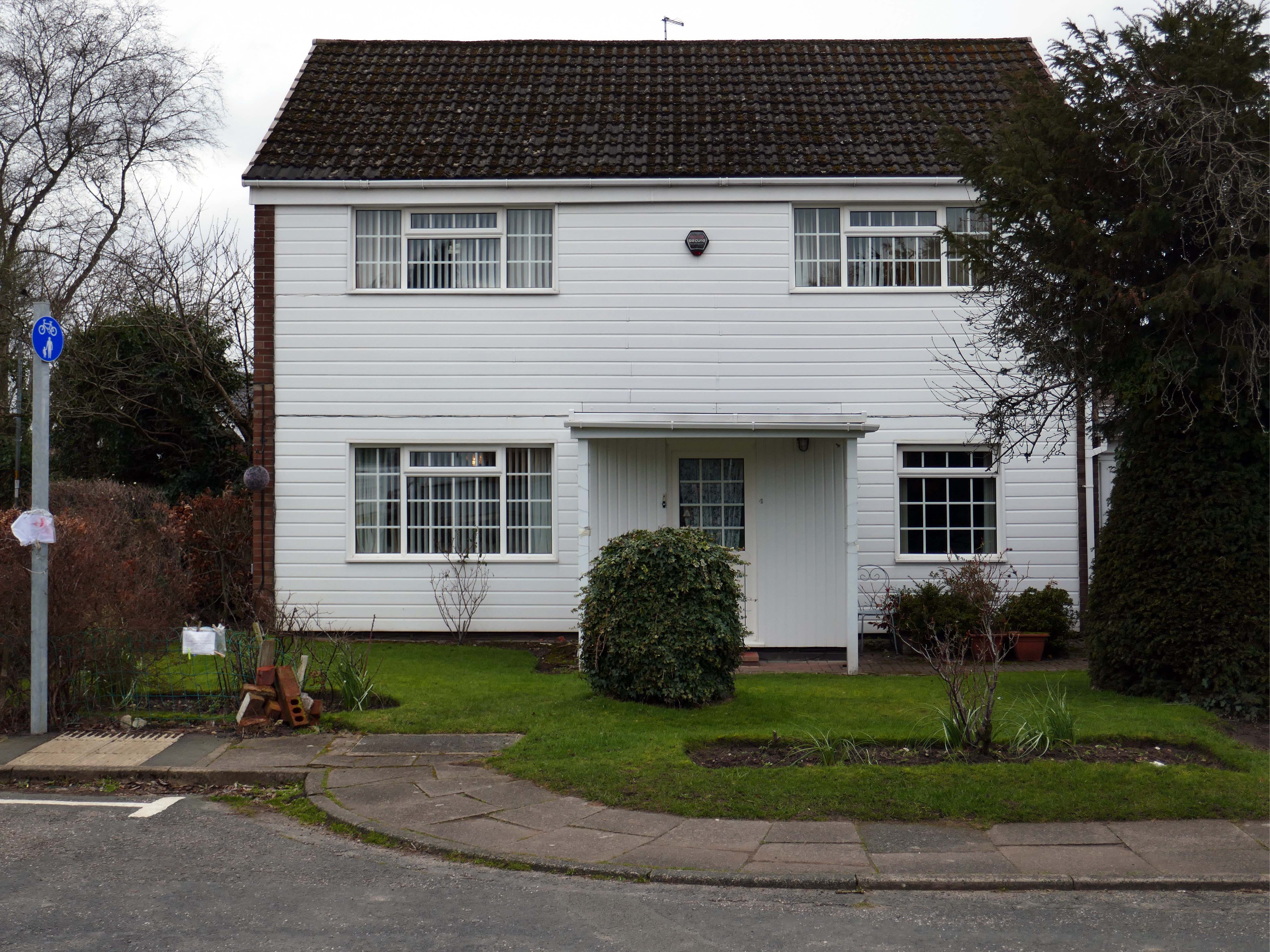
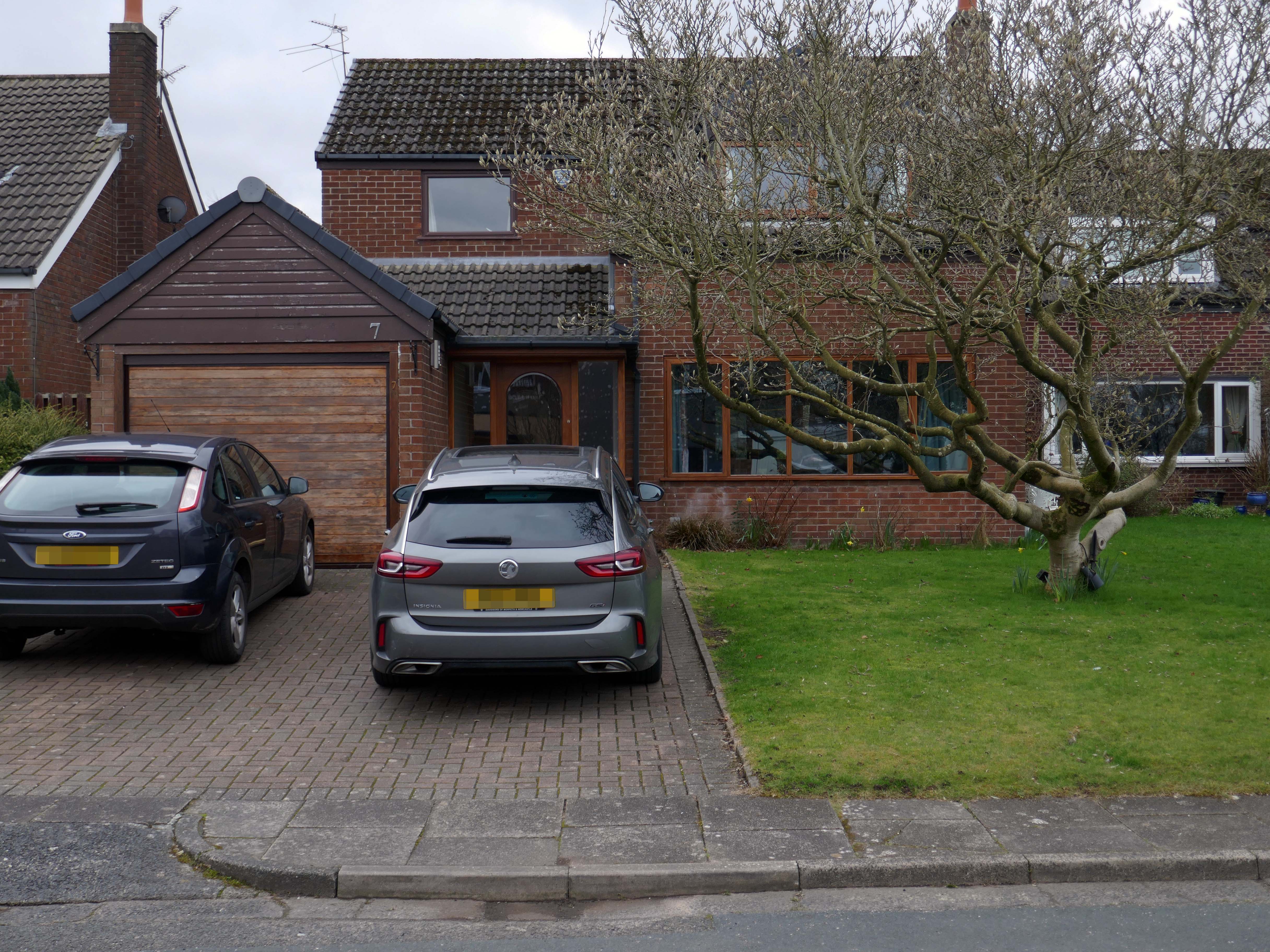
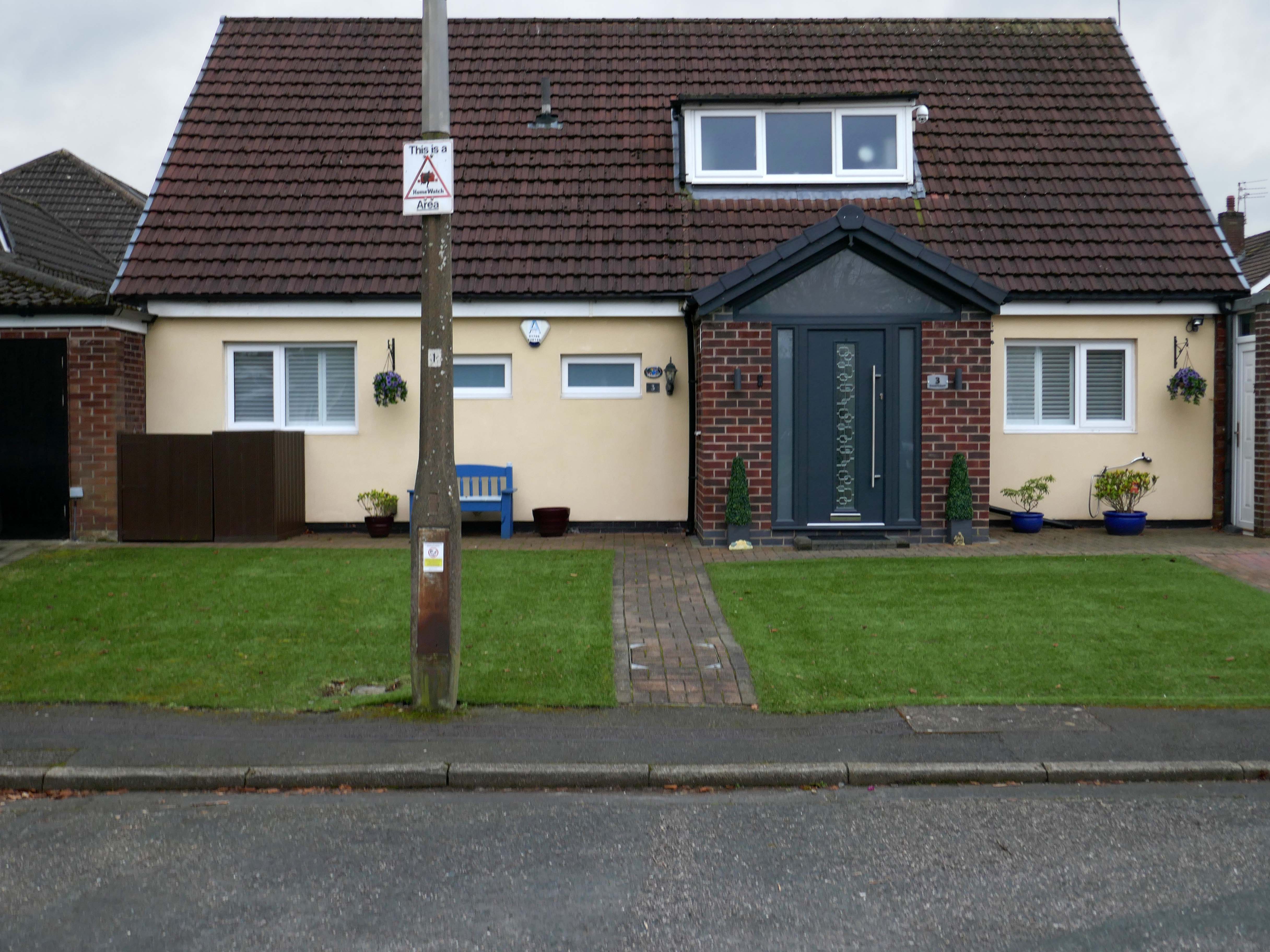
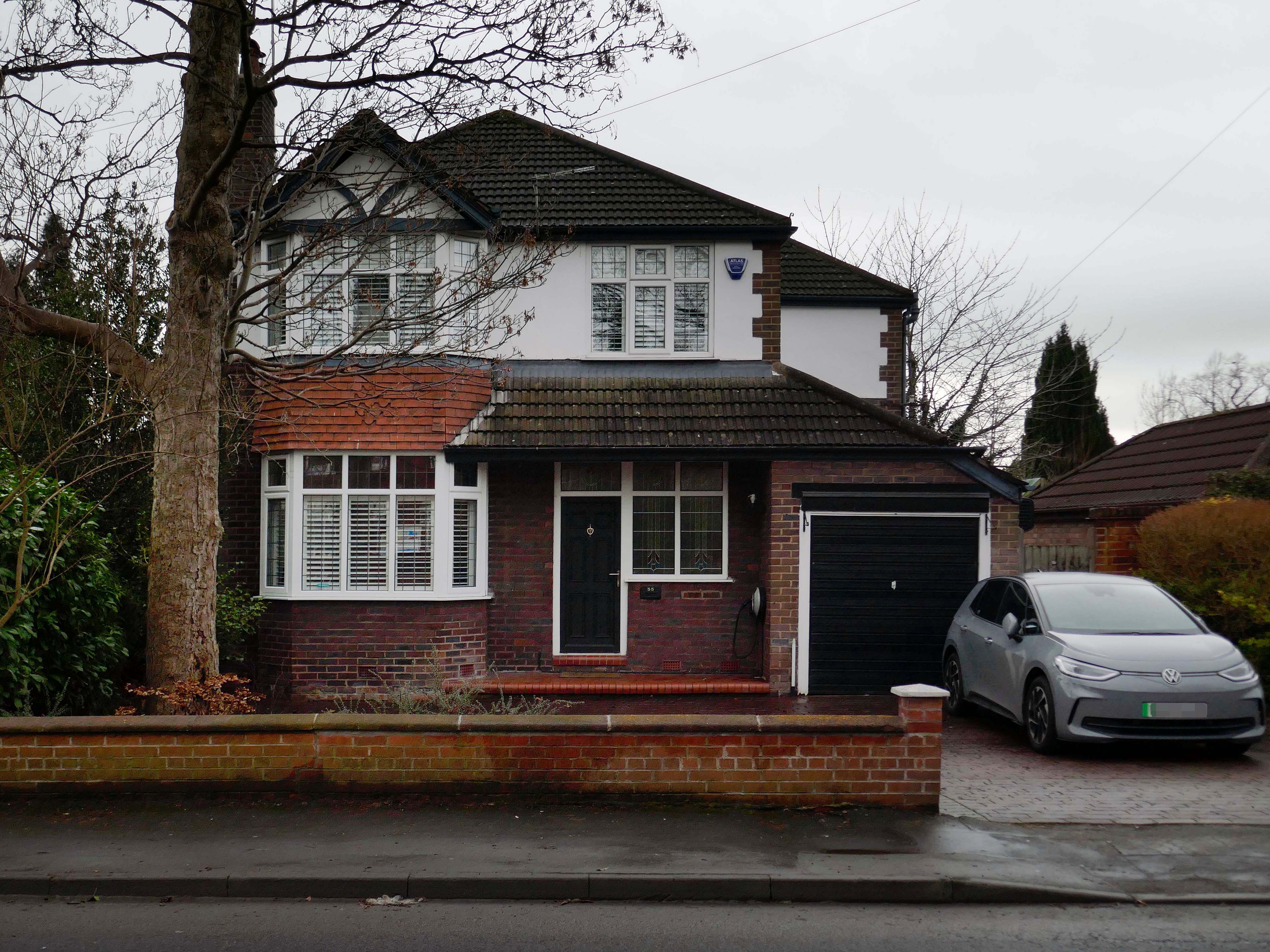
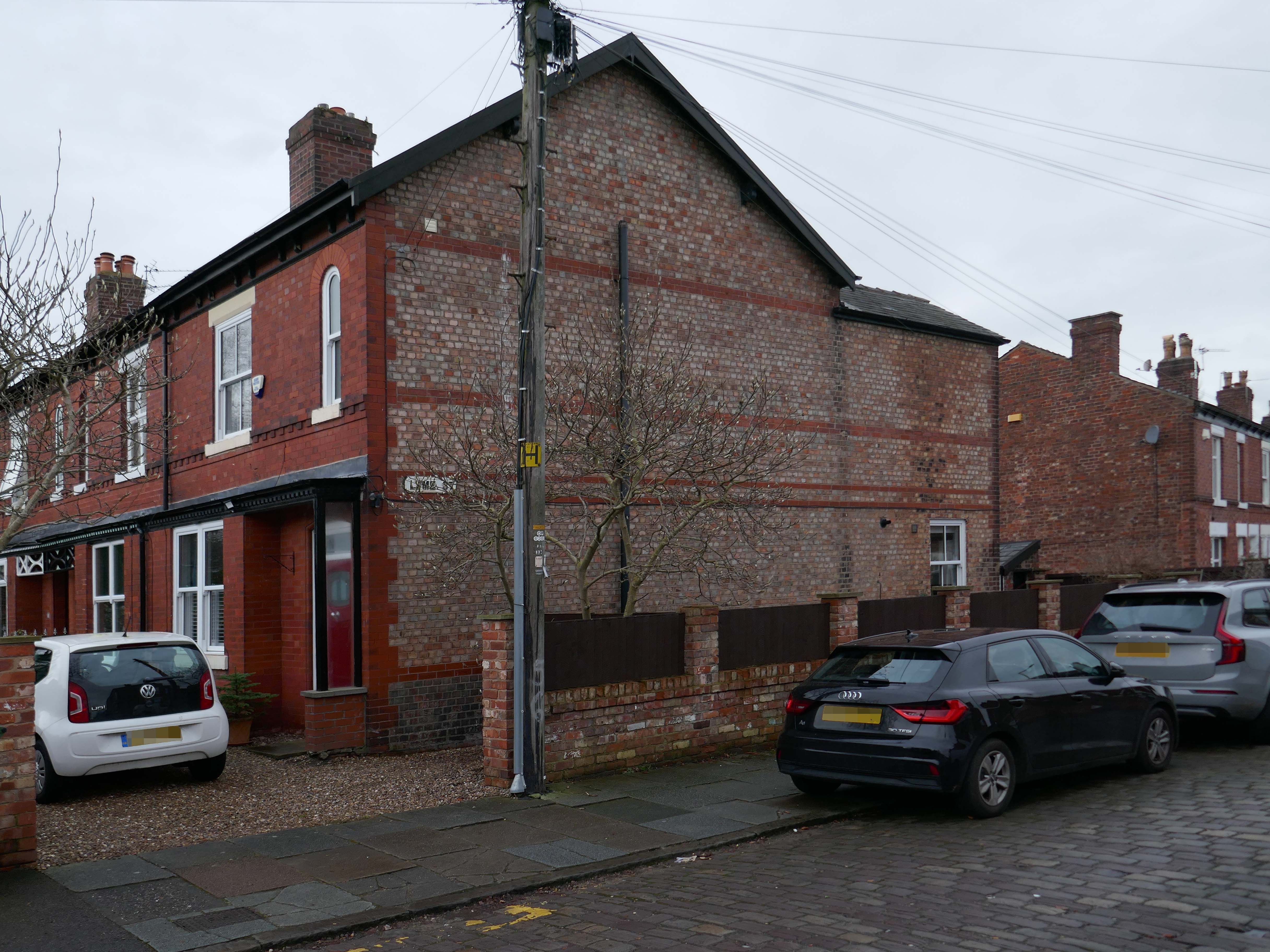
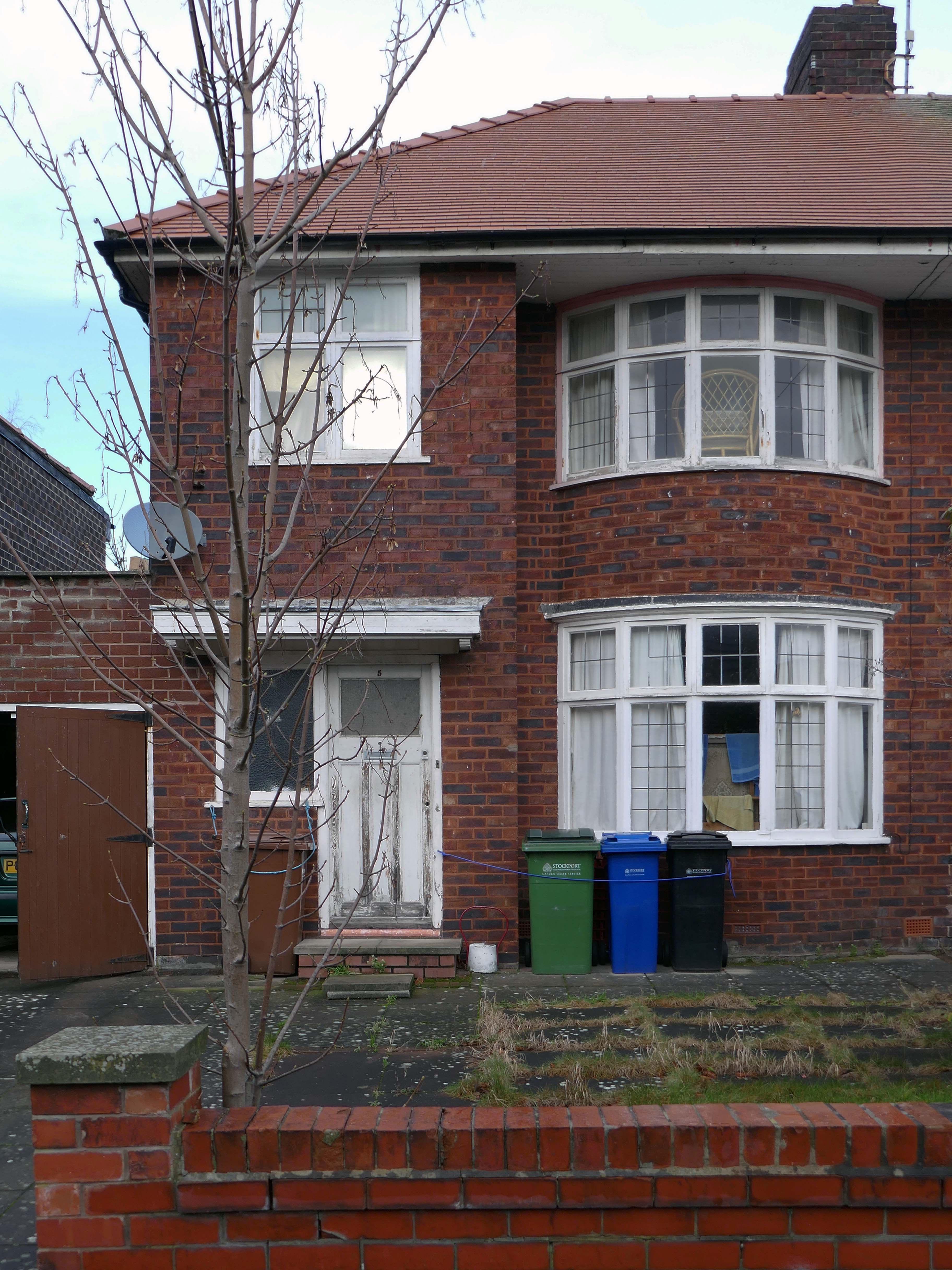
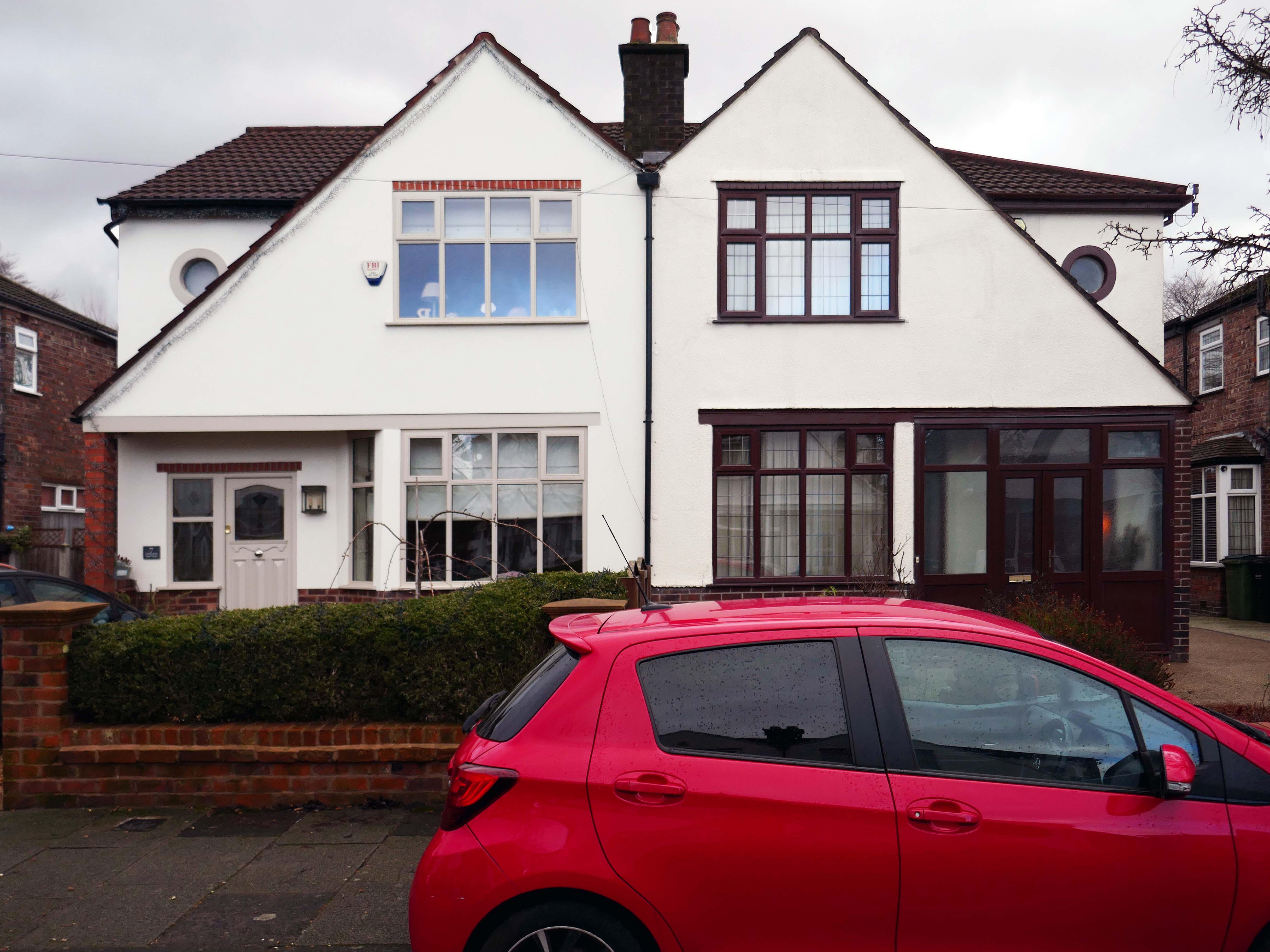
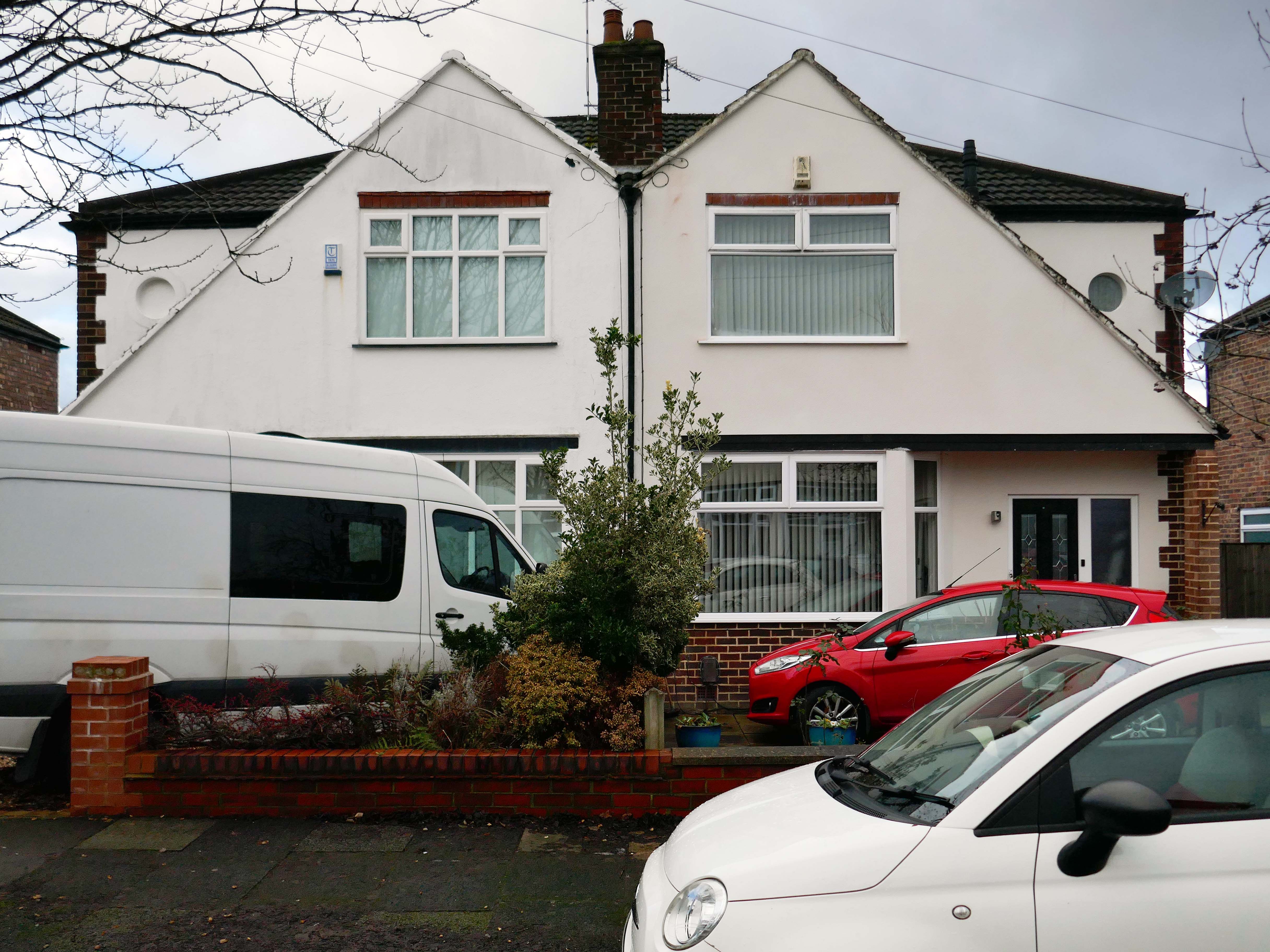
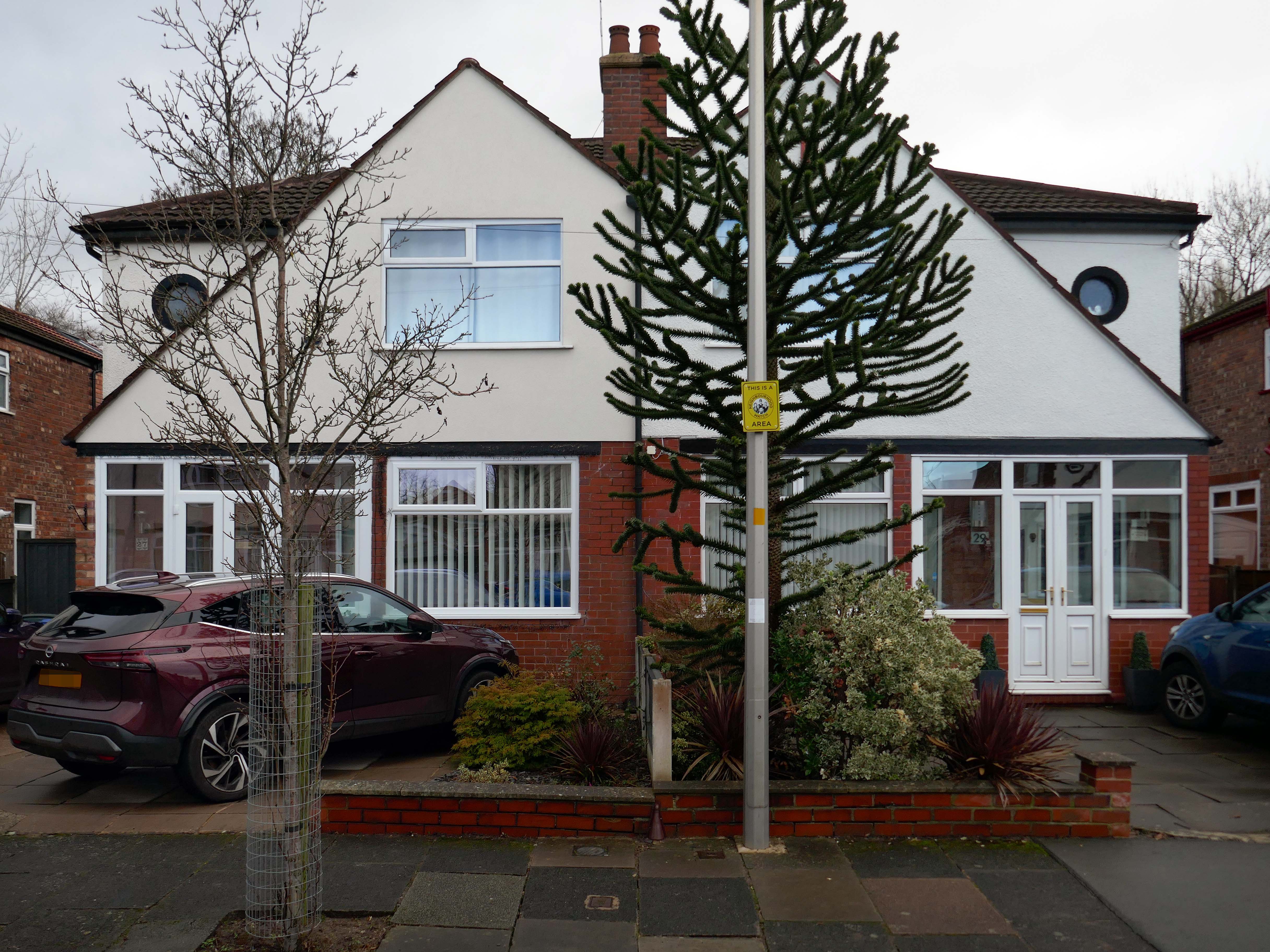
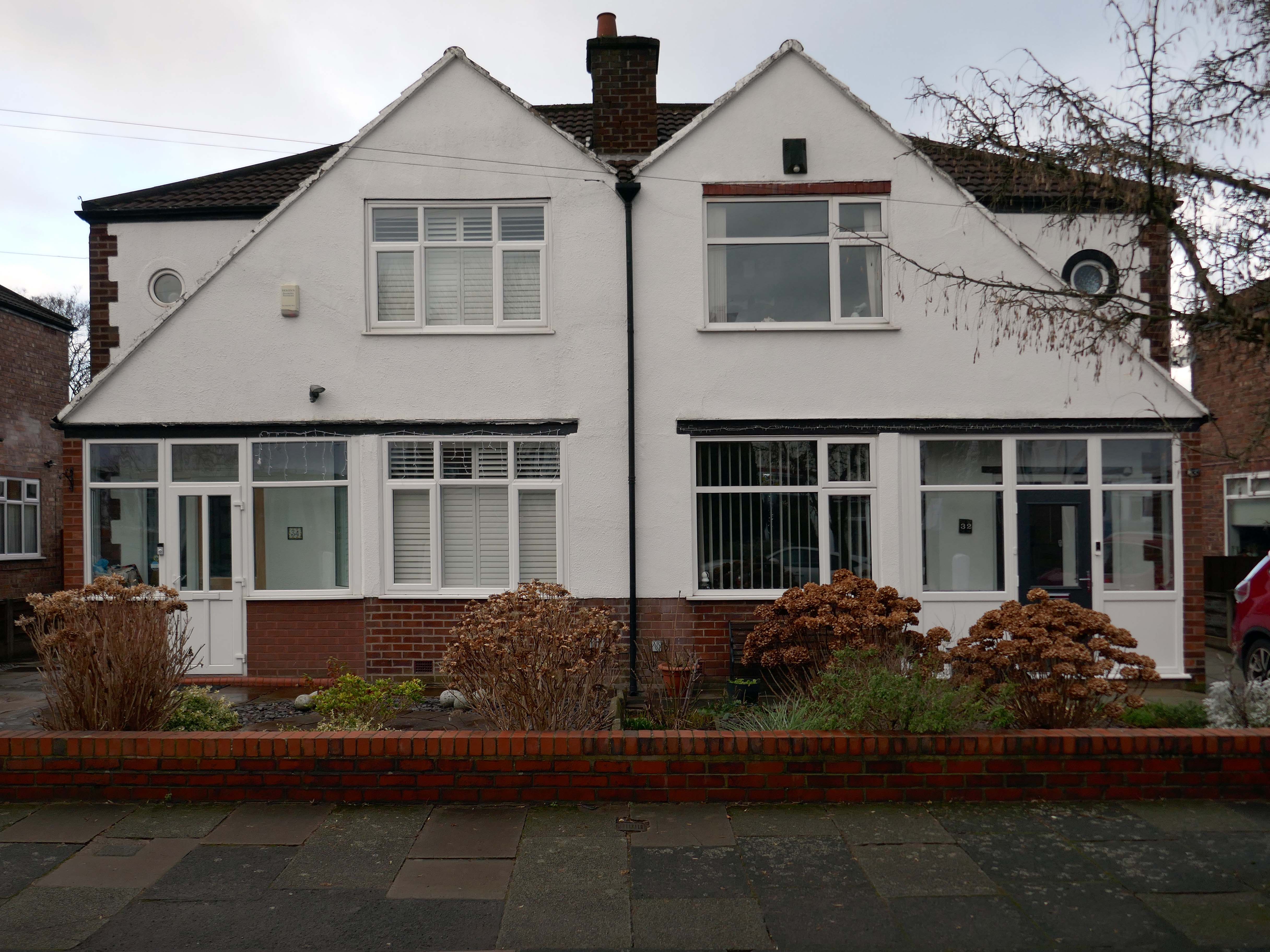
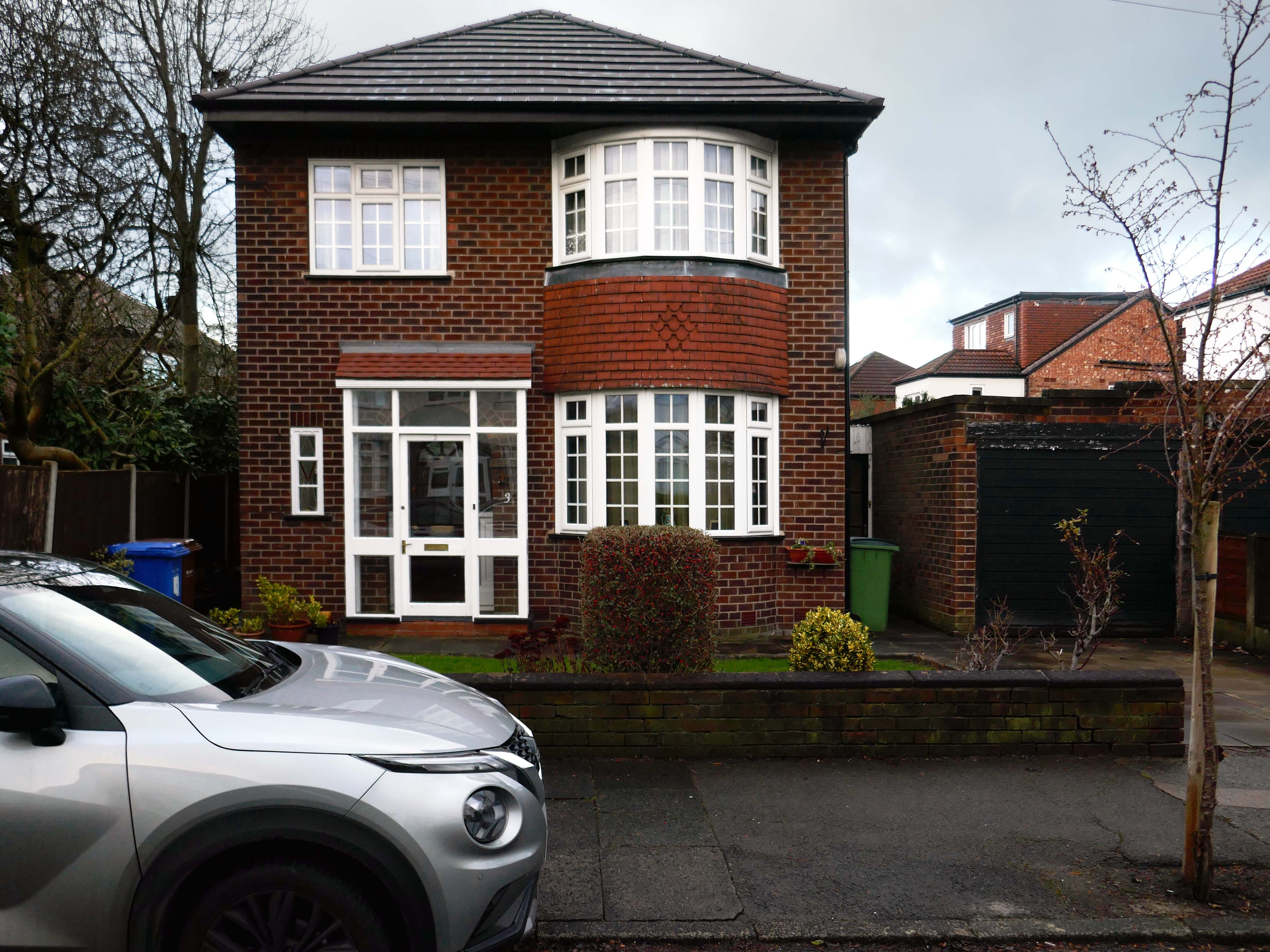
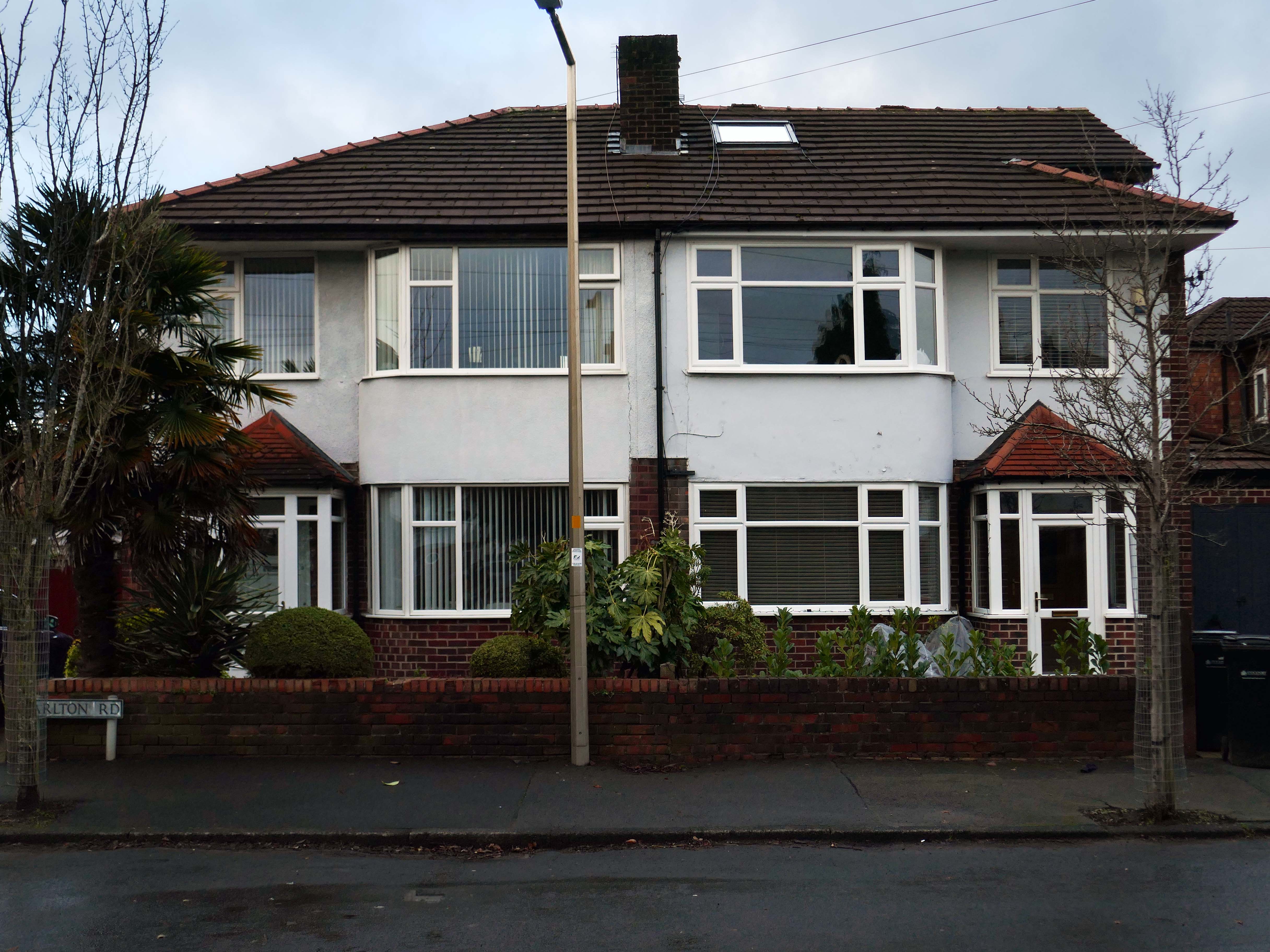
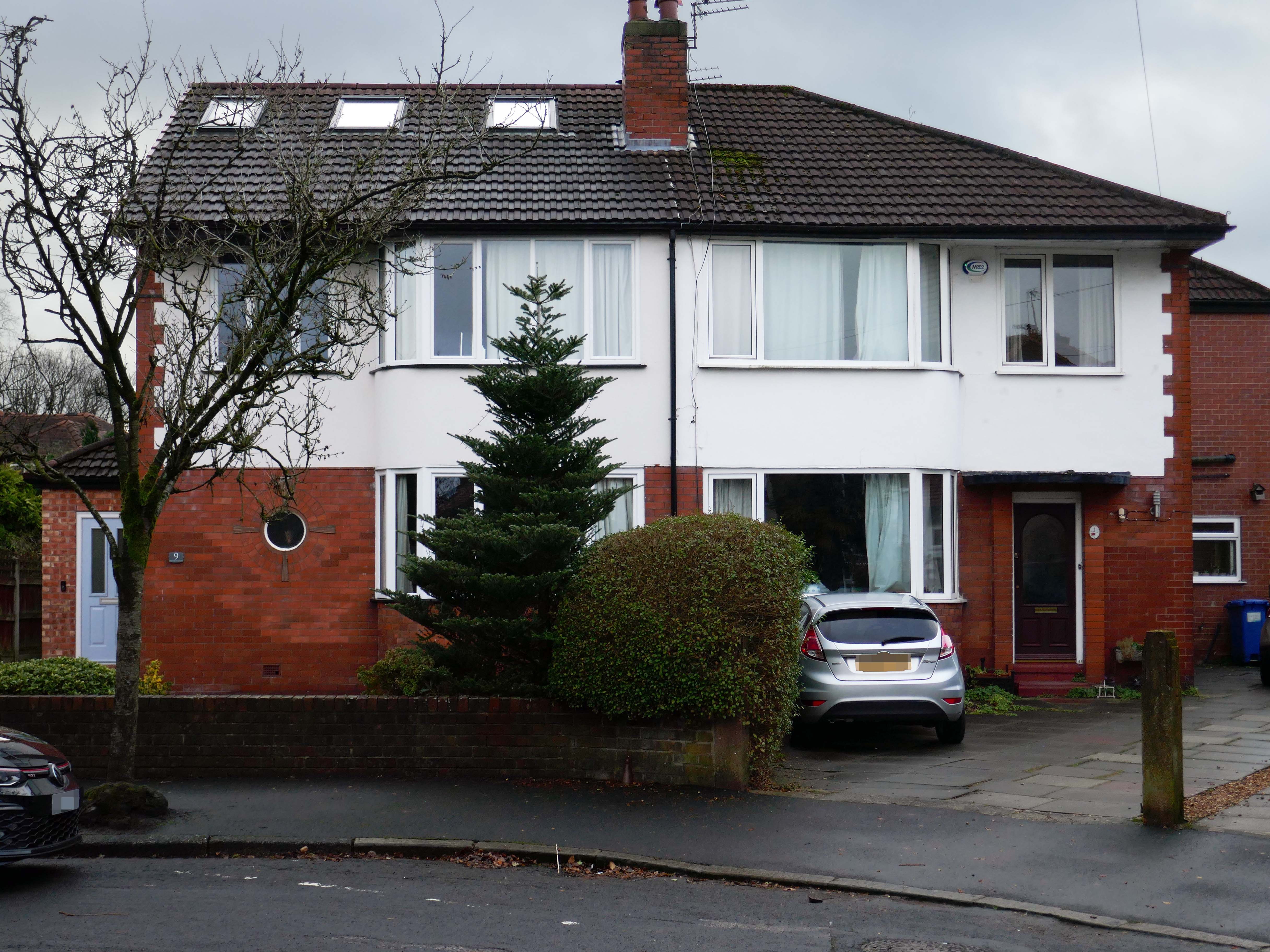
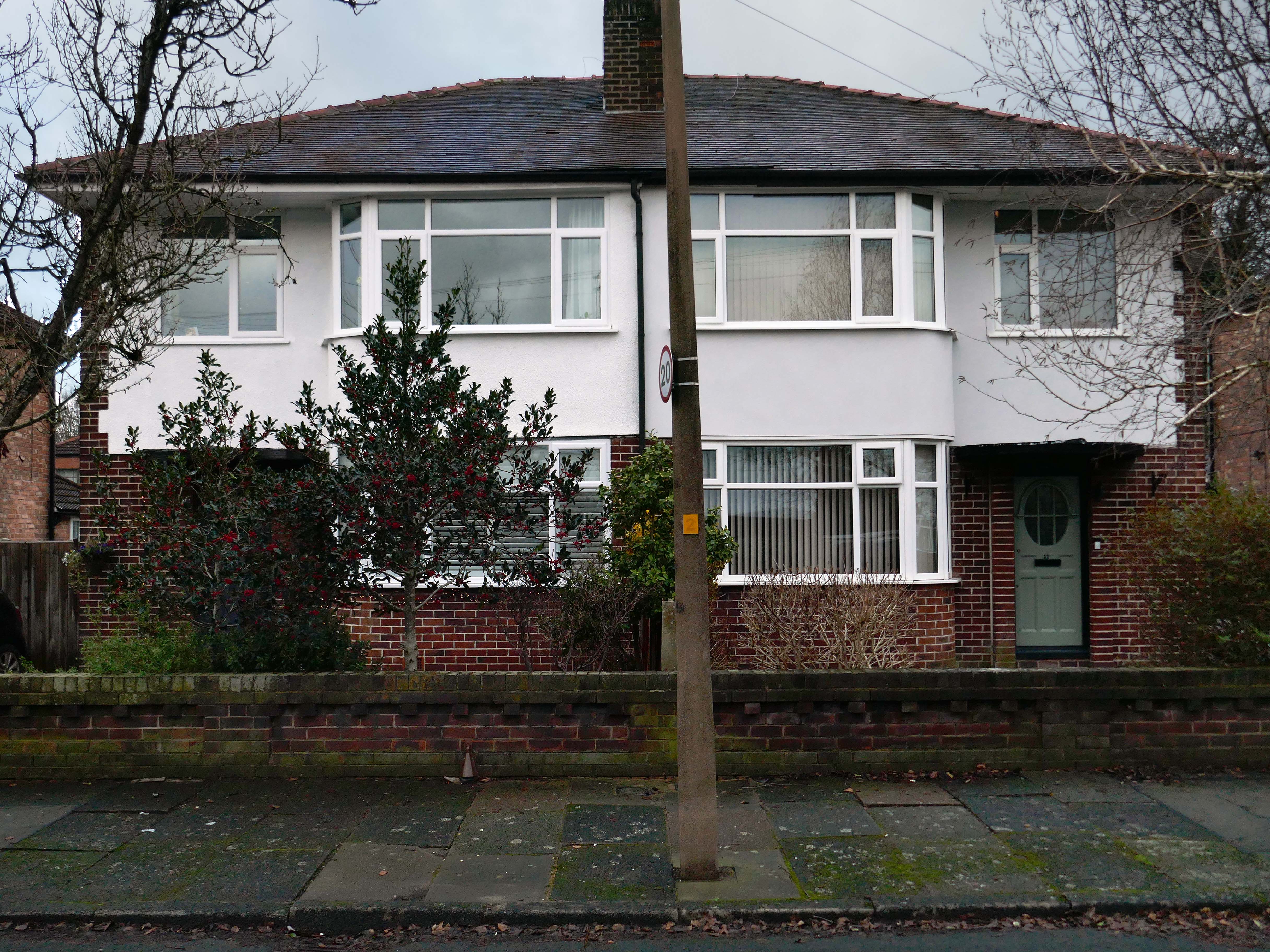
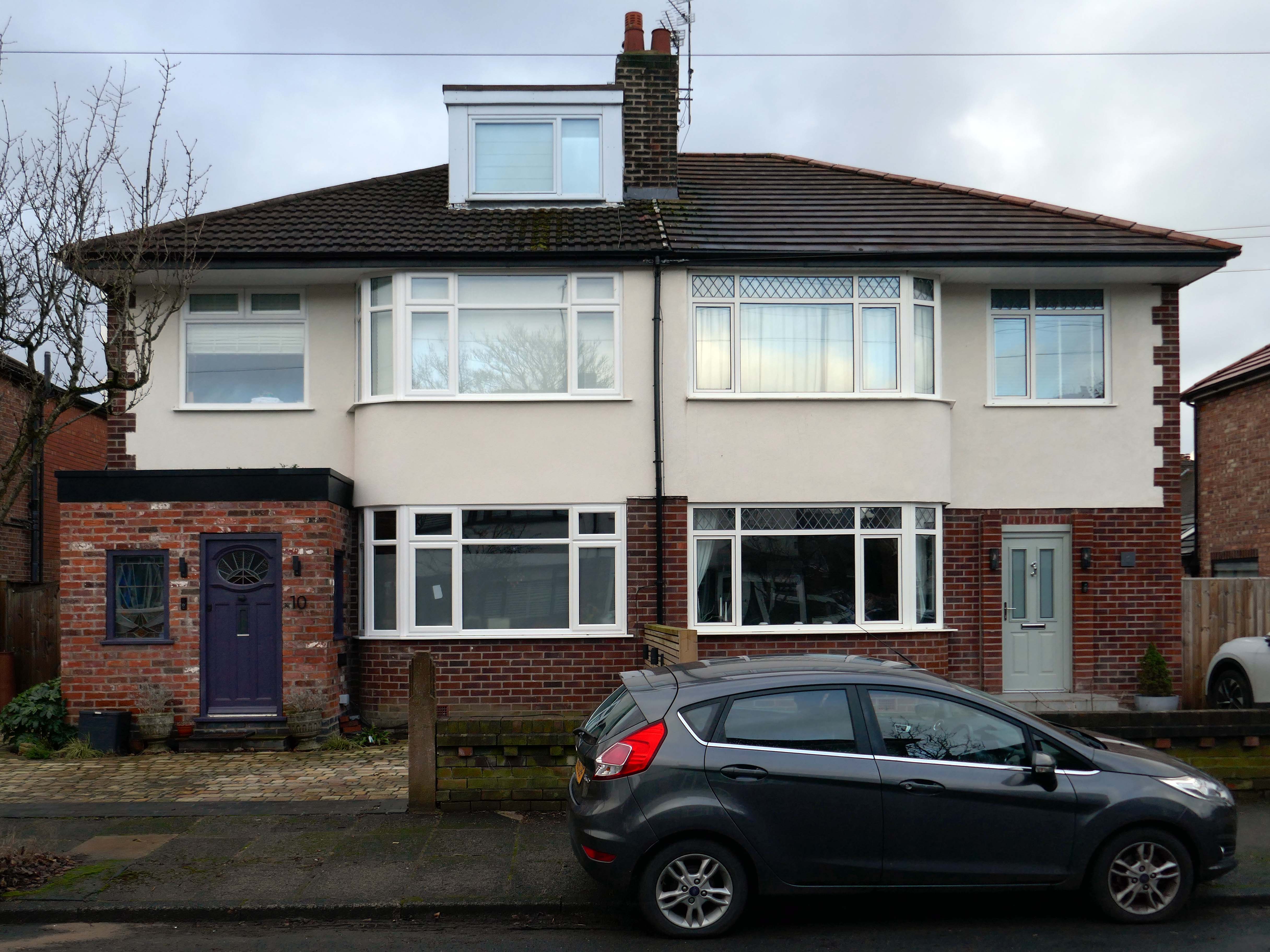
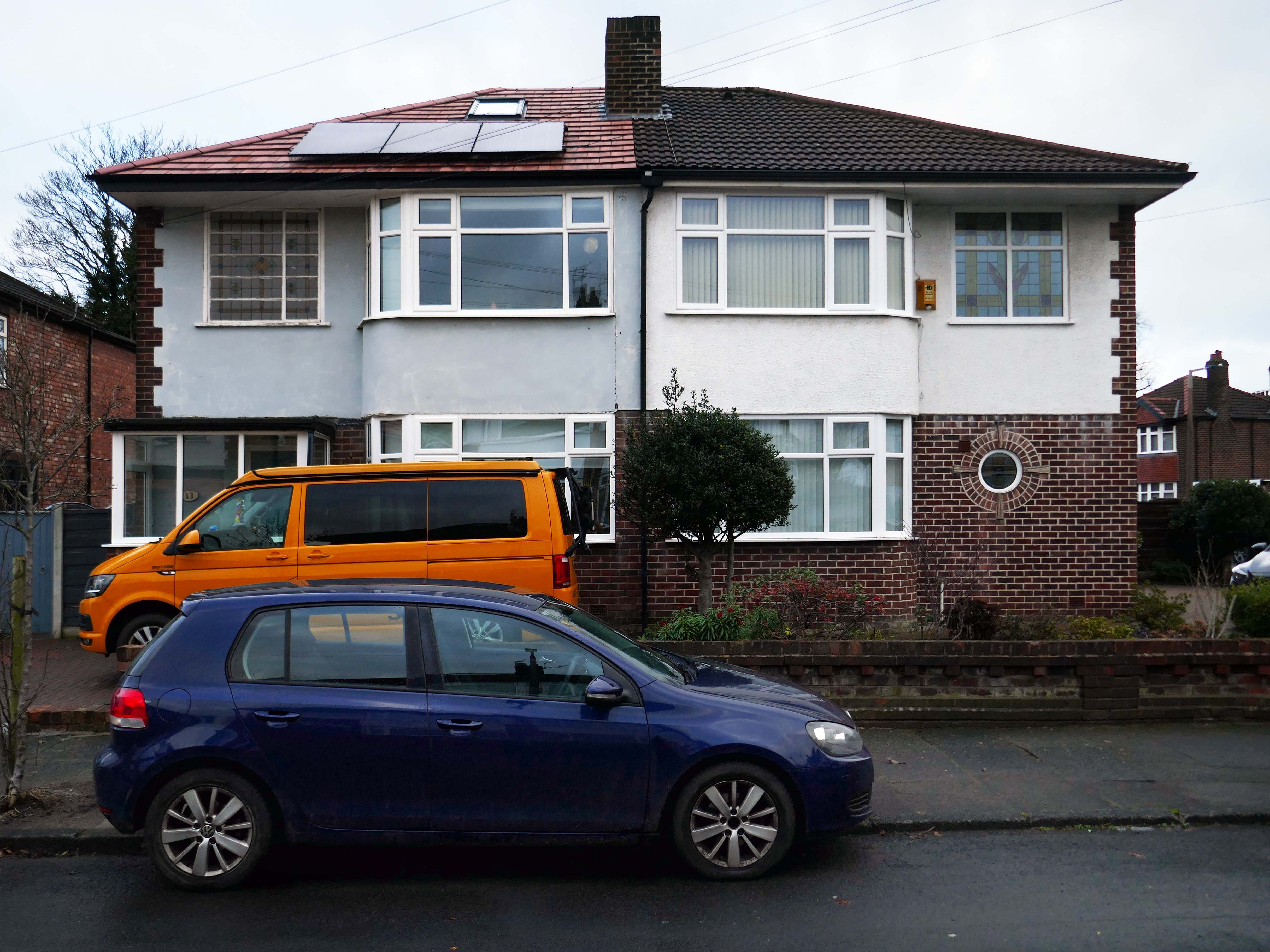
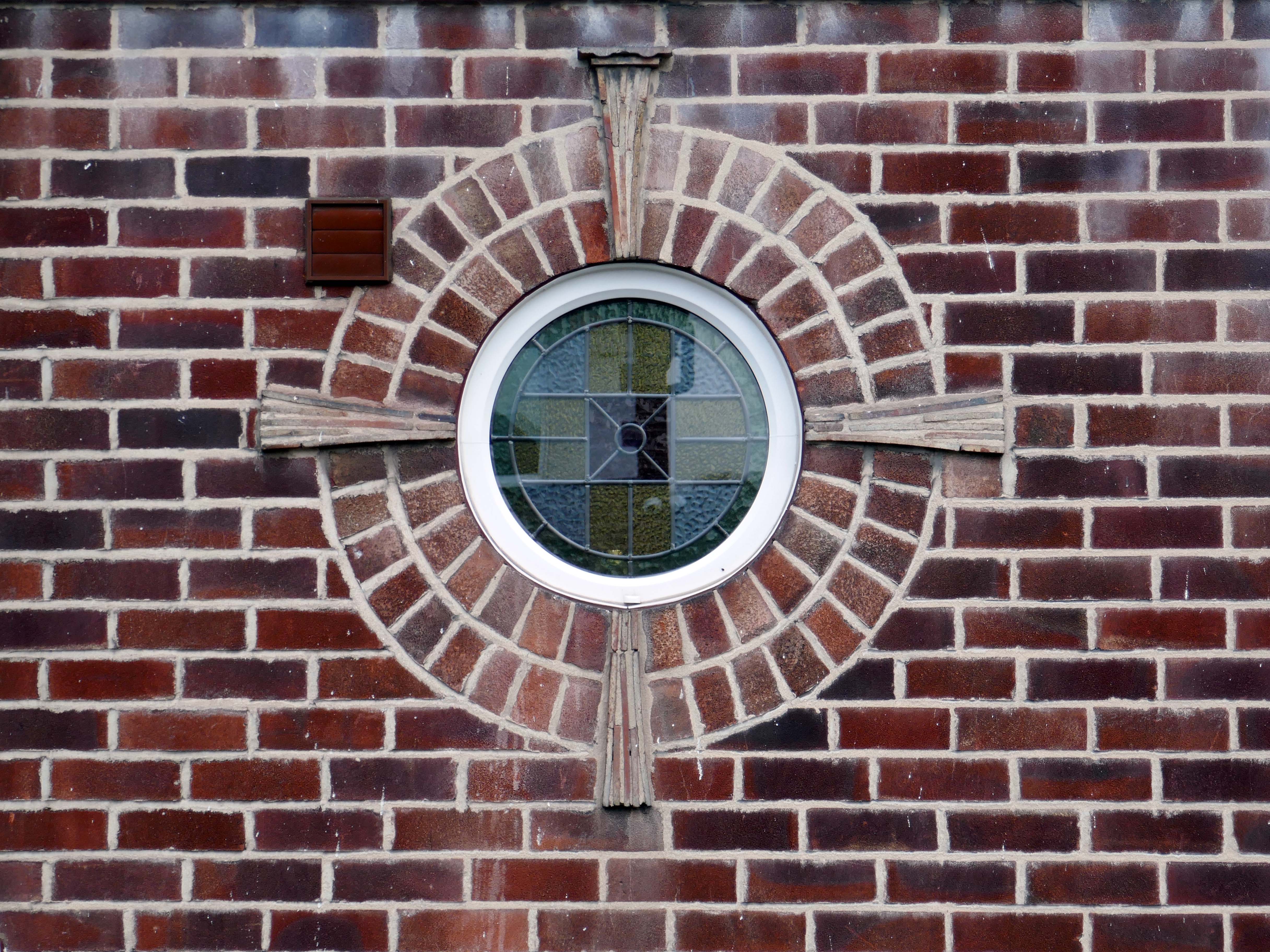
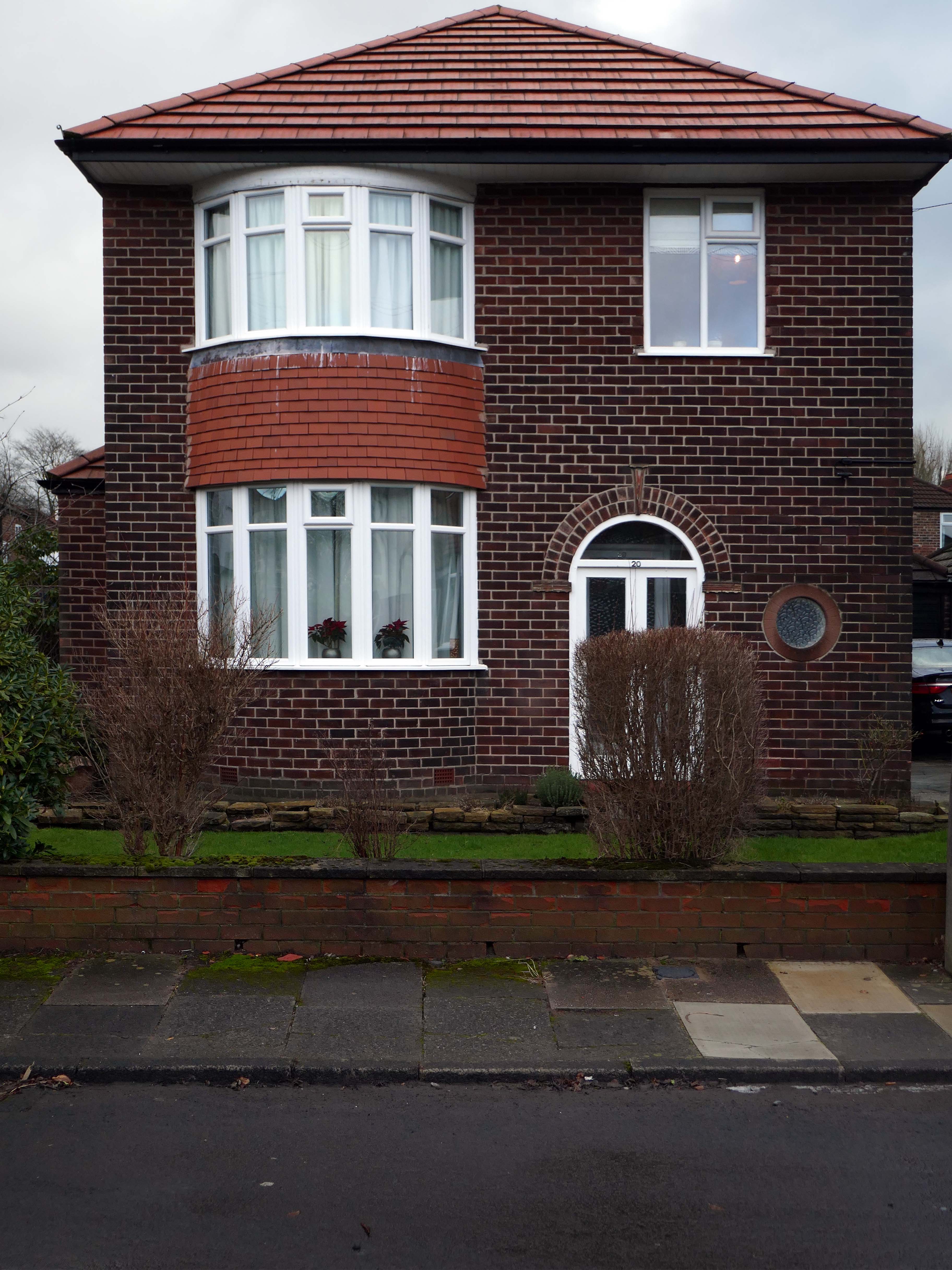
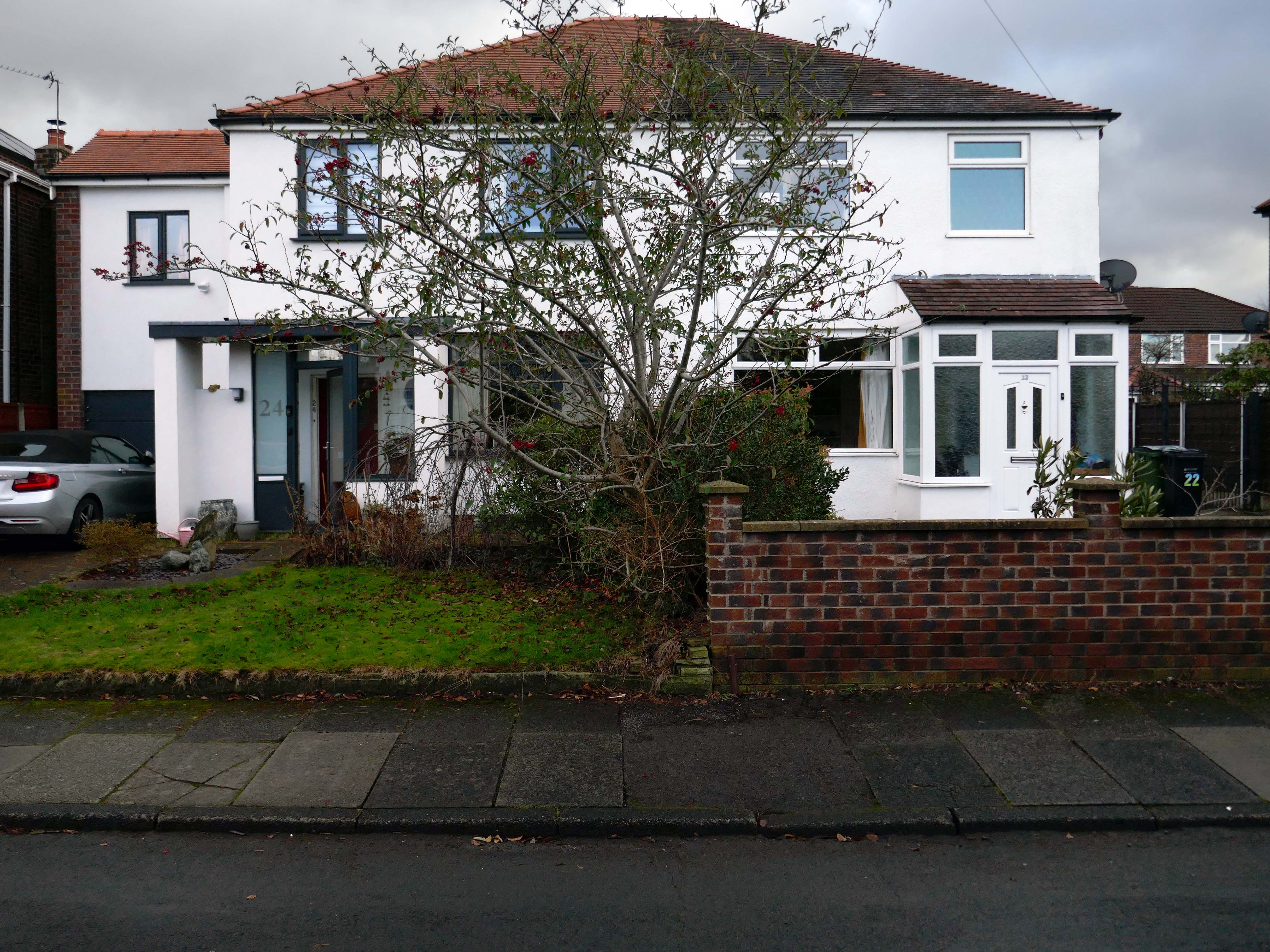
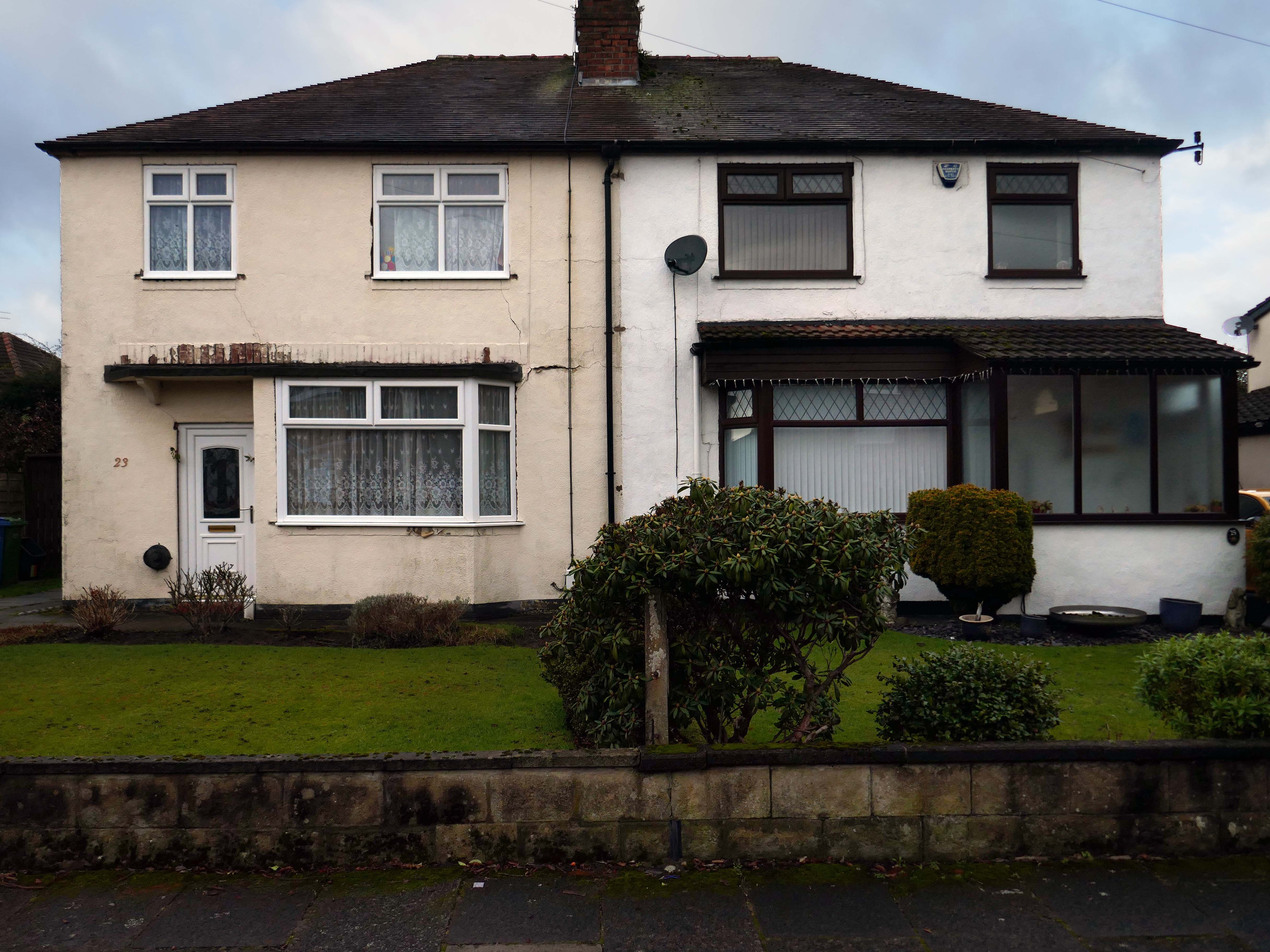
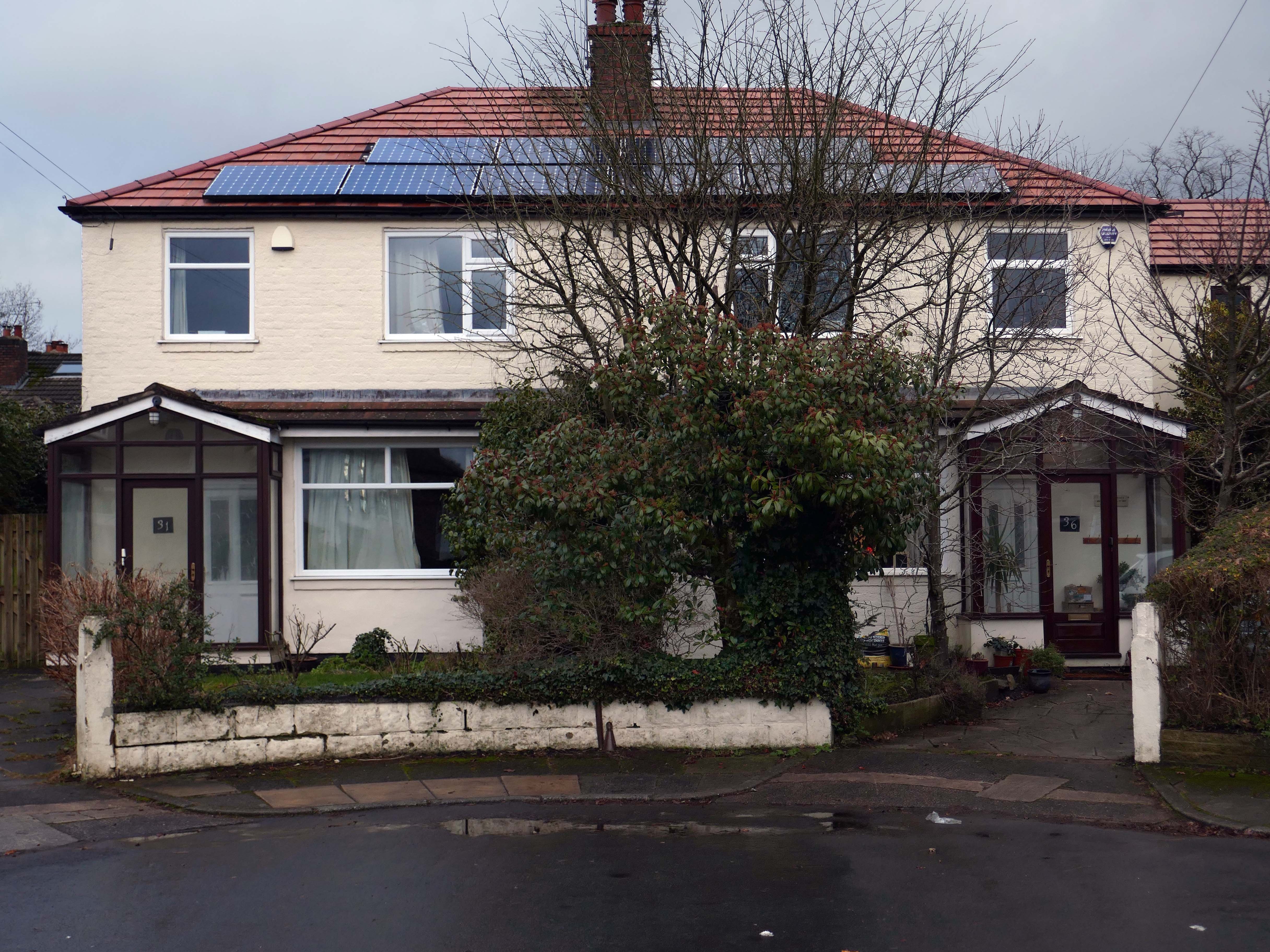
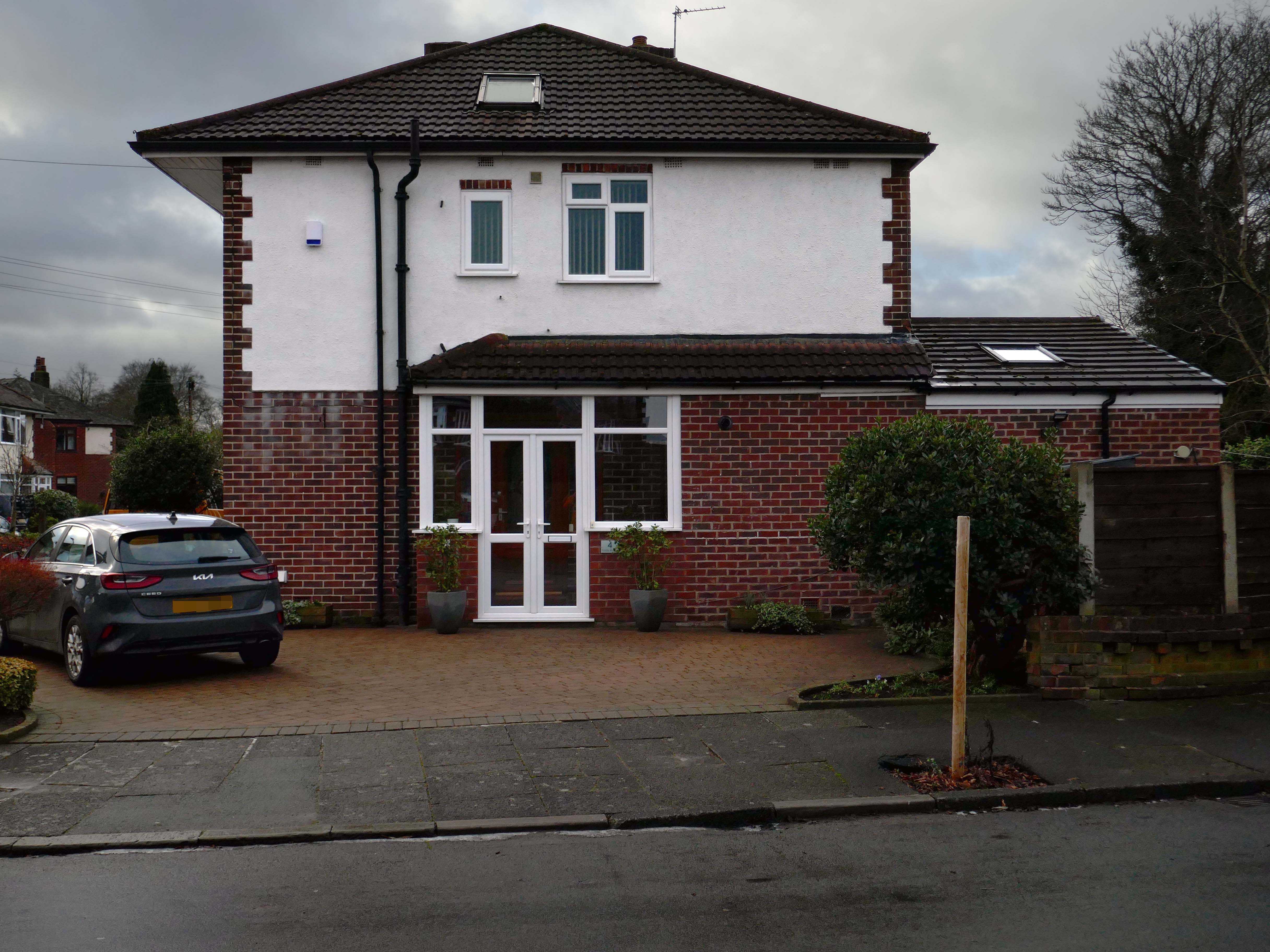
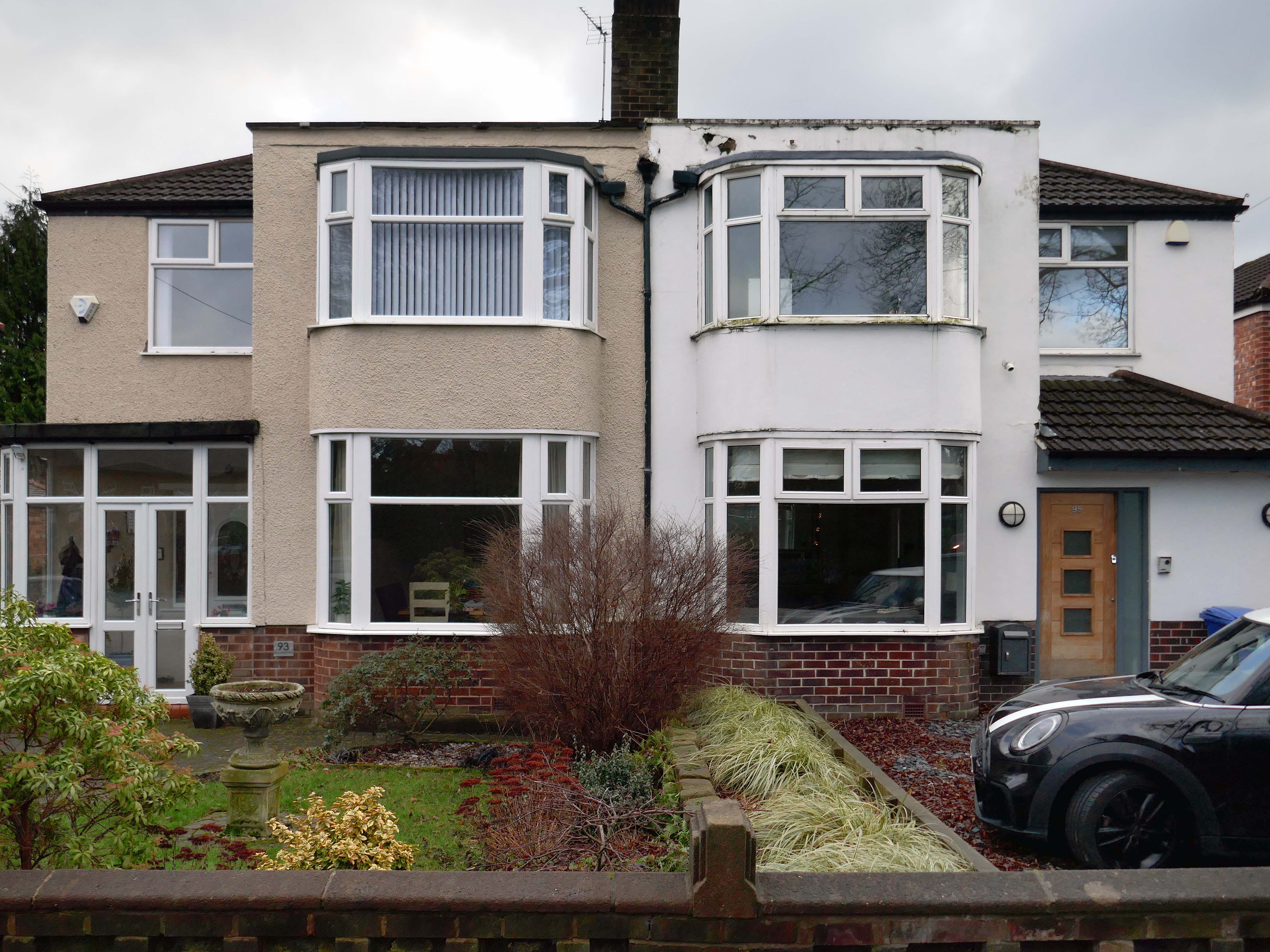
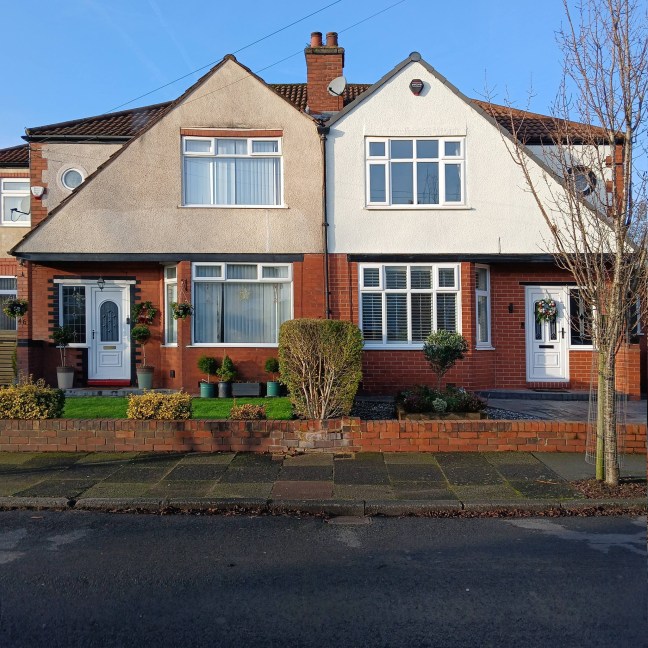
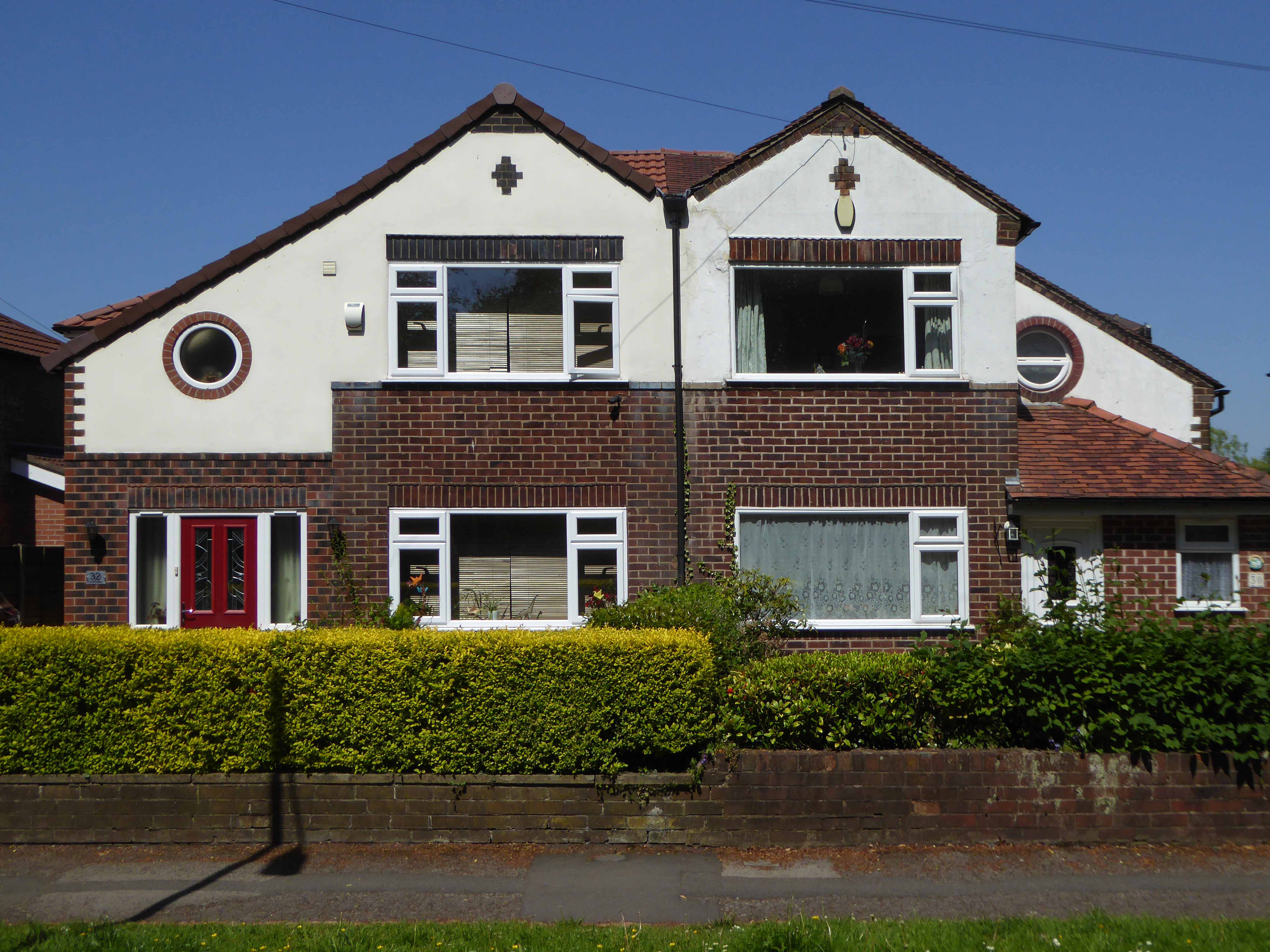
The homeowners quest for the individual within a typology, no two doors the same, render re-rendered, period details largely erased, occasionally preserved, windows awash with white uPVC, along with the more recent incursion of one shade of grey, front gardens replaced by unimpressive pressed concrete car parking, cars and more cars, bay windows held at bay by red brick walls and well-trimmed beech hedges.
My pink half of the drainpipe Separates next door from me My pink half of the drainpipe Oh, Mama – belongs to me
My baby takes the morning train He works from nine till five and then He takes another home again To find me waitin’ for him
Sheena Easton
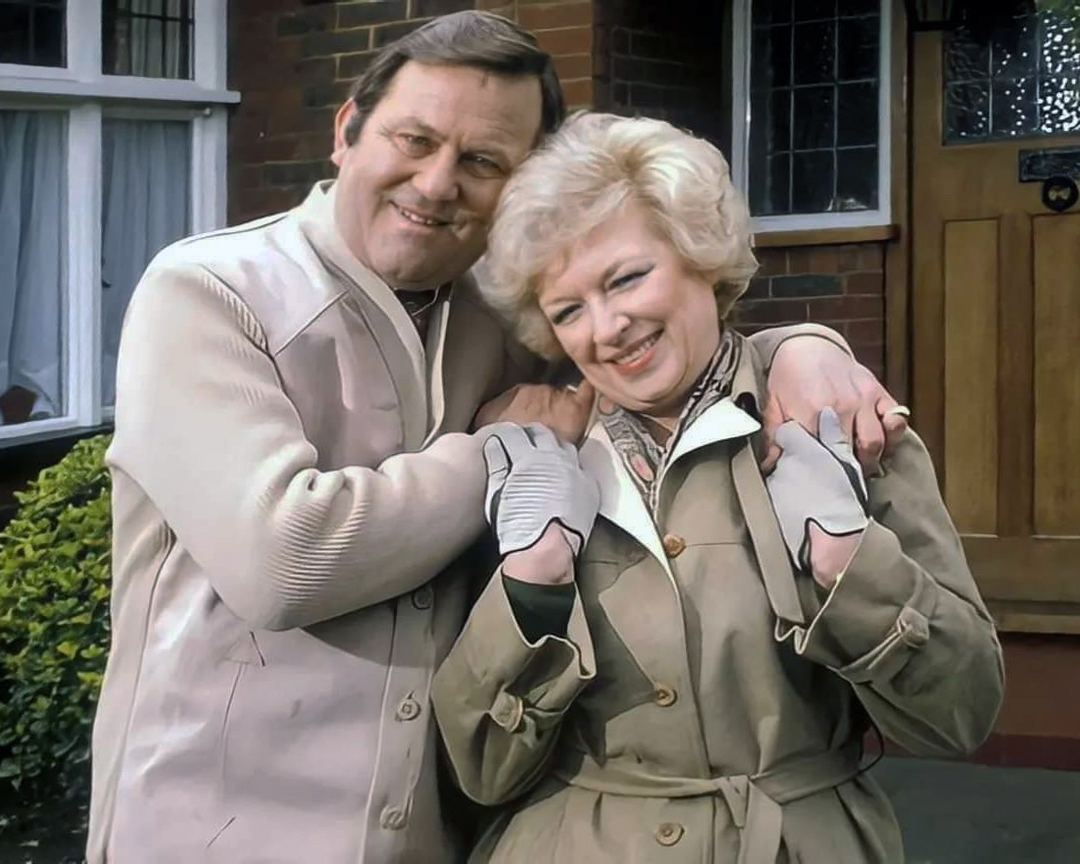
Welcome to the land of Terry and June – the seemingly complacent home to the newly aspirational classes, anathema to those thrill seeking Modernists, embracing the dynamism of the city, or those Ruralists protecting the integrity of the countryside.
Tradition has broken down. Taste is utterly debased, the town, long since degraded, is now being annihilated by a flabby, shoddy, romantic nature worship. That romantic nature worship is destroying also the object of its adoration, the countryside.
The growth of British towns and cities, from the onset of the Industrial Revolution, created a demand for new homes, the earliest developments were close to the centres of production and administration. Followed by the creation of outlying estates for the fleeing middle classes, as the smoke began to billow and the trains and buses began to run.
Originally the work of speculative private enterprise, followed by homes built by the local authority along with charitable institutions.
My own experience has taught me that Suburbia is architecturally diverse, socially less so, as various areas are segregated by class, and perhaps less so by ethnicity and/or culture.
The majority of the population live in Suburbia it seems, there now follows a selection of the suburban sites which I have visited in the last ten years or so.
In search of Suburbia.
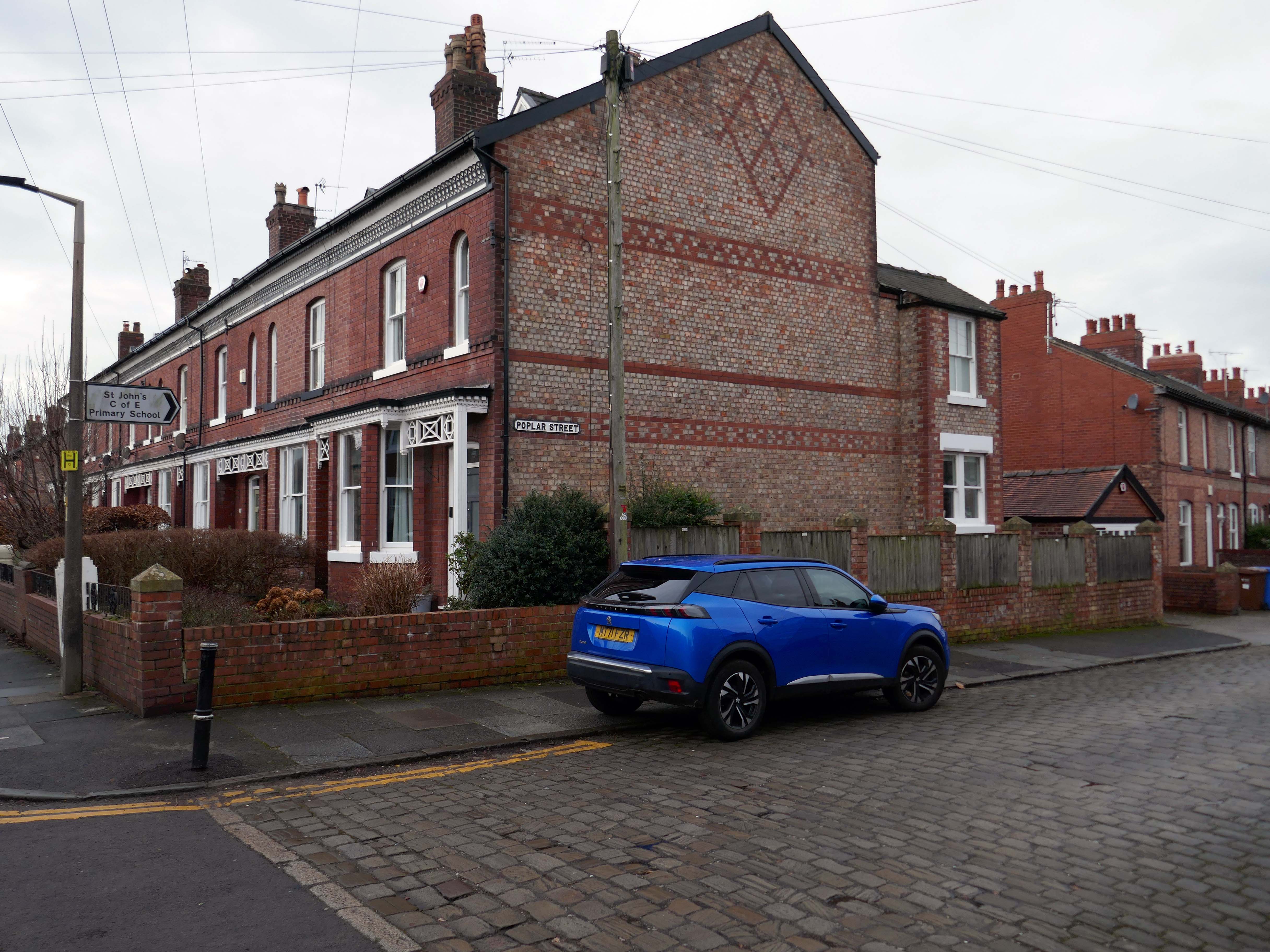
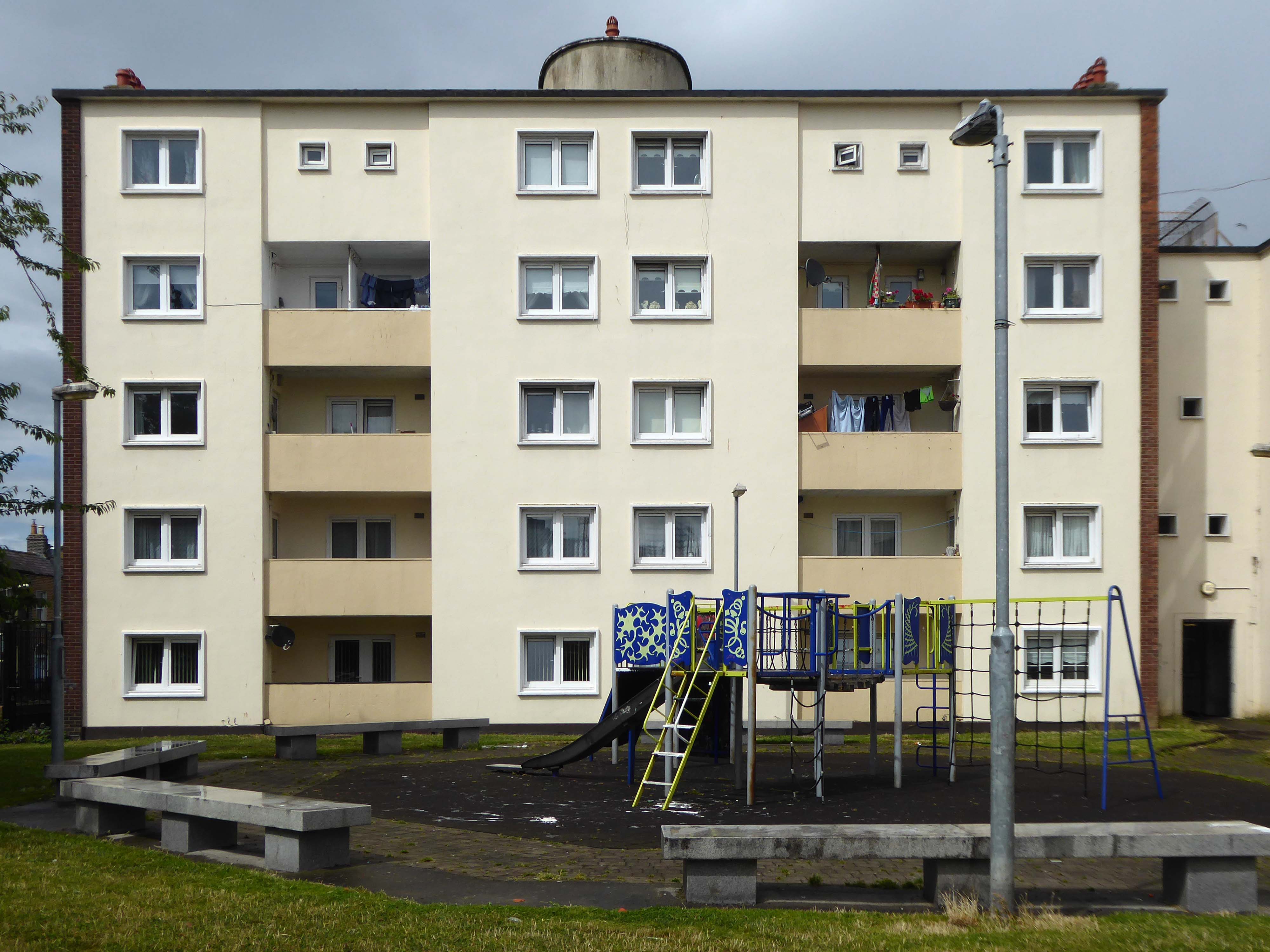
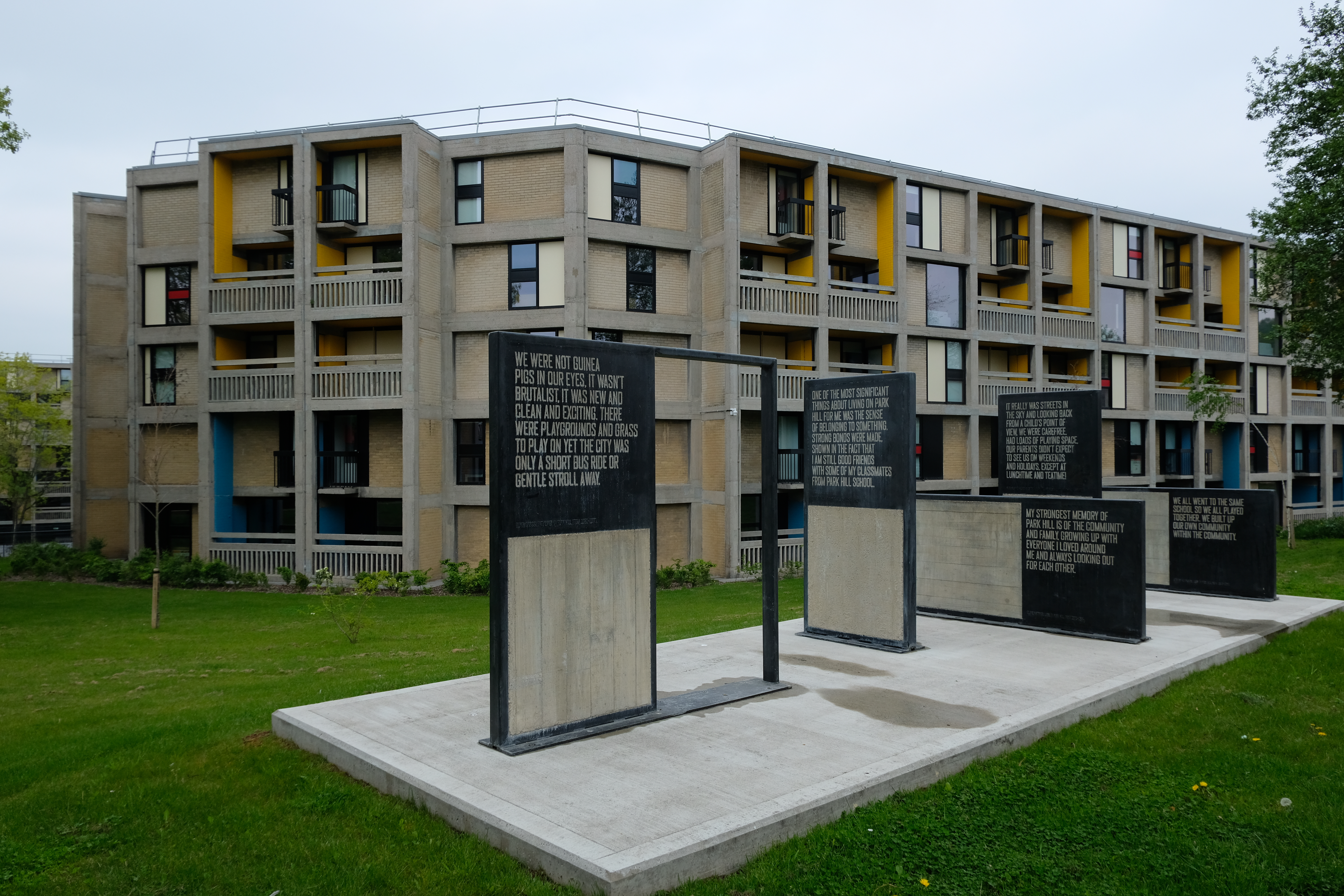
There are areas of Victorian terraced housing Manchester which survived clearance – such as Jetson Street in Abbey Hey.
By 1931 1.1 million council houses were built and 2.8 million privately owned homes.
Post WW2 the emphasis was on an expansion of social housing, along with a growth in privately owned property – detailed information and analysis of social housing can be found here at Municipal Dreams.
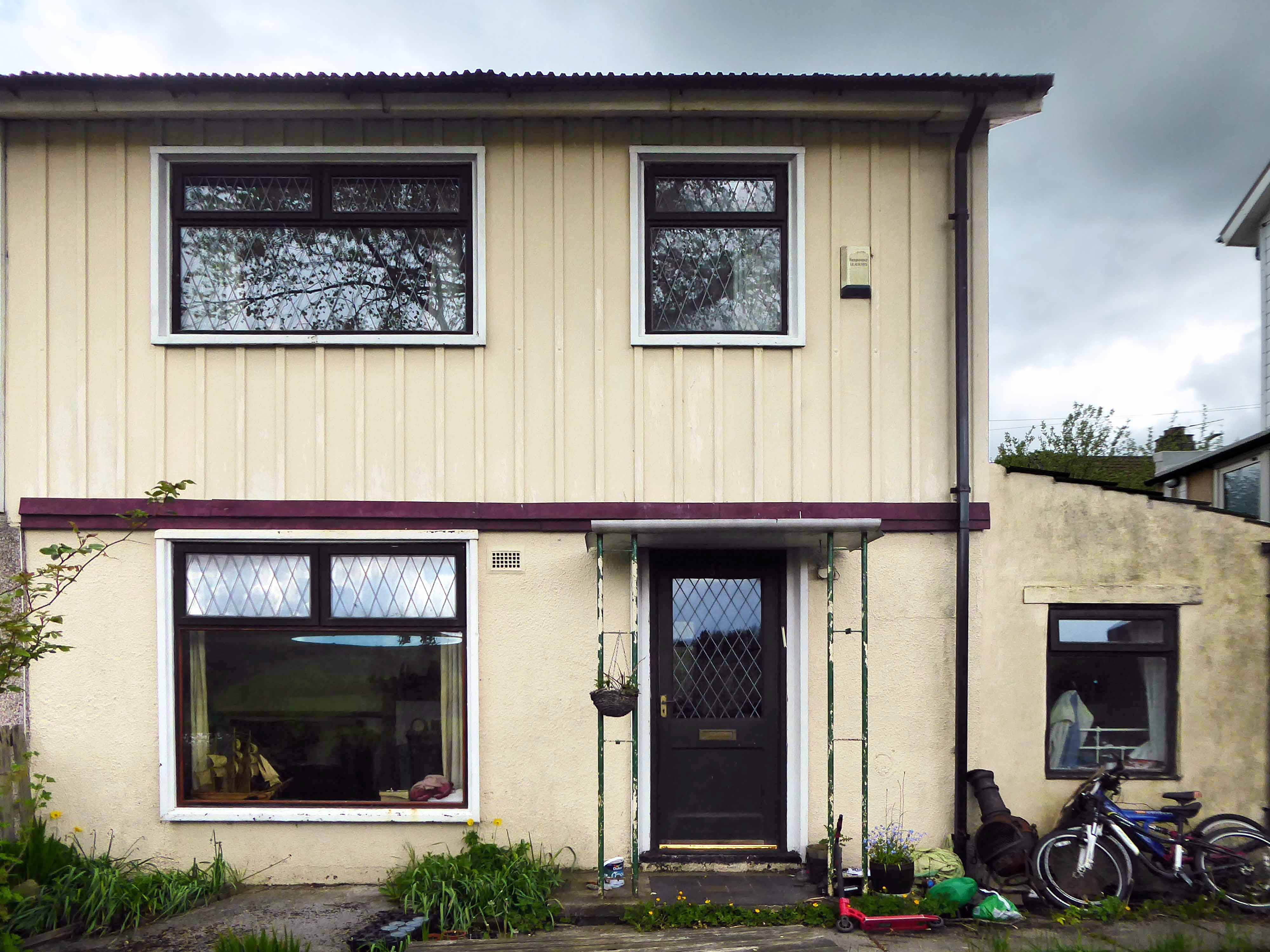
These homes were at times both temporary and of non-standard construction.
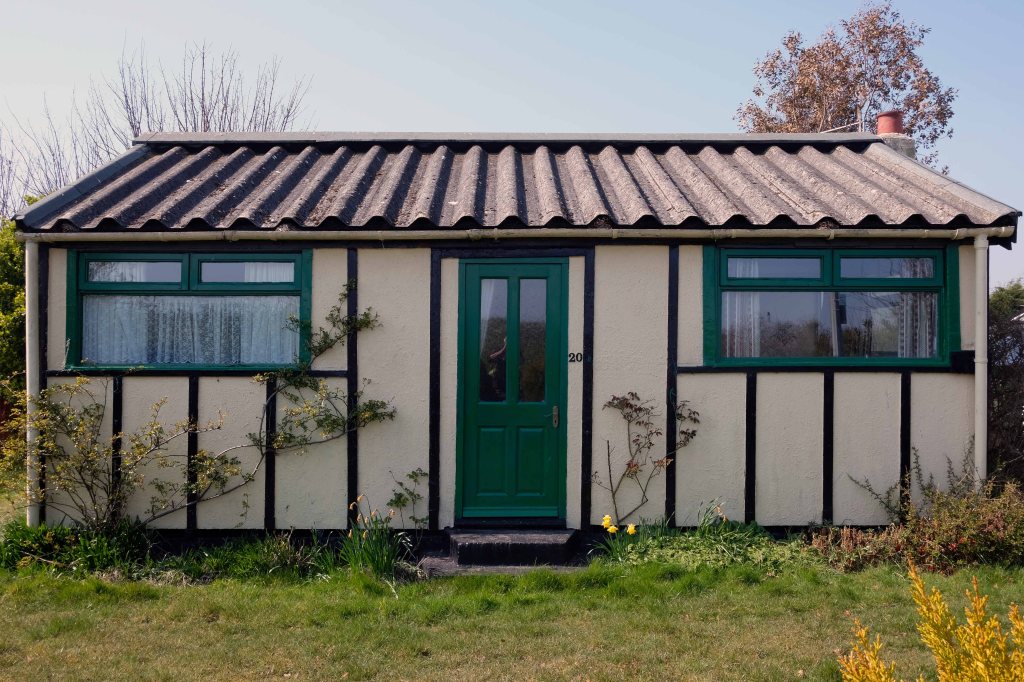
This prefabricated house was originally built for the good folk of Doncaster, later finding itself in Humberston Fitties
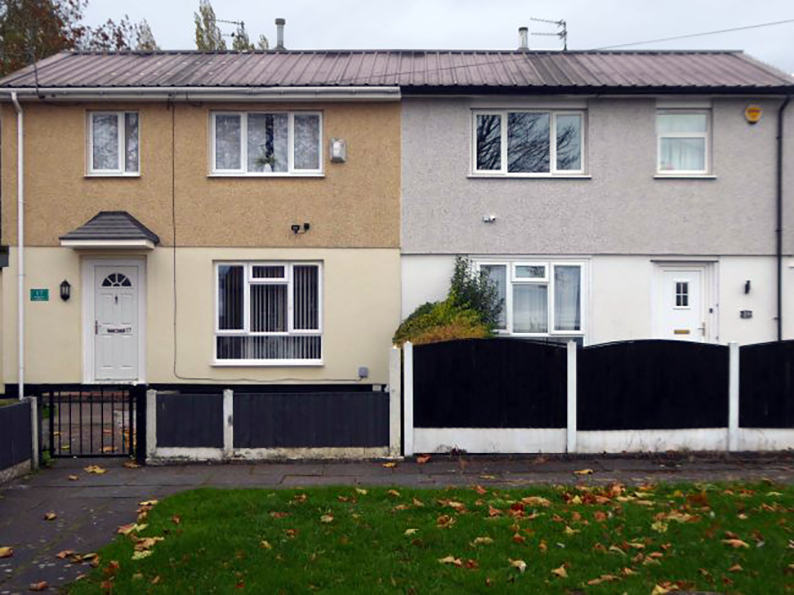
These Wythenshawe BISFHomes designed by Frederick Gibberd, the so-called Tin Town are still very much habitable homes.
Post war development was inextricably linked to the New Towns.
The new towns in the United Kingdom were planned under the powers of the New Towns Act 1946 and later acts to relocate people from poor or bombed-out housing following World War II. Designated new towns were placed under the supervision of a development corporation, and were developed in three waves. Later developments included the “expanded towns”: existing towns which were substantially expanded to accommodate what was called the “overspill” population from densely populated areas of deprivation.
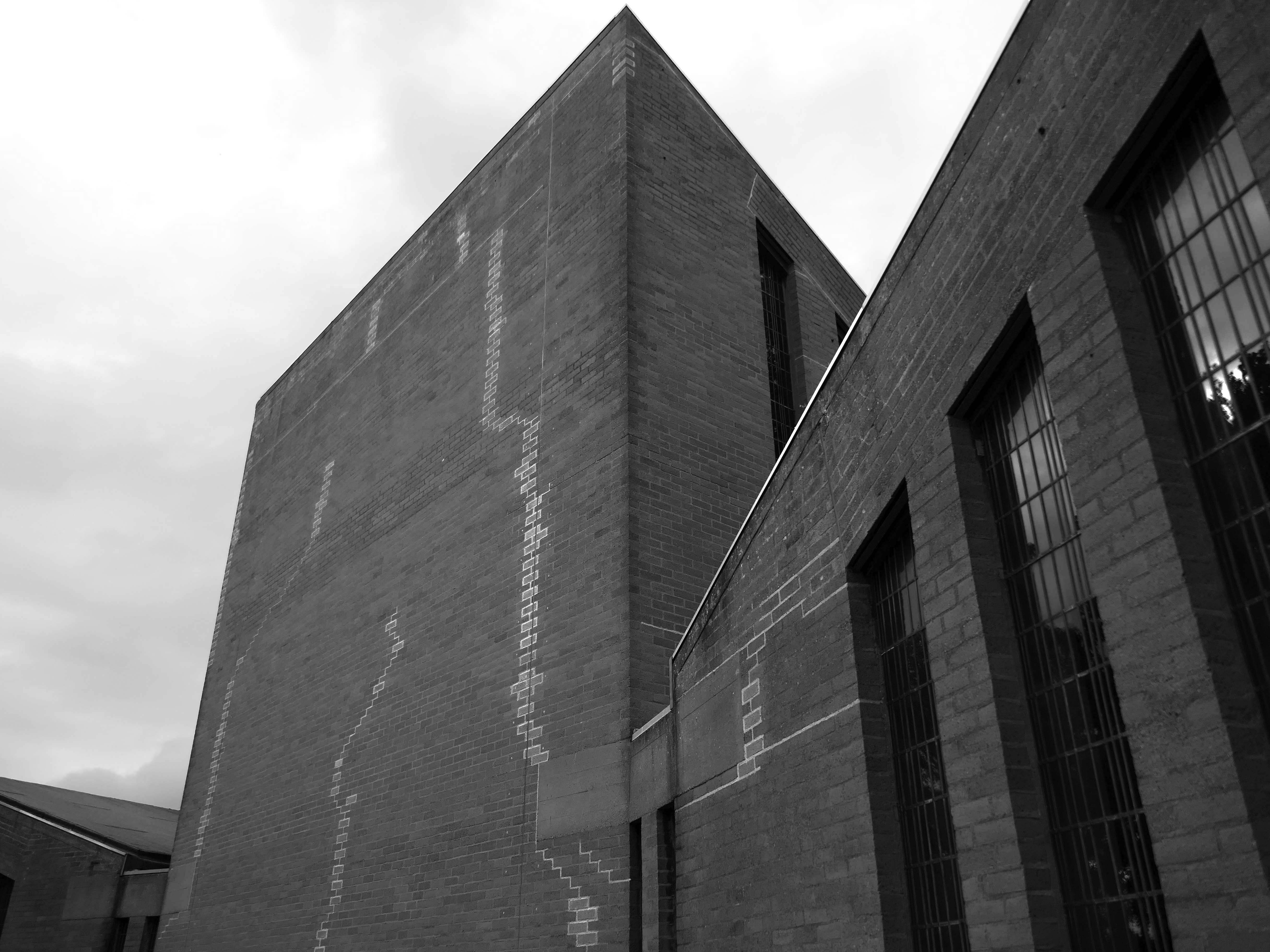
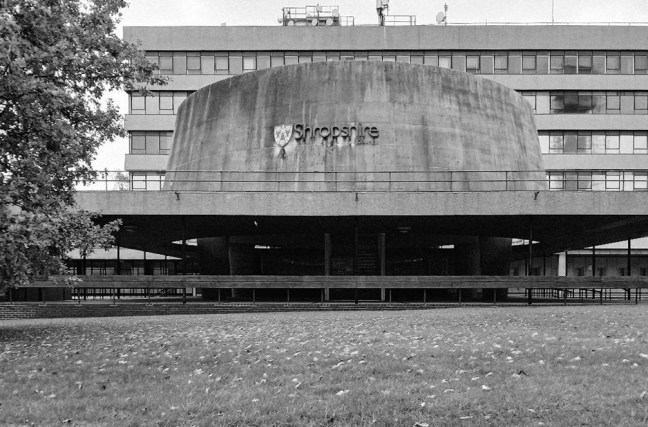
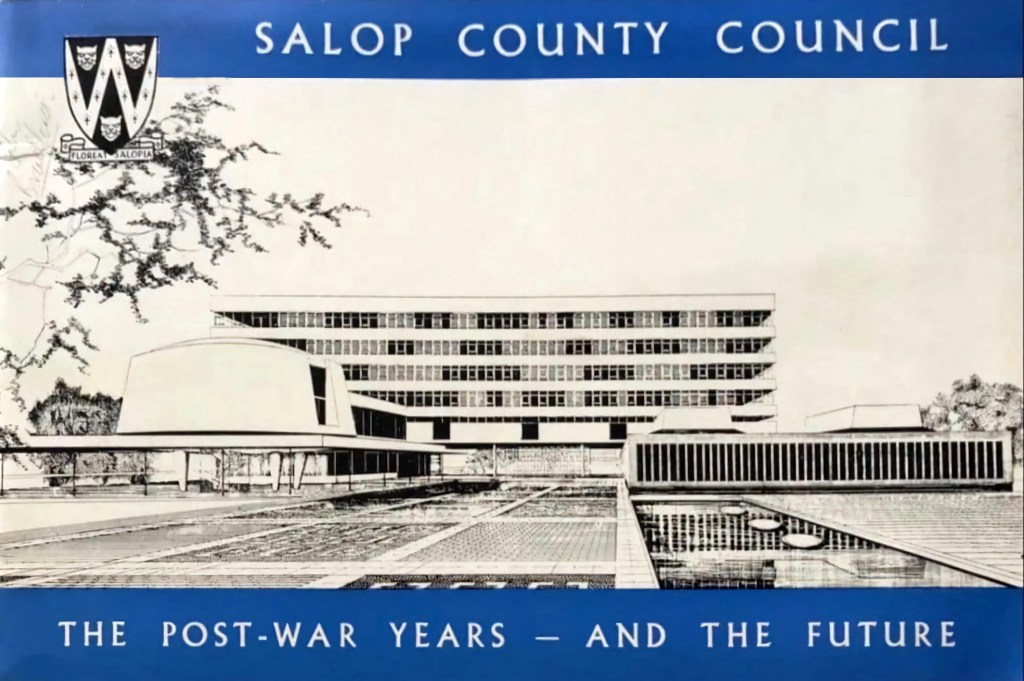
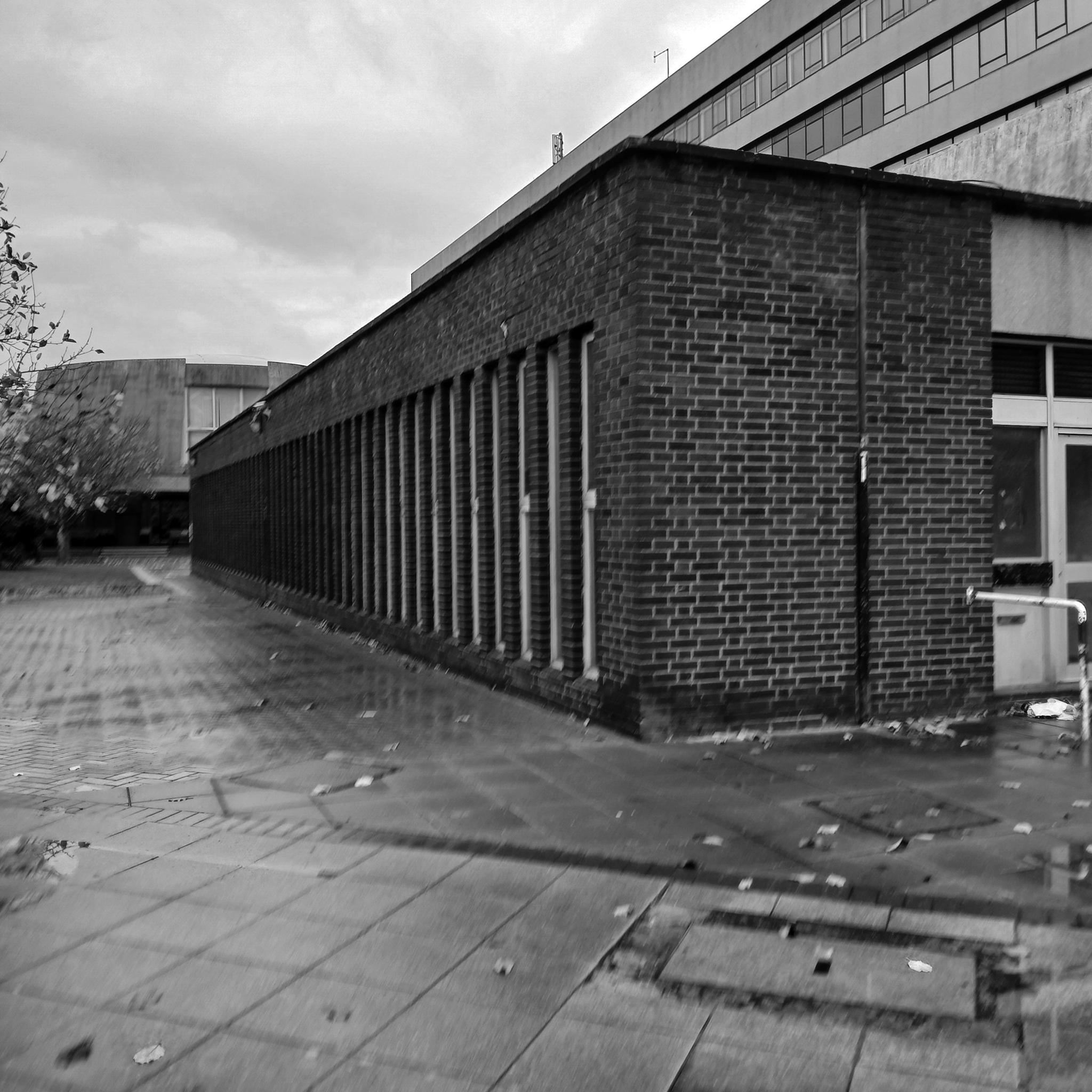
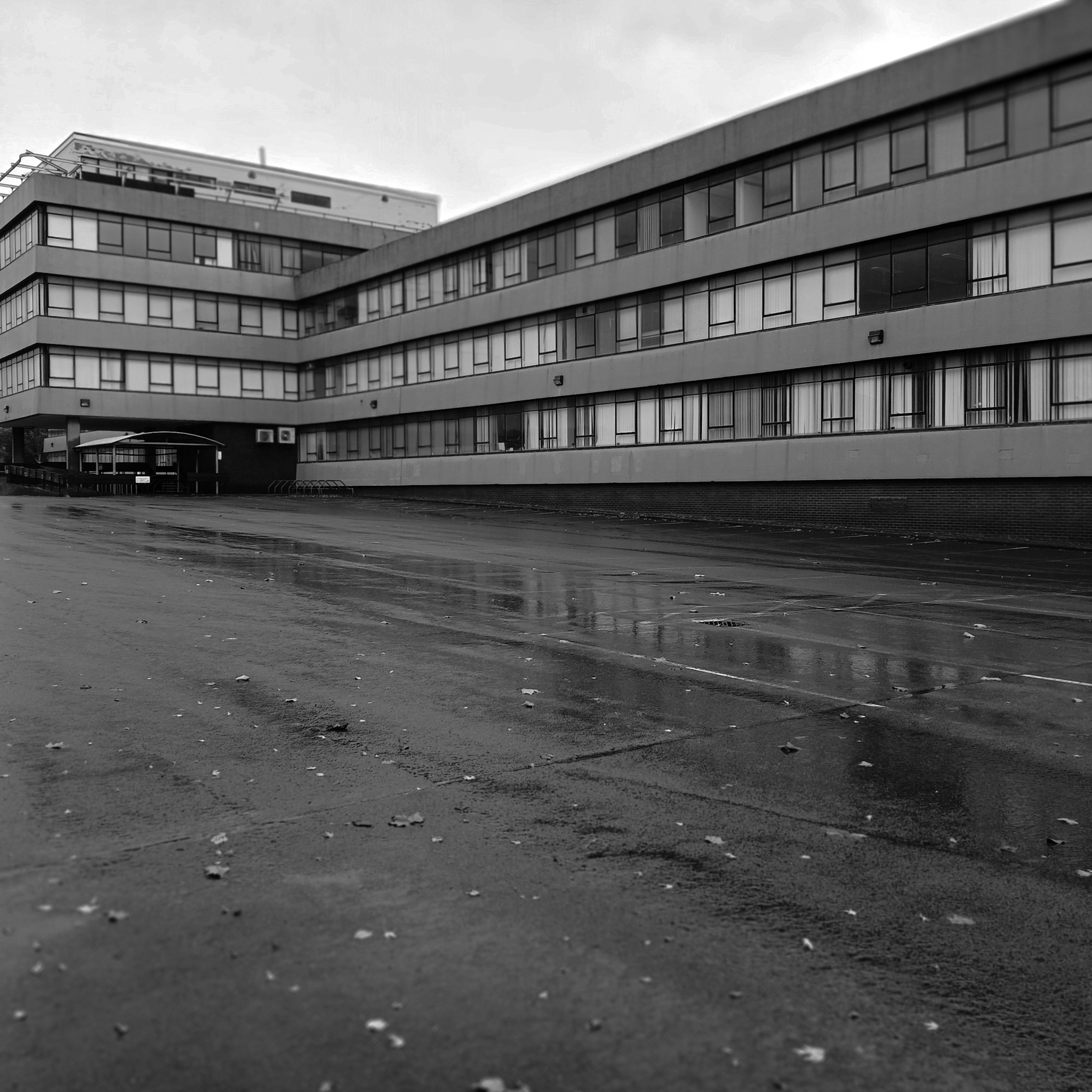
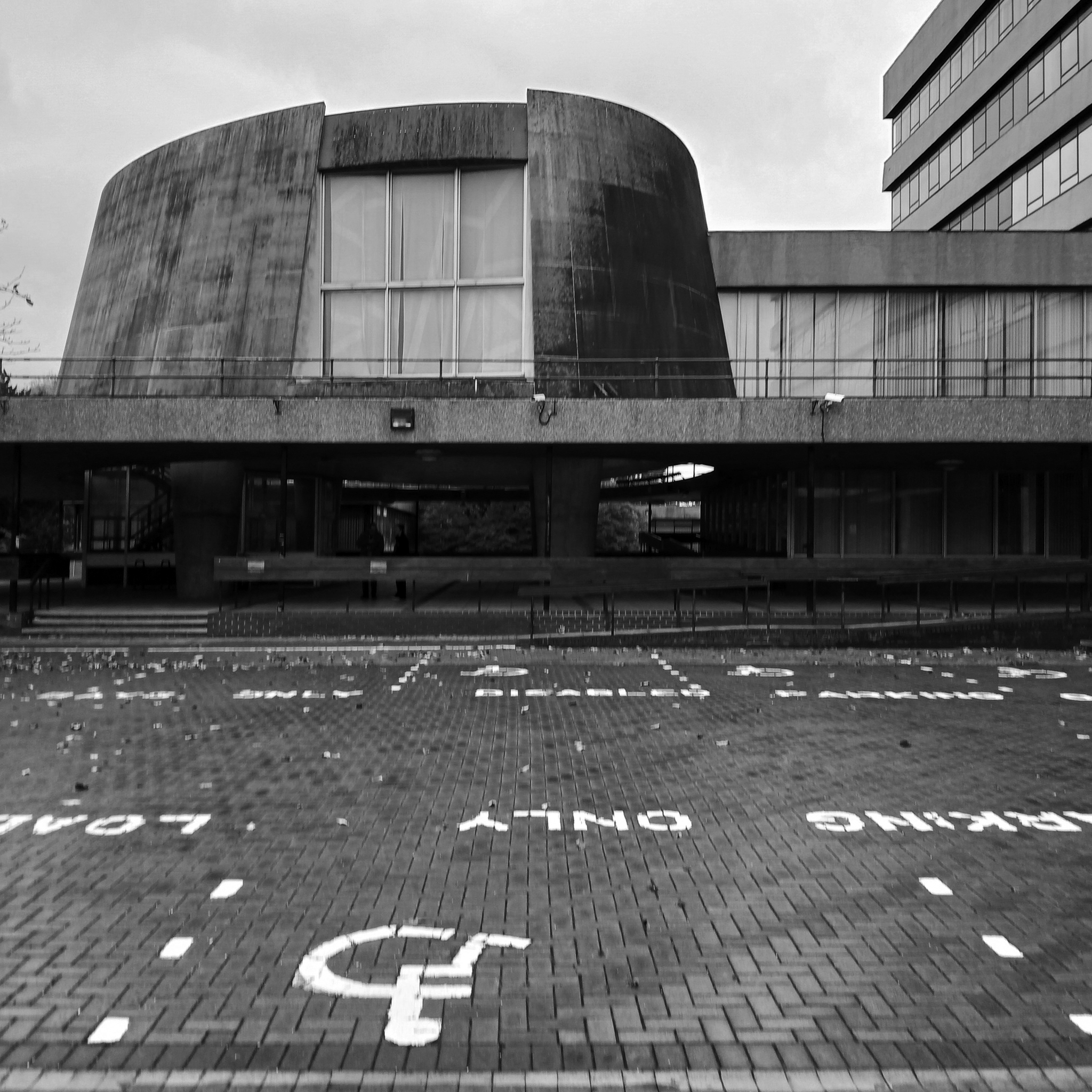
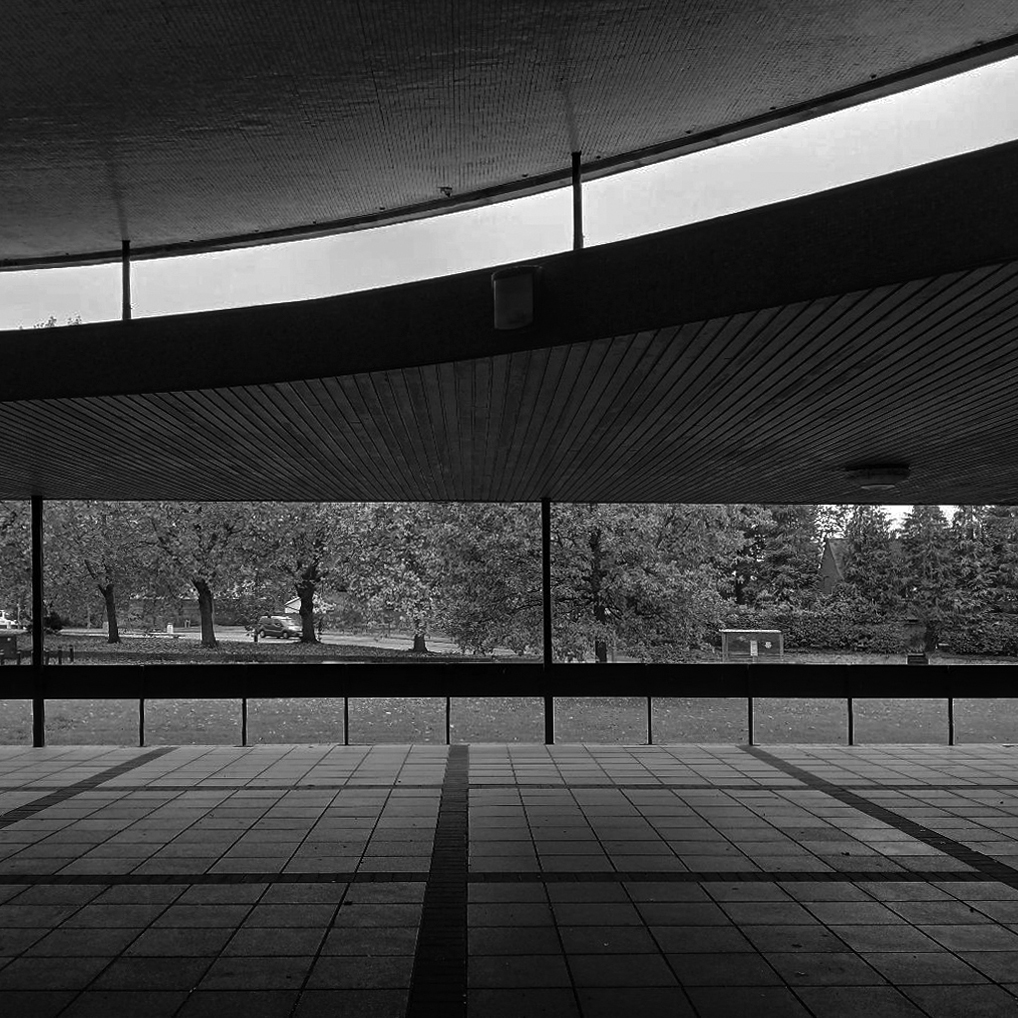
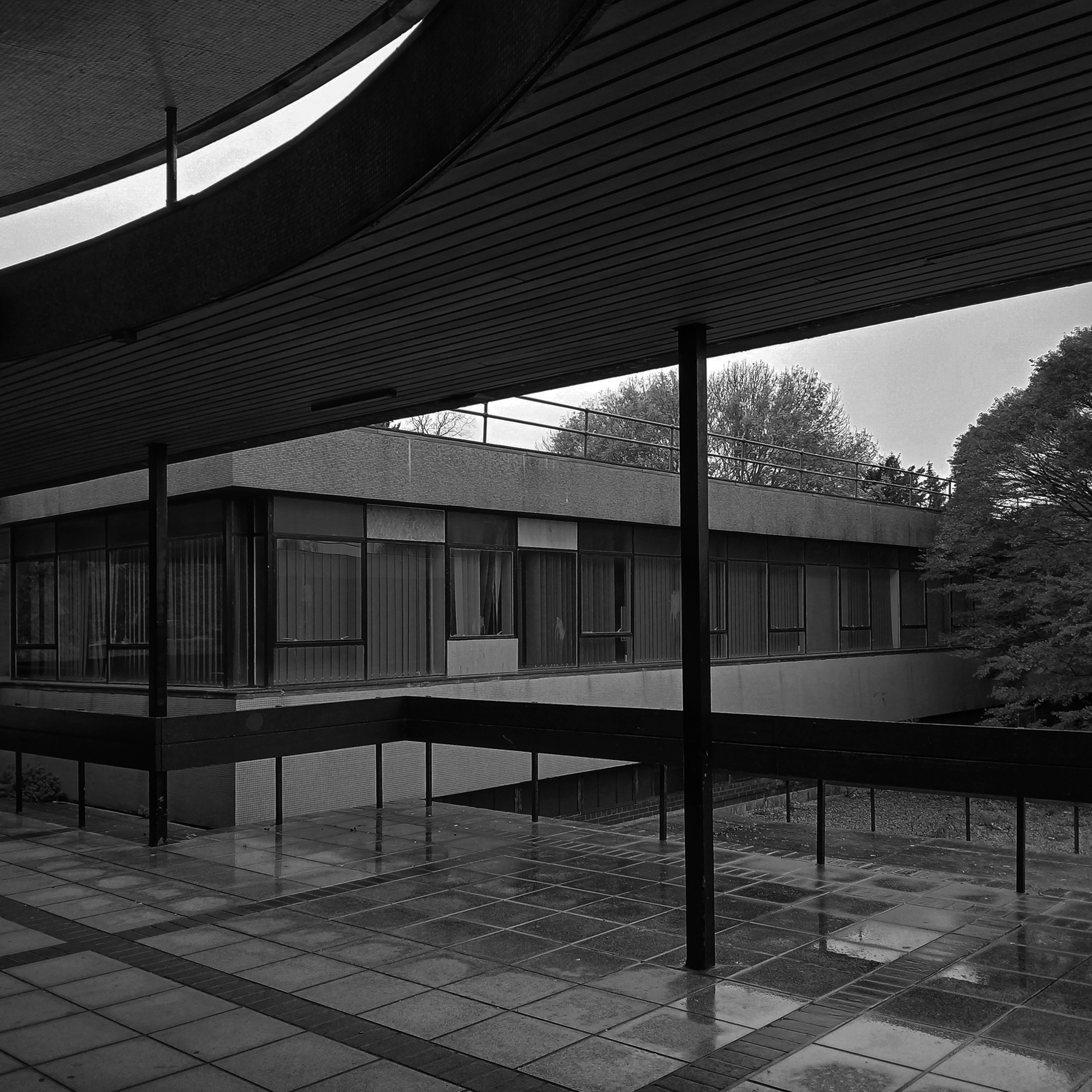
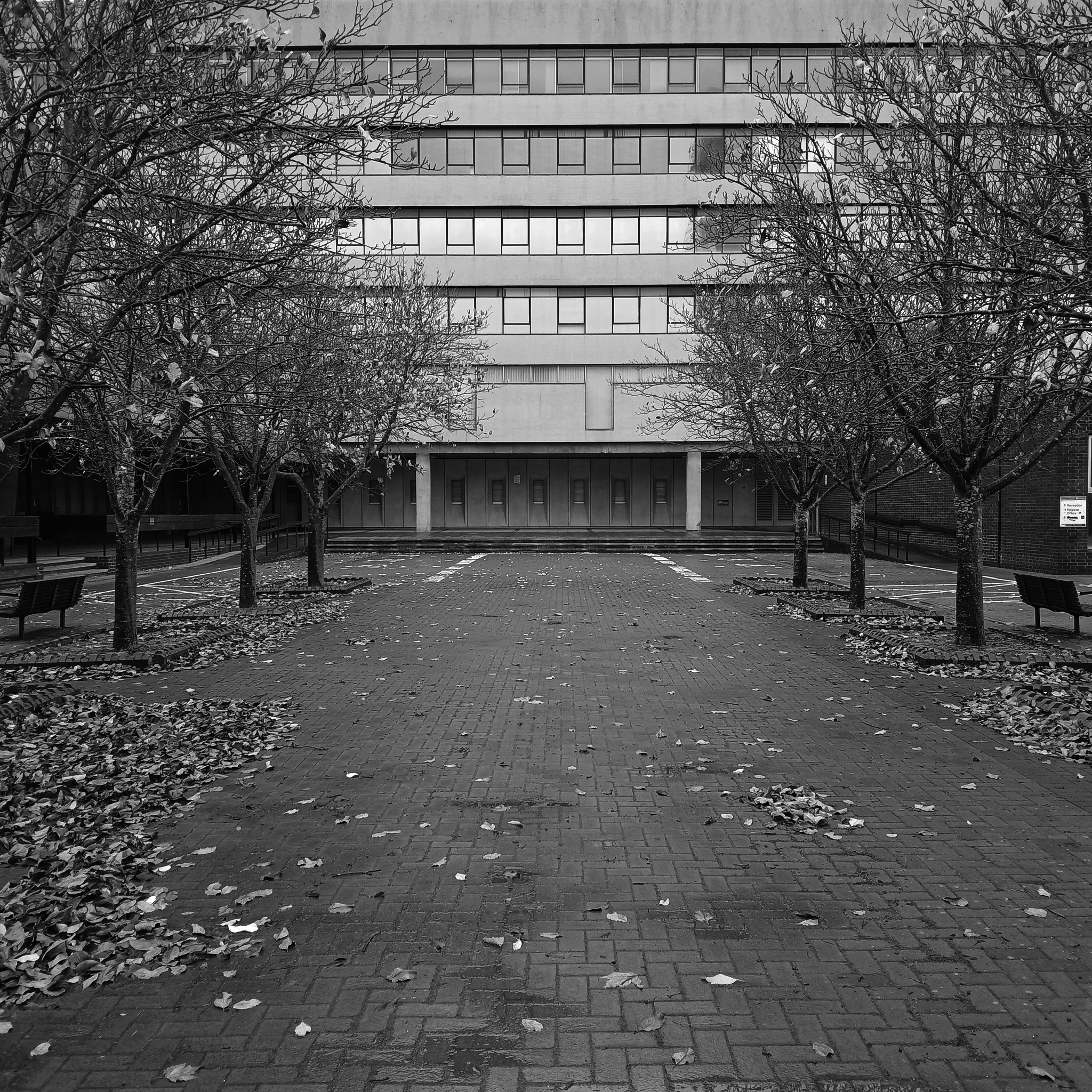
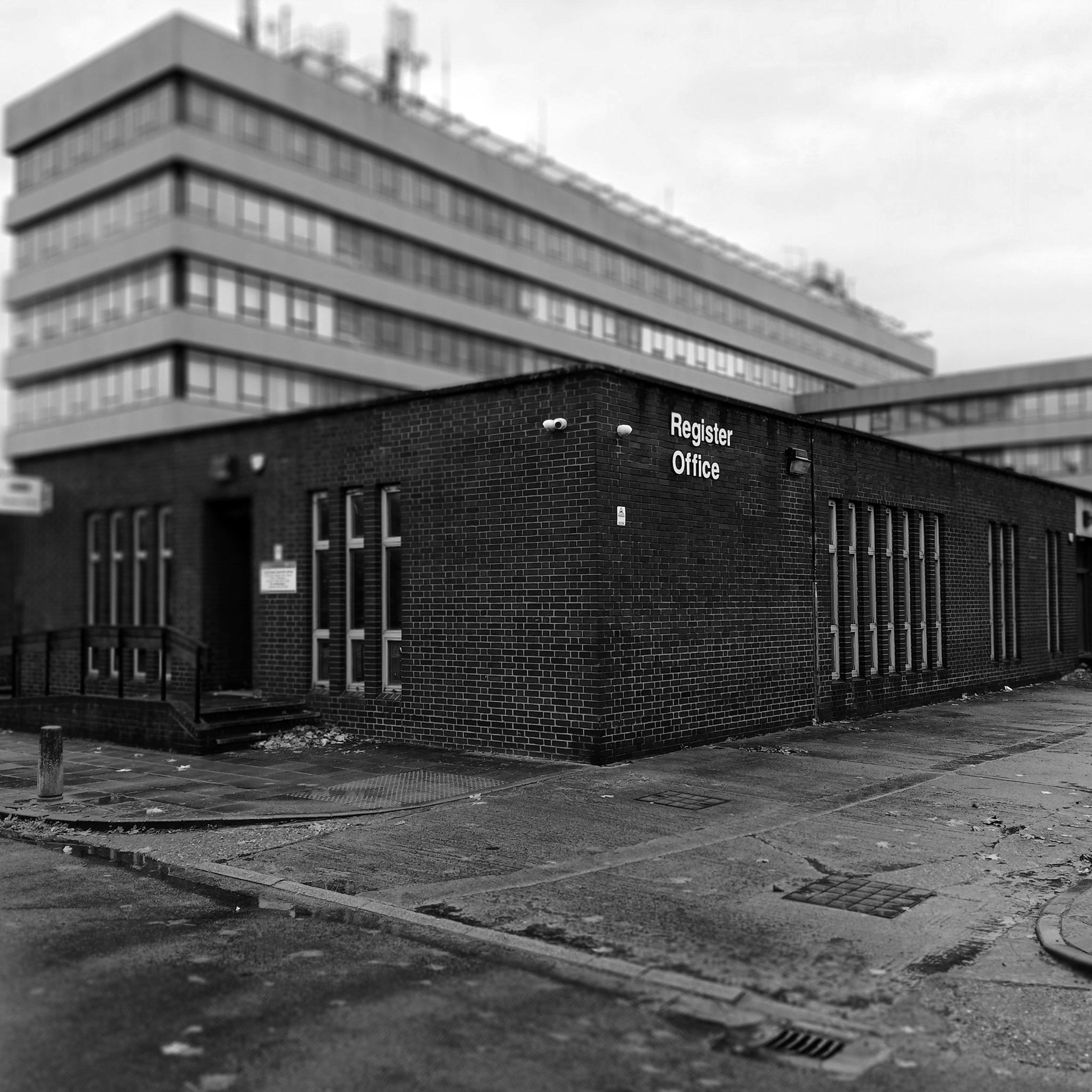
The foundation stone for the new building was laid by Sir Offley Wakeman, a former chairman of the county council, on 25 July 1964. It was designed by Ralph Crowe, the County Architect, in the Modernist style, built at a cost of £1.8 million and was completed in April 1966.
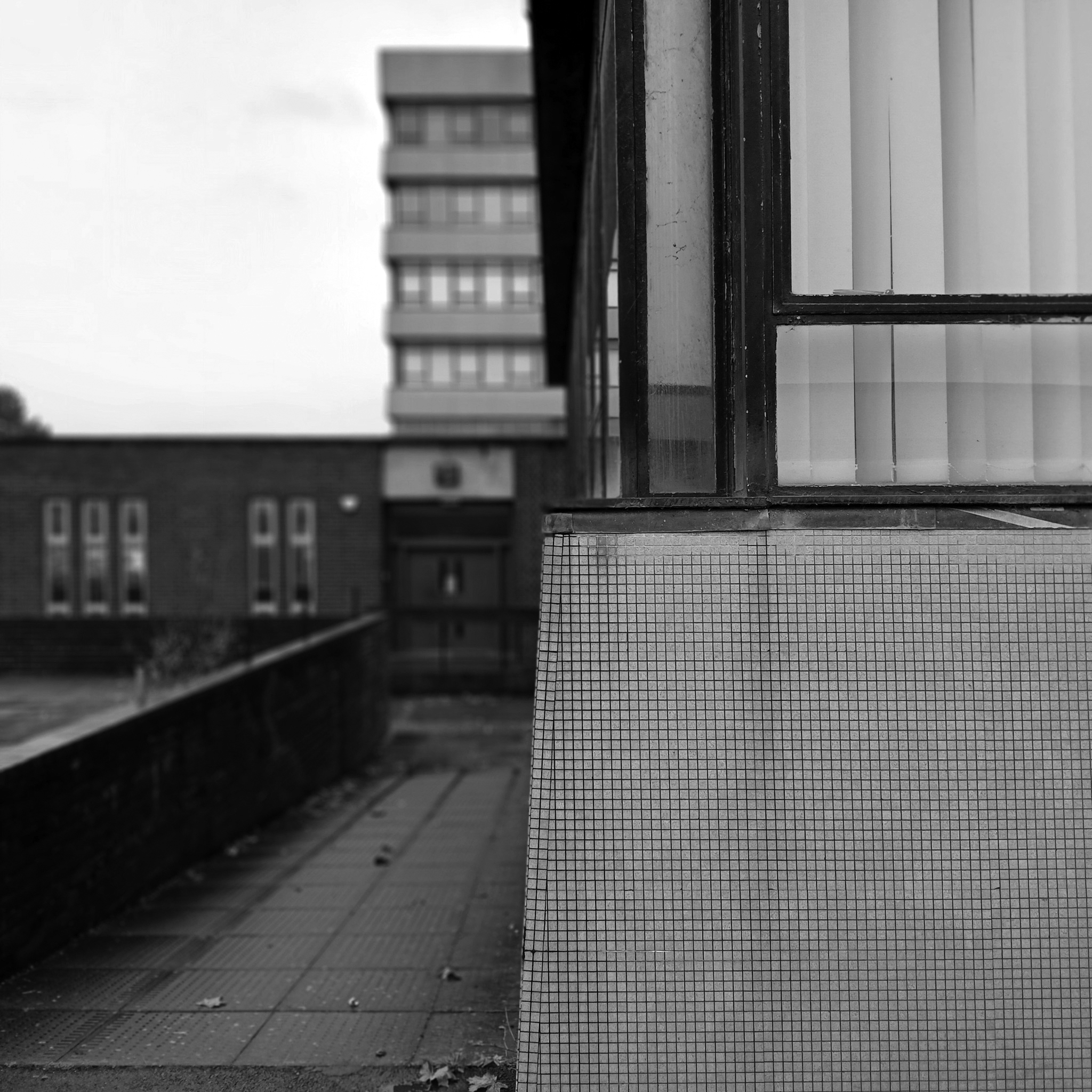
Having visited and snapped way back in June 2024, I returned in October 2025.
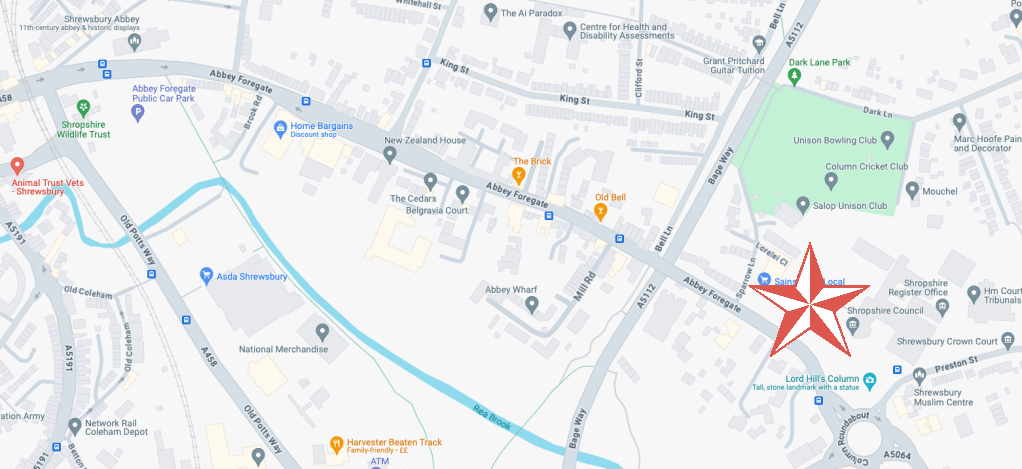
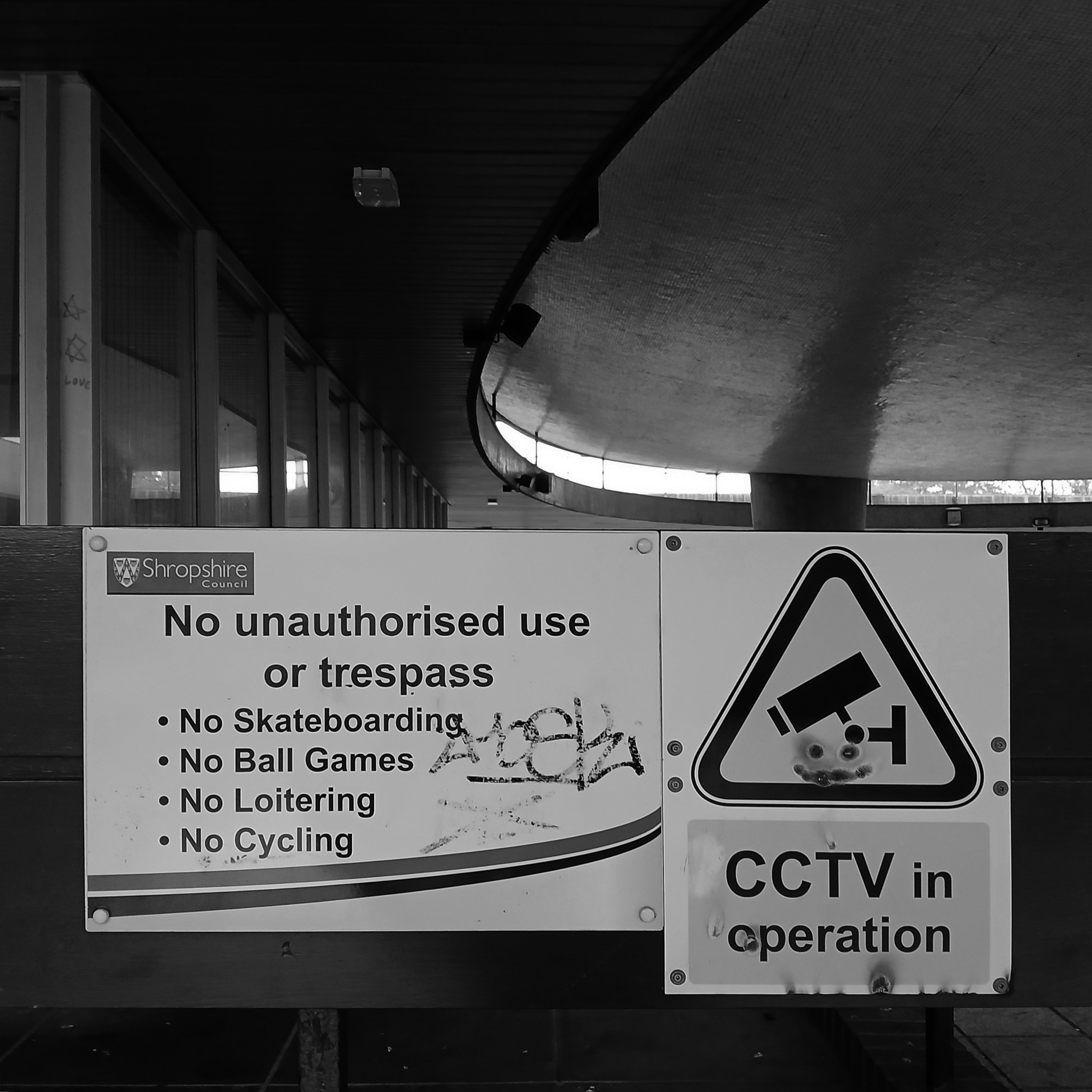
I had been asked to speak to the Shrewsbury Civic Society, regarding the history of Modernism in support of their campaign to save Shirehall.
The previous County Council were disposed toward demolition, the current administration are a little more circumspect.
Shropshire Council is considering a return to its former headquarters, less than a year after it moved out. The authority moved from 1960s-built Shirehall in Shrewsbury to the Guildhall in Frankwell, and said doing so would save up to £600,000 per year.
At a meeting on Wednesday, cabinet member for finance Roger Evans said the Liberal Democrats, who lead the council, had paused the demolition and sale of the land, and may retain parts of the building – but only if it could afford to do so.
“We would like to retain the council chamber and some of the associated buildings, but we do need to take account for the cost both in cash terms and in net zero terms,” he said. “What we have done is paused this decision and asked experts to look at it again, look at the whole site, do a reappraisal. The results are just now being recieved.
“I want to keep it as much as we can afford, both environmentally and cash-wise. Whether we can or not will depend, the council is strapped for cash.”