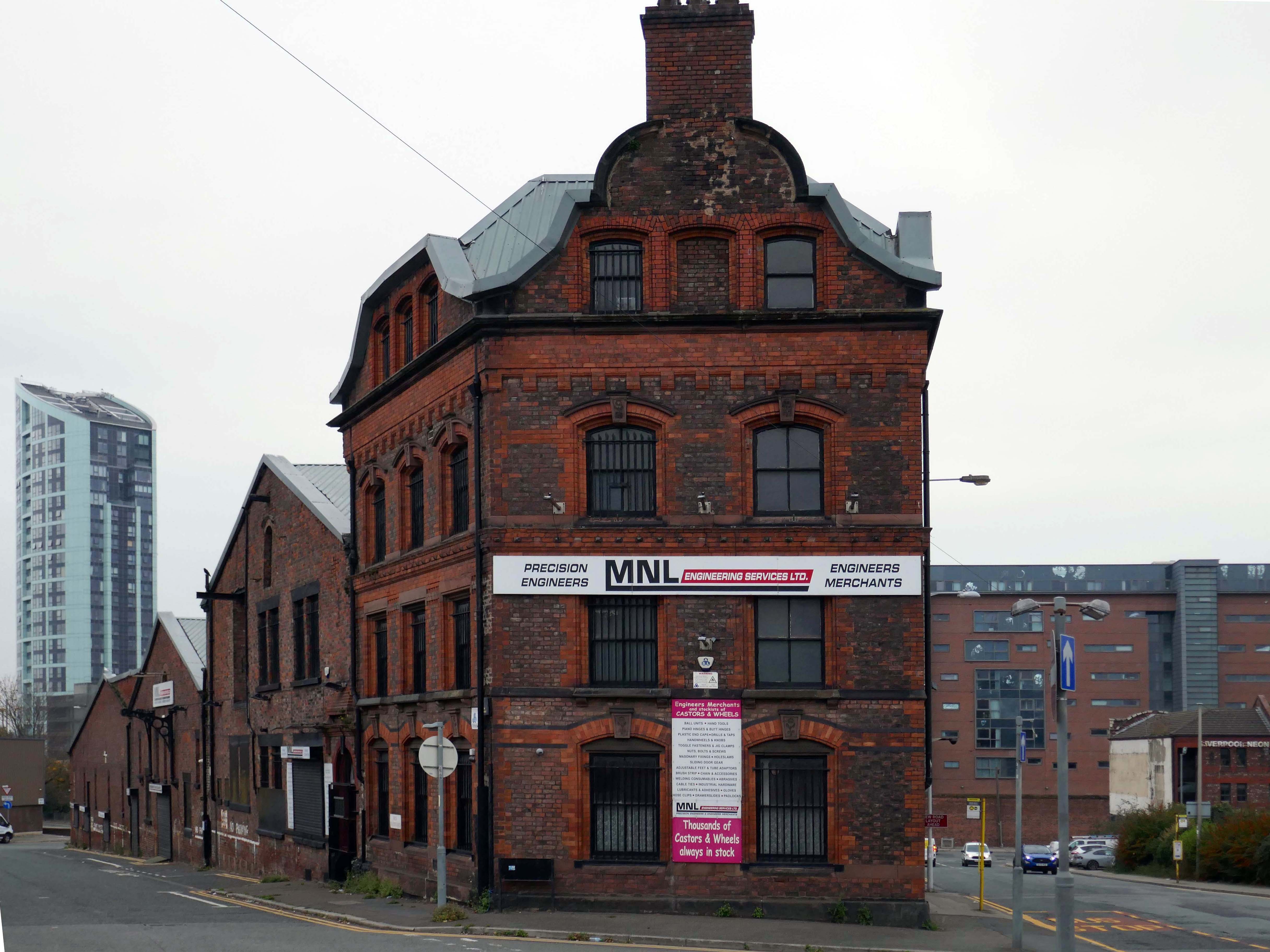
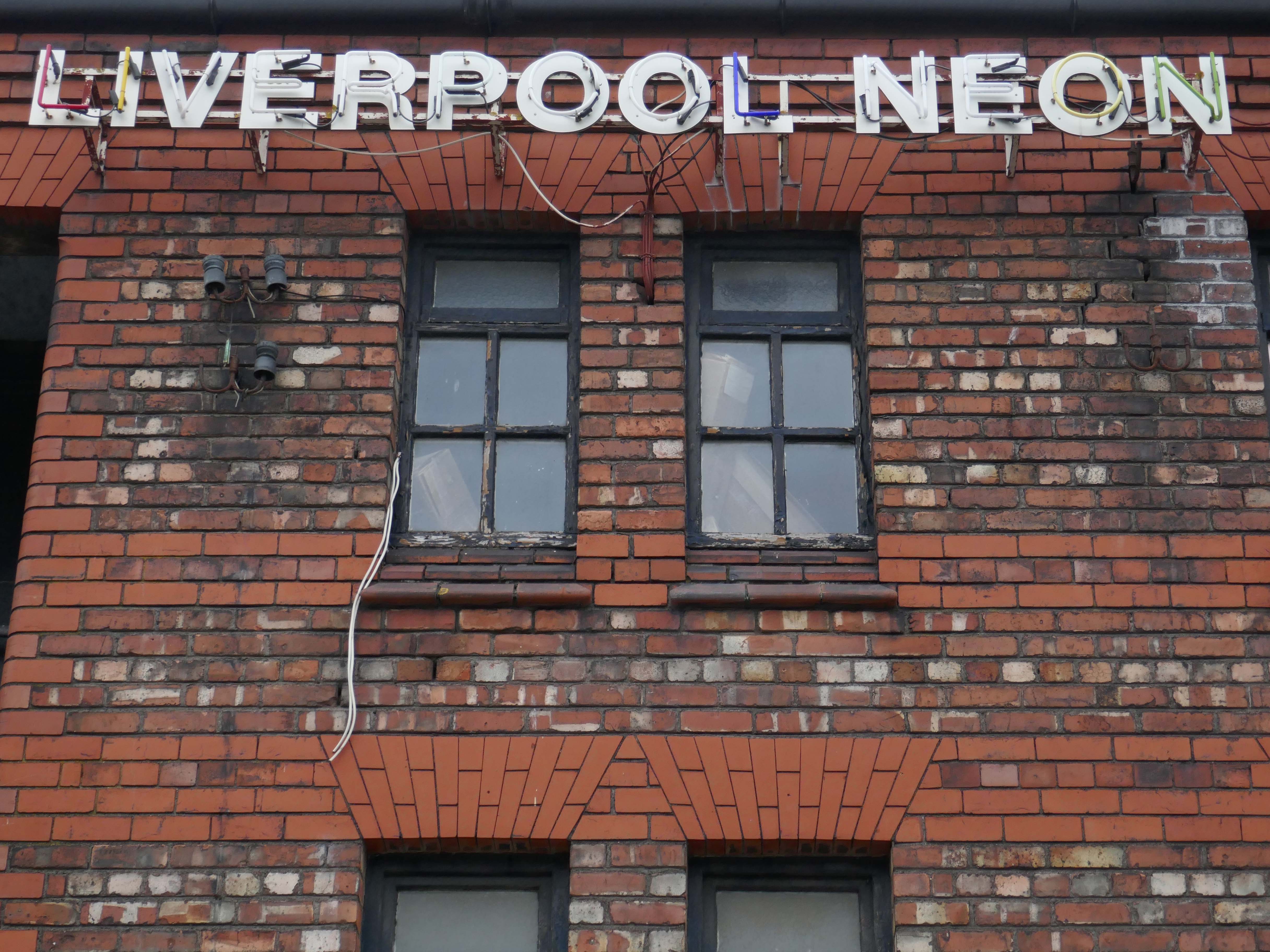
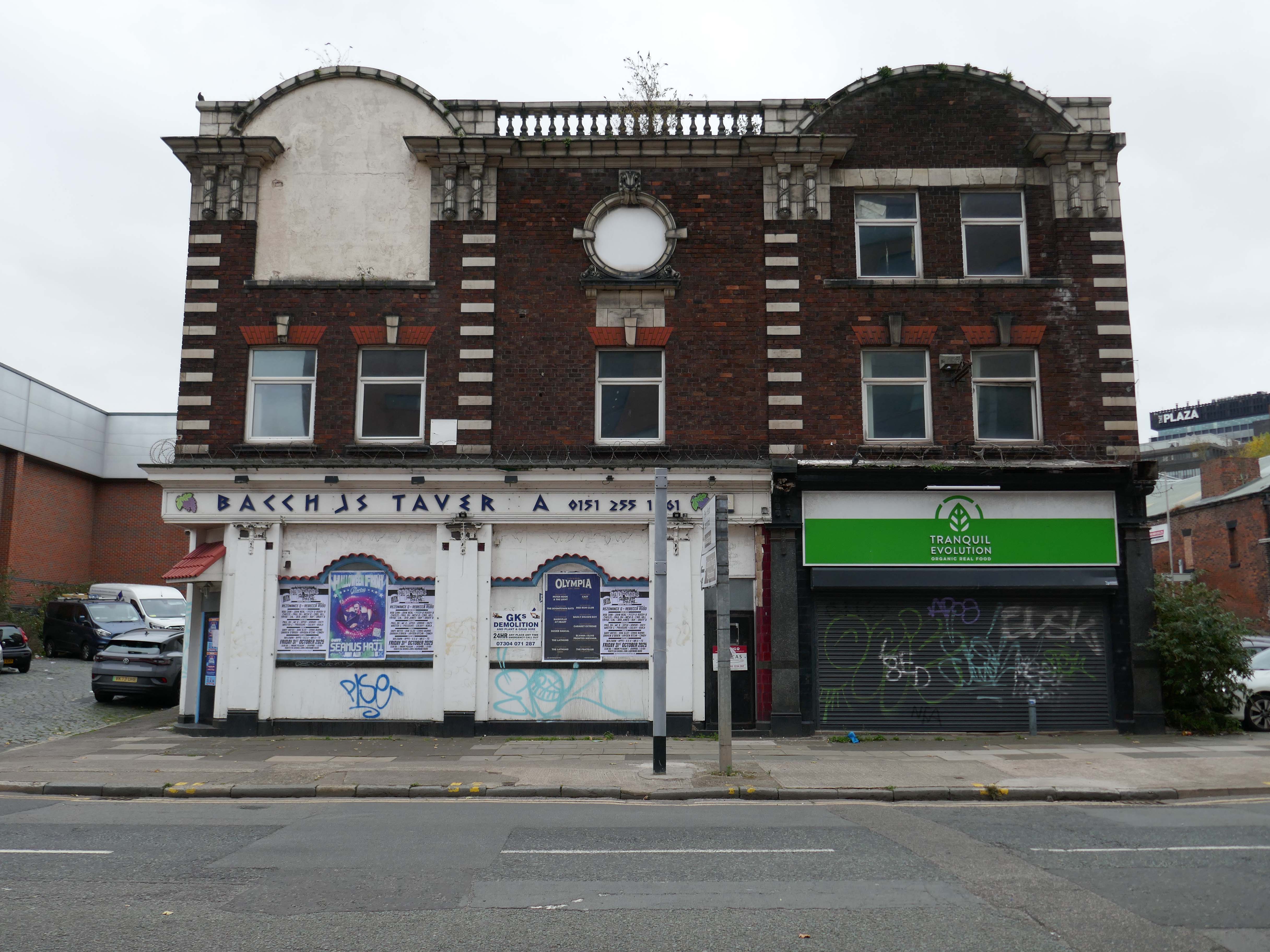
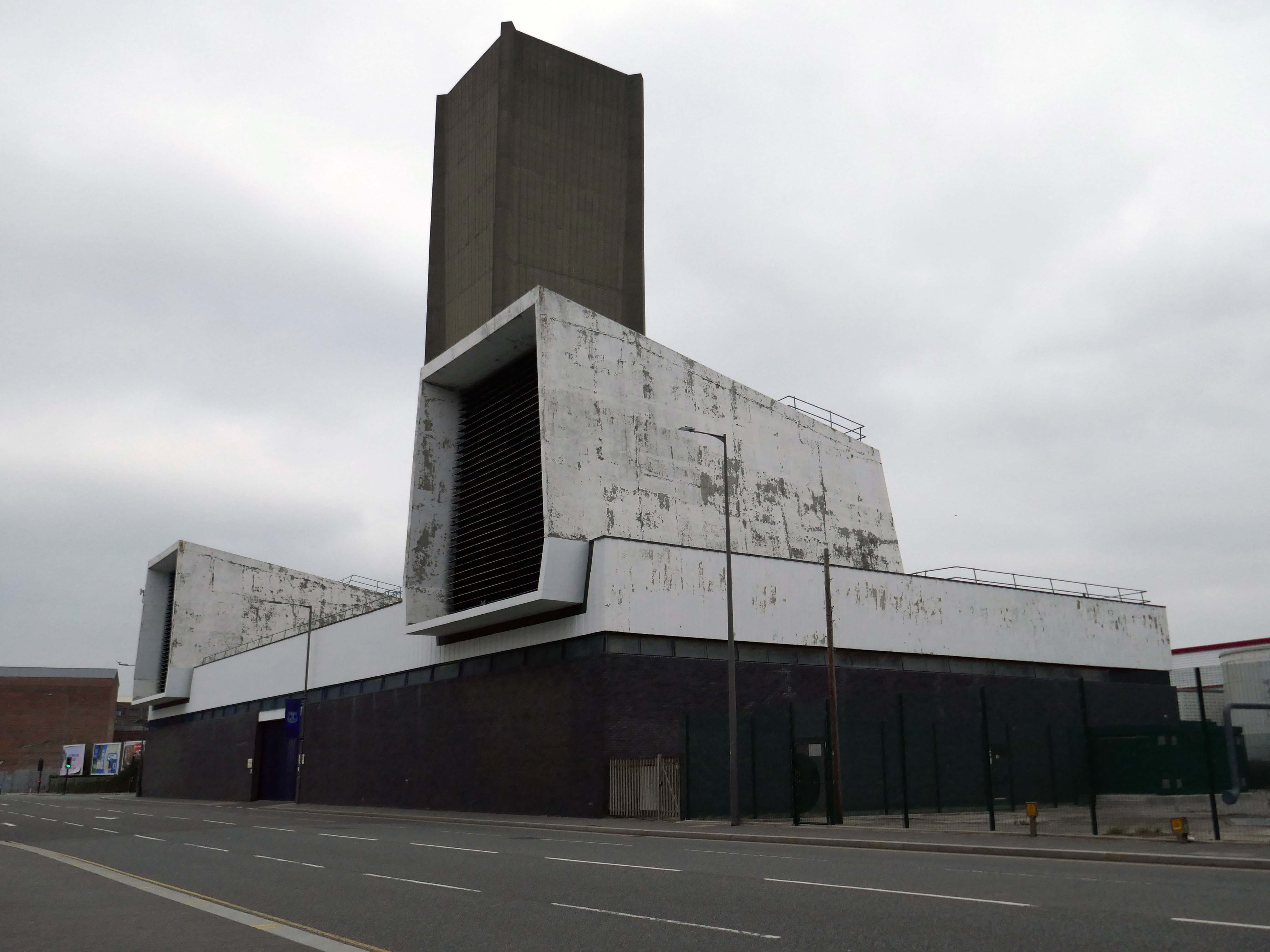
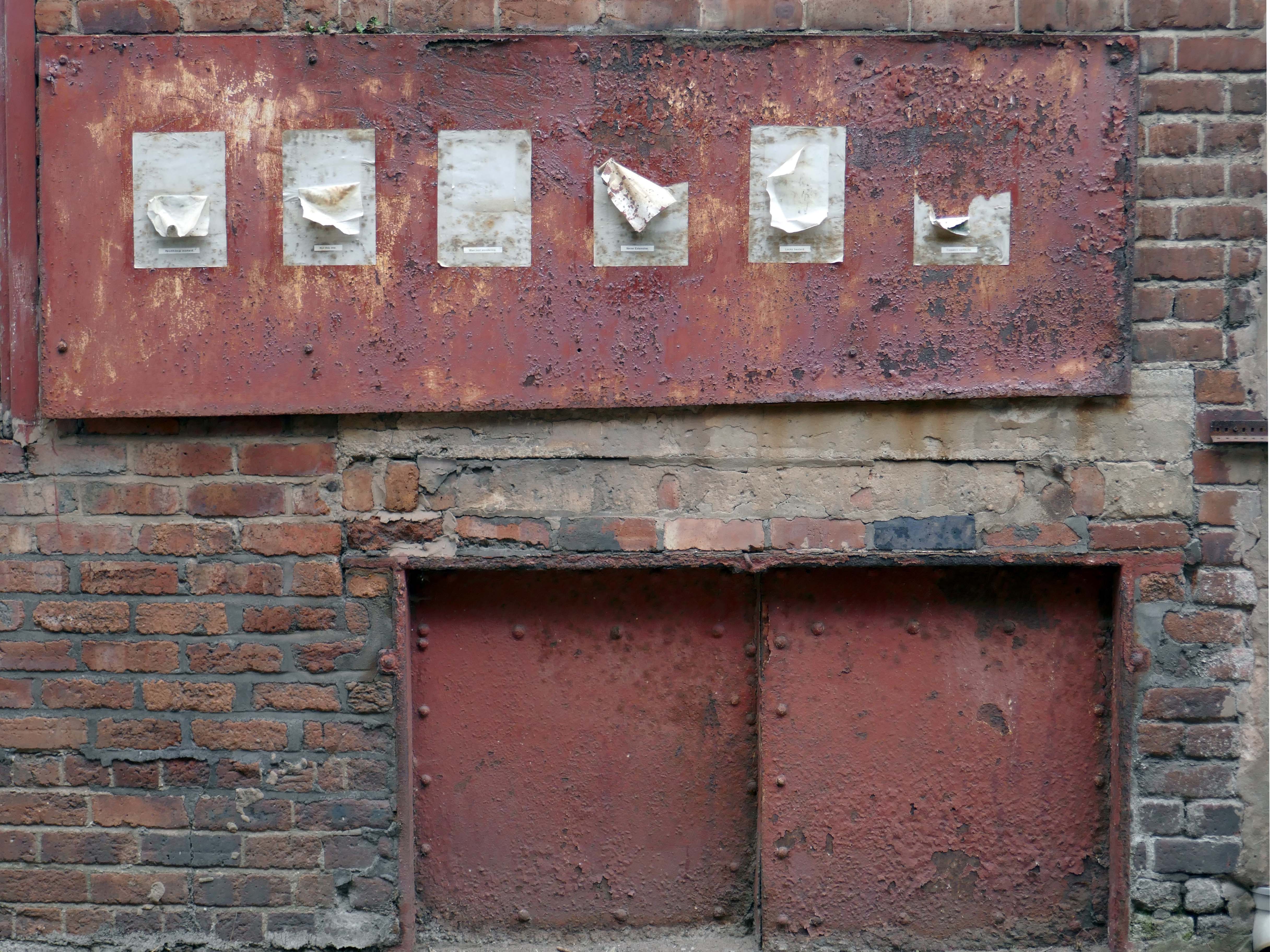
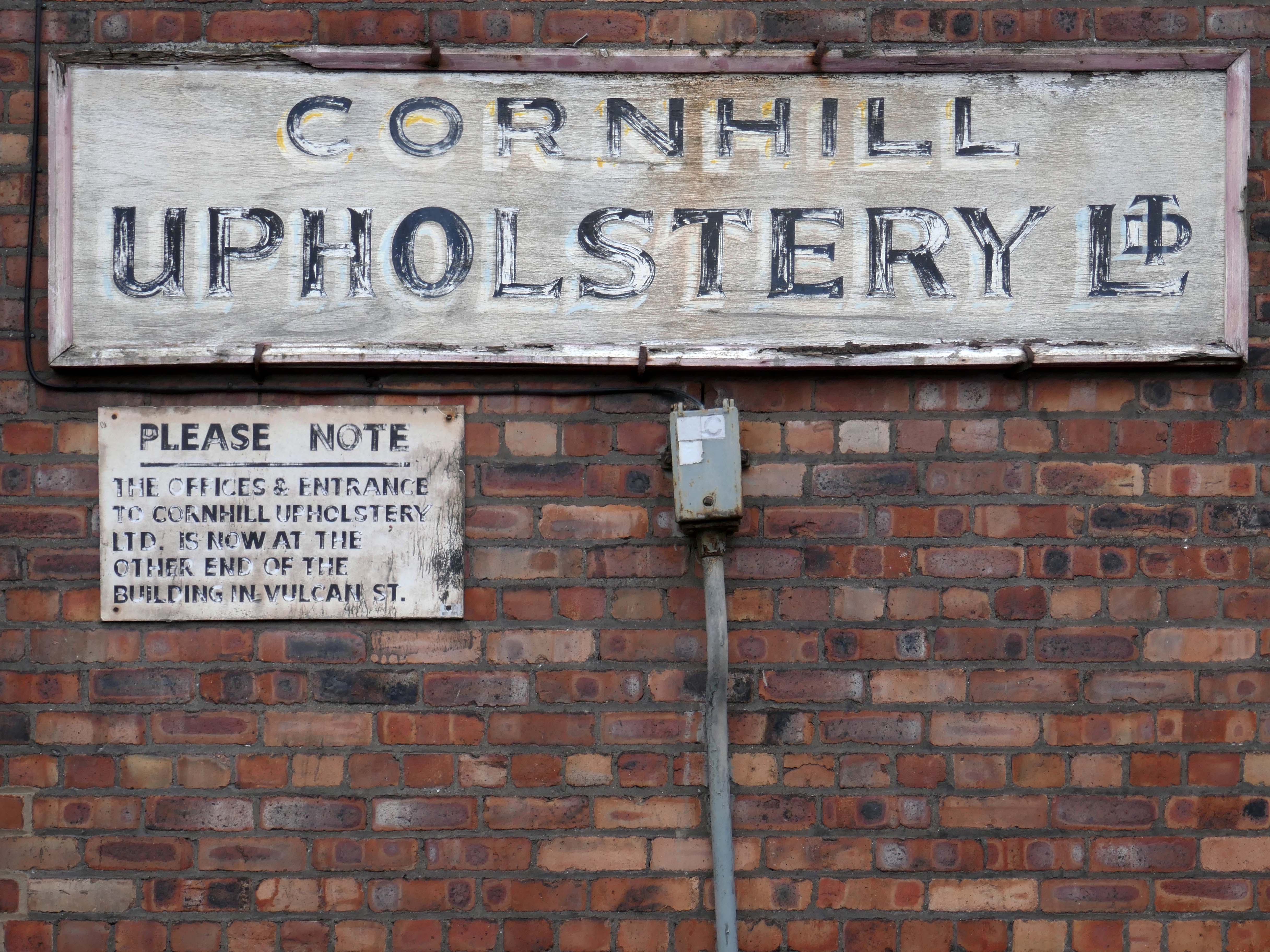
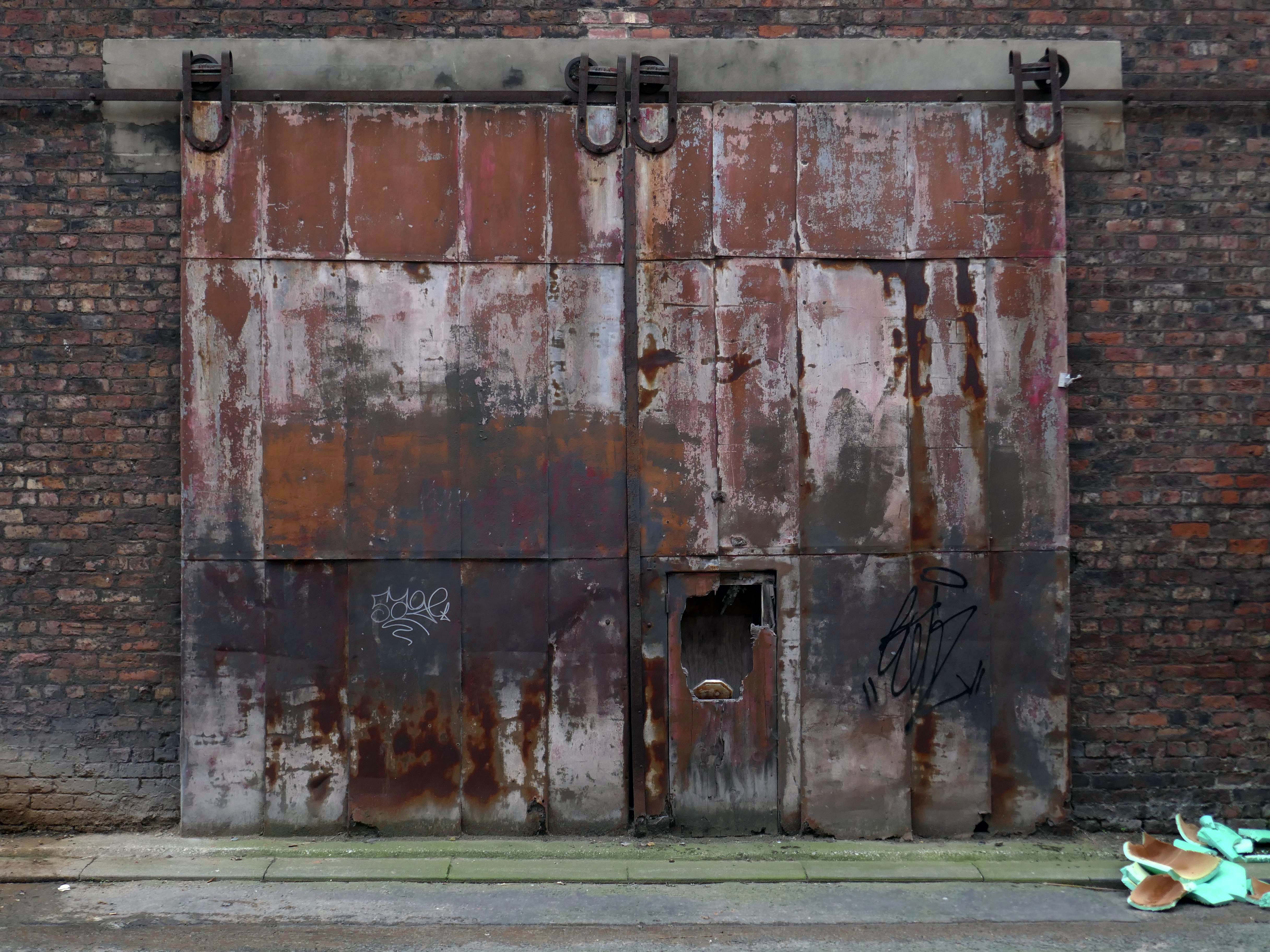
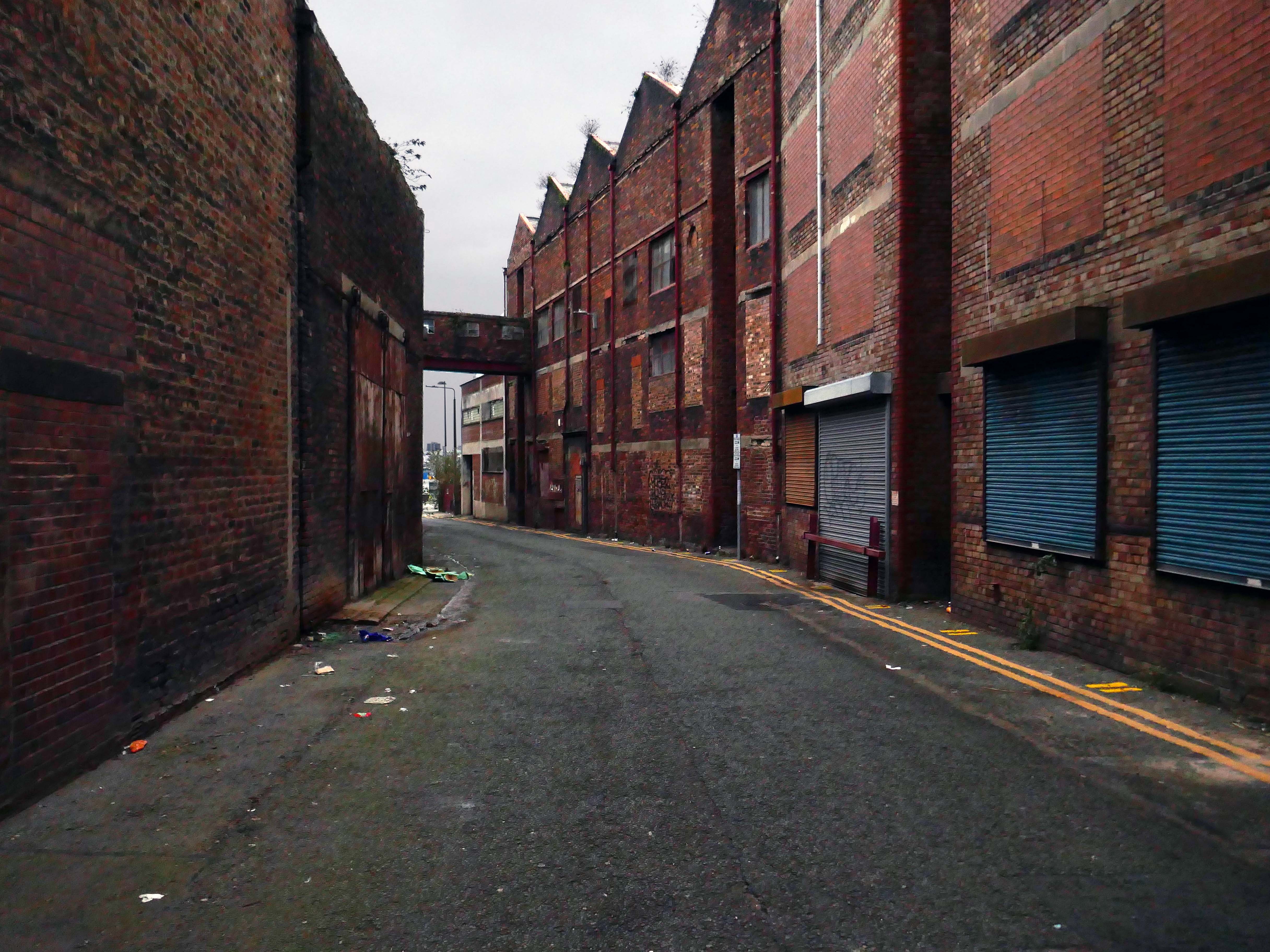
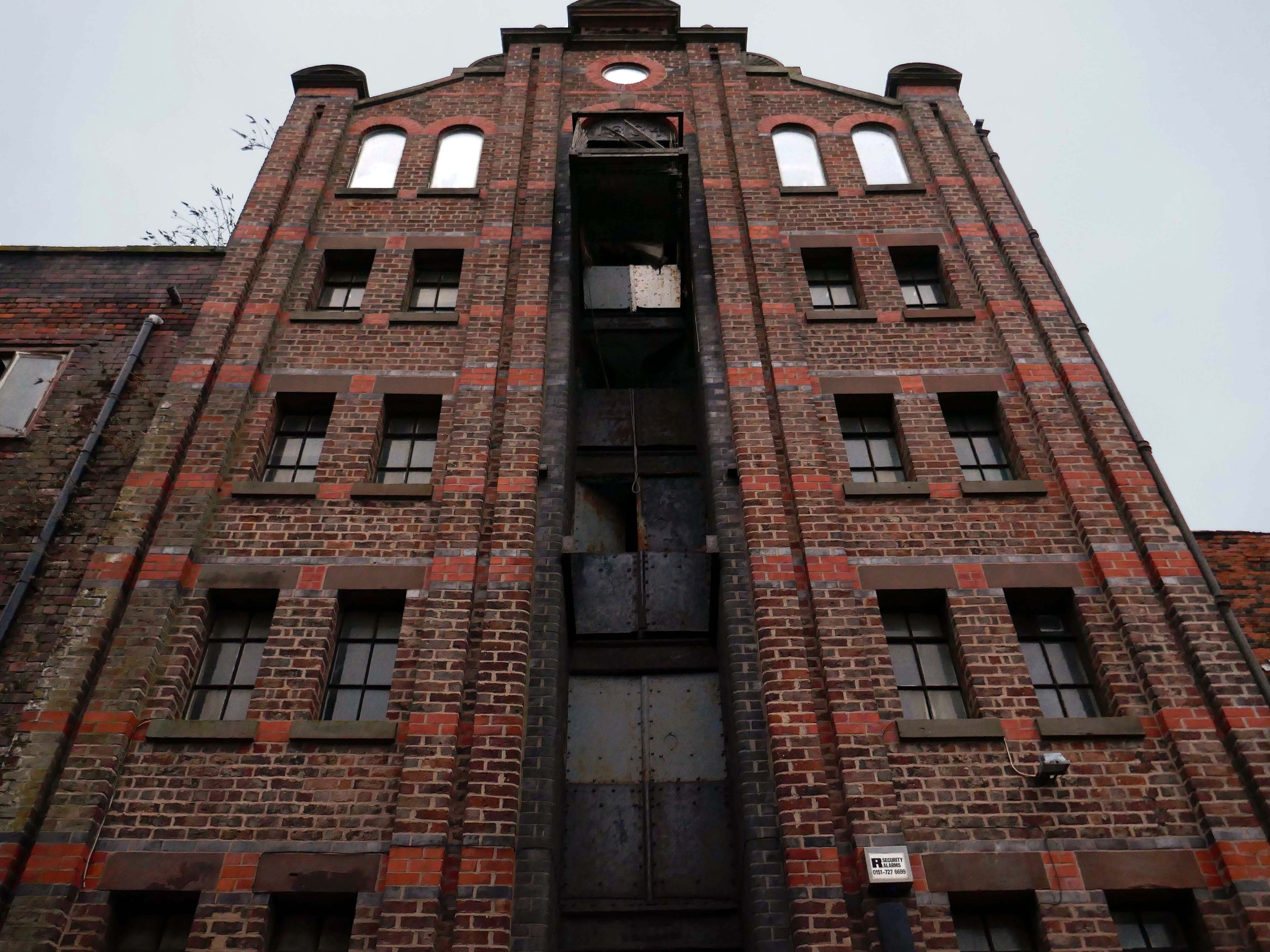
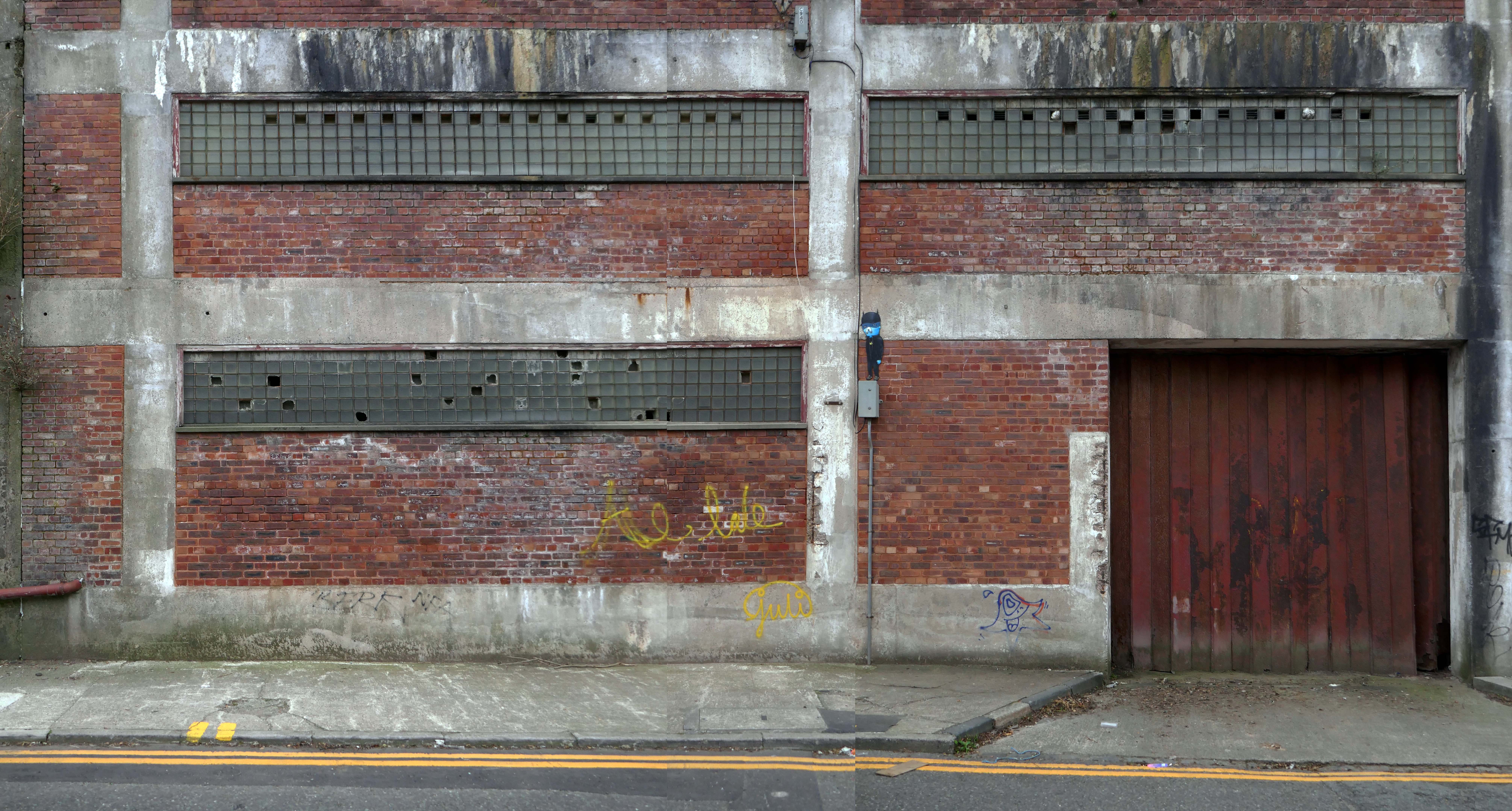
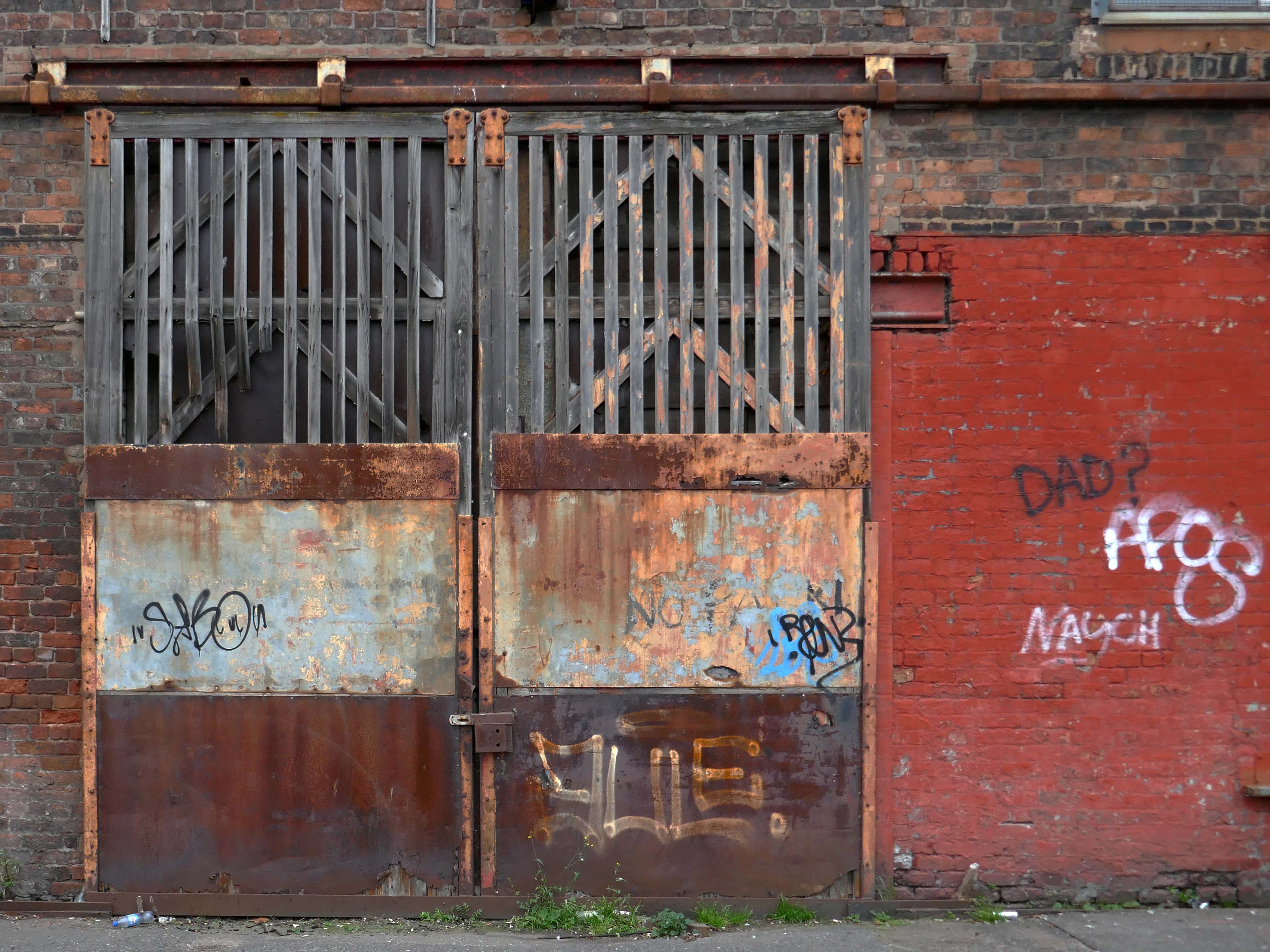
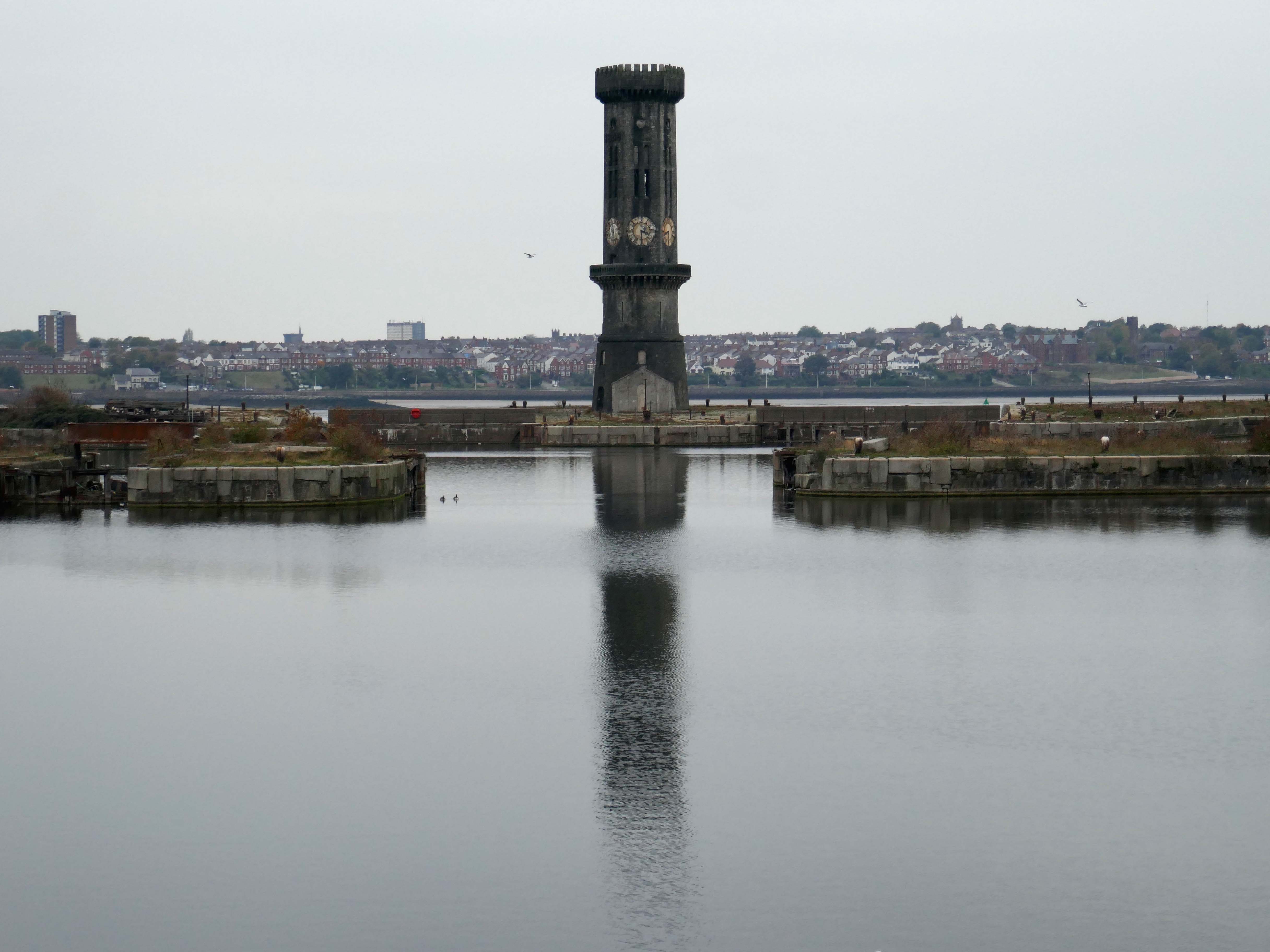
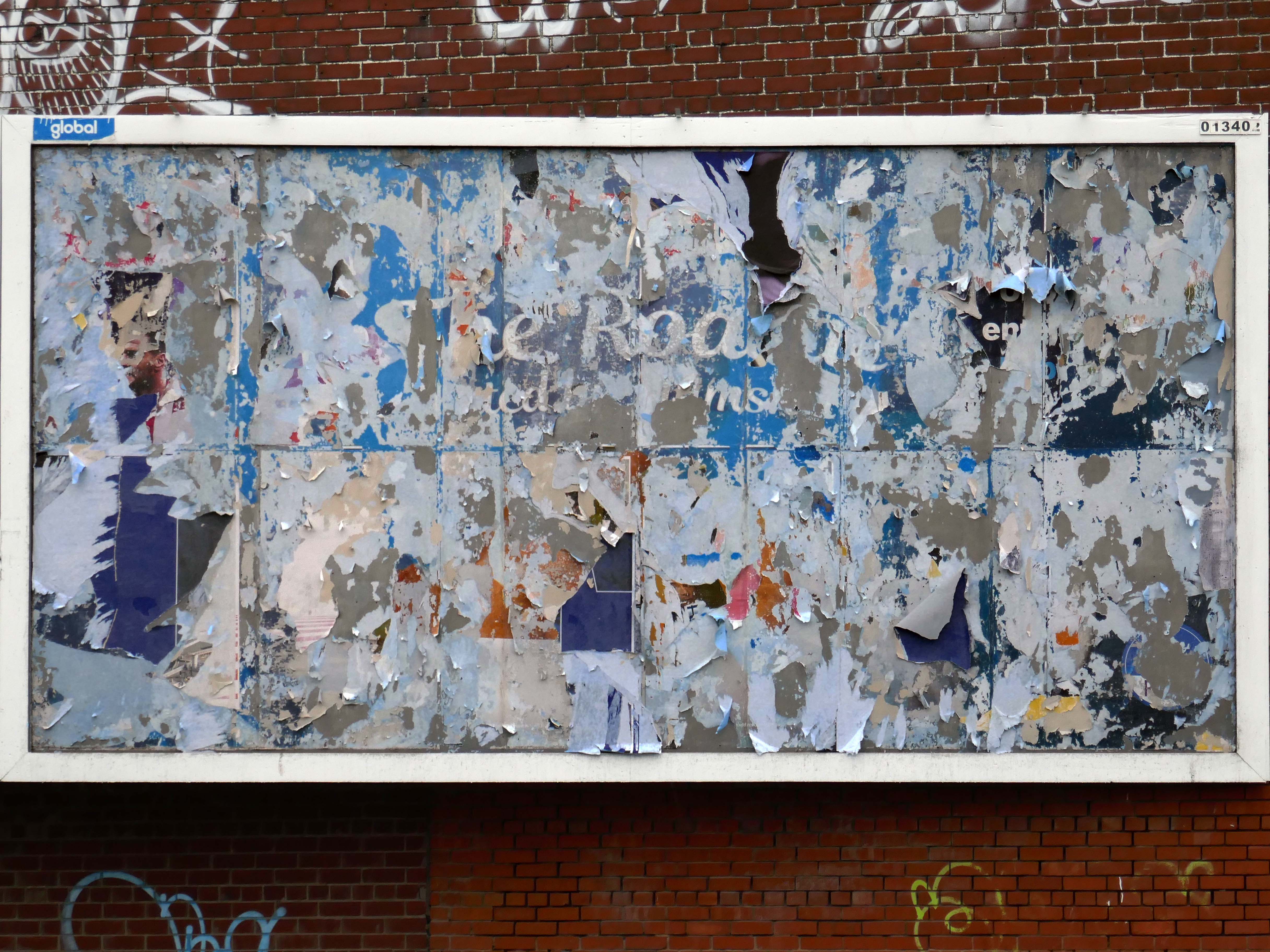
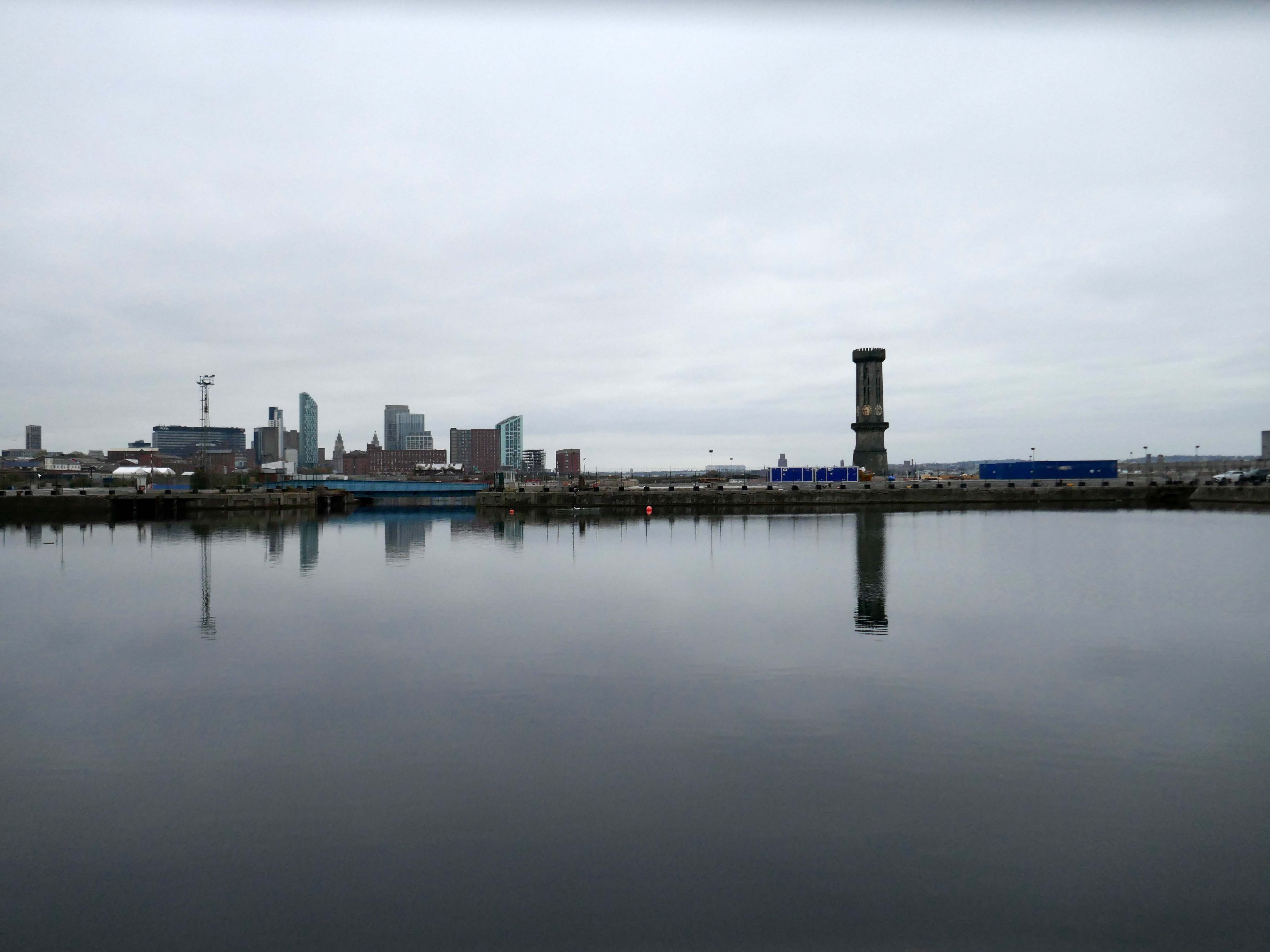
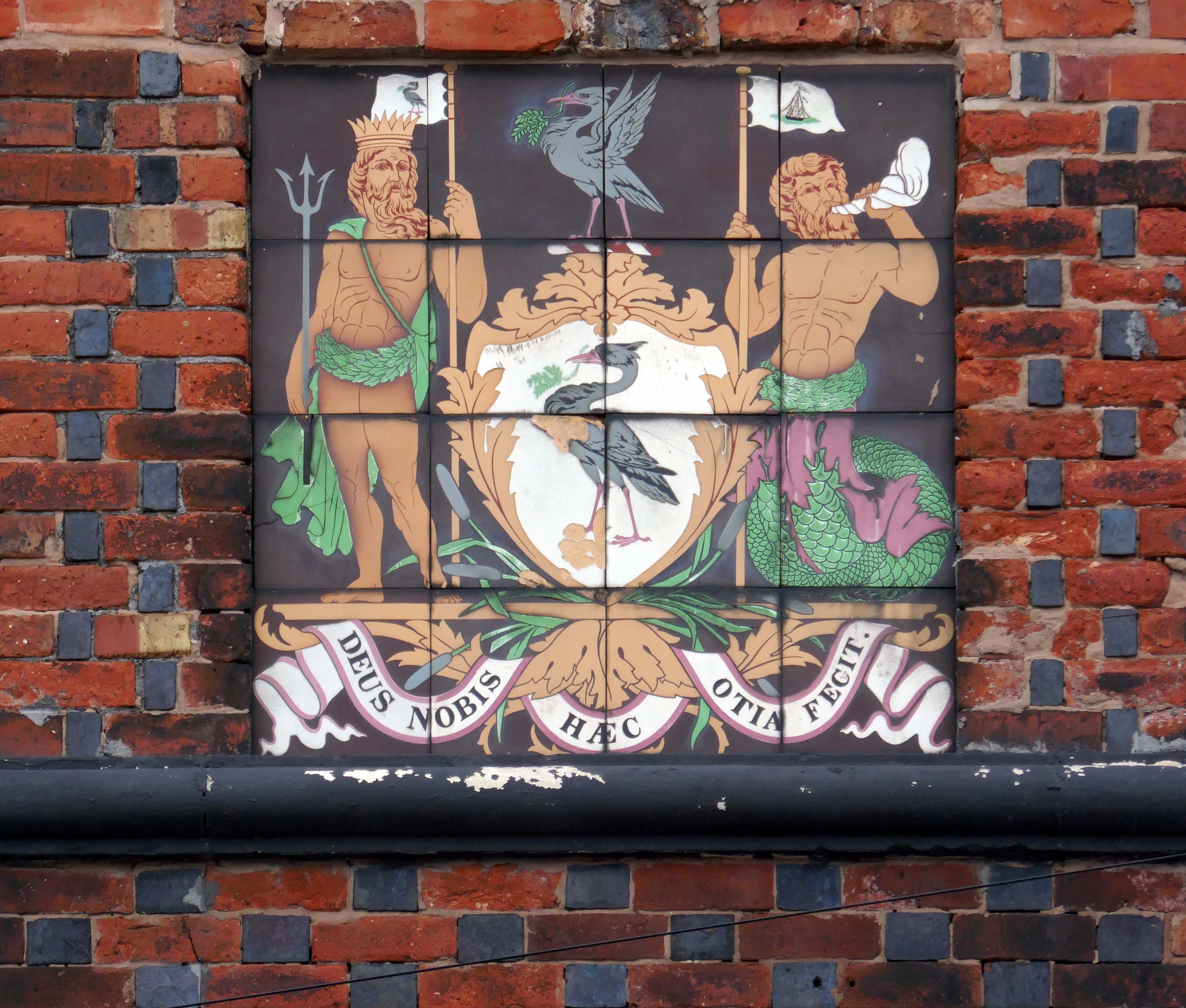
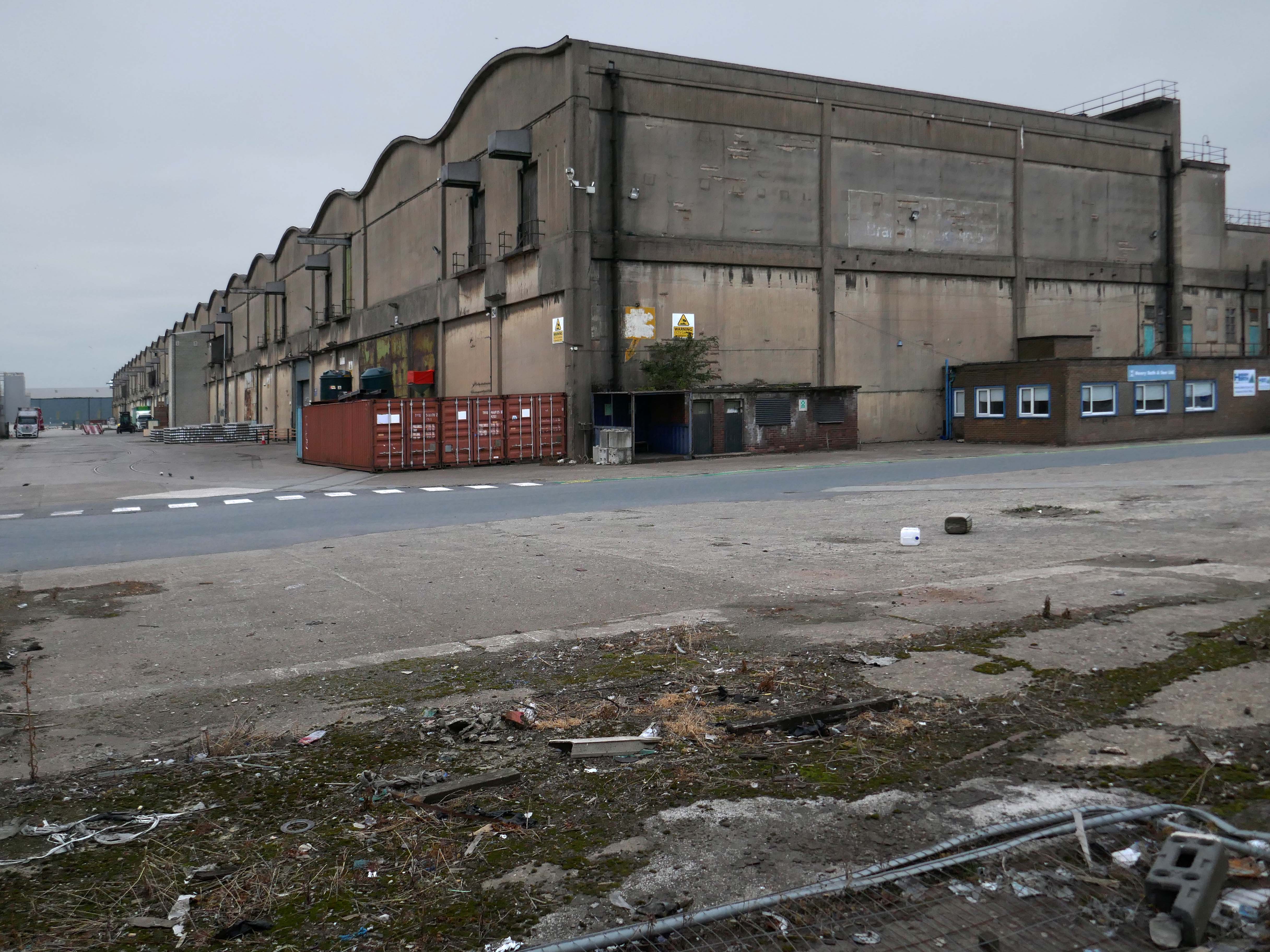
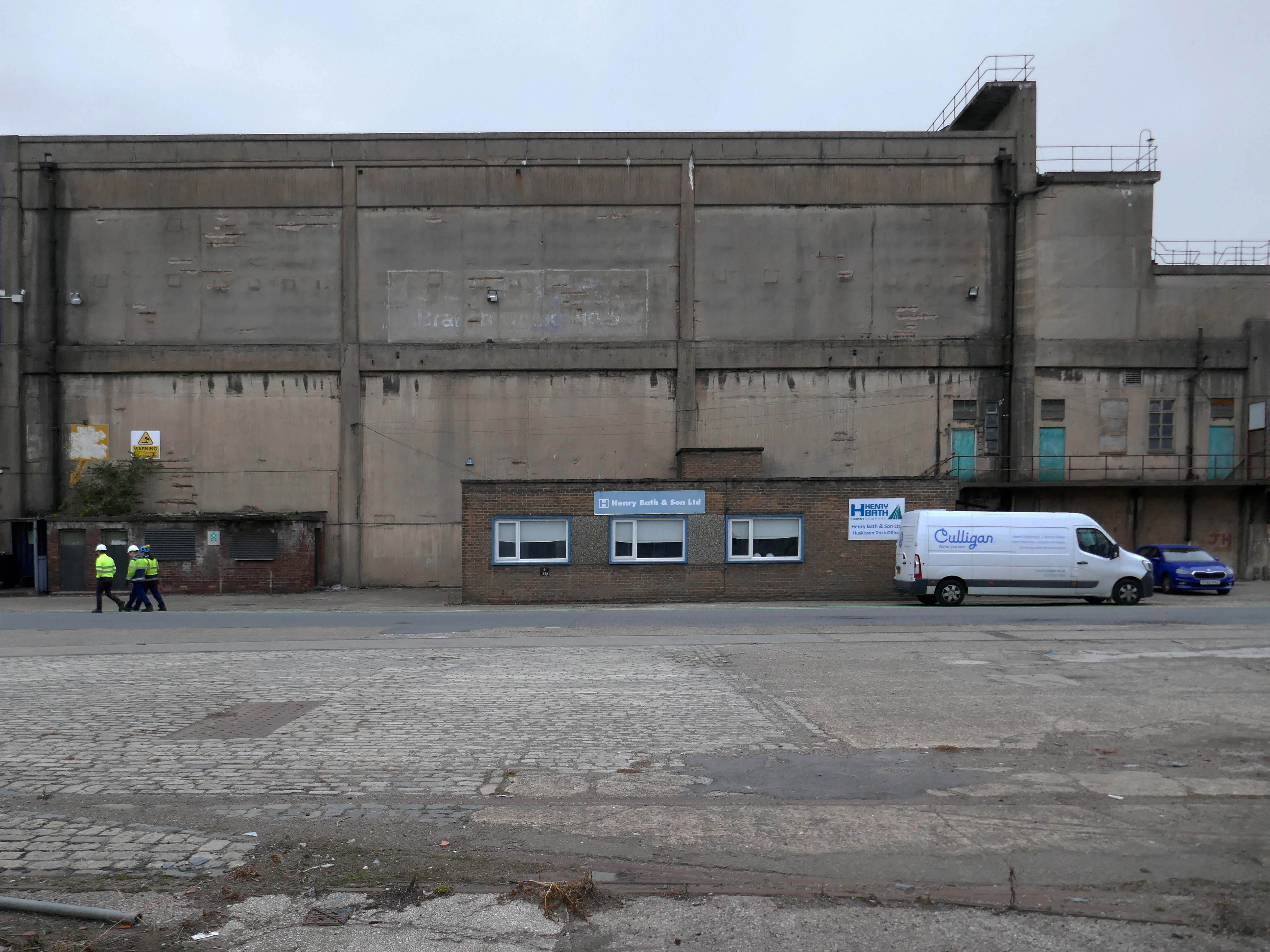
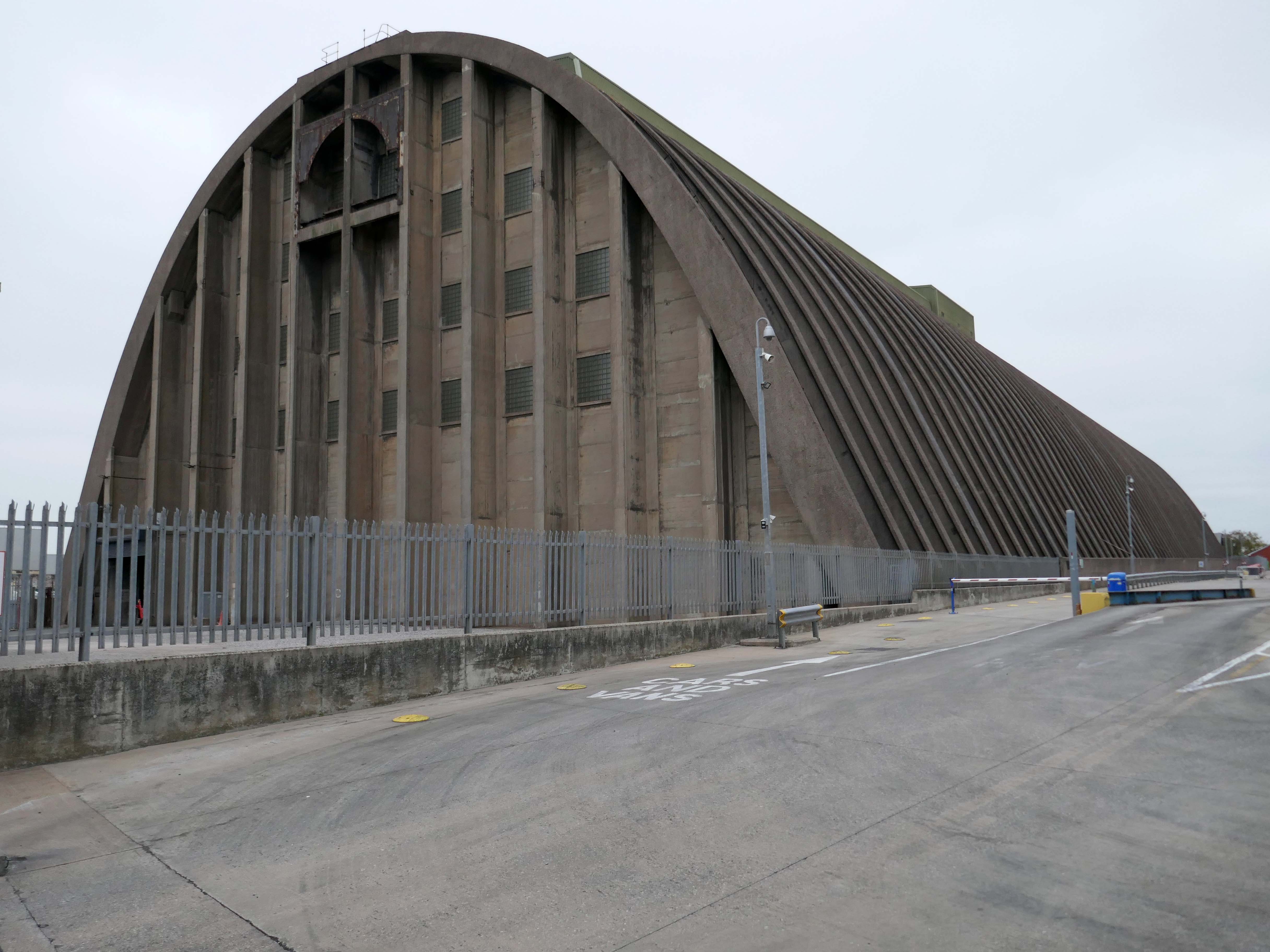
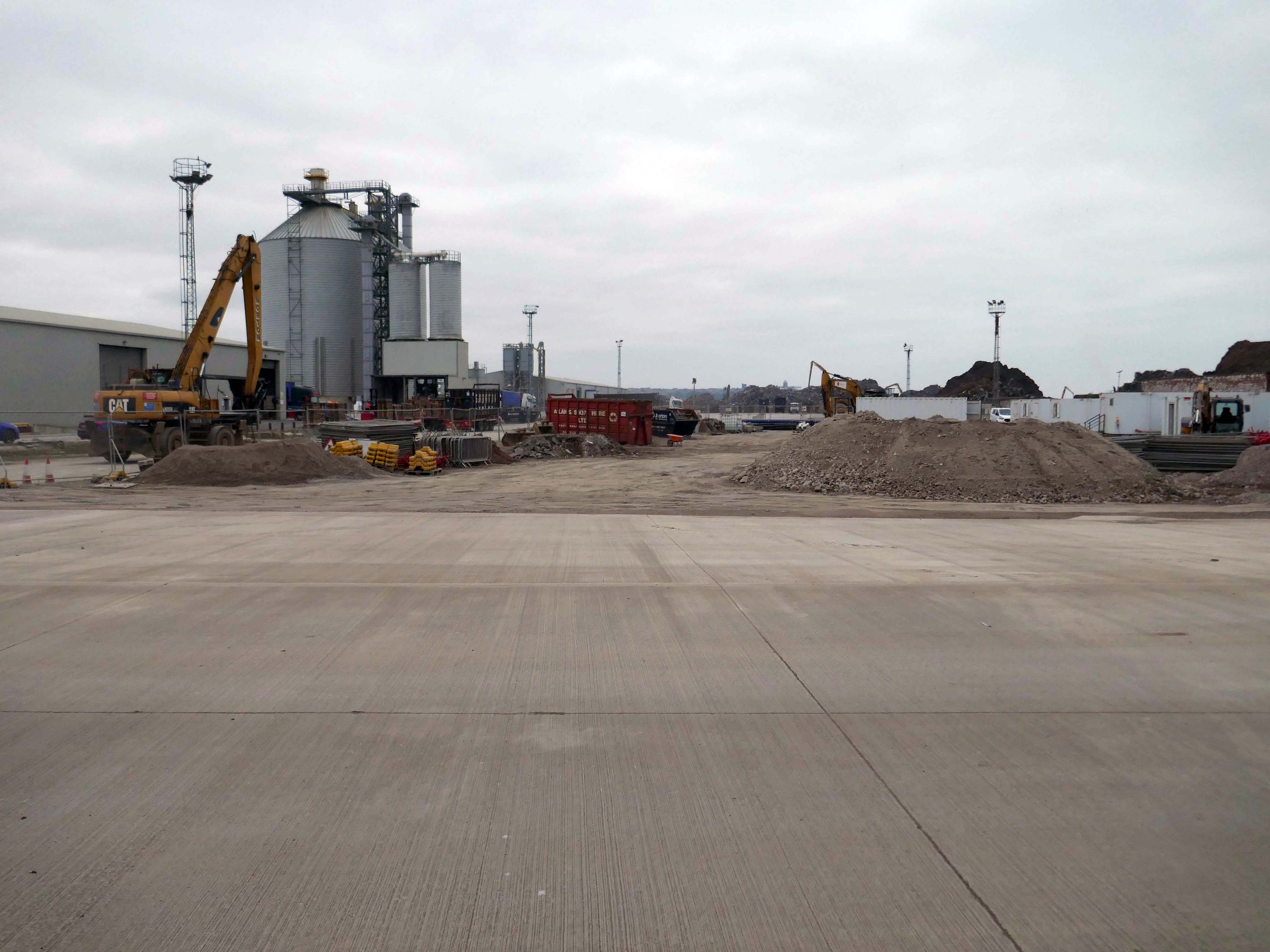
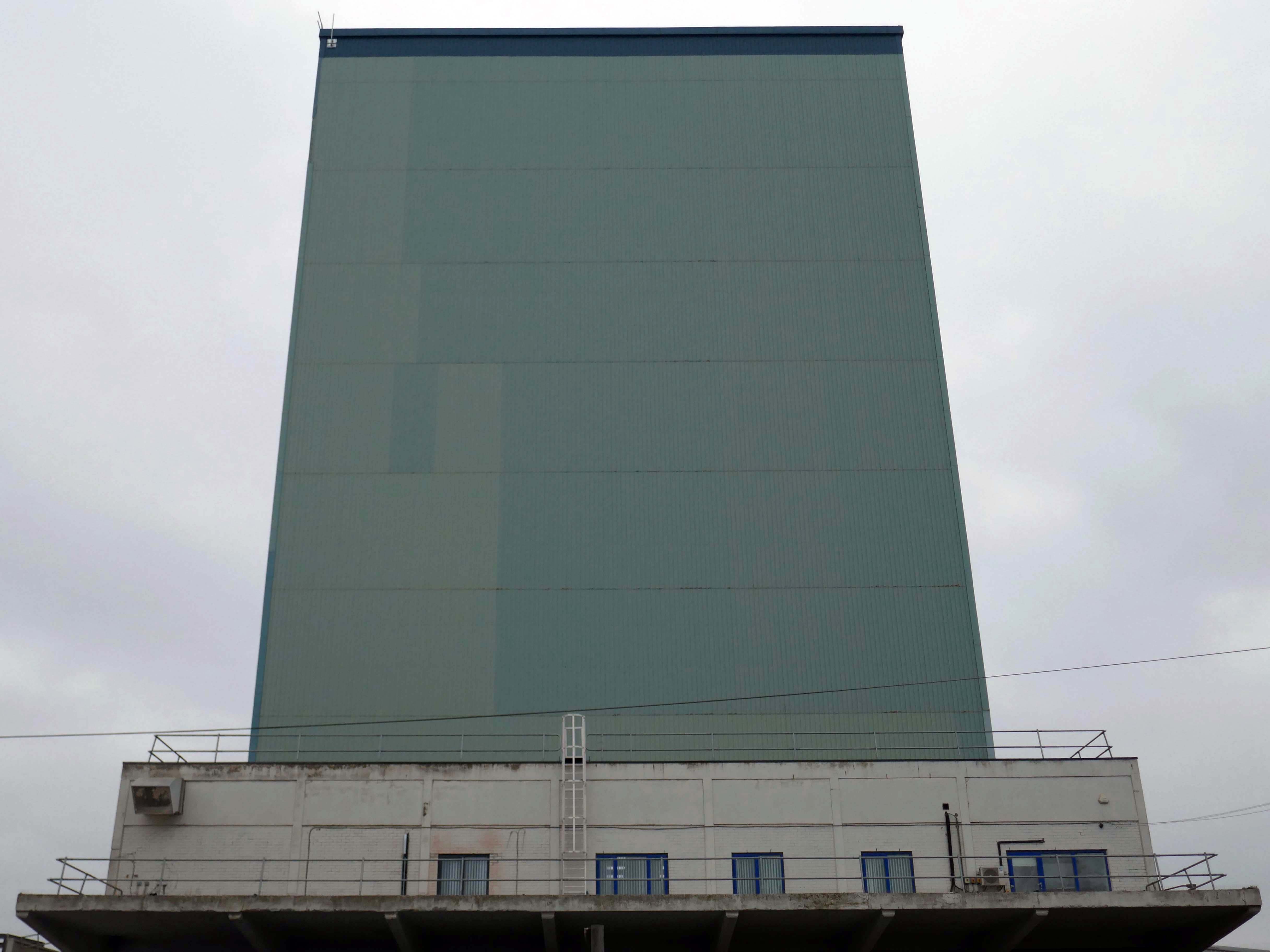
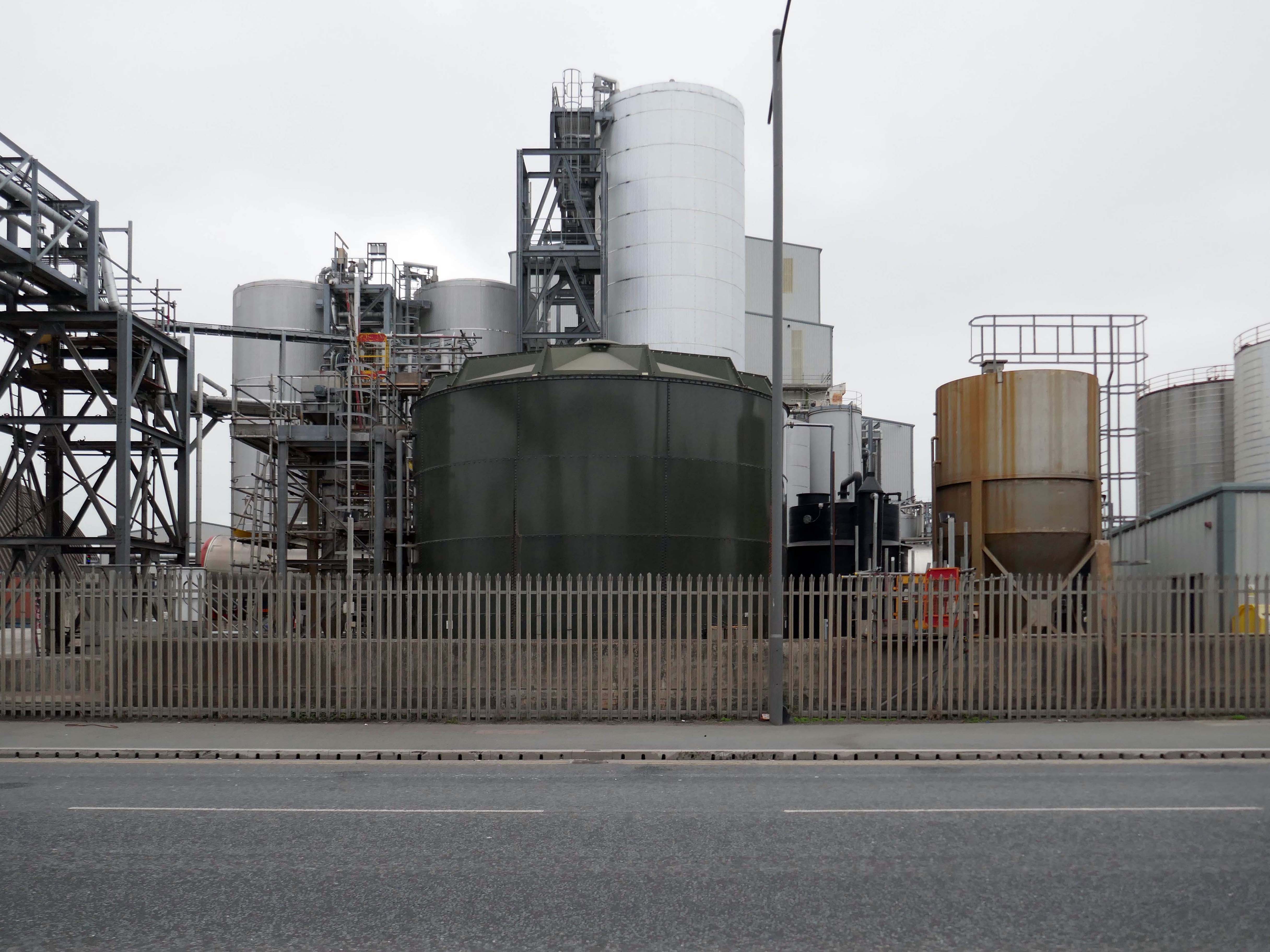
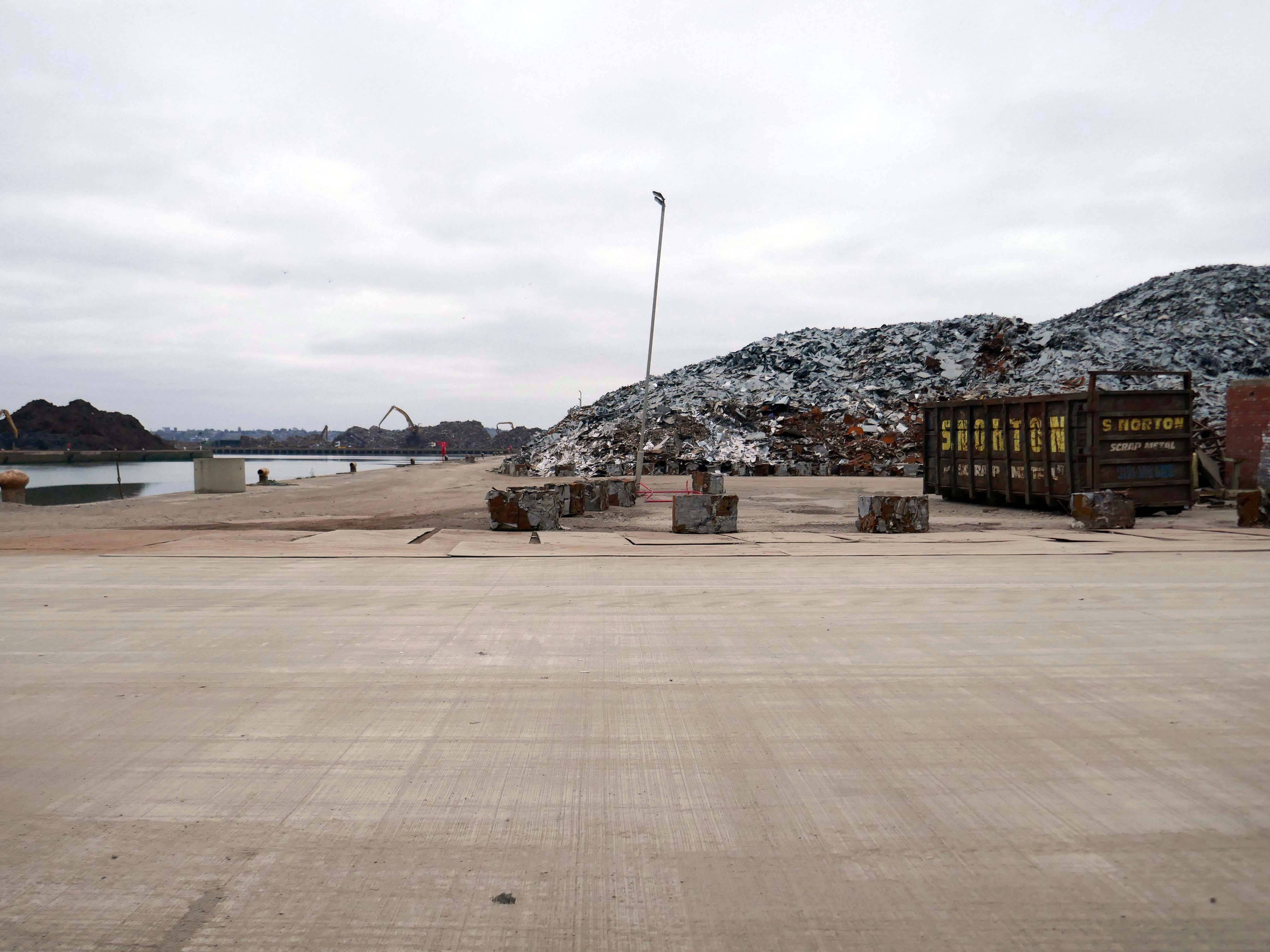
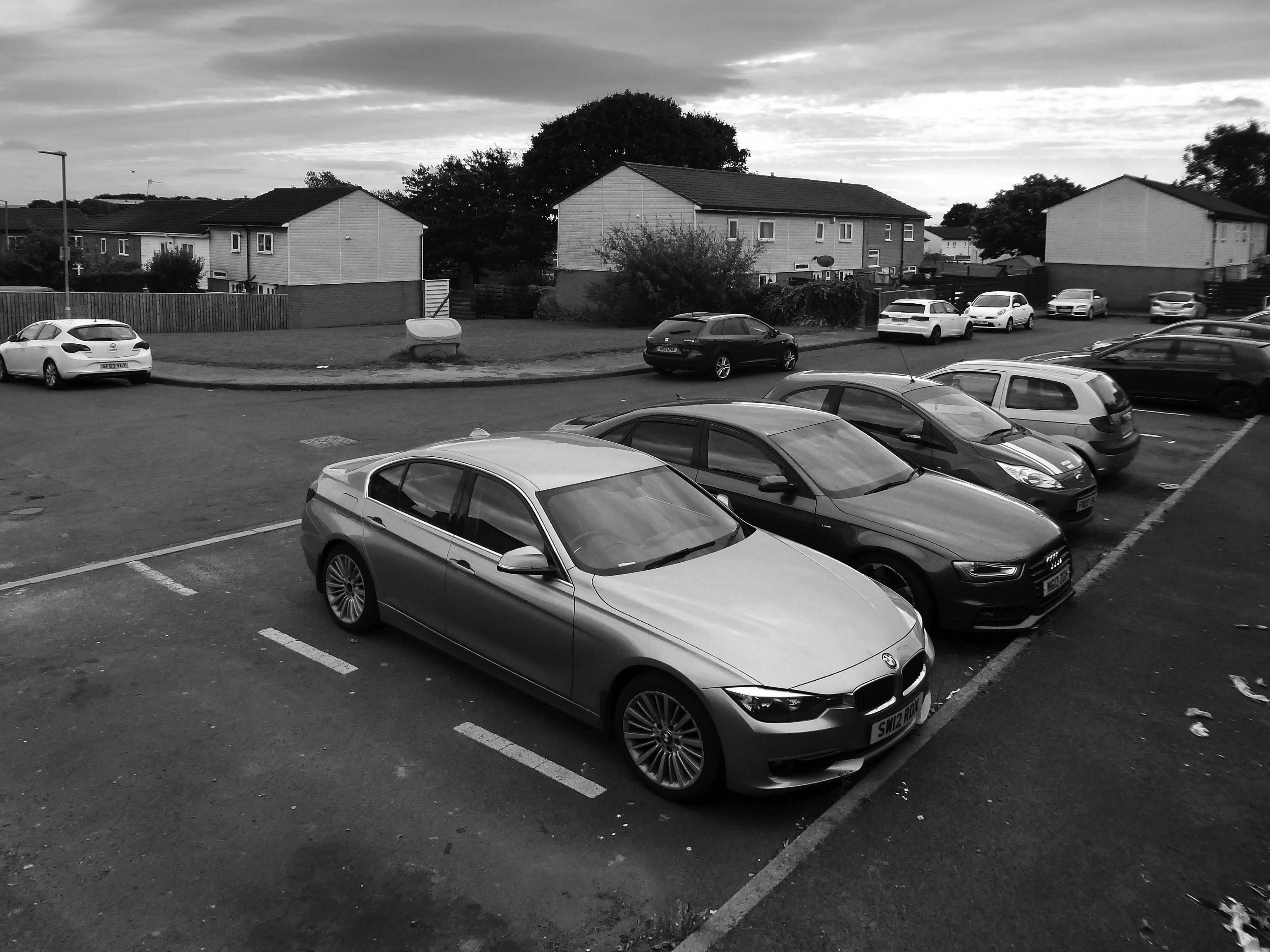
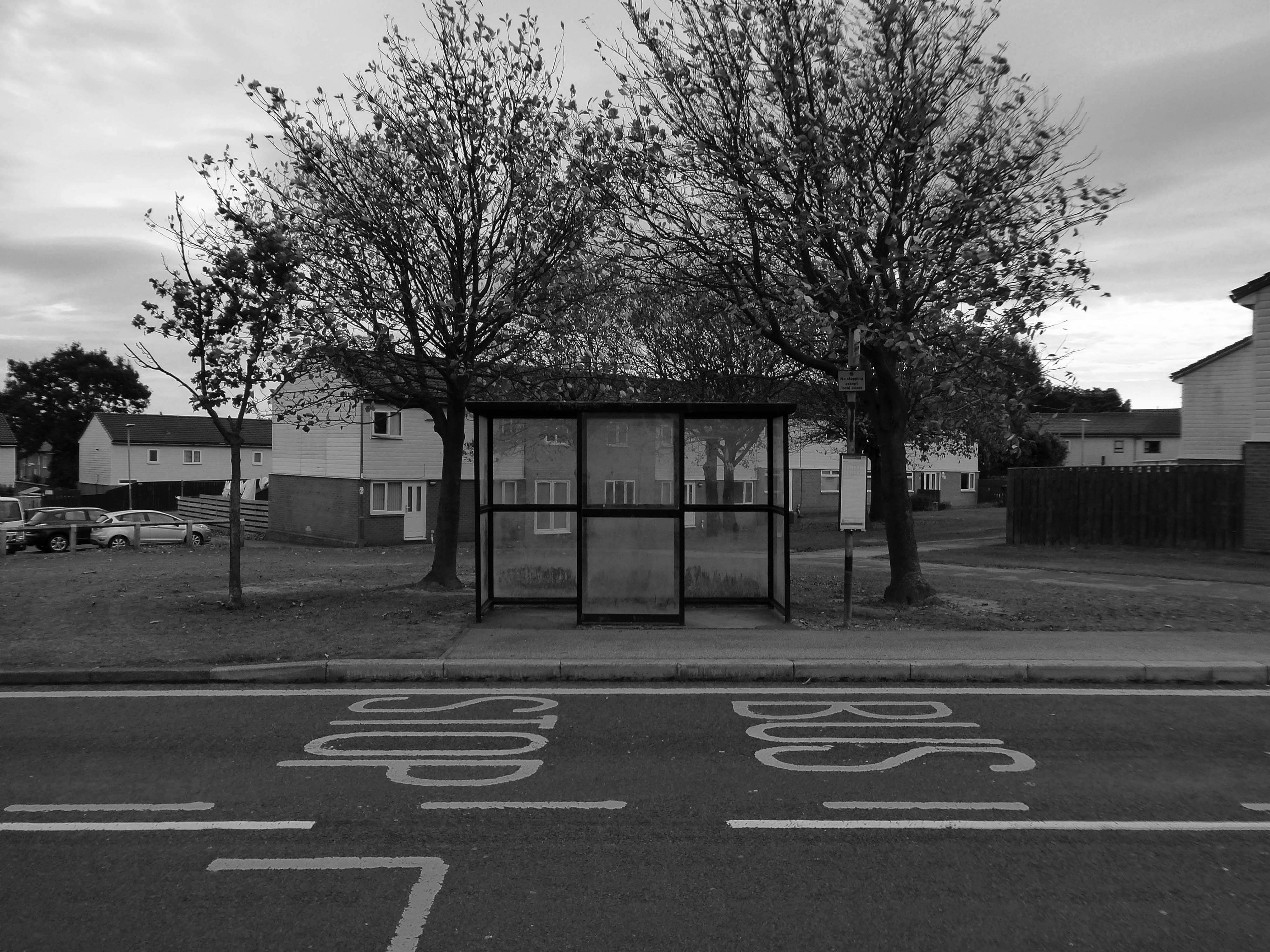
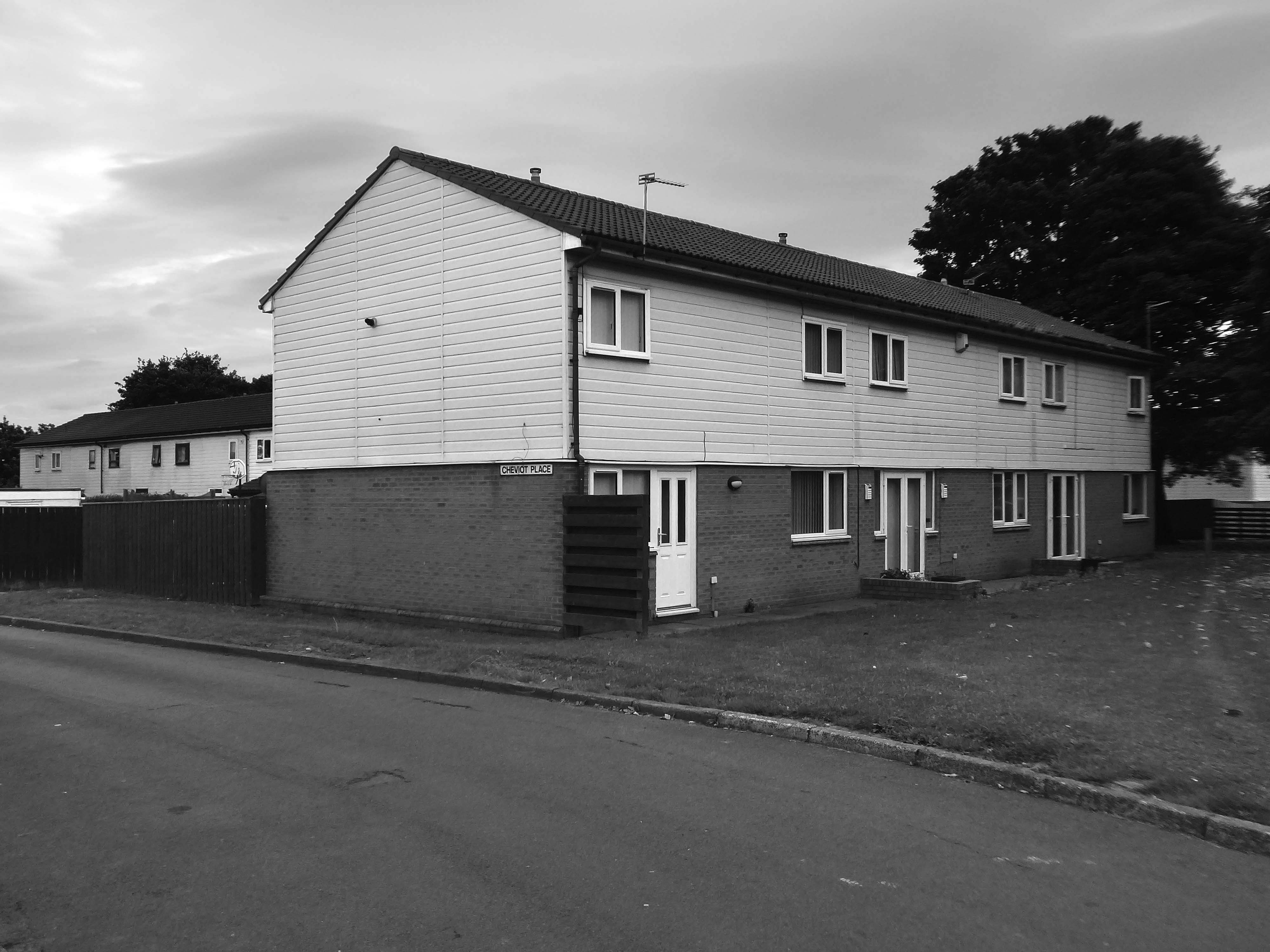
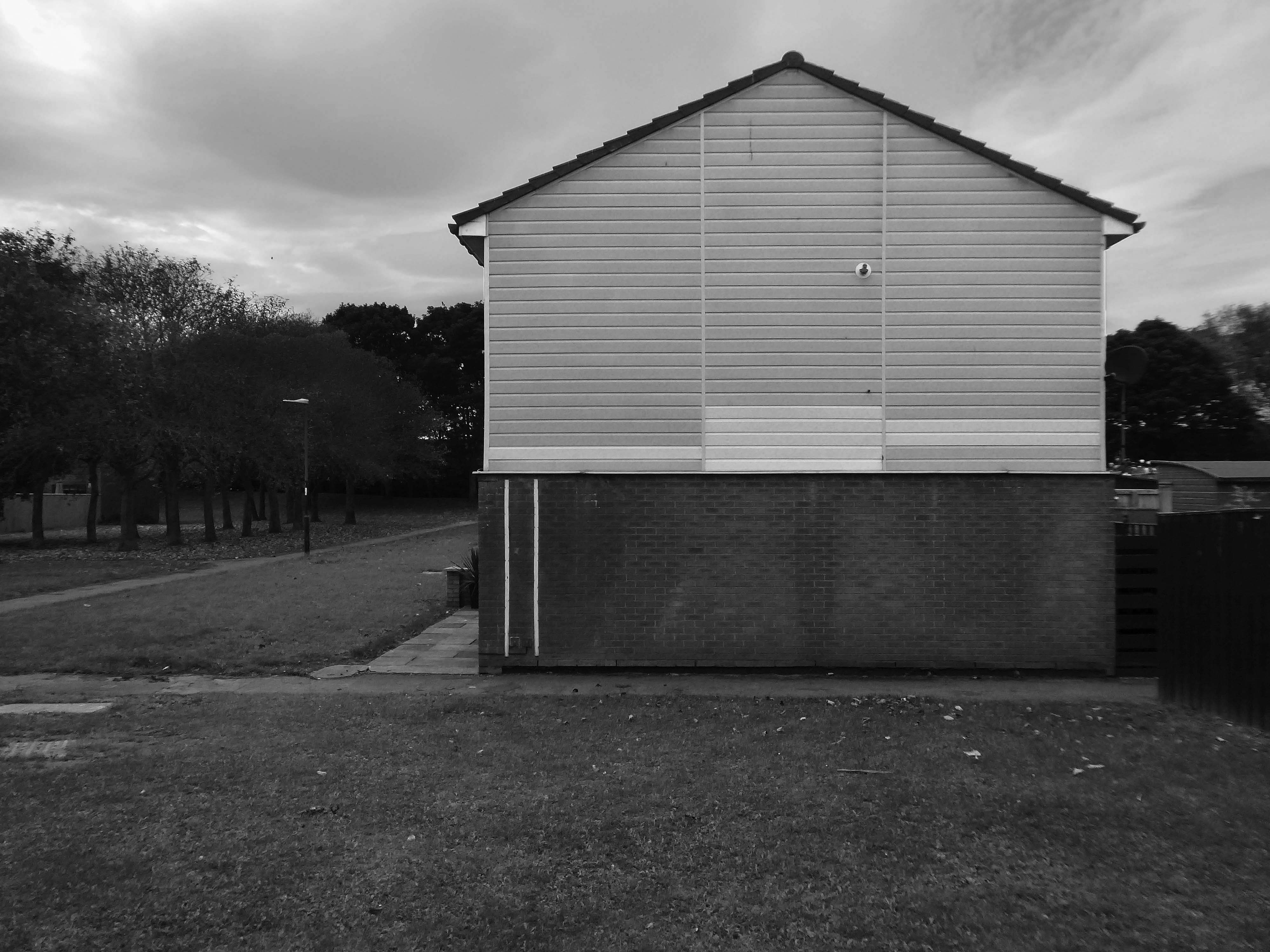
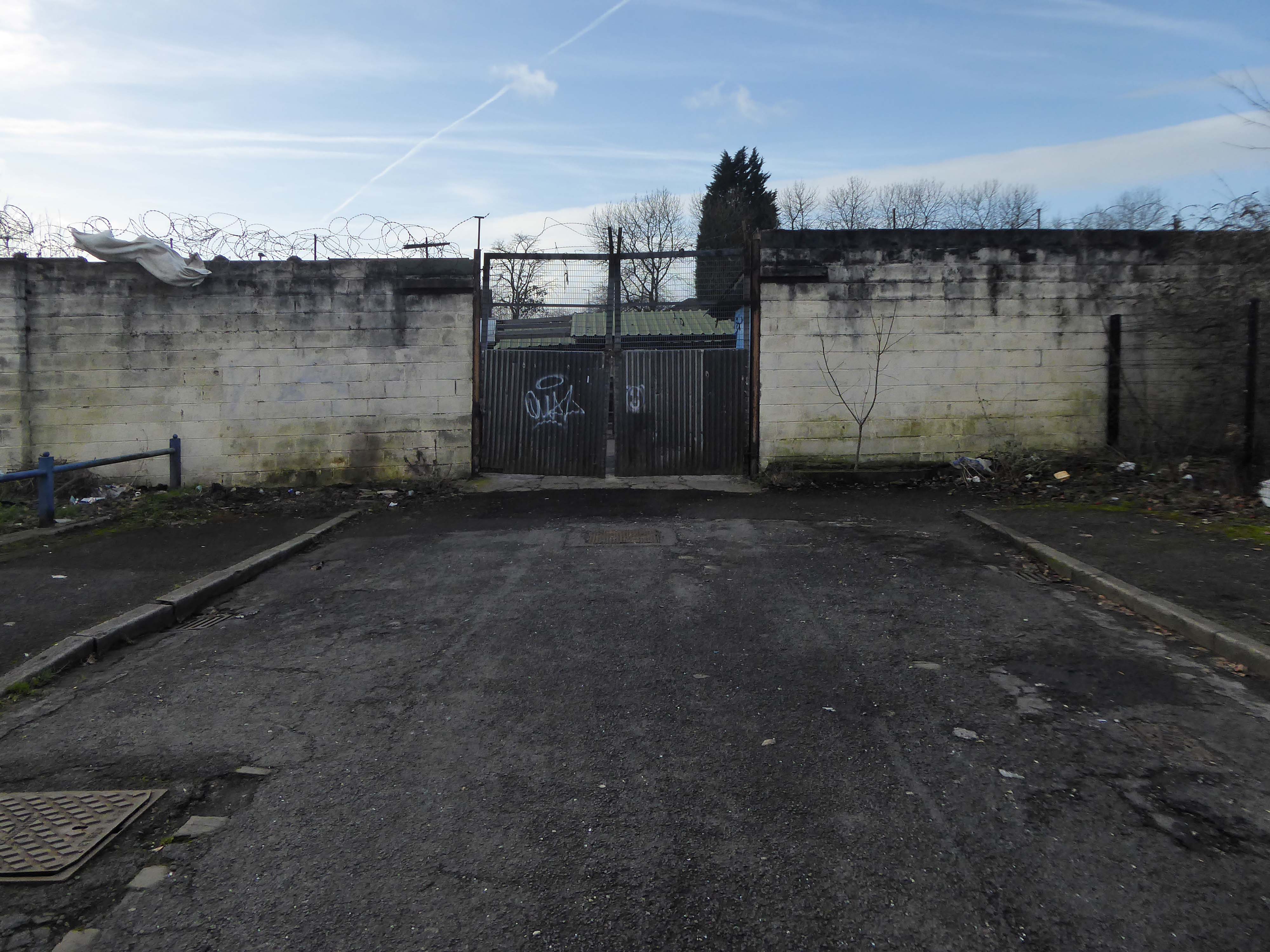
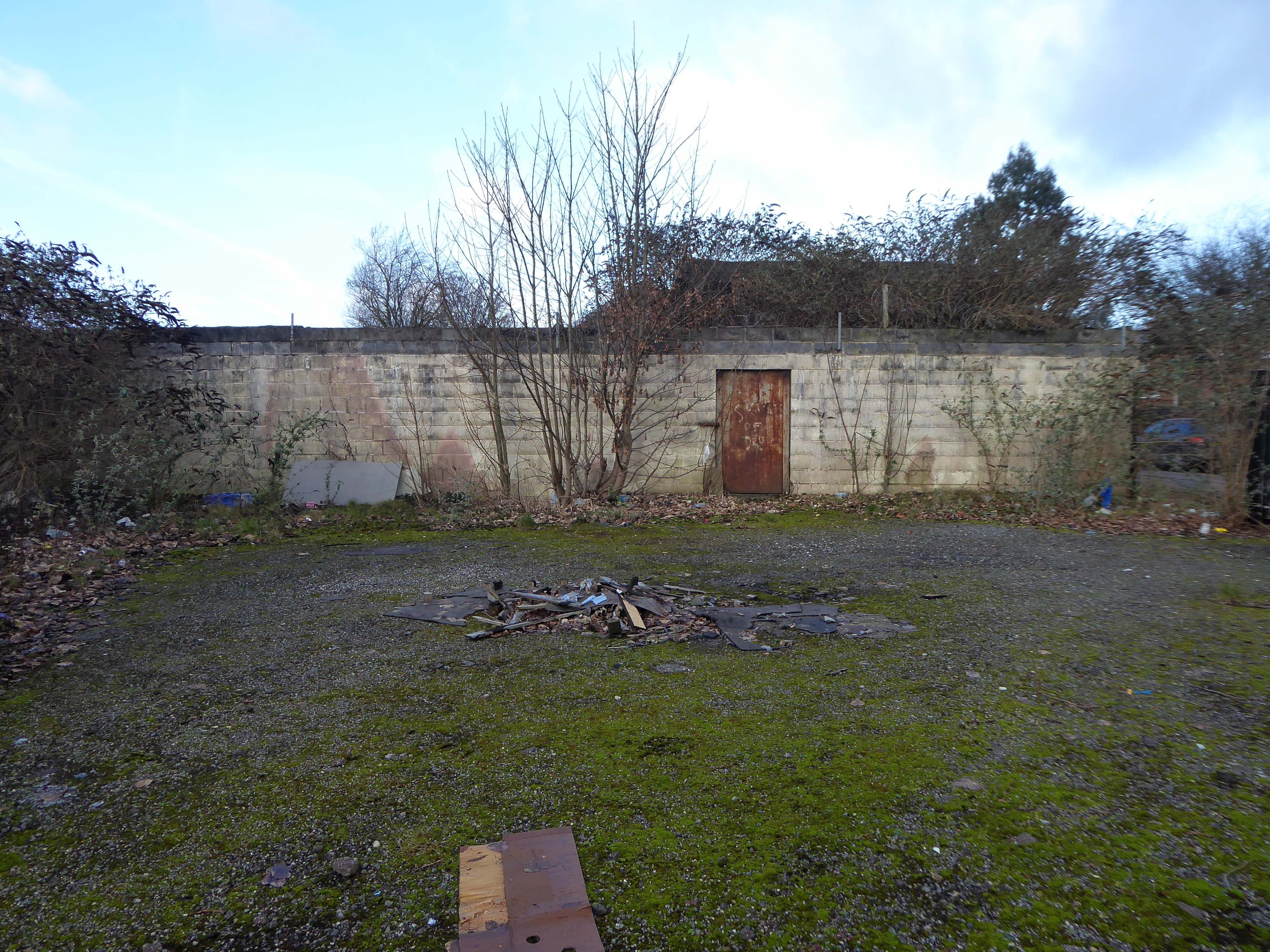
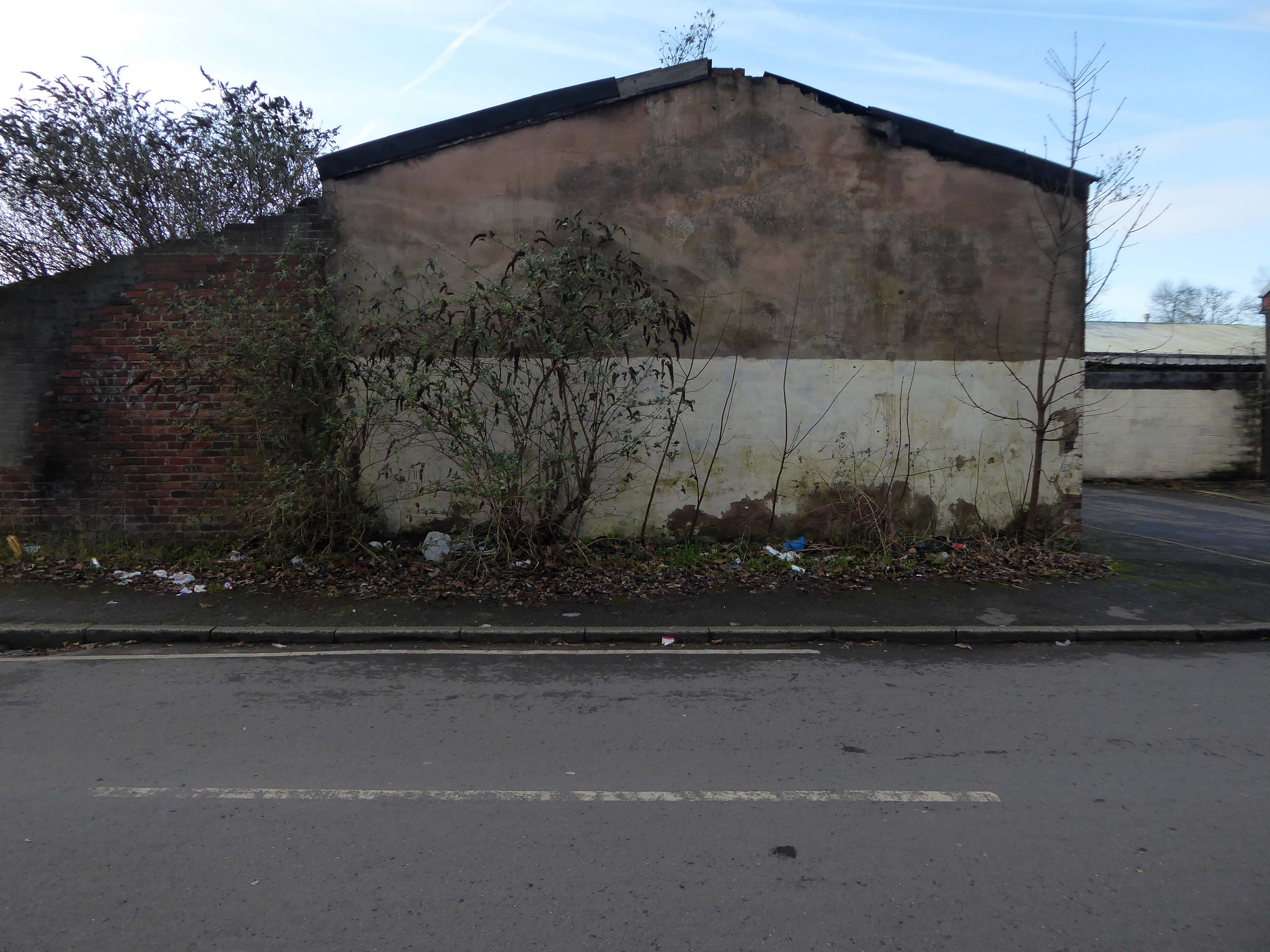
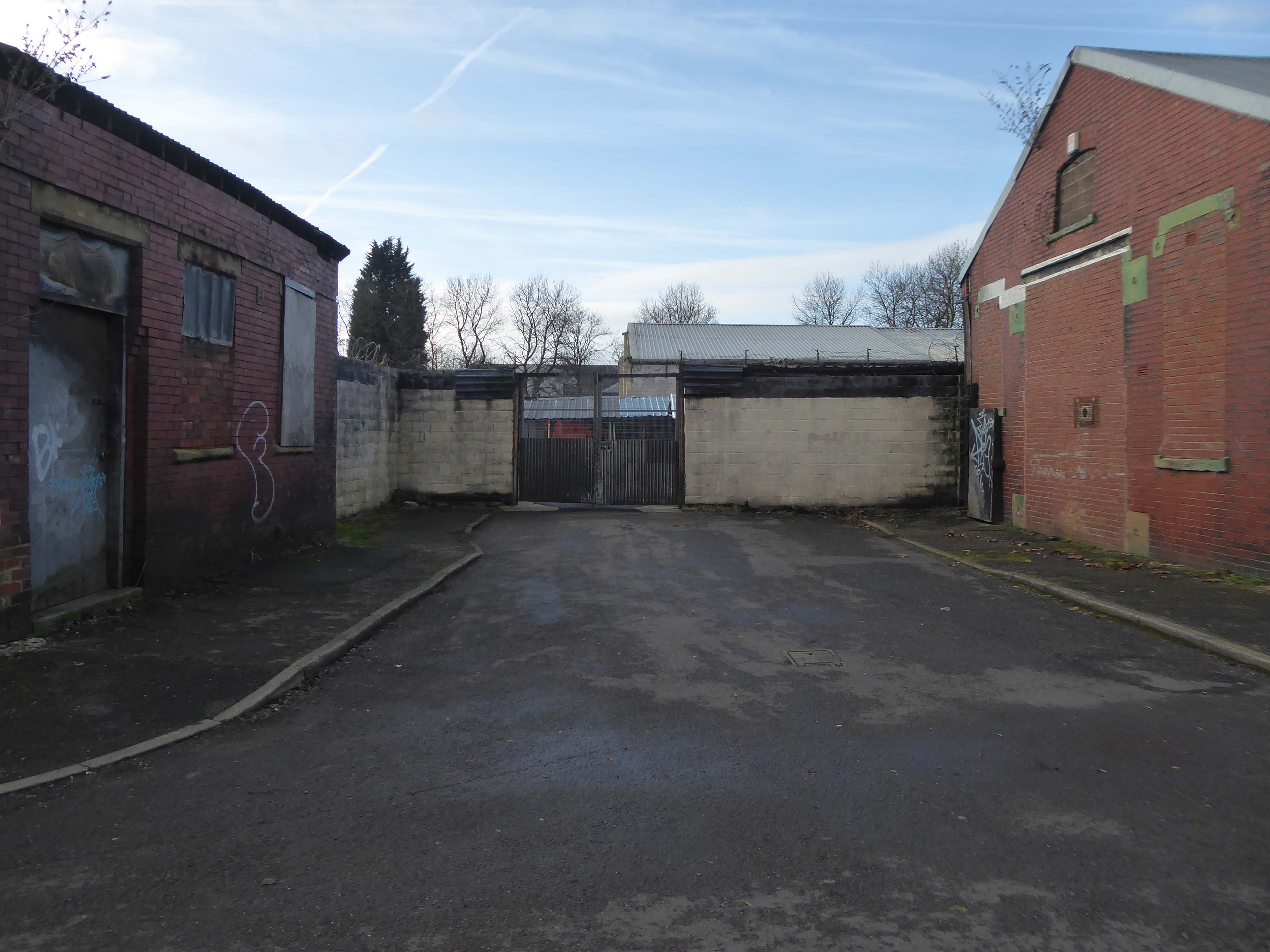
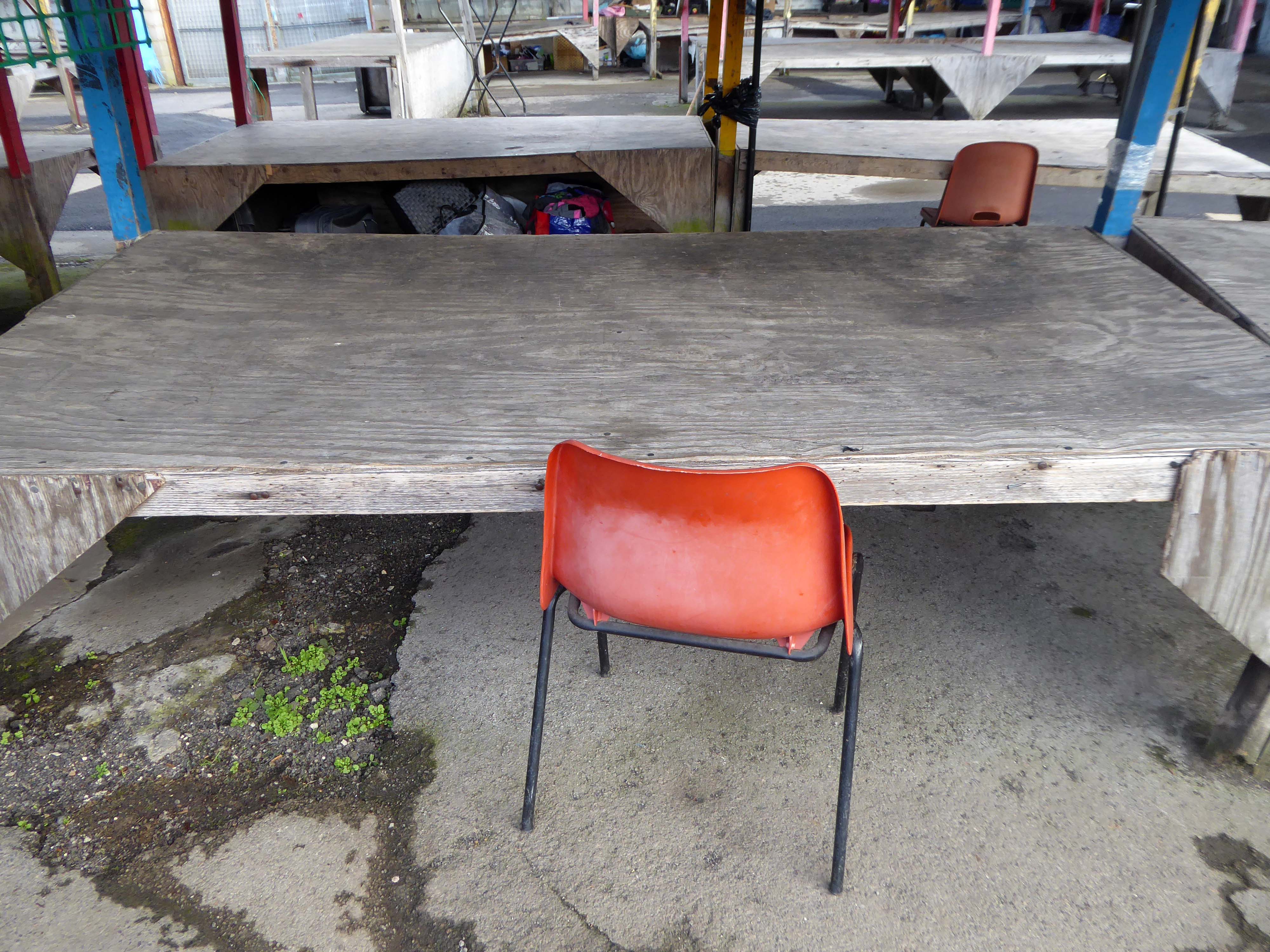
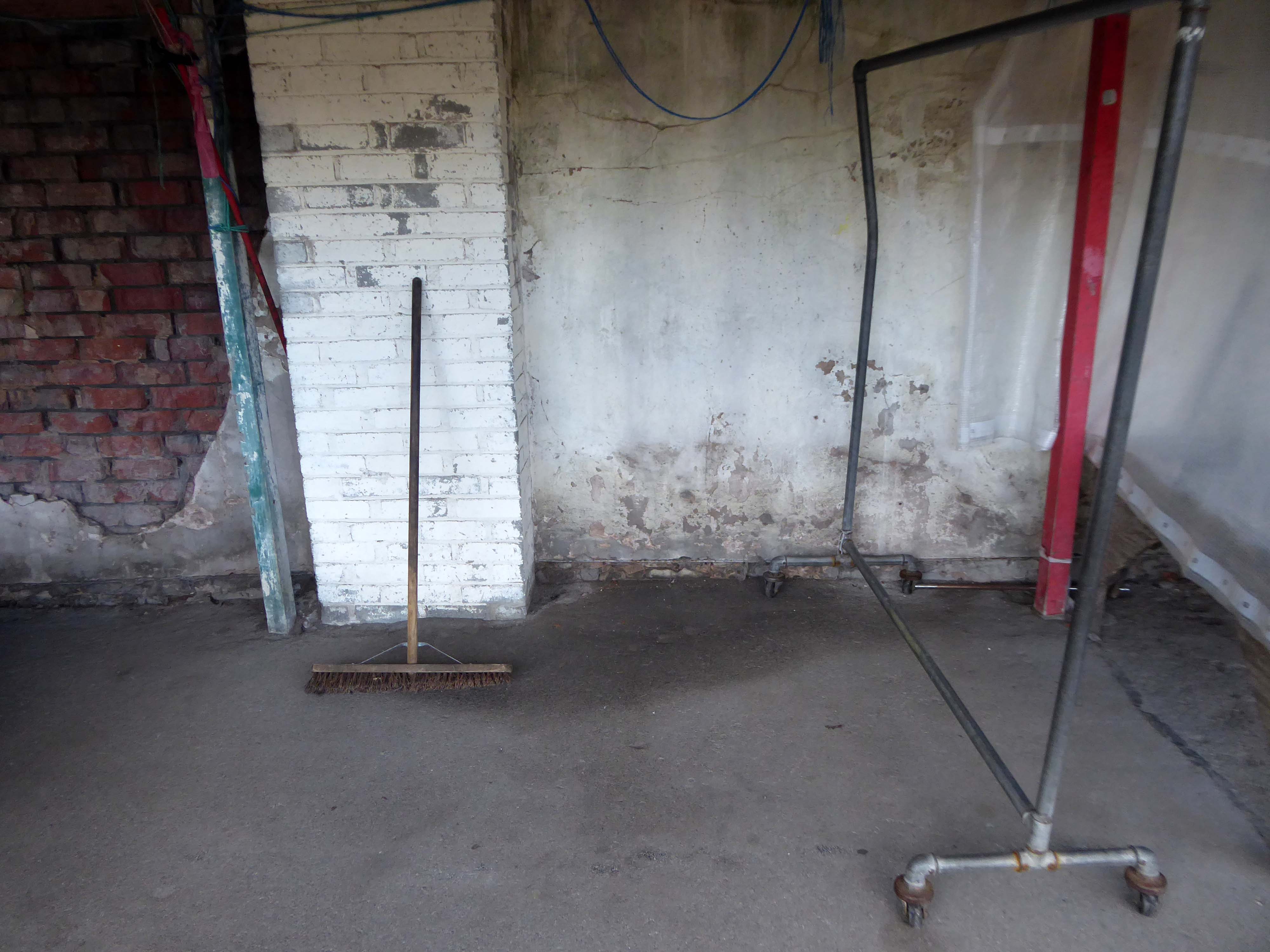
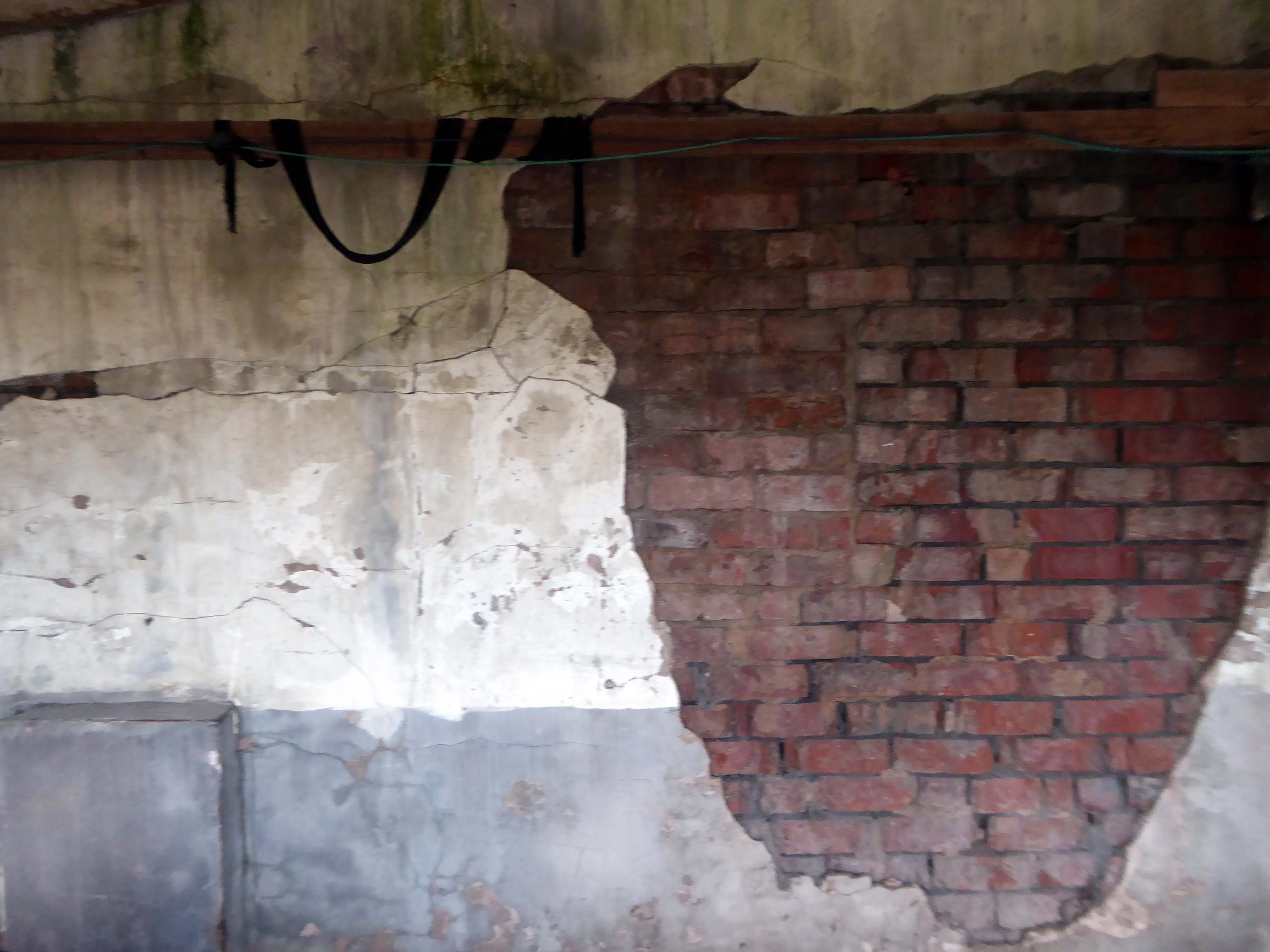
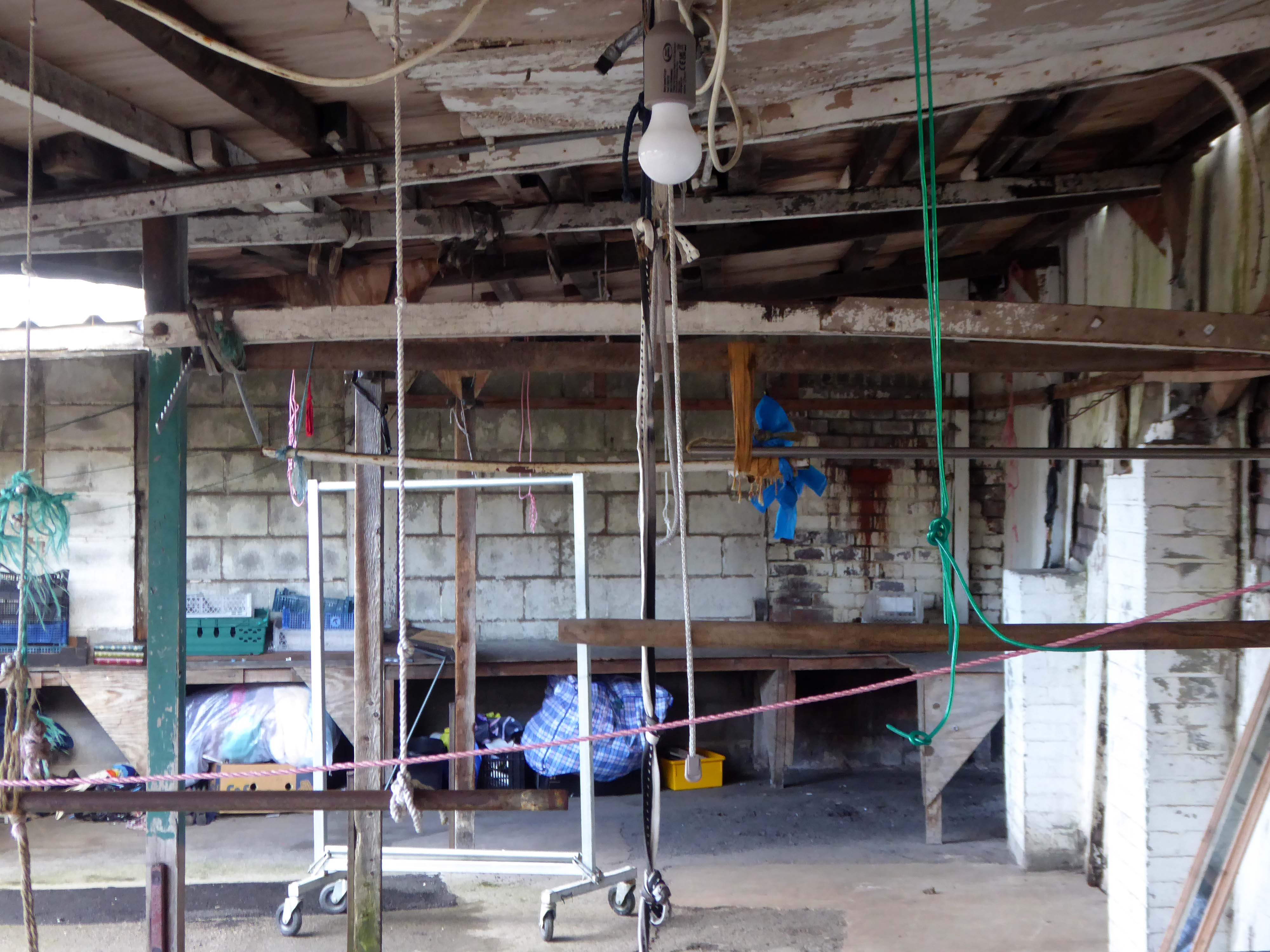
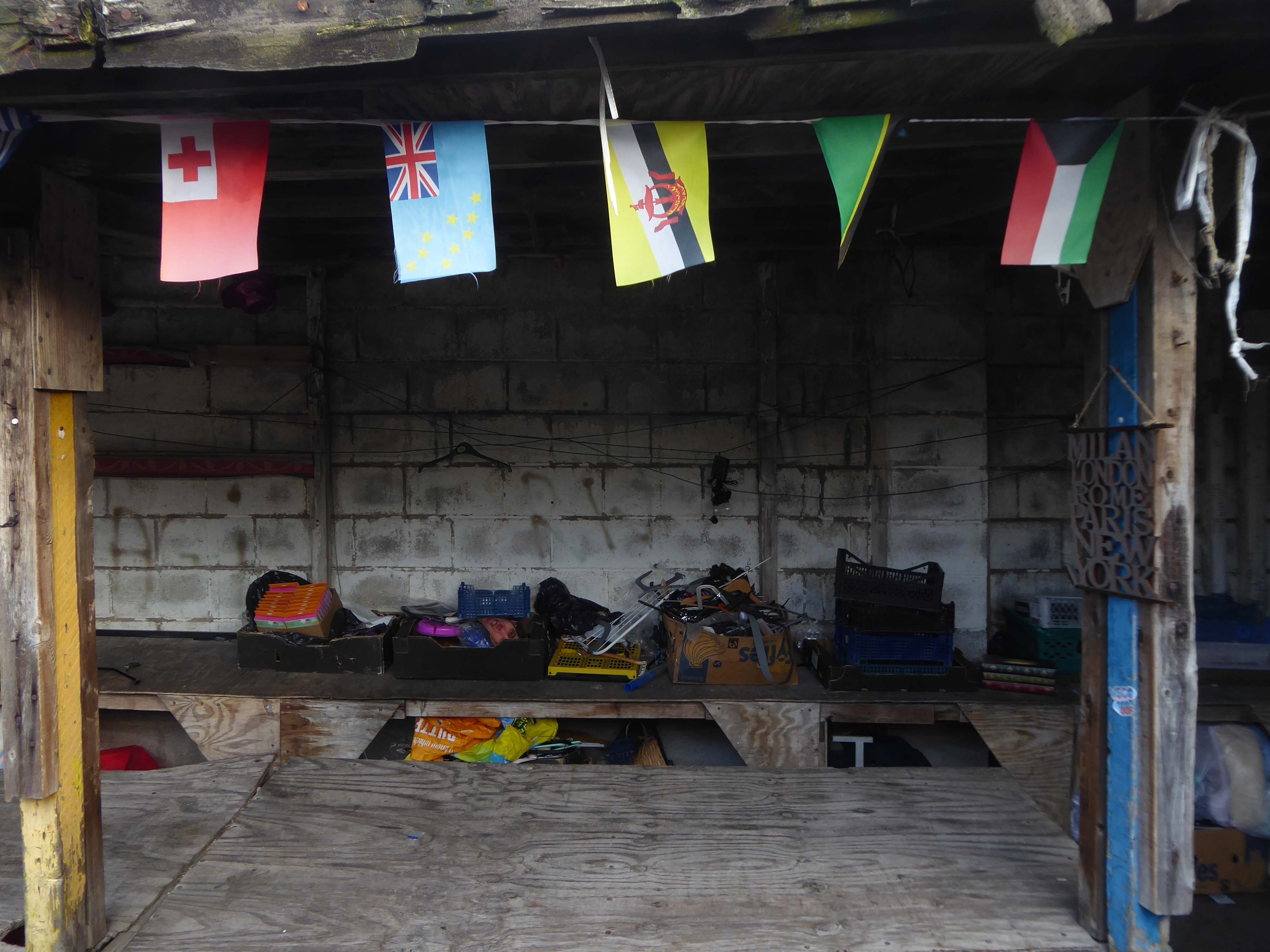
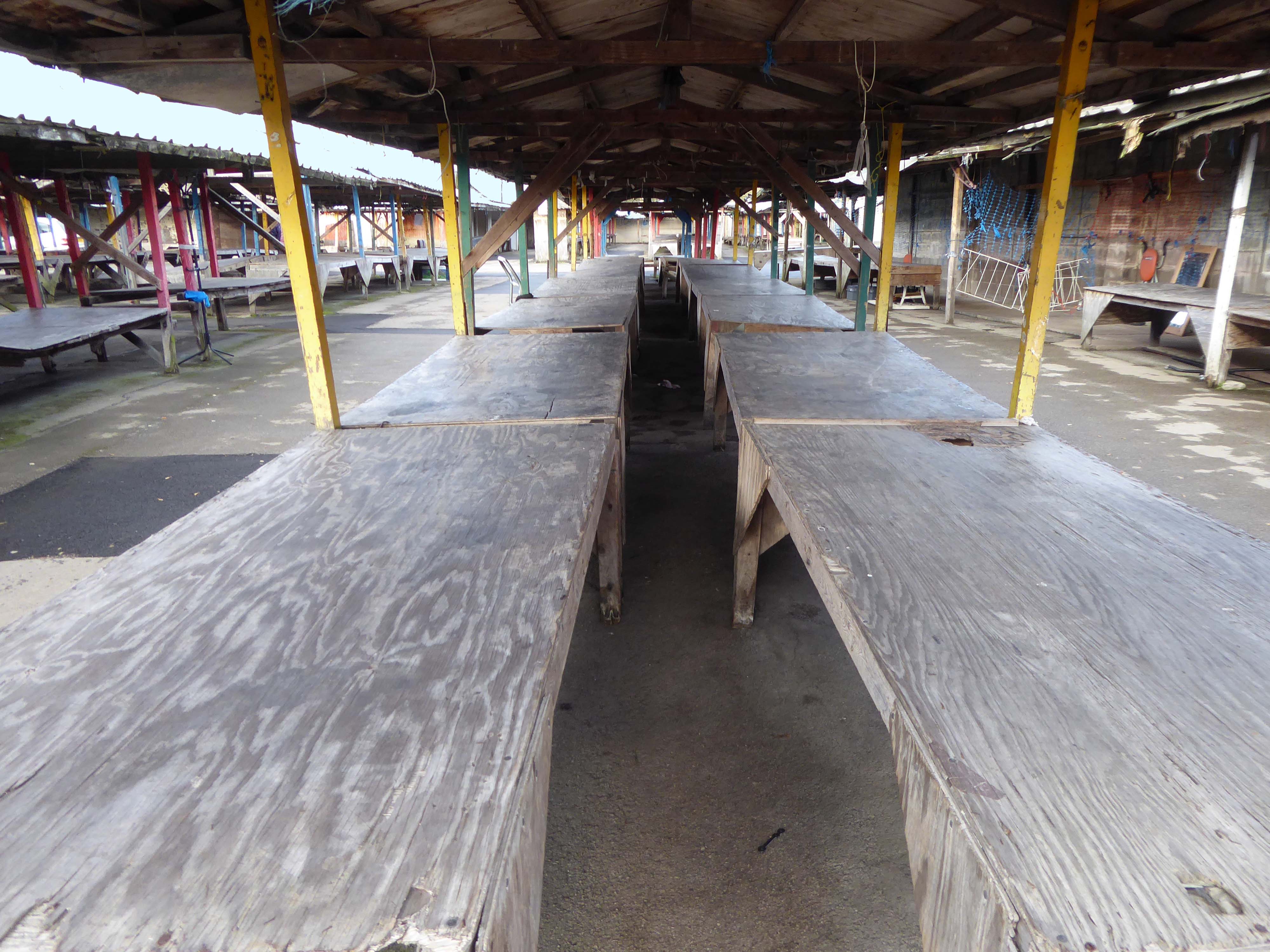
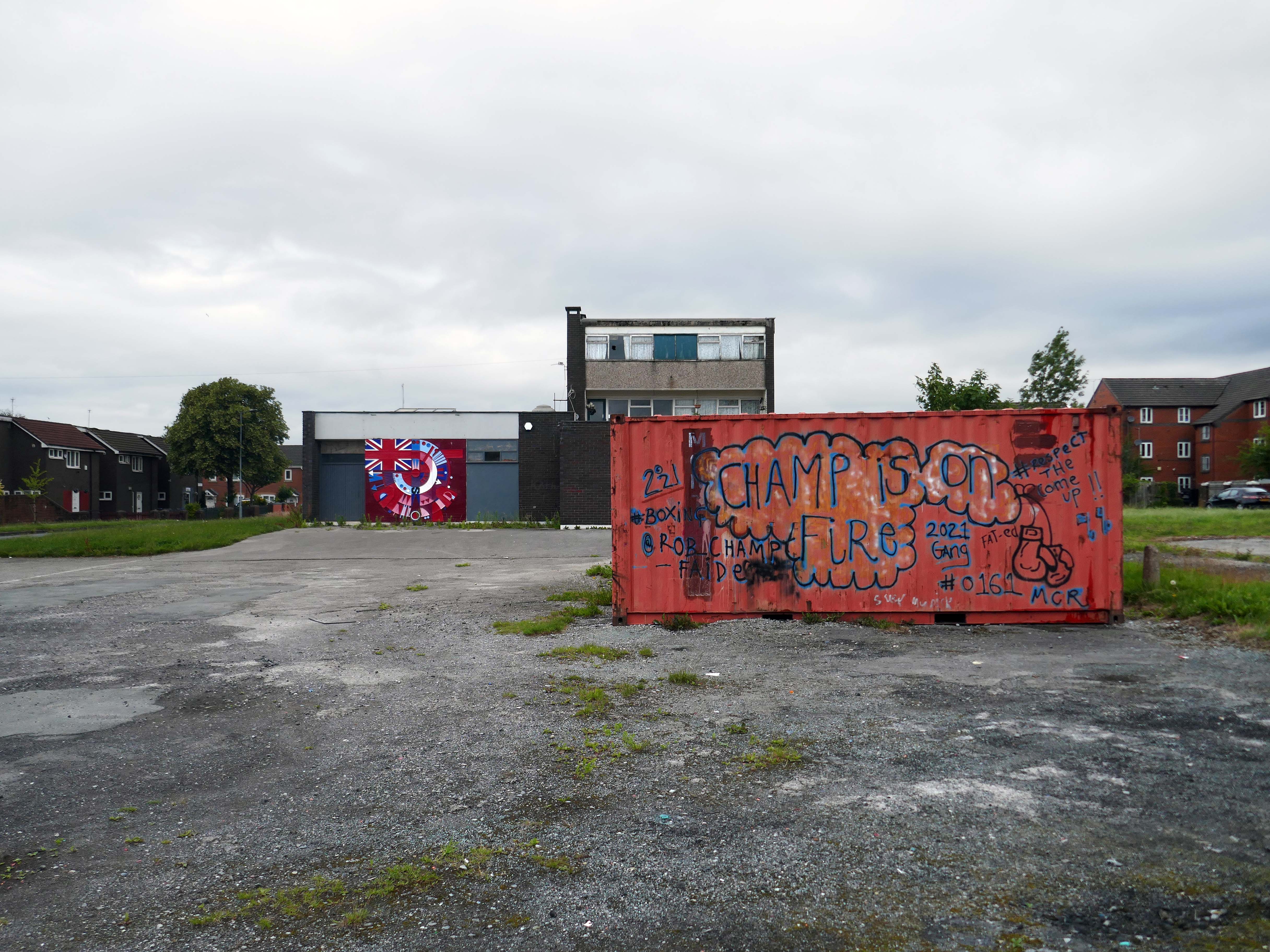
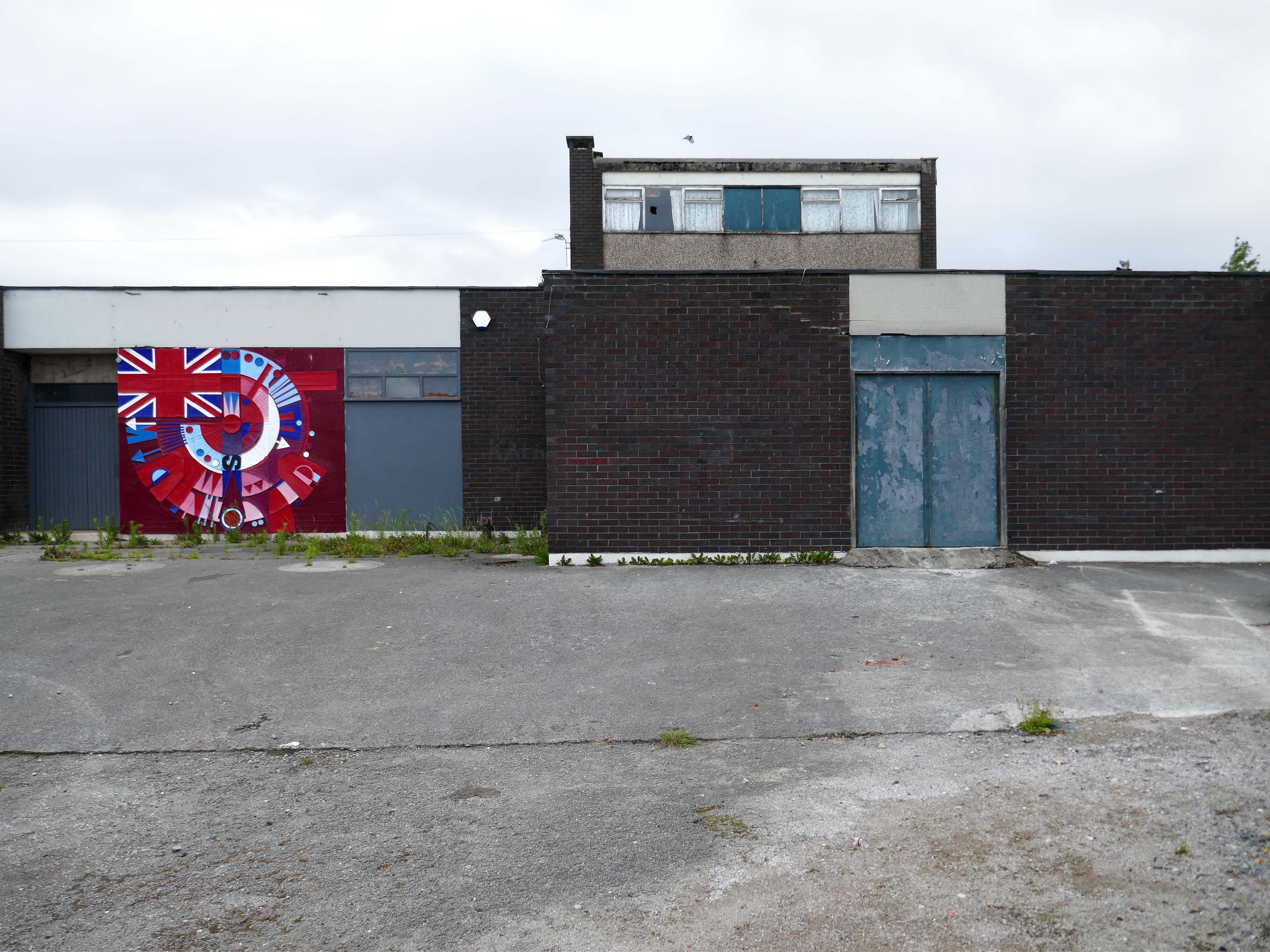
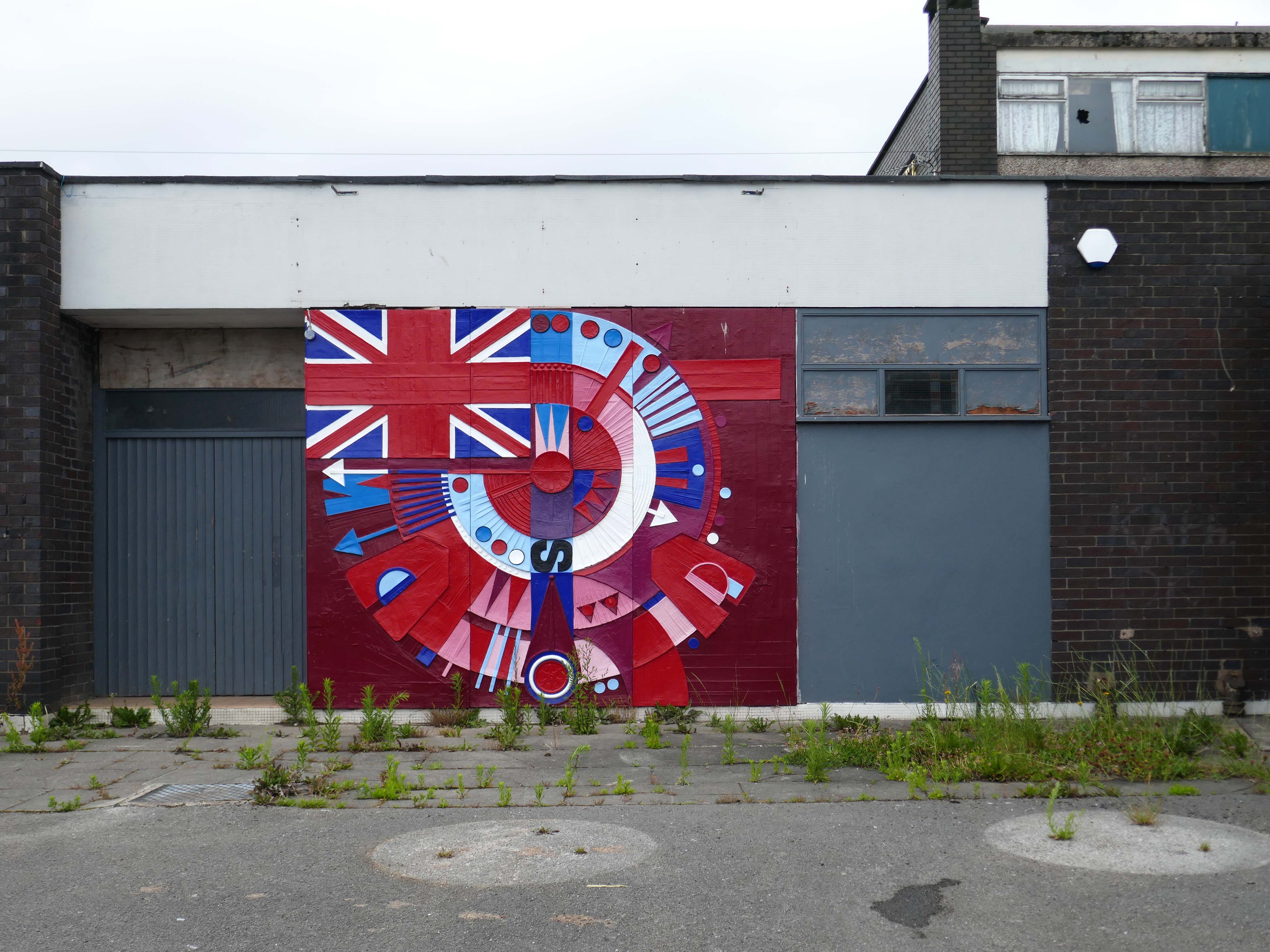
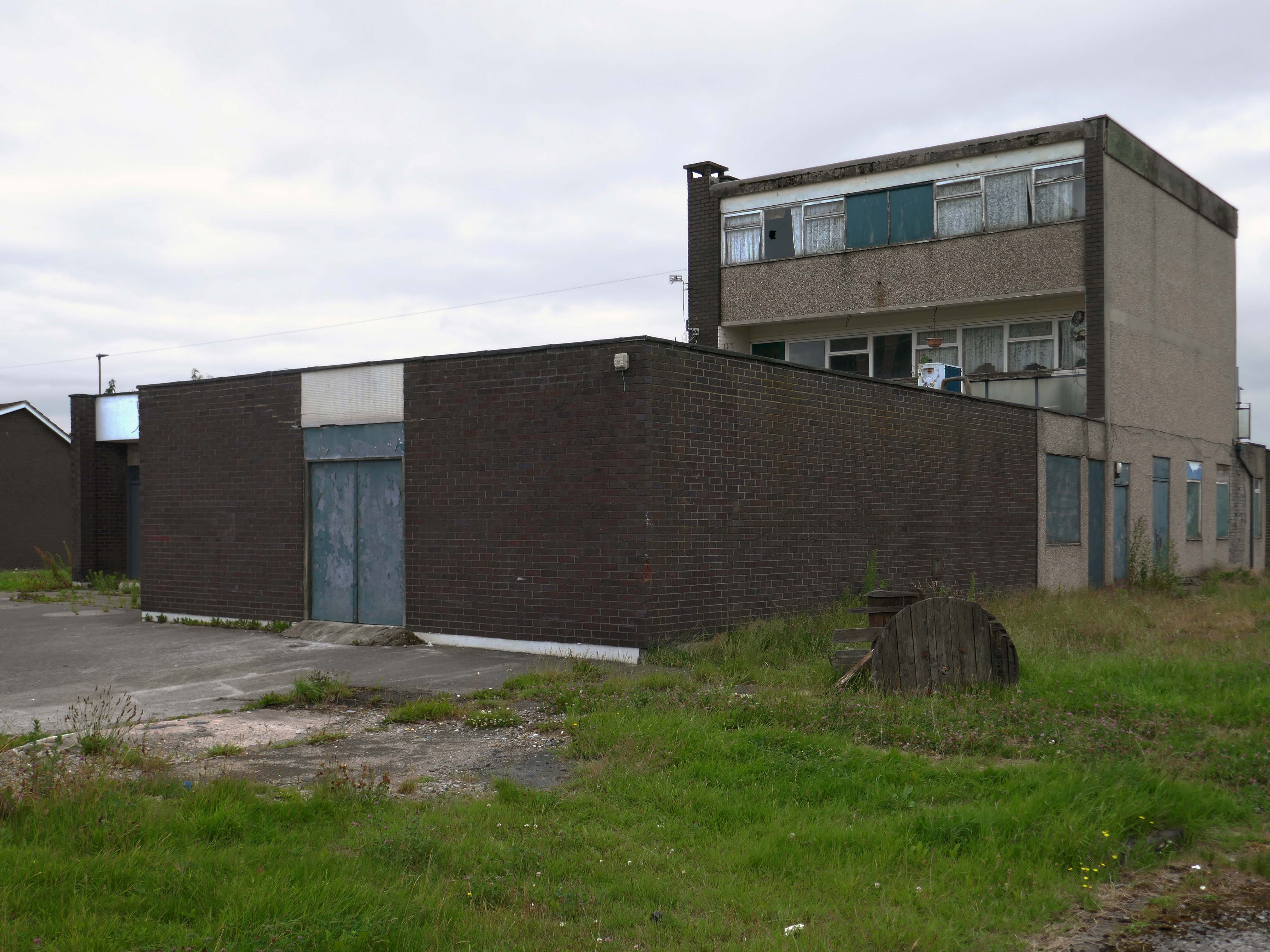
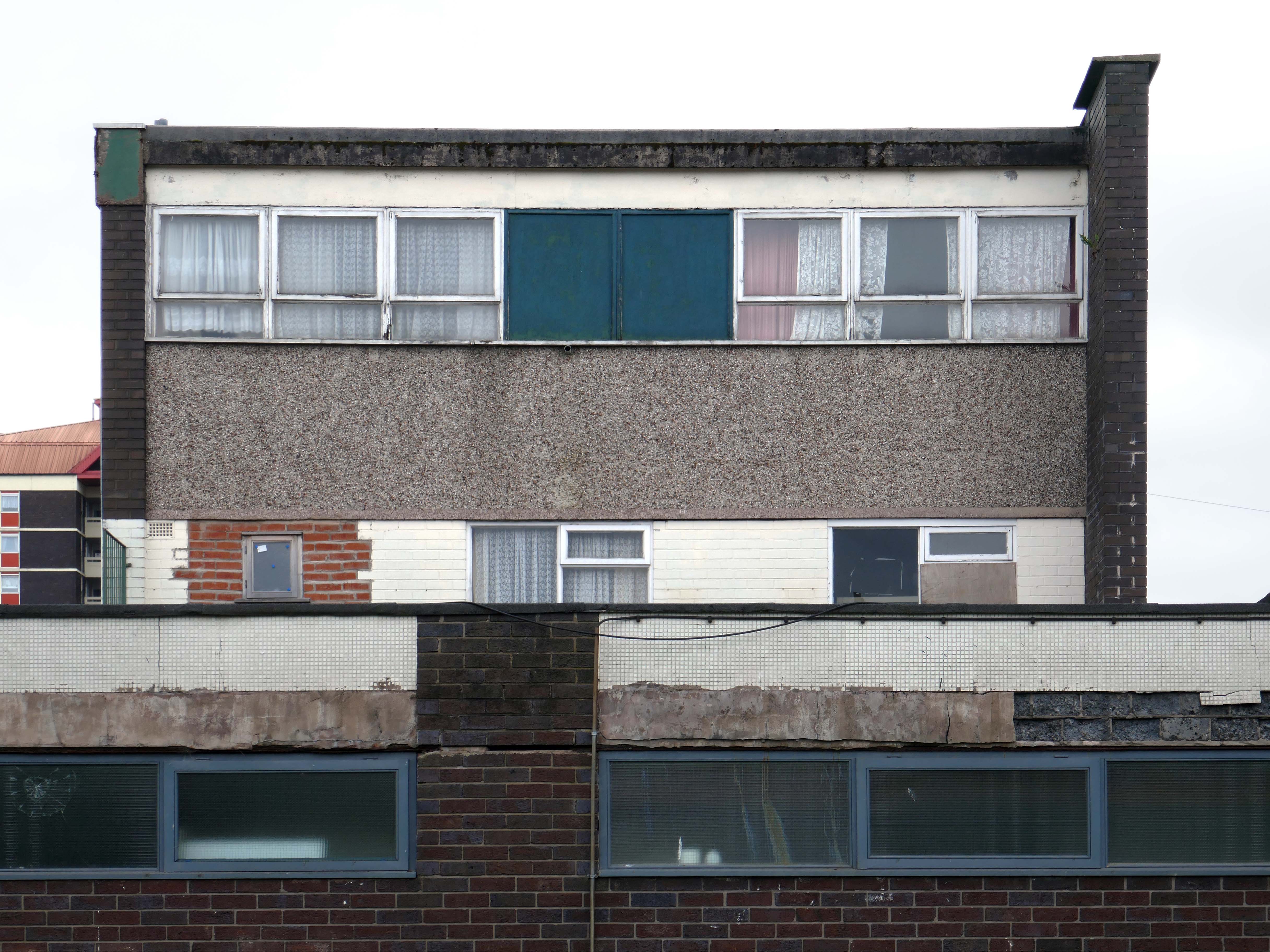
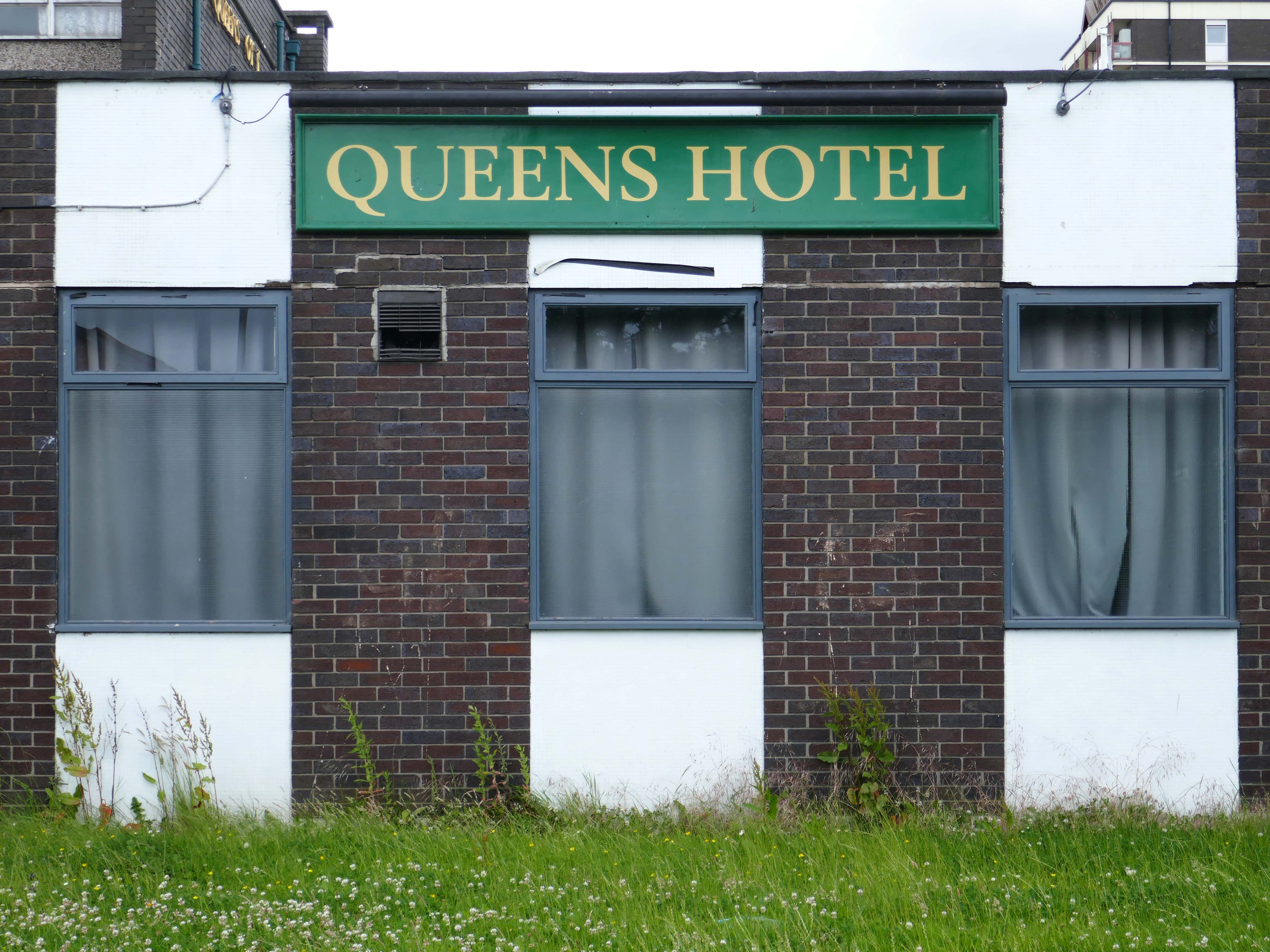
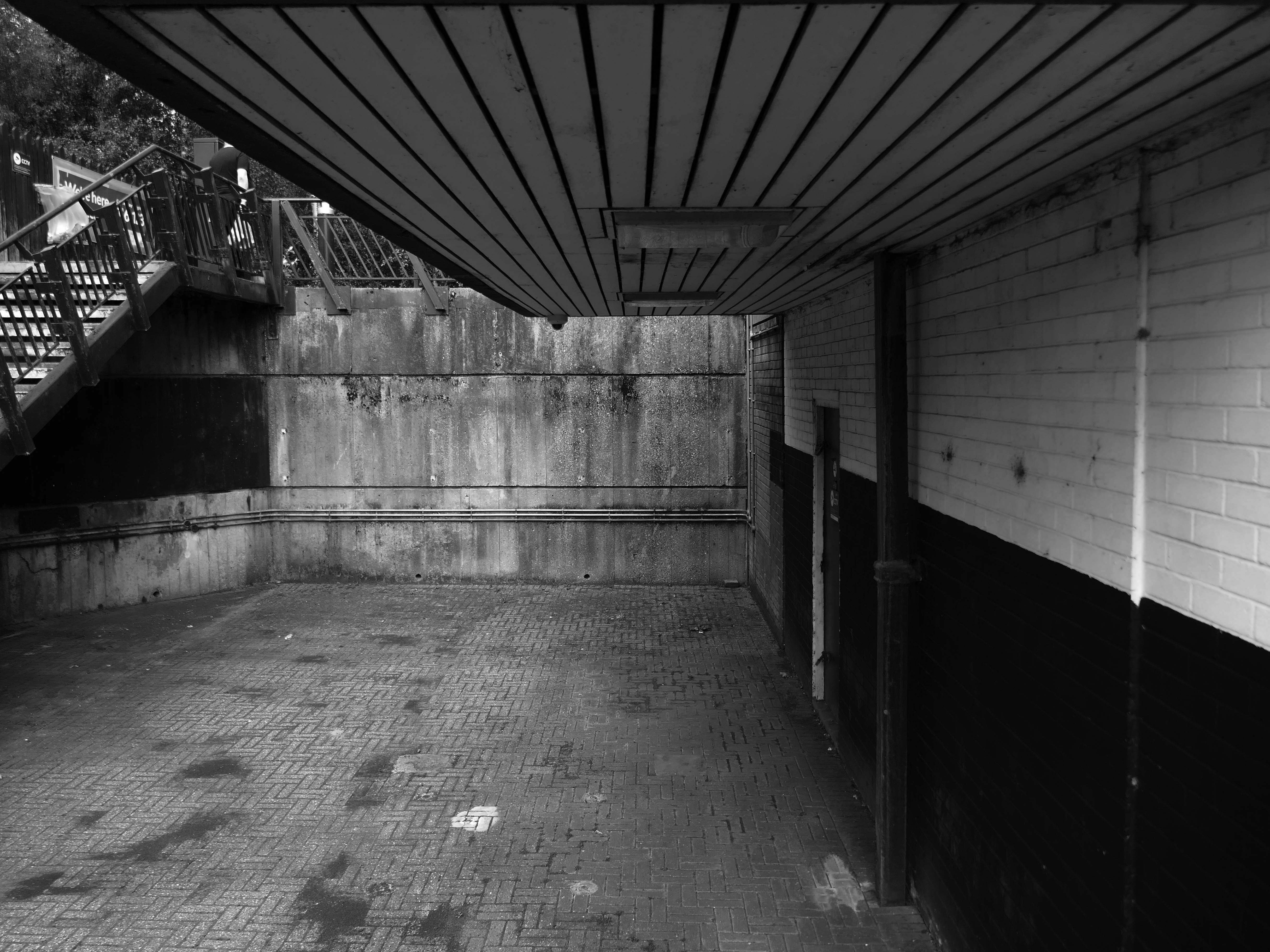
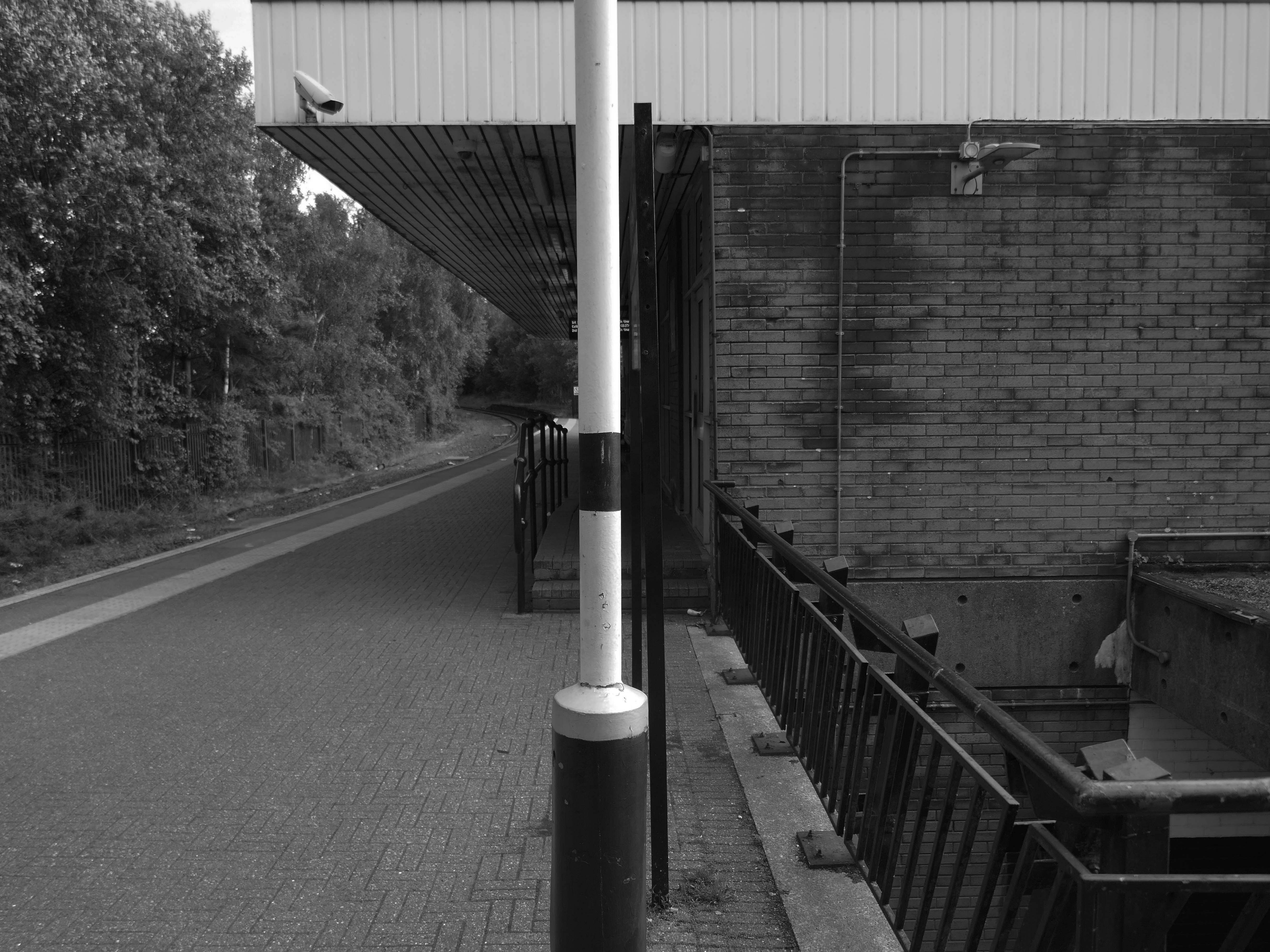
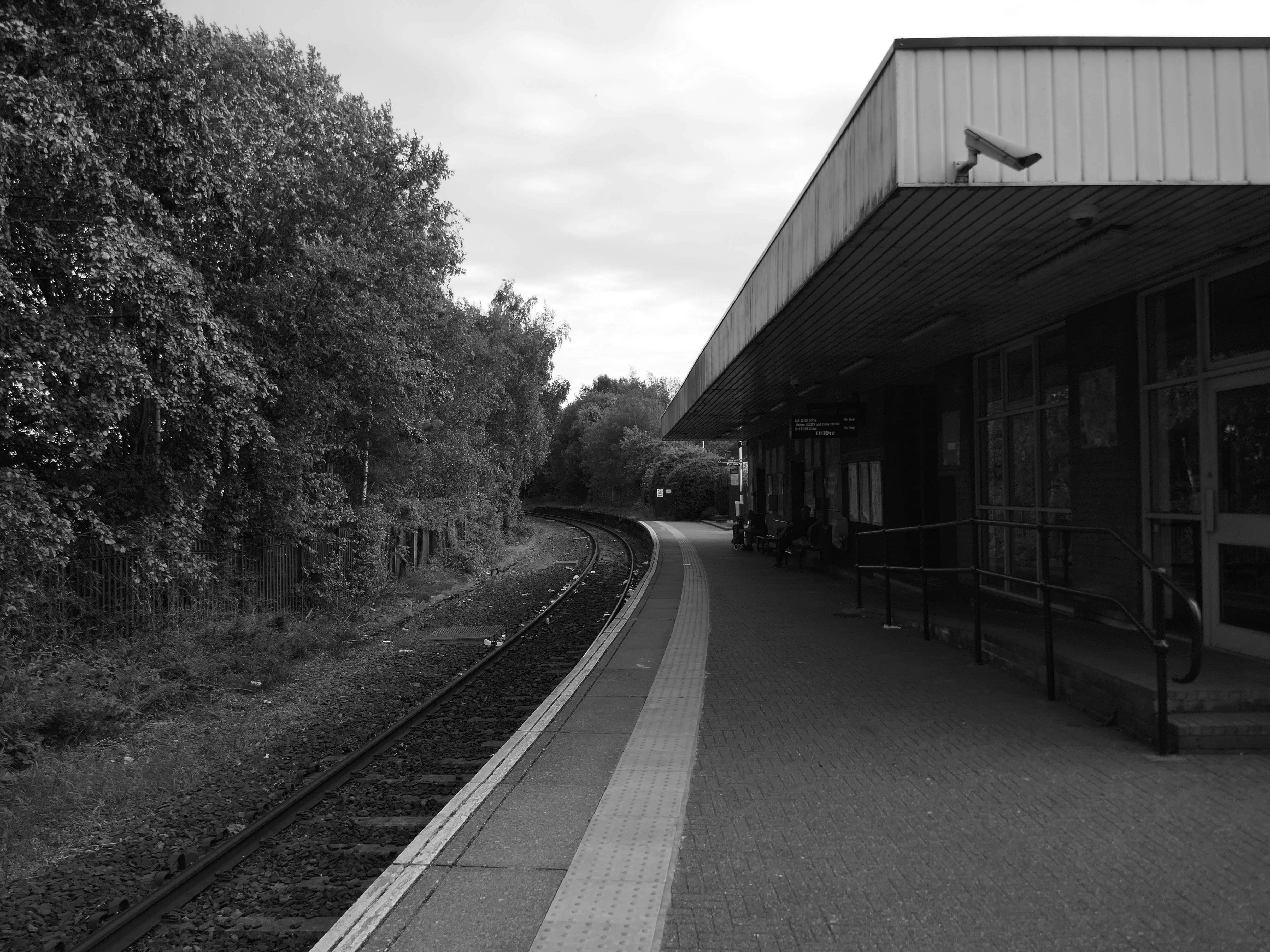
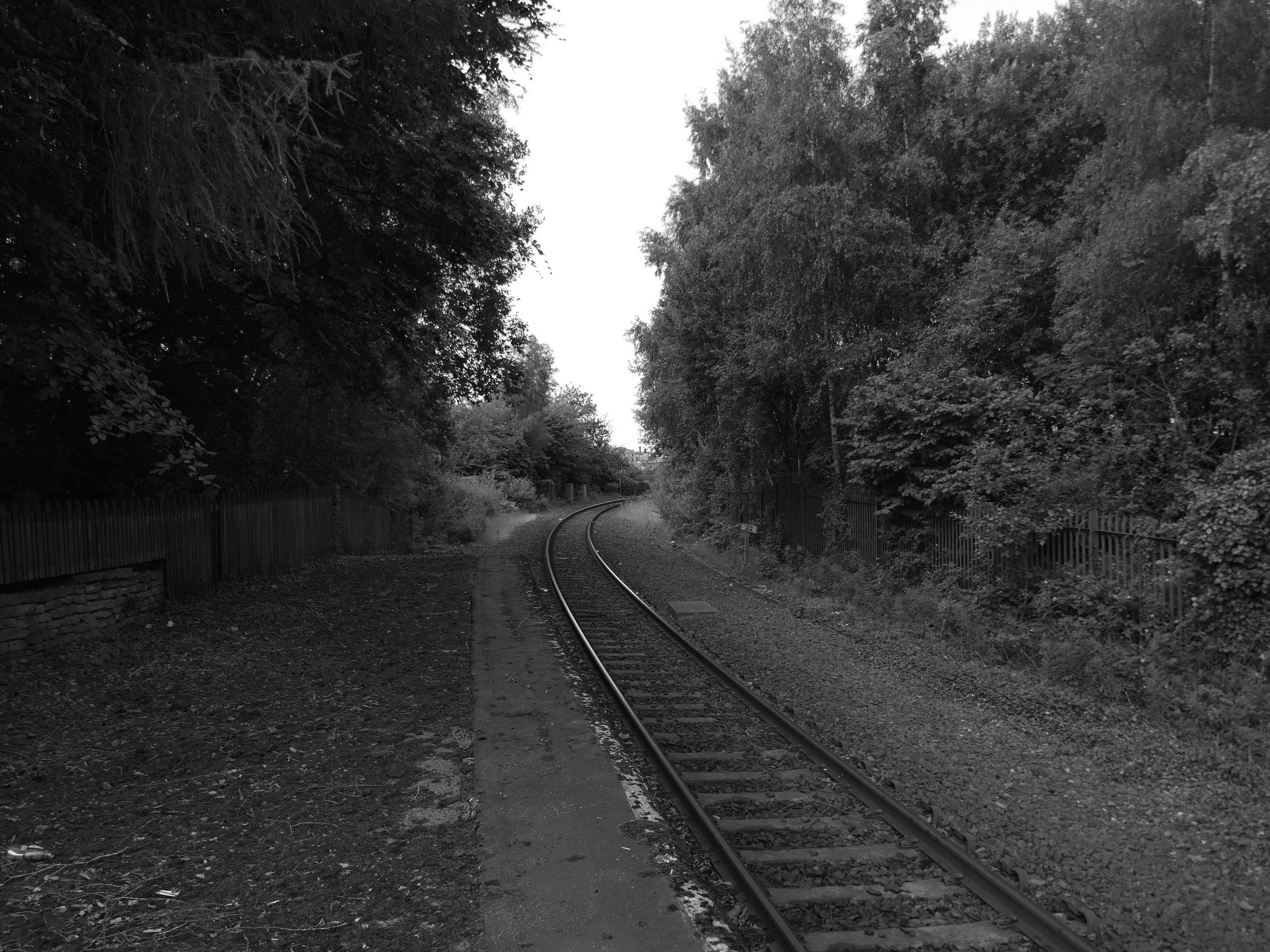
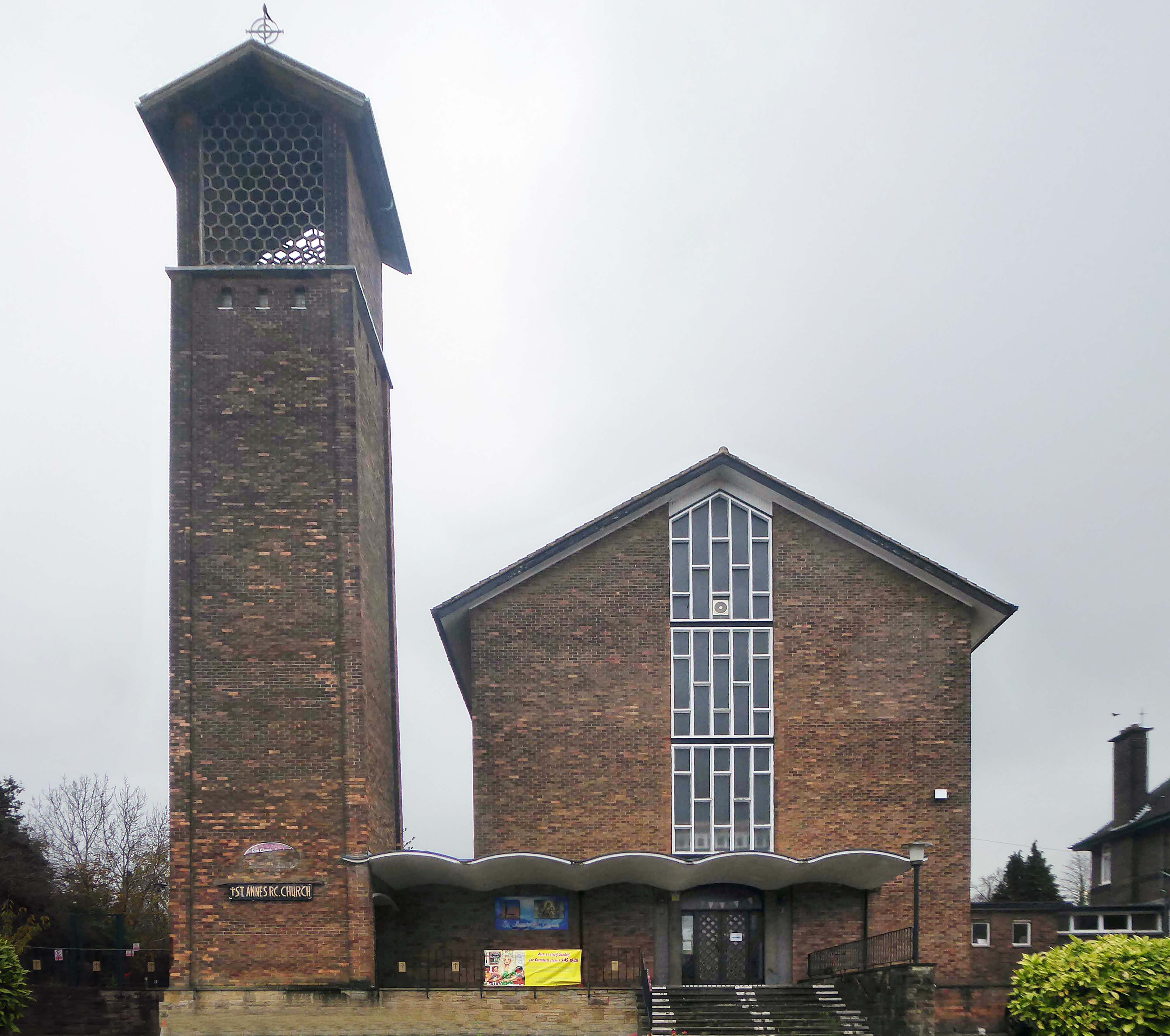
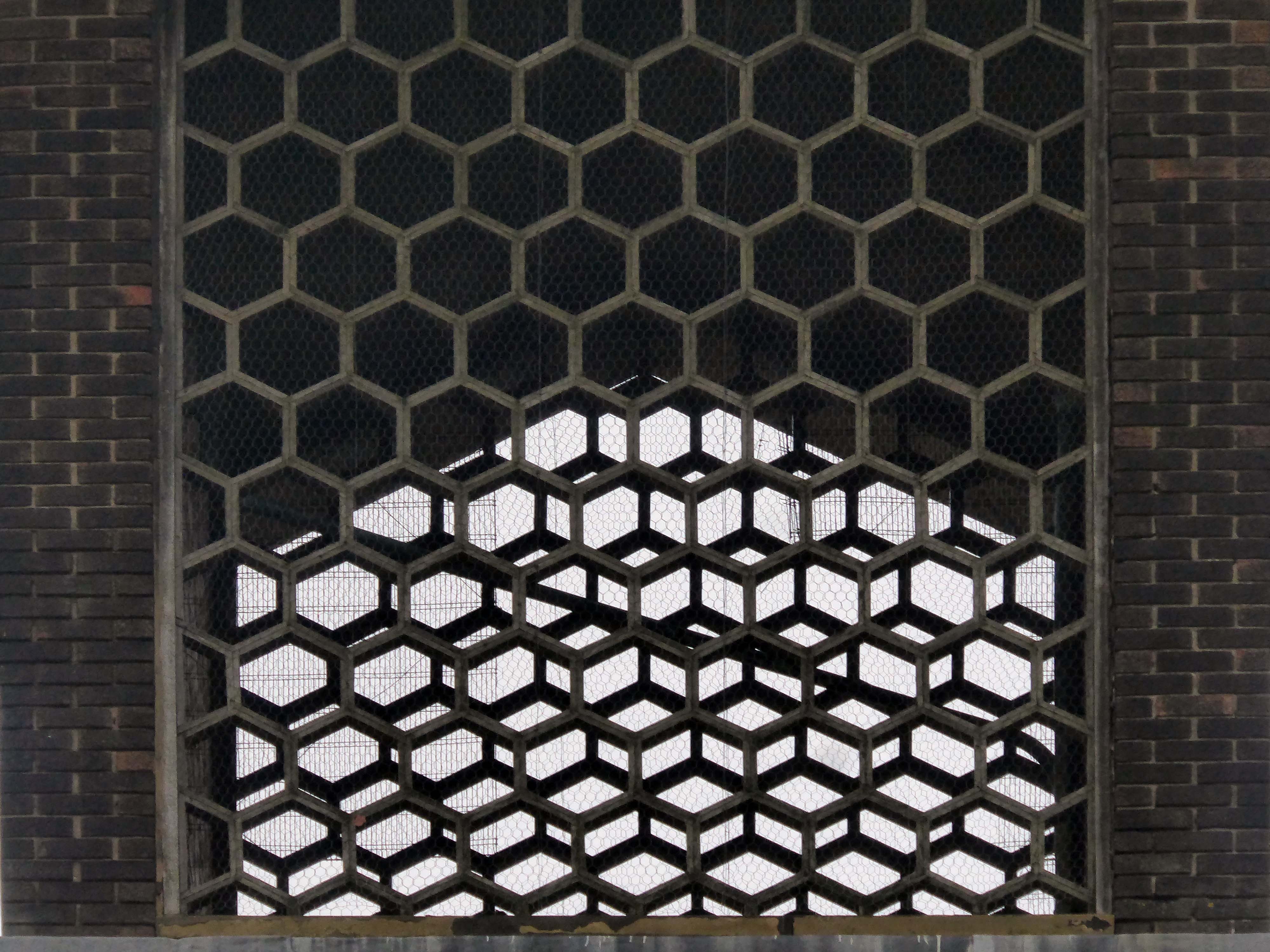
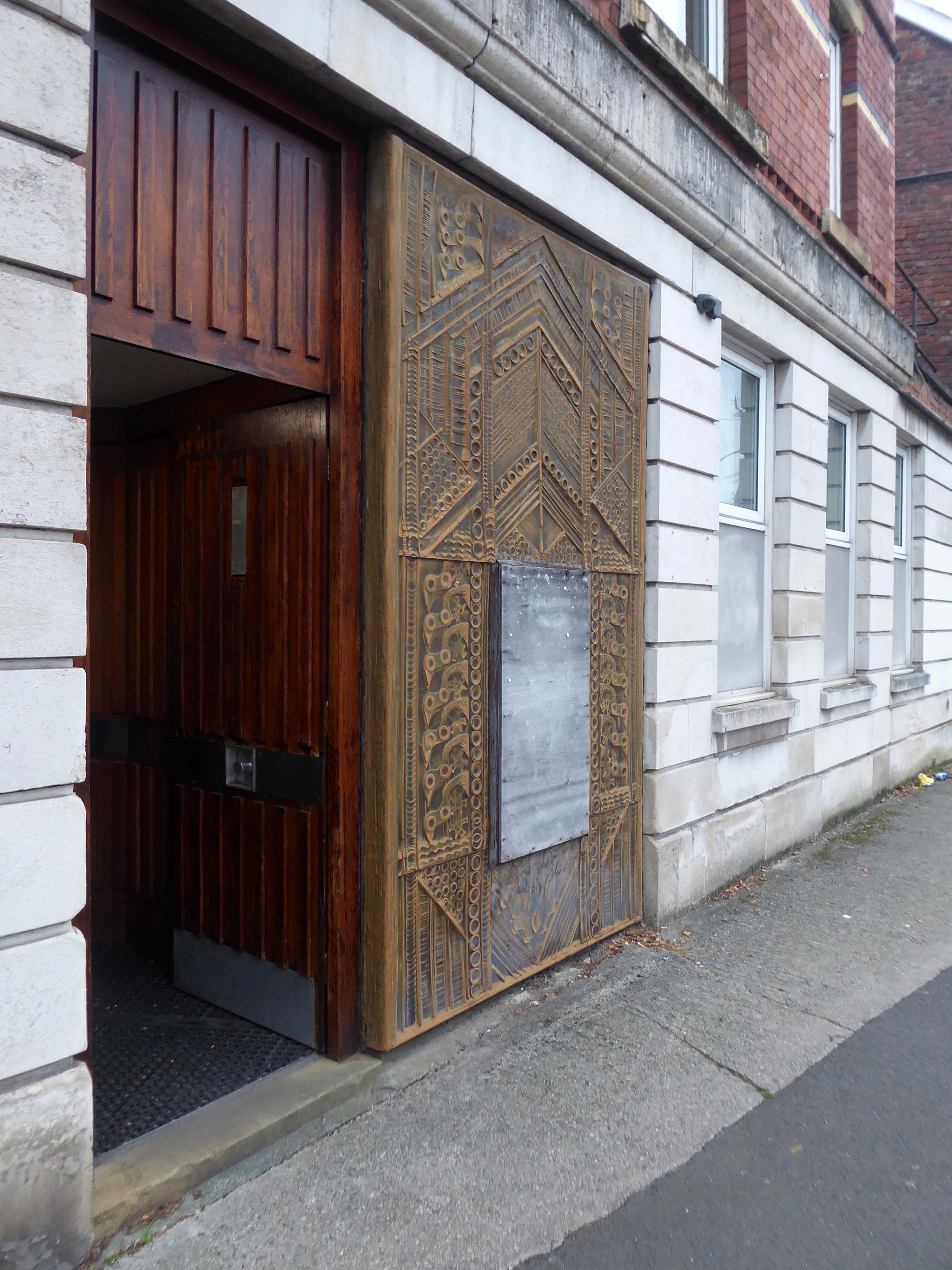
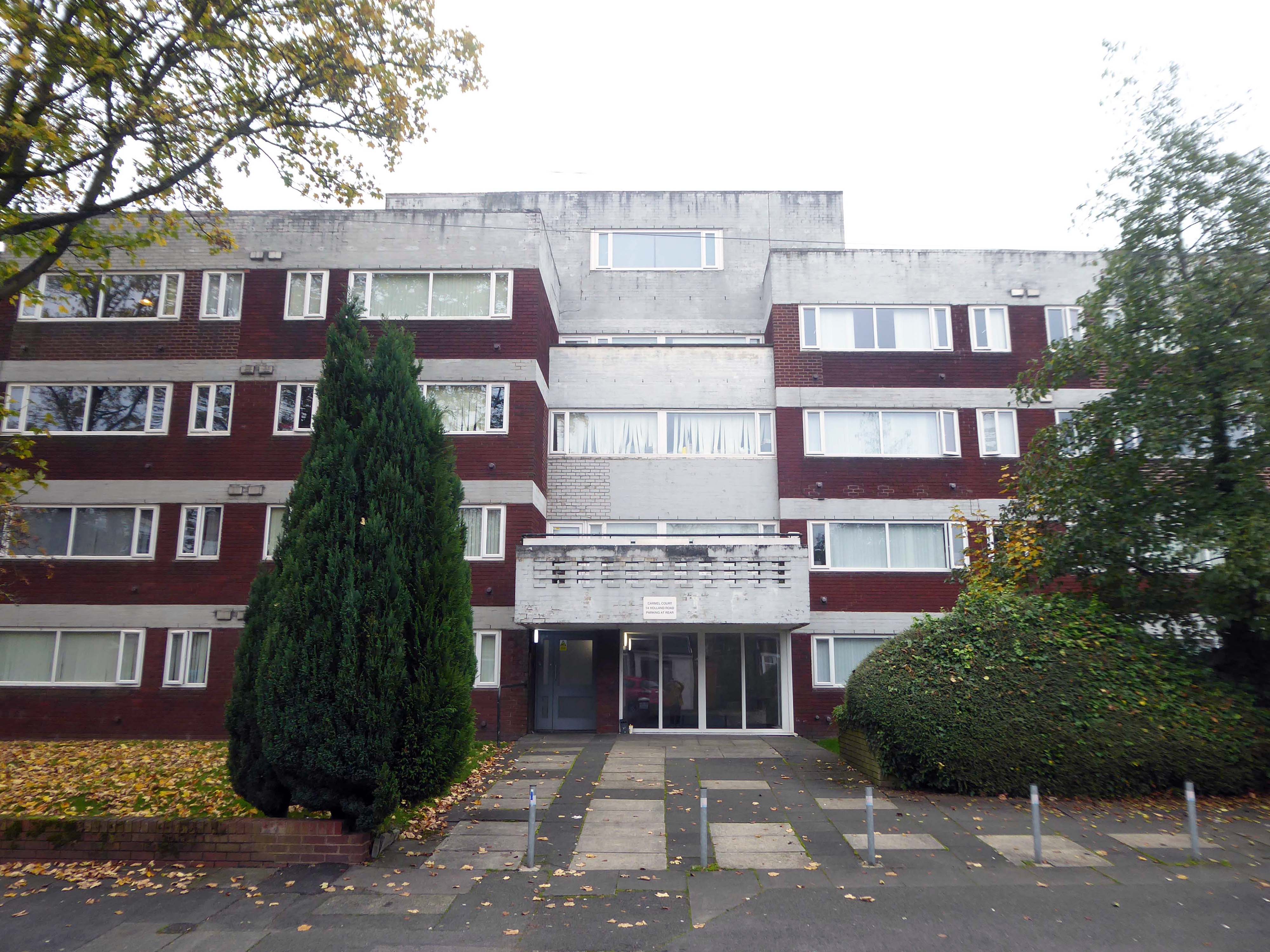
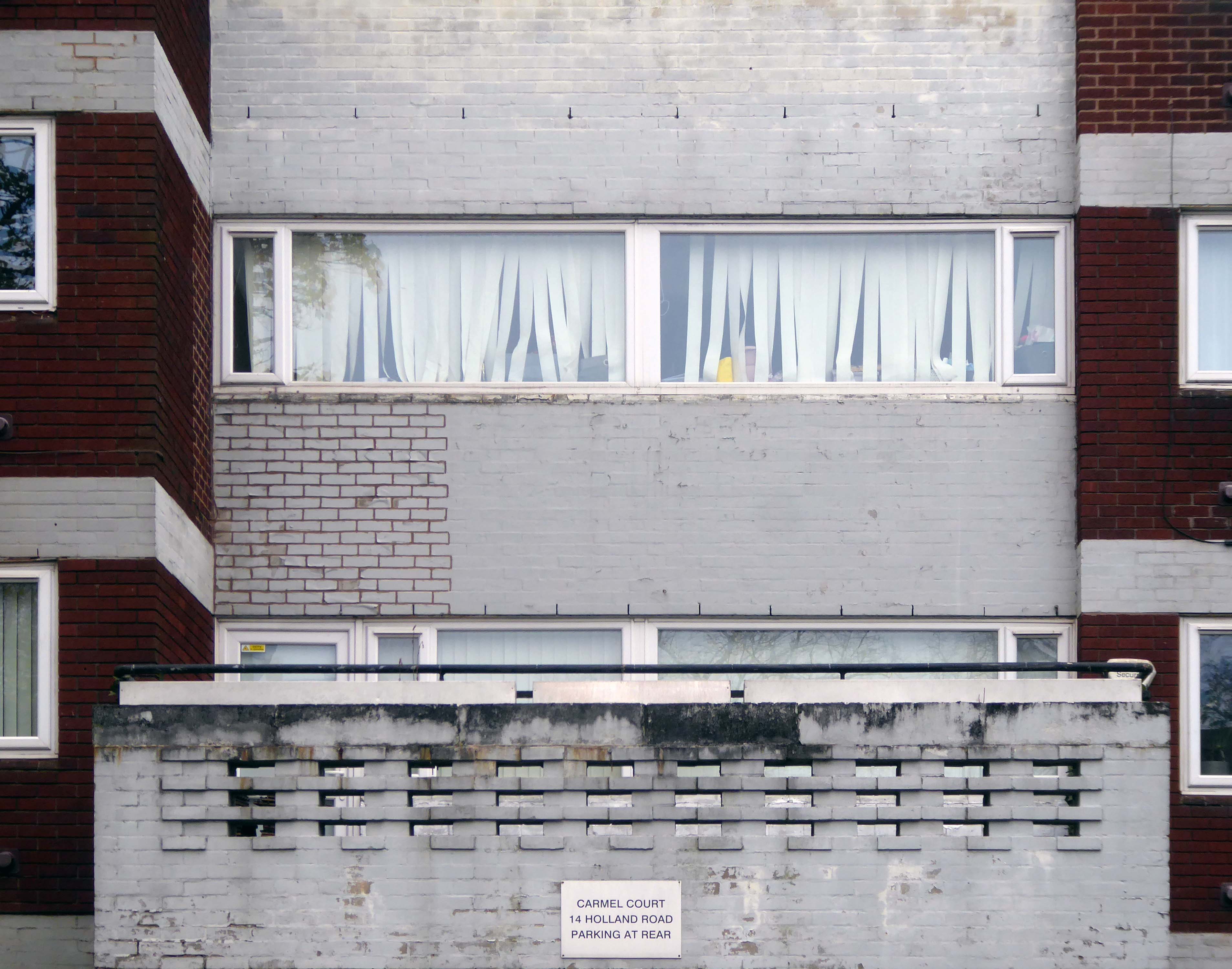
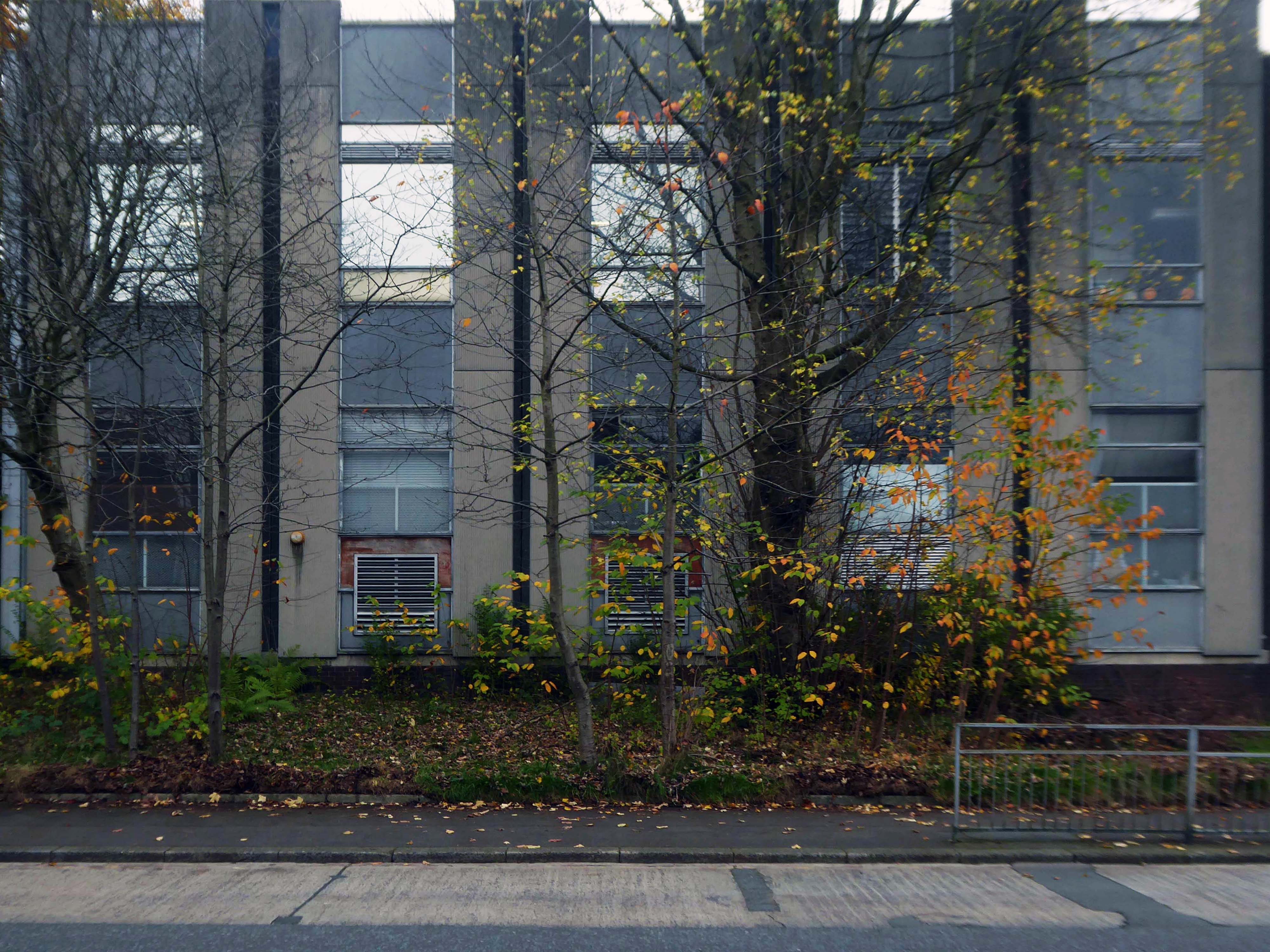
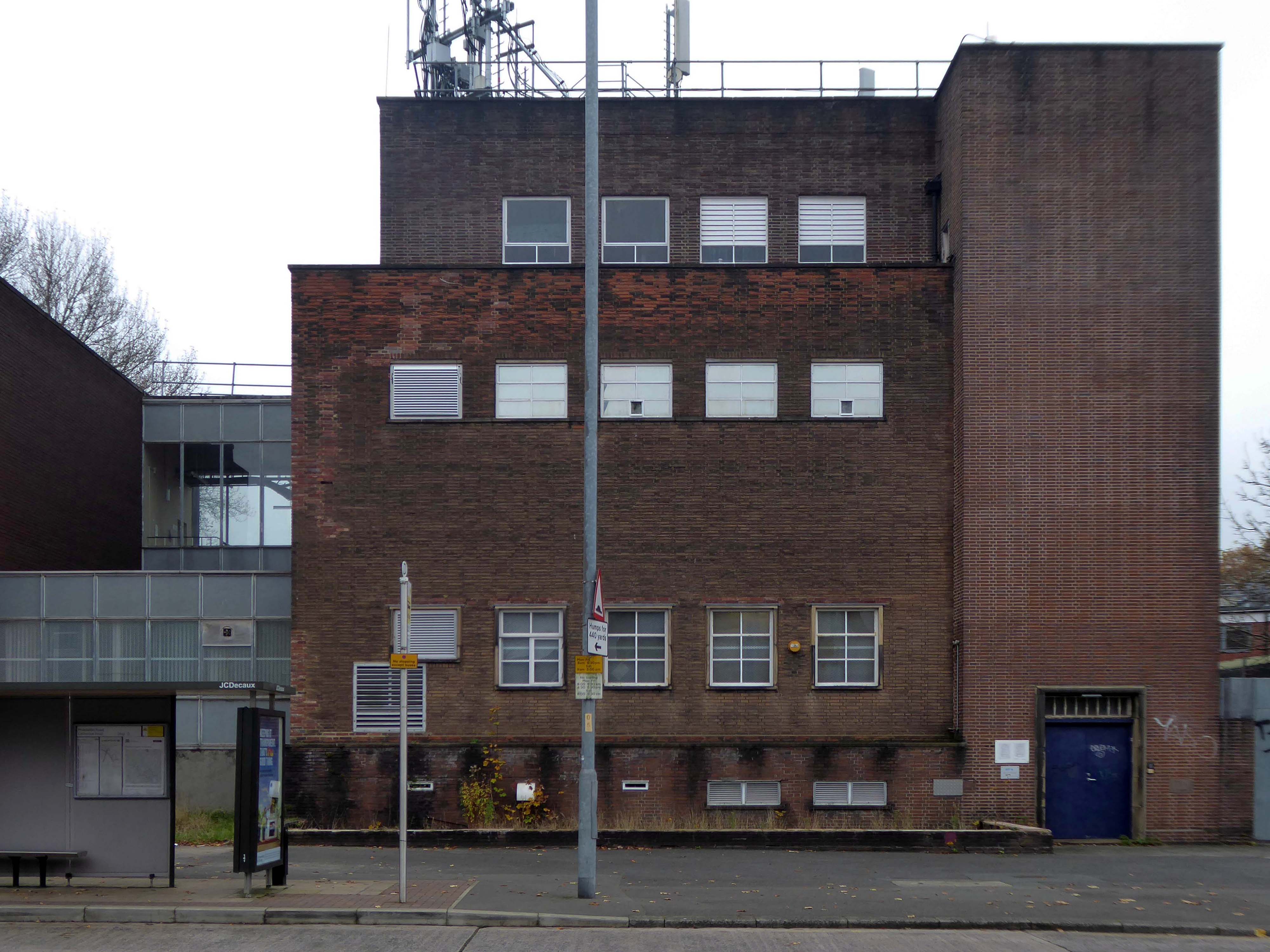
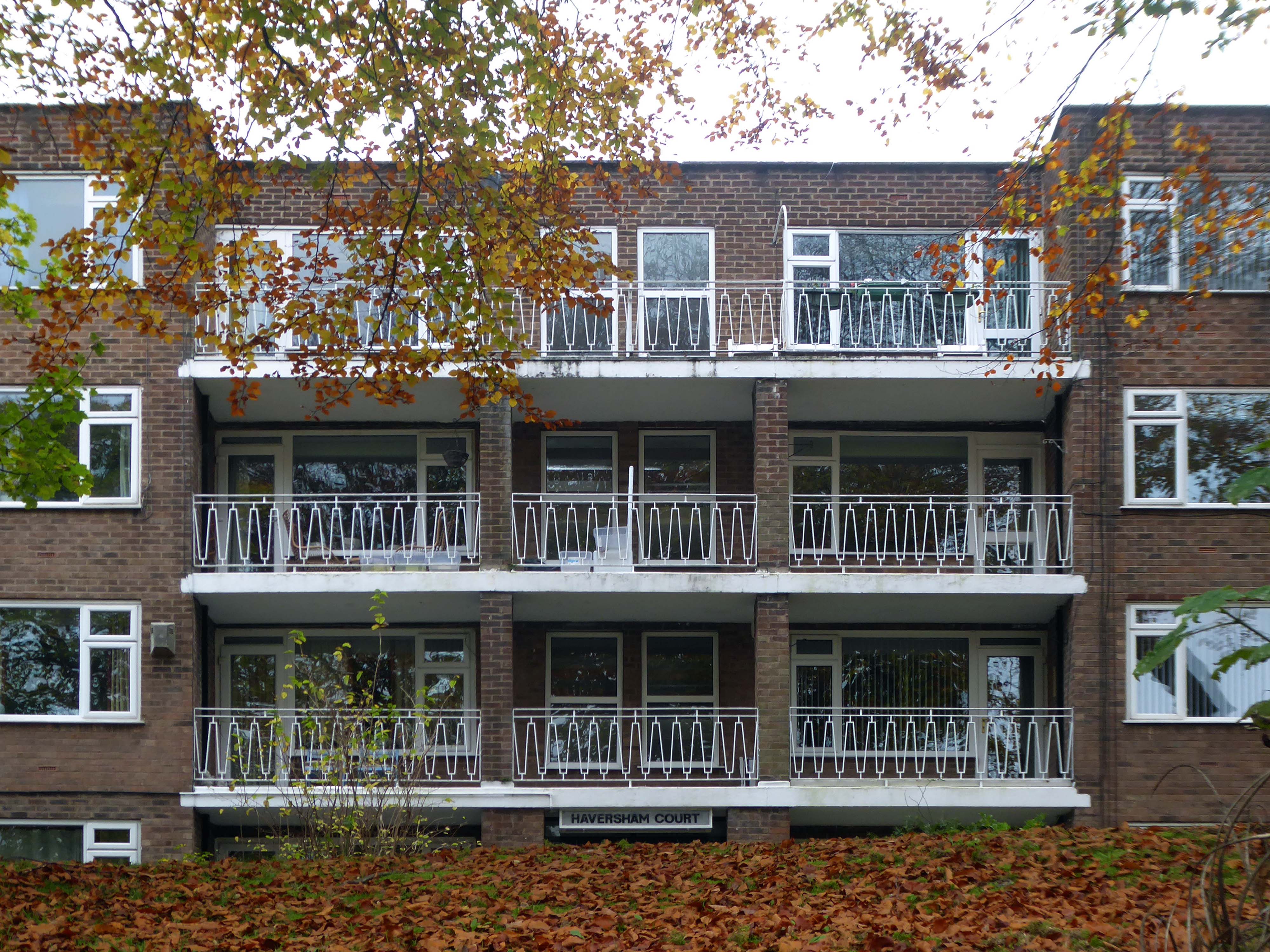
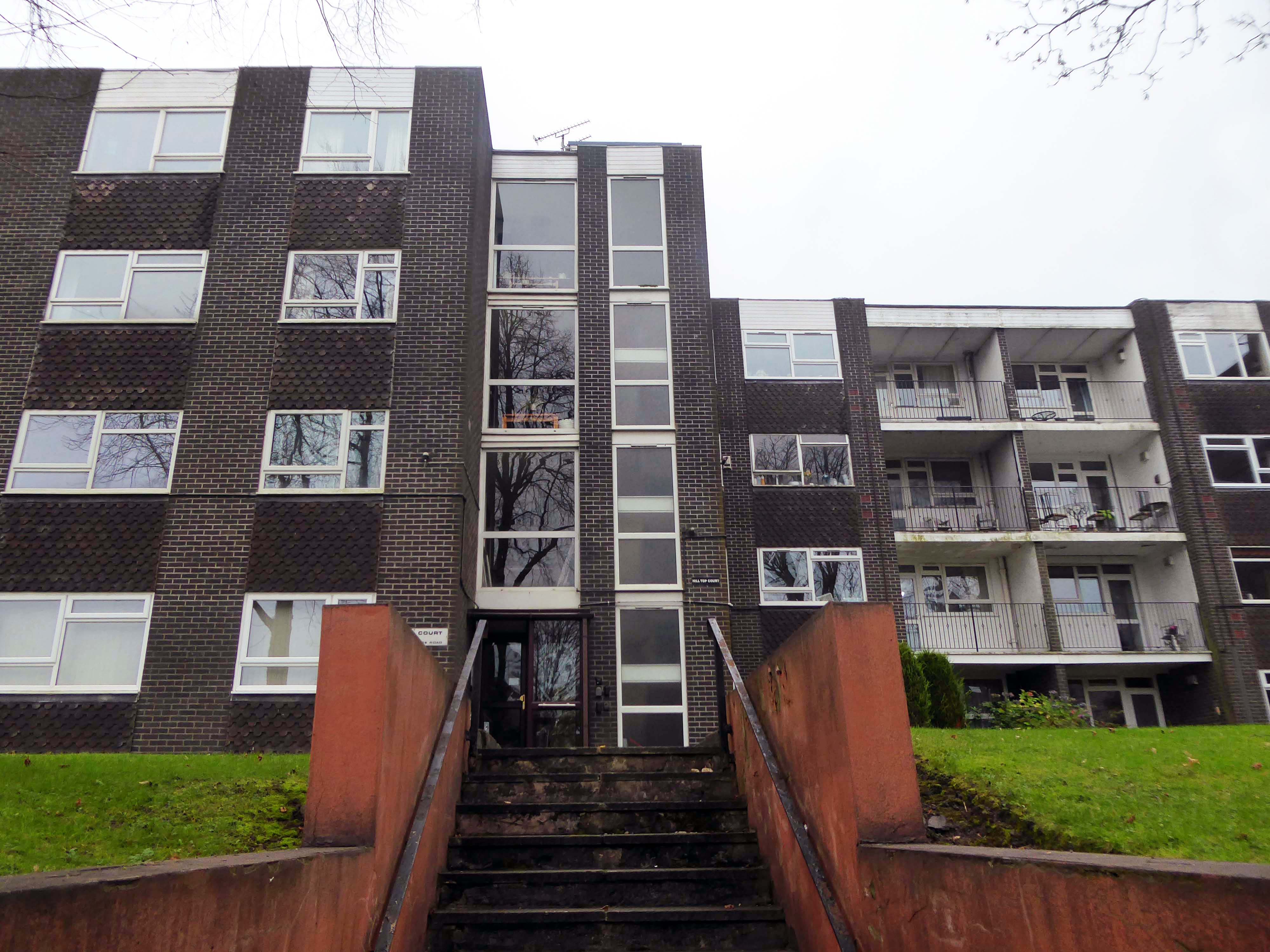
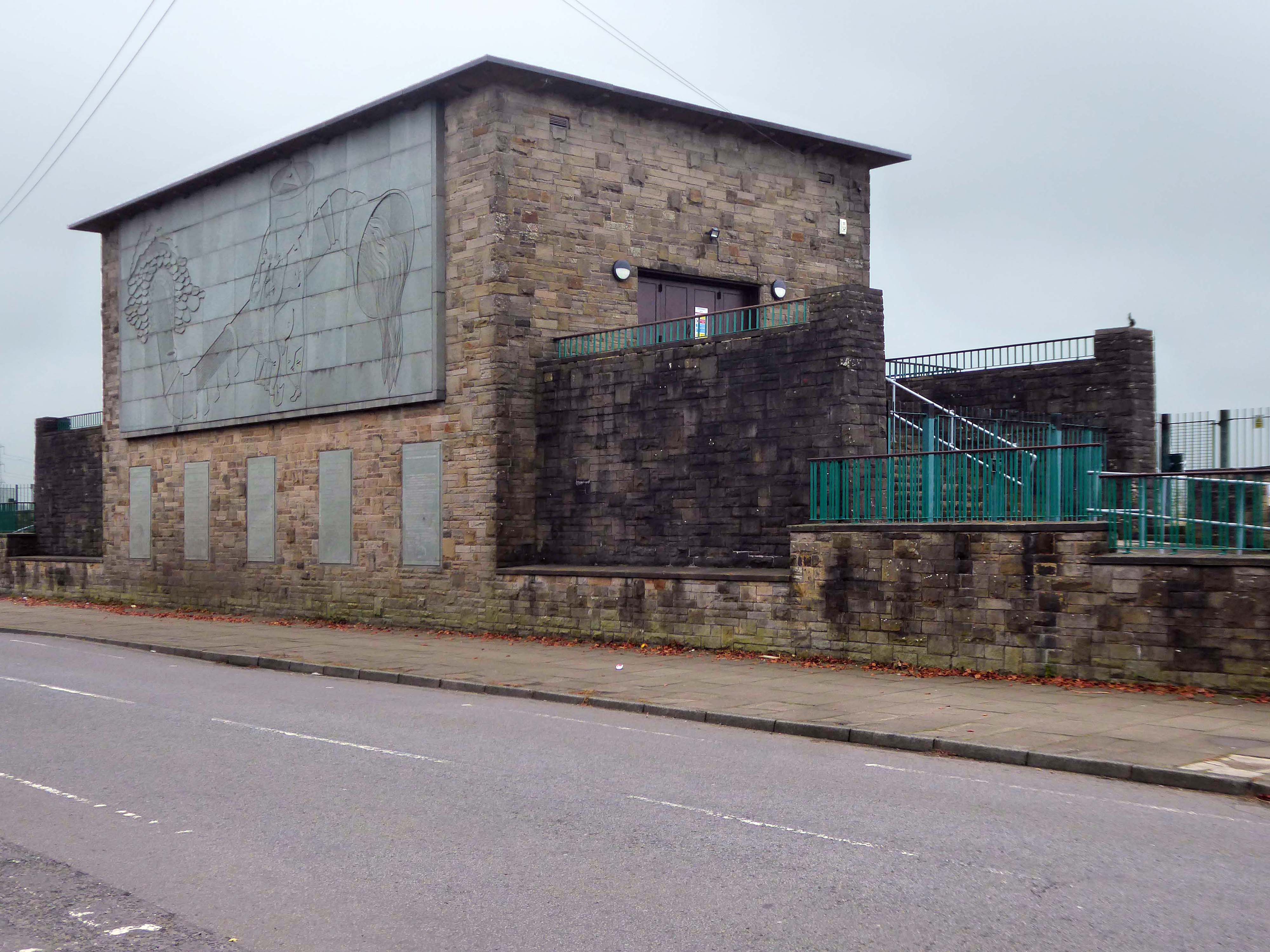
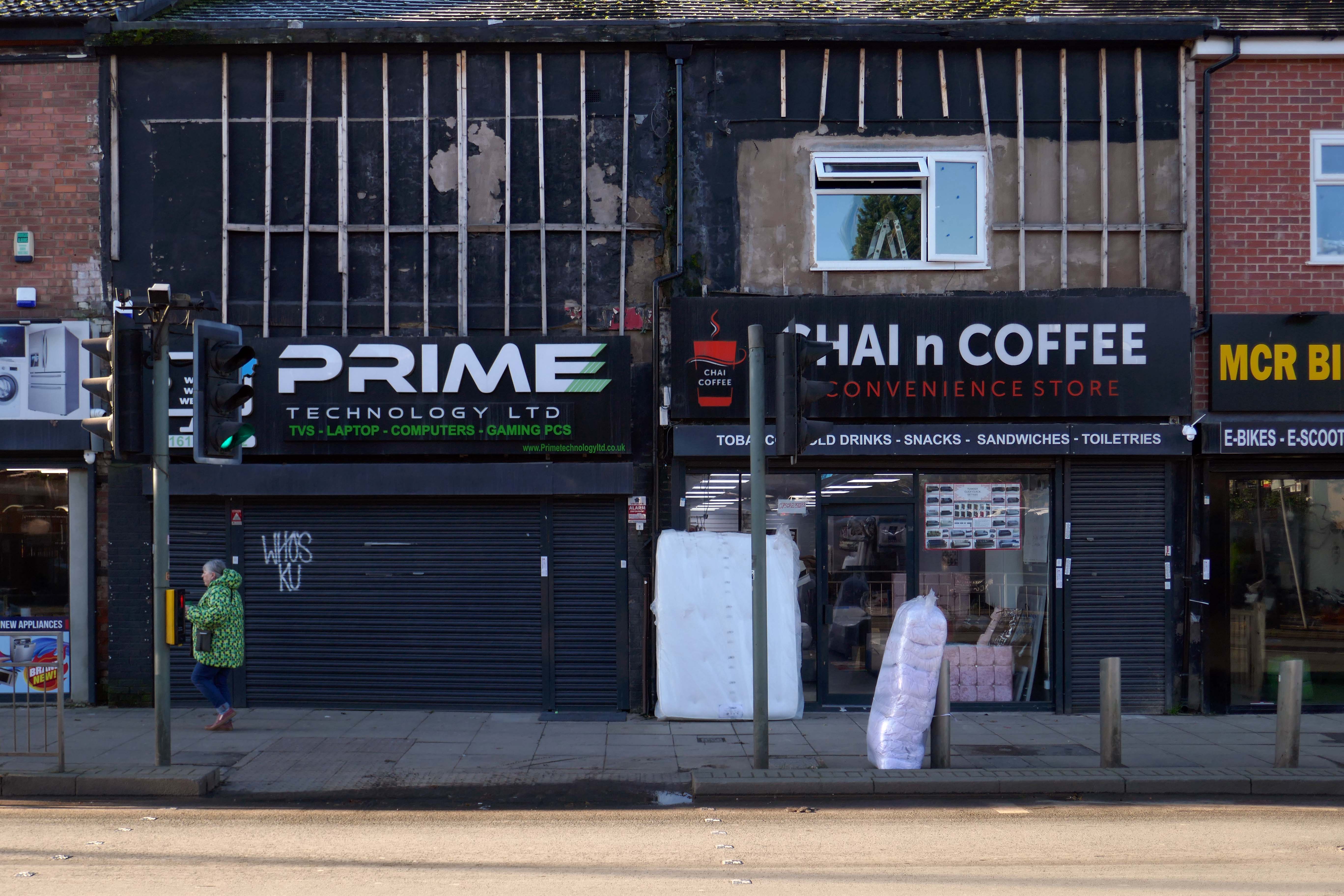
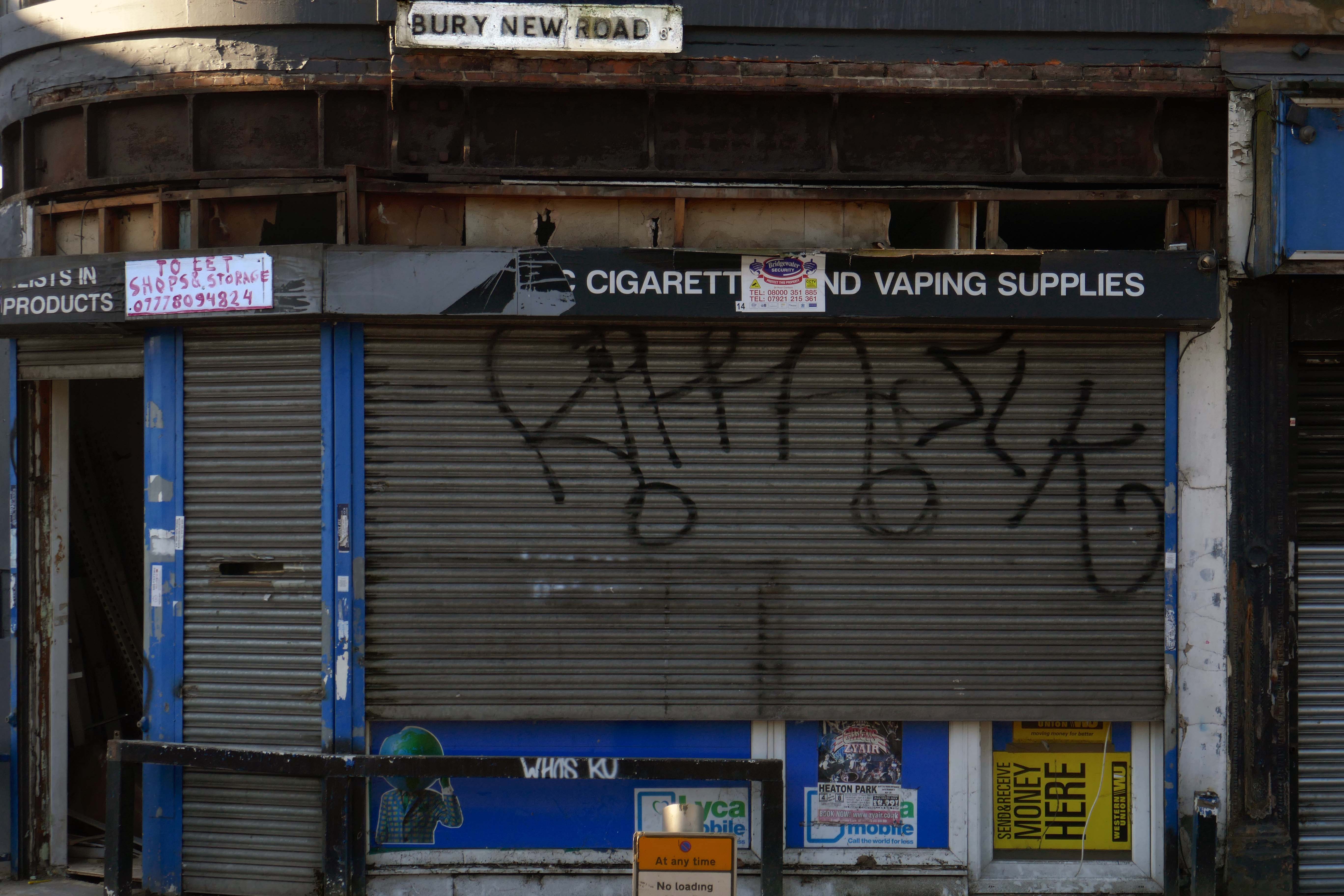
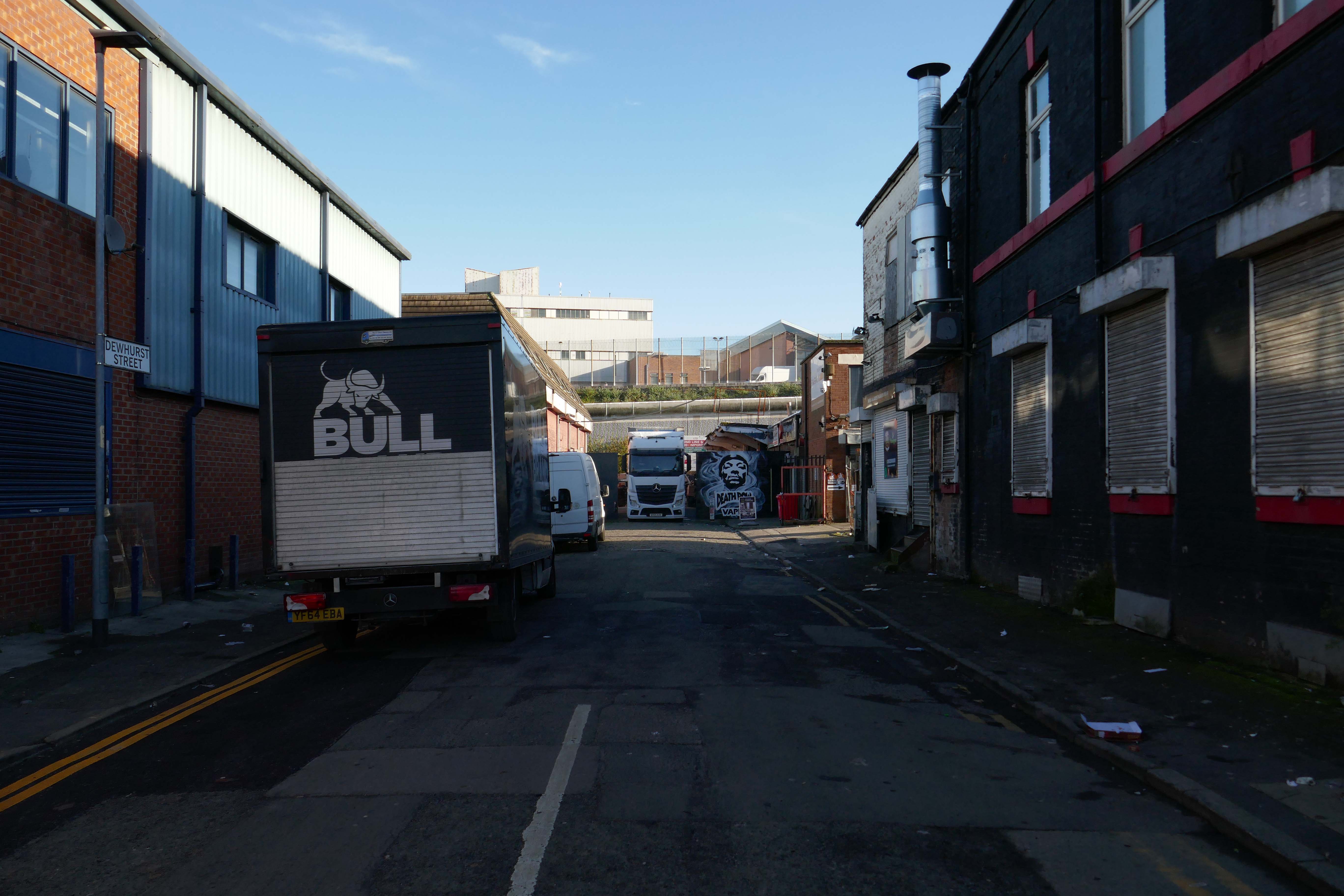
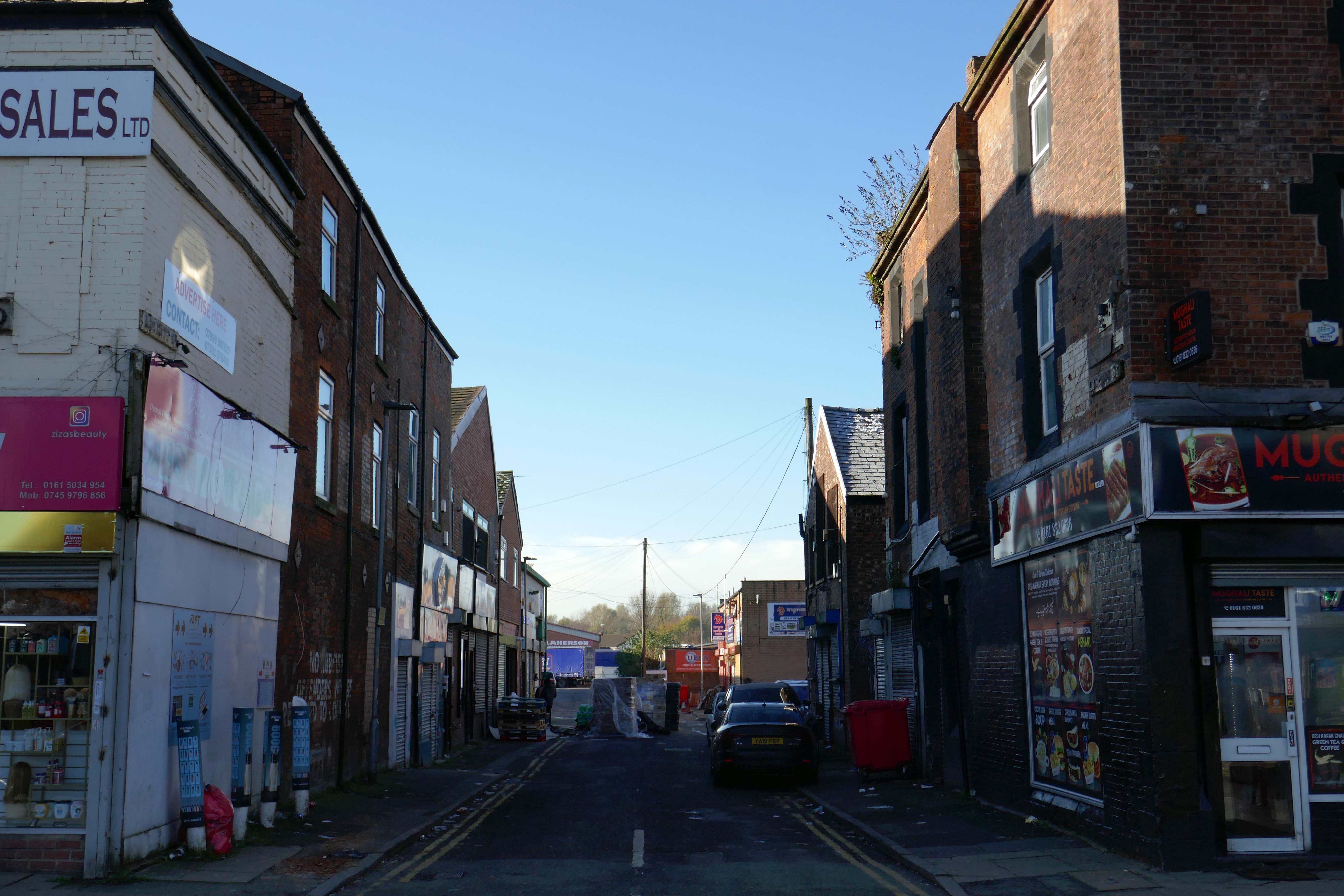
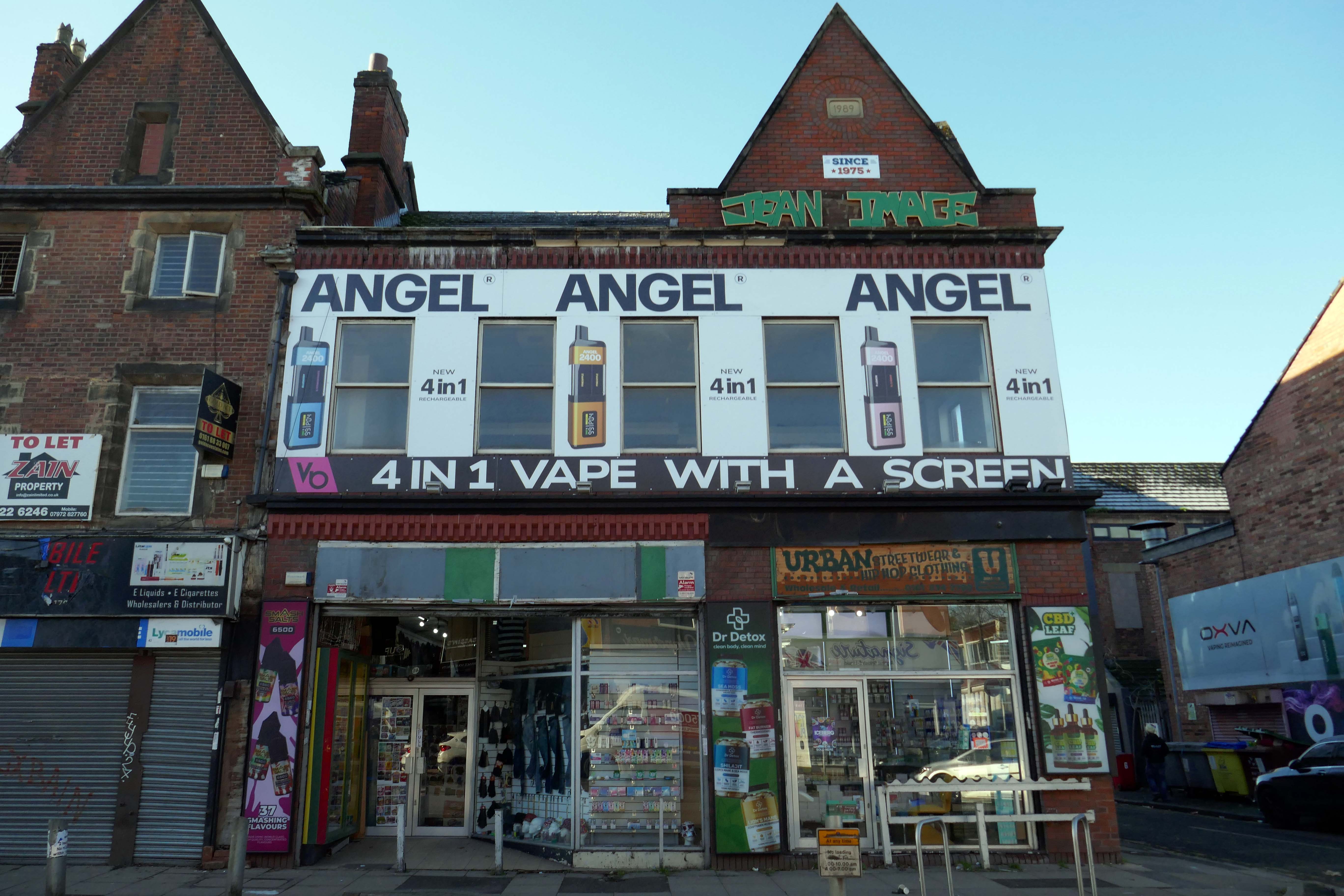
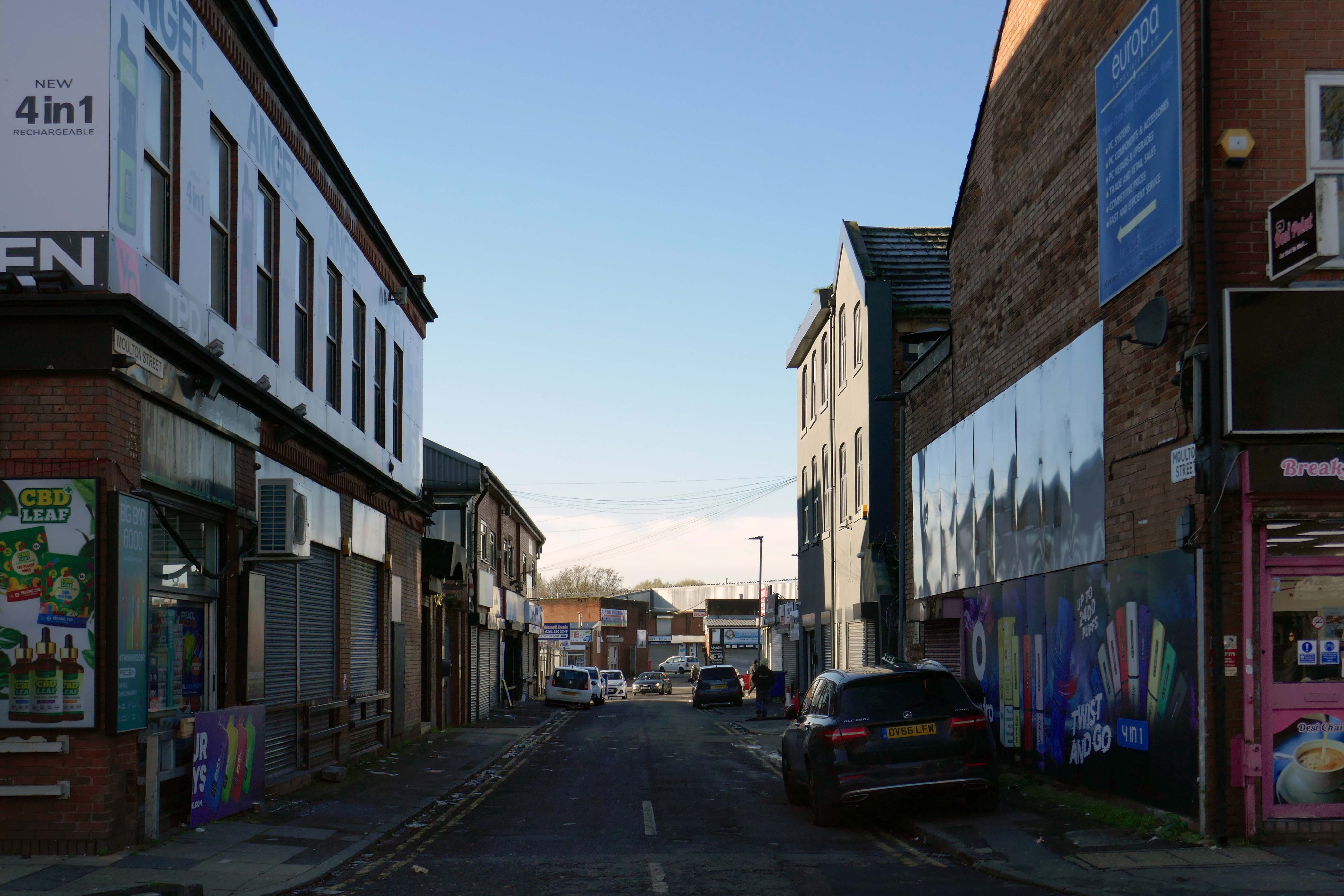
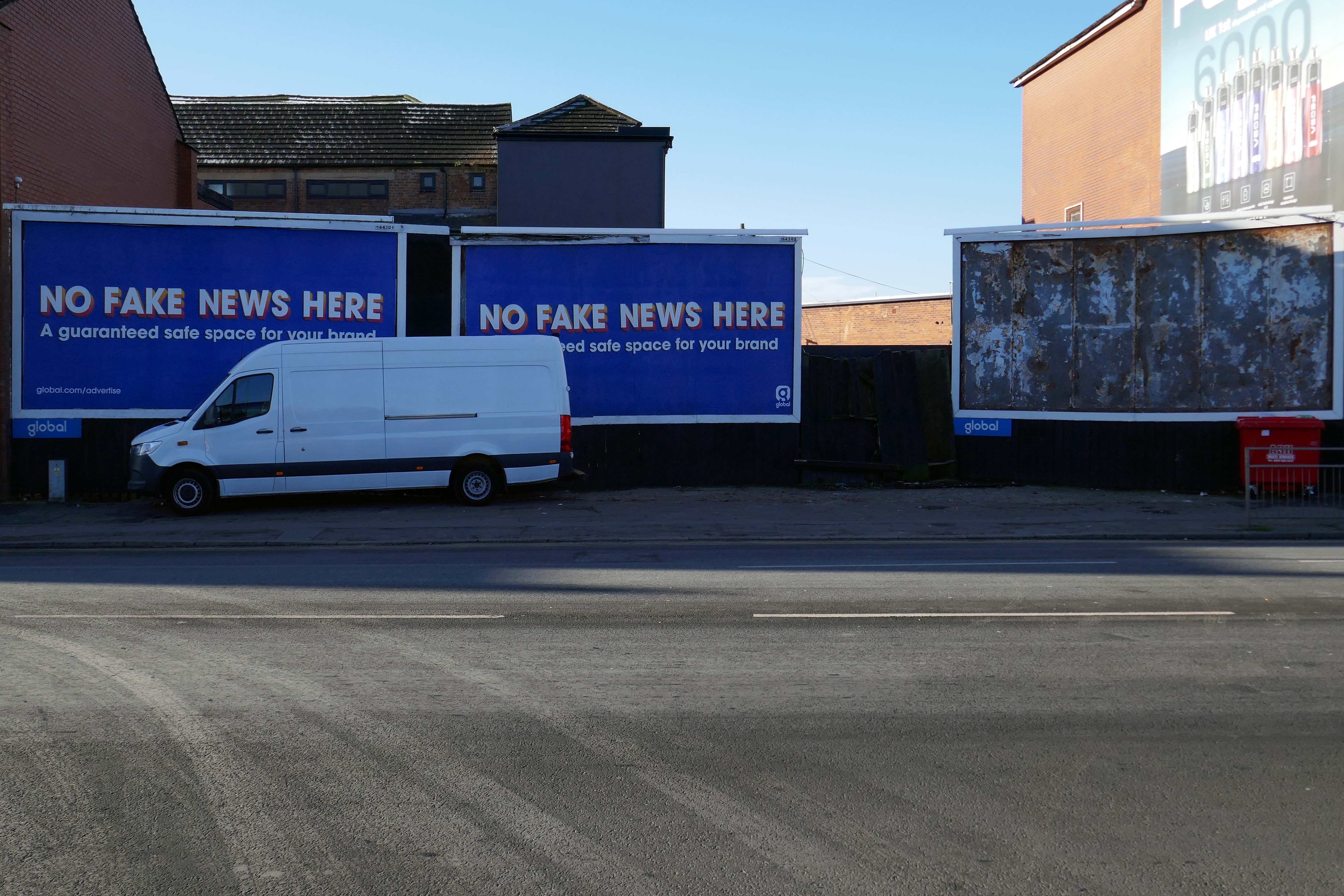
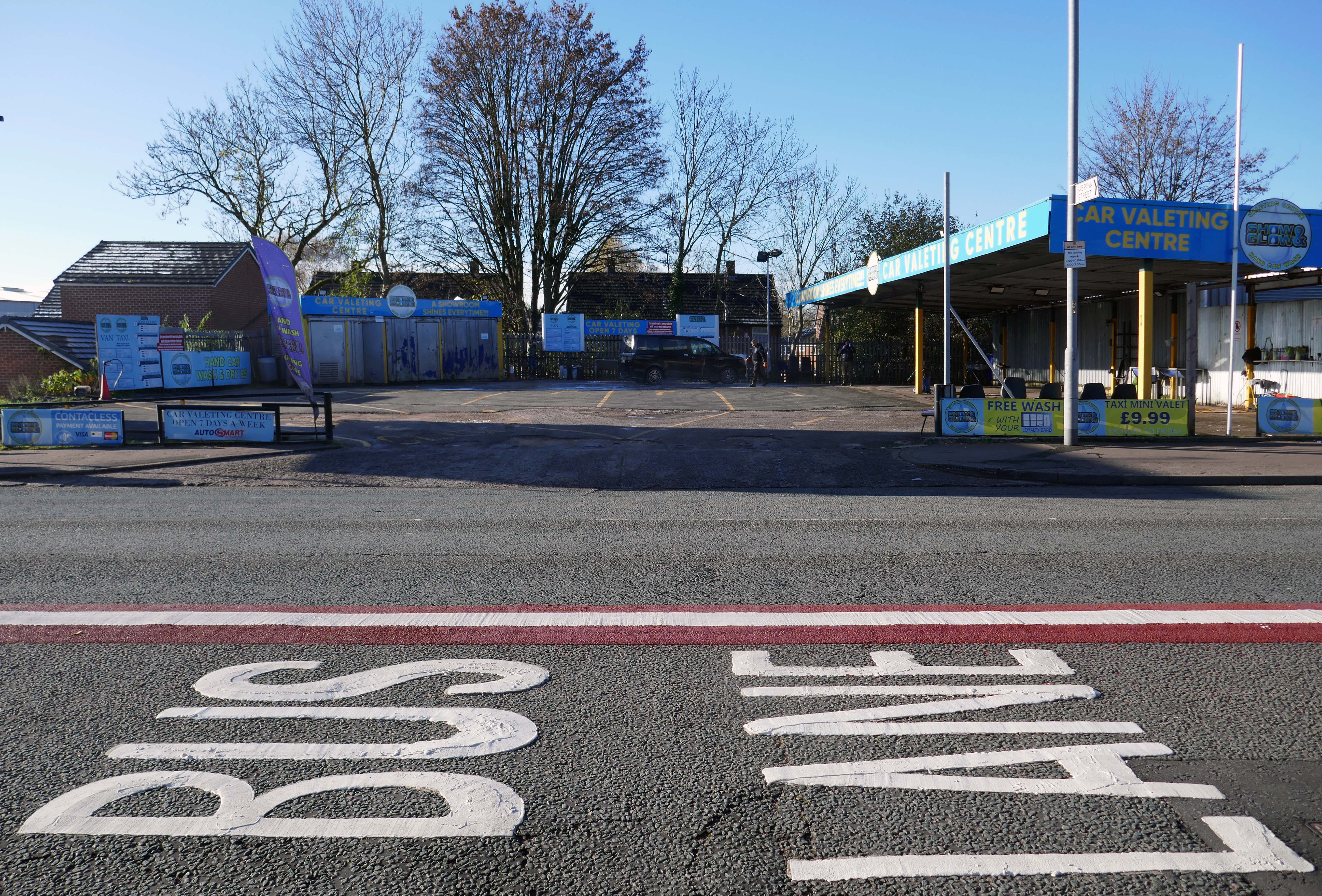
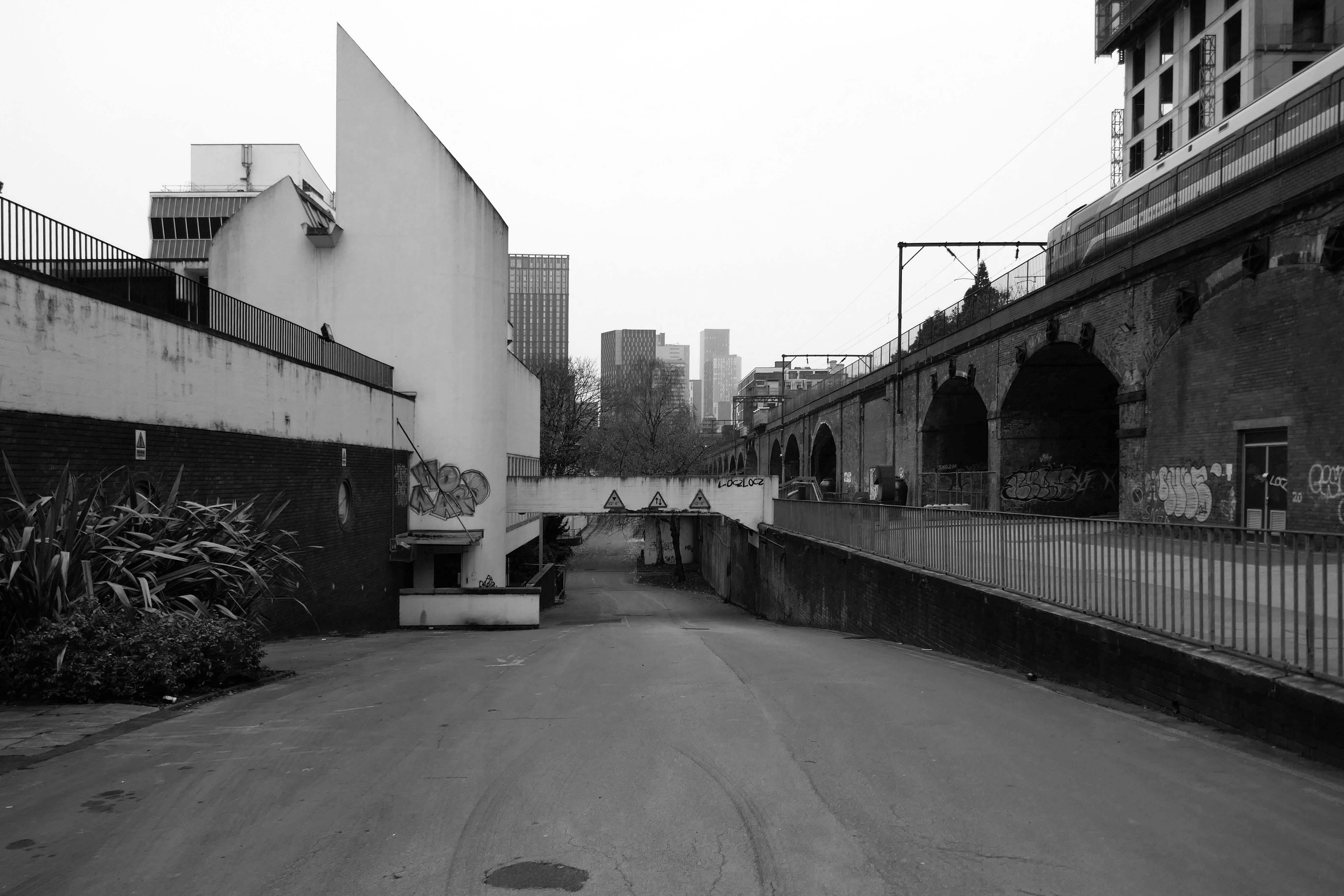
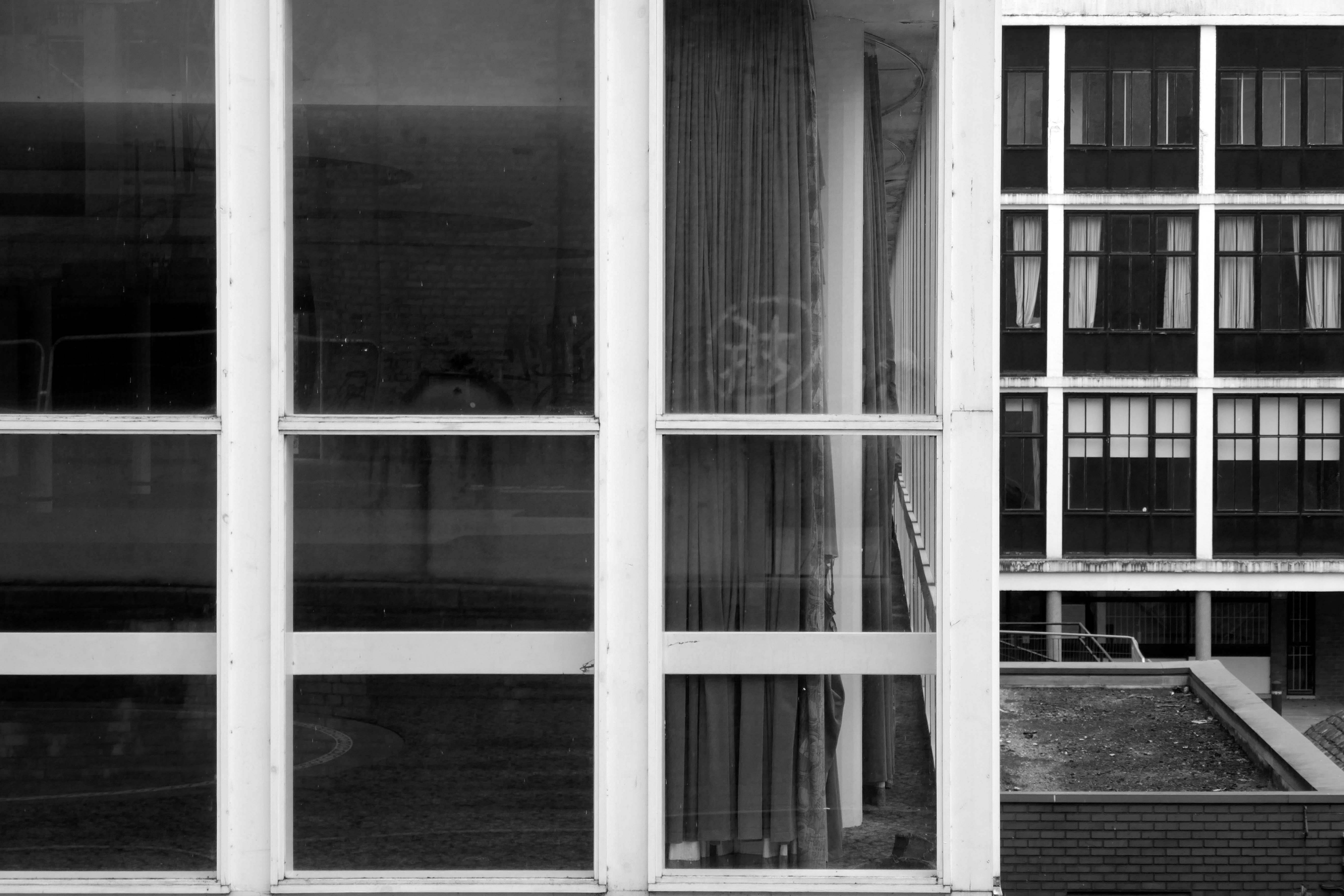
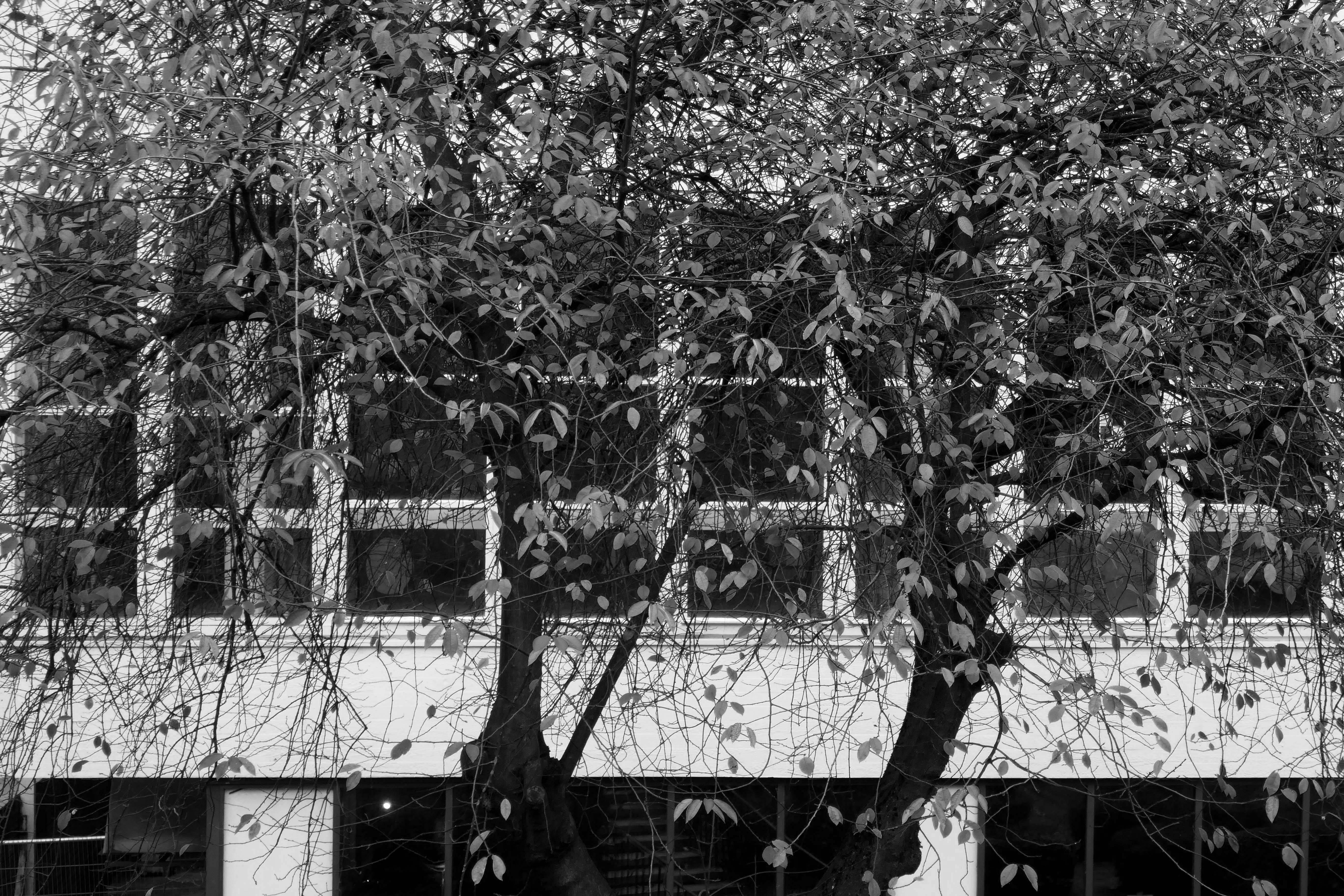
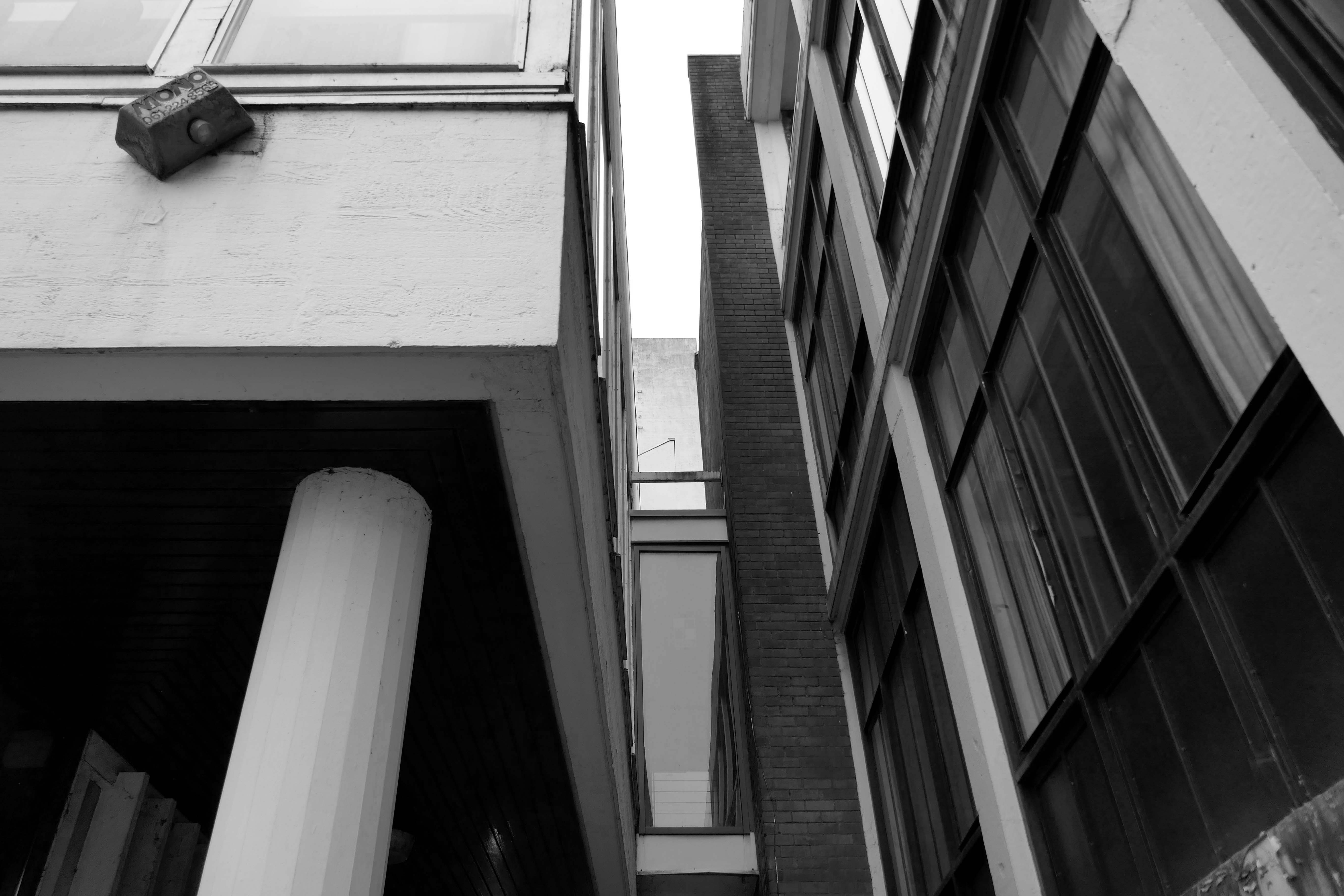
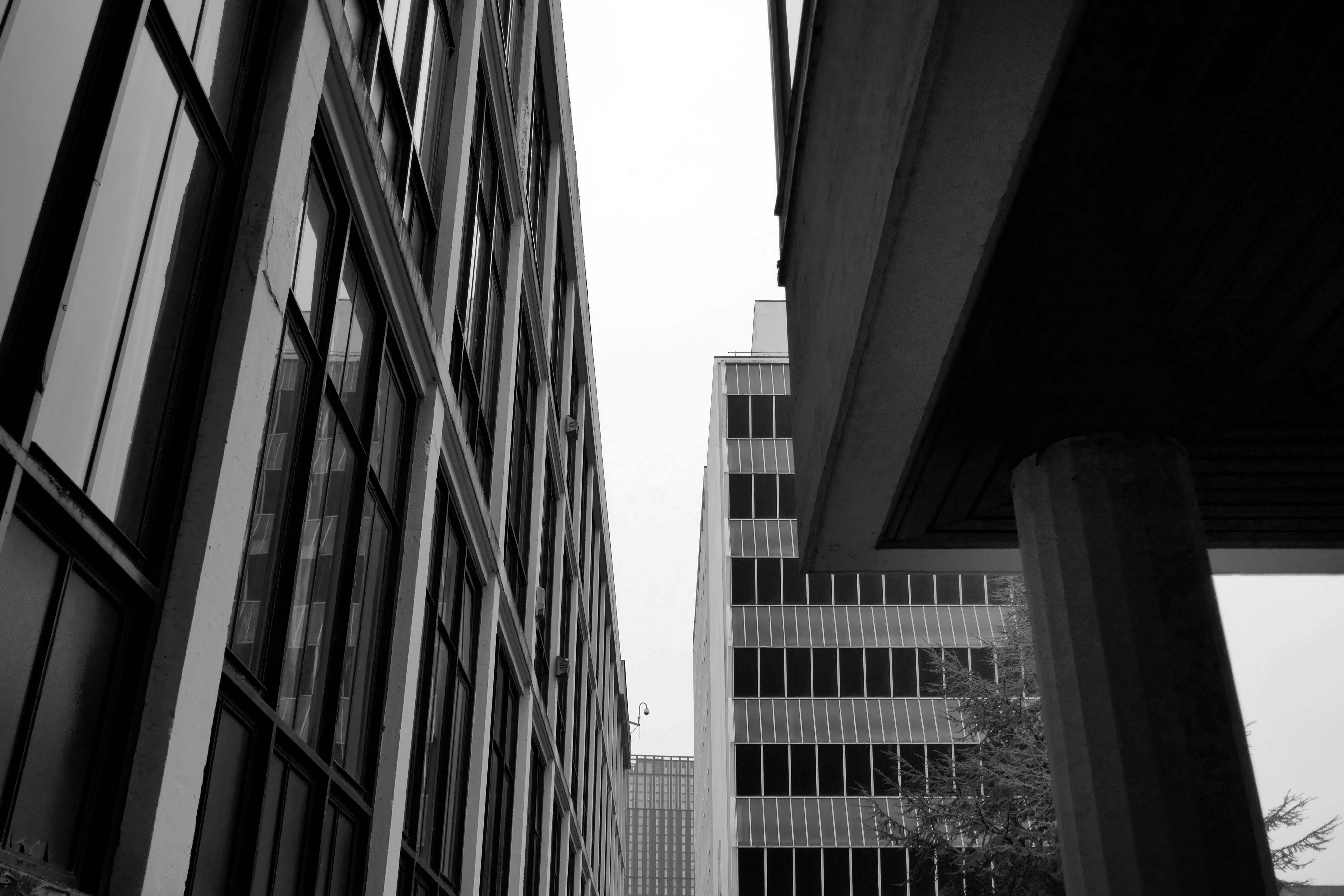
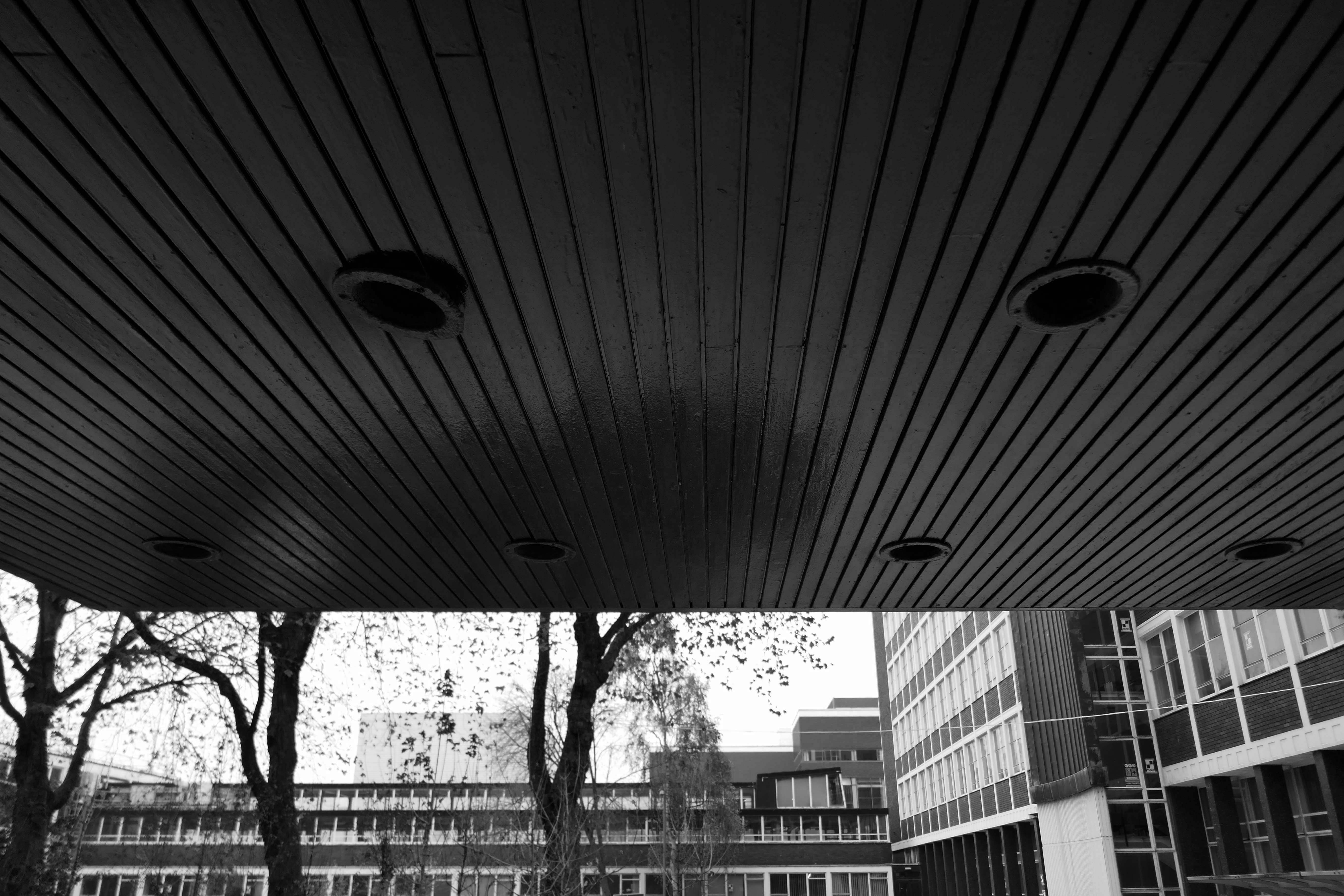
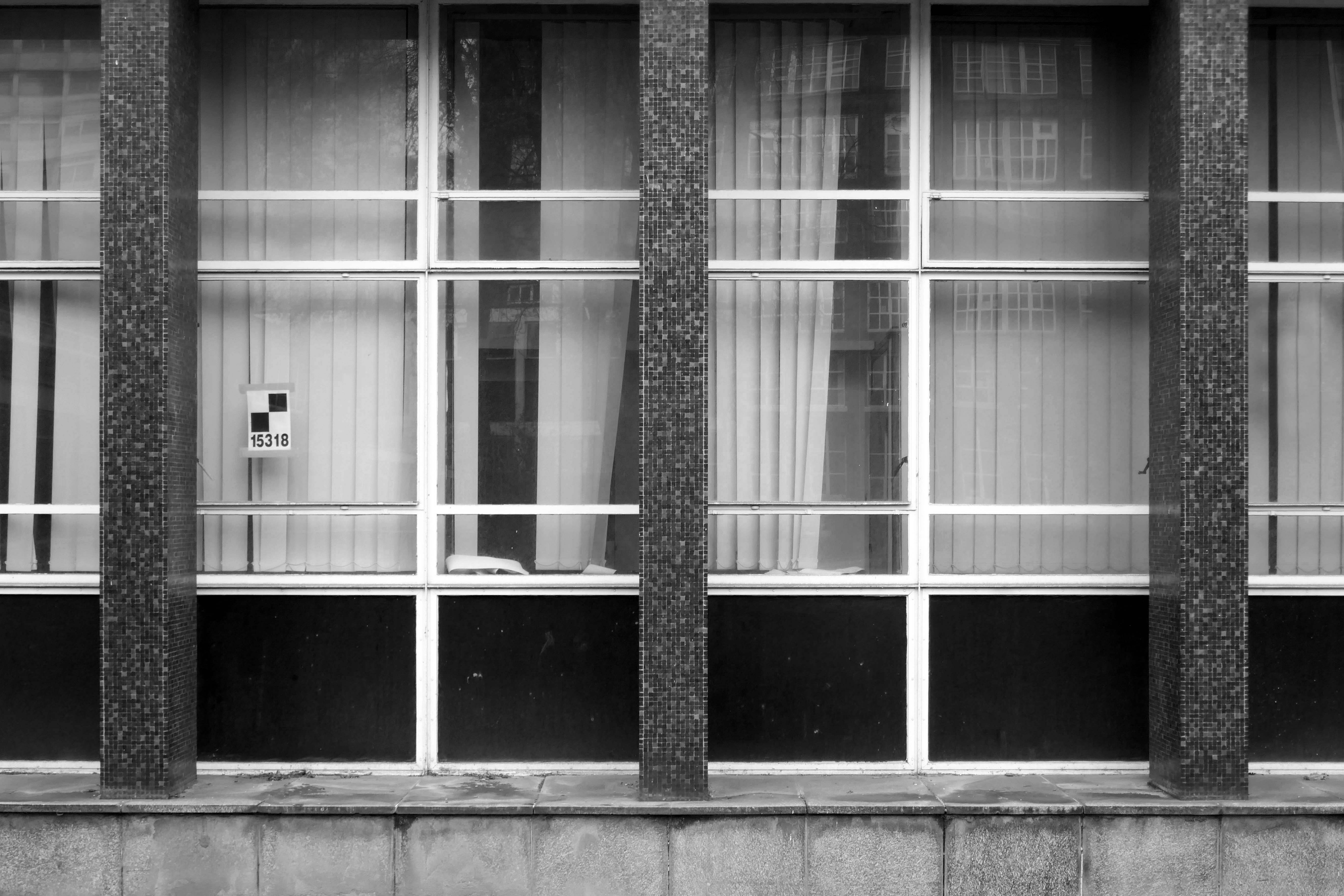
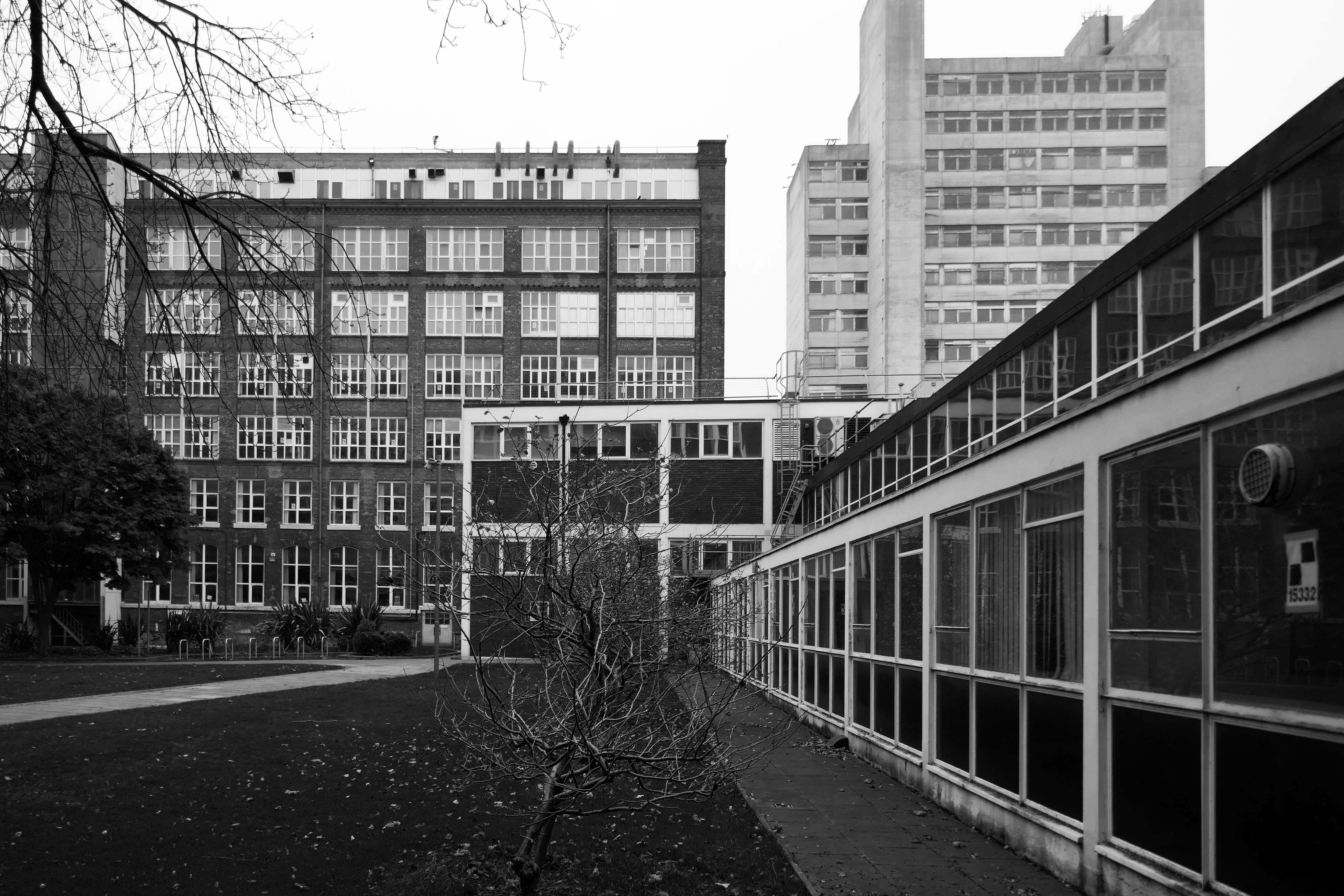
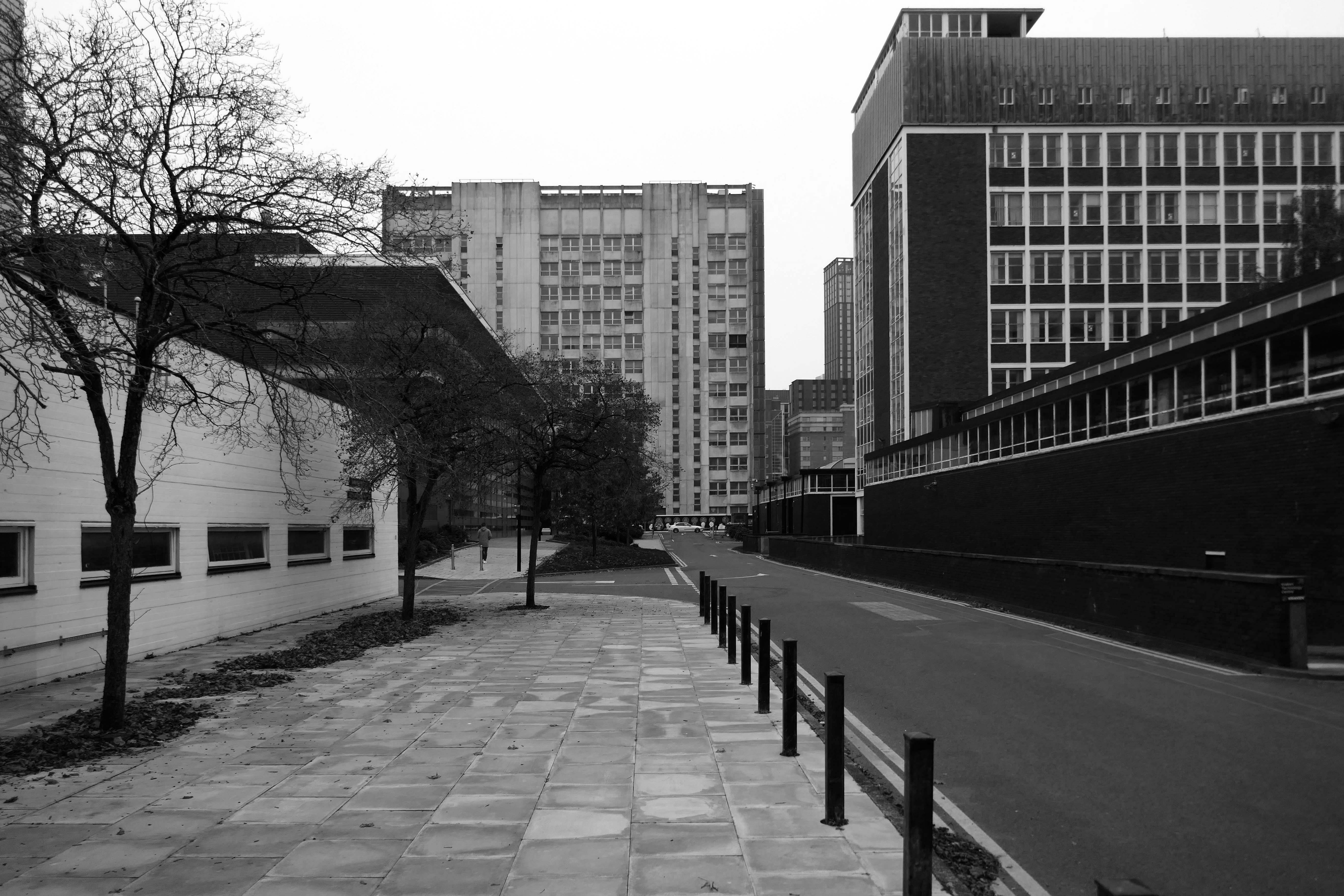
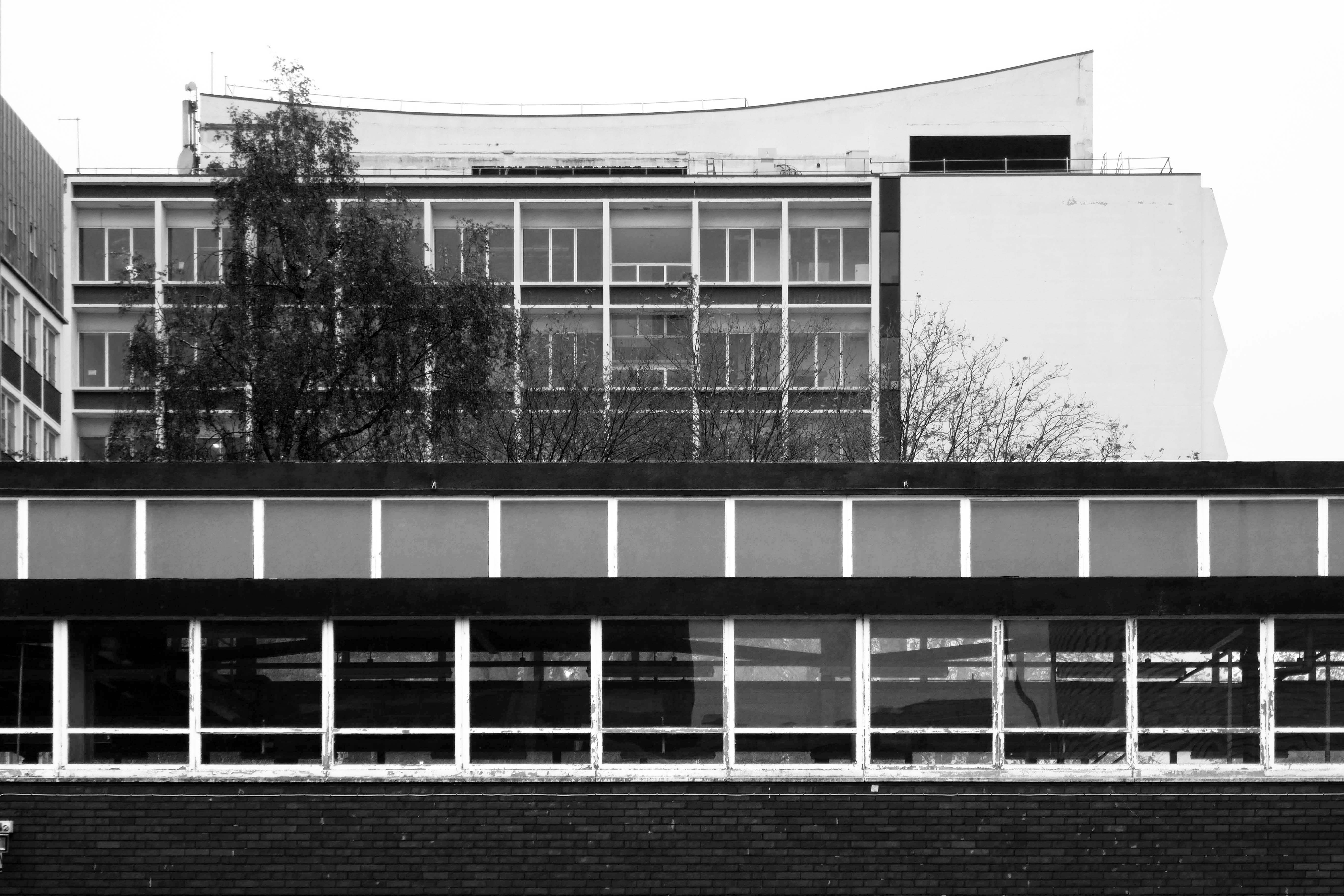
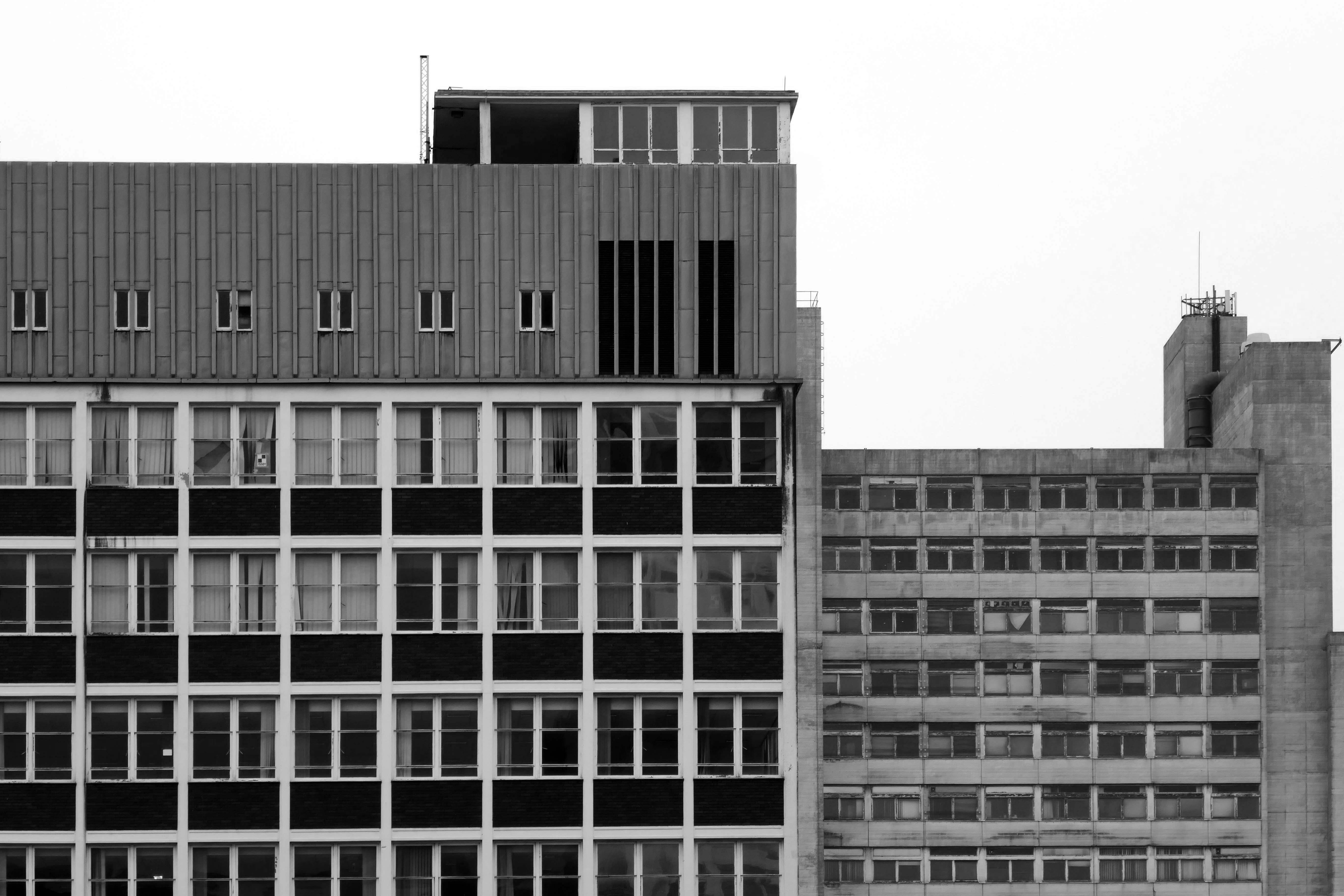
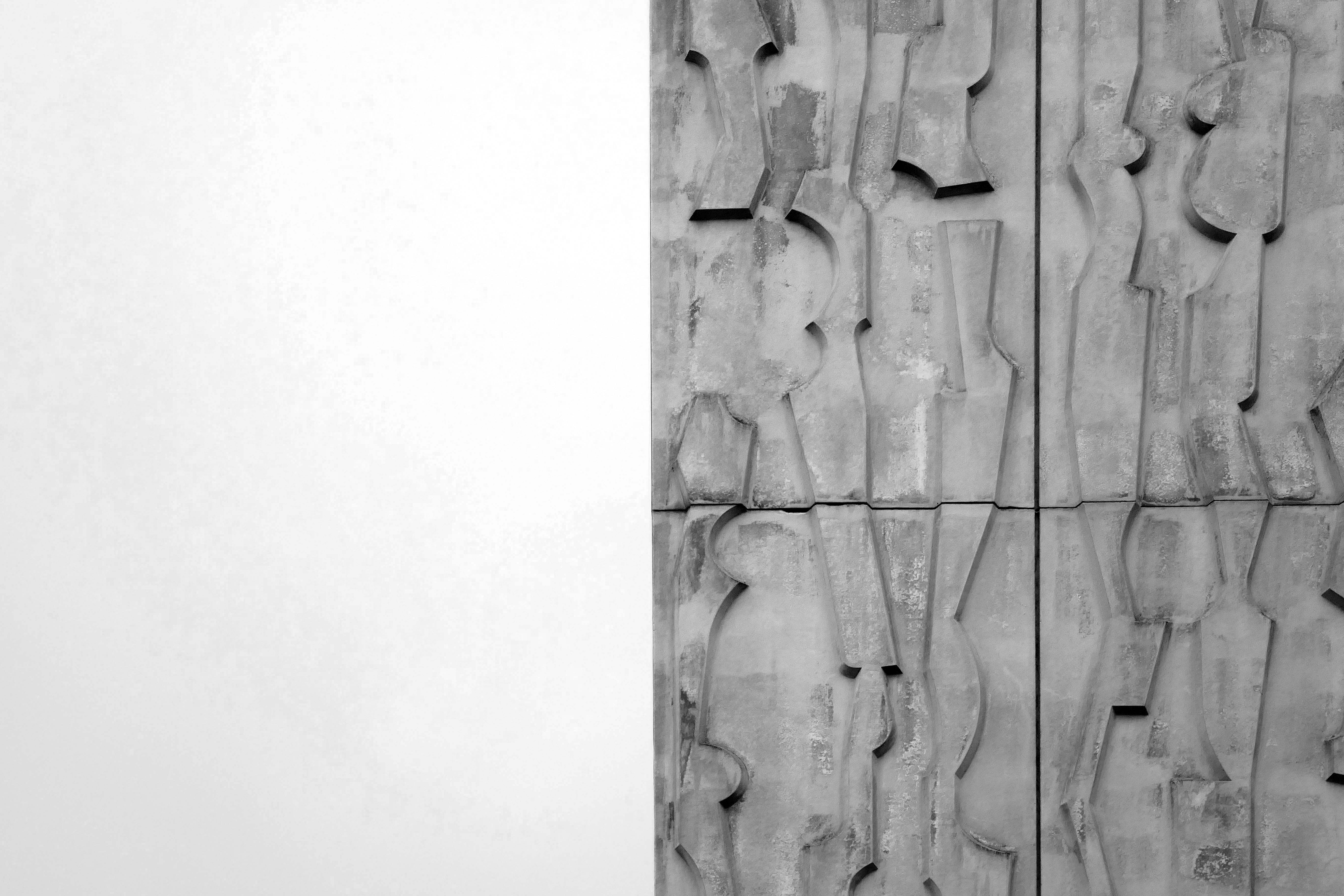
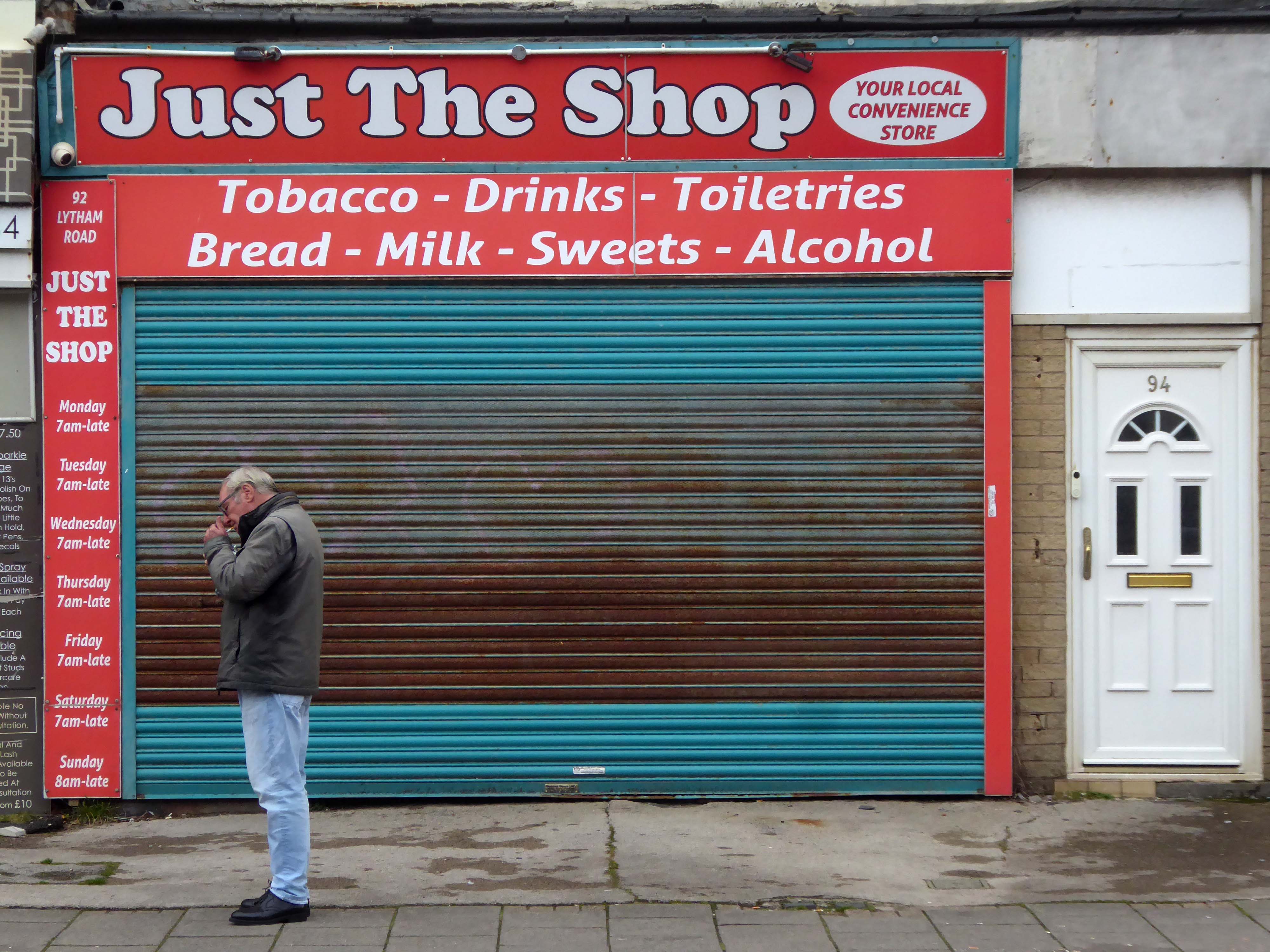
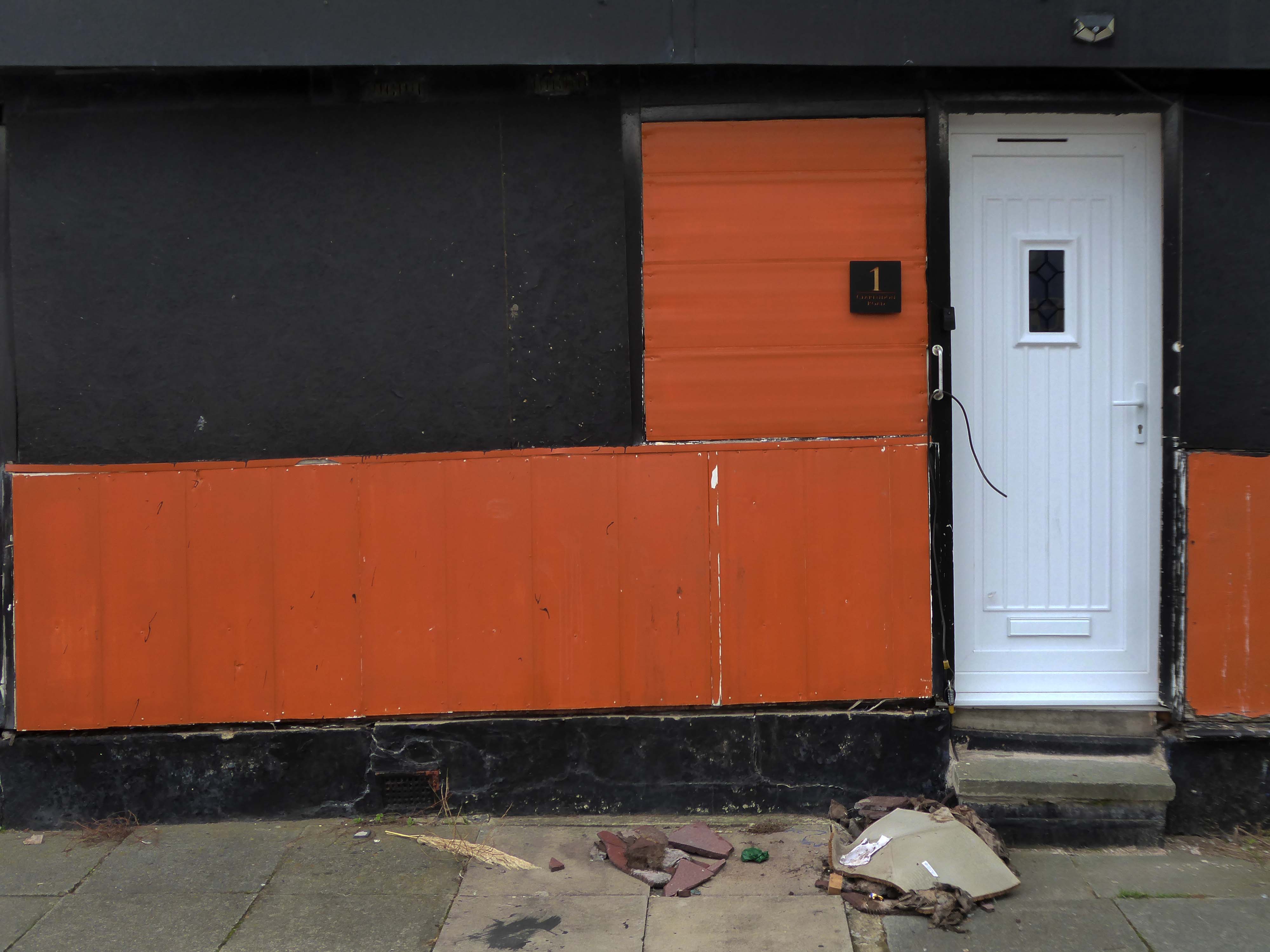
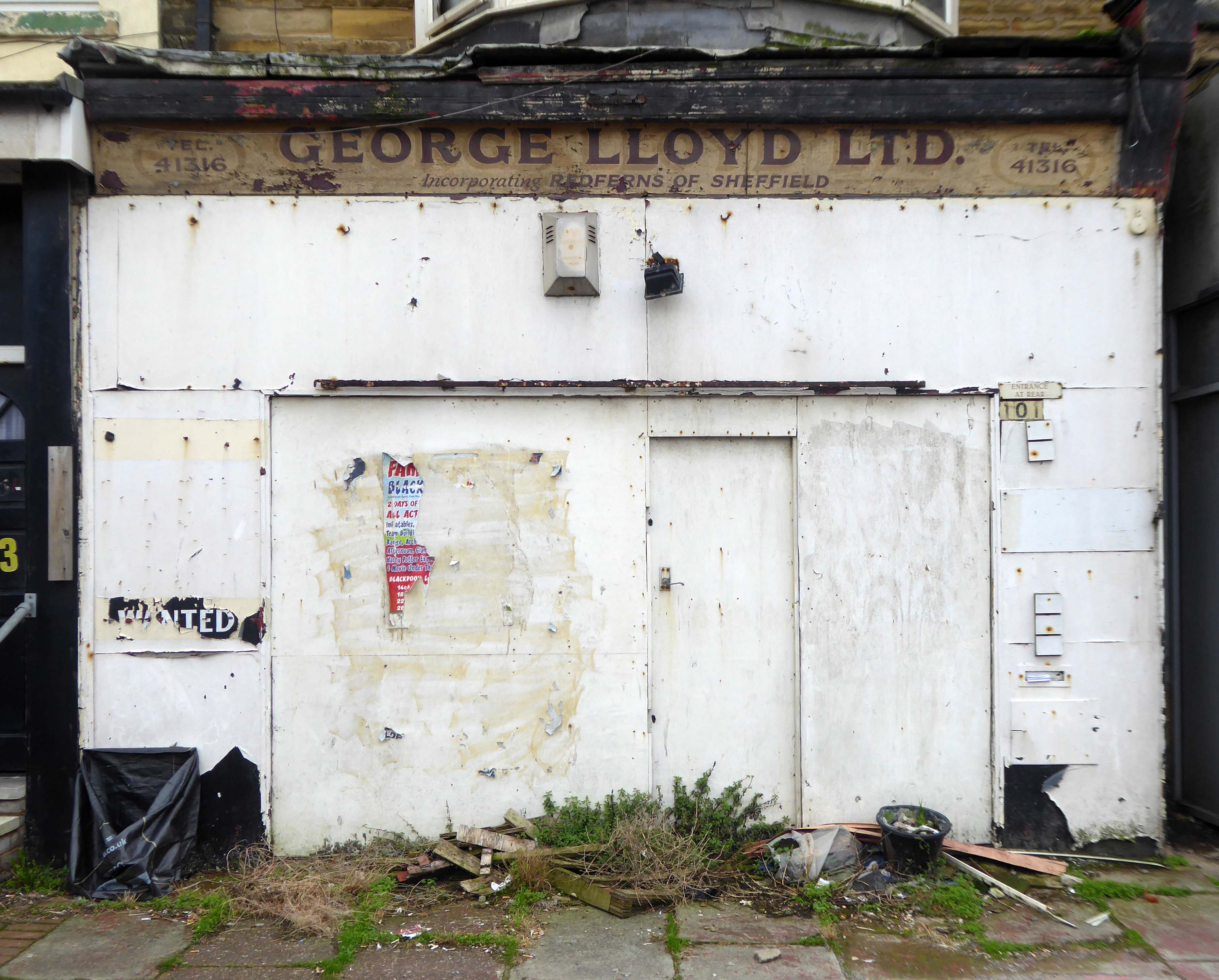
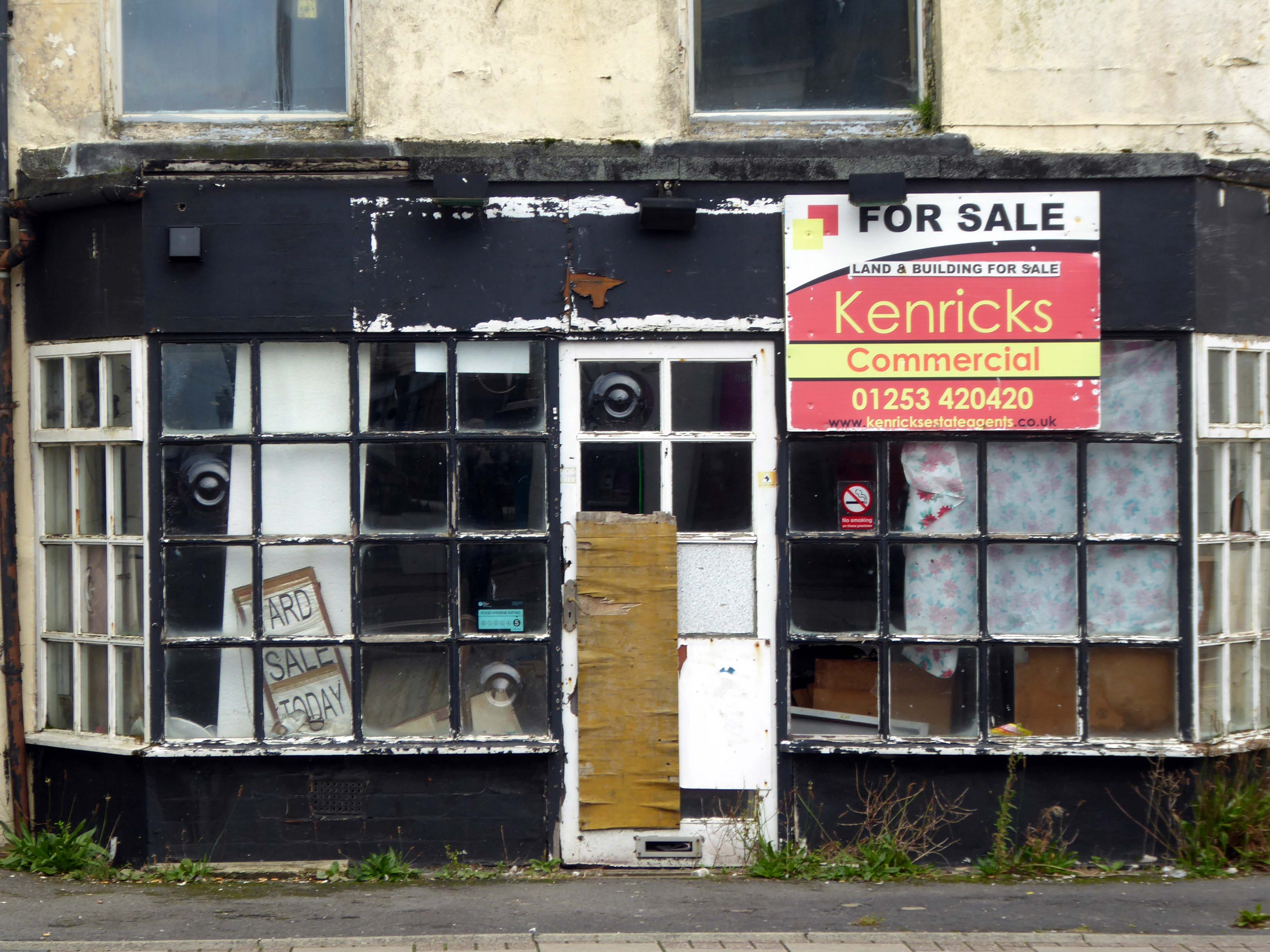
The days when a vast multitude of things came and went have been and gone.
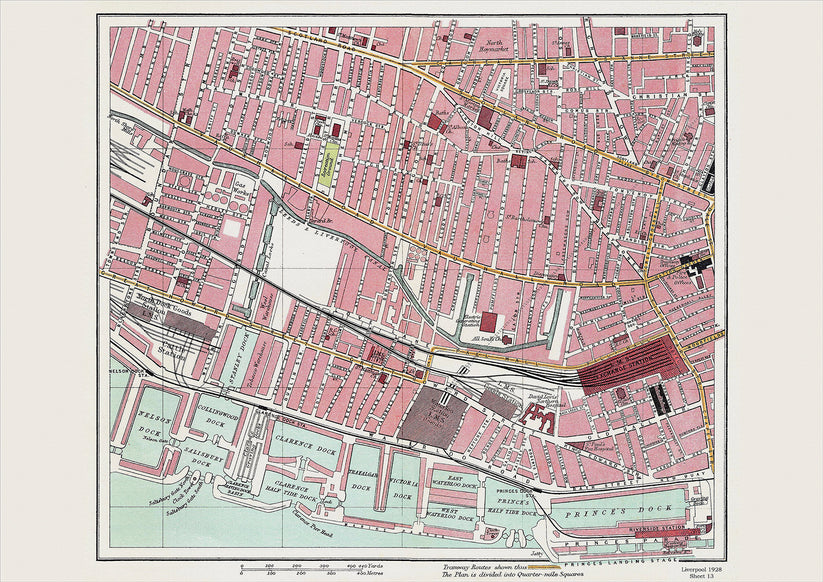
The docks as they were are no more.
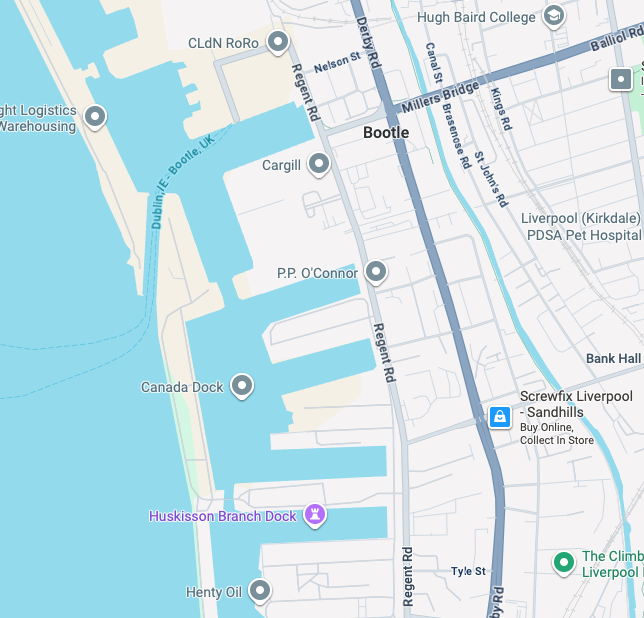
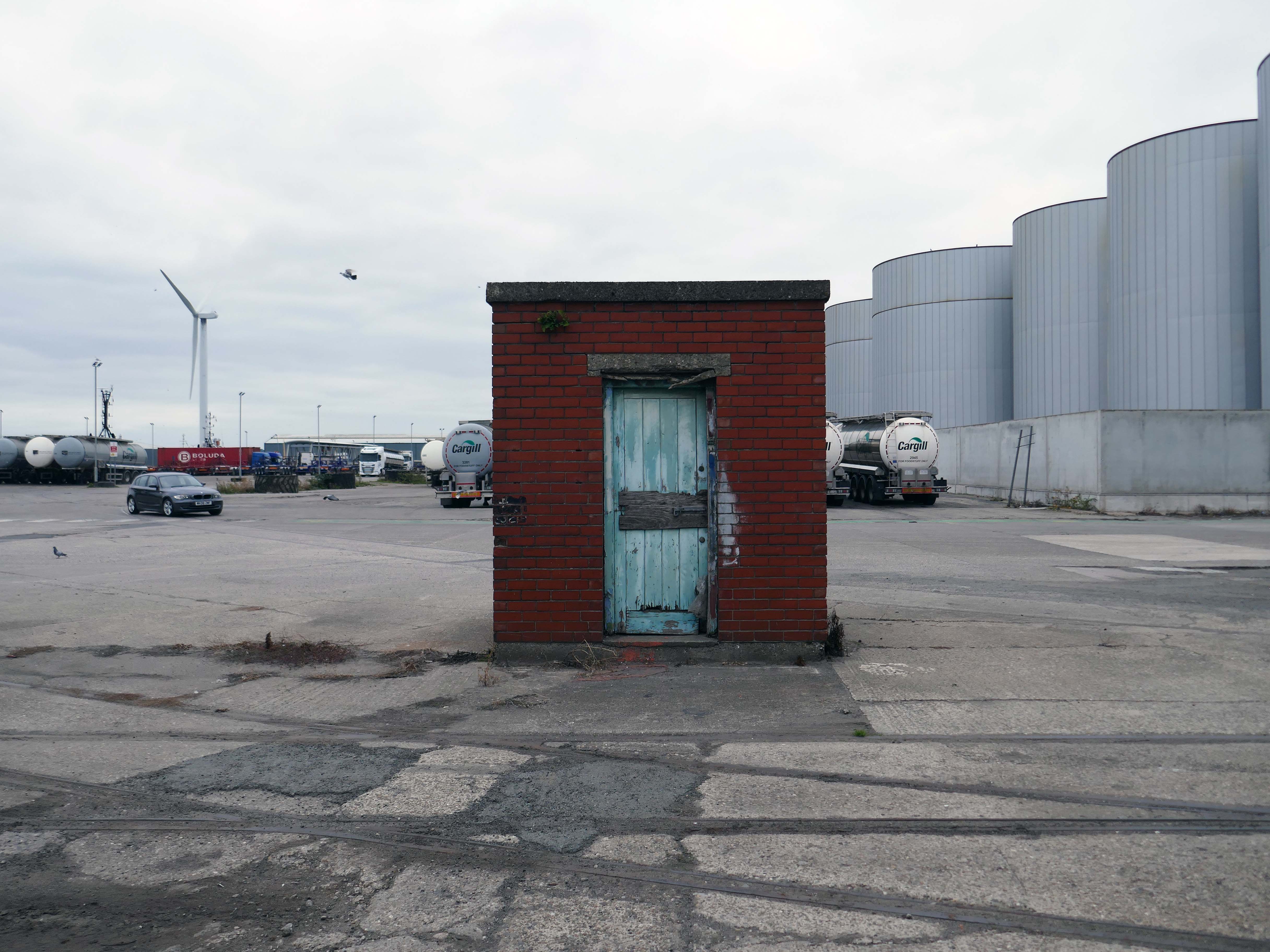
Yet in 2023, the Port of Liverpool was the UK’s fourth busiest container port, handling over 30 million tonnes of freight per annum. It handles a wide variety of cargo, including containers, bulk cargoes such as coal, grain and animal feed, and roll-on/roll-off cargoes such as cars, trucks and recycled metals. The port is also home to one of the largest cruise terminals in the UK which handles approximately 200,000 passengers and over 100 cruise ships each year.
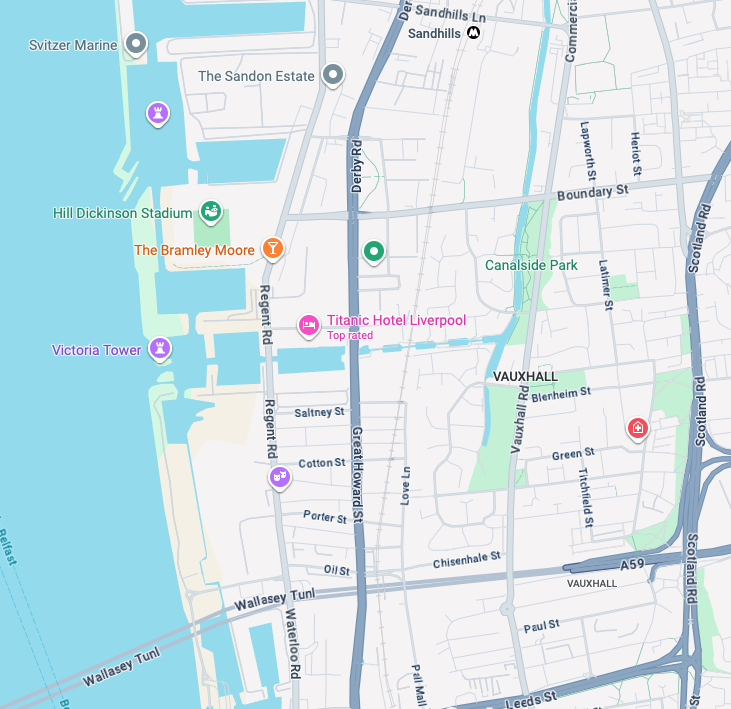
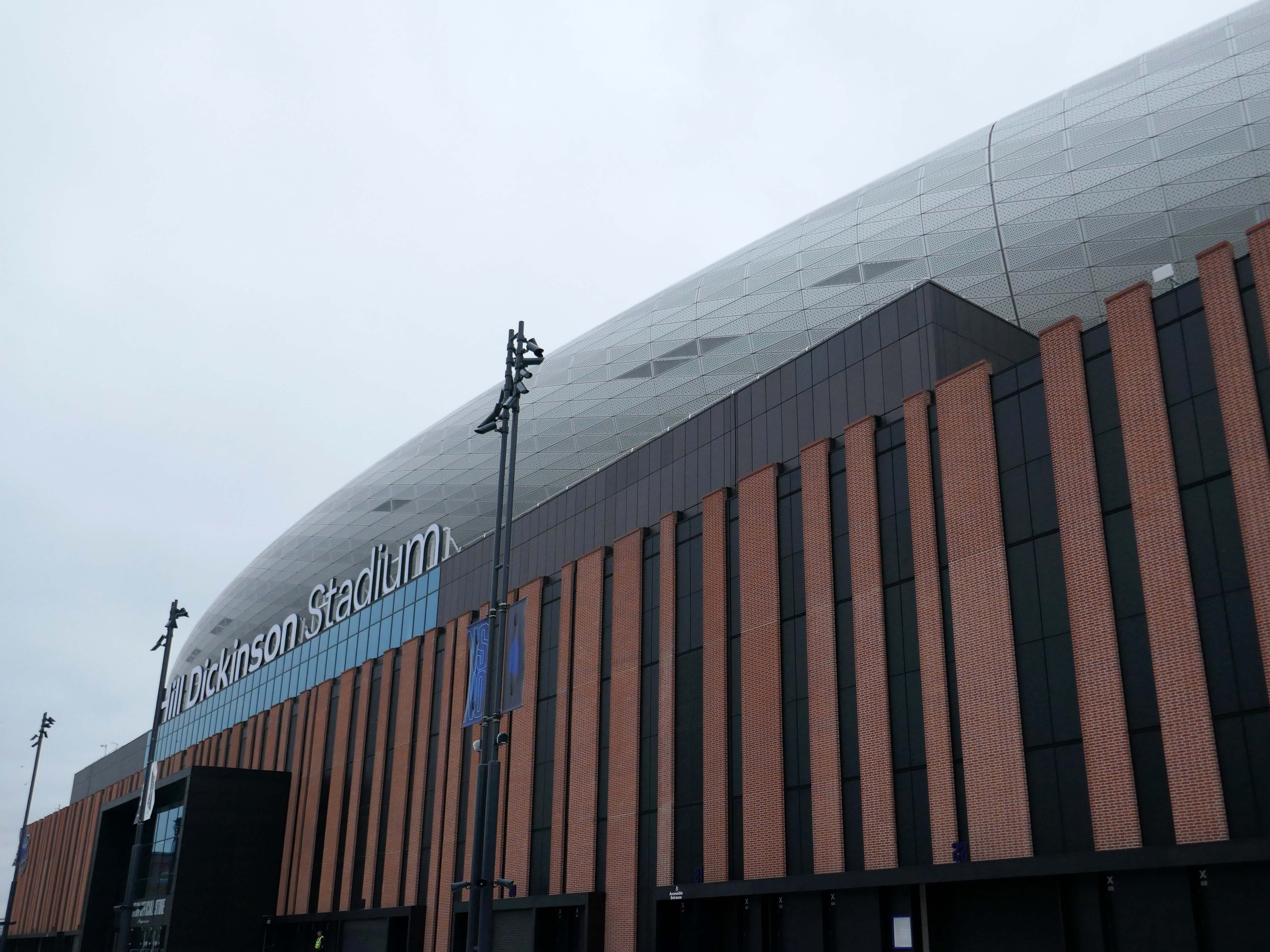
Now with the opening of the Titanic Hotel in the Stanley Dock and the arrival of the Toffees just up the road at the Hill Dickinson Stadium, the whole area is slowly being transformed into a destination, as they say in modern parlance.
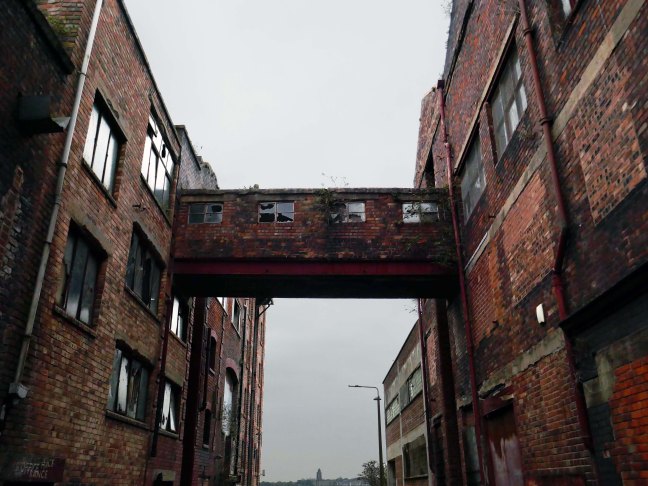
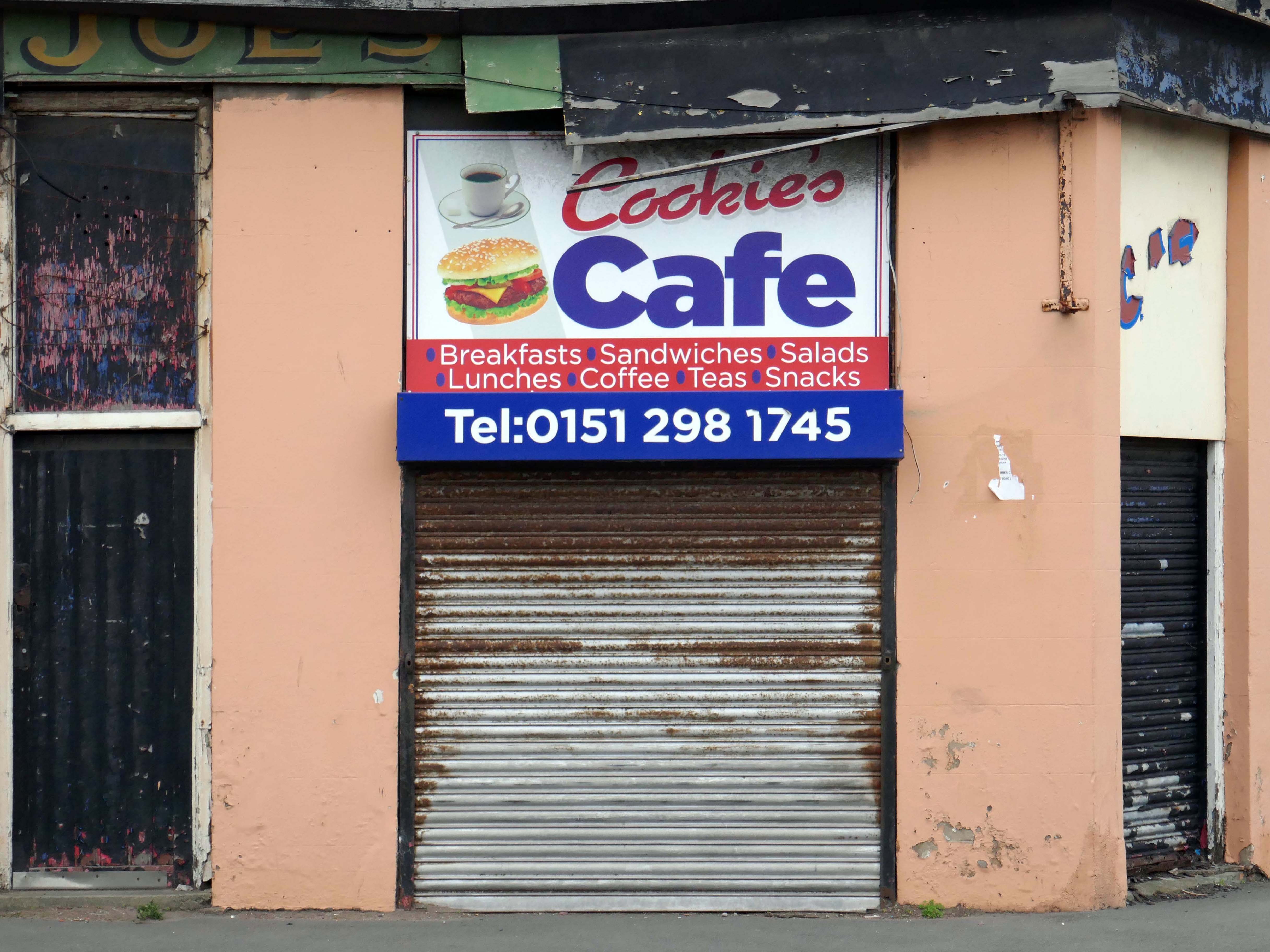
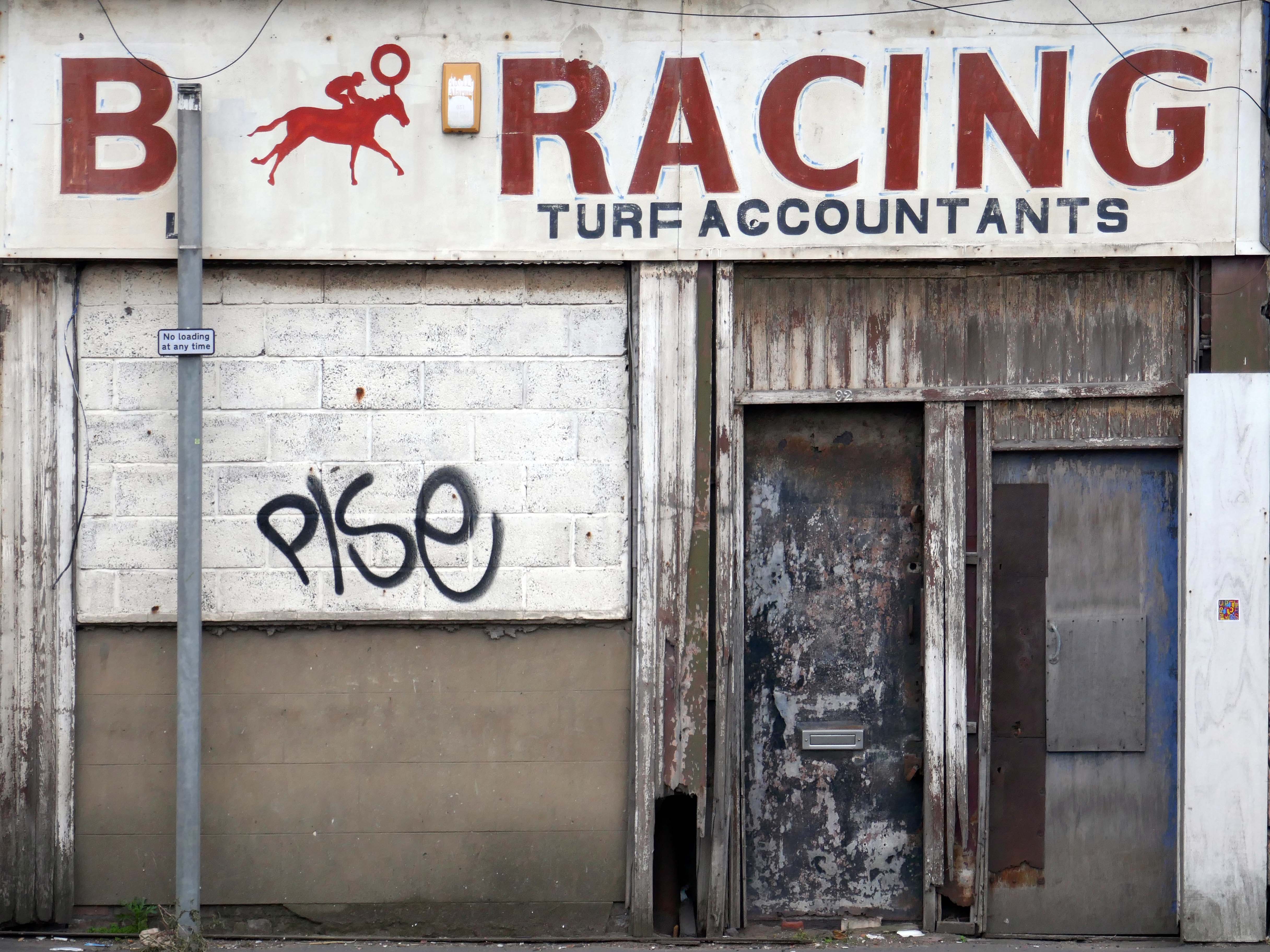
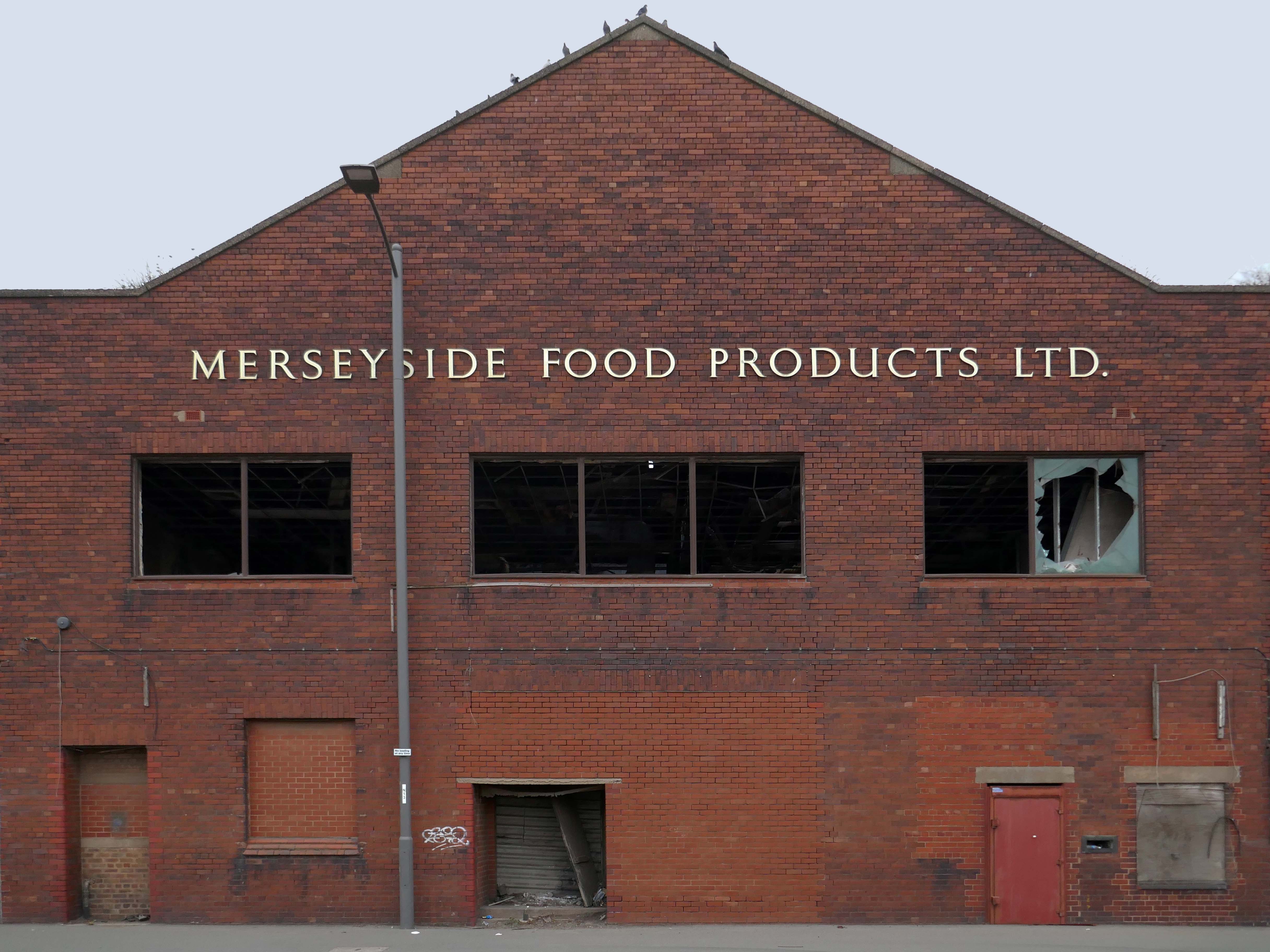
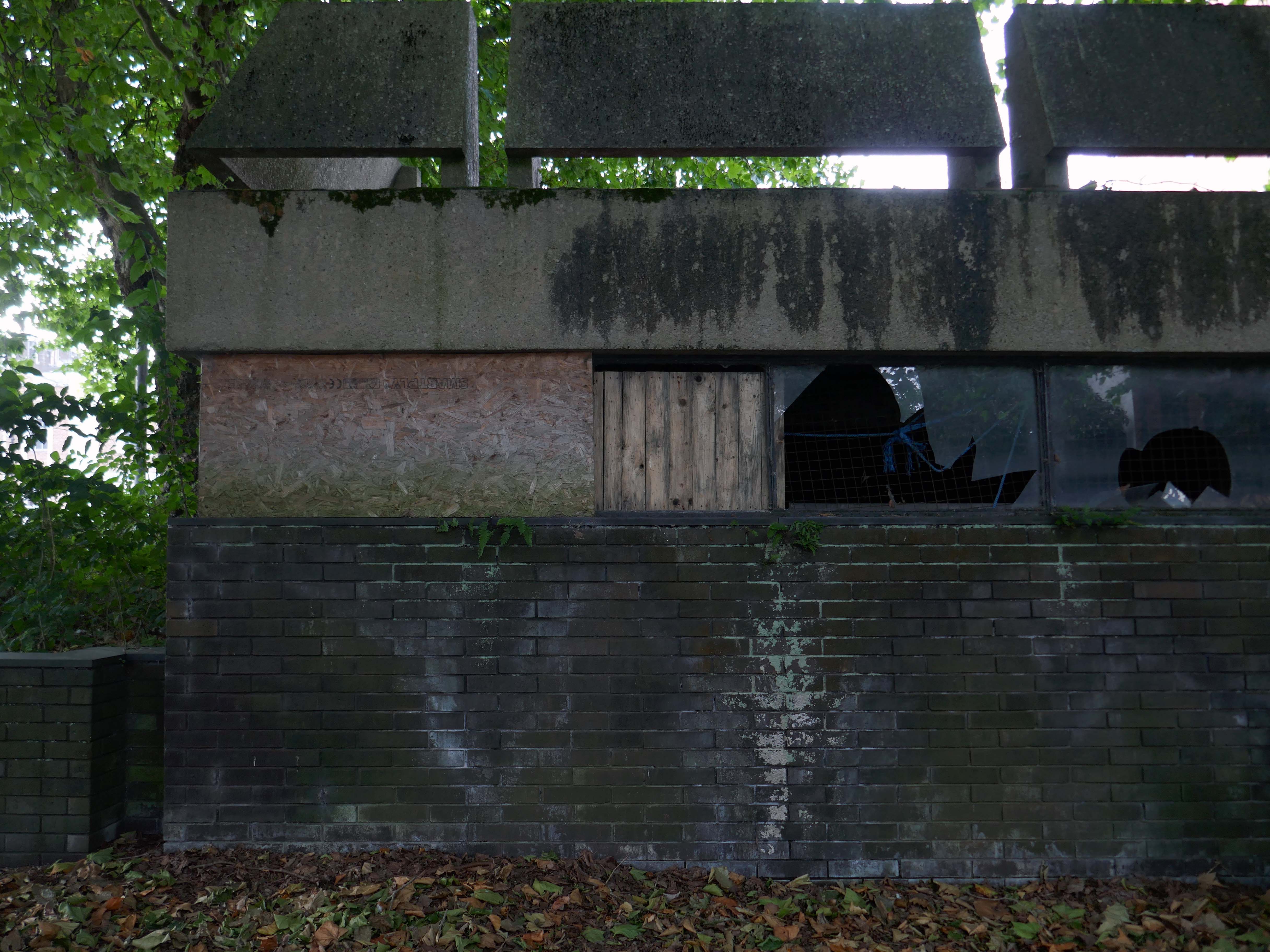
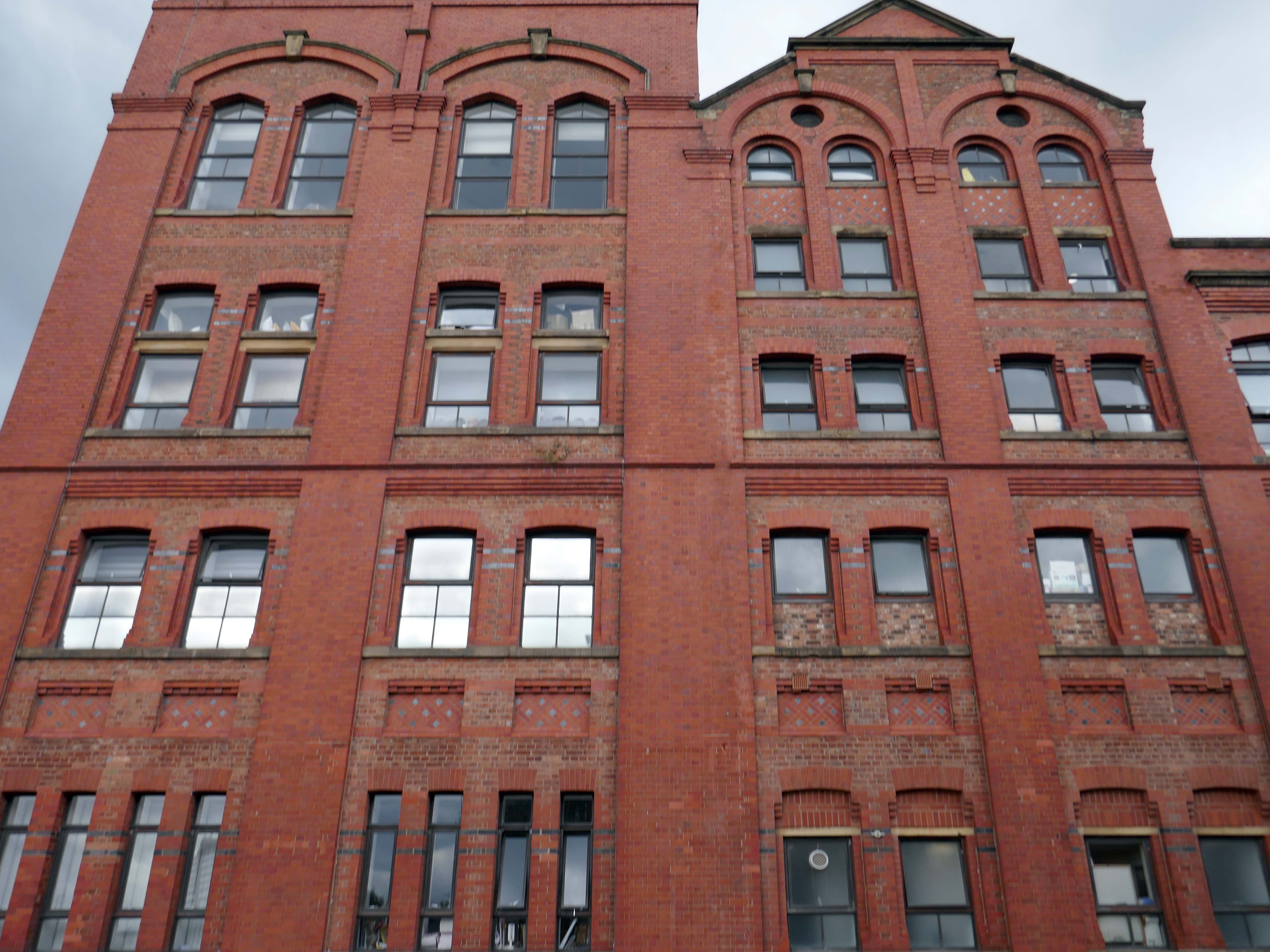
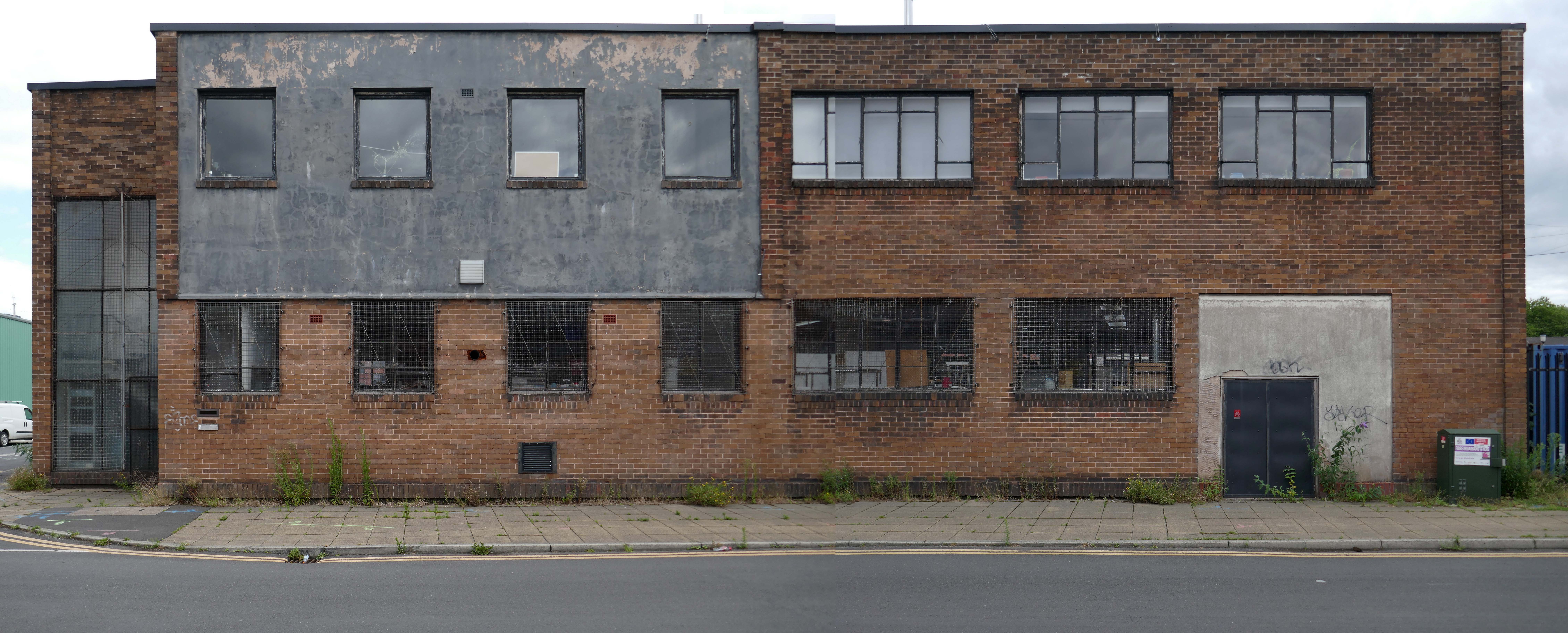
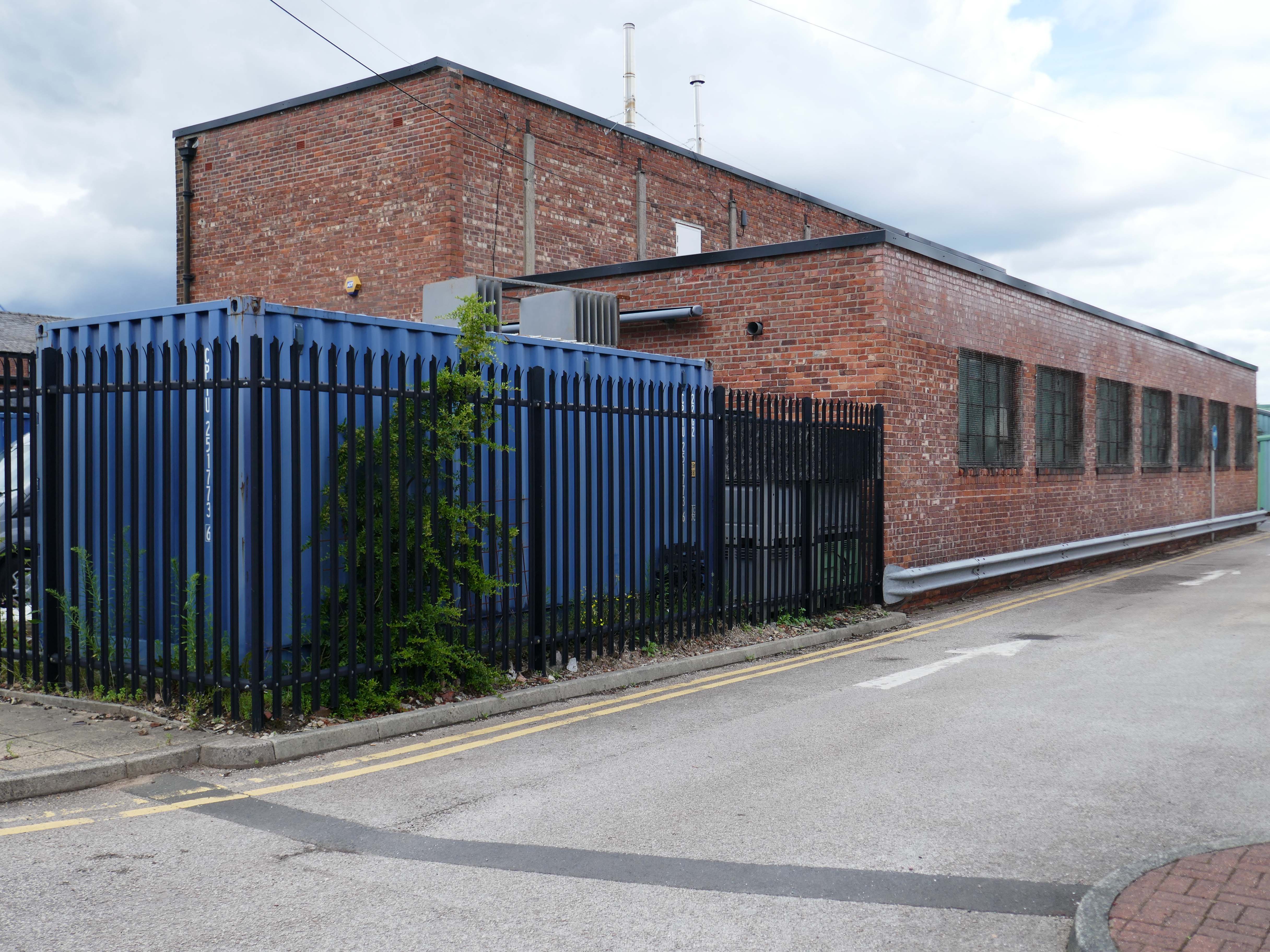
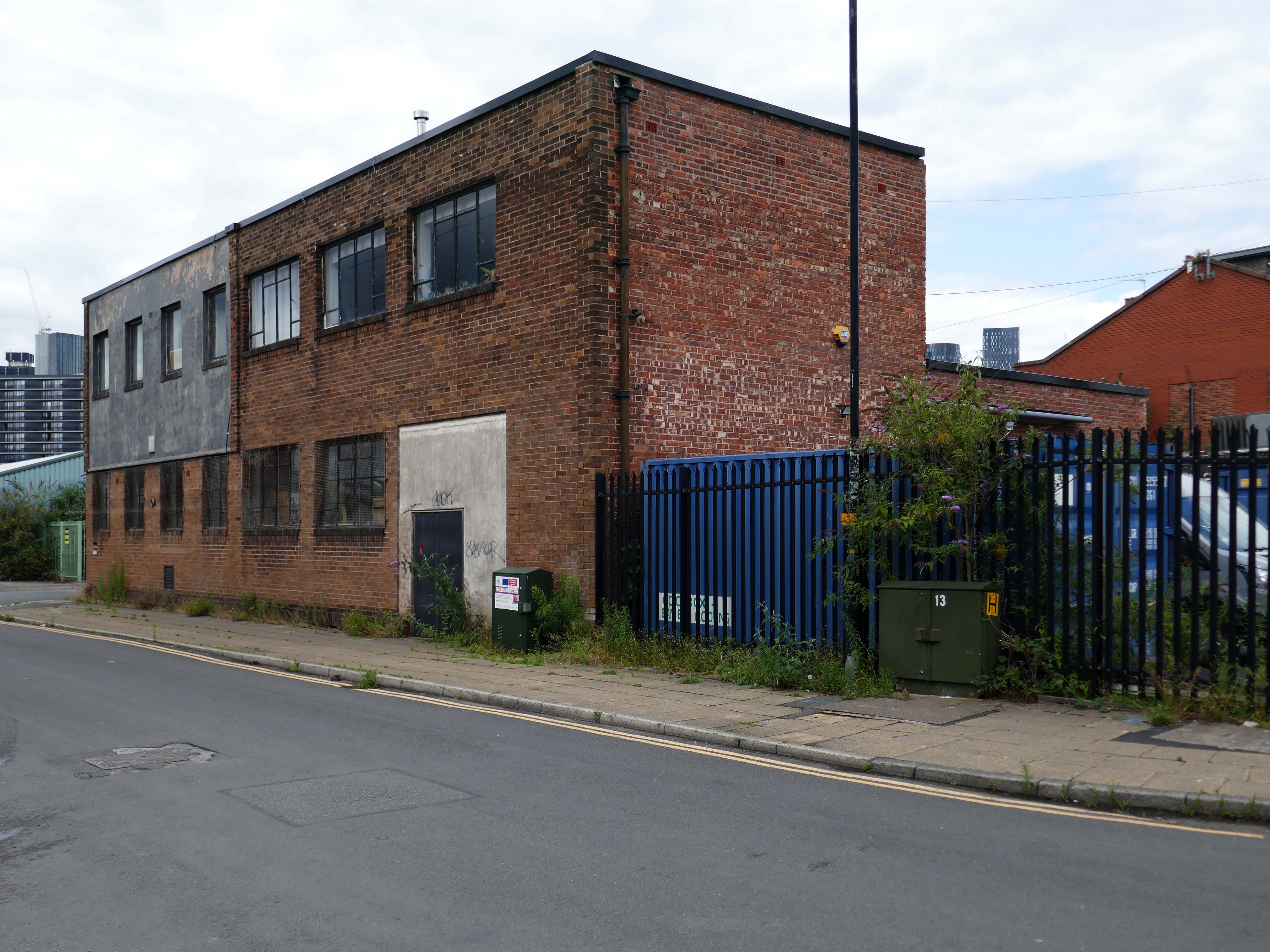
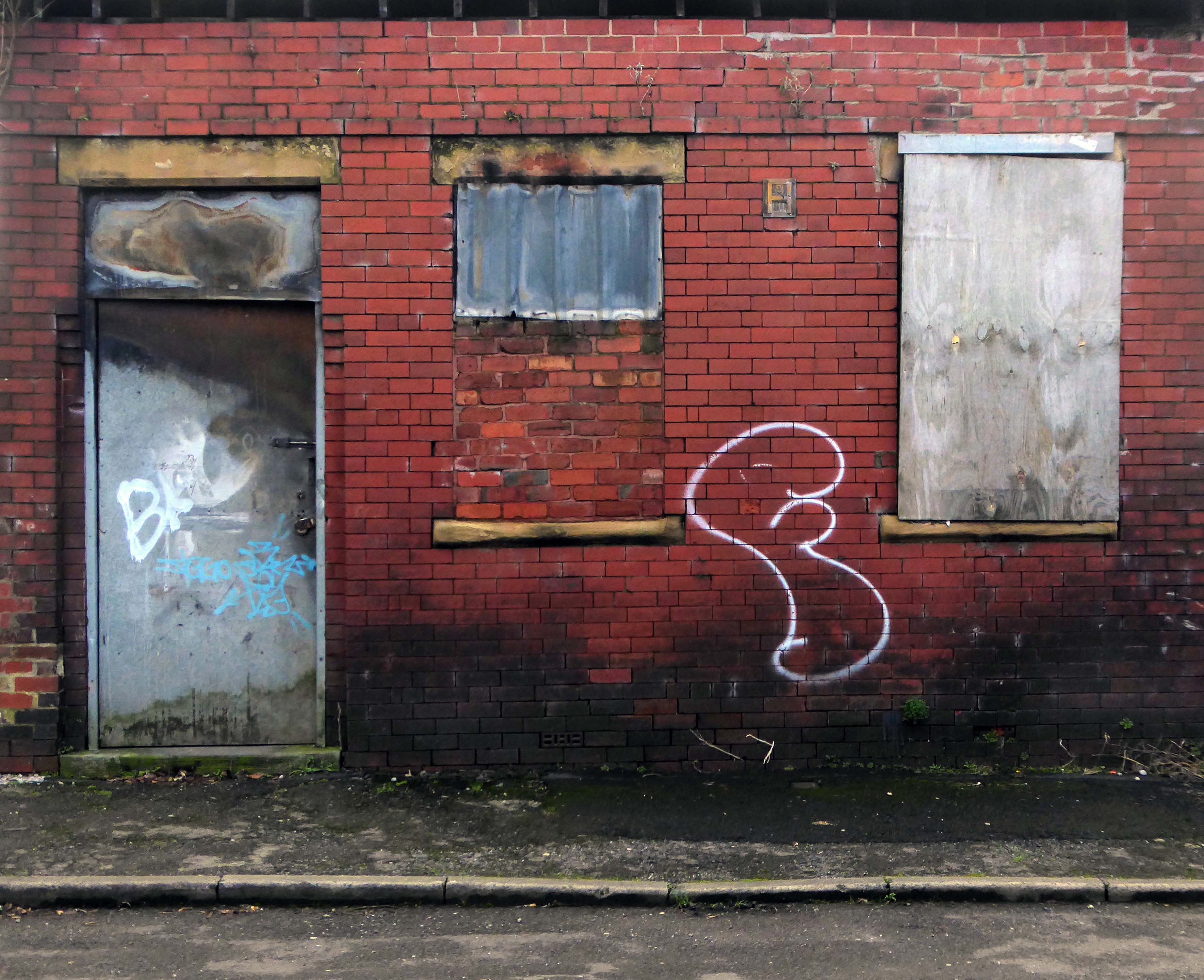
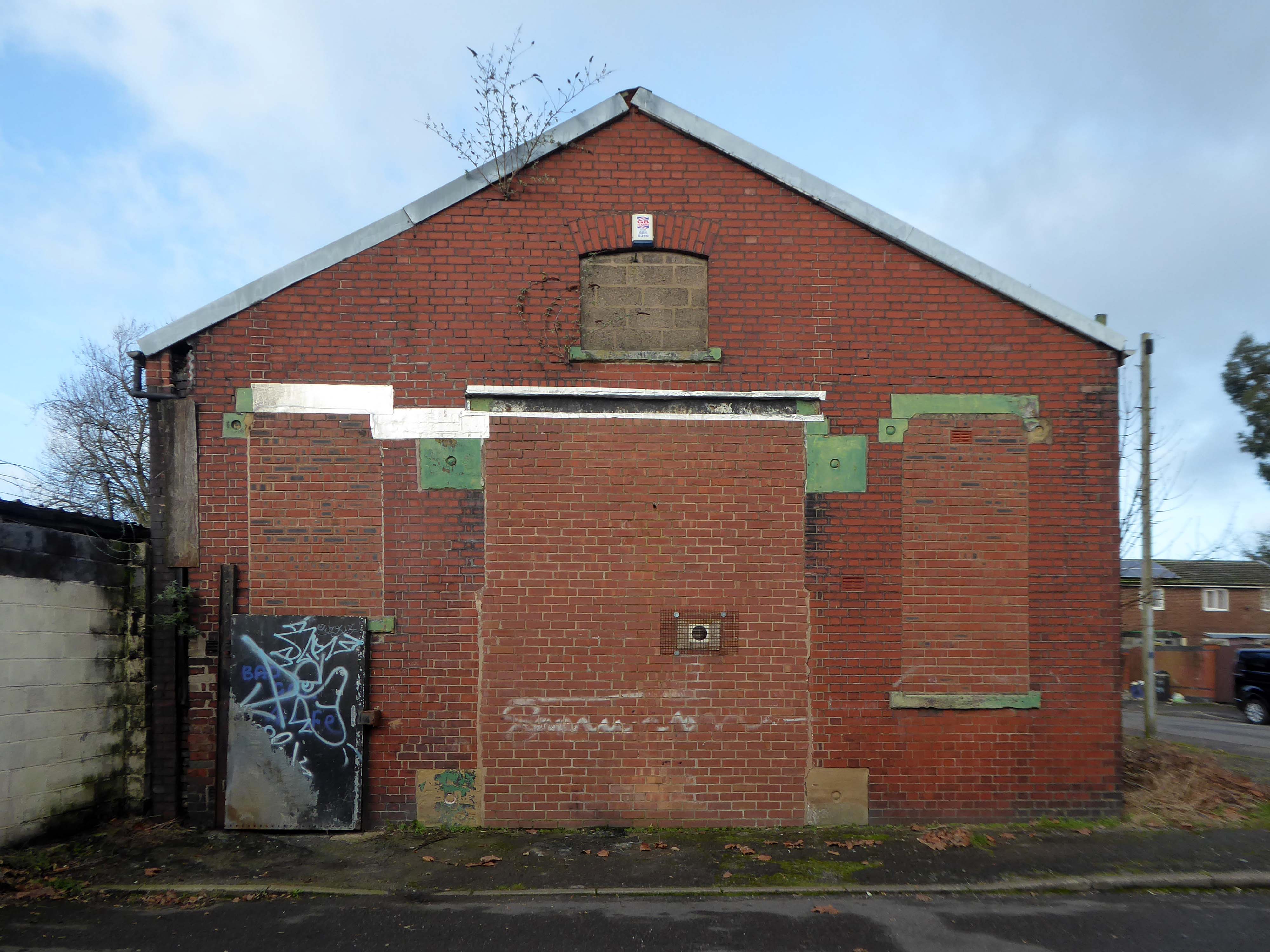
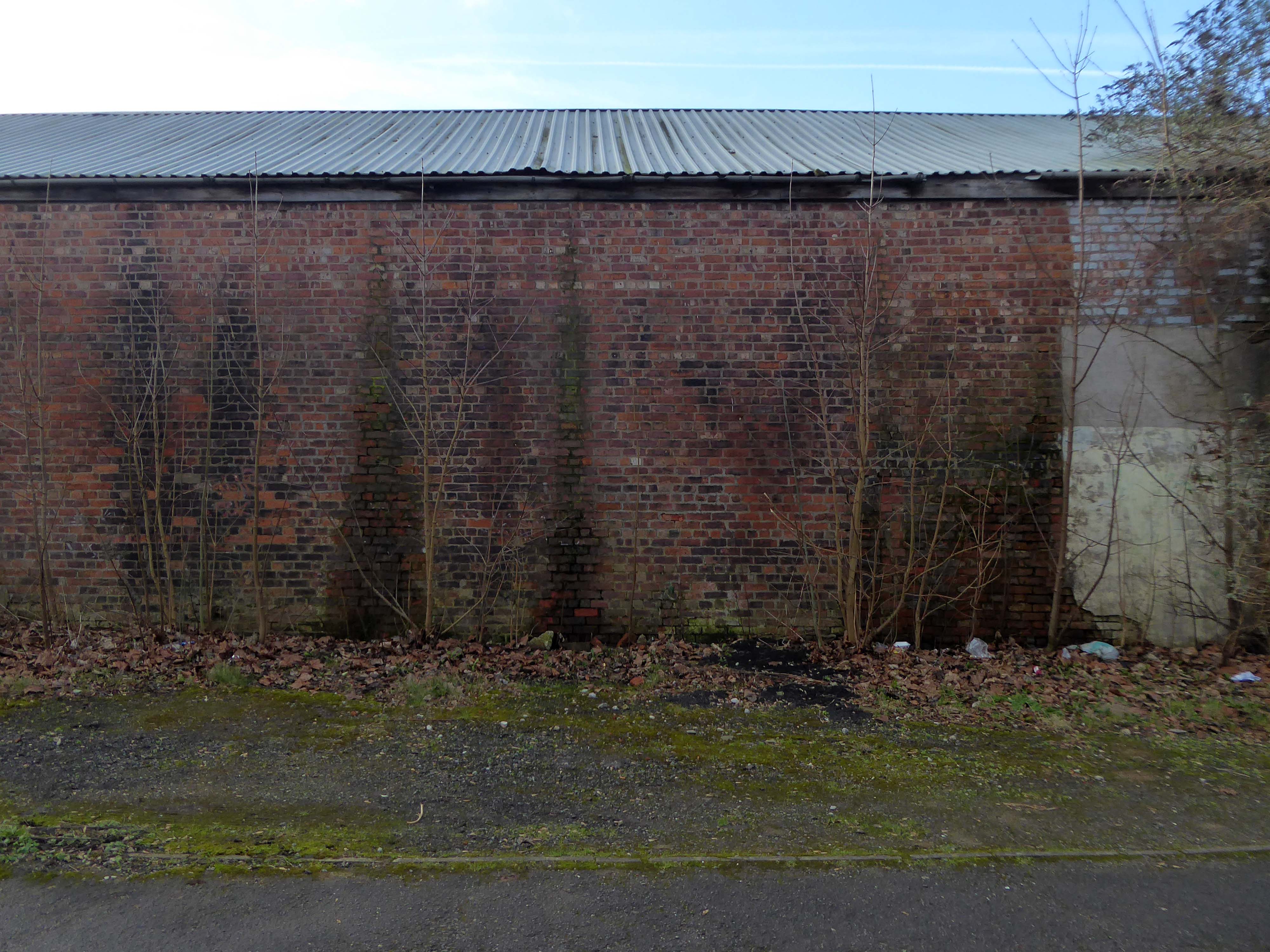
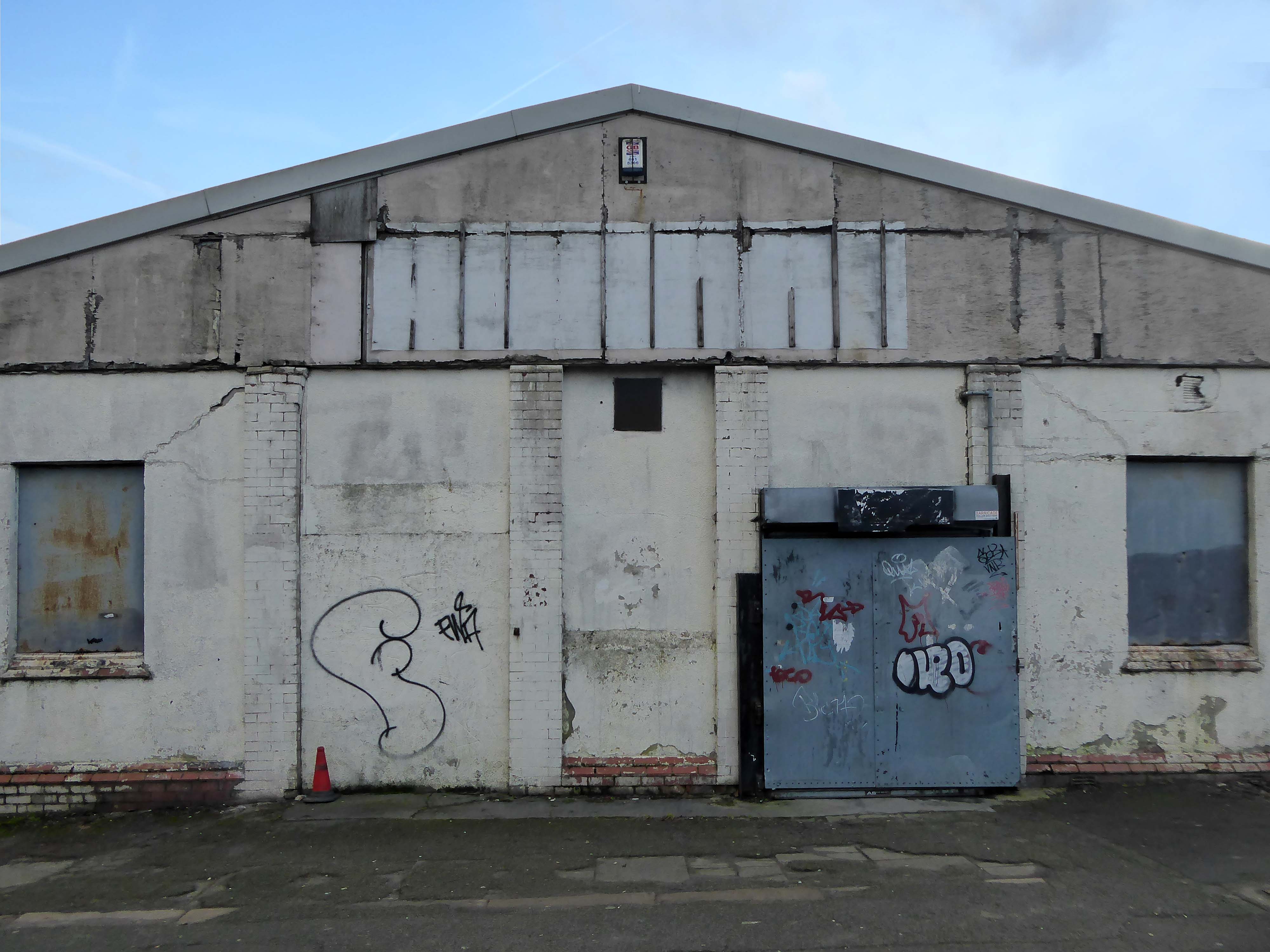
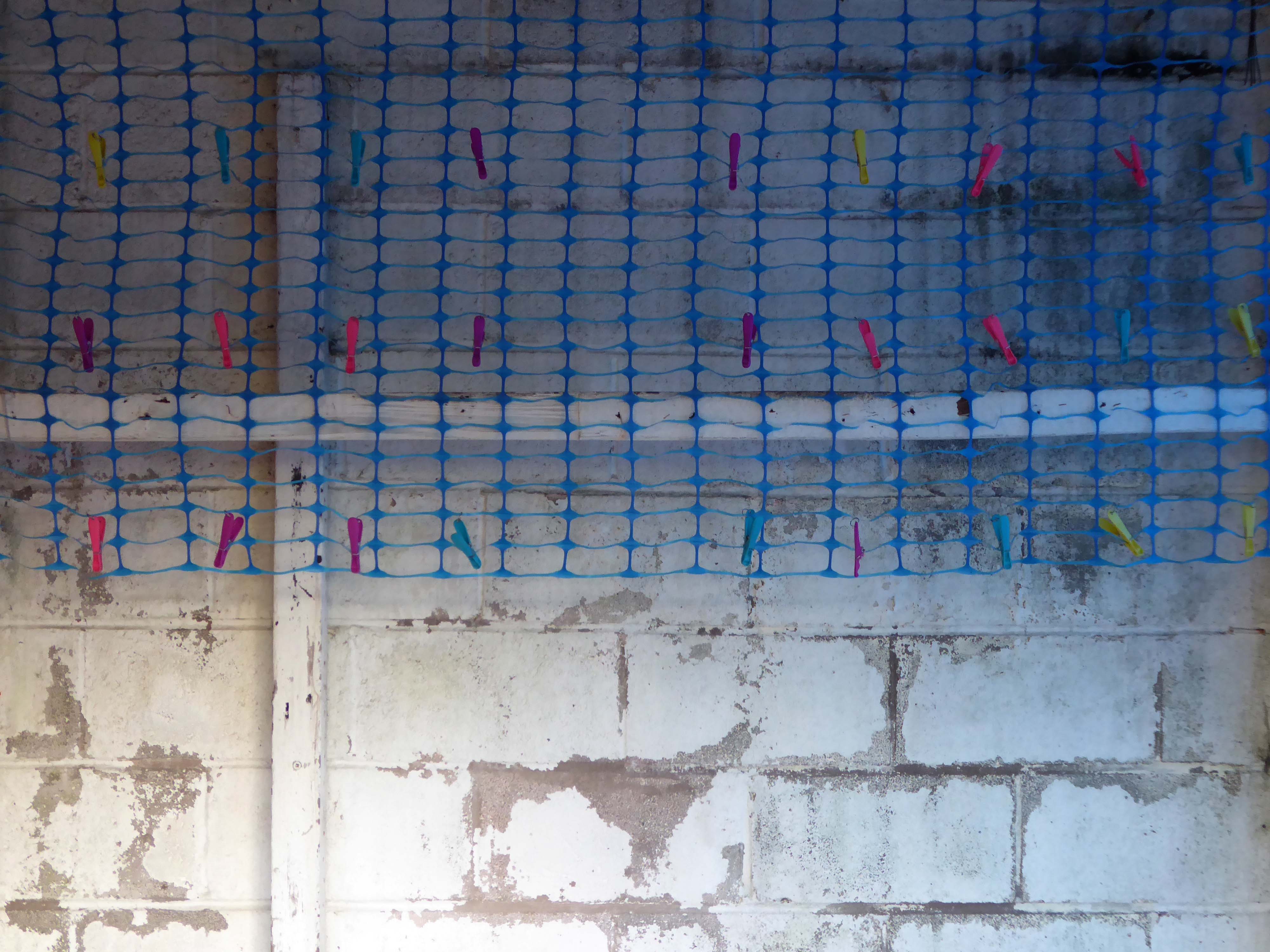
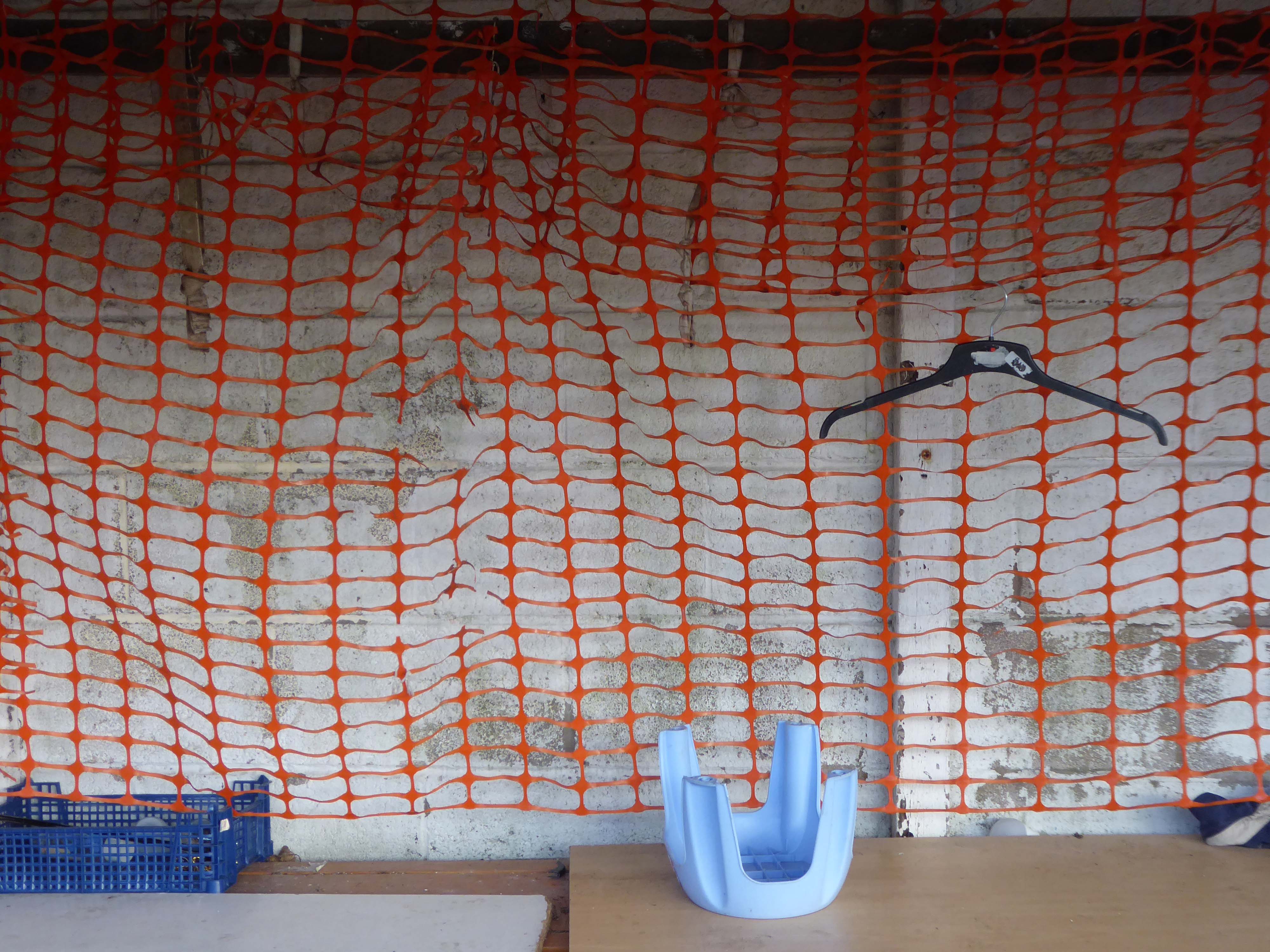
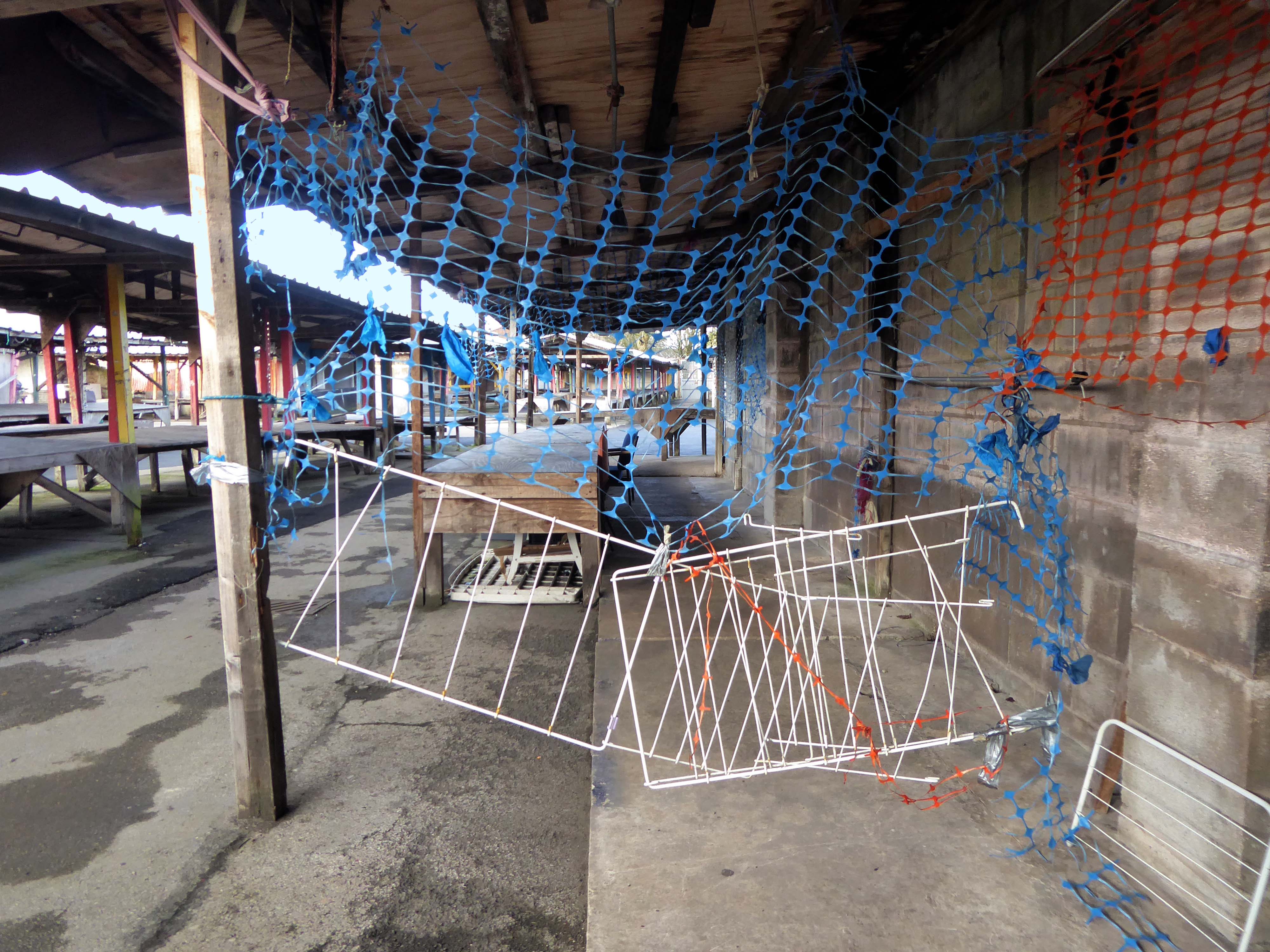
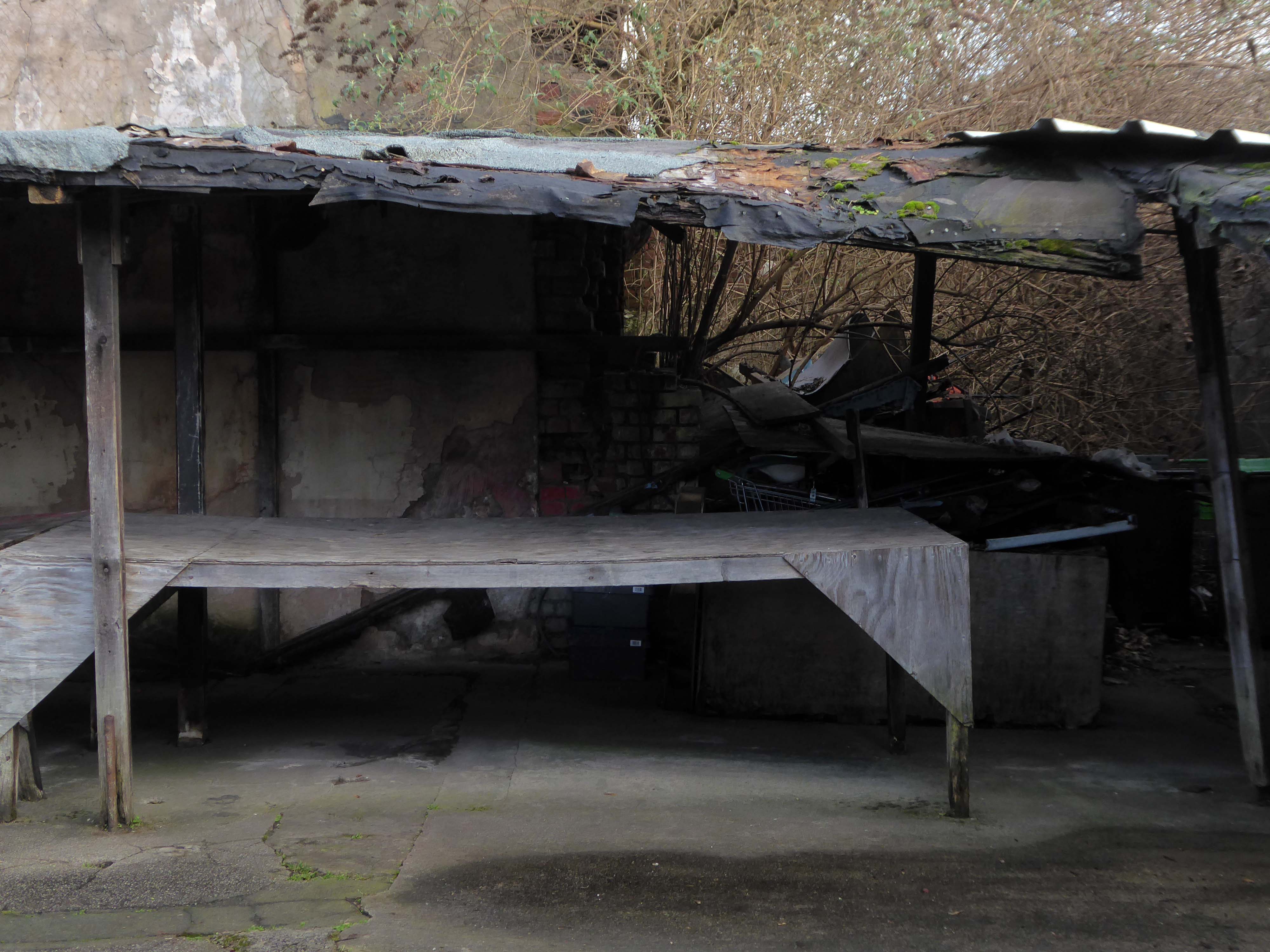
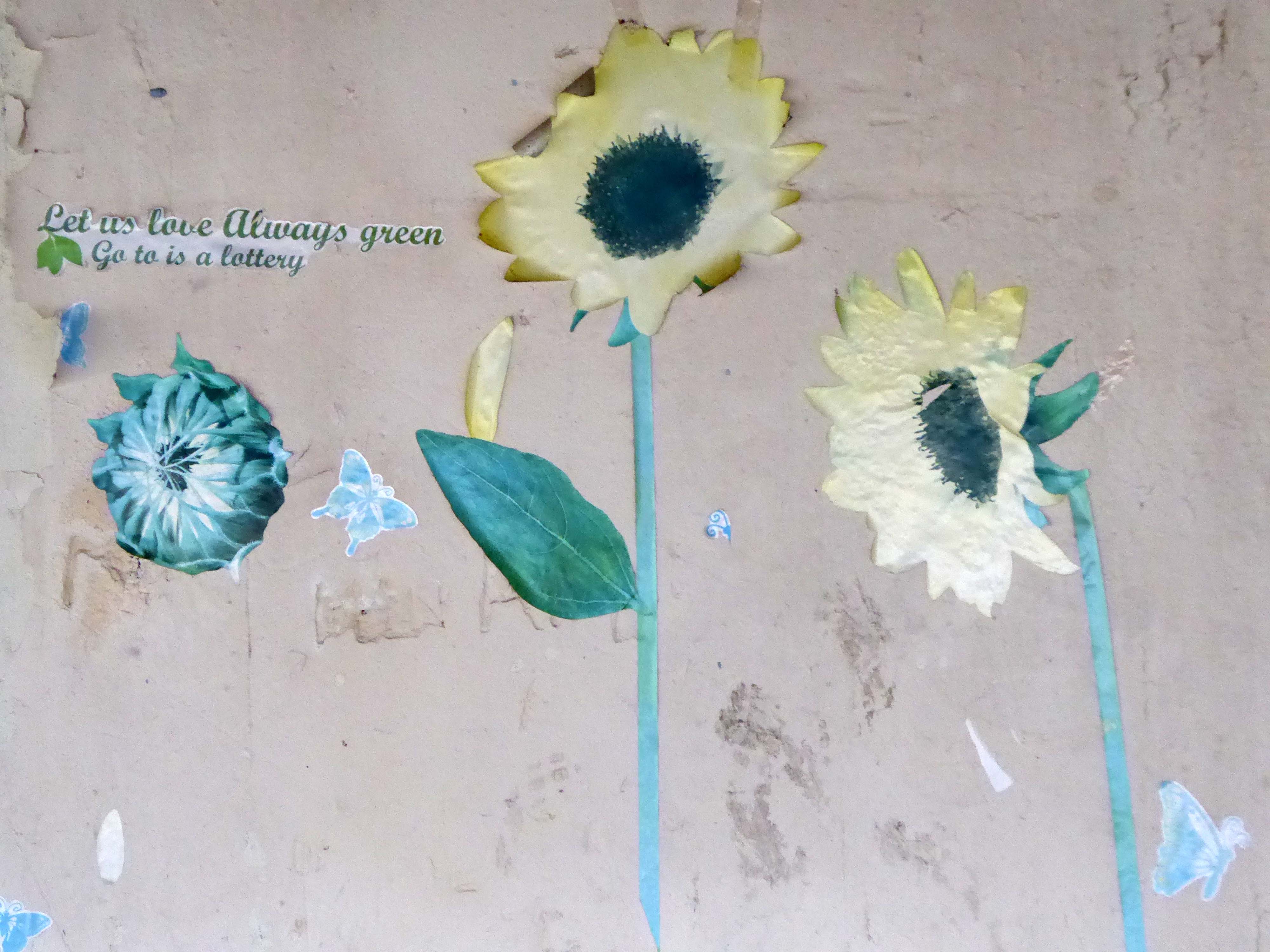
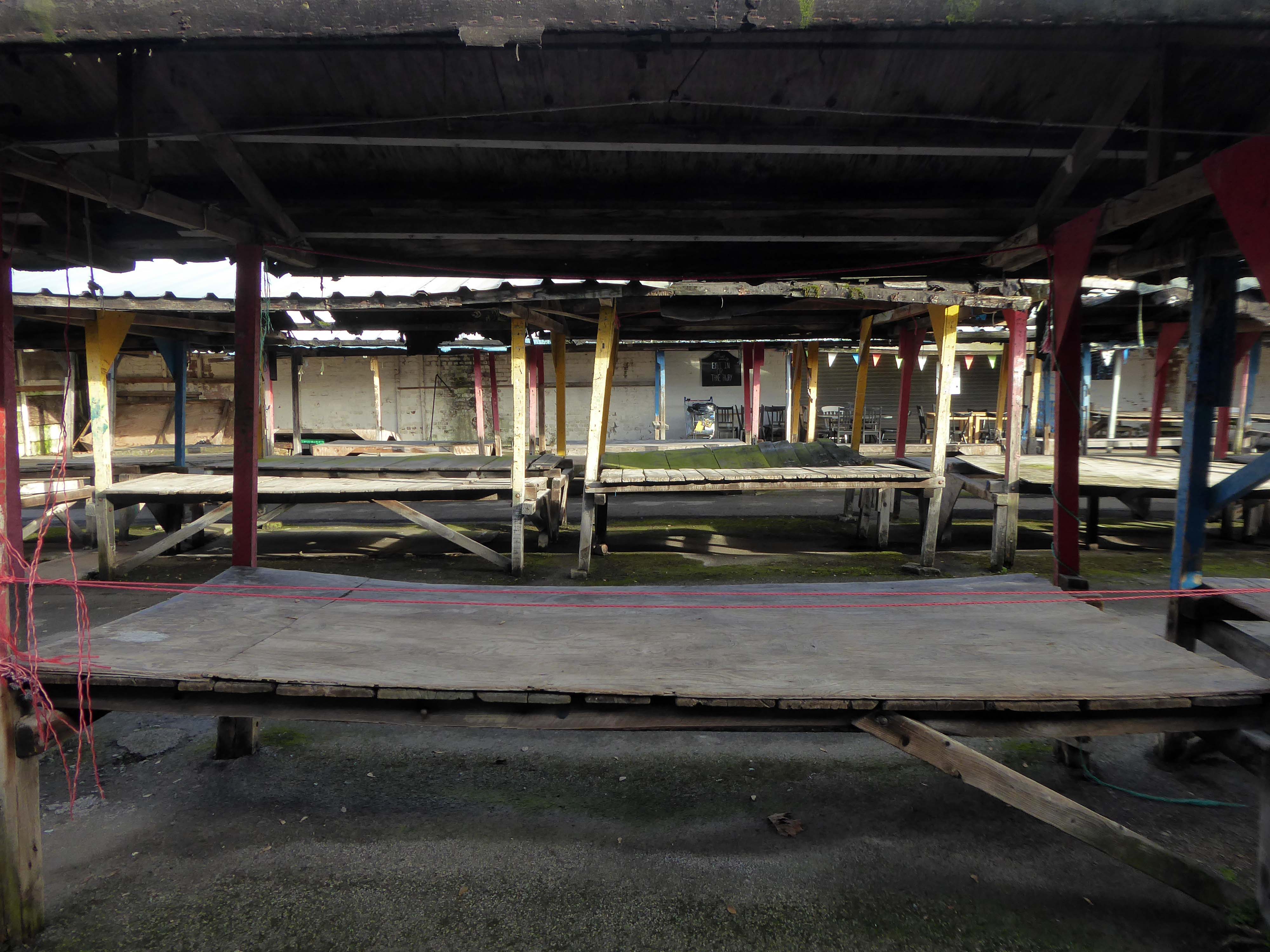
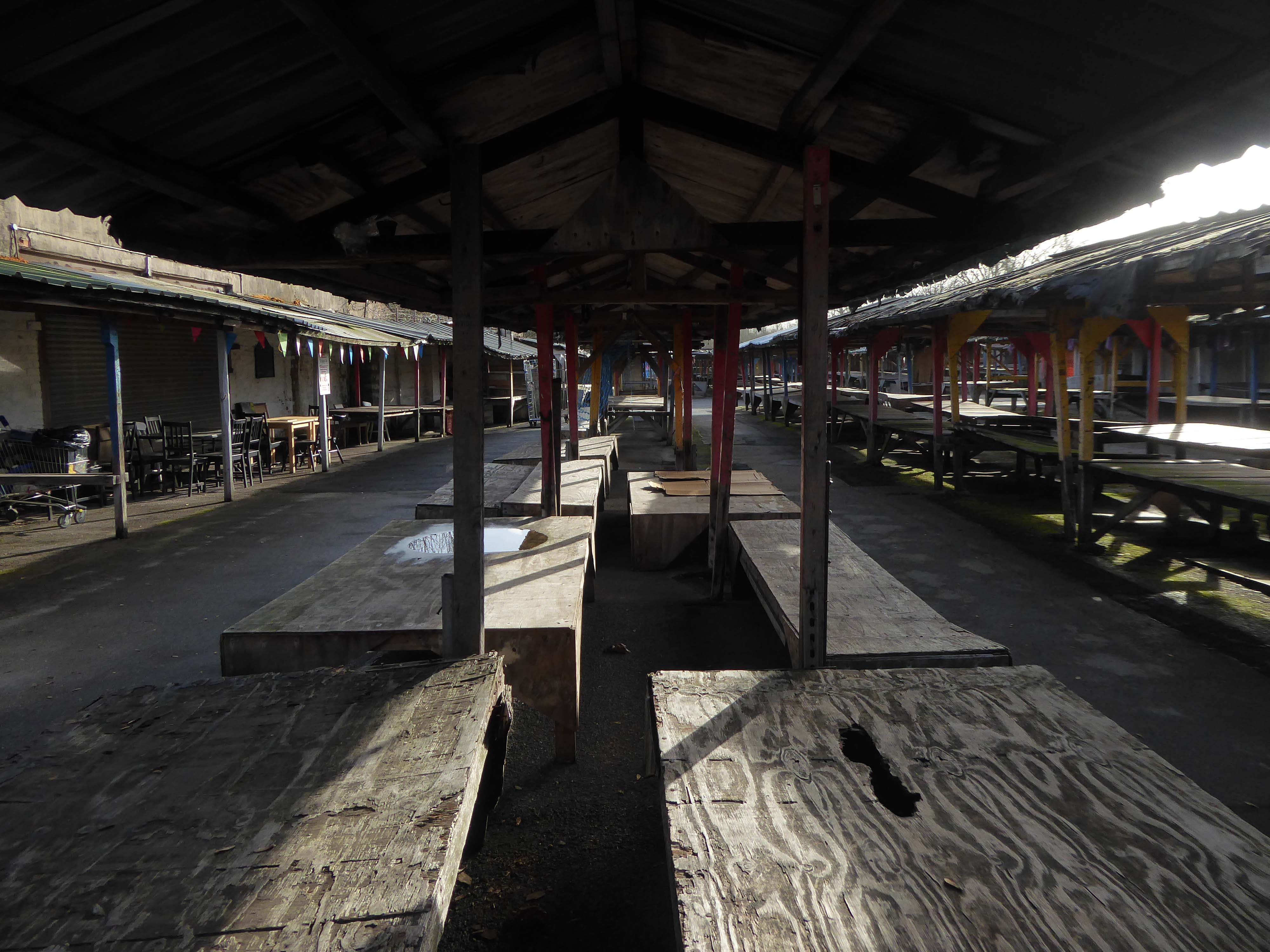
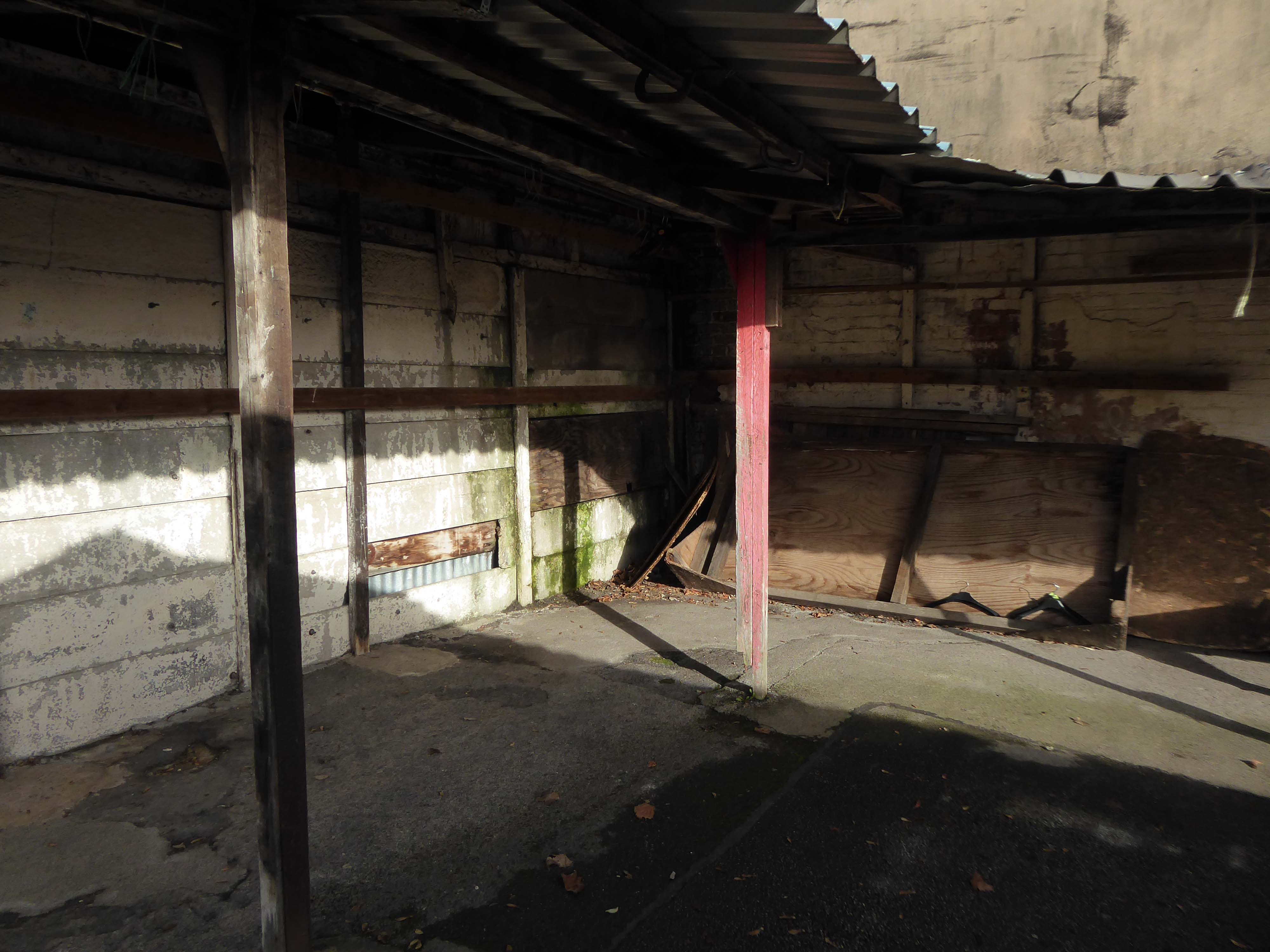
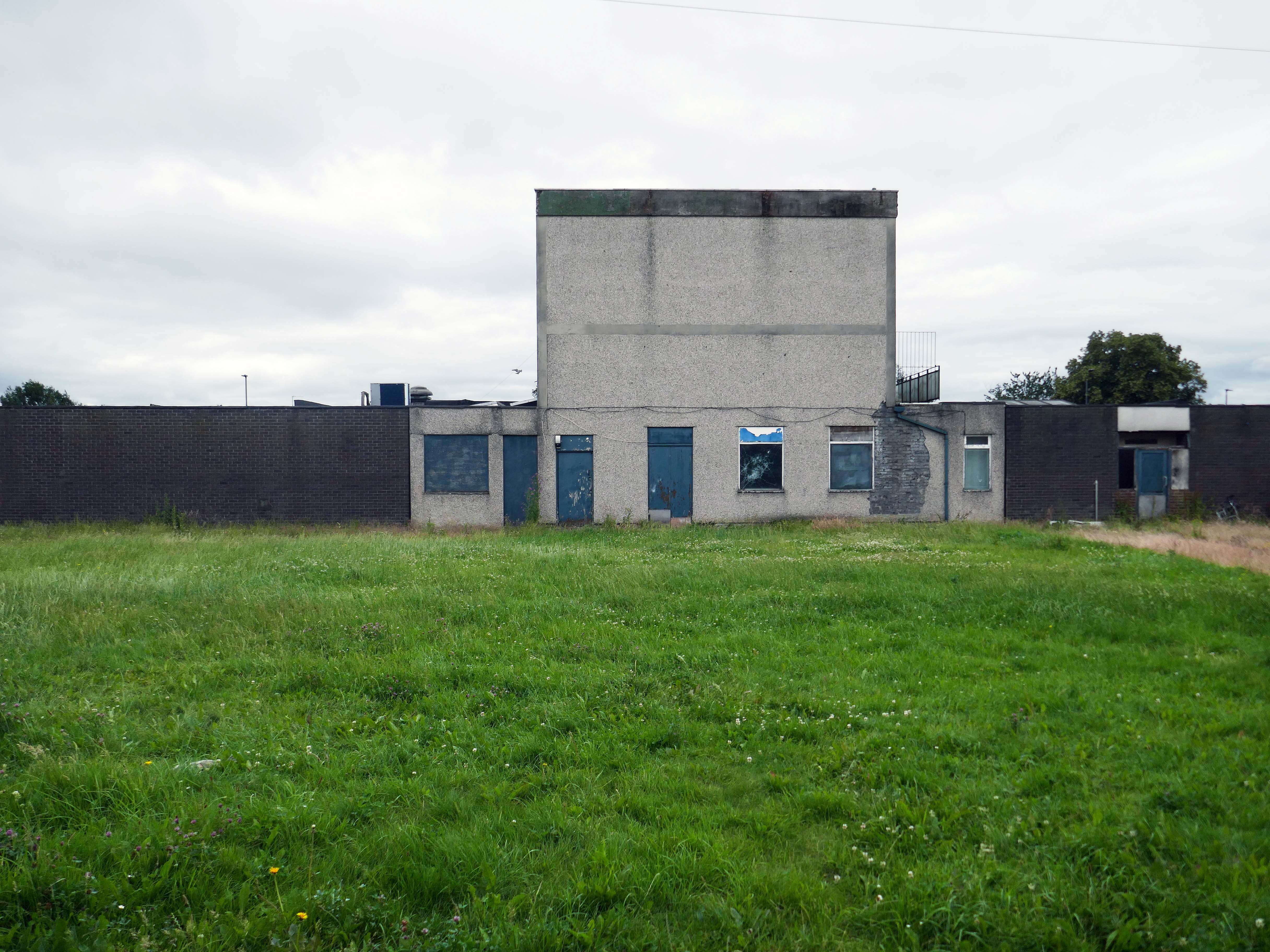
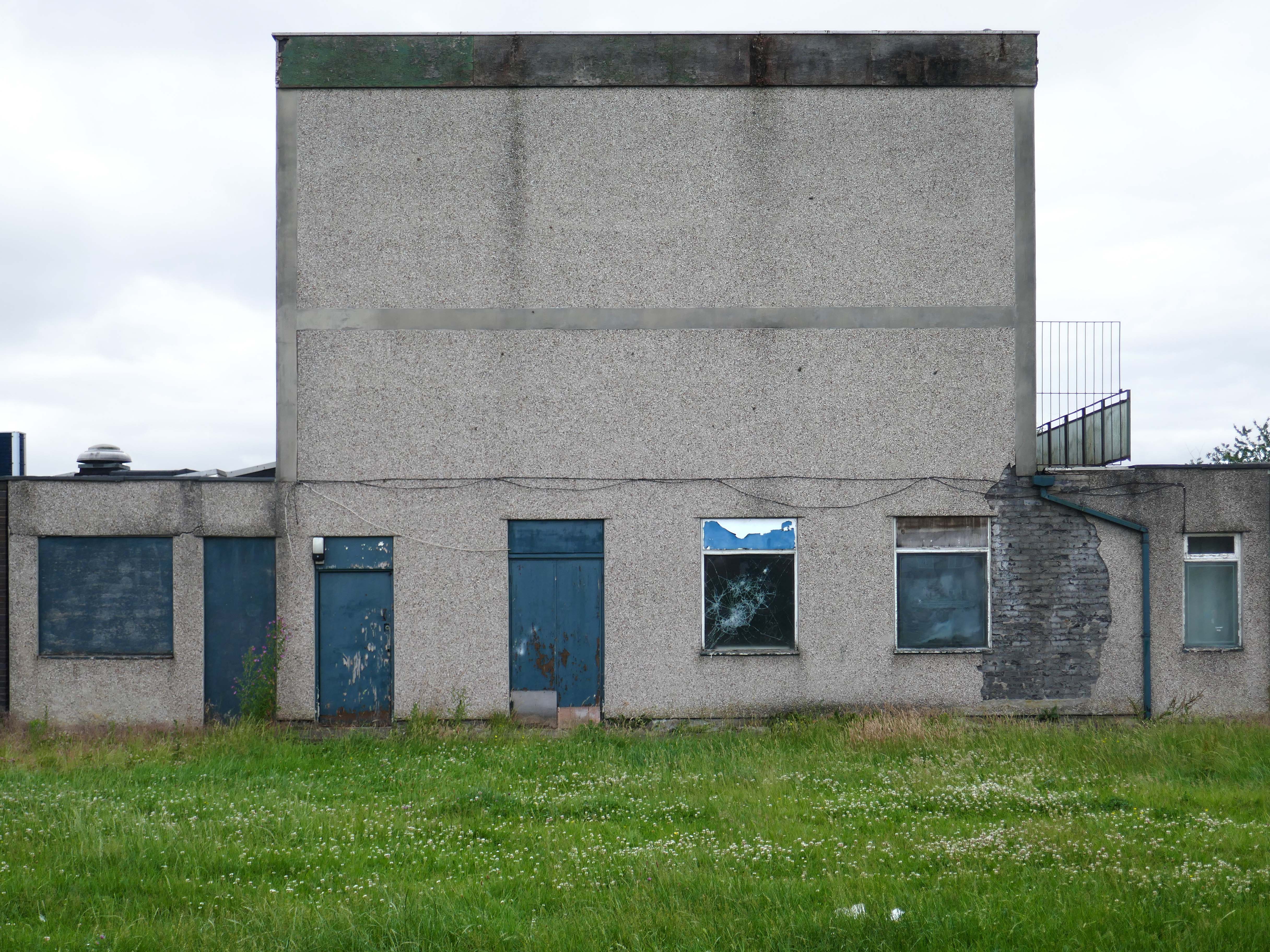
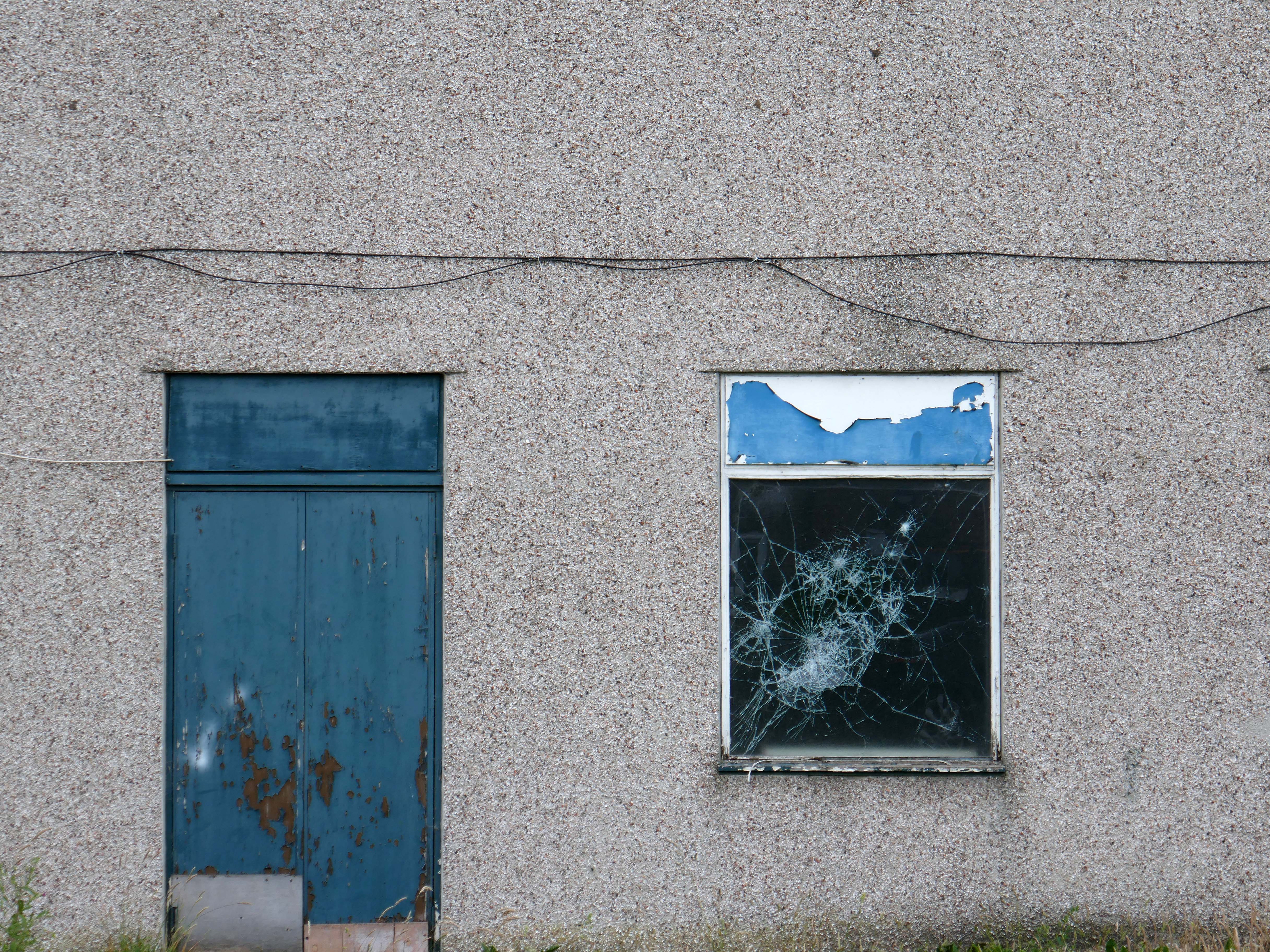
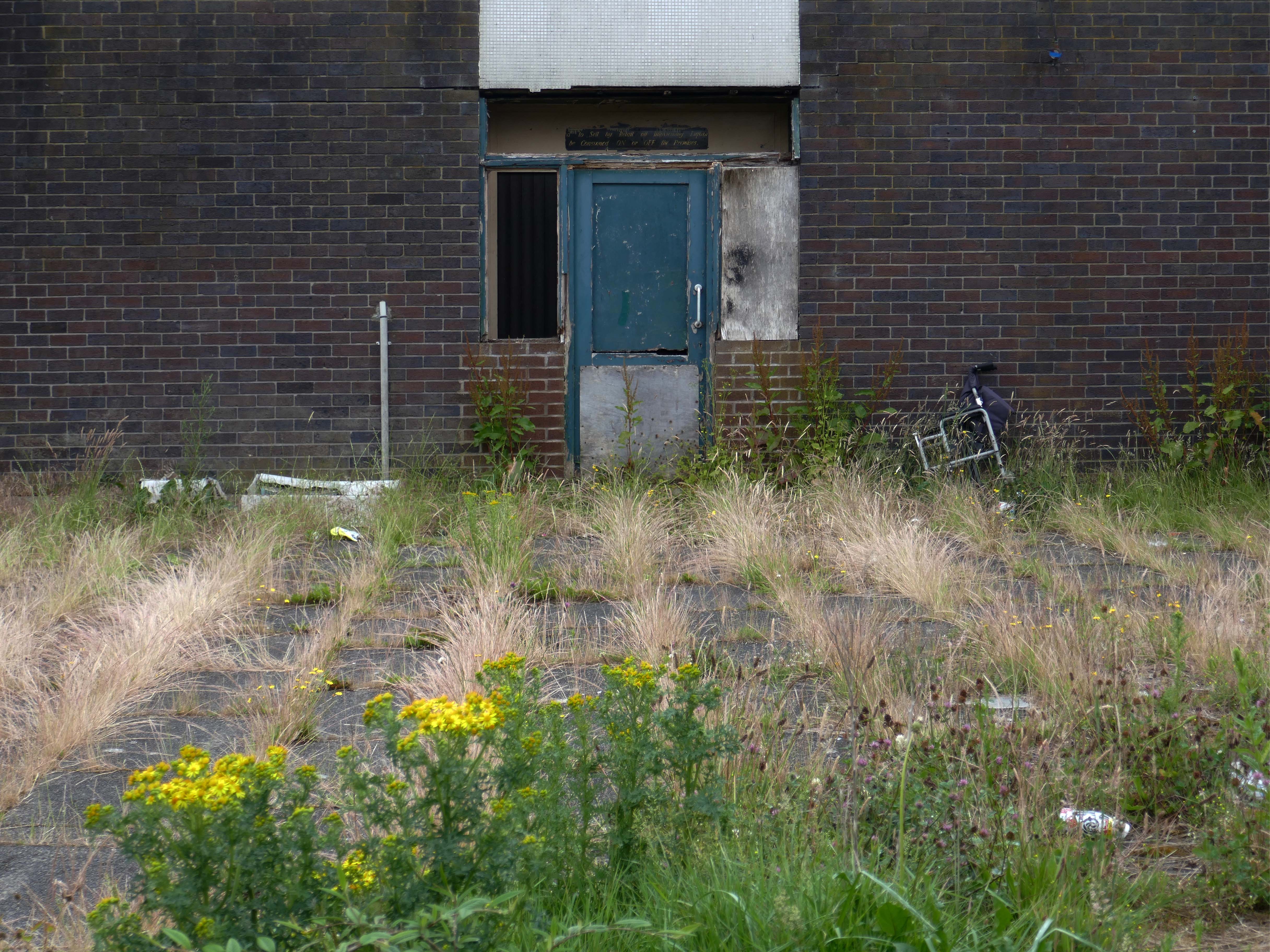
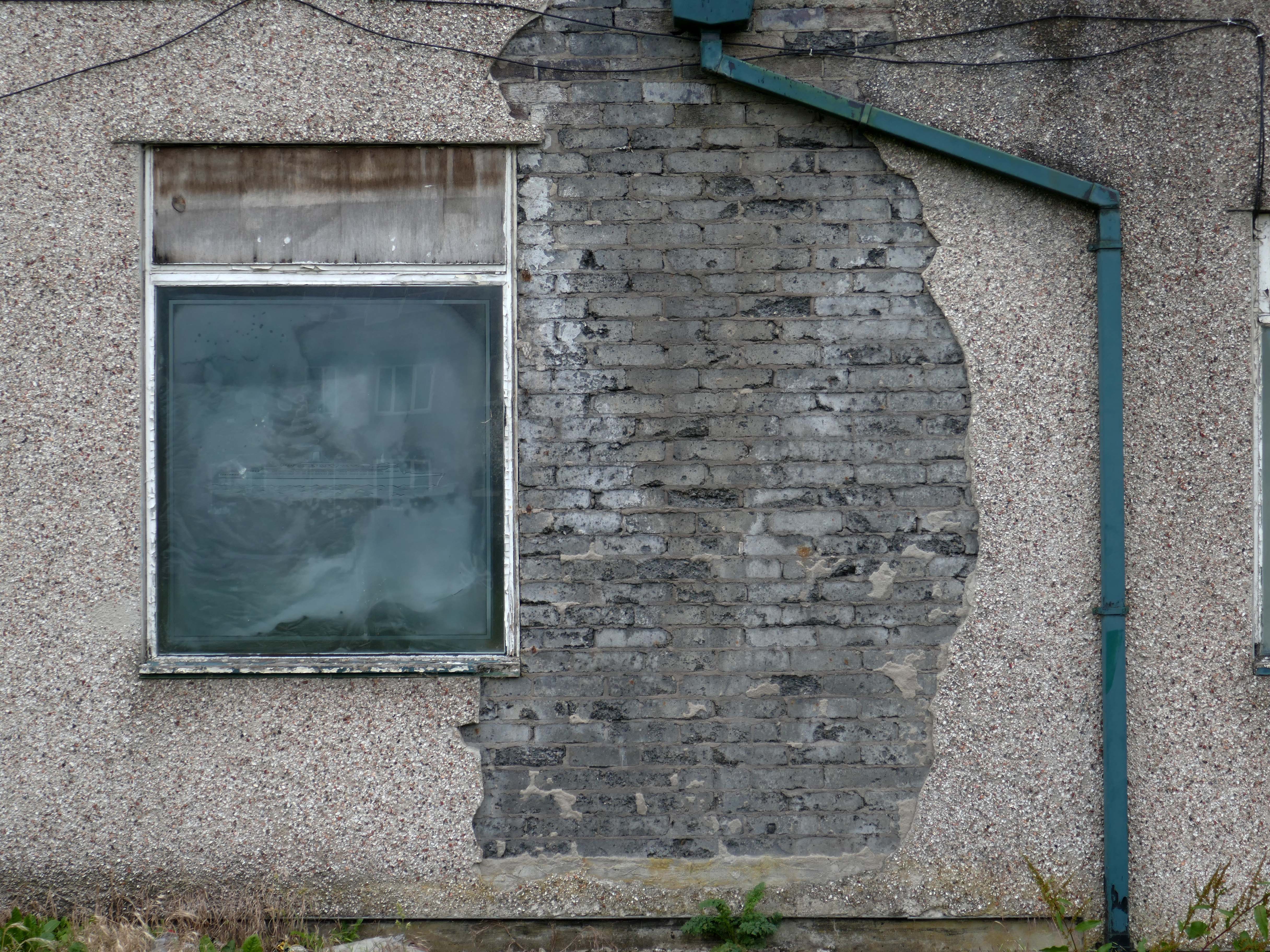
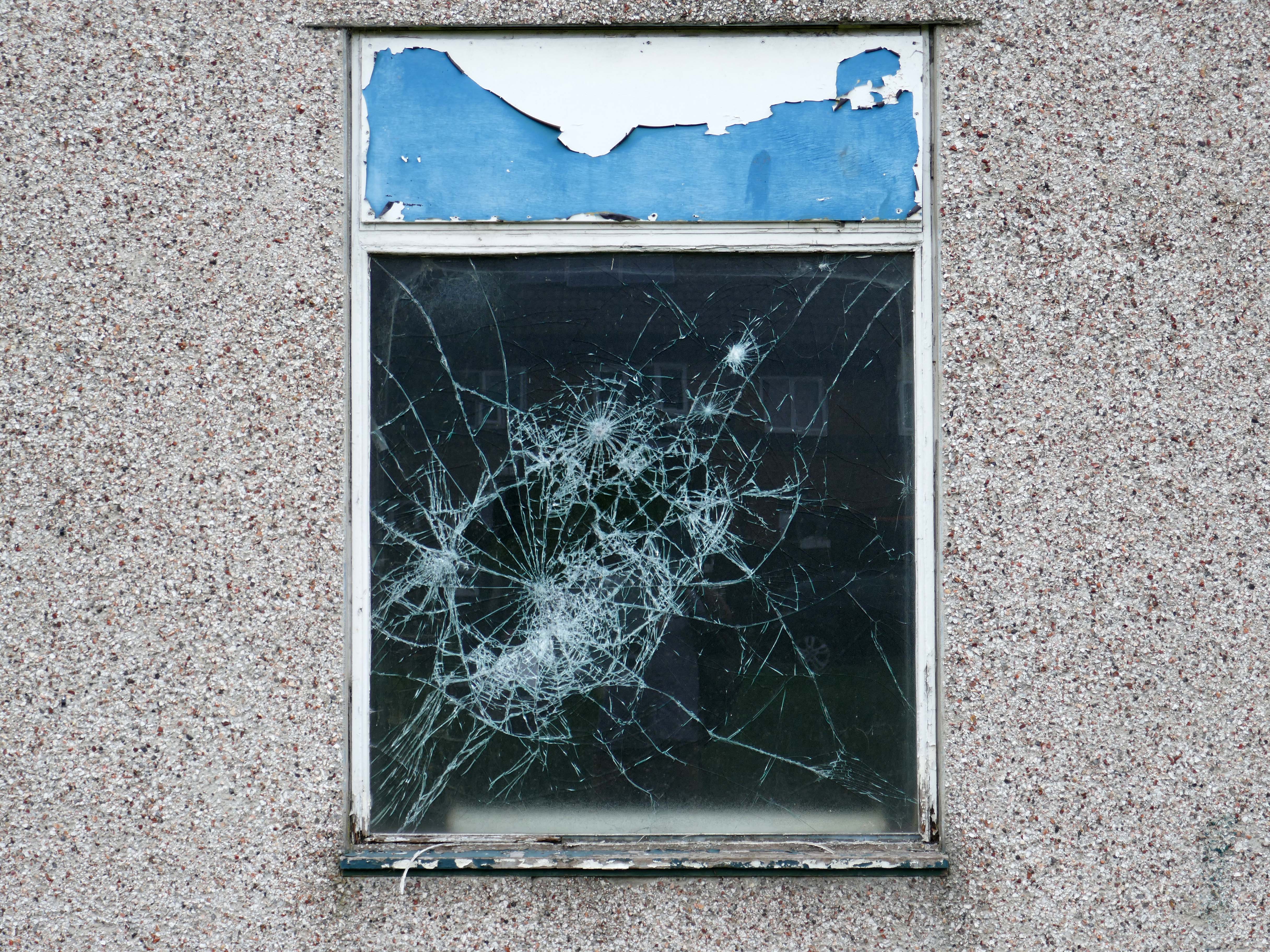
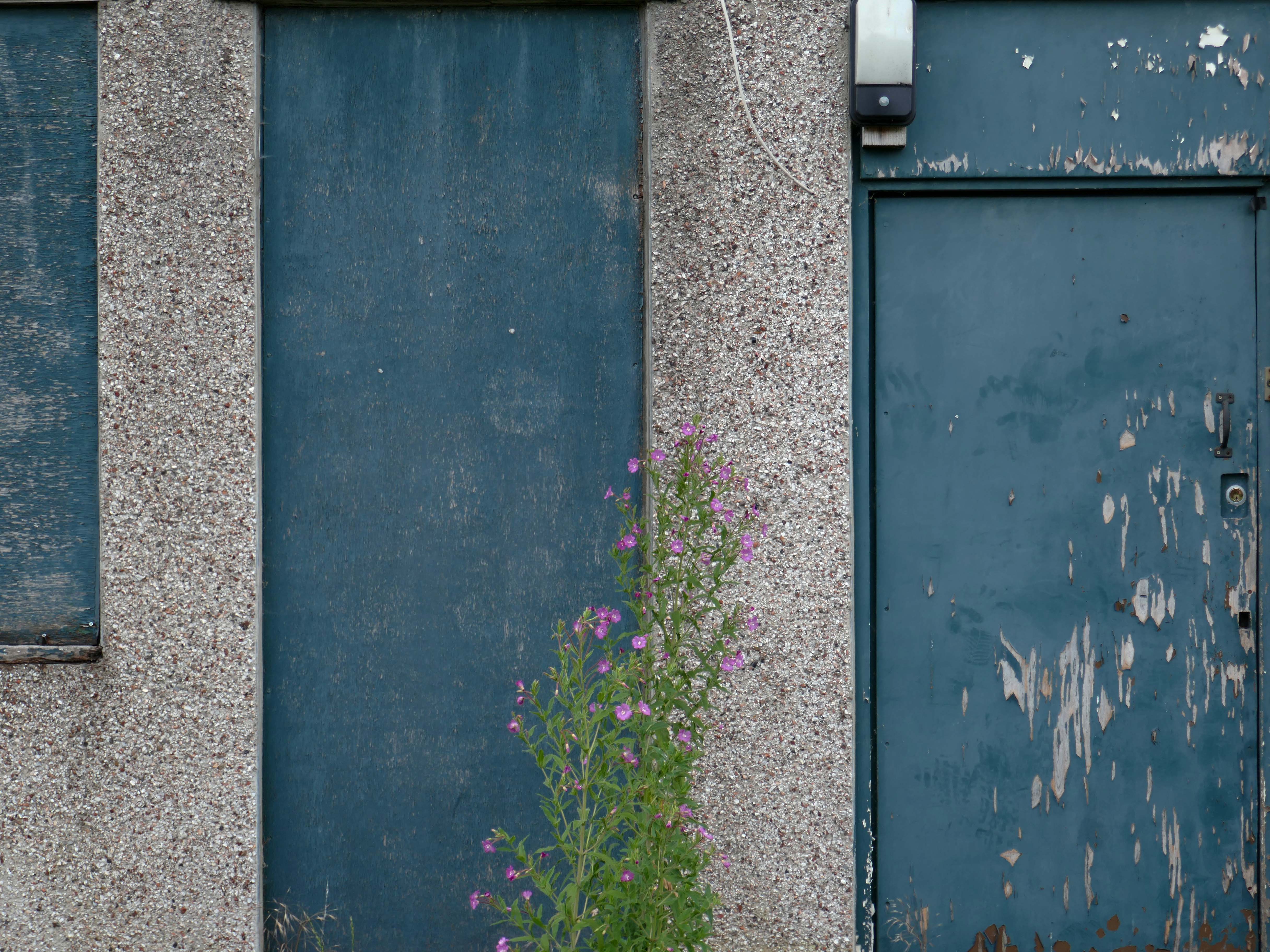
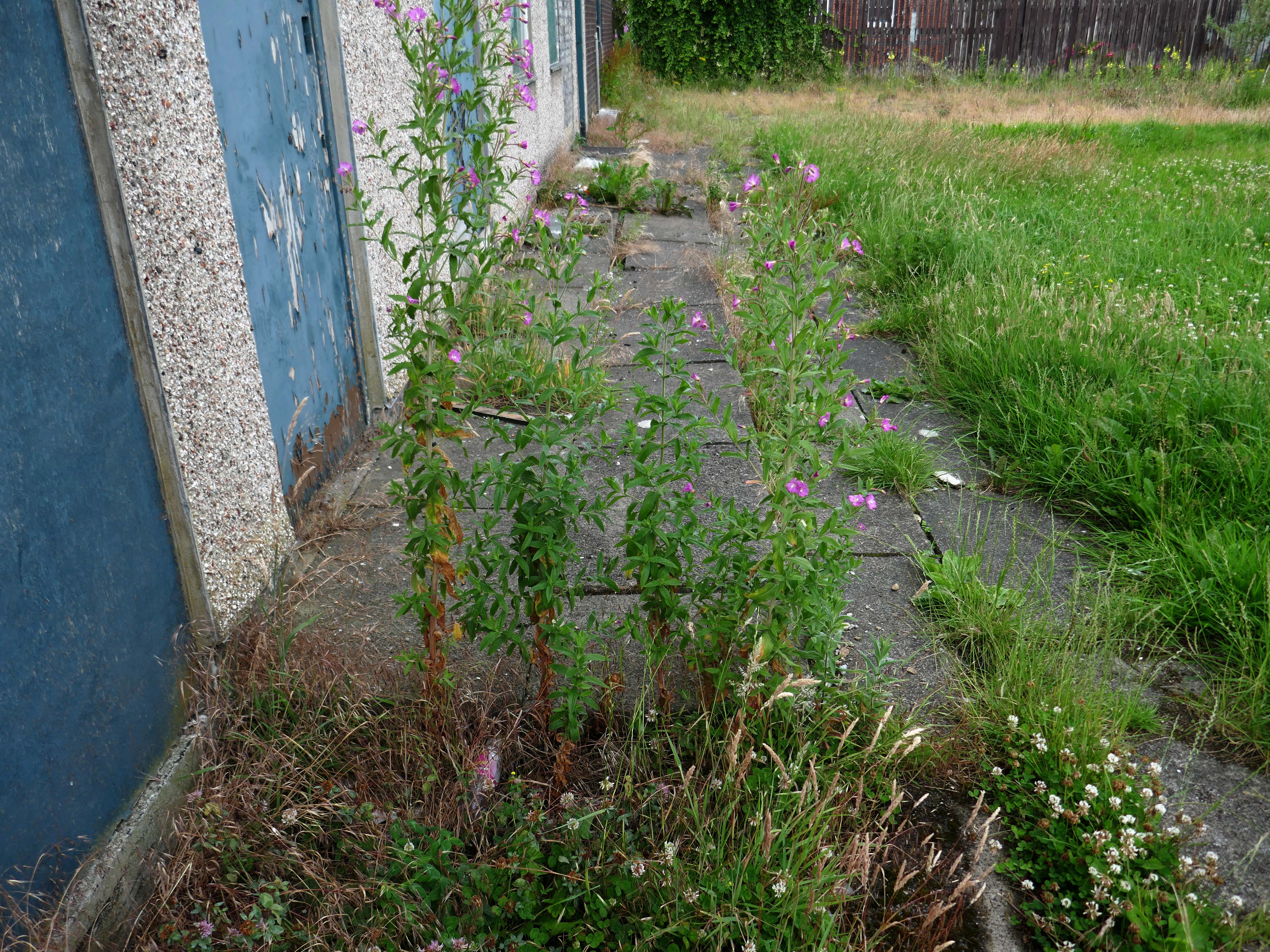
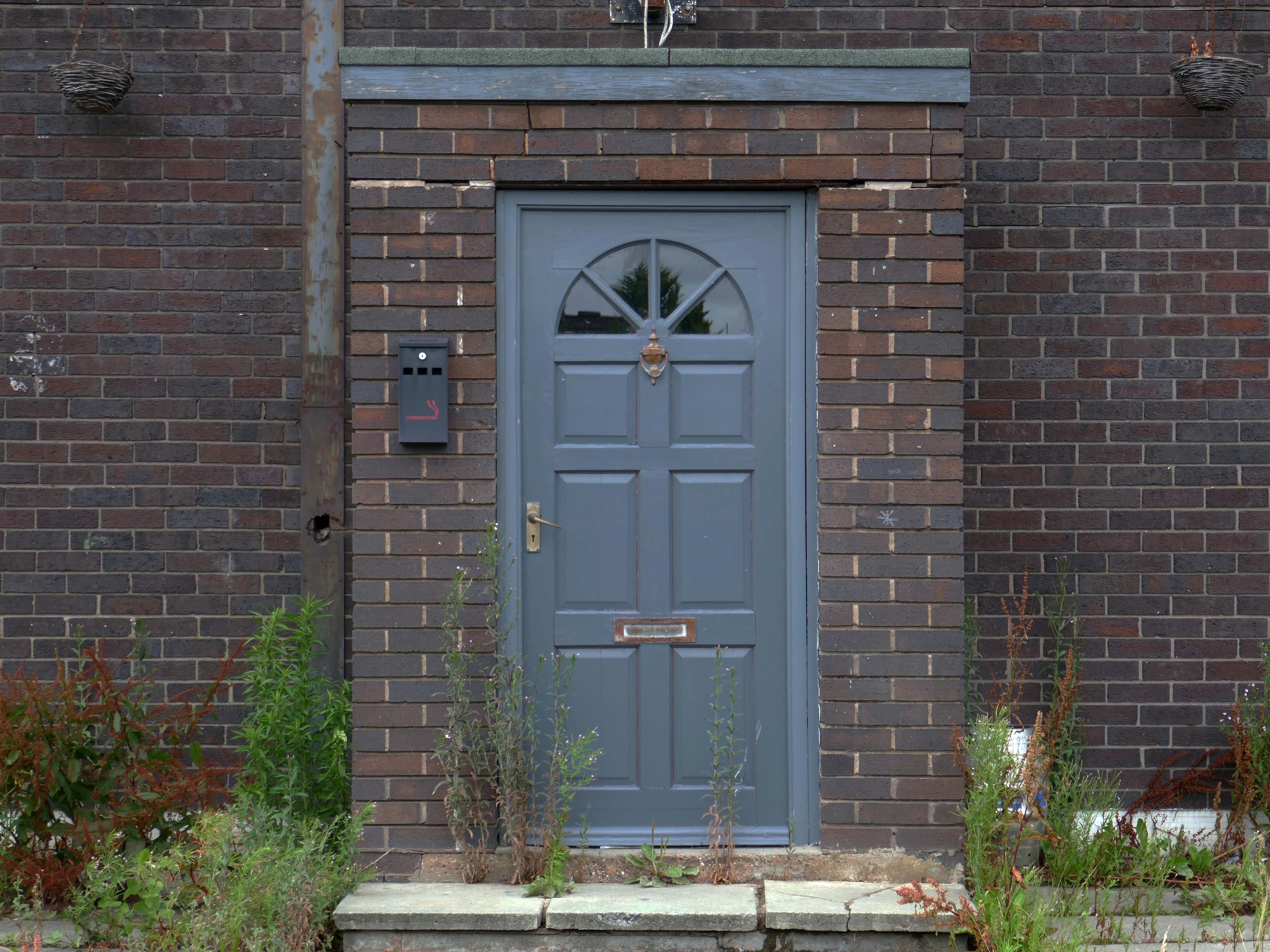
However much of the Industrial heritage remains in various states of disarray, used and possibly disabused, but hanging on in there.
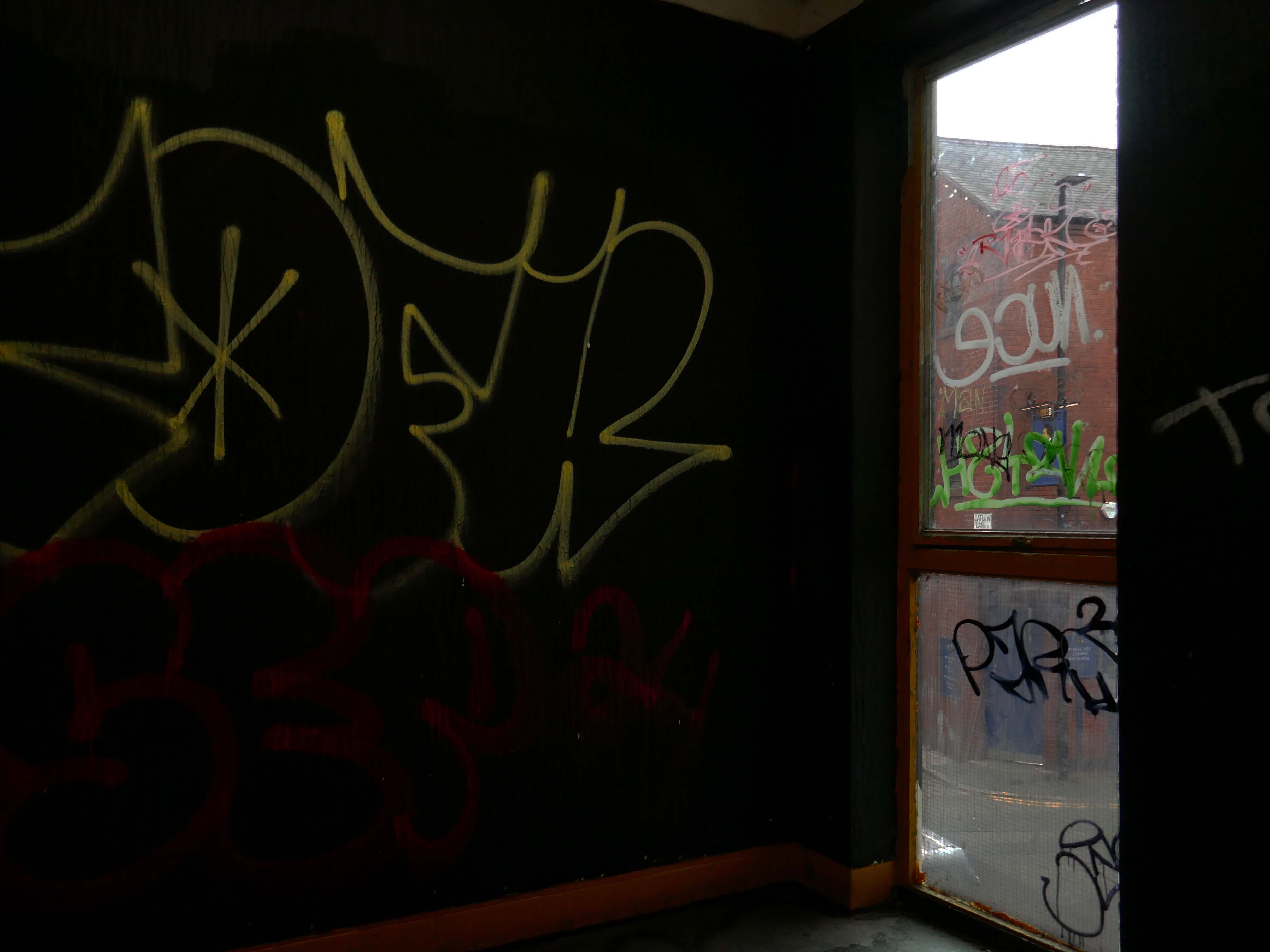
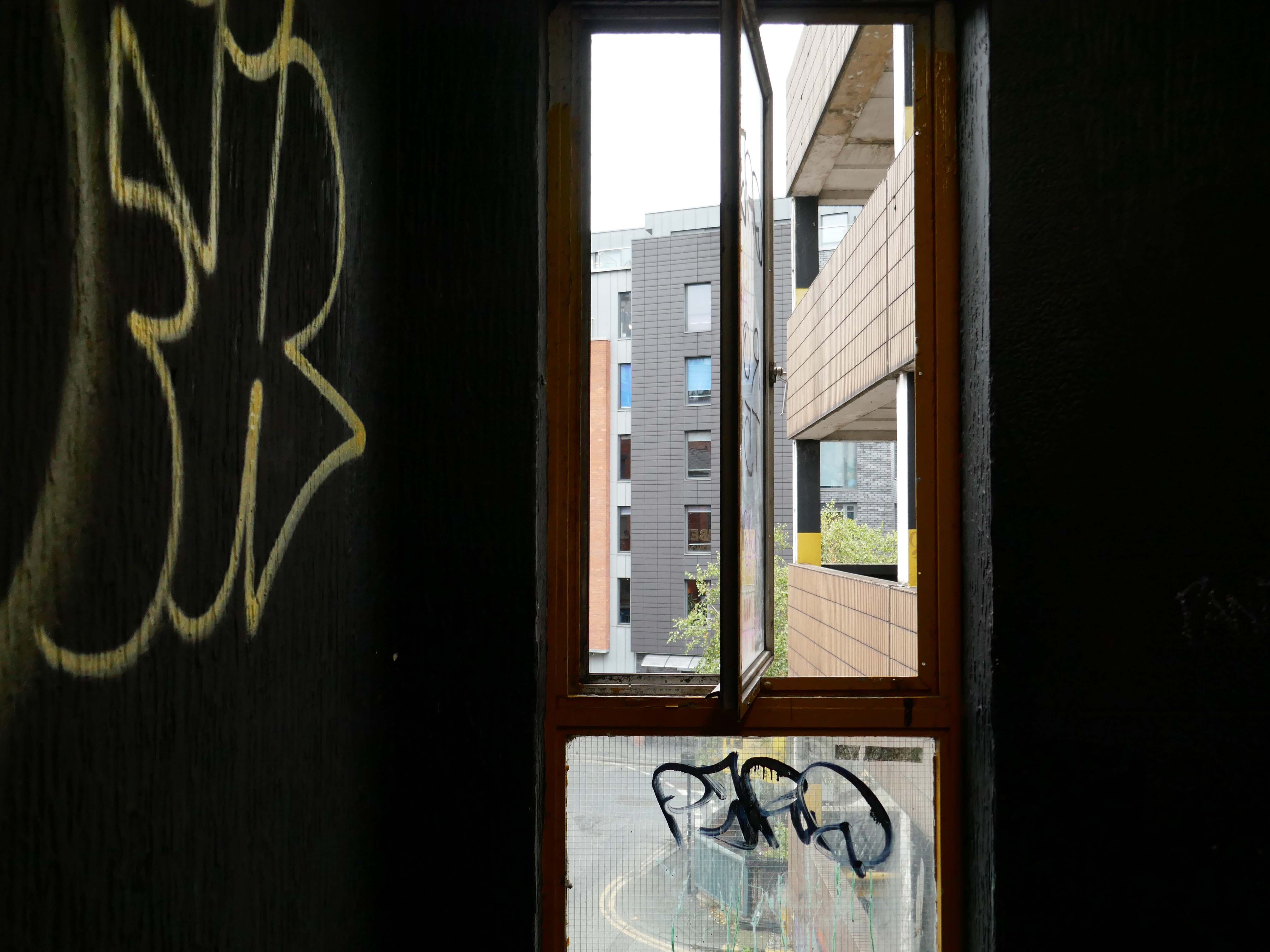
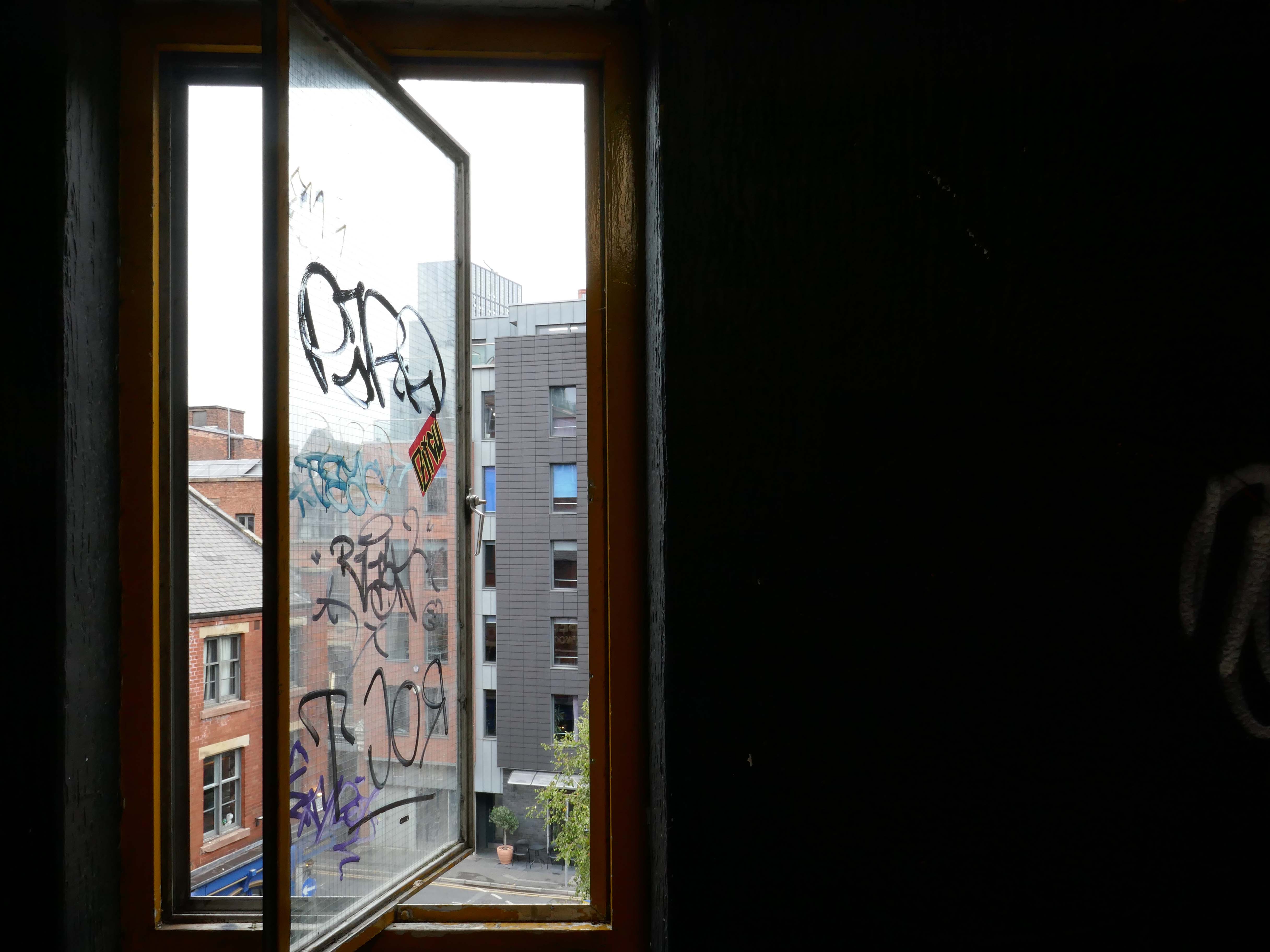
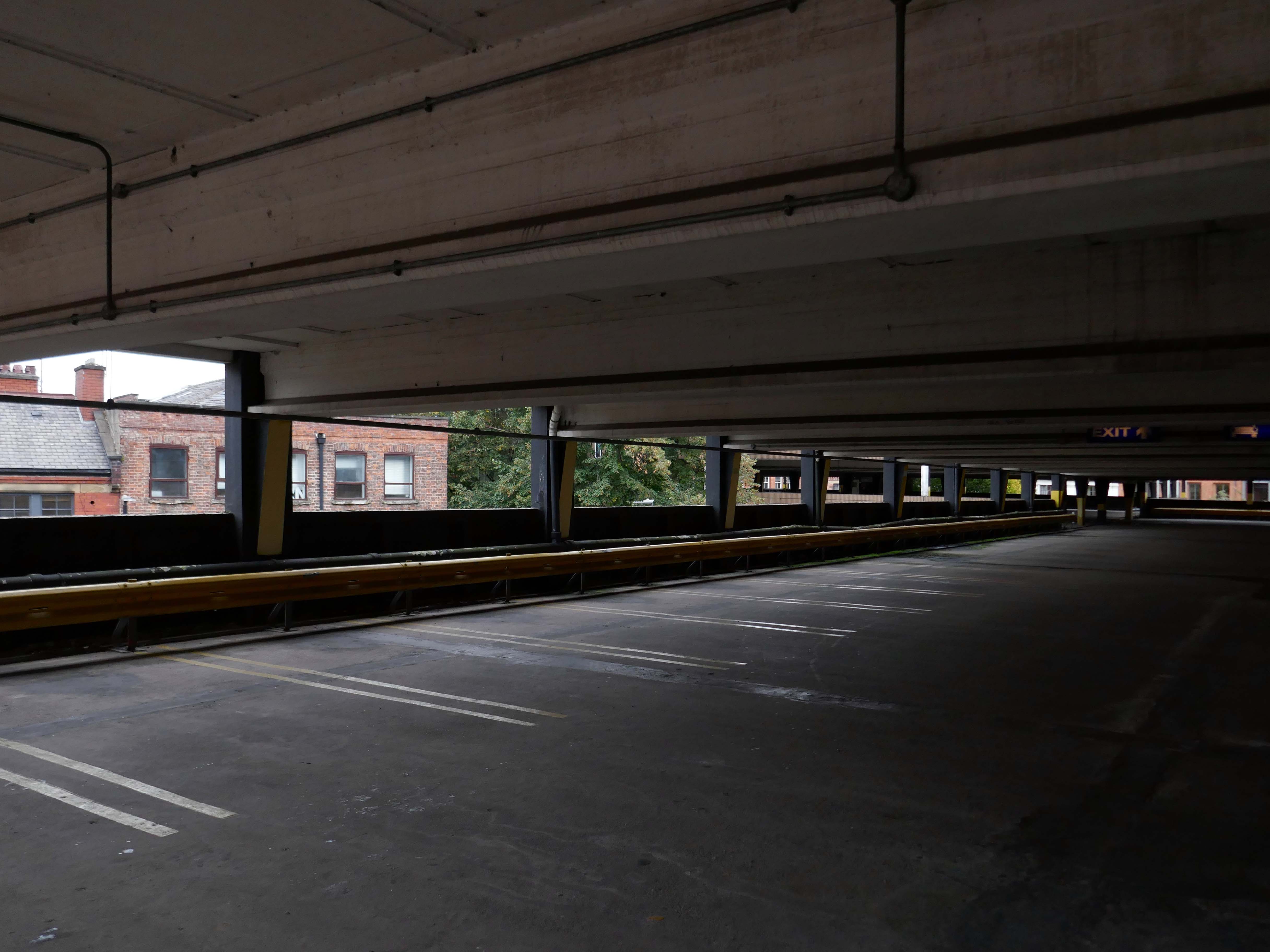
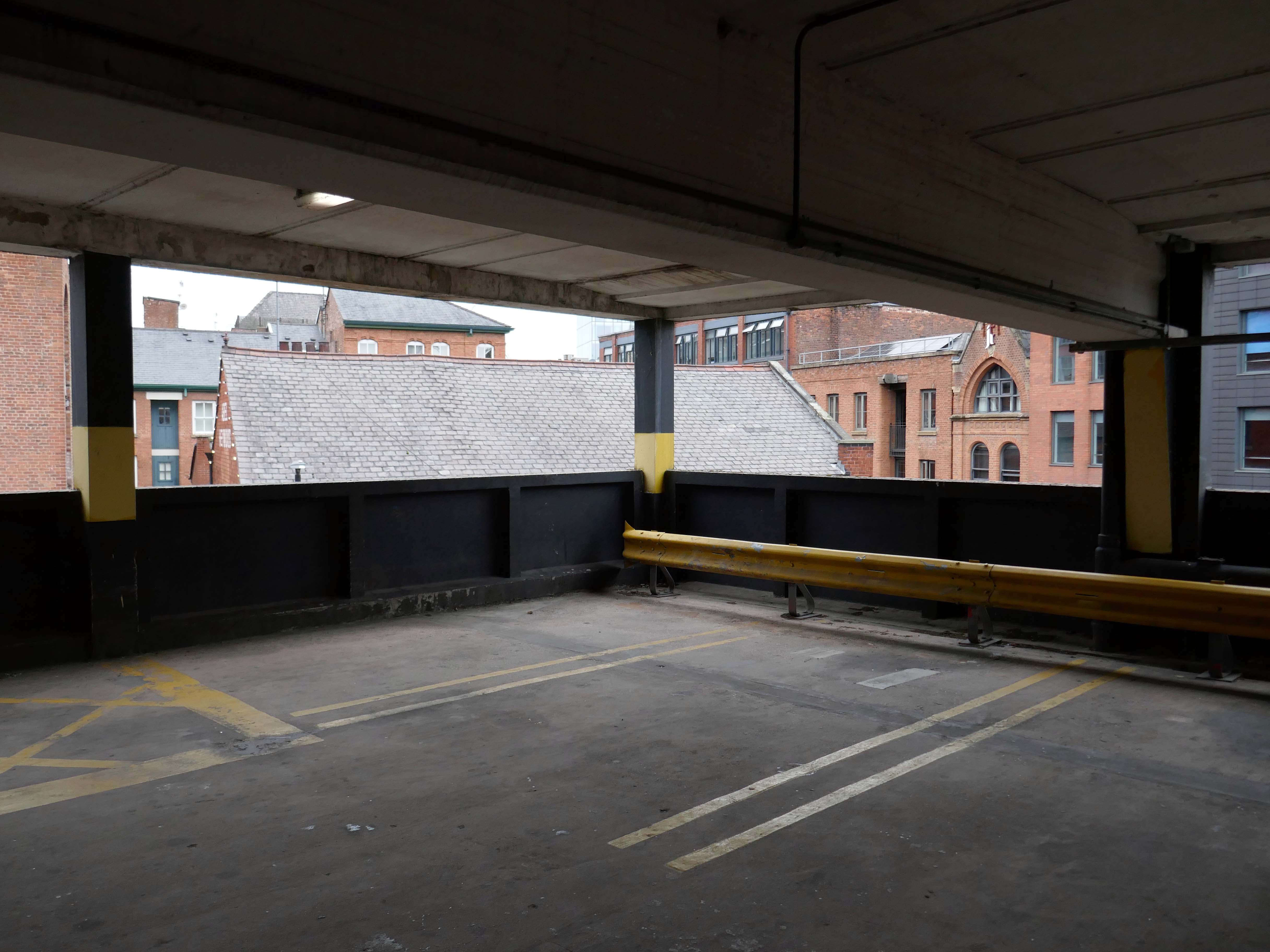
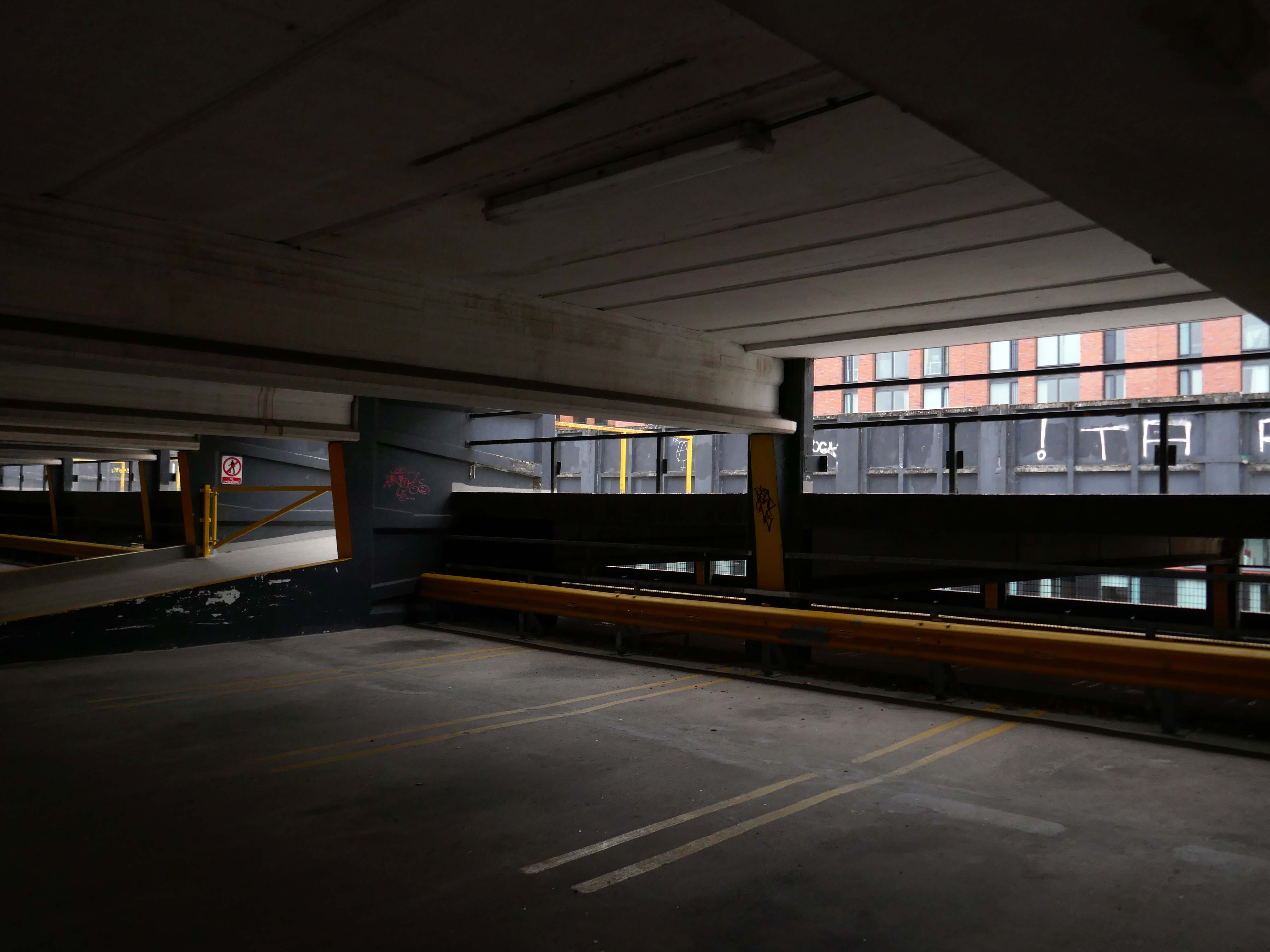
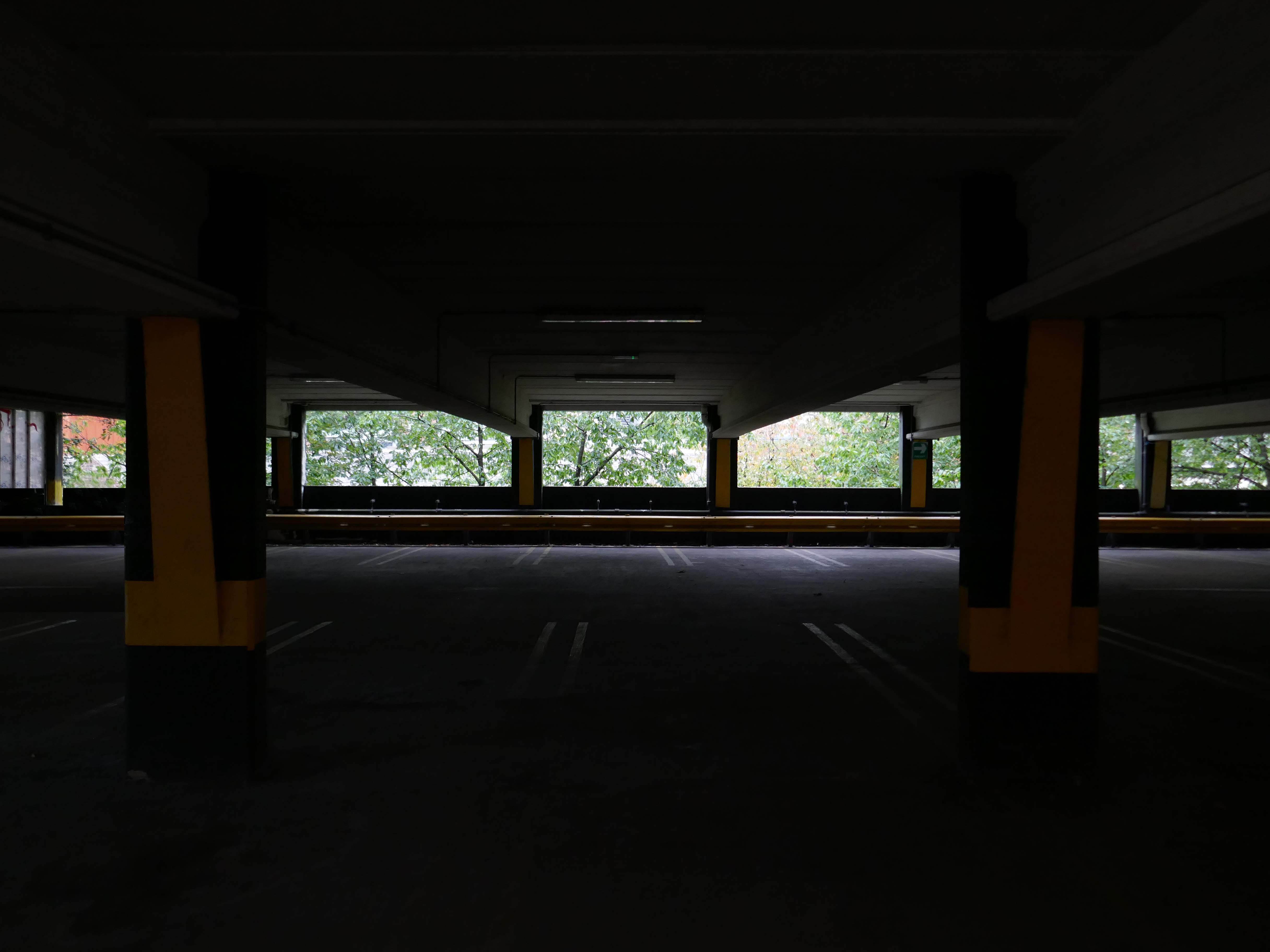
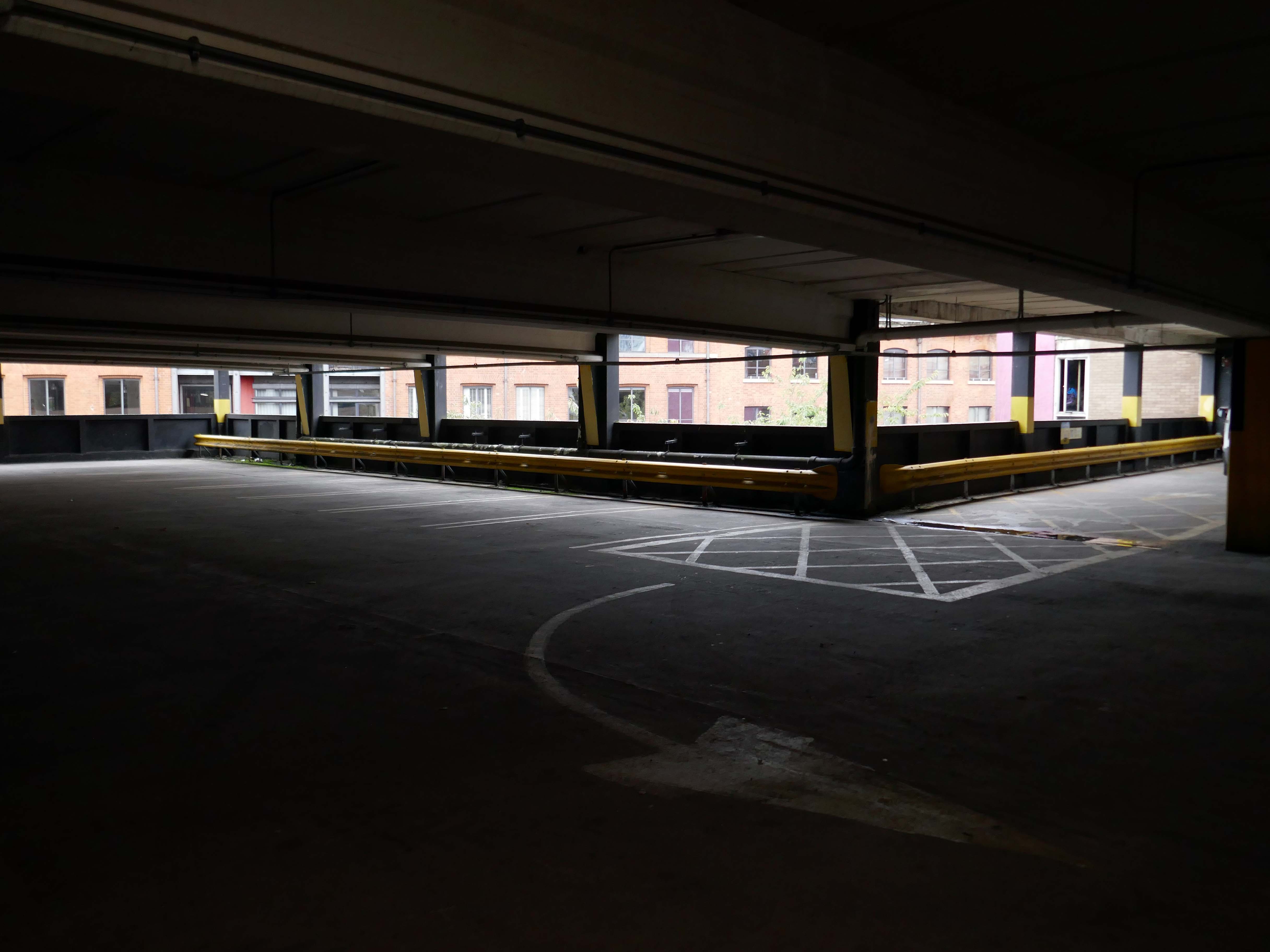
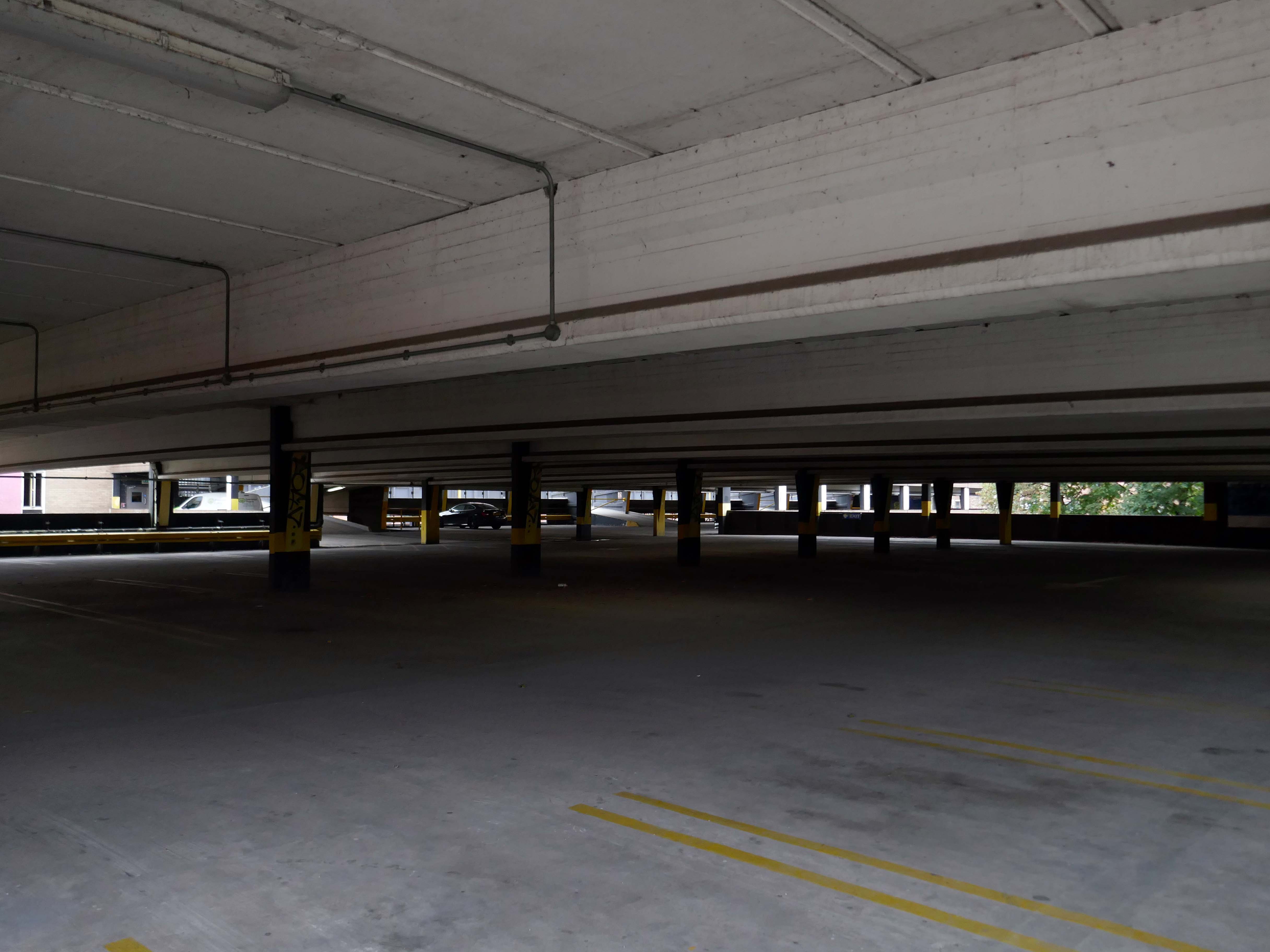
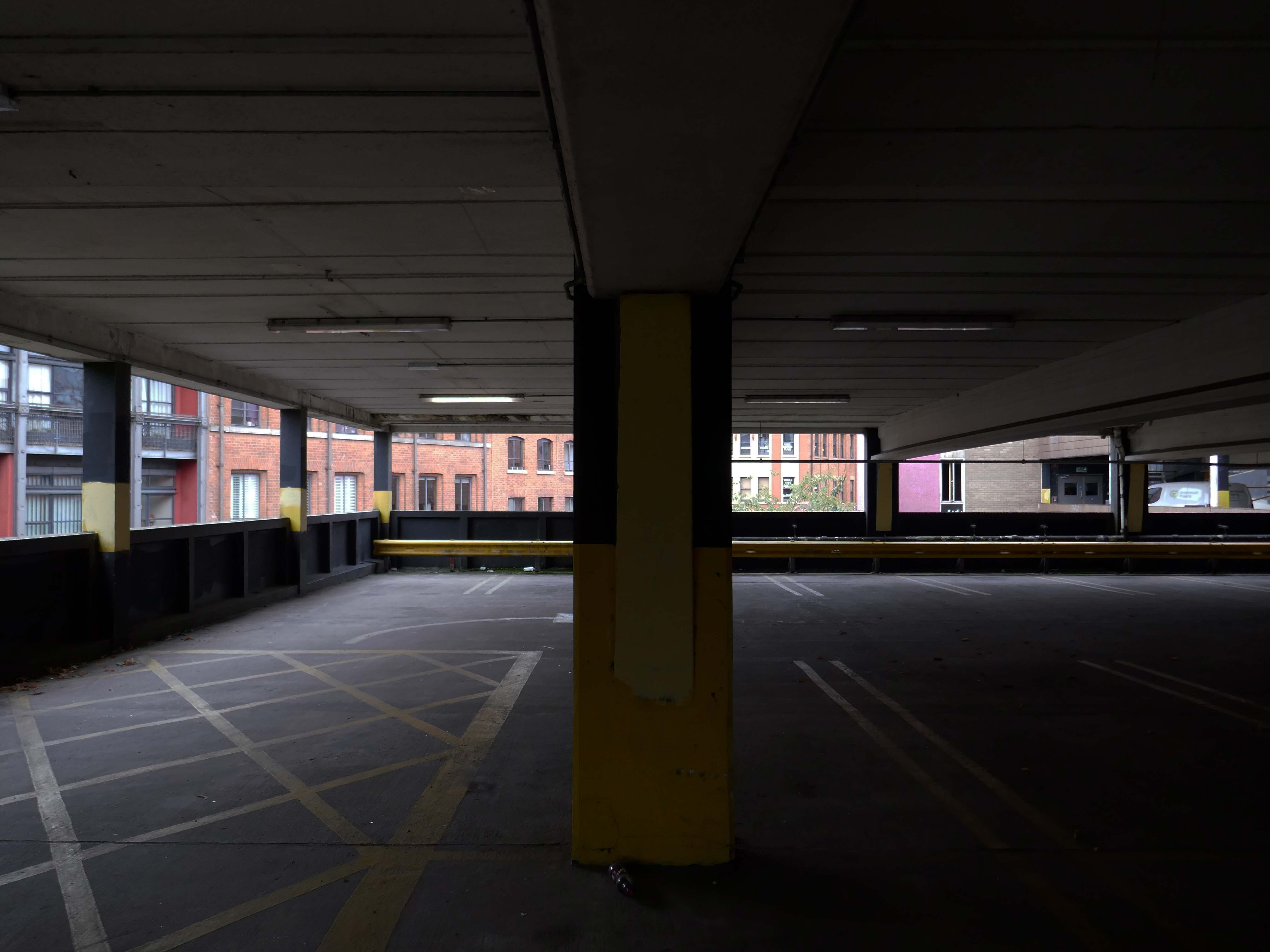
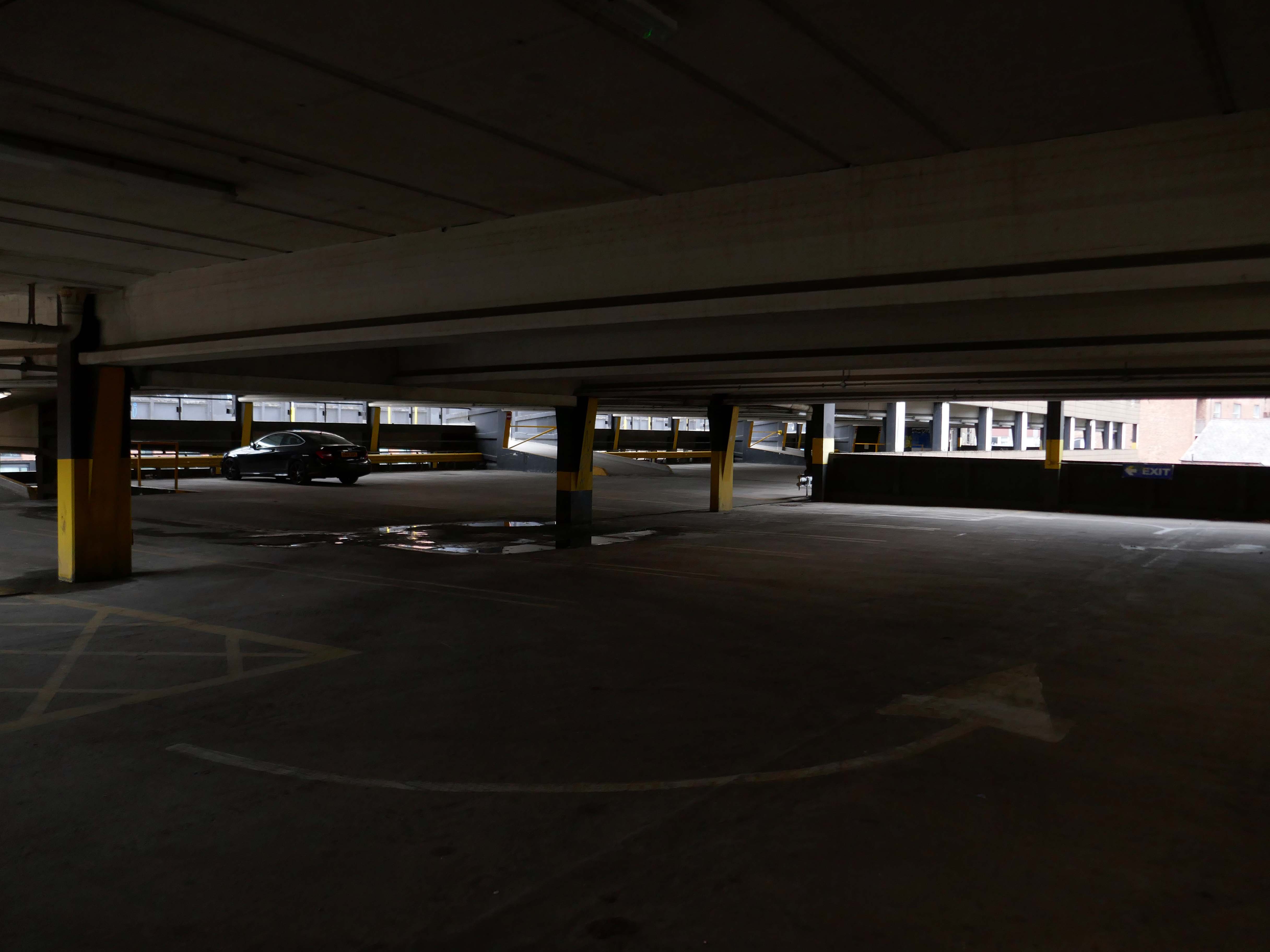
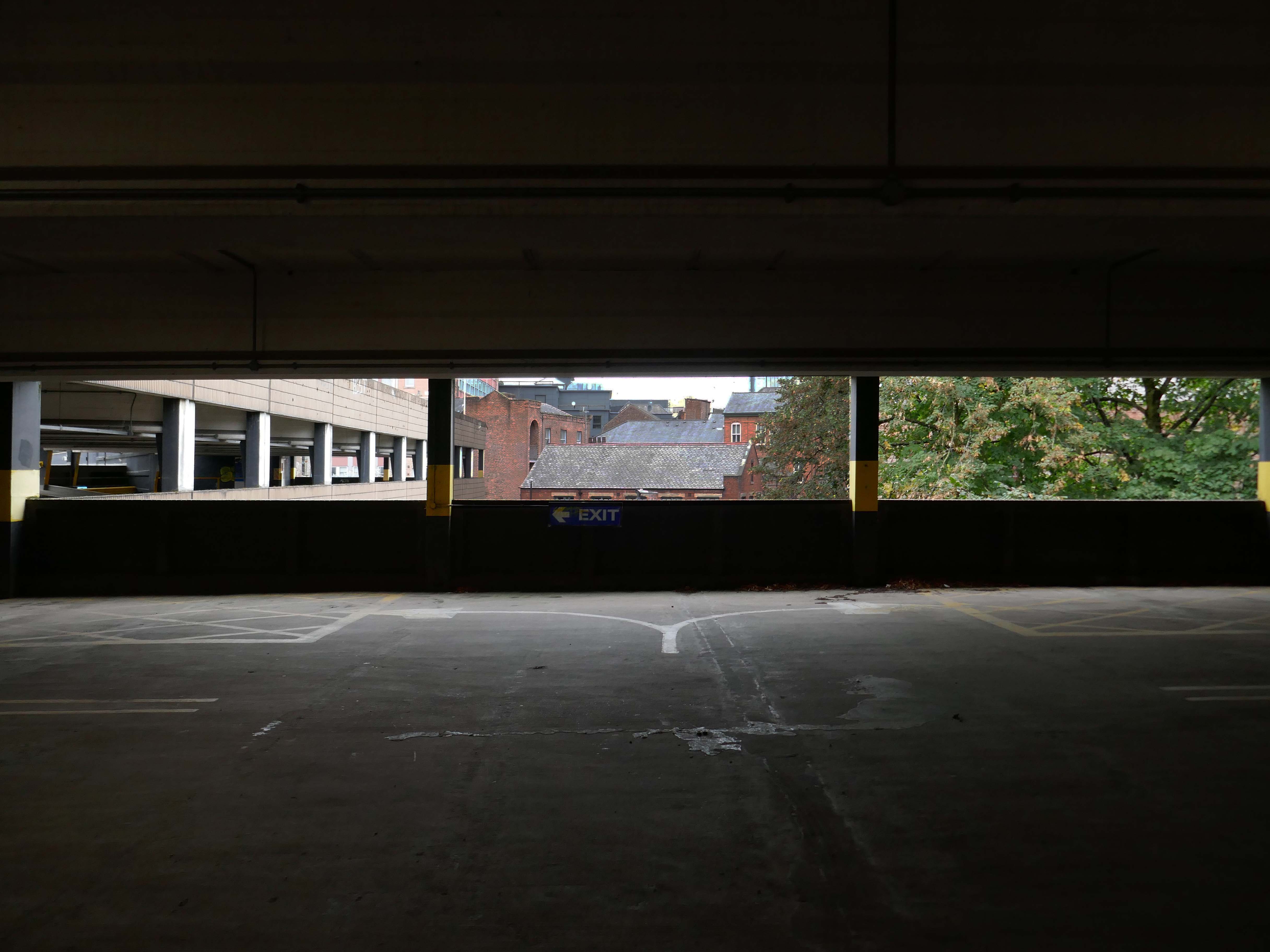
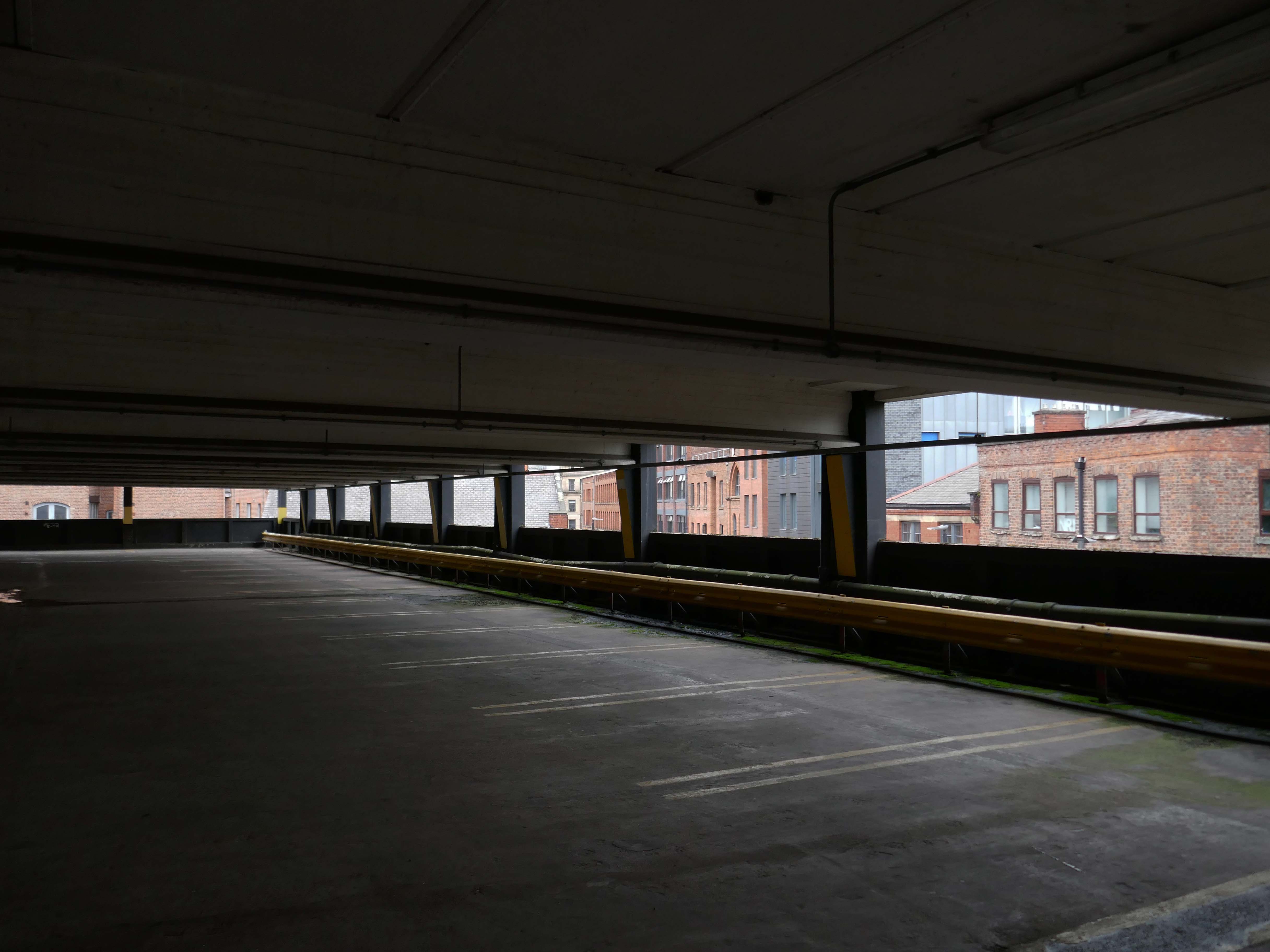
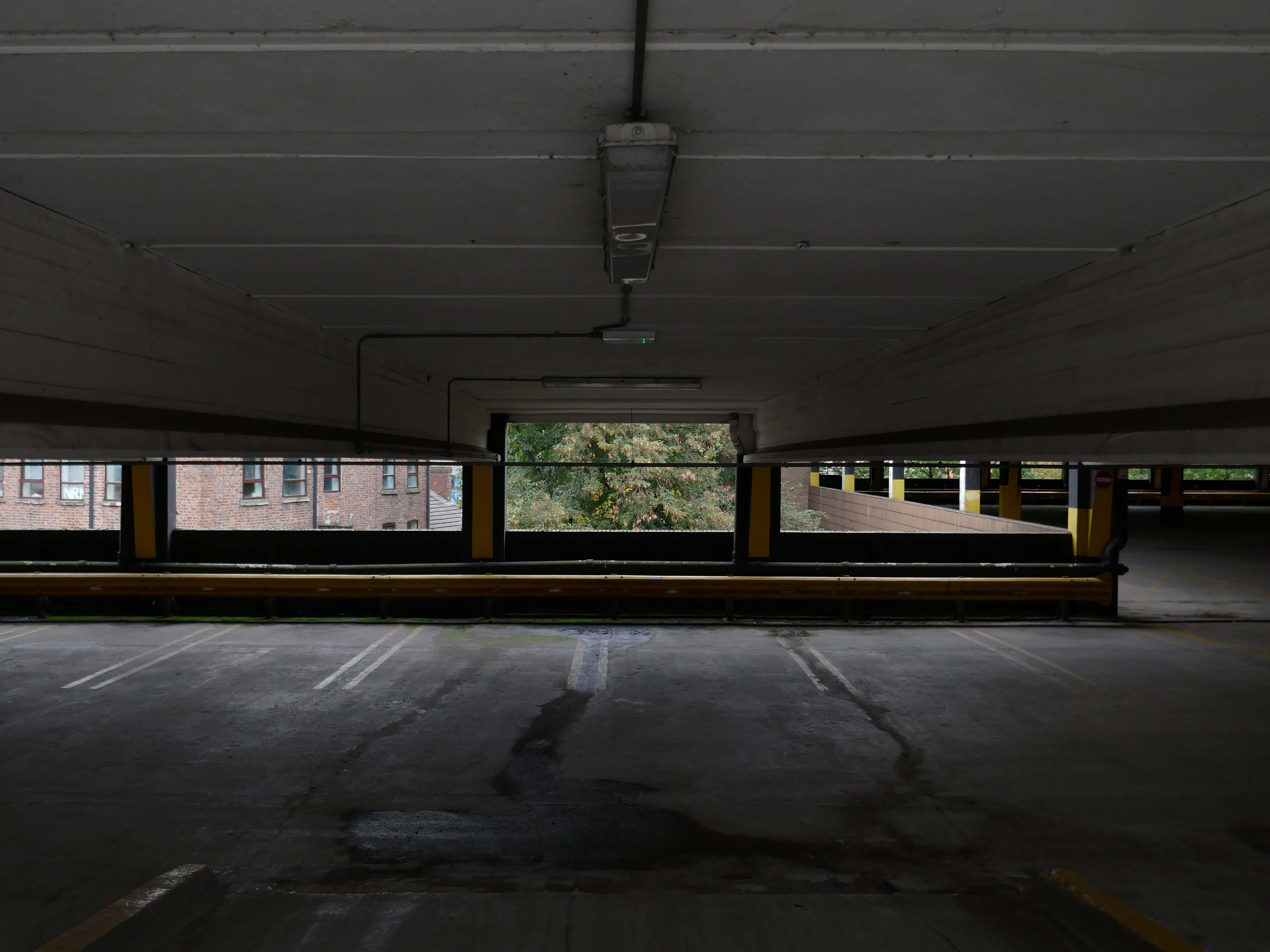
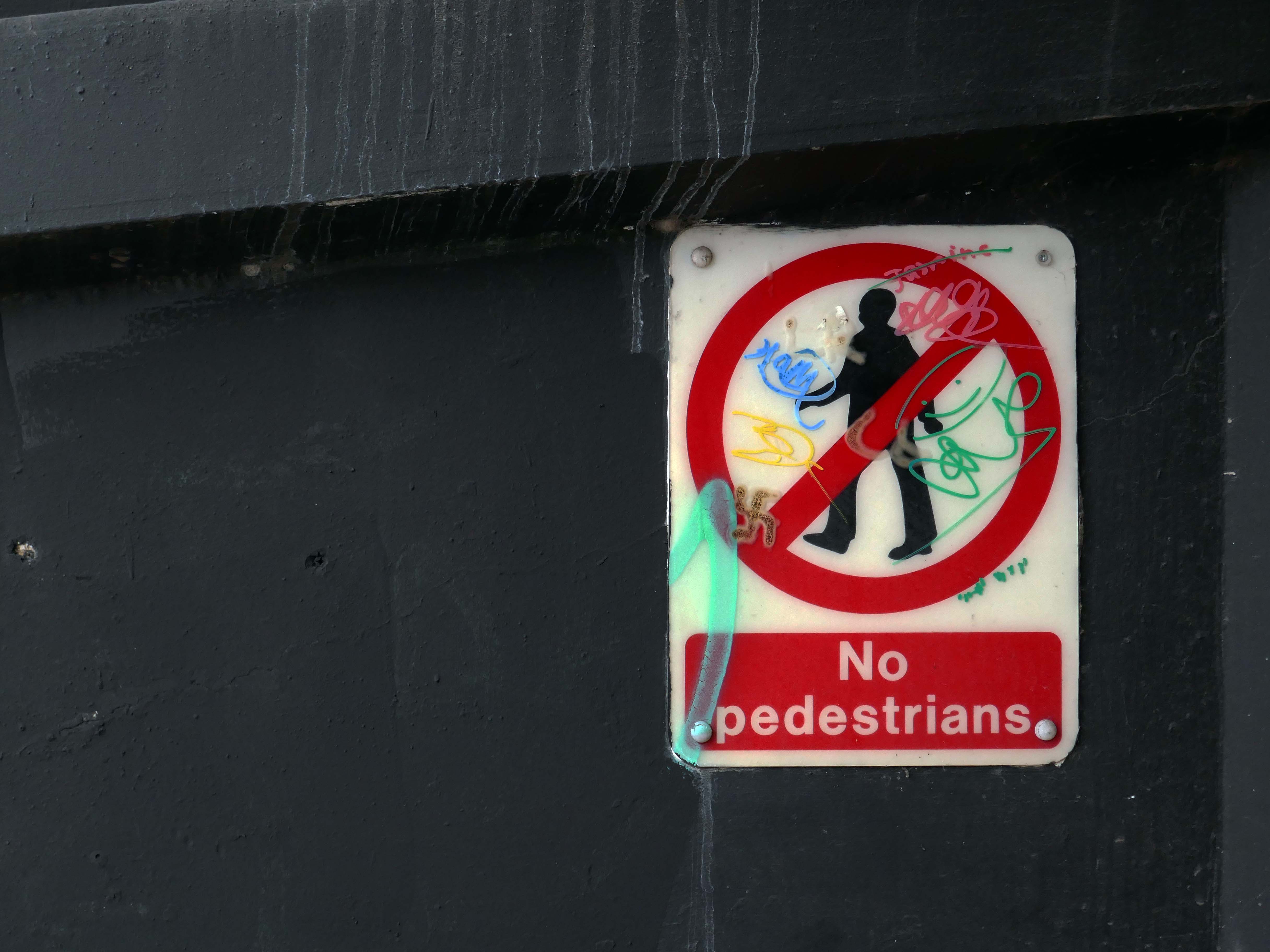
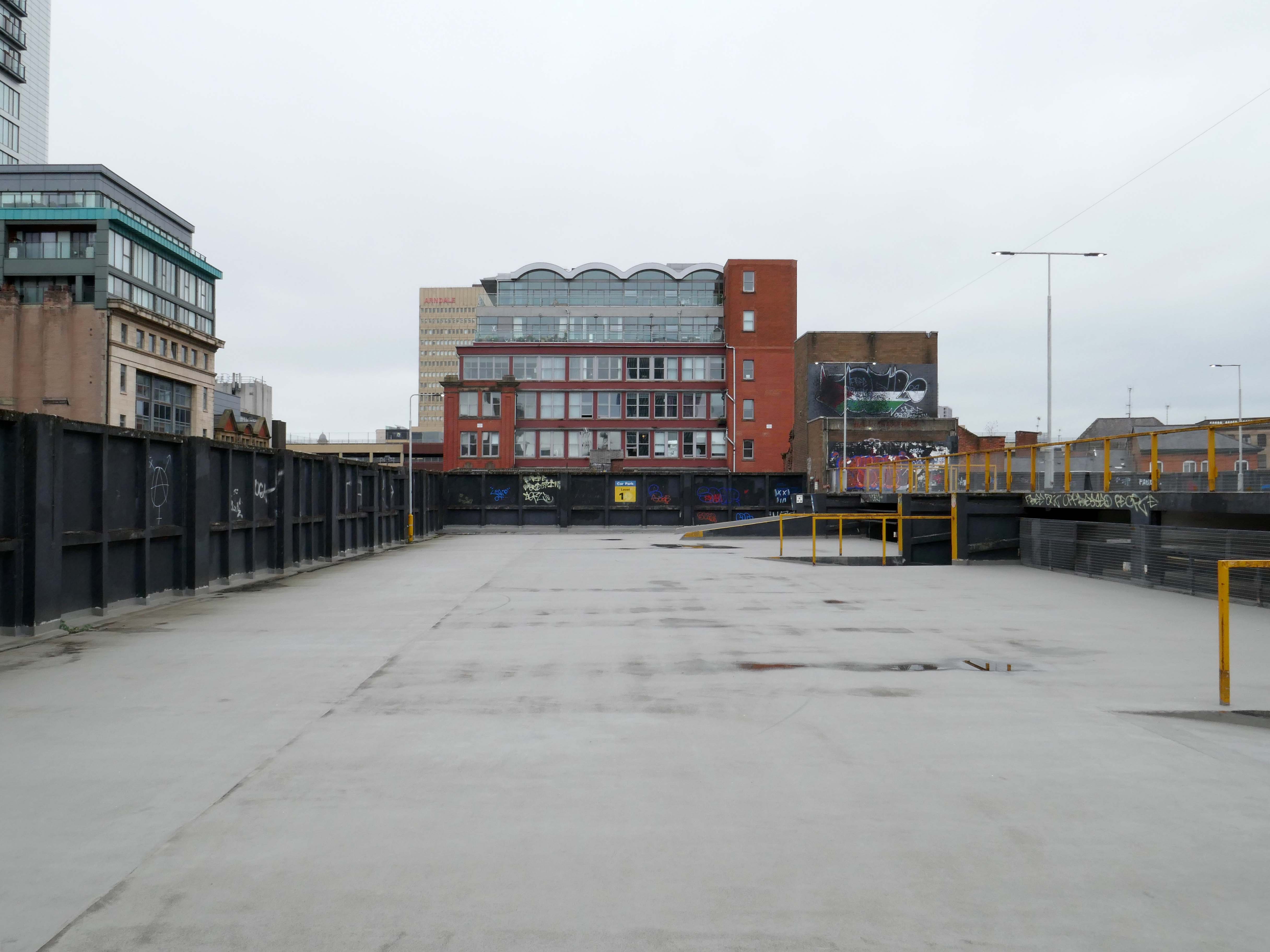
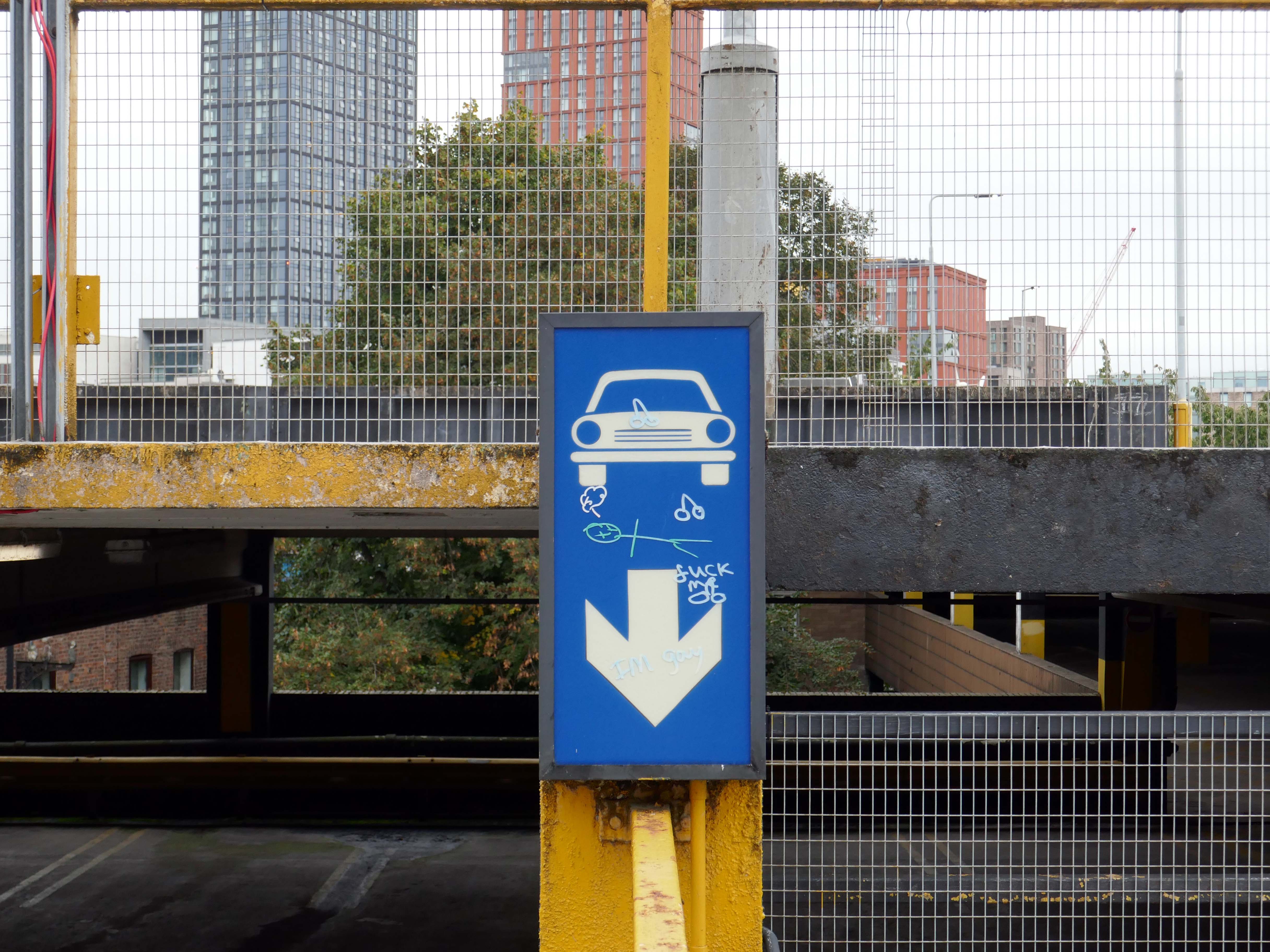
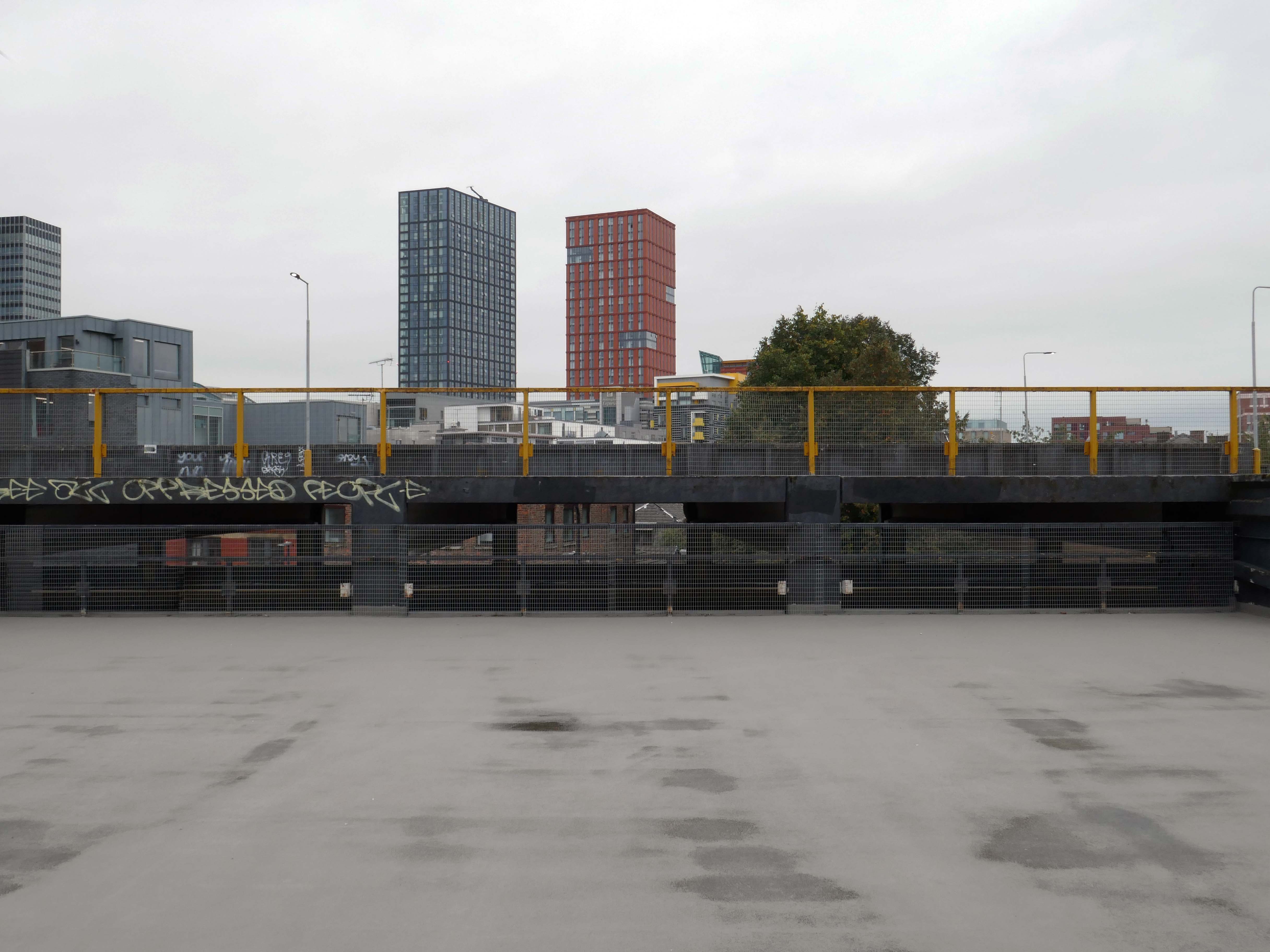
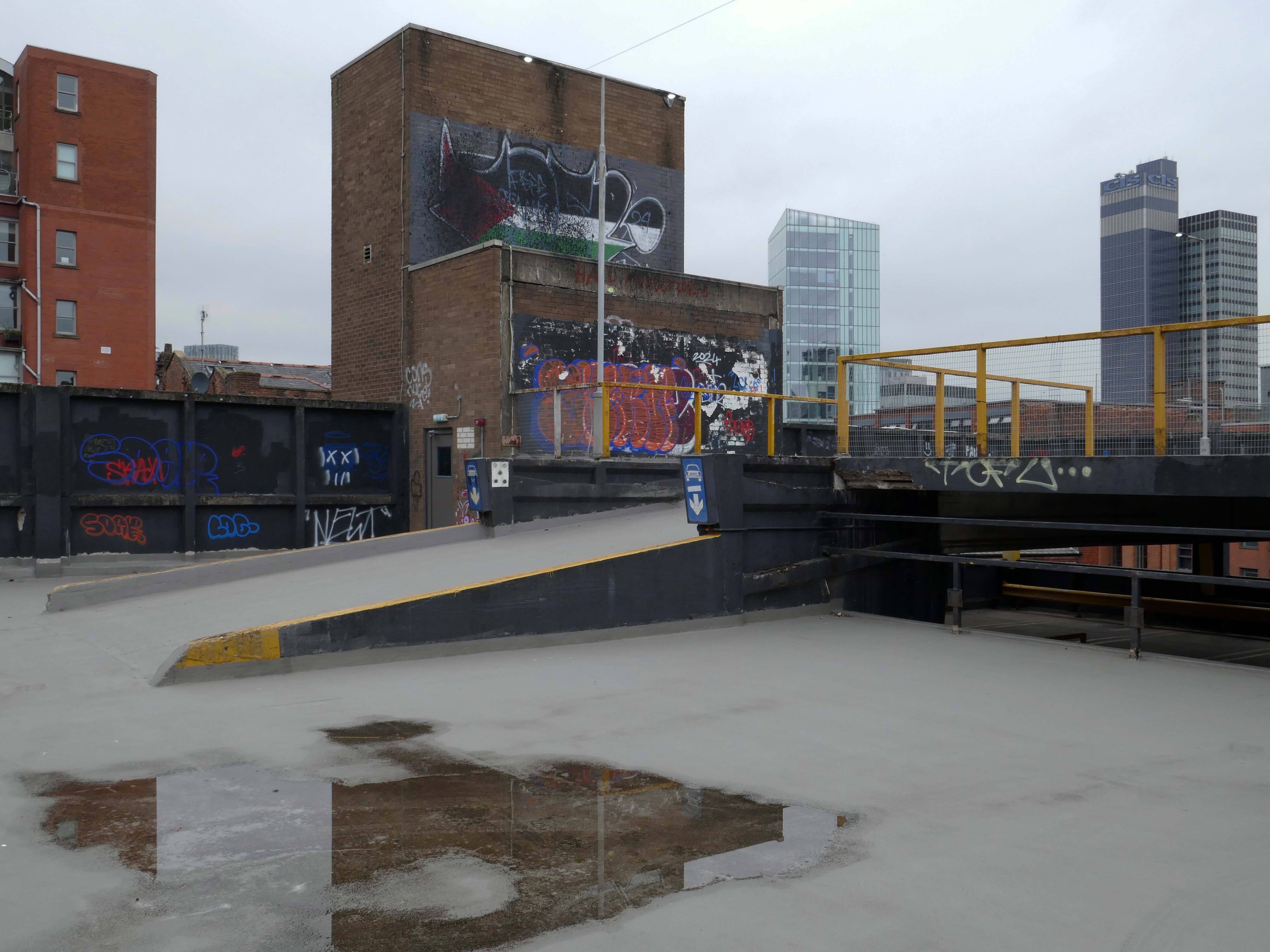
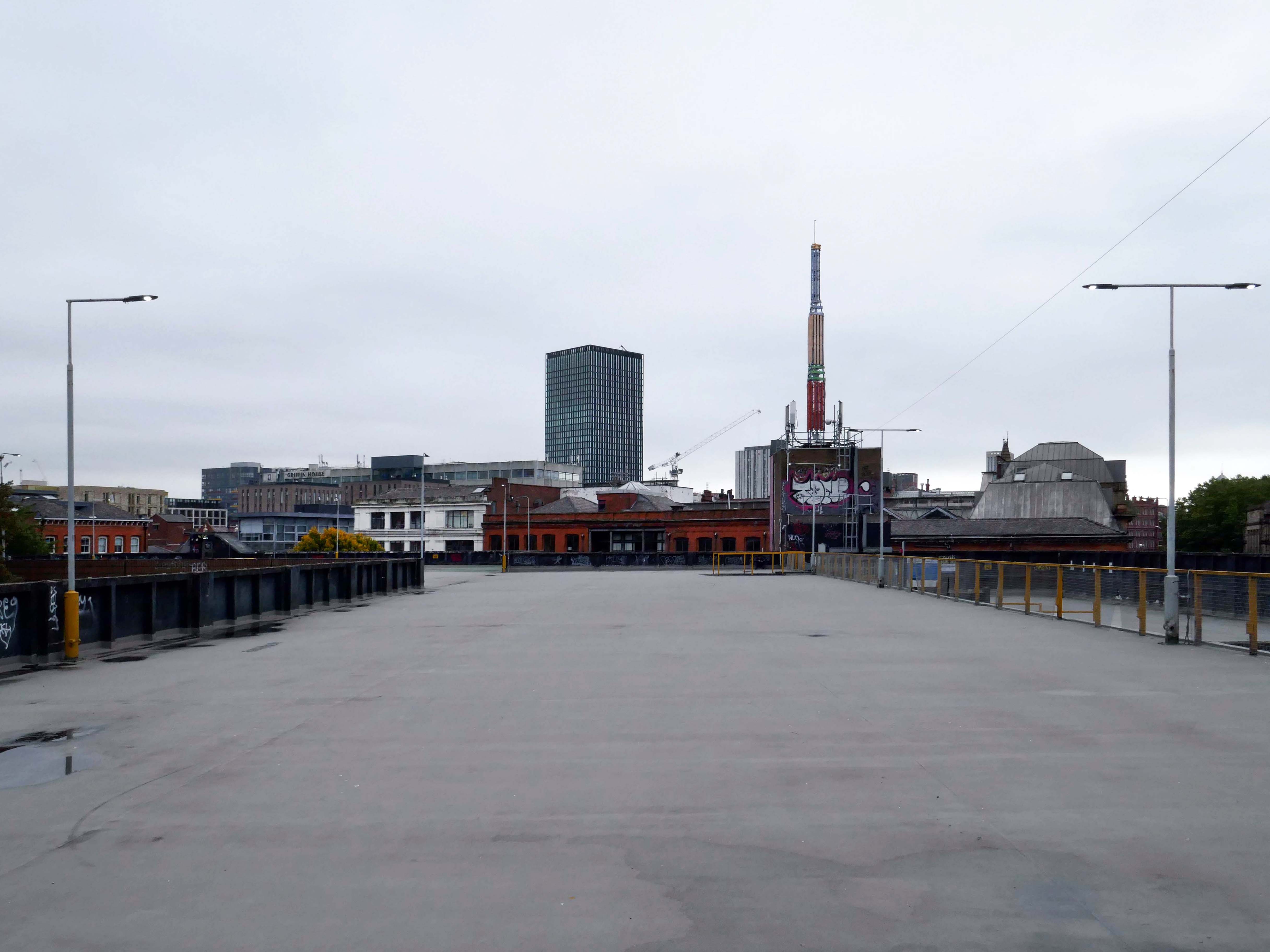
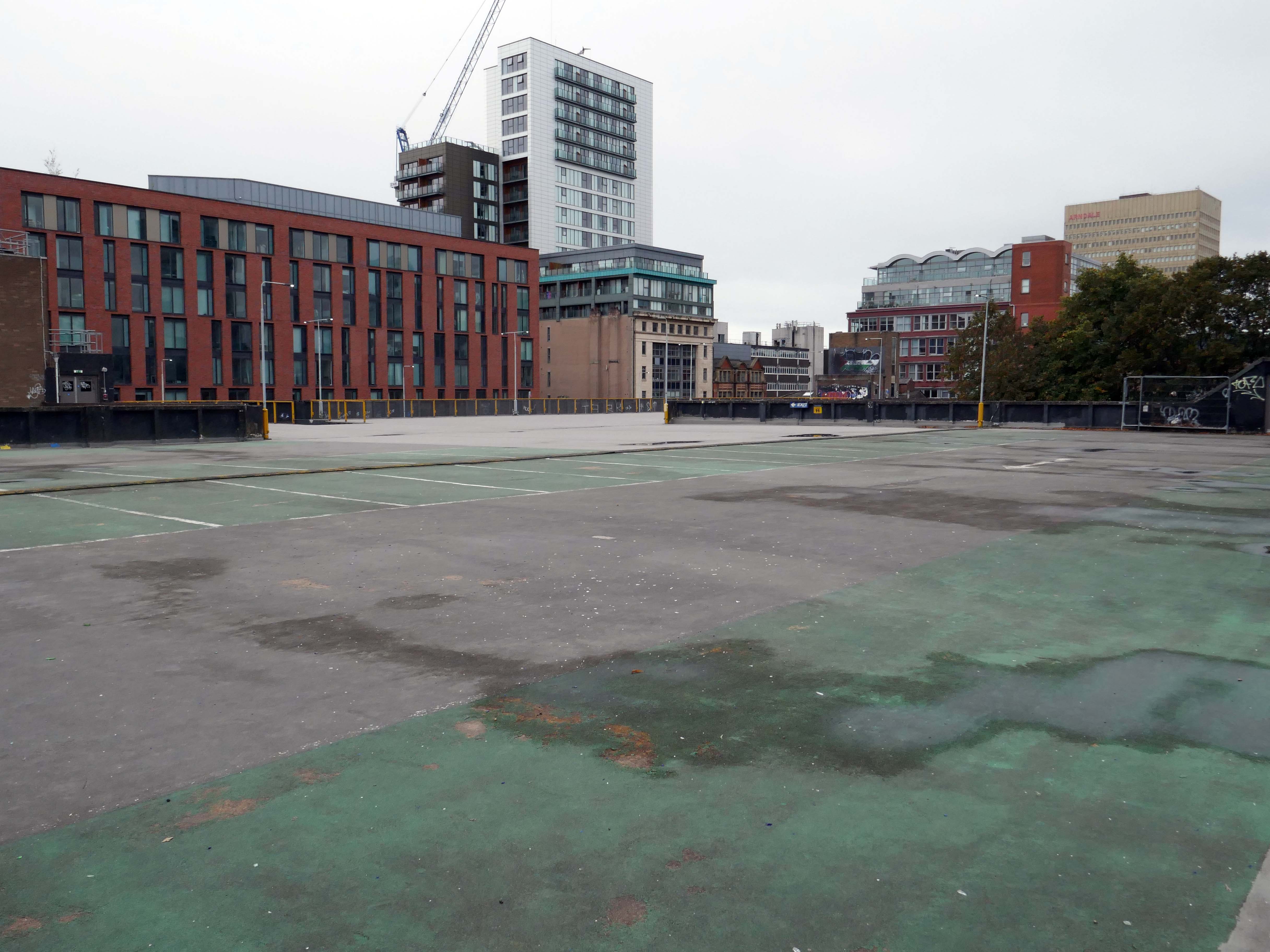
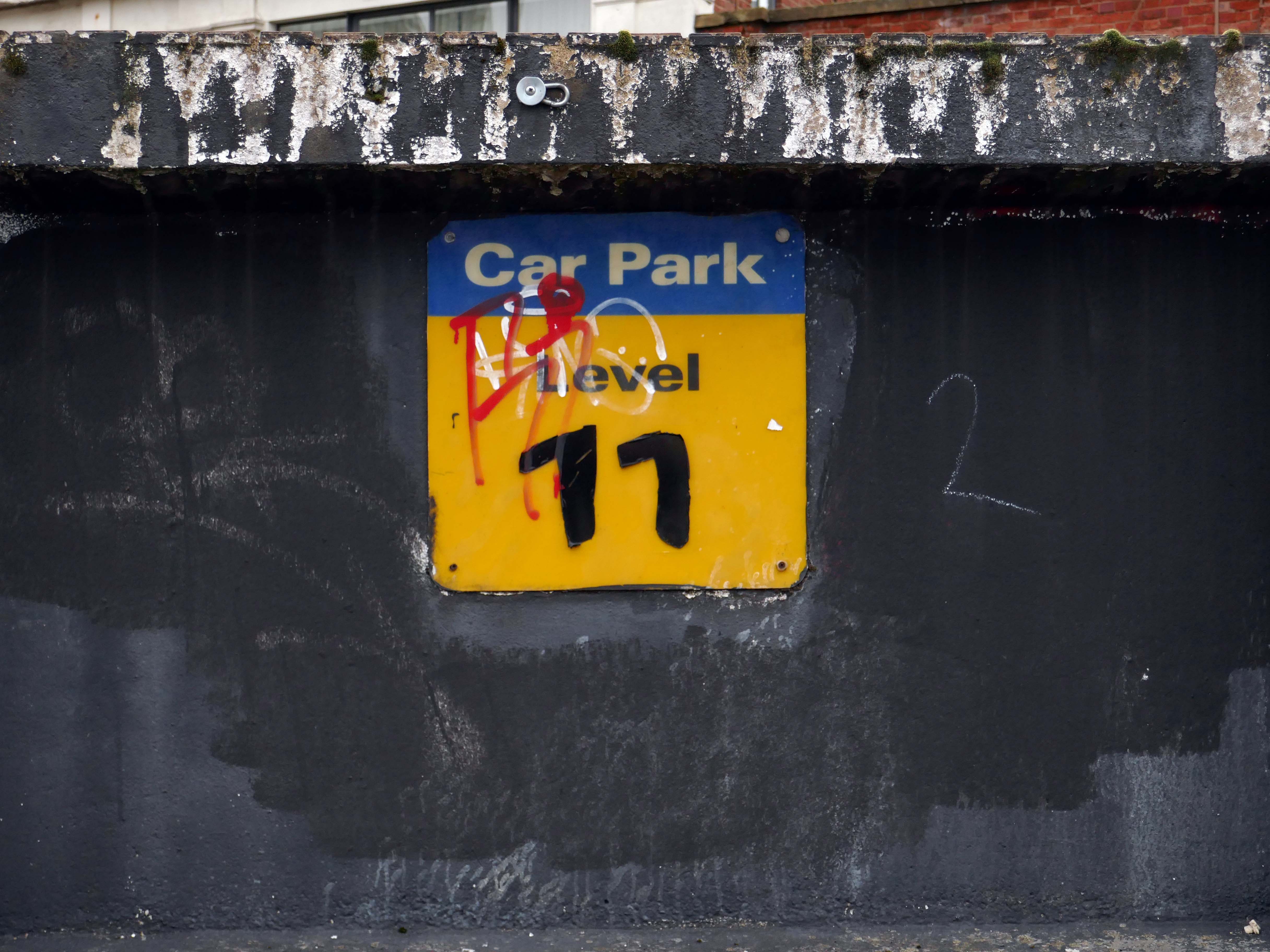
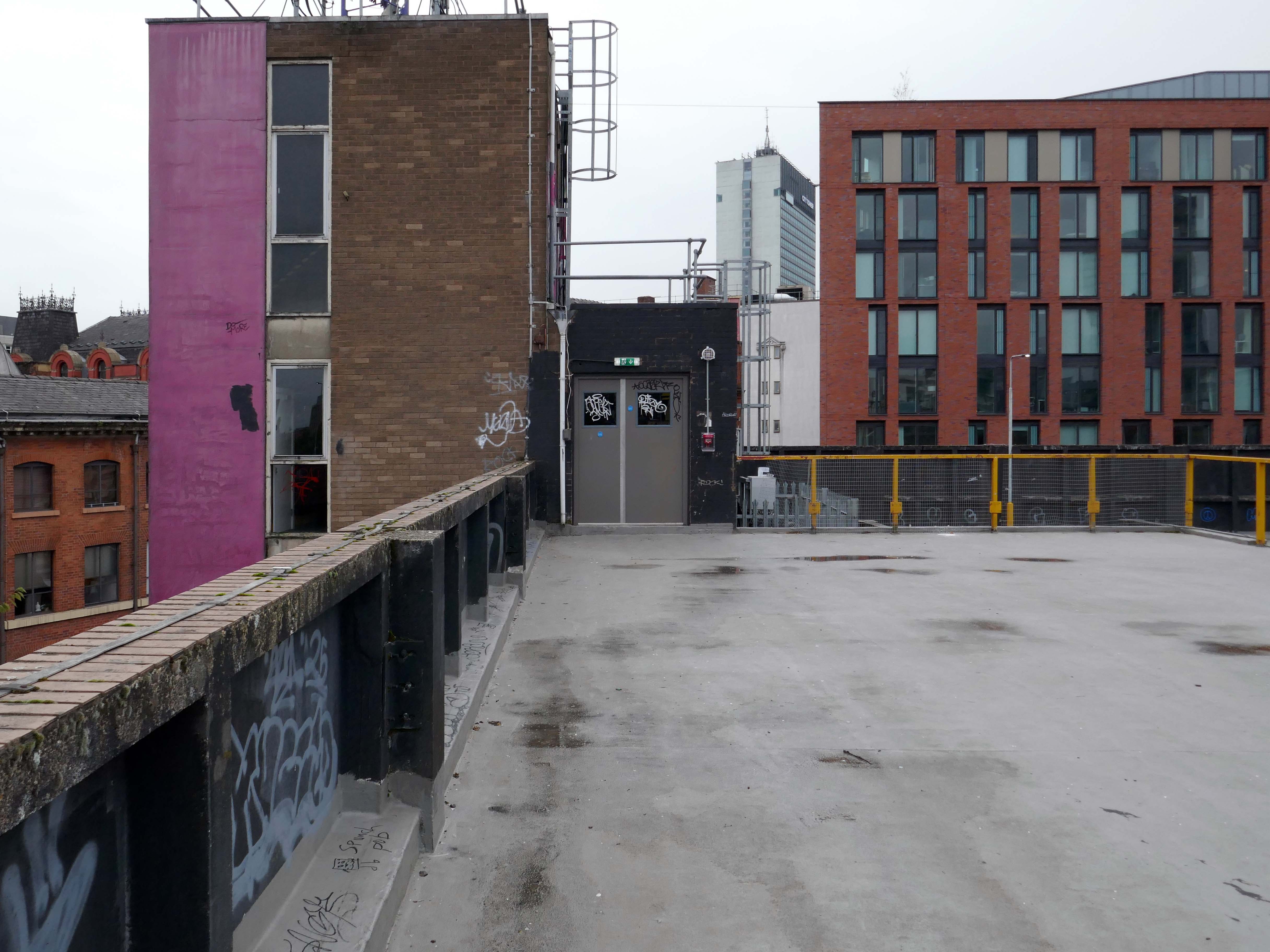
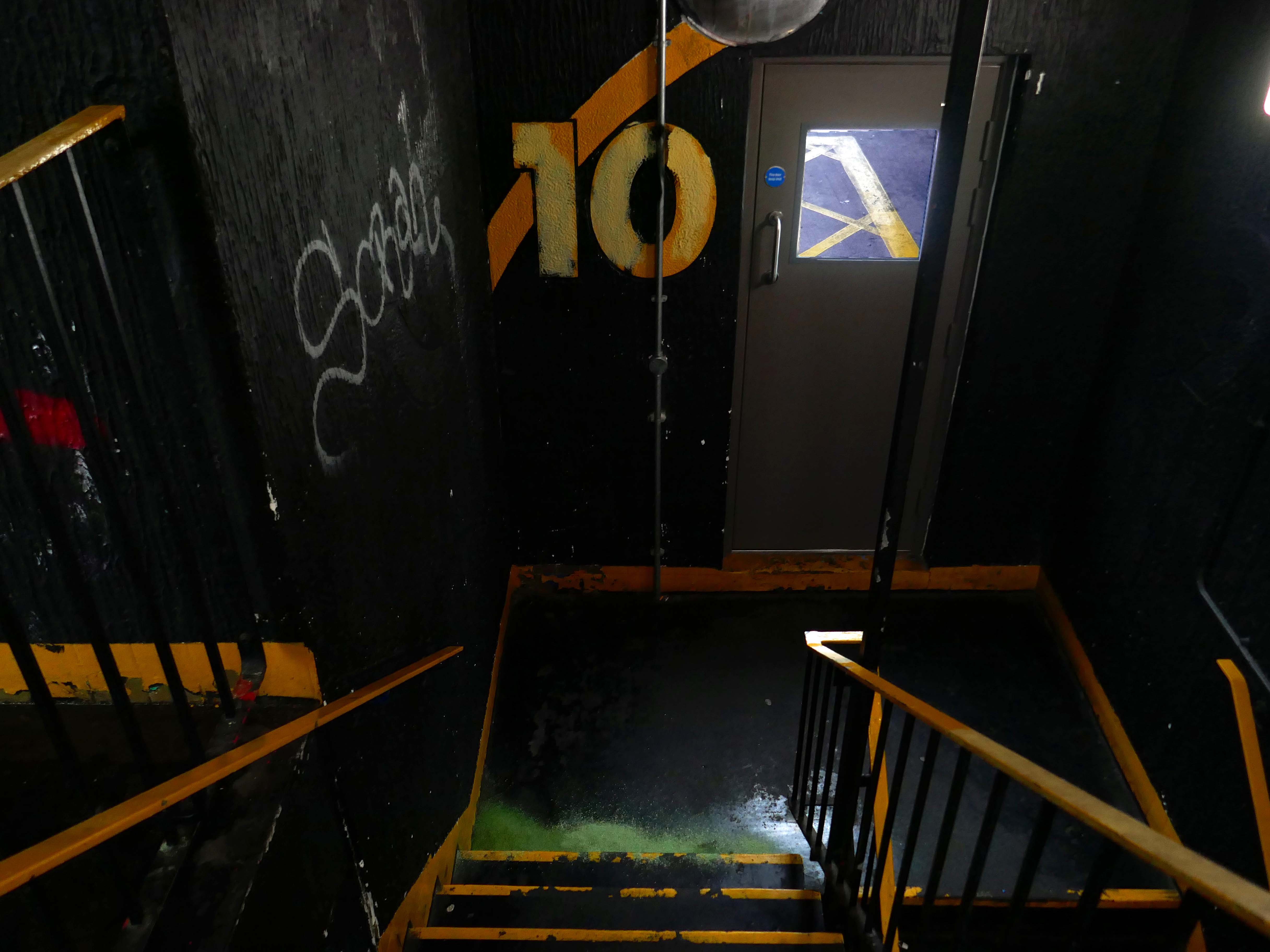
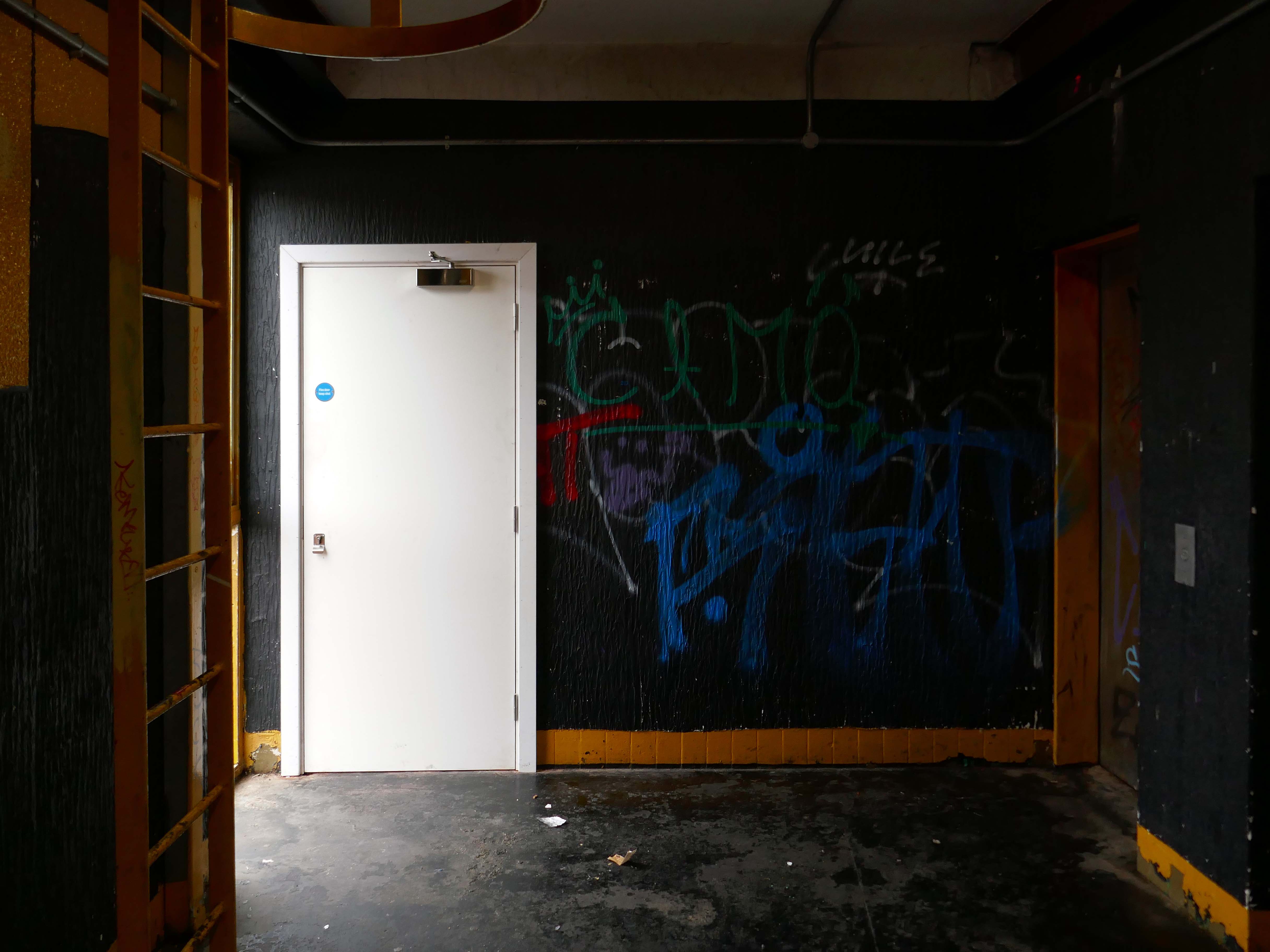
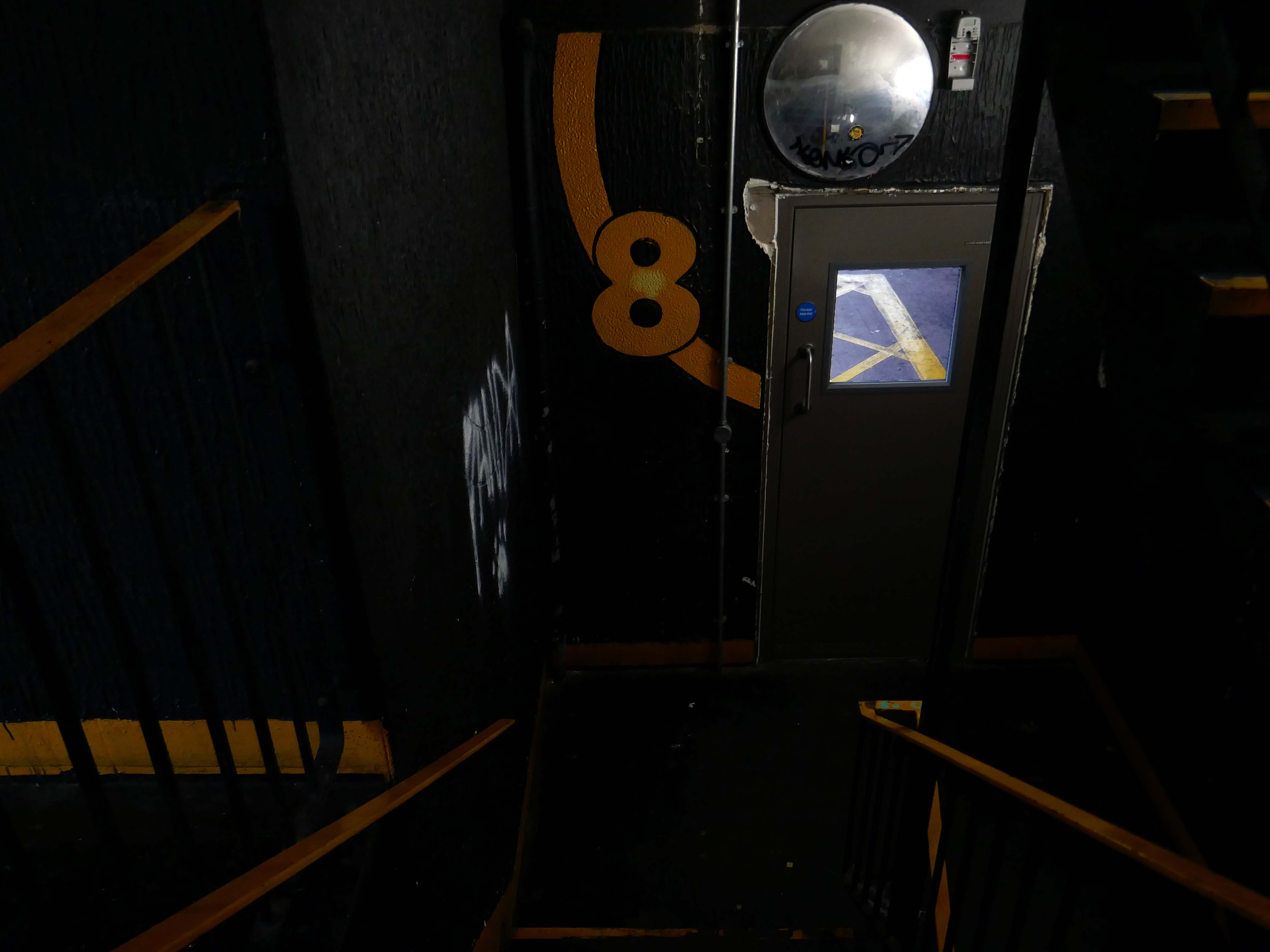
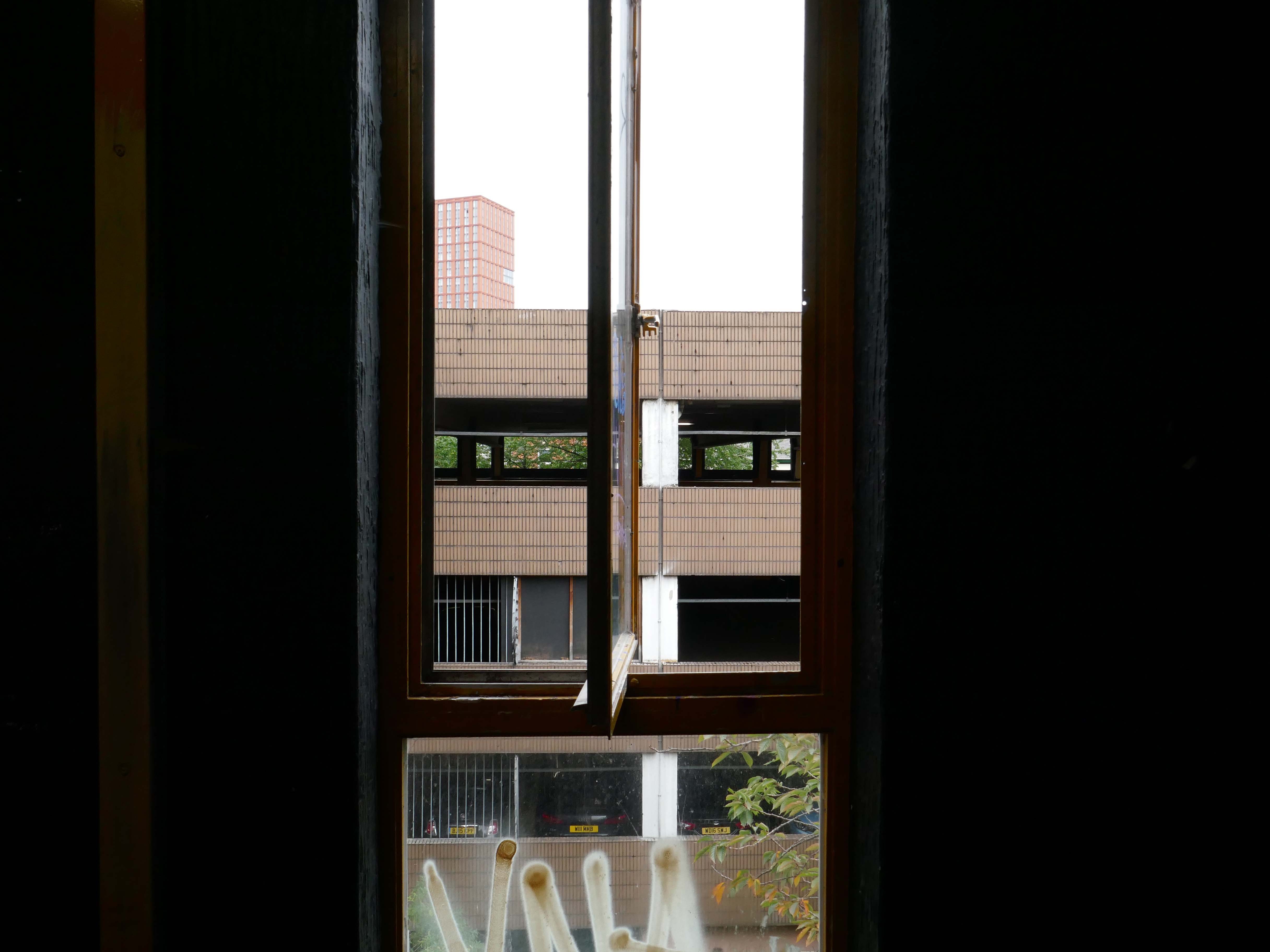
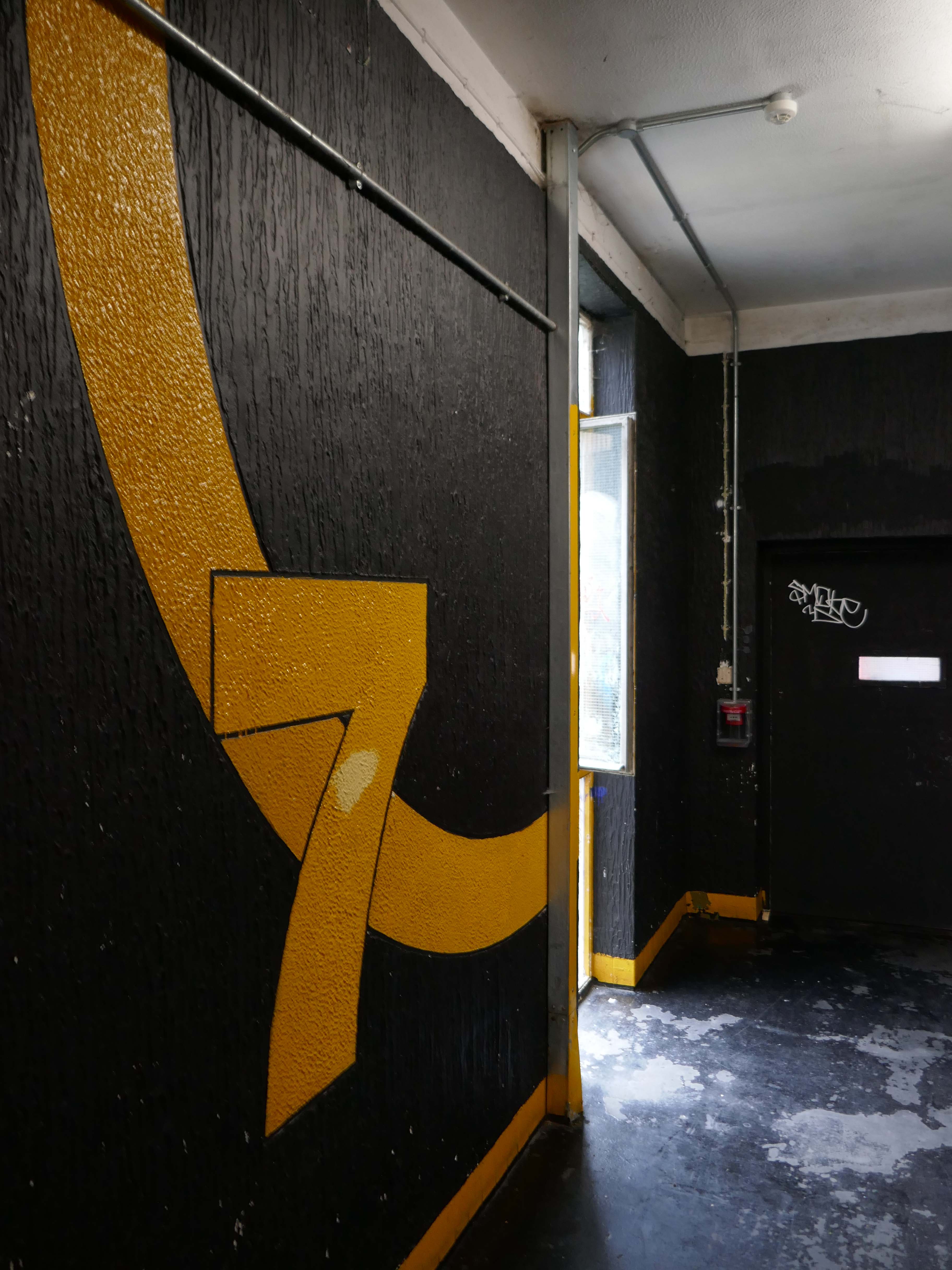
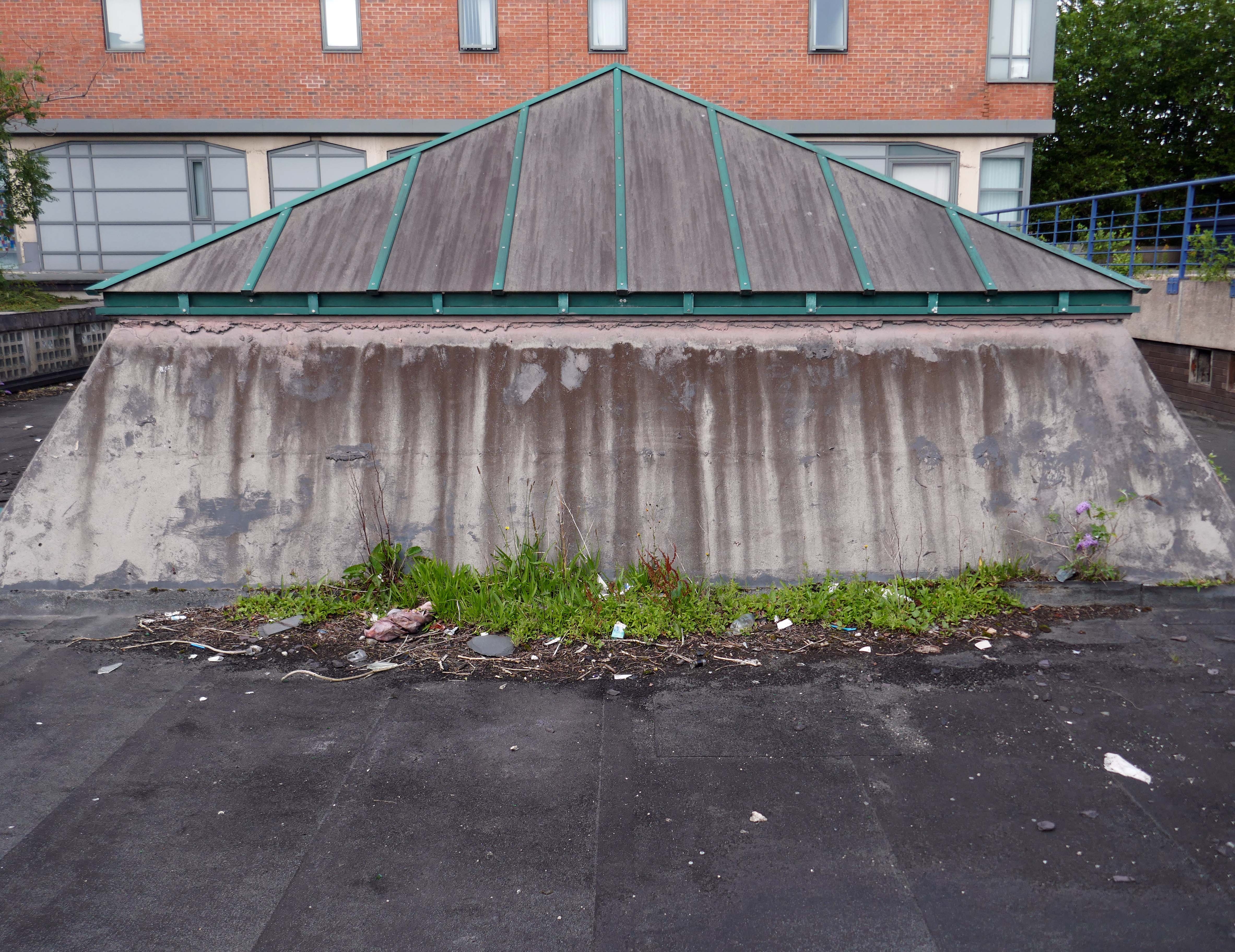
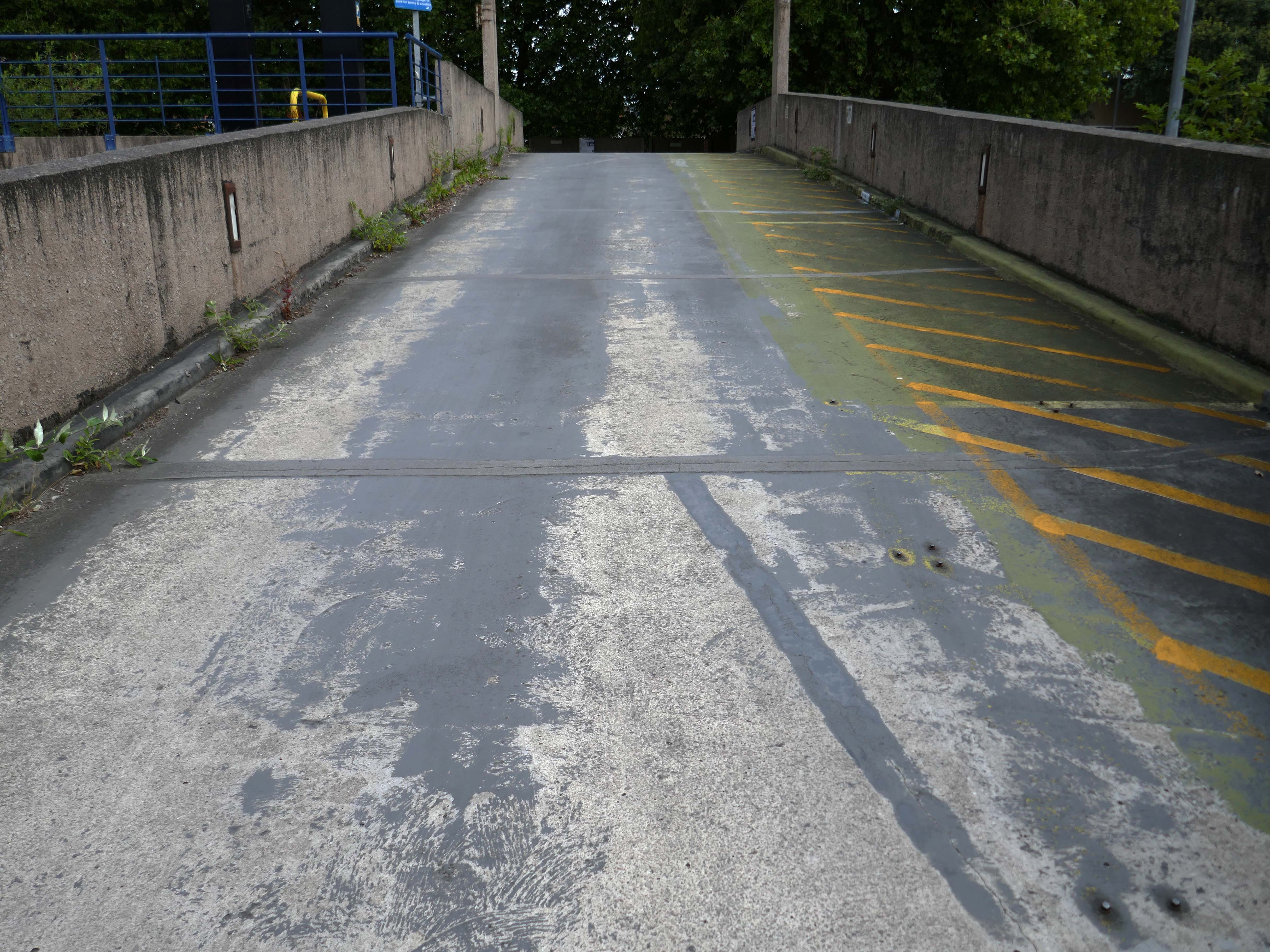
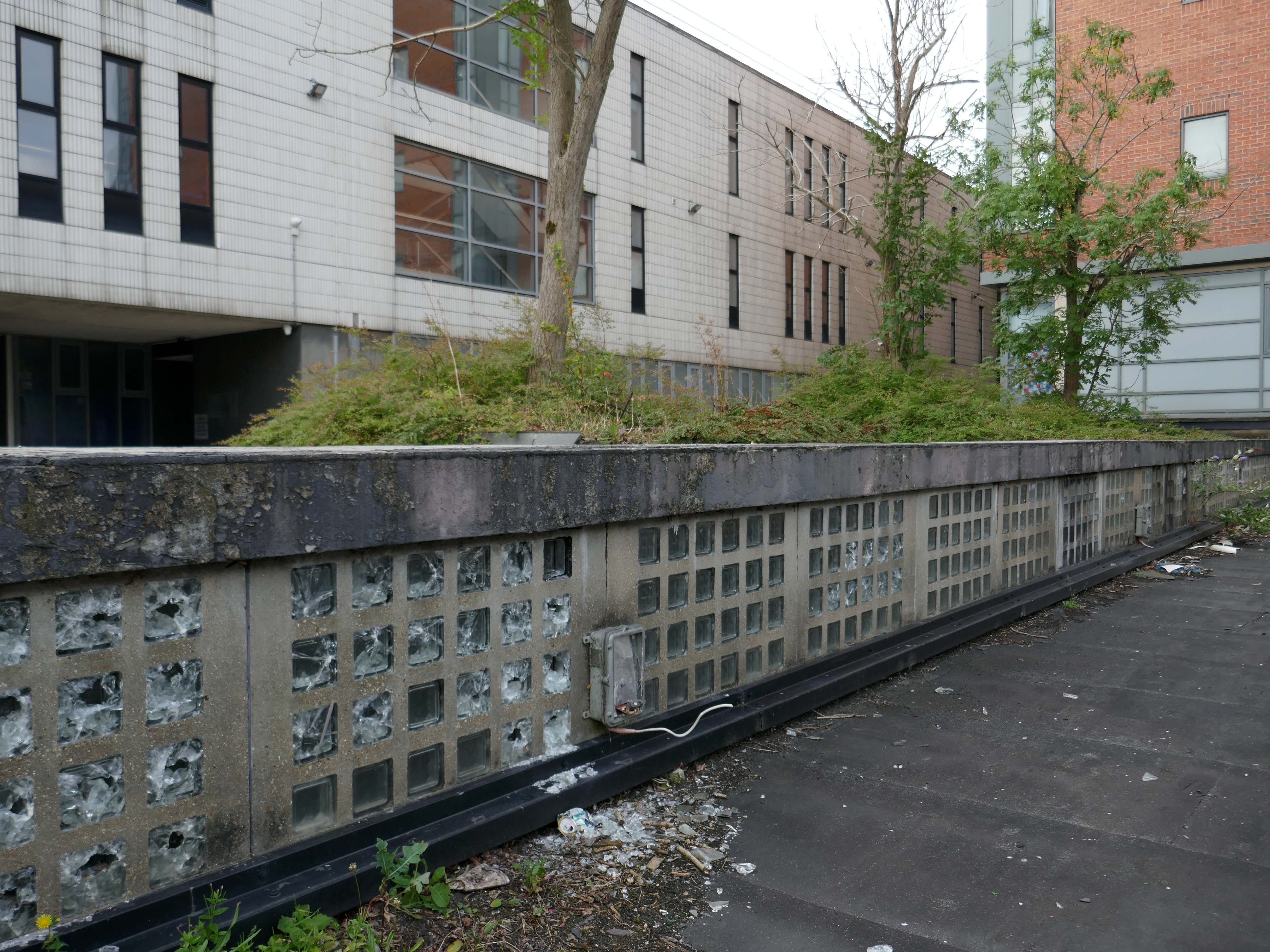
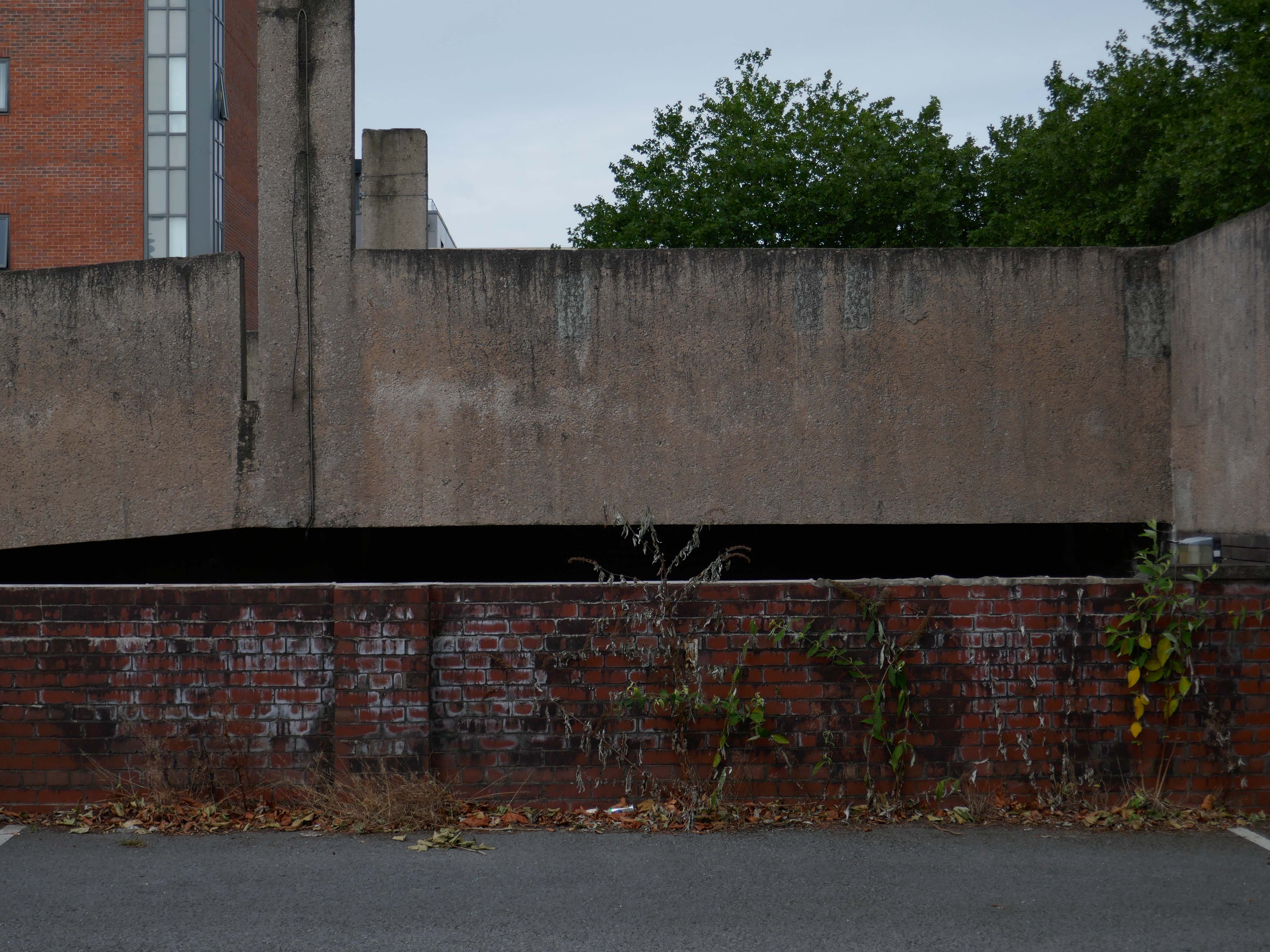
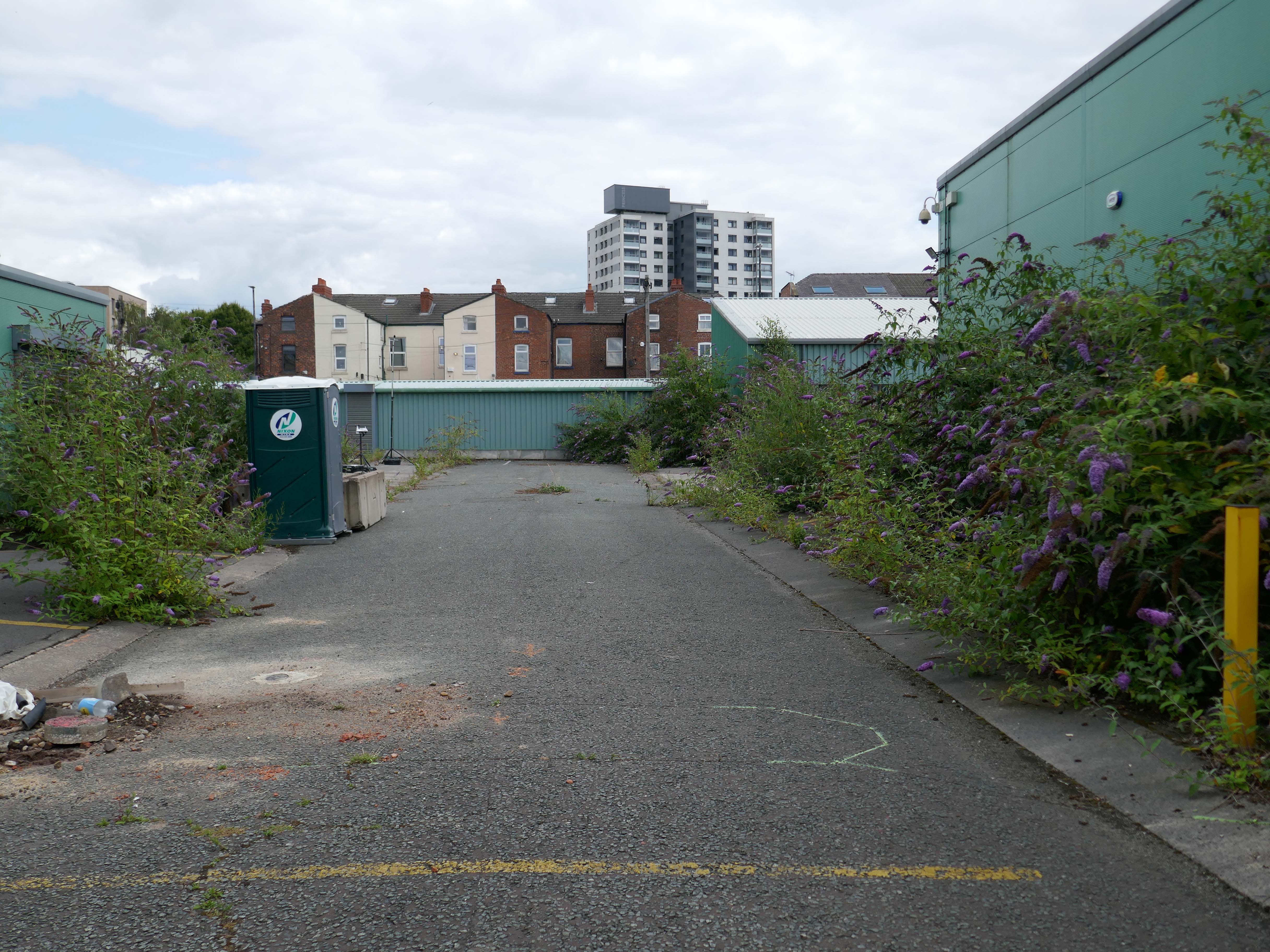
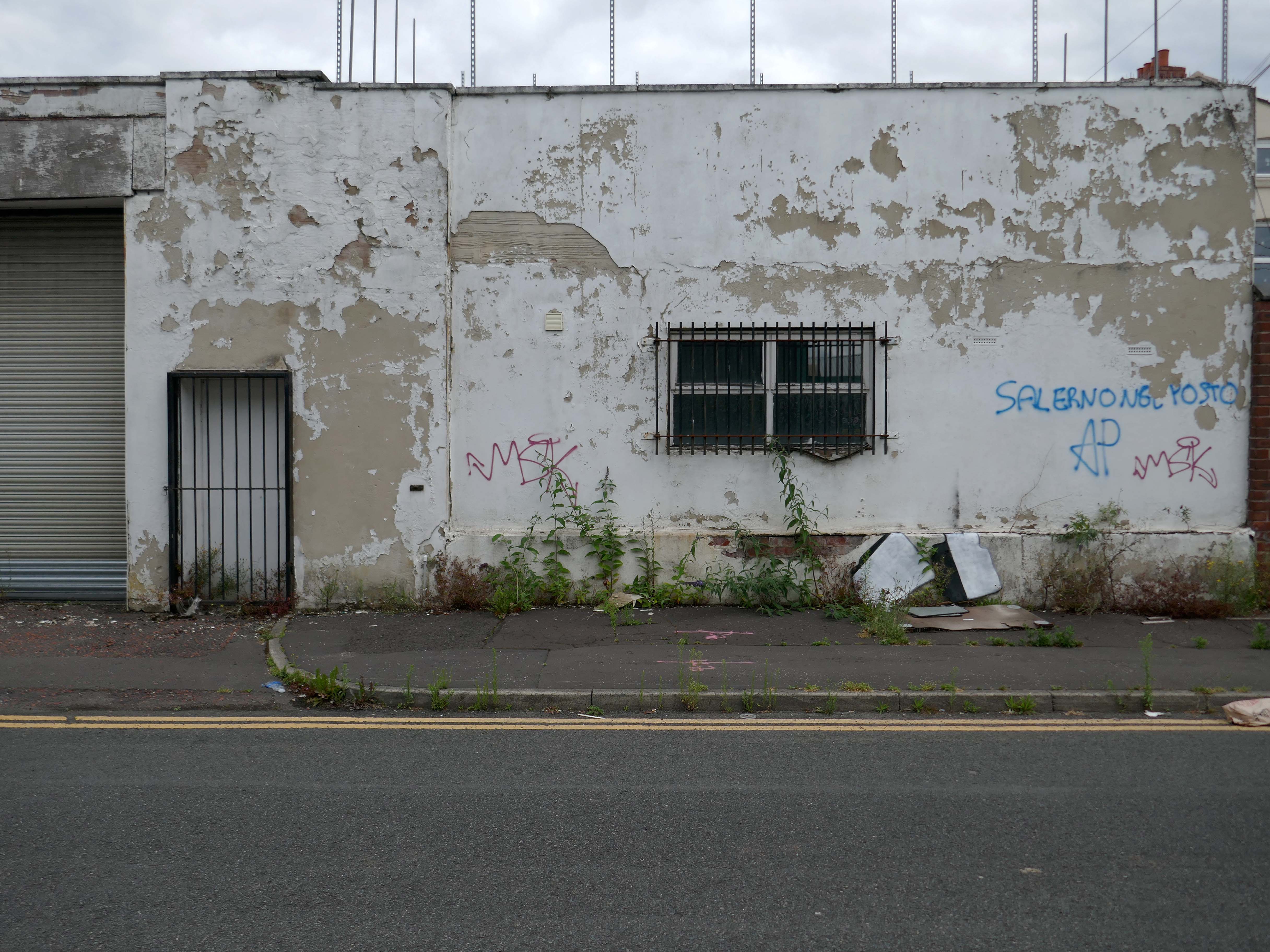
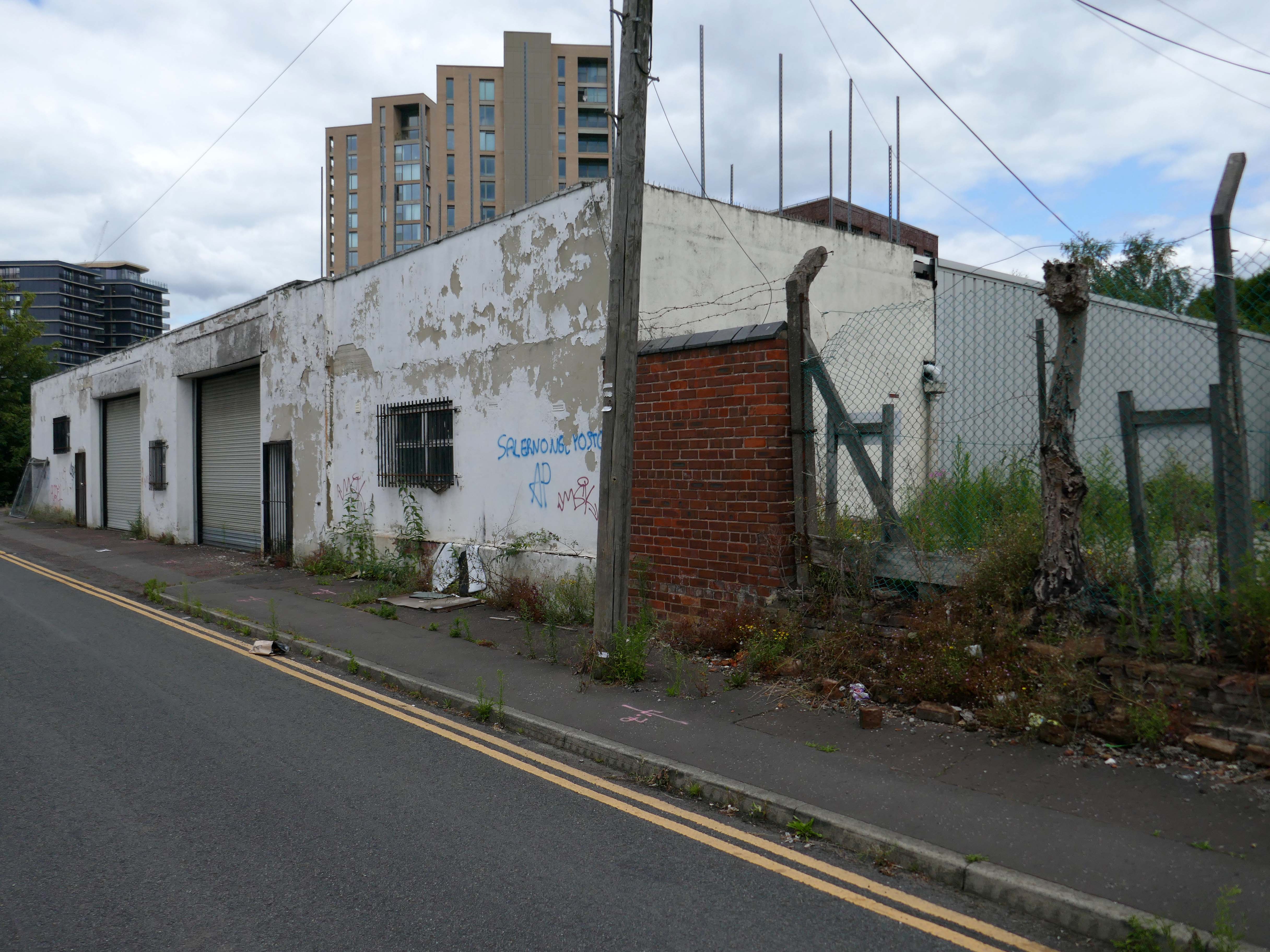
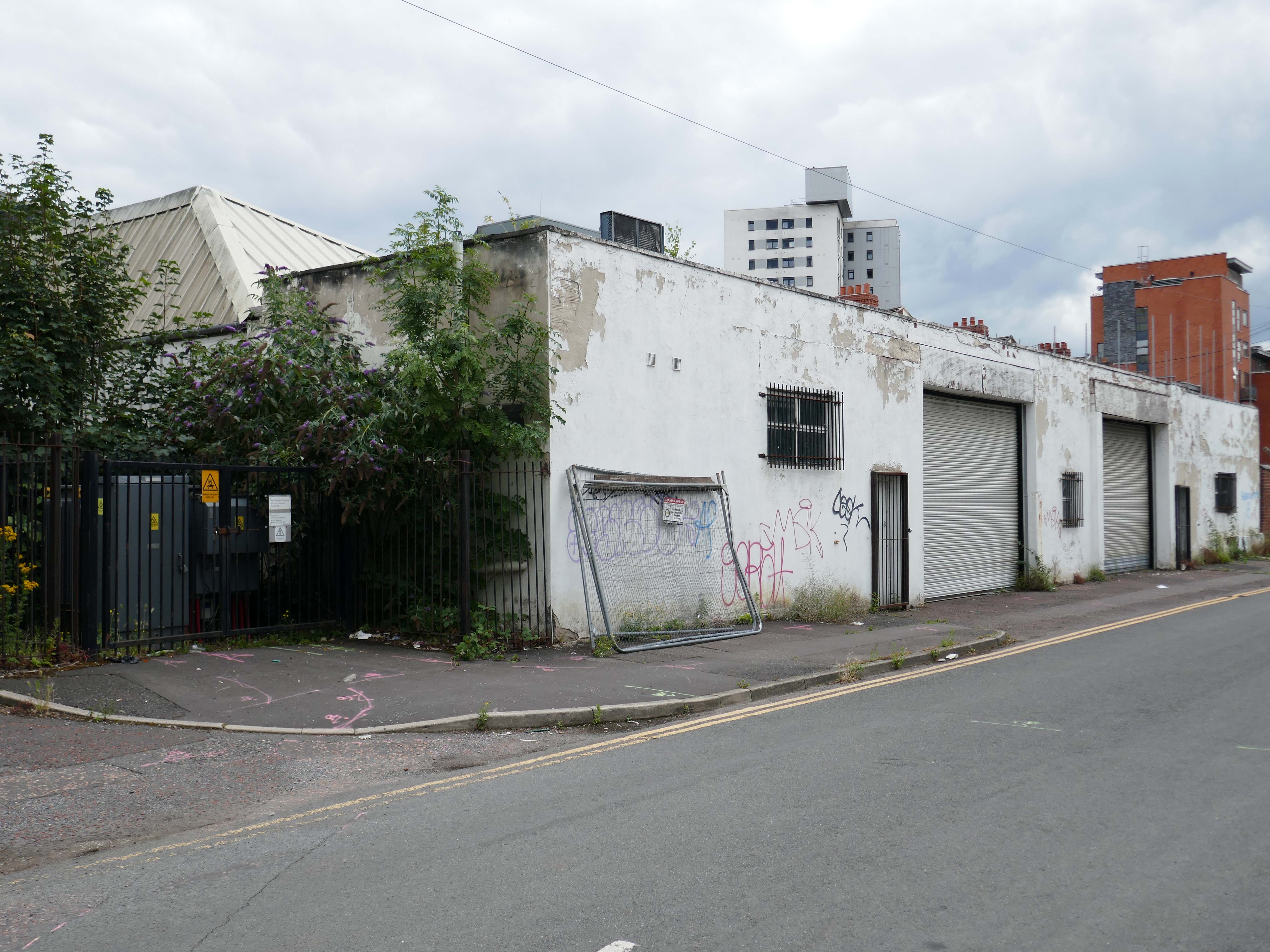
It seems that you are not long for this world – destined for an ultra elevated multi-storey heaven.
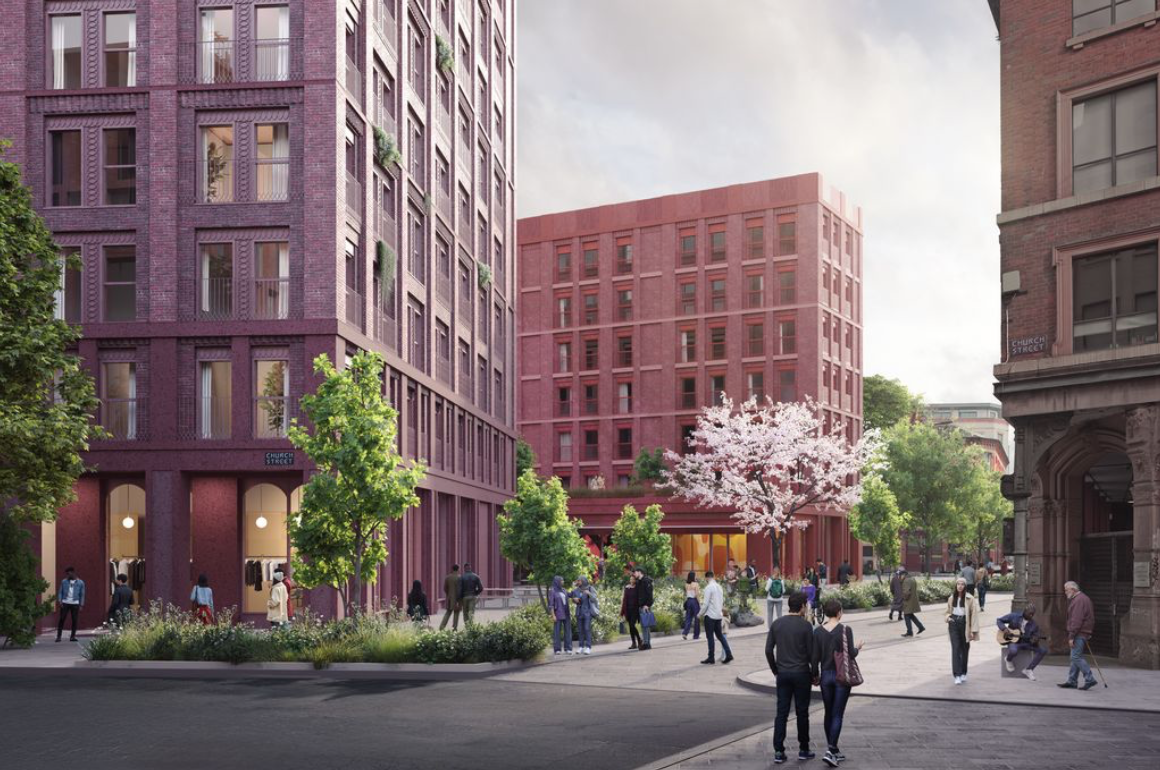
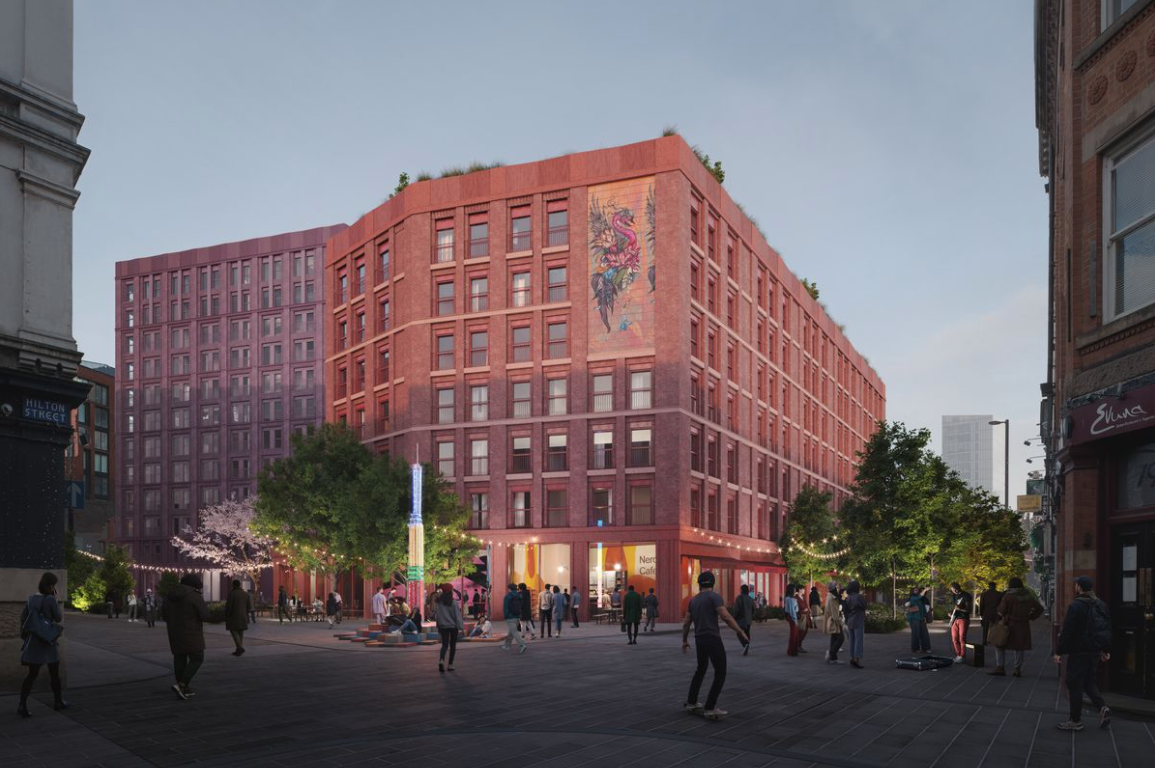
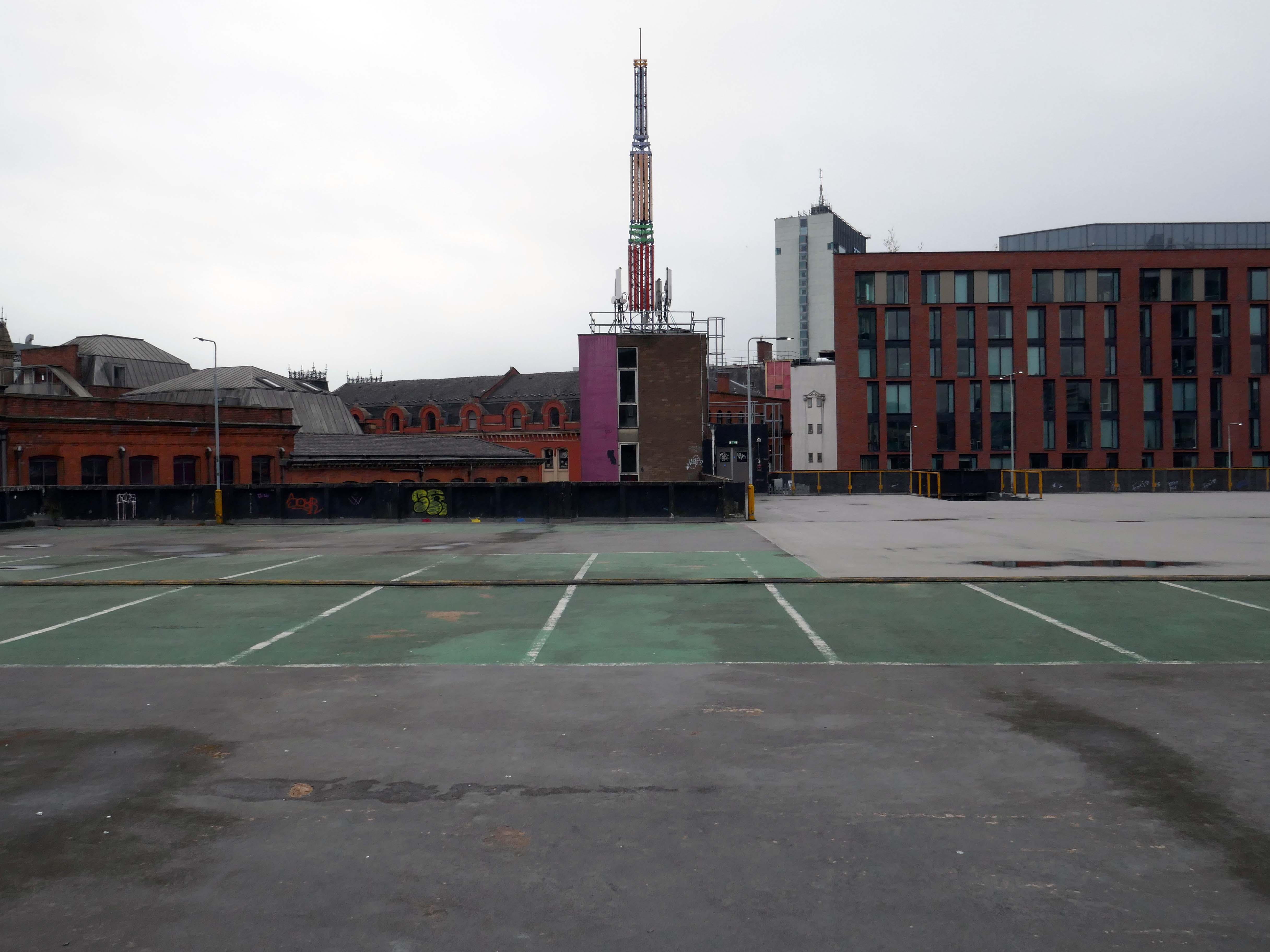
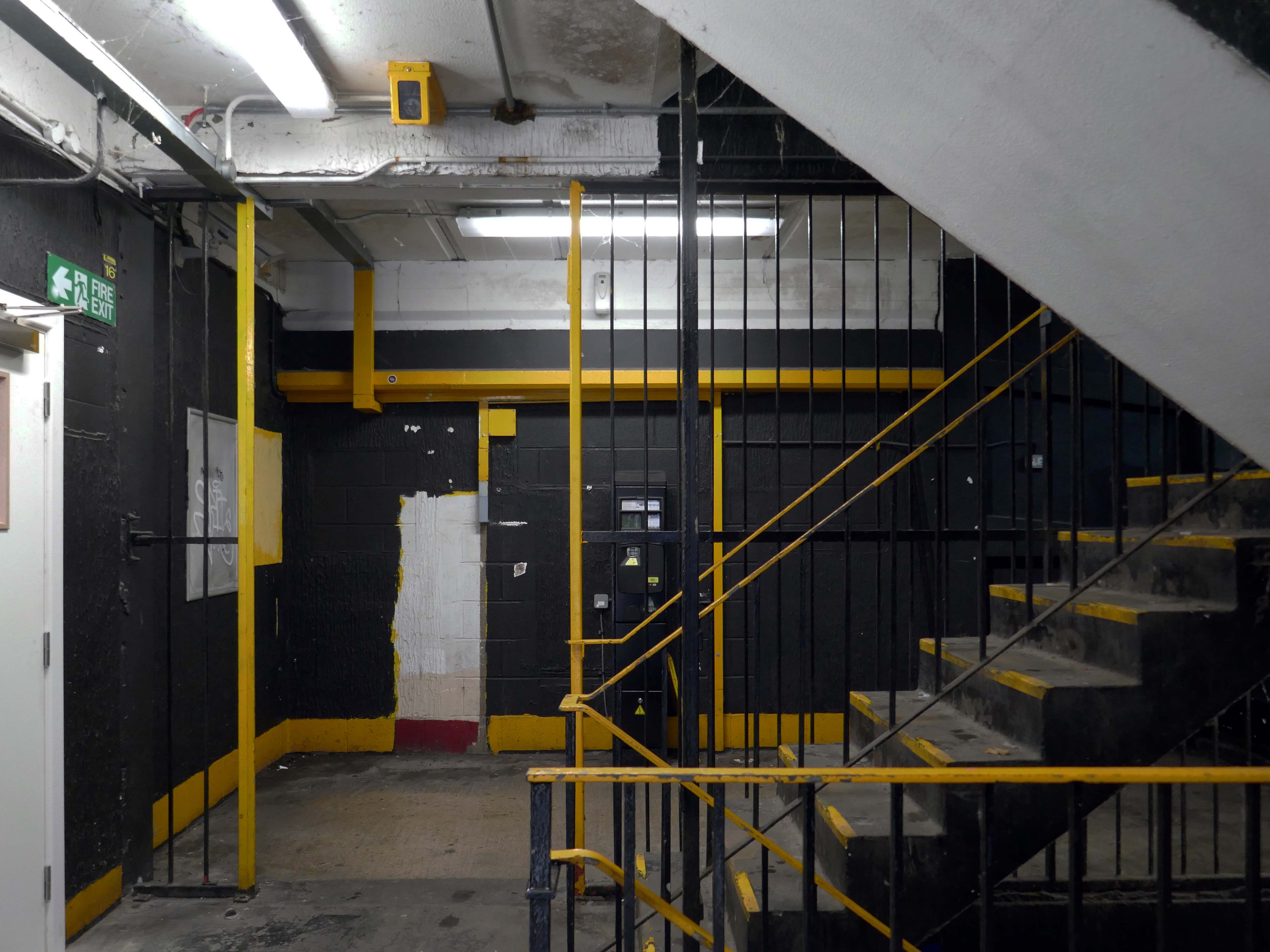
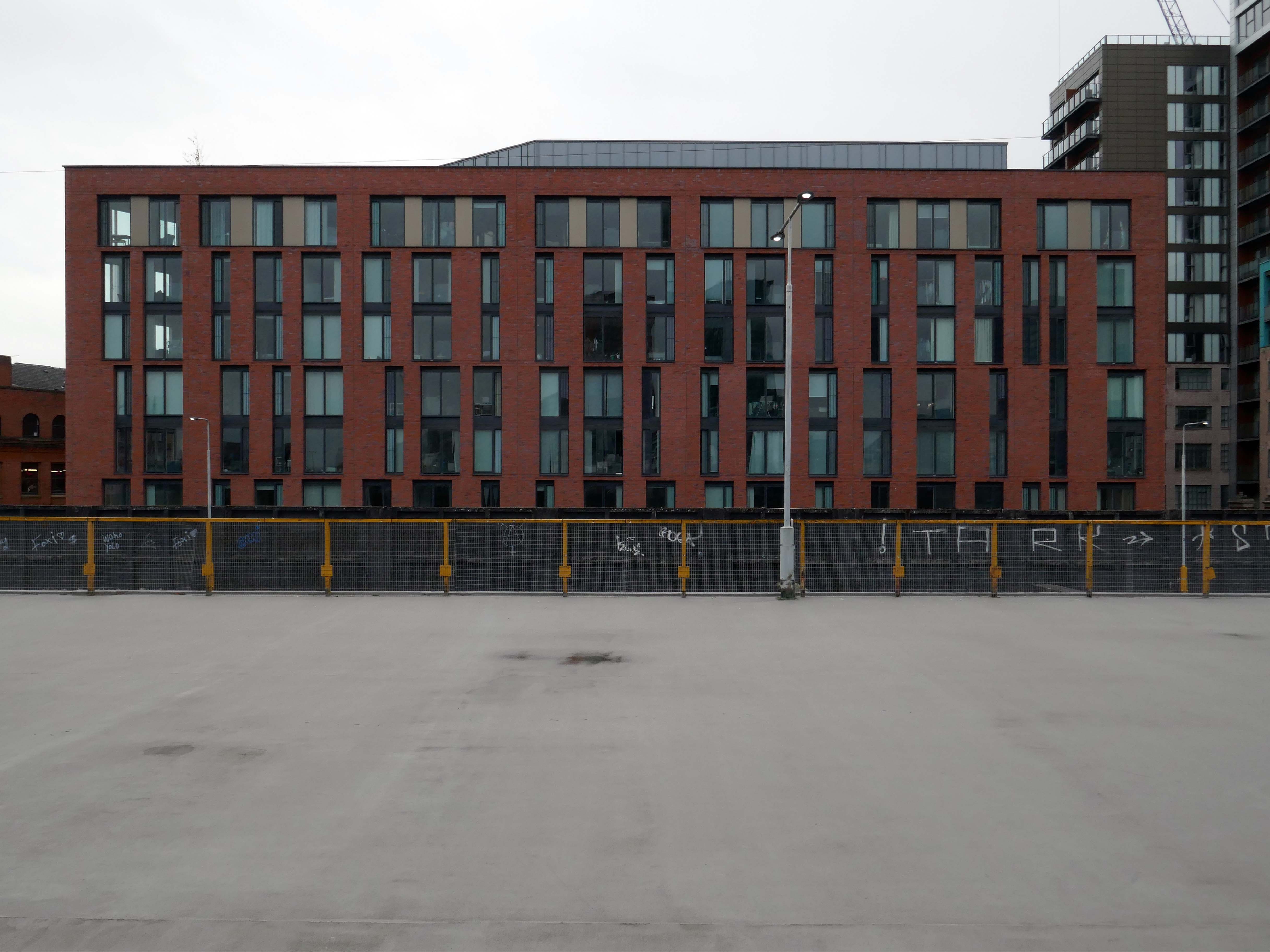
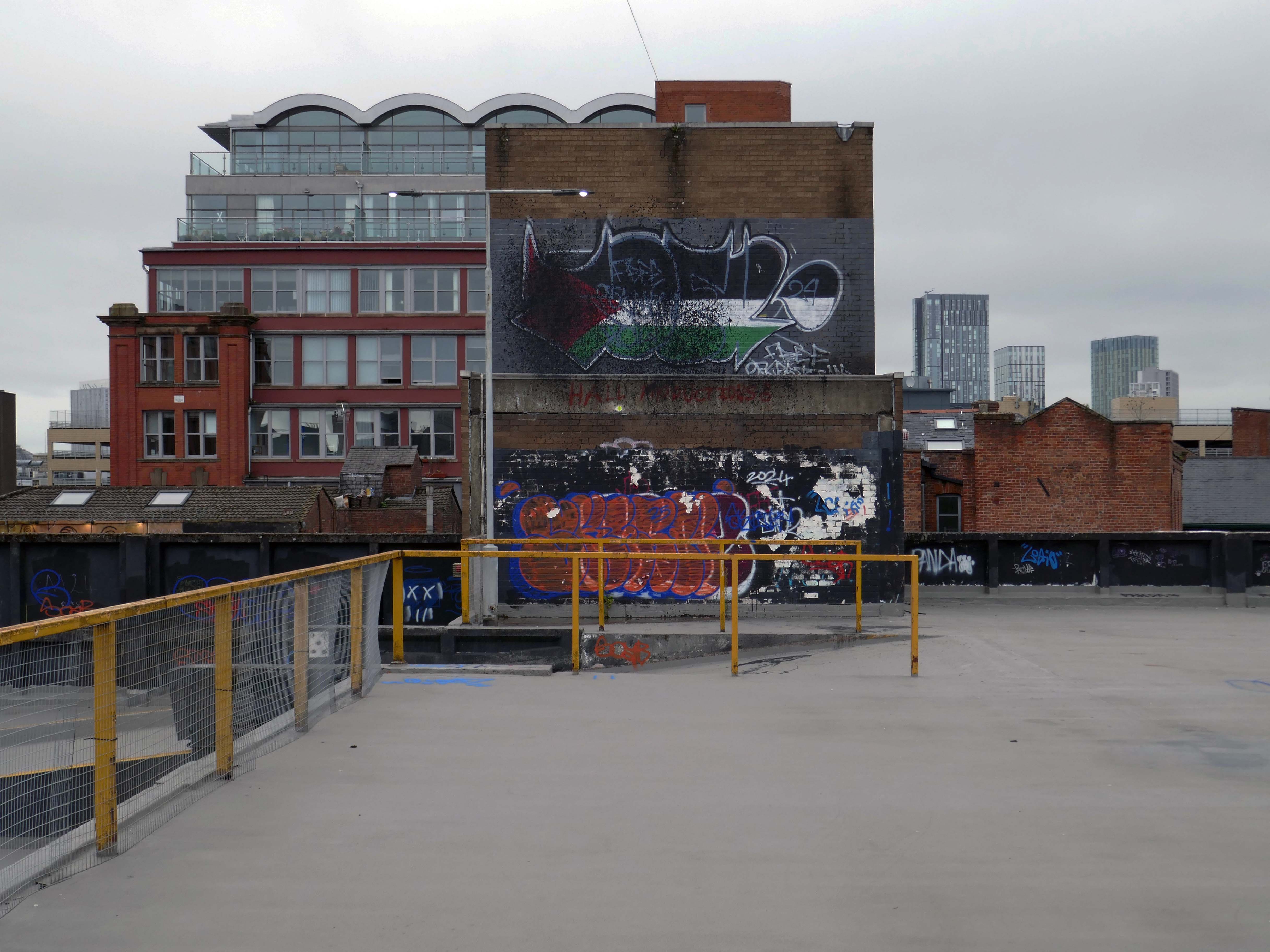
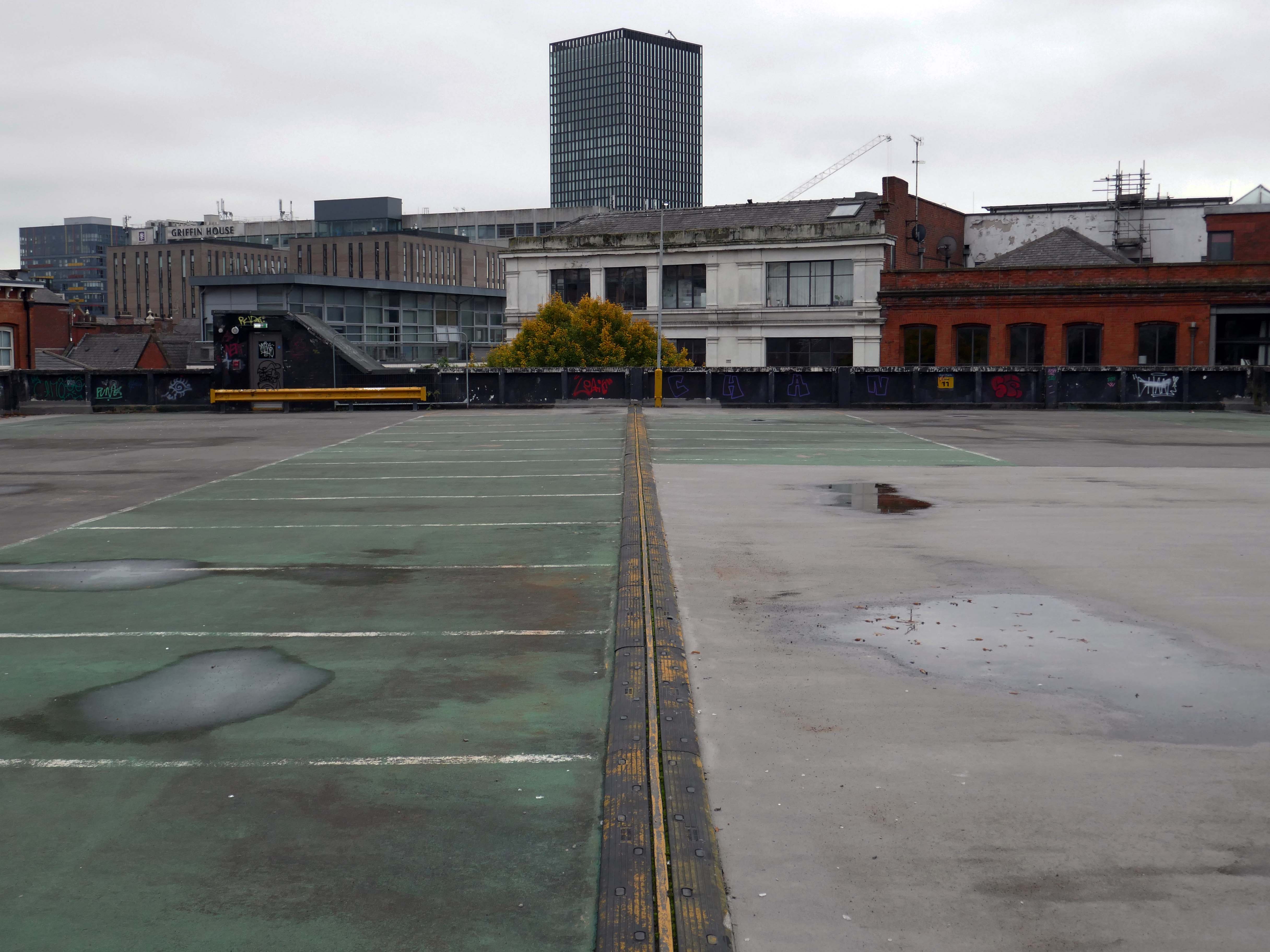
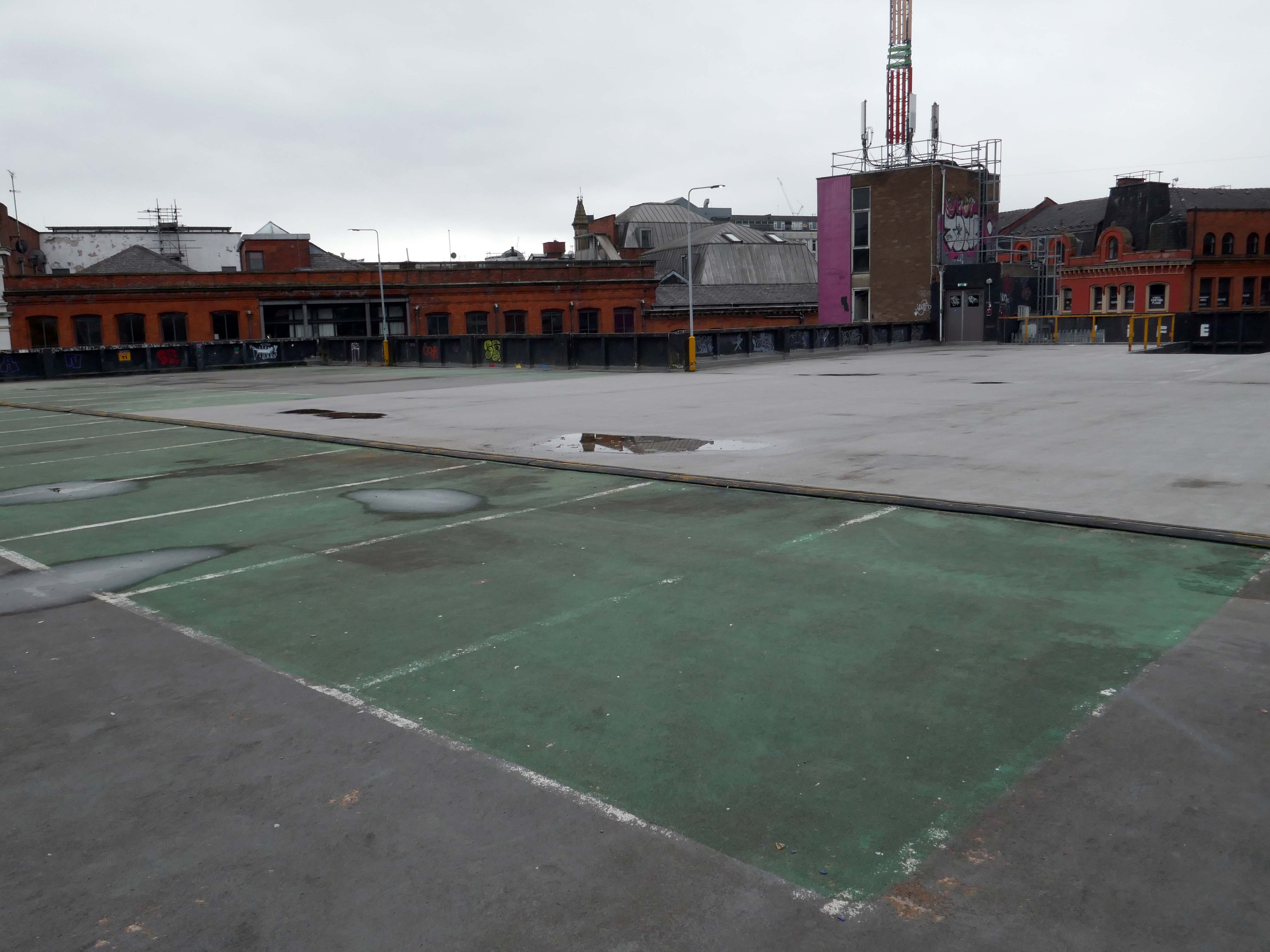
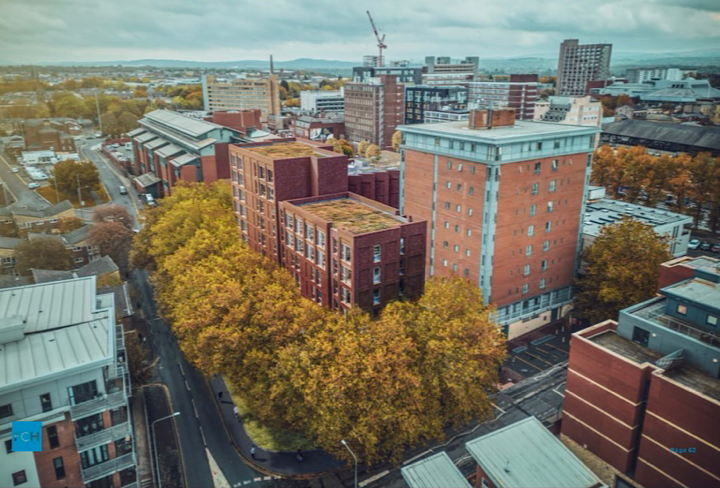
An eyesore Northern Quarter car park is to be demolished to make way for a new development. Four new public squares will be built, the council has announced.
MEN
Glenbrook’s proposal for the 1.5-acre site, designed by Tim Groom Architects, will feature 20% affordable provision, in line with the city council’s aspirations.
The new neighbourhood will also feature four public squares and green spaces, a flexible community and gallery space, and commercial units for local independent businesses and food and beverage outlets.
“The Church St site represents a unique opportunity in the heart of the Northern Quarter, a neighbourhood and community that is alive with energy and creativity, and Glenbrook is delighted to play an important role in its future growth,” said Ian Sherry, director at Glenbrook.
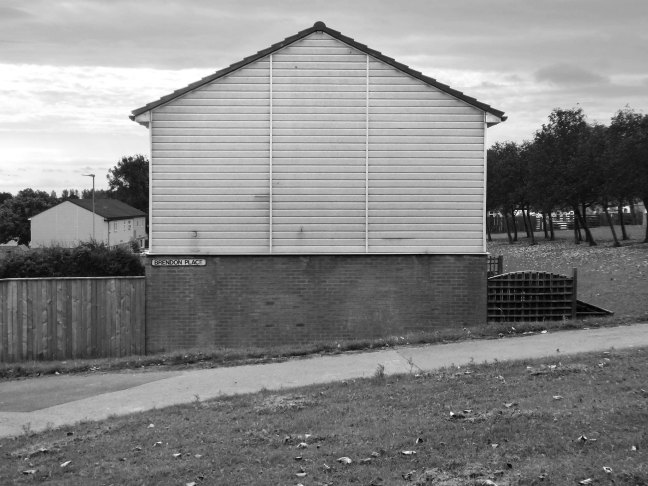
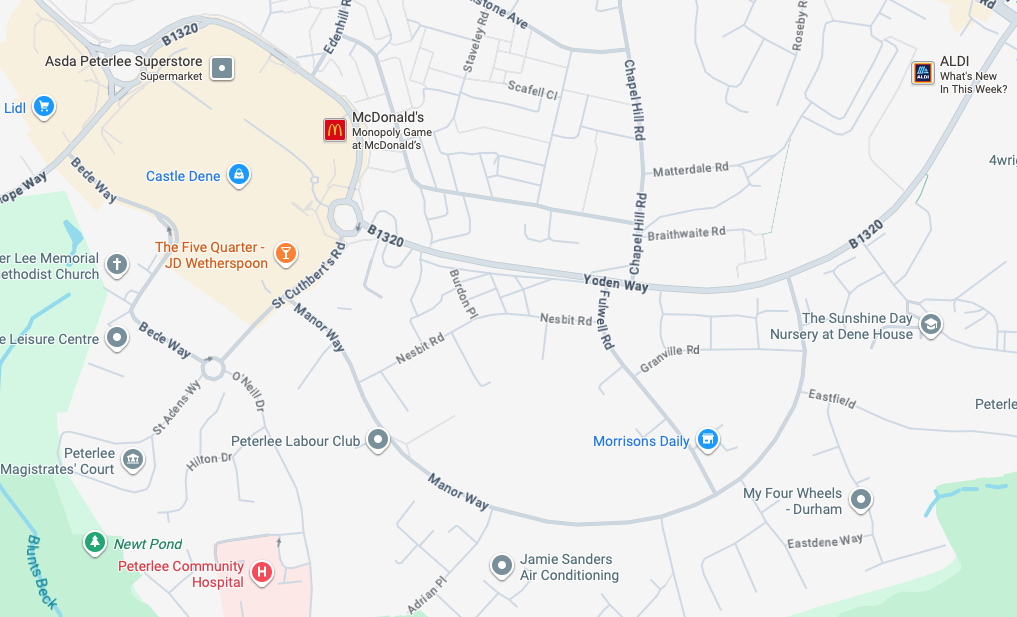
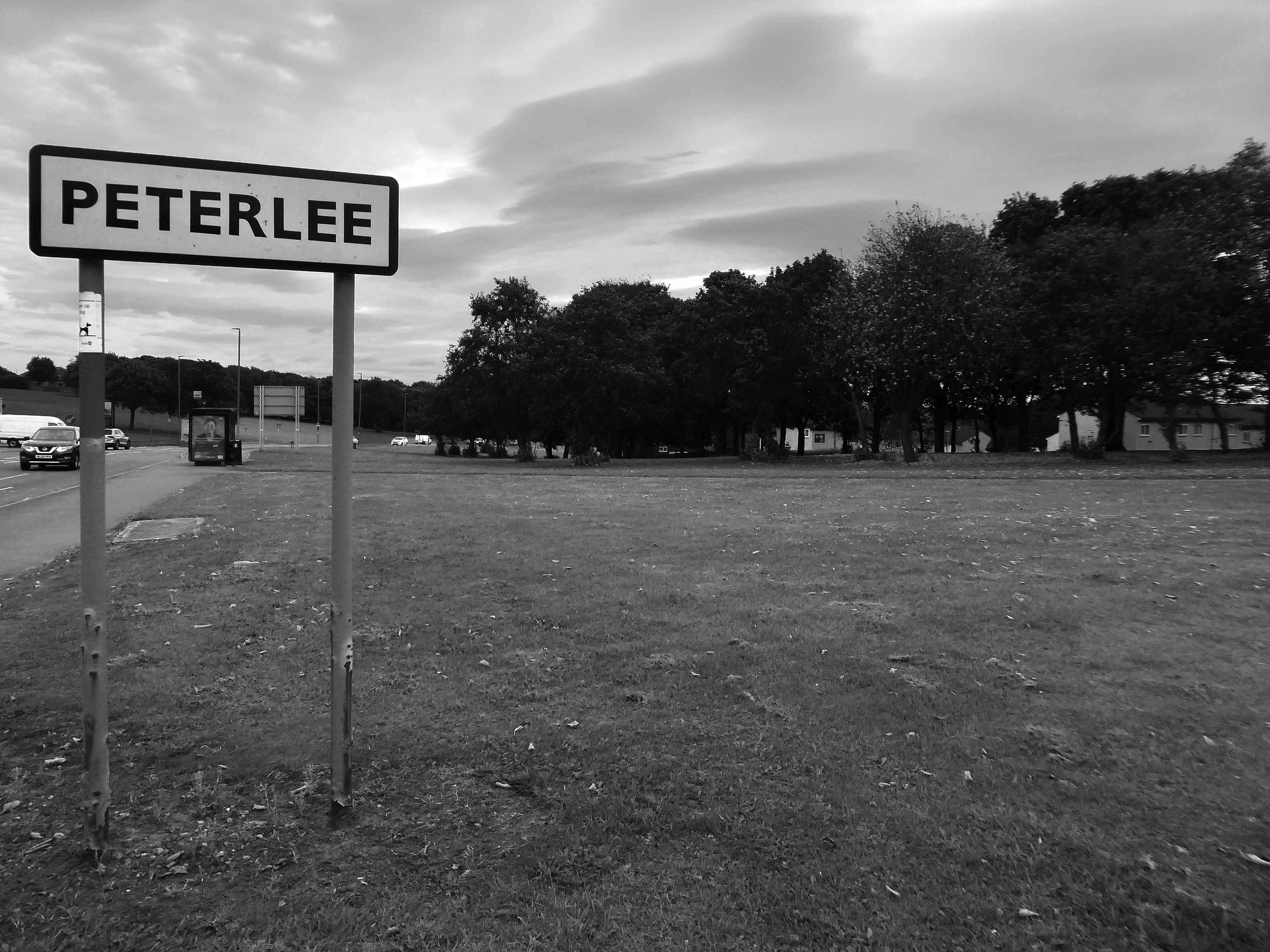
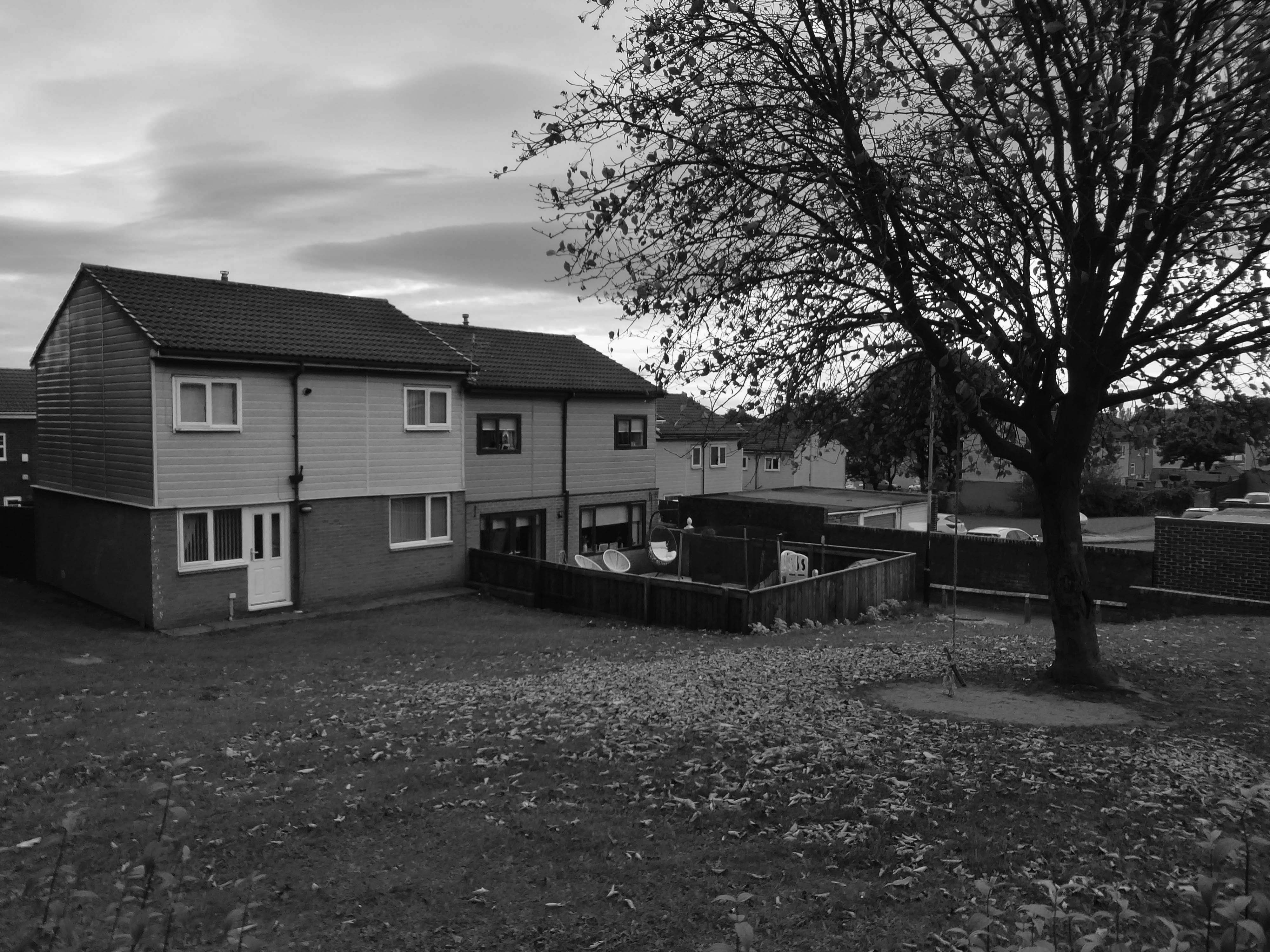
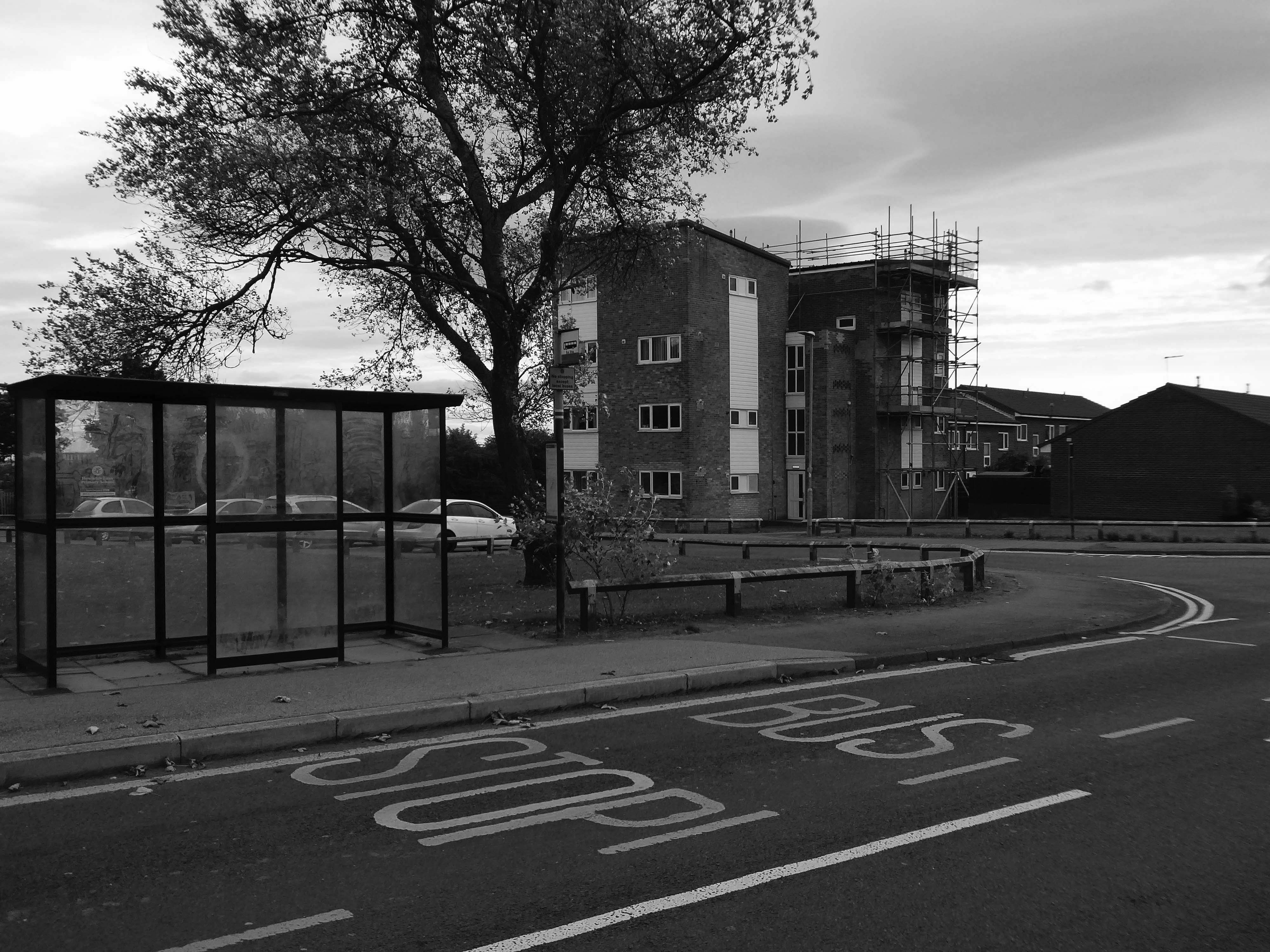
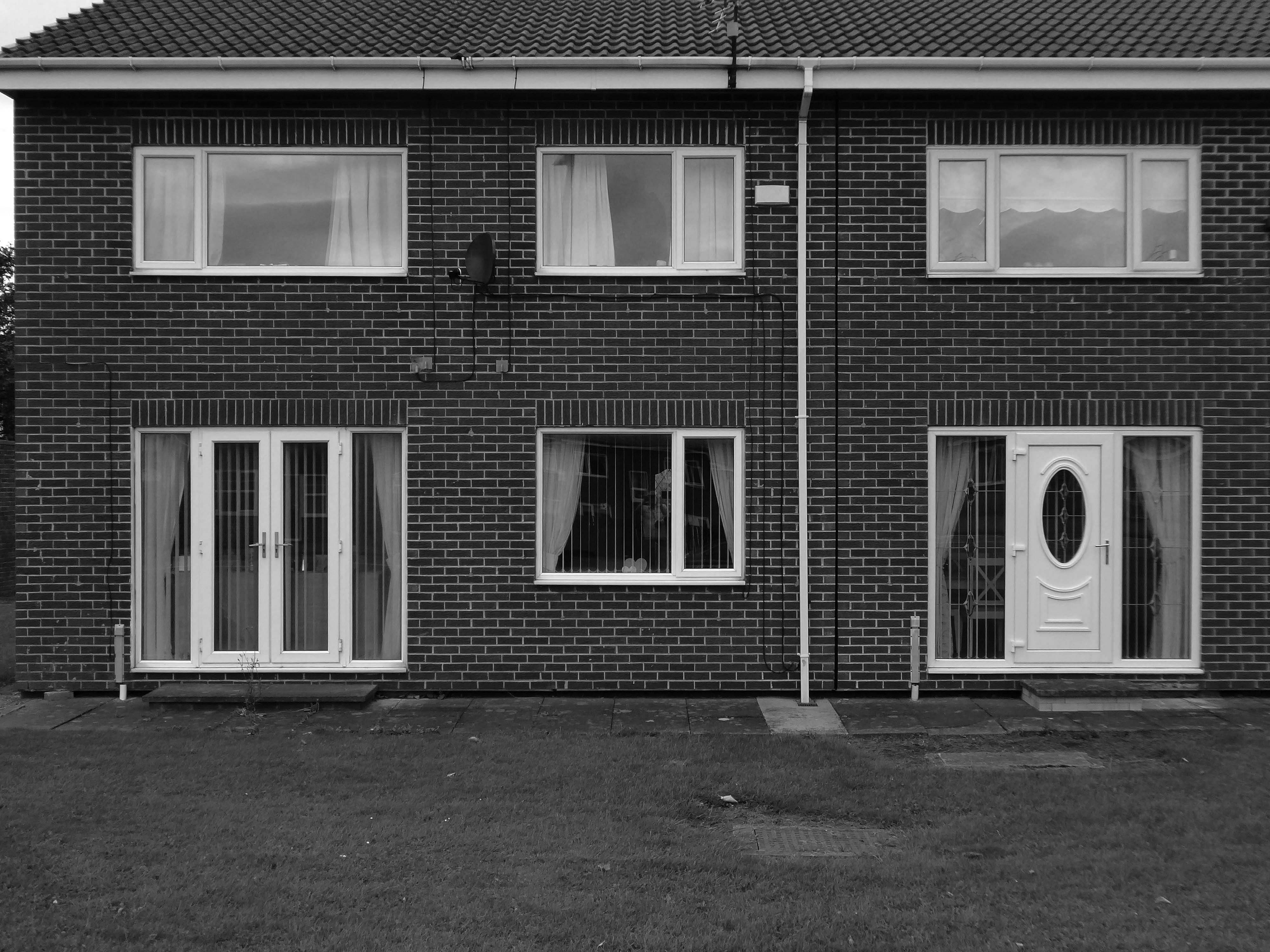
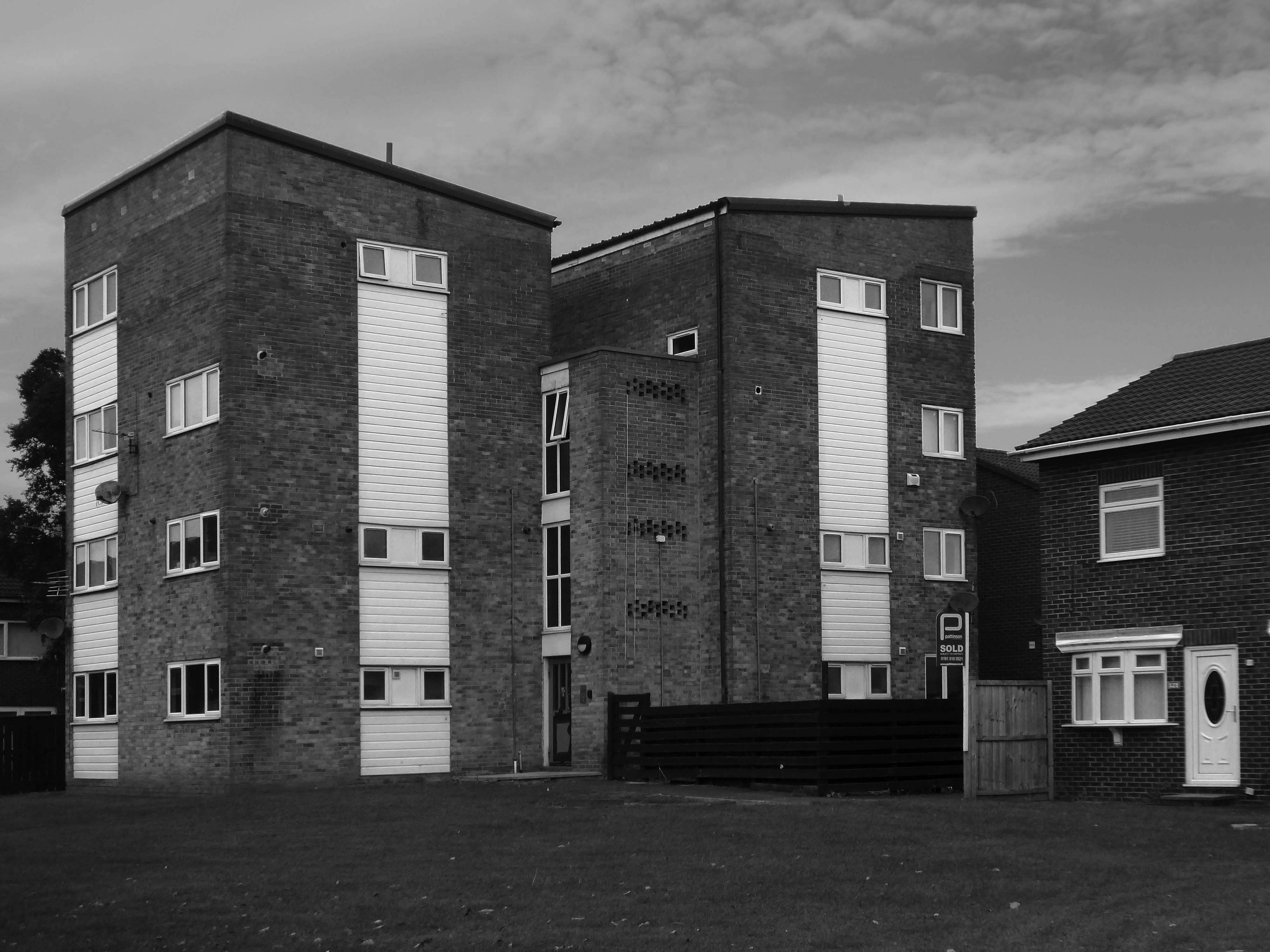
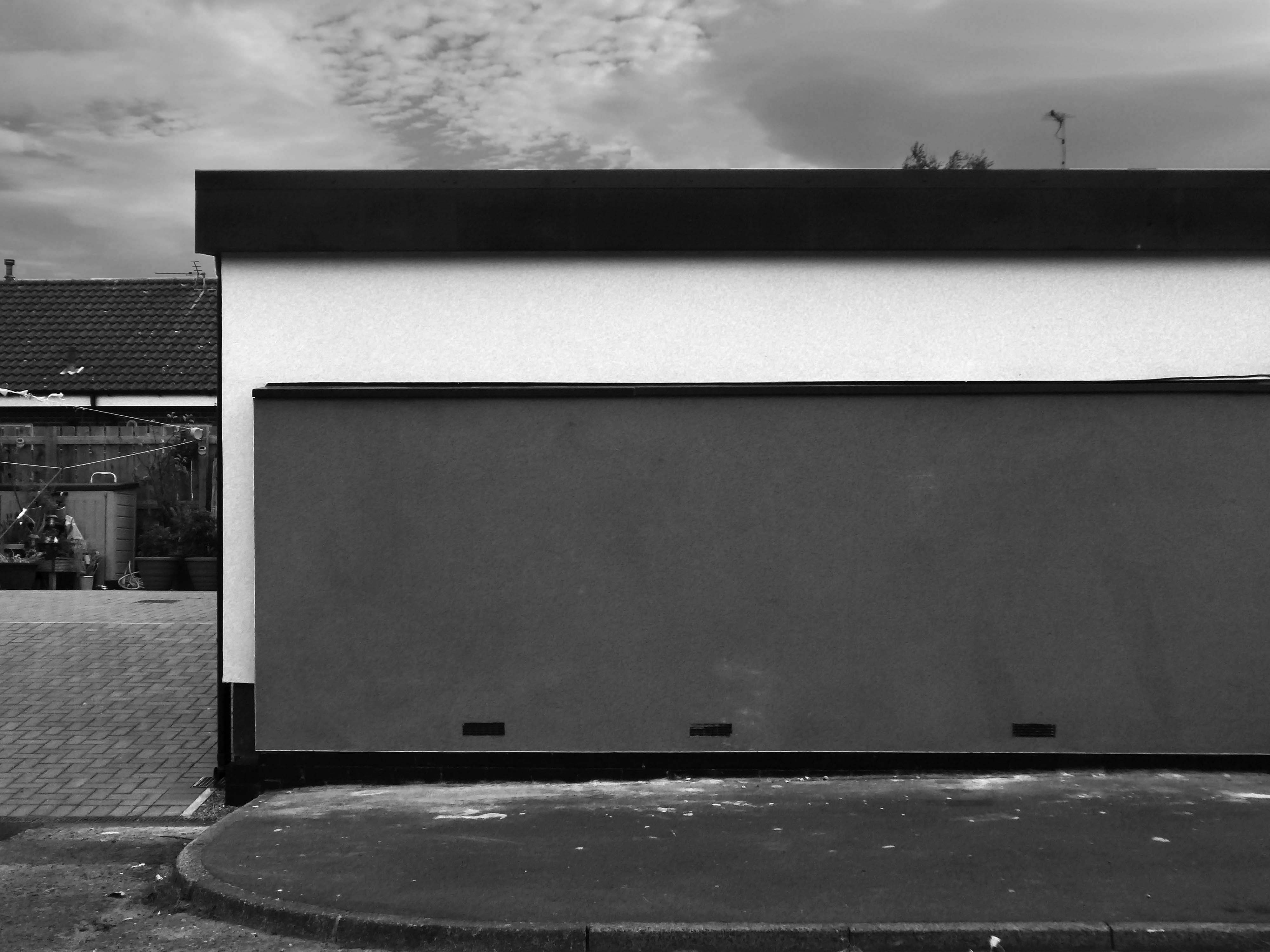
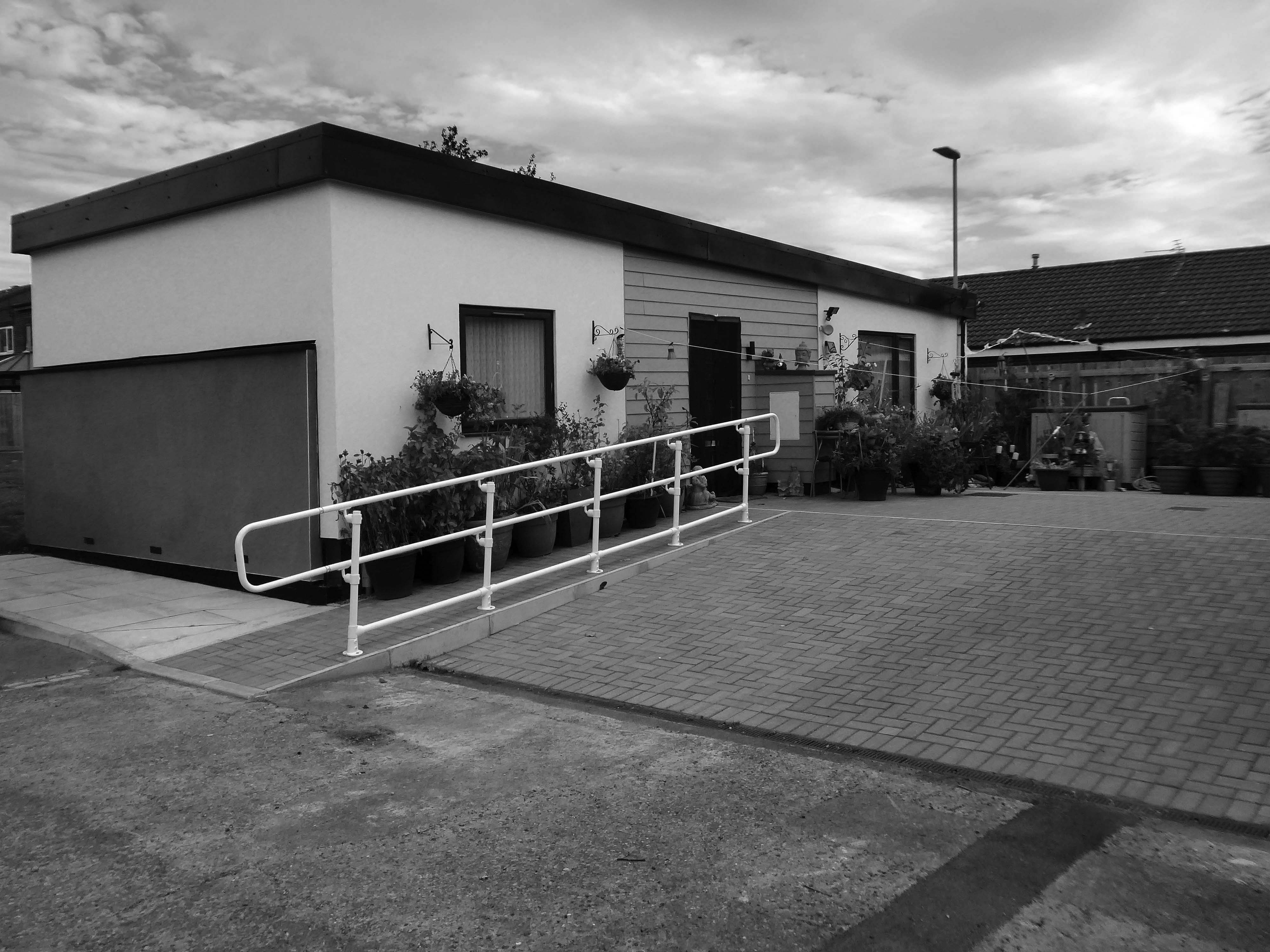
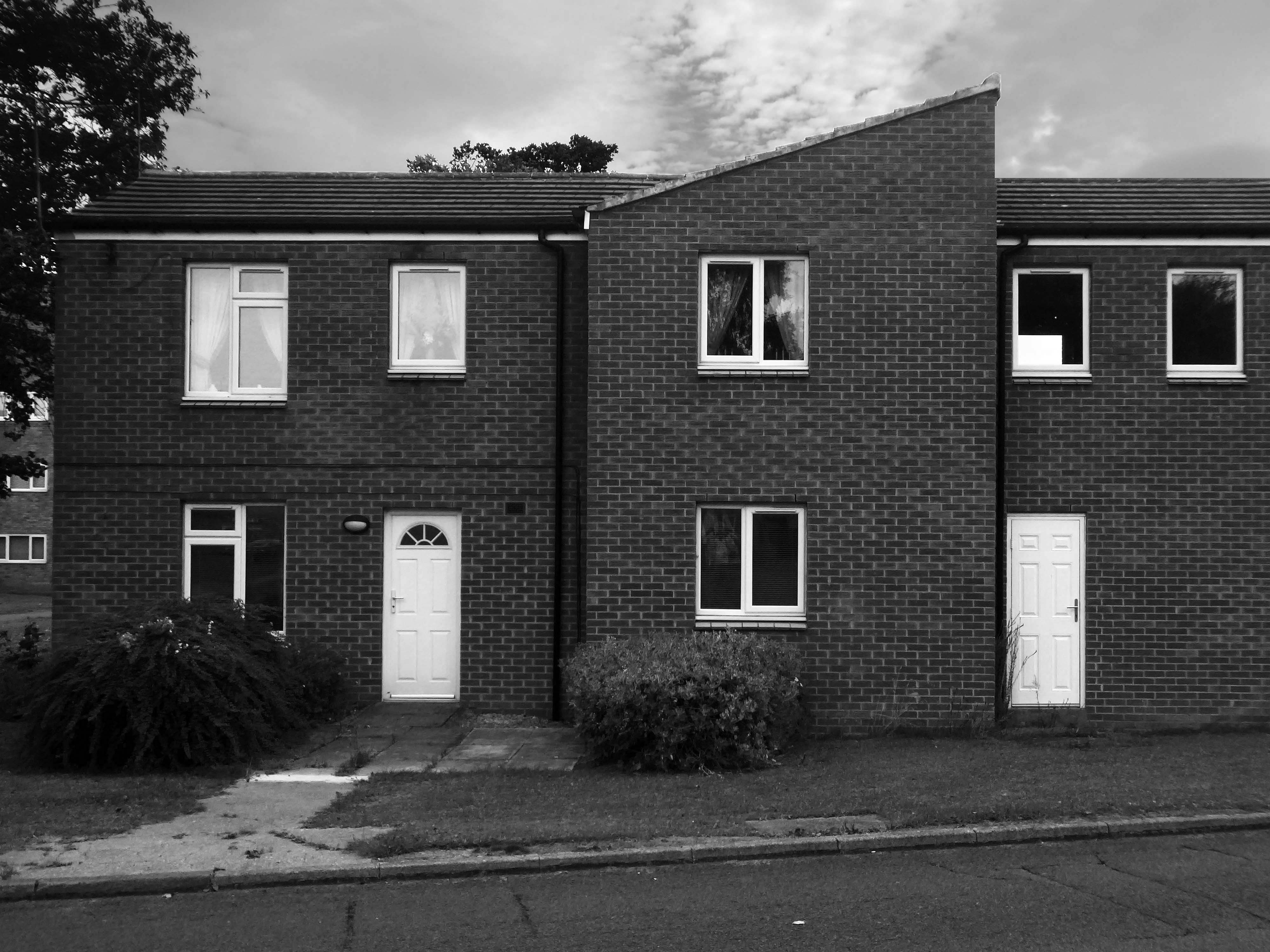
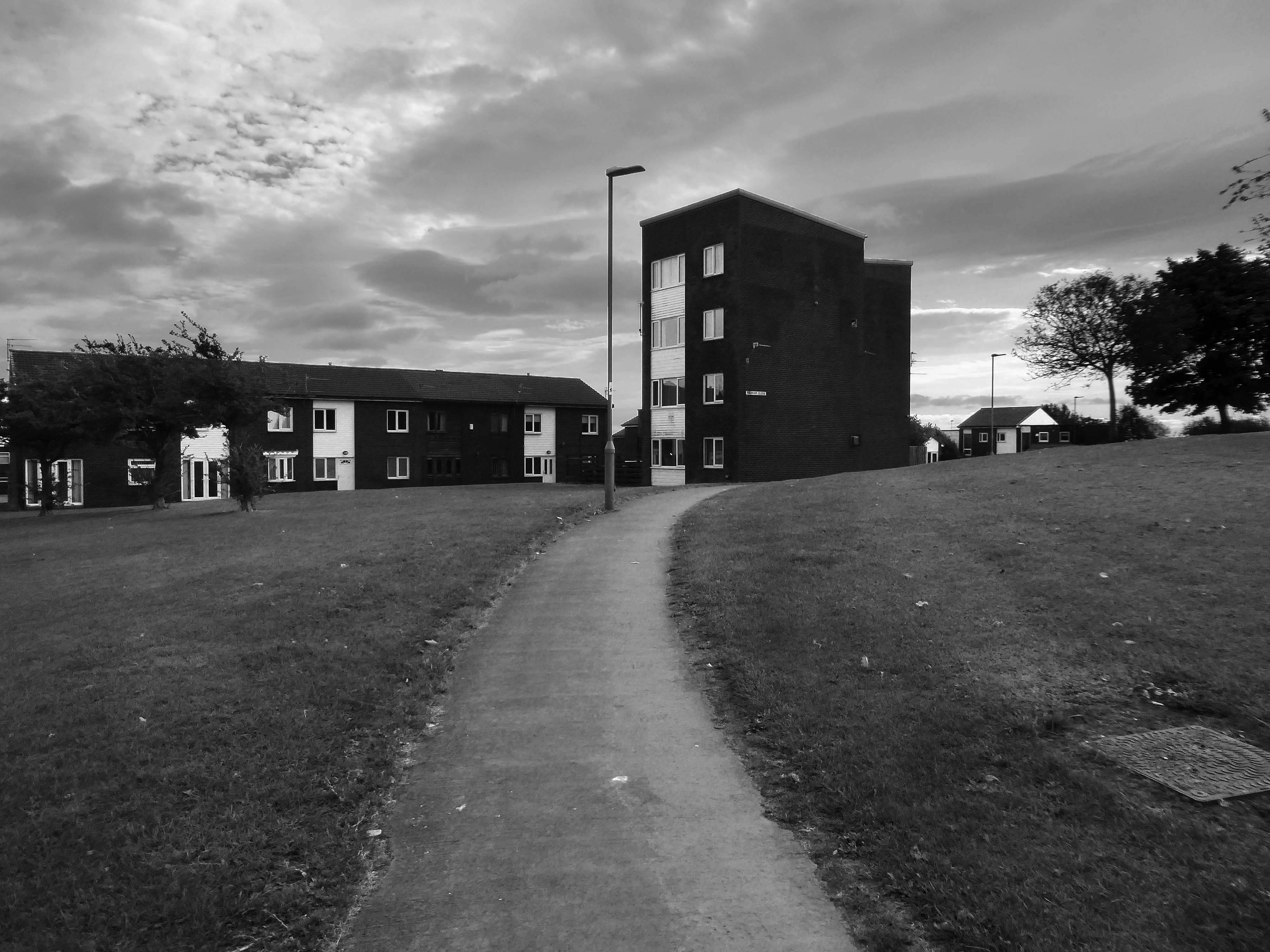
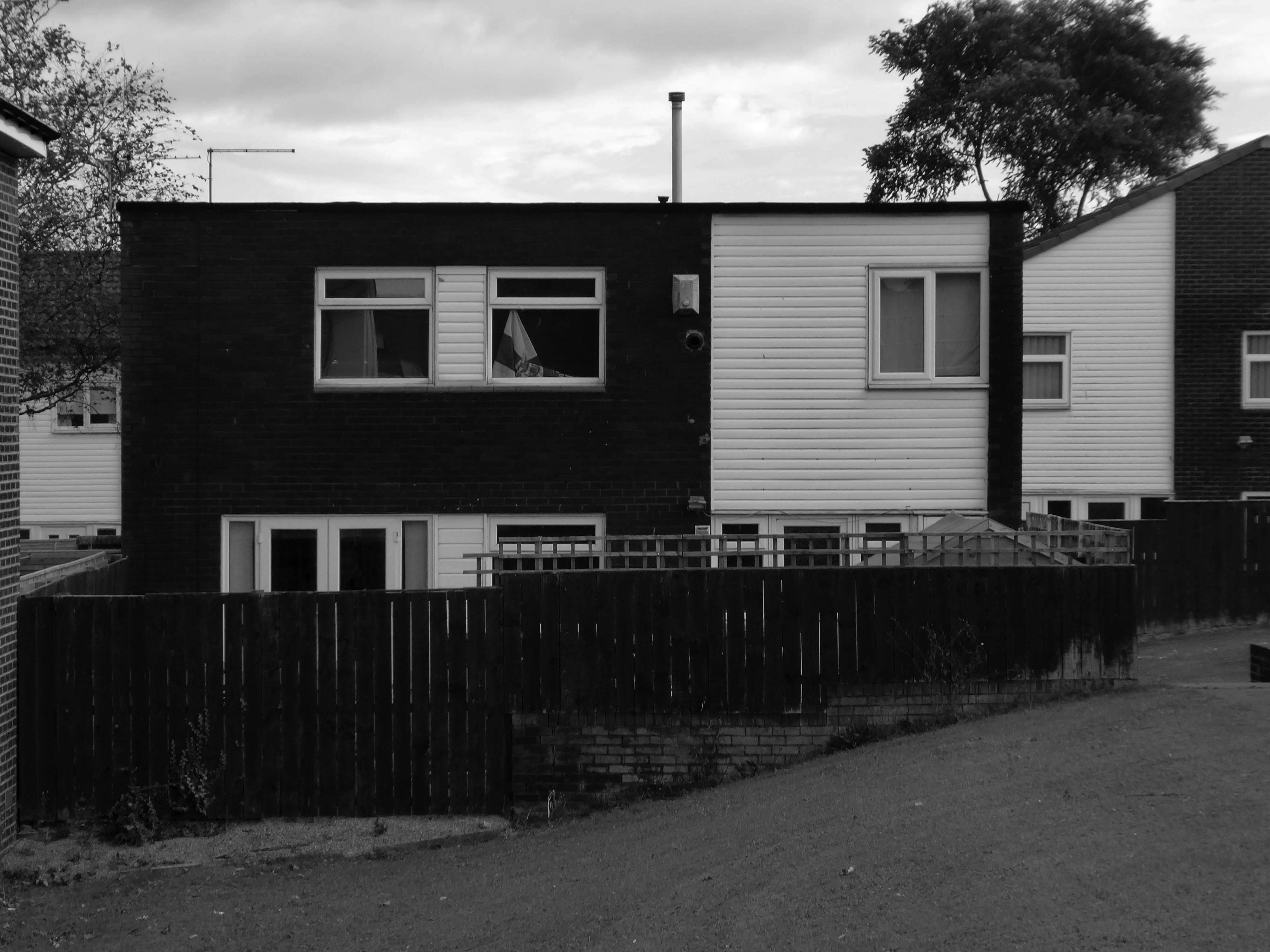
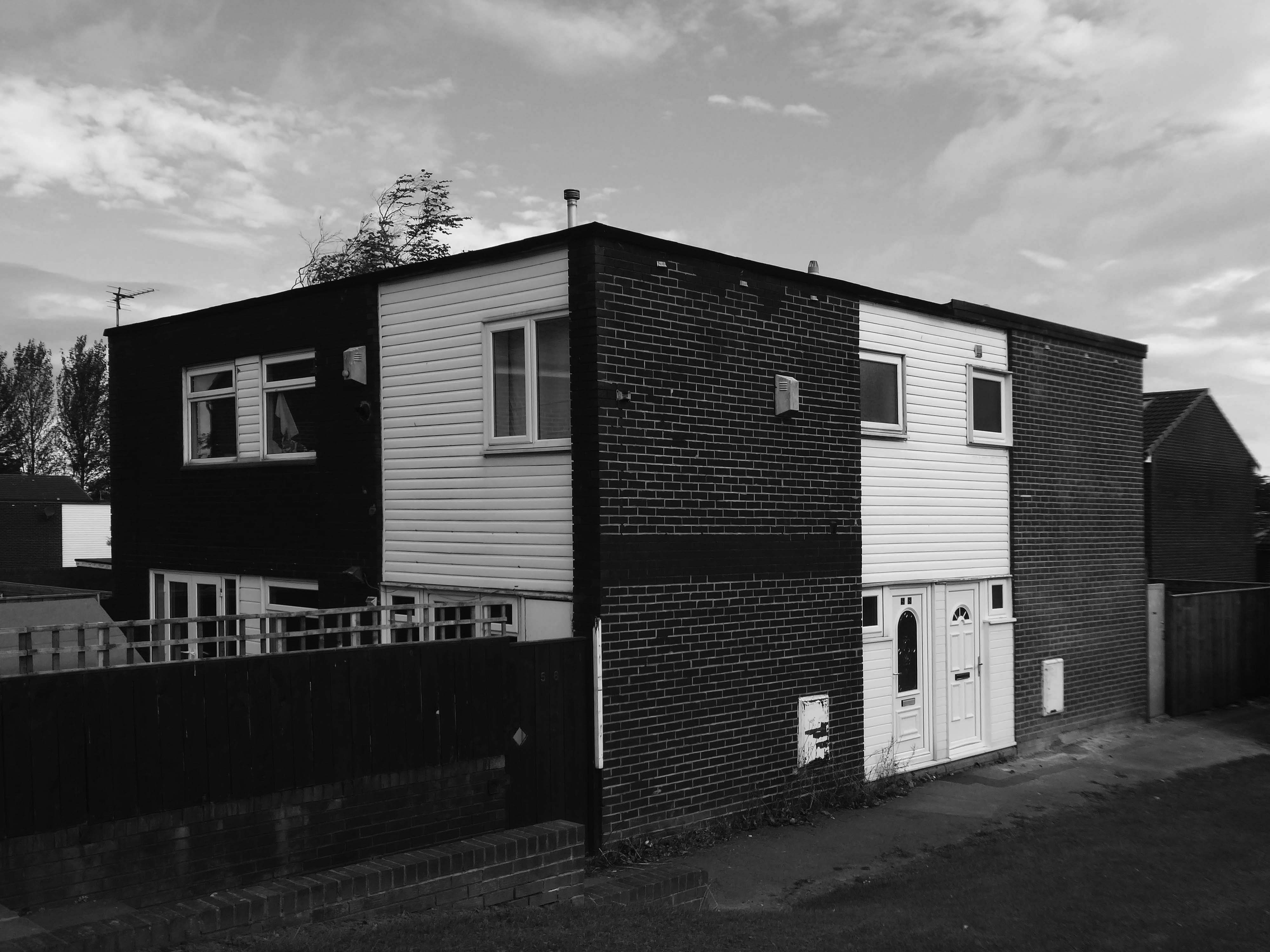
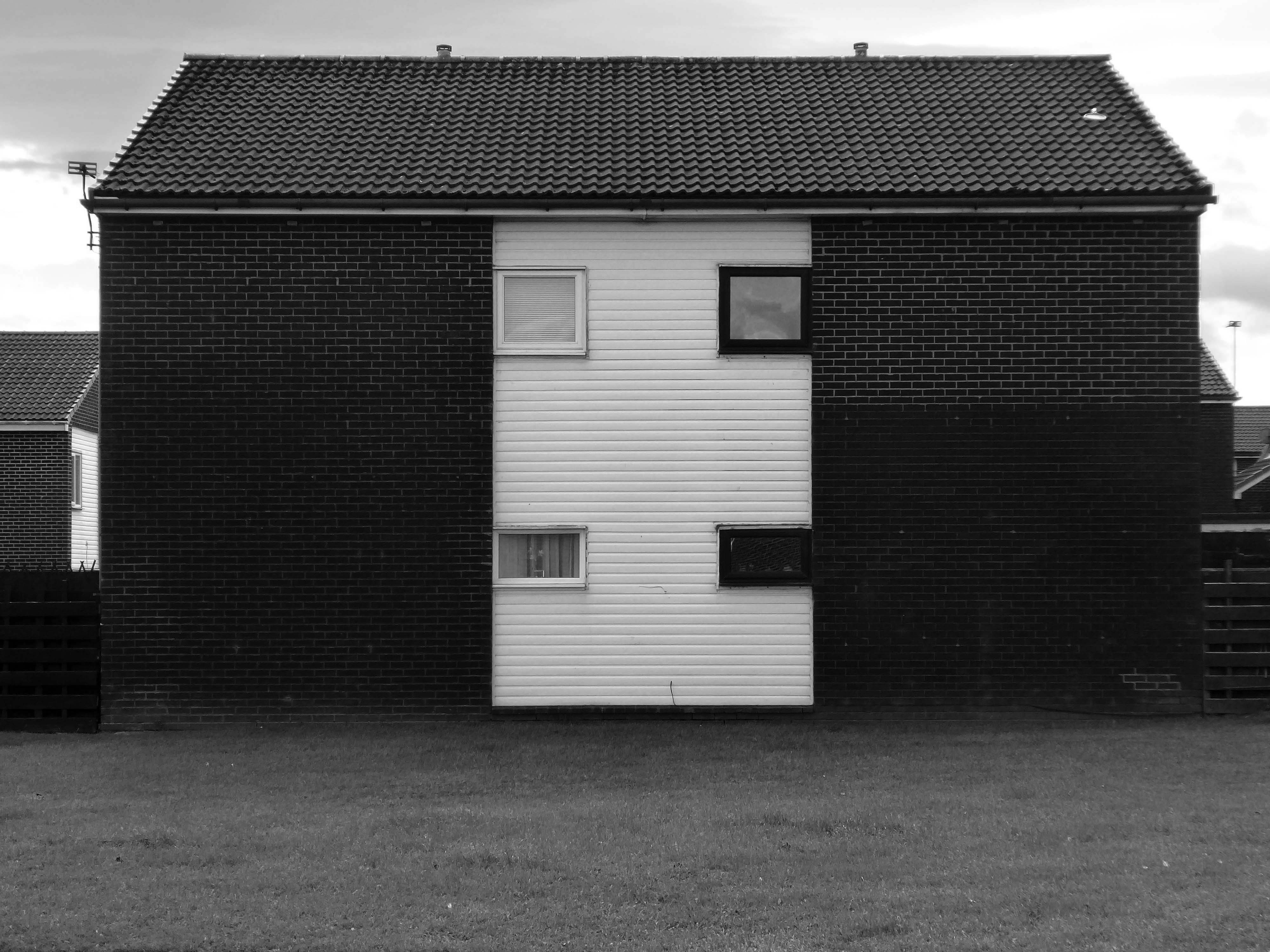
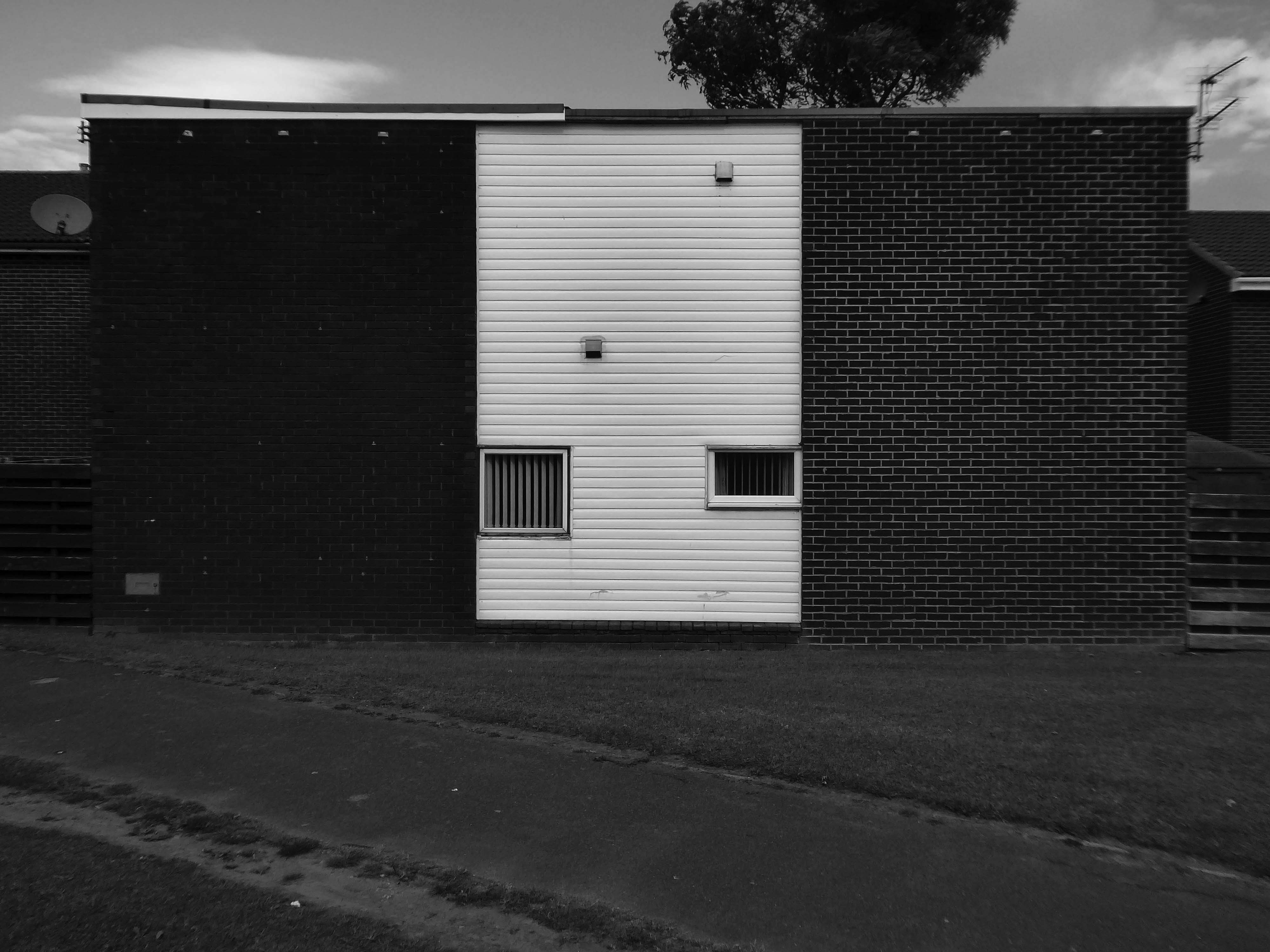
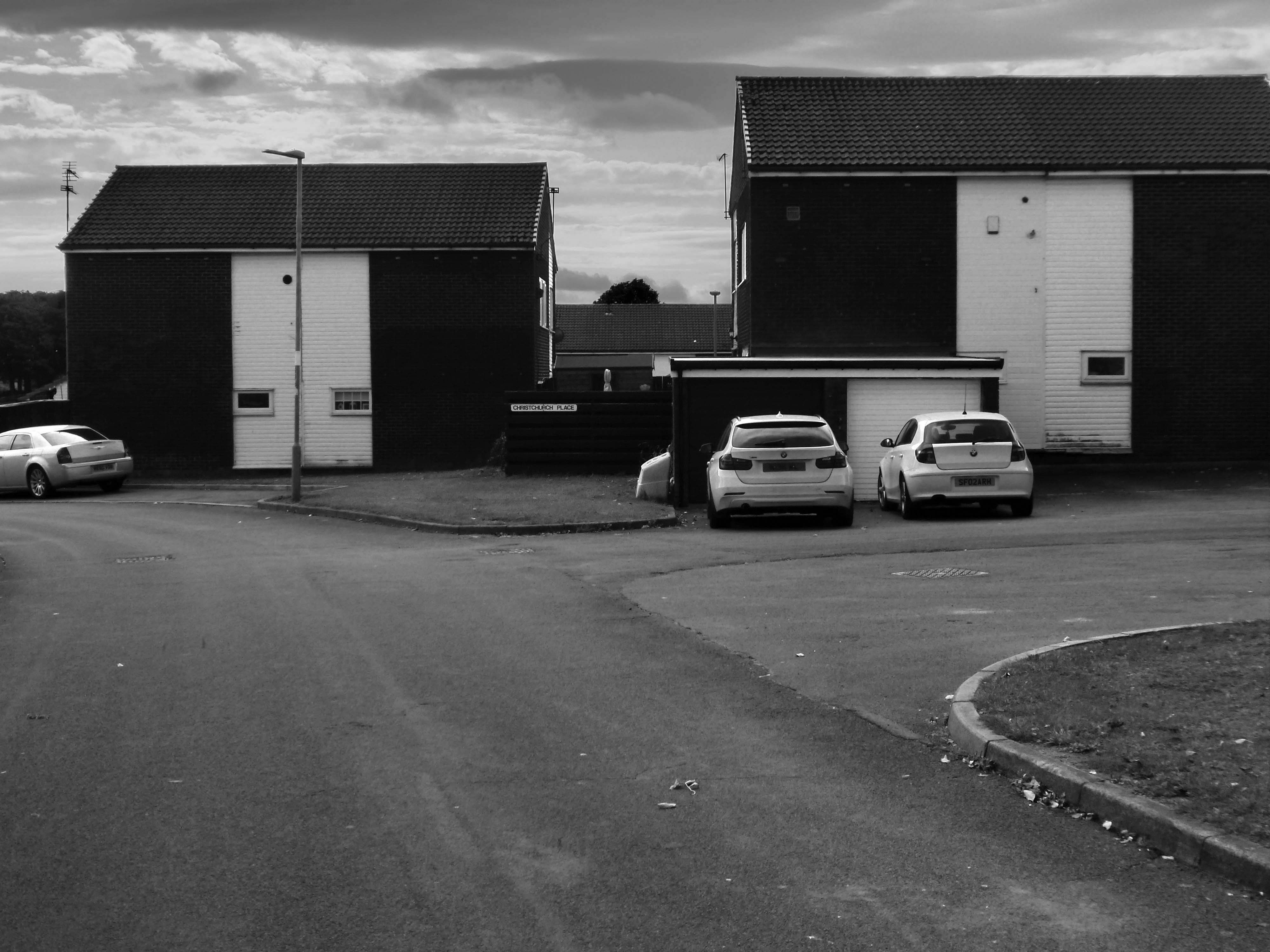
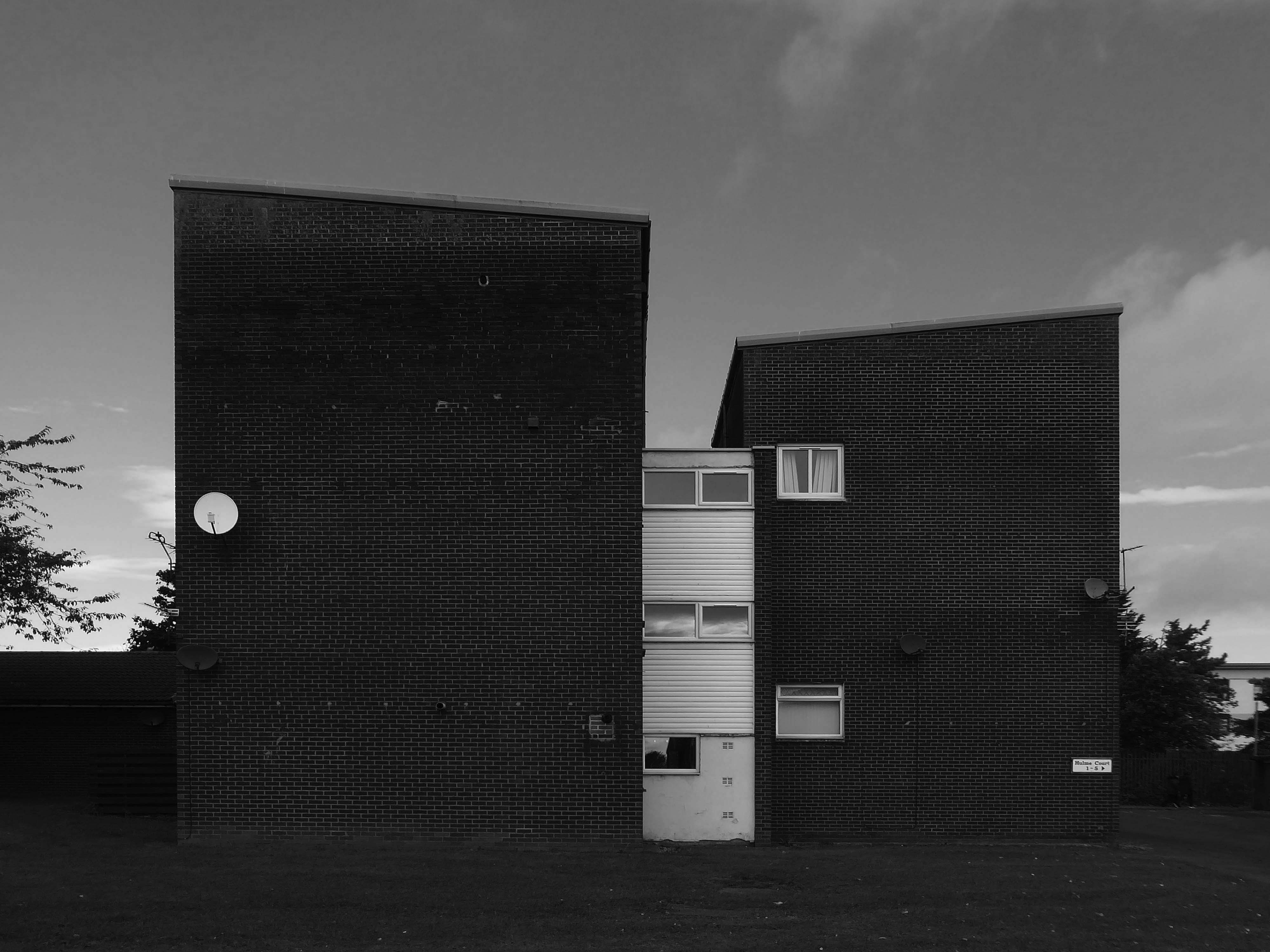
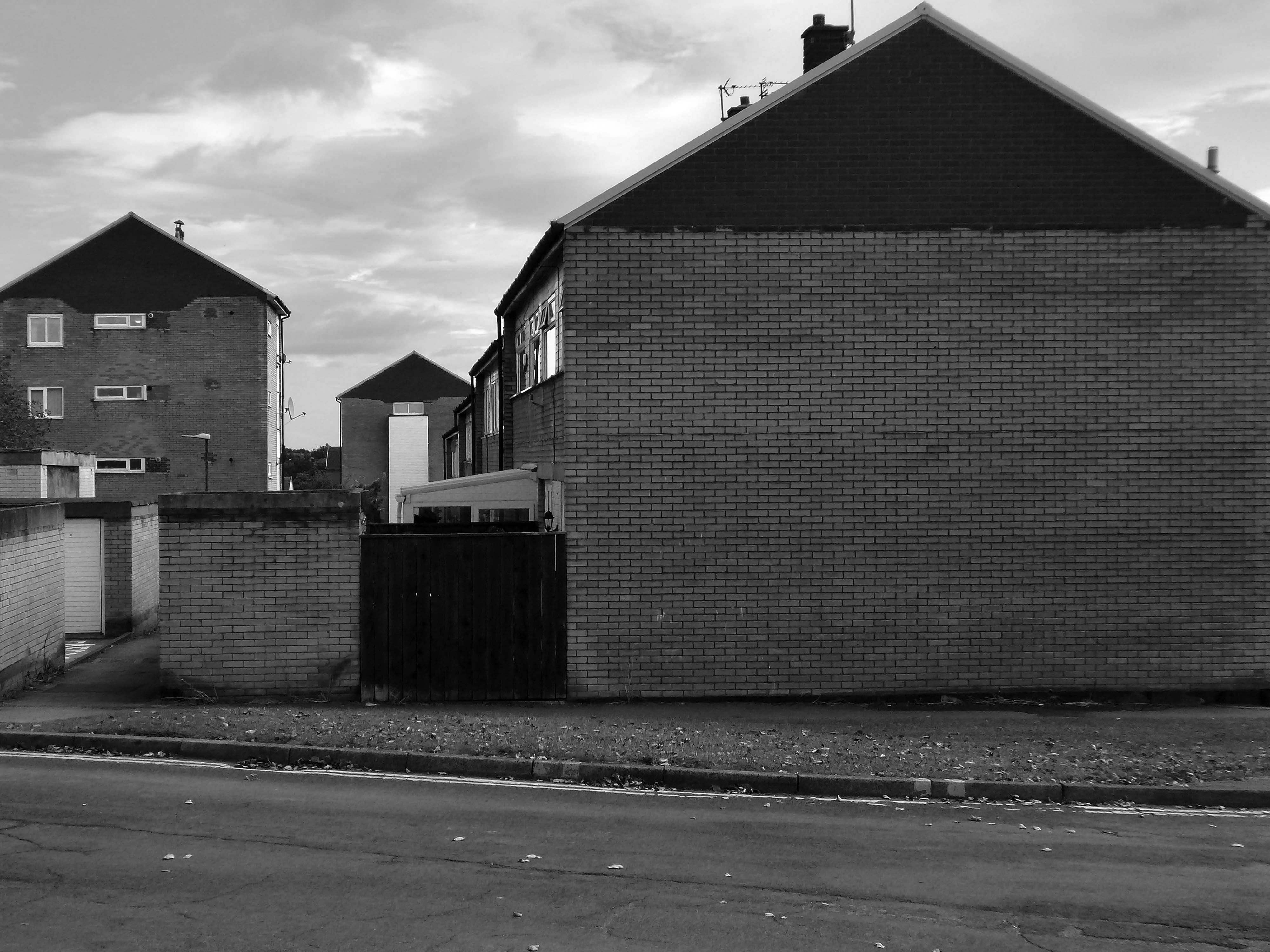
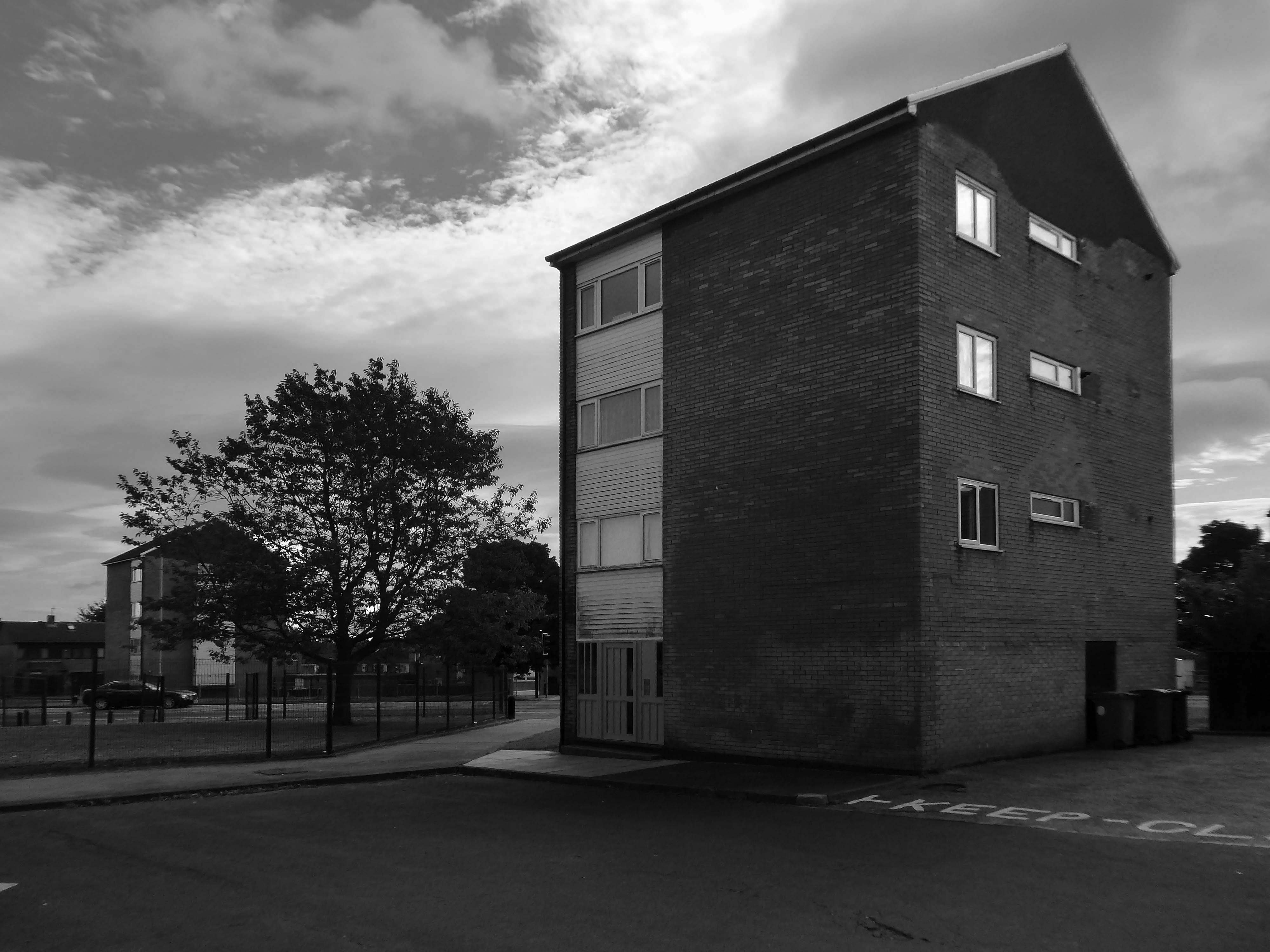
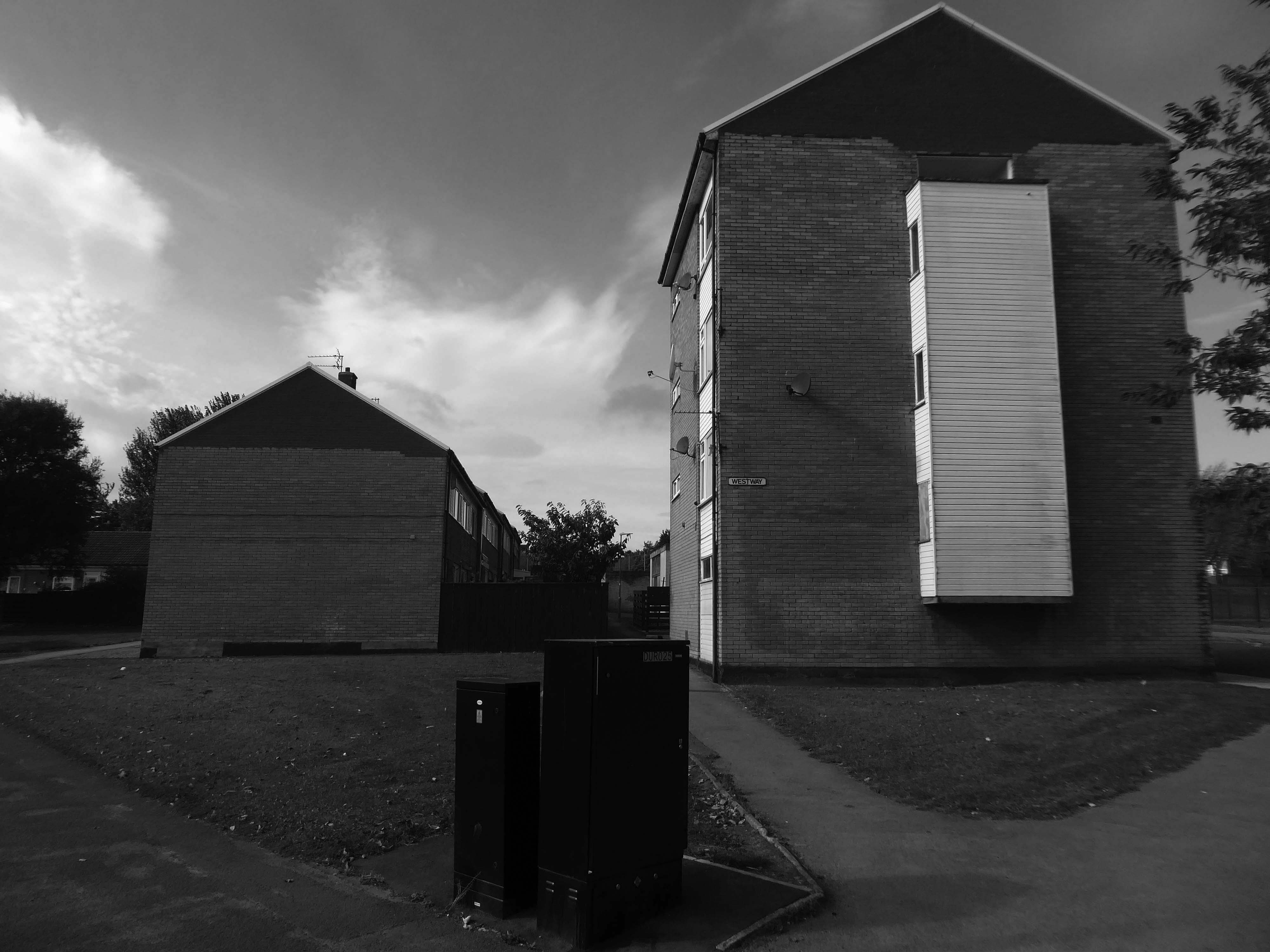
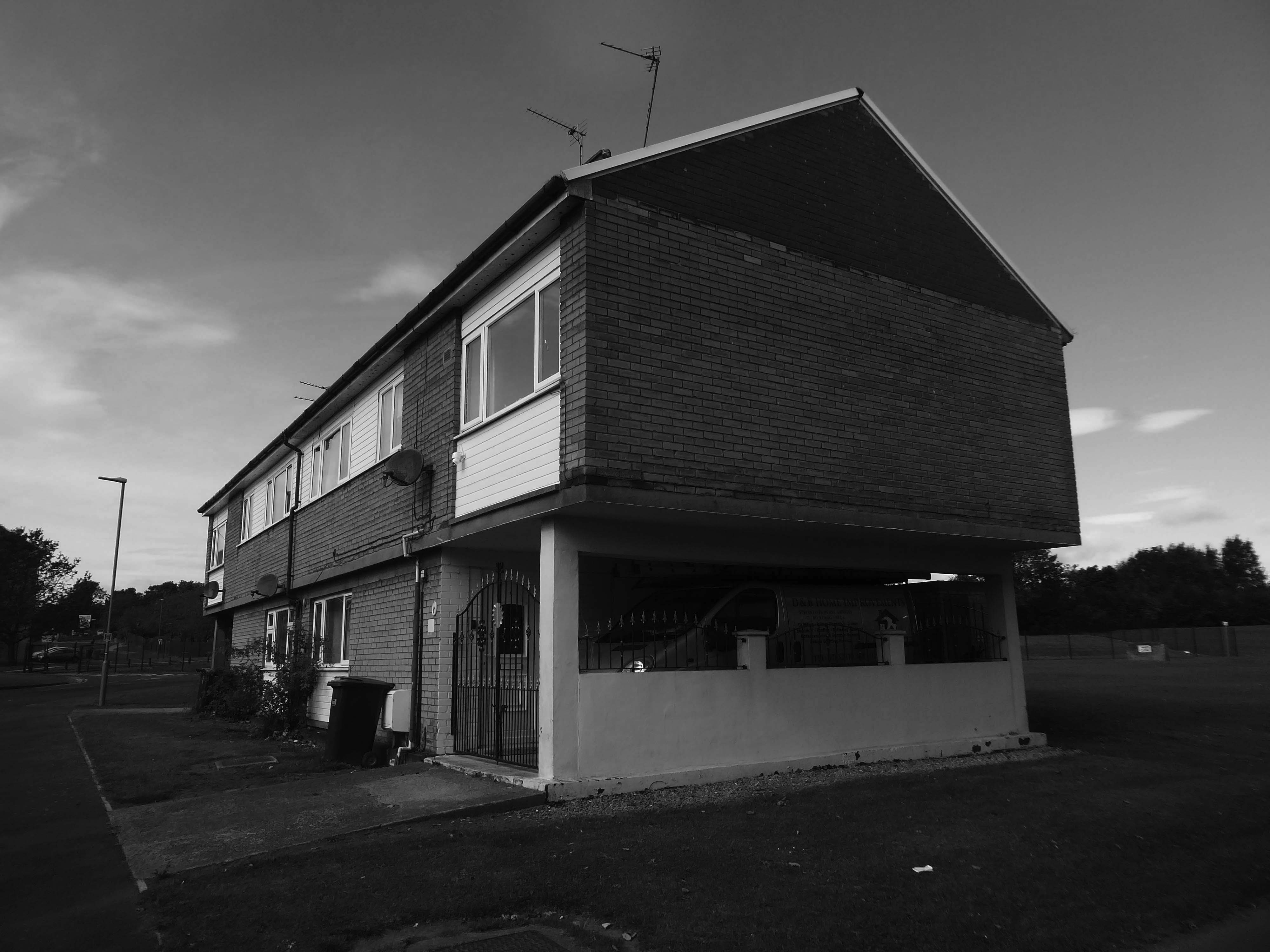
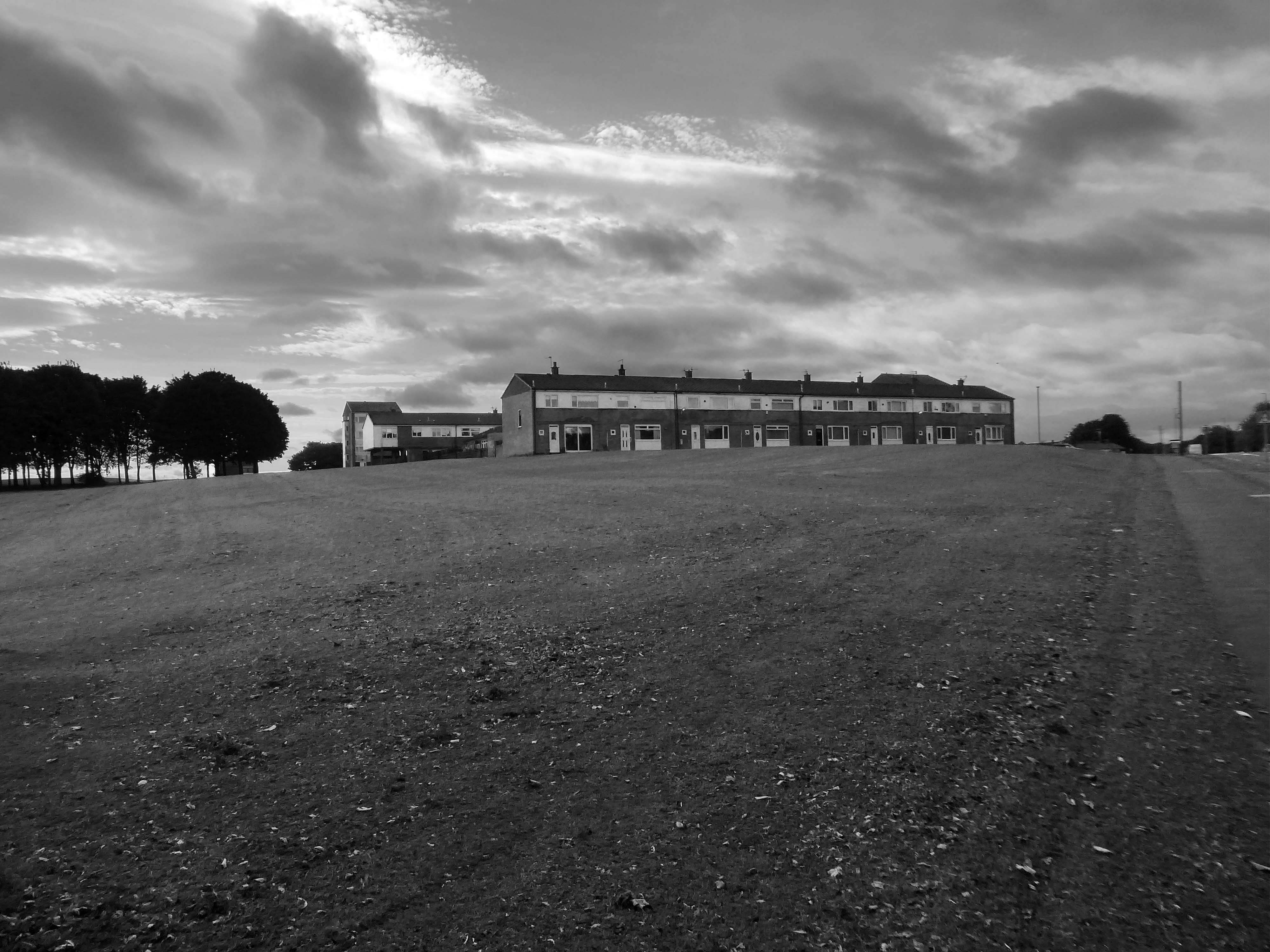
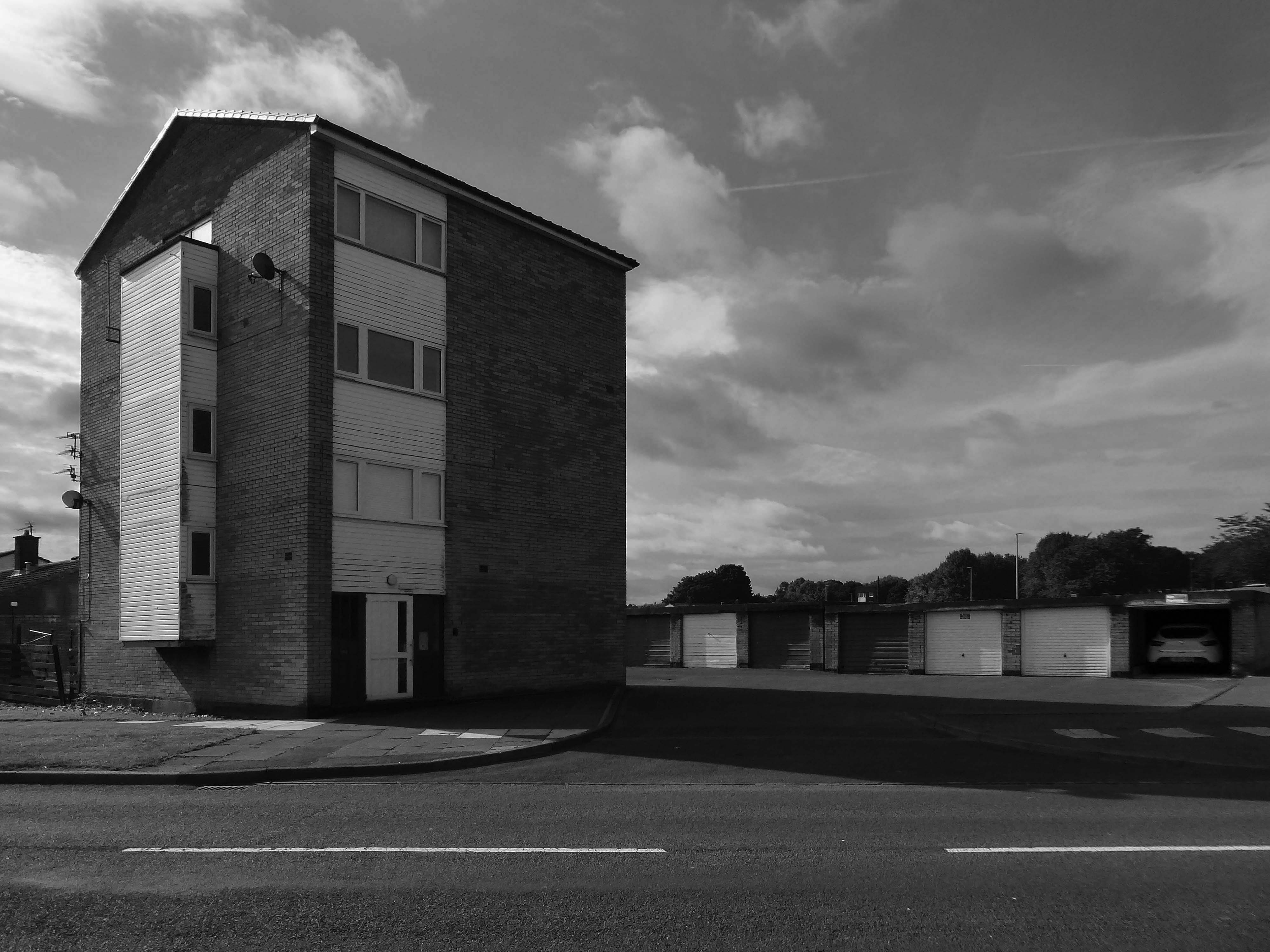
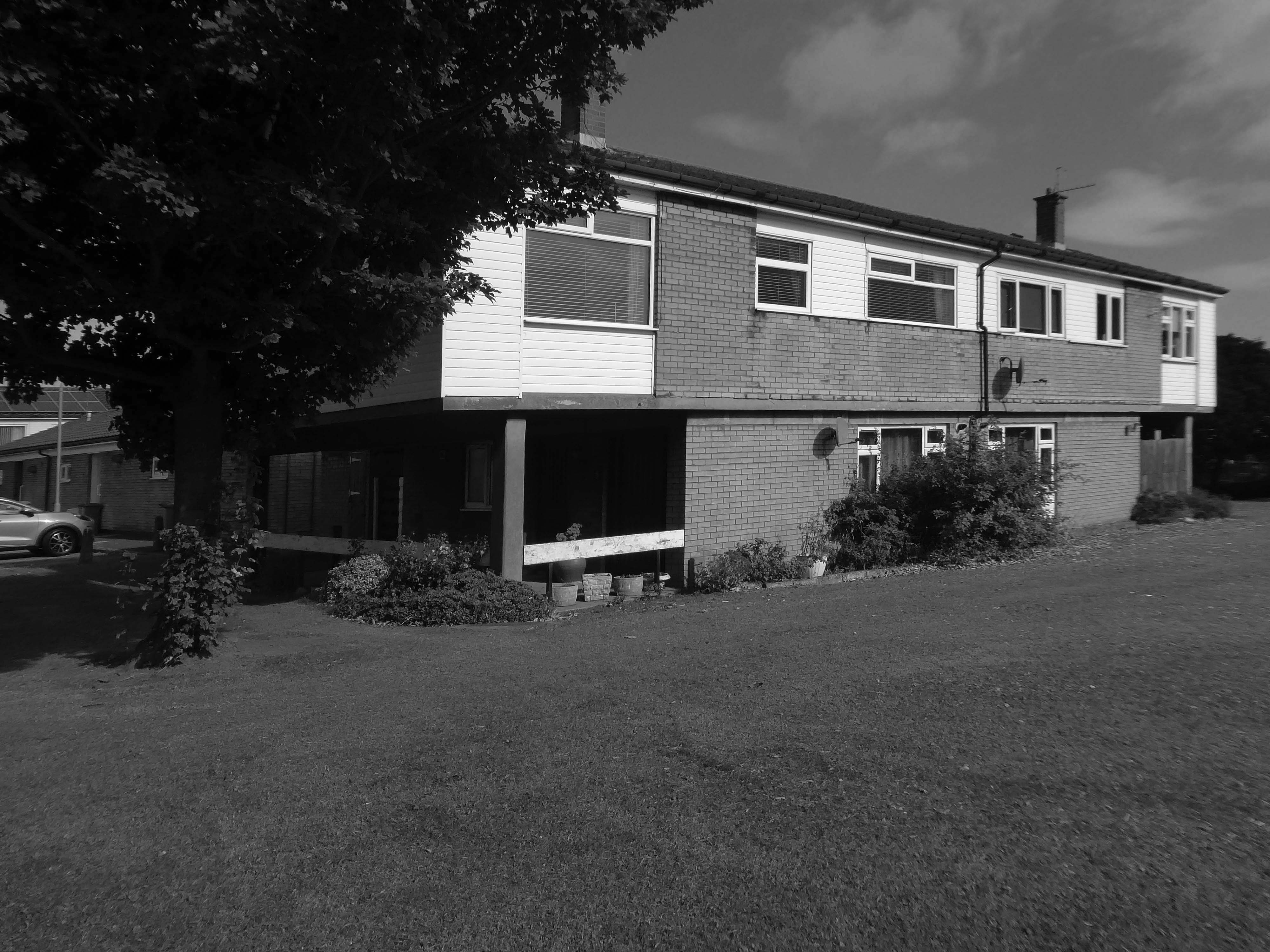
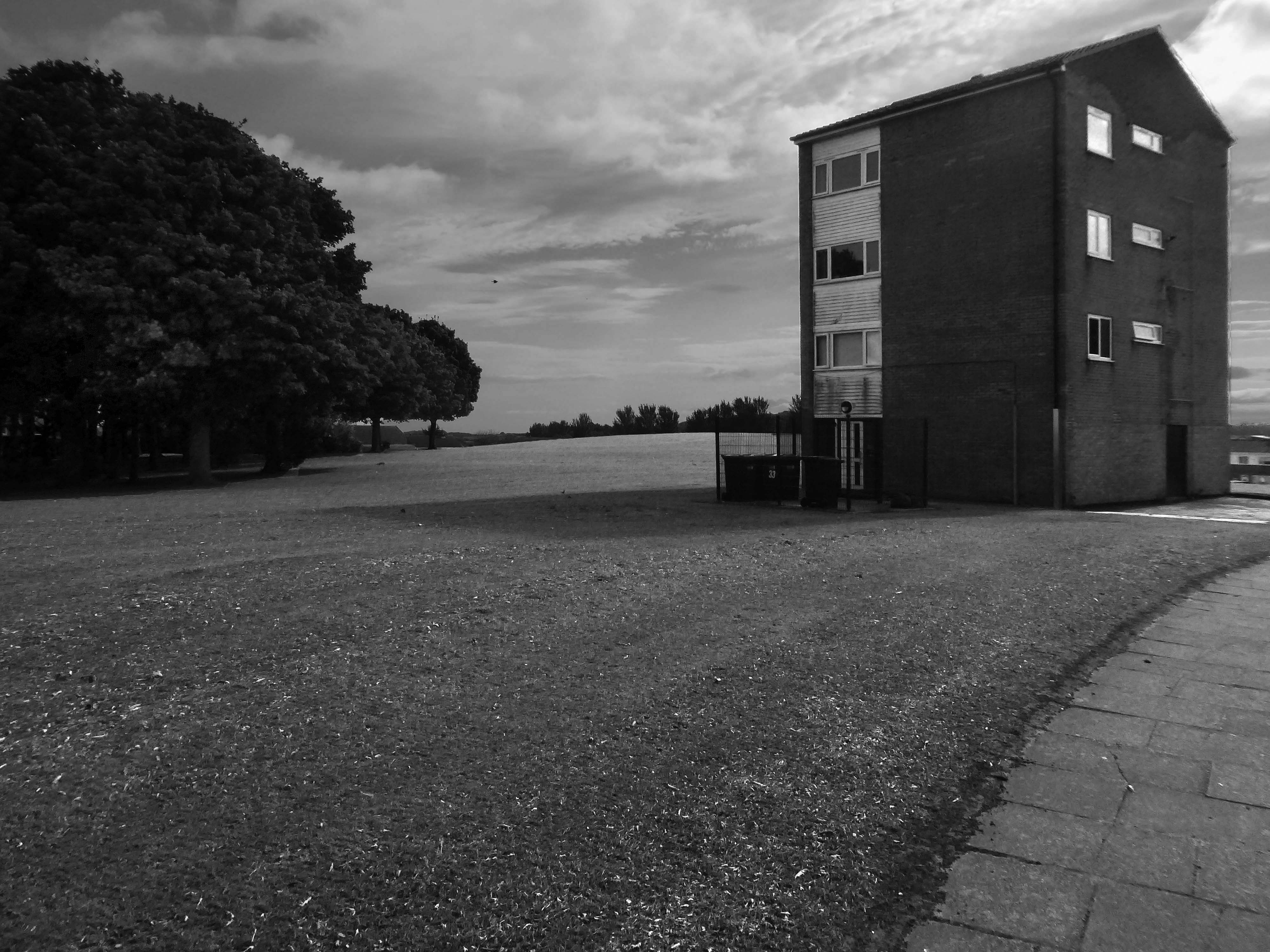
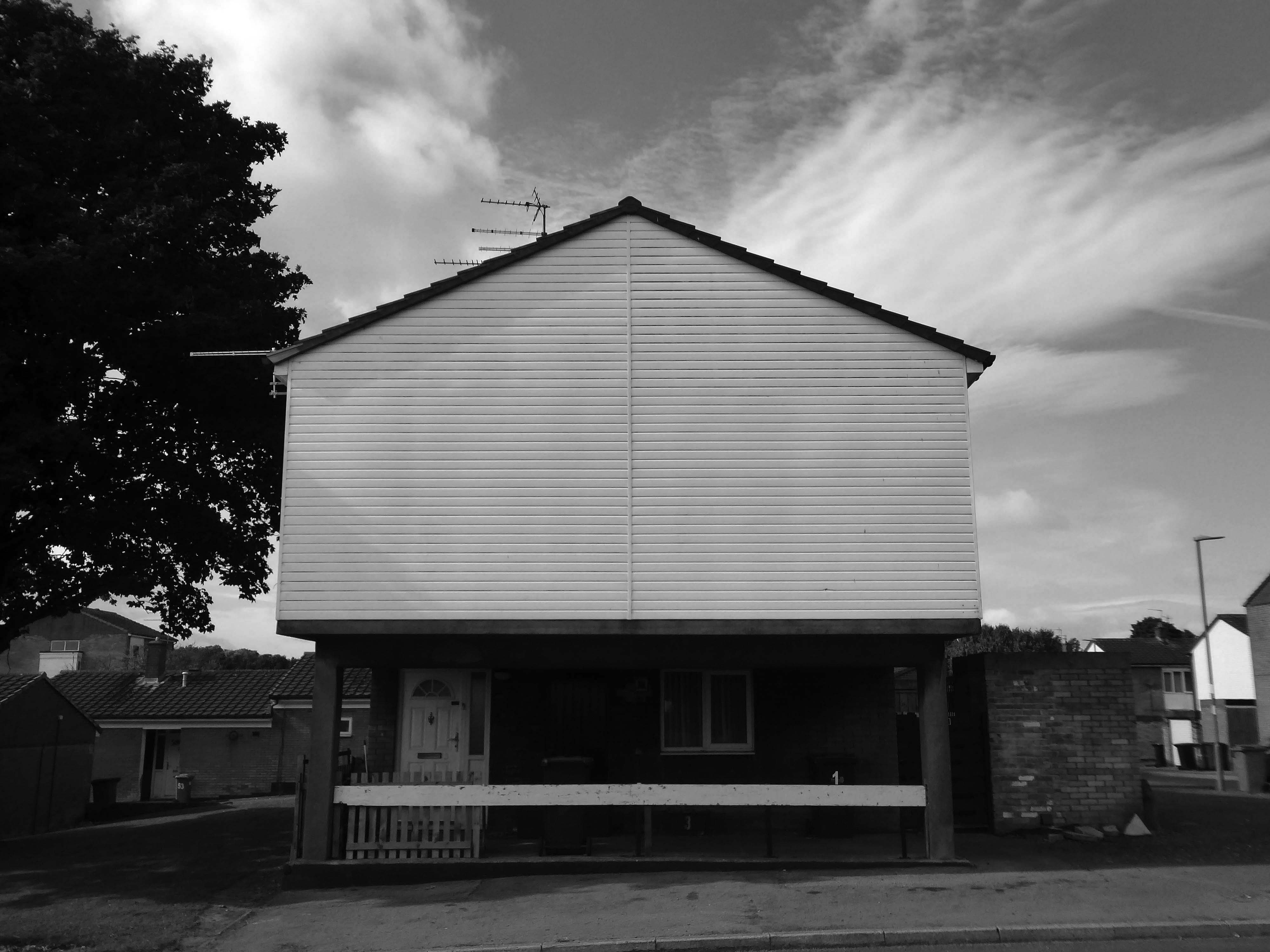
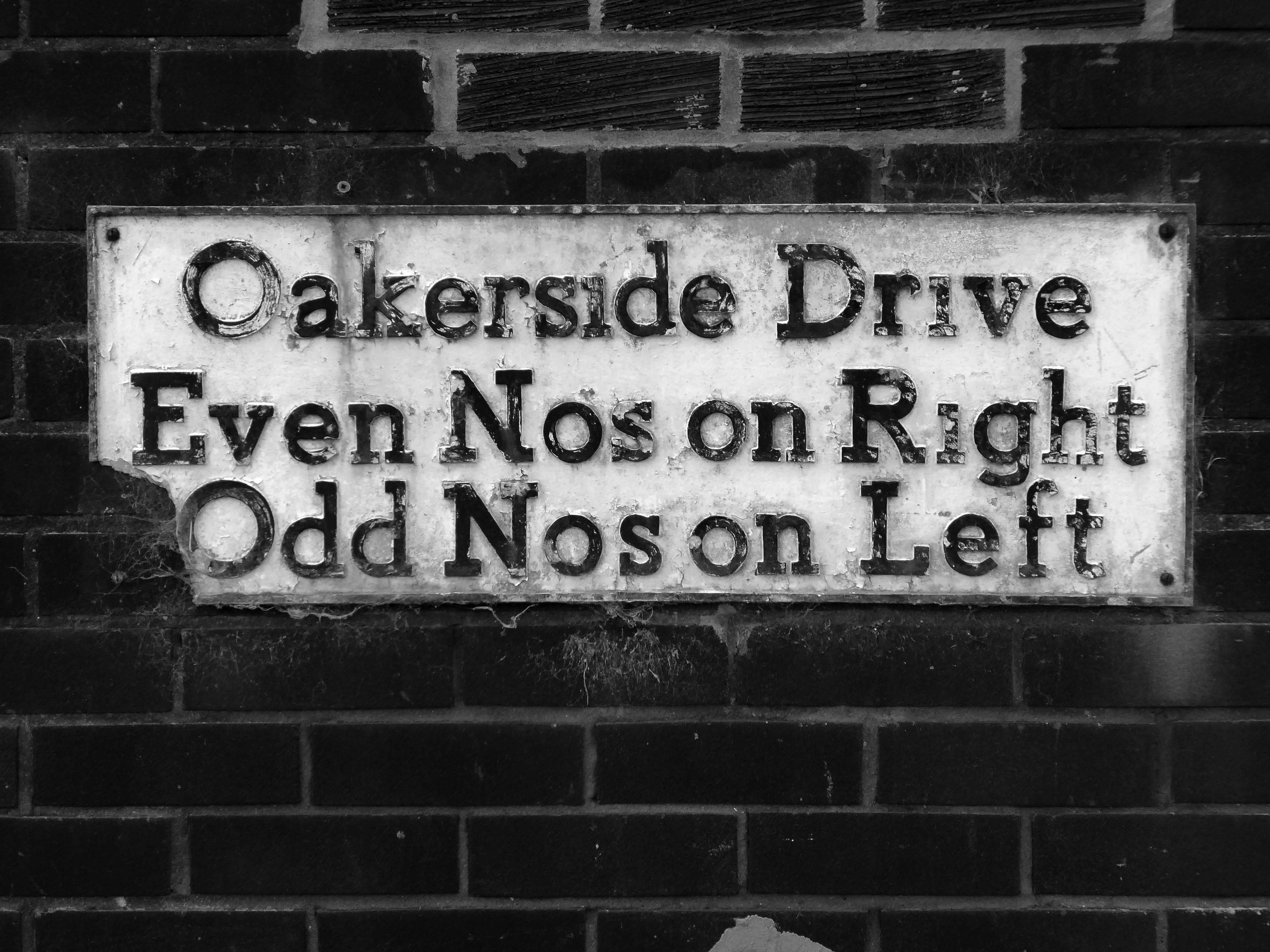
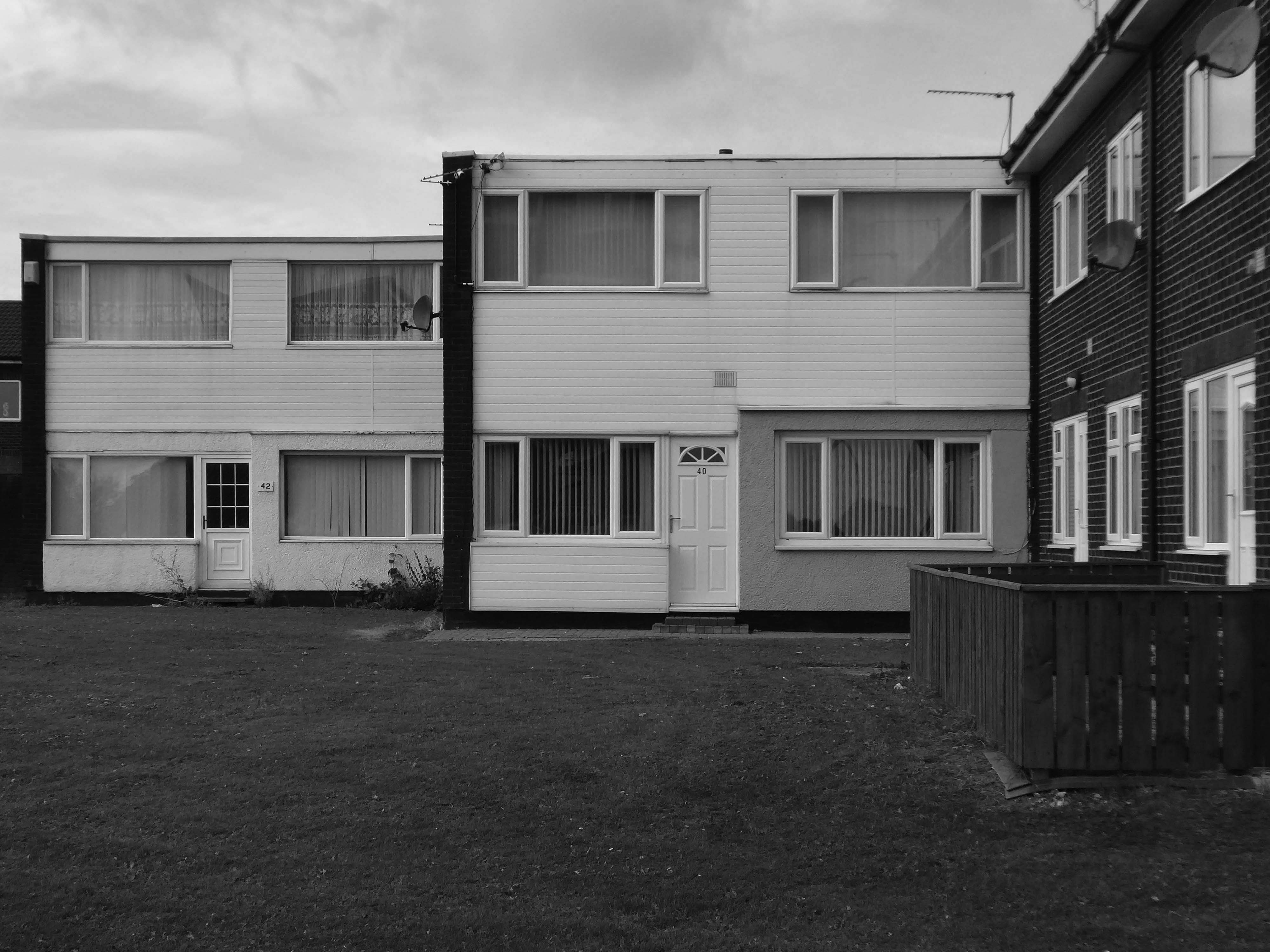
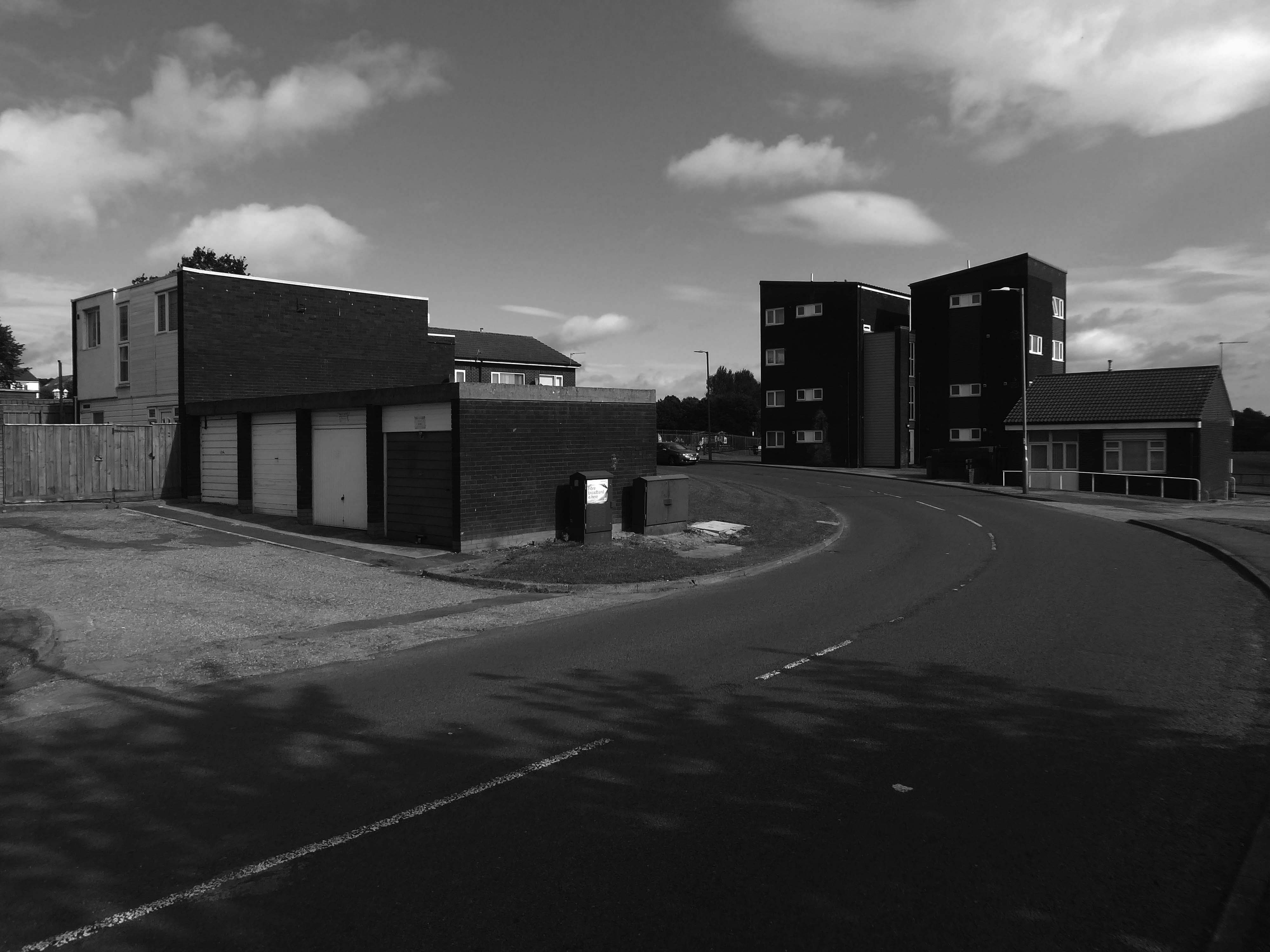
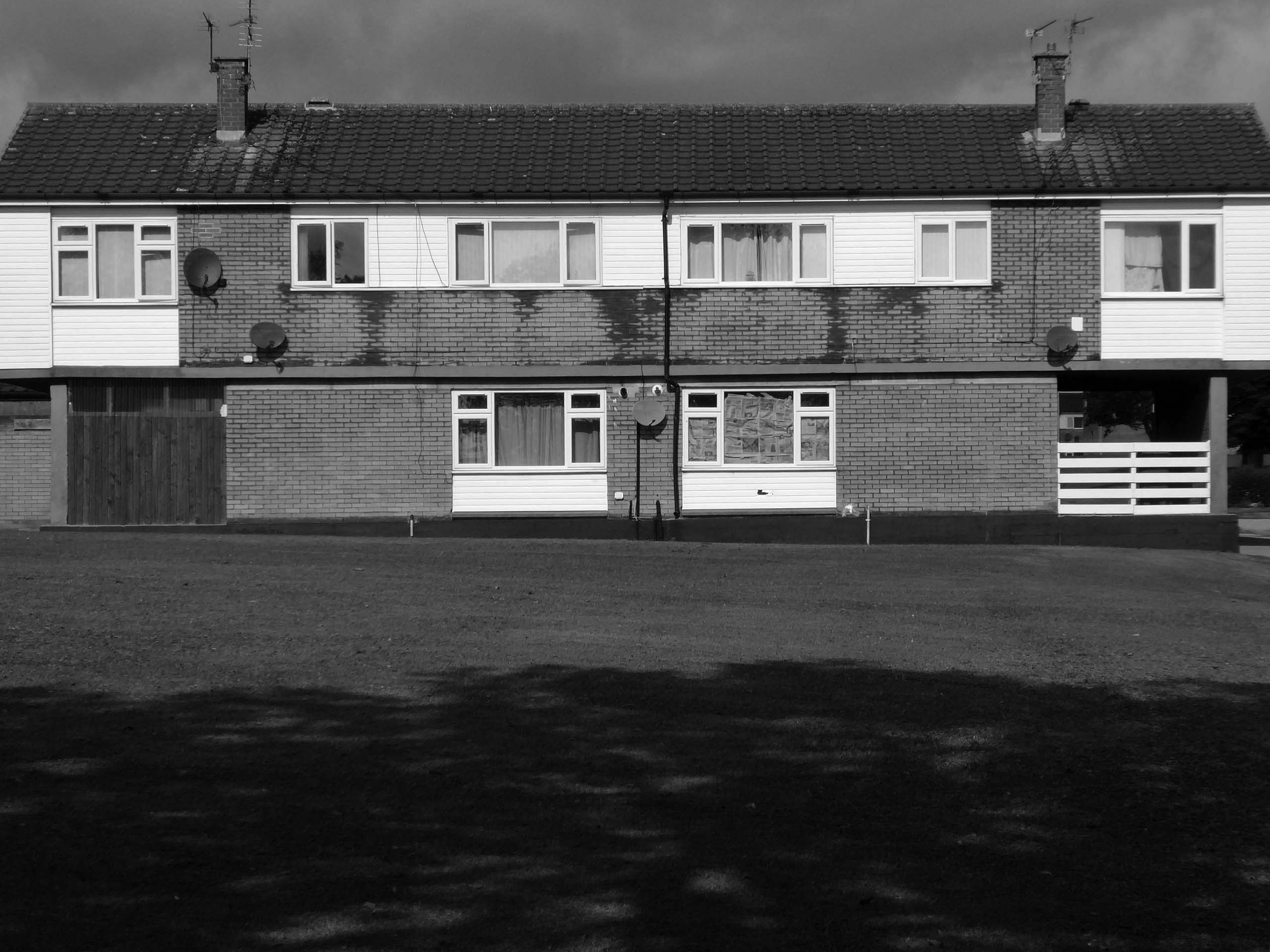
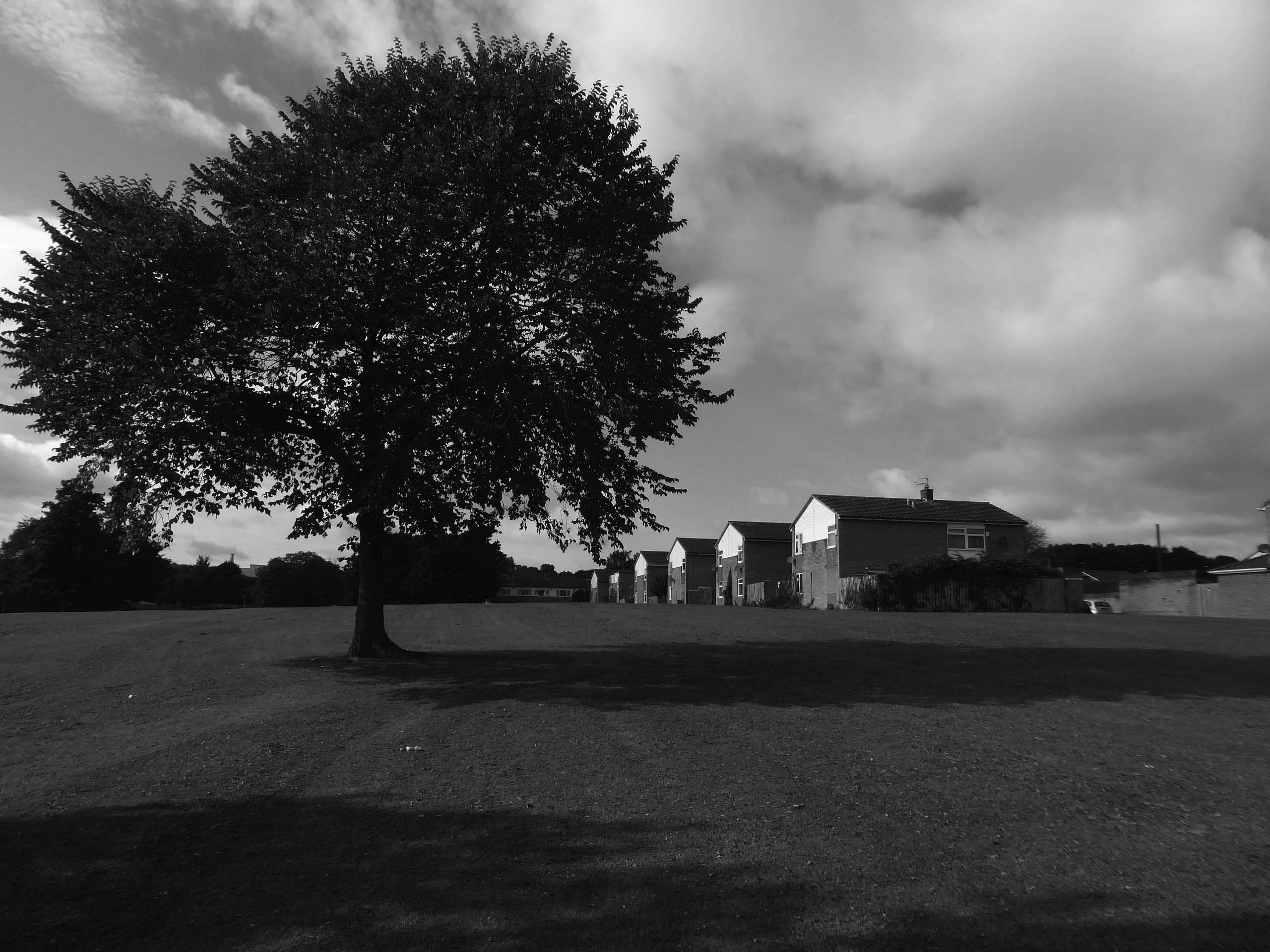
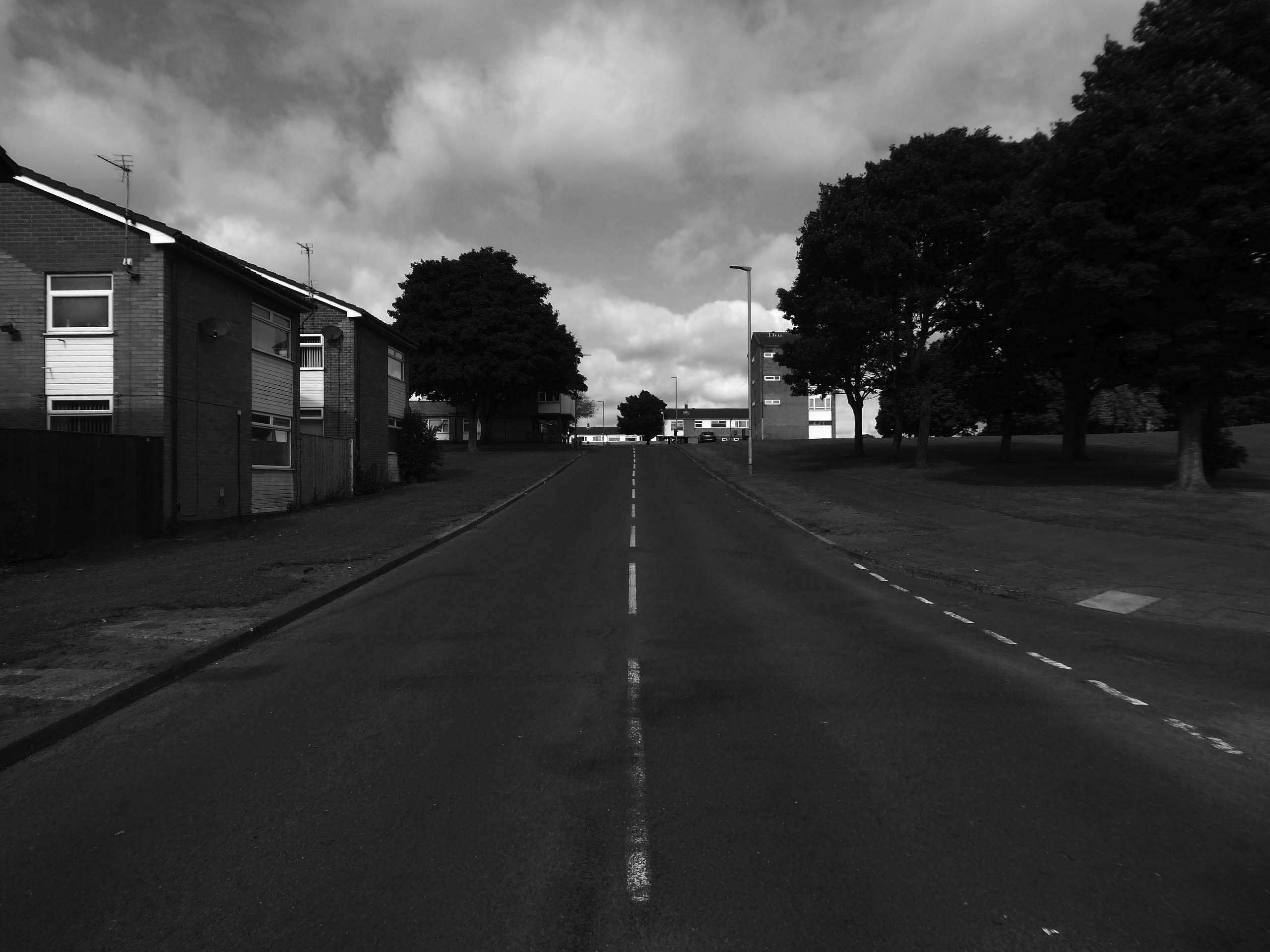
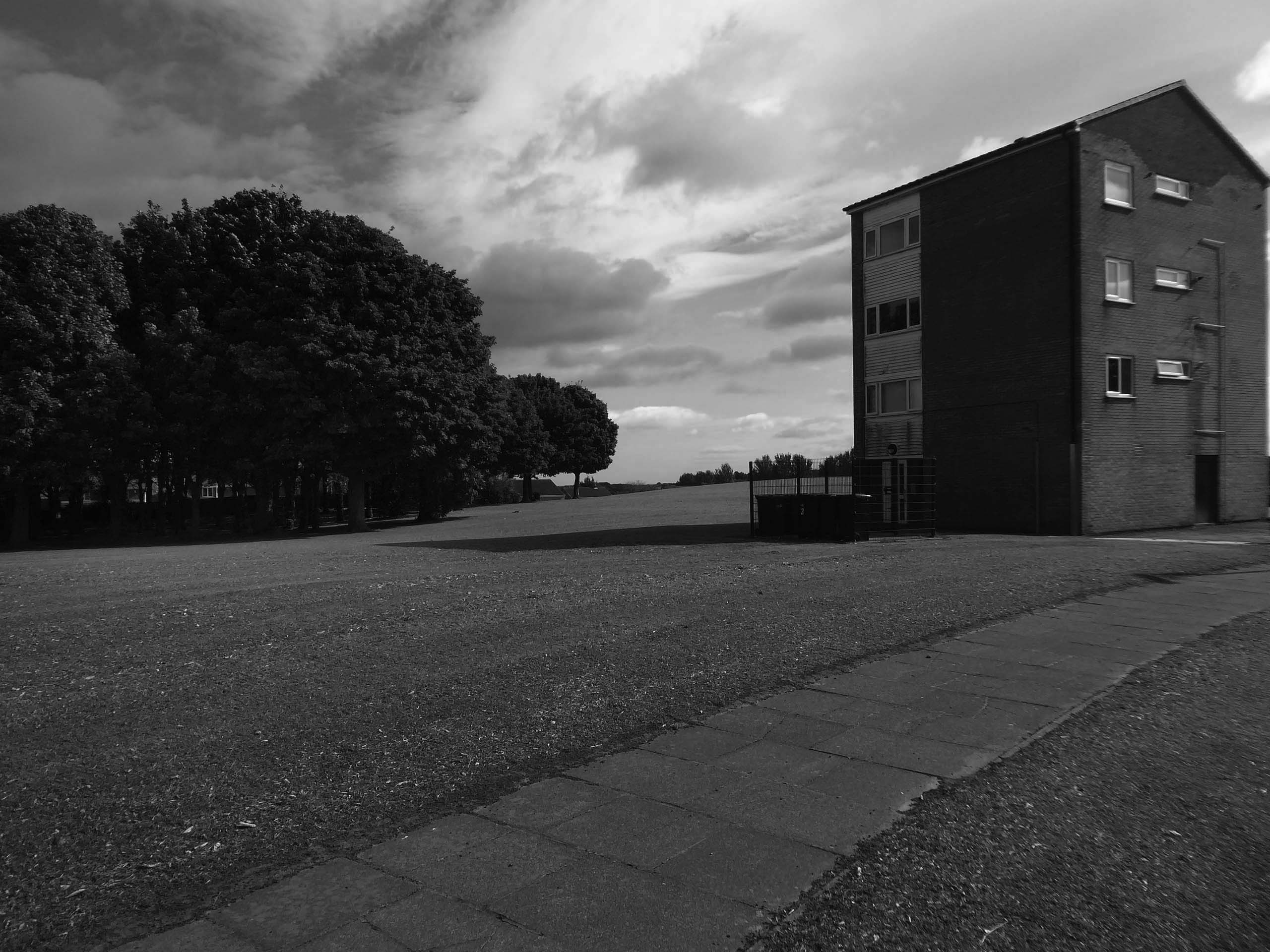
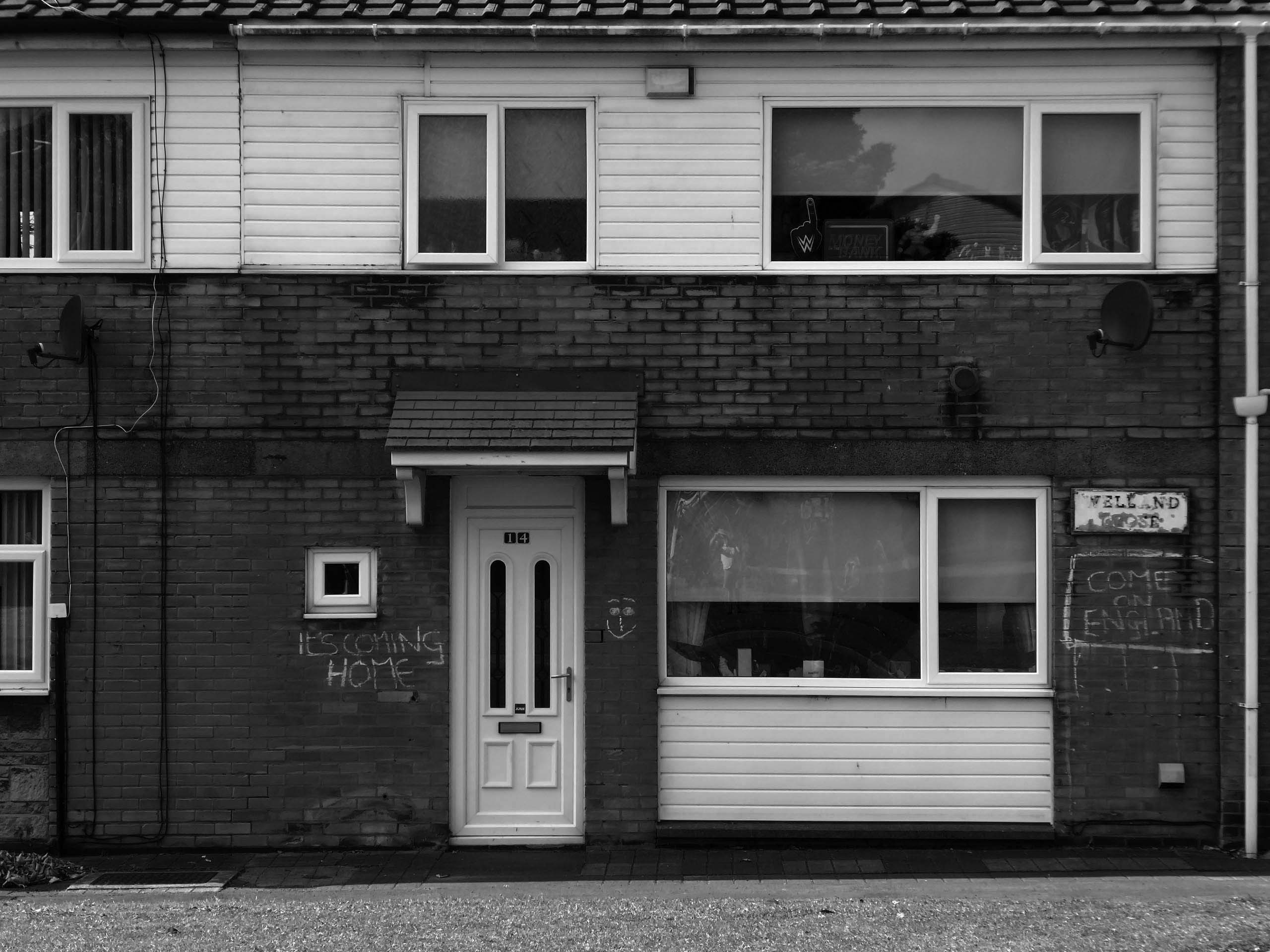
An express bus ride away from Newcastle City Centre – arriving in Peterlee, with a clear intent to wander around and look at housing.
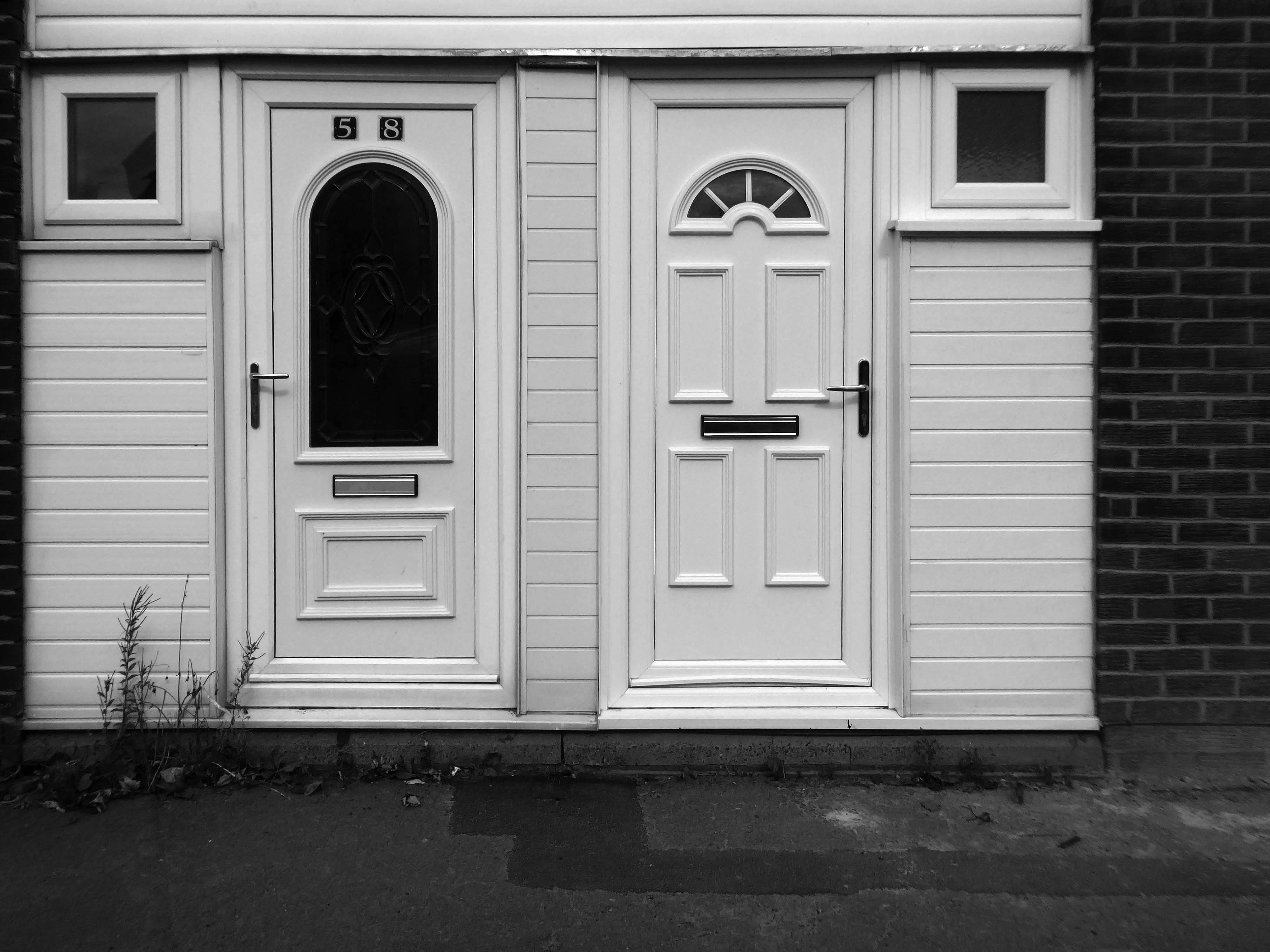
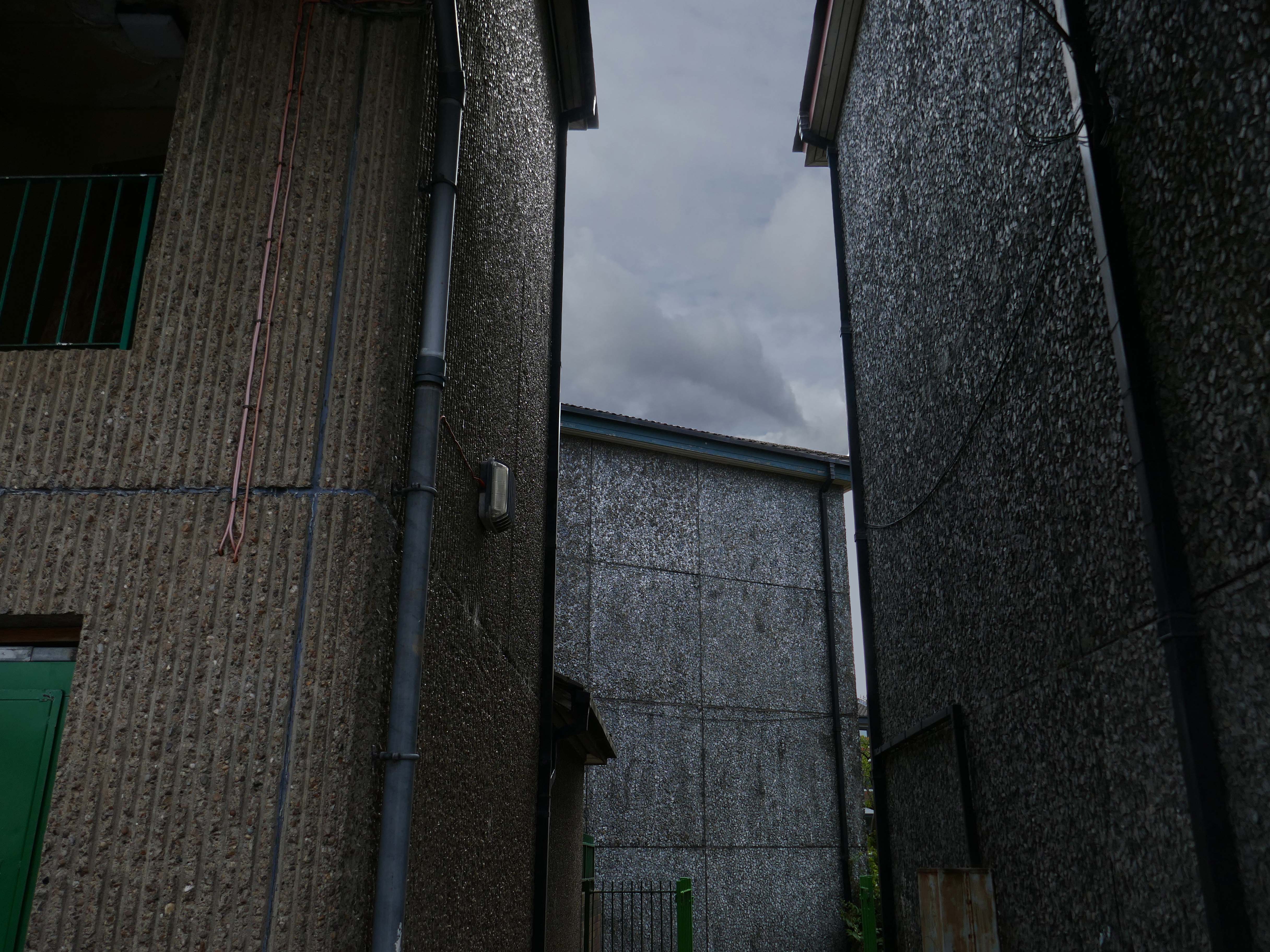
There have been many alterations and amendments made, in the short time since the inception of the Masterplan. Flat roofs have largely been and gone, timber replaced by uPVC, what remains is an interesting array of building types set in an attractive rolling landscape.
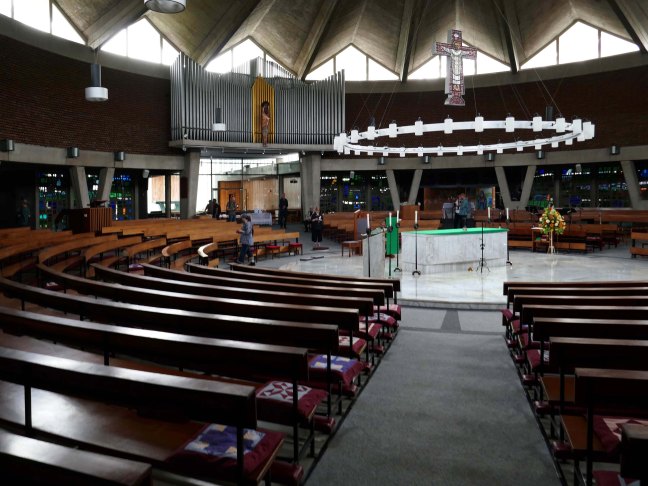
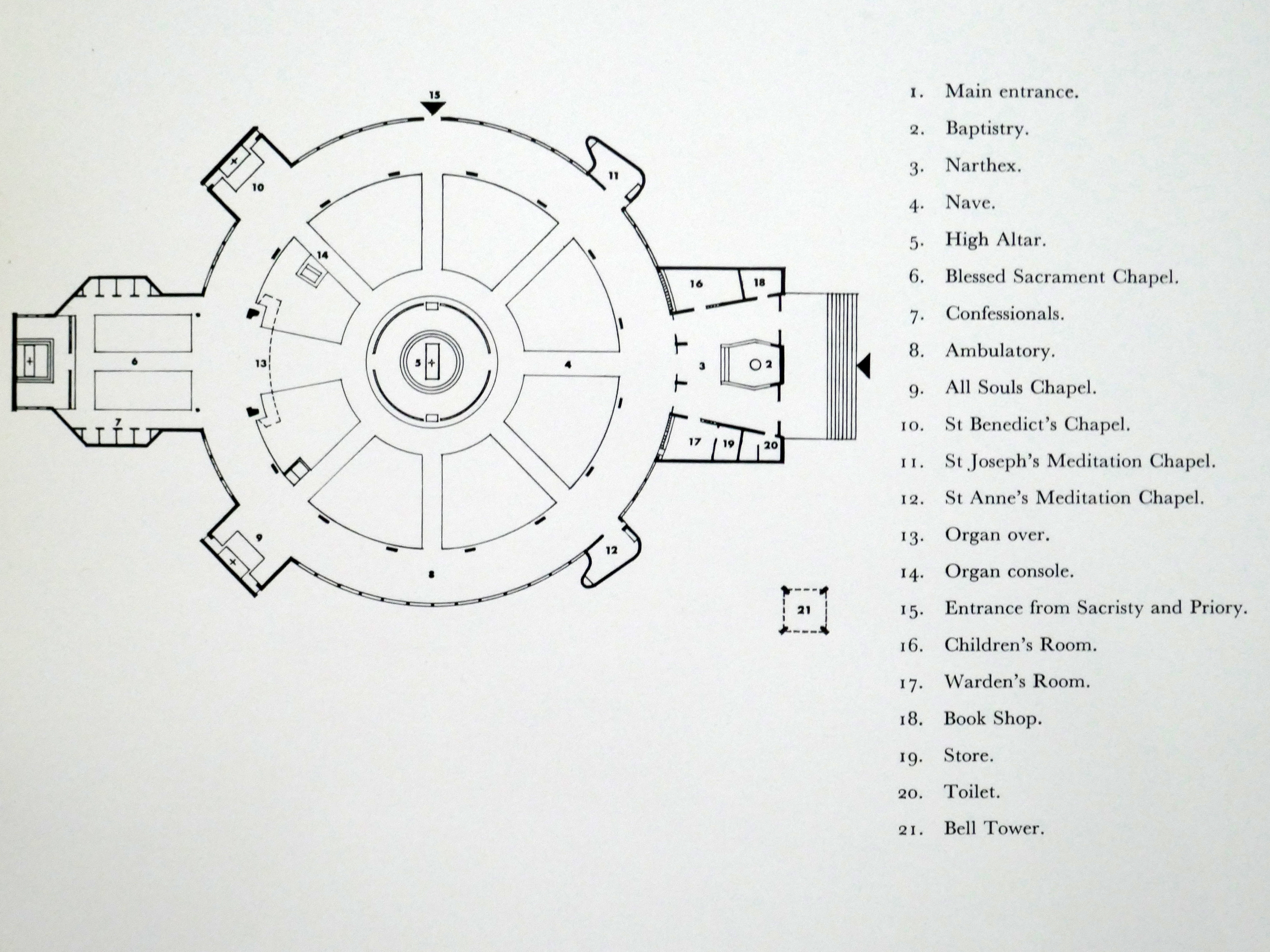
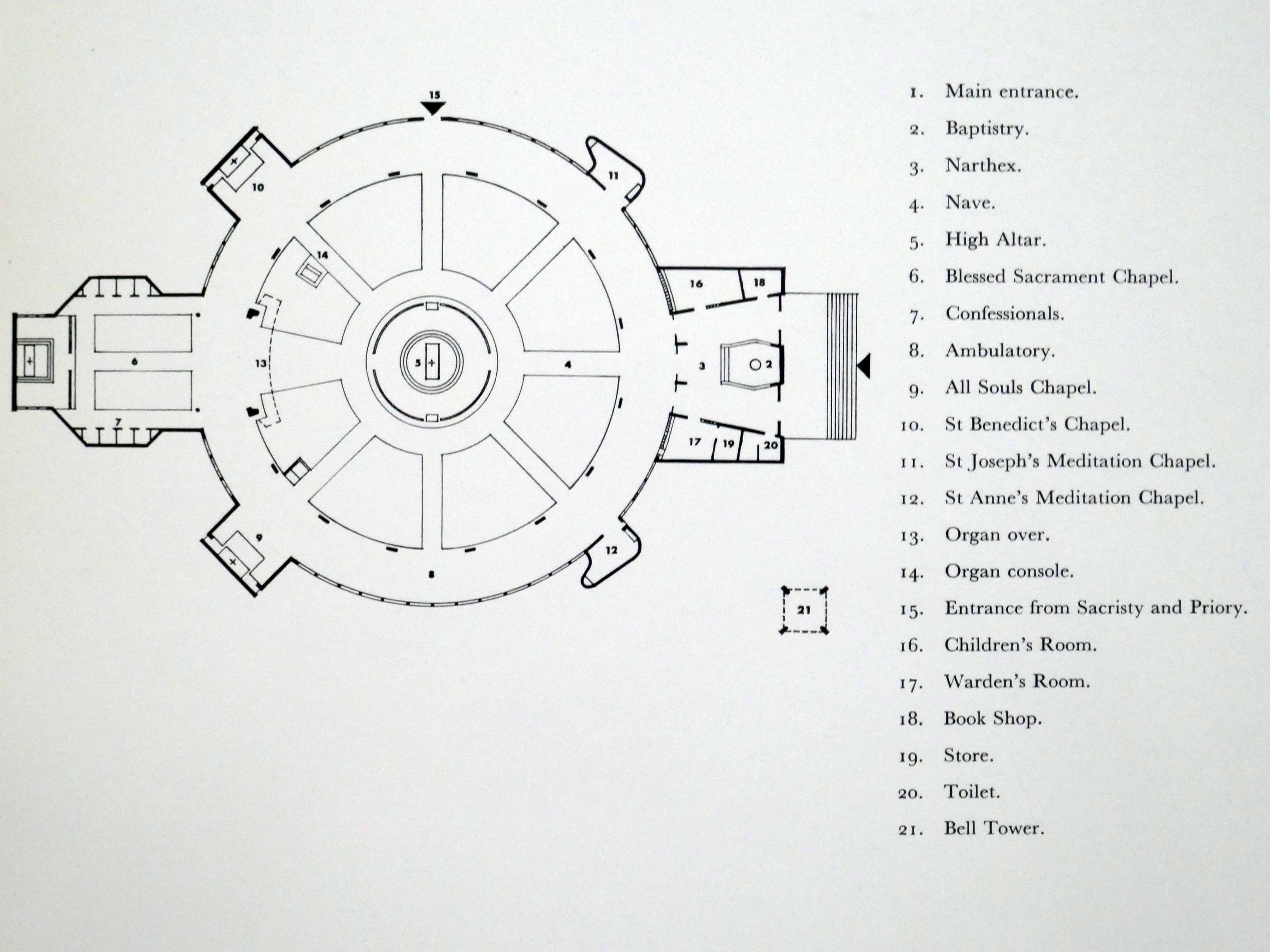
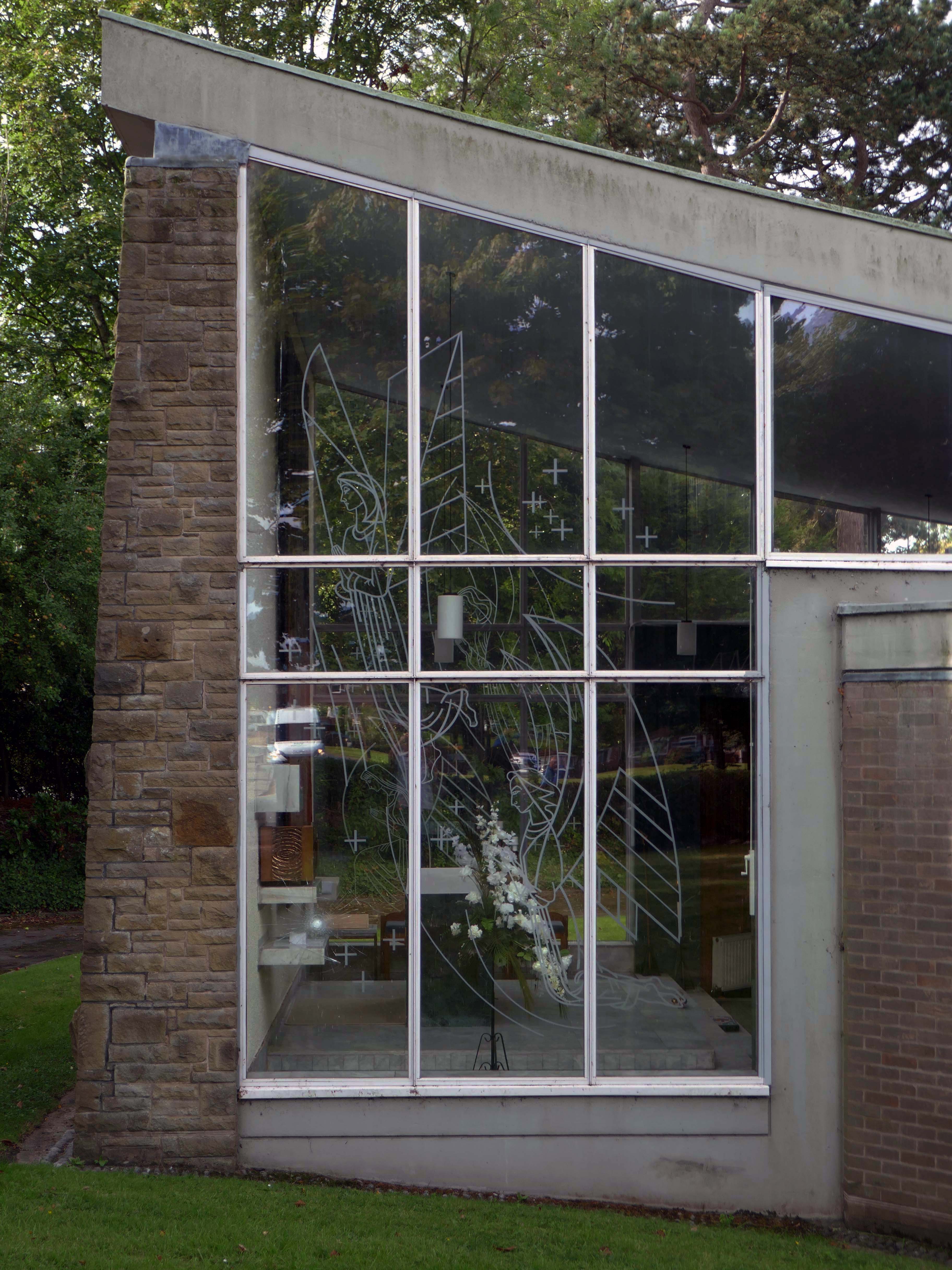
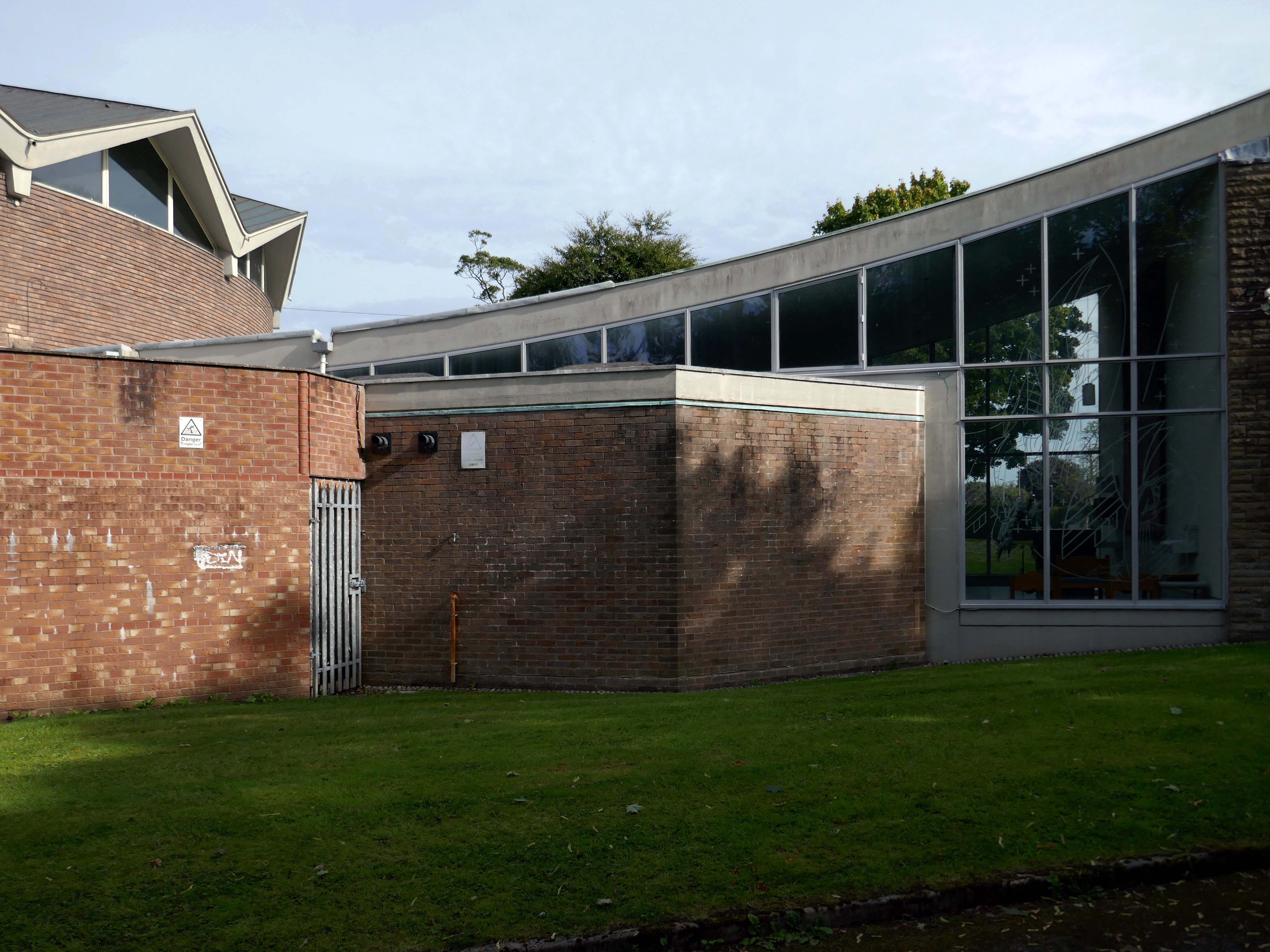
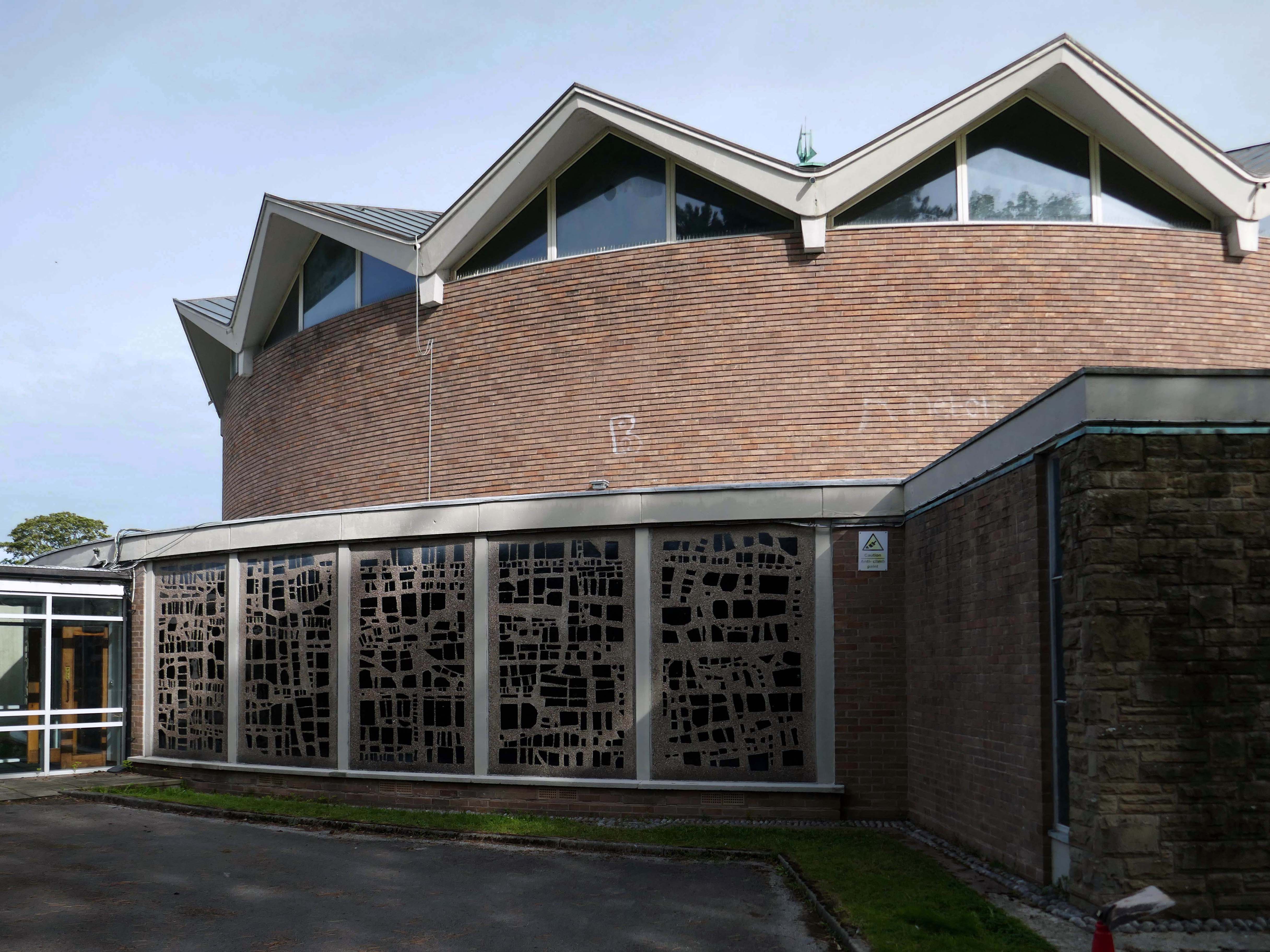
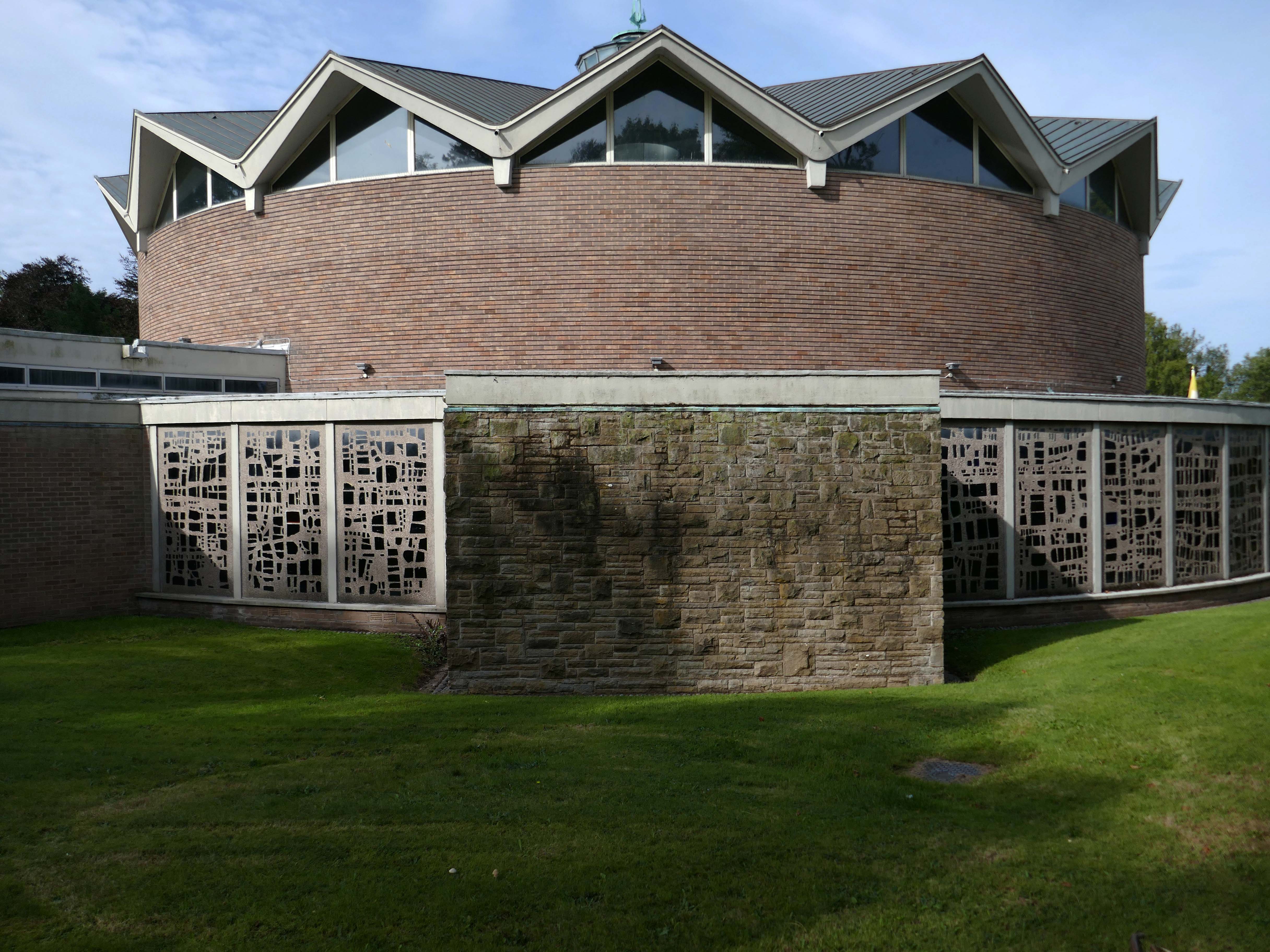
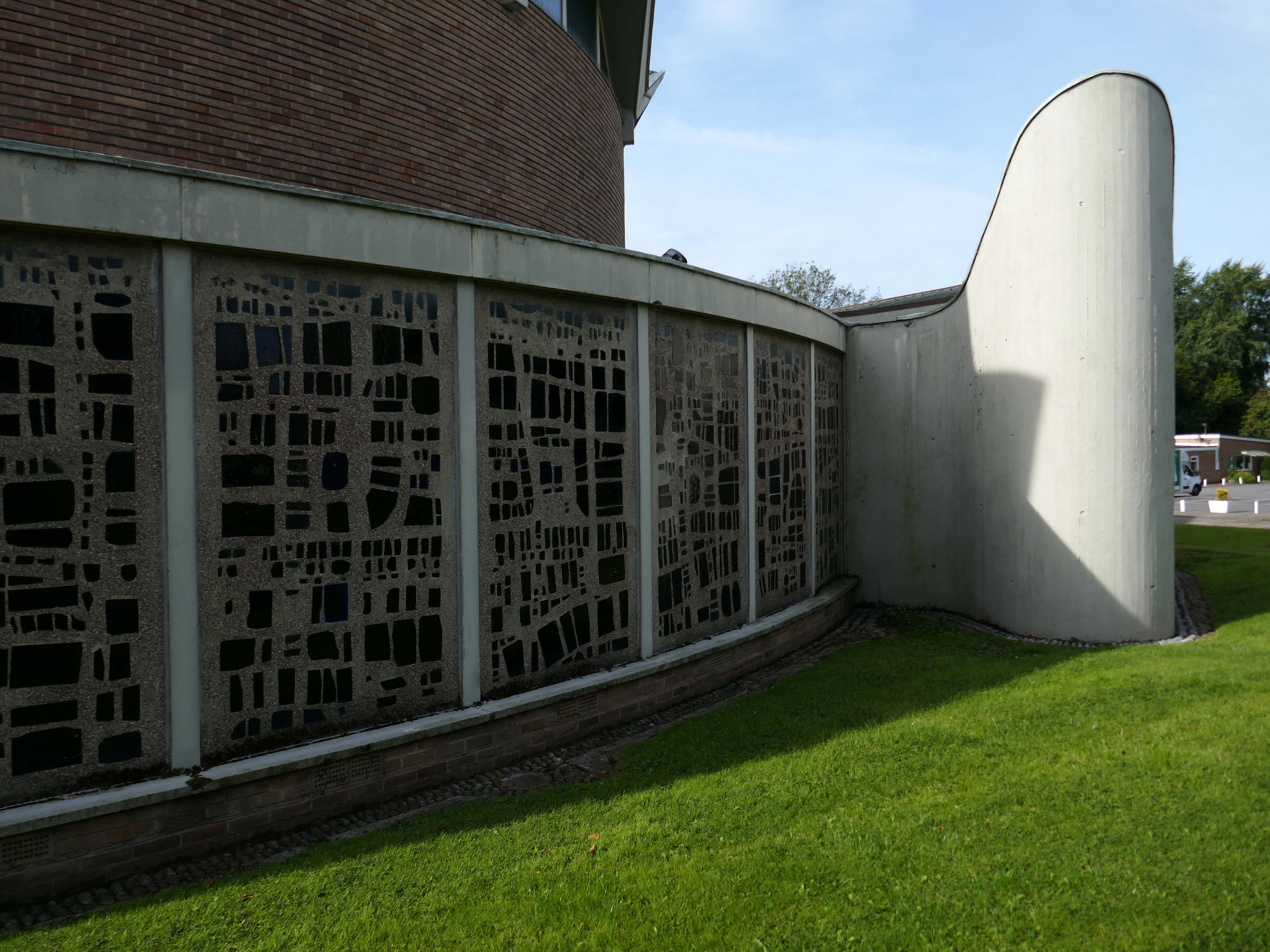
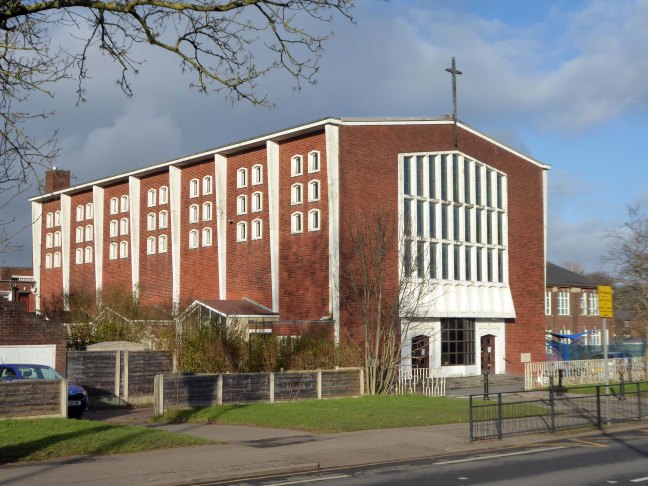
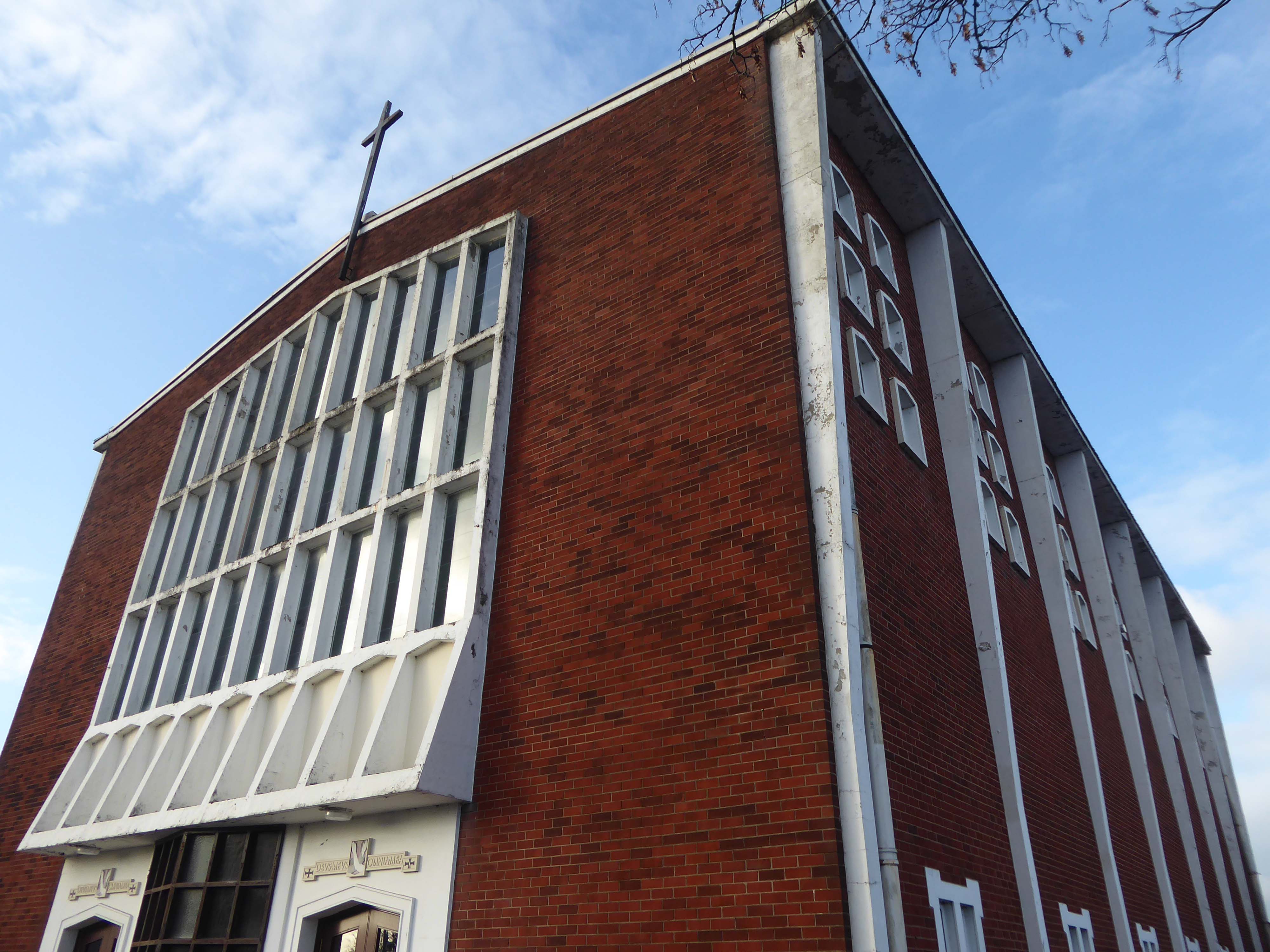
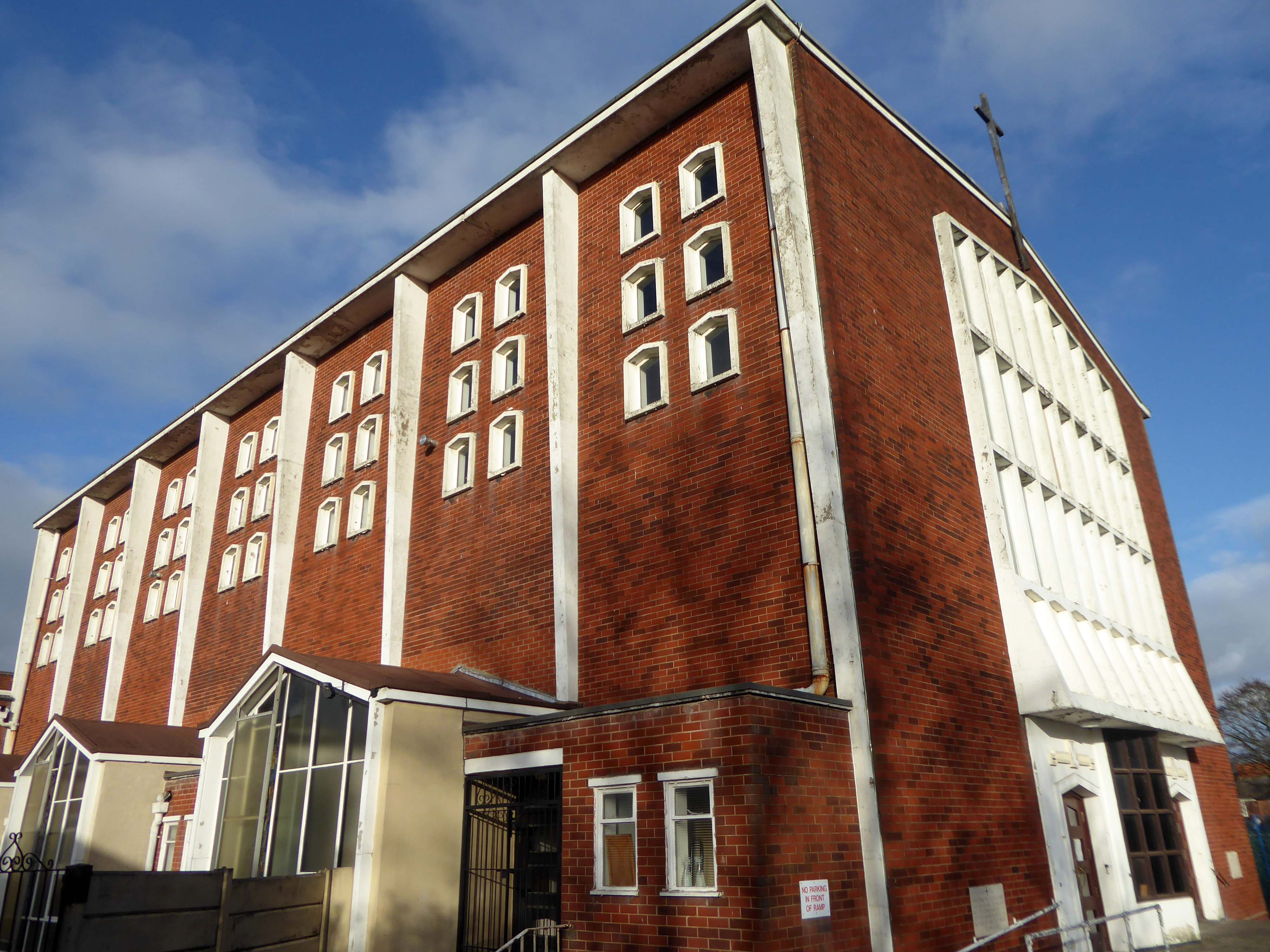
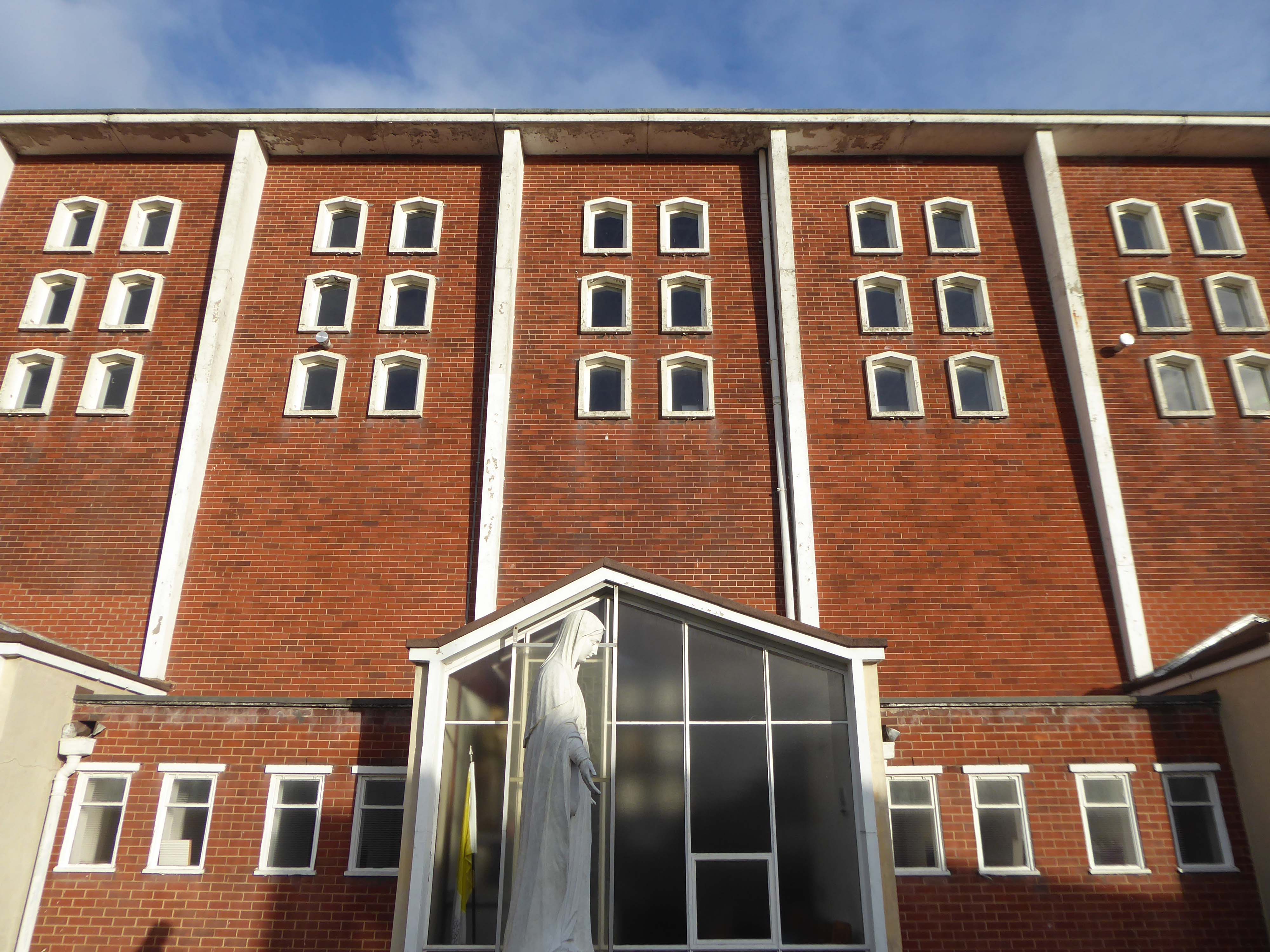
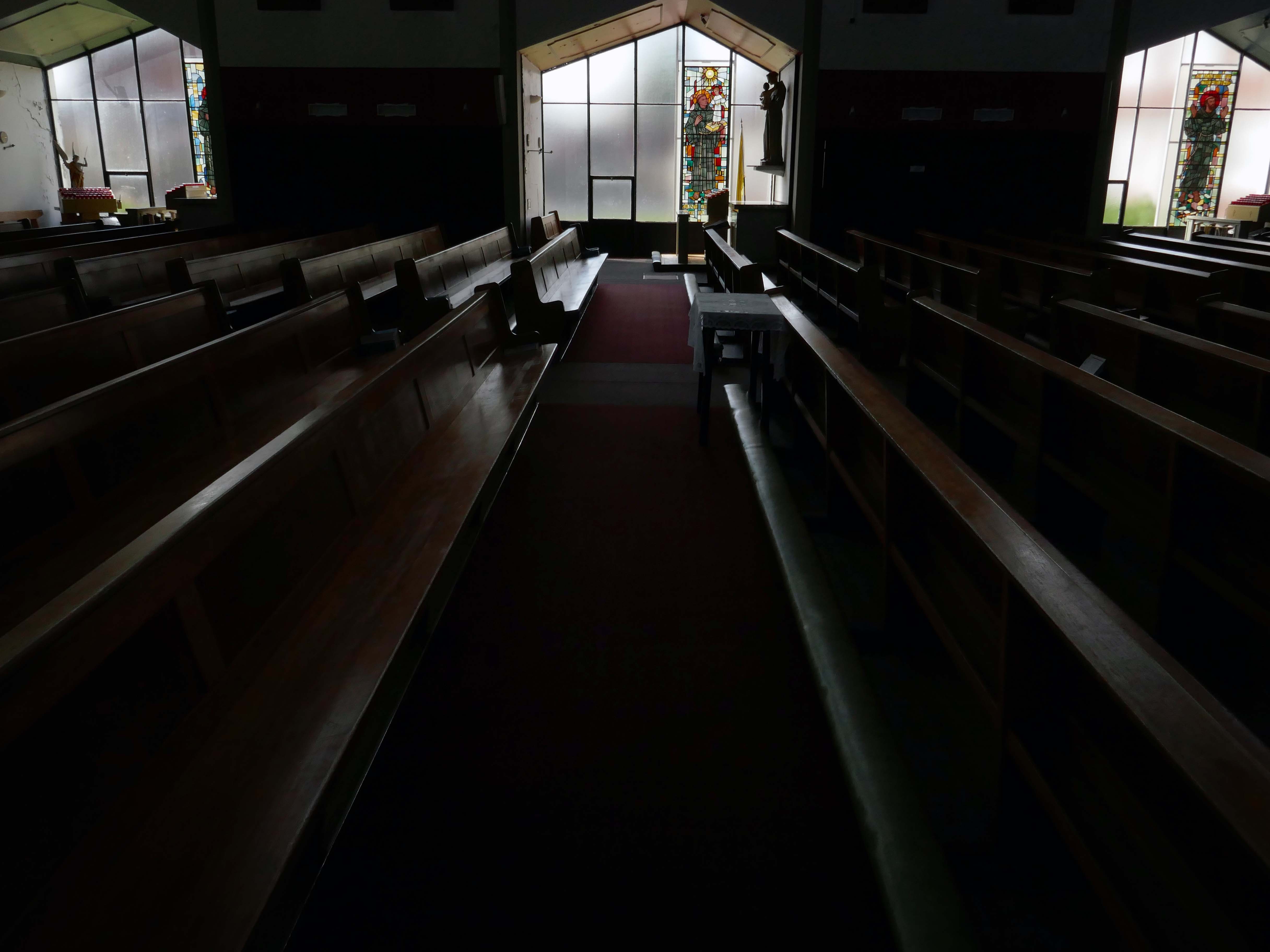
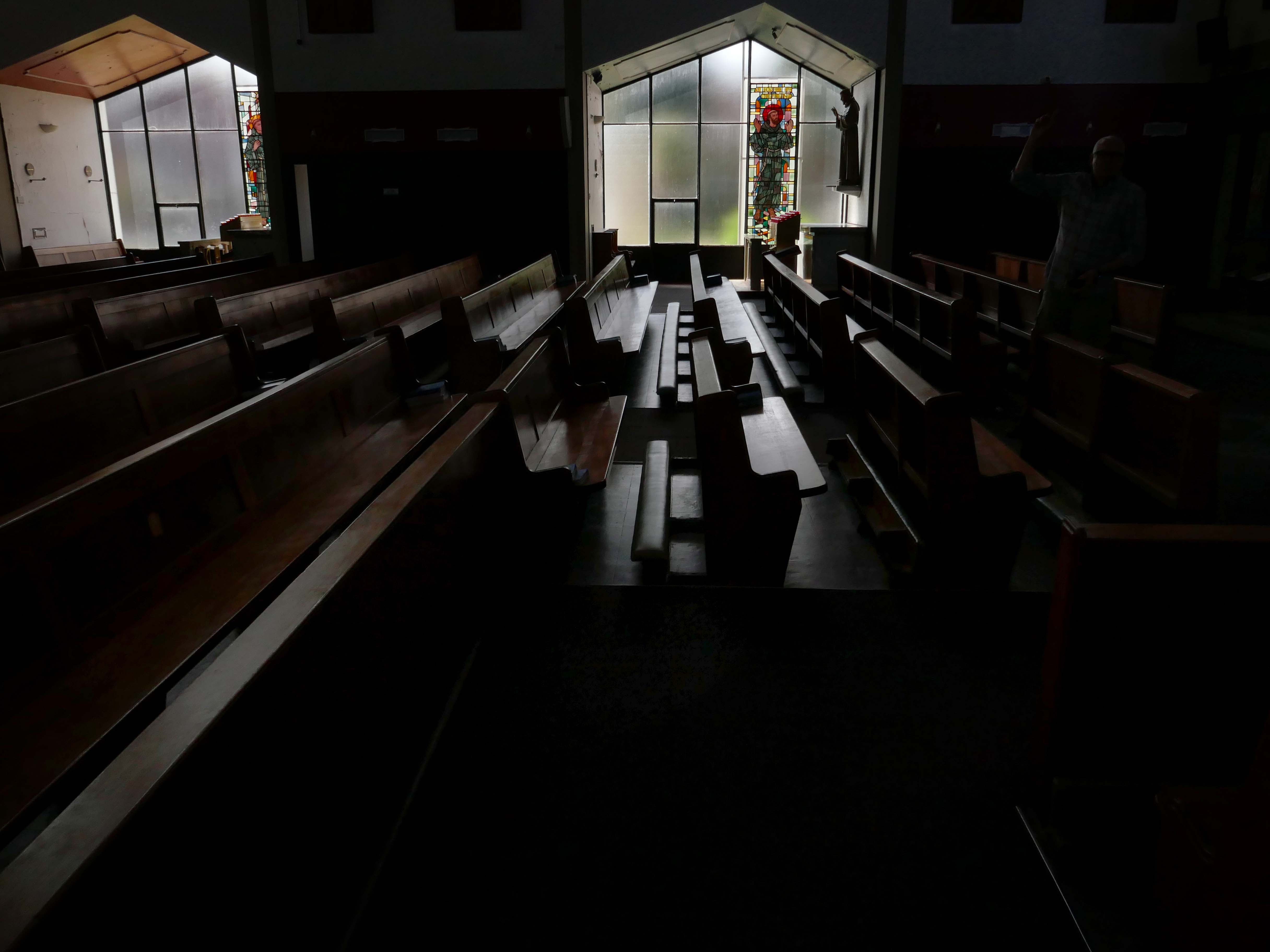
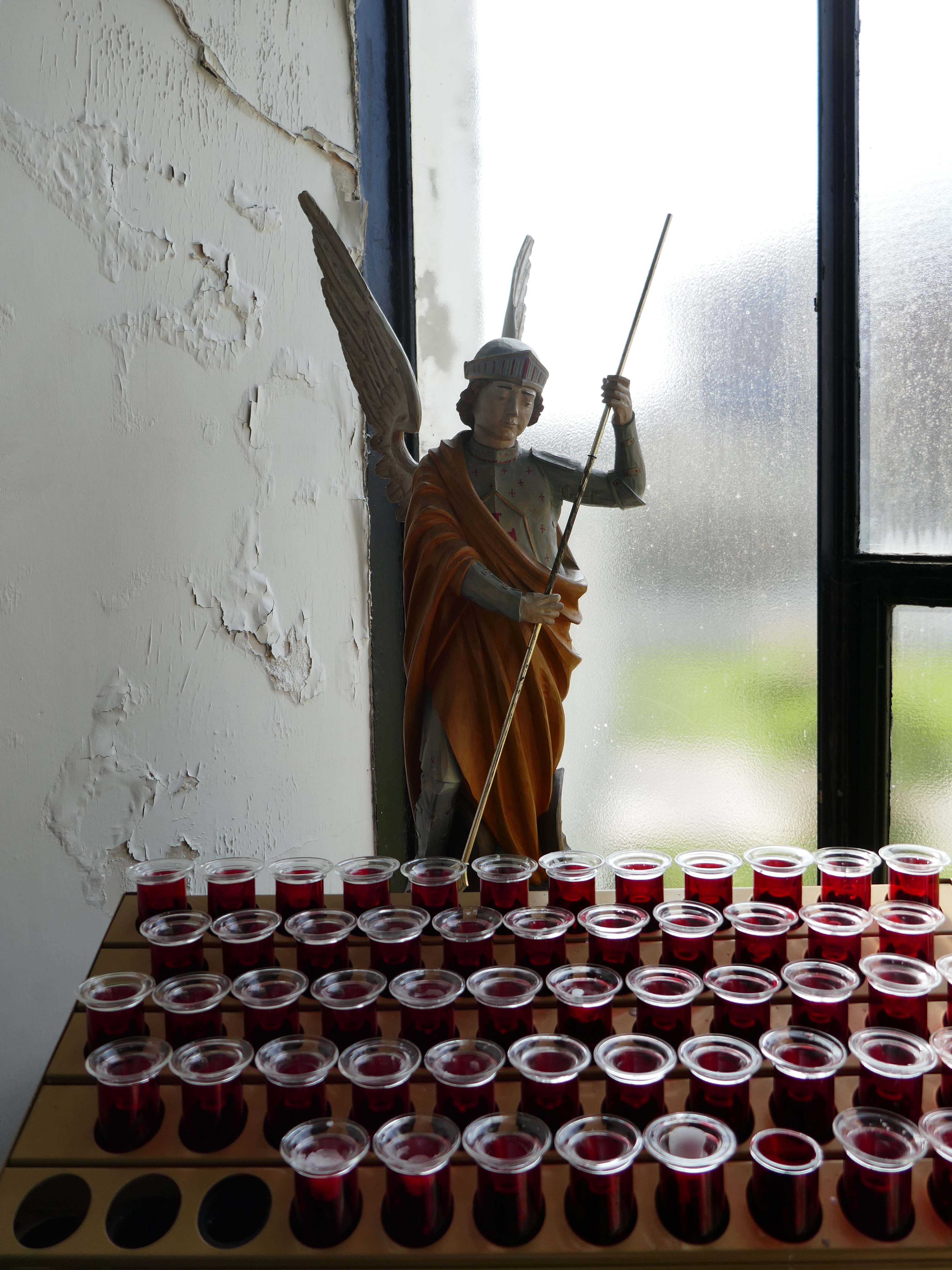
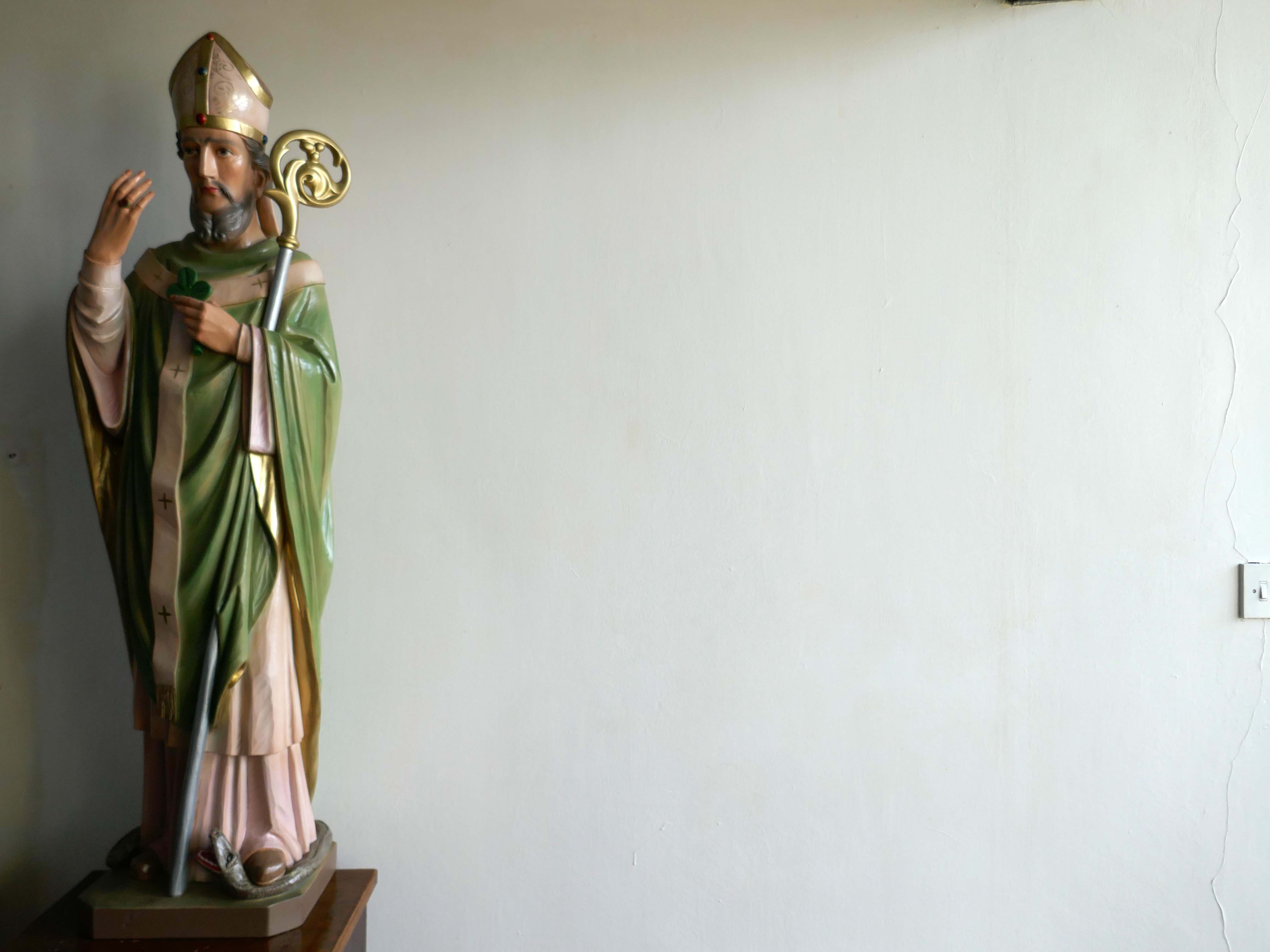
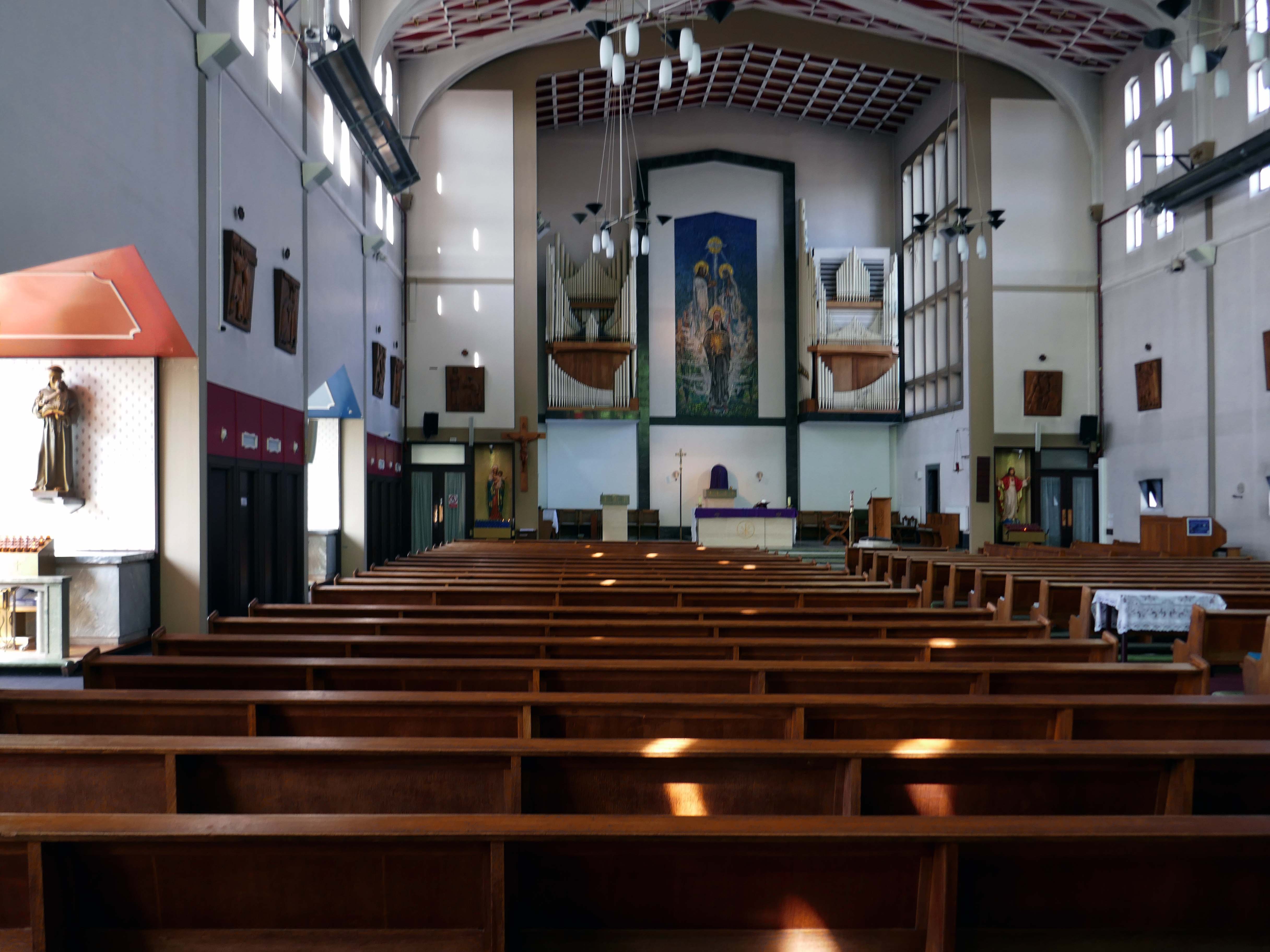
May I first thanks Parish Administrator Catherine, for taking the time to open the church for our visiting group of Modernists this Saturday – and providing us with the warmest of welcomes, along with a brew and a biscuit or two.
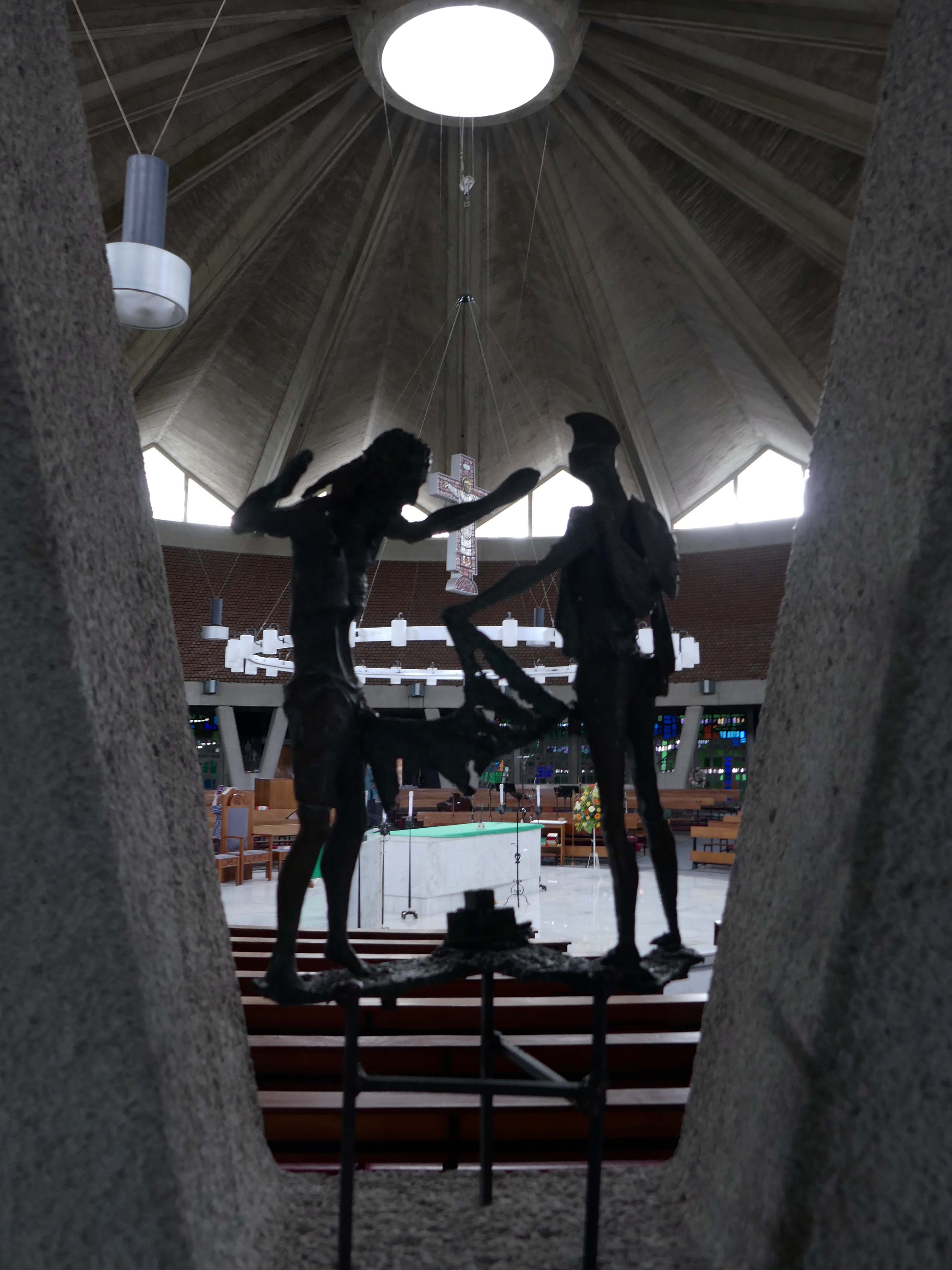
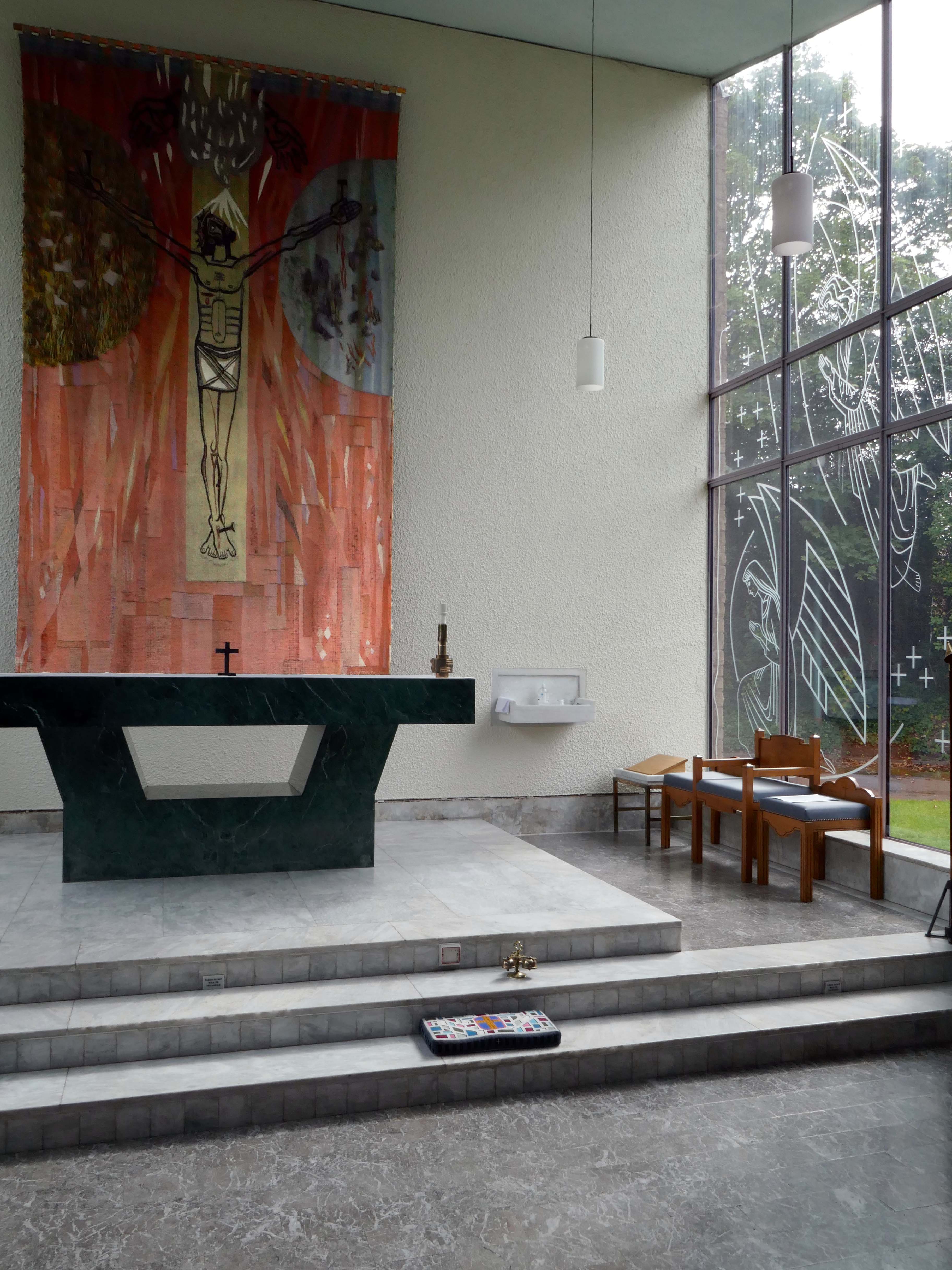
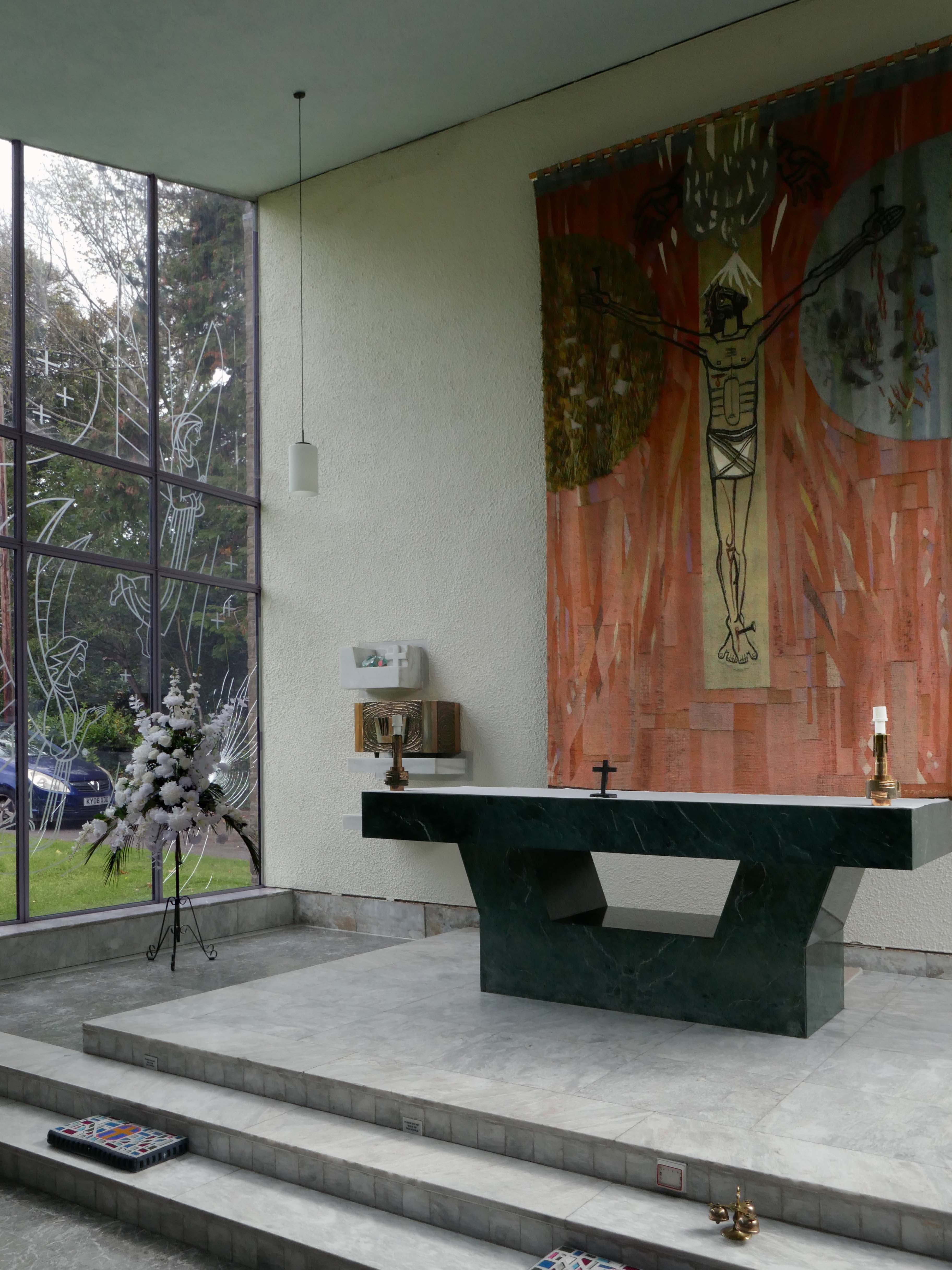
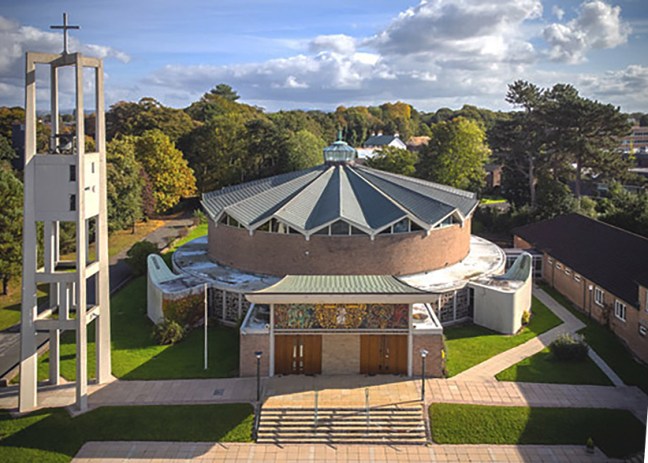
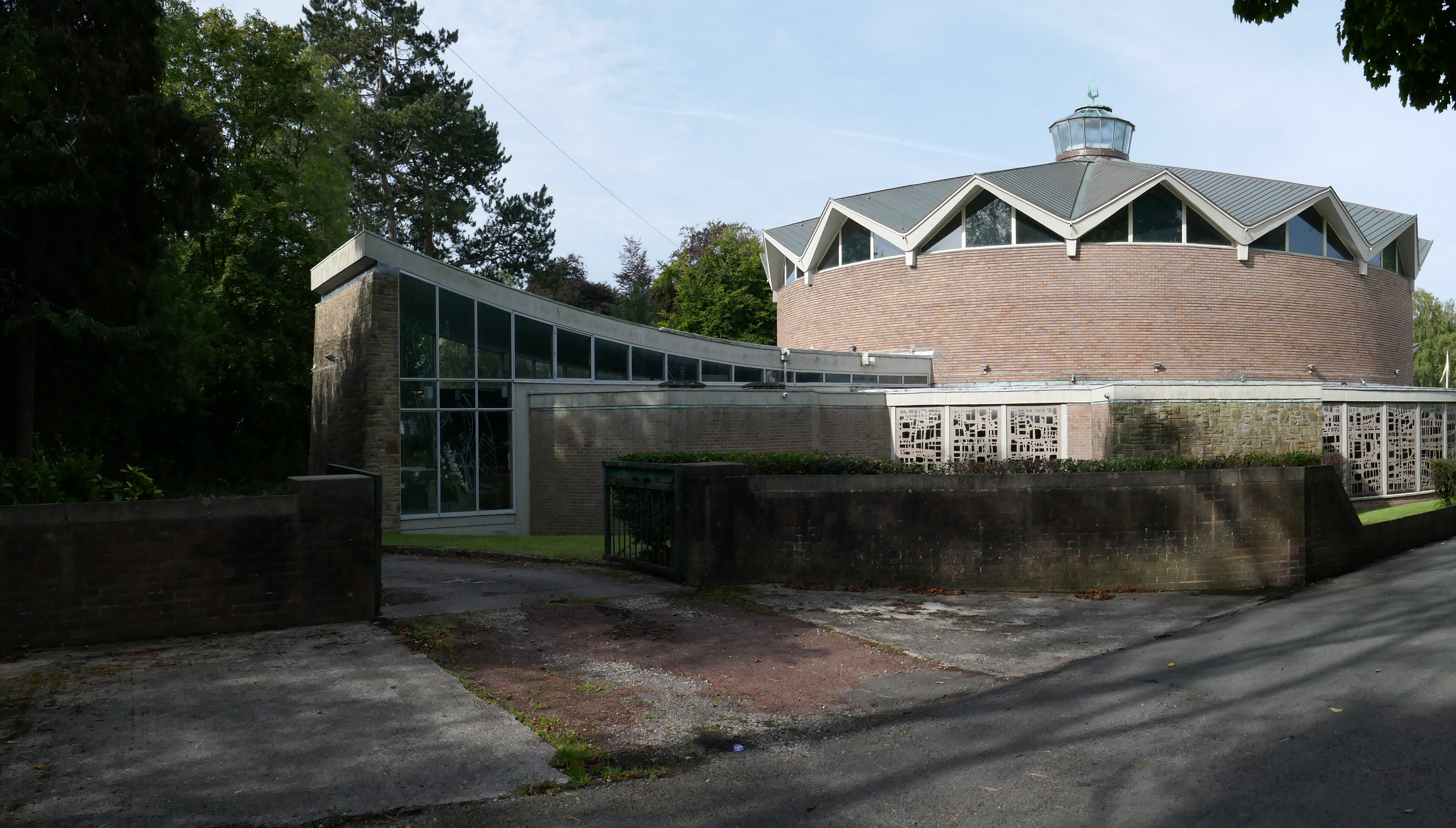
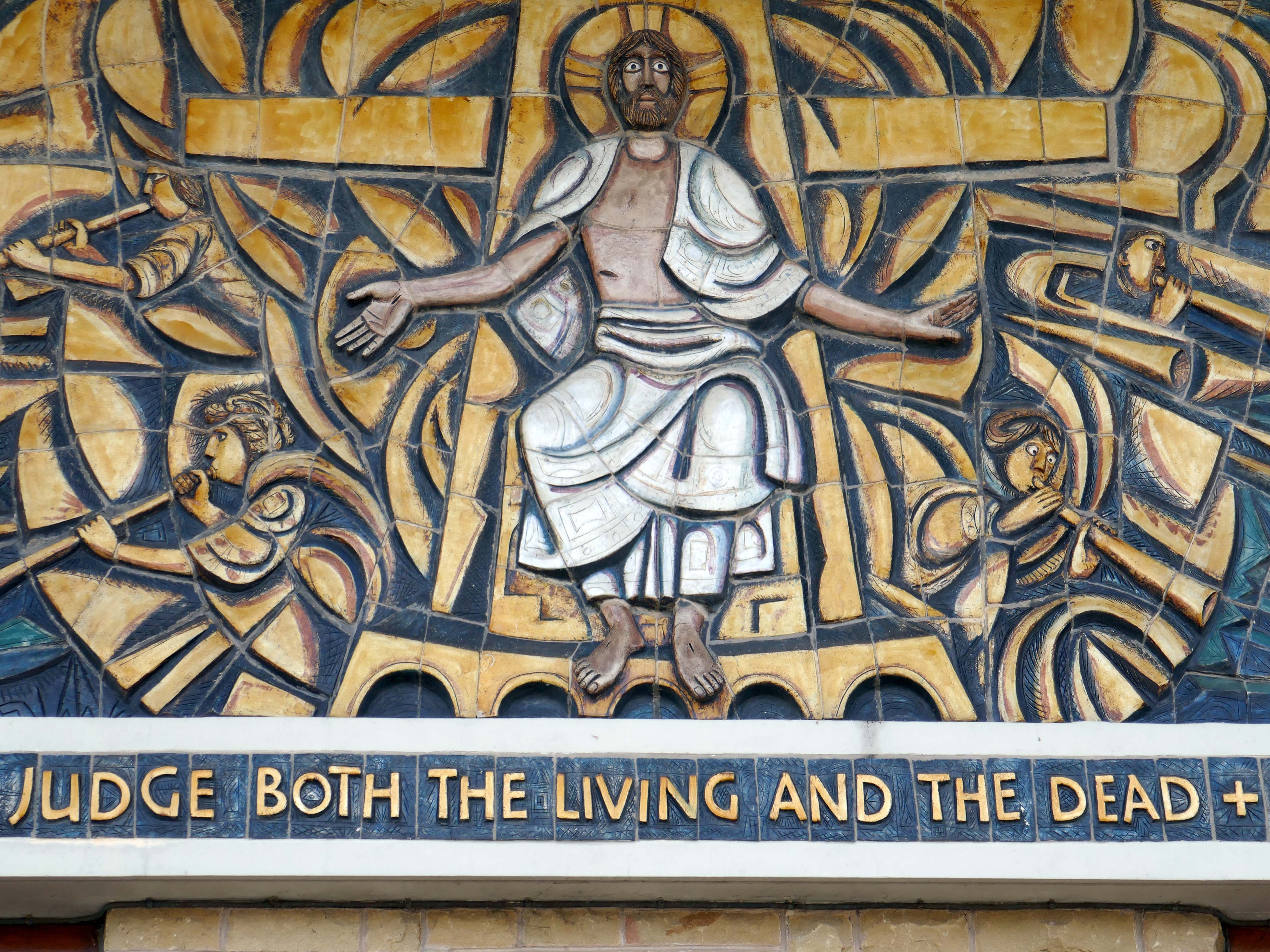
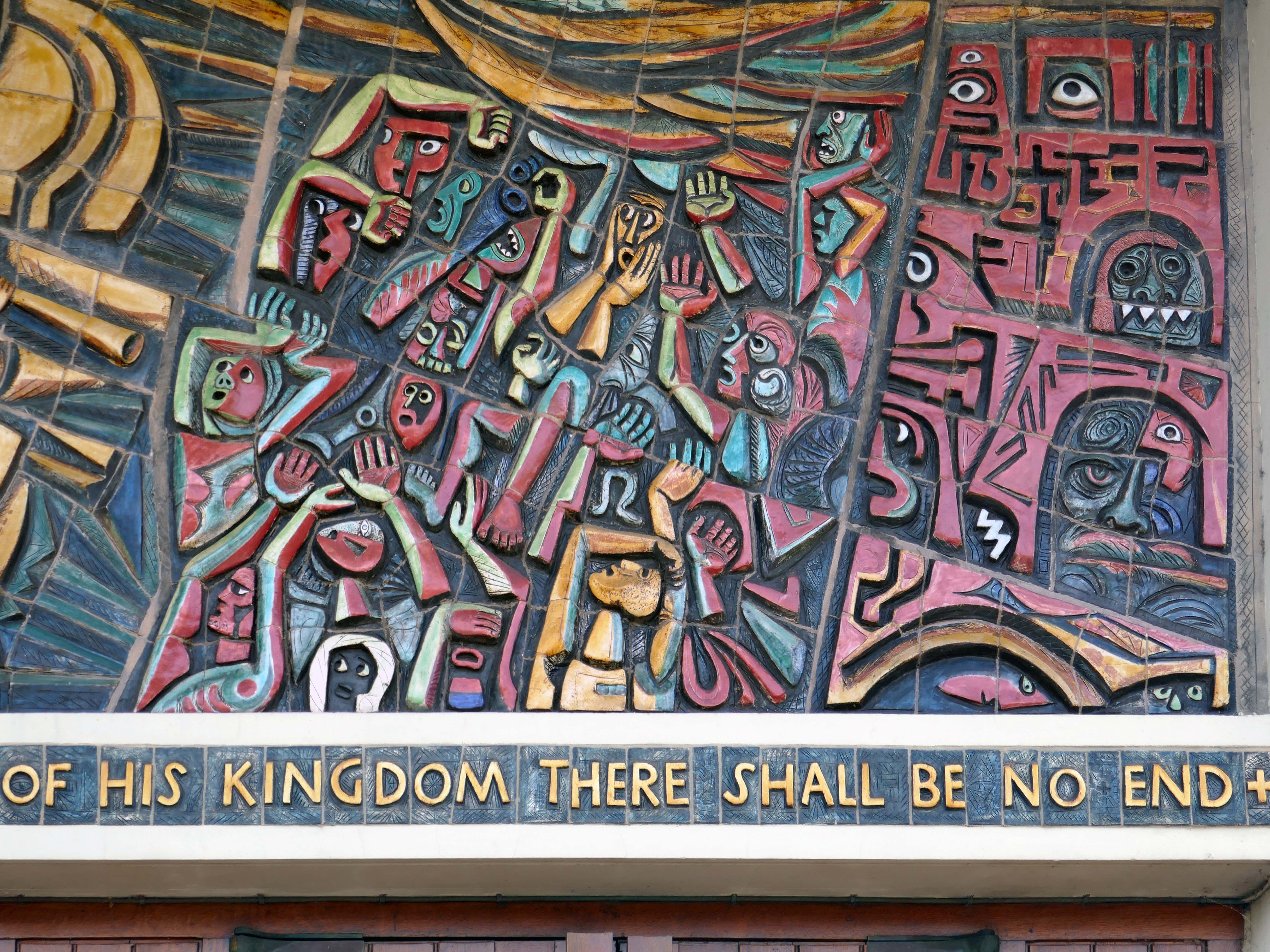
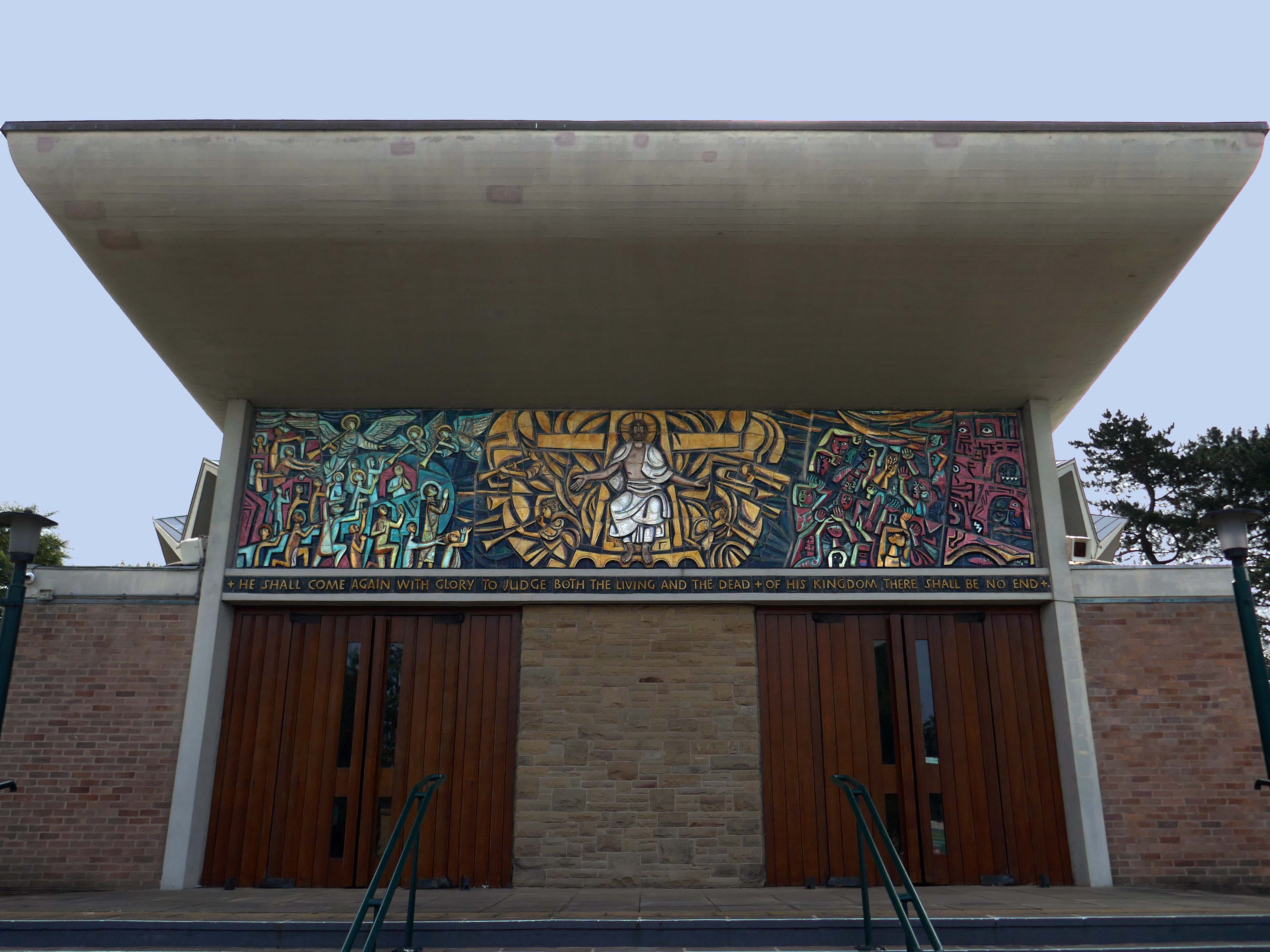
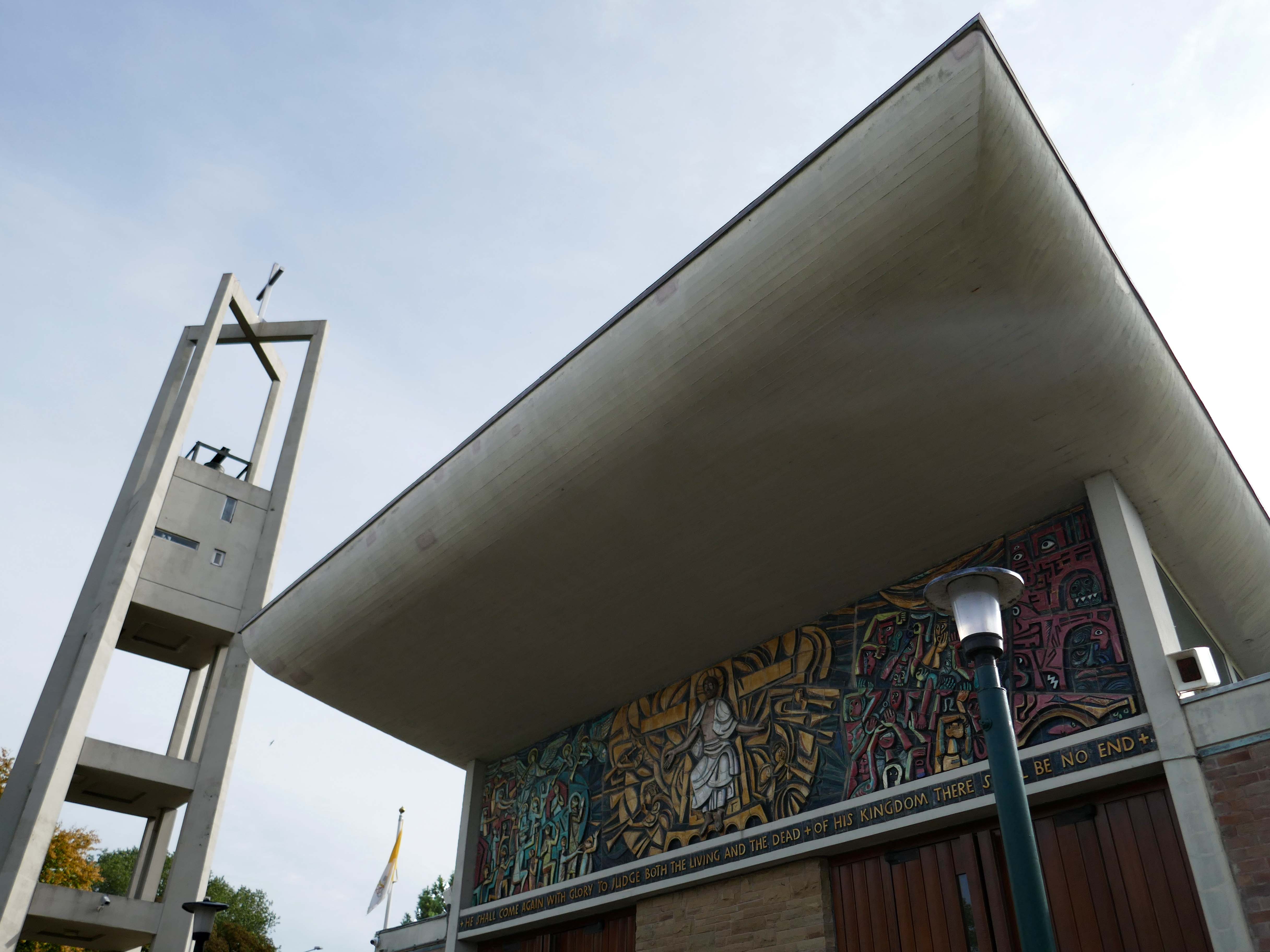
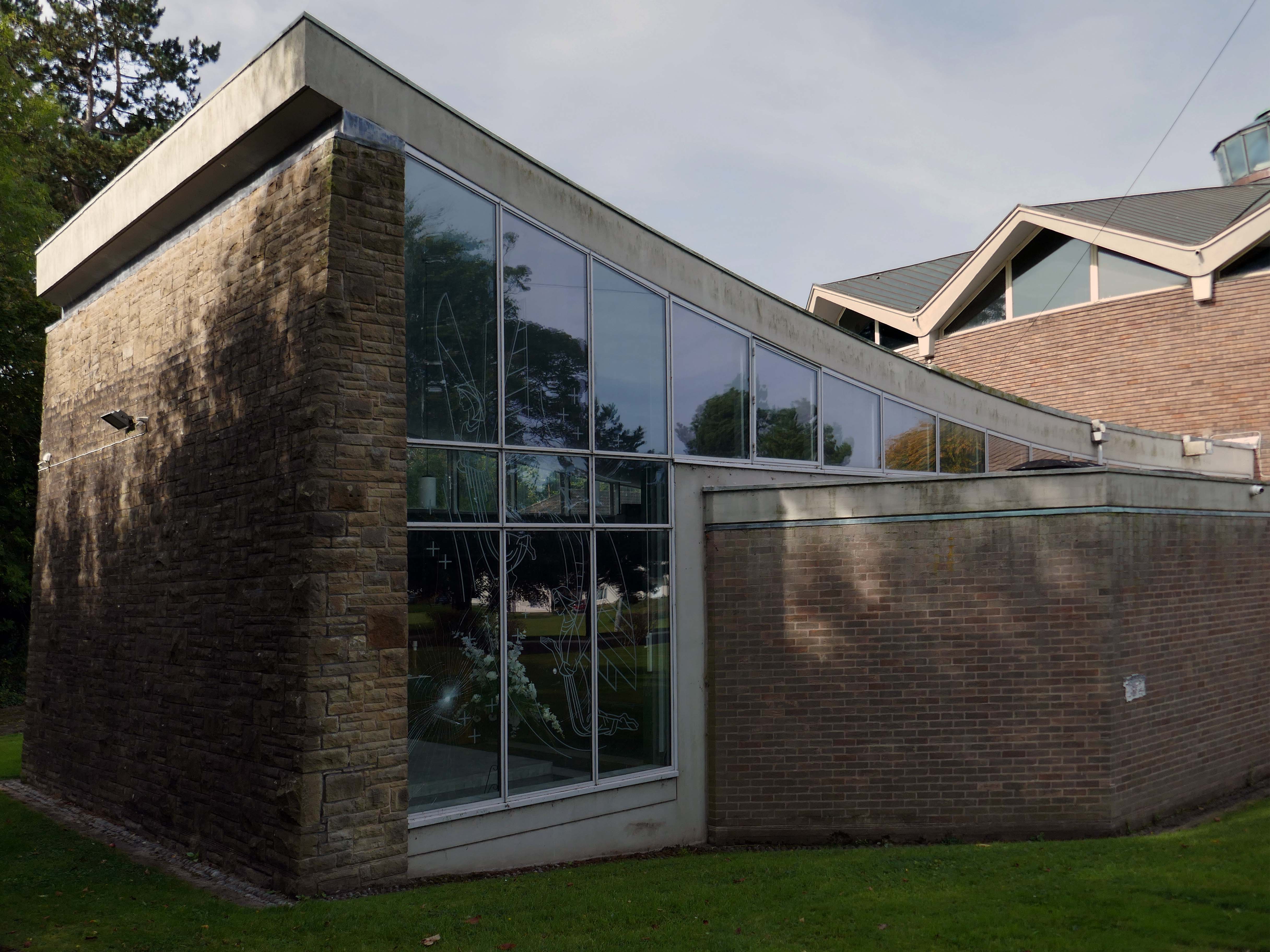
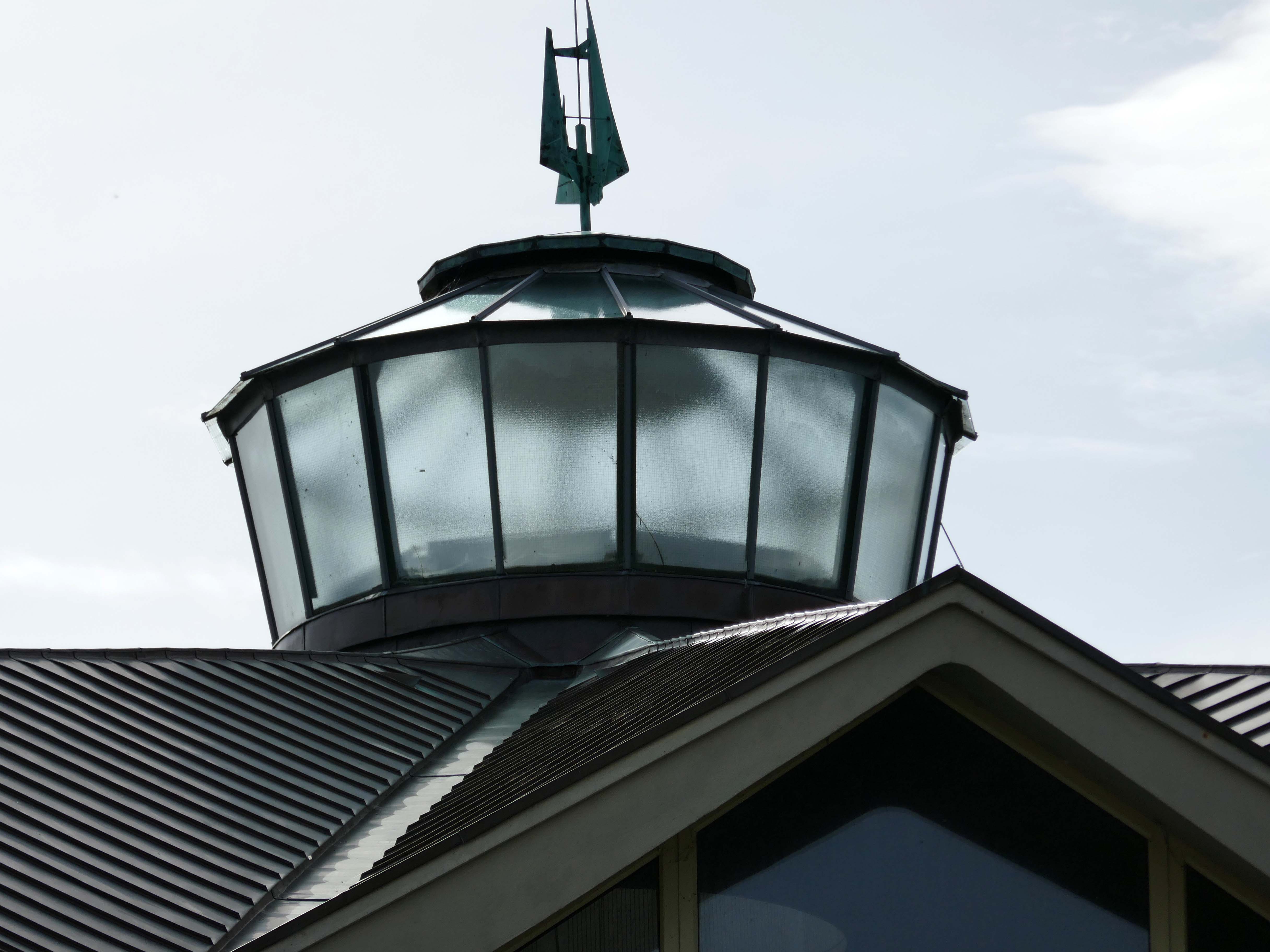
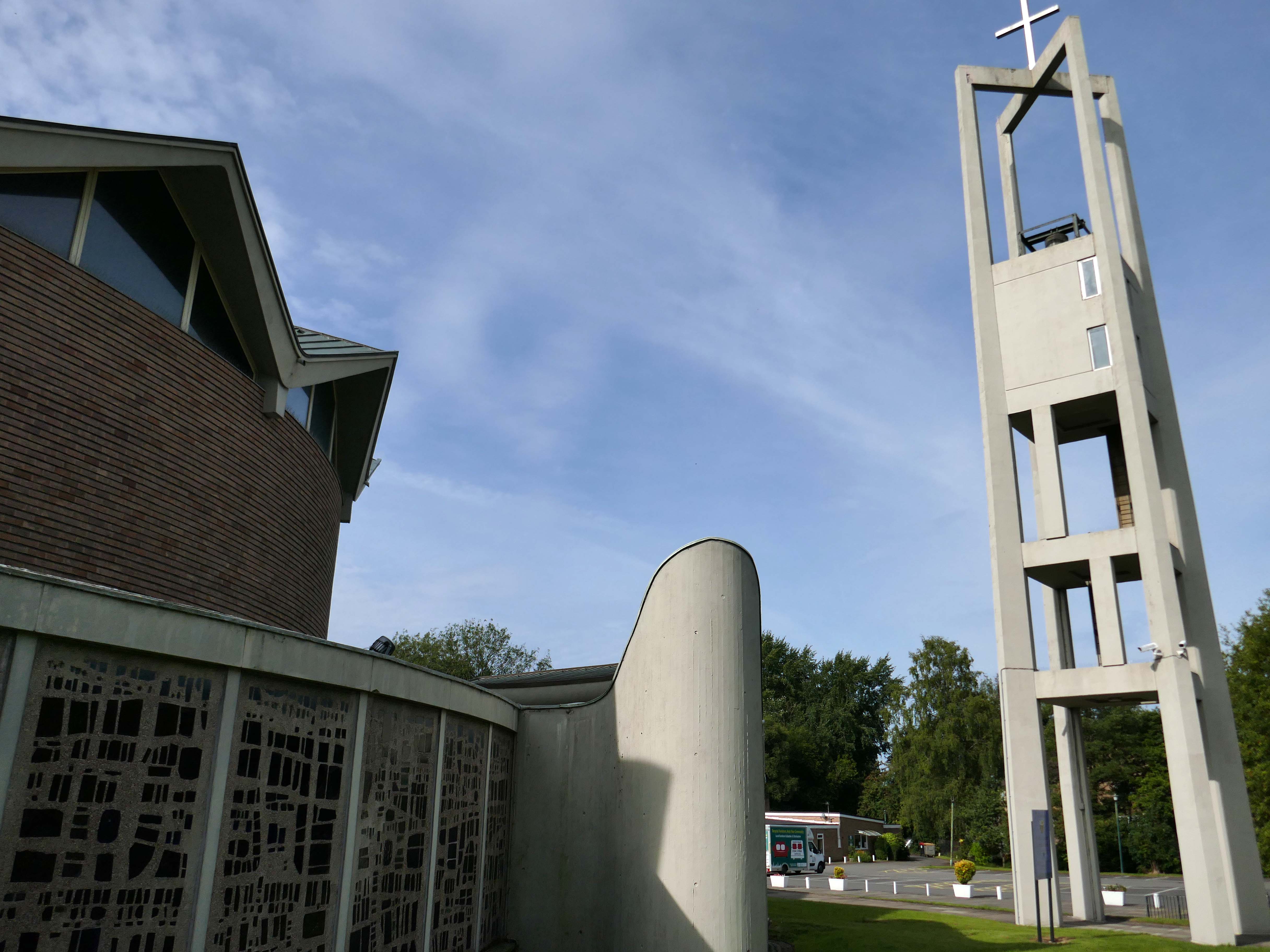
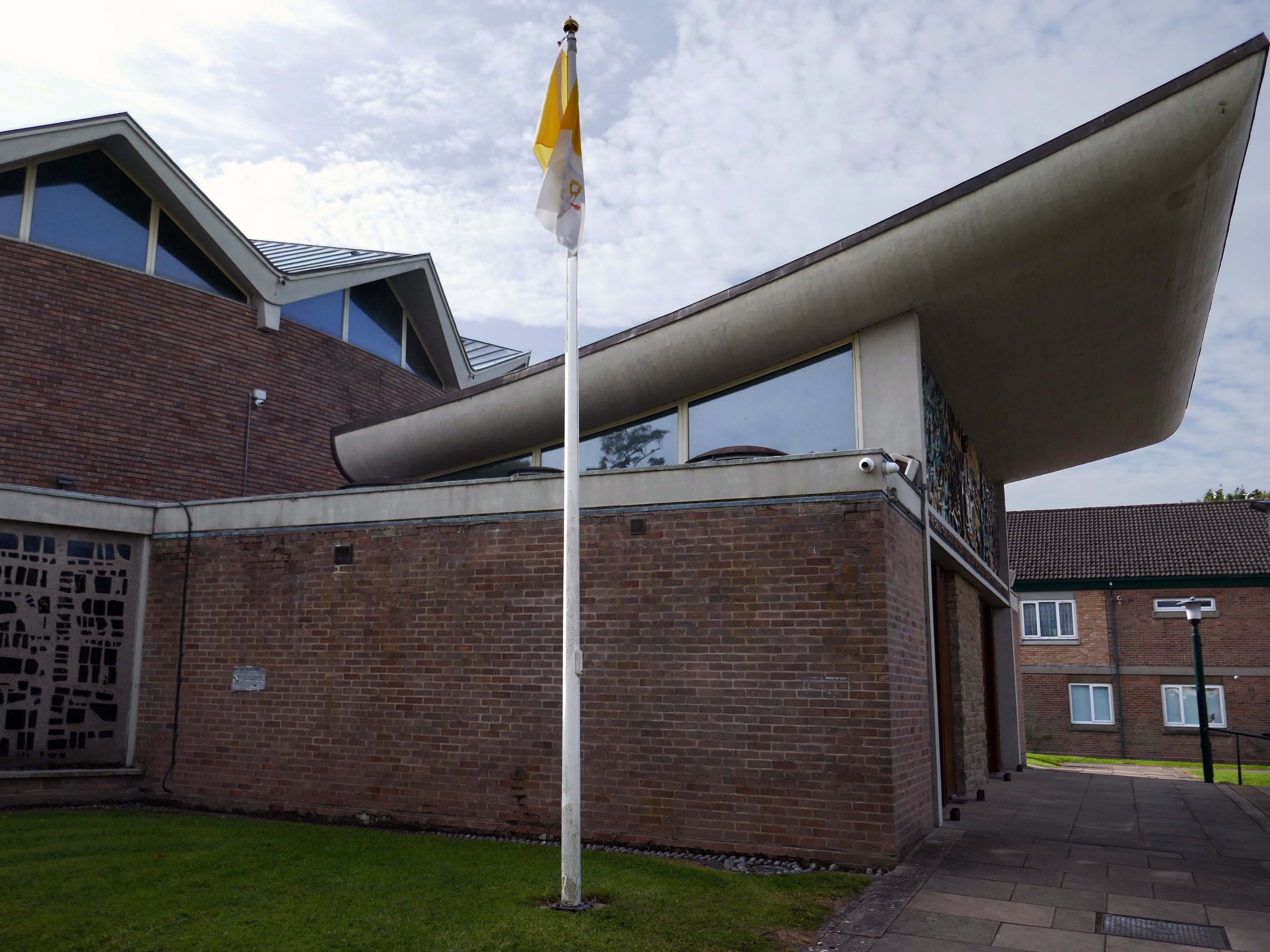
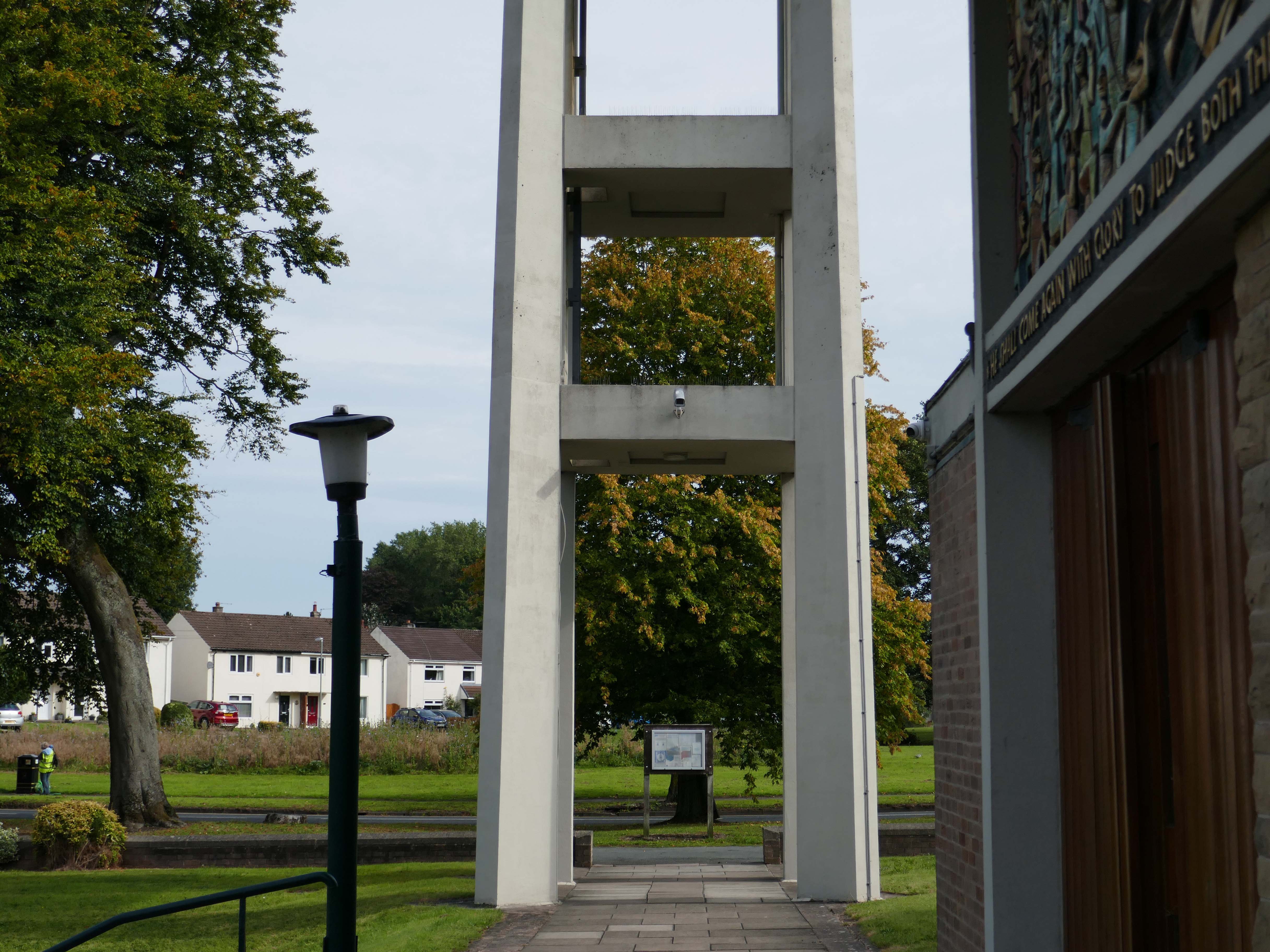
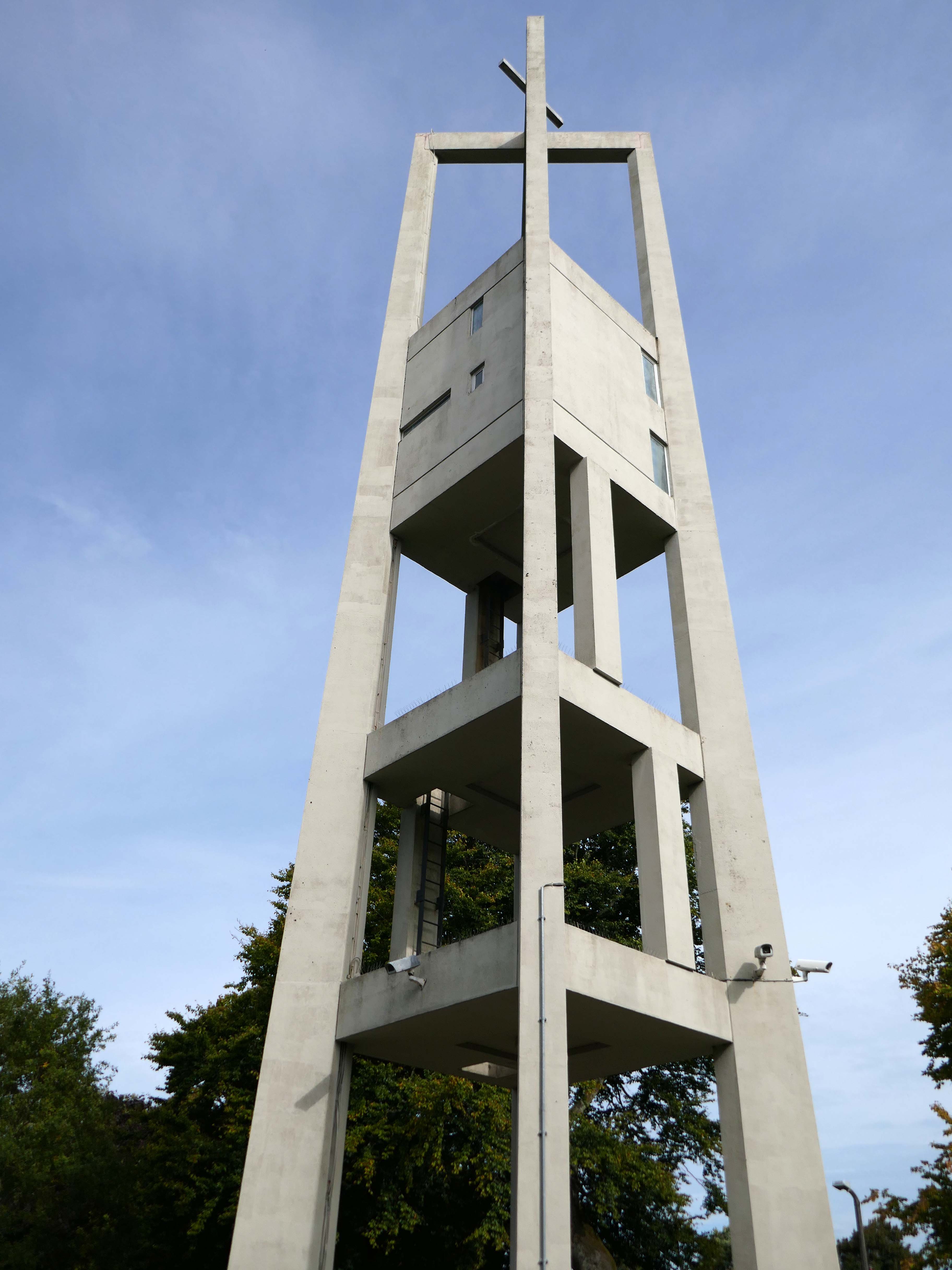
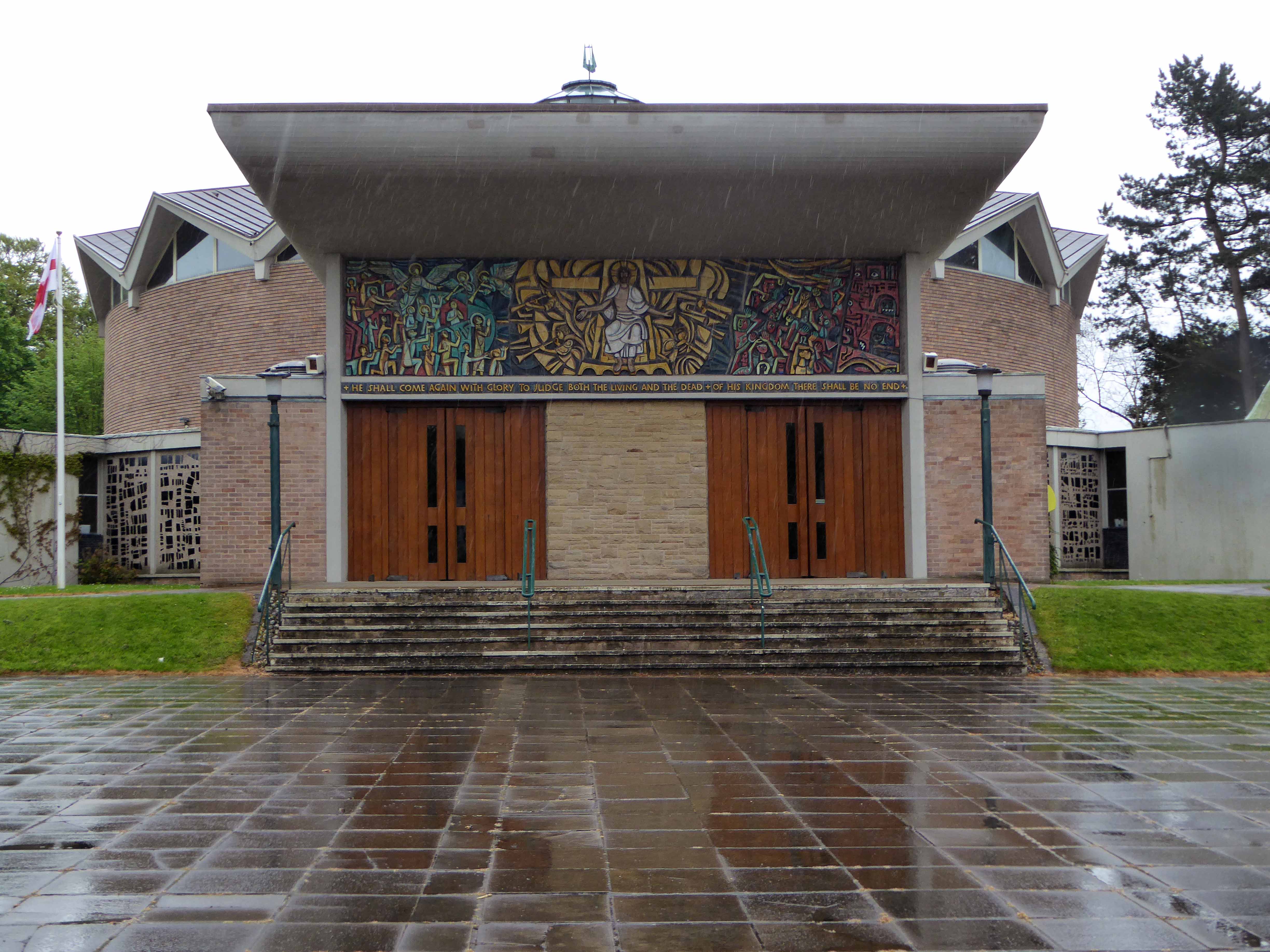
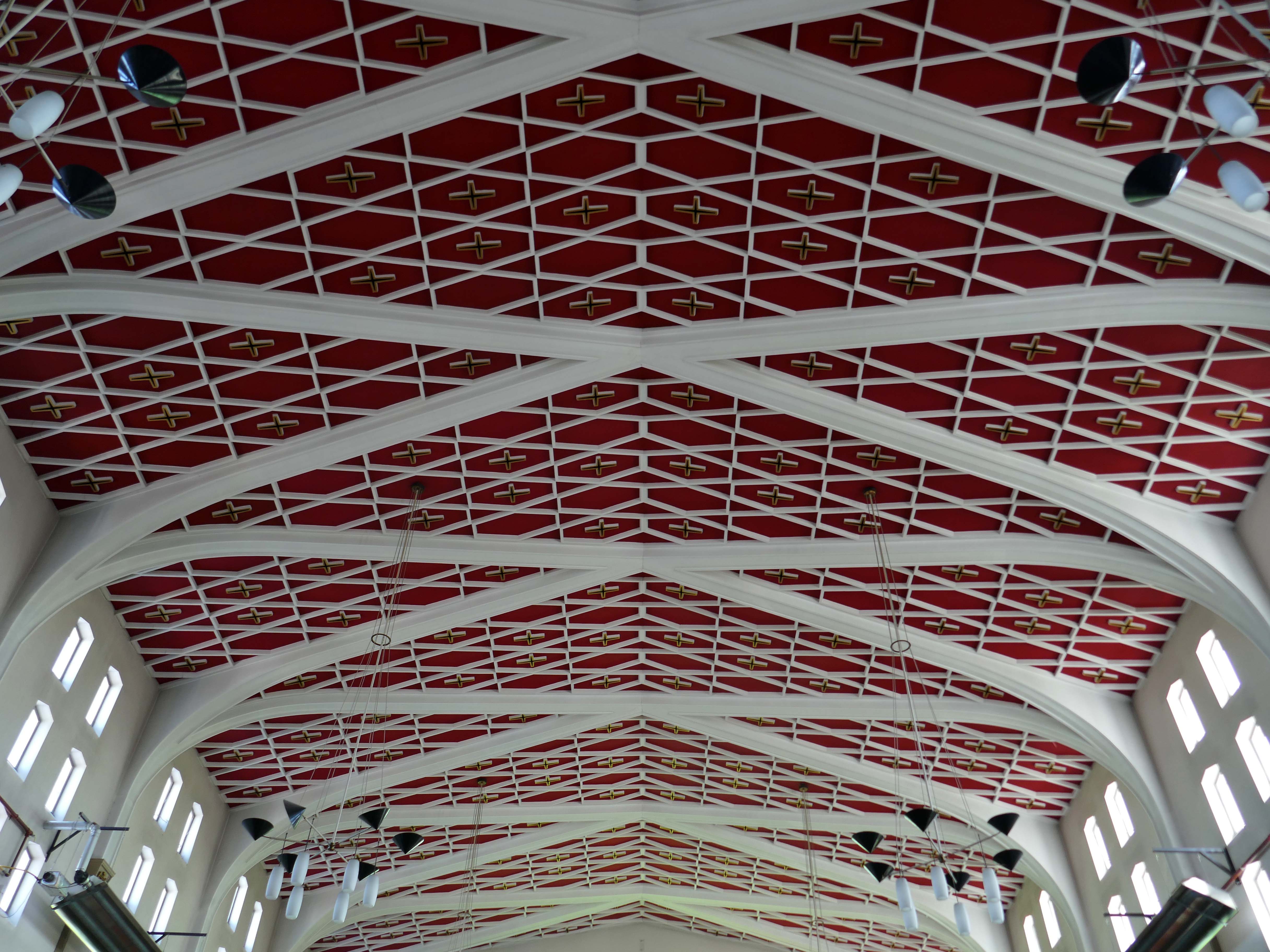
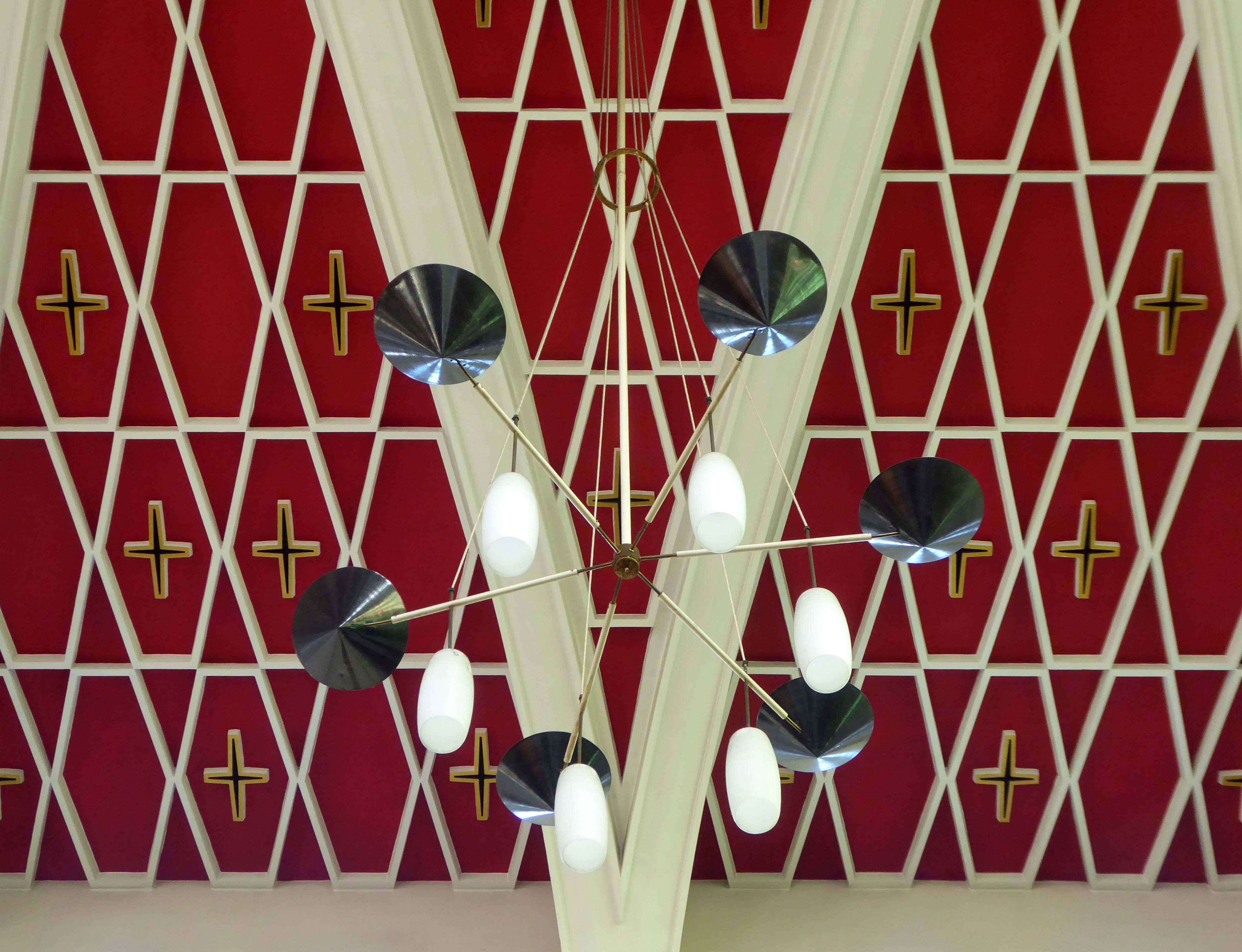
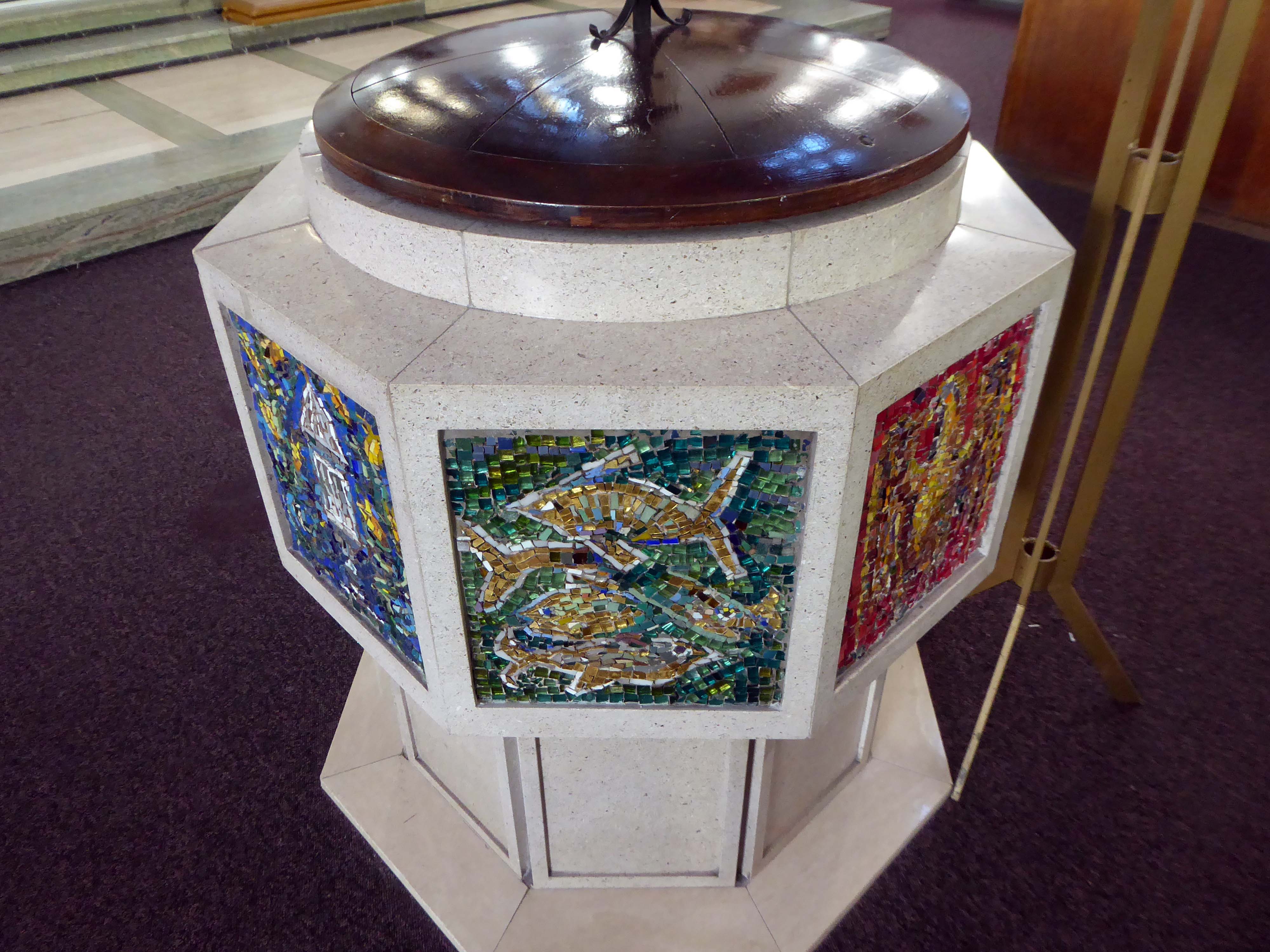
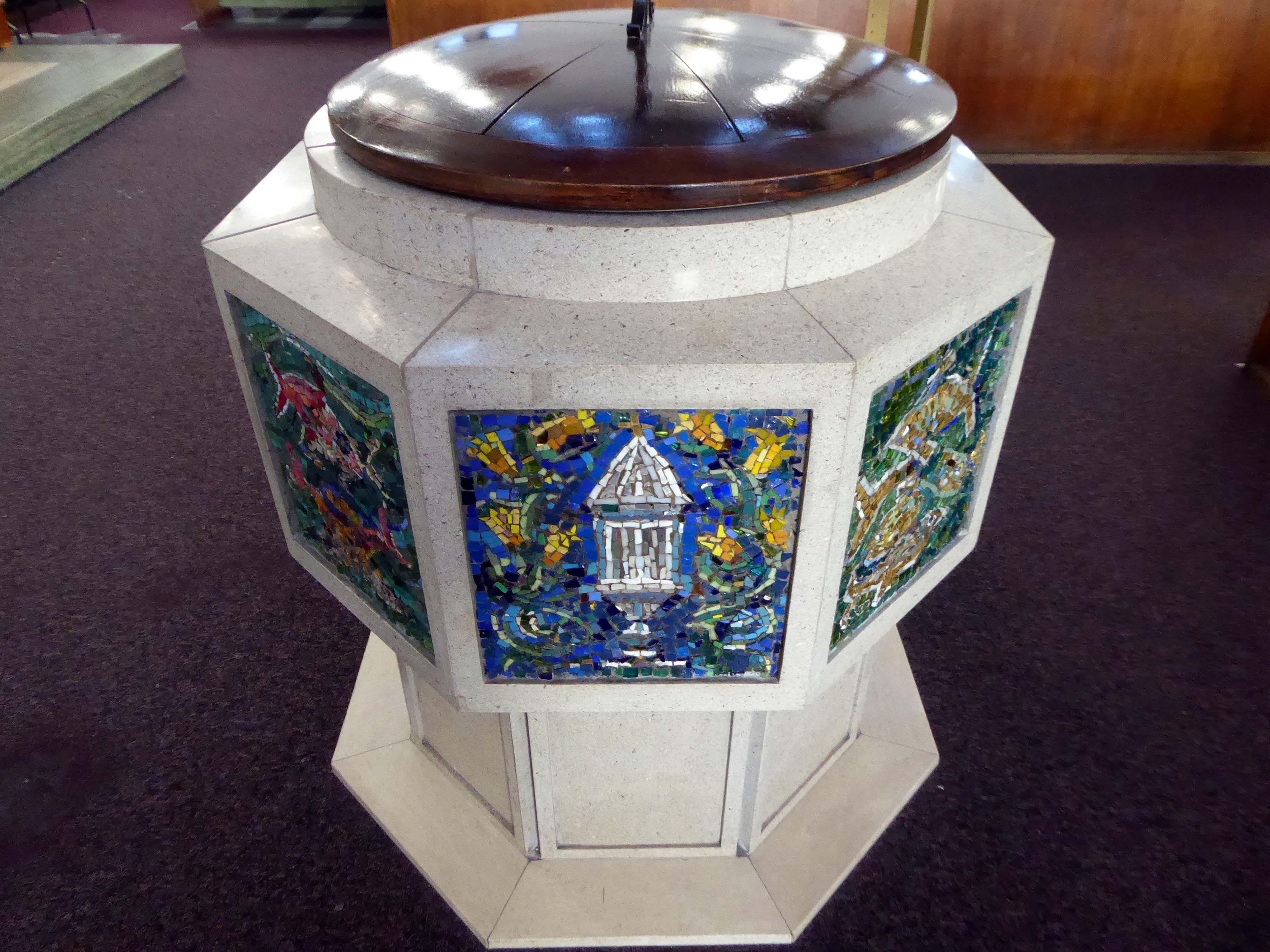
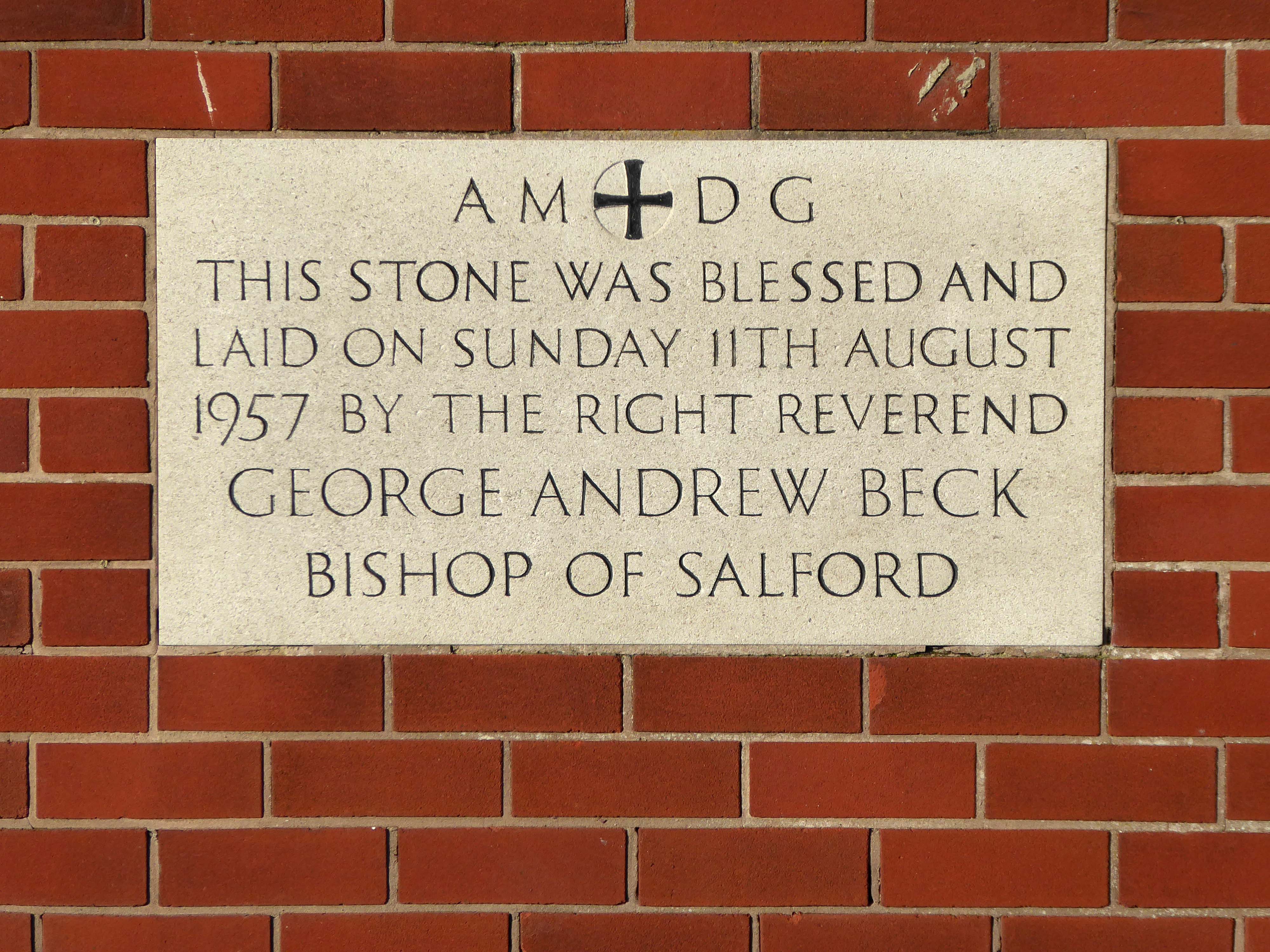
The church was designed by Jerzy Faczynski of Weightman and Bullen. Cardinal Heenan blessed the foundation stone in 1962 and the new church was completed ready for its consecration and dedication by Archbishop Beck in April 1964.
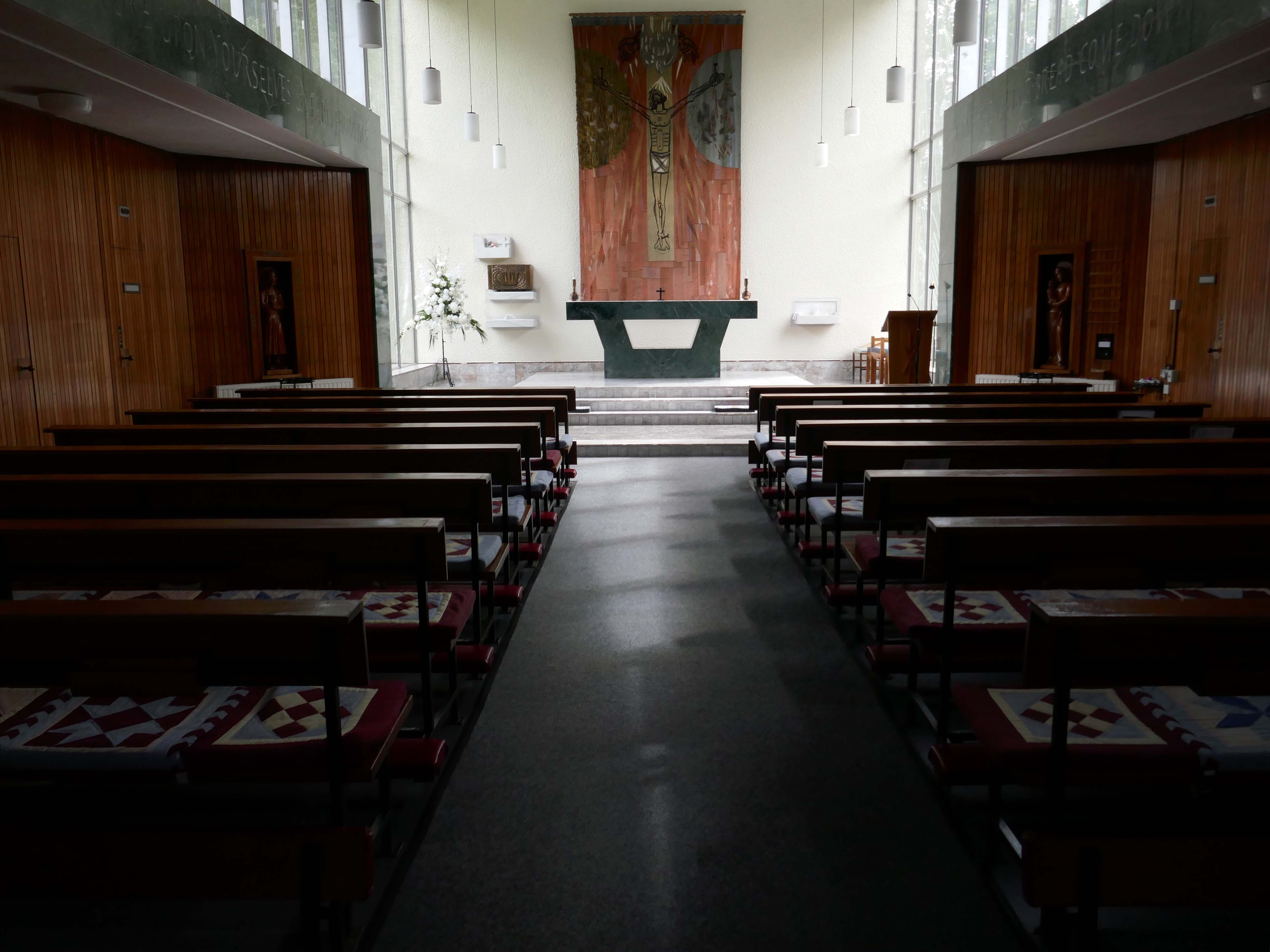
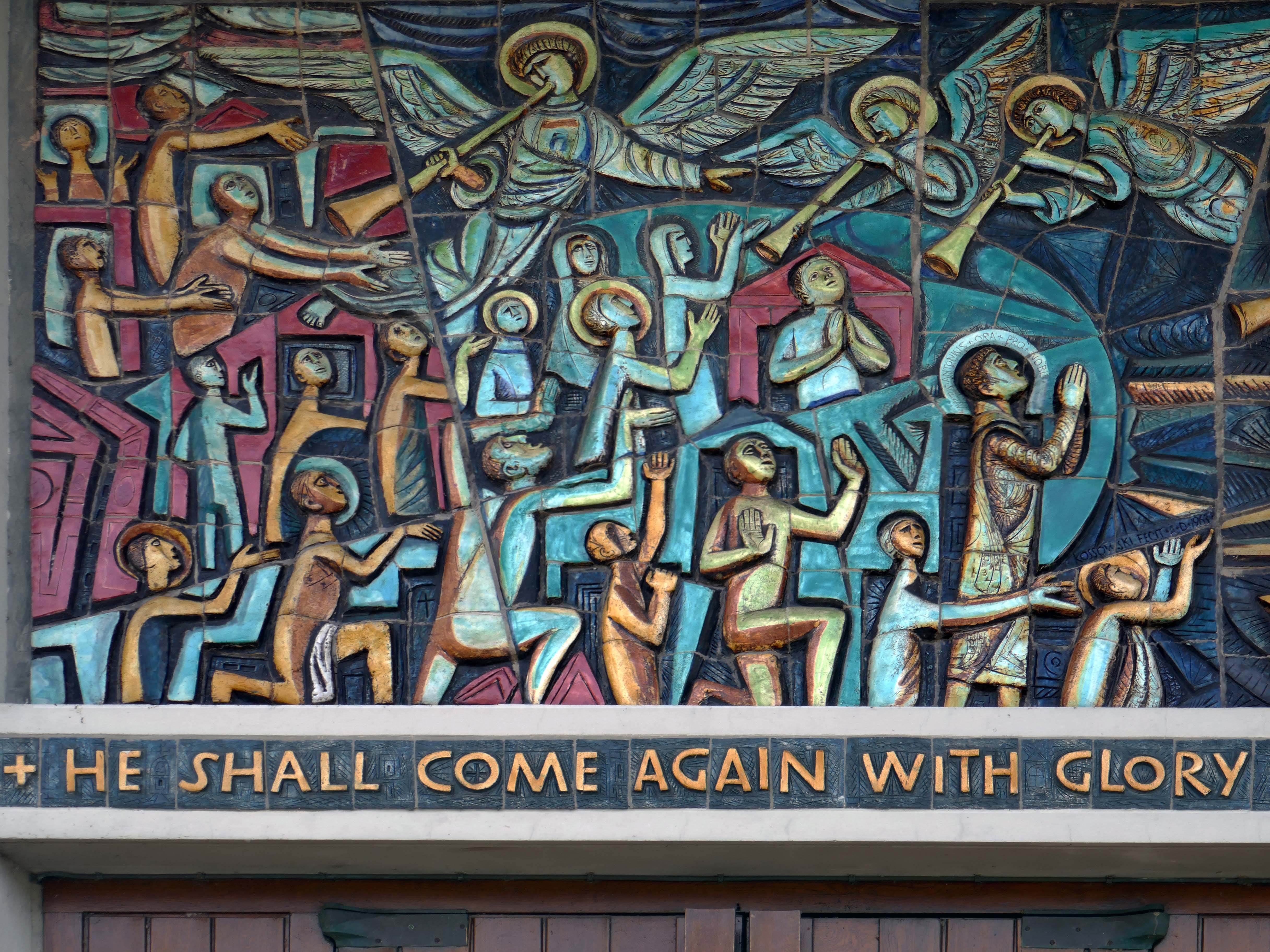
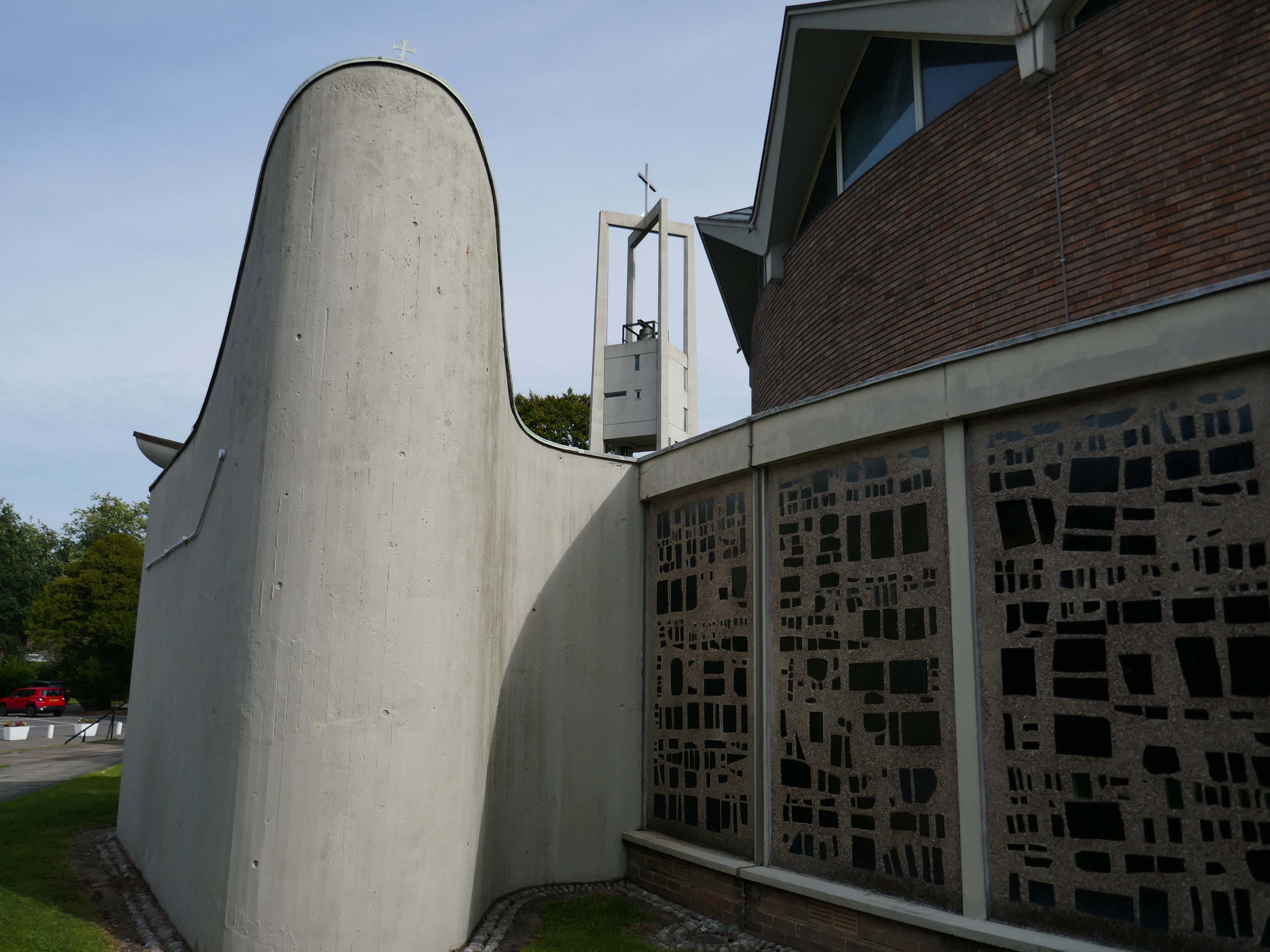
The church is a testament to the ambition, imagination and optimism of its age. Significantly, the building was the collaborative work of both immigrant and native architects, artists and designers.
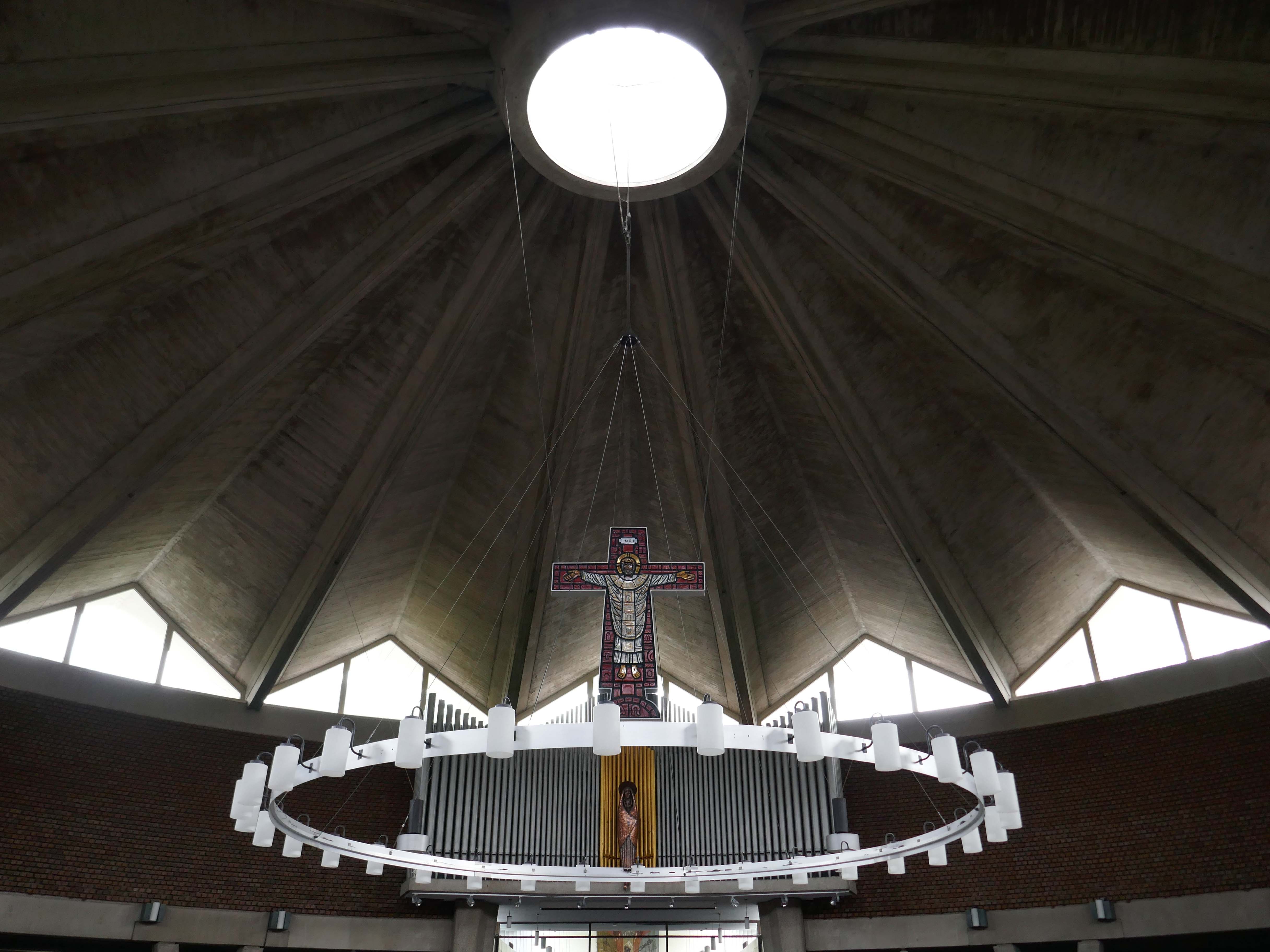
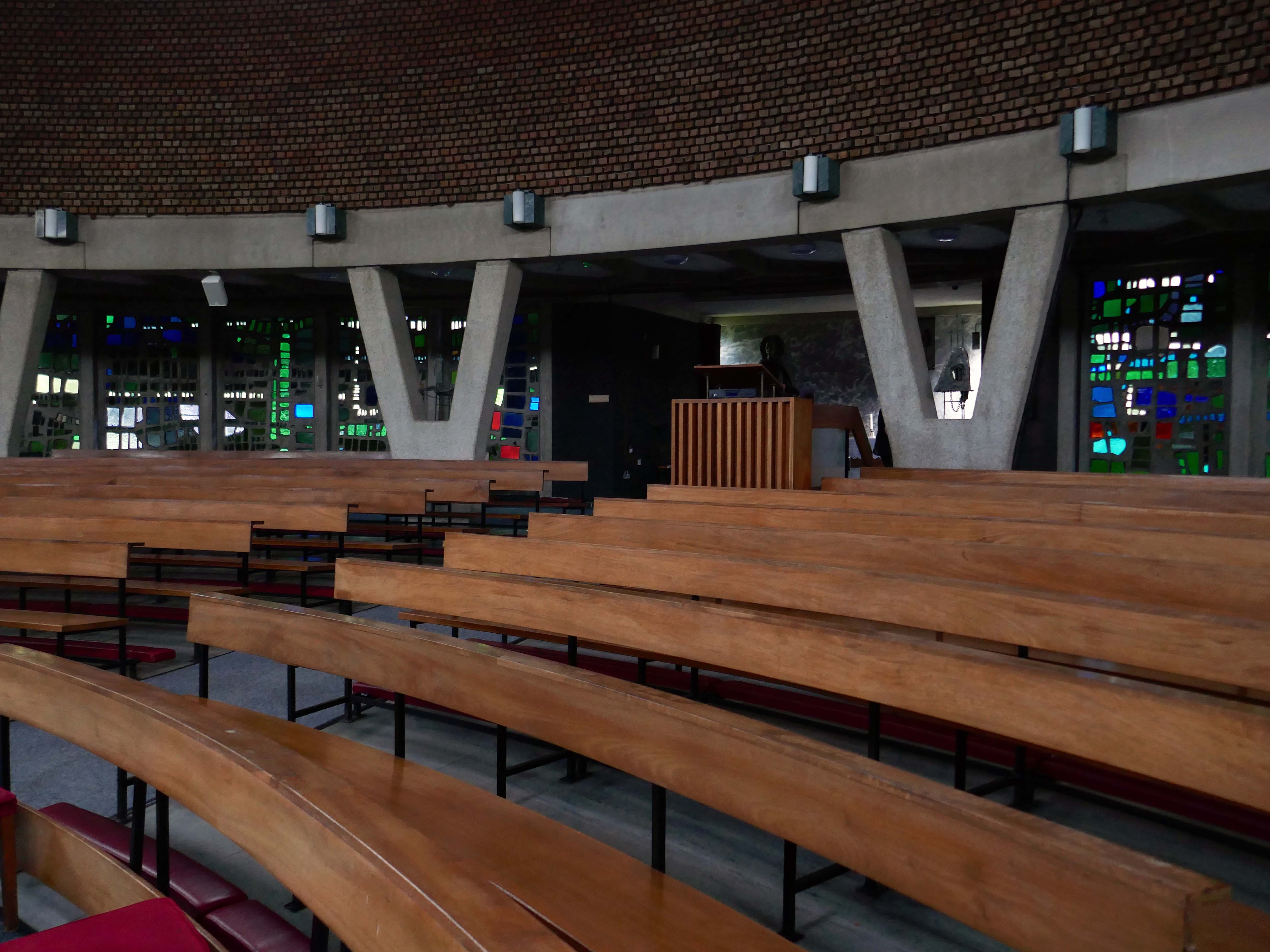
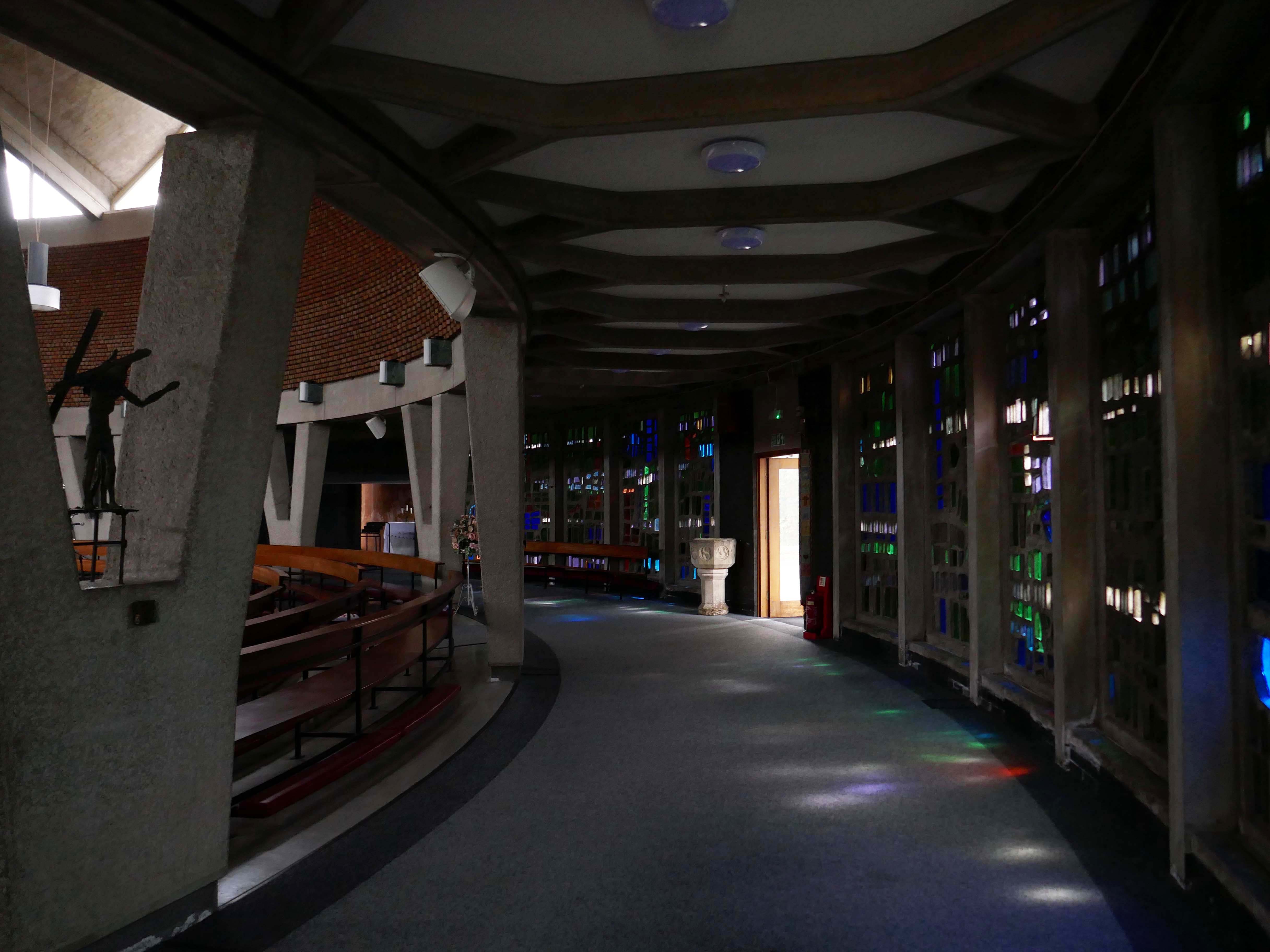
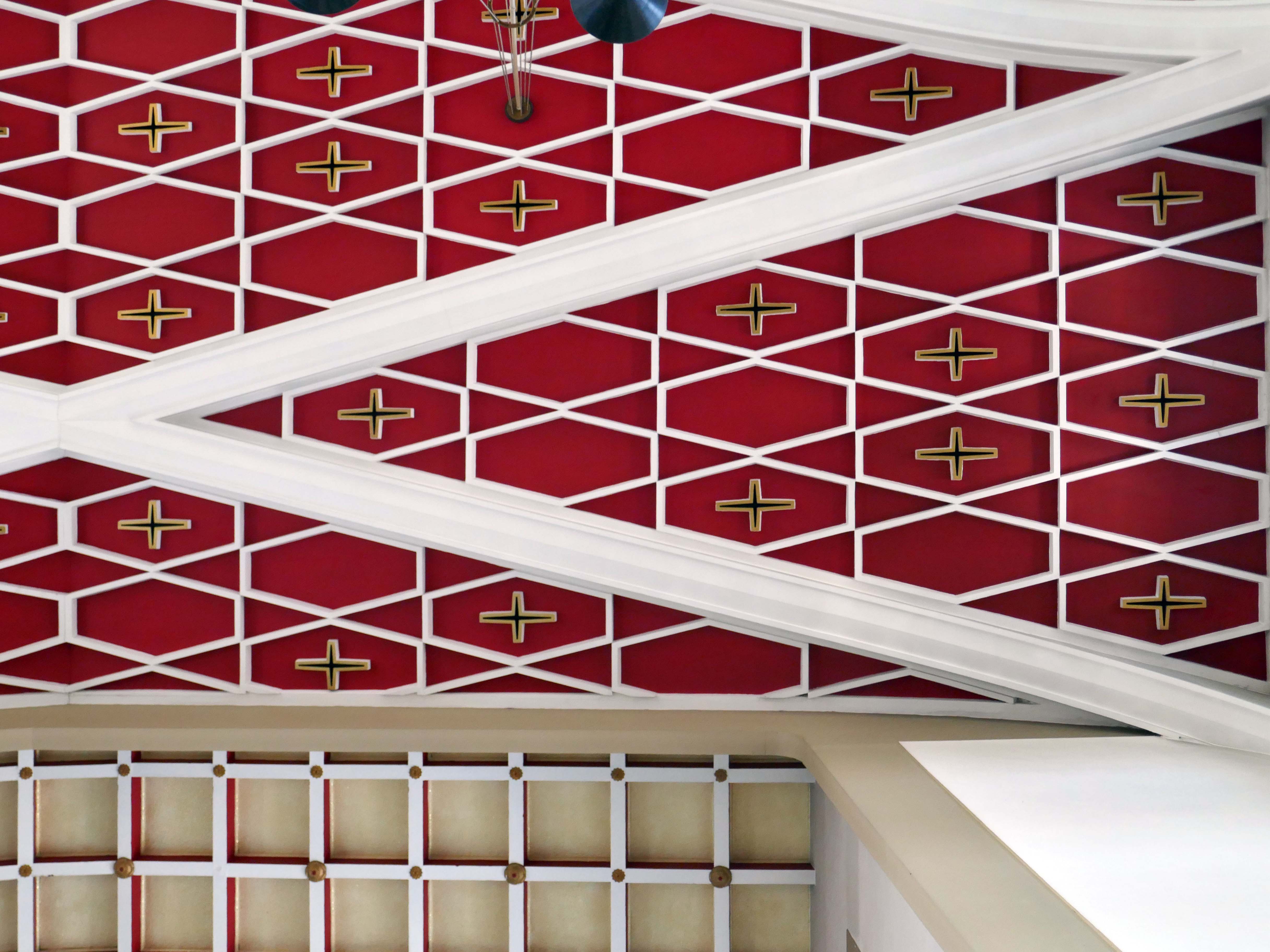
A folded slab roof of ninety five feet in diameter, its concrete cast on site, bearing the marks of the wooden shuttering, contrasting with the smooth surface of the pre-cast valley beams.
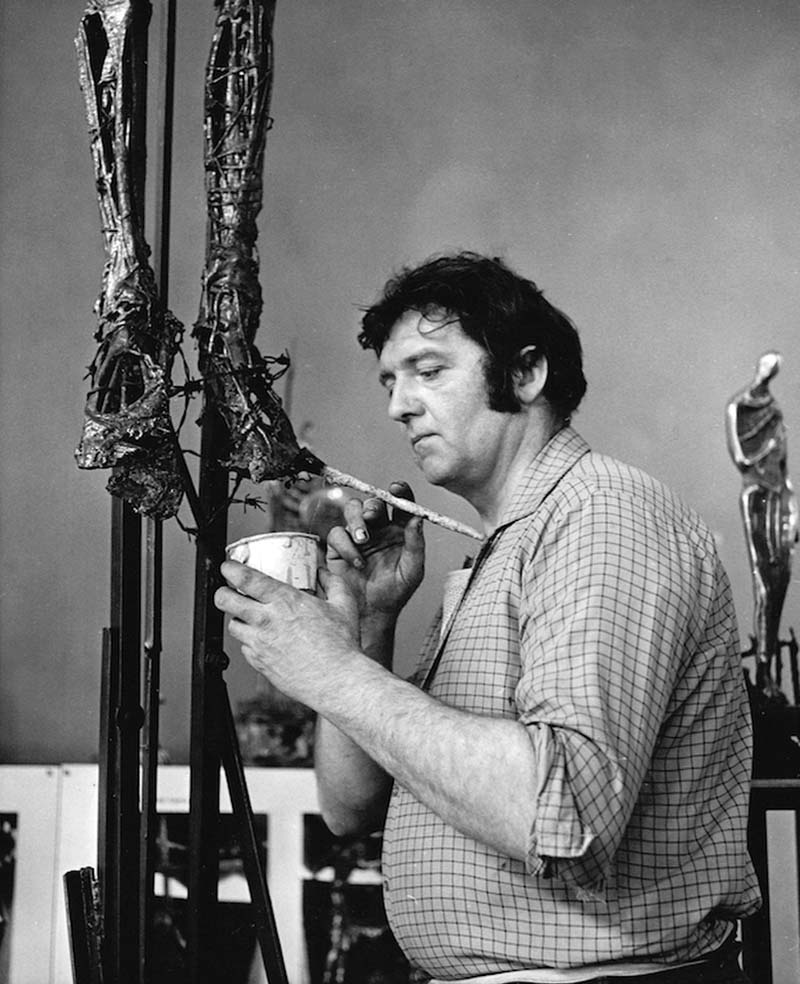
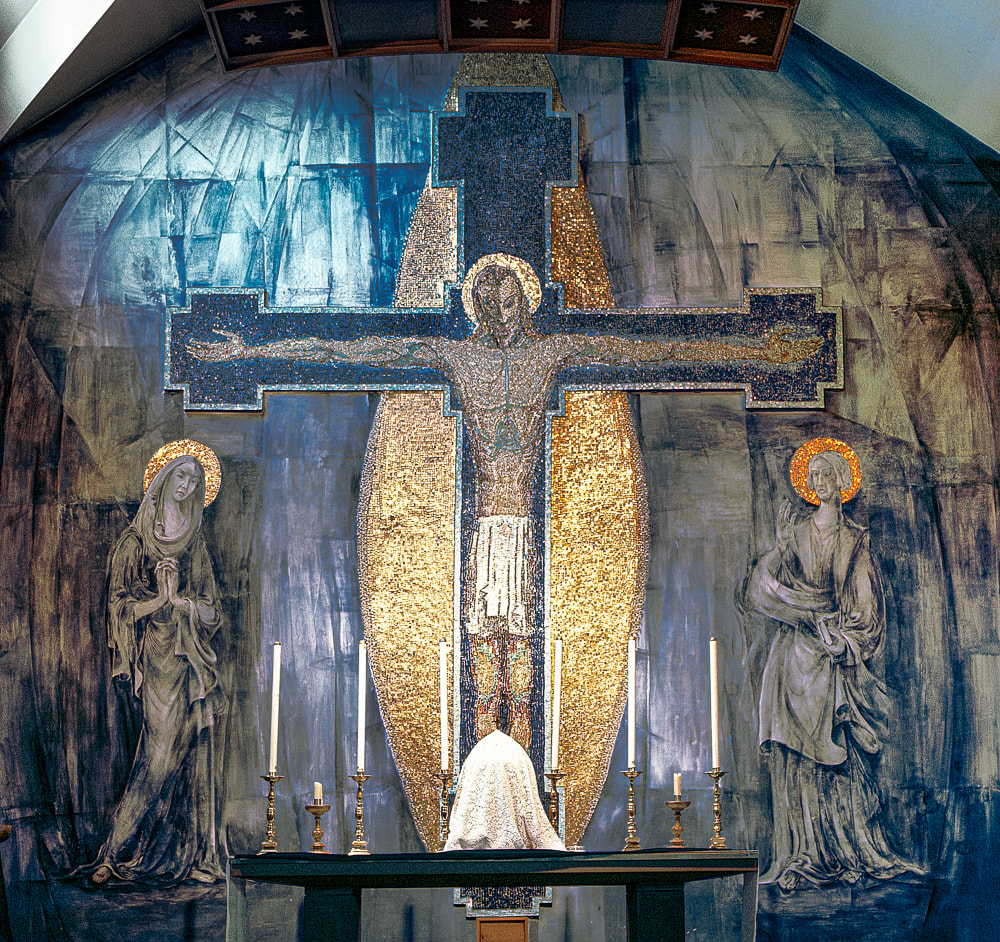
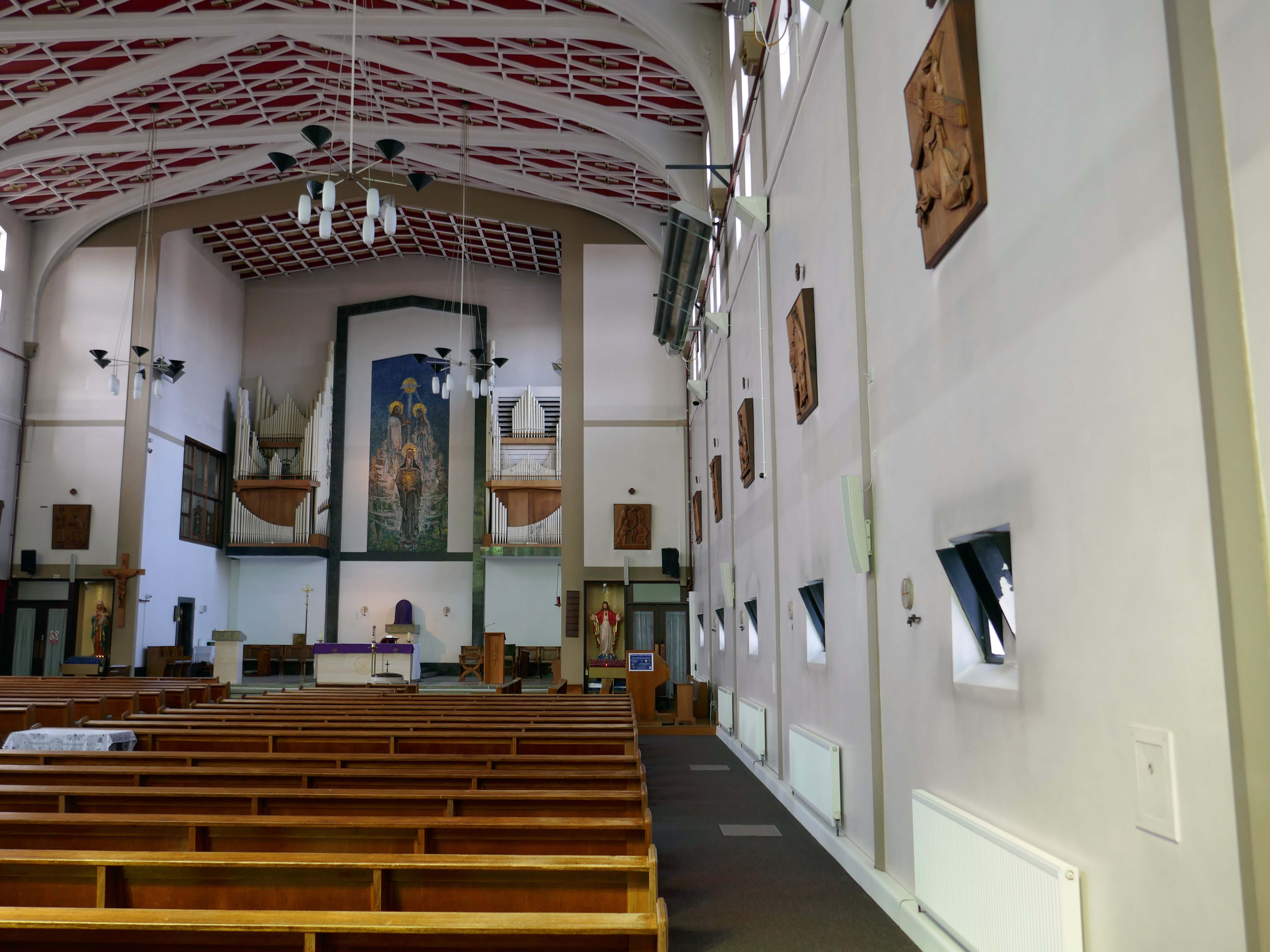
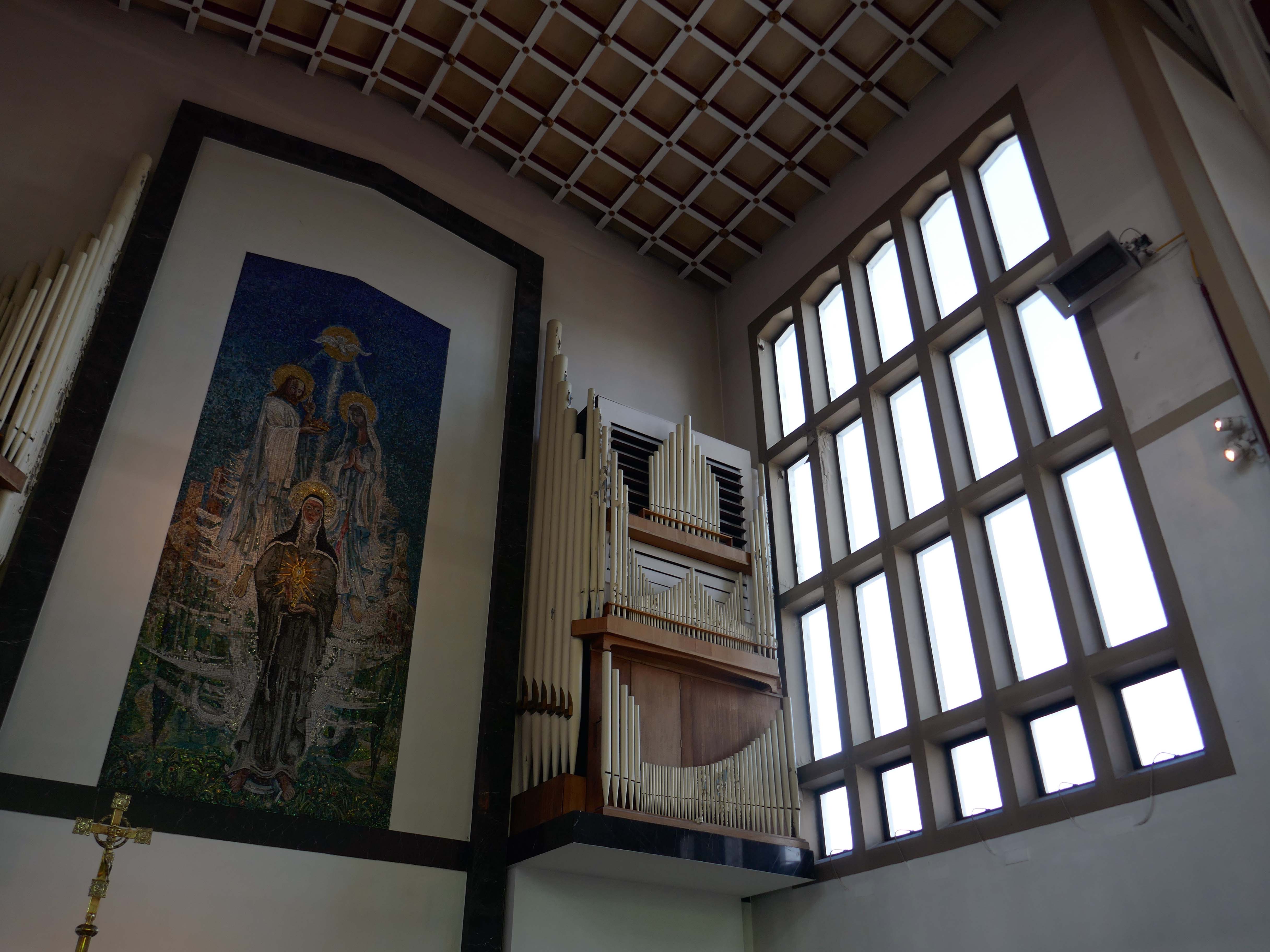
The Crucifix Rex frame is by Alan Roberts and the ceramic figure by Adam Kossowski.
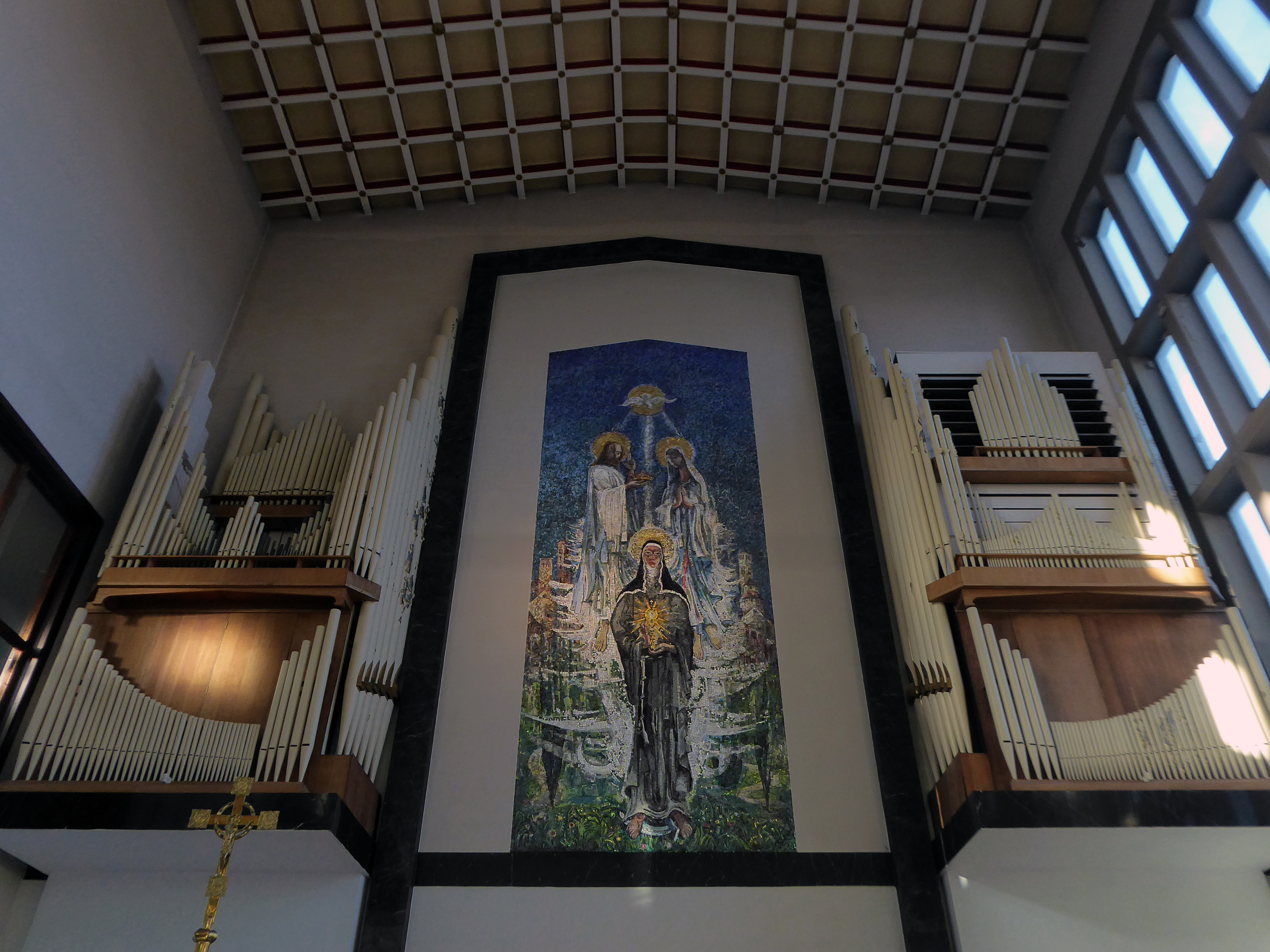
The organ is designed by JW Walker & Son.
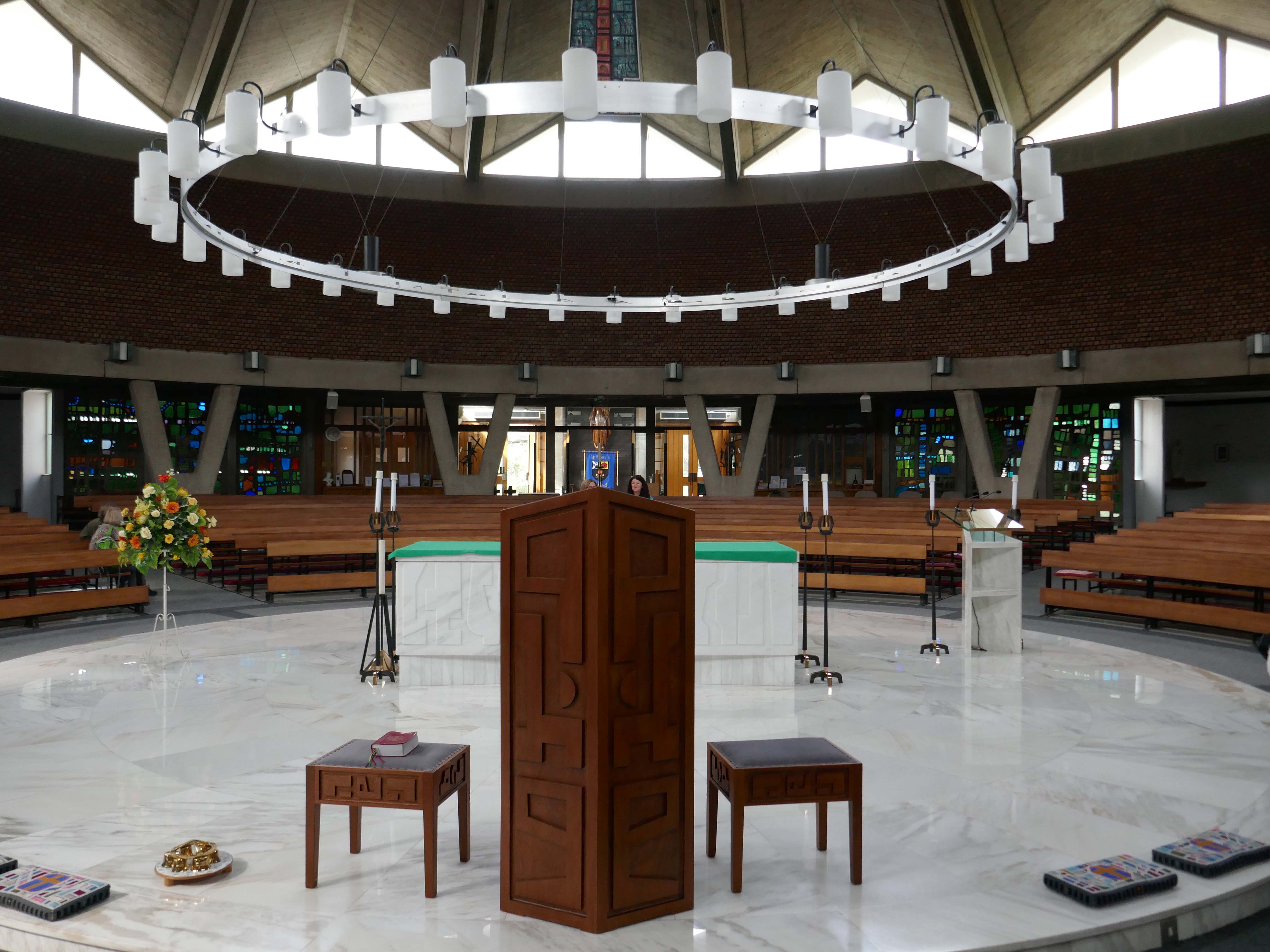
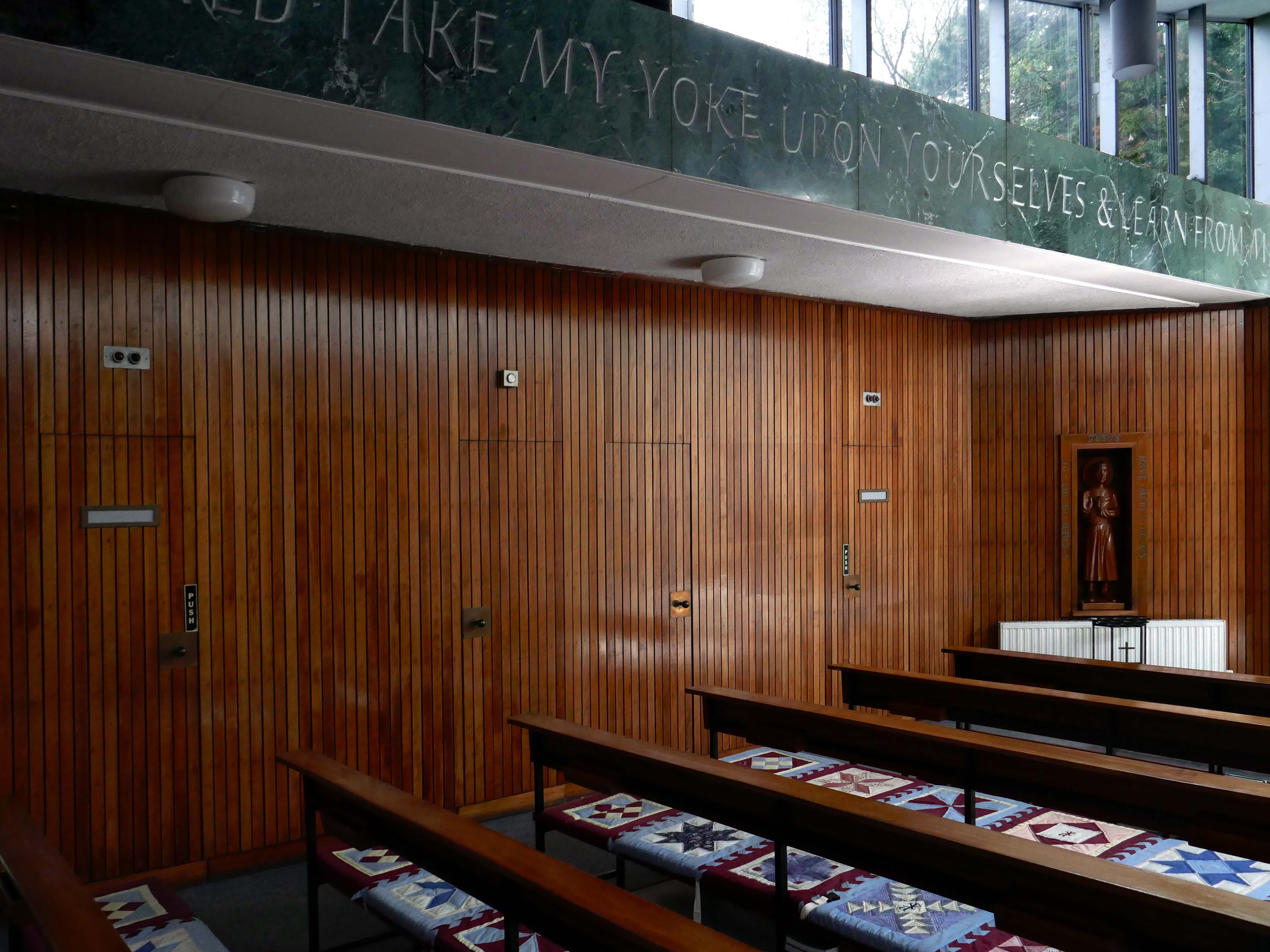
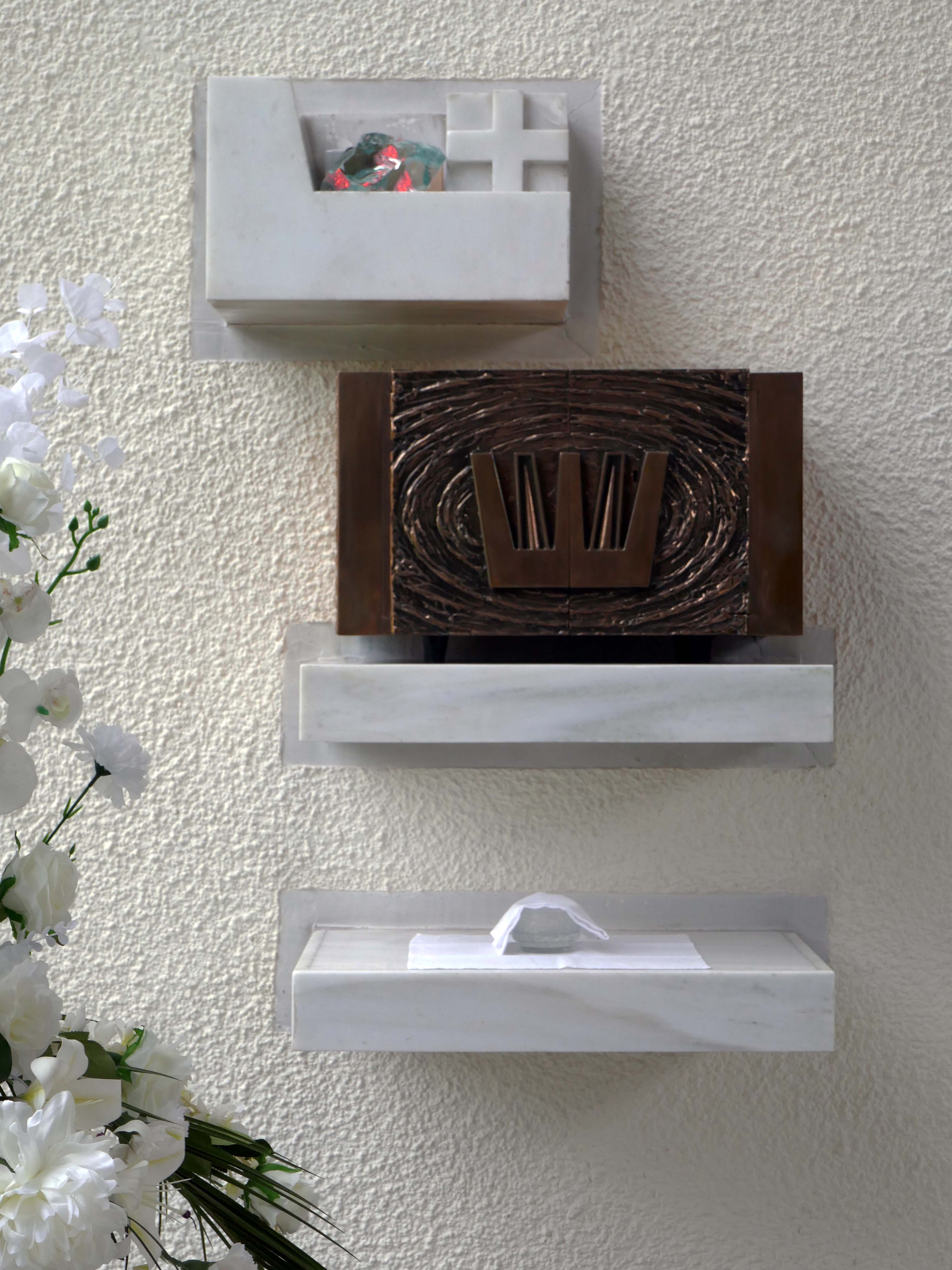
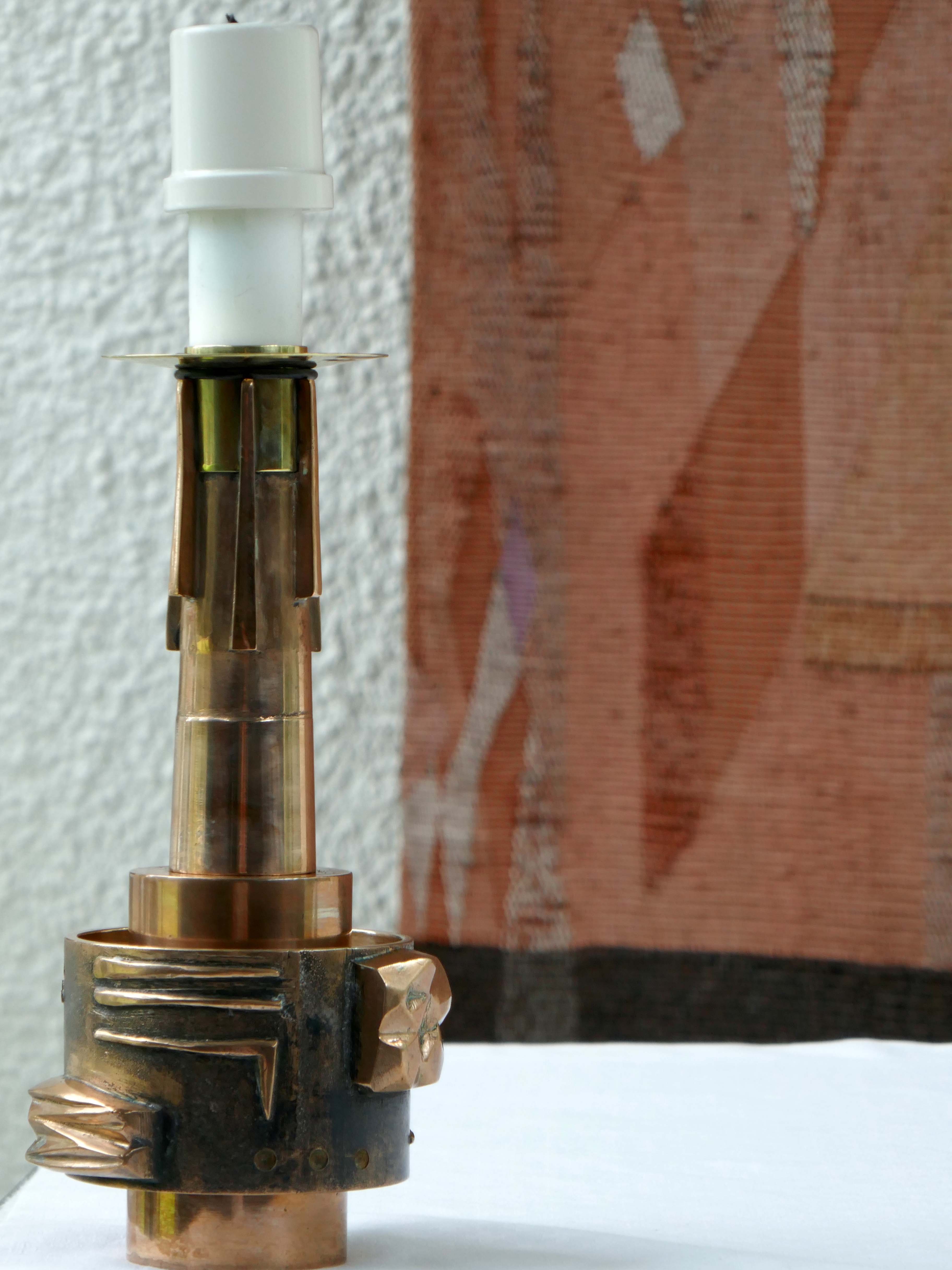
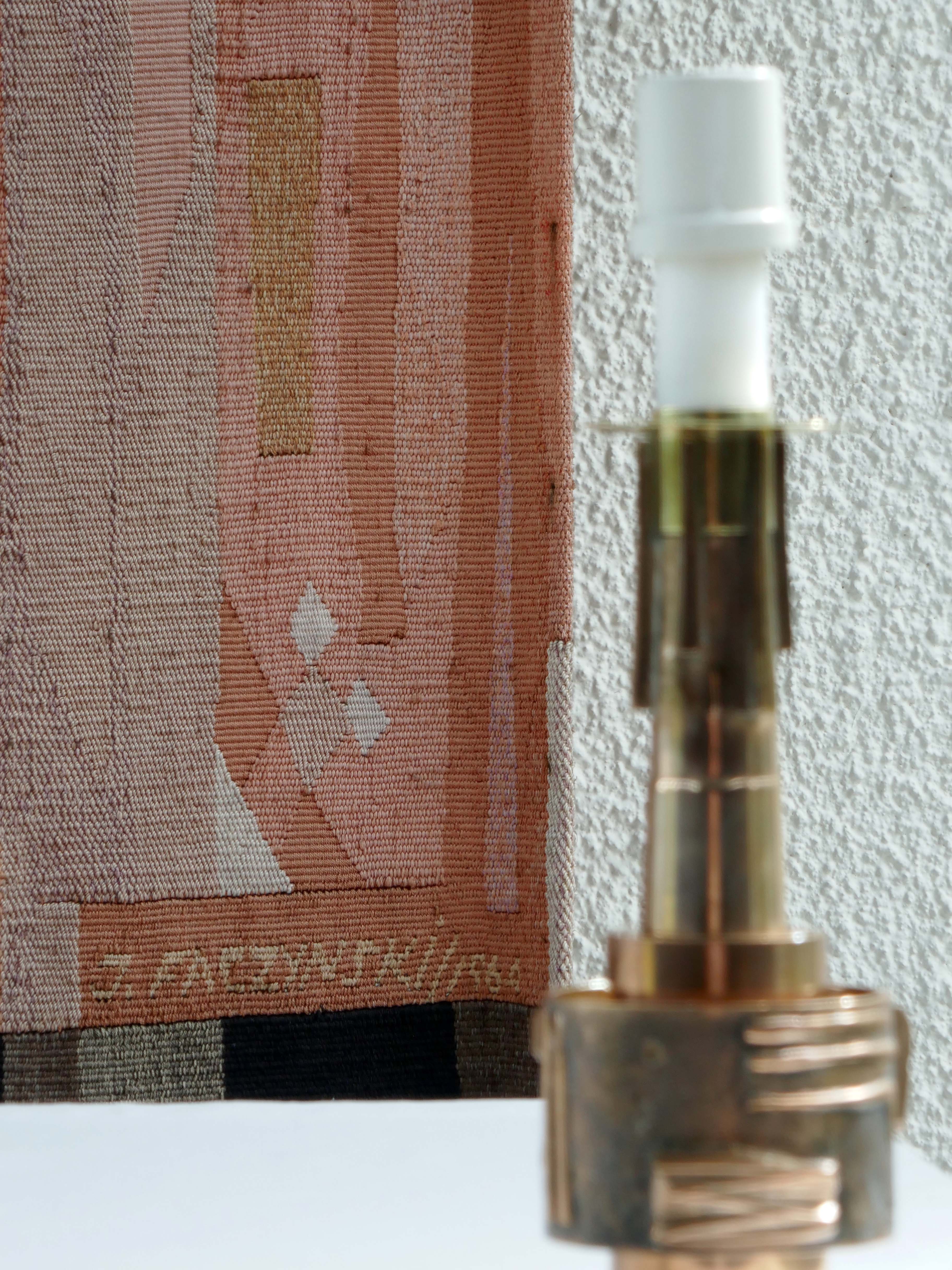
The candlesticks and metal furnishings in all the Chapels were fashioned in the foundry of Messrs Bagnall of Kirkby to the design of Robin McGhie.
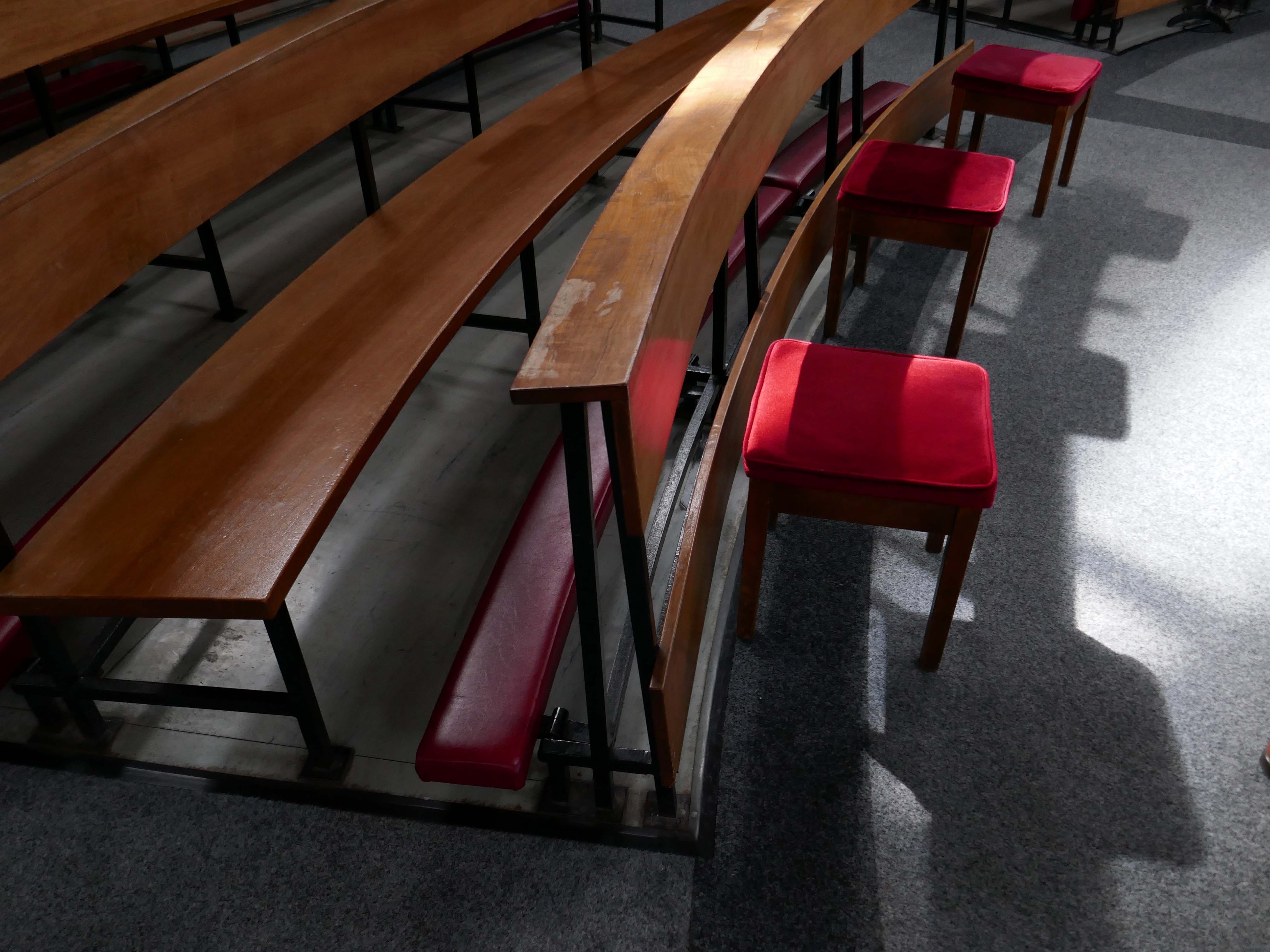
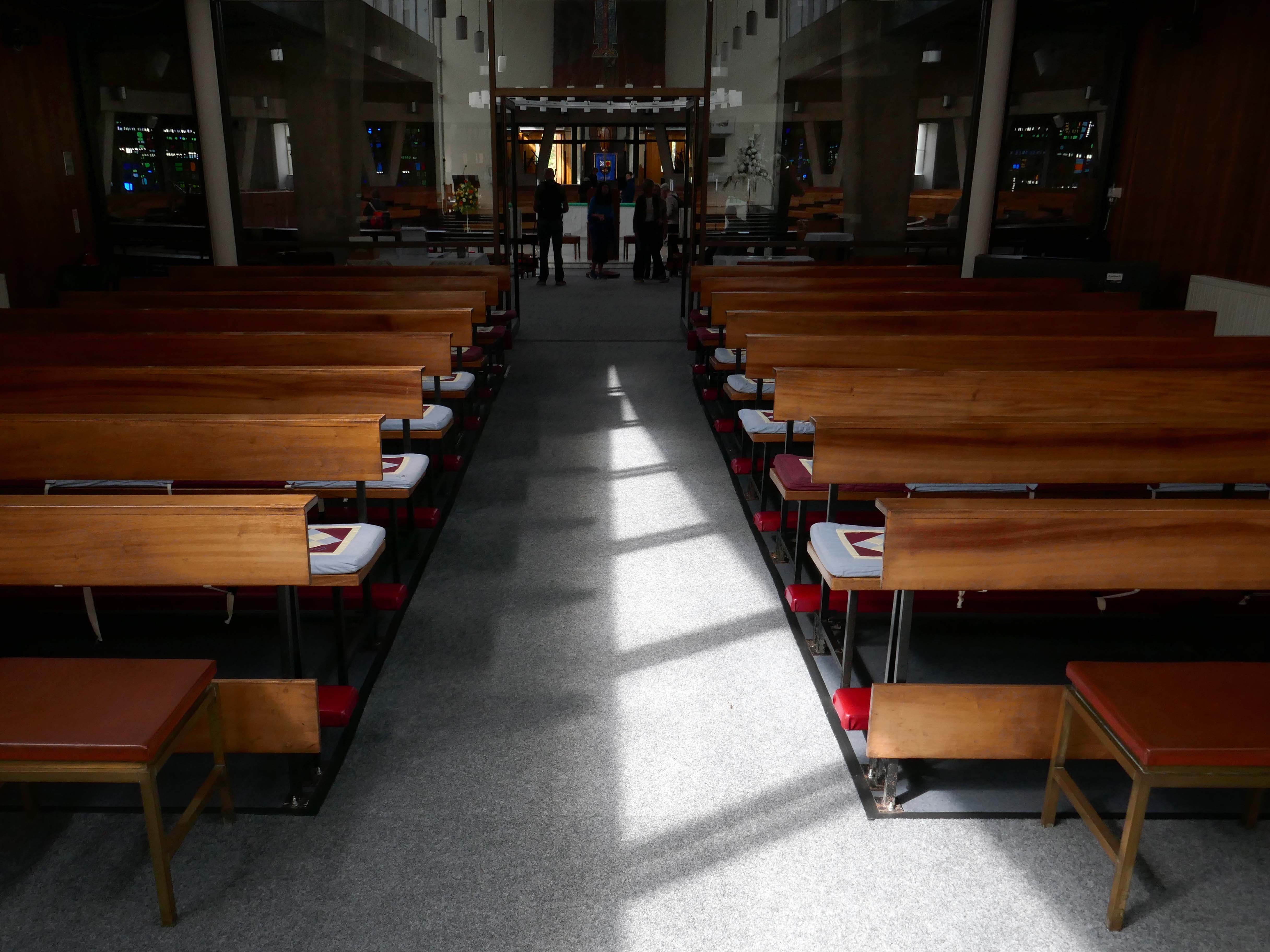
The curved benches are of Ghana mahogany and were made by the Robert Thompson Craftsmen of Kilburn, the steel work by GS Graham of Stokesley. The distinctive Mouseman mouse can be found on several of the bench ends.
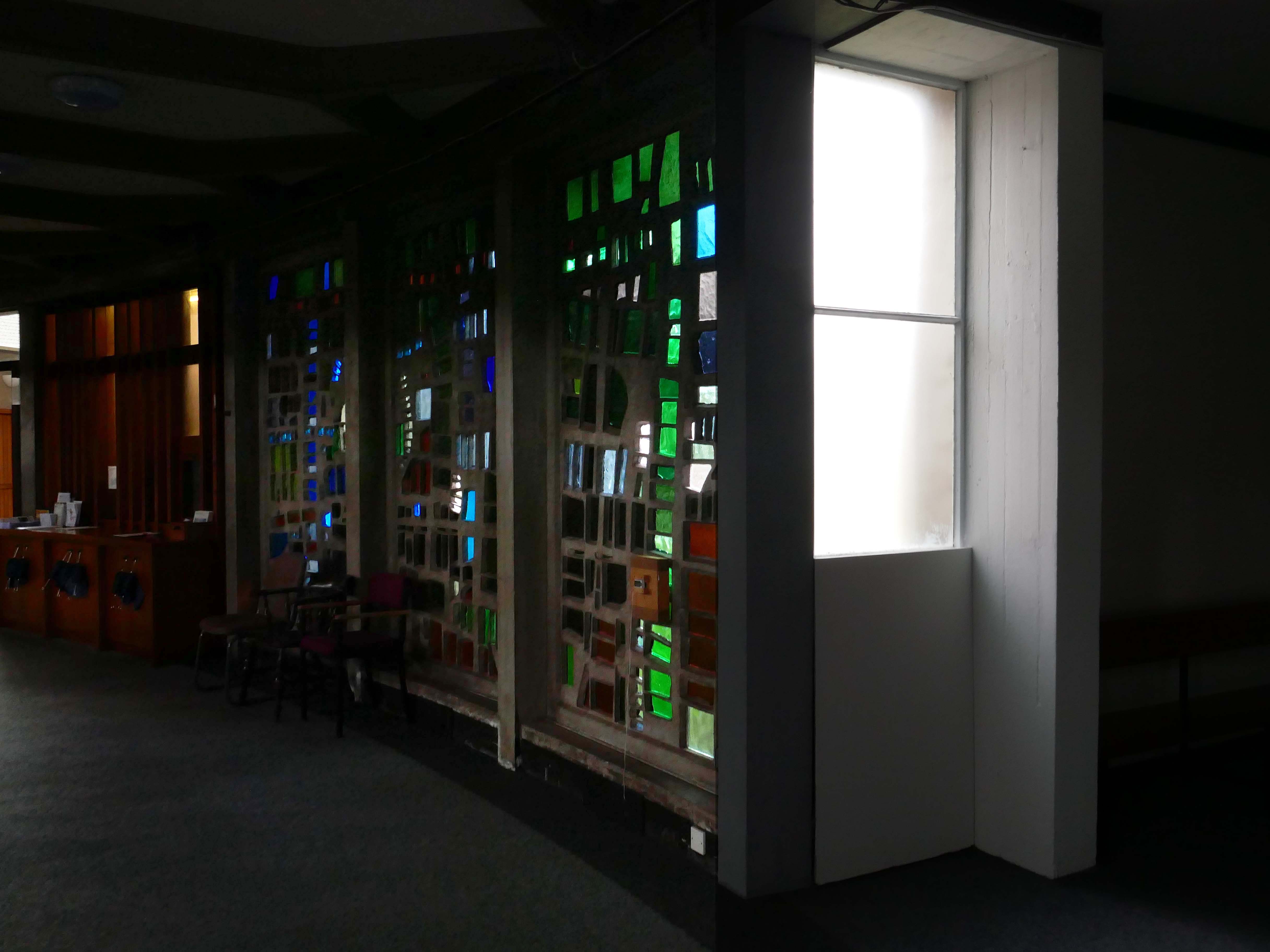
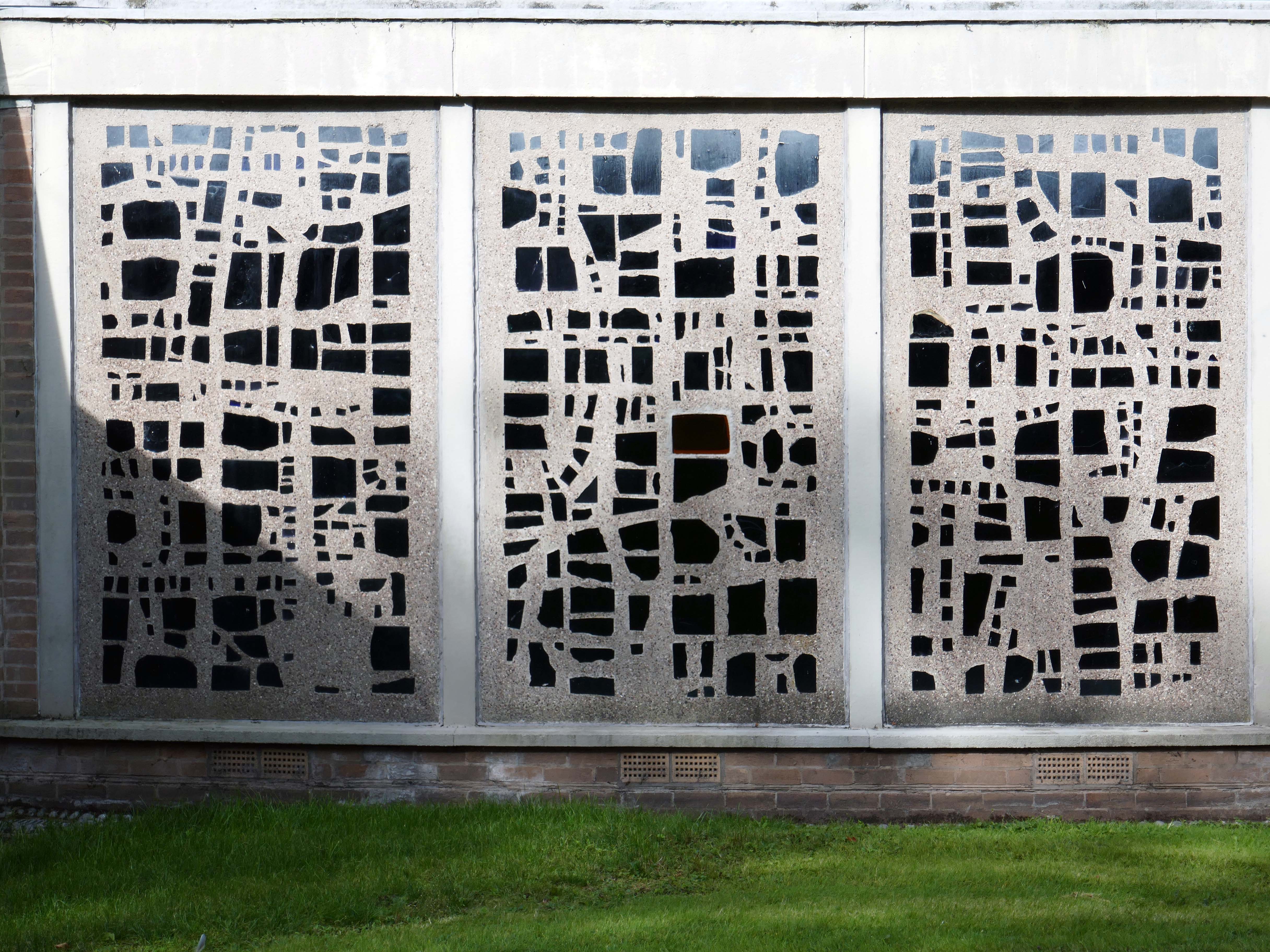
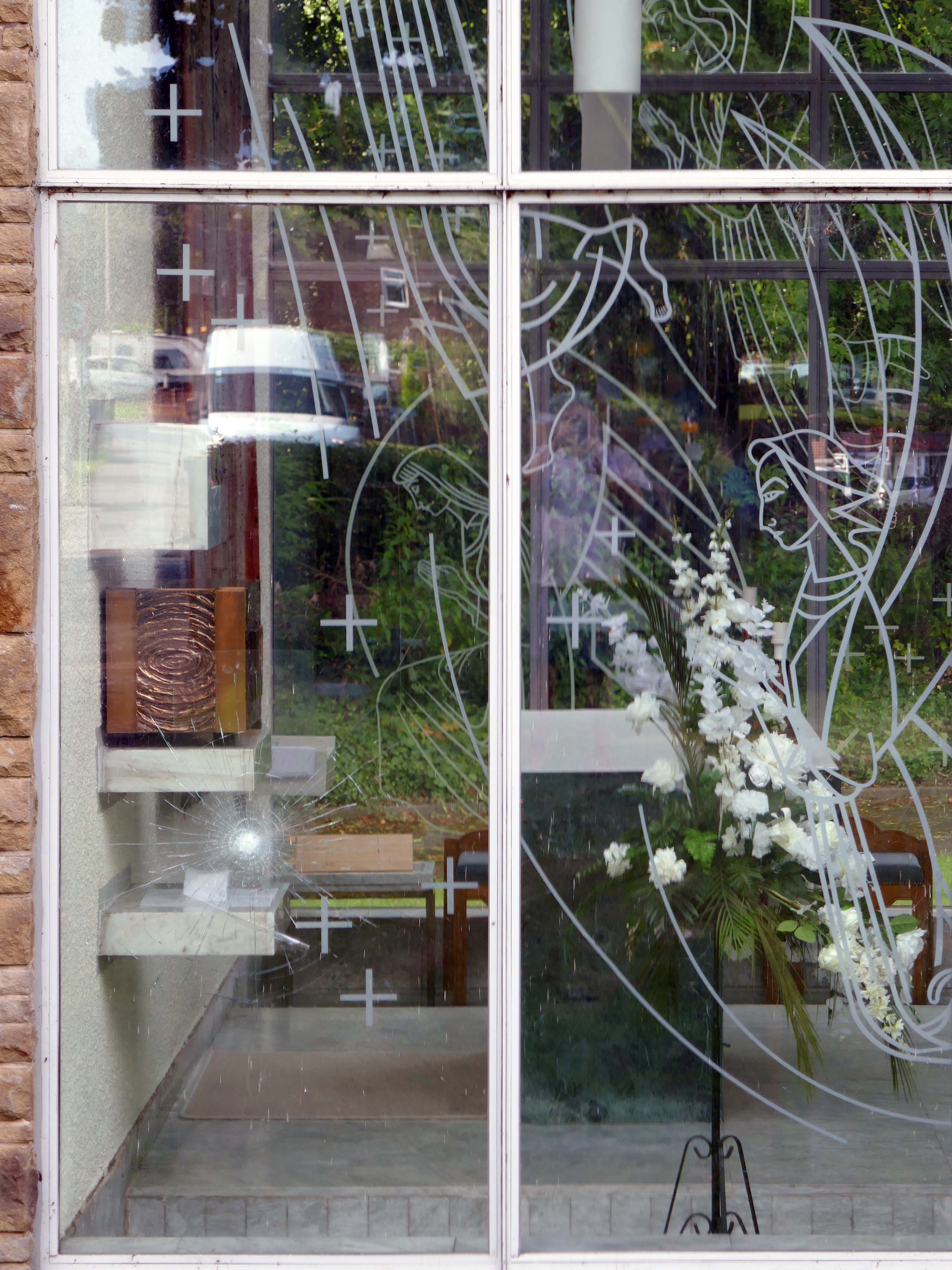
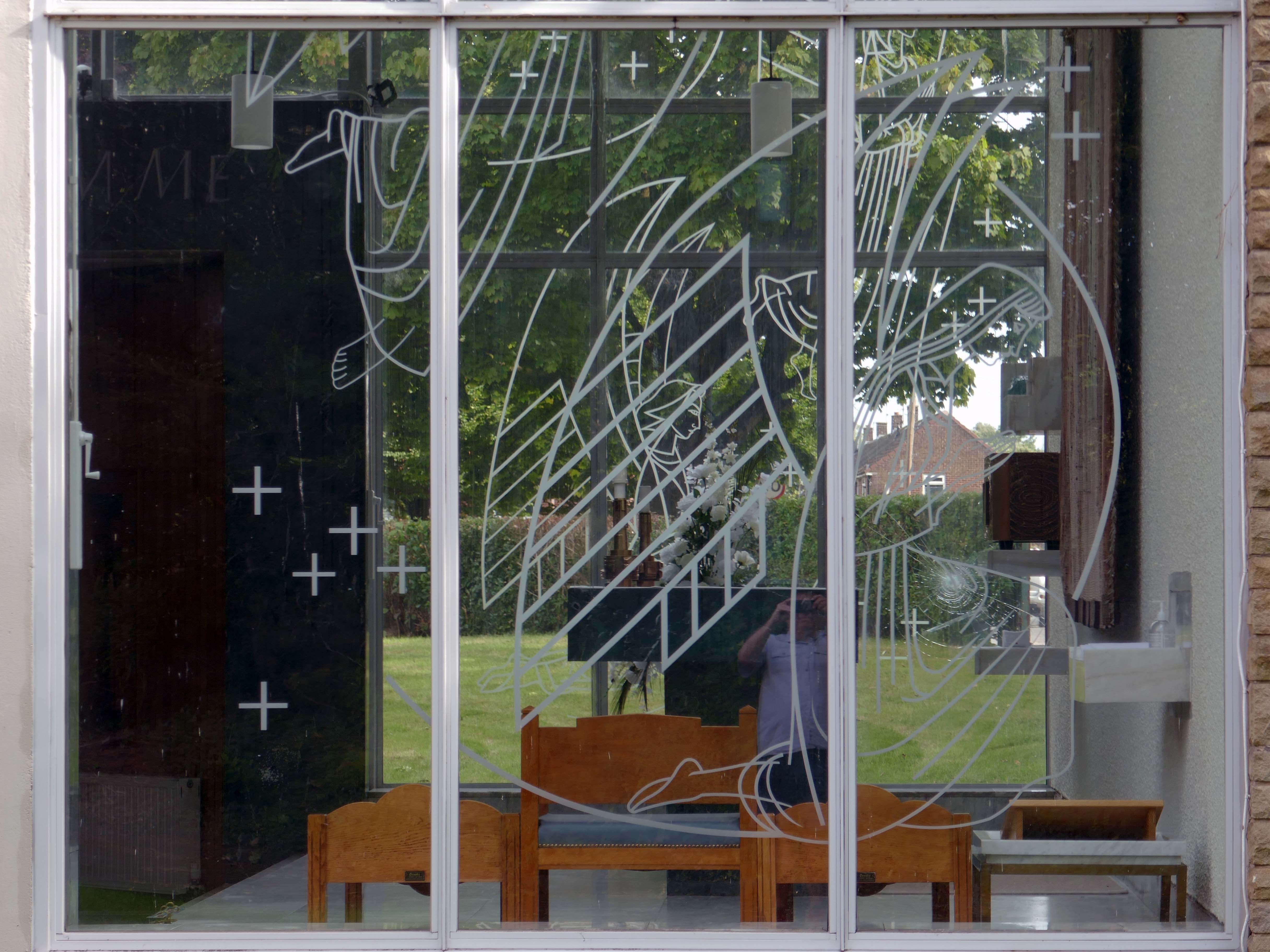
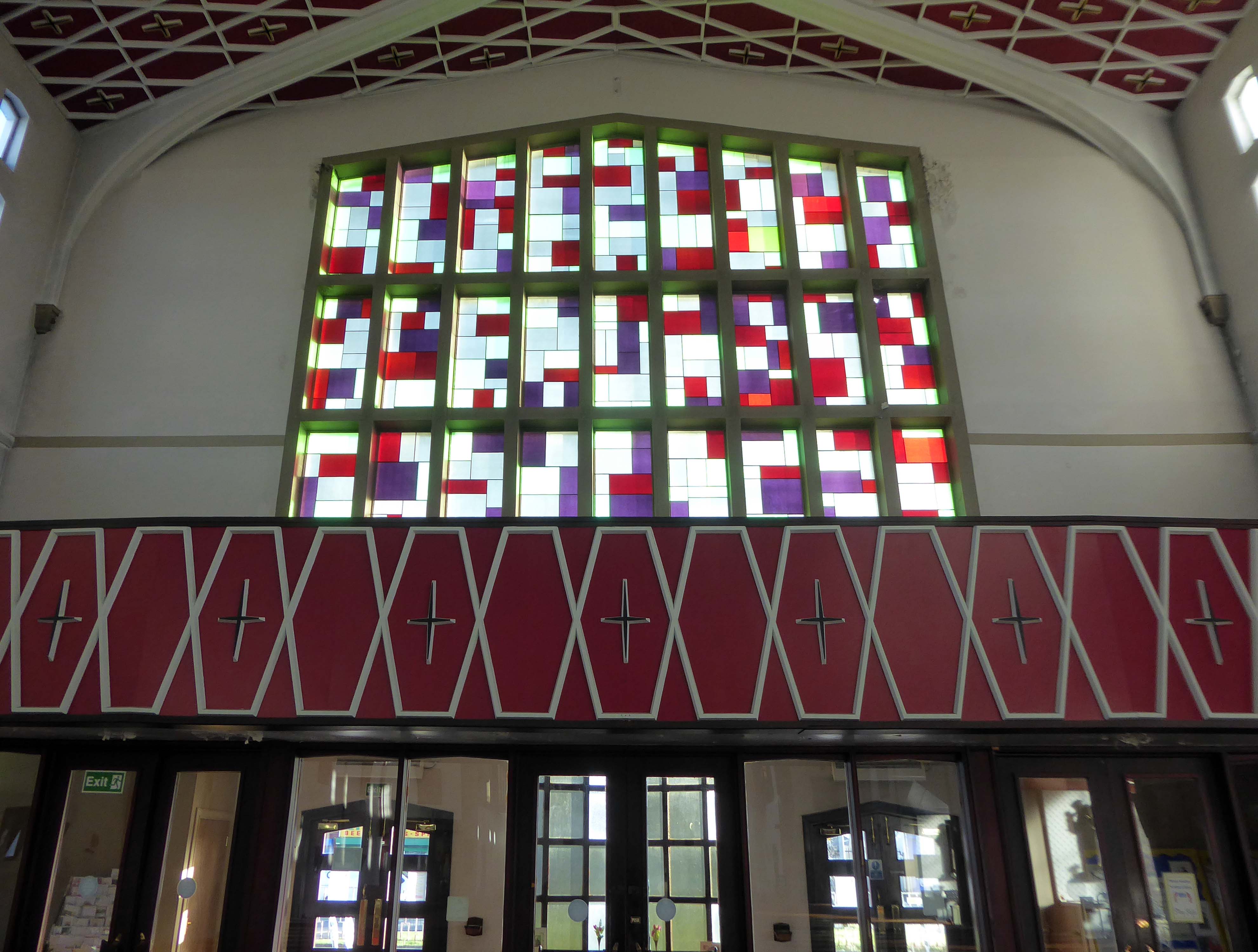
Dalle de Verre stained glass by Patrick Reyntiens, thirty-six panels abstract totalling two hundred and thirty three feet in length.
The theme for the windows is taken from the first nine verses of Genesis, and the passage of Proverbs c. vii. Amorphous undifferentiated matter with the beginnings of definition and pattern, with here and there the promise of order and system.
The Benedictines came to Leyland in 1845 and the first Church of St. Mary’s was built on Worden Lane in 1854. The Catholic population was small at this time, but had grown to around 500 by 1900. Growth was assisted by the industrial development of Leyland and after the Second World War the town was earmarked as the centre of a new town planned in central Lancashire. By the early 1960’s, the Catholic population was 5,000. Fr Edmund Fitzsimmons, parish priest from 1952, was a guiding force in the decision to build a large new church of advanced liturgical design, inspired by progressive continental church architecture of the mid 20th century. The church was designed by Jerzy Faczynski of Weightman and Bullen. Cardinal Heenan blessed the foundation stone in 1962 and the new church was completed ready for its consecration and dedication by Archbishop Beck in April 1964.
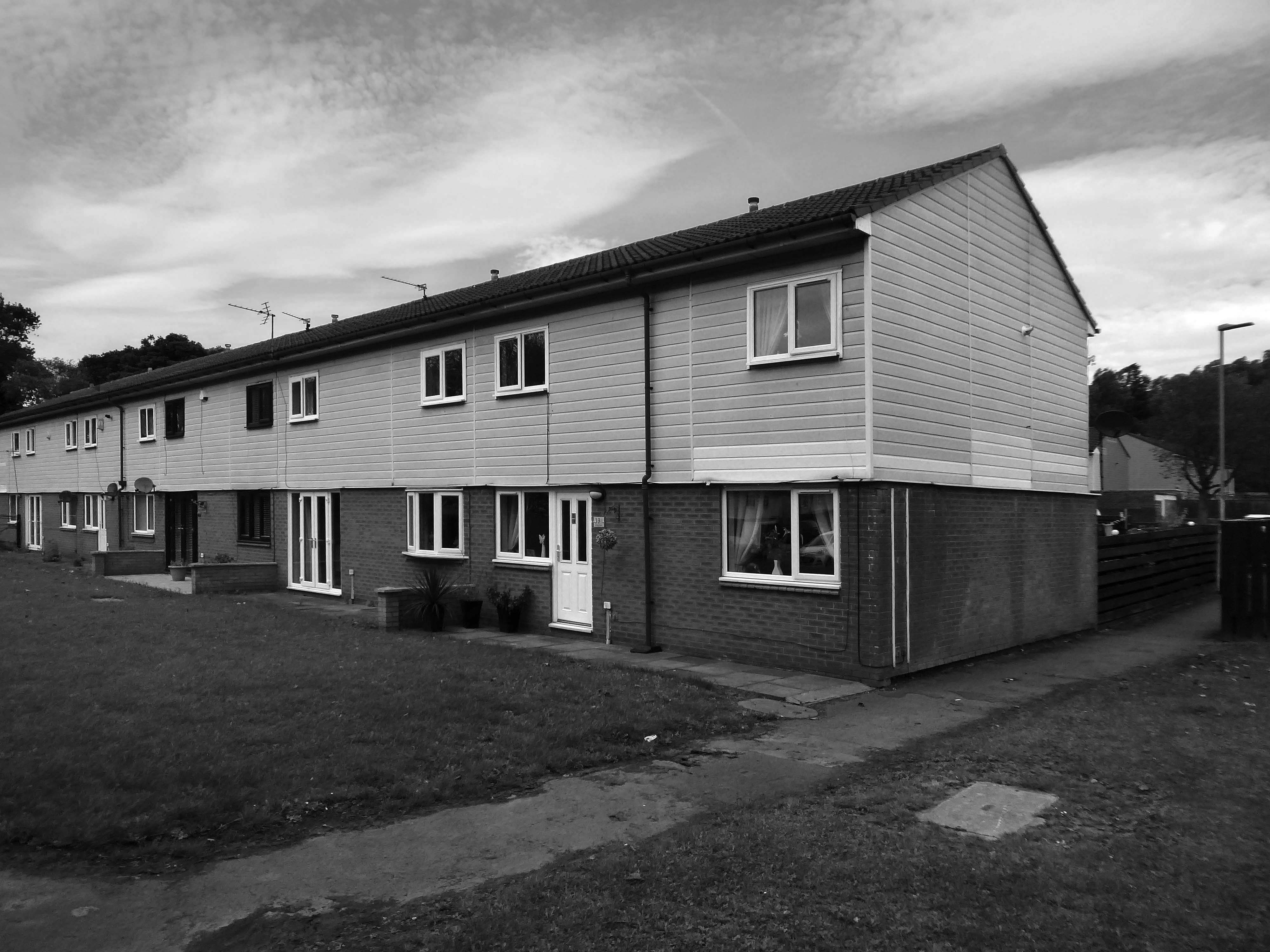
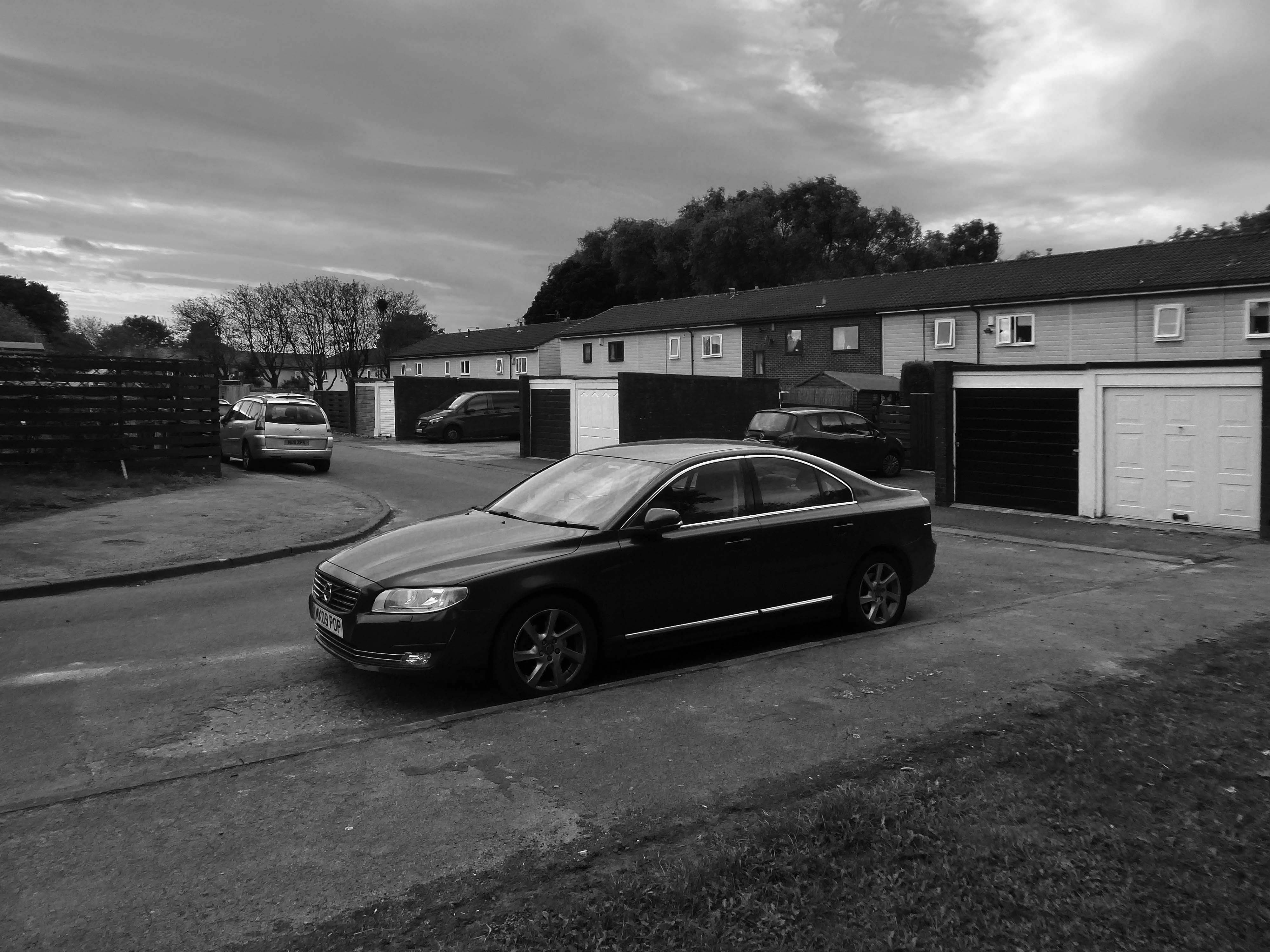
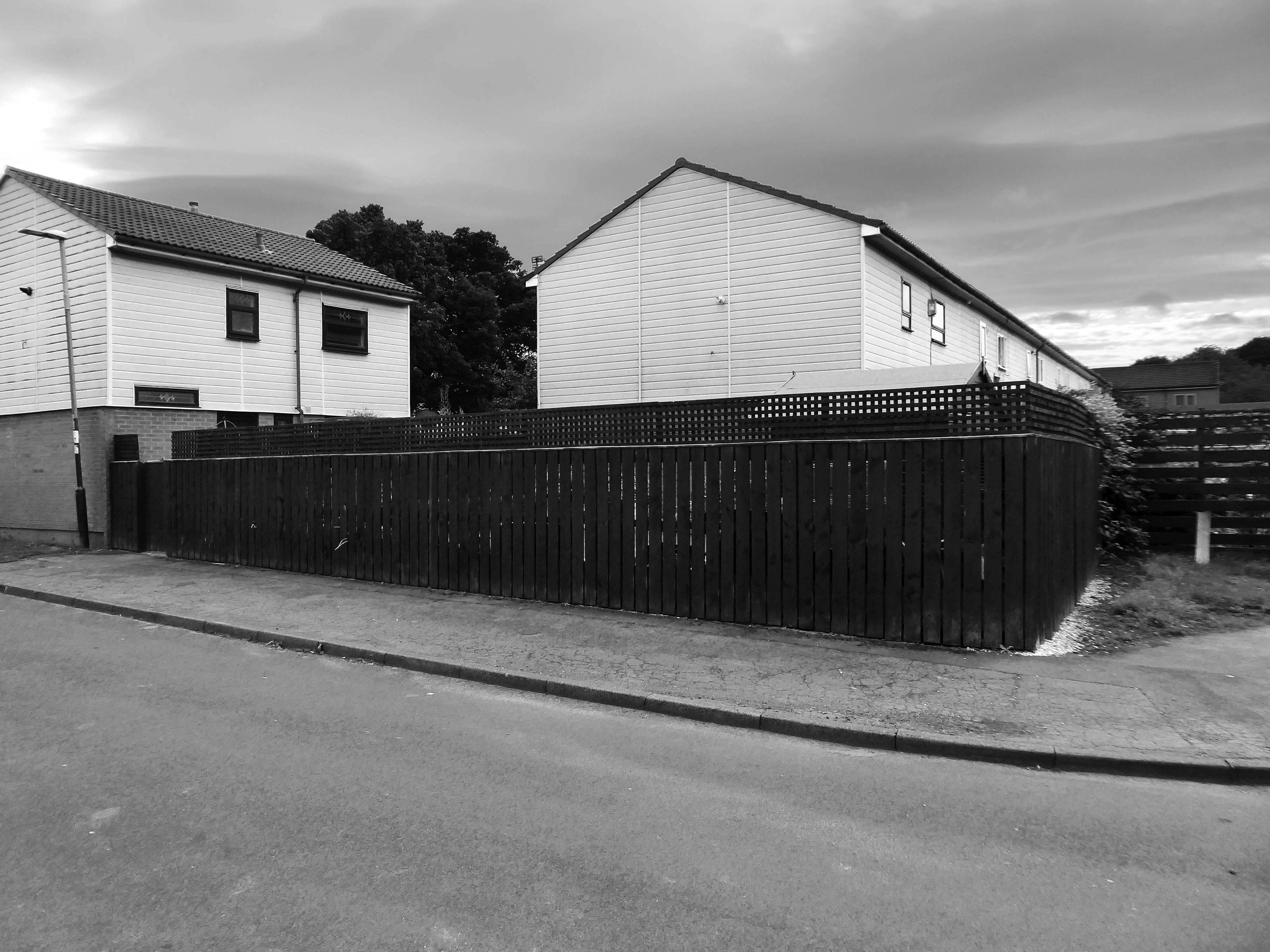
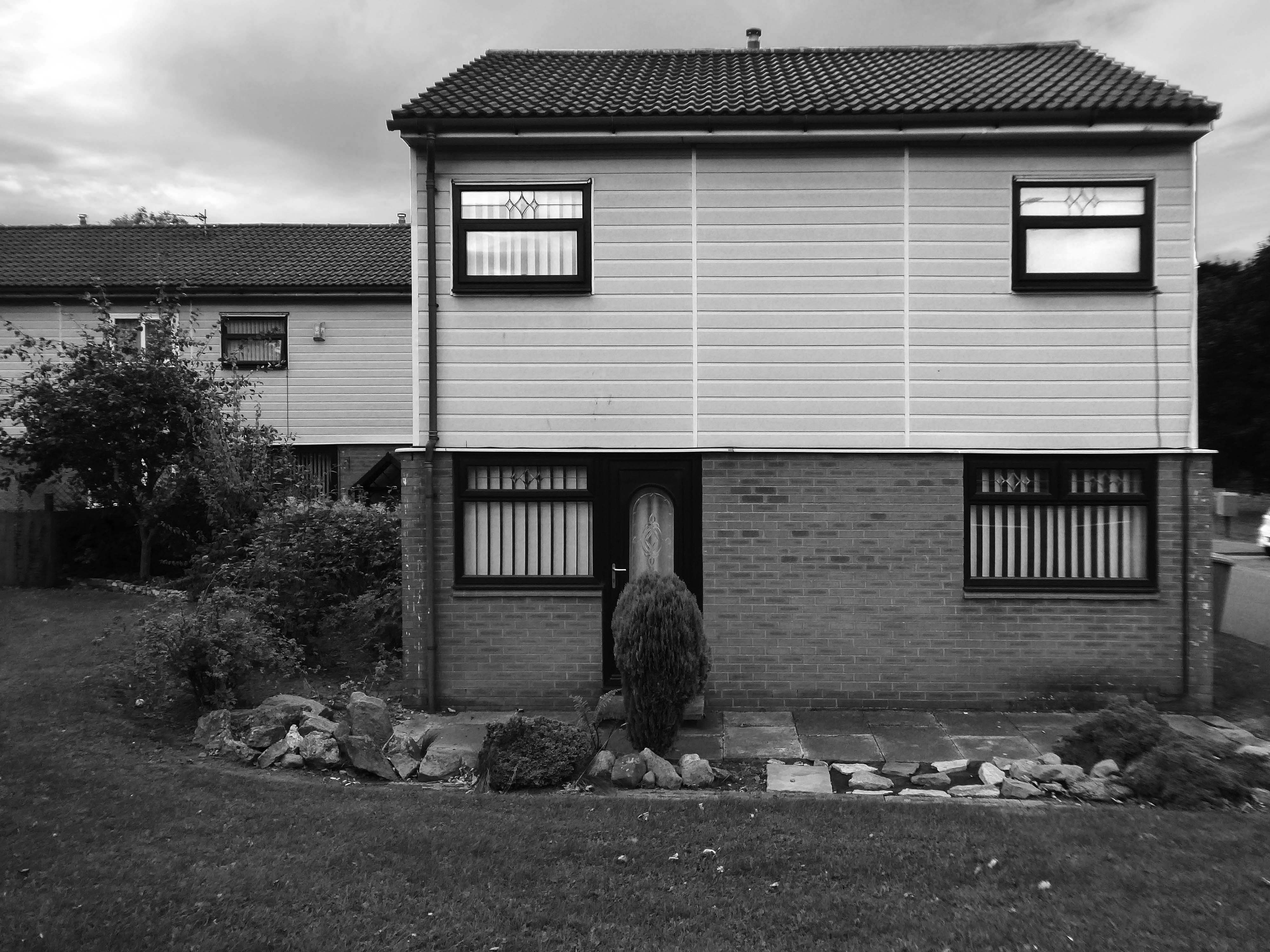
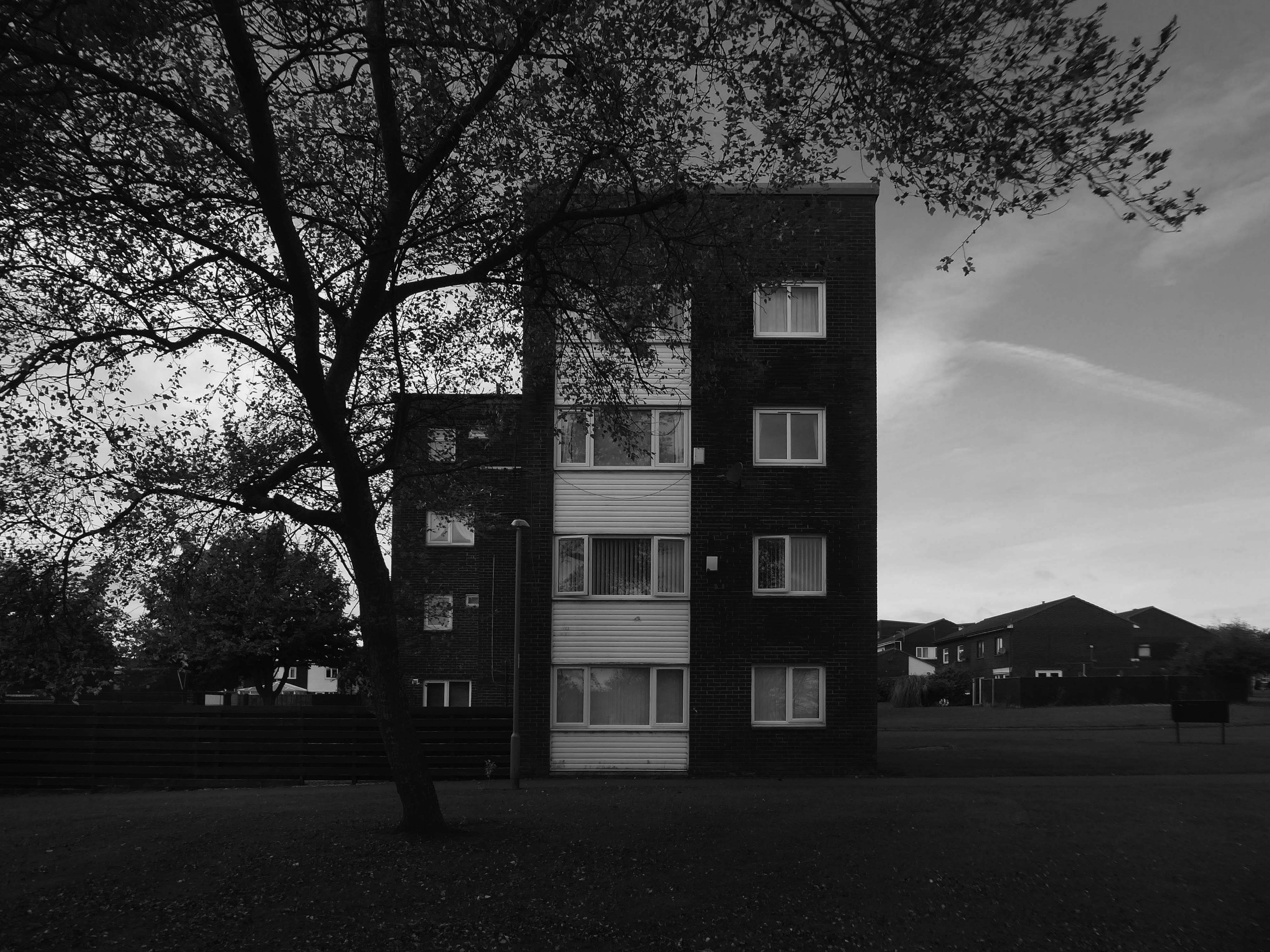
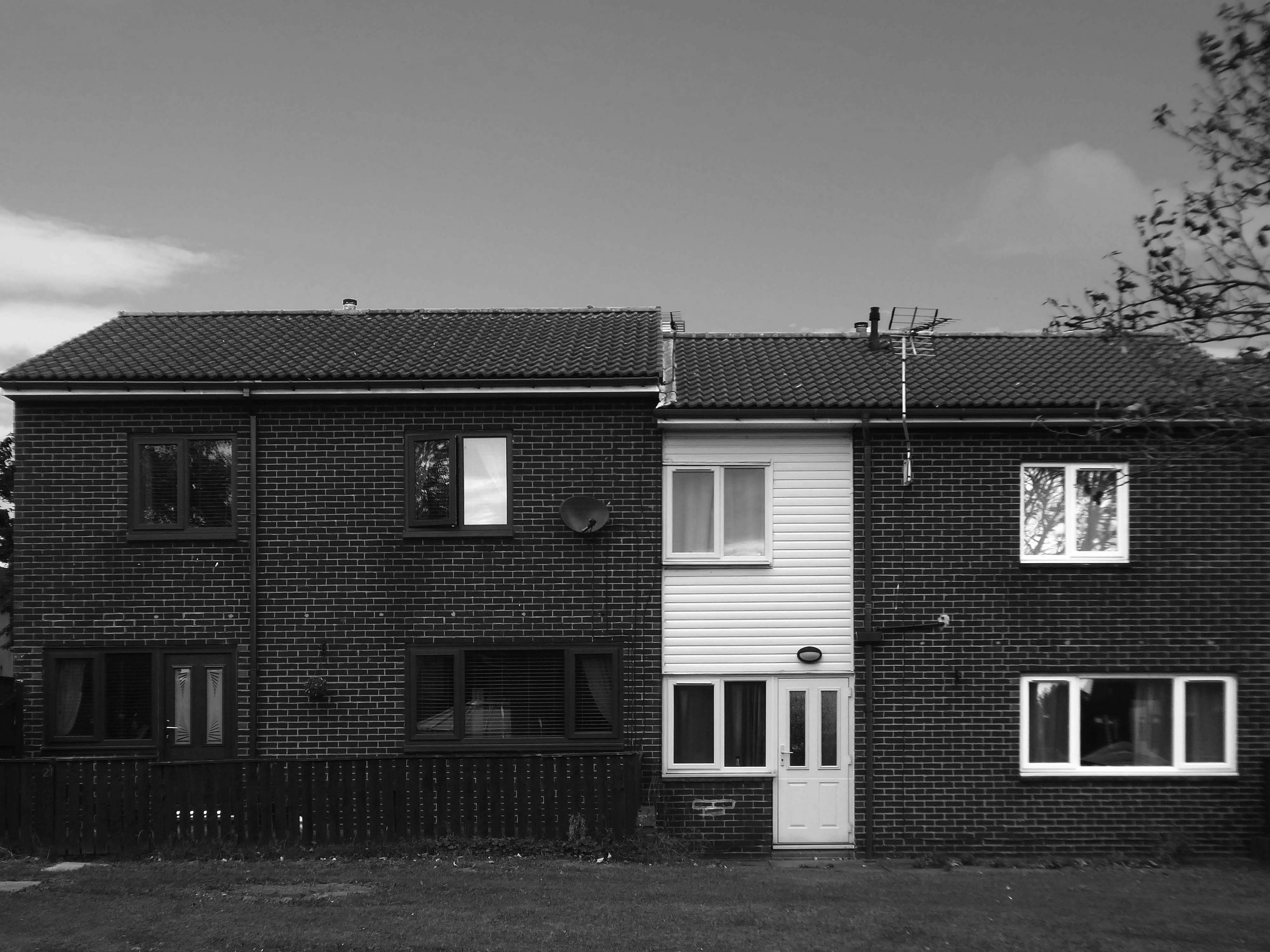
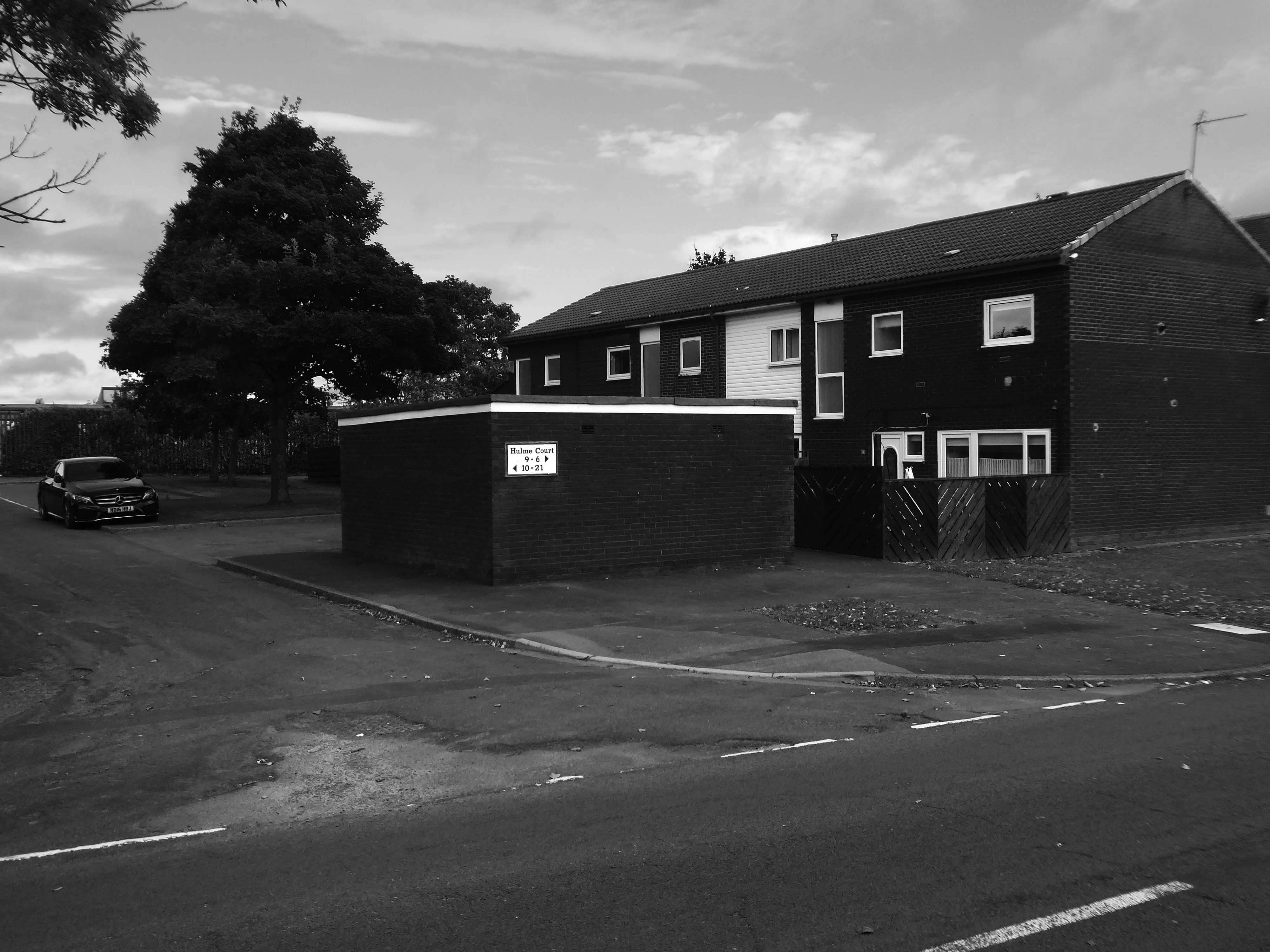
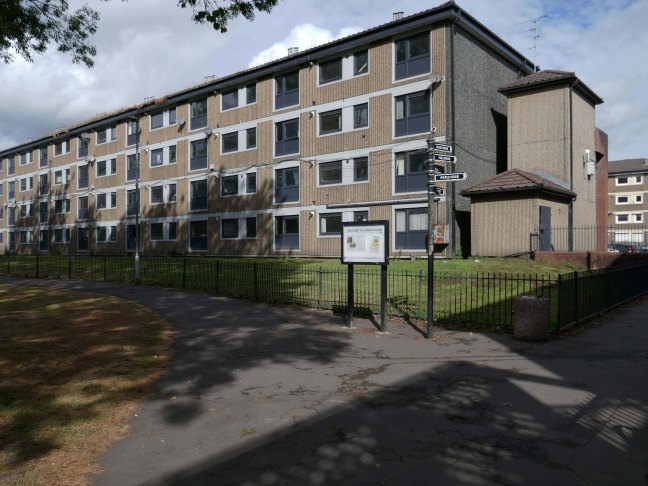
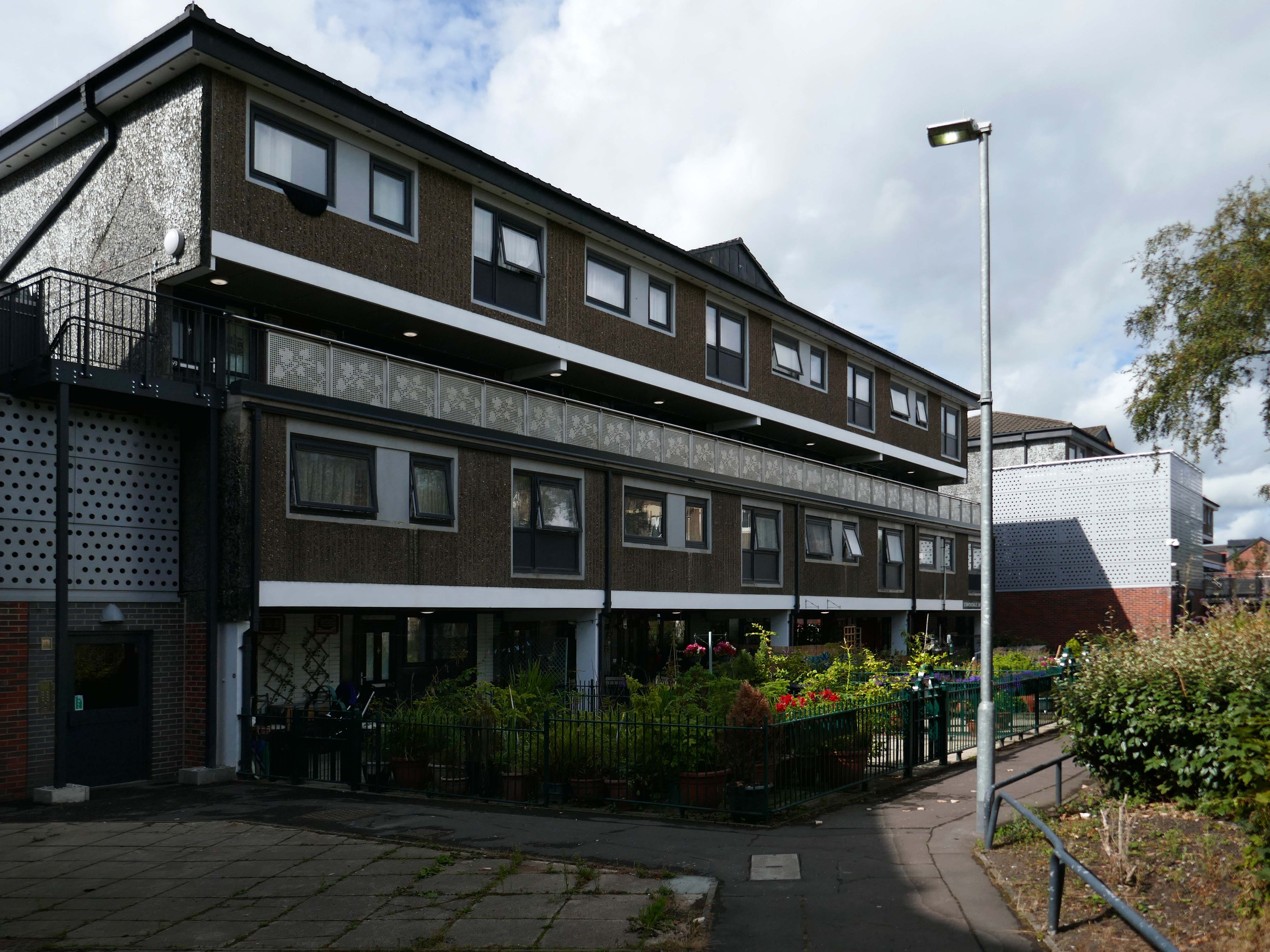
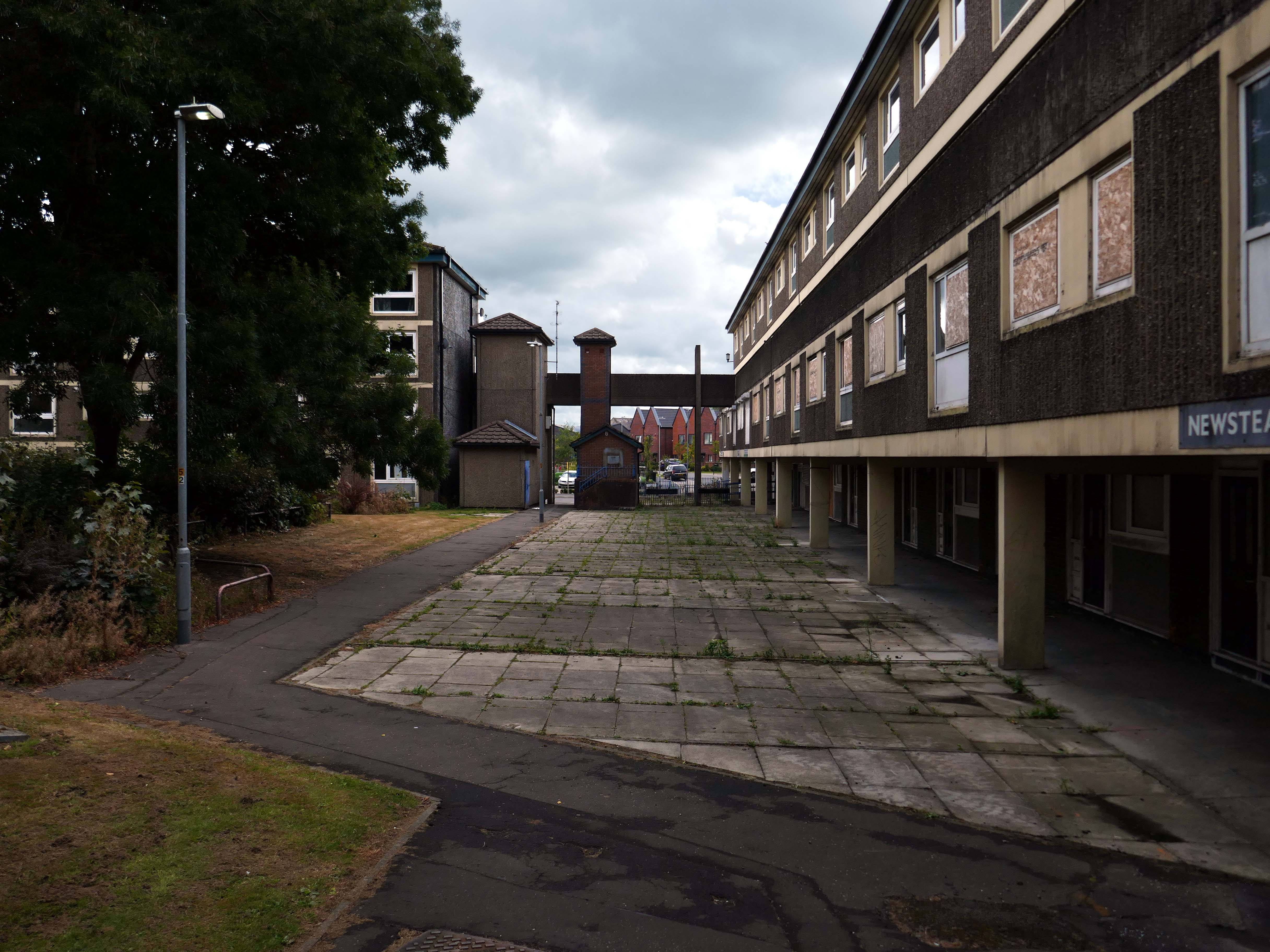
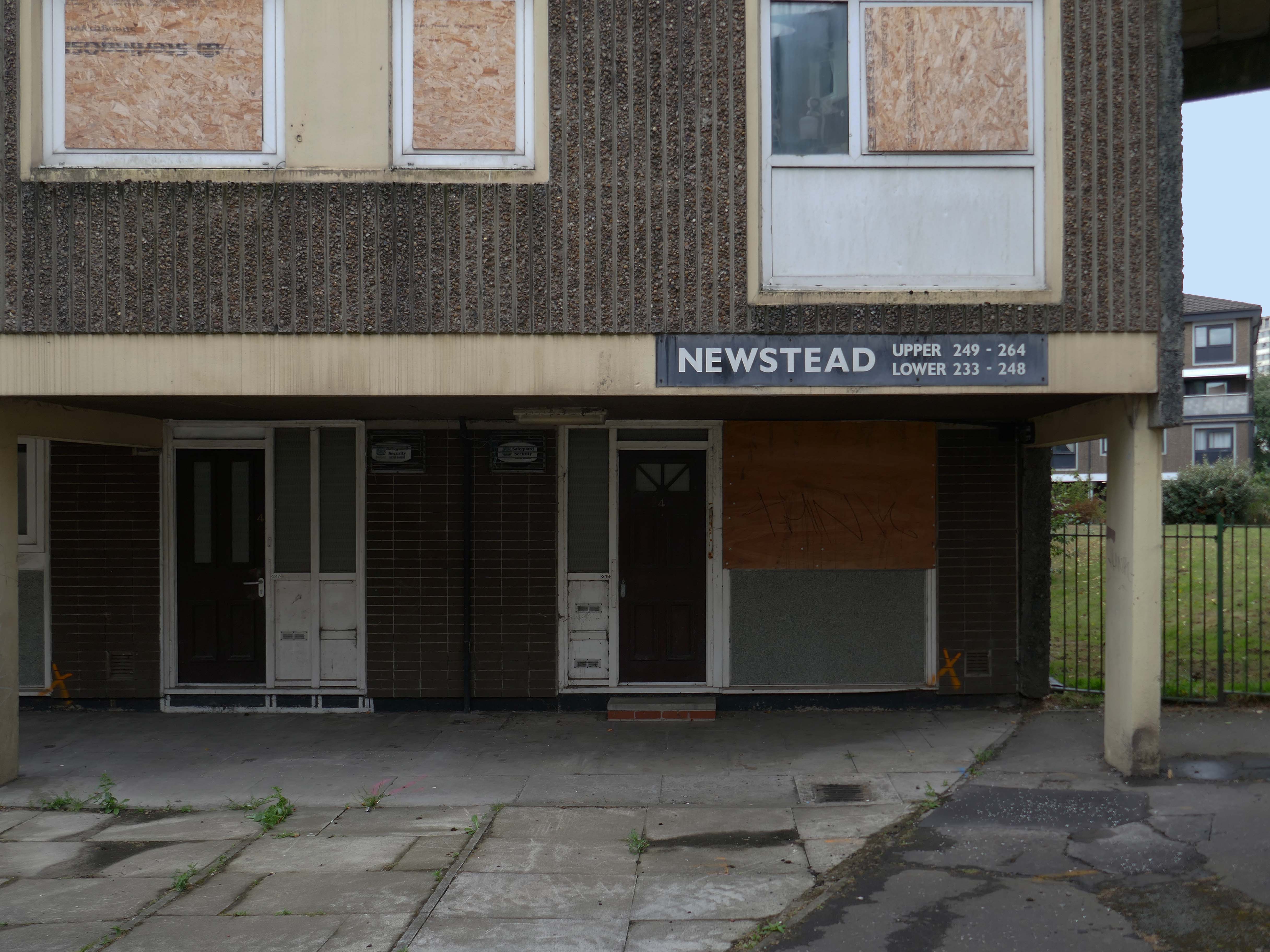
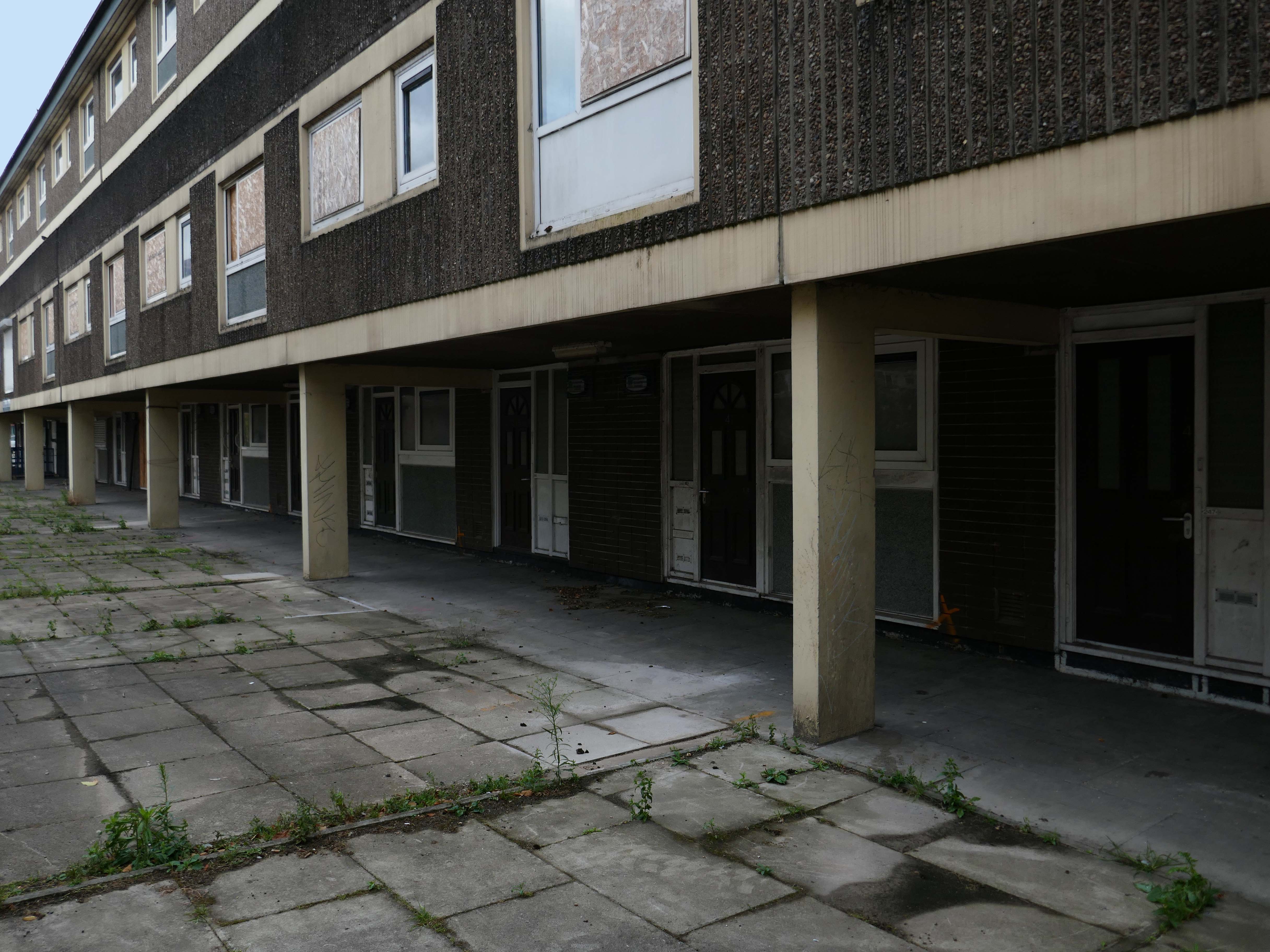
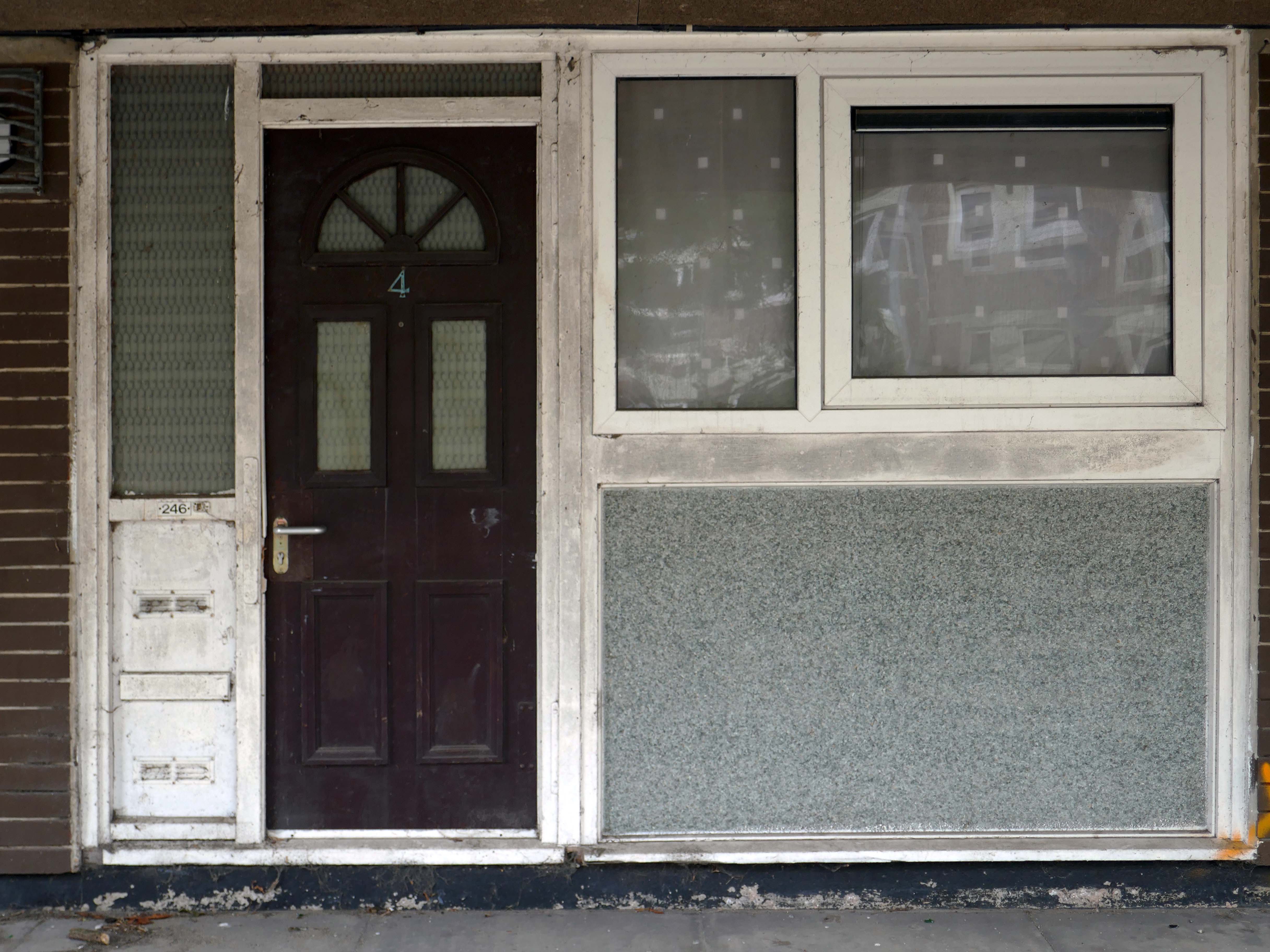
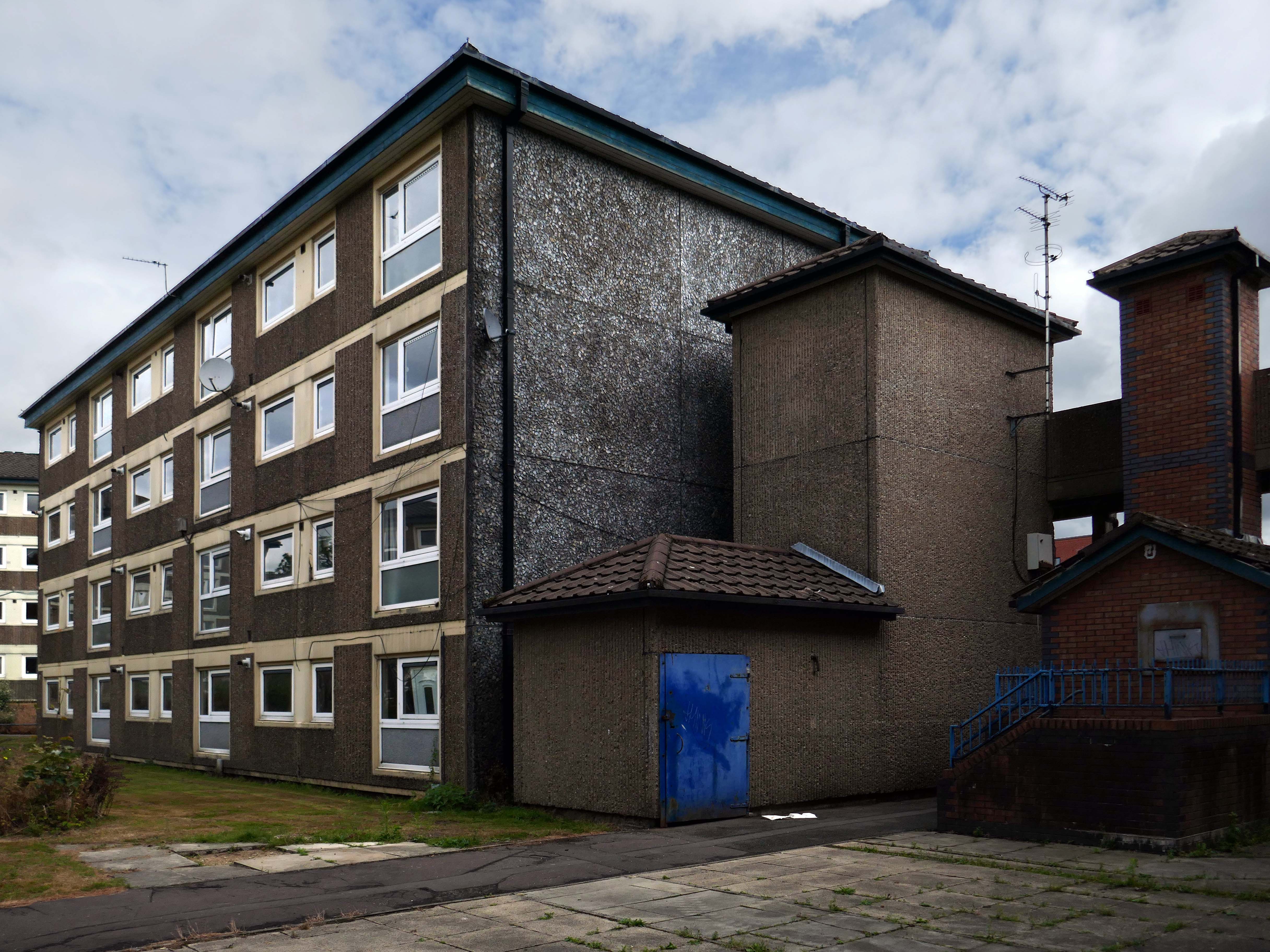
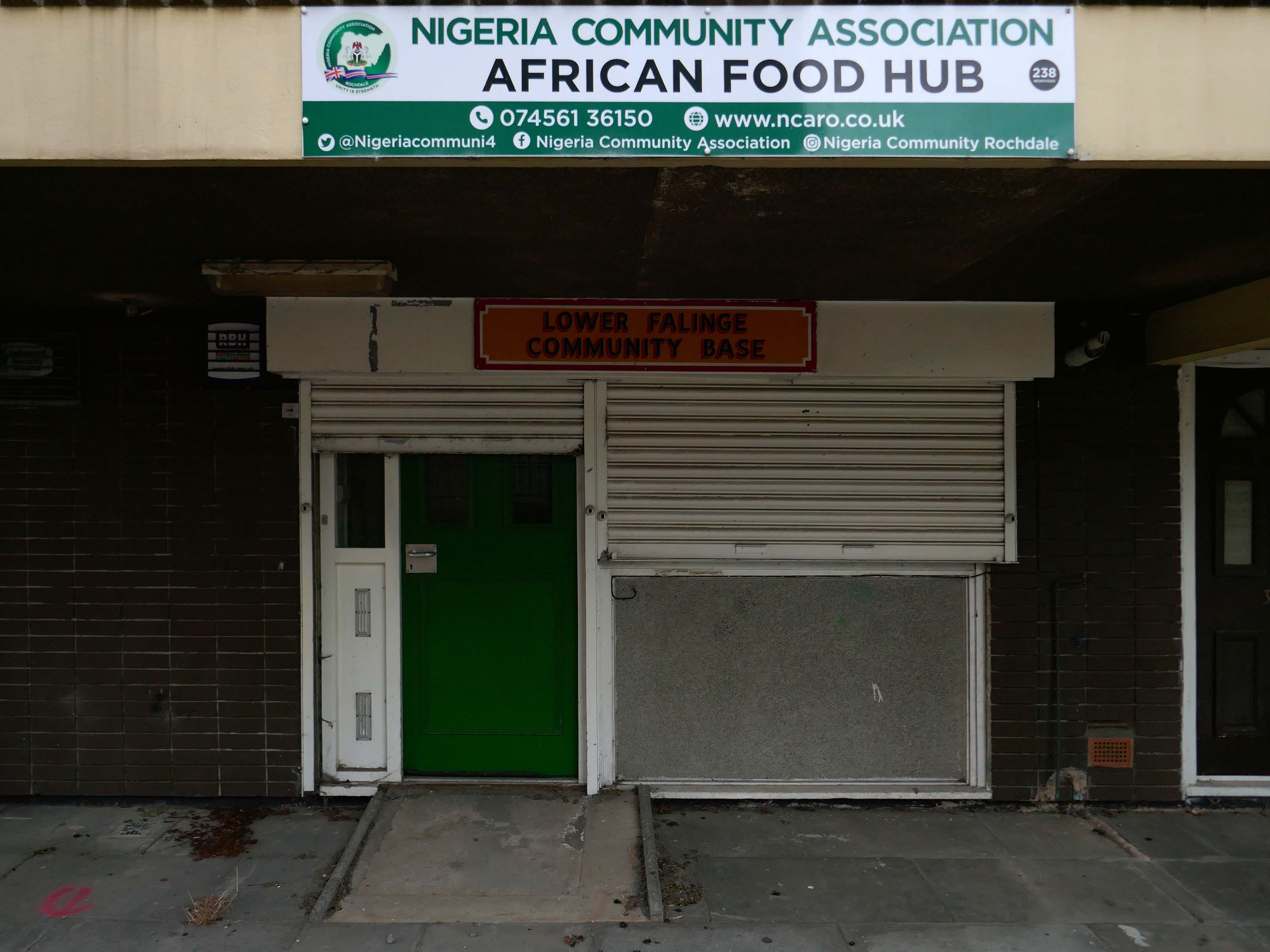
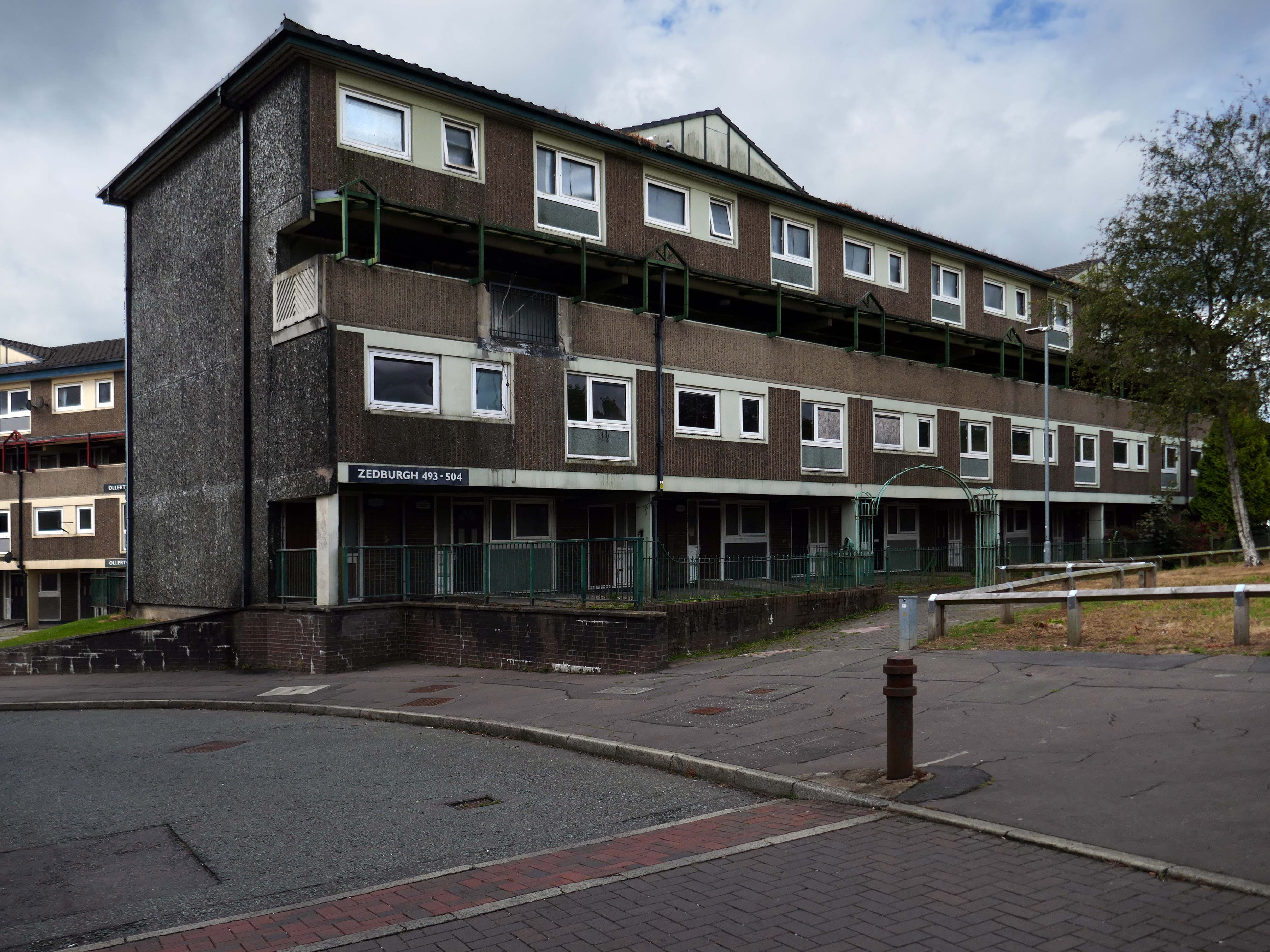
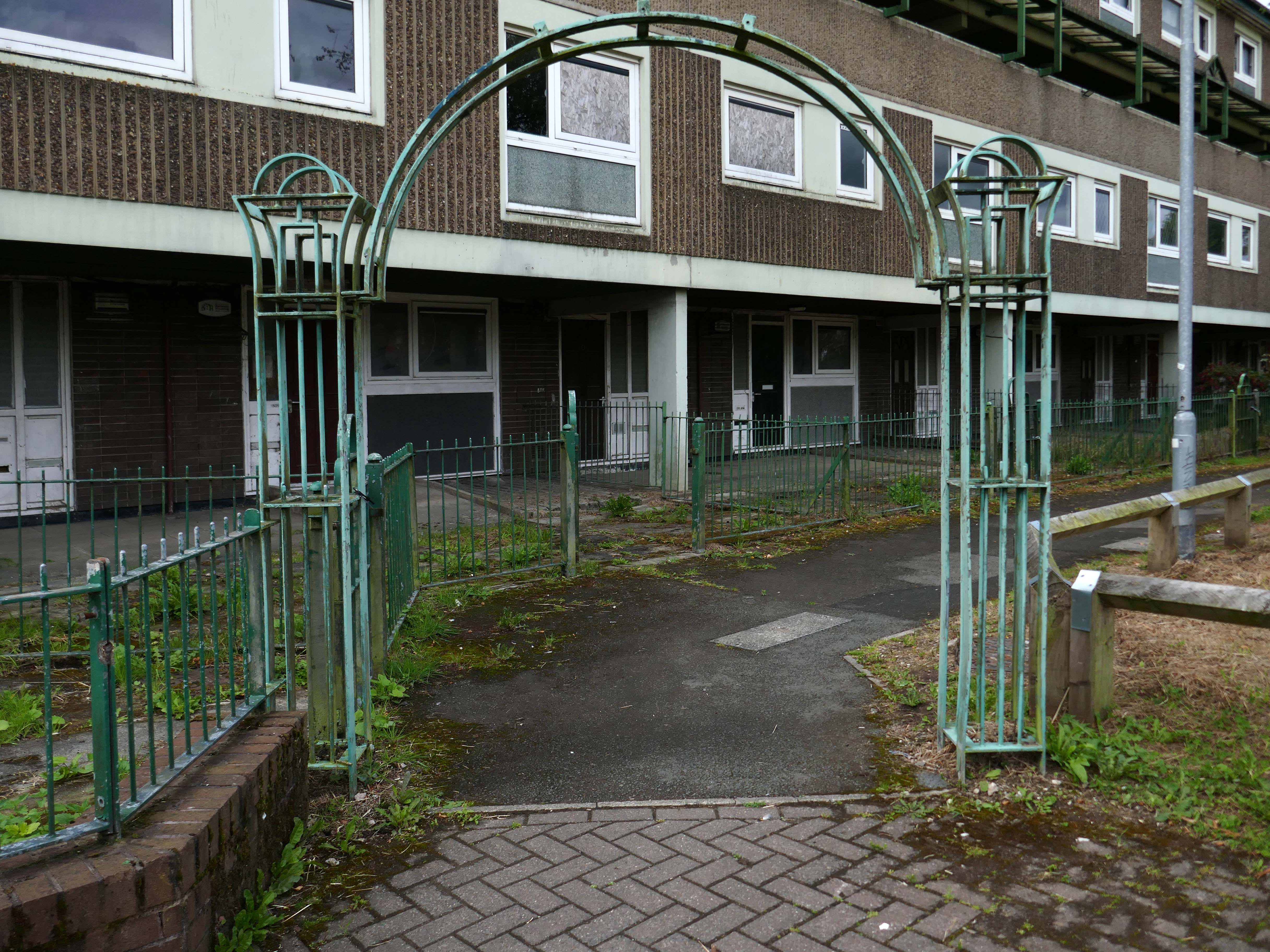
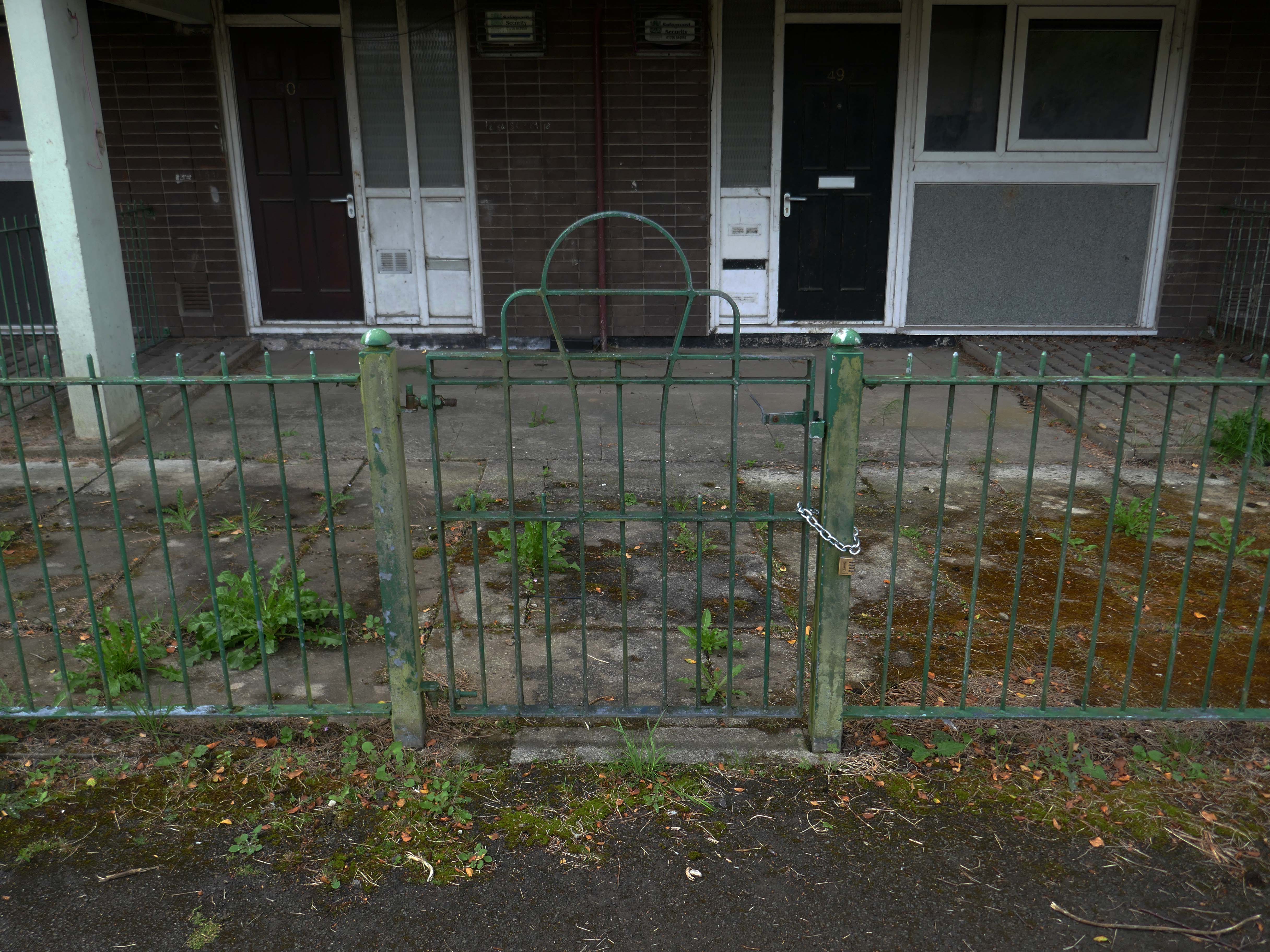
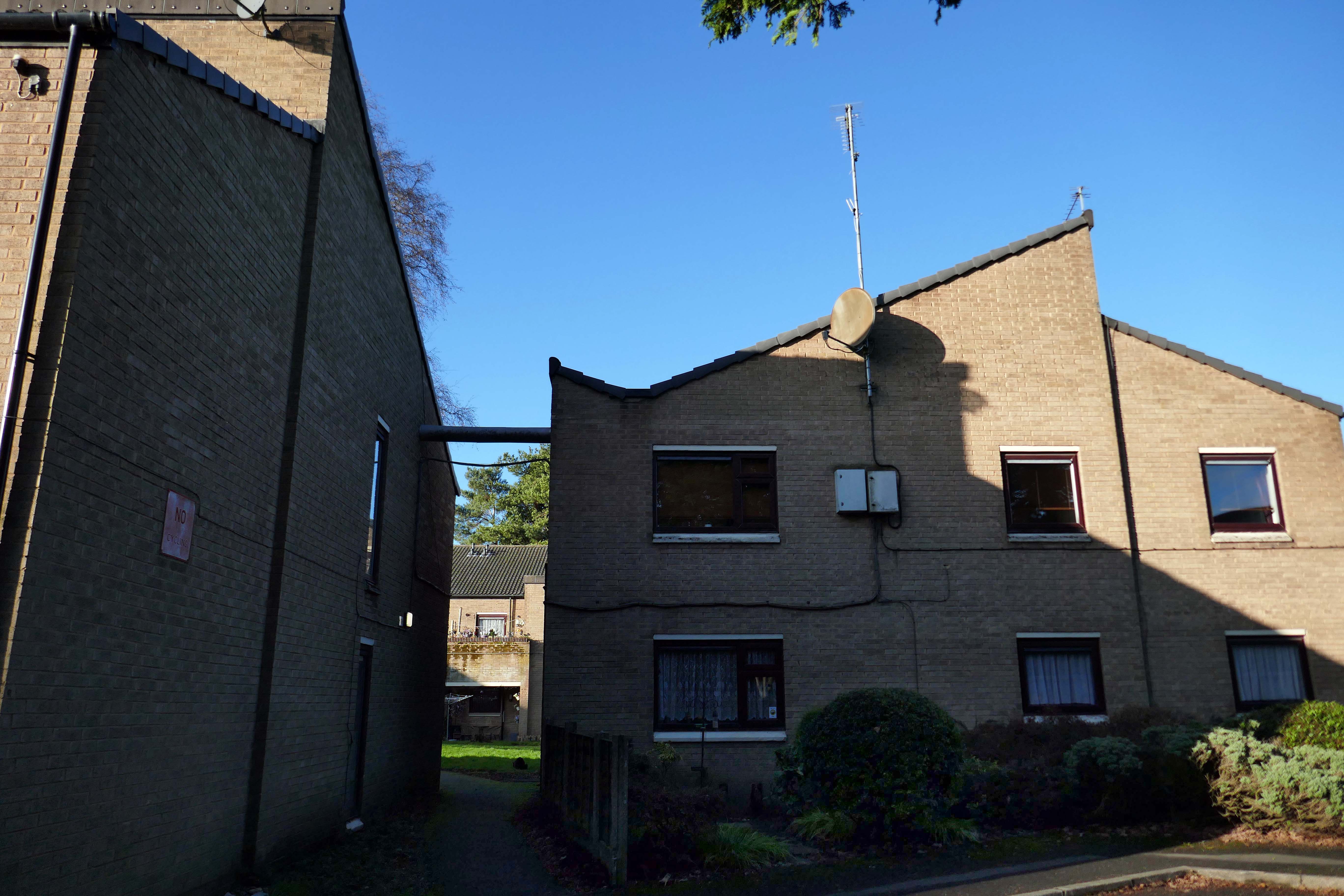
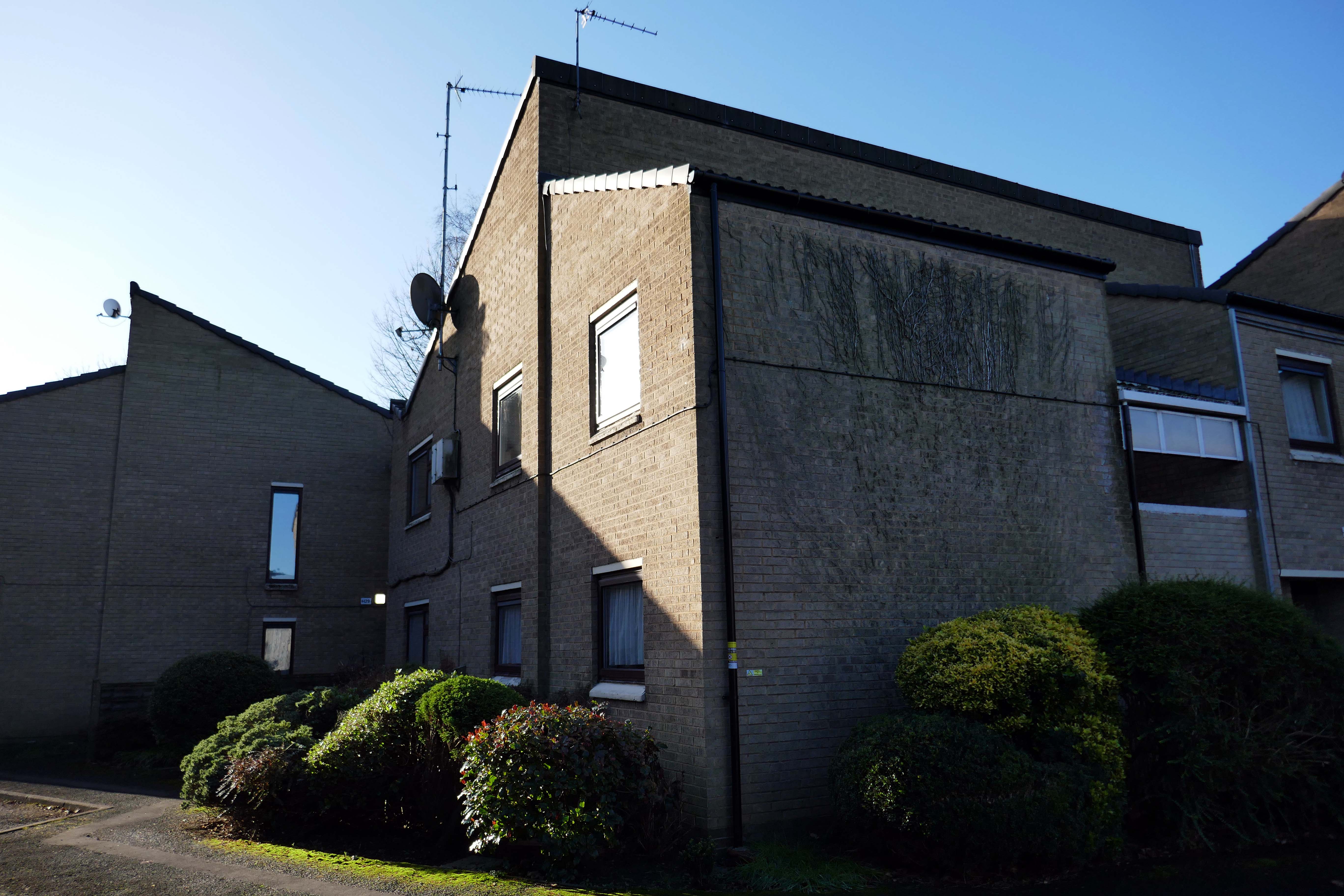
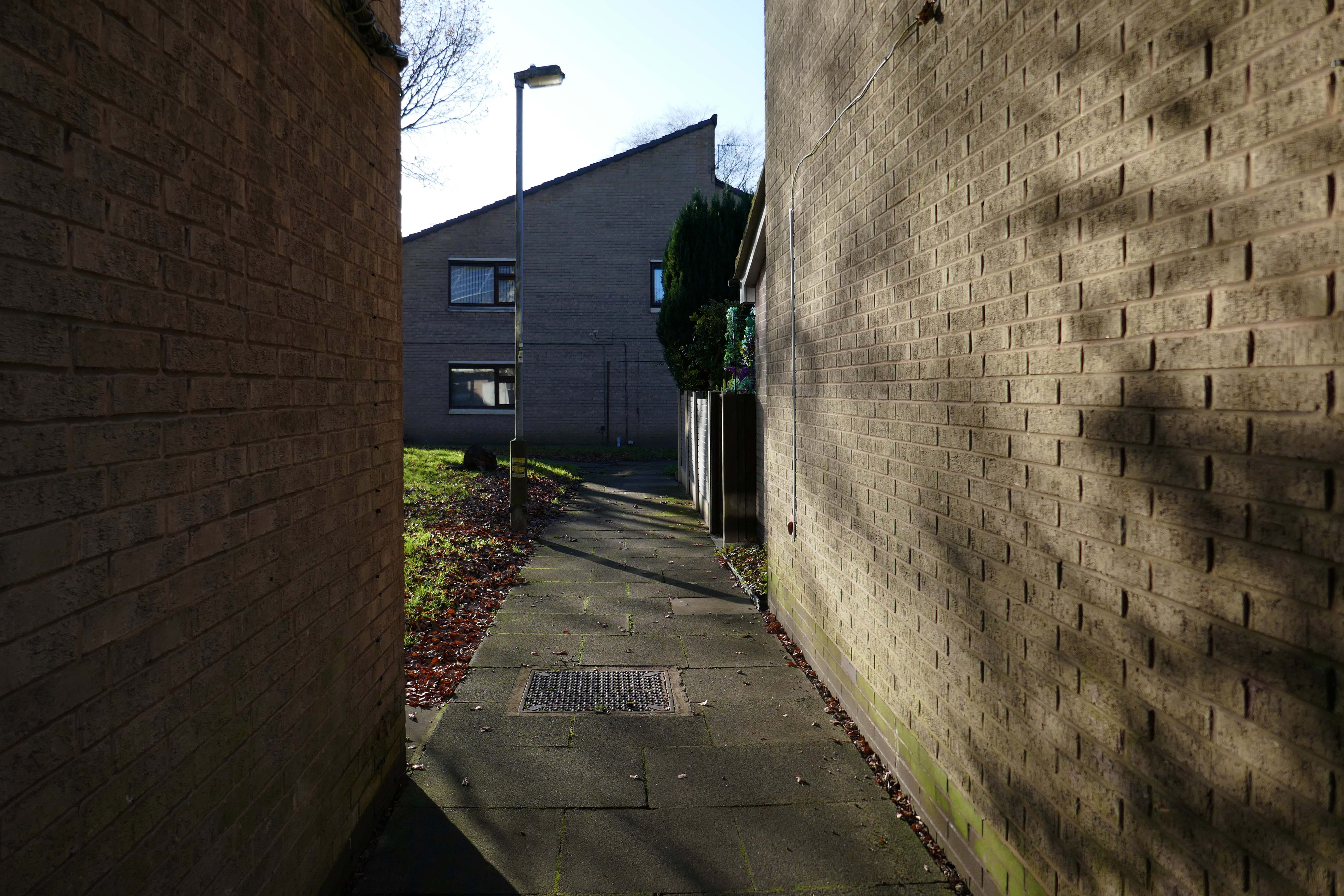
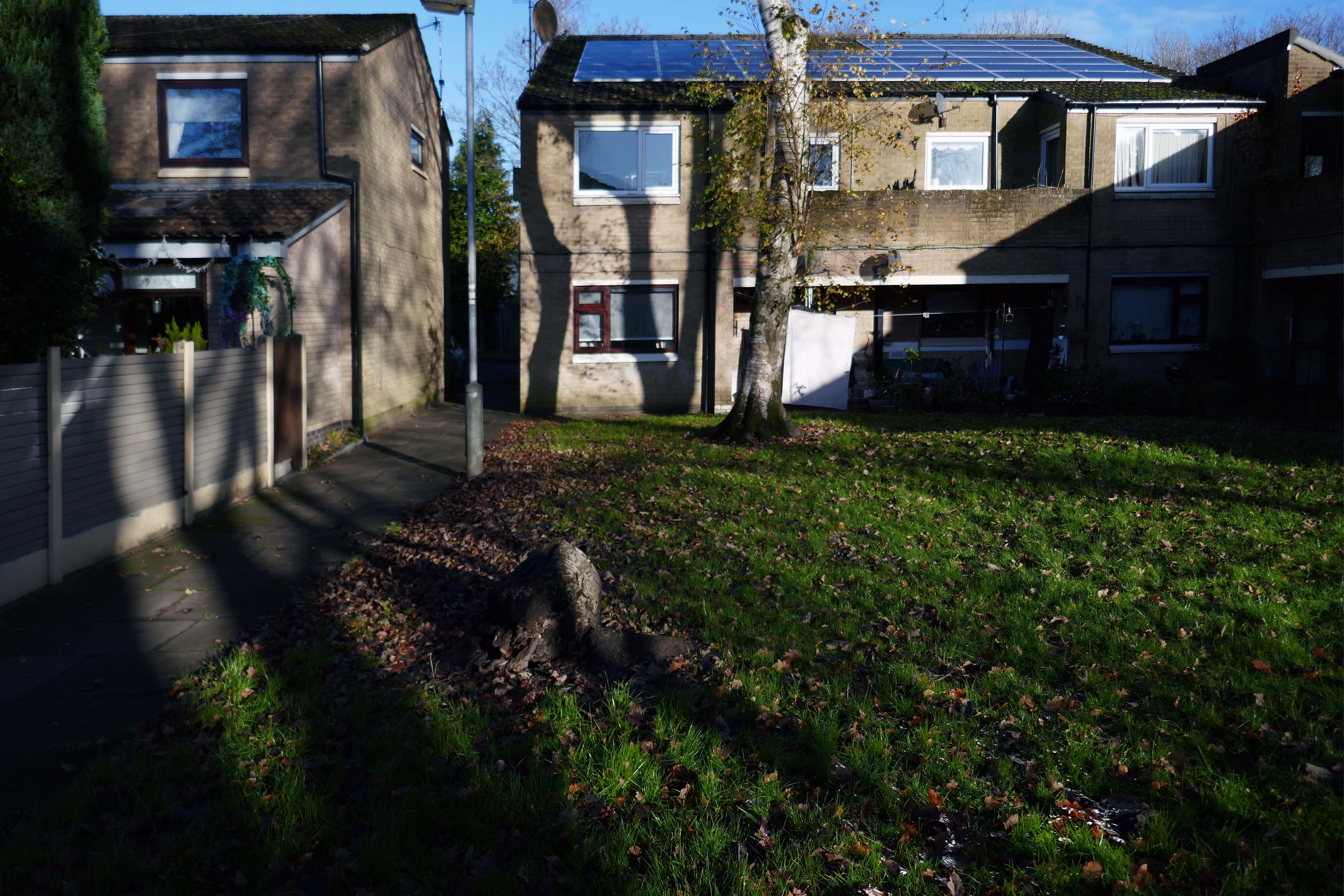
I came along to take a look aroundin 2017 – at this point all of the homes are occupied.
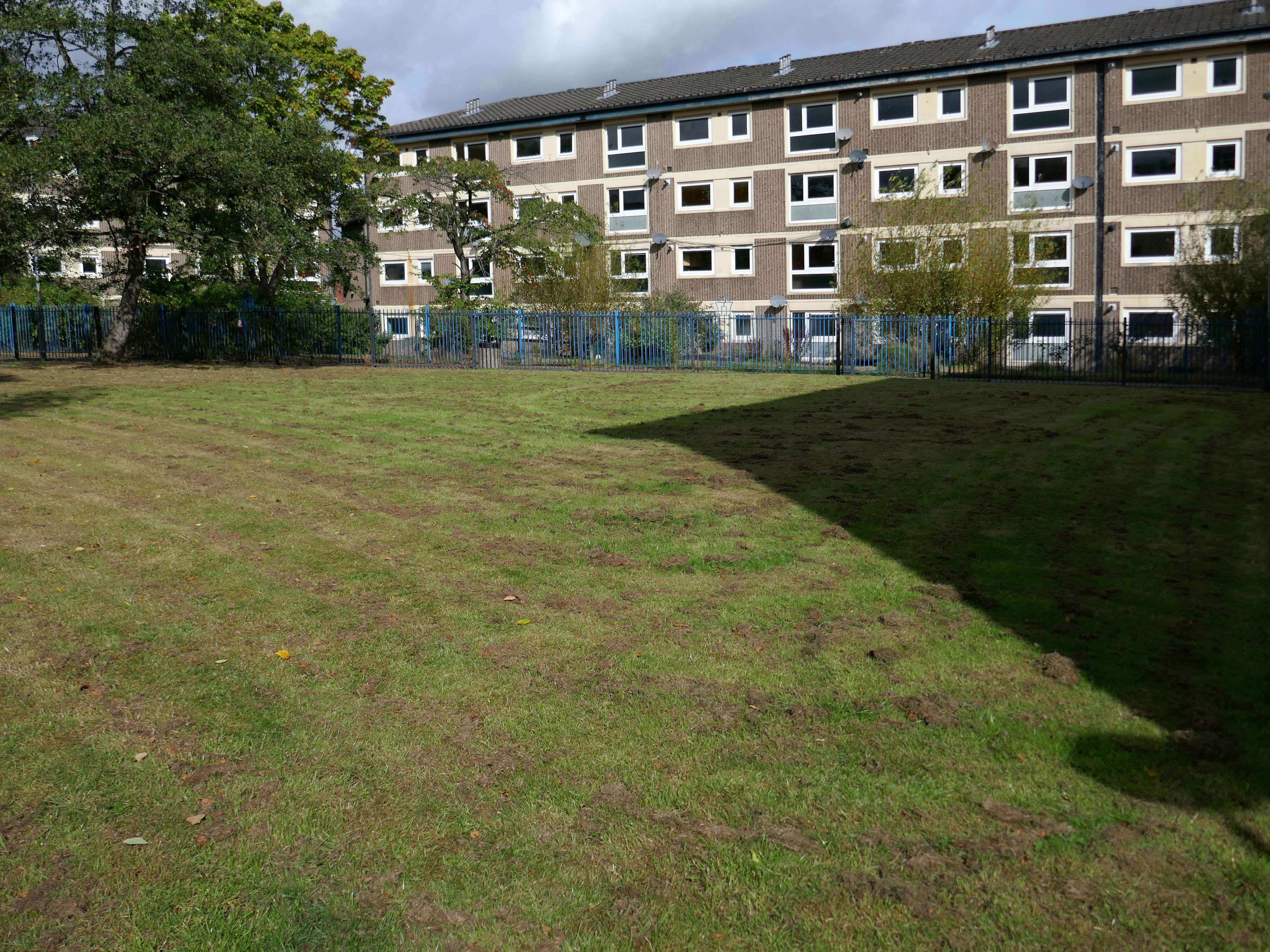
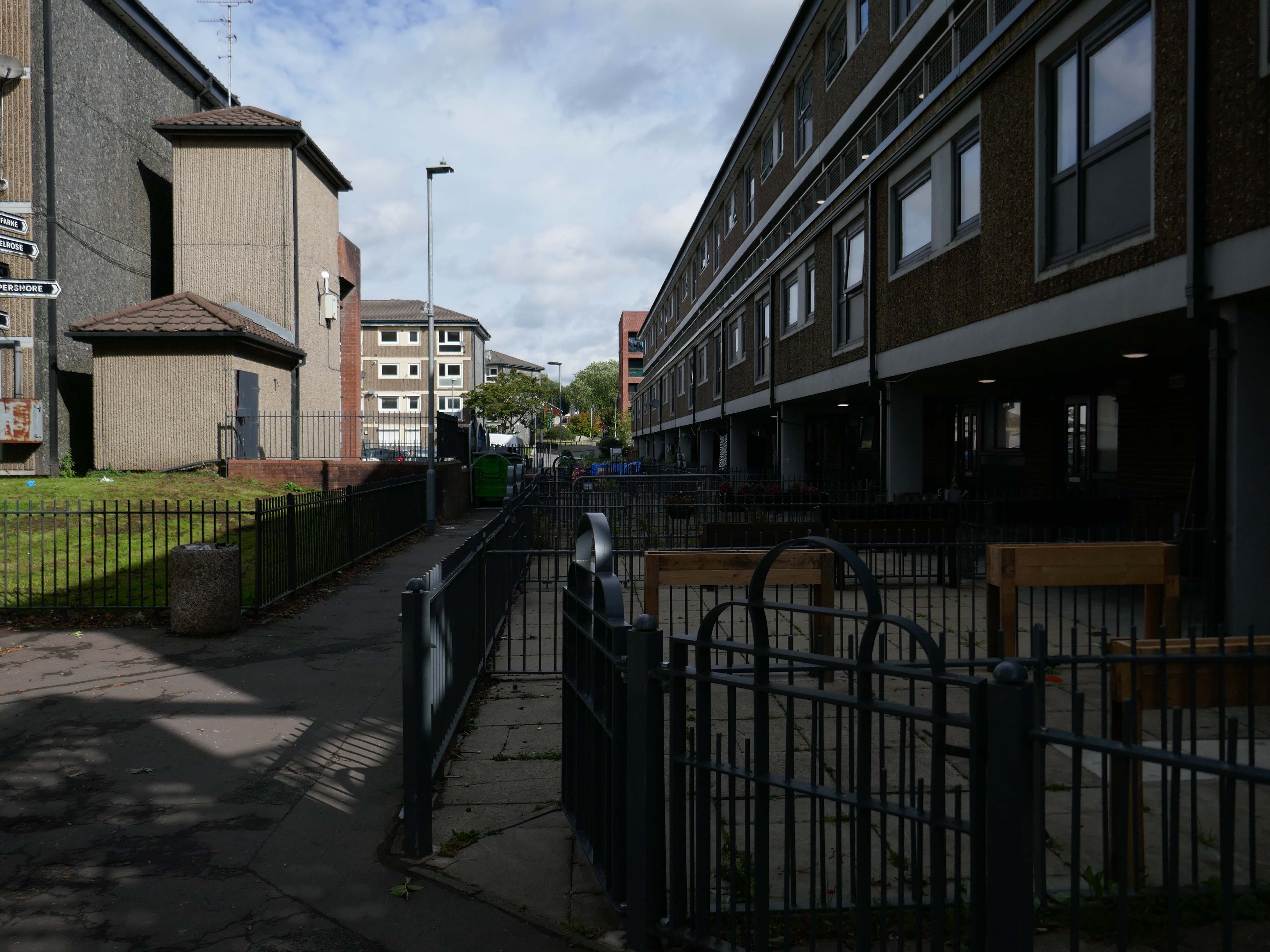
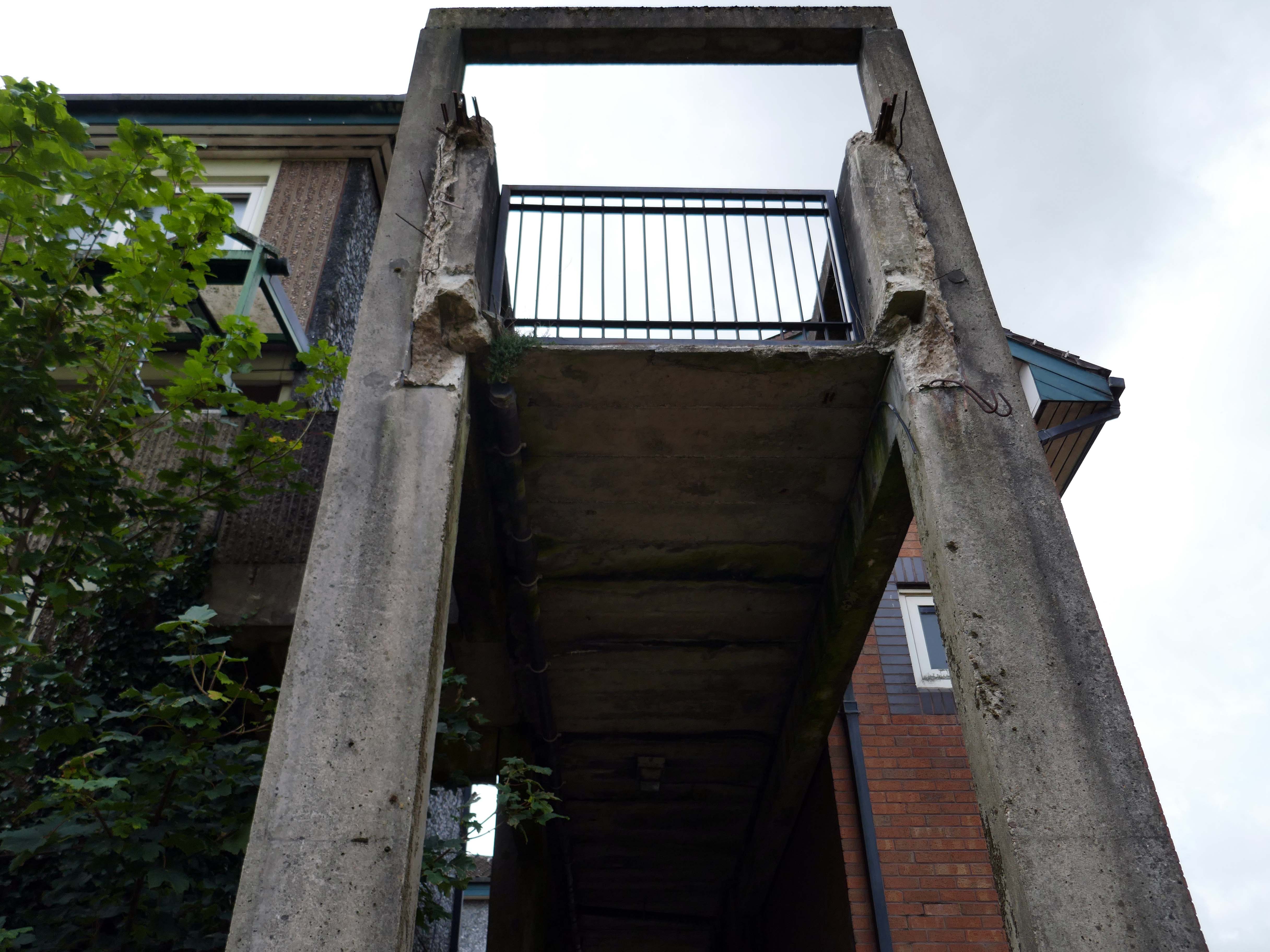
Fast forward to 2025 and the estate looks very different, a minority of the blocks have been refurbished.
The remainder have been, or are to be demolished.
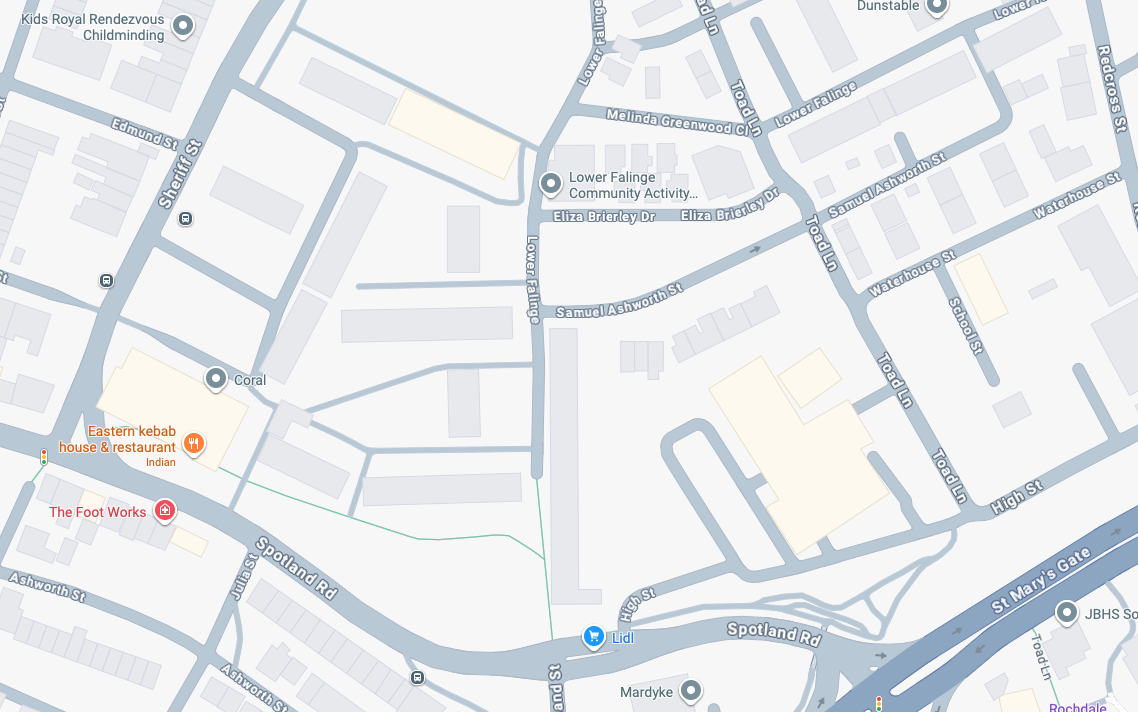
Rochdale’s 2021 planning statement for Lower Falinge is beguiling in its talk of ‘a better quality and mix’ of housing, better public space and better links with surrounding areas. It goes on to say that the ‘the delivery of market housing within this area is required to deliver this diversification and to ensure the sustainability of retained affordable housing in the area’ – a sentence containing the claim that a tenure mix of public and owner-occupied housing is a good in itself, whilst also acknowledging contradictorily that affordable housing (how affordable?) is only possible by cross-subsidy from market sales’
Some 560 new homes were proposed in Lower Falinge. The plans as a whole proposed the loss of 720 primarily social rent homes and their replacement by 560 new homes of indeterminate tenure.
The tenants in the refurbished blocks with whom I chatted were convinced that demolition was not the answer, further renewal could take place, Rochdale Boroughwide Housing, despite a well prepared save our homes campaign thought not.
In March, we told you that we planned to demolish the six empty maisonette blocks – Ollerton, Newstead, Romsey, Quinton, Ullesthorpe, and Vaynor, in Lower Falinge, as well as the former RSPCA buildings and the former car wash on High Street, within the next 12 months. This will make way for the development of new family homes across a larger site that we will work with the community on designing.
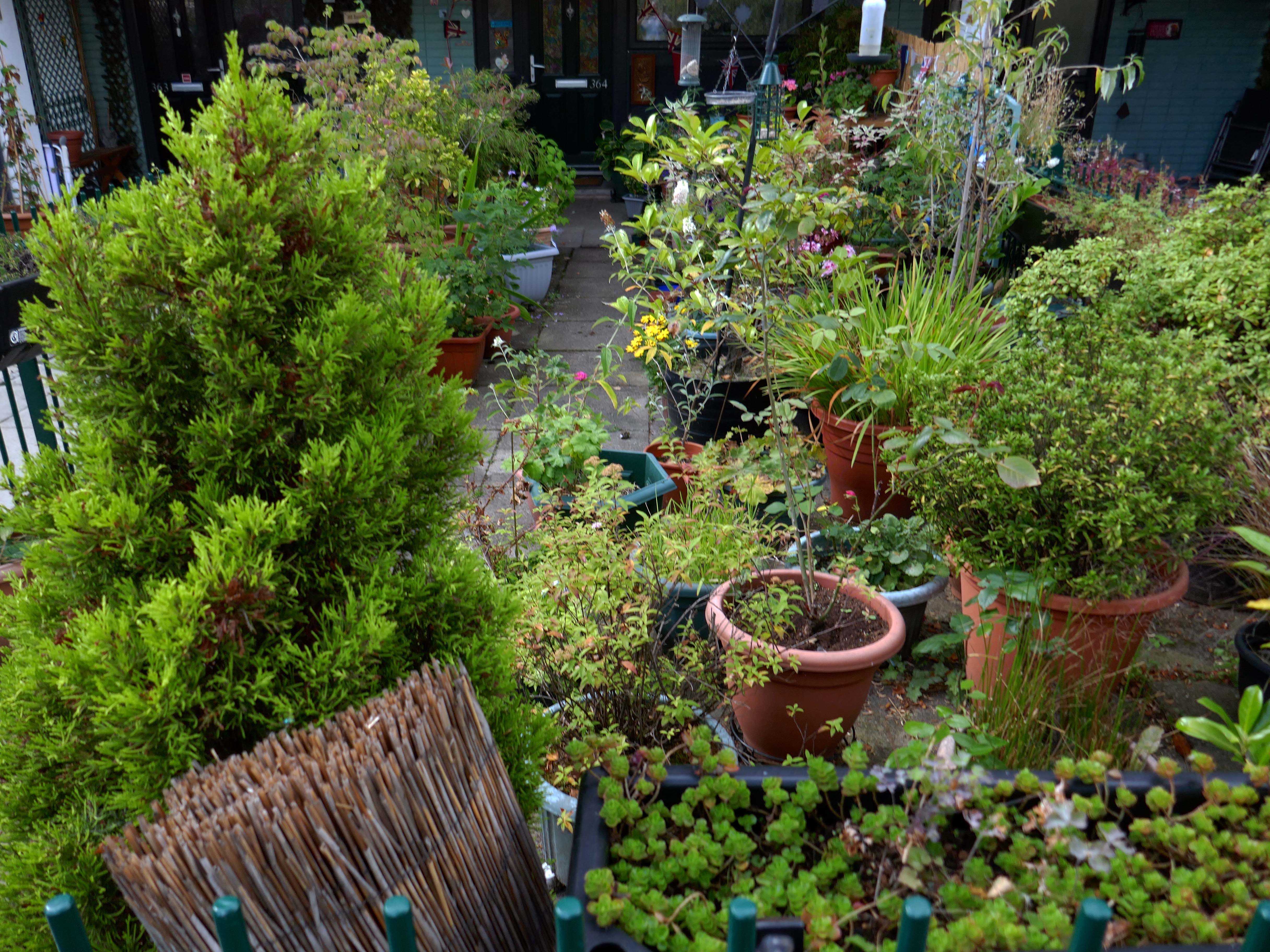
Our beautiful mature greenery here on Lower Falinge is showcased in this wonderful video. We are proud of living here surrounded by all this nature – it really is like living in a park.
Unfortunately our urban oasis of calm is at risk of being destroyed if RBH demolish 128 homes and eventually build on the land.
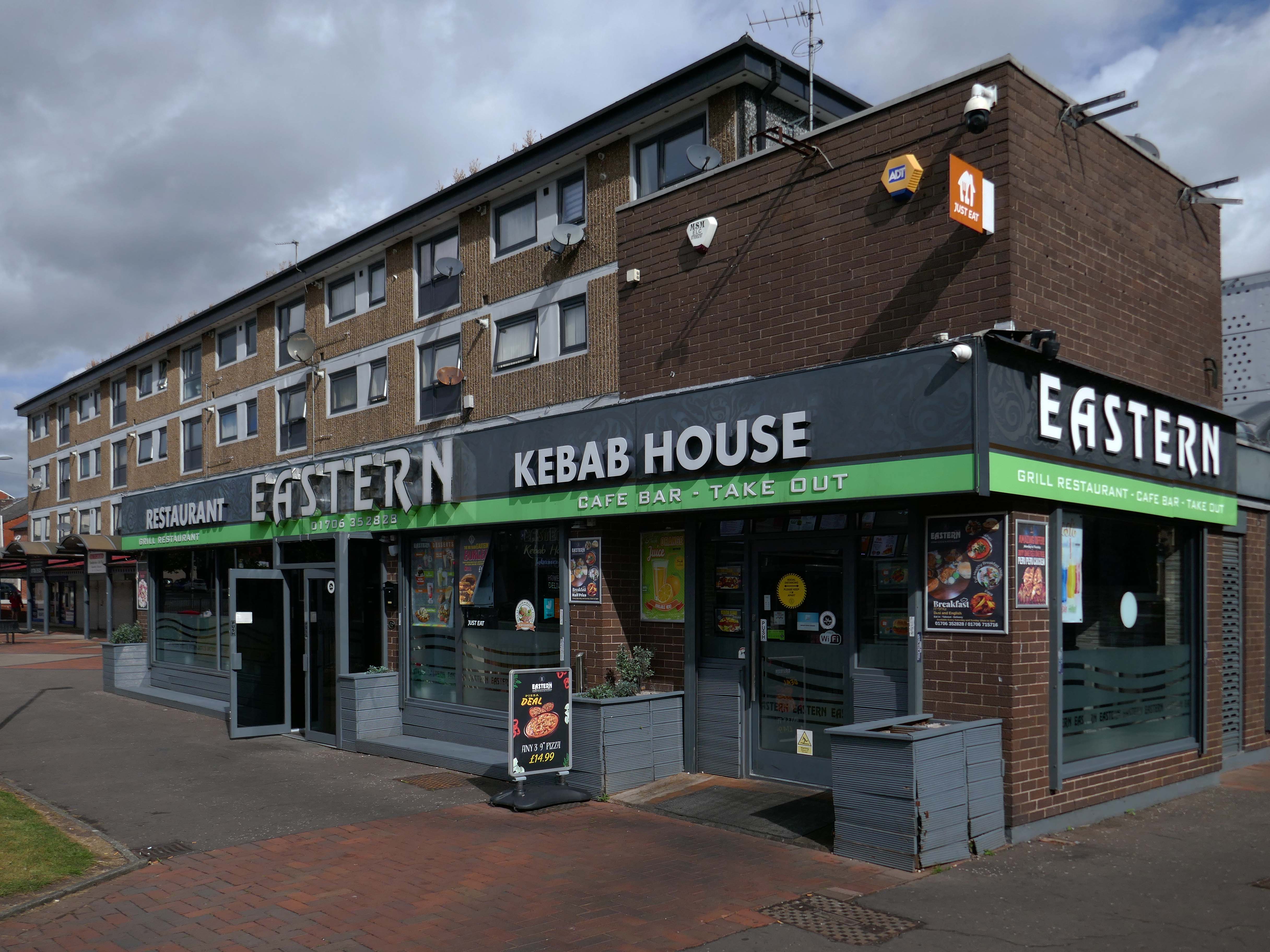
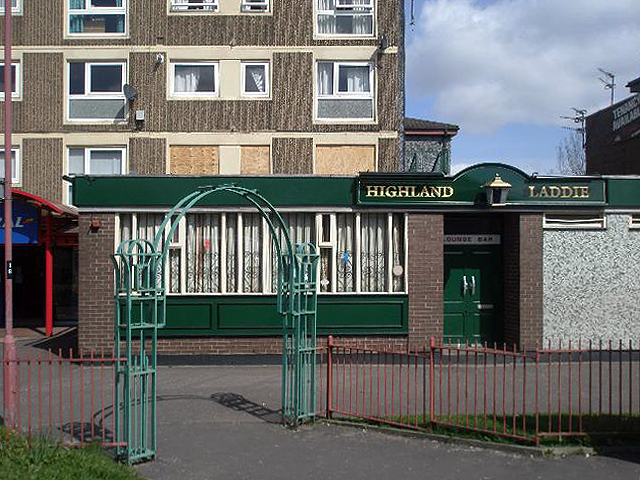
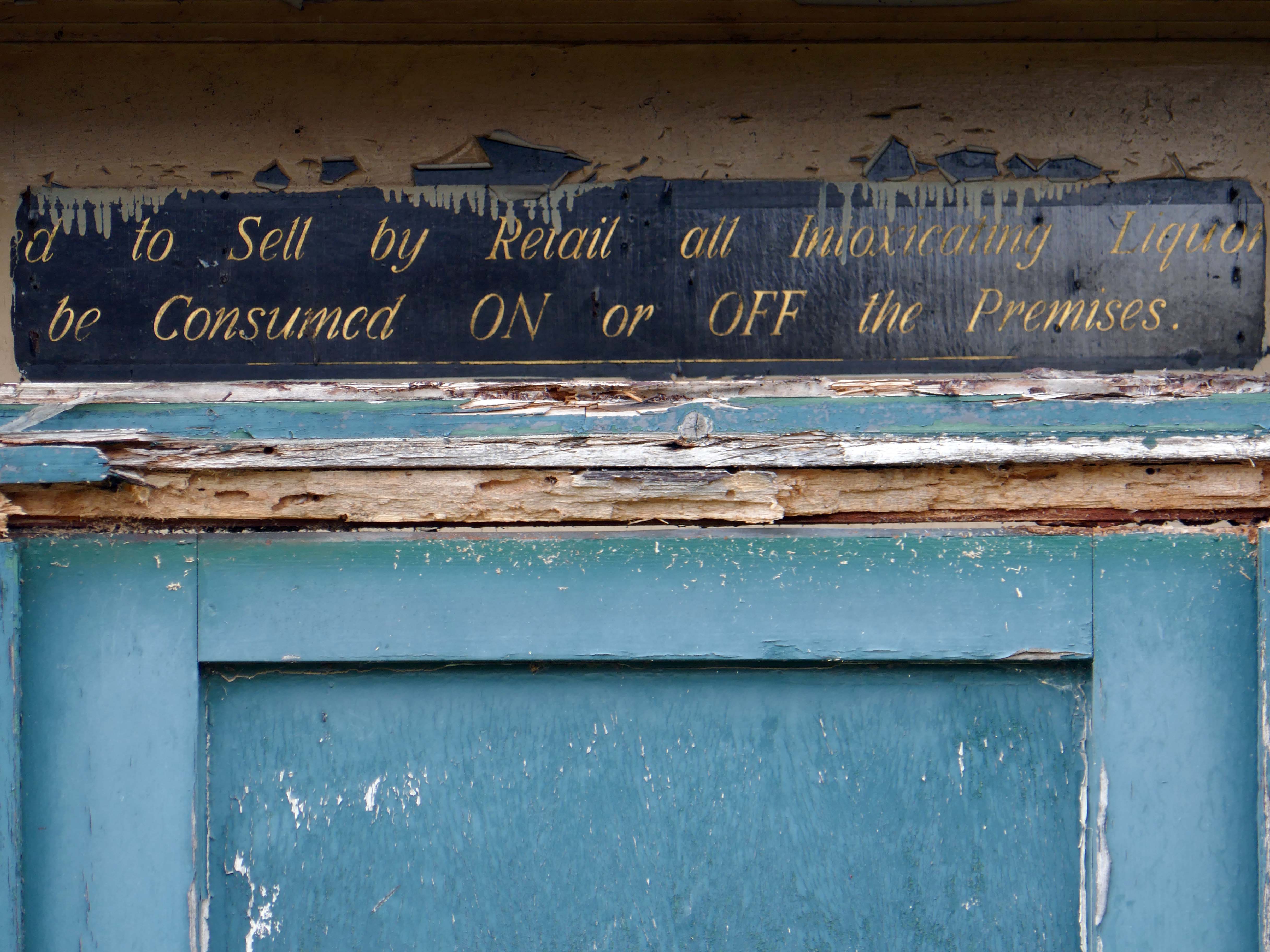
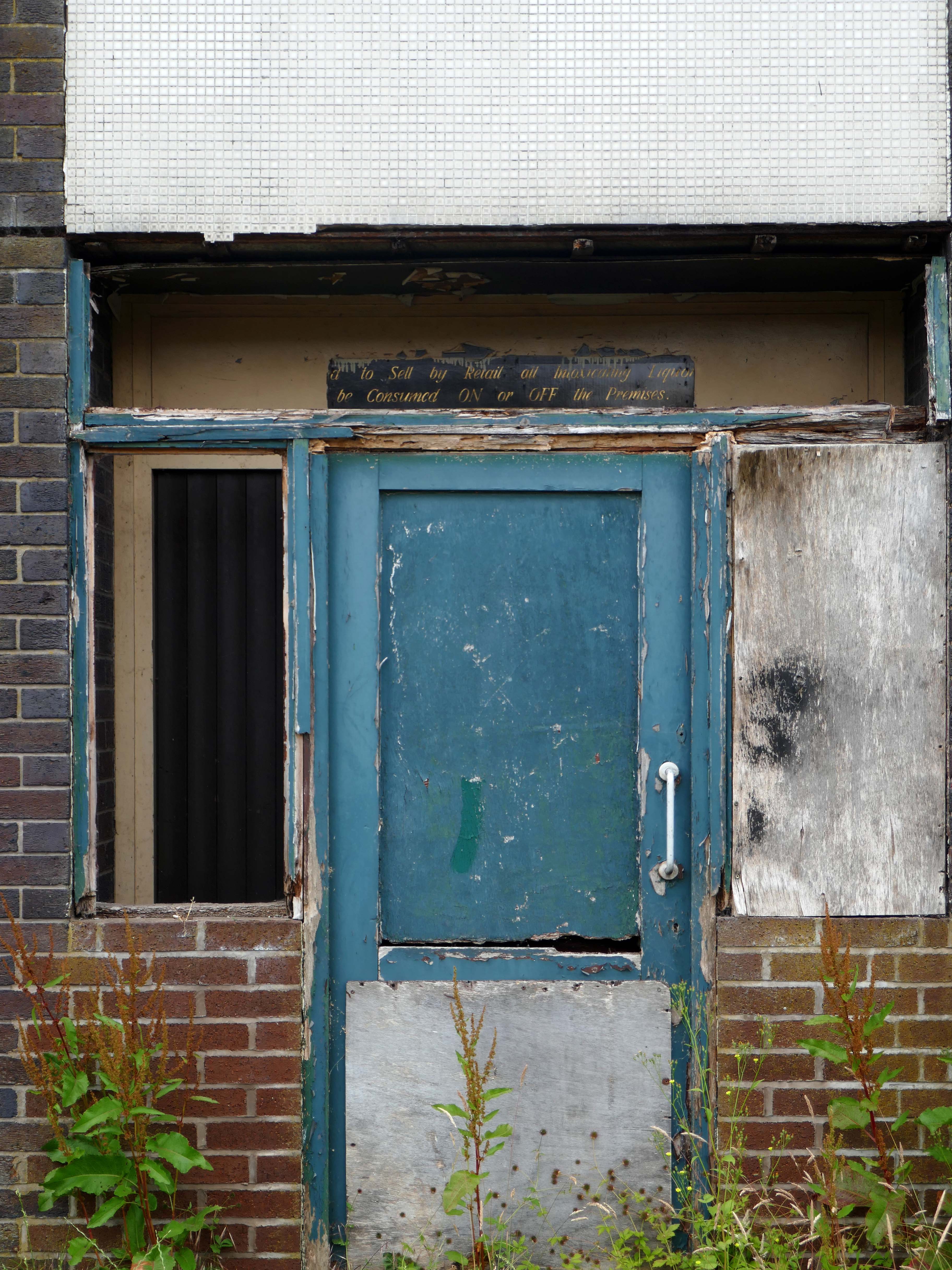
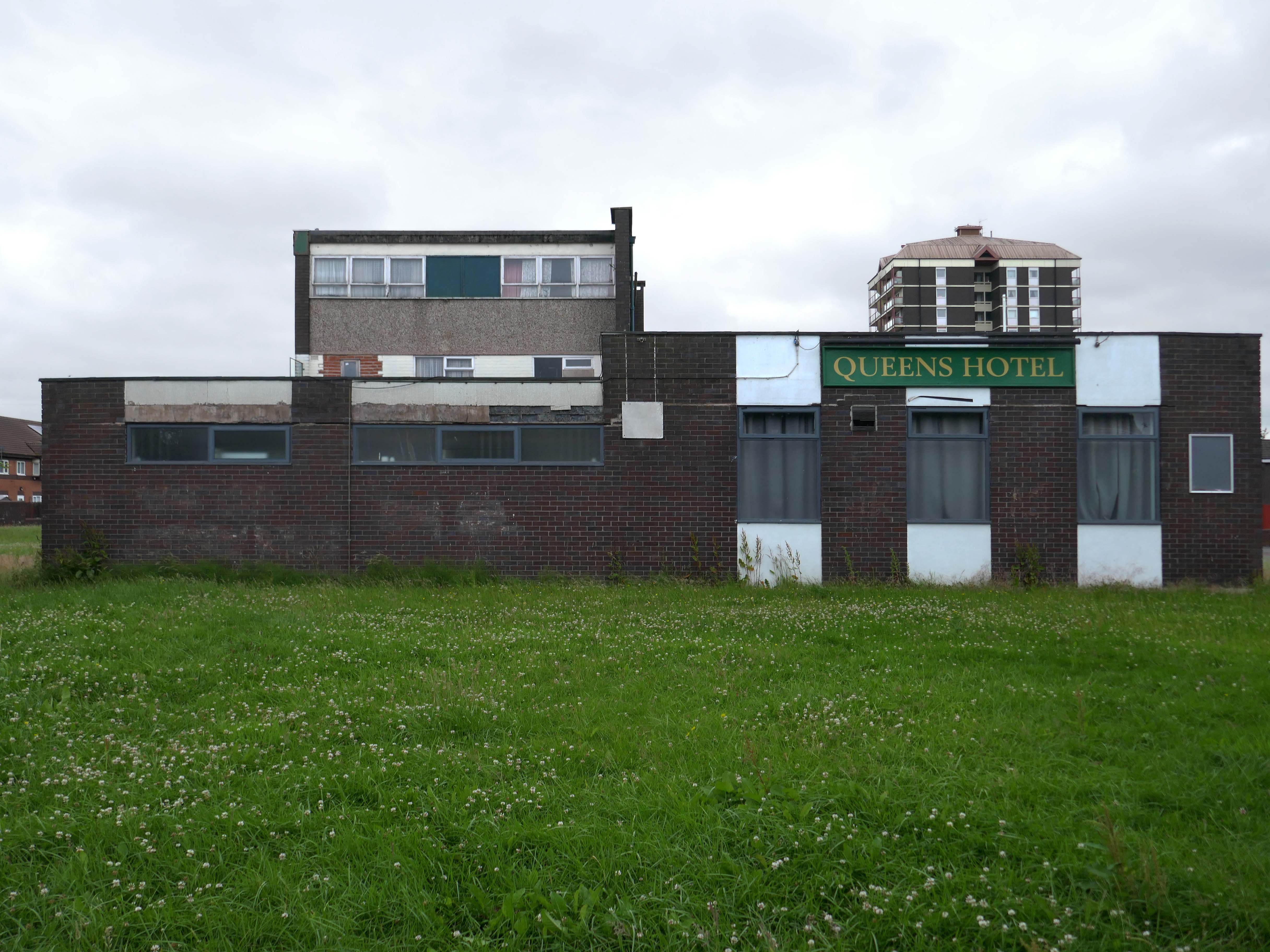
Once home to the Highland Laddie pub which closed in 2010.
The remainder of the estate remains in limbo.
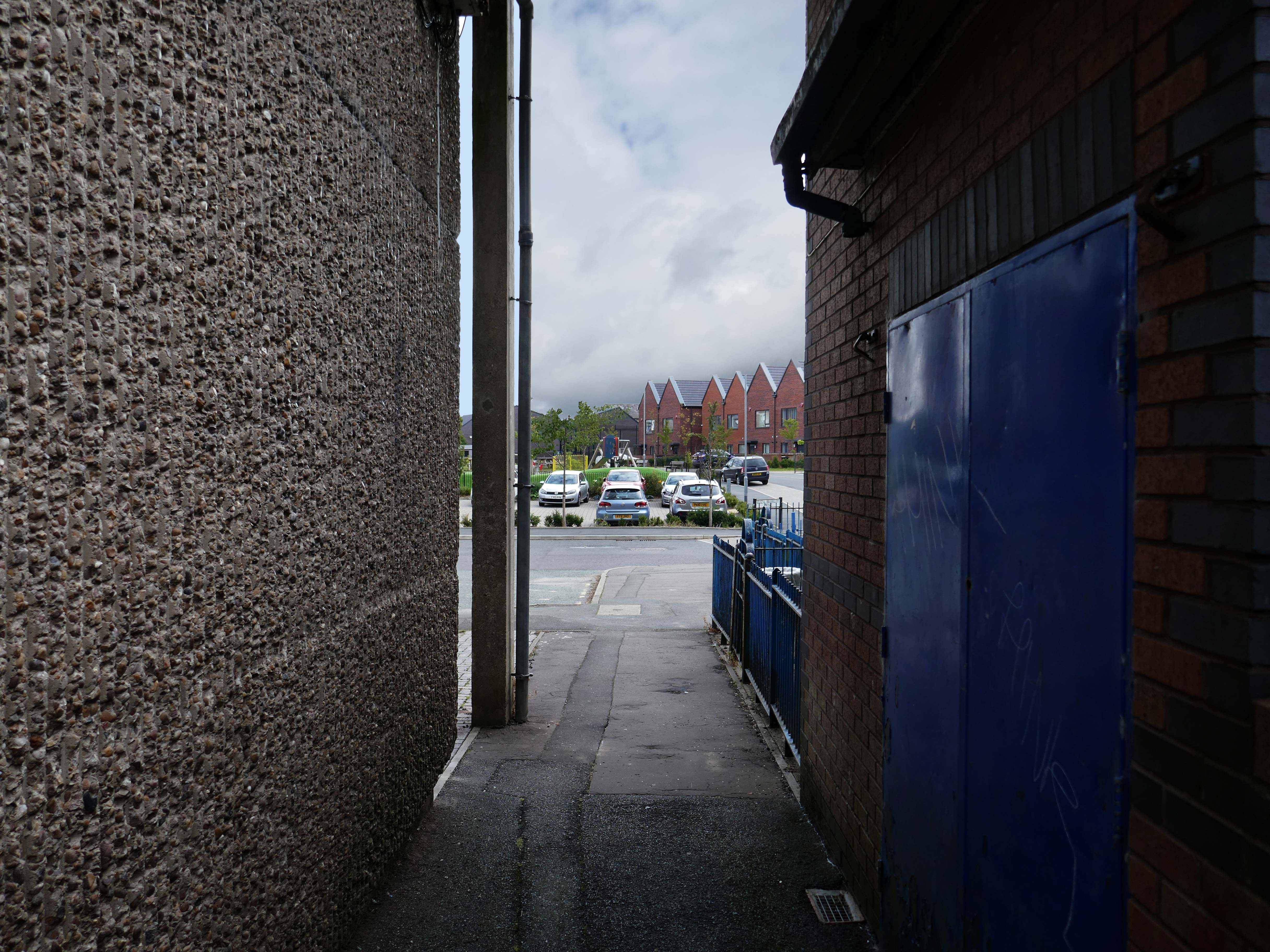
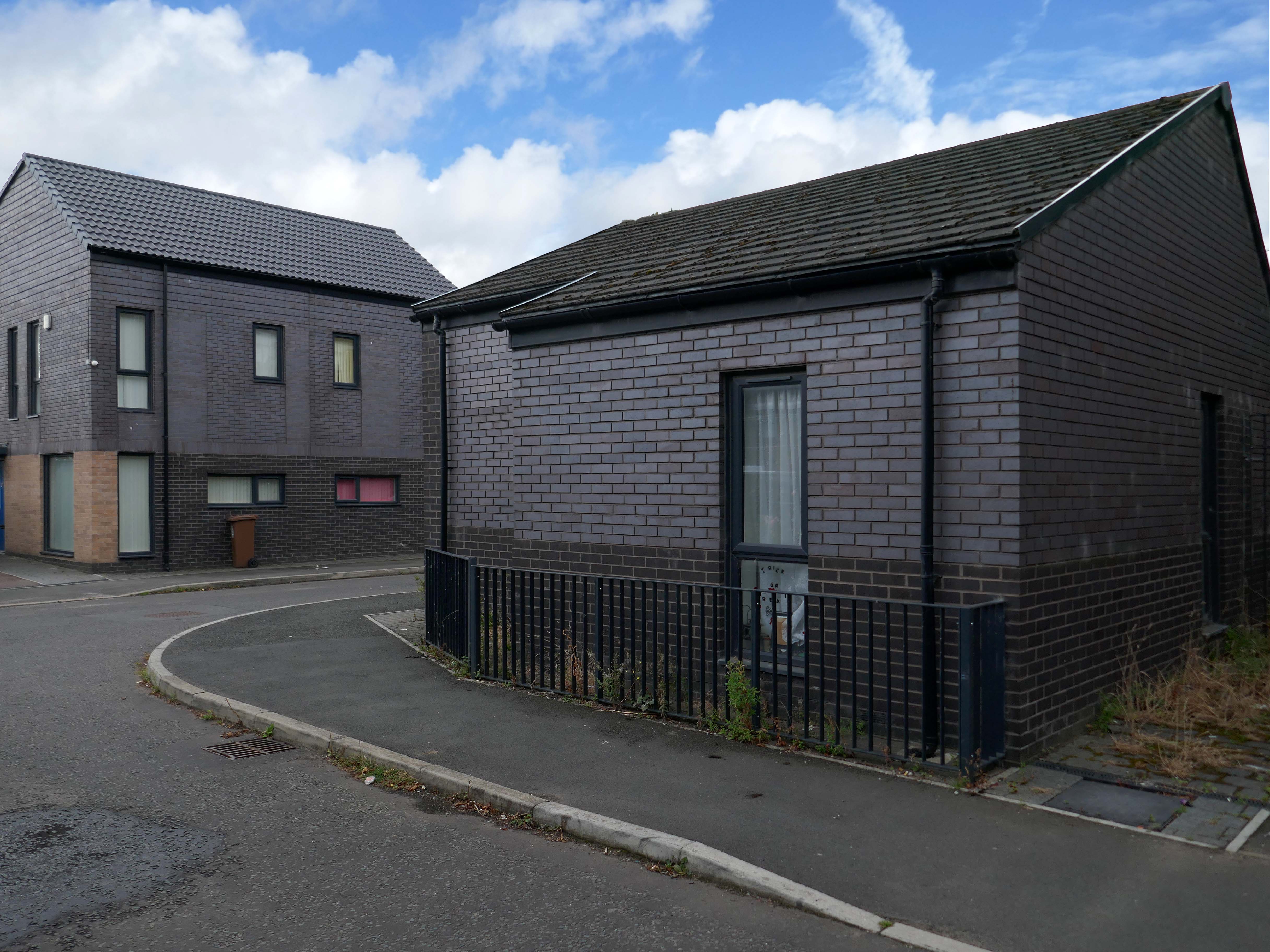
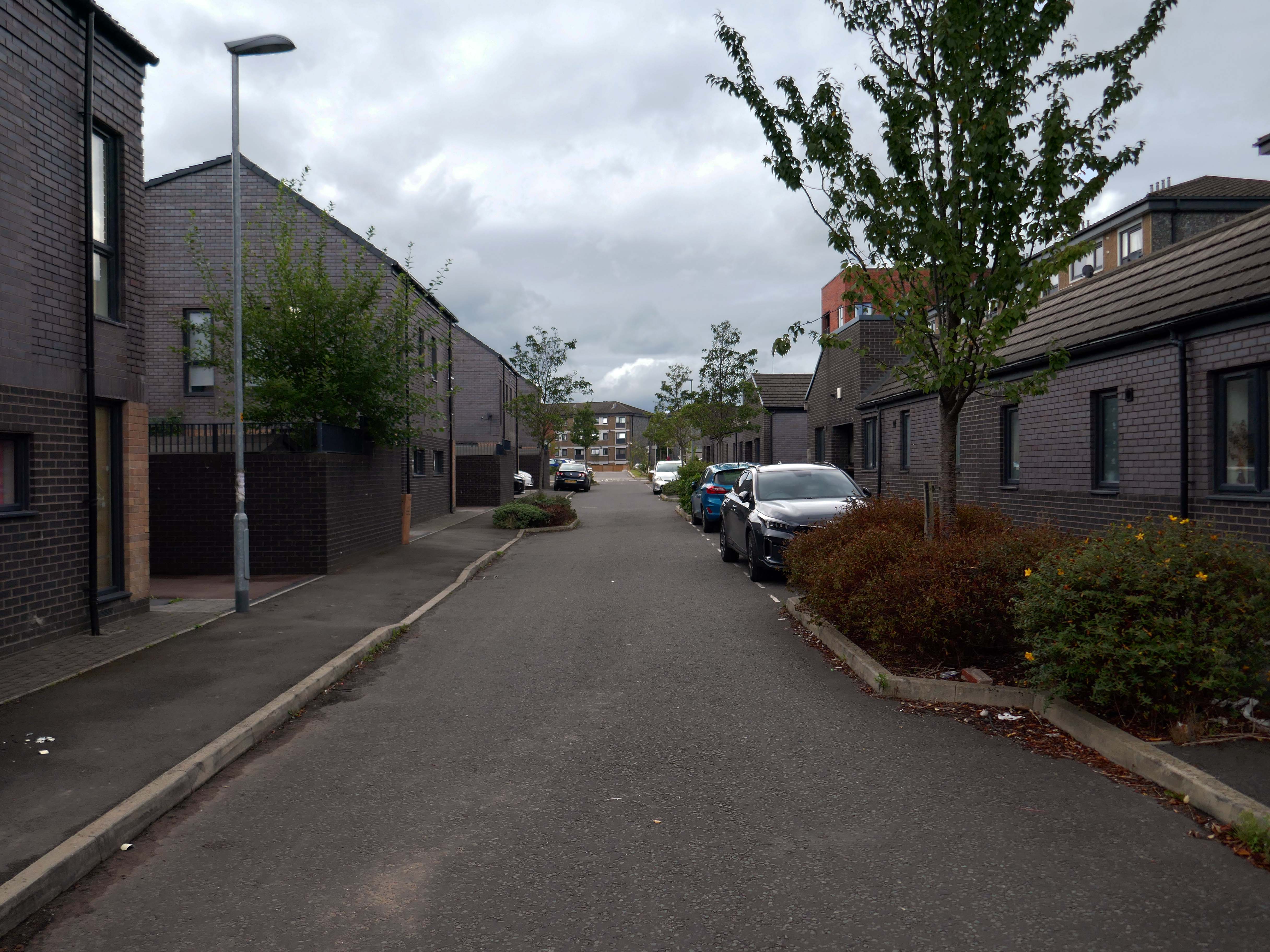
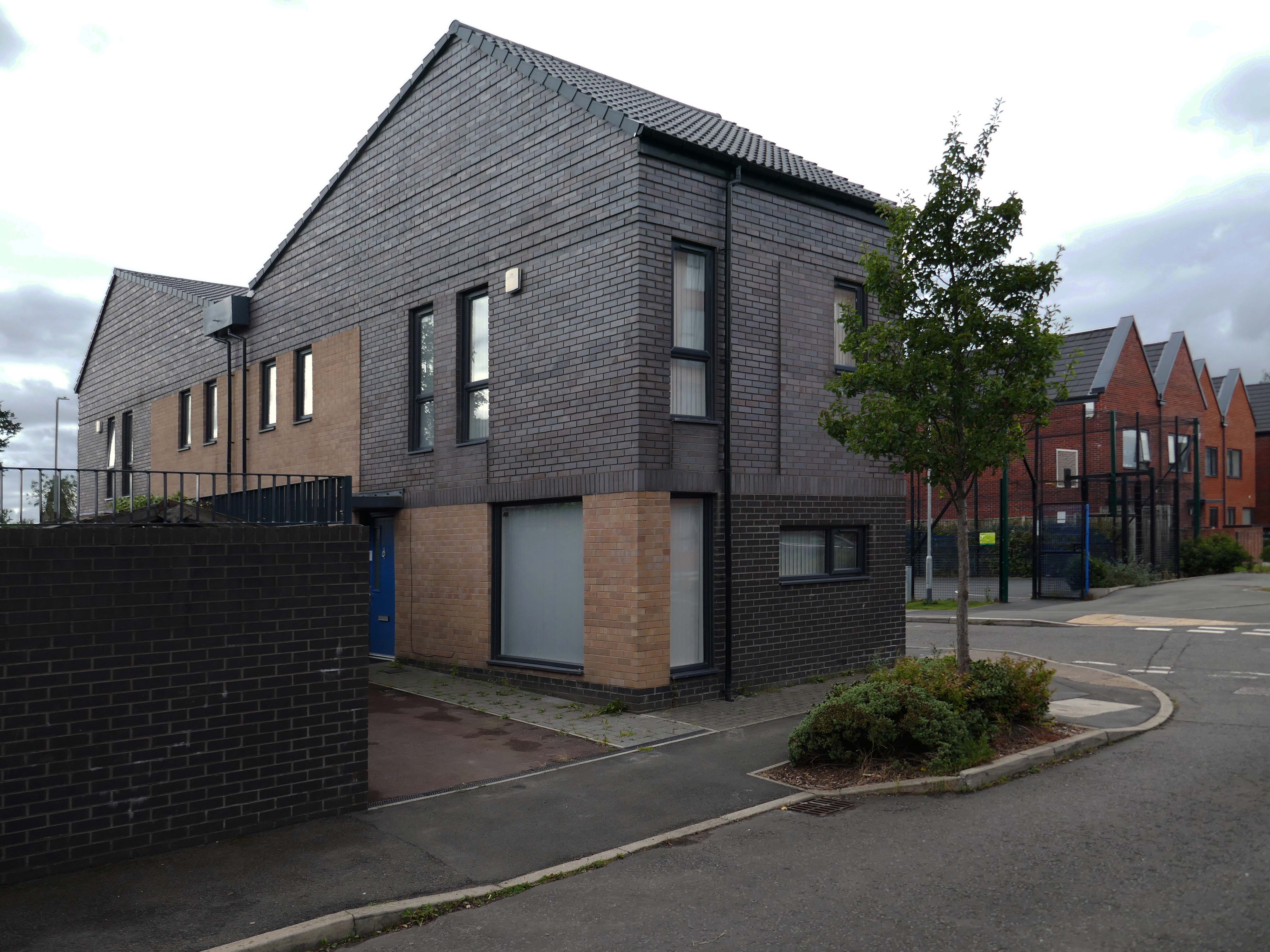
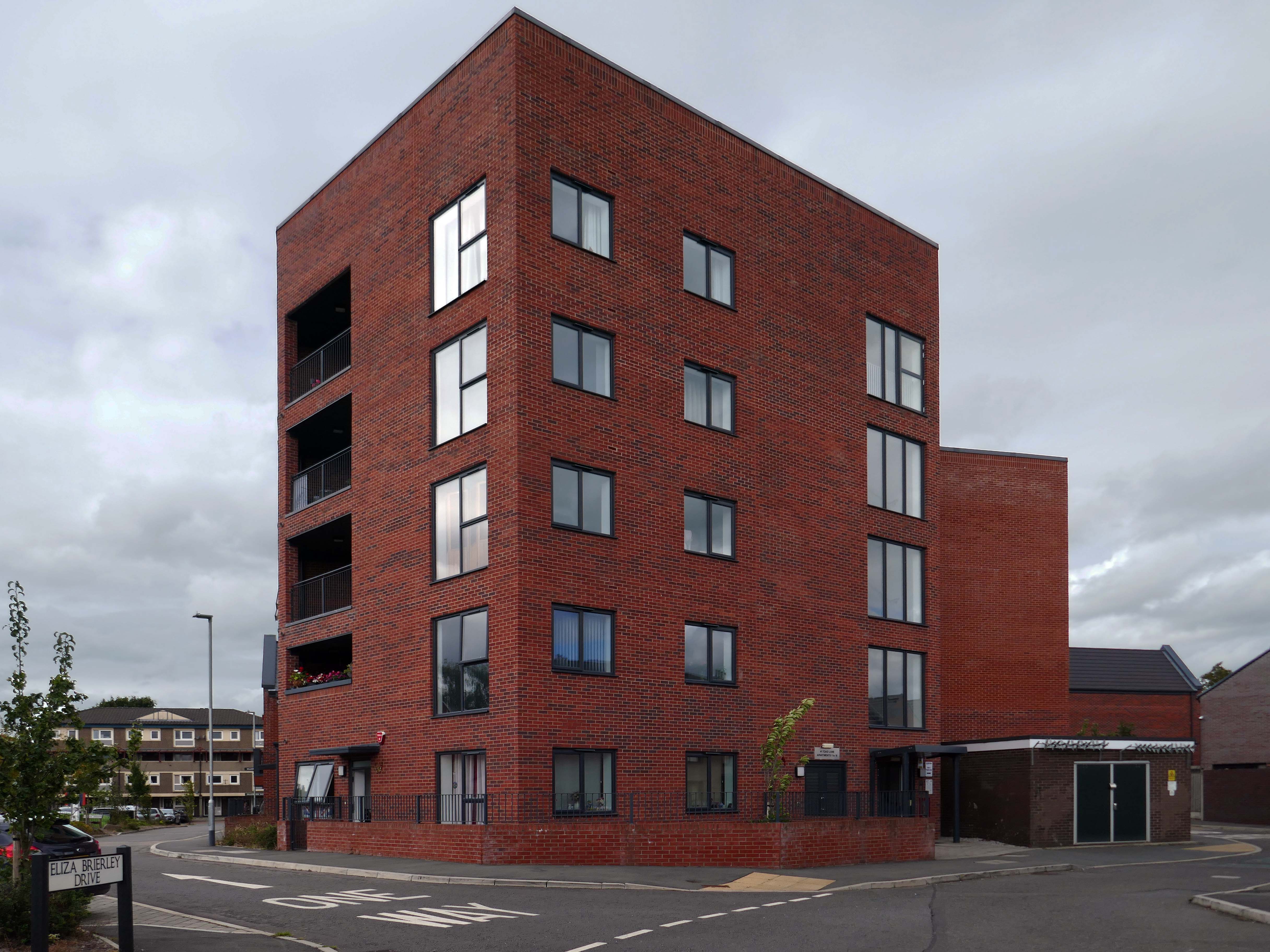
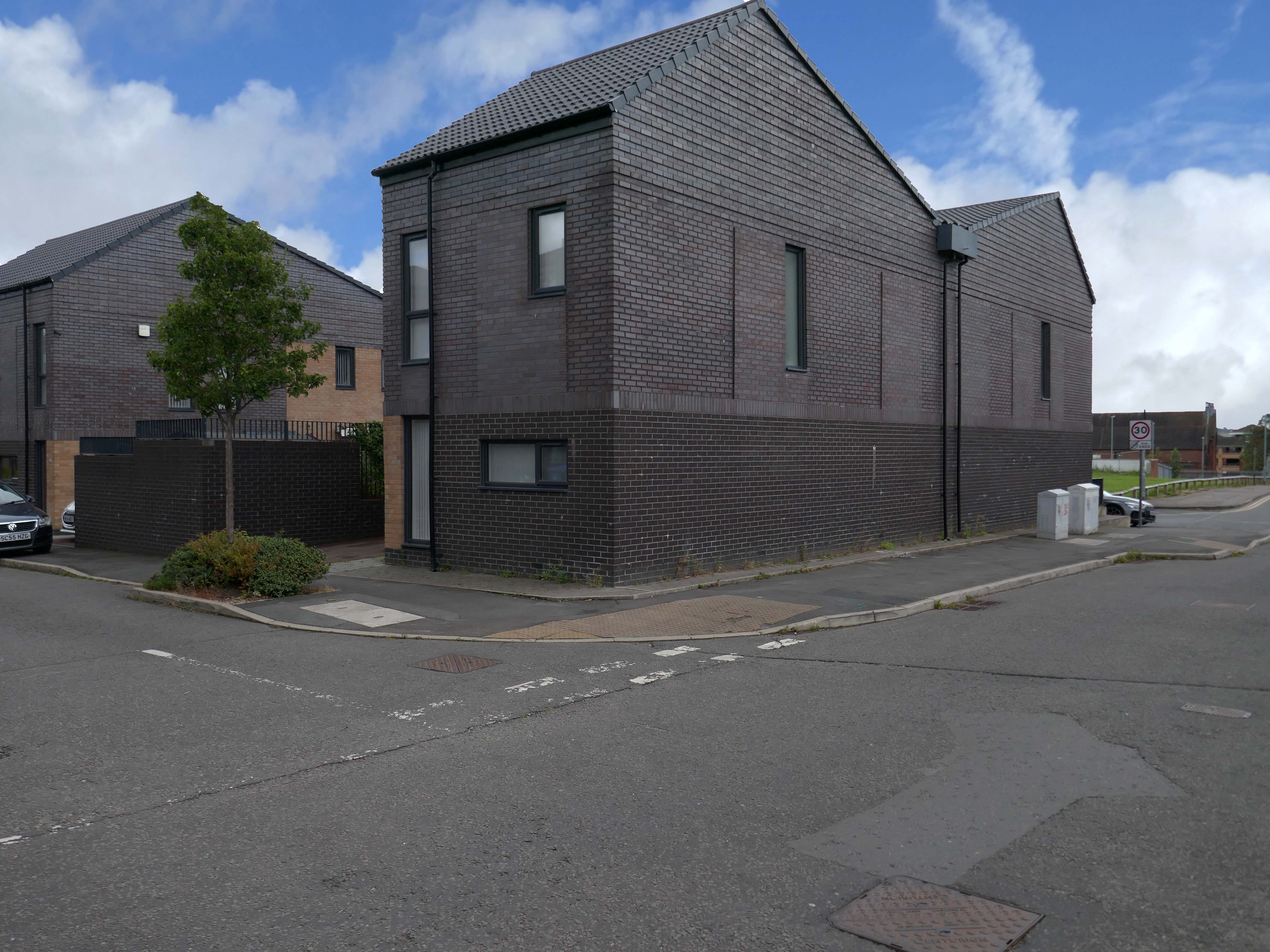
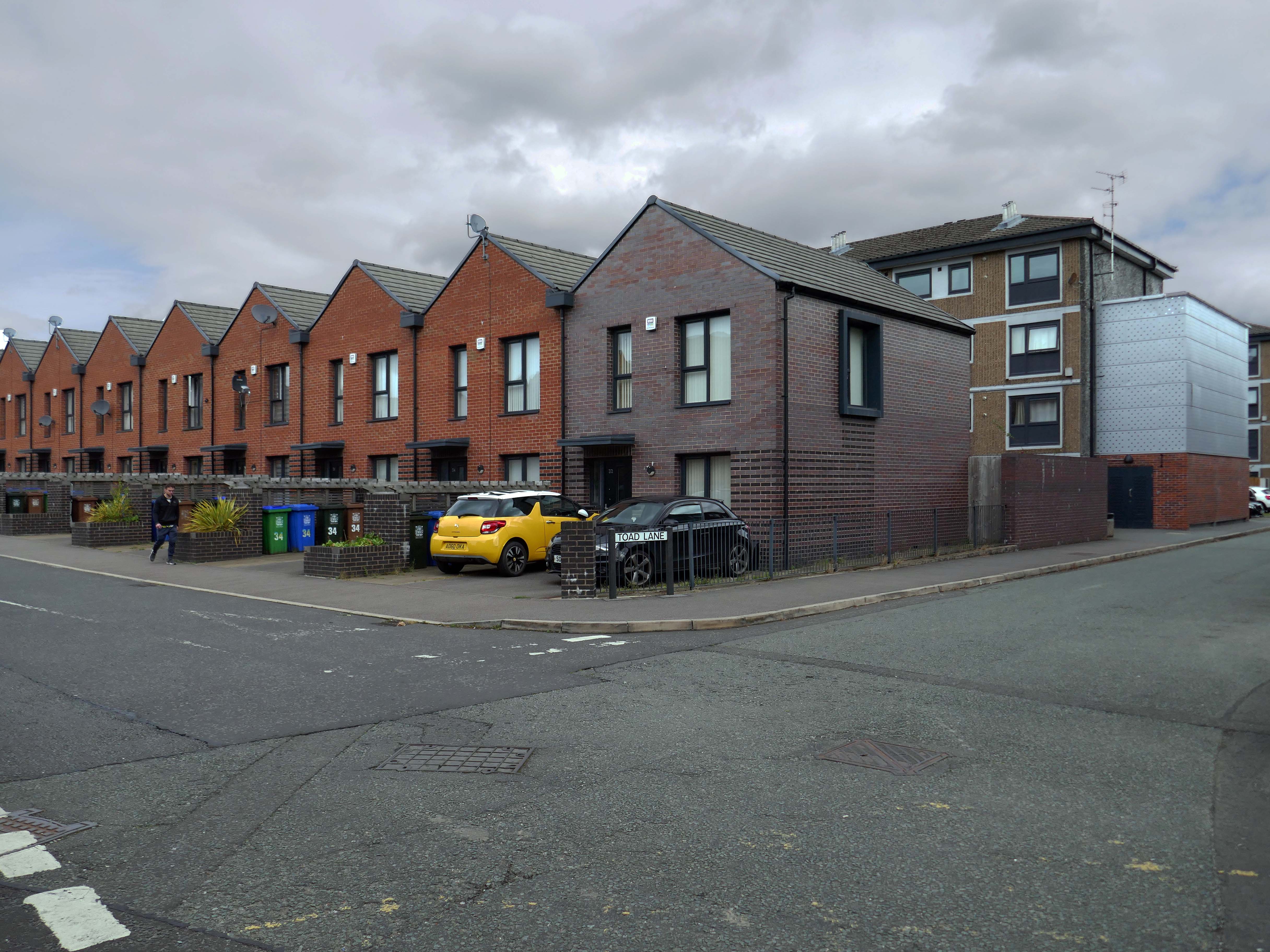
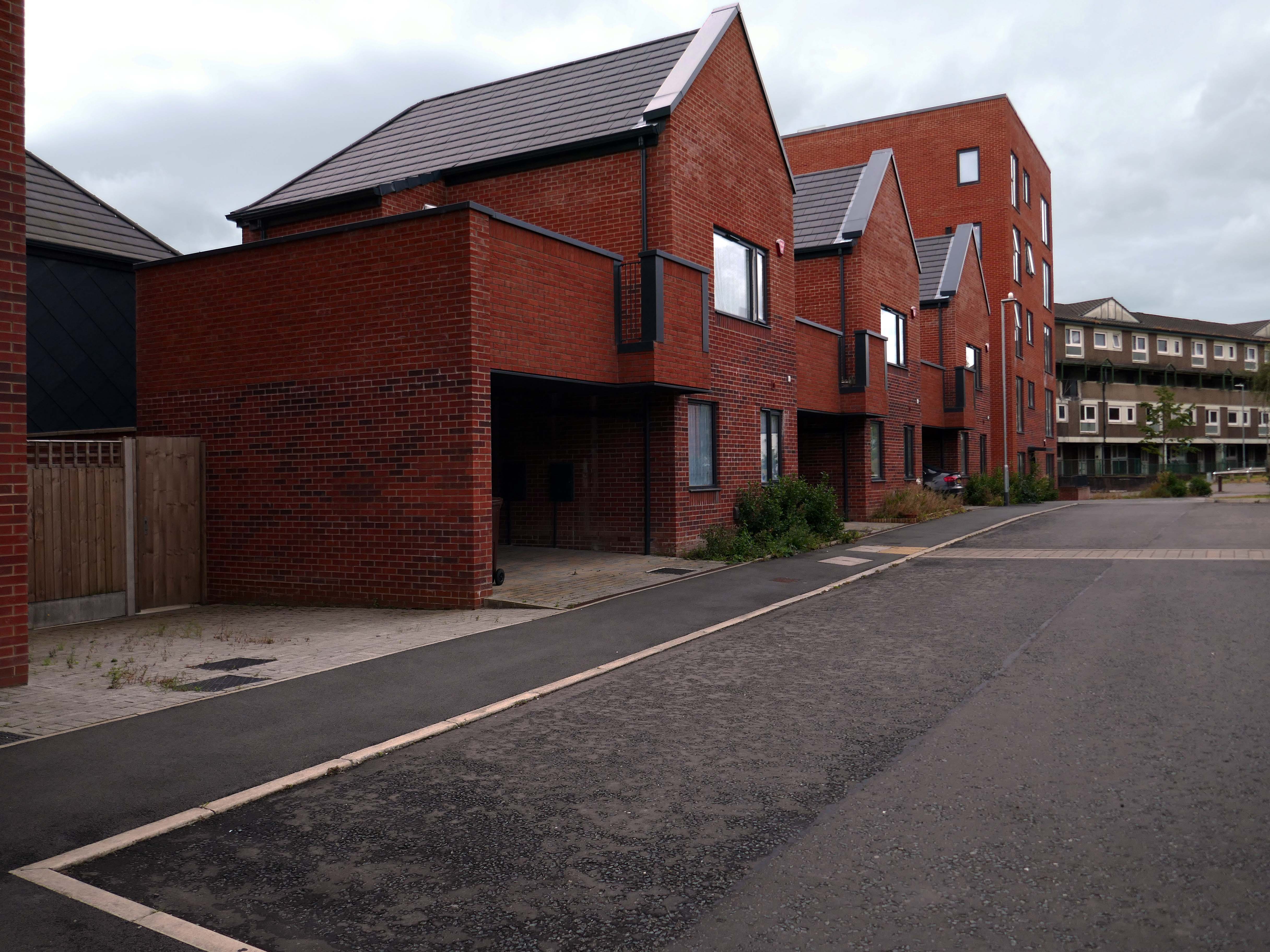
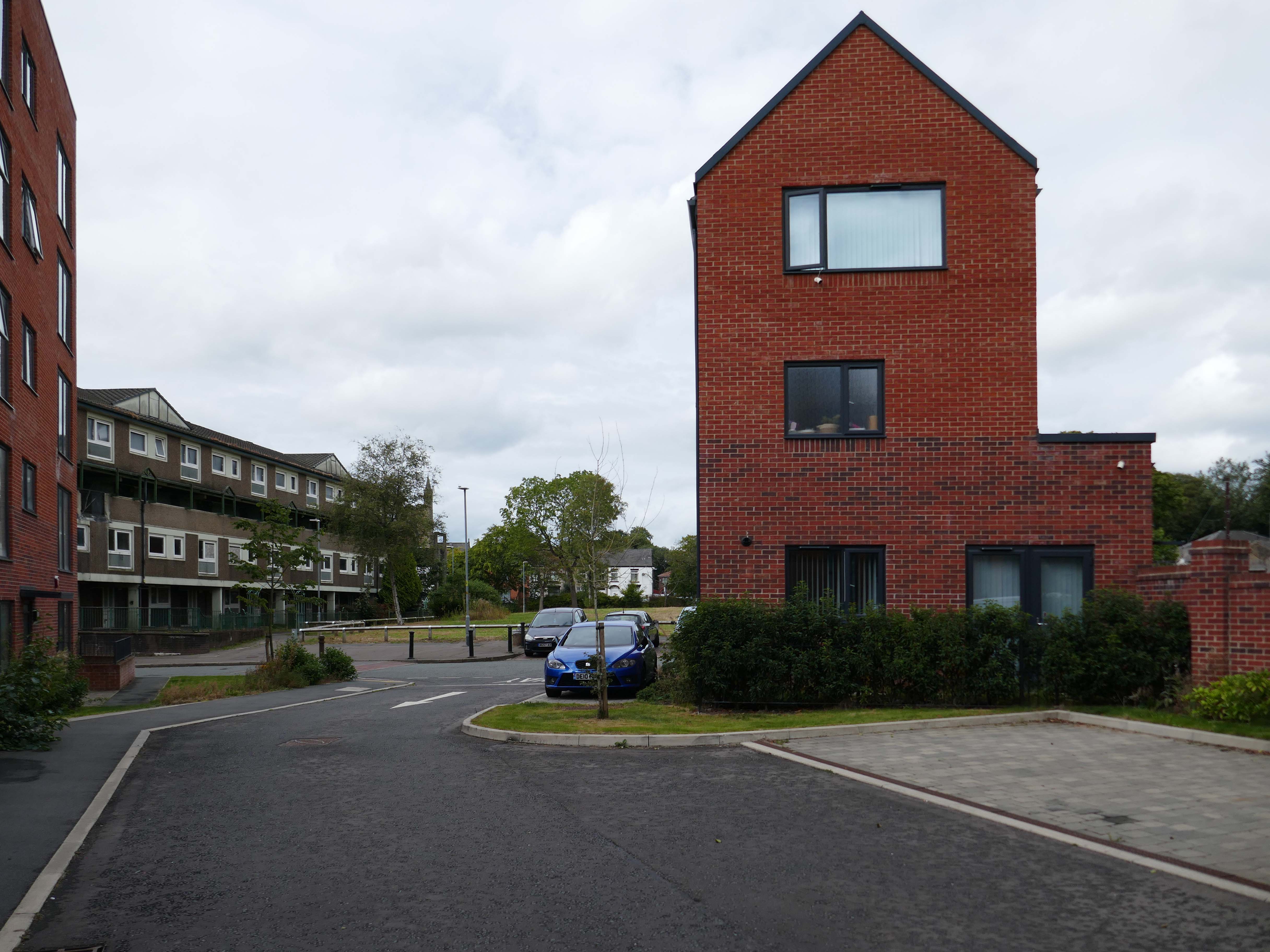
Next door the new homes have been built.
A major housing regeneration scheme which includes the construction of 30 energy efficient, affordable homes is breathing new life into the Lower Falinge neighbourhood in Rochdale.
The project is being carried out for Rochdale Boroughwide Housing by Rochdale-based main contractor The Casey Group with OMI Architects. This is the largest of 3 schemes that Casey has carried out for RBH.
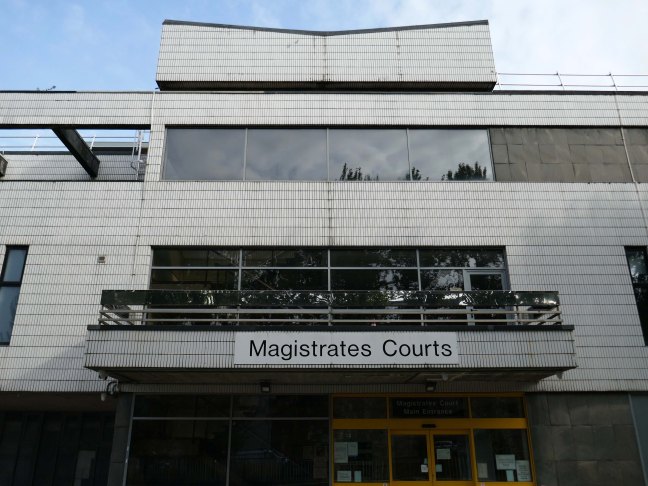
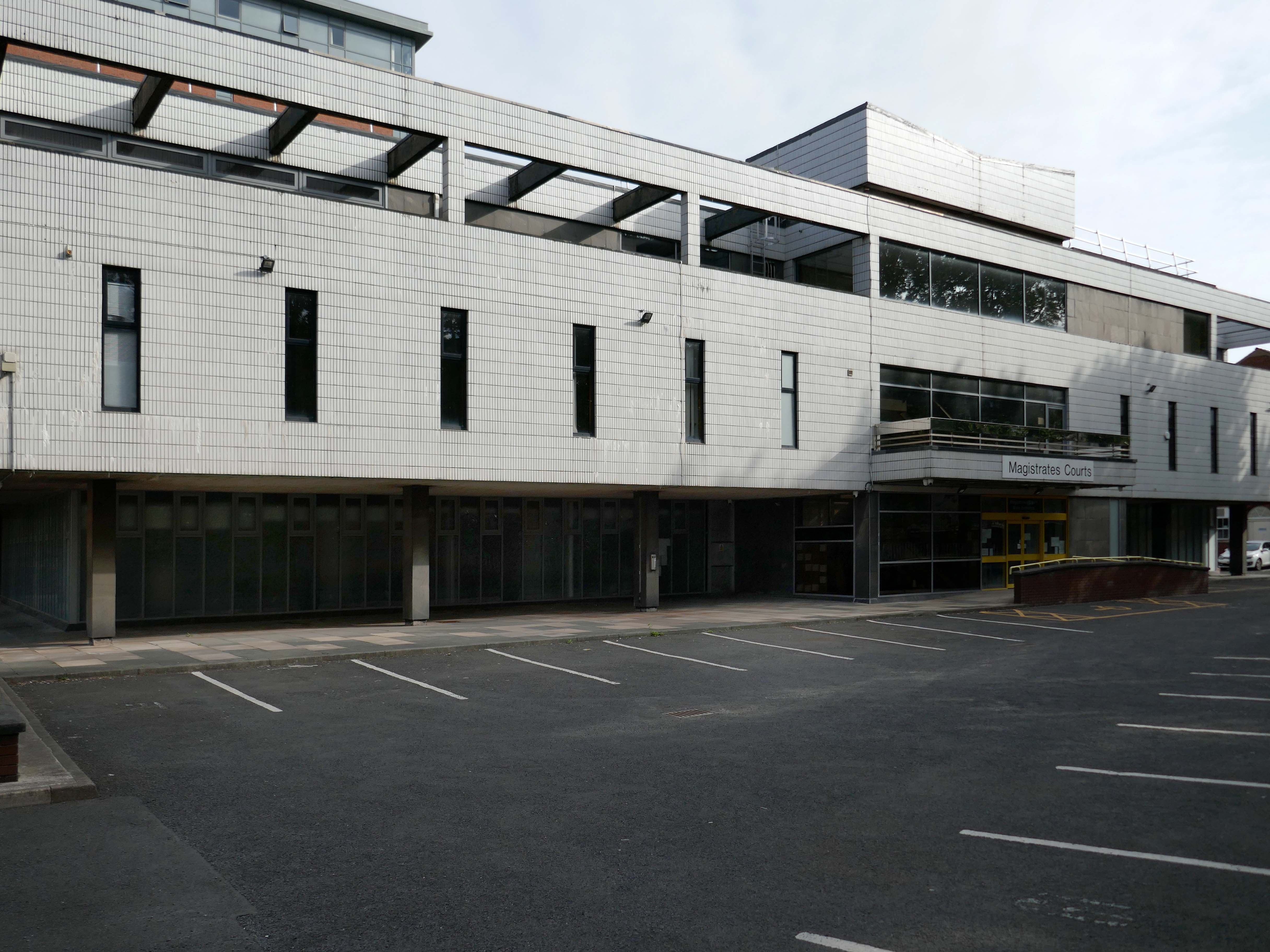
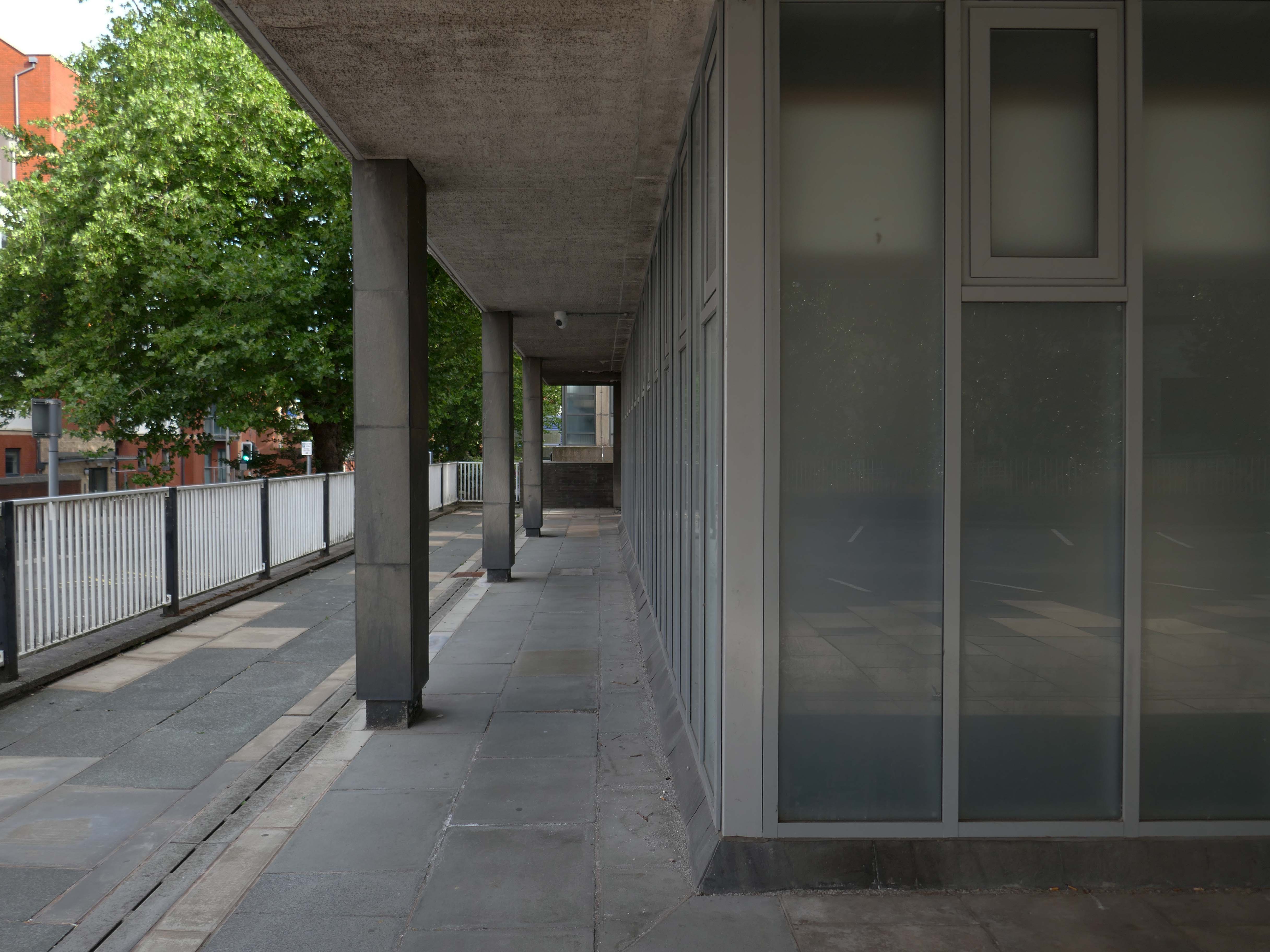
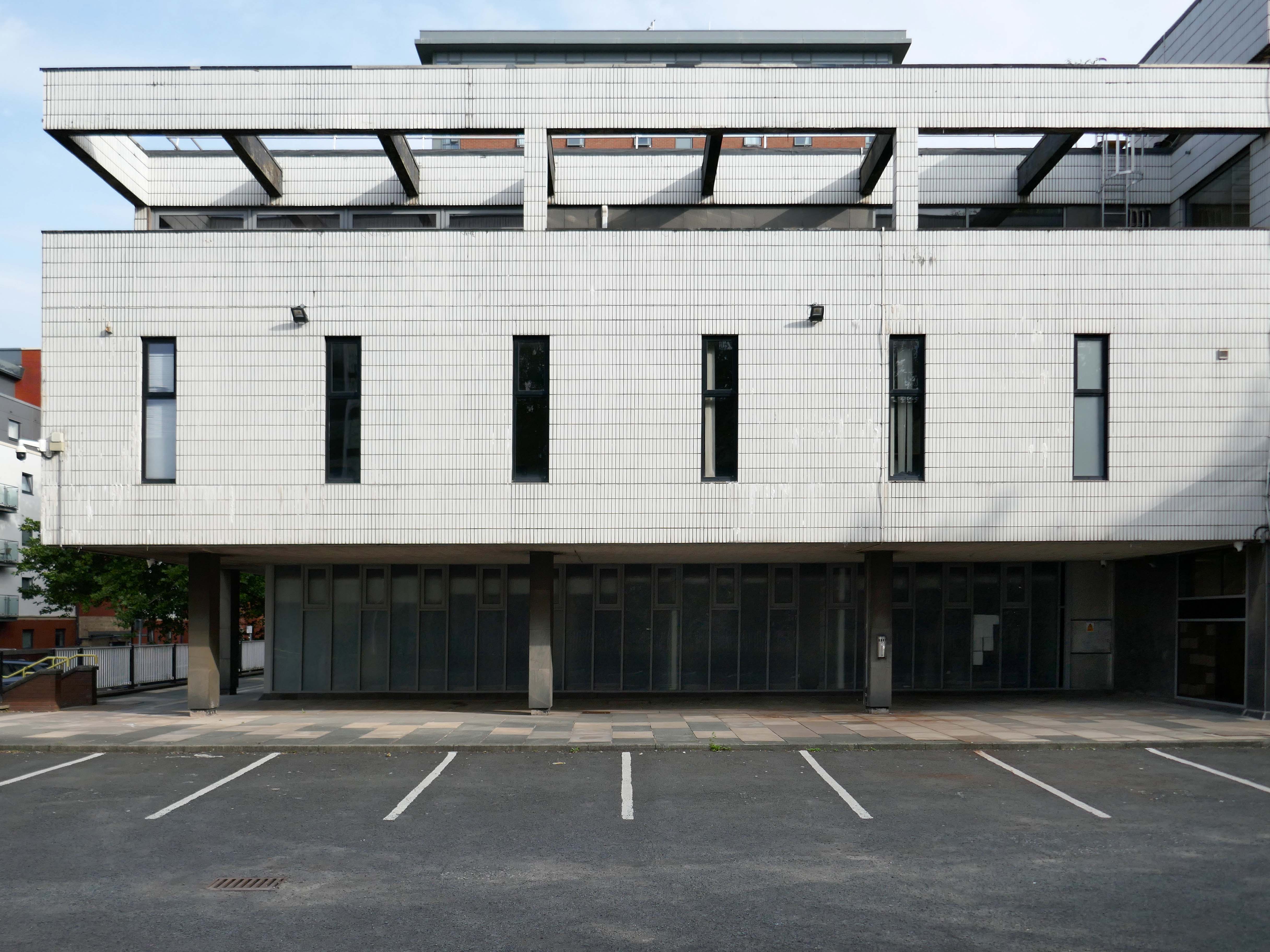
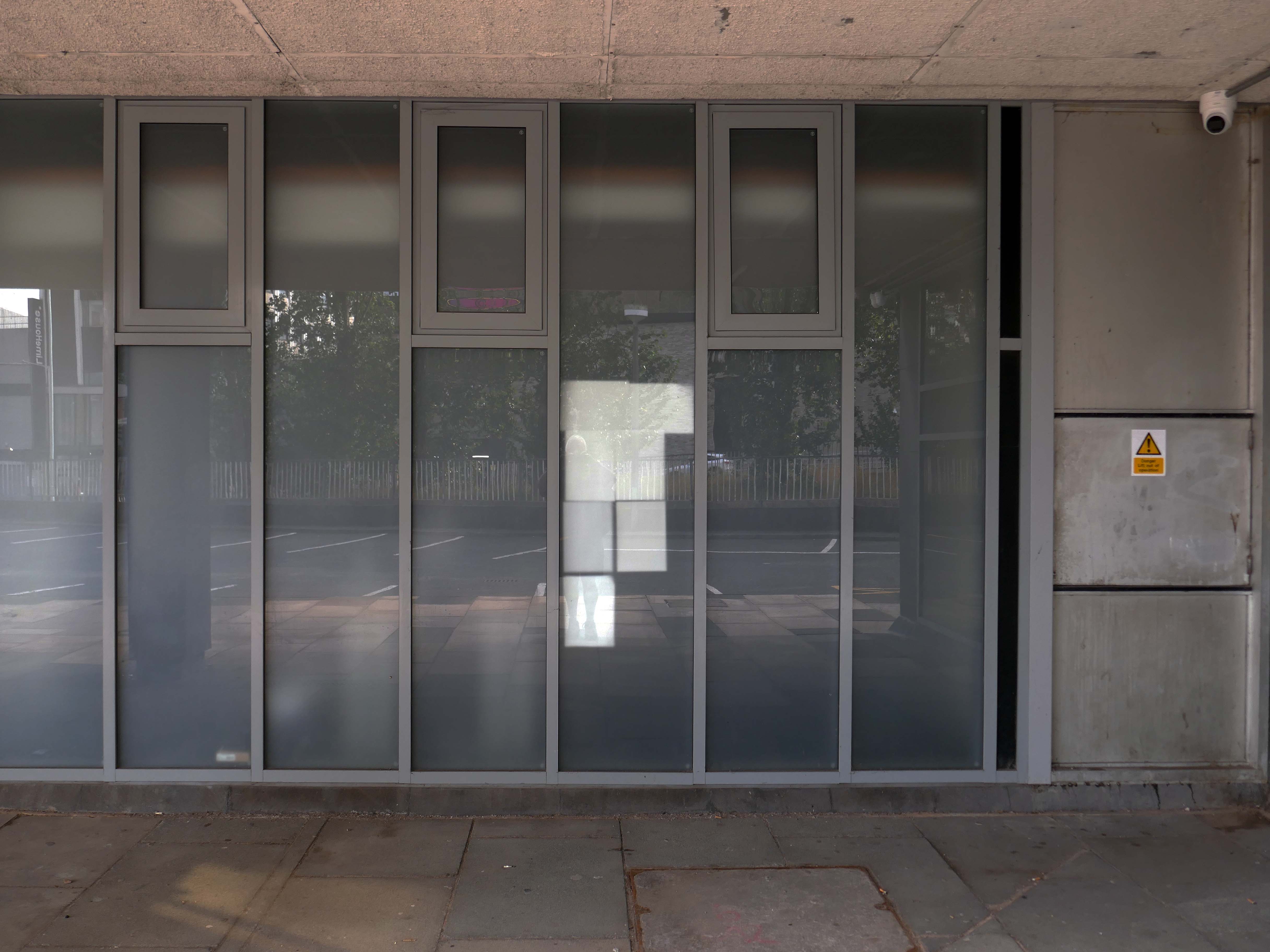
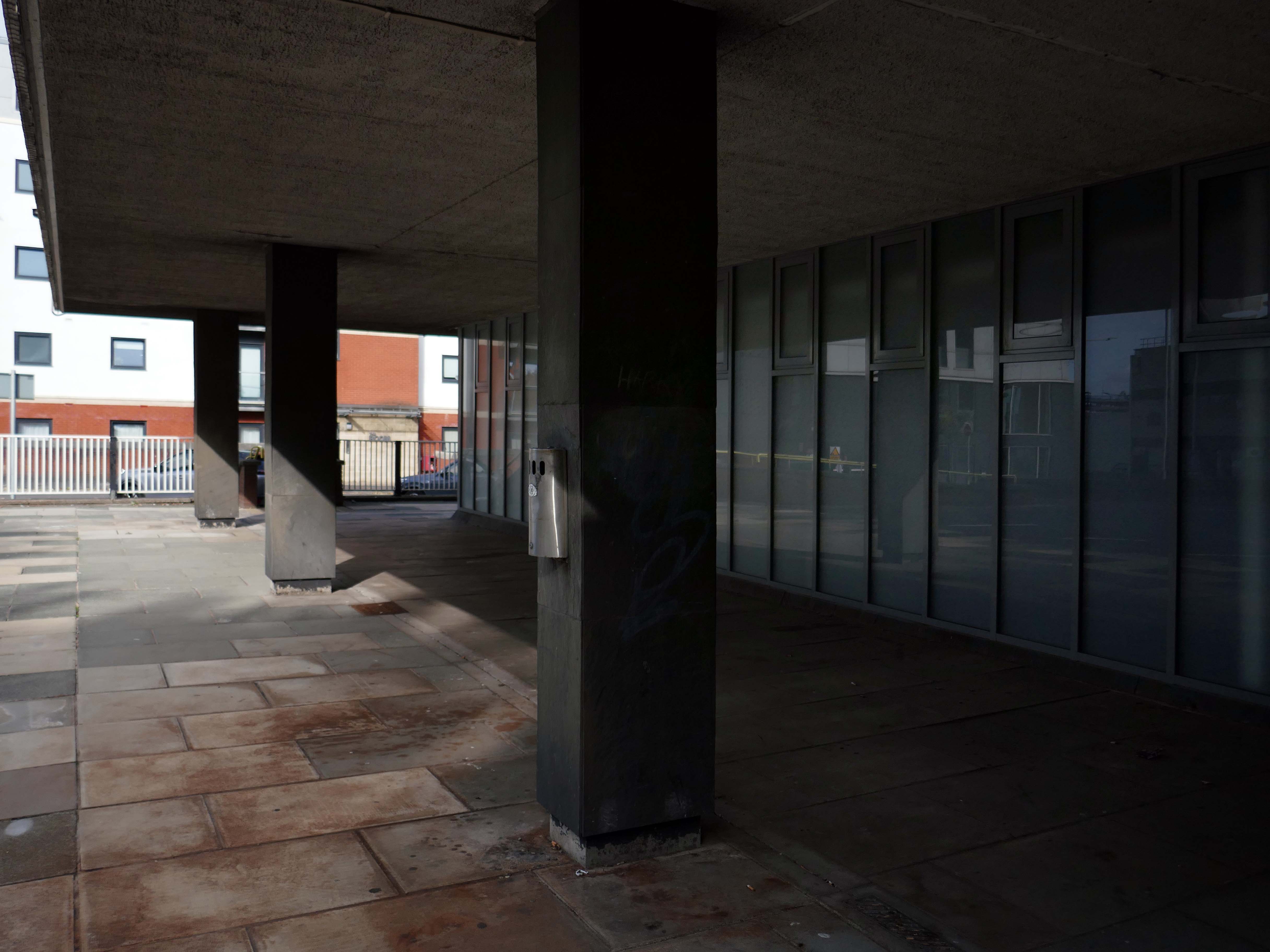
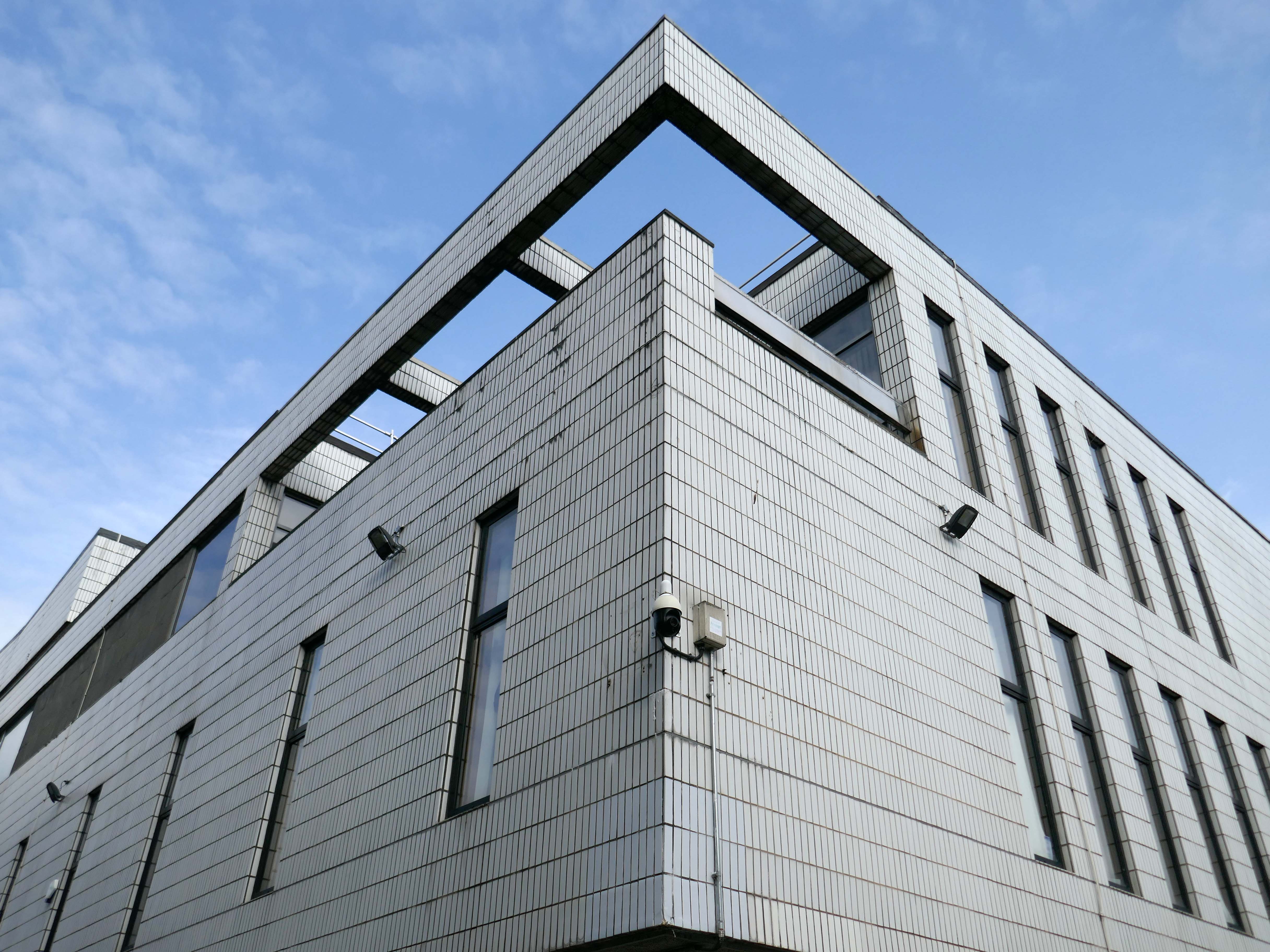
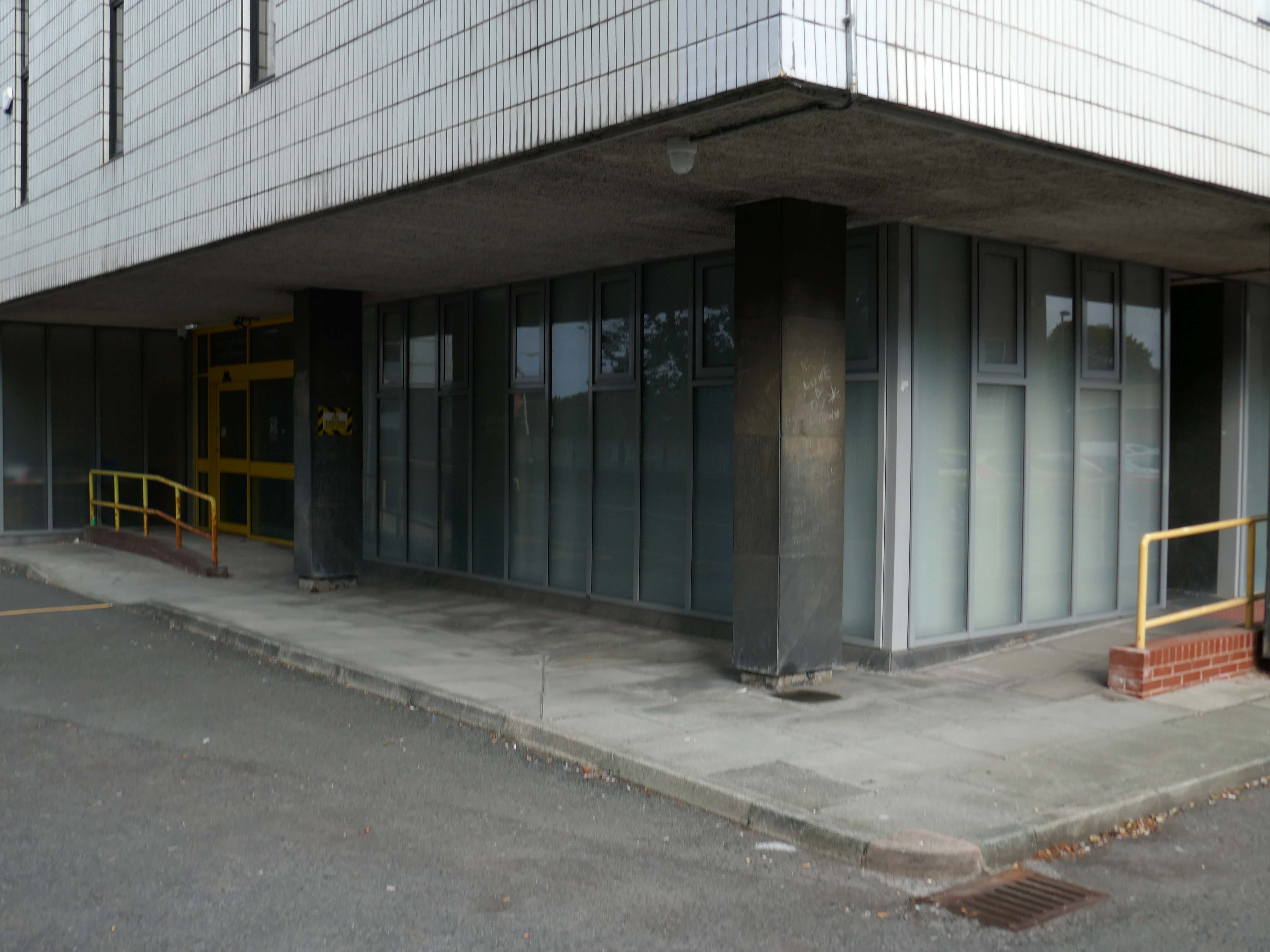
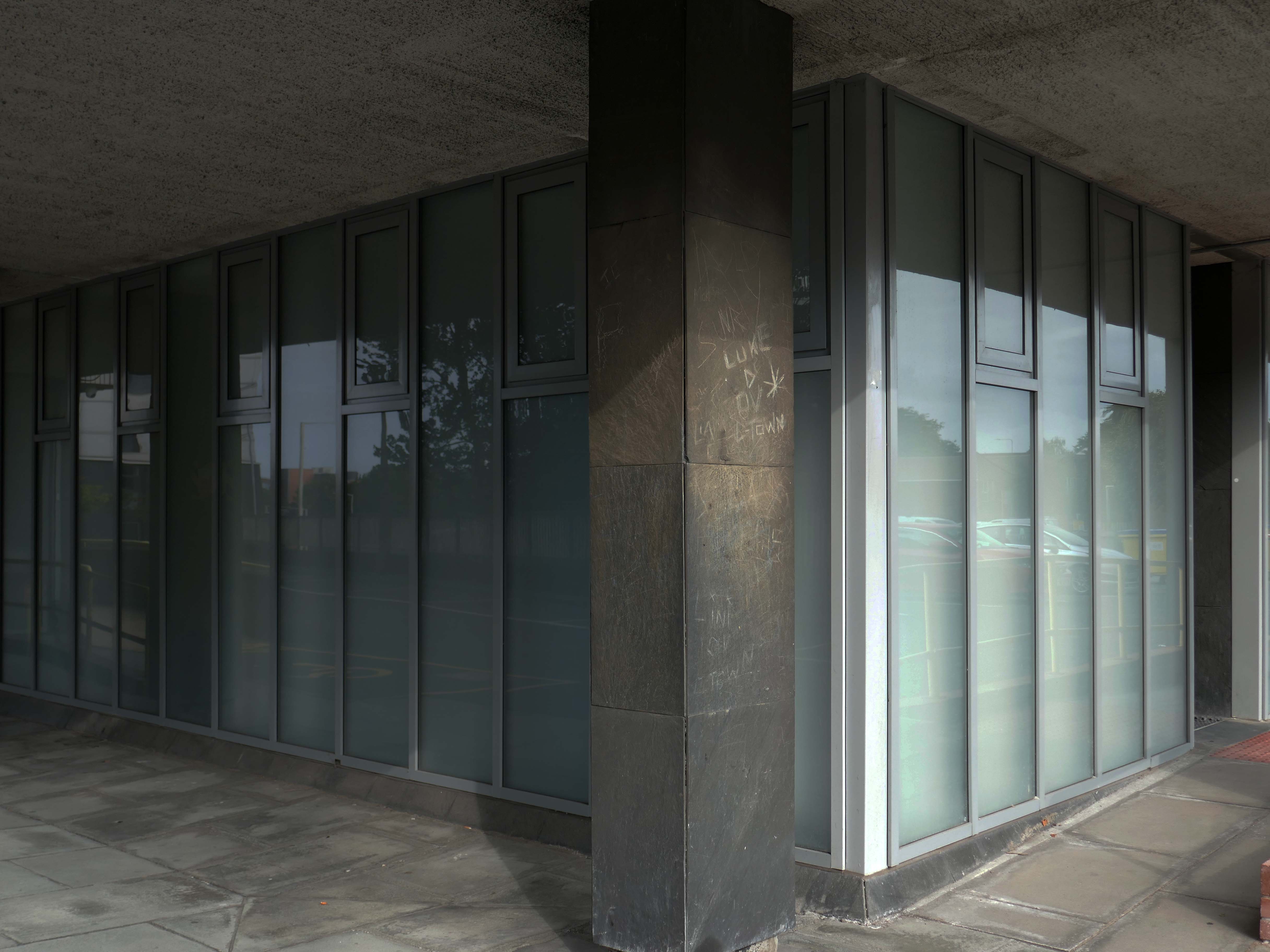
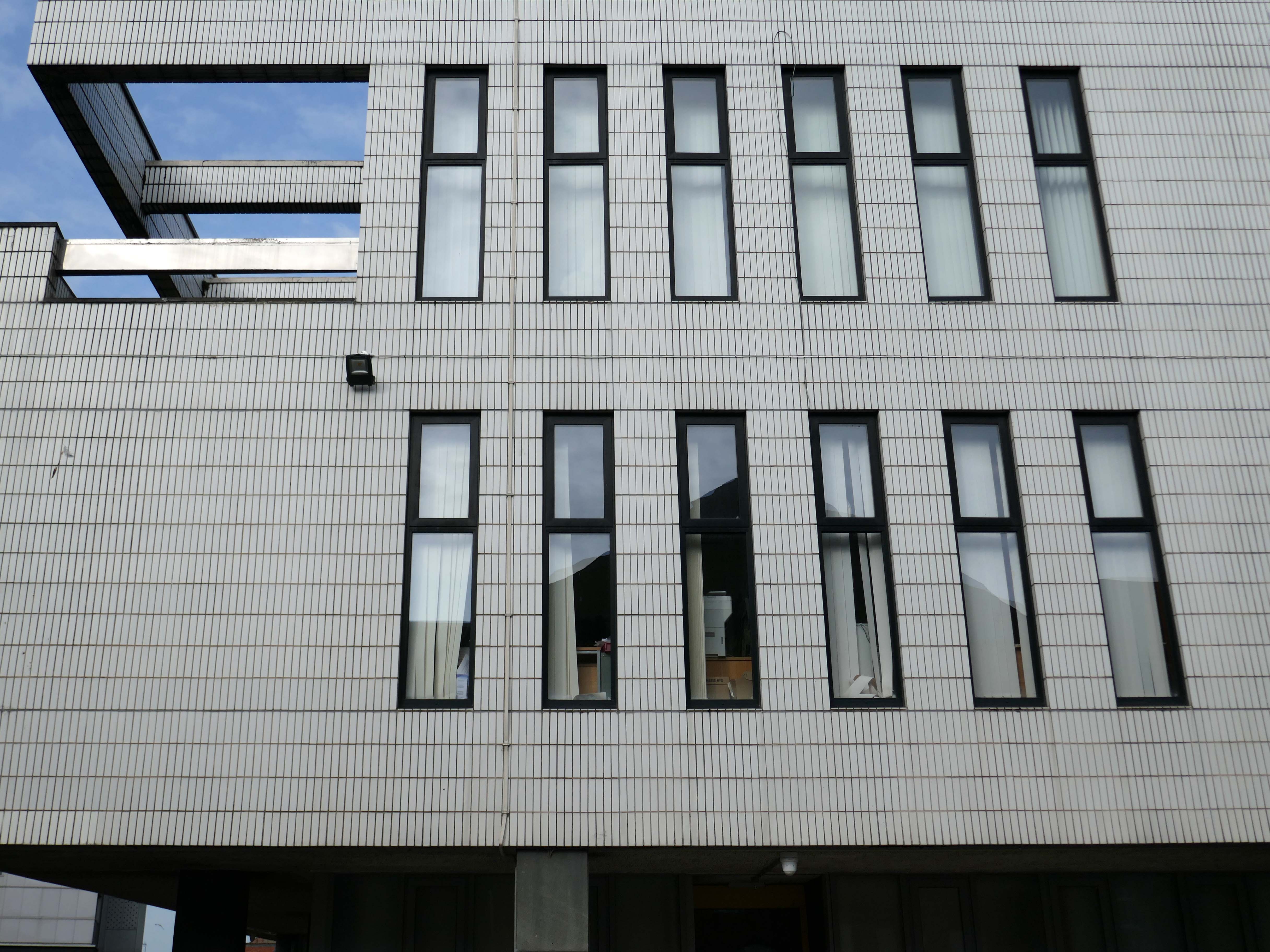
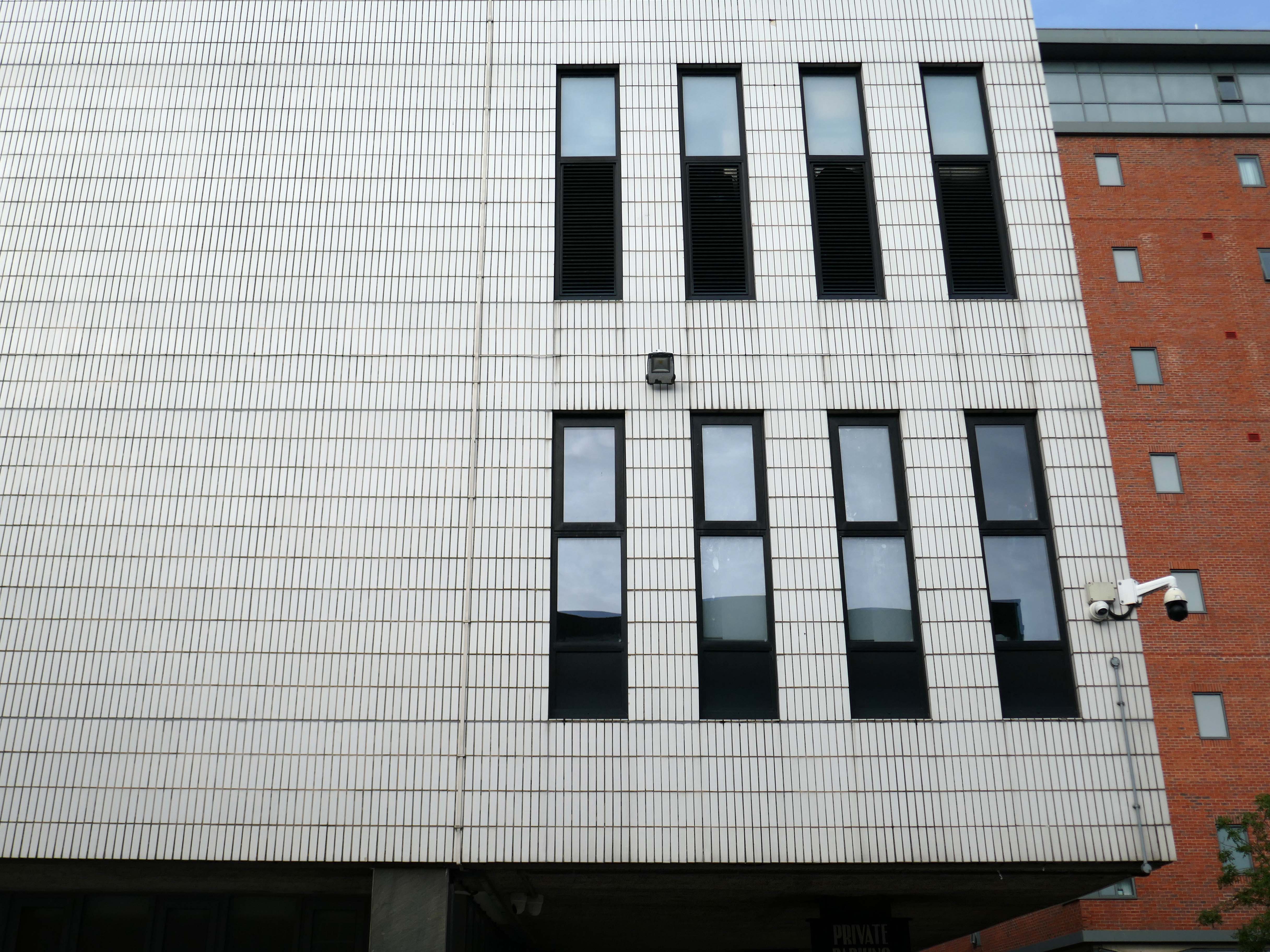
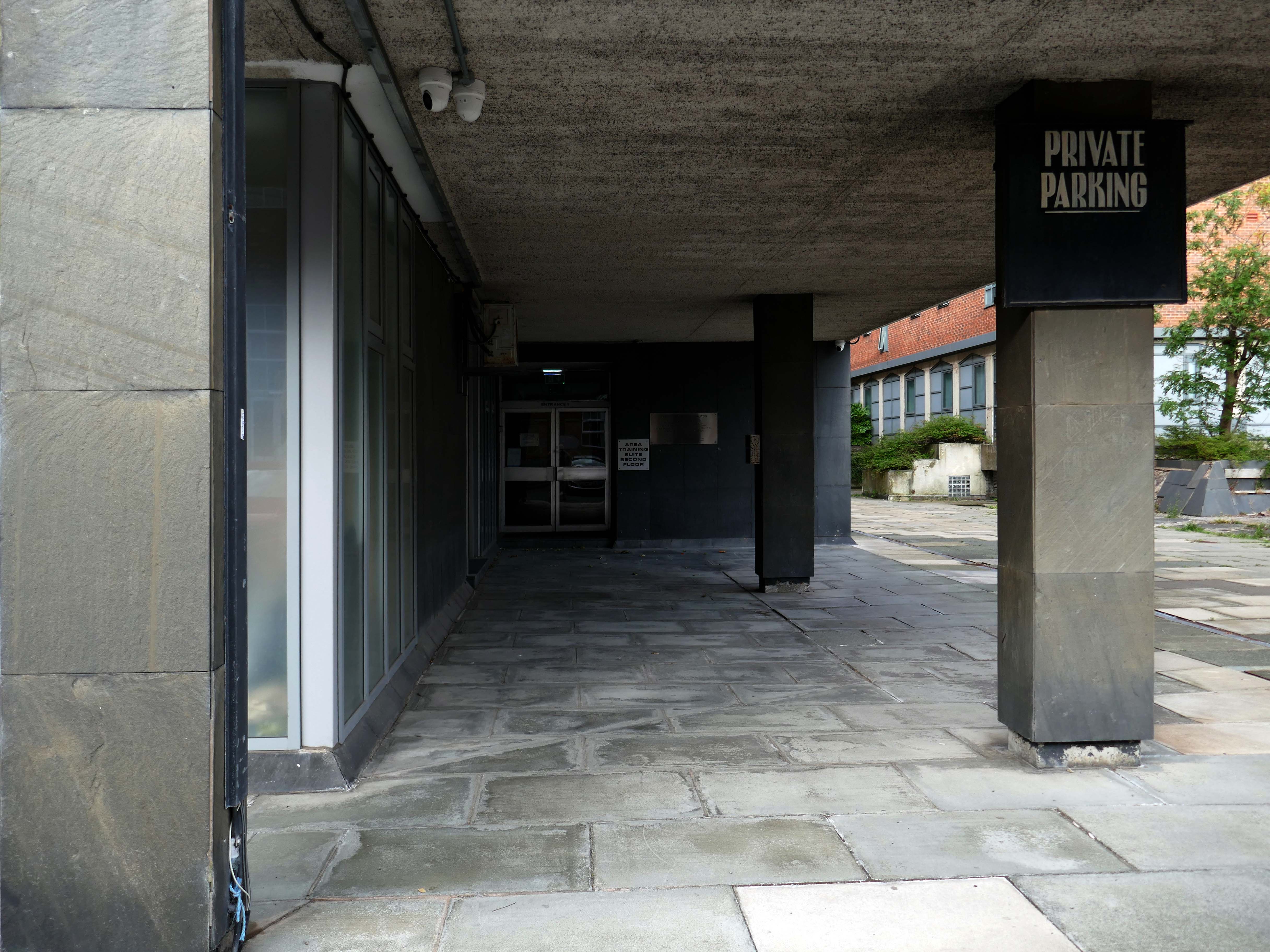
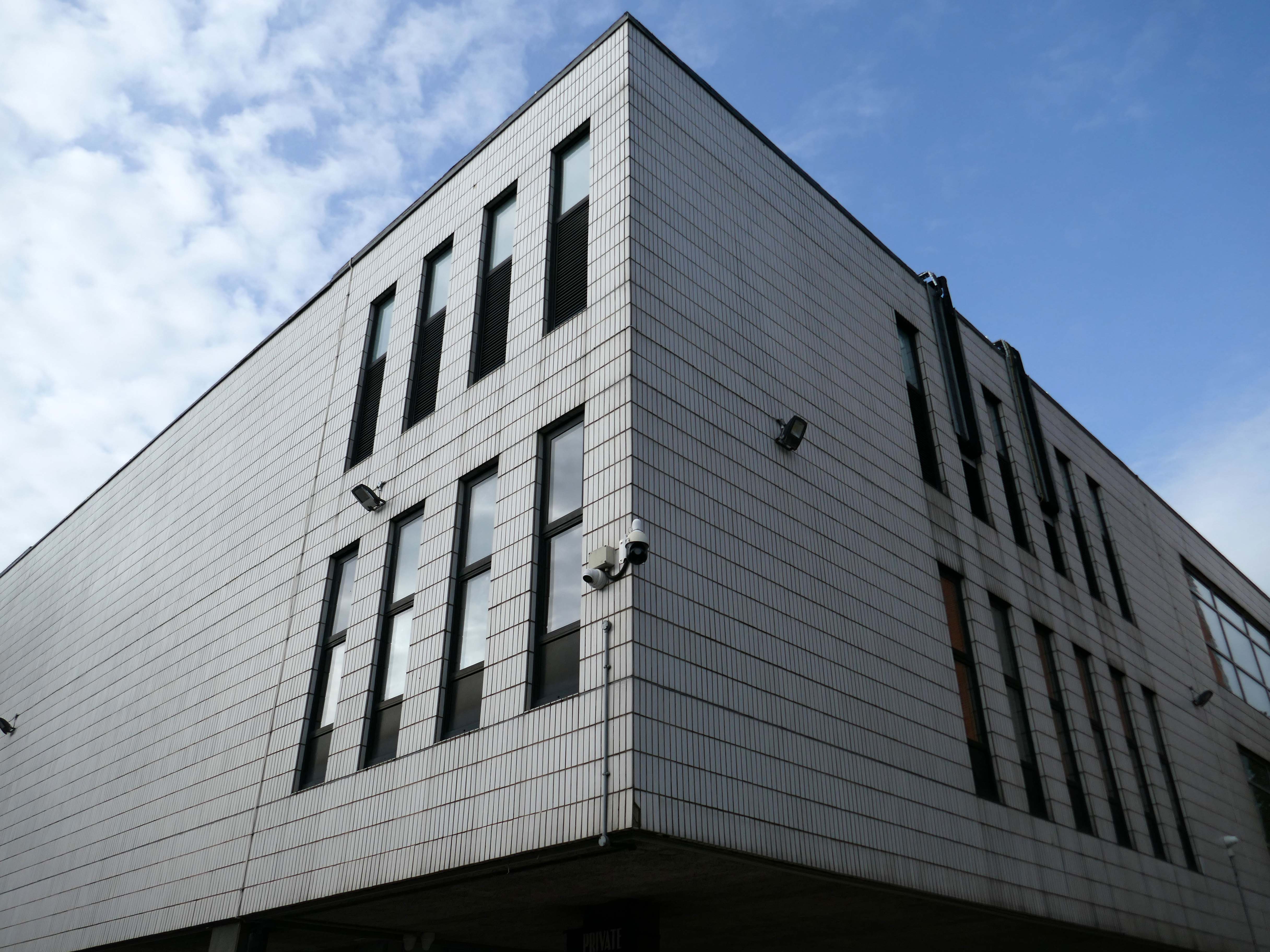
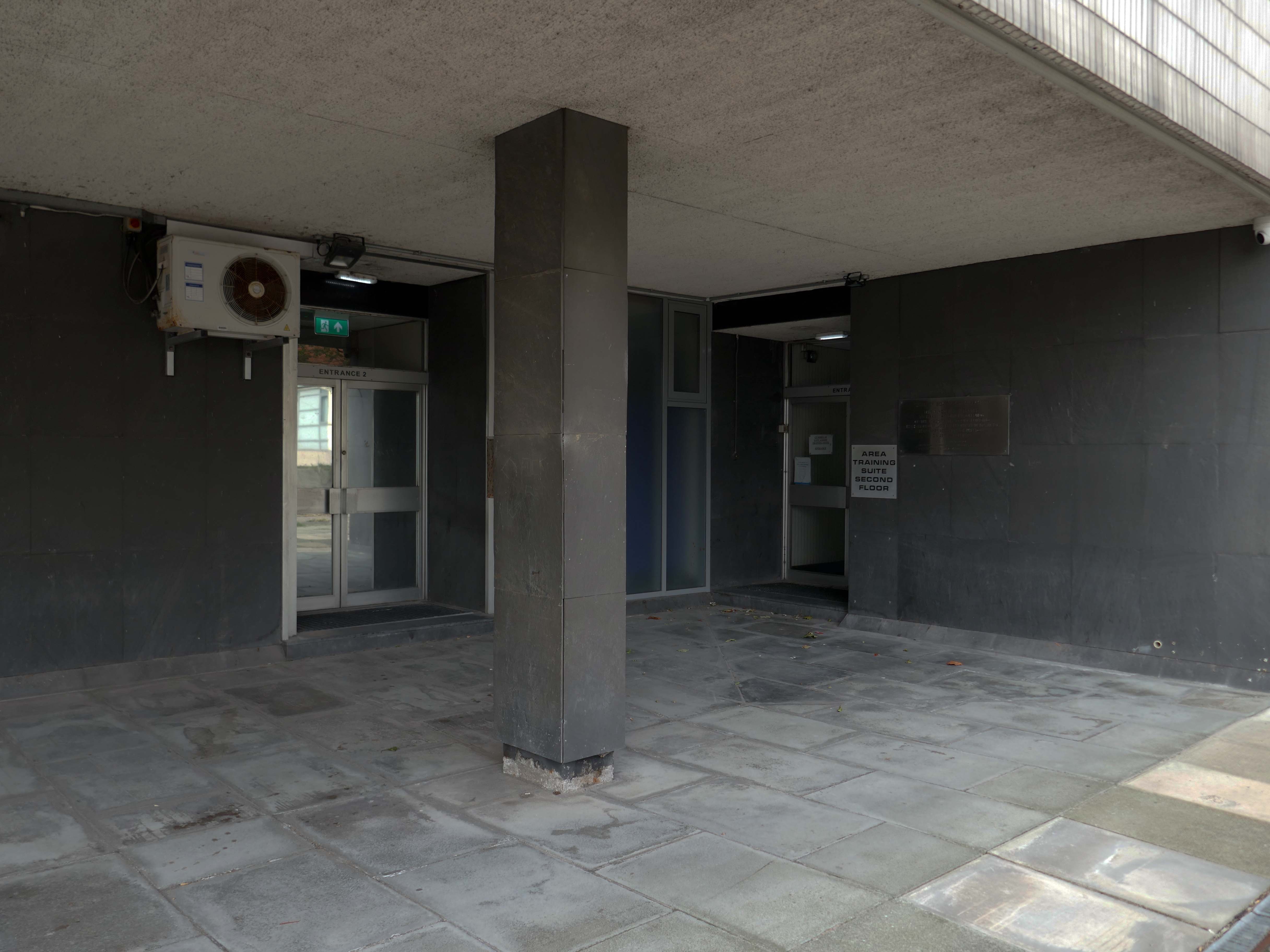
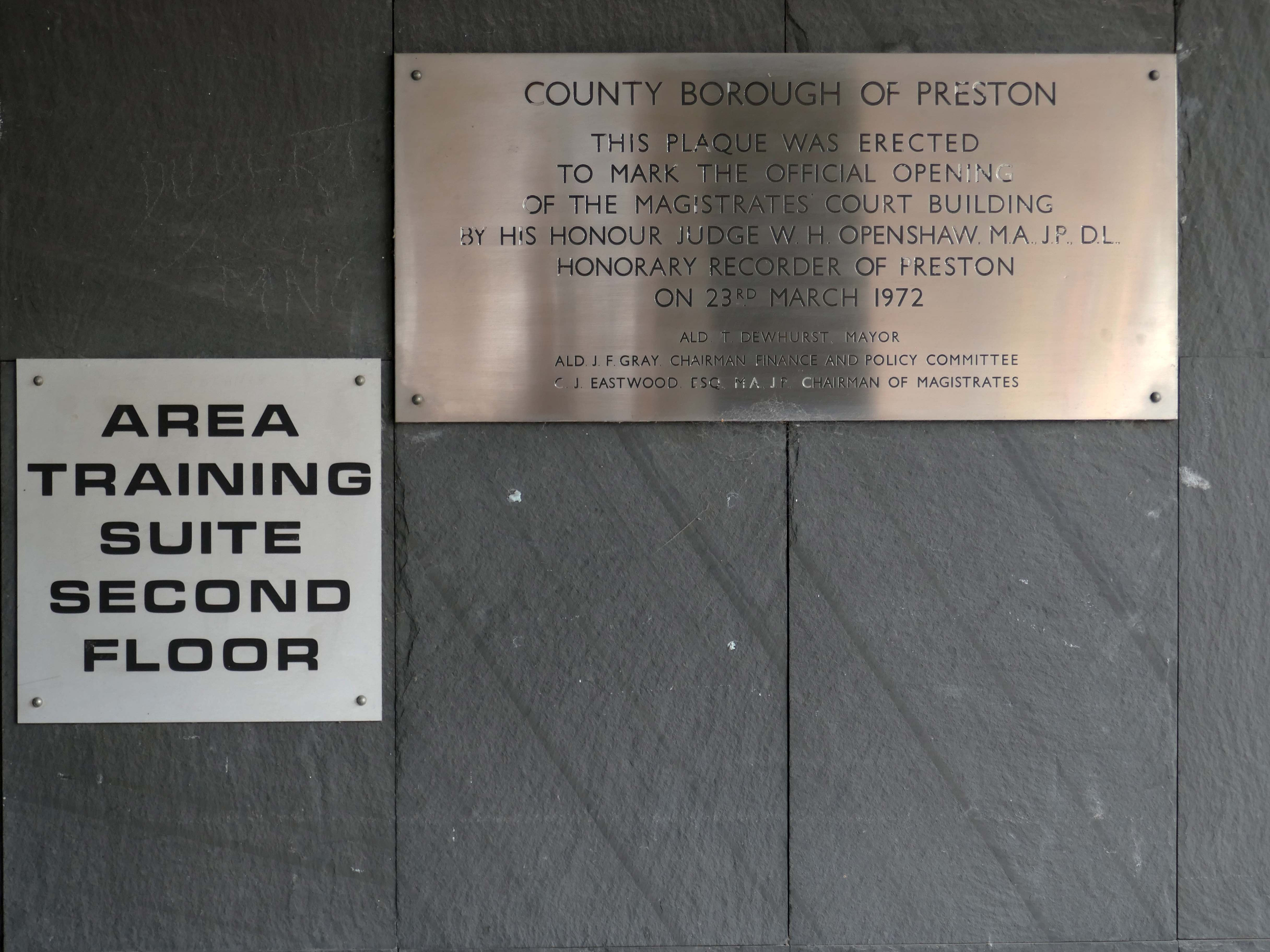
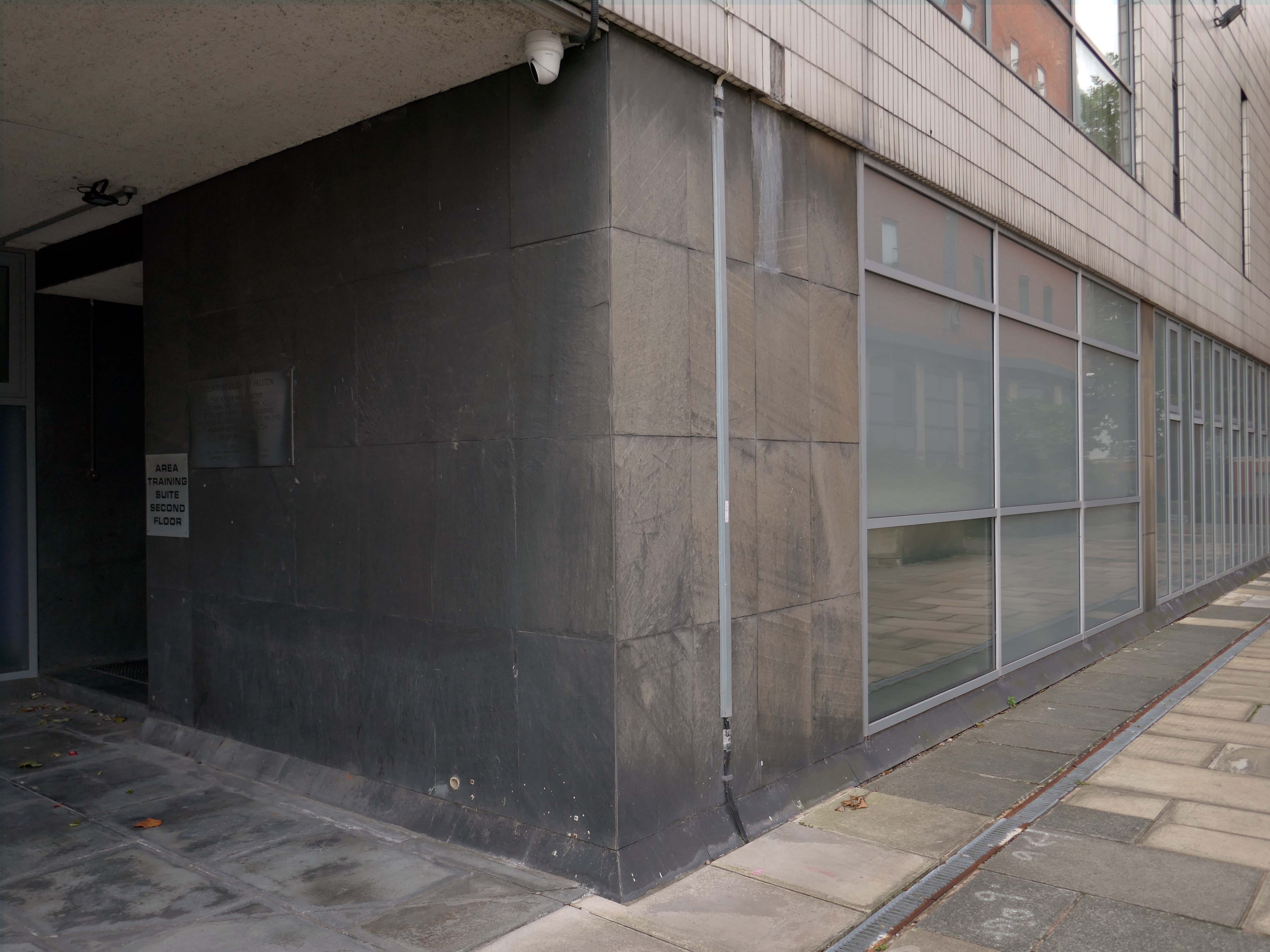
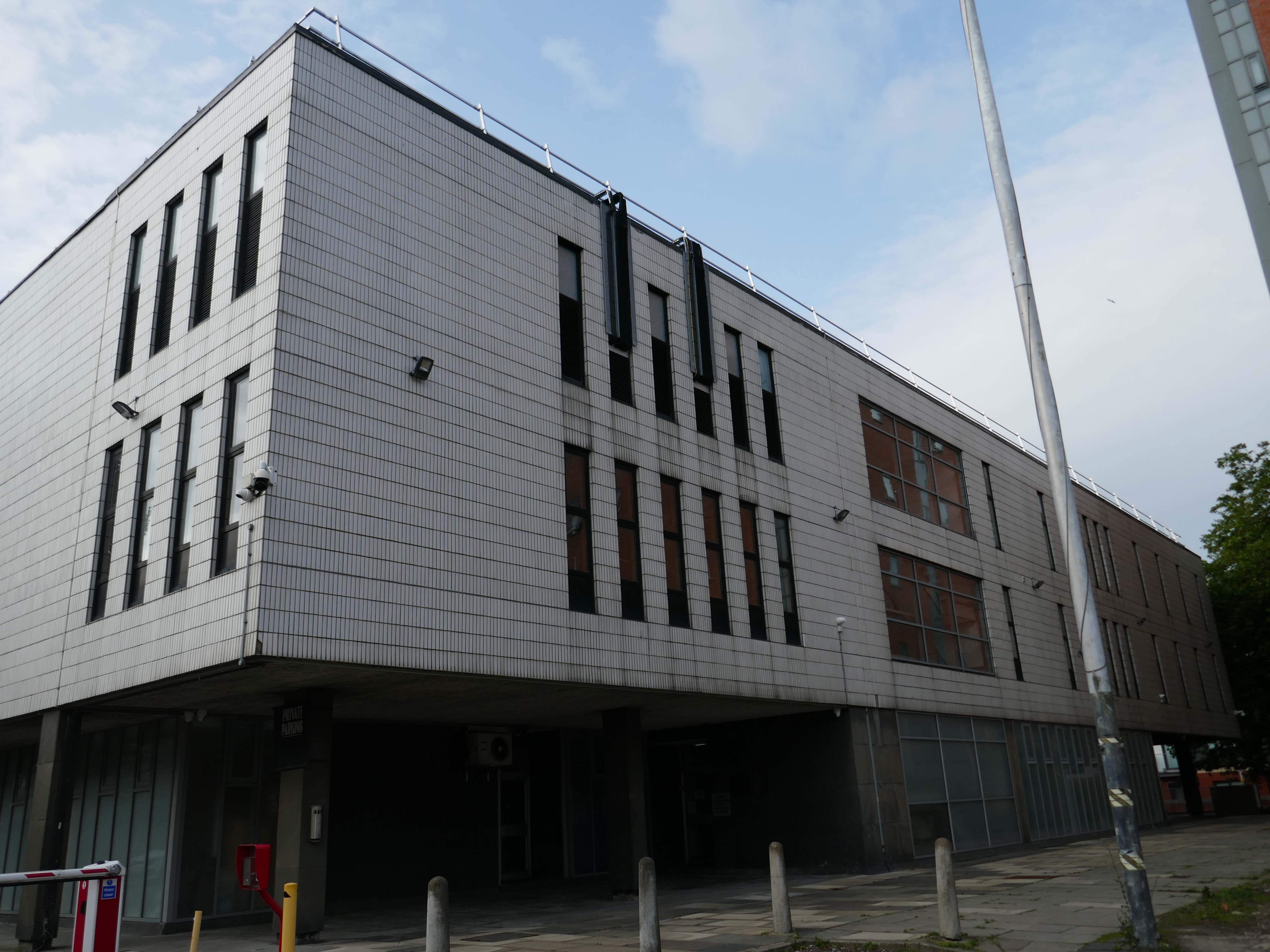
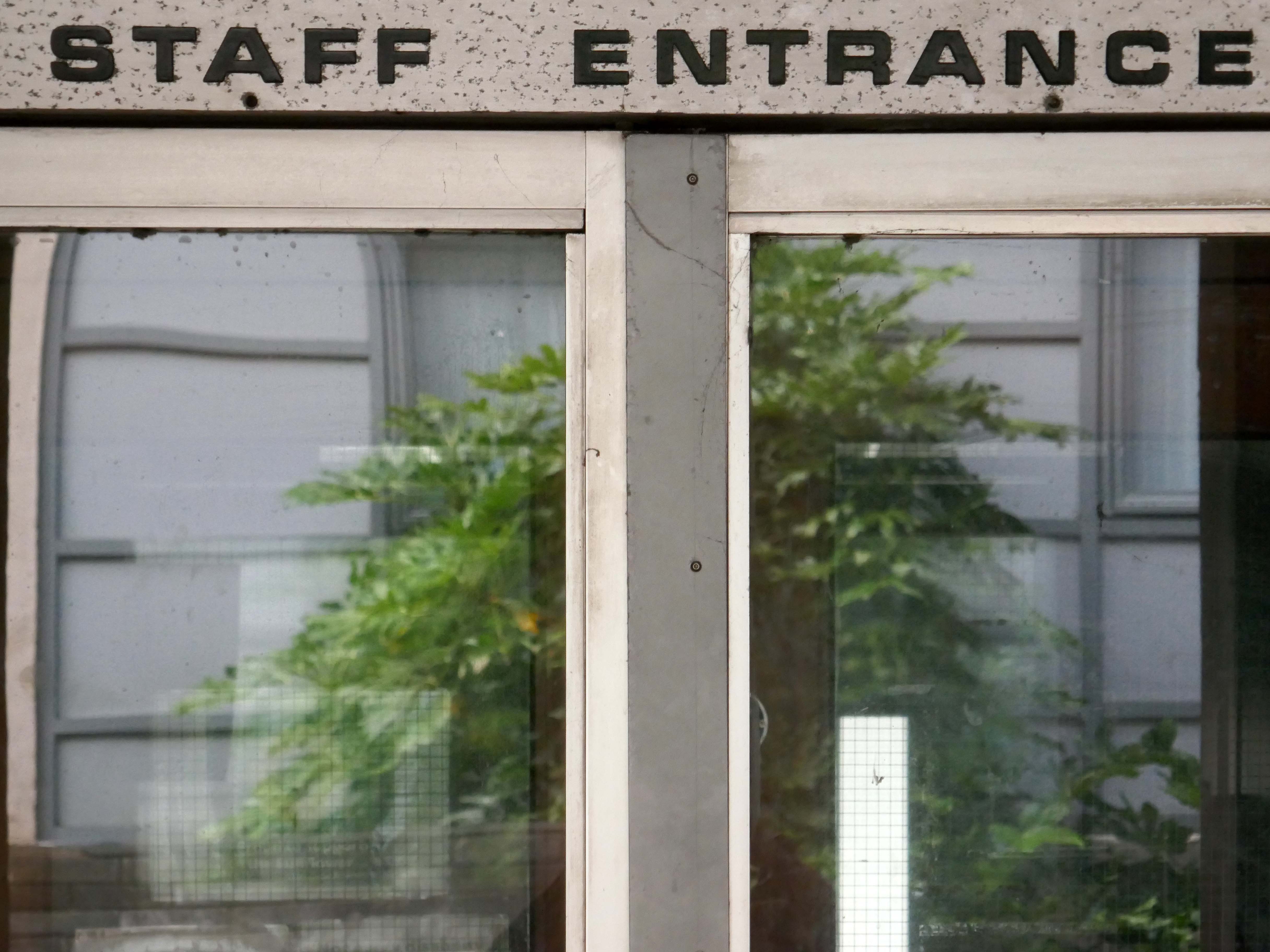
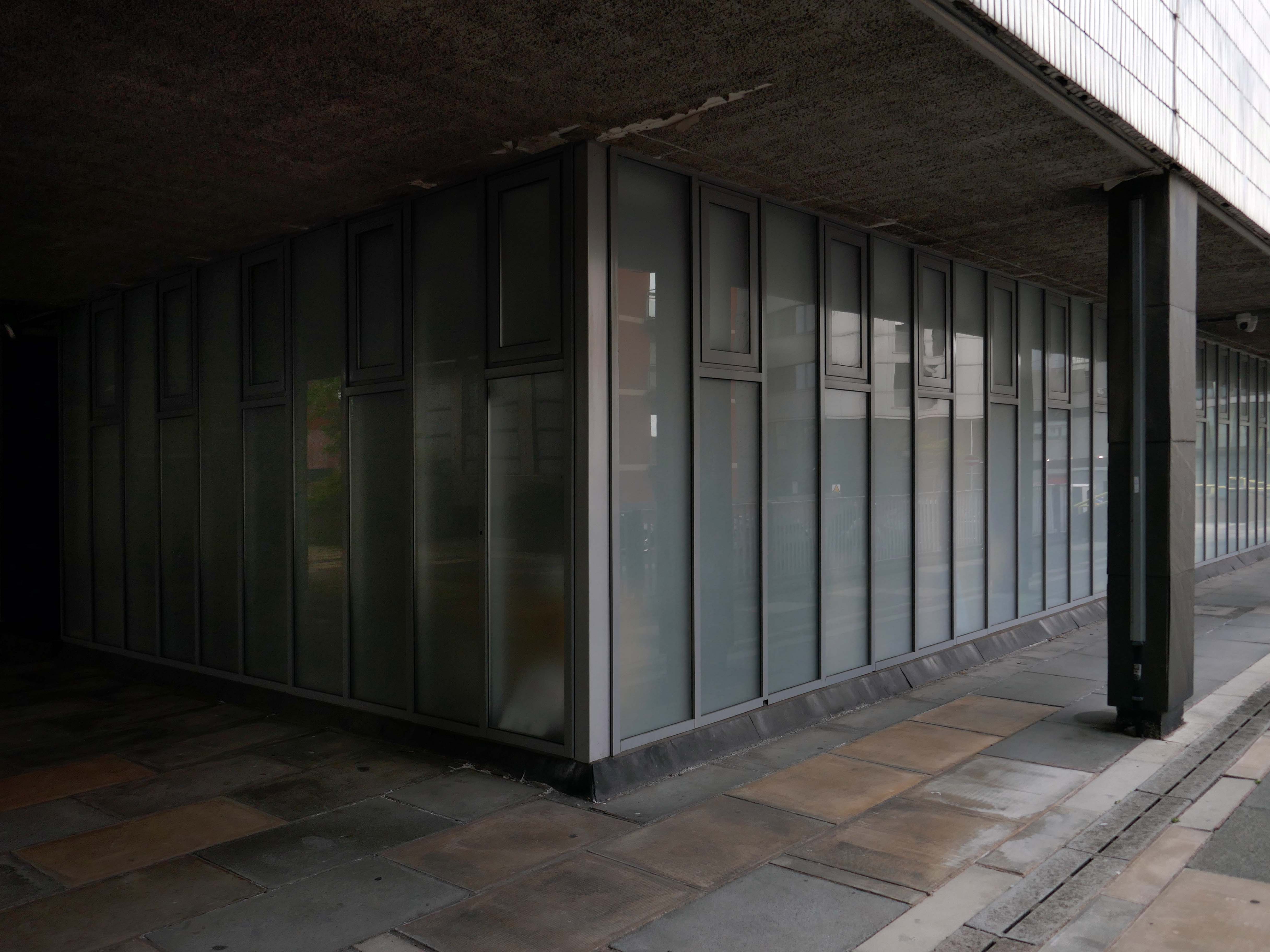
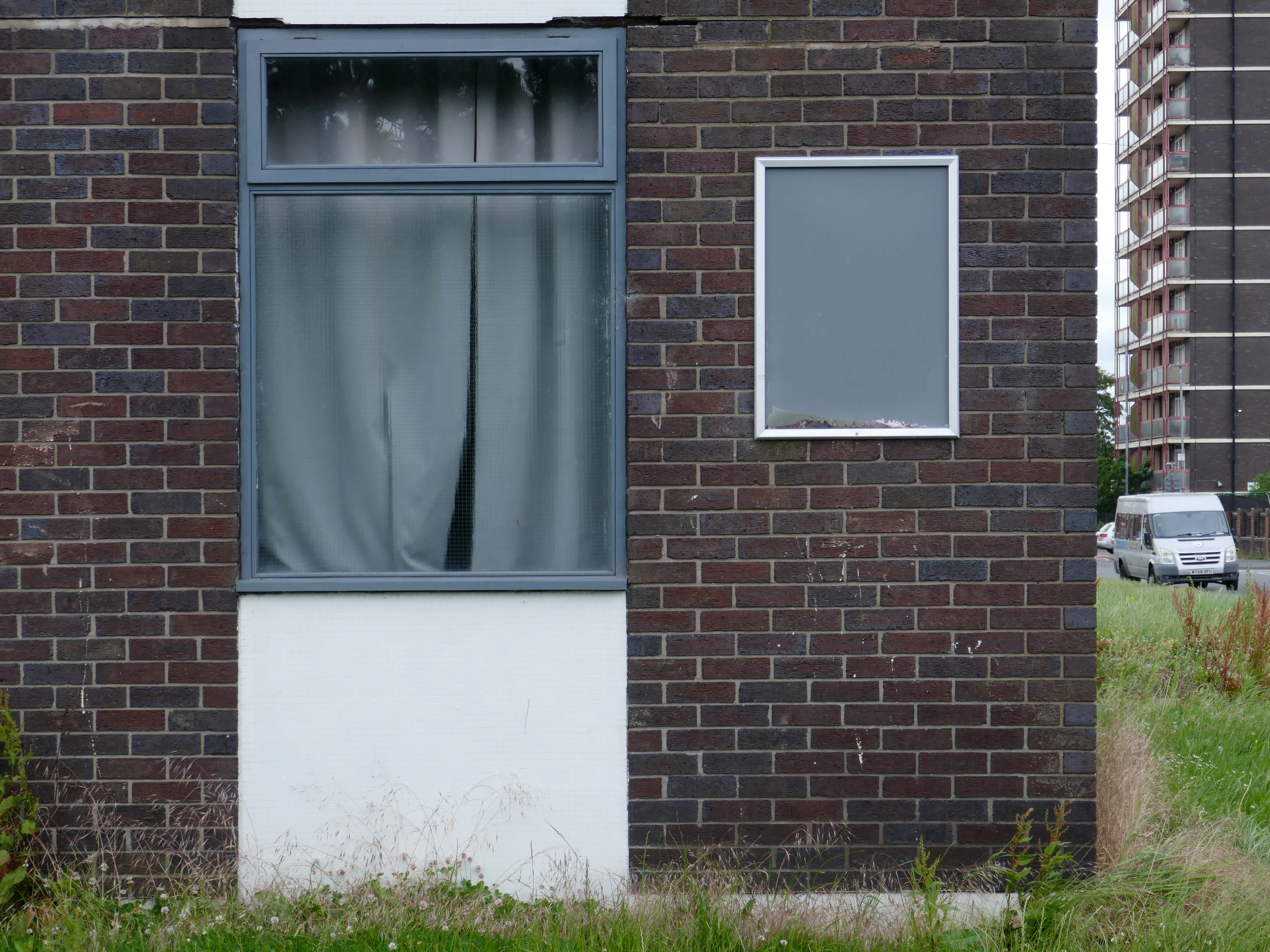
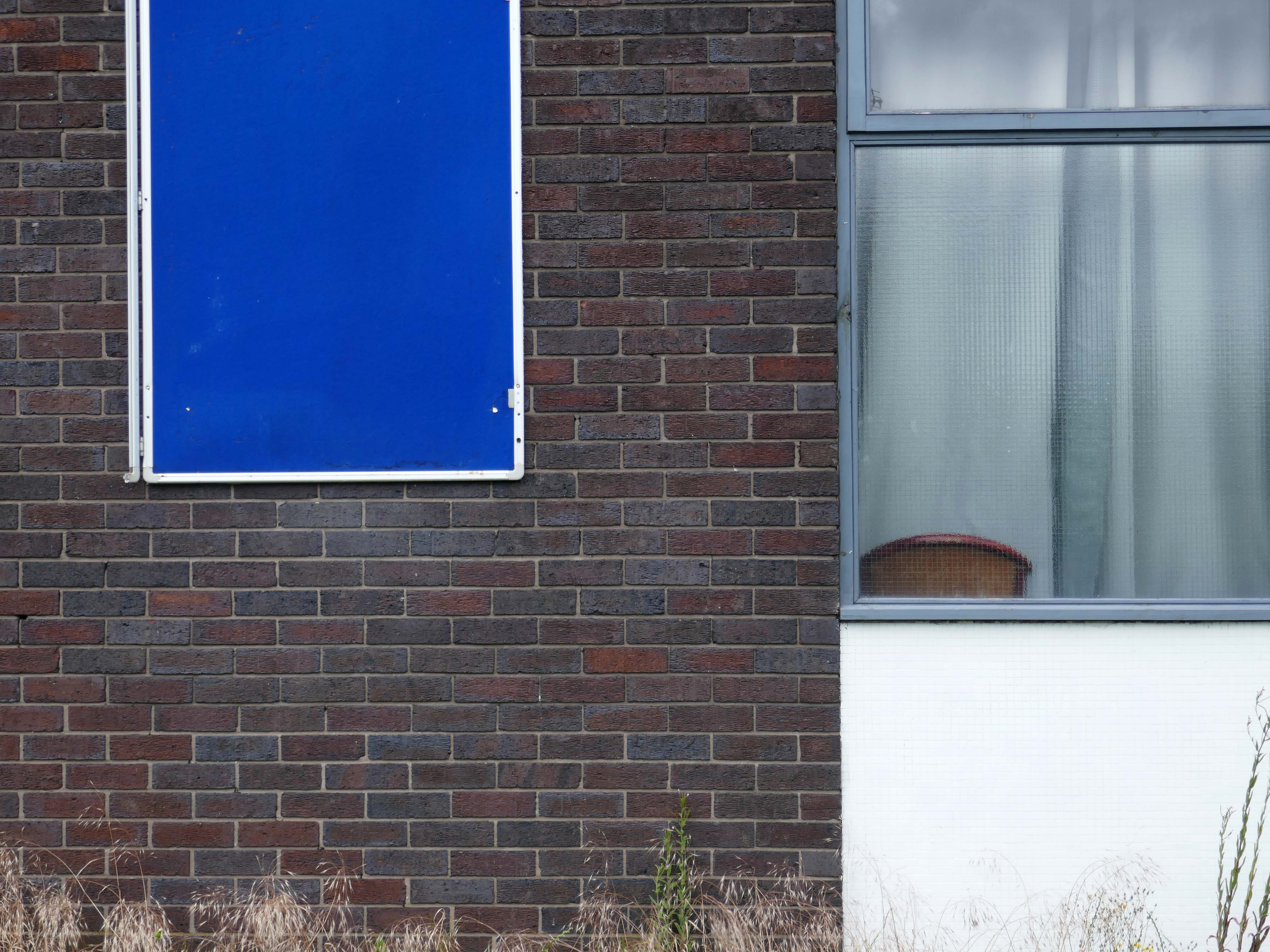
We have often walked by the Magistrates’ Courts on the Preston Walk.
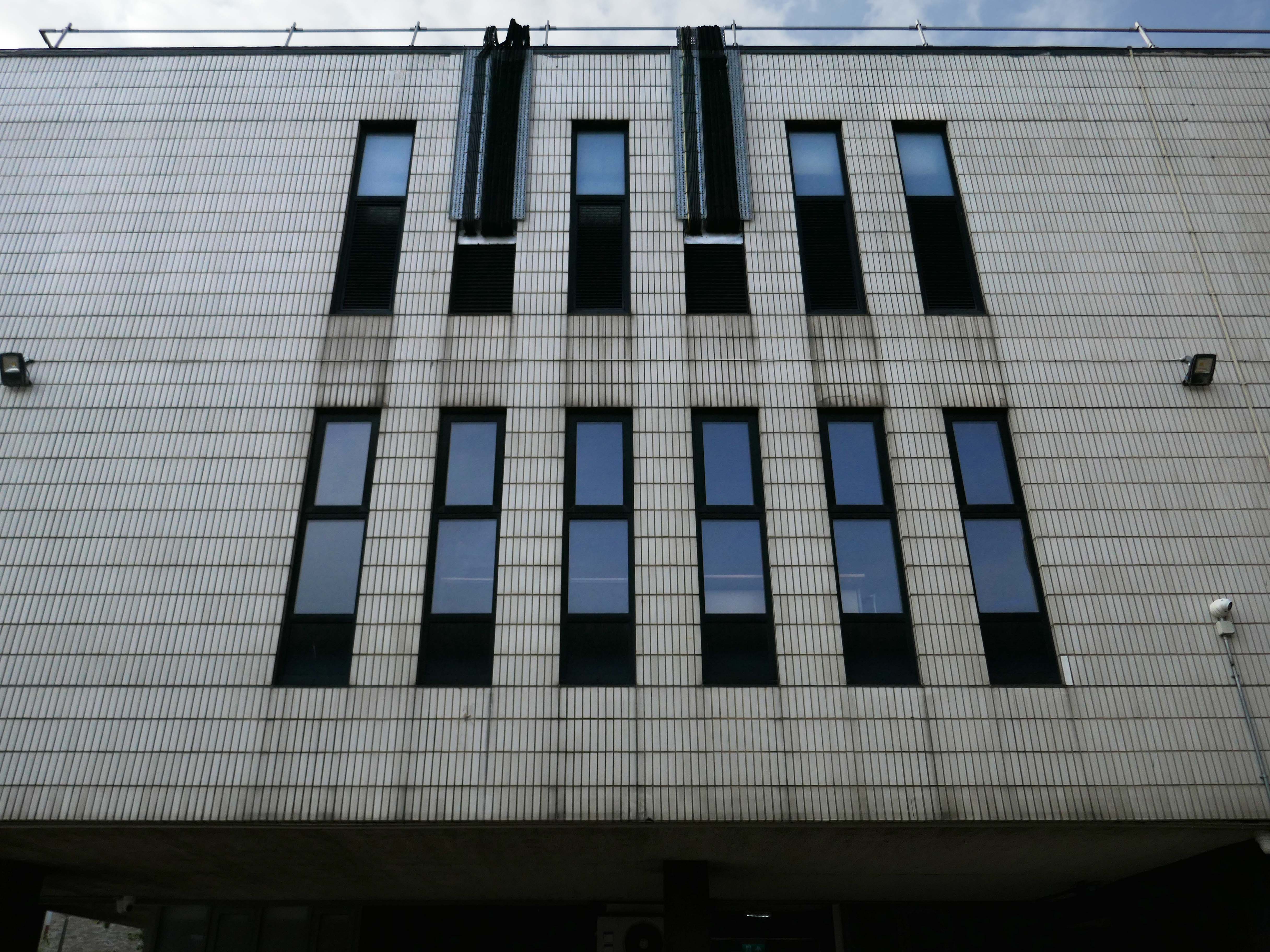
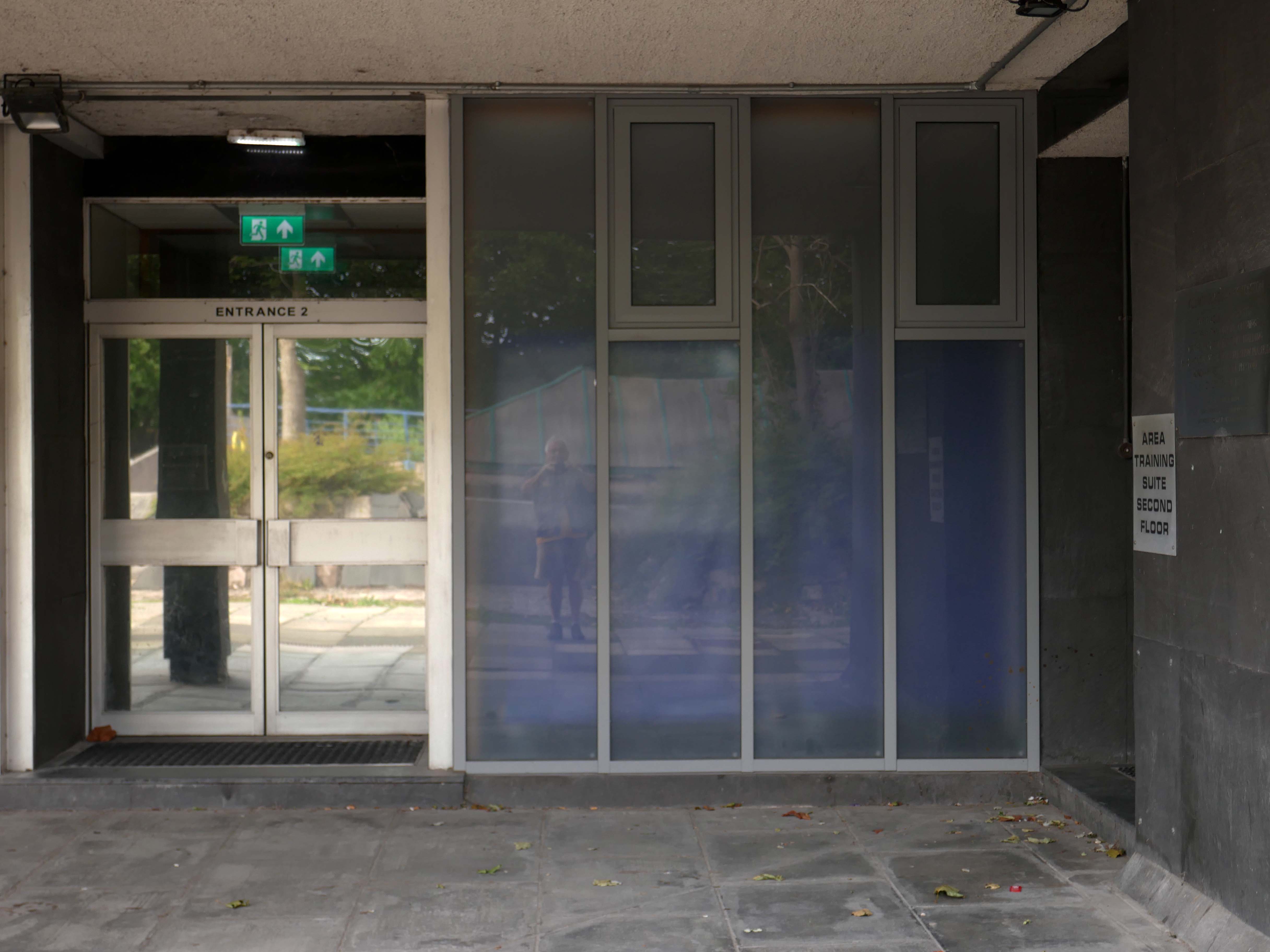
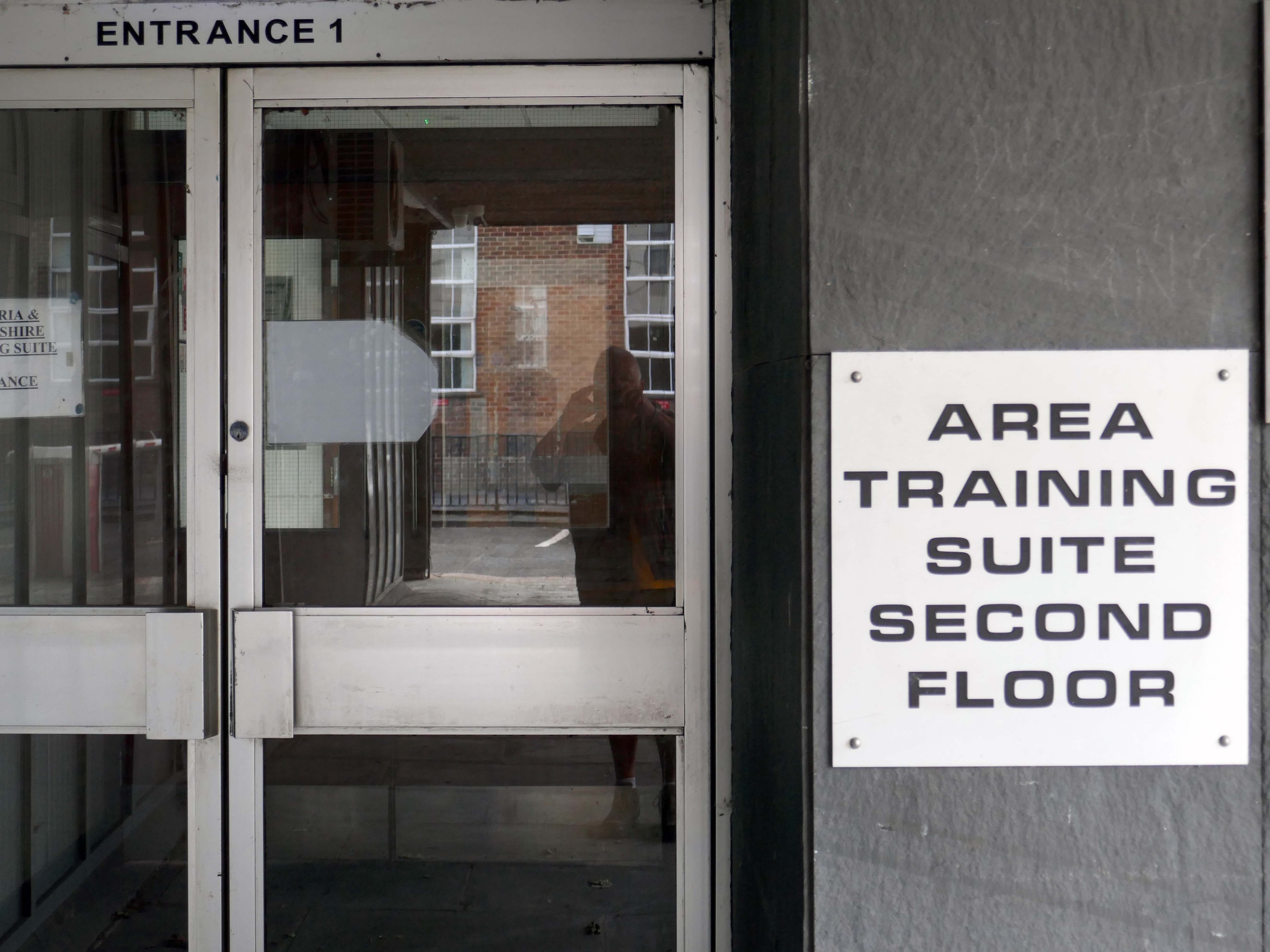
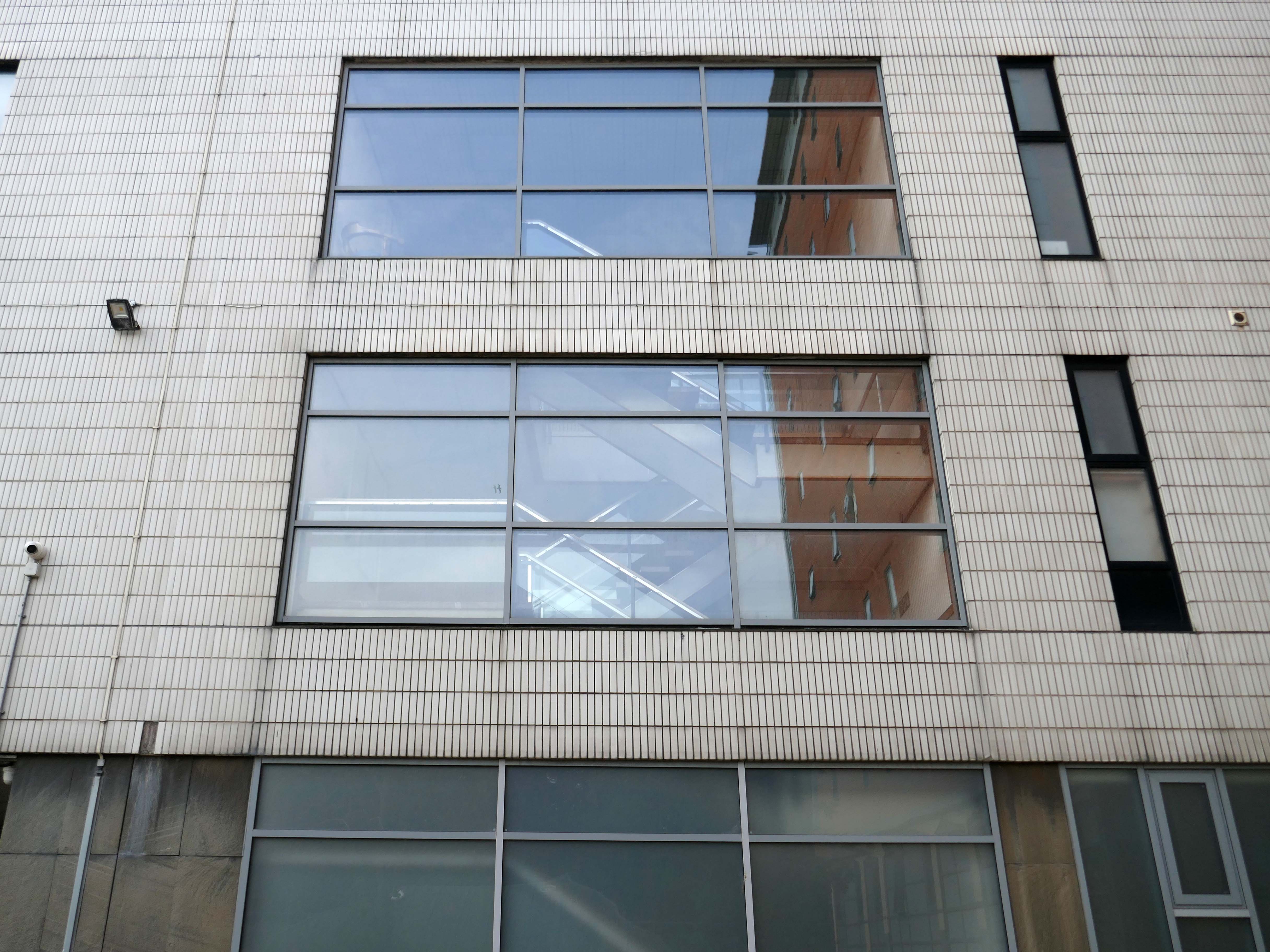
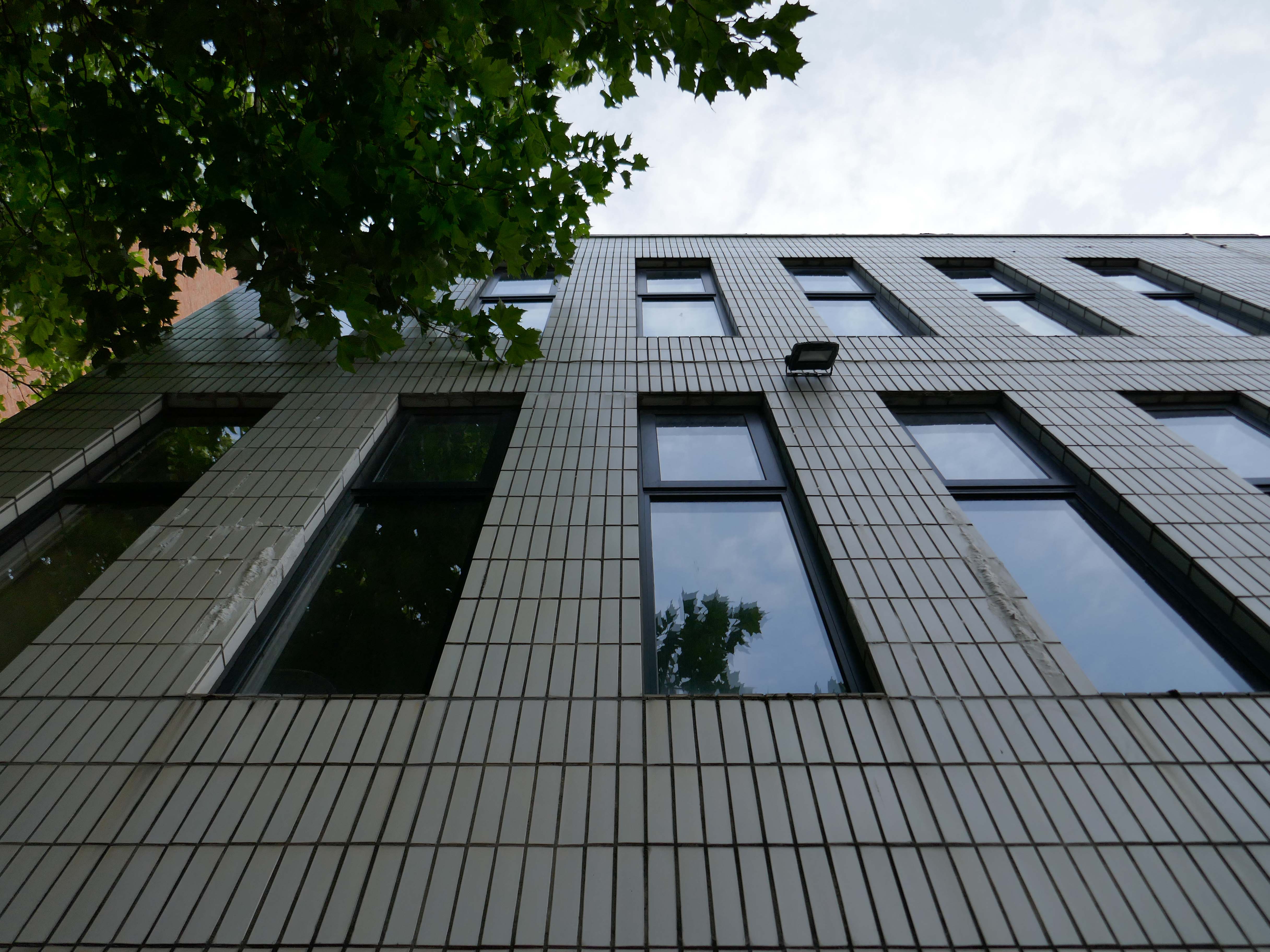
So, it’s about time this low lying white tiled delight received some well deserved attention.
Though recently there have been structural problems:
The safety of everyone who uses our courts is paramount and the decision to temporarily close Blackpool and Preston Magistrates’ courts was made in line with professional advice following the detection of defective Reinforced Autoclaved Aerated Concrete. These court buildings will reopen once they are assessed as safe by professionals following the completion of required remedial works.
There have also been solutions:
Preston Magistrates’ Court is currently scheduled to reopen in January 2024.
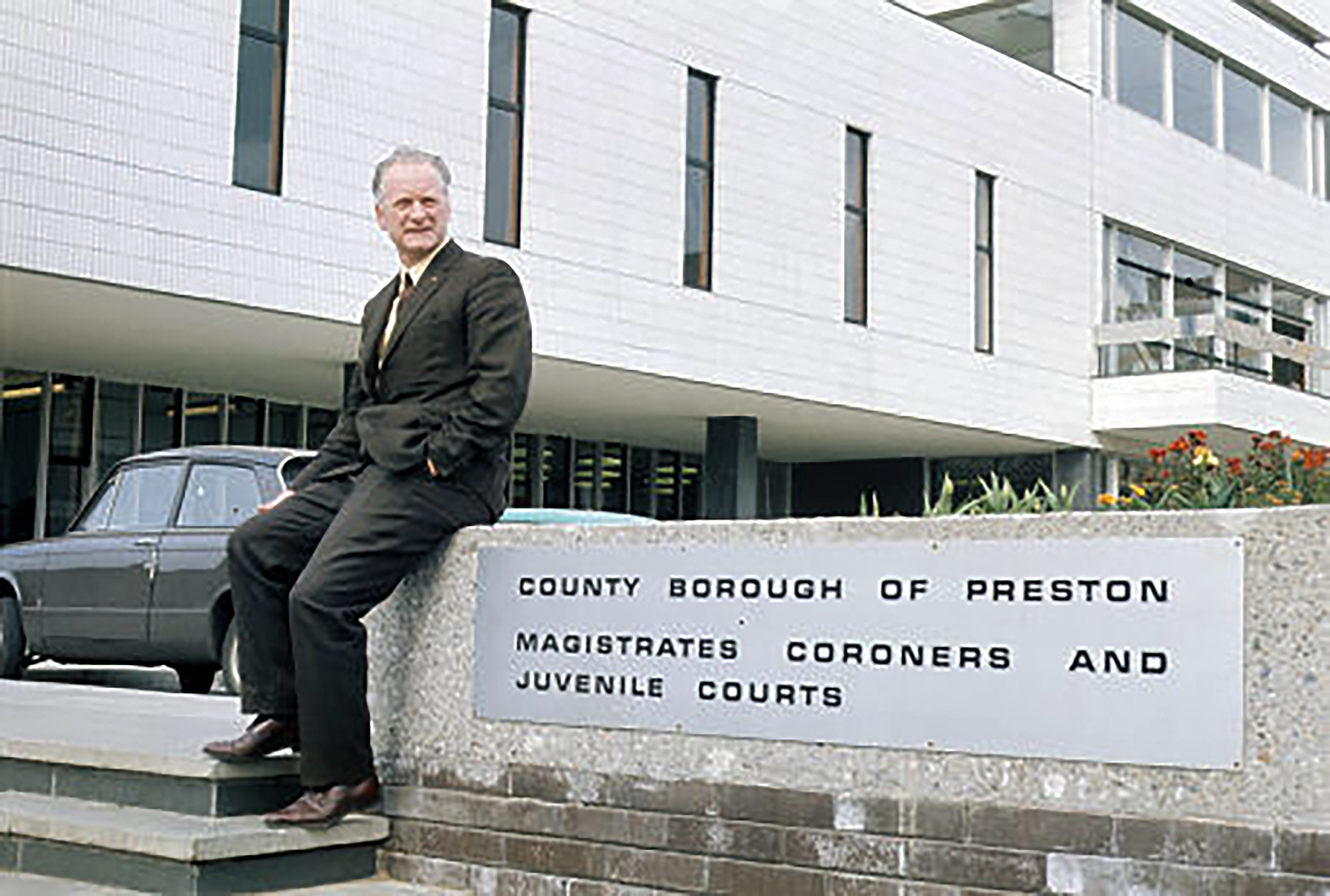
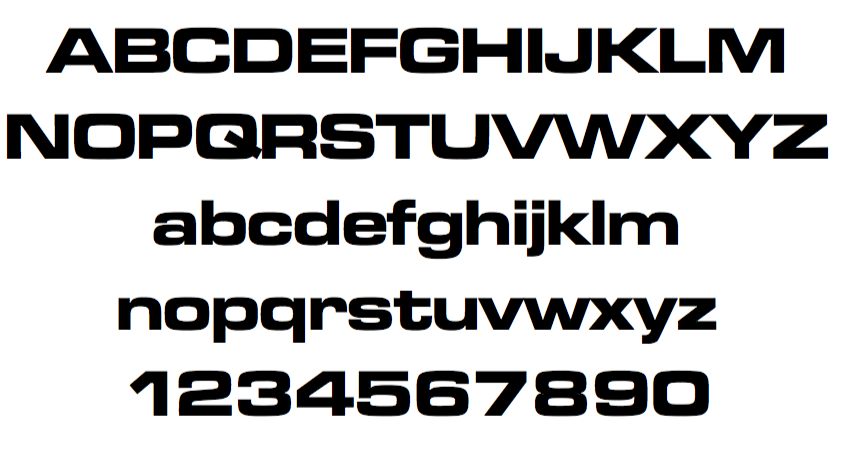
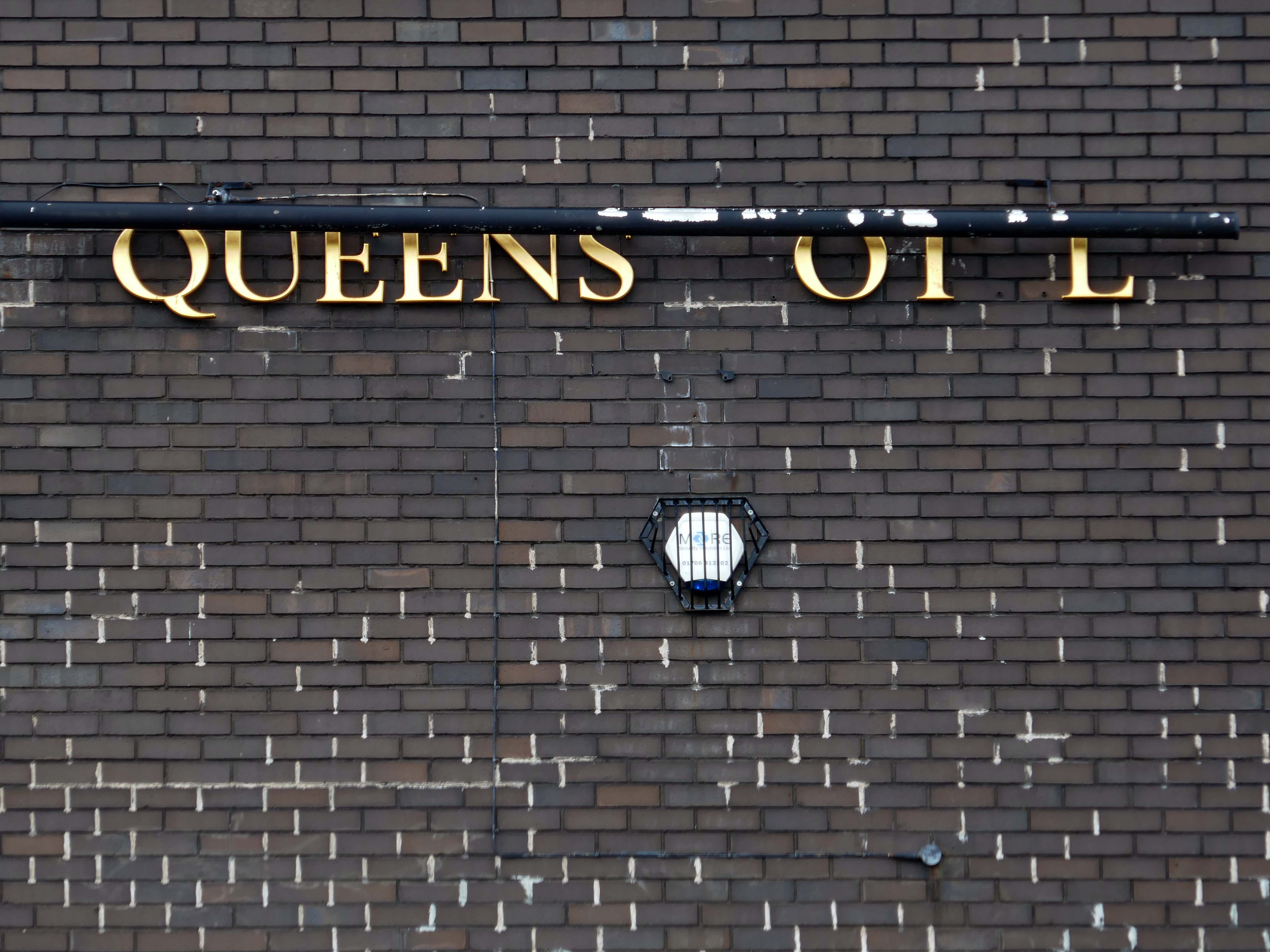
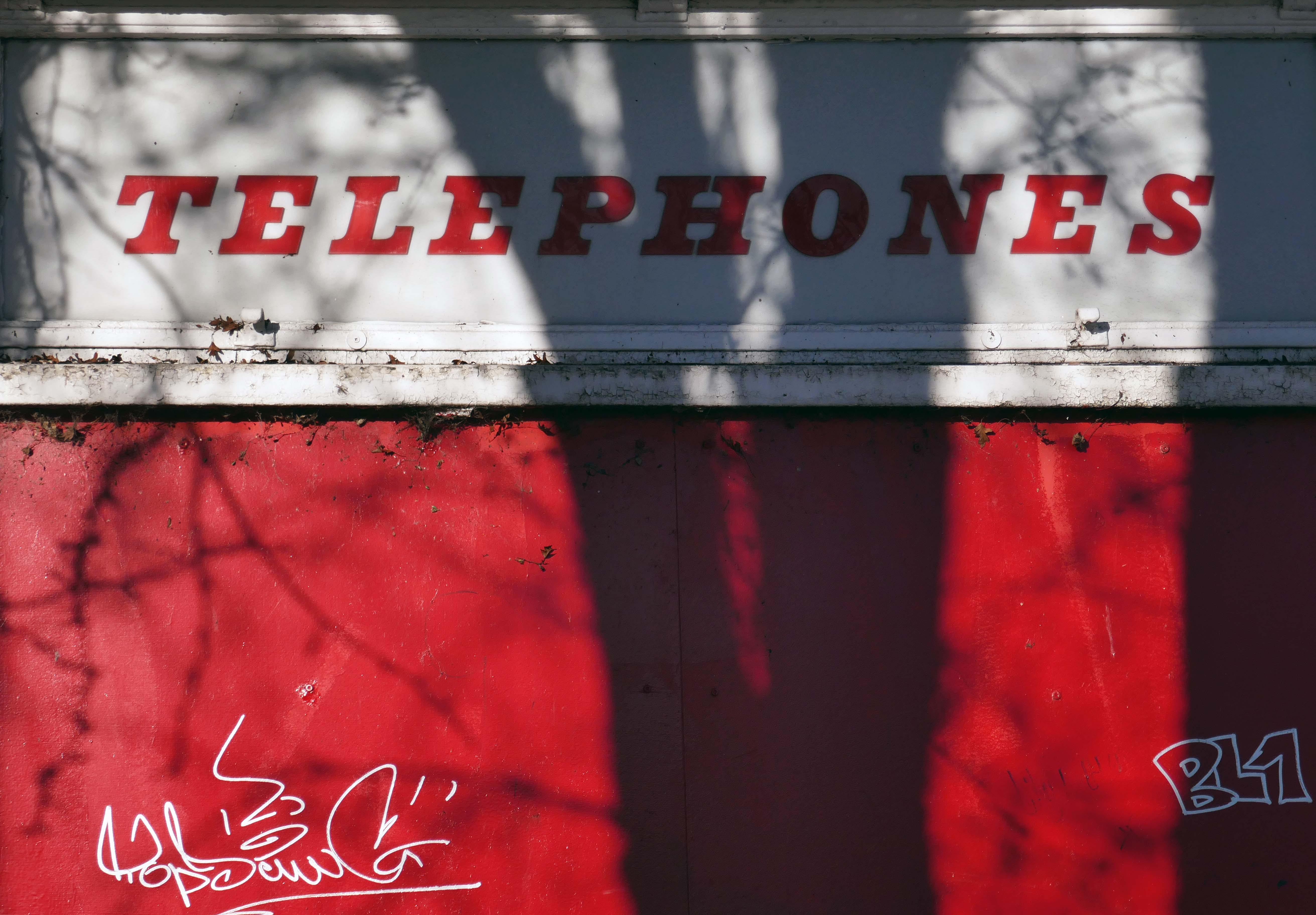
Local lad Tom Finney was unable for comment, though saddened to hear that the Microgramma sign was no longer in situ.
Copyright Rex Shutterstock
Microgramma is a sans-serif typeface designed by Aldo Novarese and Alessandro Butti for the Nebiolo Type Foundry in 1952. It became popular for use with technical illustrations in the 1960s, and was a favourite of graphic designers by the early 1970s.
The building is the work of the Borough Architects under John Hatton – though I am reliably informed that County Architect Roger Booth took an advisory role.
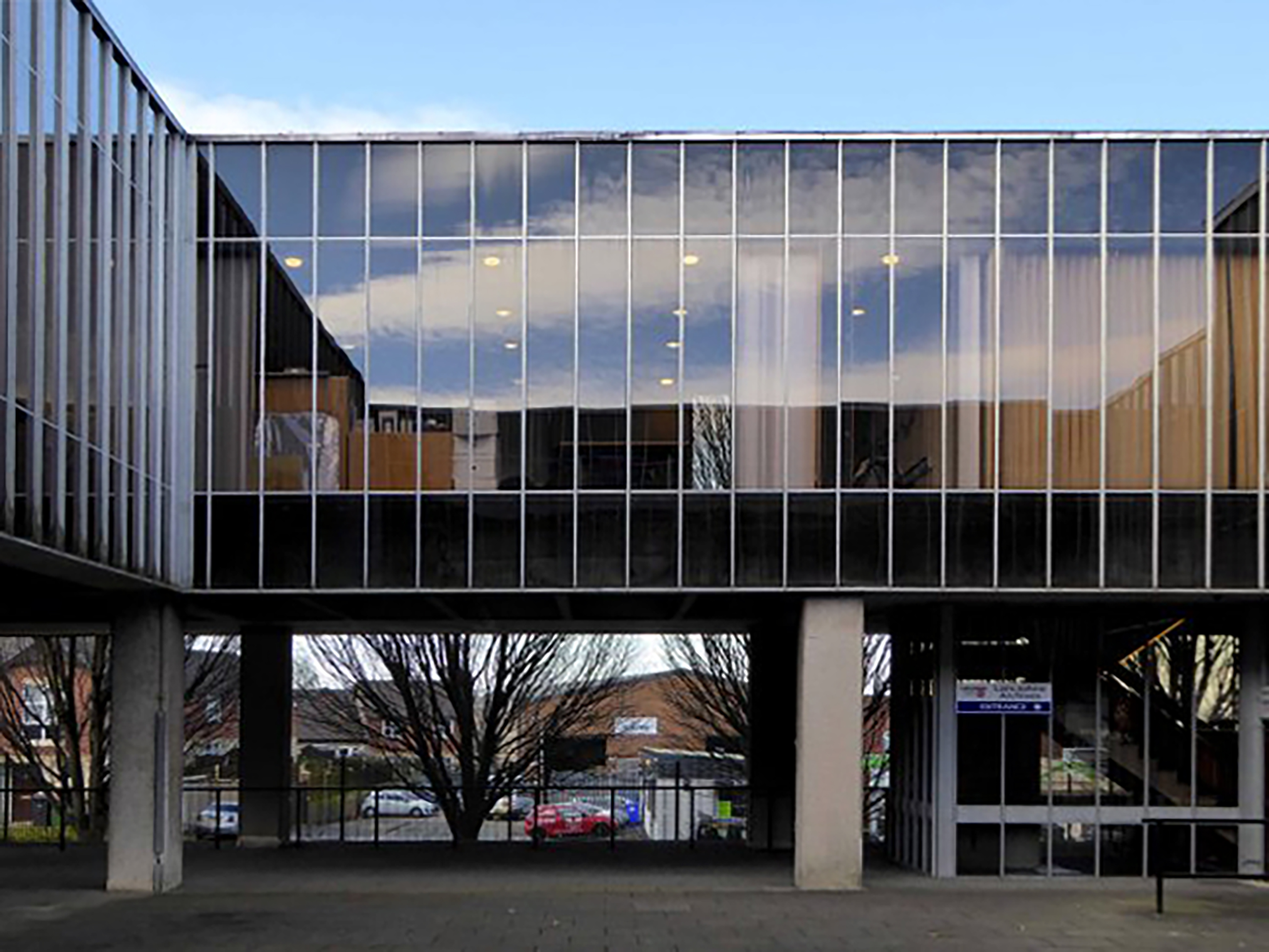
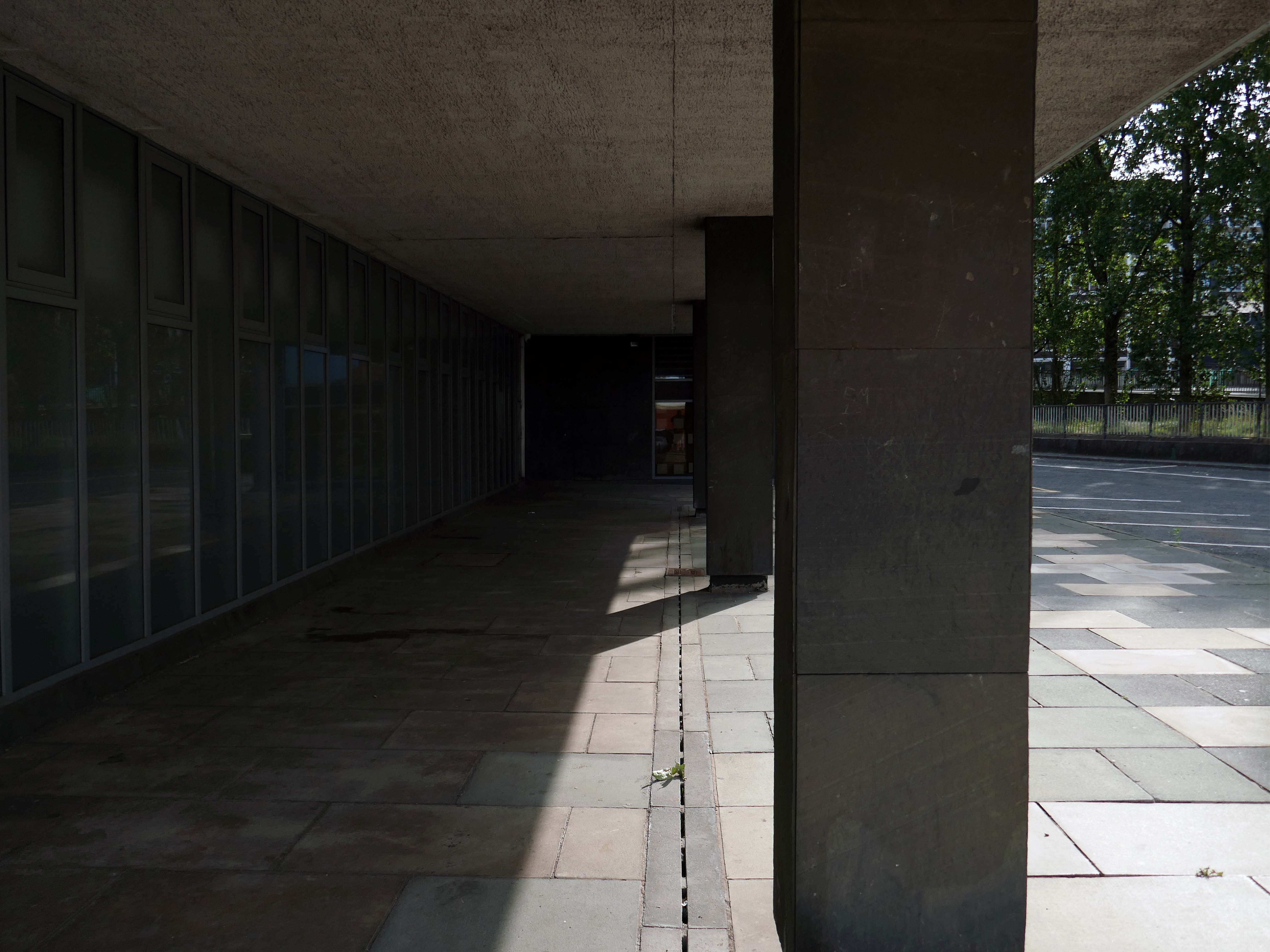
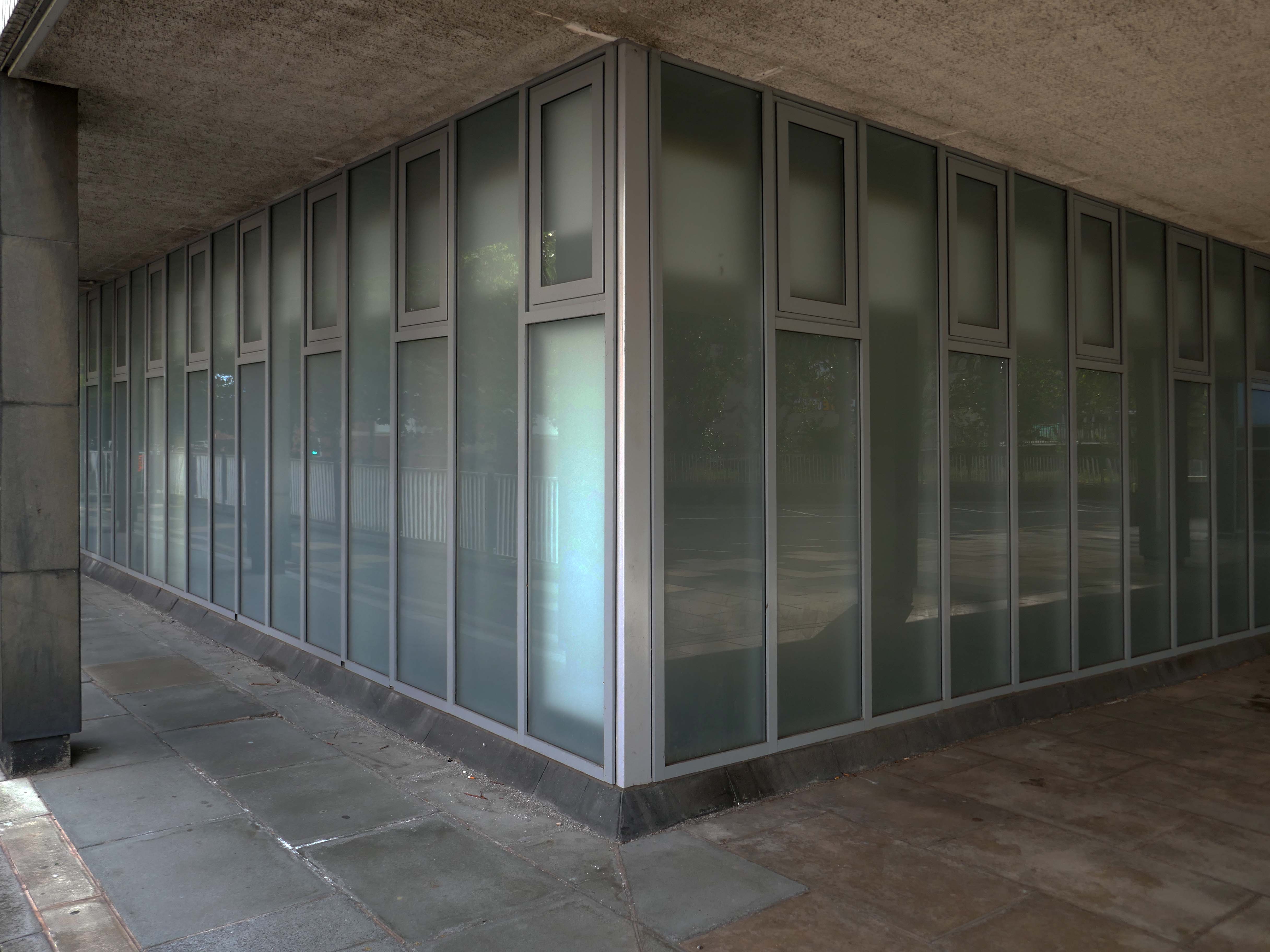
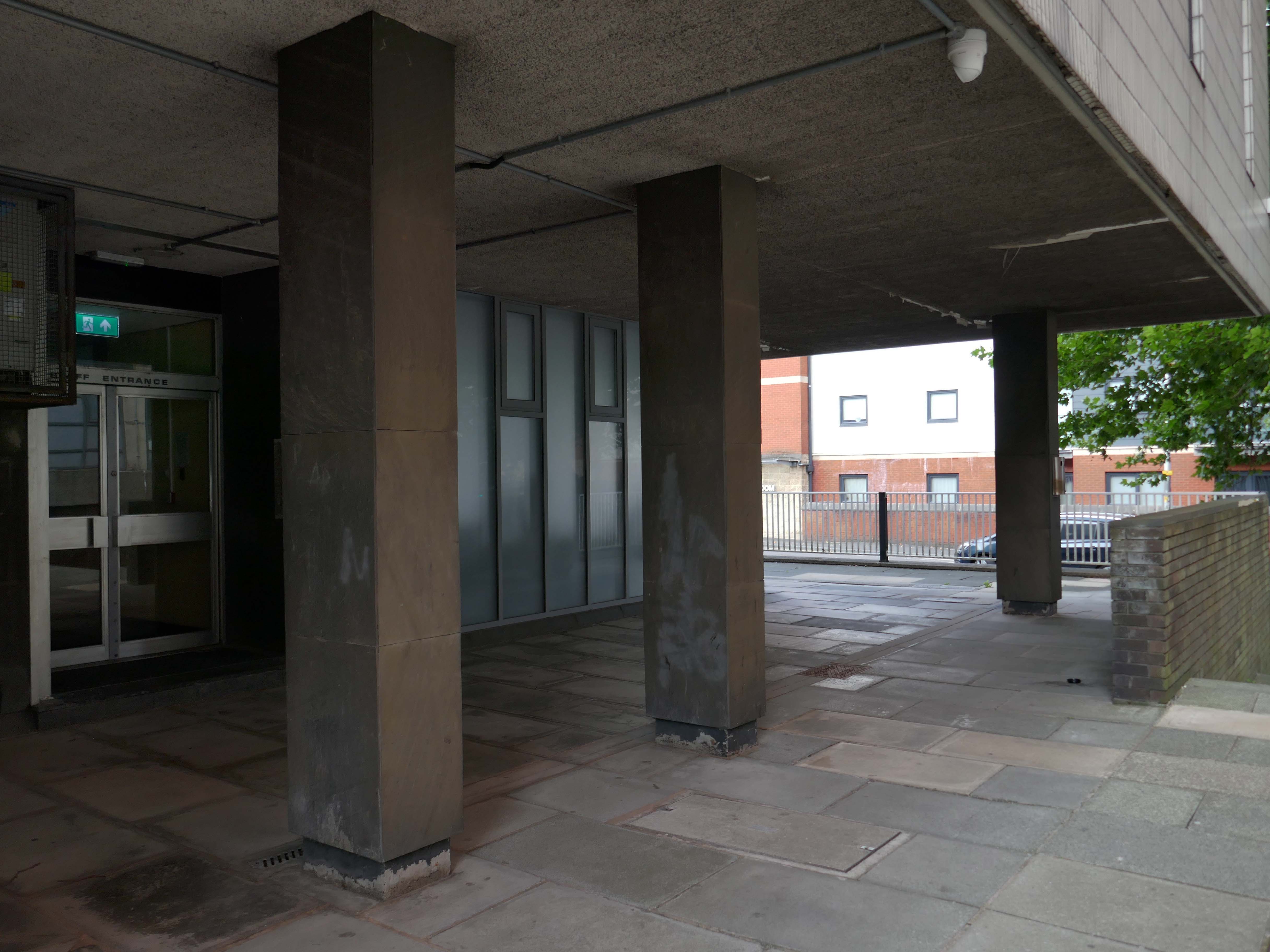
The Courts certainly echoes many of the stylistic and material characteristics of his work, particularly the County Archives, with similar piloti and glazing.
So let’s take a circuitous tour.
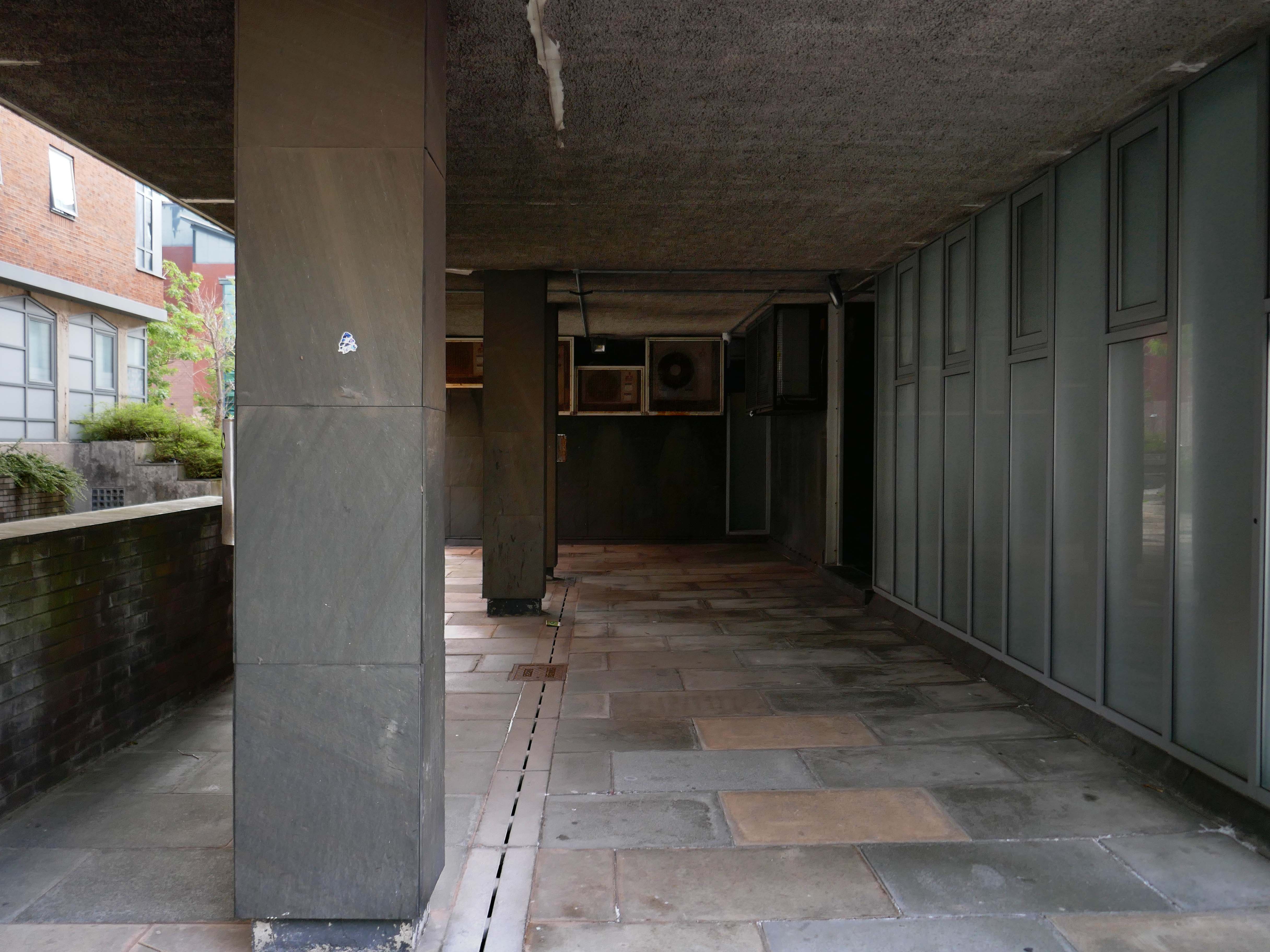
This is the seriously neglected seating area.
The Courts once had a Roger Booth Police Station as a neighbour.
Photographs – Richard Brook
Converted to apartments in 2013, with current plans for further developments.
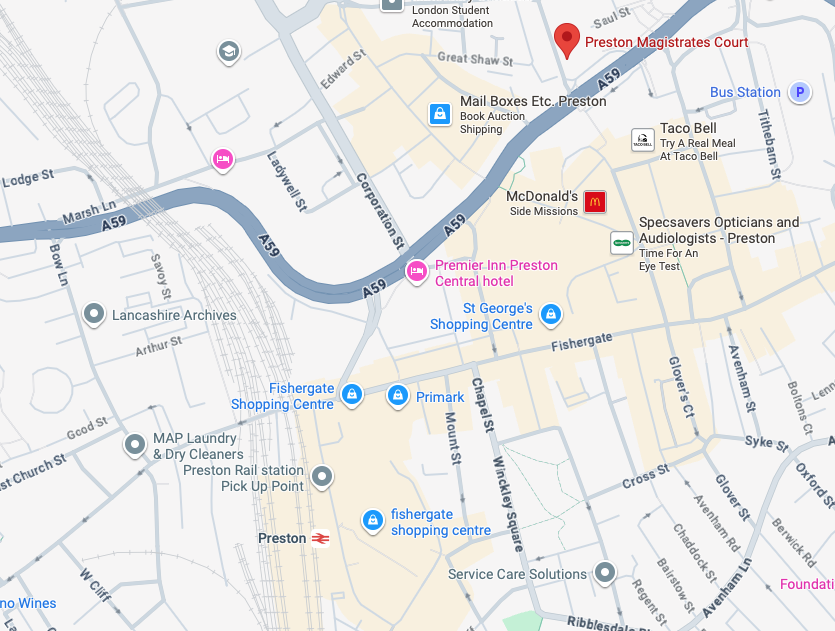
More than 200 student flats are set to be built on part of Preston’s former divisional police headquarters.Preston City Council planning officers have recommended that councillors give the go-ahead to the scheme – at the junction of Walker Street and Lawson Street, to the rear of the magistrates’ and crown courts.
The part of the plot where the new ‘studio apartments’ would be erected is currently occupied by a multi-level public car park, accessed from Saul Street, which has been operated as a pay and display facility by Chorley-based Parking Eye for the last nine years.
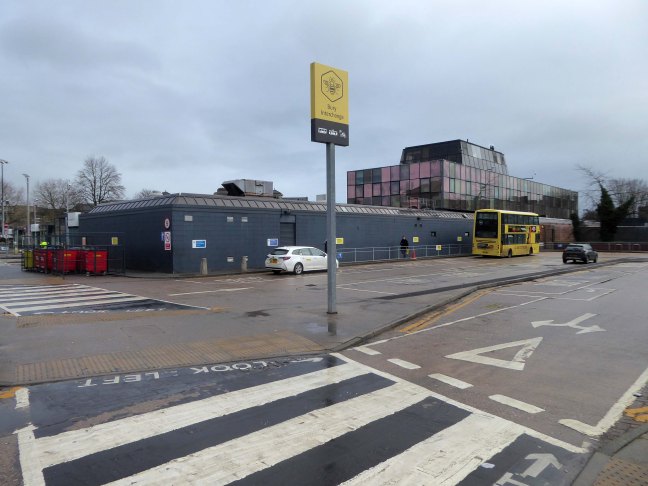
Other Roger Booth police stations have also been visited by the wrecking ball, Blackpool and Bury are now no longer extant.
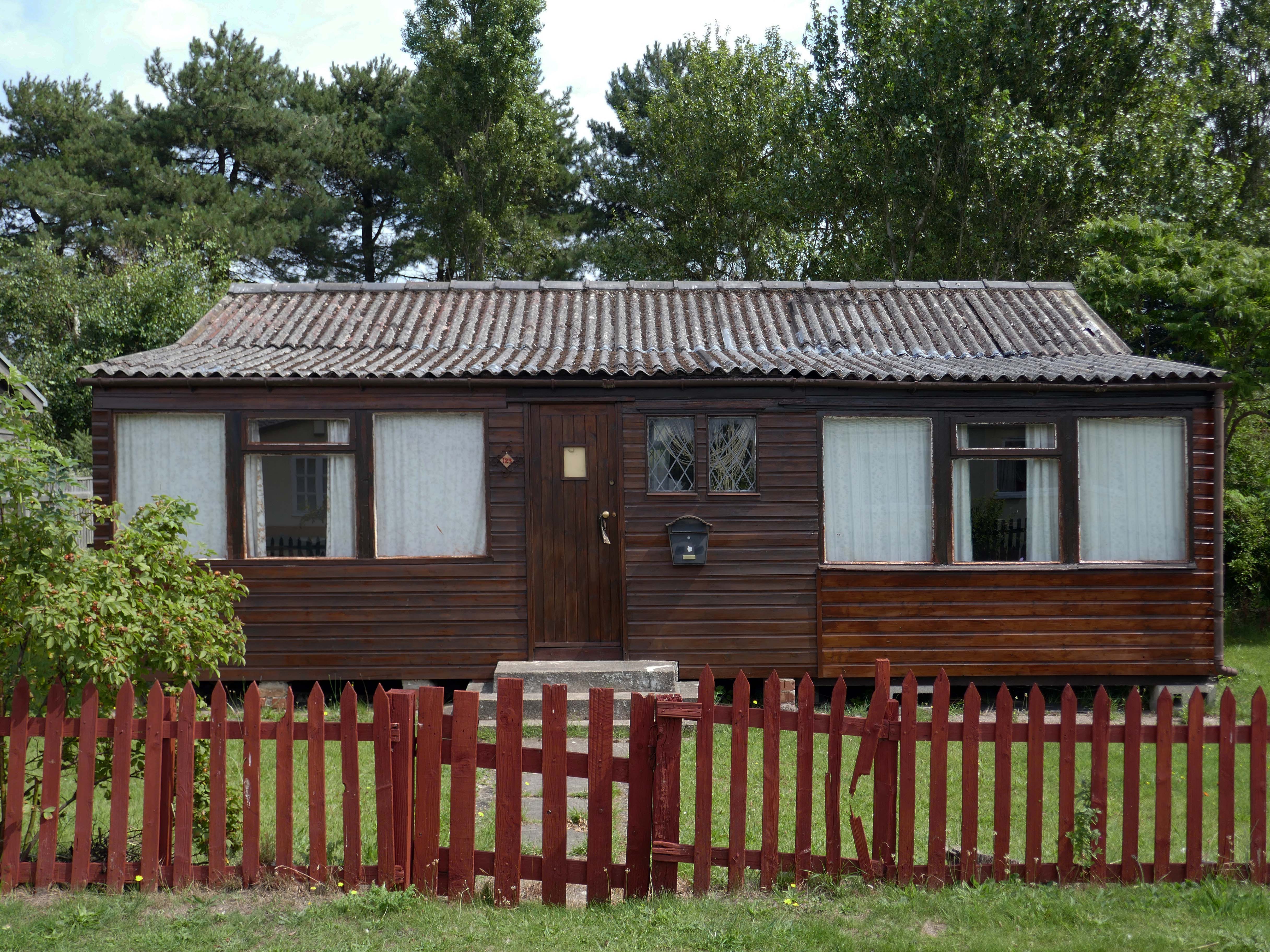
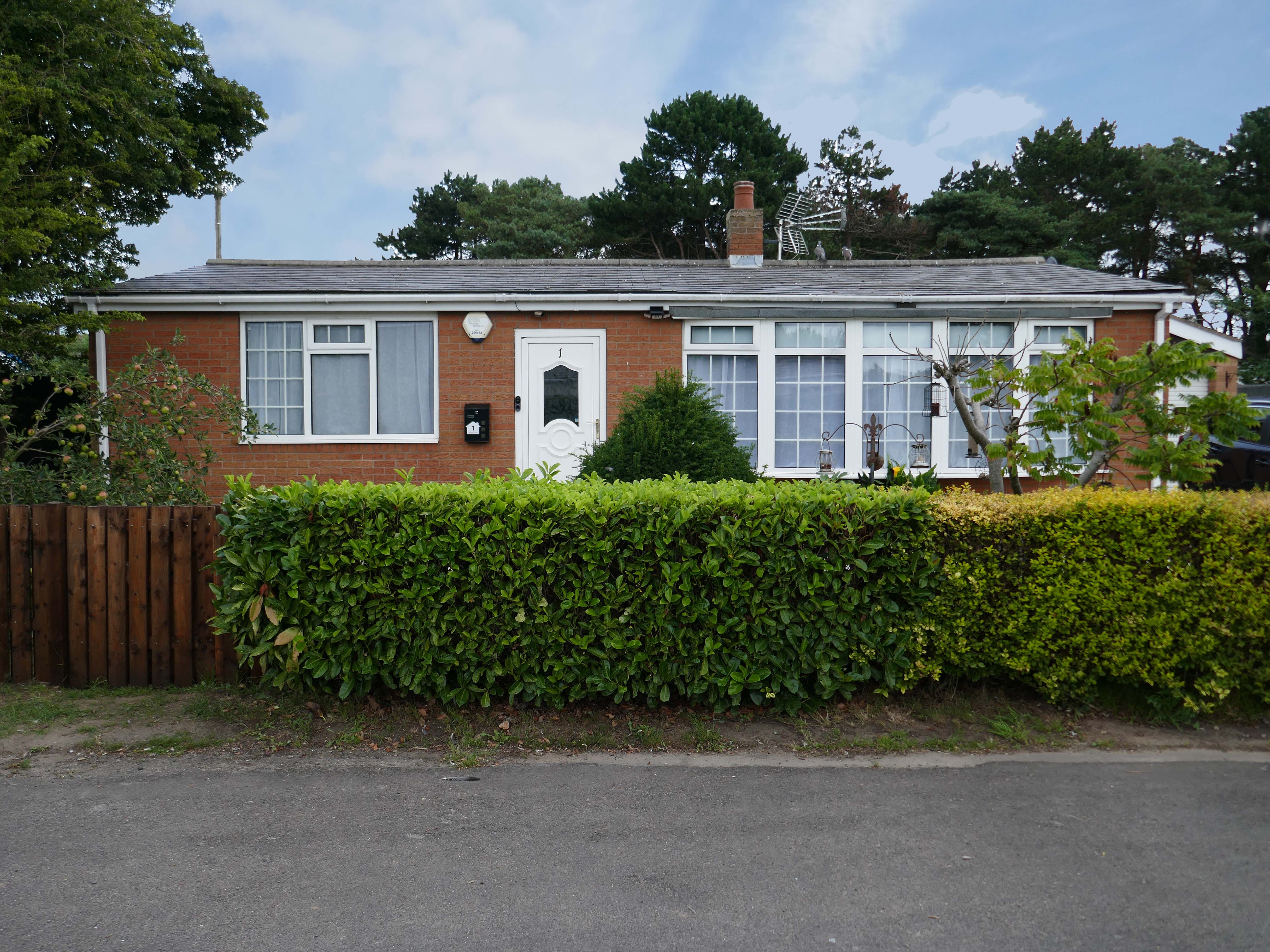
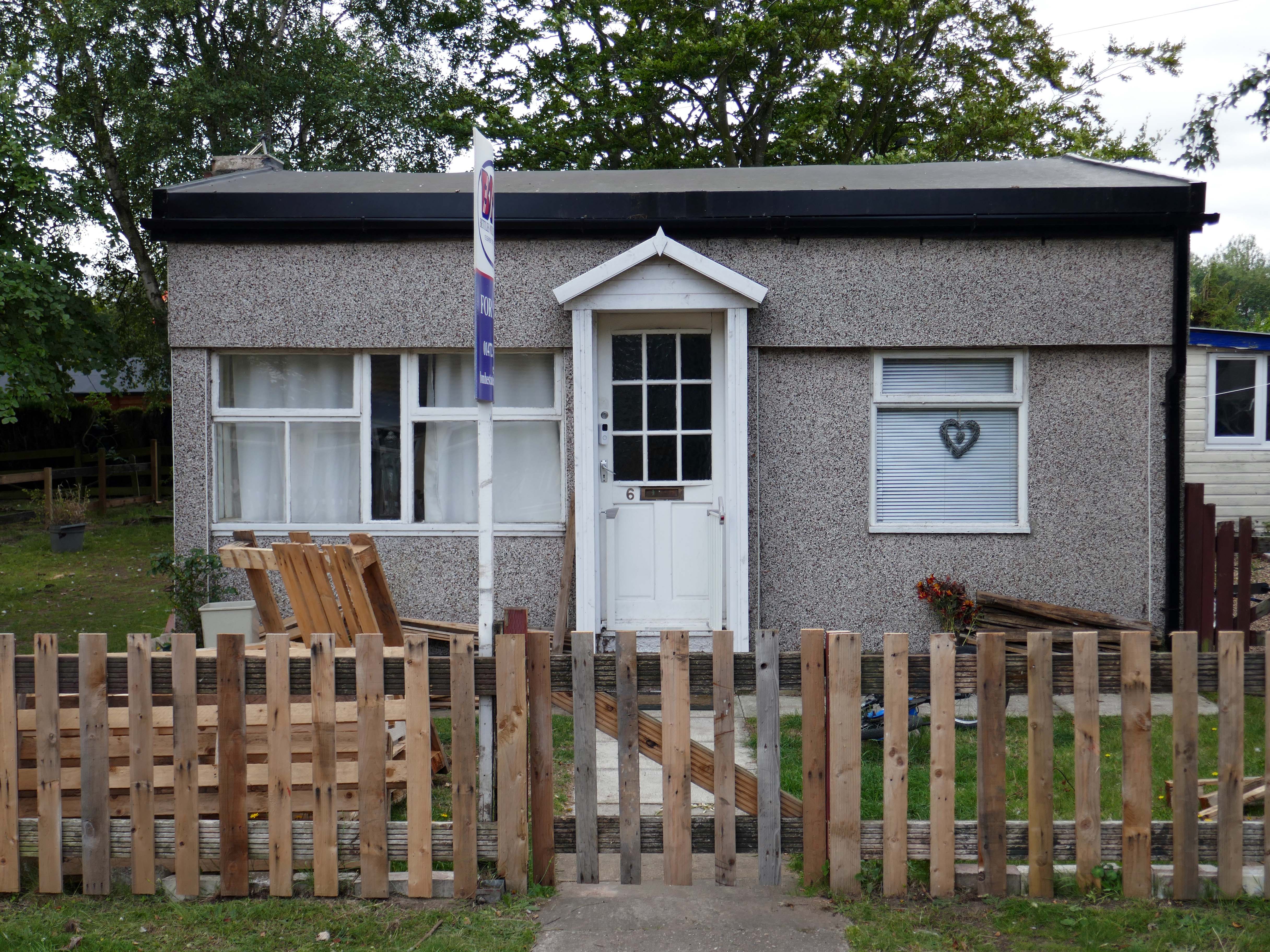
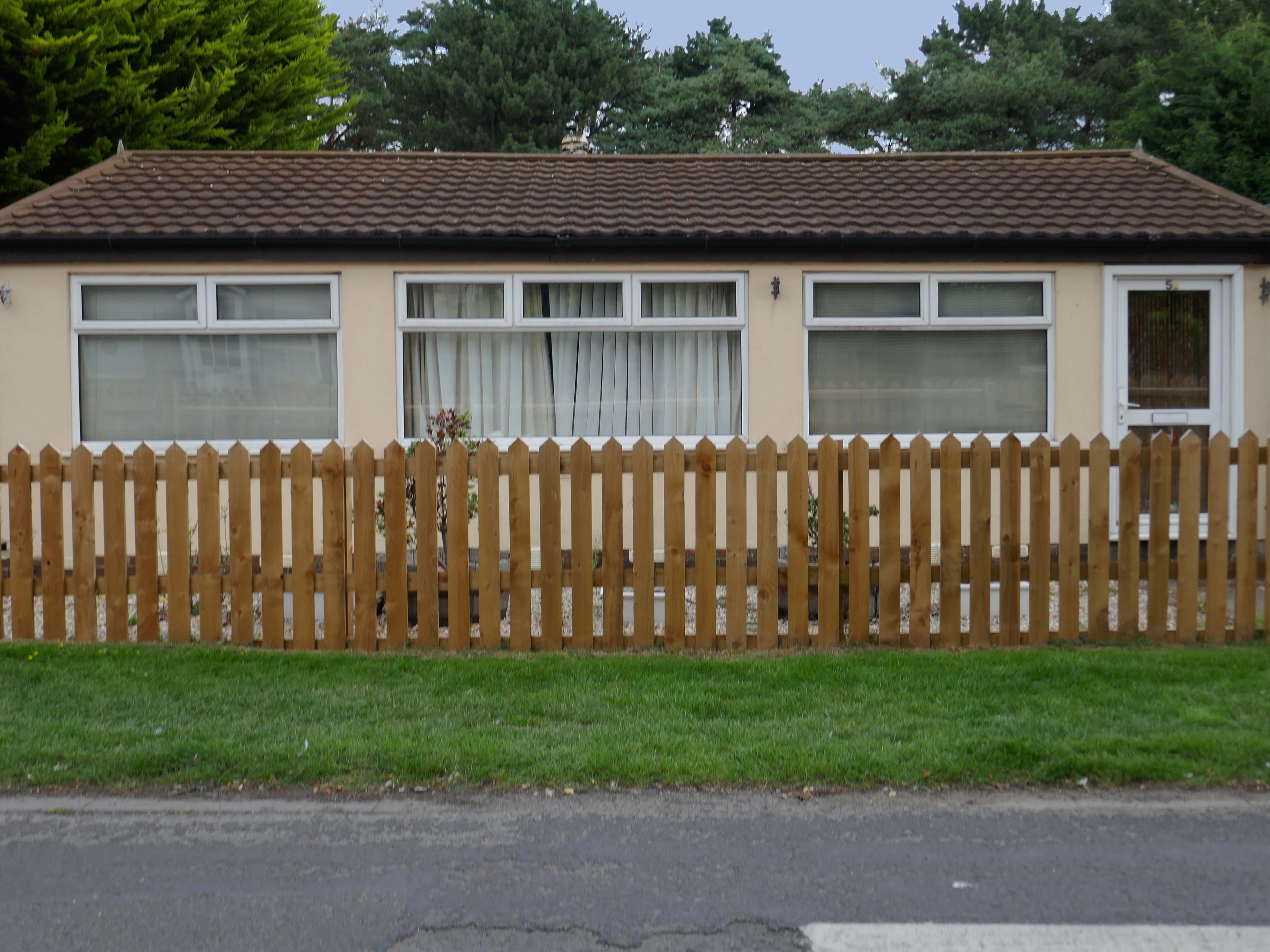
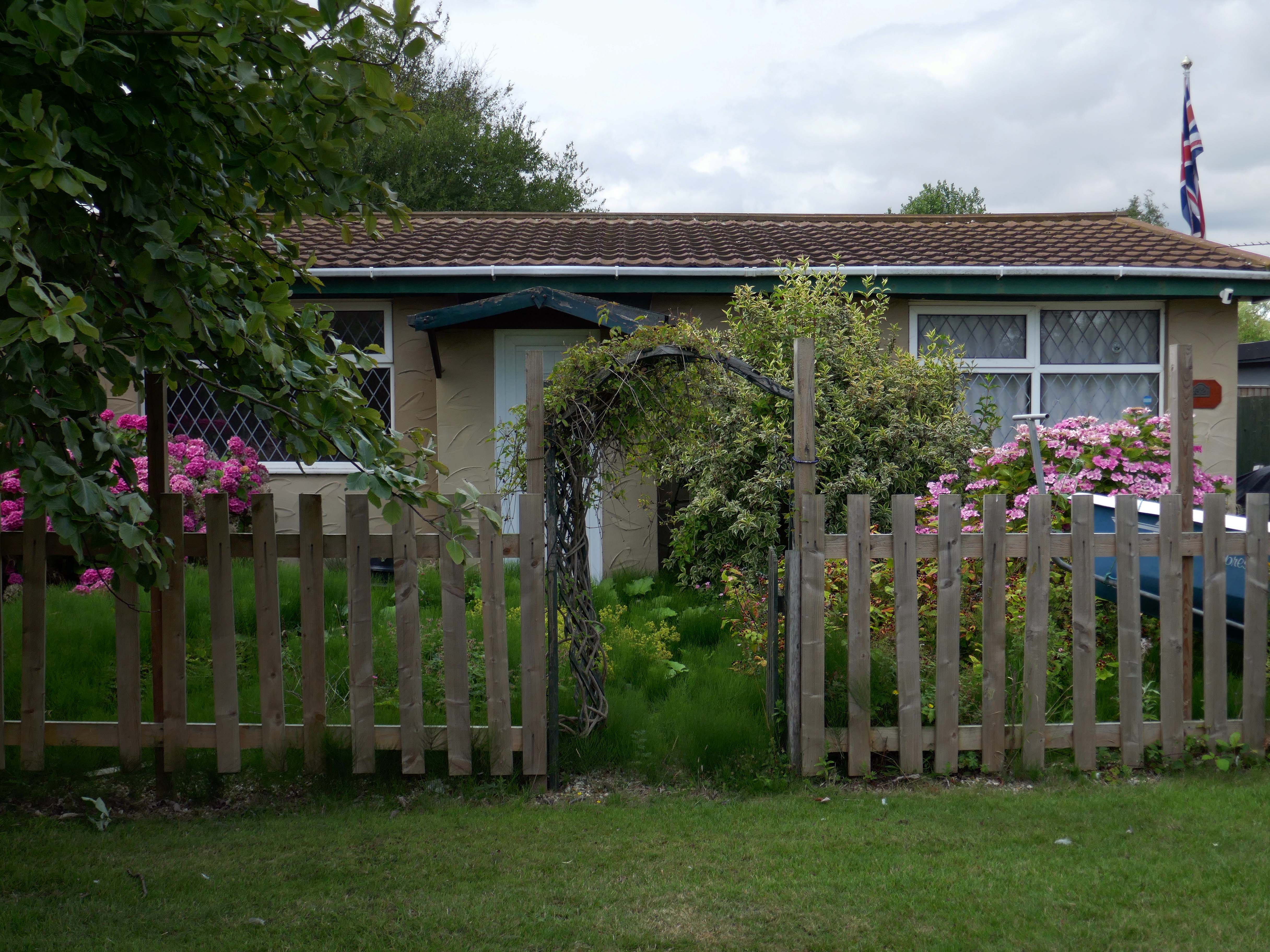
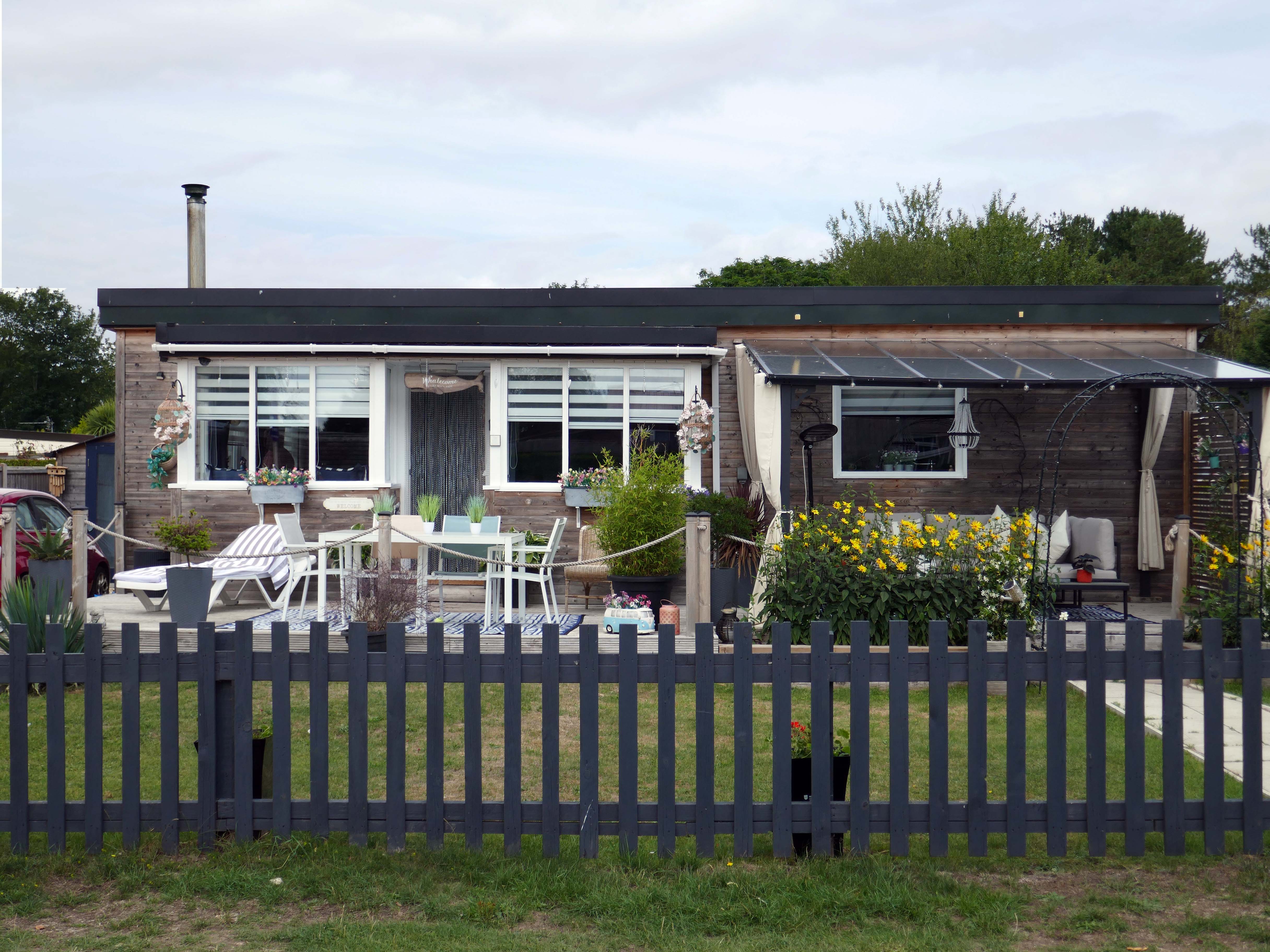
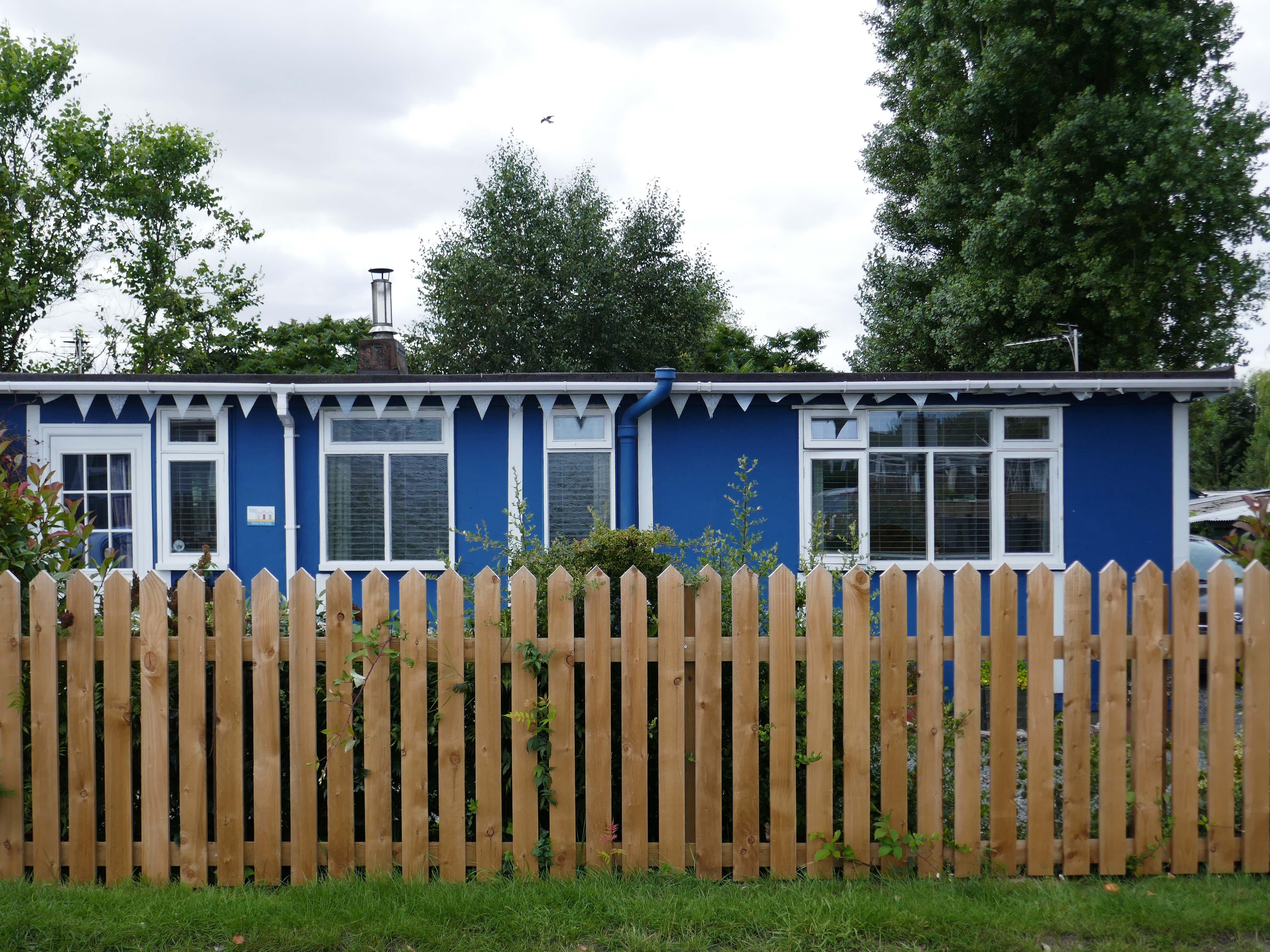
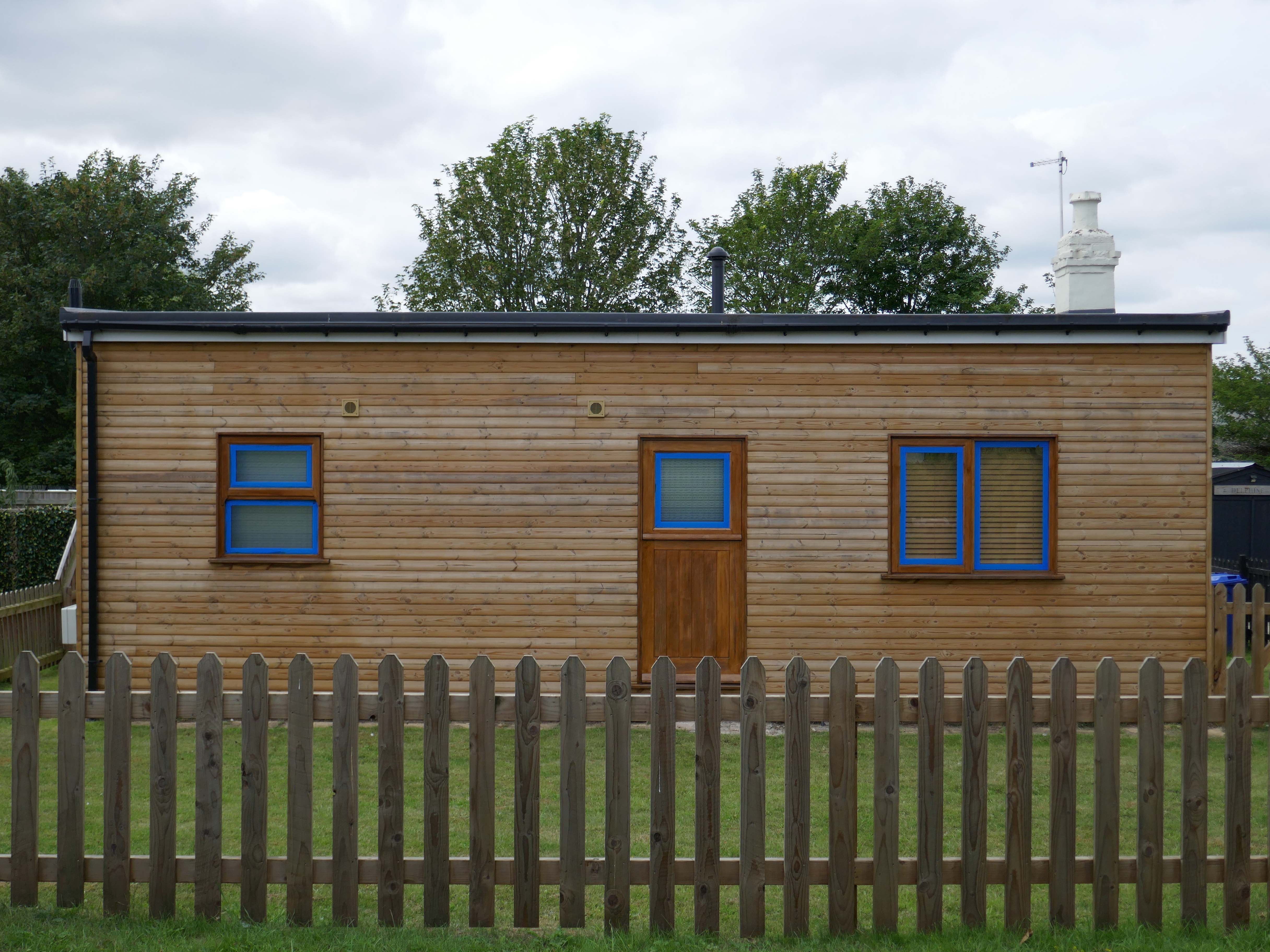
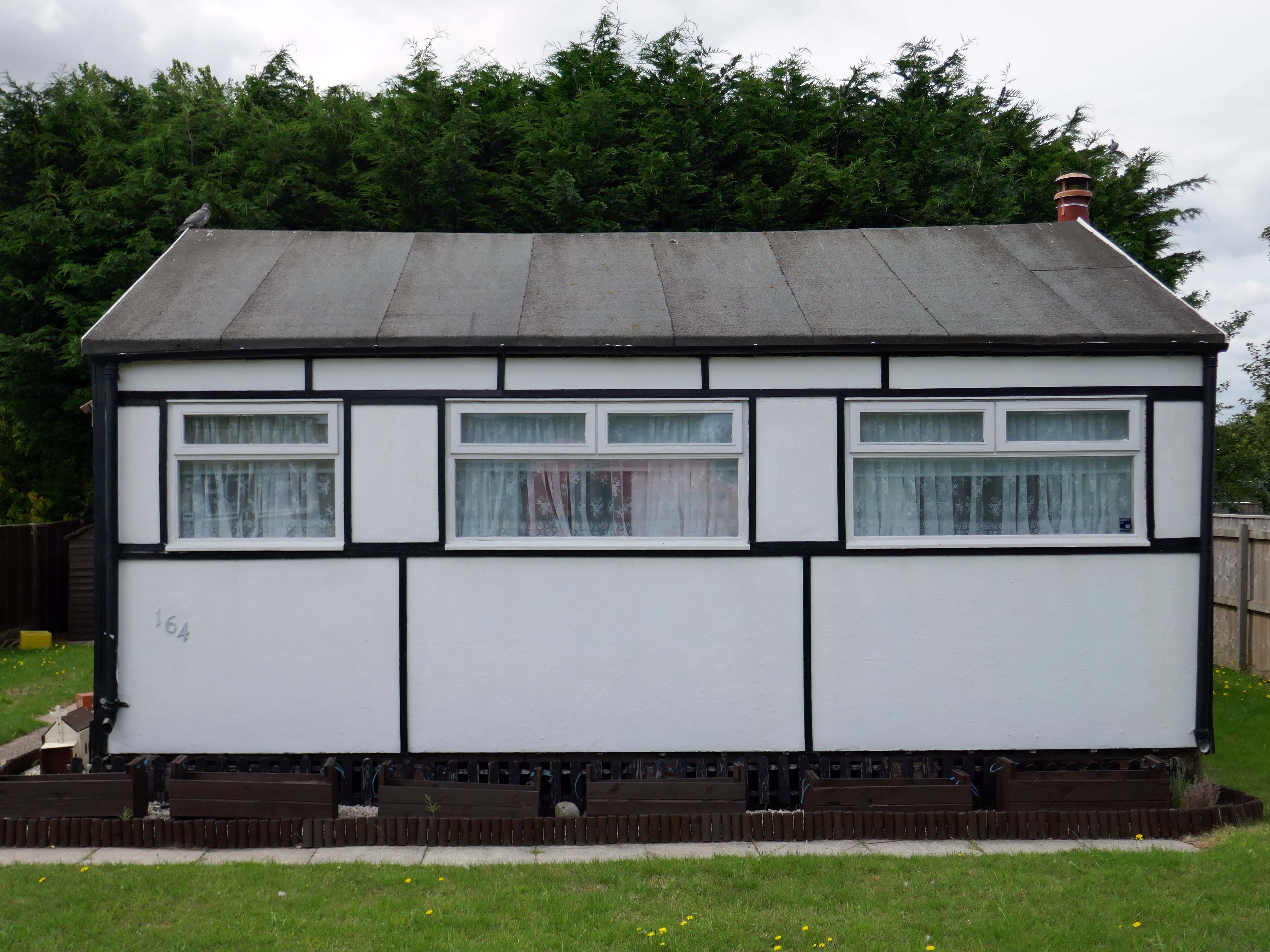
Well well here we are again, third time around following a visit in 2018 and later in 2021.
Almost inevitably, changes have taken place.
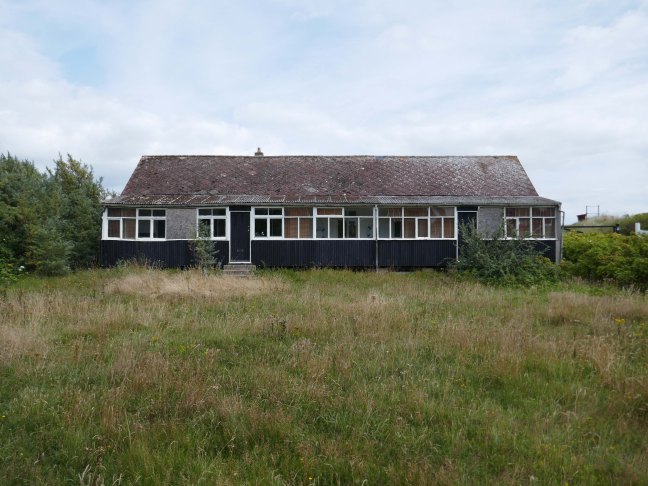
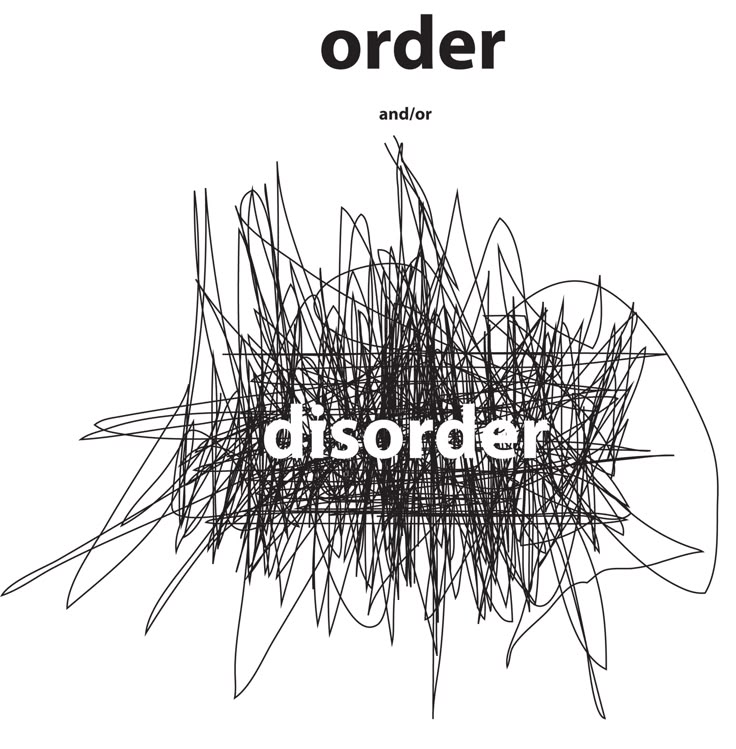
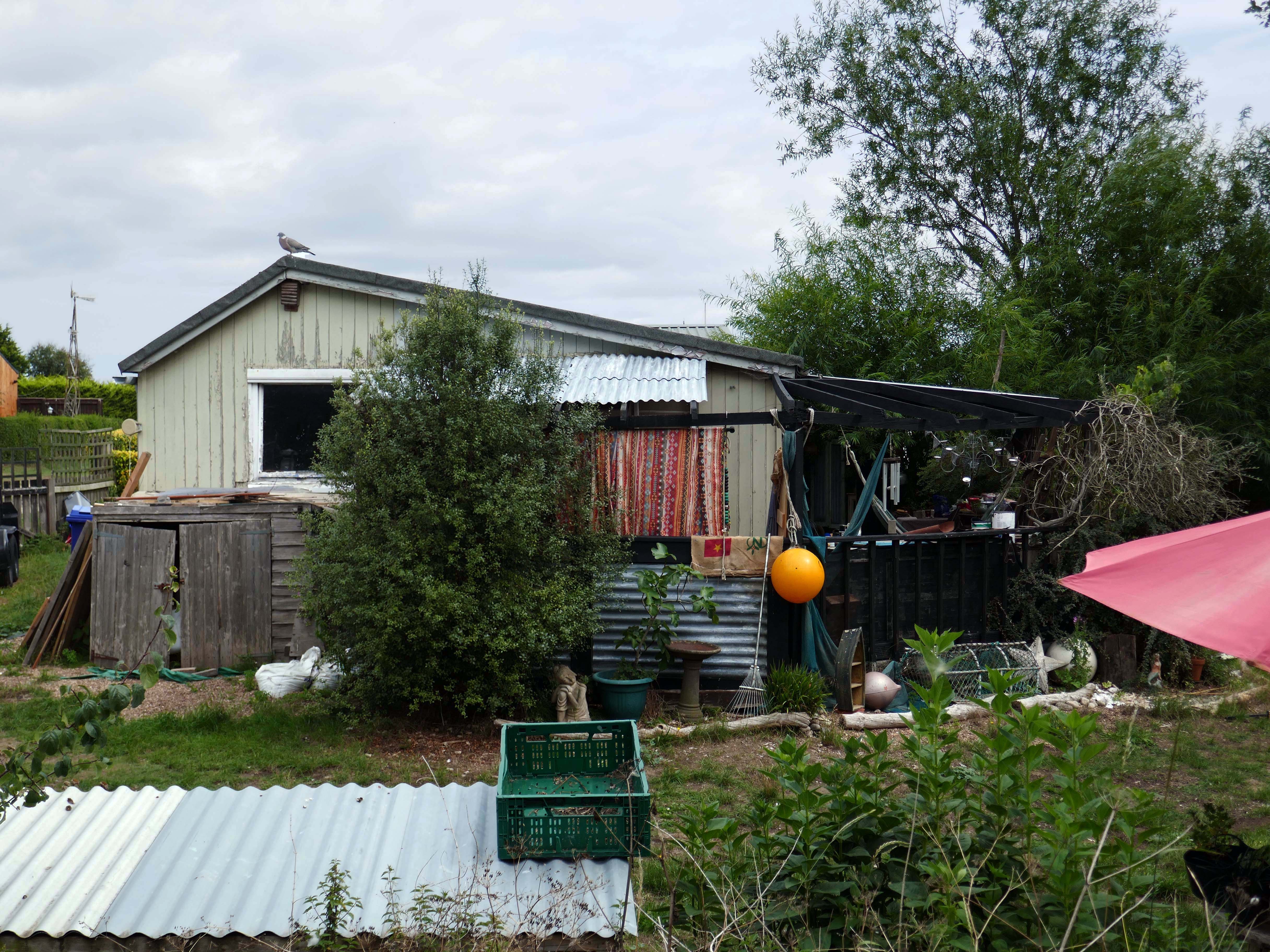
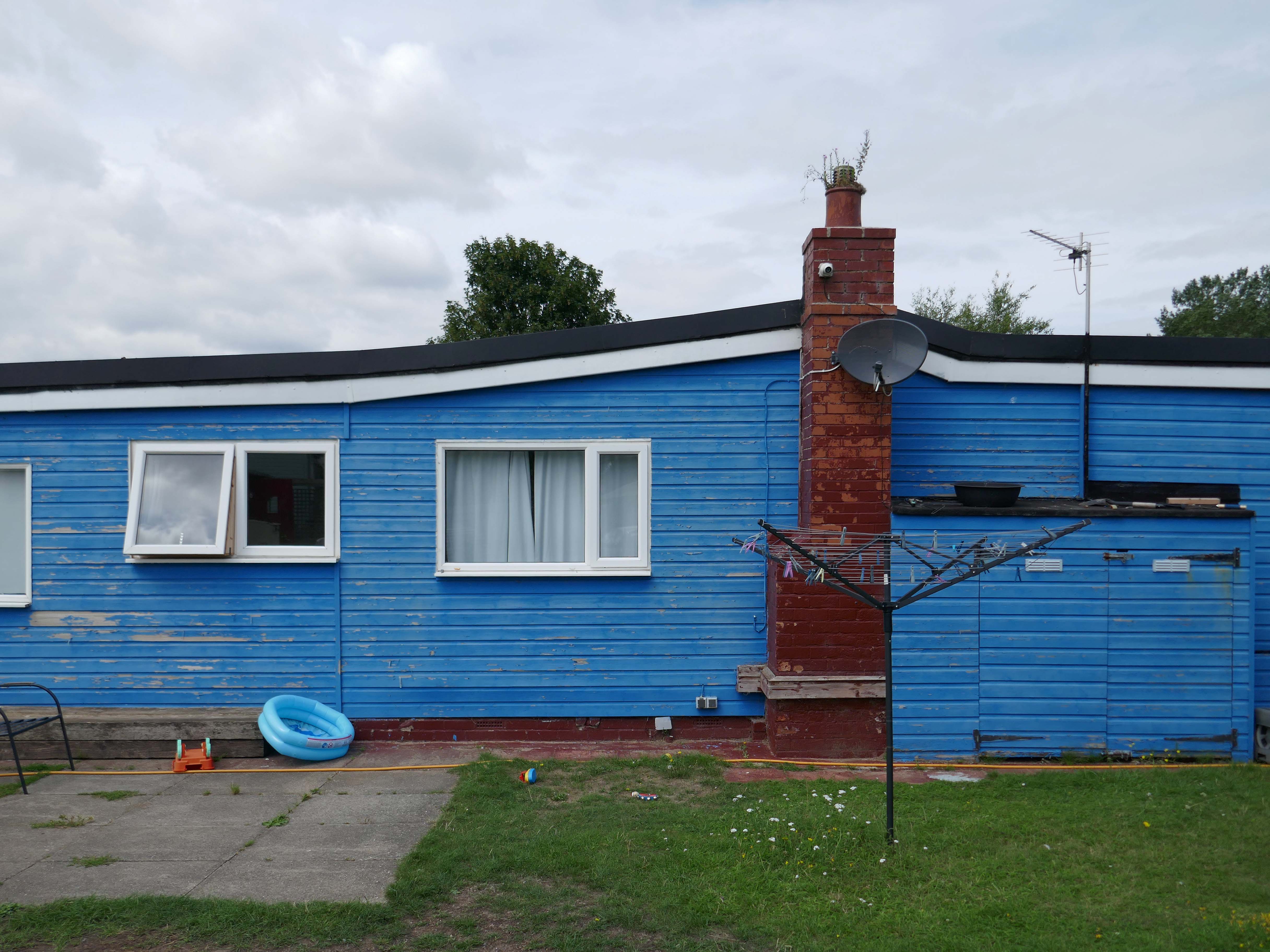
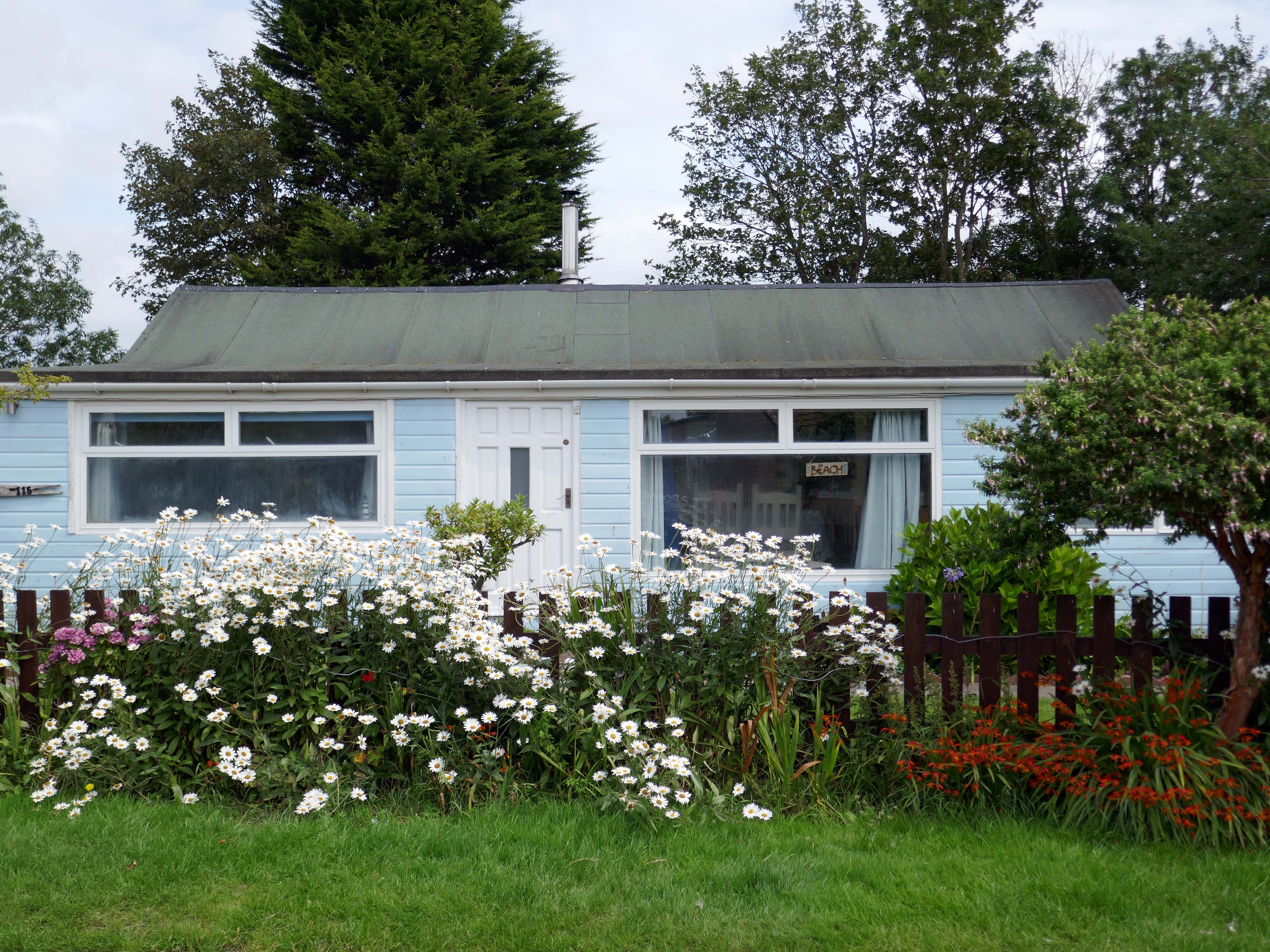
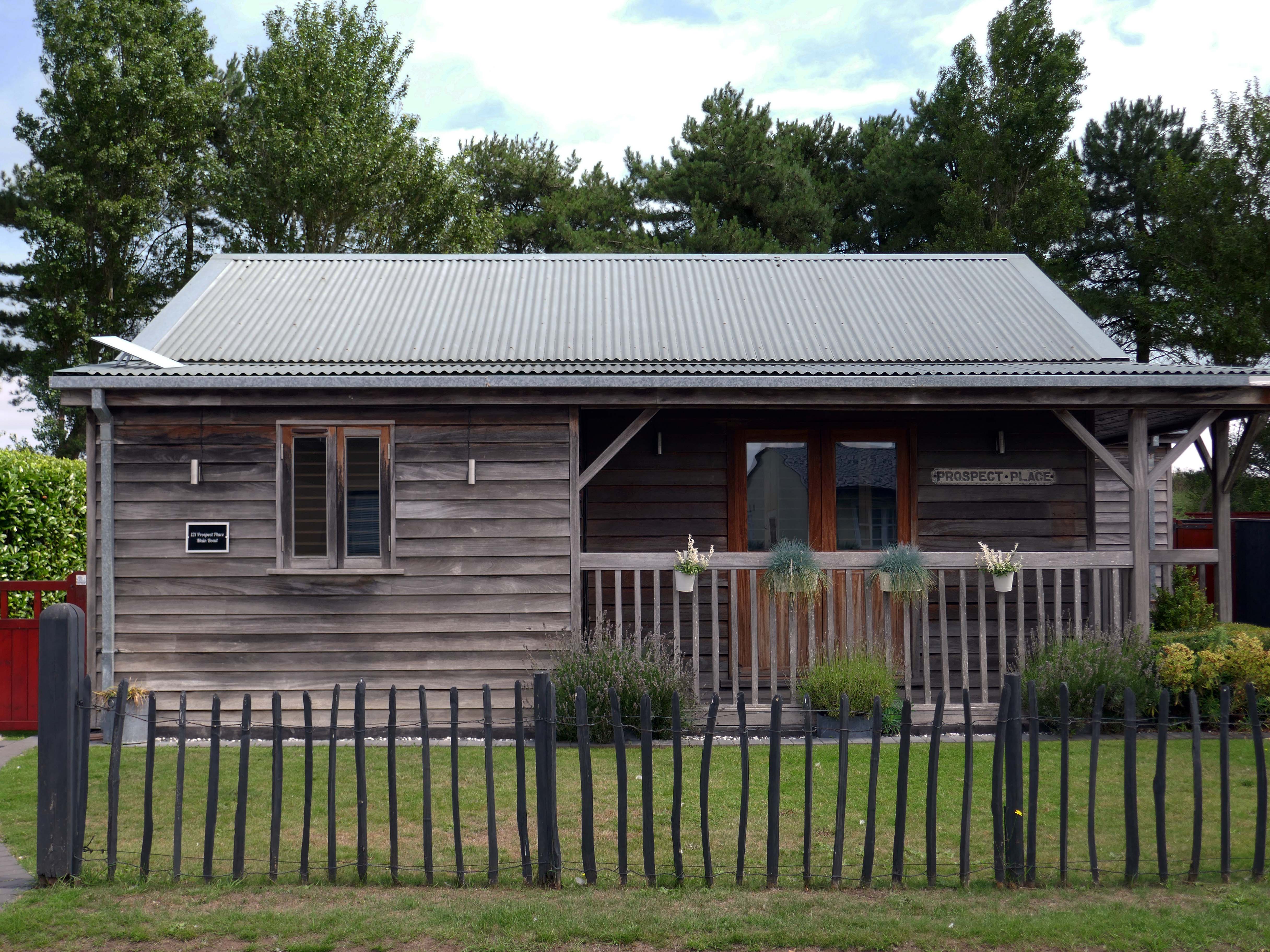
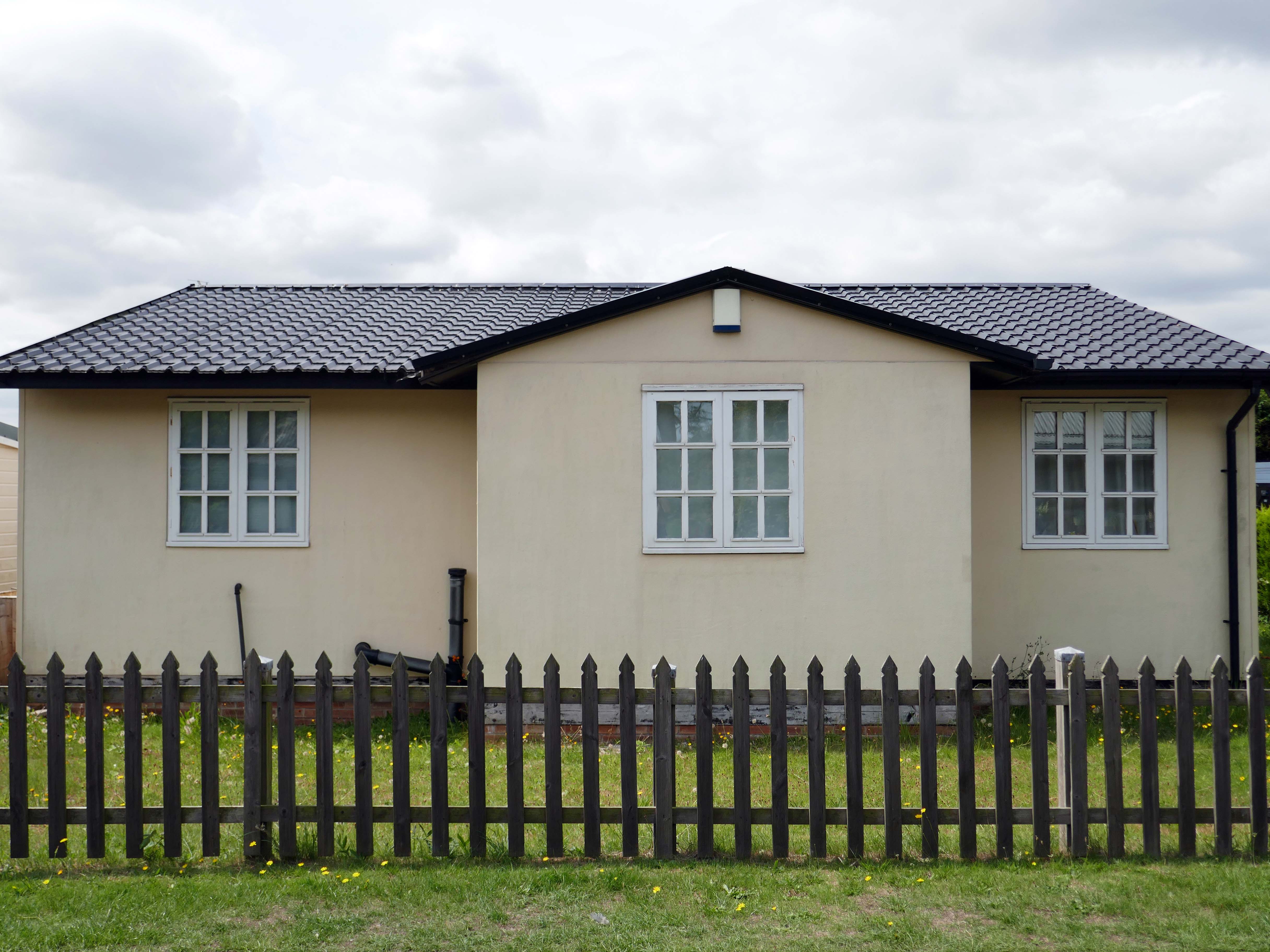
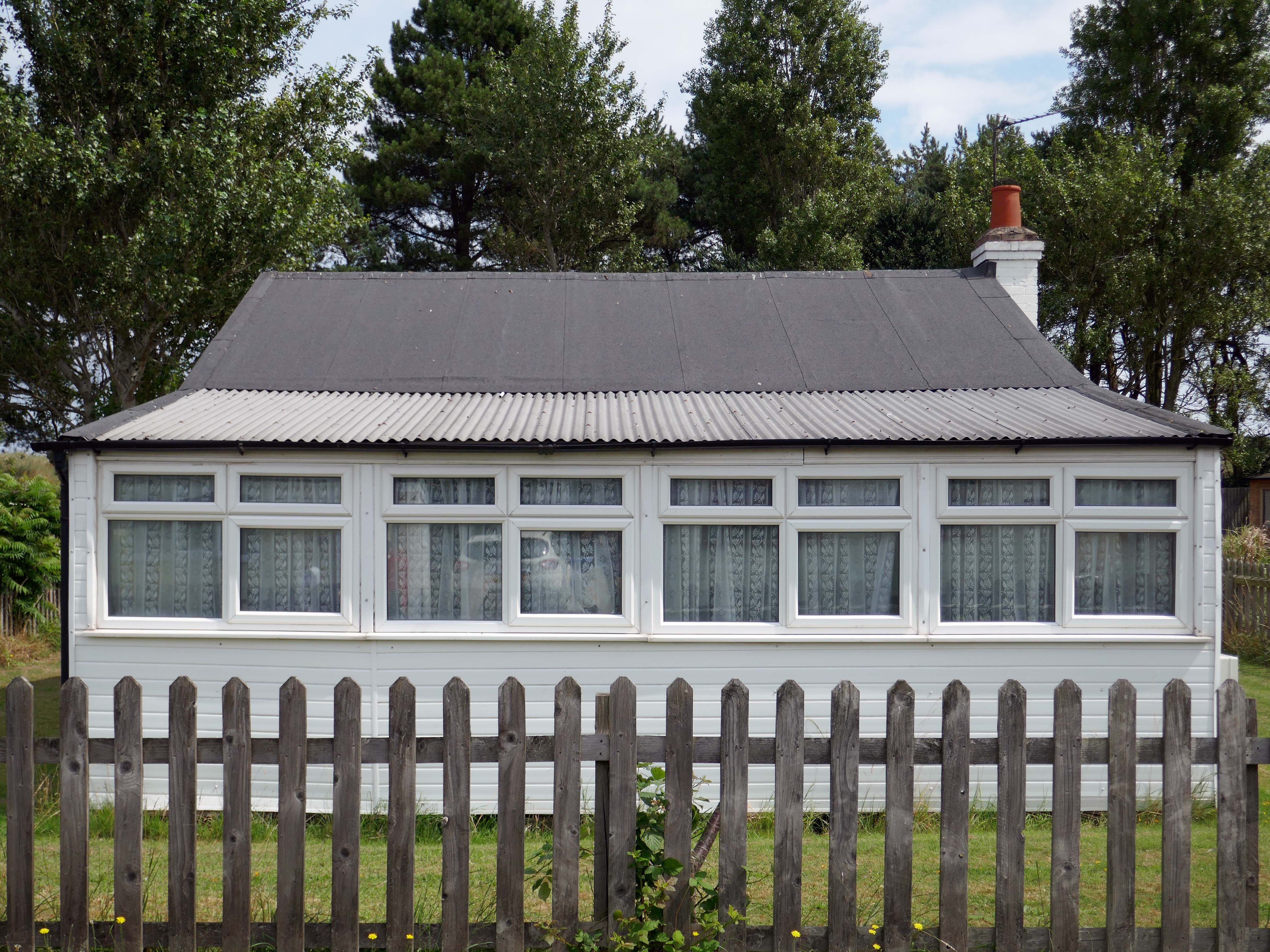
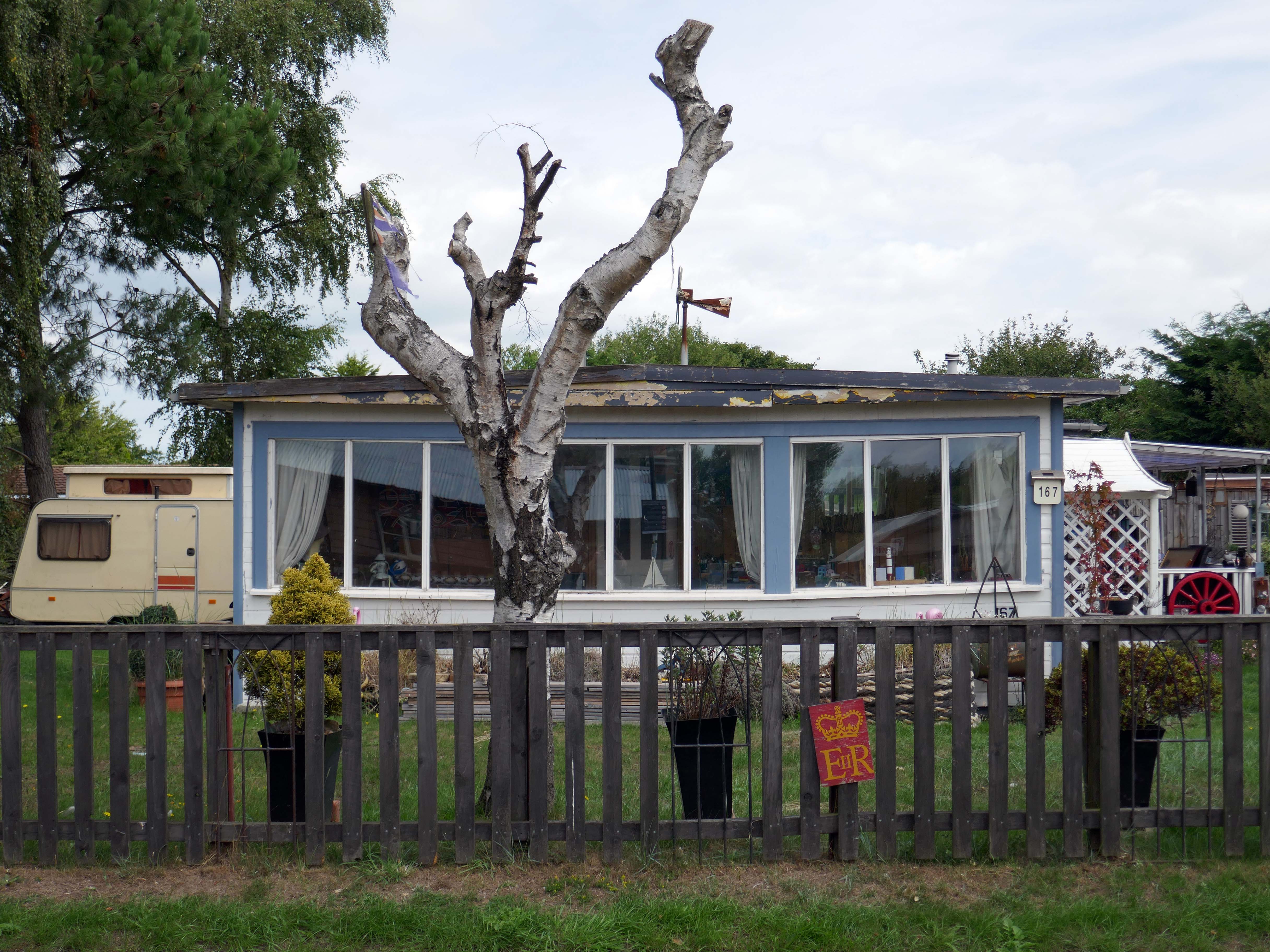
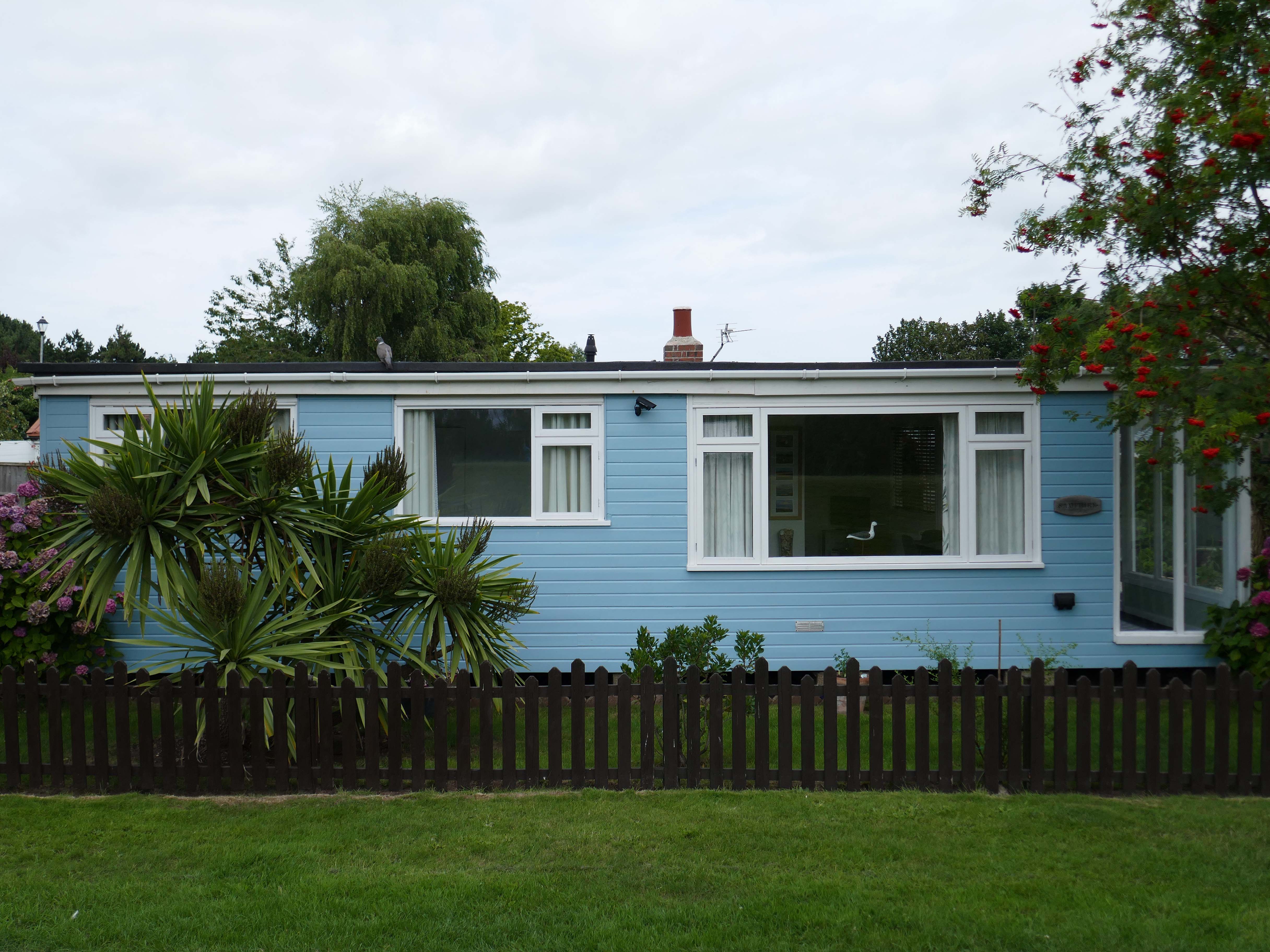
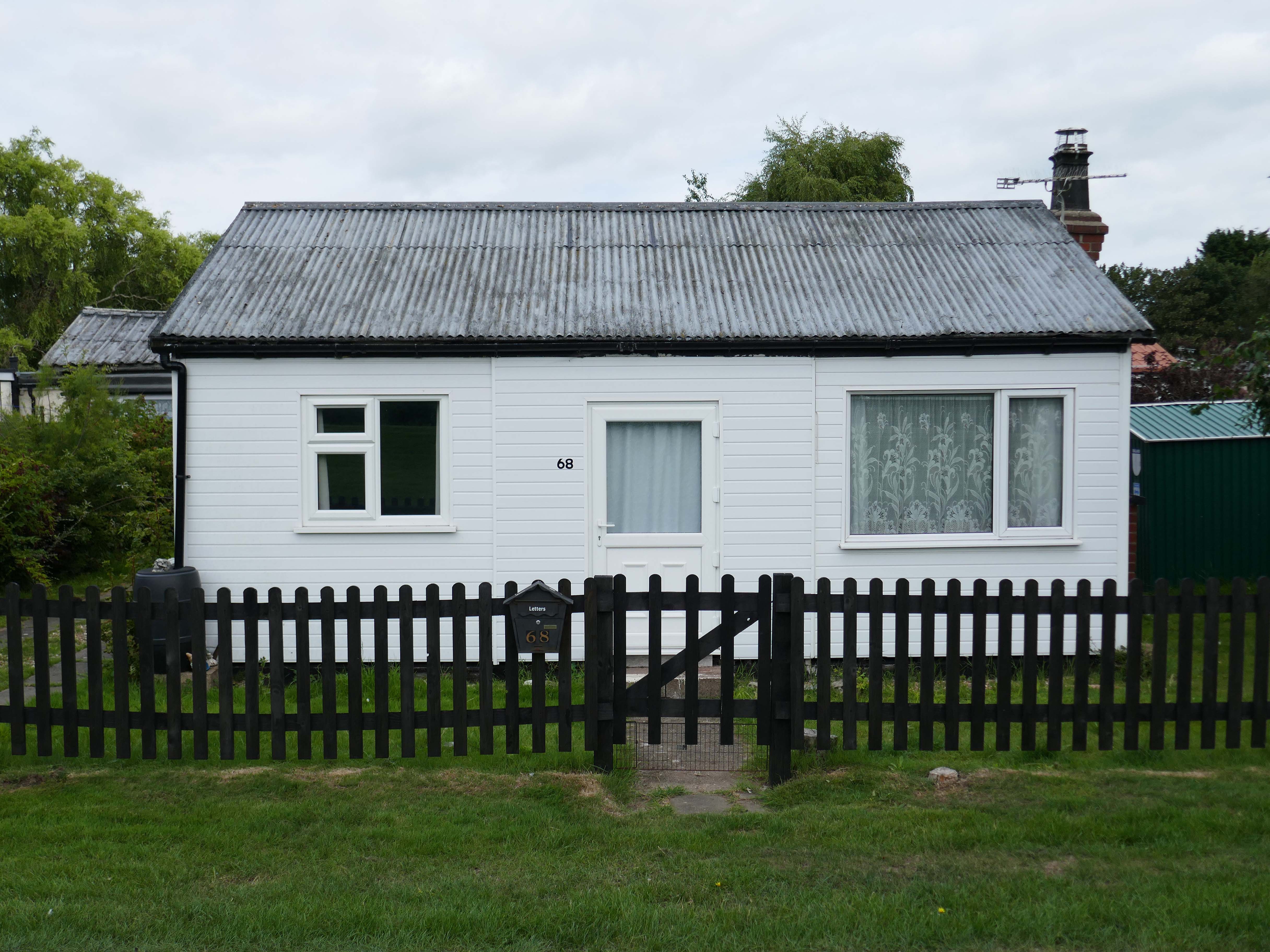
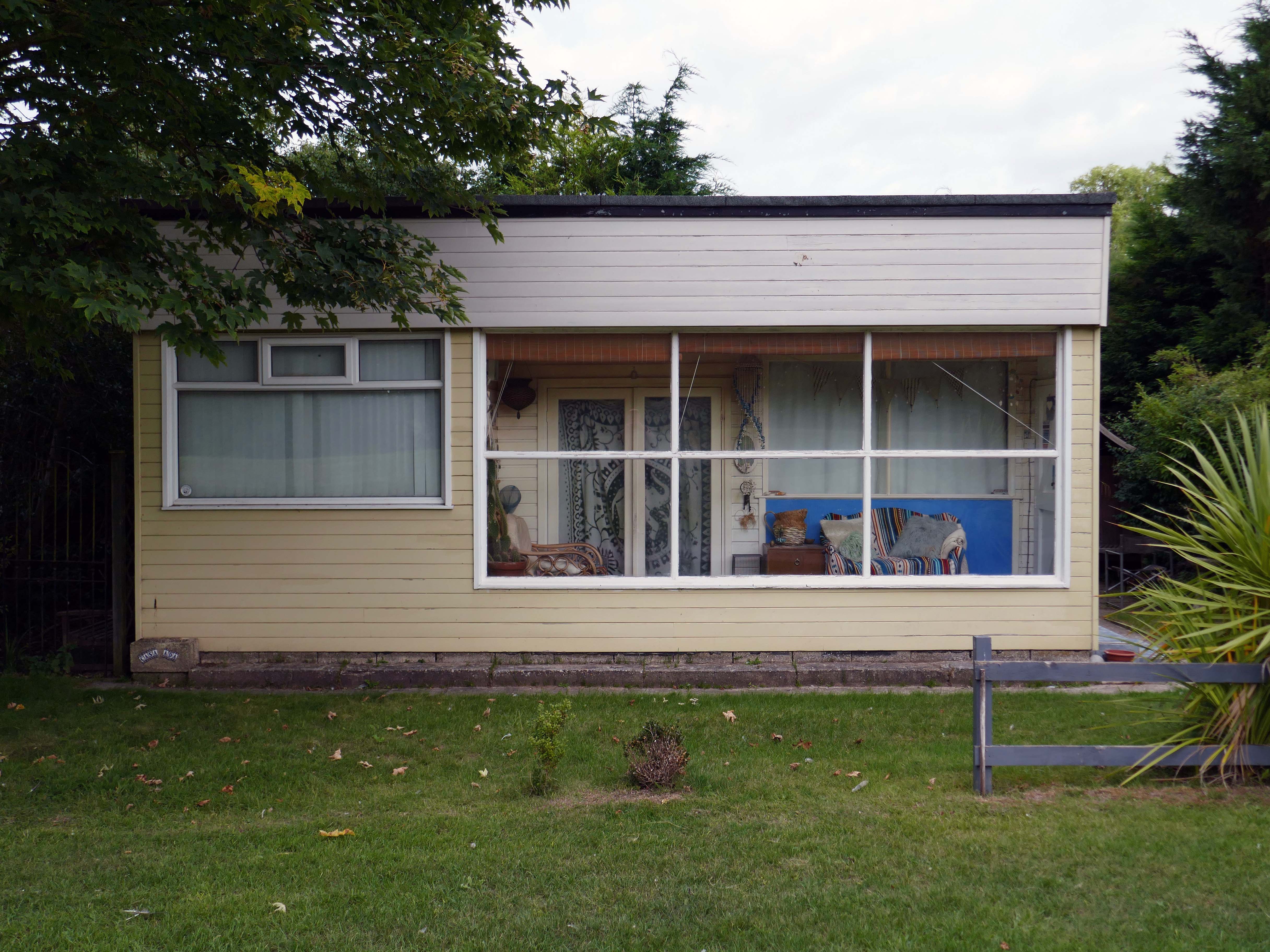
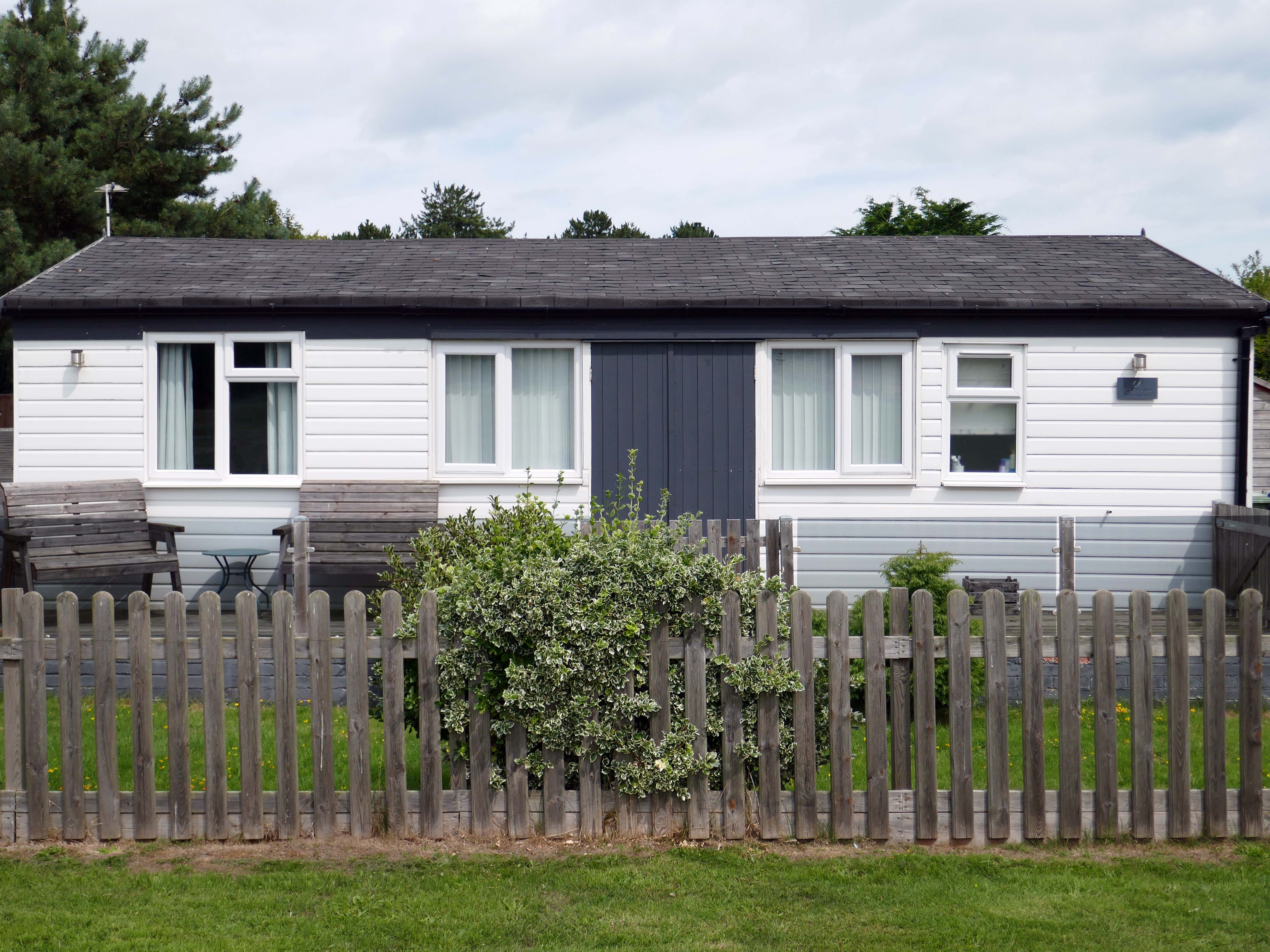
There is an almost constant tension between order and/or disorder.
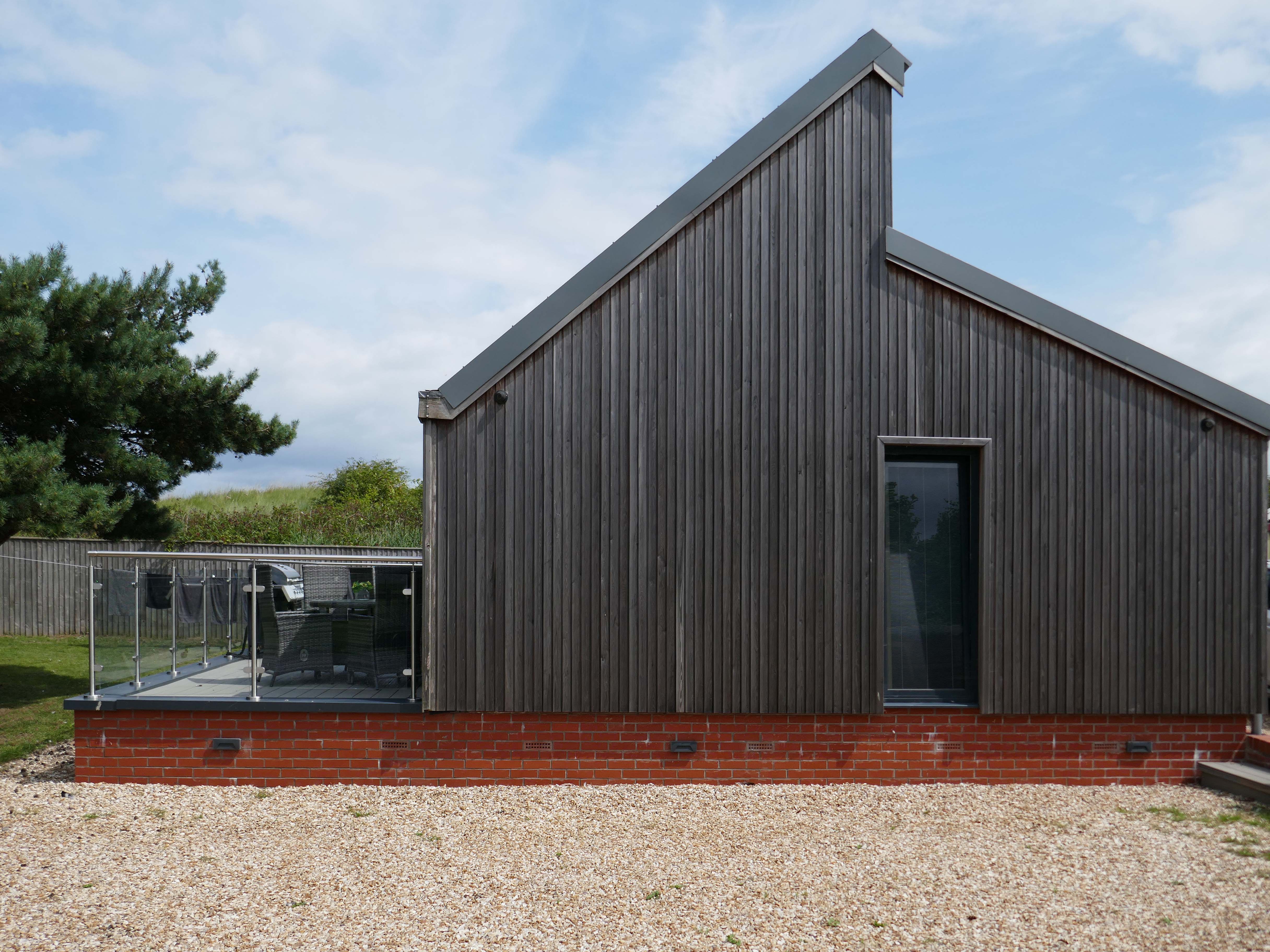
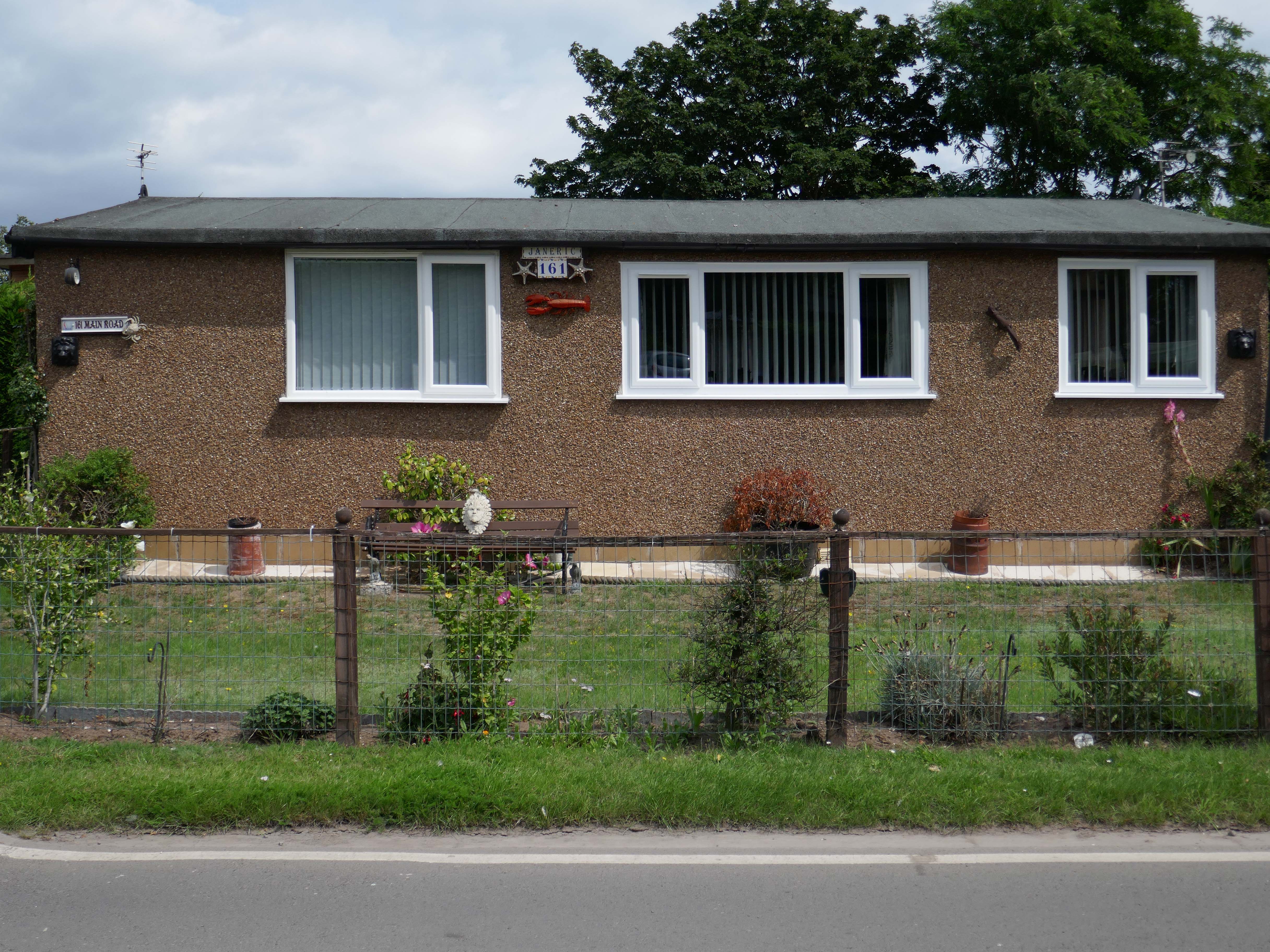
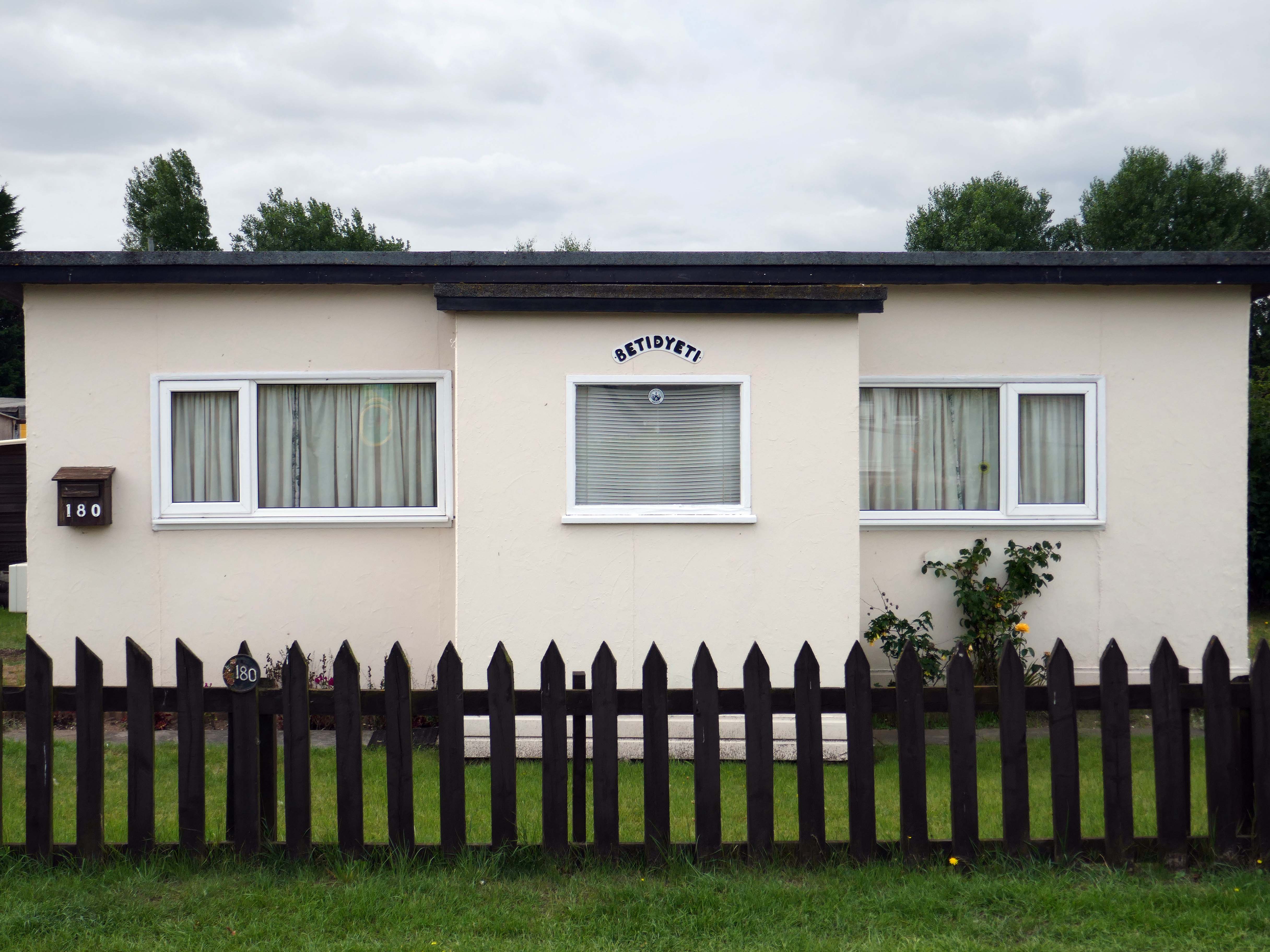
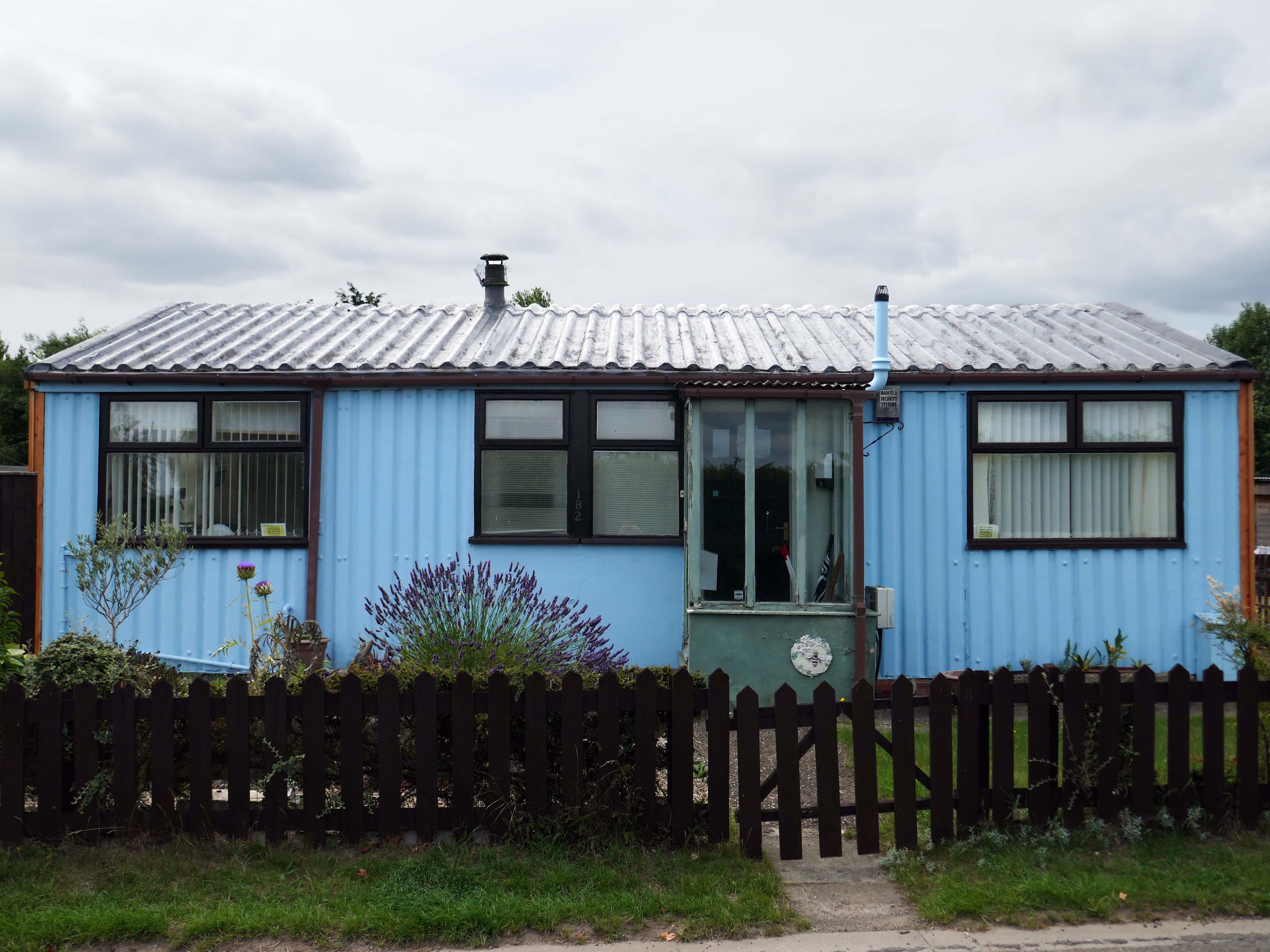
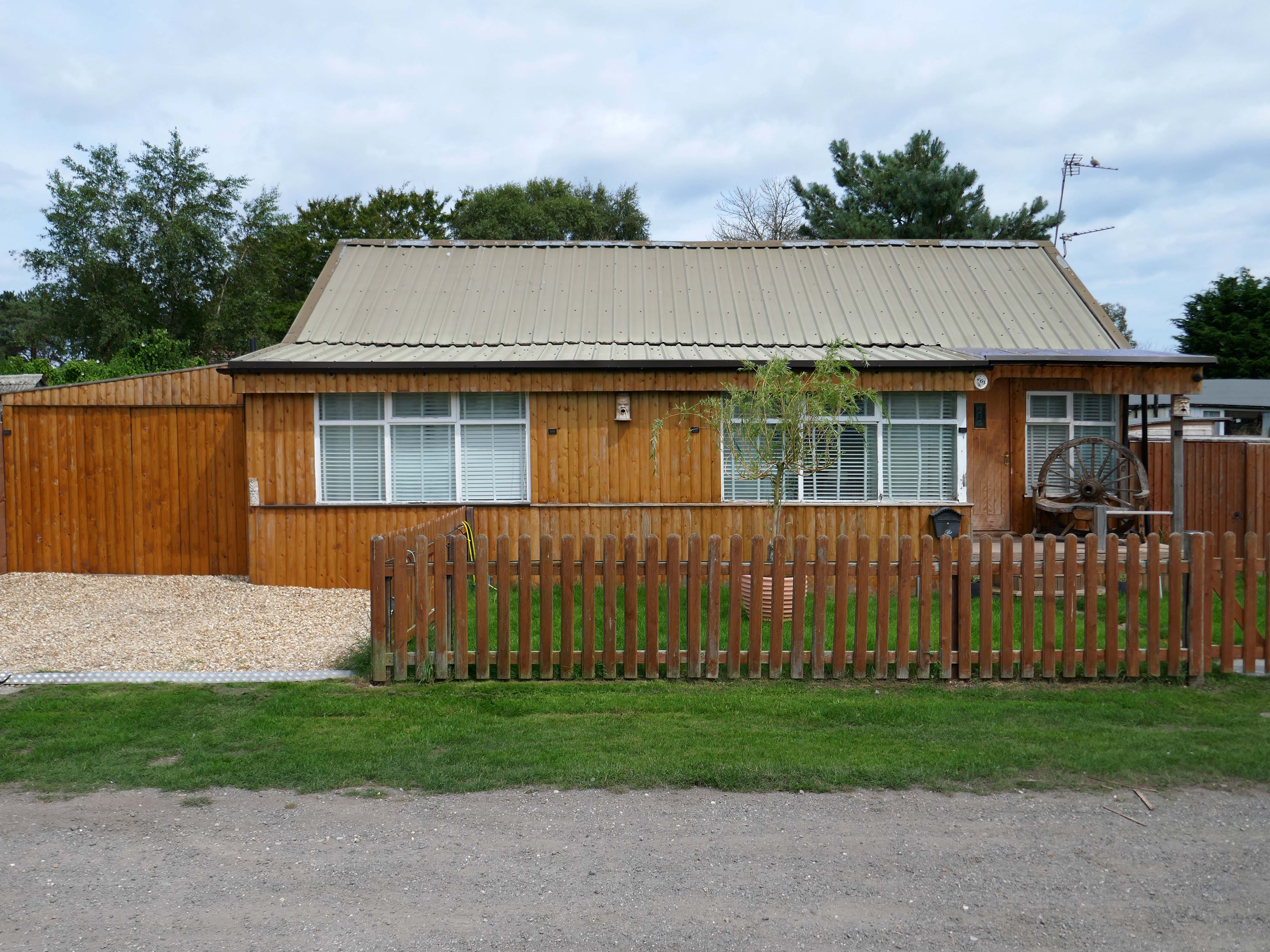
Between those who prefer the shambolic aesthetic of the shotgun shack, and those whose hearts and minds are in the double spread of Homes and Gardens.
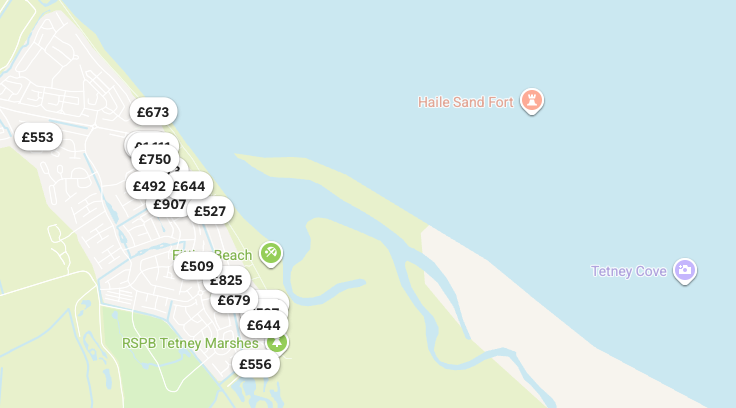
It’s also a question of economics, there are those with capital who may wish to make investments in property. Buy to let, second homes that yield a return above the current savings’ rates. Thus raising the cost of housing, both ordered and disordered.
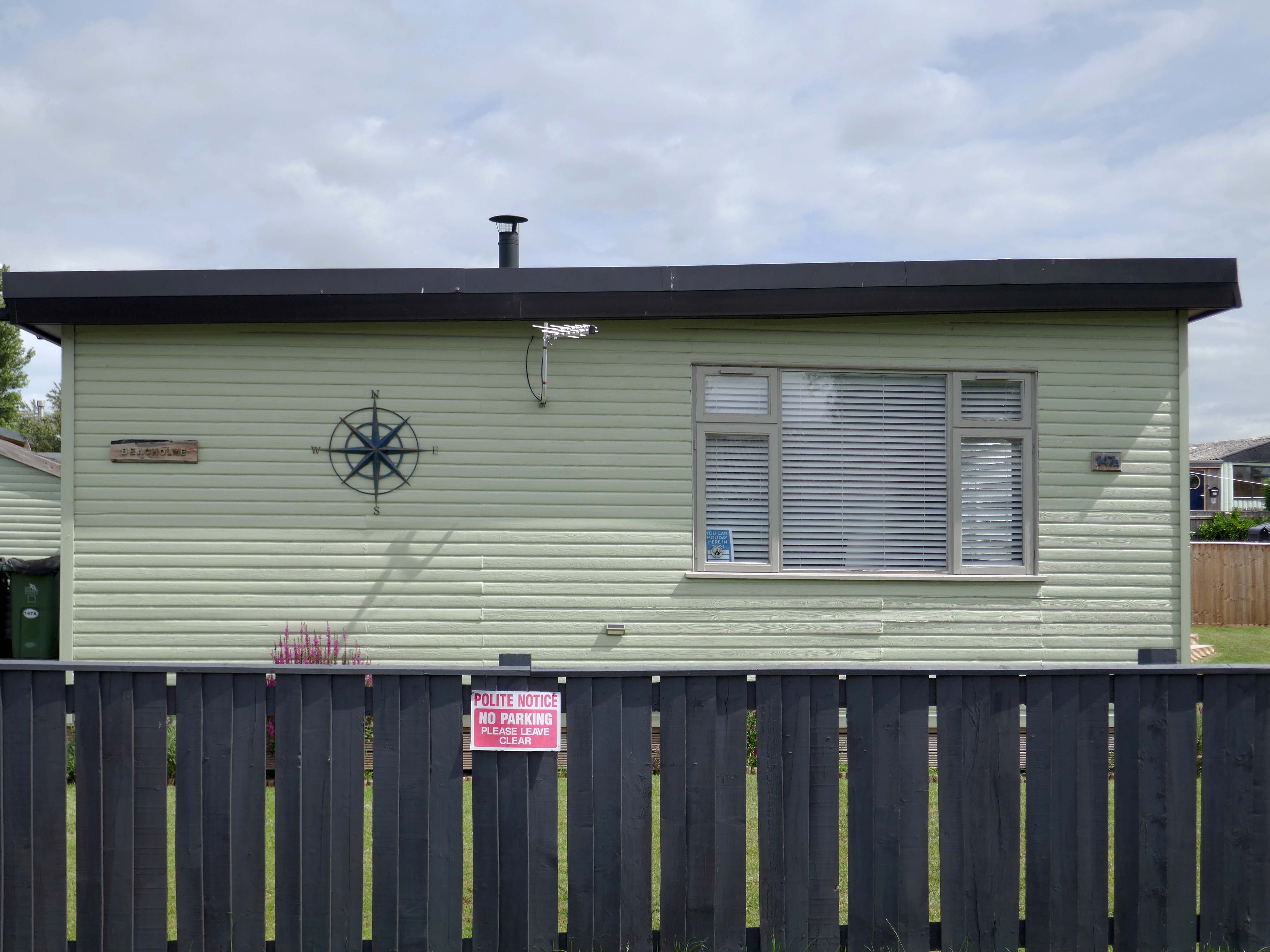
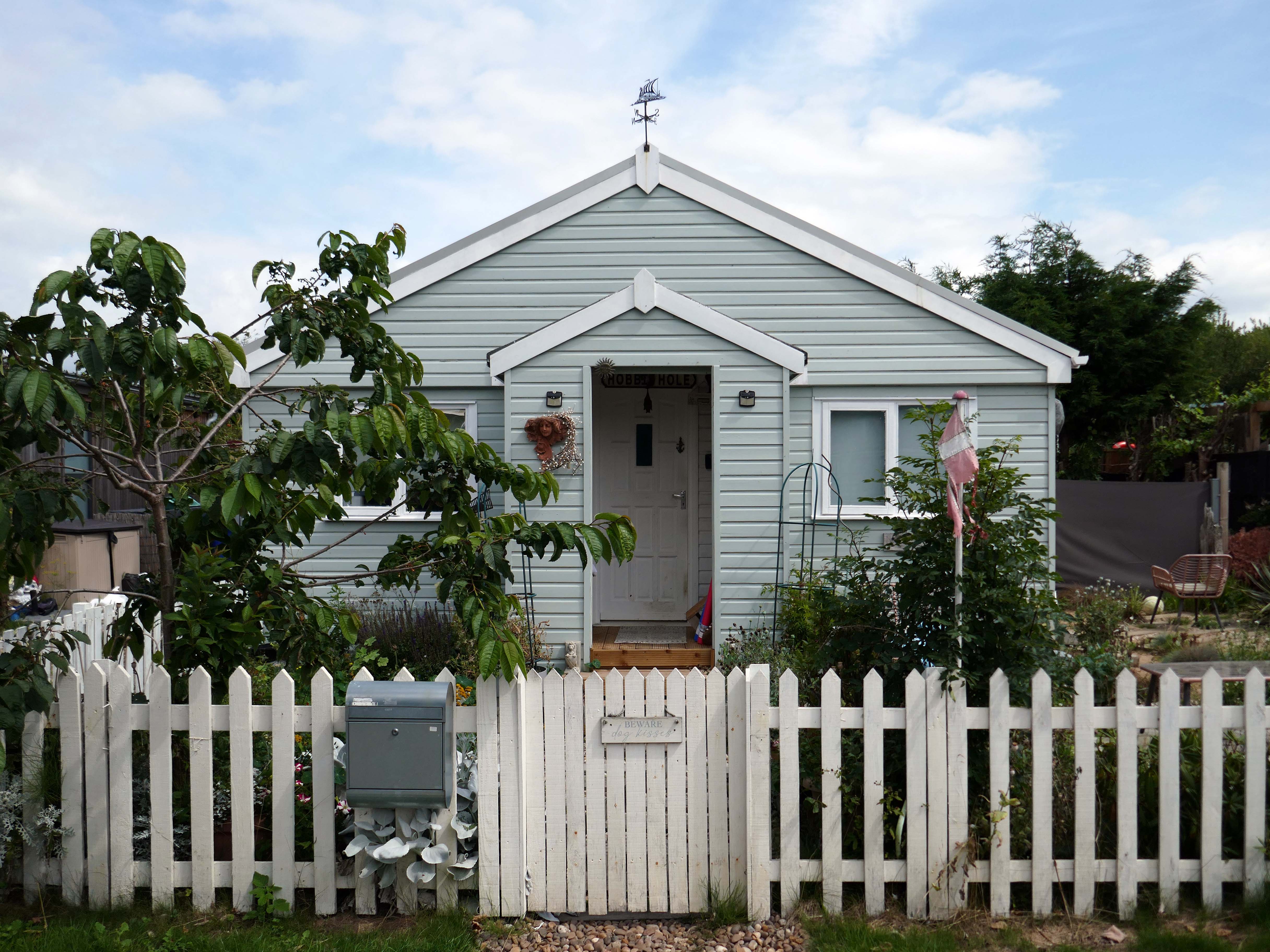
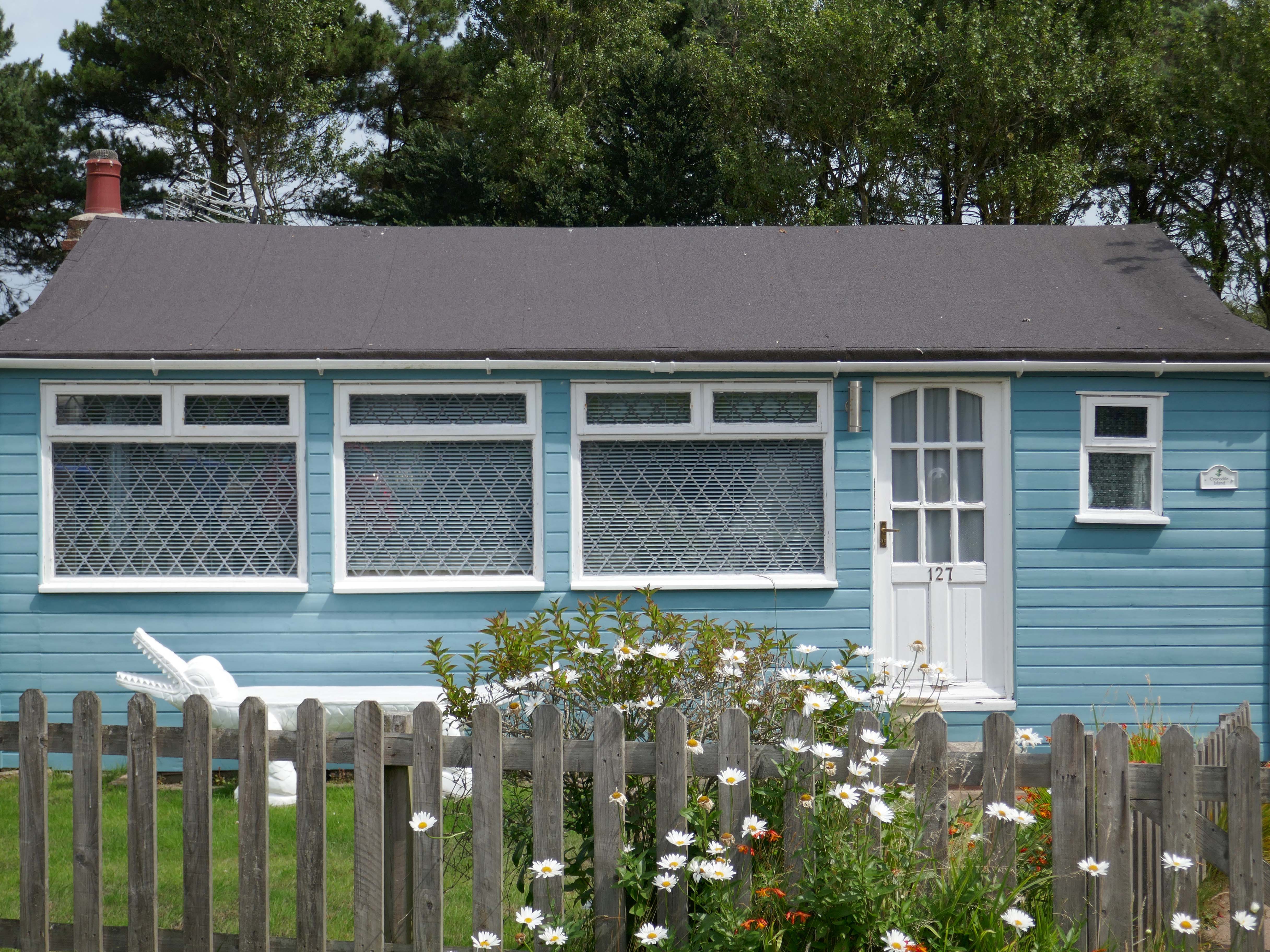
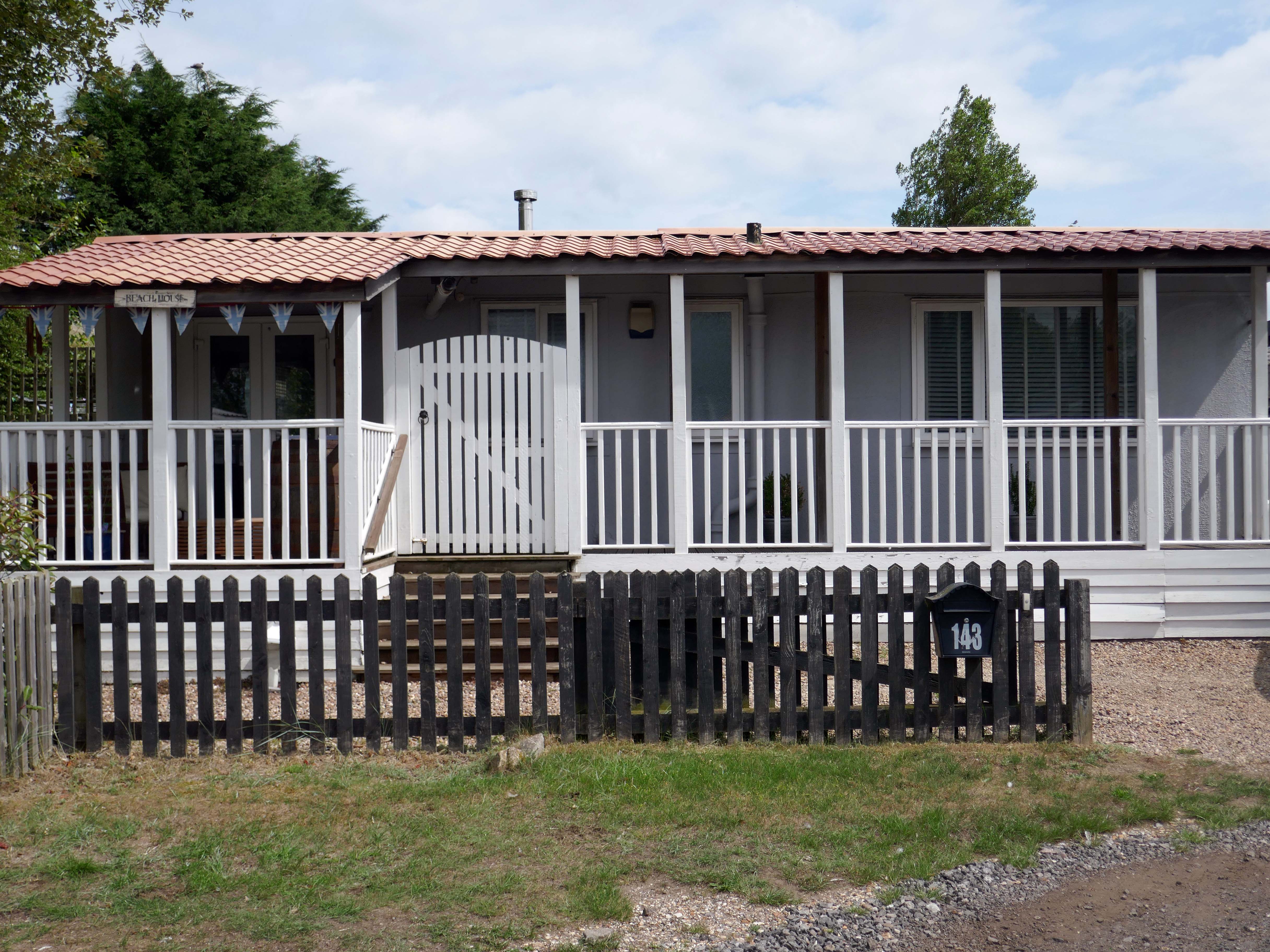
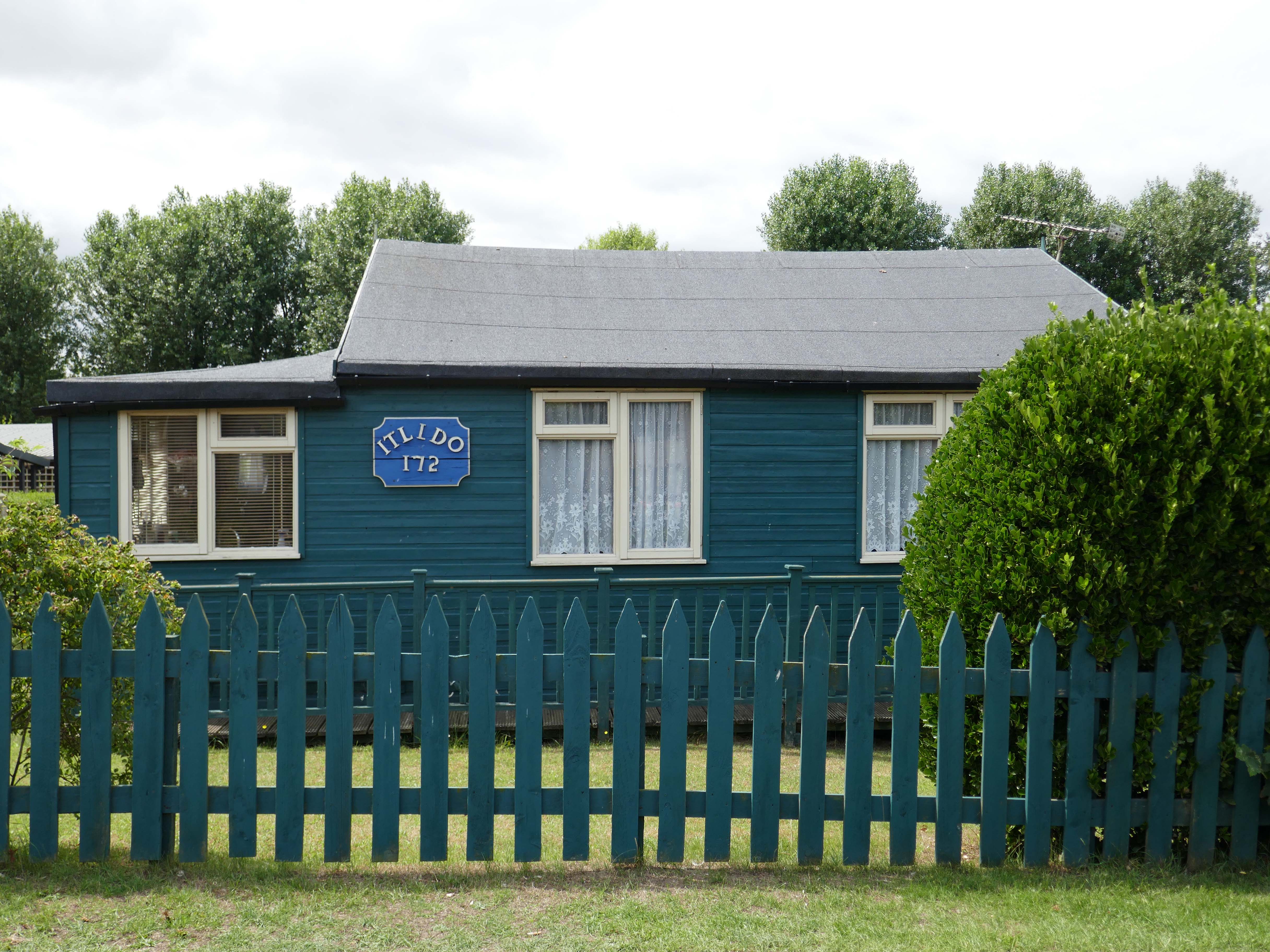
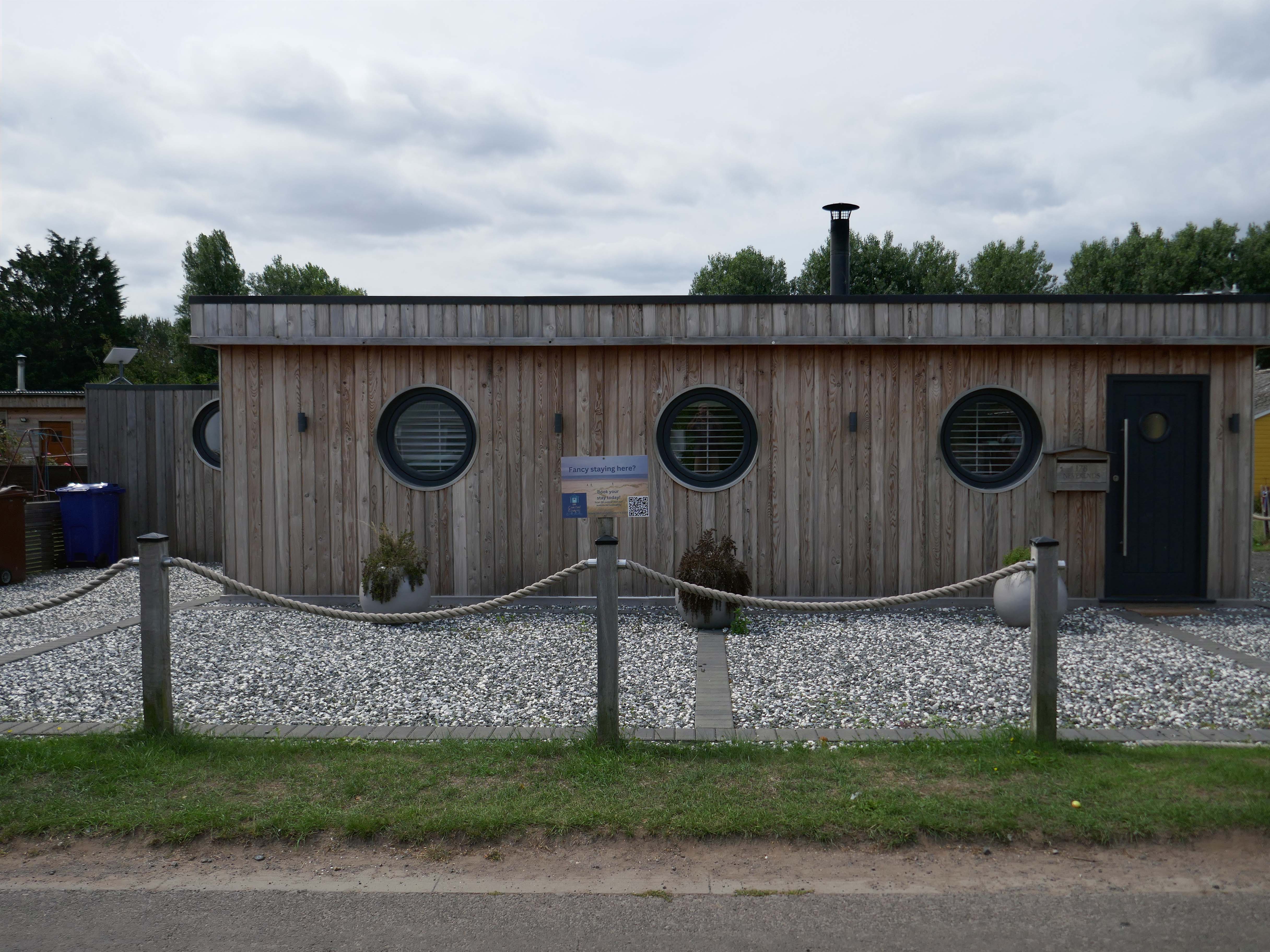
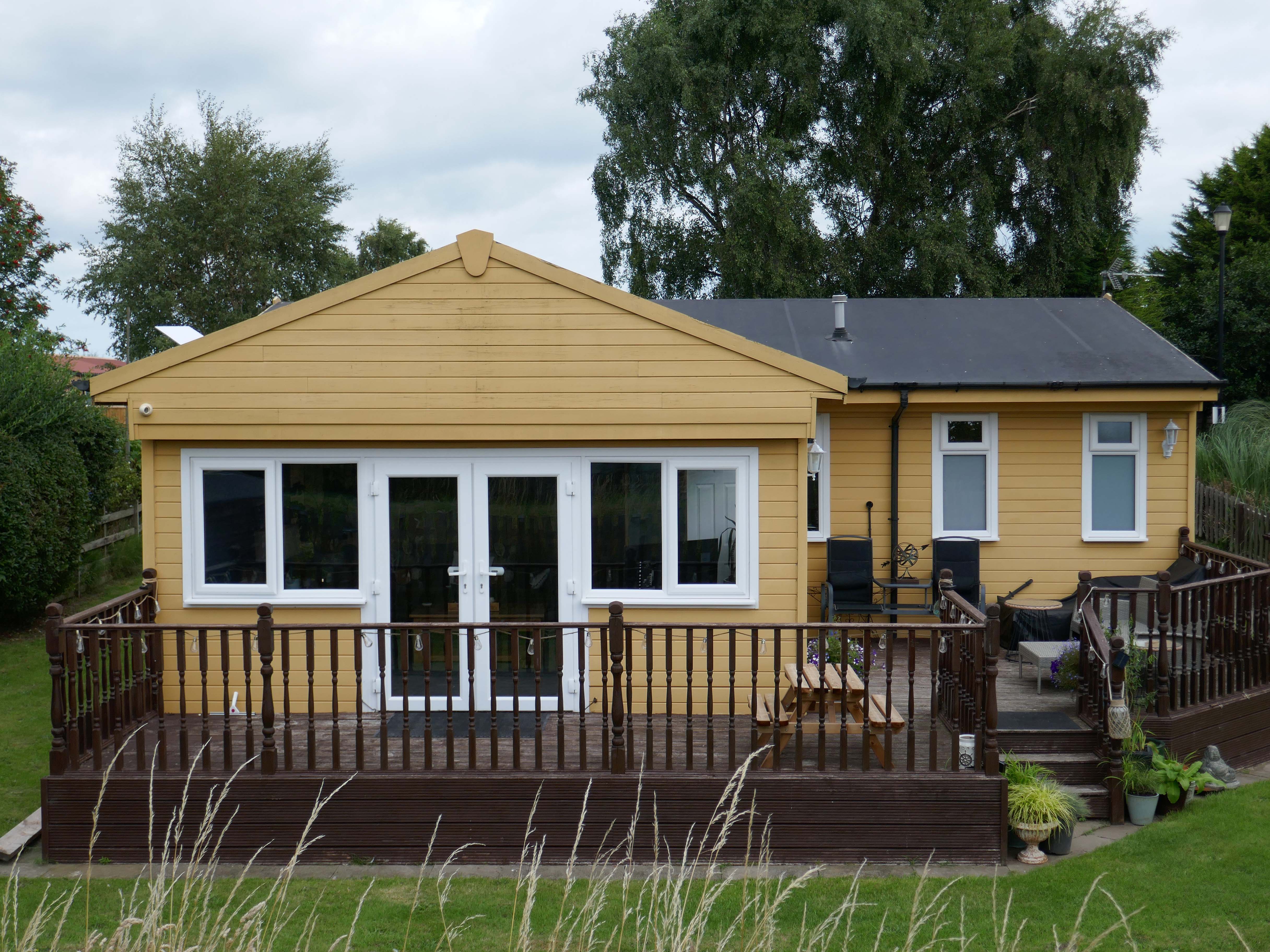
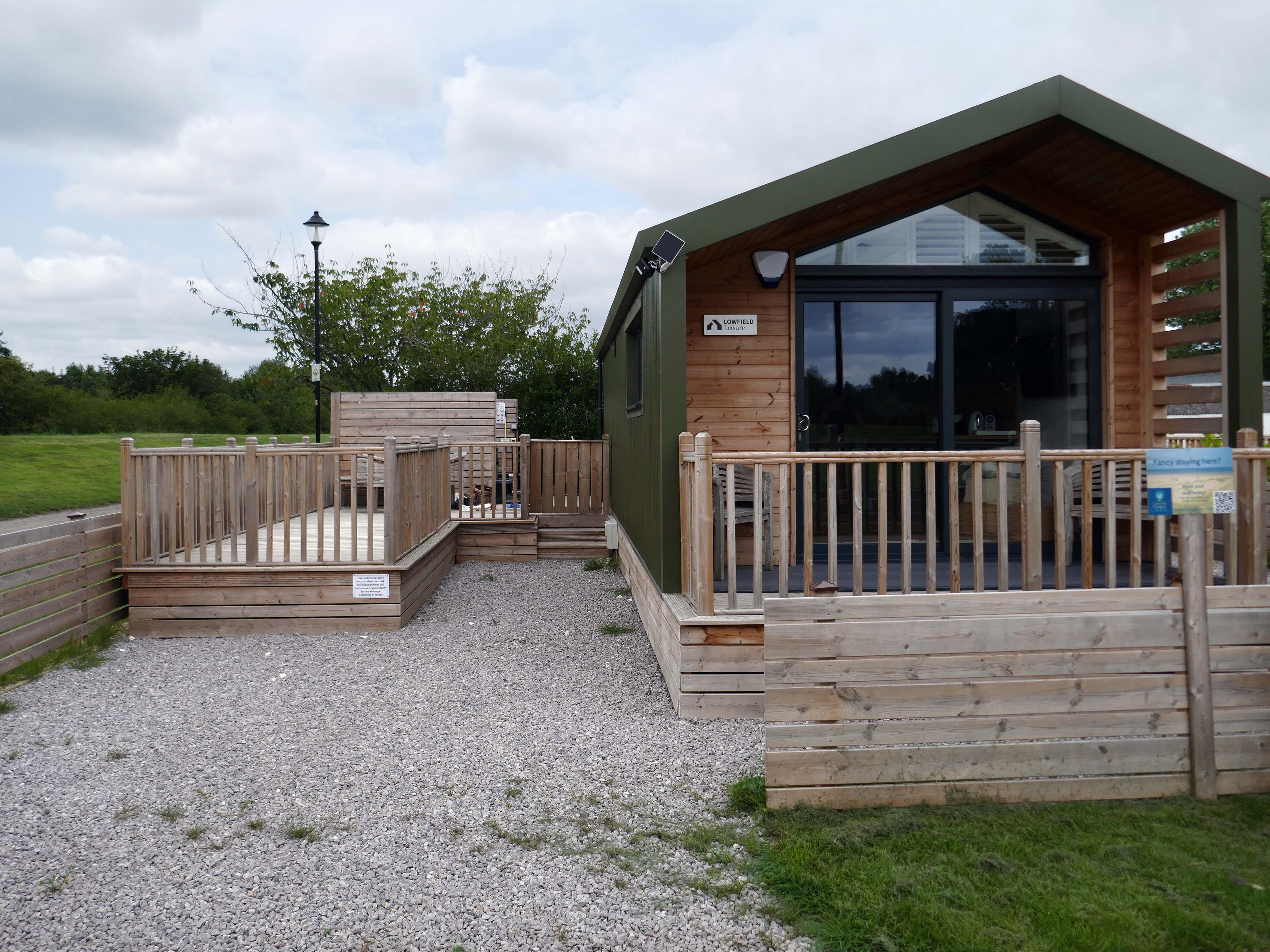
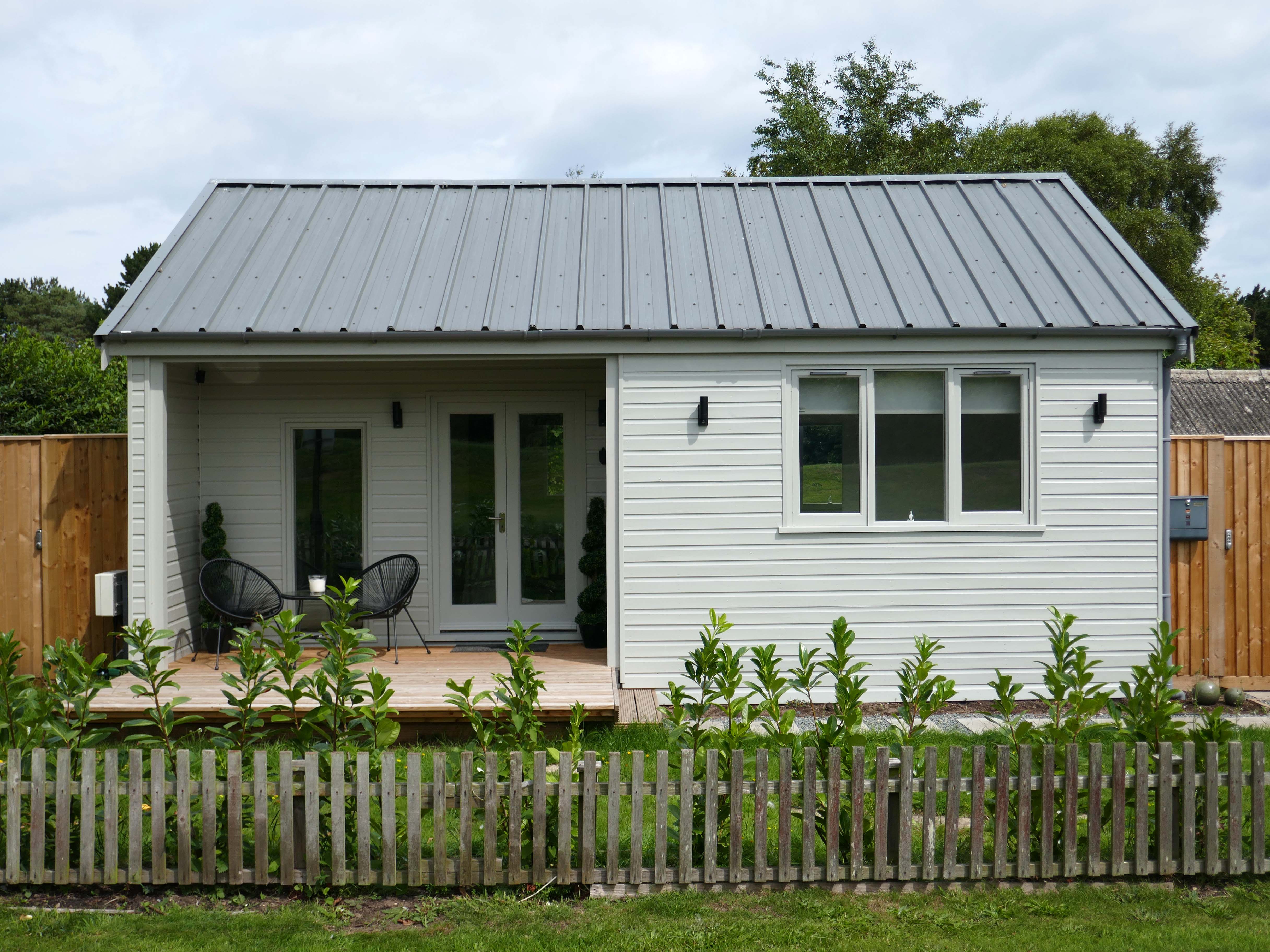
The chalet is a unique wooden clad cabin painted in lovely complimentary colours of Cream and Seaspray Green. A porthole window peers into a generous open plan living room and adjoined kitchen with subtle seaside touches of stripes, driftwood, shells, all quality wooden furniture and large comfy corner sofa plus two relaxing reading chairs with plenty of blankets to snuggle up in.
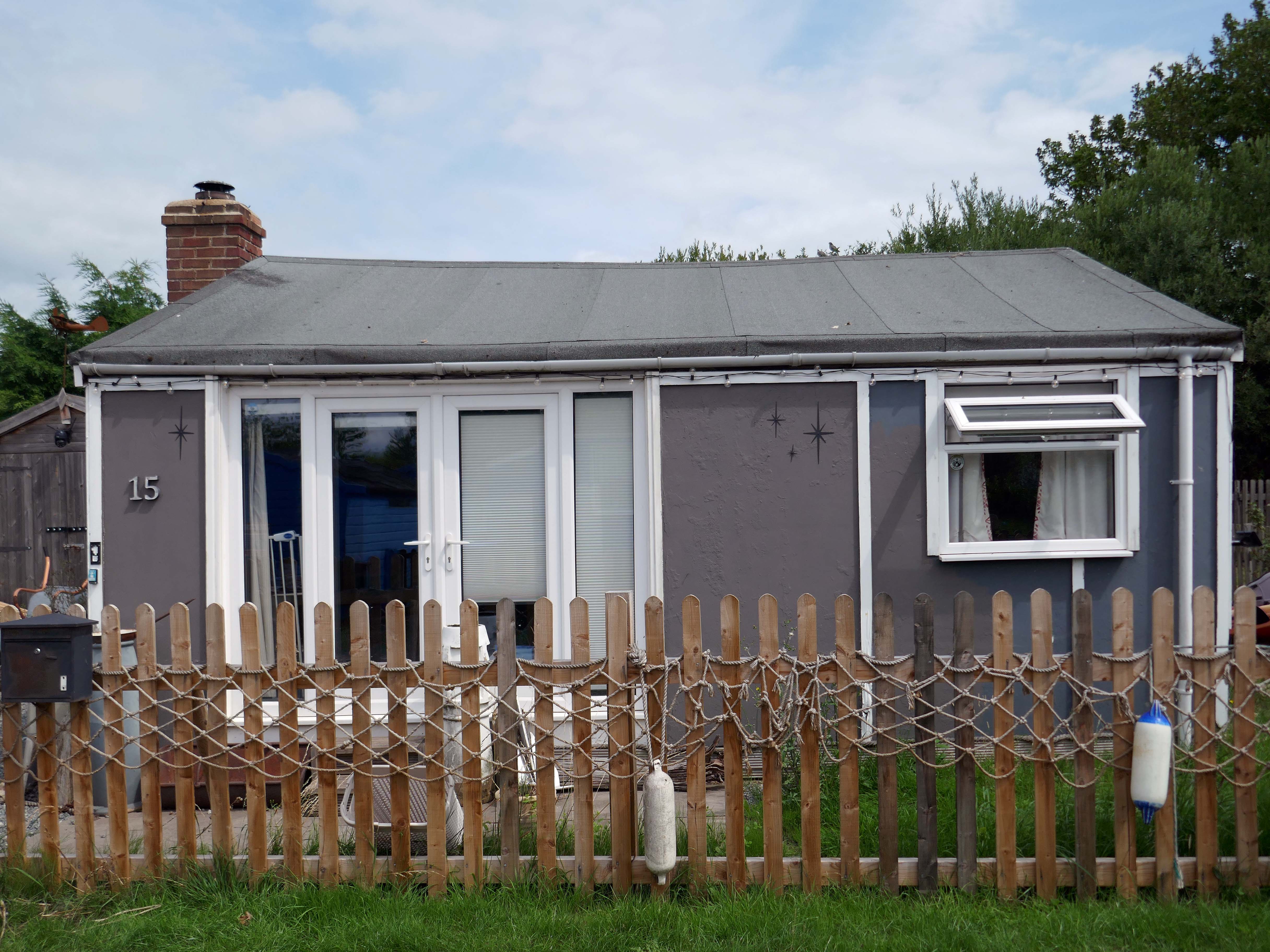
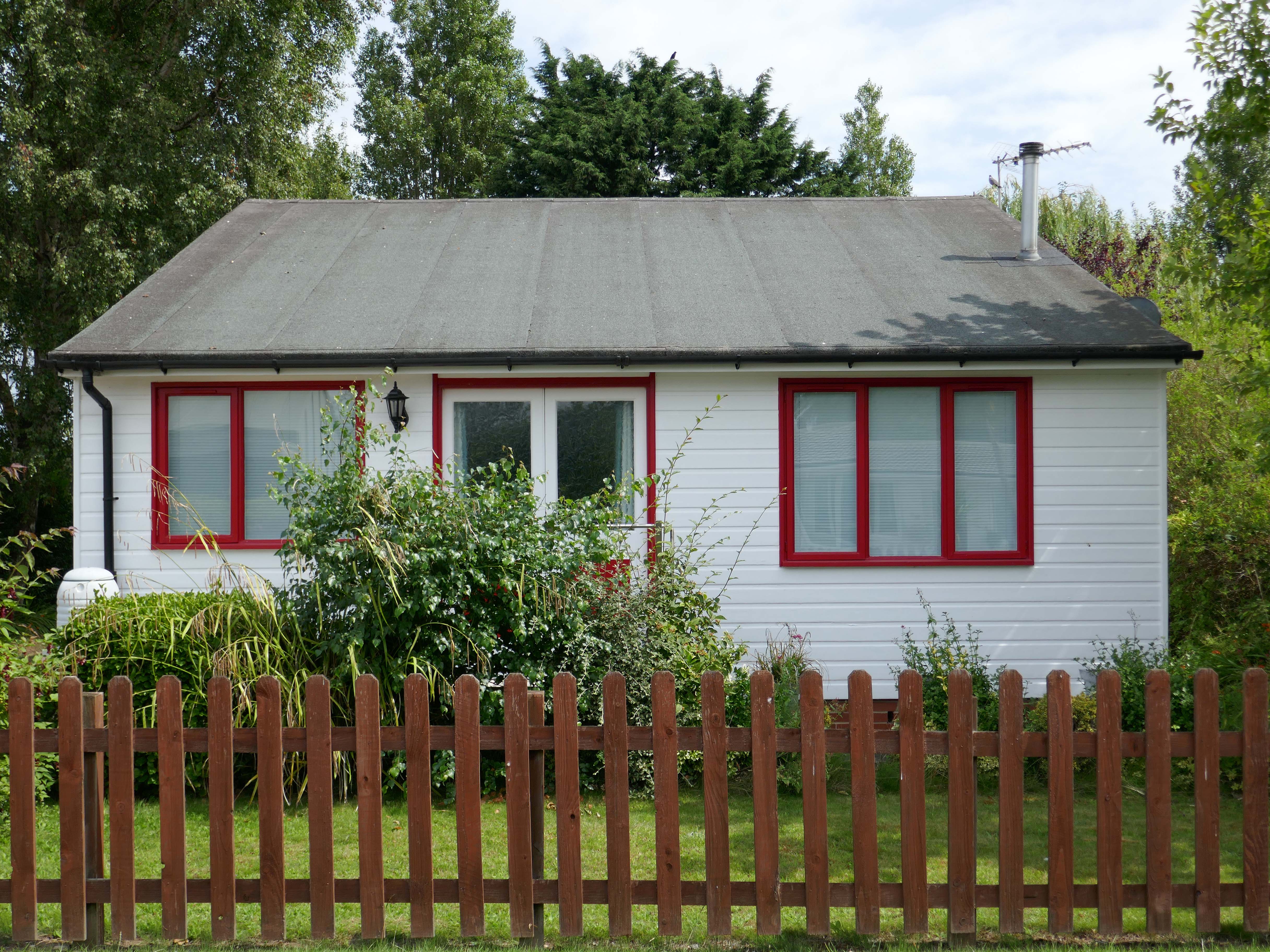
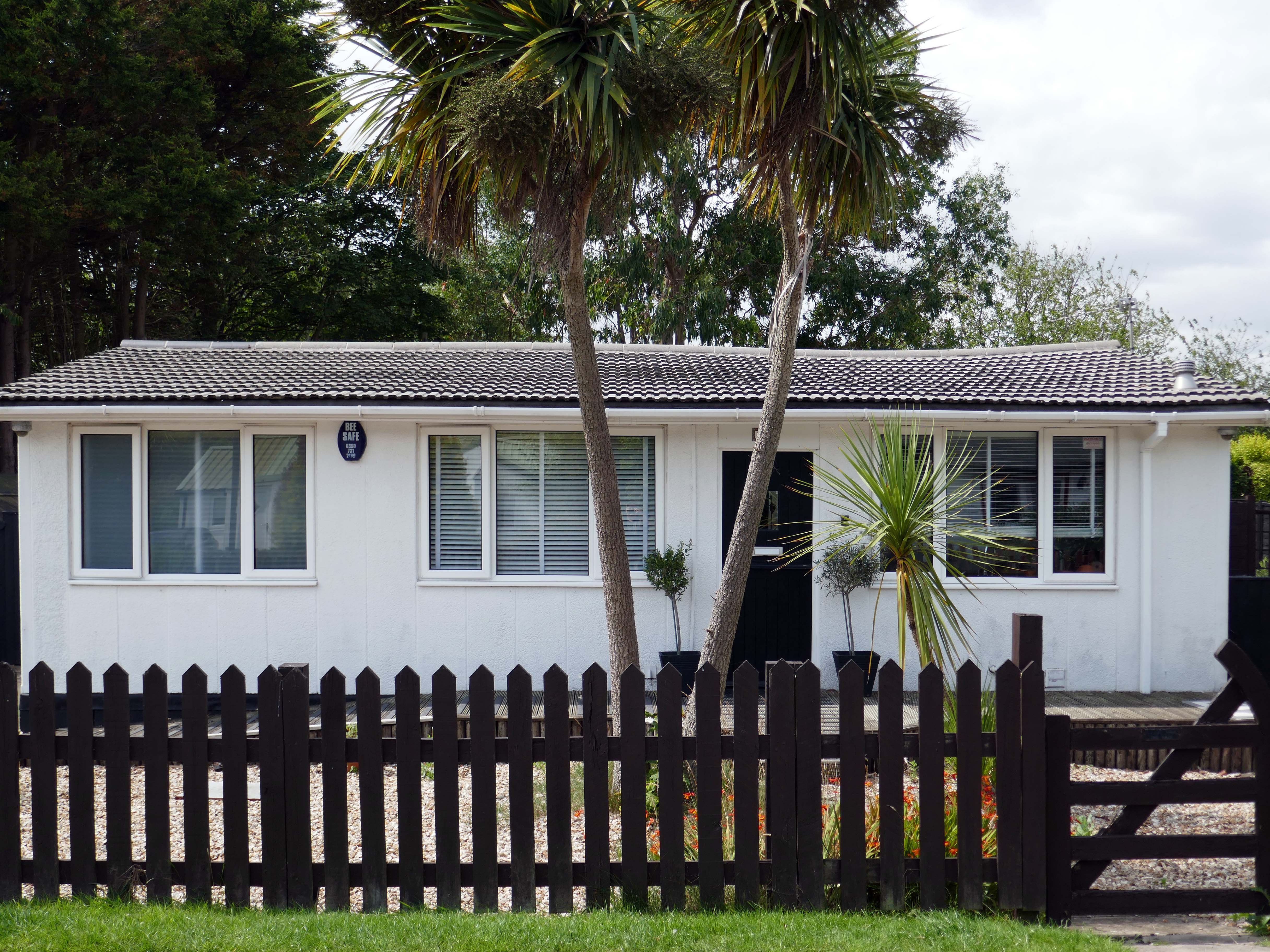
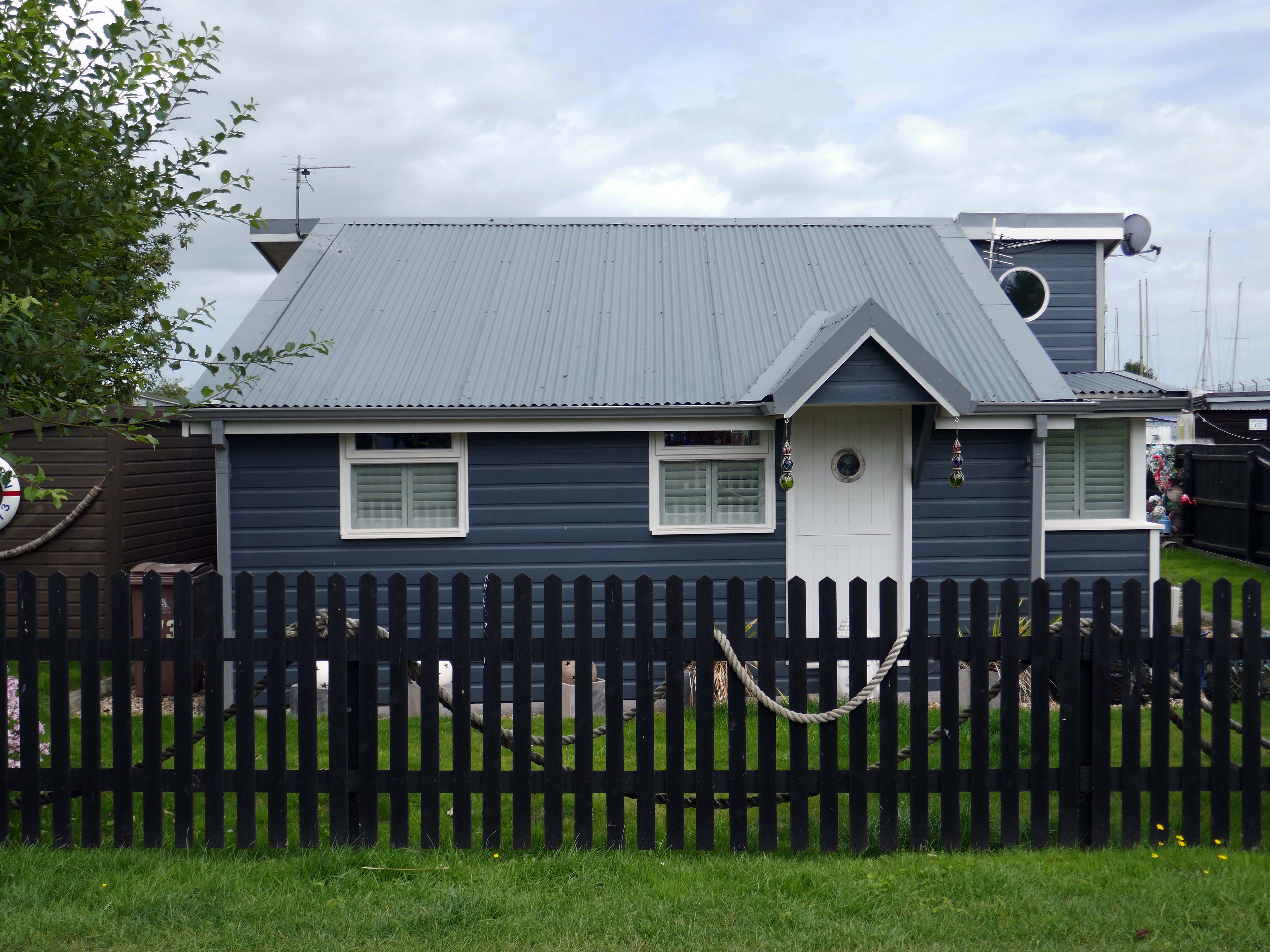
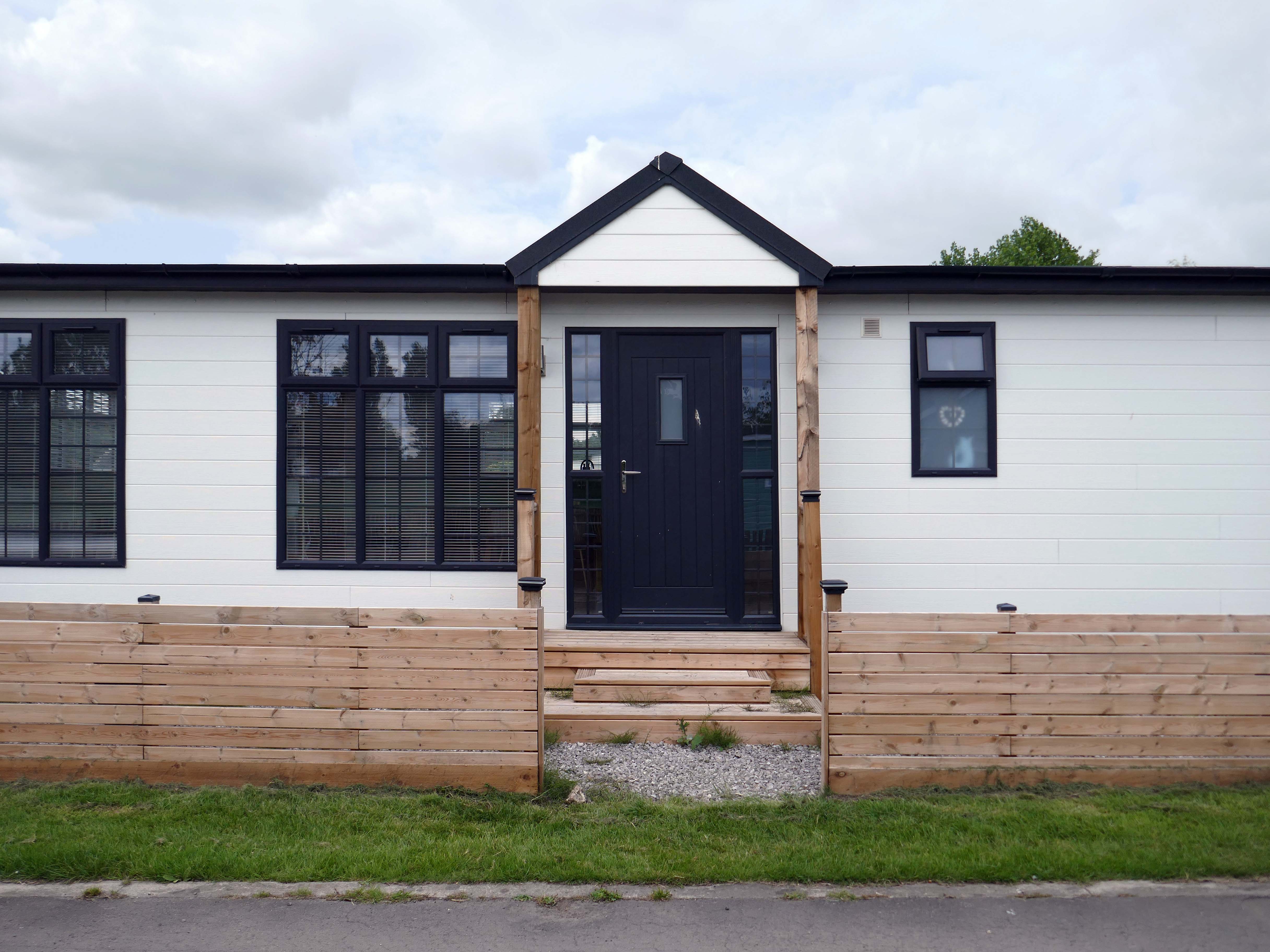
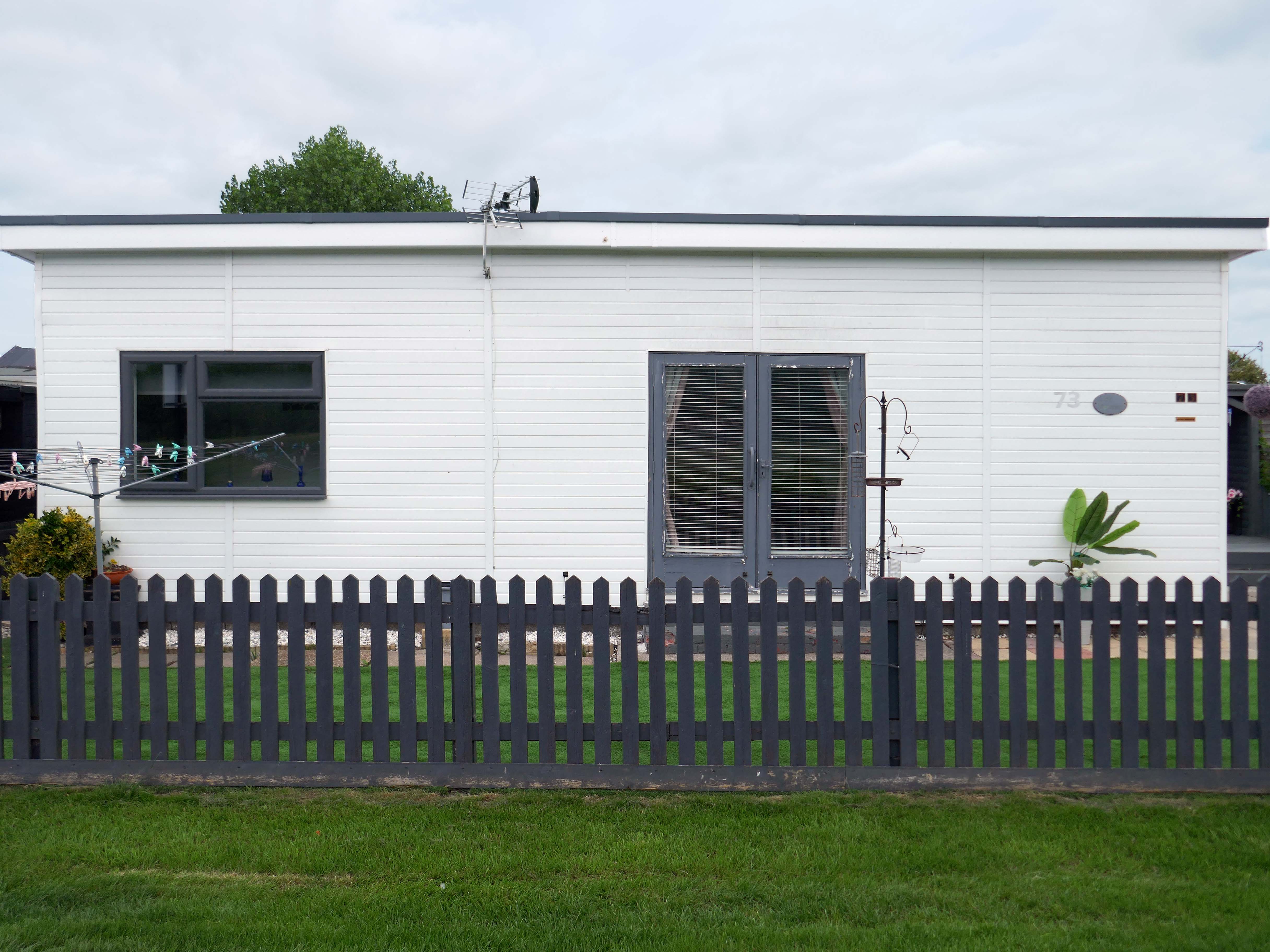
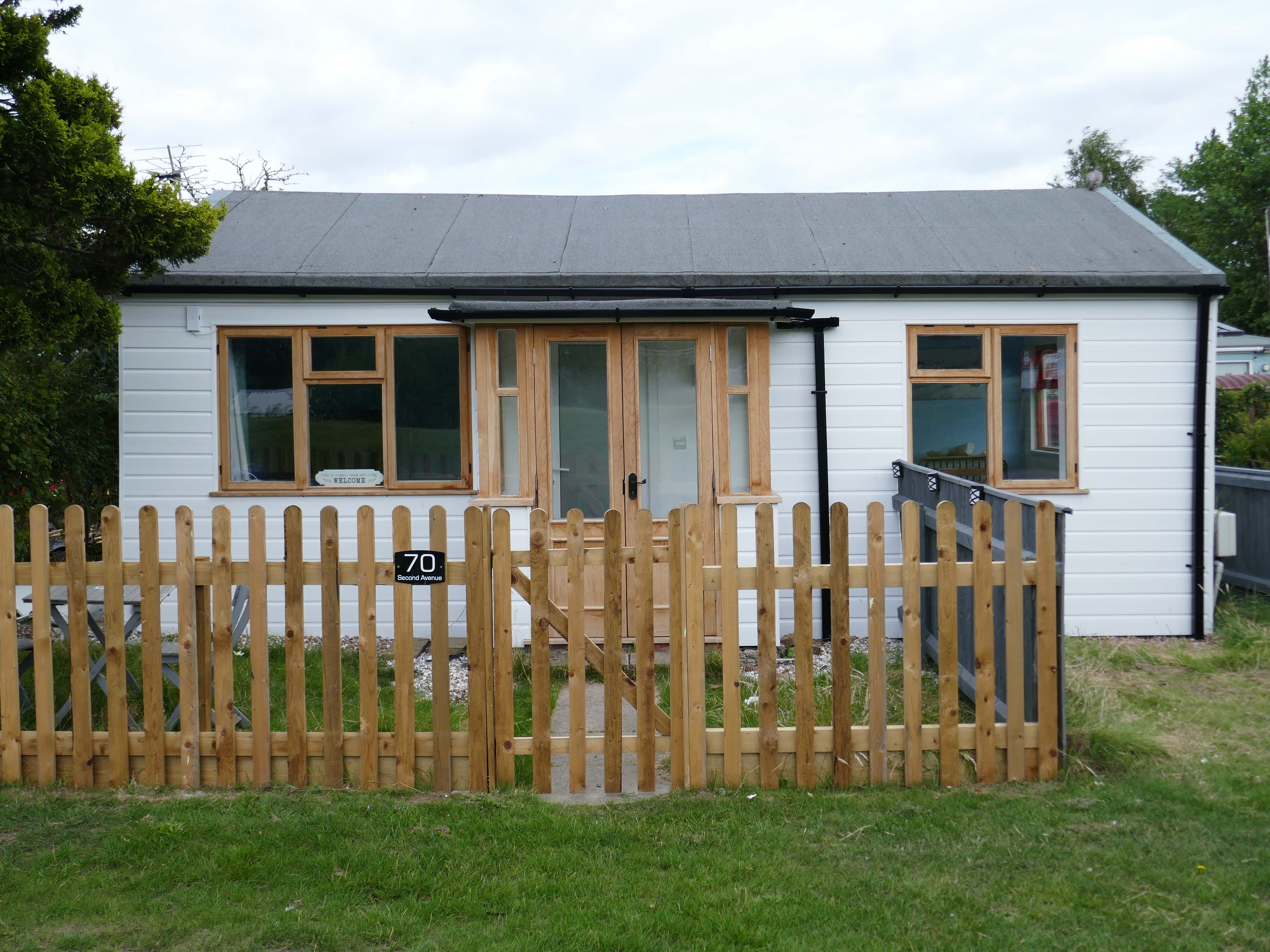
So the march of big money heralds the arrival of complementary after dinner mints, uPVC cladding, tasteful nautical bric a brac, prohibitive signs, off road parking and a Hampton’s aesthetic – a little bit of New England inna little bit of England.
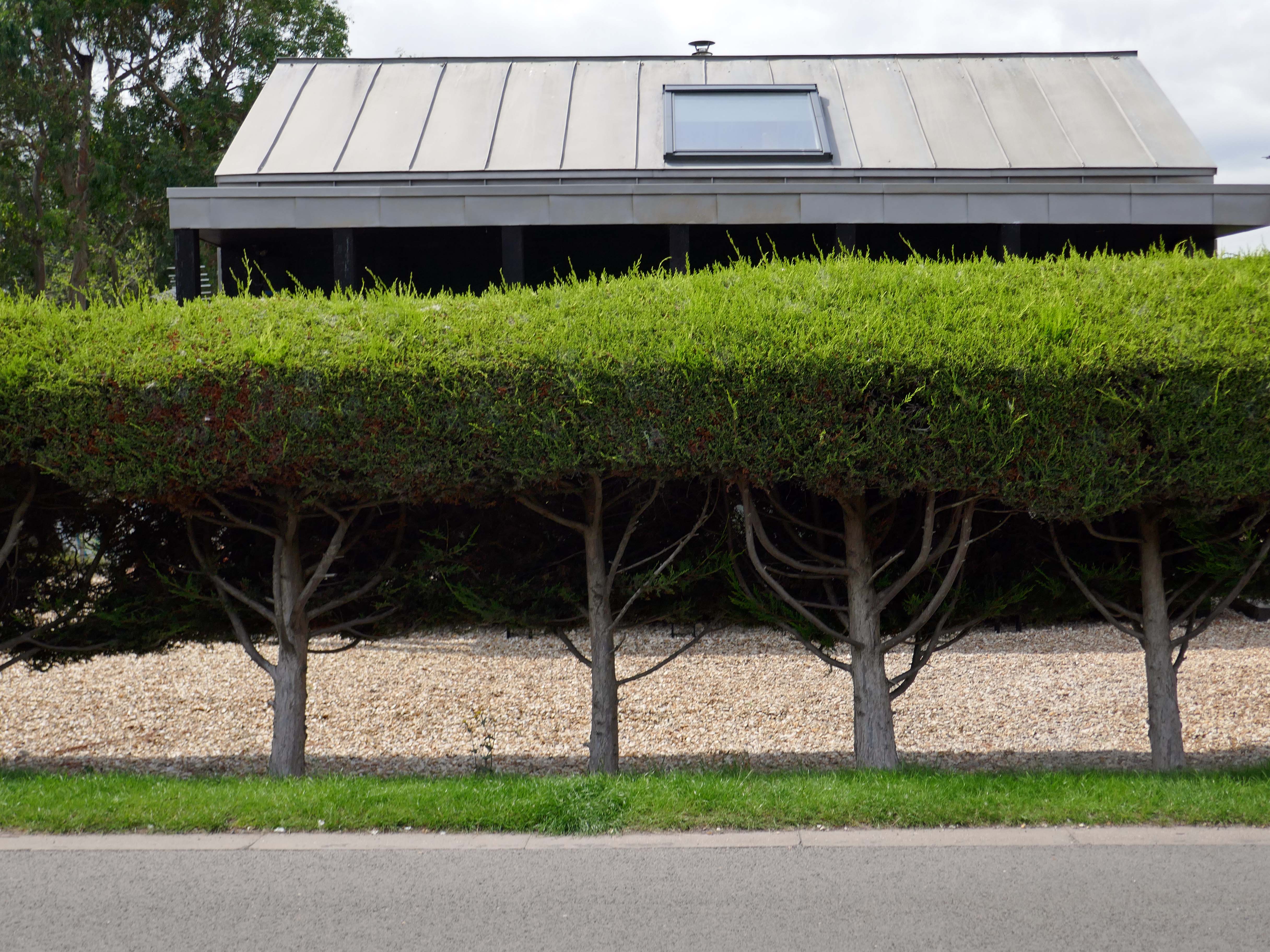
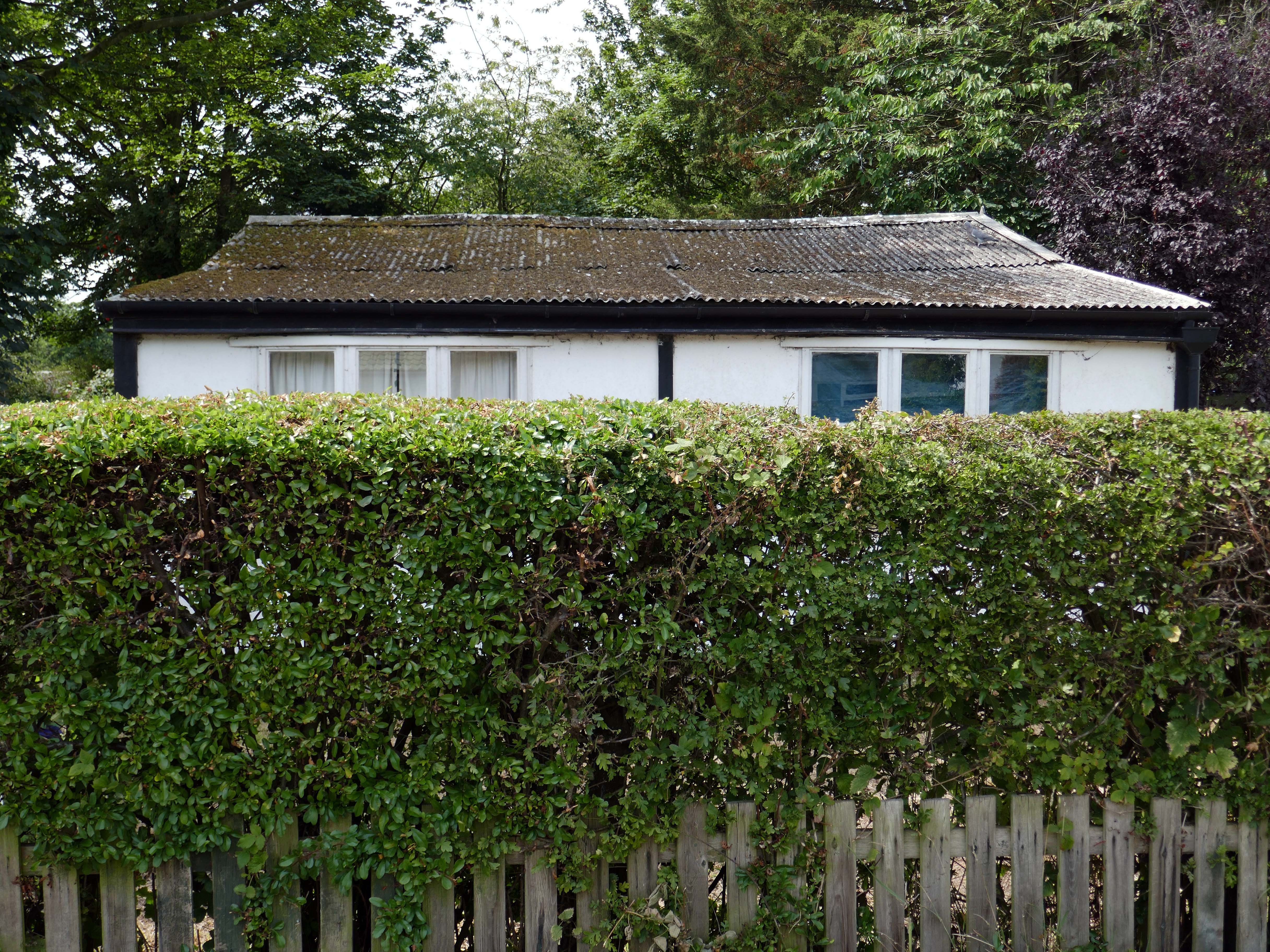
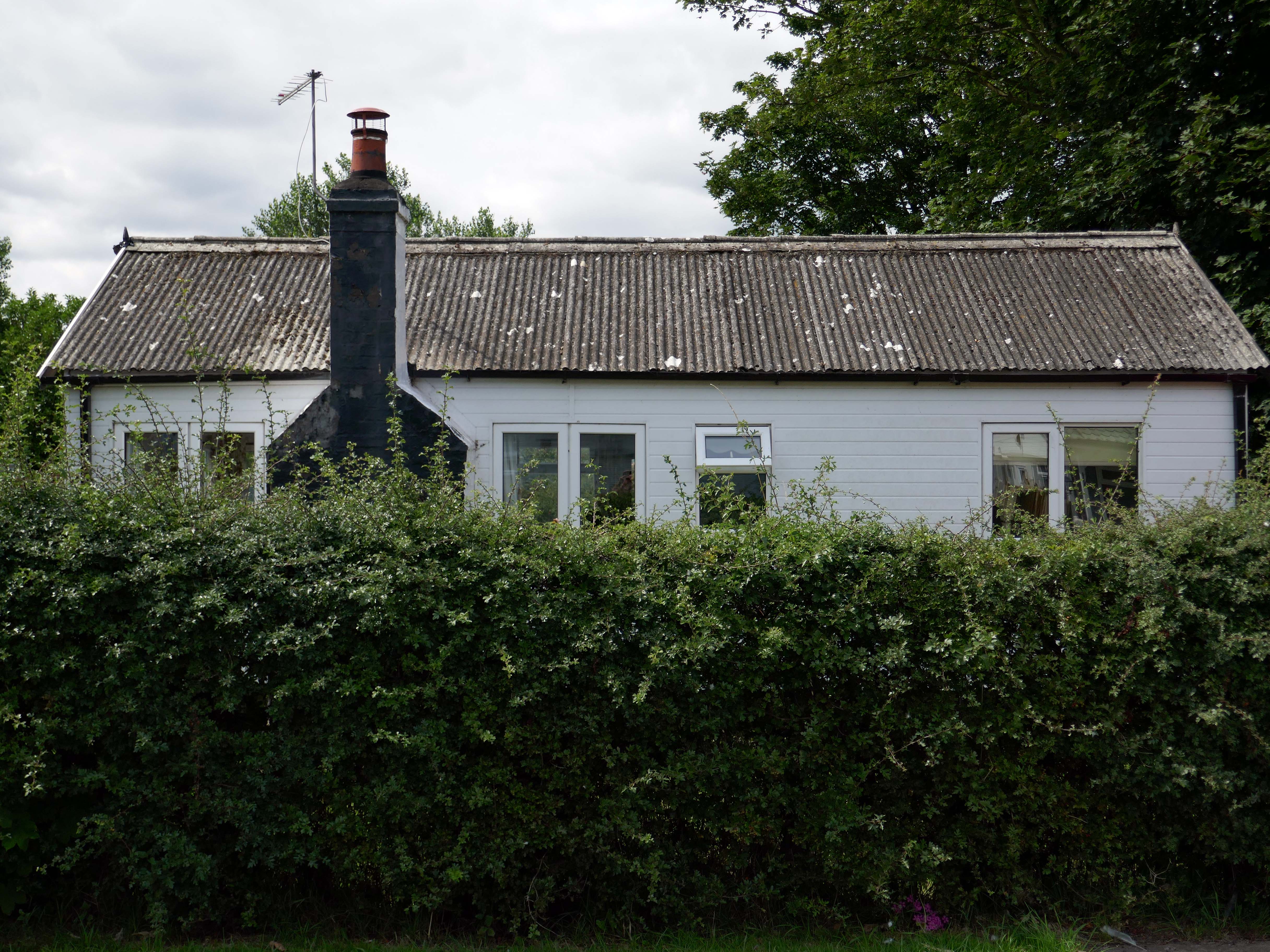
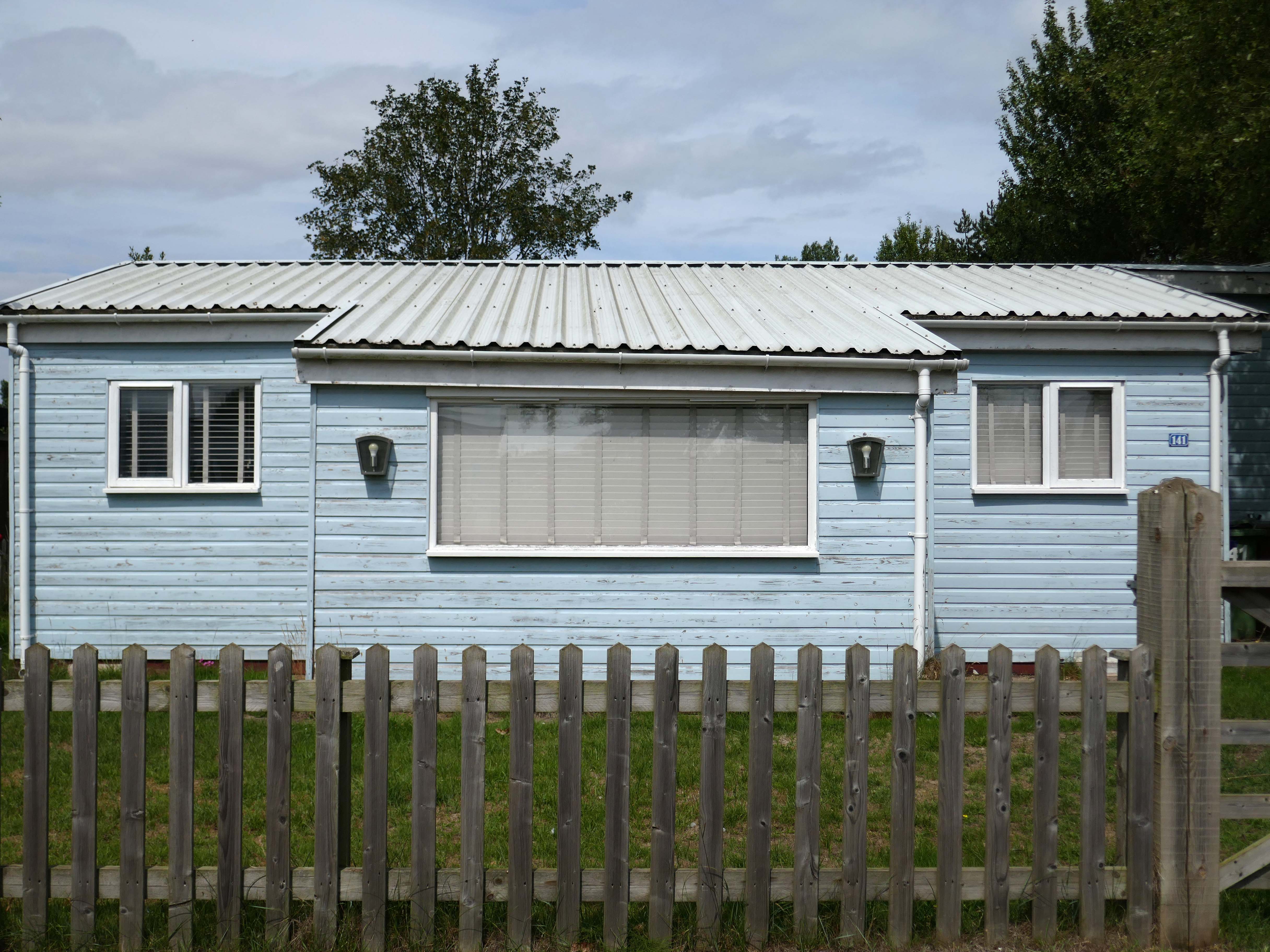
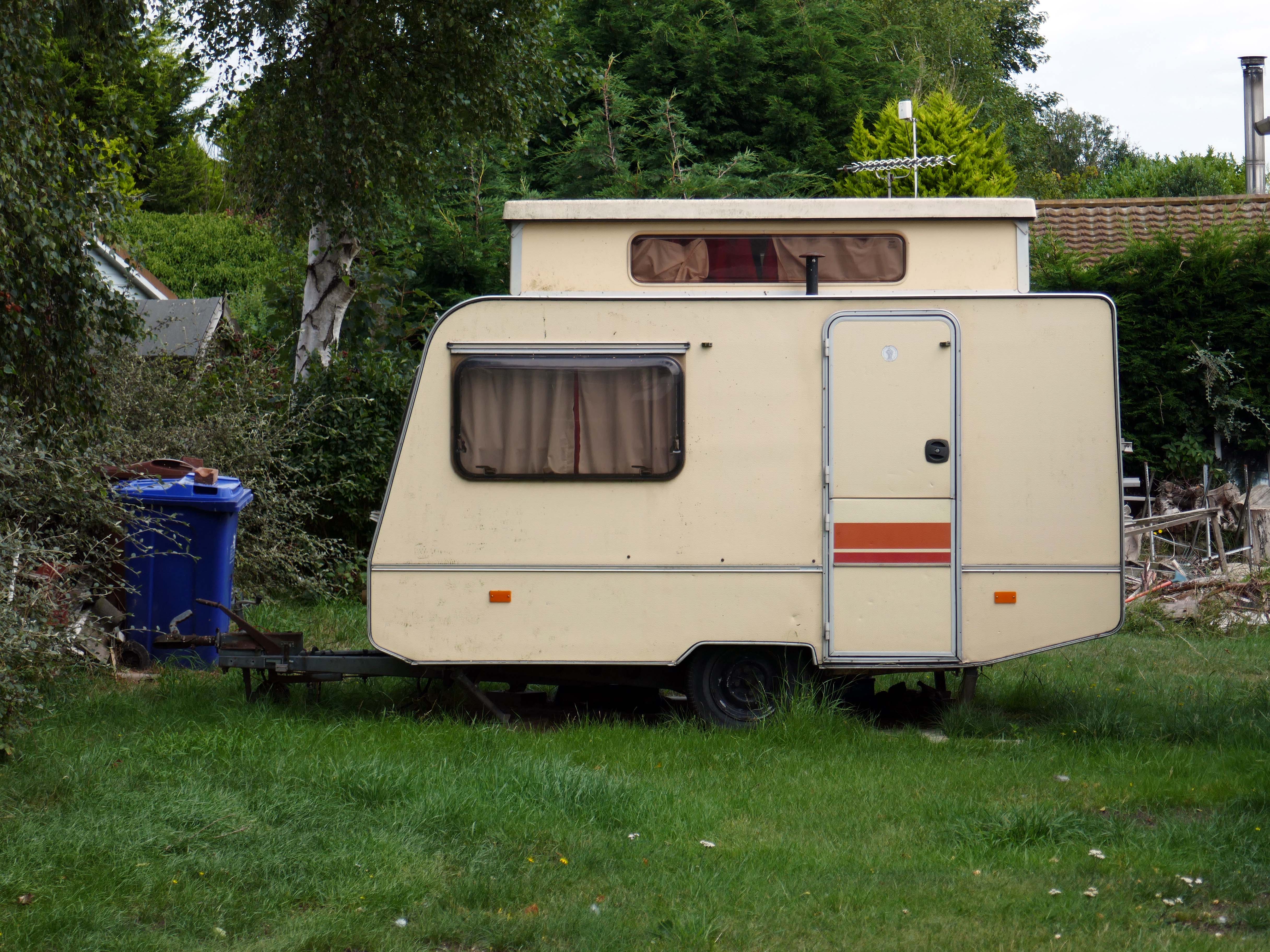
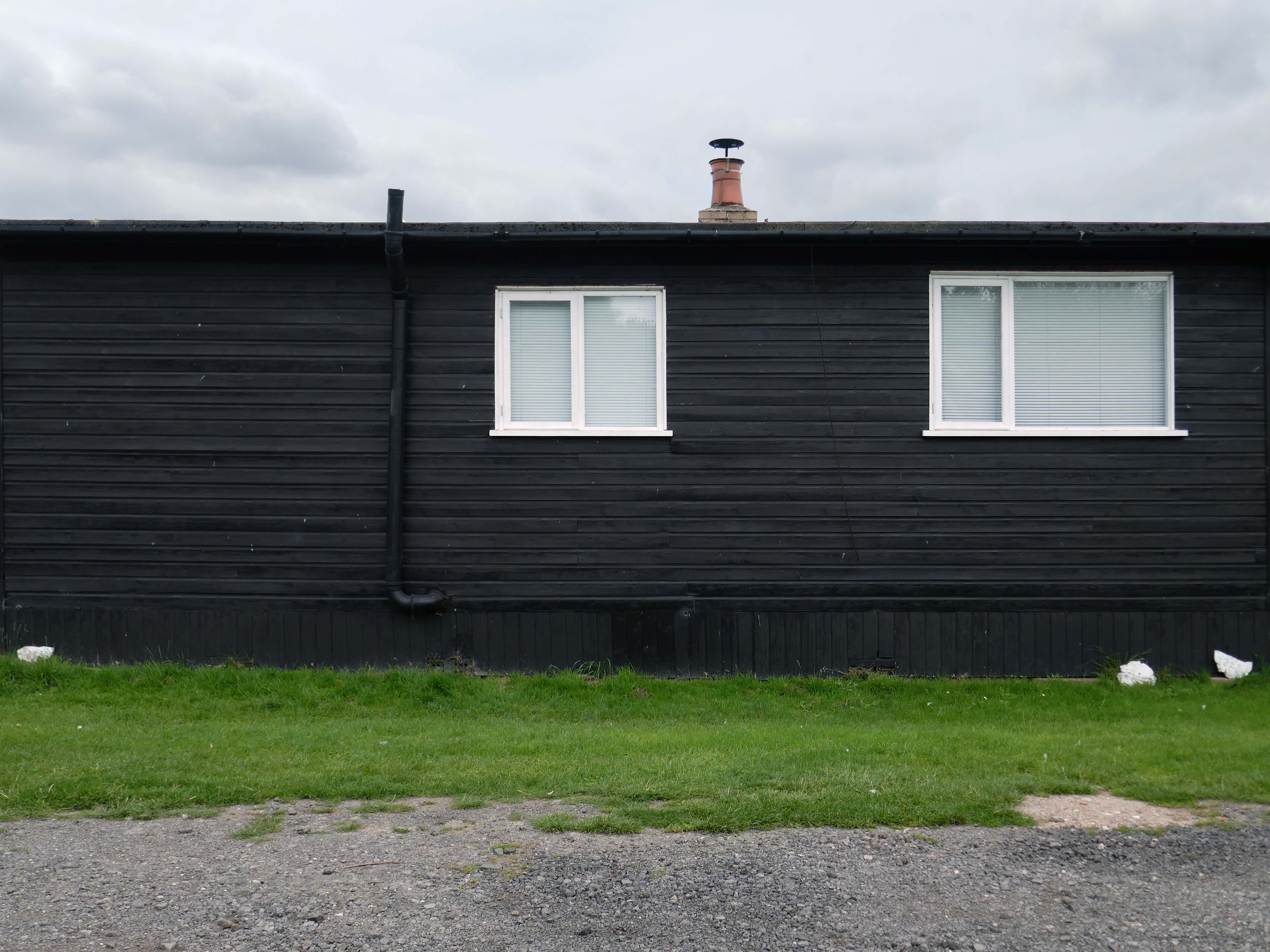
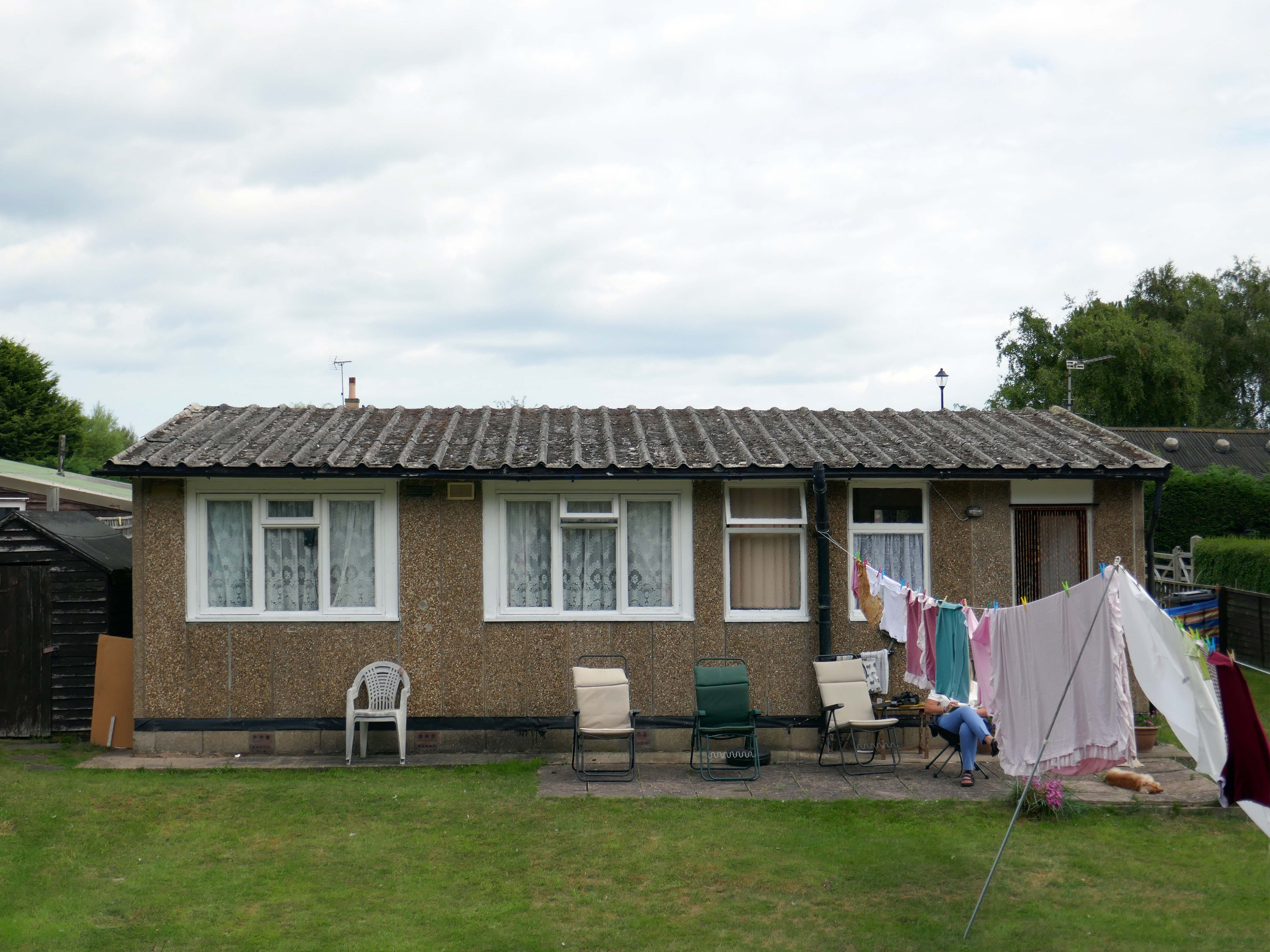
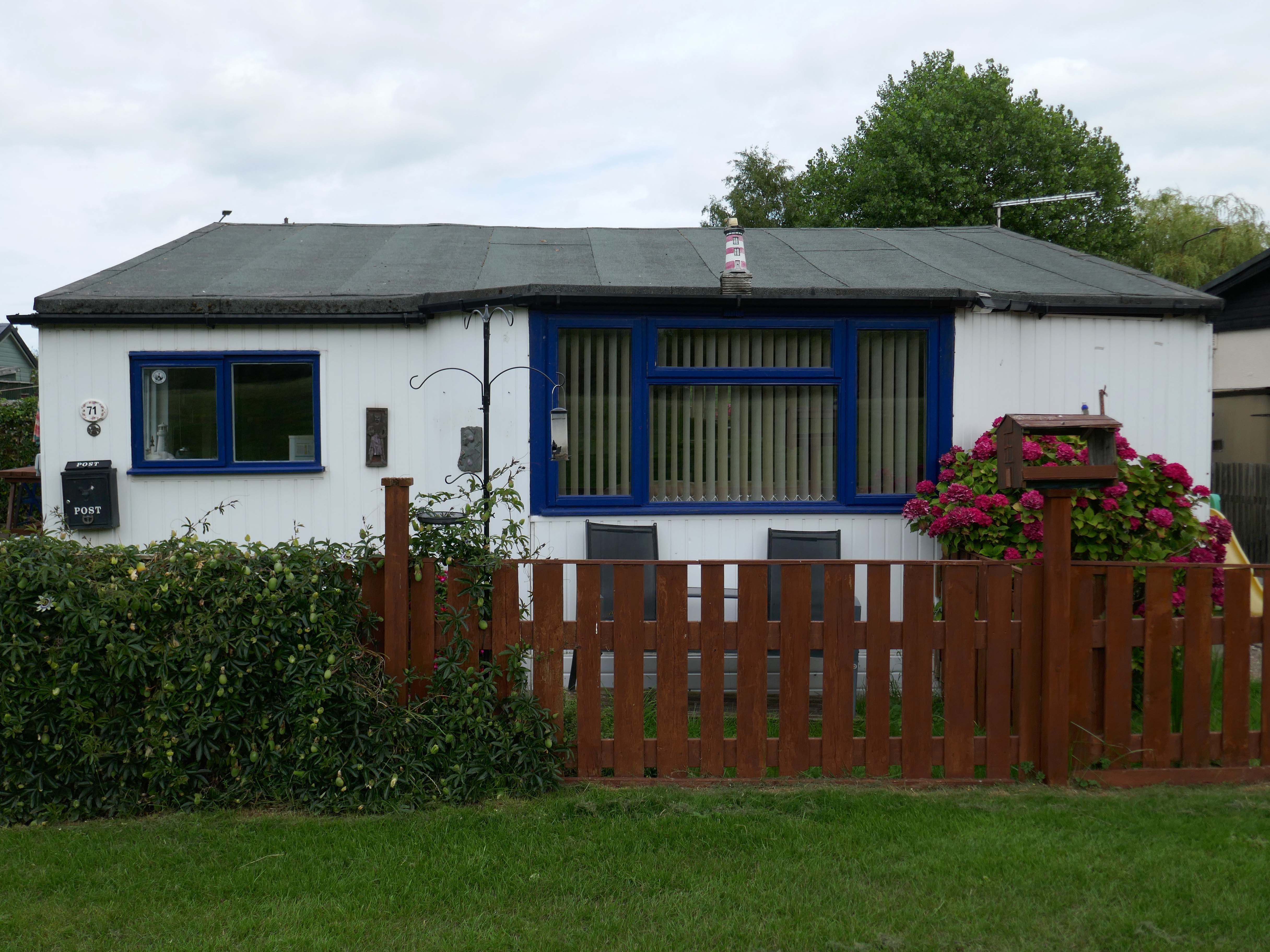
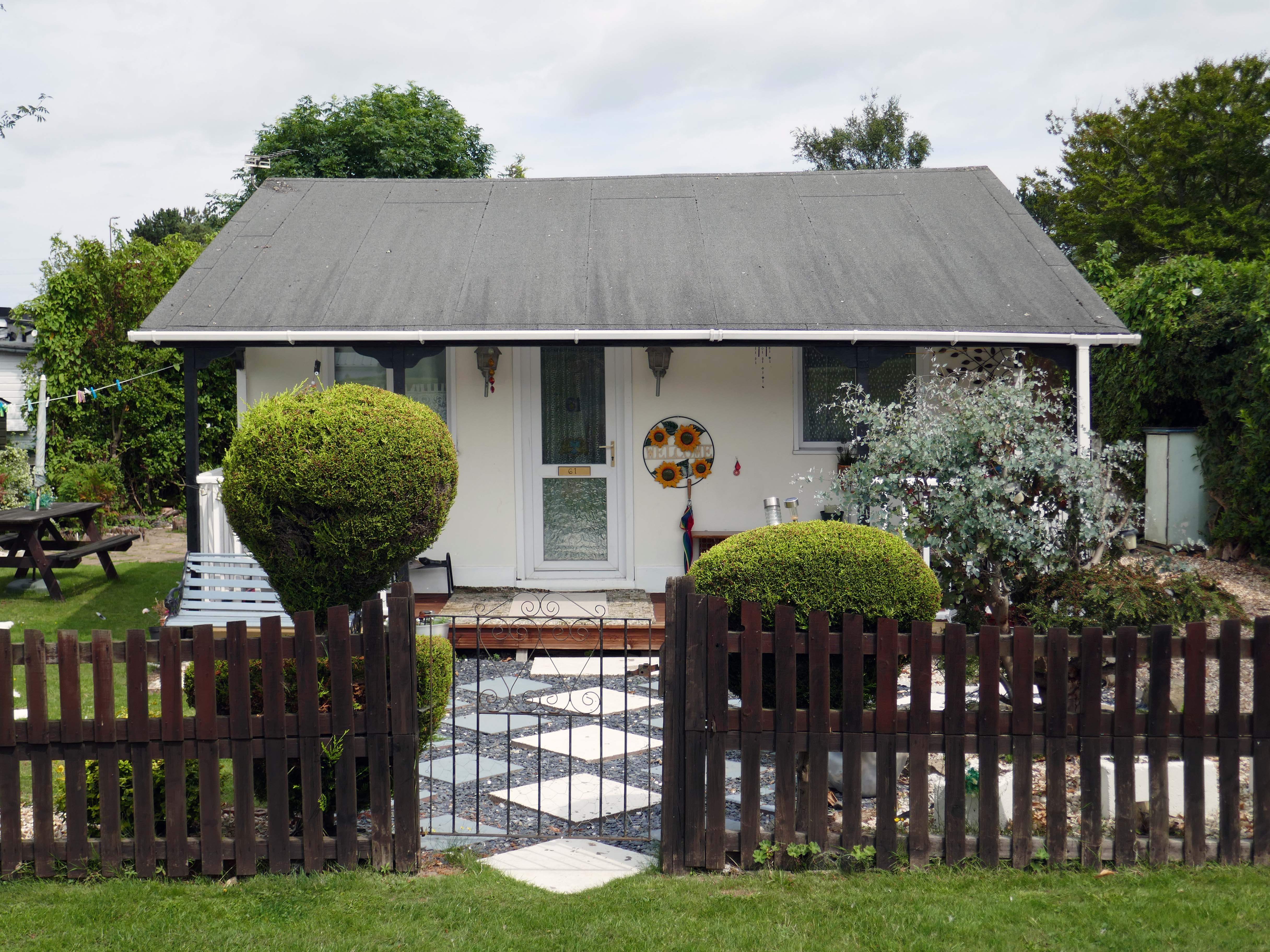
Despite the incursion of those folks on a week long excursion, there is still an air of lukewarm anarchy which pervades the Fitties. An array of wonky homemade fences constantly askew, refusing to be aligned to the orthogonal.
Mañana never comes here on this little stretch of the Lincolnshire coast, get it while you can.
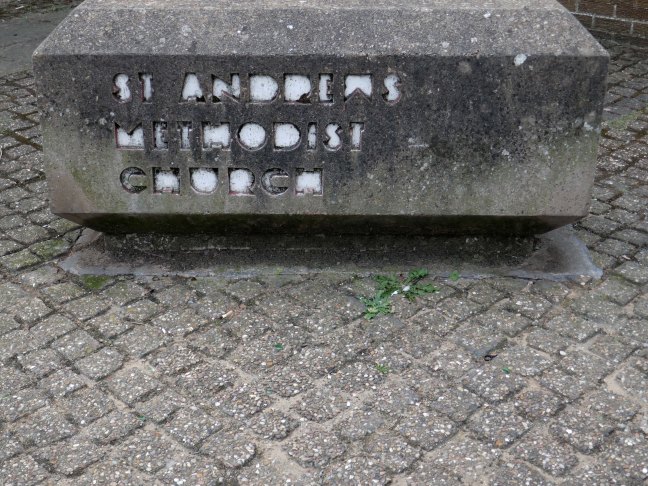
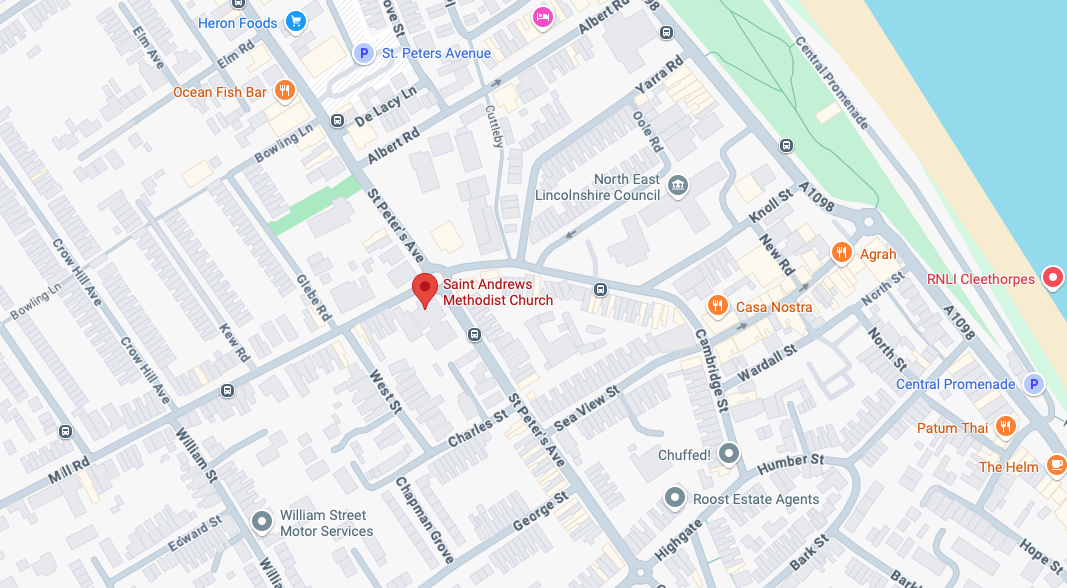
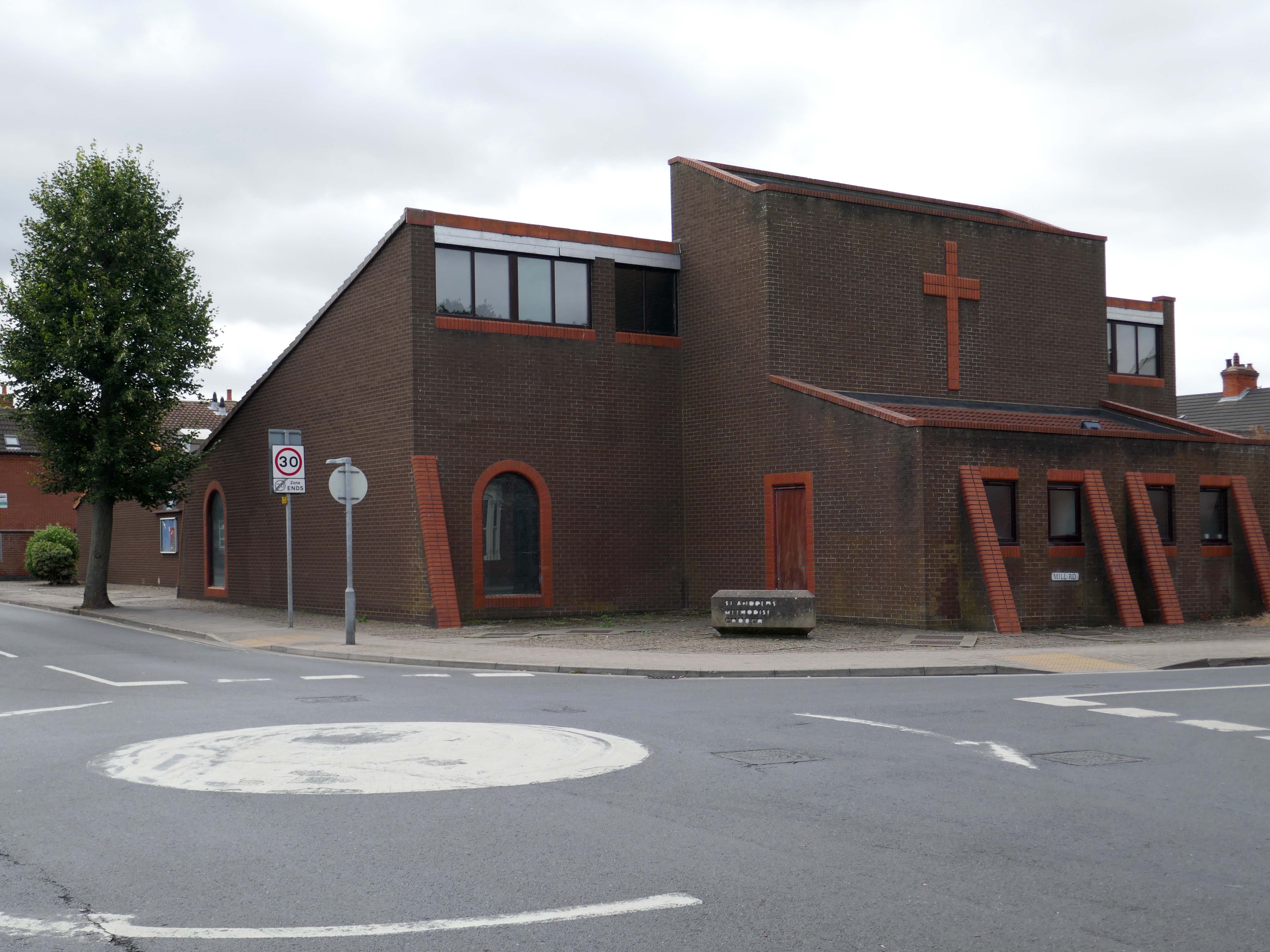
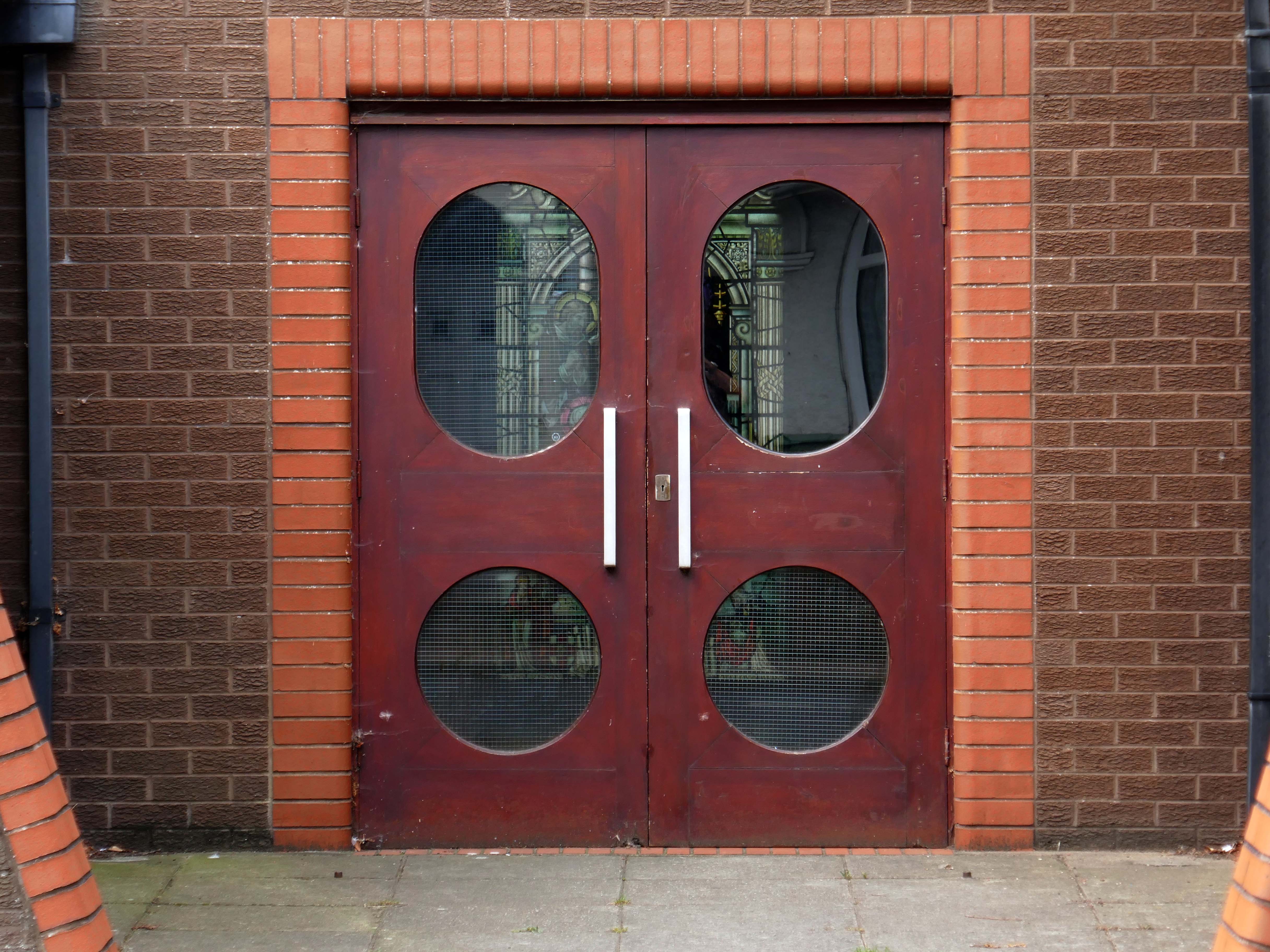
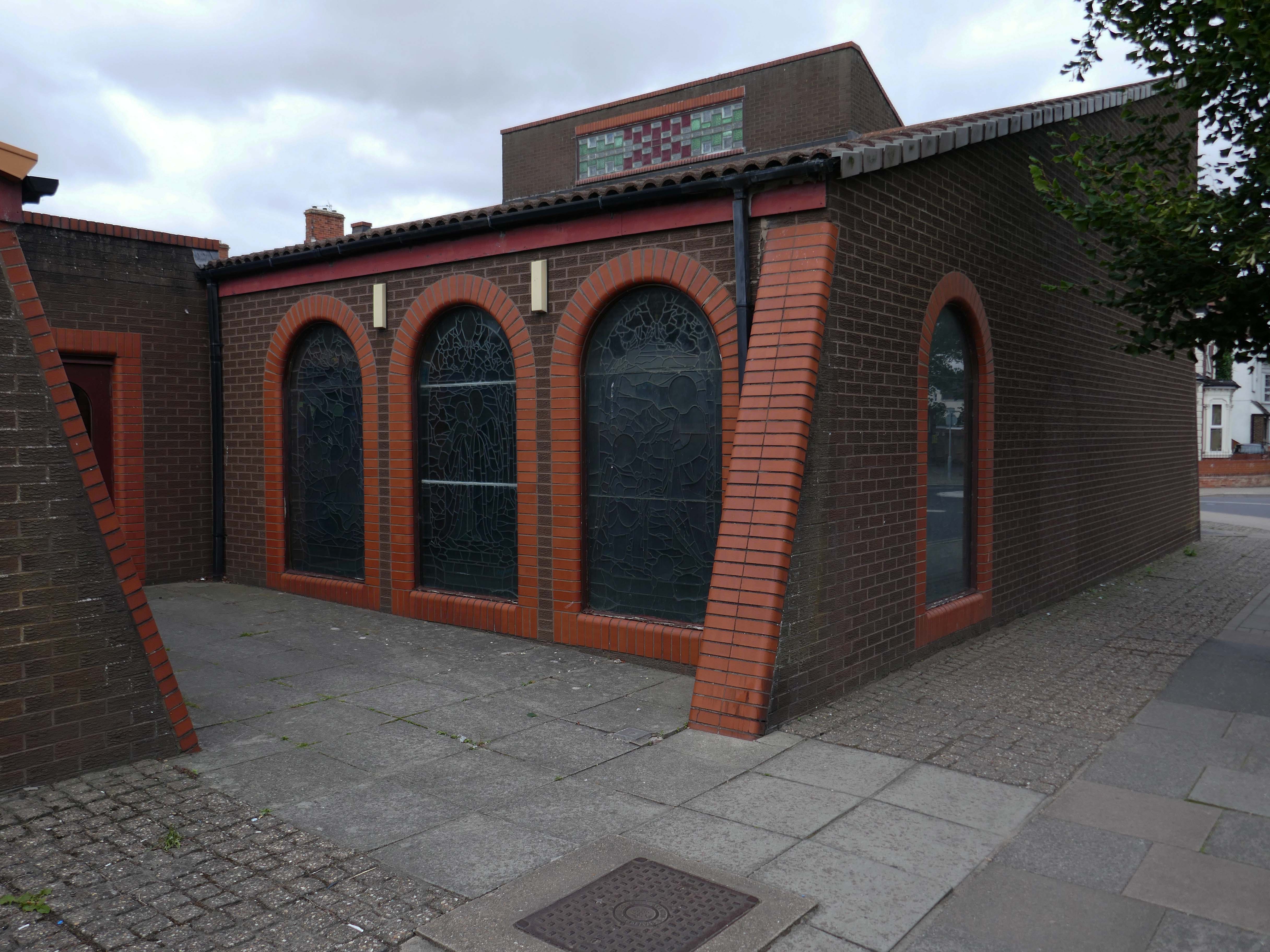
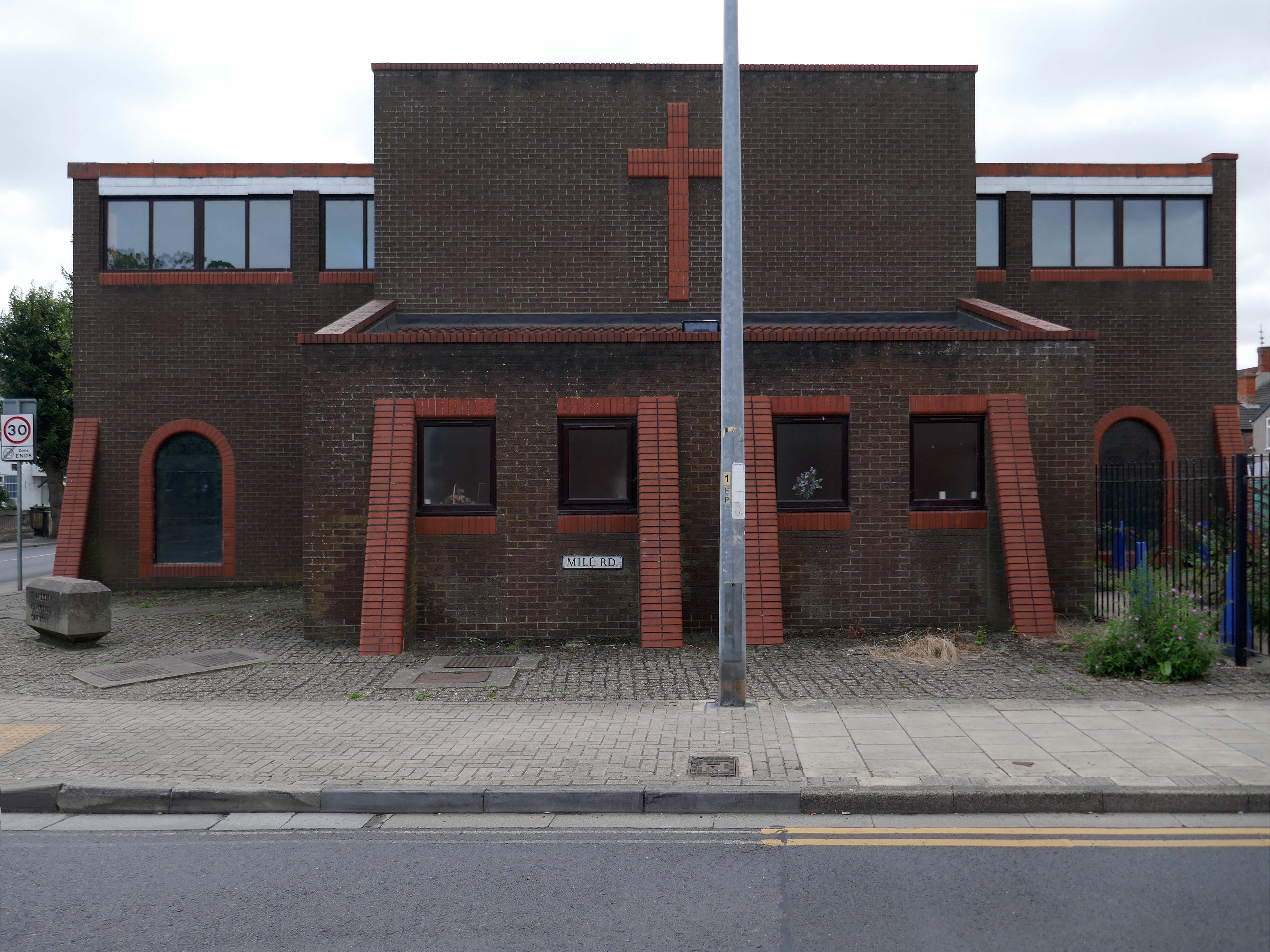
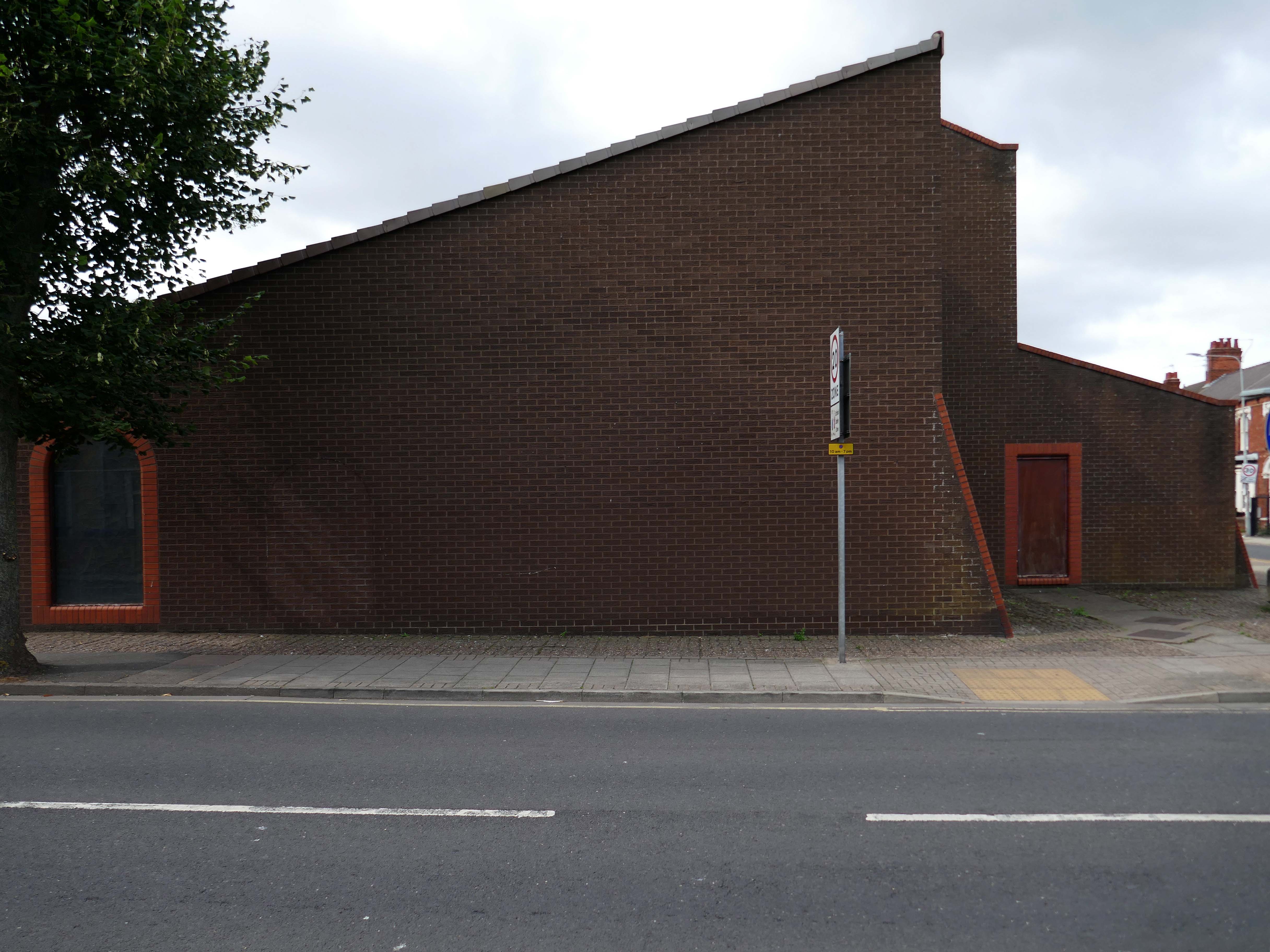
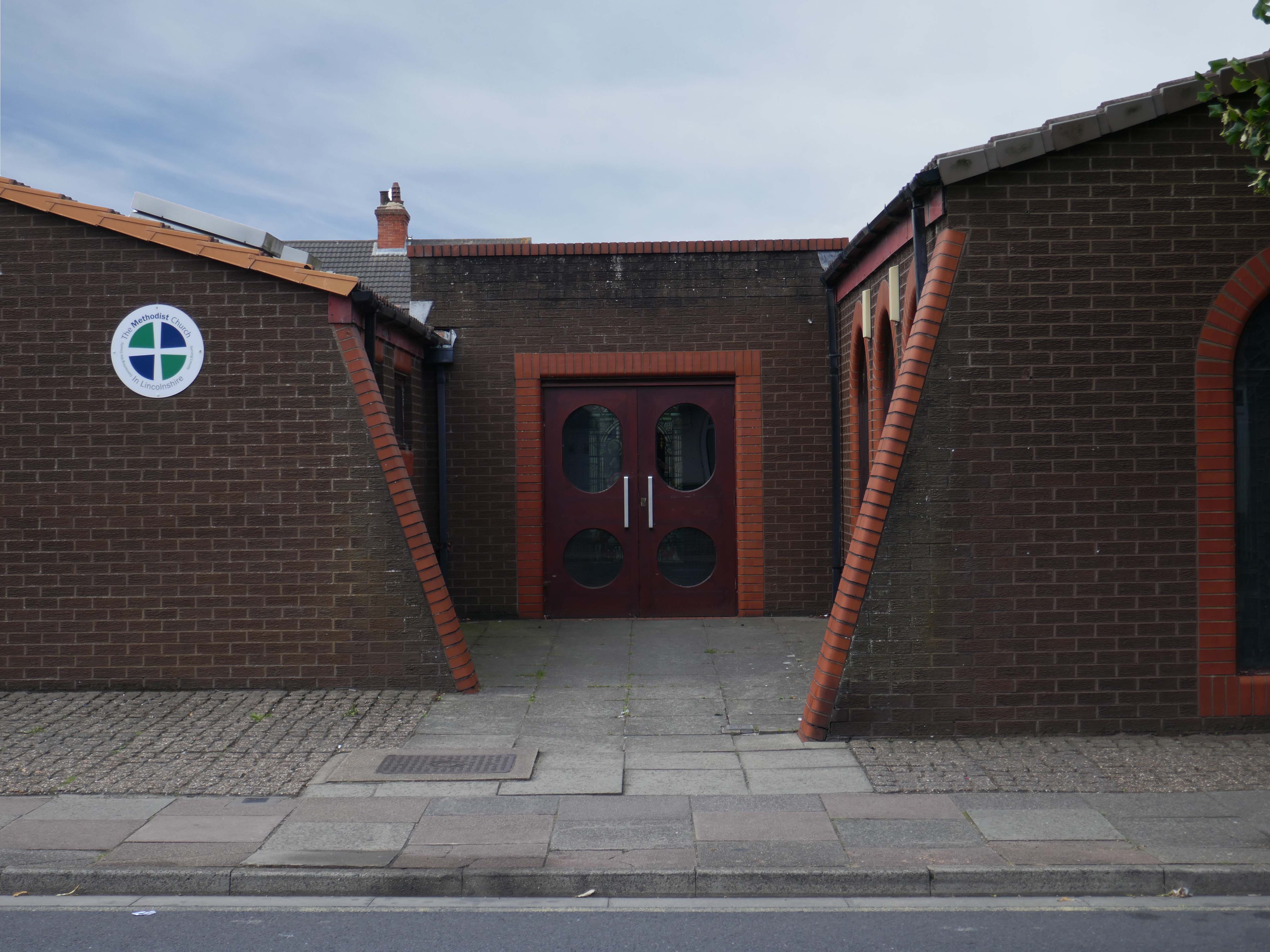
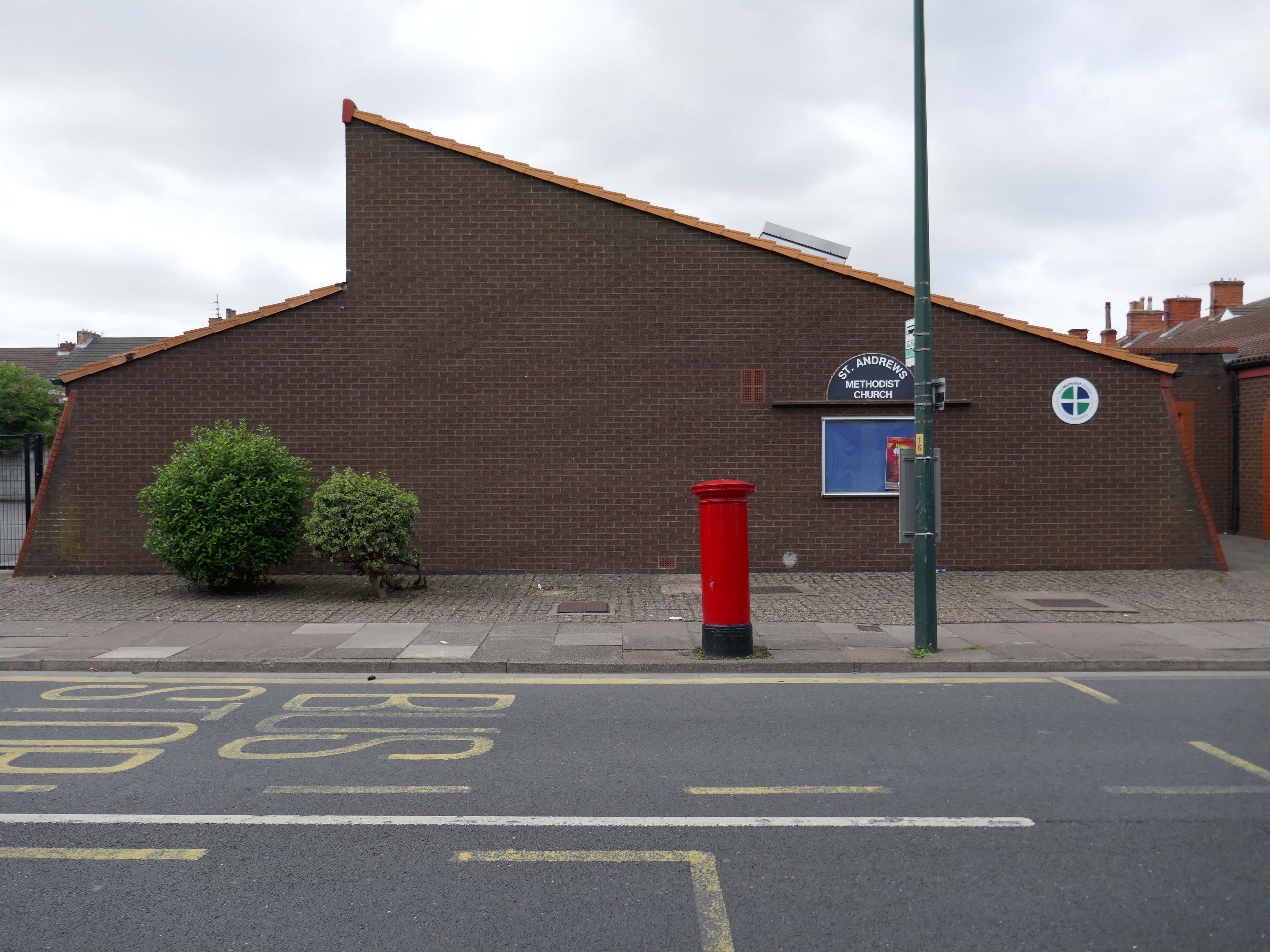
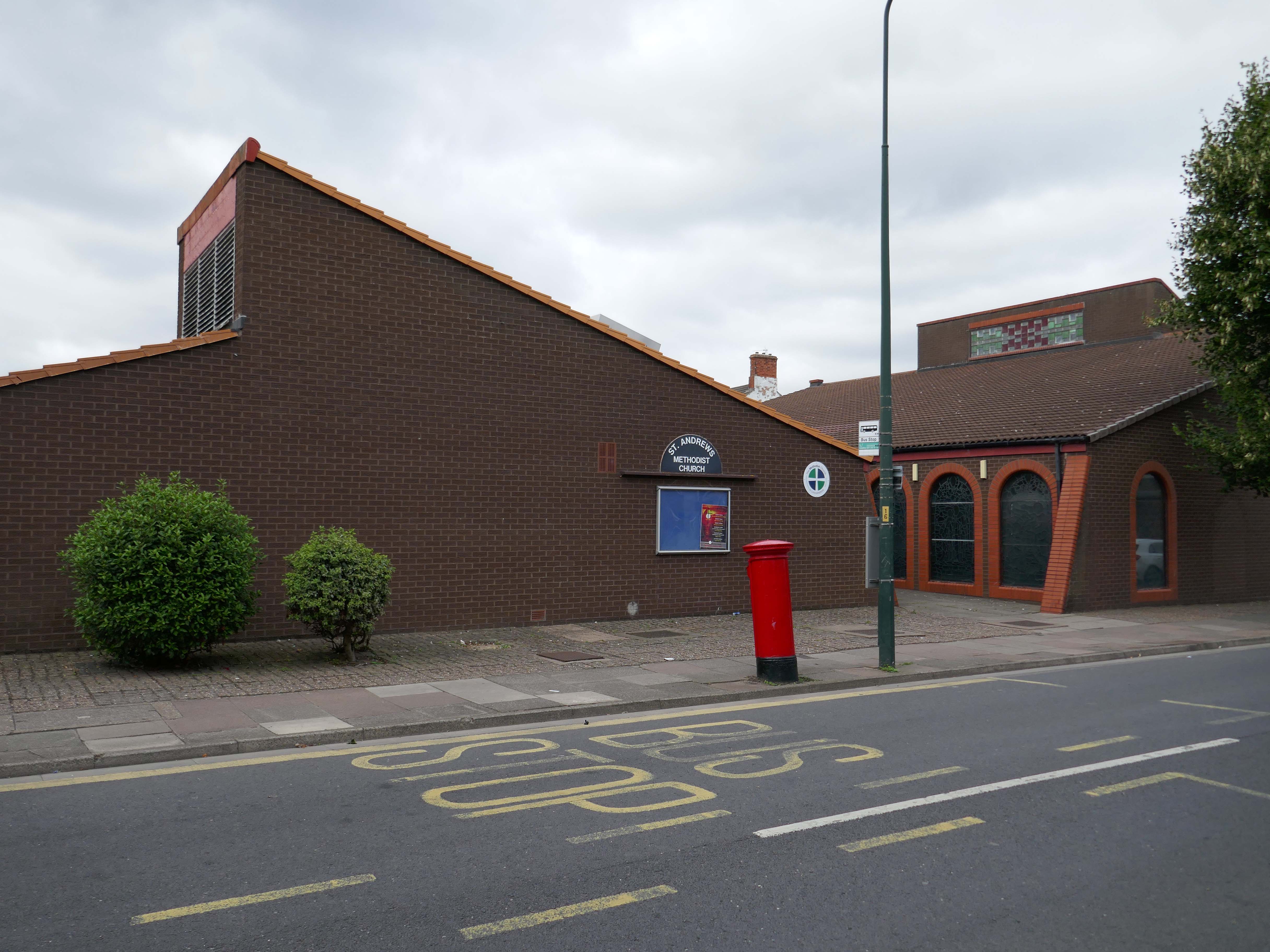
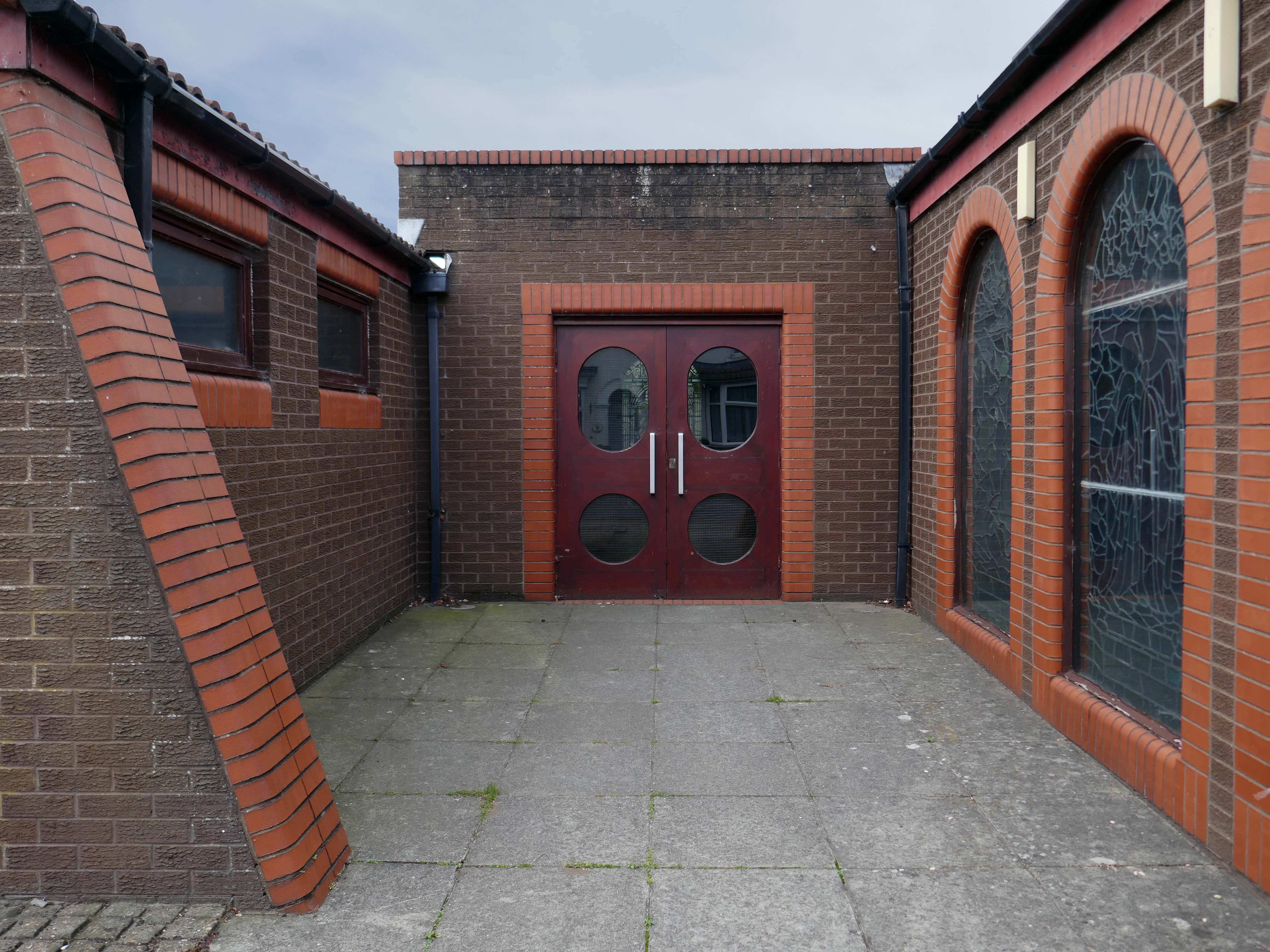
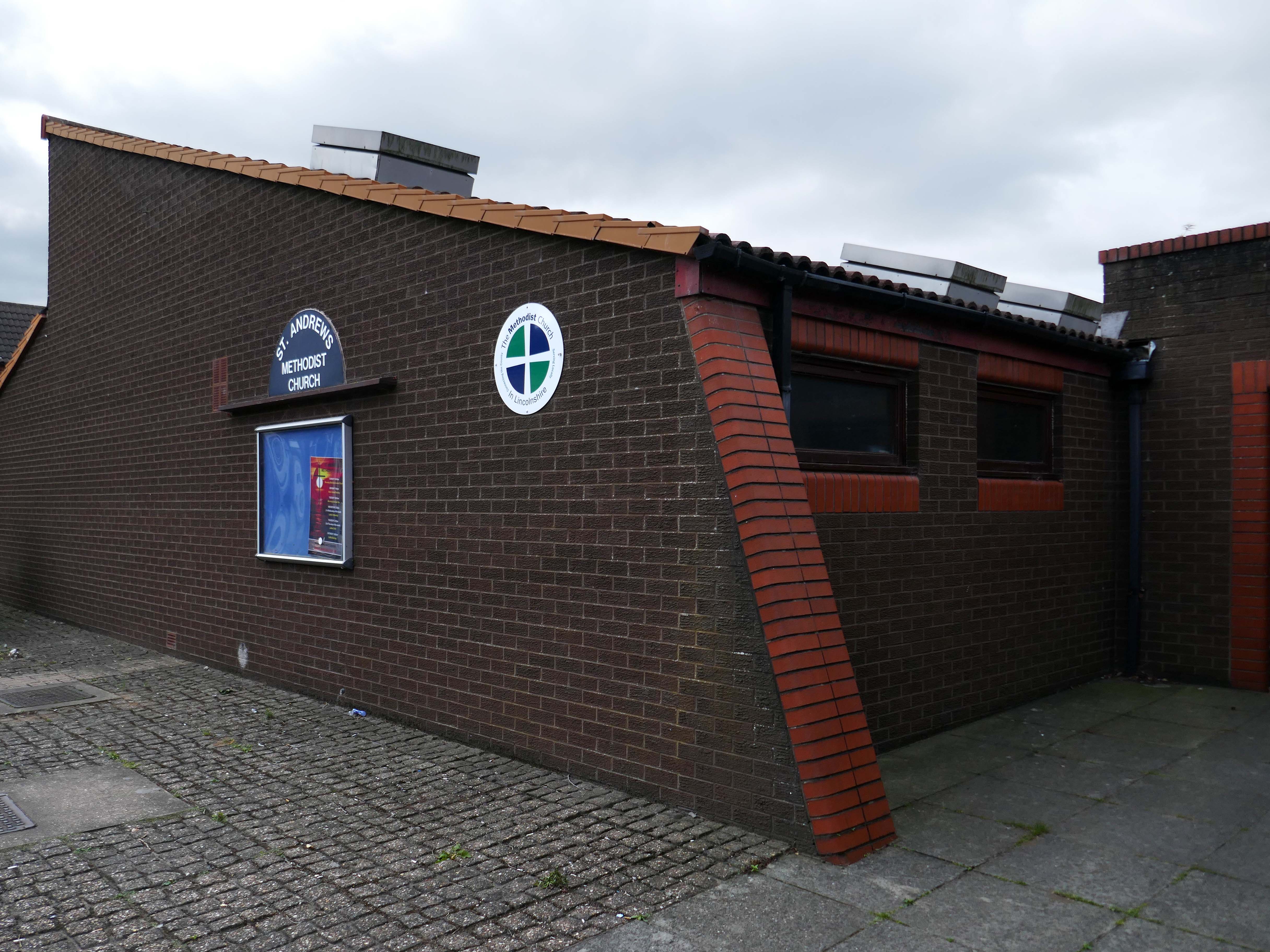
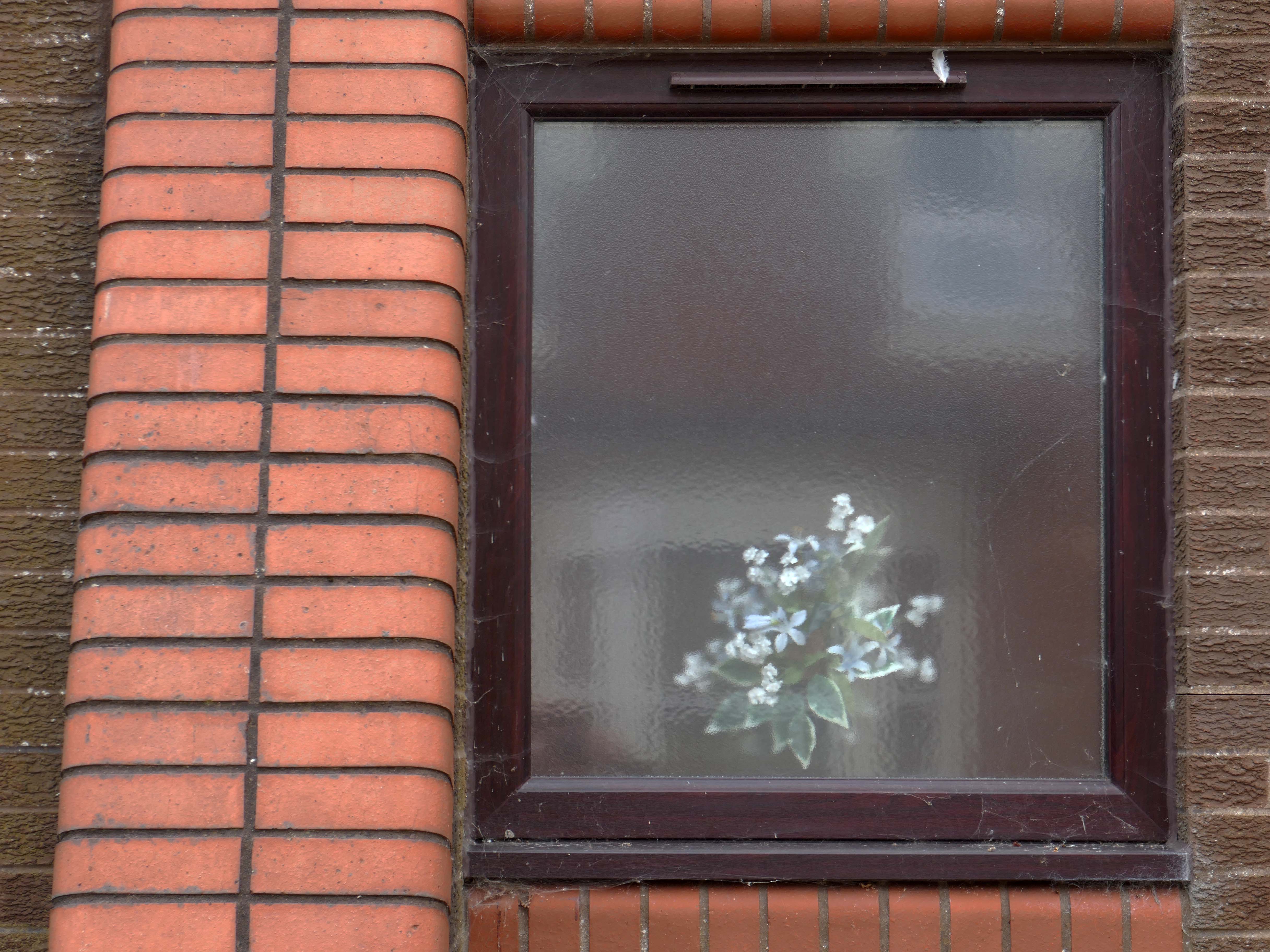
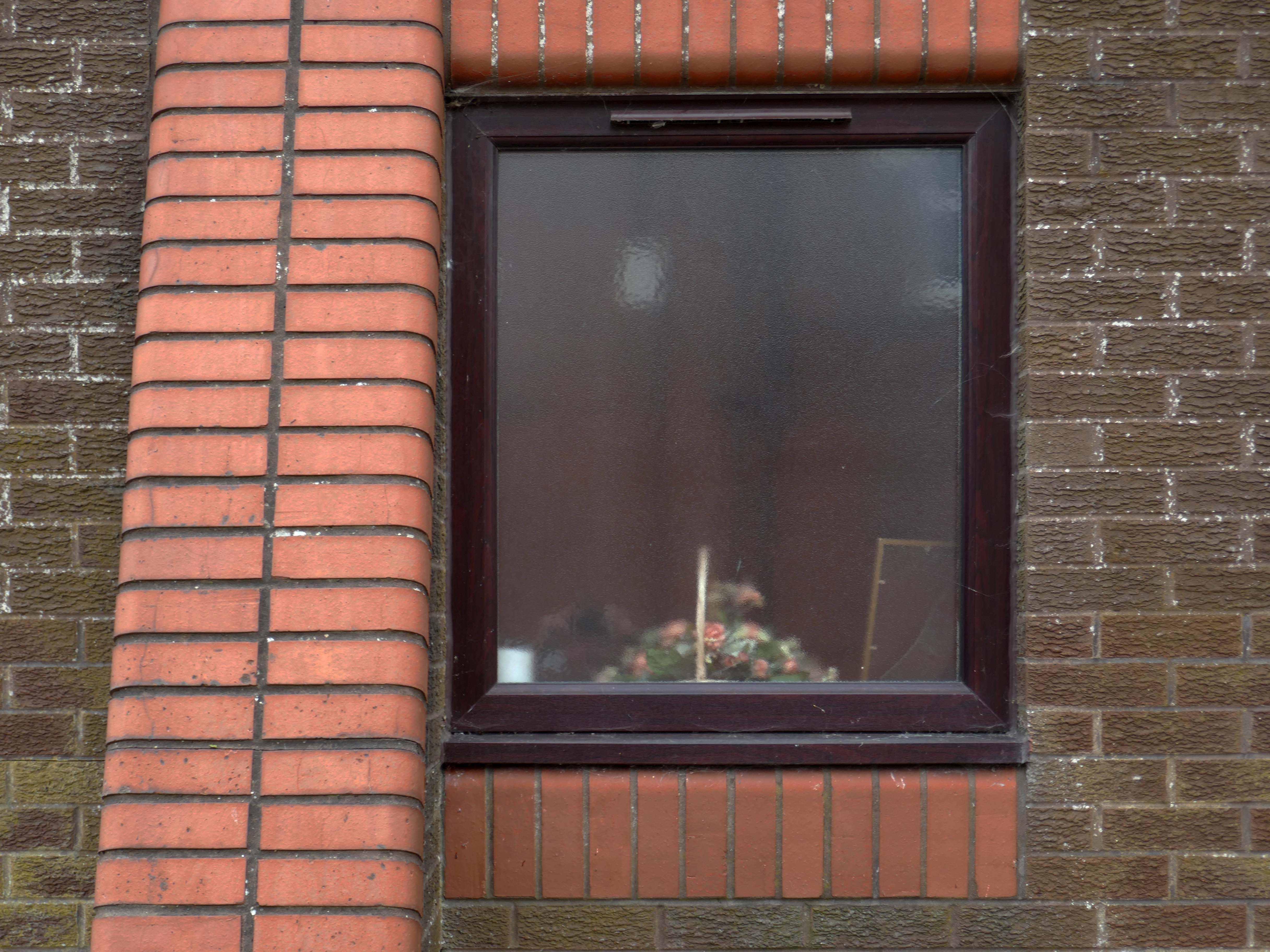
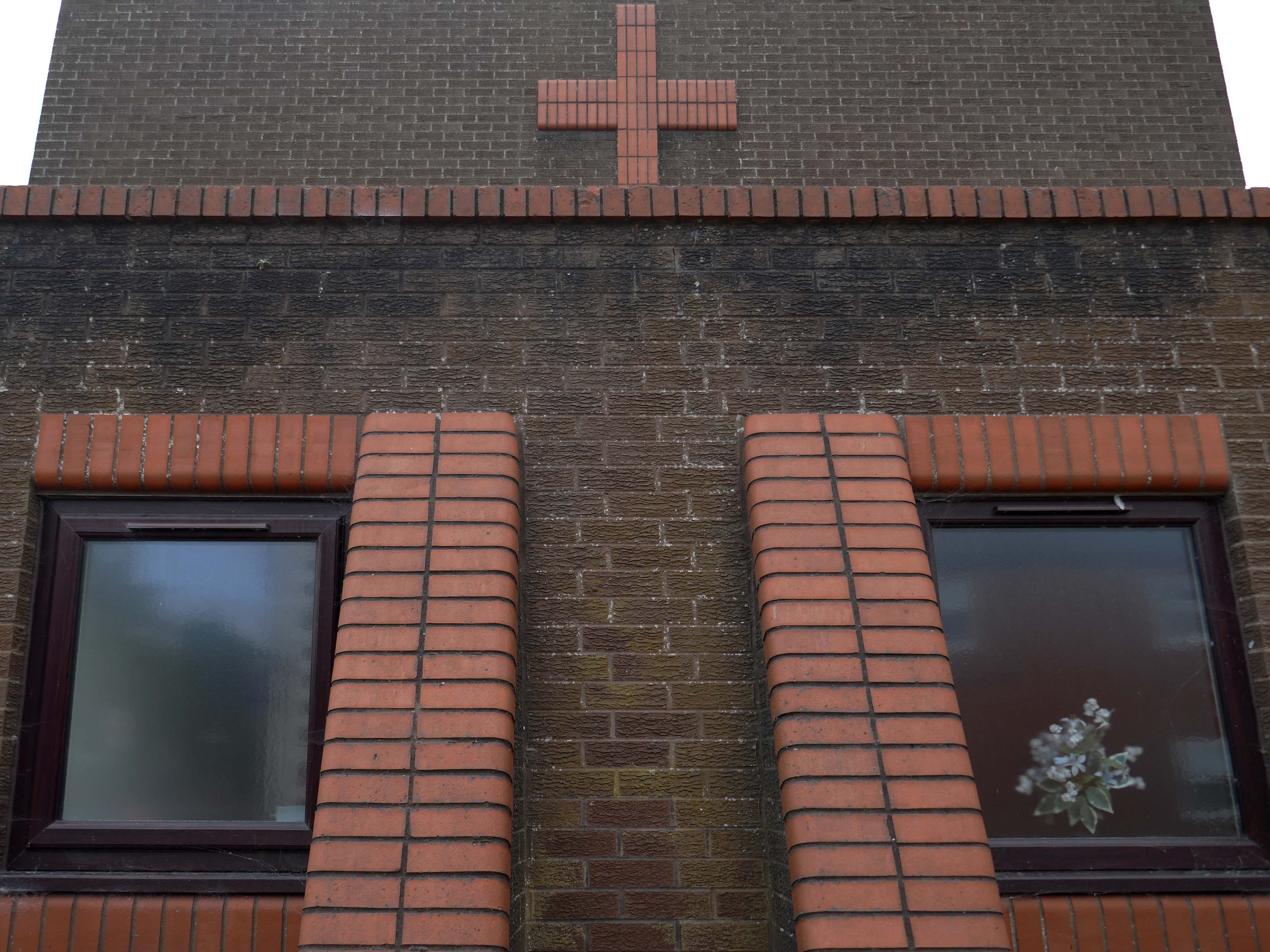
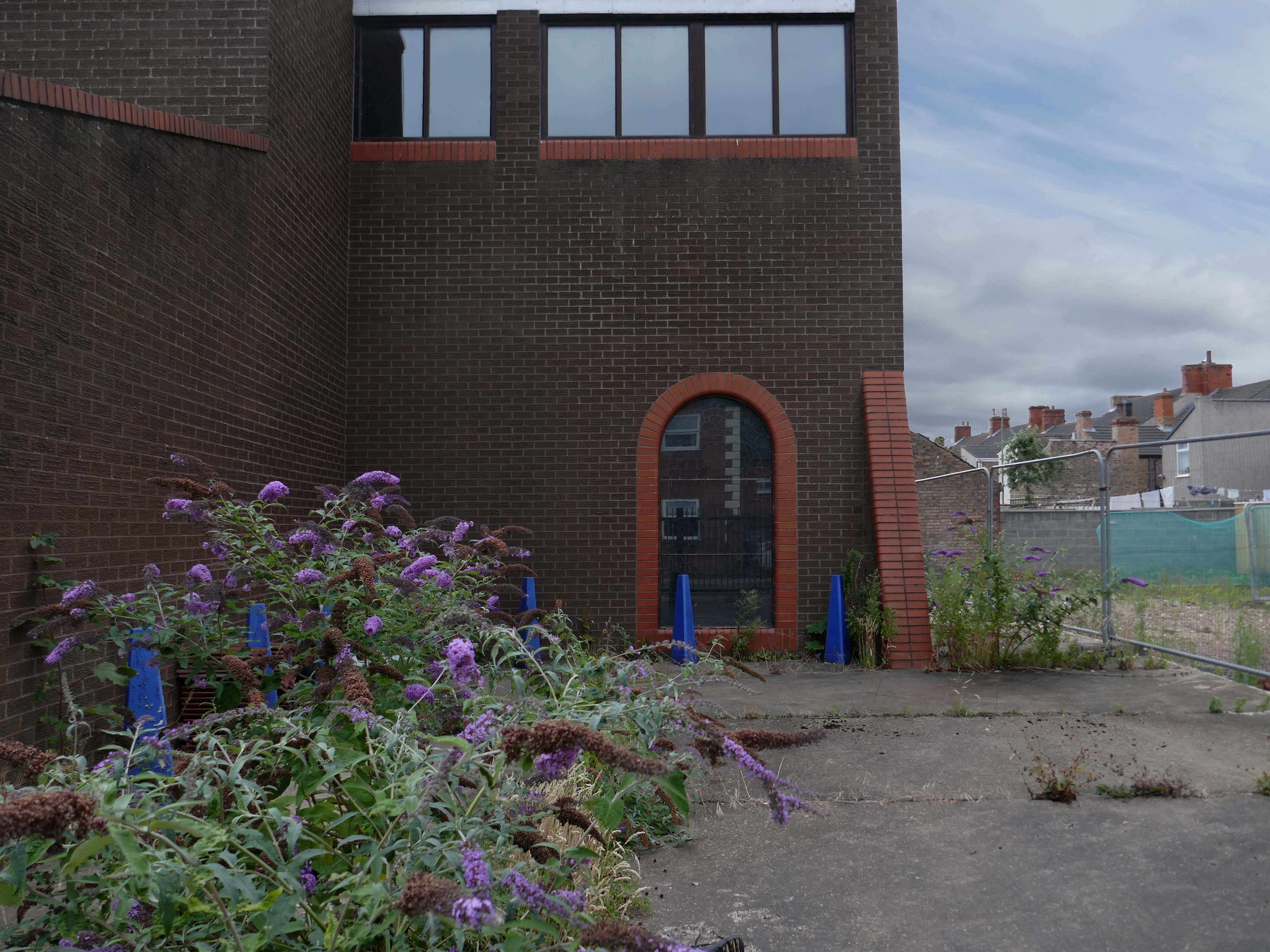
The current church occupies this corner site by the mini roundabout – a very particular architectural style, an angular brick low level ziggurat, with buttresses to the side elevation and entrance. There are glazed brick details around the buttresses, windows and doors.
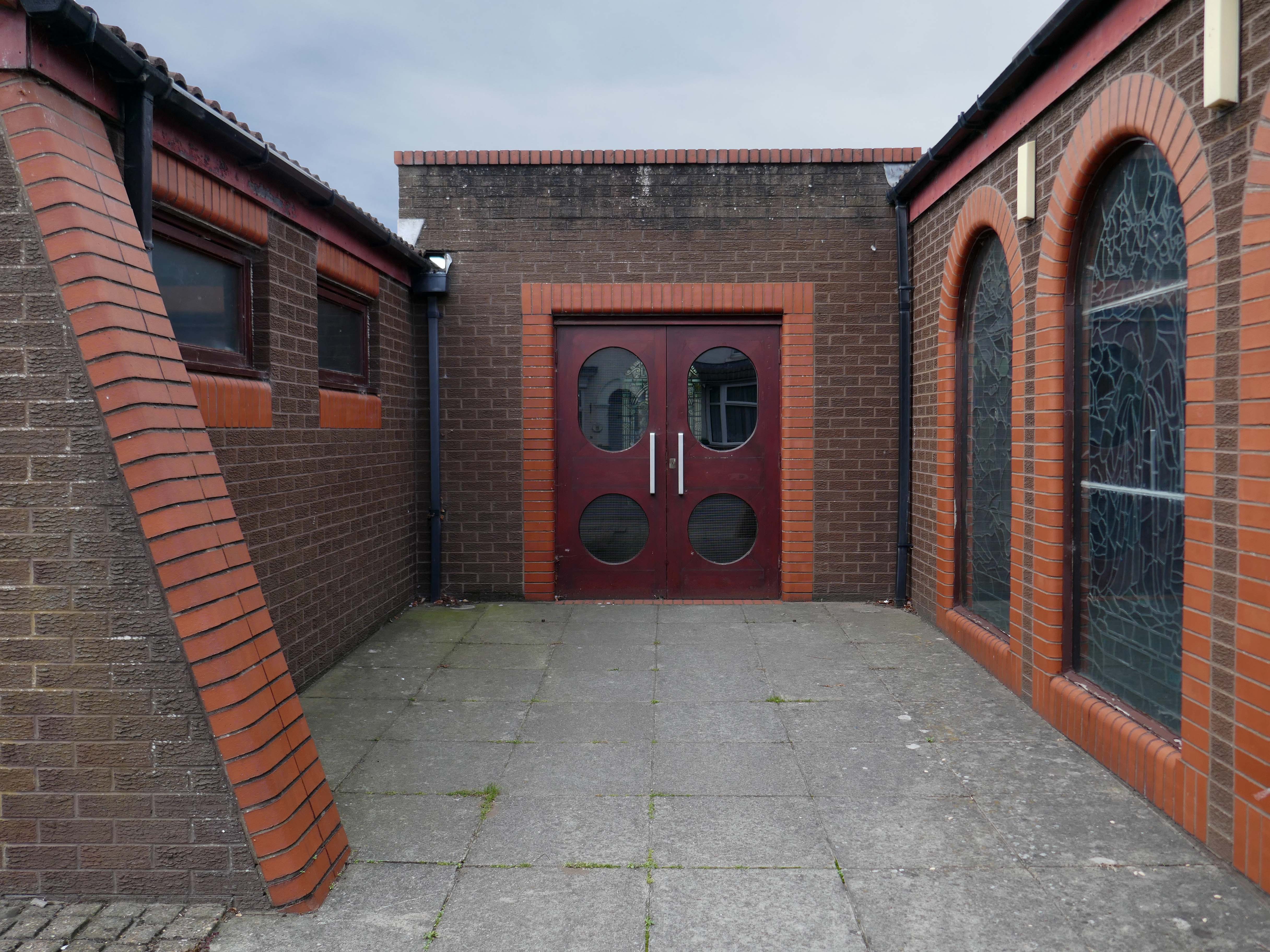
It has a central entrance which divides the main body of the chapel from the function room.
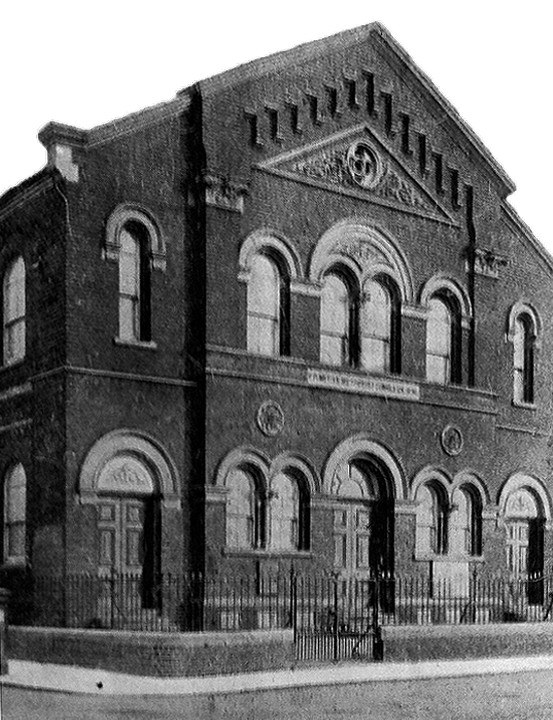
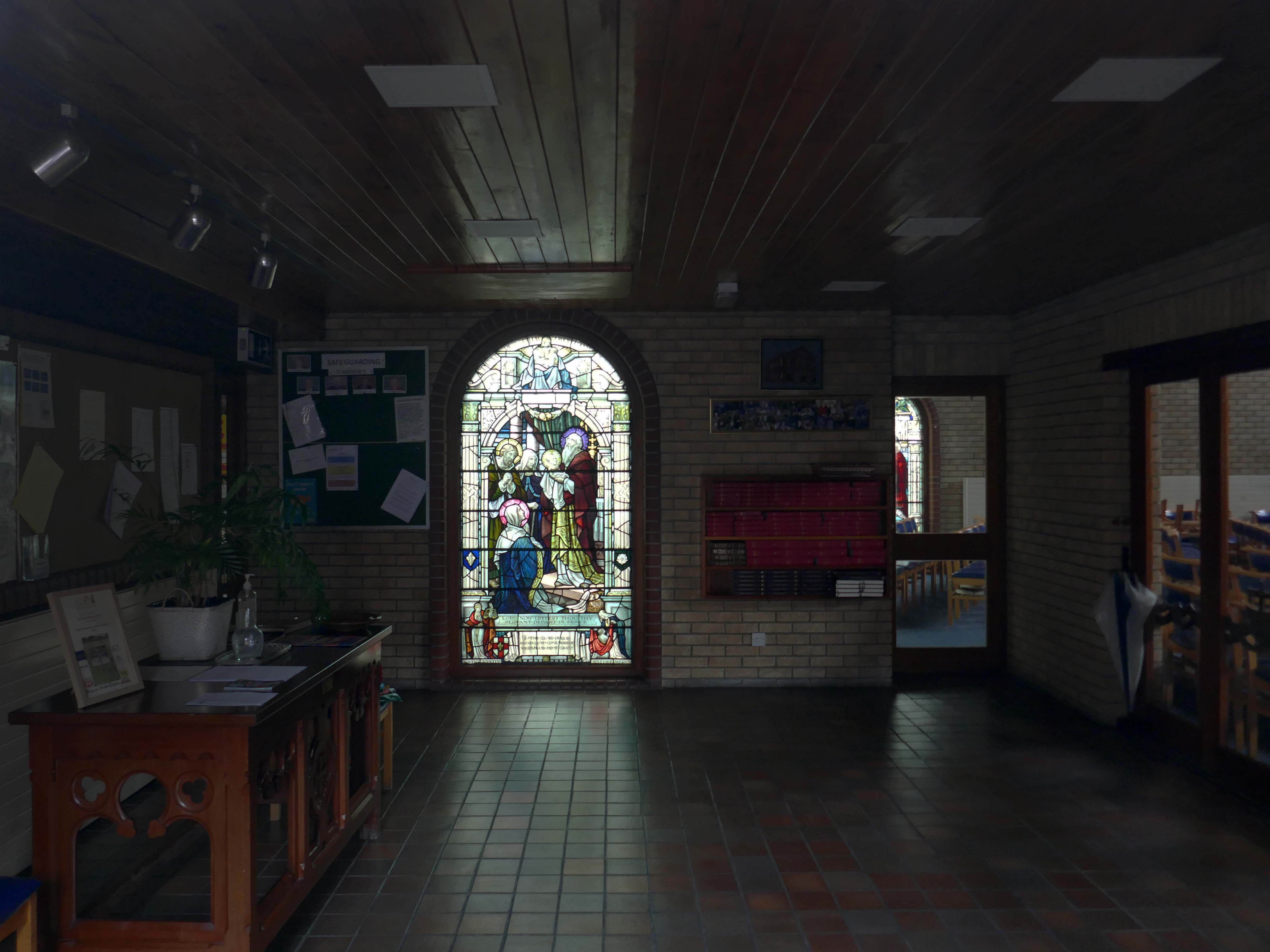
There are Victorian stained glass panels, which may be from the previous chapel.
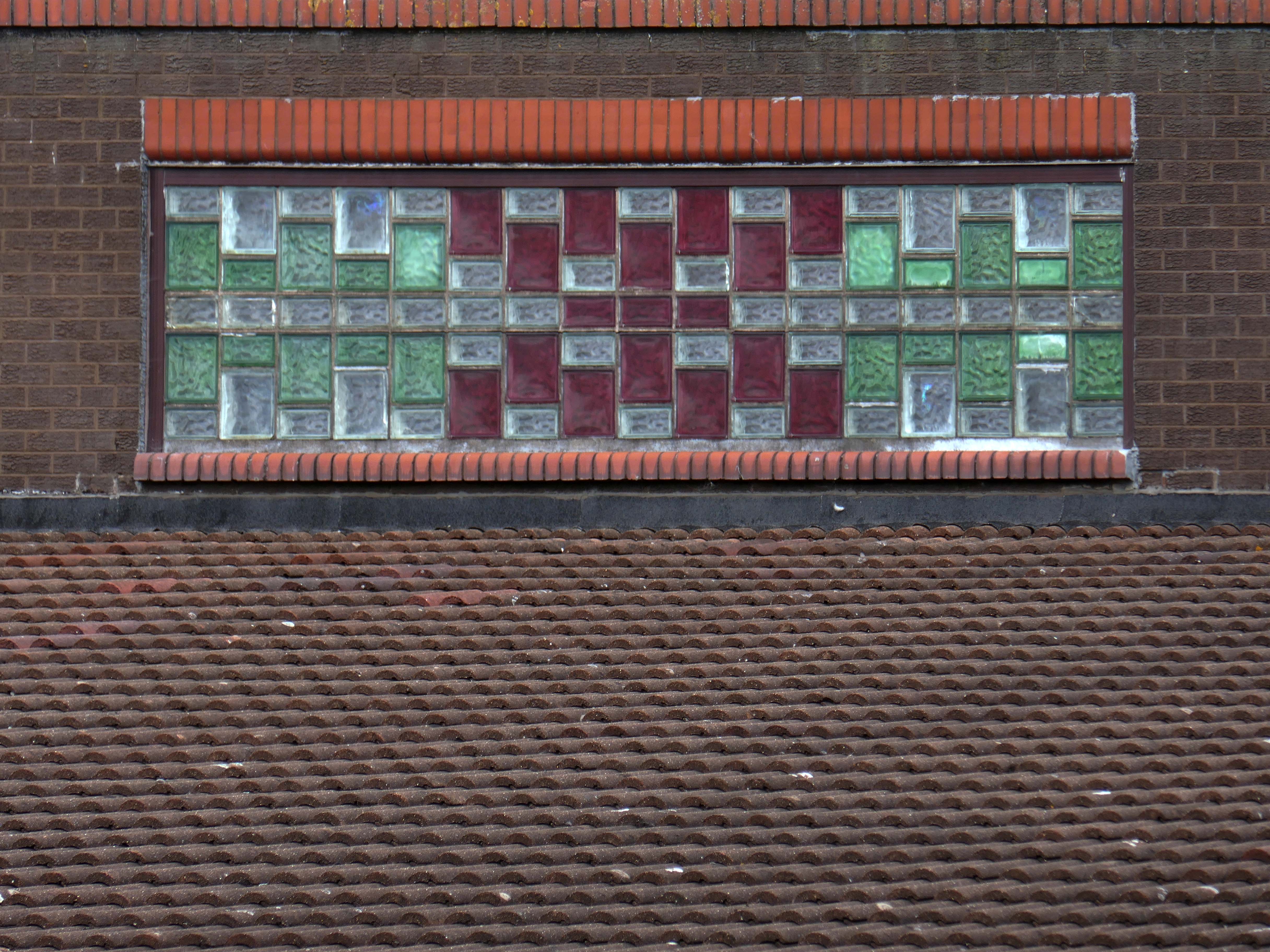
Below the pitched roof there is a modern inset decorative glass panel.
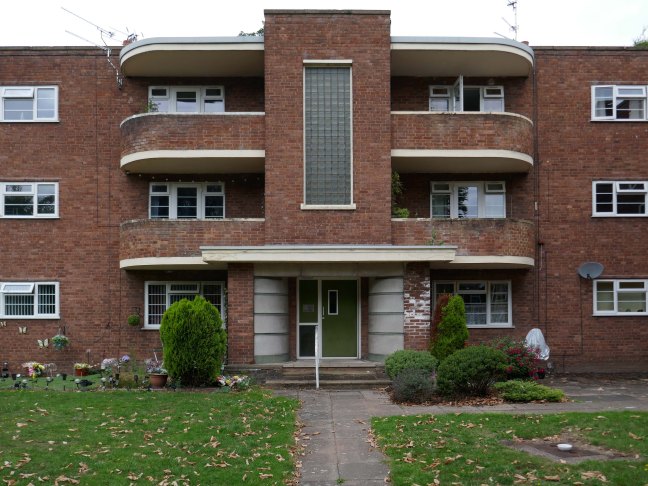
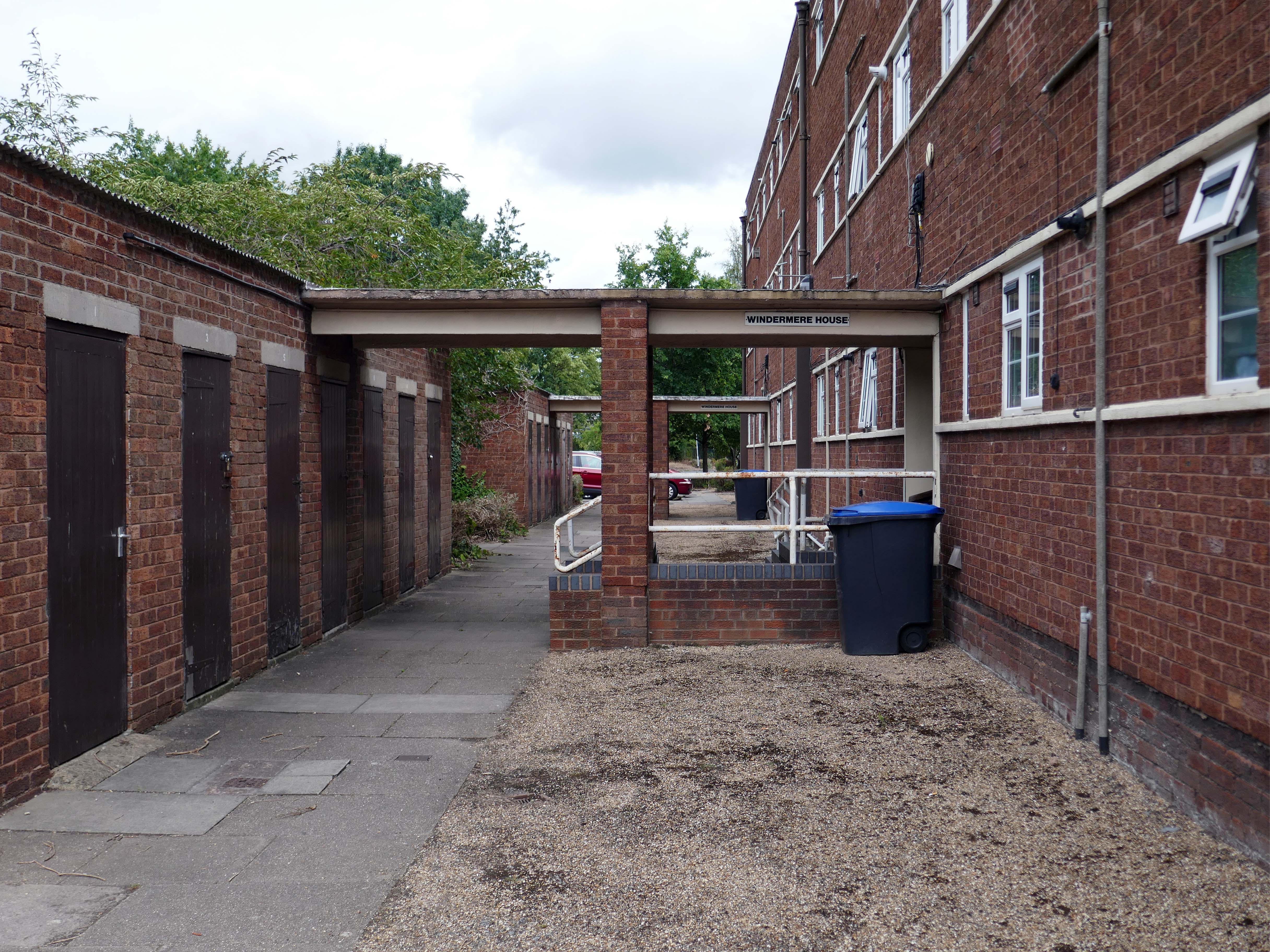
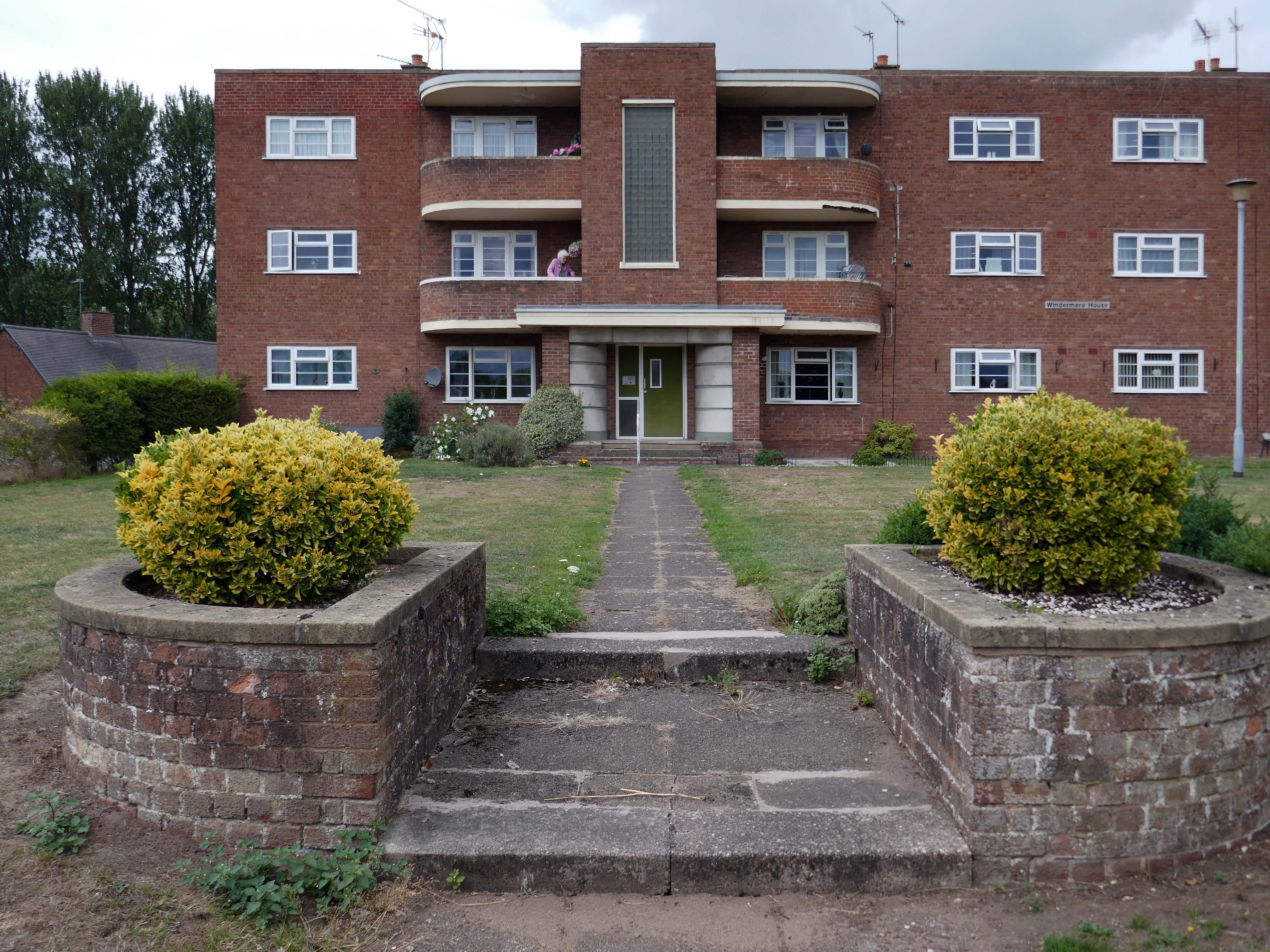
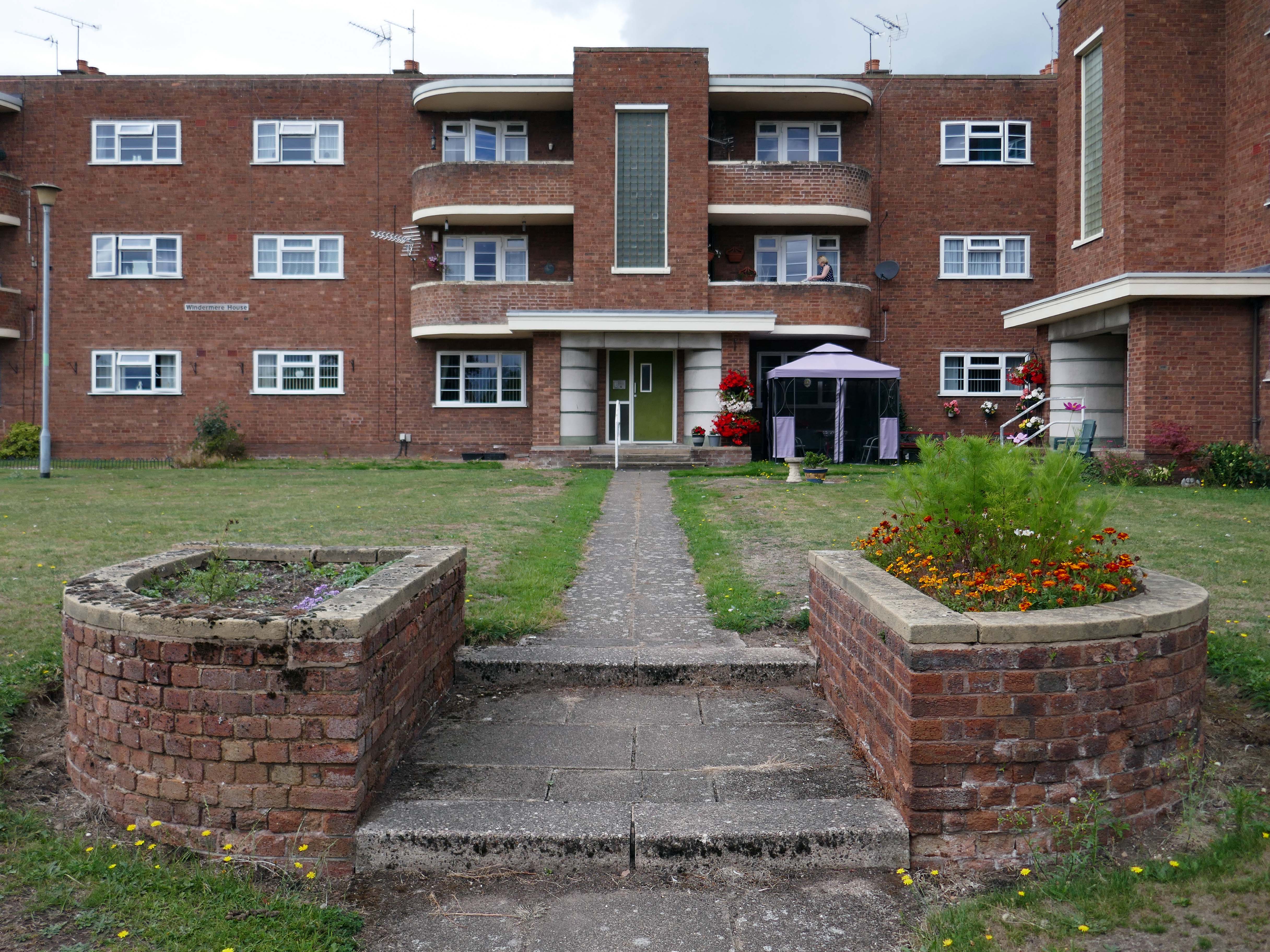
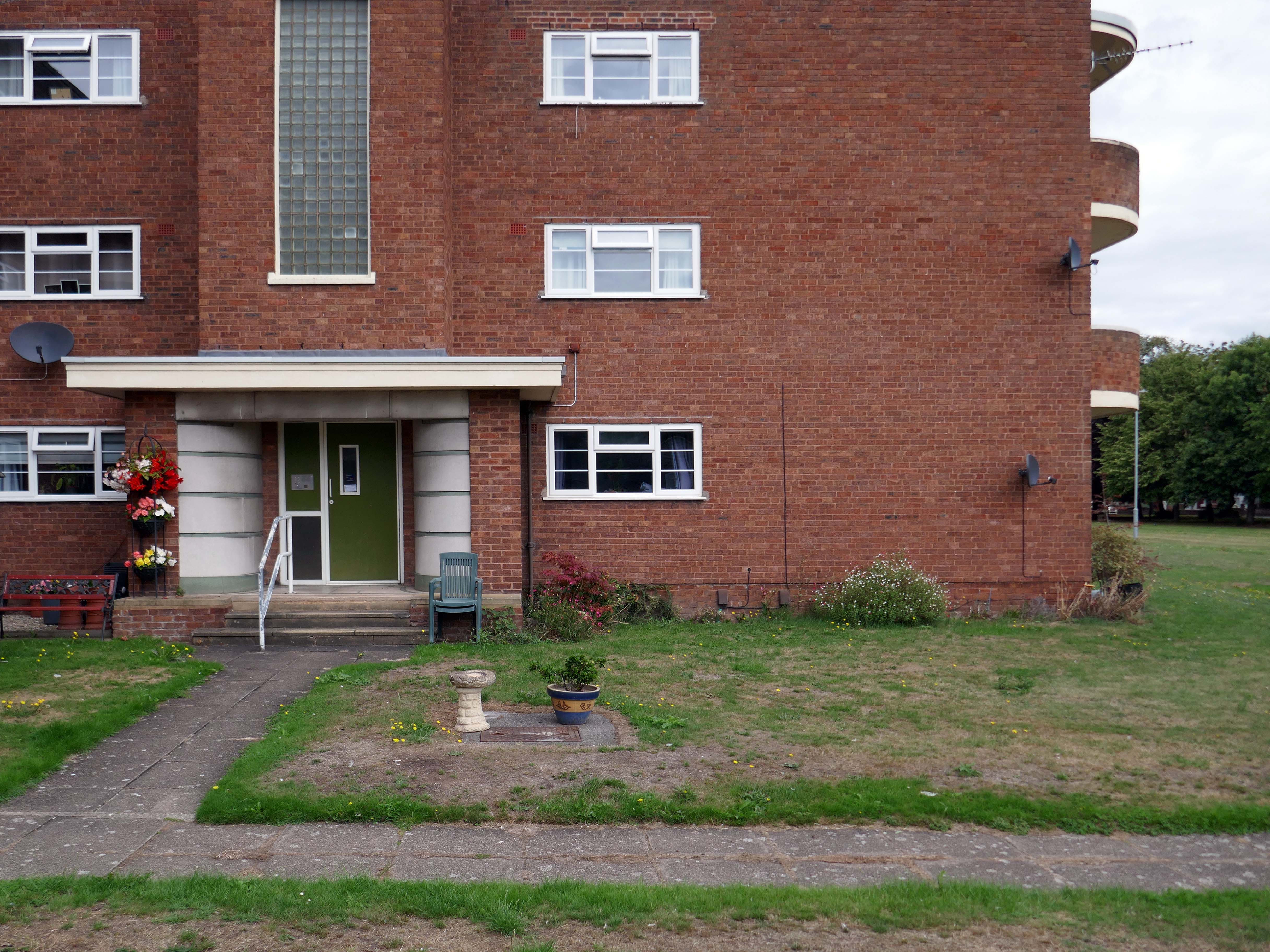
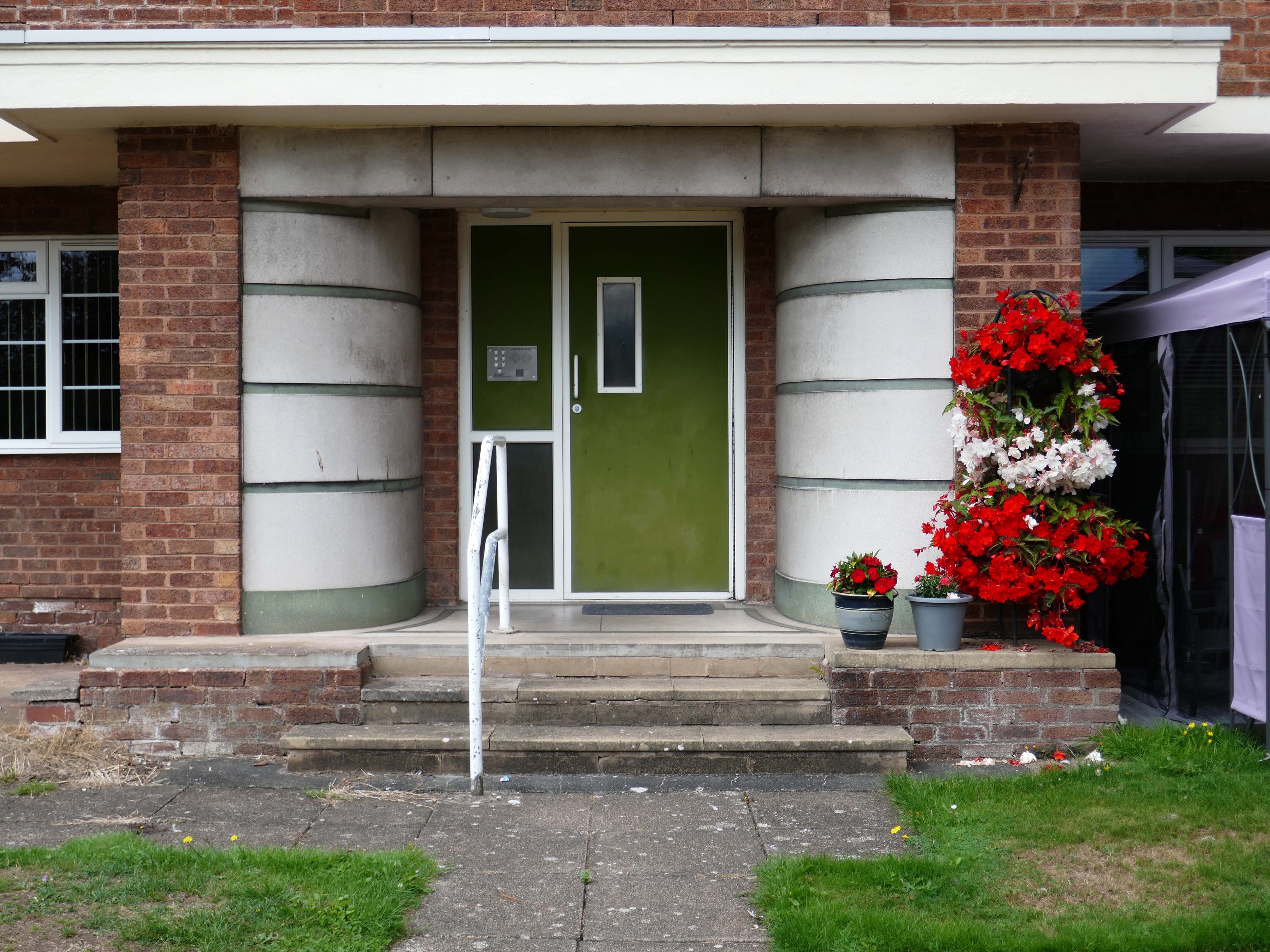
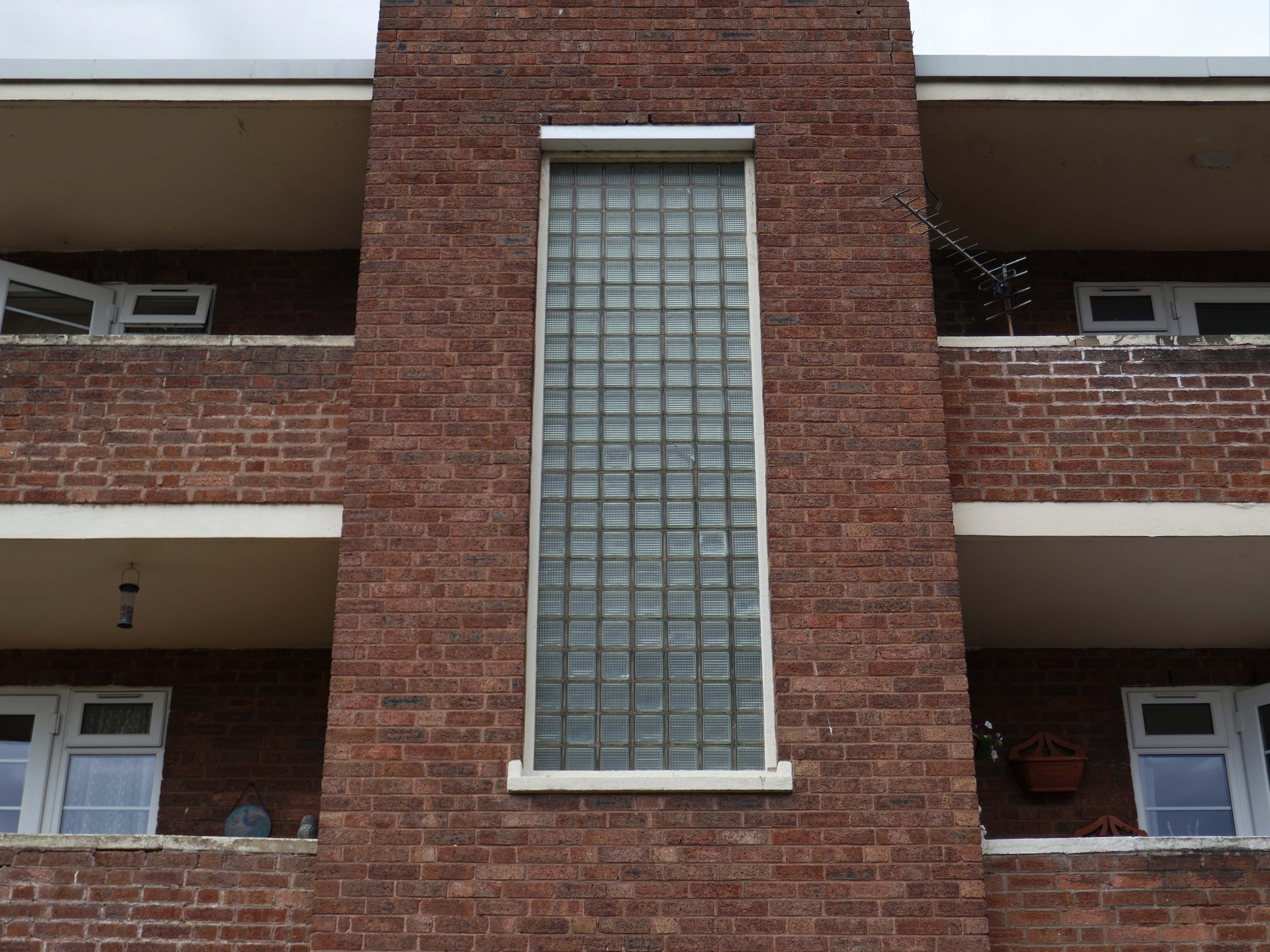
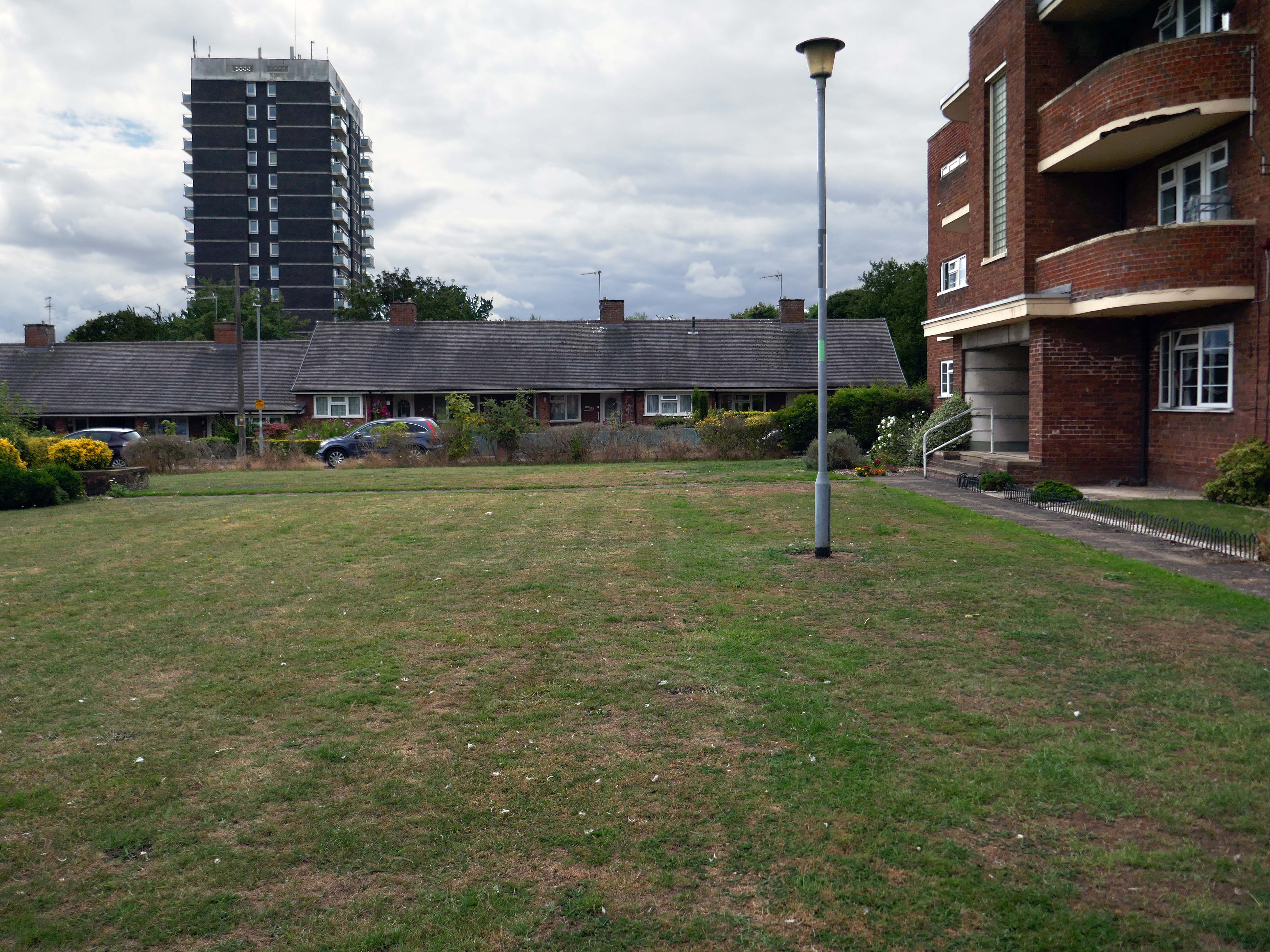
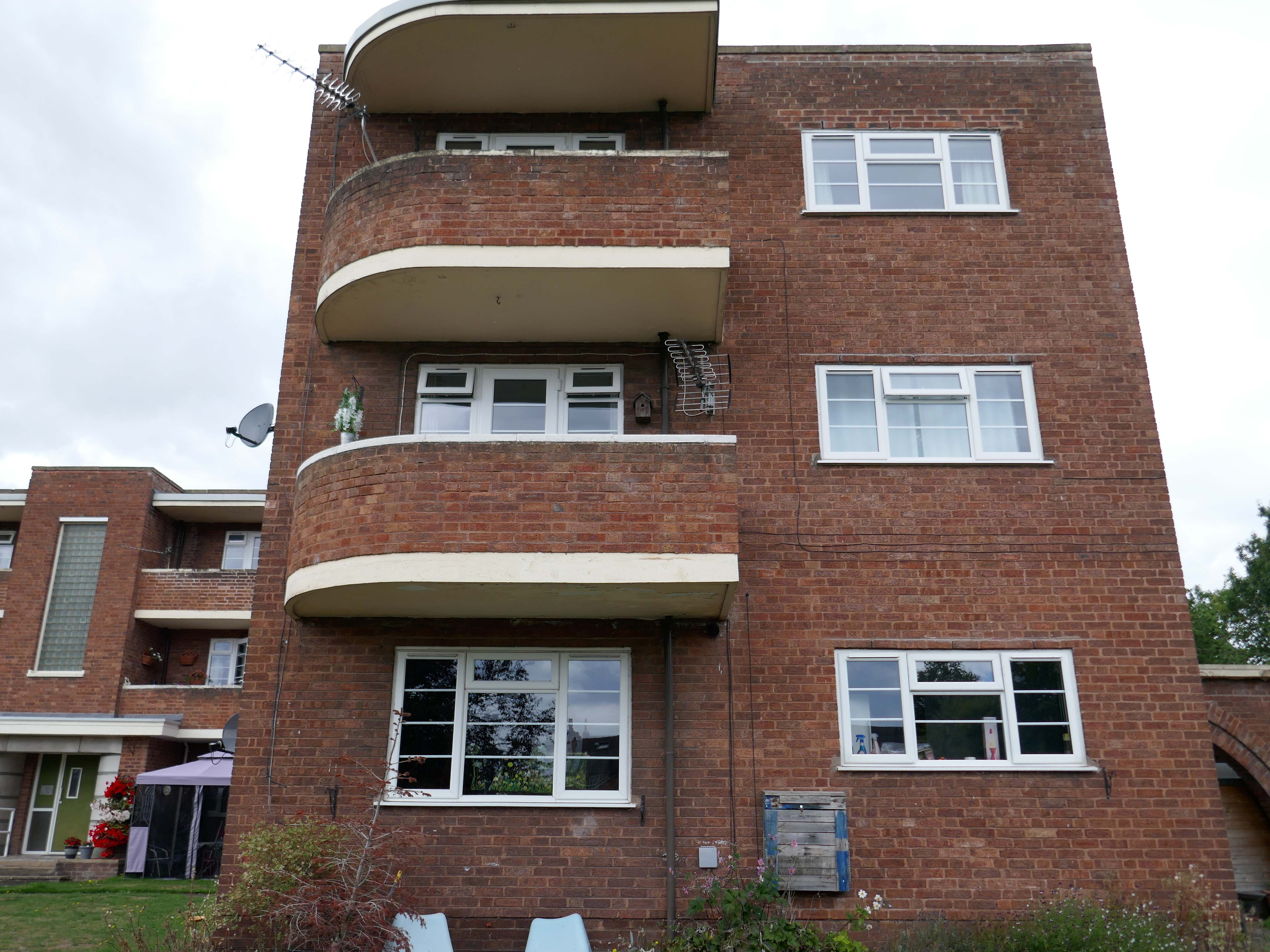
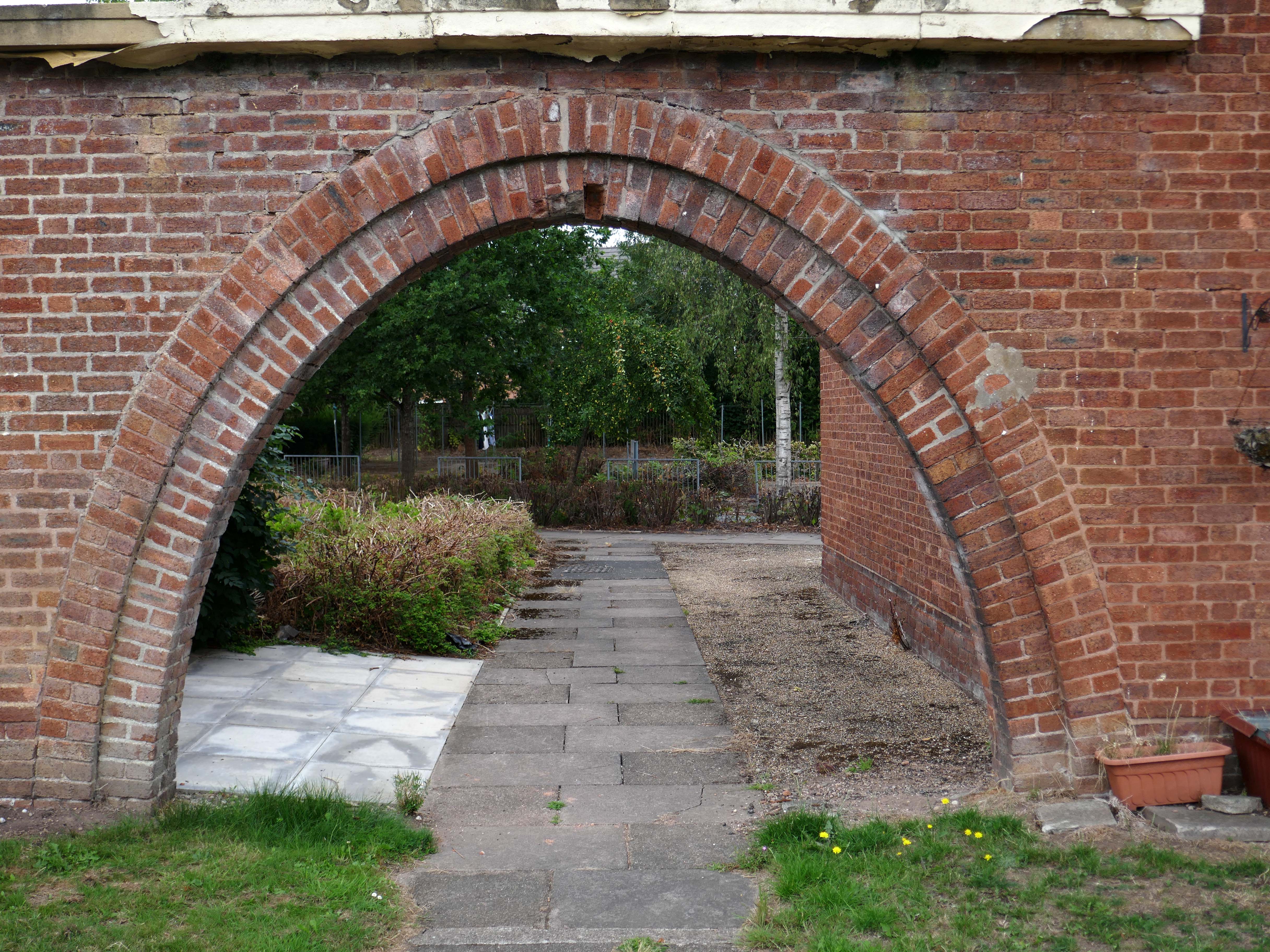
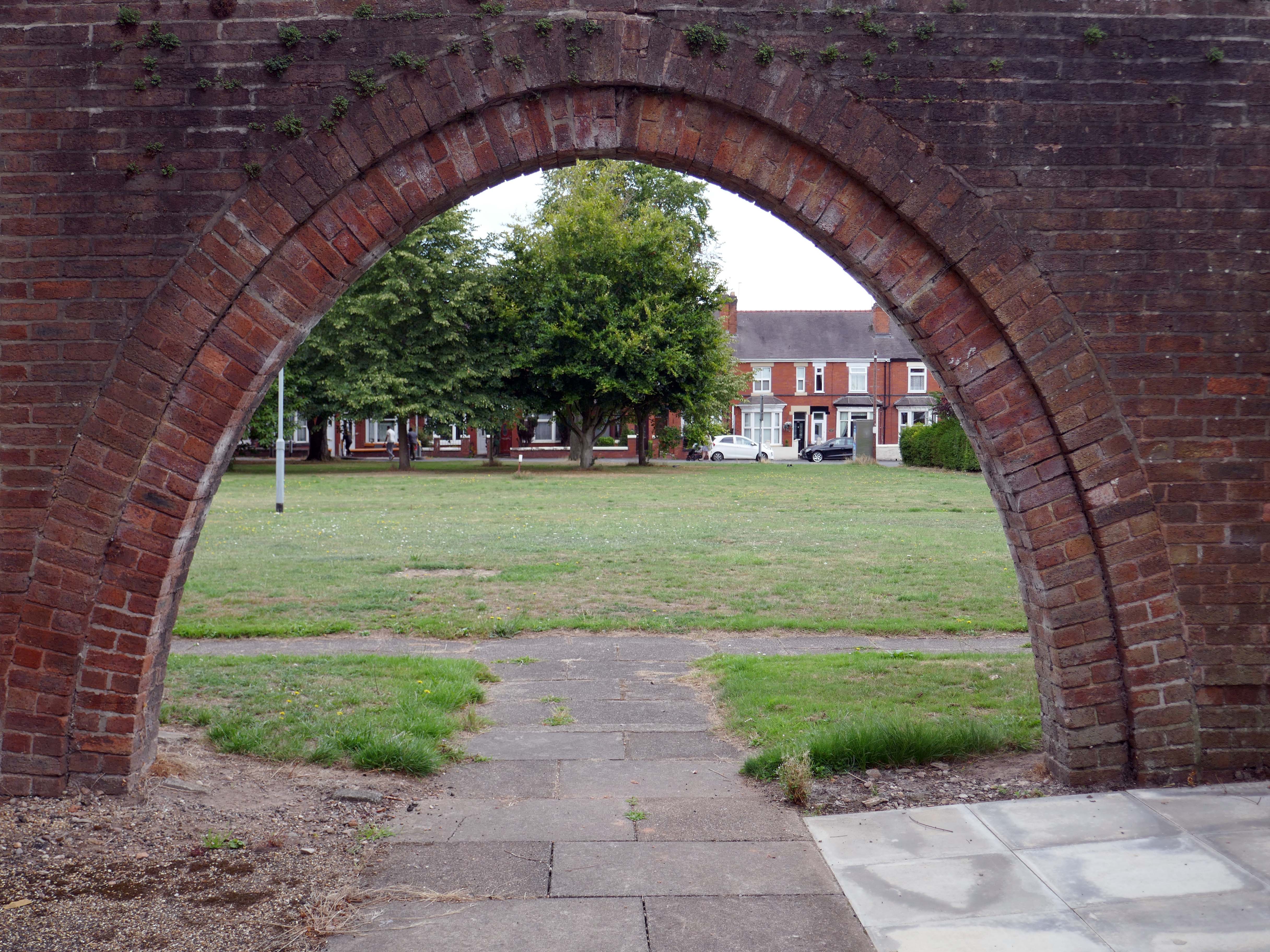
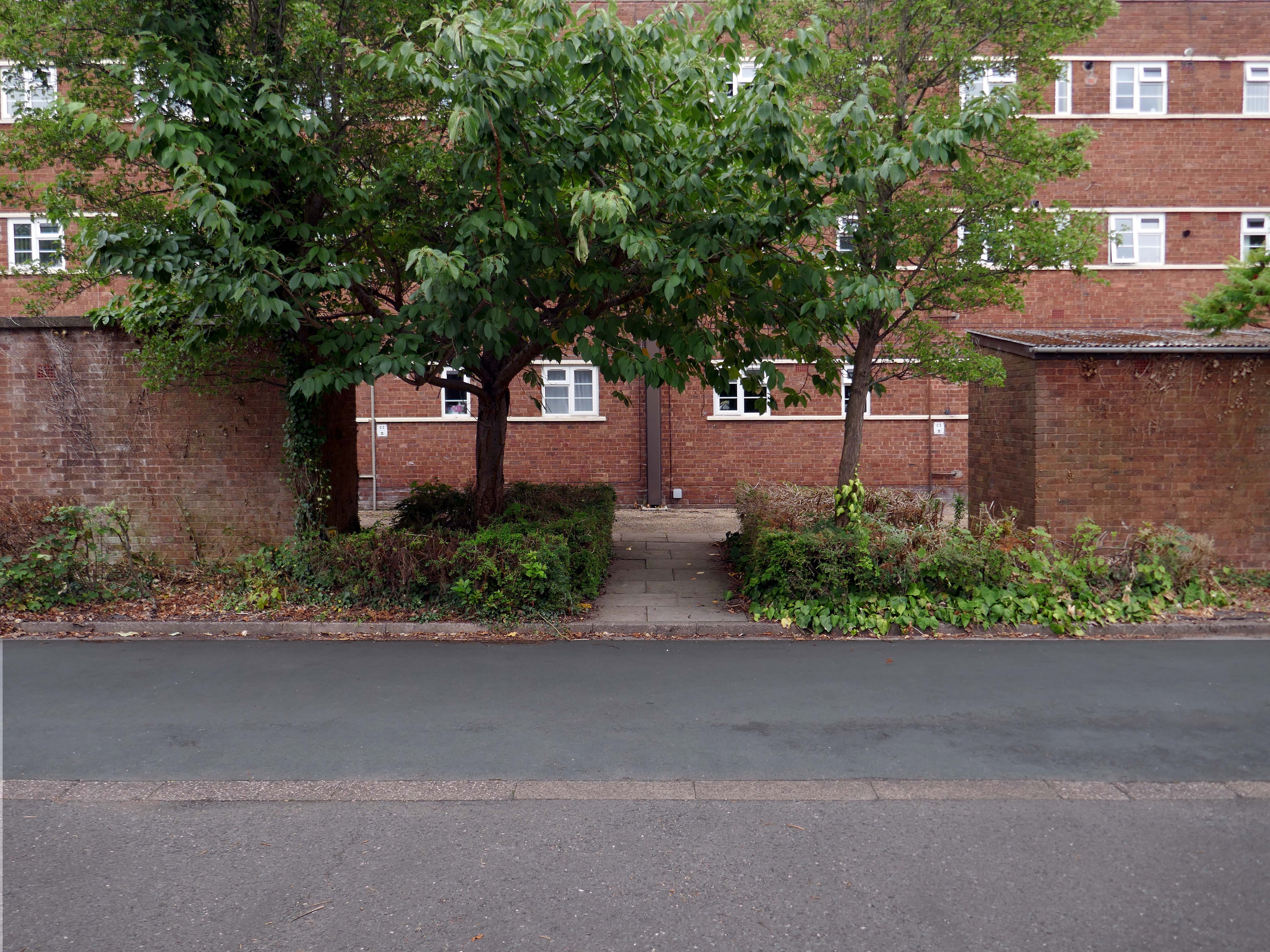
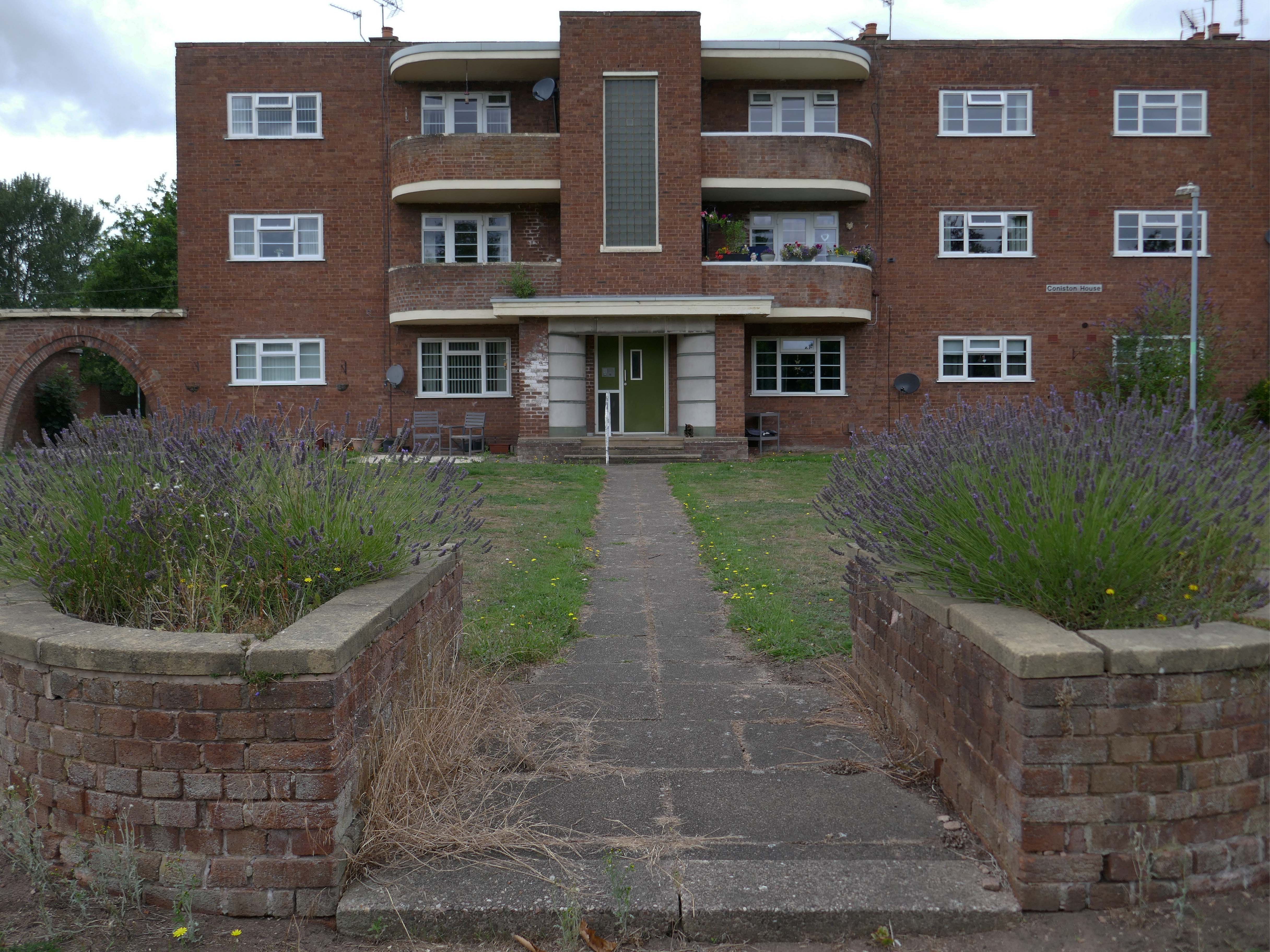
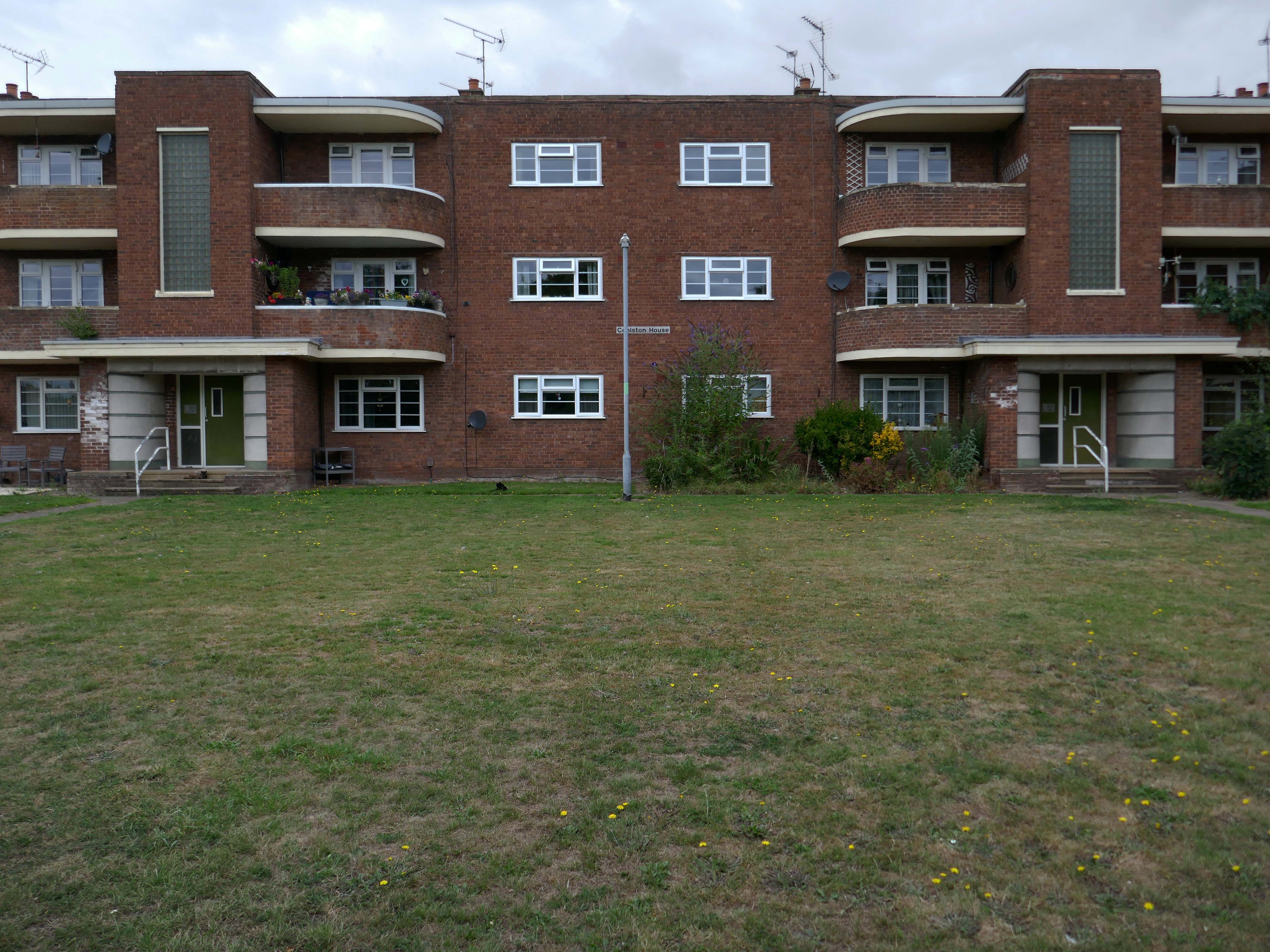
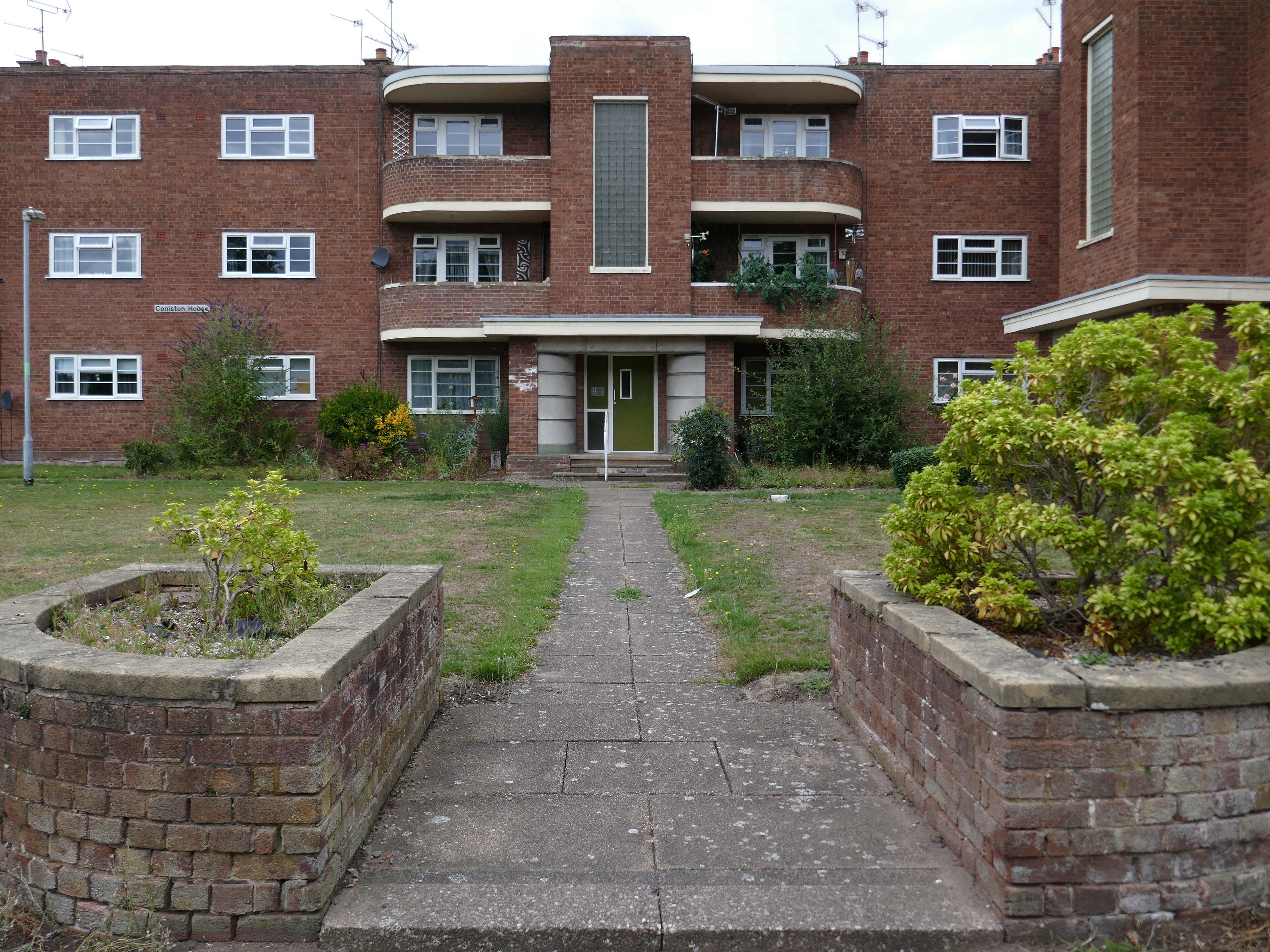
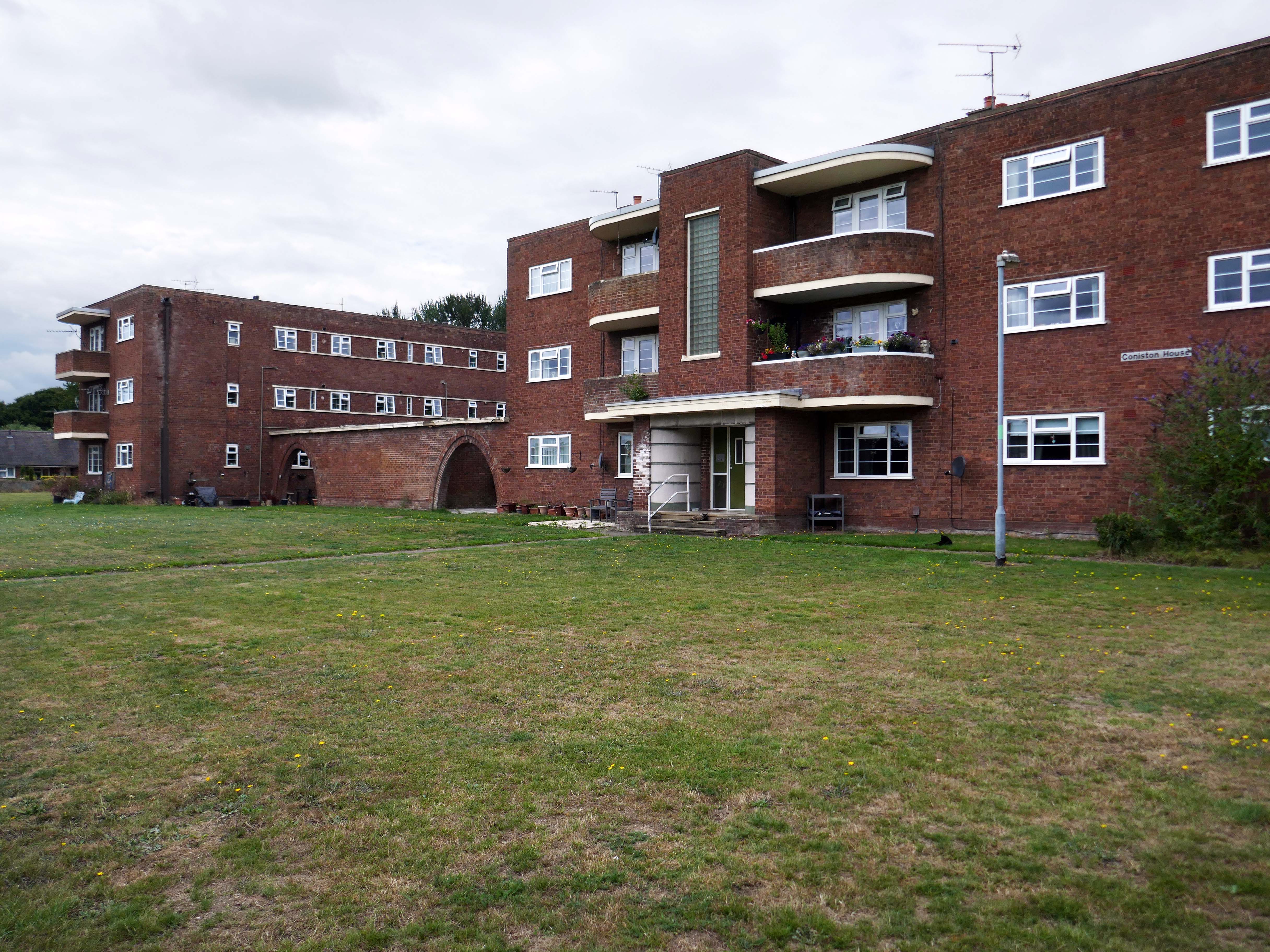
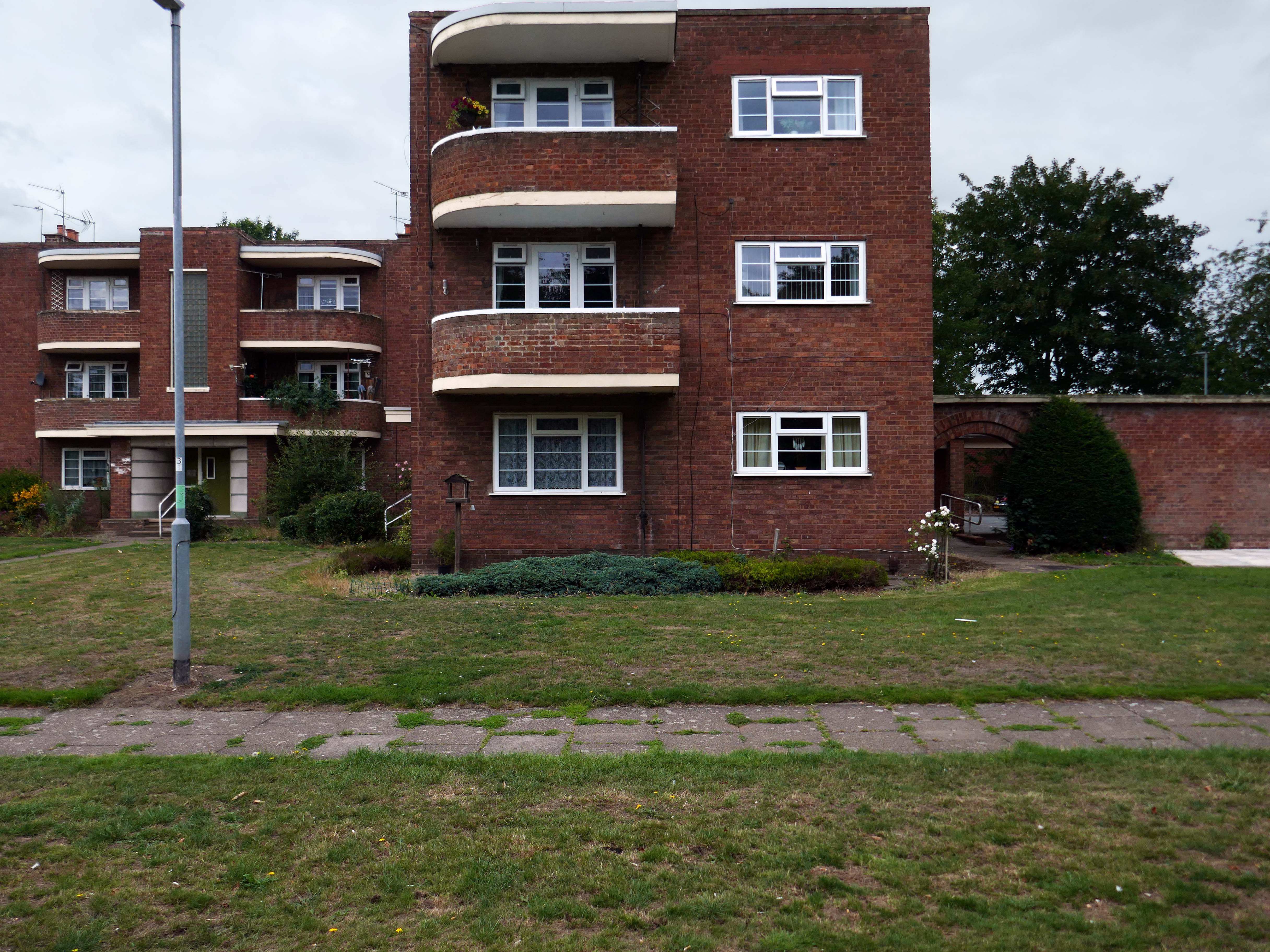
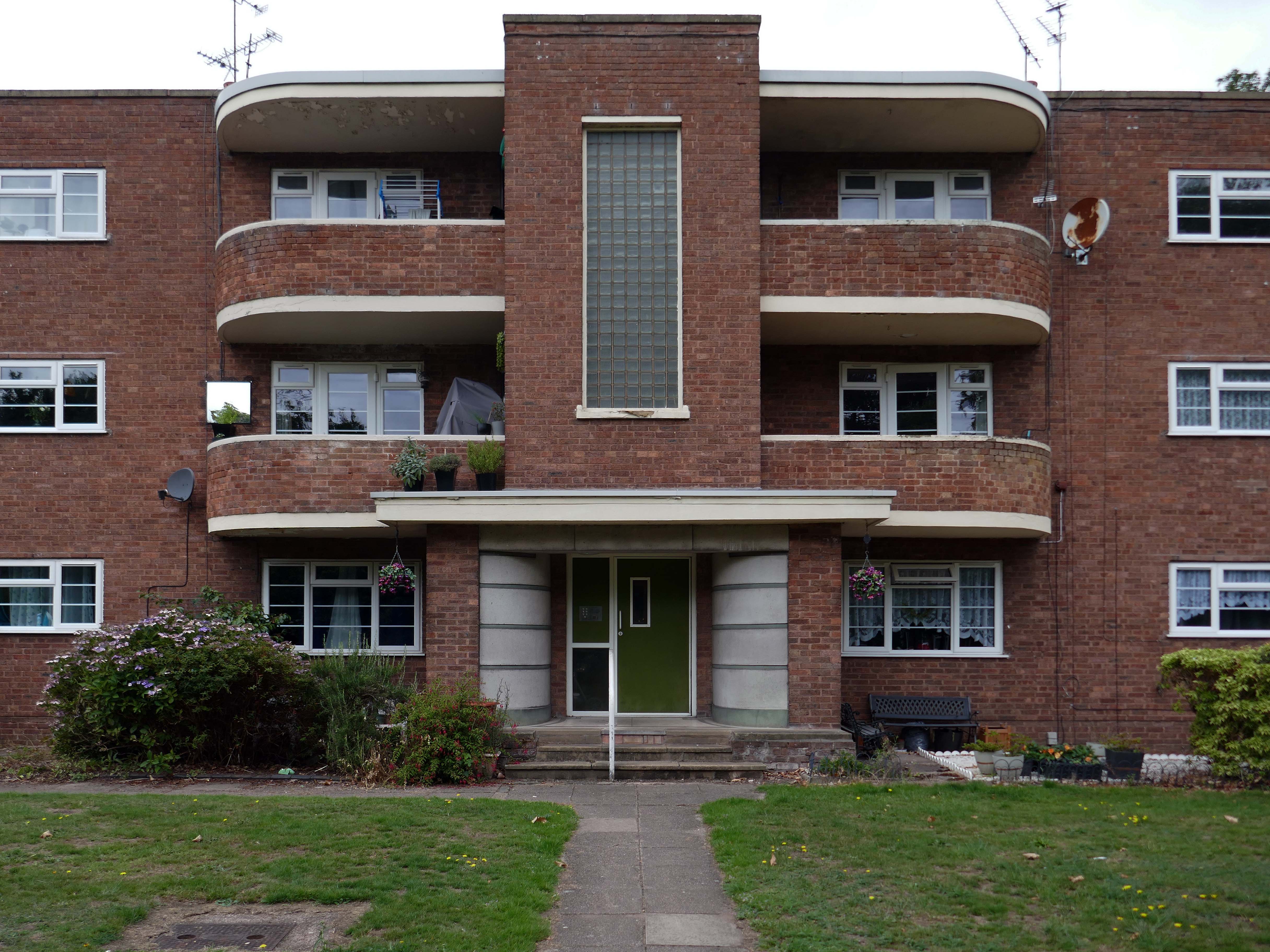
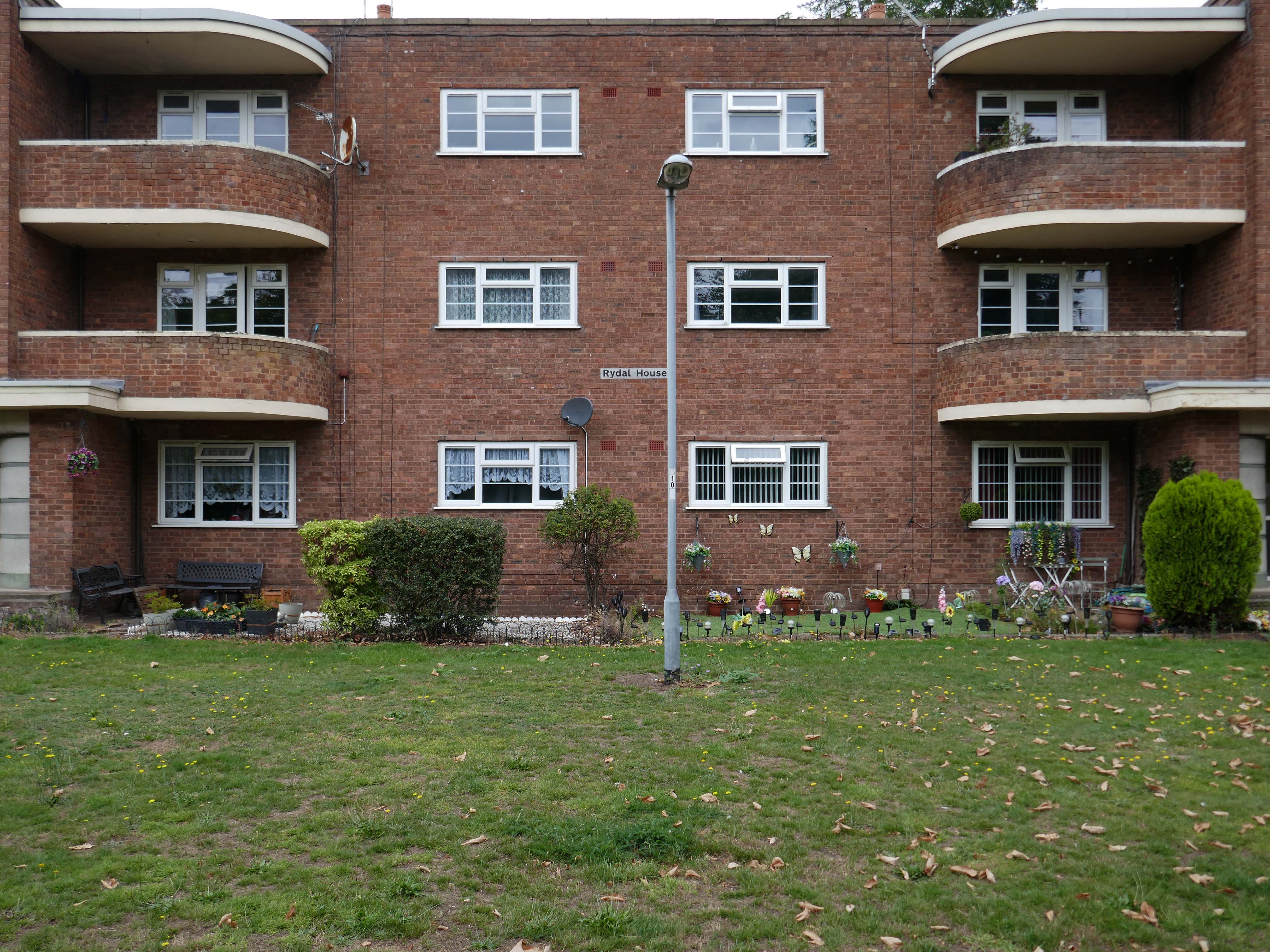
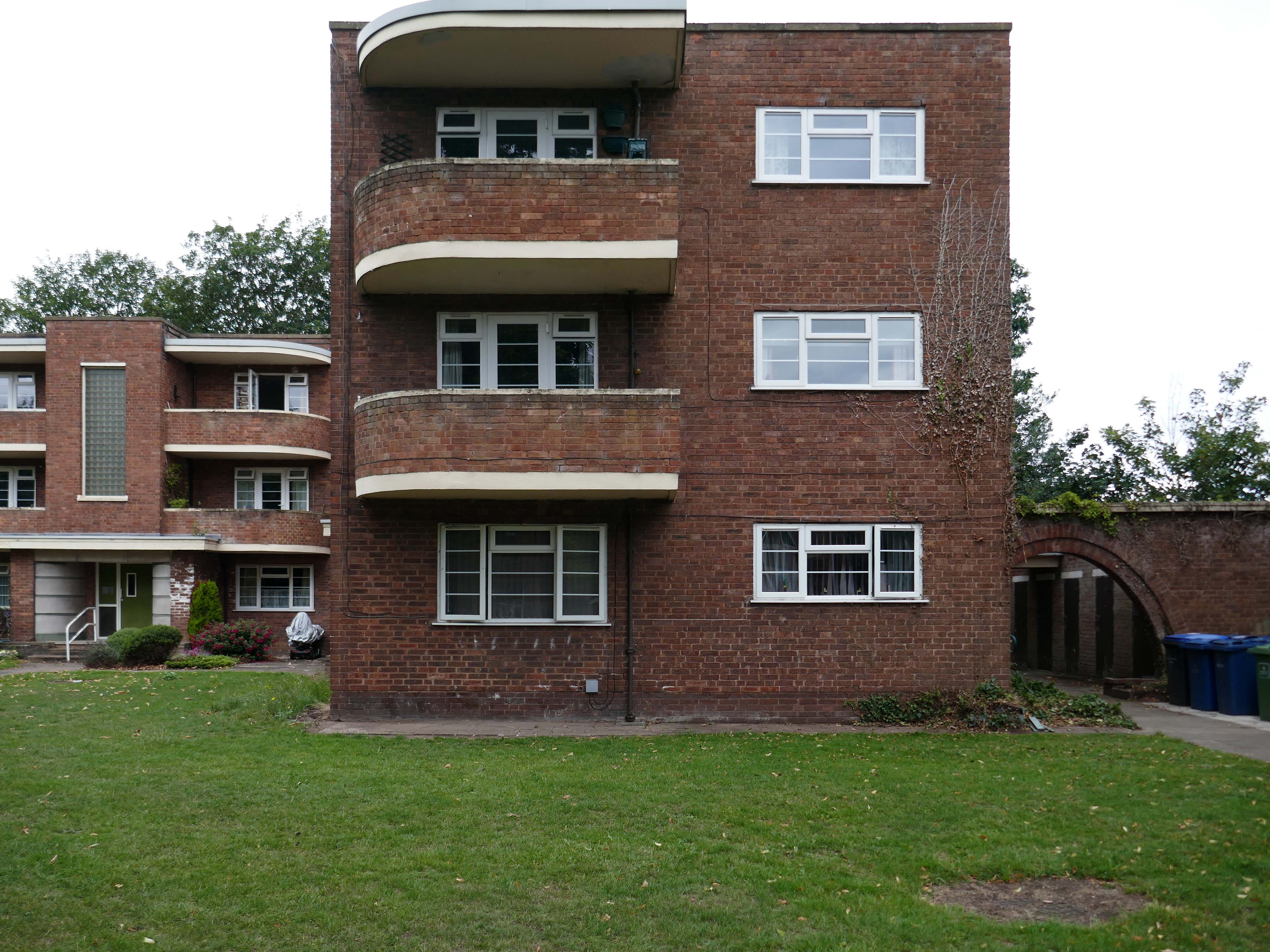
Coniston, Windemere and Rydal were among the first council homes to be built in Stafford, between 1951-52, under the direction of County Architect CM Coombes.
The flats were built as a result of The Housing – Financial and Miscellaneous Provisions Act 1946, which gave subsidies to local authorities to provide social housing. The expansion of the Borough Council’s civic duties included the employment of County Architects, in this case CM Coombes FRIBA, to whom these flats are attributed.
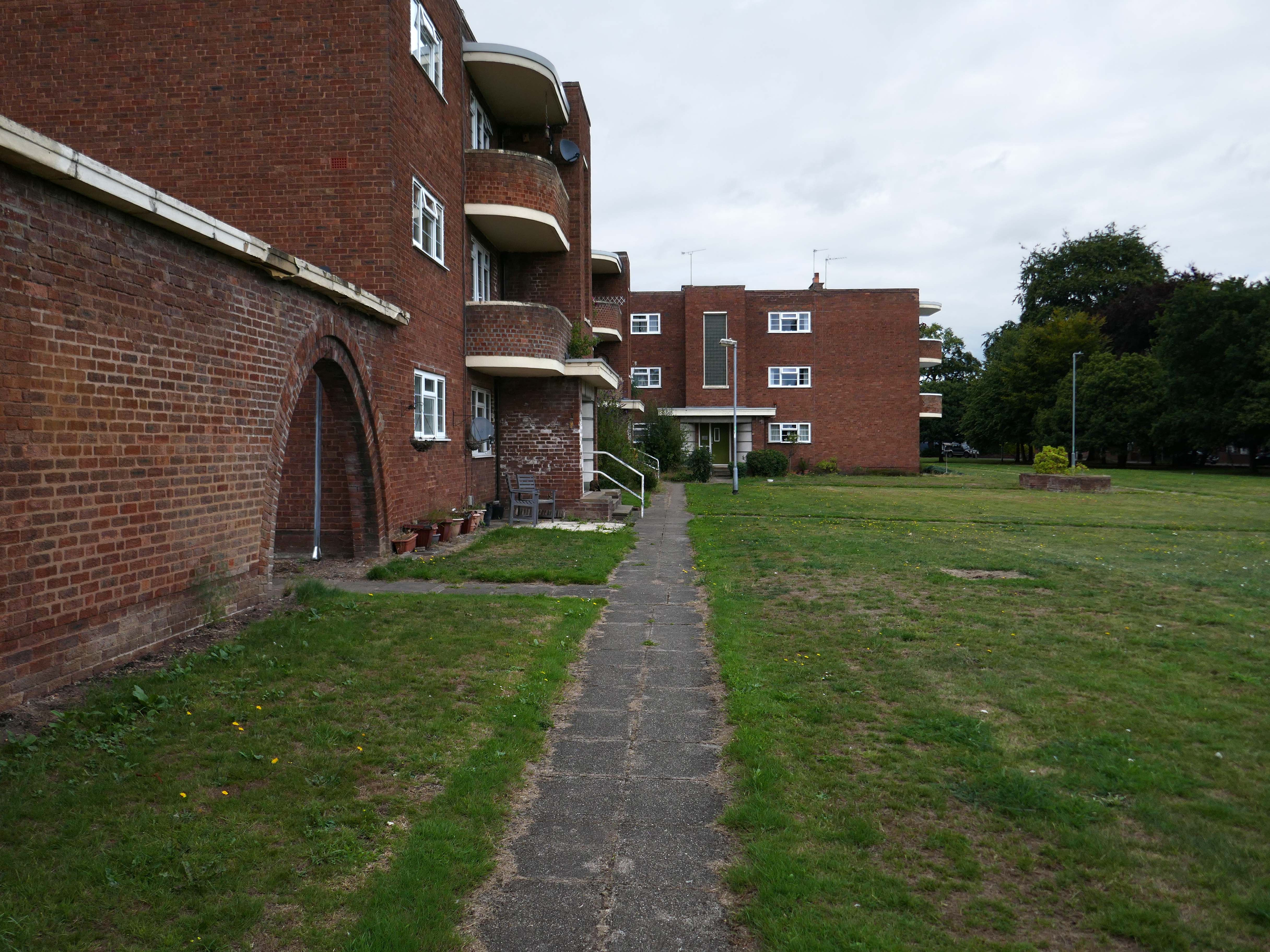
54 flats were built in total, to a distinctly Modernist design, and their appearance and setting are very well preserved.
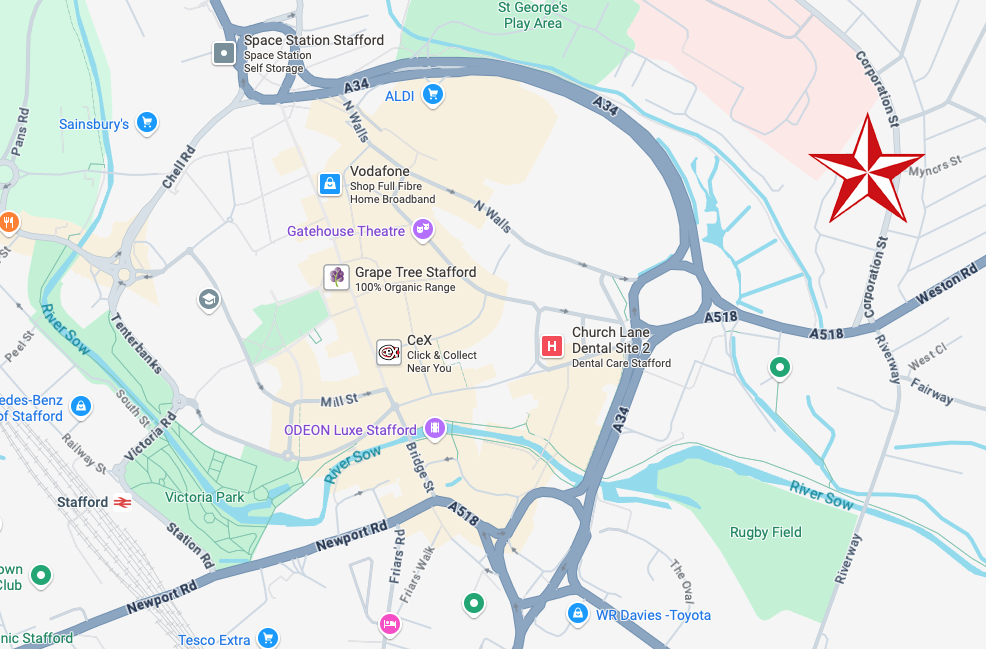
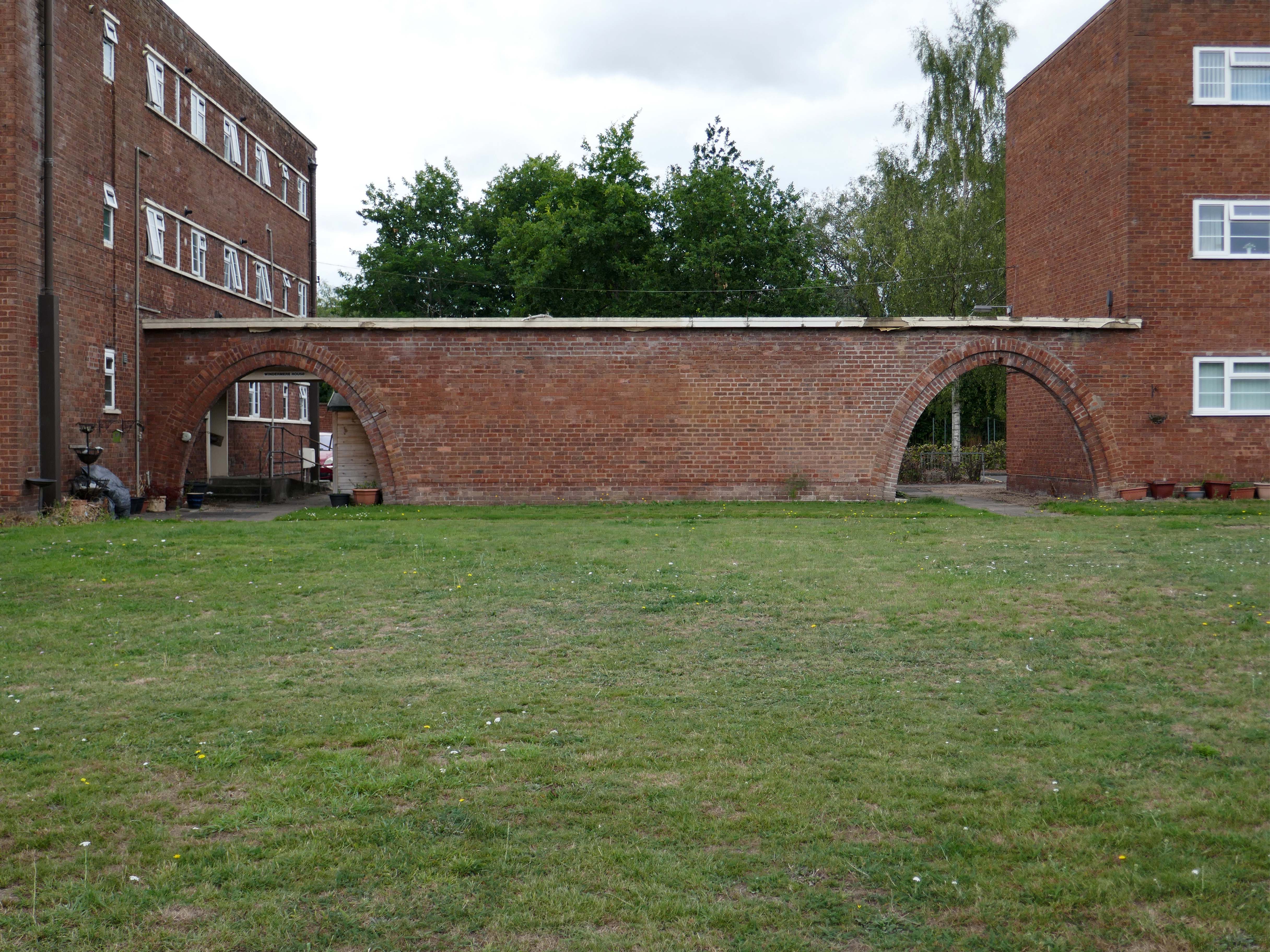
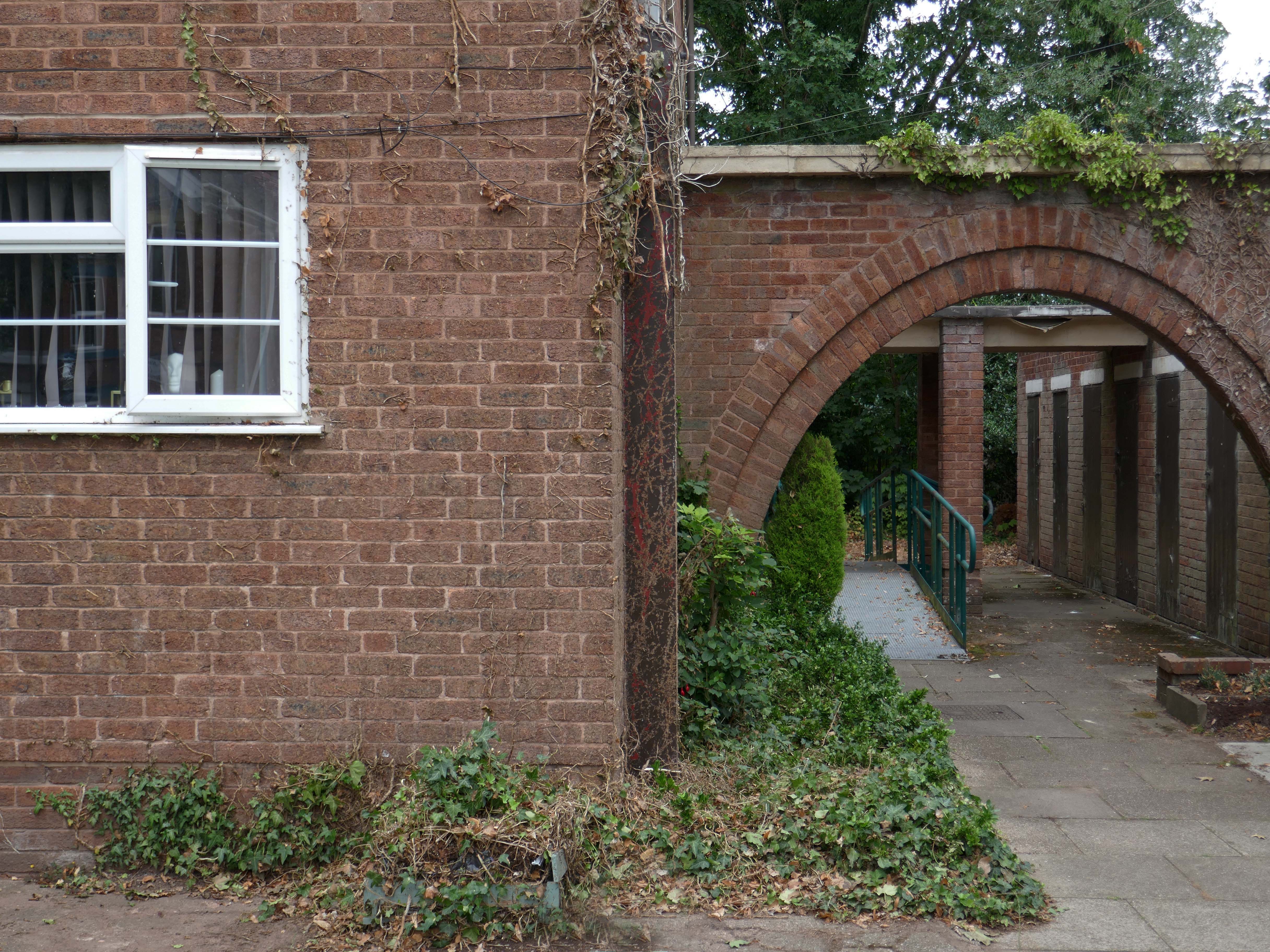
Whilst there are some common stylistic characteristics the Corporation Street Flats are of a more modest order. There are communal areas and a grassed apron, balconies and arched passages.
Over time the standard of maintenance seems to have declined, and the Crittall Windows have been replaced by white uPvc, where once there was a bowling green, this is now roughly mown and unused.
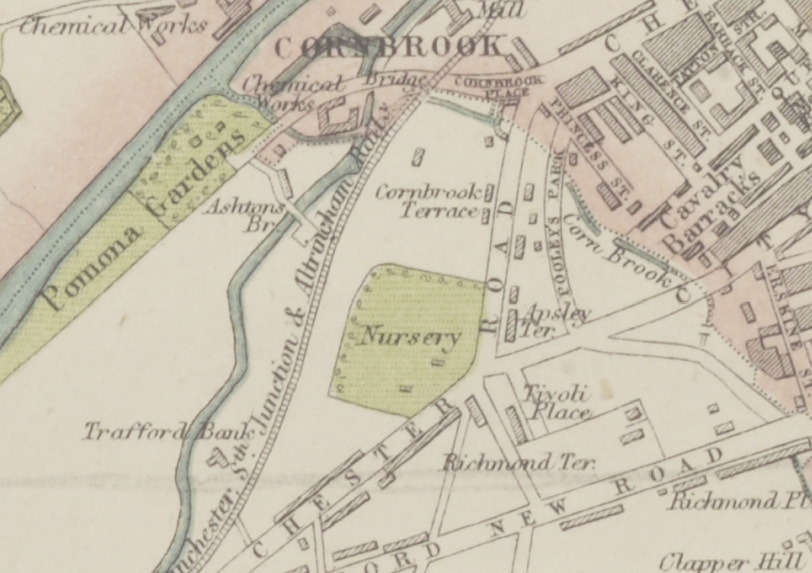
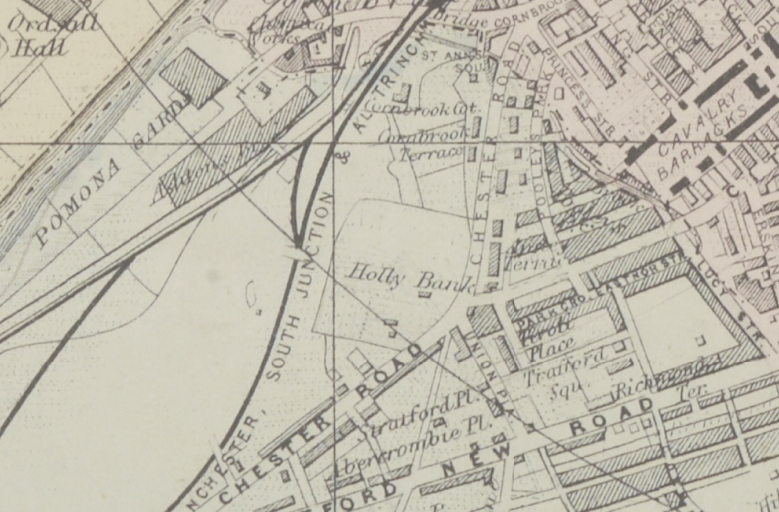
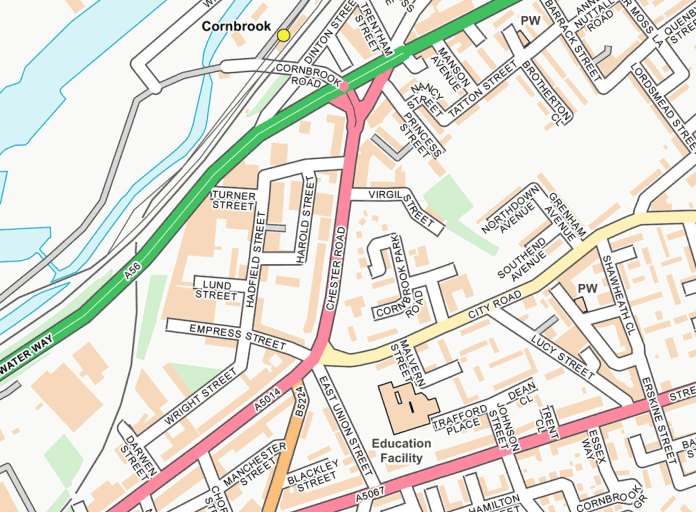
In 1870 the street pattern has yet to be established, between the South Junction railway and Chester Road. The area is occupied by a Nursery. Pomona Gardens sits beside the river, and the Corn Brook is clearly visible. To the right are the Hulme Barracks, closed and demolished in 1914.
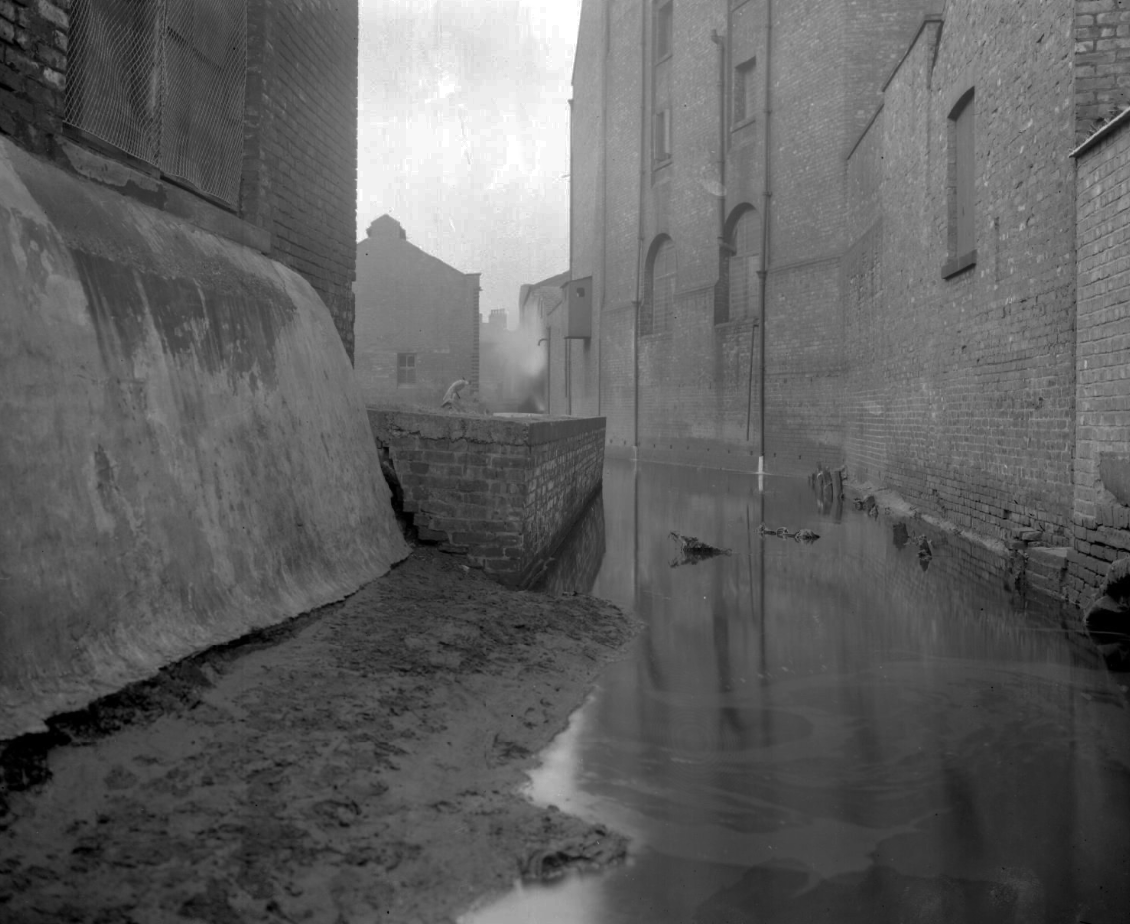
Corn Brook Textile Street 1947
In 1884 there is new housing to the right of Chester Road.
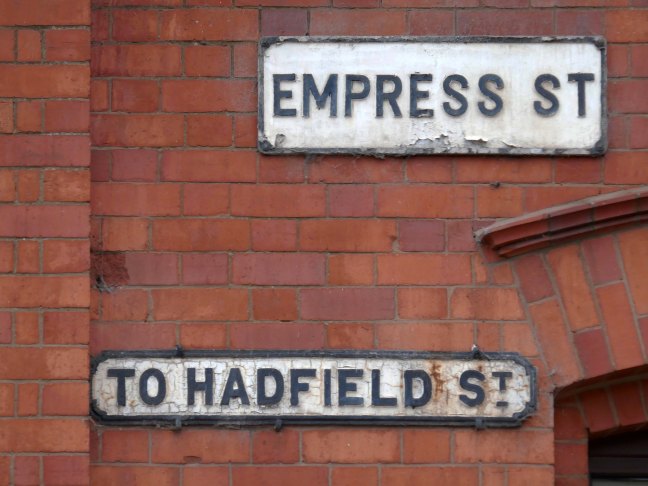
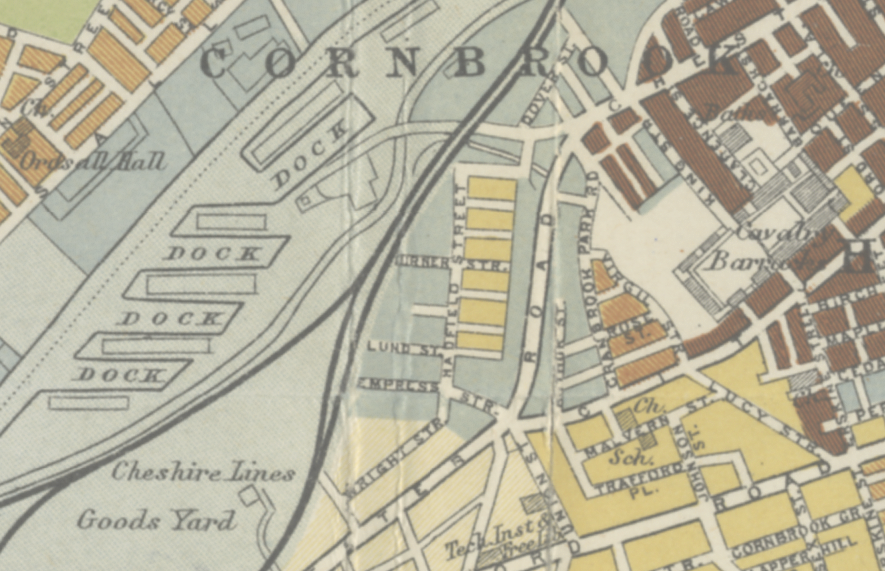
In 1904 the Pomona Docks have been established and the are around Hadfield Street fully developed.
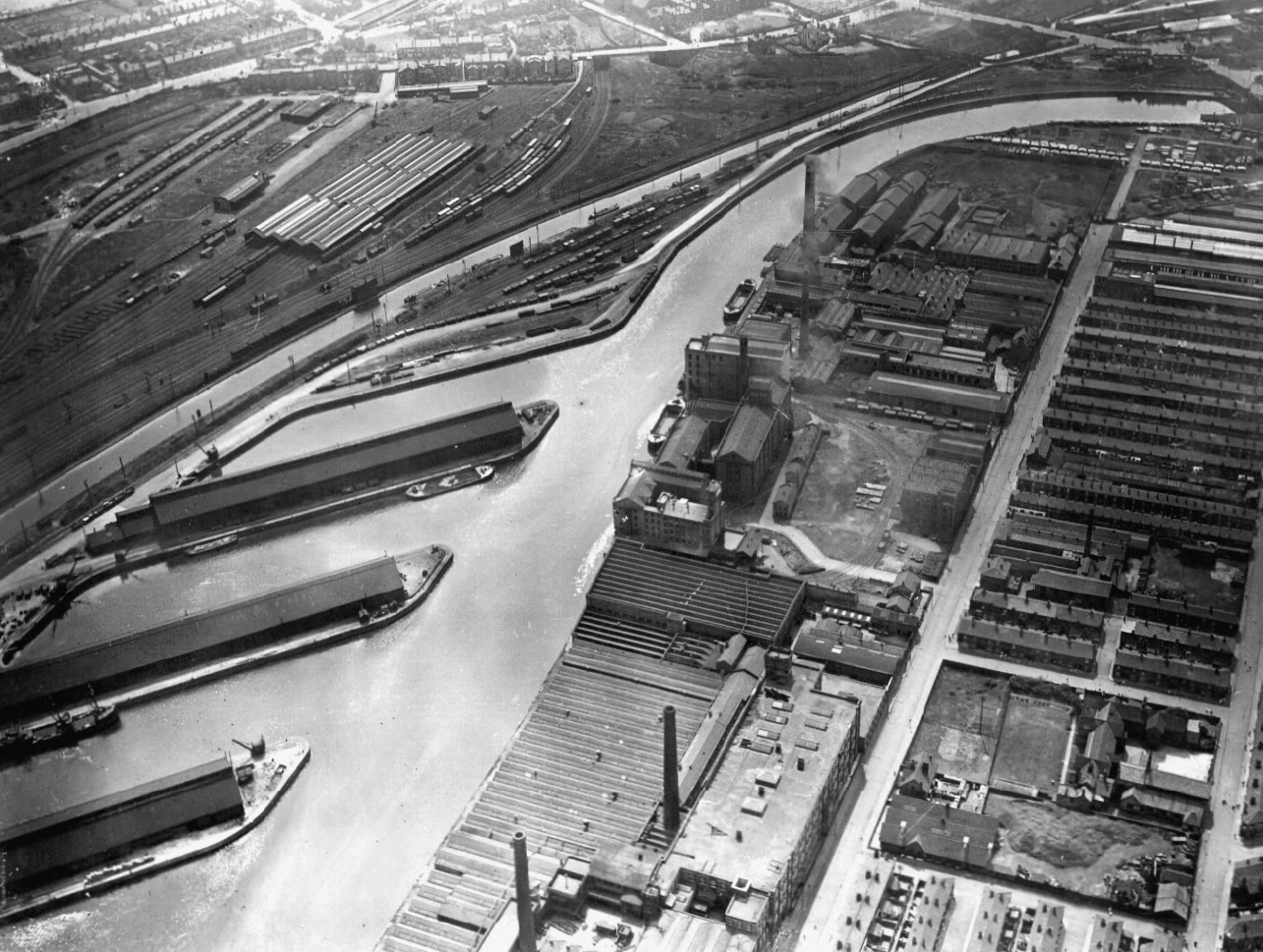
Pomona Docks 1923
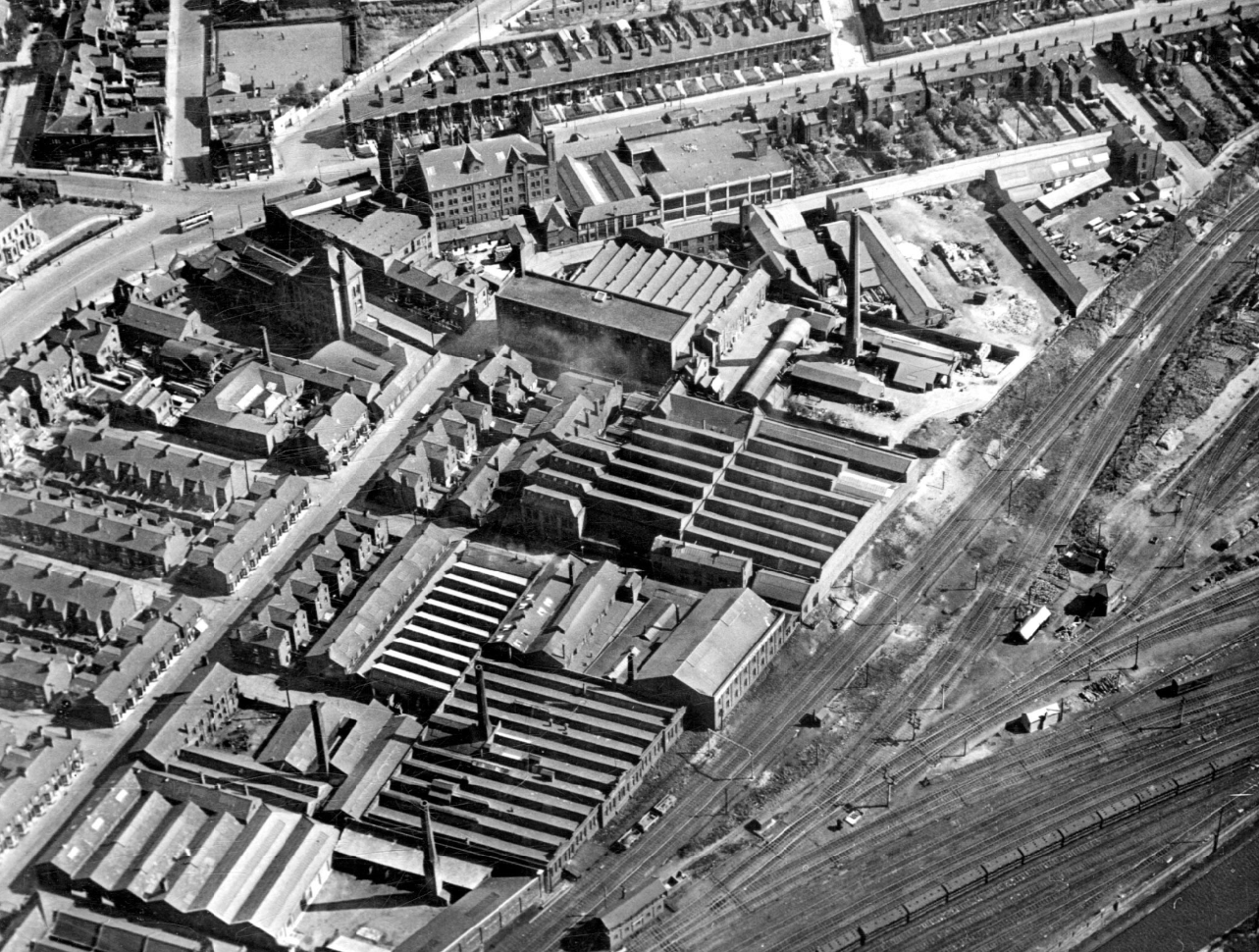
This is an aerial view from 1930, there area is now a dense network of streets to the north of Chester Road, transport infrastructure, housing and industry sit side by side.
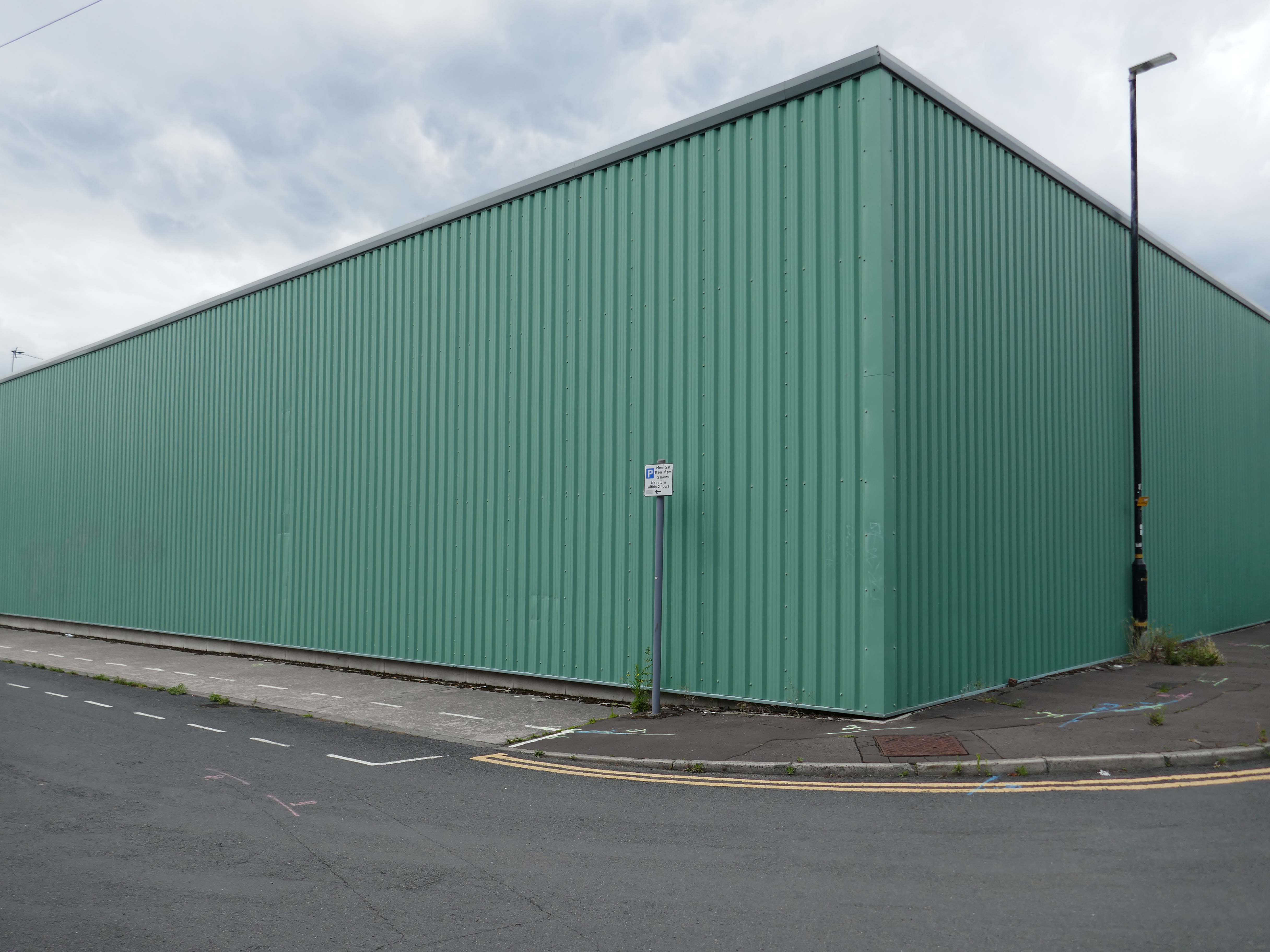
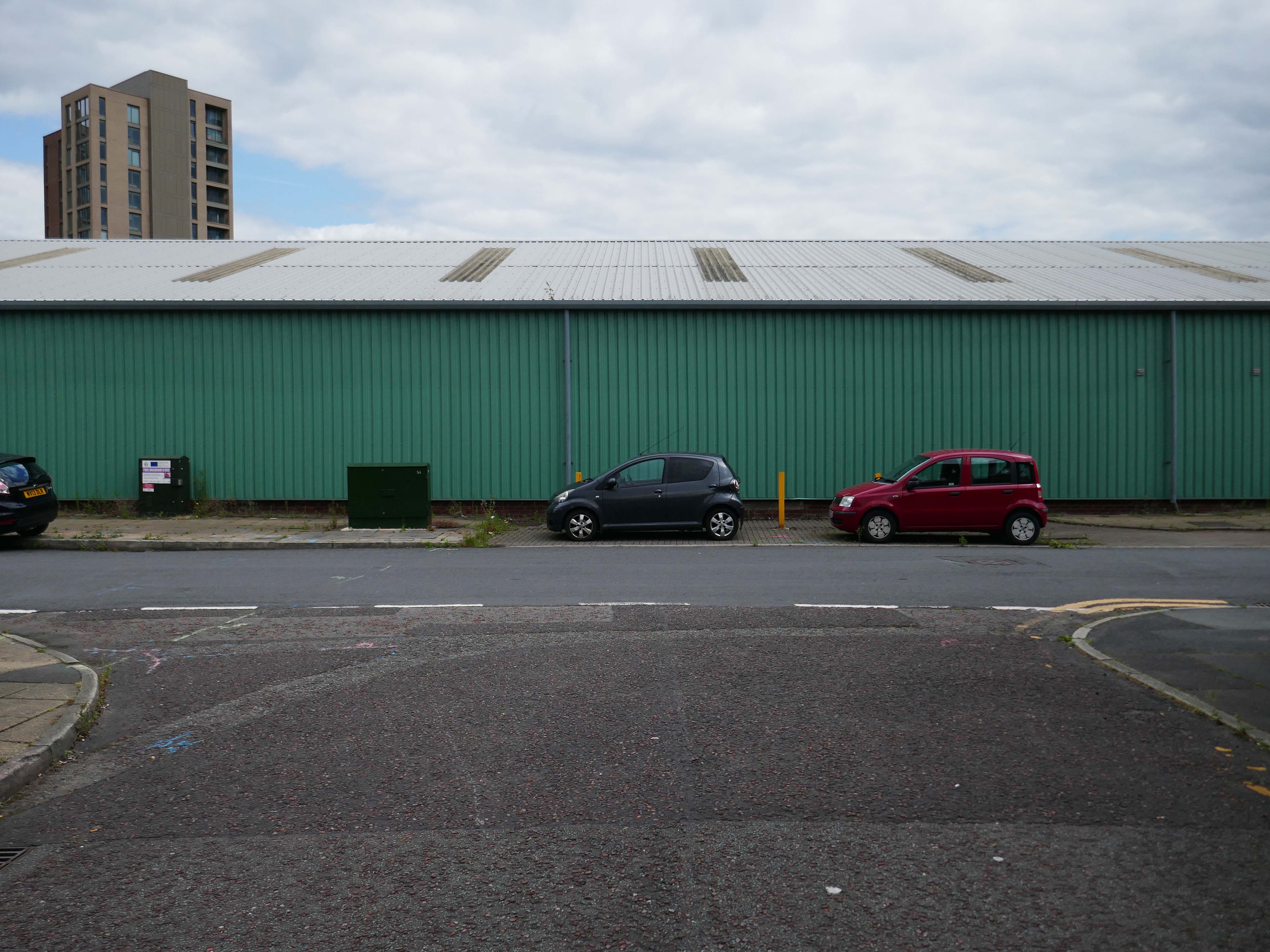
2025 the street pattern is still extant – but what has survived?
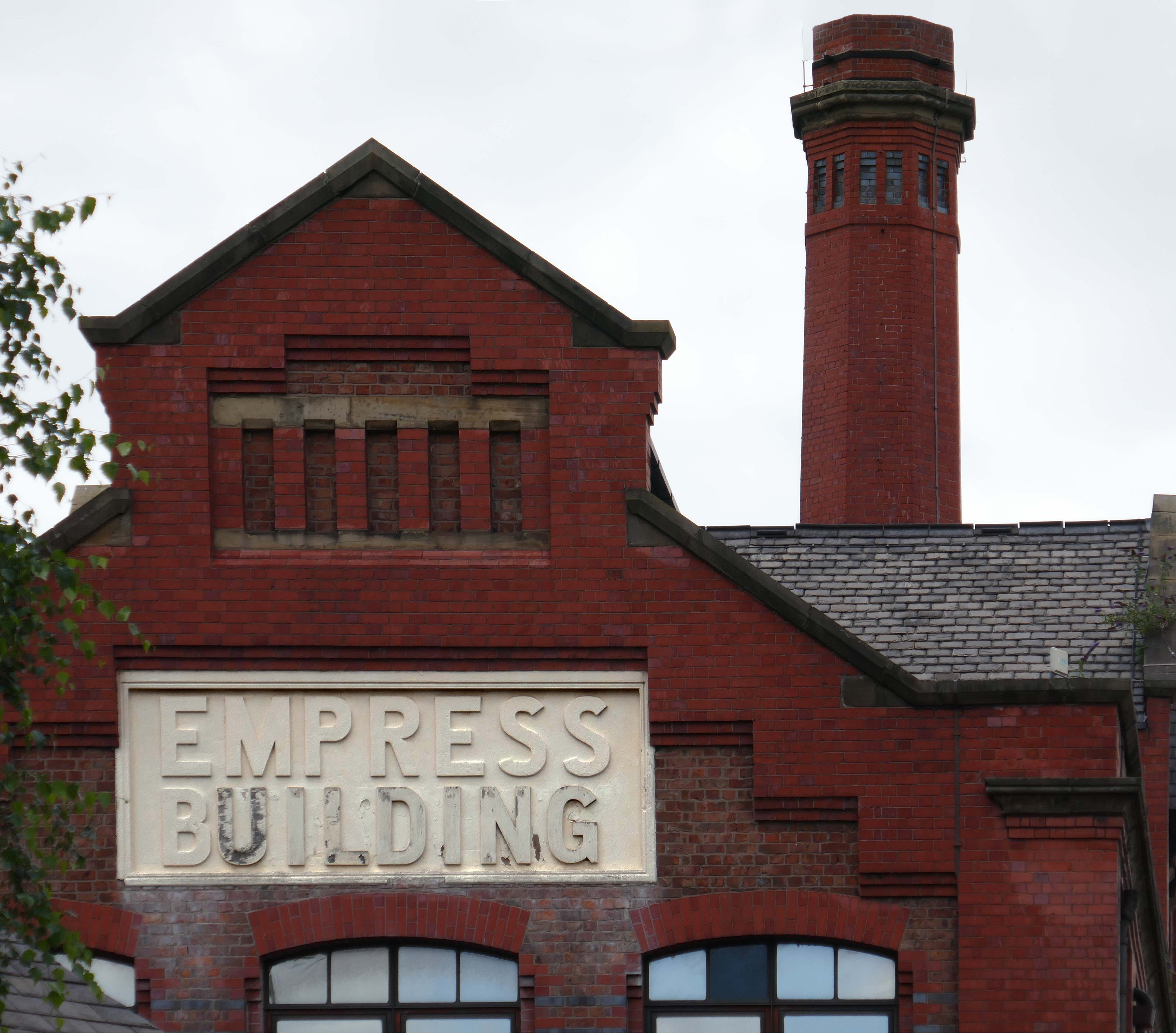
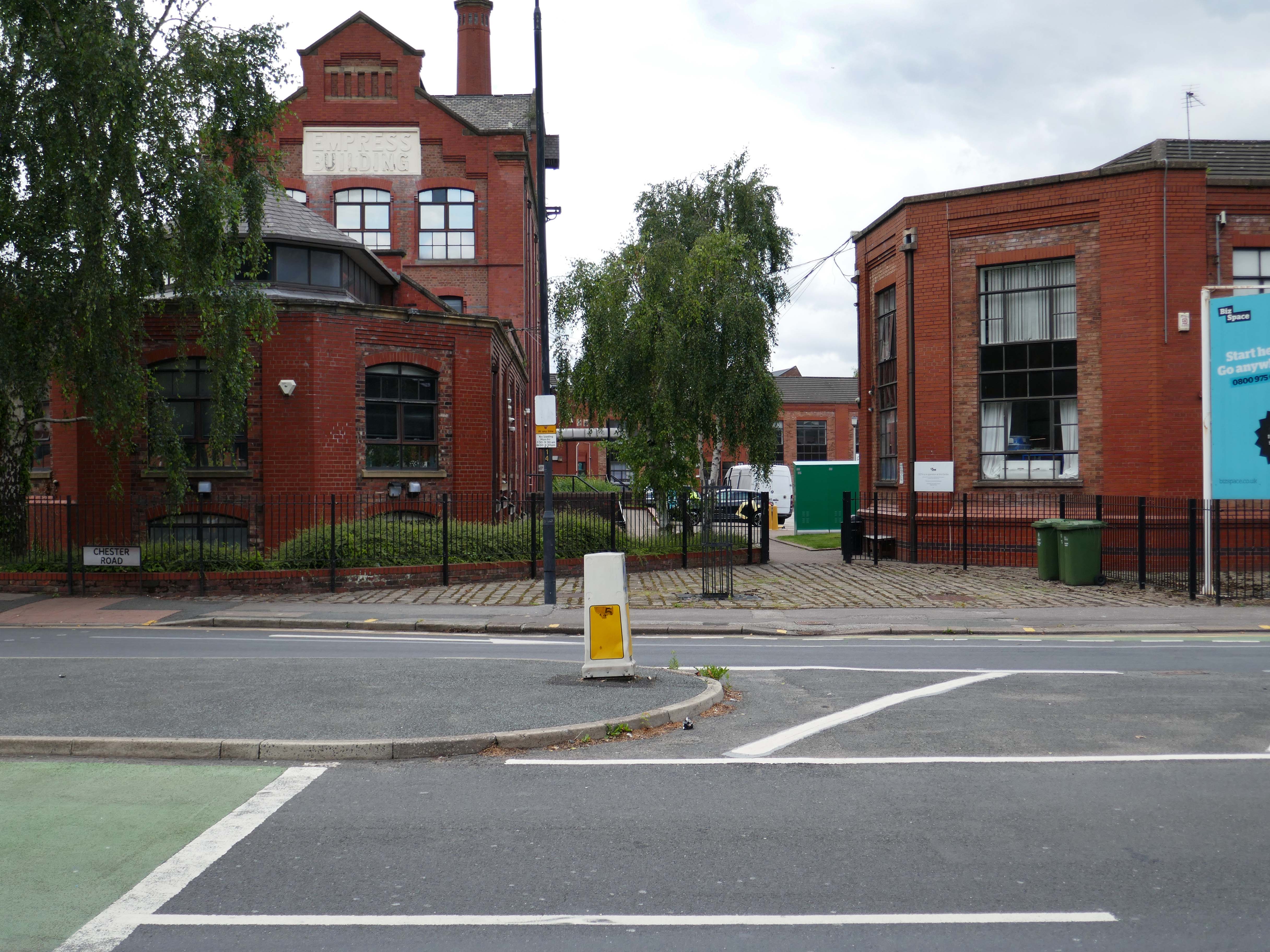
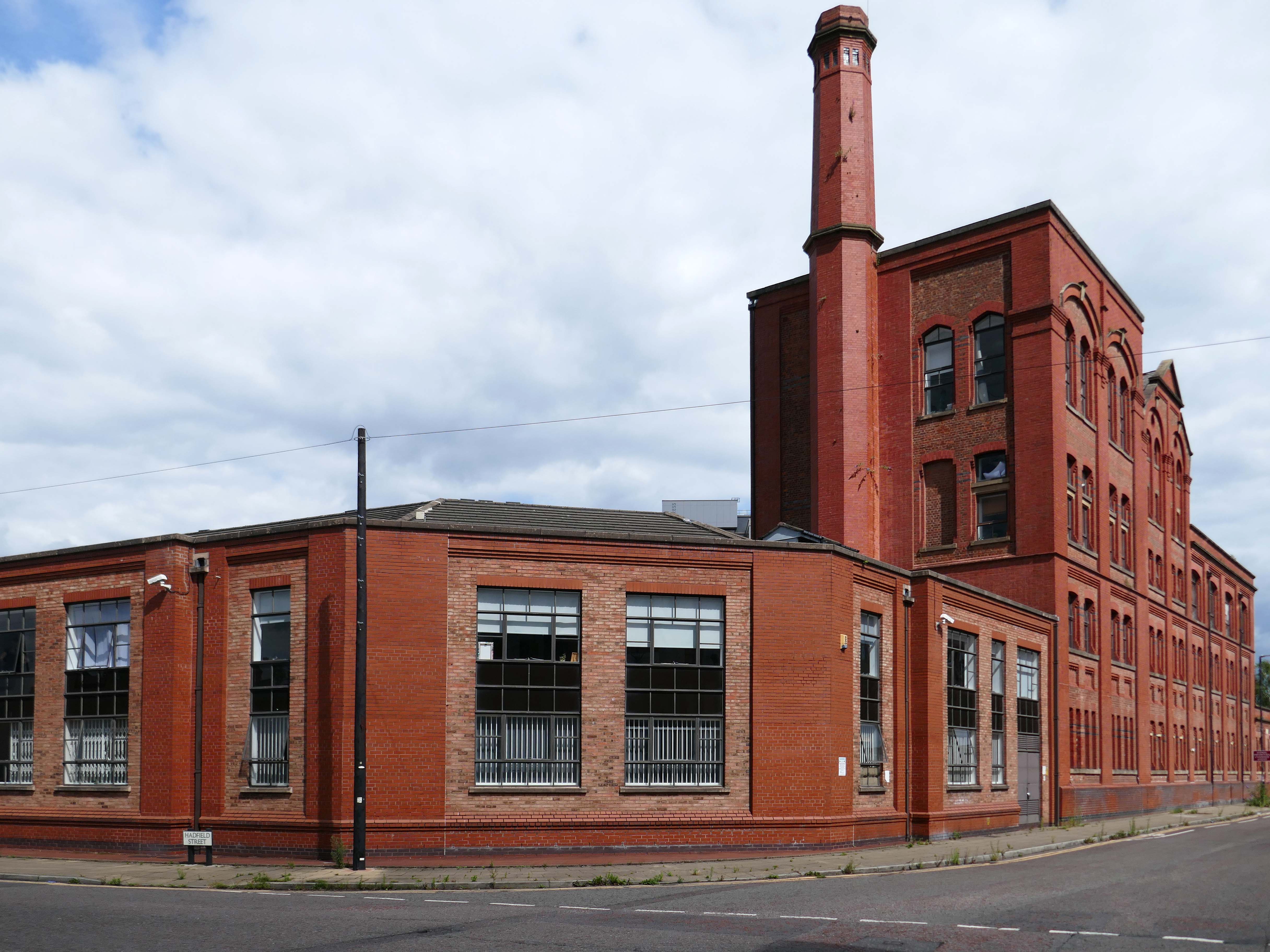
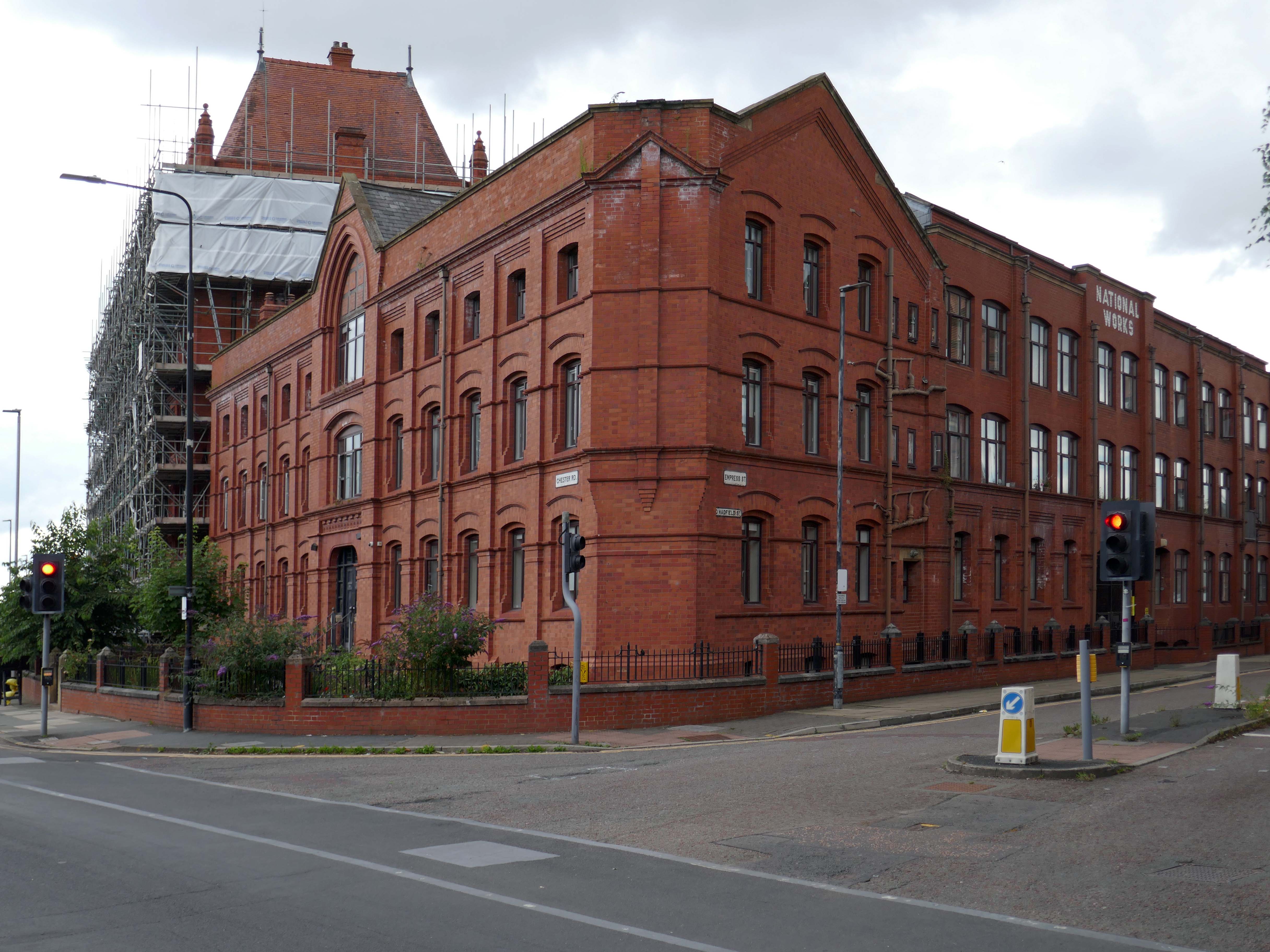
The Empress Brewery as seen on the previous Chester Road post.
The Empress Brewing Company was established by Charles Dawes in c. 1880, the brewery closed in 1955.
The building was converted into offices in 1992 as part of the development of the Empress Business Centre, which saw new office and business units built to form a courtyard.
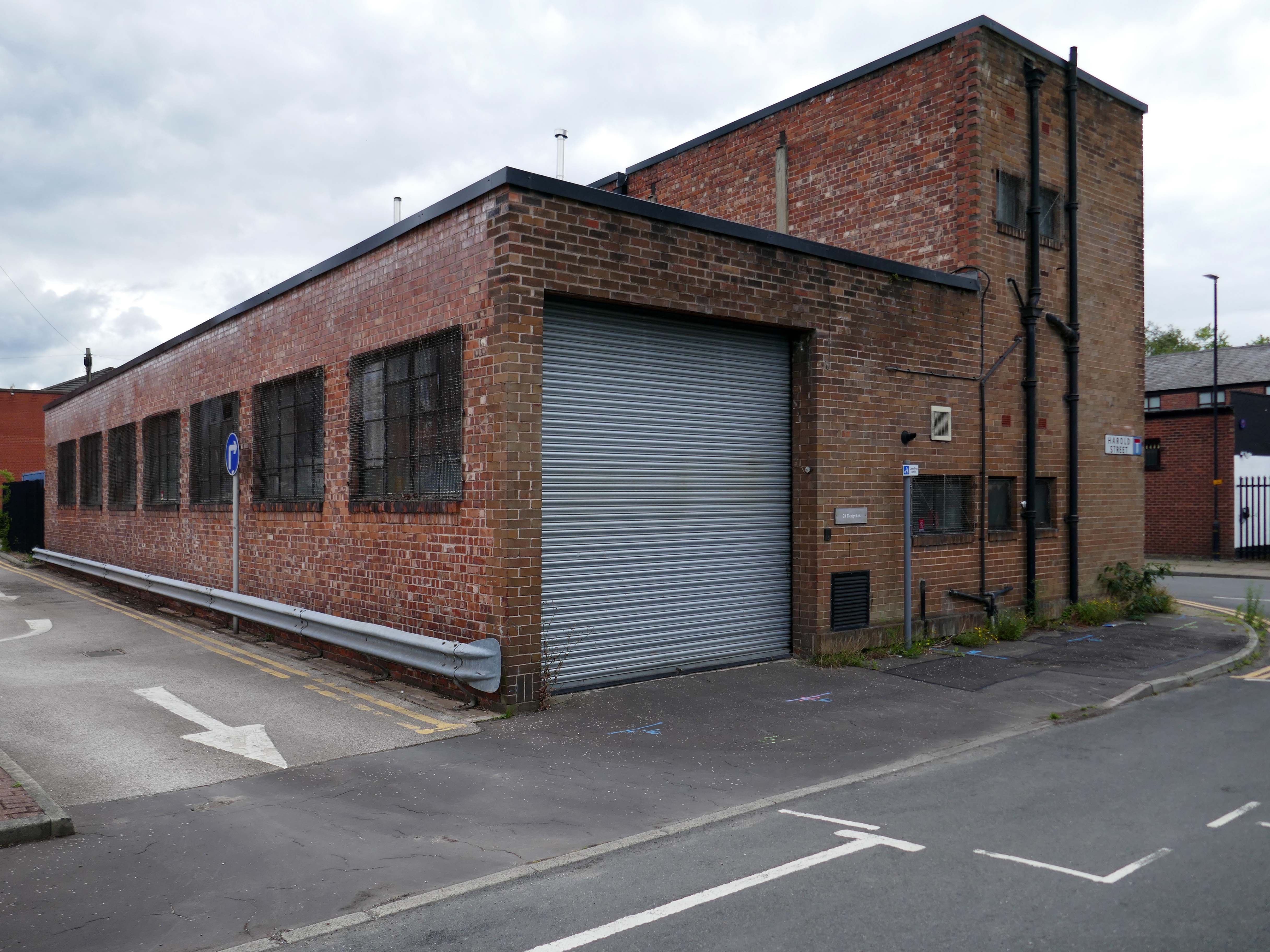
24 Design Ltd Hadfield Street – an exhibition design and build practice, working extensively within the museum and heritage sector.
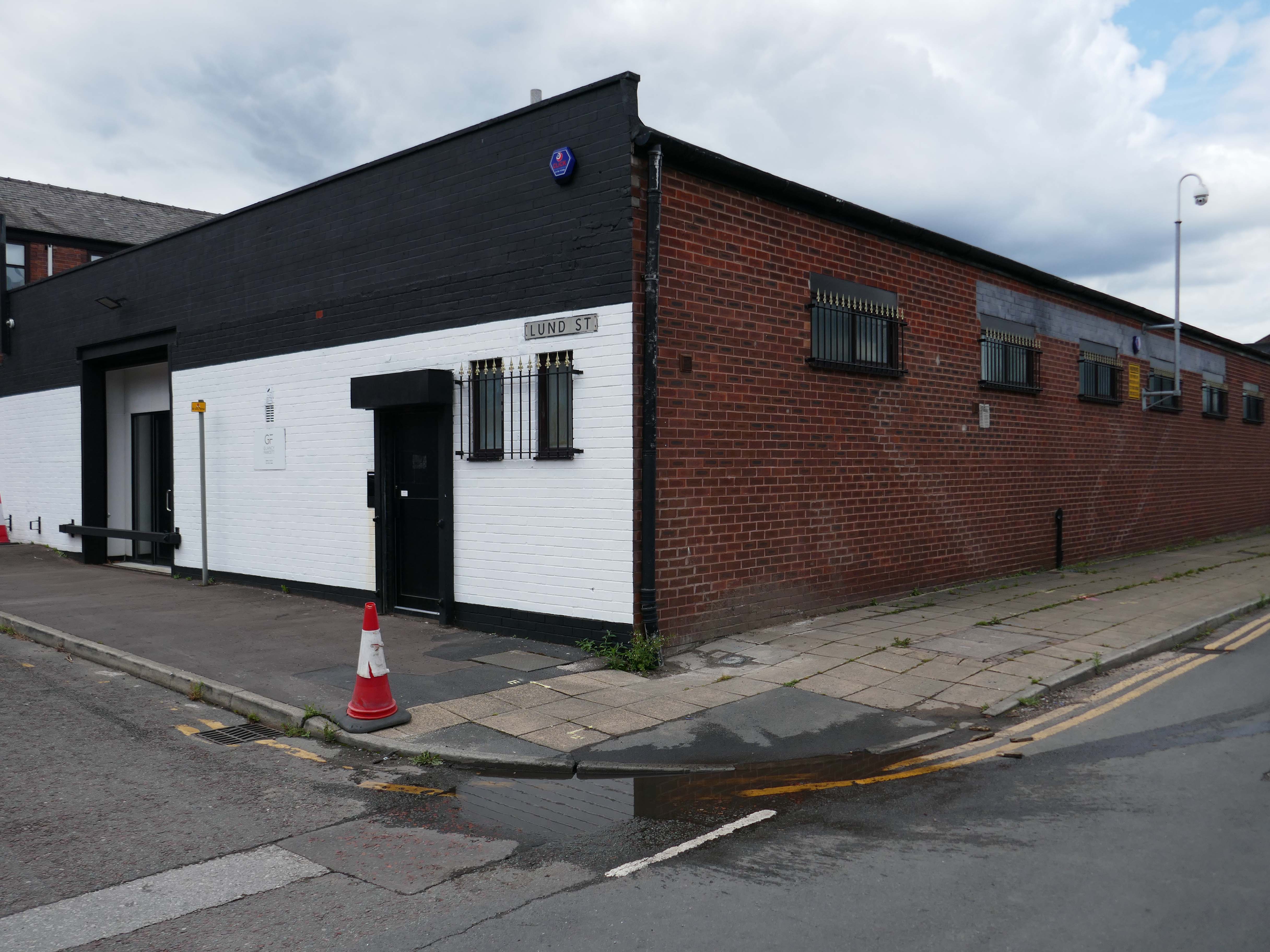
Glancy Fawcett Lund Street, A project-based, luxury lifestyle supplier delivering exquisite homeware for superyachts, residences and private jets.
Concept Life Sciences Hadfield Street, your trusted partner from concept to clinic. We are your integrated drug discovery and development partner for complex challenges, renowned scientific knowledge, and strategic execution across all modalities from small molecule and biologics to cell and gene therapies.
They seem to have left the building.
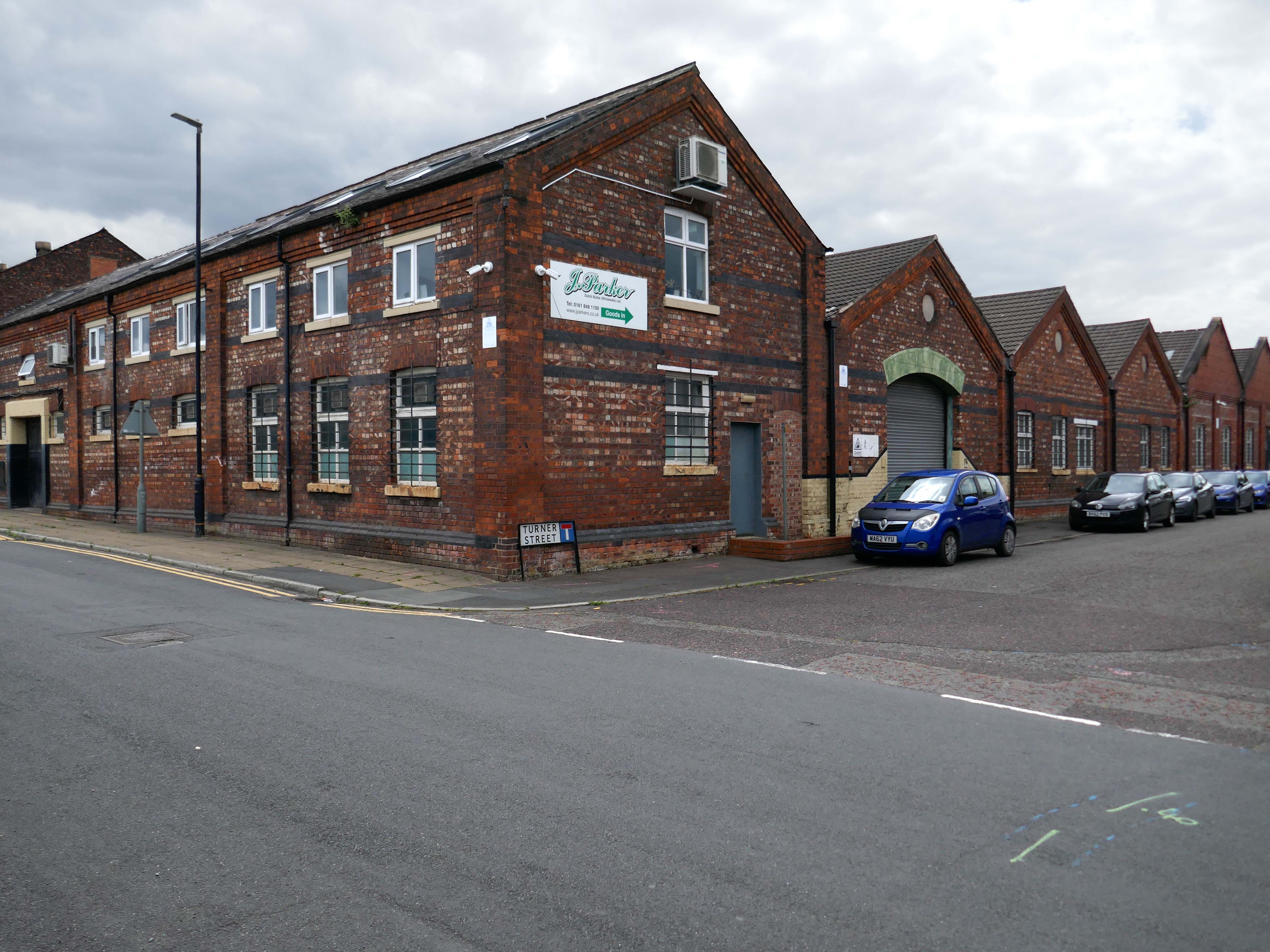
J Parker‘sLtd Hadfield Street, Dutch bulb importers – competitive prices across all our garden plant and bulb ranges, huge range, unbeatable prices, established 1933.
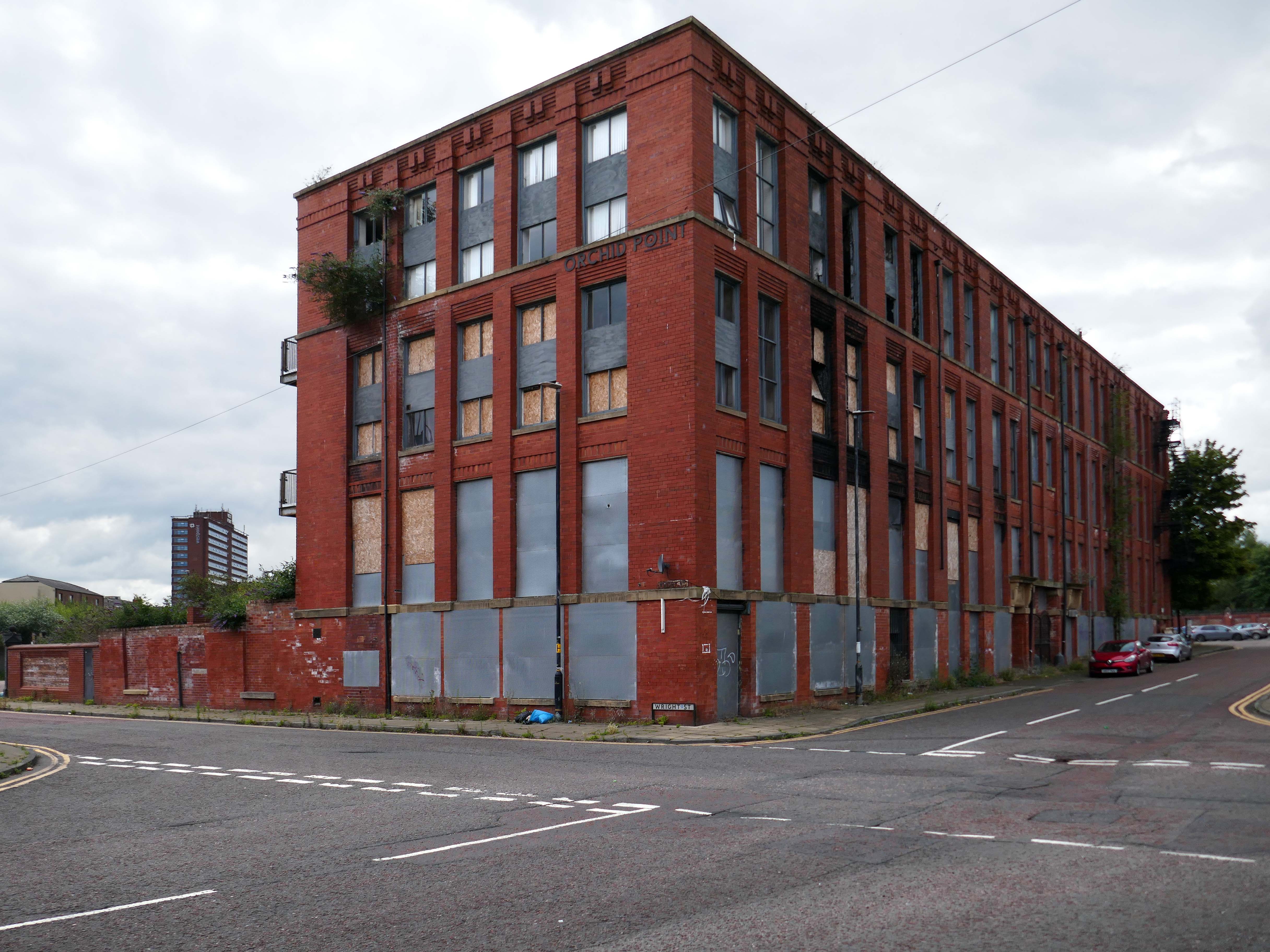
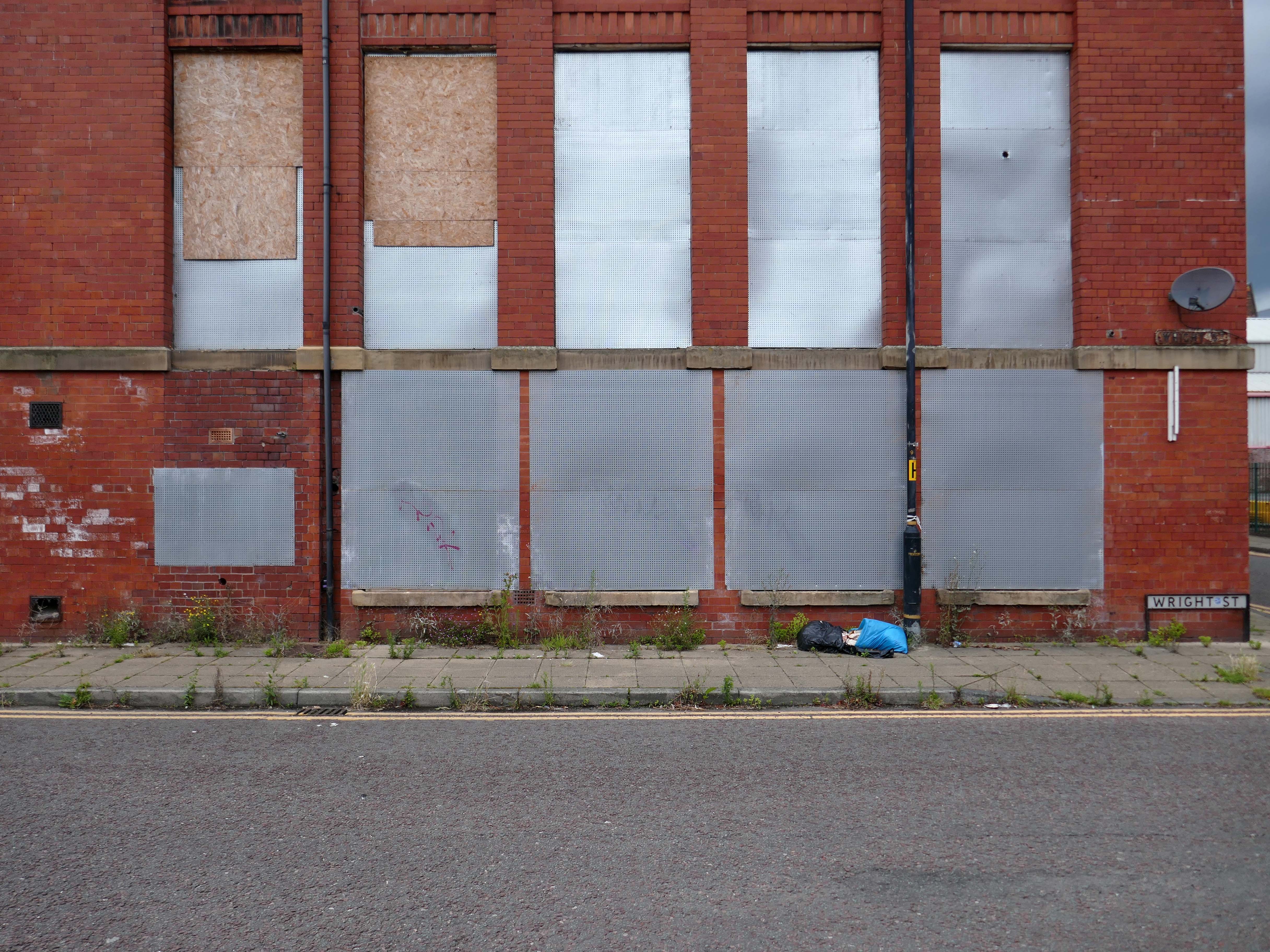
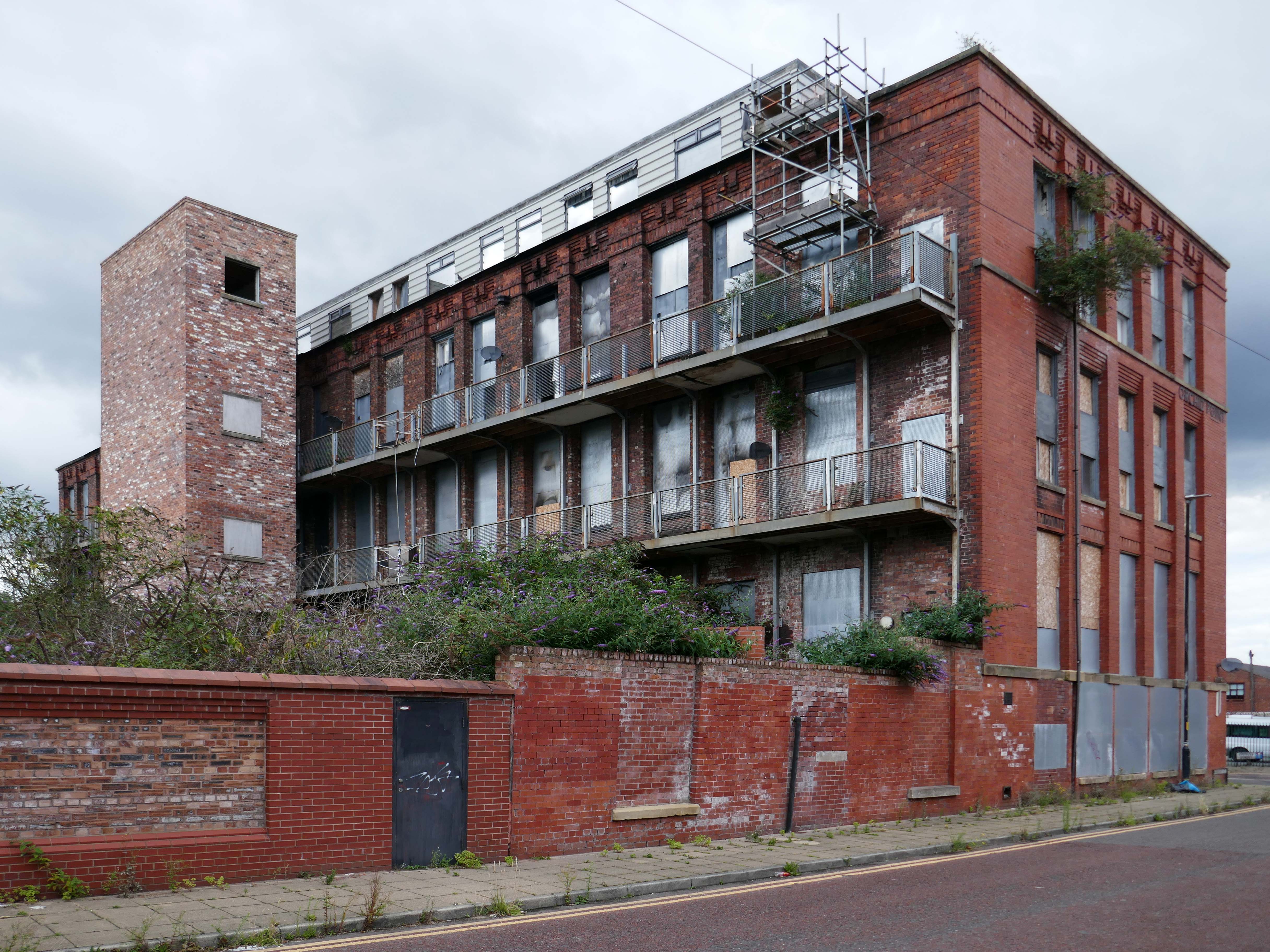
Empress Mill latterly Orchid Point Empress Street.
Built between 1903 and 1909, it echoes the industrial character of the larger industrial buildings on Chester Road and Empress Street. The property is listed as a smallware factory in the occupation of Woolf & Higham manufacturers of small wares, upholsterers’ trimmings, worsted bindings, woven venetian ladder tapes, cotton and linen venetian blind webs, spindle bandings, window blind cords, carpet bindings, bed laces. The works is shown on the Ordnance Survey of 1955 as an Engineering Works – Printing Machinery.
Local Heritage List
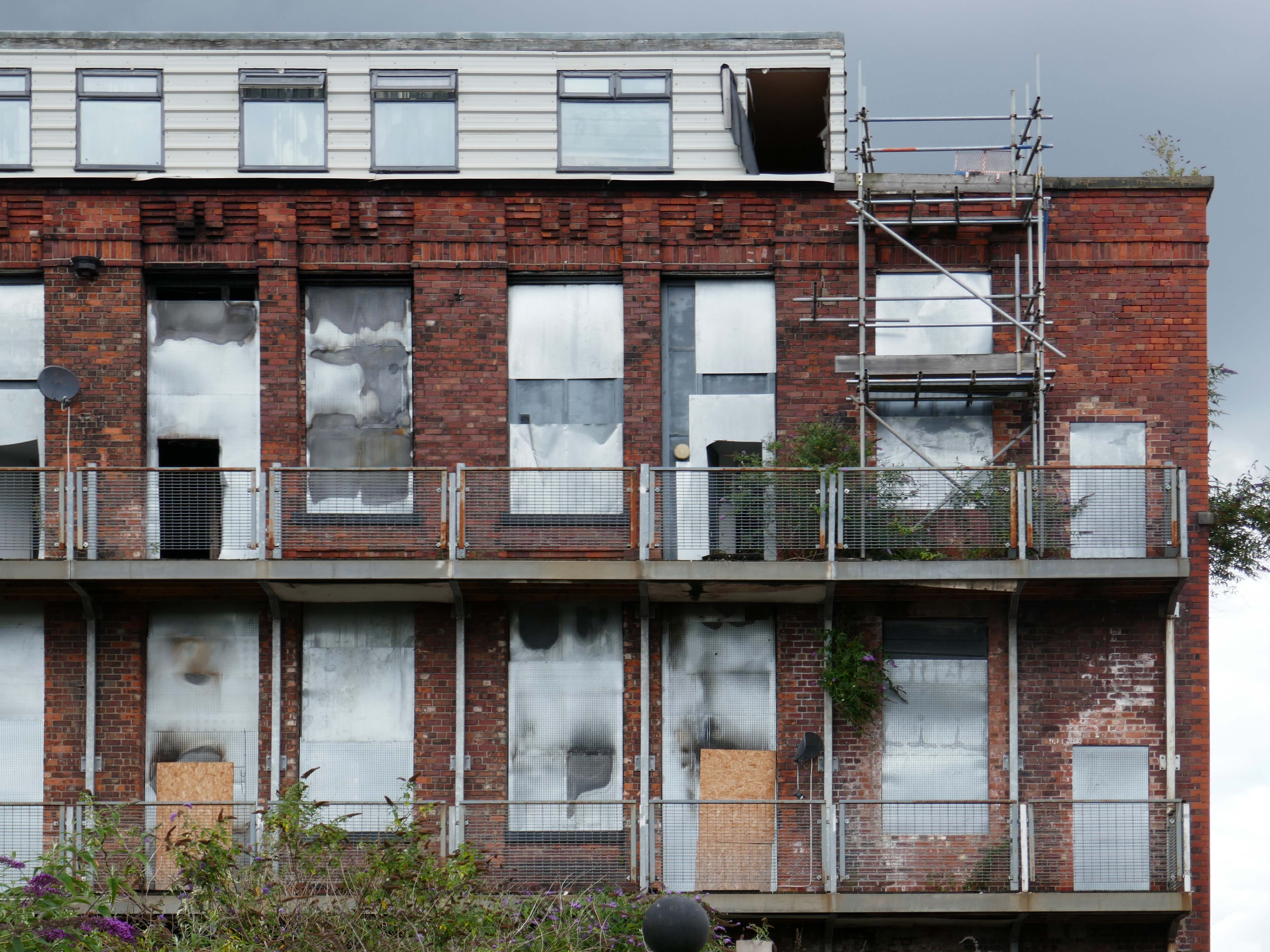
In 2011, FreshStart Living purchased the building, alongside others nearby, as part of a £9 million development ‘breathing new life’ into this corner of Old Trafford with 116 one and two-bedroom apartments. But, on the inside, leaking roofs, mould, exposed electrical wires and a dodgy gas connection paint a completely different picture.
Not long after purchasing it, we discovered the entire building was being powered by a generator.
Empress Mill was turned into an apartment block as part of a development called Orchid Point. It is understood some residents were allowed to move in twelve years ago, but these residents were asked to move out after a number of years due to safety issues.
On February 20th 2023, the Empress Mill was one of a number of buildings described as unsafe and unsecure by Trafford Council.
The emergency services were called to Empress Mill at 5.15am on Friday. Ten appliances from across the region, including specialist appliances called a stinger and a scorpion, attended the abandoned mill turned apartment block off Chester Road and firefighters battled the blaze into the afternoon.
Officers from Trafford Council have taken firm action to put a stop to anti-social behaviour at a vacant block of flats in the Old Trafford area.
Drug addicts and thieves have descended on Aura Court since much of it was closed in August 2020 by Greater Manchester Fire Service due to a decaying non-compliant fire escape.
The site along with Venos and Progress House is up for sale.
A rare development opportunity in Central Manchester with excellent access to Manchester City Centre Close to Salford Quays, Old Trafford Football and Cricket Grounds along with White City Retail Park The total site covers an area of approximately 2.10 Acres, historic planning consents granted on the site for in excess of 200 flats plus additional commercial accommodation.
Duckworth’s specialised in the manufacture of concentrated soluble essences, essential oils and colours supplied to the aerated water trade – local ‘pop’ men. They were leaders in the field, supplying flavours and essences around the world and developing products tailored to specific markets.
Duckworth & Co was acquired by Cargill Flavor Systems Ltd in 2003, the company vacated the Chester Road premises in 2006.
After buying the building in 2007 for a reported £3.6m, the Church of Scientology planned to re-open the building by either 2010 or 2011.
Leaders of the religious group have submitted a new application to carry out external and internal works. A design and access statement written on behalf of the church by NJSR Chartered Architects proposes a comprehensive revamp of the building.
The overall aim of the project is the refurbishment and conversion of the Duckworth Essences Building into a place of religious study and worship.
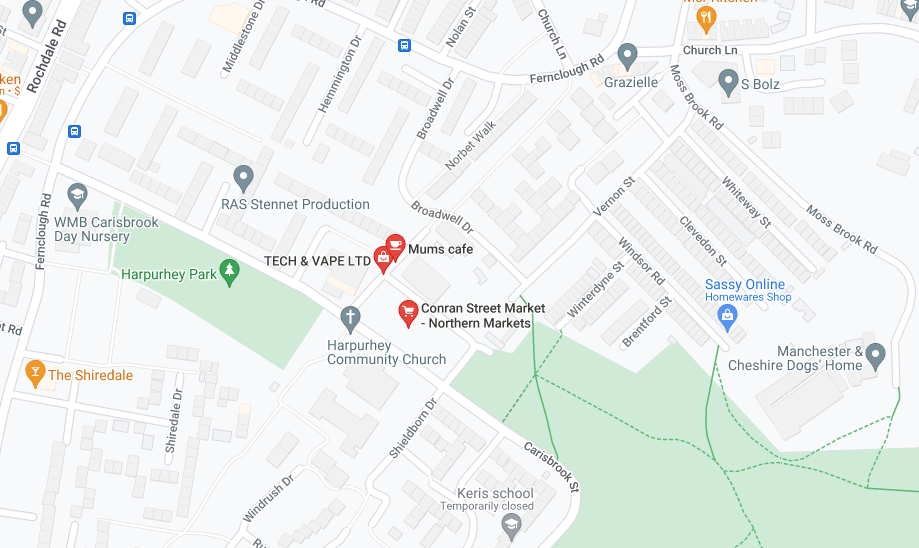
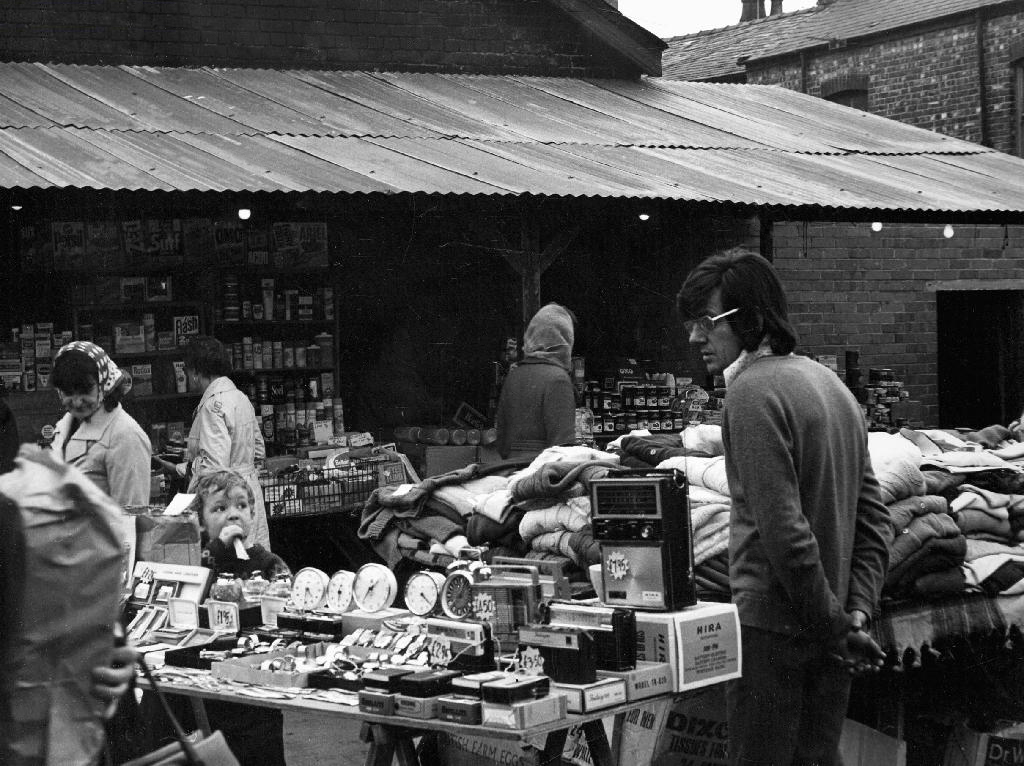
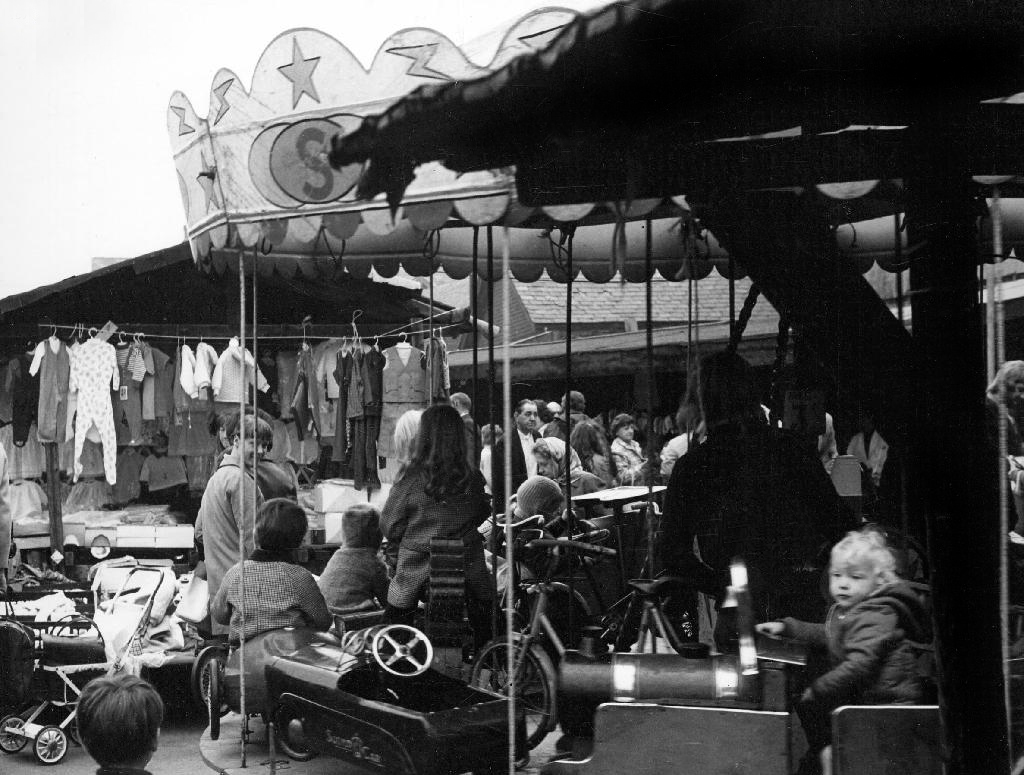
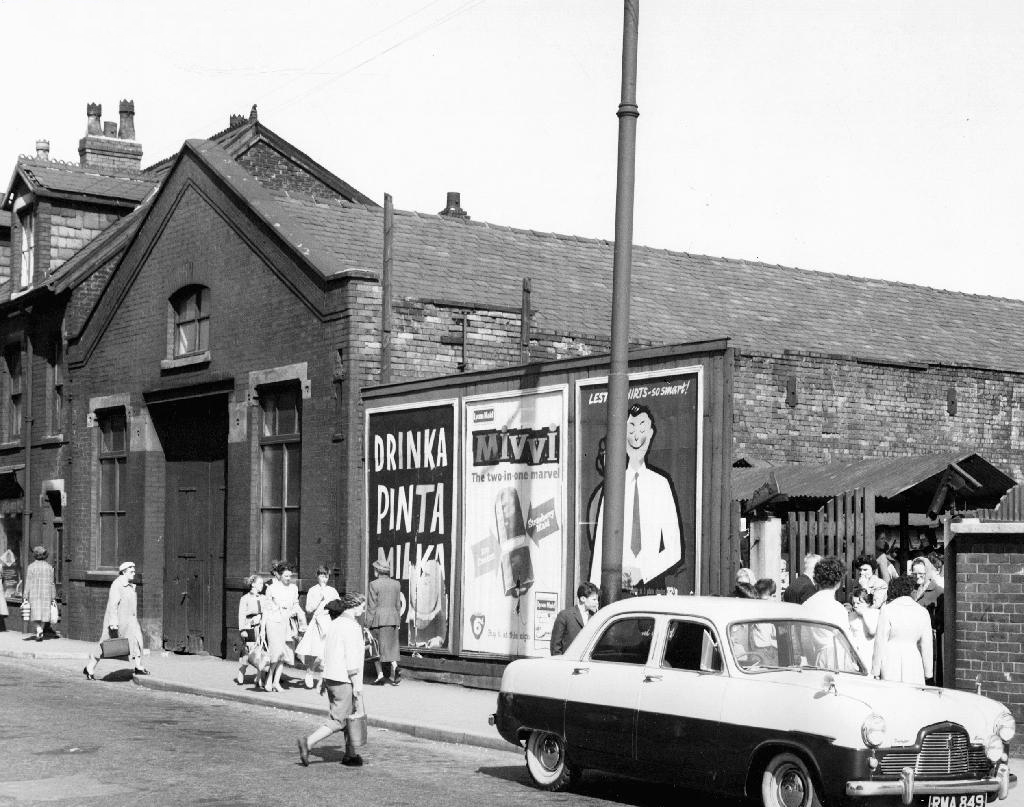
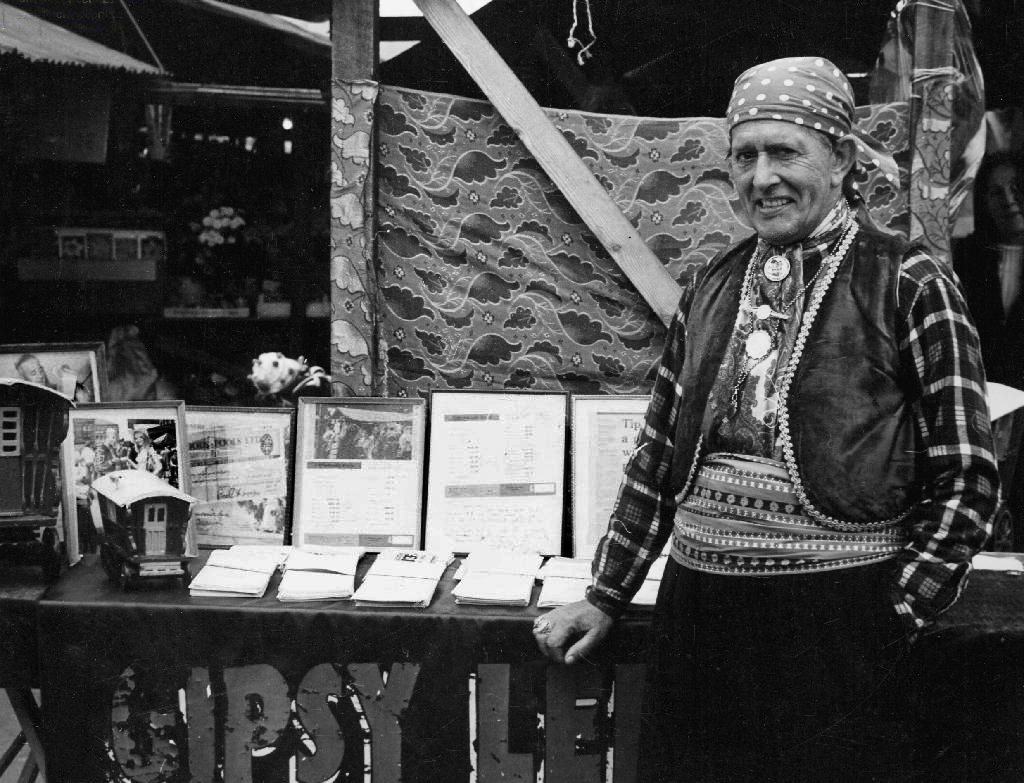
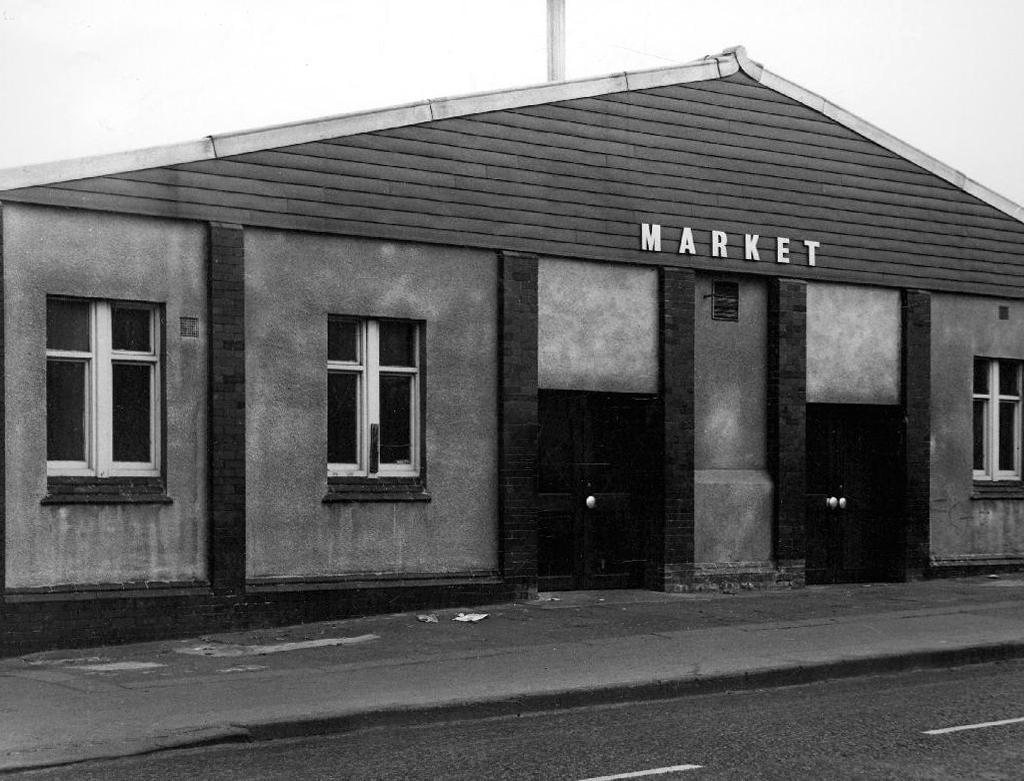
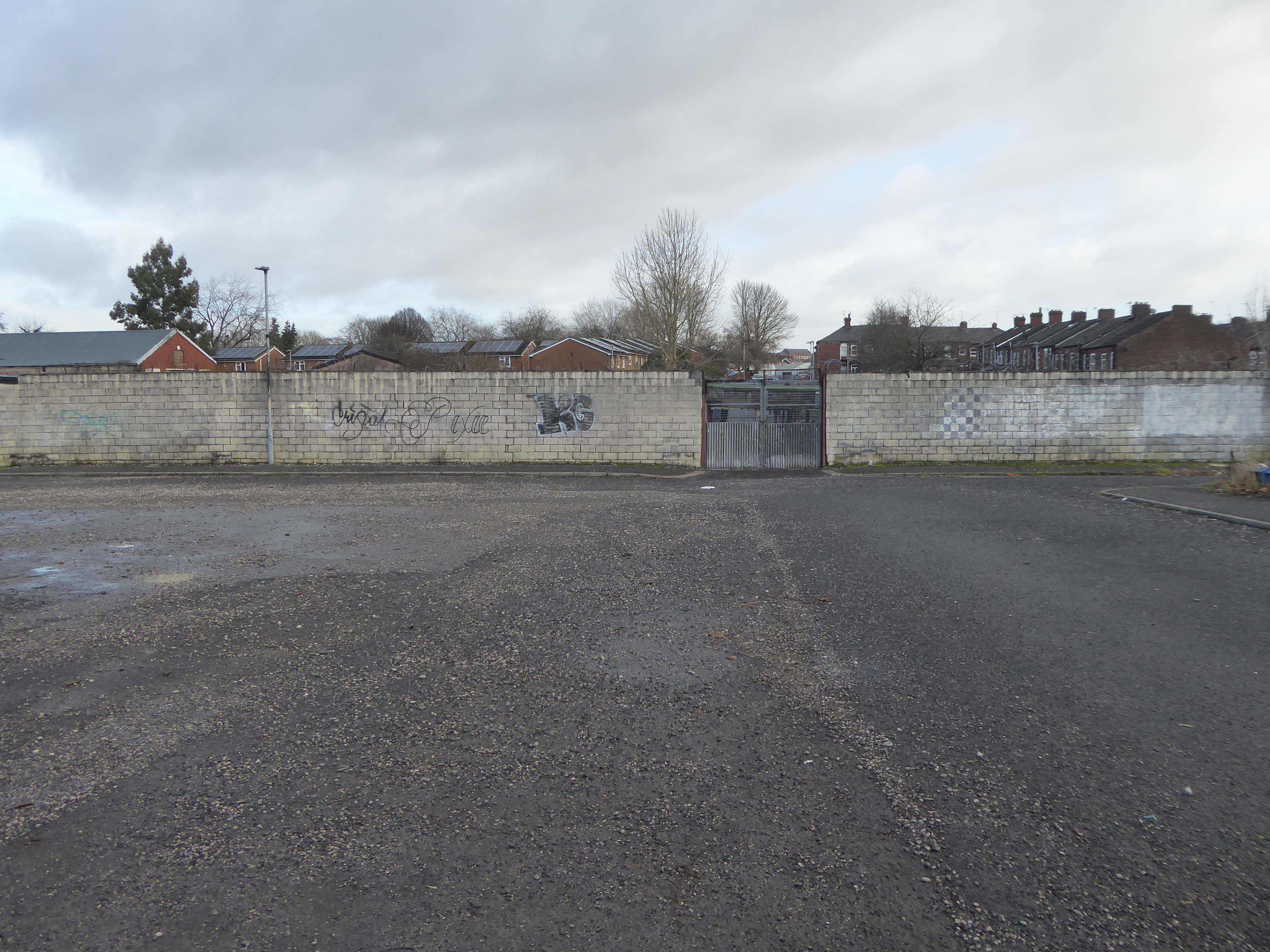
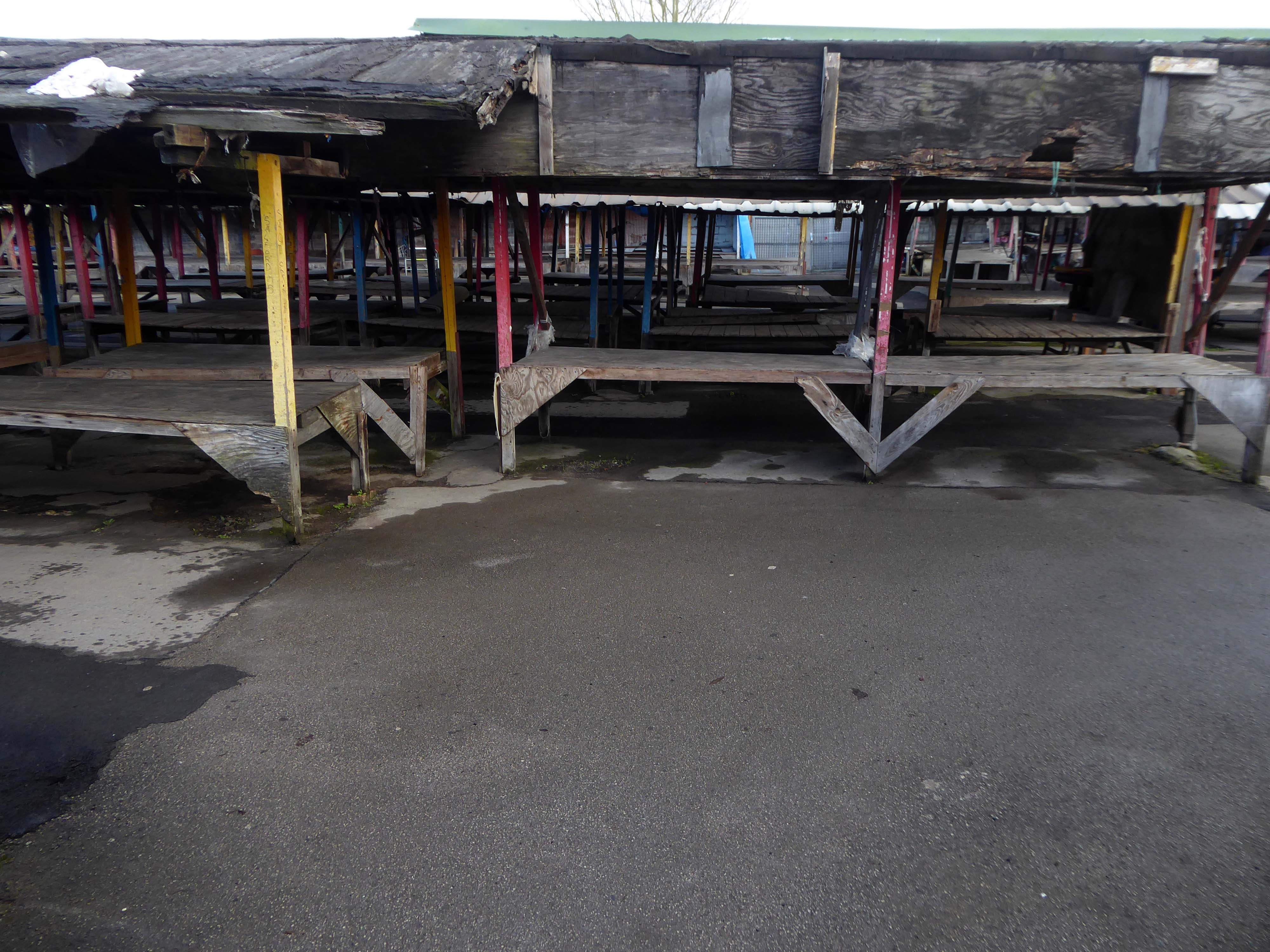
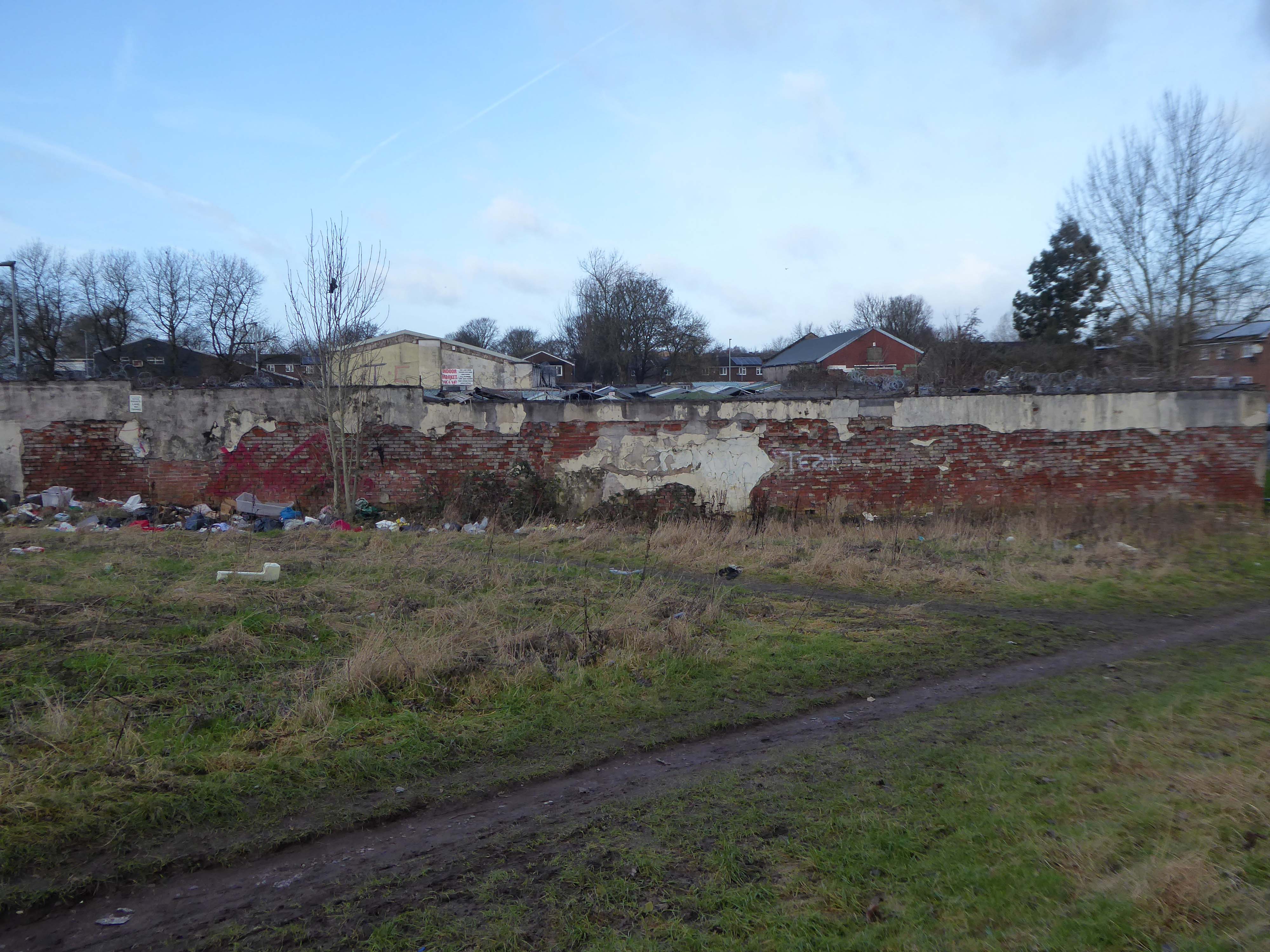
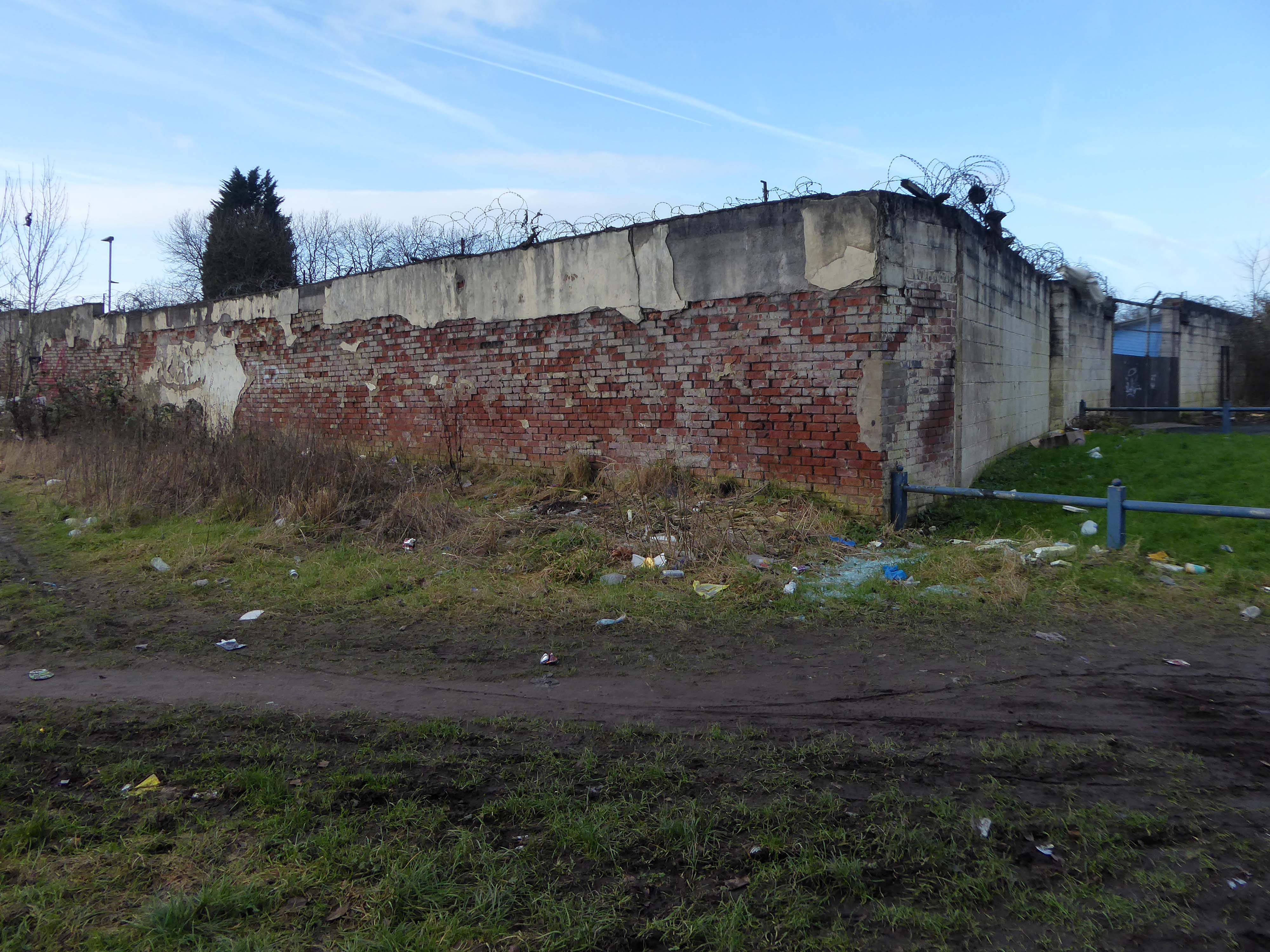
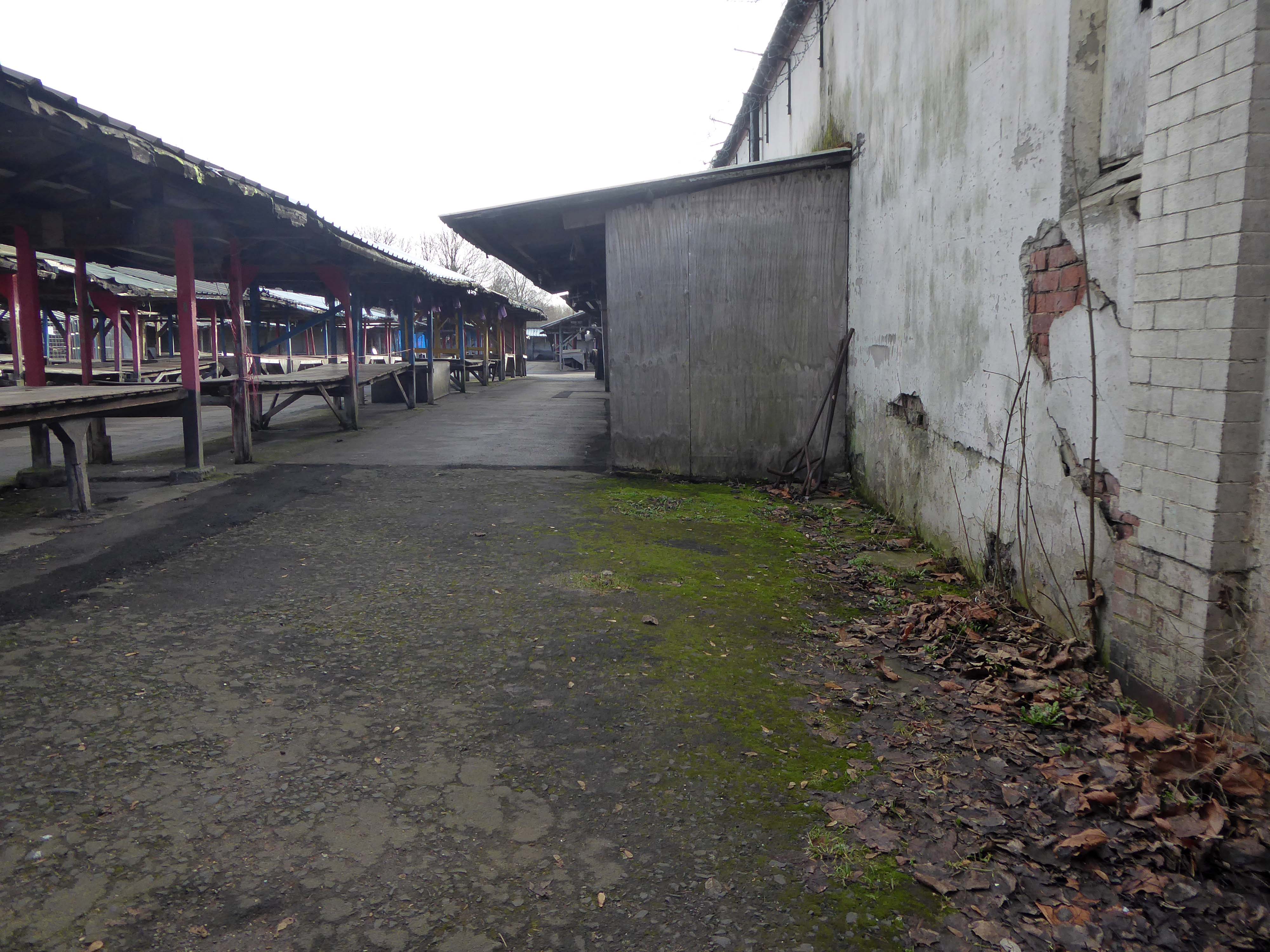
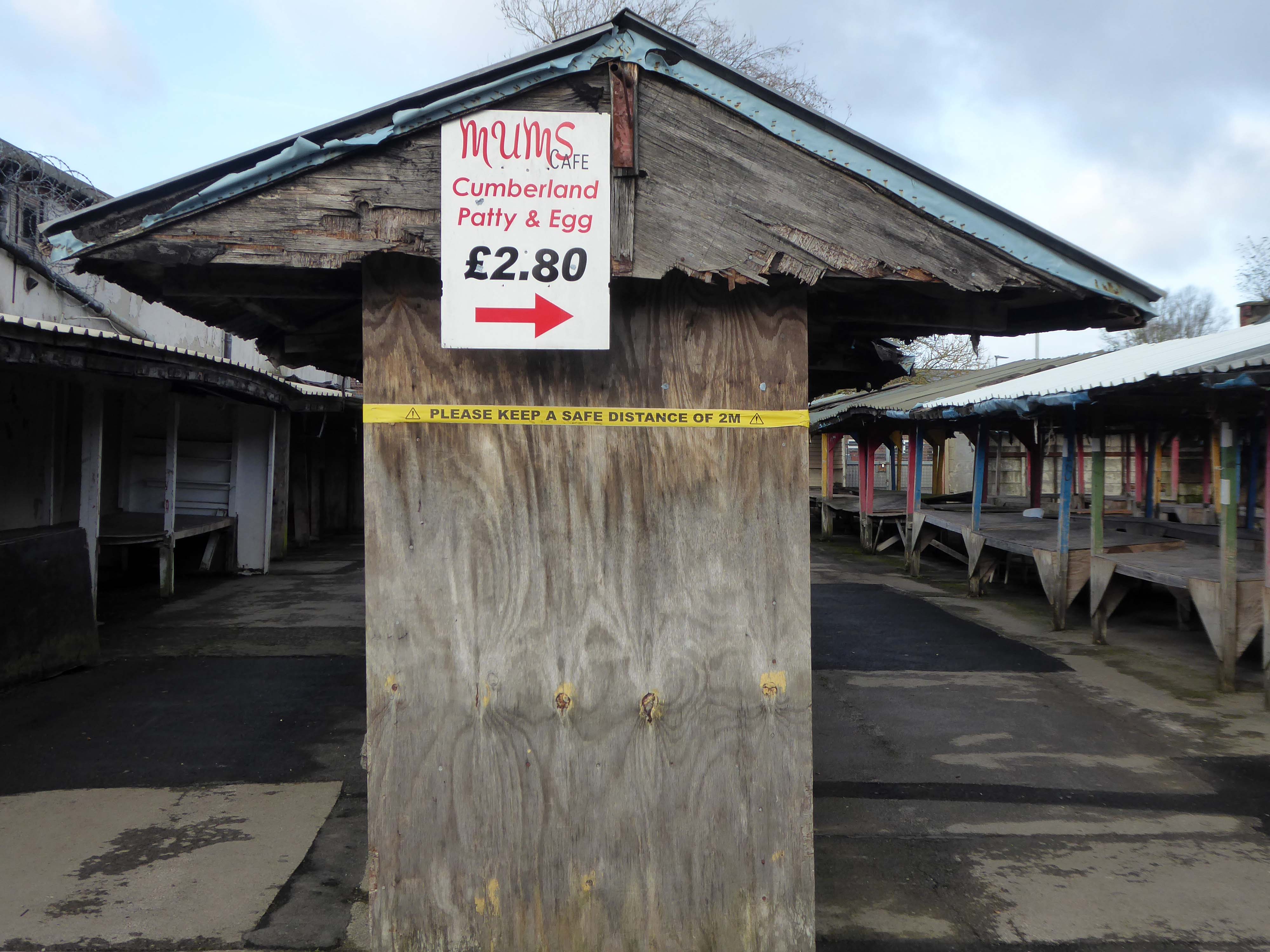
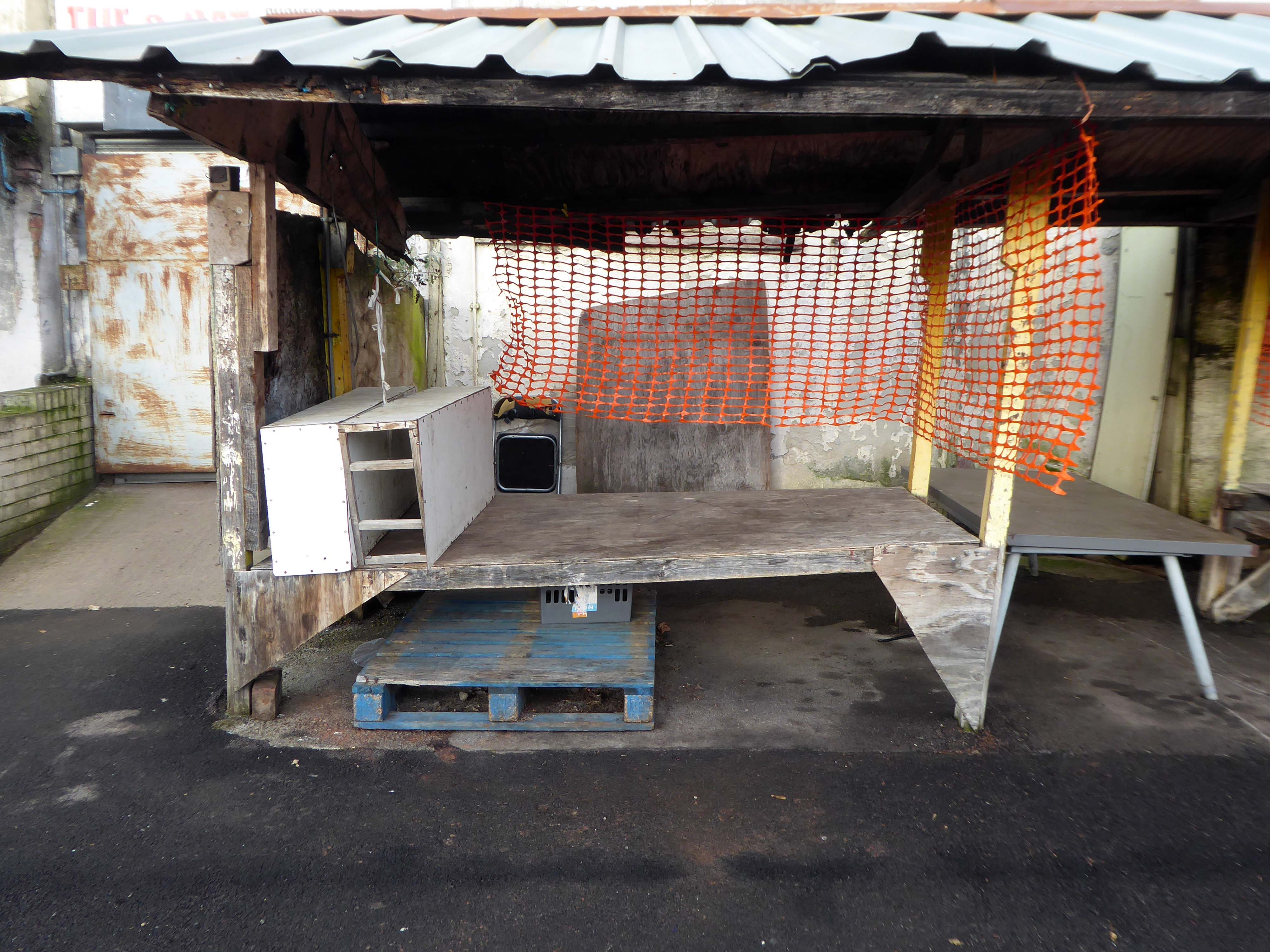
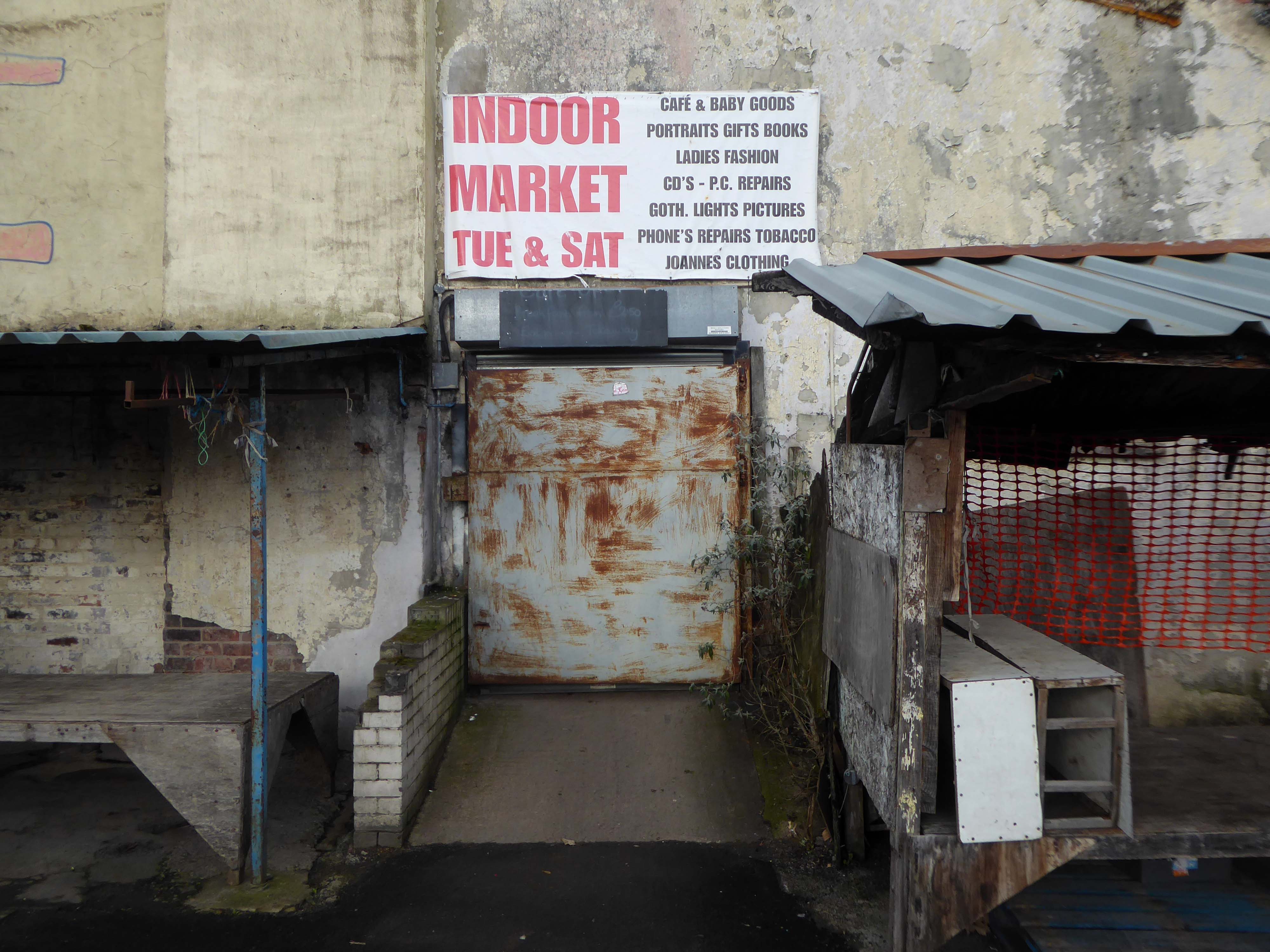
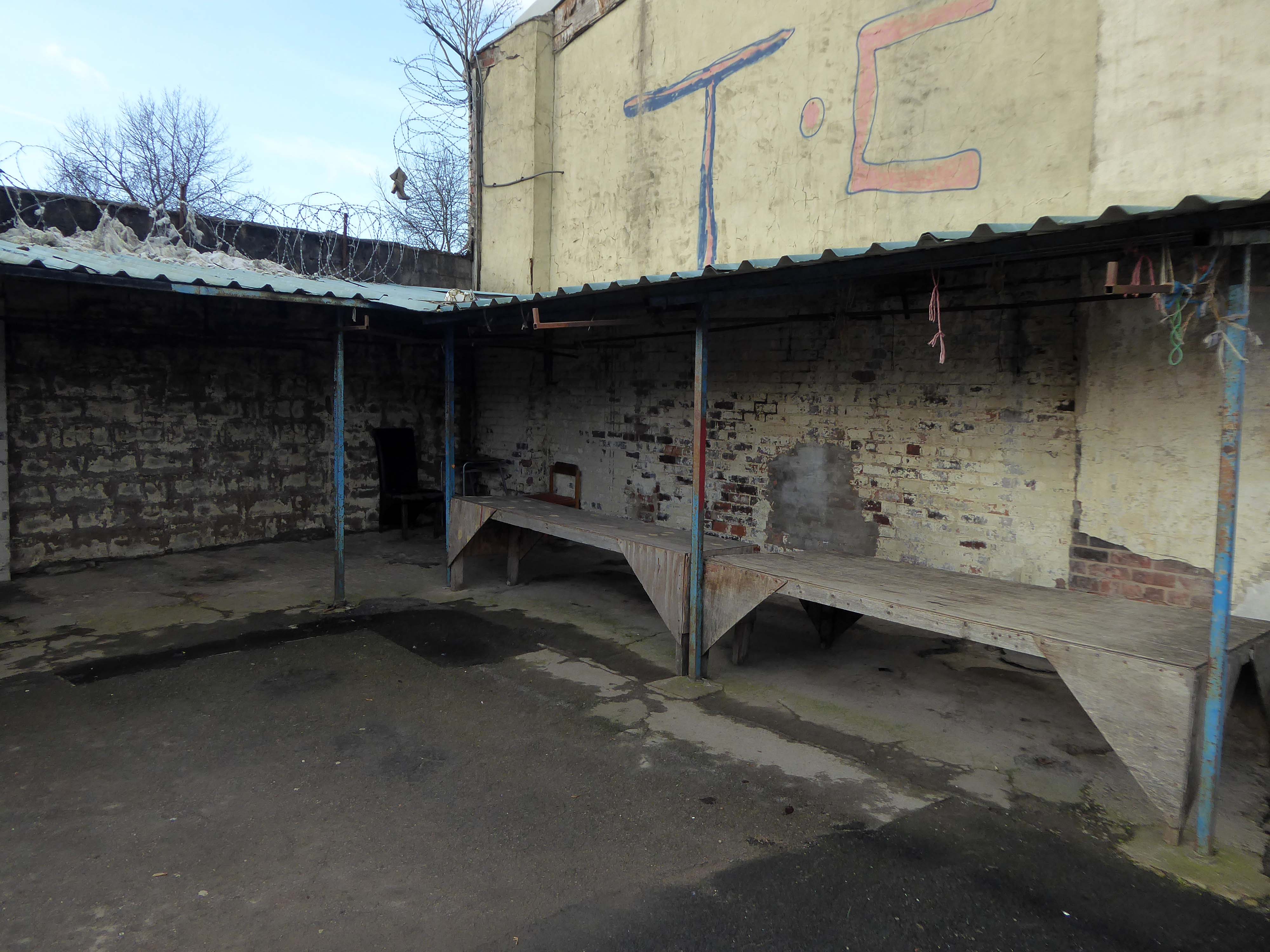
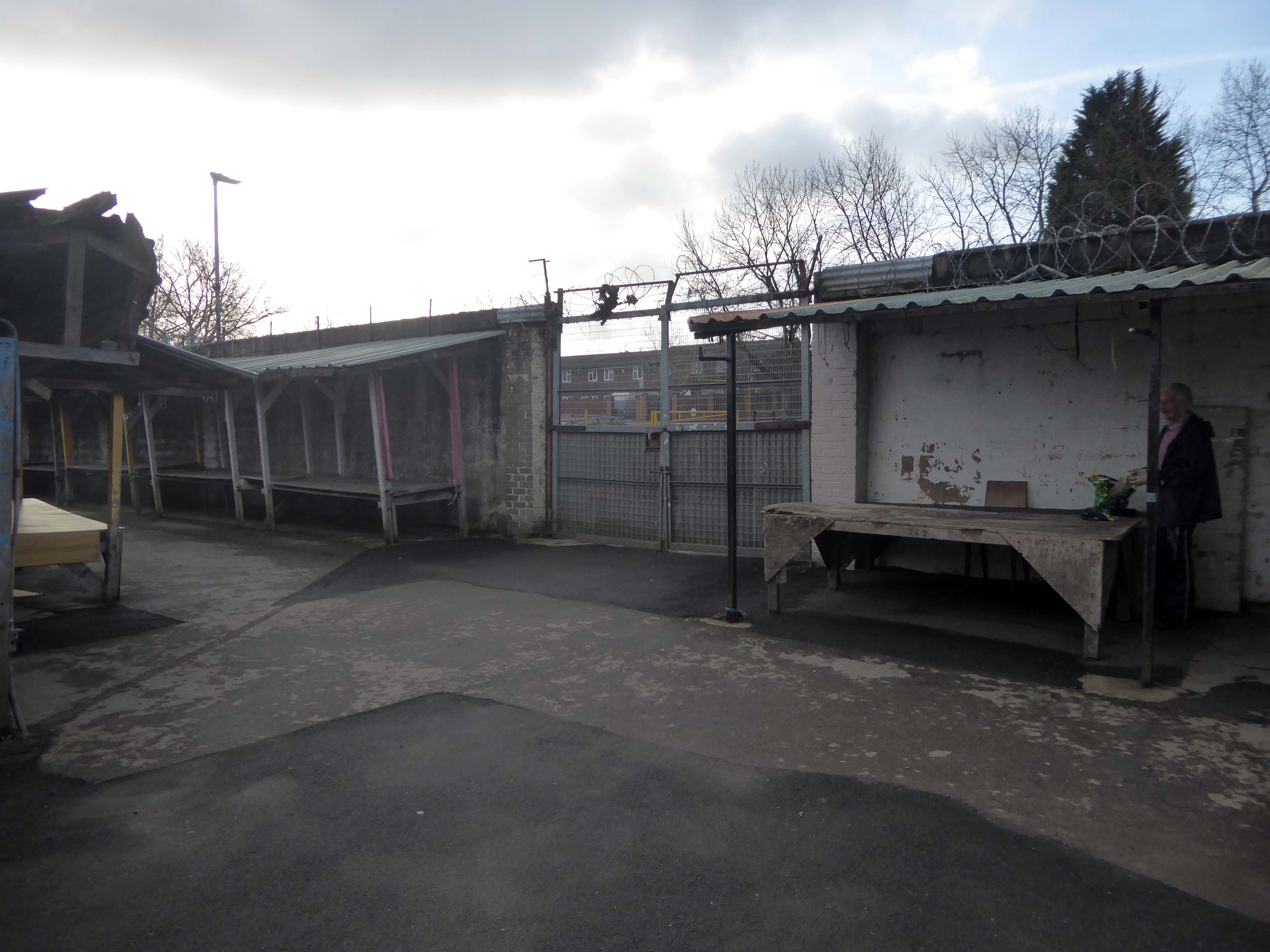
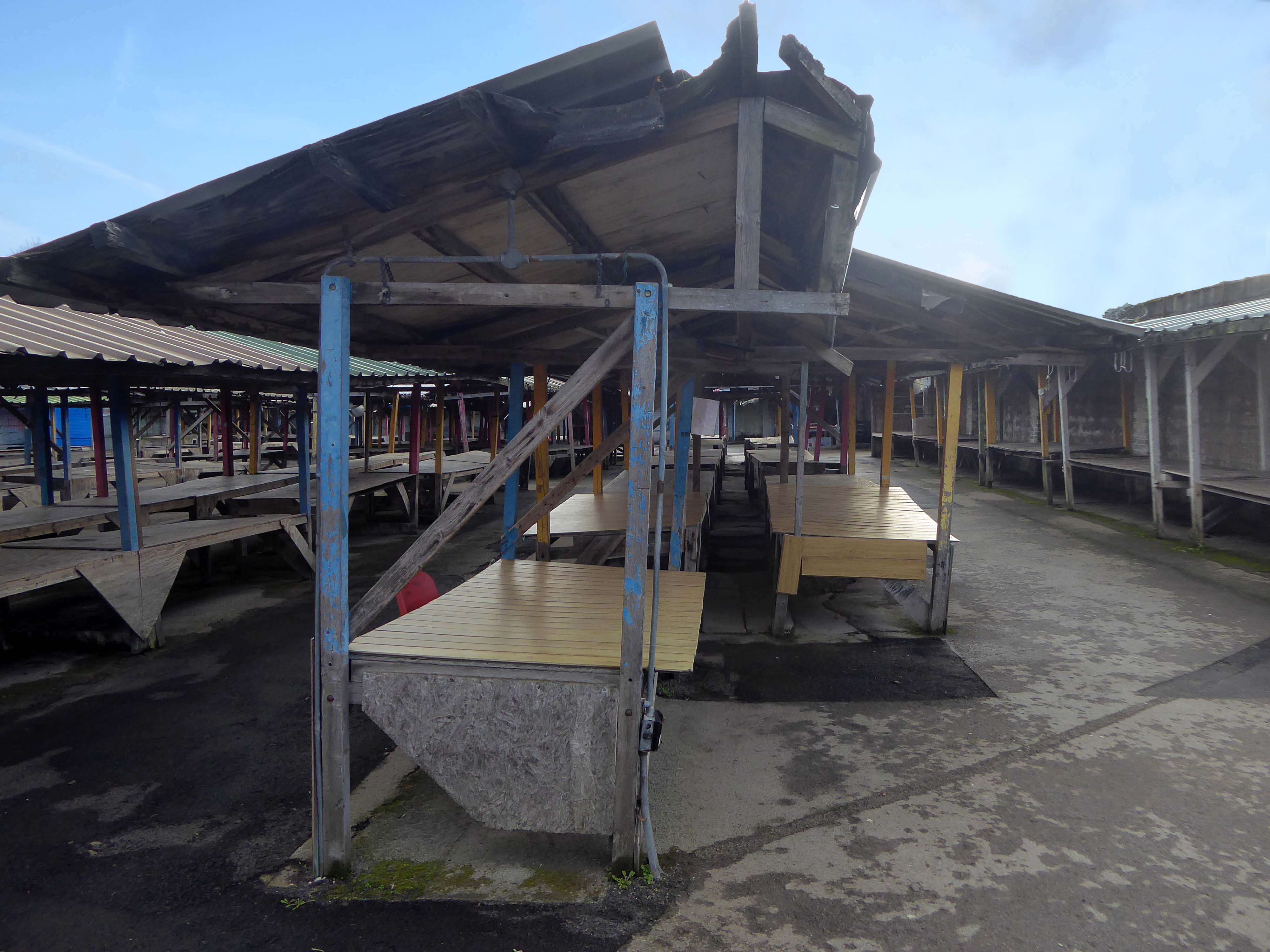
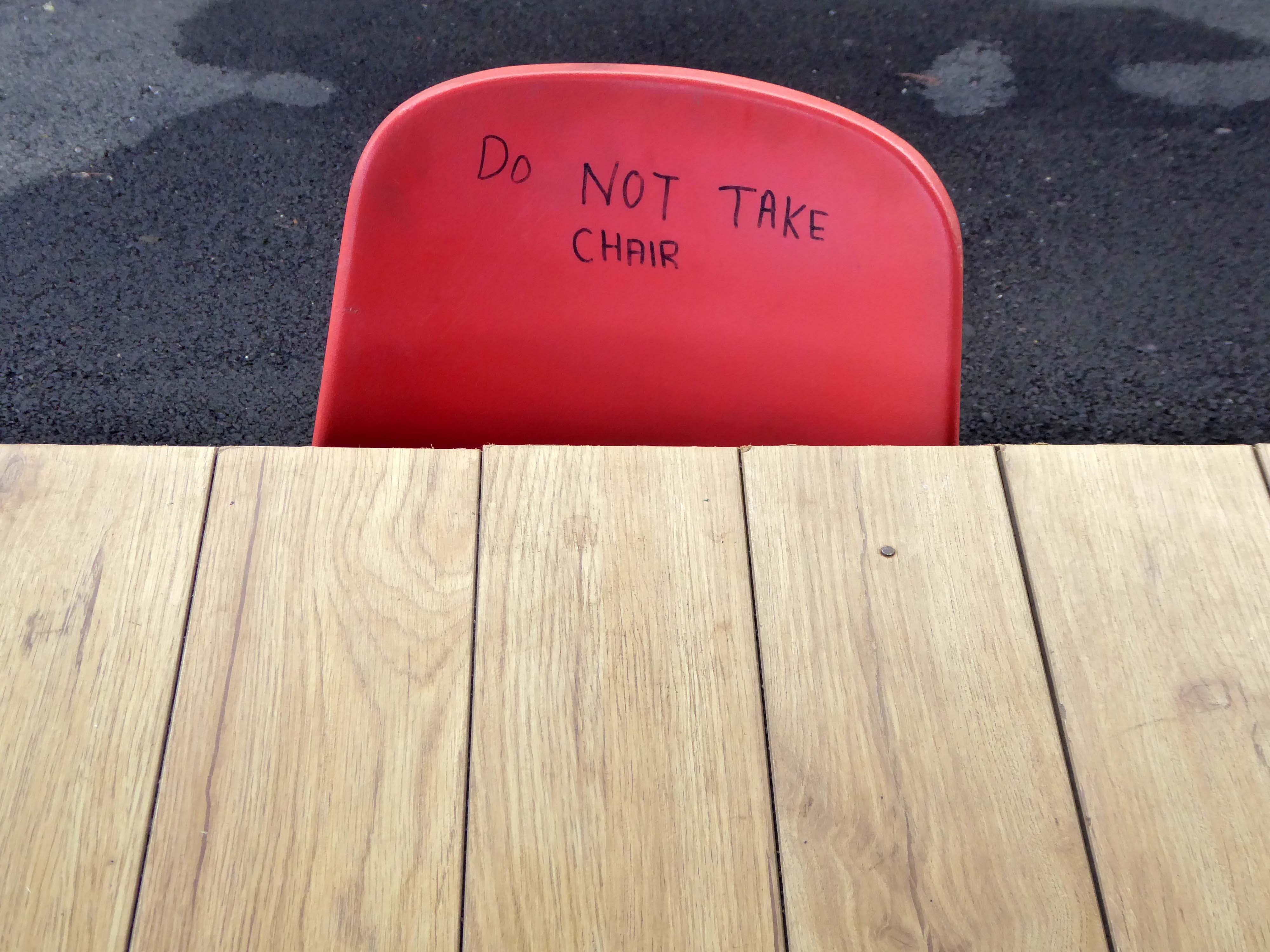
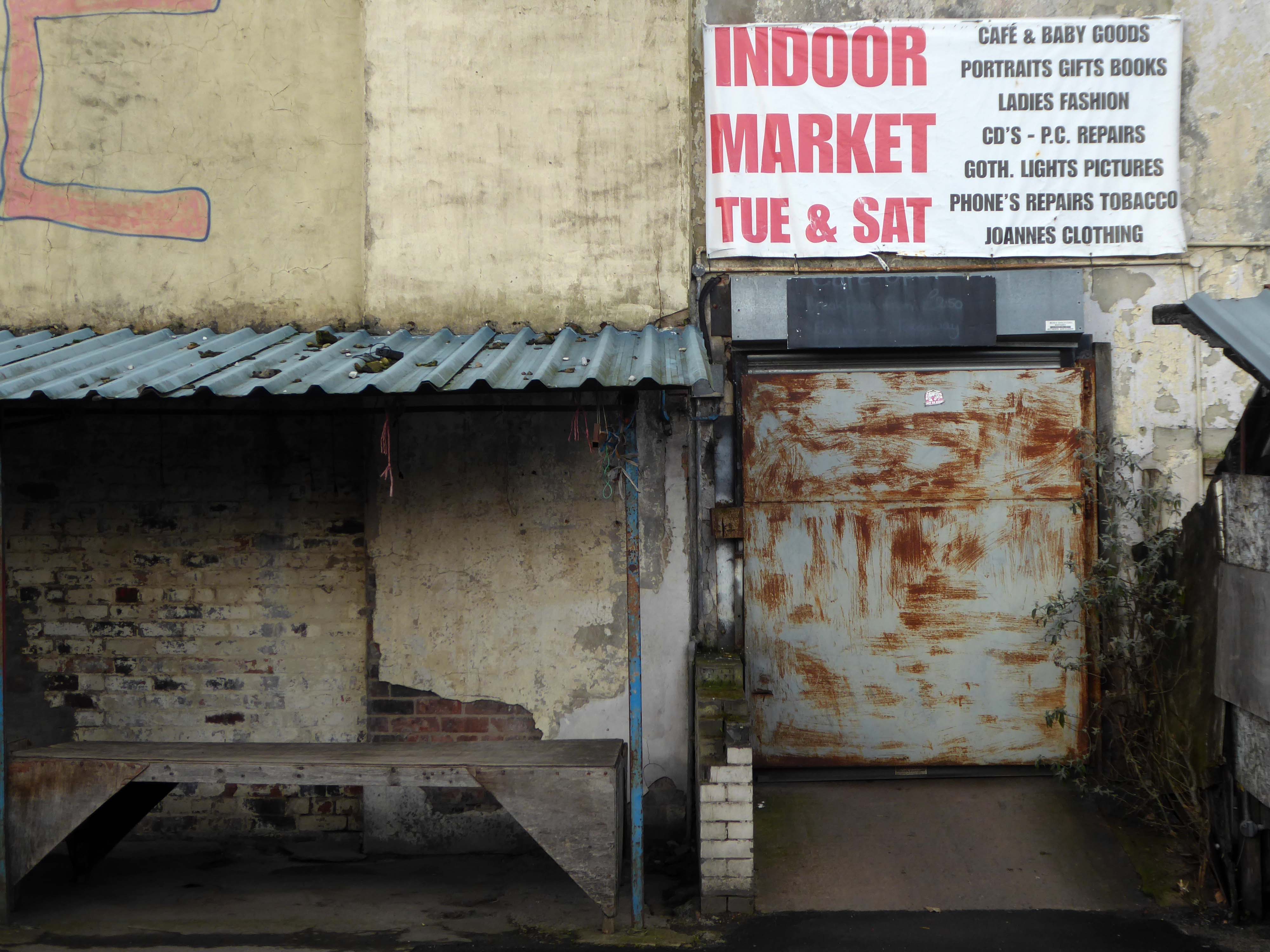
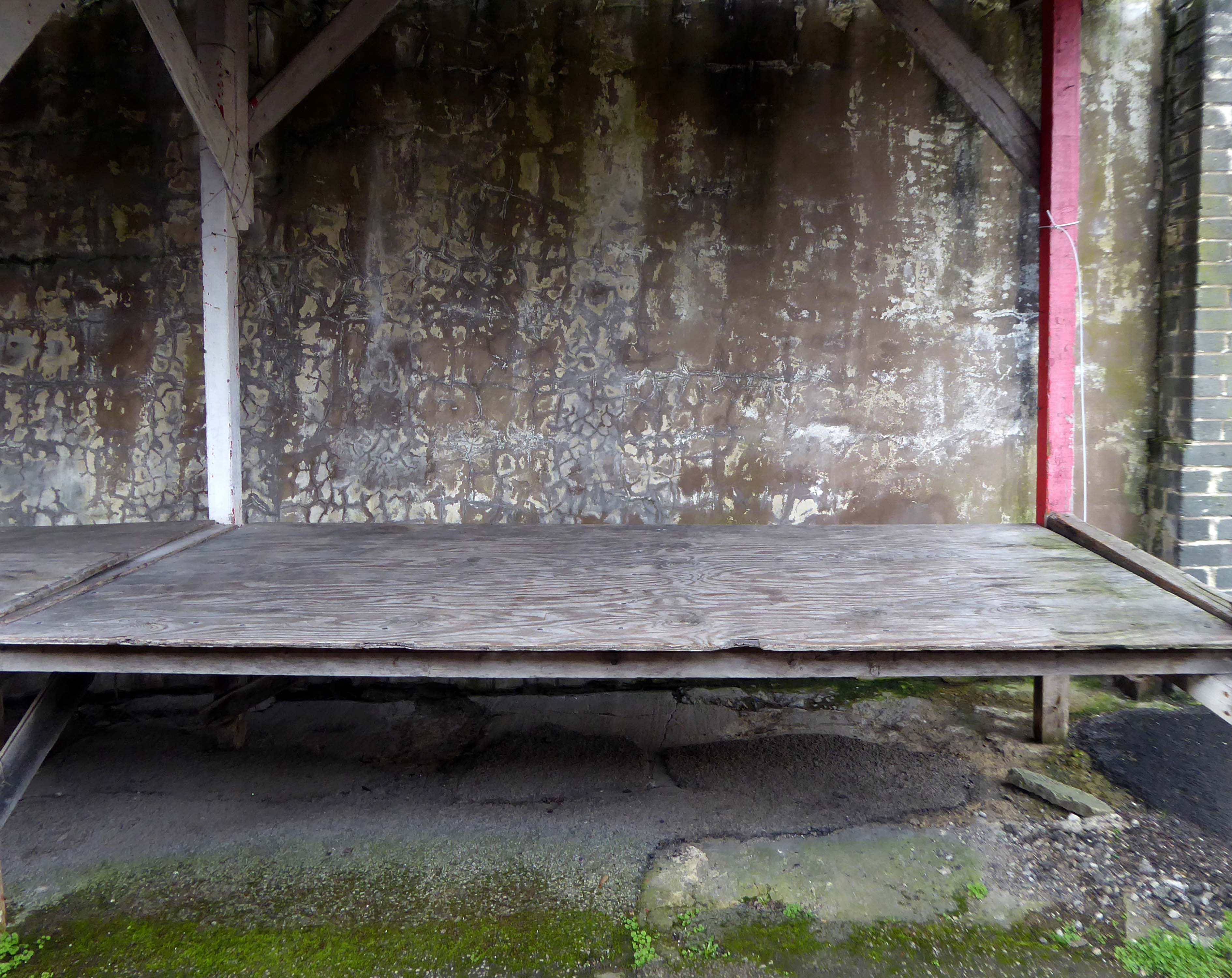
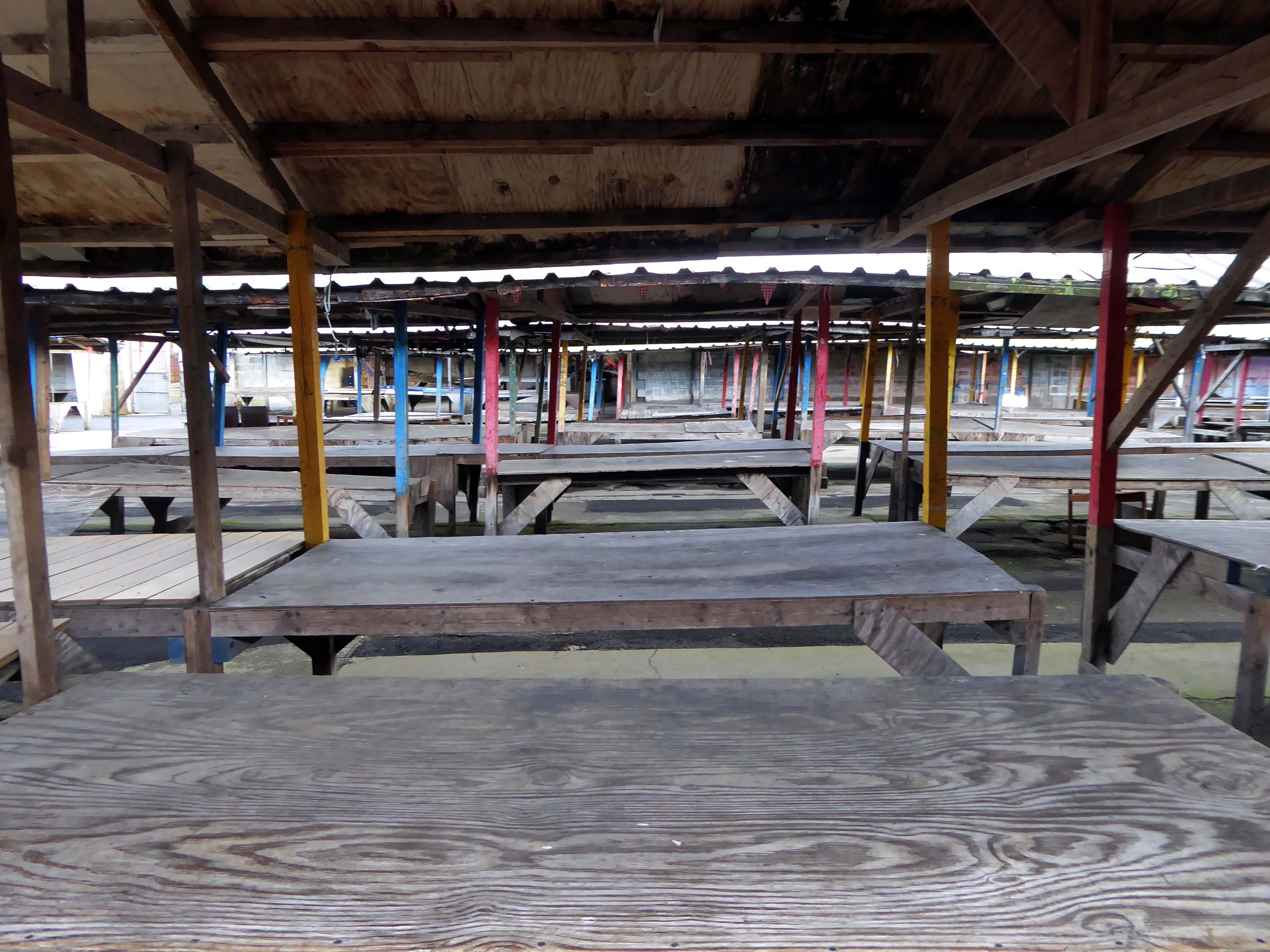
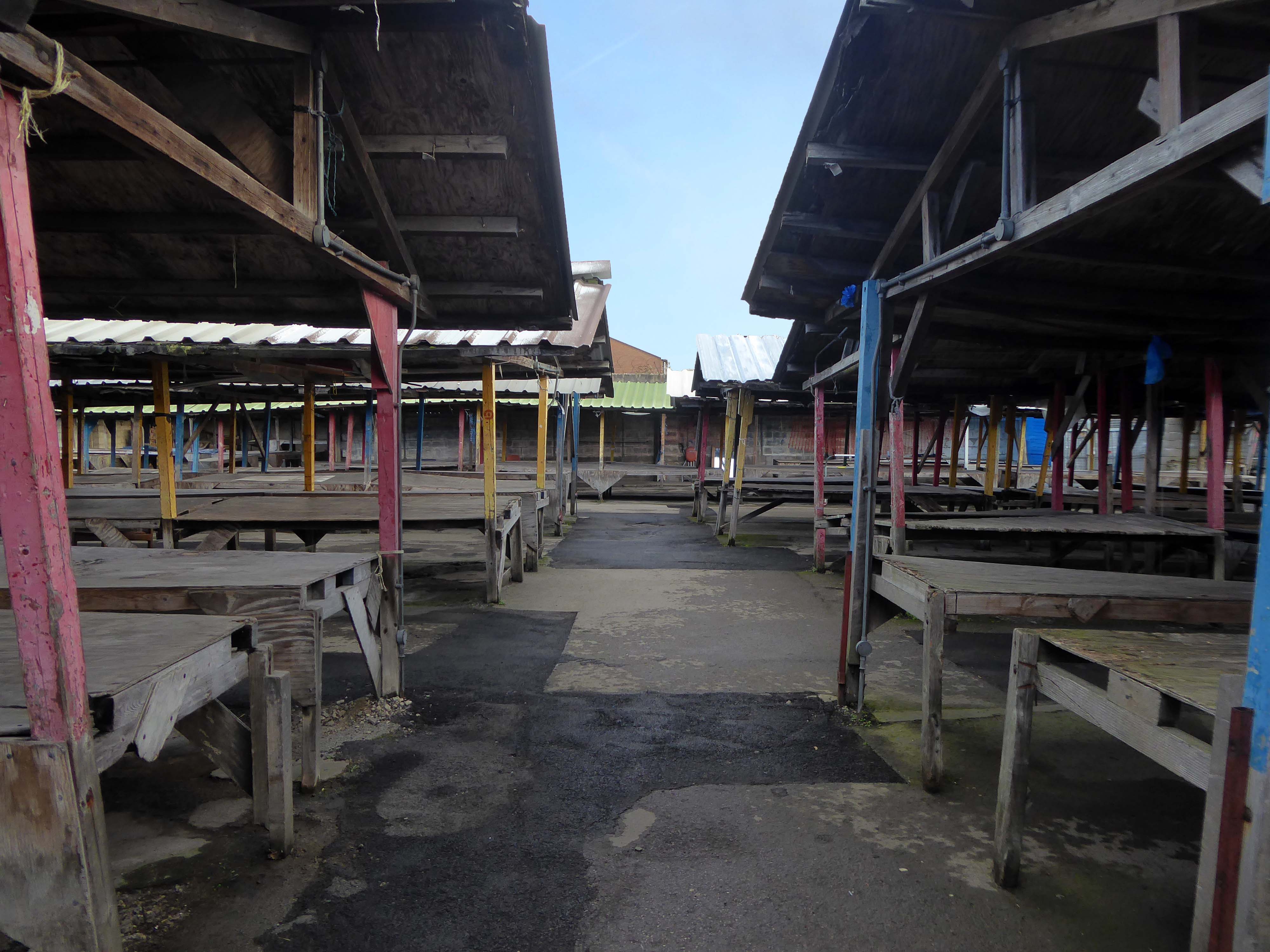
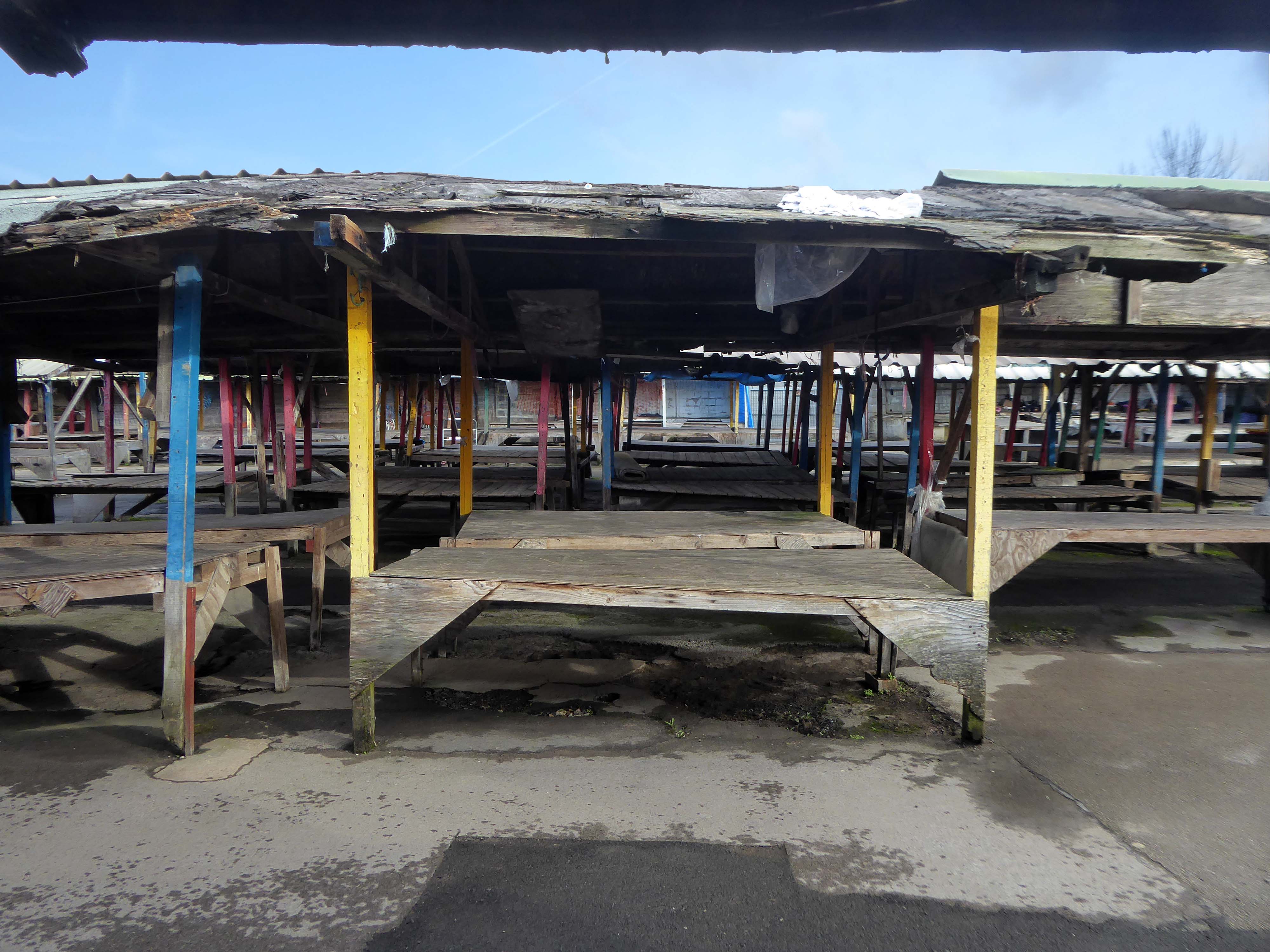
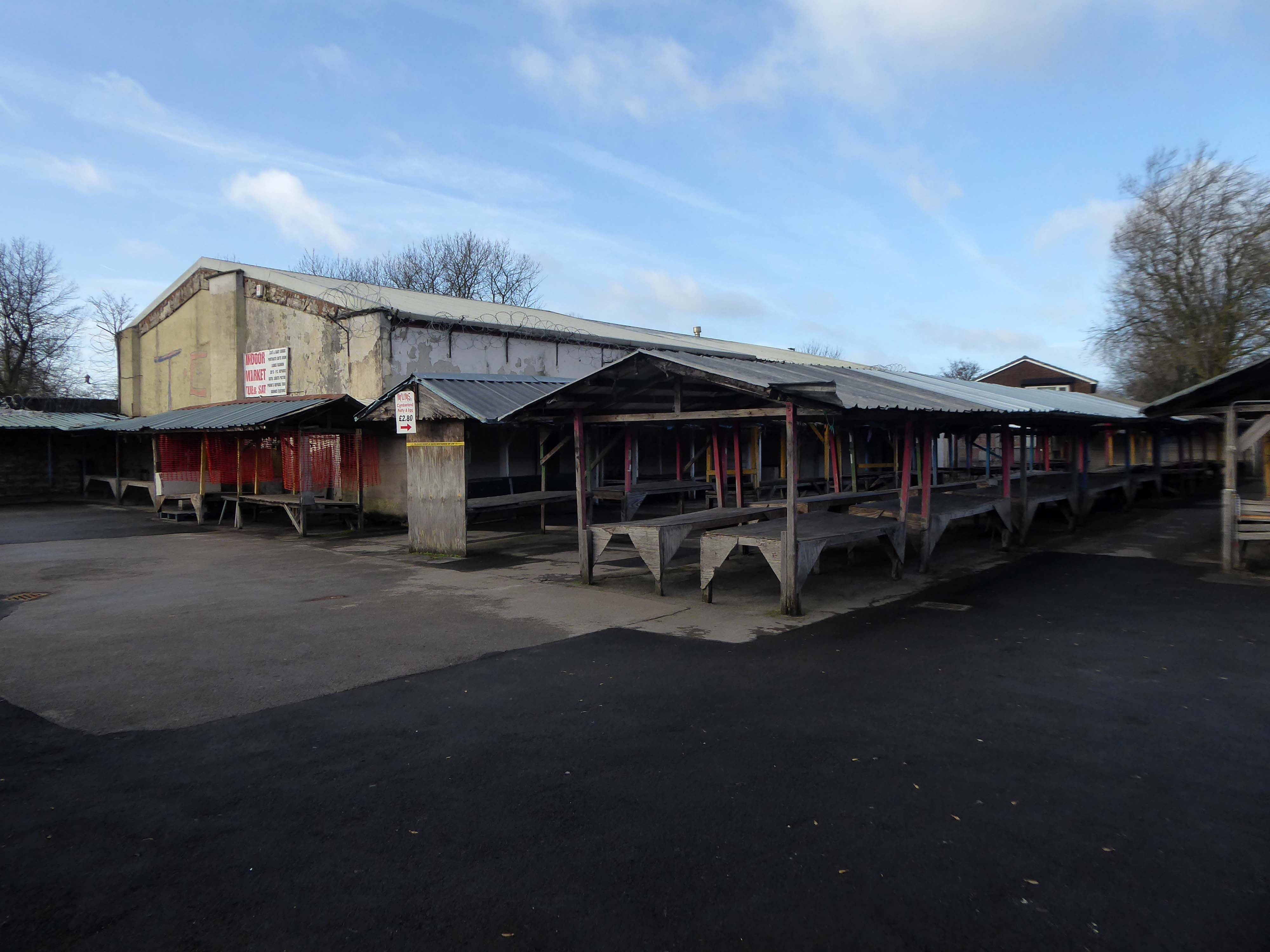
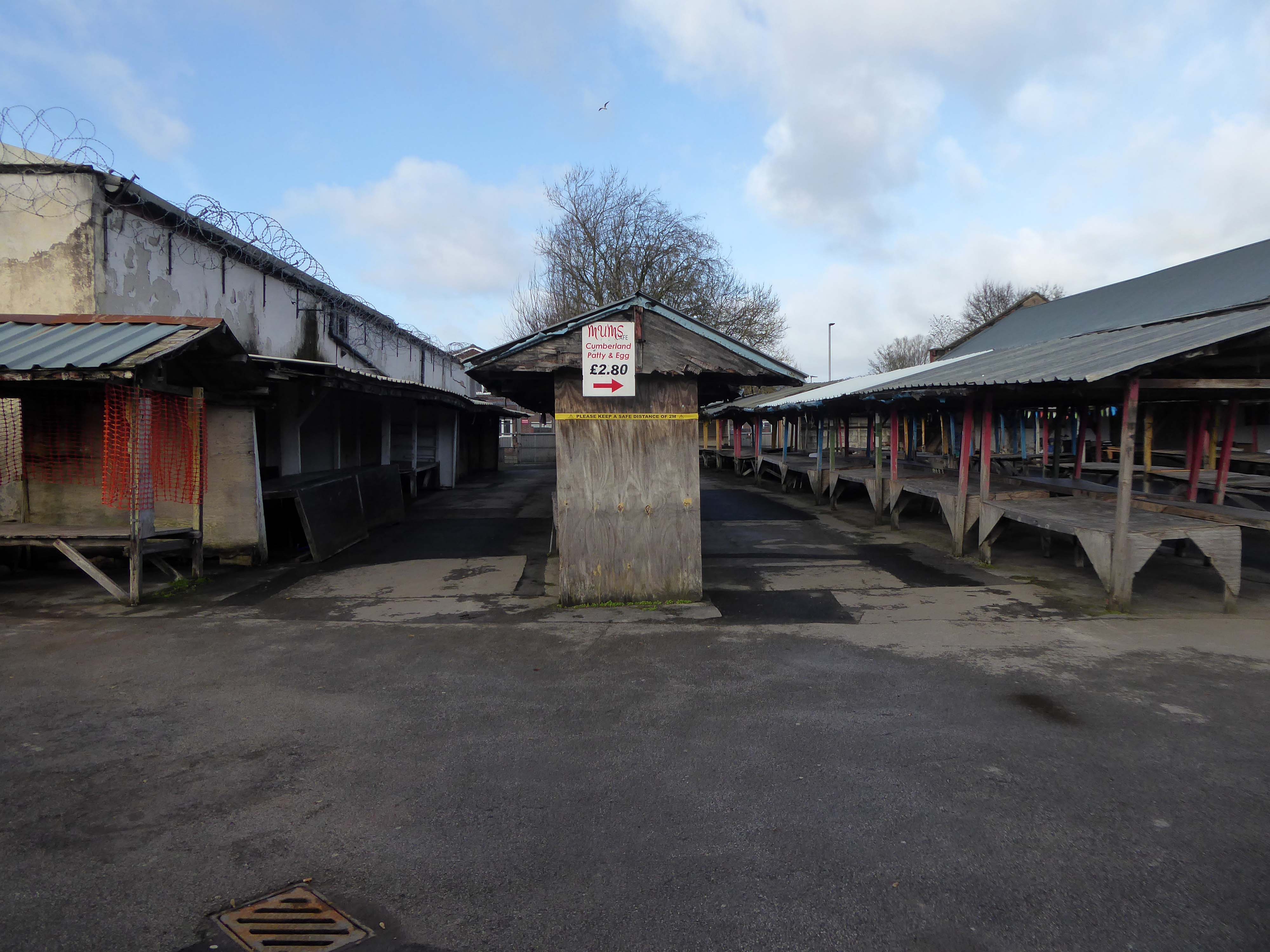
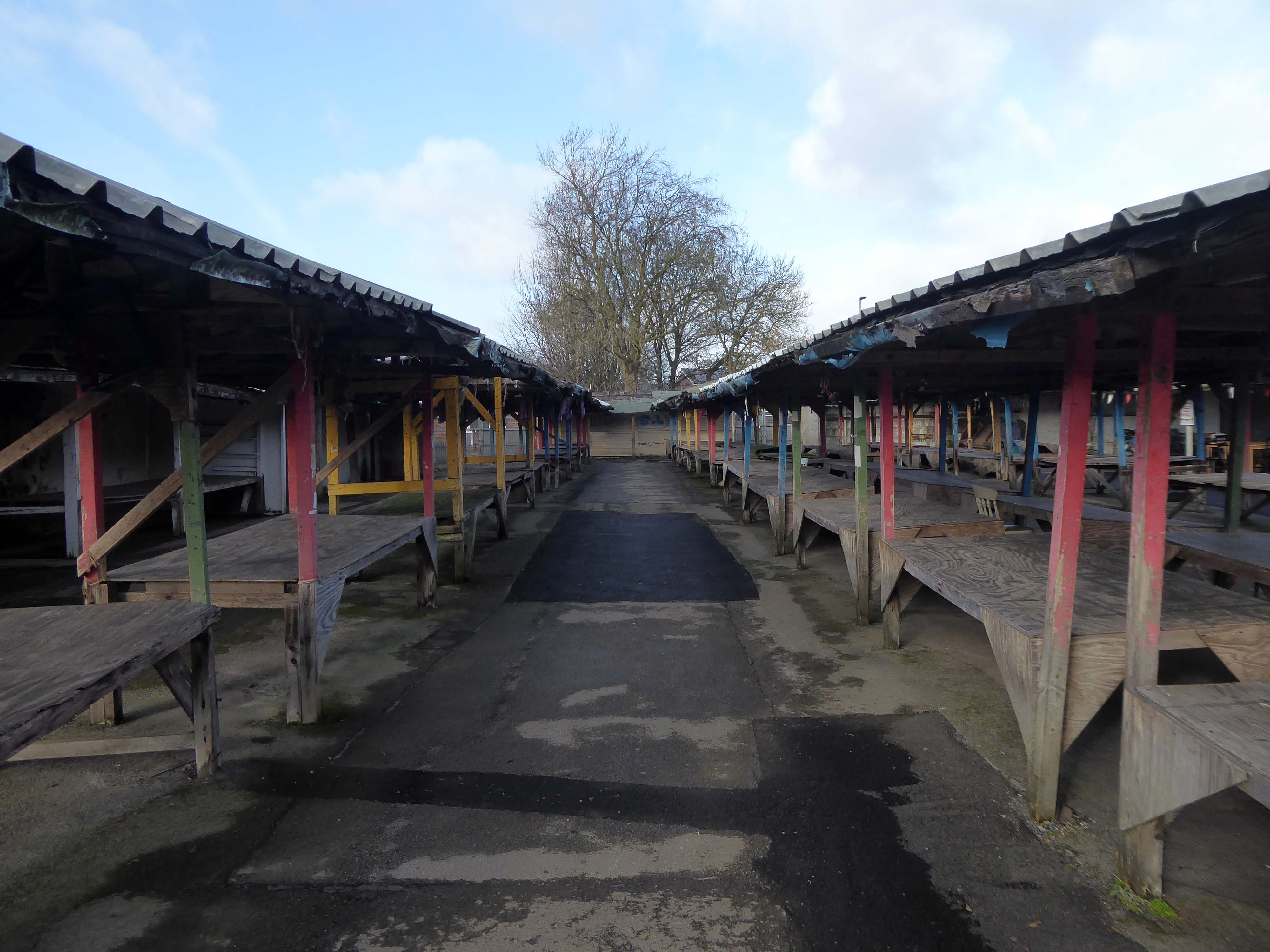
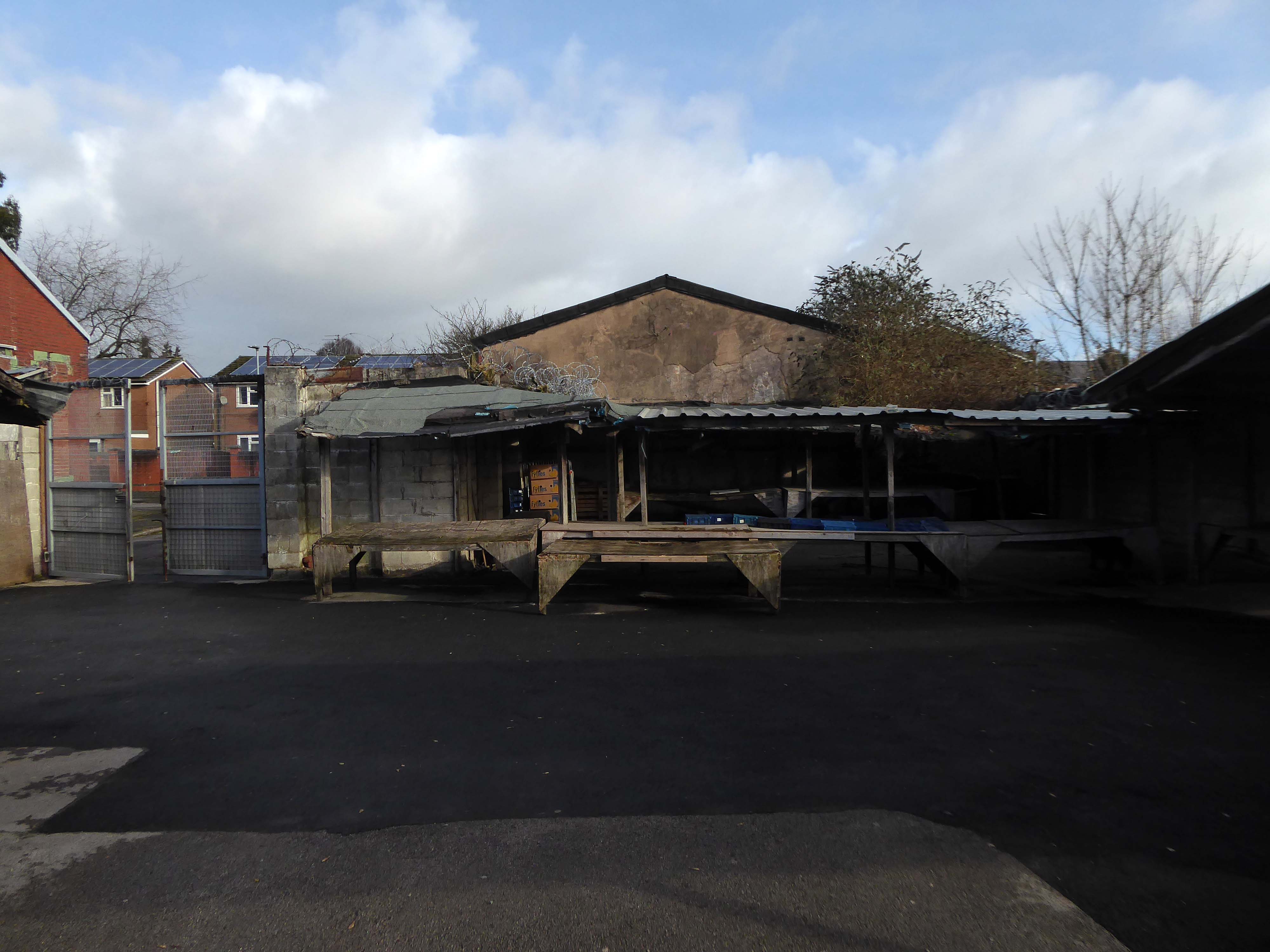
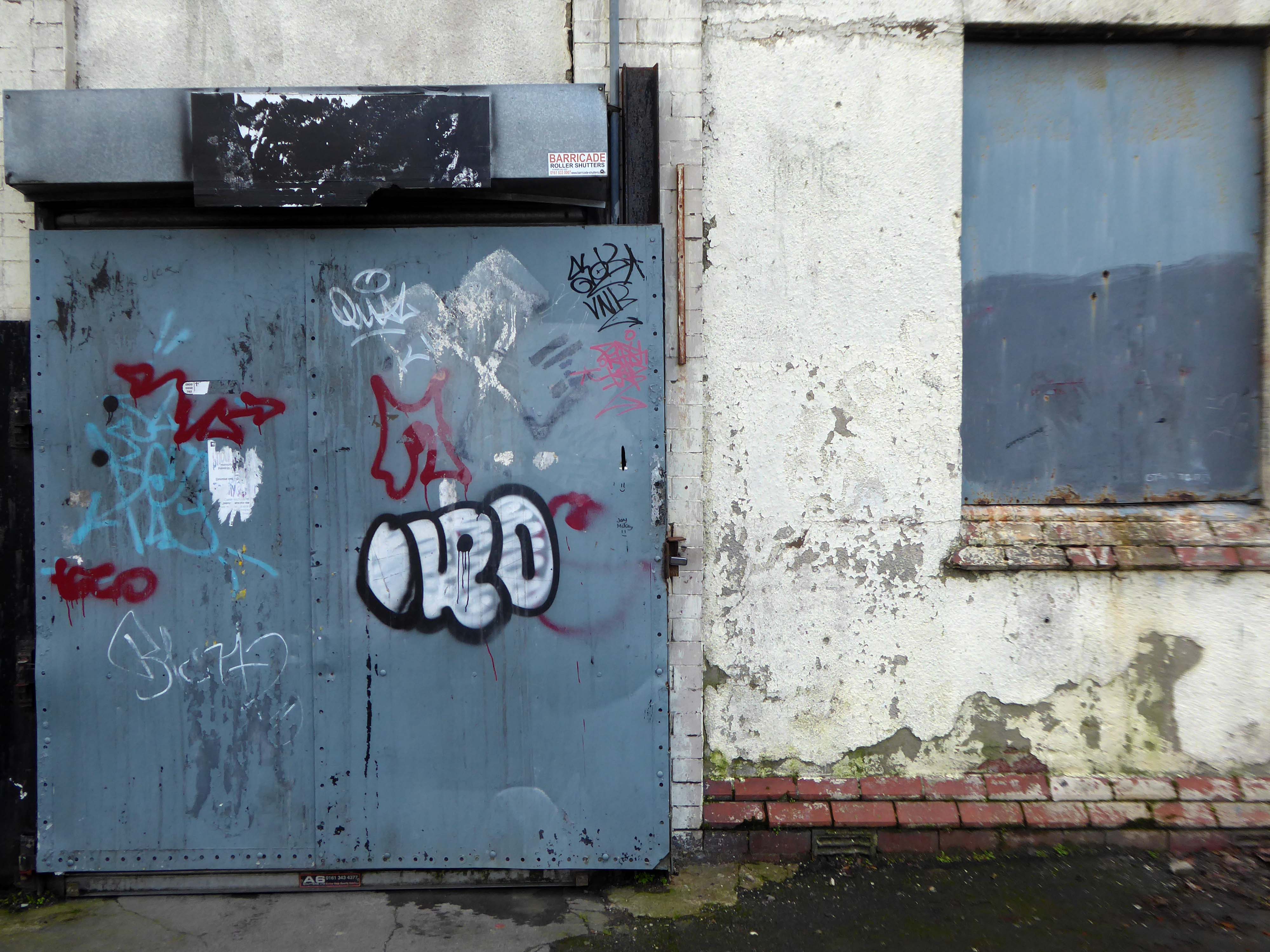
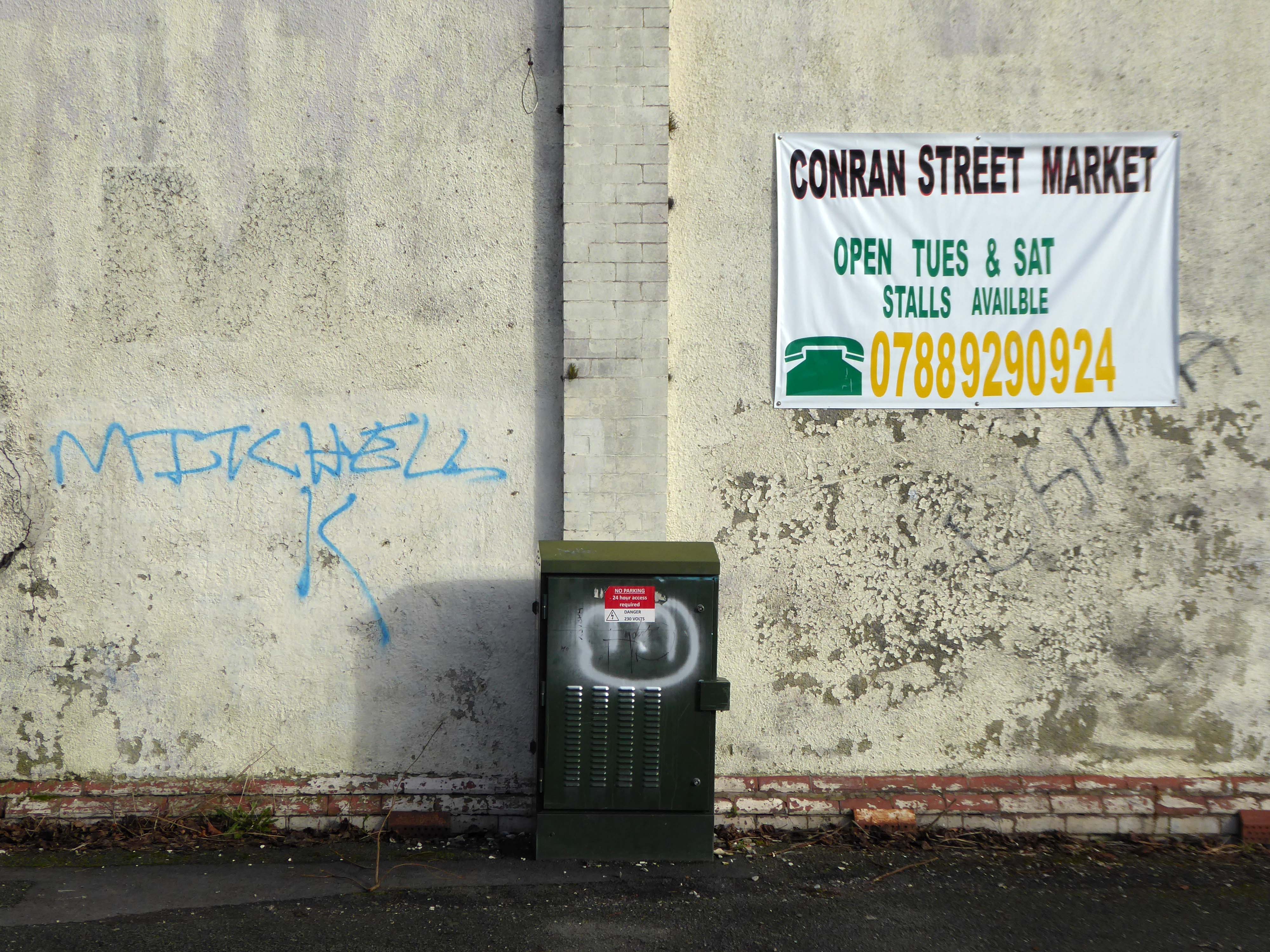
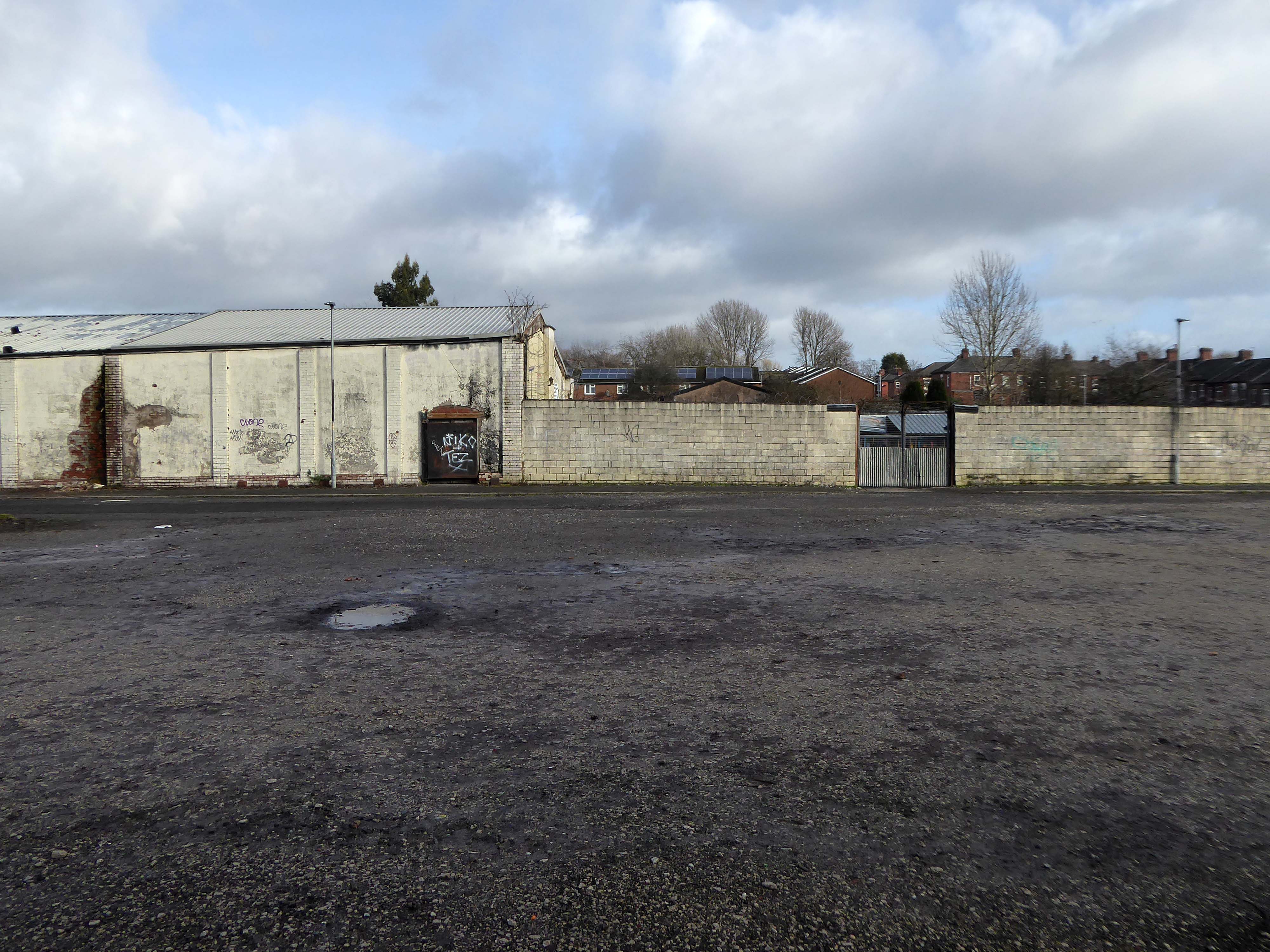
One of the last privately owned markets in the city, is to close on July 19th 2025, after serving the area for over a century.
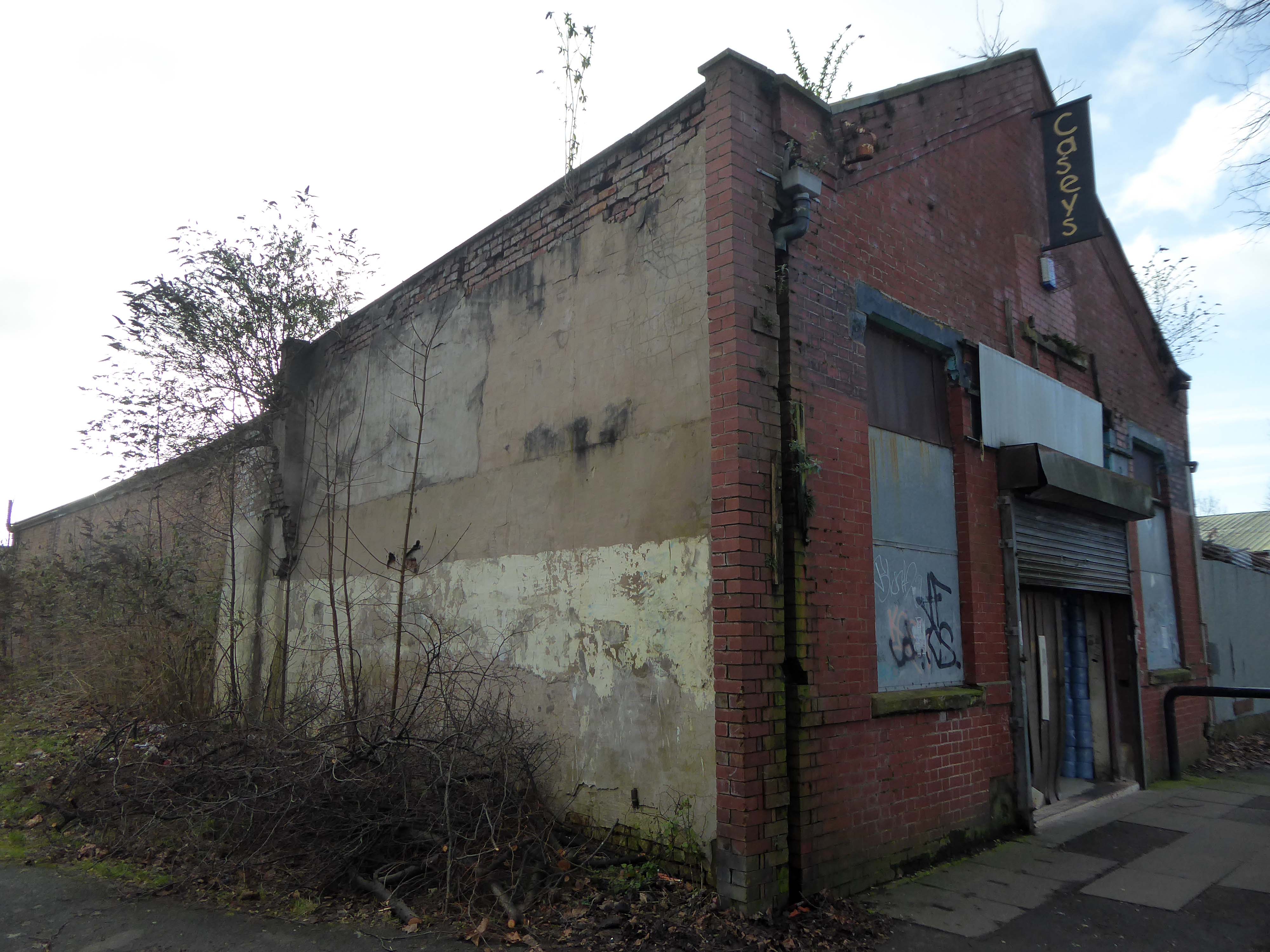
The family which owns the Harpurhey site has decided to put the acre of land and its existing redbrick buildings up for sale. It will be auctioned off with a guide price of £450,000.
It’s so sad the stall holders, and the community that surrounds the market, have lost their place to go on weekly basis, meeting friends for brew and bacon butty, chats and last minute buys, rummaging around in boxes finding treasures. The previous owner Mike, would have fought tooth and nail to keep this beloved market open, he would be turning in his grave.
I visited on 30th January 2023 – the gate was open there was nobody home, except the cleaner and me.
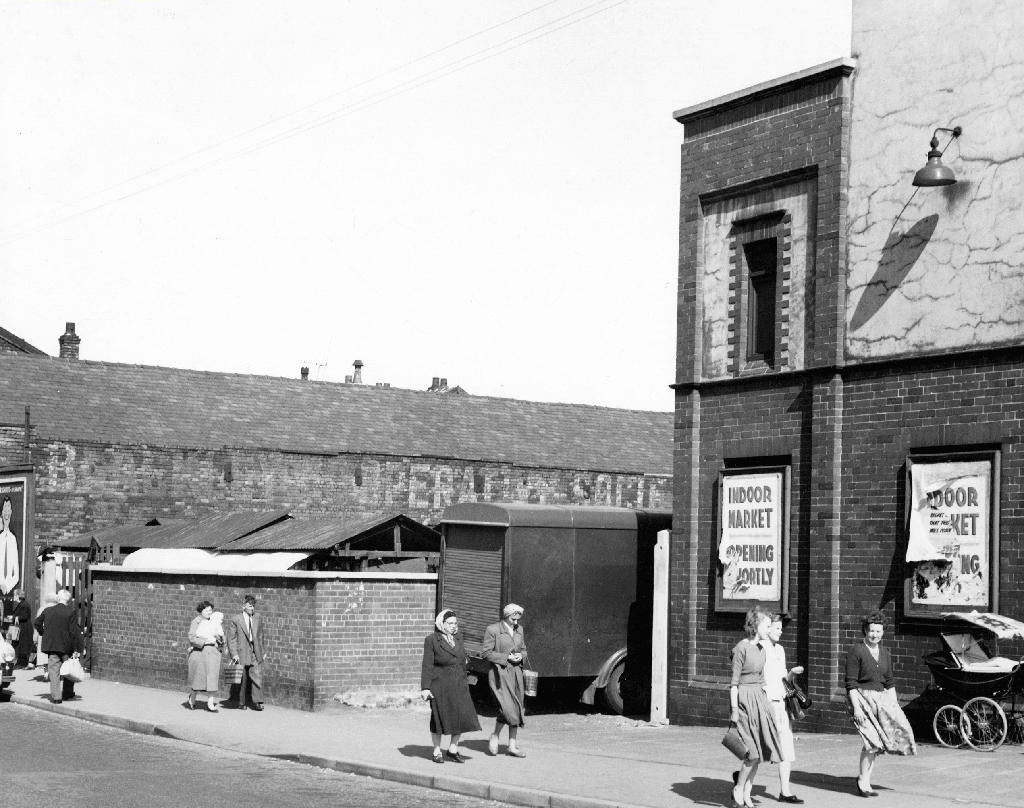
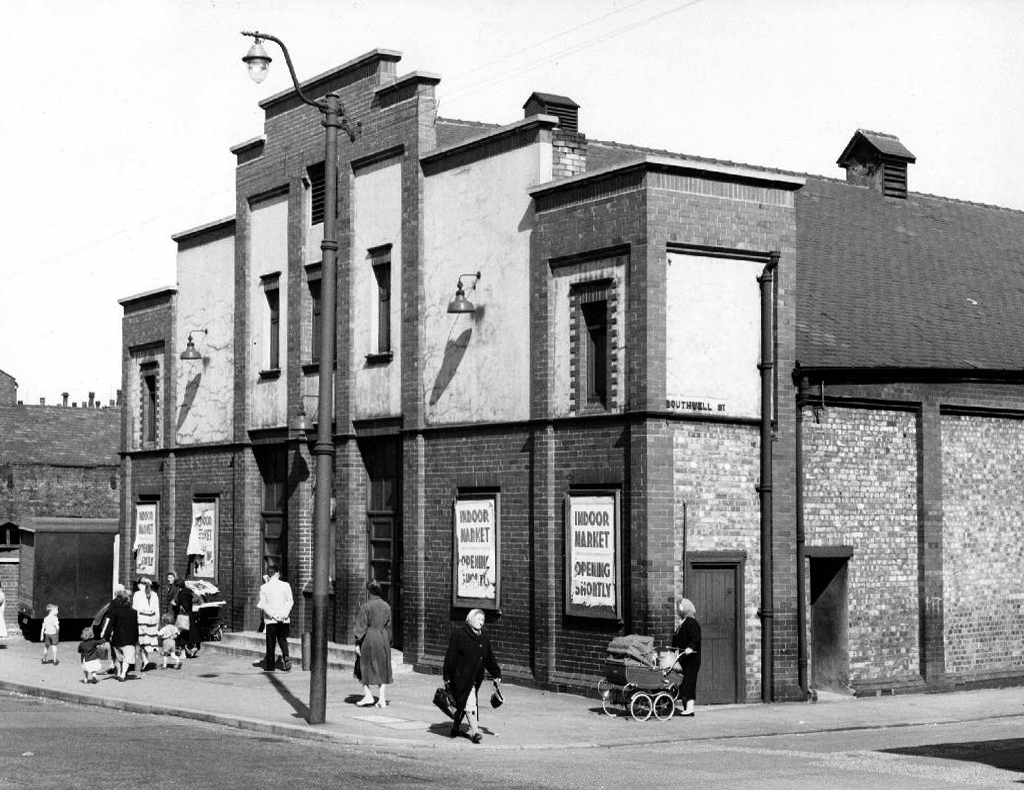
Princess Cinema It is listed in Kinematograph Year Books from 1927 to 1954, but had gone from listings by 1962. It had a Western Electricsound system. The upper part was later removed after a serious fire and the remainder became an indoor market.
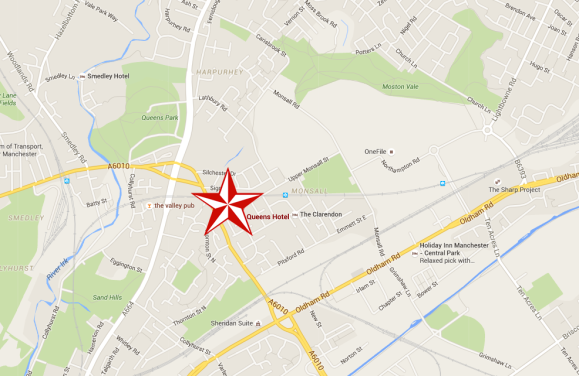
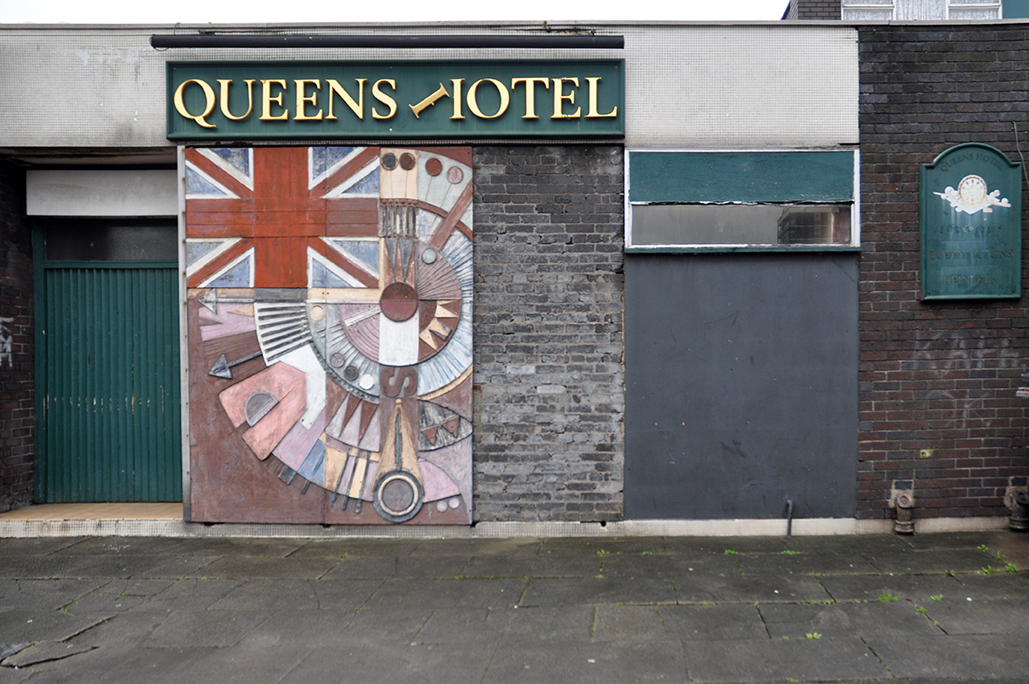
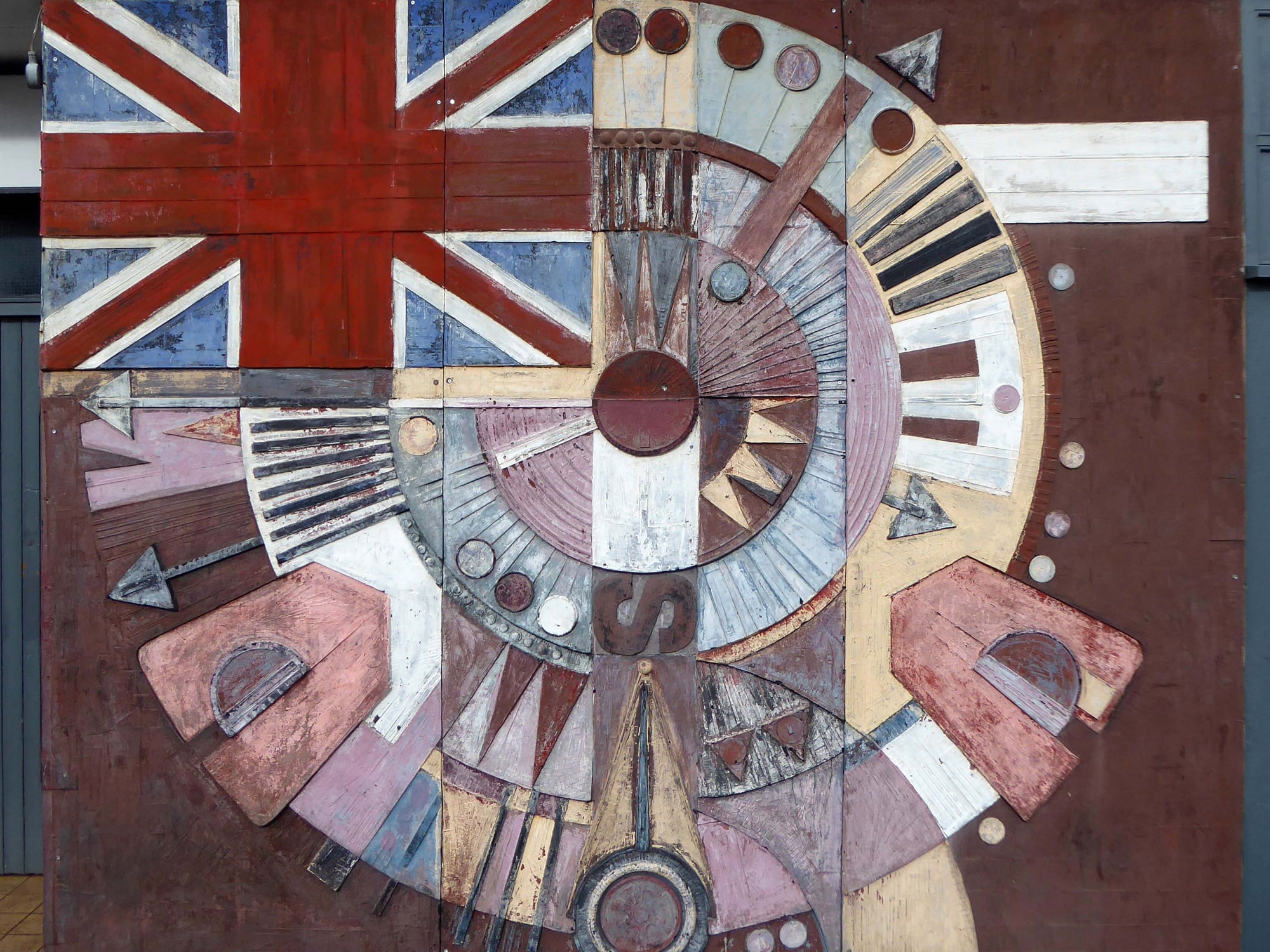
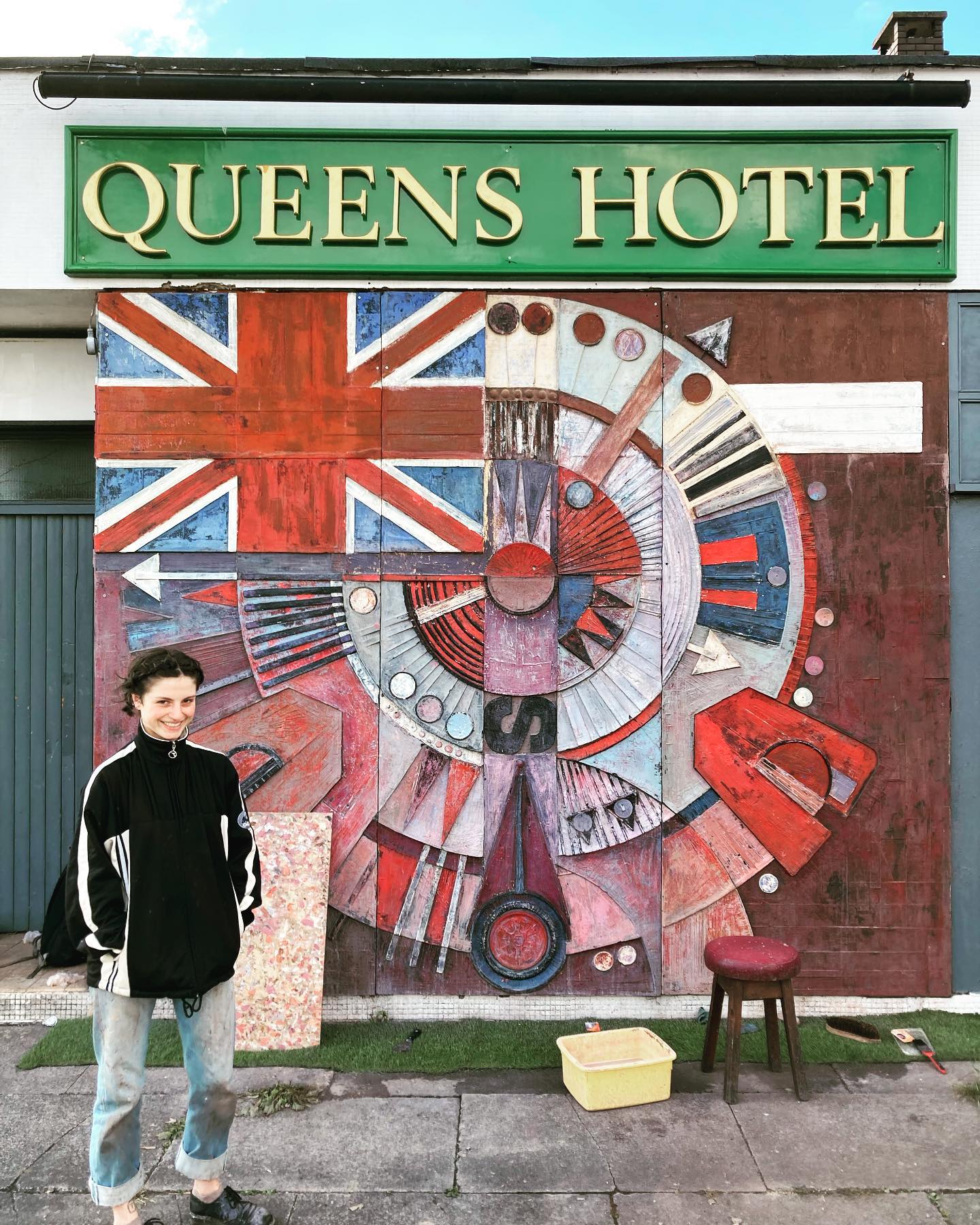
The pub was open, but the Alan Boyson mural was in need of repair.
The missing panel, stored in the pub’s cellar was subsequently reinstated.
Then, following a Modernist crowdfunding project instigated by Richard Brook and Christopher Marsden, Alice Vincent-Barwood restored the work, during July 2022.
Sadly in August 2023 the pub lost its licence and remains closed.
Wandering from Town to Moston yesterday, I happened to pass by, so I took some photos, here they are:
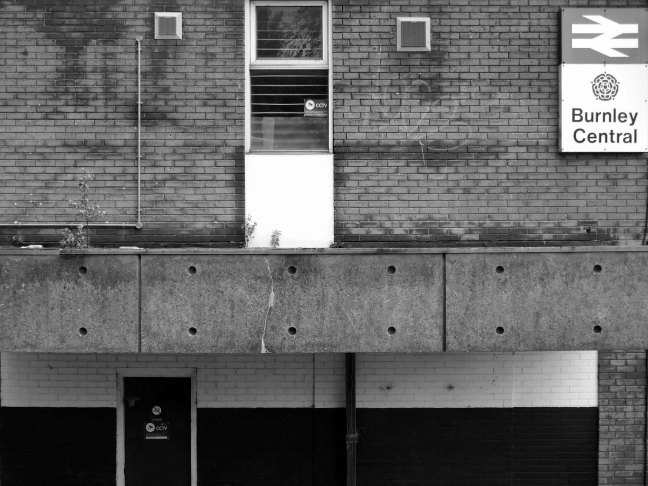
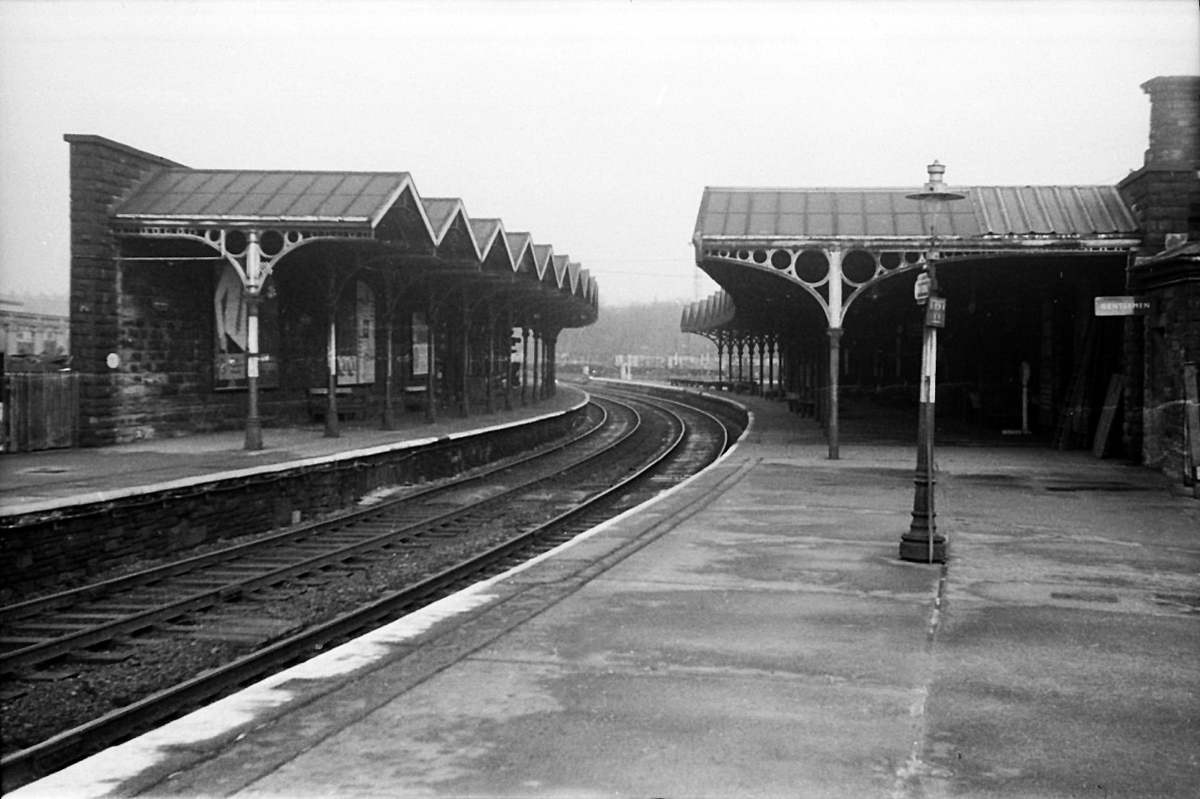
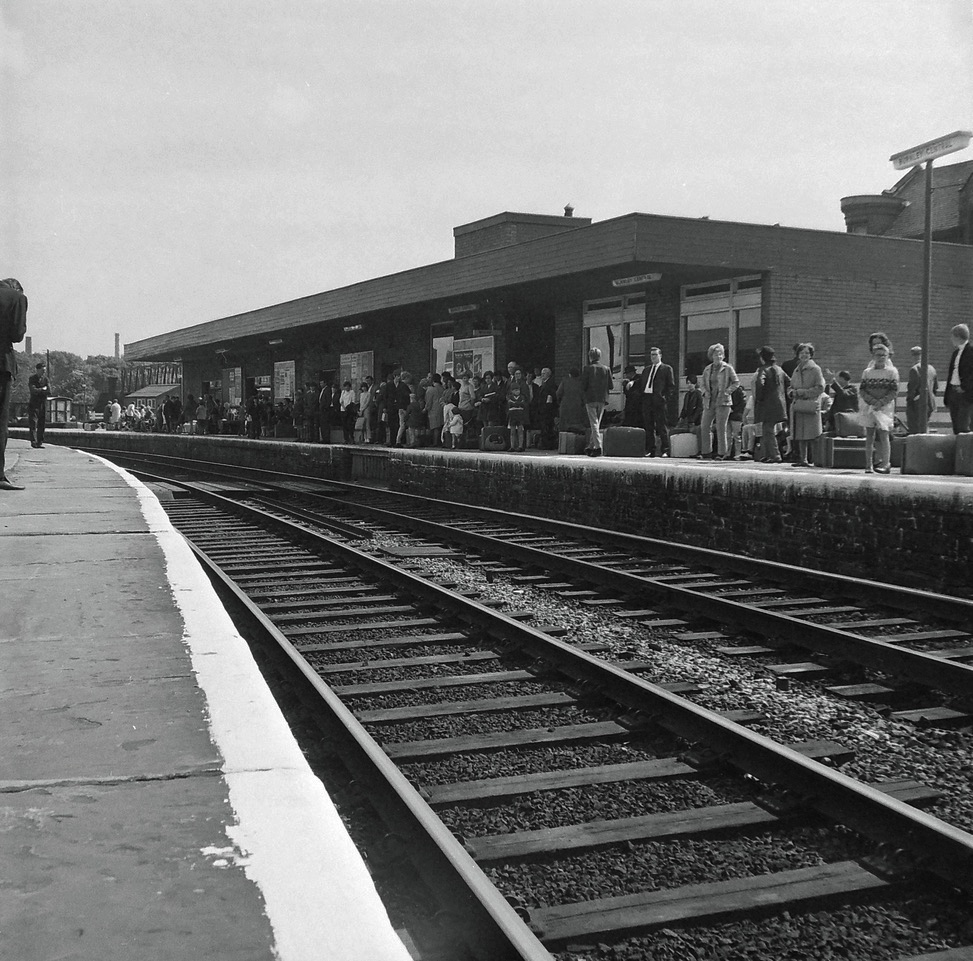
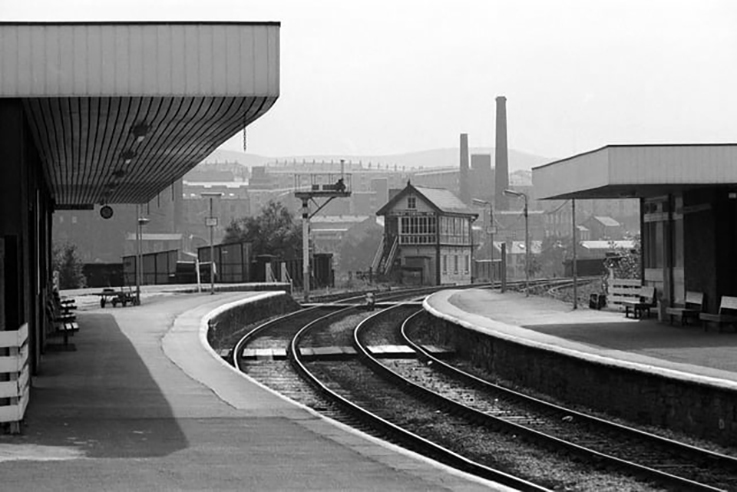
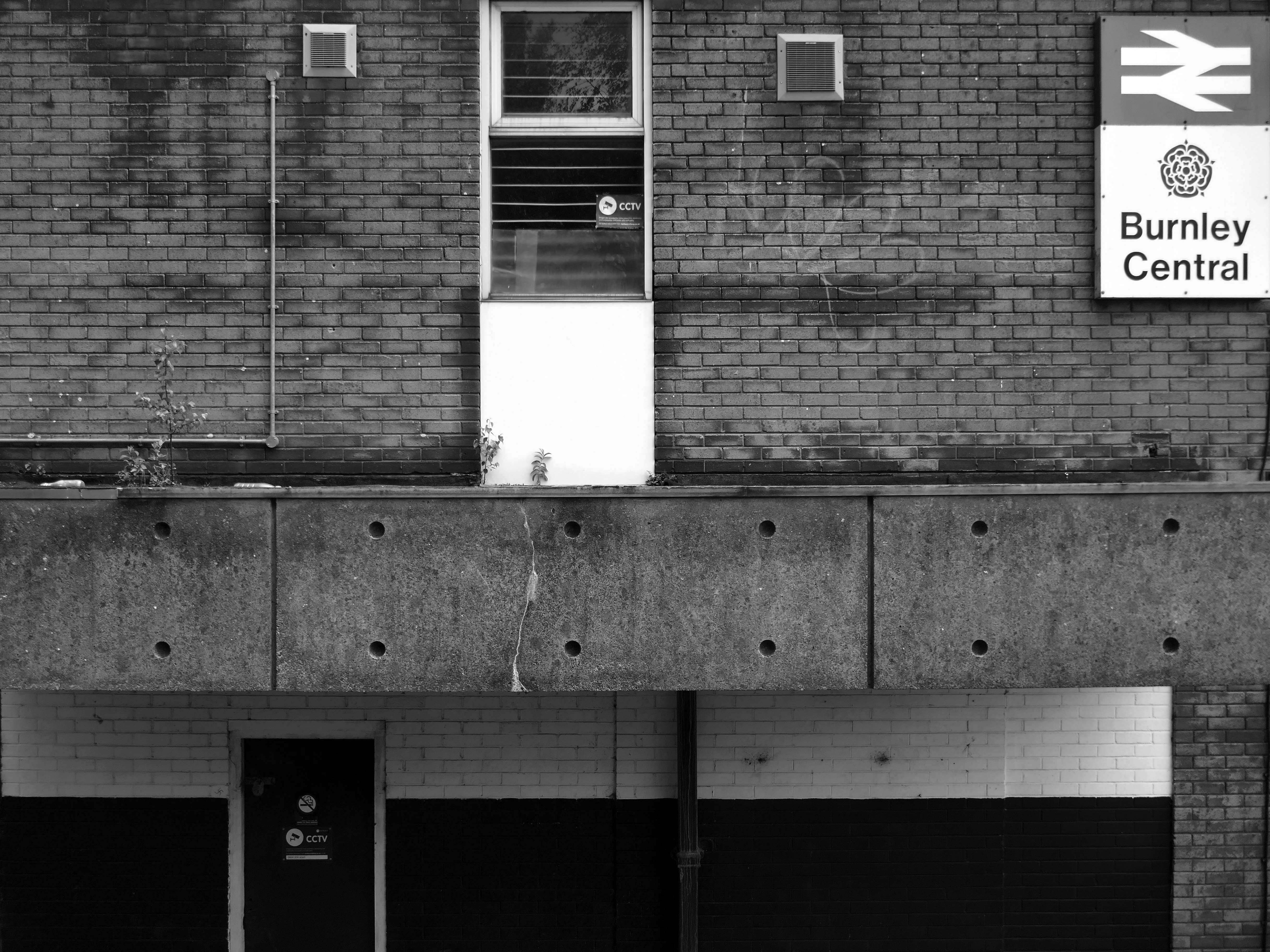
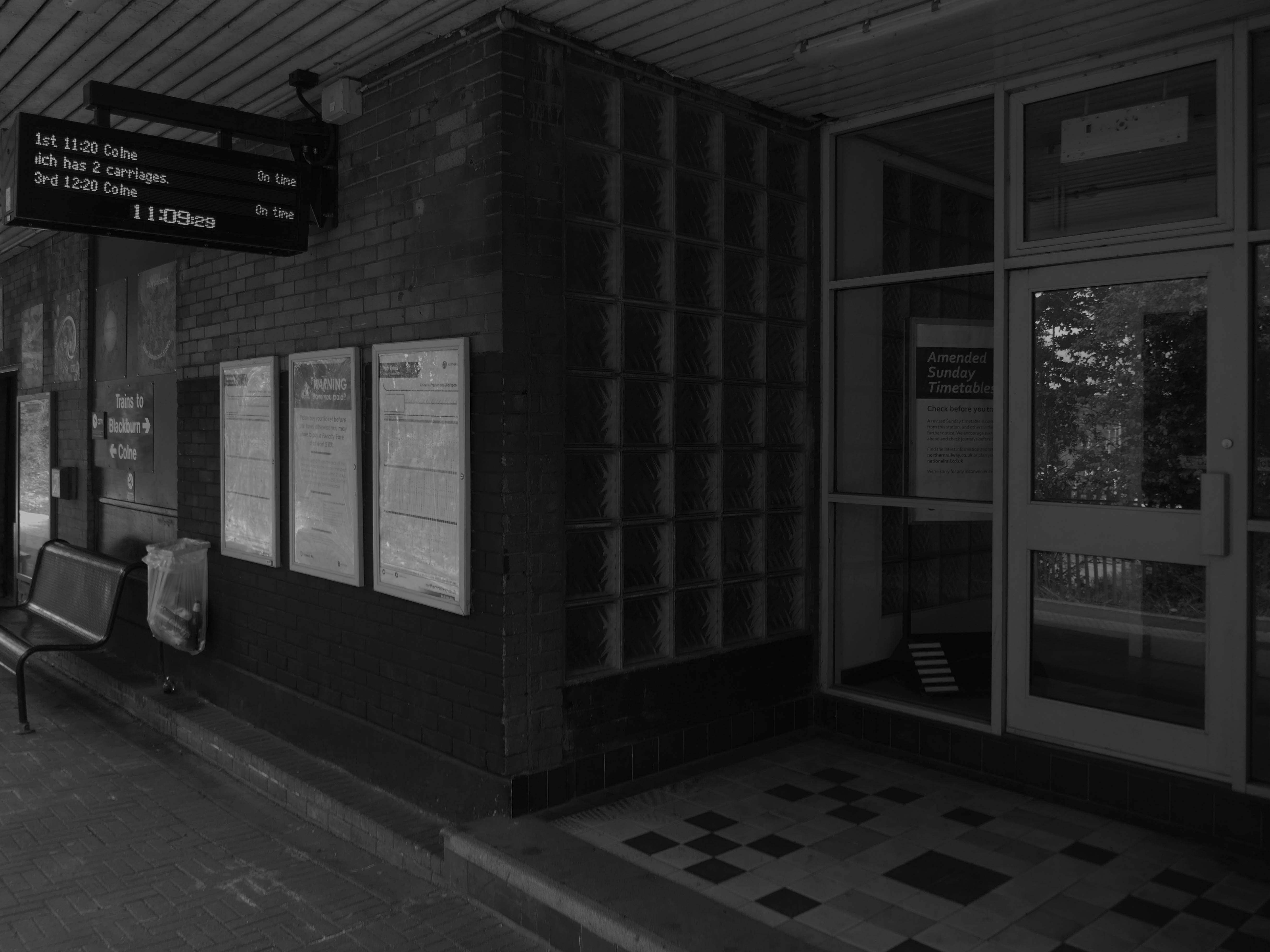
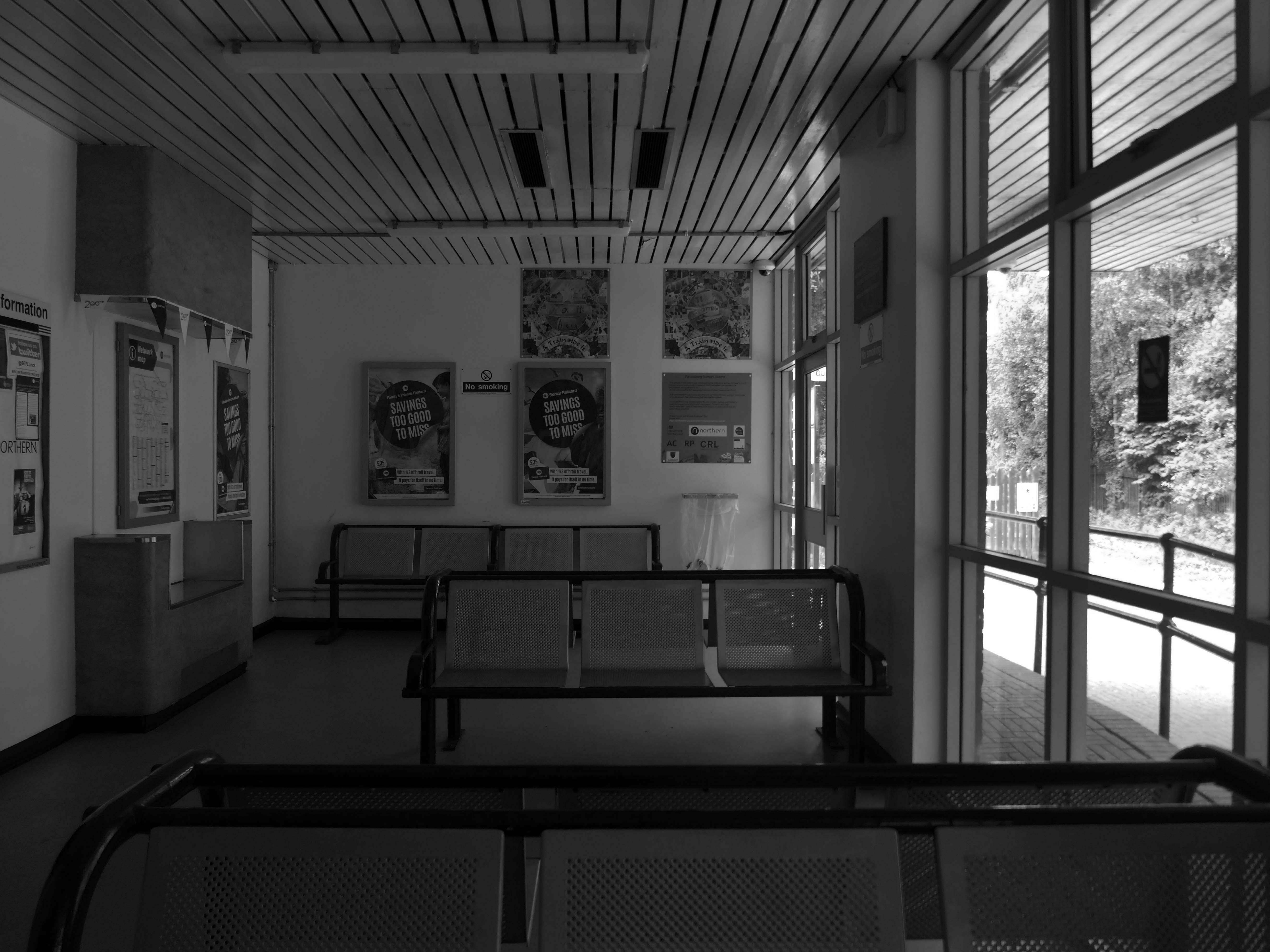
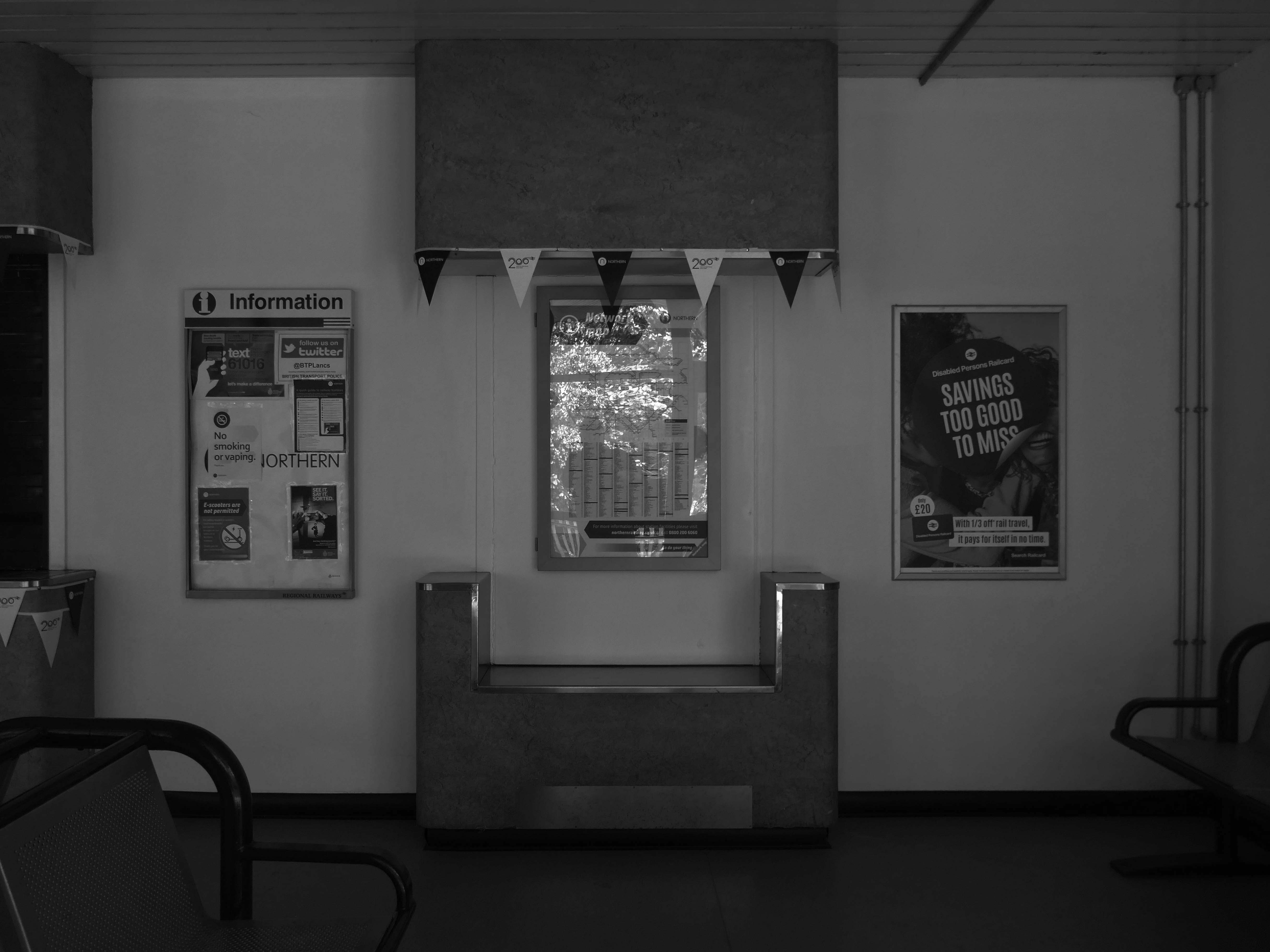
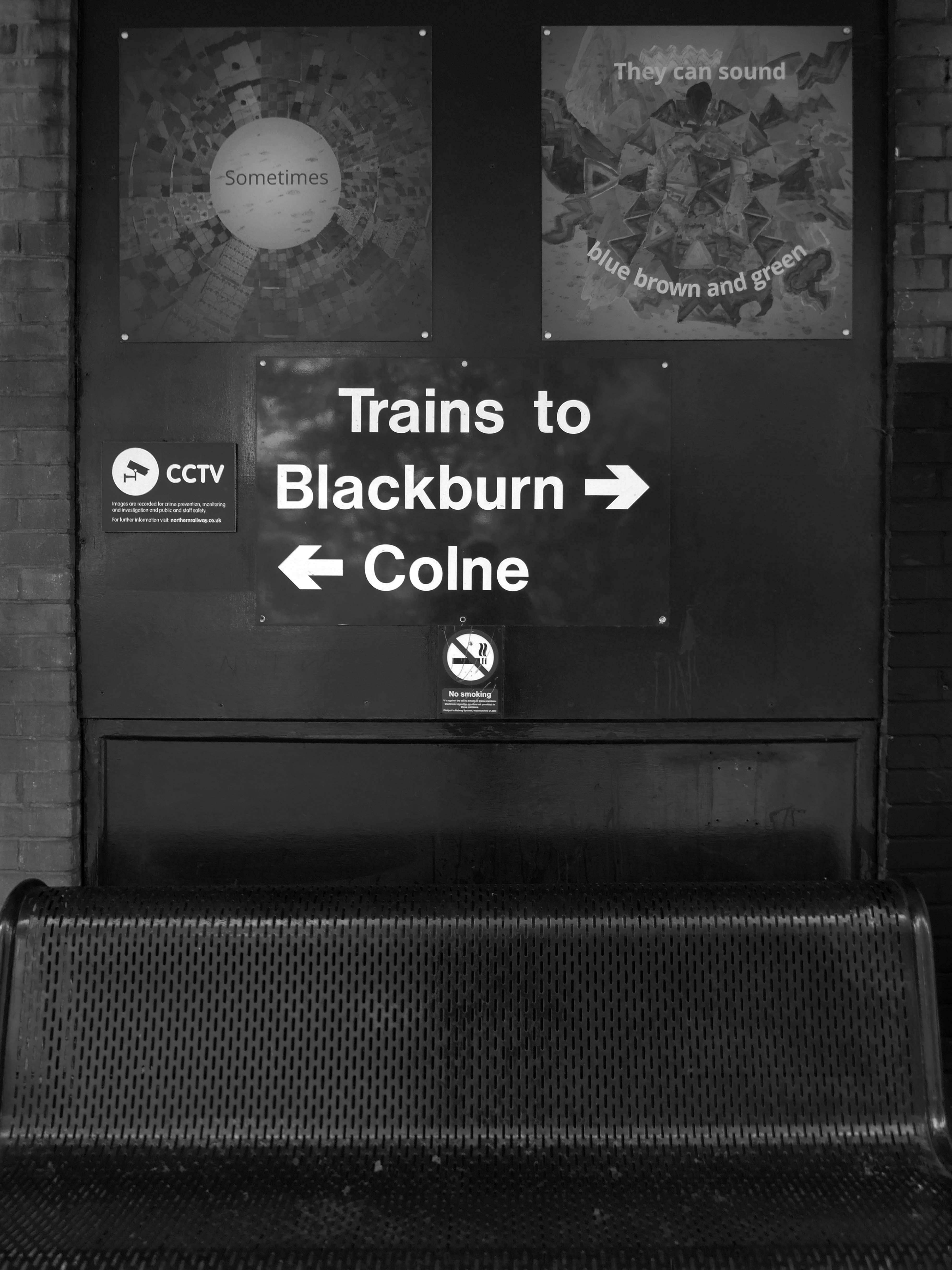
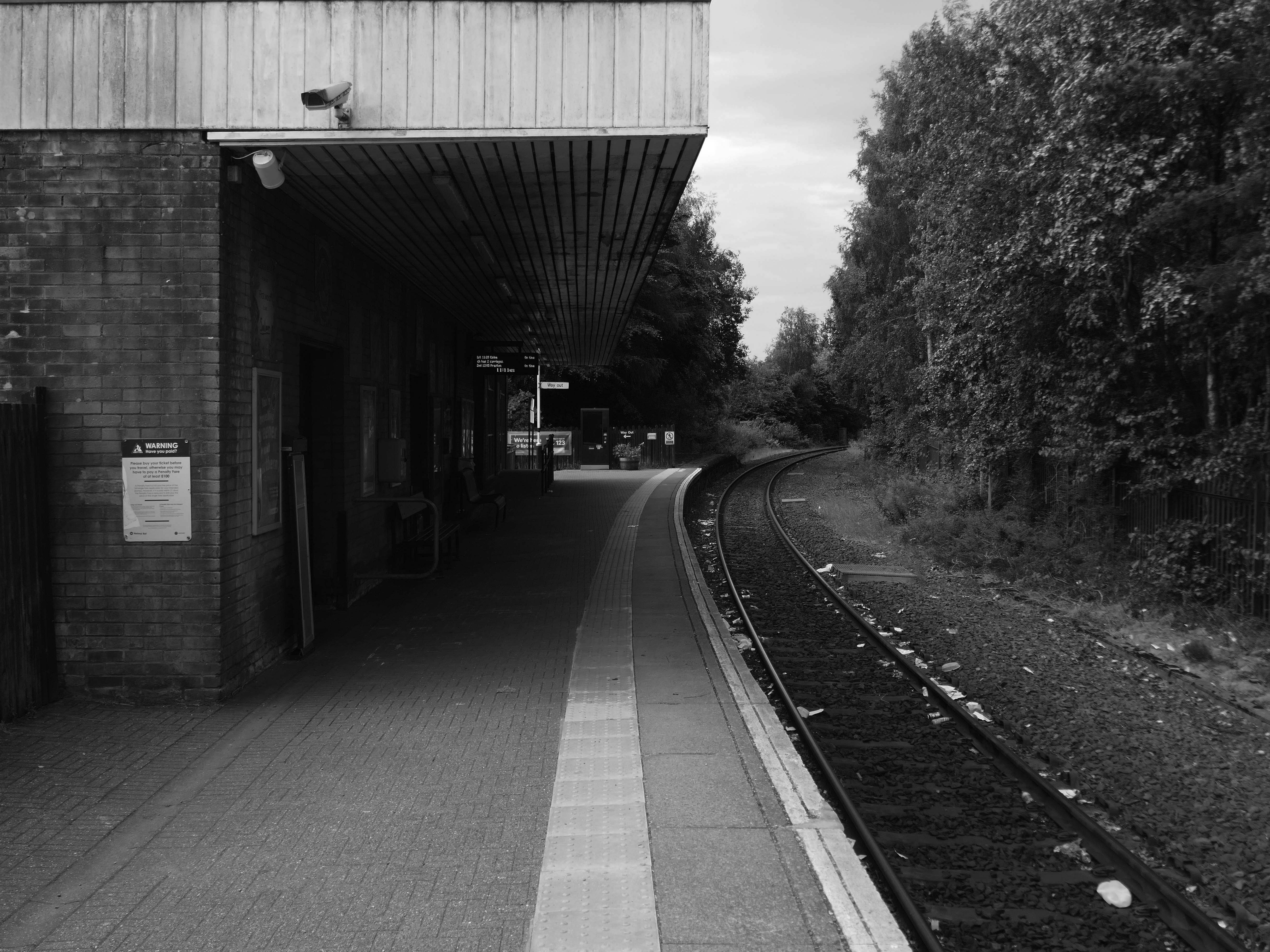
Burnley Central railway station is a stop on the East Lancashire Line, it is managed by Northern Trains, which also provides its passenger service.
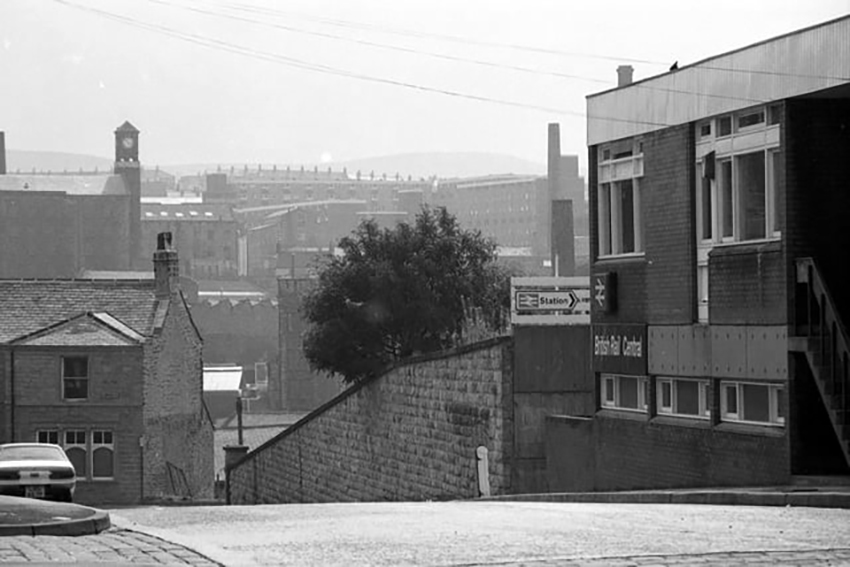
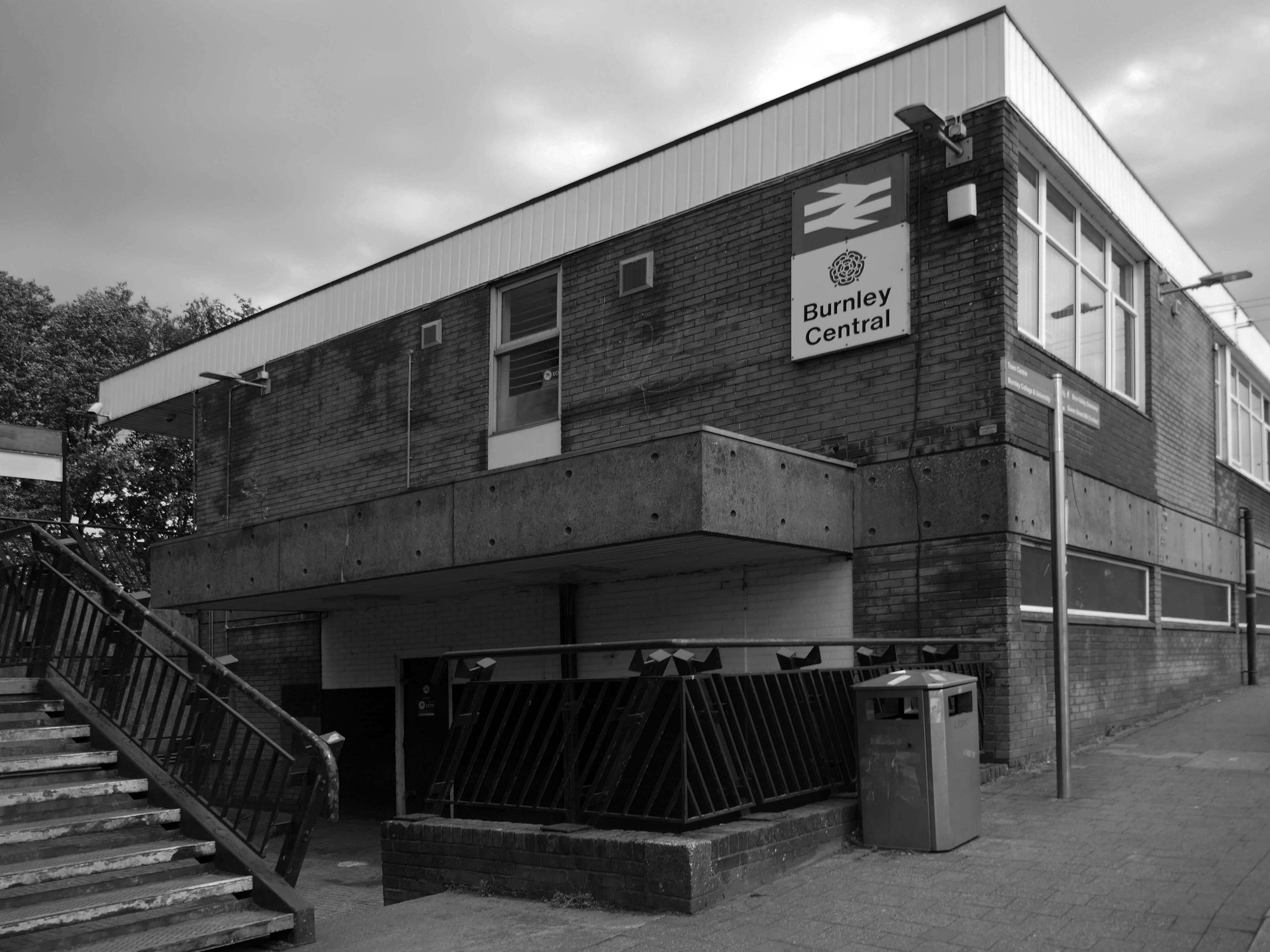
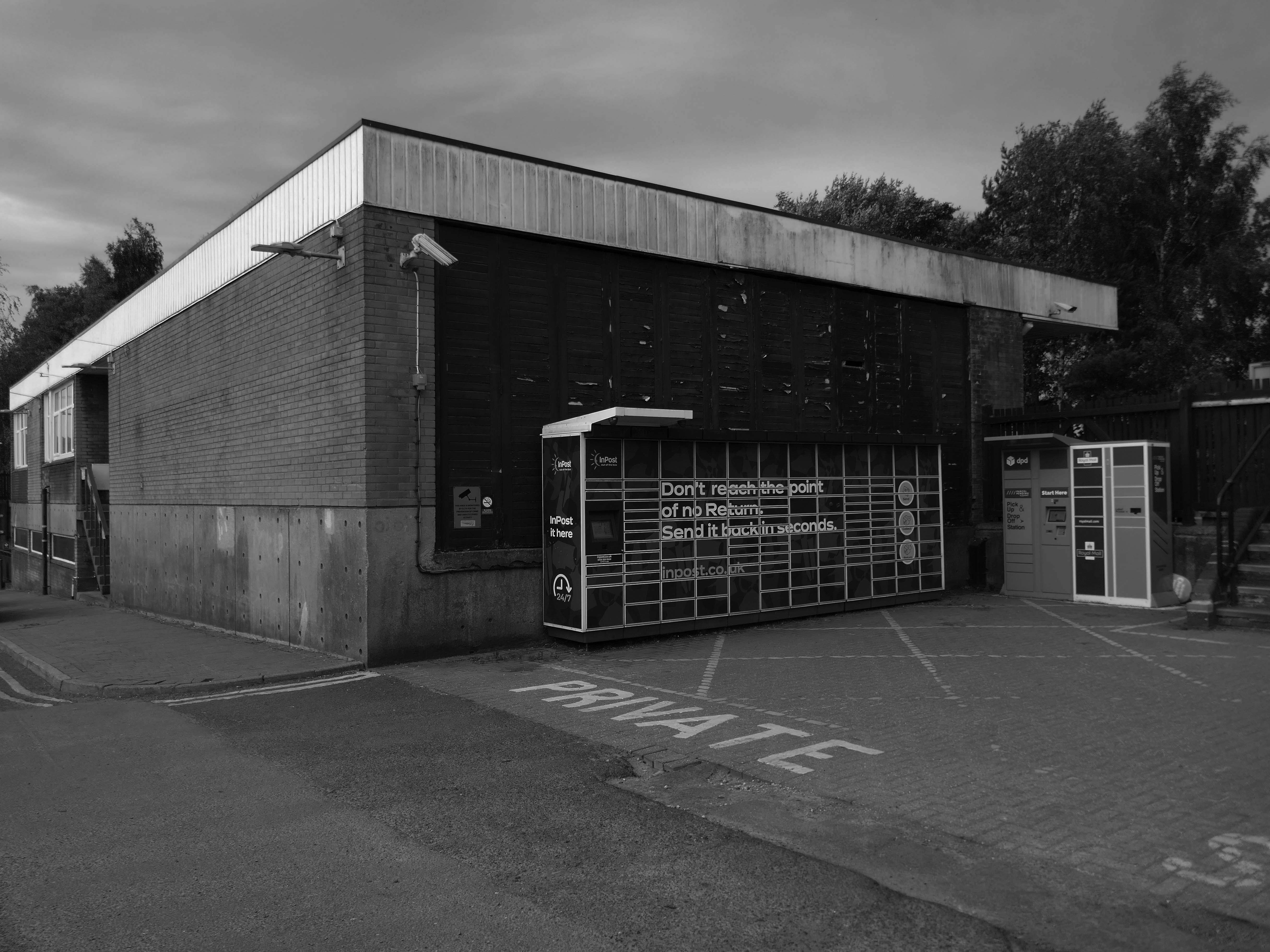
Architect: RL Moorcroft of British Rail 1964-1966
Described by Claire Hartwell in the Buildings of England Lancashire: North as – of blue brick, bleak.
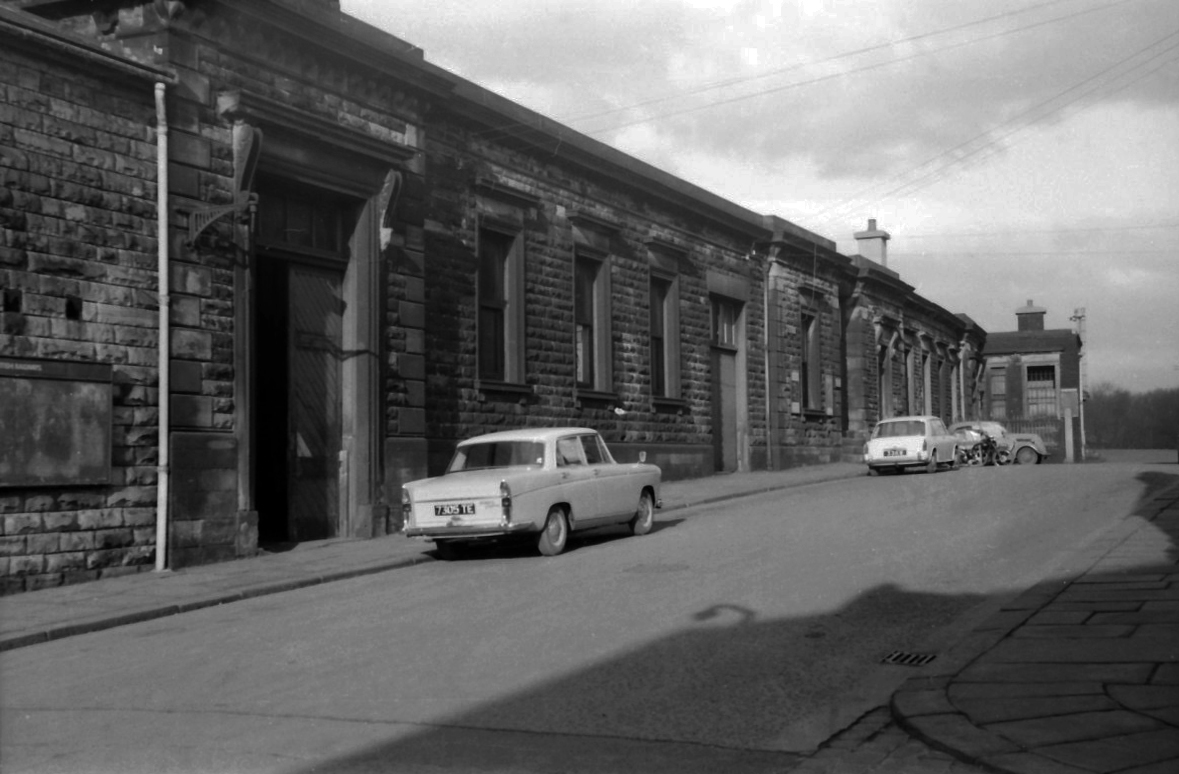
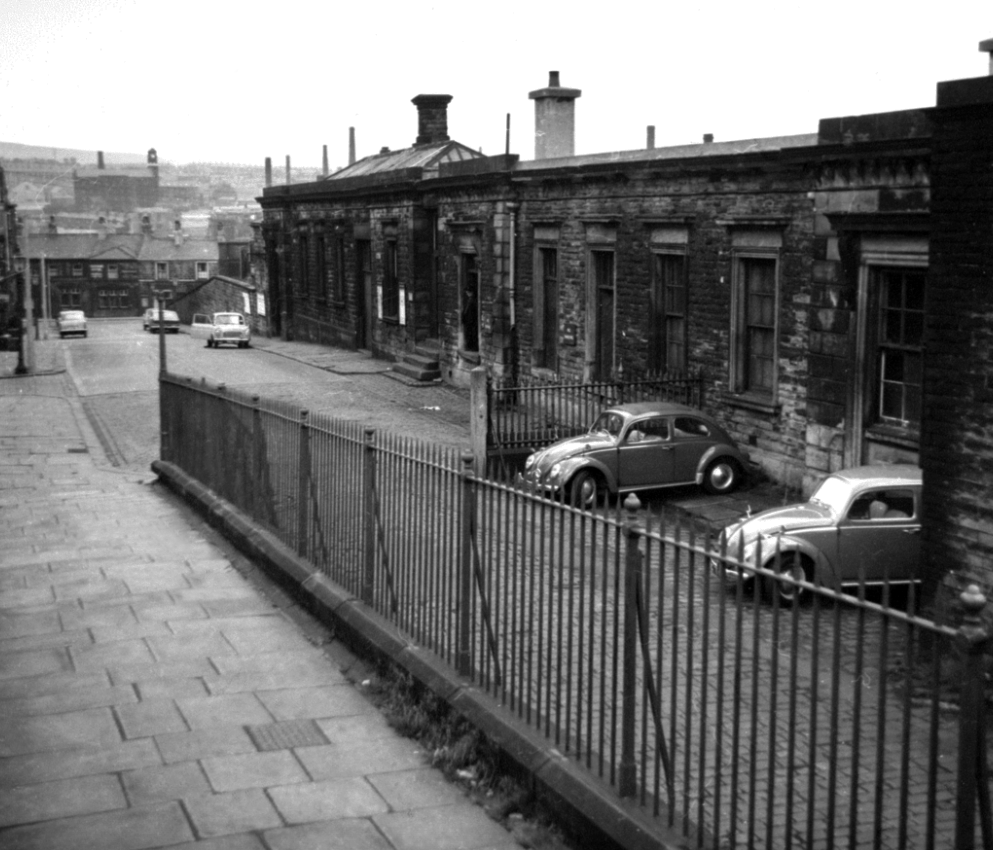
The station was opened by the East Lancashire Railway in 1848, as part of its route from Bury and Blackburn to Colne; here, an end-on junction was made with the Leeds and Bradford Extension Railway line from Skipton that had been completed several months earlier. The service from Colne through the station to Manchester Victoria, via Accrington and Bury, was well used from the outset by the owners of the local cotton mills, who travelled from their homes in the area to make their purchases of raw cotton at the Royal Exchange several times each week. It was also possible to travel from the station by direct train to Blackpool, Liverpool and Skipton and even through to London Euston, via Blackburn, Manchester Victoria and Stockport.
1964 Red Rose Collections.
However, the cutbacks of the 1960s affected the station badly, with through trains to Manchester via Bury ending in 1964 (two years before the withdrawal of the Accrington to Bury service) and those to Liverpool in 1969 whilst the line to Skipton was closed to all traffic in 1970. This left the station on a 10.5 km long dead-end branch line from Rose Grove to Colne.
The station was rebuilt in 1965, its ground floor is at street level and the first floor at platform level.
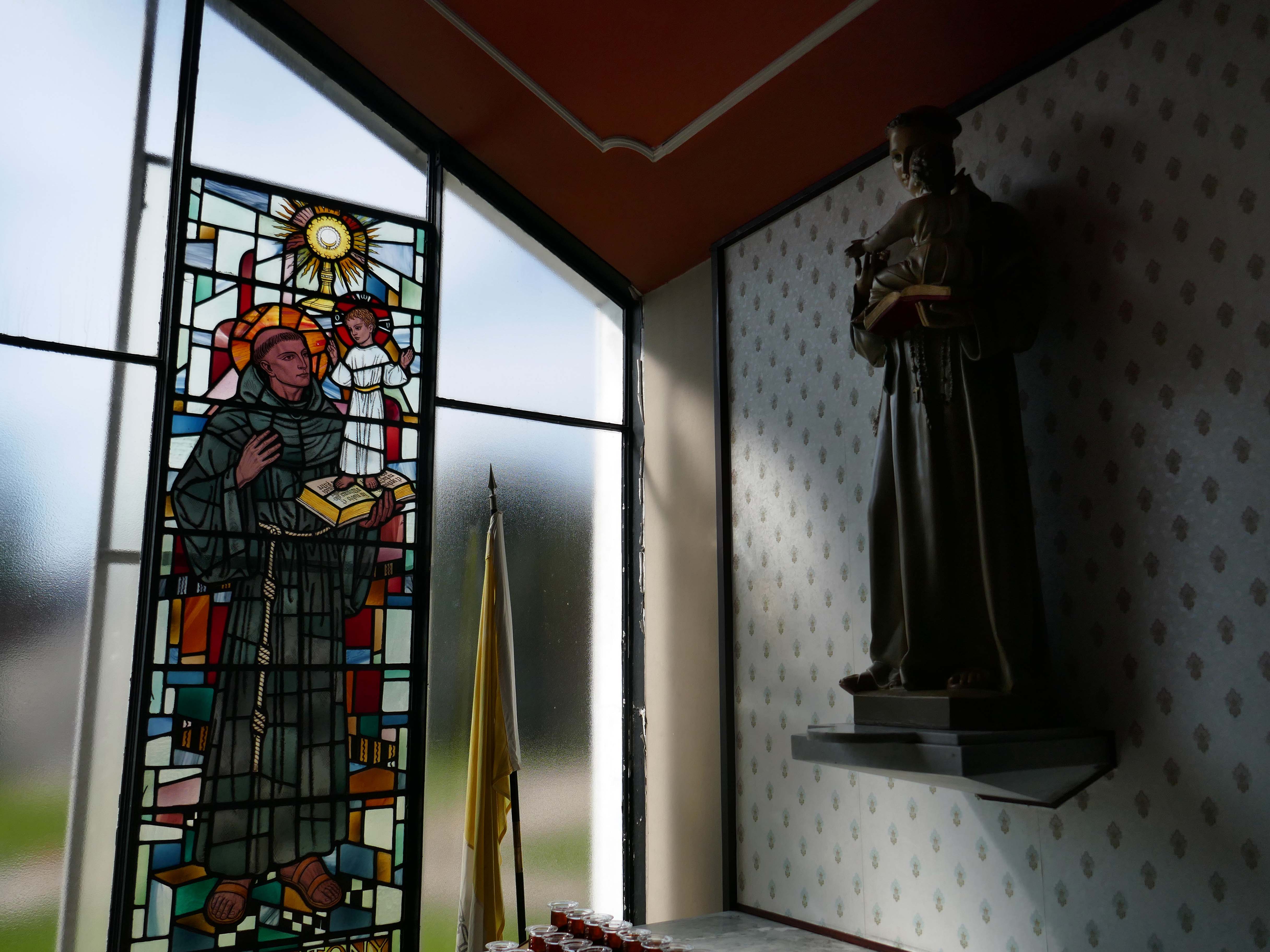
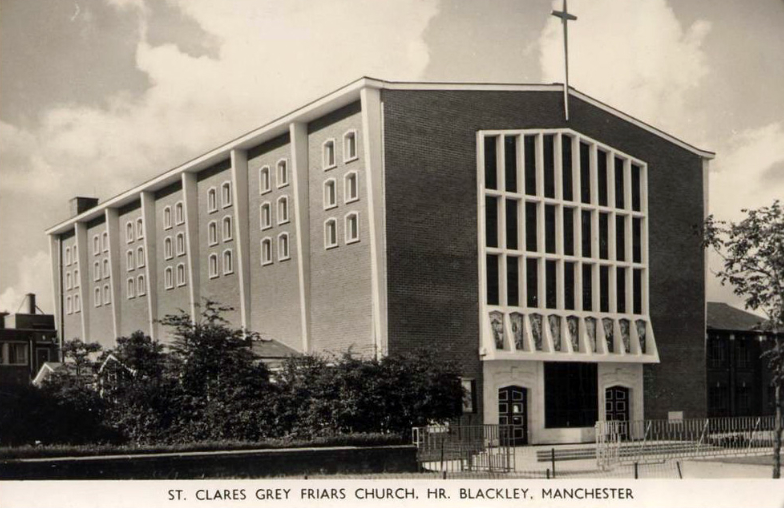
This is the result of my two visits to St Clare’s – an urban church which is kept open each day. I urge you to visit as and when you can, you will be rewarded by an uplifting experience – the most refined, calm and spiritual space.
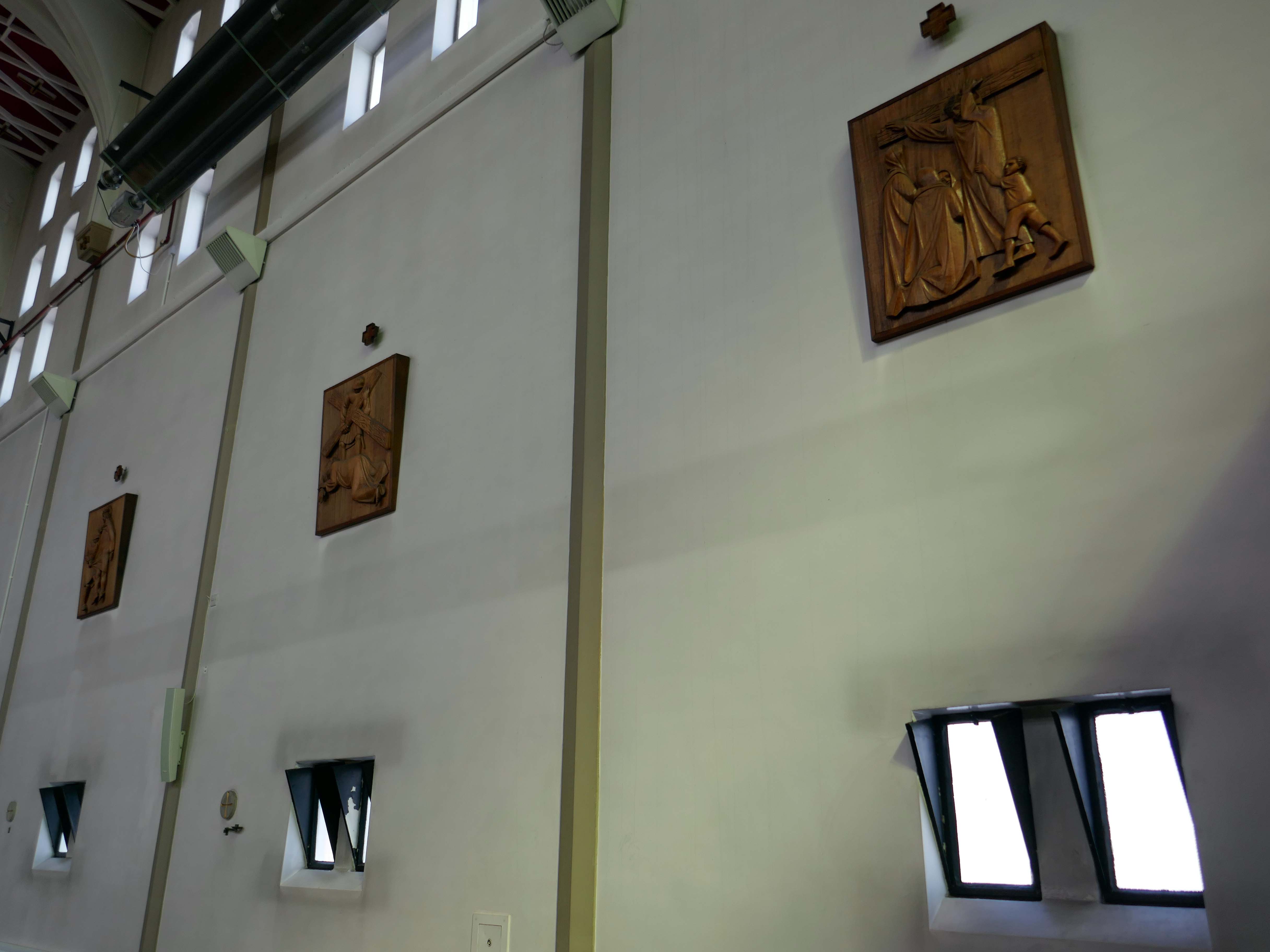
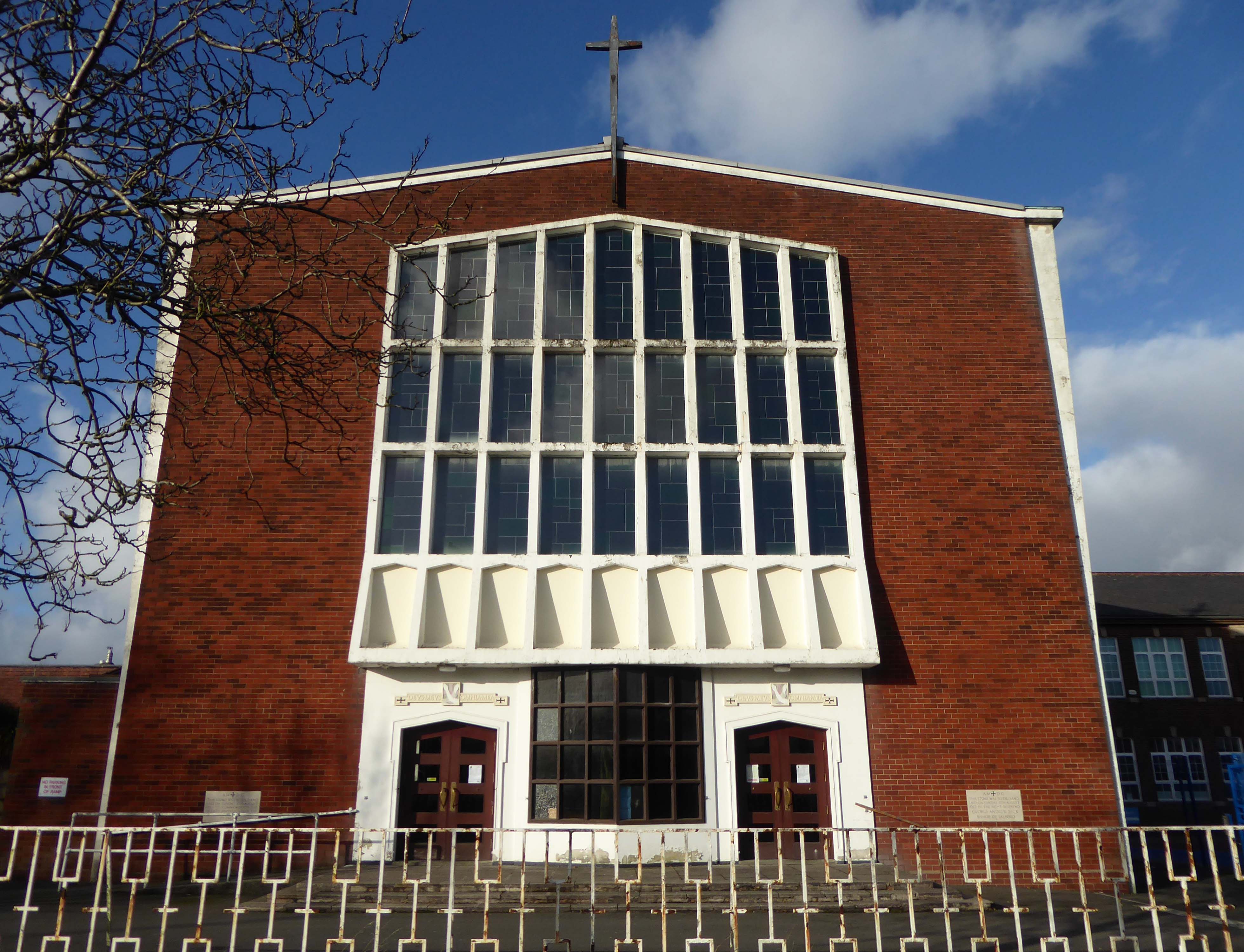
A striking example of post-war church design built for the Franciscans, combining original modern forms and references to historic ecclesiastical architecture. The church predates the Second Vatican Council, and is of traditional basilican plan. Apart from the original sanctuary arrangements, the interior is well preserved, with furnishings of note – the large mosaic over the high altar, depicting St Clare of Assisi raising the Blessed Sacrament by Georg Mayer-Marton, stained glassbyJoseph Nuttgens, Stations of the Cross by David John.
Mayer Marton was also responsible for the fresco and mosaic mural at the Church of the Holy Rosary, Oldham – which is currently under threat.
There is a large west window grid, continued at the base, where it is angled out, to form a canopy over the entrance. Mosaics in this position have been overpainted or lost.
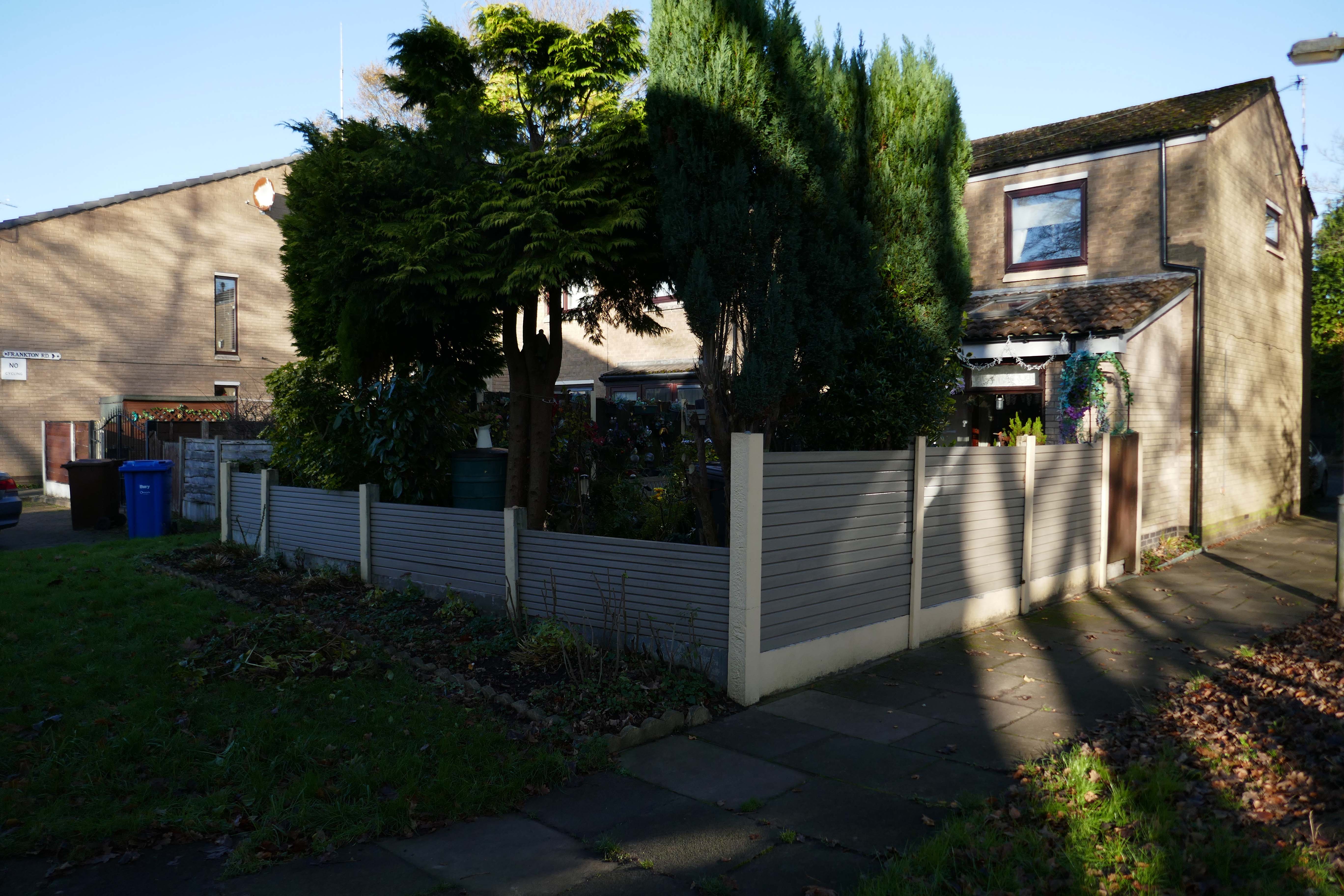
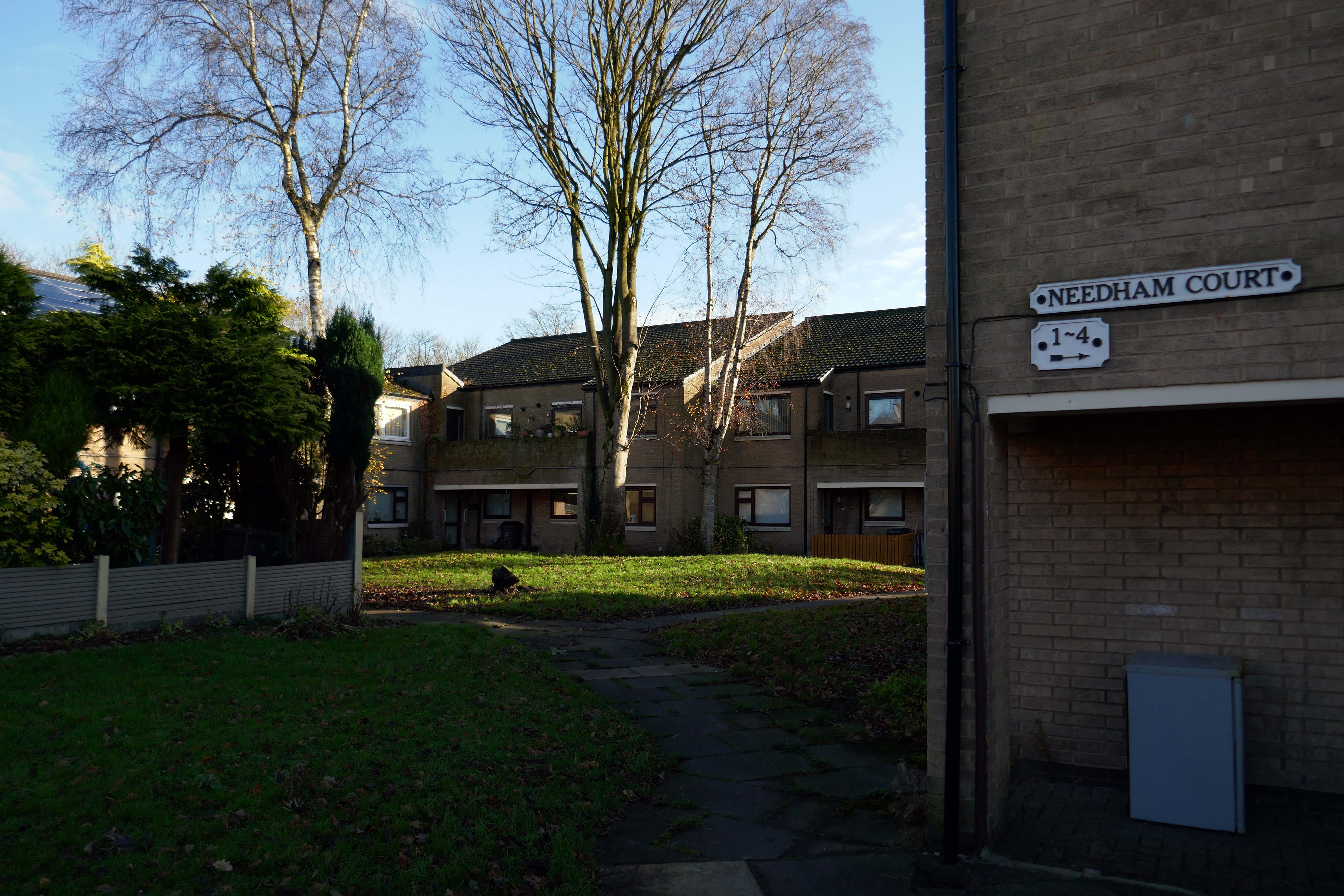
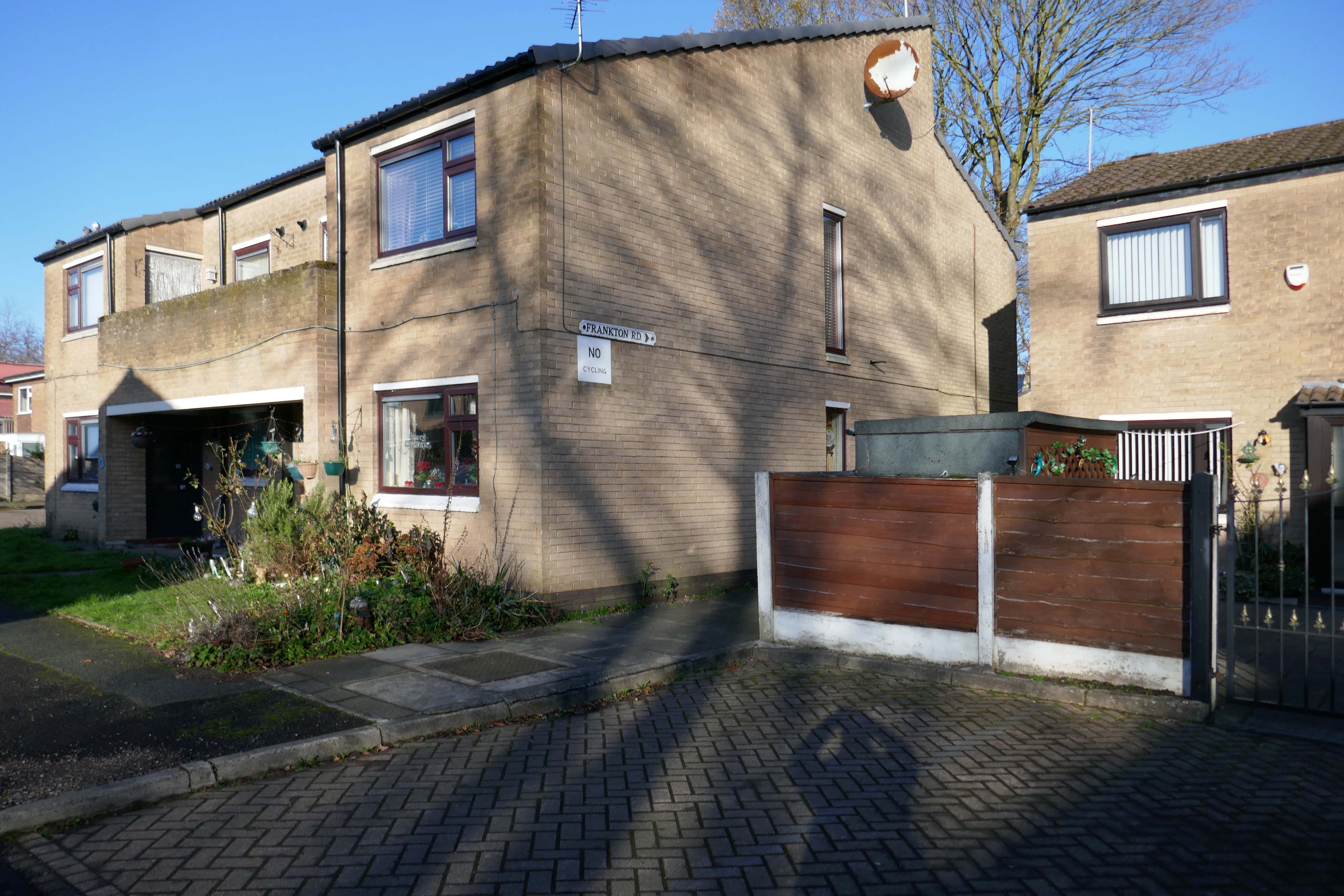
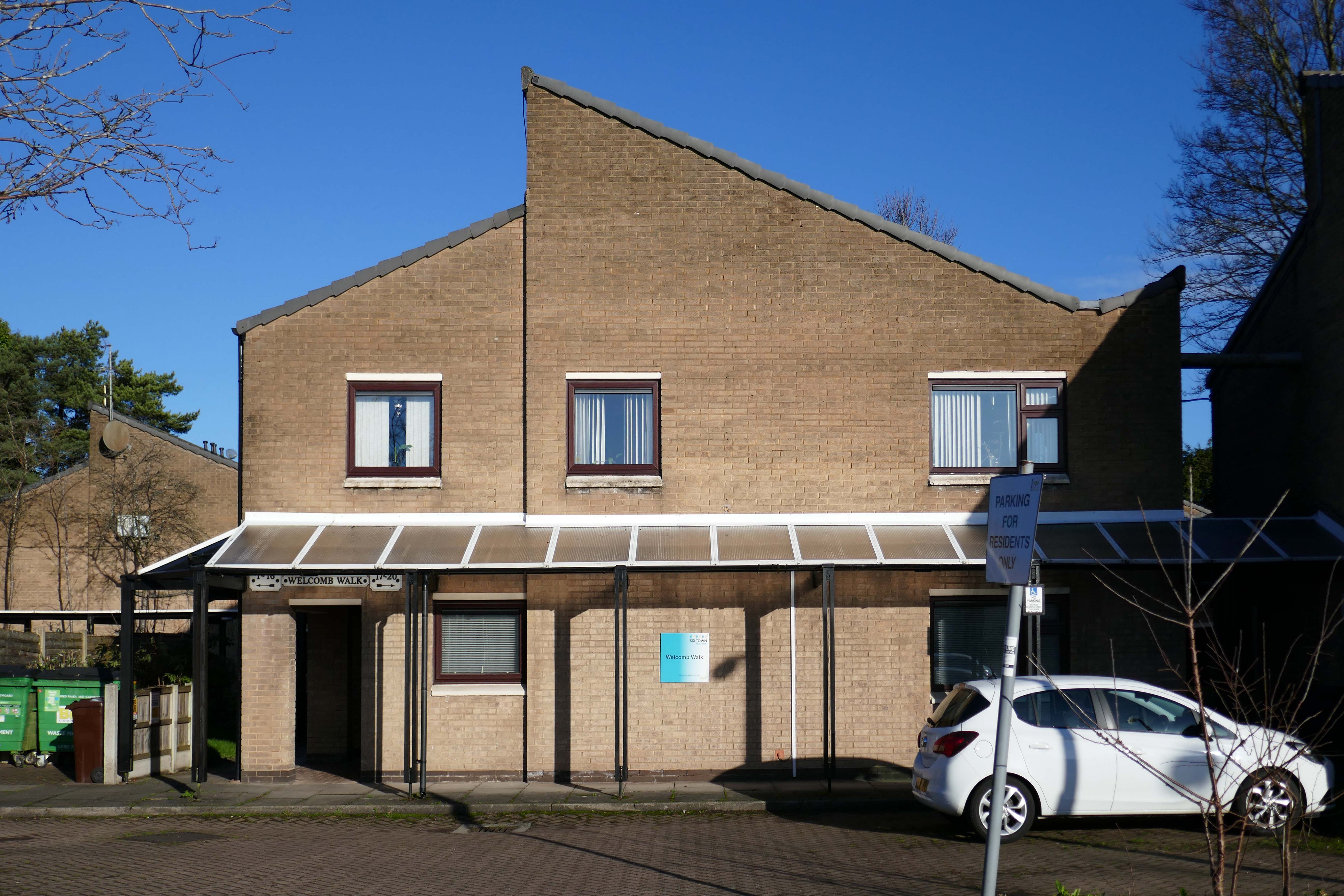
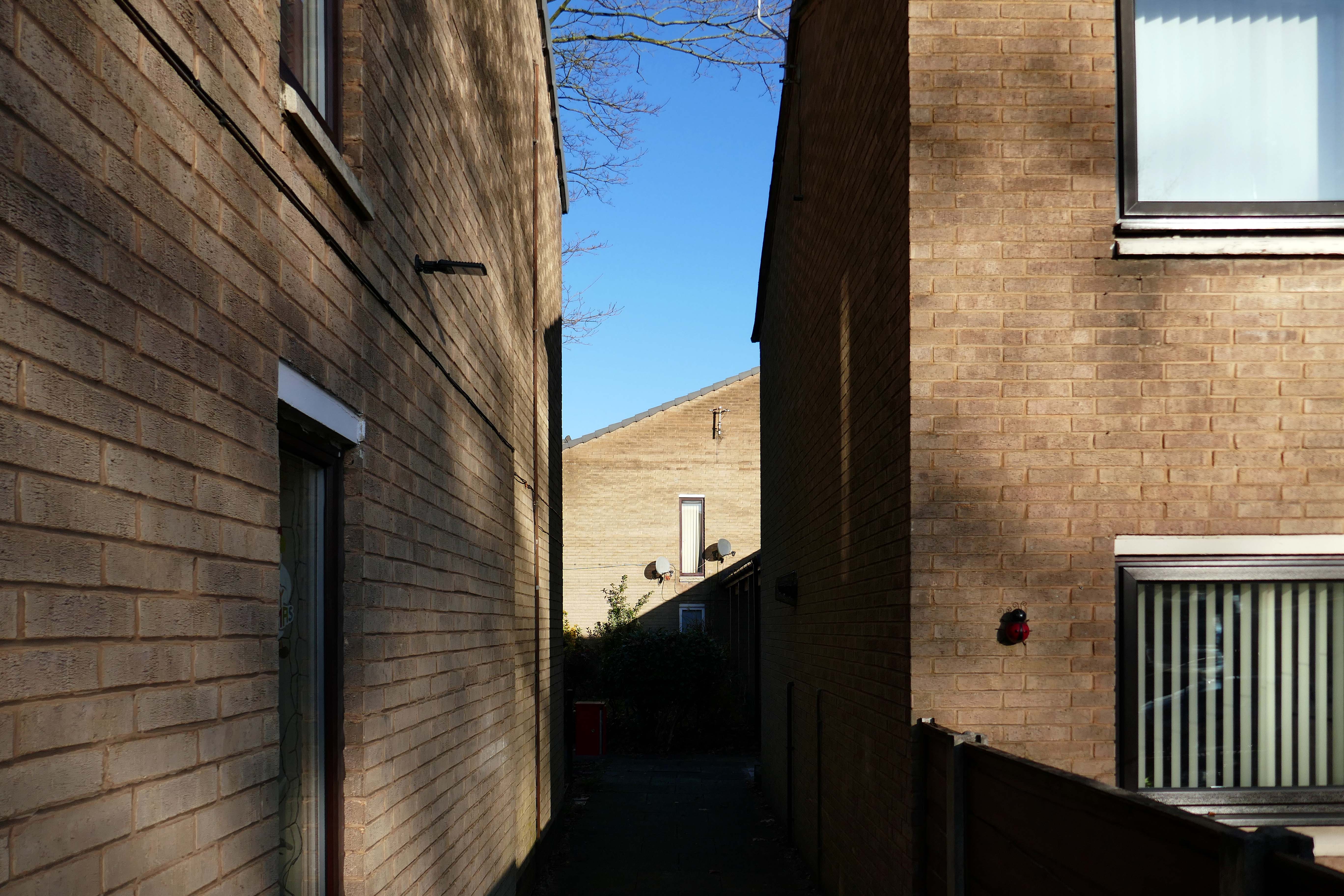
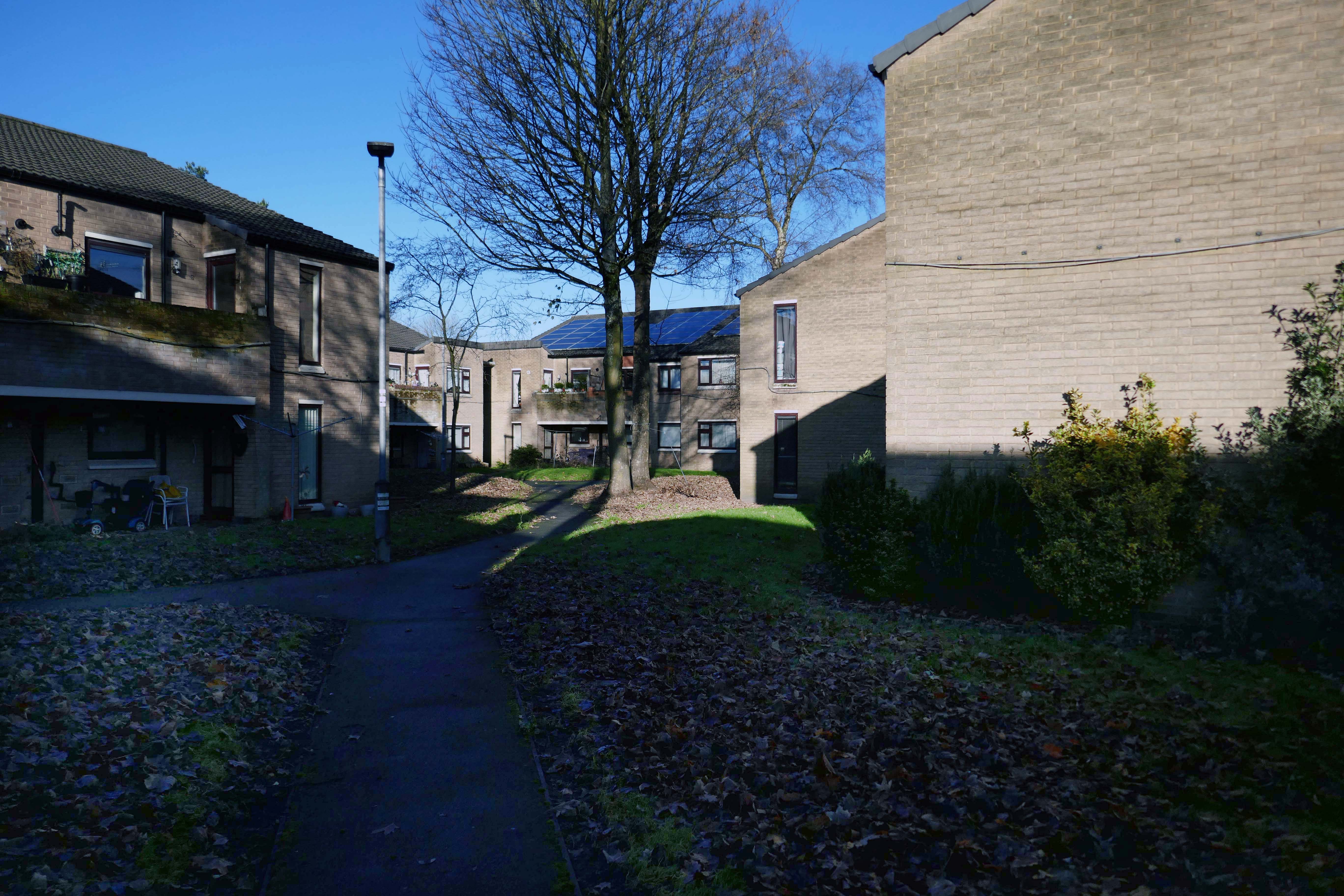
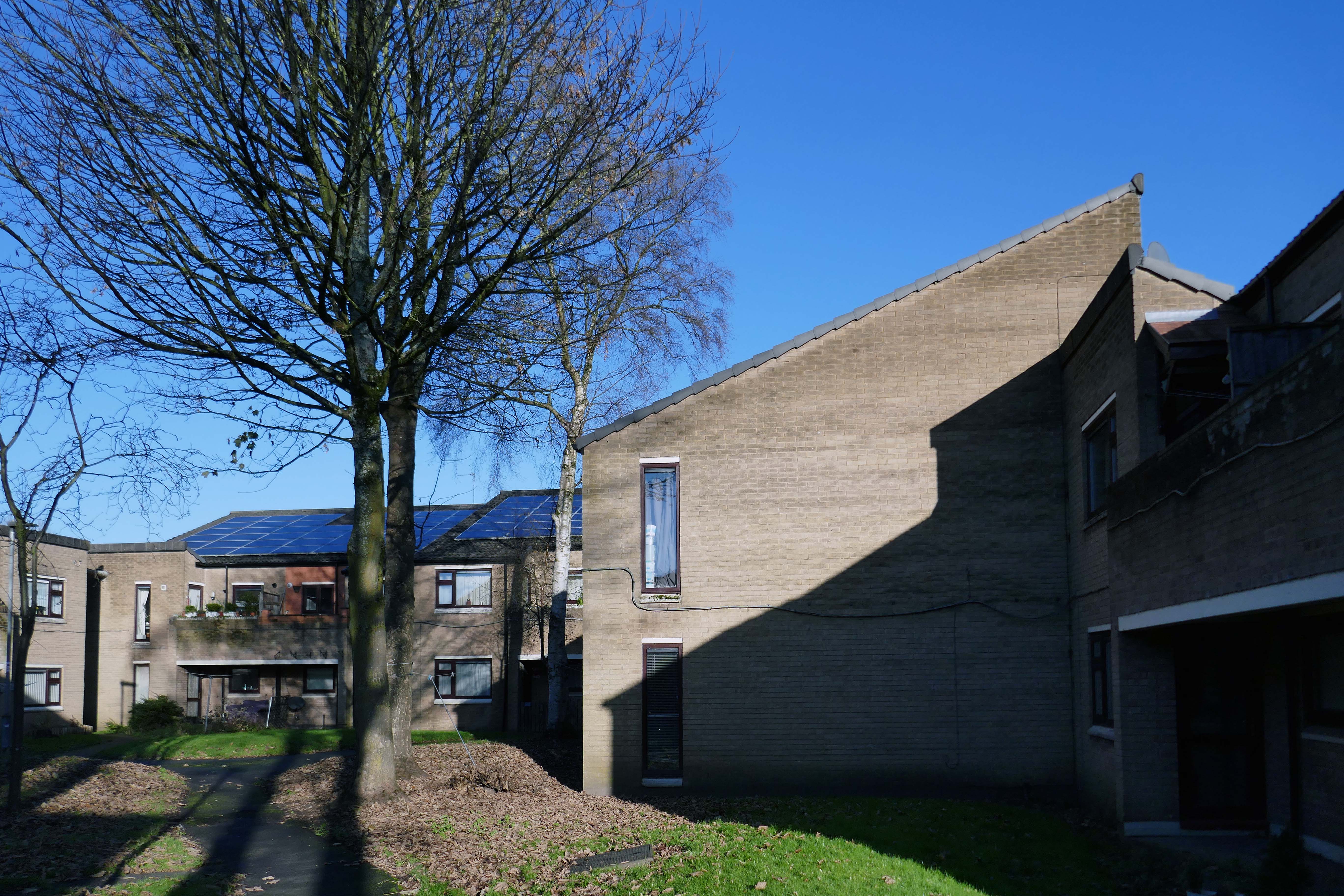
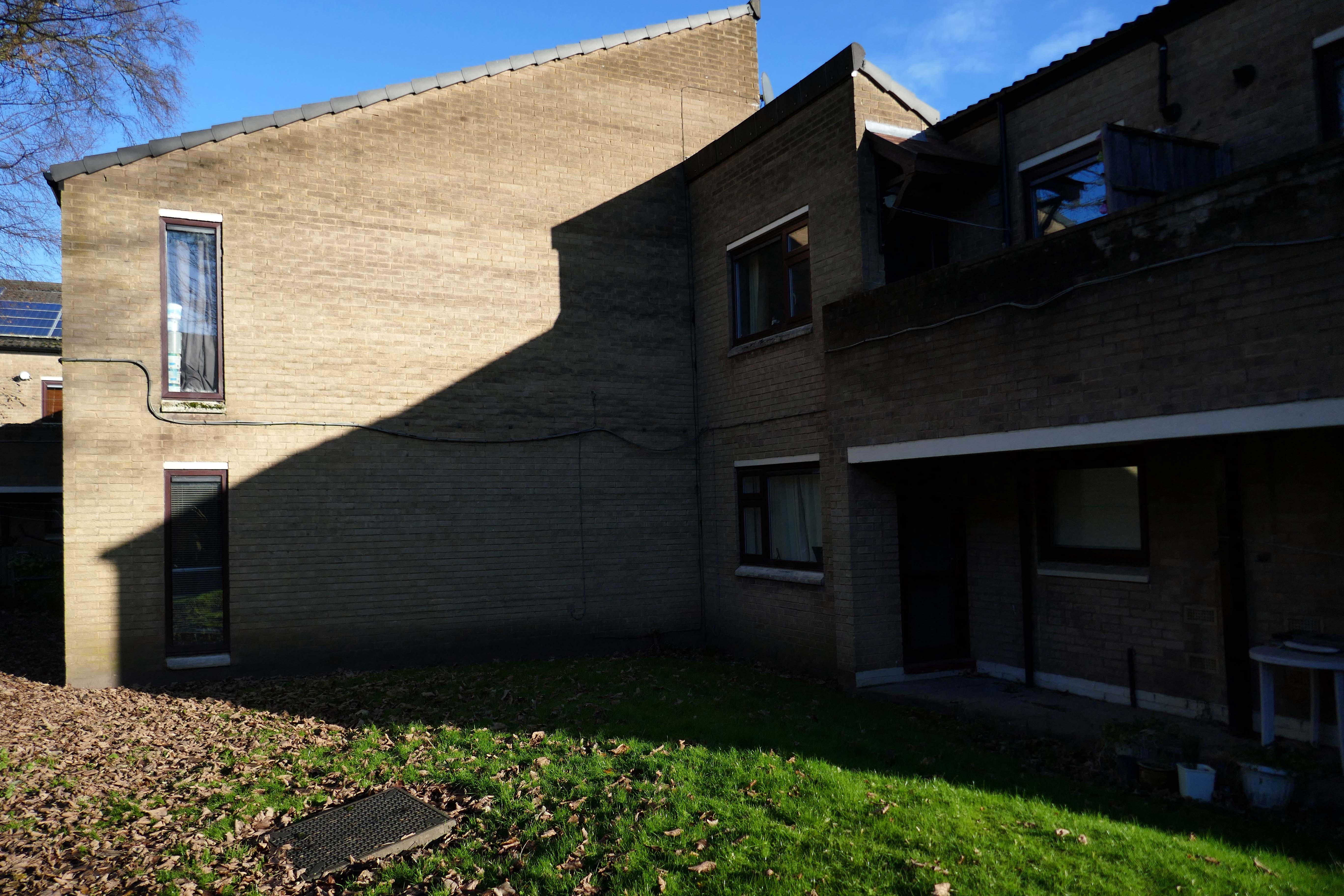
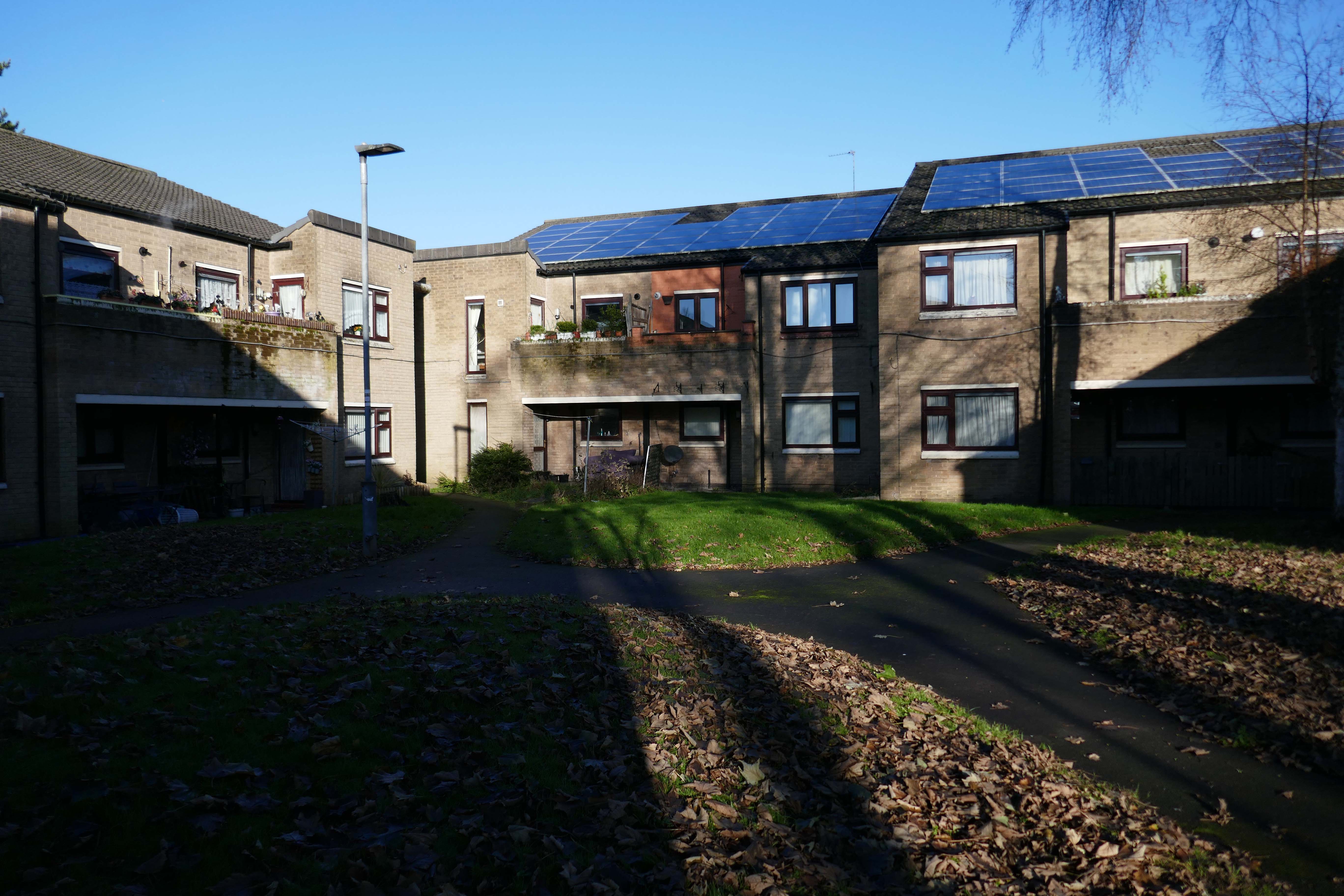
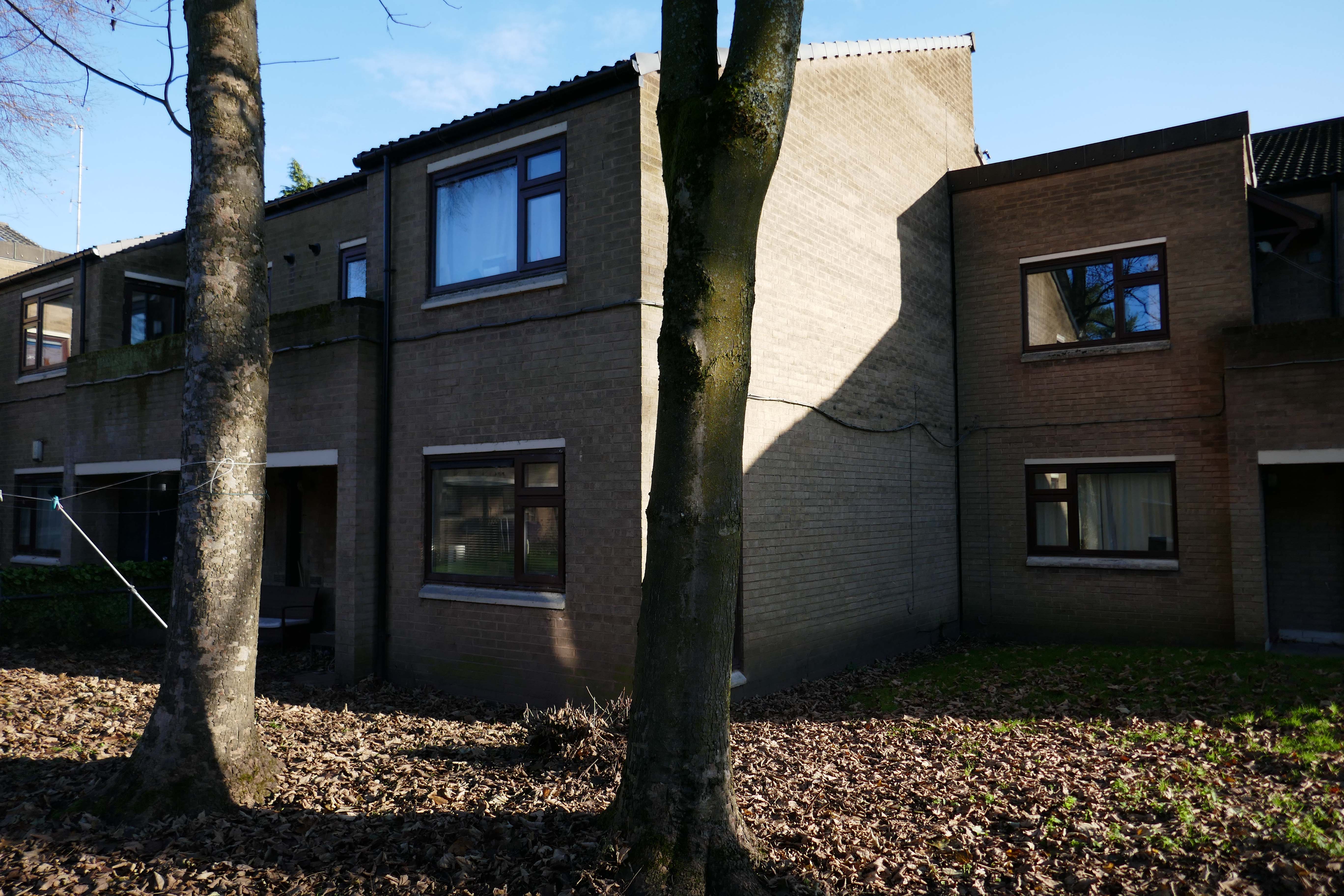
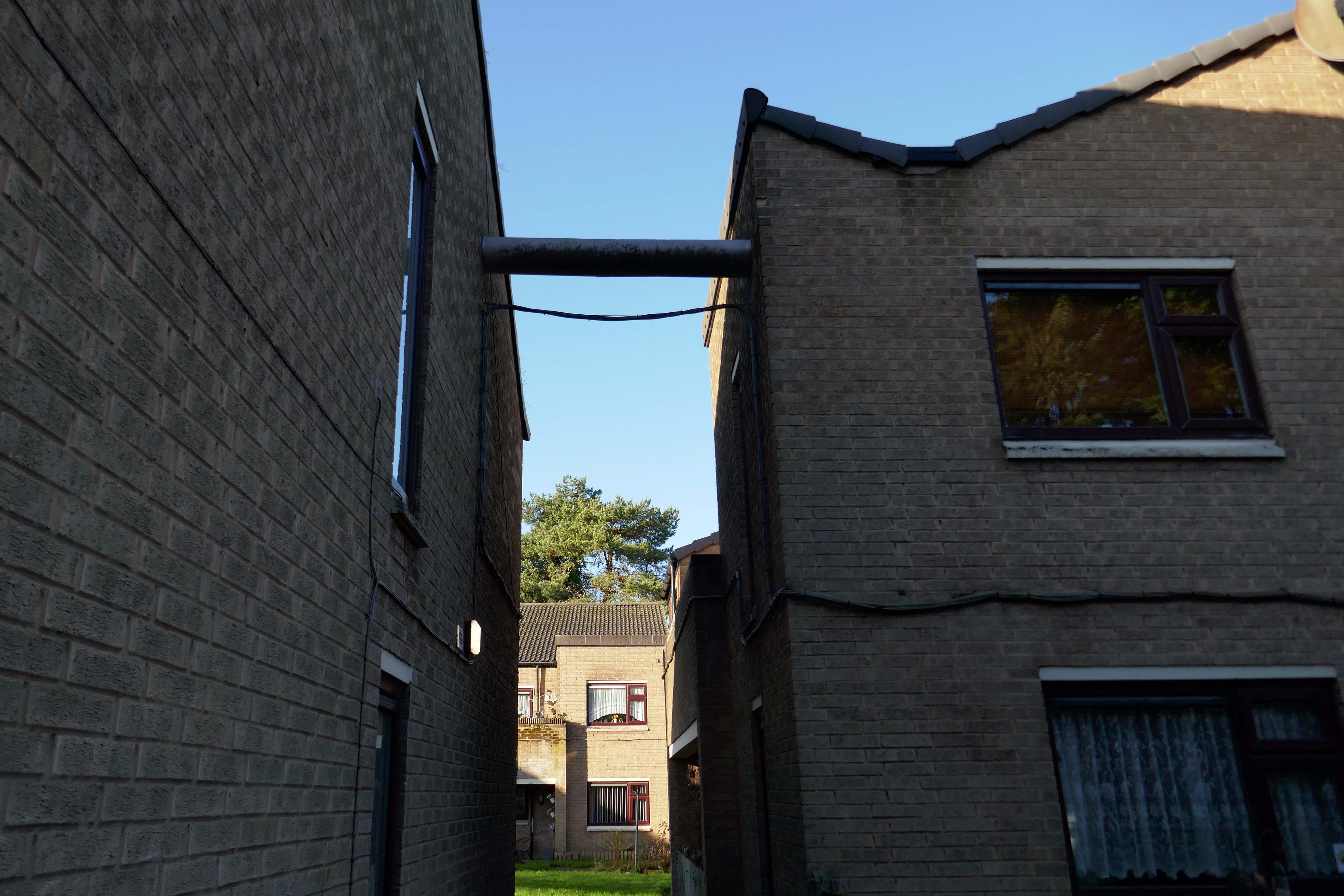
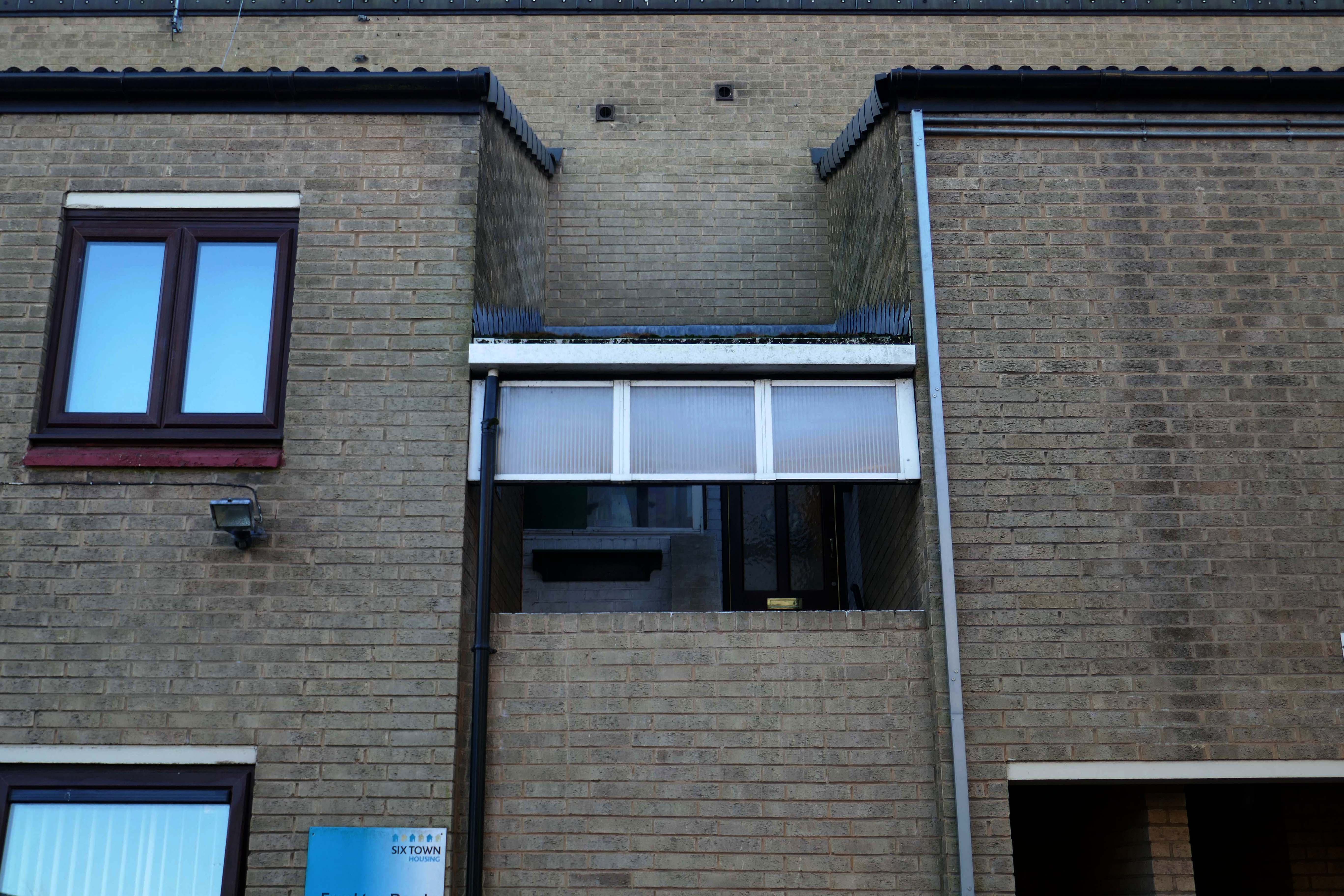
Whilst not seeking sheltered housing for my good self, I am always intrigued by small developments of interesting social housing, grouped around pedestrian walk ways and green space.
The residents with whom I chatted seems content with their homes and the management thereof.
I bade them adieu and went about my way, taking these few snaps.
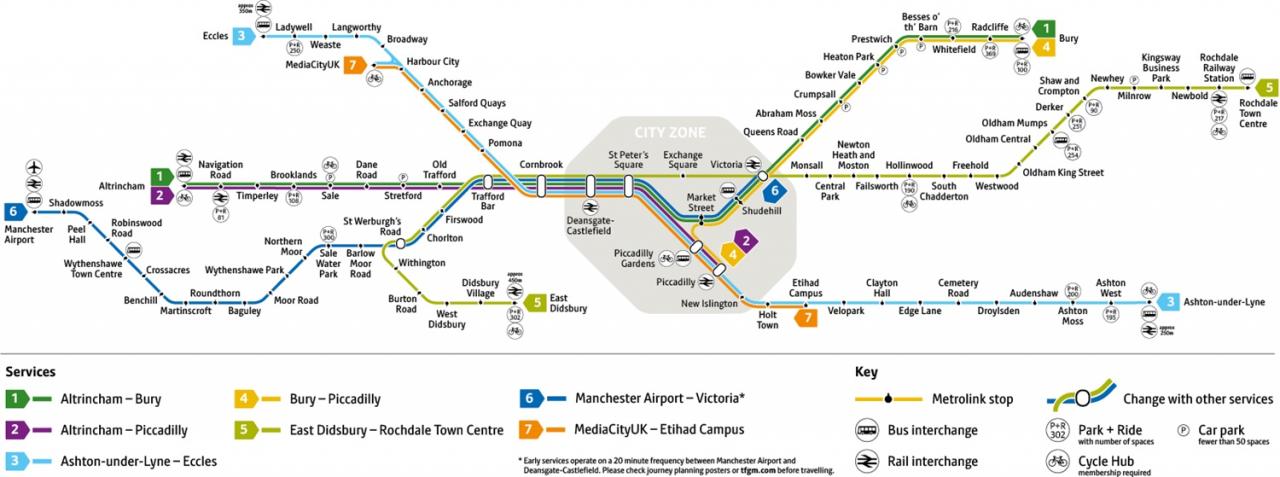
I was cordially requested to produce tram based walk, by the good folk at the modernist – travelling from Victoria Station to Bury. Alighting at each stop and seeing what could be seen, by way of modern buildings along the byways.
By the way, I do have previous experience, having undertaken a similar task travelling to Ashton.
So I set off as instructed, clutching my GMPTE senior concessionary travel pass.
Queens Road
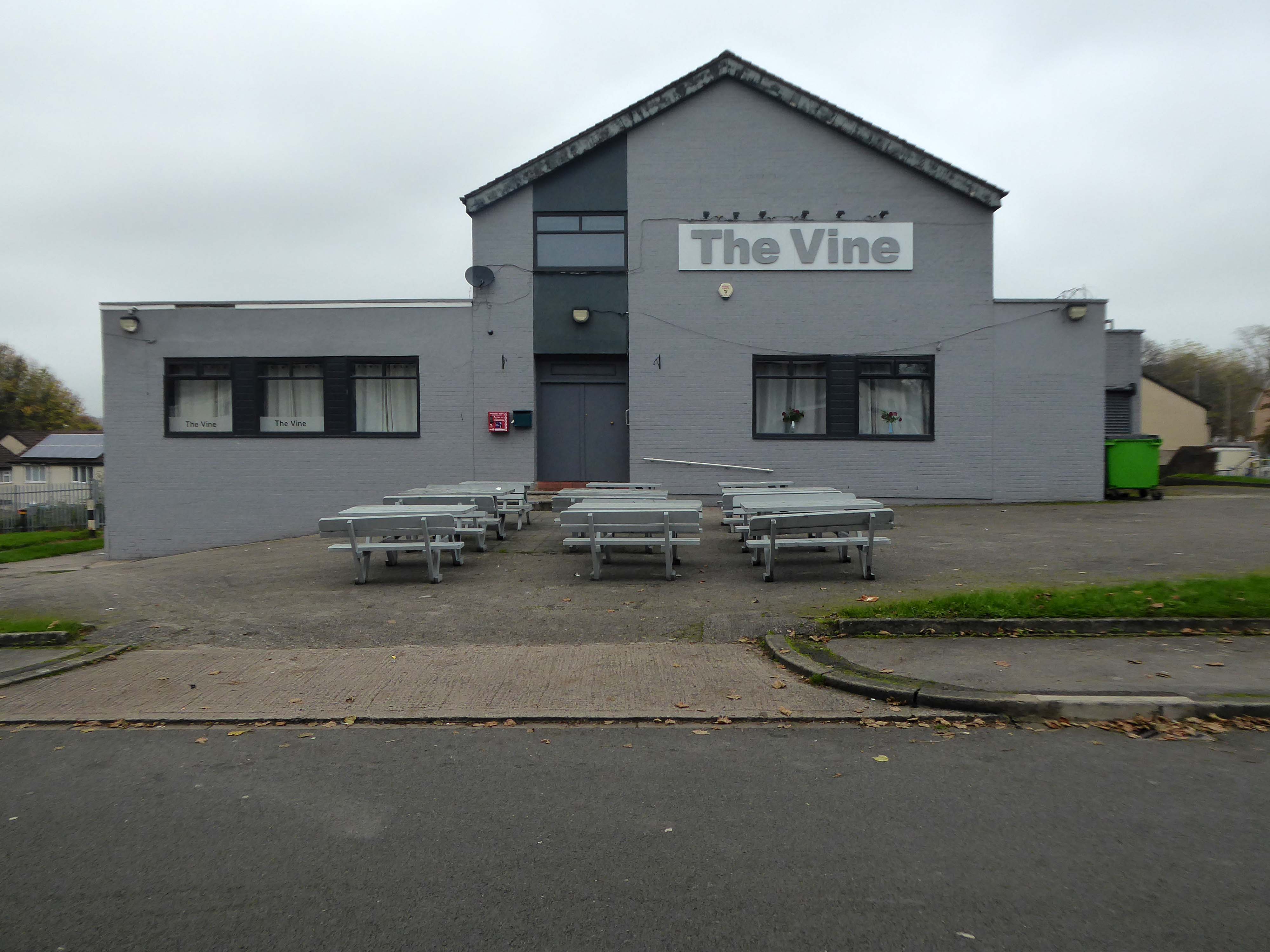
Turn right on leaving the station, right then left – you have reached The Vine.
Glendower Dr, Manchester, Greater Manchester M40 7TD.
Head for Rochdale Road and turn right back toward the city centre, you have reached Eastford Square.
Turn left from the station along Bury Old Road until you reach Heywood Road on your right.
Heywood Road, Prestwich, Manchester M25 2GT
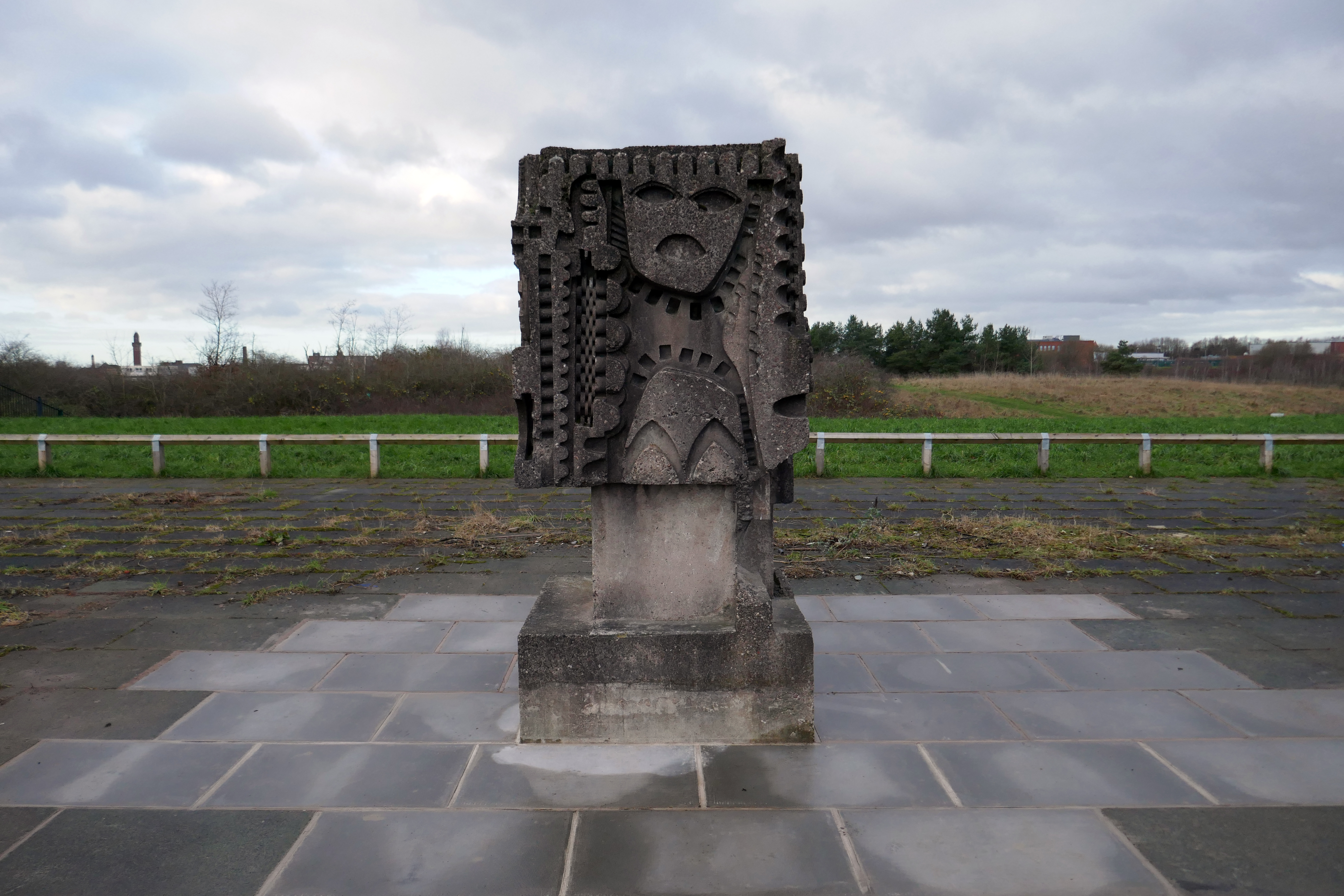
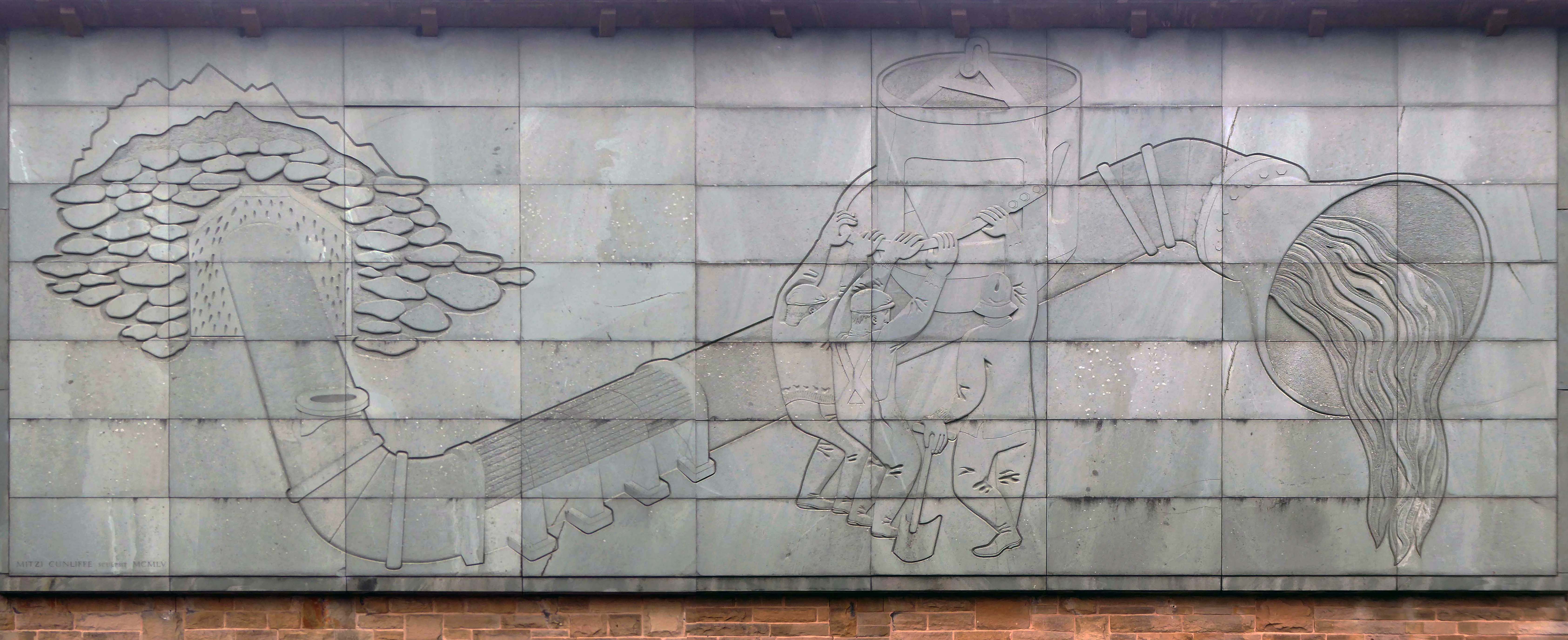
1954-5 by the Manchester City Architect’s Department, Chief Architect Leonard C Howitt, for the Manchester Corporation Waterworks. Alan Atkinson, engineer. Incorporates large relief by Mitzi Cunliffe, signed and dated 1955.
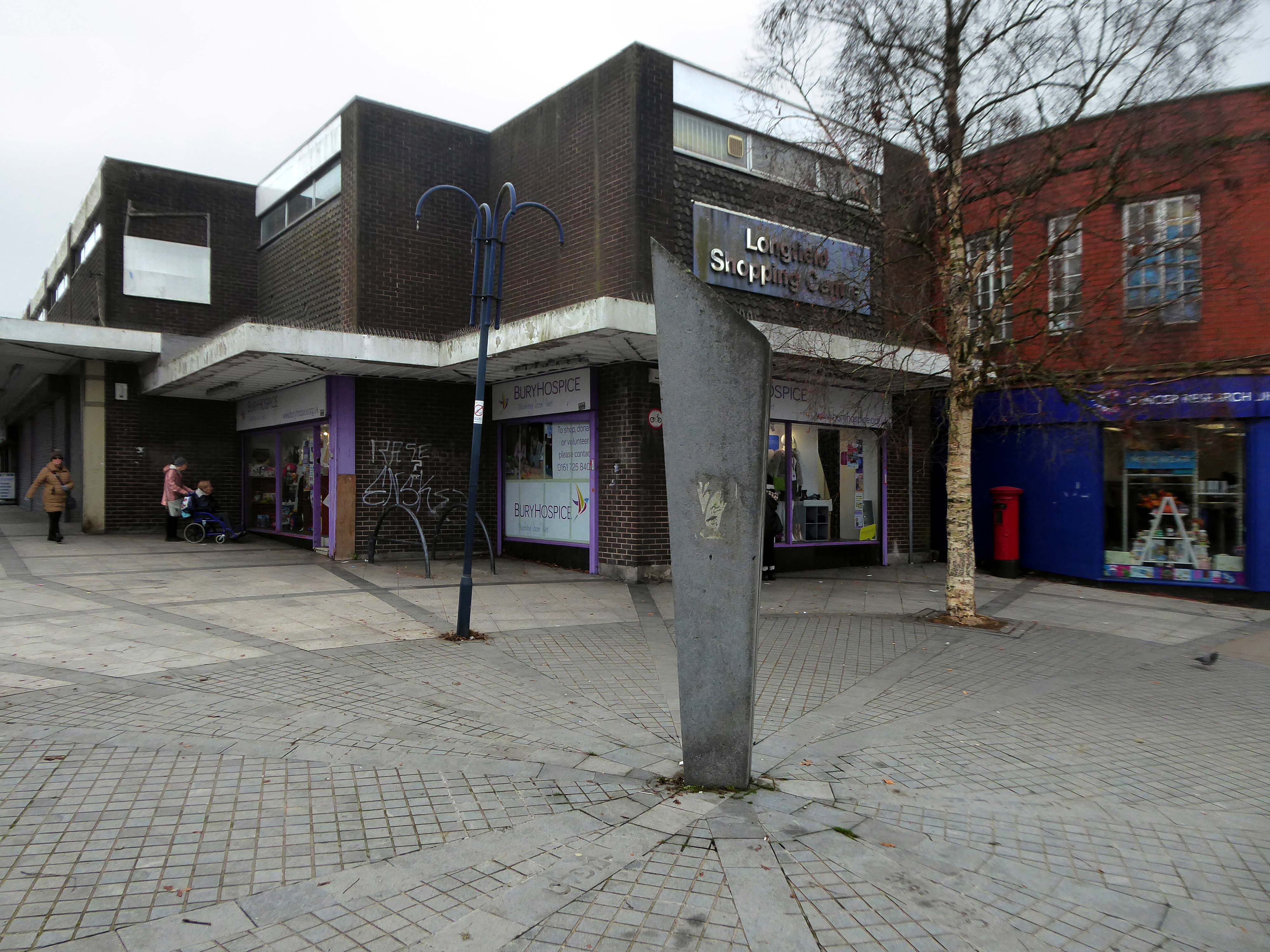
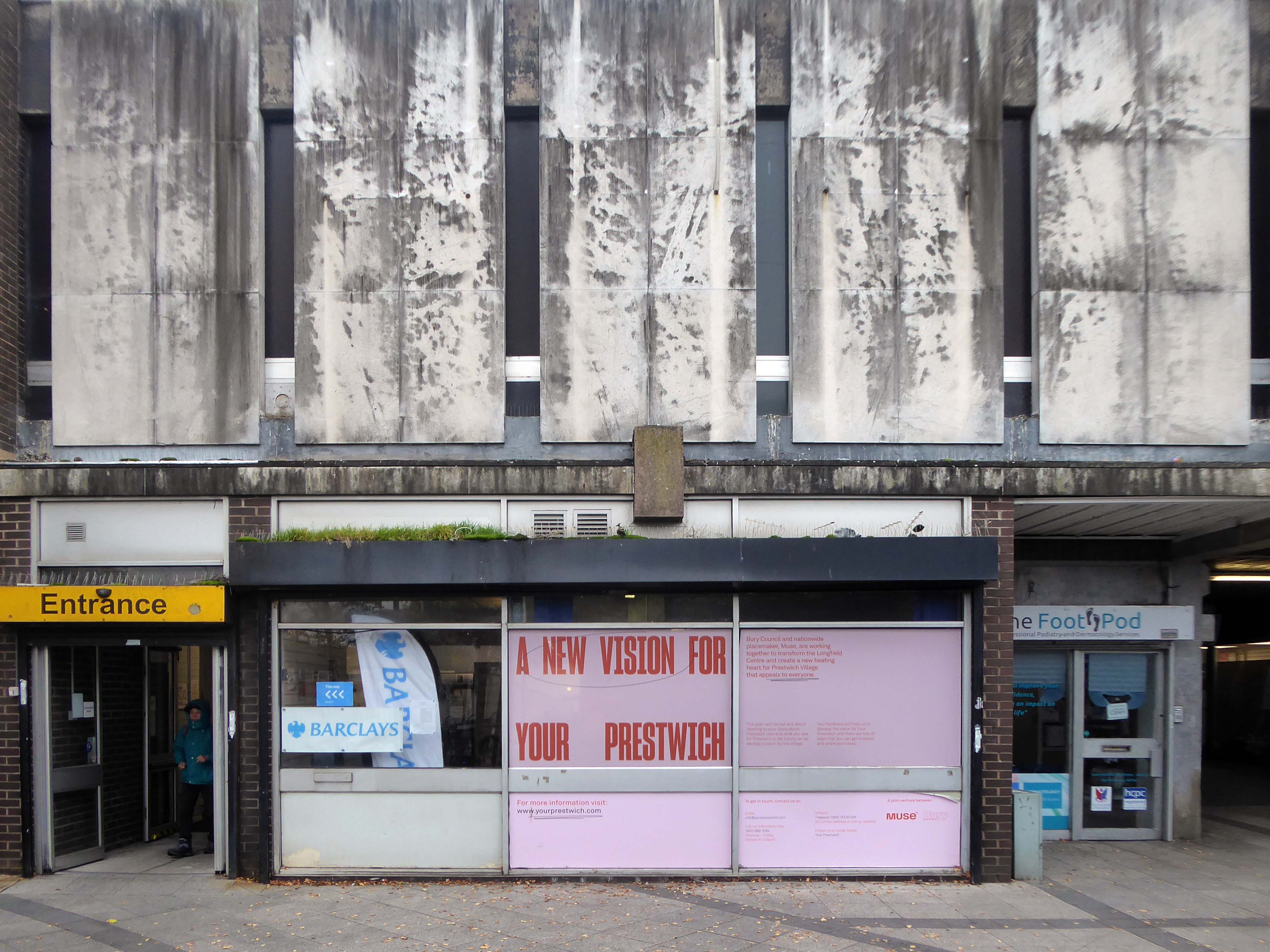
After months of public consultation, the joint venture has firmed up its proposals for the redevelopment of the Longfield Centre and is aiming to be on site before the end of the year.
Muse and Bury Council have submitted a hybrid application to transform six acres of Prestwich town centre.
The Strategic Regeneration Framework is the guide that is shaping the direction of Radcliffe’s growth over the next 15 years with a series of realistic short, medium, and longer-term actions. It is also shaping the direction of future council investment, supporting bids for central governmental funding and providing certainty for third parties wanting to invest in town.
Work has begun on Strategic Regeneration Framework’s priority projects, these include:
A new civic hub in central Radcliffe, which will bring together a mix of functions at the heart of the town
Refurbishment of the market basement and the revamping of market chambers
New leisure facilities
A secondary school on the Coney Green site
A “whole town approach” to housing, bringing forward a comprehensive approach to residential development in Radcliffe
A transportation strategy, which will consider matters such as active travel and car parking
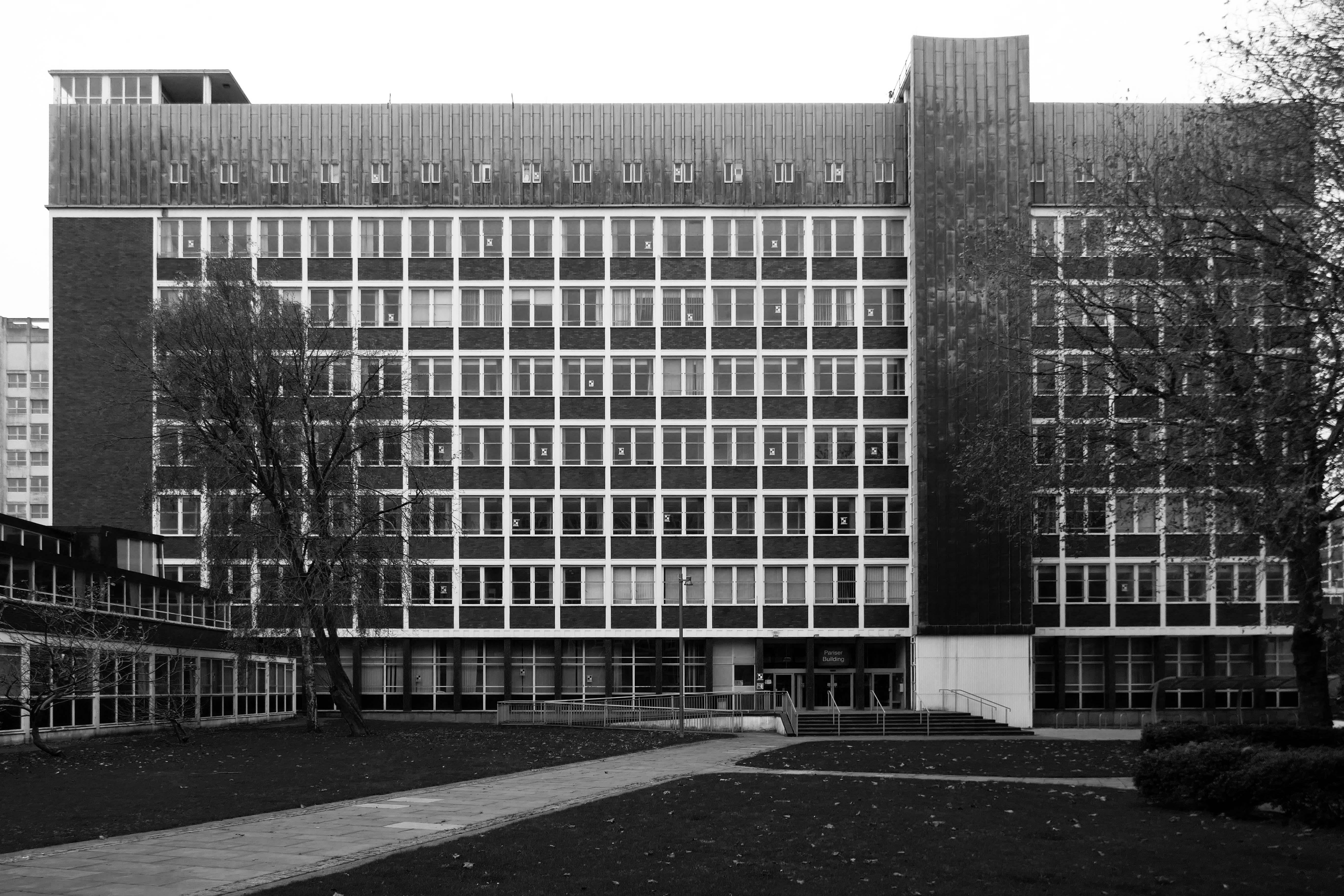
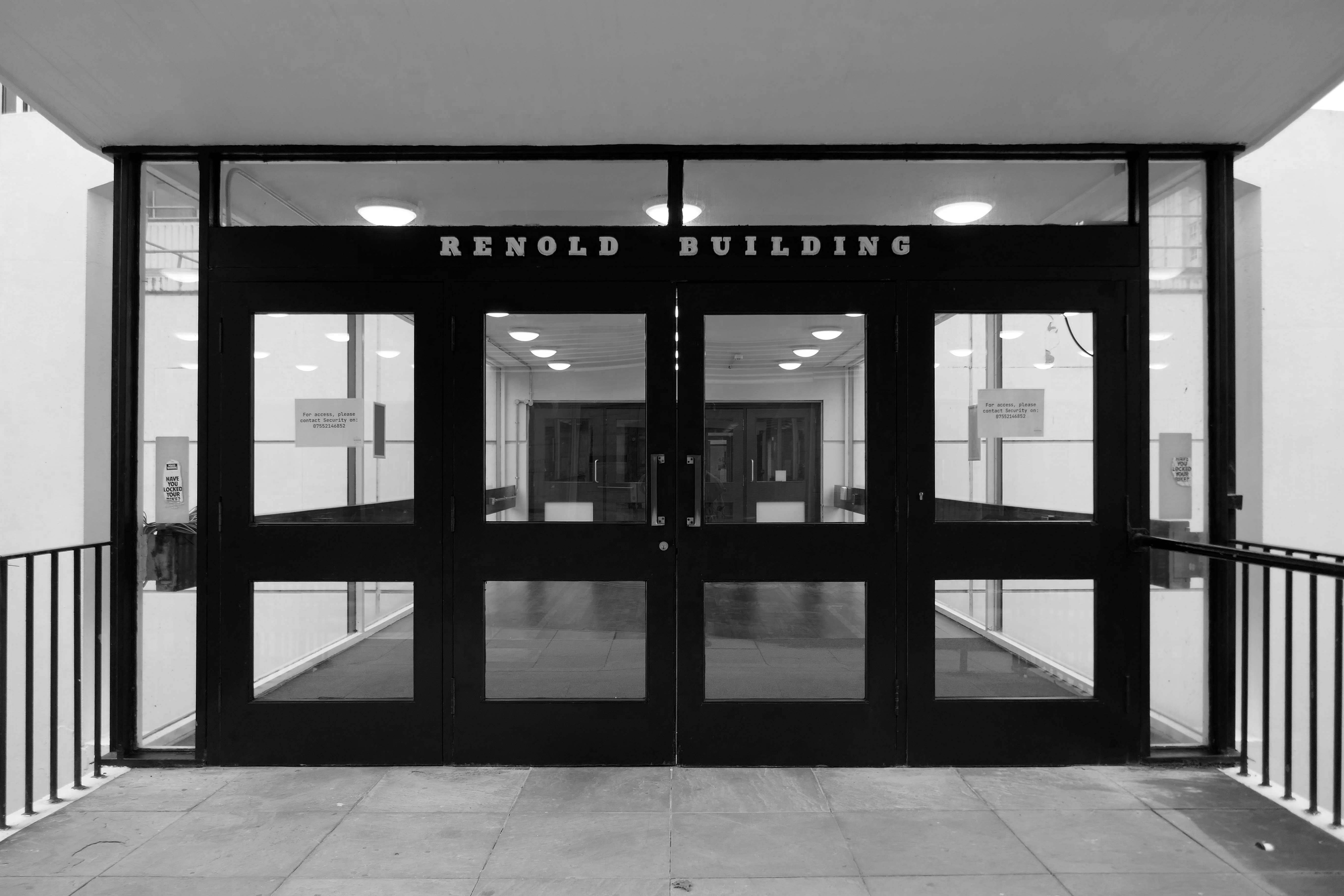
Along with the Renold Building– which is already home to start up tech businesses.
The city council has approved Bruntwood SciTech’s change of use bid to transform the 110,000 sq ft Renold building into a tech and science hub.
In a joint venture with the University of Manchester, Bruntwood will create 42,000 sq ft coworking and business incubator spaces for businesses in the sector at the Altrincham Street building.
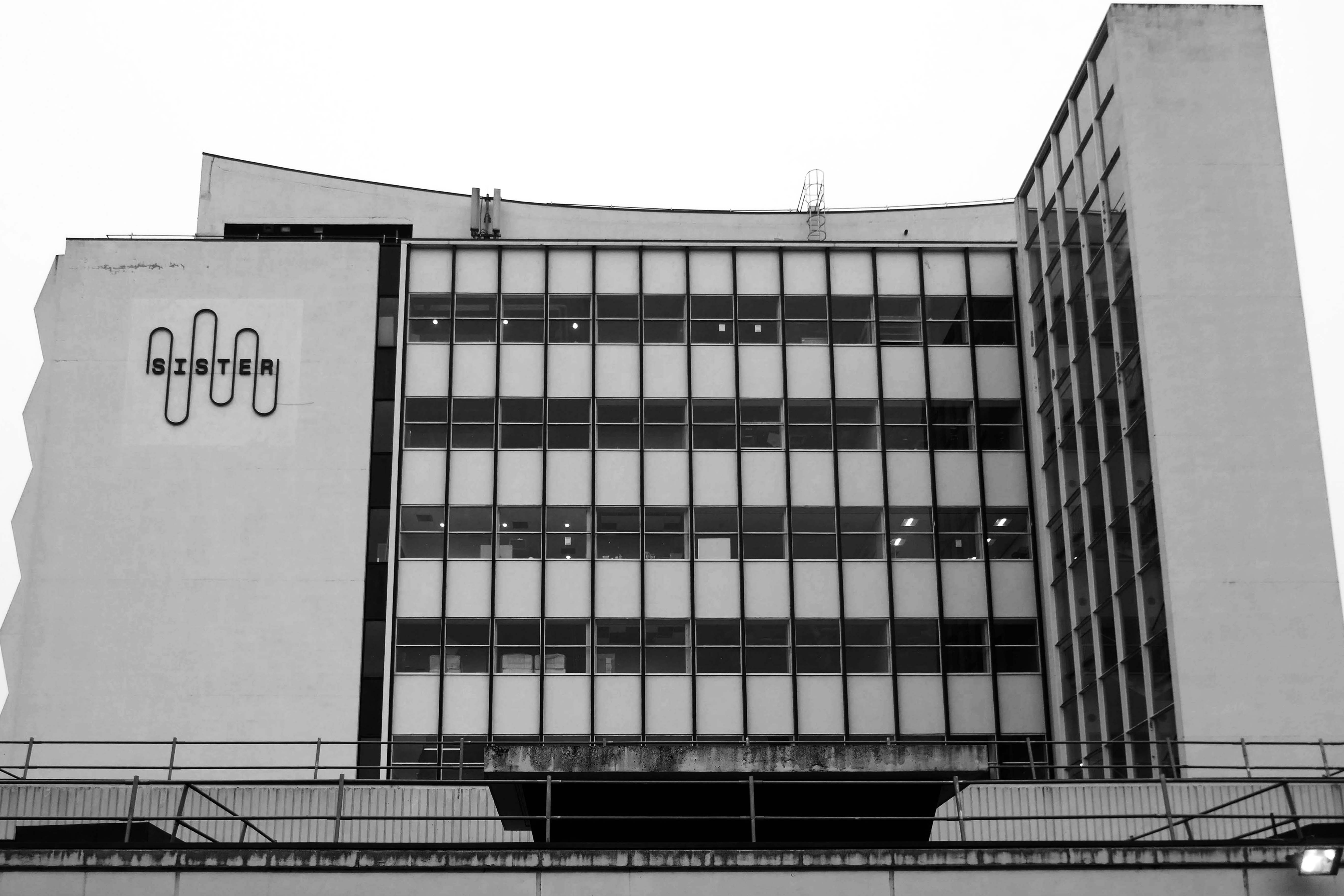
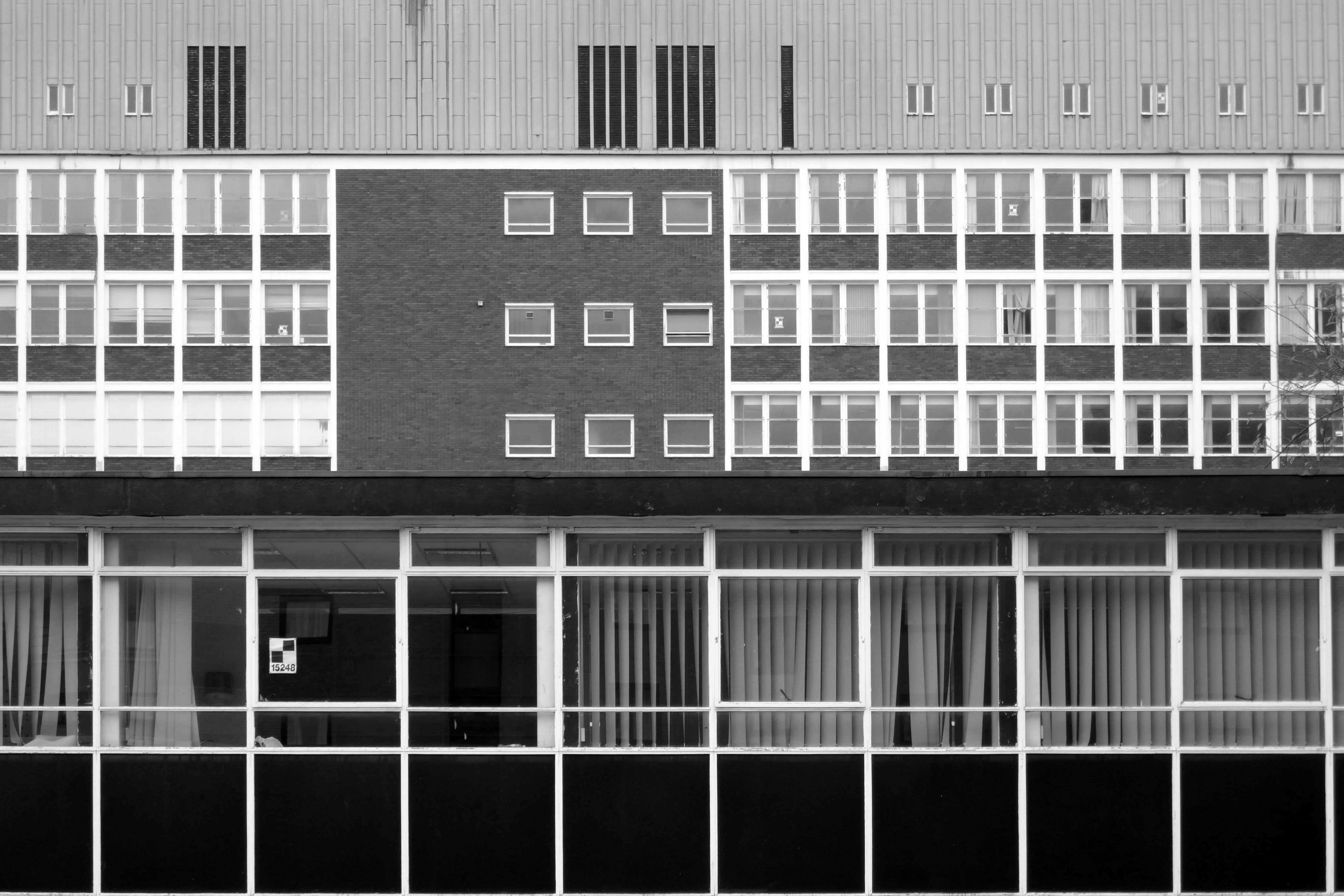
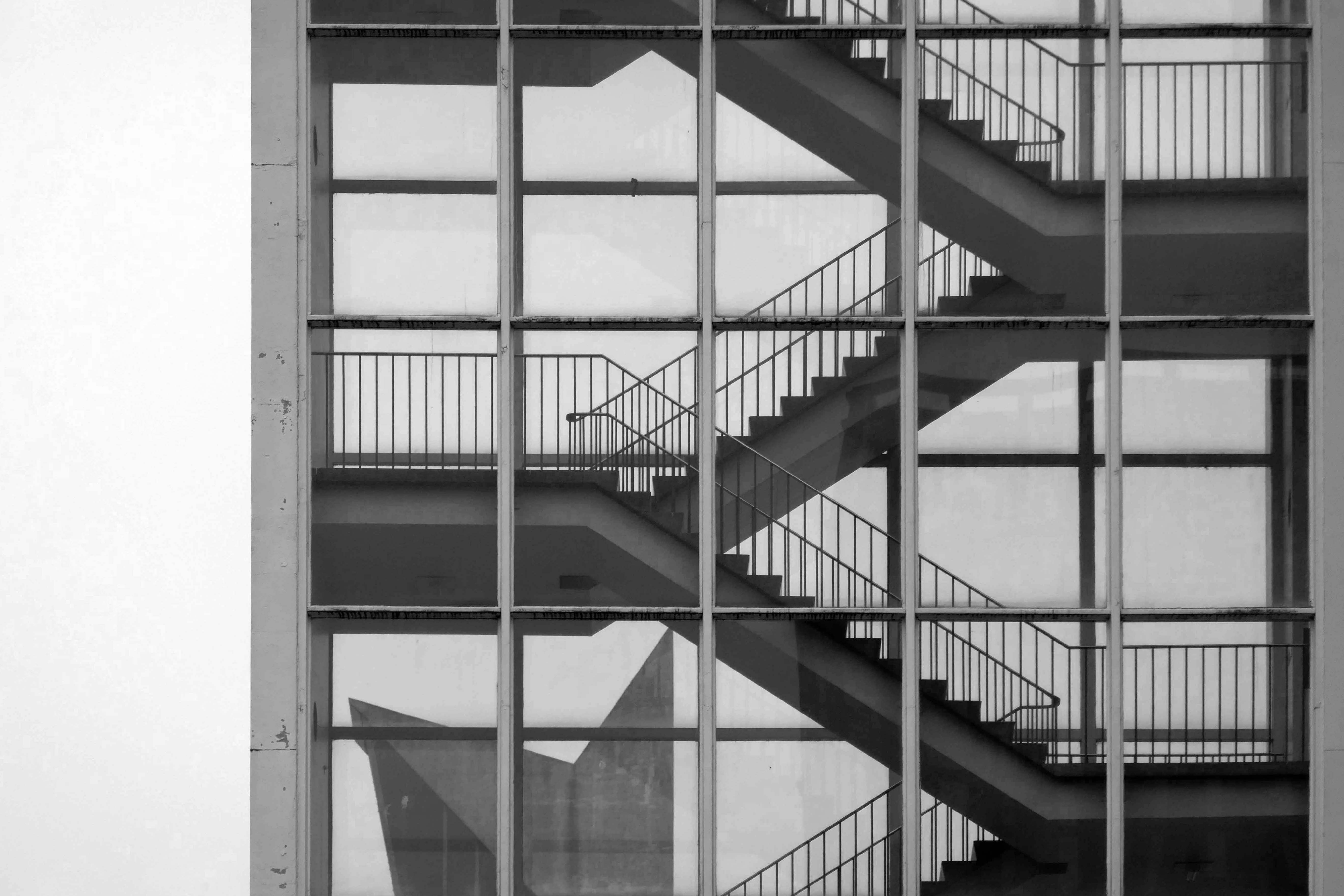
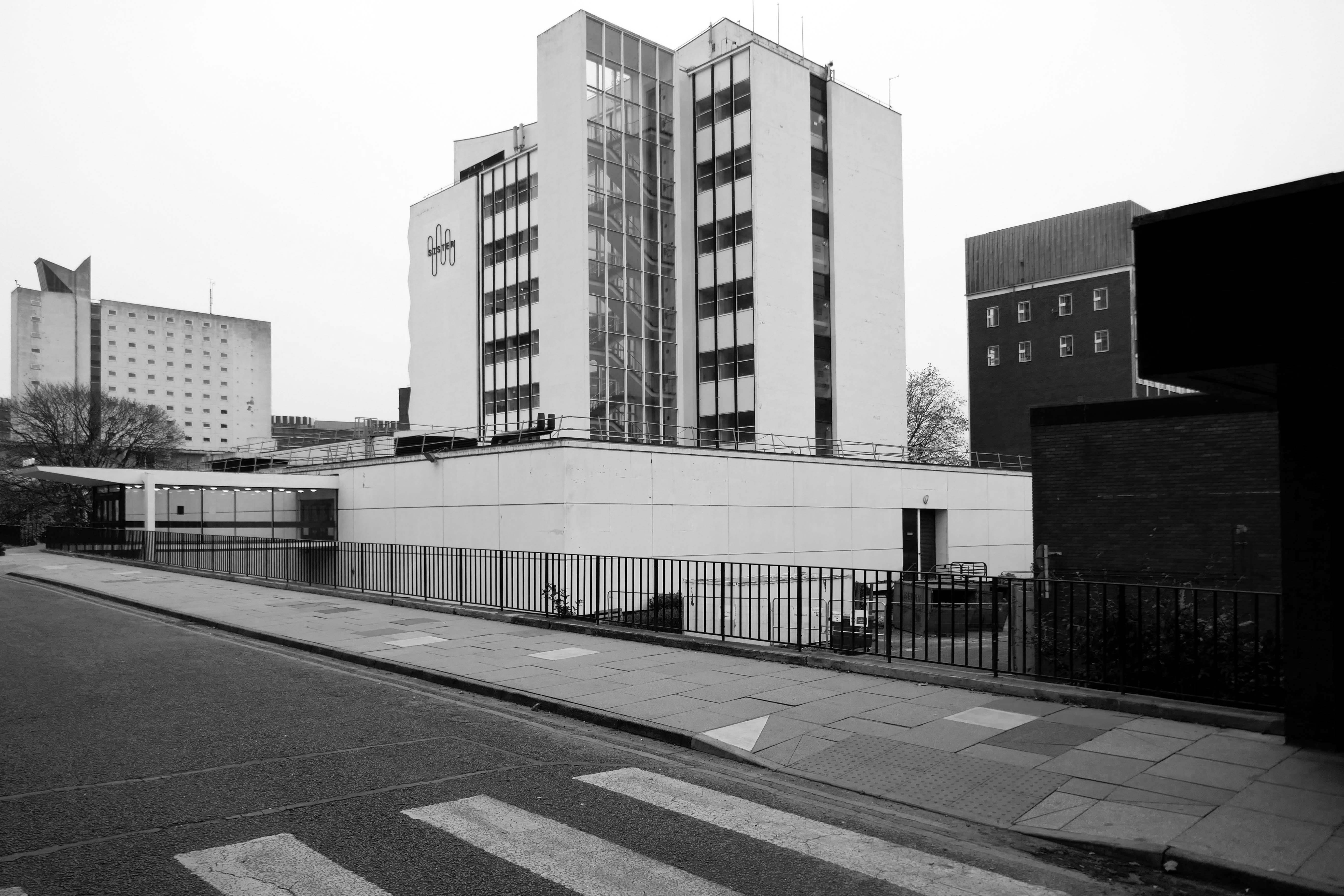
Sister is Manchester’s new innovation district. A £1.7bn investment into the city, its setting – the former University of Manchester North Campus and UMIST site – is steeped in science and engineering history. Home to the UK’s most exciting new ideas and disruptive technologies, Sister is a worldclass innovation platform in the heart of one of the most exciting global cities. It stands as the city’s symbol of a new era of discovery that promises progress against humanity’s greatest challenges.
So it is with a bitter sweet feeling that I took a group of Modernist Moochers around the site this Saturday – a number of whom had been students there.
As a former UMIST student 1990-1997, I had a wander round the old site recently, sad to see it so empty and run-down.
So let’s take a look at the current state of affairs.
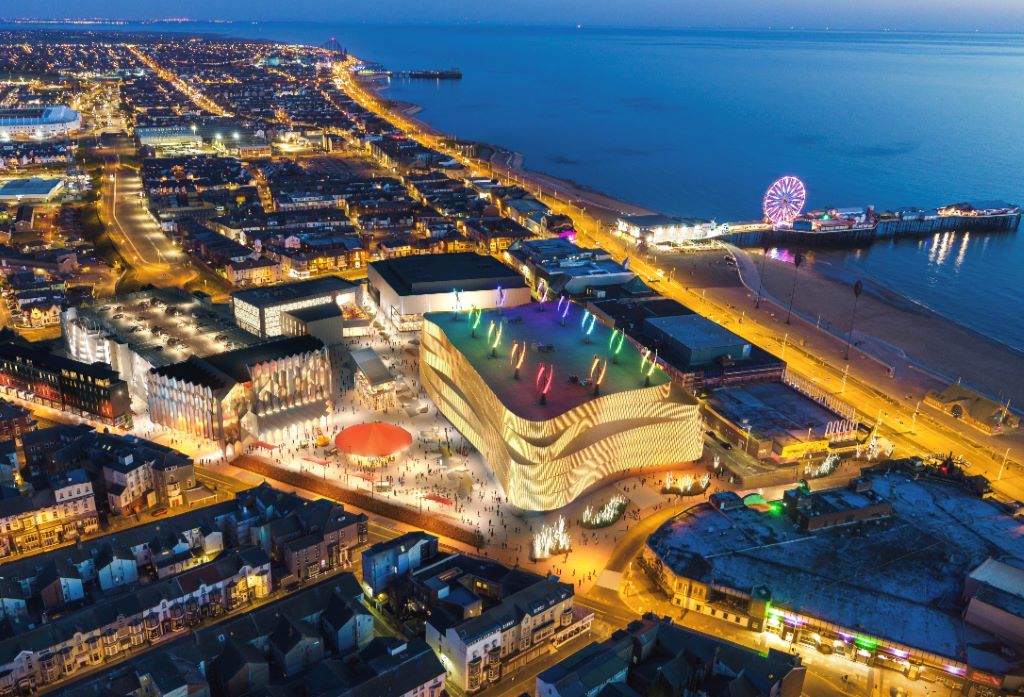
Blackpool Council says it remains committed to the Blackpool Central project amid the potential collapse of the developer leading the works.
But warning alarms sounded this week when Nikal – which was hired to oversee the project – filed a notice of intent to appoint administrators.
The £300m Blackpool Central development is billed as the biggest single investment in the town in more than a century and is planned to involve a “world-class leisure development” which would create 1,000 new jobs, bring an extra 600,000 visitors per year, and boost annual spend in the town by around £75m.
A spokesperson for Blackpool Council told the Blackpool Lead:
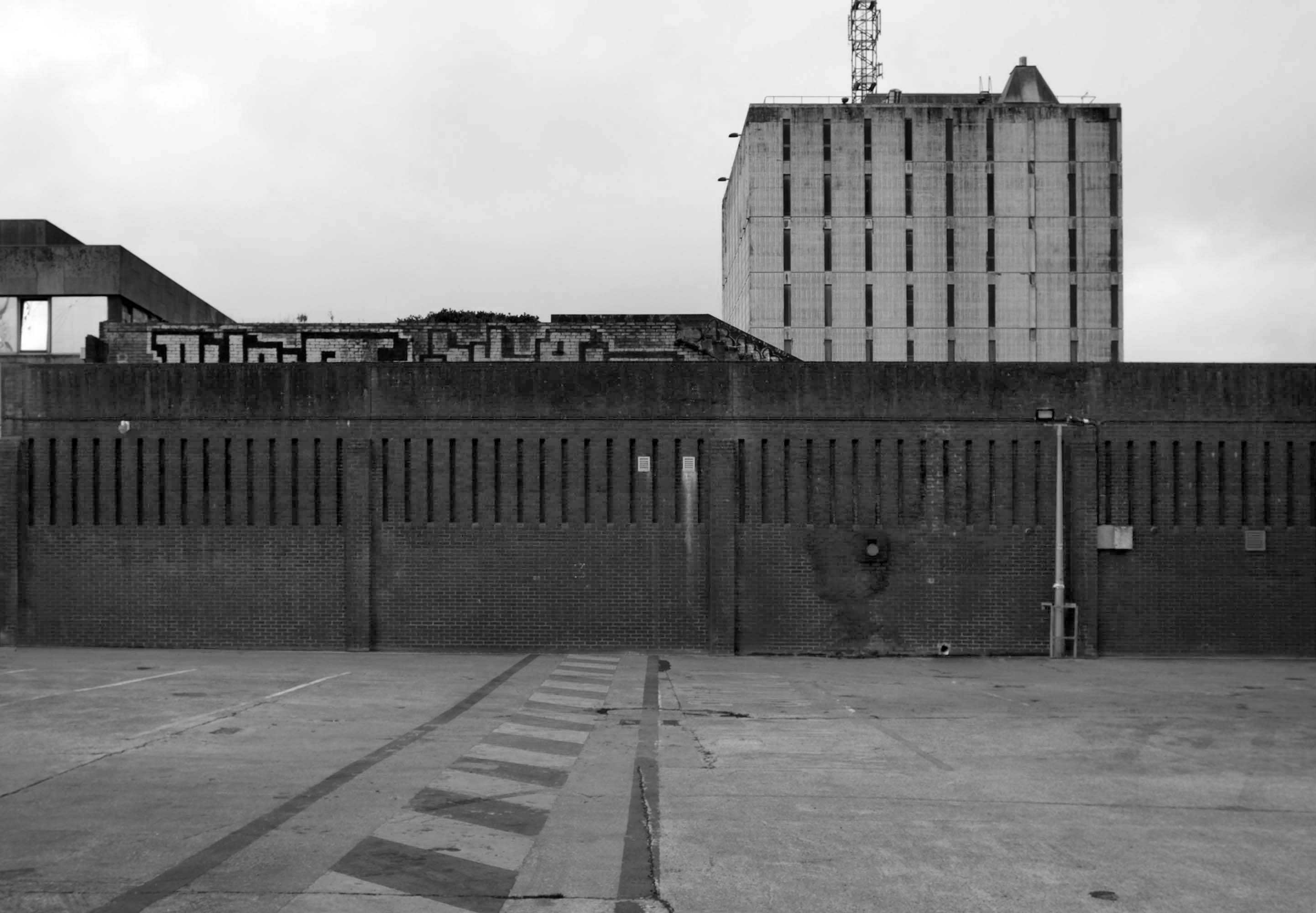
We have been working on the enabling phase of Blackpool Central over the last few years. The new multi-storey car park opened earlier this summer and we are currently completing preparations to demolish the old police station and courts building early in the New Year.
The proposals for the Bonny Street area can be seen here.
Plans for the area have hit further problems.
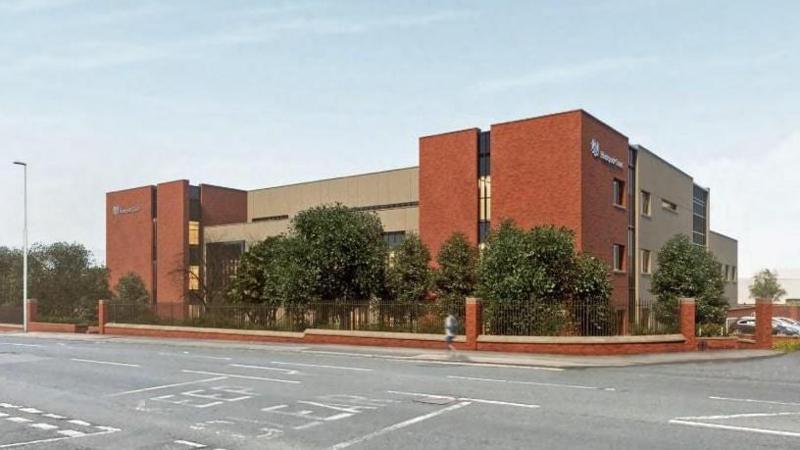
A new £40m magistrates courthouse is facing building delays after the project’s main contractor collapsed.Blackpool’s magistrates court was one of twenty two projects belonging to construction giant ISG, which was working on the scheme for the Ministry of Justice.
But the firm went into administration in September, leaving two thousand two hundred workers at risk of redundancy, the Local Democracy Reporting Service said.
Work was due to start early next year with a completion date expected in 2026.
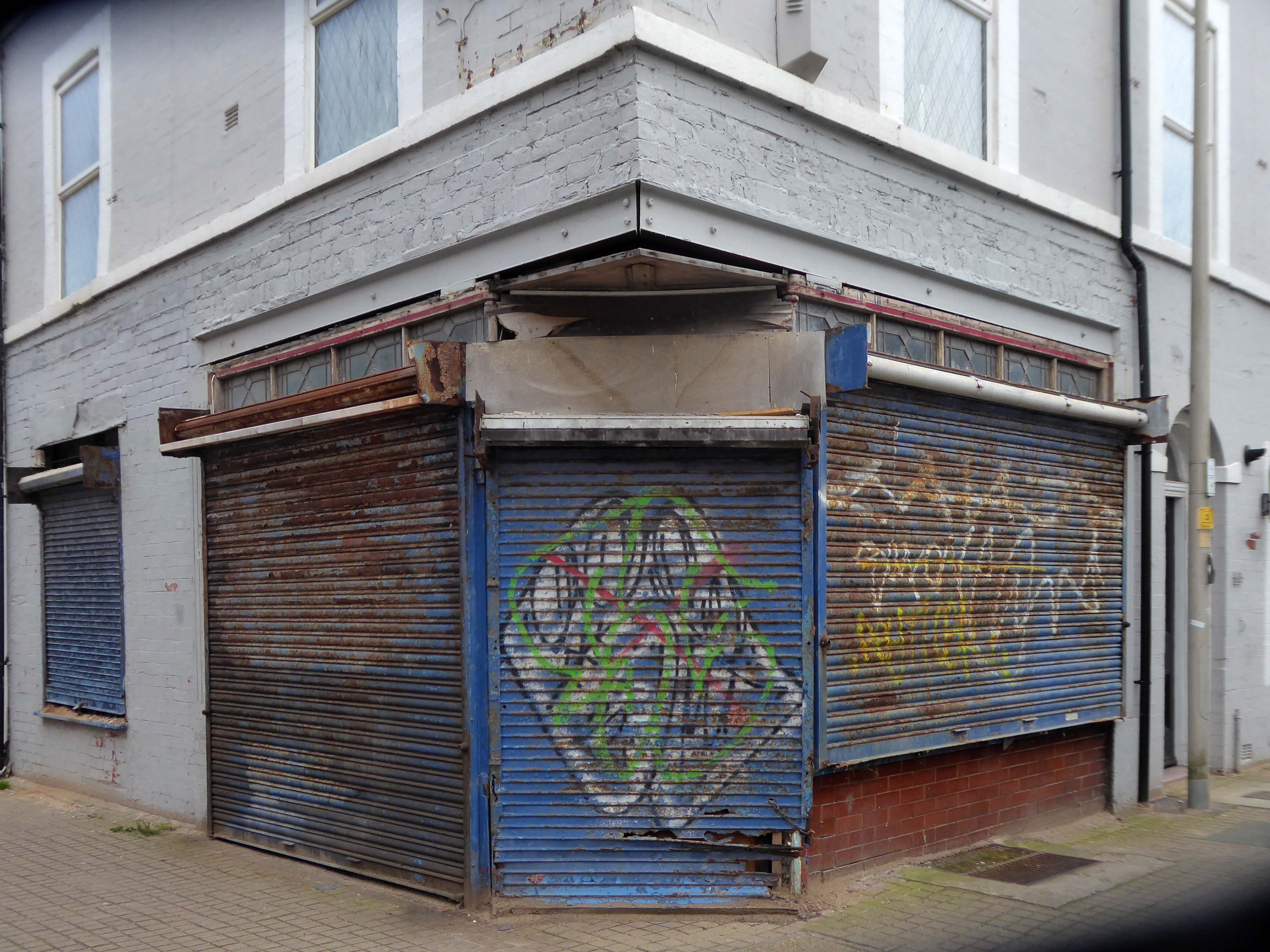
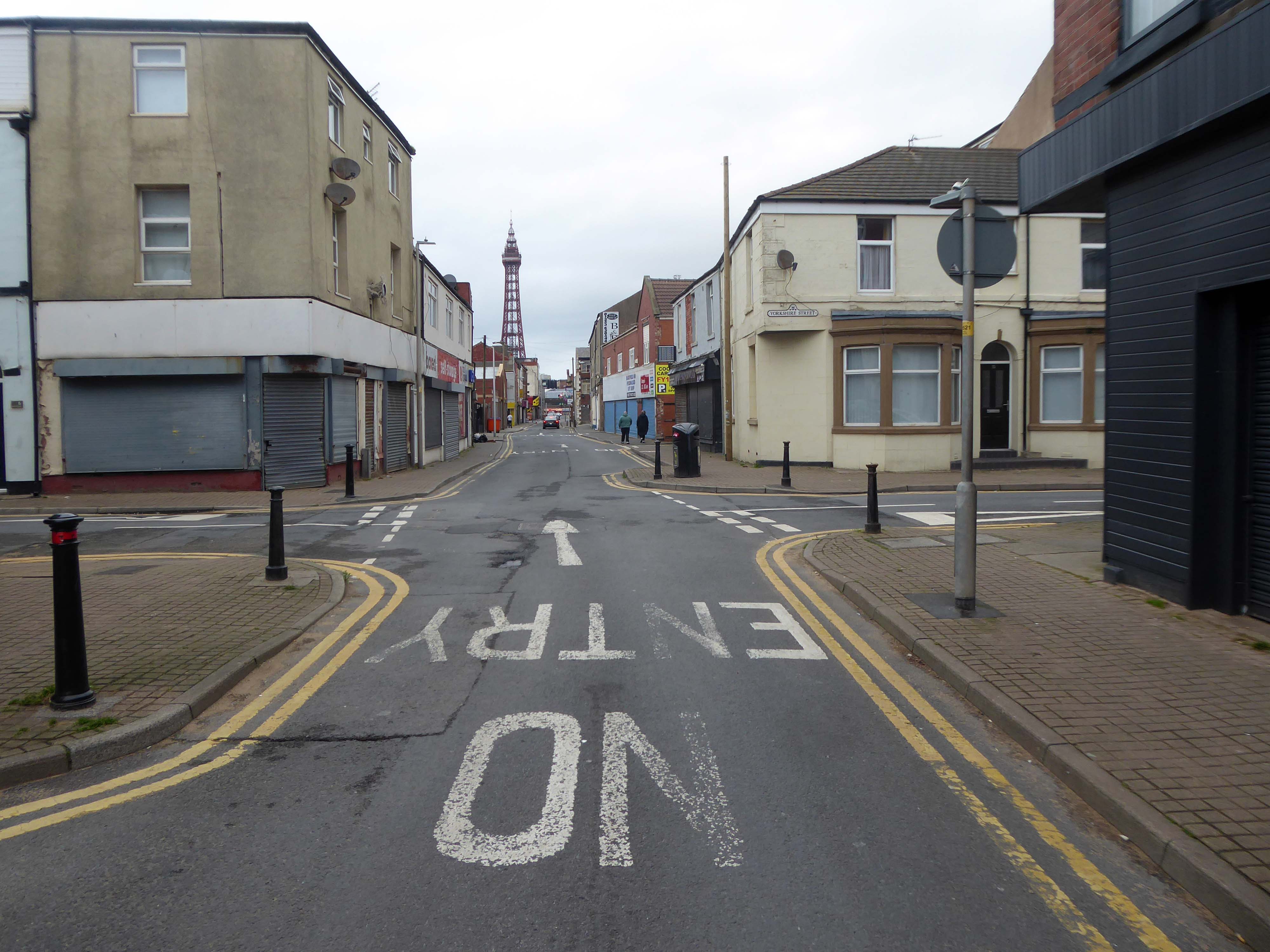
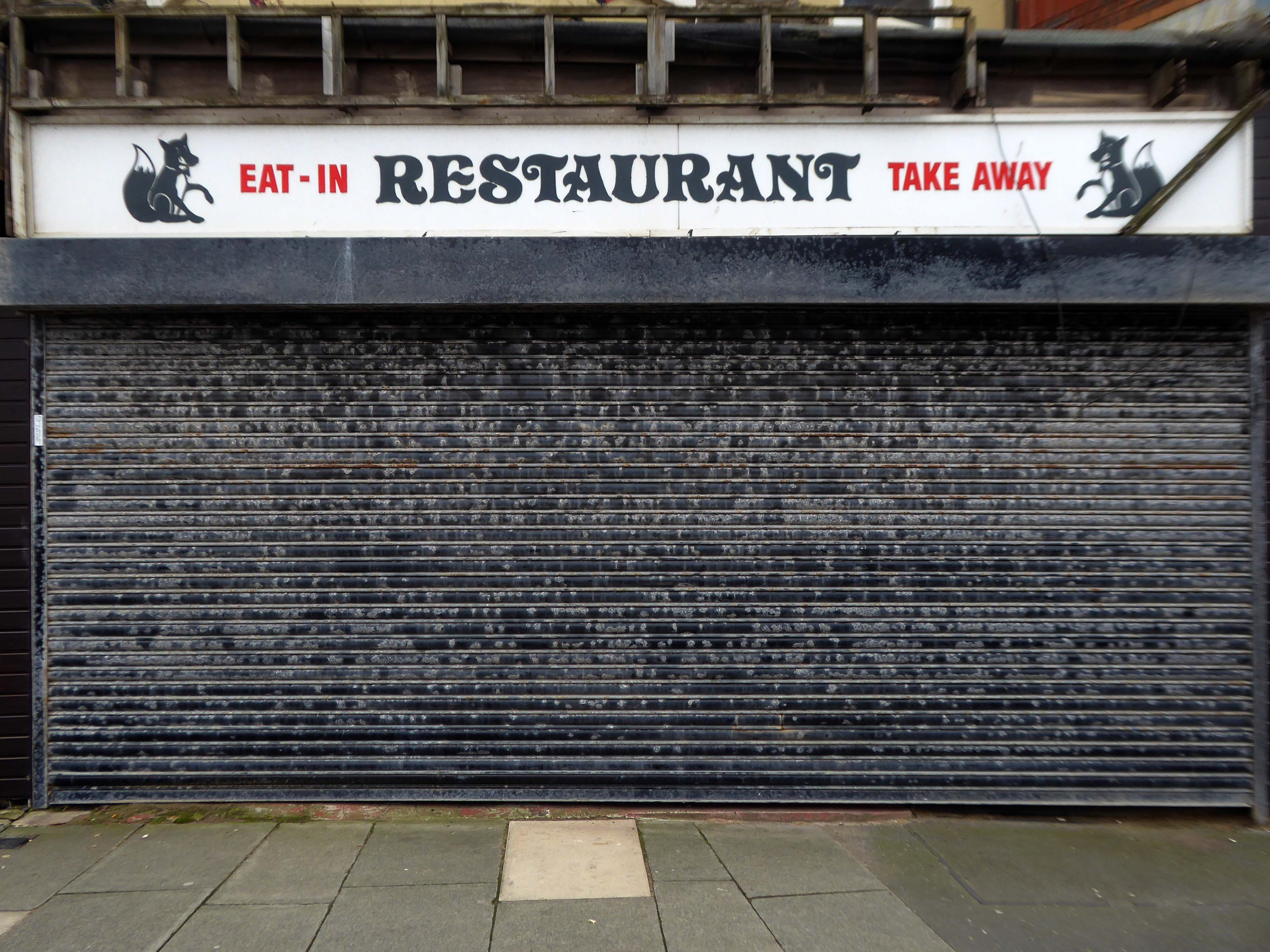
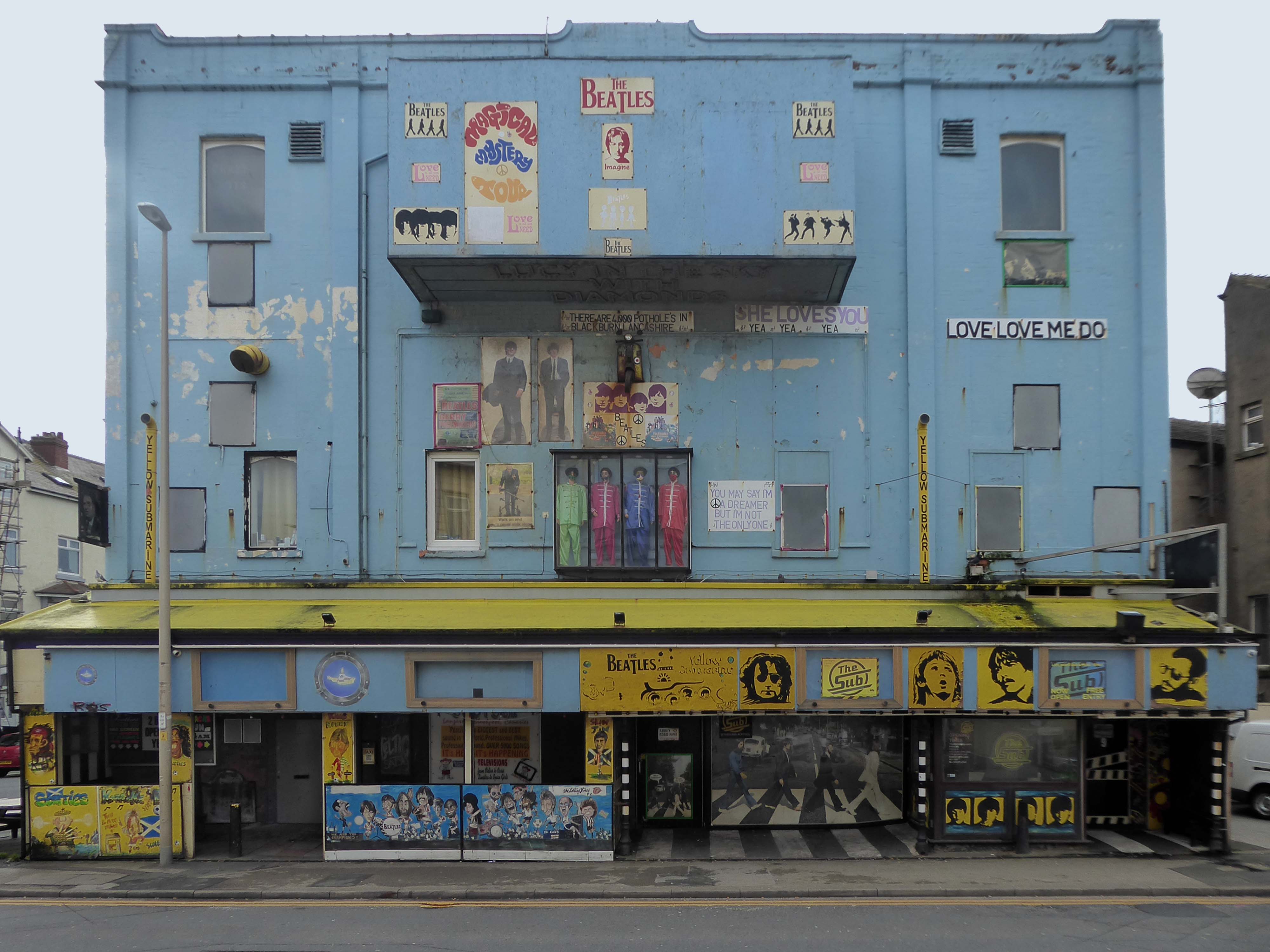
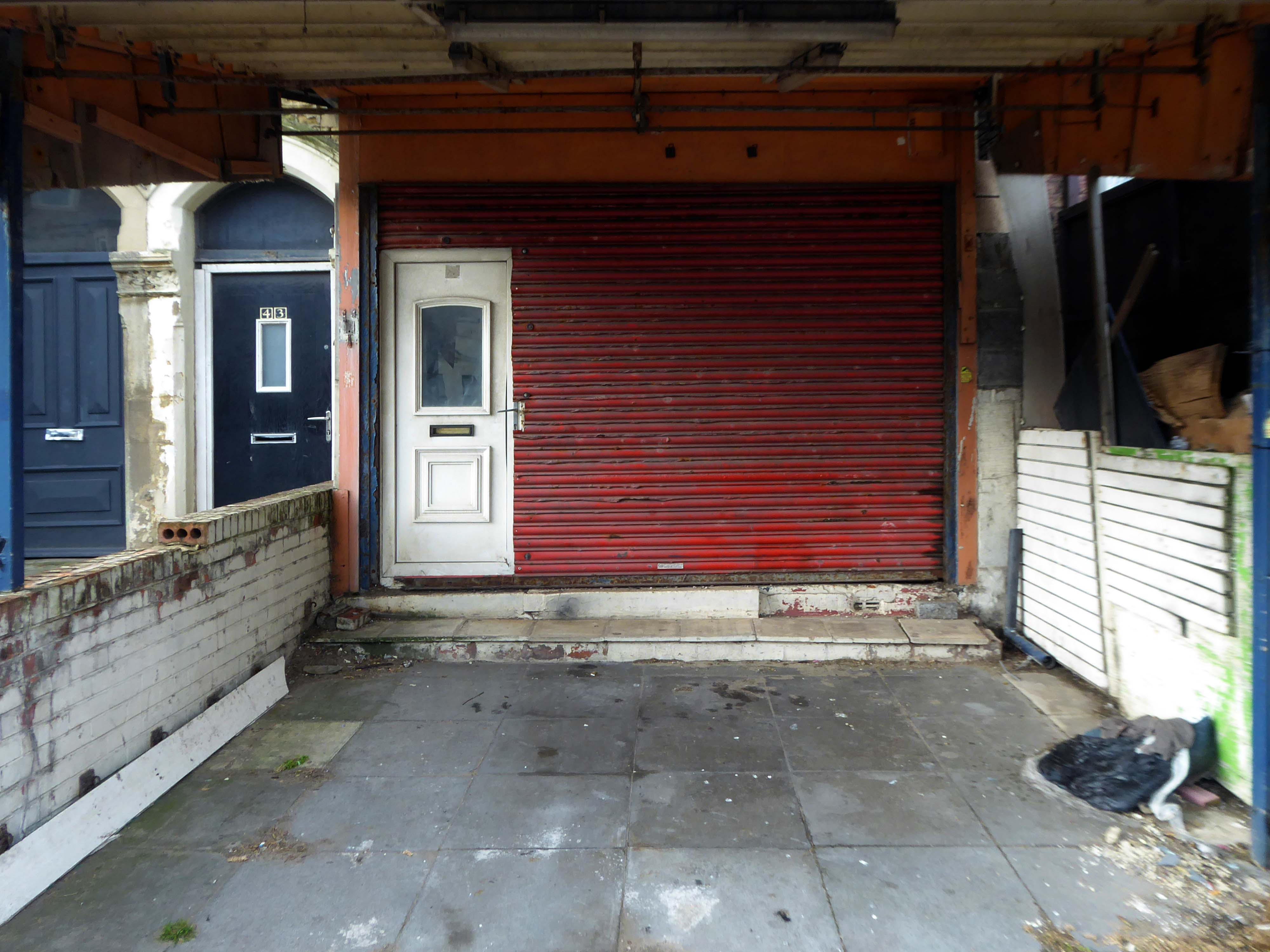
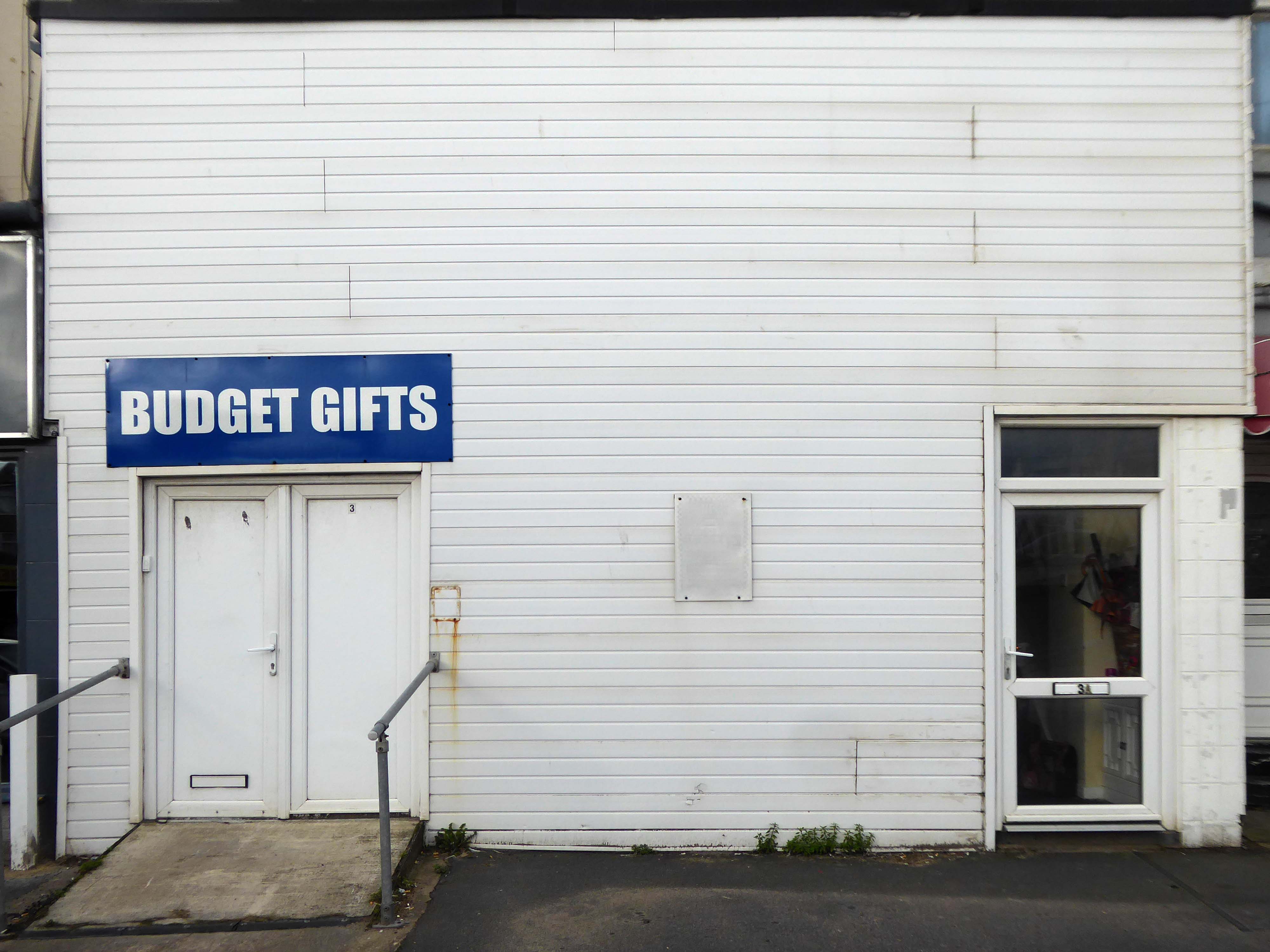
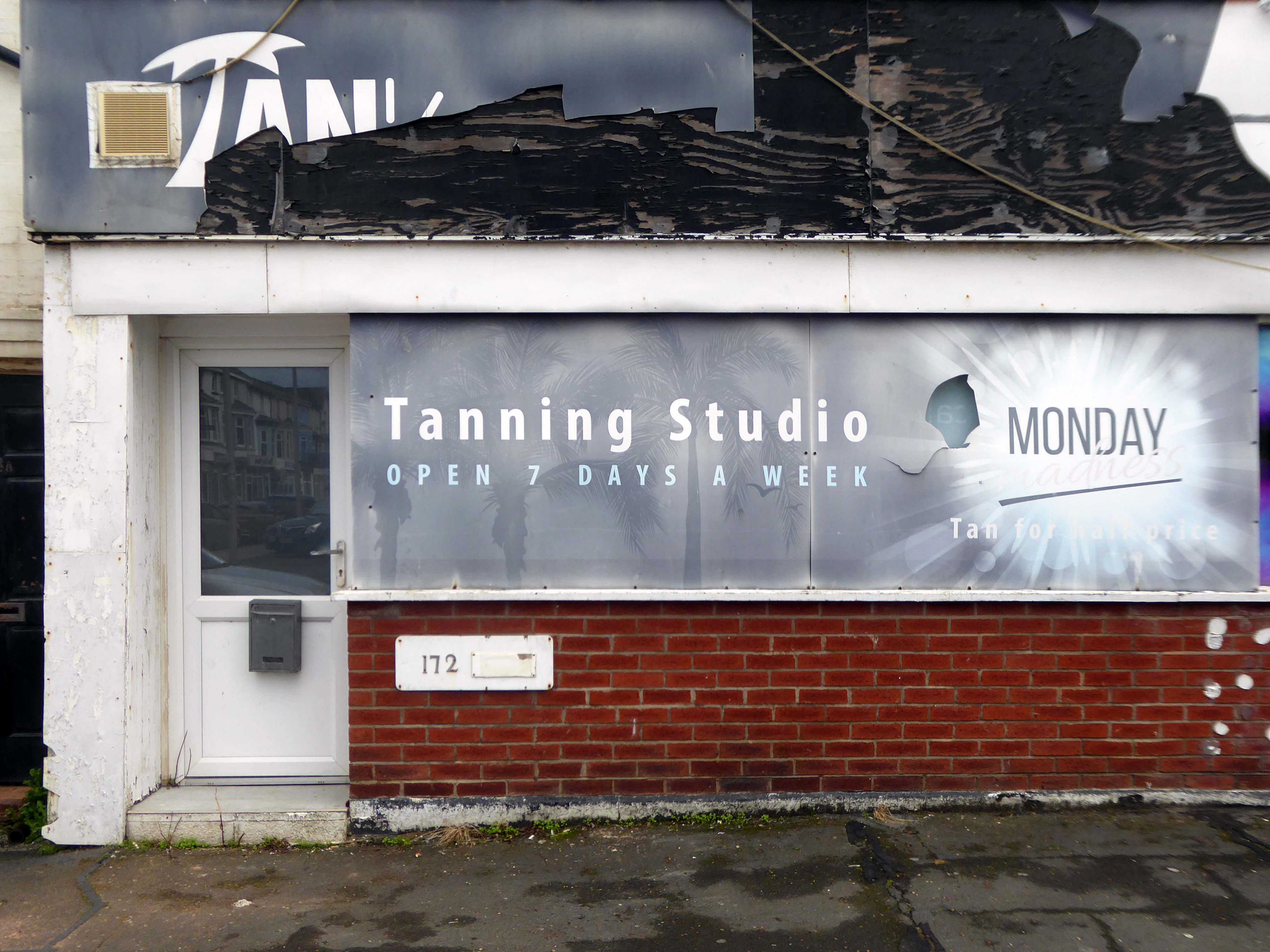
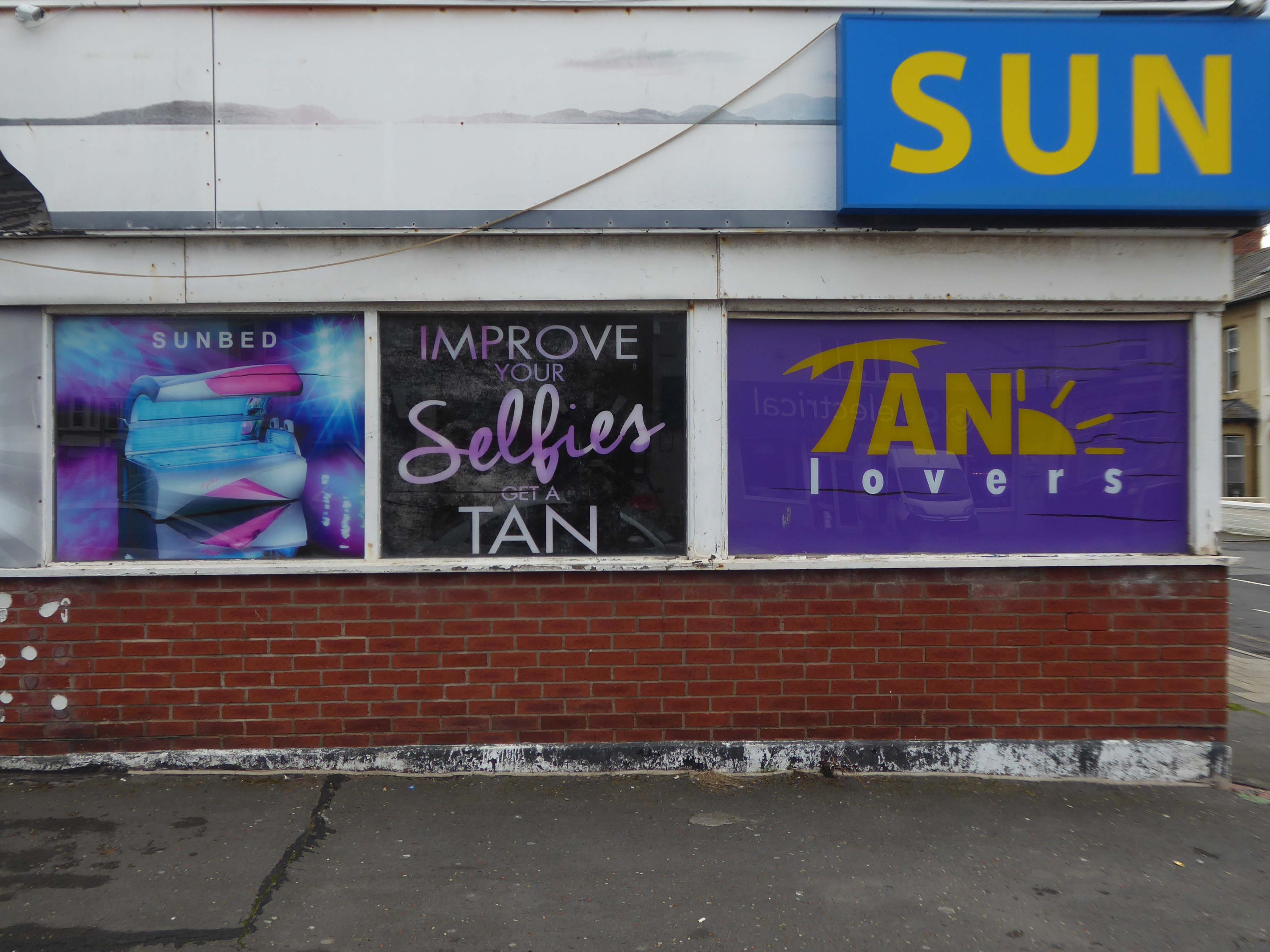
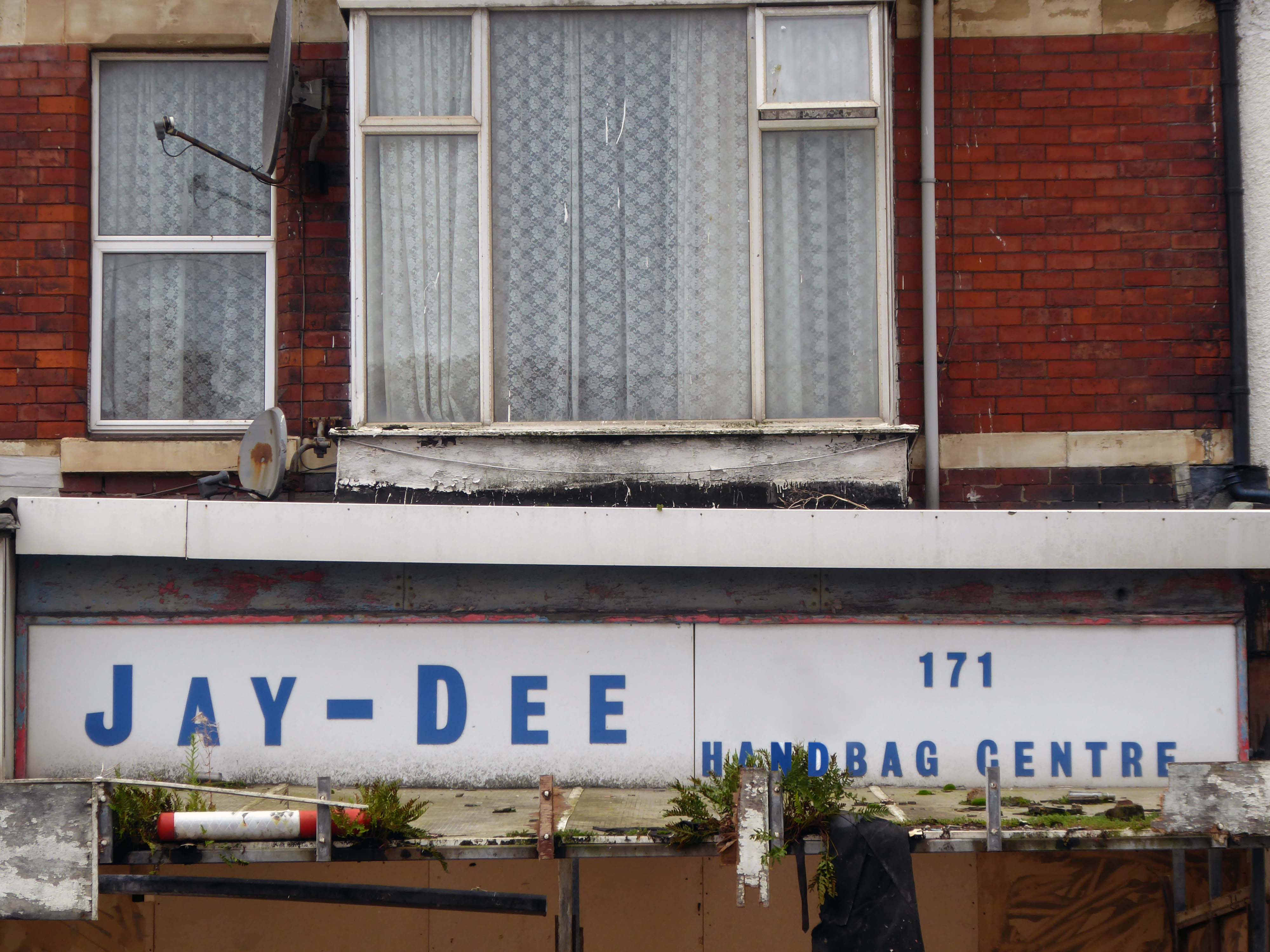
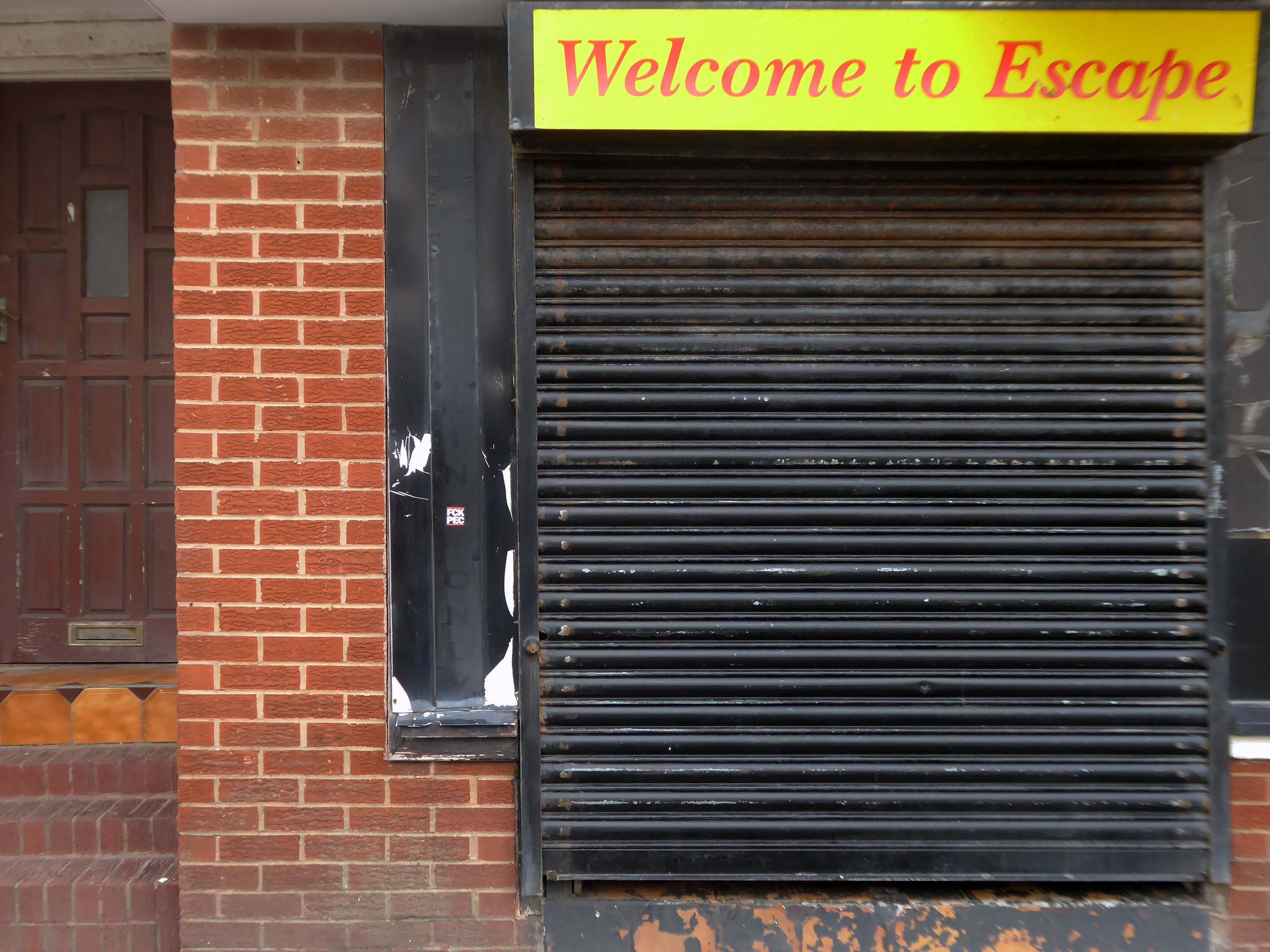
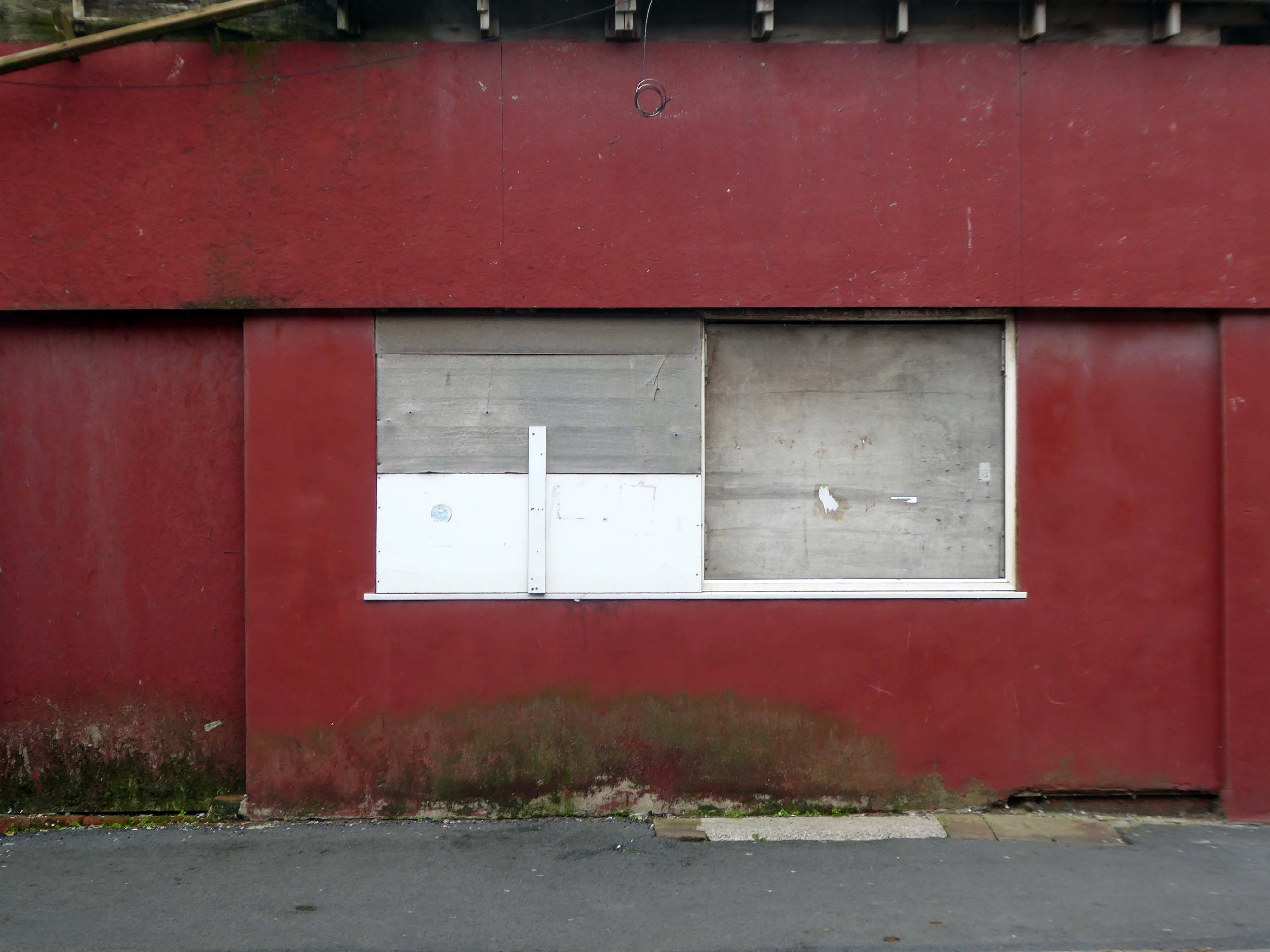
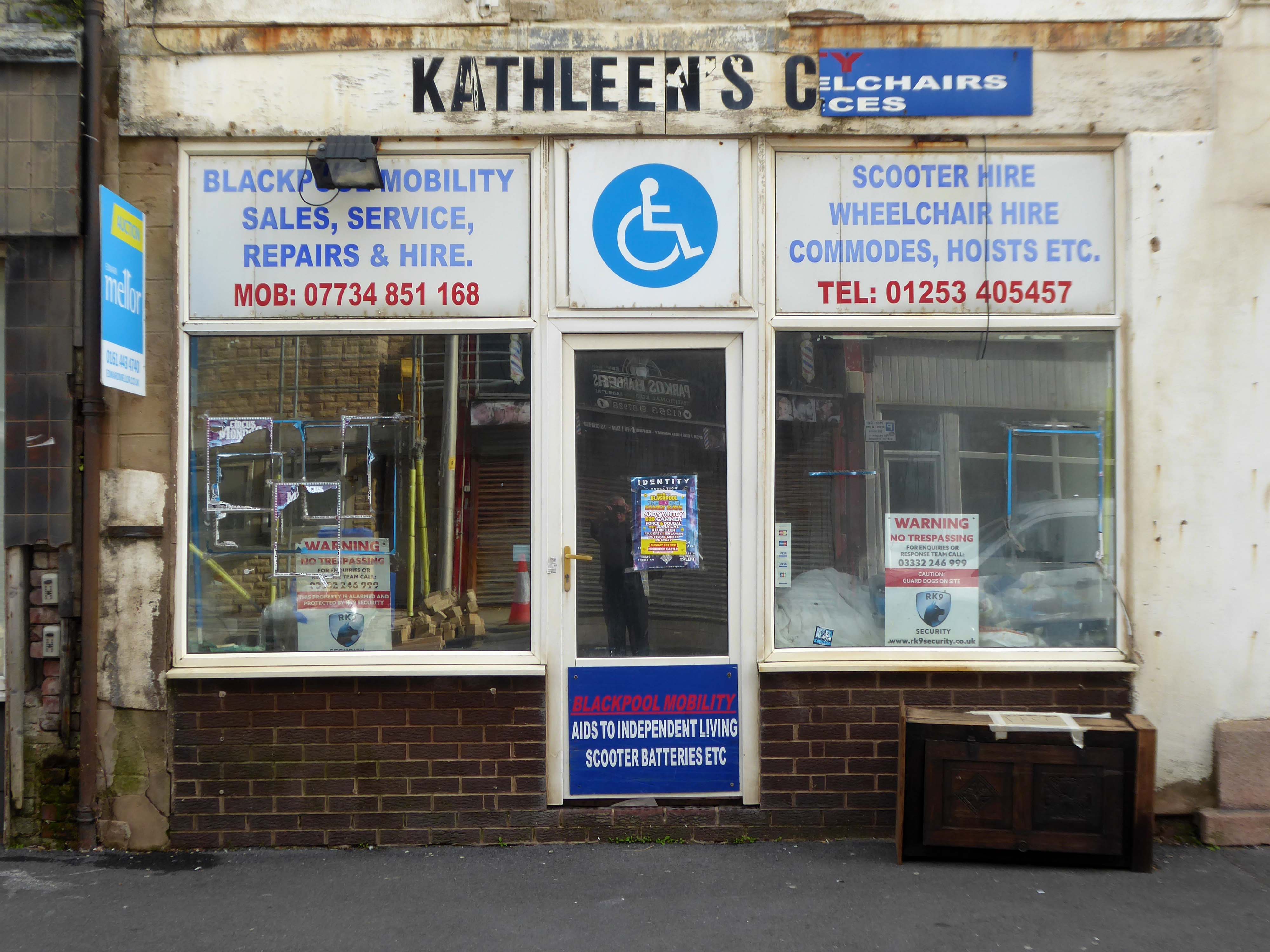
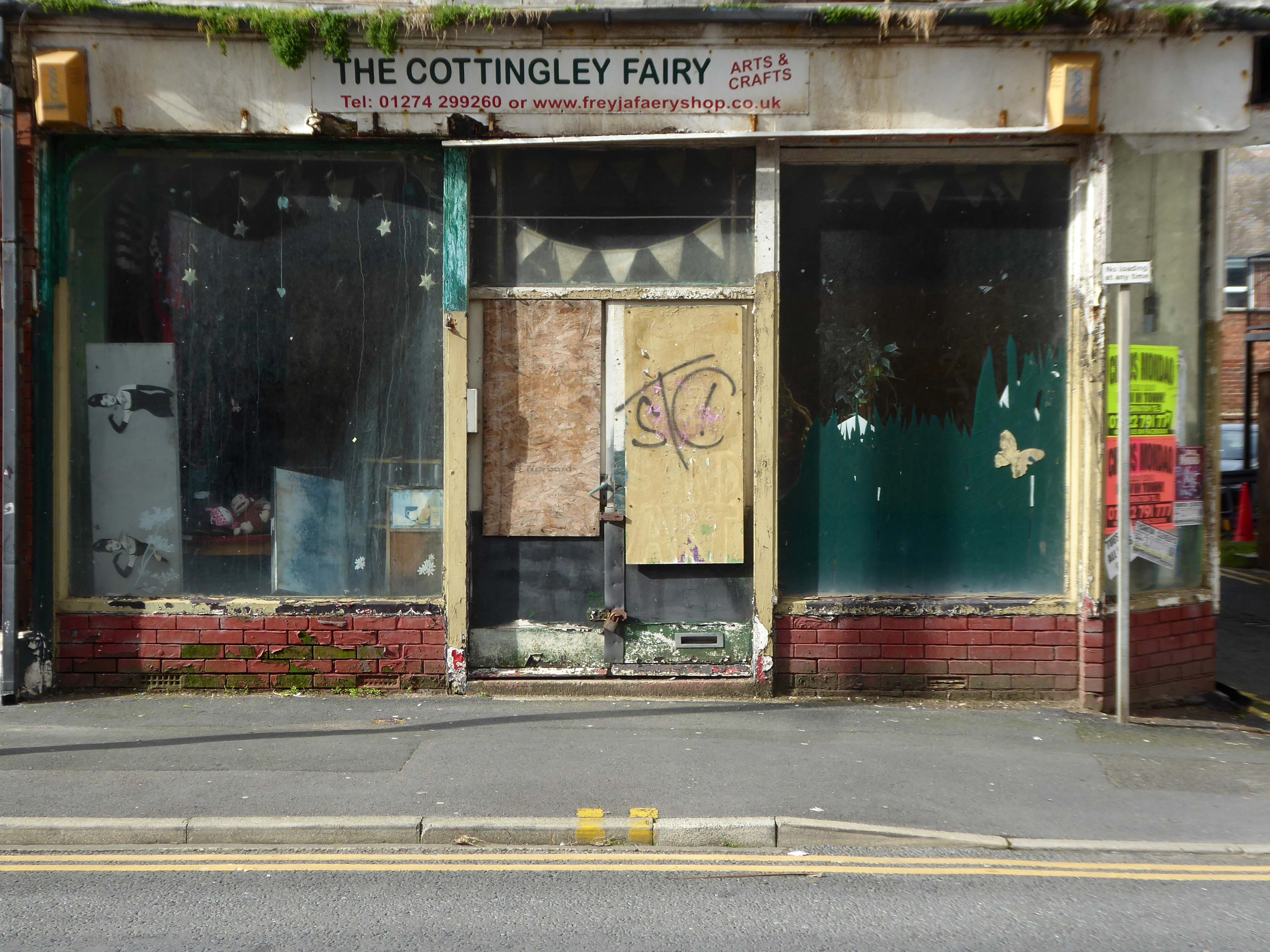
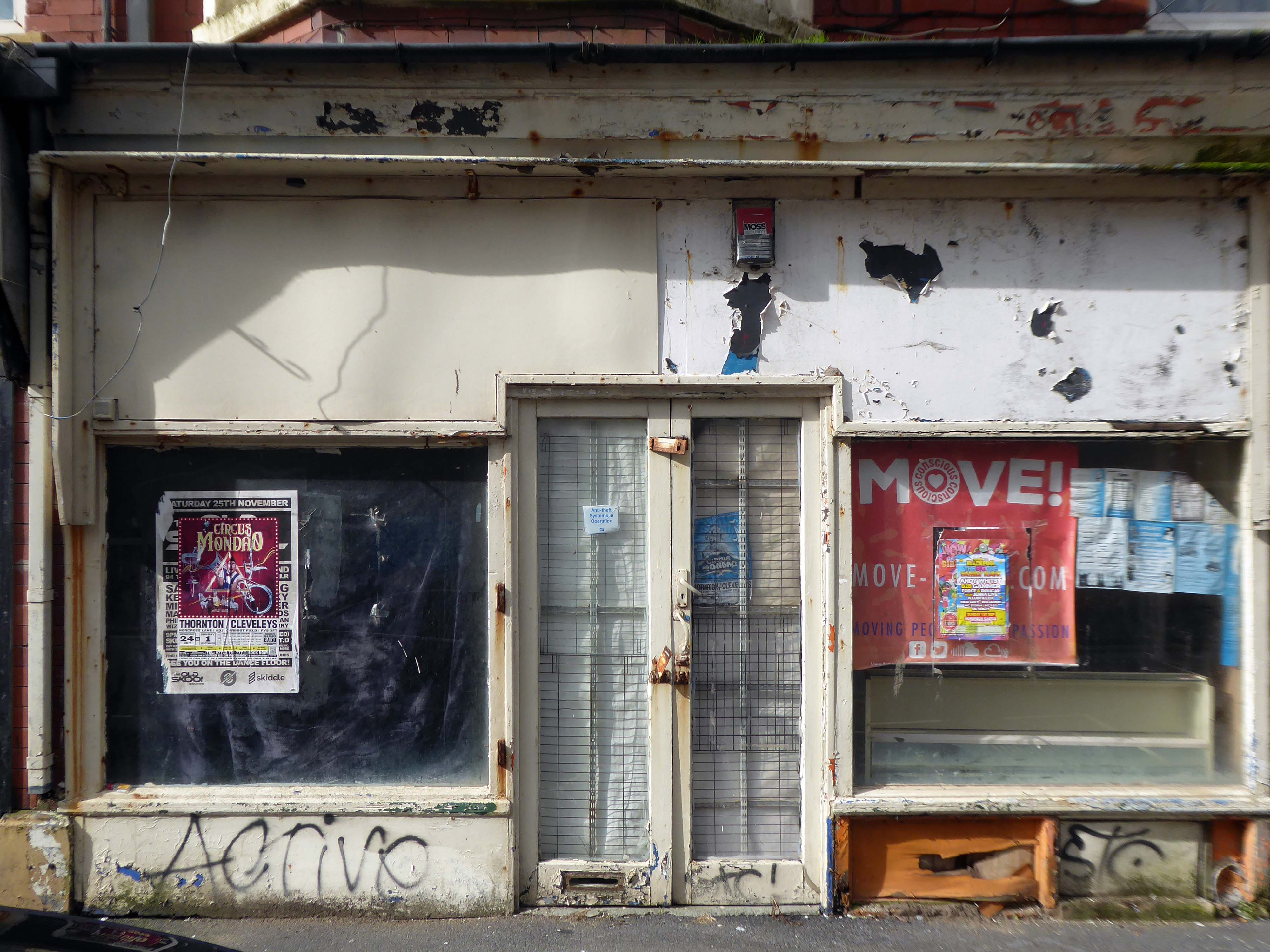
The town needs all the help it can get, time has not been too kind, whilst efforts have been made to invigorate the area around Blackpool North and the promenade, the back streets reflect the legacy of years of deprivation.
Blackpool ranks as one of the most deprived areas in the UK. Many people were already in poverty, and the cost of living pressures are having the biggest impact on this group, who need to spend a greater proportion of their incomes on household essentials. It is also affecting people on low and middle incomes, often surviving by having several jobs, who are being pushed into poverty. More people are turning to services for support, and as the winter progresses this is a serious concern.
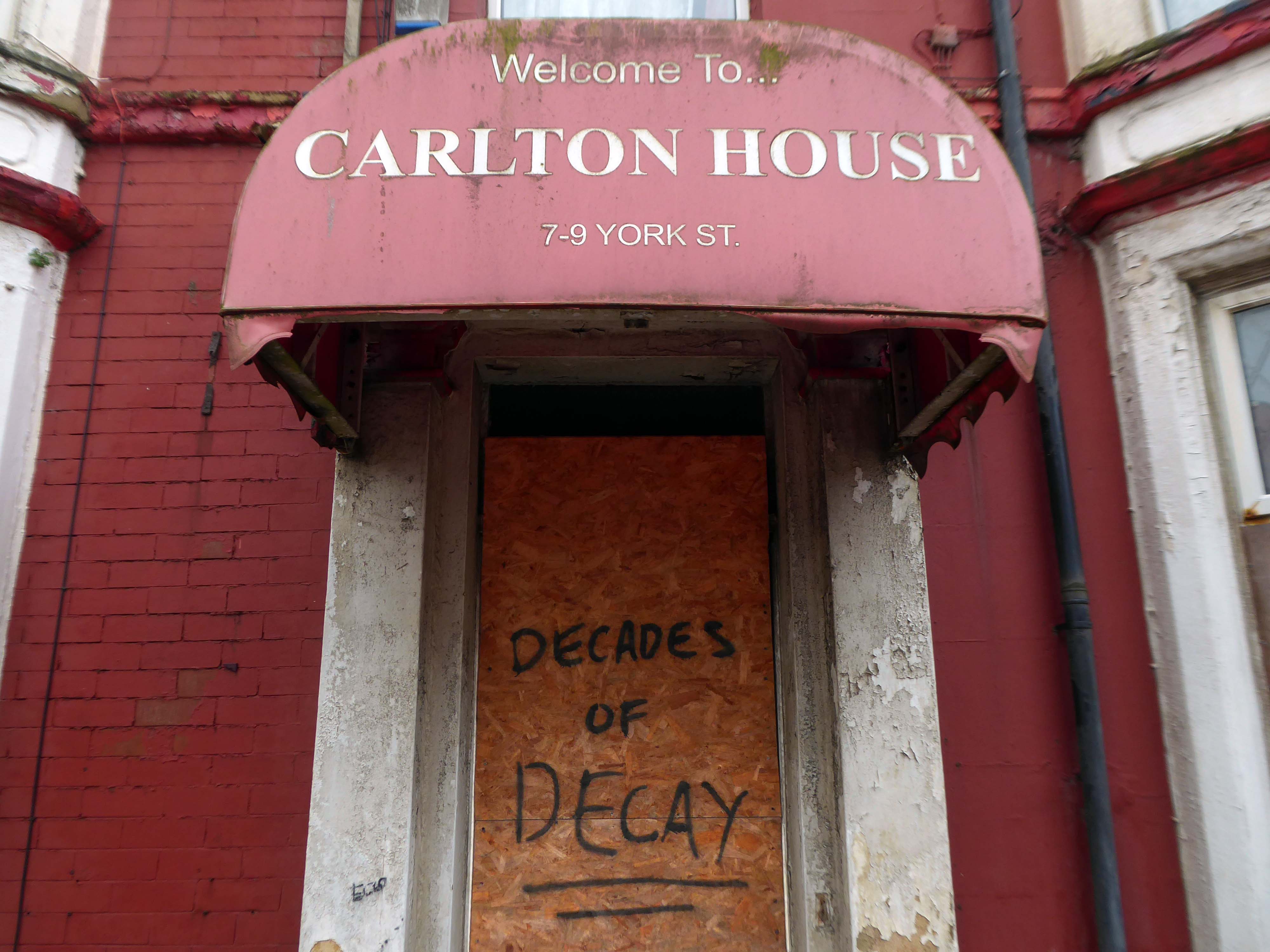
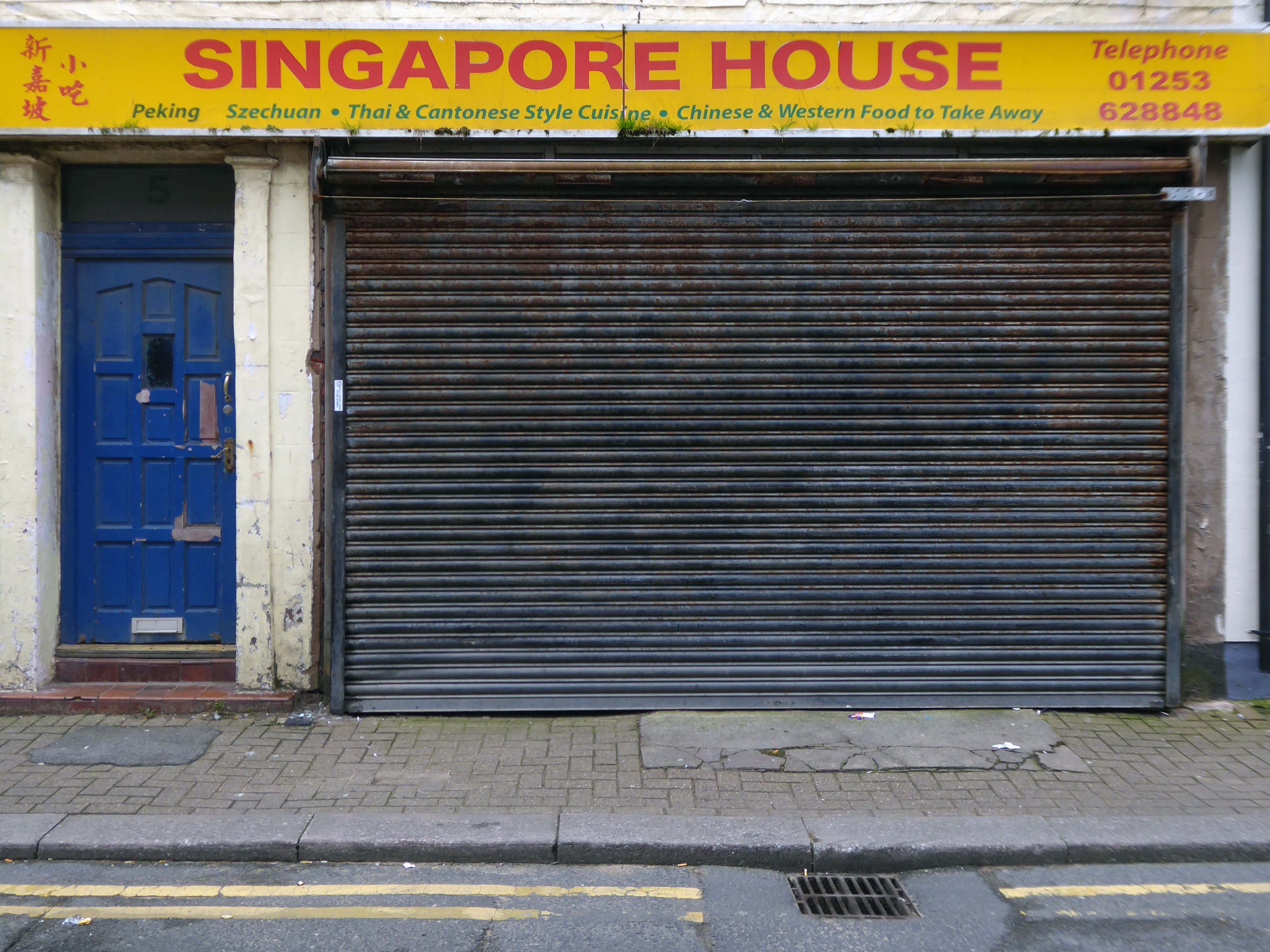
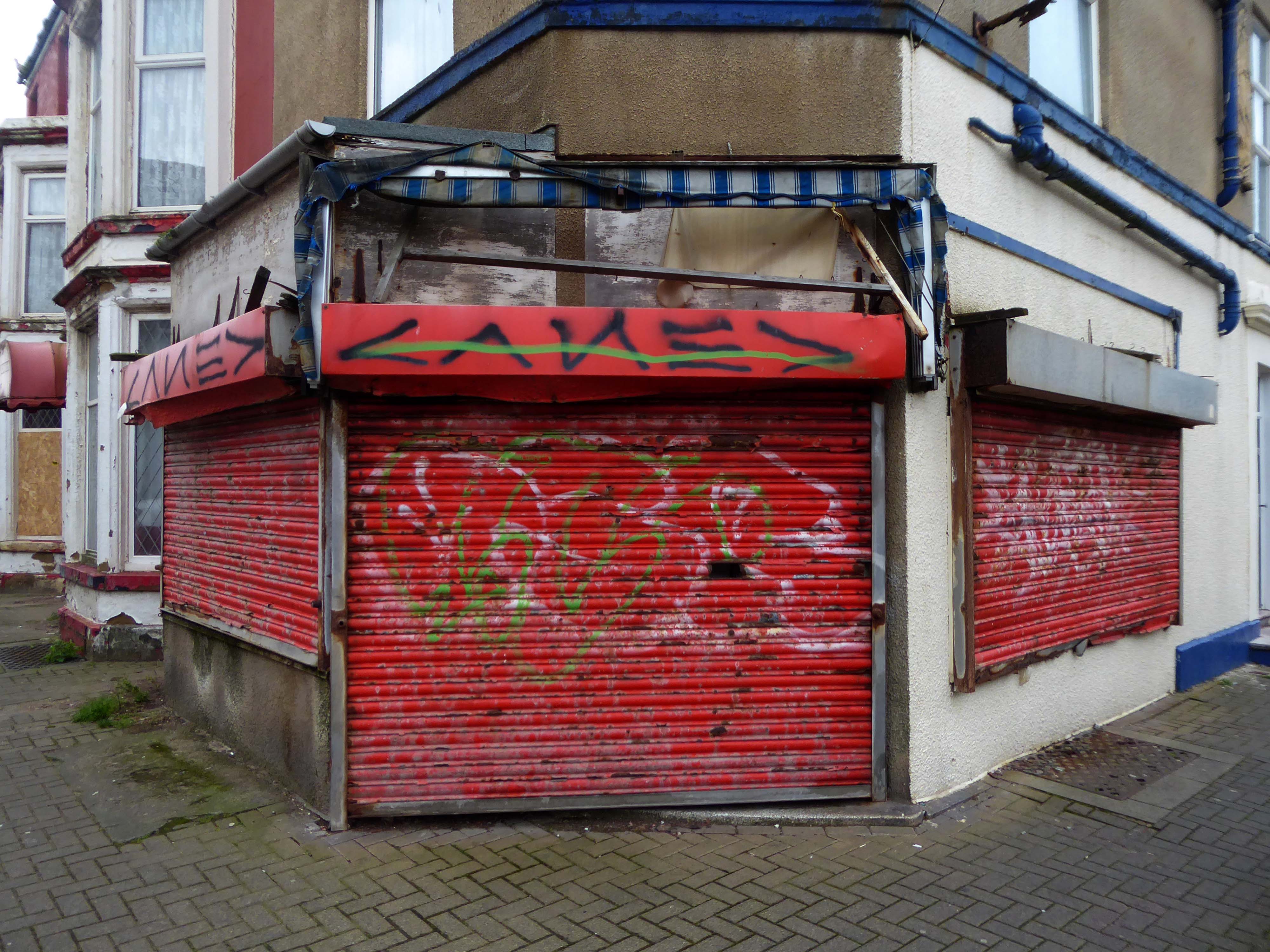
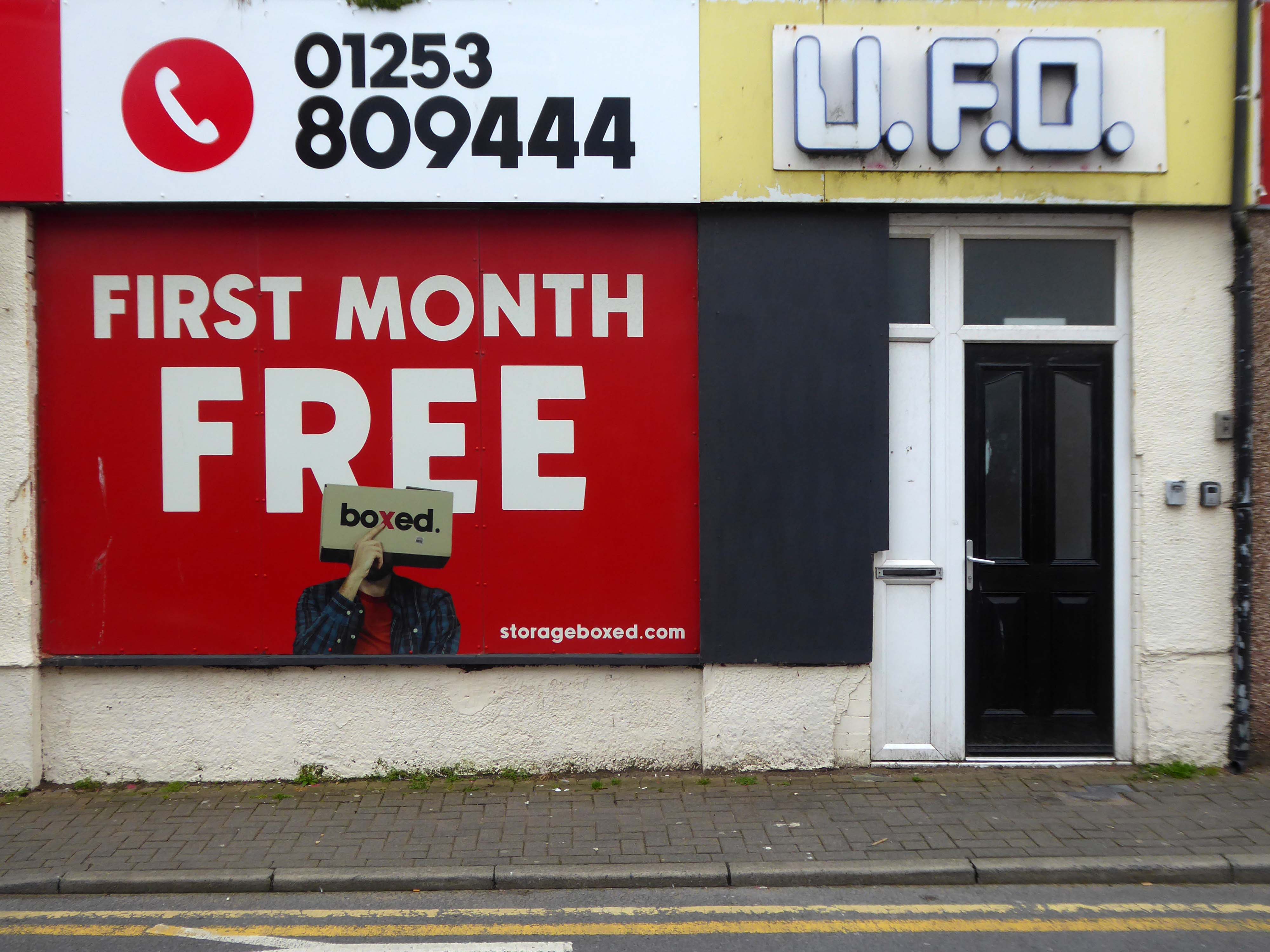
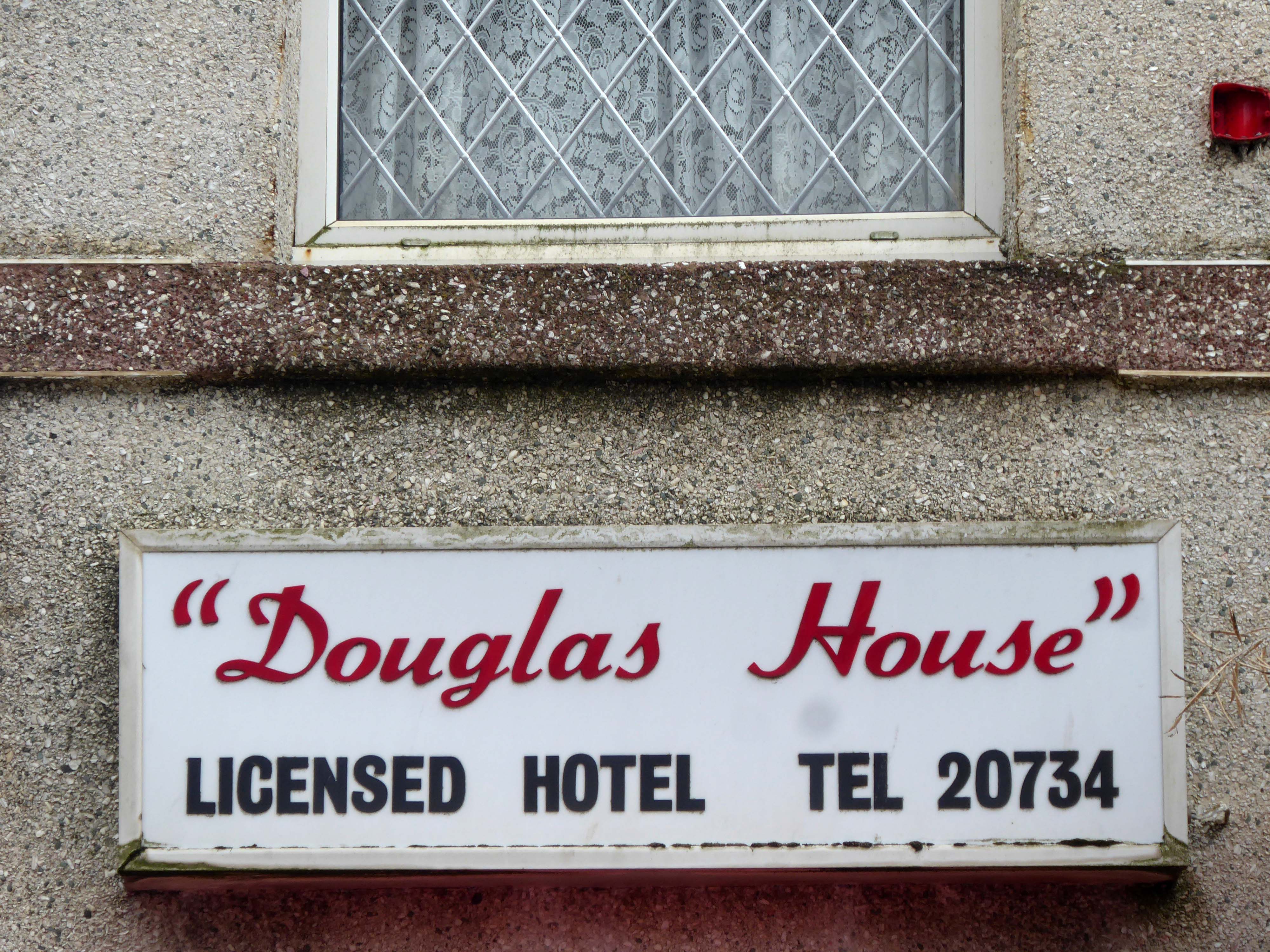
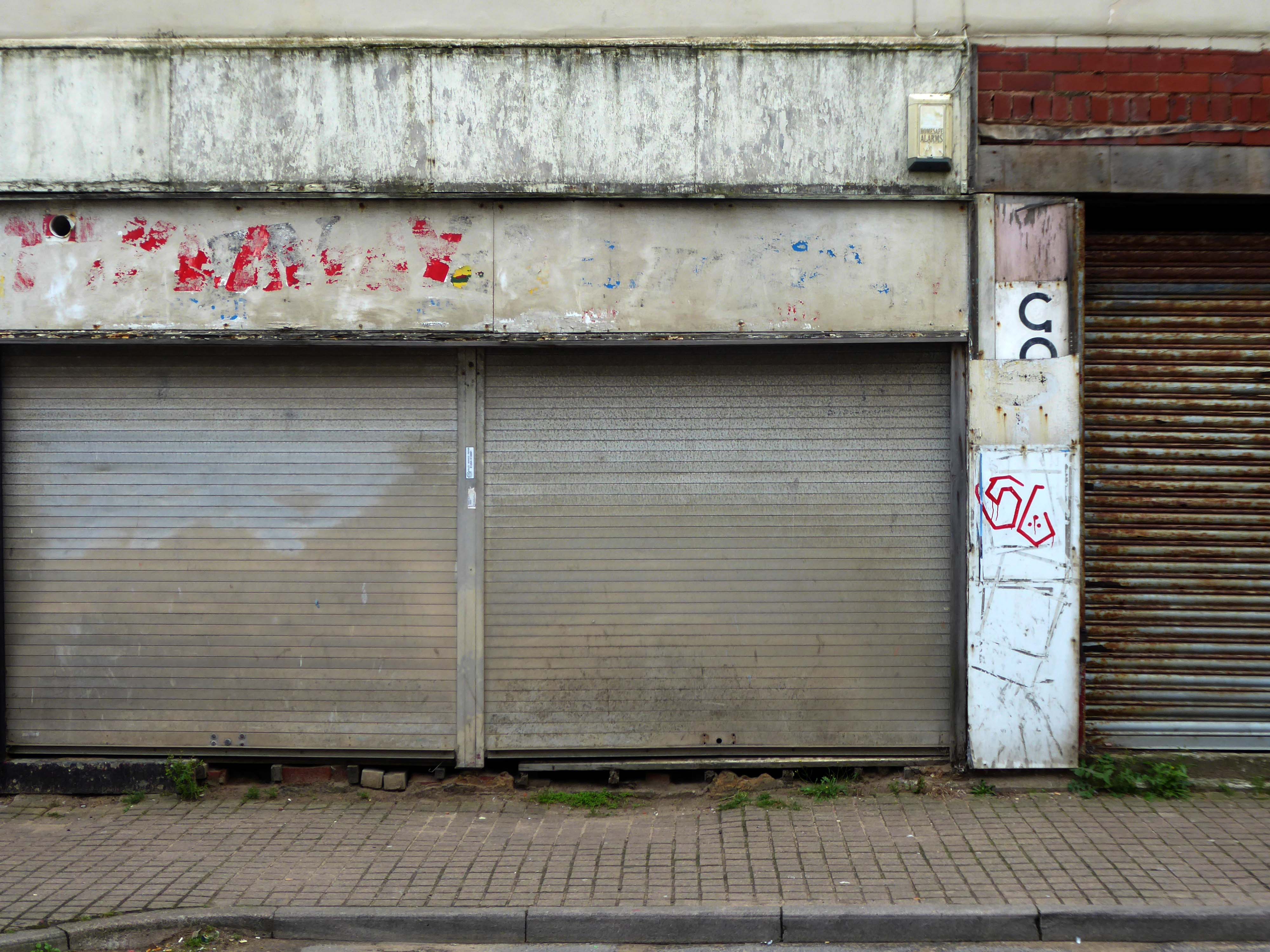
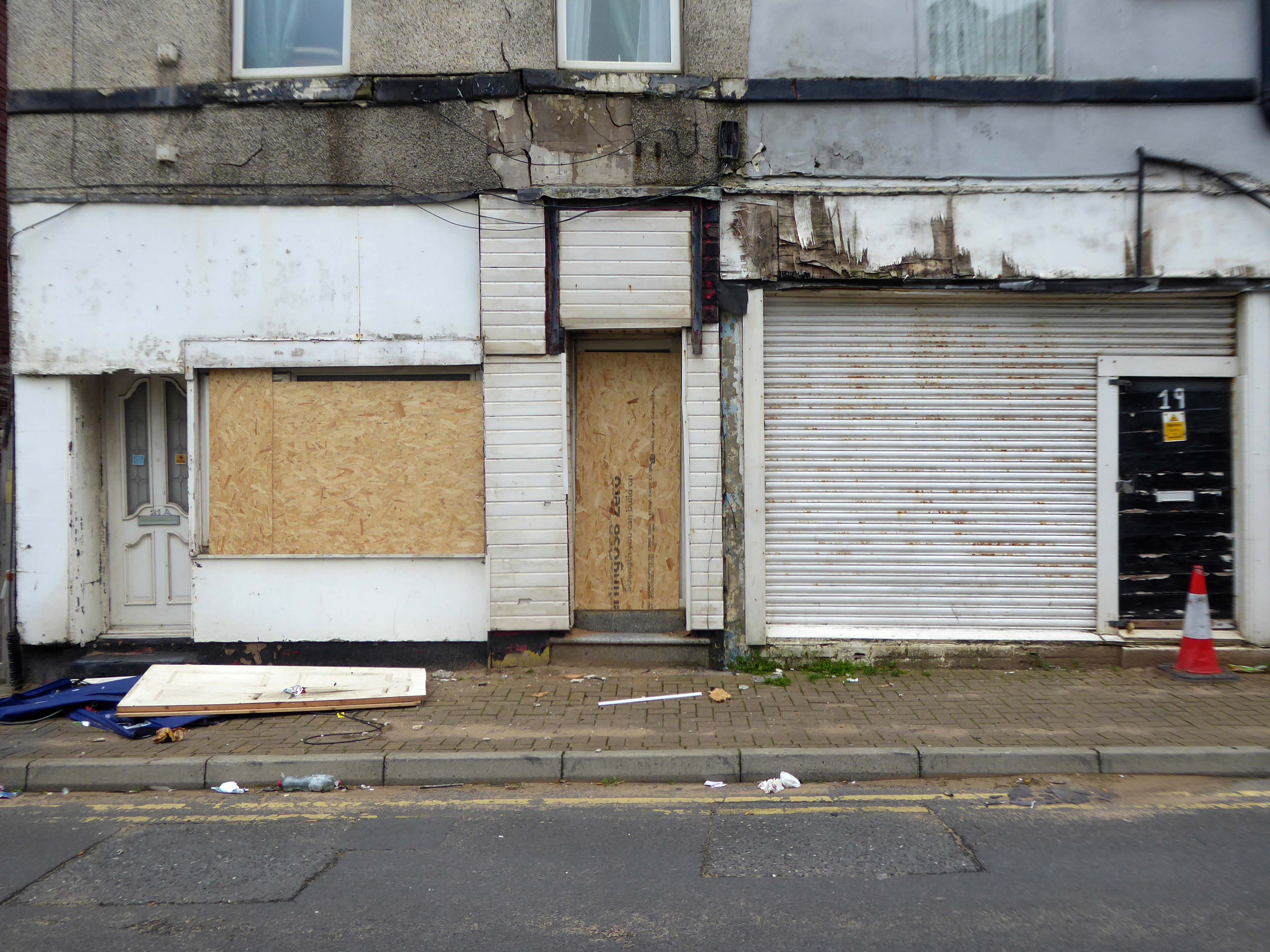
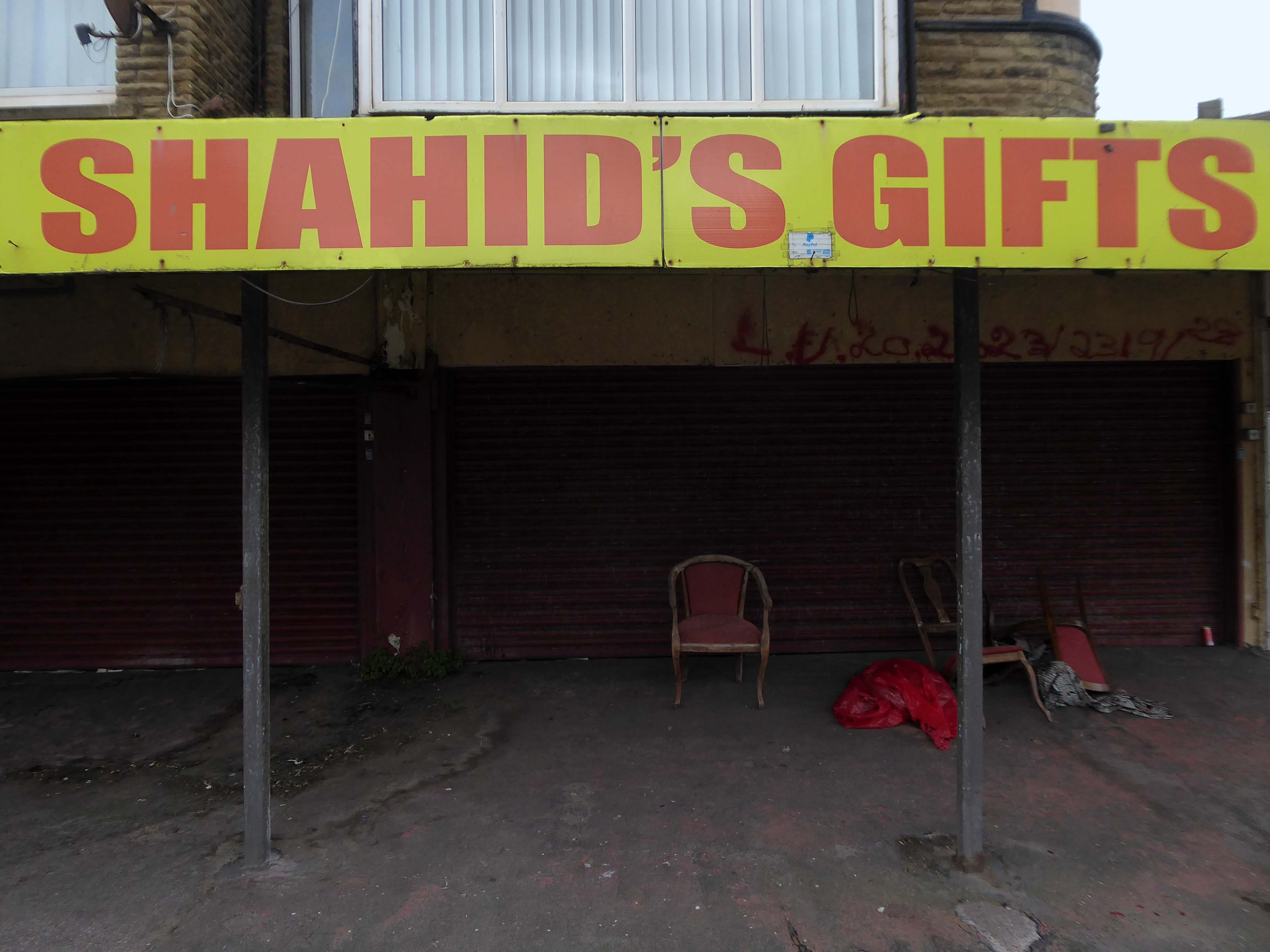
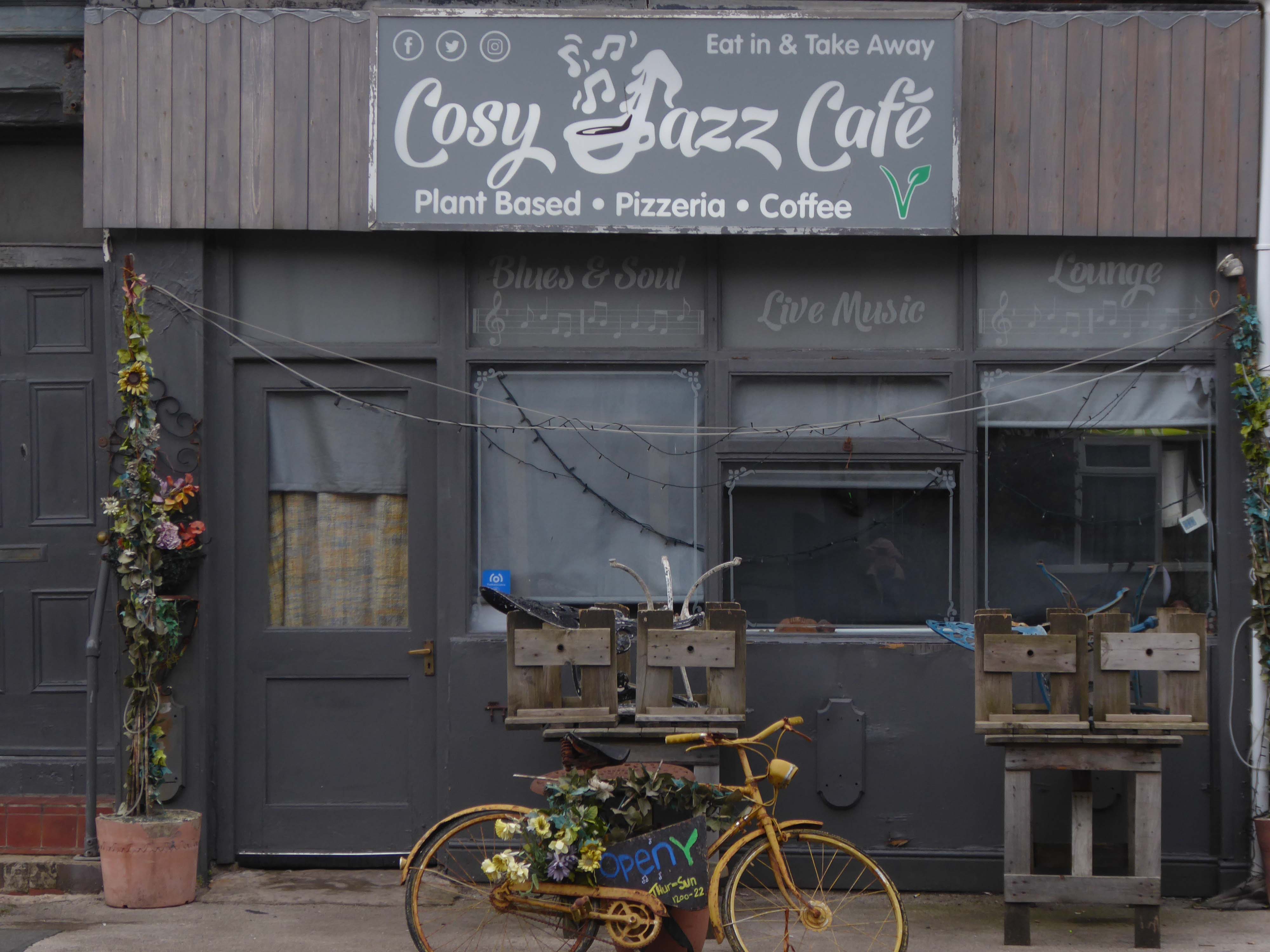
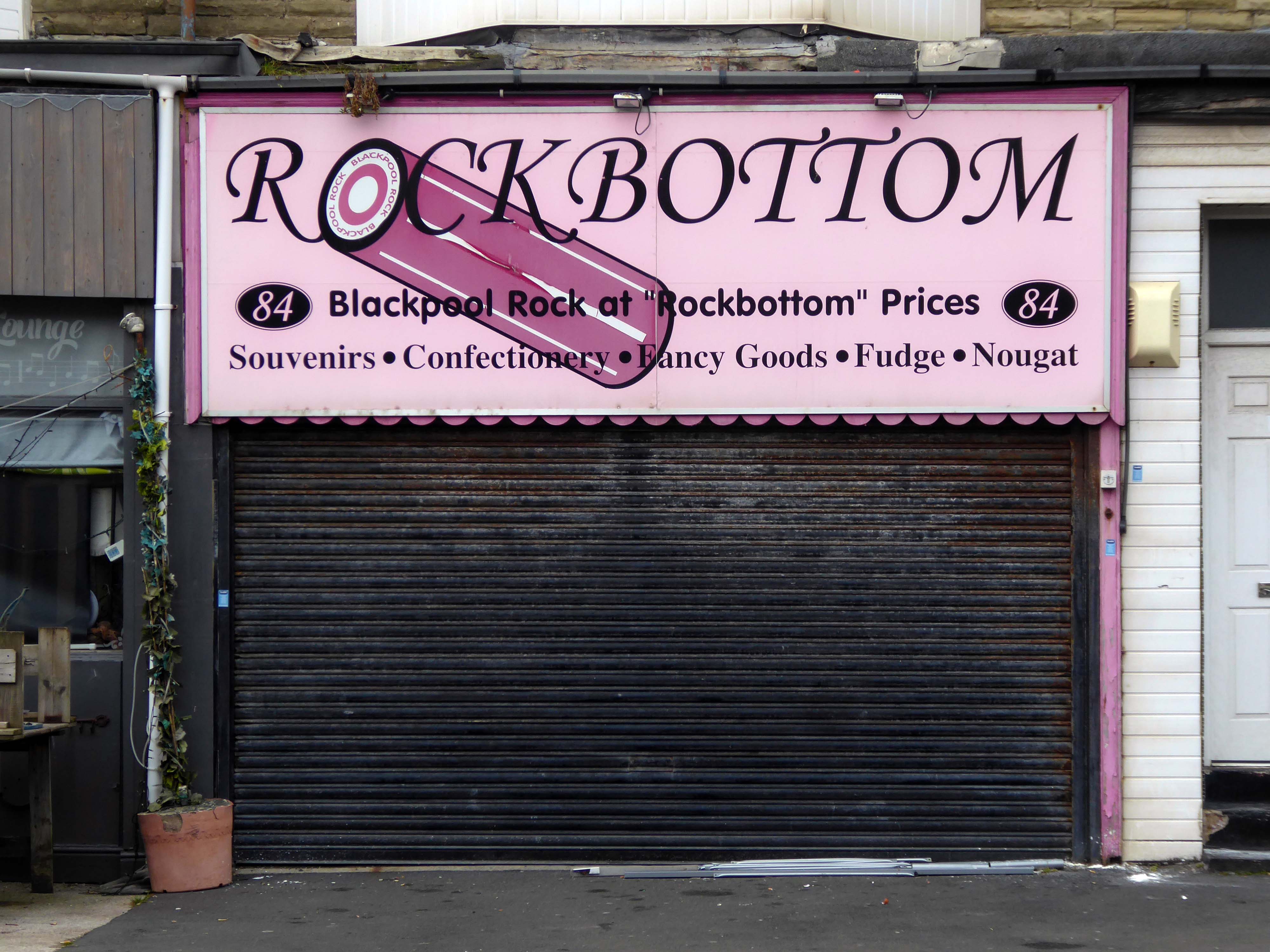
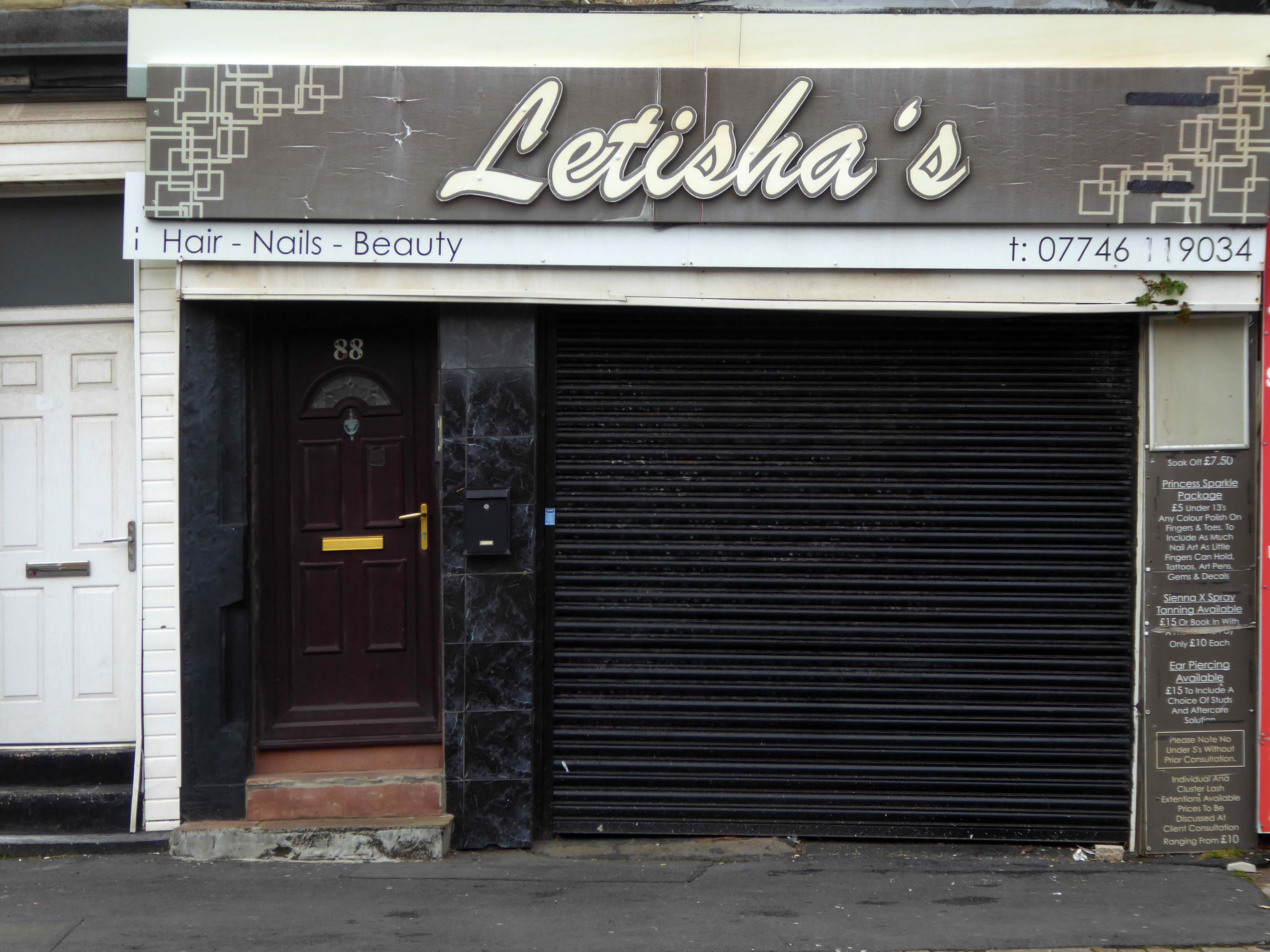
I have no wish to poor scorn on the area – but a short walk around the streets approximate to the coast tells a tale of failed businesses, decay and decline.
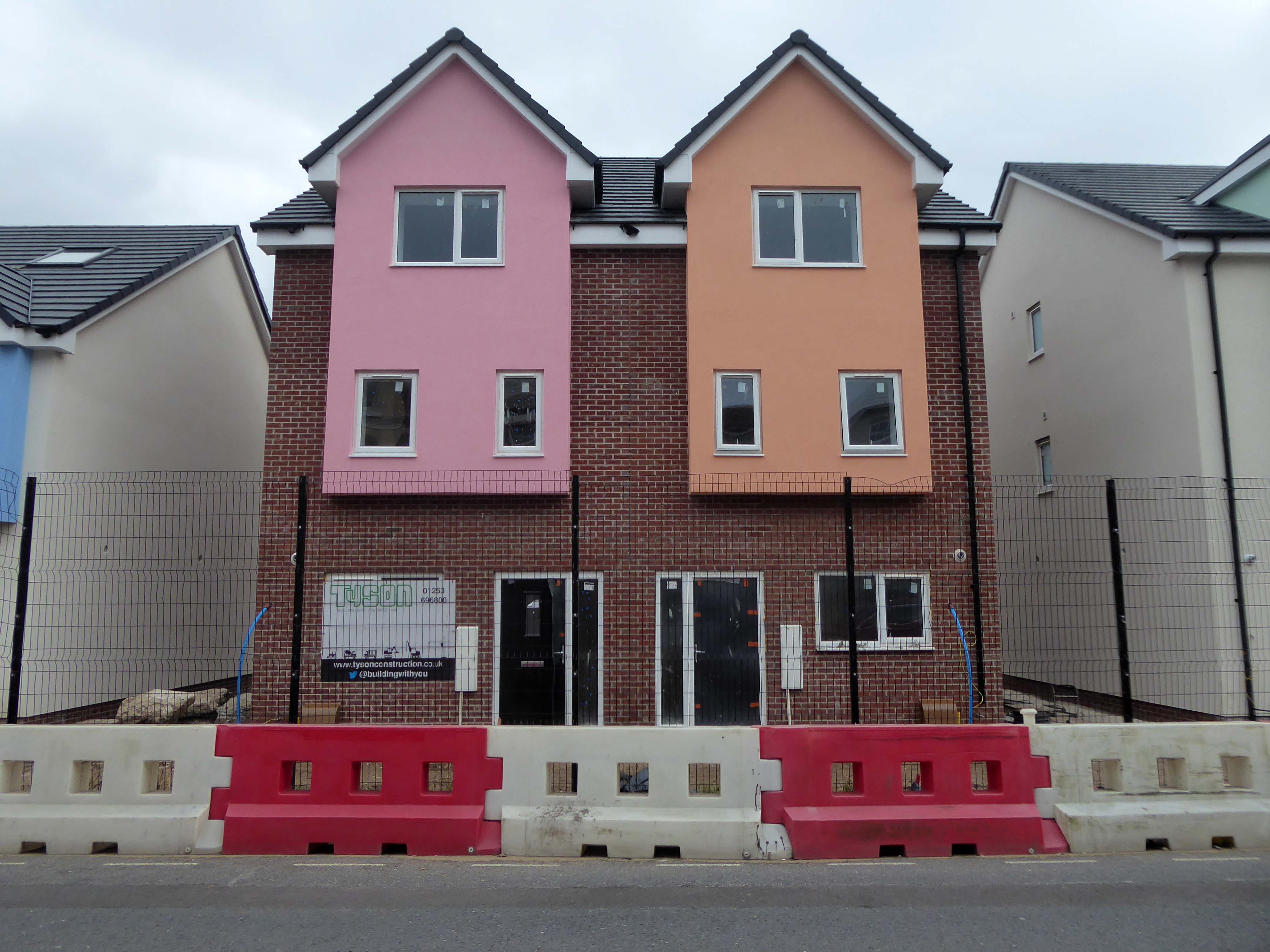
Happily there are the seeds of recovery in evidence, in the form of newly built housing.
The executive report outlines an area of regeneration to the South of the town centre. It lies broadly between Chapel Street and Rigby Road, and the Promenade and Central Drive. These have been identified as the initial areas of focus for detailed scheme development, community engagement and property acquisitions in preparation for future development.