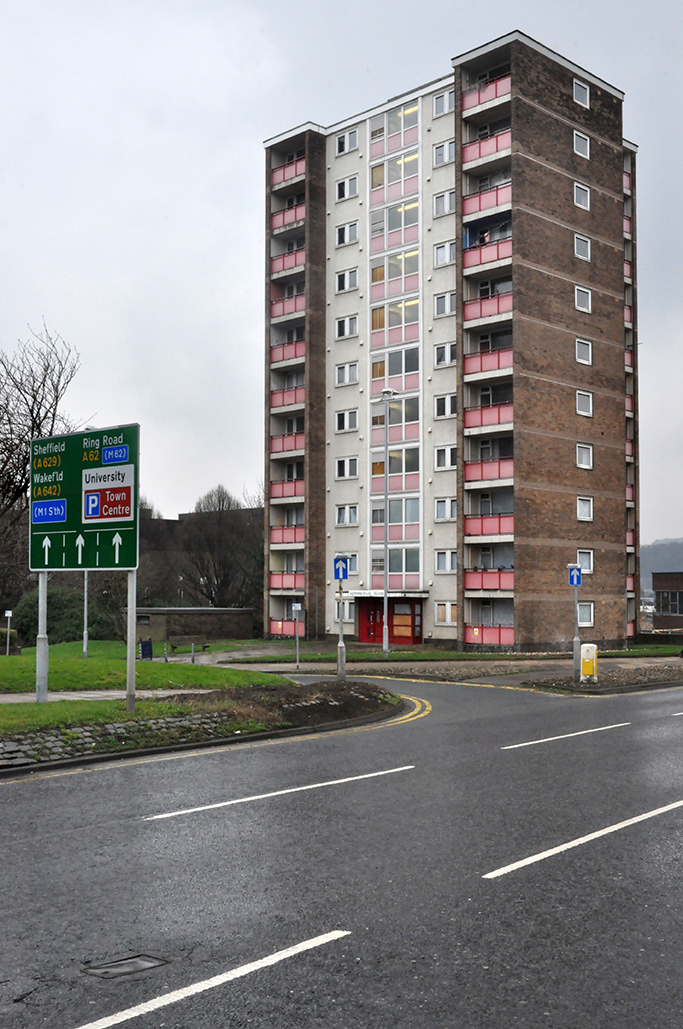
Huddersfield – Lonsbrough and Ibbotson Flats

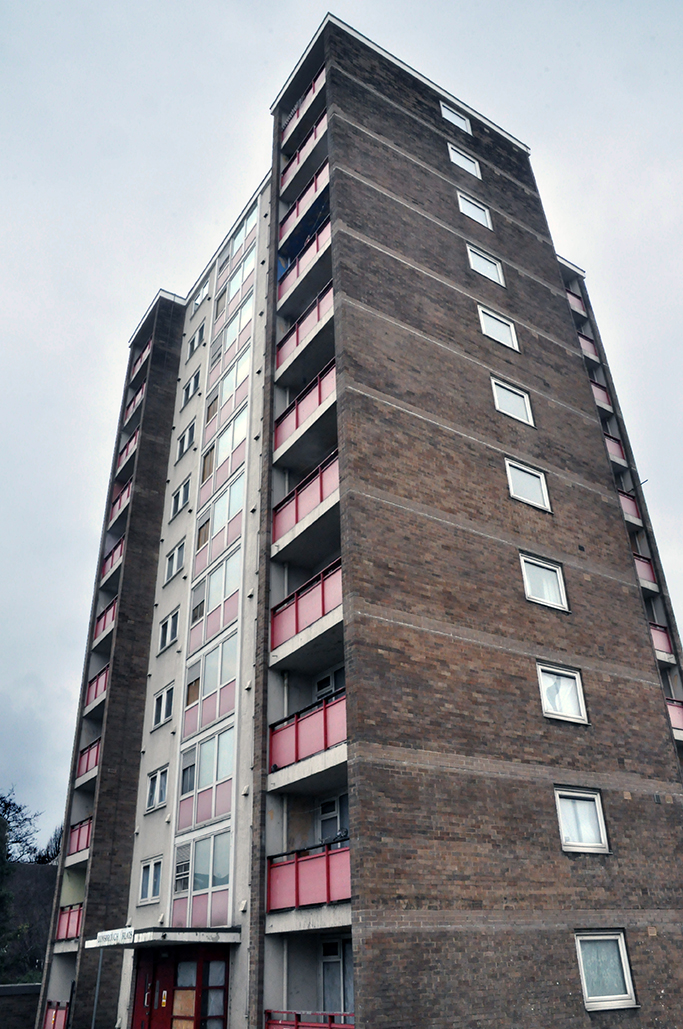
The former Richmond flats in Huddersfield have been revamped and are now known as Harold Wilson Court.

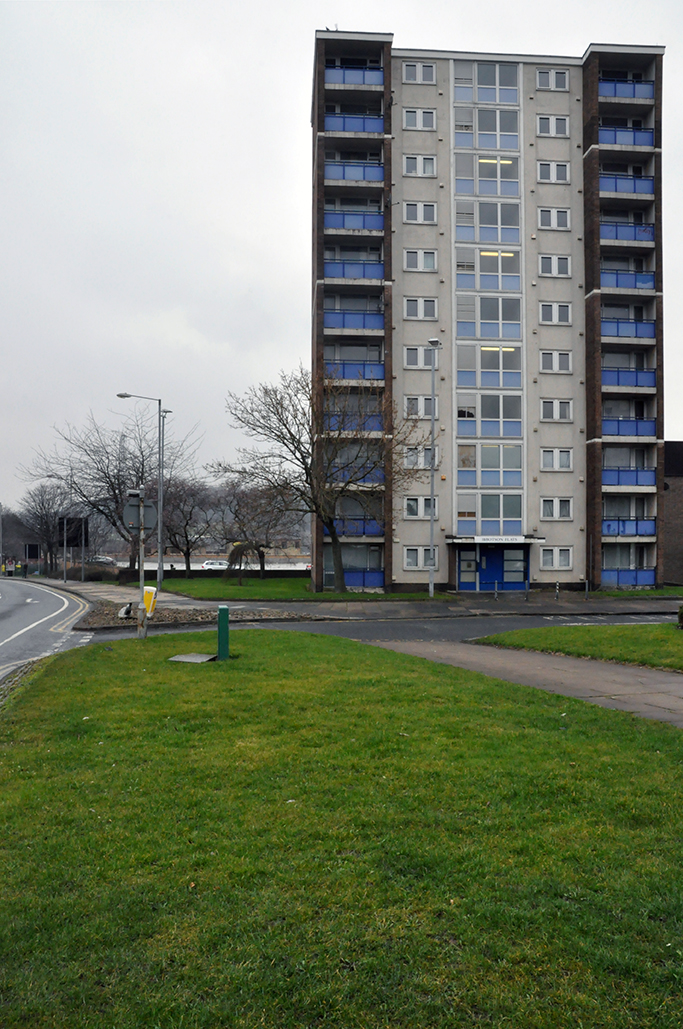
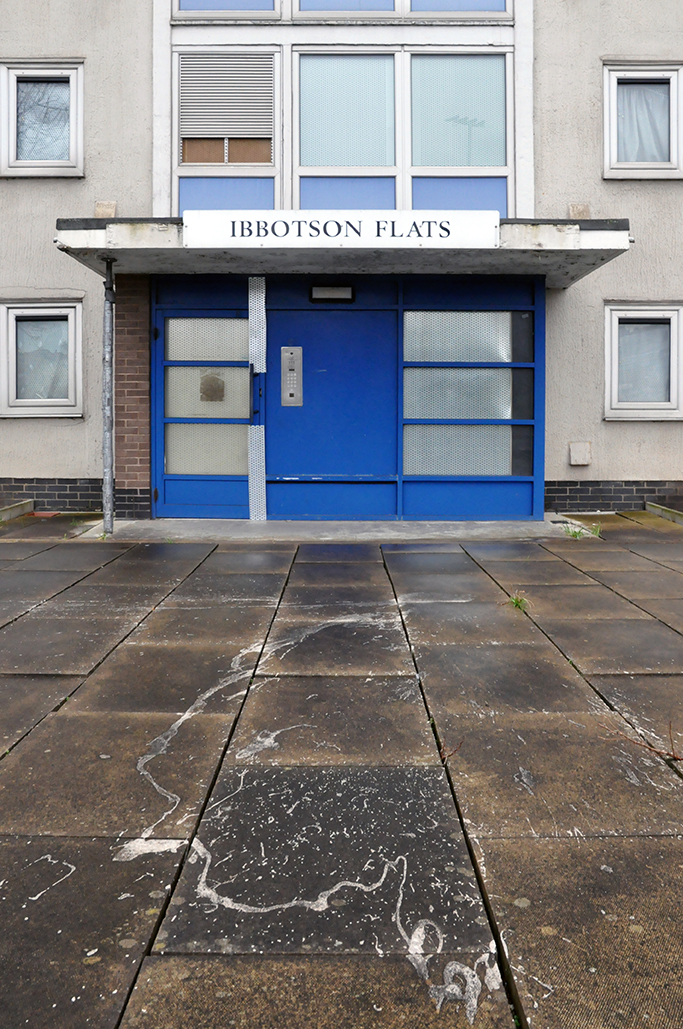
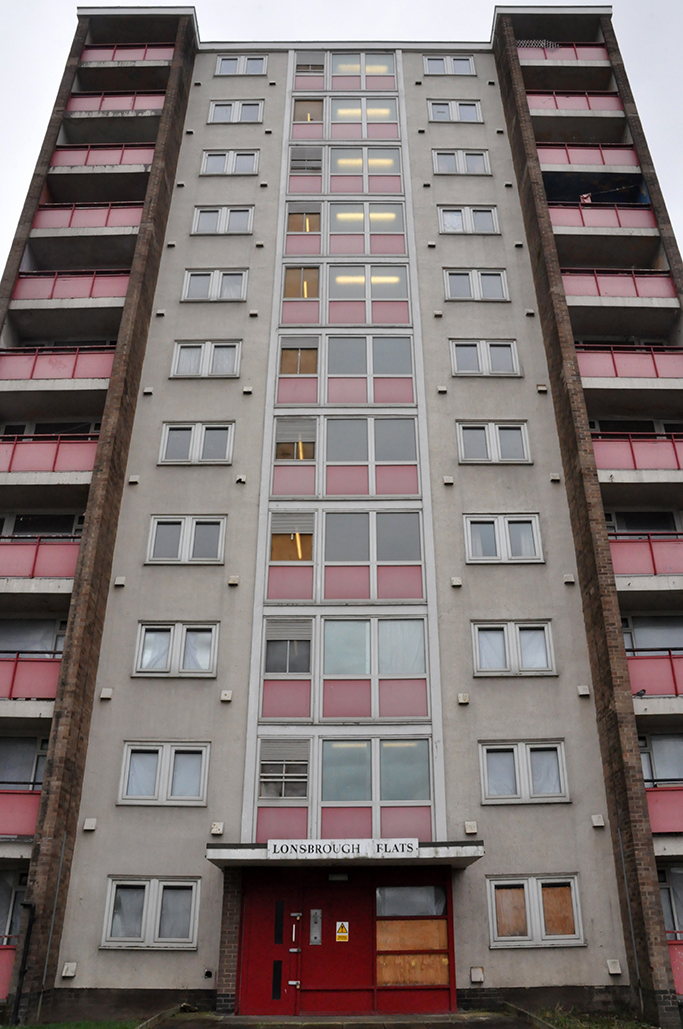
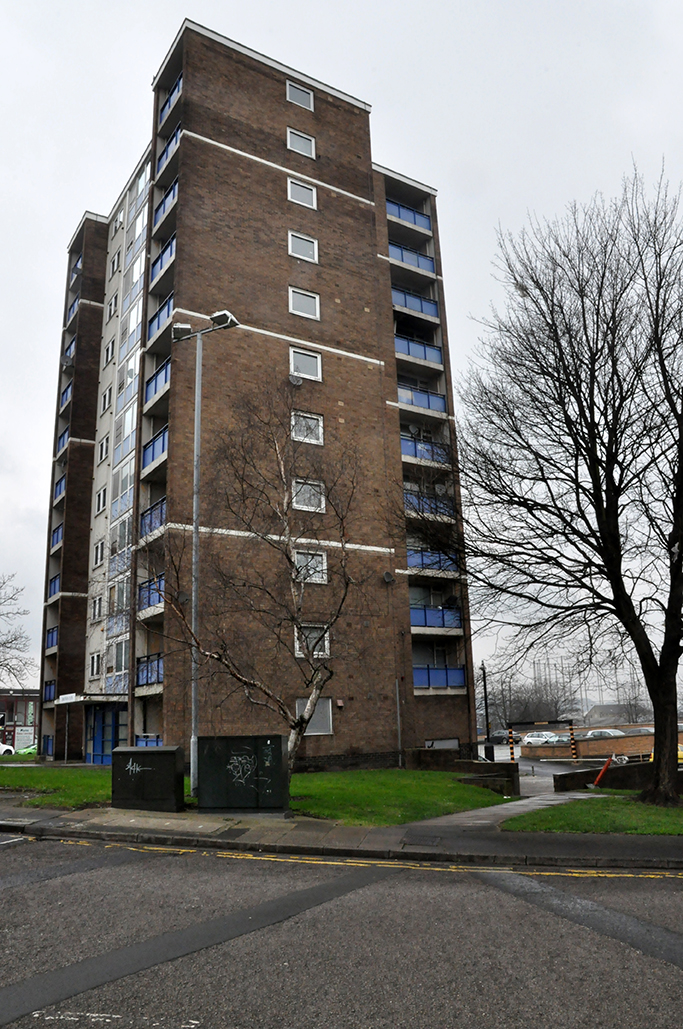
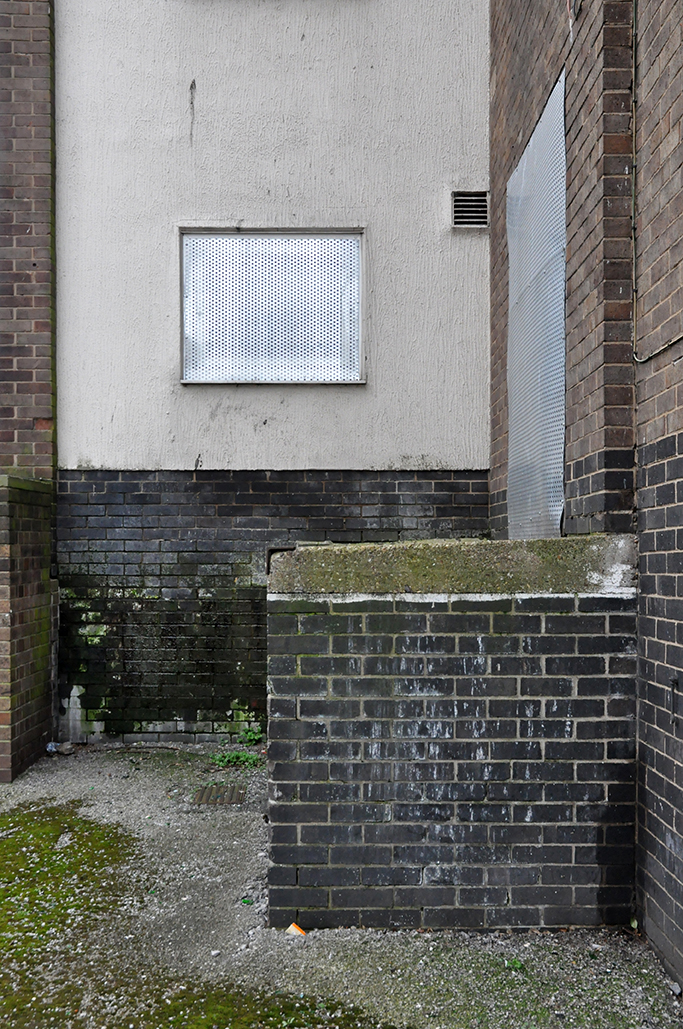
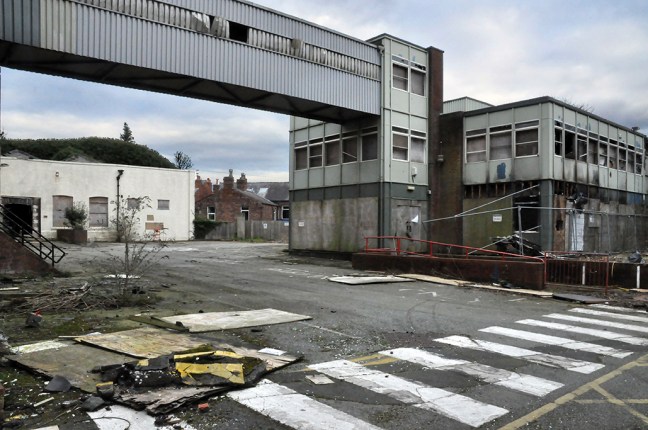
The two other blocks sadly have neither been revamped nor renamed after famed local politicos.

Herbert Asquith or Luddite House – take your pick.

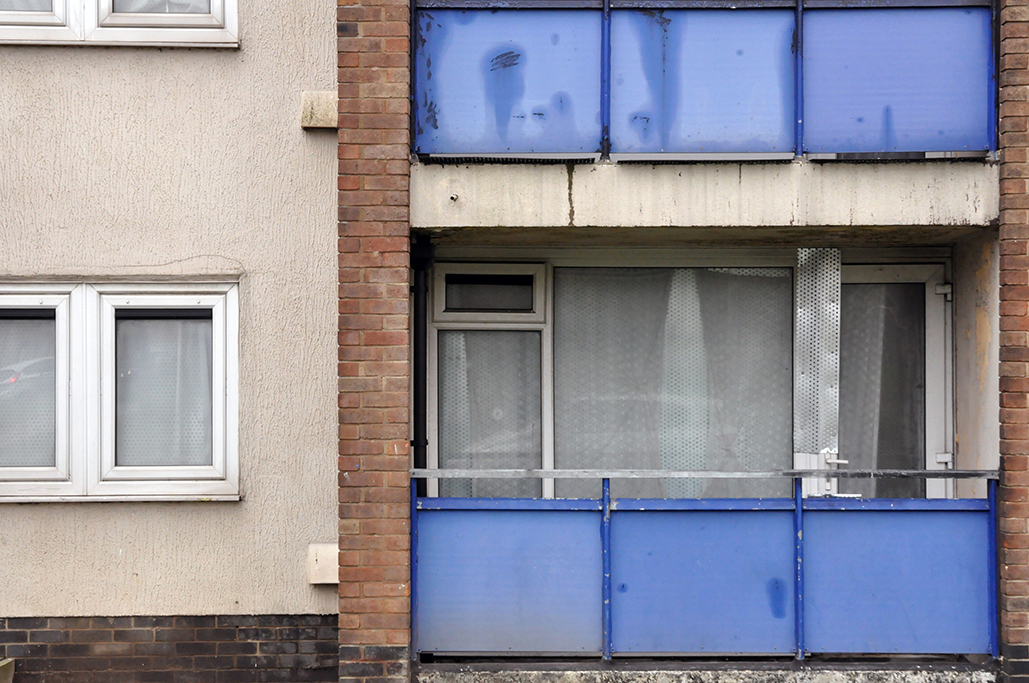
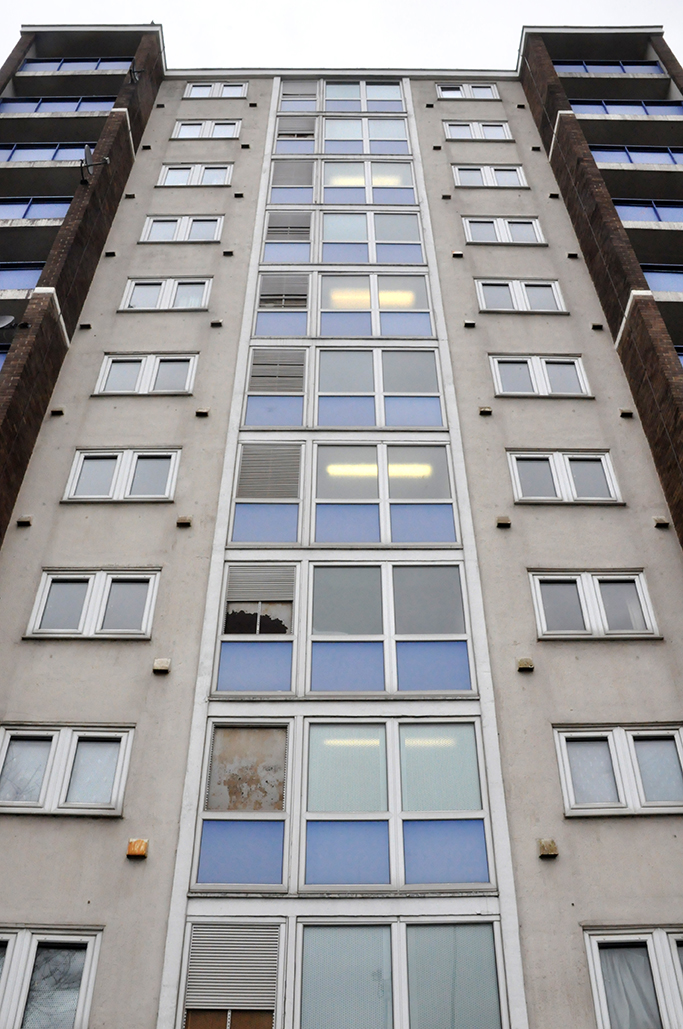
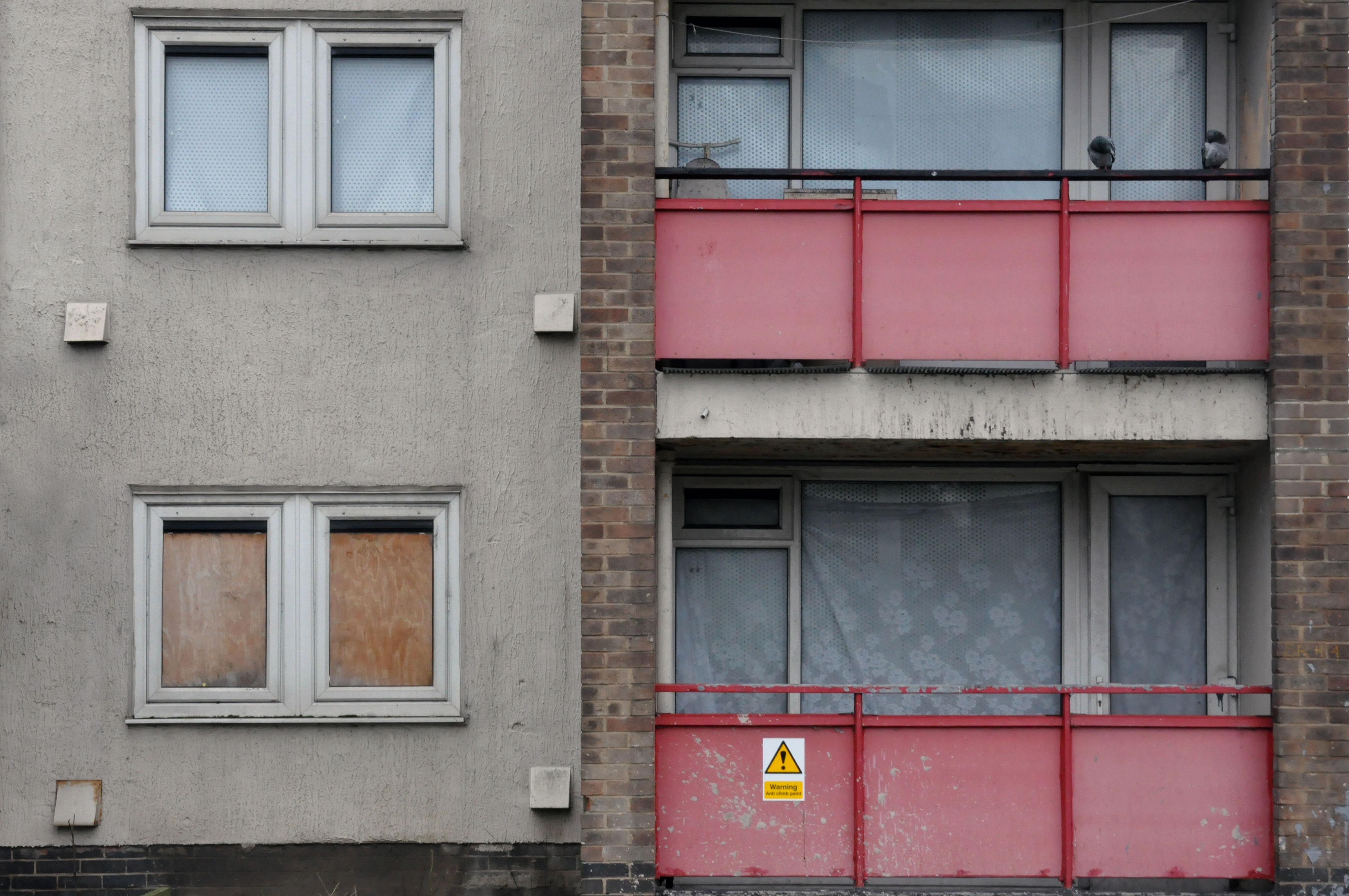
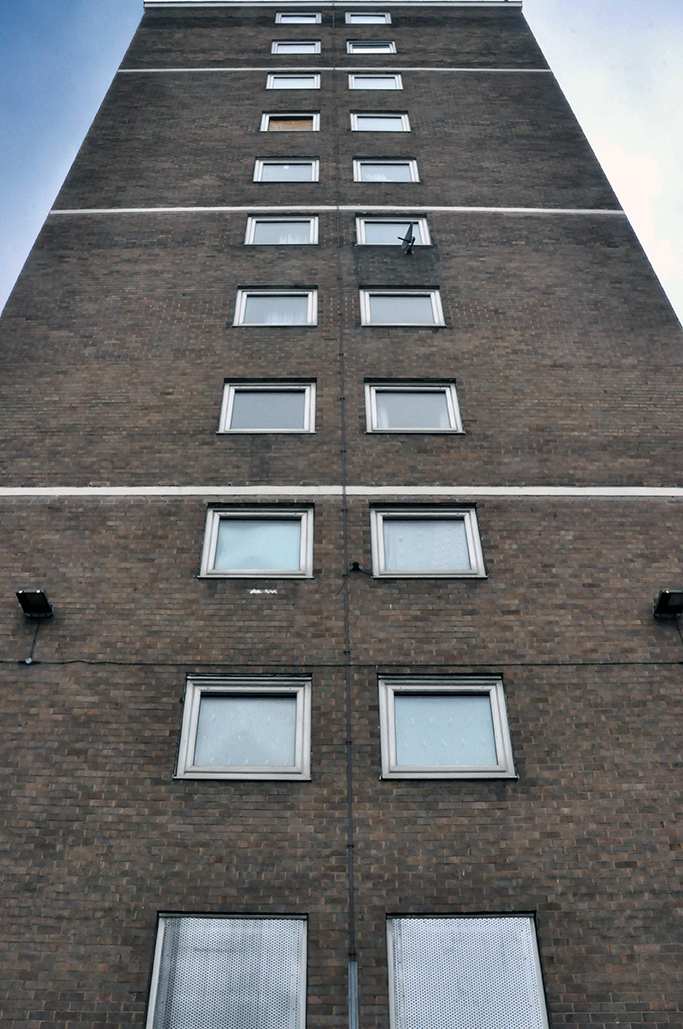
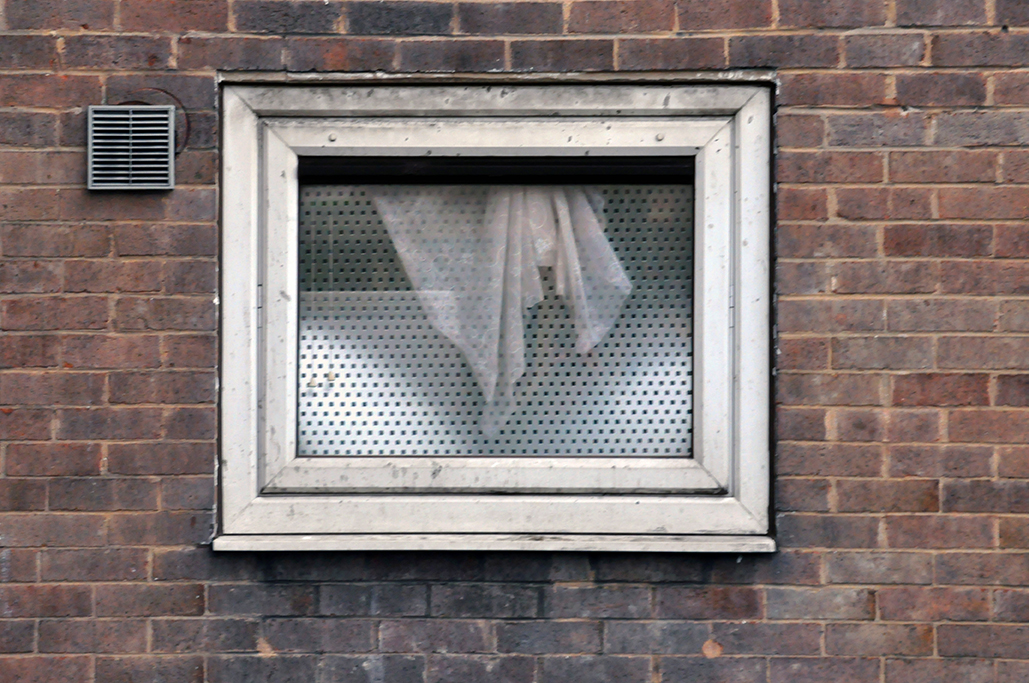
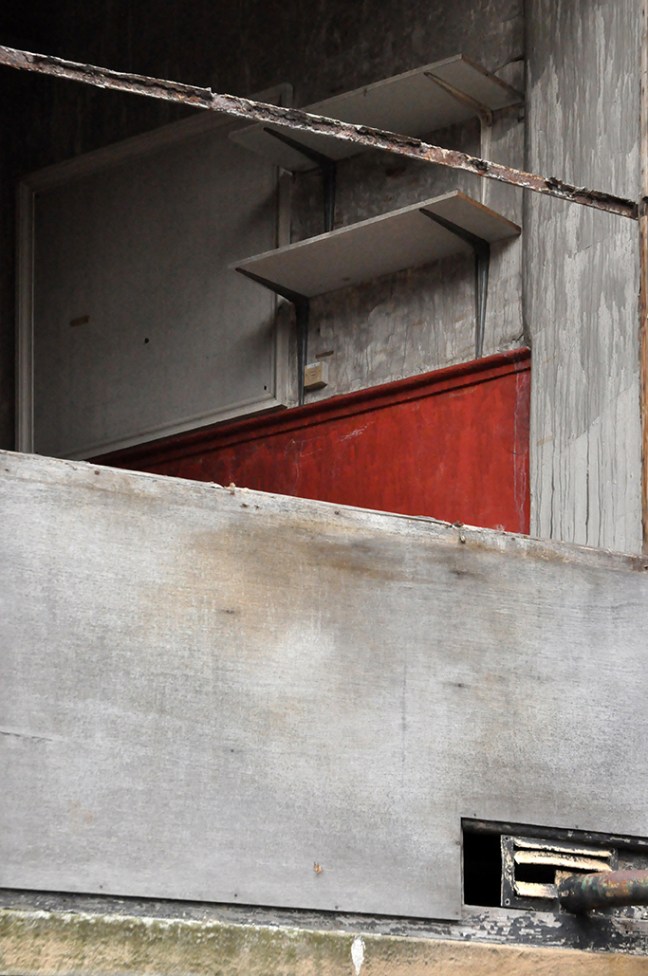
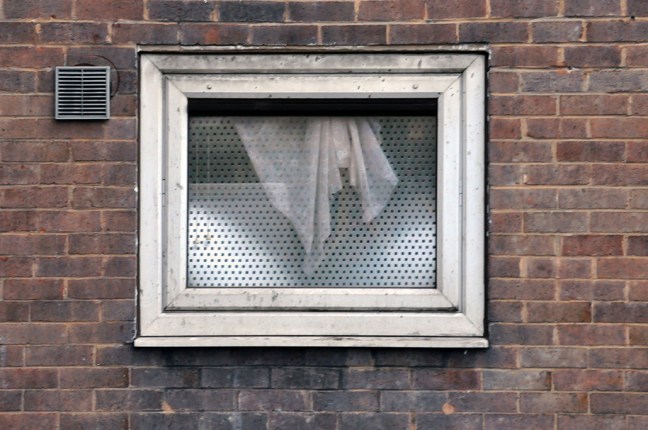
They stand by the road unloved and forlorn, tinned up awaiting demolition. Once home to hundreds, the former residents have now been paid out, moved out and hopefully rehoused.

Richmond flats were named after Sidney Richmond, the former Huddersfield Borough Council architect, and were the second of the three blocks currently on the site. The first block opposite was Lonsbrough Flats, named after Anita Lonsbrough, 1960 Olympic Gold medal swimmer and council employee, with the third being the middle block Ibbotson Flats, named after Derek Ibbotson, the Huddersfield athlete who held the world record for running a mile.

The site was obviously more valuable than viable town centre homes – Tesco is a coming

Hurrah.

Go see them, say hello and wave goodbye – they’ll soon be gone.

http://www.examiner.co.uk/news/west-yorkshire-news/town-centre-tower-blocks-pulled-4927231
Wigan – Rylands Mill

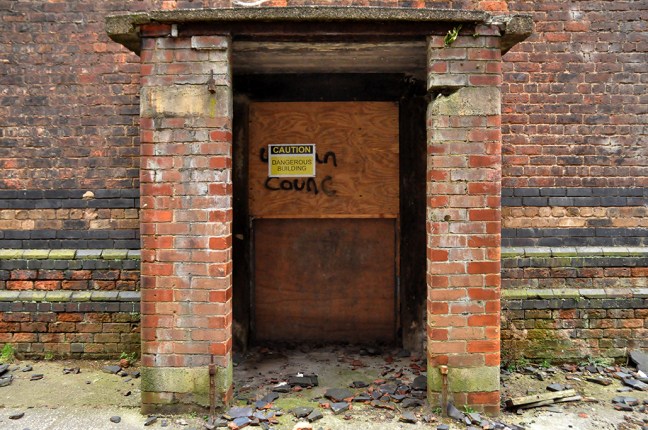
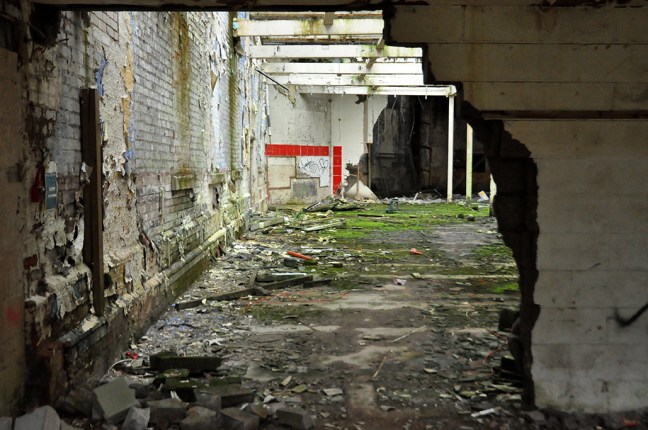
I’m no Urbex man, when all’s said and done, I feel the fear and the weight of the past, I guess I’m just a little too sensitive. So I made cautious ingress into this giant mill complex, always aware of the feet that trod this way in former times and a constant threat of the falling fragile structure.

The surfaces have, since it’s last occupants left, been shaped by intruders, the weather, taggers, blaggers, bloggers and inquisitive teens, I left only hushed footfalls.

We are all now complicit in its history.

– In 1819, Rylands & Sons were established with their seat of operations being in Wigan.

In the course of a few years extensive properties at Wigan, along with dye works and bleach works, were purchased. Valuable seams of coal were afterwards discovered under these properties, and proved a great source of wealth to the purchasers.

The mill was built in 1867, designed by George Woodhouse for John Rylands, one of the area’s largest cotton spinners. The Grade II listed complex includes the former spinning mill, weaving sheds, engine house and chimney, noted for it ornate brickwork.

It has now been acquired by MCR Property Group who are in the process of planning to restore the mill building which will house a mixture of apartments with views over Mesnes Park. The development will also comprise of a number of modern townhouses and office space over four levels.

All current planning applications have been withdrawn, its future remains uncertain.

DSC_0490 copy

DSC_0494 copy

DSC_0491 copy

DSC_0489 copy

DSC_0479 copy

DSC_0477 copy

DSC_0473 copy

DSC_0471 copy

DSC_0467 copy

DSC_0461 copy

DSC_0459 copy

DSC_0456 copy

DSC_0455 copy

DSC_0450 copy

DSC_0443 copy