

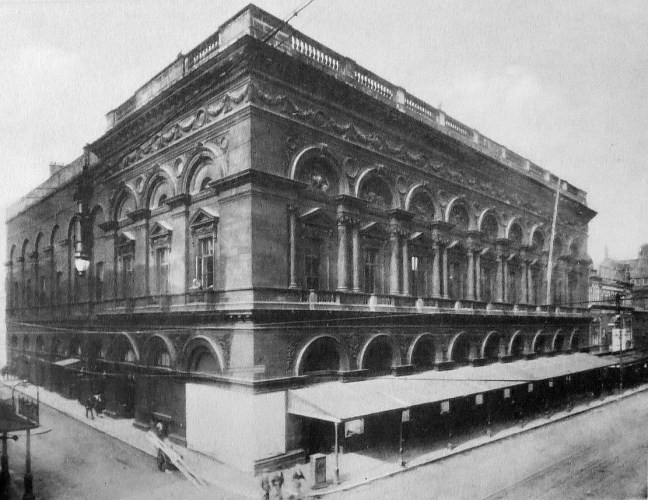
The story begins – and almost ends here.
Aged five or six I was given a plastic Tommy Steele guitar for Christmas.
I was so excited, that I insisted on running down the road, to show it off to my pal Colin Fearns. Setting off apace, then within moments I fell head first onto the wintry flags, crushing the instrument beneath me.
Well, I never felt more like singin’ the blues
‘Cause I never thought that I’d ever lose
Your love, dear, why’d you do me this way
Well, I never felt more like cryin’ all night
‘Cause everythin’s wrong, and nothin’ ain’t right
Without you, you got me singin’ the blues.
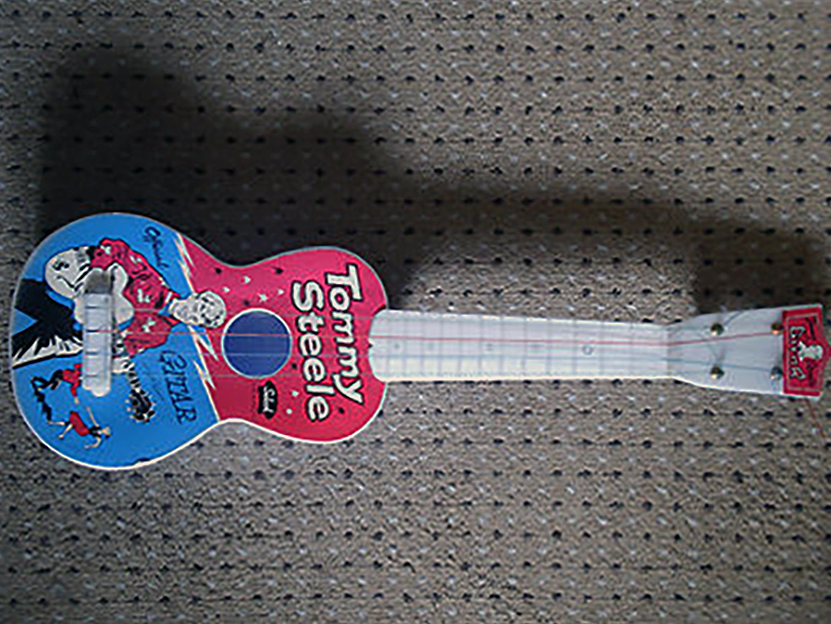
This tragic toddler Tommy Steele related incident apart, my 1950’s childhood was relatively happy, nothing really to bring on or sing the Blues.
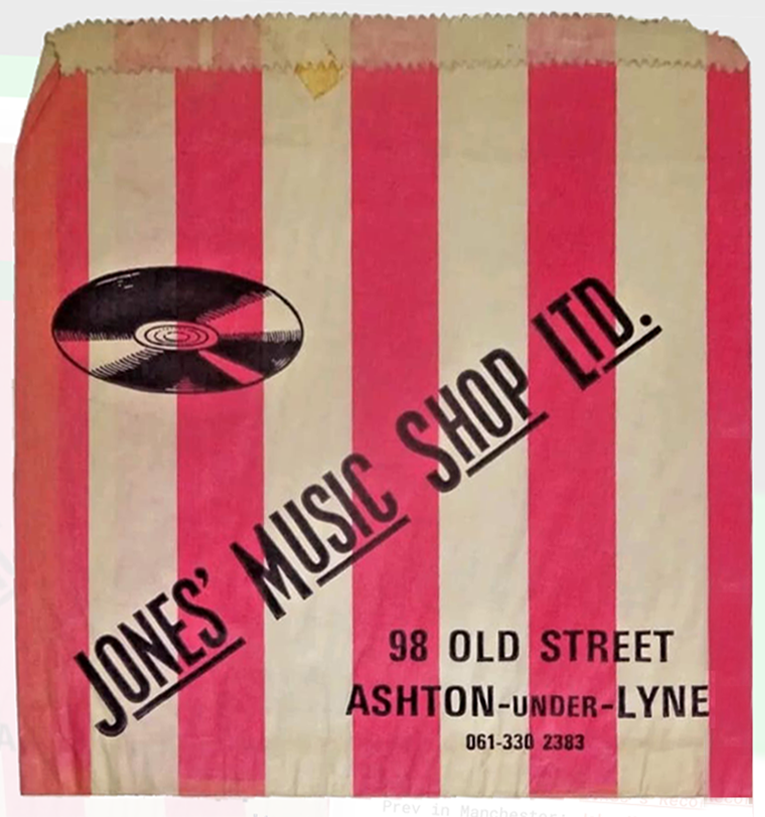
Some years later, I eventually got hold of a cheap boxwood acoustic guitar, bought from Jones’s Music Shop in Ashton.
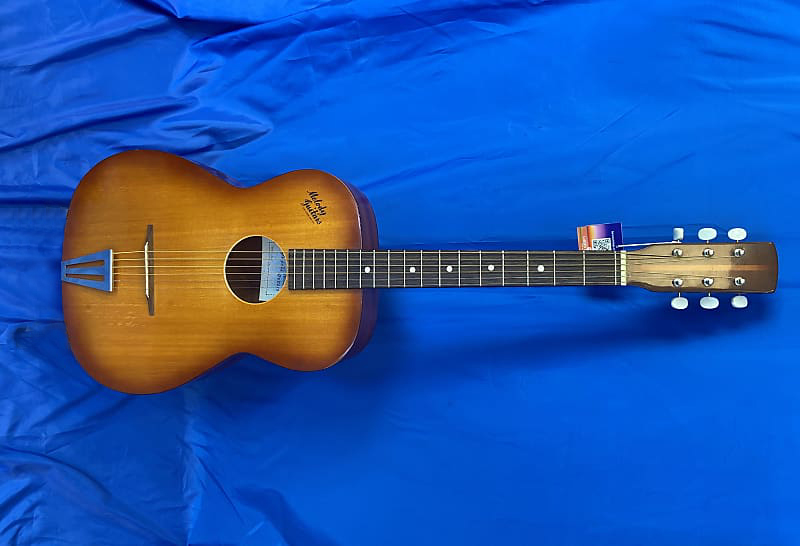
Add a copy of Bert Weedon’s Play in a Day and we are away, though Bert chose to eschew the blues – is there still a tavern in the town?
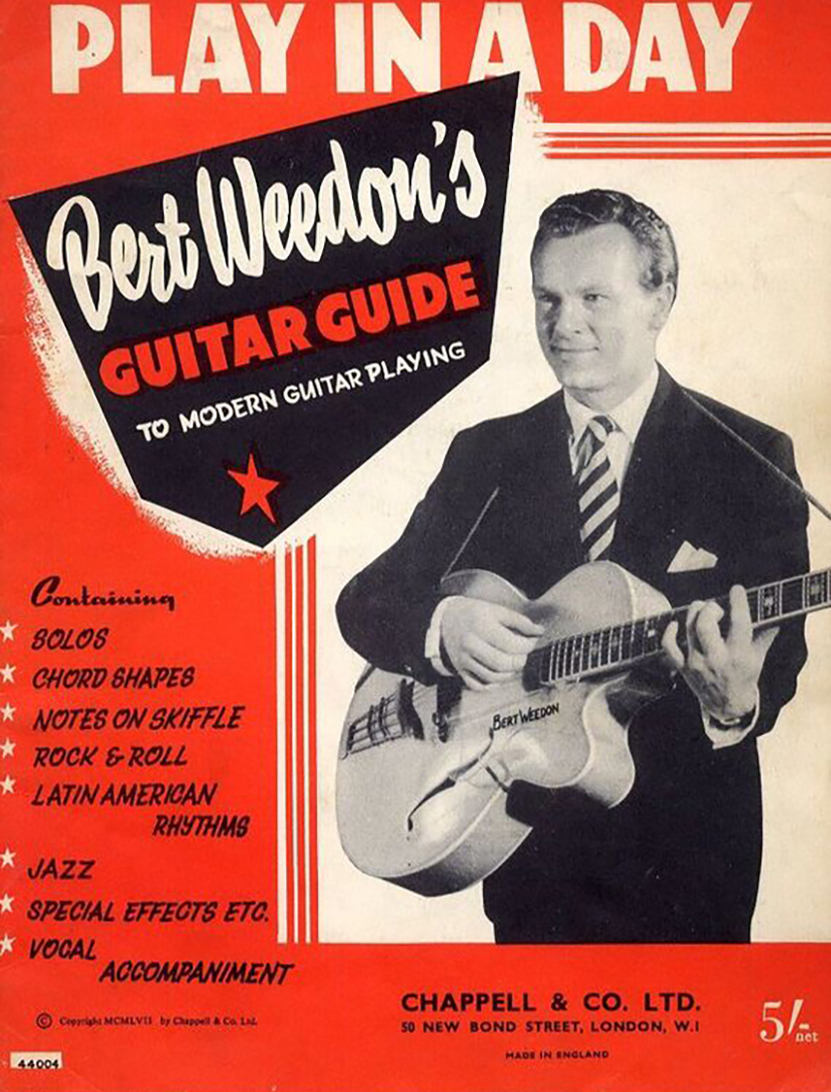
The story begins here, possibly.
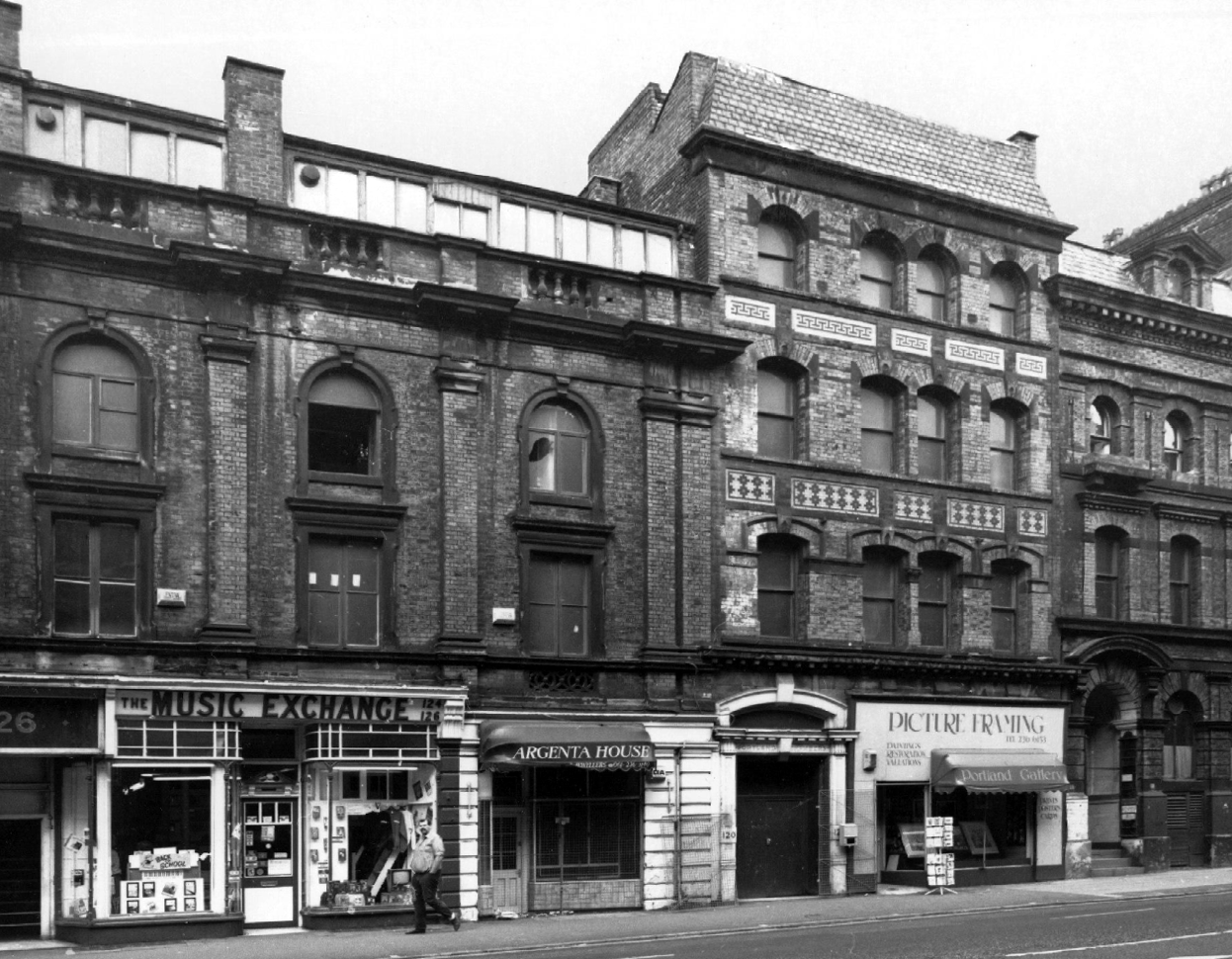
In our early teens, school pal Clive Gregson and I discovered a Chess songbook, probably in the Music Exchange on Portland Street Manchester.
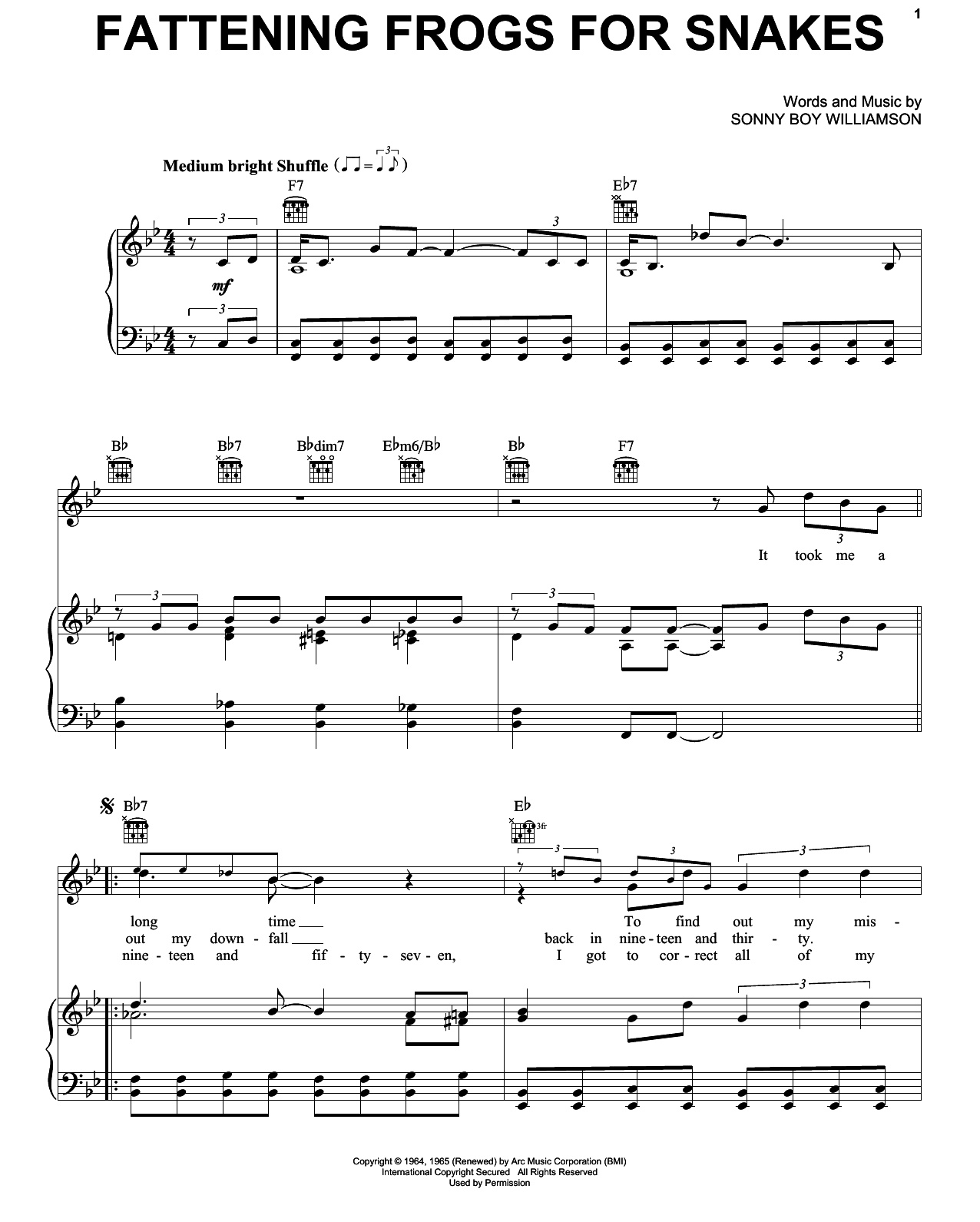
It included this Sonny Boy tune, its title at the time completely shrouded in mystery, what does it all mean?
It tends to mean you’re doing something that only ends up helping somebody else and doesn’t end up helping you.
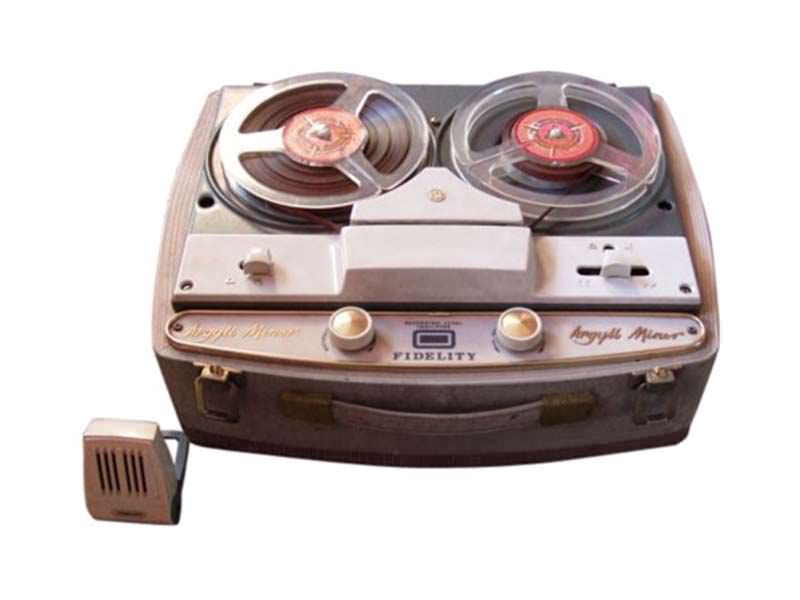
Having never ever heard the tunes, we attempted to play the blues in our own inimitable style. Rehearsing and performing at Albion Schools on Crickets Lane in Ashton. We had acoustic guitars, and a tape recorder microphone, which was sellotaped to a brush stale, and plugged into a small, yet unreliable amp.
The microphone belonged to a Fidelity Argyll Minor reel to reel, my dad had won it in a sales promotion at Mothers Pride, where he worked. Sadly, no recordings of our bluesy efforts were ever preserved on tape.
The story begins here, possibly.
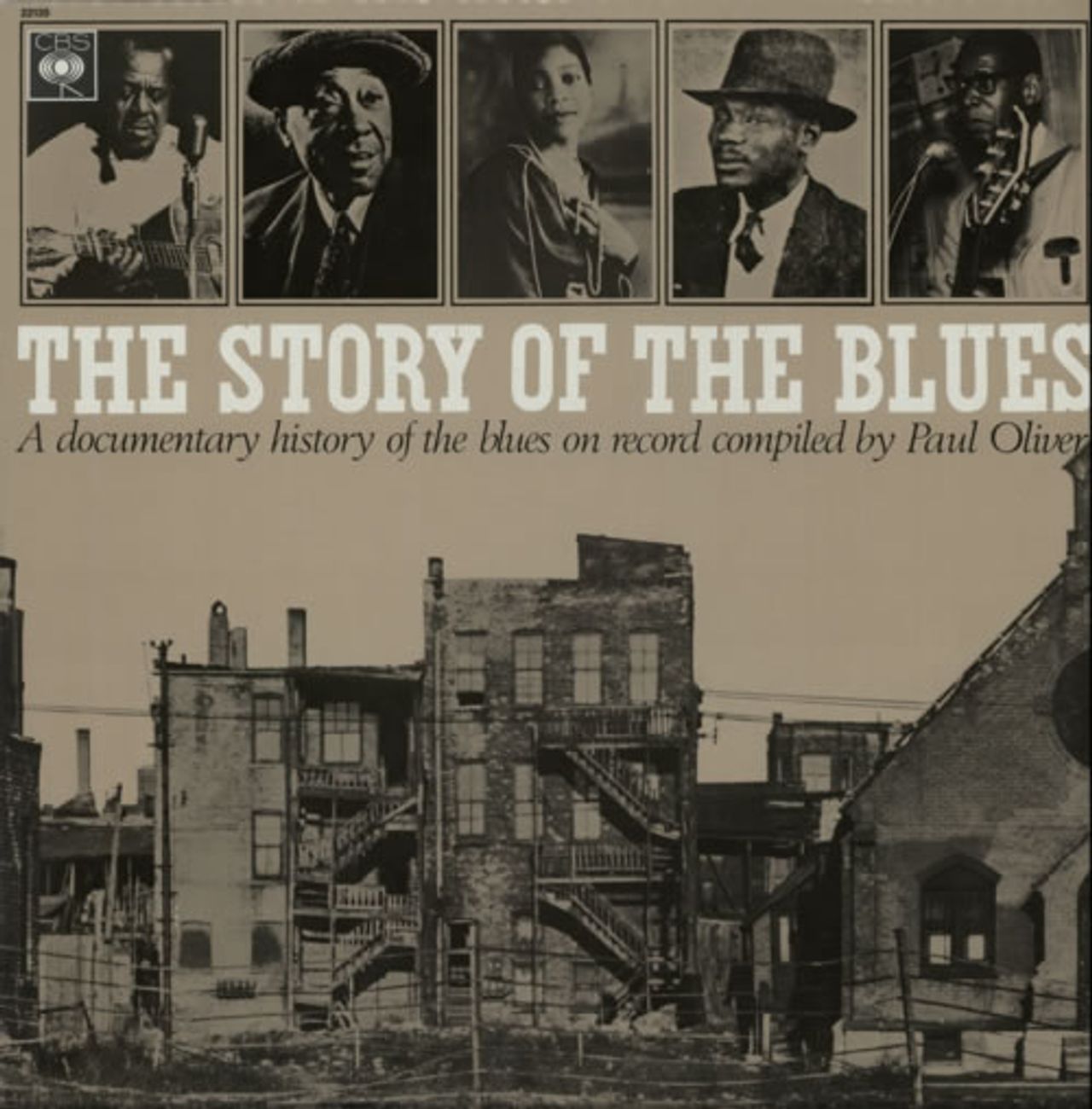
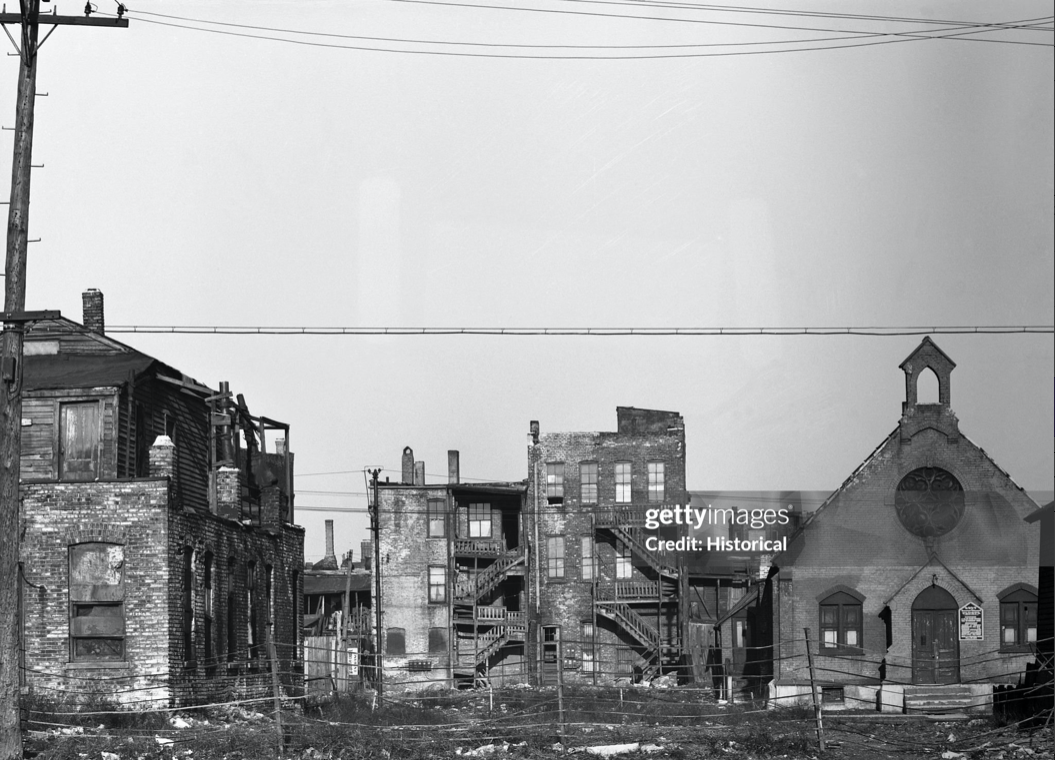
The cover image of Chicago tenements was taken in April 1941 by Russell Lee, for the Farm Security Administration.
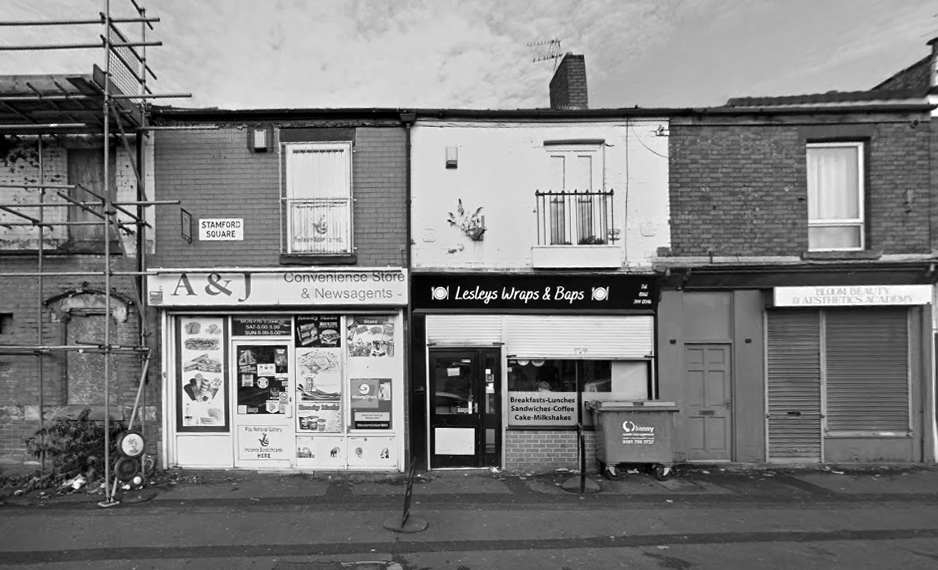
A CBS double LP which I purchased from the record racks of a newsagents in Stamford Square, Cockbrook, Ashton under Lyne – it’s no longer there, and the LP is long gone too.
Coincidentally, in 1972 I used Russell’s image, as the background to my A Level Art pictorial composition exam piece, painted within a stone’s throw of the Ashton College of Further Education.
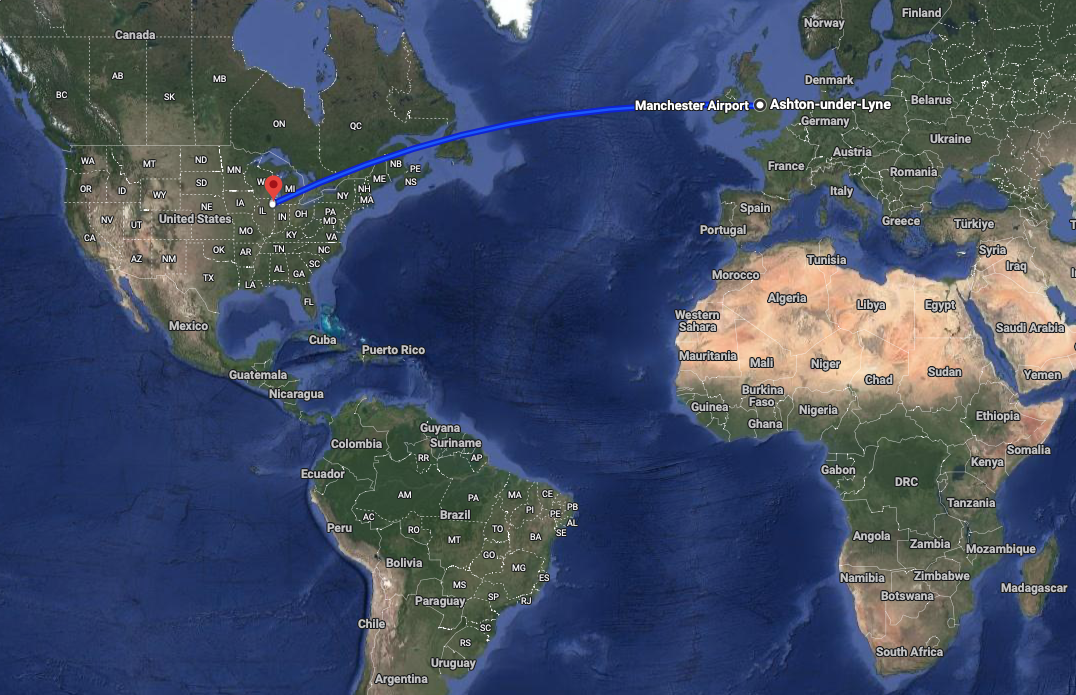
It’s three thousand, eight hundred and ten miles from Ashton to Chicago, but the music reached out to me across the wide Atlantic Ocean. I listened intently to the bluesy grooves, picking up some fingerpicking from Mississippi John Hurt along the way.
Police officer, how can it be?
You can ‘rest everybody but cruel Stack O’ Lee
That bad man, oh, cruel Stack O’ Lee.
It’s four thousand, three hundred and fifty one miles from Ashton under Lyne to Mississippi.
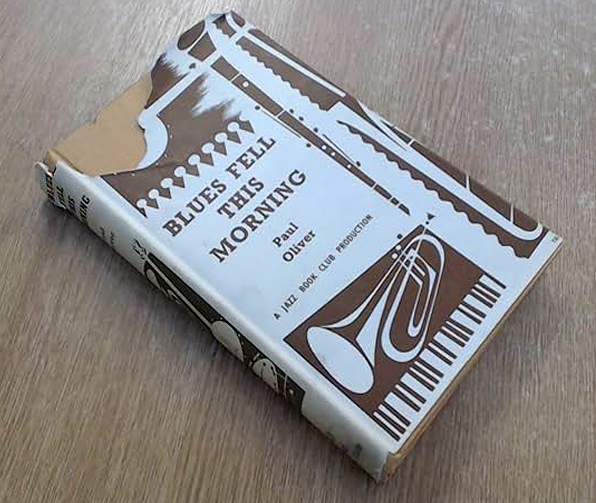
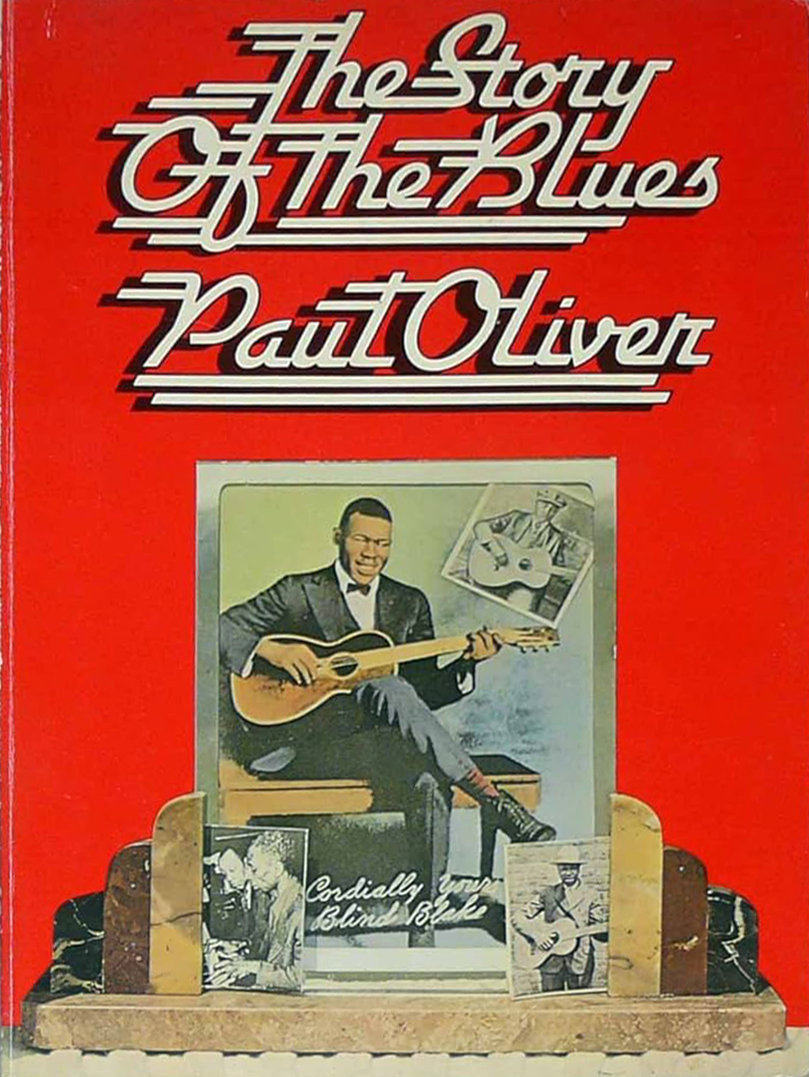
In addition to Paul Oliver’s record compilation, I read his Jazz Club books, borrowed from Ashton Library, later buying his book which went with the LP.
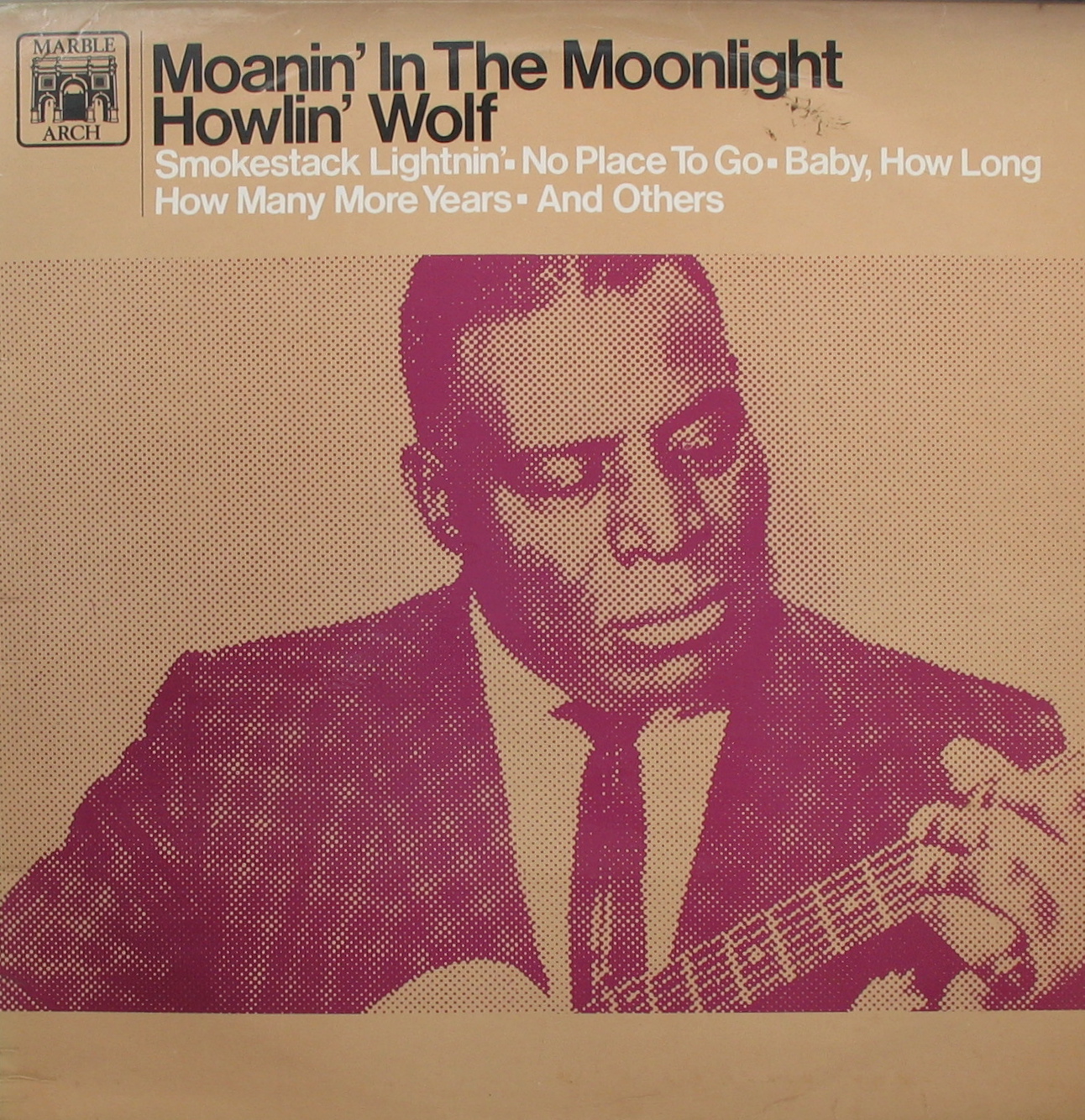
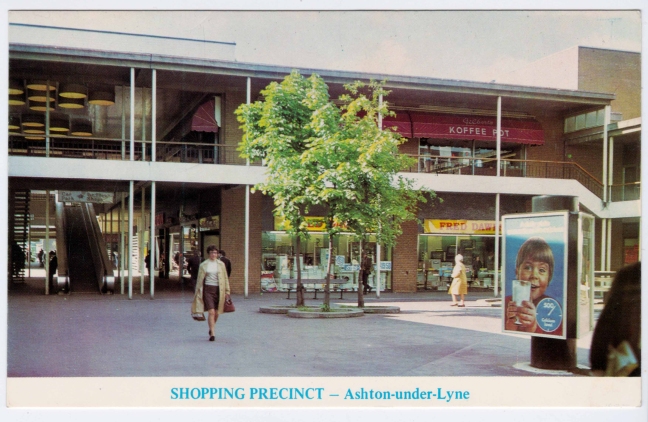
In the late 1960s, there was no easy access to blues music, the TV shop in the Precinct had carousel which contained a variety of Marble Arch Chicago compilations, licensed from Chess Records.
On the radio there was Mike Raven and his R’n’B Show – mixing soul blues and such on Radio One from 1967 to 1971. Real name Austin Churton Fairman, disc jockey, actor, sculptor, sheep farmer, writer, TV presenter and producer, ballet dancer, flamenco guitarist and photographer.
Mike was then superseded by Alexis Korner who in 1978 started to present his Sunday evening blues and soul show on Radio One, which ran until 1982.
Manchester has always had an affinity with the blues – record collectors, promoters and buffs encouraging performers to fly over to perform at the Twisted Wheel and the MSG.
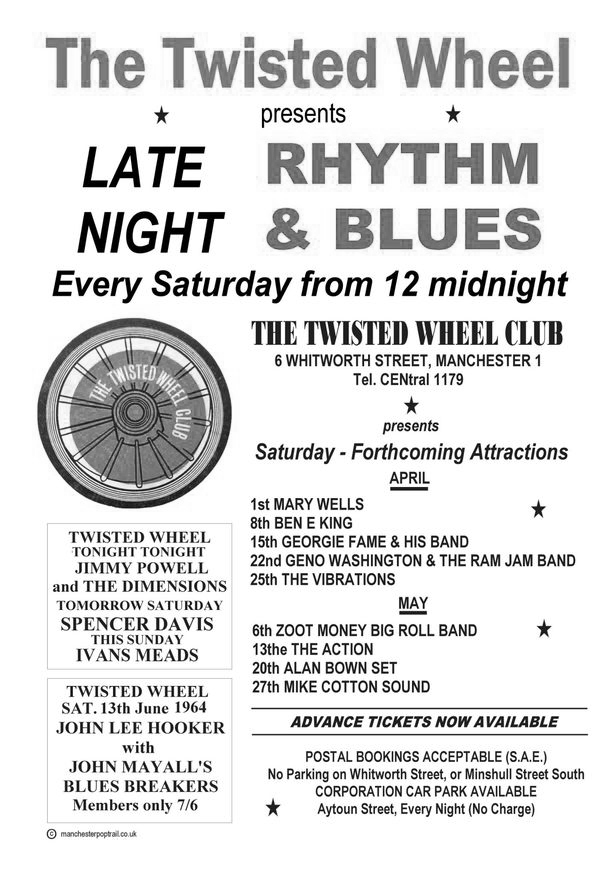
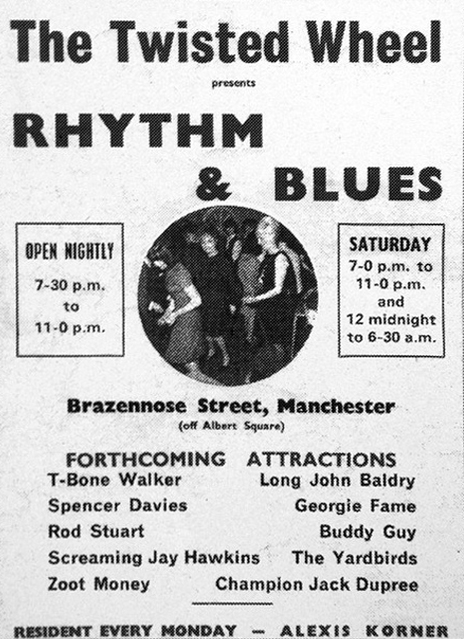
The story really begins here.
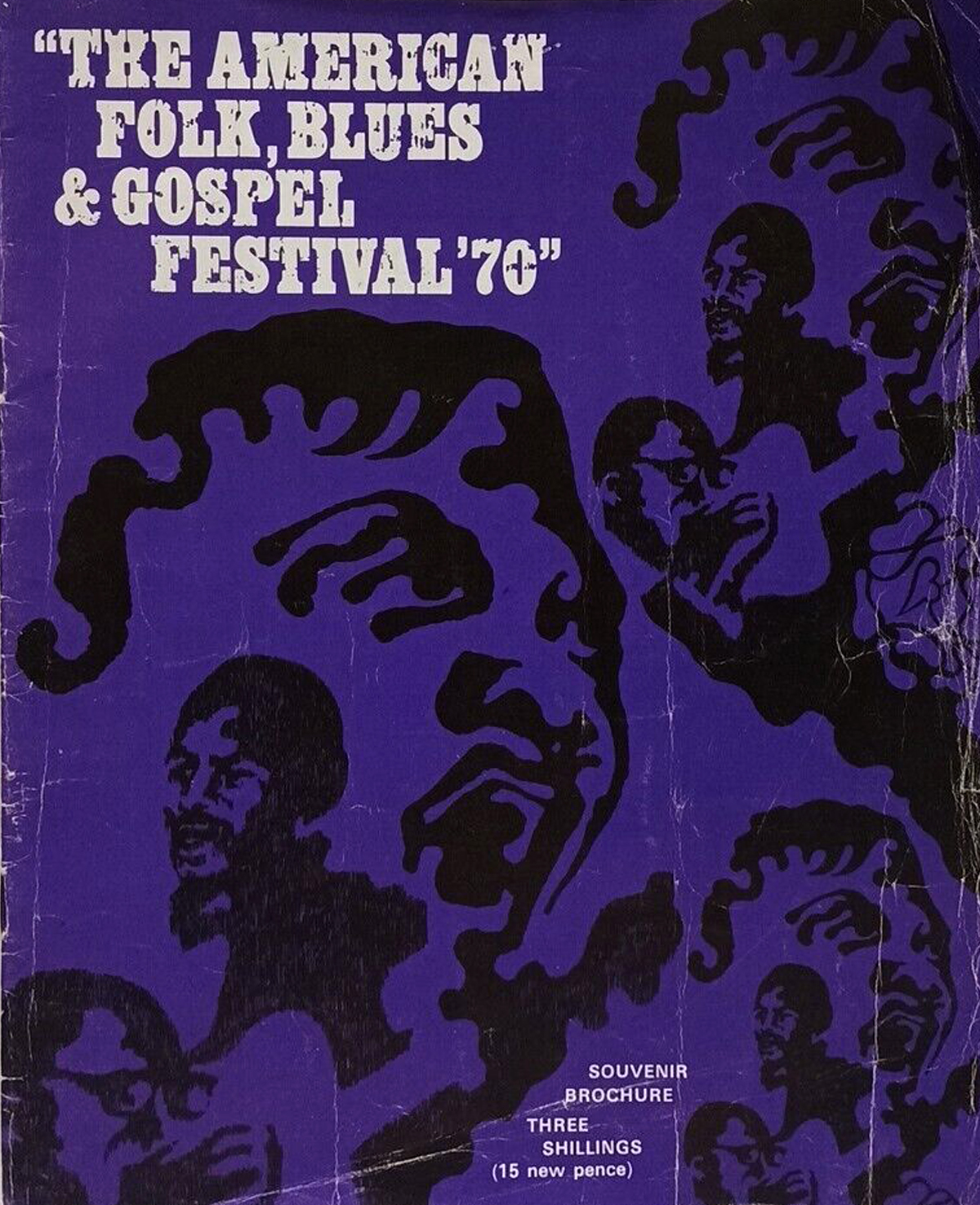
In 1970 aged fifteen I went along alone to the Free Trade Hall to see this show.
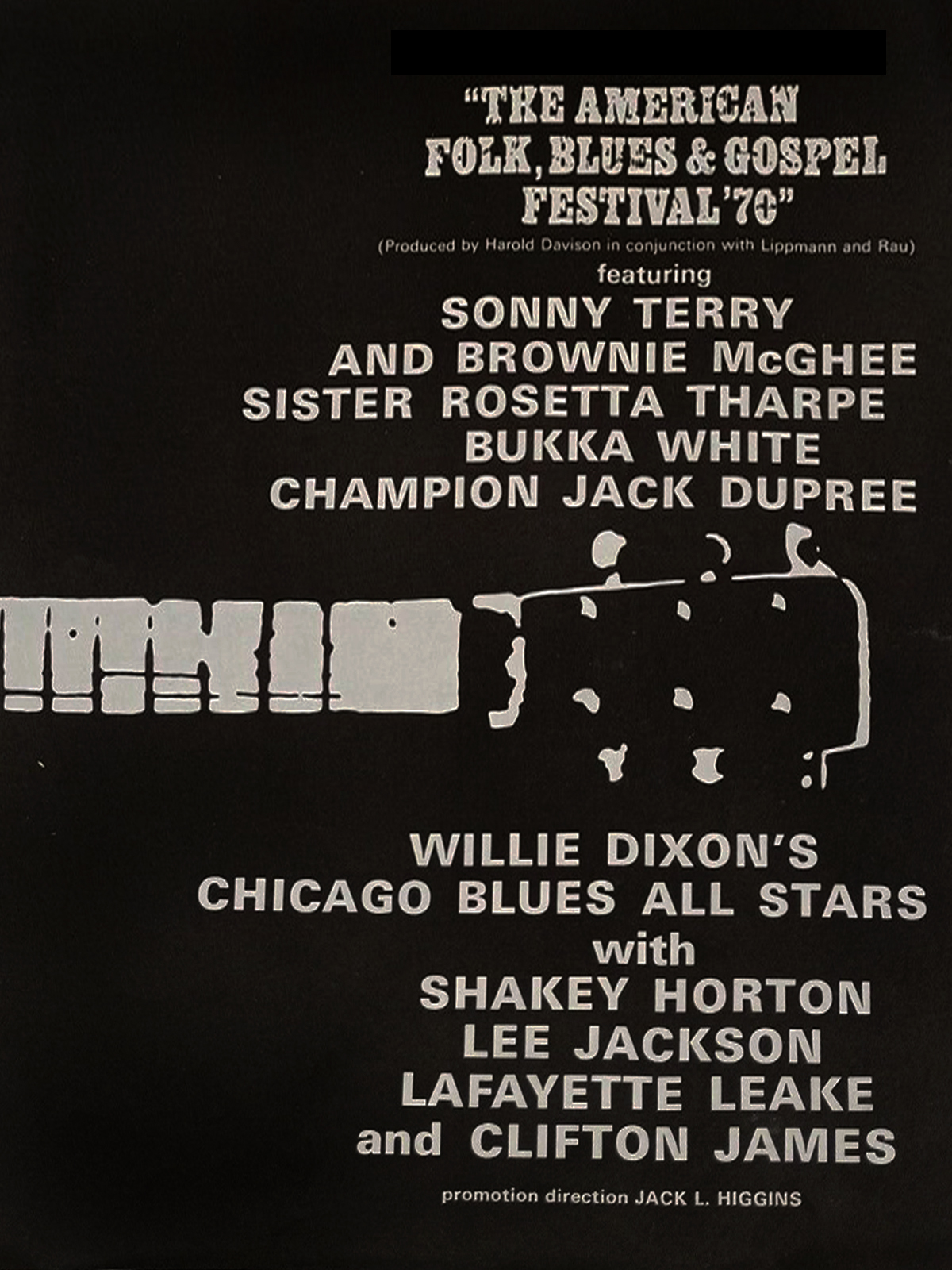
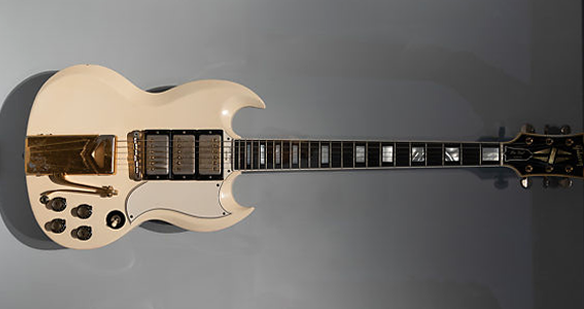
Sister Rosetta a force of nature slinging a Gibson around with righteous verve, a white Les Paul Custom, in 1961, Gibson redesigned the Les Paul model with a thinner, lighter body, a flat top, and beveled and pointed double cutaways. After Les Paul rejected the new design, Gibson rebranded it as the SG Solid Guitar Custom model, and it became the company’s high-end solid body of the early 1960s
Her guitar serial no. 3749, is held in the Metropolitan Museum of Modern Art.
Larger than life in every sense, her soaring voice and hot licks filling the hall with love. It seems extraordinary now to imagine that these giants of Black American music were right here in our town.
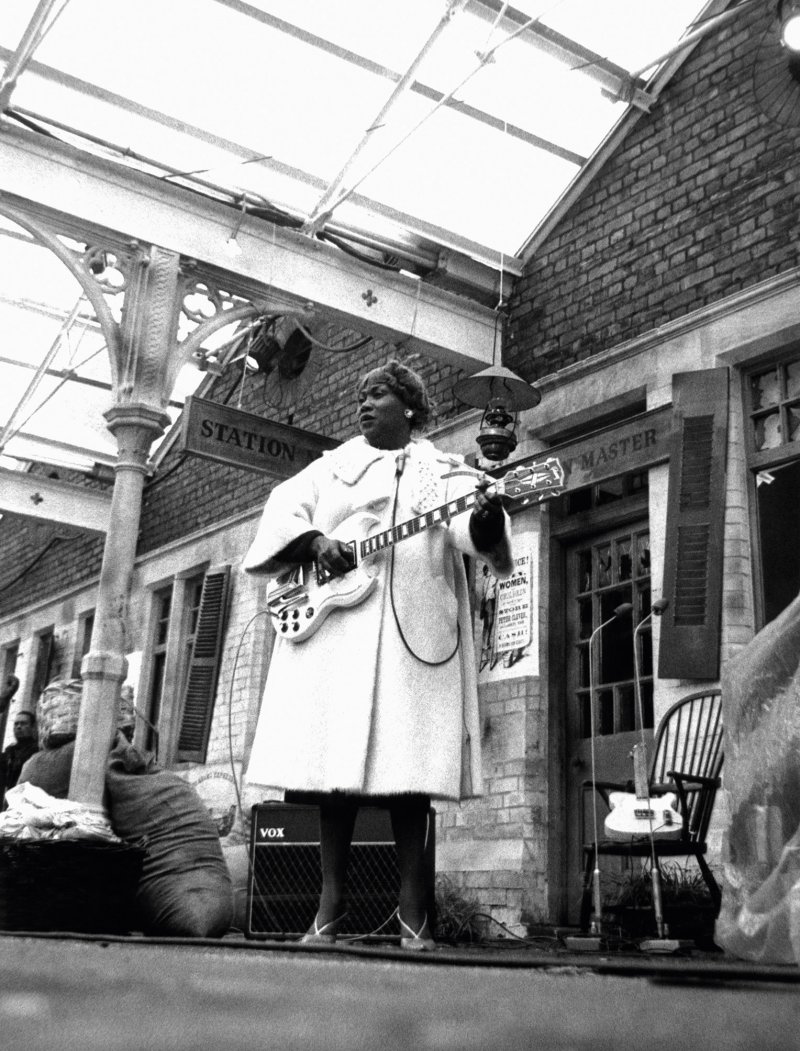
Coincidentally and curiously Sister Rosetta had recorded a Granada TV show in Manchester, at the now disused Wilbraham Road Station on 7th May 1964.
The musicians boarded the ‘Blues and Gospel Train’ at Central Station. When the train reached Chorlton everyone alighted and the gig took place. right on the platform. Whilst waiting for the train to turn up it poured with rain, giving Sister Rosetta a chance to play an impromptu ‘Didn’t it Rain?’
Willie Dixon was the walking bass behind so many Chess sides, along with production and songwriting credits.
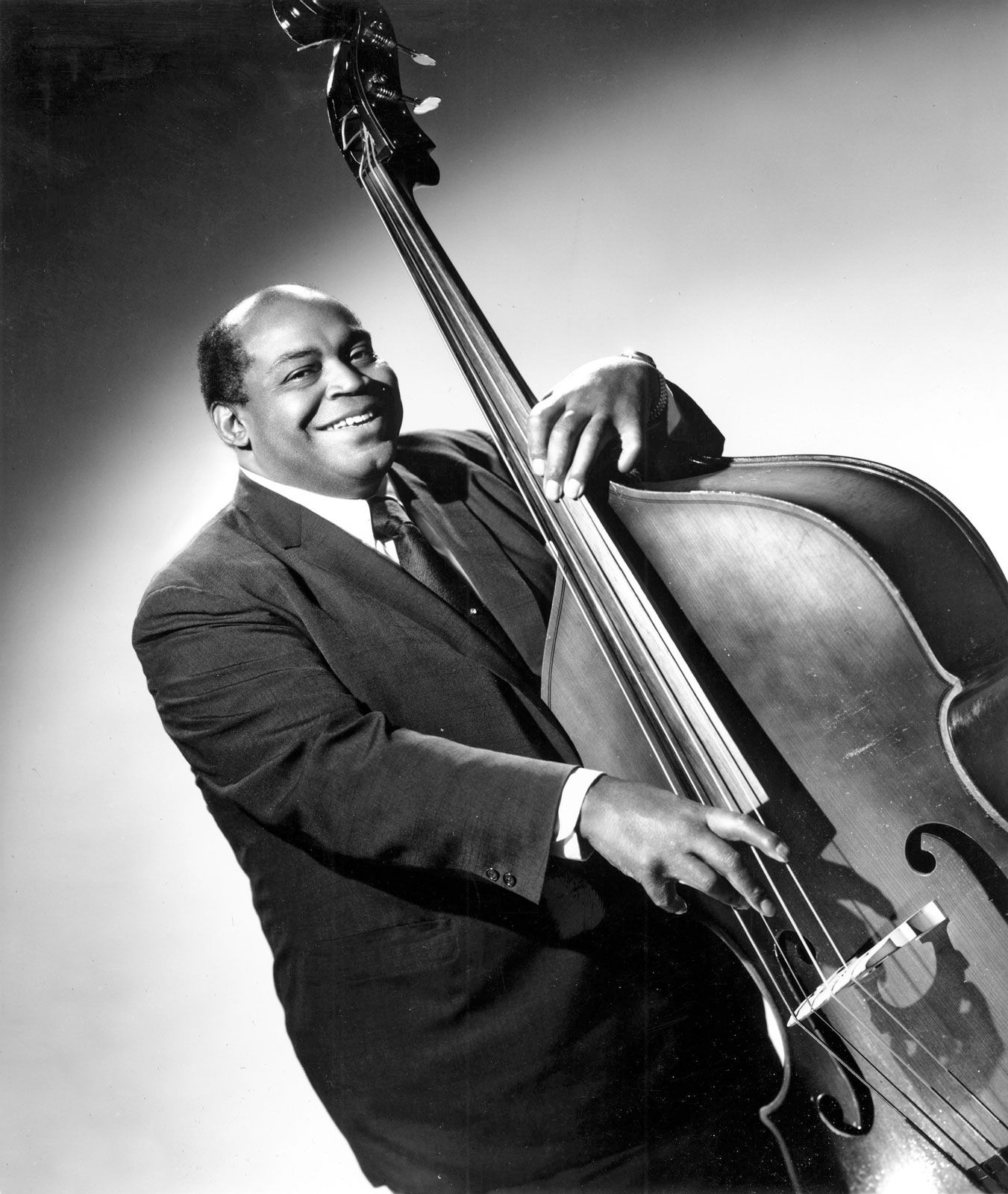
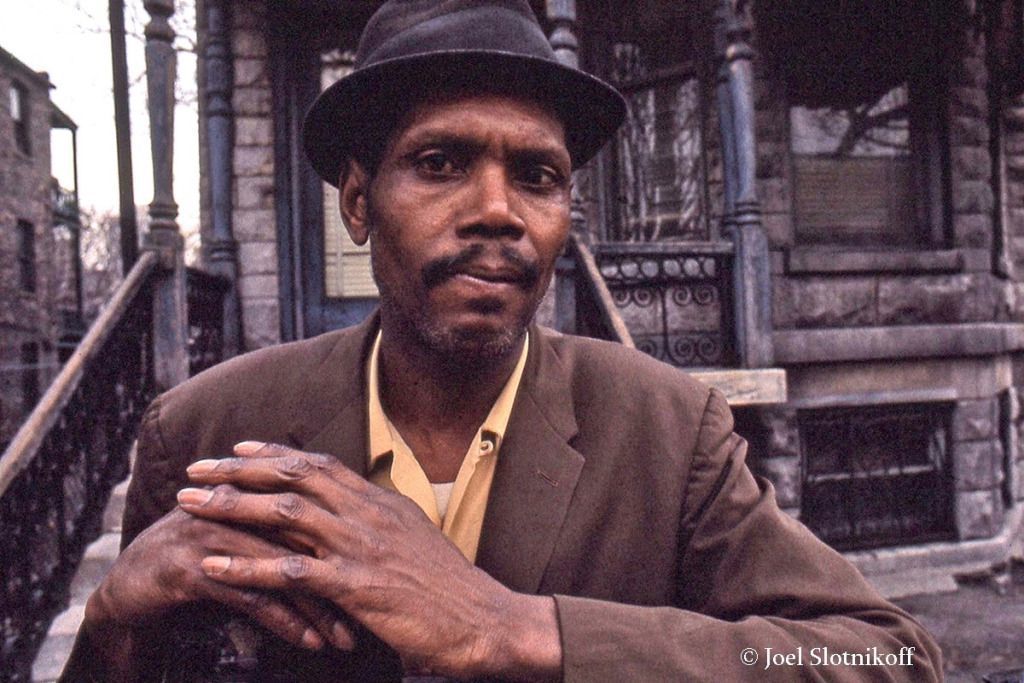
Fronting upon the band was Walter Horton known as Big Walter or Shakey, long lean and besuited he blew and blew, that wail, chilling and spare, his huge hands enveloping and vamping, with just a touch of reverb.
On drums Clifton James, that cool behind the beat rhythm section that typified the Chicago sound, laconic and lean sounding.
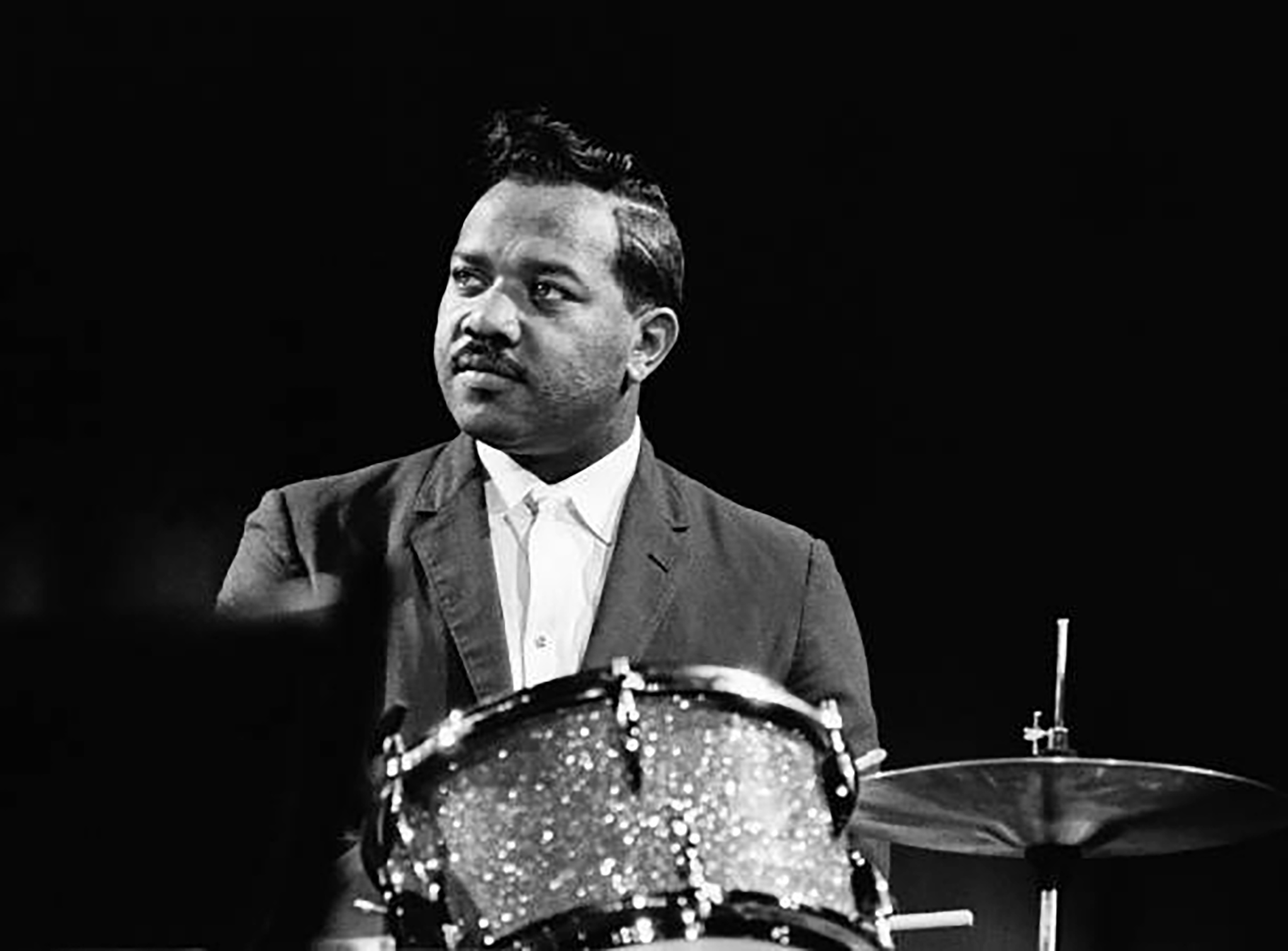
American Folk and Blues Festival Copenhagen 1964: Jan Persson/Getty Images
Lafayette Leake on piano, bending and twisting notes at will.
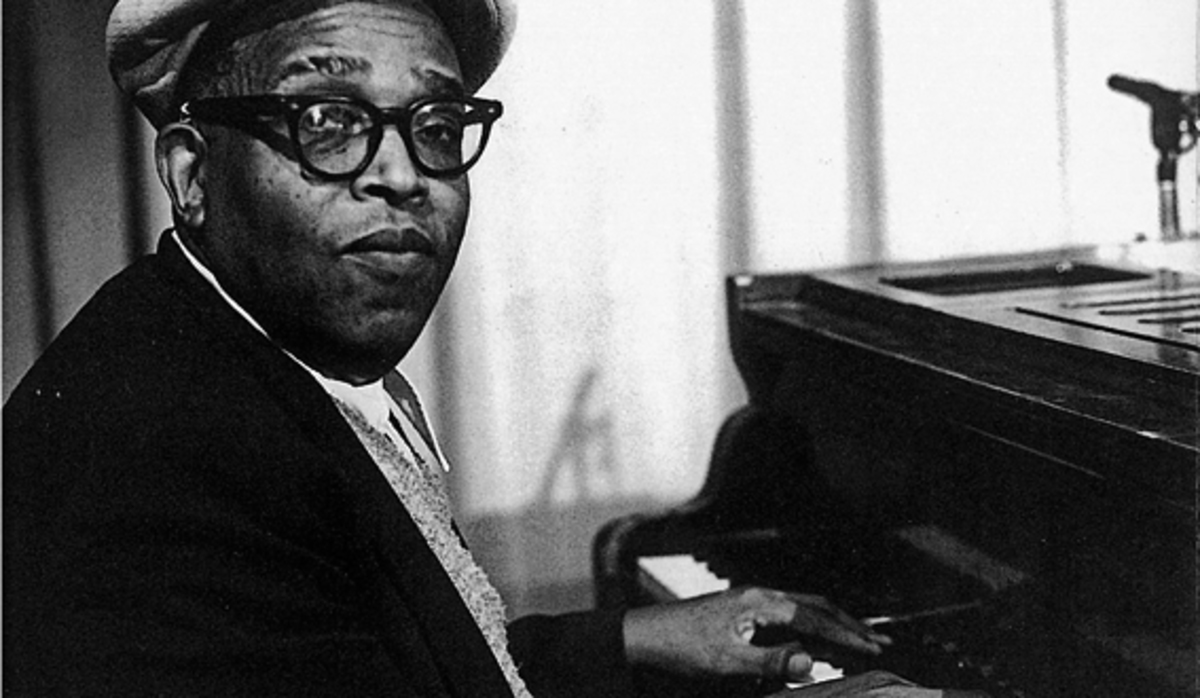
Lee Jackson on guitar, a player whose style pushed forward the role of the electric blues.
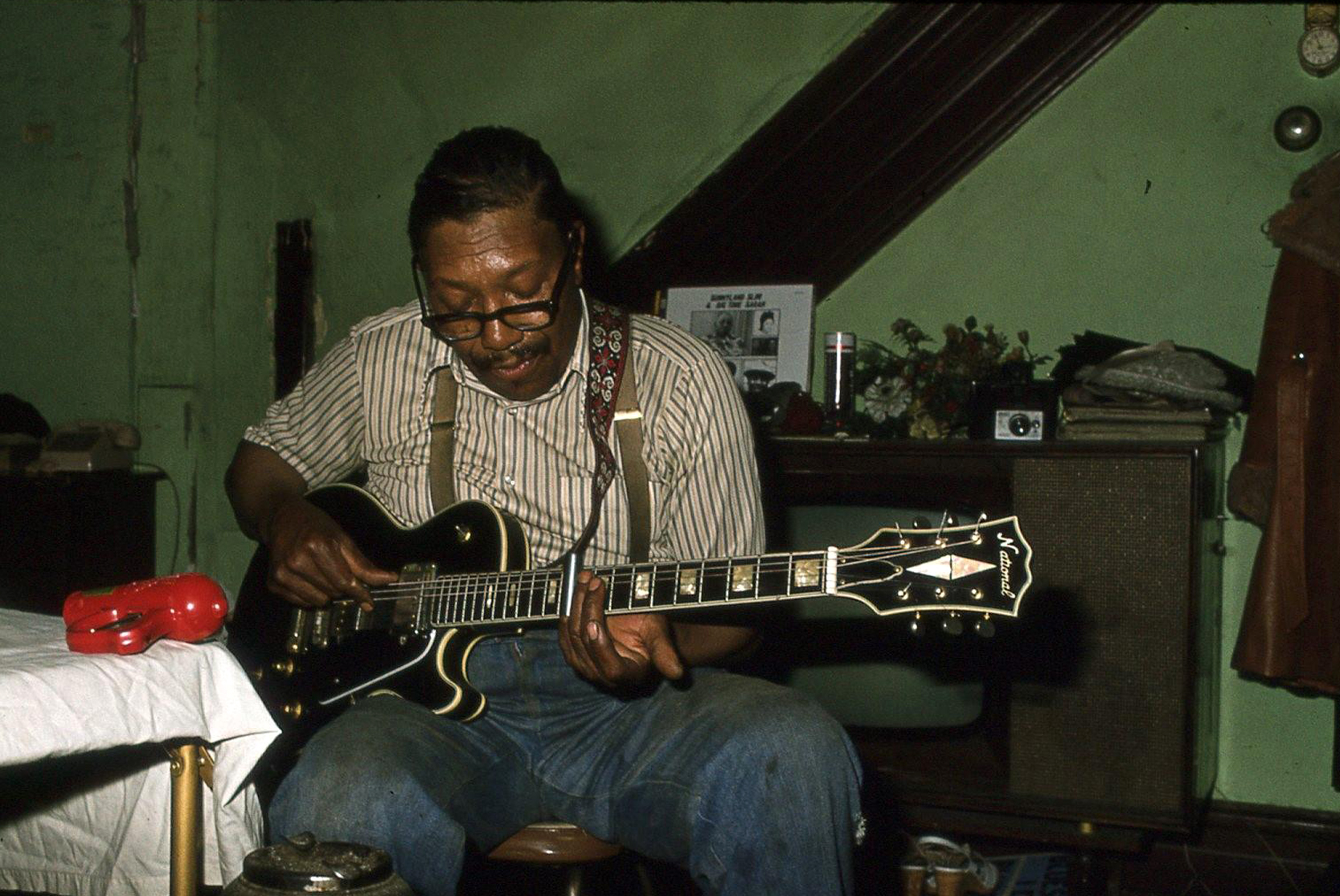
Photo: Alex Küstner
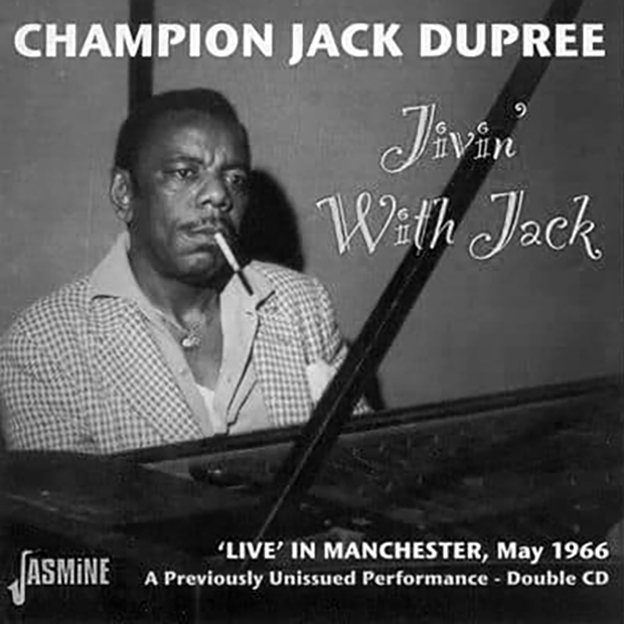
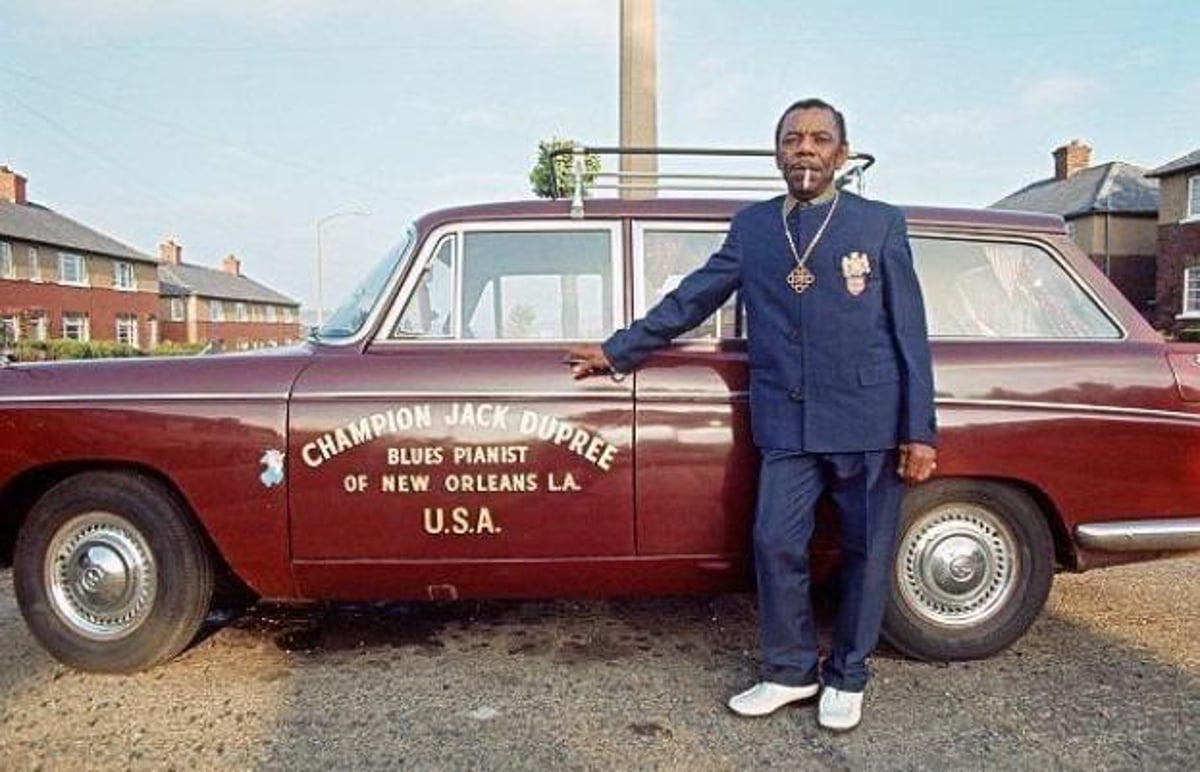
Champion Jack Dupree became a citizen of Halifax, during the 1960’s, Champion Jack and his American station wagon were a familiar, if unusual, sight around Ovenden. Jack had met and married a local girl, Shirley, and their Ovenden home became the base from which he continued touring.
Loved that Crescent City rolling piano style and his sonorous voice.
The stand out artiste for me was Bukka White, the sound of the Delta in downtown down-home Manchester. I was familiar with his recording of Parchman Farm Blues from the Story of the Blues. Along with Son House and Skip James, earlier still Charlie Patton, developing a high lonesome singing style, accompanied by a rhythmic resonator guitar, a chilling sound that cuts right to the heart of your heart.
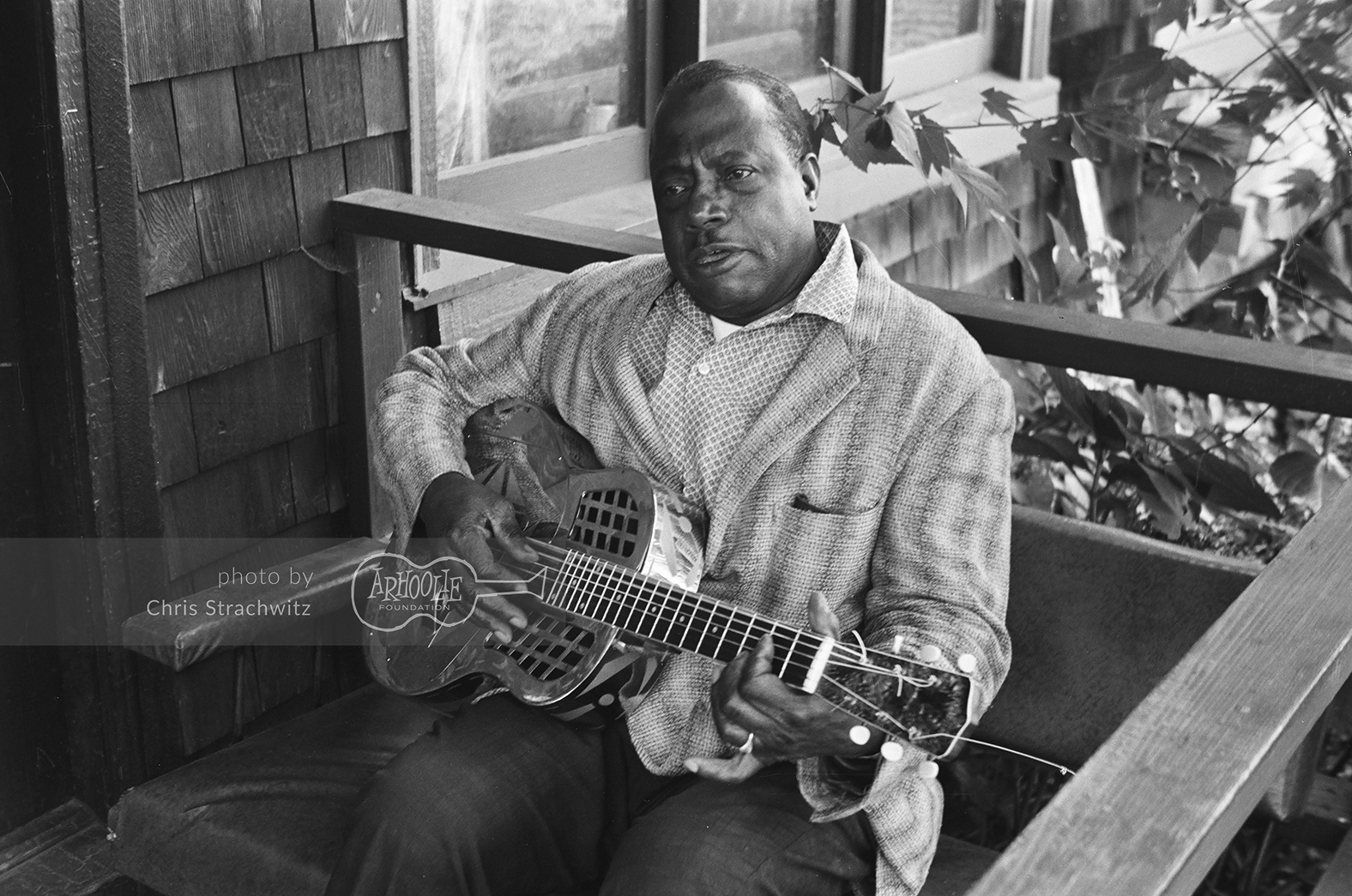
Here was a sixty four year old man, miles from home, sitting alone on the stage.
His father John White was a railroad worker, and also a musician who performed locally, primarily playing the fiddle, but also mandolin, guitar and piano, gave Booker a guitar for his ninth birthday.
Back home in Aberdeen in October, he was arrested and charged with murder over shooting a man in the thigh. He was tried on 8th November, convicted of murder and sentenced to life imprisonment, to be served in Mississippi State Penitentiary, commonly known as Parchman Farm, he was released after serving two years.
In 1959, White’s recording of “Fixin’ to Die Blues” was included on the album The Country Blues, compiled by Samuel Charters for Folkways Records to accompany his book of the same name and a key element in the American folk music revival of the late 1950s and early 1960s. Bob Dylan included a cover version of the song on his first album, released in March of 1962. Dylan’s cover aided a rediscovery of White in 1963 by guitarist John Fahey and his friend Ed Denson which propelled him into the folk music revival. Fahey and Denson found White when Fahey wrote a letter to White and addressed it to “Bukka White (Old Blues Singer), c/o General Delivery, Aberdeen, Mississippi”, assuming from White’s song “Aberdeen, Mississippi”, that White still lived there. The postcard was forwarded to Memphis. Fahey and Denson traveled there to meet him, and White and Fahey remained friends for the rest of White’s life.
Wikipedia
Miles and years apart in terms of time and life stories, we remain immensely moved by the music of long gone blues musicians, all of whom laid down the foundations of most popular music.
 Modern Mooch
As ever, a lovely piece Steve…. & a story, much of which we share. A conversation about how & why we ‘50s Manchester kids found Paul Oliver, Chicago & the Mississippi Delta, needs be had.
My school was in Whalley Range. On a rainy afternoon in 1964 I hopped off the back of the school bus at the junction of Alexander Road & Mauldeth Road, because I’d spotted something going on. I was just in time to see Sister Rosetta strap on her custom Gibson SG & strut into “Didn’t it Rain”. My my, wasn’t I the lucky kid!
LikeLike
Cheers Phil – glad that you enjoyed the post and glad that we both enjoyed the joy of Sister Rosetta. It’s our good fortune that we were able to catch the last of these blues shows and live in a city that embraced so many musical forms.
LikeLike
A lovely piece, as ever Steve. A conversati
LikeLike
Tragic short story elements with your Tommy Steel guitar misfortune.
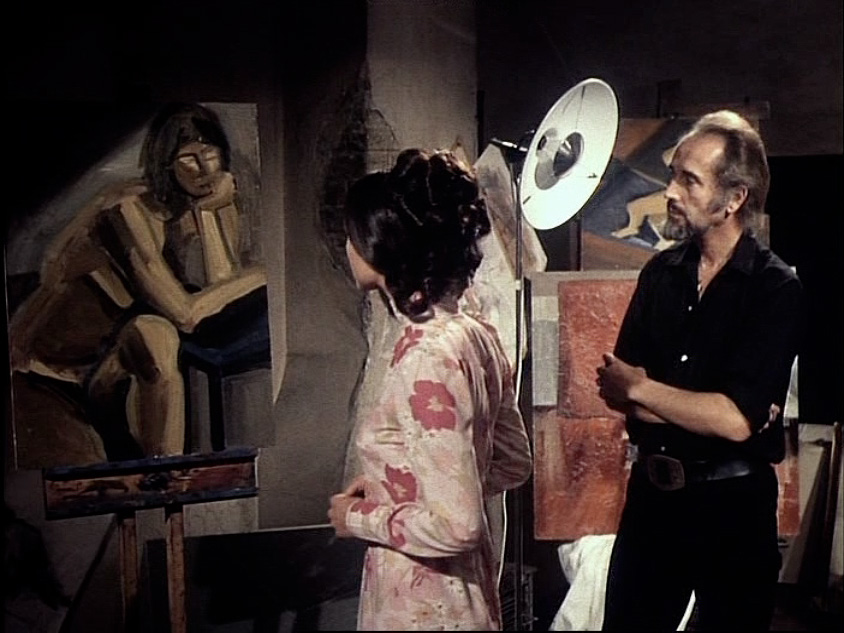
Great to see that old postcard of Ashton-under-Lyne shopping centre and the still from Crucible of Terror (1971) – not a great film perhaps, but filled with a heightened sense of Cornwall and its lost mines. If you have the time, do skim my personal review (attached) – I always try to do these so I don’t unnecessarily rewatch certain pointless films and only realise, halfway through, that I’ve seen them before.
Best wishes, Lawrence
LikeLike