Coventry – Railway Station

Steven Parissien, director of Compton Verney Museum in Warwickshire, says:

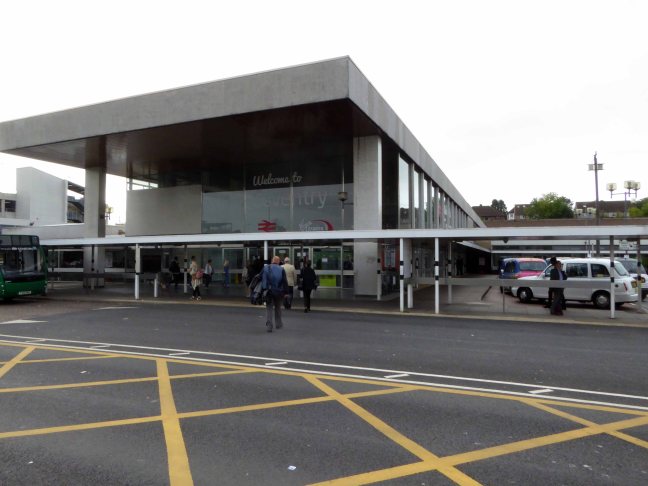
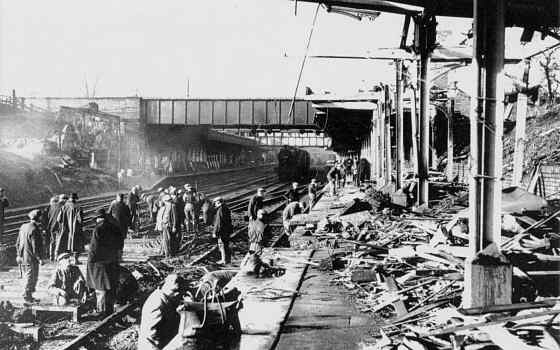
“Coventry is a great station. Its predecessor was pummelled to bits but it really wasn’t particularly marvellous anyway.
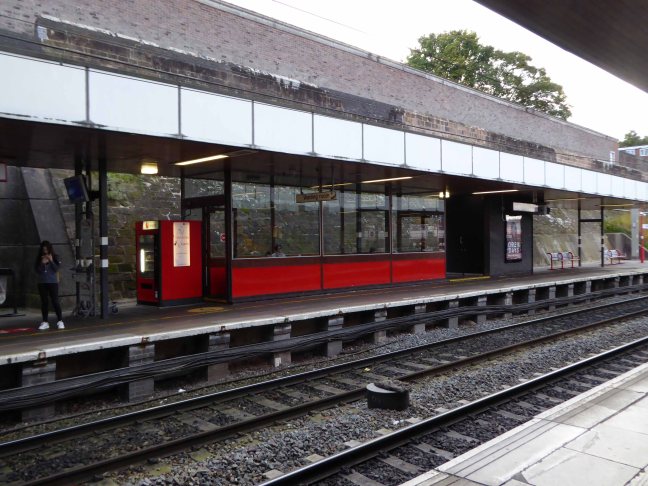
station-platform1940

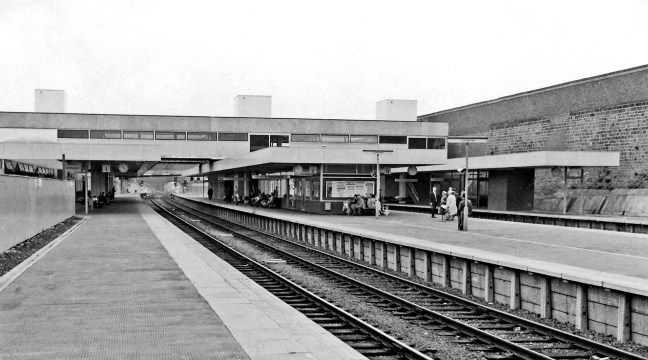
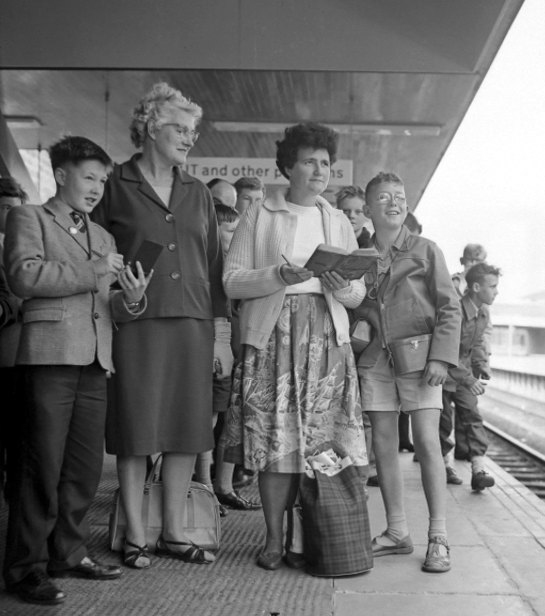
“The new station really came into its own. Built in the same month as the cathedral, in a way it was just as emblematic as the cathedral, though not quite so famous.
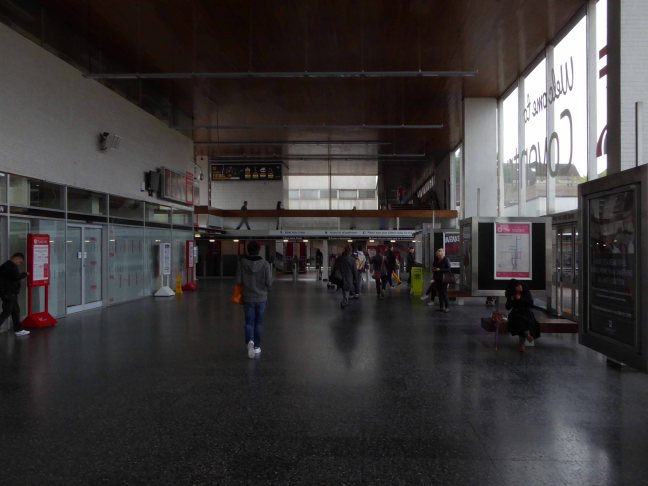
“It’s a light and airy place with a nice design. You do come out and have the ring road right in front of you which pedestrians have to guess where to go but that’s not really the fault of the station developers.”

coventry_station_newly_rebuilt_geograph-2986359-by-ben-brooksbank

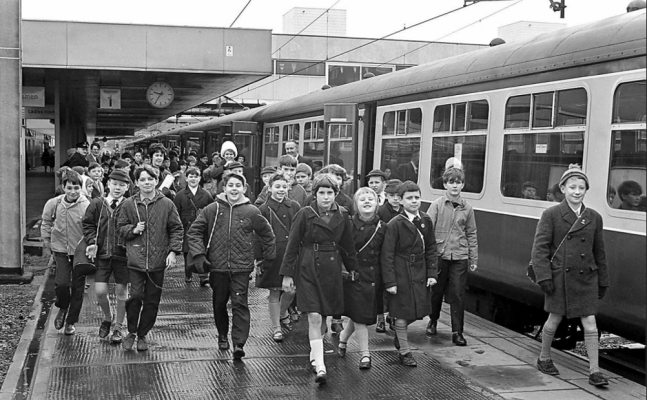
screen-shot-2016-09-30-at-12-14-04

screen-shot-2016-09-30-at-12-14-28

The original station was built in 1838 as part of the London and Birmingham Railway and could be entered from Warwick Road, where two flights of stairs took the passengers down to the platform. Within two years it had been replaced, with a new larger station, a few hundred feet nearer to Rugby, this time, accessed via Eaton road. In the late 19th century the Coventry tram network extended to the station at Eaton Road. The original station remained in service as the station masters offices, until the station was redeveloped in the early 1960s by the London Midland Region of British Railways.

Architects Derrick Shorten worked with John Collins, Mike Edwards and Keith Rawson.

Sent to Coventry, under an imperative to explore the post-war redevelopment of a great city, I arrived by train, more than somewhat unsurprisingly at the station.

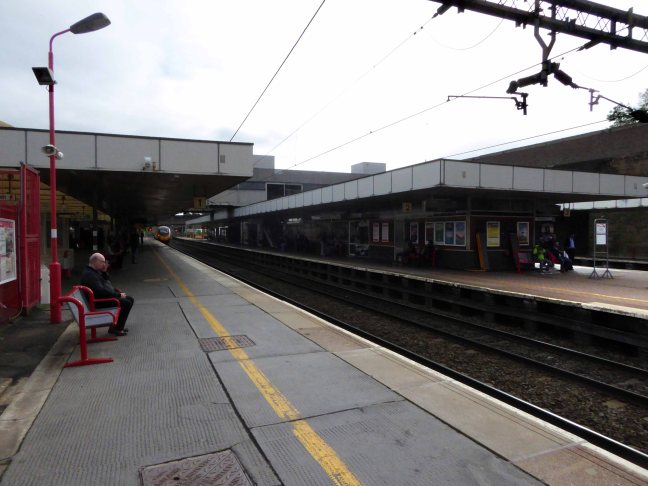
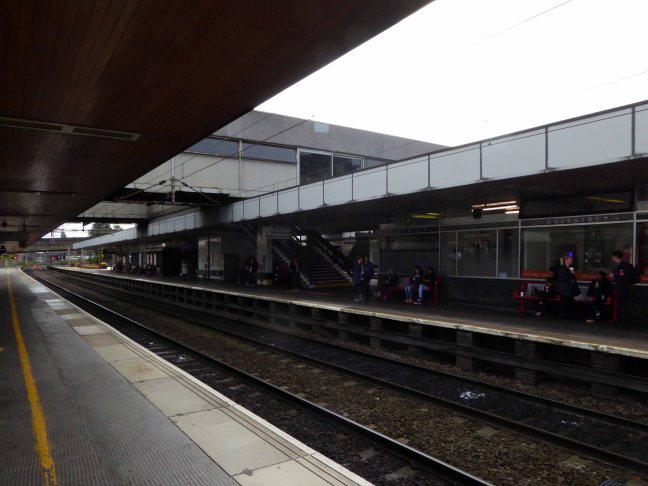
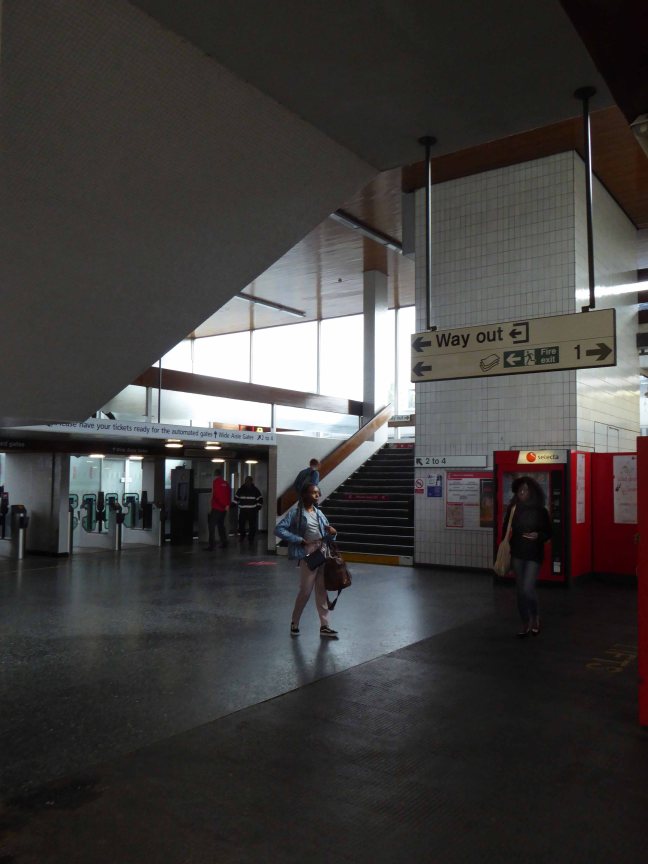
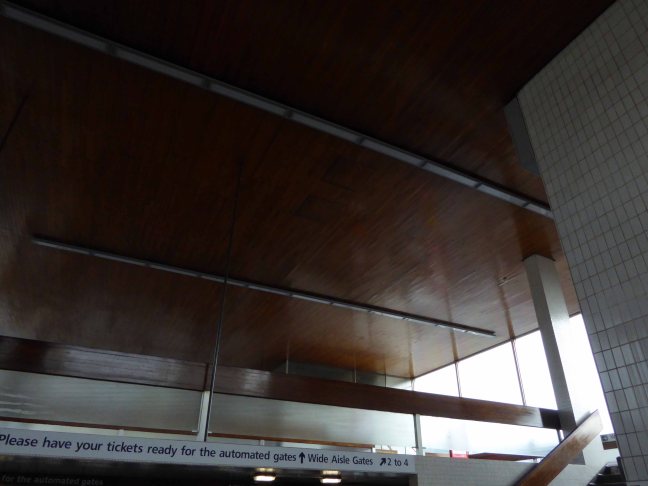
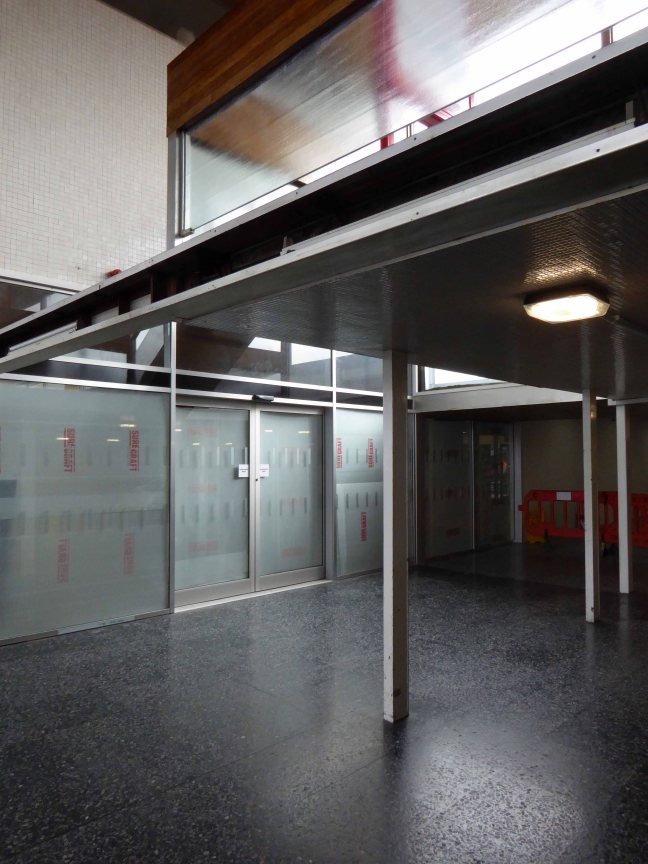
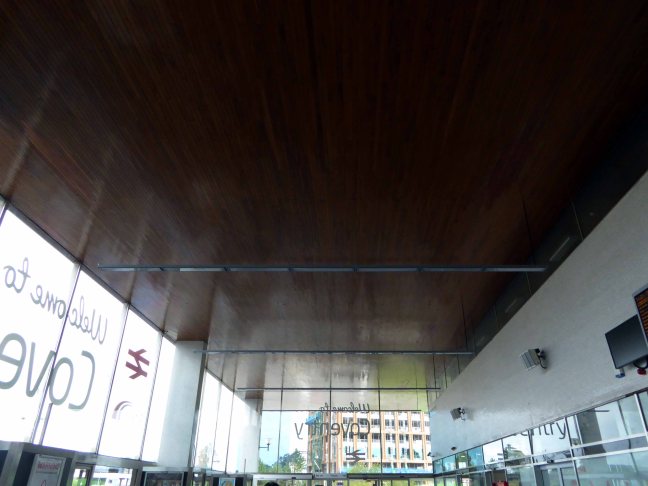
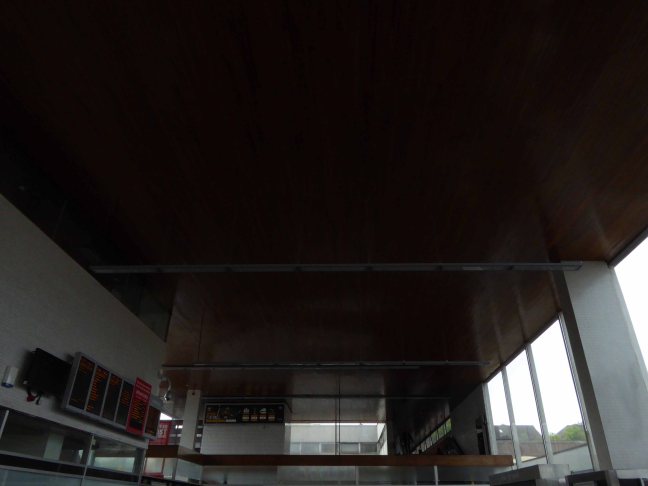
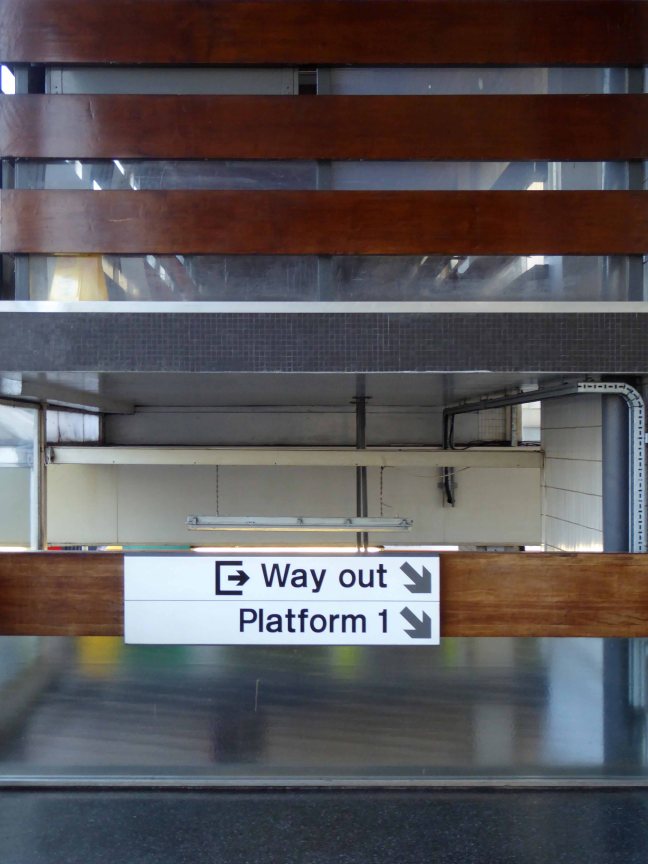
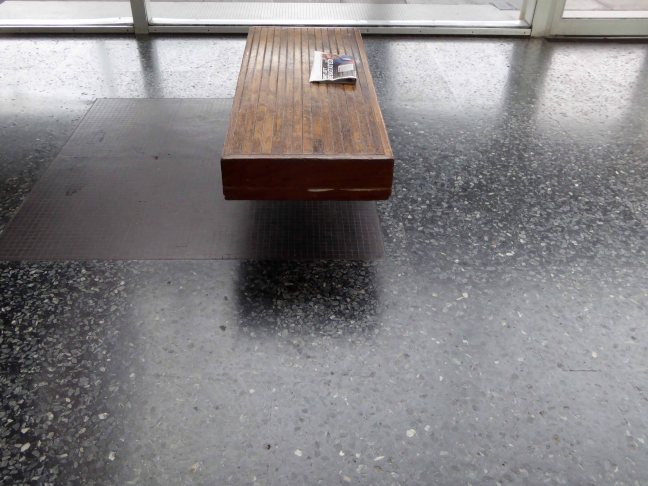
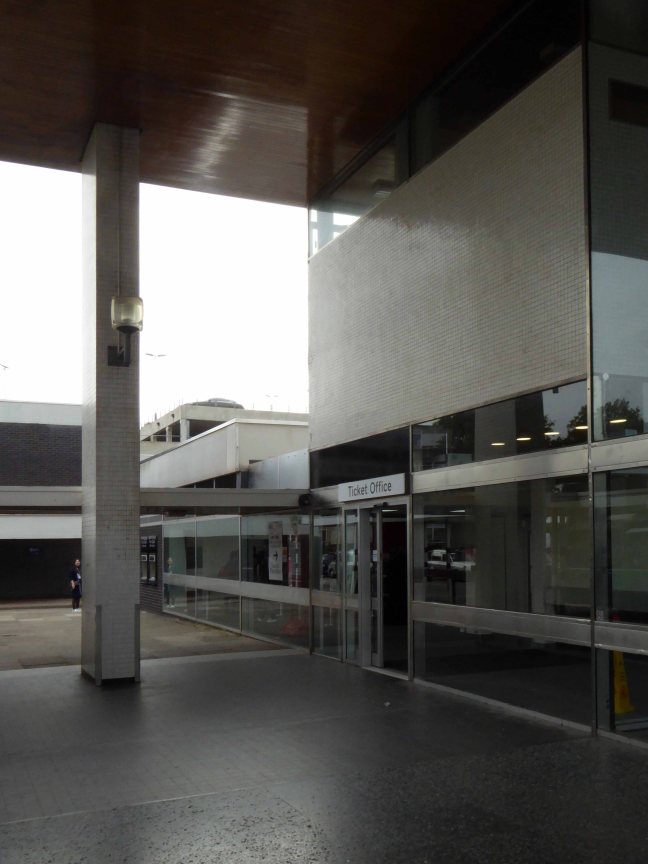
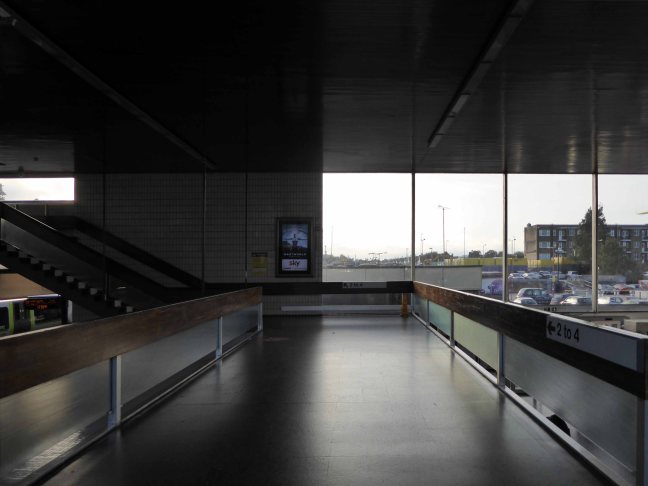
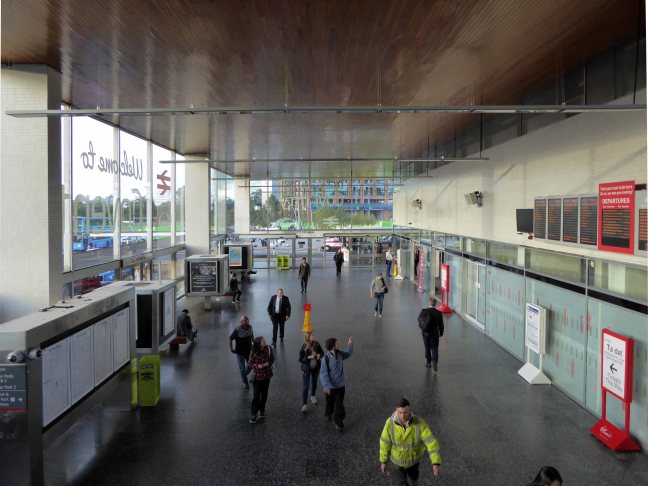
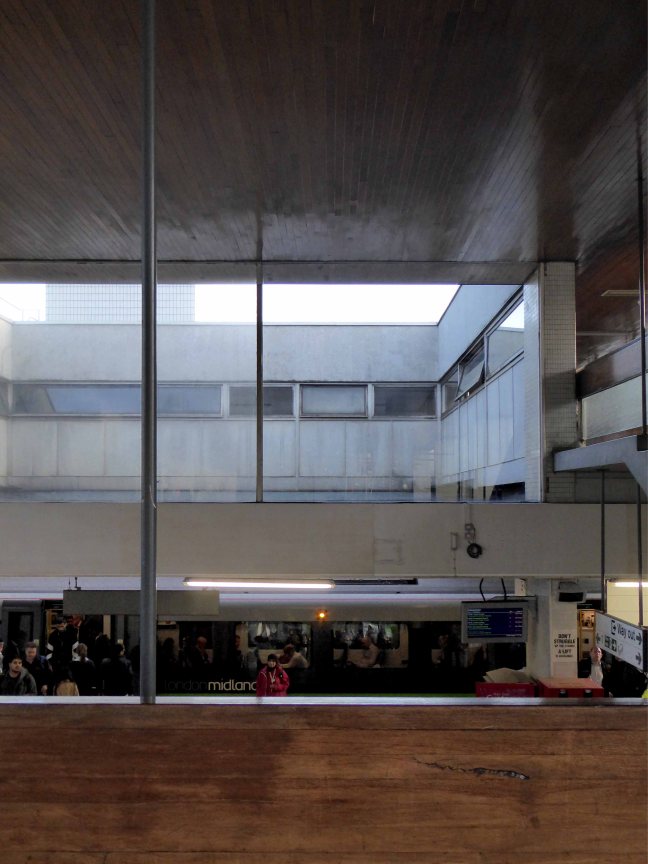
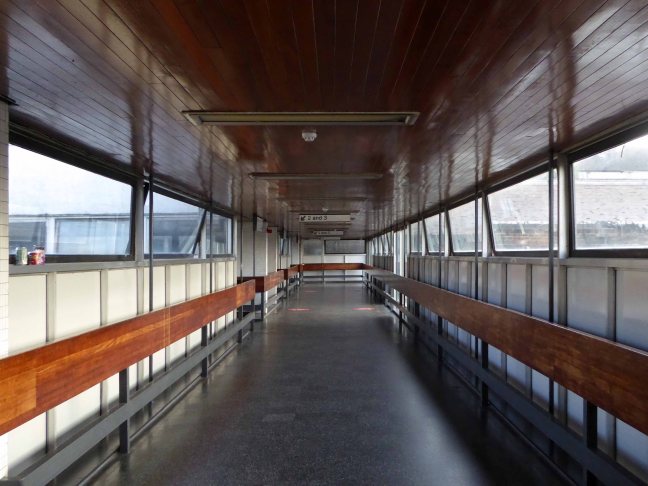
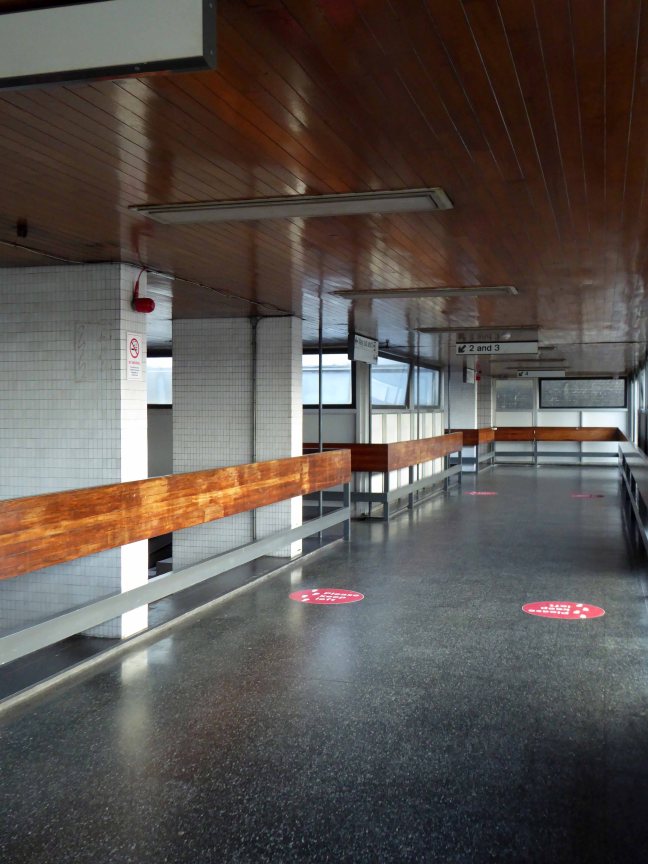
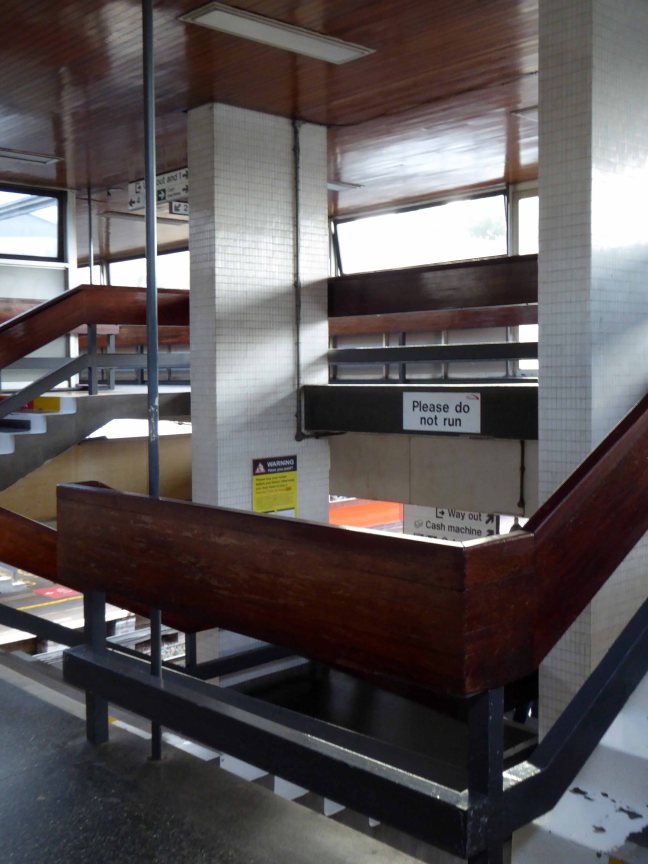
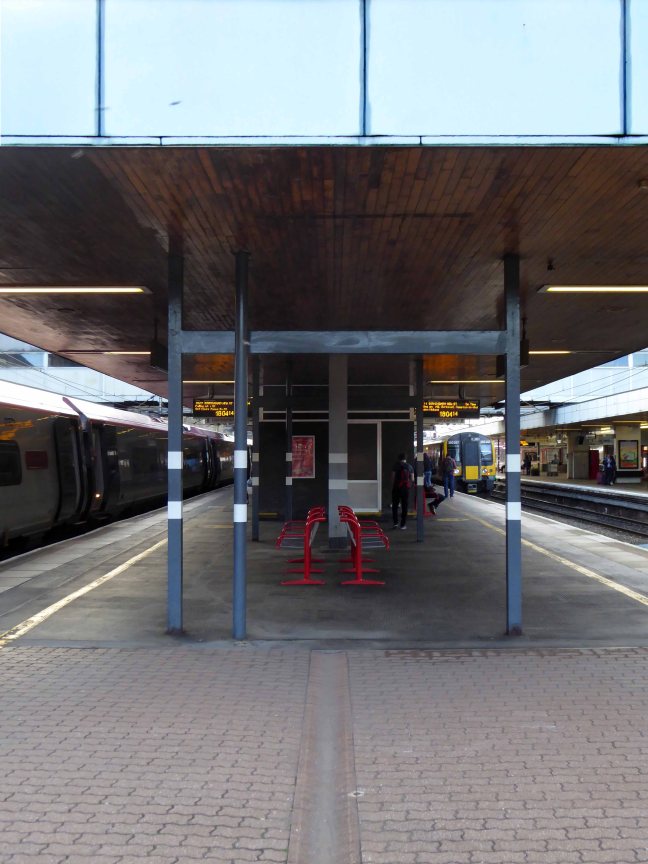
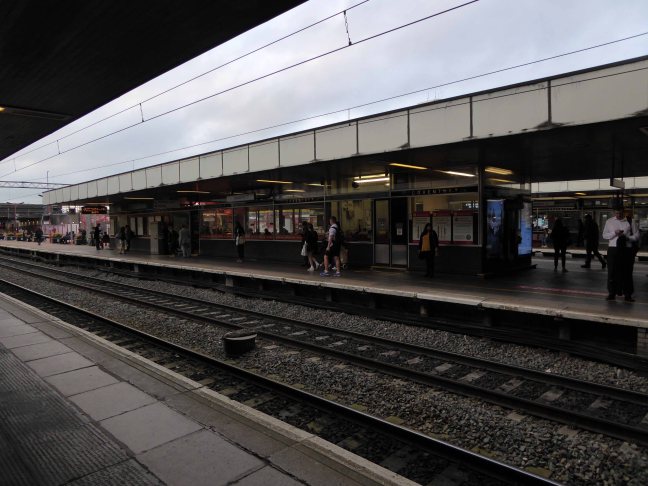
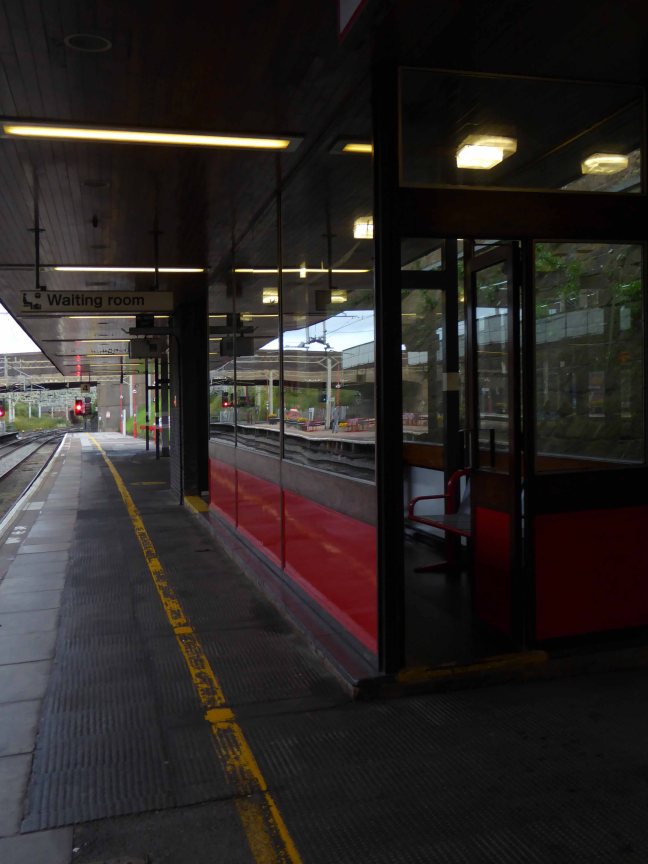
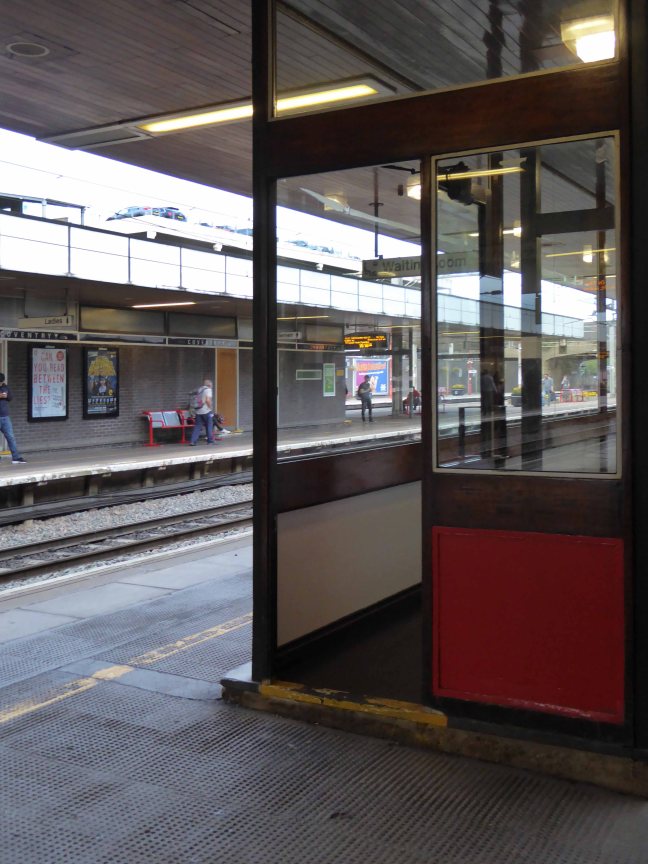
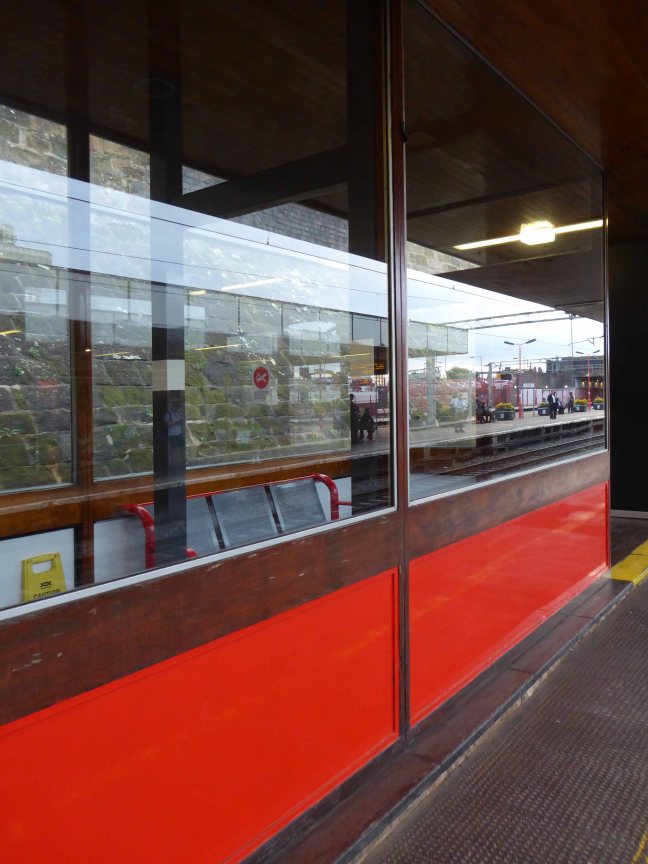
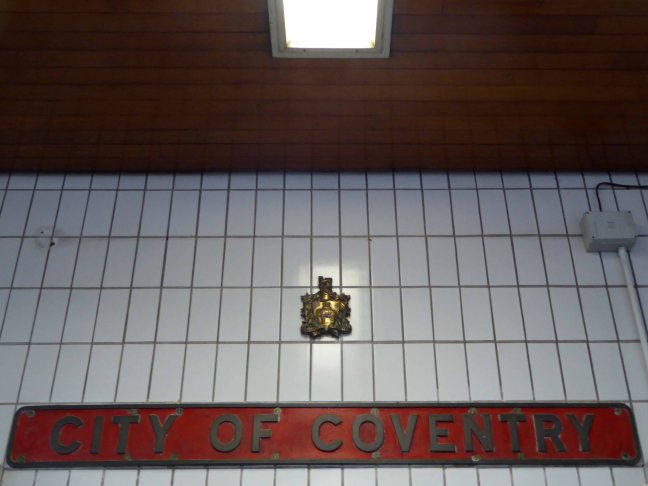
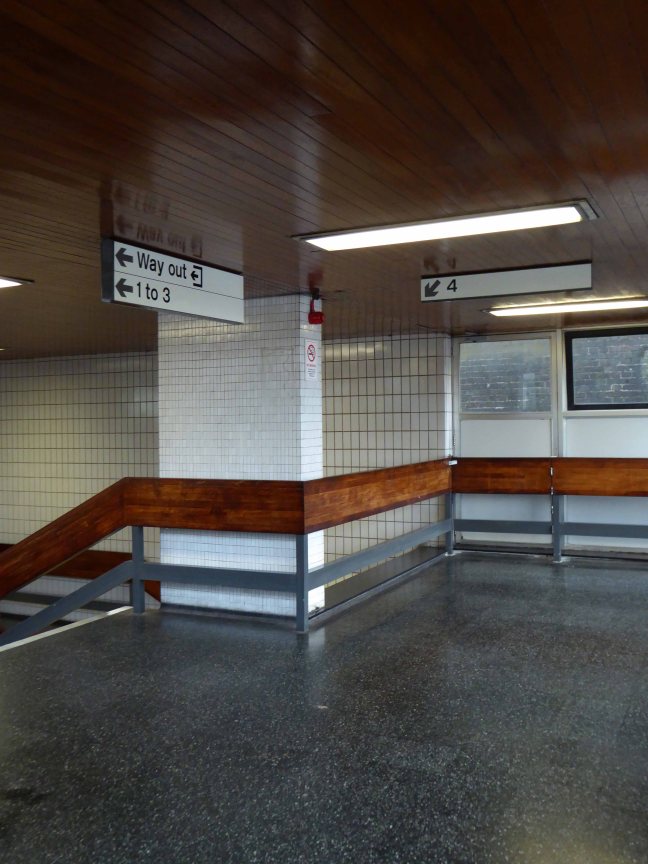
A fine building of 1962 light and airy, warm wooden ceilings, gently interlocking aluminium, glass and steel volumes, original signage and a lively feeling of calm controlled hustle and bustle.

The ideal way to start the day – take a look.

p1090647-copy

p1090648-copy

p1090649-copy

p1090650-copy

p1090651-copy

p1090652-copy

p1090653-copy

p1100057-copy

p1090654-copy

p1090656-copy

p1090658-copy

p1100058-copy

p1100060-copy

p1100061-copy

p1100062-copy

p1100063-copy

p1100064-copy

p1100065-copy

p1100067-copy

p1100068-copy

p1100071-copy

p1100073-copy

p1100074-copy

p1100075-copy

p1100076-copy

p1100077-copy

p1100078-copy

Motorways an Introduction

Once upon time there was no such things as motorways, we made our way across country in a haphazard fashion, by way of of a raggle-taggle bunch of muddy, puddle strewn byways, tracks A, B and C roads.

Journey times were long and often unpredictable, it was not unusual for a traveller to never ever reach their intended destination.

But then as if by magic:

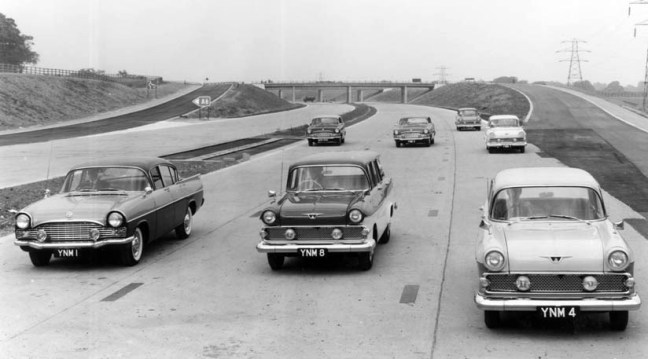
On 5 December 1958, the day the 8 mile Preston bypass opened.

Robert Gornall was the AA’s first motorway patrol and he was on duty on the Preston by Pass – now the M6, from day one – he even attended the opening ceremony.

Robert recalls that in those early motorway days, when there was no speed limit or hard shoulder, things were very different when it came to dealing with breakdowns. 

Robert said:


“This was entirely new and when we reached a broken down car we simply pushed it, bumper to bumper, out of the way to a place of safety where we could fix it – our vehicles were fitted with special rubber bumpers so as not to cause any damage.

Breakdowns came thick and fast because cars just couldn’t cope with the higher speed – engines just simply blew. The vehicles we used were Ford Escorts and even a soft top Land Rover.”

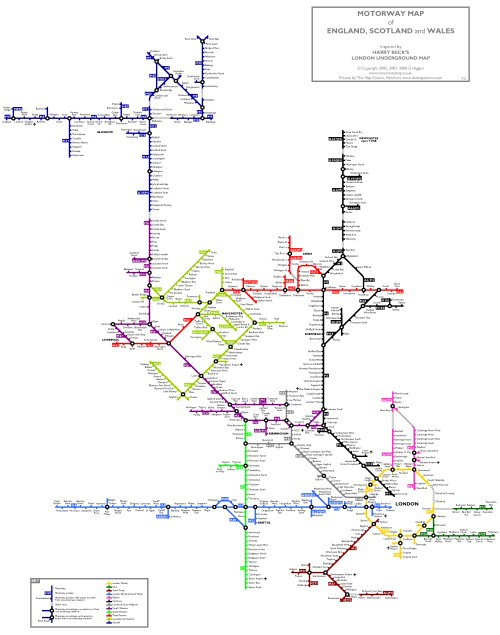
Having overcome these early teething troubles a whole complex network was developed.

motorwaymap2008

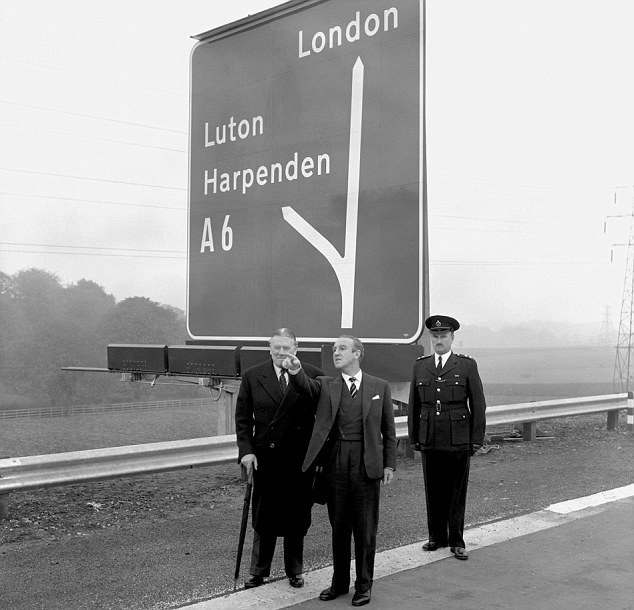
Opened by the transport minister Ernest Marples and other assorted worthies.

marples_owen_openingm1_2

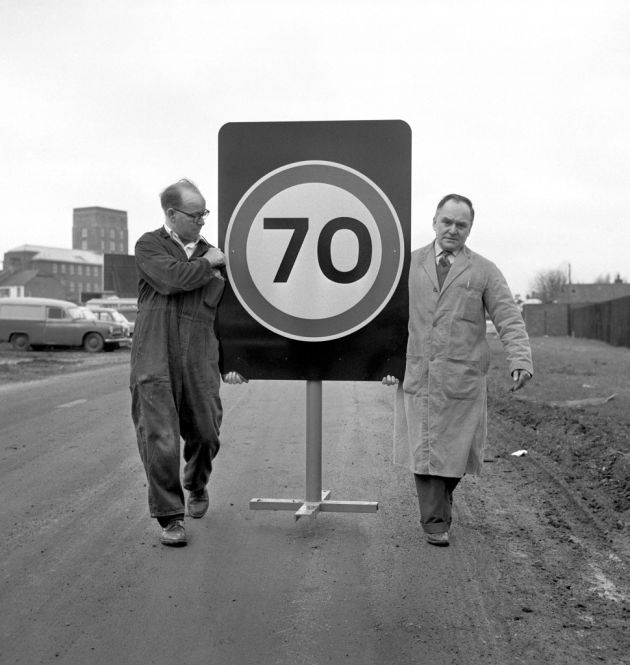
Speed limits and controls were applied to quell the threat of crashes and blow-outs.

c11c126e-c491-49c5-9f7a-d5b4a053808c_pa-1730423

Welcome to the fact packed modern world of the modern motorway.

550px-tcc_motorway_example

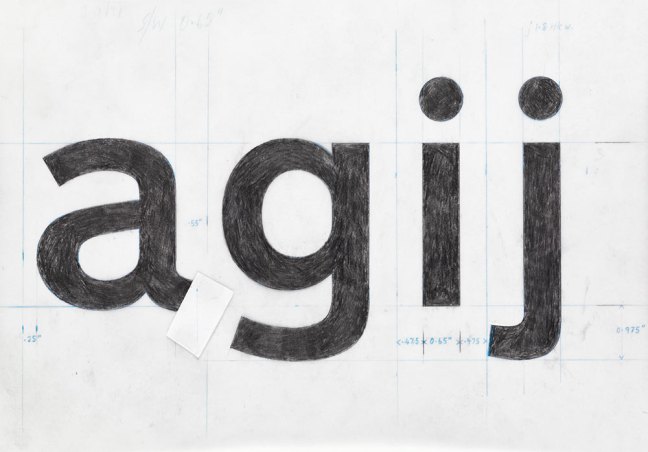
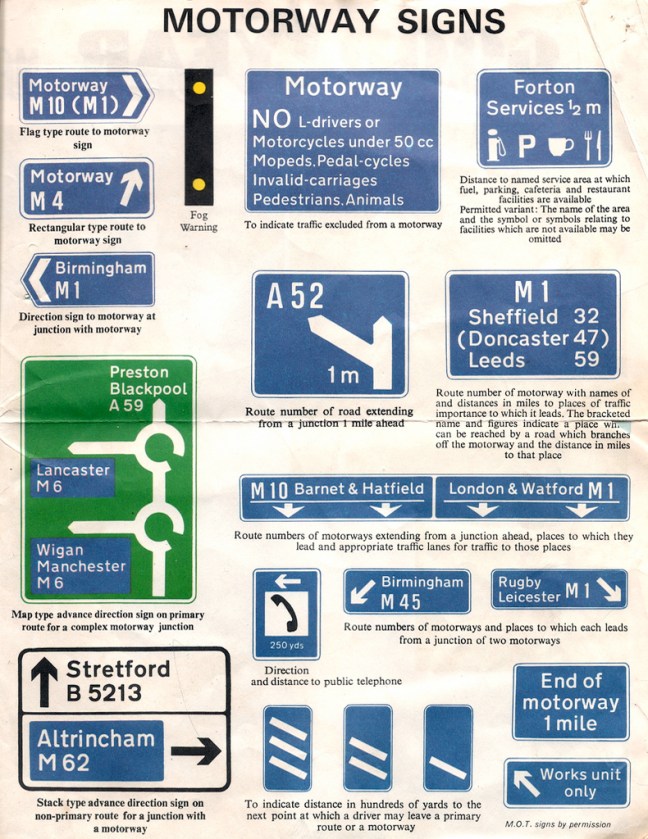
New typography and signage systems were developed by Margaret Calvert and Jock Kinneir.

margaret-calvert-typography

3791254247_fa4d8d3aeb_b

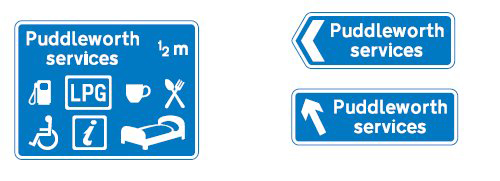
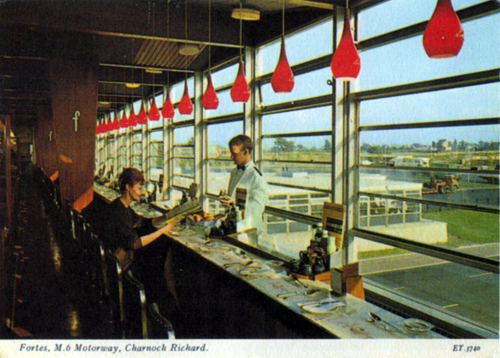
Special provision was made for provisions for the motorway motorist in special places, with special names – and their own unique approach to modern cuisine.

motorway14

Quite literally food on the move at the motorway services.

motorway4forblog

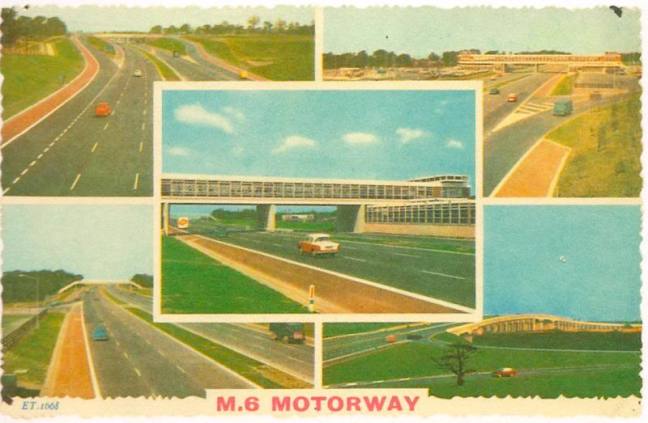
Ever eager to communicate their fondness for the modern motorway, the modern motorist would often send a picture postcard to friends and/or family.

m6motorway

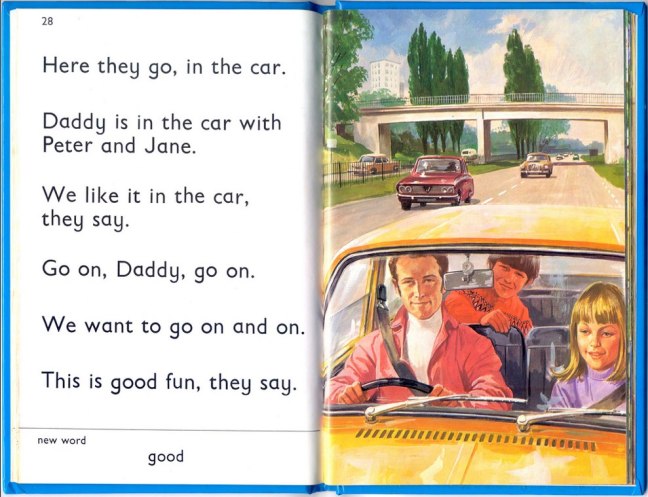
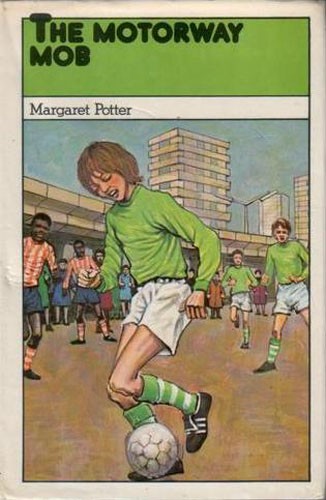
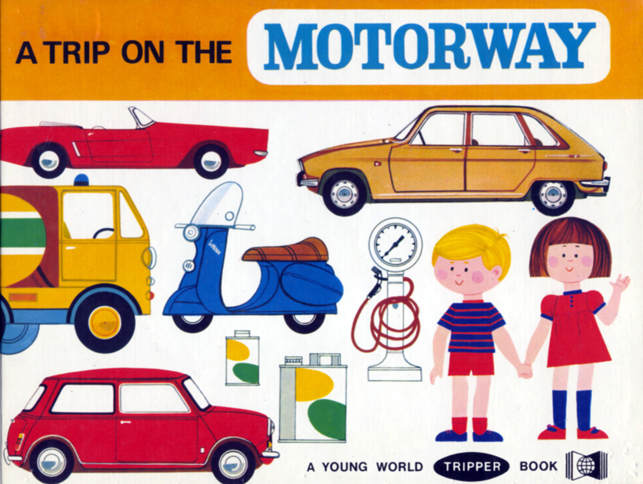
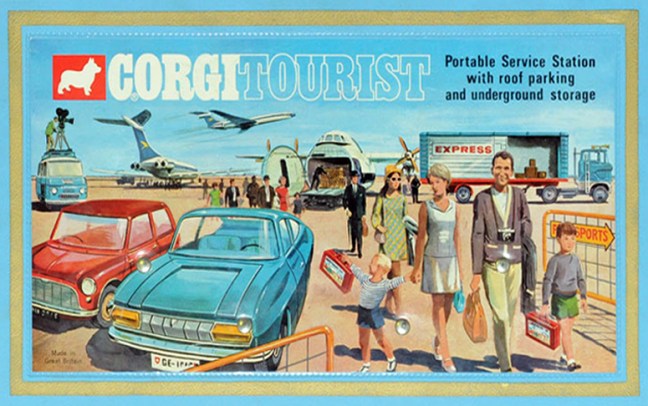
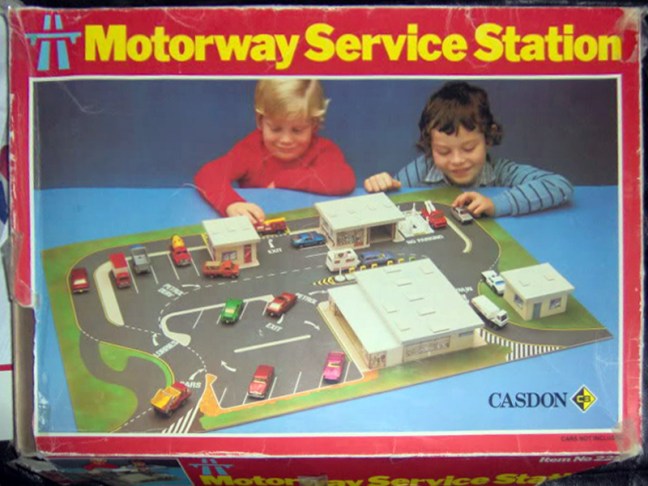
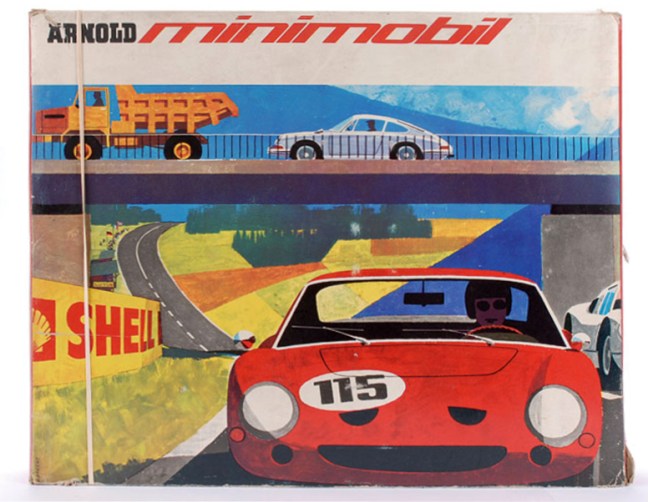
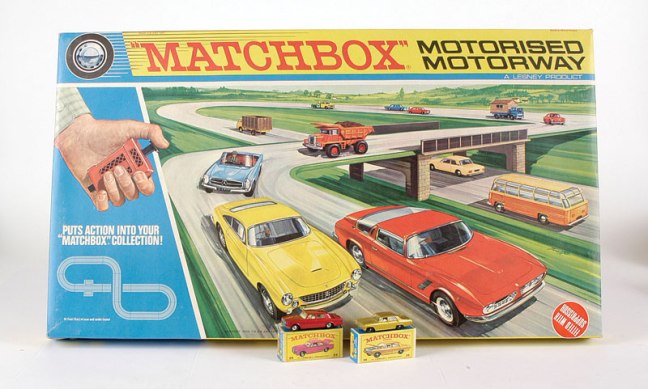
A whole literary and visual culture built up over time, to celebrate a deep and growing affection for the motorway network.

920108_10151602324156600_410904325_o

0416560806

motorway5forblog

5253_l

IM000285.JPG
IM000285.JPG

7122_l

3088_l

The rest is history, so break out the string backed gloves, top-down hit the road!

Jacqueline and/or Jack.