

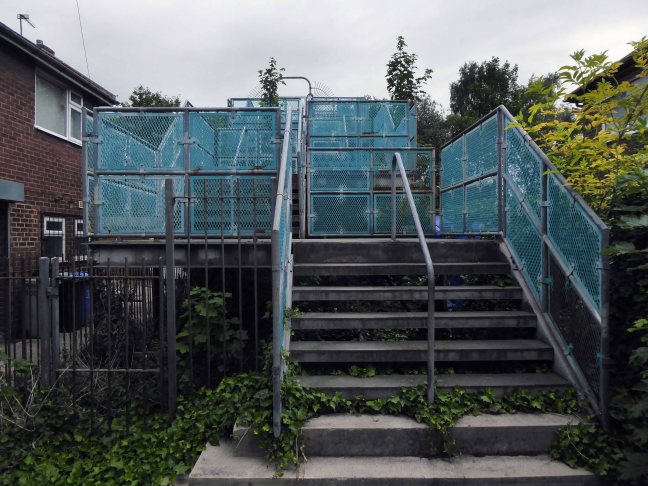
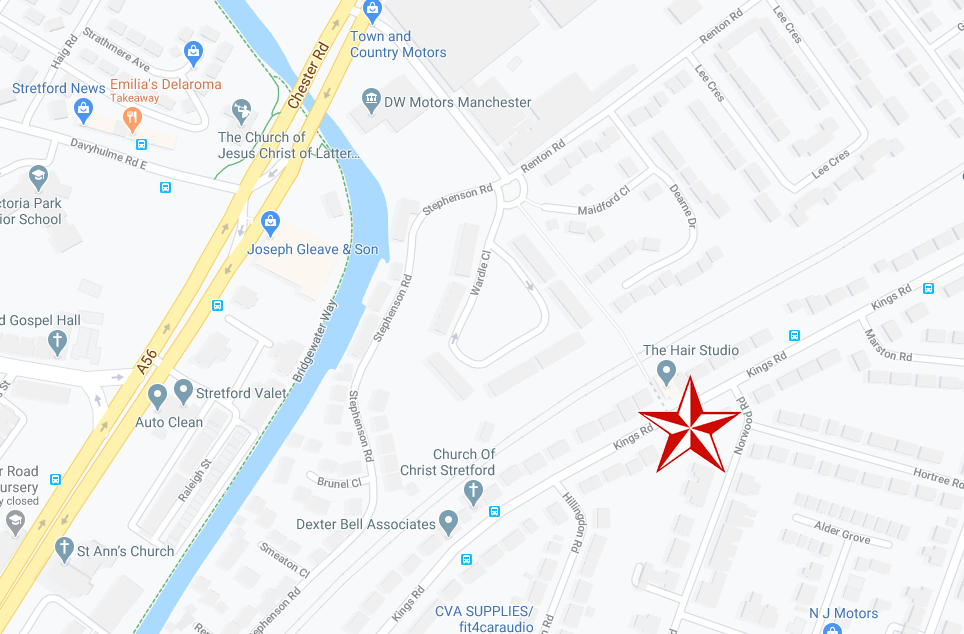
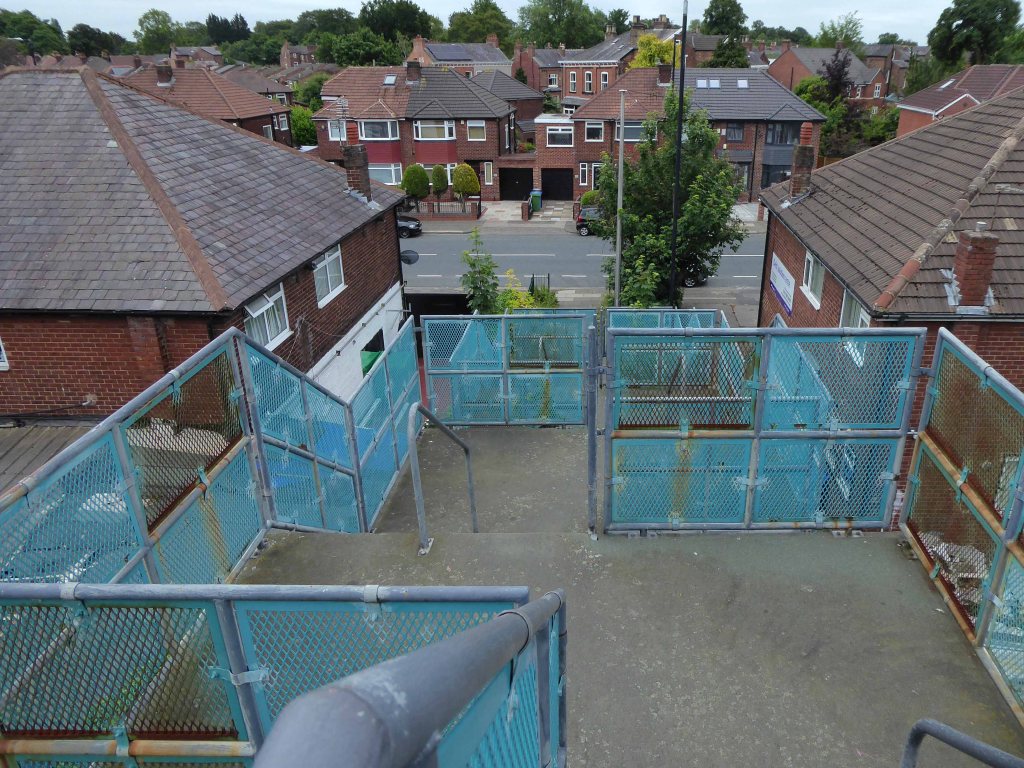
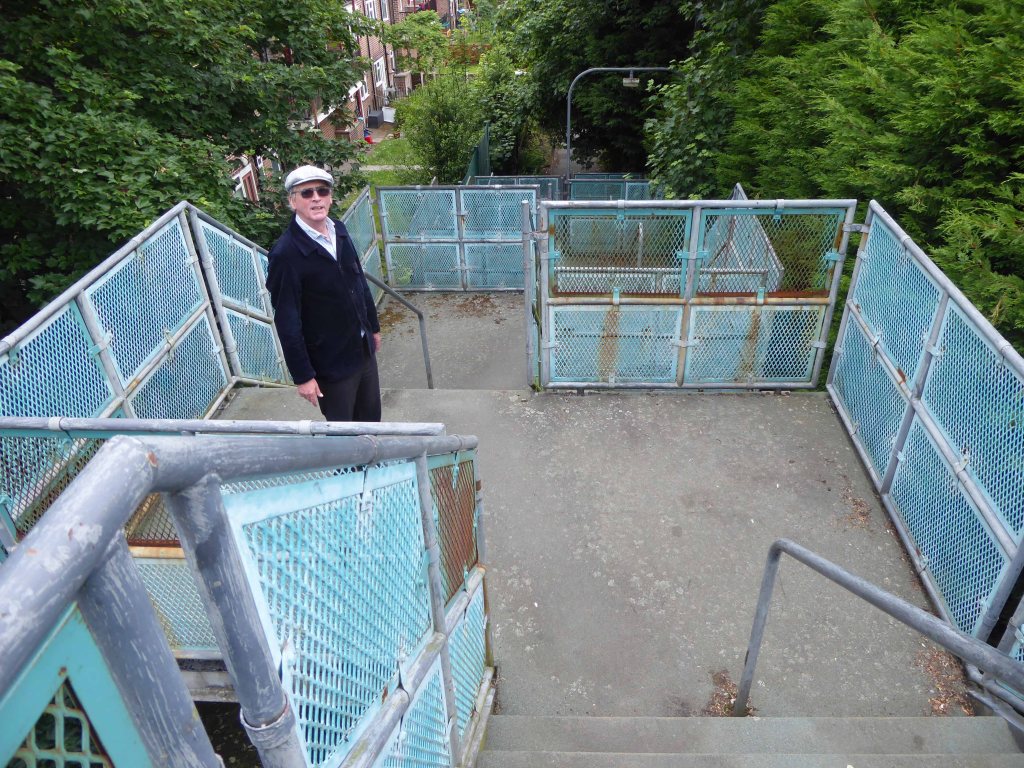
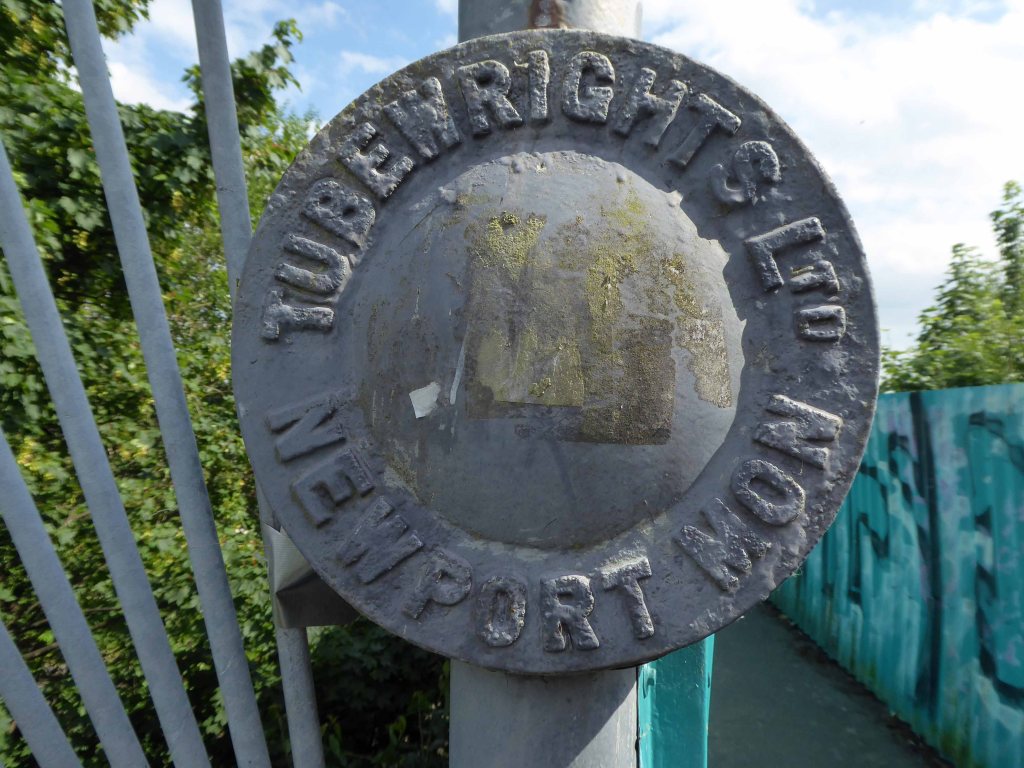
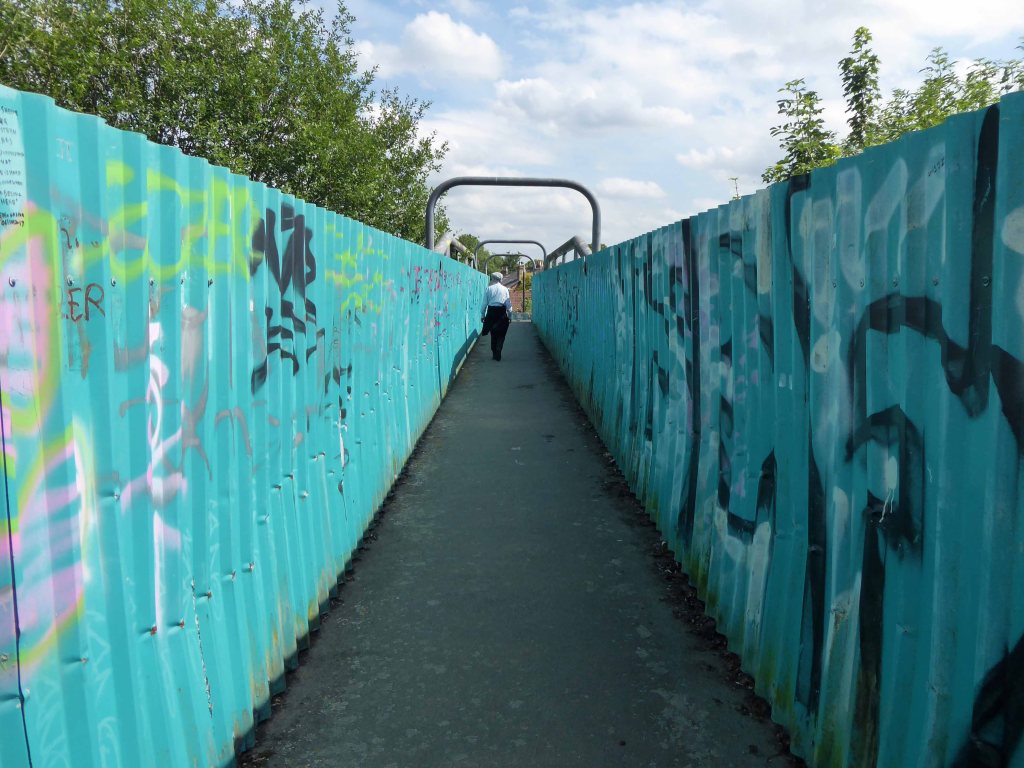
This is a bridge – an iron bridge, so called, carrying weary walkers from Kings Road to Chester Road and beyond.
Possibly to Stretford Station and even further beyond beyond.
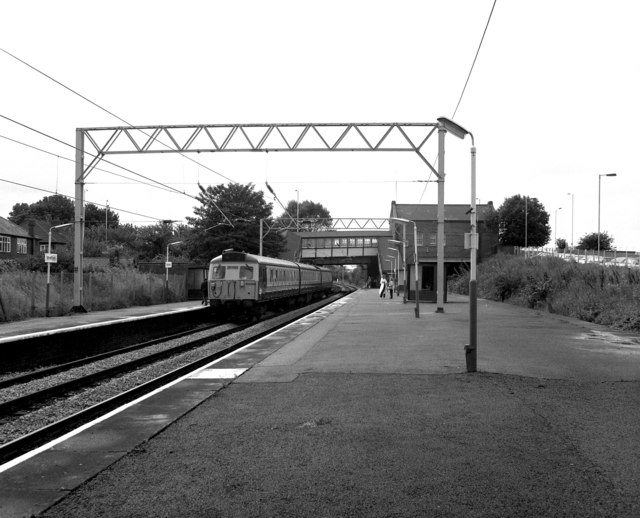
The bridge traverses the former Manchester South Junction and Altrincham Railway, the southern part of the MSJ&AR’s route has been part of the Manchester Metrolink light rail system since 1992.
This may seem sufficient to satiate the local historian’s voracious appetite for facts and general tittle tattle, but wait.

384 King’s Road was once home to pop sensation Steven Patrick Morrissey – seen here imitating himself in Elisabeth Blanchet’s photograph.
More than once this charming lad would have walked the bridge himself – on the way to goodnesses knows where.
In later life he changed his name to The Smiths and wrote a chart topping tune Still Ill name checking the Iron Bridge.
Under the iron bridge we kissed
And although I ended up with sore lips
It just wasn’t like the old days anymore
No, it wasn’t like those days, am I still ill?
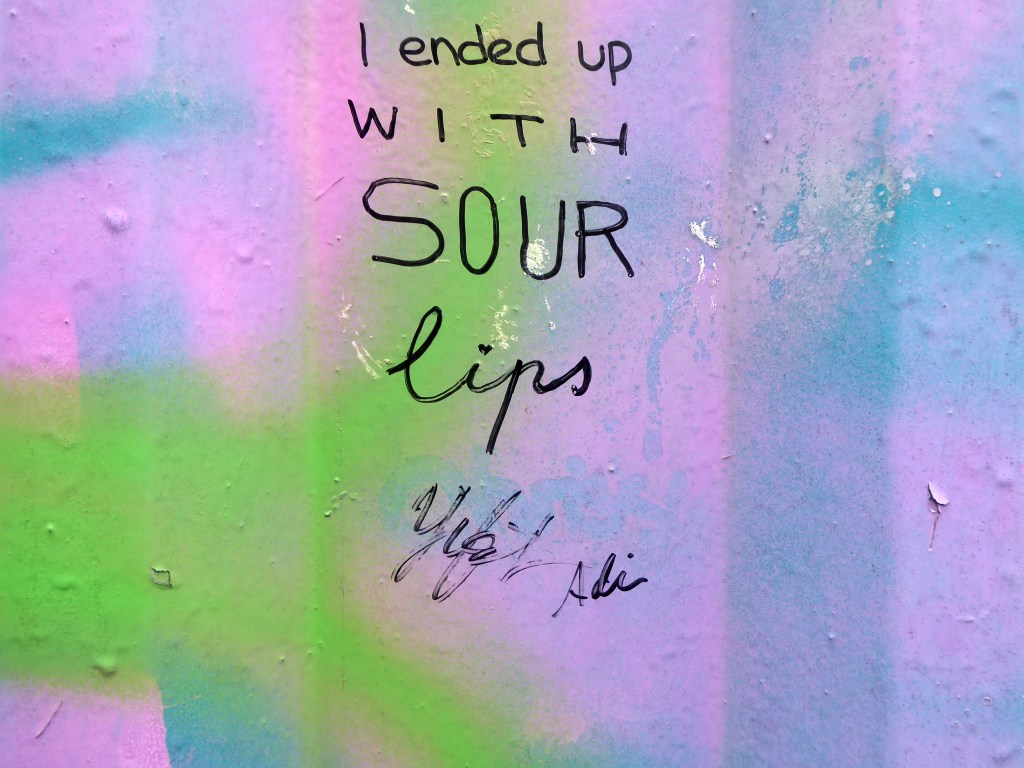
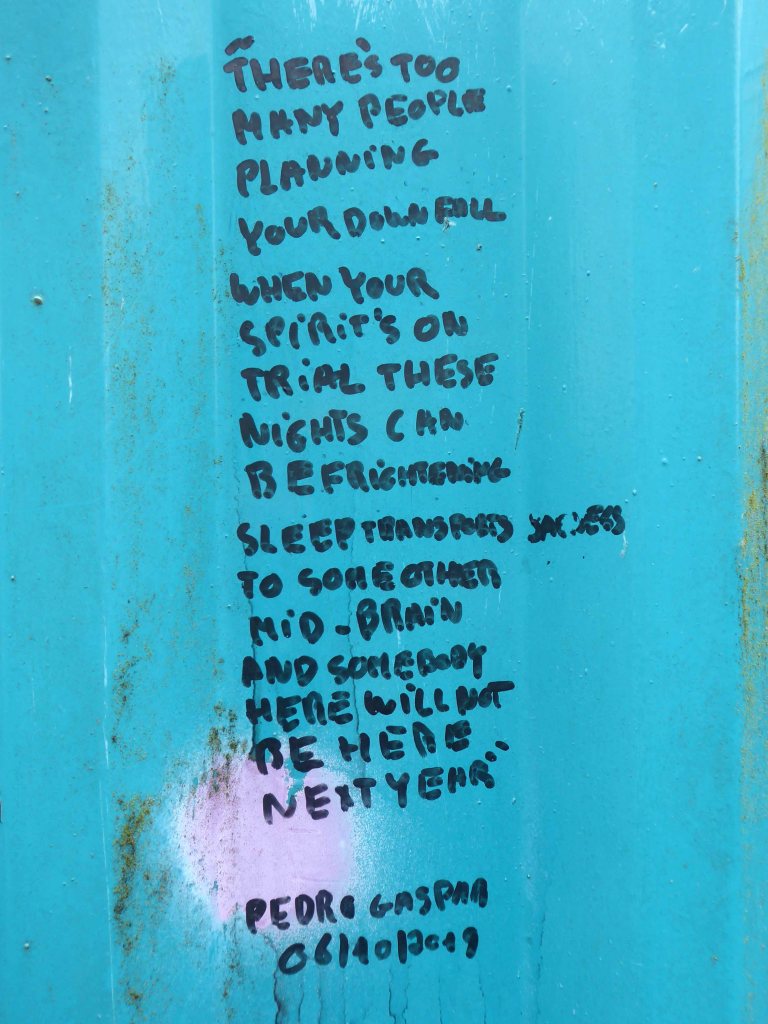
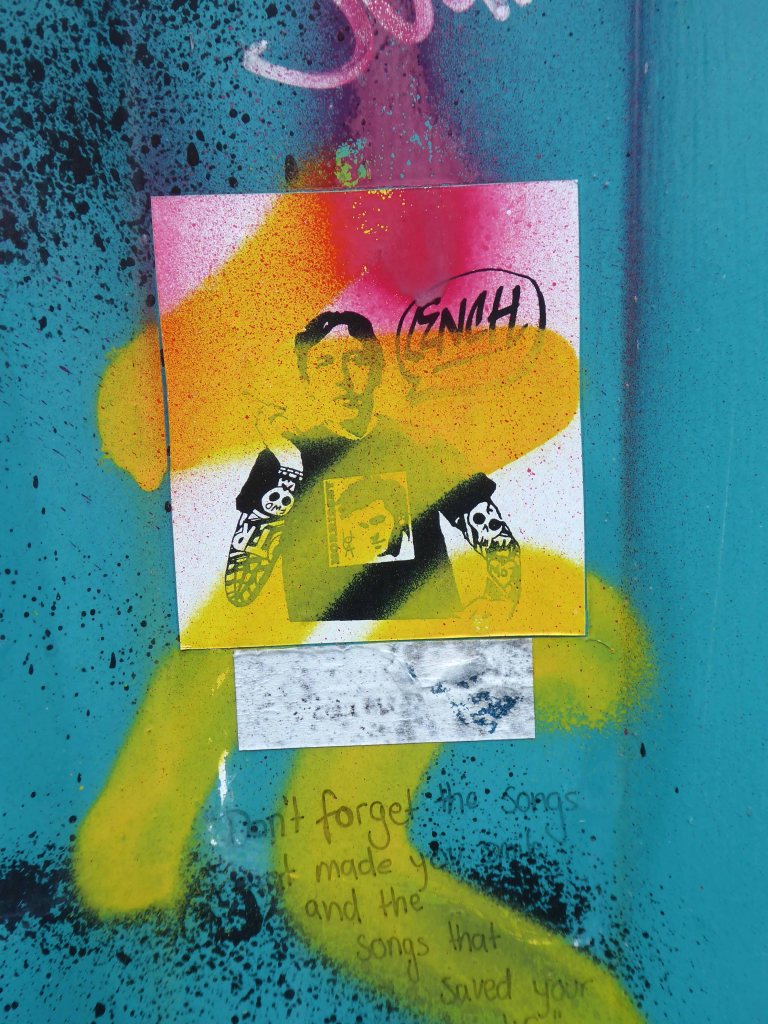
The location is now a place of pilgrimage for Morrissey’s deluded fans, who with depressing regularity, adorn the structure with their misquoted quotes.
Sun drenched faux-Californian Mr Morrissey does seem to be still ill in his own unique and unpleasant manner.
Let’s take a look at what he’s been missing.
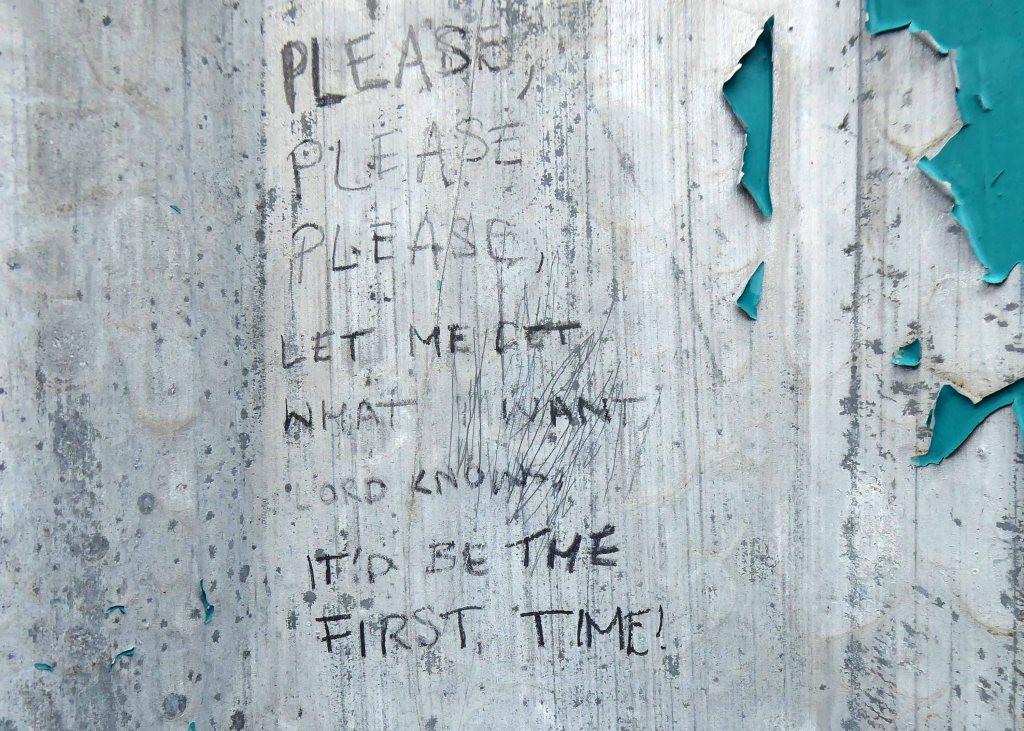
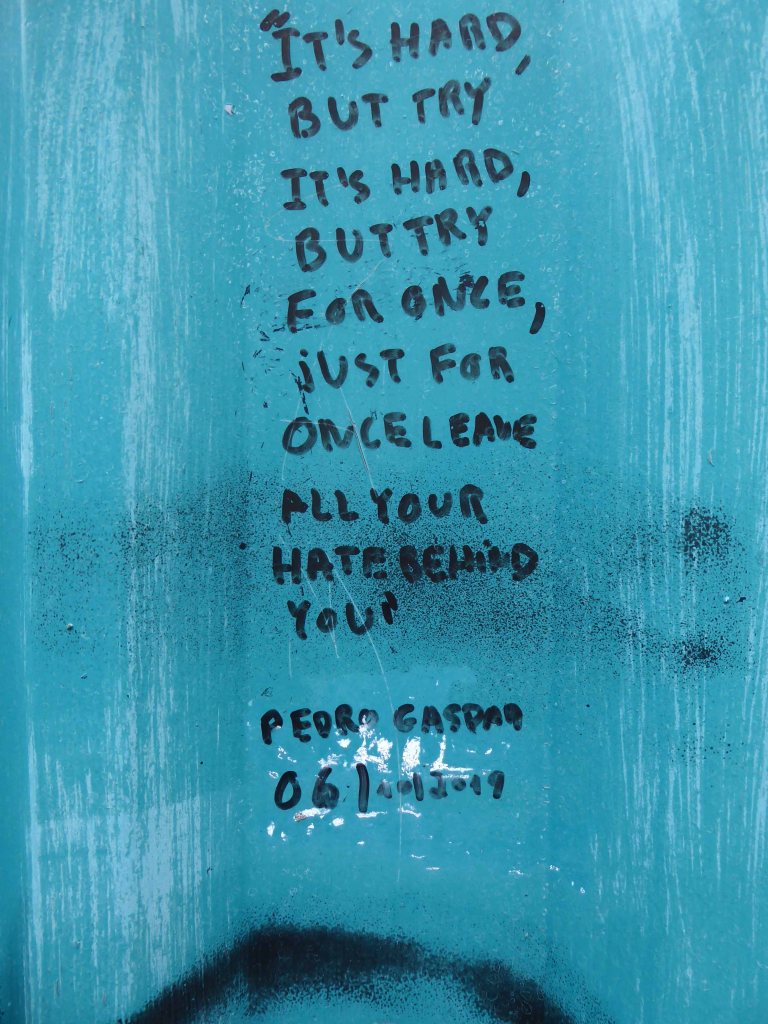
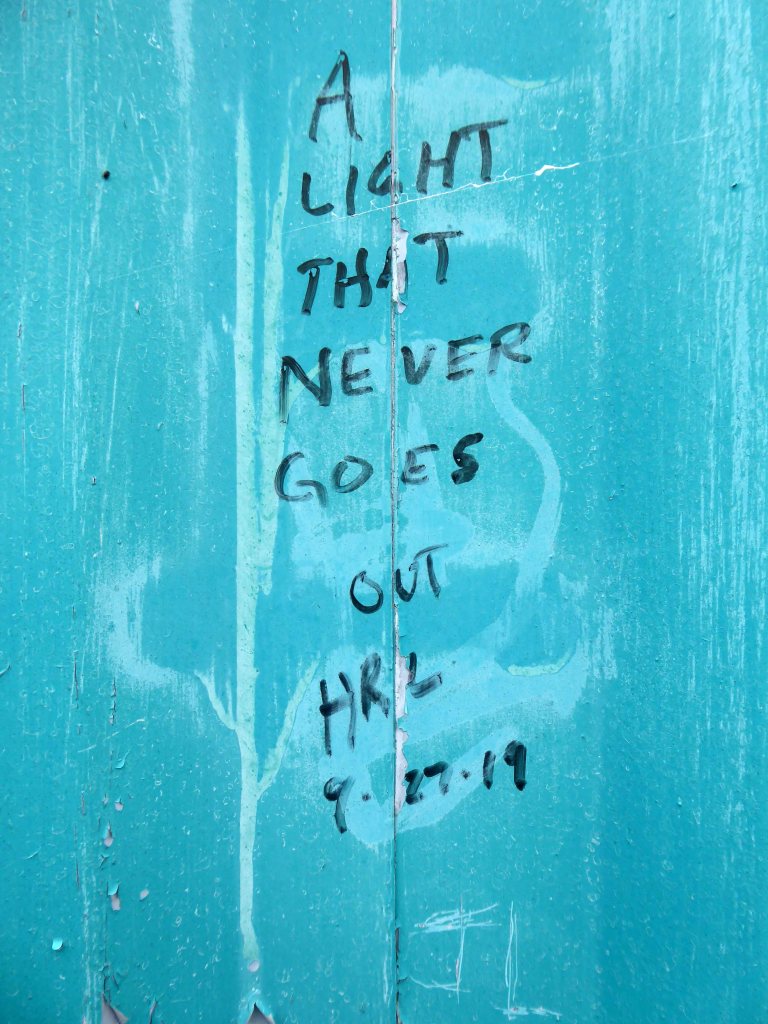
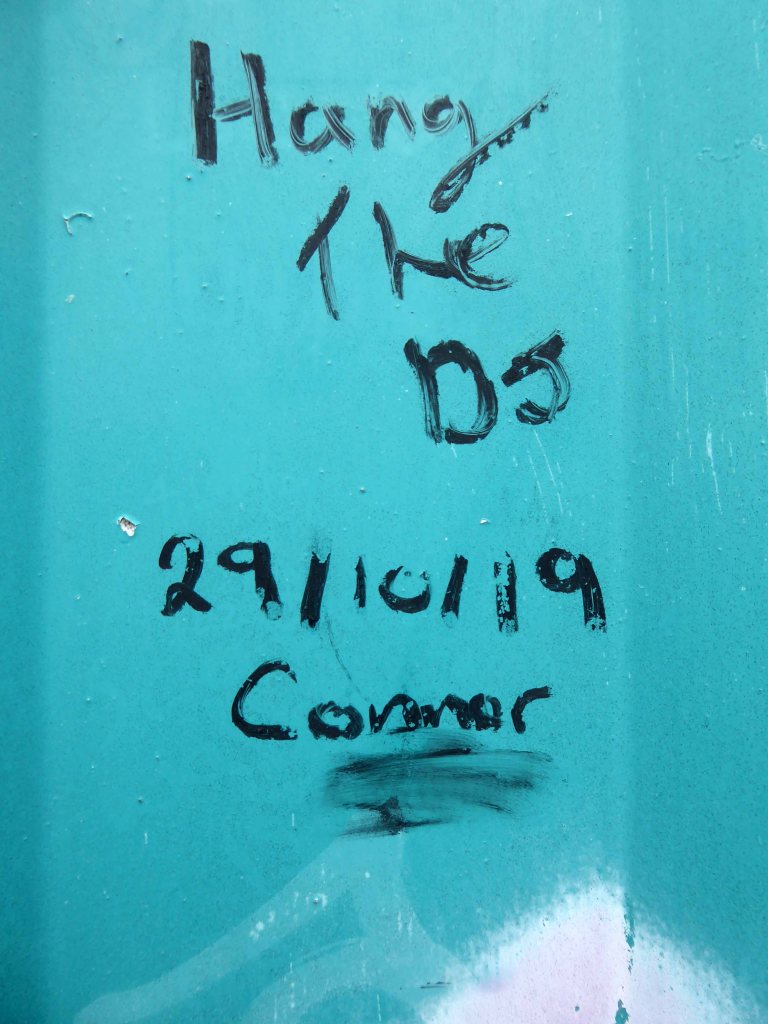
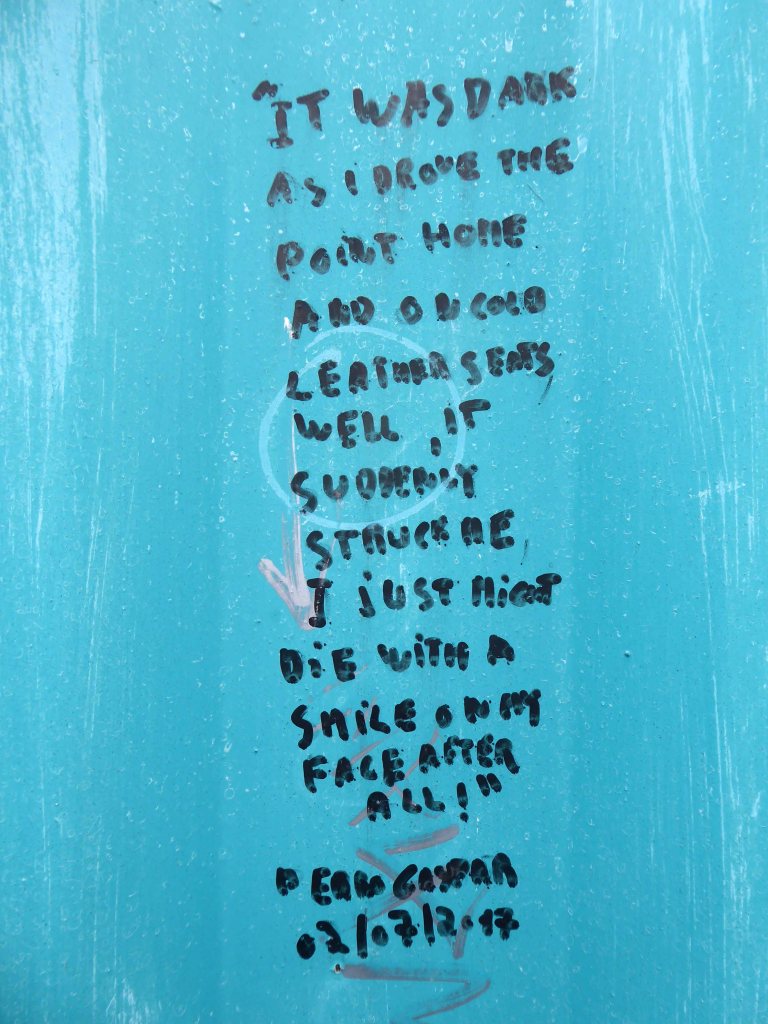
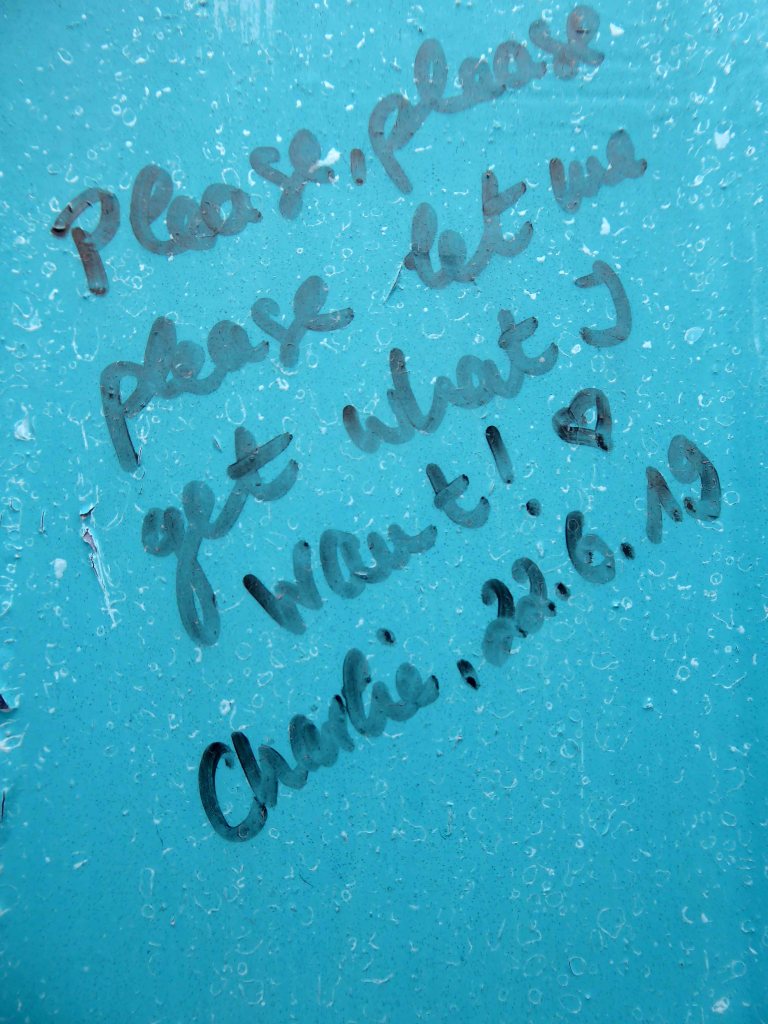
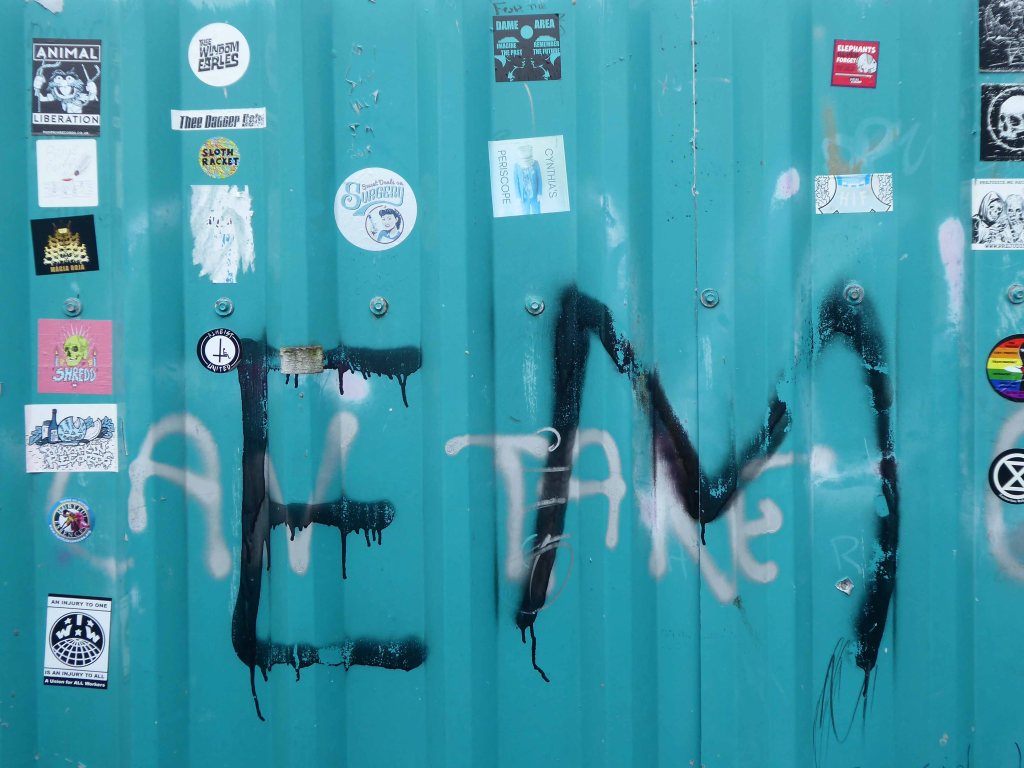
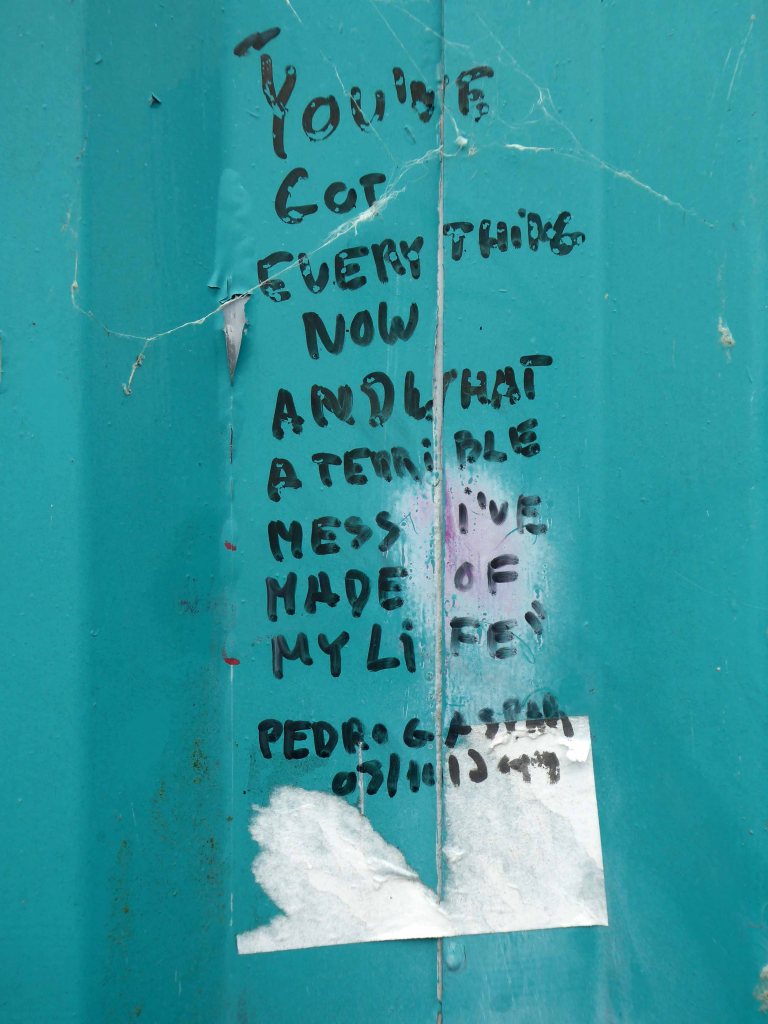
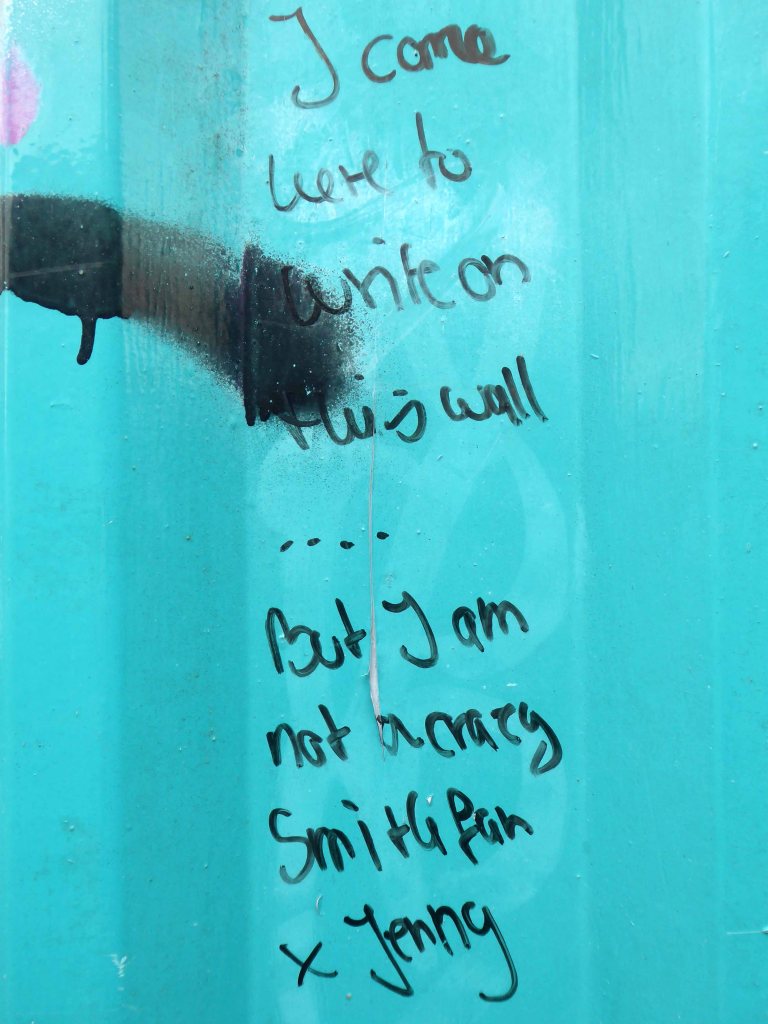
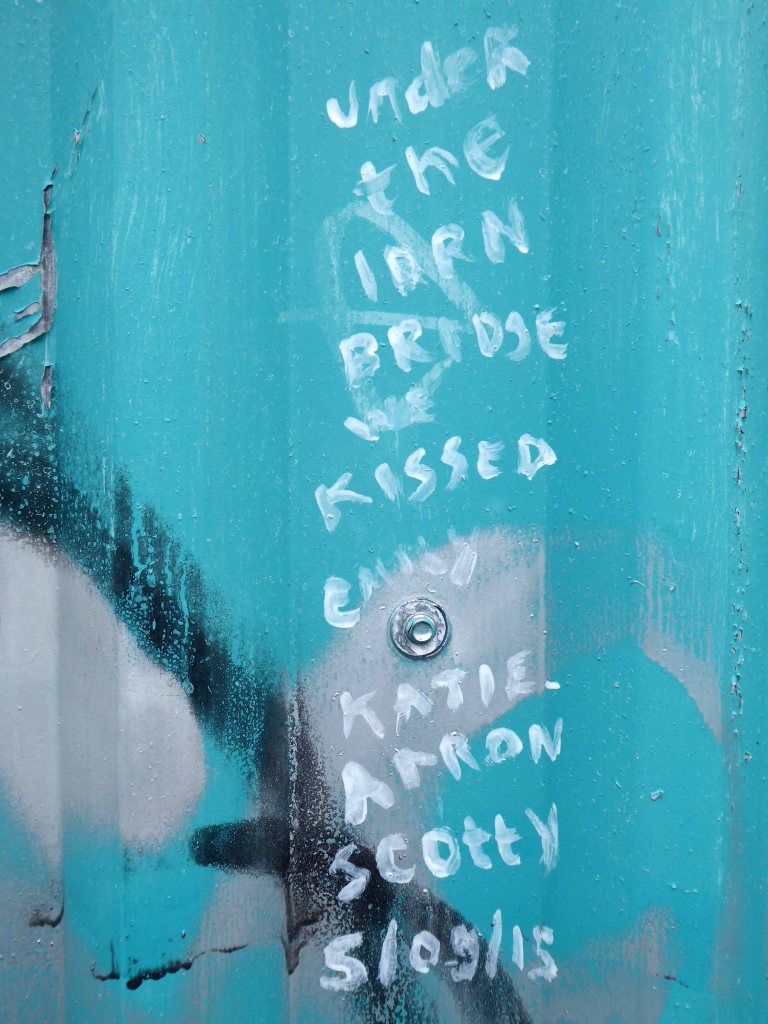
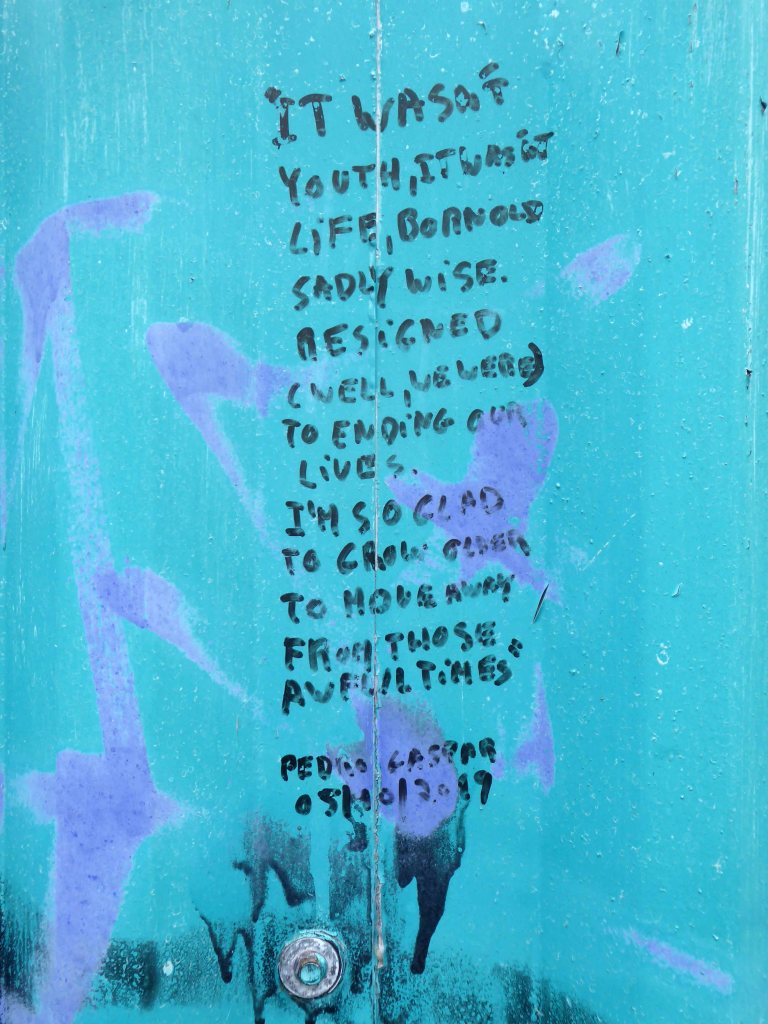
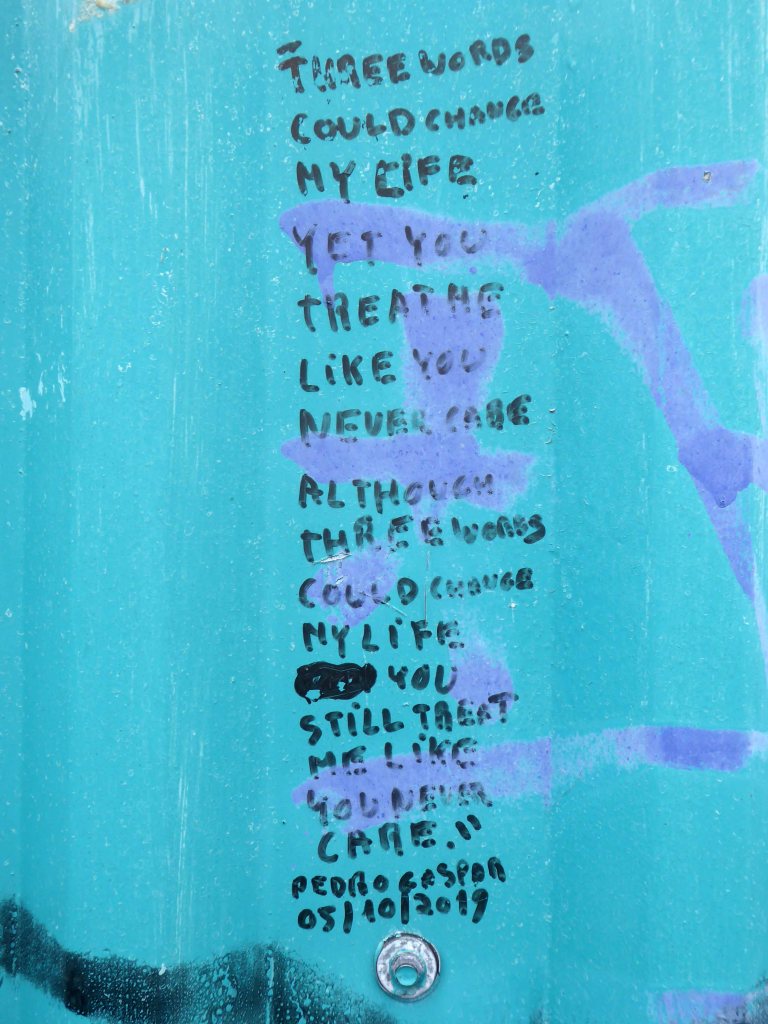
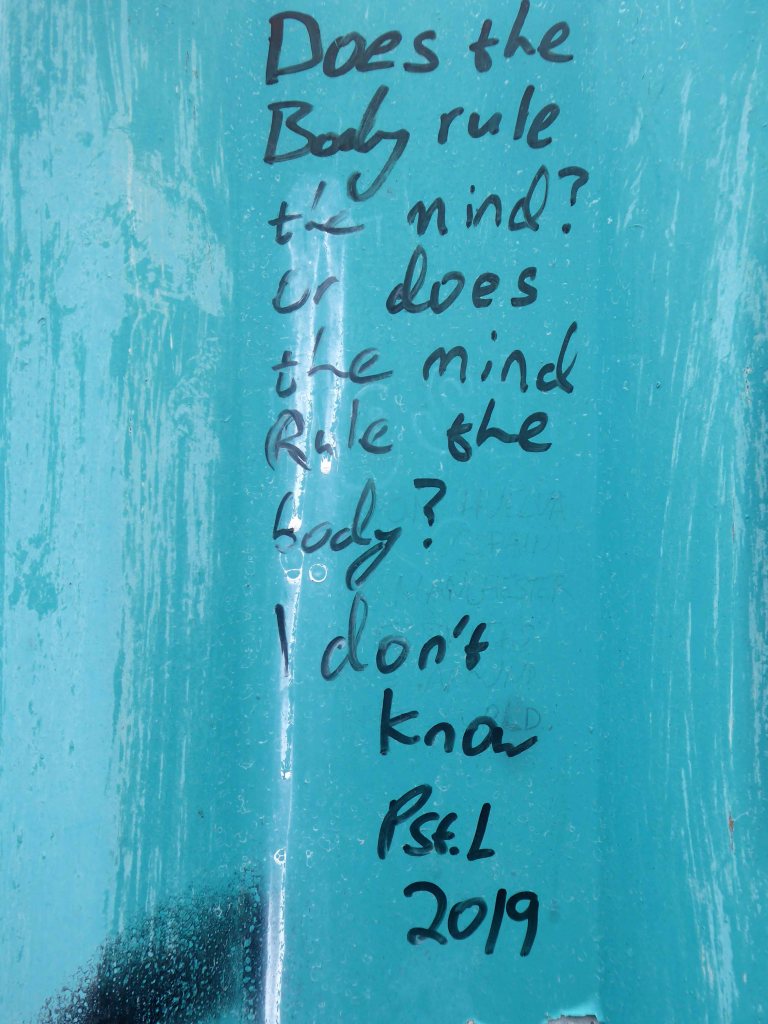
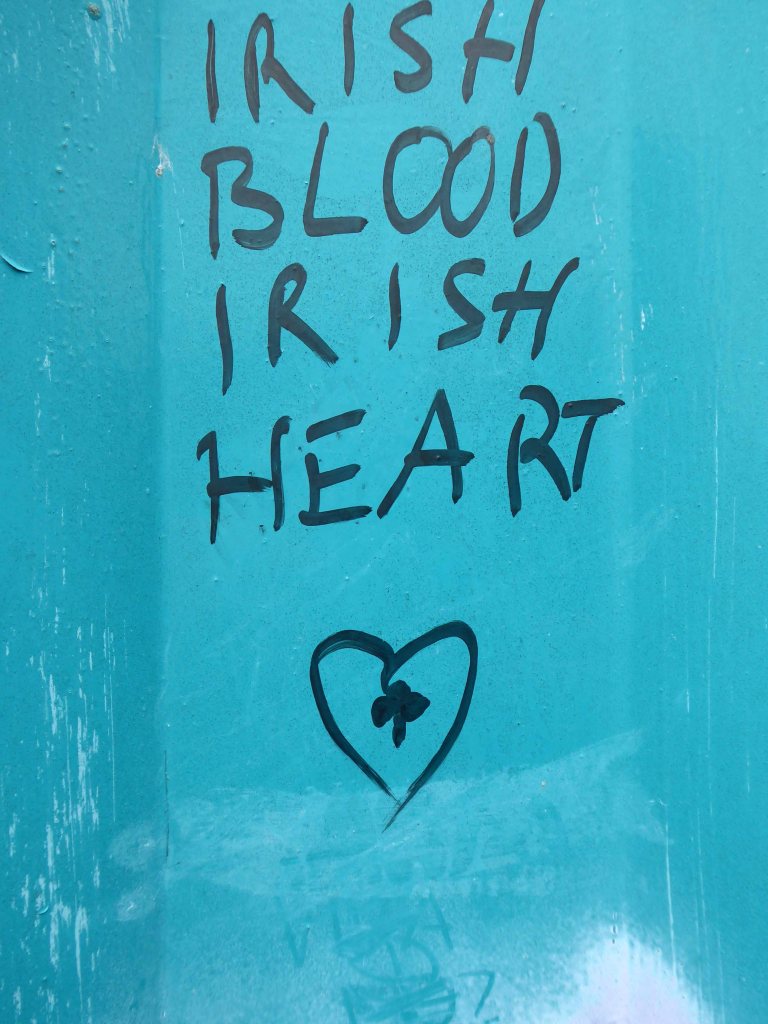
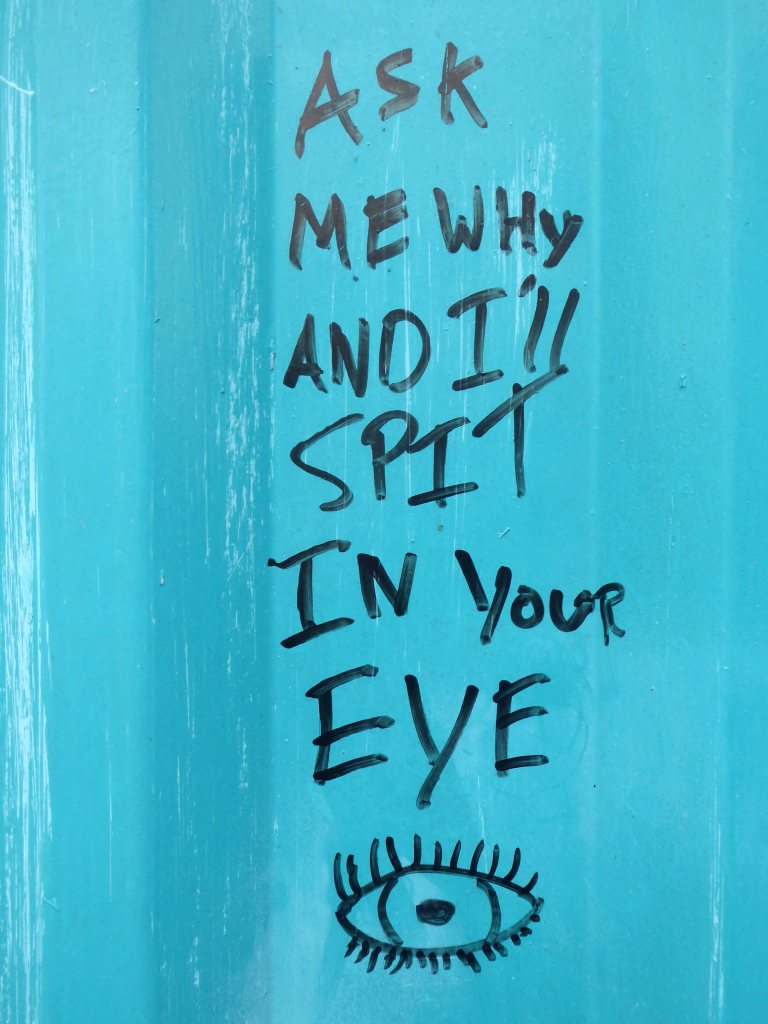
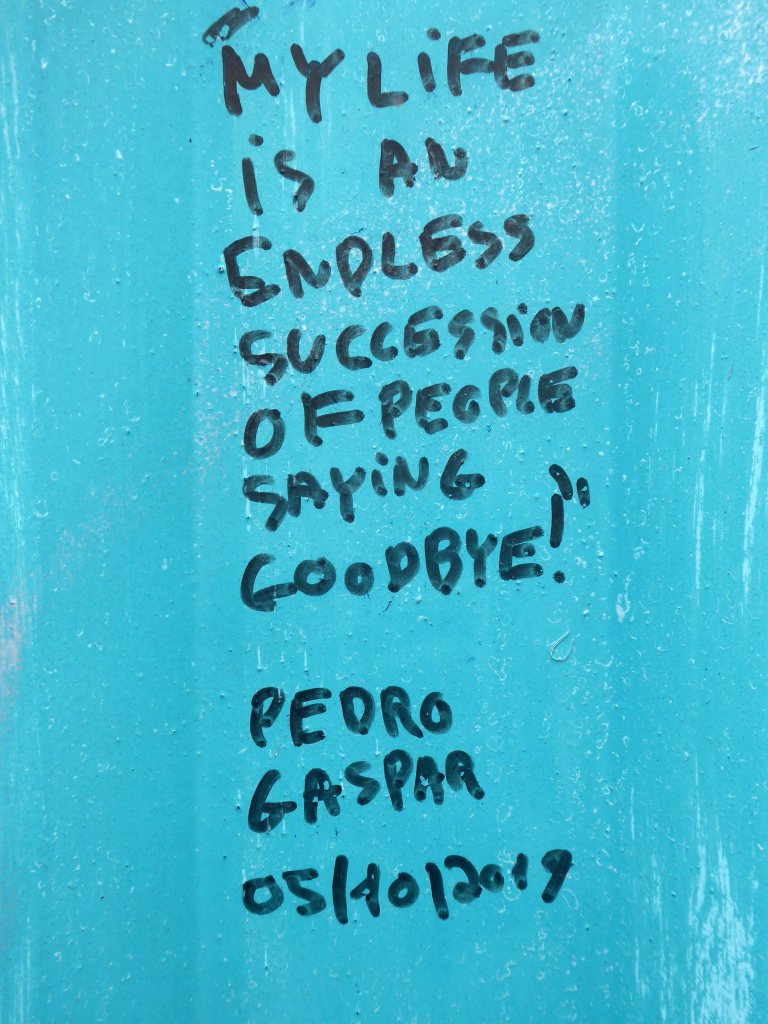
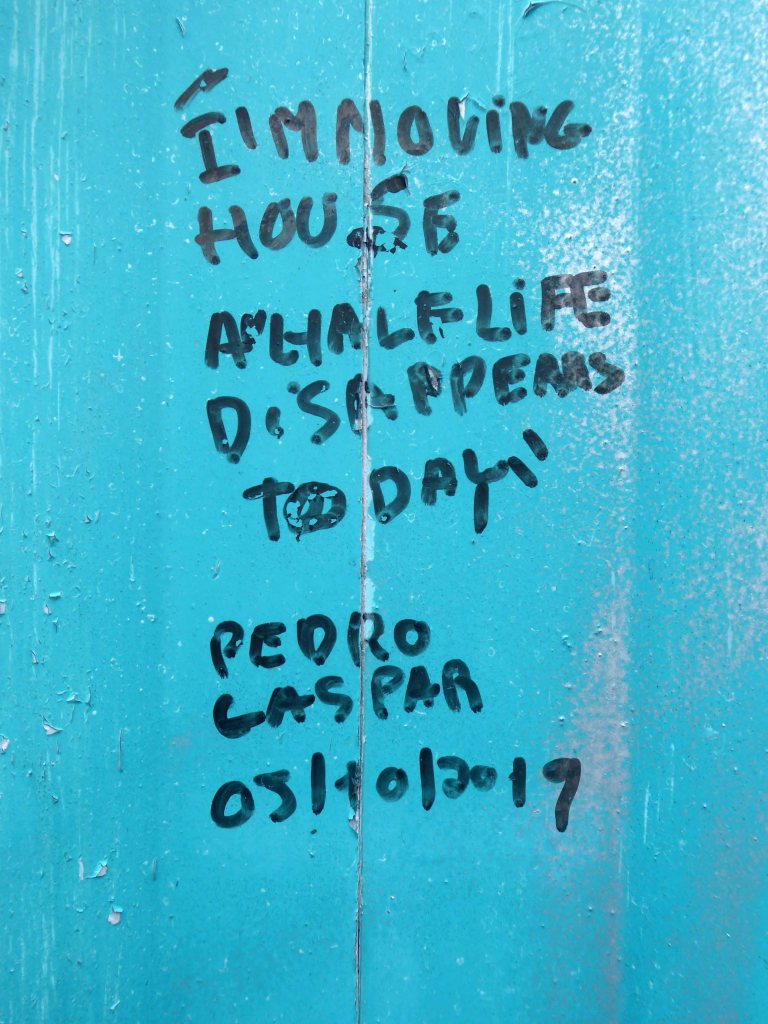
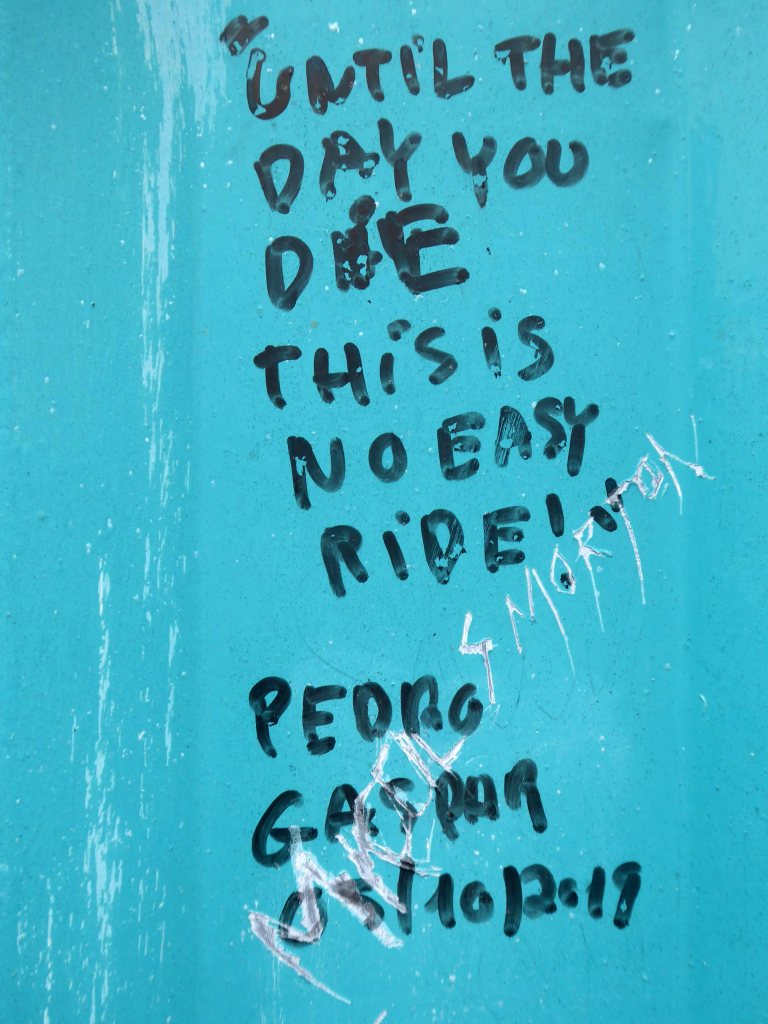
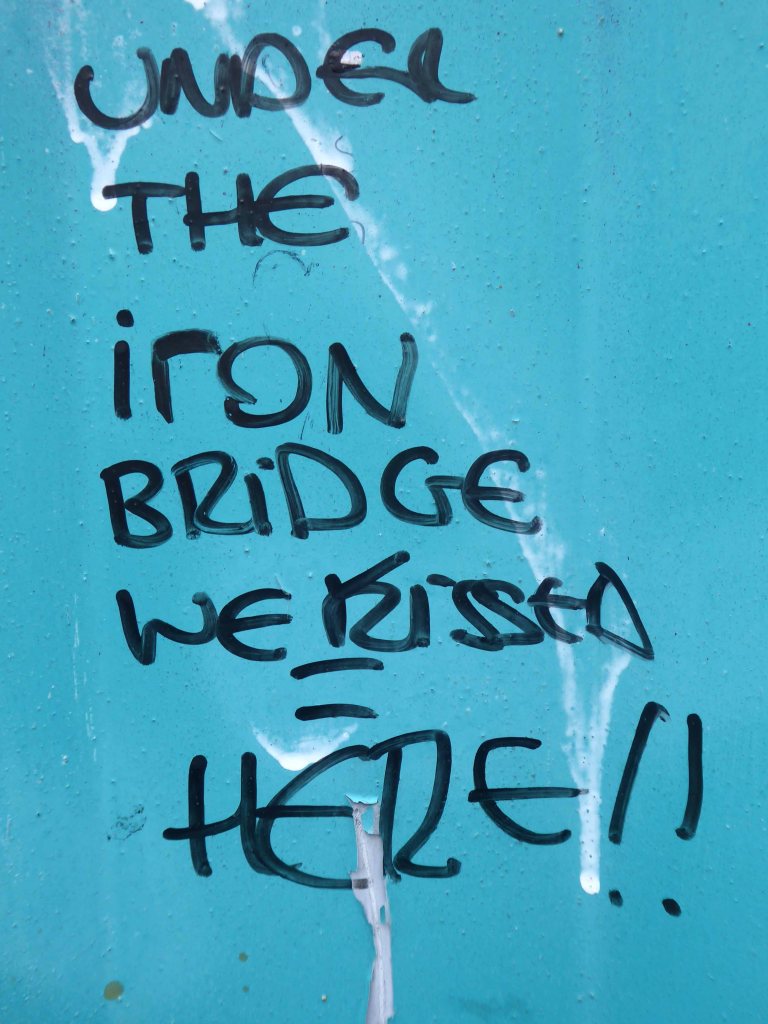
What indifference does it make?
Self confessed Smiths sceptic Mr Mark Greer – currently incognito.
 Modern Mooch
Good work, Matthew.
I’m a bit of a Stretford novice, need to visit a few (non Beer Guide) pubs there.
Quosh is the expert.
LikeLike
I am fascinated about these images because I am reading the book, “A light that never goes out-The enduring saga of The Smiths,” it has the whole story about Morrisey and this bridge.
LikeLike
“He changed his name to the Smiths”??
Utter tosh.
LikeLike
It’s a light hearted pop at the king of pop – can’t tell tosh from laughter?
LikeLiked by 1 person
Our first house in September 1981, was at 417 Kings Road, just a little further down. Morrisey was still living there at that time and still unknown and I feel I must have passed him in the street at some point. I never really like The Smiths’ music in the mid 80’s, describing it as music to commit suicide to. A couple of years later though, I changed my mind
LikeLike
Apologies, we lived at 441 Kings Road. It was a long time ago
LikeLike
He’d have to walk over it twice a day as St Mary’s – his secondary school – was on the other side. The school was knocked down for the new housing estate that you see today. I used to run passed the school frightened for my life and I didn’t even go there.
LikeLike
I live in the USA, never been to Manchester. But reading the book, “A light that never goes out-The enduring saga of The Smiths” I was shocked at what the author Tony Flechter reports about St. Mary’s when Morrisey was a pupil there, I quote:
“P. 91
The relentless beatings of the pupils evidently had no positive effect on their behavior. “Nobody showed us kids respect,” said Whiting; rather, the violence “taught you how to fight and who to fight. If you know you can’t beat ‘em, go ‘roud the back and get ‘em from behind.” The classrooms and playing fields of St. Mary’s increasingly became a battleground. There were incidents of pupils knocking out teachers, teachers flattening students, and kids arranging classroom distractions to so they could rob unwitting teachers’ handbags, taking the money to the Stretford Shopping Precinct, though they’d be as likely to shoplift the latest fashions from the Pakistani stall owners as buy them.
P. 91-92
Rare attempts at field trips usually ended in disgrace, the St. Mary’s pupils thrown out of a magistrates’ court gallery for shouting their opinions on proceedings and awarded the rare distinction of having the police called on them when they visited an Army barracks, a search on the school bus revealing that they had attempted to steal grenades and bullets.
This explains the song, “The headmaster ritual.” The school had created an environment of violence, of student abuse, which in turn generated violence and misbehavior, Tony Flechter reports.
LikeLike
I very much recommend the book, “A light that never goes out-The enduring saga of The Smiths”: It is an impressively written, 650-plus page, profound report on the history of that area and Manchester itself. Although I deeply thank the host of this site for the amazing pictures here, I have to slightly disagree about Morrisey fans being delusional, which is a good insight but just slightly out of context. The context here is that Morrisey is a Manchester legend, and years from now, perhaps centuries, he will become a myth in the bridge area and far beyond. Those who use graffitti are doubtless underdogs who see Morrisey as someone who from humble origins became big. True, they often misquote Morrisey’s songs, such as in “Irish Blood, Irish Heart,” which in real life is Irish Blood-English Heart. And yet they thus add to the area’s folklore and give the city itself a soul because in the end myth is the deepest substrate of human civilization. Johnny Marr, Morrisey’s bandmate in The Smiths and also raised in the bridge area, put it another way: “I don’t think of myself as being English and I don’t think of myself as being Irish. I think of myself as being Mancunian Irish.”
LikeLike
I used to go over iron bridge 10 days a week giong to st marys secondary school
LikeLike
Ive kissed more than one girl under that bridge Mr Moocher Xx
LikeLike
It’s a dump.
LikeLike
I am quoting from the book, “A light that never goes out-The enduring saga of The Smiths,” by Tony Fletcher:
P. 73
Saint Mary’s School.
Rather than acknowledge the depth of this problems and seek an innovative way to solve them, the school’s headmaster, Vince “Jet” Morgan, a former Army officer whose educational qualifications were held in low esteem by his teachers, opted for a program of strict discipline to instill fear and respect.
Assembly ended with the headmaster ritual, that which inspired the Smiths song of the same name, surely the most damning musical indictment of British public education ever composed by someone who failed their 11-plus.
Belligerent ghouls
Run Manchester schools
Spineless swines
Cemented minds
Sir leads the troops
Jealous of youth
Same old suit since 1962
He does the military two-step
Down the nape of my neck
I want to go home
I don’t want to stay
Give up education as a bad mistake
All this was merely the official process by which the pupils were physically disciplined. Unofficially, the metalwork teacher had a two-foot-long piece of tapered wood that he nicknamed Charlie and administered freely on the boy’s backsides; he was also given to pulling post-pubescent kids up by their fashionable sideburns, which many considered to be more harmful in the long run. A female teacher who struggled to control her pupils was given her own piece of wood by another teacher (assumed to be her lover), which she rapped viciously against the boy’s calves. Another used the slipper; another still threw the blackboard duster directly at the boy’s heads. The swimming teacher used a long bamboo pole to whack kids on the head to prevent them from hanging on to the edges of the pool over at Stretford Baths. In contrast, one of the physical education teachers kept kids hanging from the bars in the school gym until their fingers turned blue.
No wonder then that many of his fellow former pupils shared and even applauded Morrisey’s subsequent condemnation of the place as “a very sadistic school, very barbaric.”
P. 75
Arguably the greatest sadist on the staff was the main PE teacher, a Mr. Sweeney, who took delight in having his class run around the gym while he took potshots at them with a medicine ball. Midweek on the playing fields, as Morrissey later referred in “The Headmaster Ritual,” Sweeney had the boys run from school, over the Iron Bridge (the pupils called it the “Monkey Bridge”) to Kings Road, from where they turned away from Morrisey’s home (no doubt to his relief), down a side street, and after a mile, onto the fields alongside Stretford Grammar School.
Mid-week on the playing fields
Sir thwacks you on the knees
Knees you in the groin
Elbow in the face
Bruises bigger than dinner plates
LikeLike
I used to go to Great Stone school.
It was the same as St Mary’s.
sadistic teachers, bullying, bad / little education.
I lived in Norwood Road, and walked over this bridge twice a day on my way to Great Stone.
I would have gone to St Mary’s if I’d been Catholic.
But I was a Protestant.
In those days, if you failed your 11 plus you were treated very badly at school.
The Cane, the Slipper,the Belt.
And there was never the phrase
“mental health” in those days !
LikeLike
this is not actually the Iron Bridge that Morrissey was singing about, it’s a direct quote from the book Spend Spend Spend by Viv Nicholson who wrote the lines “Under the Iron Bridge We Kissed….” the Bridge in question is in Castleford where Viv was born.. On the South Bank Show where Morrissey and Viv appear in the car they talked about this lyric, and also about Vivs paintings which were cut from the aired show.
LikeLike
Thanks ever so for your correction – I and many others have made the assumption/presumption, that the bridge near his Stretford home, was in fact the bridge, erroneously it transpires – Steve
LikeLike