

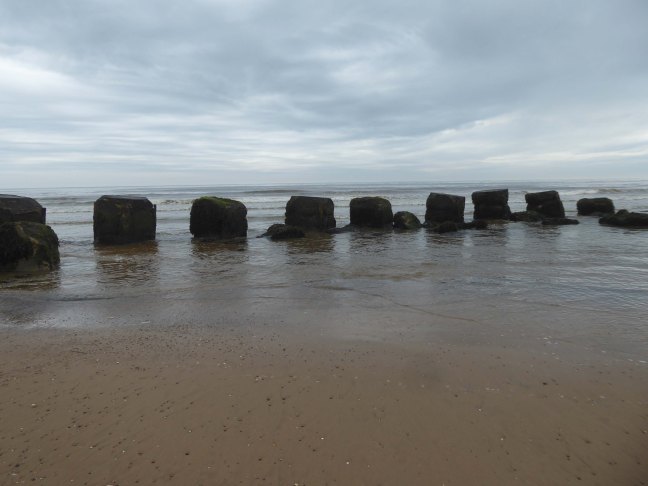
The last post on the concrete coast was from Filey
Now we’re heading south to Bridlington and beyond.
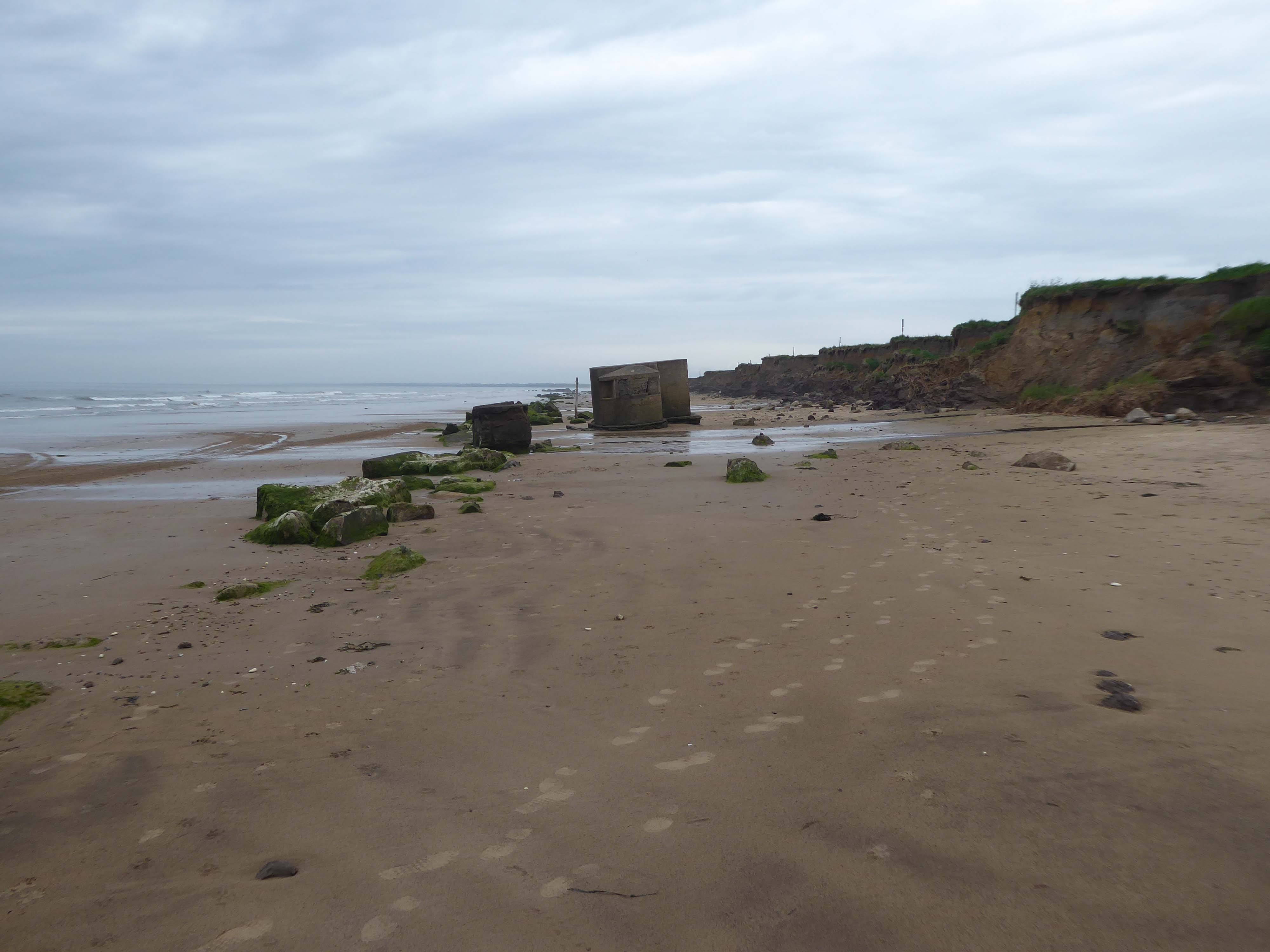
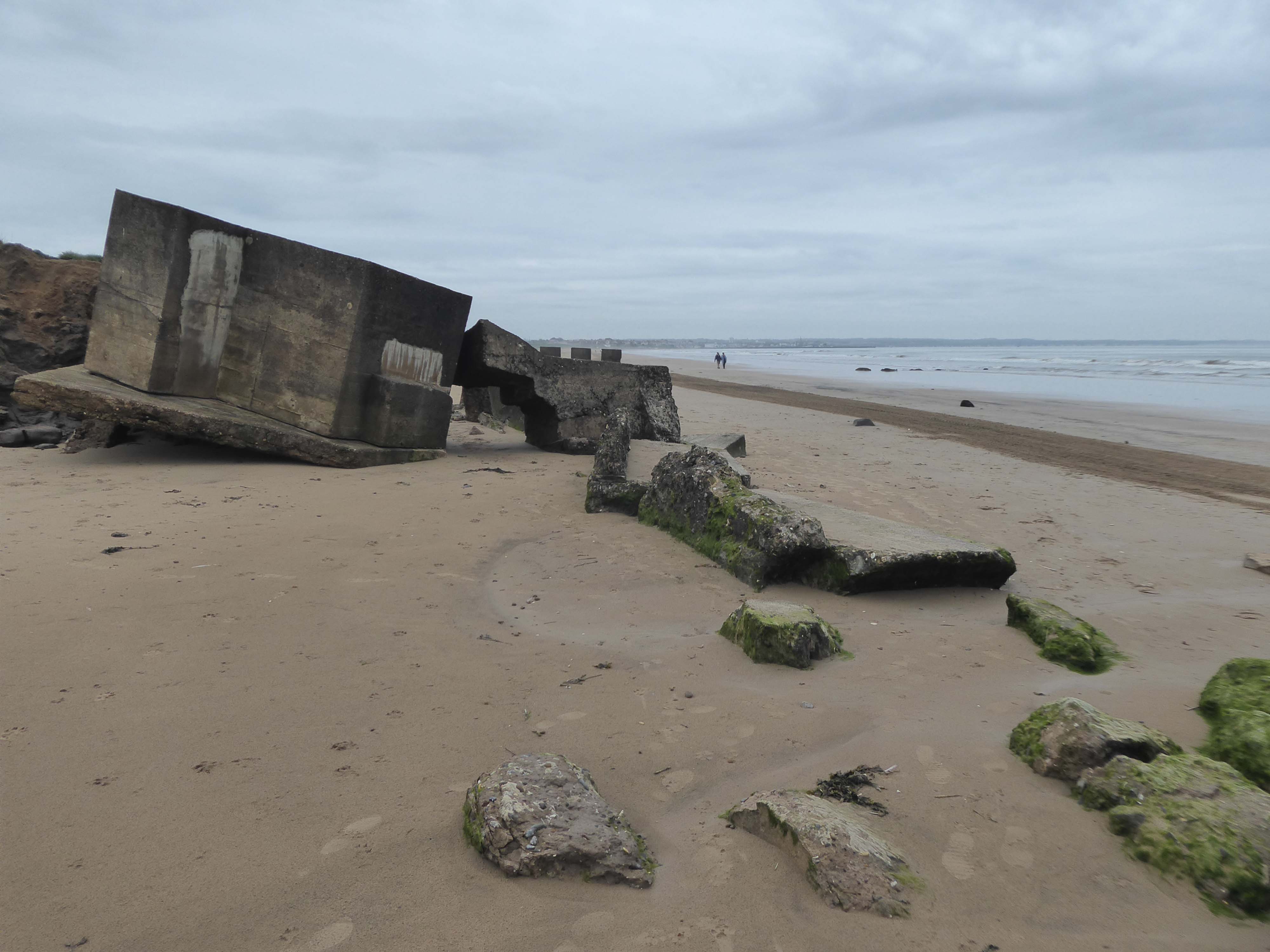
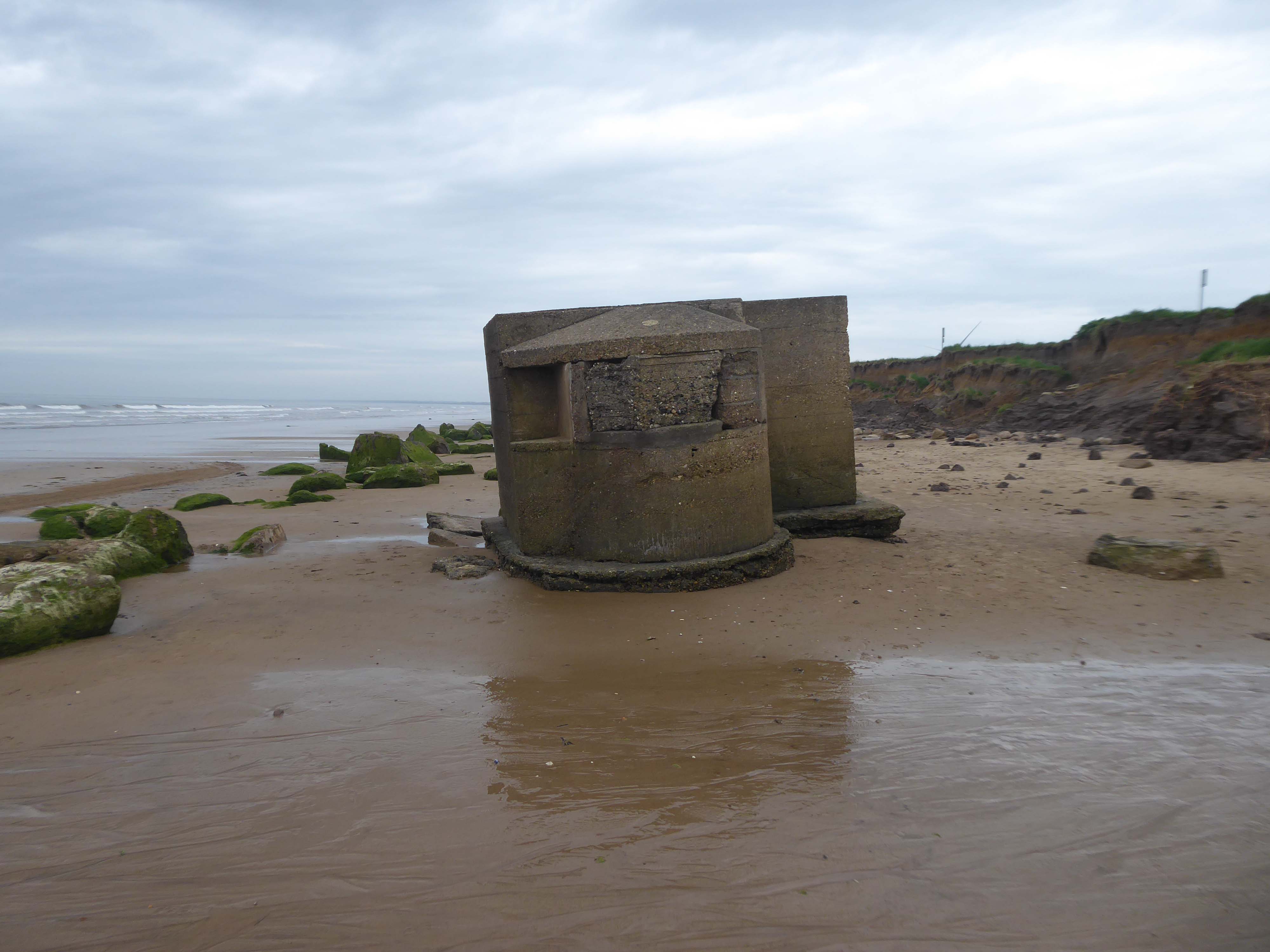
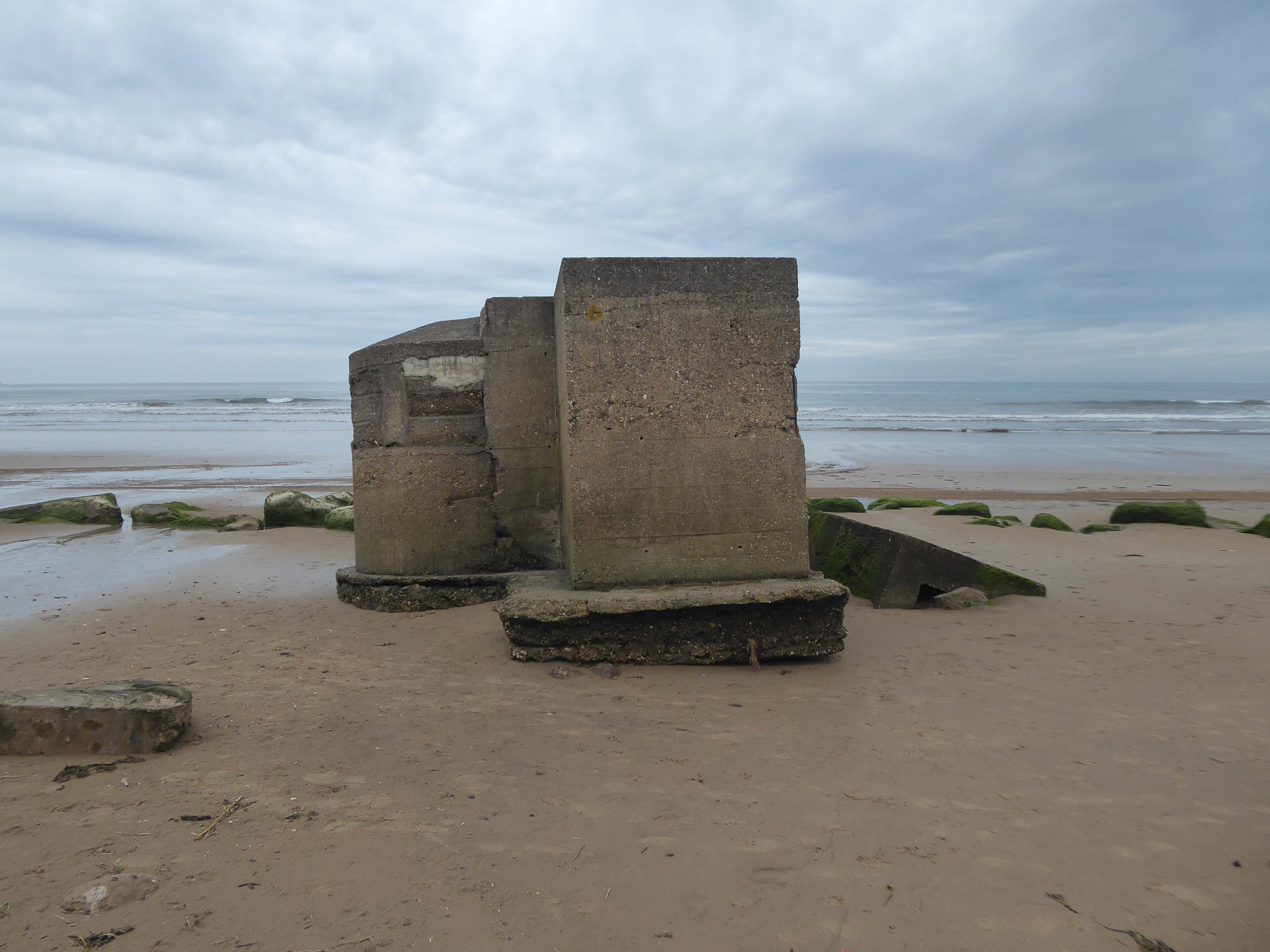
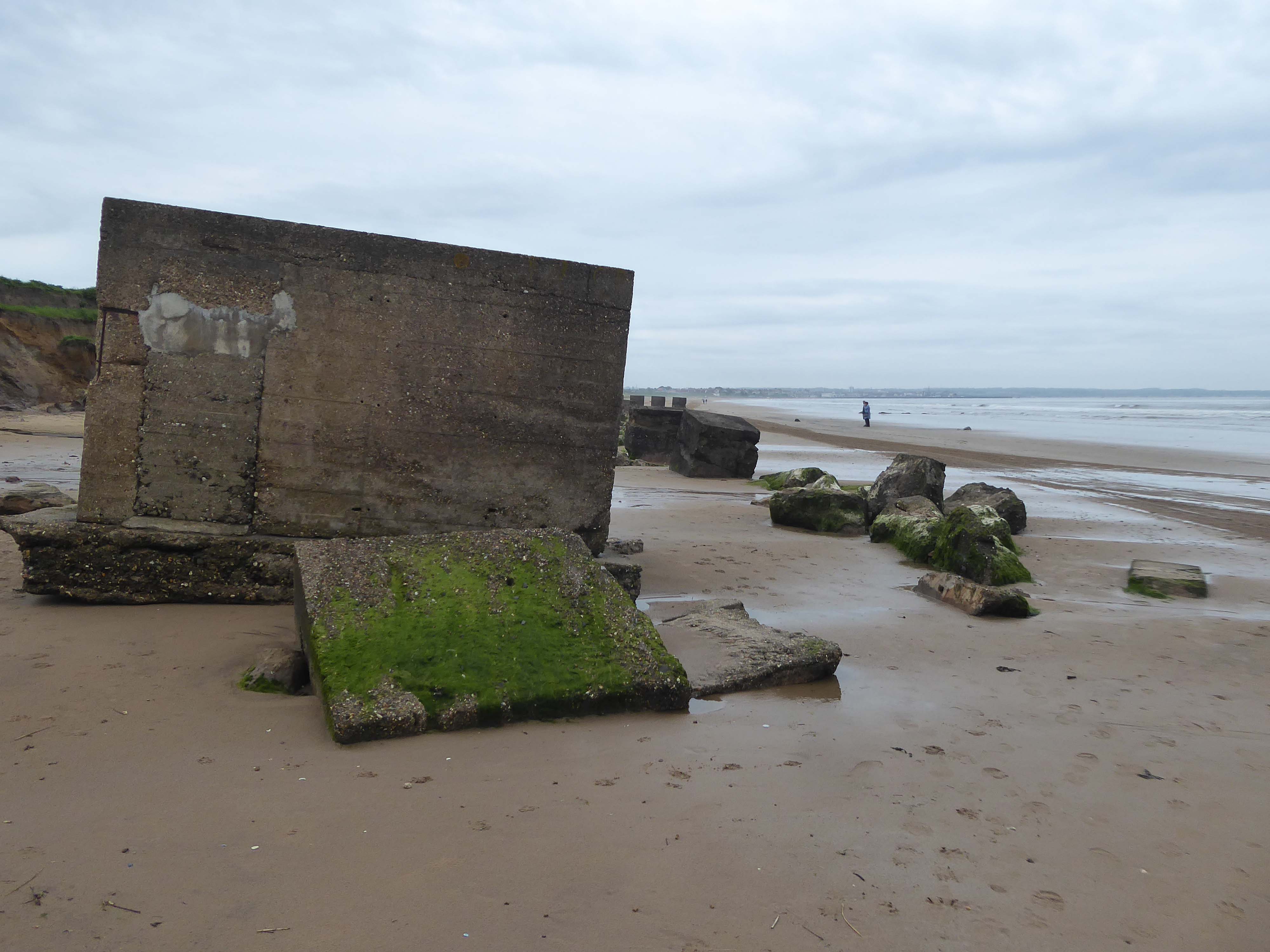
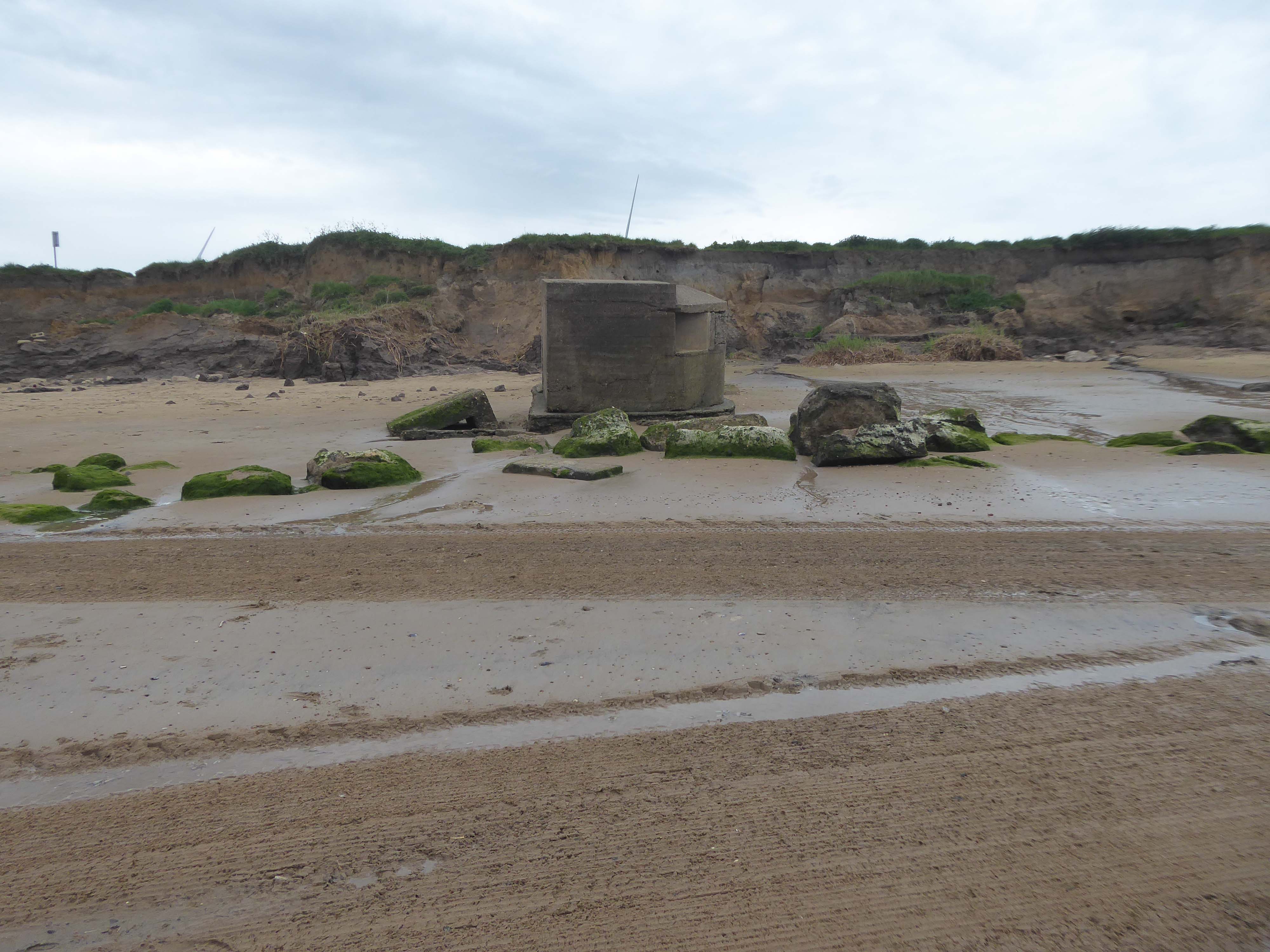
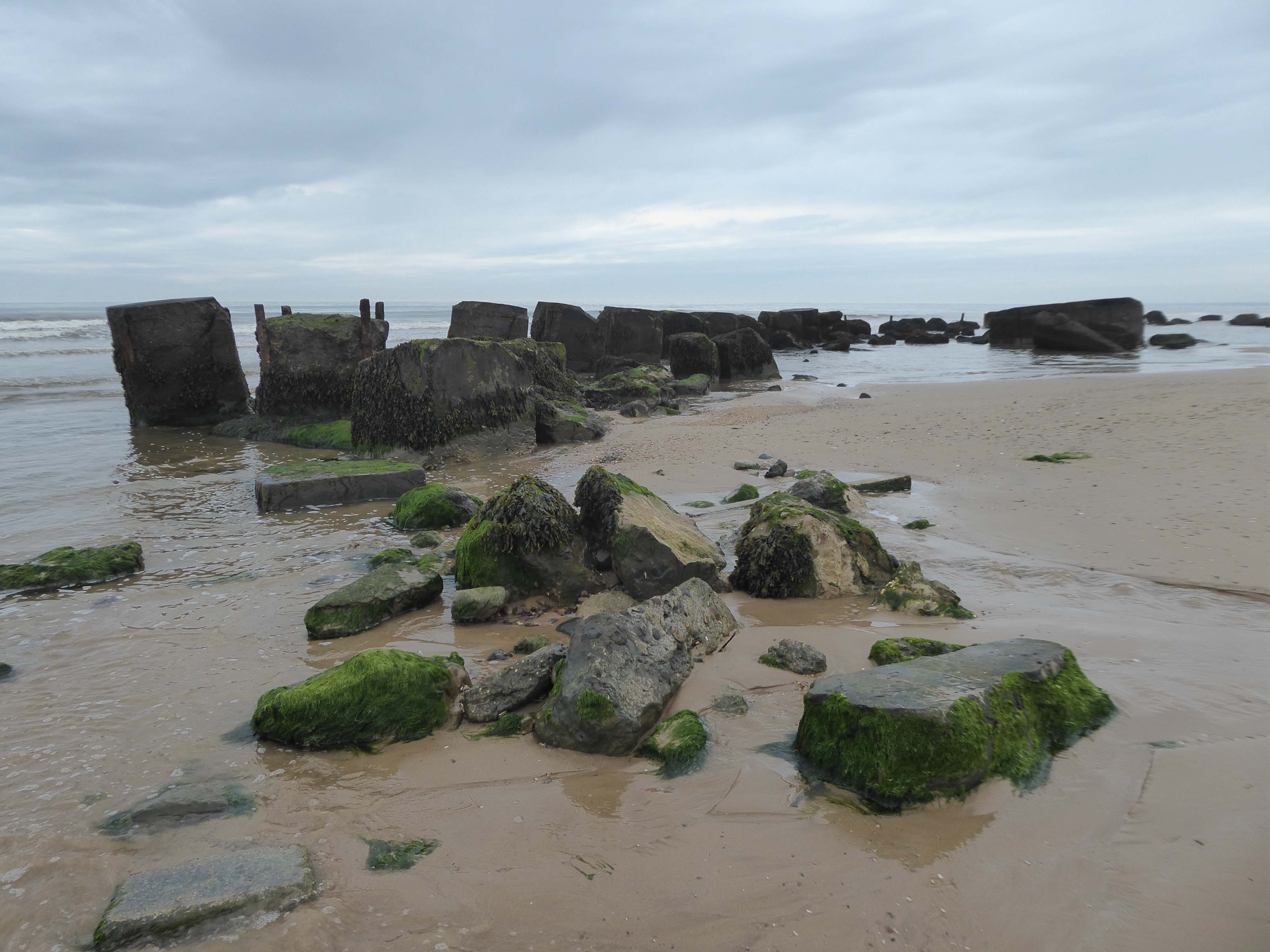
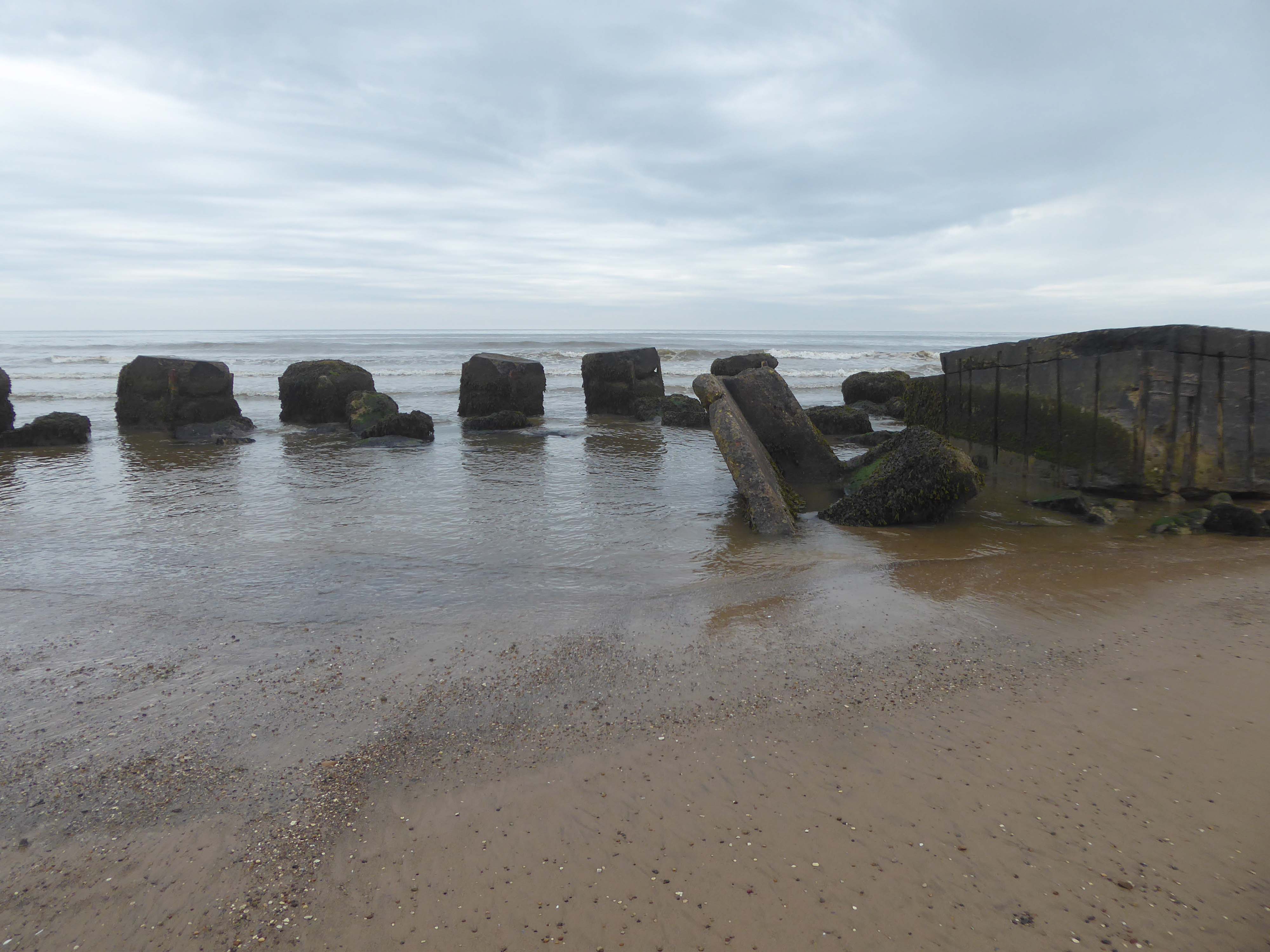
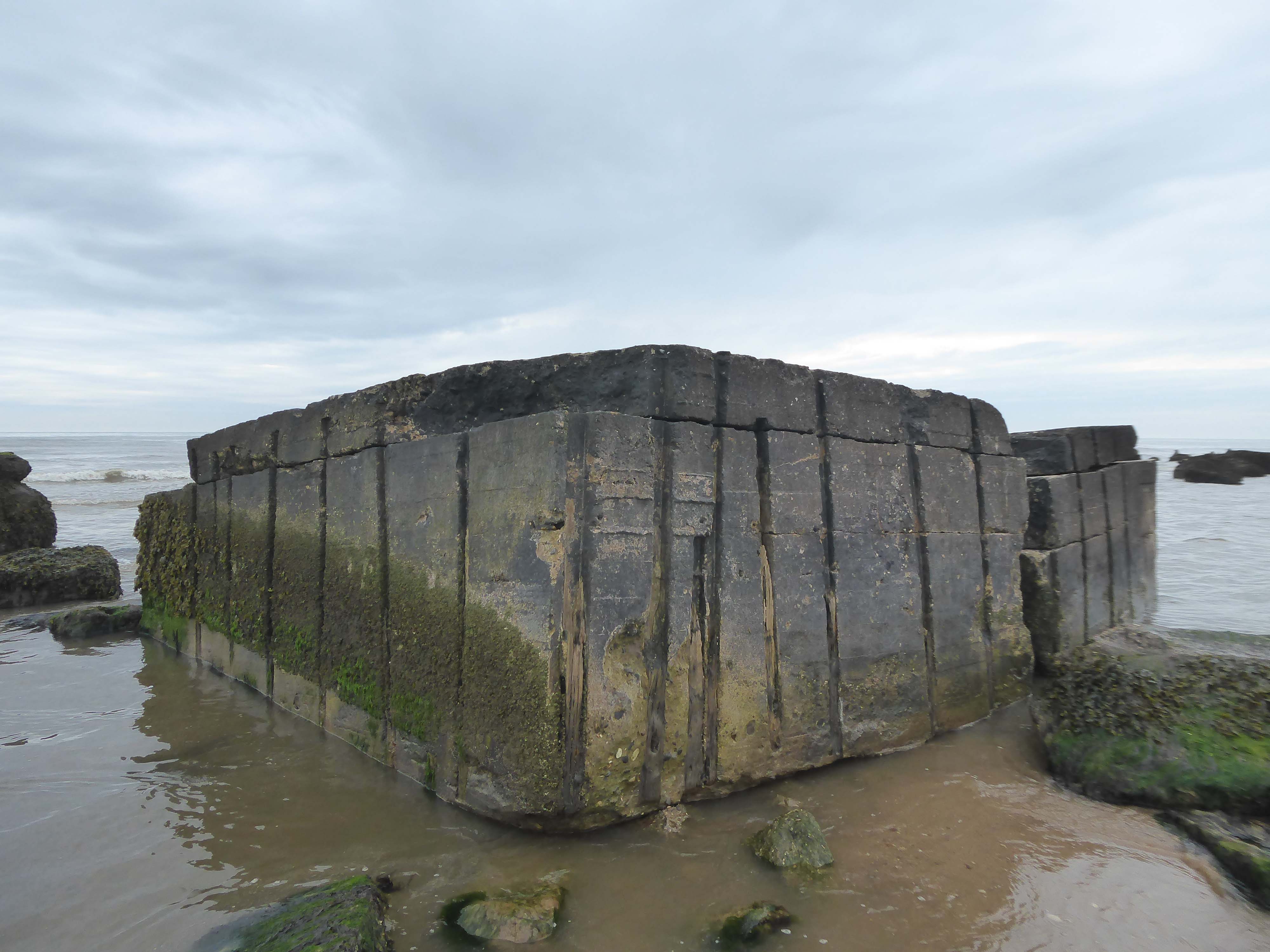
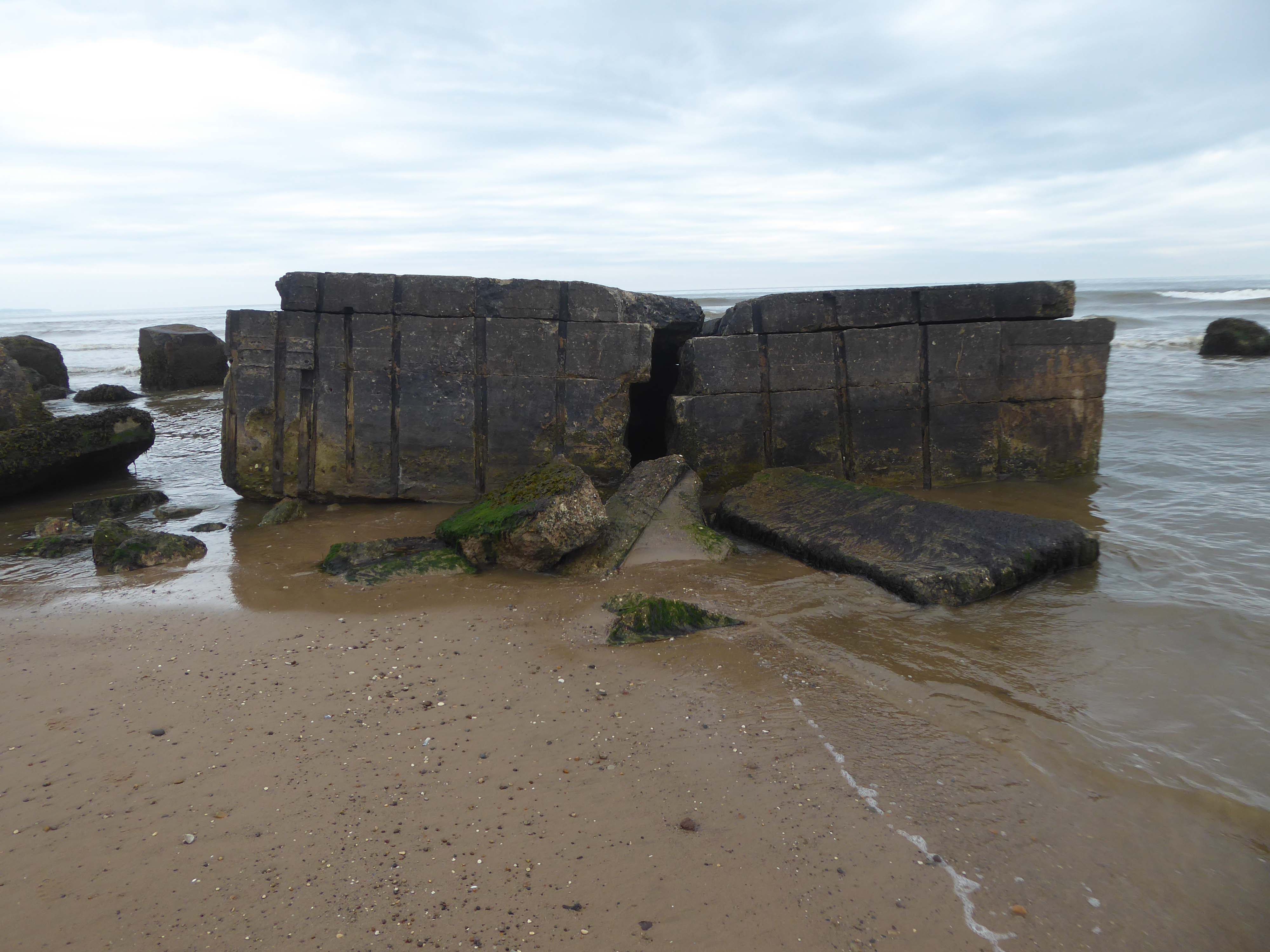
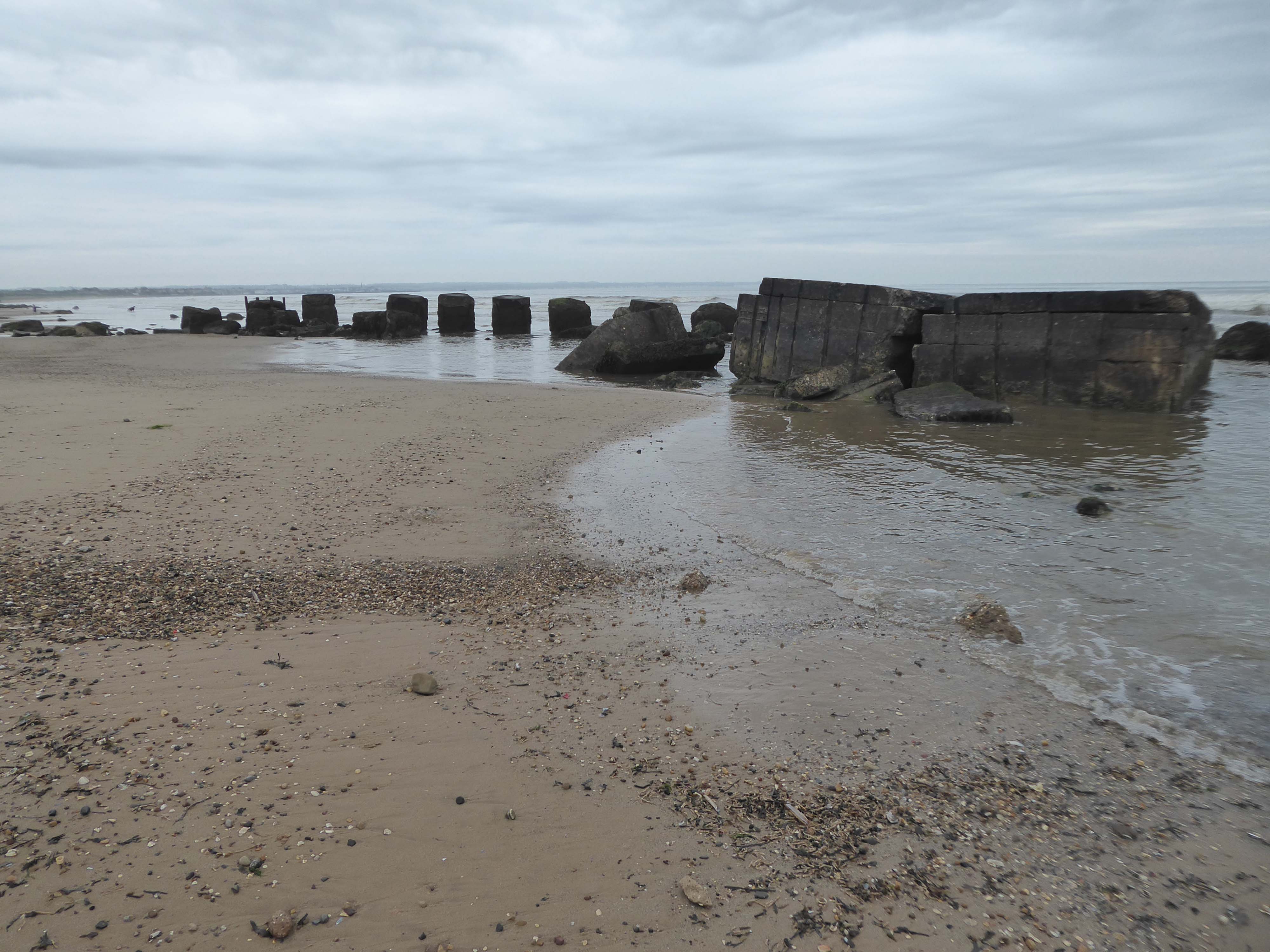
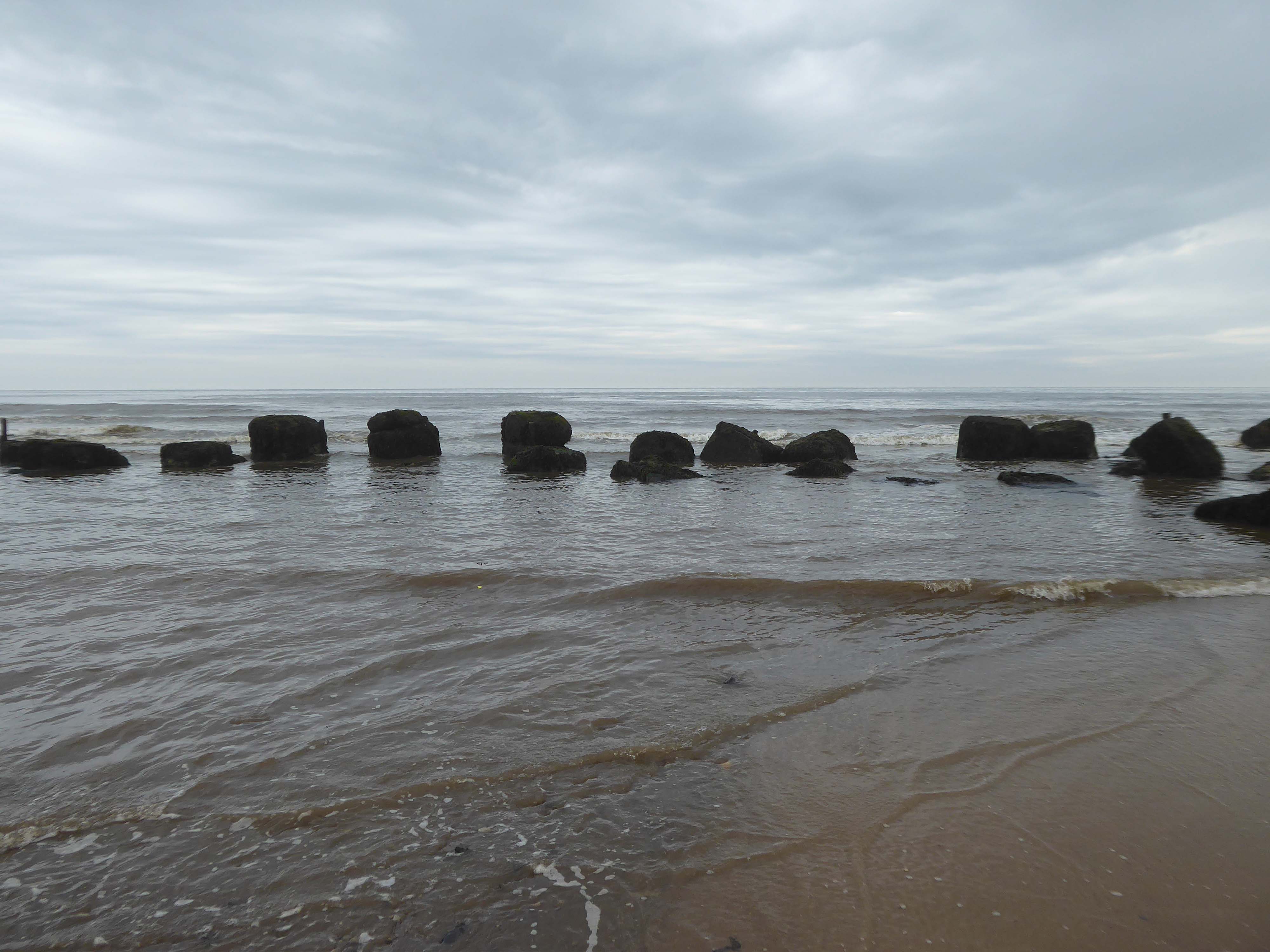
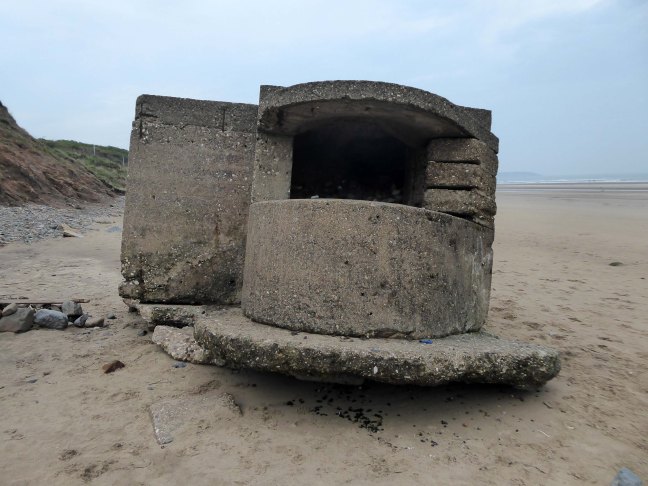
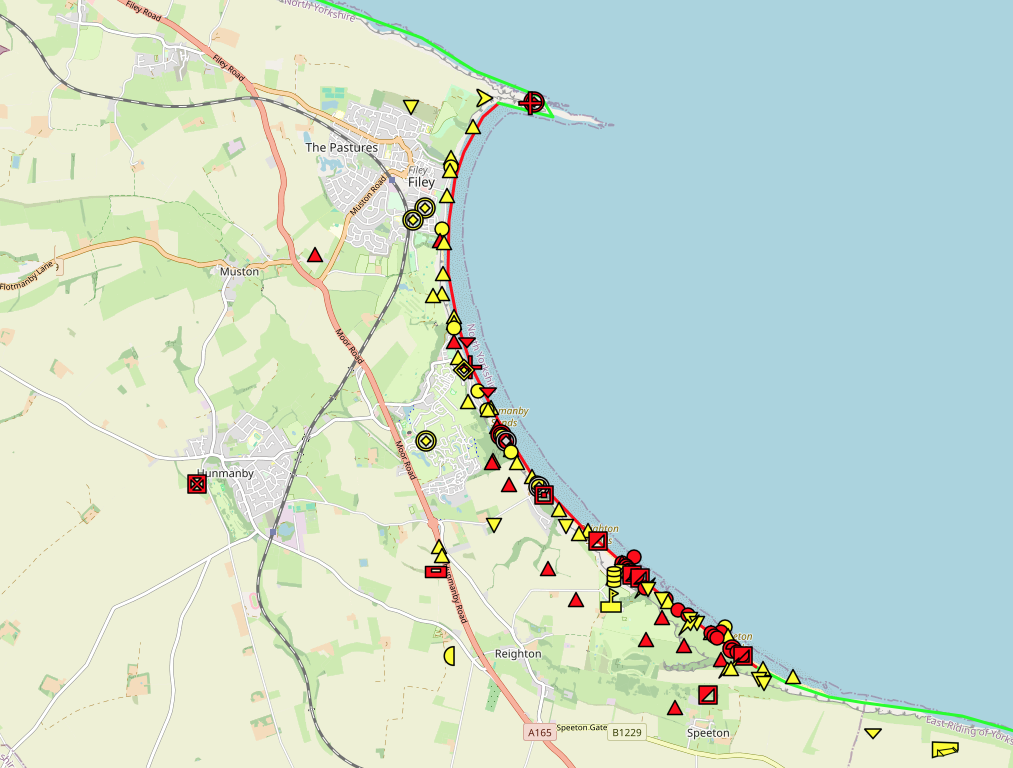
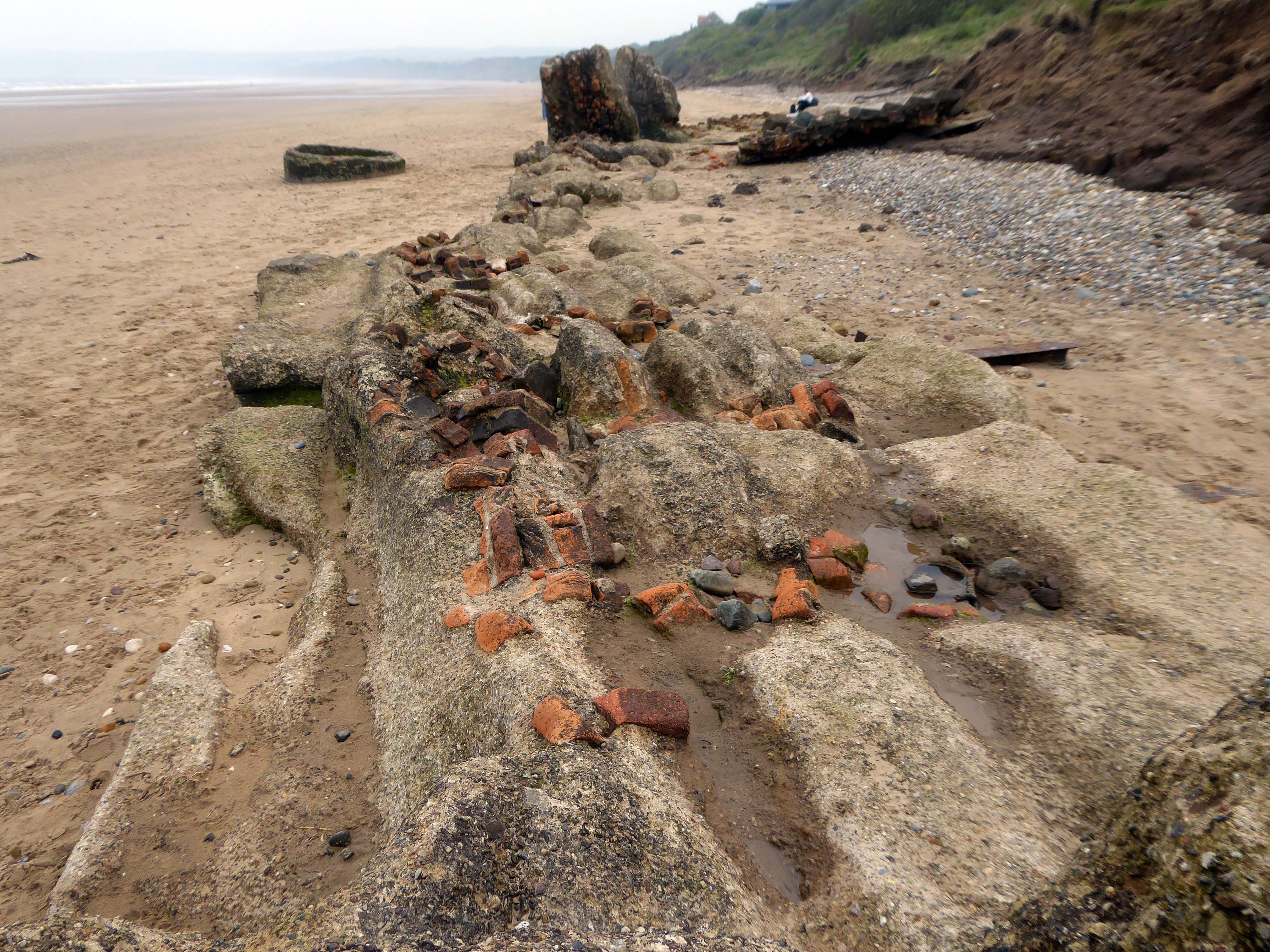
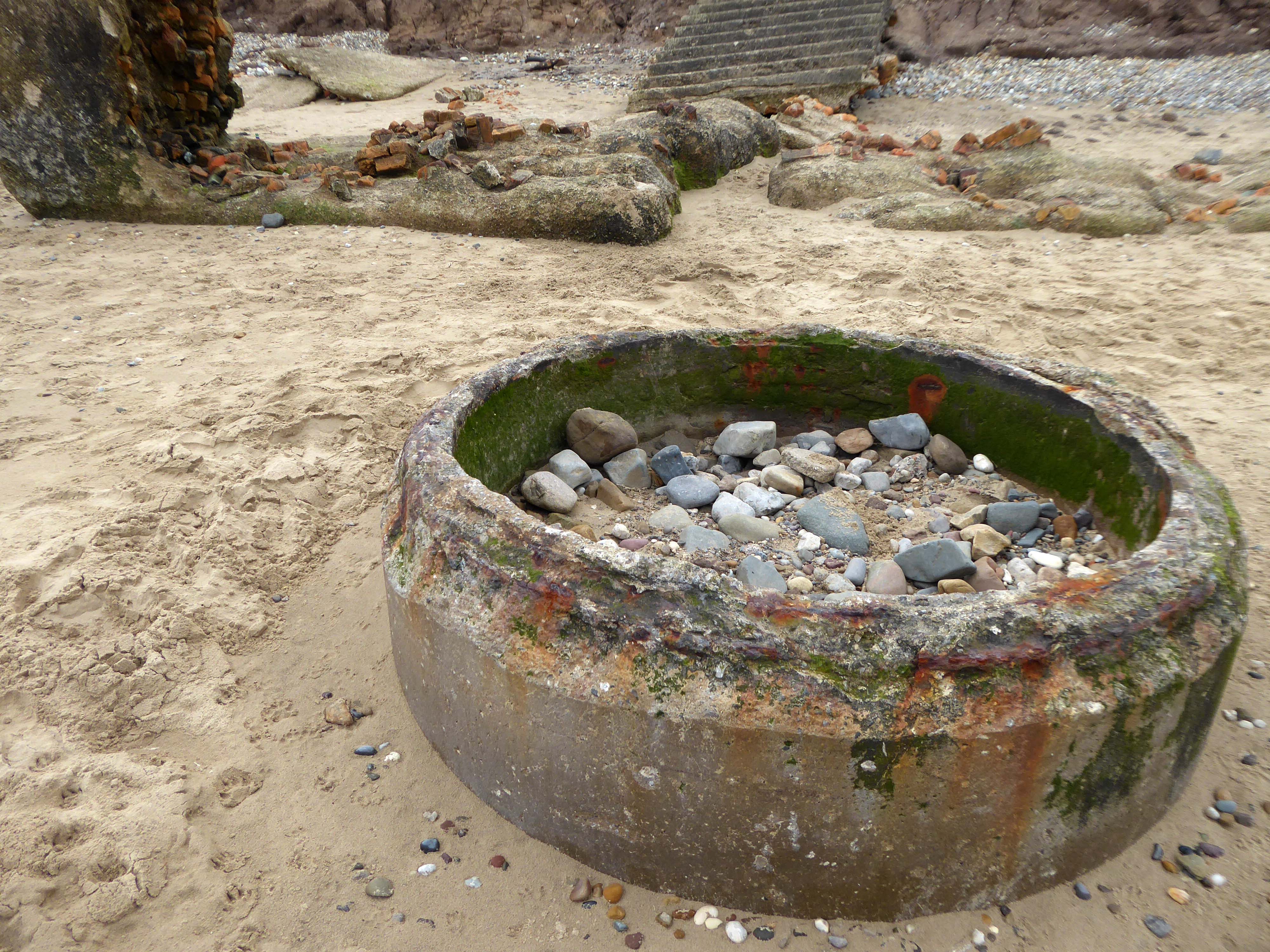
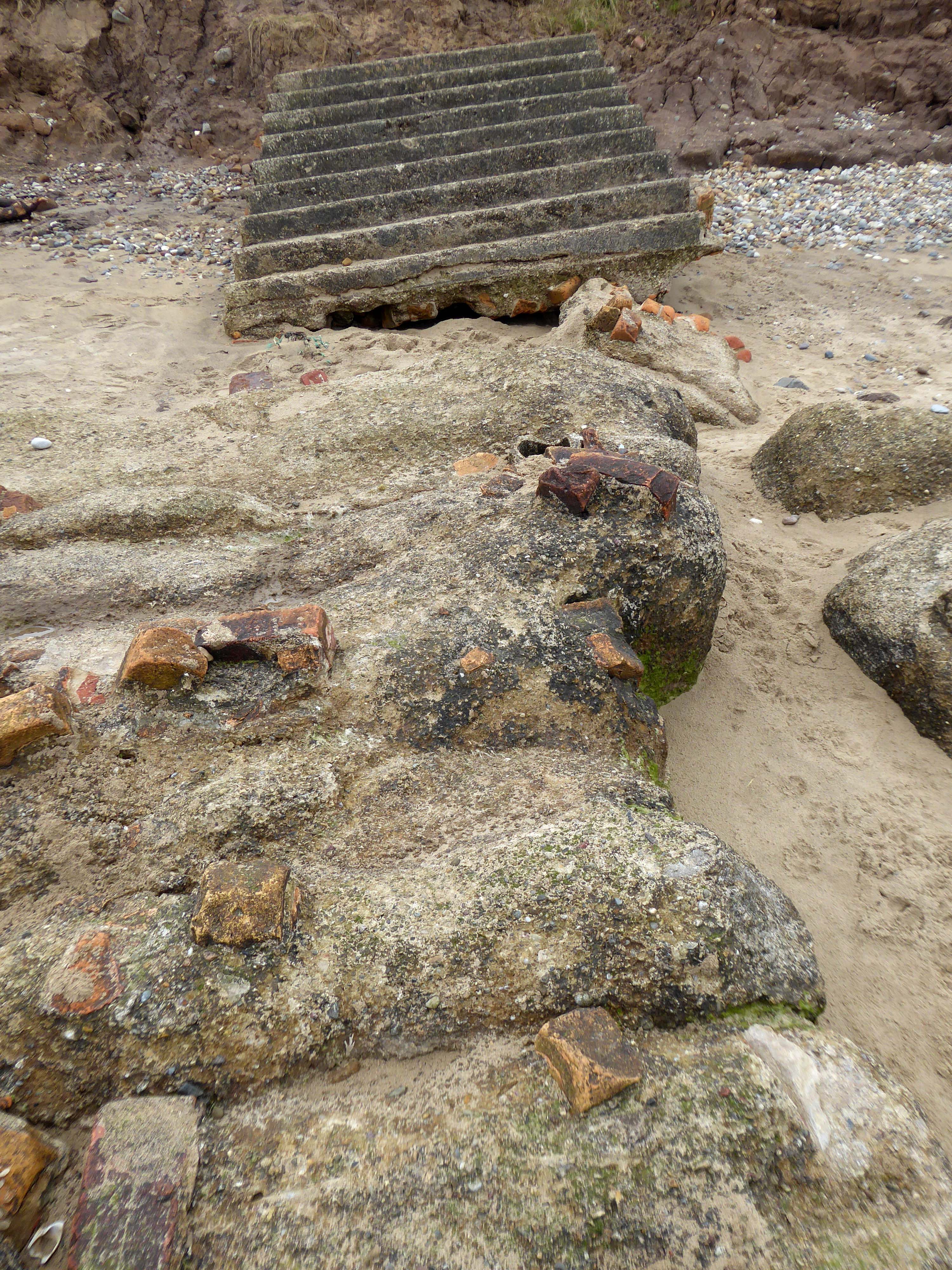
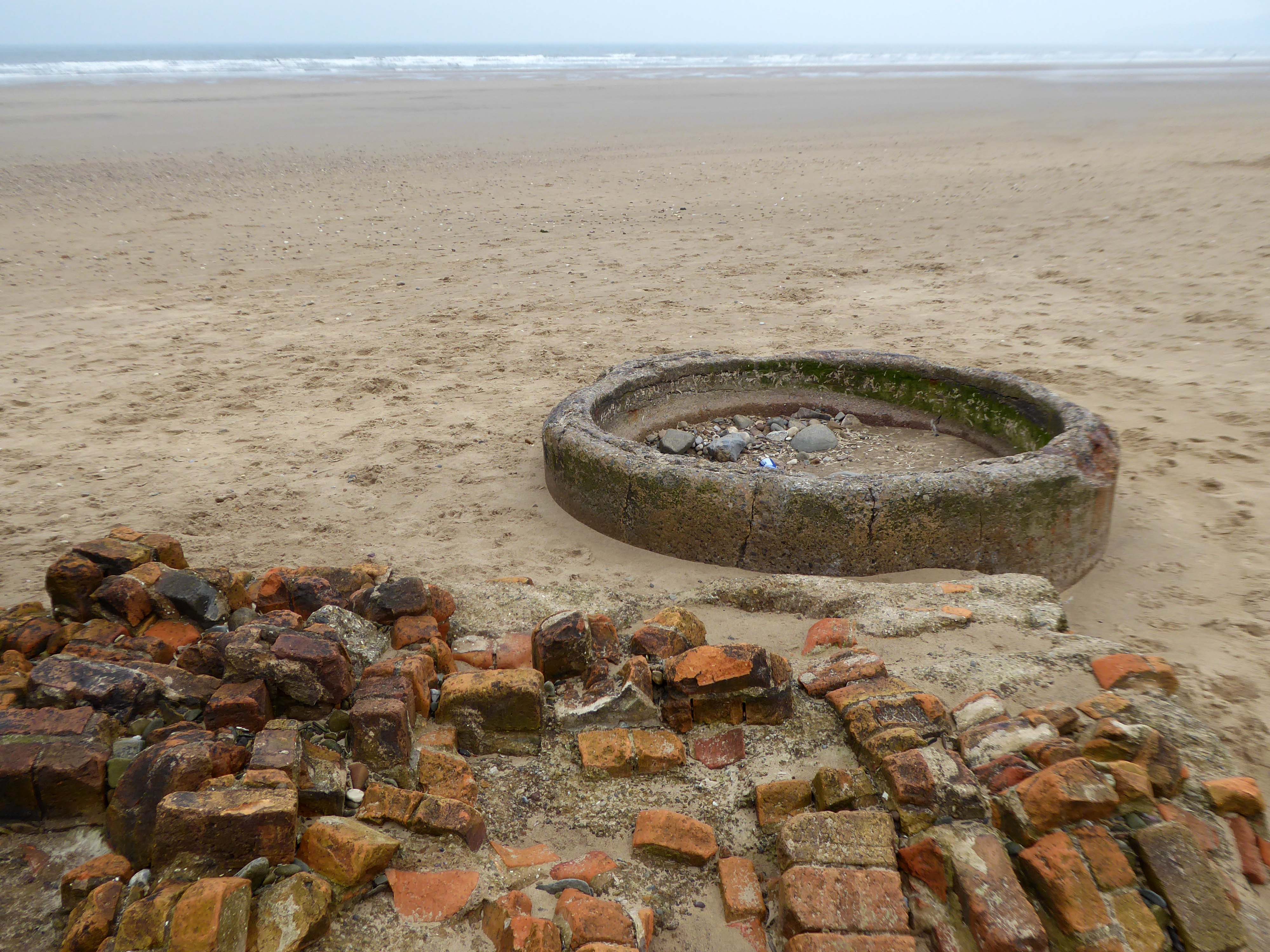
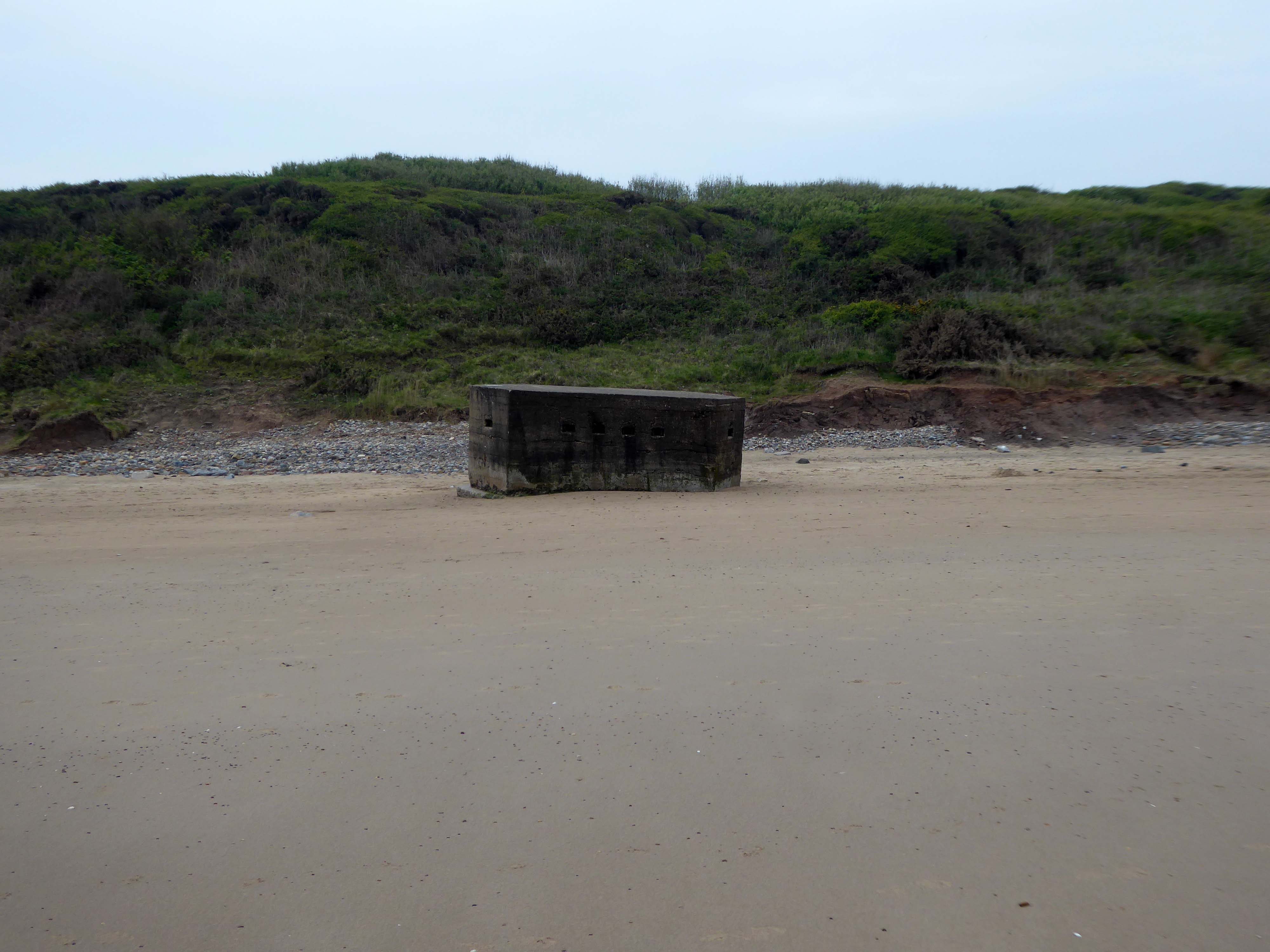
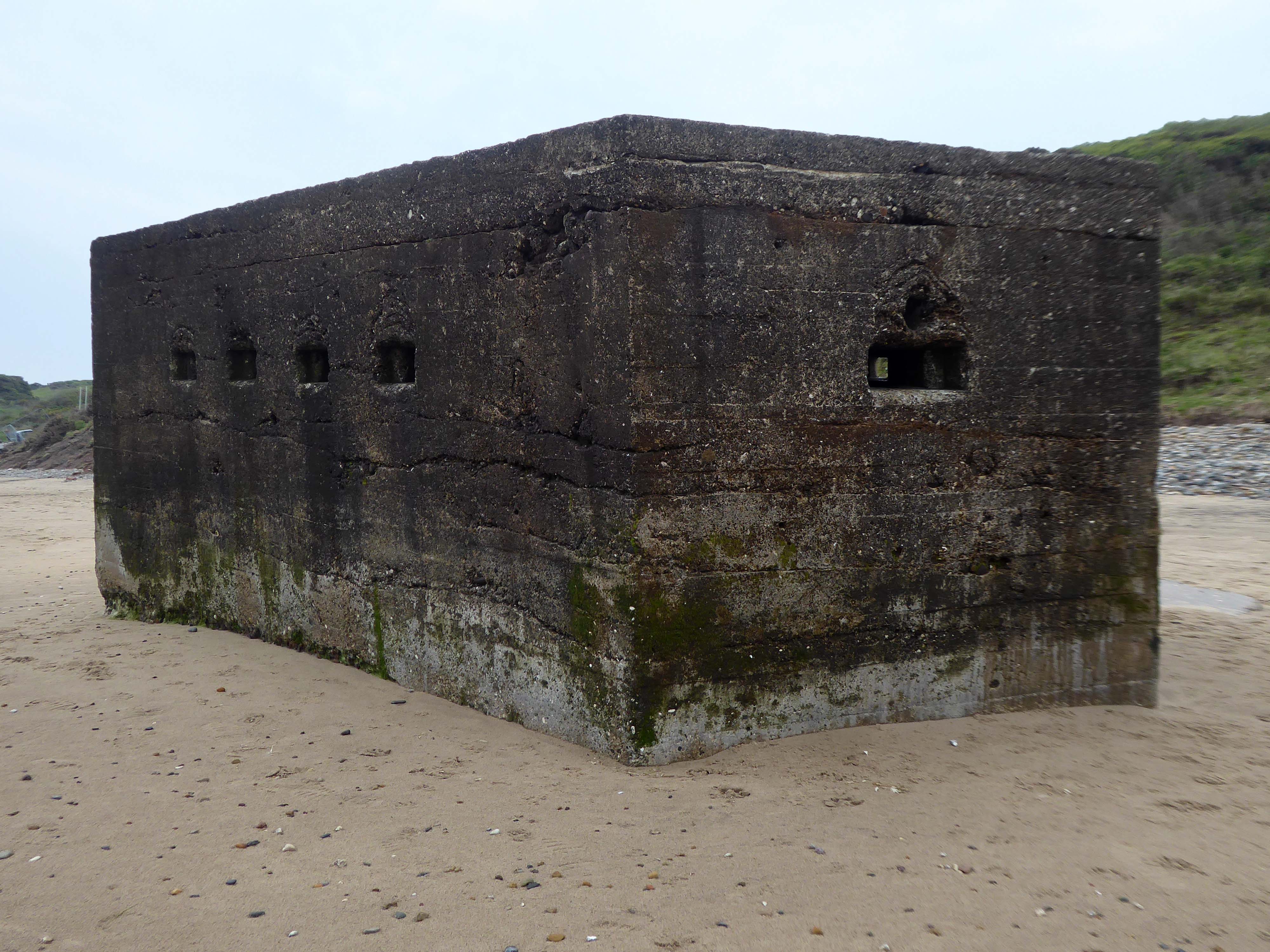
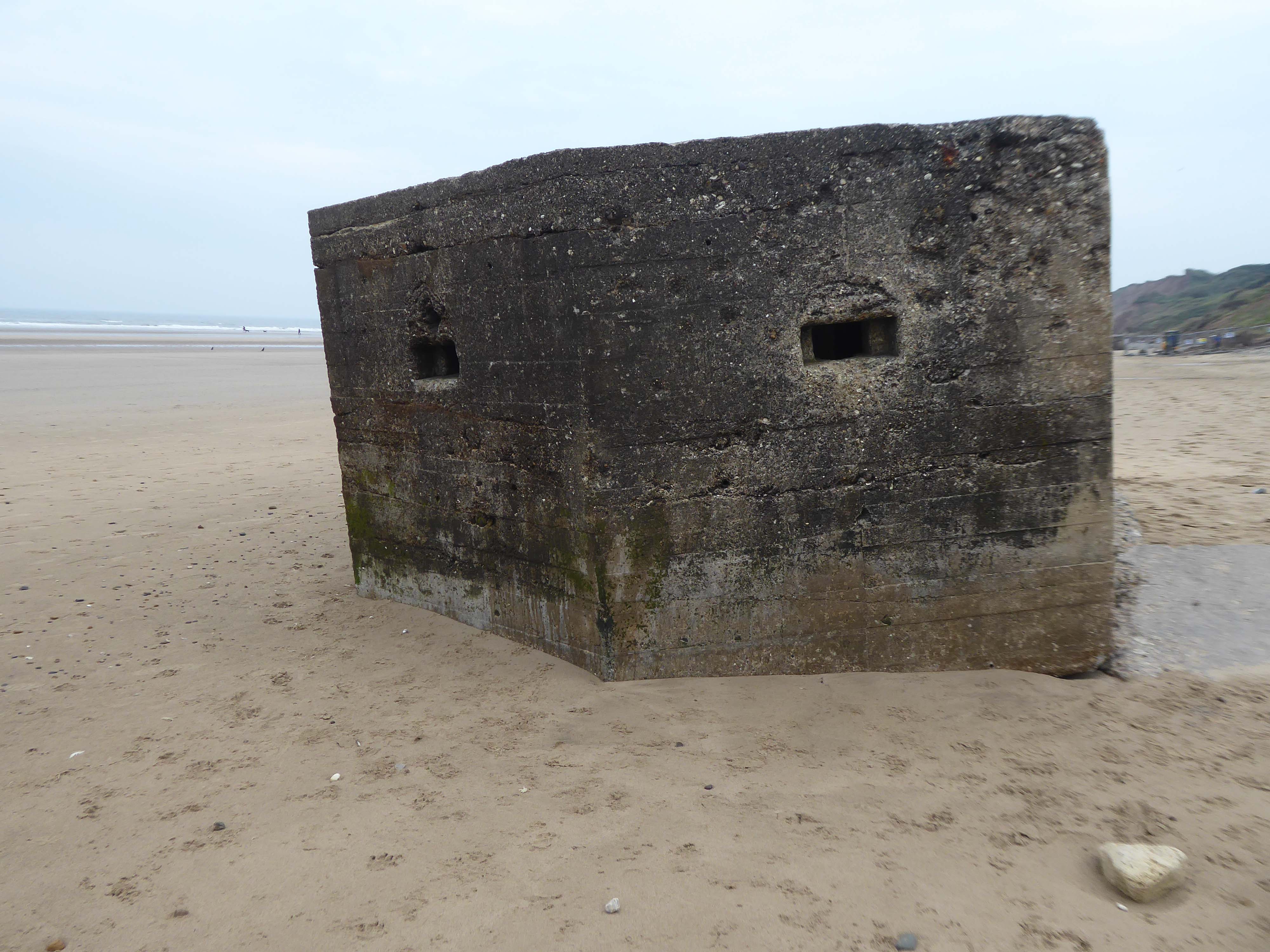
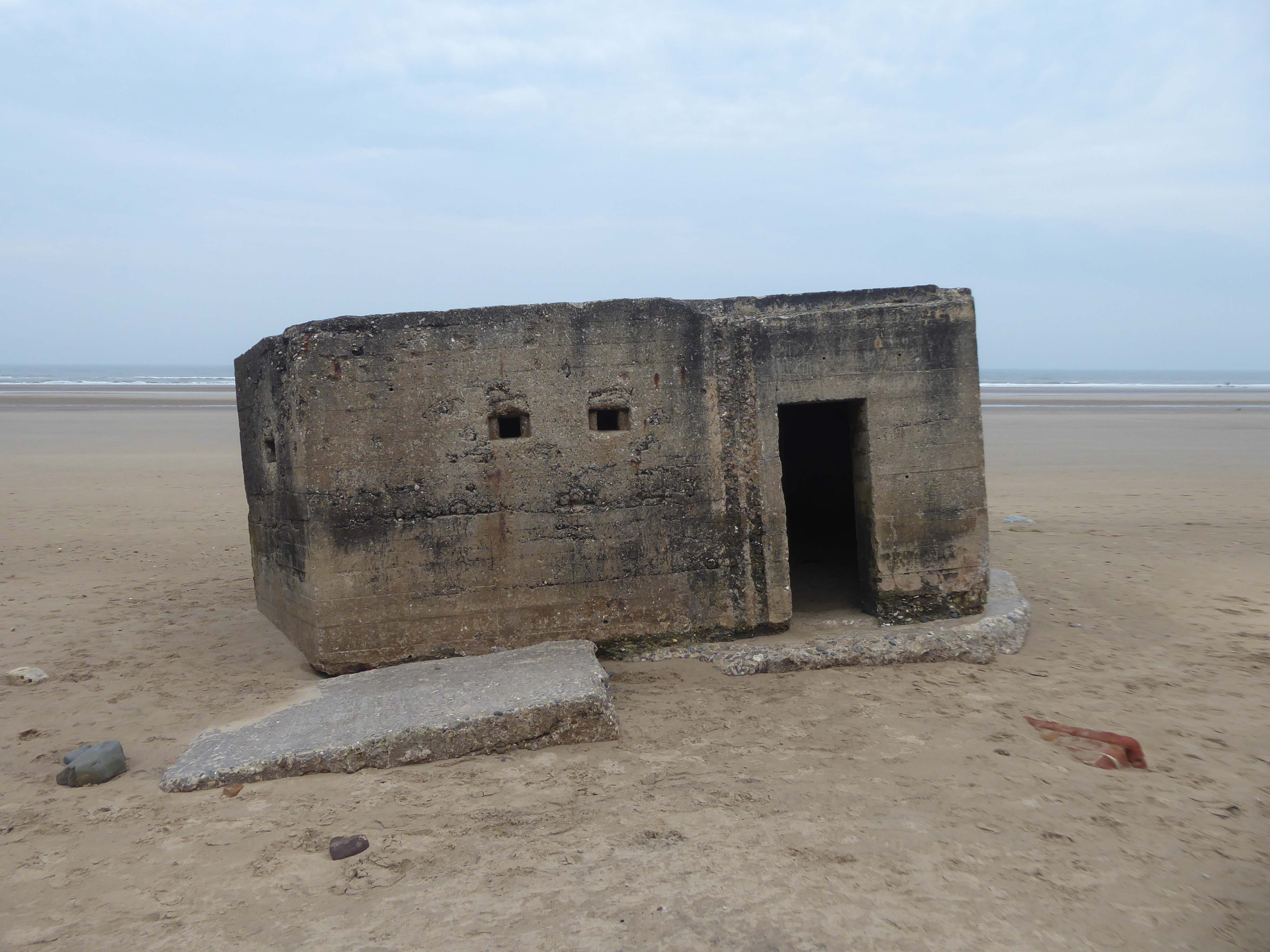
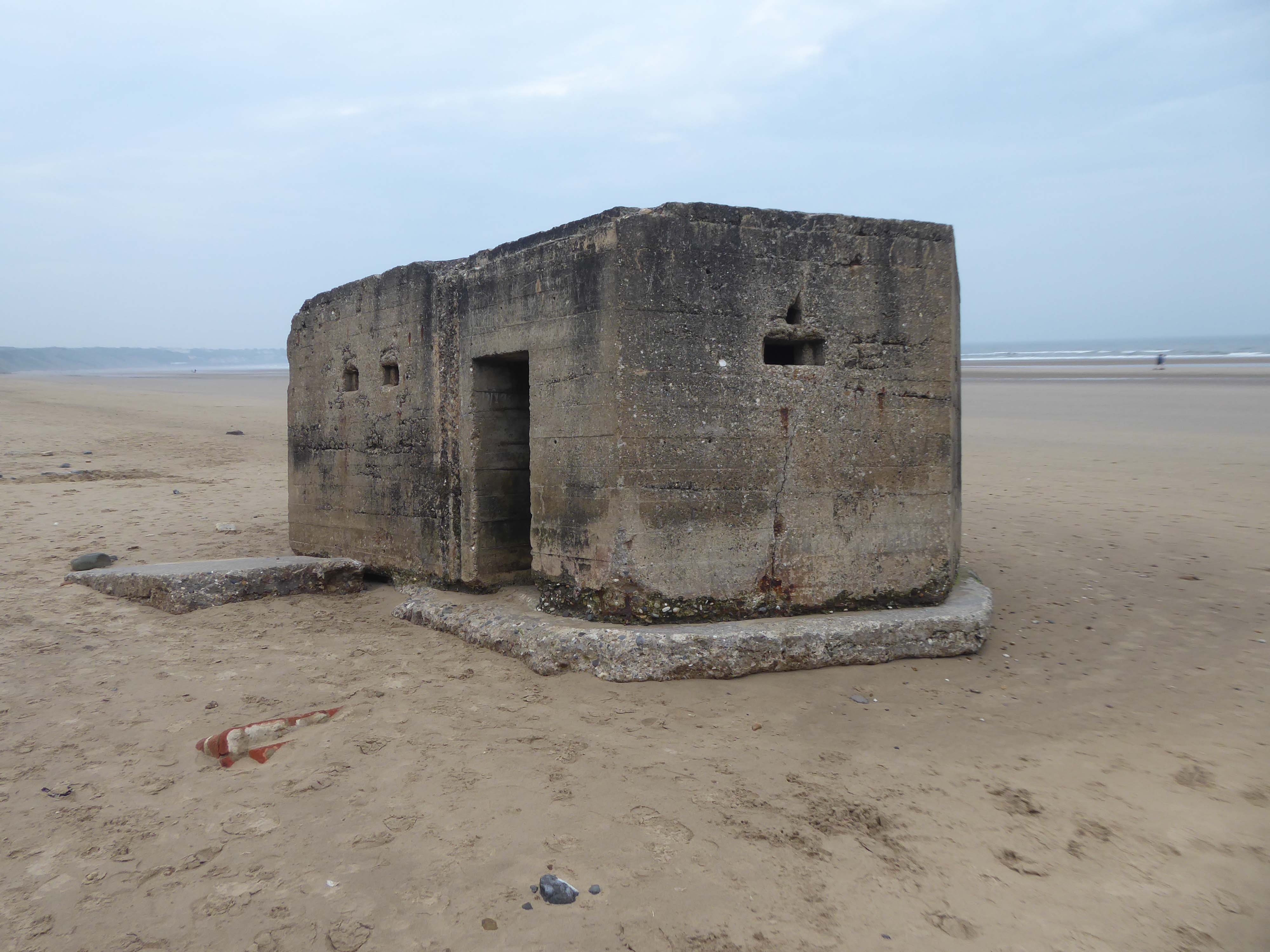
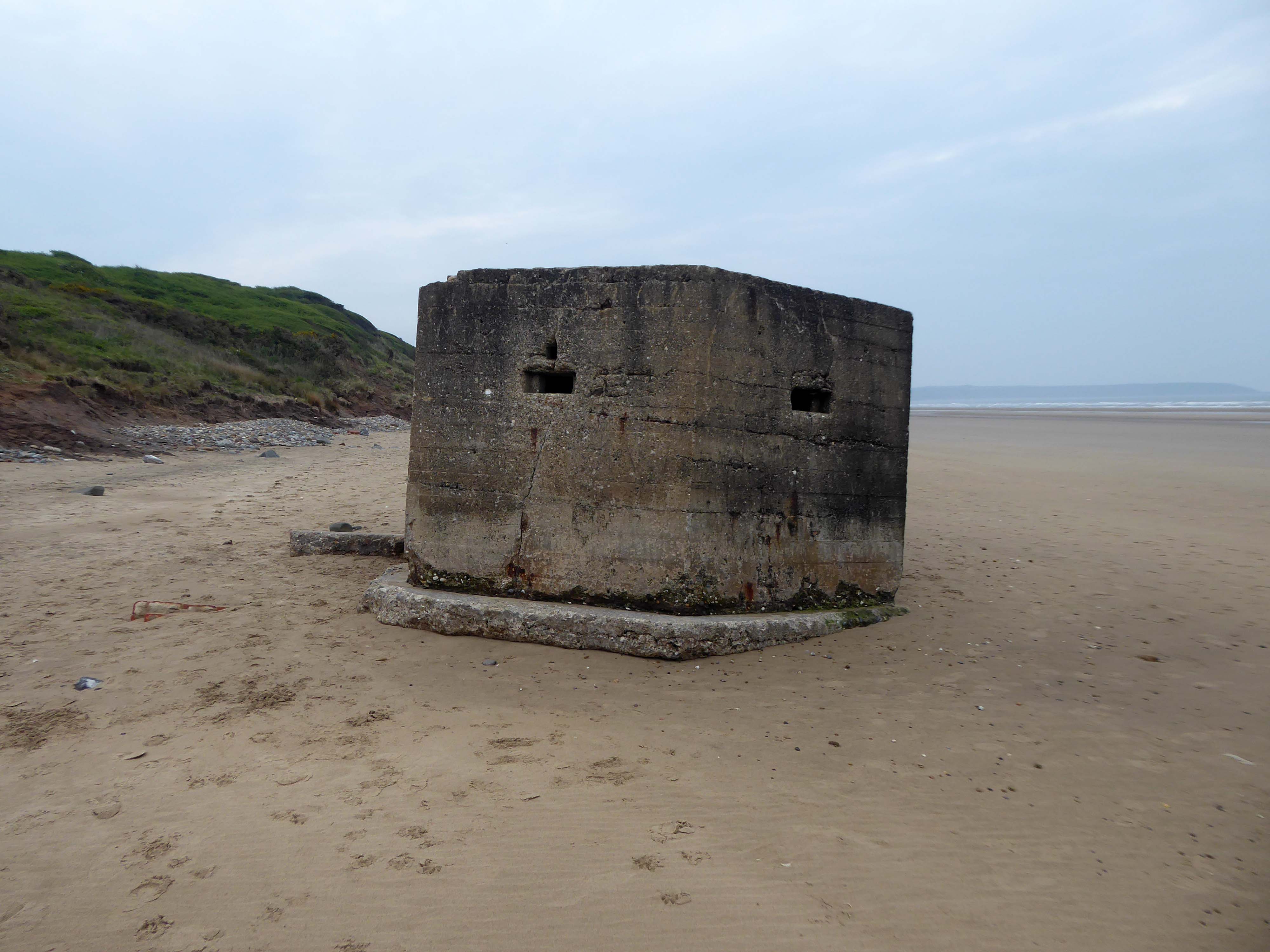
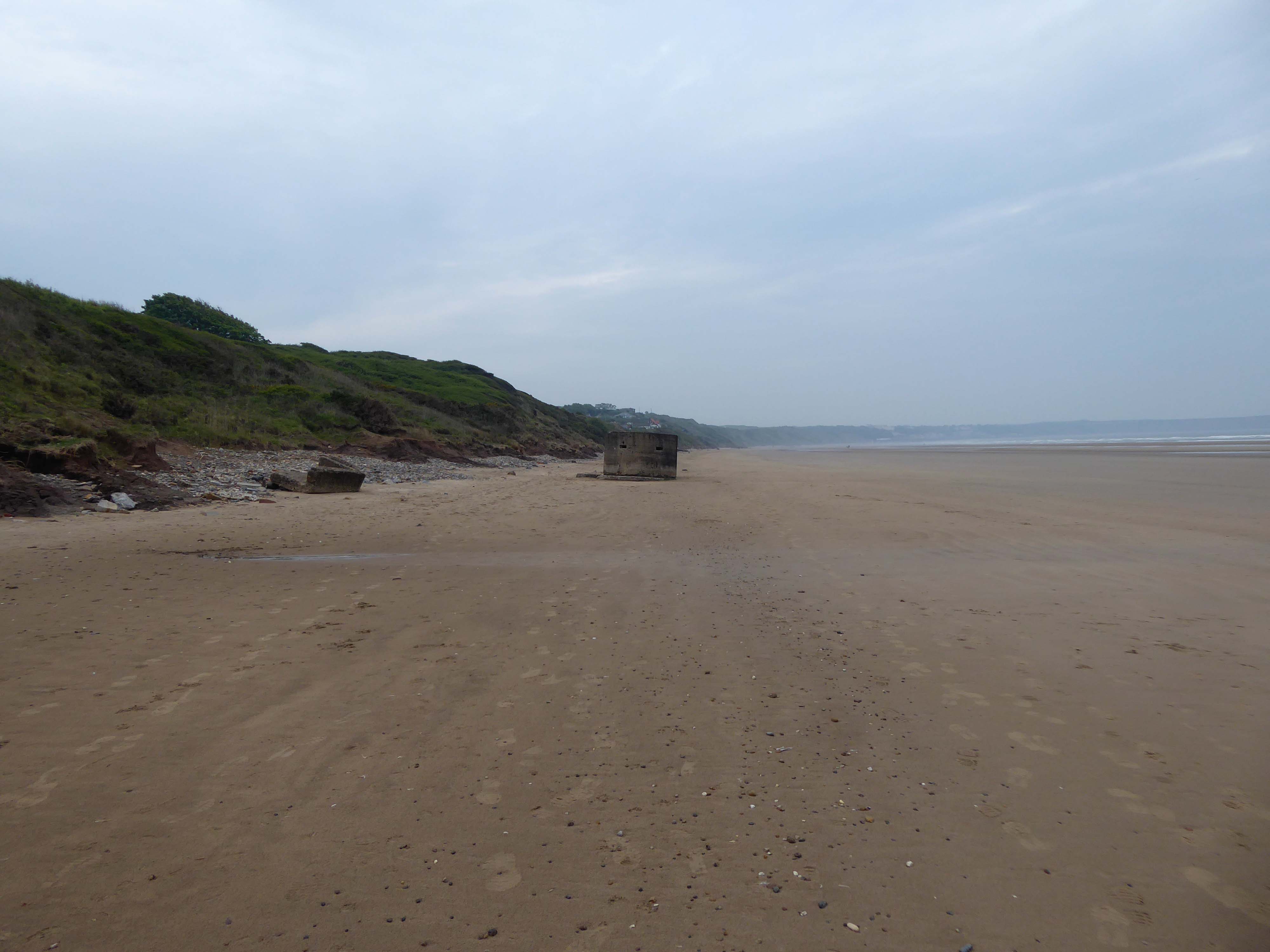
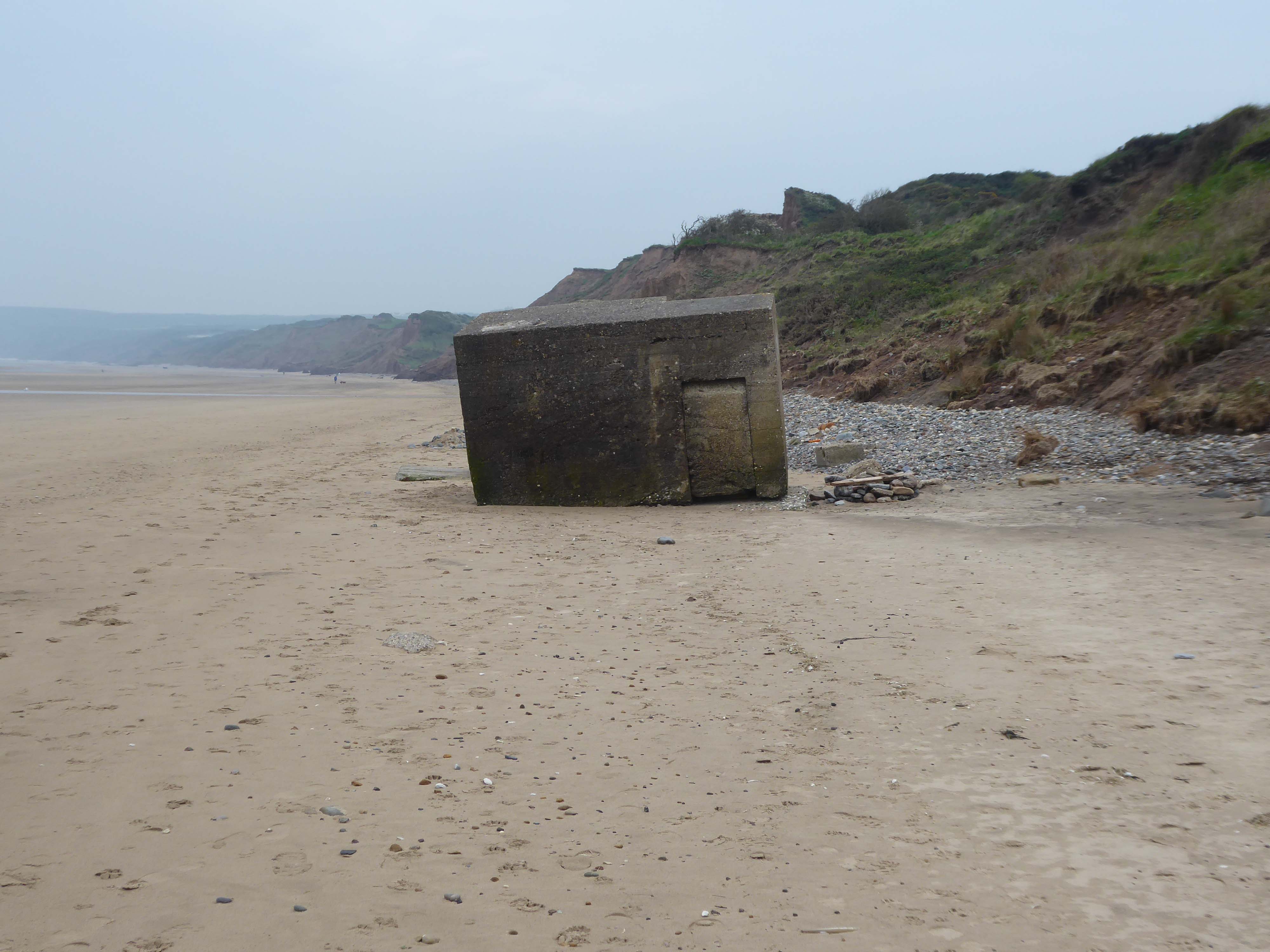
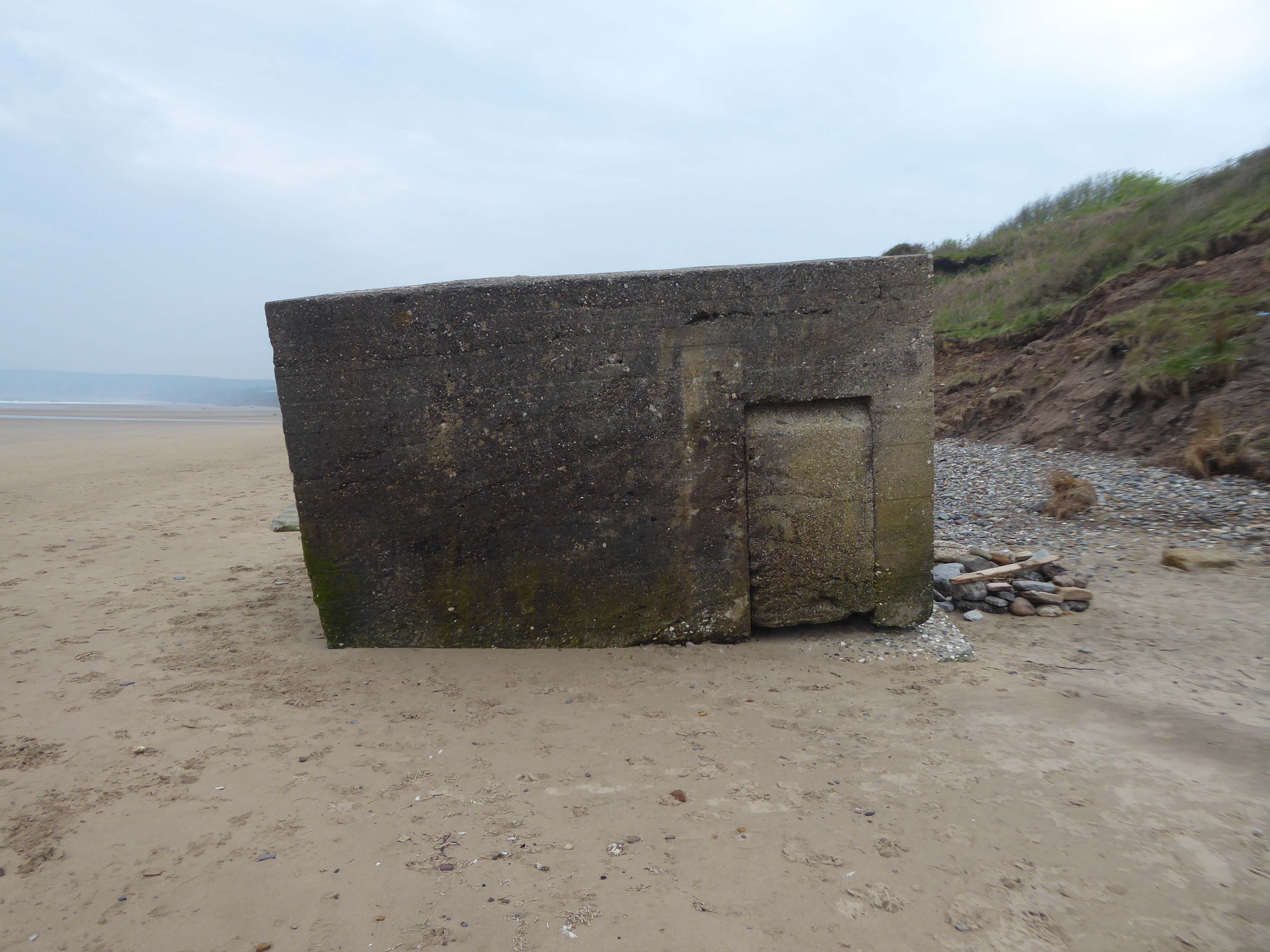
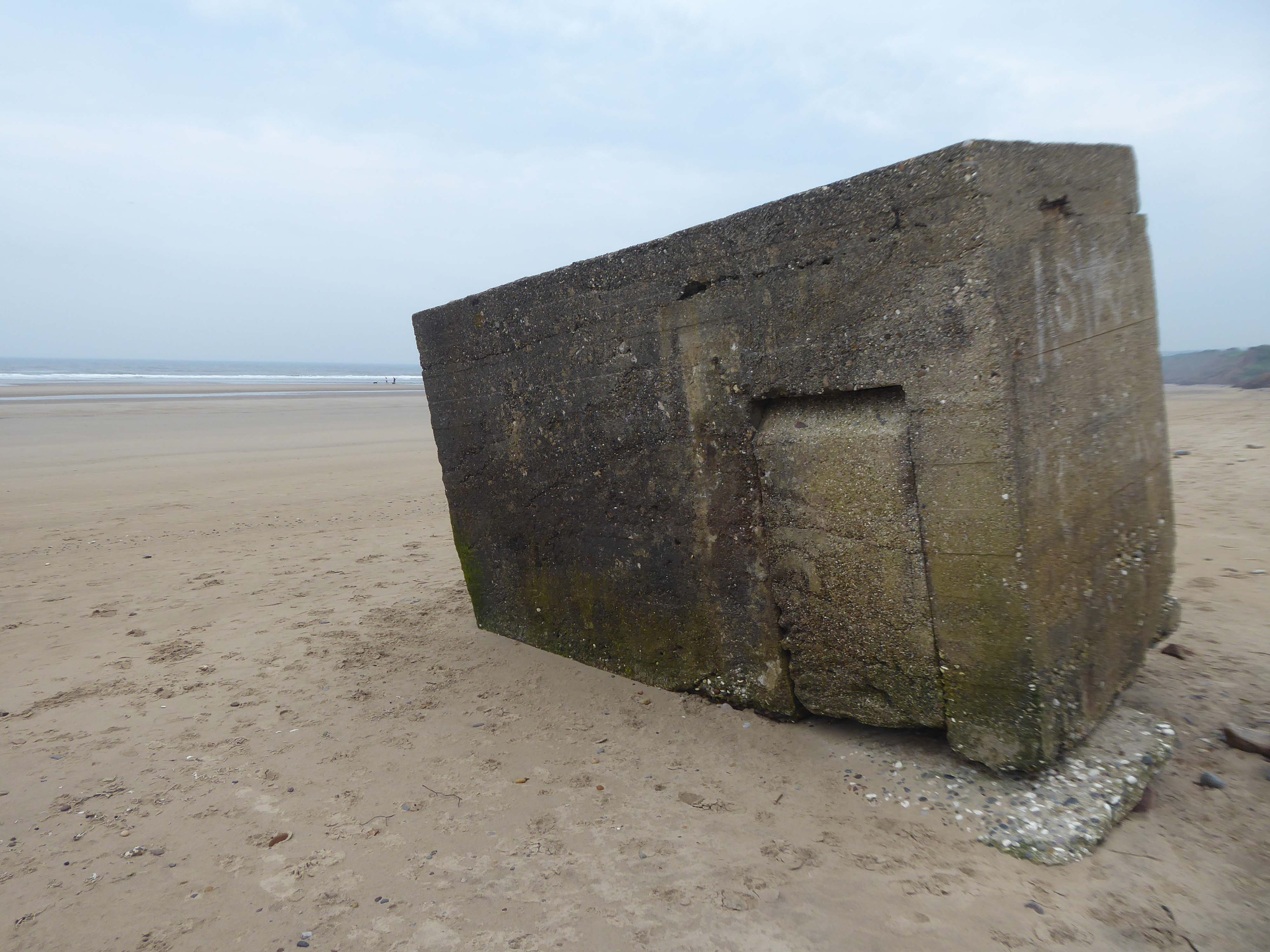
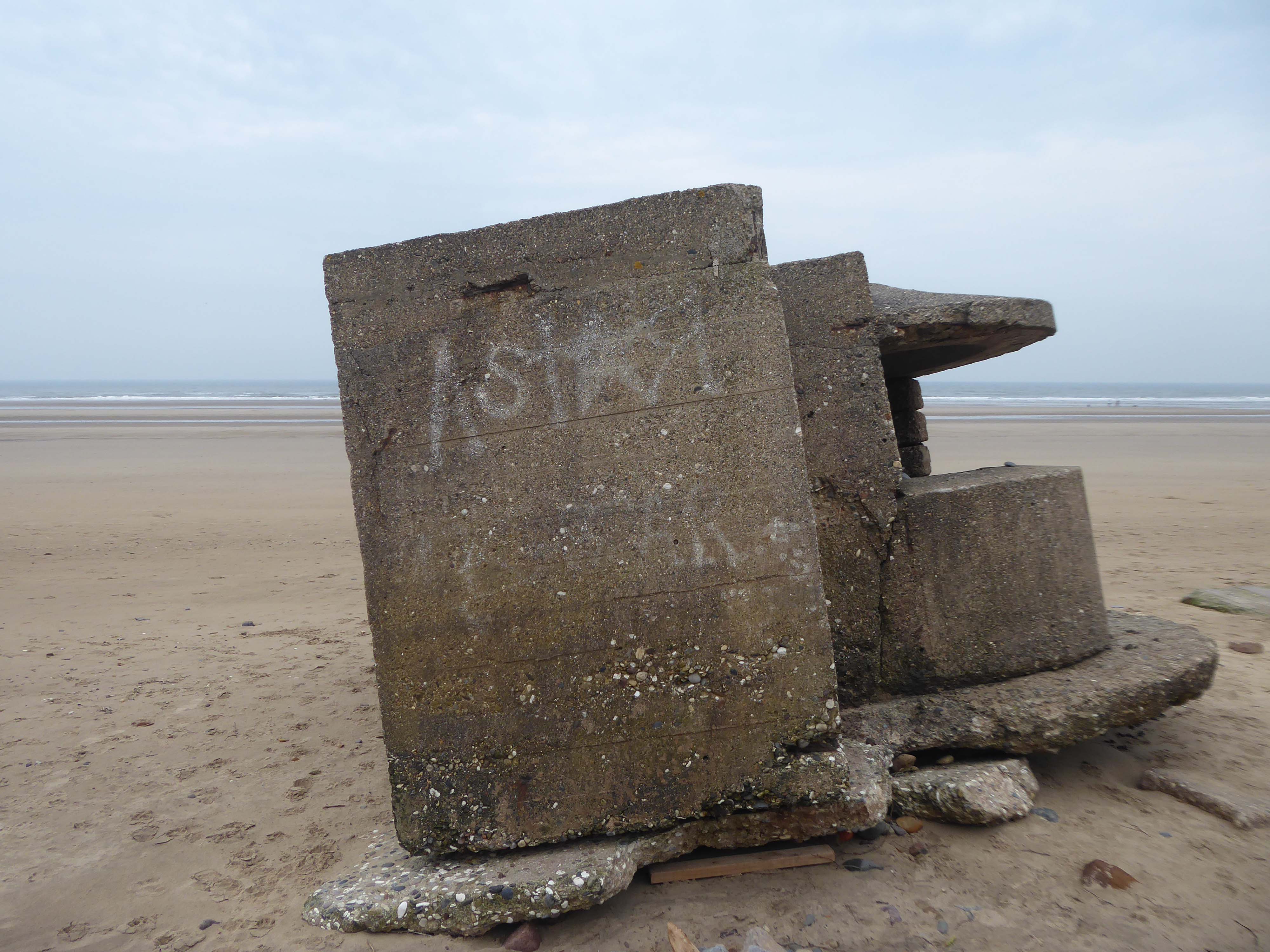
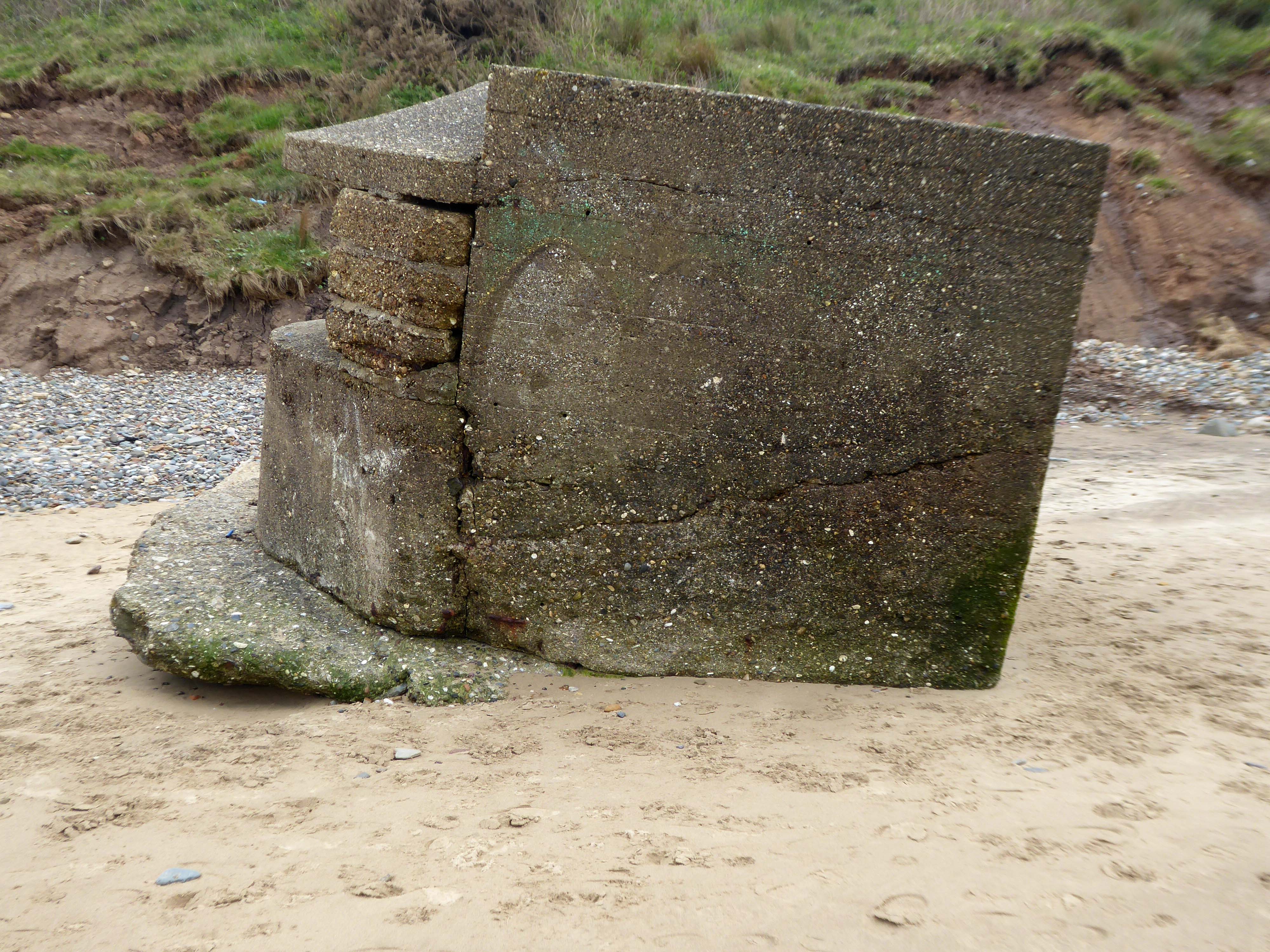
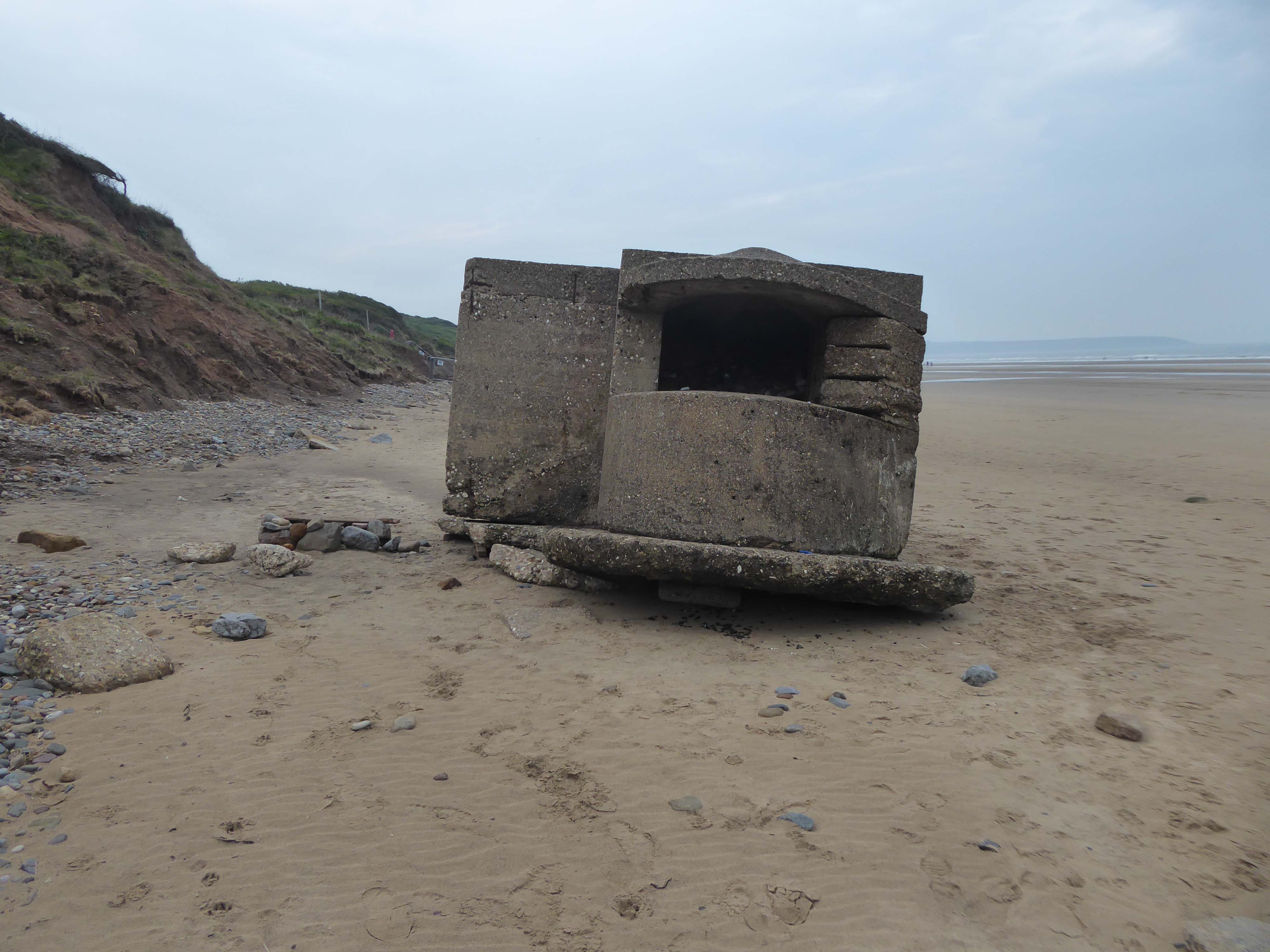
Where we find another dense cluster of sea defences, some but not all extant.
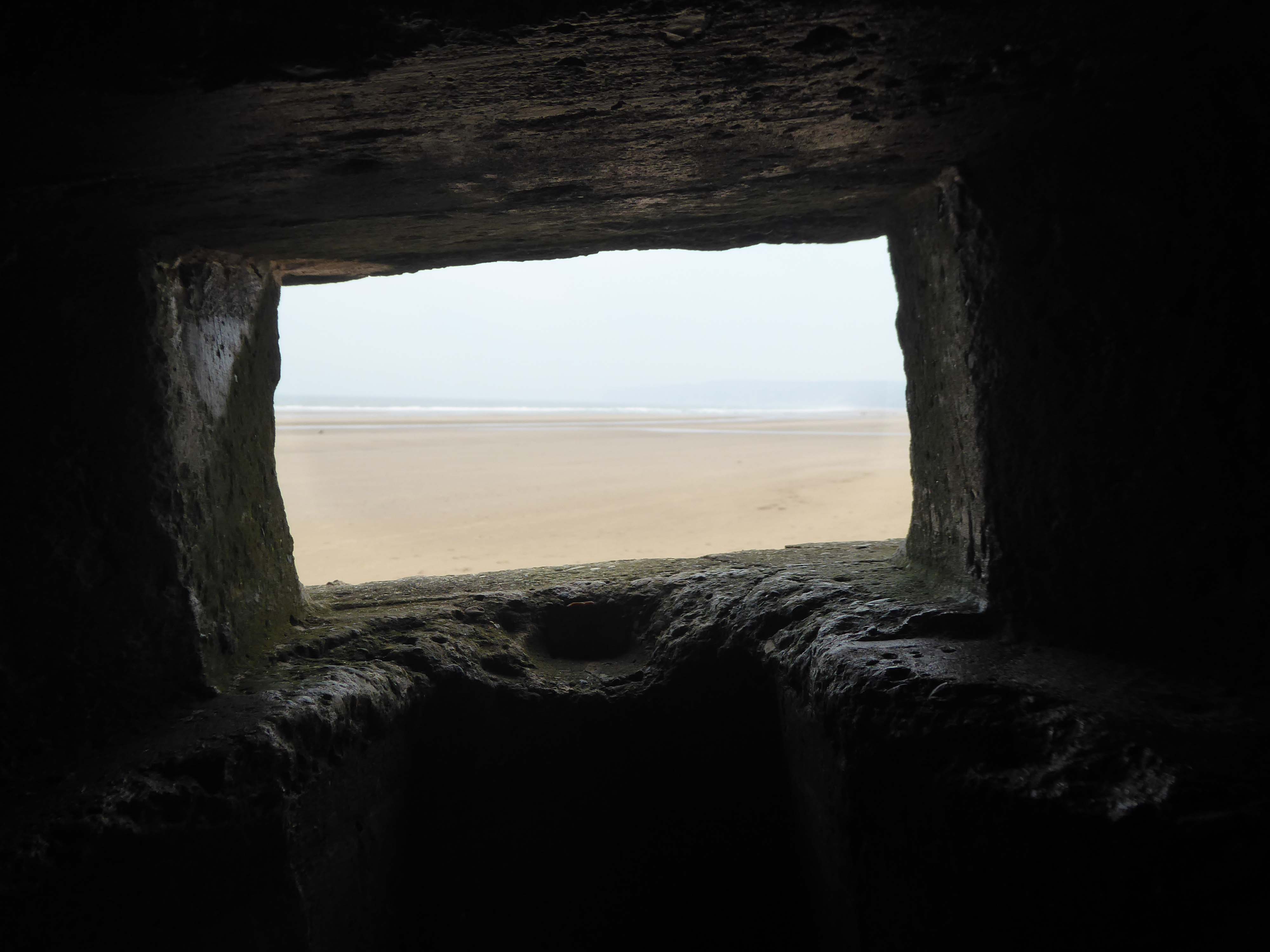
After the south coast, both East Anglia and the Yorkshire Coastline were identified as vulnerable to invasion. Bridlington Bay, was and ideal location for an invasion; flat sandy beaches for amphibious landing crafts, above the foreshore flat landscapes perfect for tanks and gliders to land, an isolated small population with only the residence of Bridlington close by and finally the control of an established port at Bridlington, once it was under German control. According to the Defence of Britain Survey undertaken in the Late 90’s, Northern Command had some of the best defend beaches in the country, this includes Bridlington.
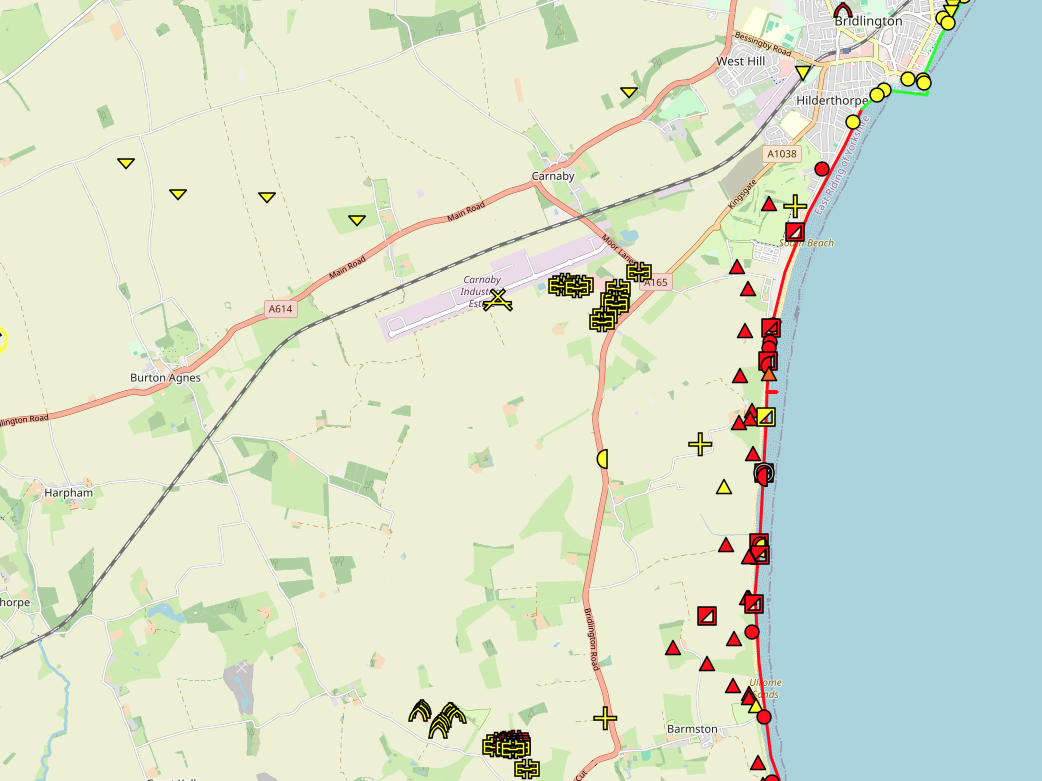
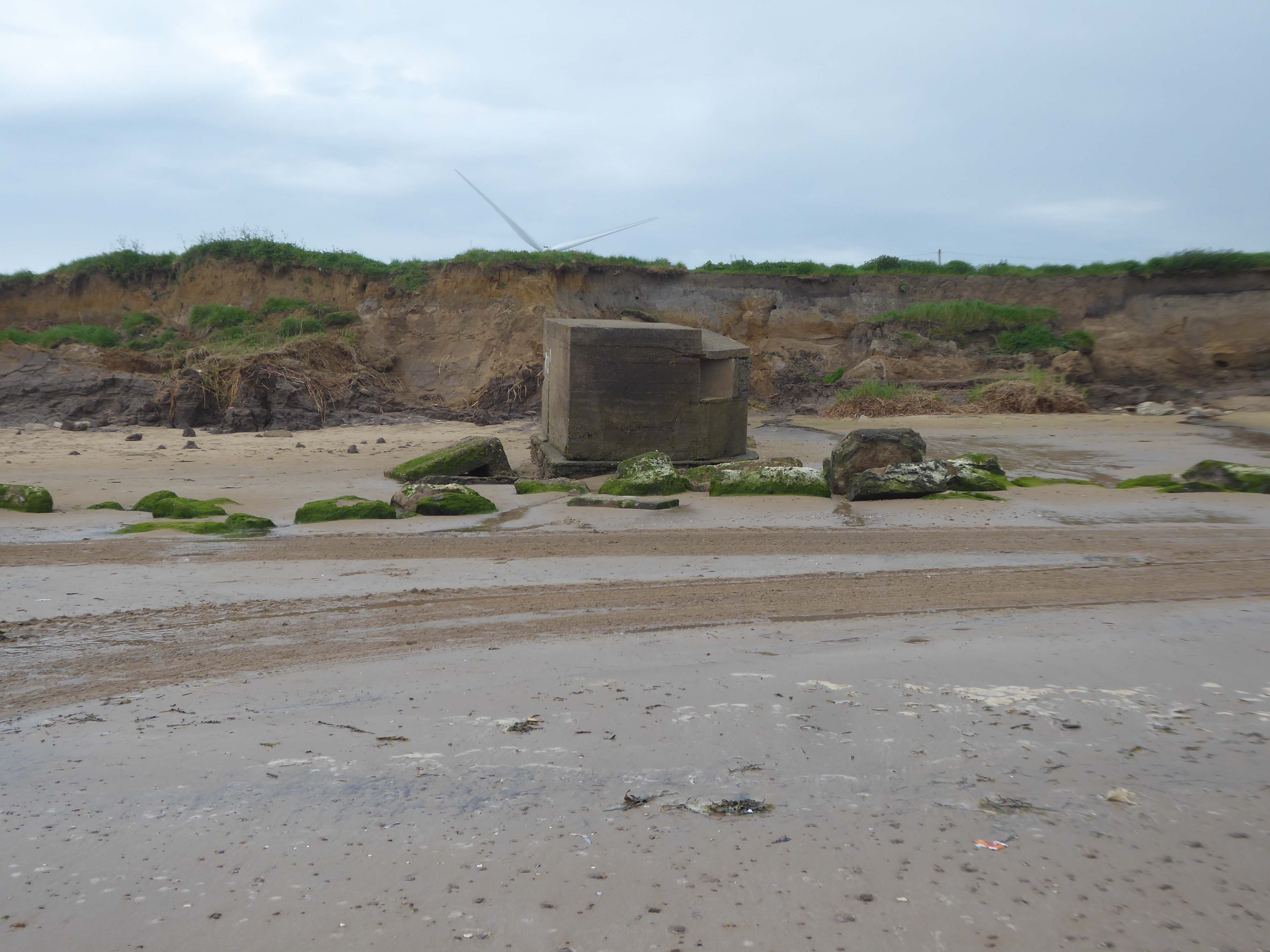
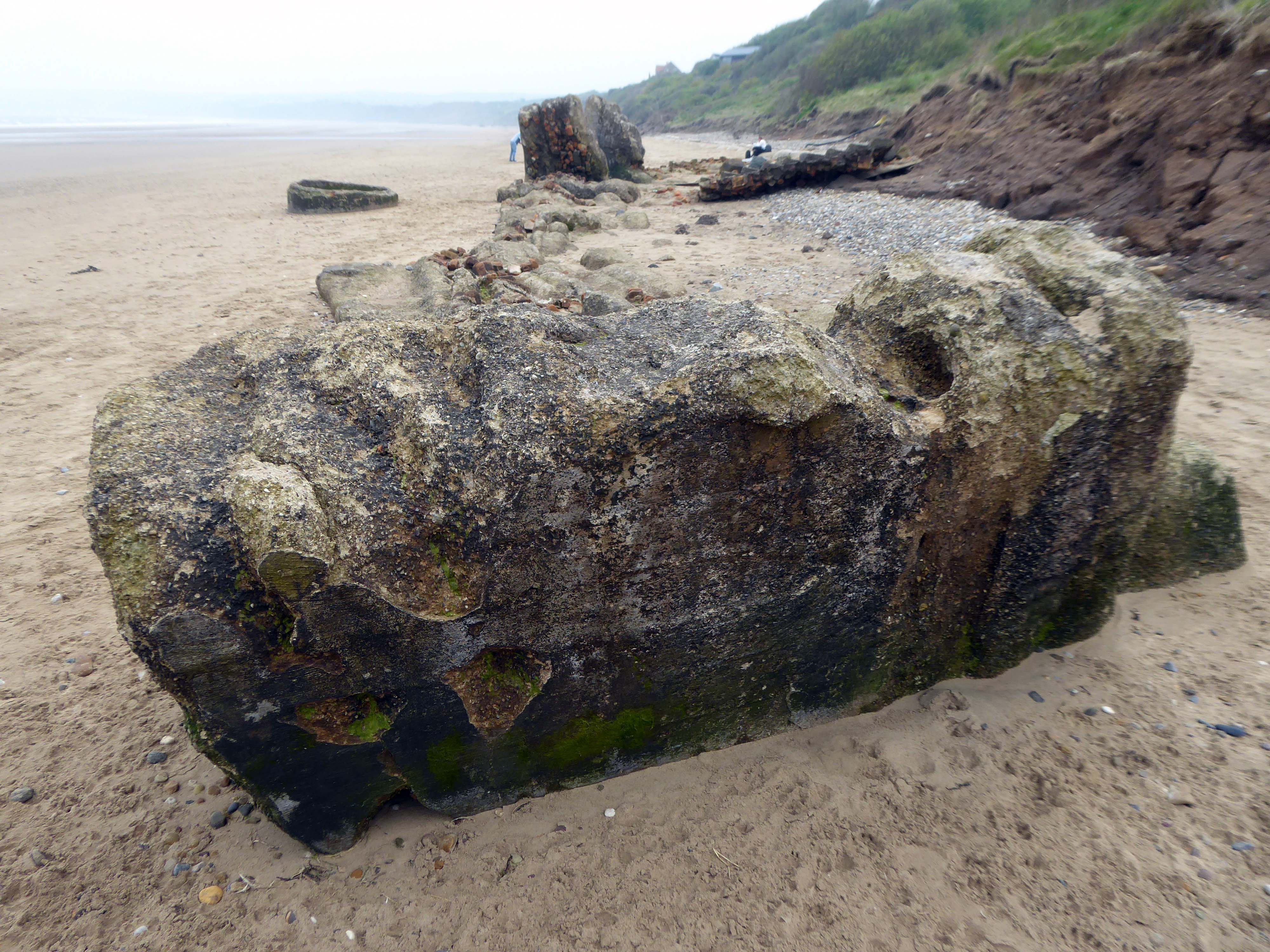
Here there are forces, past and present, at work shaping the landscape and the manmade addenda.
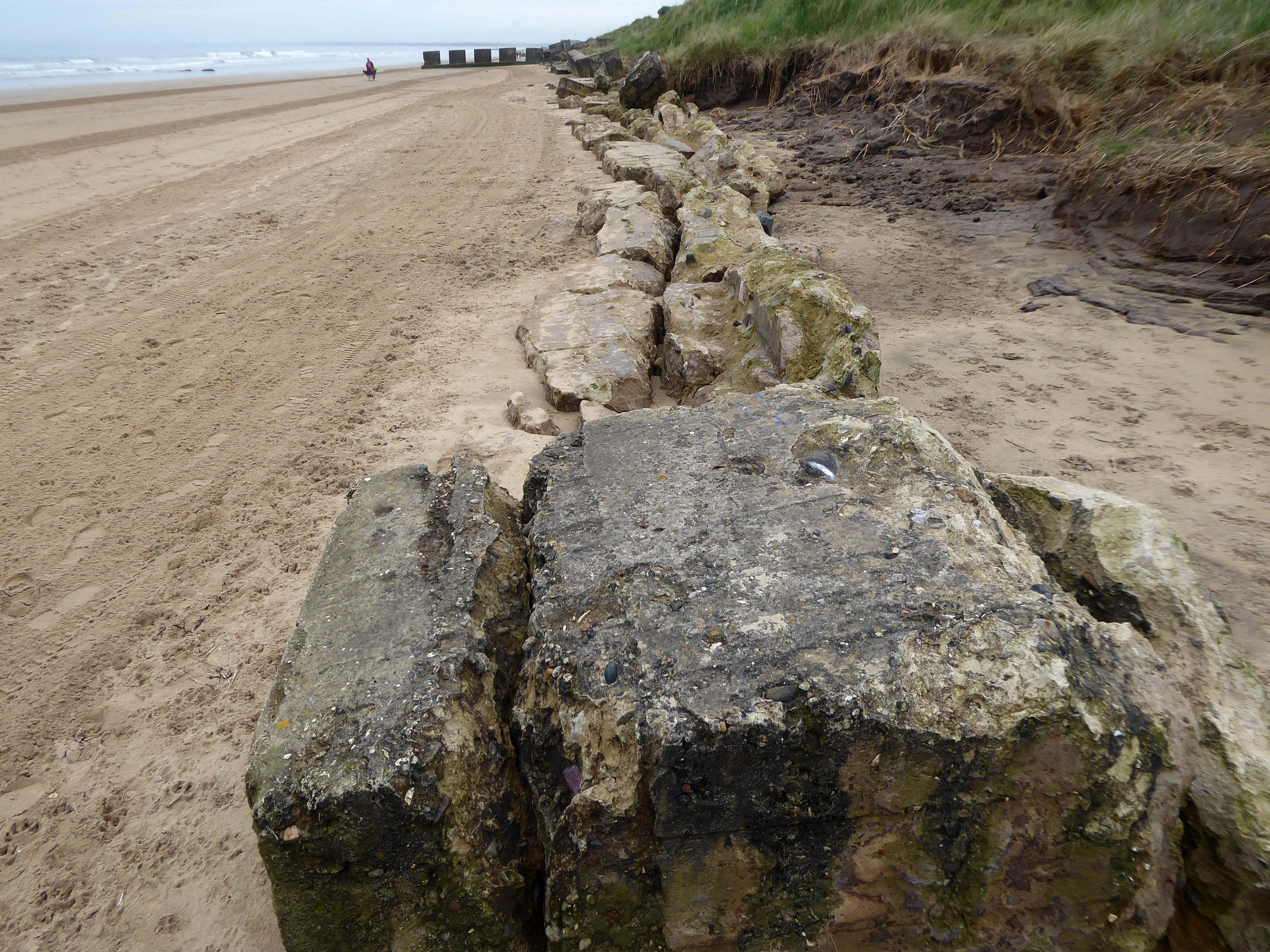
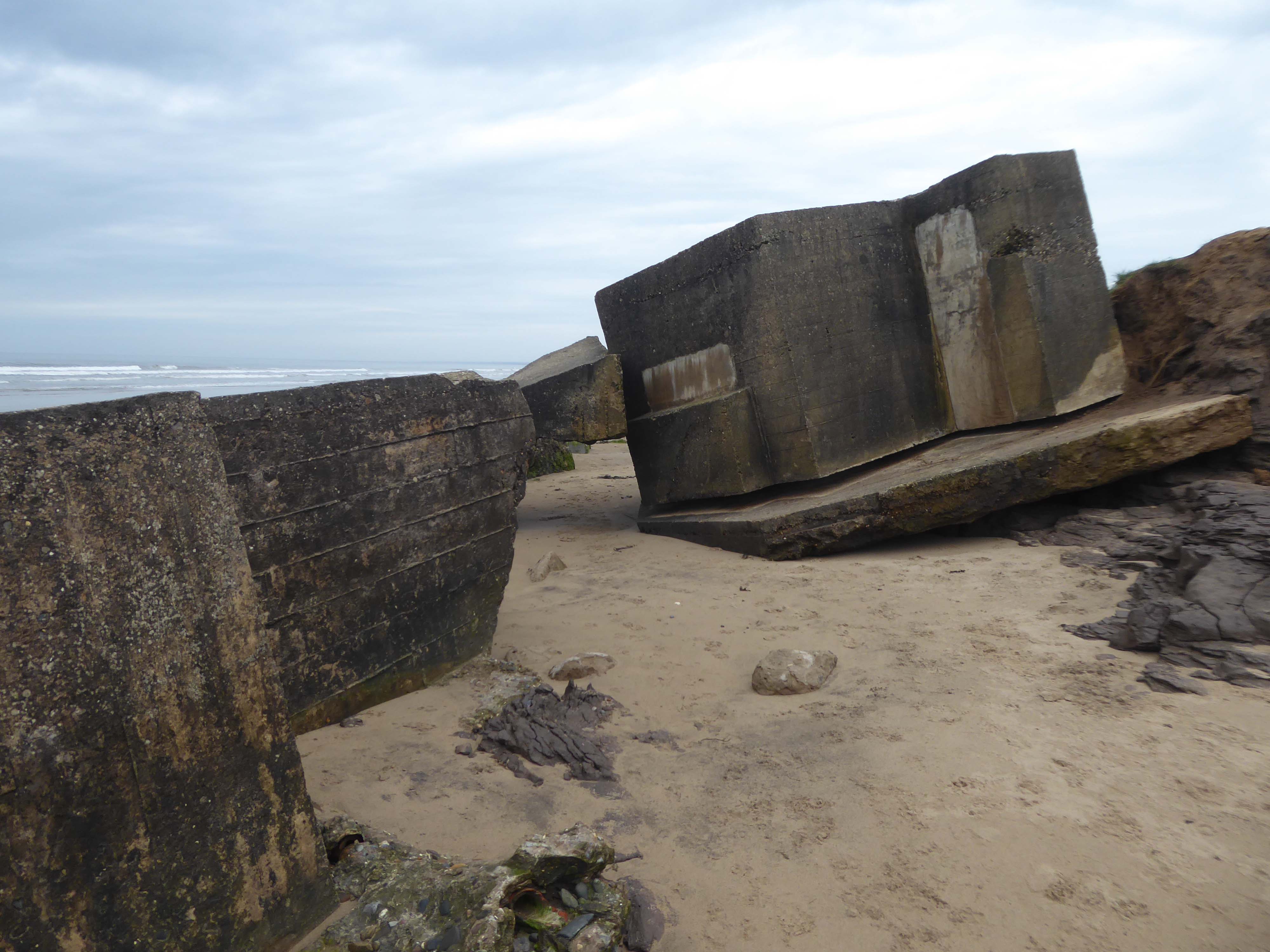
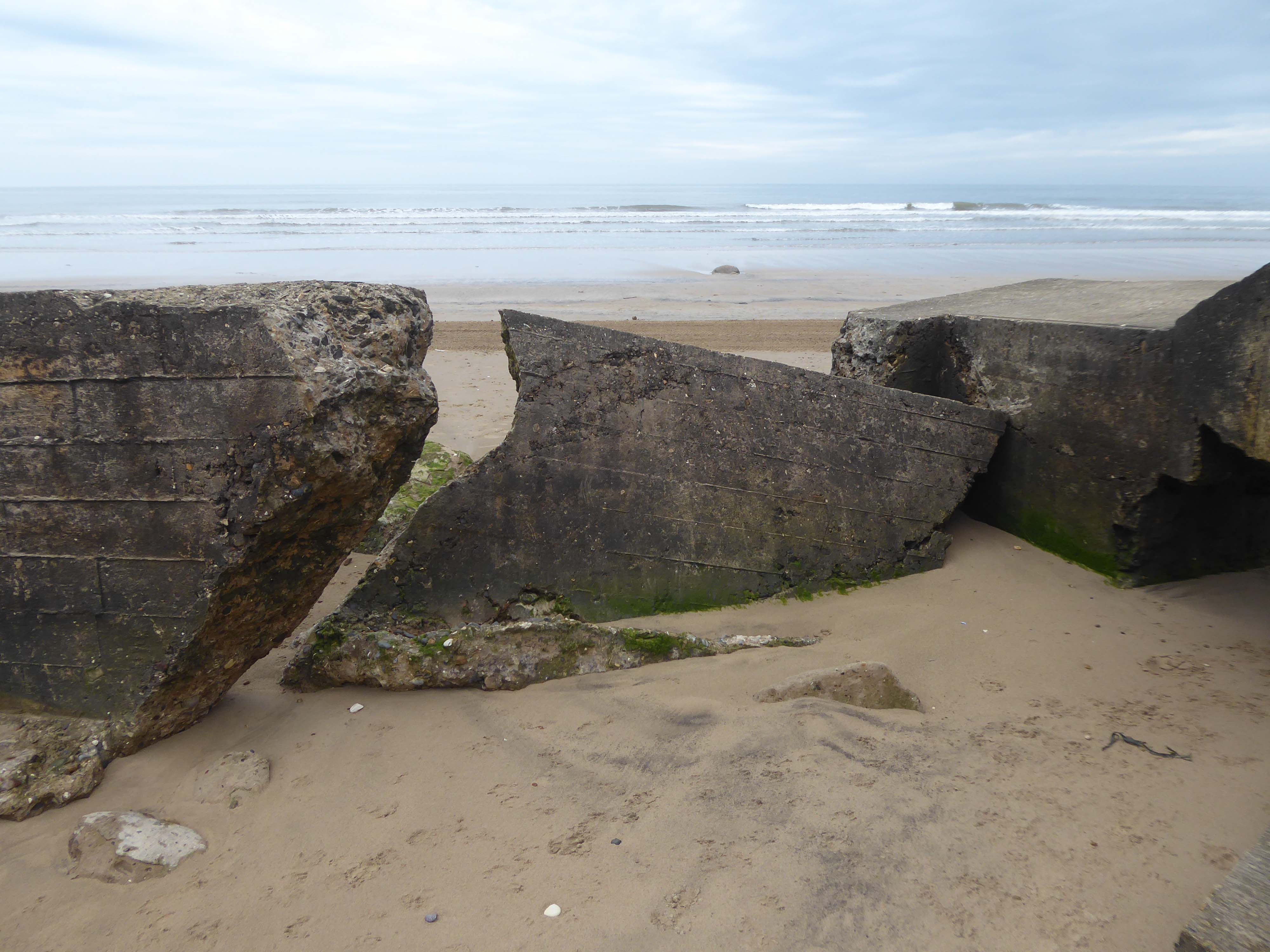
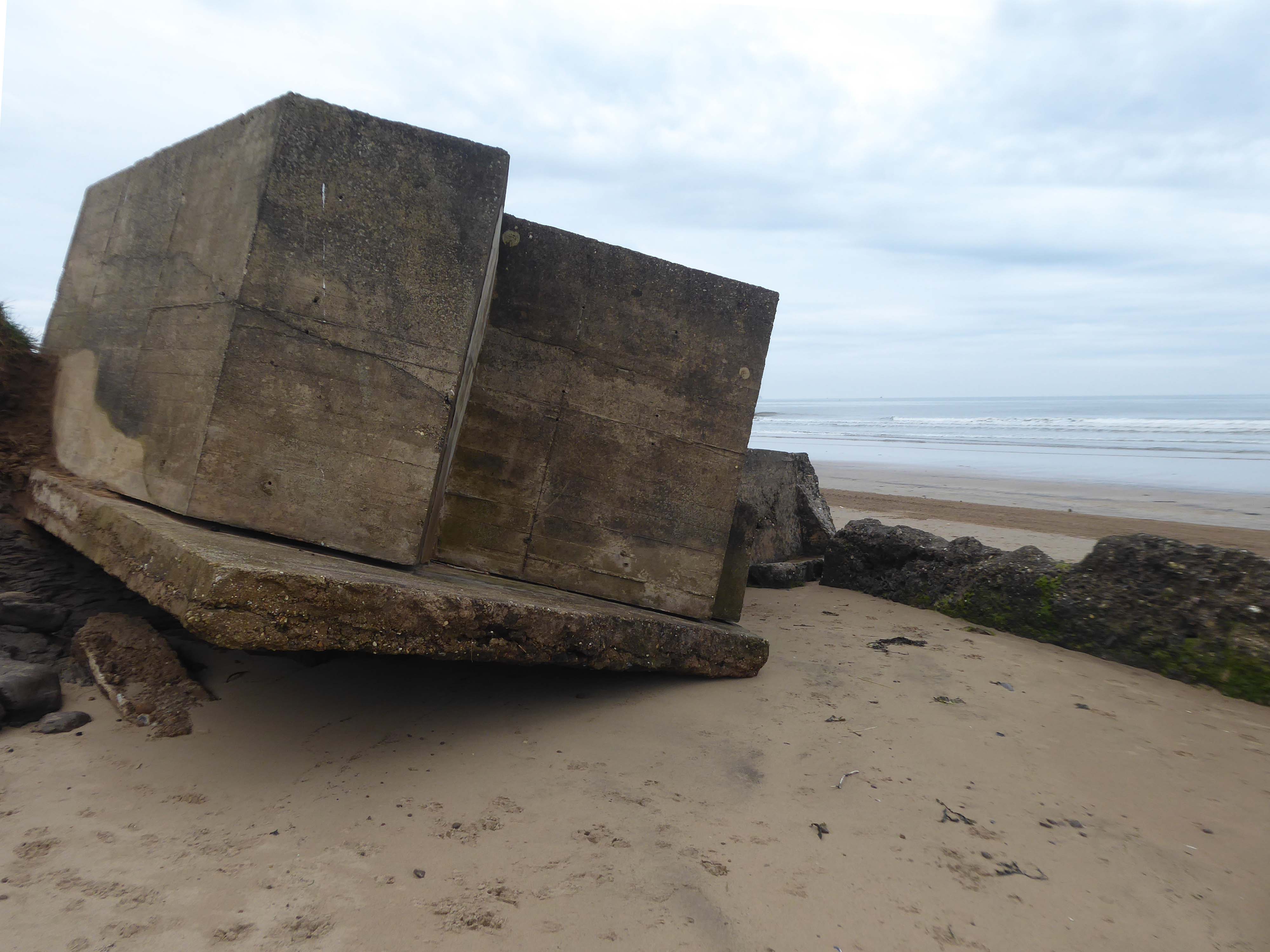
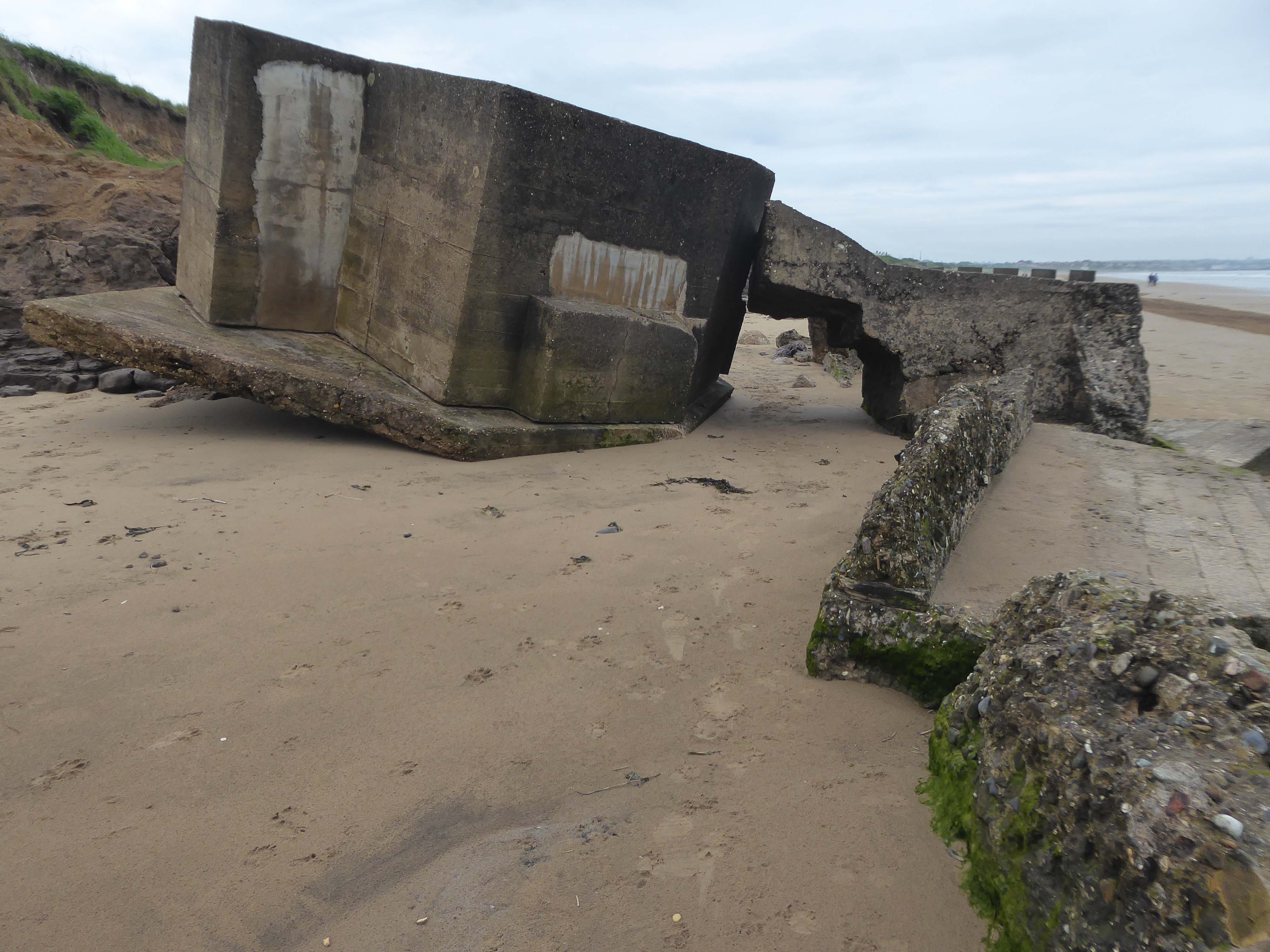
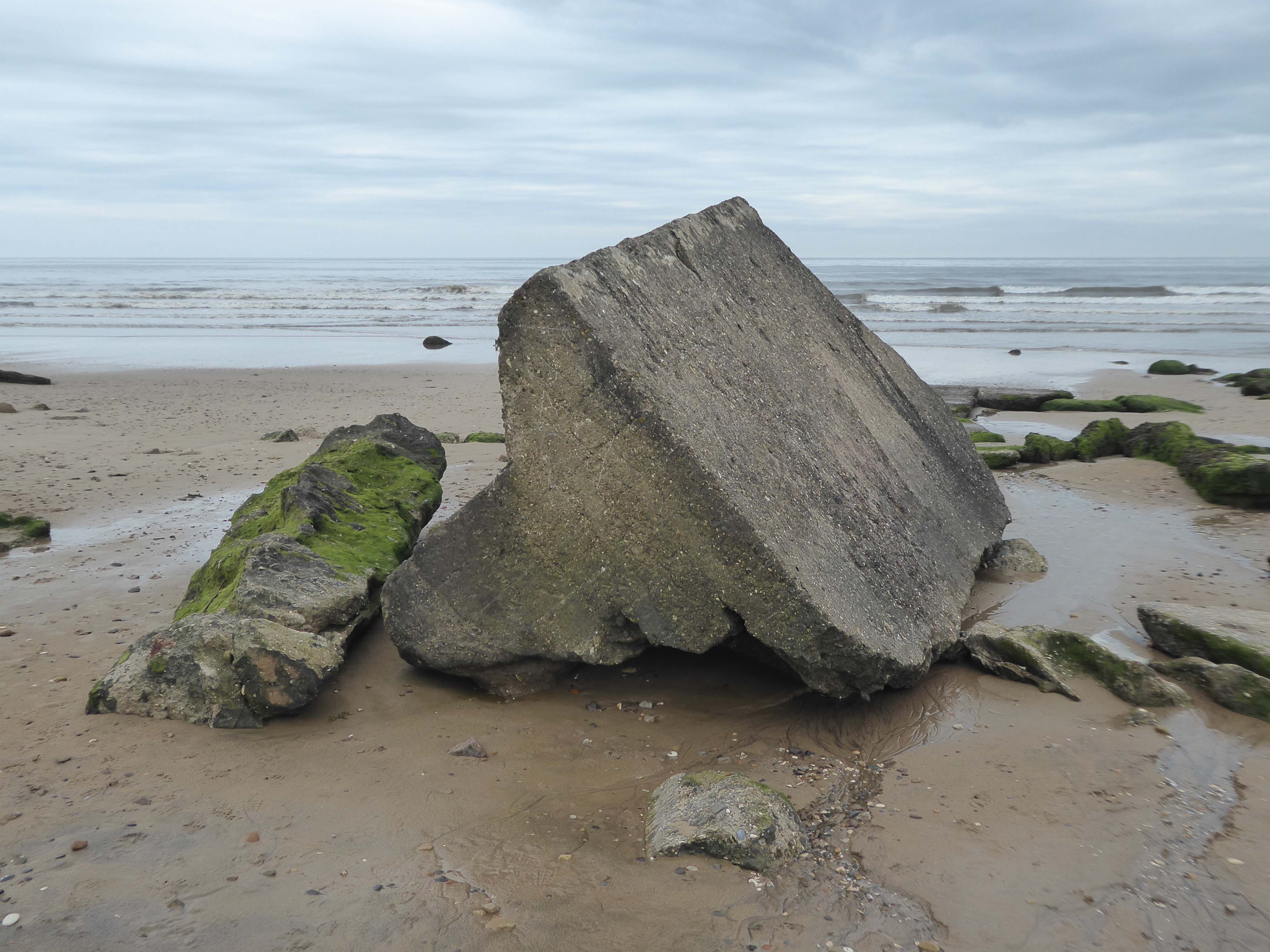
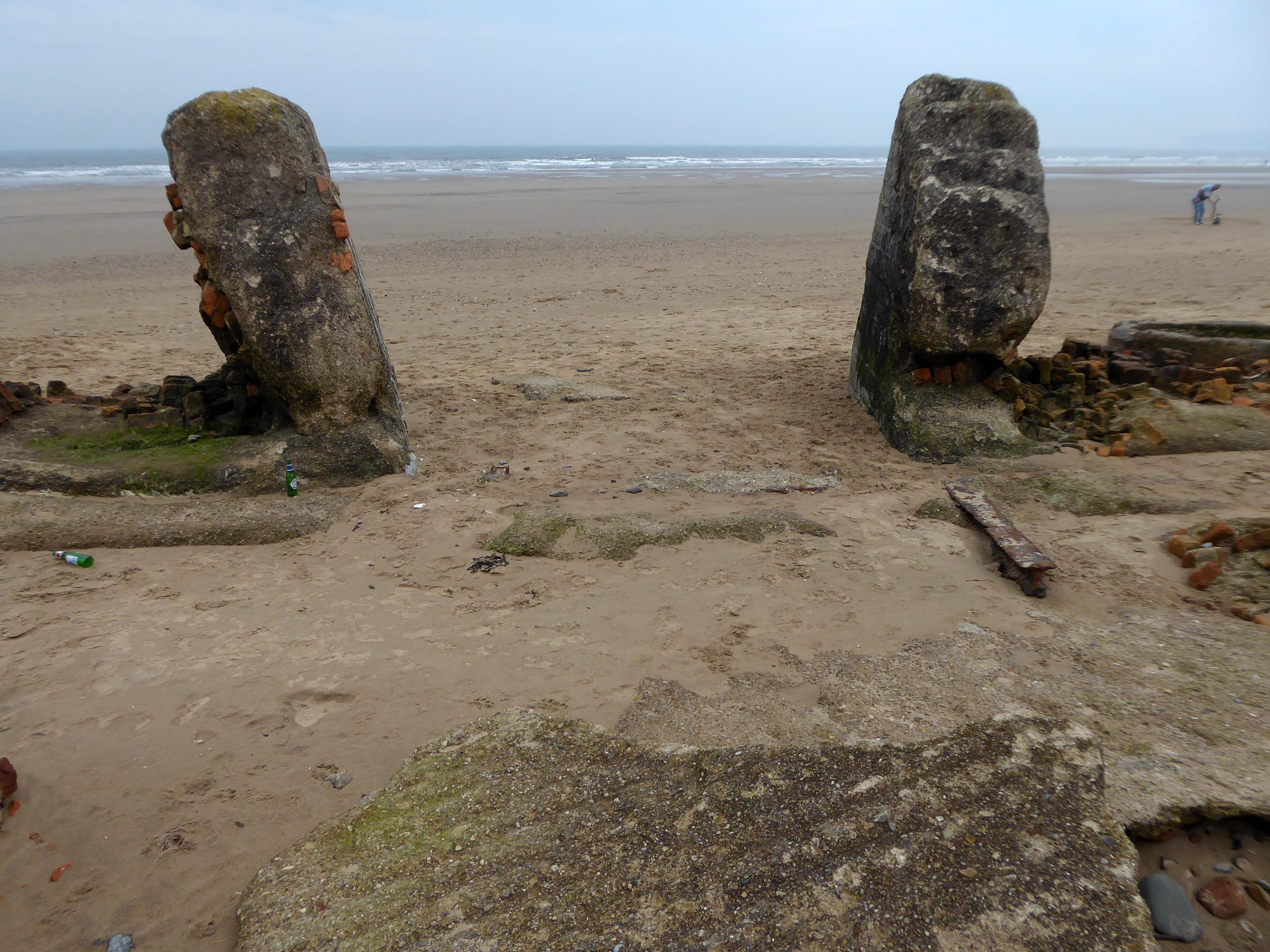
The remorseless waves, wind and rain eroding the coastal clay and contorted concrete.
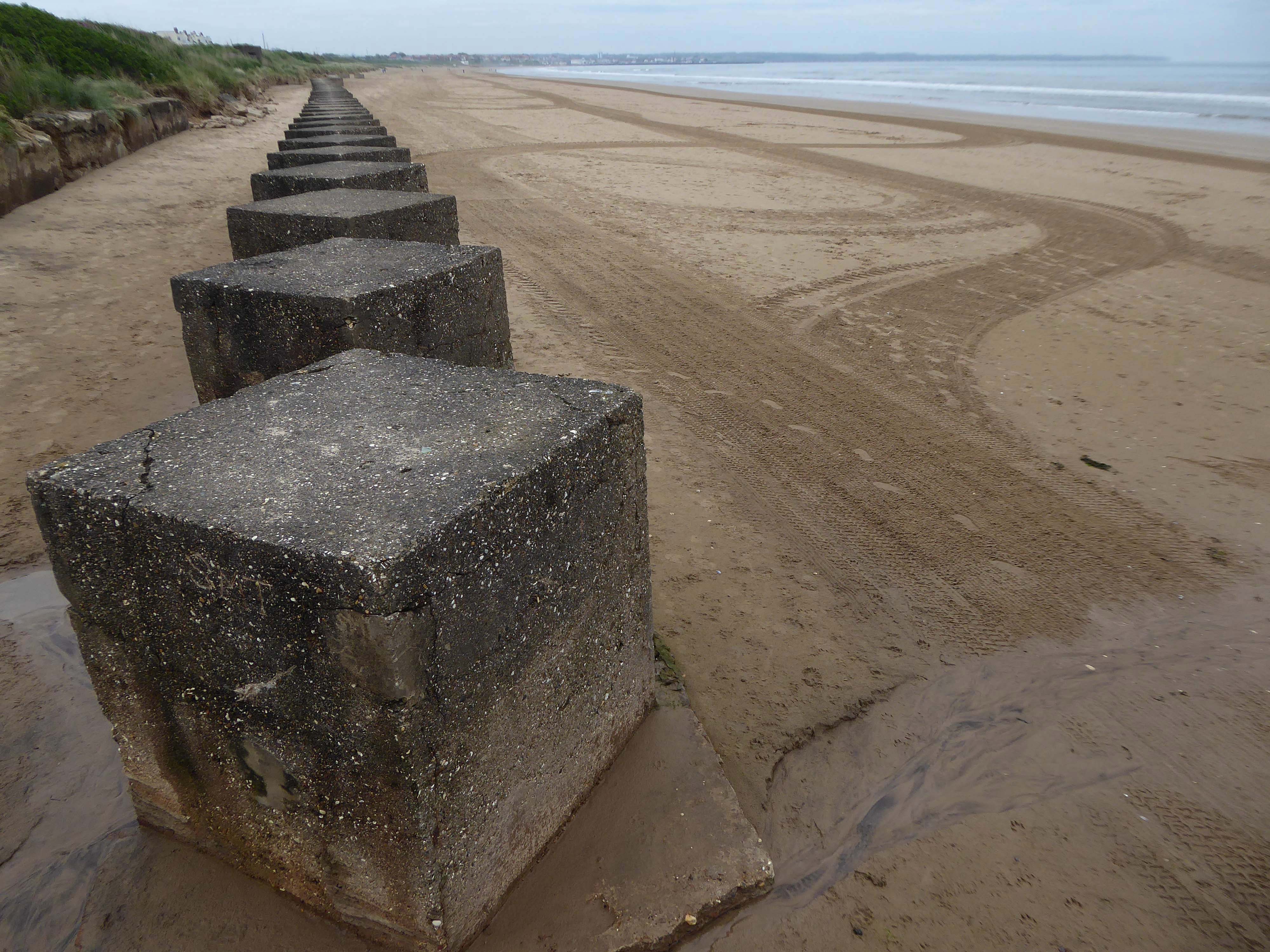
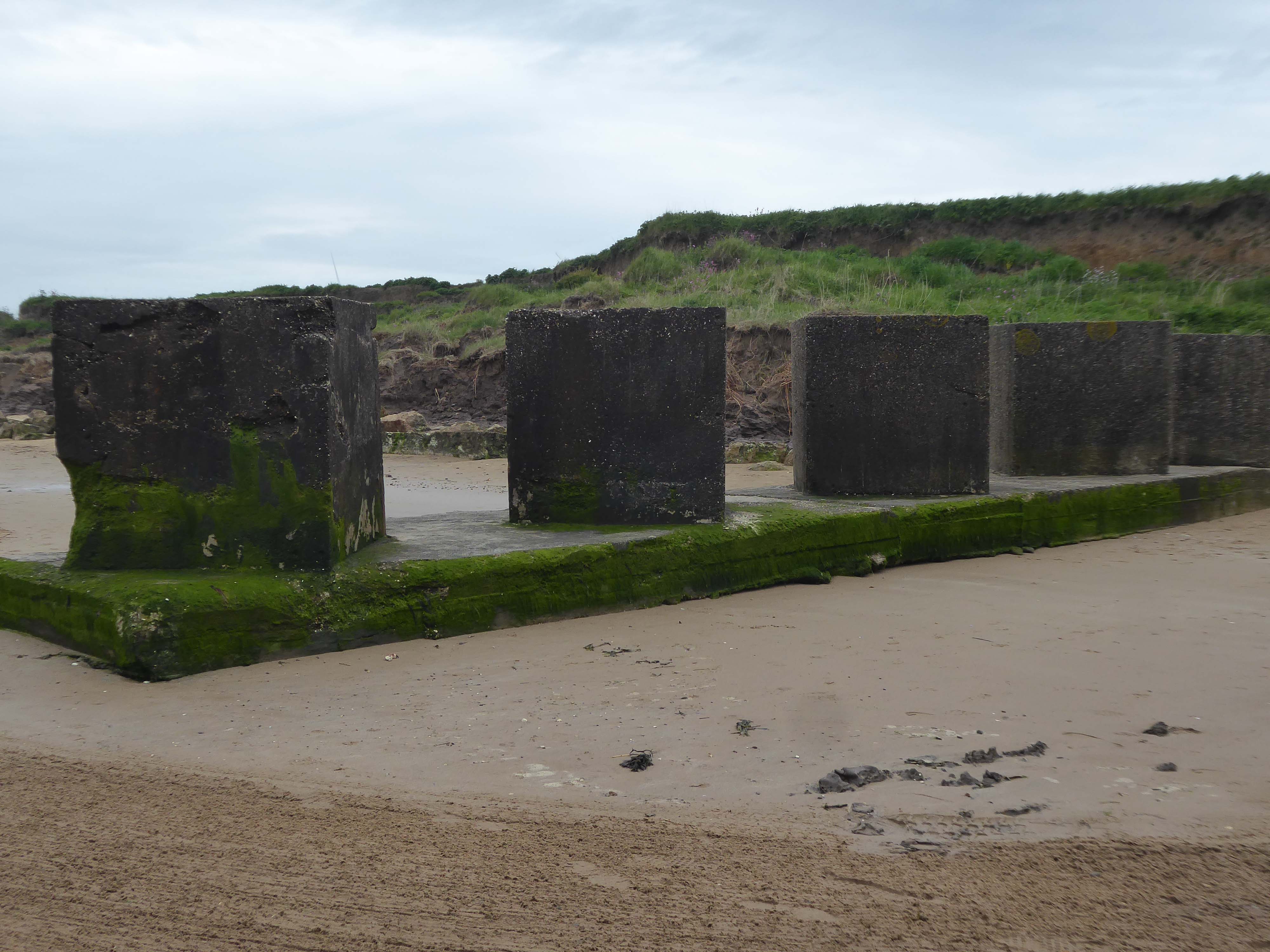
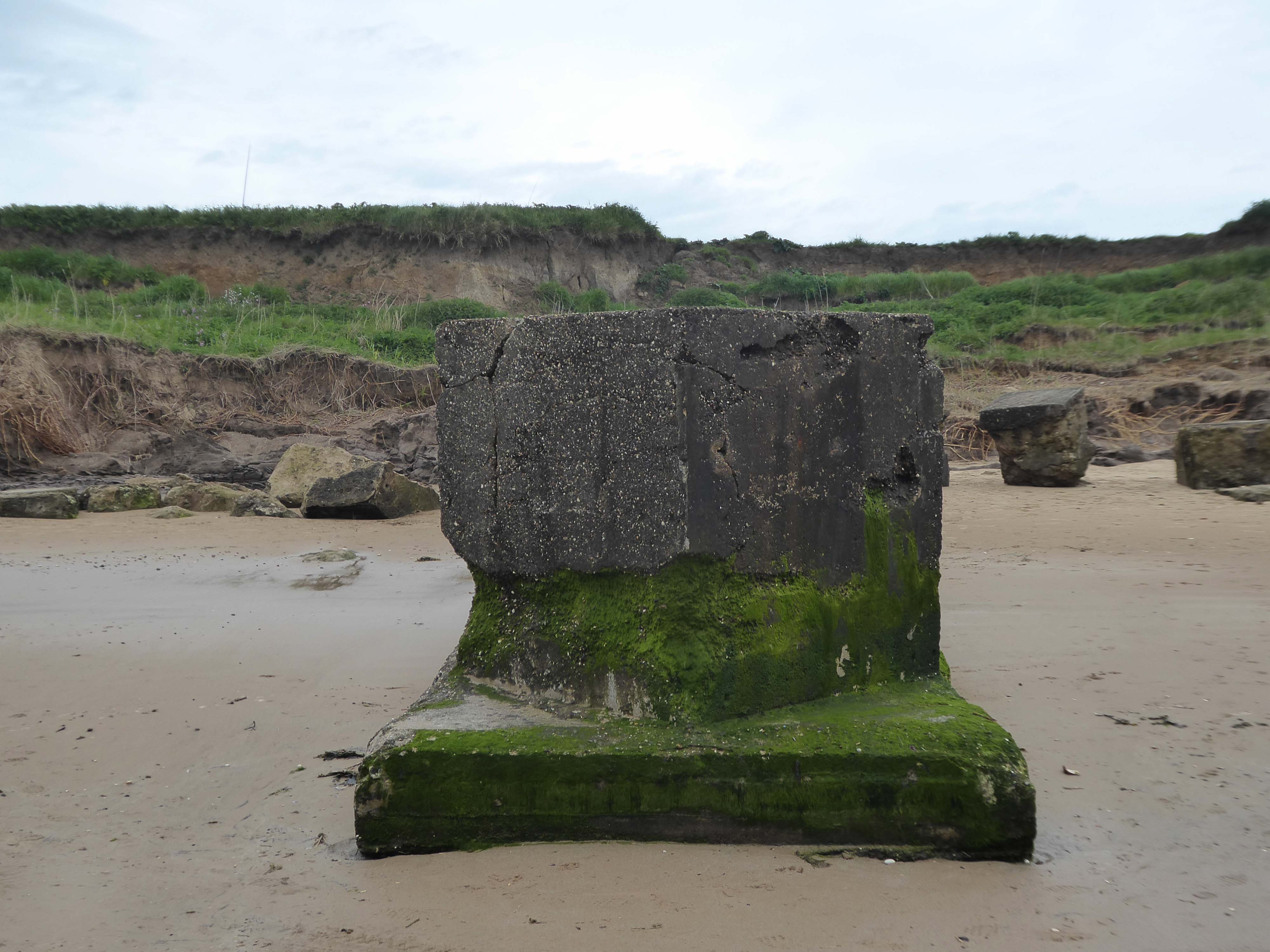
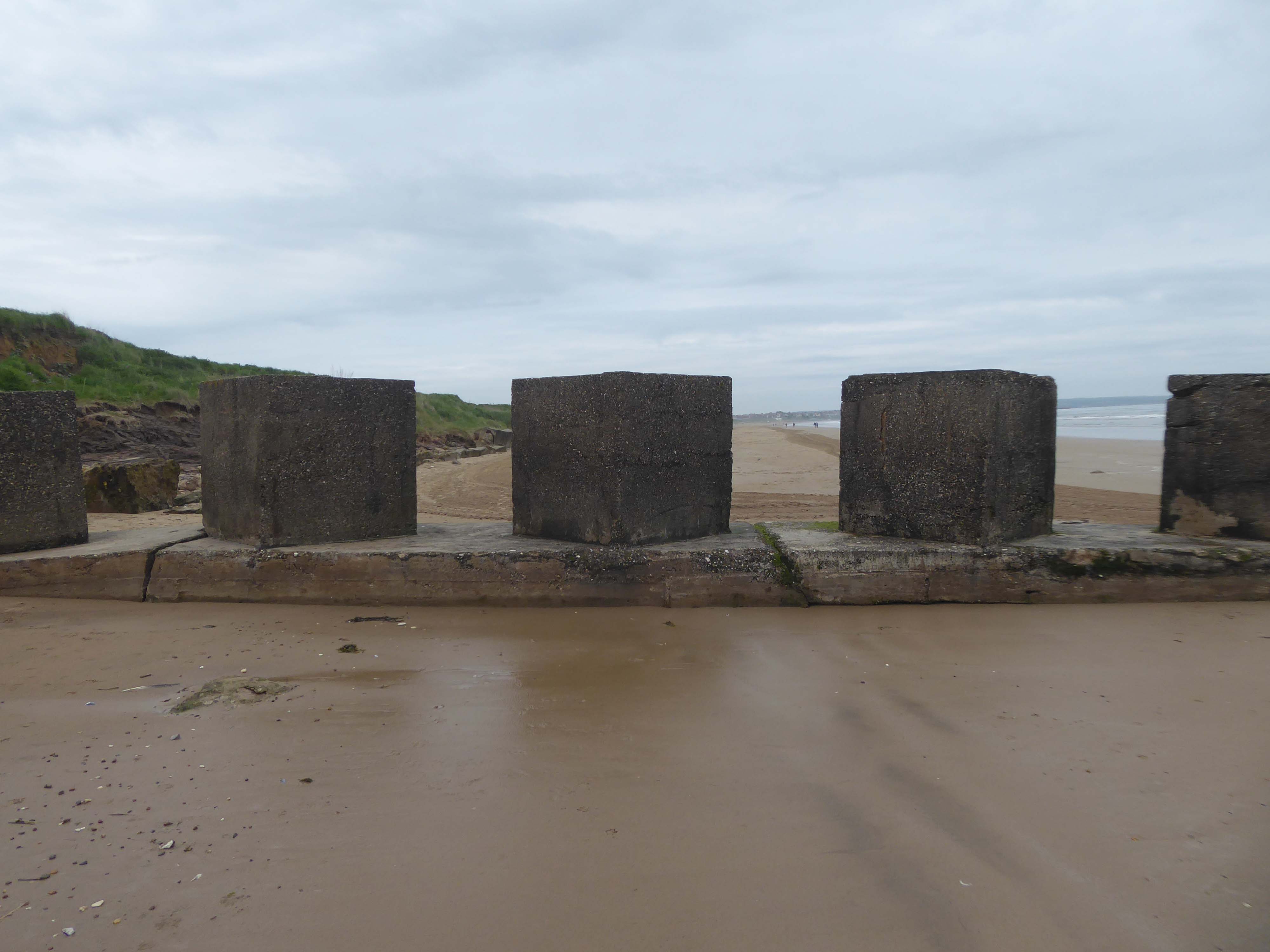
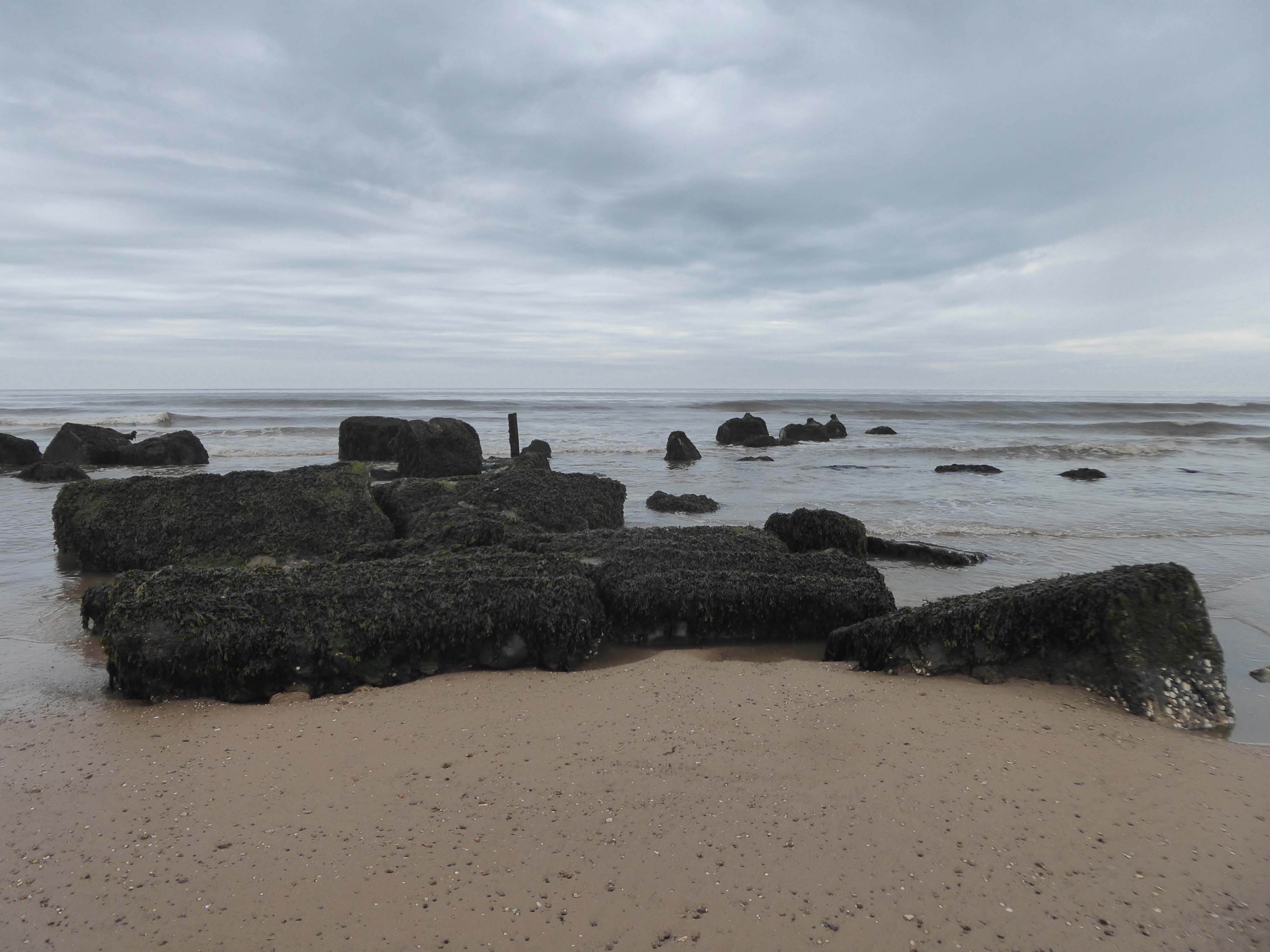
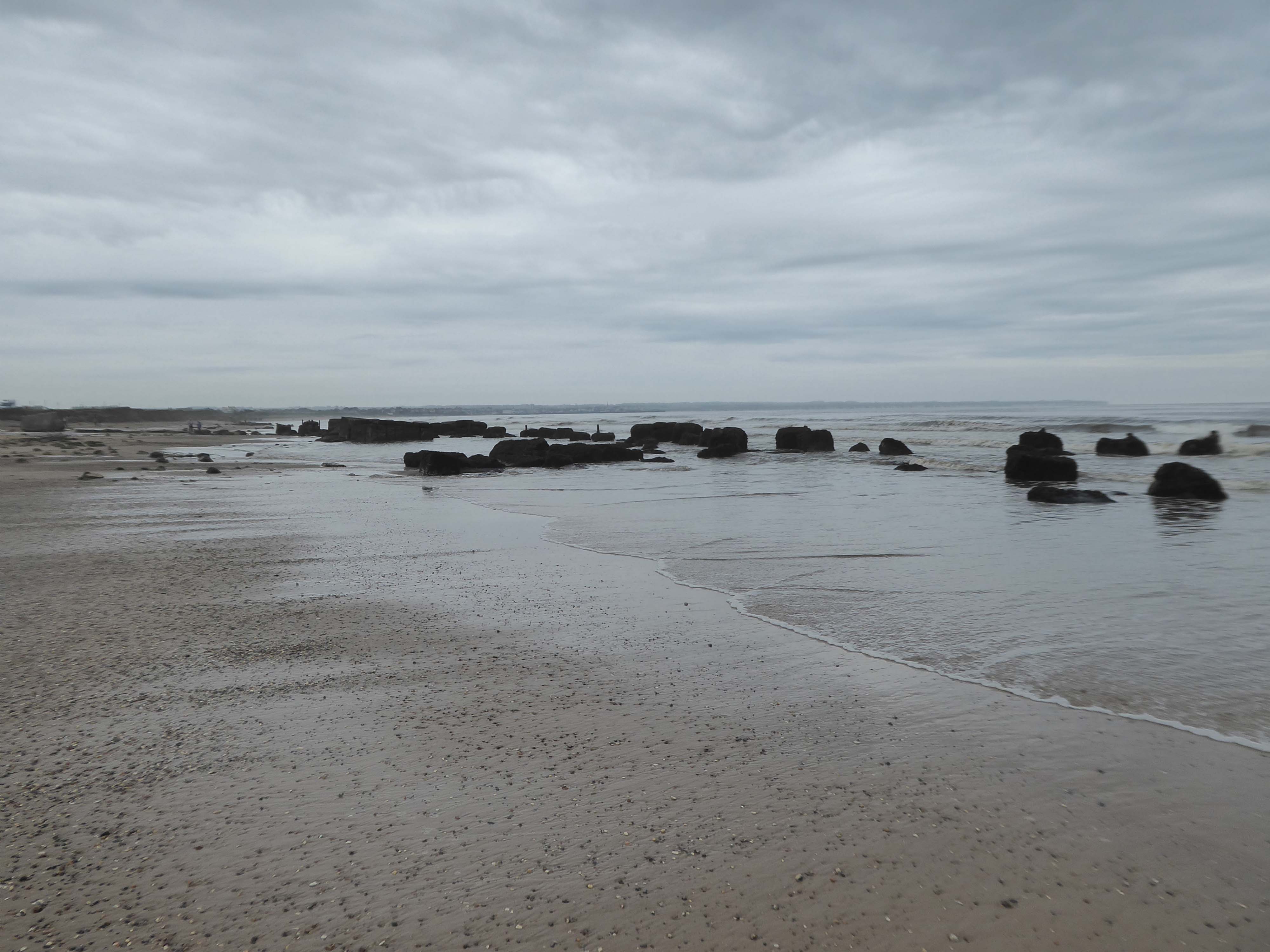
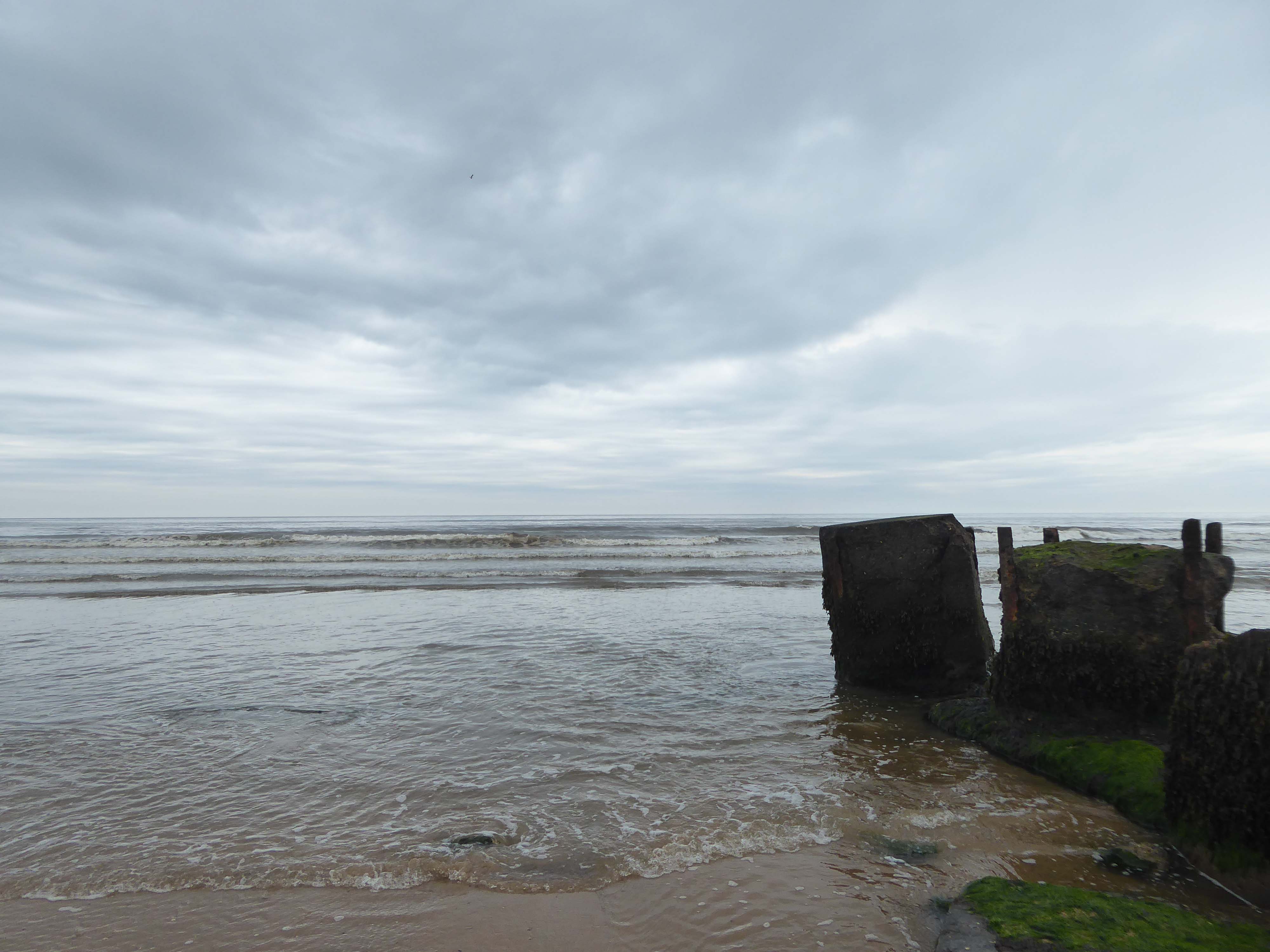
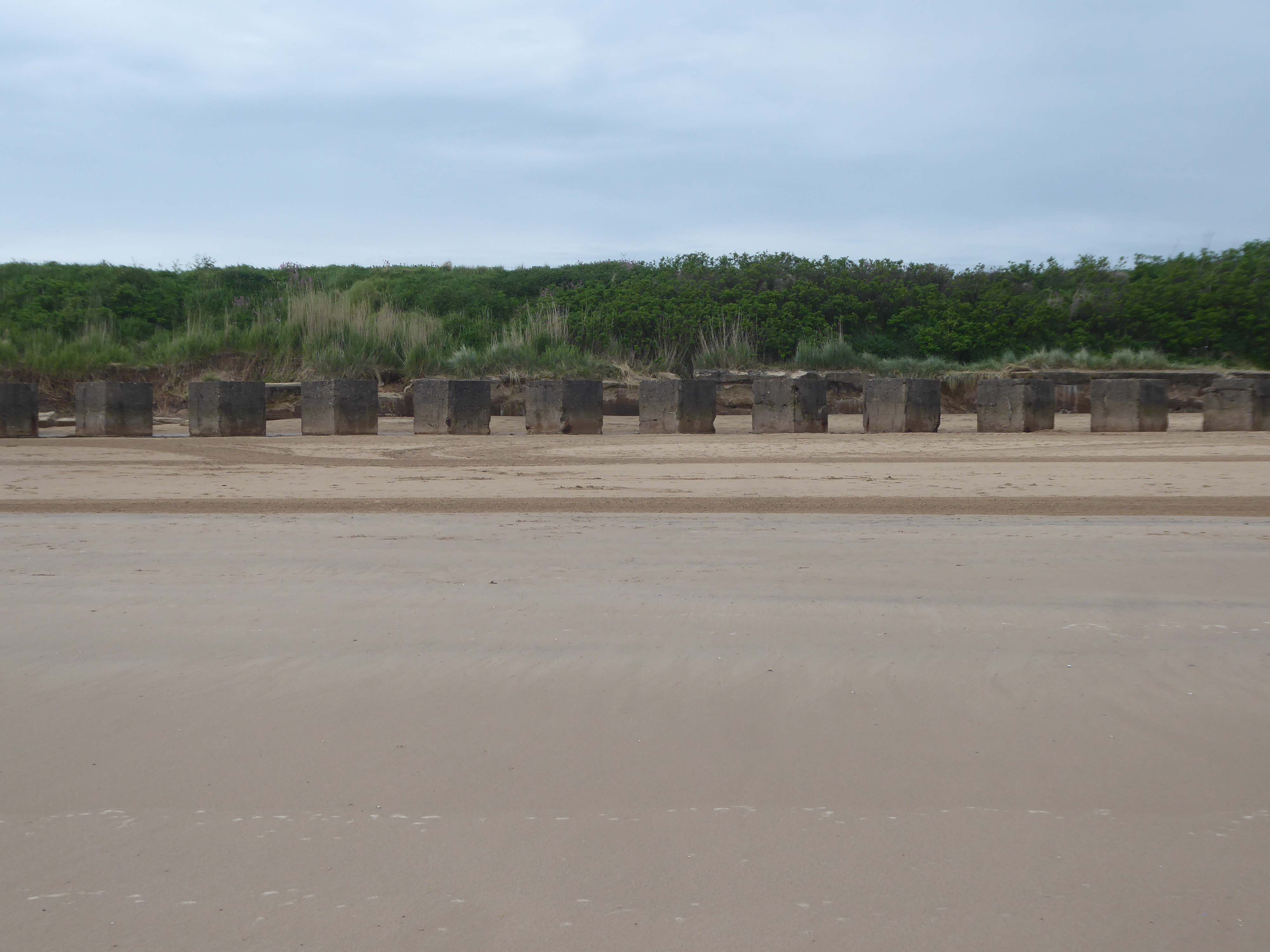
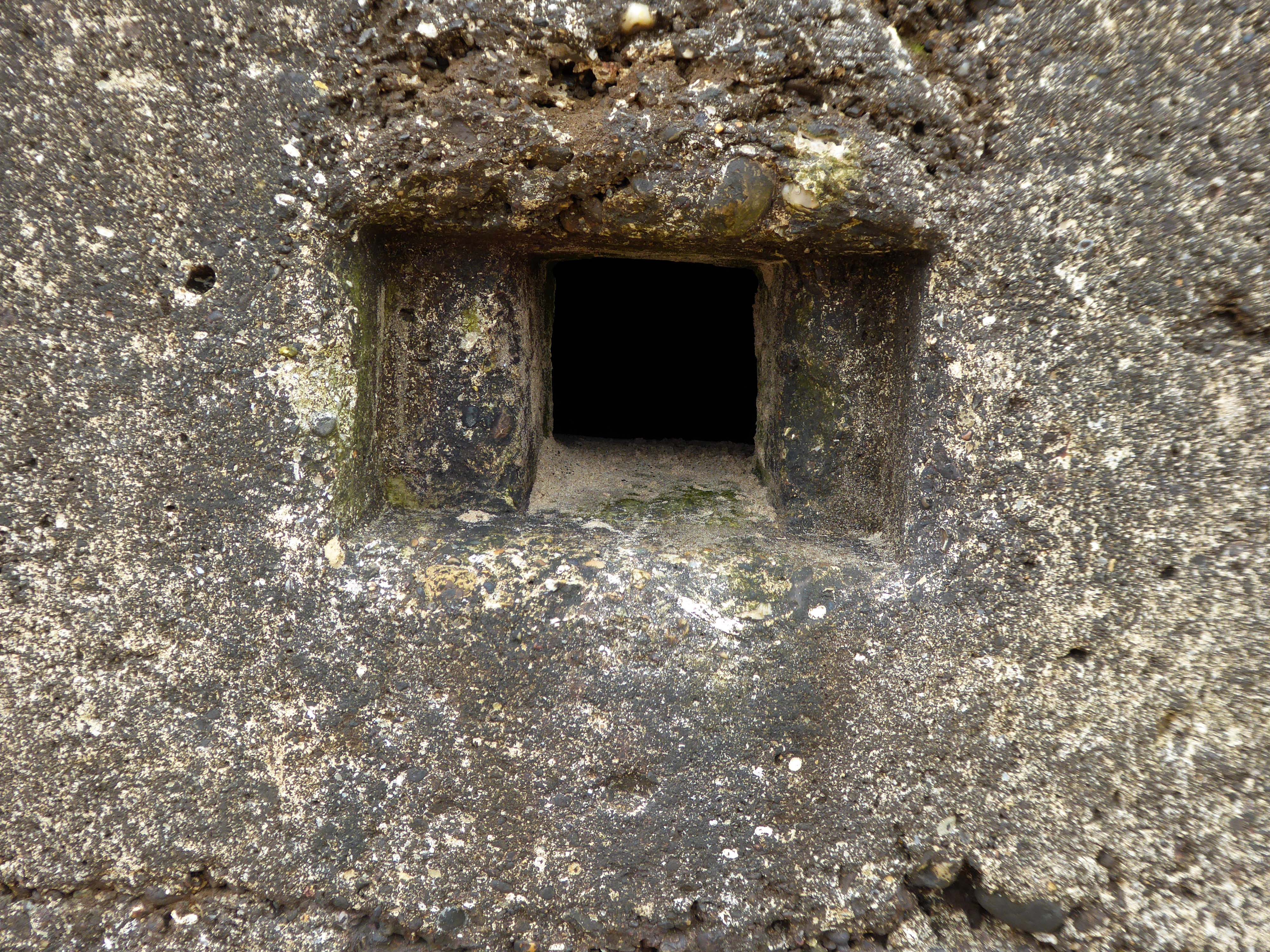
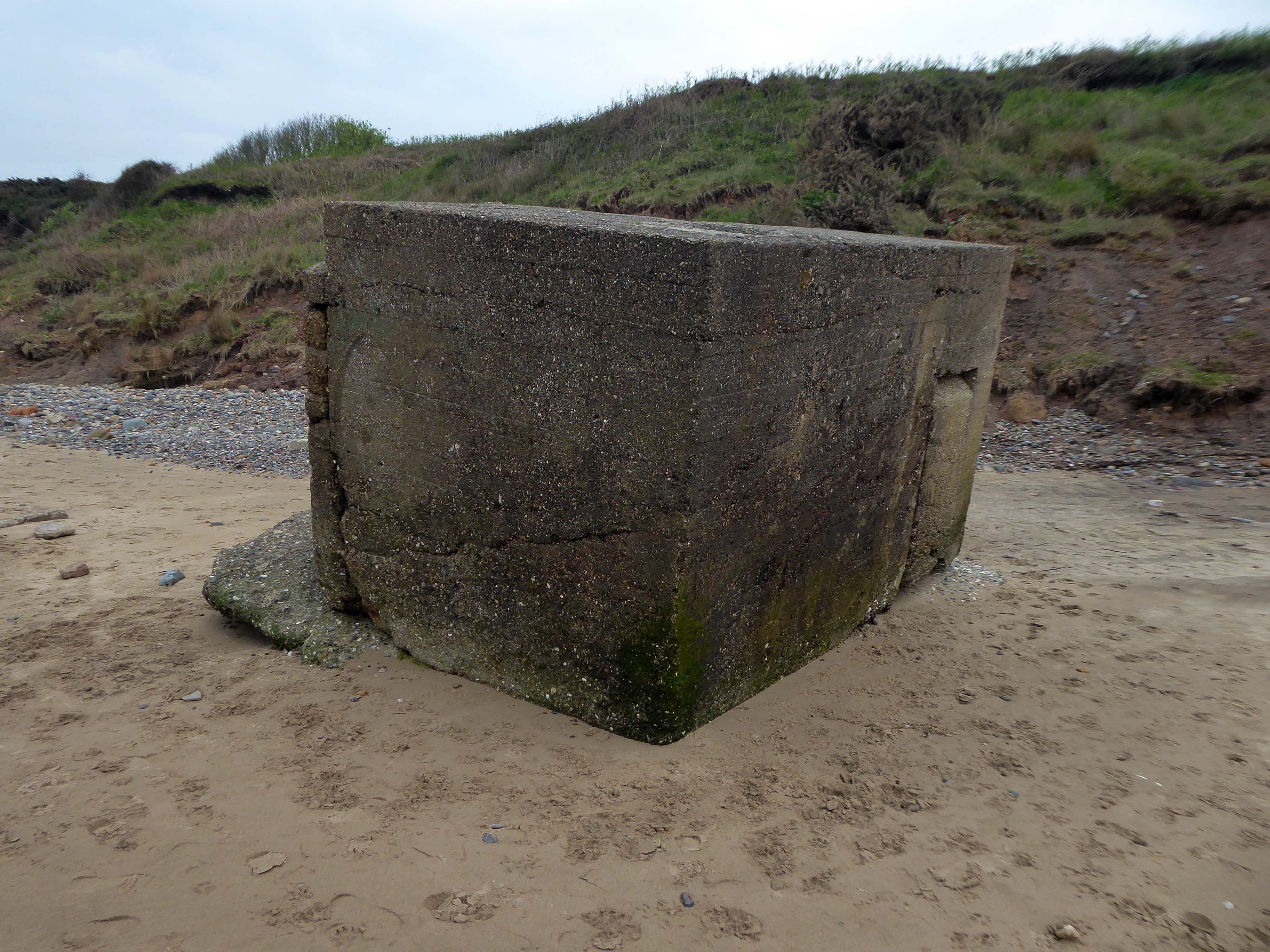
Anti-tank blocks line the foreshore here; with deep foundation they are meant to be so immovable that tanks cannot go through them and rather have to go over them, exposing the weakly armour undersides of the tanks, which can then be fired at. The anti-tank blocks are arranged in batches of both parallel and perpendicular to the sea, which helps to divide up the beach and channel enemies towards the pillboxes and into fire.
Citizan

 Modern Mooch