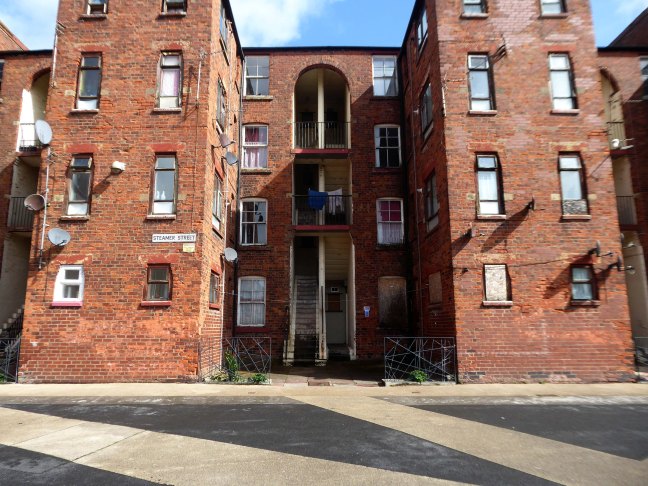
Barrow in Furness – Housing

Second time around in Barrow in Furness, following round one.

Having also written about the Car Park and Telephone Exchange.

Following the rapid growth of the town of Barrow-in-Furness, the construction of the Furness Railway following the discovery of deposits of iron ore in the Furness peninsular, and the development of industries using iron as a raw material resulted in many commissions for the practice – the population of Barrow doubled between 1851 and 1861, and doubled again in the next decade.

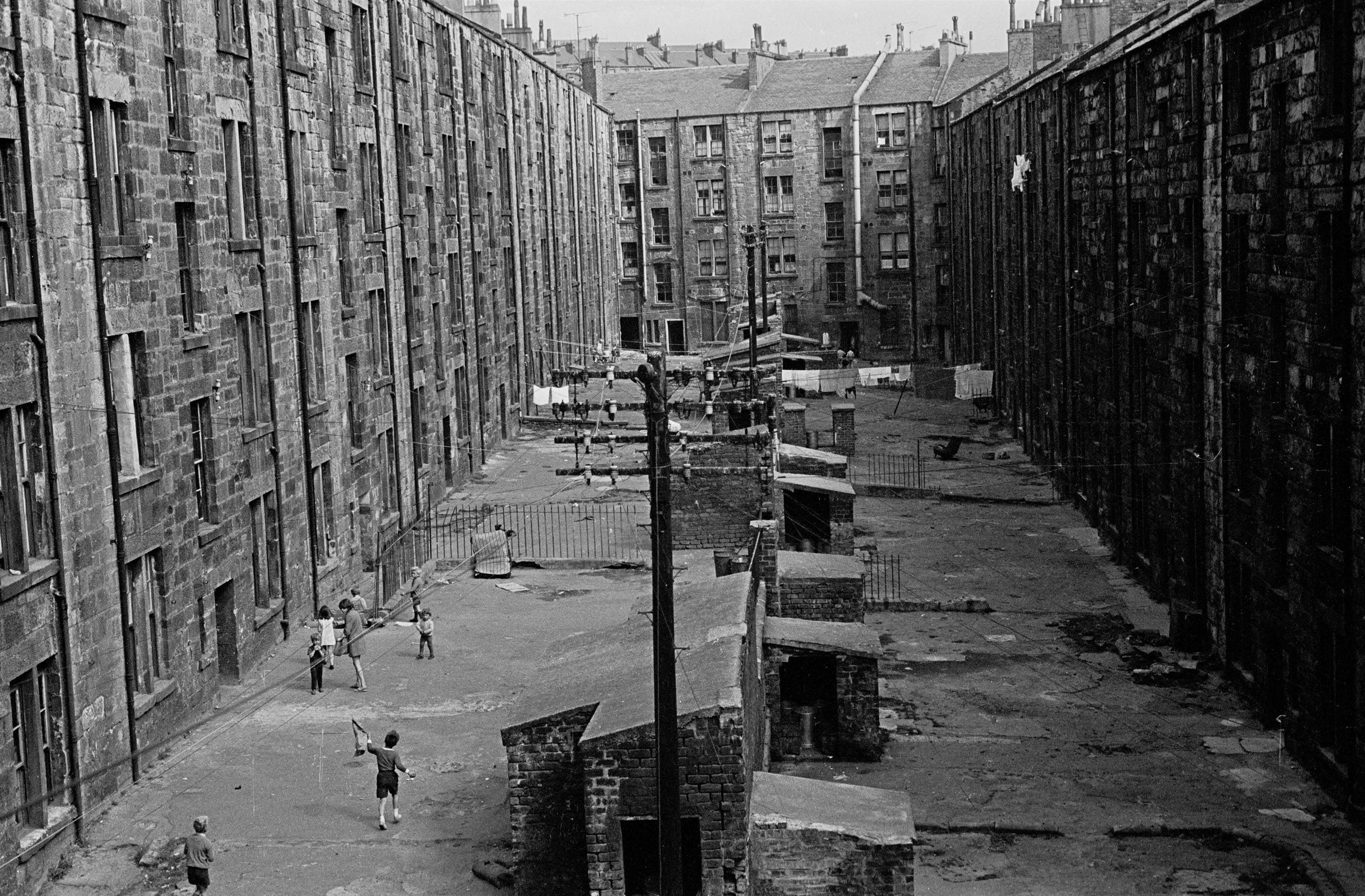
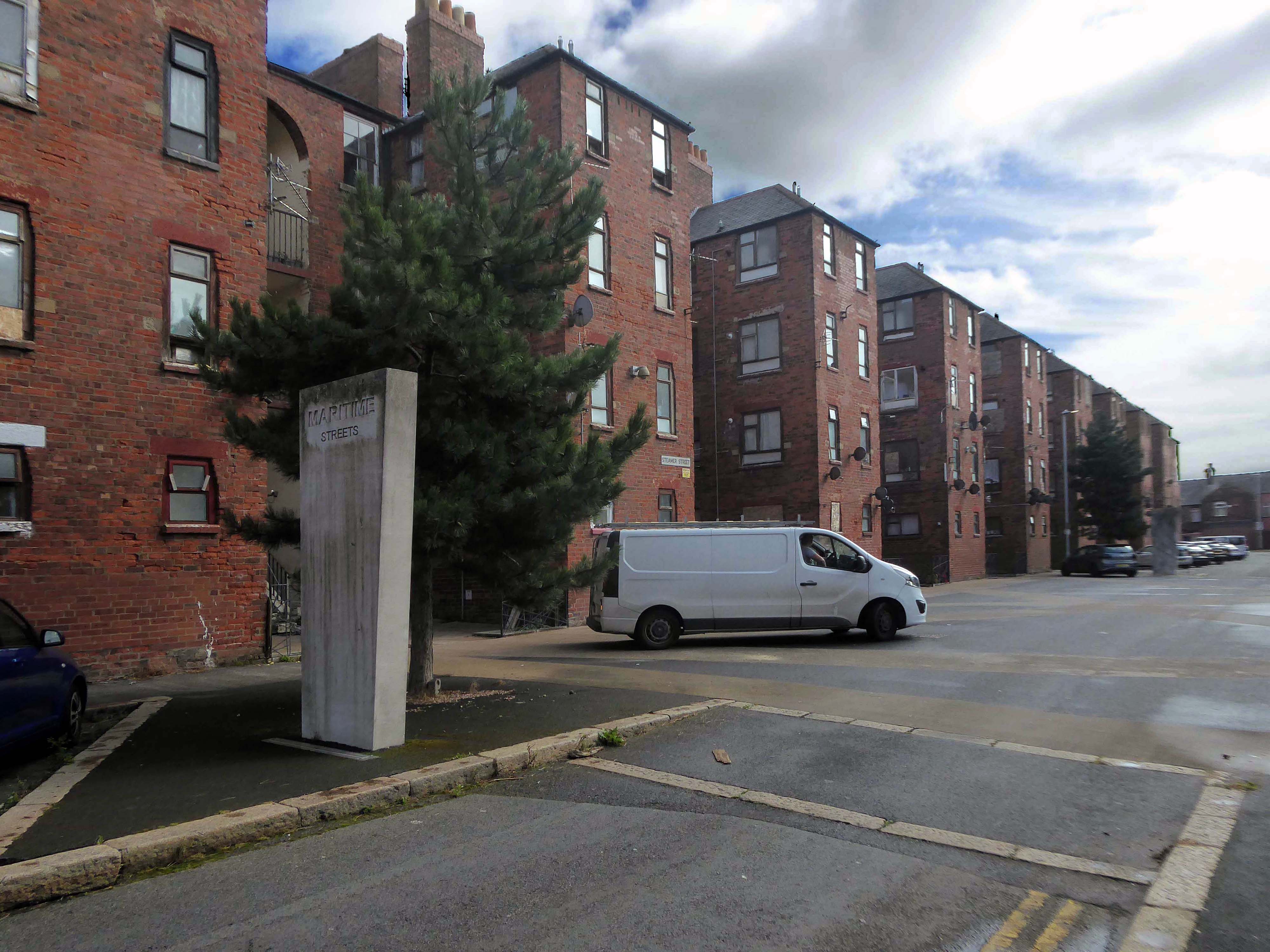
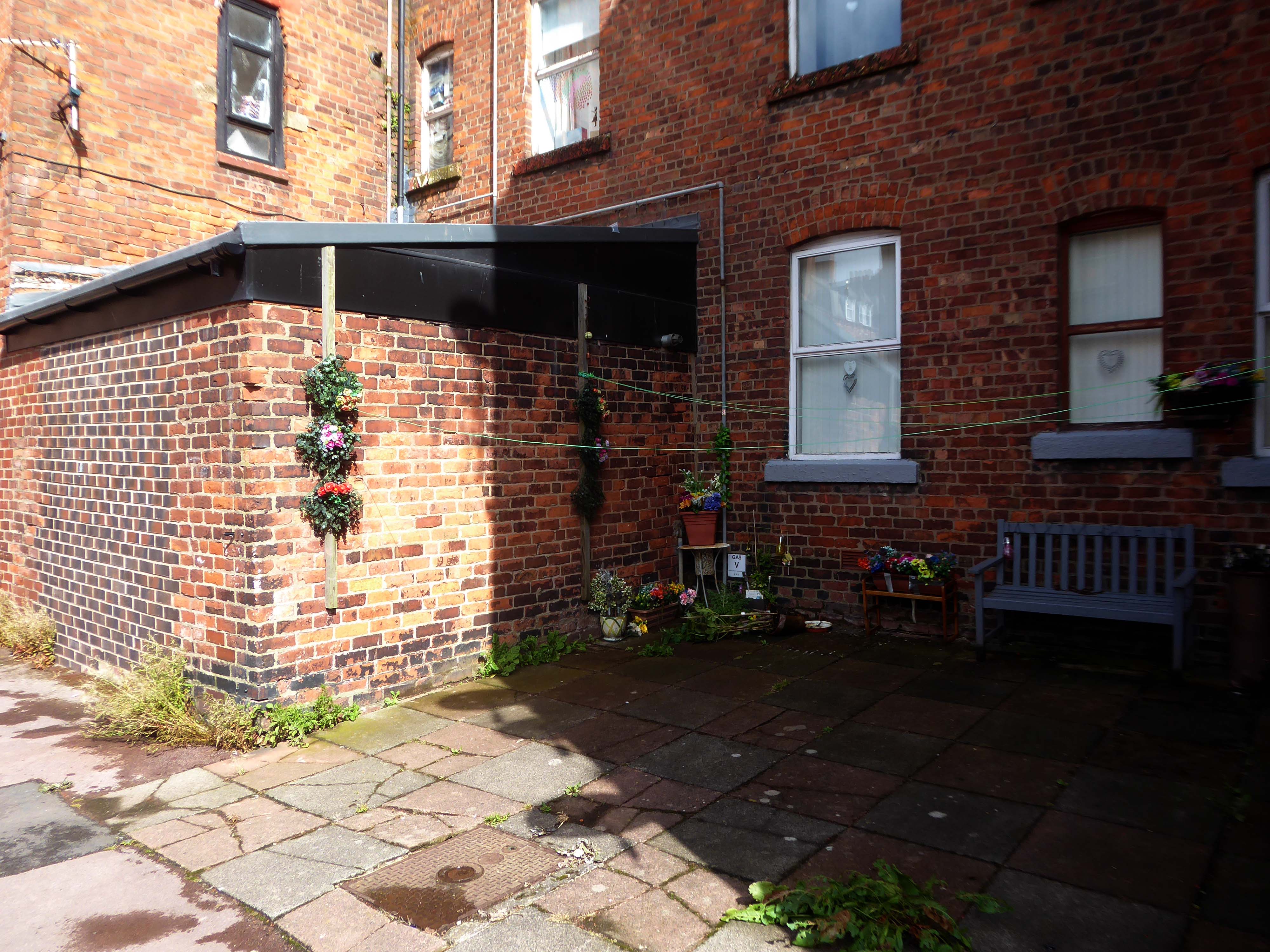
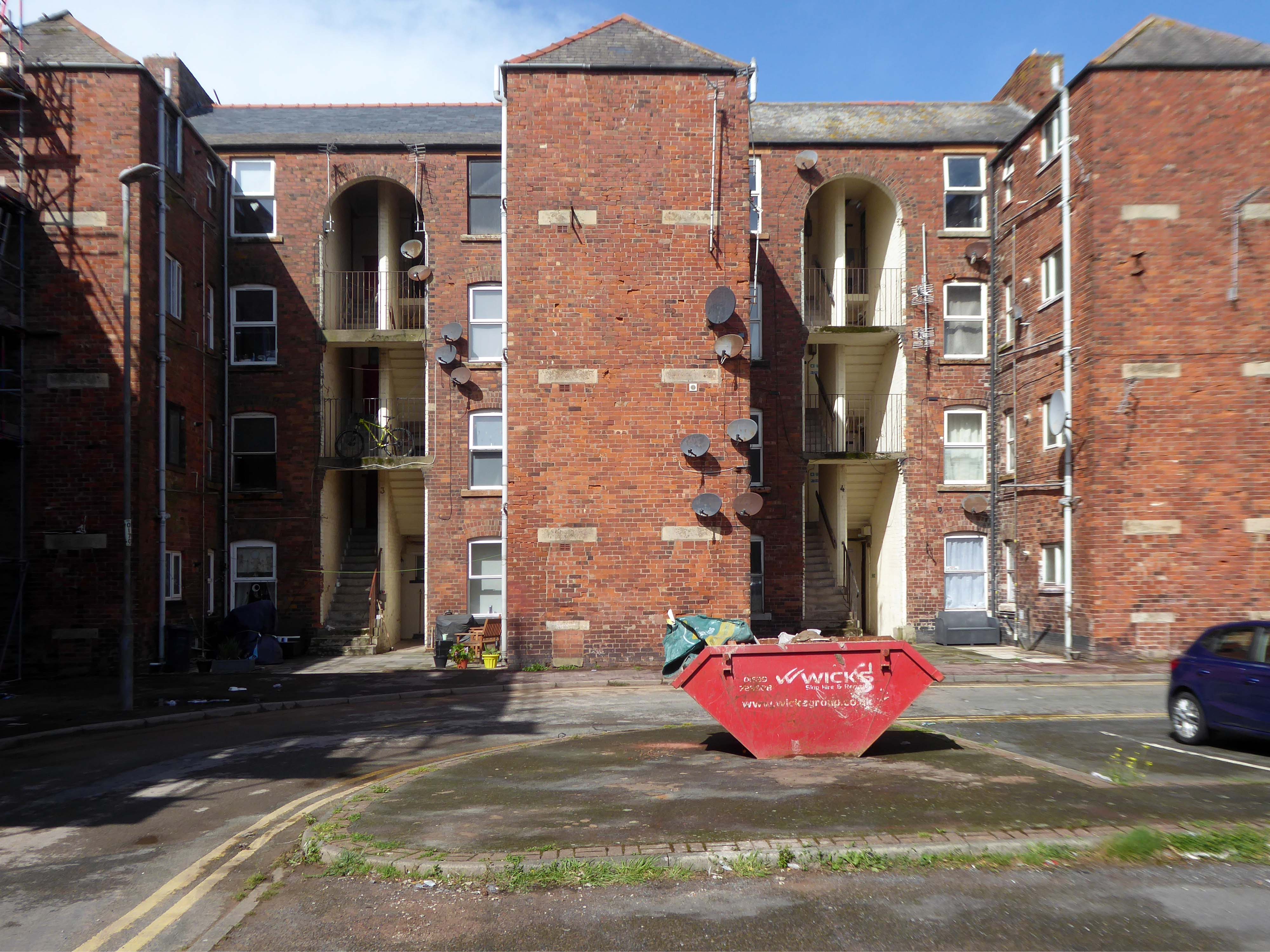
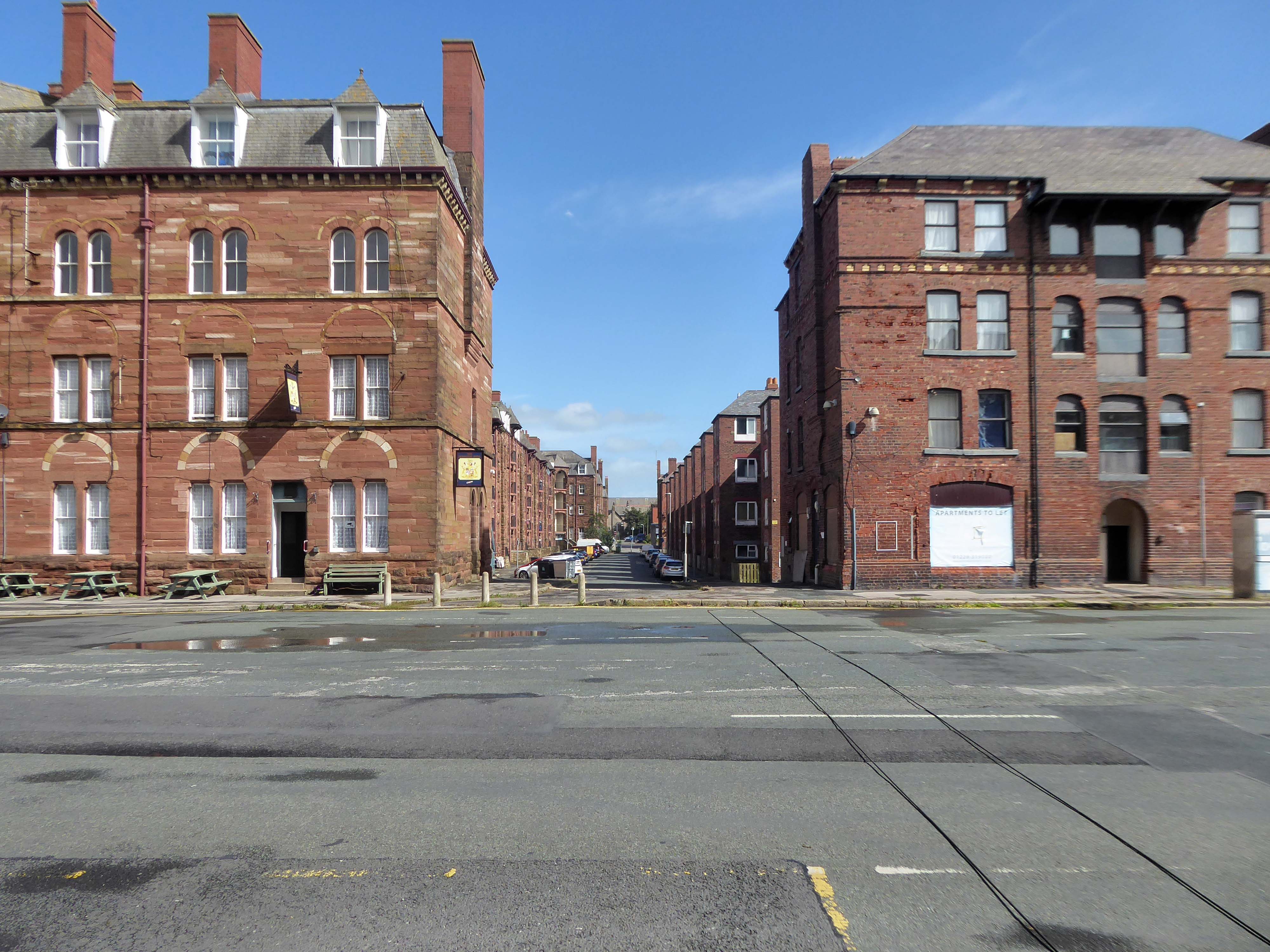
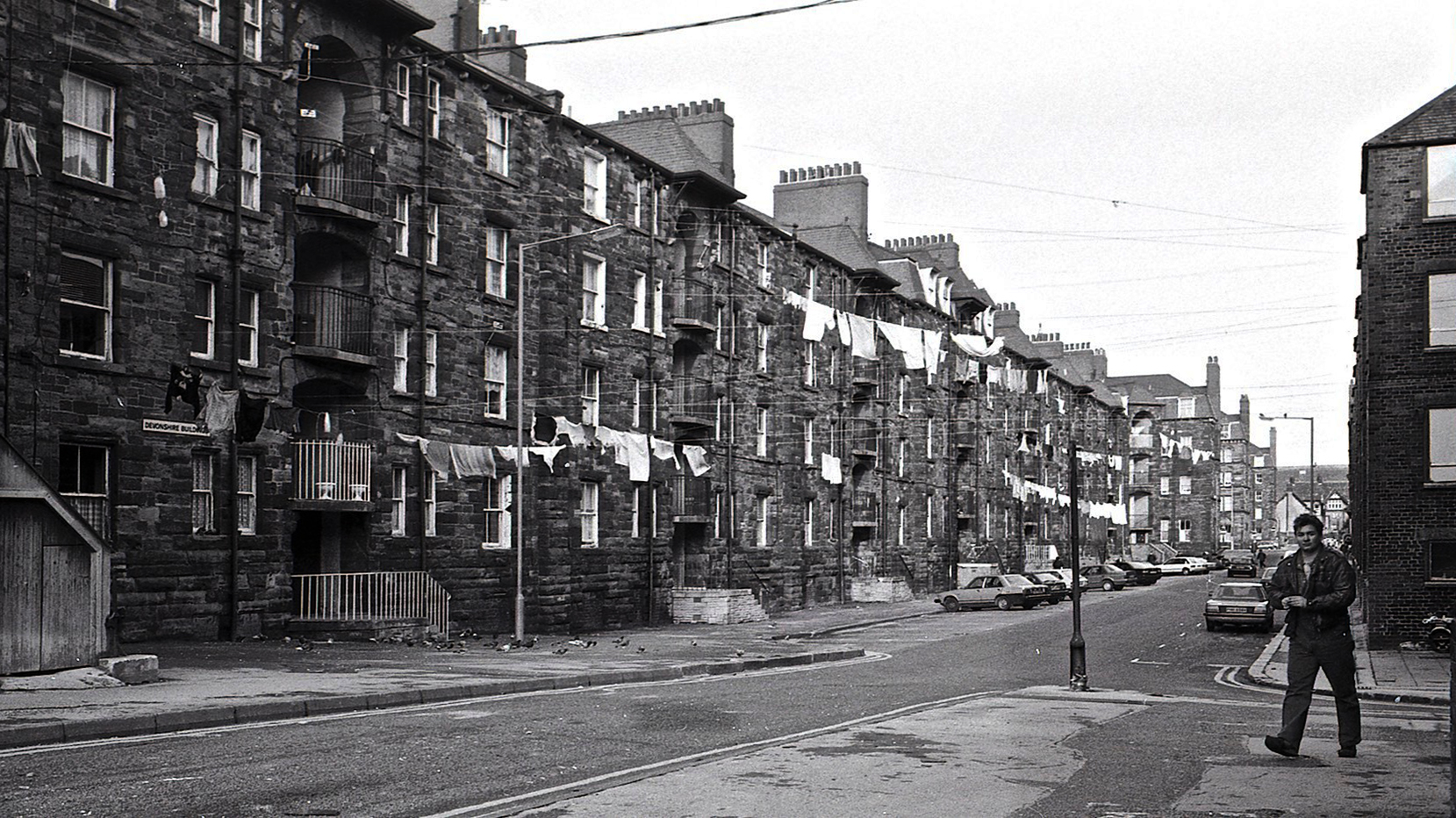
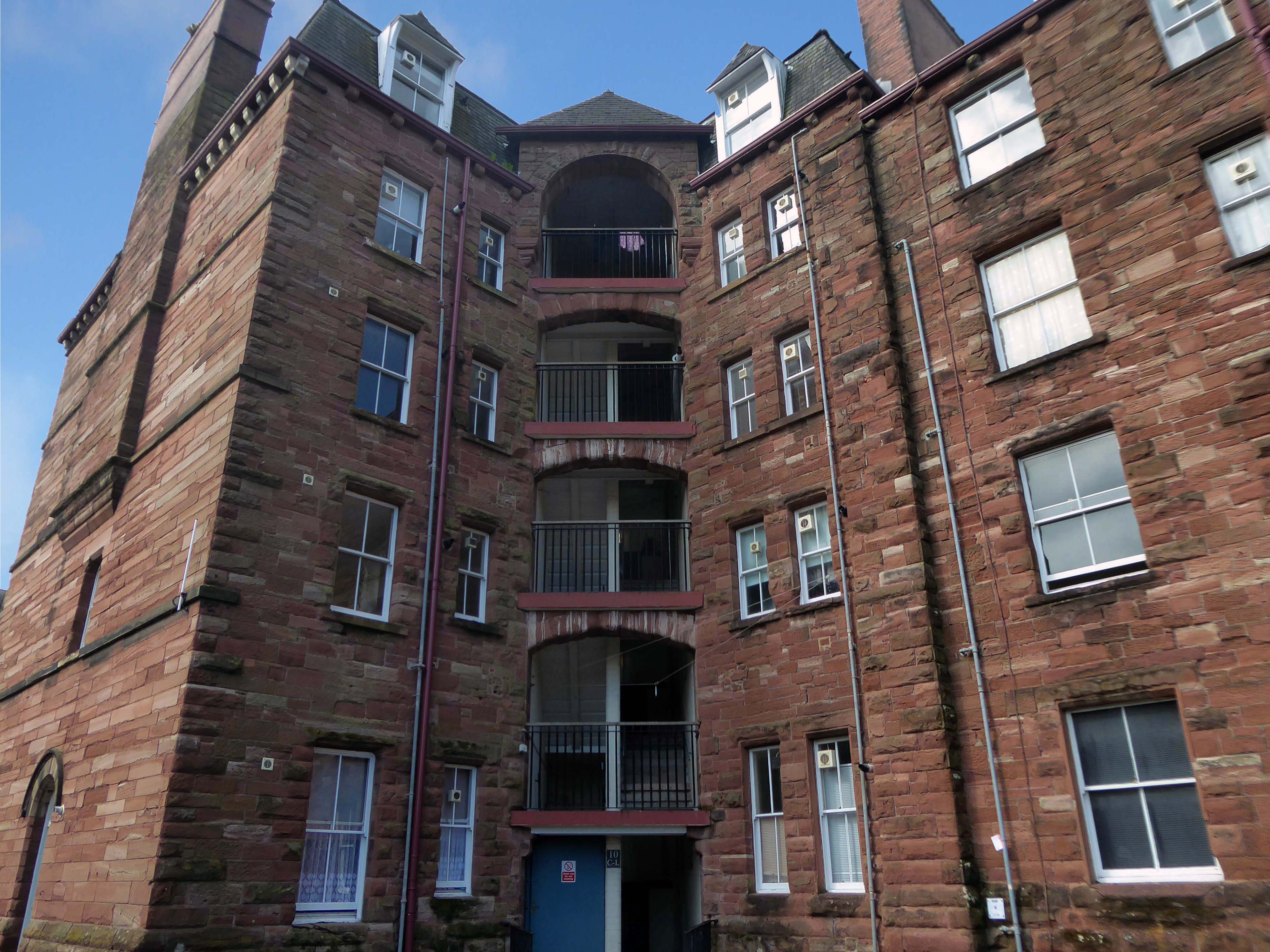
There’s a tight knit group of roads, where the housing is redolent of Scottish tenements.
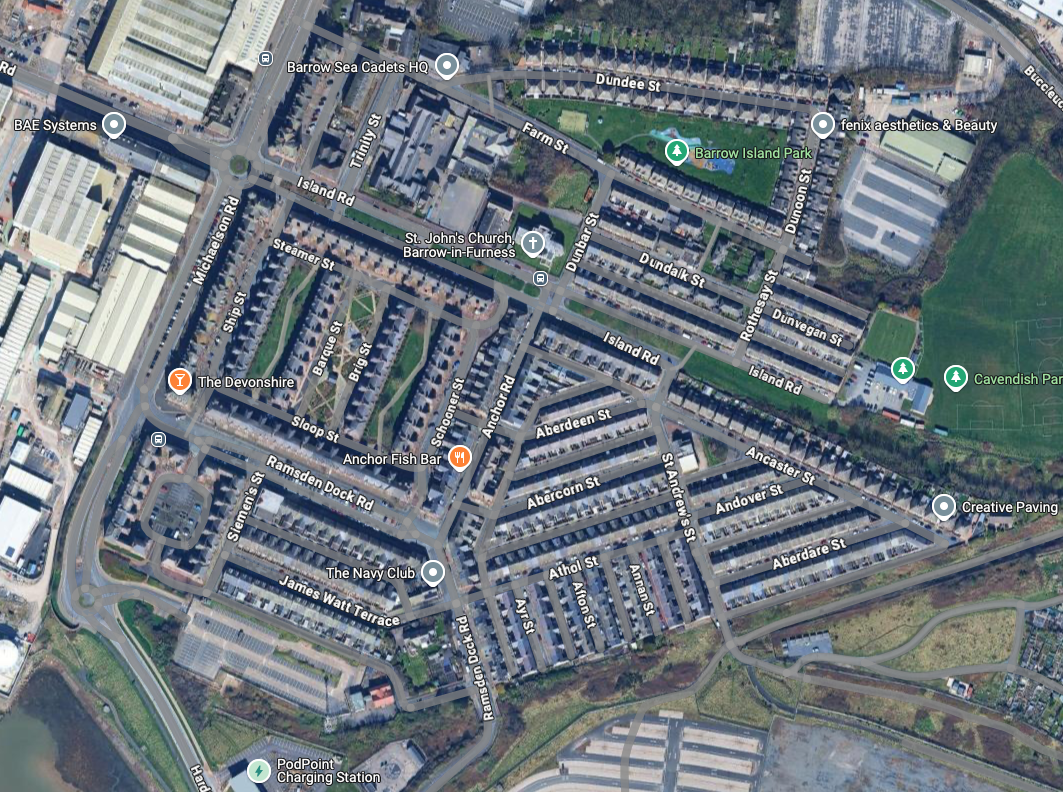
Photo Nick Hedges Glasgow 1972

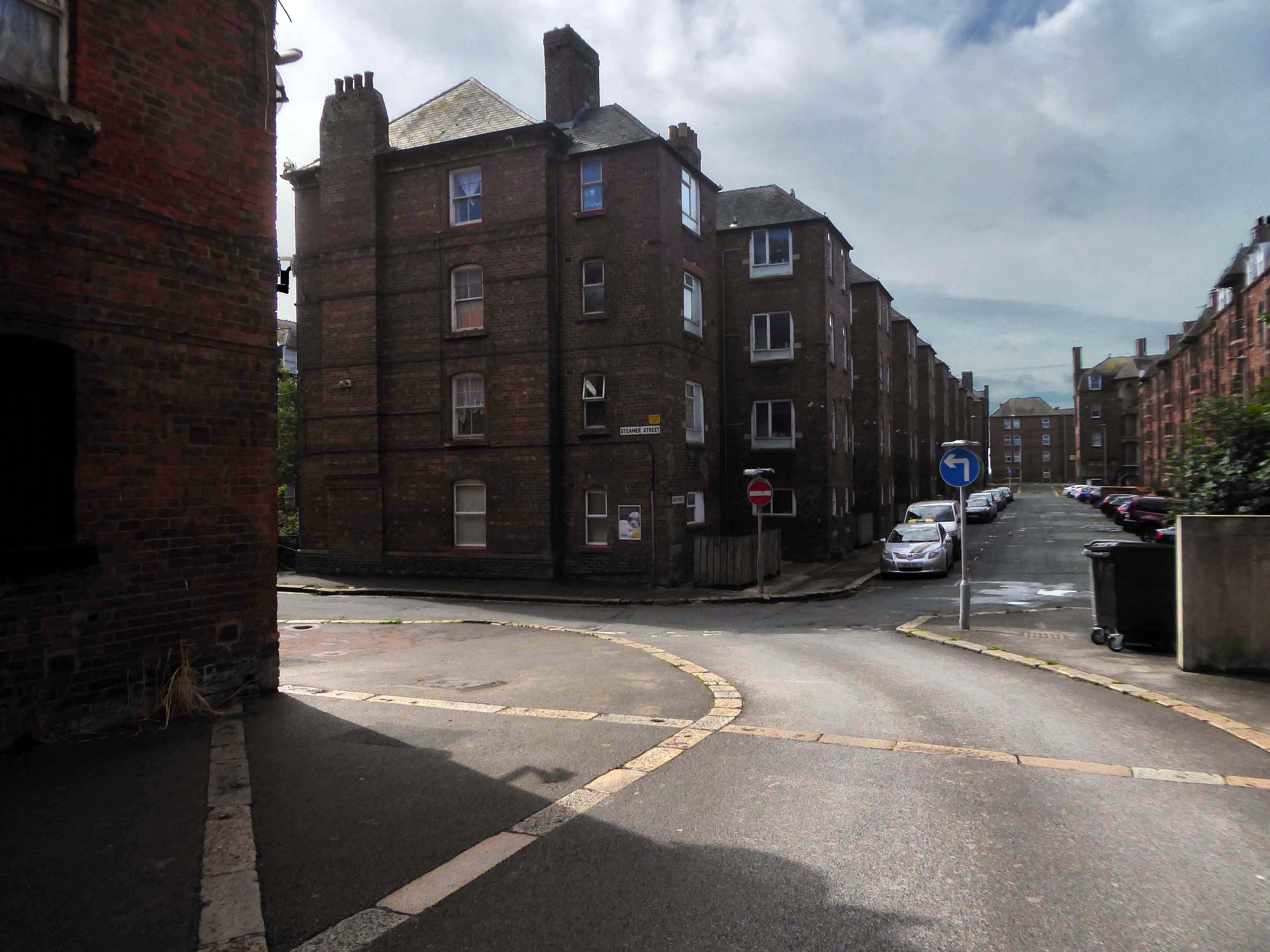
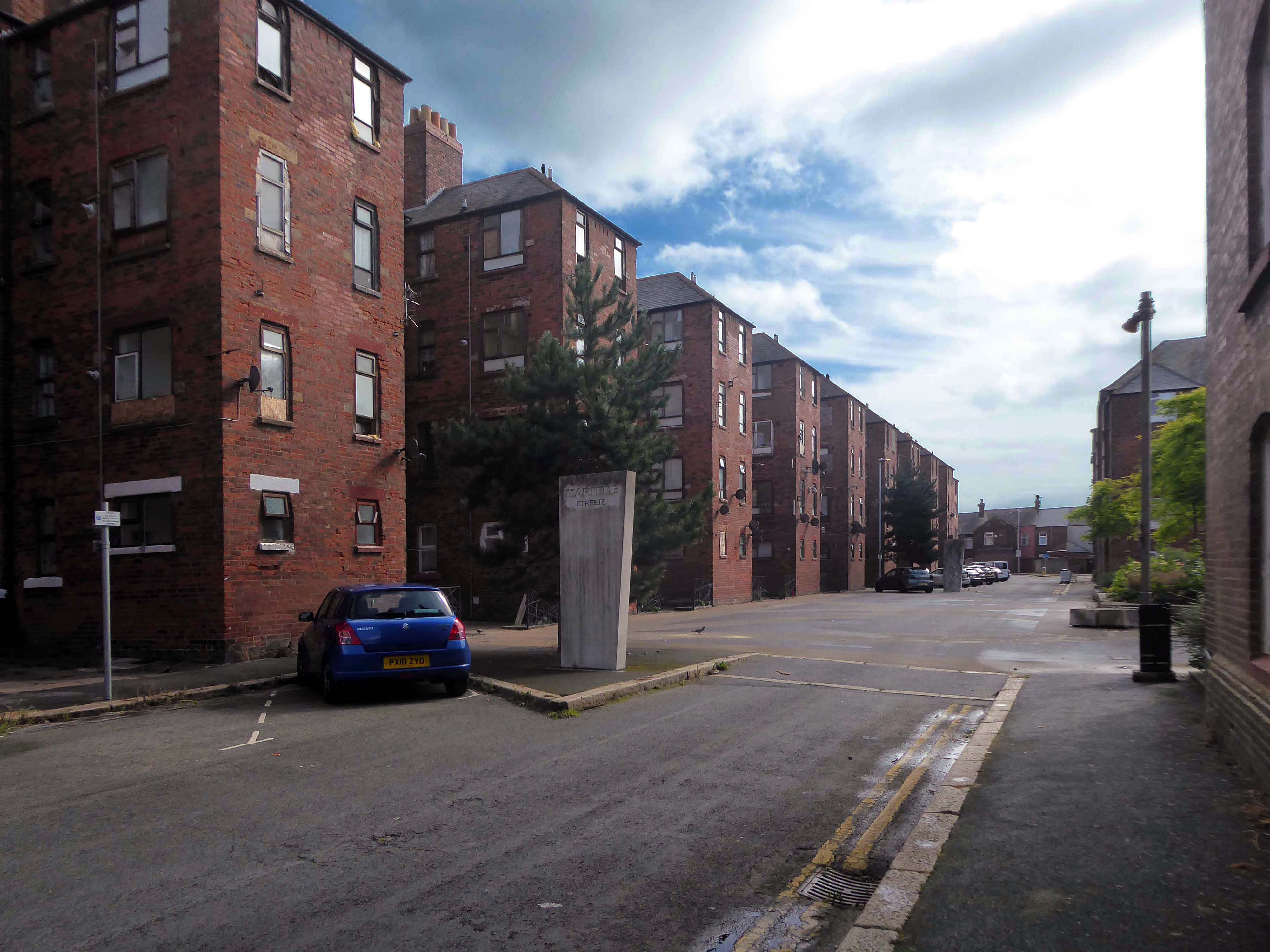
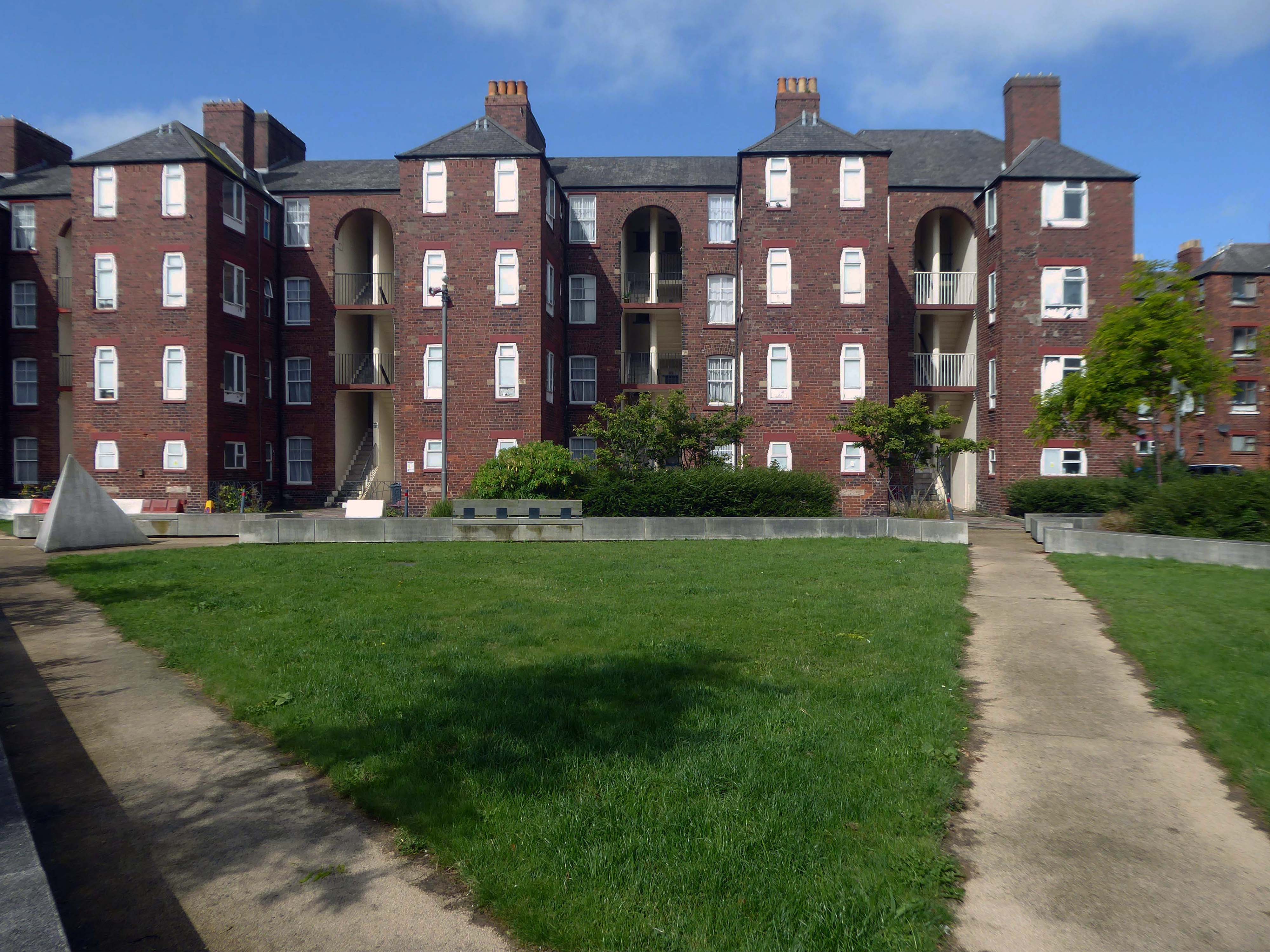
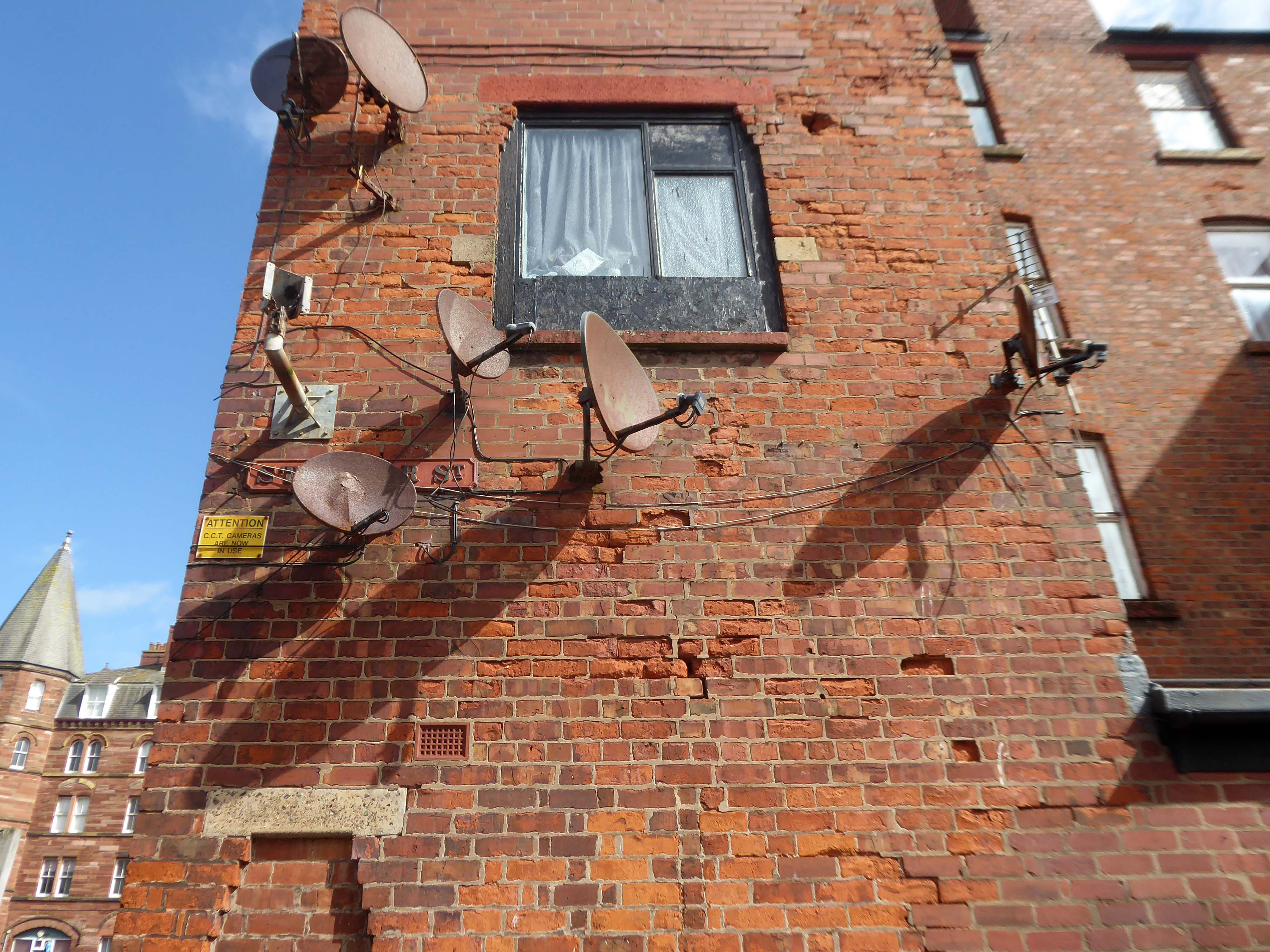
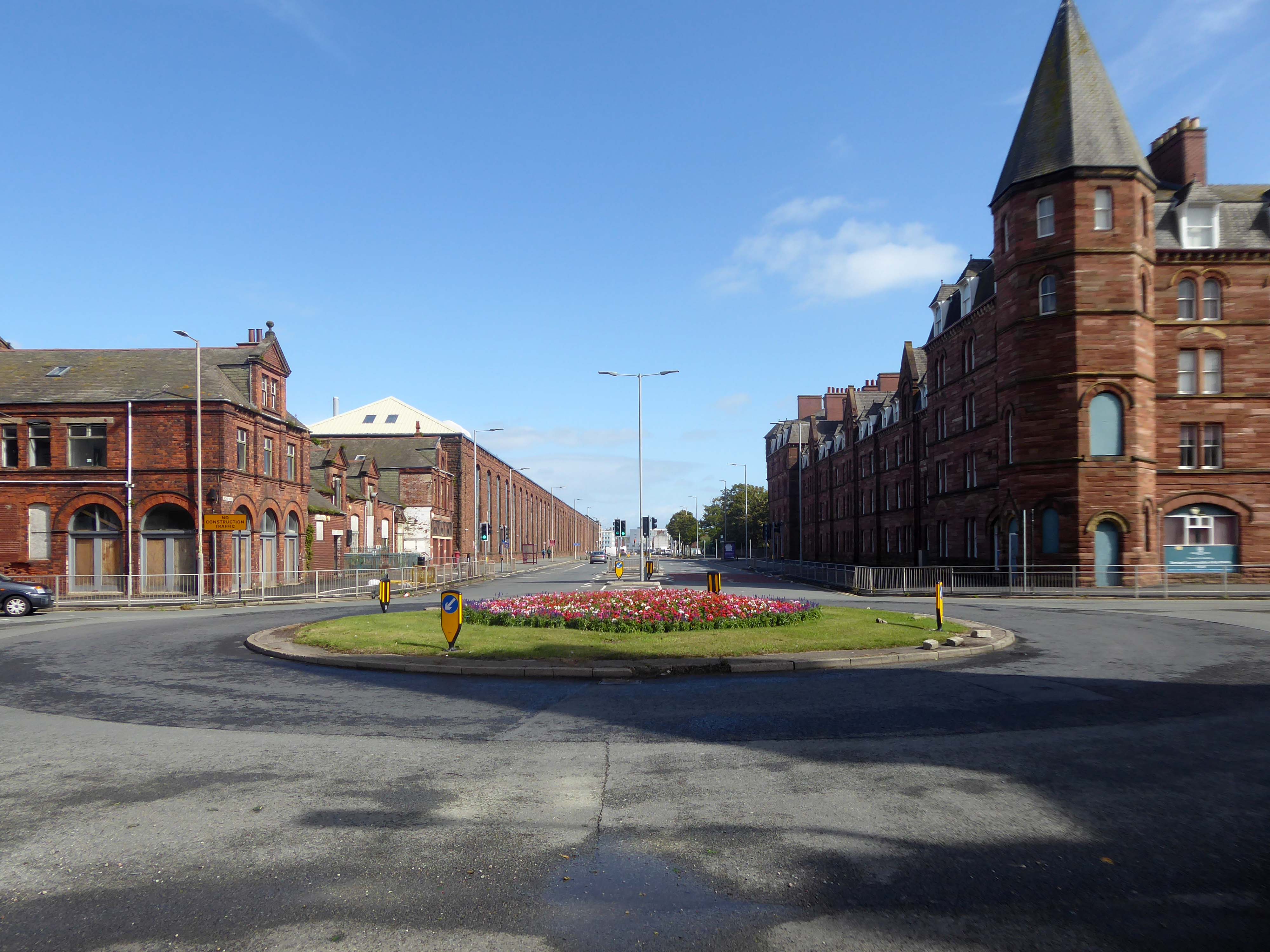
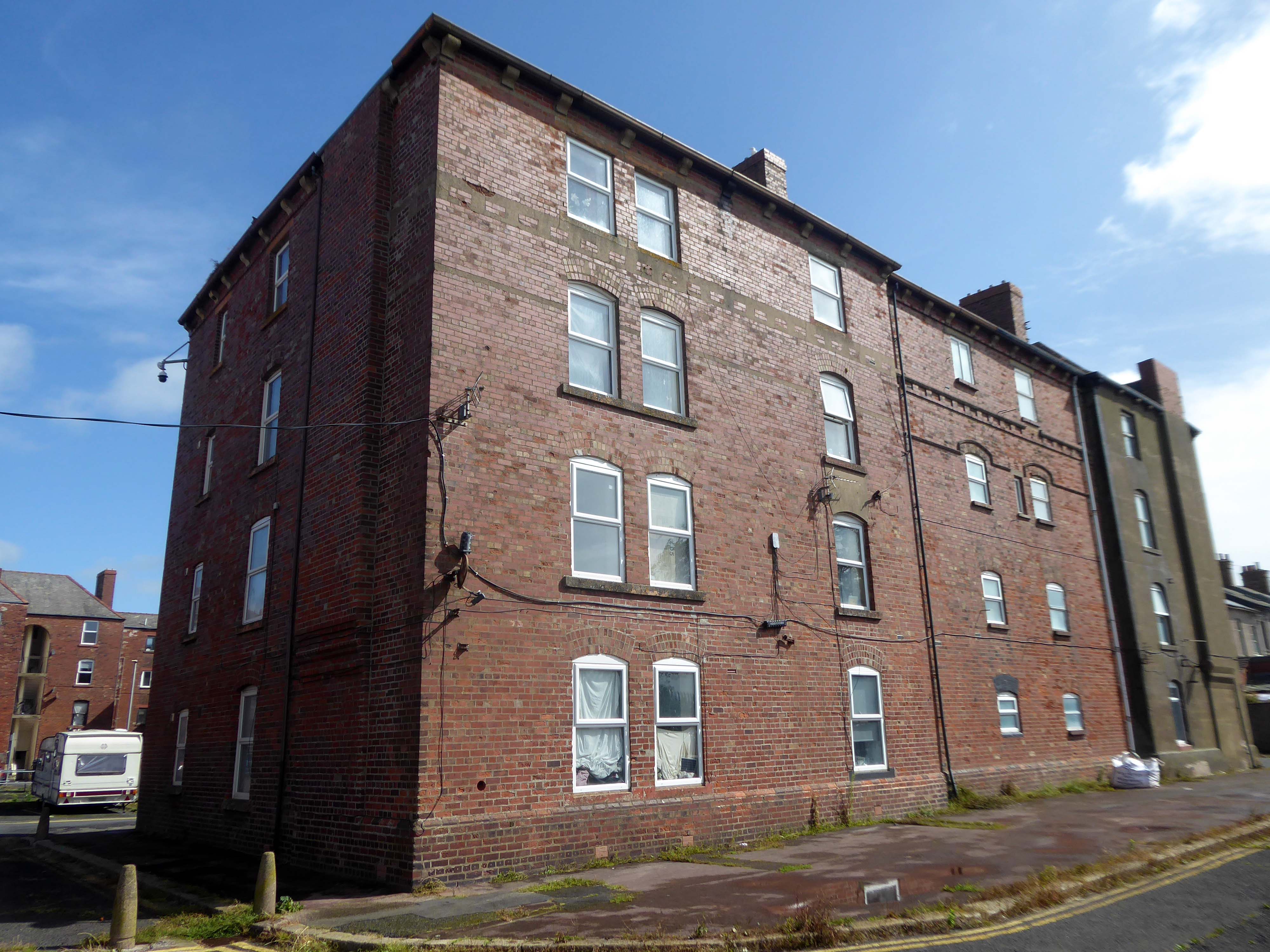
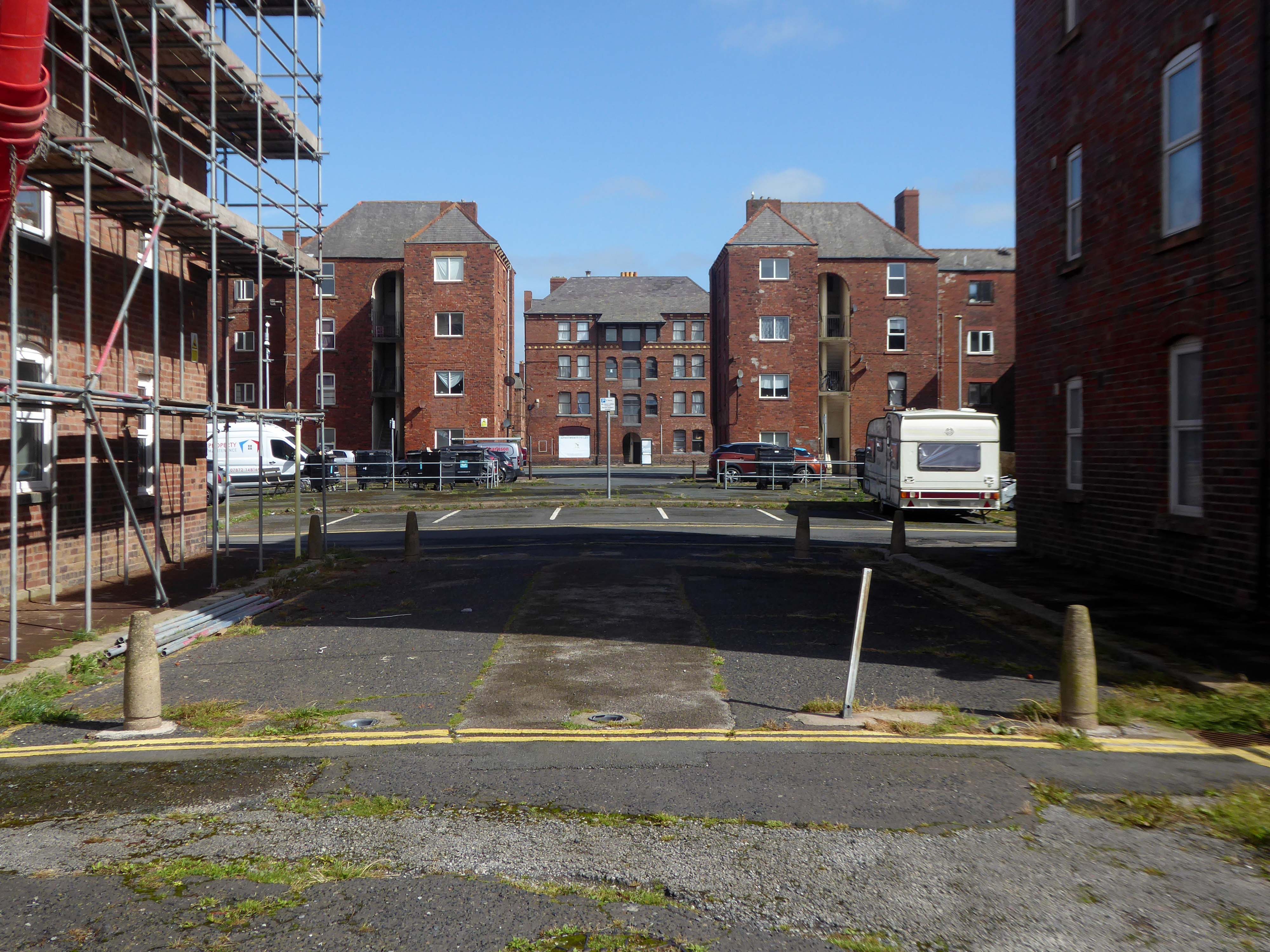
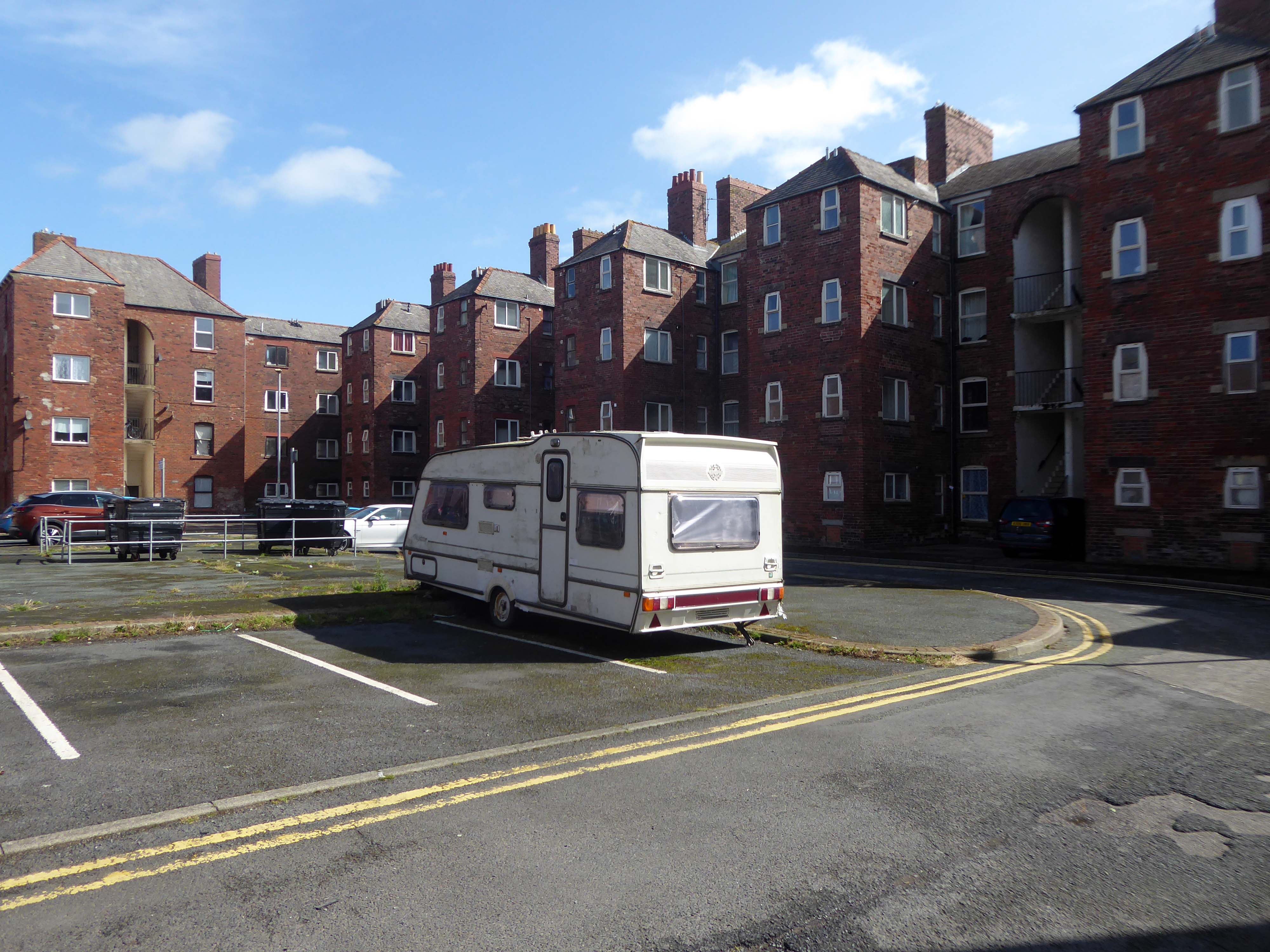
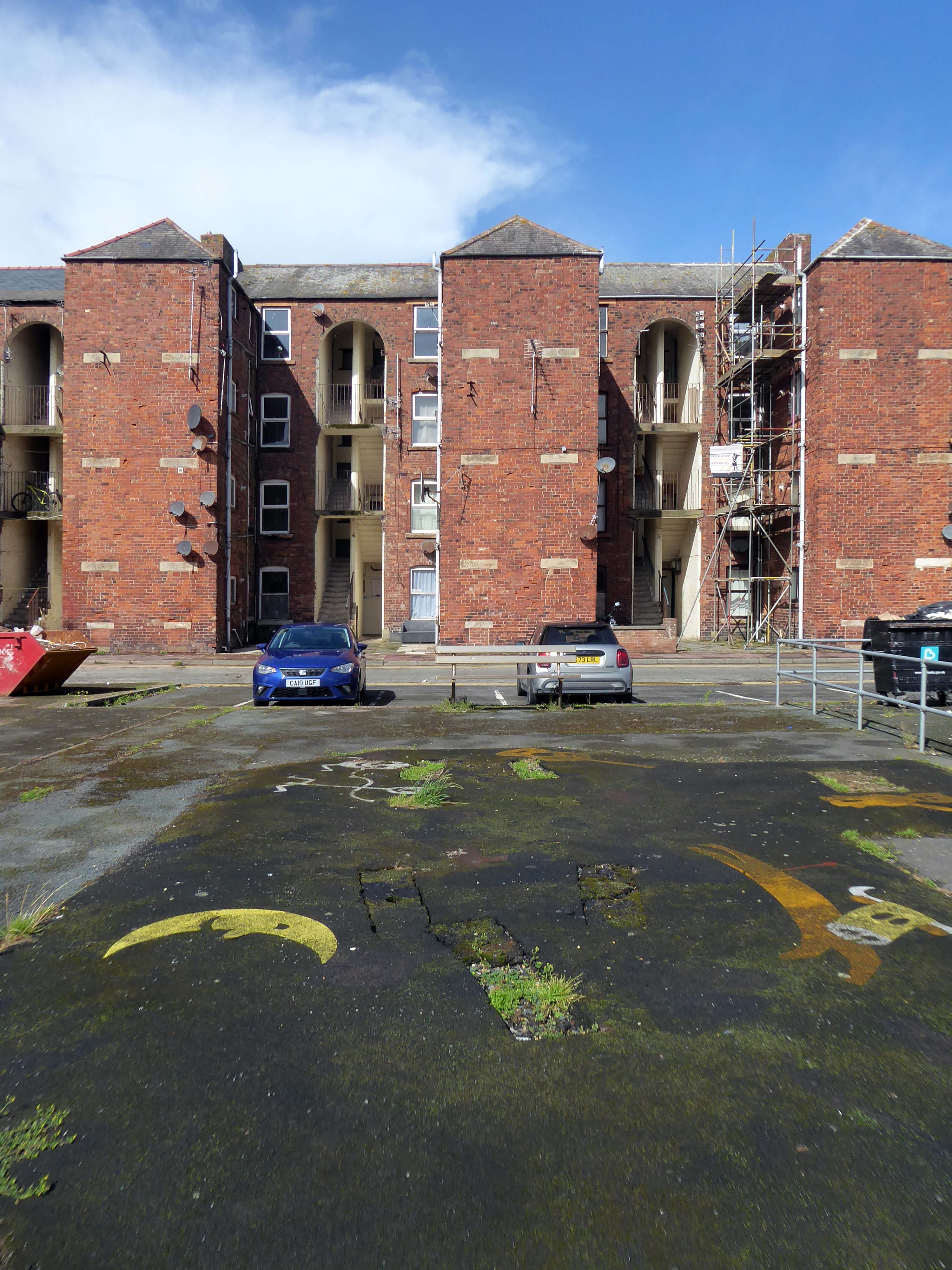
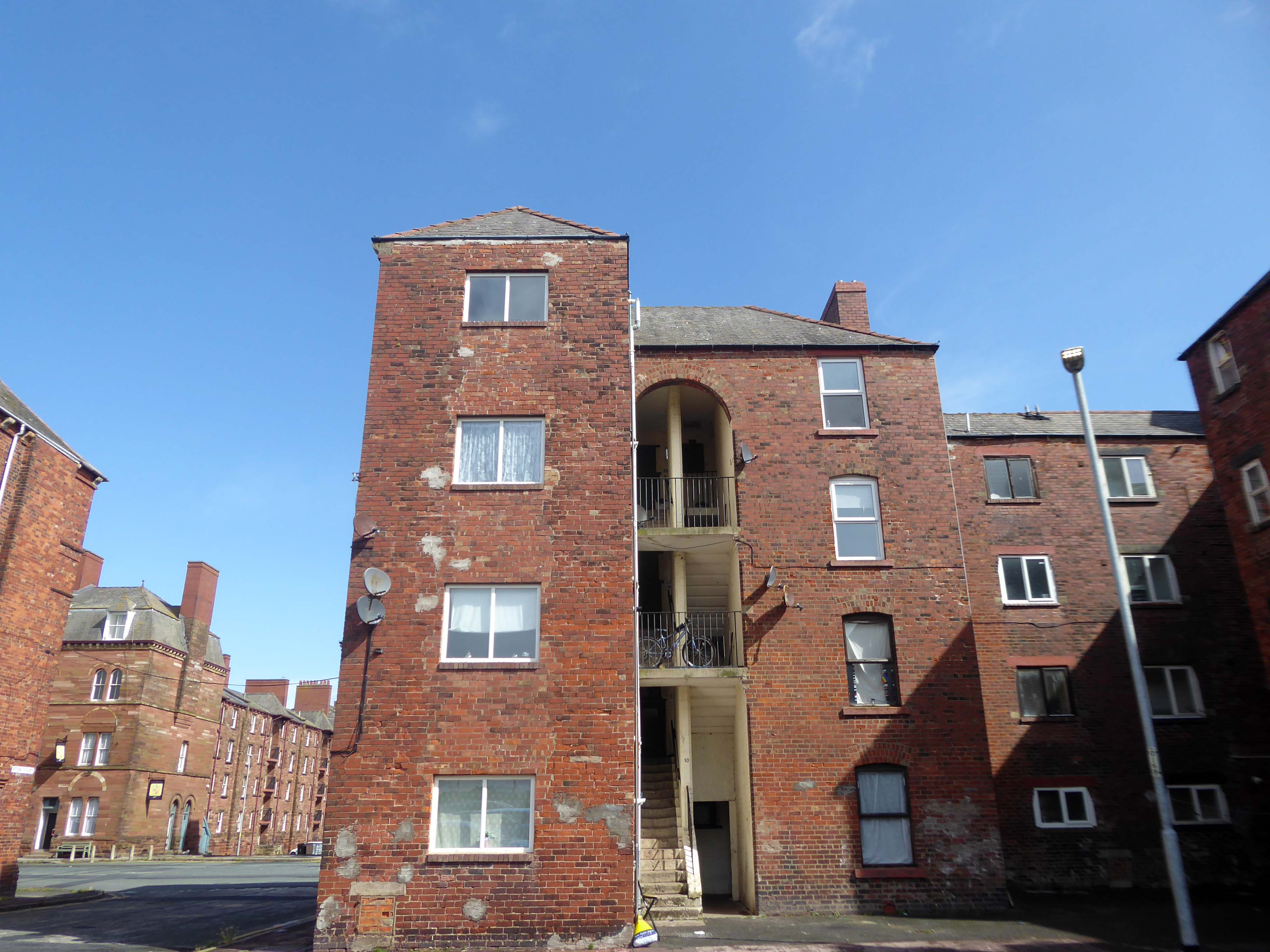
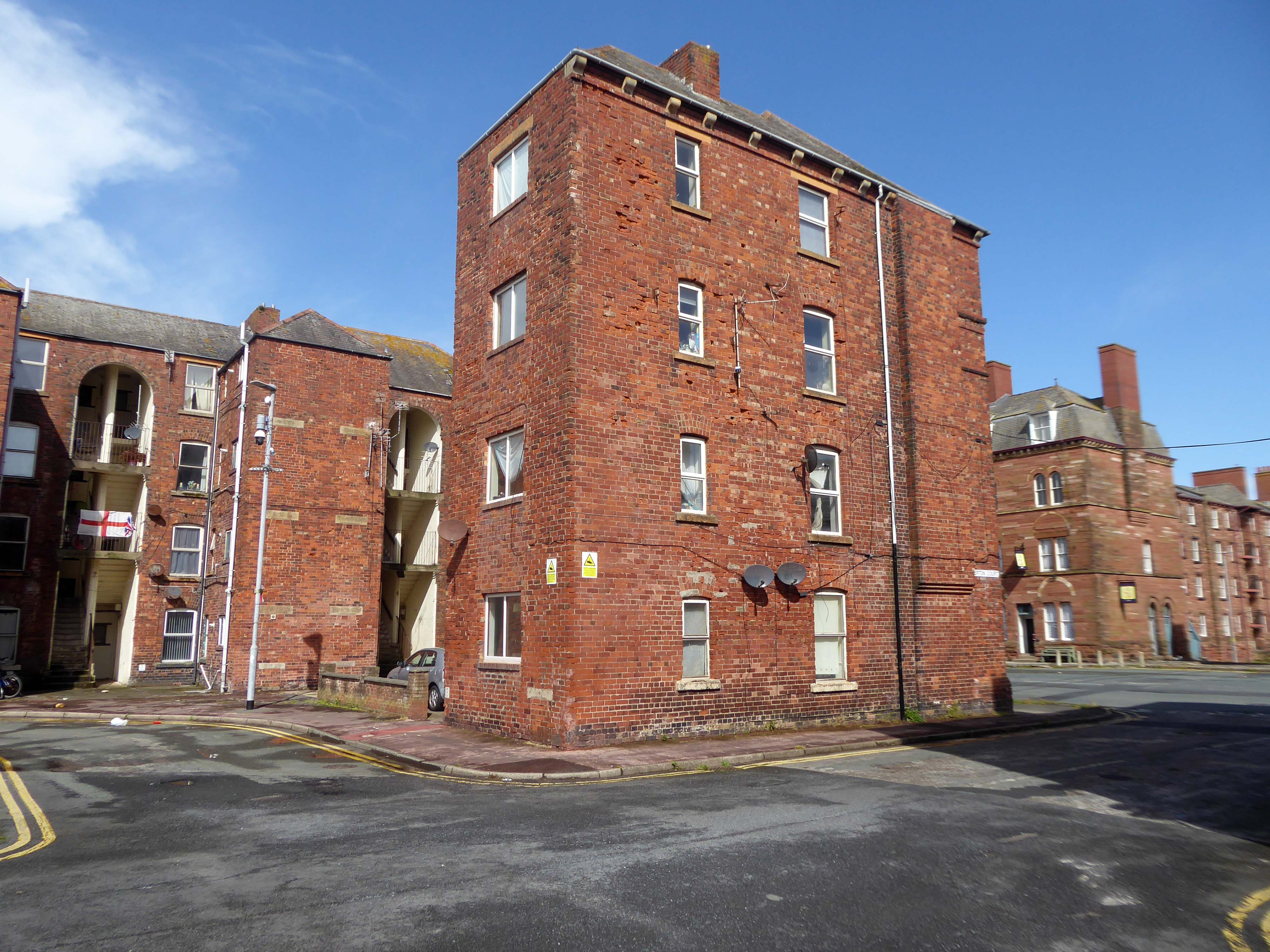
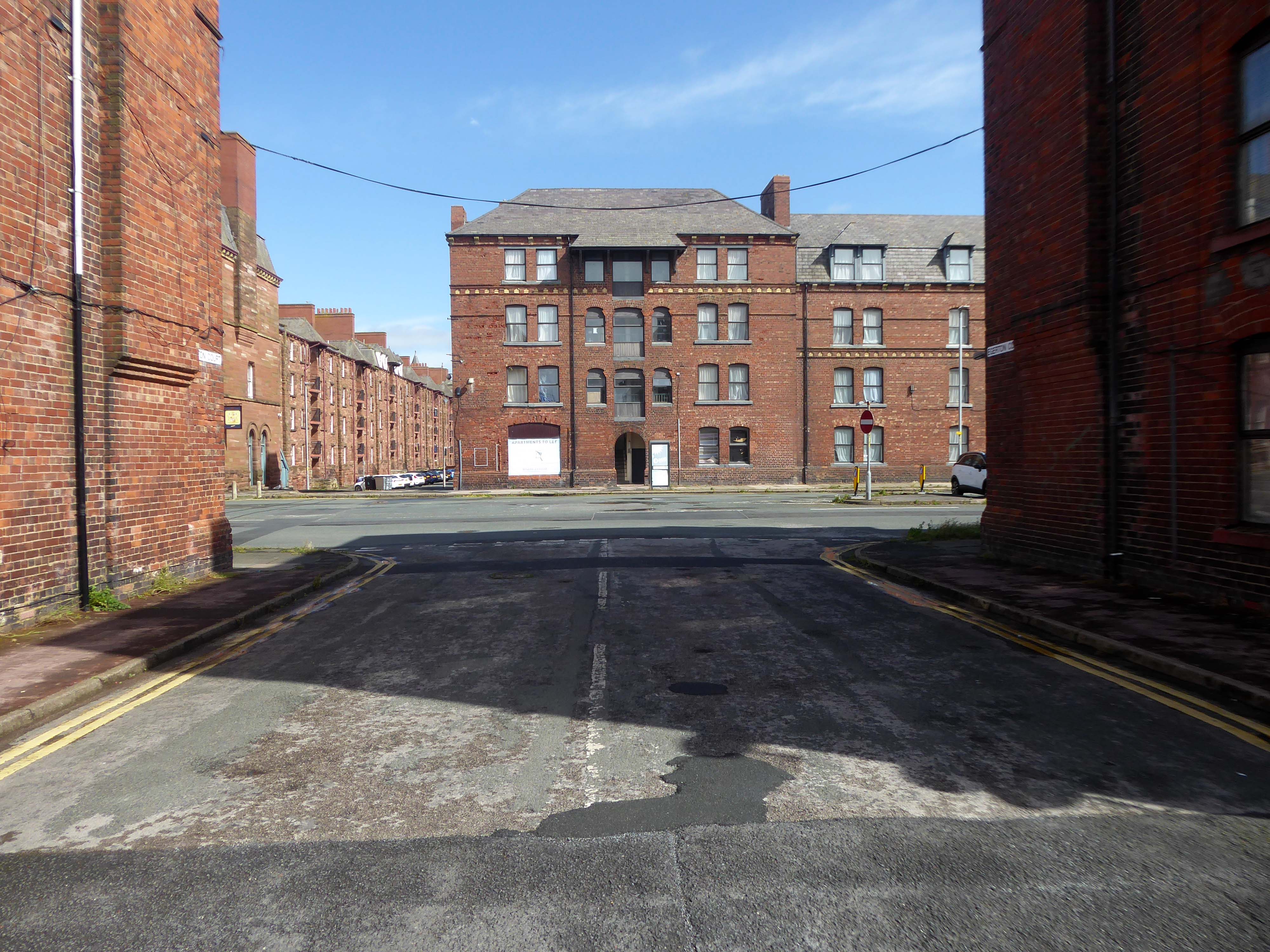
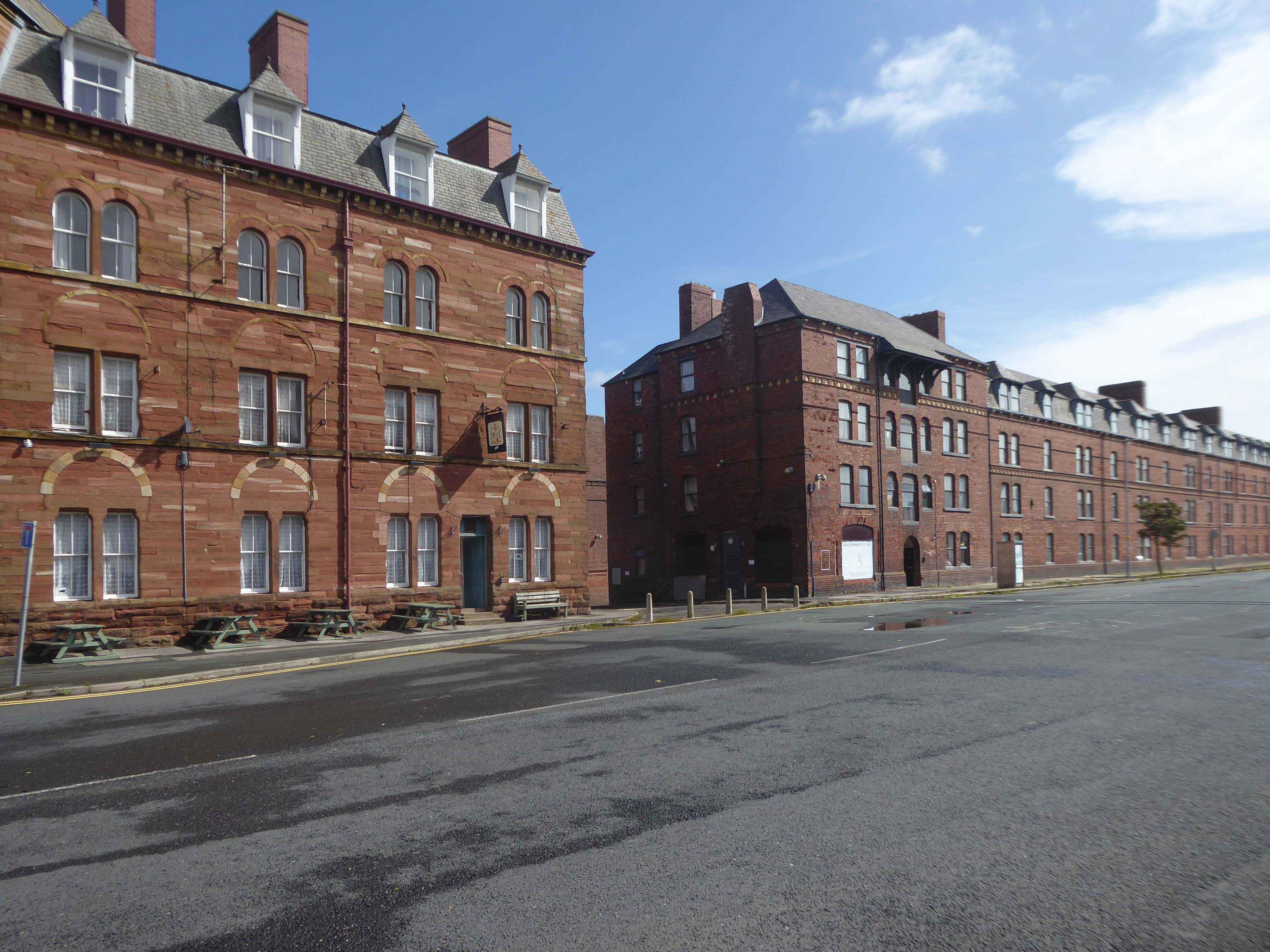
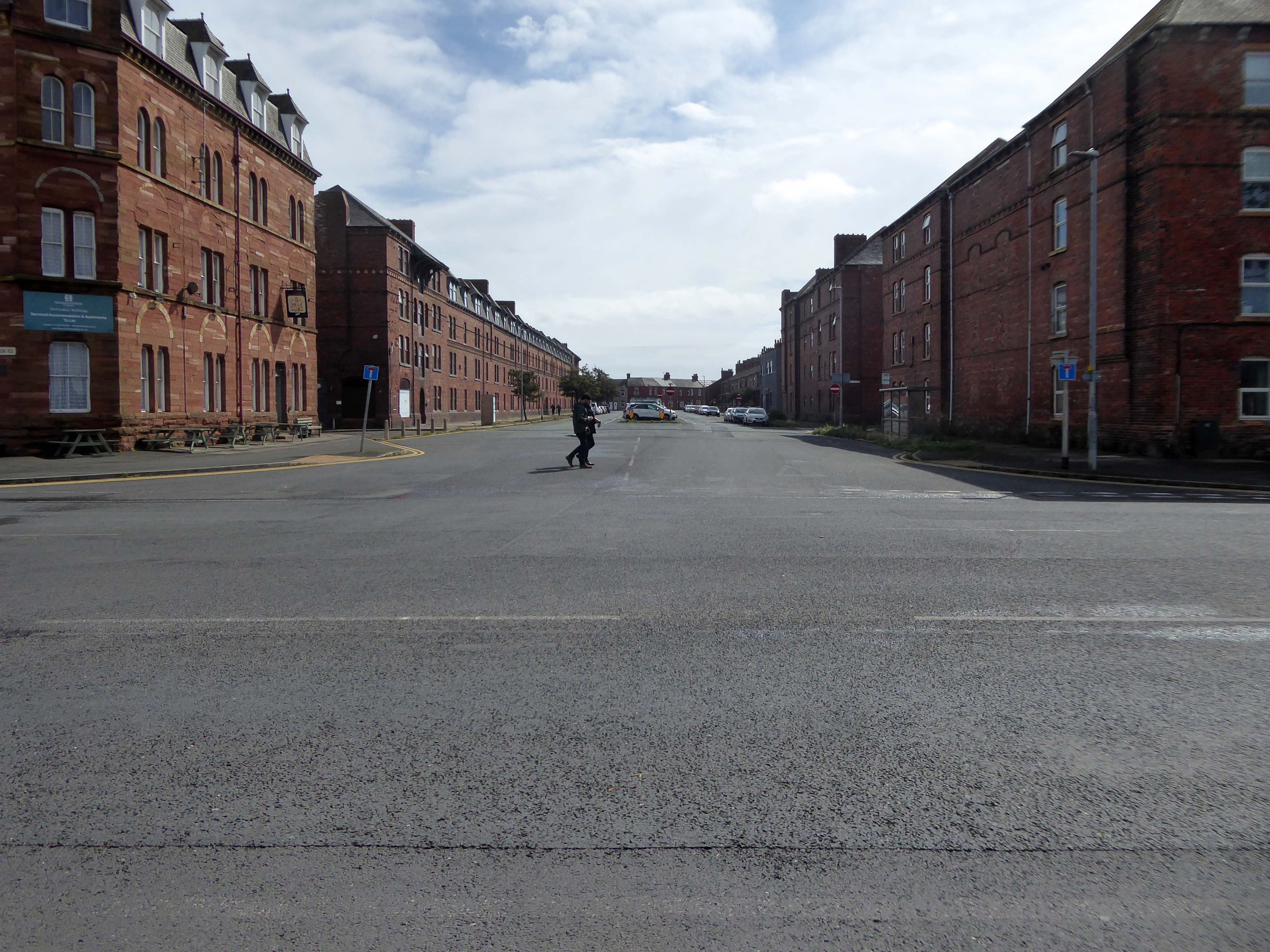
These are the Ship Street Tenements brick built in 1881-84, for the Furness Railway Company, they are Grade II Listed.

Architects Paley and Austin of Lancaster, the main contractors Smith and Caird of Dundee.

They provided accommodation for the families of employees in the Furness Railway Company’s nearby shipbuilding works, they consist of two identical four-storey blocks of nine tenements, making eighteen tenements in total.

Historic England

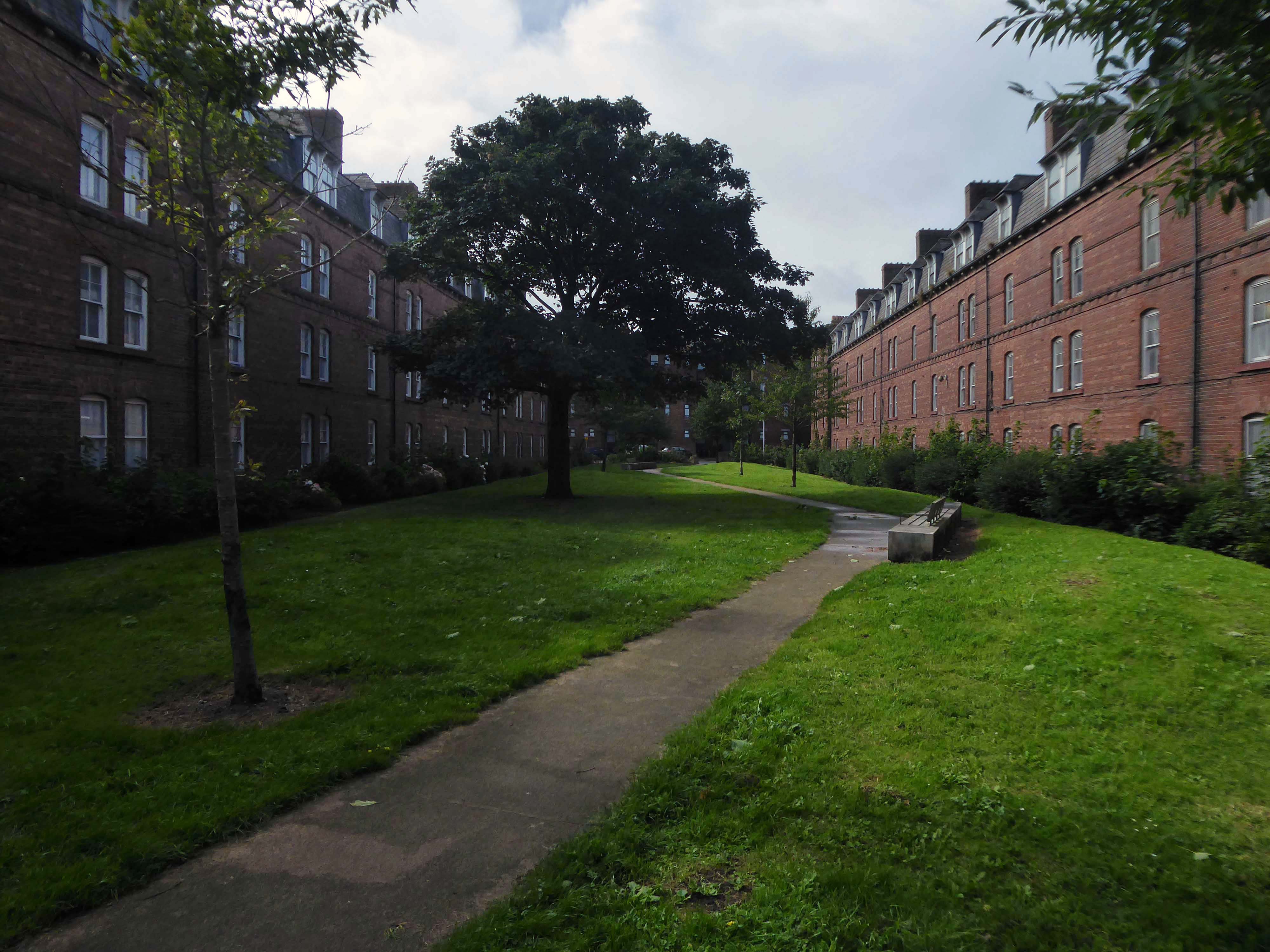
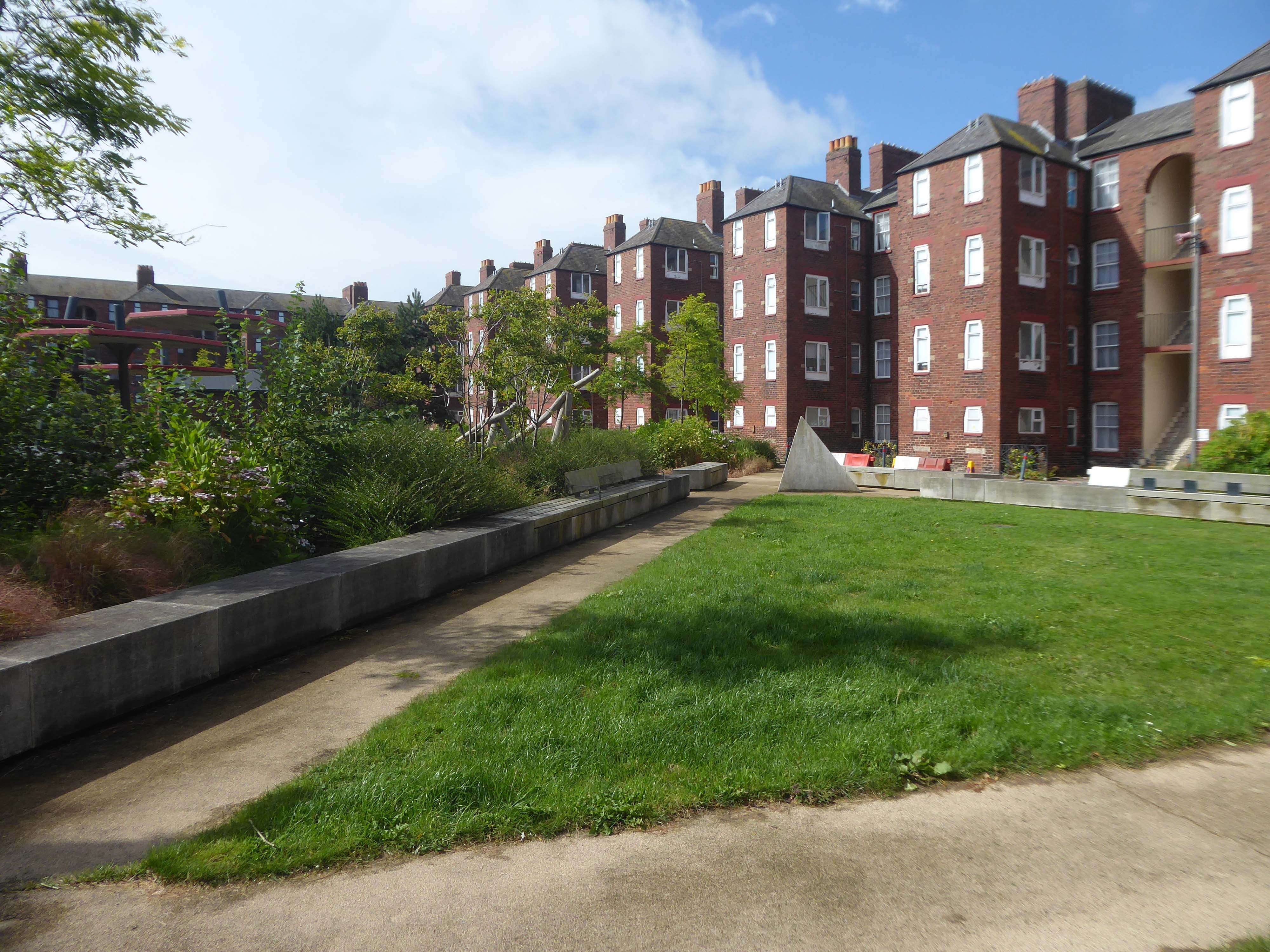
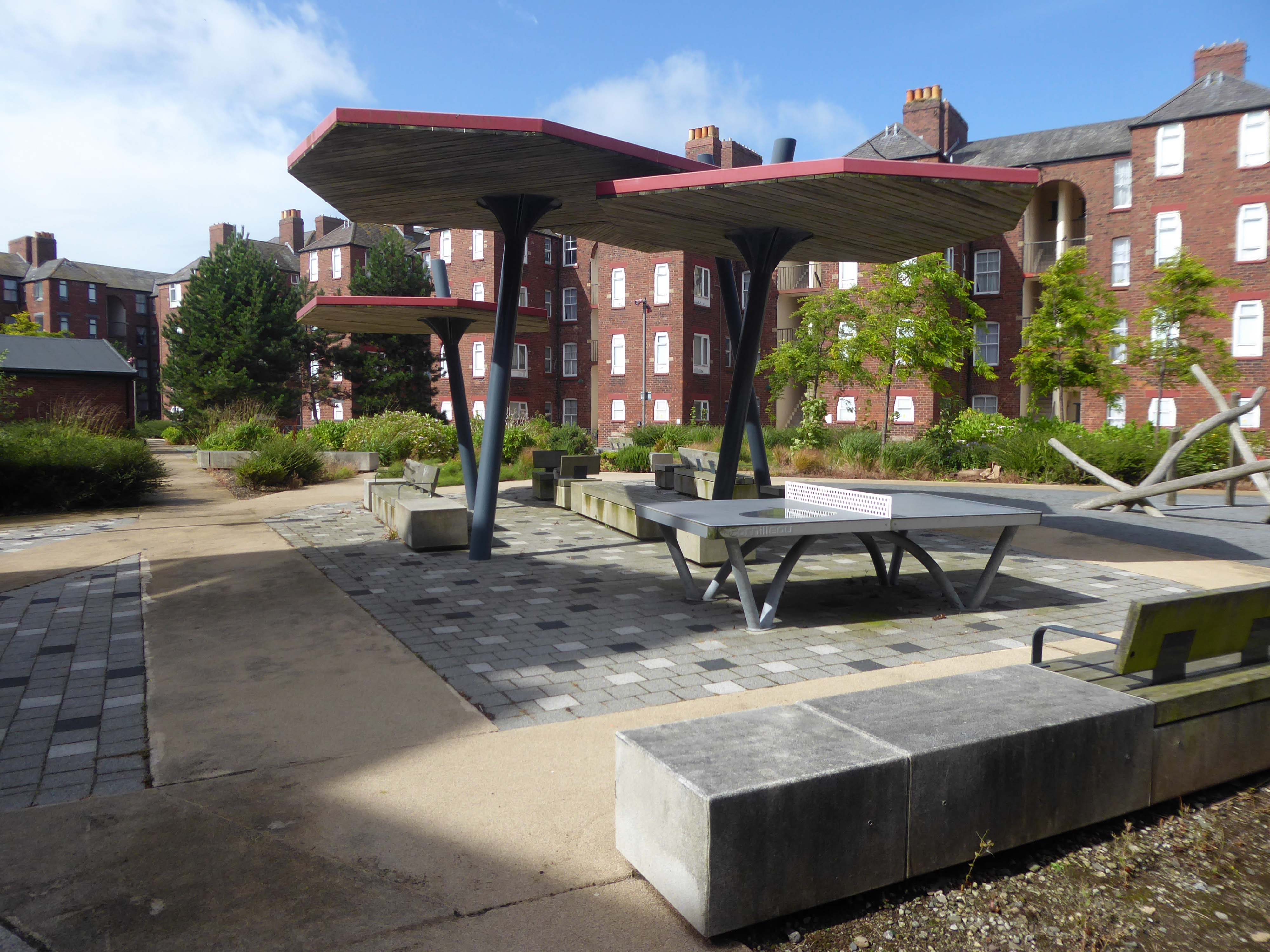
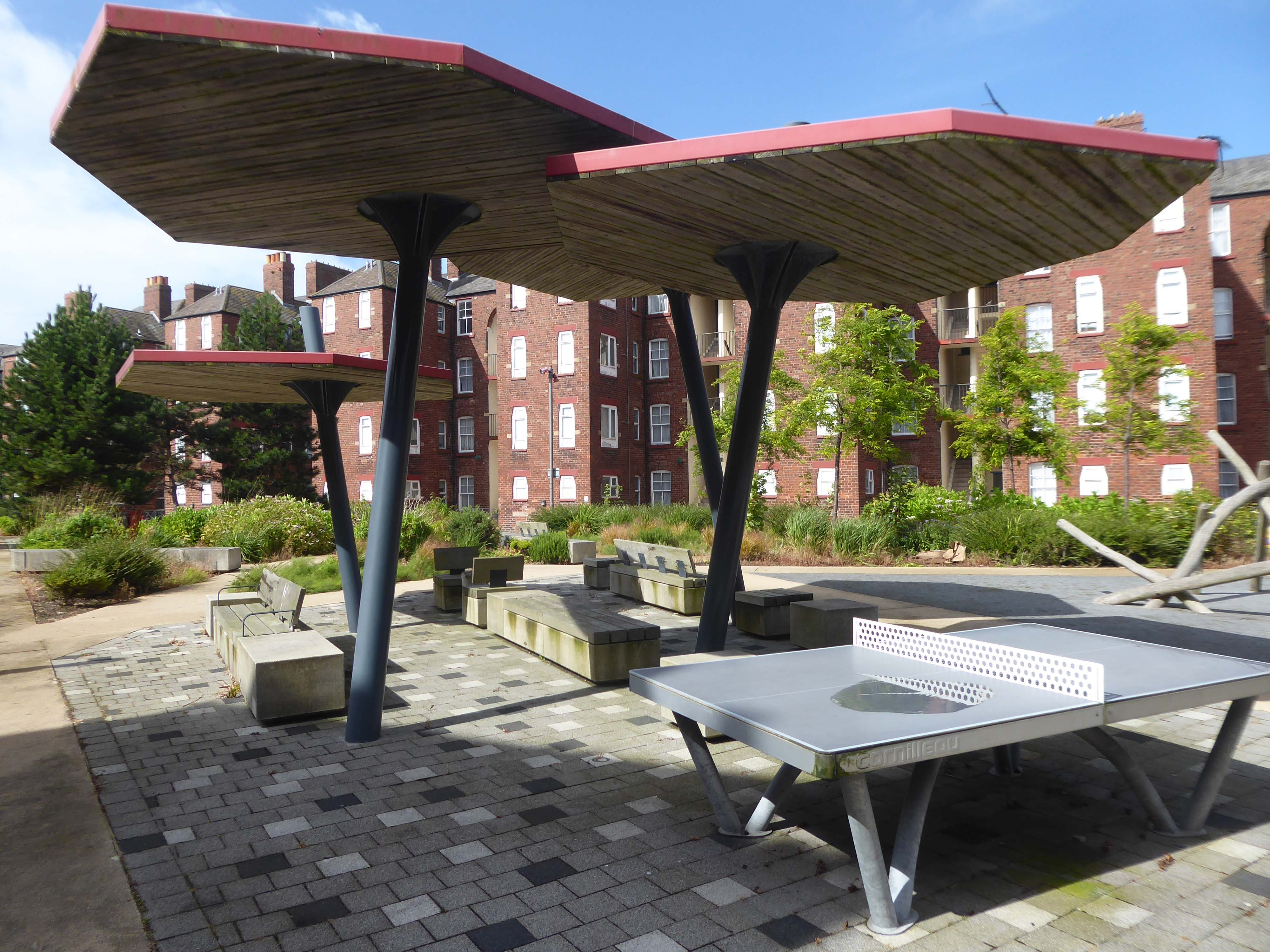
The area has been revitalised and improved in recent years and rebranded.

This beautiful and inviting public realm has acted as a catalyst for renewal of this neighbourhood in Barrow-in-Furness. The inspirational scheme won the award for Best Commercial Landscape Design at the Northern Design Awards in 2017 as well as winning the Adding Value Through Landscape award at the Landscape Institute Awards 2018 and it’s easy to see why.

The newly named Maritime Apartments are now advertised for short stays, demonstrating the increased desirability of the neighbourhood. Lisa Hart Pearce, Manager of Maritime Apartments has said: “The new landscape has transformed Maritime Streets, not only visually but holistically. People now have a happy, modern, green space to enjoy; full of colour and beauty. There is no doubt in my mind that the wellbeing of the local community has been positively encouraged by the regeneration of the area and I hope it will continue through generations.”

Hardscape

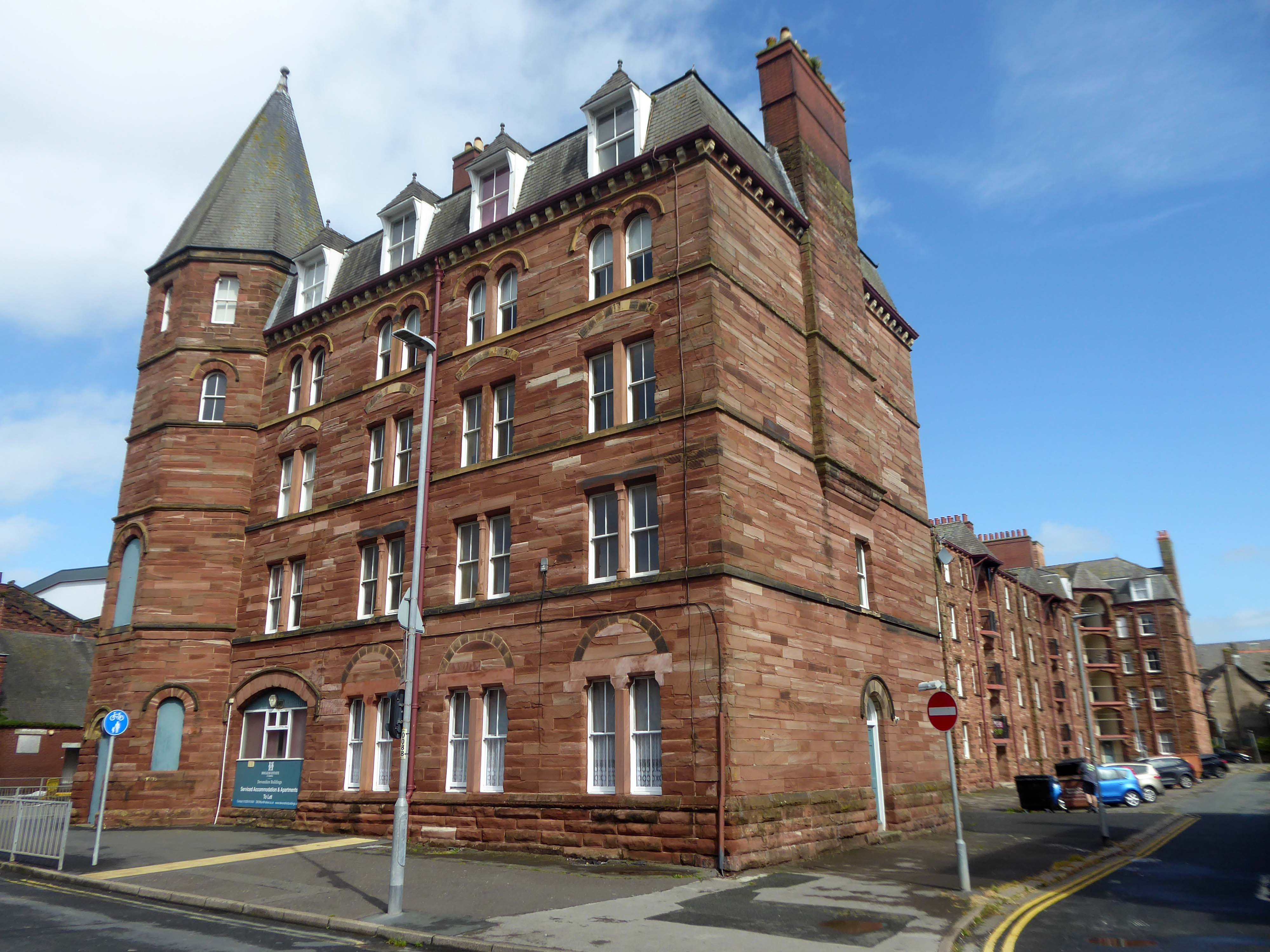
Next door are the adjacent sandstone Devonshire Buildings of old, constructed in the 1870s for the Barrow Iron Ship Building Company, by the Duke of Devonshire at a cost of £50,000, to house local shipyard workers, and recently refurbished by Holker Estate.

They are Grade II* Listed also by Paley and Austin of Lancaster
The buildings are currently for sale for offers in the region of £4,950,000.

Having once provided homes for the traditional shipbuilders, they now offer lets to the employers of BAE Systems.

Home to our pioneering Submarines Academy for Skills and Knowledge, Barrow-in-Furness is a hub for learning and innovation. We’re not just building the next generation of nuclear submarines here. We’re developing the next generation of engineering talent.

We’re always looking for talented individuals to join our team in Barrow-in-Furness. Whether you’re looking to start your career, or you’re an experienced professional looking for a new challenge, we might have a job for you.
Housing – Barrow in Furness

Far, far away from the mad, rushing crowd,
Please carry me with you.
Again I would wander where memories enfold me,
There on the beautiful Island of Dreams.
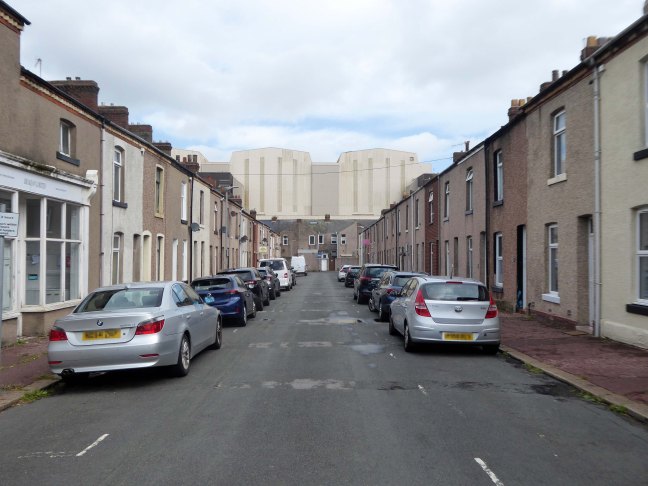
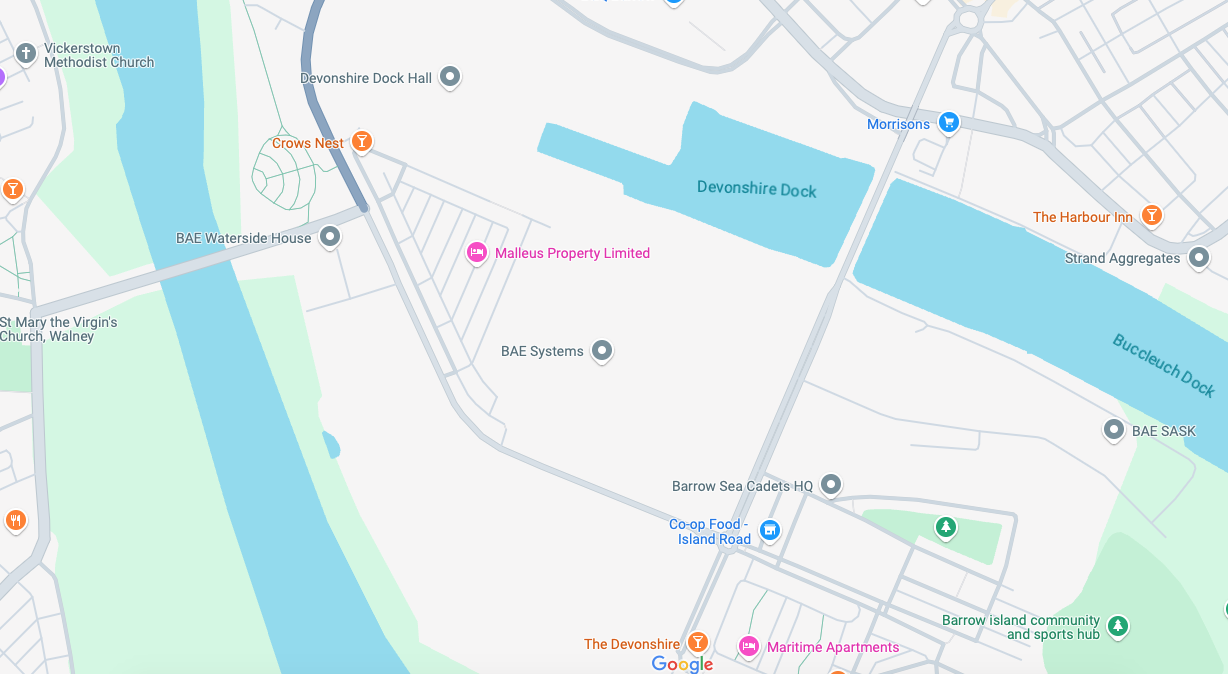
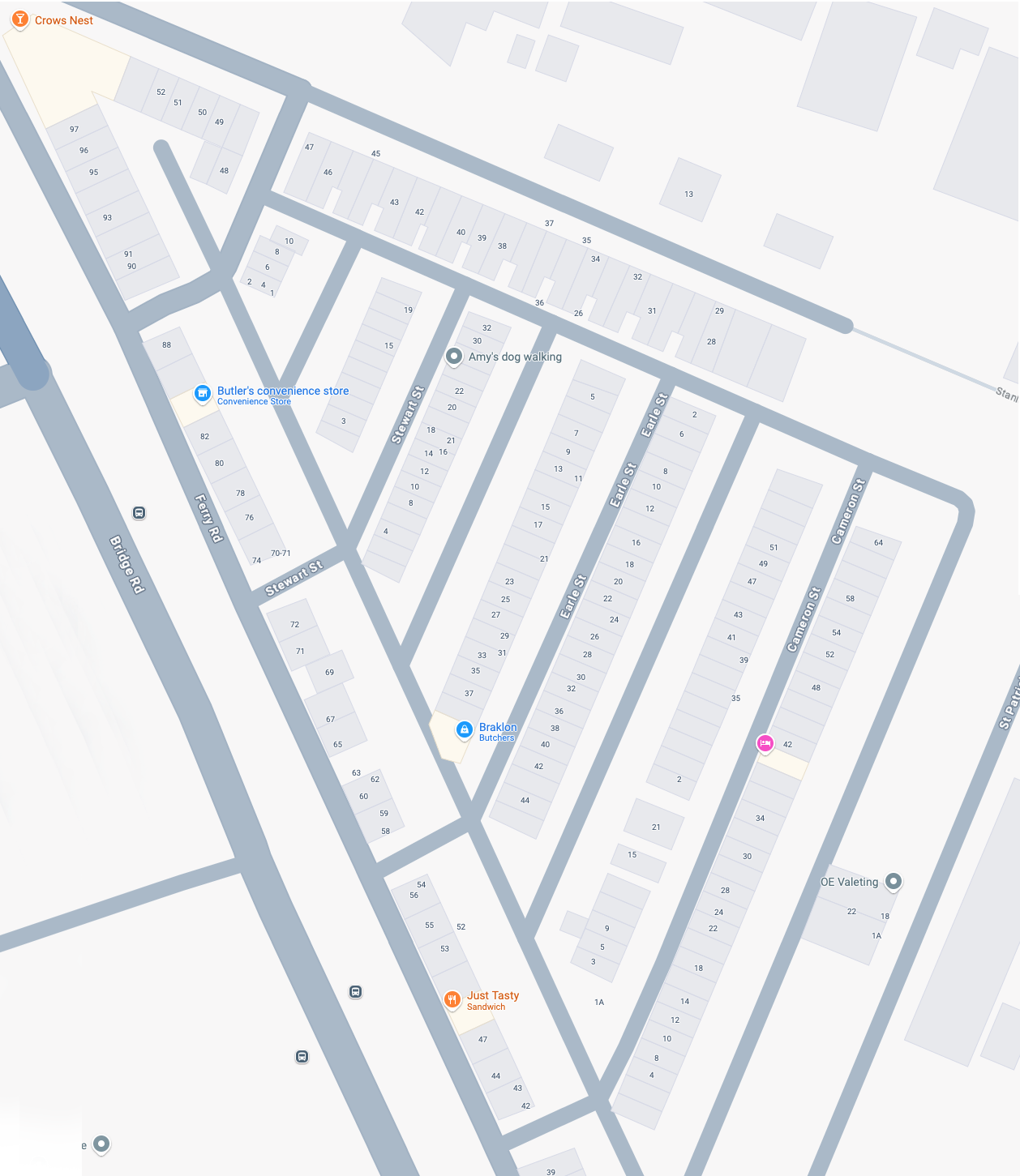
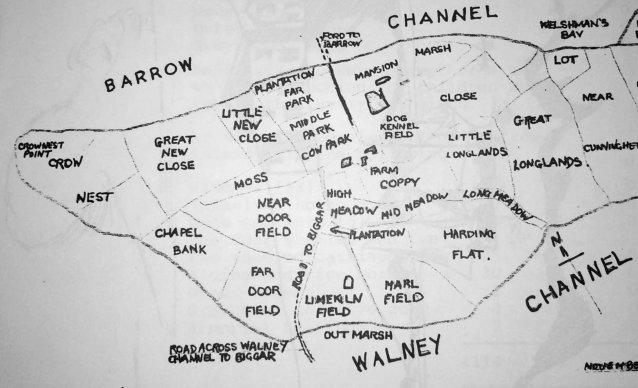
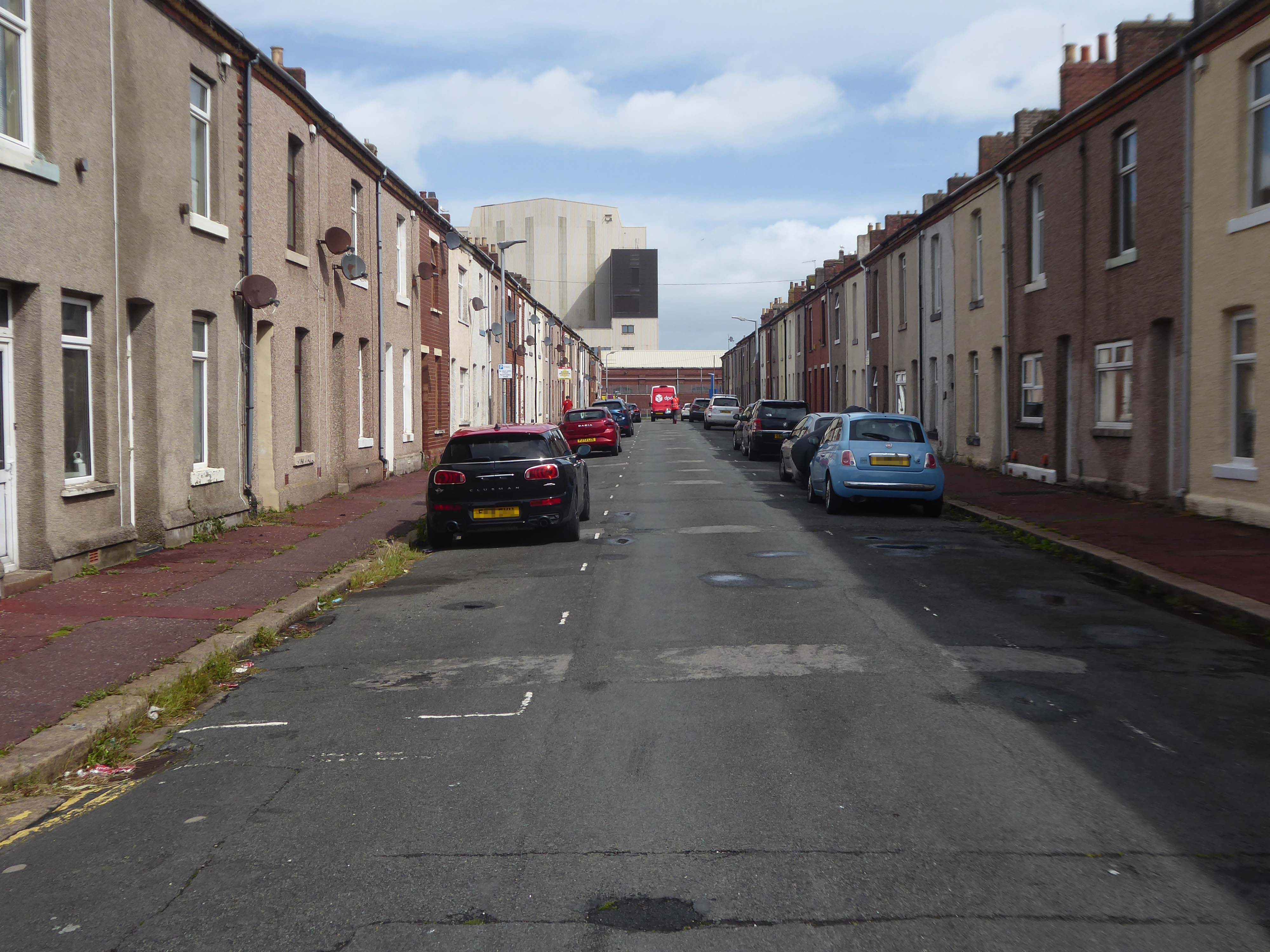
At the northern end of Barrow Island lies the Ferry Road Triangle. Covering an area formerly known by the field names, Crow Nest, Great New Close, Little New Close, Moss, Cow Park and Middle Park; the Ferry Road area has always been known as the Triangle, because the shape of the estate is truly a triangle.

Barrow Island

Properties in Cameron Street had an overall average price of £45,000 over the last year.

Rightmove

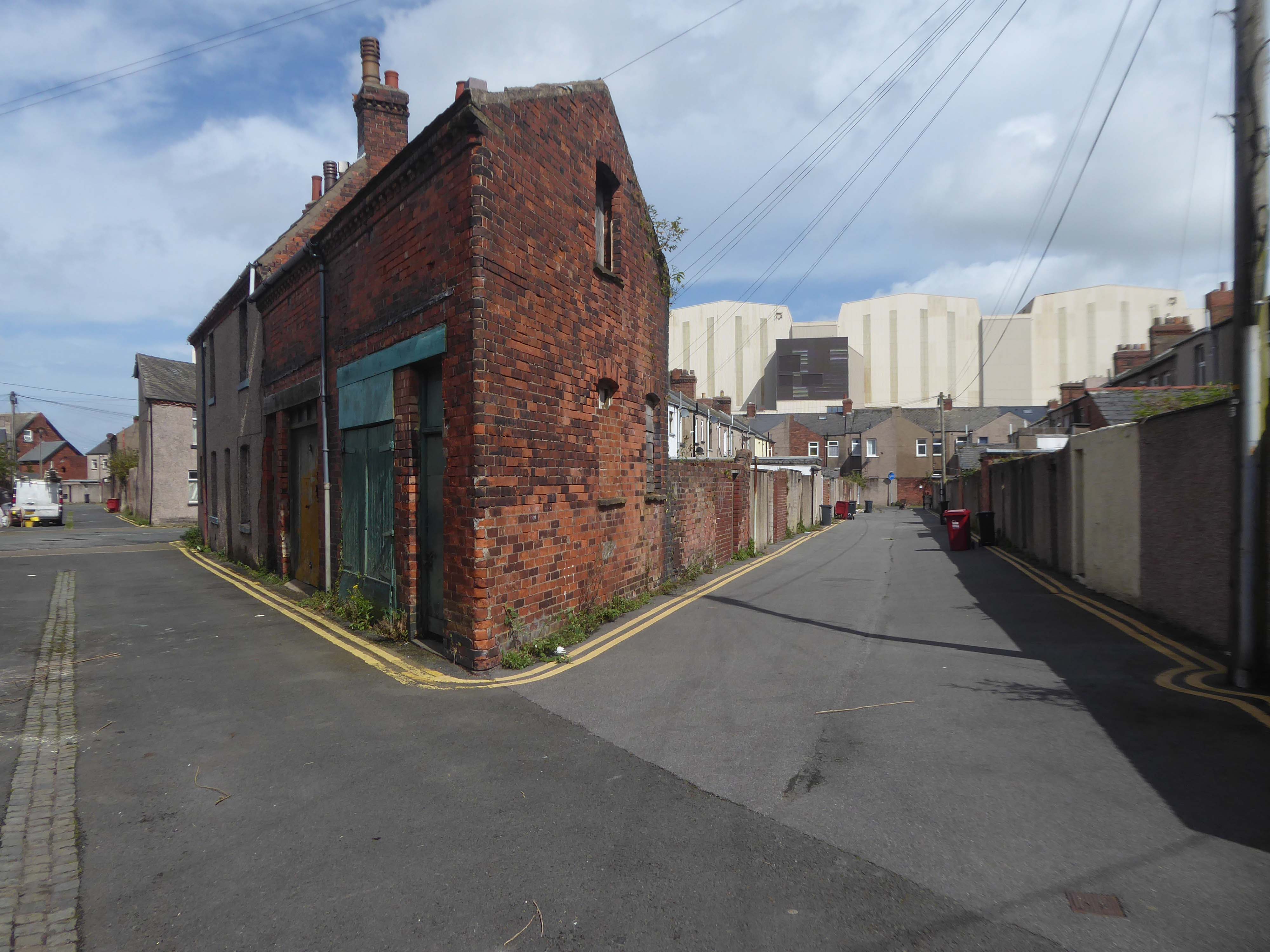
I had arrived in Barrow in Furness and taken to wandering the streets, hastily in search of nothing in particular.

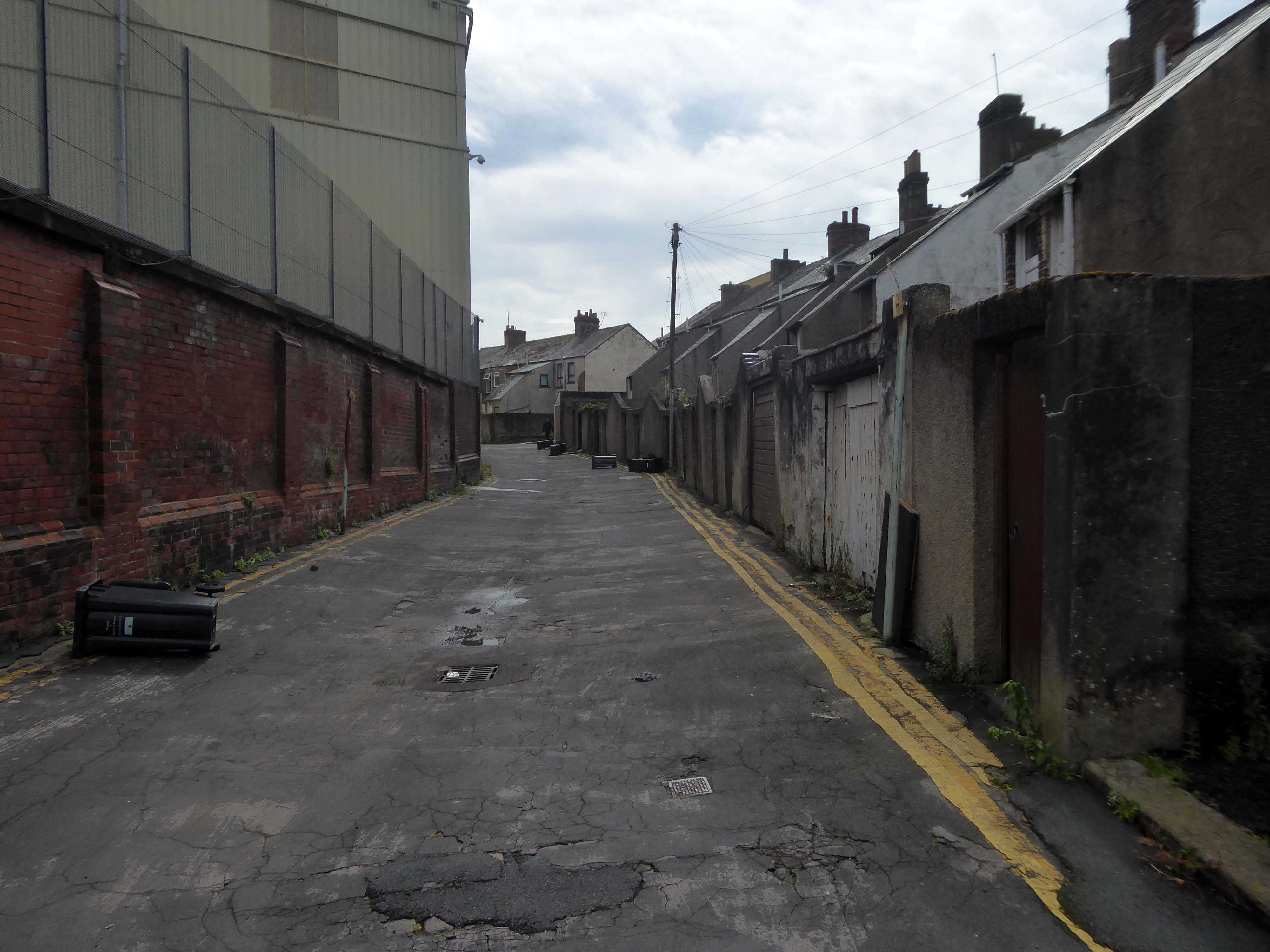
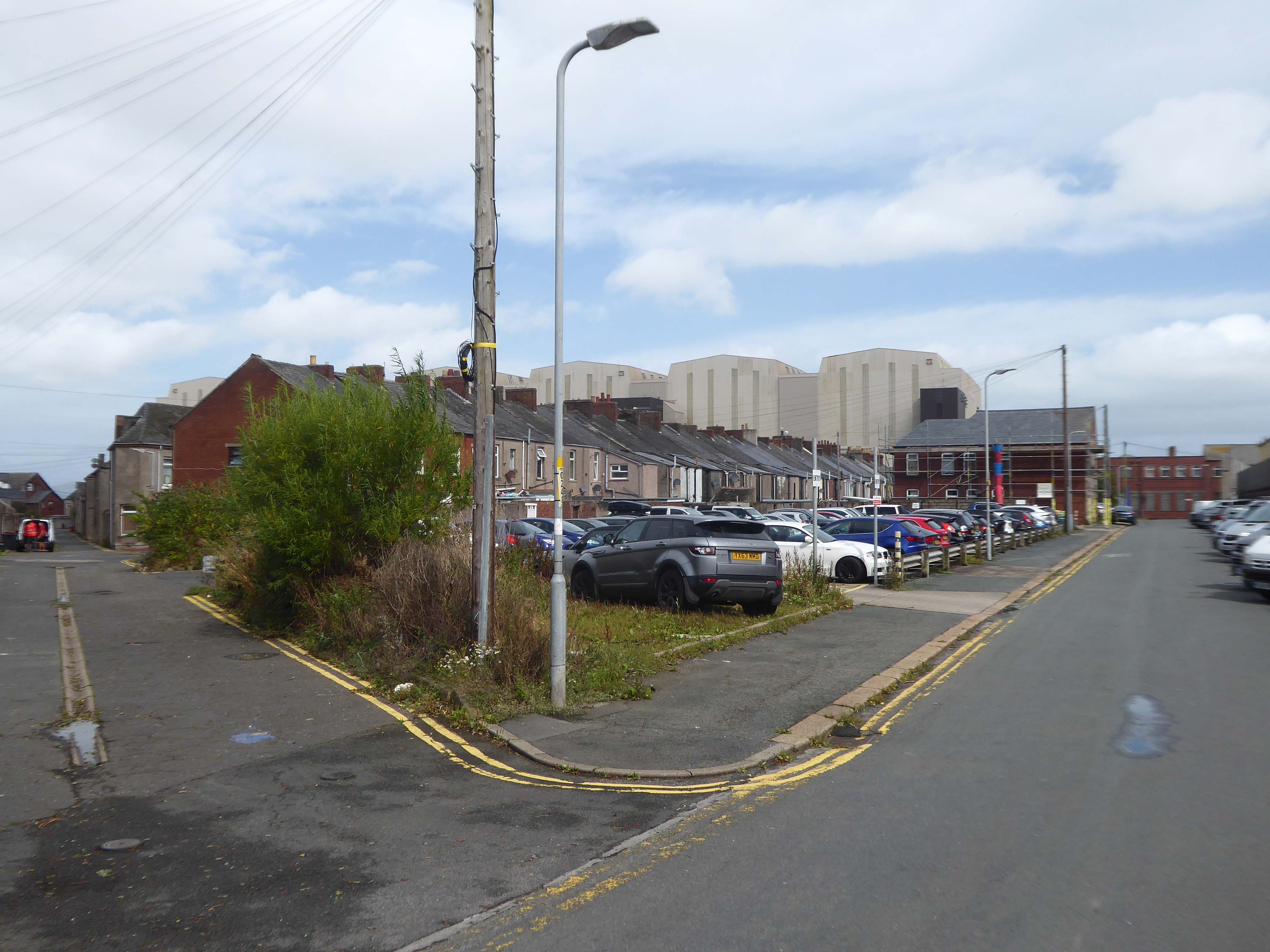
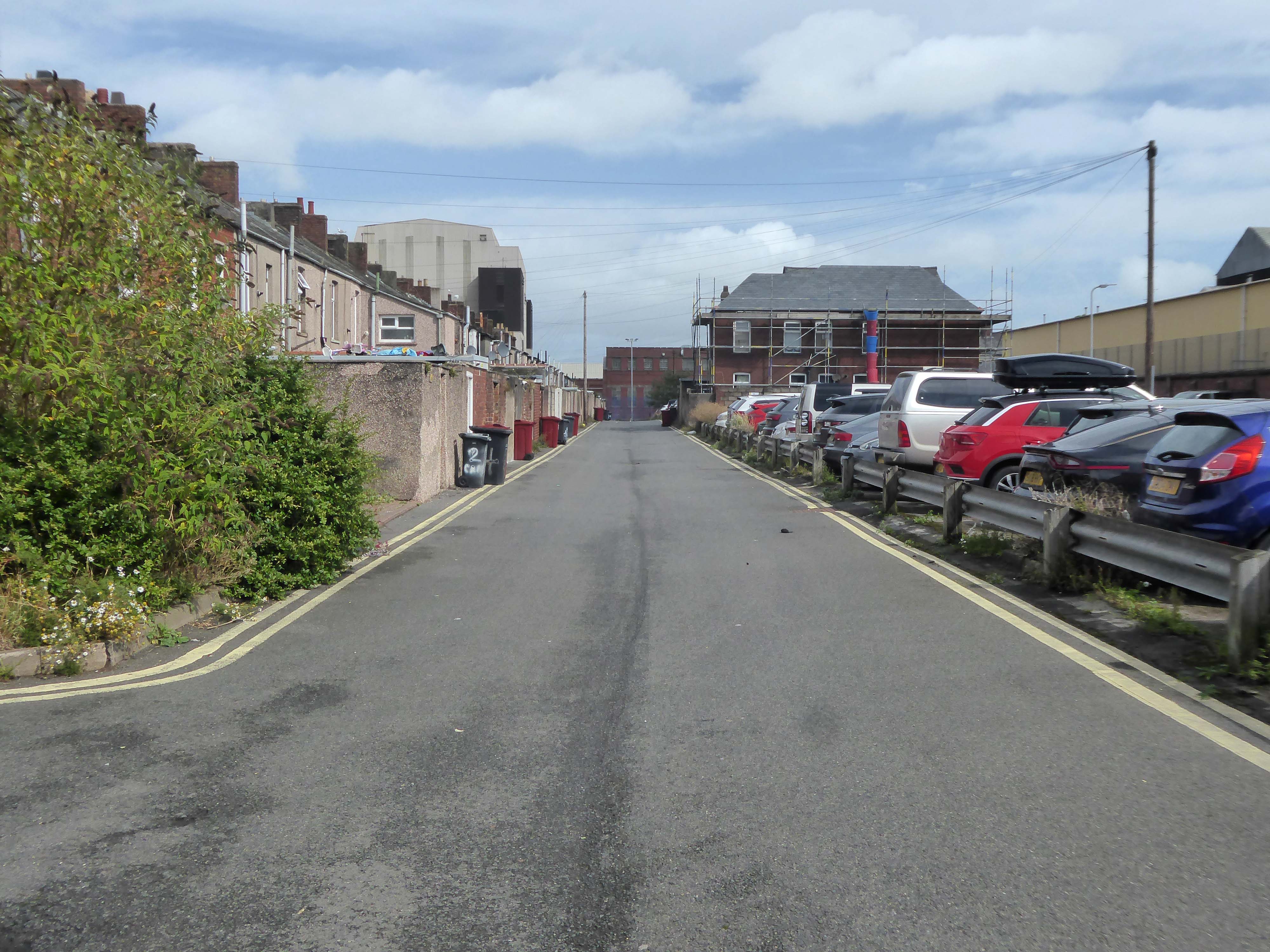
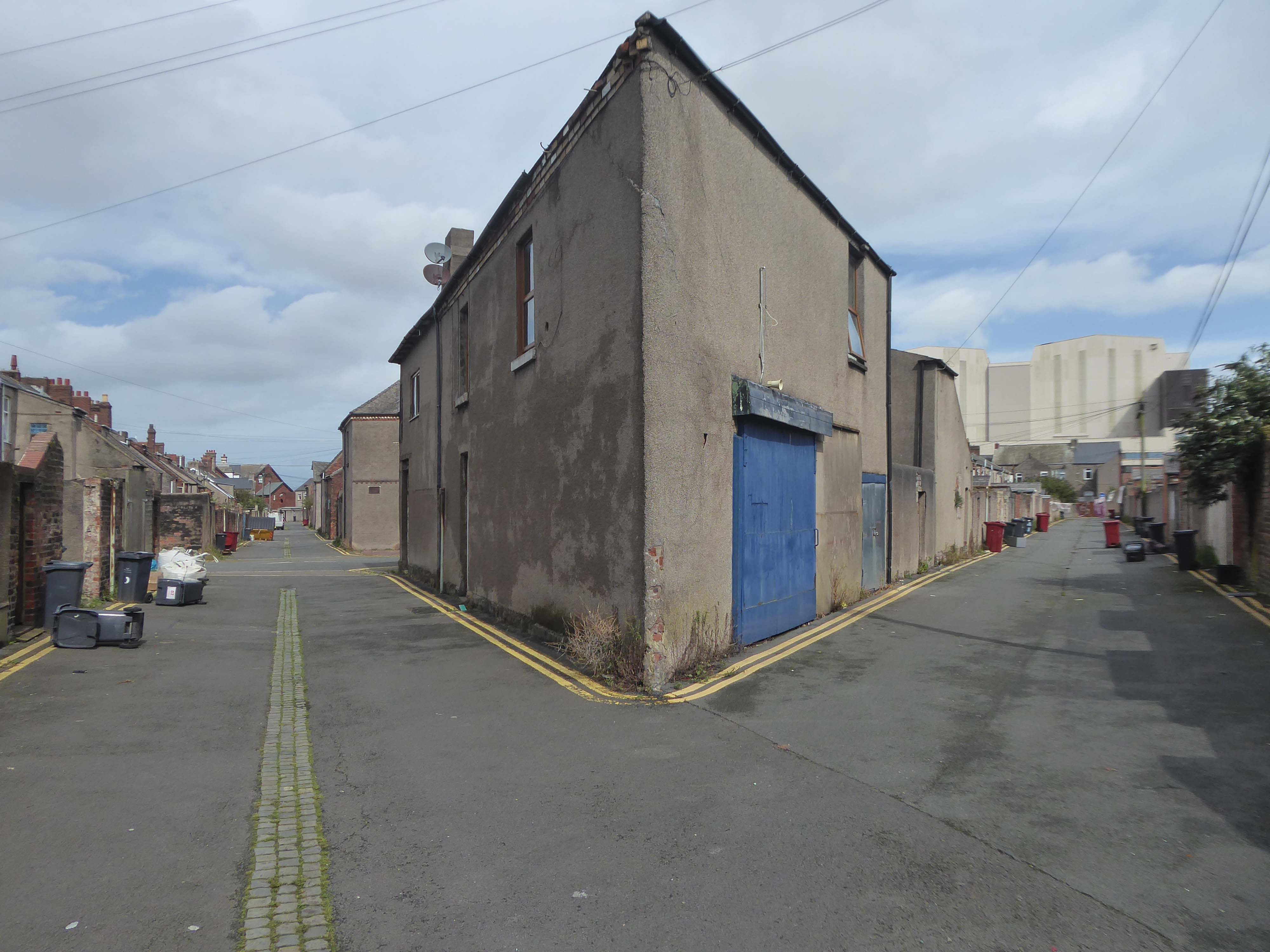
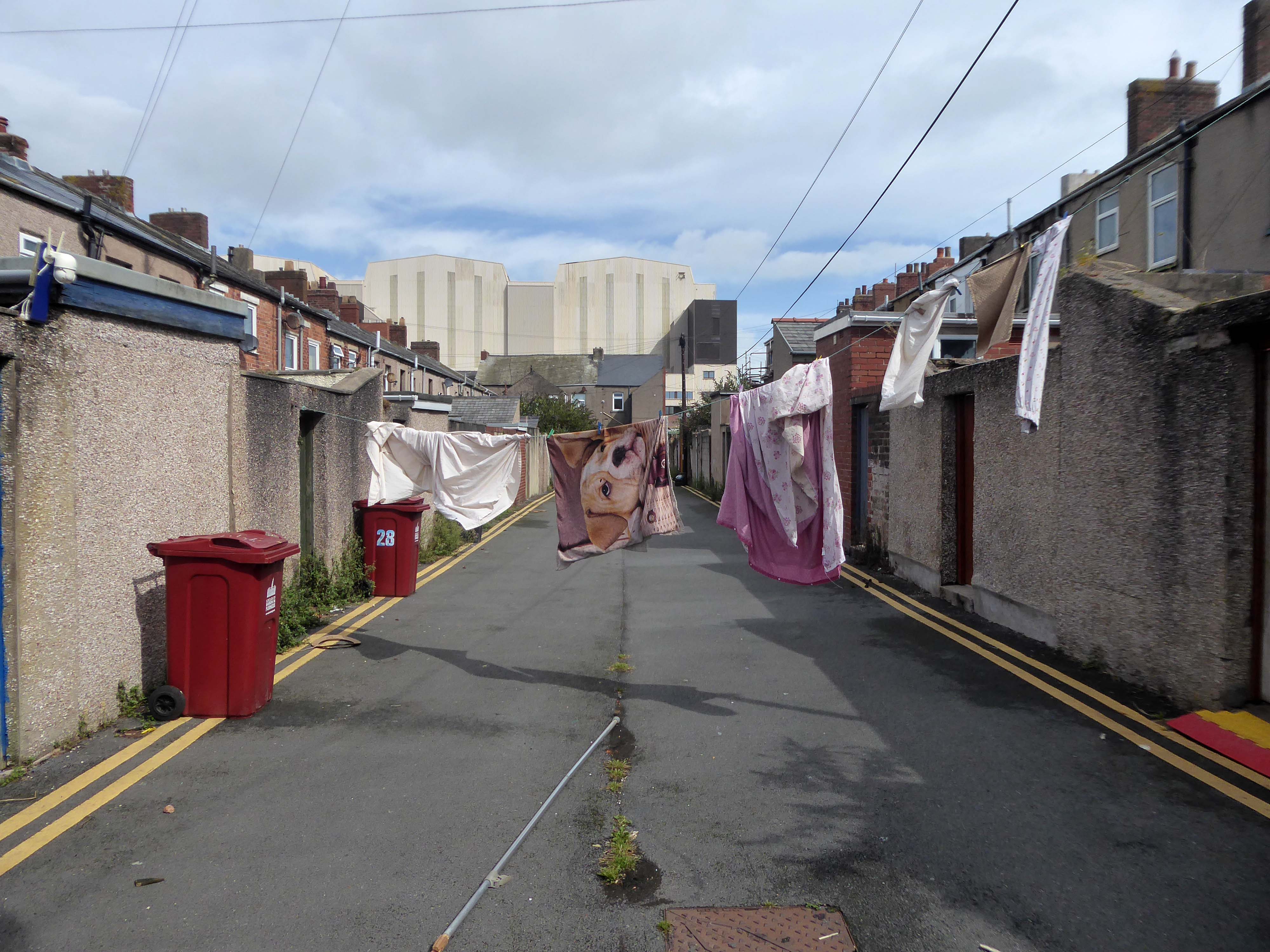
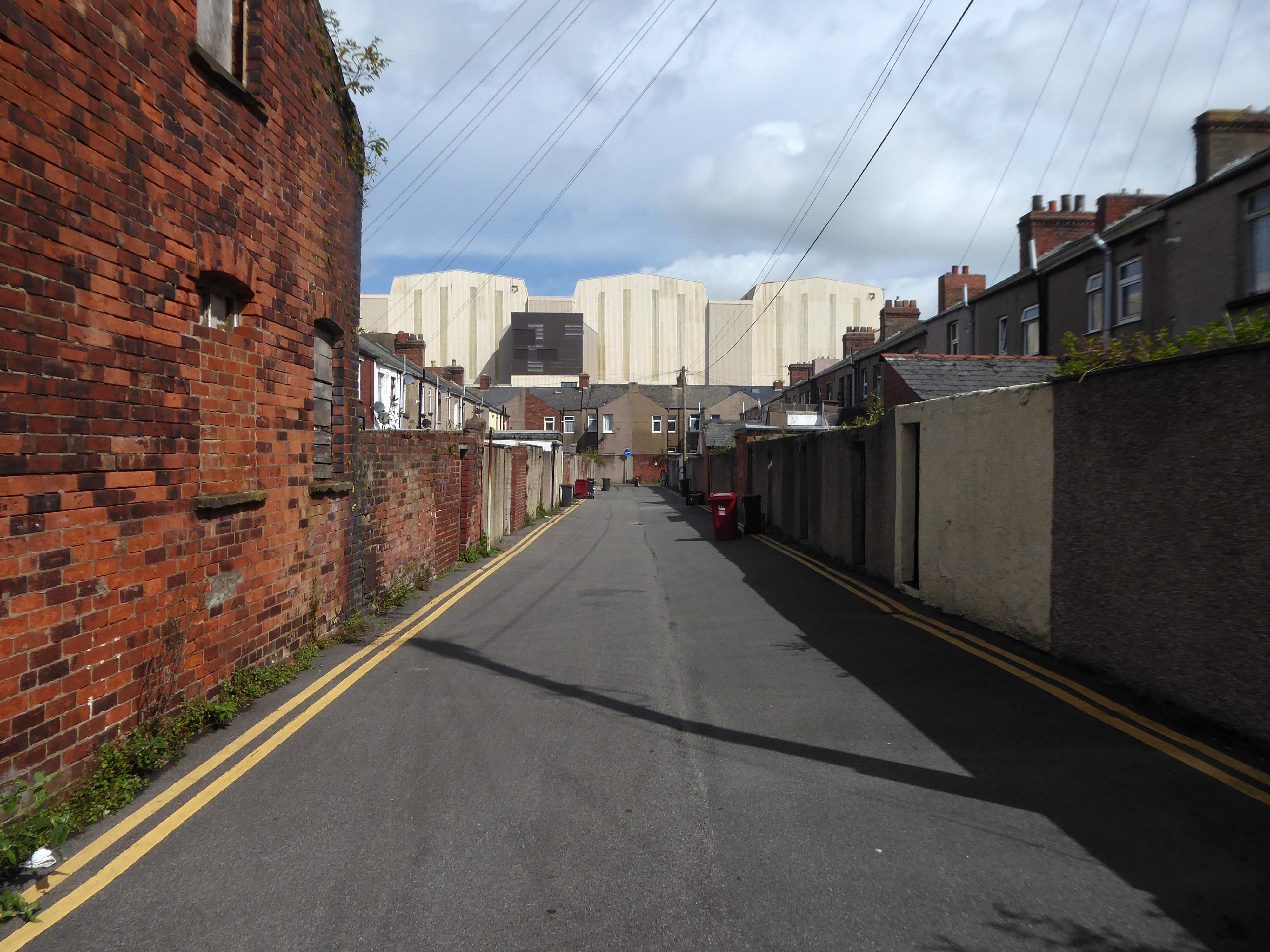
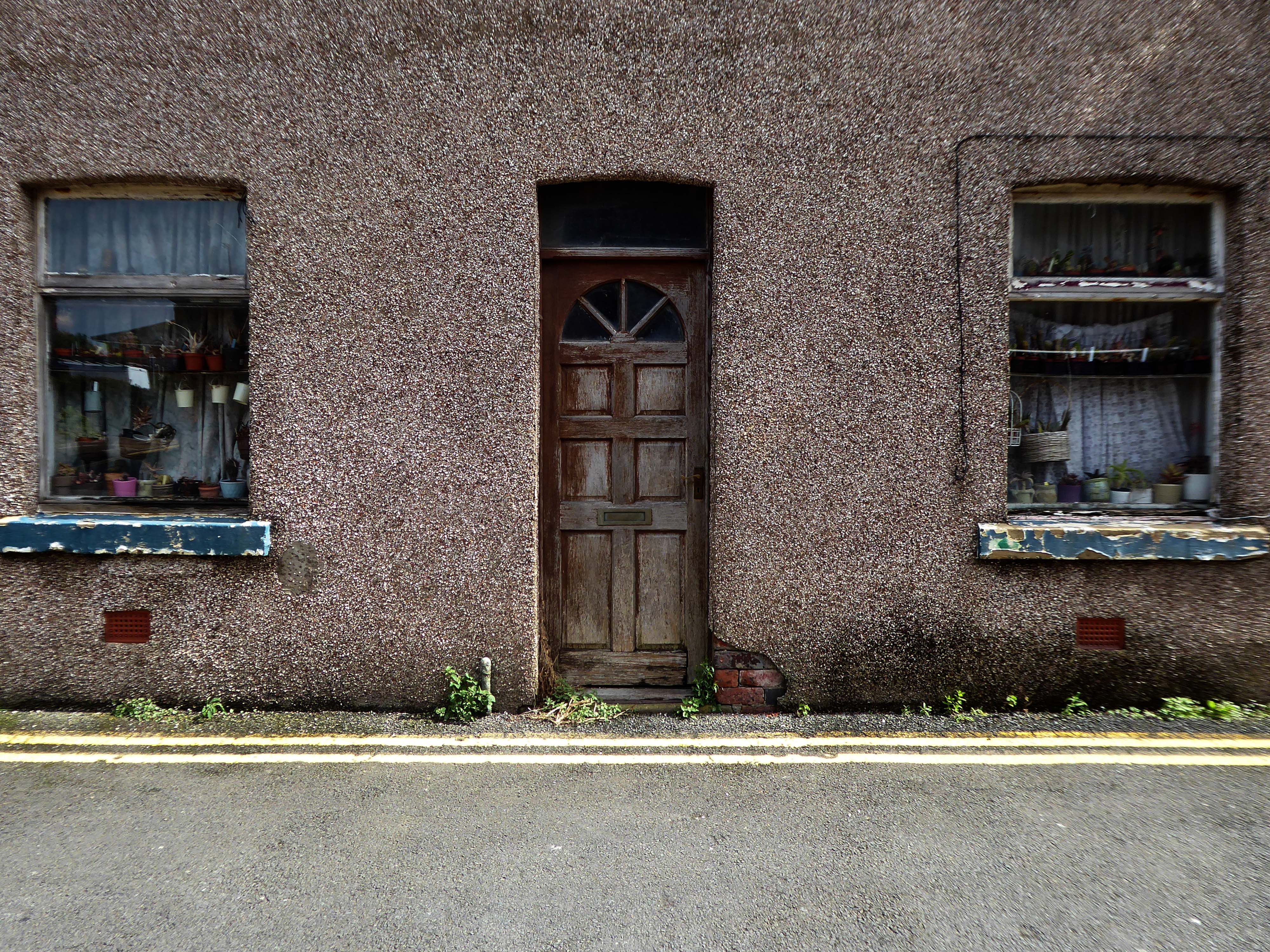
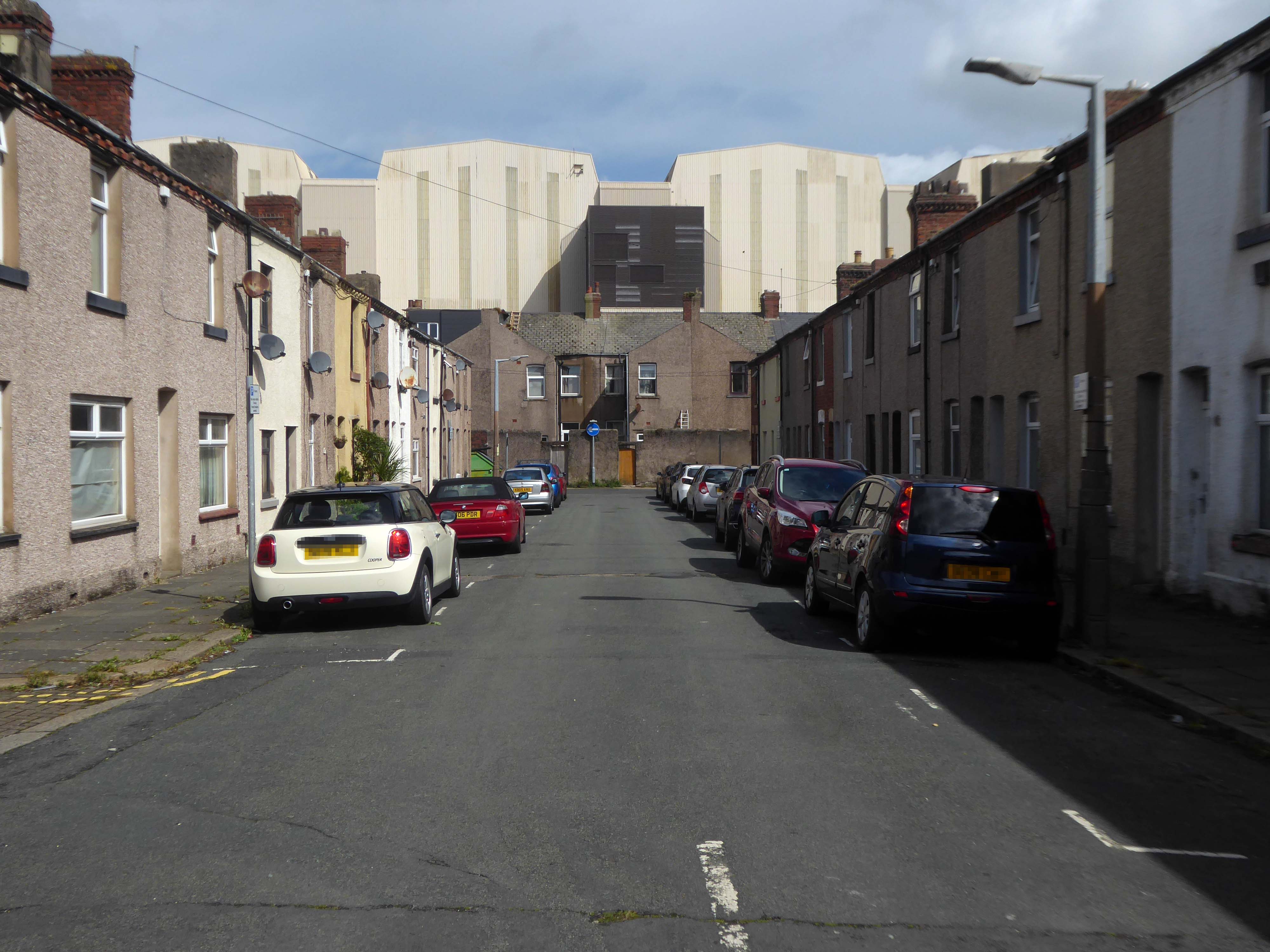
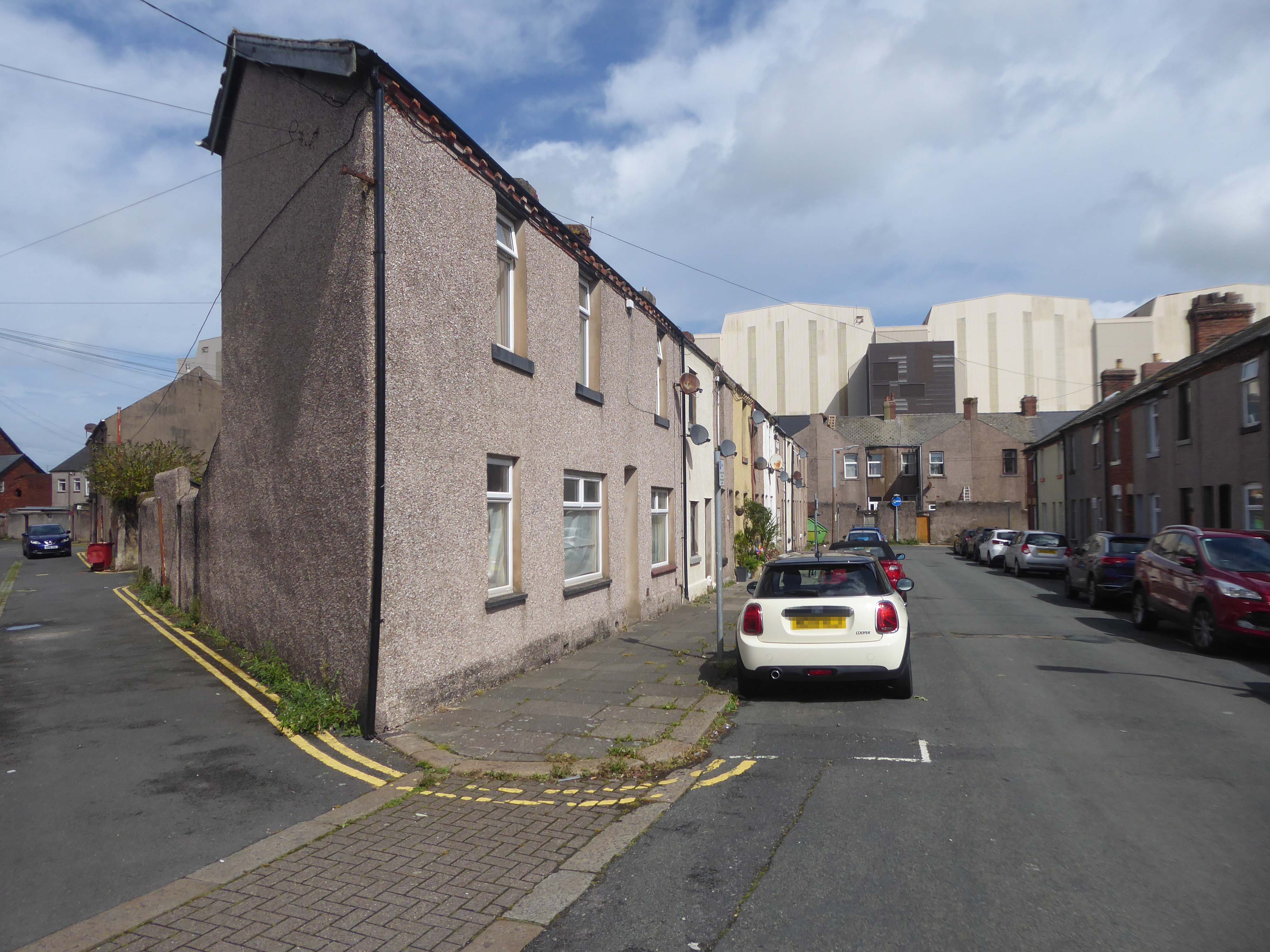
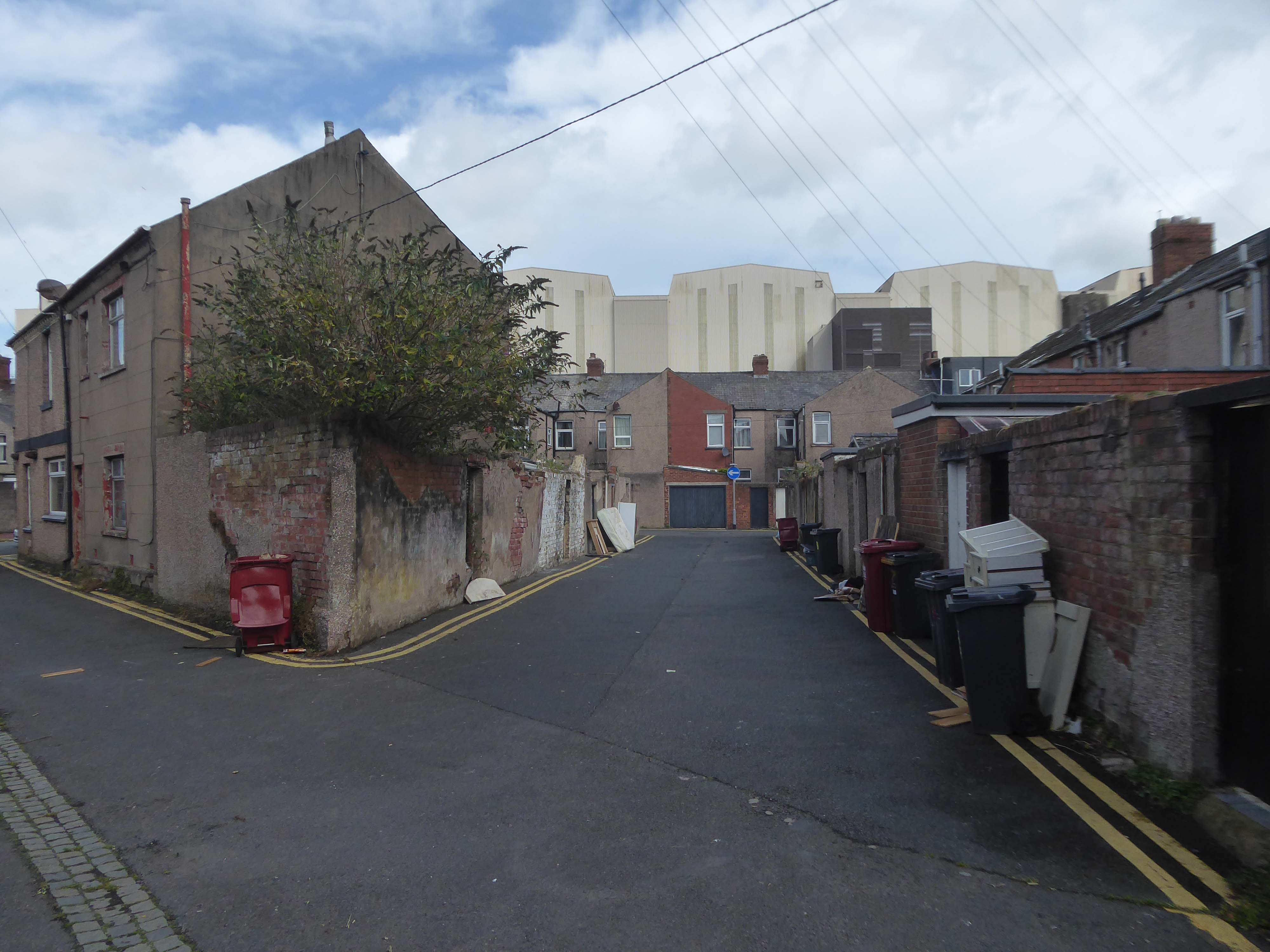
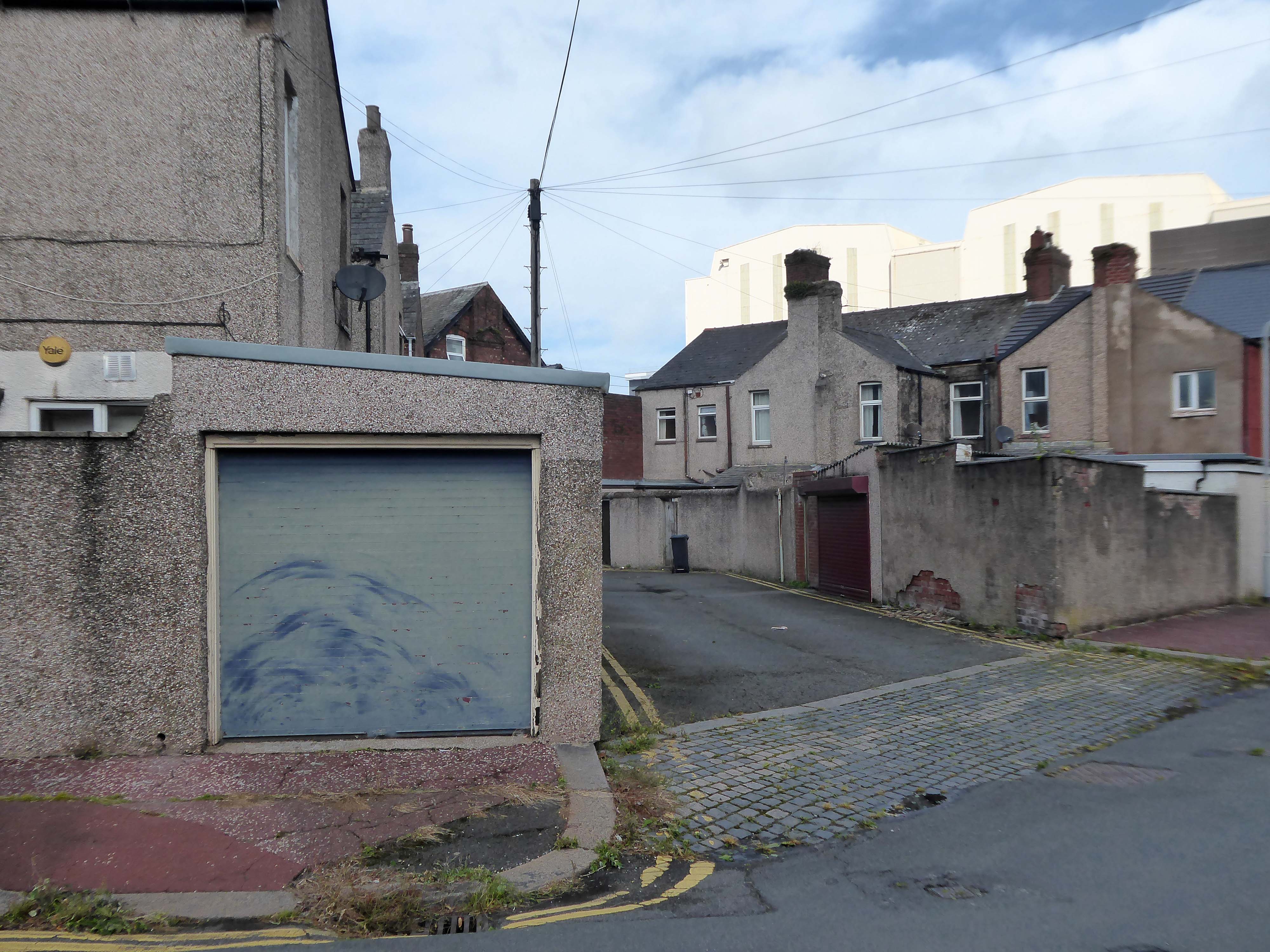
I came upon a neat triangle of terraced housing, which abutted the huge BAE Systems sheds.

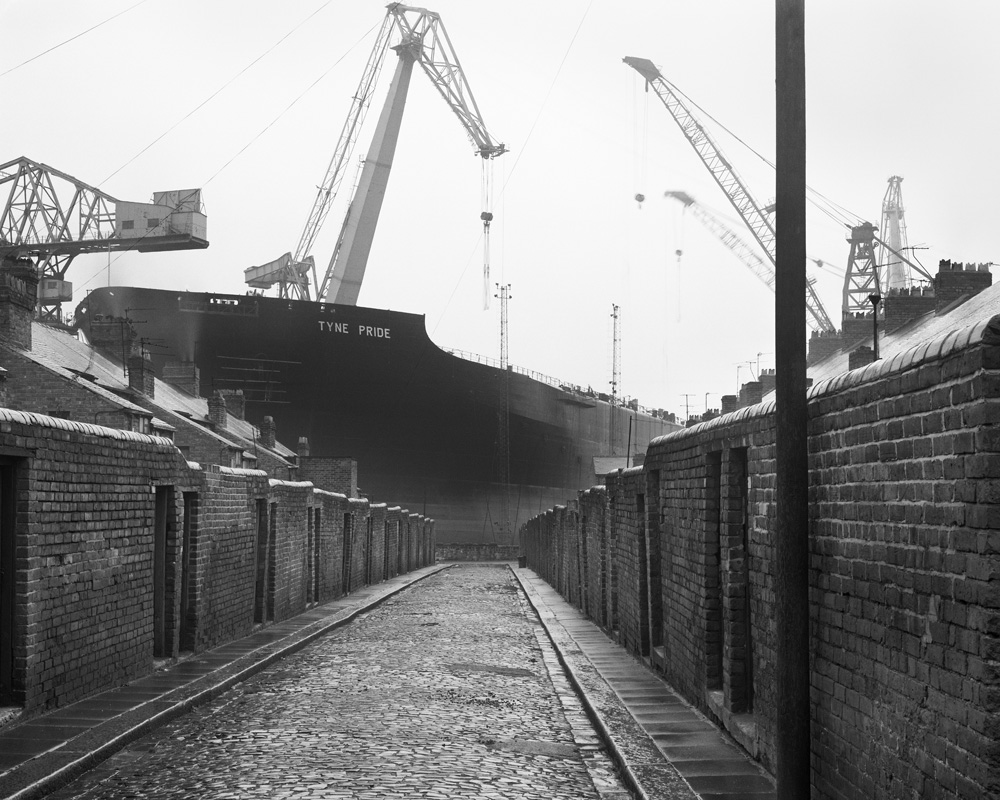
The collision of scale created by the low lying domestic buildings, and the gargantuan industrial nuclear submarine homes, immediately put me in mind of Chris Killip’s photographs.

Chris Killip – Shipbuilding on Tyneside

He had recorded the last days of a dying industry, whilst the BAE contracts represent a long term lifeline to a once dying town.

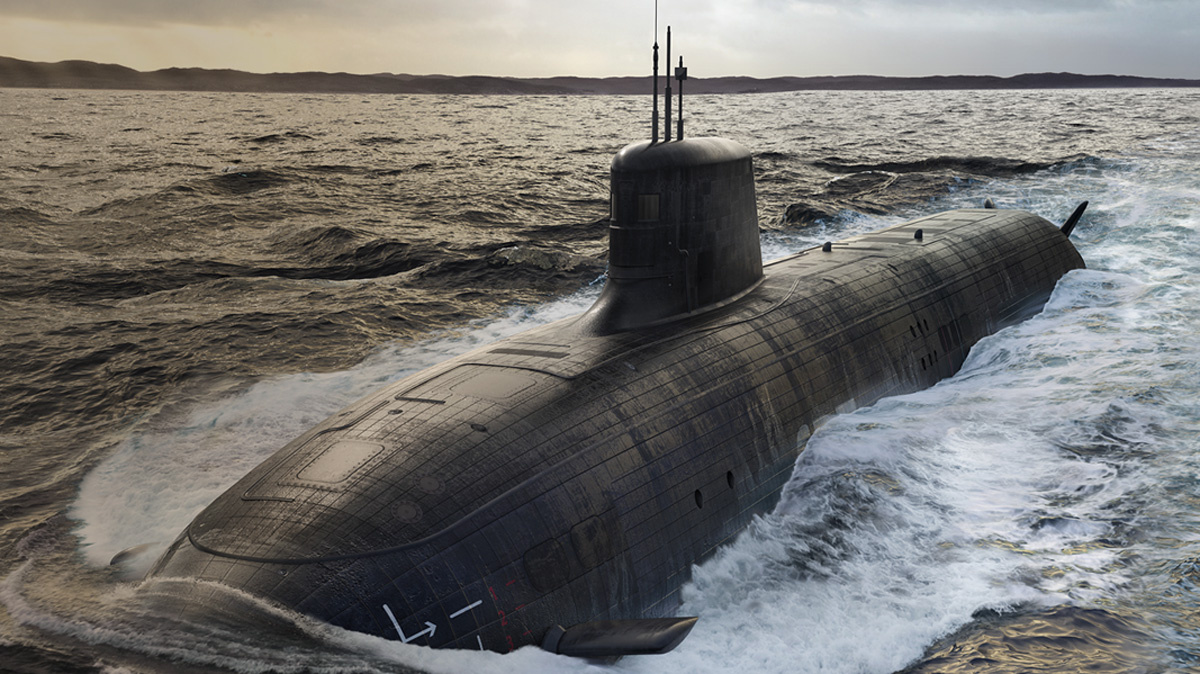
The Ministry of Defence has awarded £3.95 billion of funding to BAE Systems for the next phase of the UK’s next-generation nuclear-powered attack submarine programme, known as SSN-AUKUS.

The funding follows the AUKUS announcement in March by the leaders of Australia, the UK and the United States. This will eventually see Australia and the UK operate SSN-AUKUS submarines, which will be based on the UK’s next generation design, incorporating technology from all three nations, including cutting-edge US submarine technologies.

Having started early design work in 2021, the £3.95bn funding will cover development work to 2028, enabling BAE Systems to move into the detailed design phase of the programme and begin to procure long-lead items. Manufacture will start towards the end of the decade with the first SSN-AUKUS boat due to be delivered in the late 2030s.

BAE Systems

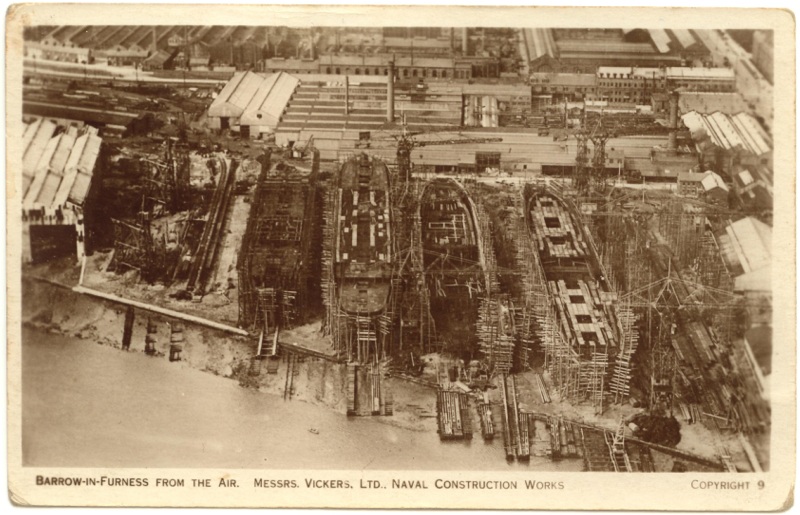
The town has a long history of shipbuilding, Vickers Shipbuilding and Engineering Limited being founded in 1897.

Wikipedia

It has been said of Barrow: A rich mineral district was the cause, a railway was the effect, and an important manufacturing town the result.

The dramatic growth of Barrow-in-Furness in the late 19th and early 20th Centuries was fuelled by the ready availability of Furness iron ore. Significant investments were made in developing the town to exploit this resource. The various ironworks, steelworks, foundries, shipyards and docks required a huge influx of population to support them. This in turn led to the rapid building of rows of good quality mass-produced terraced housing for the workers, and substantial sandstone villas for the management.

Barrow Iron Industries

I stopped to chat with a local lad – I had thought Barrow to be a hard town, he thought not.

There’s not much trouble, though we have hard times – how so?

The Tories – now my kids have all got jobs for the next twenty years.

There were no reported crimes in June 2024

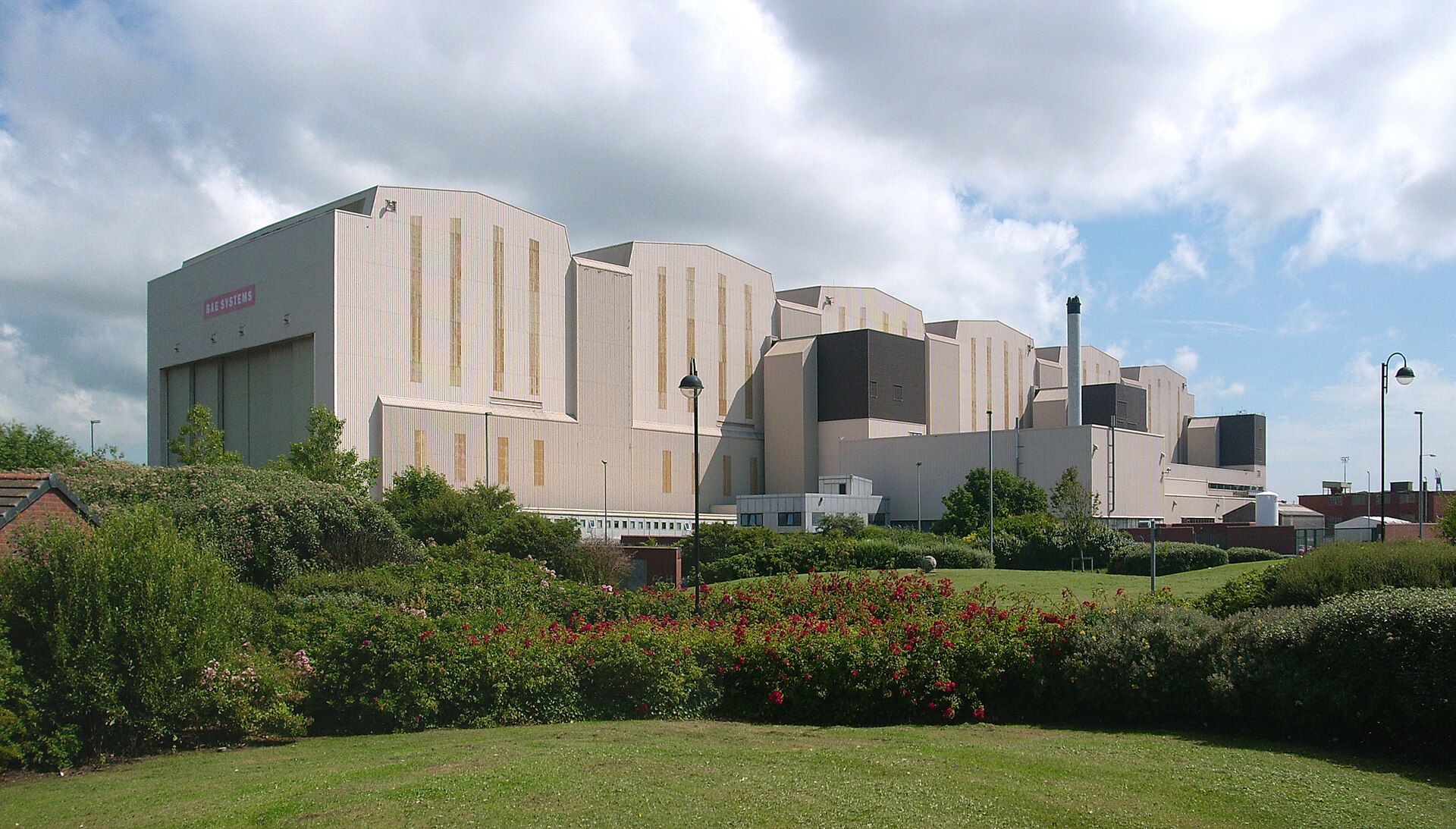
Devonshire Dock Hall is a large indoor shipbuilding and assembly complex that forms part of the BAE Systems shipyard.

Constructed between 1982 and 1986 by Alfred McAlpine plc for Vickers Shipbuilding and Engineering, DDH was built on land that was created by infilling part of Devonshire Dock with 2.4 million tonnes of sand pumped from nearby Roosecote Sands.

Wikipedia

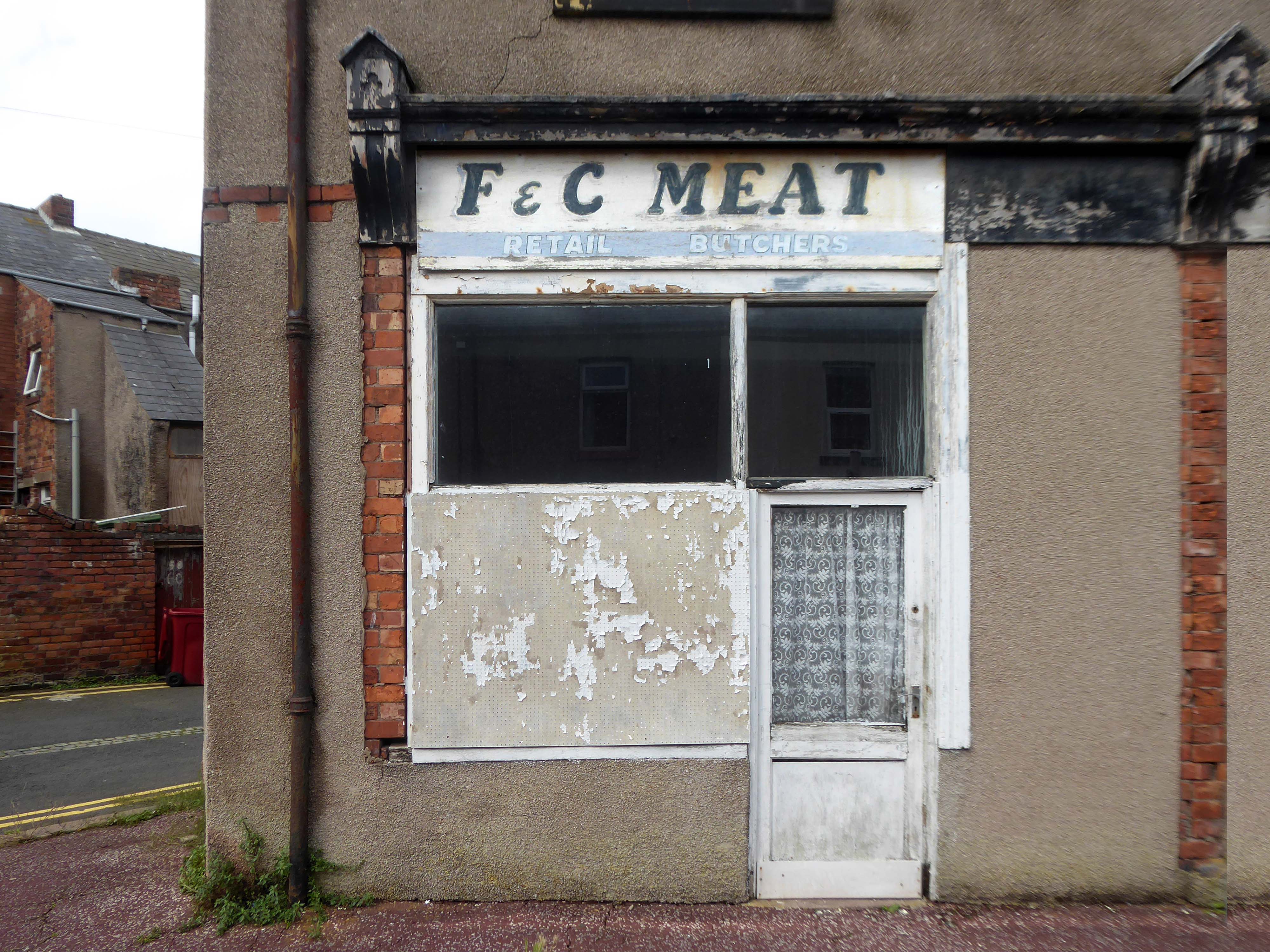
Sadly I neglected to pop into the Crow’s Nest – the street corner pub.

The Crows Nest is a community pub that welcomes all ages.

We can cater for any occasion including: weddings, christenings, birthday parties and funerals 

Entertainment is provided on Fridays and Saturdays.

All live sport shown!

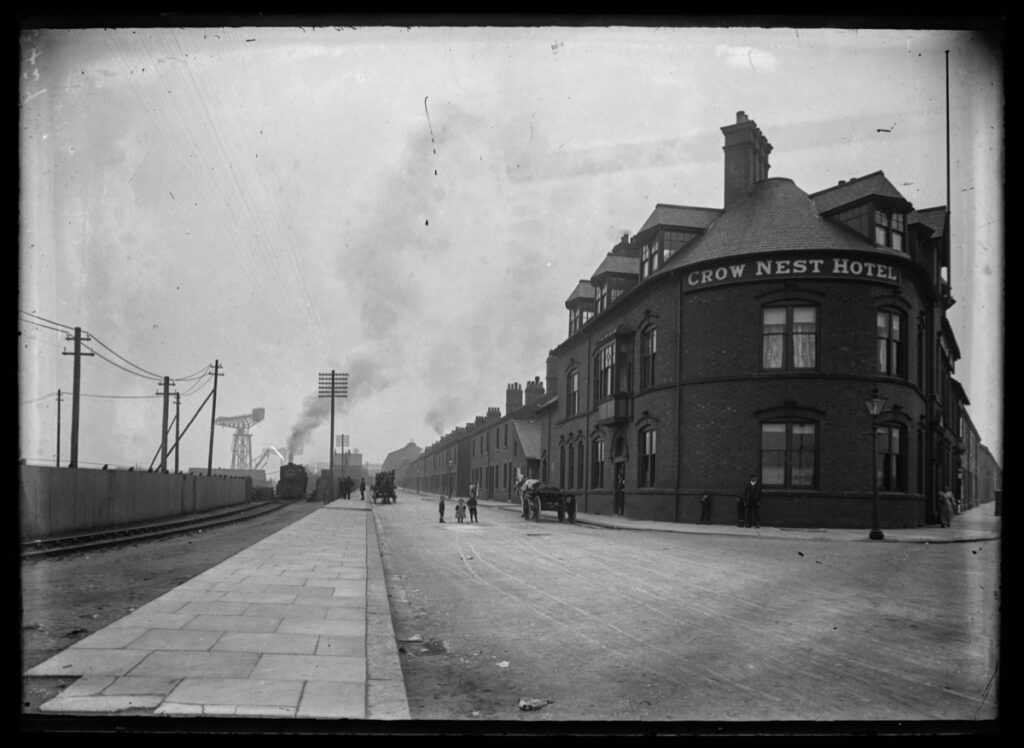
Crow Nest and Ferry Road – Circa 1910 © Sankey Family Photography Collection.

Opened in May 1888 it was described by the Barrow News as one of the best-appointed hotels in Barrow. From this start, Walton Lee, elected Town Councillor in 1886 envisaged an estate for the workers literally within spitting distance of their workplace.

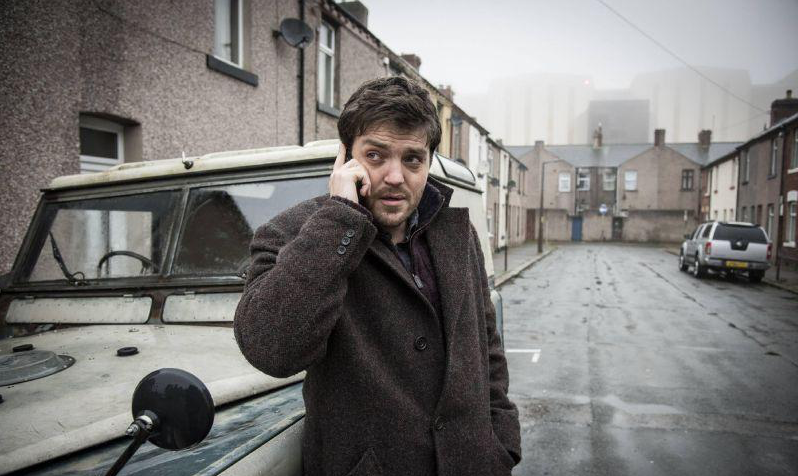
A section of Career of Evil was filmed at The Crow’s Nest.

Barrow shipyard’s Devonshire Dock Hall, The Crow’s Nest pub, Barrow Island streets, including Stanley Road and Stewart Street, and Michaelson Road Bridge, all featured in episode one of Career of Evil on Sunday night.

The Mail