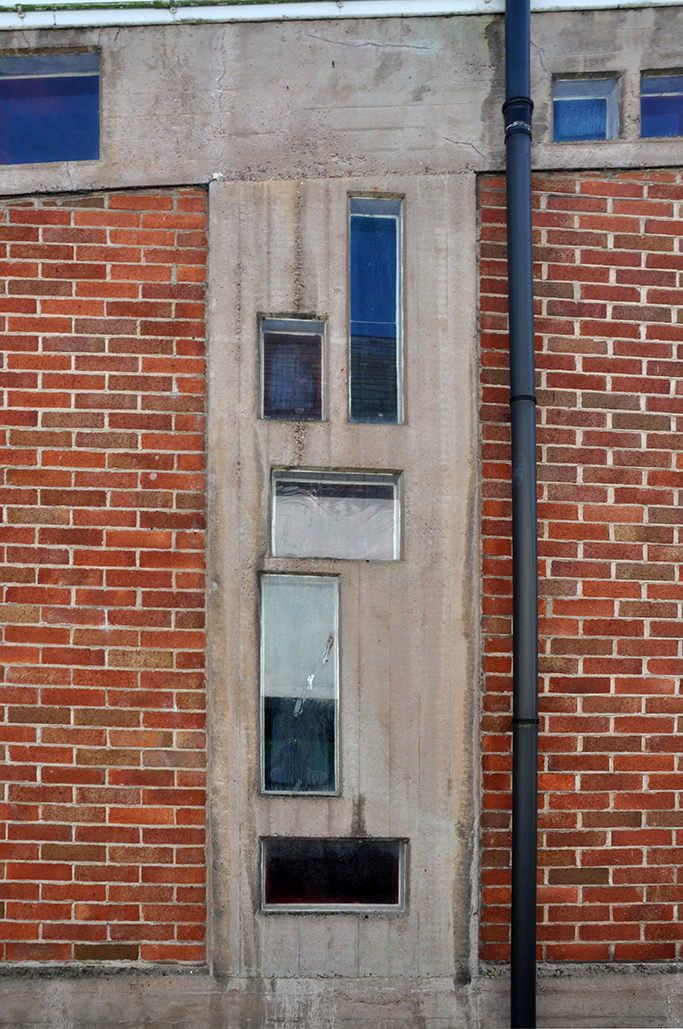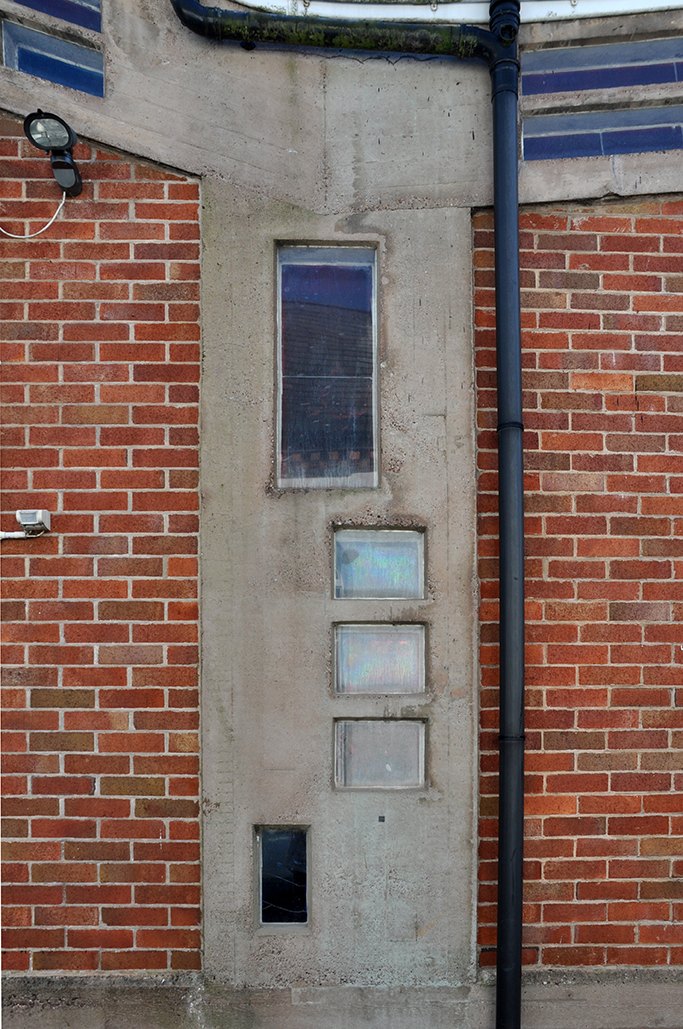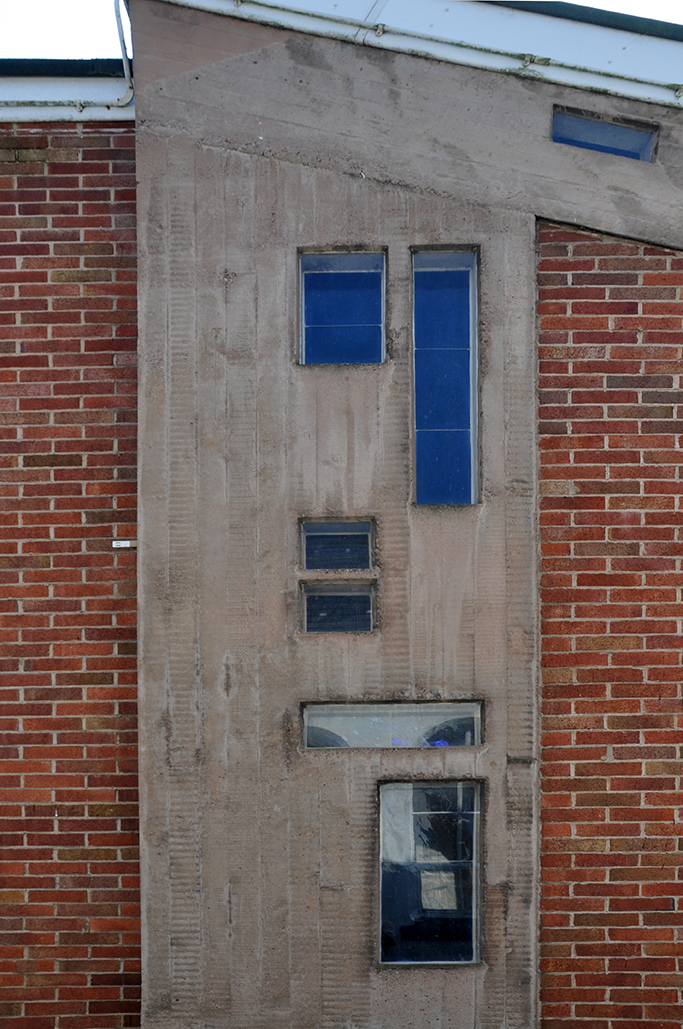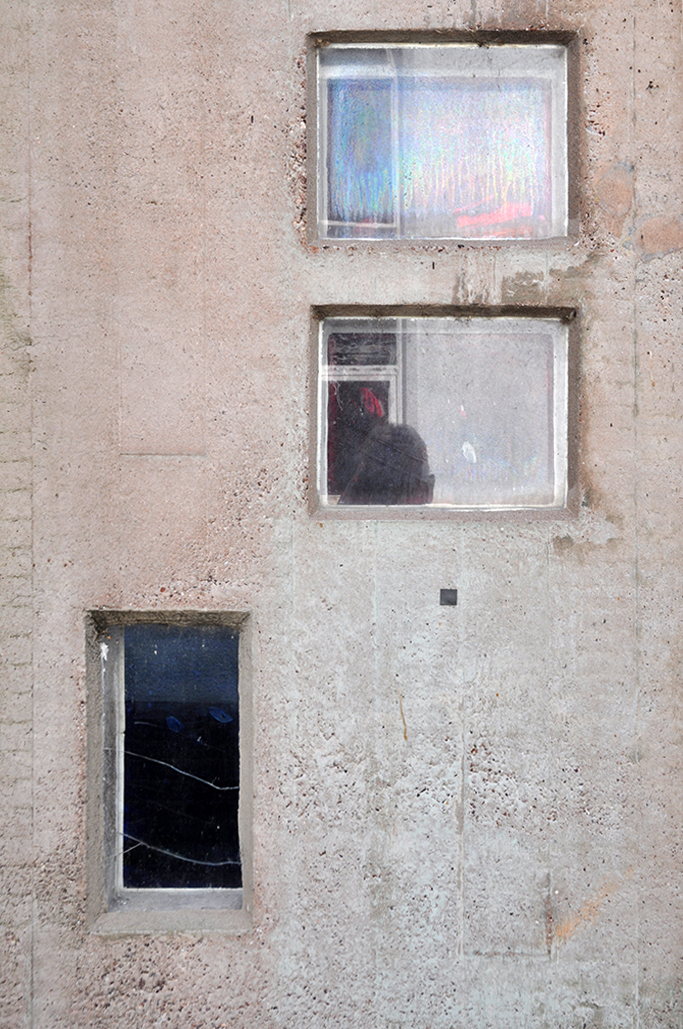
Moore Street Electricity Substation – Sheffield

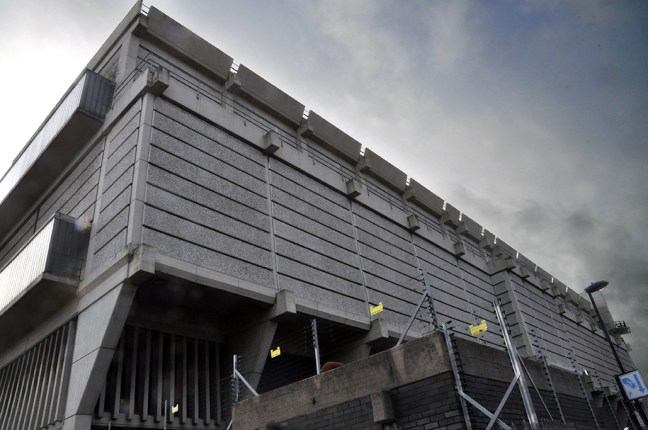
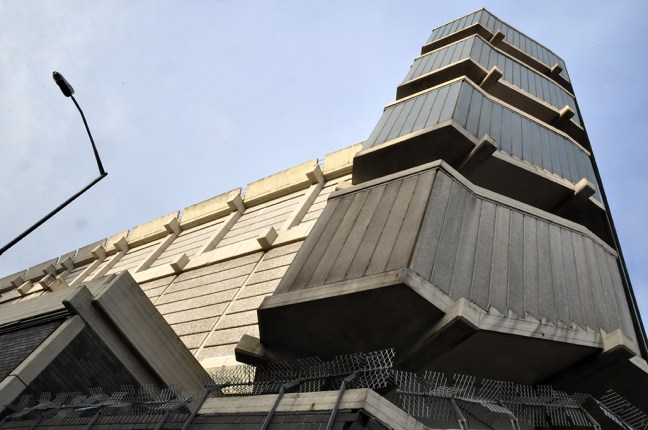
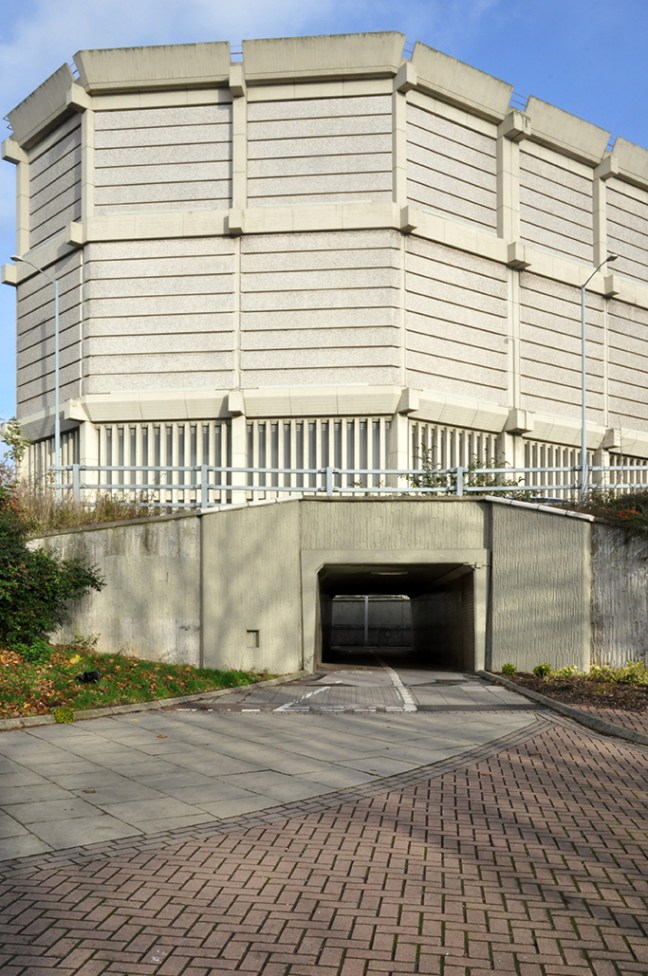
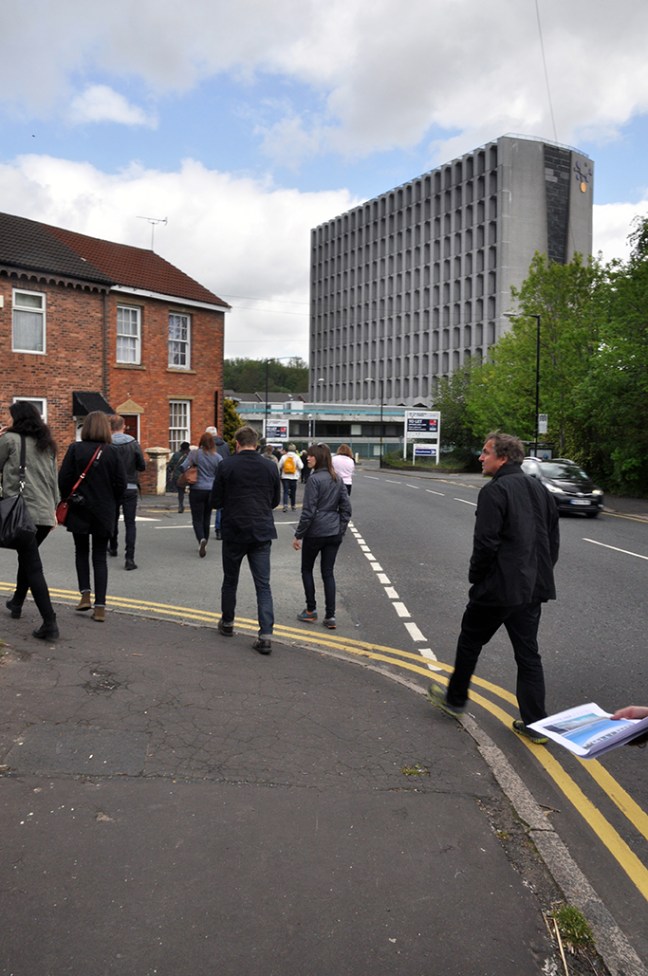
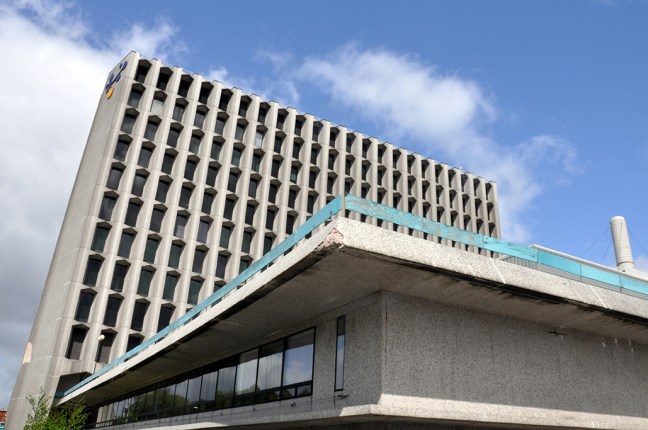
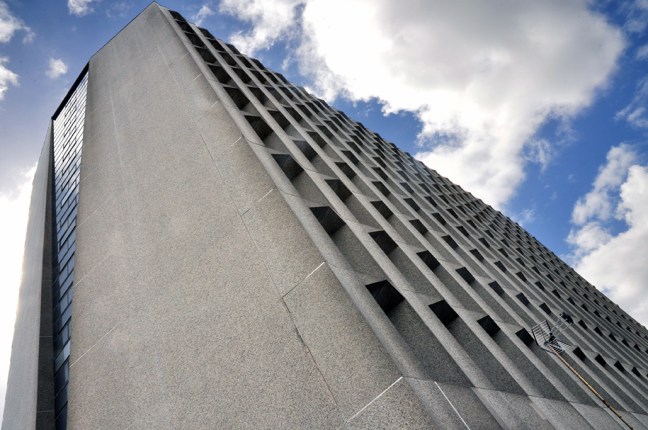
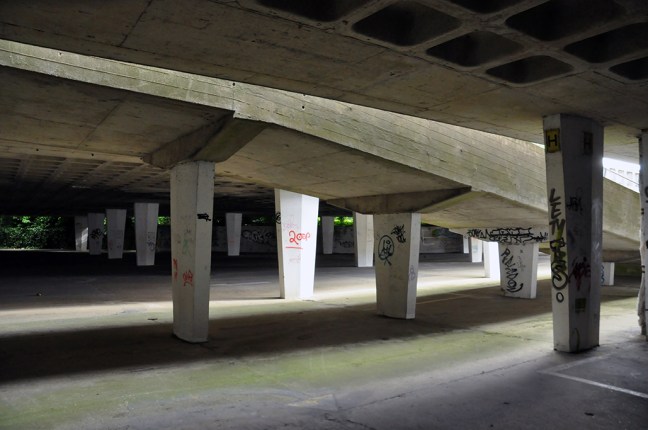
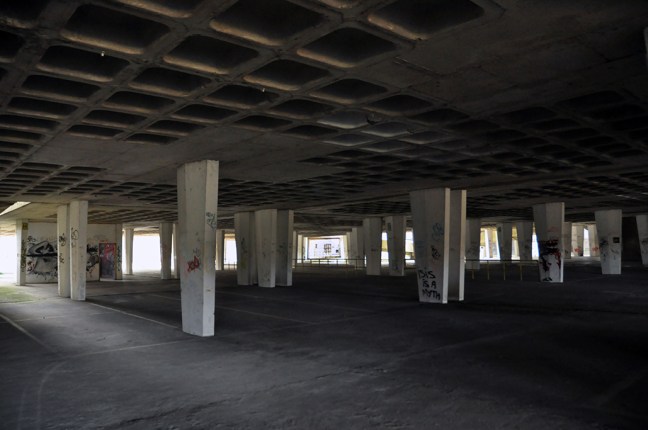
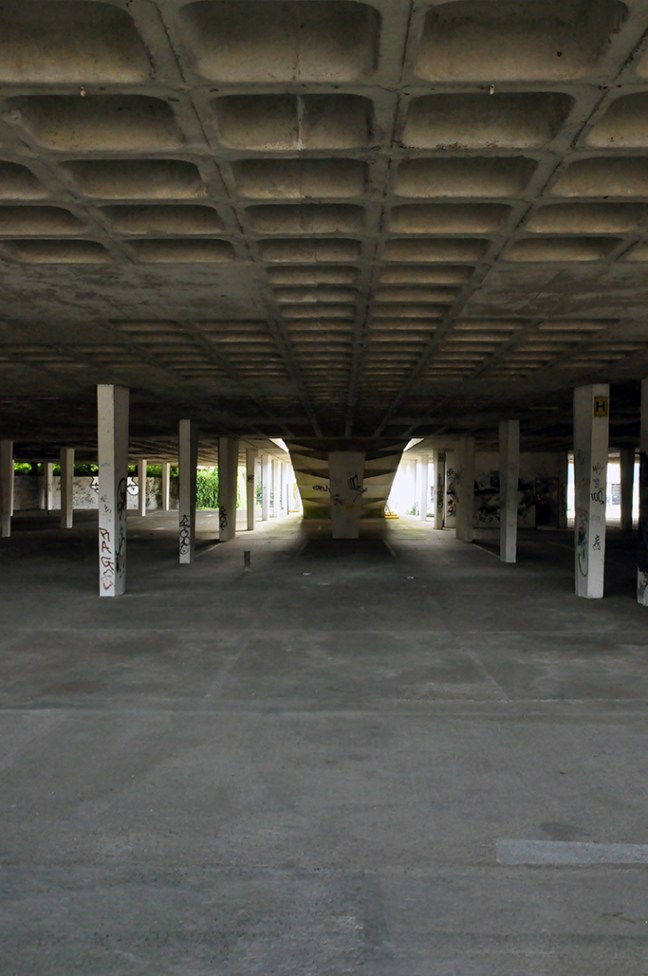
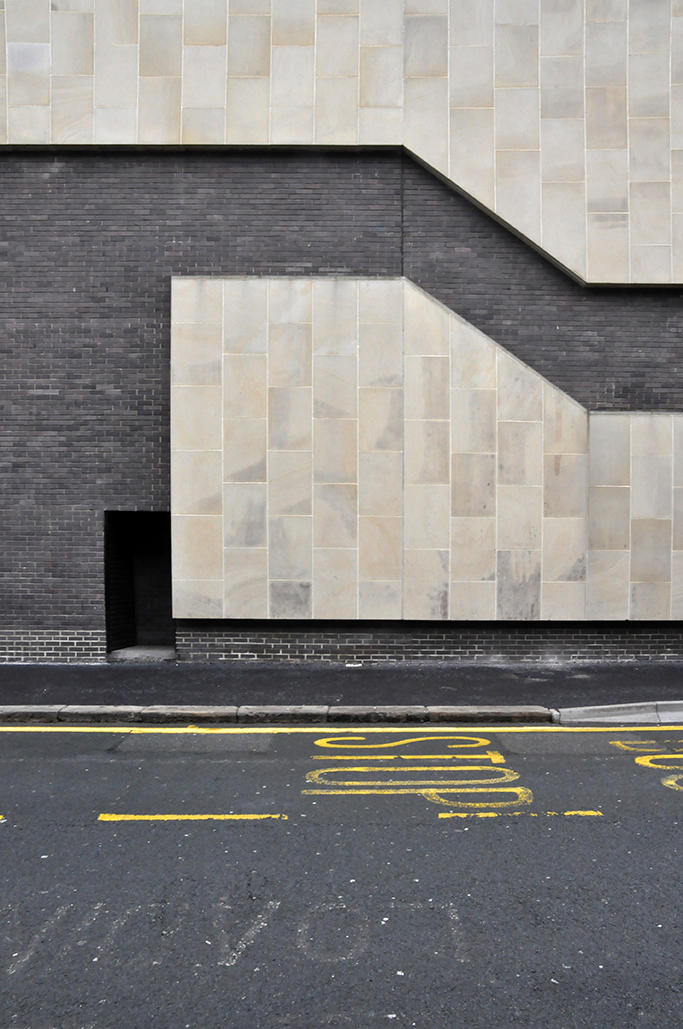
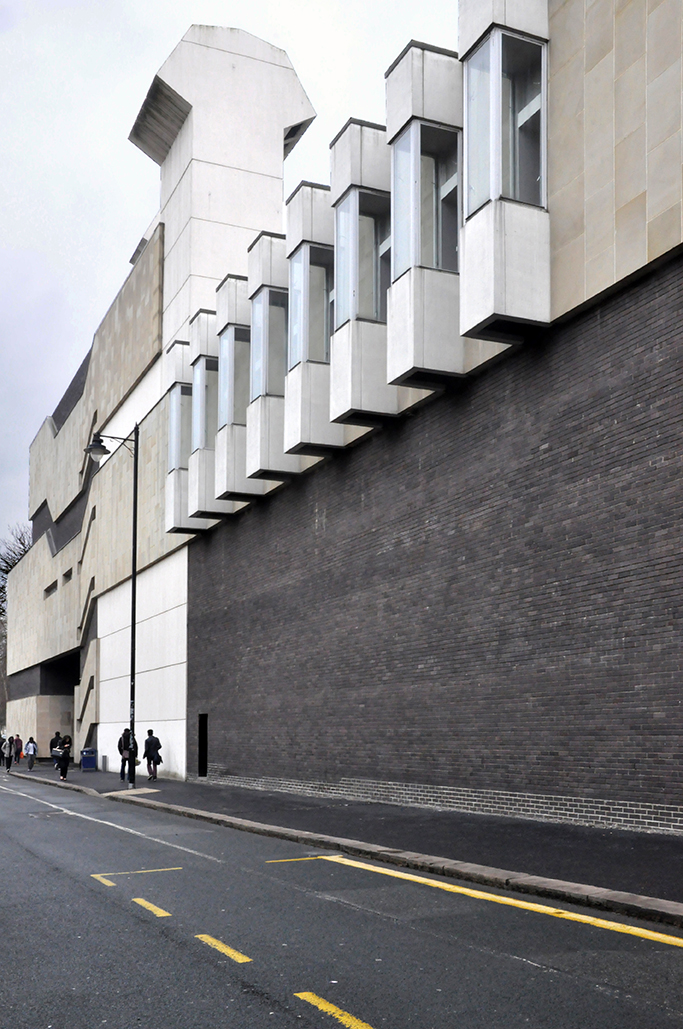
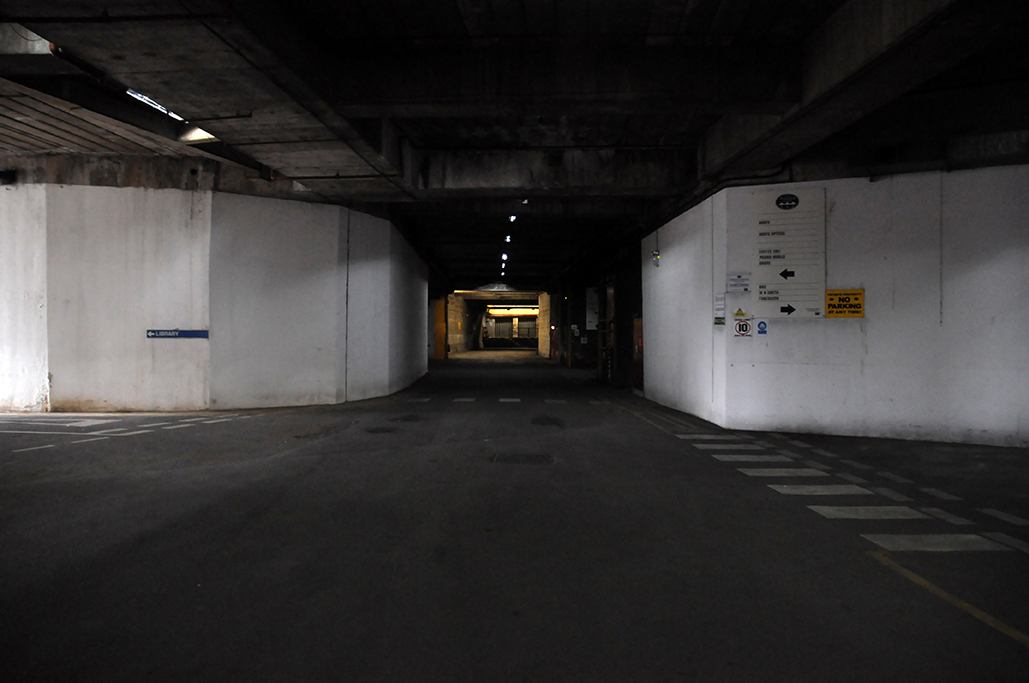
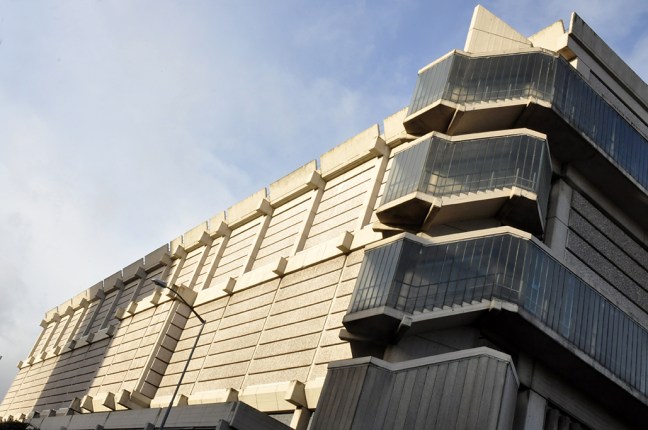
Moments from the centre of the City, bordered by dual carriageways and a substantial roundabout, sits a most remarkable building.

What is it?

It’s almost unfathomable.

A carpark lacking entrance and exit, abattoir, contemporary art space?

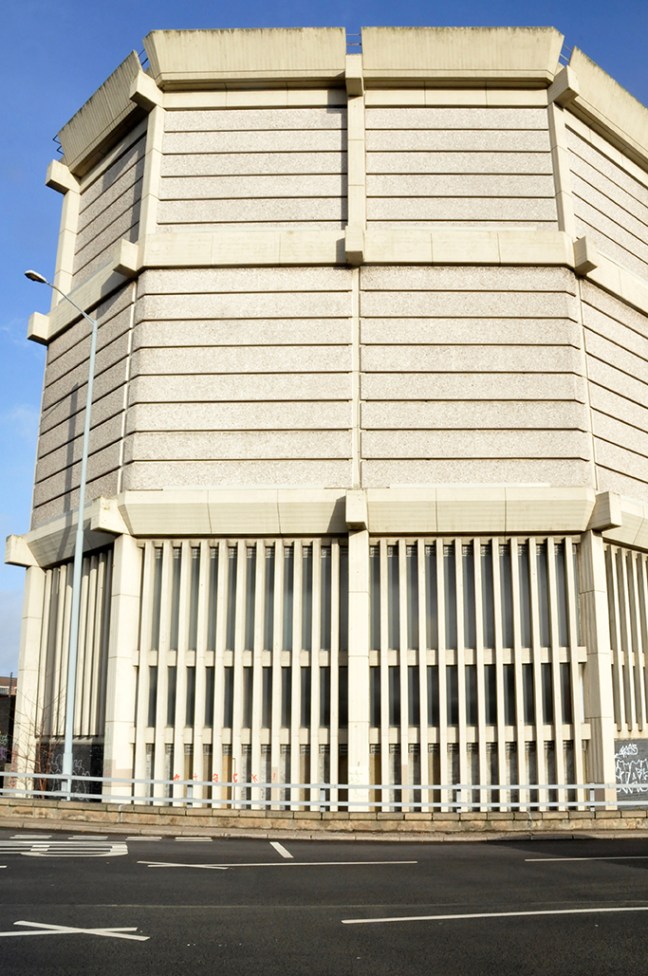
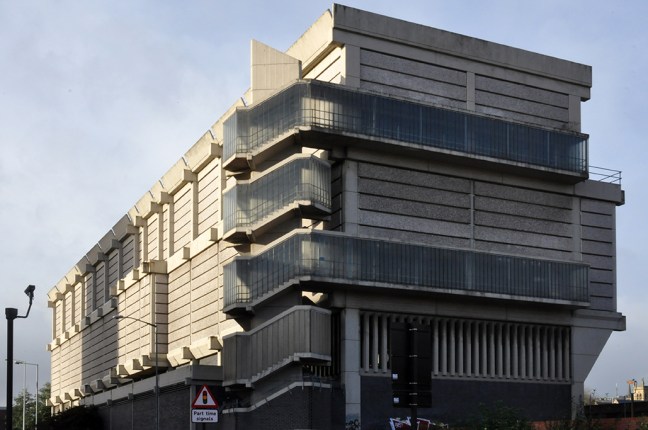
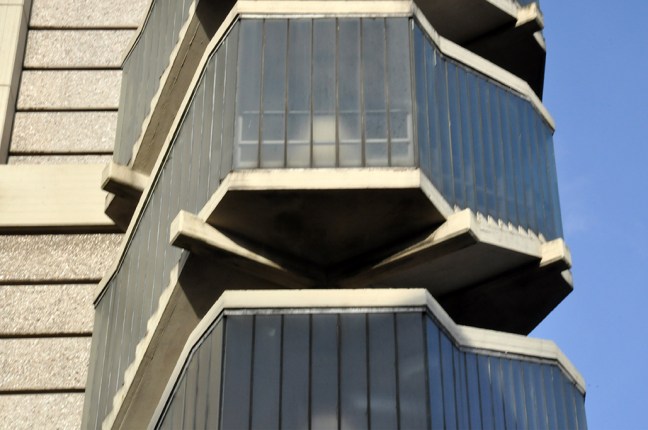
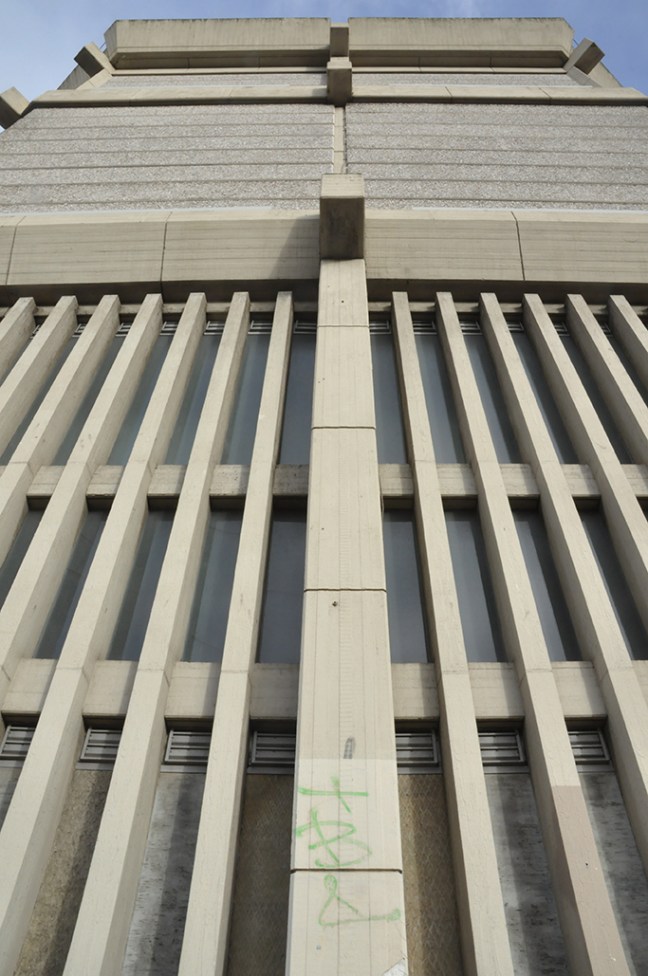
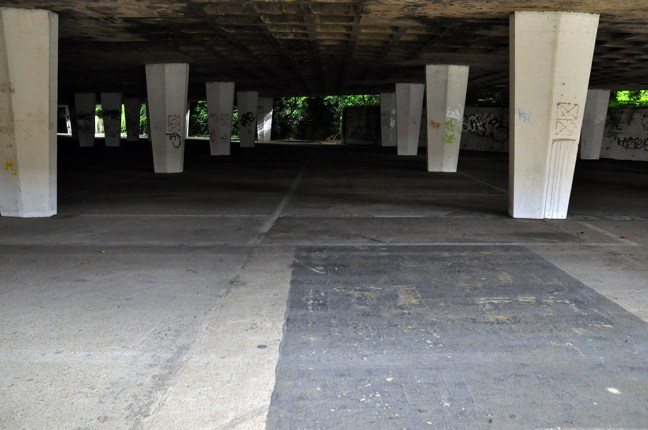
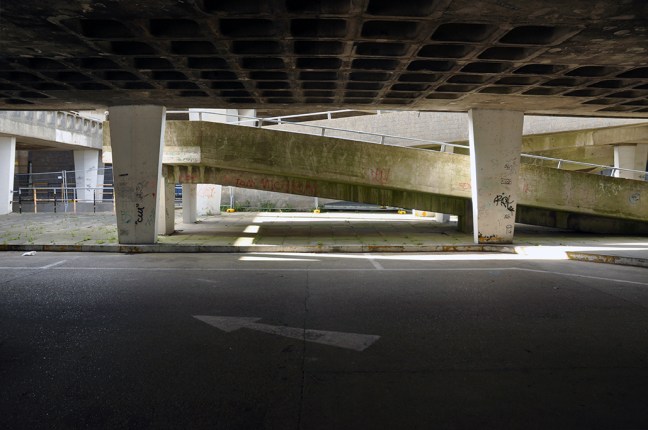
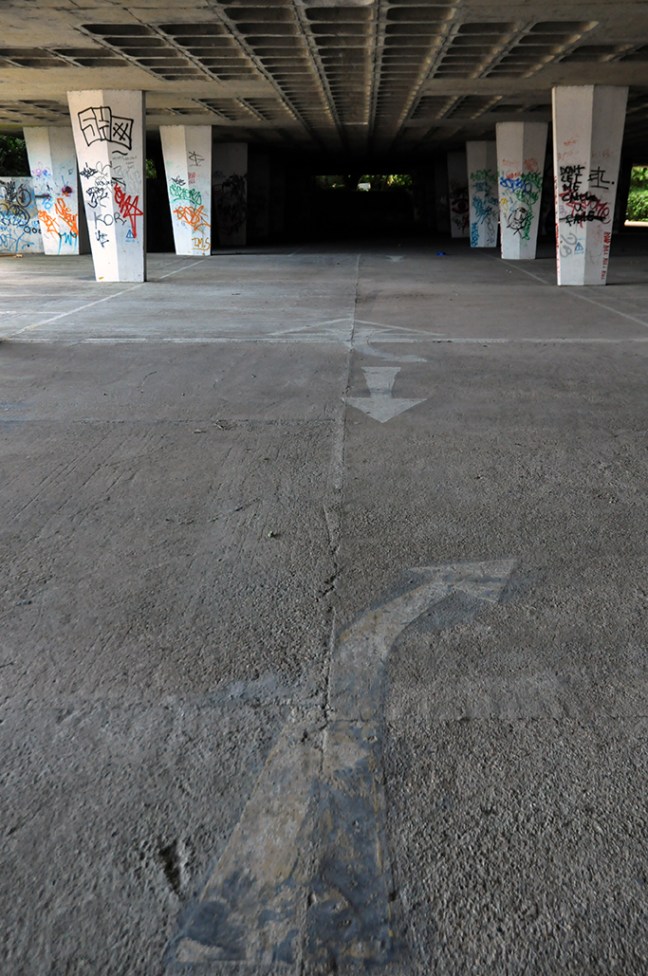
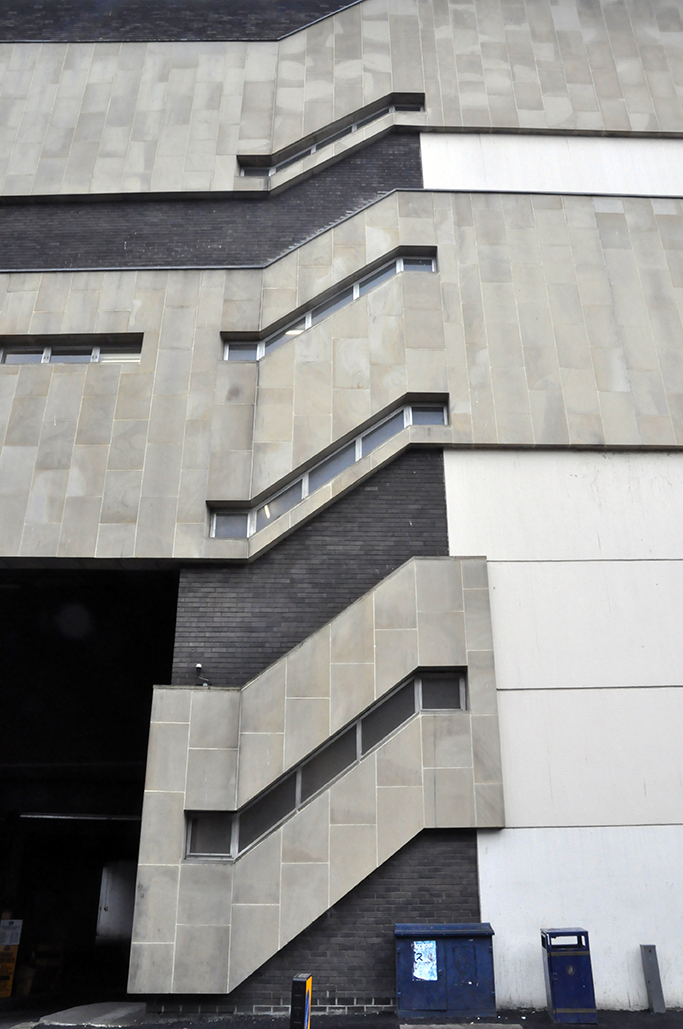
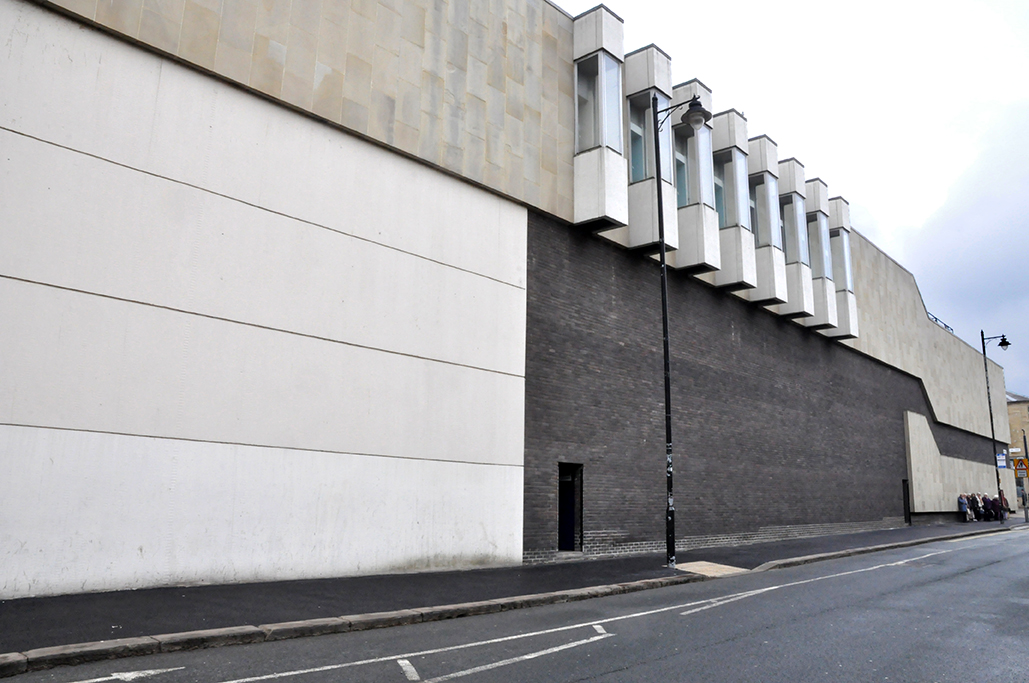
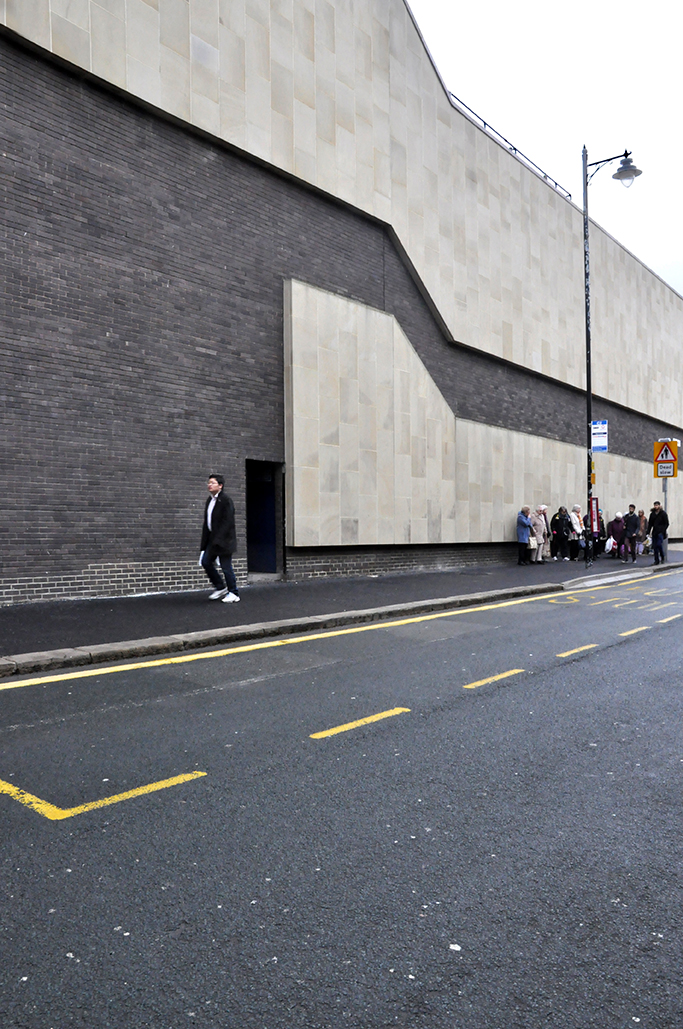
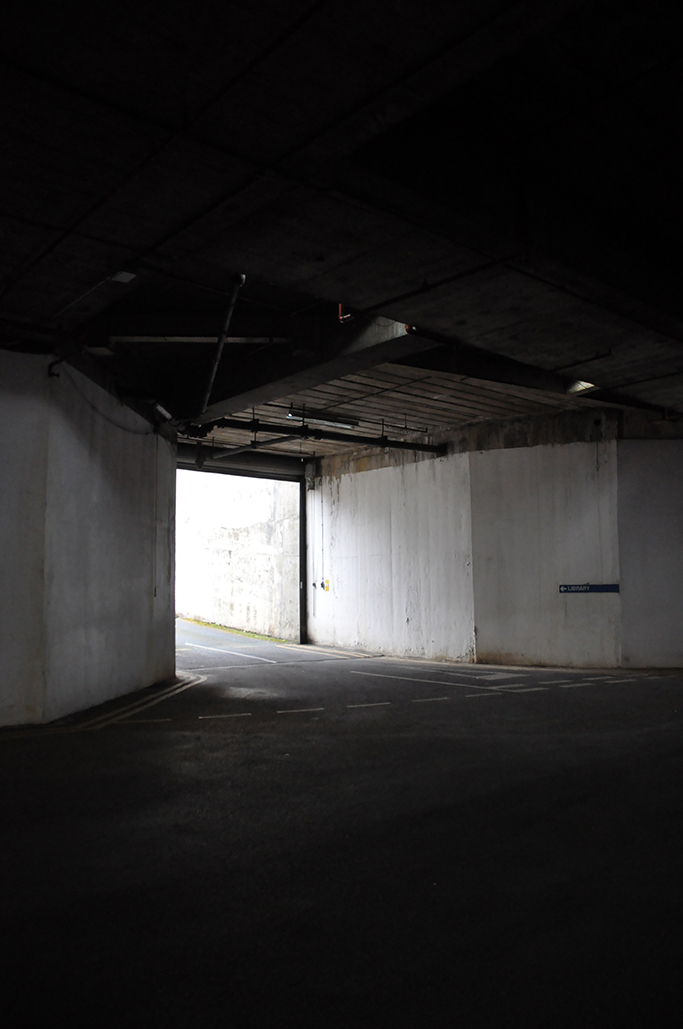
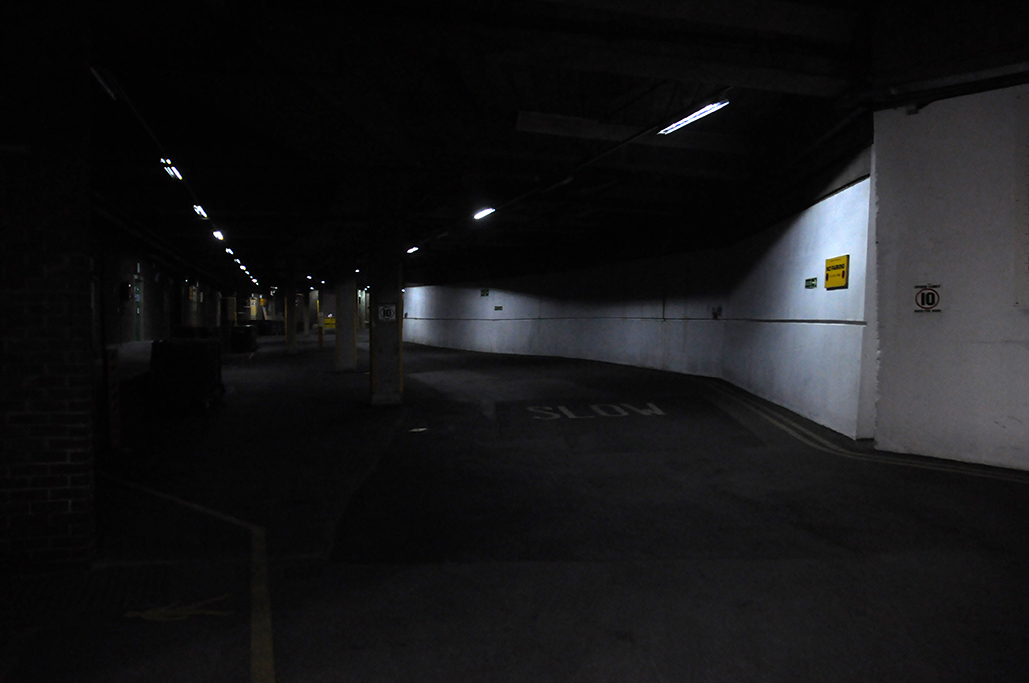
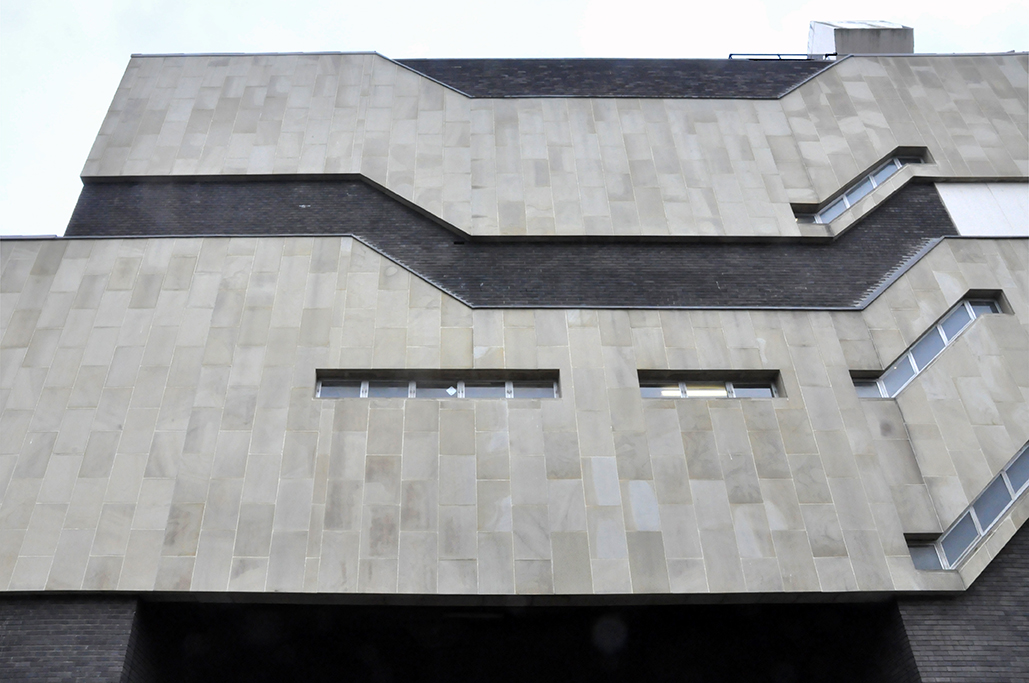
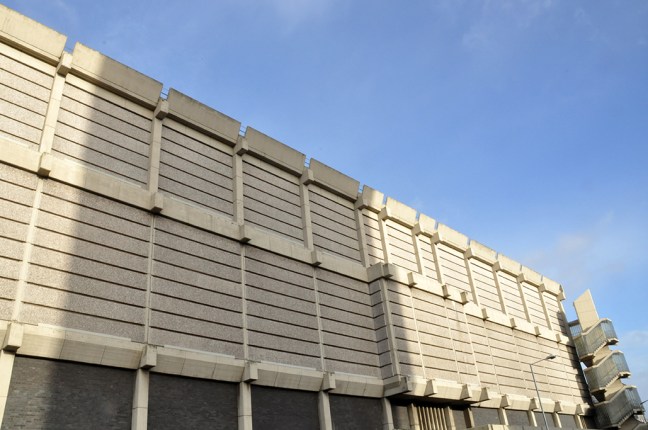
No – an electrical substation, on such a colossal scale as to relieve you temporarily, of a gasp or two.

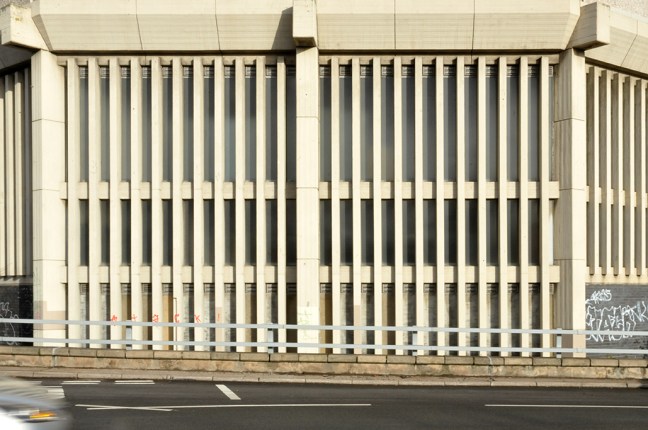
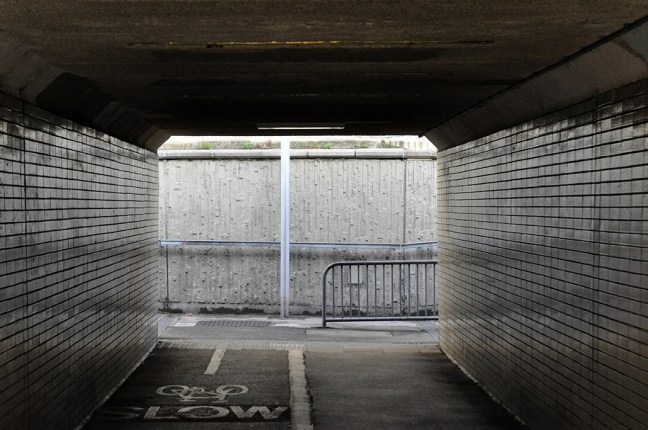
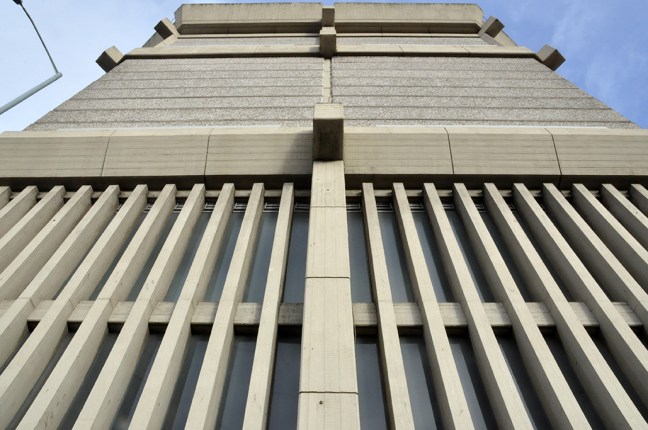
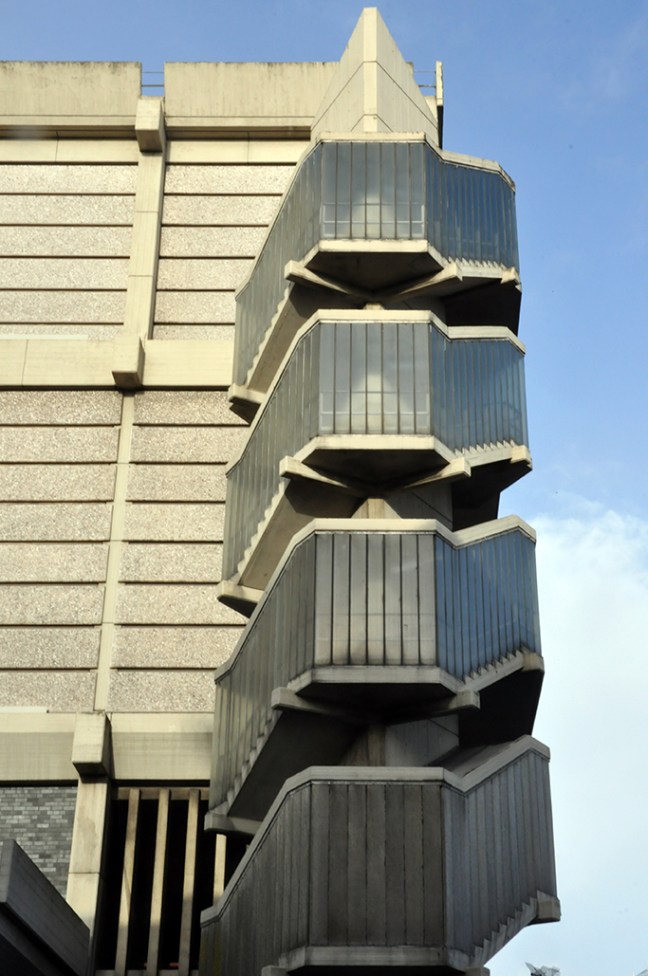
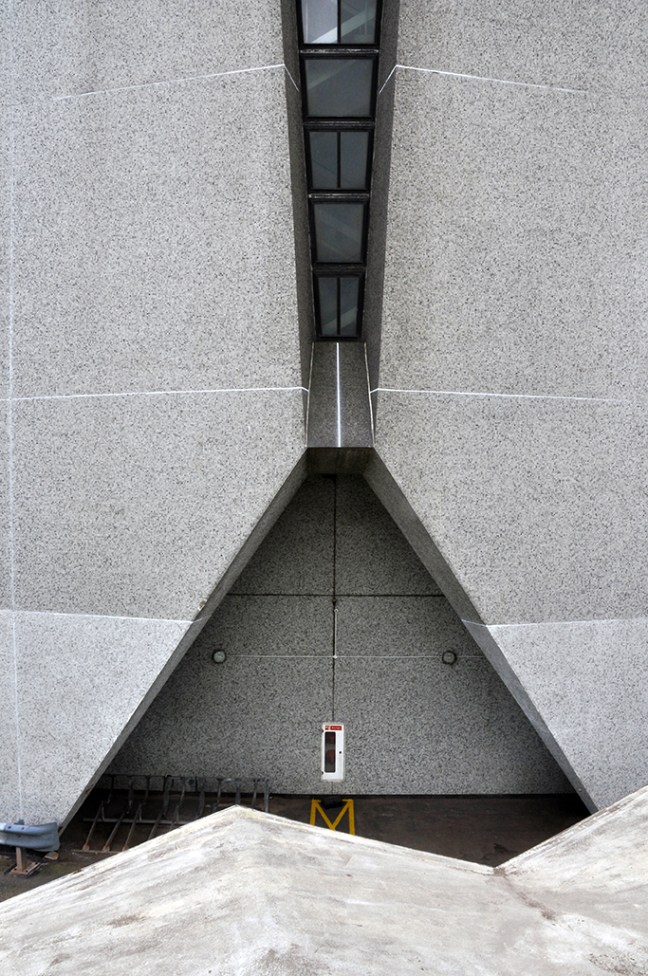
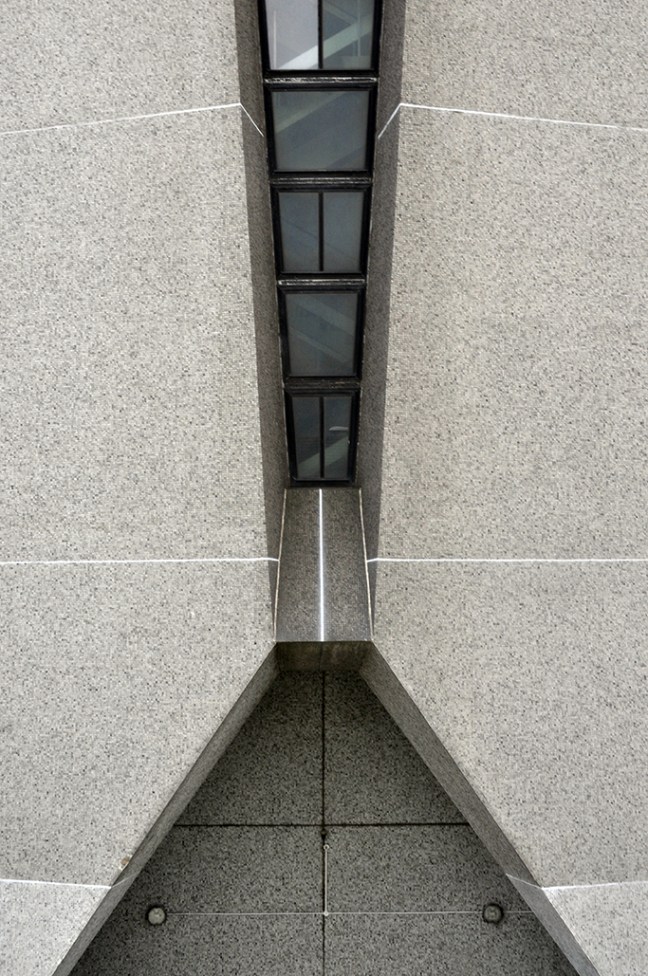
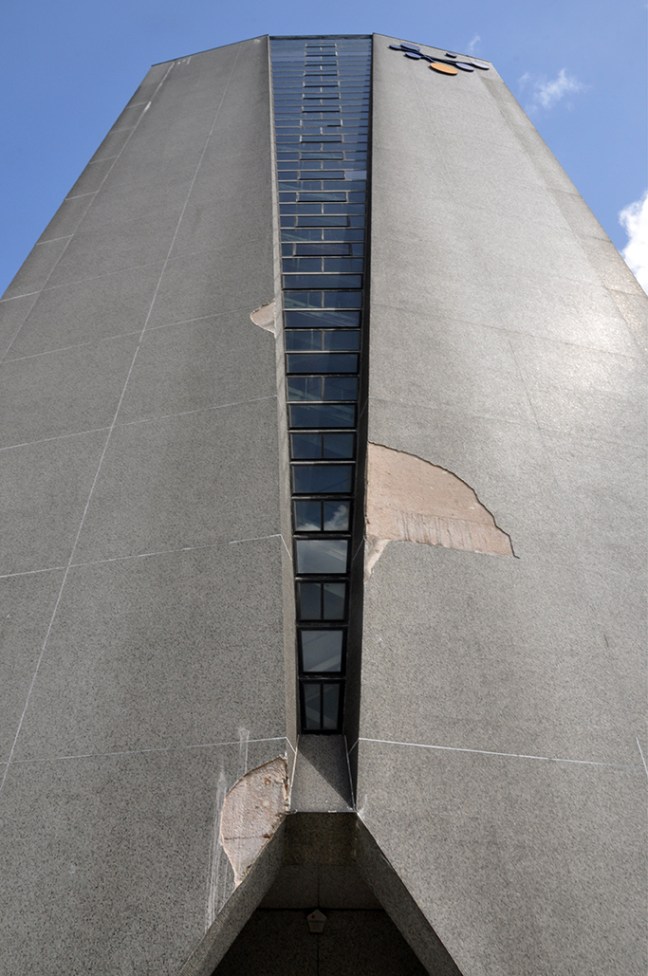
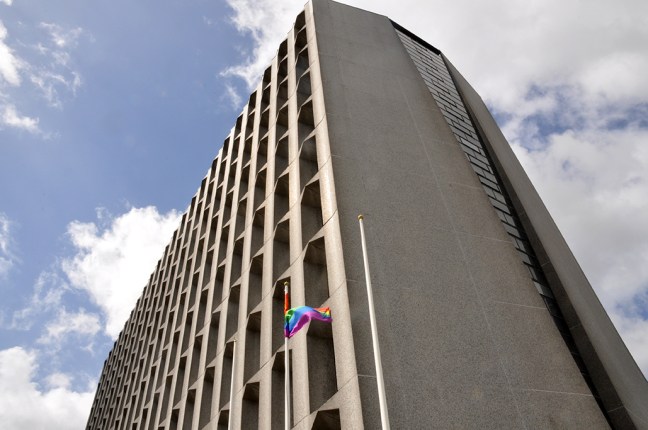
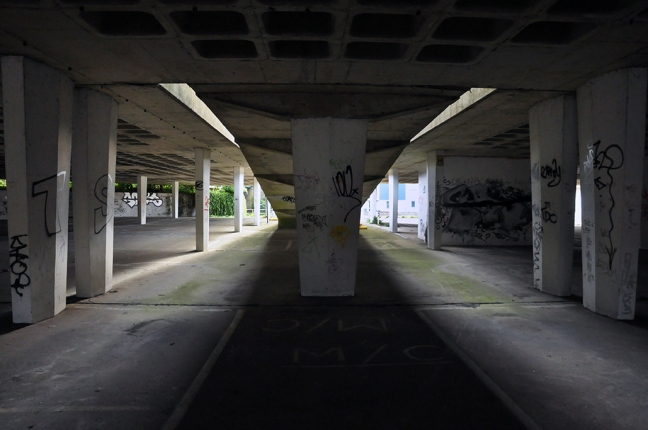
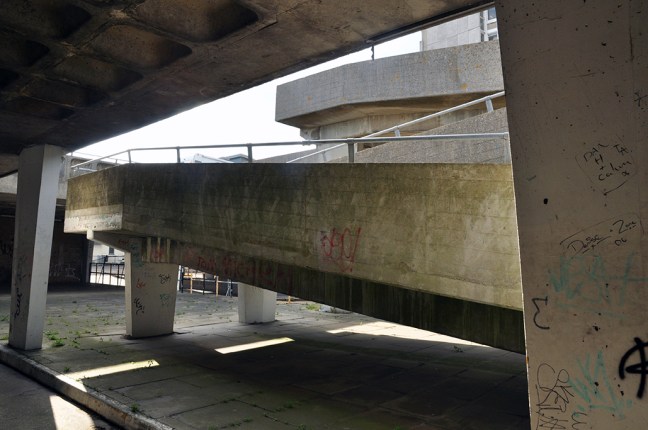
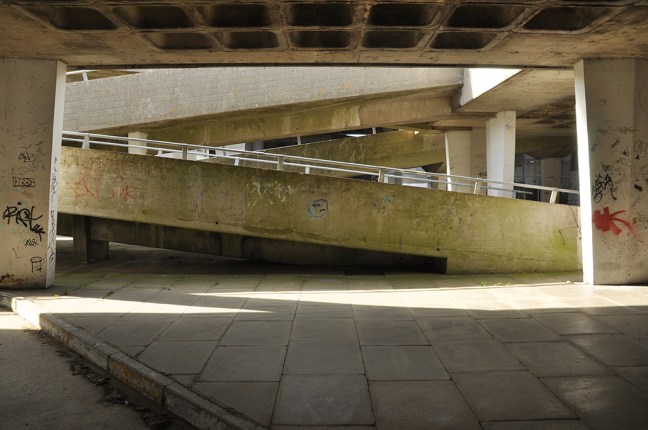
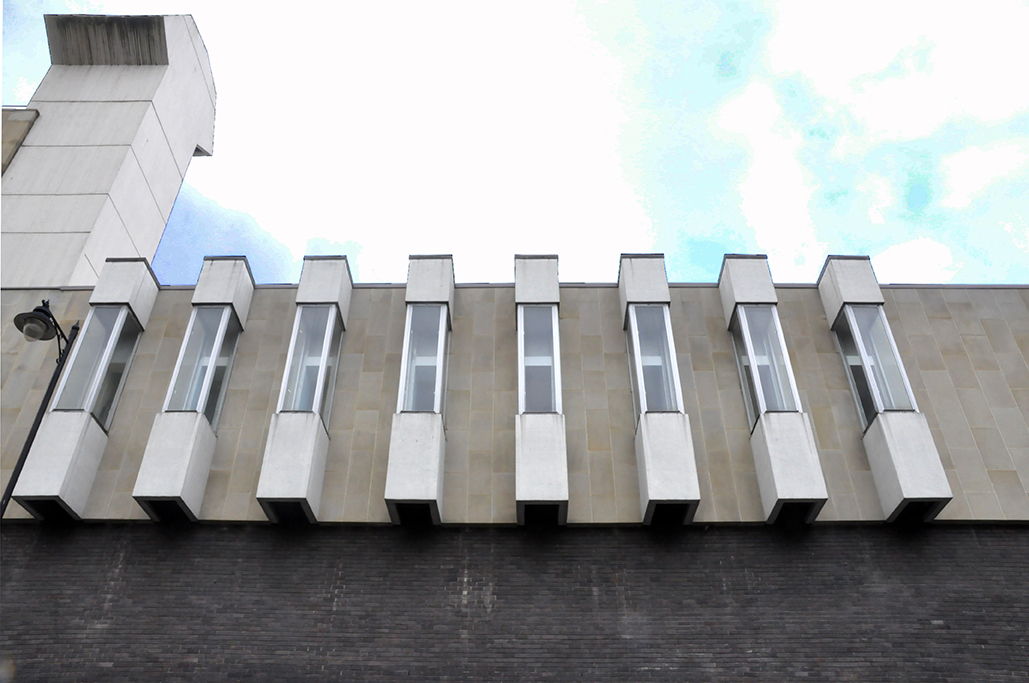
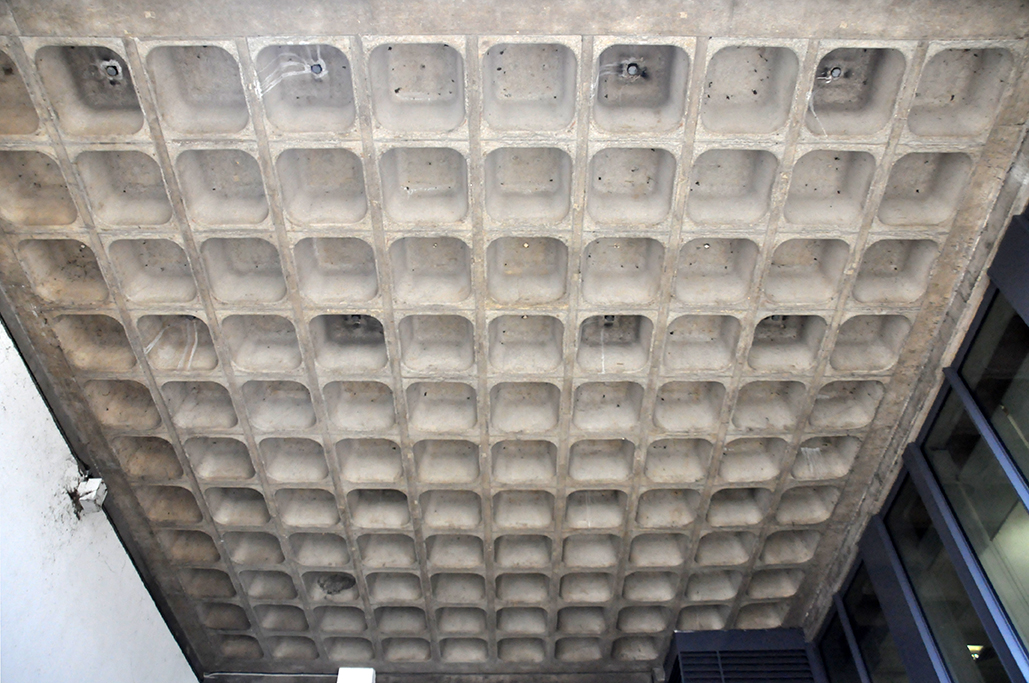
Finished entirely in unfinished concrete, a great volume, broken by vertical and horizontal lines, punctuated by intermittent abutments.

Accessed externally via a most extraordinary glazed and enclosed staircase.

Wisely Historic England have had the site listed:

https://historicengland.org.uk/listing/the-list/list-entry/1415383

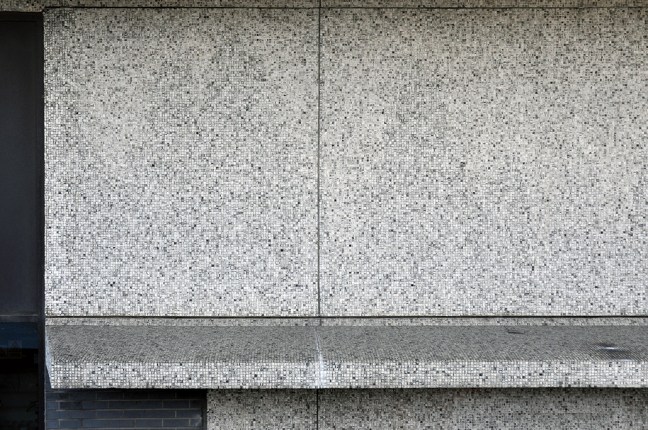
“Electricity substation. 1968 to designs by consulting architects Jefferson, Sheard and Partners, Sheffield, led by Bryan Jefferson, in association with the Regional Civil Engineers’ Department of the CEGB North East Region. Contractors, Longden & Sons Ltd, Sheffield. Reinforced concrete frame with board-marked finish with formwork bolt marks, construction and daywork joints emphasized, concrete floor slabs, blue engineering facing bricks, cladding panels of Cornish granite aggregate.”

Go see for yourself, if you don’t believe my eyes.
DSC_0035 copy

DSC_0057 copy

DSC_0036 copy

DSC_0037 copy

DSC_0031 copy

DSC_0059 copy

DSC_0041 copy

DSC_0042 copy

DSC_0039 copy

DSC_0034 copy

DSC_0043 copy

DSC_0033 copy


Hexagon Tower – Blackley Manchester

Manchester Orbital – a coach trip around the outer and upper limits of the city’s Modernist Architecture.

Organised by the Manchester Modernist Society

http://www.modernist-society.org

“Seifert’s corporate buildings were regularly bold, those in Manchester no exception, but this is perhaps the most monolithic of his North-West schemes. The site, in a depression adjacent the River Irk in Blackley, was formerly owned by ICI, by whom the building was commissioned. At one time, a four storey ICI laboratory building by émigré architect Serge Chermayeff also stood close. Here, the simple massing, formed by the junction of horizontal and vertical volumes, bears several of Seifert and Partners trademark gestures; the hexagonal geometries, the cut away sections of wall to form entrance ways between structural elements, and the repetitive facade. The end wall is reminiscent of Tolworth Tower, also by Seifert. The tower and podium configuration is a product of the brief; the machine hall had to be at ground level and have no construction above. The narrow tower has no internal columns, the structural grid is mirrored in the services arrangement and the two co-exist outside the usable volume of the laboratory space, in the walls and floor. This solution is expressed in the deep reveals of the main façade, services travel vertically between the window modules. Whilst somewhat hidden, the building reveals itself fantastically from elevated vantage points, the tram south from Bowker Vale station being one such location. Originally it was intended that four of these towers would be built and run along the river valley in some sort of massive futurist domino arrangement.”
With thanks to Mainstream Modern

http://www.mainstreammodern.co.uk/casestudies.aspx/Detail/72/hexagon-tower

DSC_0013

DSC_0023

DSC_0026

DSC_0017

DSC_0030

DSC_0032

DSC_0024

DSC_0045

DSC_0044

DSC_0029

DSC_0025

DSC_0027

DSC_0043

DSC_0046

DSC_0038

DSC_0036

DSC_0018

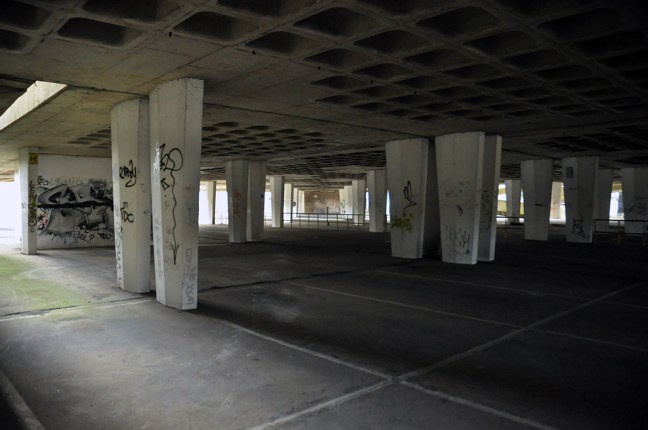
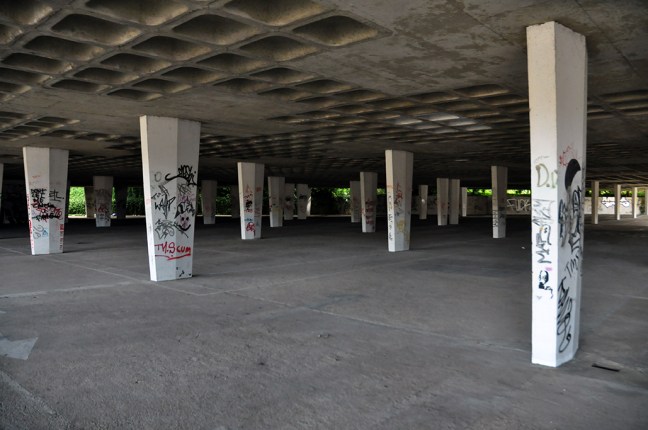
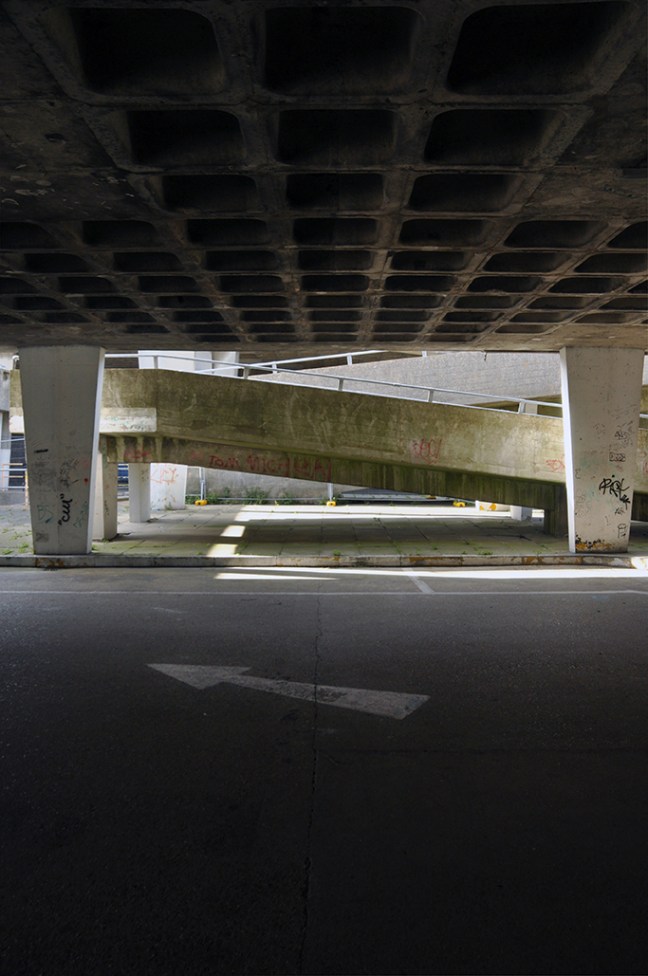
Margate – Car Park

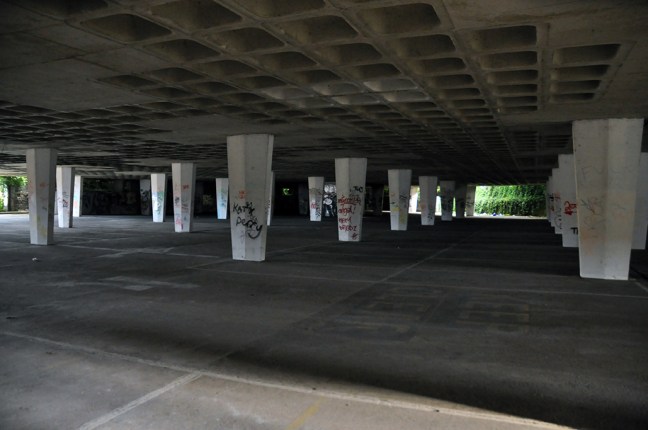
There’s a world going on underground.

At ground level.

Fenced off, rather poorly though.

Not much here to deter even the faint hearted urban explorer.

Find a gap and get in.

Join the taggers and lollygaggers,

Underground.

DSC_0440 copy

DSC_0442 copy

DSC_0450 copy

DSC_0453 copy

DSC_0434 copy

DSC_0430 copy

DSC_0436 copy

DSC_0432 copy

DSC_0451 copy

DSC_0433 copy

DSC_0452 copy

DSC_0439 copy

Margate – Arlington House

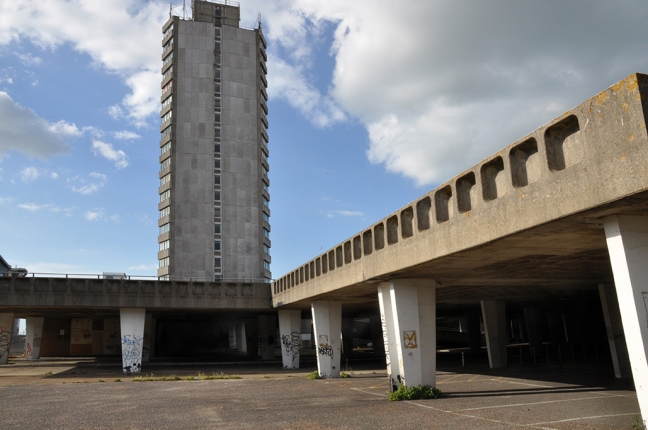
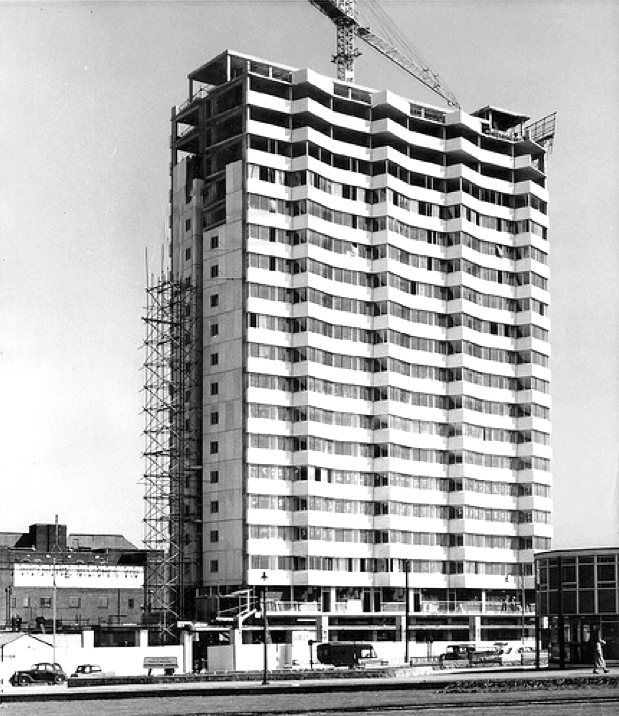
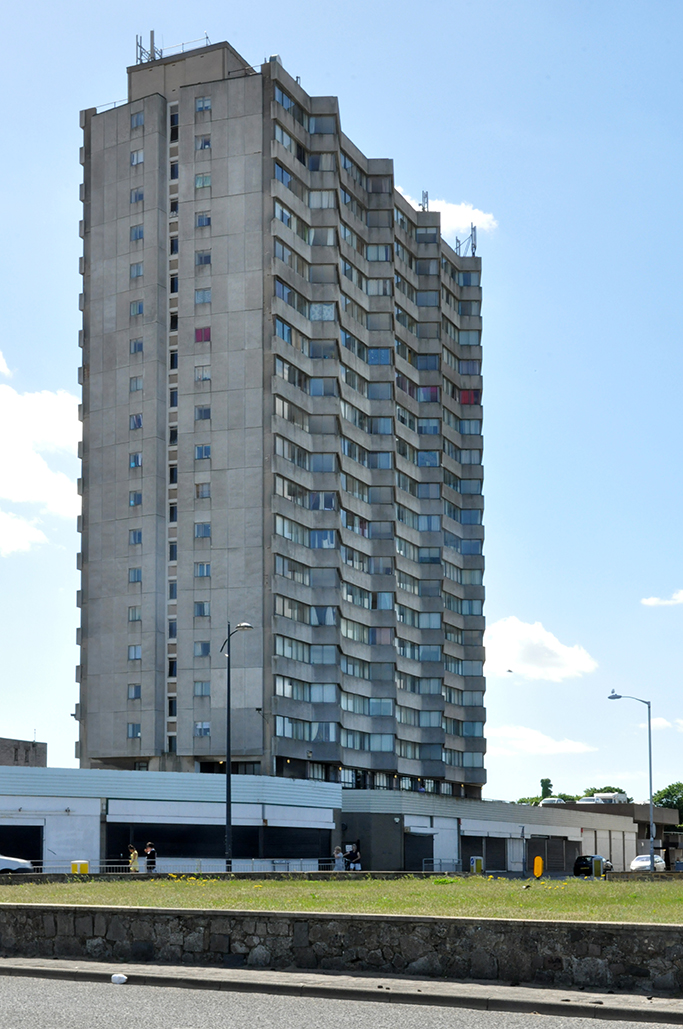
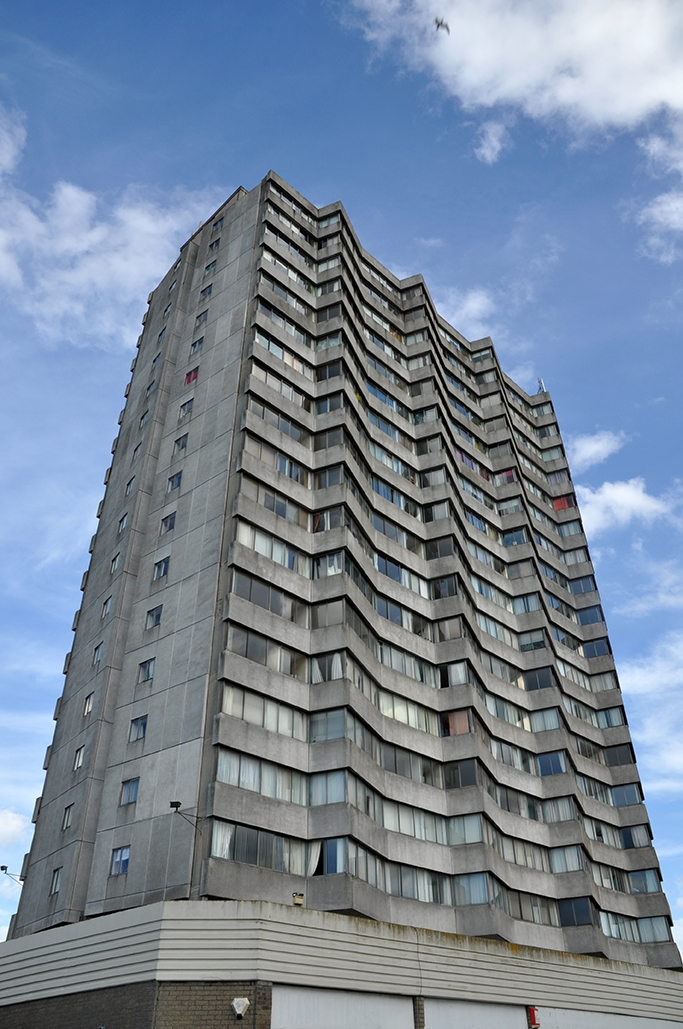
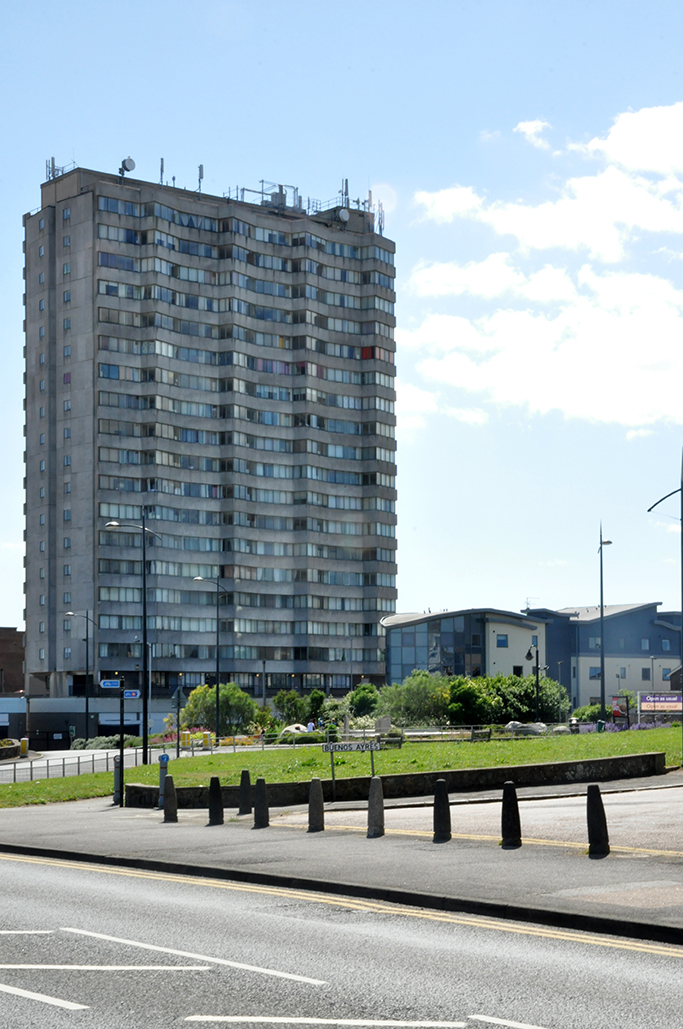
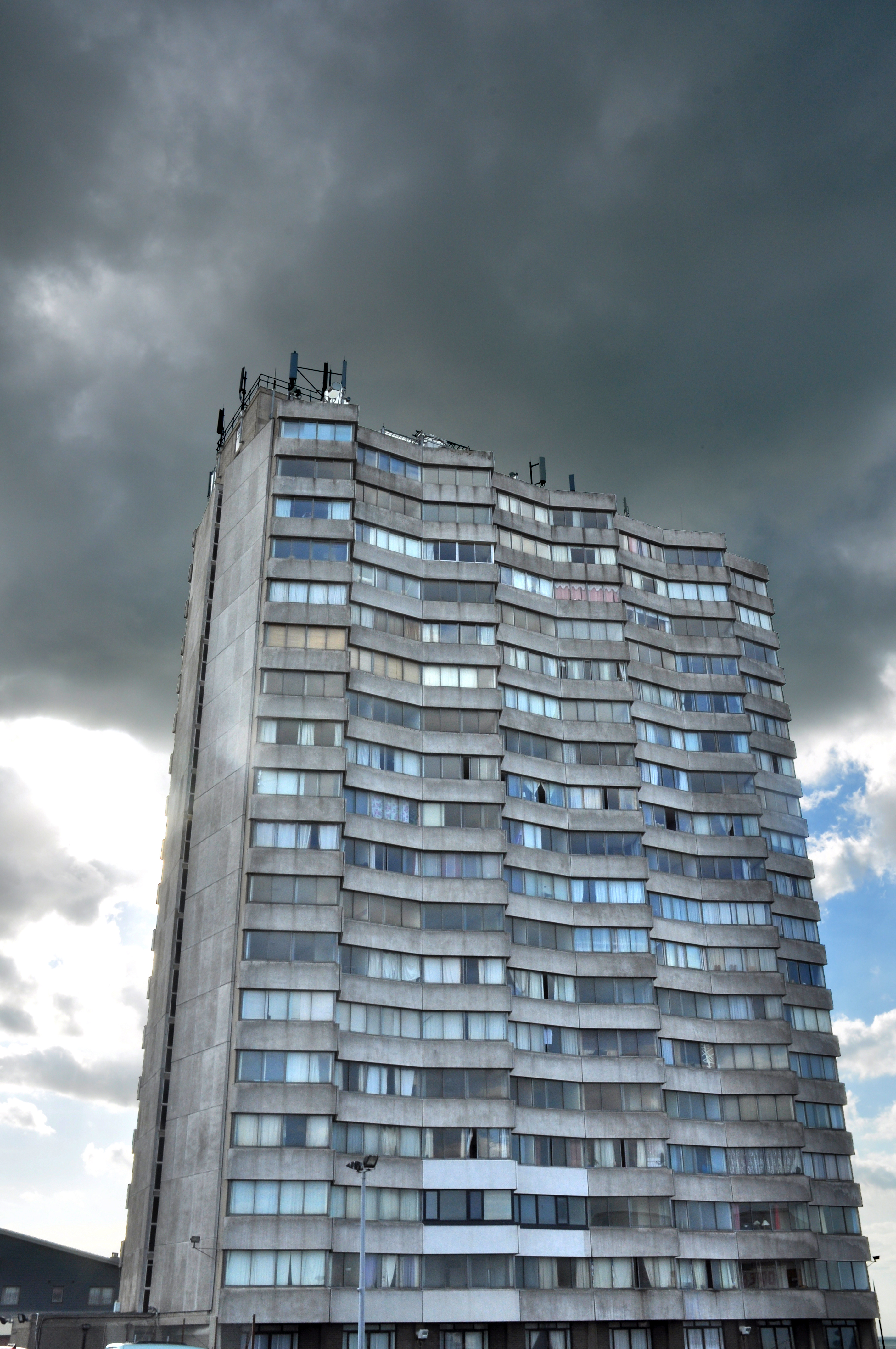
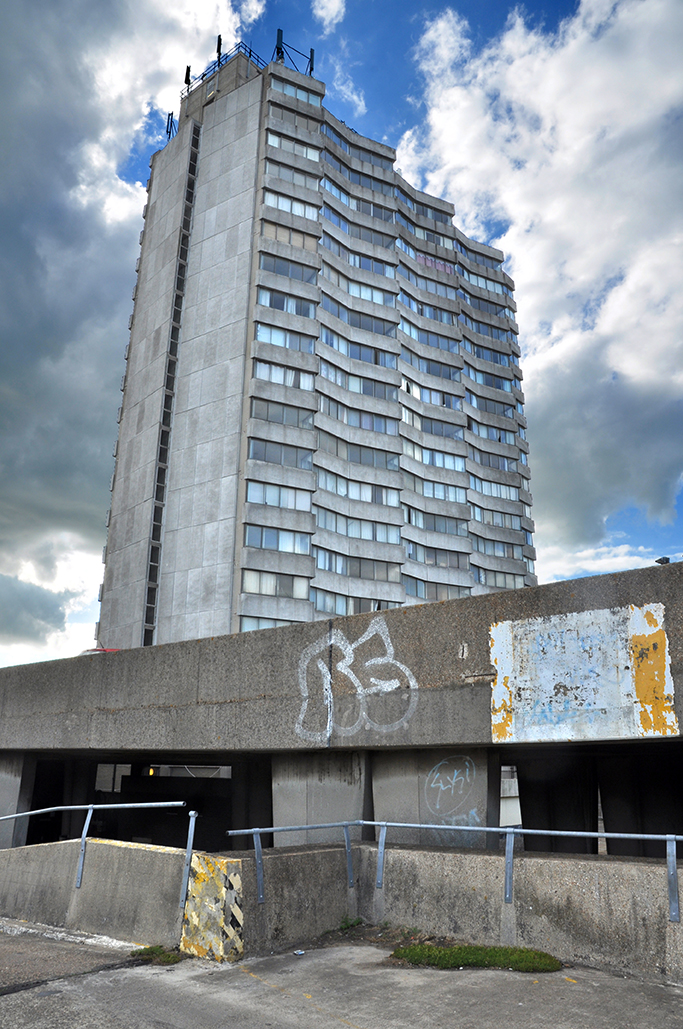
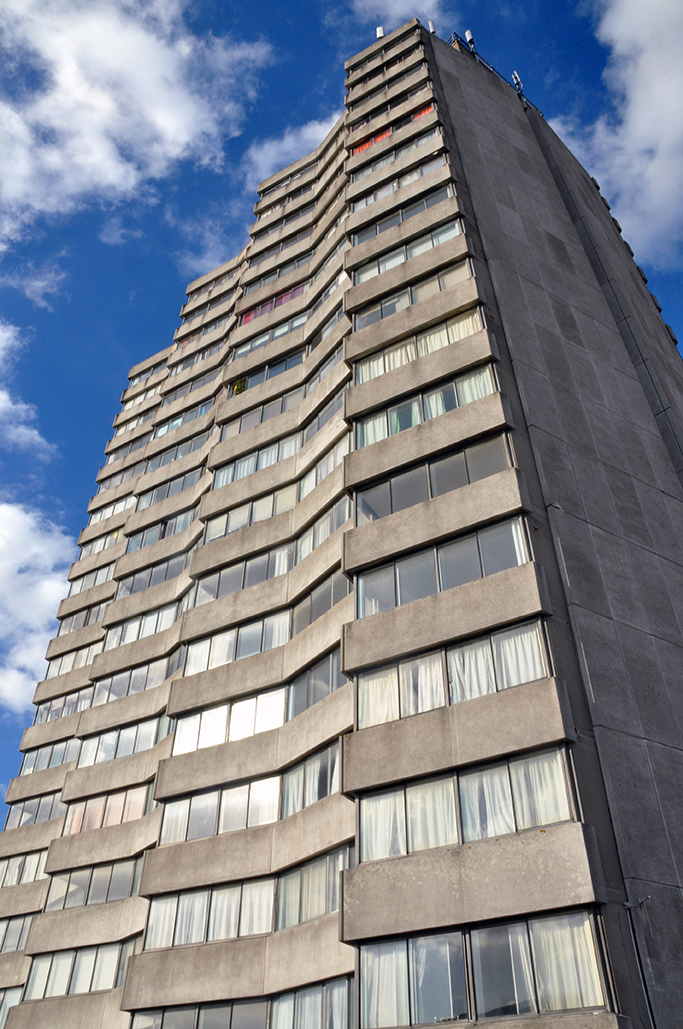
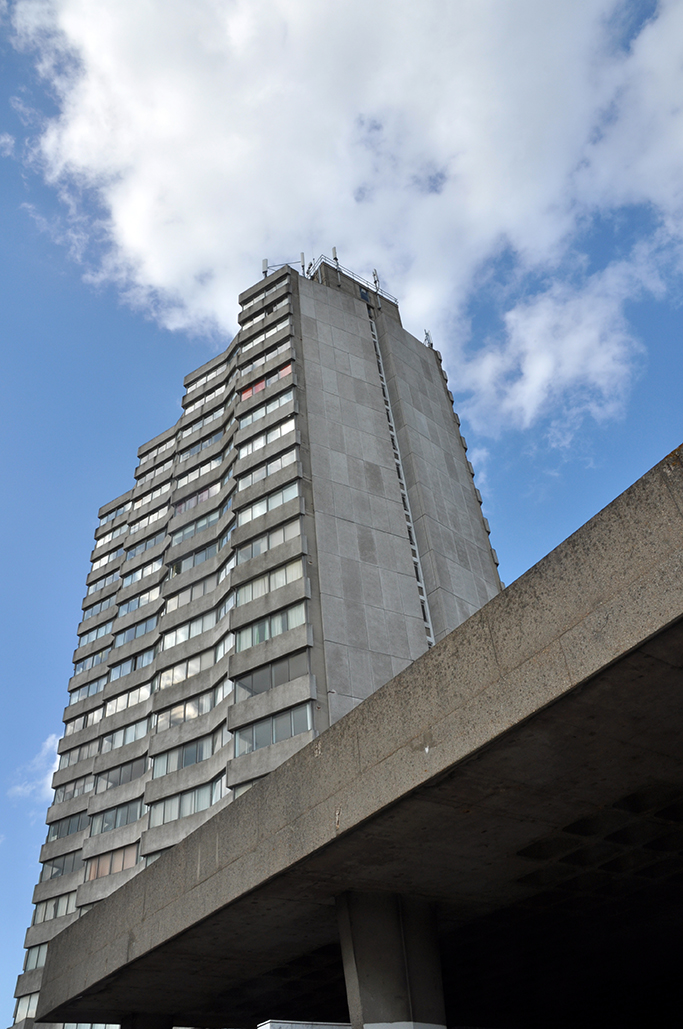
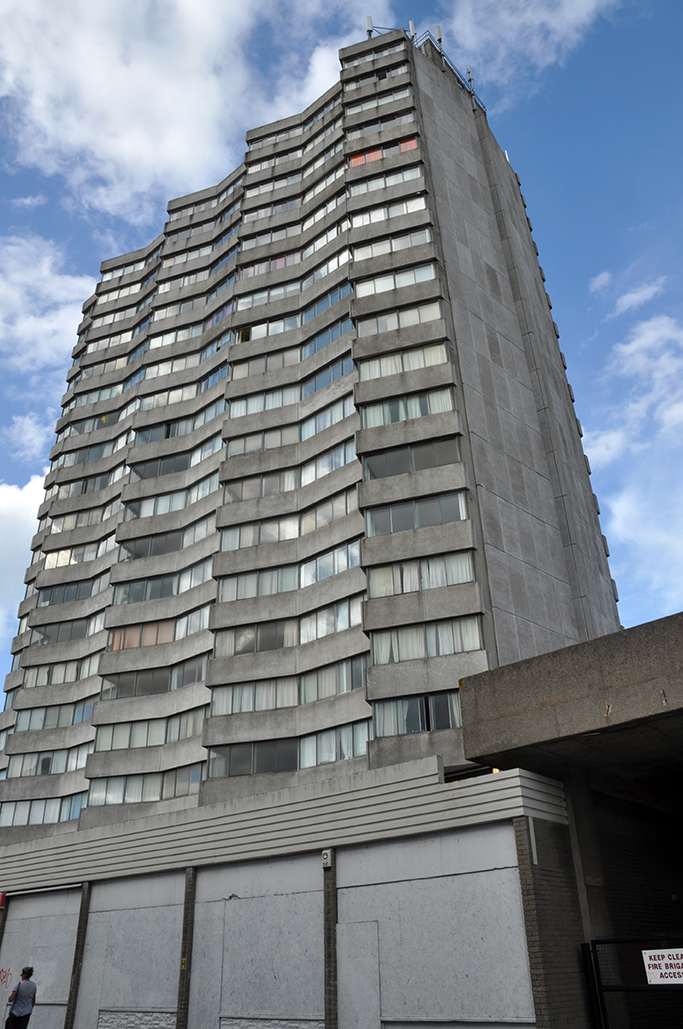
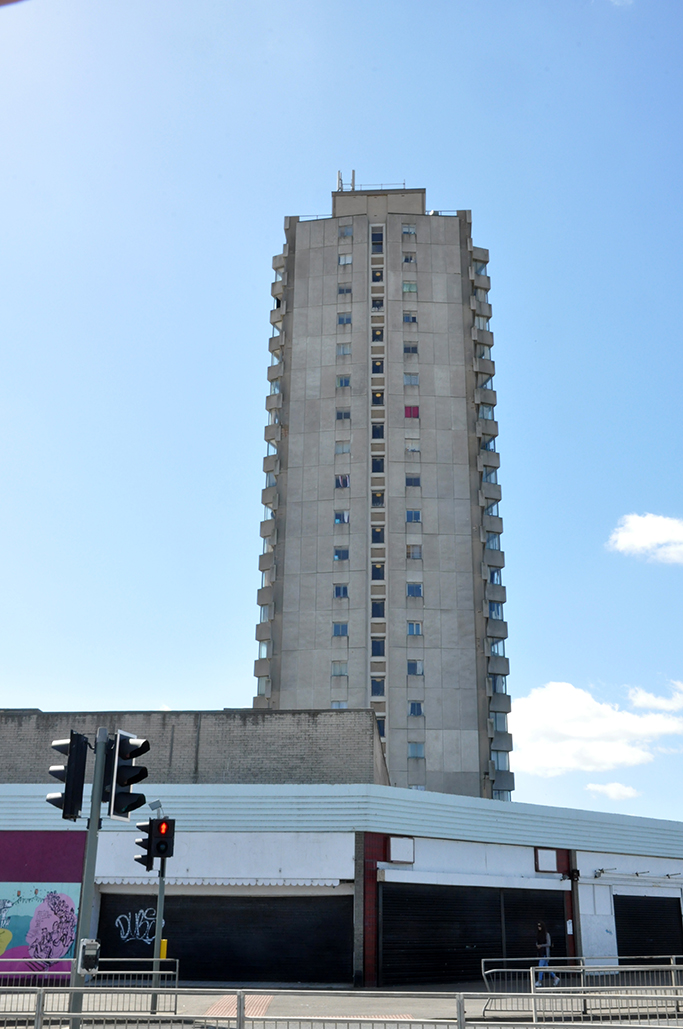
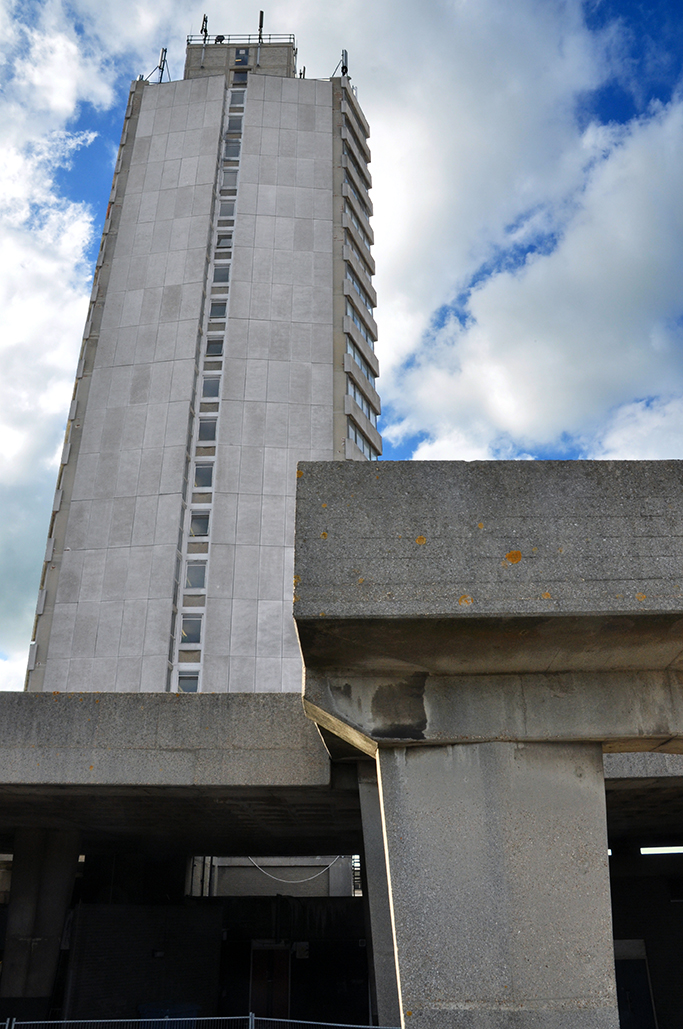
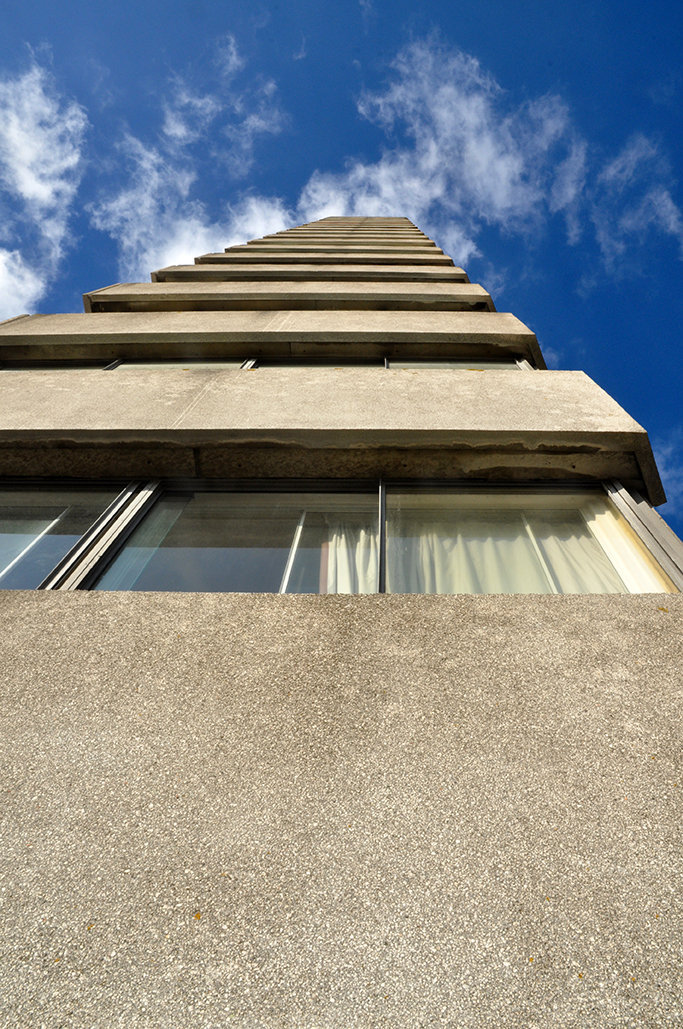
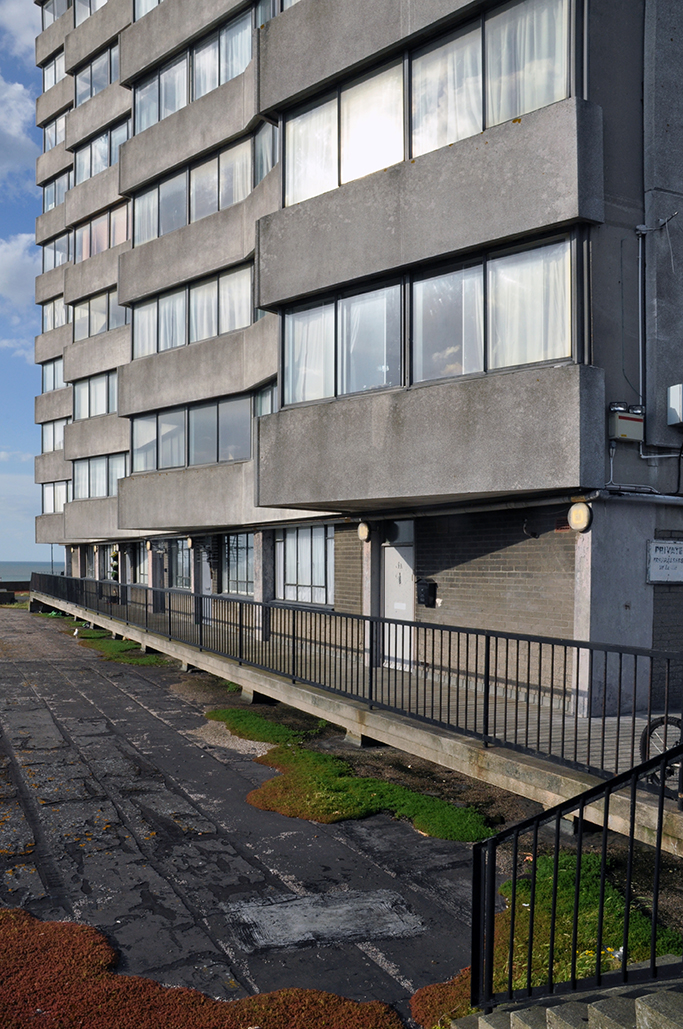
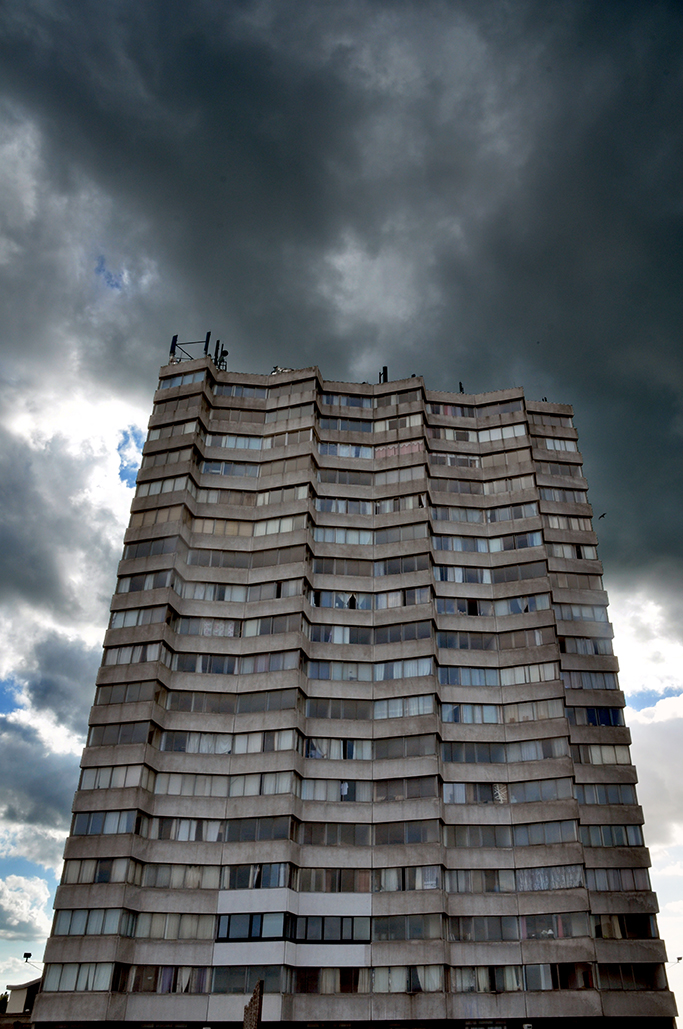
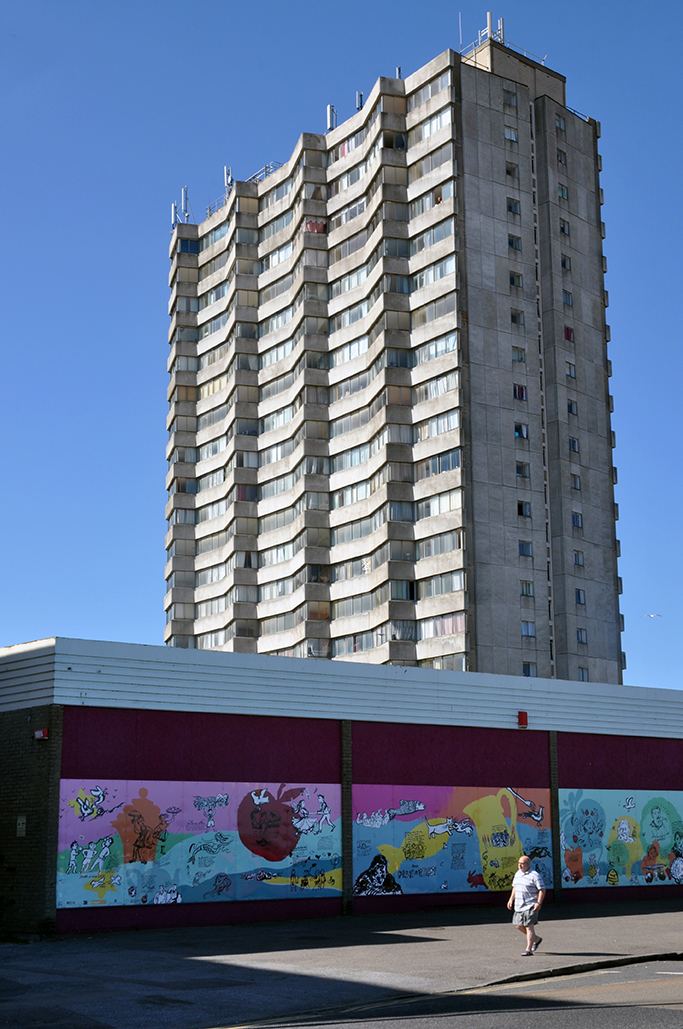
Arlington House is a 58 metre high eighteen-storey residential apartment block in Margate, Kent, England.

It was built in 1964, it has 142 apartments, and was designed by Russell Diplock & Associates, developed by Bernard Sunley Trust, and built by the contractors Bernard Sunley & Sons.

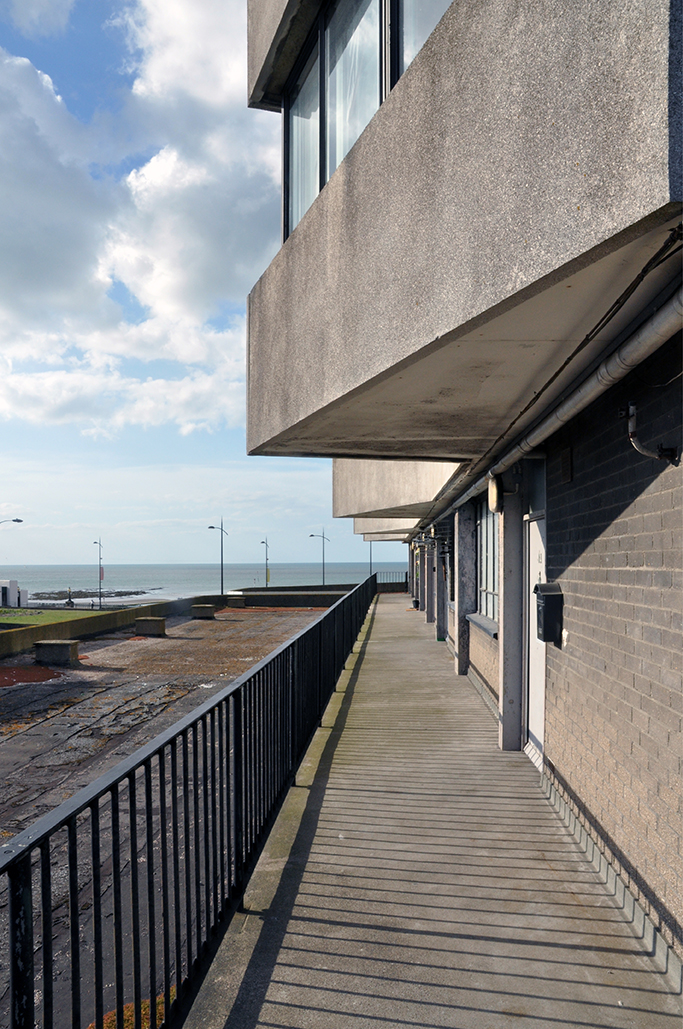
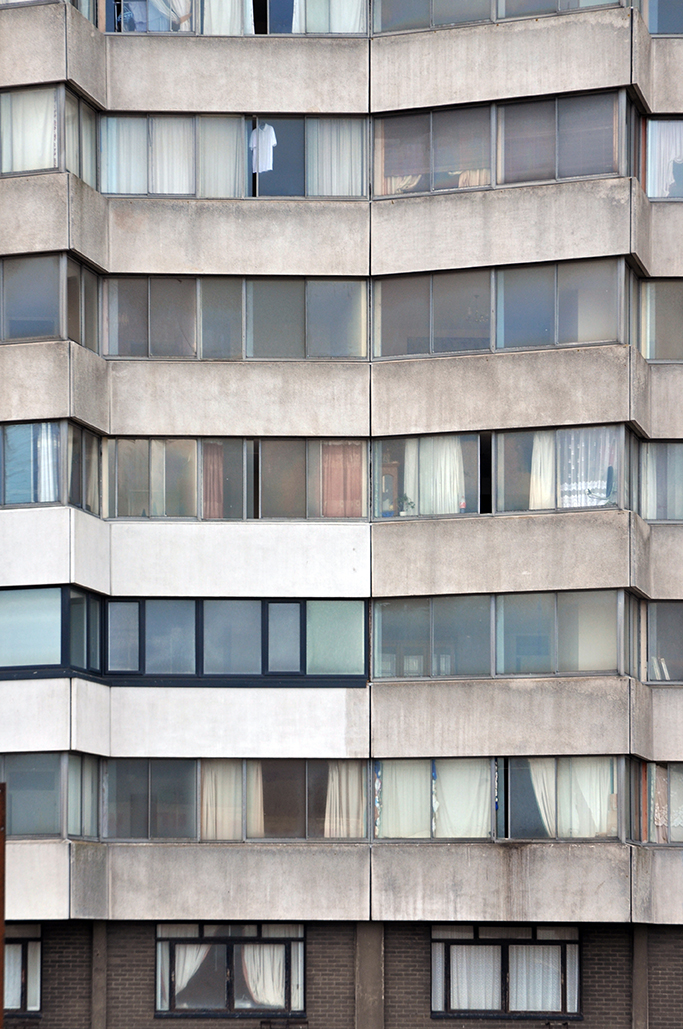
The sides of the building have a wave-like design, providing both inland and sea views.

It was initially advertised as Britain’s first park and buy shopping centre with luxury flats , incorporating a theatre, restaurant and rooftop swimming pool.

Arlington Margate

I’ll try anything twice.

So off I went to Margate, on a train, again.

Rushing out of the station agog, eager, looking for a long lost friend.

An impudent exclamation mark at the end of a rowdy Georgian row.

Arlington House.

A mad amalgam of angles, incautious concrete surfaces and glass.

Entranced, enchanted, we both stare out to sea and eye each other admiringly.

DSC_0015 copy
DSC_0409 copy
DSC_0012 copy
DSC_0422 copy
DSC_0419 copy
DSC_0421 copy
DSC_0458 copy
DSC_0416 copy
DSC_0460 copy
DSC_0413 copy
DSC_0018 copy
DSC_0456 copy
DSC_0425 copy
DSC_0463 copy
DSC_0459 copy
DSC_0457 copy
DSC_0424 copy
DSC_0522 copy

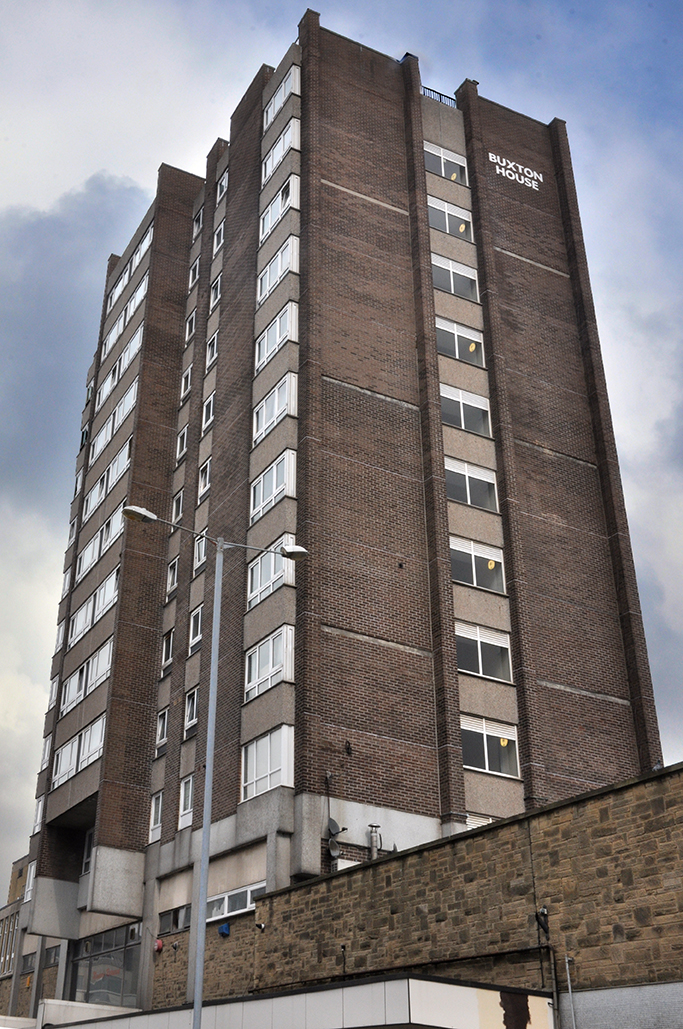
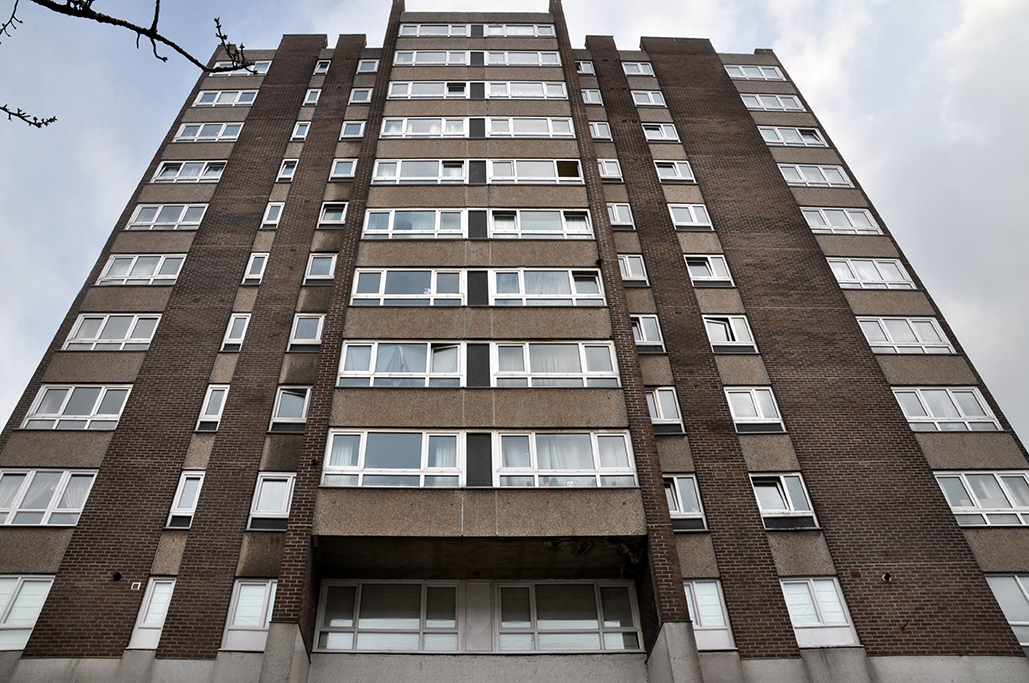
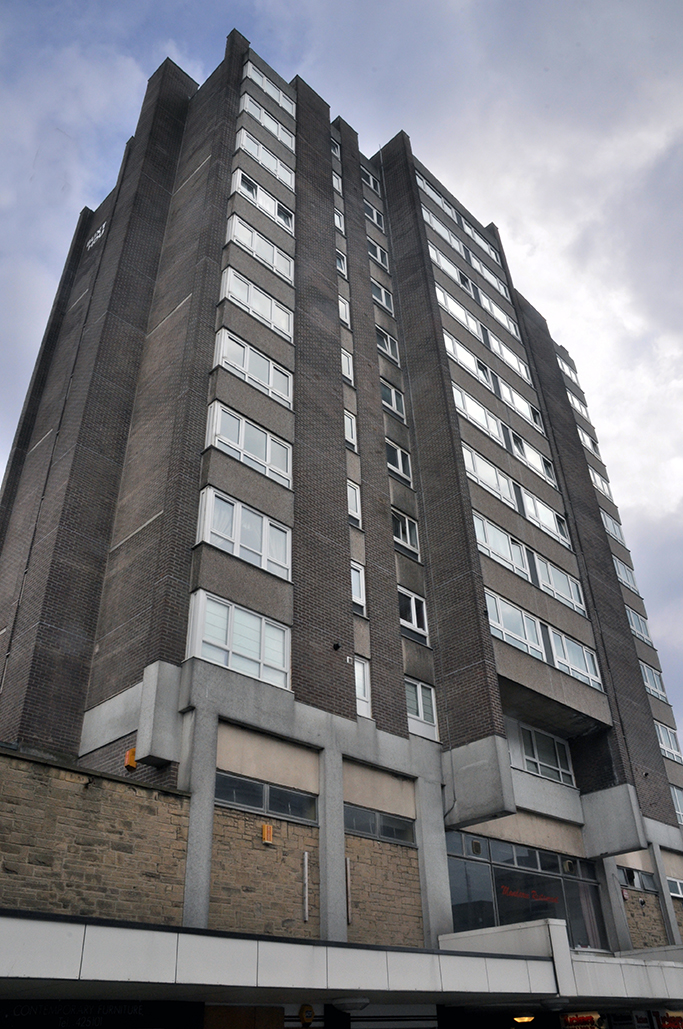
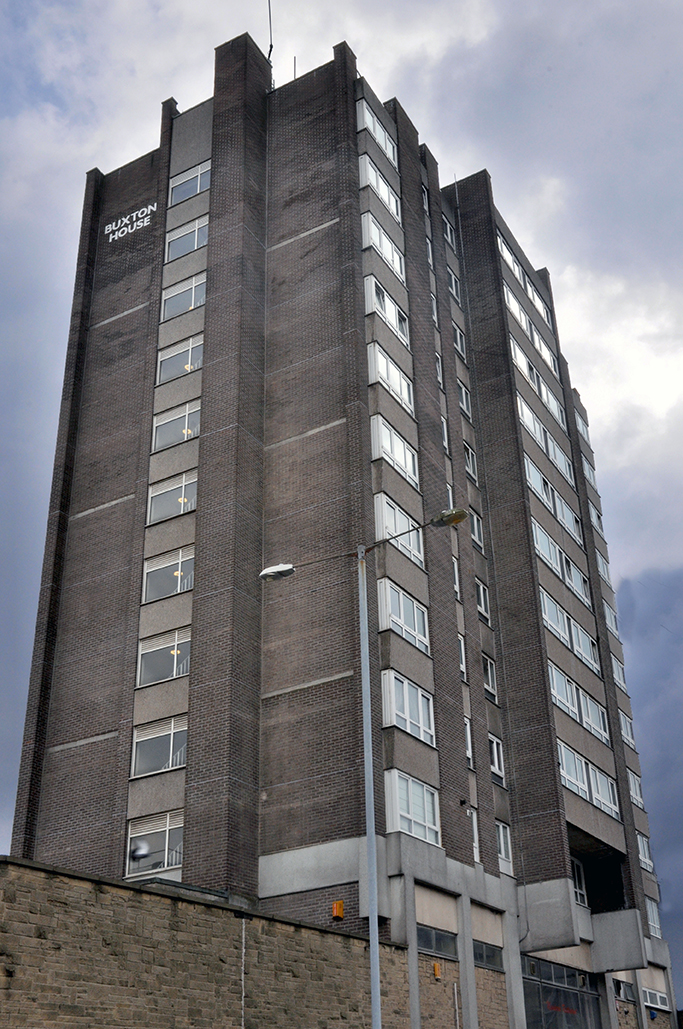
Huddersfield – Buxton House

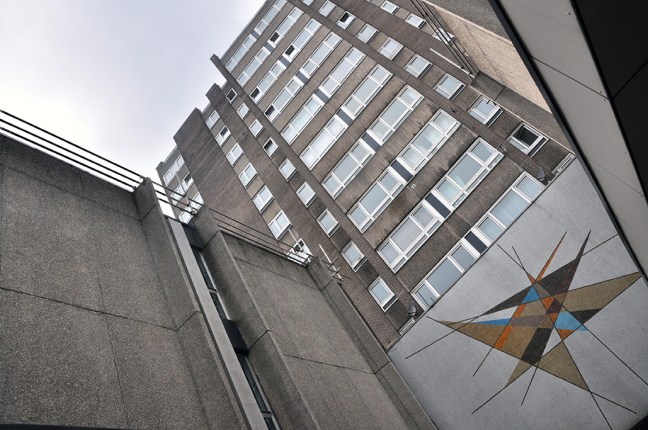
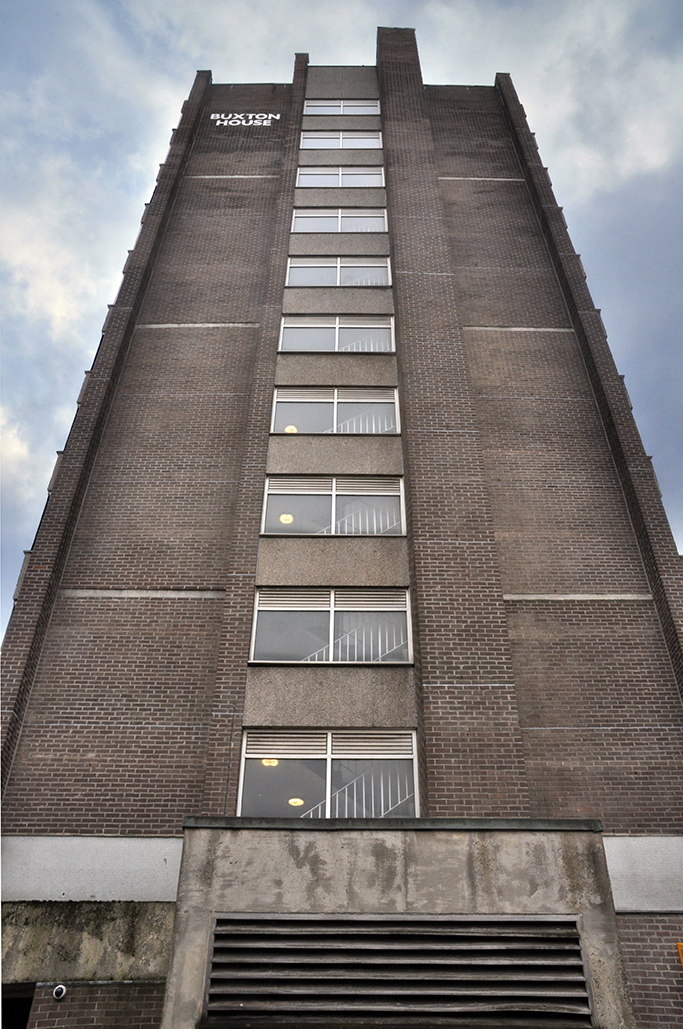
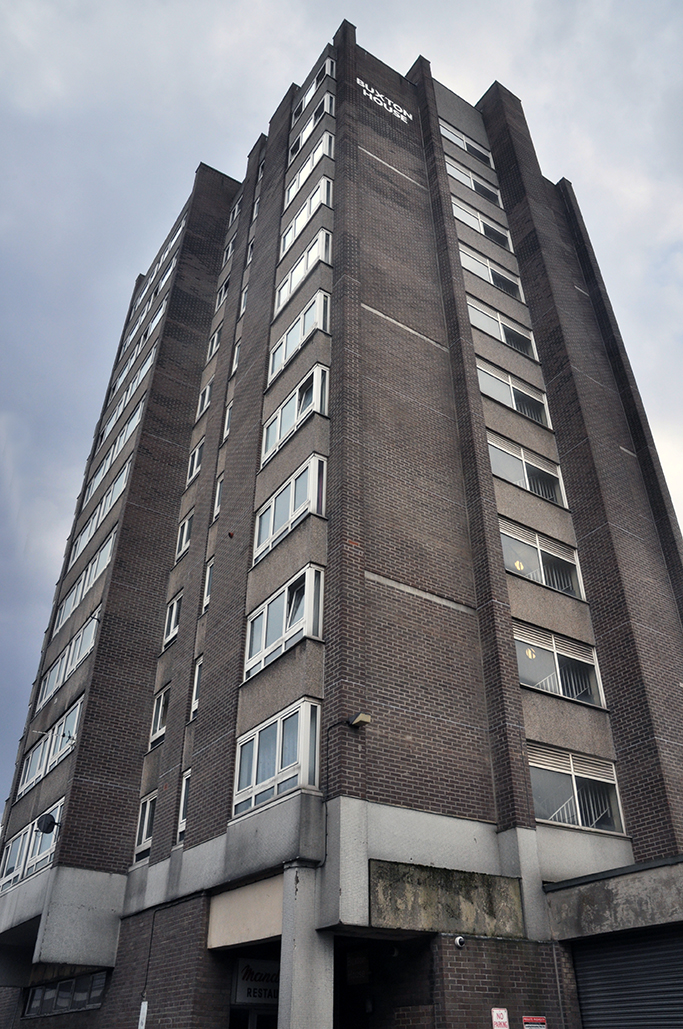
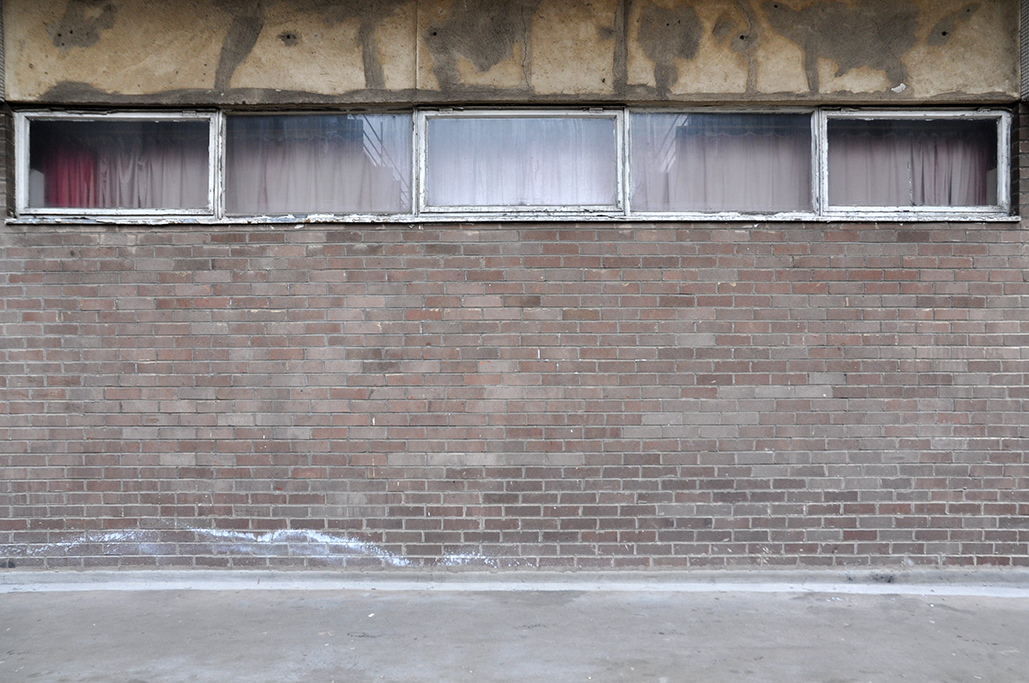
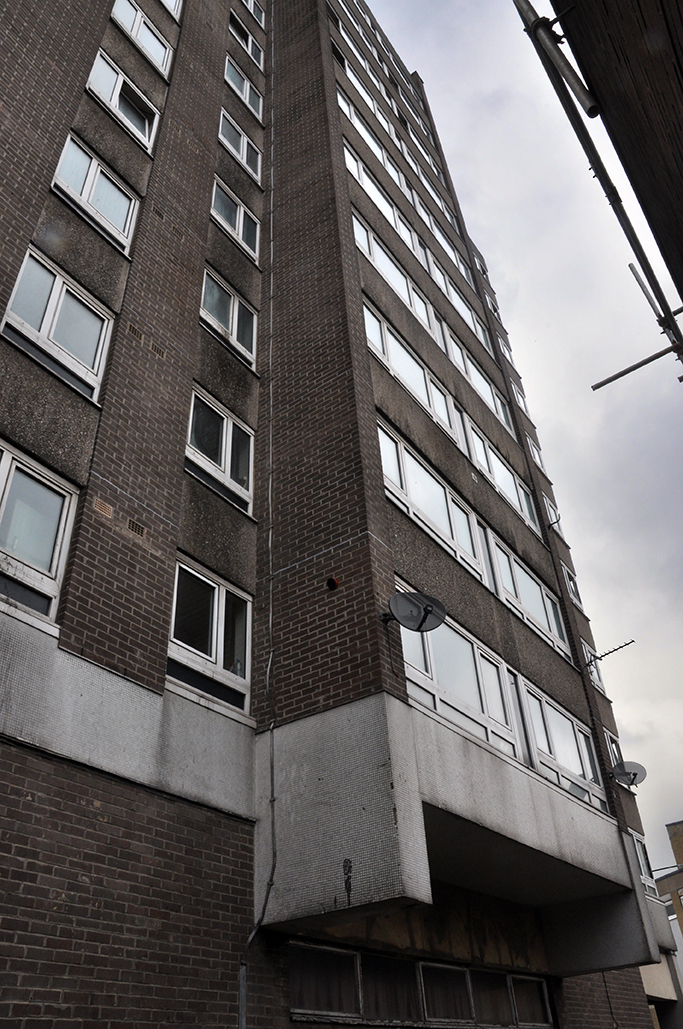
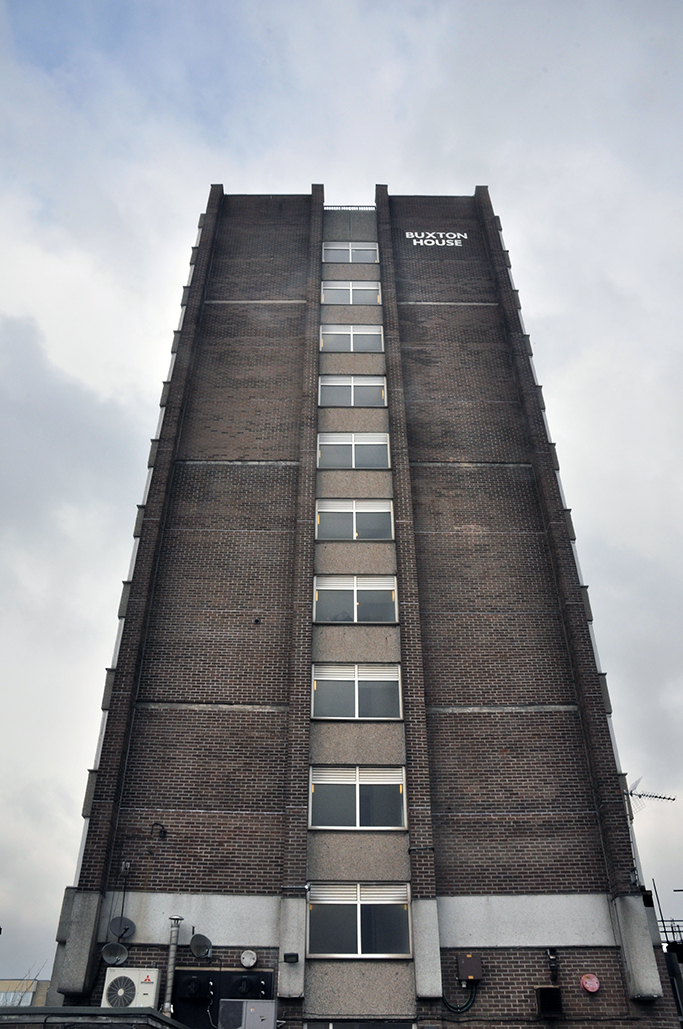
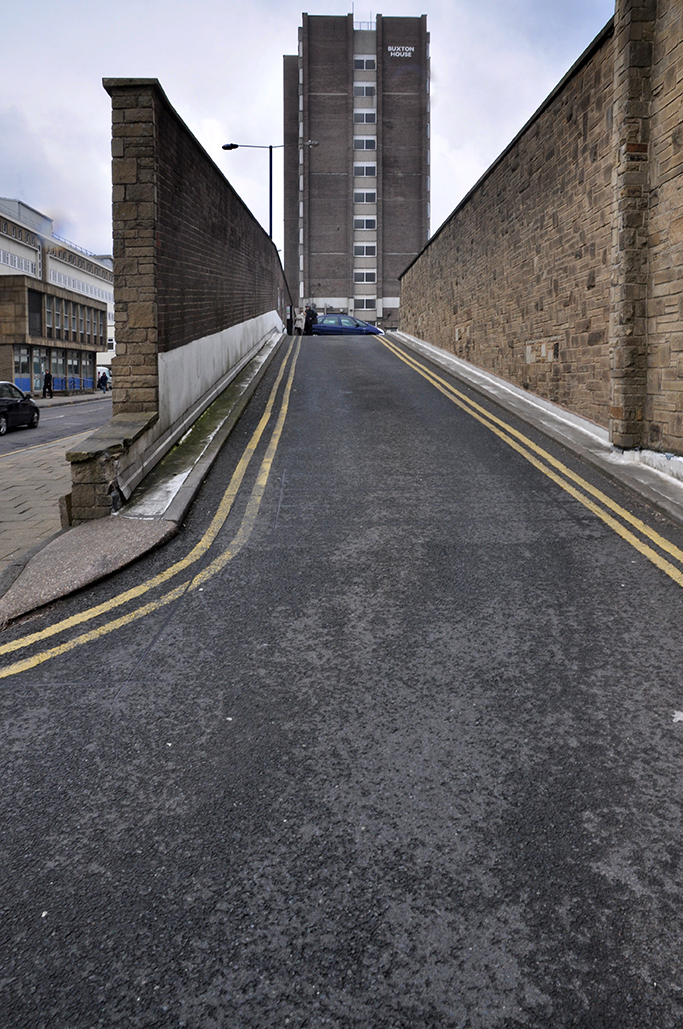
Slap dab in the middle of the town stands a lone tower block of residential, social housing.

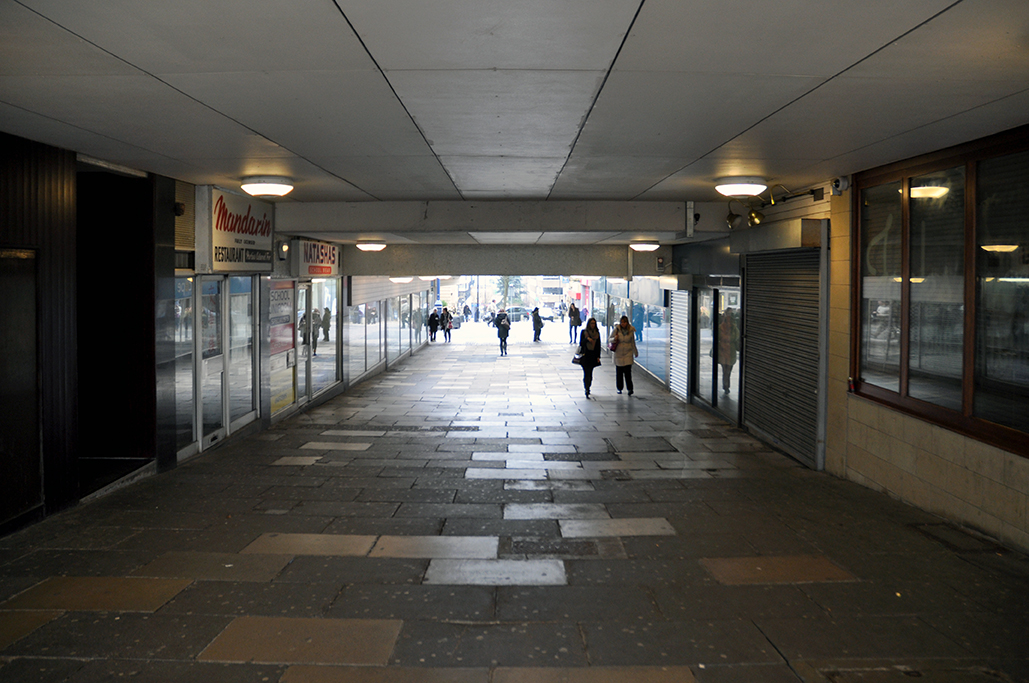
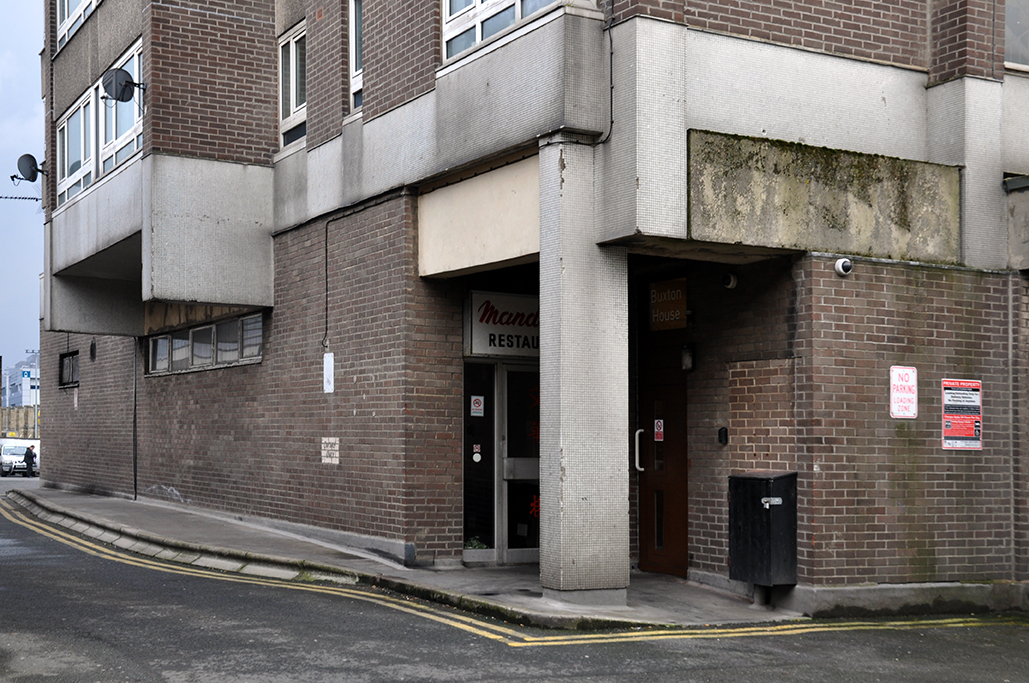
Buxton House backs onto the lower rise Civic Centre and is conjoined to the main shopping street and precinct, linked by a low wide underpass. Adorned on its street entrance by the most enchanting mosaic, announcing a spry geometric optimism to those shoppers and residents that pass under, through the underpass.

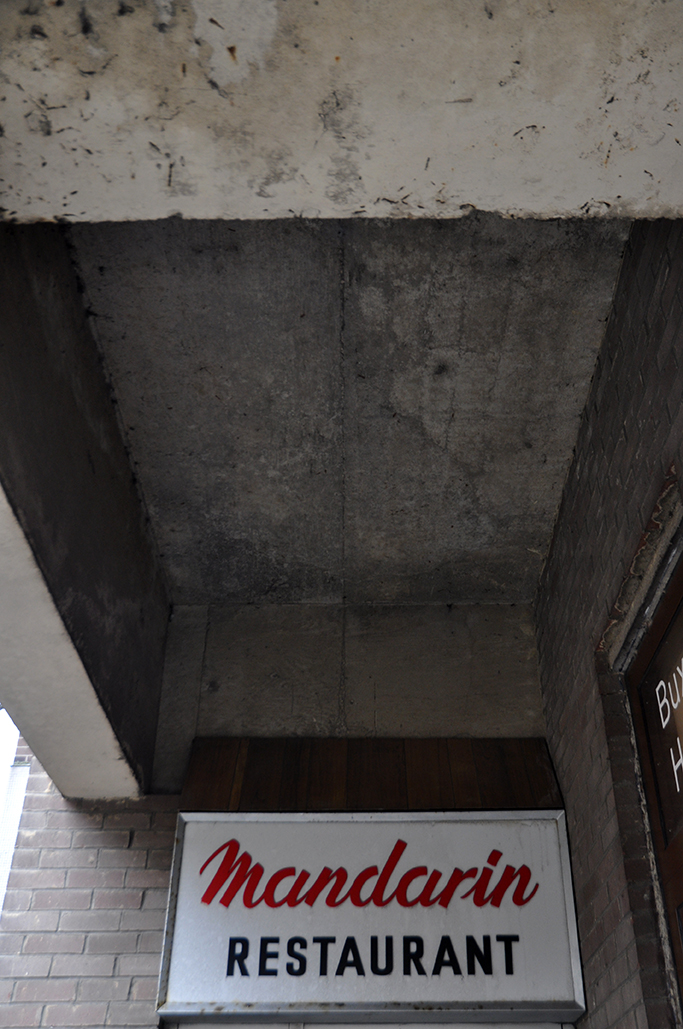
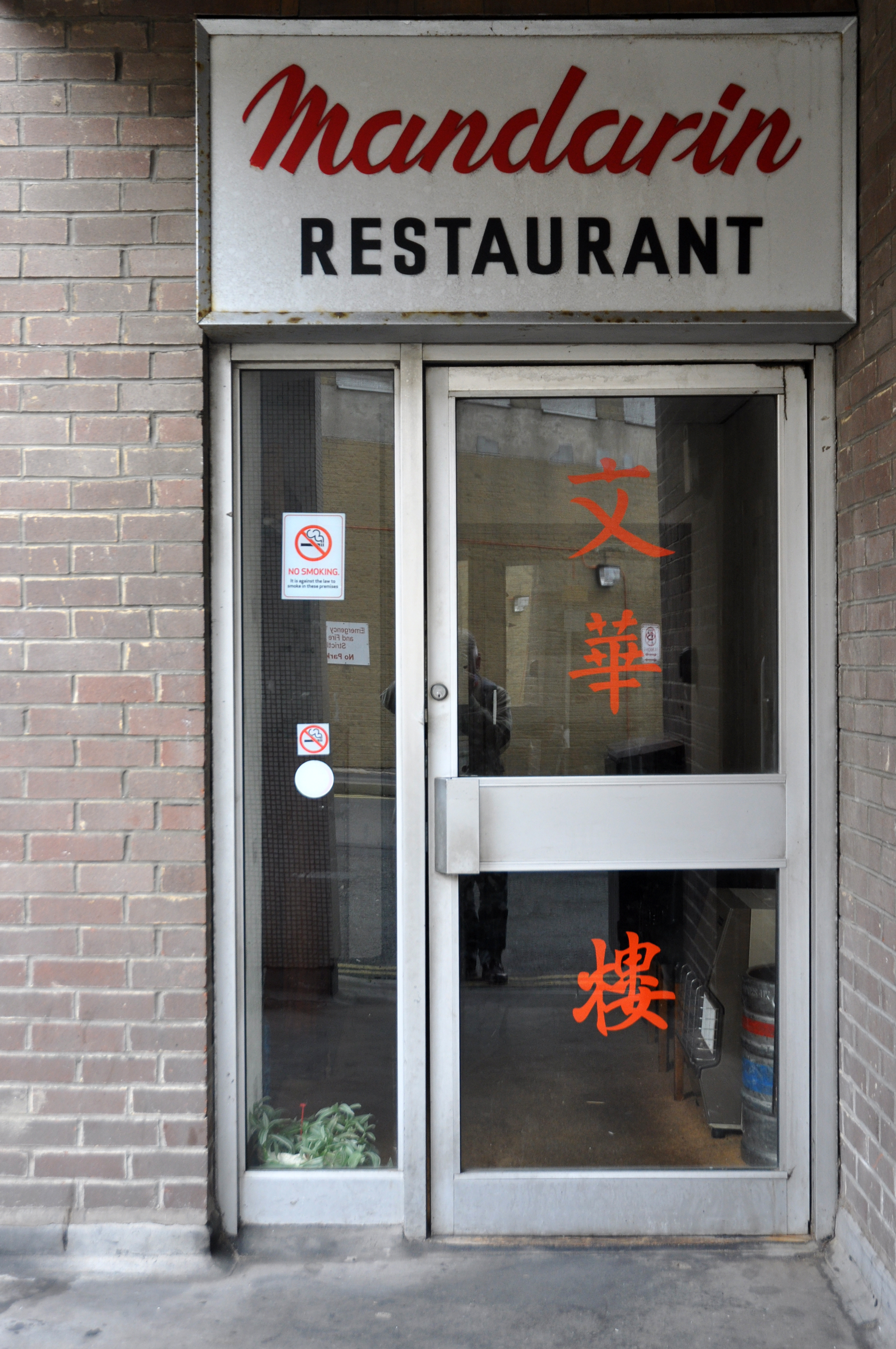
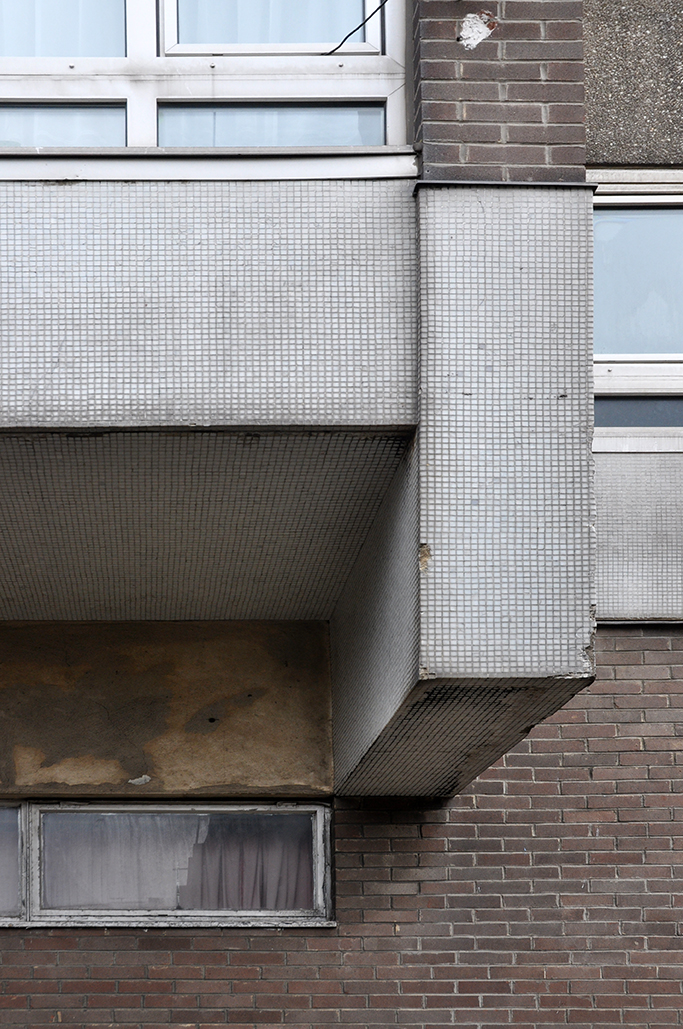
Ten floors of homes are bound in brick concrete and glass – a truly commanding central location, graced by the inclusion of an incongruous Chinese restaurant – The Mandarin.

Take a stroll around.

DSC_0264 copy

DSC_0258 copy

DSC_0255 copy

DSC_0254 copy

DSC_0253 copy

DSC_0251 copy

DSC_0249 copy

DSC_0248 copy

DSC_0247 copy

DSC_0244 copy

DSC_0243 copy

DSC_0240 copy

DSC_0238 copy

DSC_0235 copy

DSC_0234 copy

Huddersfield – The Piazza

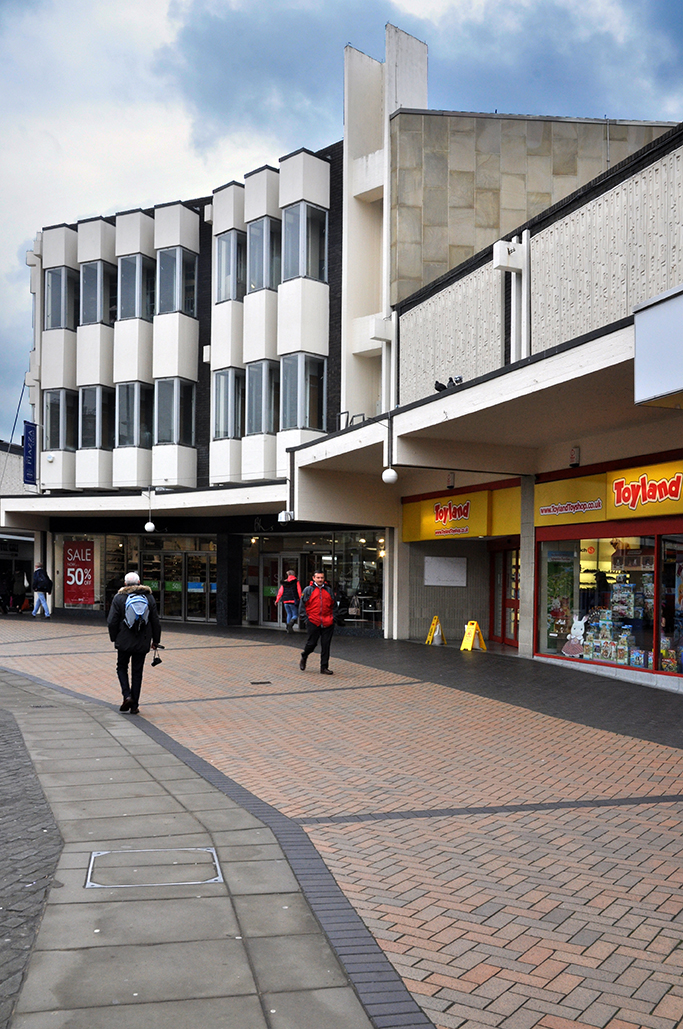
Huddersfield West Yorkshire shares a legacy with many other towns, a legacy of successive shopping developments of varying styles and quality. Shaped by fashion, topography and finance each makes a more or less bold statement on the fabric of the area.

In order to survive each geo-retail layer of architecture, must reinvent itself or die – adding new branding, covering period detail with newer, ever more impermanent fascias, flagging flagging and flags of all stripes.
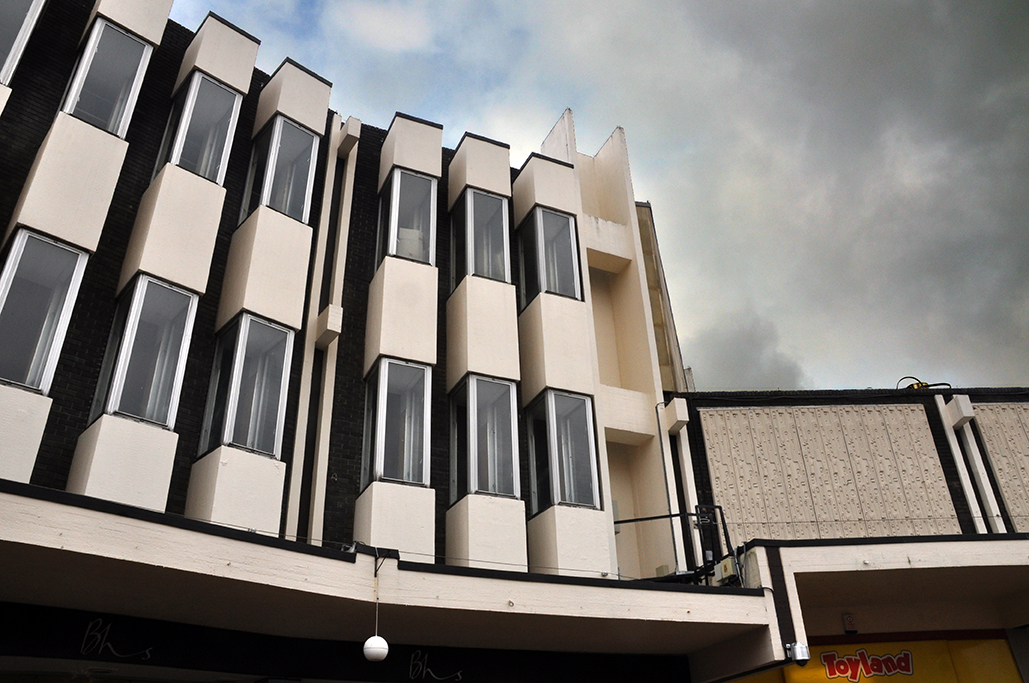
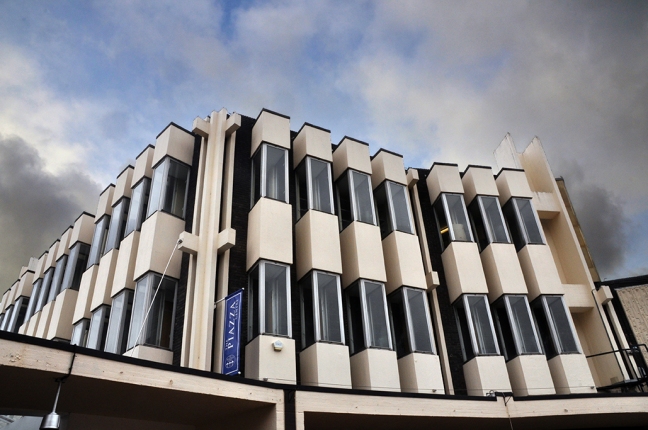
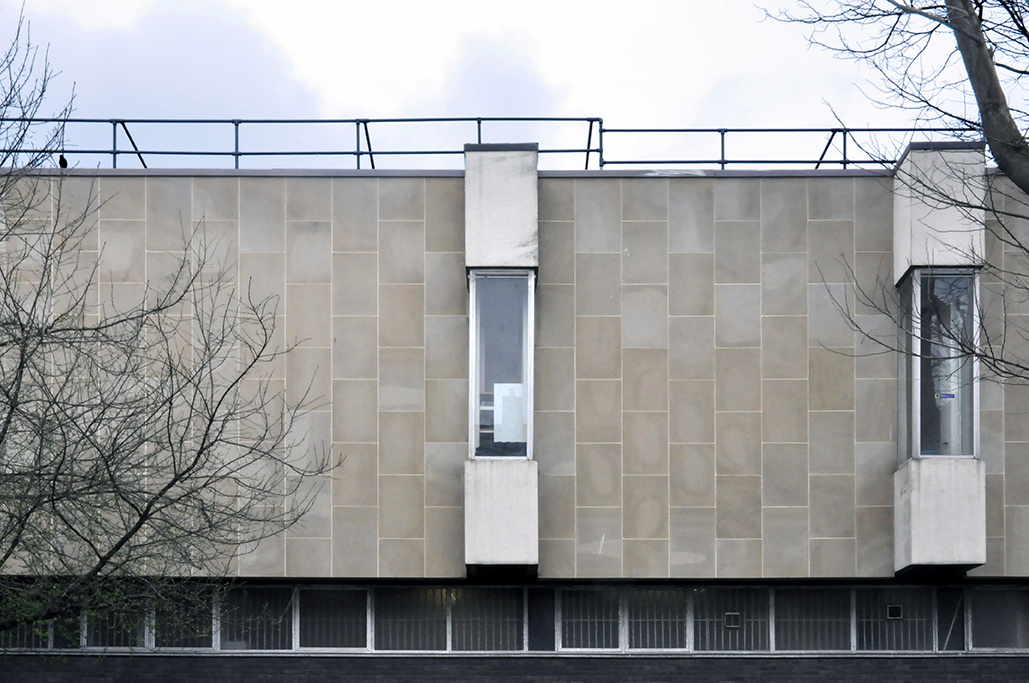
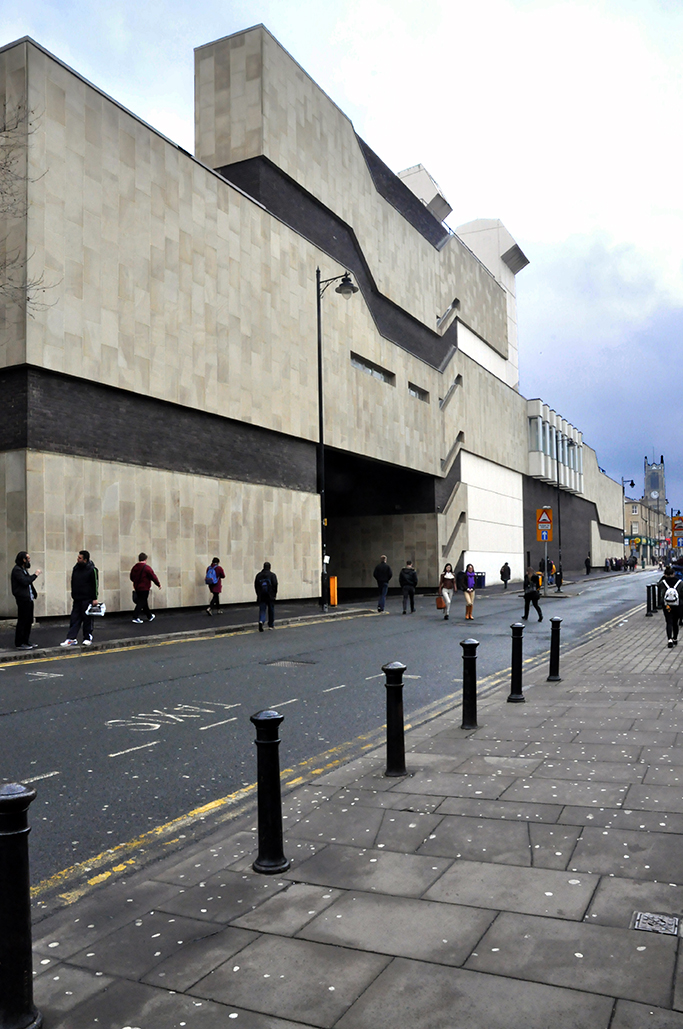
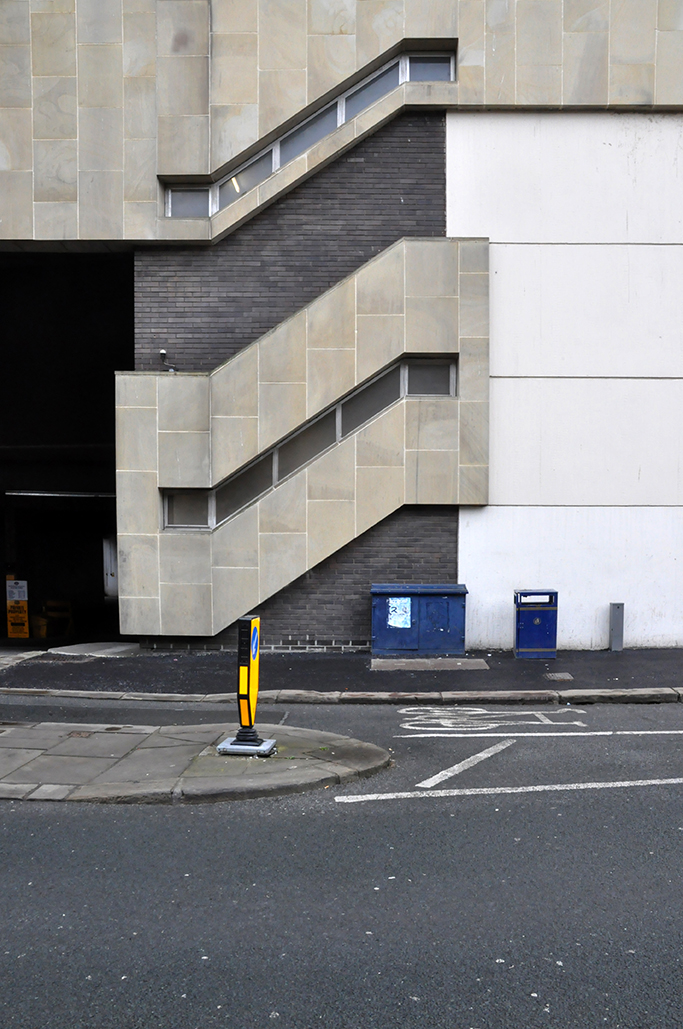
I encircled the Piazza – its monumental nether regions, enlivened with almost temple like scale and applied brick, stone and concrete surfaces, the dark and forbidding, cinematic subterranean service tunnels, and the open walkways of the main shopping areas.
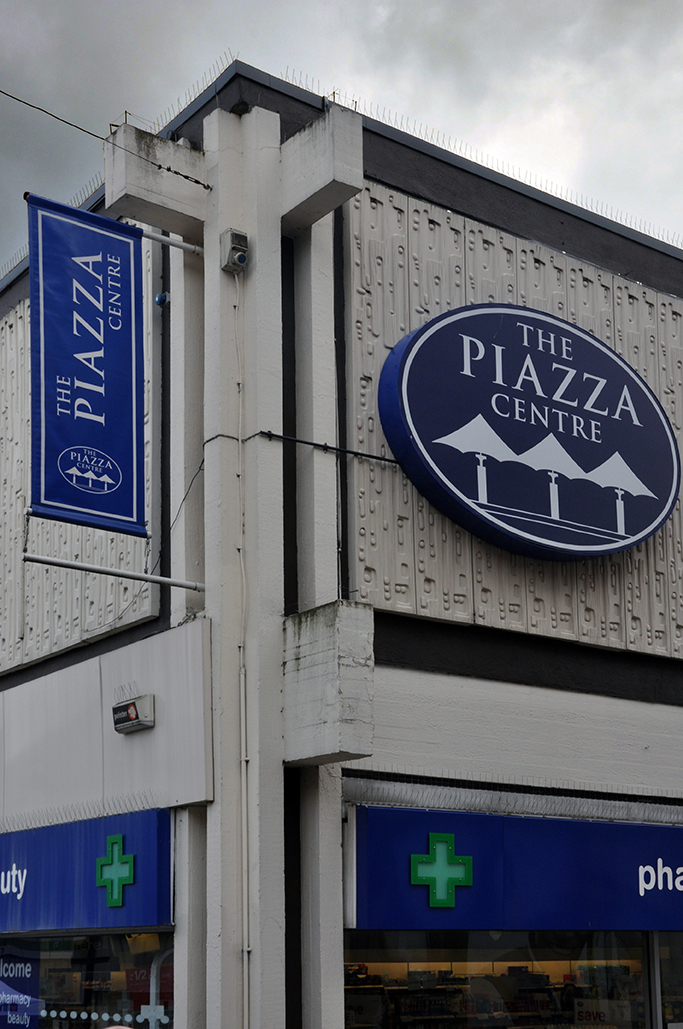
I came away impressed, hope you do too.
DSC_0102 copy

DSC_0103 copy

DSC_0105 copy

DSC_0106 copy

DSC_0107 copy

DSC_0108 copy

DSC_0109 copy

DSC_0110 copy

DSC_0111 copy

DSC_0112 copy

DSC_0113 copy

DSC_0114 copy

DSC_0115 copy

DSC_0116 copy

DSC_0117 copy

DSC_0196 copy

DSC_0197 copy

DSC_0199 copy

Huddersfield – University née Polytechnic

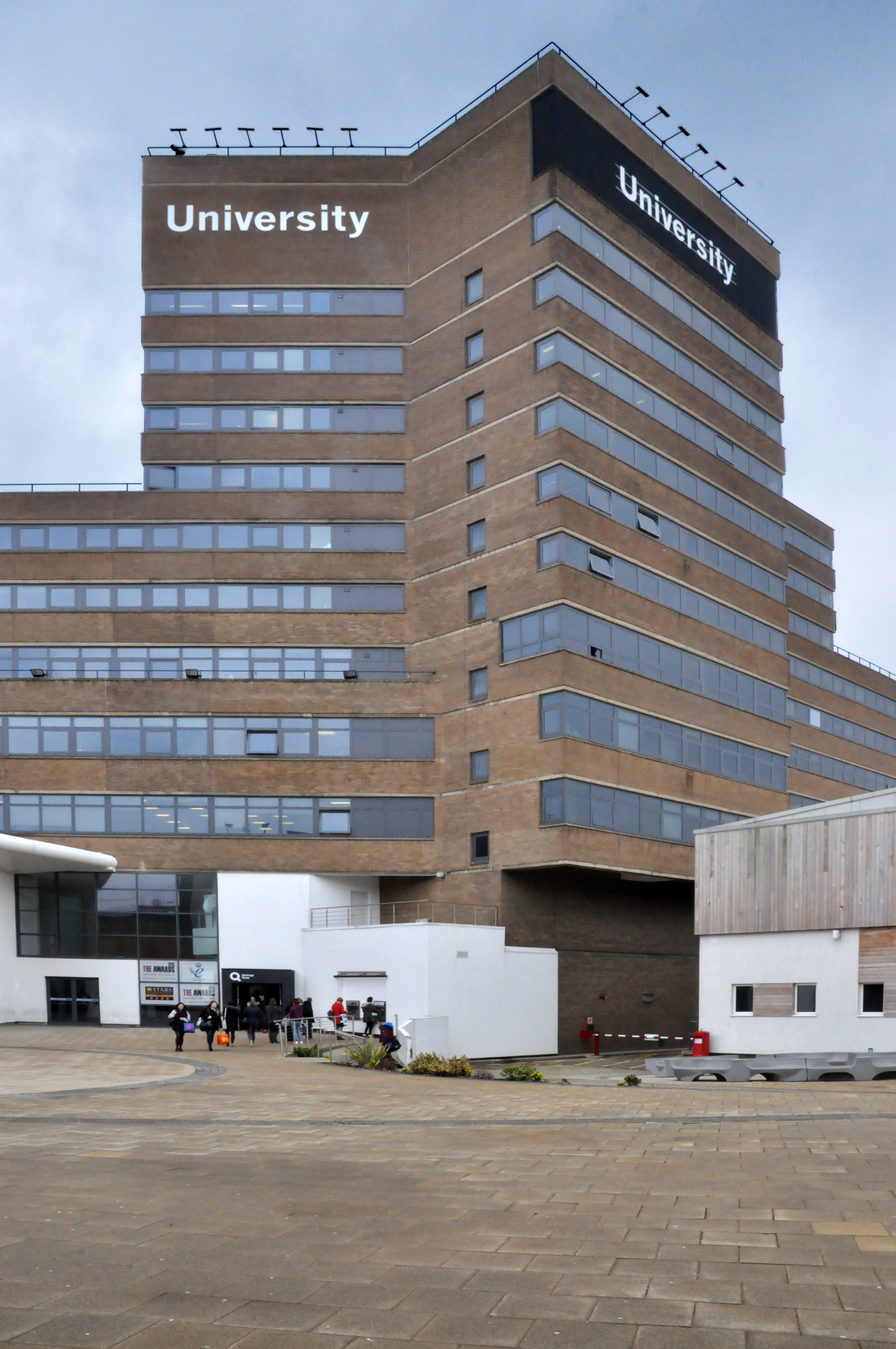
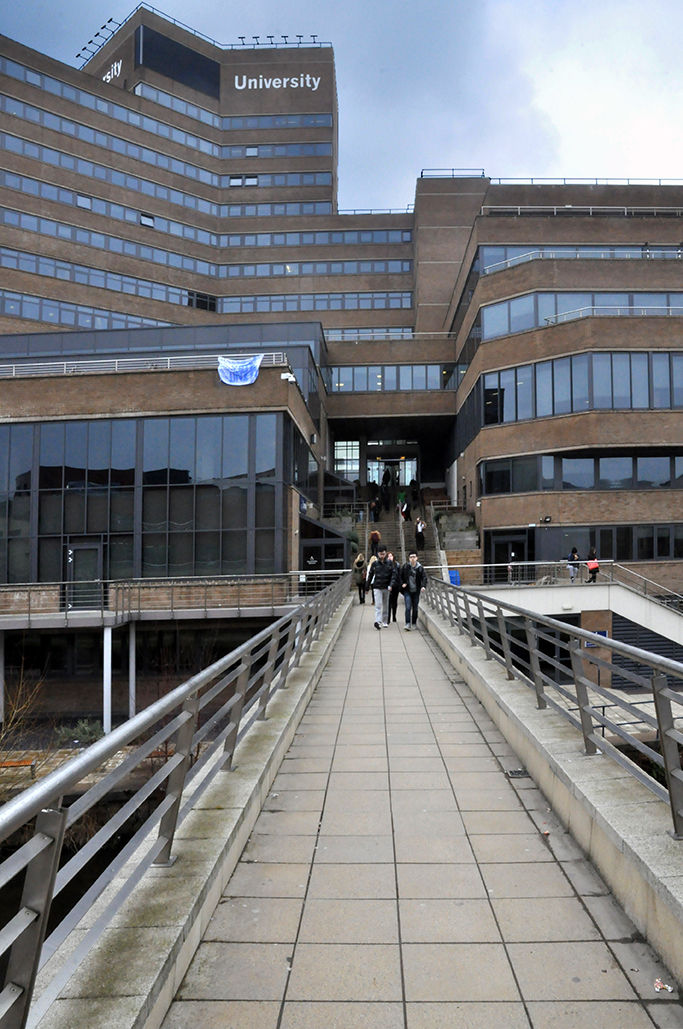
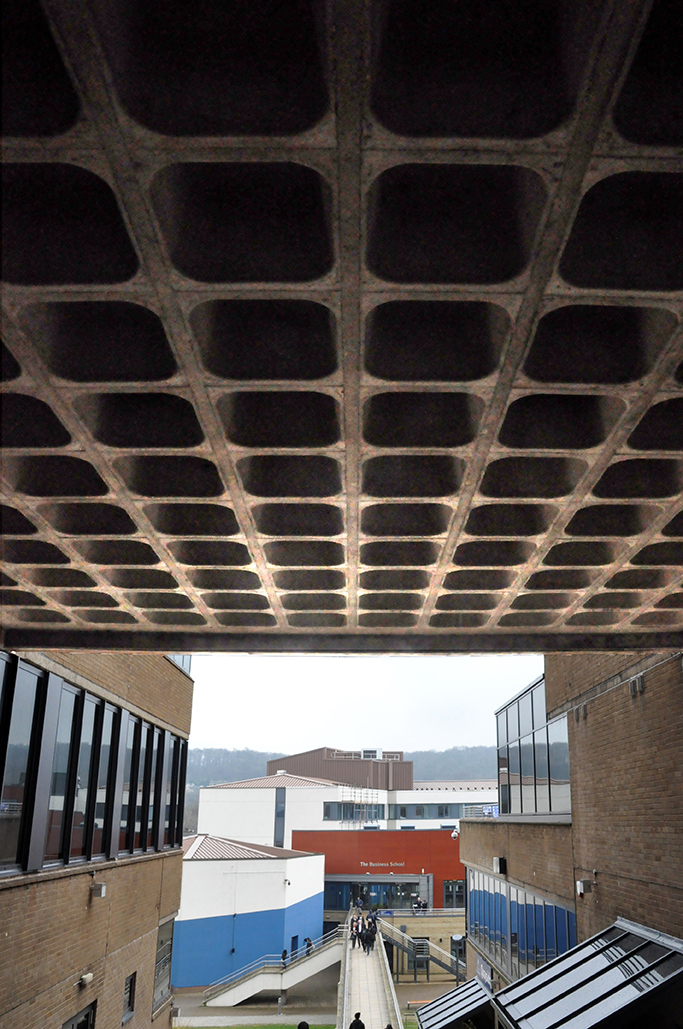
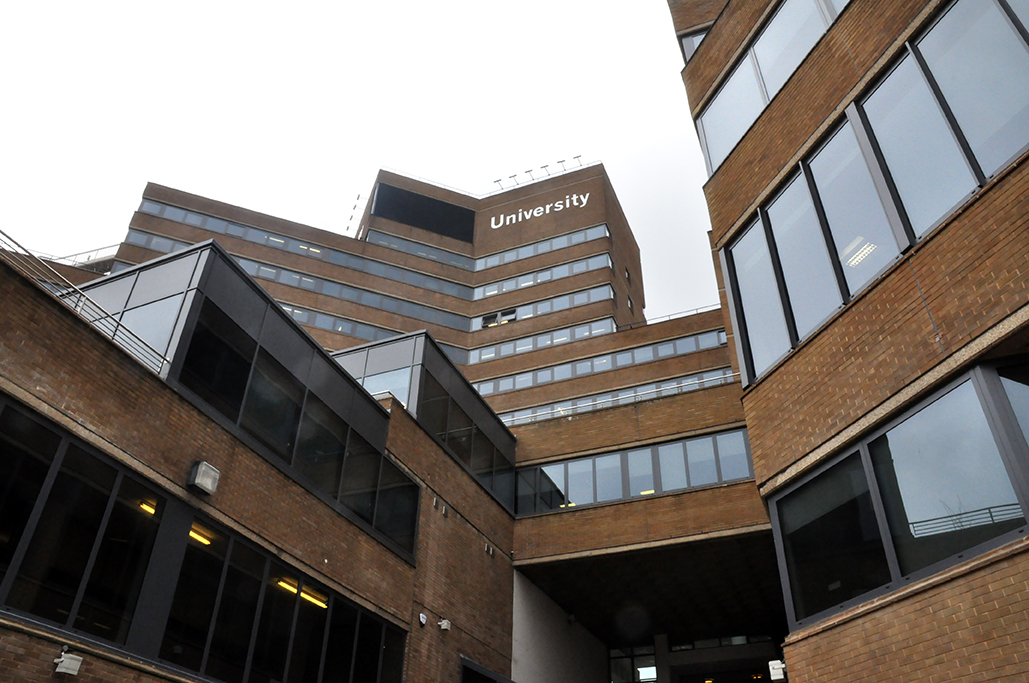
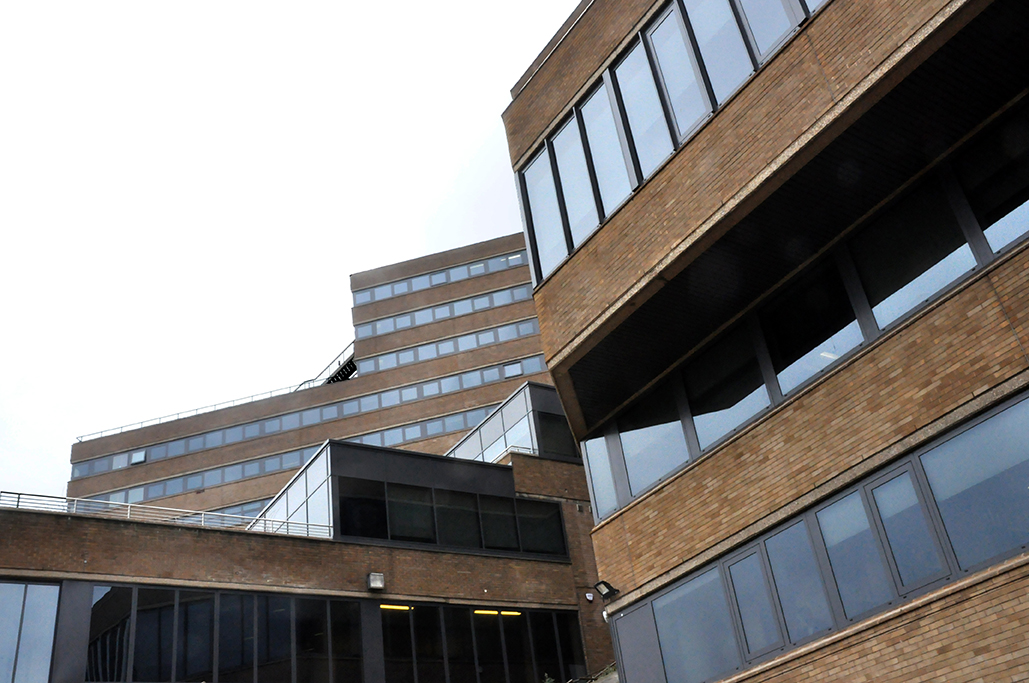
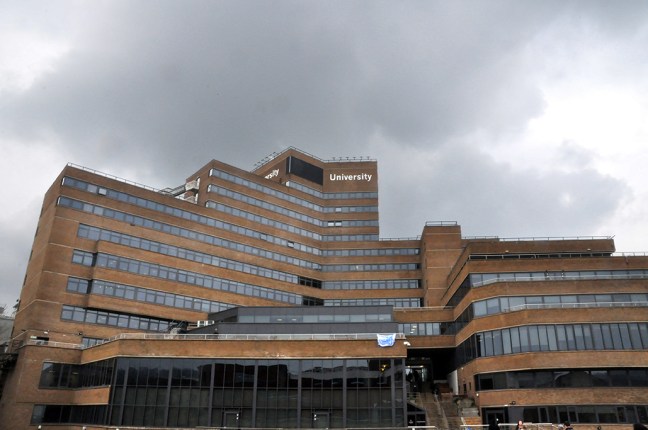
Spanning the Huddersfield canal and set on a hillside site of a hilly Yorkshire town, the University Buildings dominate the Colne Valley area to the south.

Typically their history spans an earlier site which evolves during the 50s and 60s, as part of the drive to develop the industrial/educational base of the area and the burgeoning growth of the provincial Polytechnics.

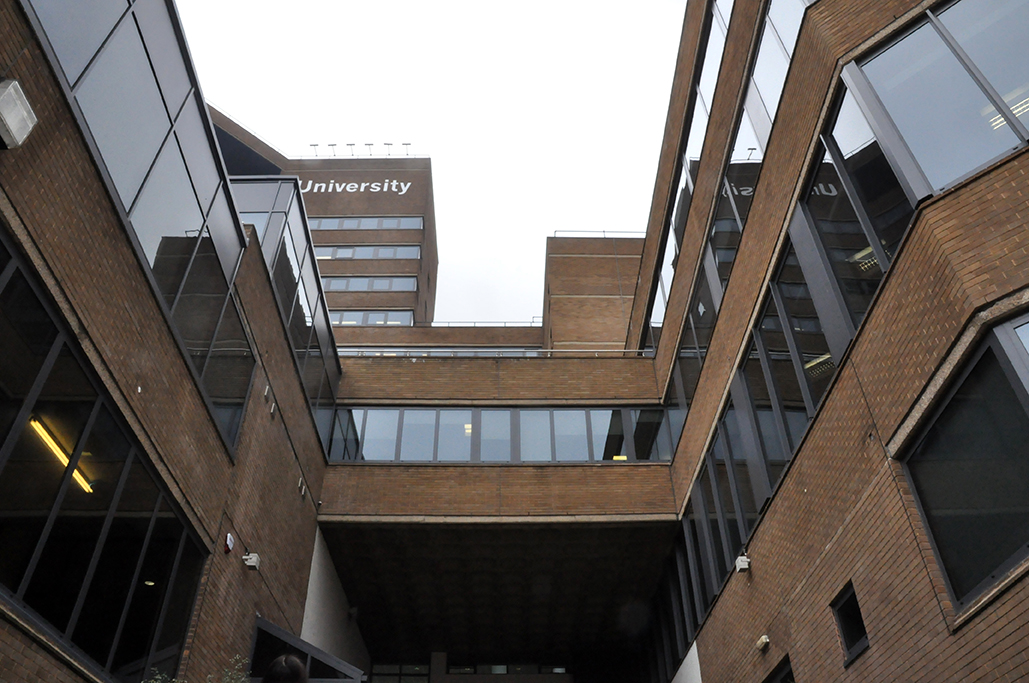
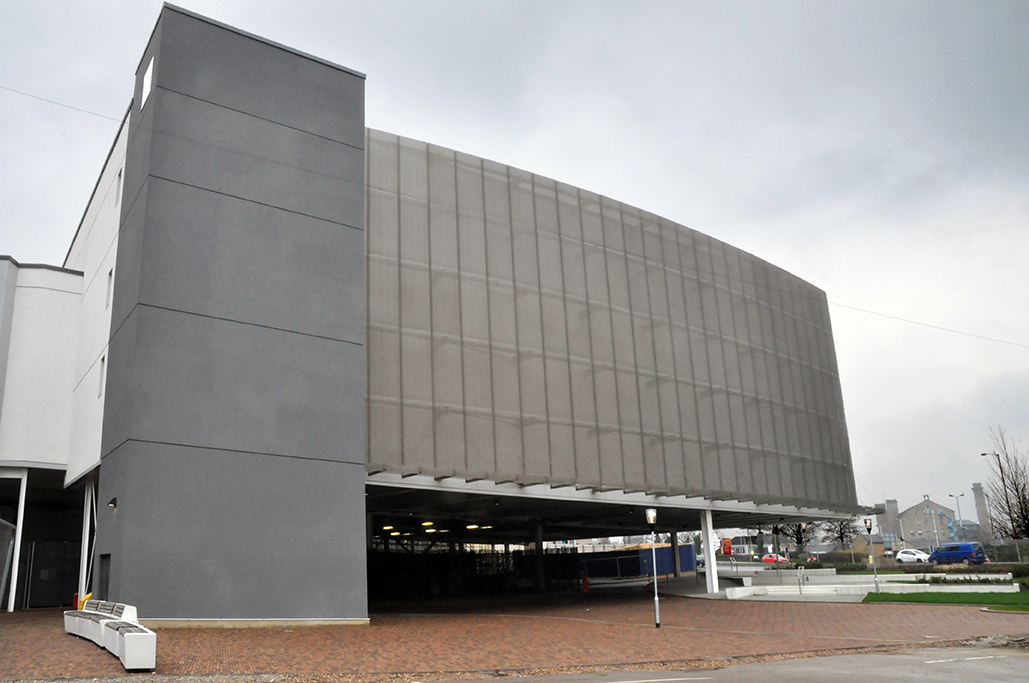
The result is a confident yet dizzying panoply of styles and materials on a fairly compressed but expanding site.

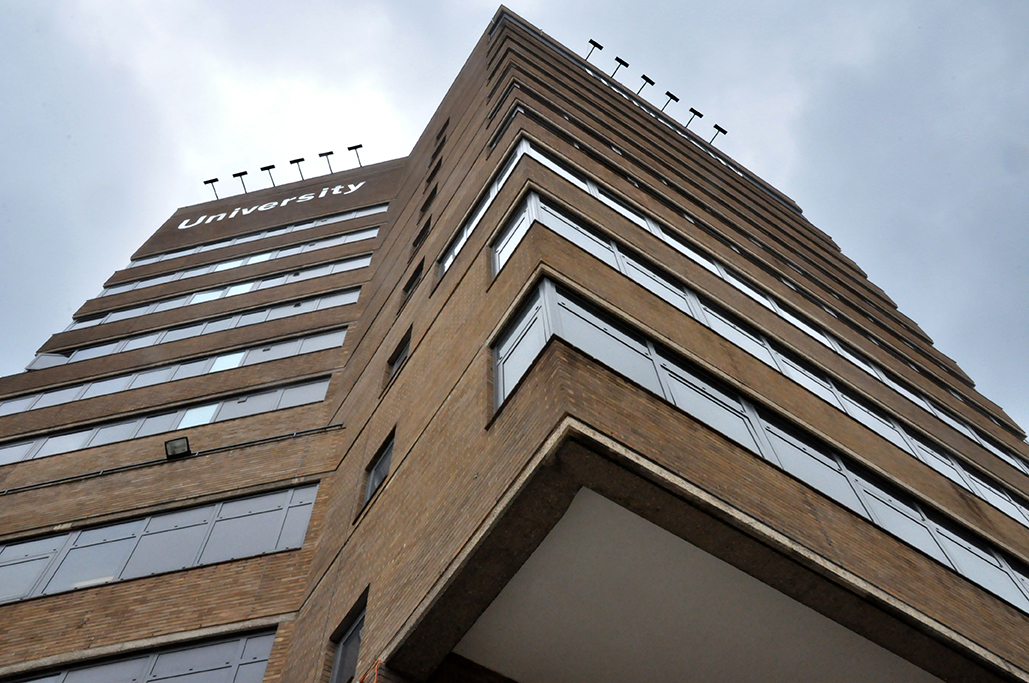
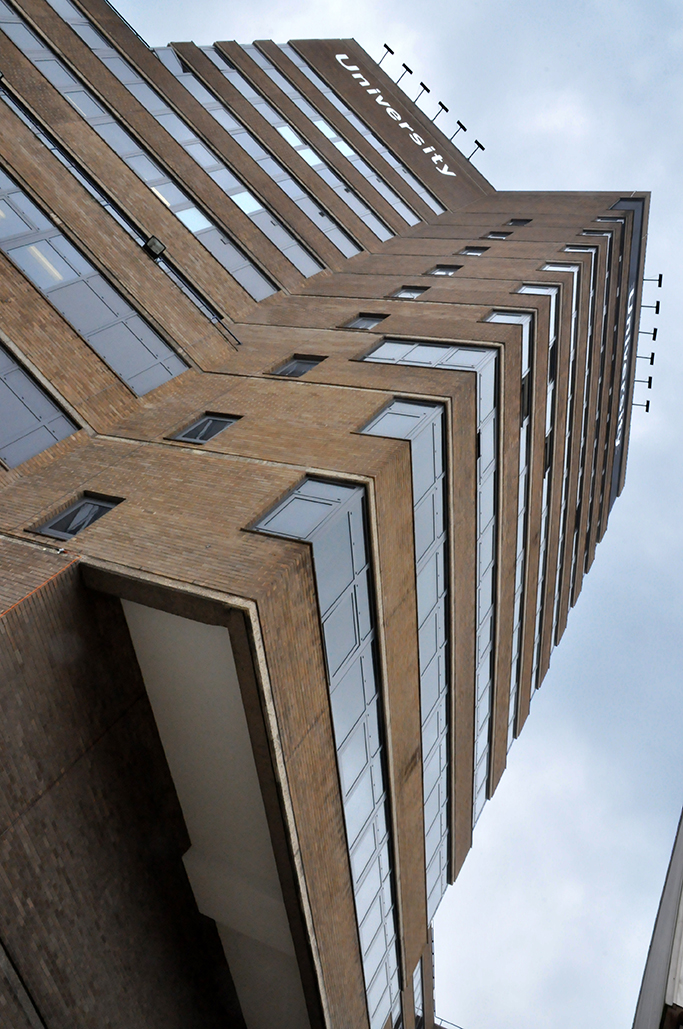
Brick, concrete, glass and more recent modern clad additions collide in a bun fight of assertive volumes.

It all seems very exciting.

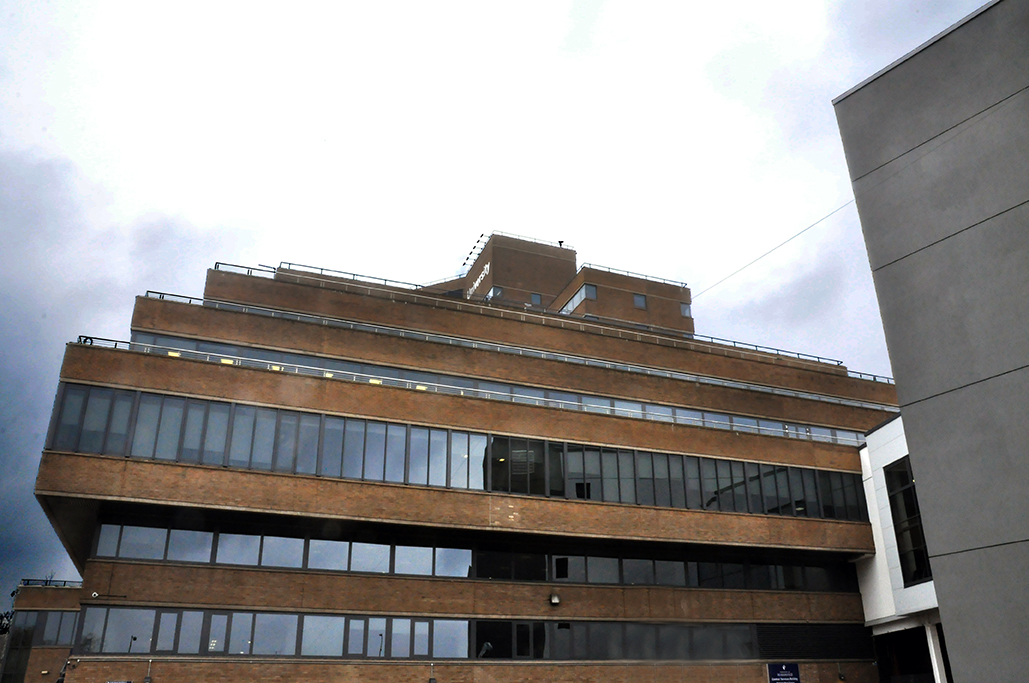
“David Wyles, The Buildings of Huddersfield: four architectural walks – facing us now is the impressive bulk of the Central Services Building in front of which stood a six-storey building; its structure emphasised by the reinforced concrete frame which projected skeleton-like above the main roof level. This was part of the earlier Technical College development which included several buildings of similar style designed from 1957 onwards by Frederick Gibberd. The six-storey blocks have since been demolished.

The focal point of the campus, the Central Services Building, was designed by Hugh Wilson and Lewis Womersley of Manchester and constructed between 1973 and 1977 at a total cost of £3,651,000. The building contains the main non-teaching facilities.

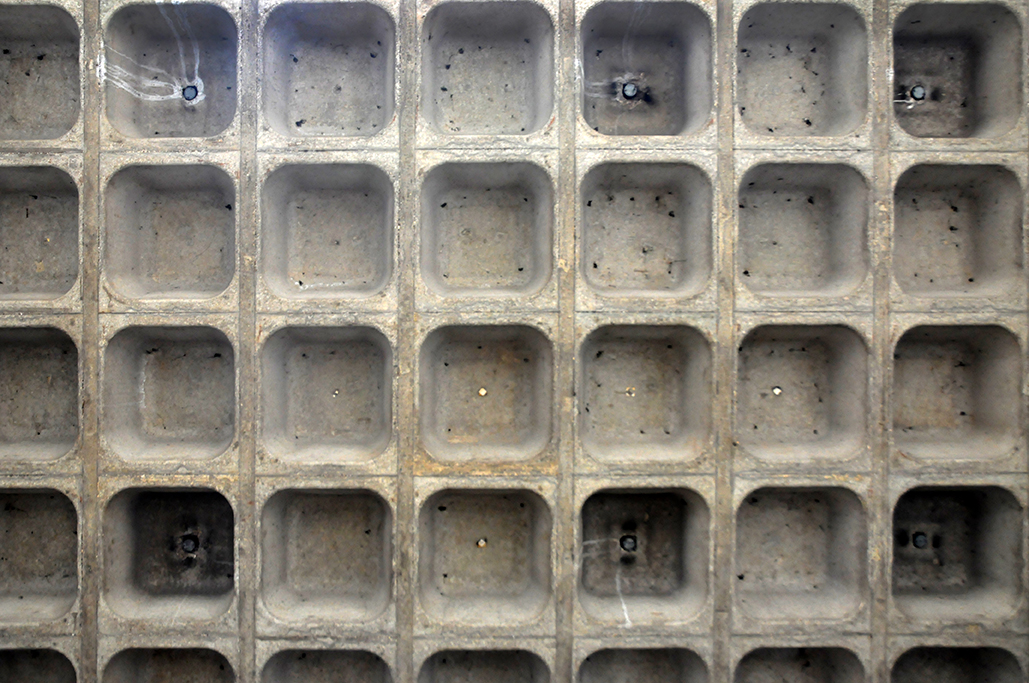
Much of the layout derives its form from the hillside site and this is accentuated by the undercover concourse leading through to the canal, which gives access to all parts of the building. The construction is based on a grid of reinforced concrete with floors supported on circular columns. The building is clad in light buff coloured bricks intended to harmonise with local sandstone.”

https://www.hud.ac.uk/about/the-university/history-of-huddersfield/

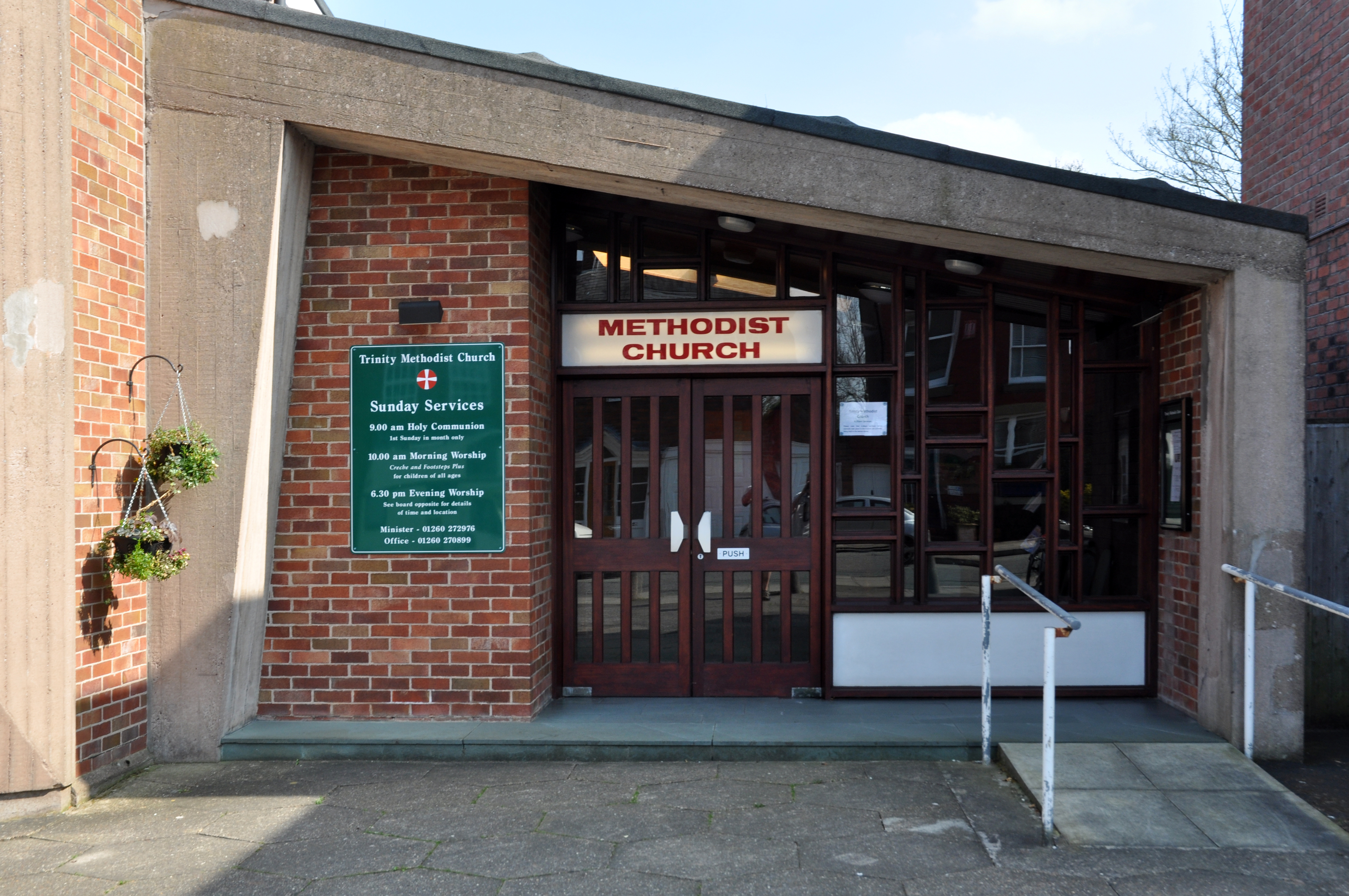
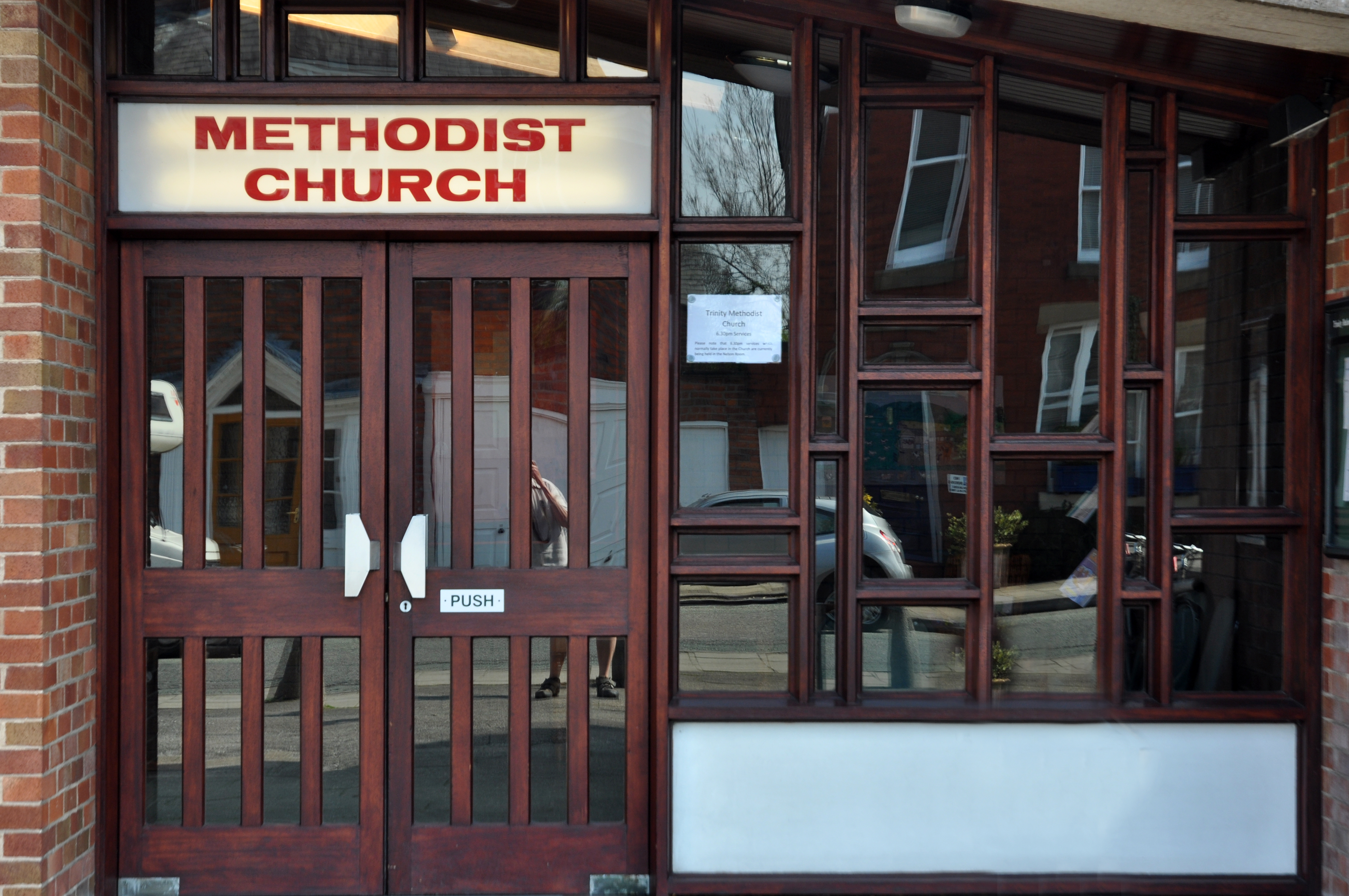
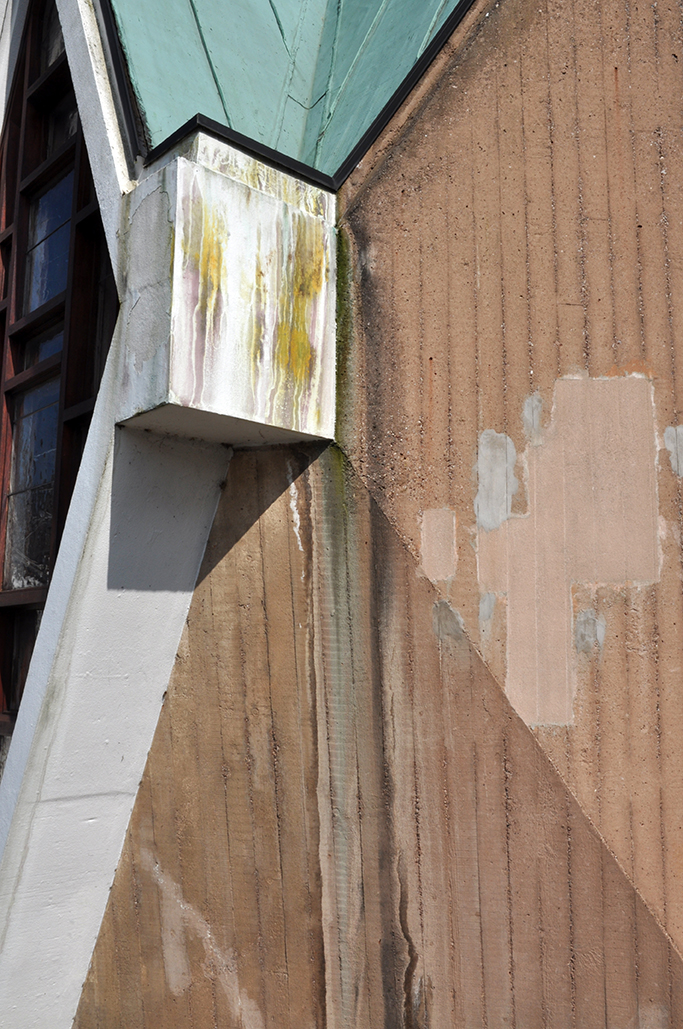
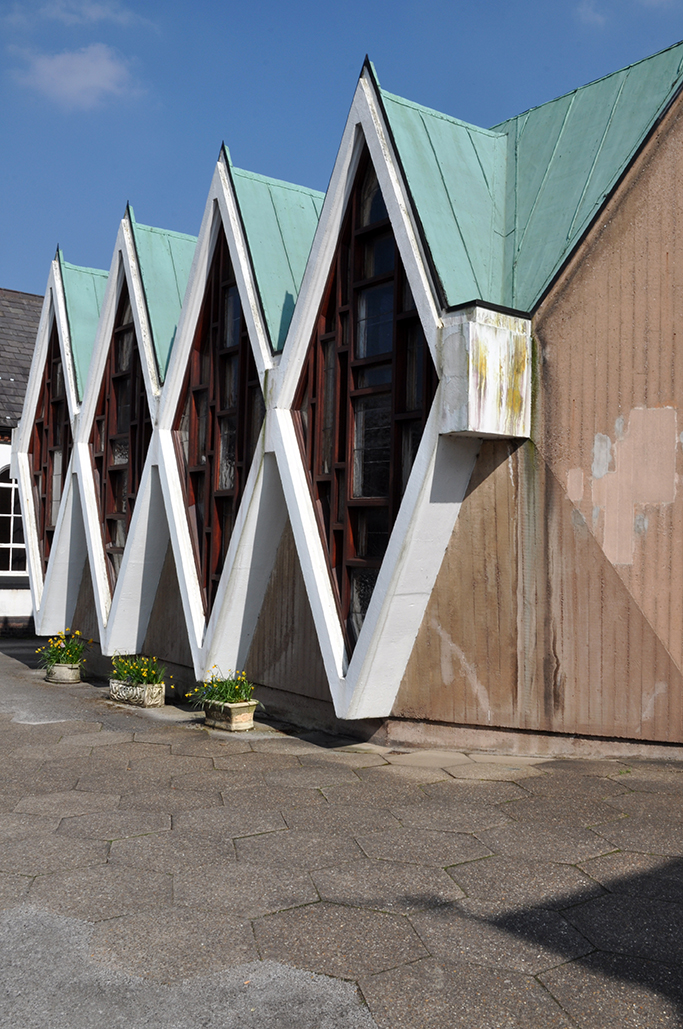
Congleton – Trinity Methodist Church

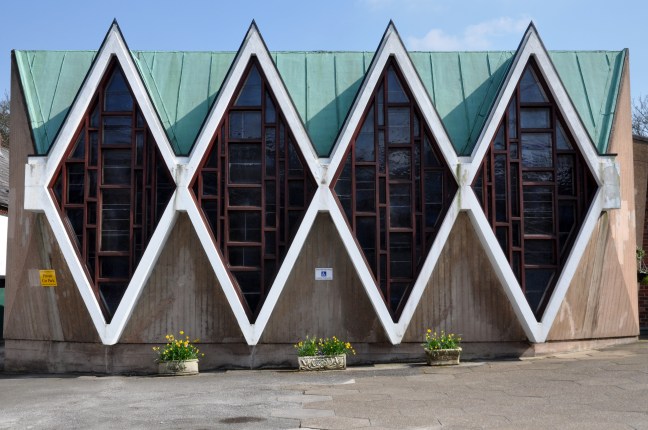
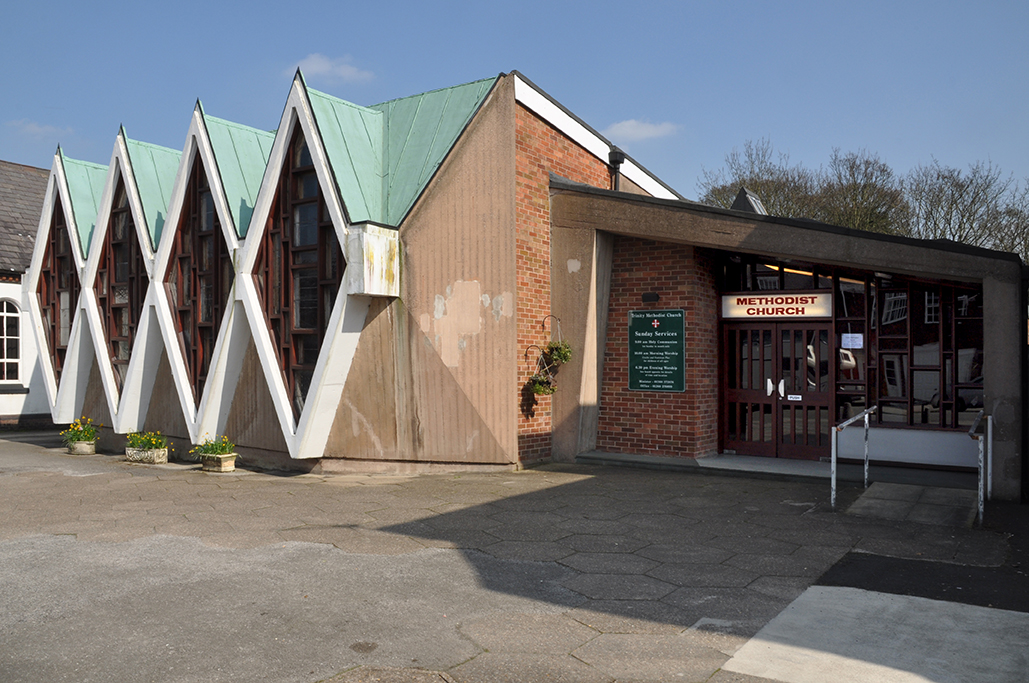
How incongruous, to find a little of the space age in a suburban provincial Cheshire street, keeping company with solid, stolid brick built homes and sensible Victorian stone structures.

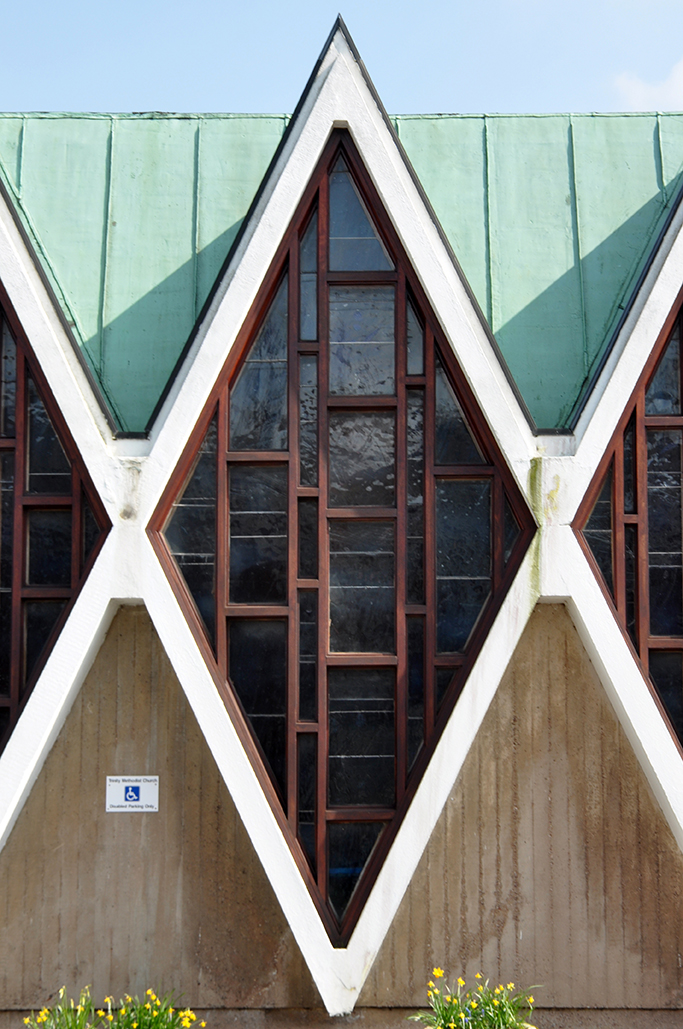
Trinity is dominated by its diamond shaped stained glass, framed in unfinished concrete, emboldened like a wide ecstatic grin, extending beyond the bounds of the street, beaming towards heaven.

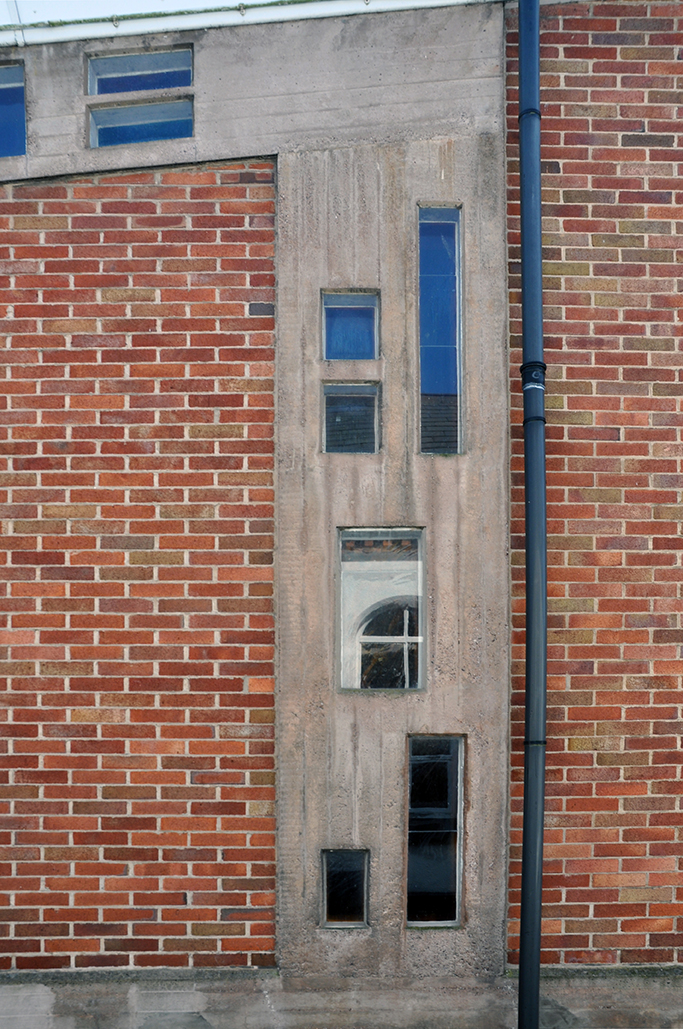
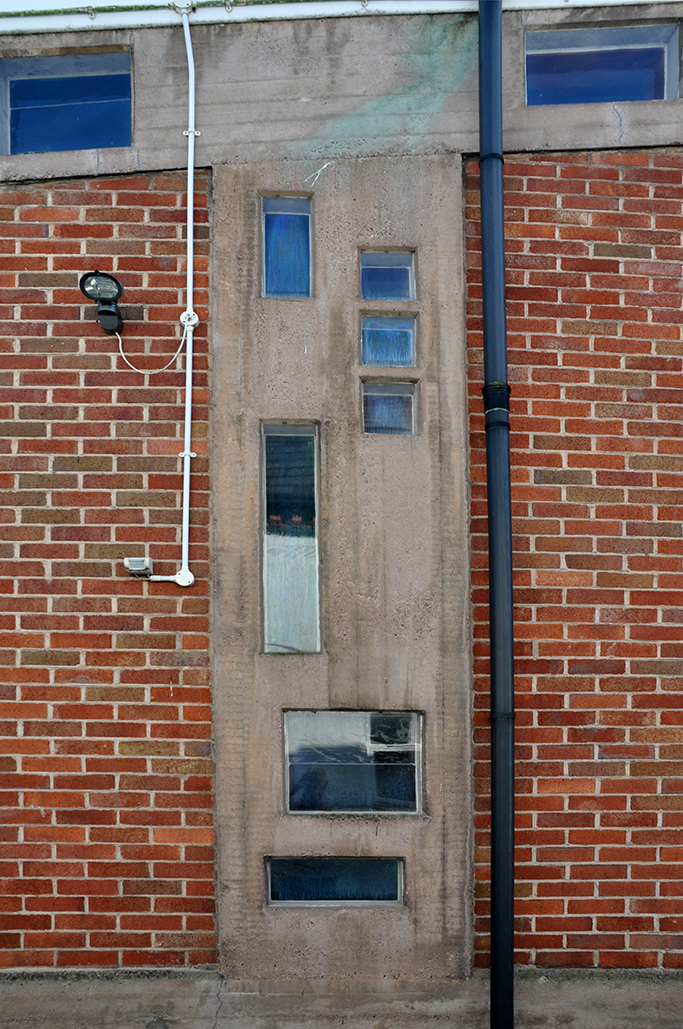
To the side are concrete columns pierced by irregular rectangular windows.

Completed in 1968, architect was Gorden Ball from VWB Architects.

This tiny gem deserves your attention – take yourself off to Mill Street pronto.

DSC_0054 copy

DSC_0055 copy

DSC_0056 copy

DSC_0058 copy

DSC_0060 copy

DSC_0061 copy

DSC_0062 copy

DSC_0063 copy

DSC_0064 copy

DSC_0065 copy

DSC_0067 copy

DSC_0068 copy