

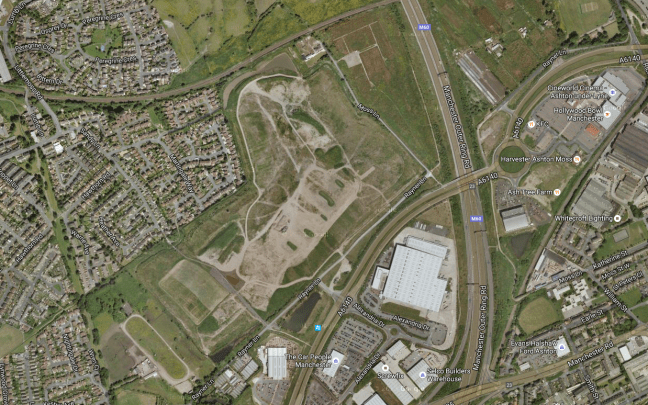
To the east of Manchester and the west of Ashton sits The Moss.
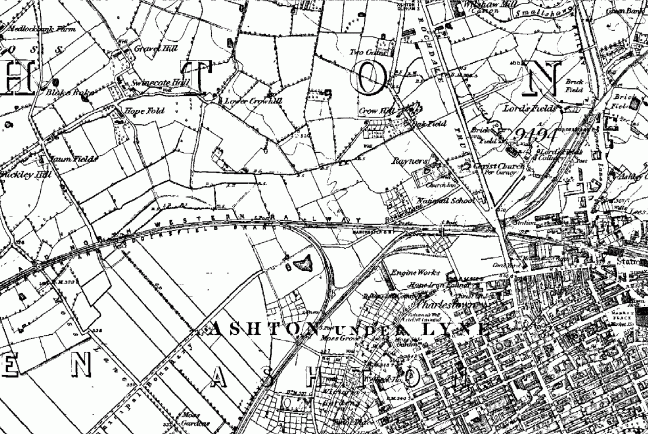
This area of low lying, deep peaty bog, just outside Ashton-under Lyne, was drained in the mid 1800’s to grow some of the best crops – It was world famous for its celery but also grew good cabbage, cauliflowers and lettuce, with cucumbers and tomatoes grown in glasshouses.
This map of 1861 shows an area criss-crossed with lanes, ditches and field boundaries.
A world that survived into the 1980s, captured here so beautifully by Brian Lomas, prior to the building of the M60.


Photographs from – Tameside Image Archive
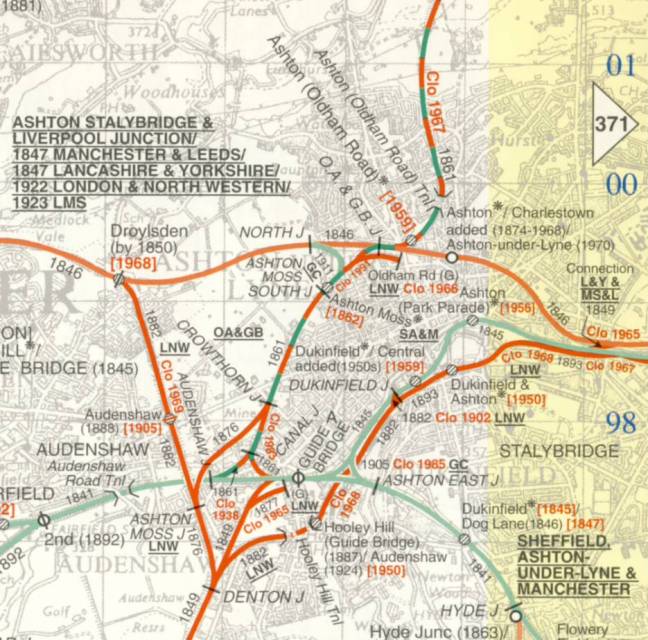
Then came the railways:
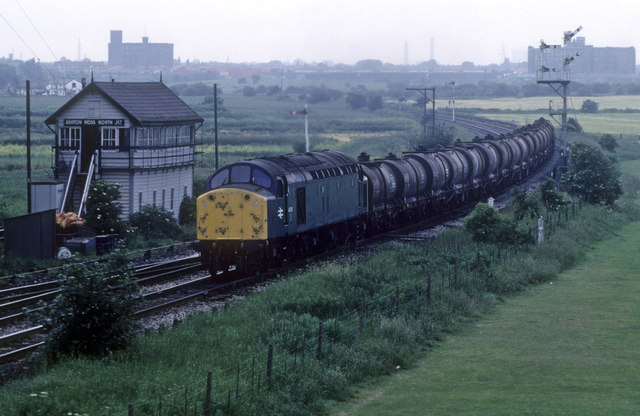
With an attendant ghost:
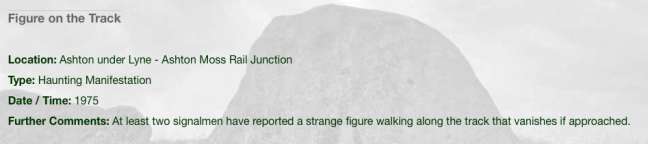
And telecommunications installation
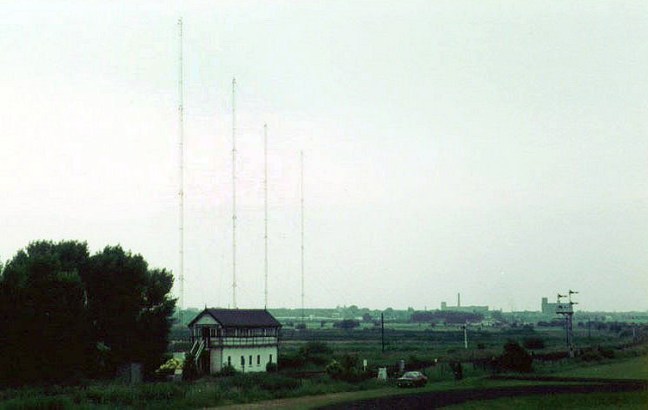
Its location on the south east corner of the Lancashire Coalfield, and the burgeoning demands of the Industrial Revolution saw the further development of mining in the area.
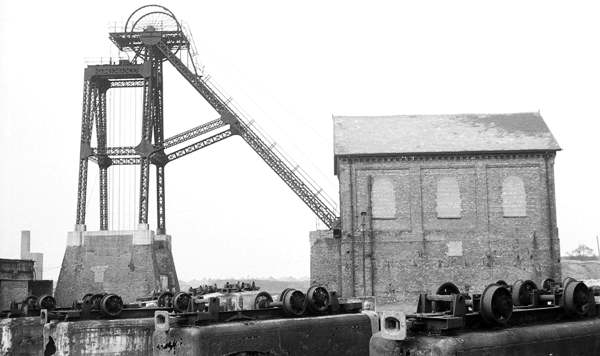
As the demand for coal outstripped the output, a deeper mine was opened in 1875, at Ashton Moss. This new pit had its own railway branch and canal arm for efficient transportation of the coal. In 1882 a second shaft was sunk – at 2,850 feet, the deepest in the world at that time.
The New Rocher pit closed in 1887 and Broadoak pit closed in 1904, after which time Ashton Moss pit was the only coal mine still in operation in Ashton. Although it produced 150,000 tons of coal a year in the early 1950s and employed over 500 men, Ashton Moss colliery closed in 1959 and part of its site is now the Snipe Retail Park on the boundary with Audenshaw.
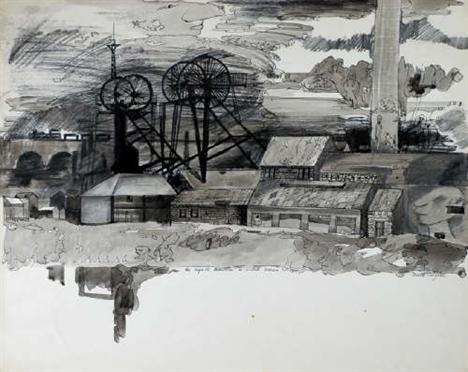
Seen here in this painting by local artist David Vaughan.
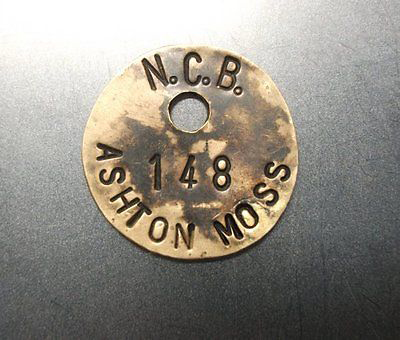
Colliery lamp token.
This tight little island of land was a contrasting mix of the agricultural and industrial, home also to the urgent demands of a leisured and growing working class.
The area boasted two motorcycle speedway tracks.
One located on the Audenshaw side, just behind The Snipe pub.
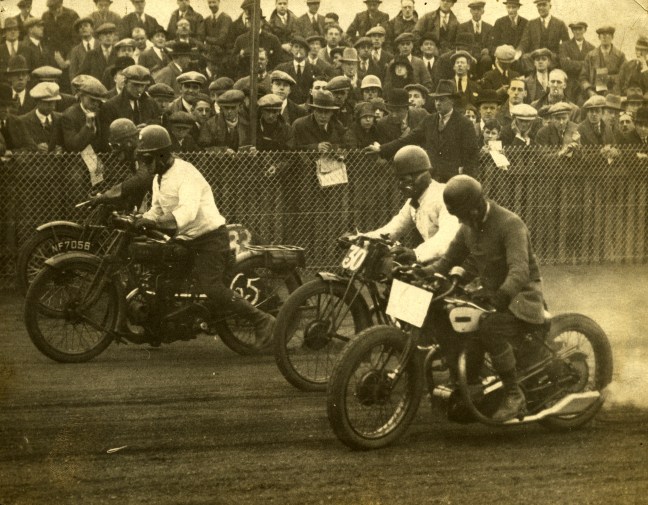
And one in Droylsden at the Moorside Stadium – home to local legend Riskit Riley:
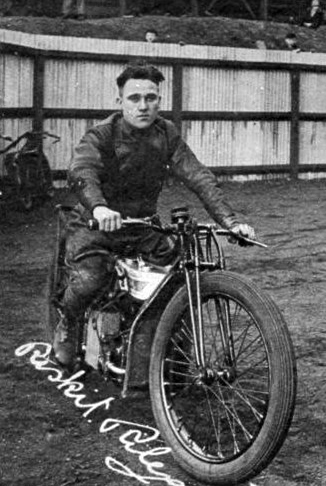
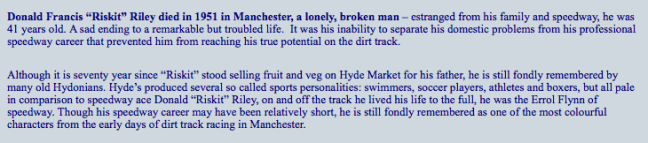
The stadium later to become a horse trotting track, known locally as Doddy’s Trot
The Moss has also provided a home for Curzon Ashton football club
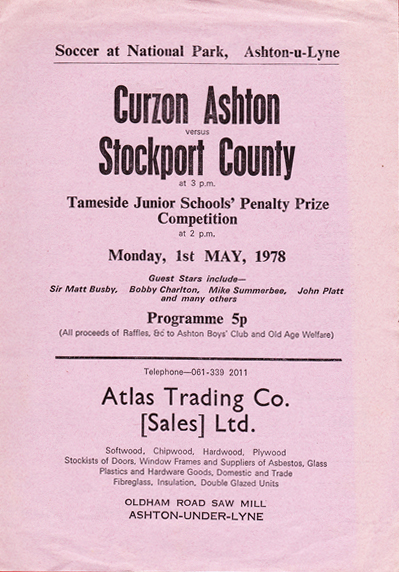
And Ashton Cricket and Bowling Club.
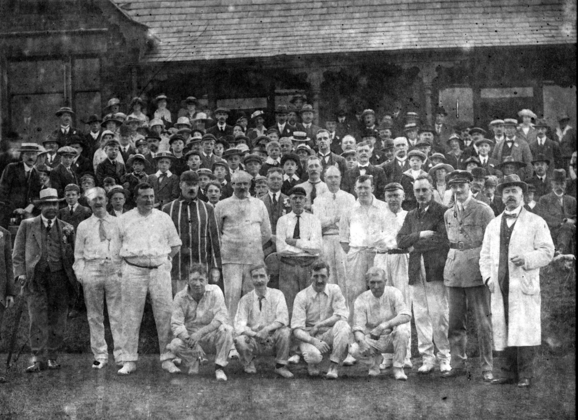
The cricket and the football have both survived the building of the Orbital Ring Road, and the development of the site as a light industrial, retail and leisure park.
The roar of Riskit Riley is heard no more.
 Modern Mooch
What a great article. Interesting and very comprehensive.
The old map that is often said to be 1848 is in fact 1861 because of the Guide Bridge, Ashton and Oldham railway line. There is a map from 1861. I have is somewhere.
LikeLike
I lived in this area in the 1950s and early 60s, when the coal mine was still operating. There were certainly slag heaps: brave kids rode their bikes down them. I went to the pit to get material for a primary school project on coal (Aldwyn primary school) and remember getting a gold star. Thanks so much for this entry.
LikeLike
Y’welcome Sue I remember the slag heaps too.
LikeLike
Thanks Ian – I will amend the date, glad you enjoyed the article.
LikeLike
I vaguely remember the slag pile from Ashtom Moss colliery in the early 80’s. Don’t think I’m mistaken.
LikeLike
There surely was a huge slag heap – on the site of the now Snipe Retail Park Jonathan
LikeLike
I used to ride from stables on Ashton Moss
LikeLike
my father worked there for years and was involved in a roof fall he was then transfered to the bradford pit where the manchester city football ground is now
LikeLike
In the late 50’s early 60’s I used to live on Milton Rd at the back of the Snipe pub and remember the slag heap opposite the pub. There was a small garage for fuel and repairs in front of the heap. I also used to walk to Droylesden past the primary school and the land was alight below ground so you had to carefully follow the paths.
LikeLike
My dad was Frank Mooring the shoe repairer at the Snipe next to the old railway bridge and long-closed Audenshaw station. Sam Kelly the builder used to be opposite [His house was a big detached one]. It backed onto the pit hills [slag heaps] which covered land from Slate Lane and Groby Road almost to Manchester Road. On the same side of the road going towards Ashton there was a small ‘sales’ area containing a few sheds and greenhouses. then a couple of large advertising hoardings at right angles to the road. Next to that was the transport cafe where hauliers grabbed a bite to eat pre-M62. Across the unmade road next to it was the petrol station opposite the Snipe Inn. The colliery entrance was next just beyond the miners baths. All from memory as I spent many of my early years walking on the Moss, ‘fishing’ in the Snipe pond, playing along the canal and biking on the pit hills. Happy Days!
LikeLike
Thanks for that Paul – happy days indeed!
LikeLike
I lived on the snipe estate, Thrapston Ave. I remember Frank the cobbler and later the small barbers shop was added. I can remember the cozy corner cafe next to the snipe inn. I spent many a happy hour riding my bike on the pit hills. We use to walk through the pit to get to Guide Bridge station where we caught the train to Gorton to visit my Gran. I went to Aldwin primary school, then I went to Littlemoss. I served an apprenticeship at Clayton Aniline. I have fond memories of the time I lived on the snipe.
LikeLike
Thanks, Paul. I certainly remember the builder’s, and I’m 95% sure that your Dad’s place was where we got our shoes repaired. When I close my eyes I can almost picture it …
LikeLike
I’m sure snipe pit closed in the 60s definitely not 50s I was grown up when my dad was made redundant n I was born in 51
LikeLike
I’ll double check Kathleen – thanks for the tip.
LikeLike
Ashton Moss colliery closed in 1959 http://www.ashton-under-lyne.com/history/coal.htm
LikeLike
I lived in audenshaw and visited the people who lived at the mine. I went to school with the daughter
LikeLike
Atthe top on
At the topof earle street near the primary school we wudwalk over the bridge and play football on talcos field does anyone havepics of that
LikeLike
i worked at the Snipe from 1955 to 1959 when it closed and we all went to Bradford.The pithead baths became Tops Tiles. one time when they fired in Bradford tunnel they hit old workings and the pit was partially flooded we all got a couple of days off most of it spent in the Snipe pub.there was one old collier who went into the shower every day smoking a cigarette and came out with it still lit he was very aptly named Jimmy Coleman . It was quite an experience for a young boy I was aged 15 to 19 at this time. I still have the scars from being hit by a roof fall when driving Bradford tunnel with 18 Irishmen over 3 shifts anyway they stitched me at at Tameside casualty and dropped me on the settee at home ( 68 stitches) I received compensation of £112 and comments like they should have put zips in.
a different world in those days from Mike Spencer
LikeLike
Thanks so much for you comments, hard times indeed for working folk, particularly colliers. Very little left of the old Snipe these day, didn’t know that Topps was the old bath house, thanks for the information, best wishes – Steve Marland.
LikeLike
Worked at Snipe from 1955 till 1959 closure aged 15 to 19 went to Bradford still have the scars from being hit by a roof fall working on Bradford tunnel face with an Irish tunnel company off work for a few weeks with 68 stitches in my body. was awarded £112 compensation
LikeLike
Amazing memories and facts about the Snipe pit. To put it into perspective with the modern day it’s deepest shaft – sunk in 1882 was an unbelievable 2850 ft deep!! – the Burj al Khalifa is 2,717 feet tall, the tallest building in the world – but not as tall as the Ashton Colliery shaft was deep……stunning.
Imagine all the colliers descending to work in a cage to that depth…
LikeLike
A terrifying prospect.
LikeLike
Hello Mike,I worked at the Snipe pit at the same time as you 1955 until 1959 when it closed,I was 15 years old when I started training at the Oak colliery,I worked as a haulage boy, and then on the coal face in the colonial mine it was a 4 foot seam and very hot working conditions,I now live in Sydney Australia,I’m 86 but still have lots of memories of those days,
LikeLike