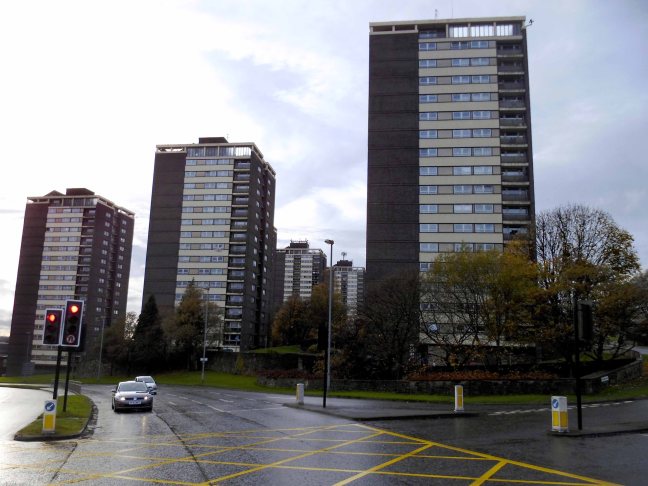
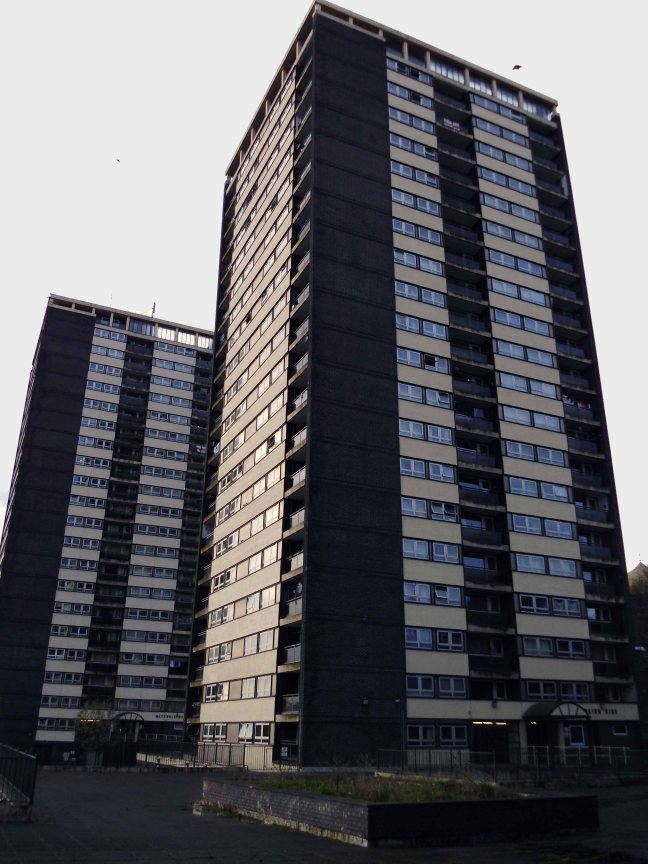
Arriving in Rochdale in search of something else entirely, it was impossible to ignore seven prominent, as yet unclad tower blocks, high upon a hill. I was informed by a local resident that they were known locally as the Seven Sisters, though variously identified as Falinge B, College Bank, and Holland Street flats.
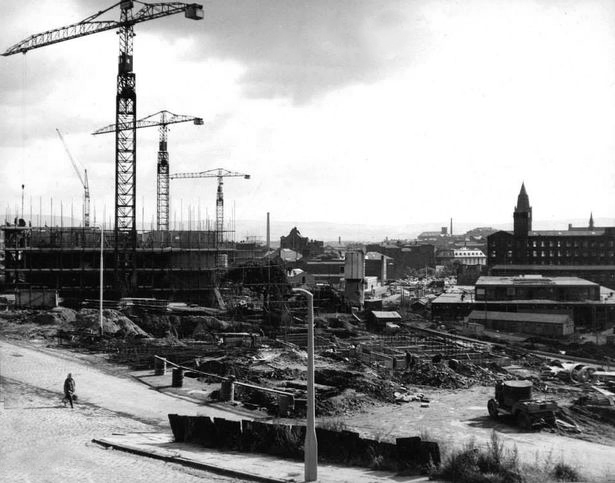
The area was formerly home to Victorian workers’ dwellings, known as The Paddock – the post-war policy of slum clearance saw them swept away, in readiness for municipal modernity.
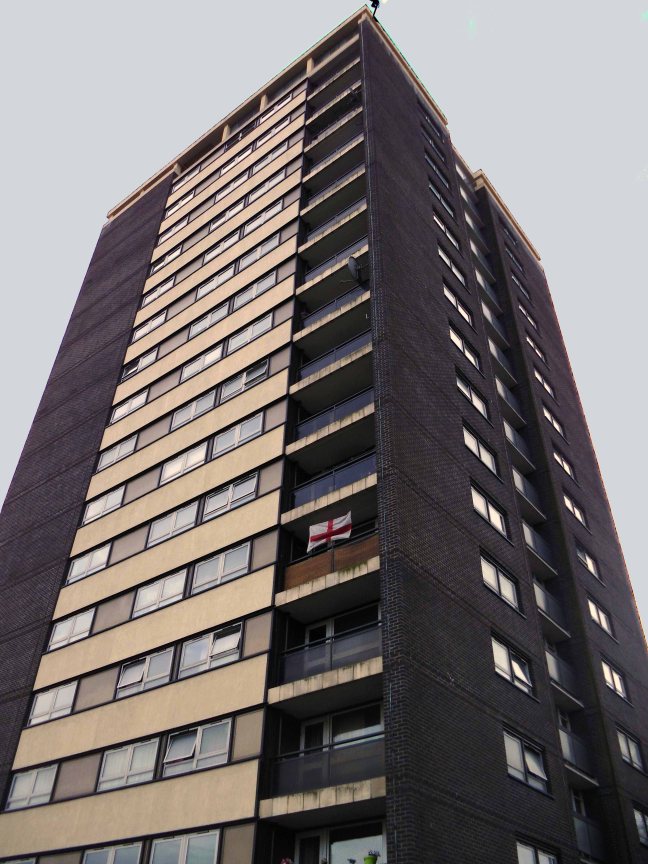
Hey presto 1963 and there appears four 21 storey blocks containing 476 dwellings; three 17 storey blocks containing 286 dwellings.
Photograph Mancunian 101
Building contractors were Wimpey and the flats were designed by Rochdale’s Borough Surveyor, Mr W H G Mercer and Mr D. Broadbent along with Mr E V Collins, chief architect to contractors George Wimpey and Company.
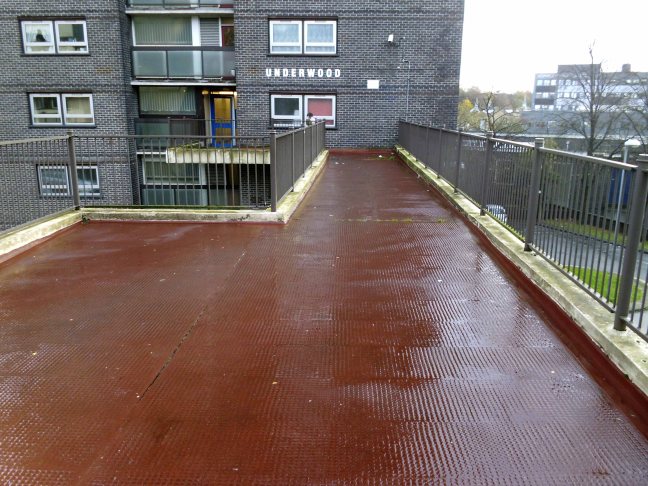
On Friday October 1 1965 the Minister of Housing and Local Government, Richard Crossman, officially opened the first of the College Bank flats – Underwood.
So go take a look ride the rail or tram, get on your bike, walk a while and abide, take a frenzied dance around with the Seven Sisters.
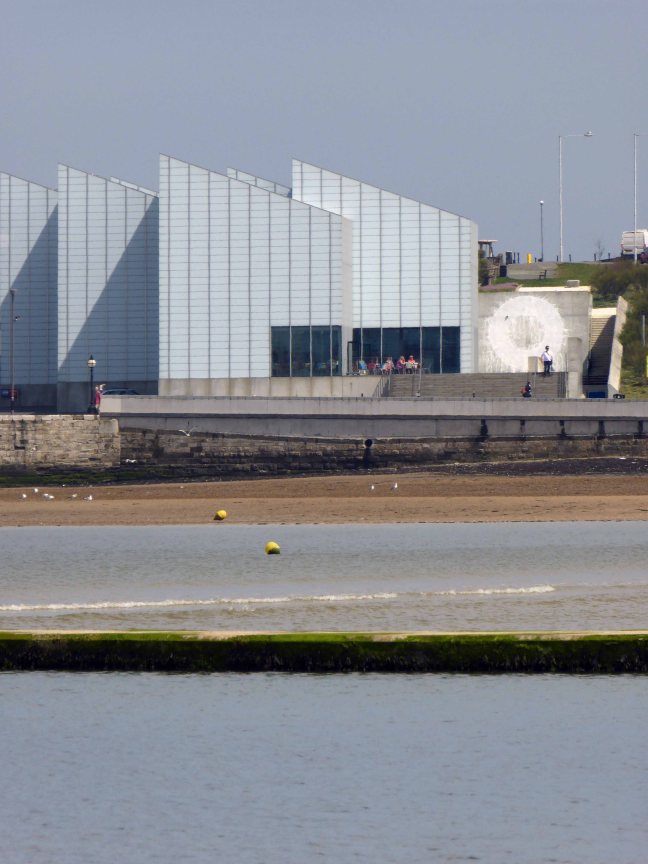
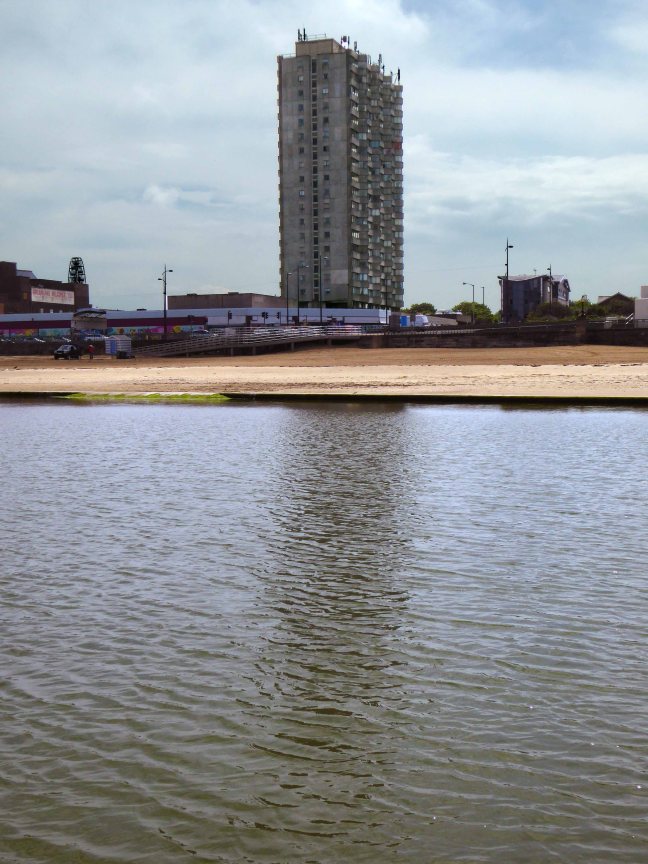
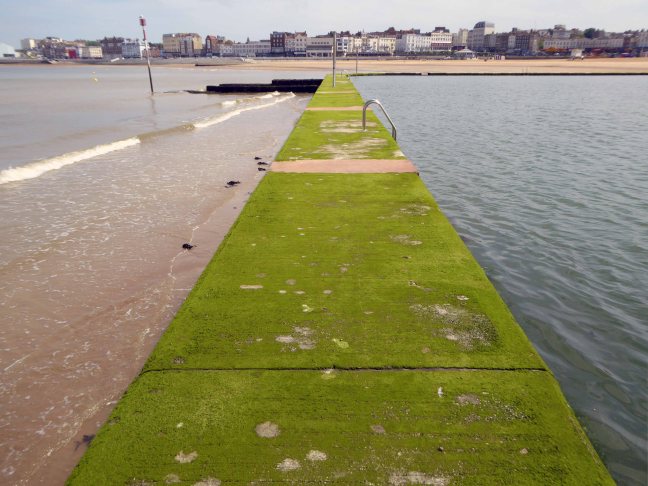
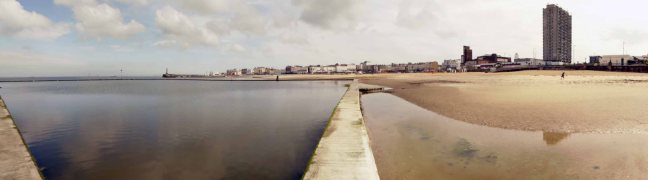
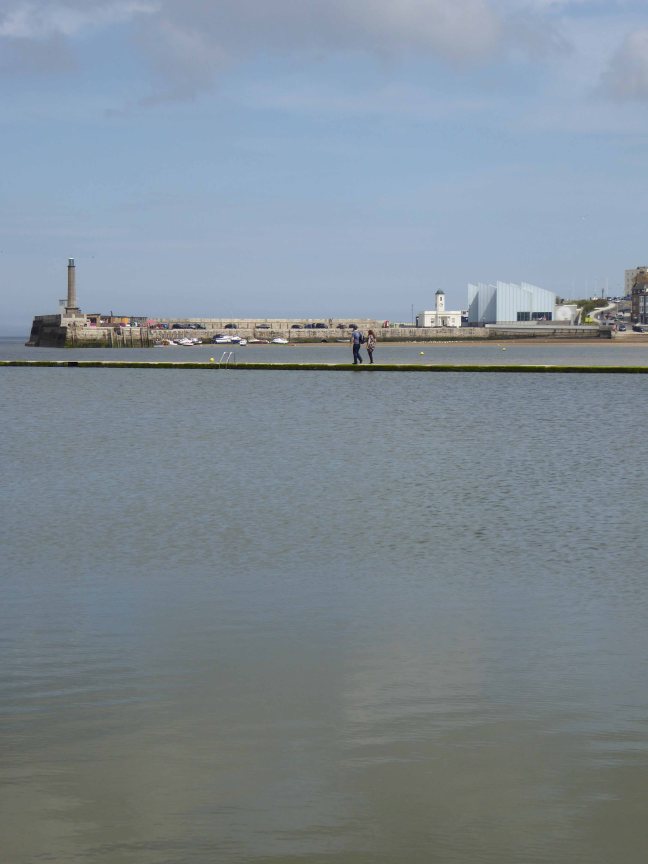
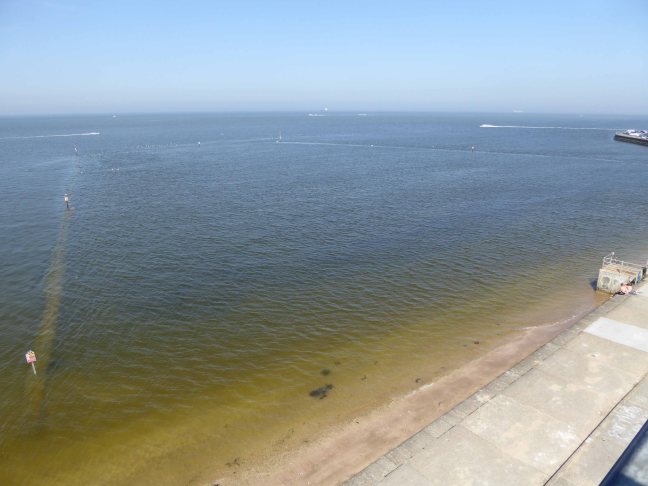
The first tucked in by the prom, a moments walk from the station and overlooked by the imposing Arlington House and the shimmer of the Turner Contemporary
– alas no longer the domain of the wild swimmer.
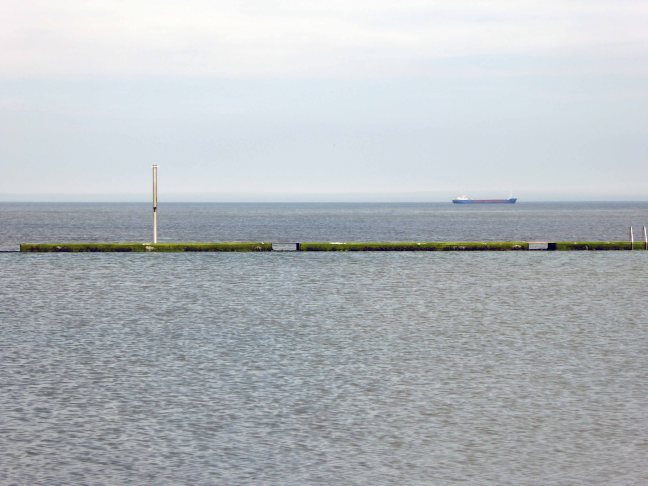
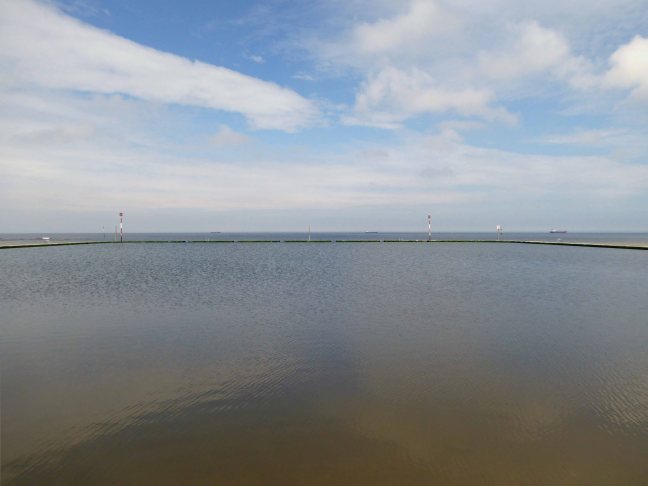
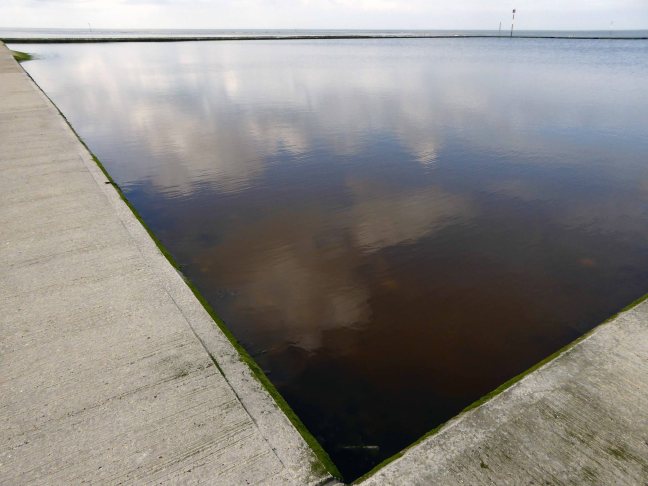
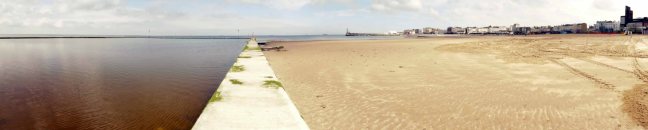
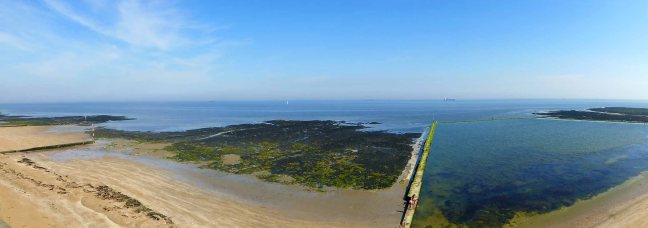
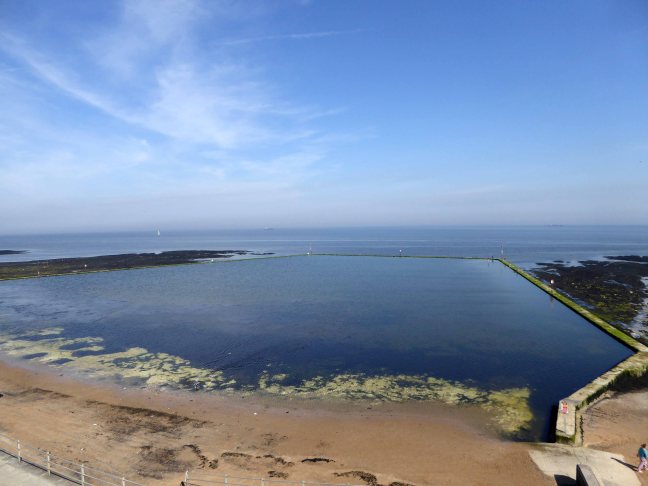
A large delicious expanse of seawater, now sadly designated as a boating pond.
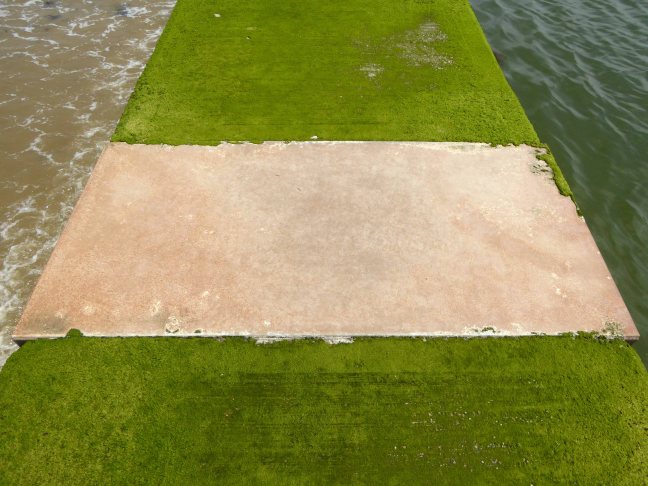
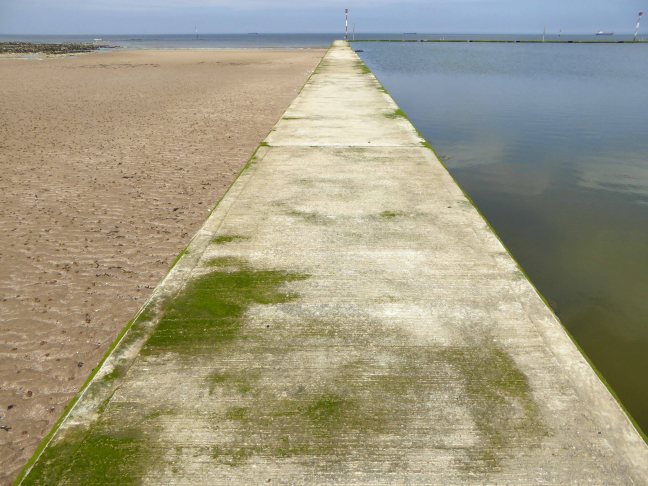
I was drawn magnetically to this elemental artifice, where untamed waters meet a controlled concrete geometry, waves temptingly lapping the walls.
Would that it could be open again to the town’s swimmers.
I am latterly reliably informed, that the pool is well used by local aquarists, despite the Local Authority’s prohibitions and ministrations – bravo!
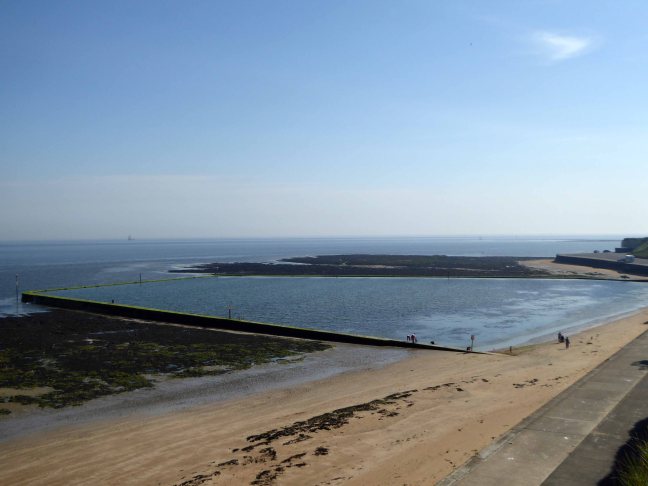
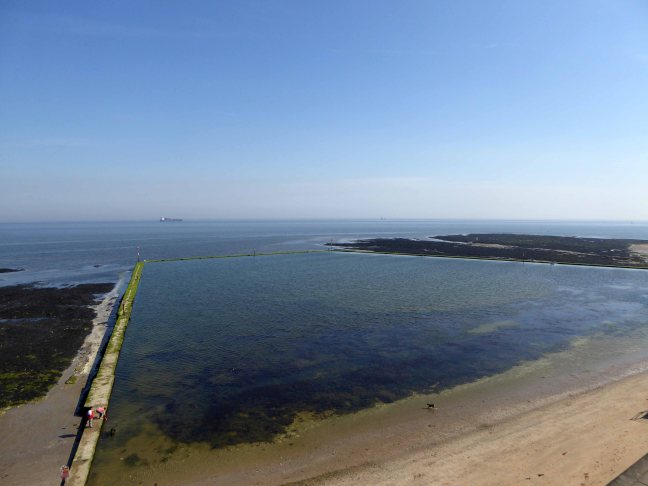
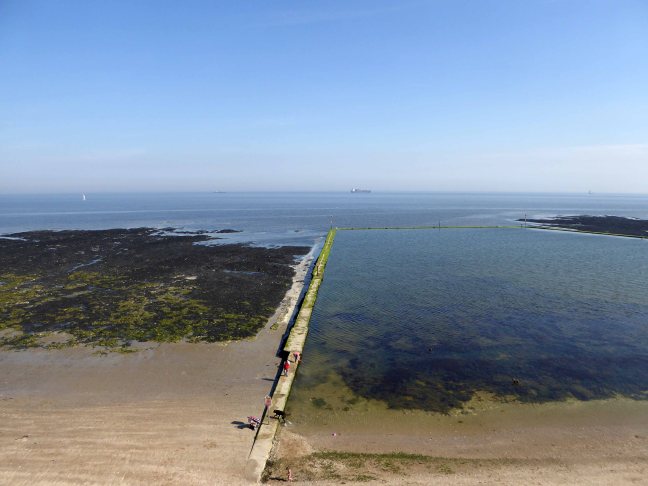
The second at Walpole Bay still open to the swimmer and what’s more it’s listed.
Walpole Bay Tidal Pool, one of two tidal pools designed by Margate’s borough engineer in 1937, constructed in concrete blocks reinforced by reused iron tram rails, is listed at Grade II for the following principal reasons: * Structural engineering interest: an ambitious project because of its scale, the weight of each concrete block, and that work needing to be carried out day and night because of the tides; * Scale and design: impressive in scale and shape, occupying 4 acres and three sides of a rectangle, the sides 450 feet long diminishing towards the seaward end which was 300 feet long; * Social historical interest: provided an improvement to sea bathing at the period of the greatest popularity of the English seaside; * Degree of intactness: intact apart from the loss of the two diving boards which do not often survive; * Group value: situated quite near the remains of the 1824-6 Clifton Baths (Grade II), an 1935 lift and the other 1937 tidal pool.
I’ve never ever been here before – my thanks to the Sheffield Modernist Society for arranging the visit, part of a walking tour of the city, the first of many, one hopes.
Or possibly simply bump into them, casually walking around Sheffield and environs.
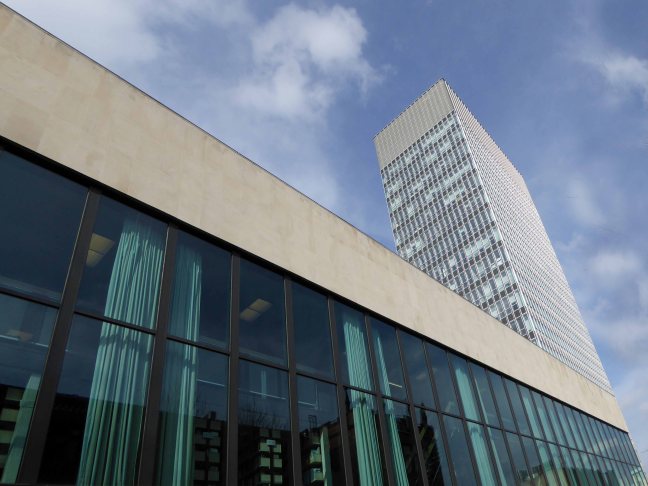
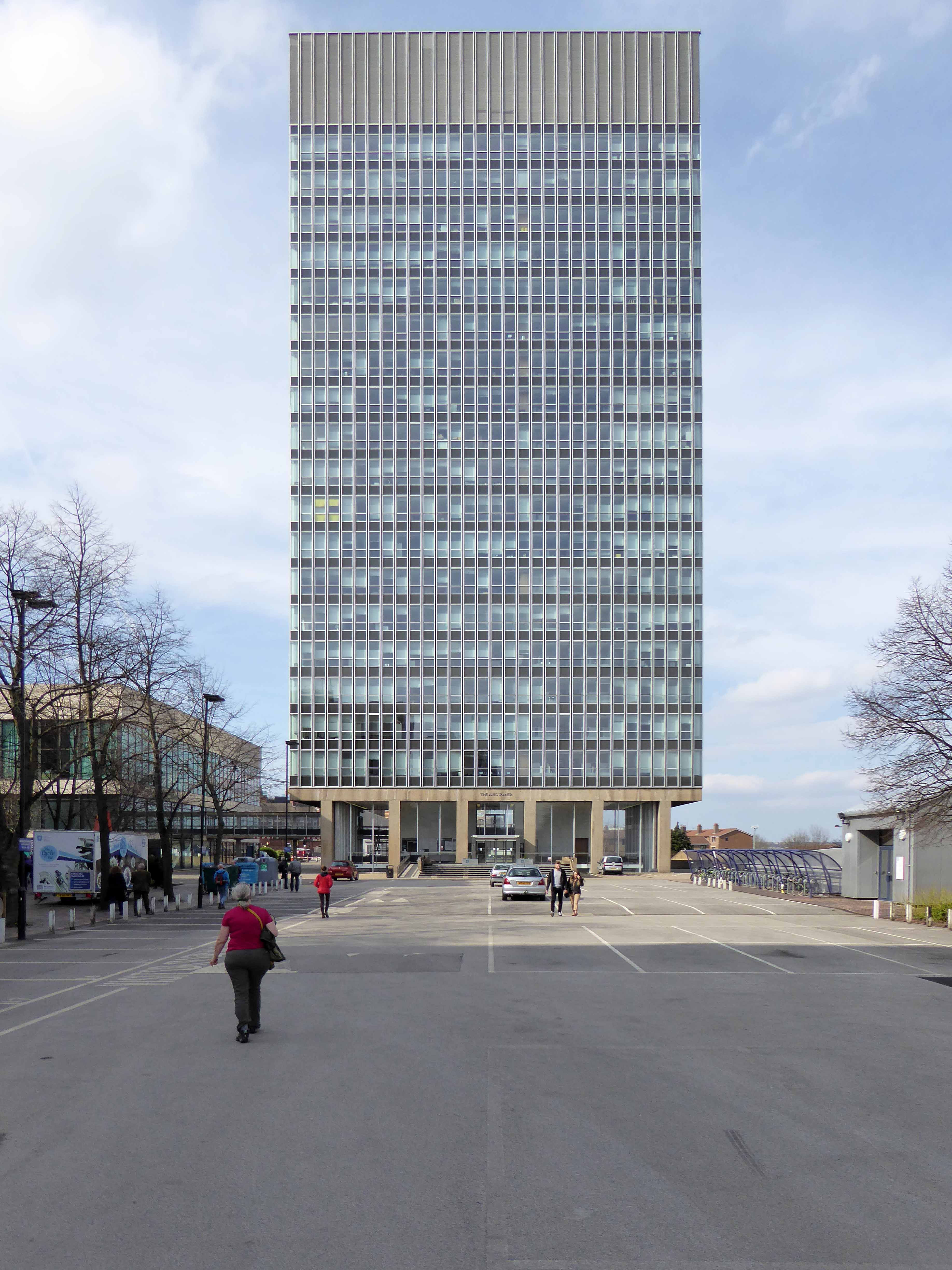
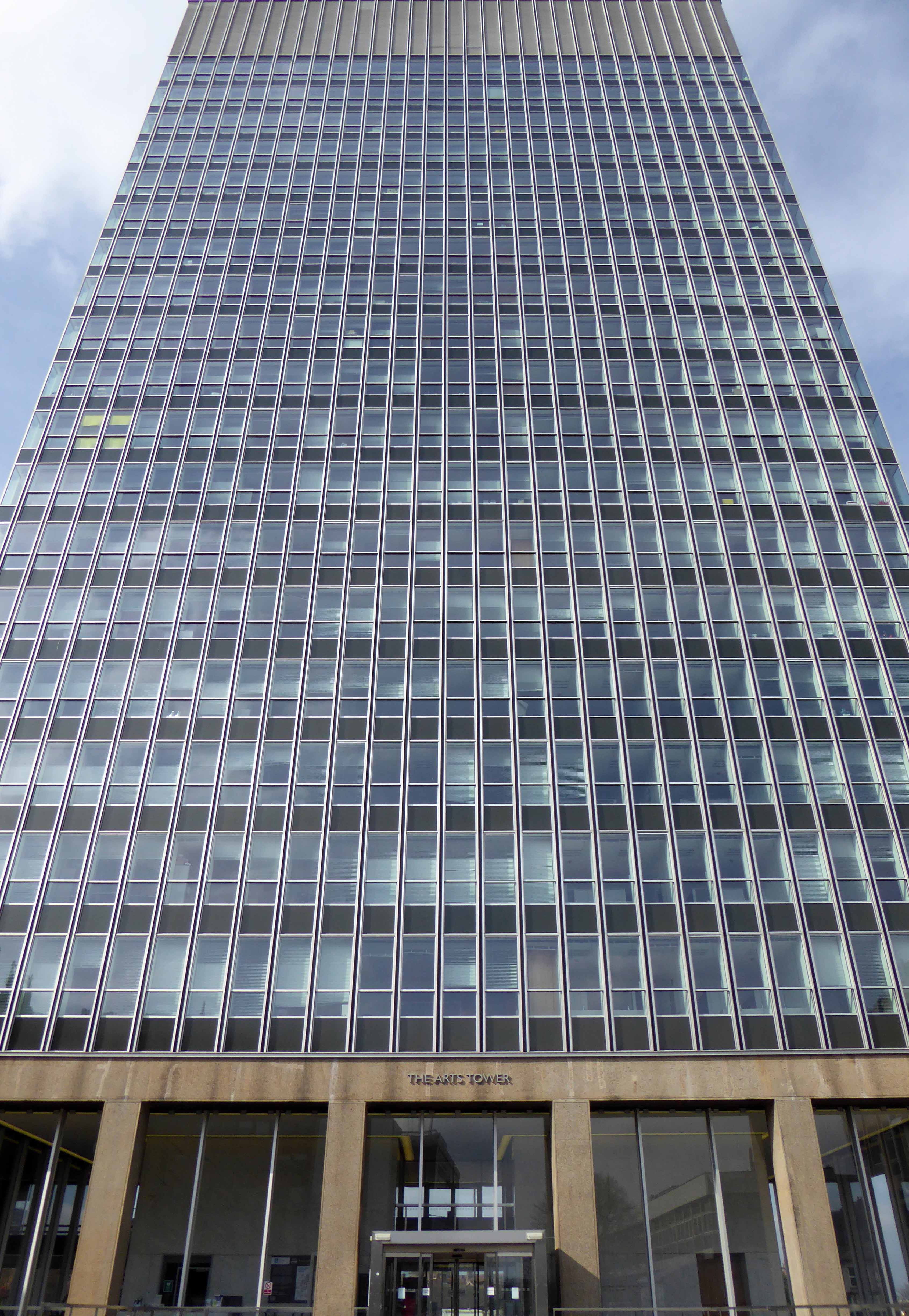
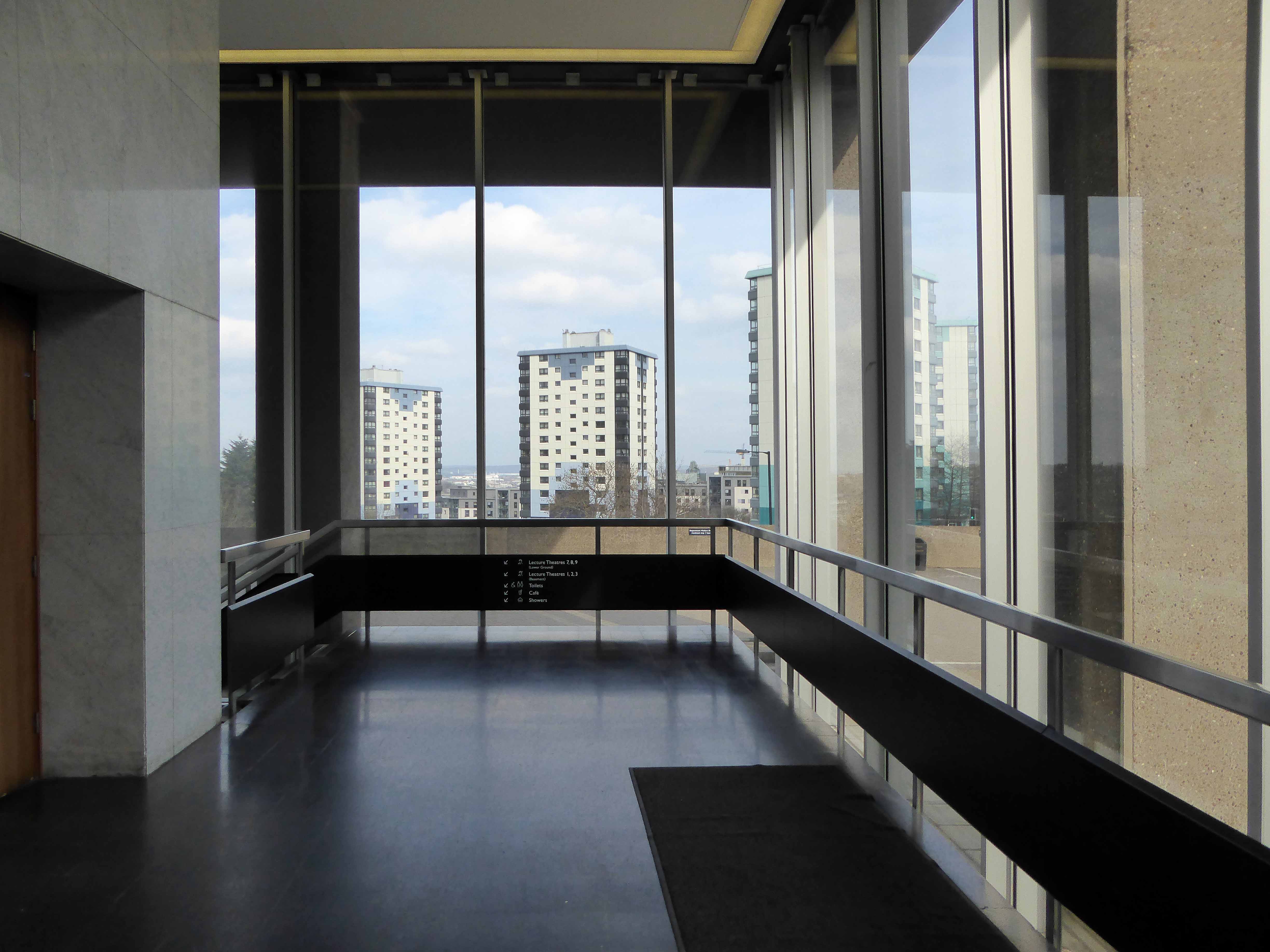
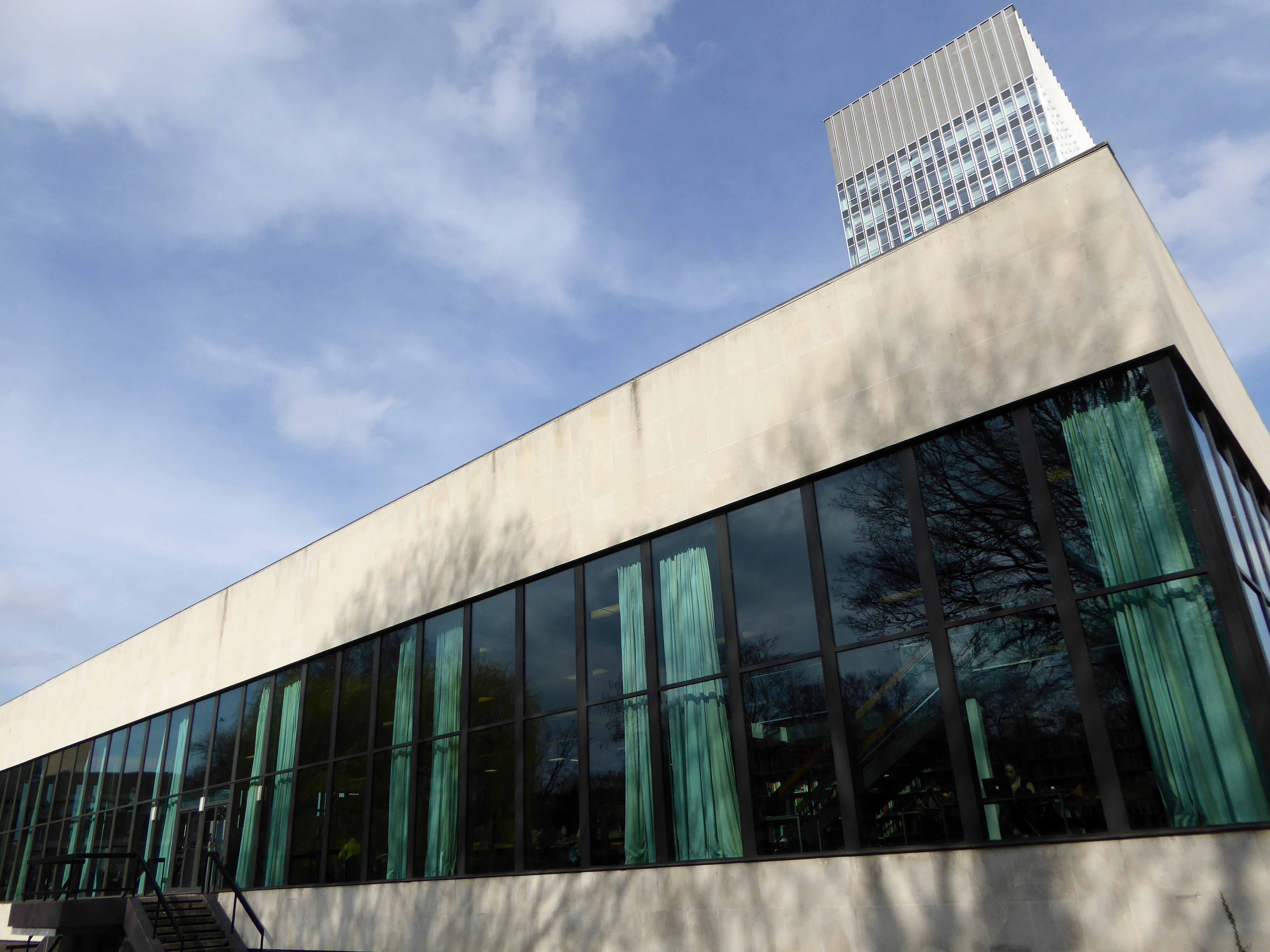
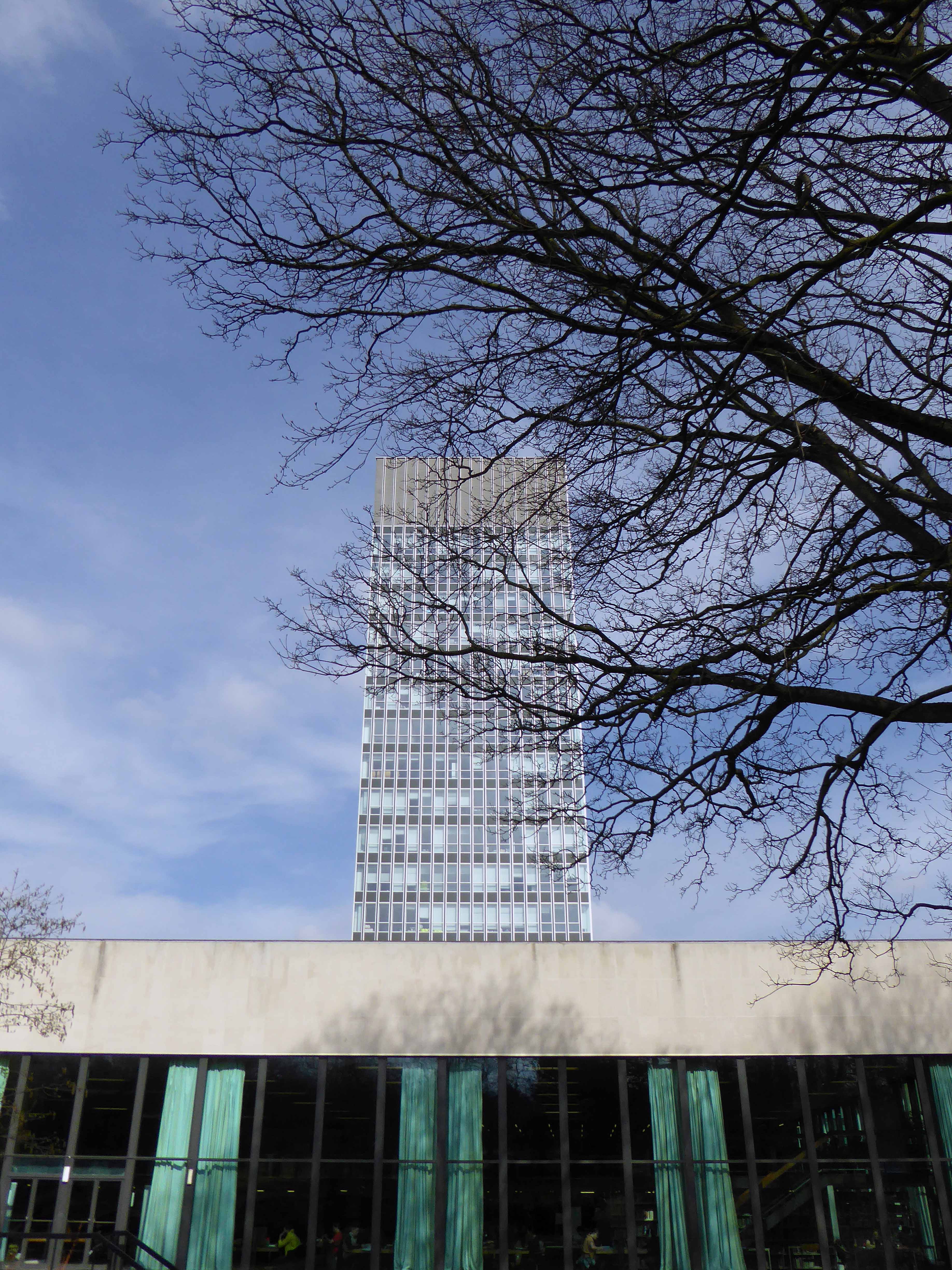
The Arts Tower is an exciting amalgam of Manchester’s CIS Tower, Mies van der Rohe’s Seagram Building and itself. A sleek slab of steel and glass, occupying a prominent site with views across Sheffield’s seven hills.
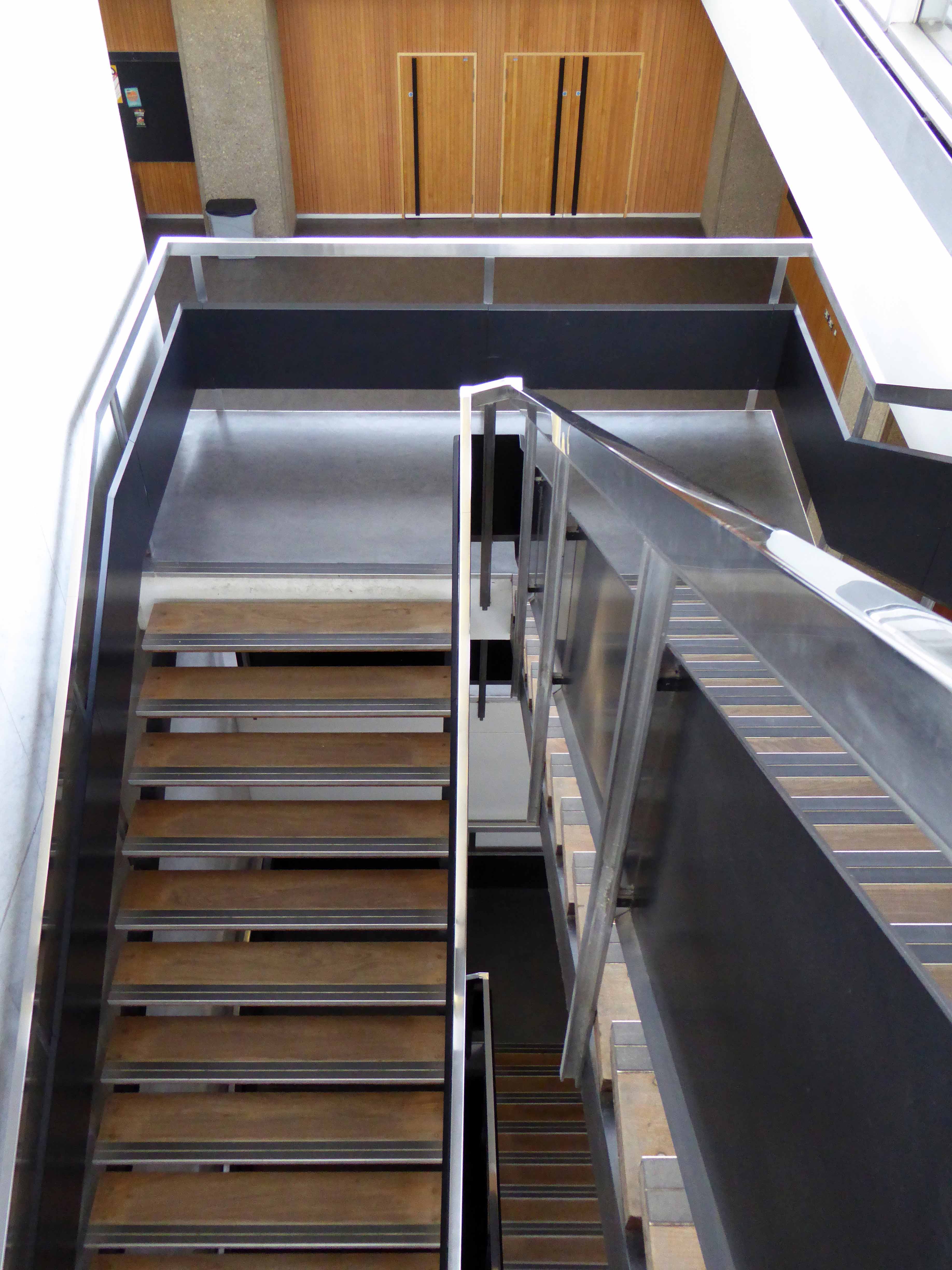
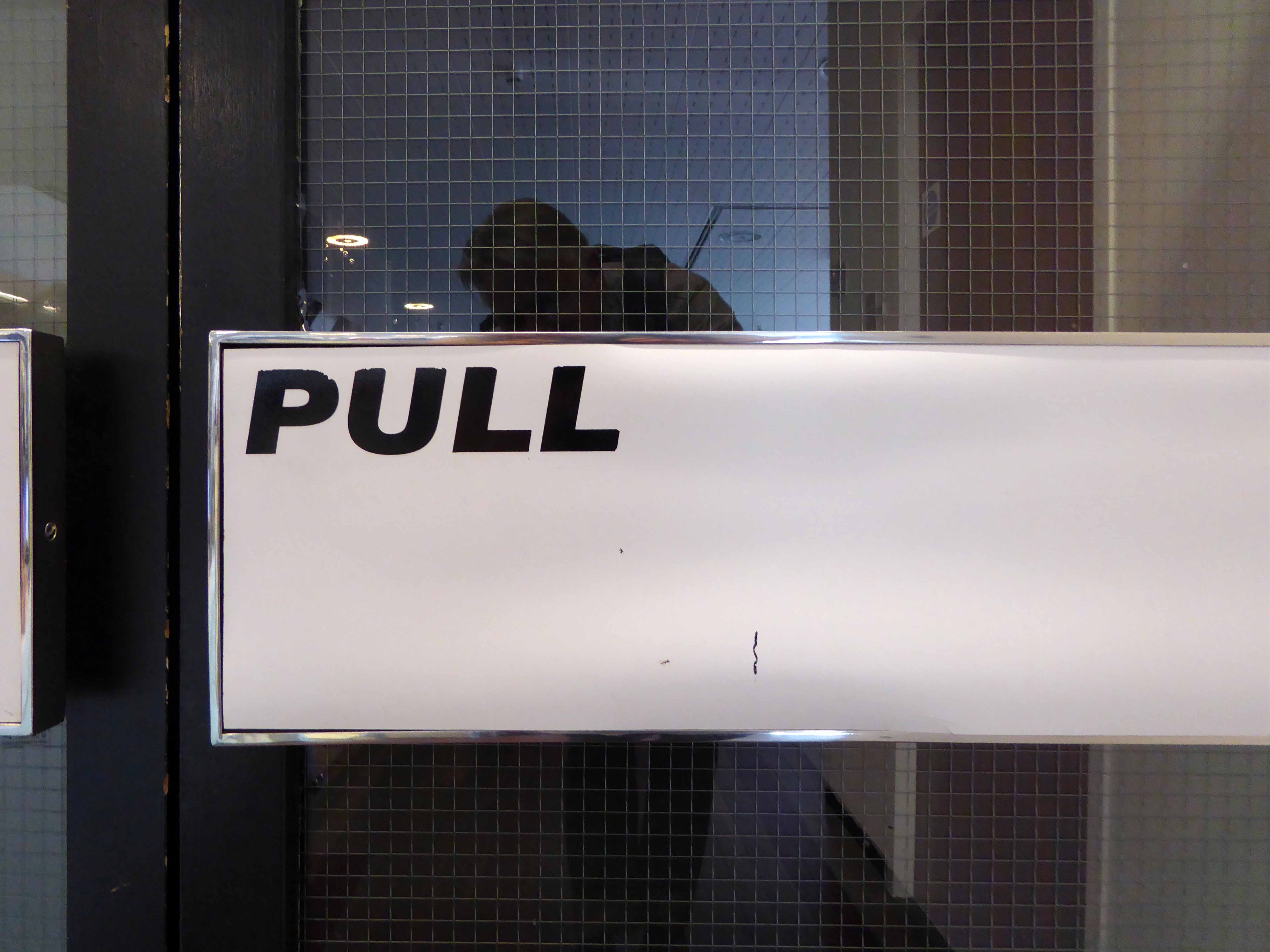
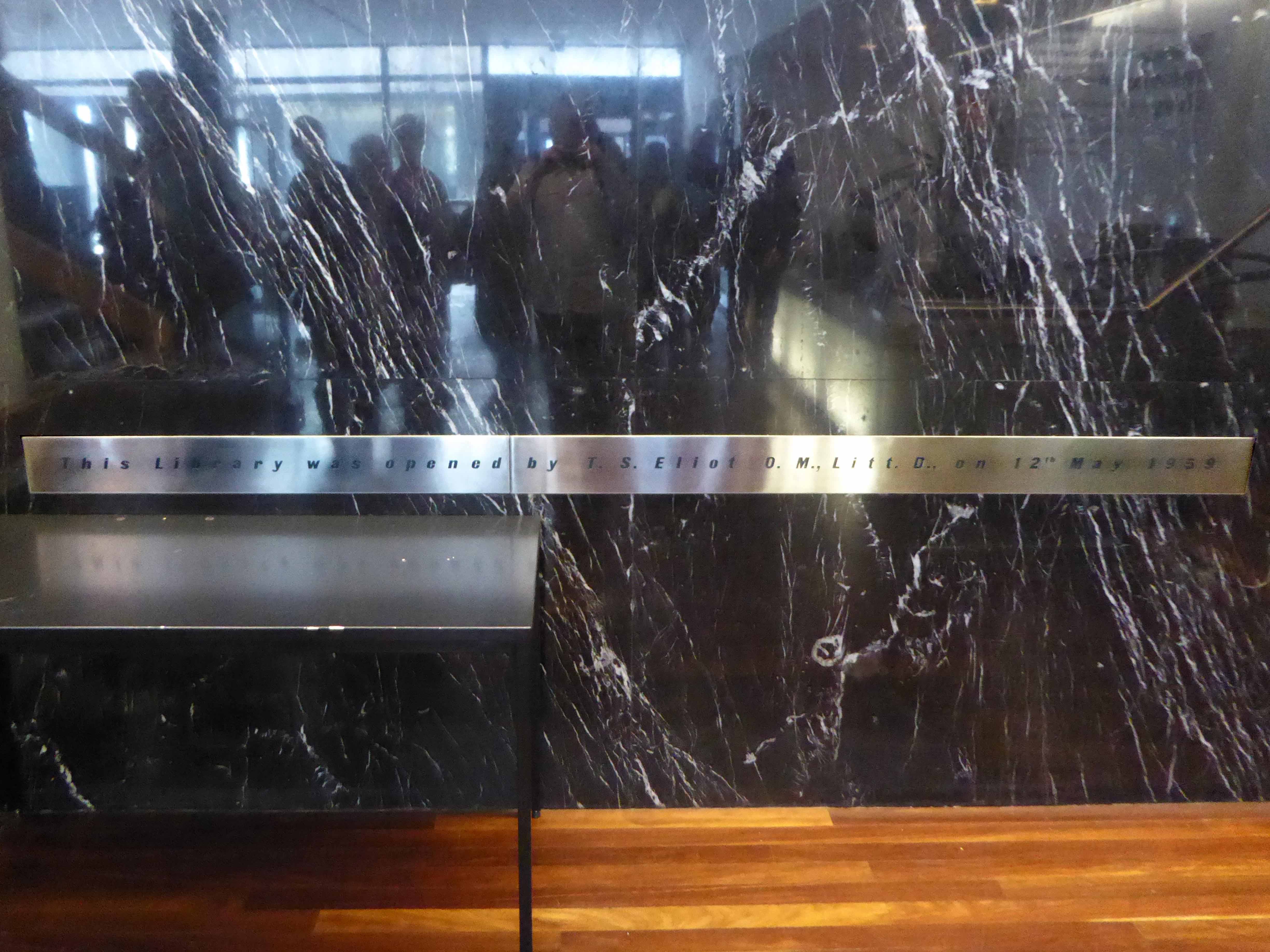
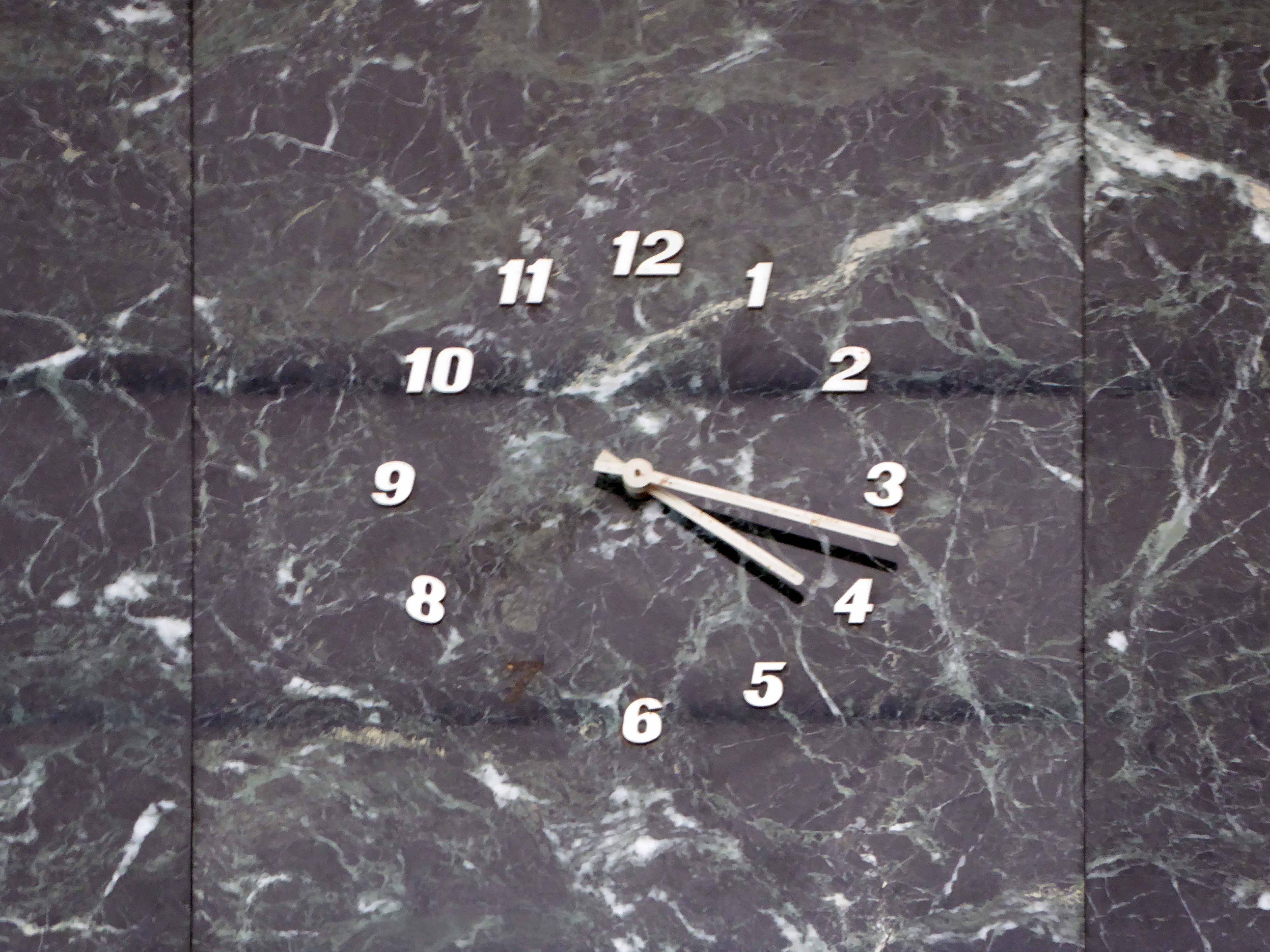
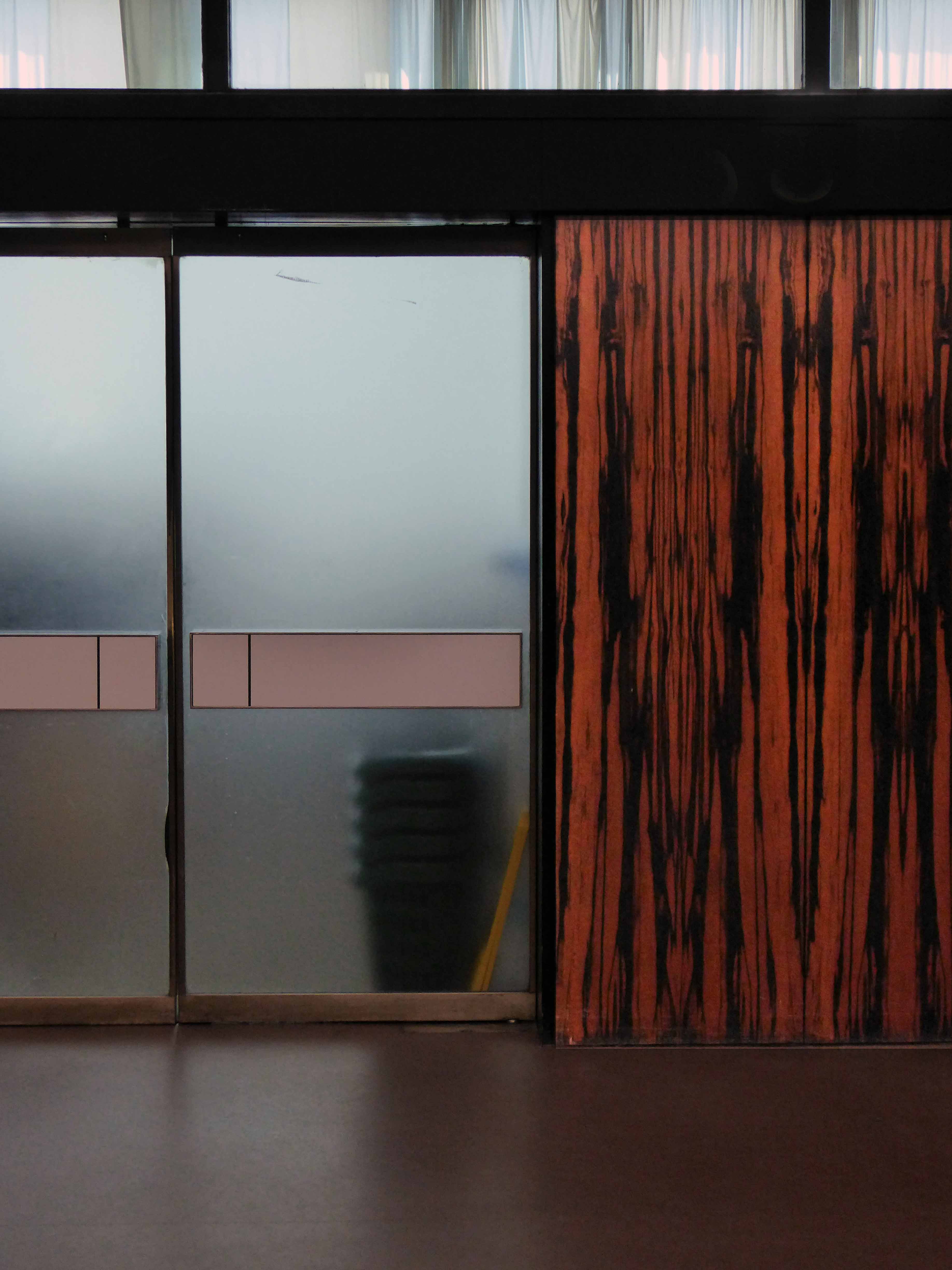
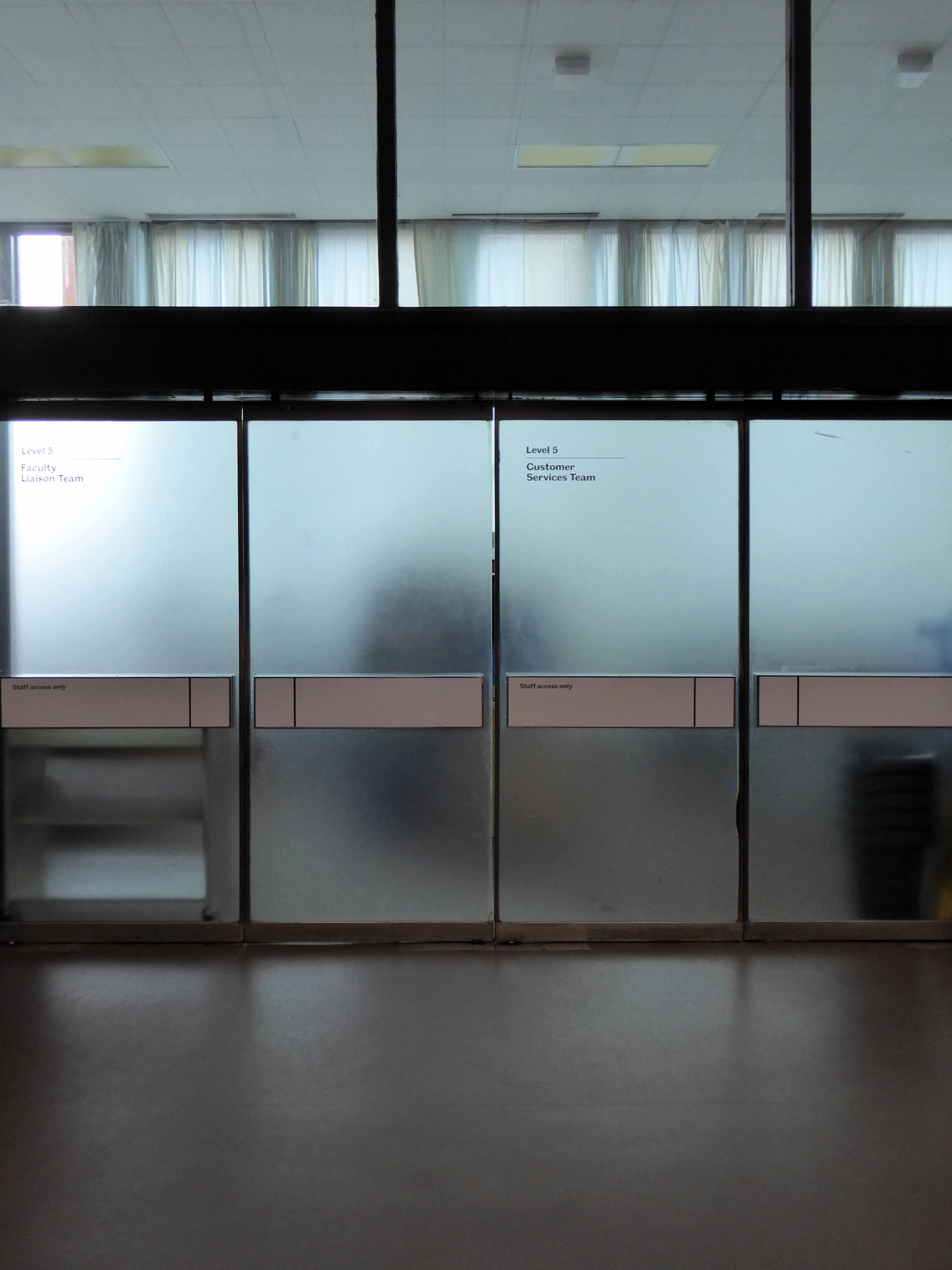
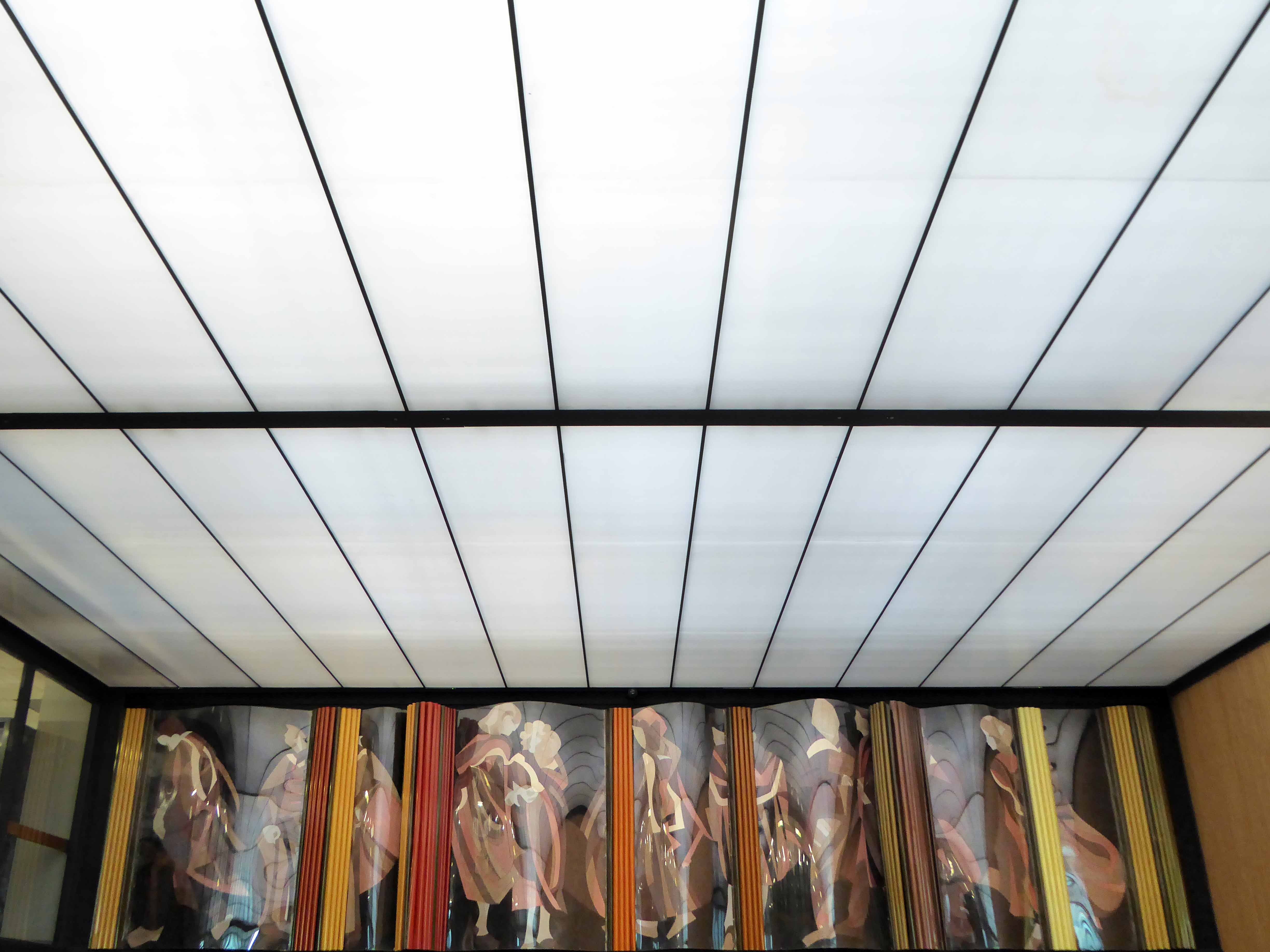
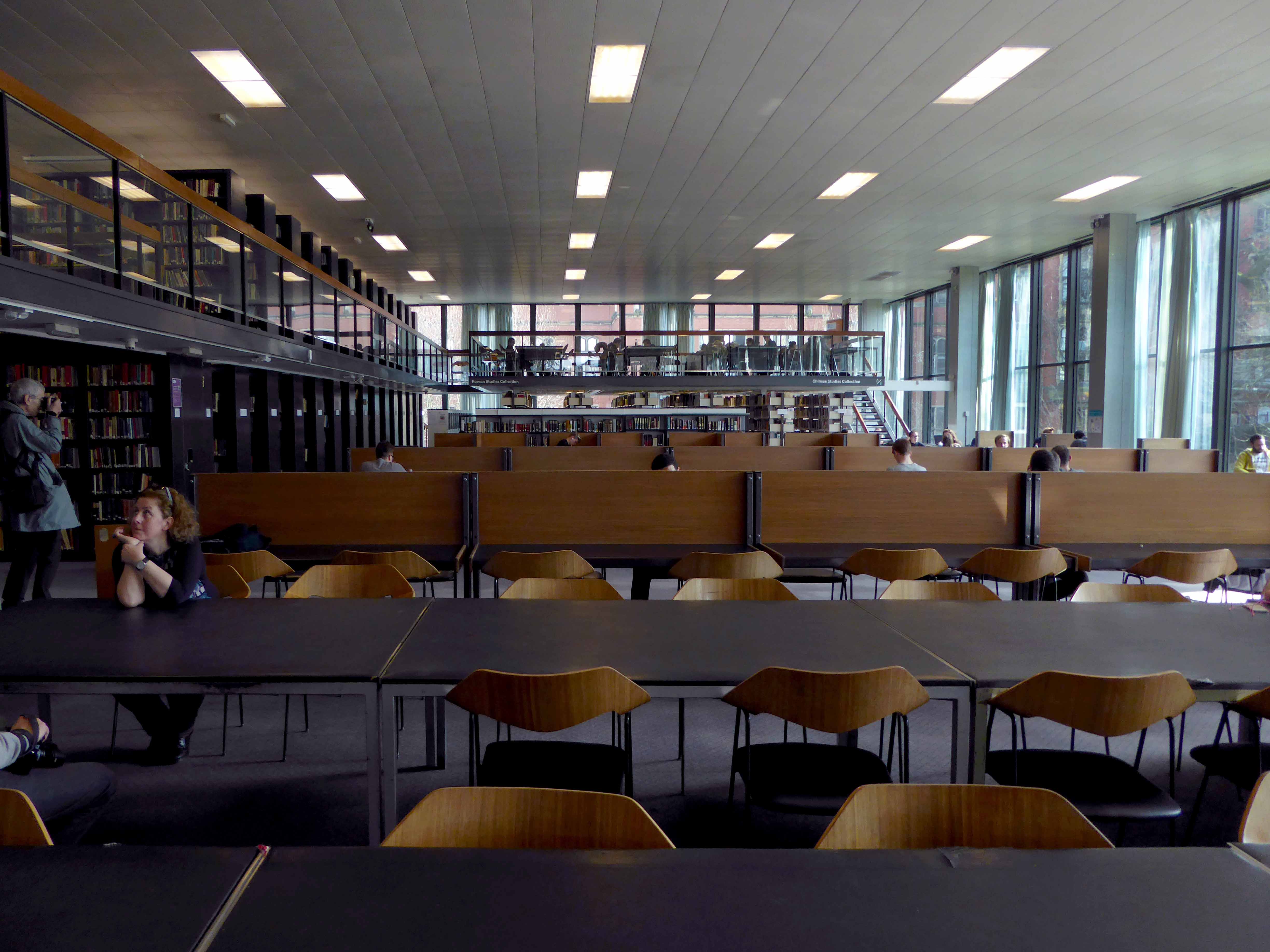
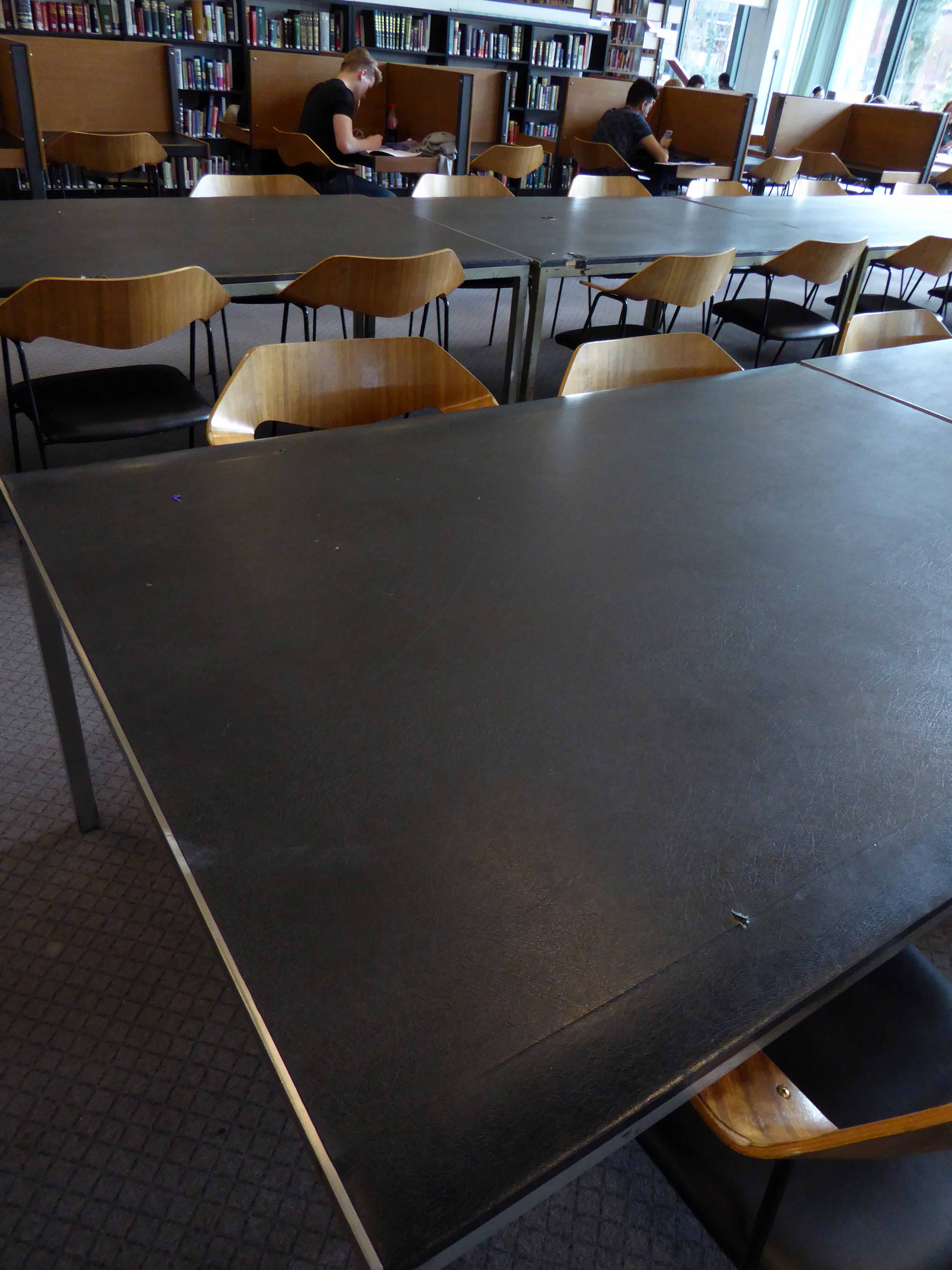
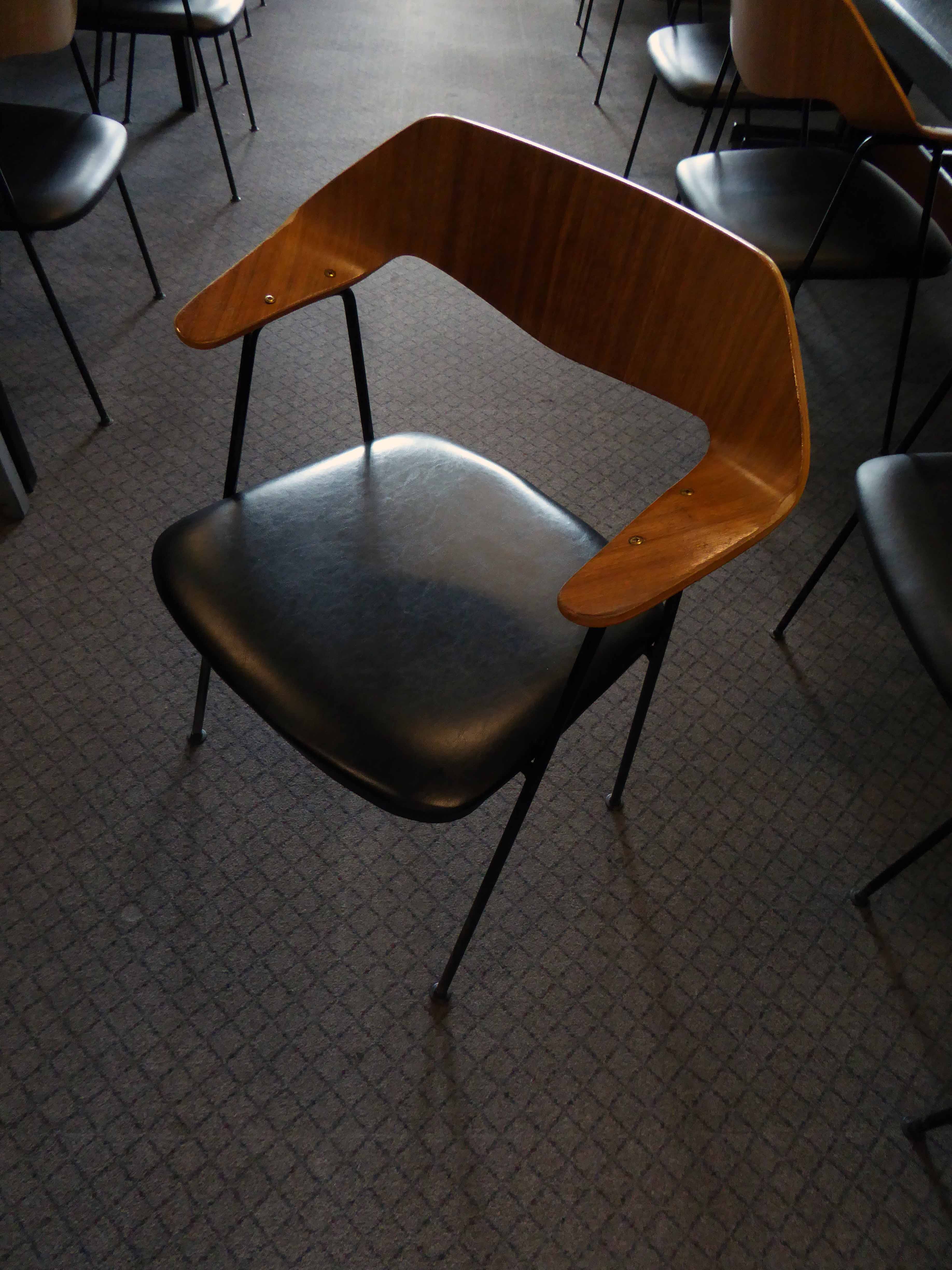
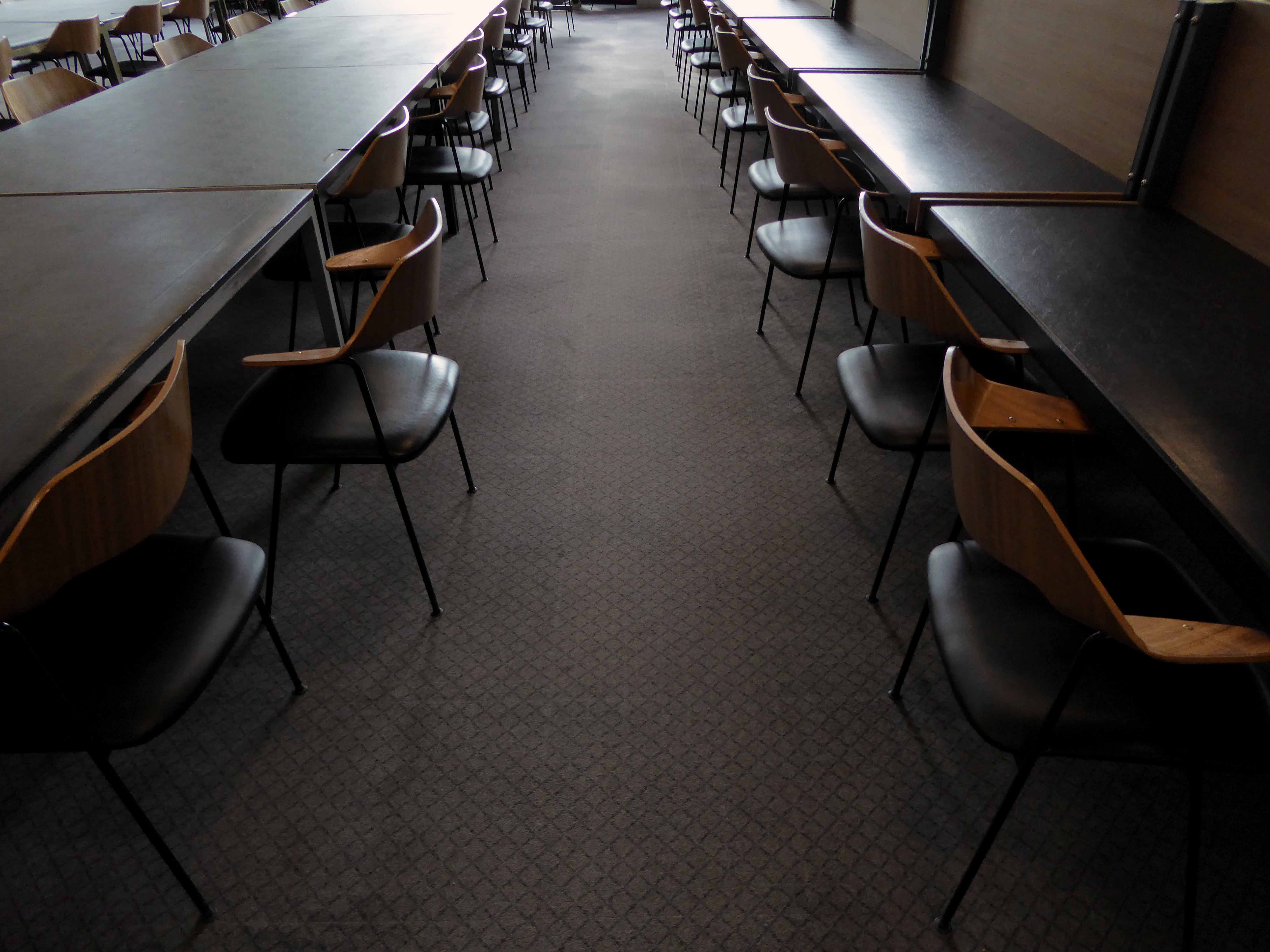
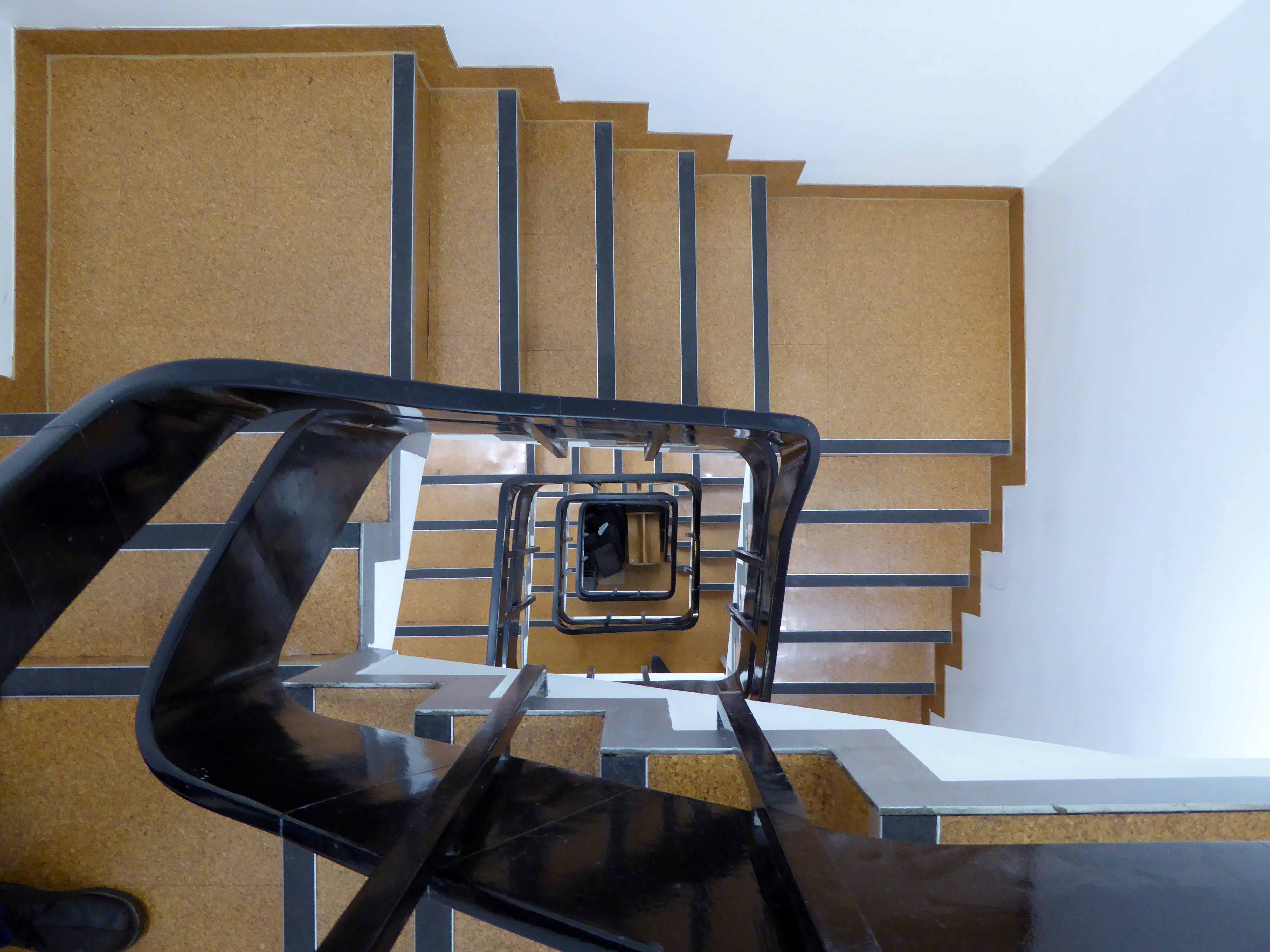
On a sunny Sunday in early April the adjoining library was alive with studying students and Modernists, attracting the odd, odd look, as we stopped and stooped to snap the odd period detail or two. It has retained much of its original character and features, deliciously elegant, almost edible chairs, some signage – and a clock.
Though the seven is mysteriously missing.
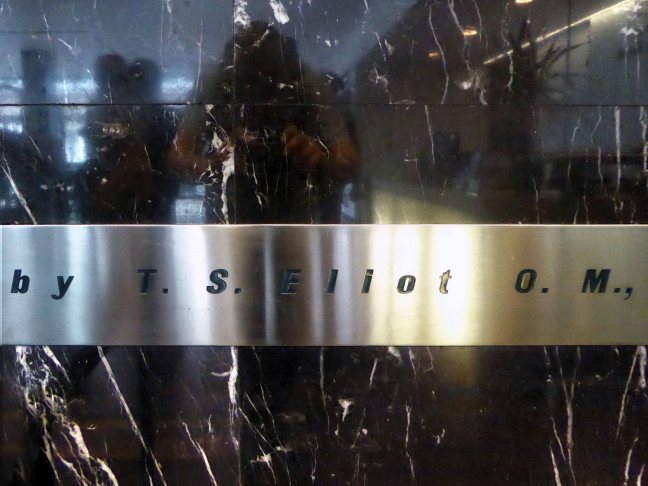
It was opened by TS Elliot.
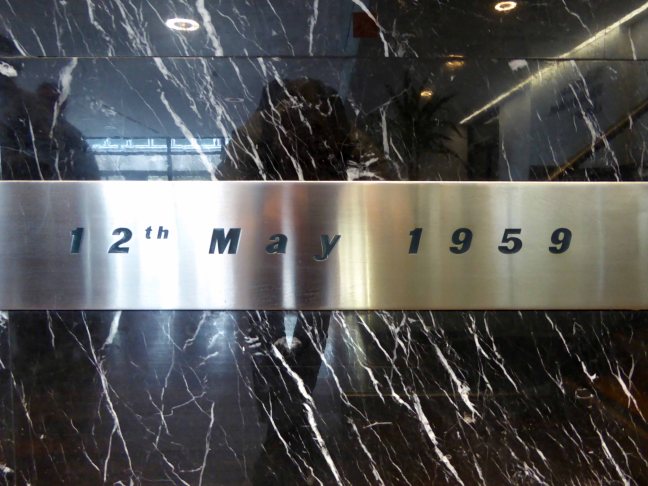
On 12th May 1959 – it was a Tuesday.
The Arts Tower 12 Bolsover Street in Sheffield, belonging to the University of Sheffield and opened in 1966. English Heritage has called it
“the most elegant university tower block in Britain of its period”.
At 255 feet/78 m tall, it is the second tallest building in the city. It is also the tallest university building in the United Kingdom.
Designed by architects Gollins, Melvin, Ward & Partners, construction of the tower started in 1961 and lasted four years.
Entry to the building was originally made by a wide bridge between fountains over a shallow pool area in front of the building. This pool was eventually drained and covered over when it was found that strong down drafts of wind hitting the building on gusty days caused the fountain to soak people entering and exiting the building.
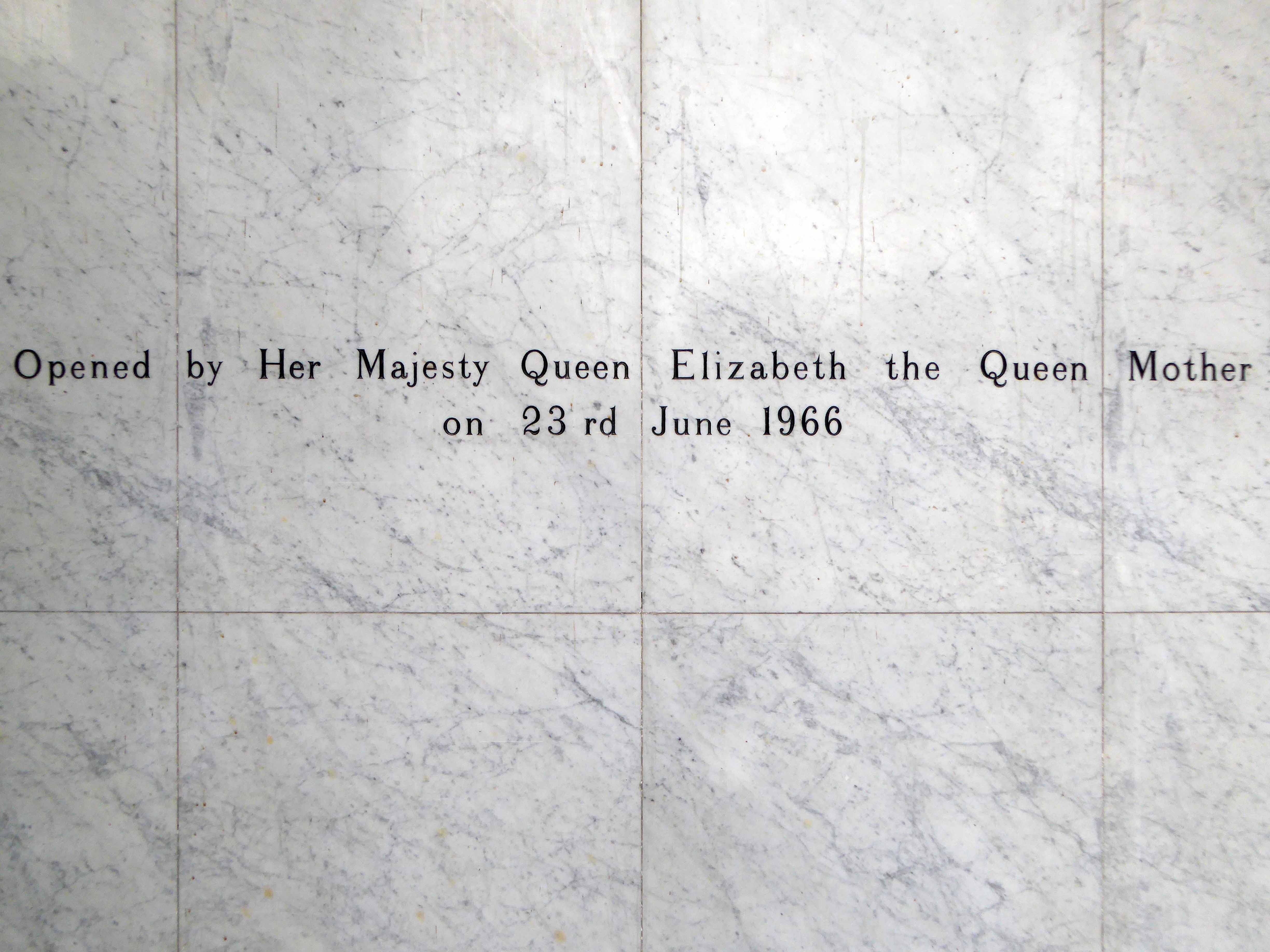
The building was officially opened by Queen Elizabeth, The Queen Mother in June 1966; it has 20 stories and a mezzanine level above ground. As its name suggests, the building originally housed all the University’s arts departments. Circulation is through two ordinary lifts and a paternoster lift, at 38 cars the largest of the few surviving in the United Kingdom.
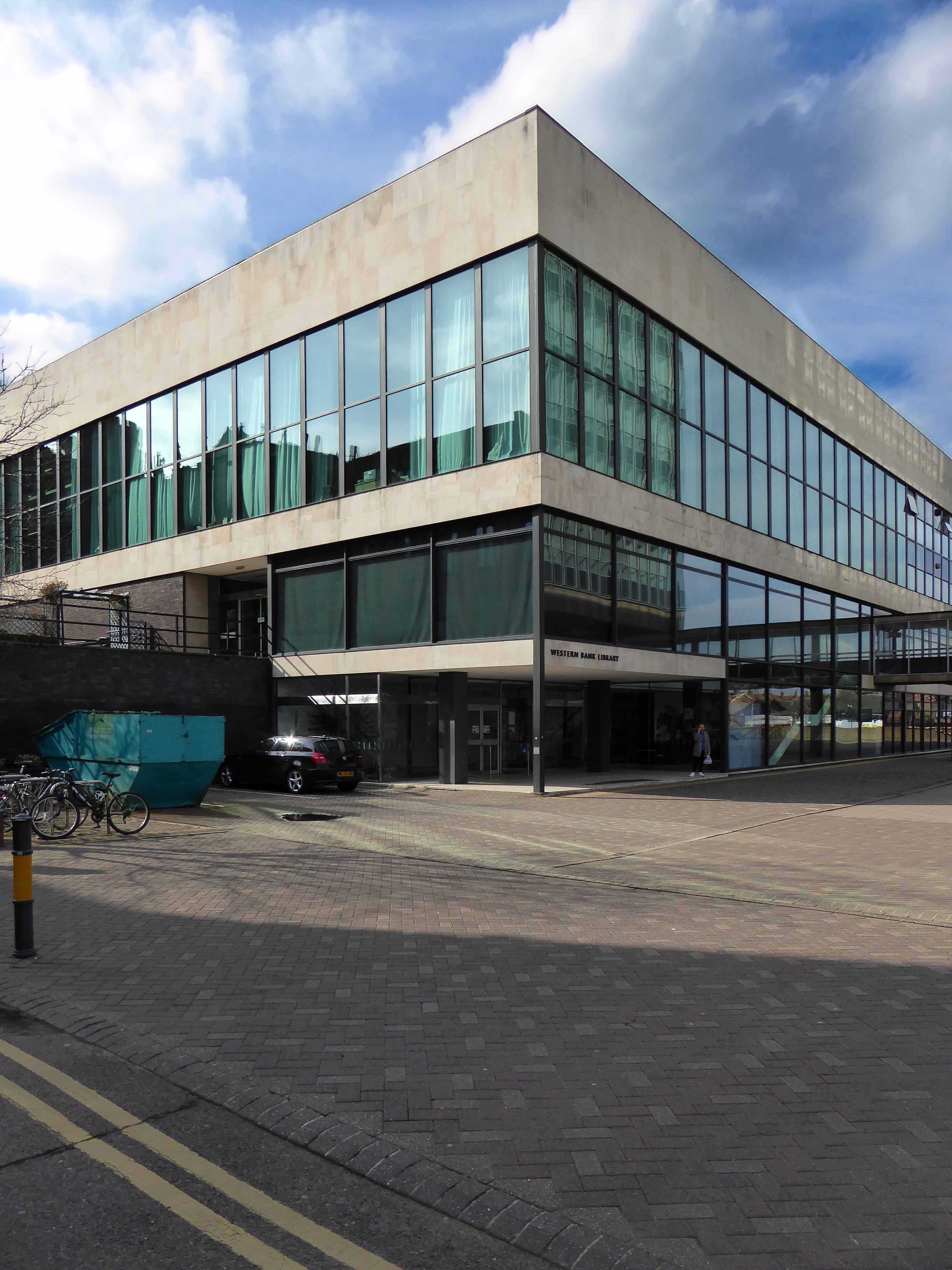
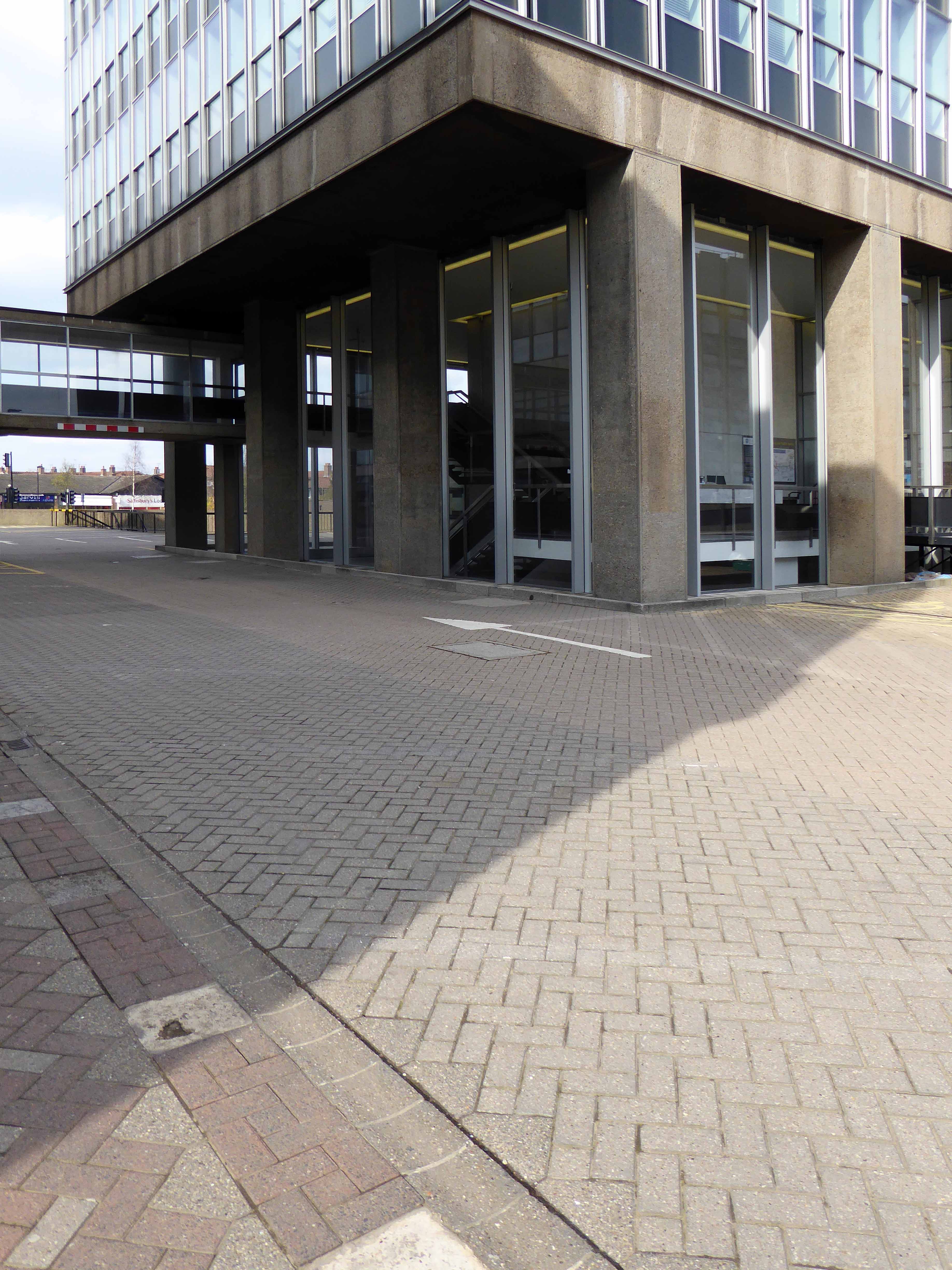
A bridge at the mezzanine level links the tower to Western Bank Library. This building was also designed by Gollins, Melvin, Ward & Partners—the two buildings are intended to be viewed together, the Arts Tower and Library are Grade II* listed buildings.
So if you have a penchant for a tall slab with an adjoining library, set in expansive parkland on the perimeter of a dual carriageway – go take a look.
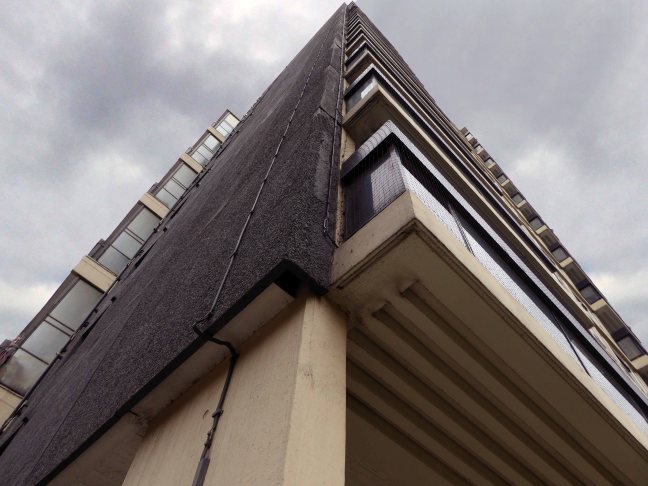
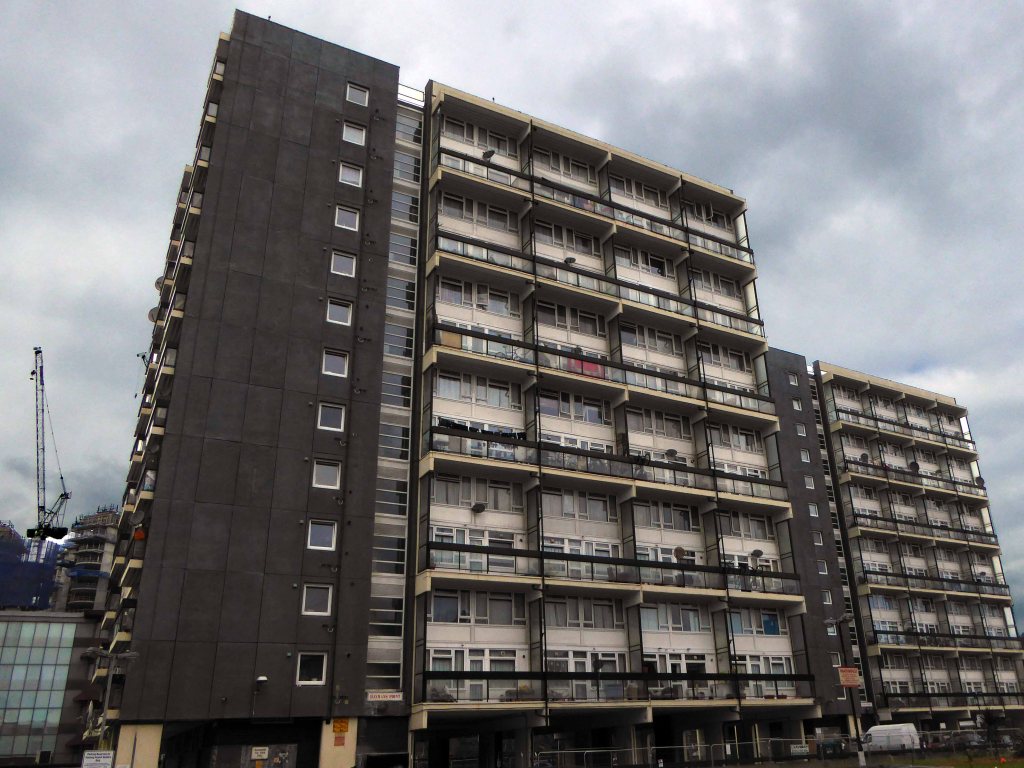
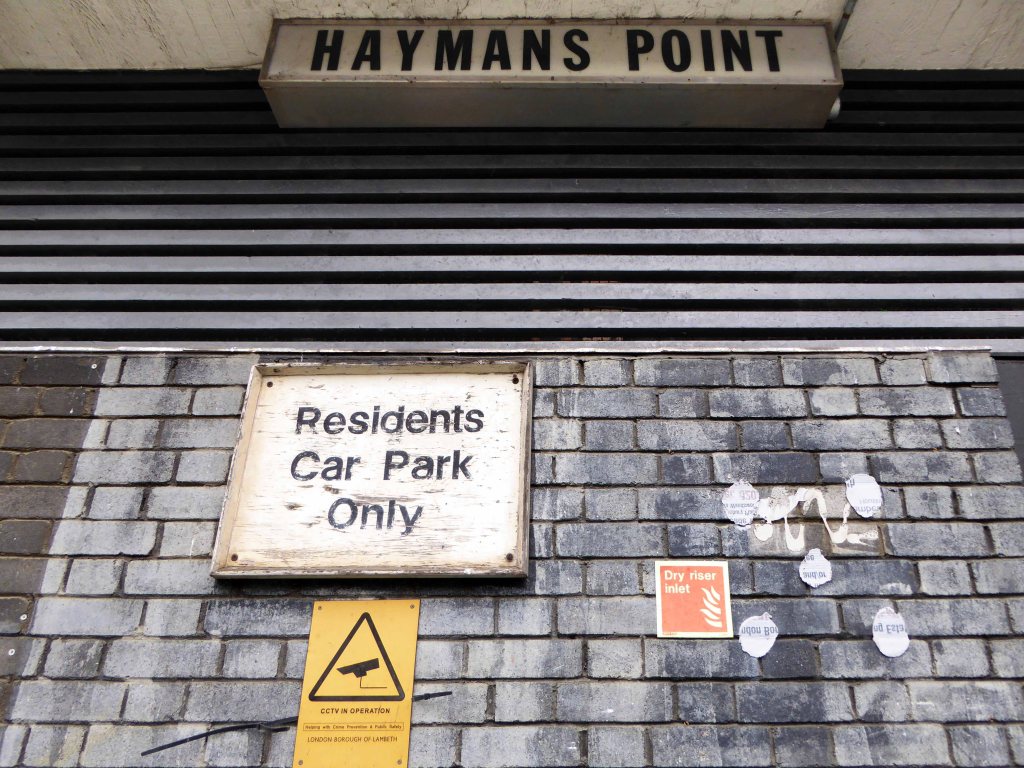
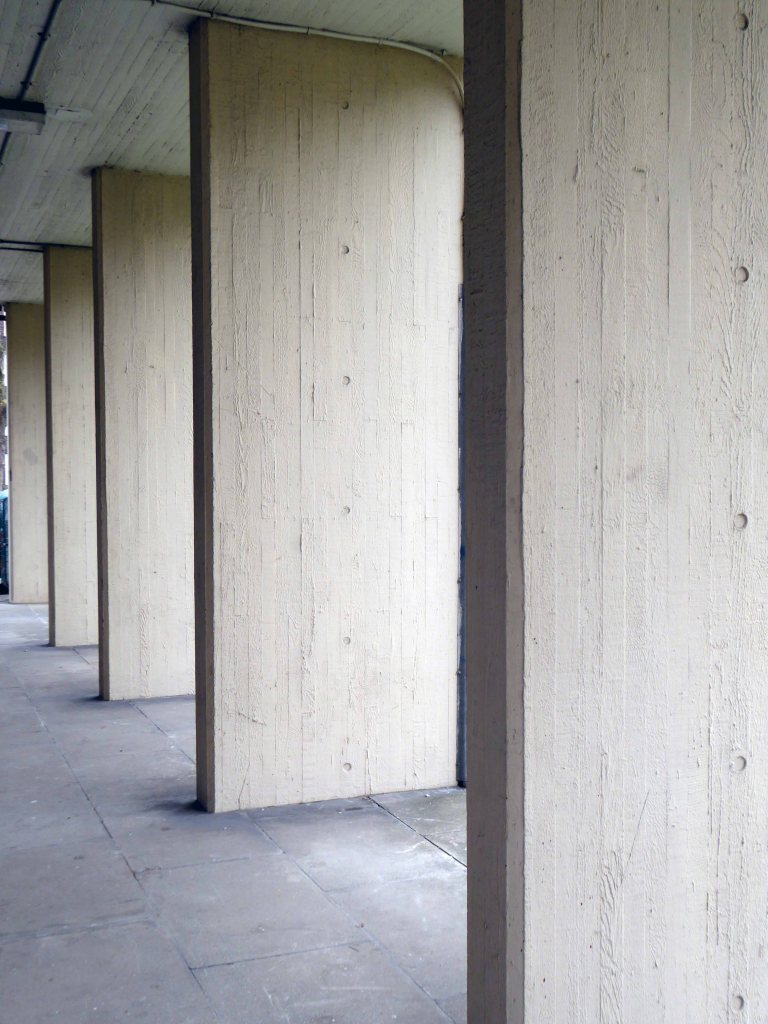
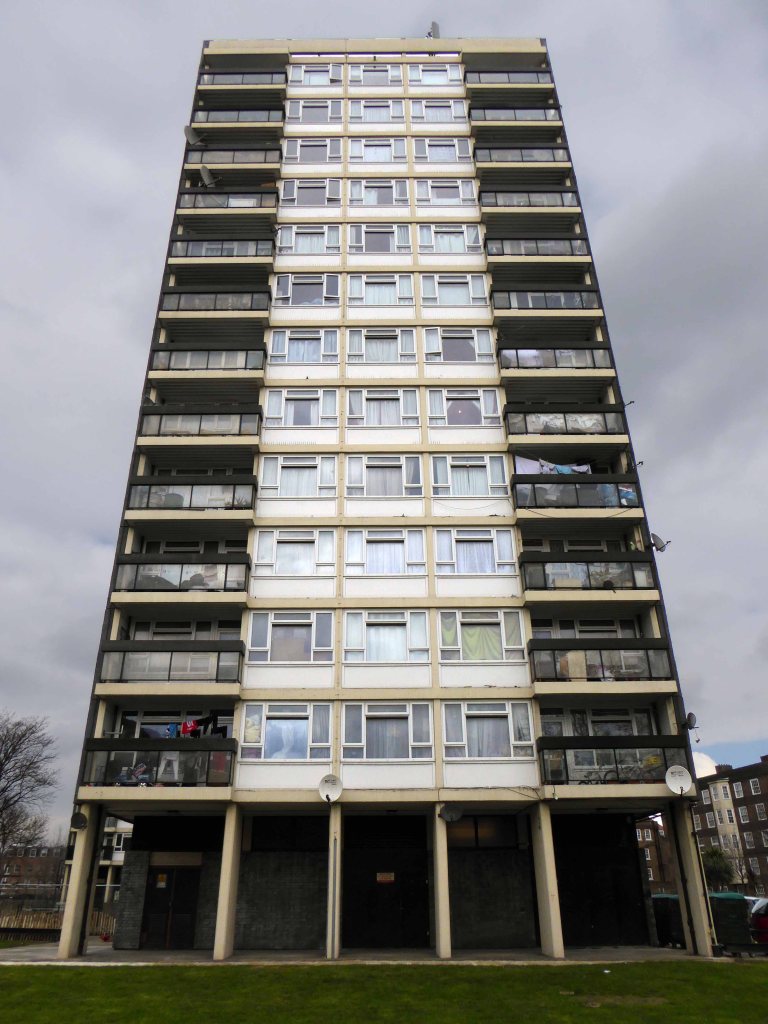
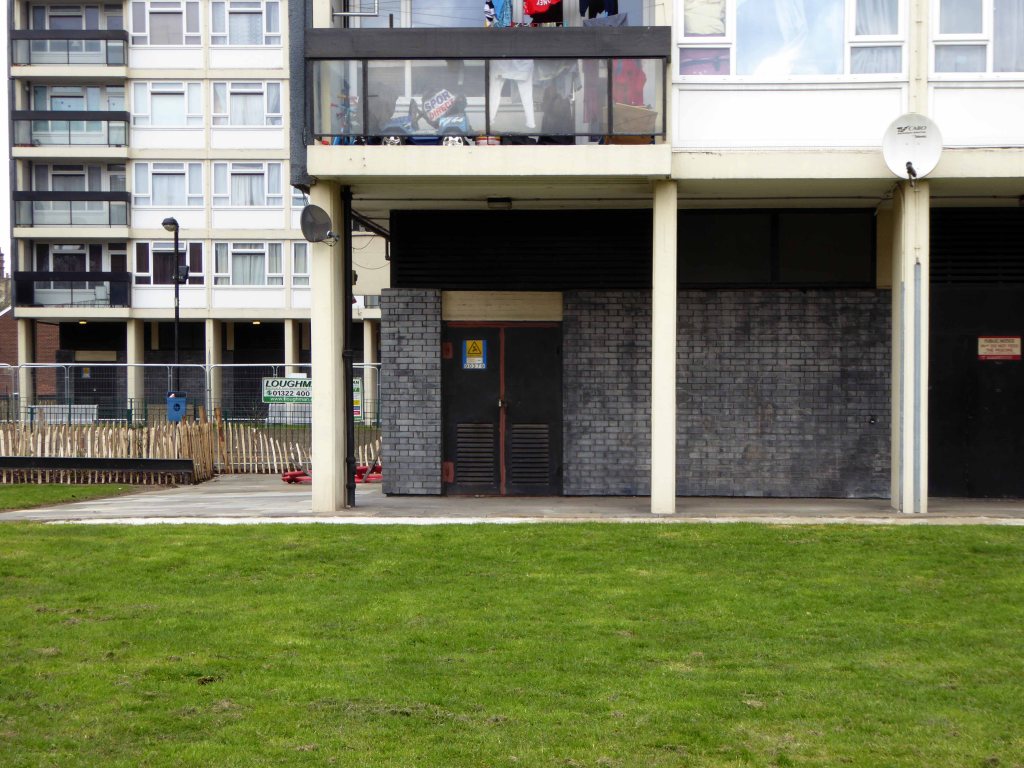
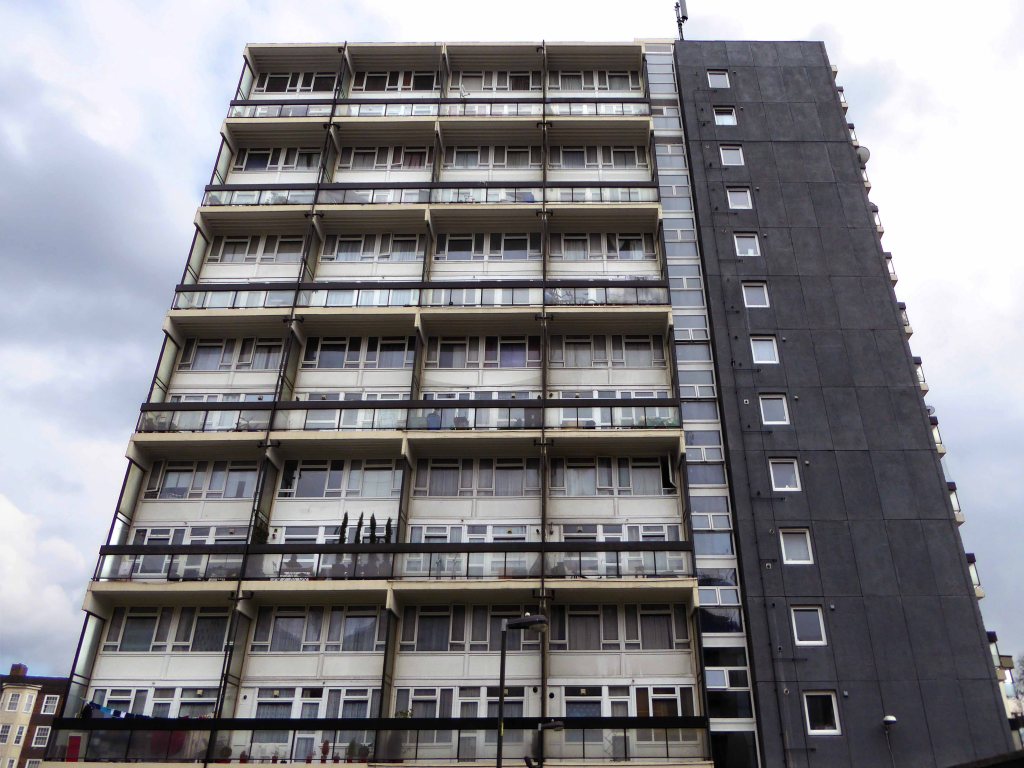
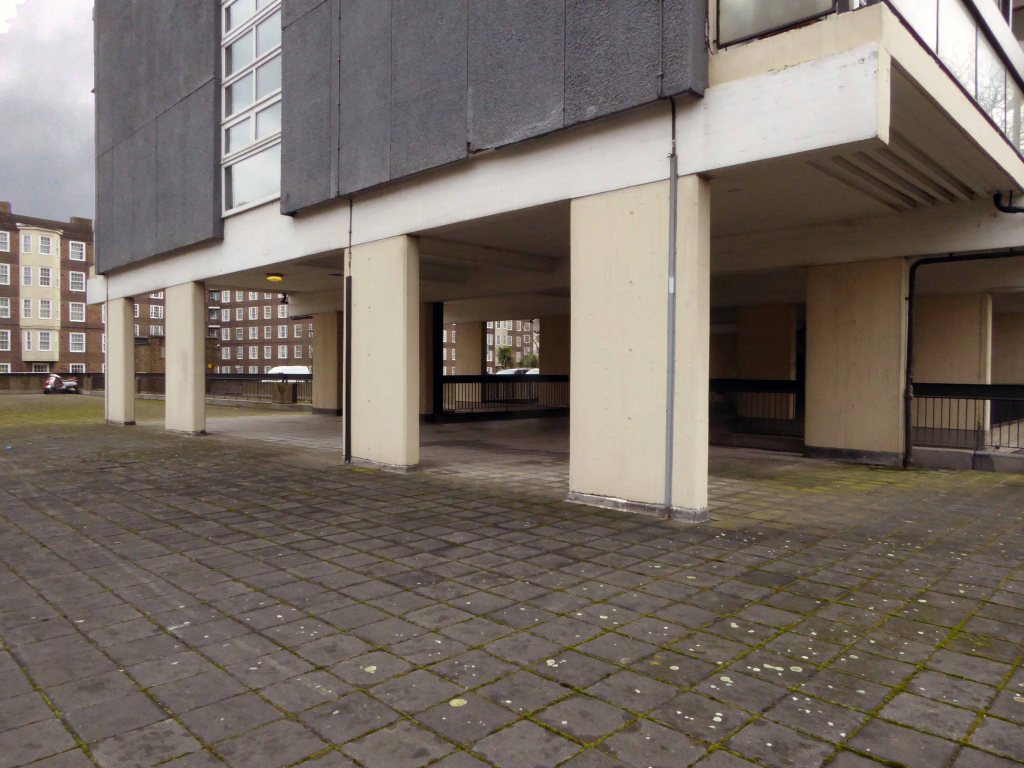
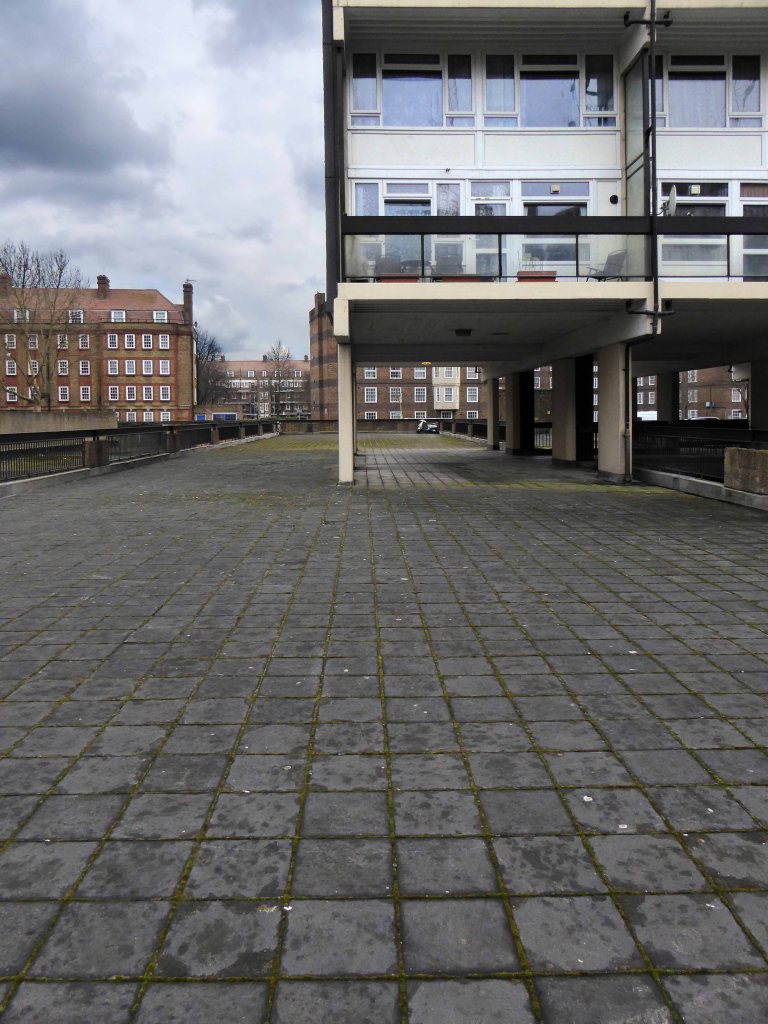
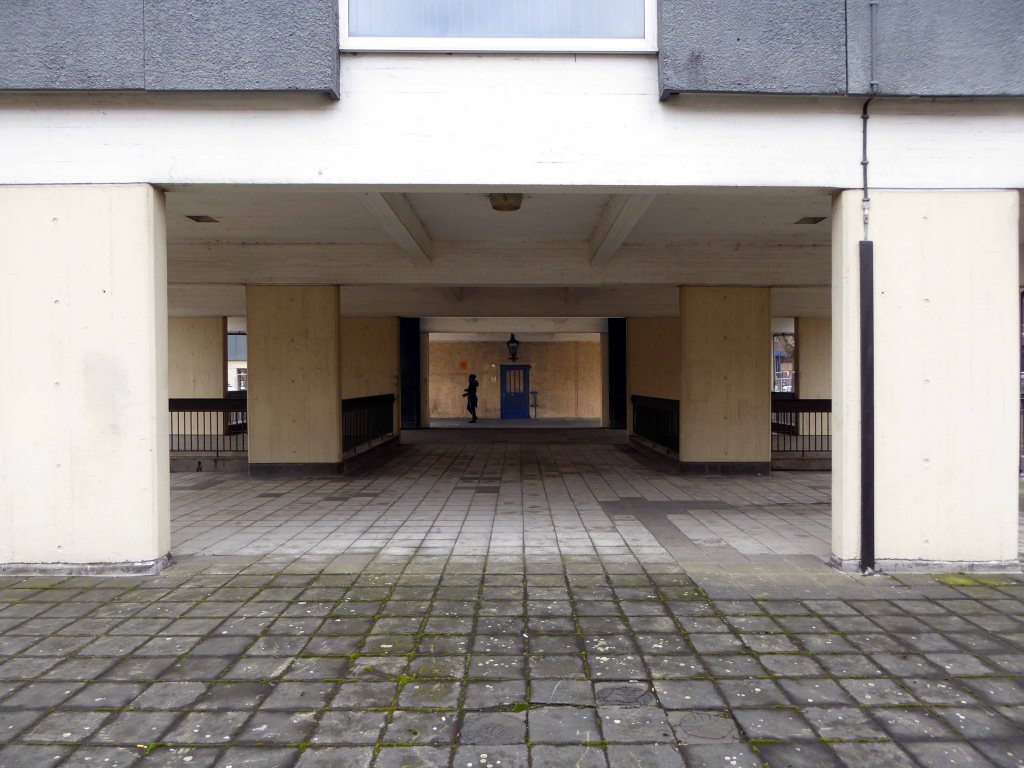
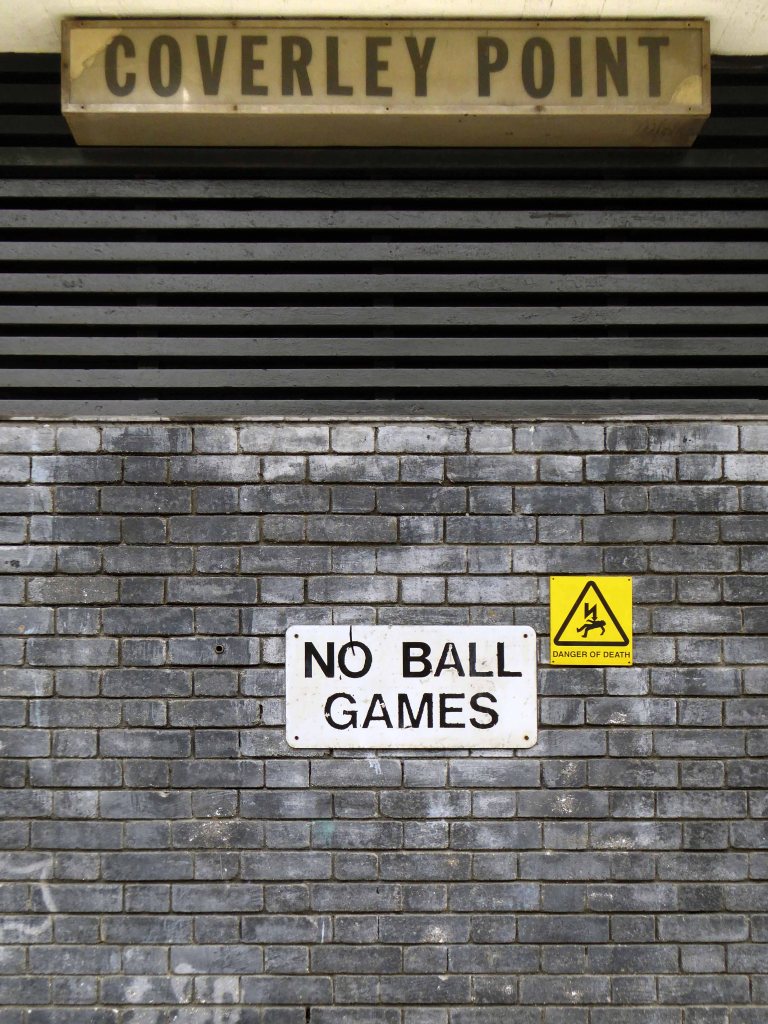
Vauxhall post war housing development, including two adjacent tower blocks Haymans and Coverley Point. labelled as a concrete jungle home to mainly manual workers, forty percent non-white, amid a mix of Eastern European and Portuguese emigres.
Vauxhall playground of the free-runners, film location and thrill seekers:
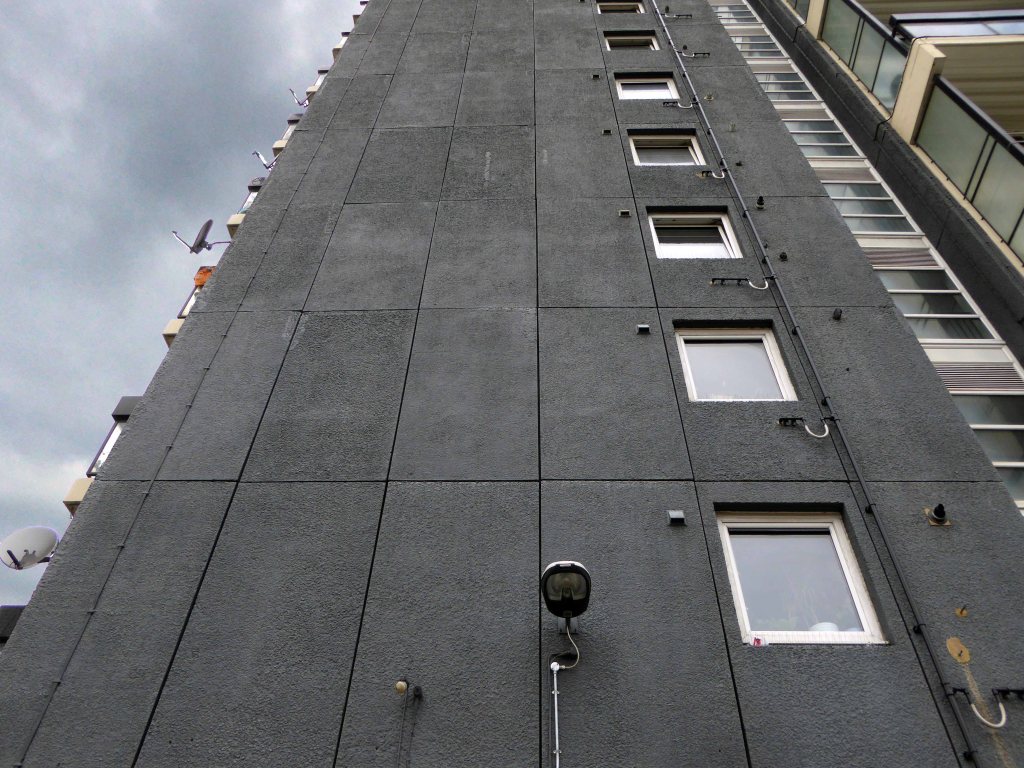
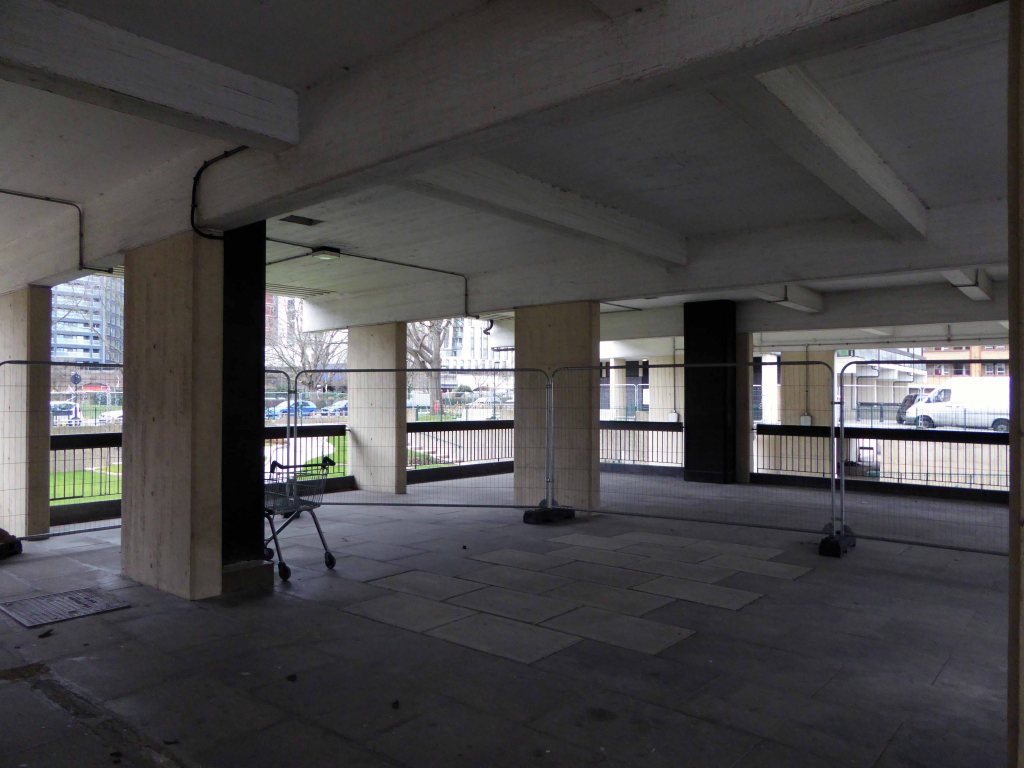
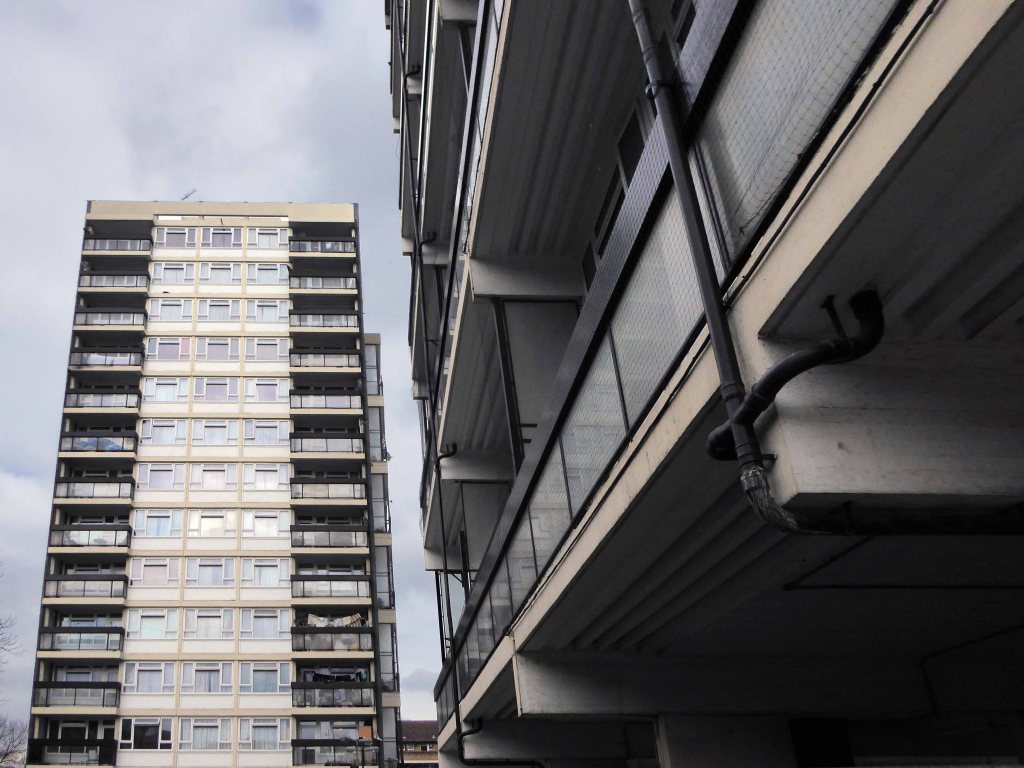
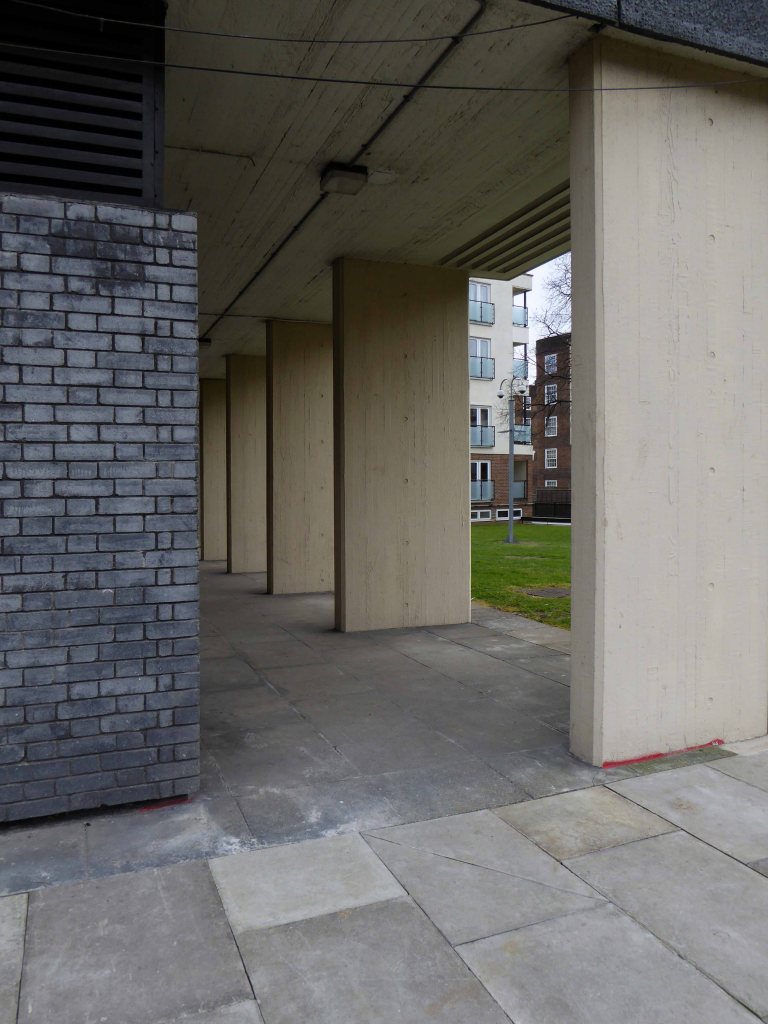
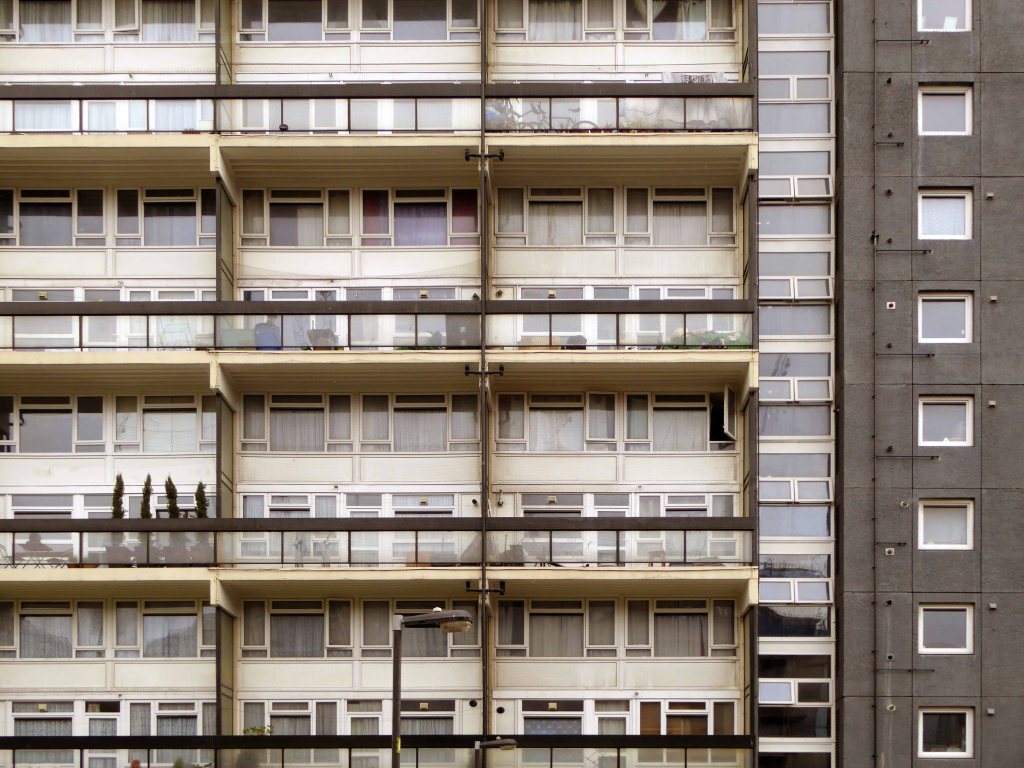
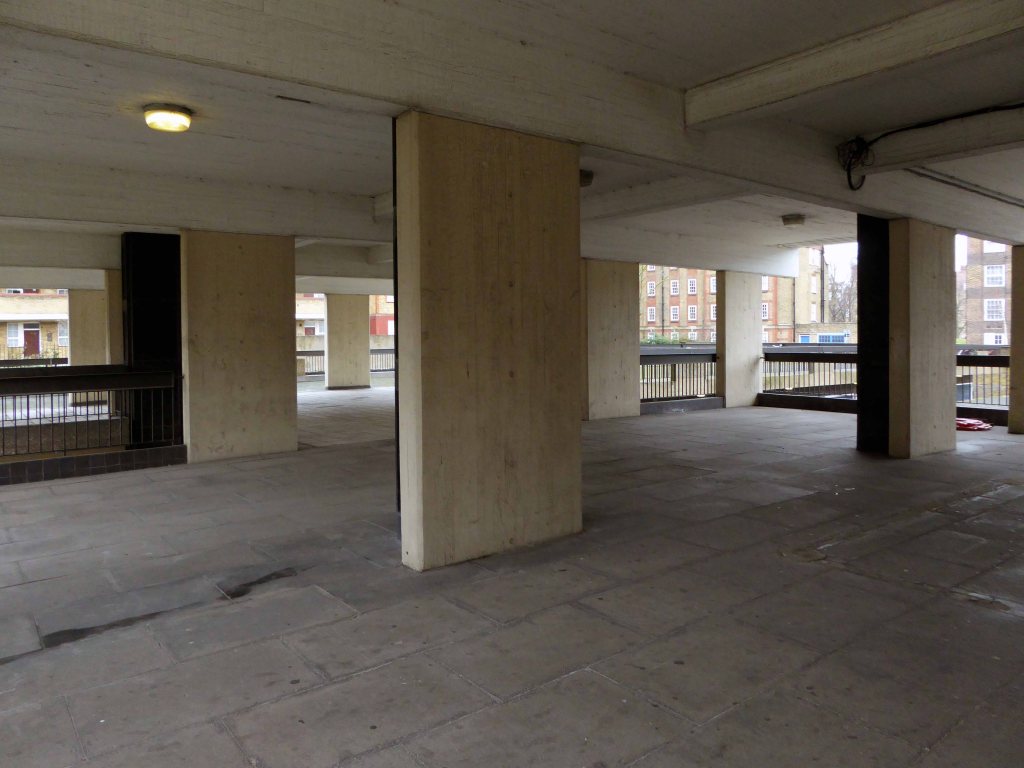
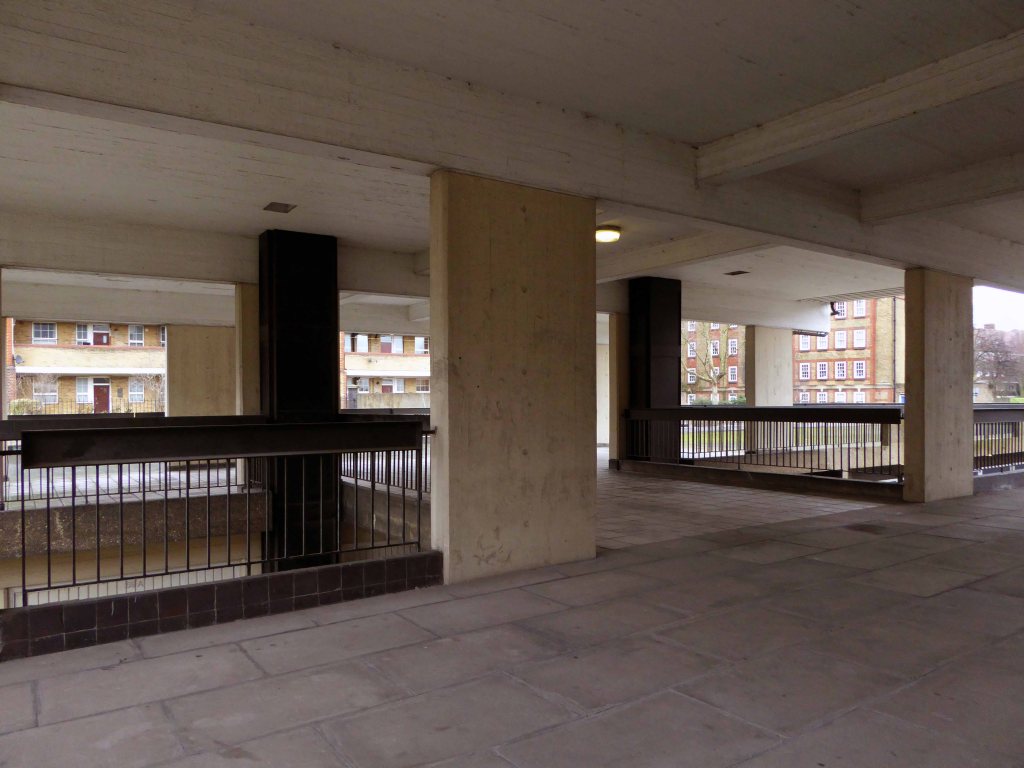
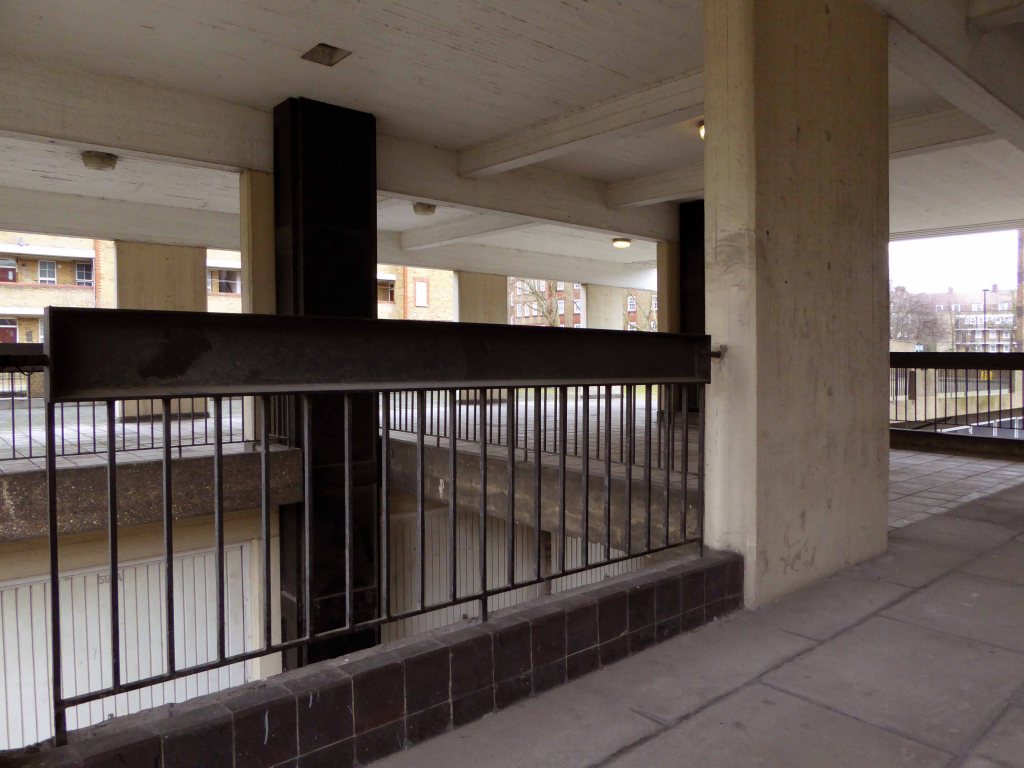
Haymans Point is an imposing, concrete, council estate tower block in the north of Lambeth, part of the Vauxhall Gardens Estate, which has an active residents and tenants association. The rooftop is fairly restricted in terms of outlook due to its high walls, but some interesting features are available including atmospheric interior corridors, outdoor walkways and underpasses over public spaces.
– It’s also giving young Lambeth citizens work experience in the construction industry.
Vincenzo got his interest in construction from his Mum, who was a Brixton-based painter and decorator, and his original work experience with London charity Build-it was decorating Lambeth Council blocks in Blenheim Gardens. “I’m fanatical about learning things. I like moving about and in building you’re always somewhere different. Nadine from Build-it said this job would be hard work, so I was right on it”
Two blocks without a chip on their respective shoulders, set in a green sea of history.
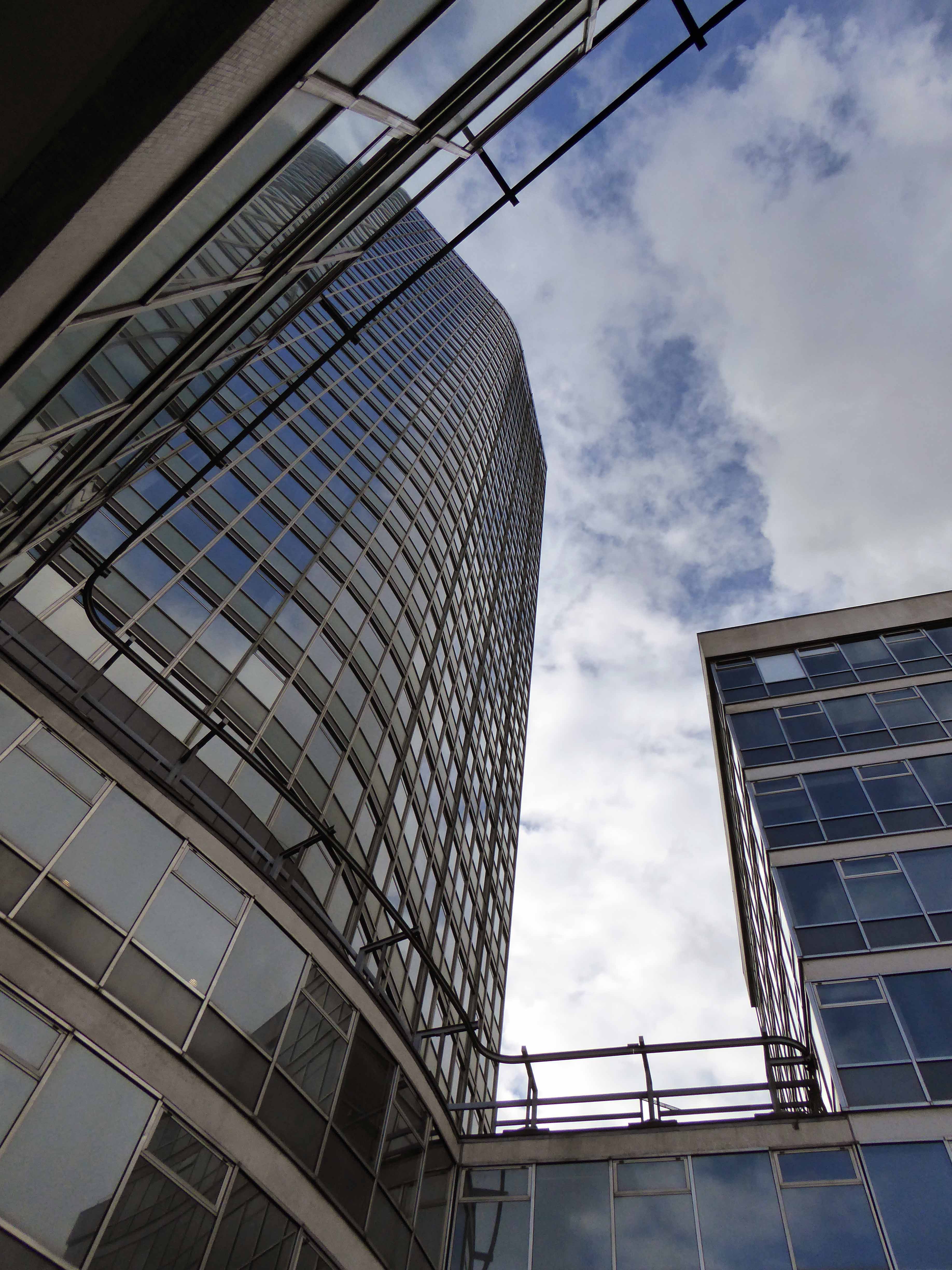
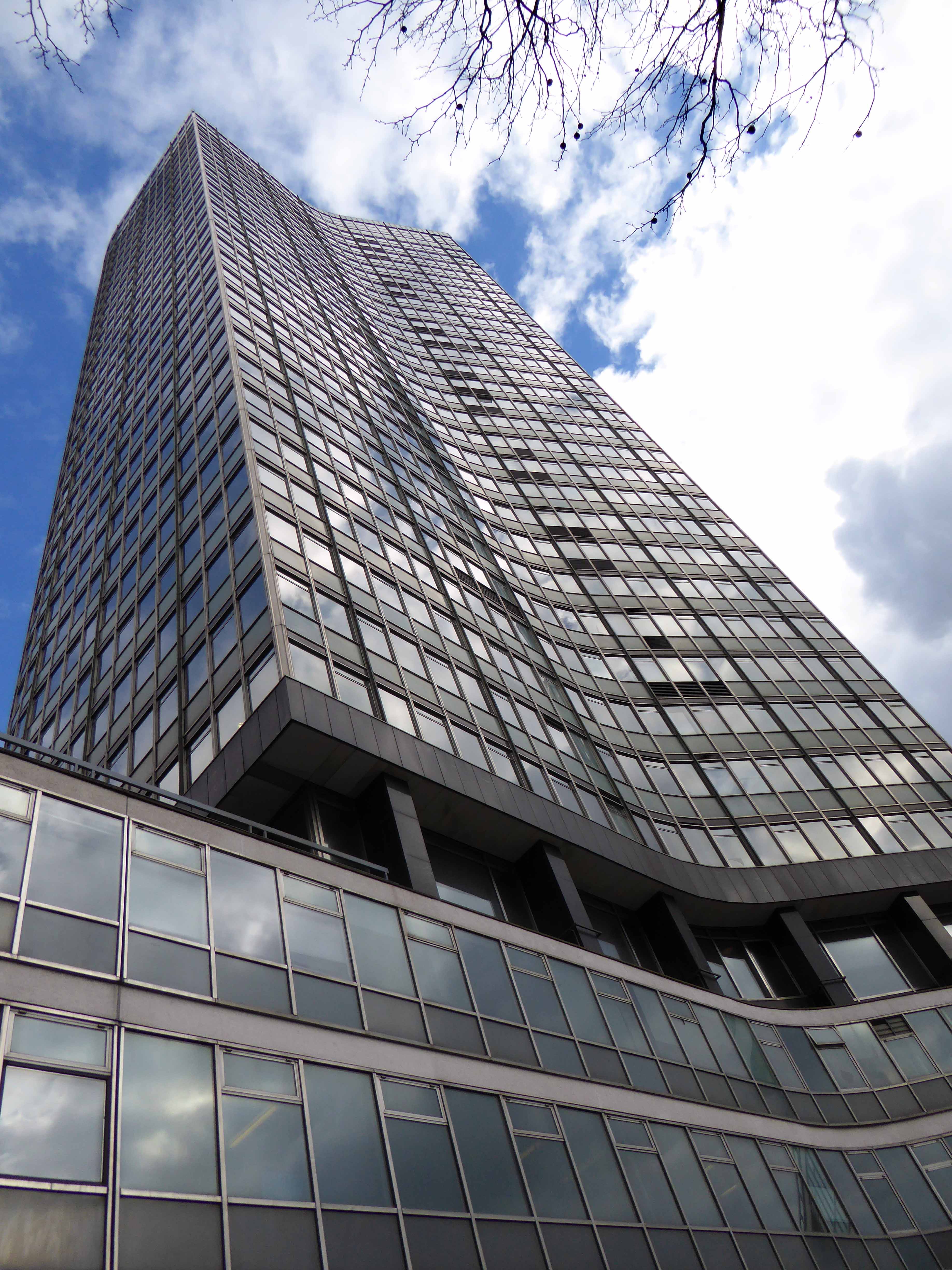
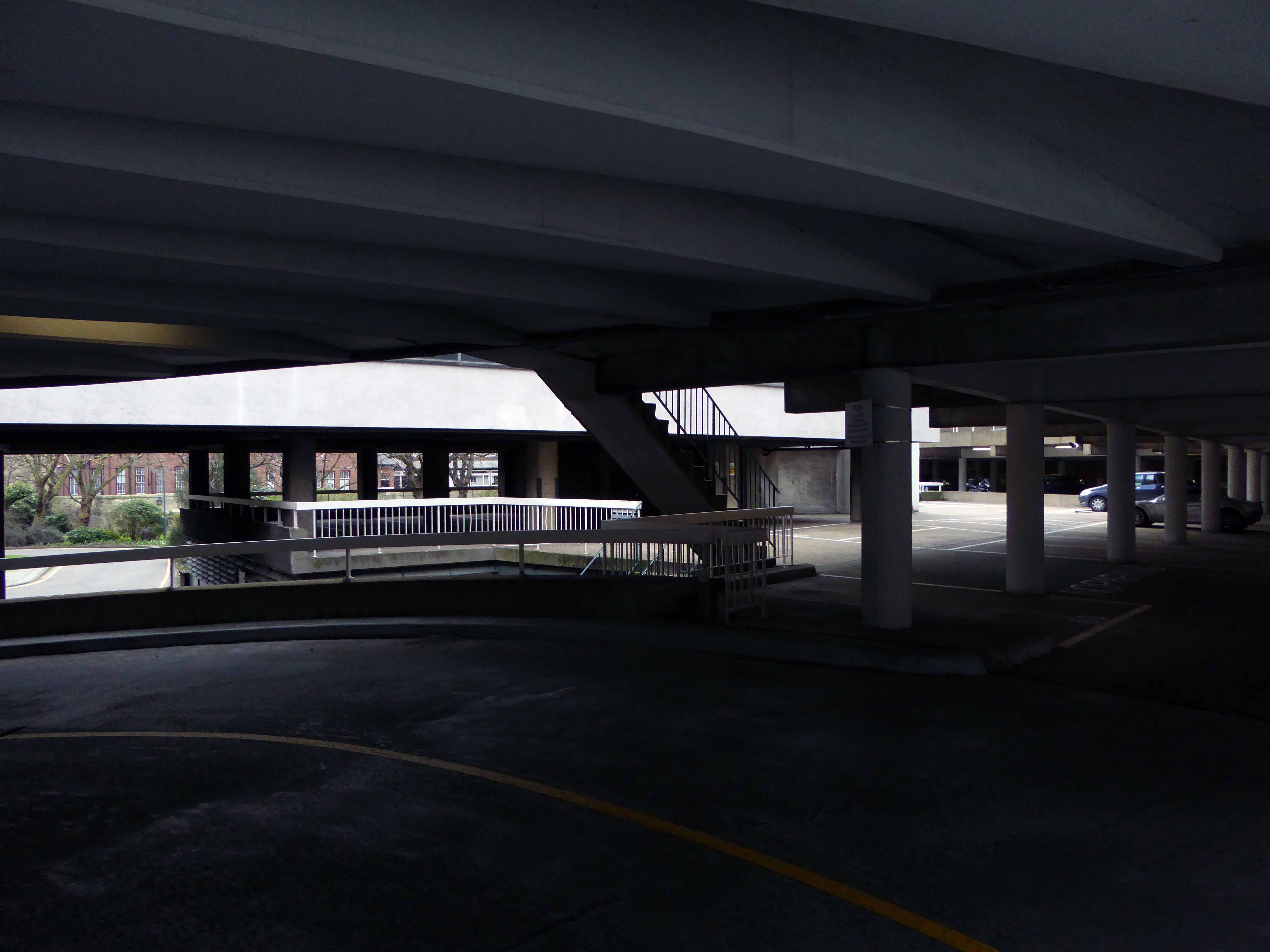
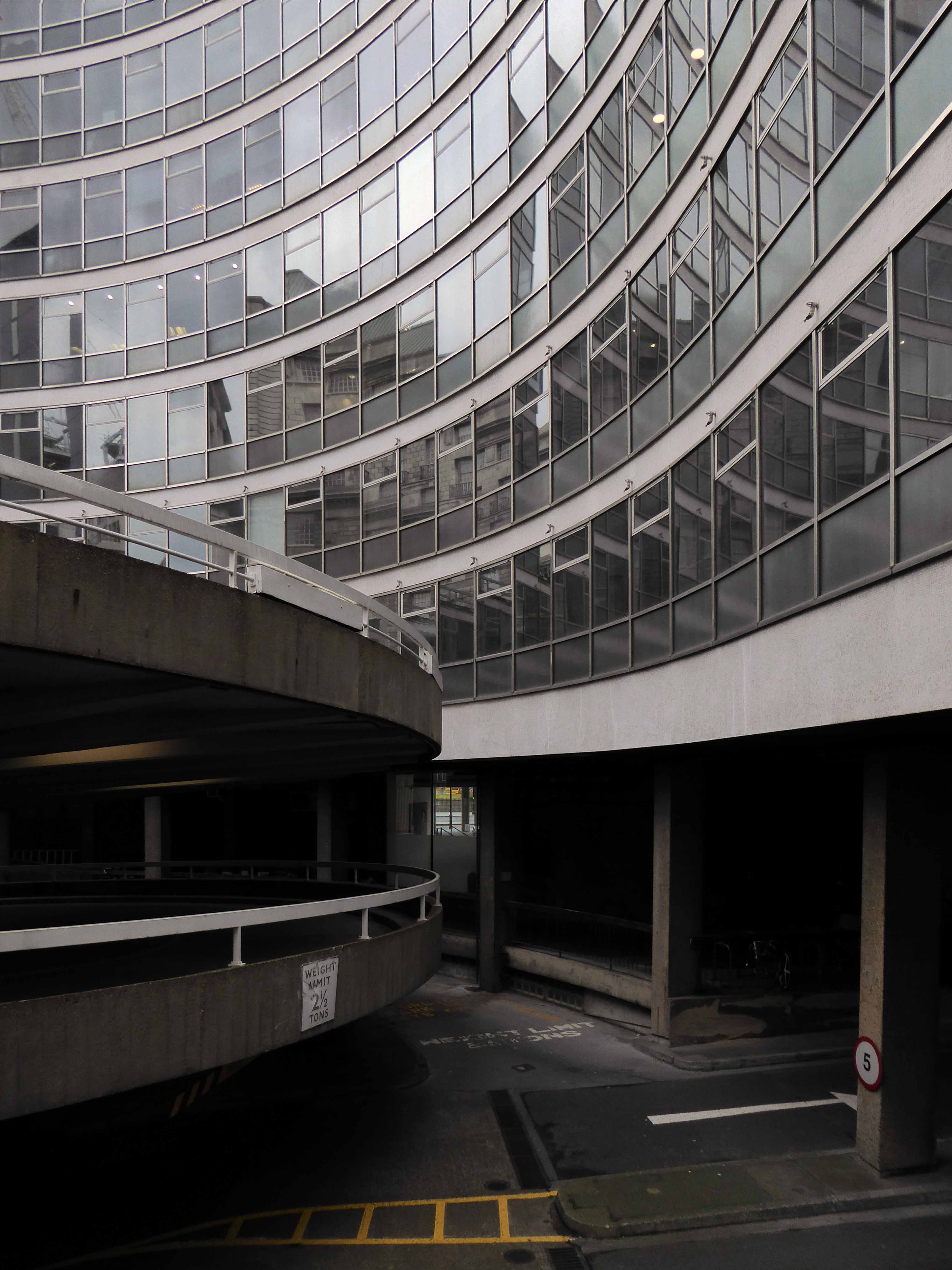
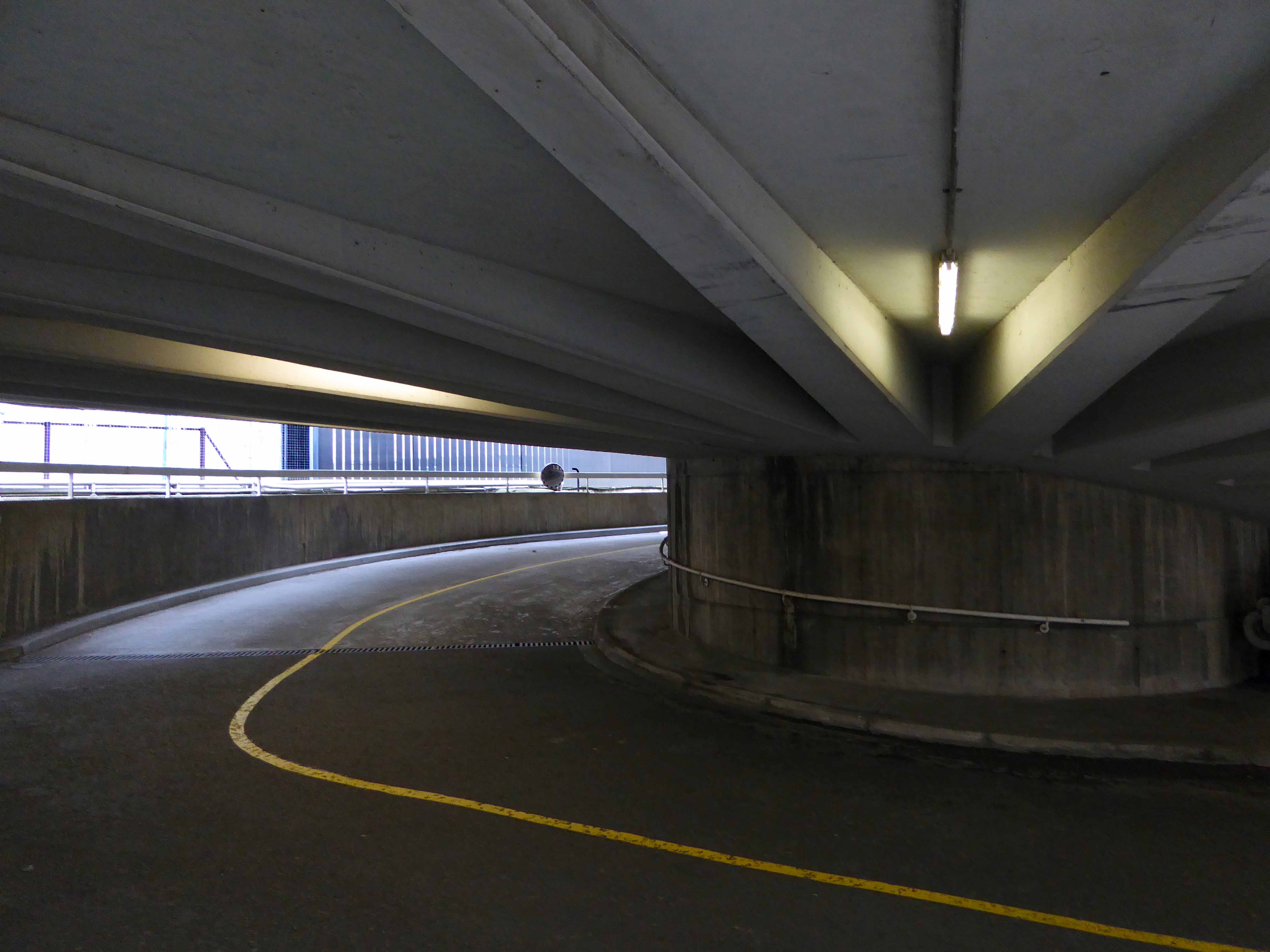
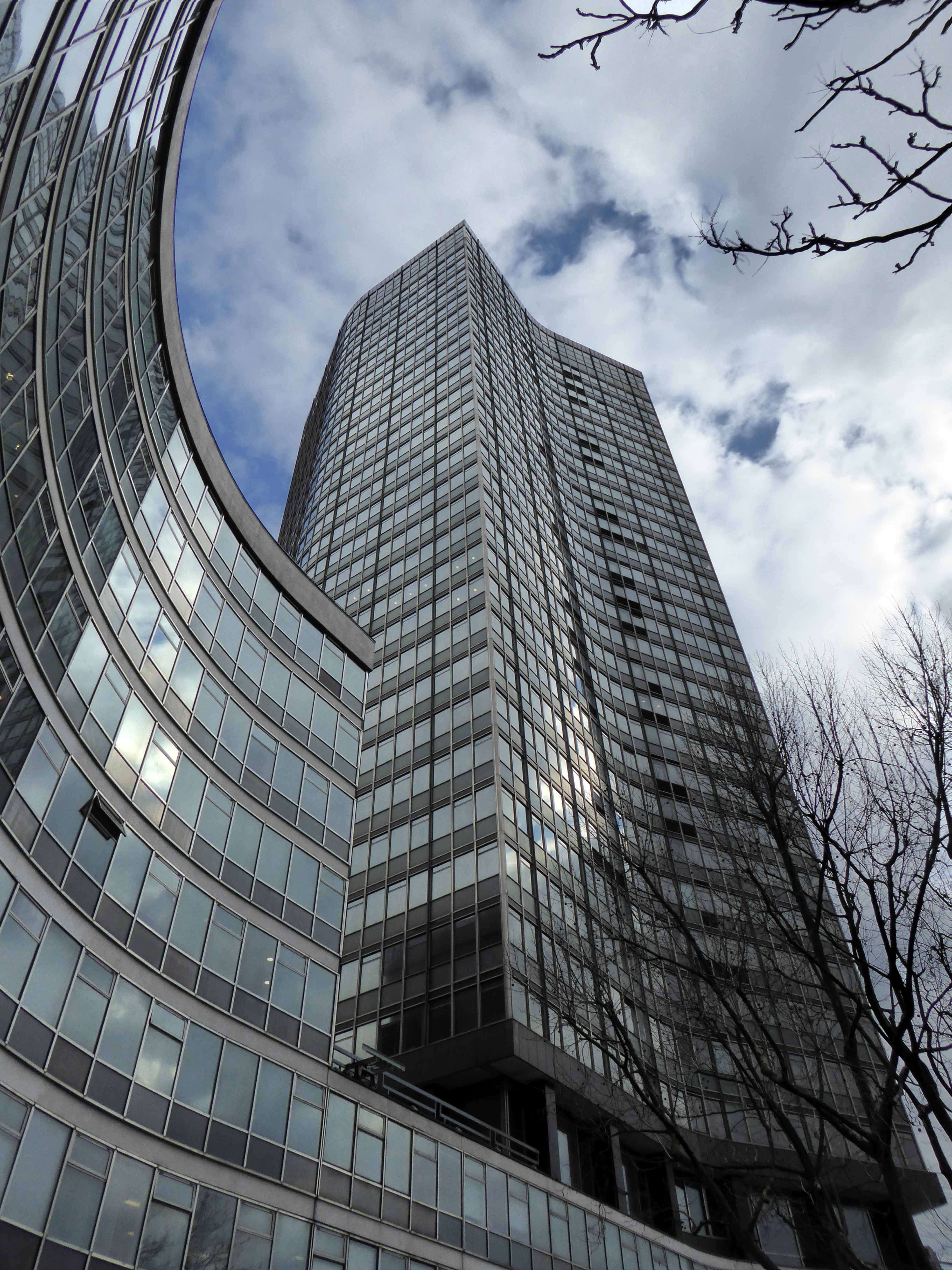
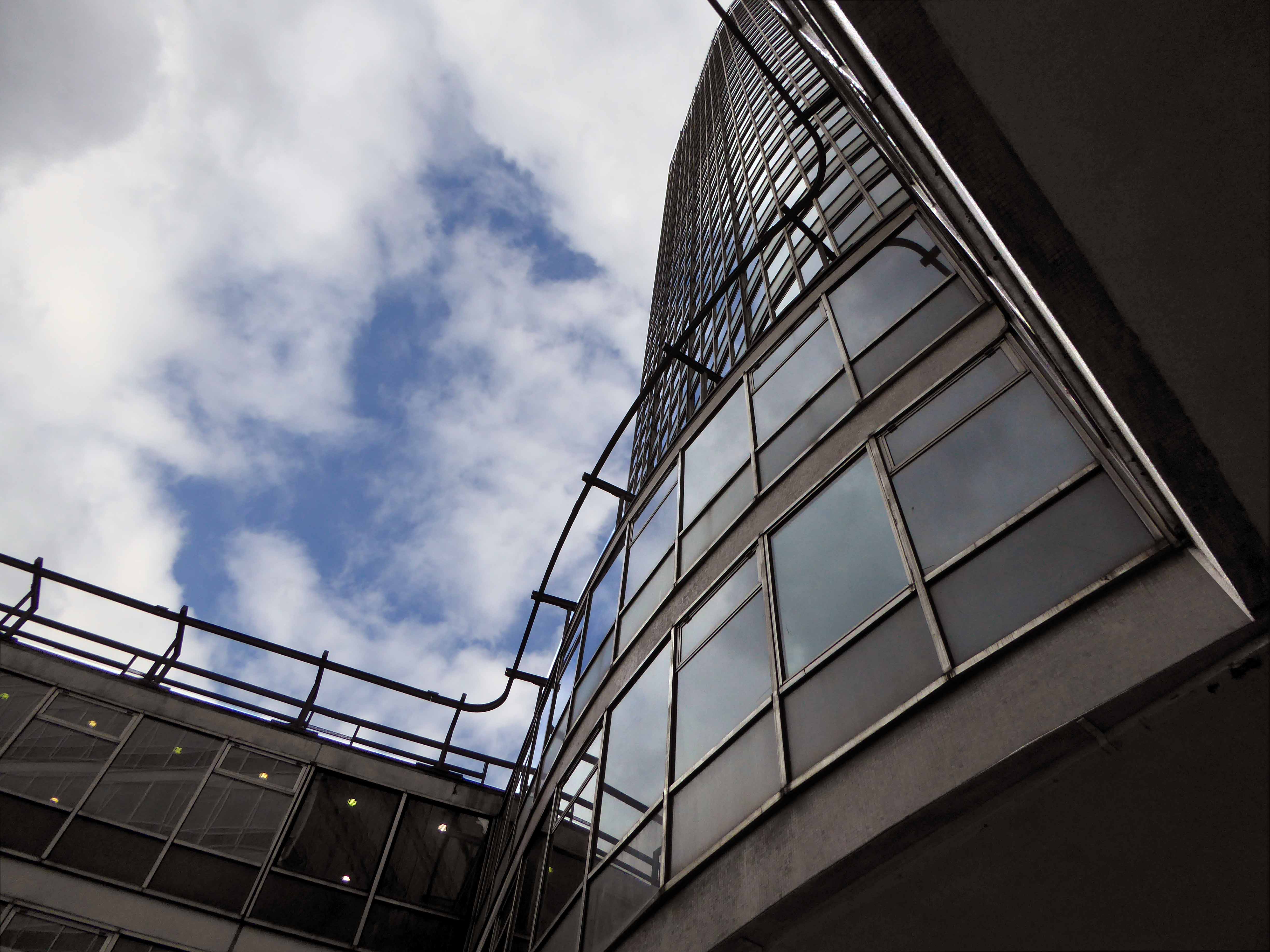
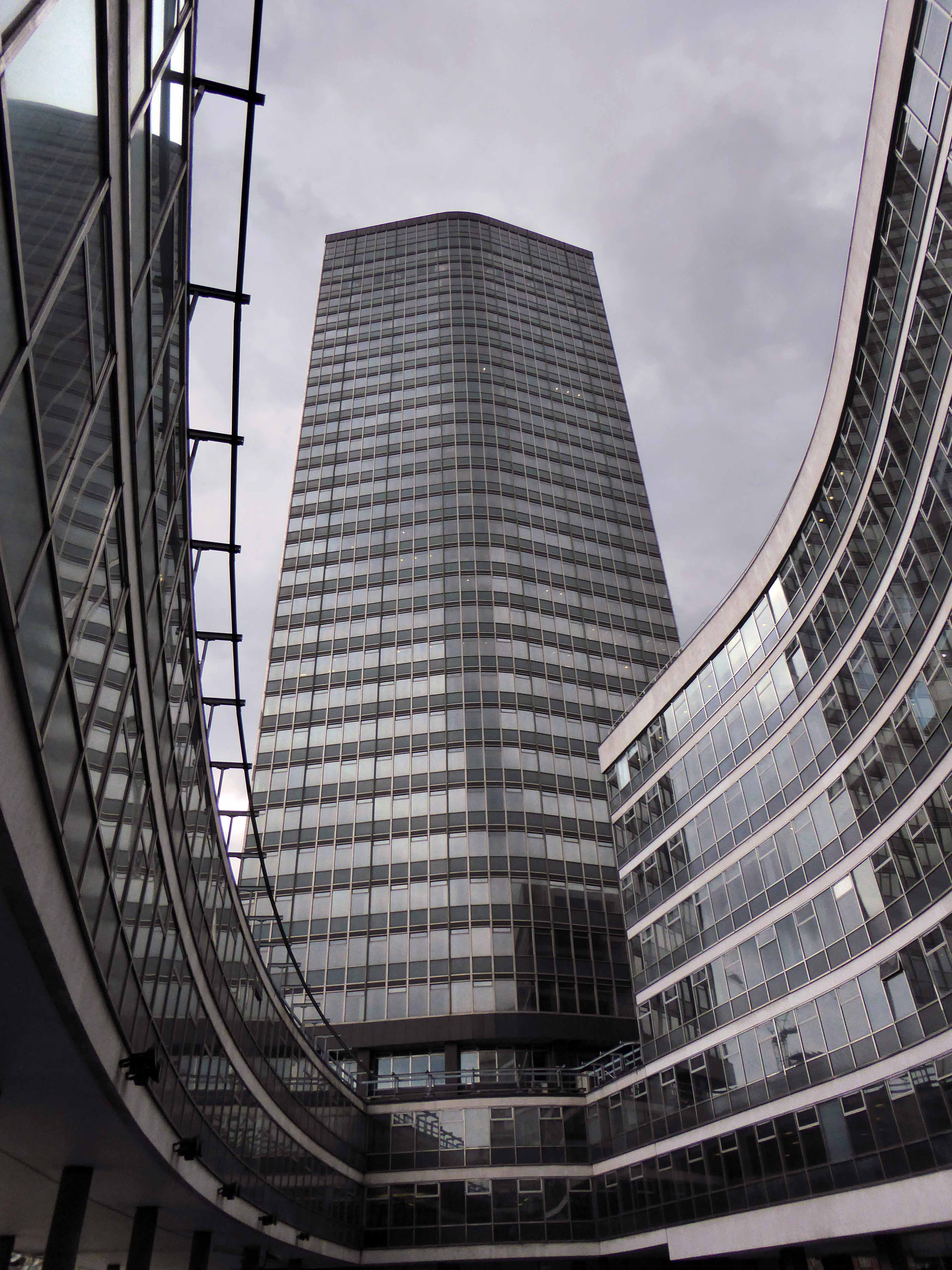
Millbank Tower is a 118 metre or 387 feet high skyscraper in the City of Westminster at Millbank, on the banks of the River Thames in London.
The Tower was constructed in 1963 for Vickers and was originally known as Vickers Tower. It was designed by Ronald Ward and Partners and built by John Mowlem & Co. It is a landmark on the London skyline, sitting beside the River Thames, half a mile upstream from the Palace of Westminster. The tower has been owned by David and Simon Reuben since 2002, while still being managed by its former owner Tishman Speyer Properties.
It is a Grade II listed building.
From 1995 the Labour Party rented two floors in the base at the south of the site for use as a general election campaign centre, including the ground floor, which had a lecture theatre, and also a meeting space that was used for press conferences. Labour ran its 1997 General Election campaign from these offices; after the election, the party vacated its headquarters at John Smith House, Walworth Road SE17, to move to Millbank. Just five years later, however, the £1 million per annum rent forced the party to vacate the tower and relocate to 16 Old Queen Street.
The United Nations also had offices in Millbank Tower, but moved out in June 2003, also citing high rents. Other public bodies have continued to occupy the building, including the Central Statistical Office, the predecessor of the Office for National Statistics, the Parliamentary and Health Service Ombudsman, the Local Government Ombudsman, the UK India Business Council and the Records Management Service.
Since 2006, the Conservative Party have based their campaign headquarters at 30 Millbank, in the same complex as Millbank Tower.
Other floors in the tower are occupied by various organisations and commercial companies, including Environment Agency, the World Bank, Altitude 360 London, foreign exchange specialists World First; the Specialist Schools and Academies Trust, the UK India Business Council, the Audit Commission, event caterers Salt and Pepper, Private Food Design, the firm Lewis PR, the London office of the Open Society Foundations, the Local Government Boundary Commission for England and XLN Telecom.














 Modern Mooch