Butetown Cardiff – Housing

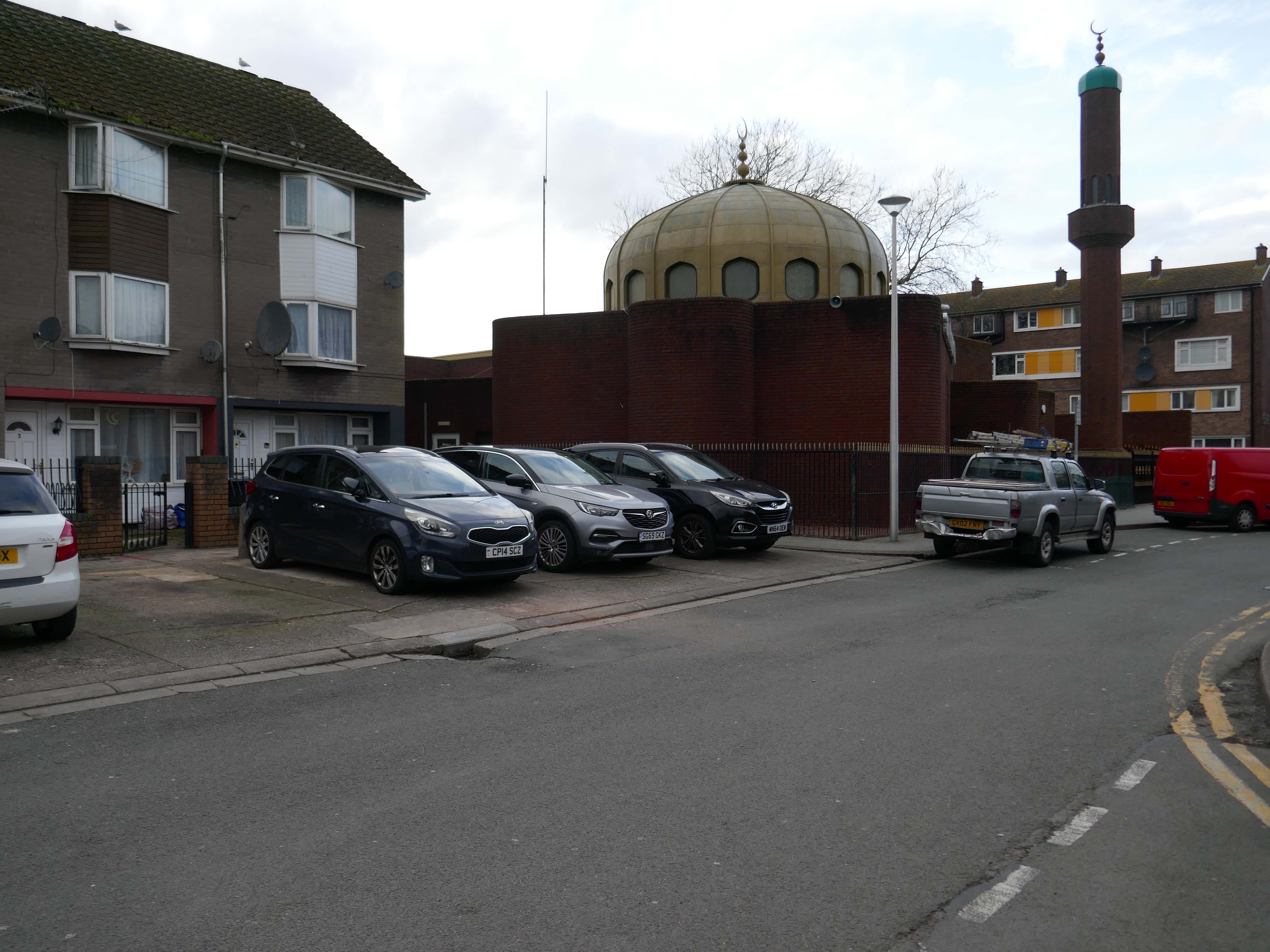
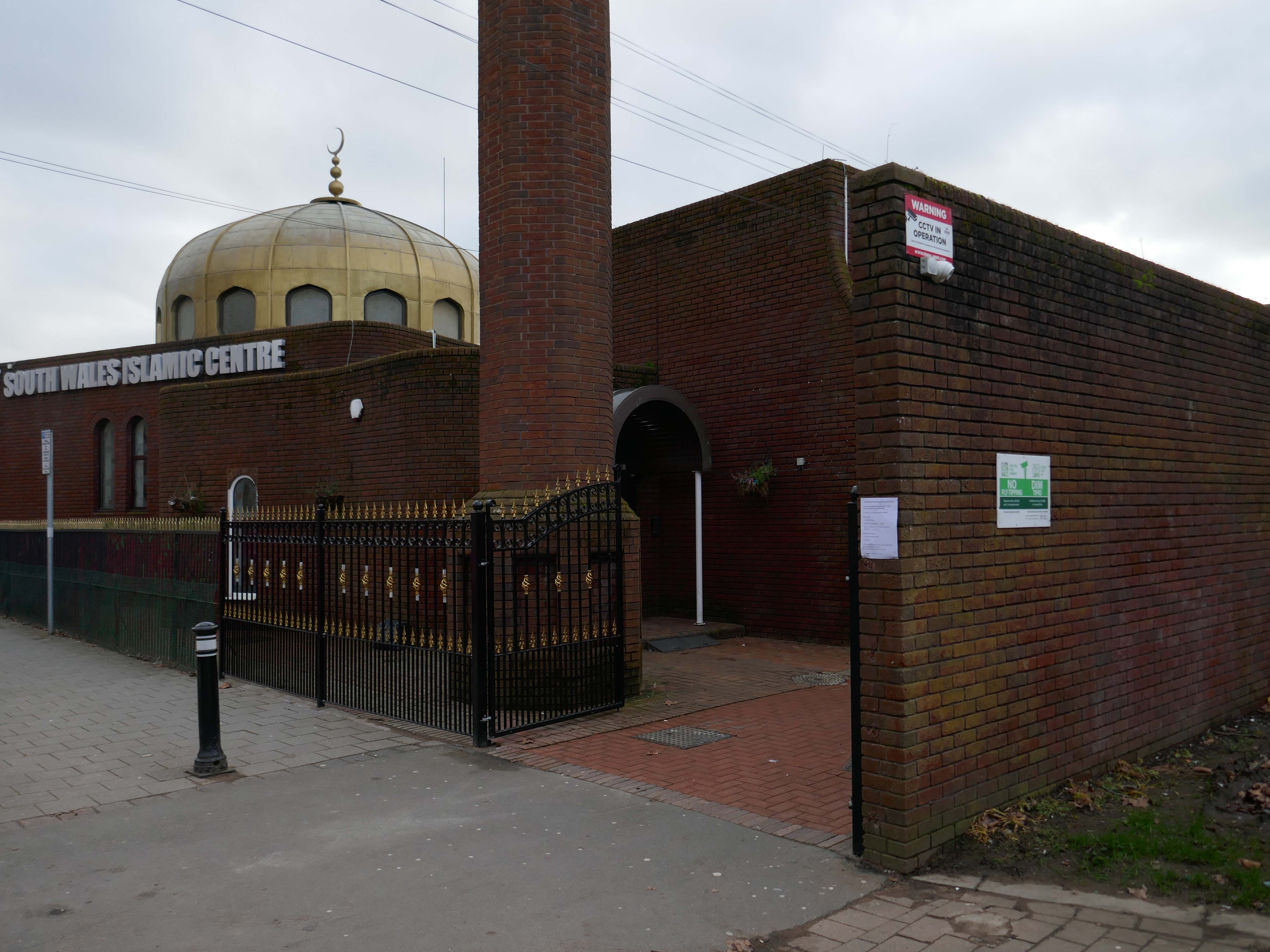
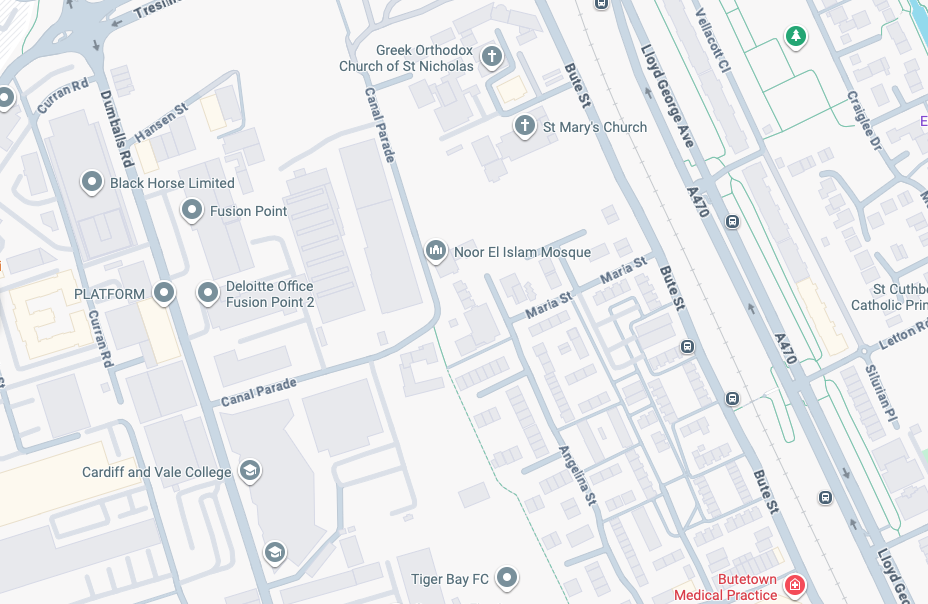
Butetown – or The Docks Tre-biwt is a district and community in the south of the city of Cardiff. It was originally a model housing estate built in the early 19th century by the 2nd Marquess of Bute, for whose title the area was named. 

Commonly known as Tiger Bay, this area became one of the UK’s first multiculturalcommunities with people from over fifty countries settled here by the outbreak of the First World War, working in the docks and allied industries. Some of the largest communities included the Somalis, Yemenis and Greeks, whose influence still lives on today.

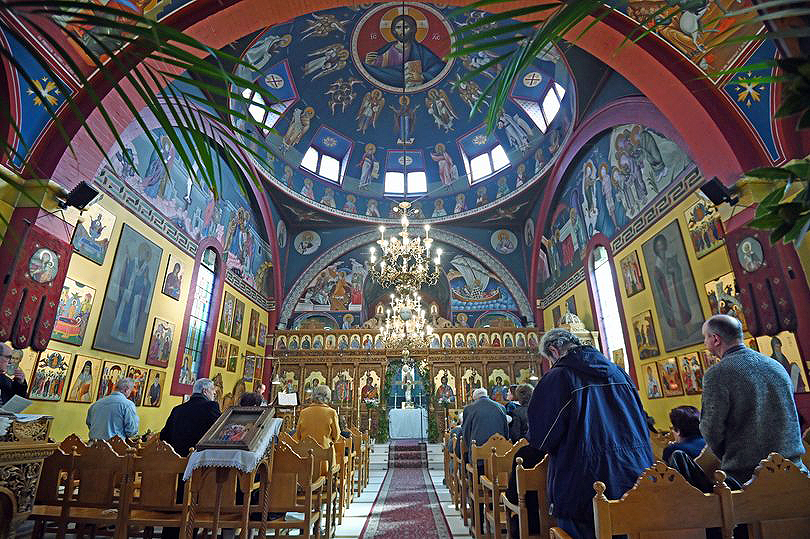
Greek Orthodox church still stands at the top of Bute Street.

Wikipedia

In 1906, work began on the present-day church, which also serves the Russian Orthodox community in south Wales. Designed by local architects, James and Morgan, it is located on a site provided by the 4th Marquess of Bute, to the west of Bute Street. The modestly-sized building is of Byzantine style with a domed nave and an apse at the east end. It retains the original dedication to St Nicholas. The interior is very ornate, with a lot of carved woodwork. The dome and upper walls have painted Biblical scenes in vivid colours with gold decoration.

David Webb, Glamorgan Archives Volunteer
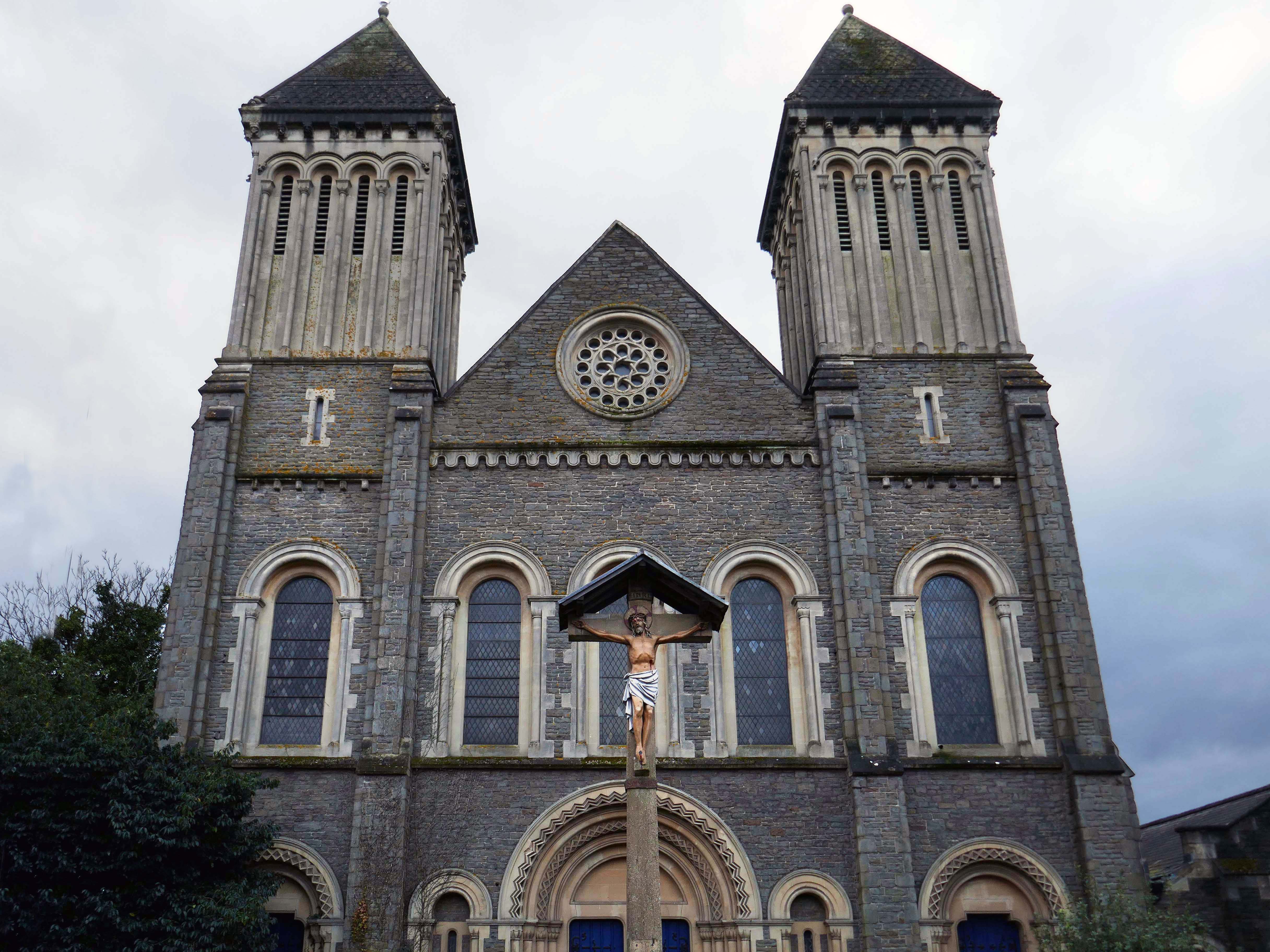
Photo: Richard Swingler

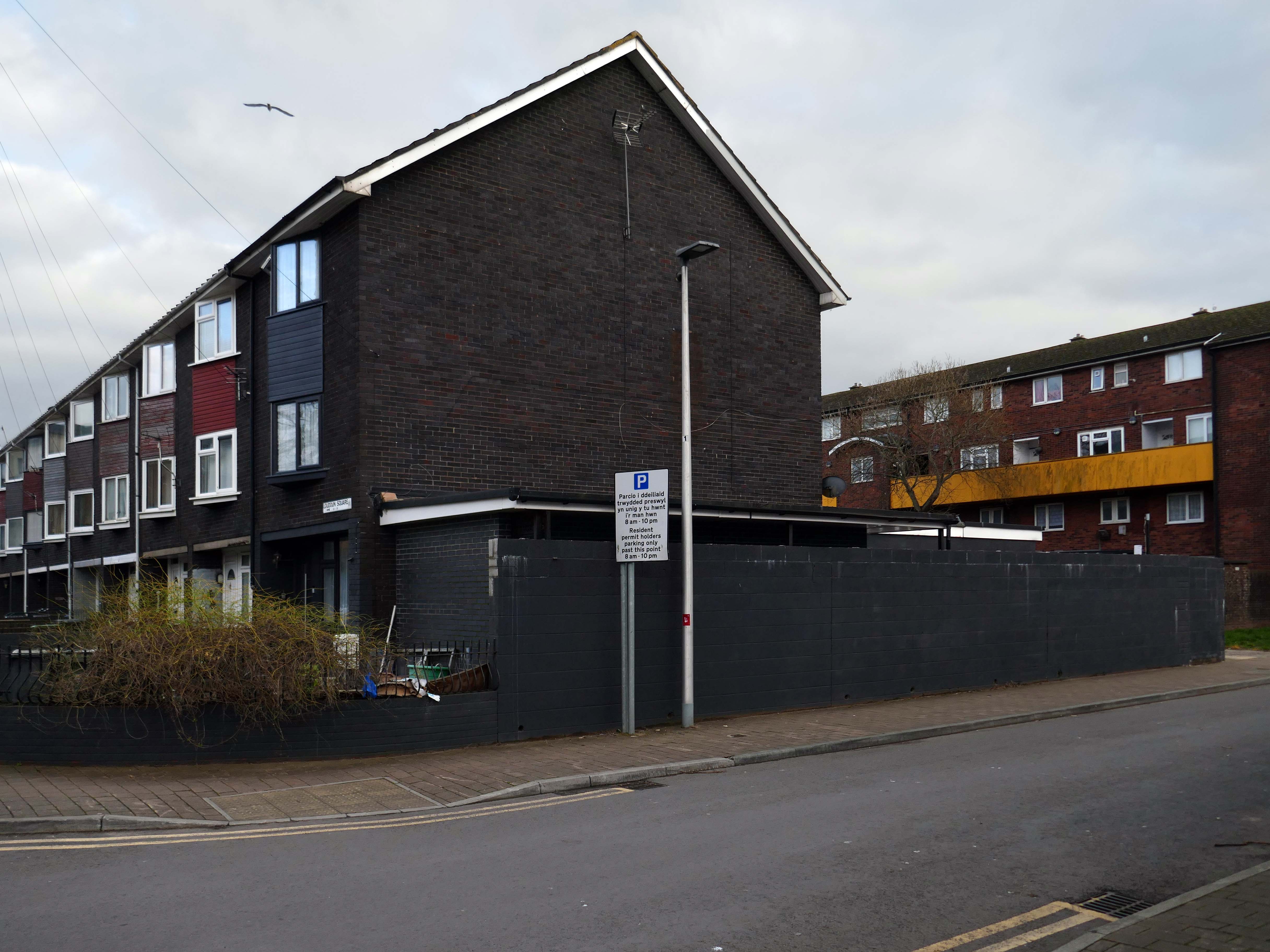
Loudoun Square was originally built in the mid-1850s as upmarket homes for merchants, mariners, ship brokers and the like around a central park.
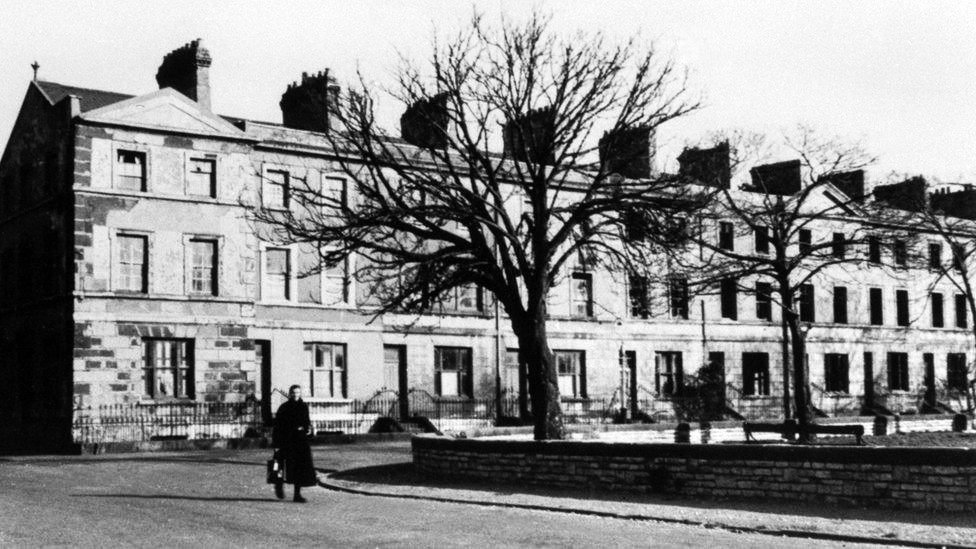
Photo 1962

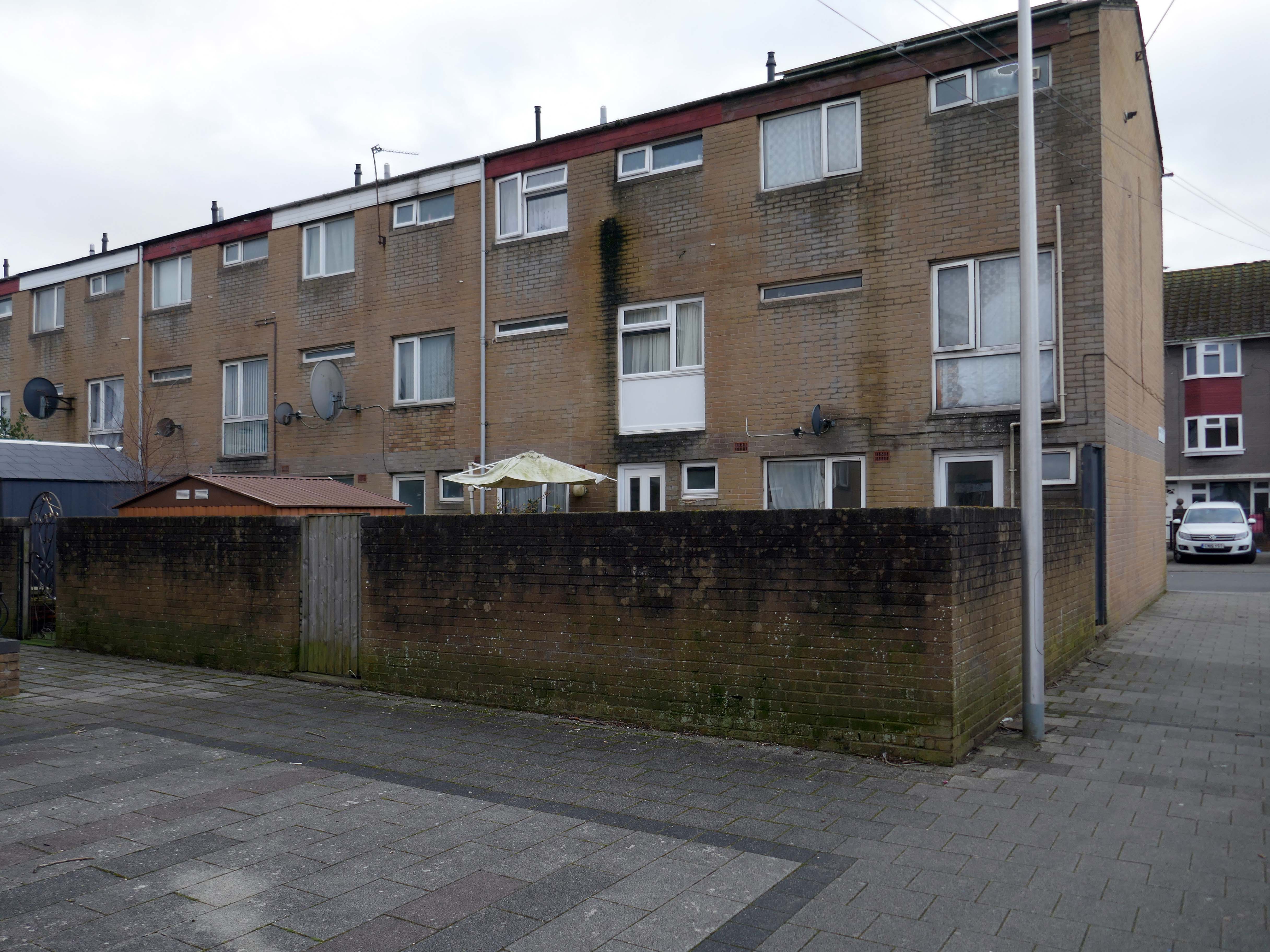
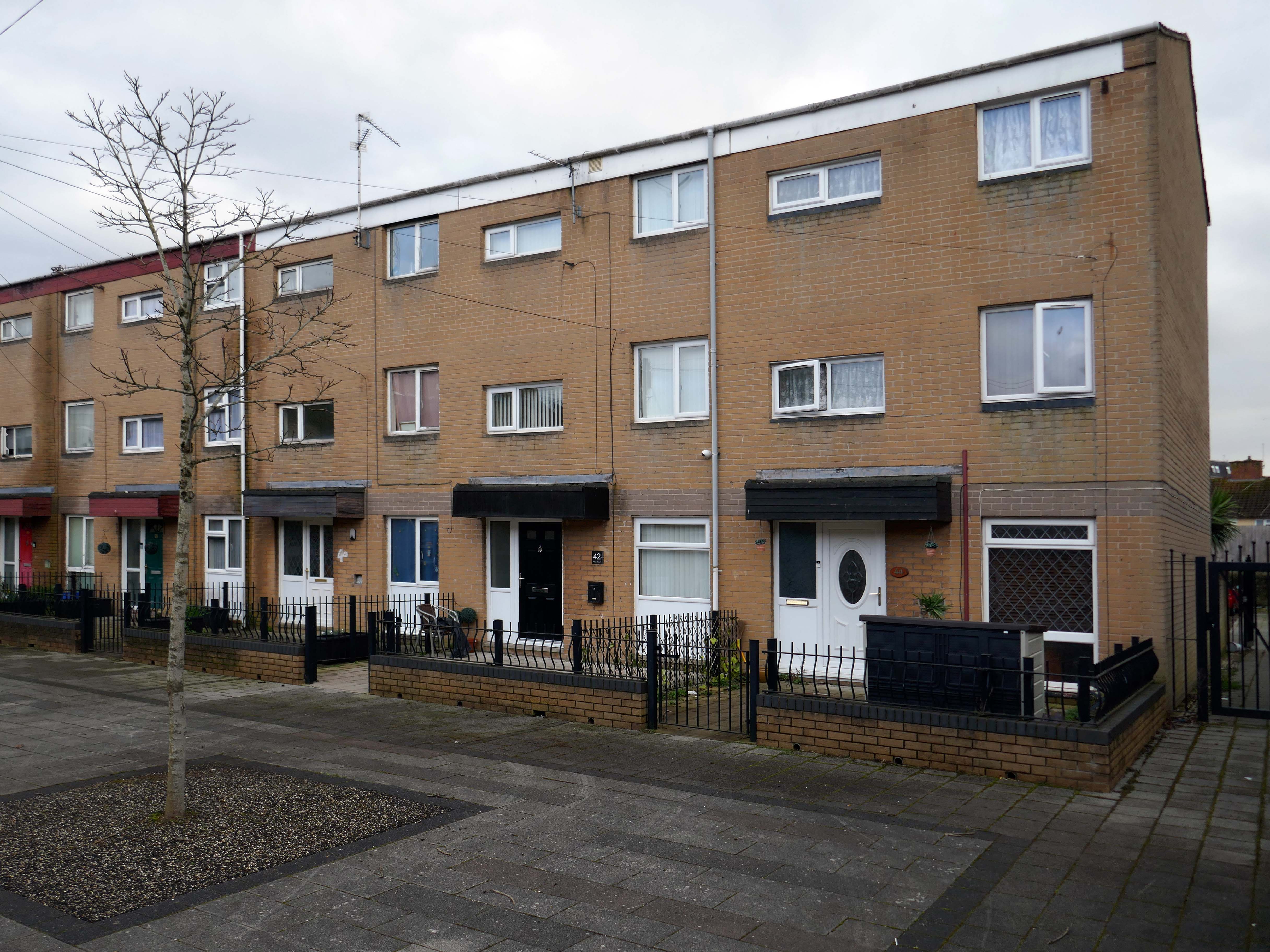
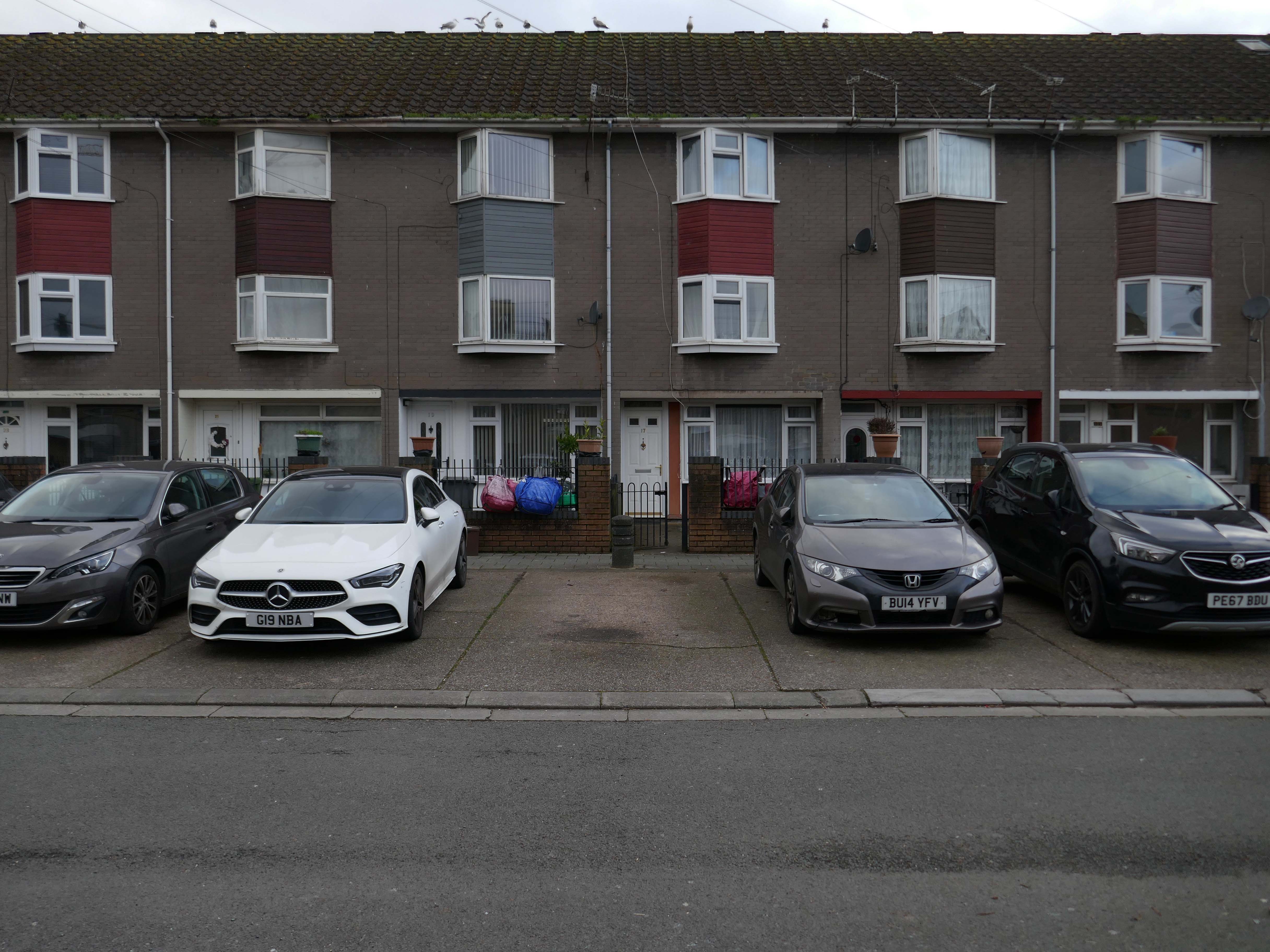
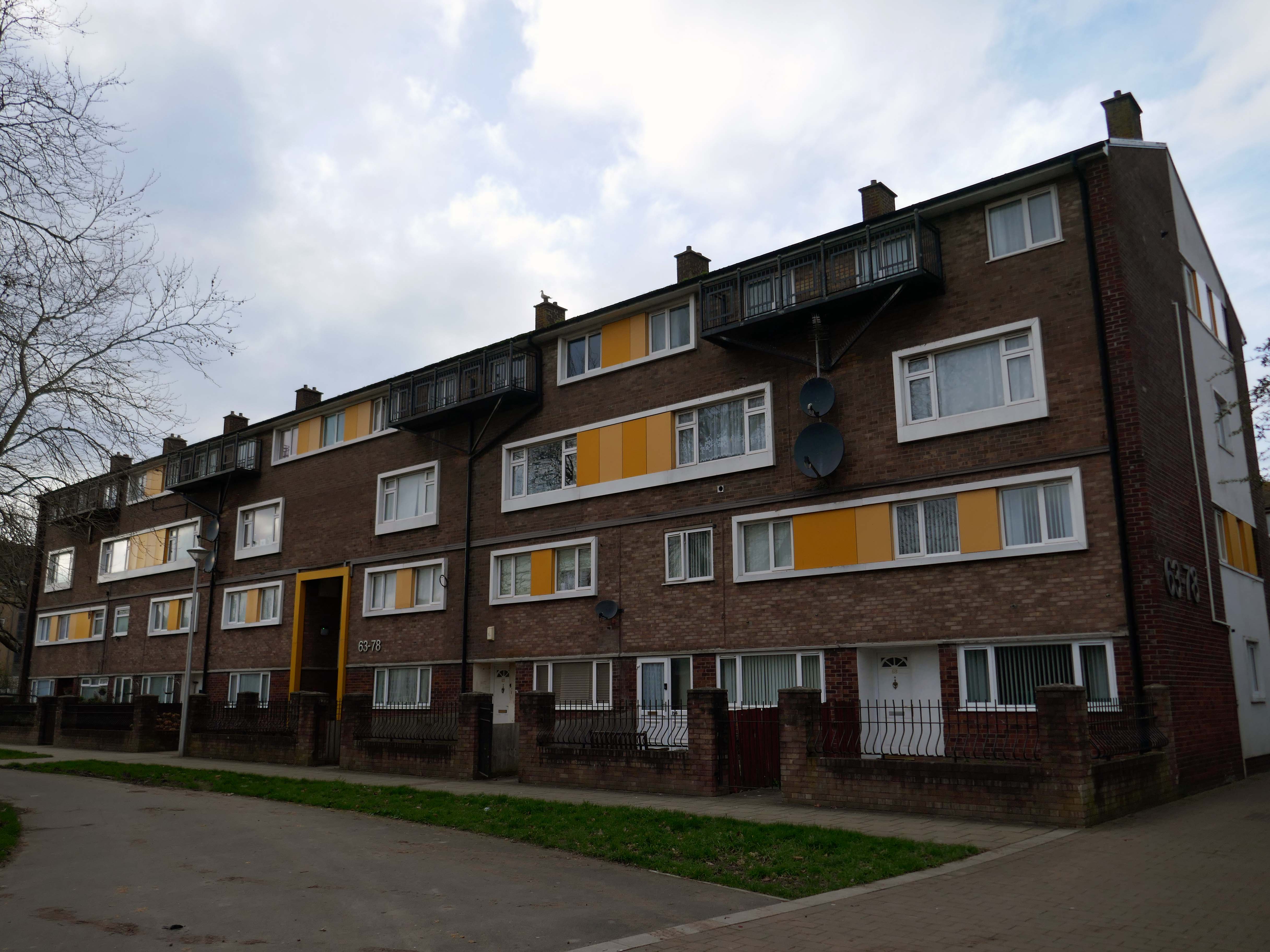
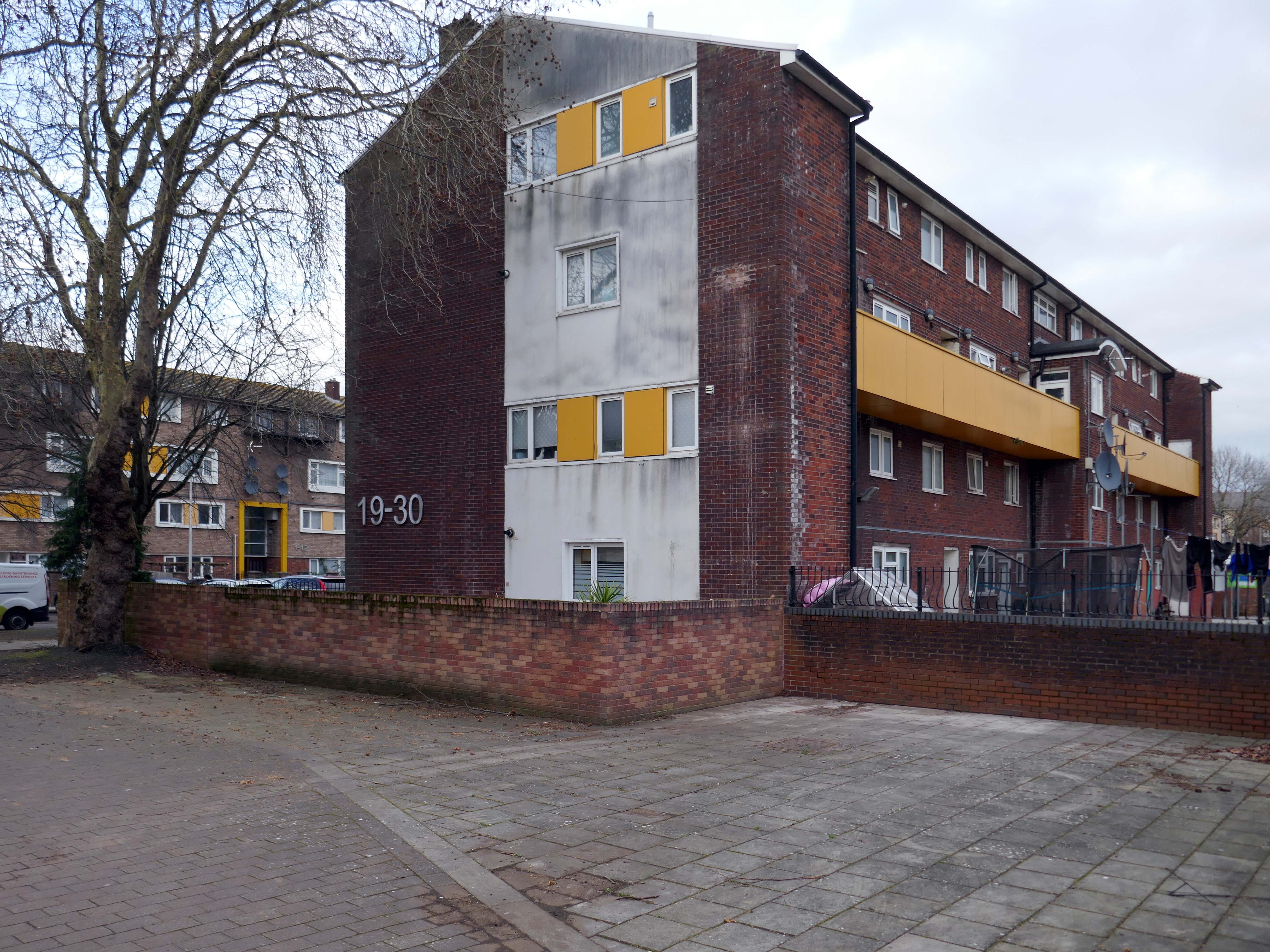
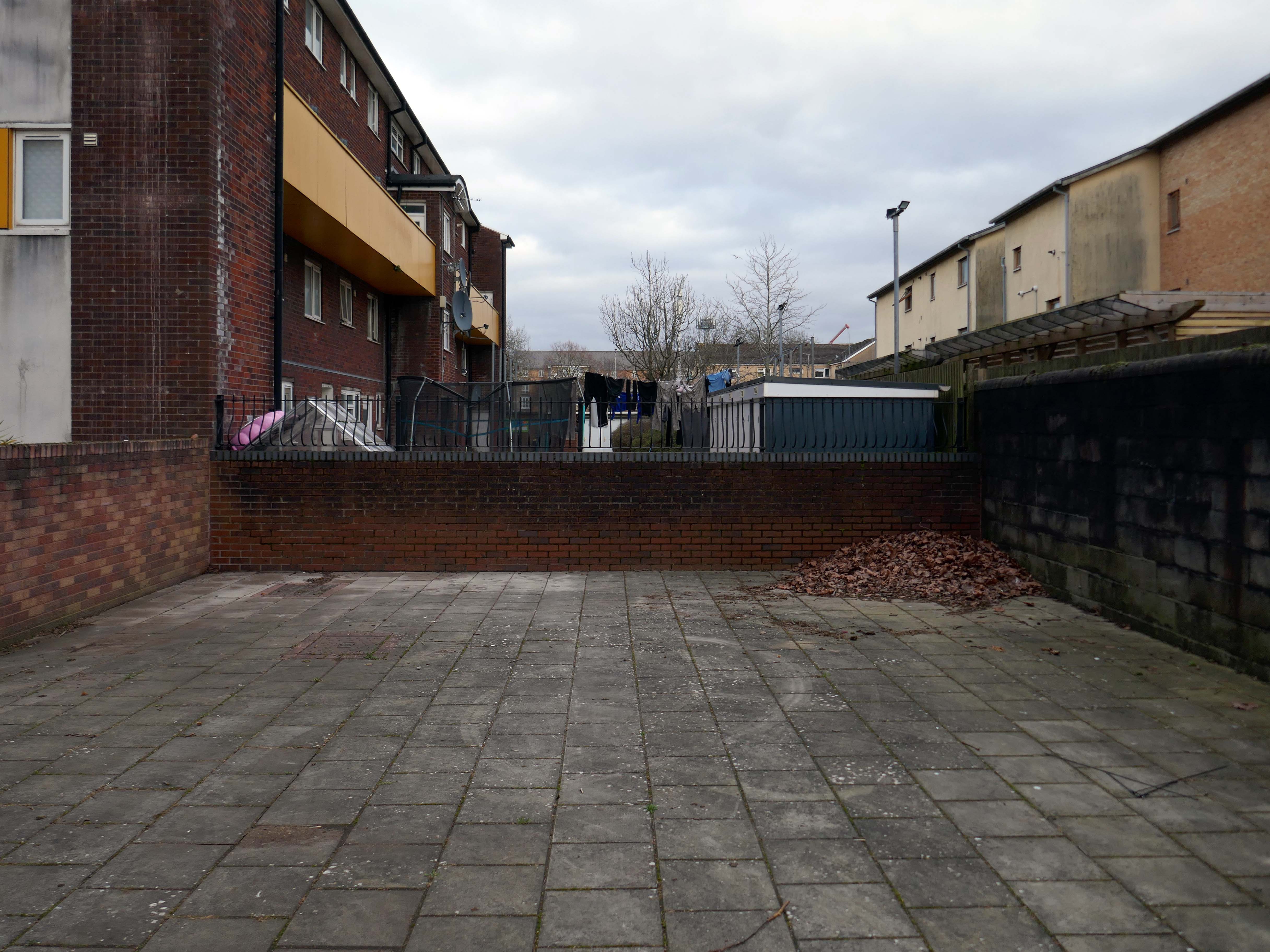
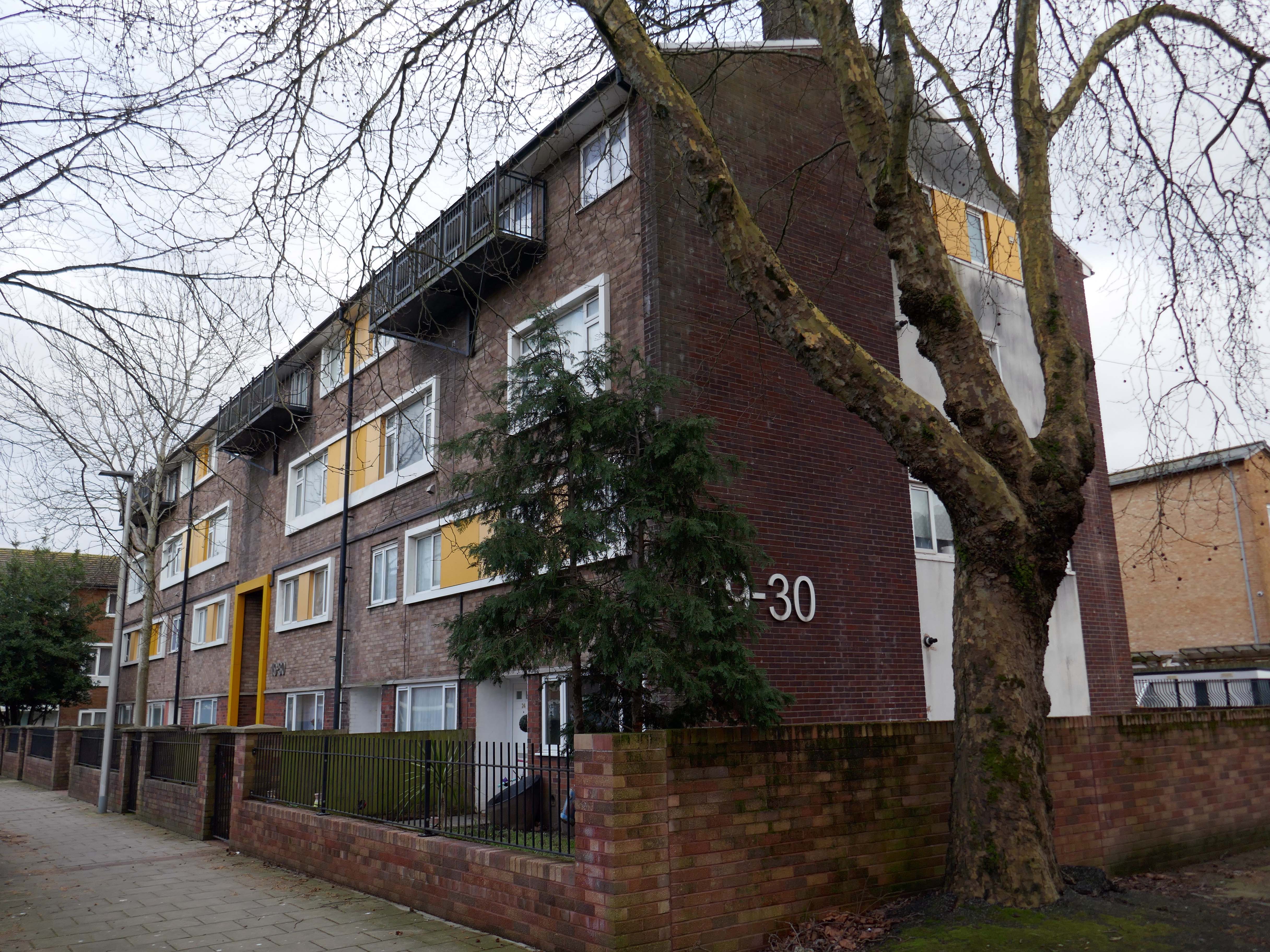
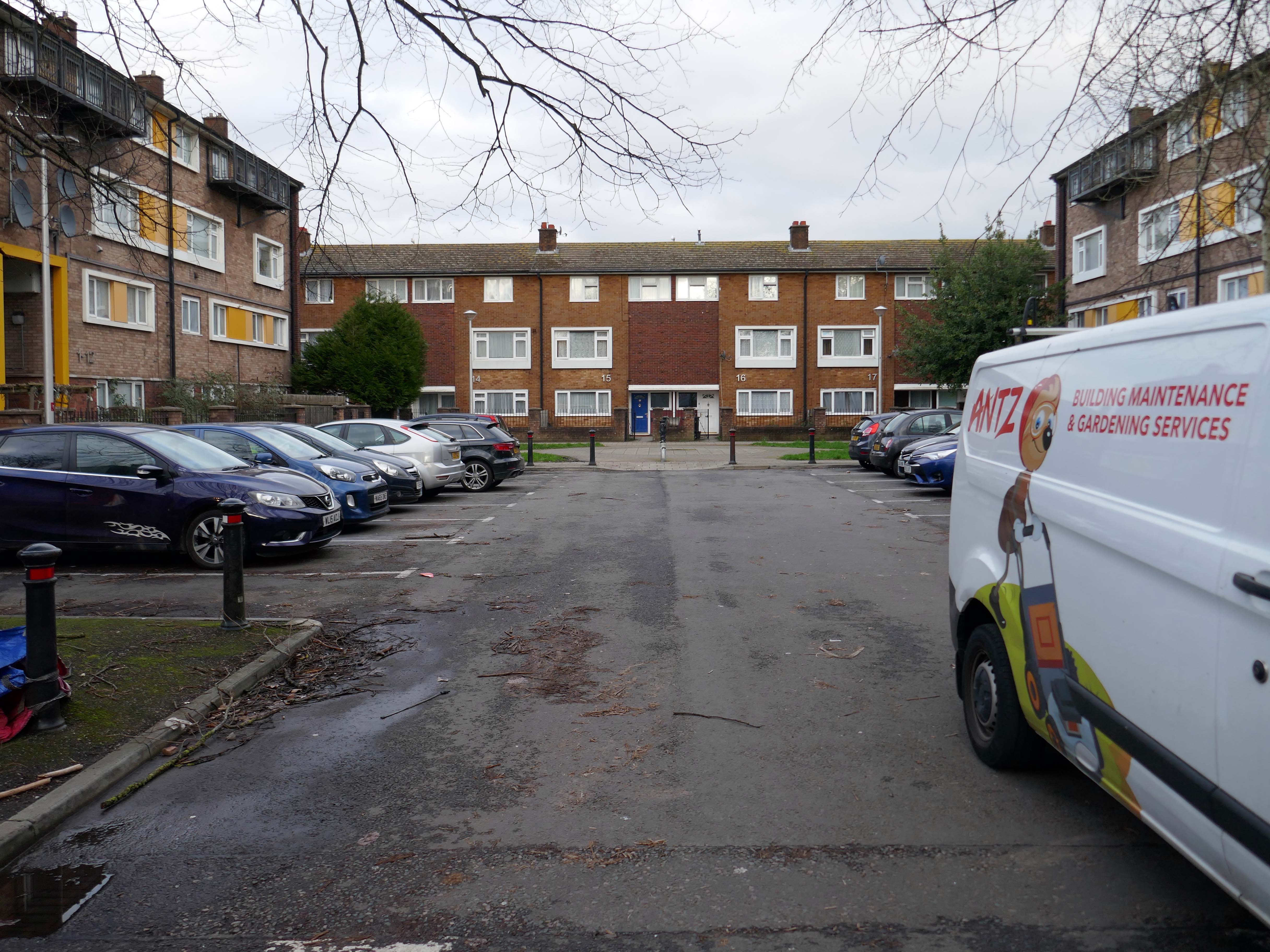
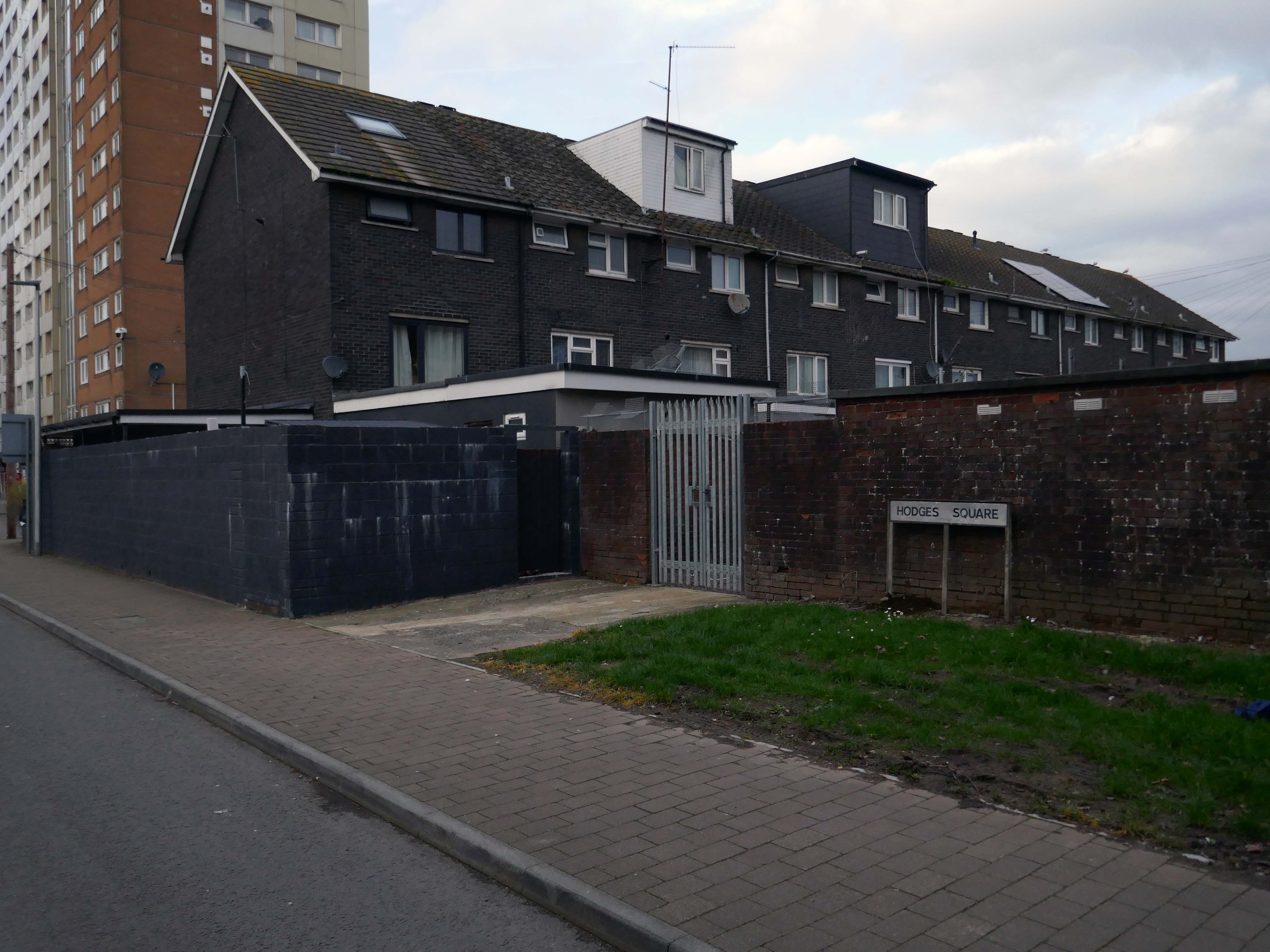
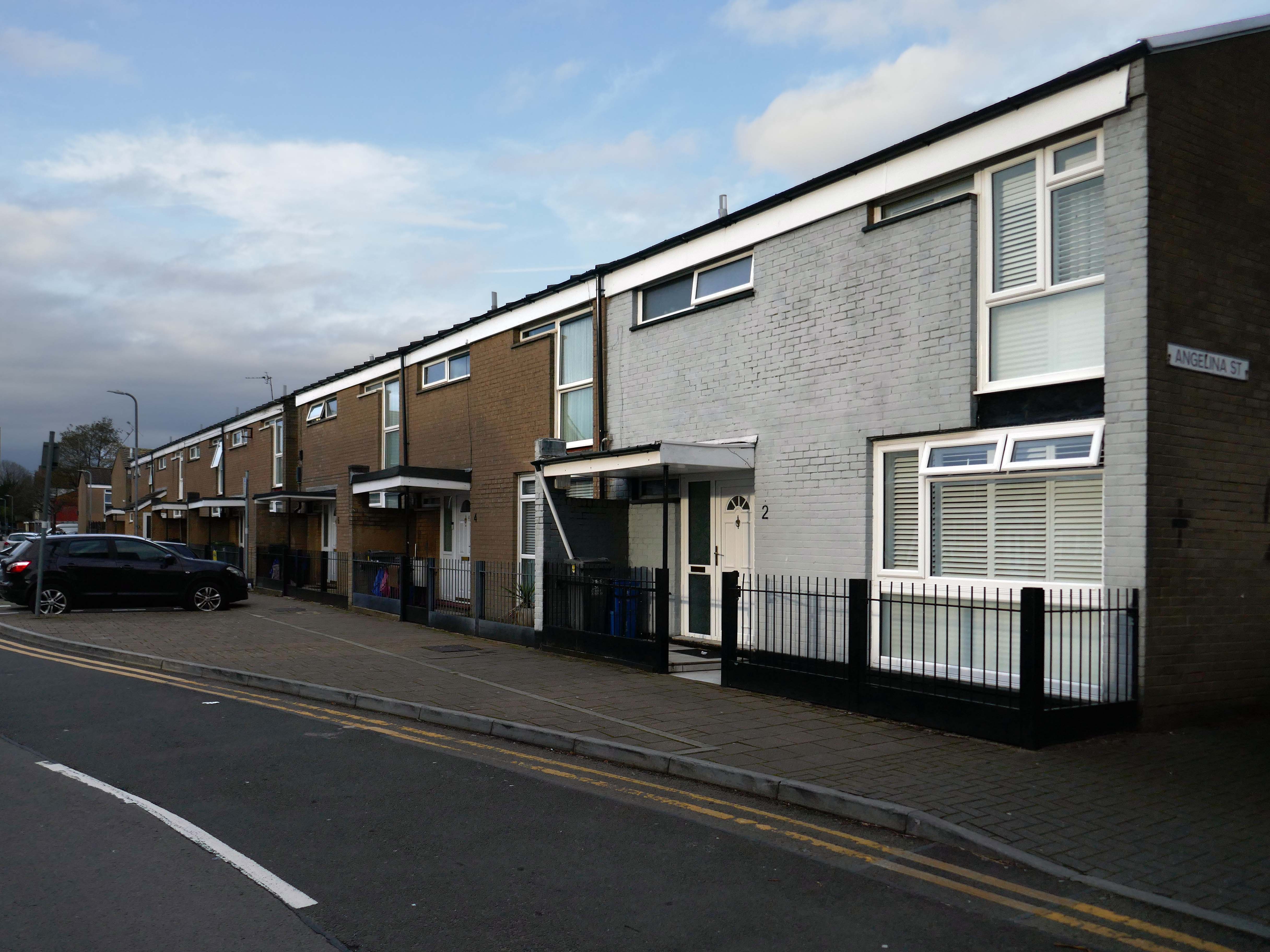
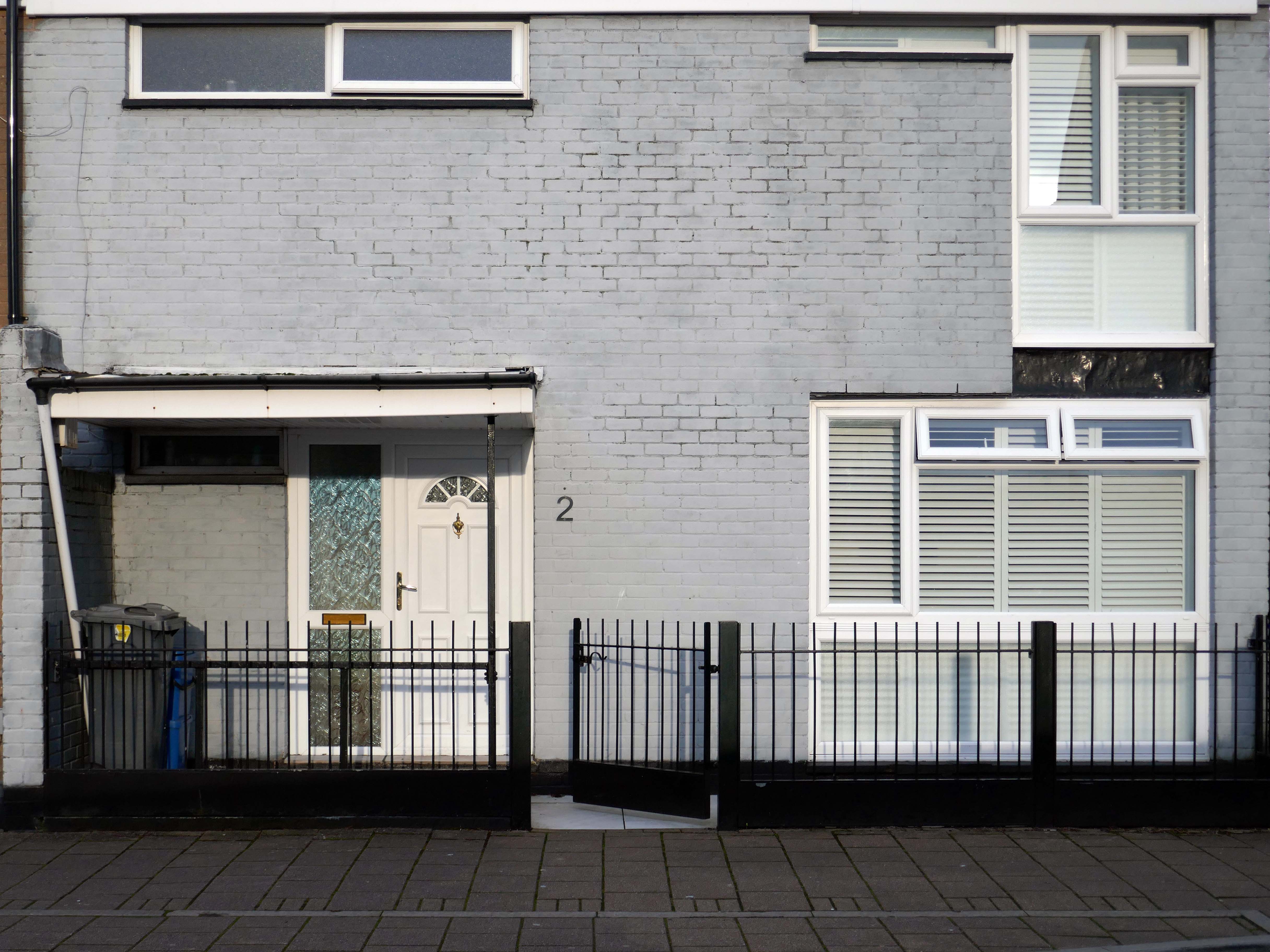
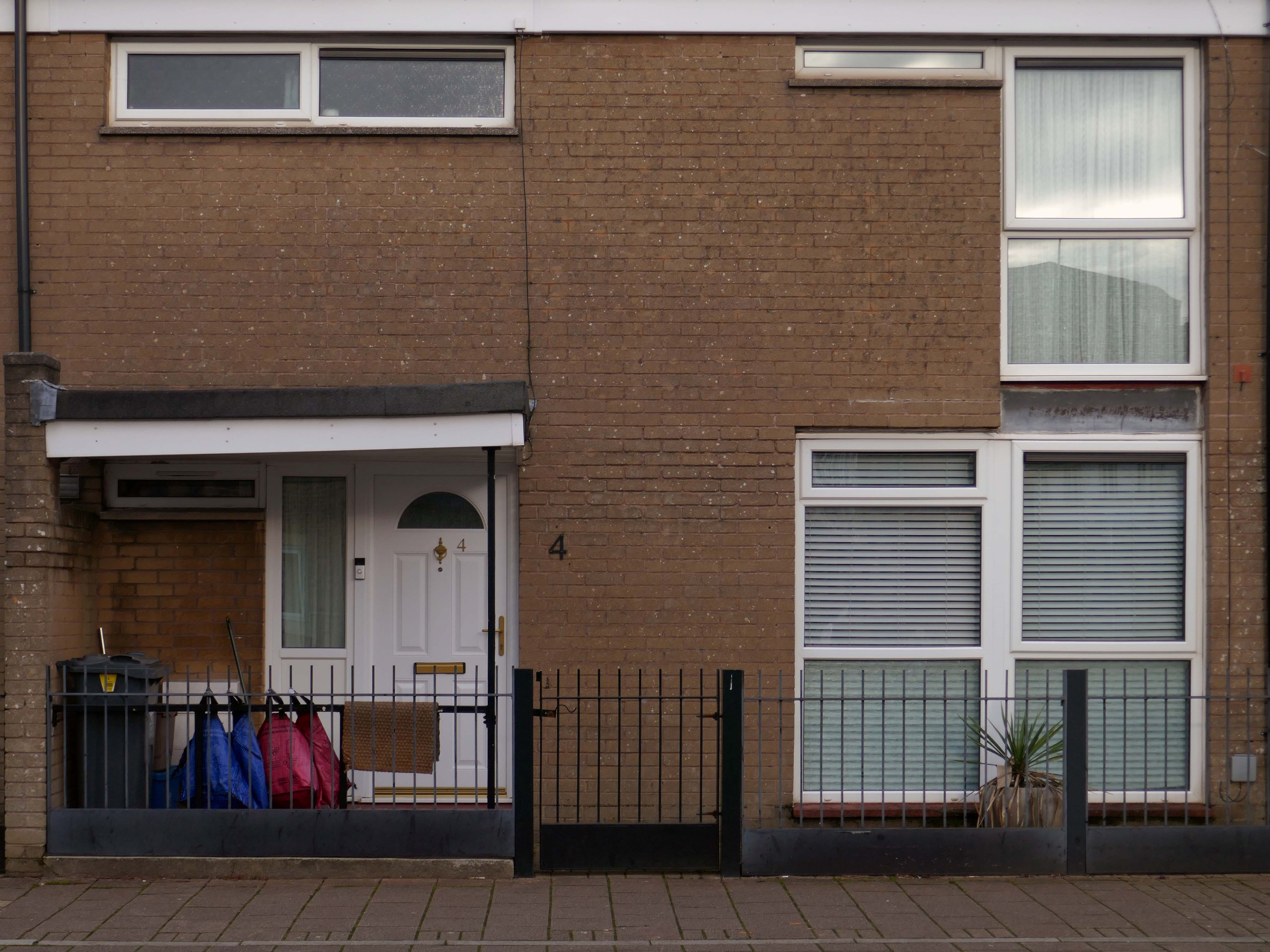
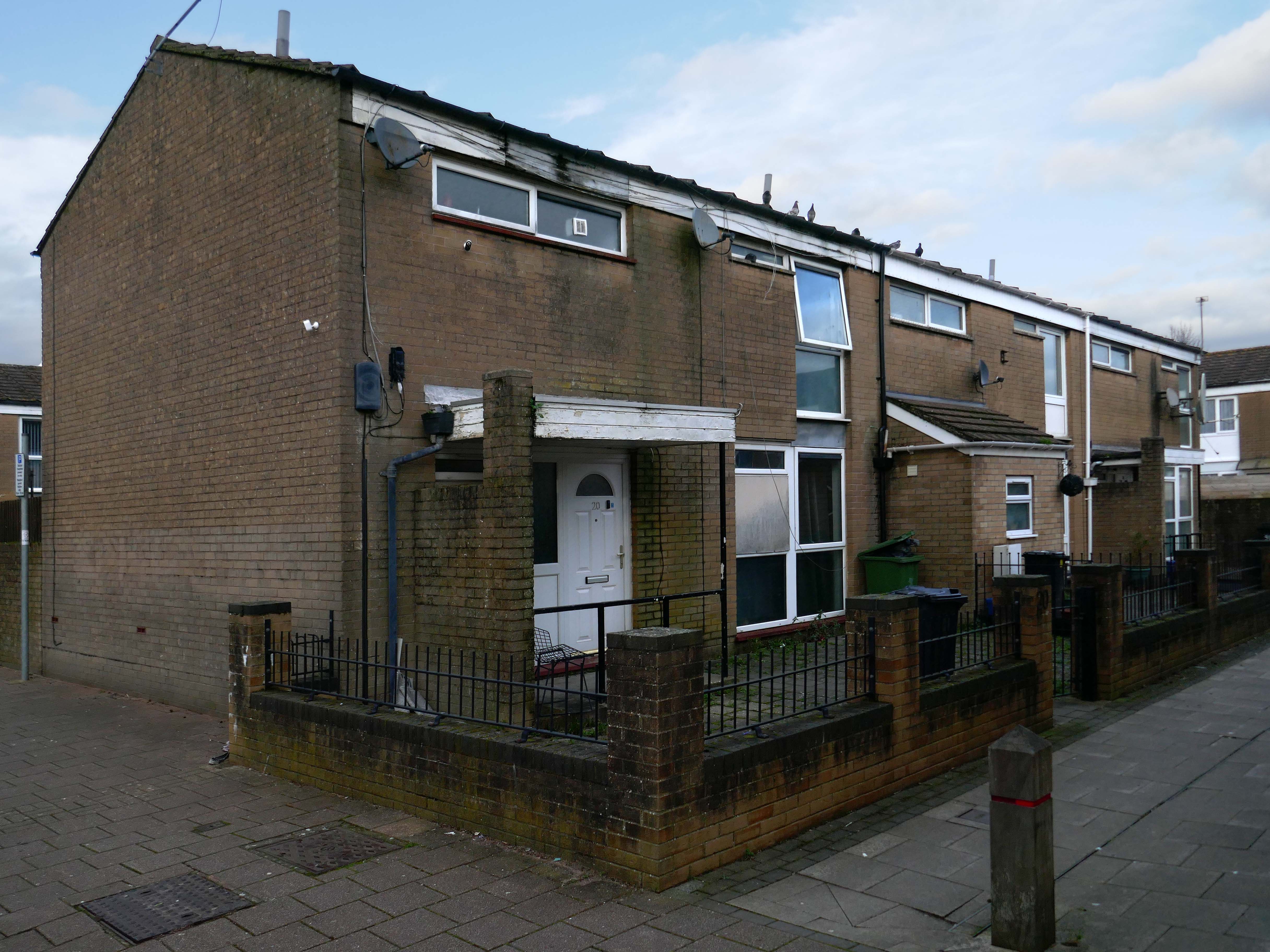
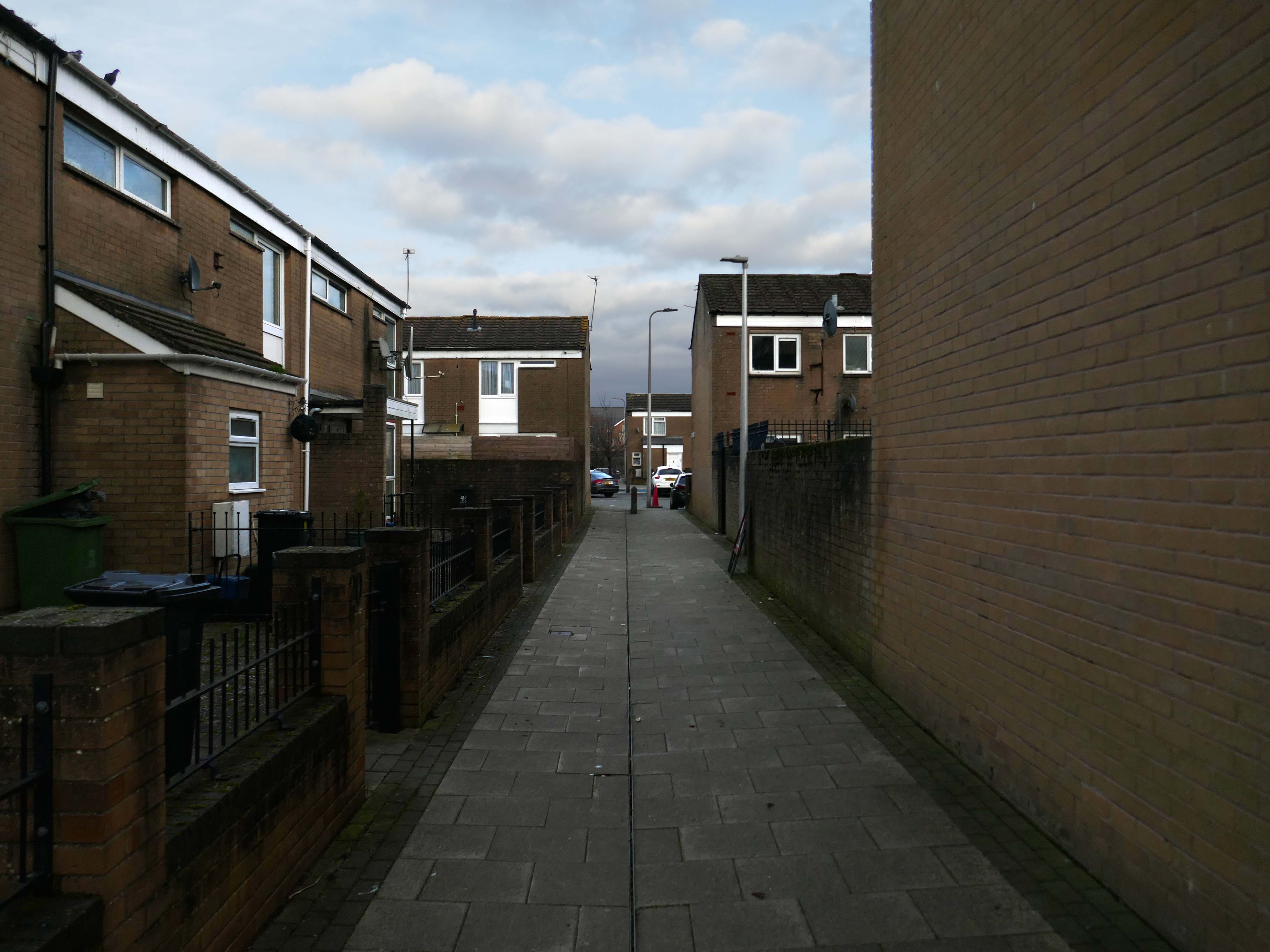
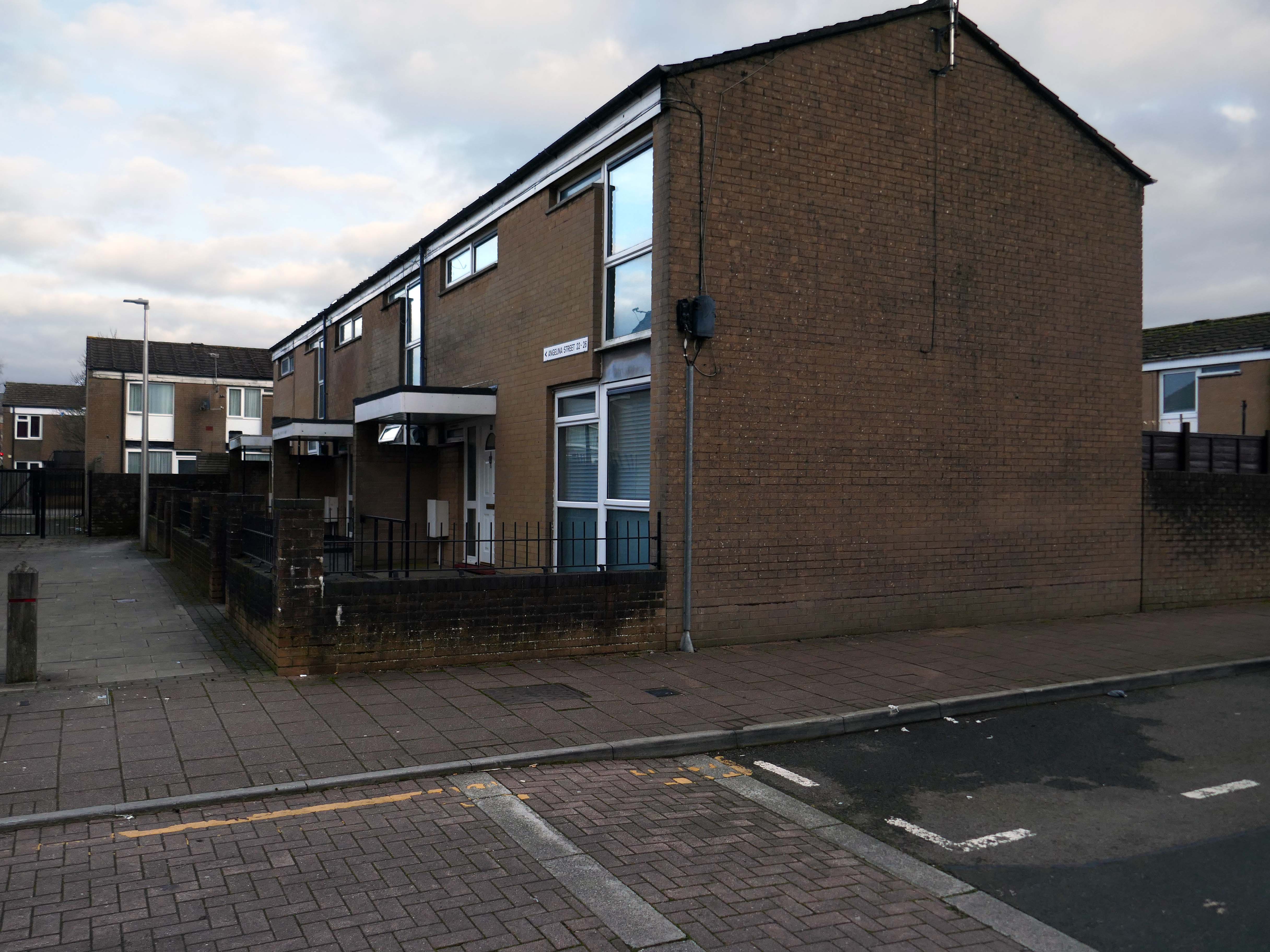
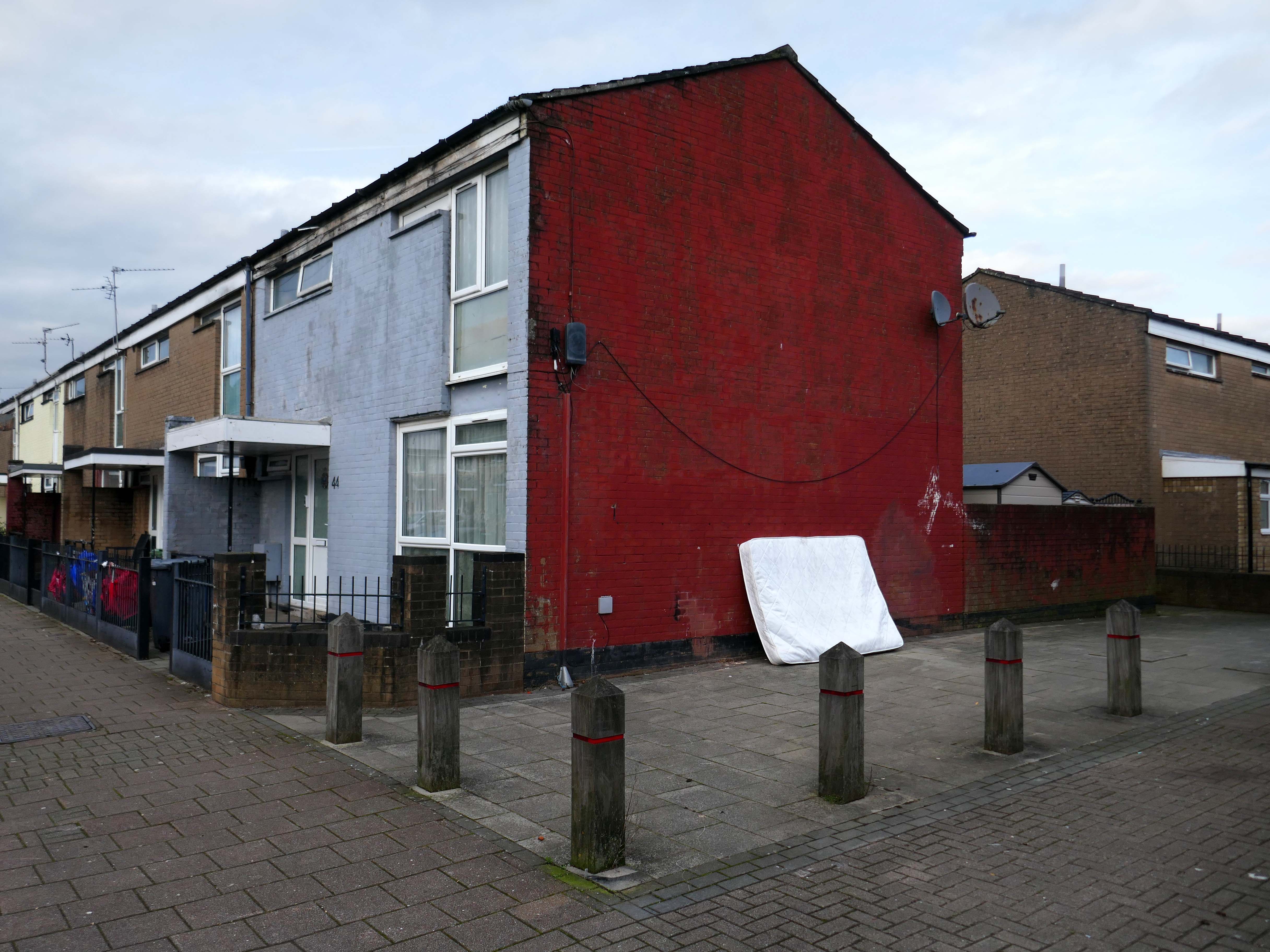
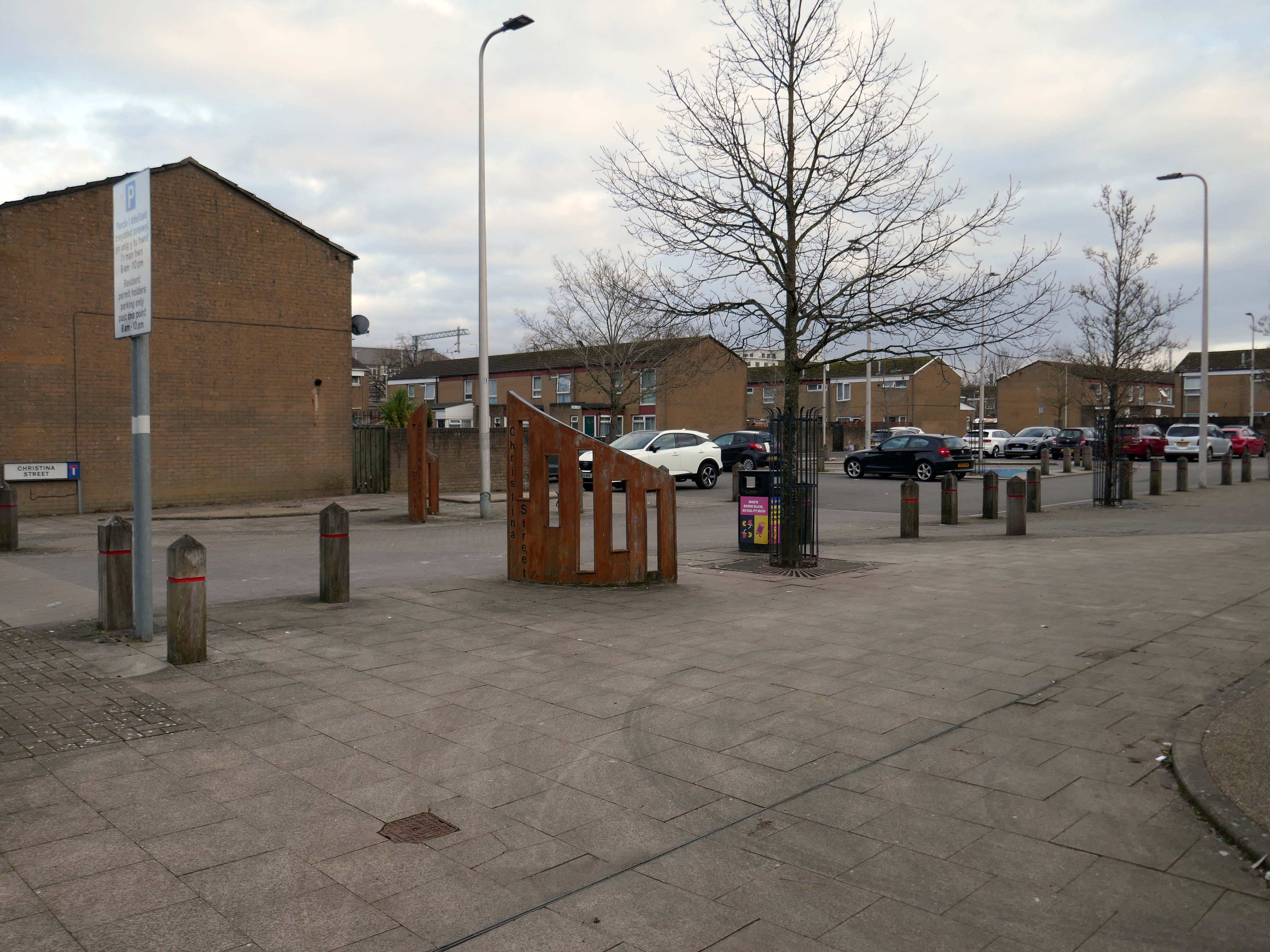
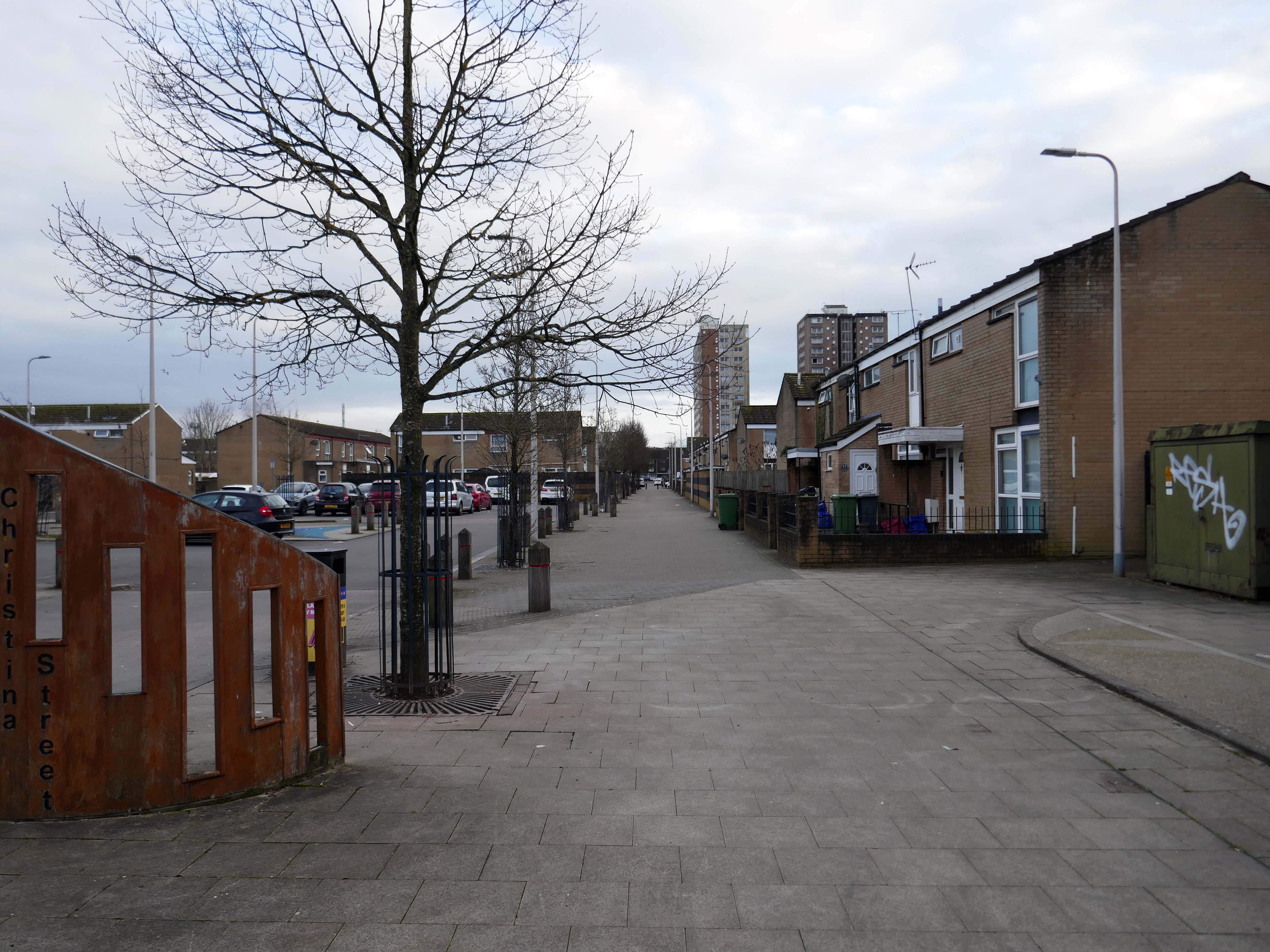
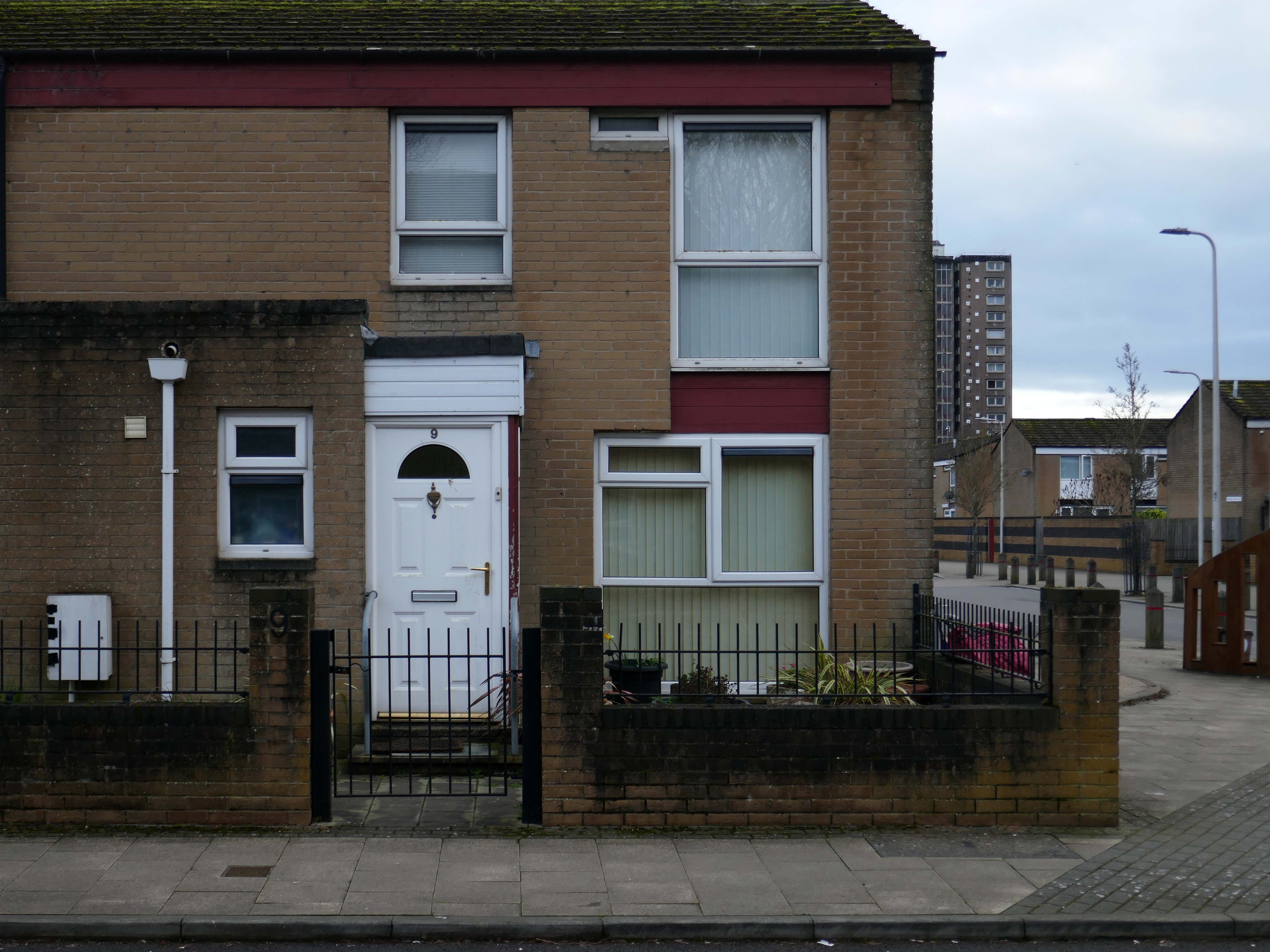
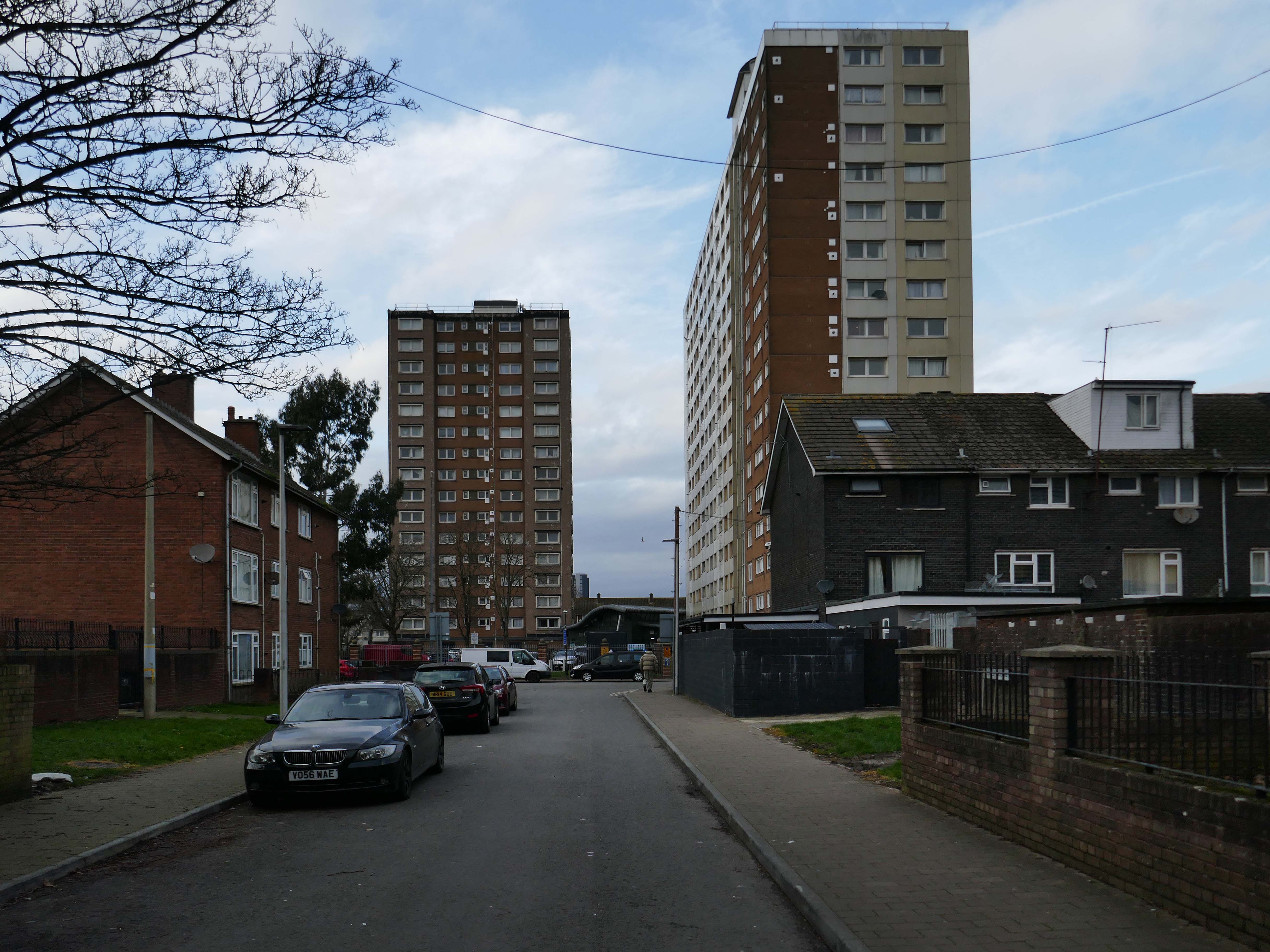
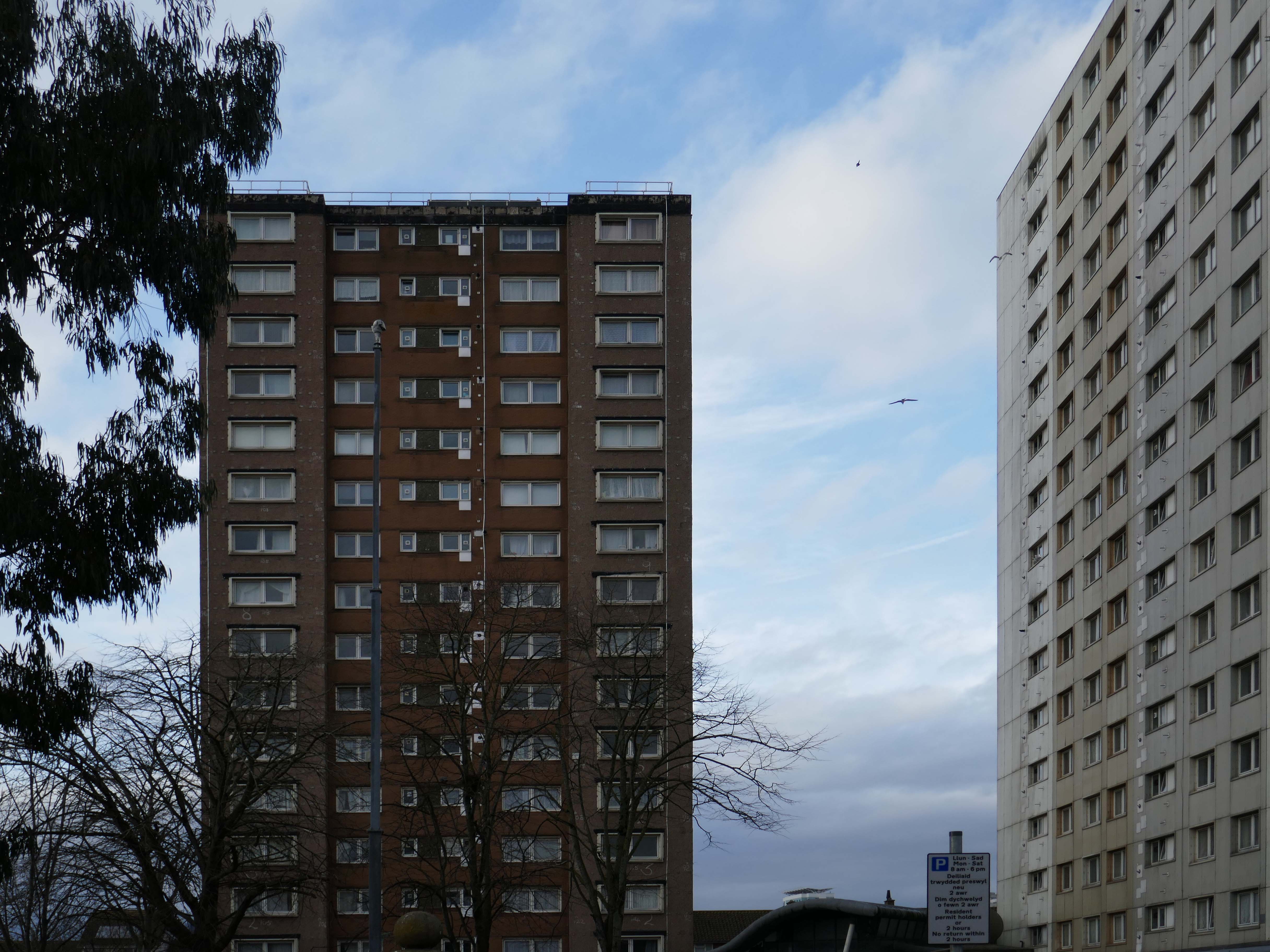
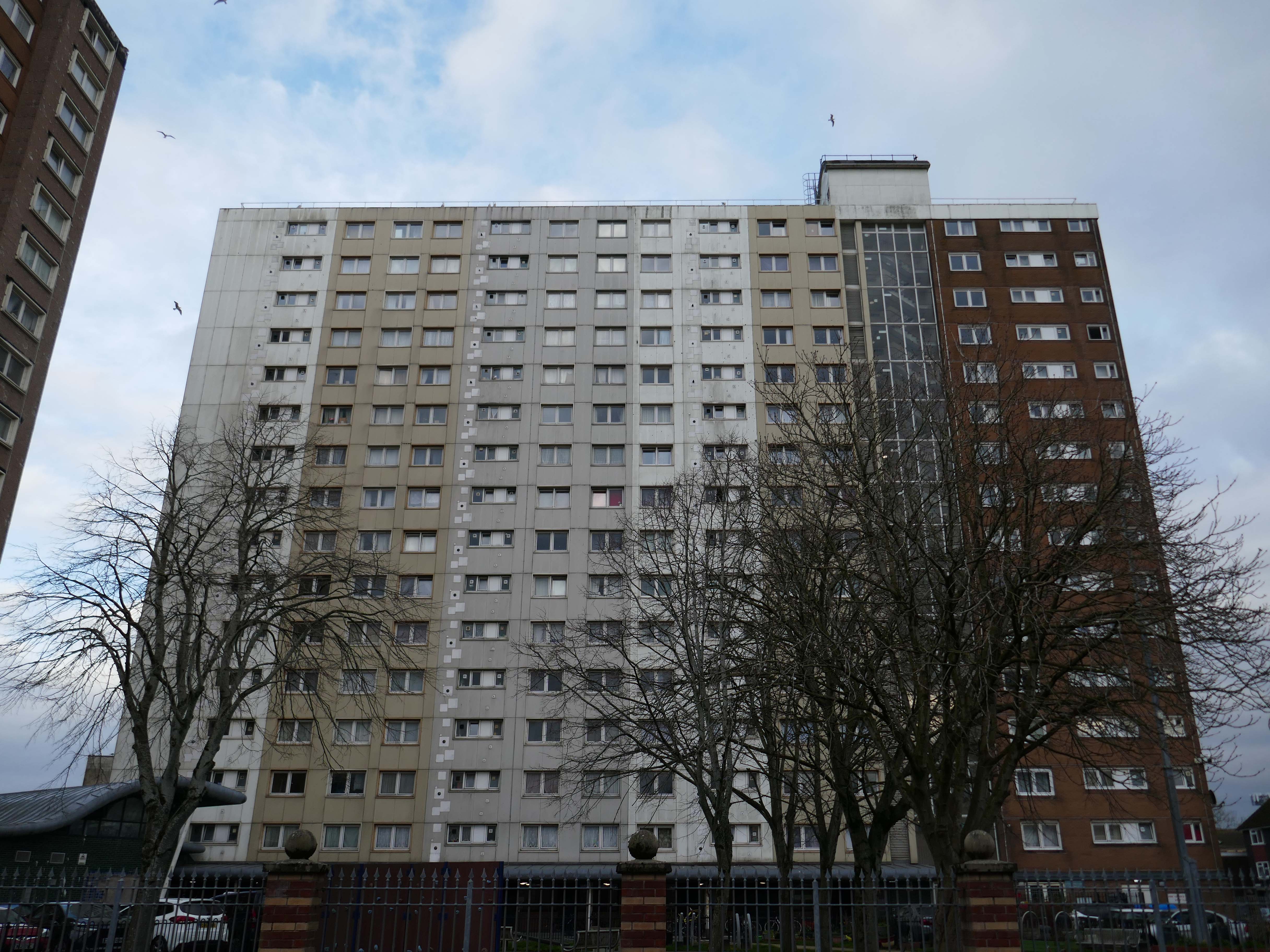
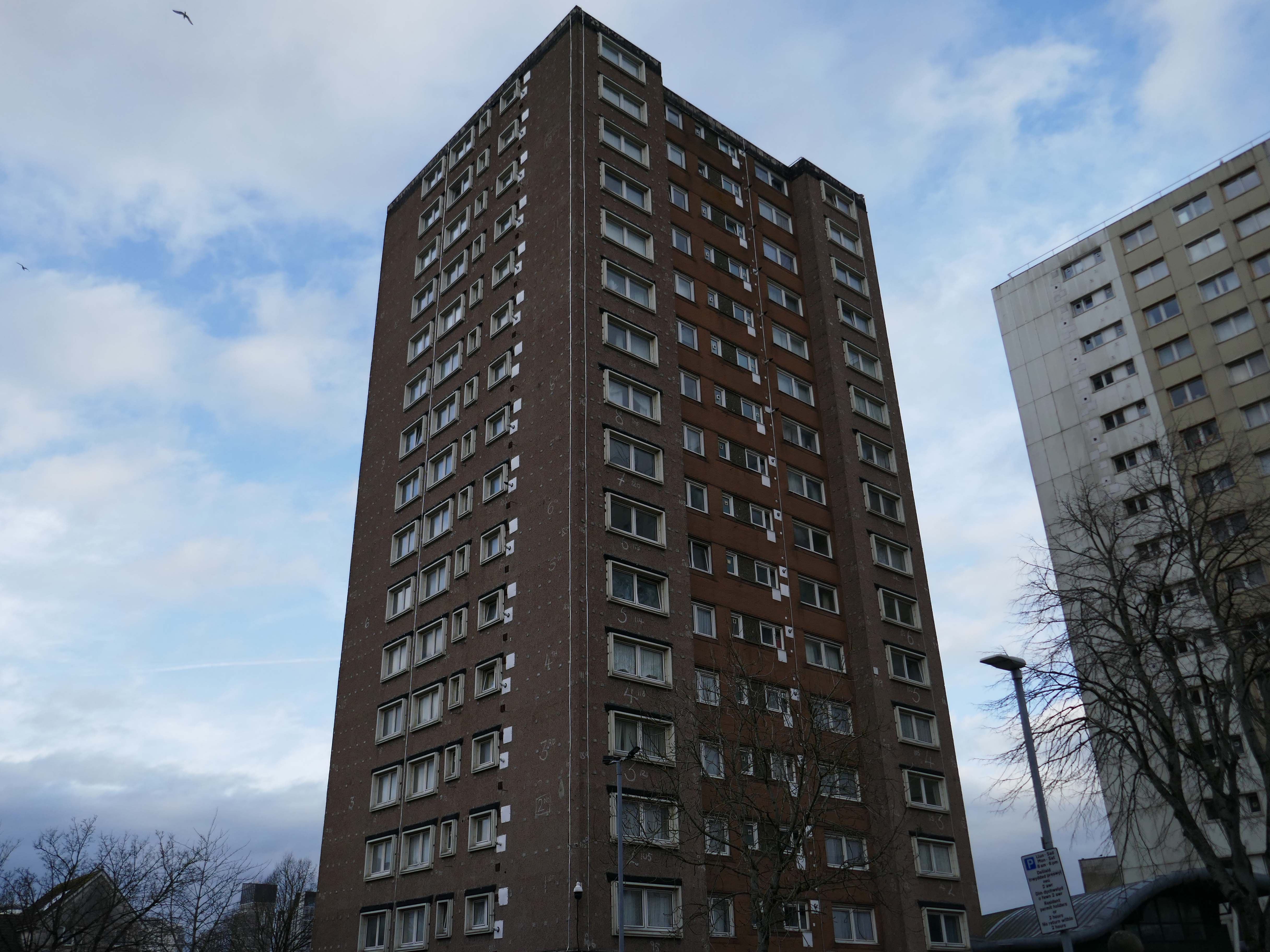
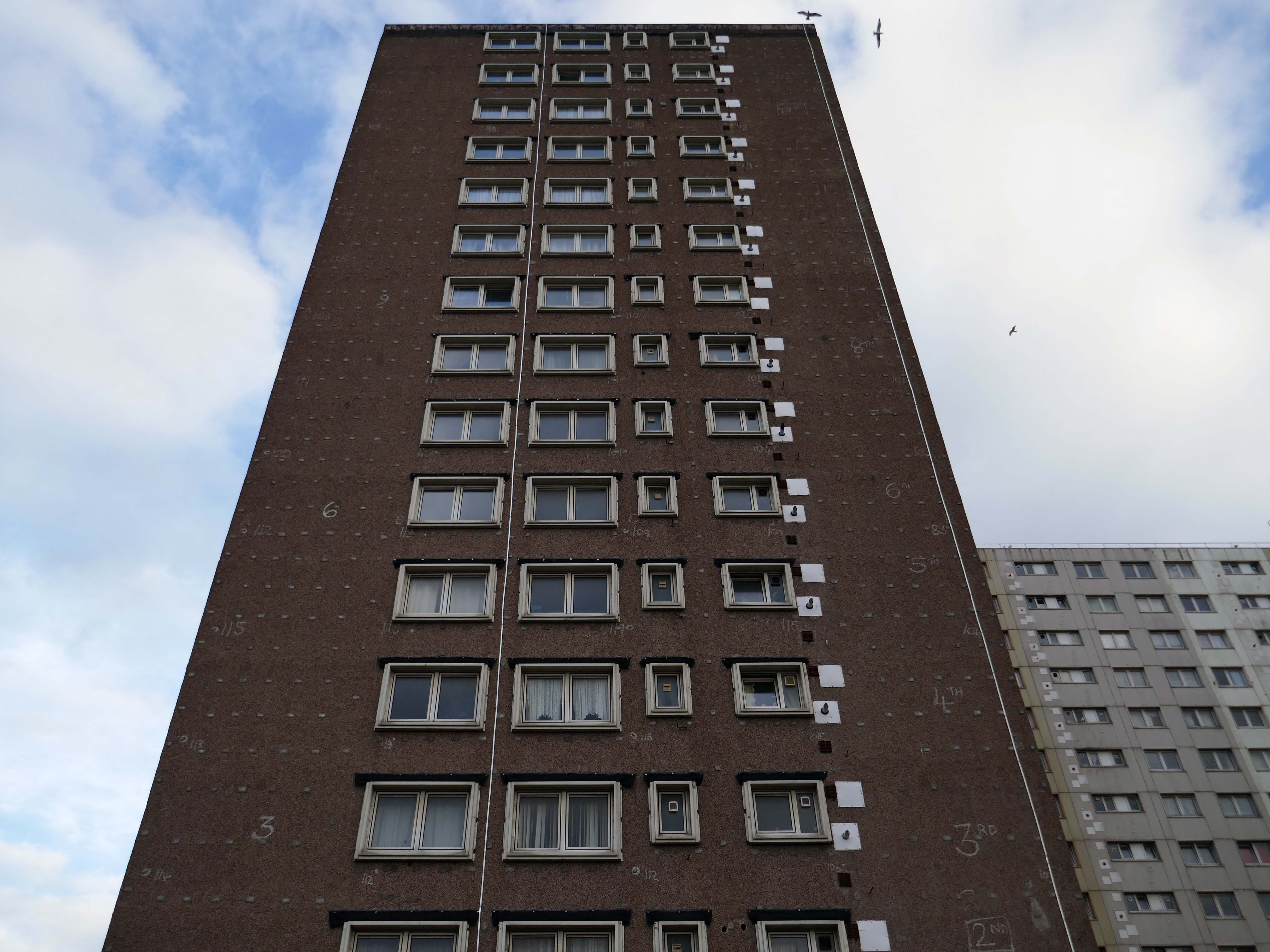
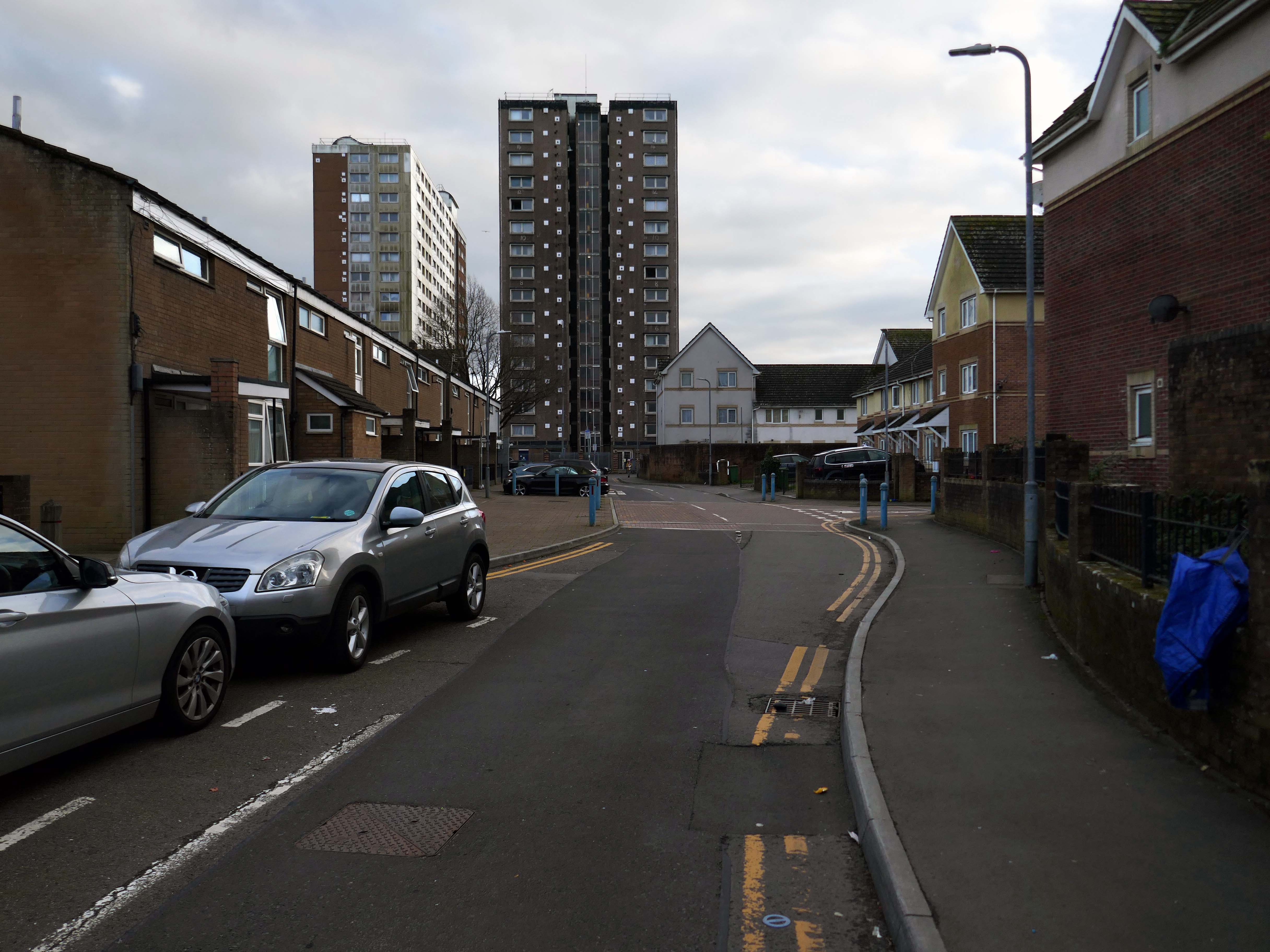
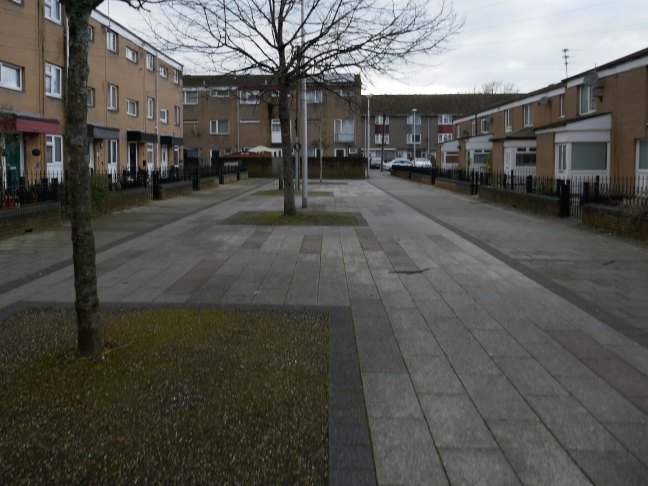
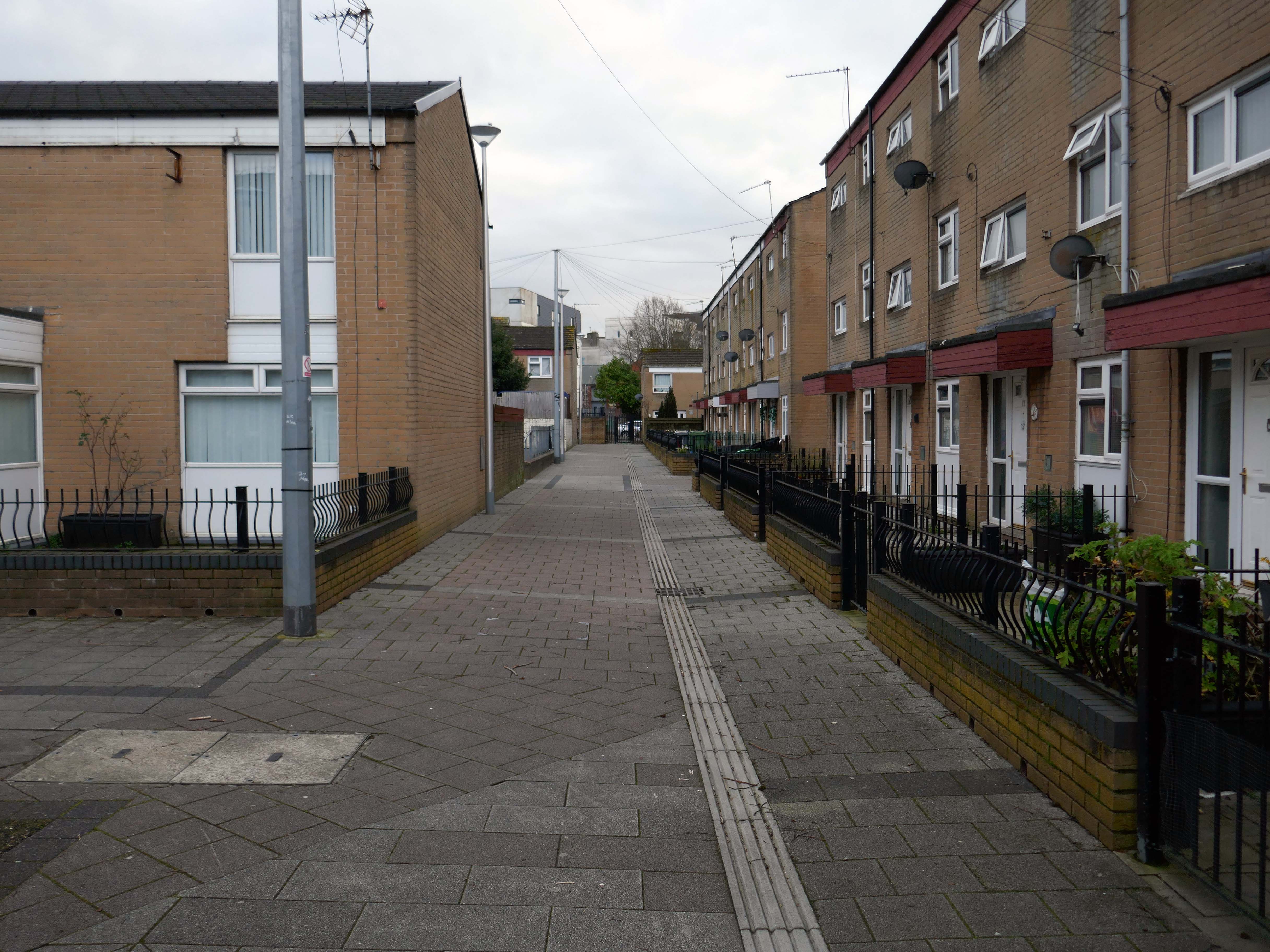
In the 1960s, most of the original housing was demolished including the historic Loudoun Square, the original heart of Butetown. In its place was a typical 1960s housing estate of low-rise courts and alleys, and two high-rise blocks of flats.
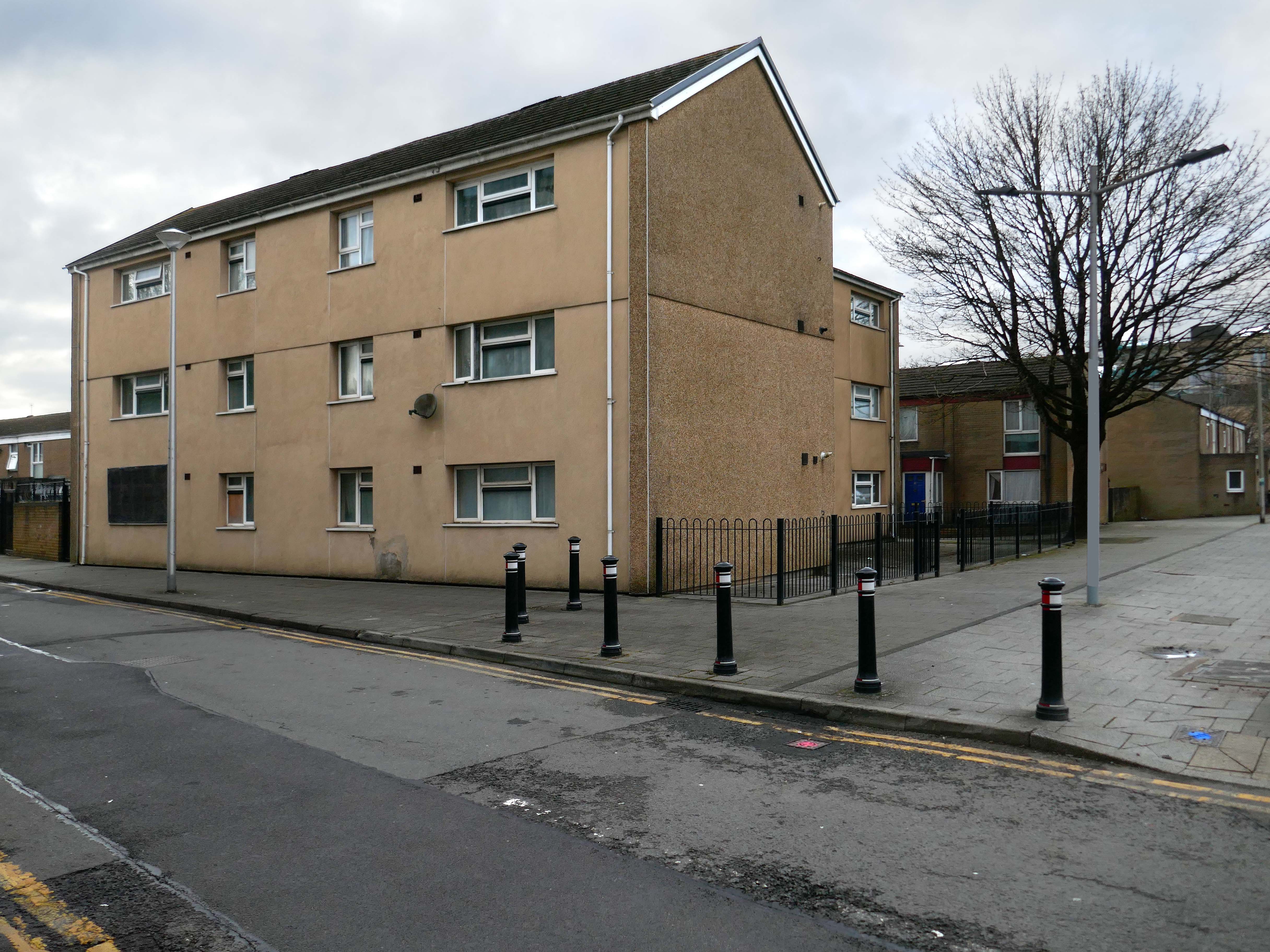
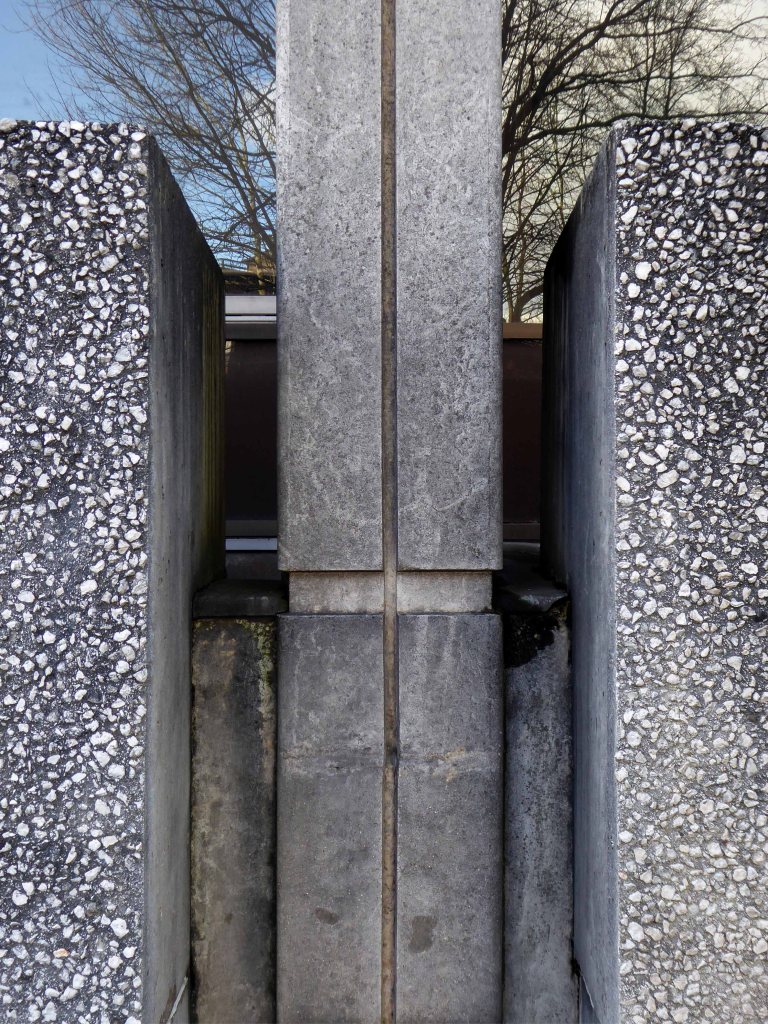
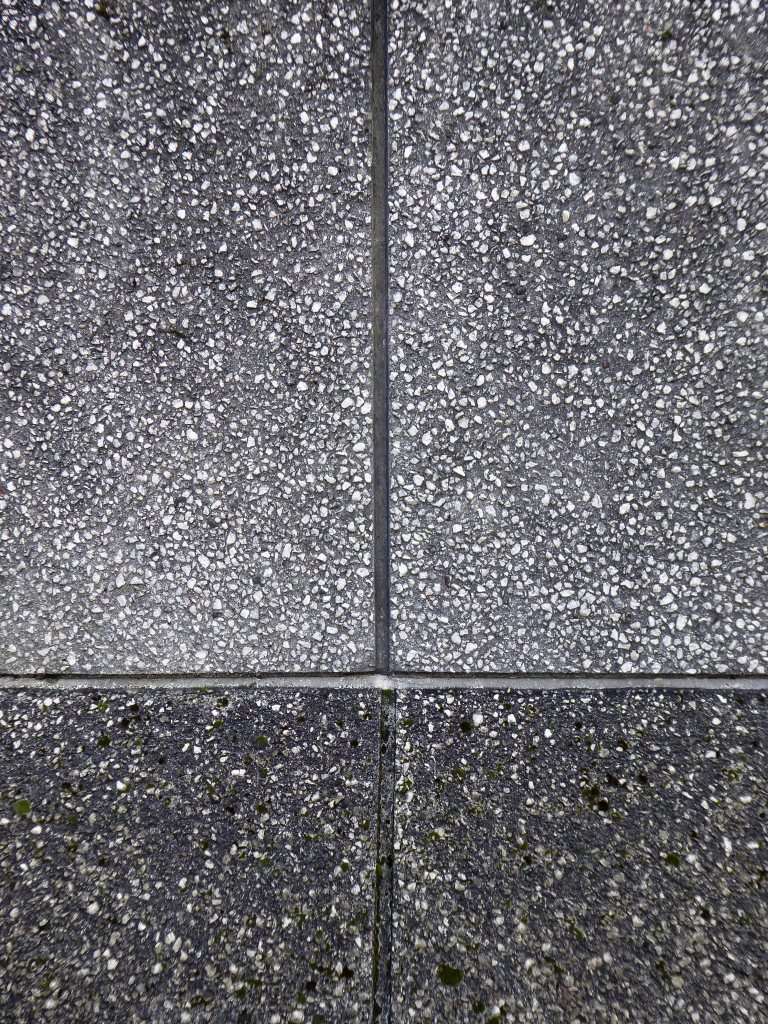
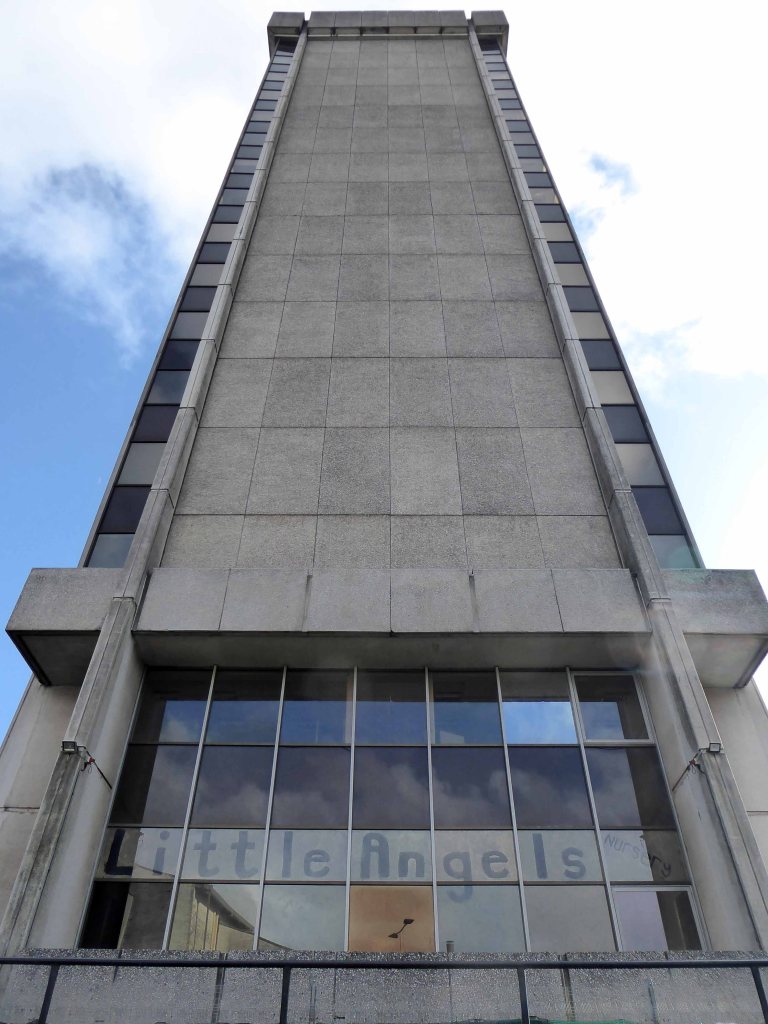
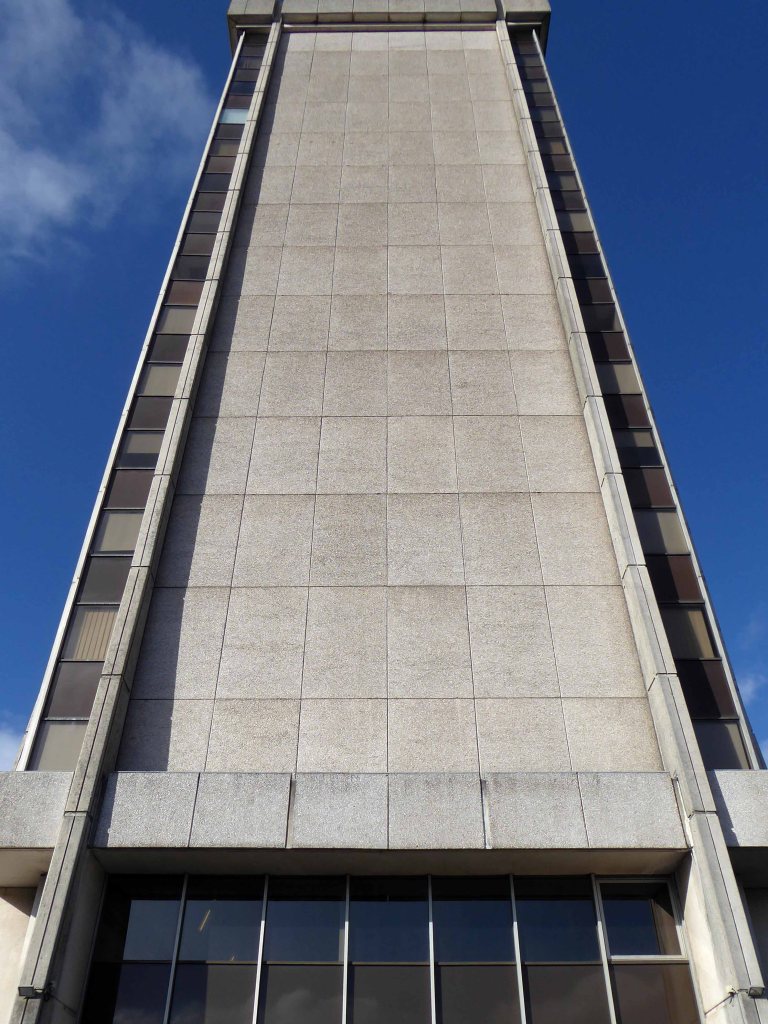
Between 1960 and 1966 two sixteen-storey tower blocks, Loudoun House and Nelson House, were built on the centre of Loudoun Square
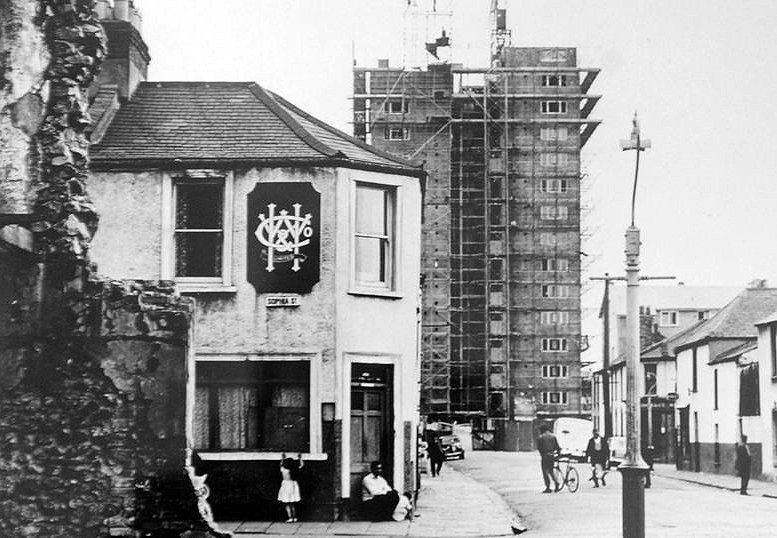
The demolition of the old buildings in Bute Street gets under way in 1963.
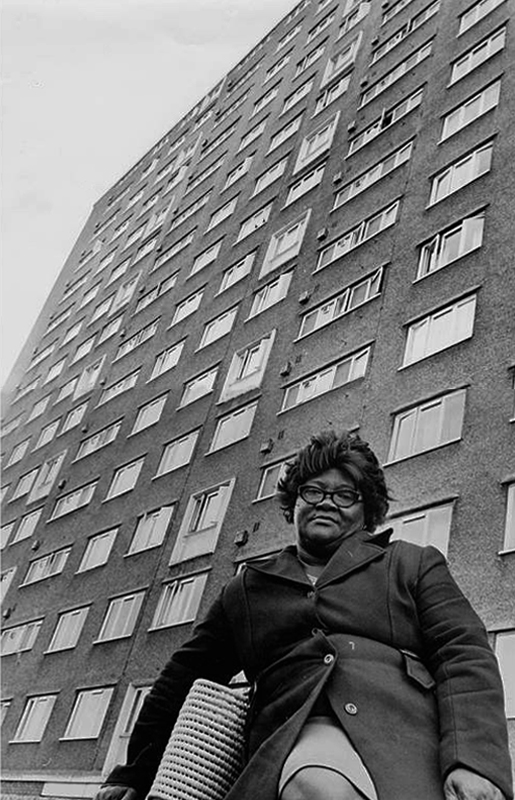
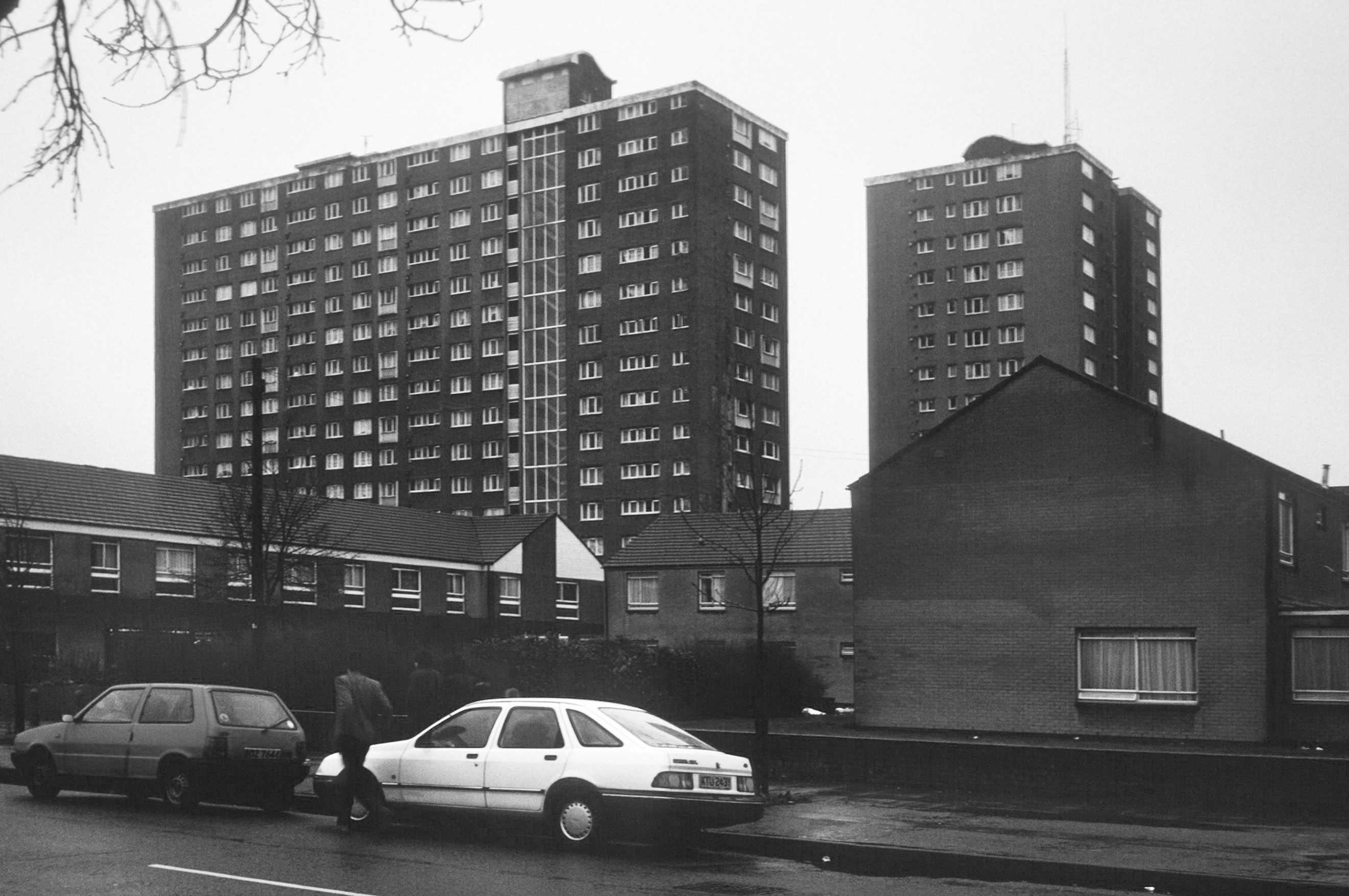
Peoples Collection Wales 1977

Photo Miles Glendinning 1988.
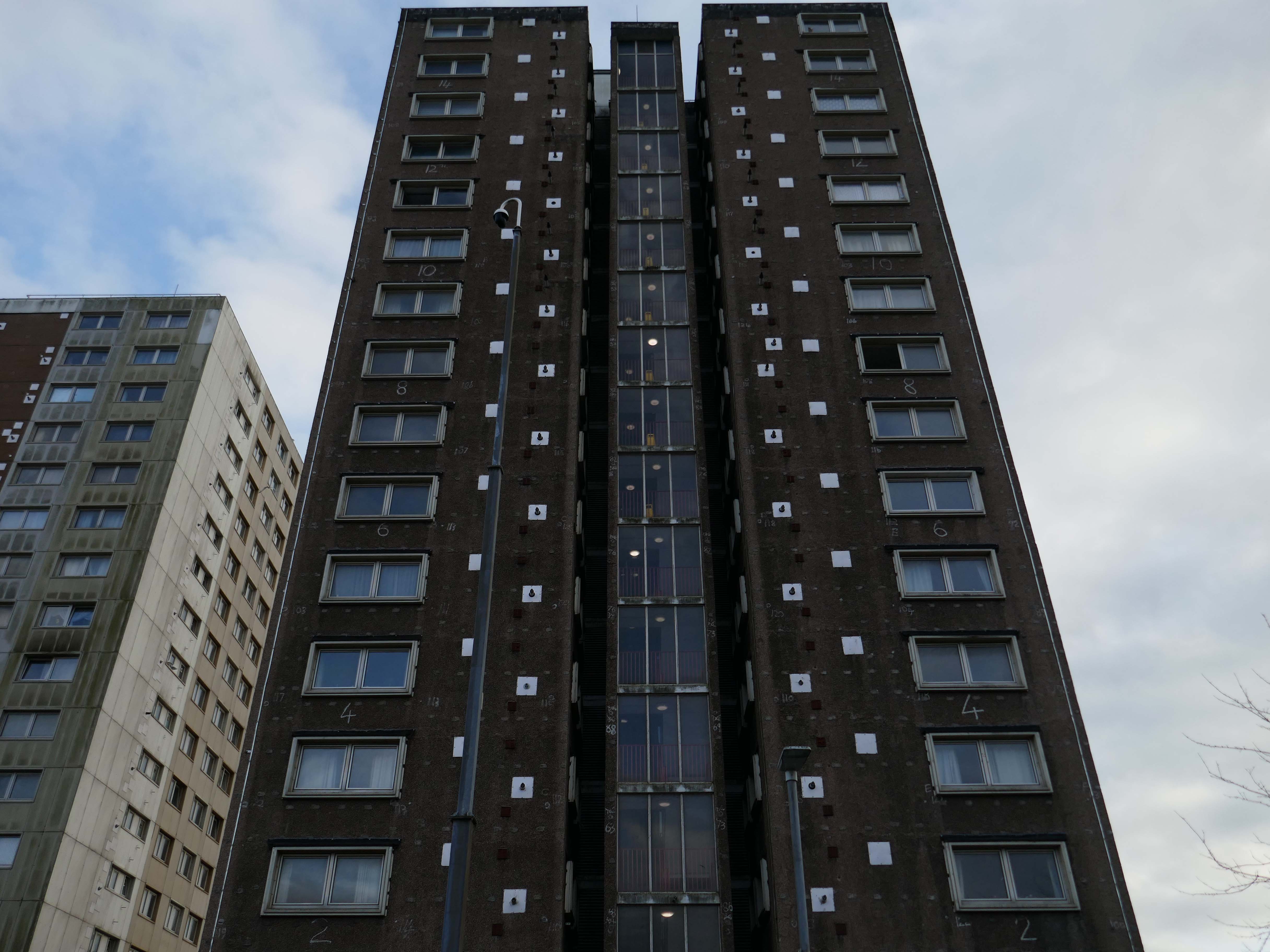
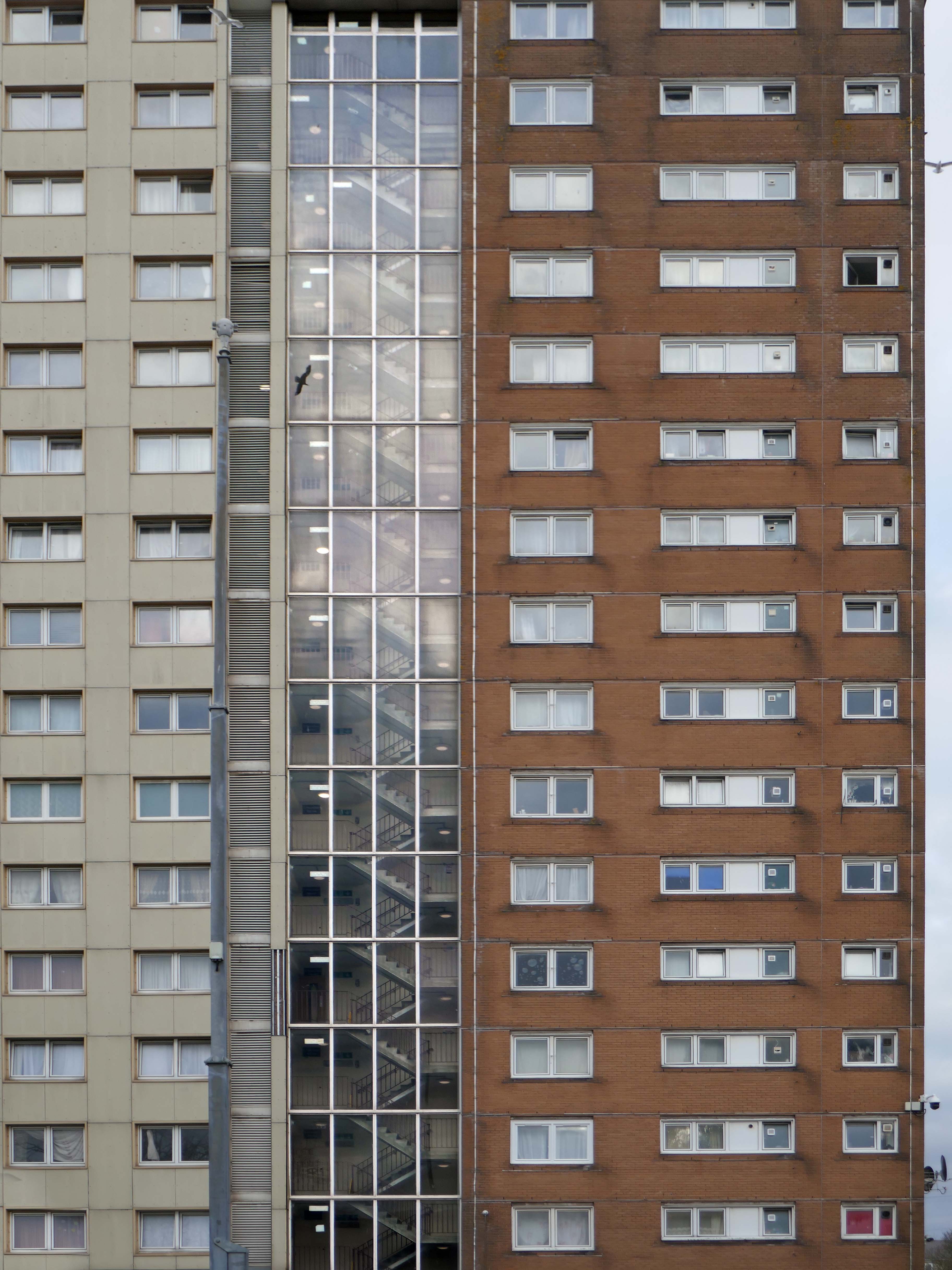
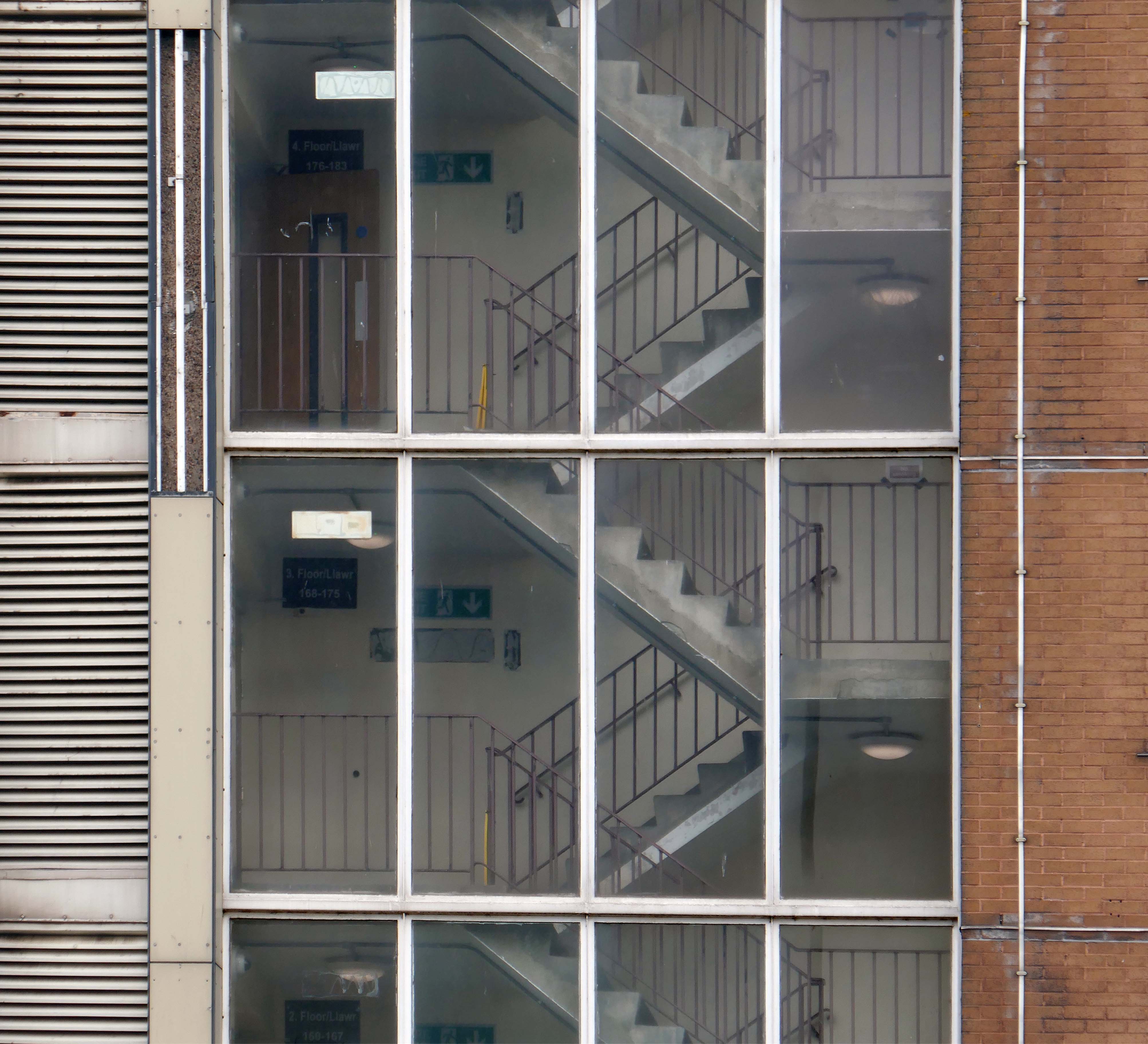
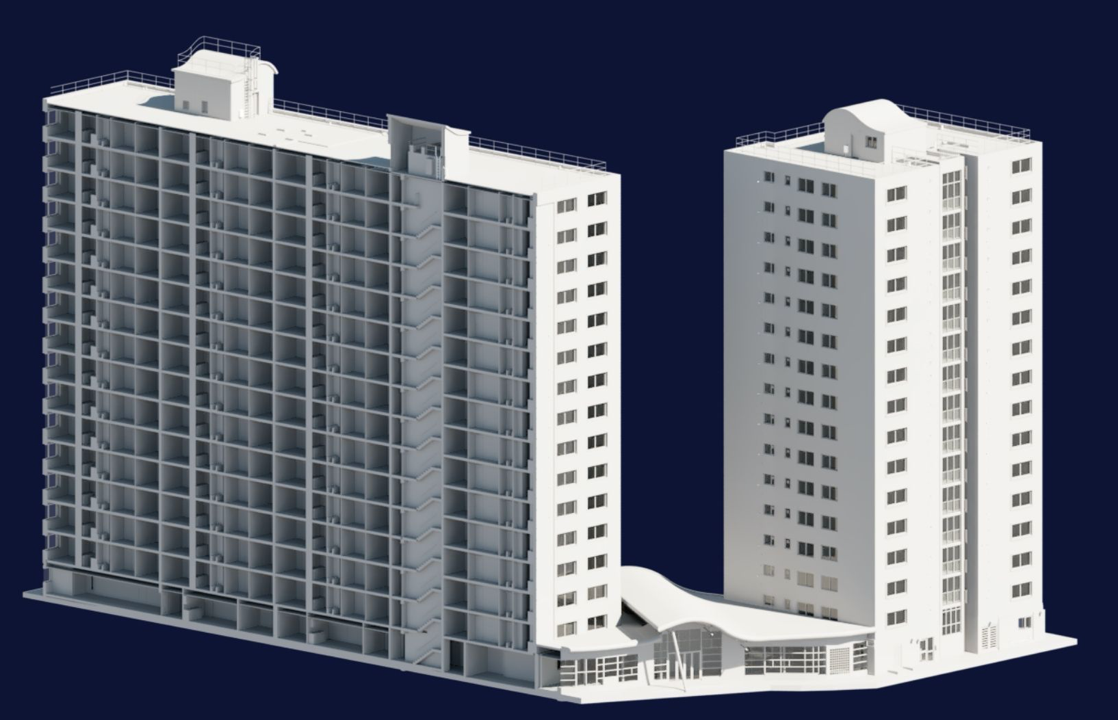
Surveybase have undertaken detailed scanning and modelling prior to the planned post Grenfell re-cladding.
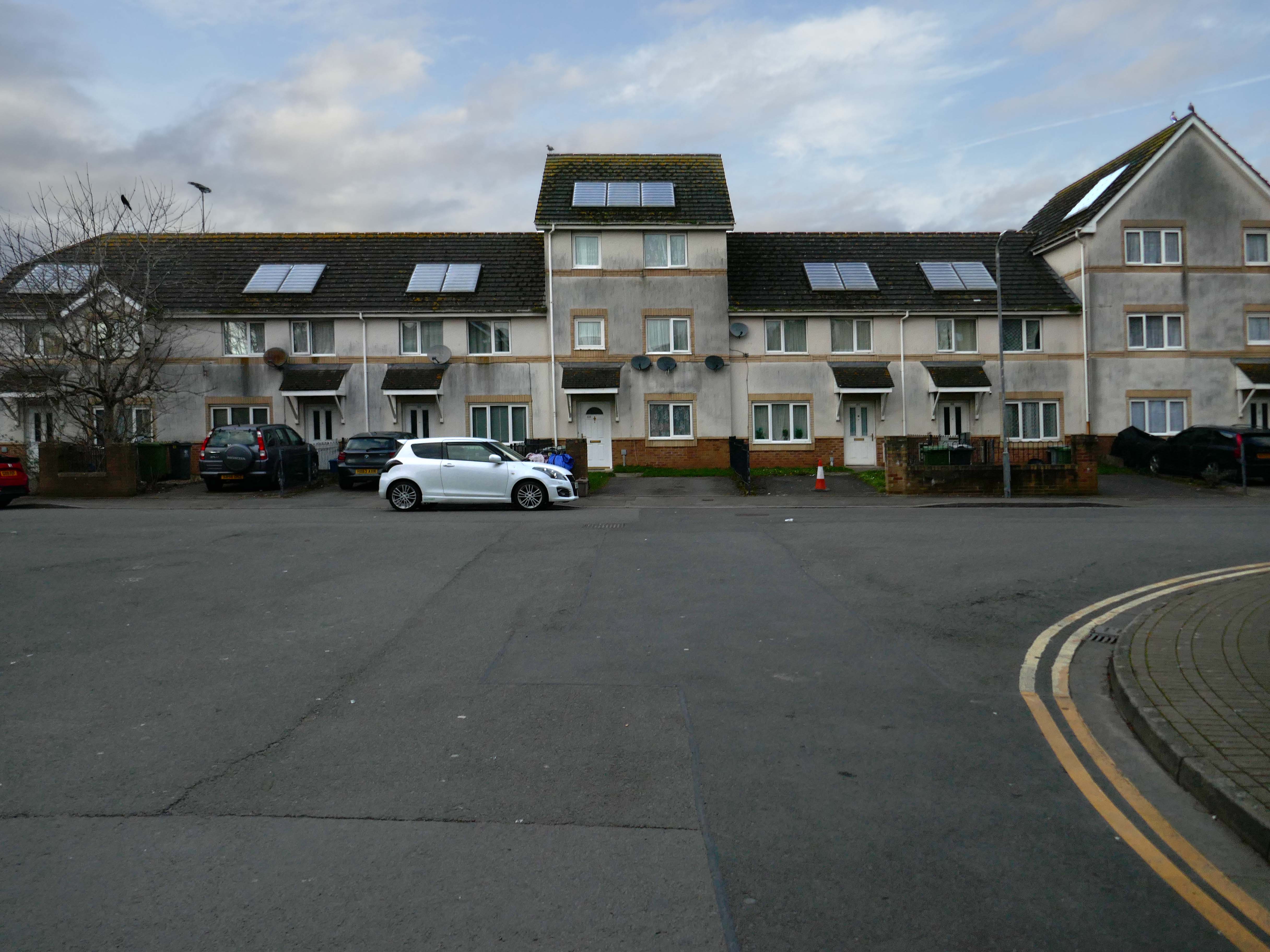
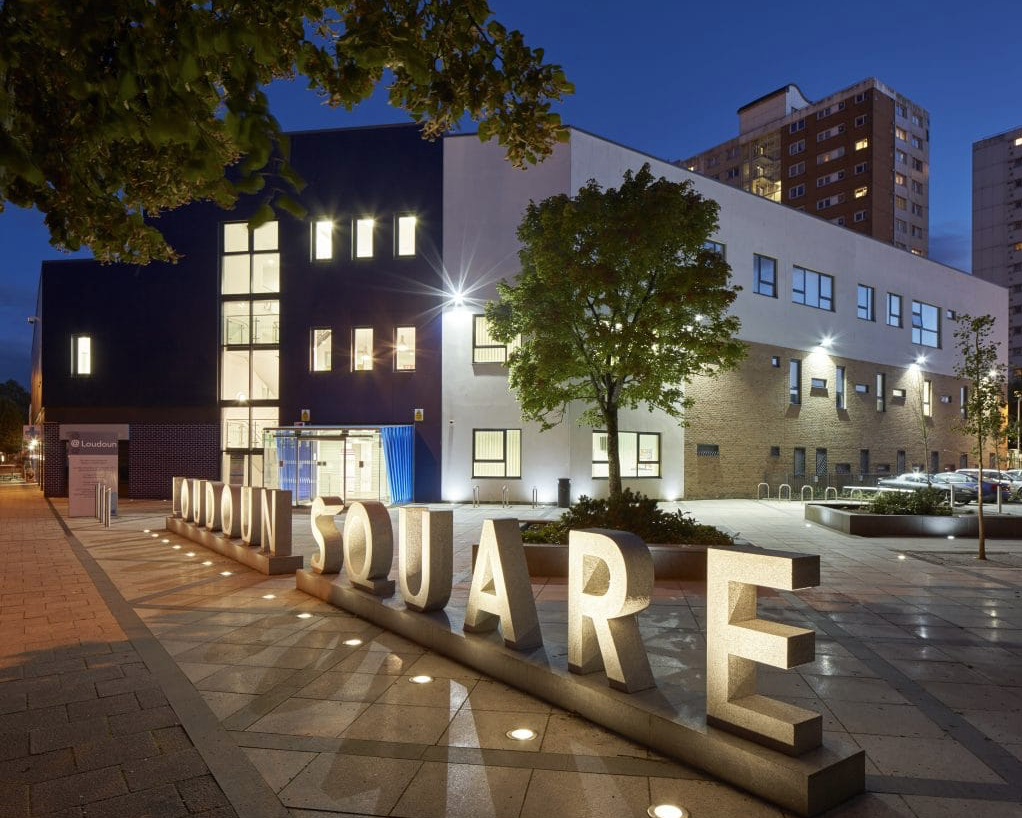
The Loudoun Square regeneration project is a collaboration between Cardiff City Council, Cardiff Community Housing Association, Cardiff Local Health Board and Cardiff and Vale NHS Trust. The site is located between Cardiff City Centre and Cardiff Bay, and was previously occupied by an existing health centre and local shops, together with a vacant area of land.

The area has been regenerated with the creation of new modern facilities to serve the local community and include a new health centre, shops, affordable homes and community facilities.
Austin Smith Lord

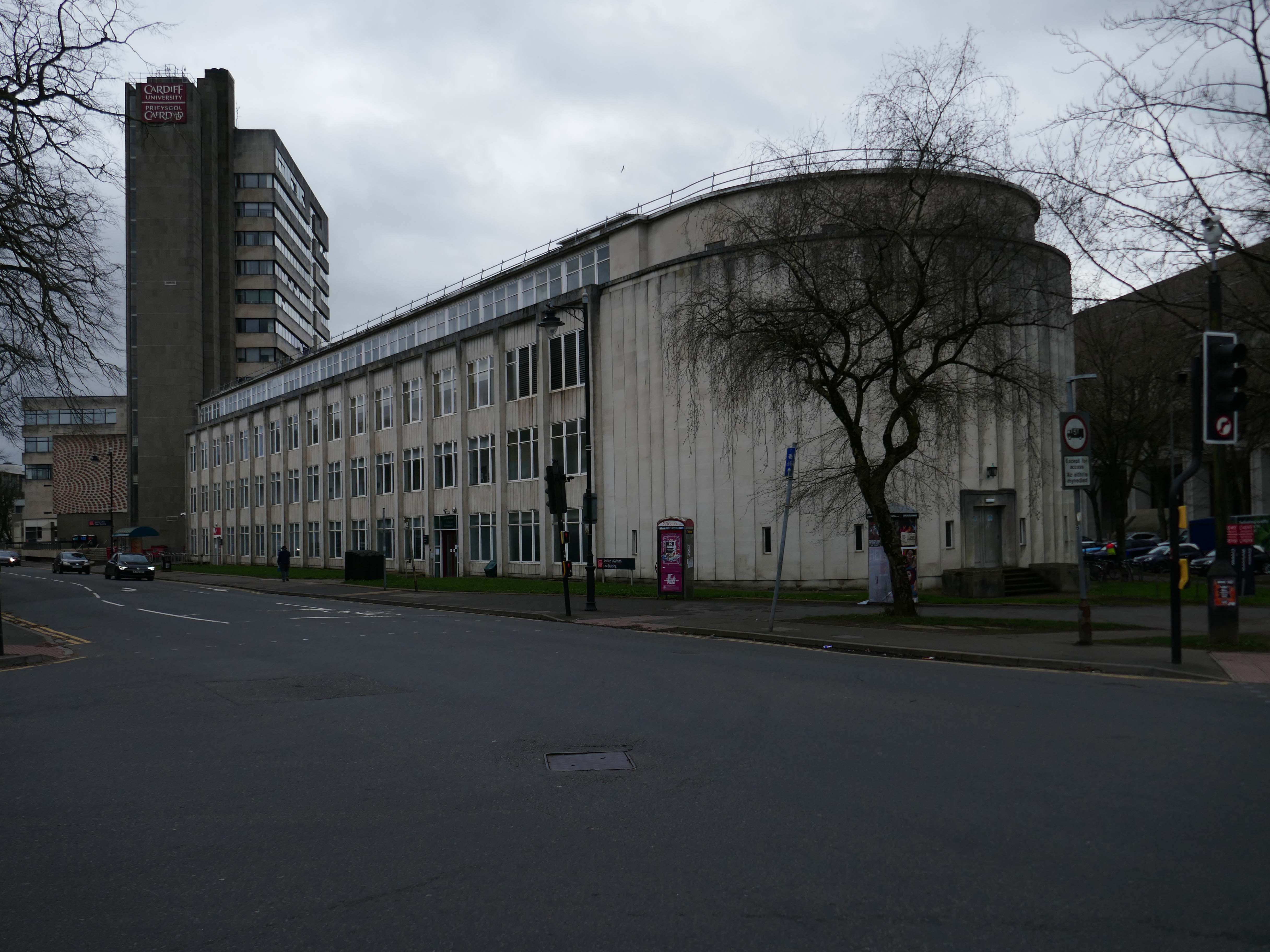
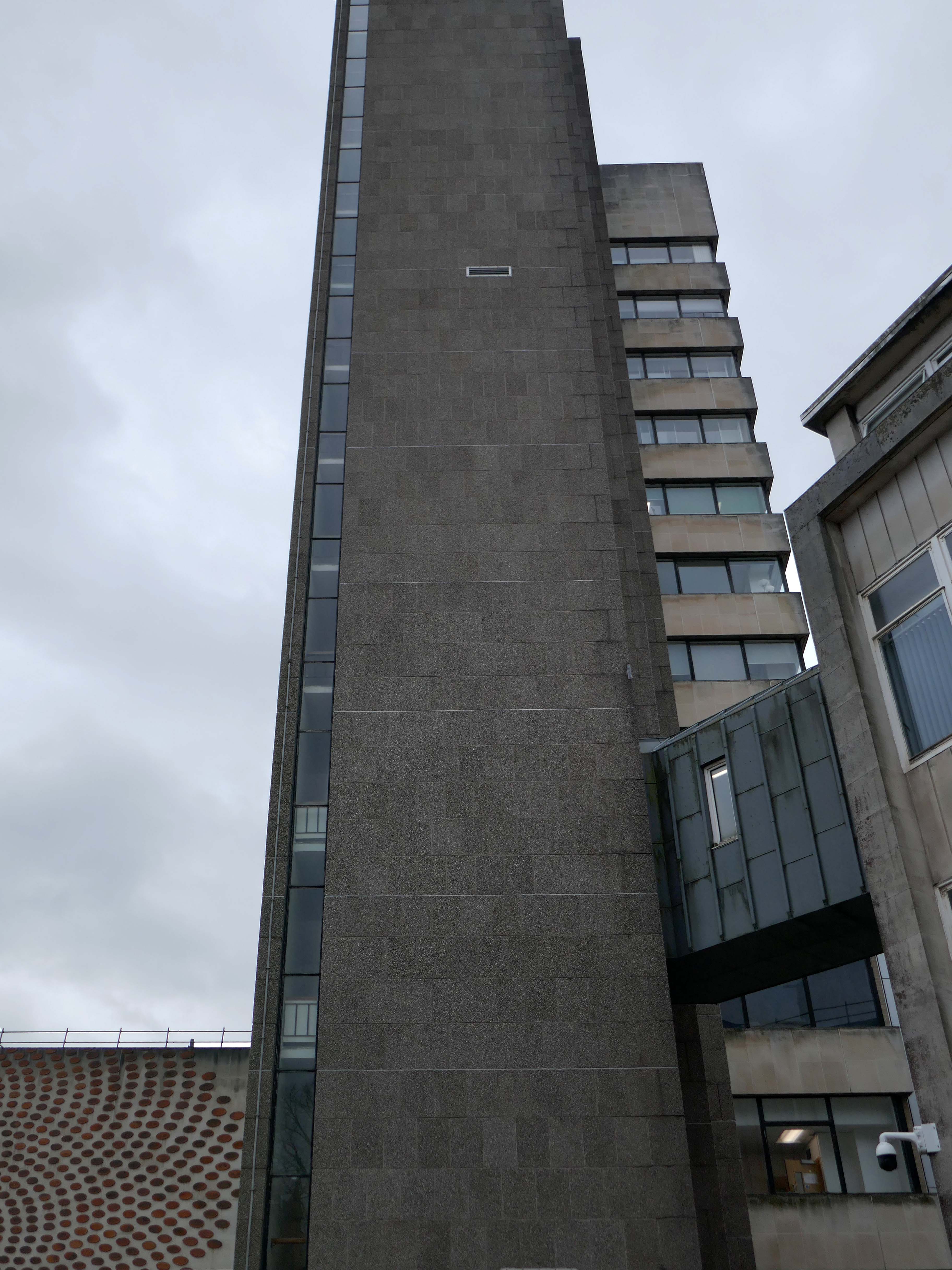
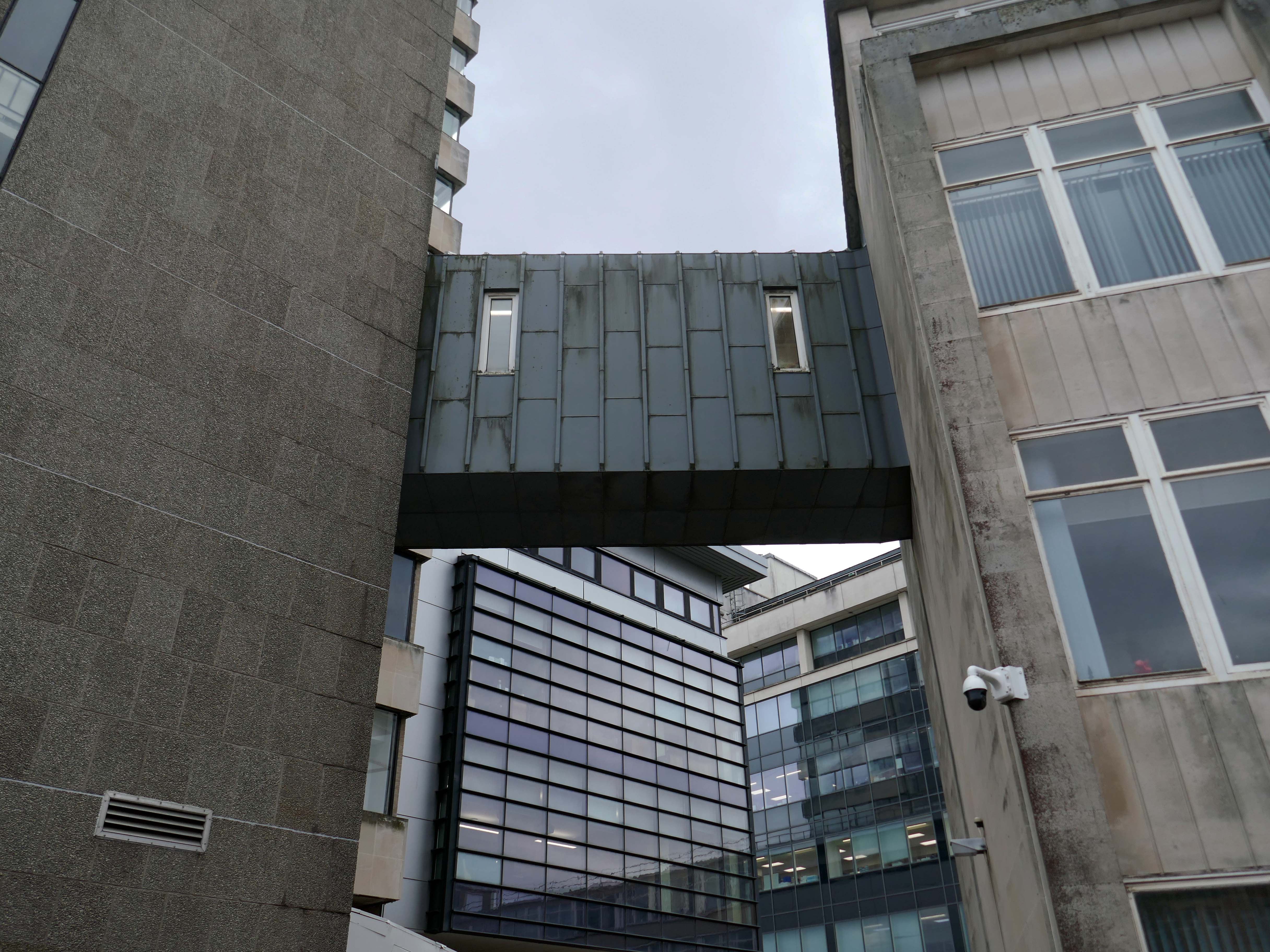
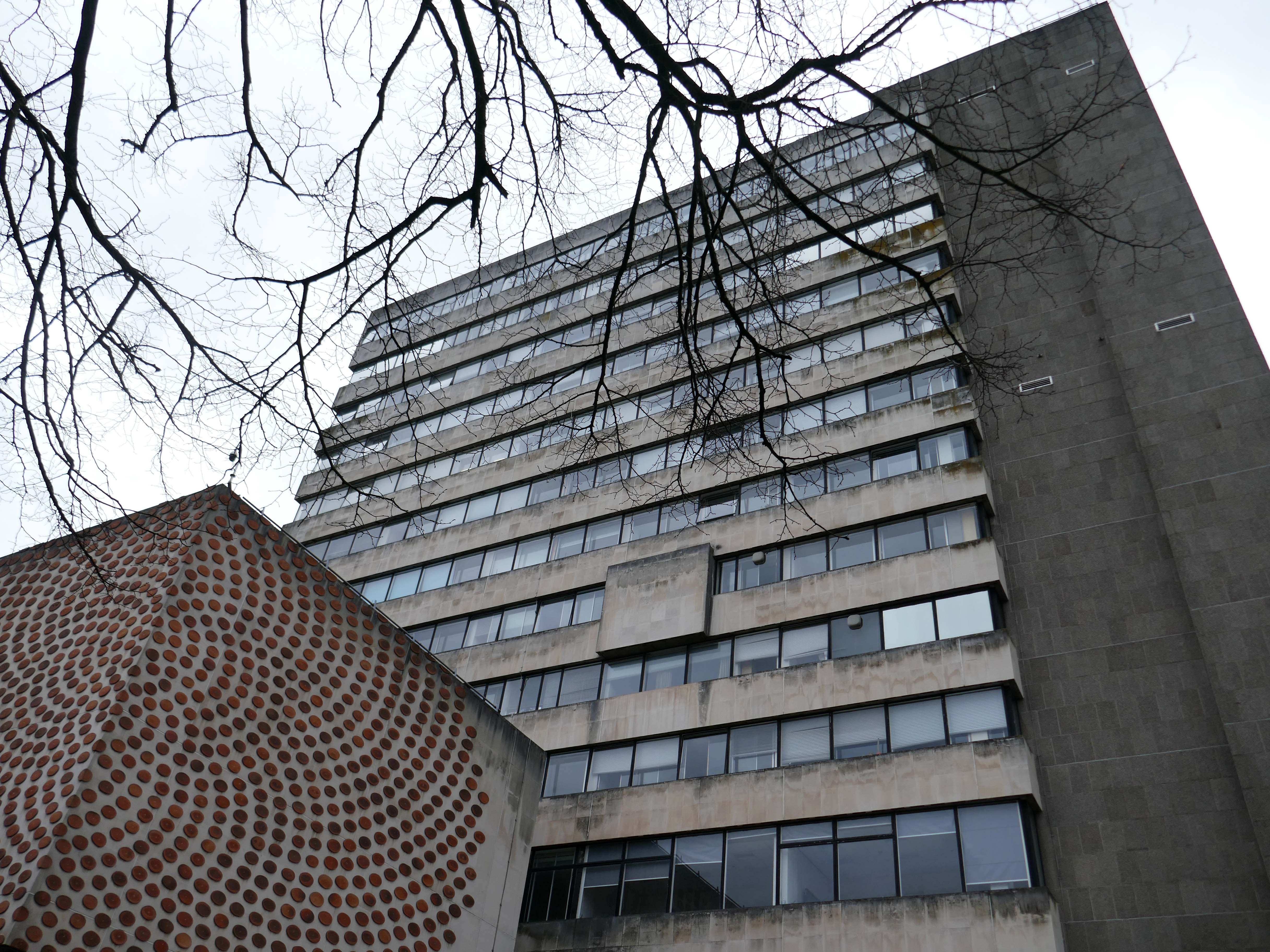
Cardiff University

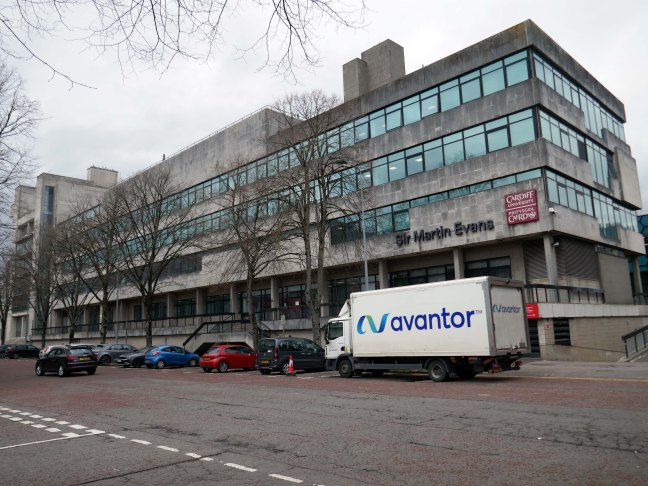
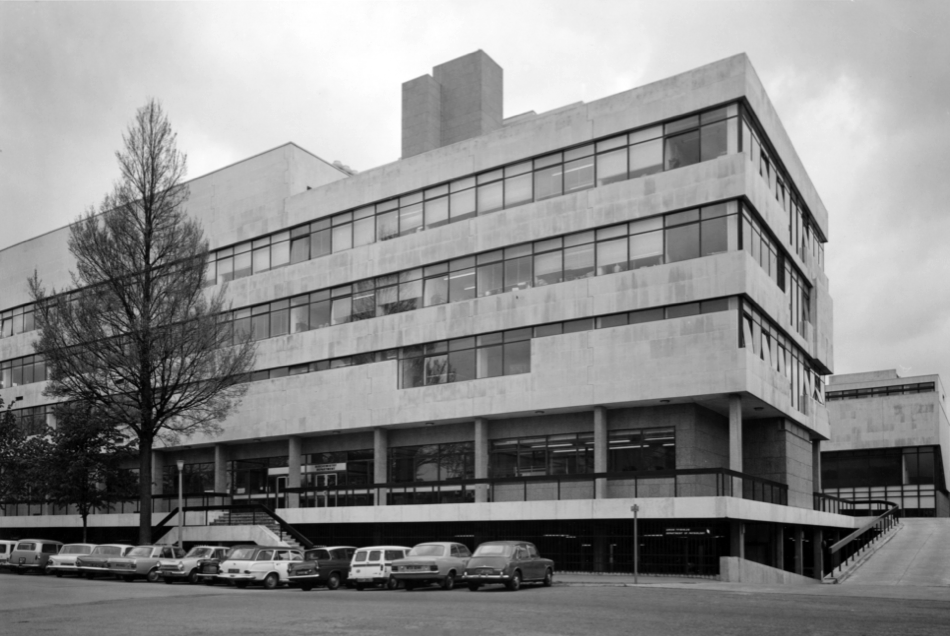
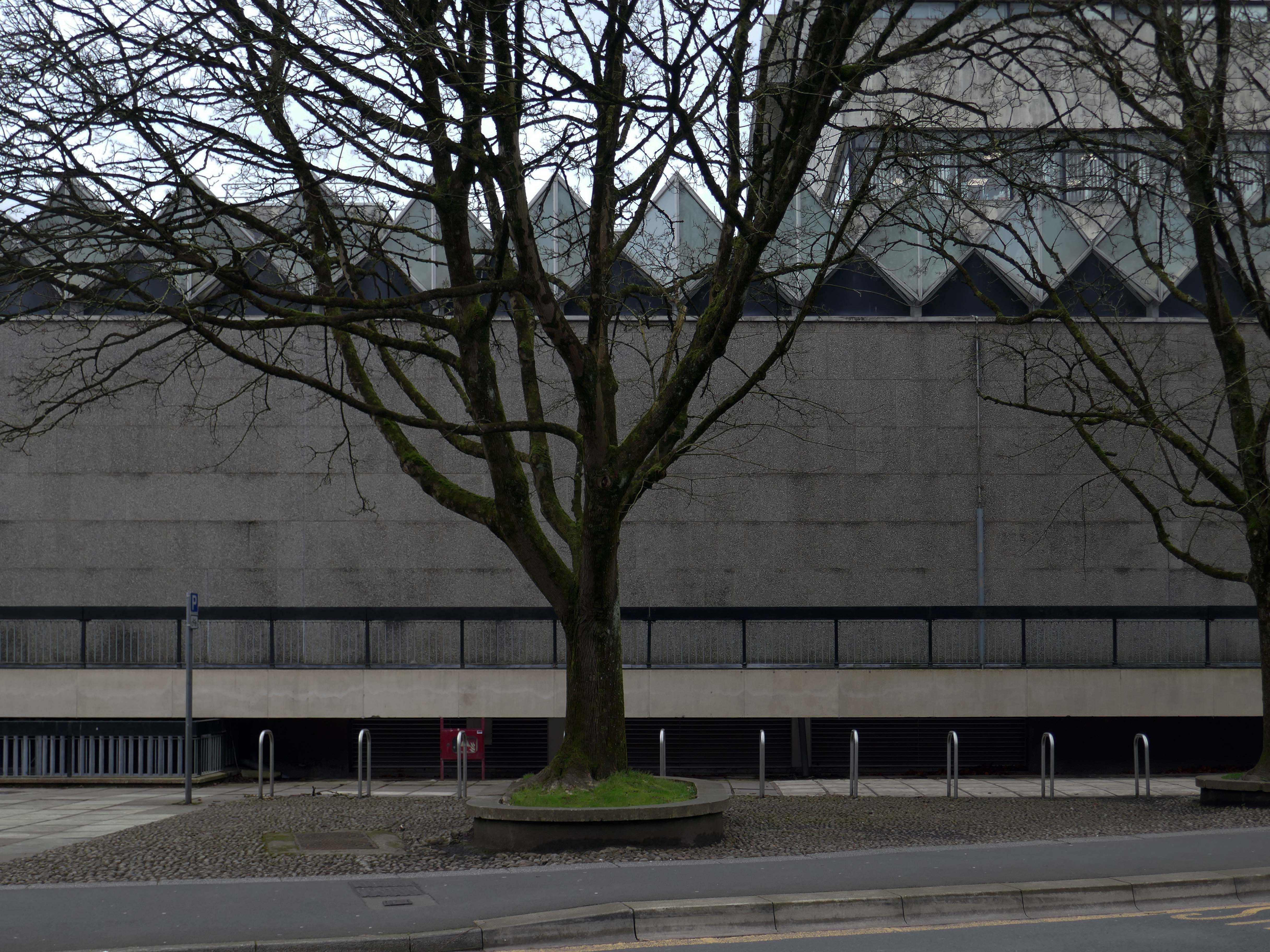
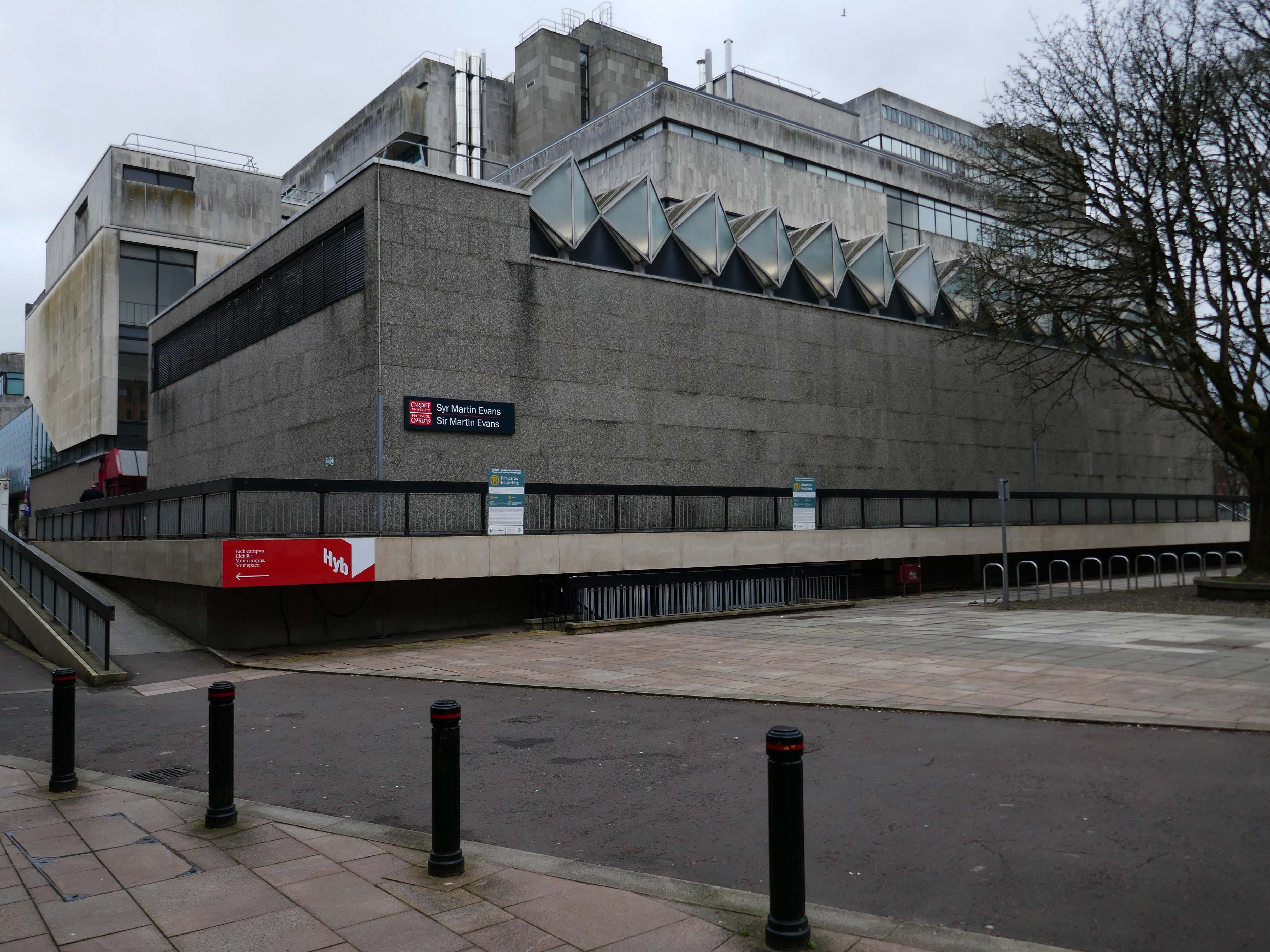
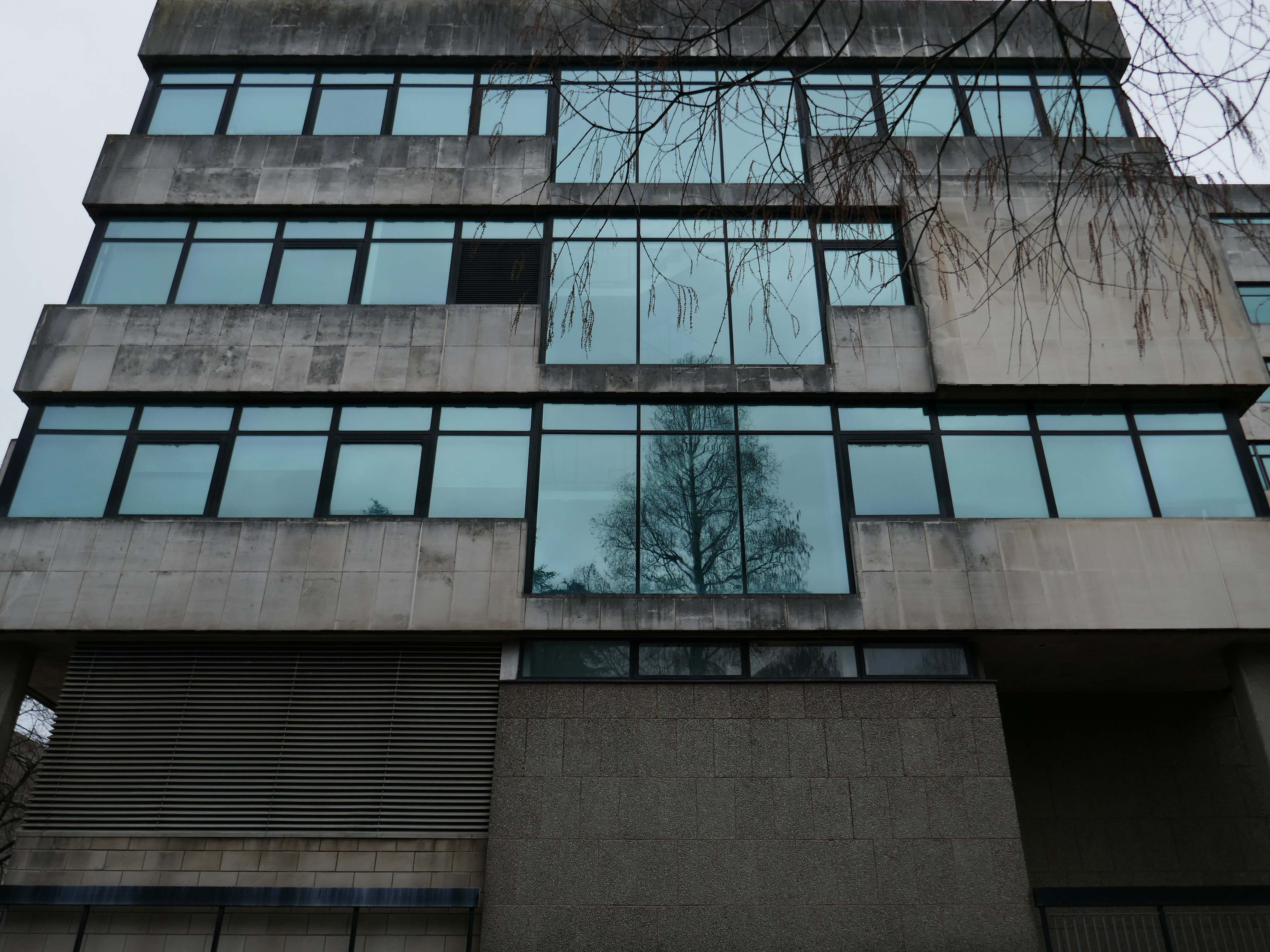
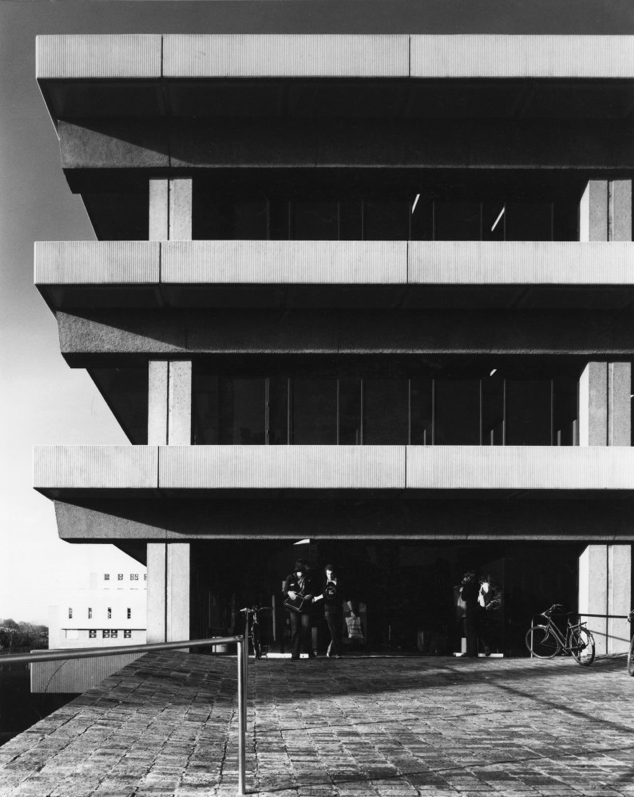
Sir Martin Evans and Tower Buildings

Lead architect Ivan Dale Owen of Sir Percy Thomas & Partners also responsible for the site’s 1960 masterplanning.

He then spent over a year working for Walter Gropius’s practice, The Architects Collaborative, in Cambridge, Massachusetts.He returned to Britain, where he became a senior architect/planner with William Holford & Partners in London, where he worked on plans for the reconstruction of London after the war.

He returned to Wales with health problems and in 1958 was hired by Percy Thomas & Son as an associate in their Cardiff office. By 1964, Percy Thomas & Son had become Sir Percy Thomas & Partners and Owen had become a partner. He changed the philosophy of the practice, transforming it with a contemporary modernist style.

Wikipedia

1970 Internet Archive

We have previously encountered his work at both Aberystwyth, Bangor and Swansea Universities.
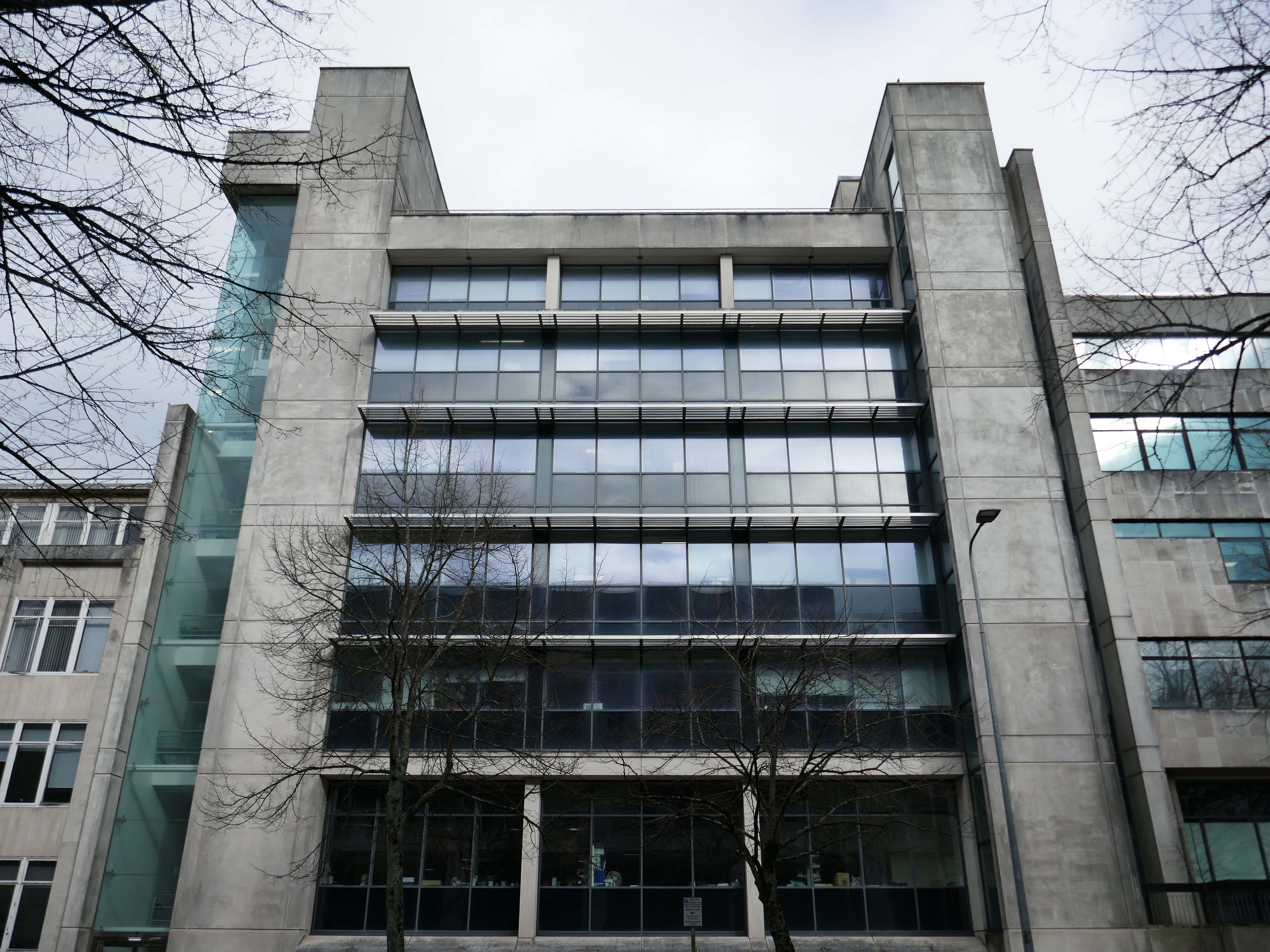
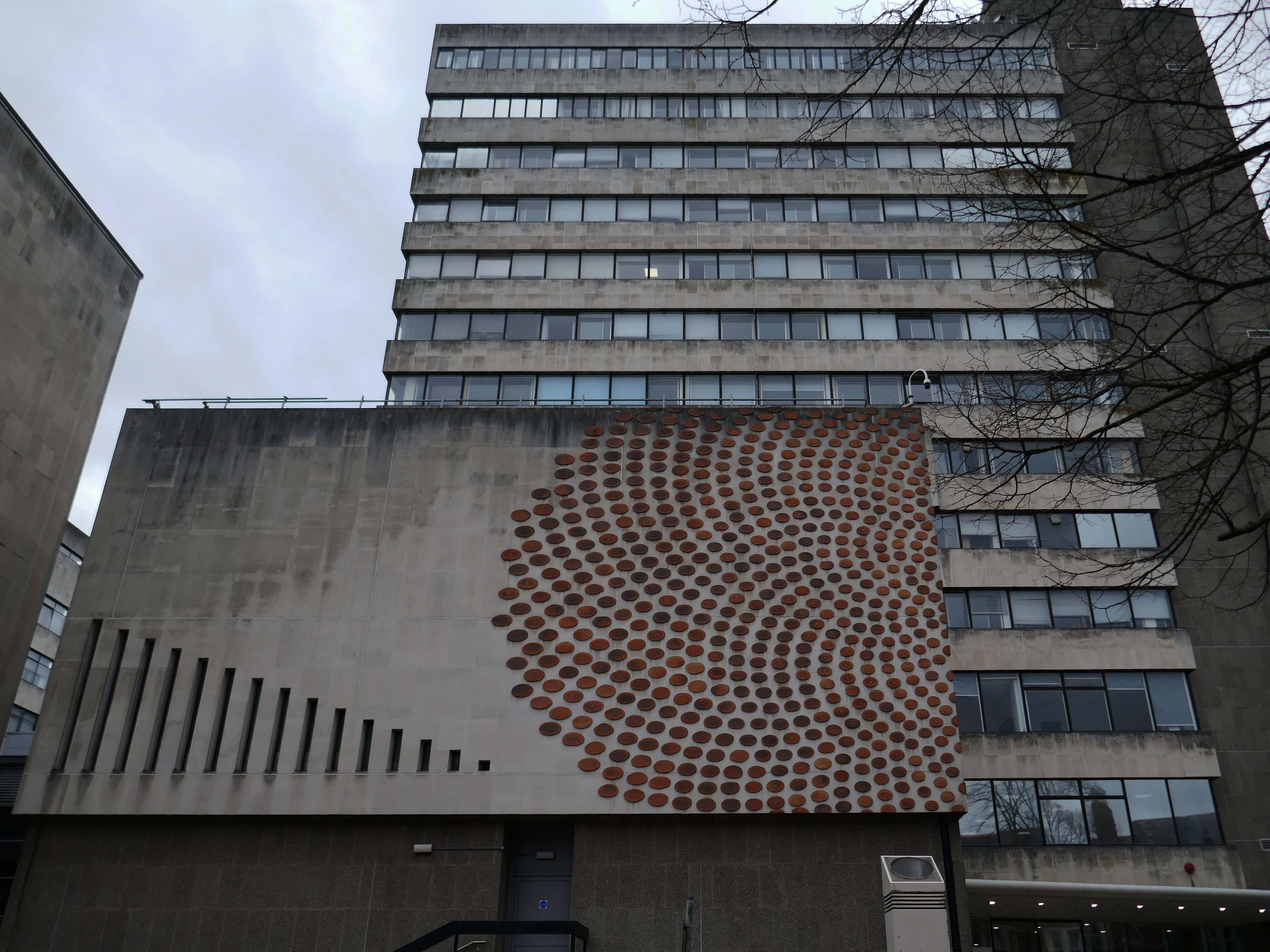
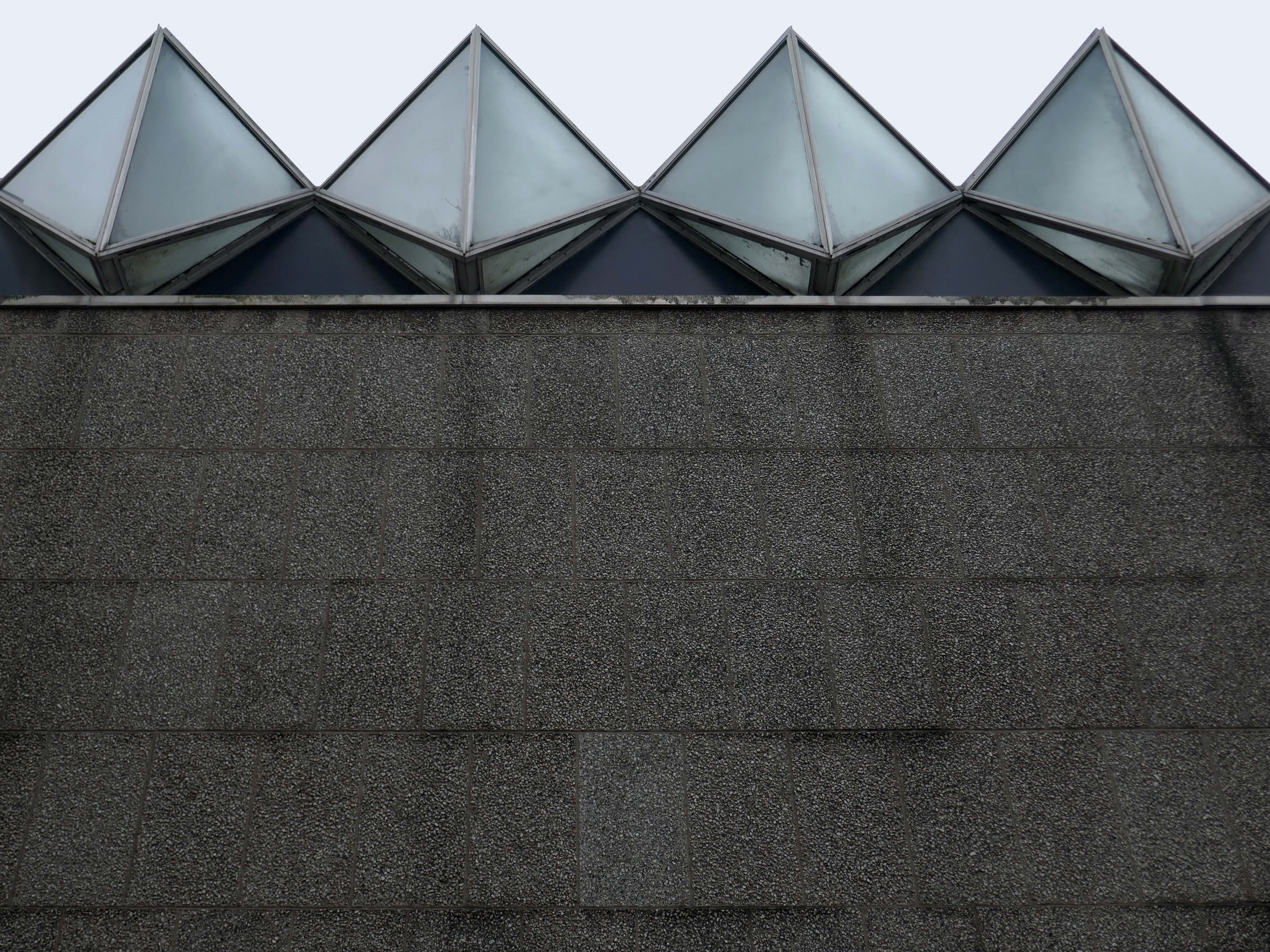
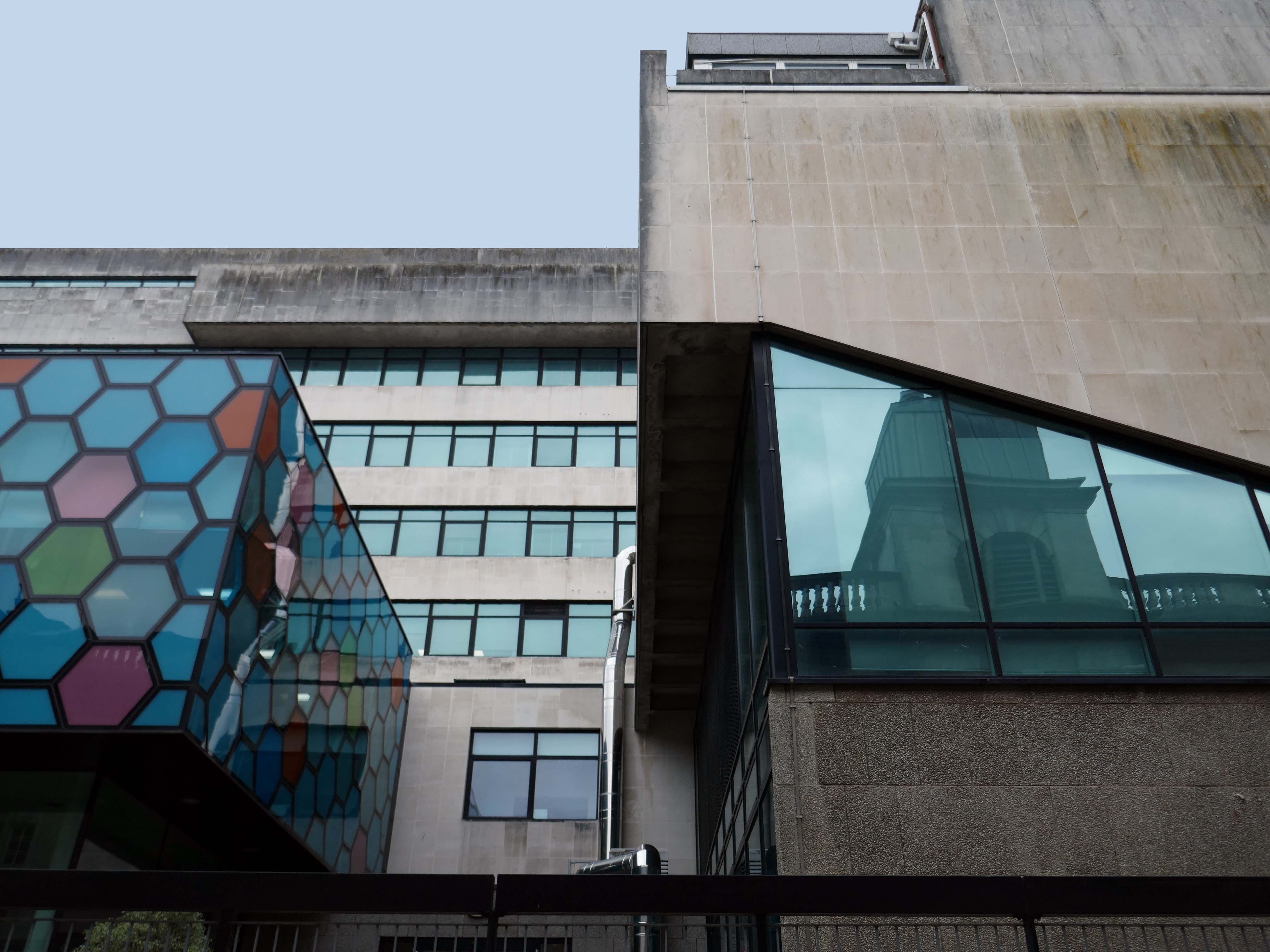
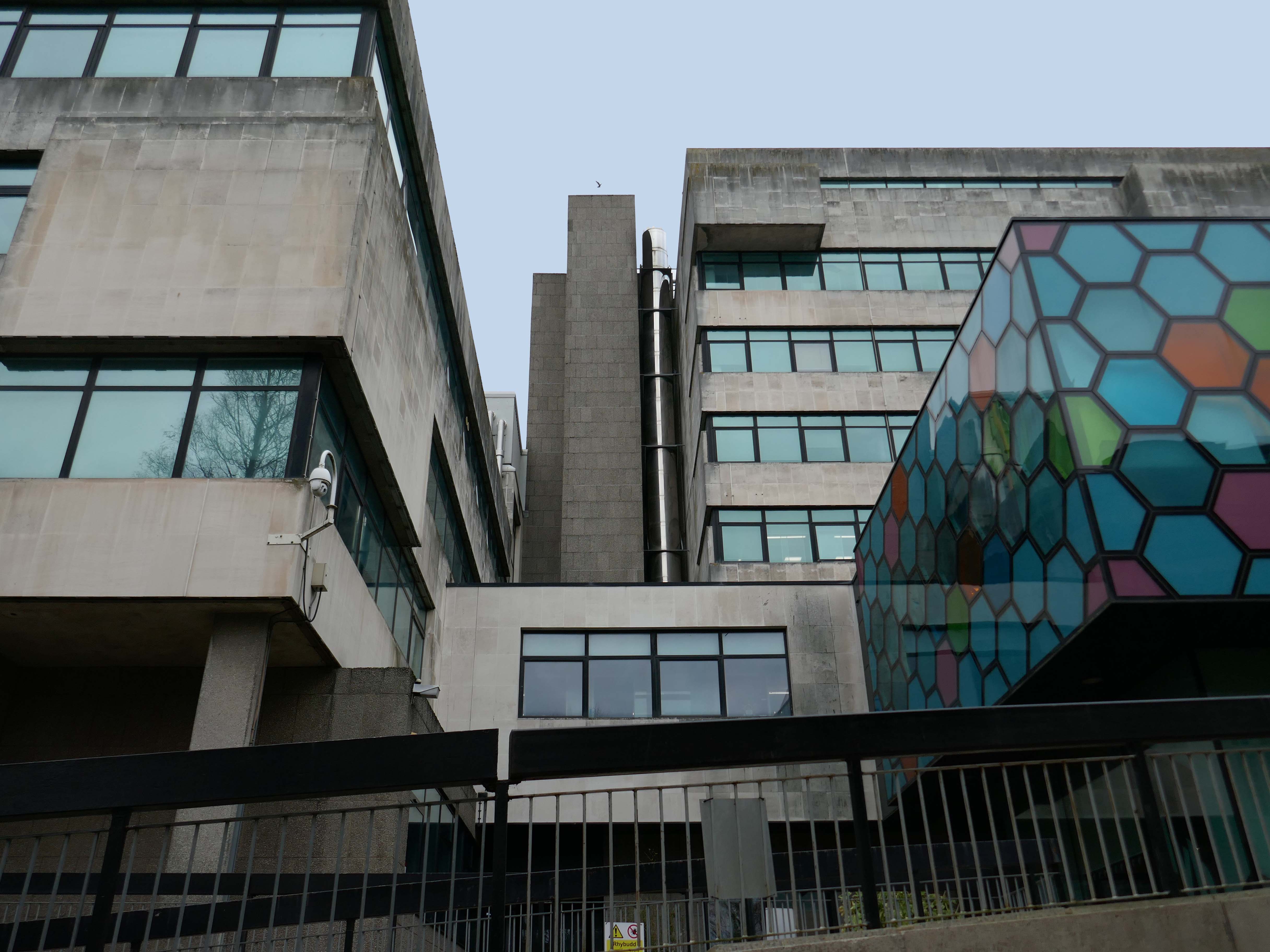
Rio Architects worked with Cardiff University designing visually attractive, innovative and cost-effective buildings. The Rio team are enthusiastic and dedicated, taking time to meet the client Departments at all stages of the project to ensure that an informed and good working relationship is developed and maintained the innovative design of the new podium development for the School of Bioscience incorporates hexagonal shaped glass panels was developed in conjunction with Solaglas.

Ian Lomer

Director of Estates Development, Cardiff University

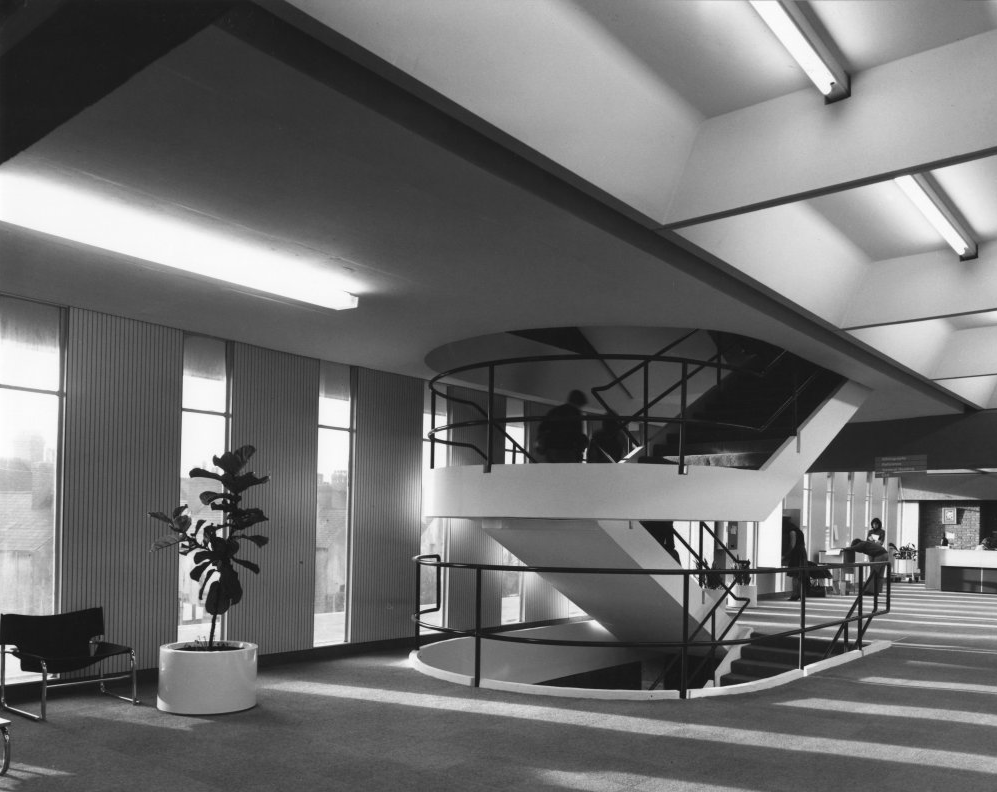
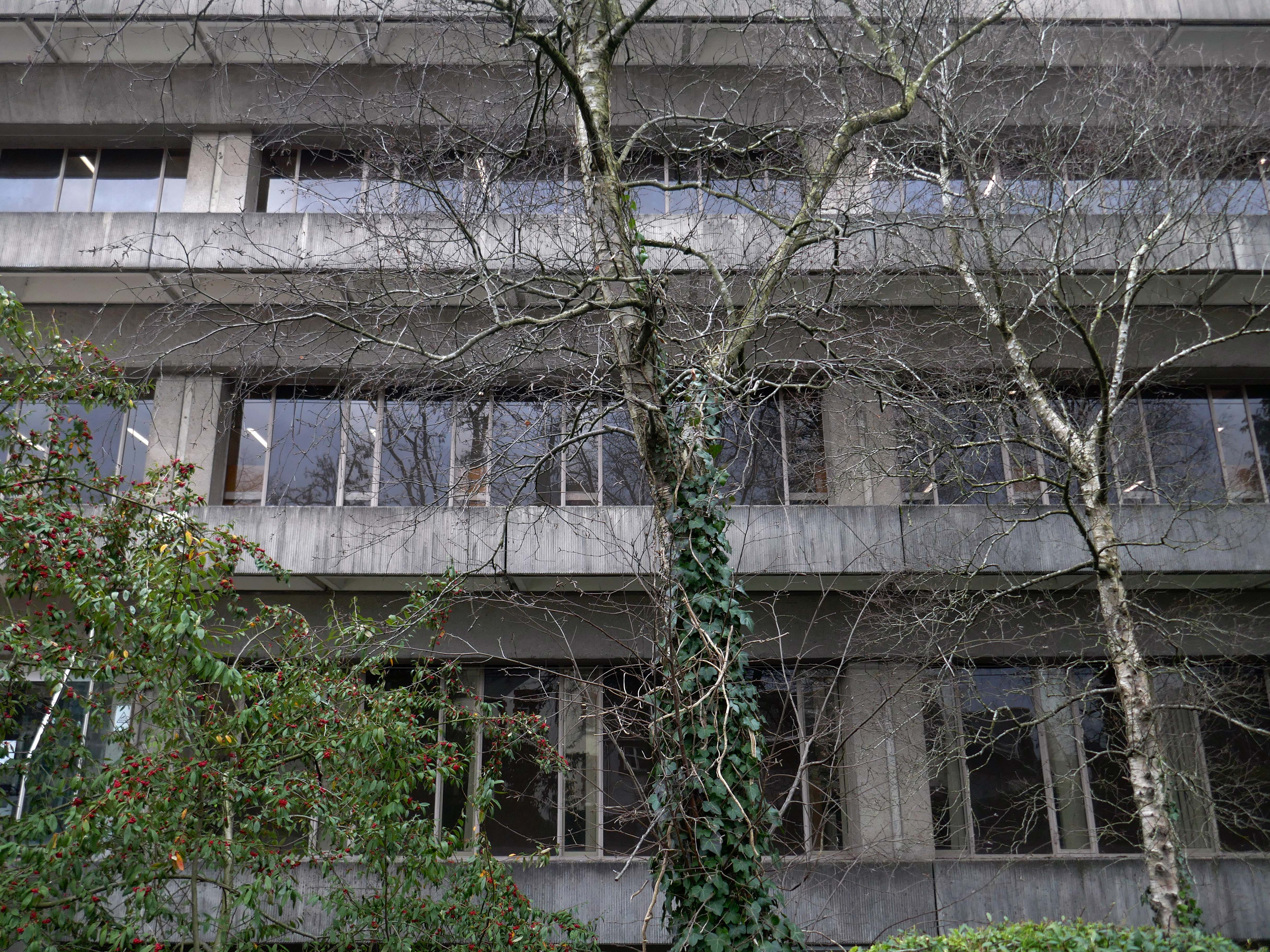
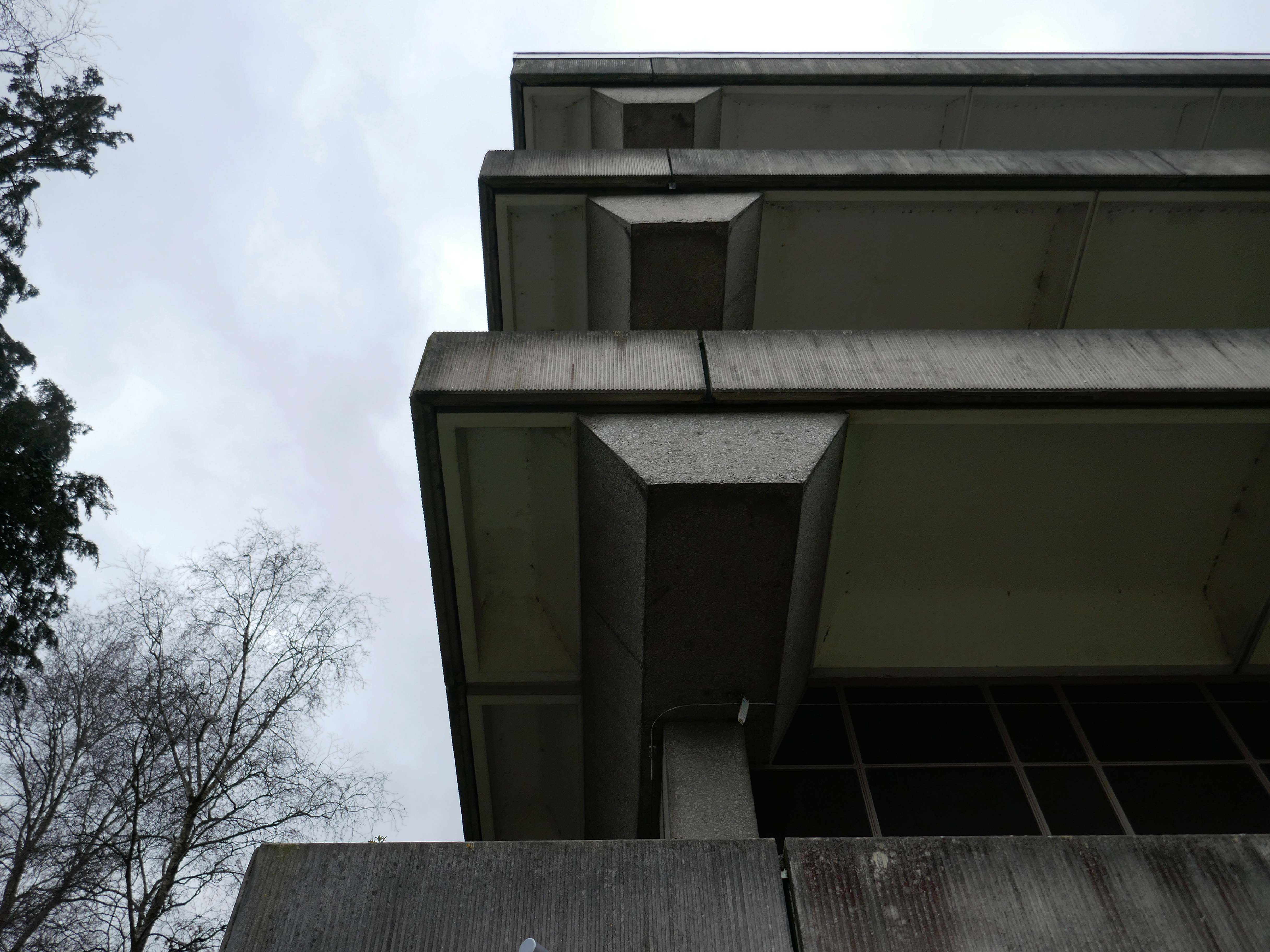
Arts and Social Studies Library designed by Faulkner-Brown Hendy Watkinson Stonor 1976

RIBA pix Josephine Reid

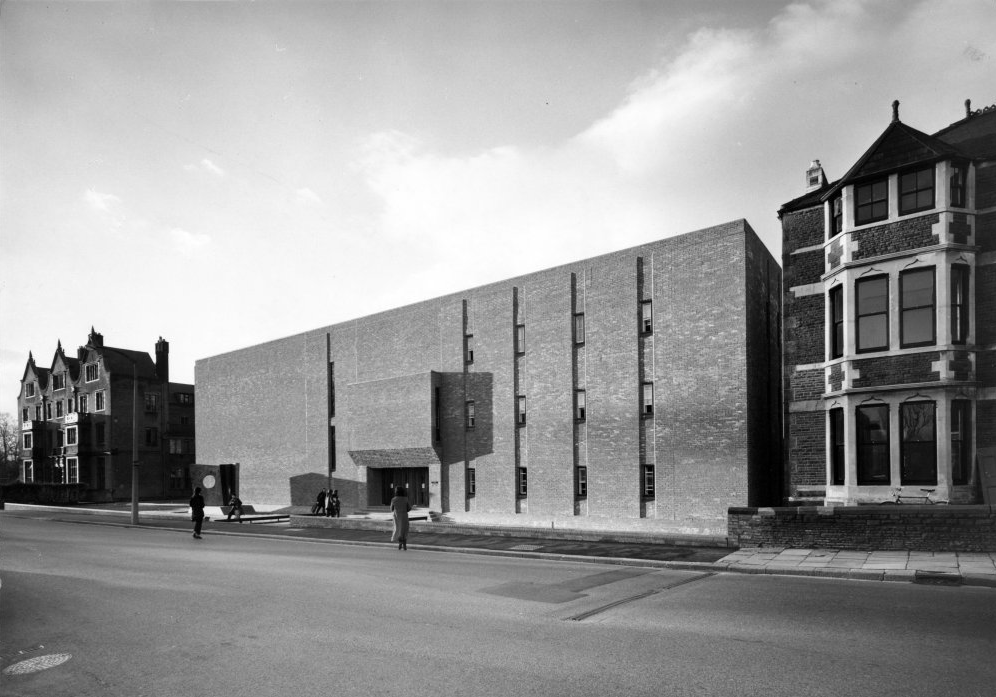
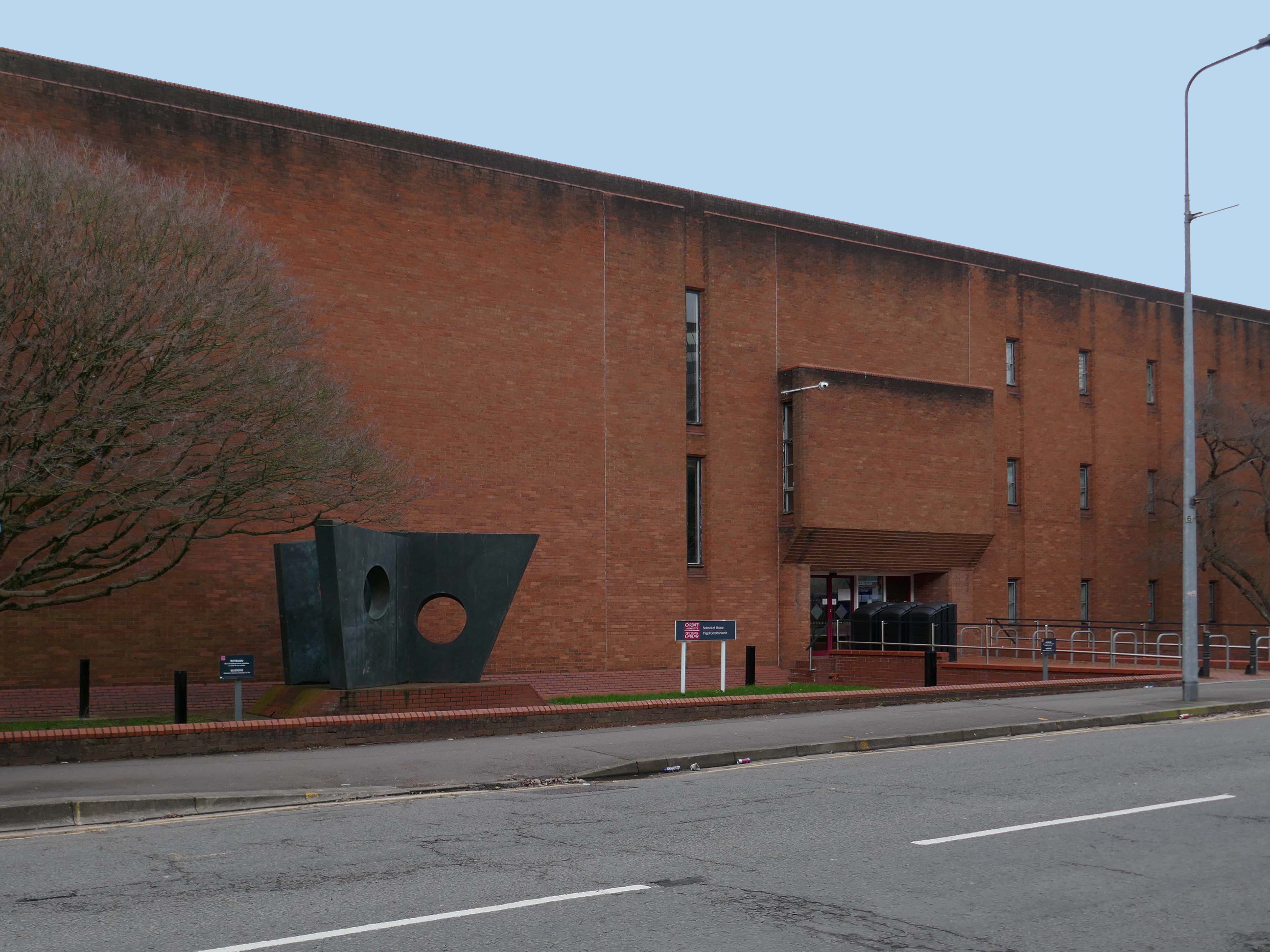
Music Department 1971 Alex Gordon Partnership.

RIBA pix Stanley Travers

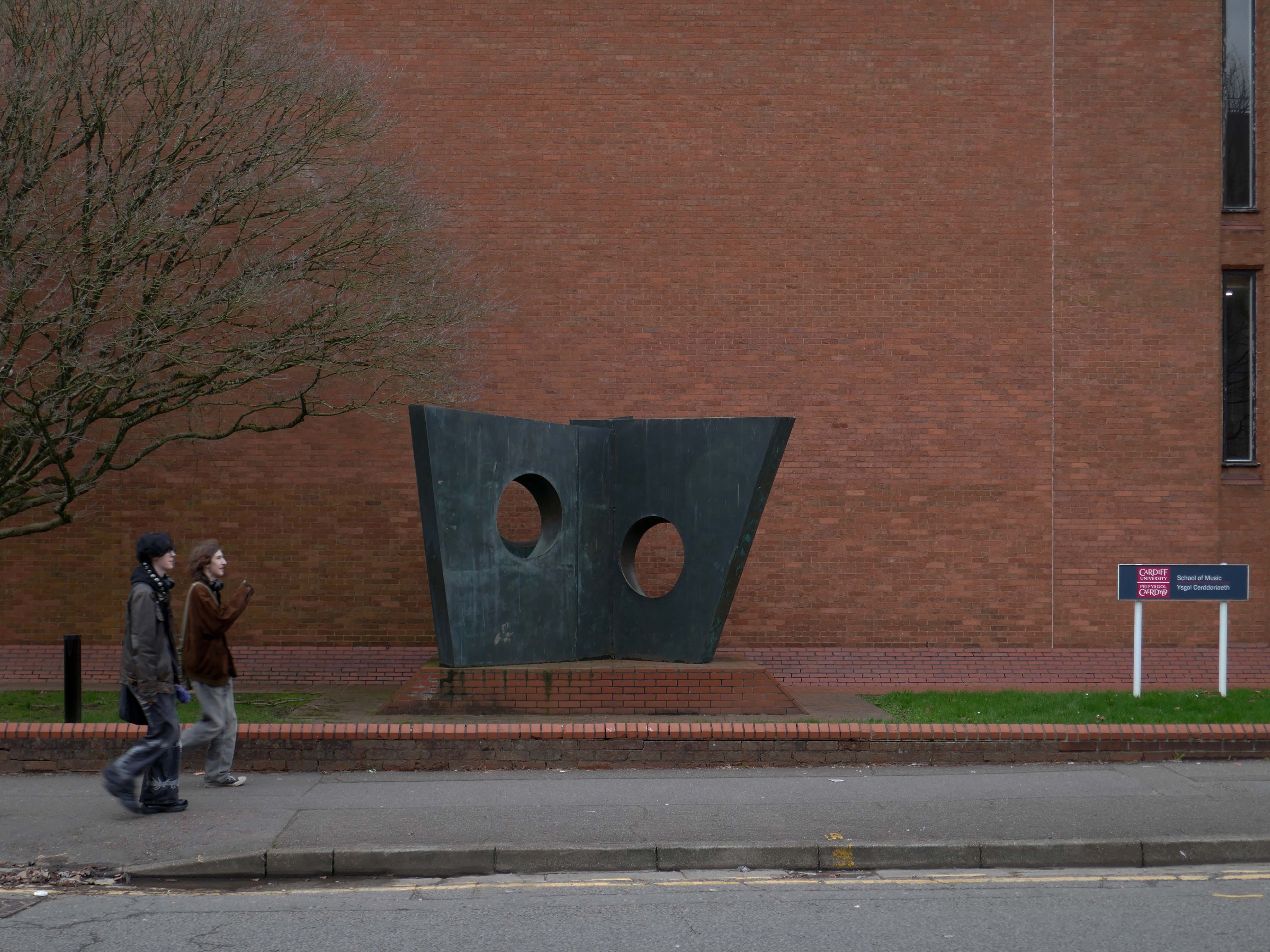
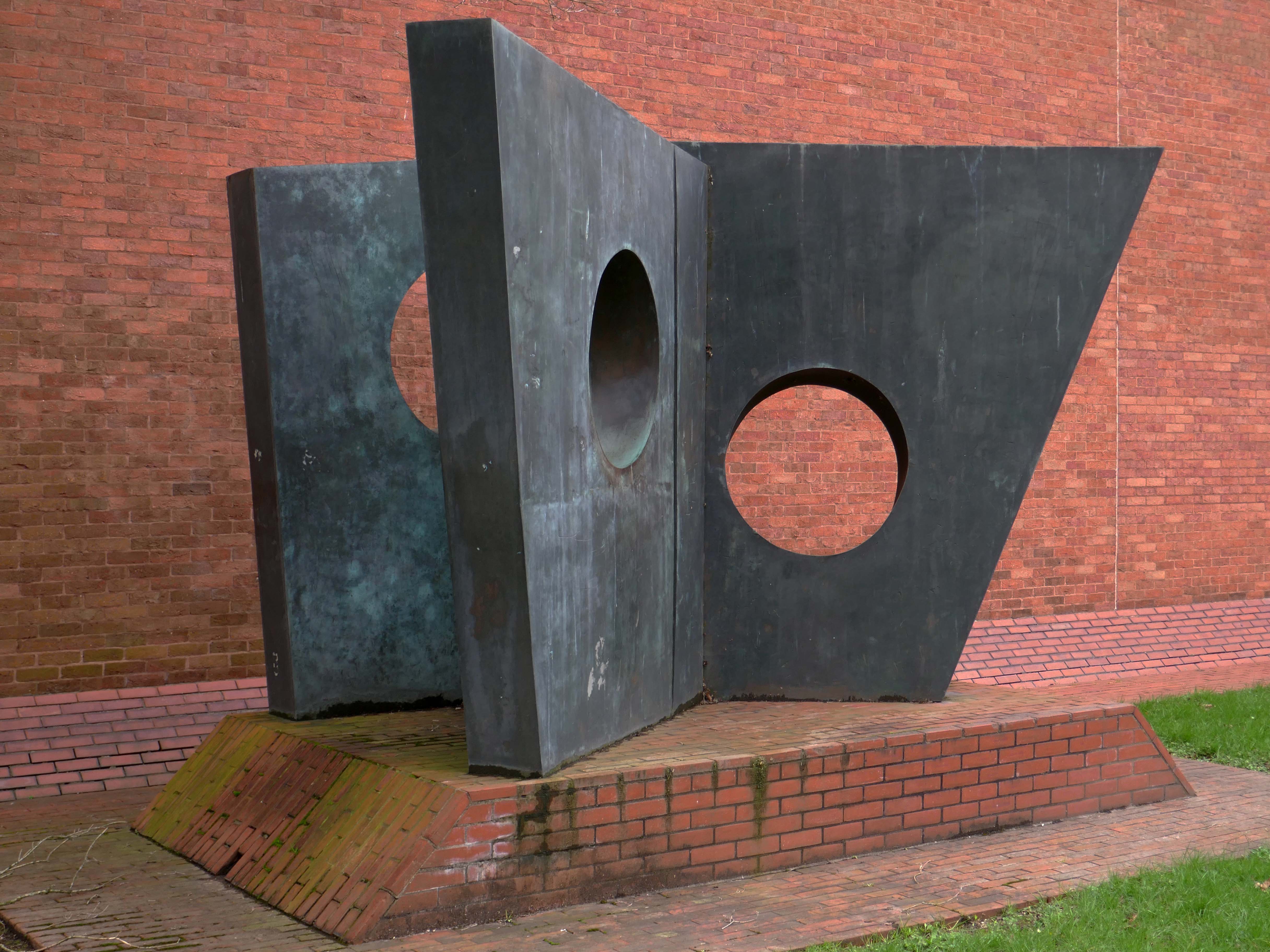
Three Obliques – Walk In is a 1968 sculpture by Barbara Hepworth. Three casts exist; two are in private collections and a third is displayed outside the Cardiff University School of Music.

It is cast in bronze on a monumental scale.

Wikipedia

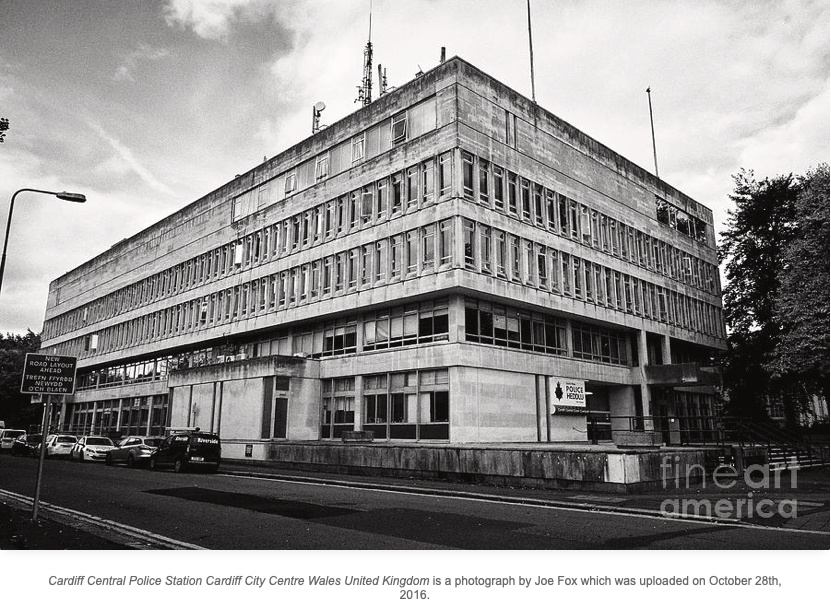
Cardiff Central Police Station

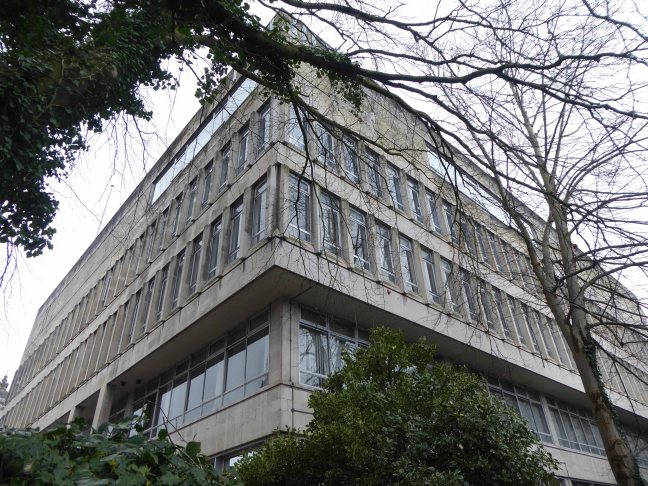
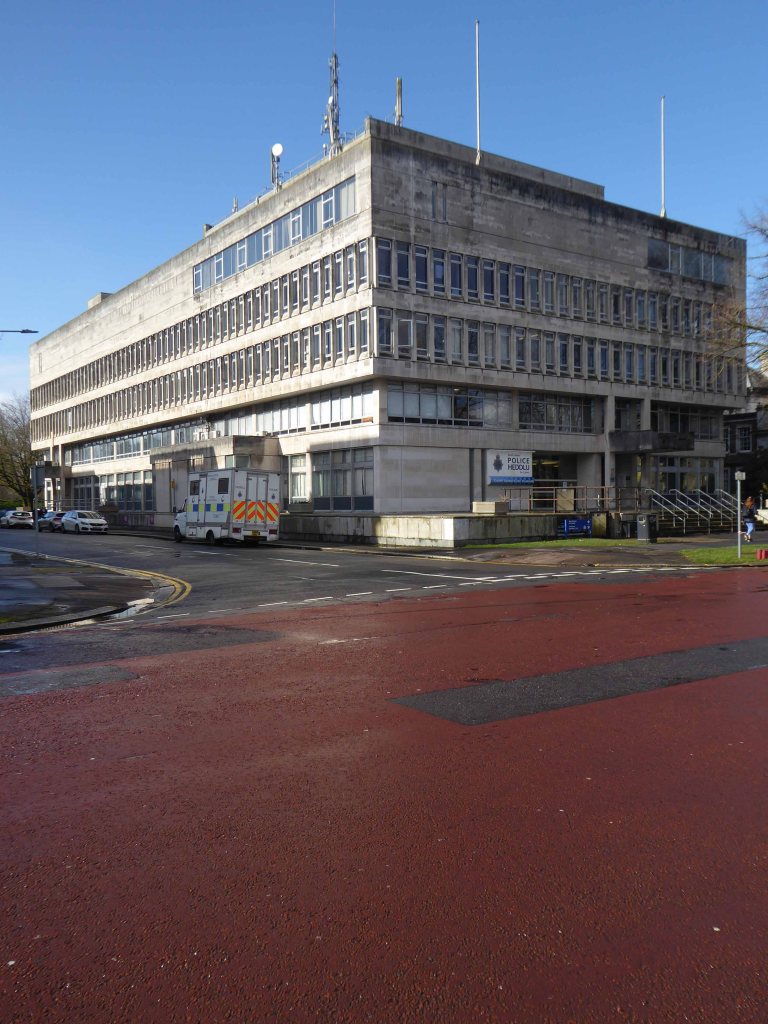
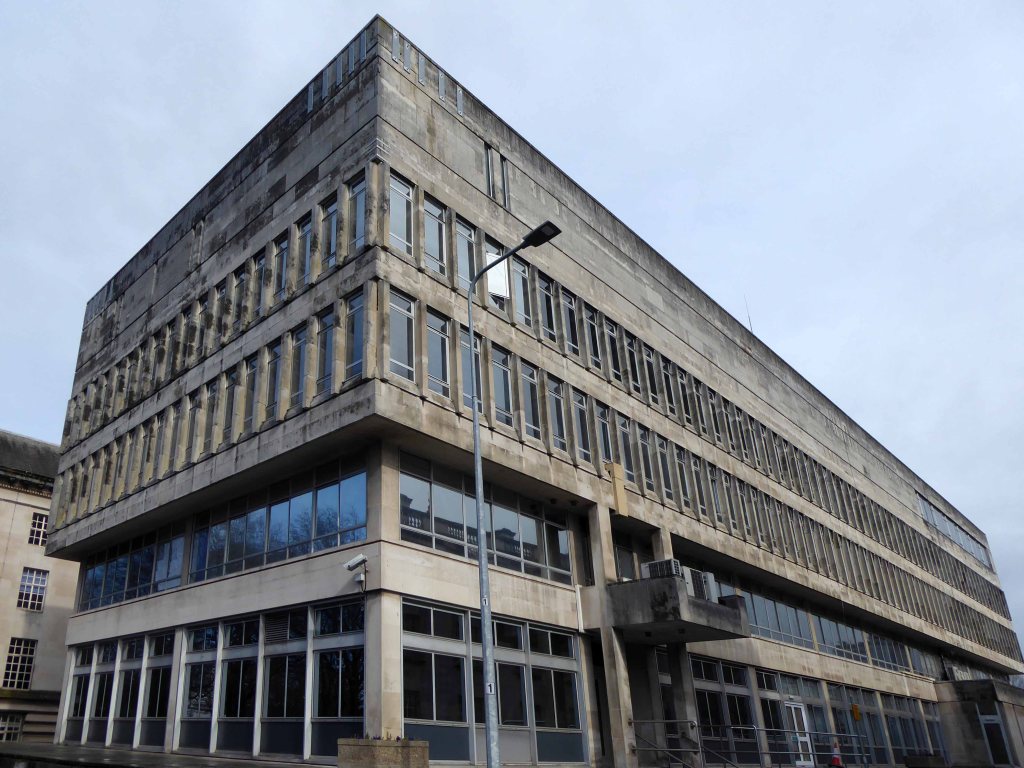
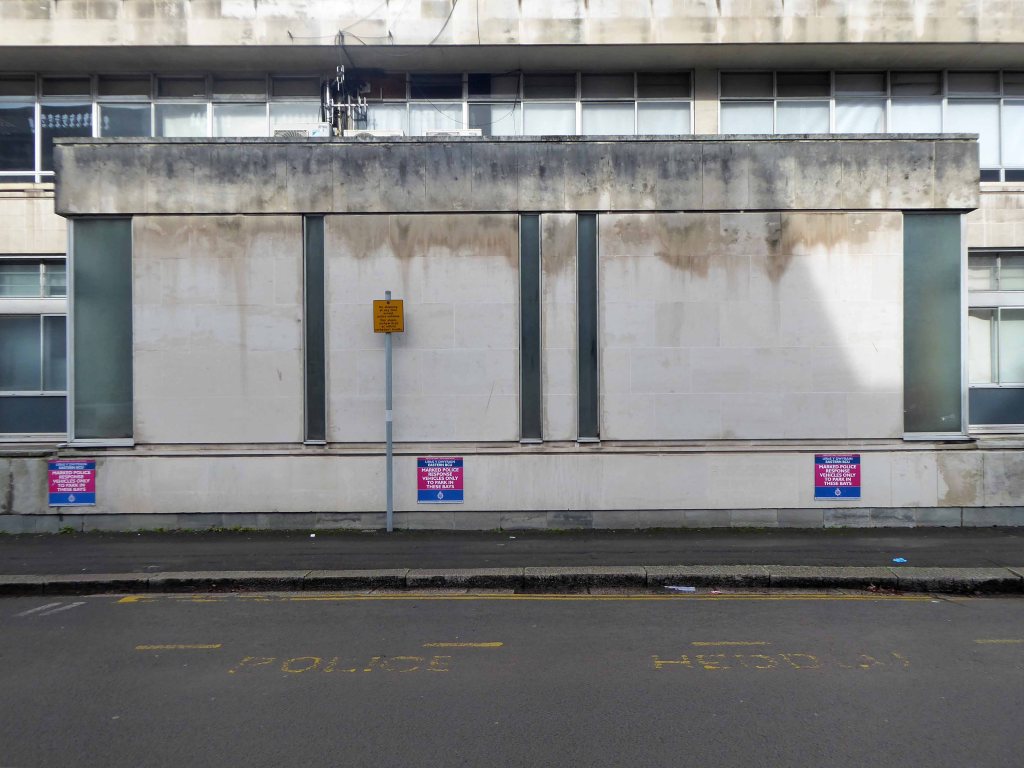
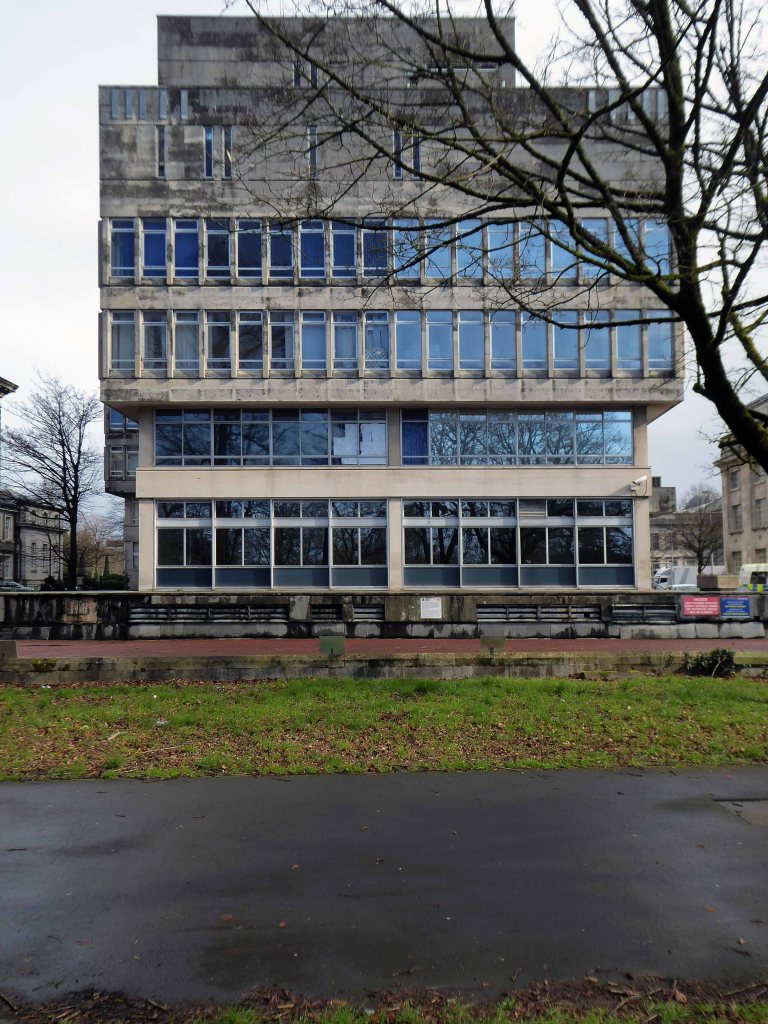
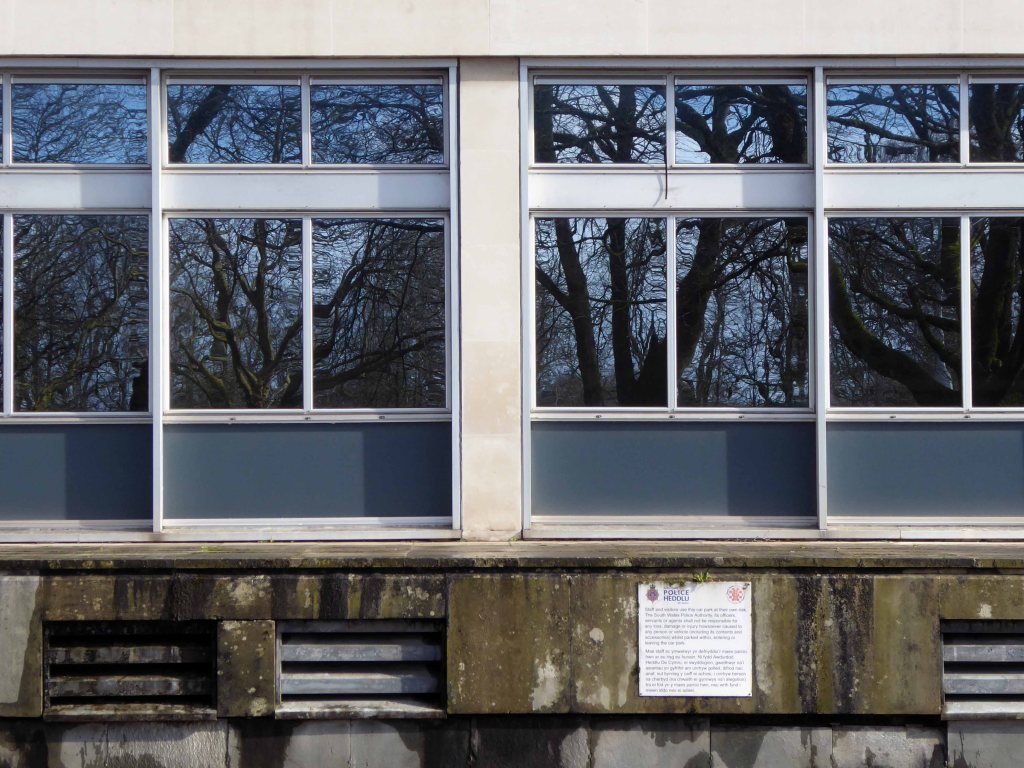
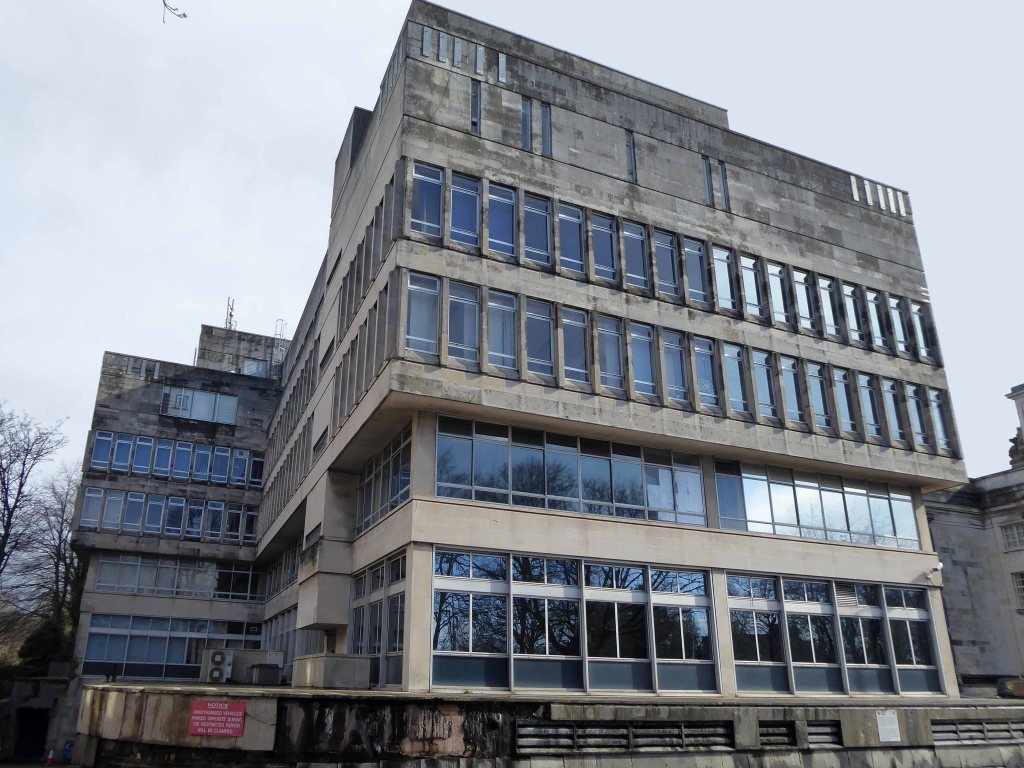
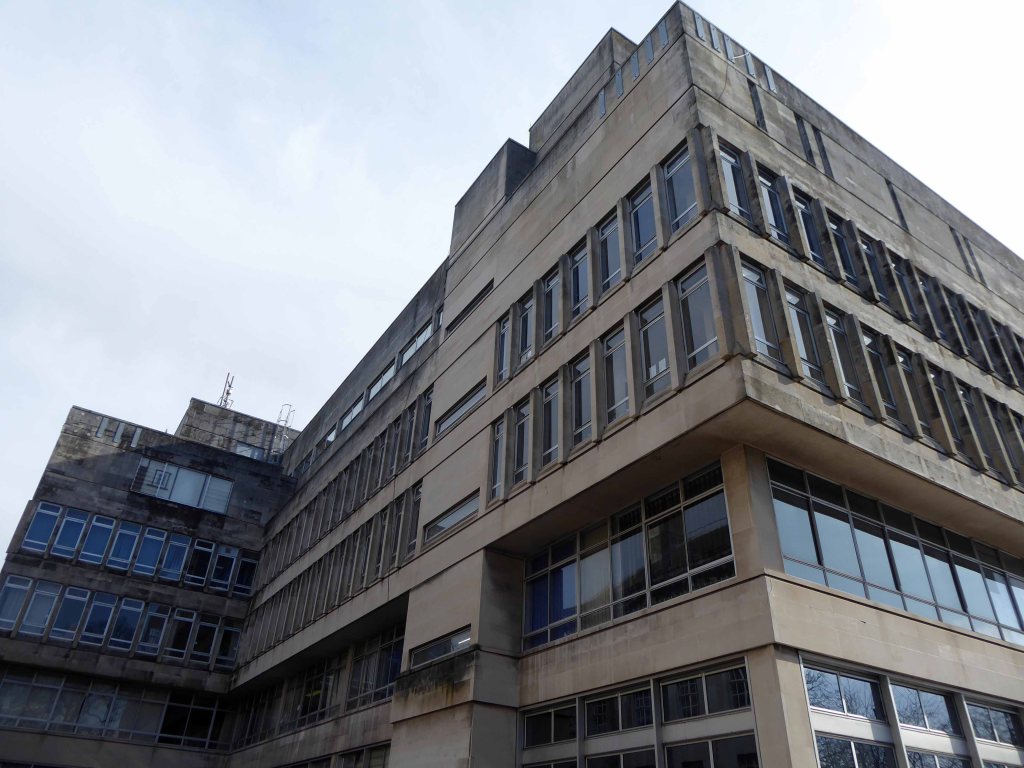
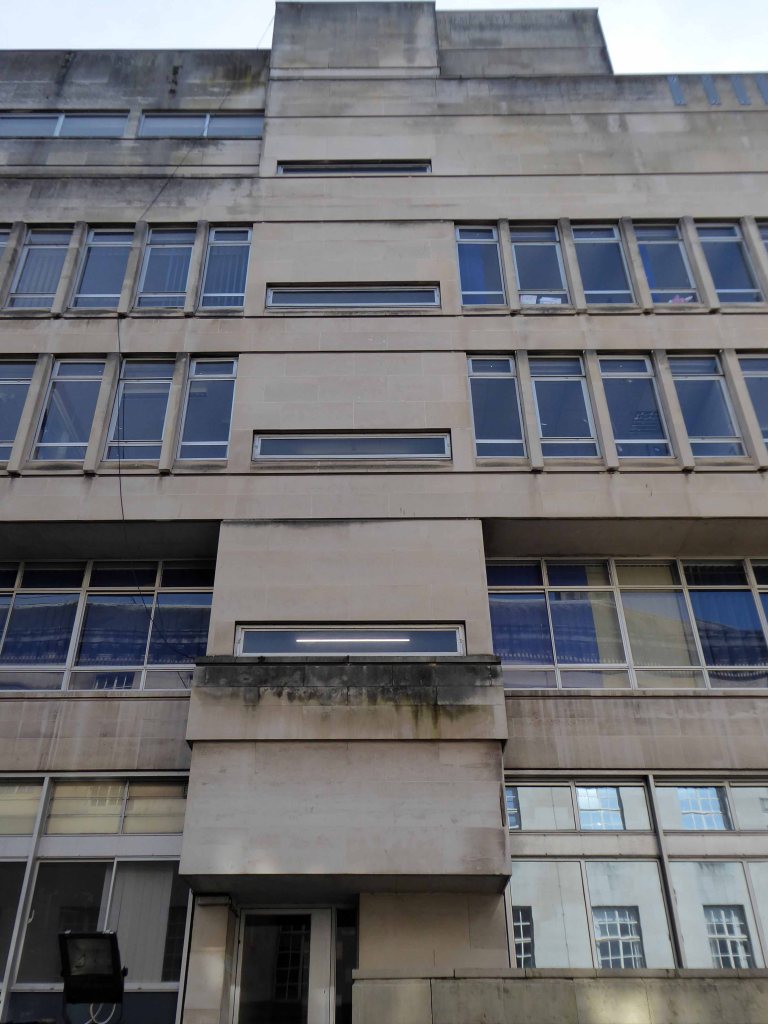
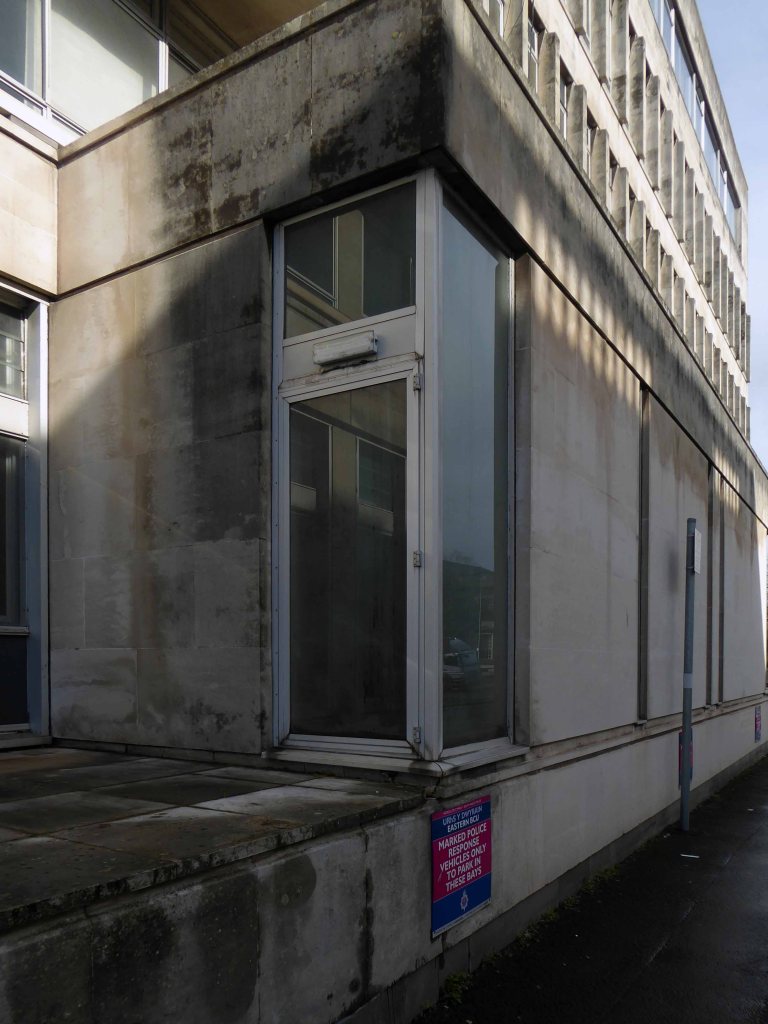
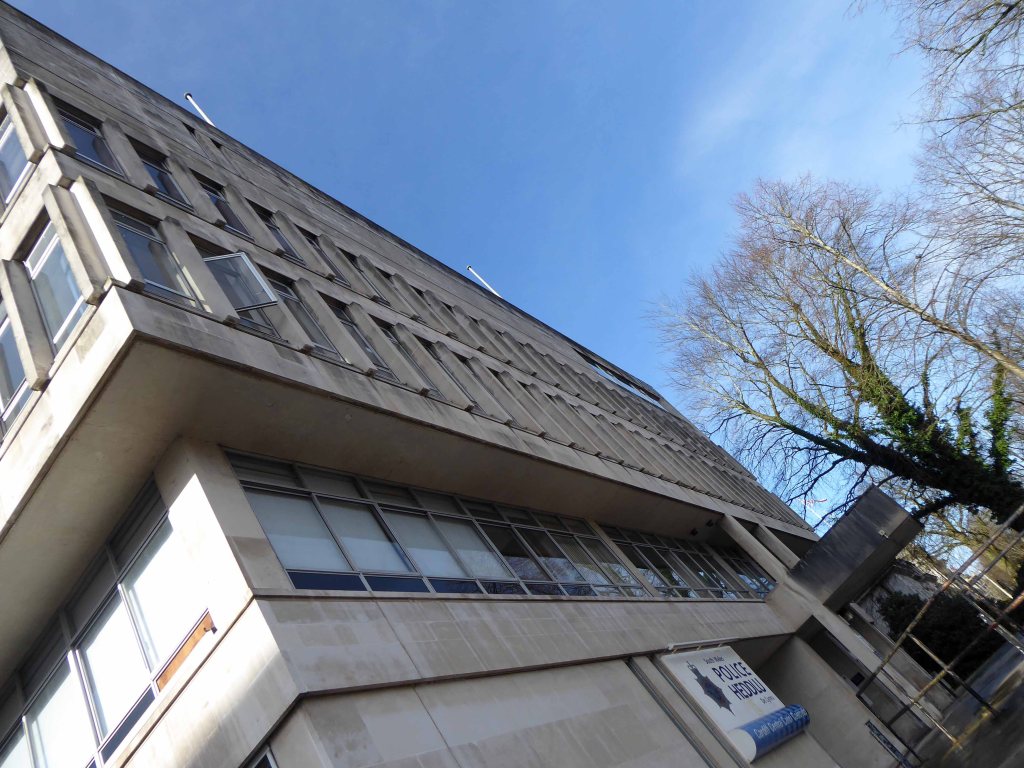
The current five storey Cardiff Central police station was designed by Cardiff’s city architect John Dryburgh and built on the southern corner of Cathays Park between 1966 and 1968. It is described as: The most successful post-war building in Cathays Park and the only post-war building in the area: To be both modern and majestic

The detention facilities at the station were inadequate with only four cells. These were replaced by sixty cells at the new Cardiff Bay police station, which opened in 2009.

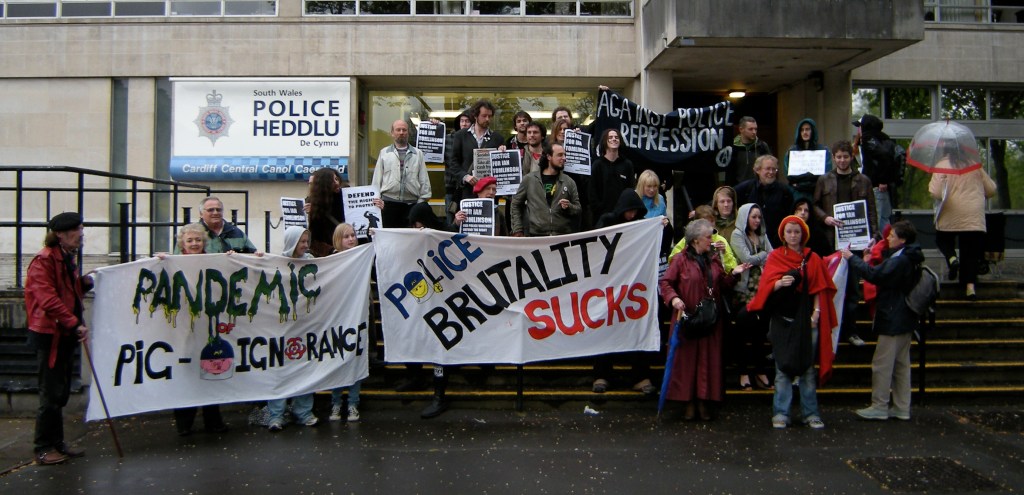
This year’s Mayday protests in Cardiff took place outside Cardiff Central Police Station to show the opposition to the increasing criminalisation of public protest.

No Borders South Wales activists were in attendance to show solidarity with fellow protesters and register our opposition to repressive police tactics at all forms of public demonstrations.

The protest was good natured and lively, with lots of music and singing. 

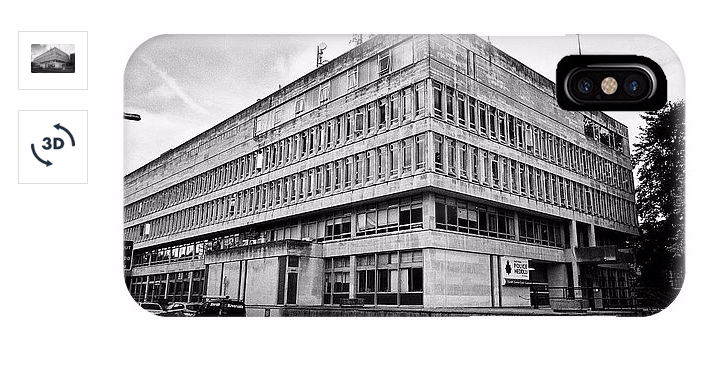
The building is celebrated by photographer Joe Fox via Fine Art America

Who are happy to reproduce the image in the form of this delightful phone case, for the princely sum of twenty two pounds.

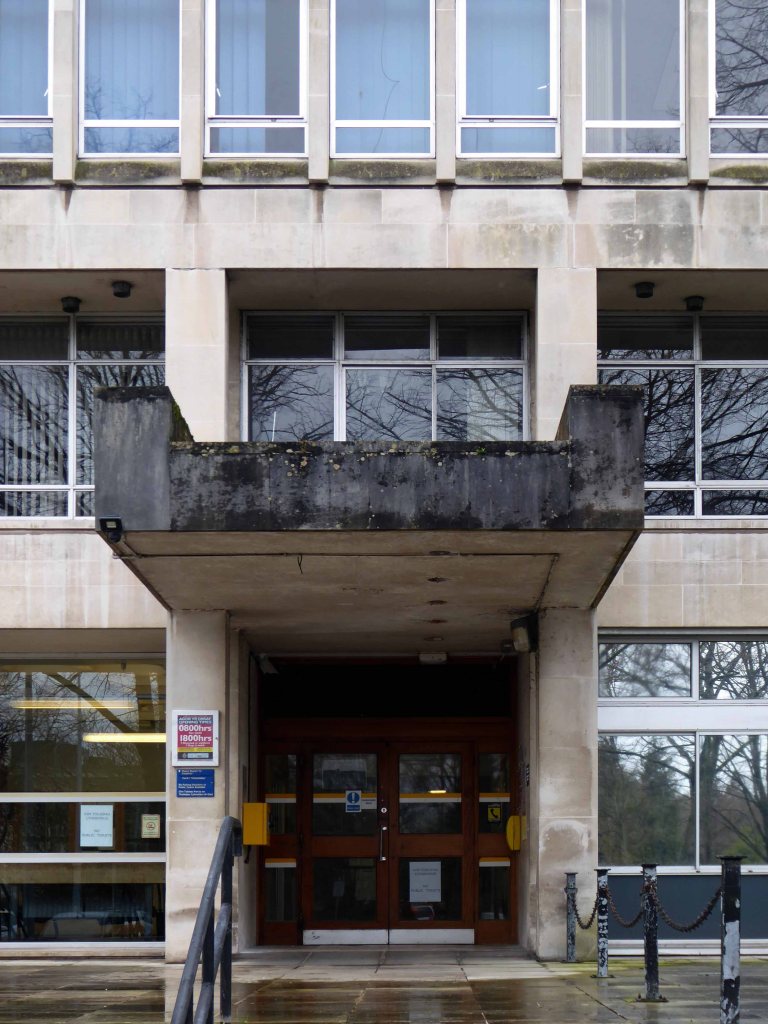
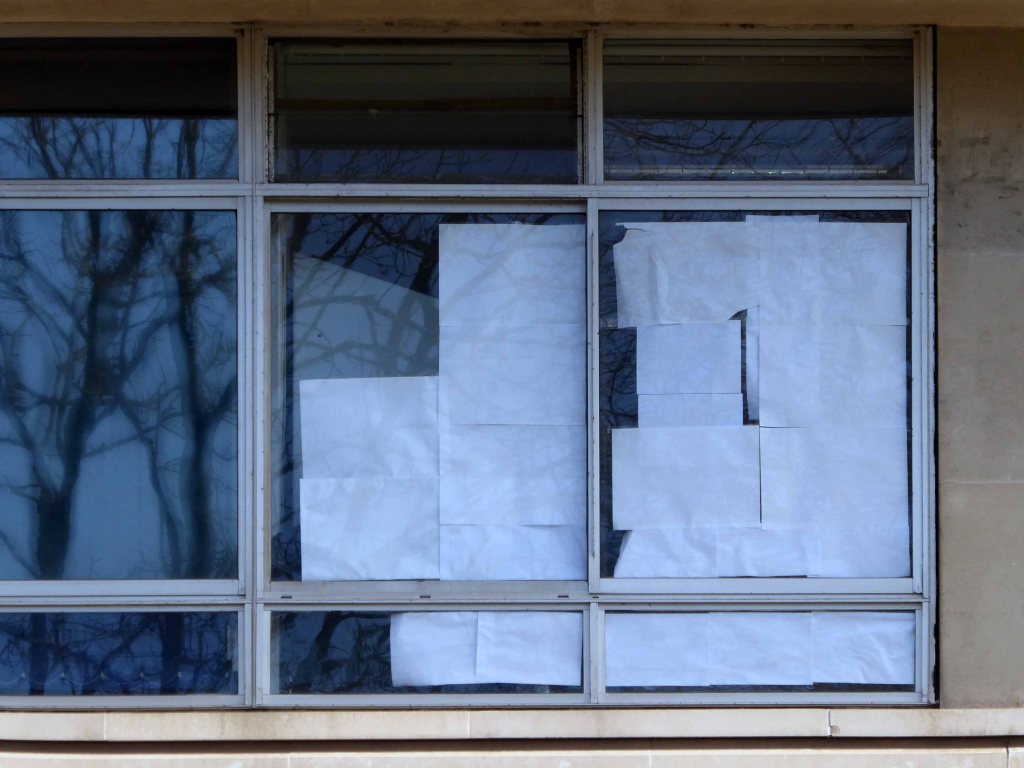
I myself was taken by its unapologetic system built panelling, all-round convivial confidence and cantilevered porch.

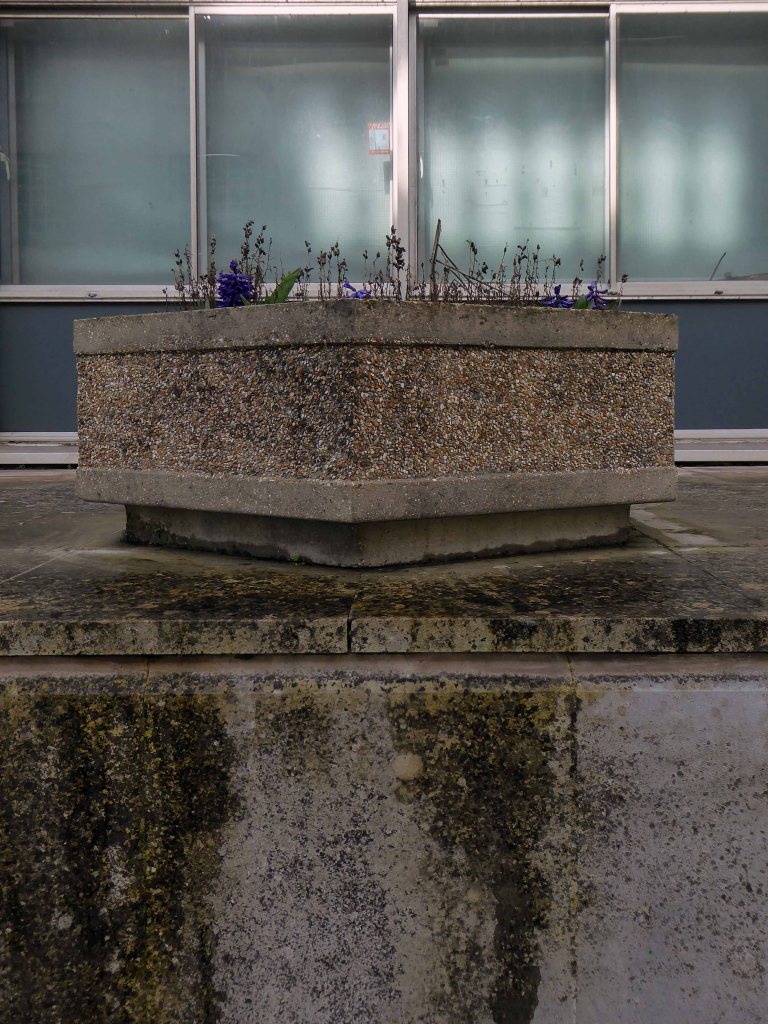
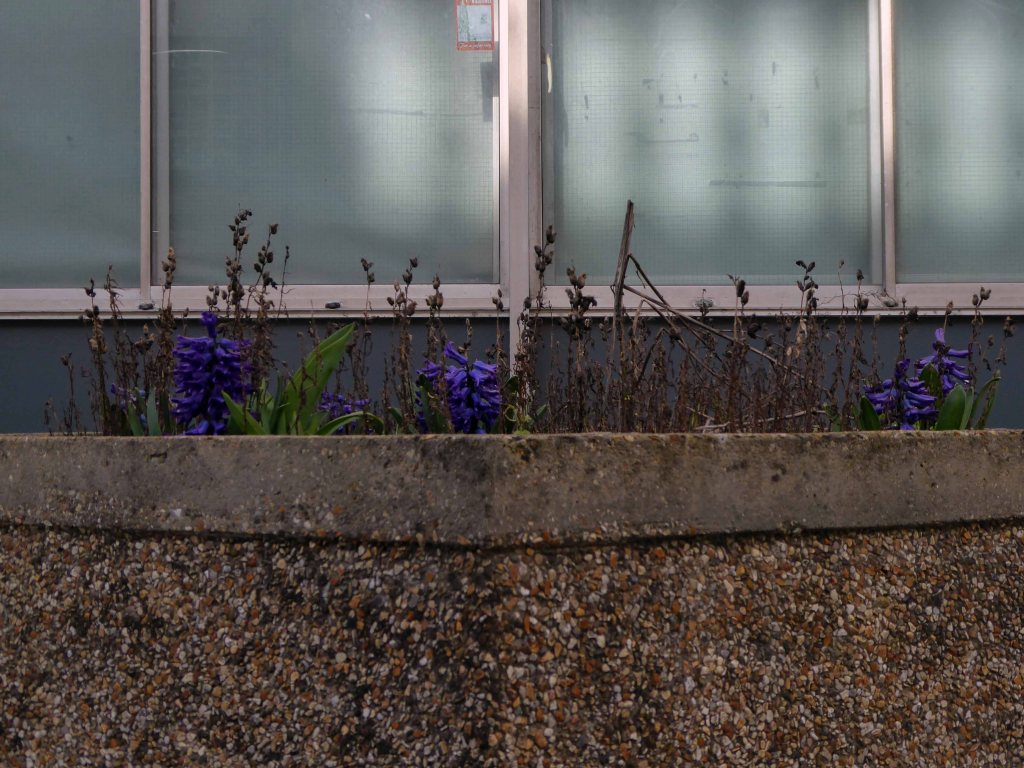
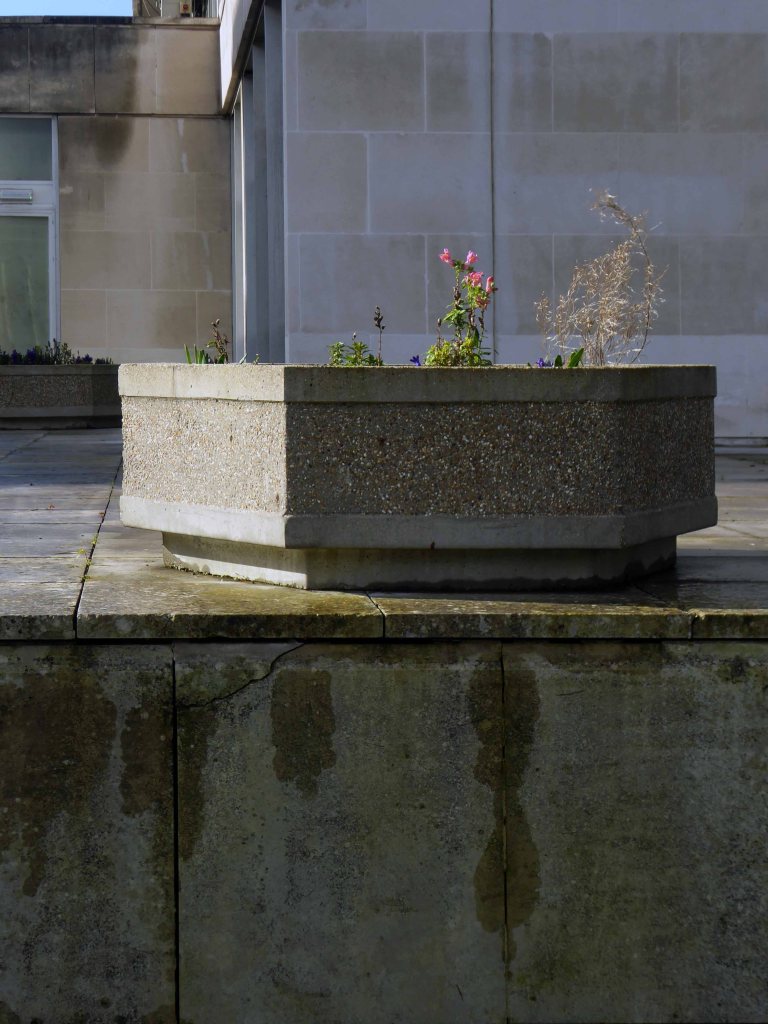
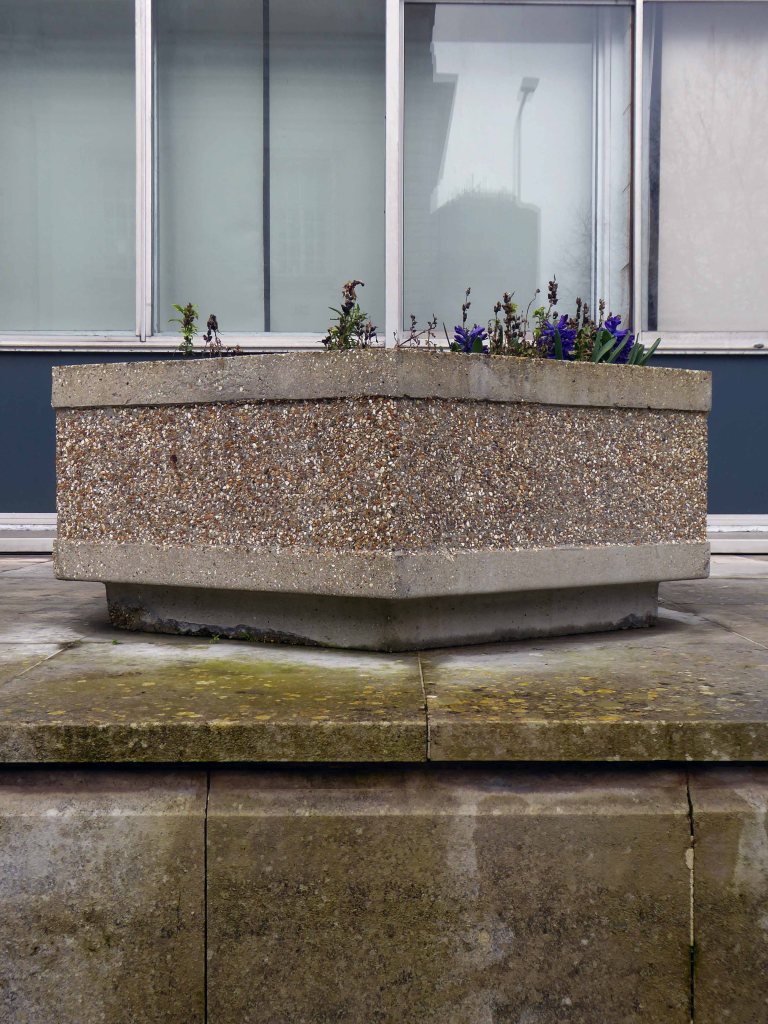
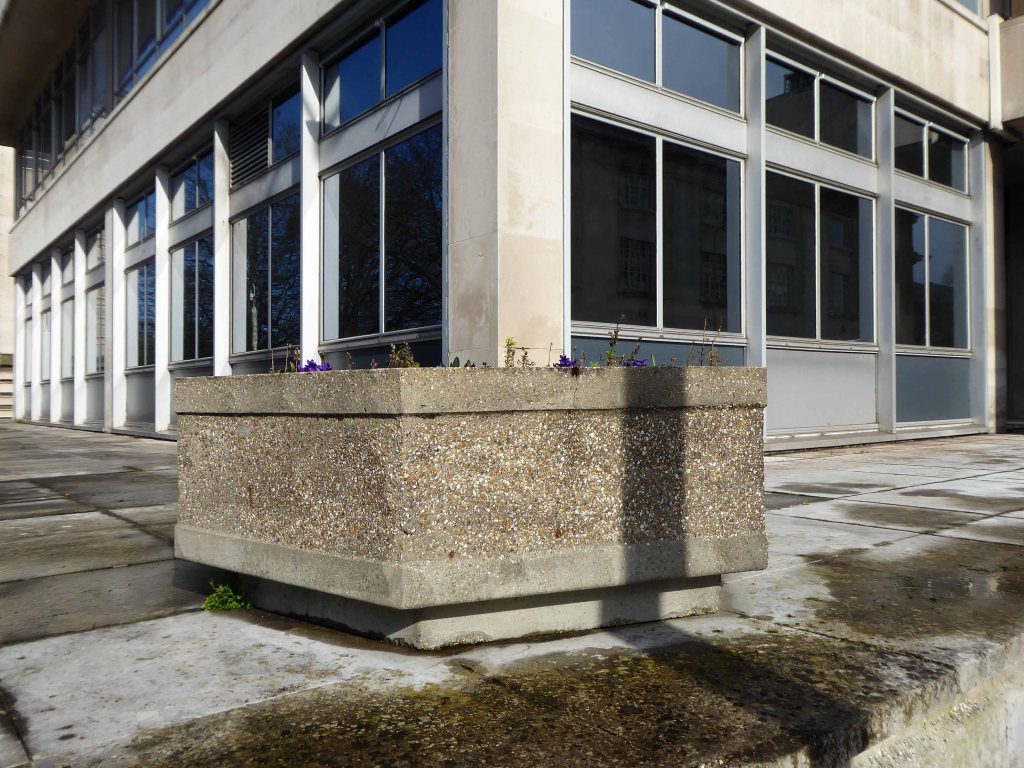
Plus an exciting array of concrete planters – exhibiting an exciting array of seasonal planting schemes.
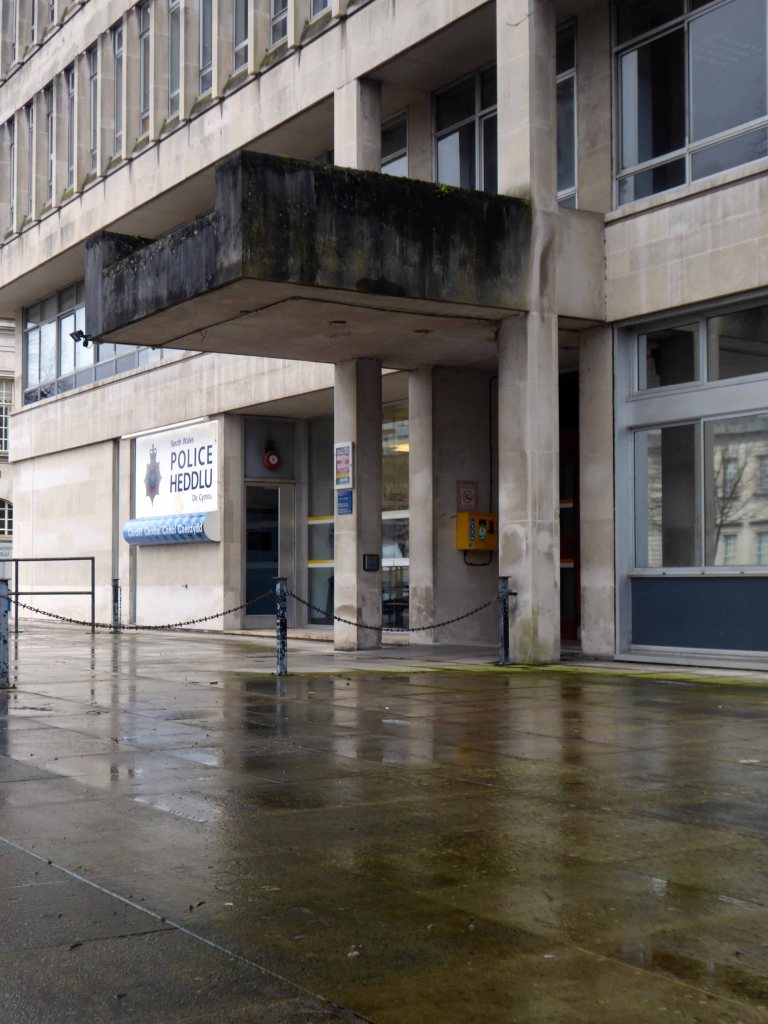
Well with a wander around should you find y’self down that end of town.

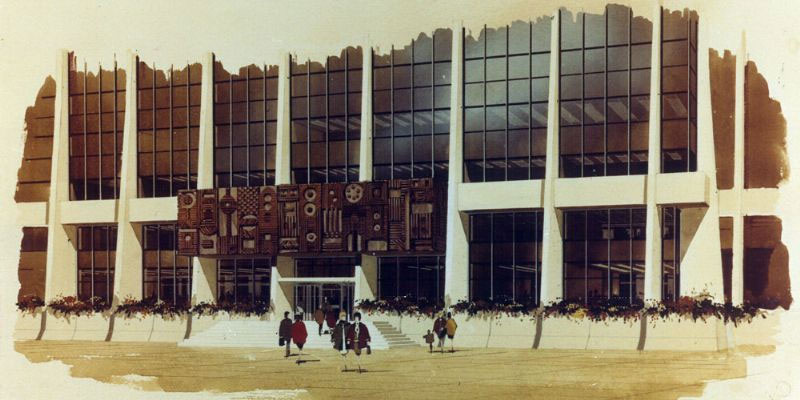
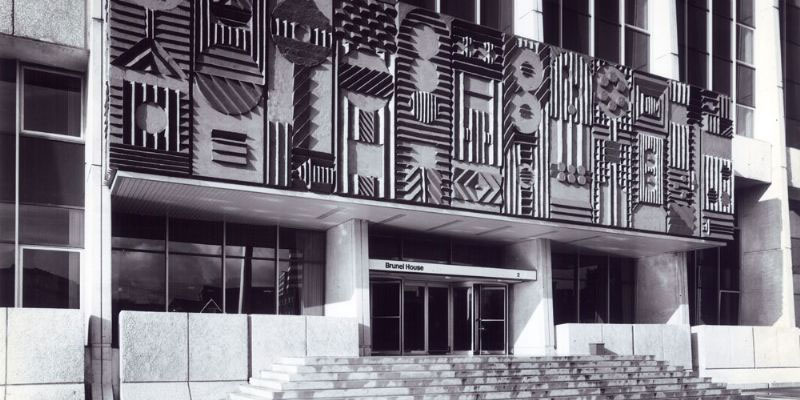
Brunel House – Cardiff

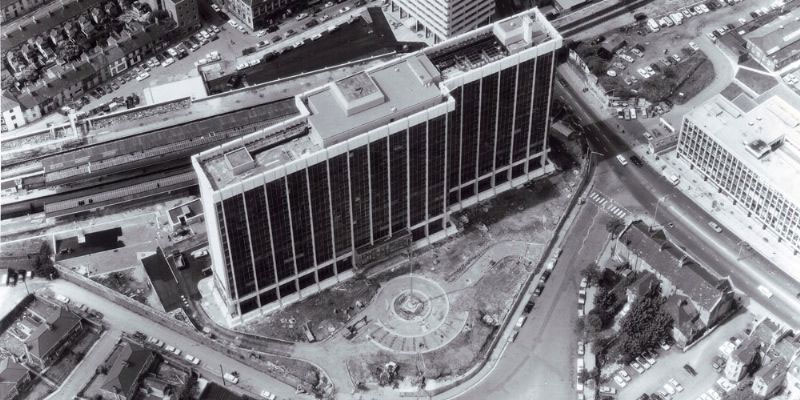
Originally built to house the regional British Rail offices – it seems that Great Western House has always been Brunel House.

Designed by Seymour Harris – who have also been responsible for the recent refurbishment.

The building is now in multiple occupancy, used for a wide range of services and uses, bringing new life to fine mid-century structure.

Sadly its entrance relief is now nowhere to be seen.

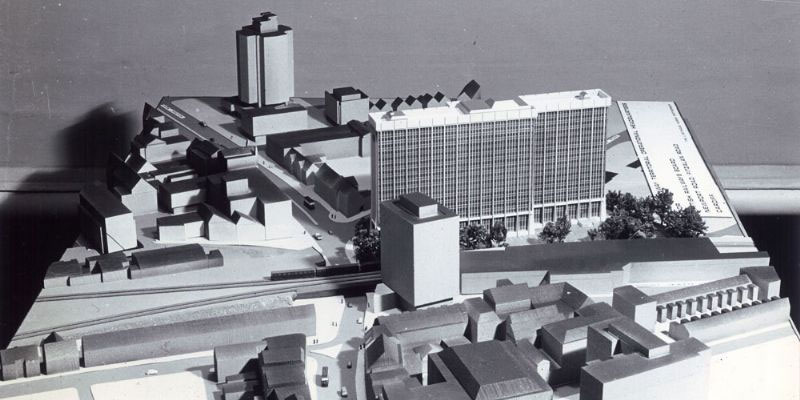
Archive photographs Seymour Harris Architects

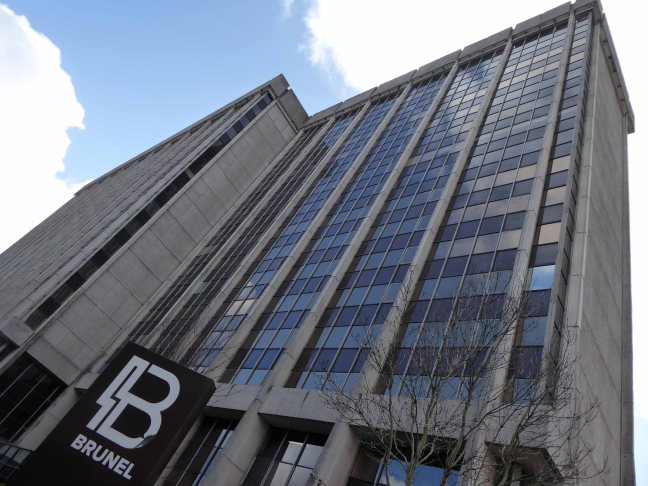
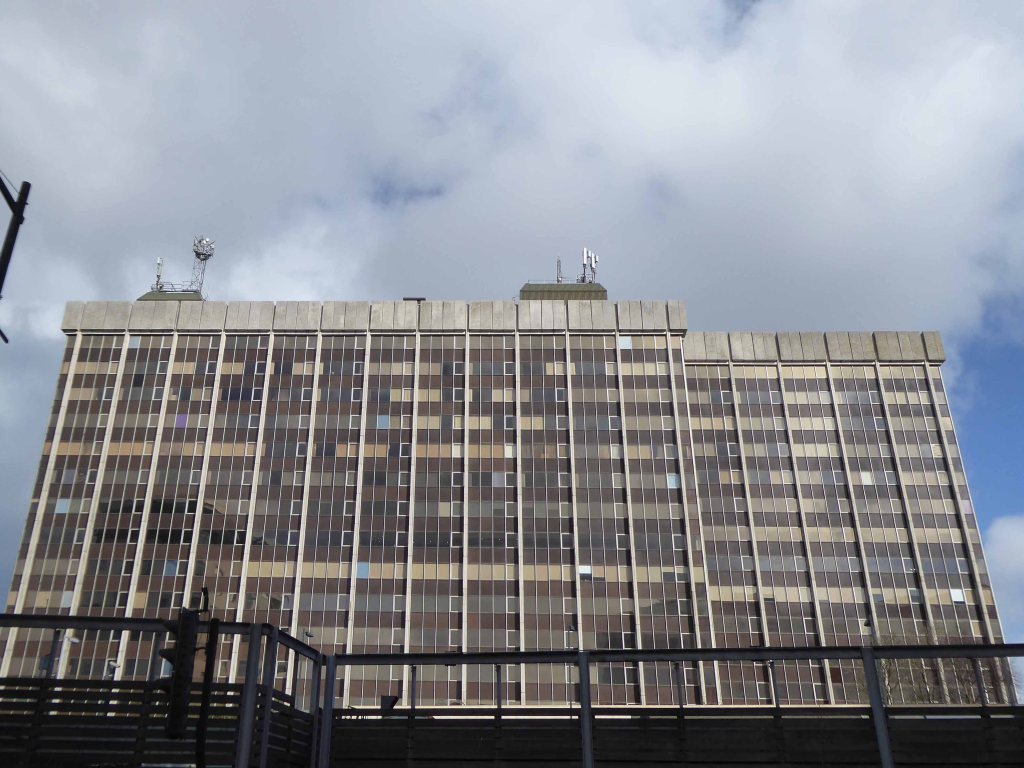
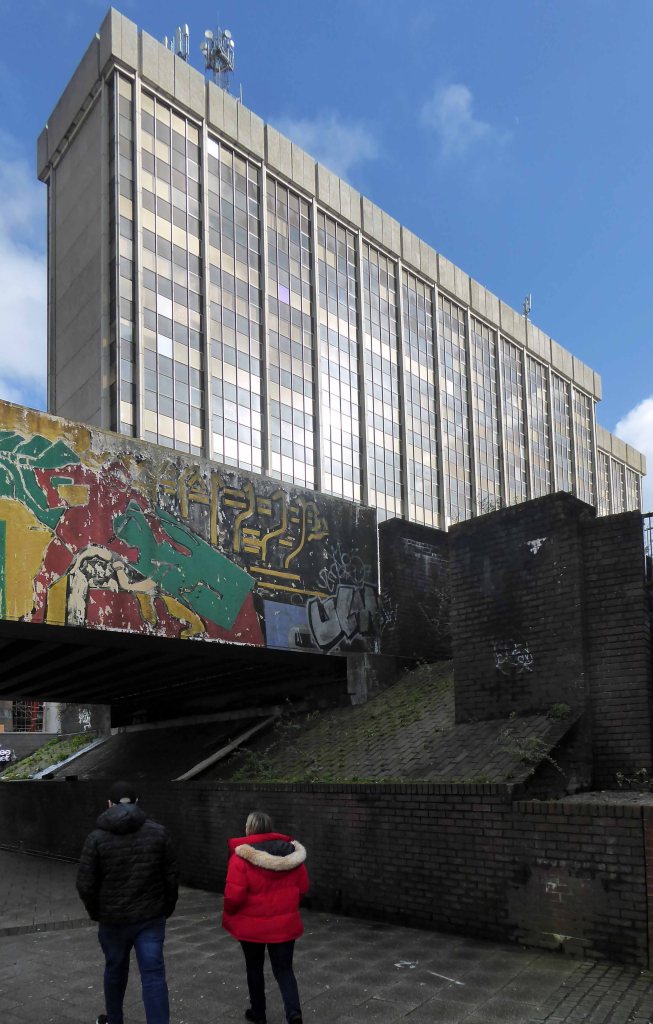
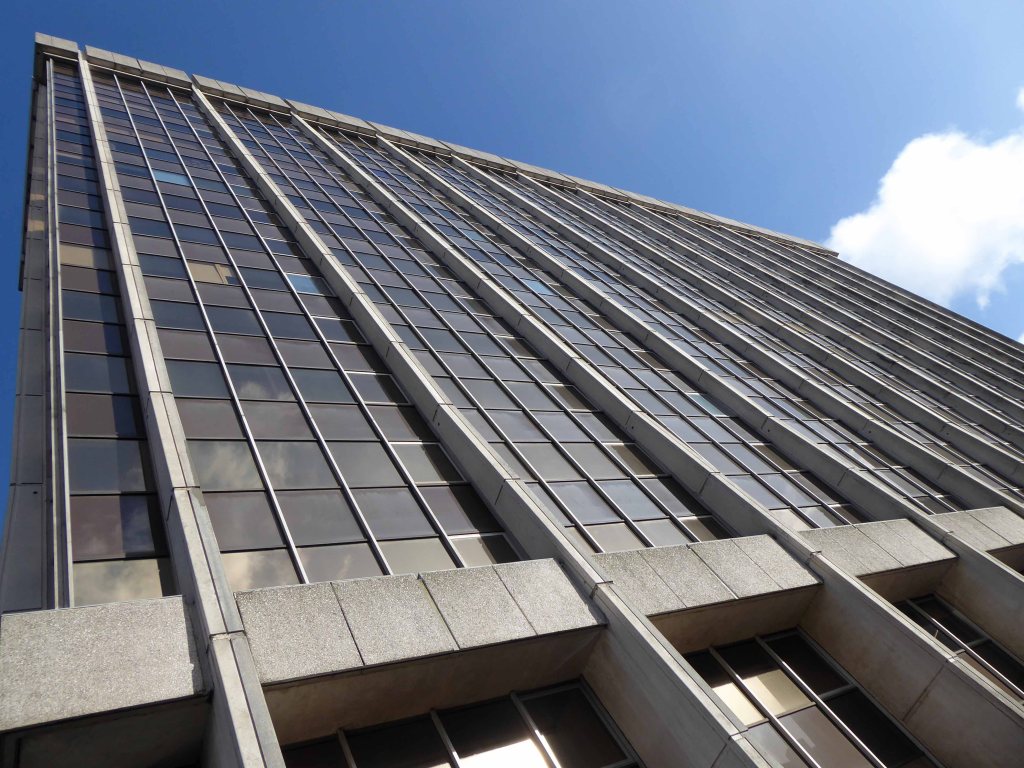
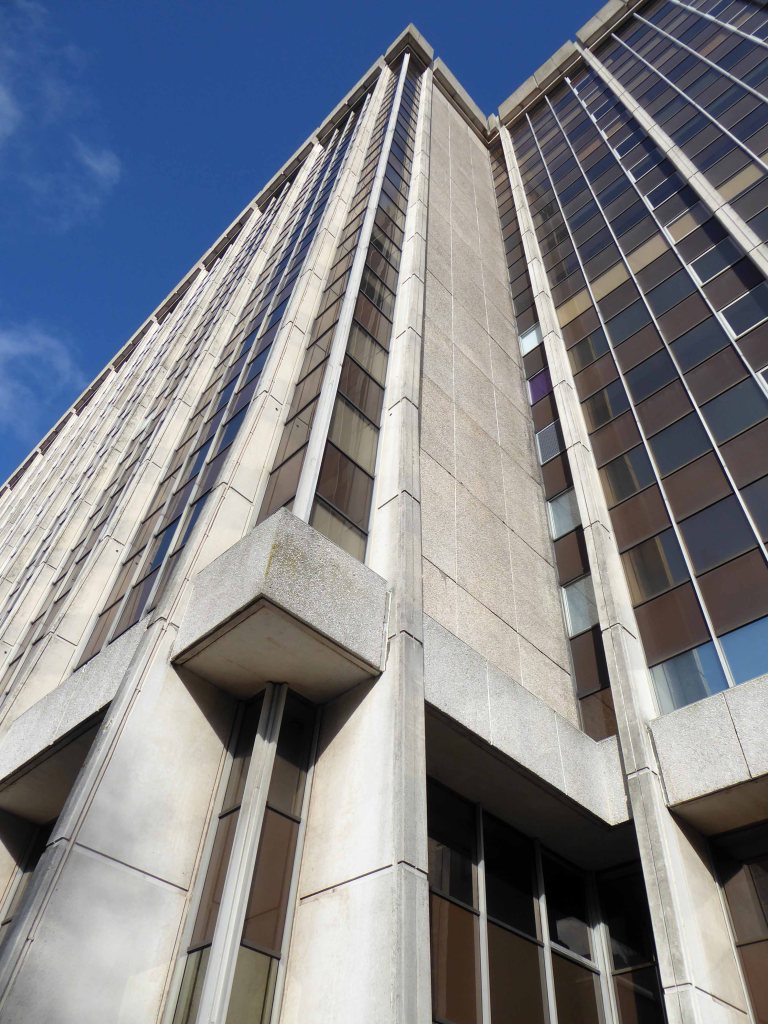
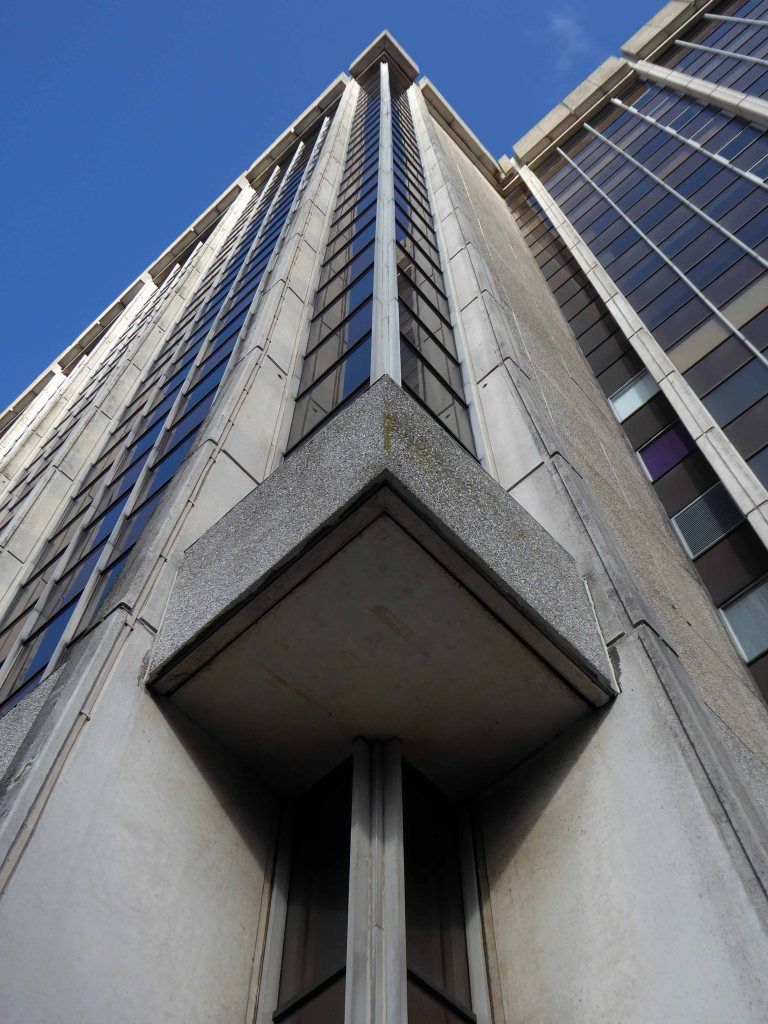
Sixteen floors standing at 190 feet, two enormous interlocking slabs – it is the largest commercial property in Wales.
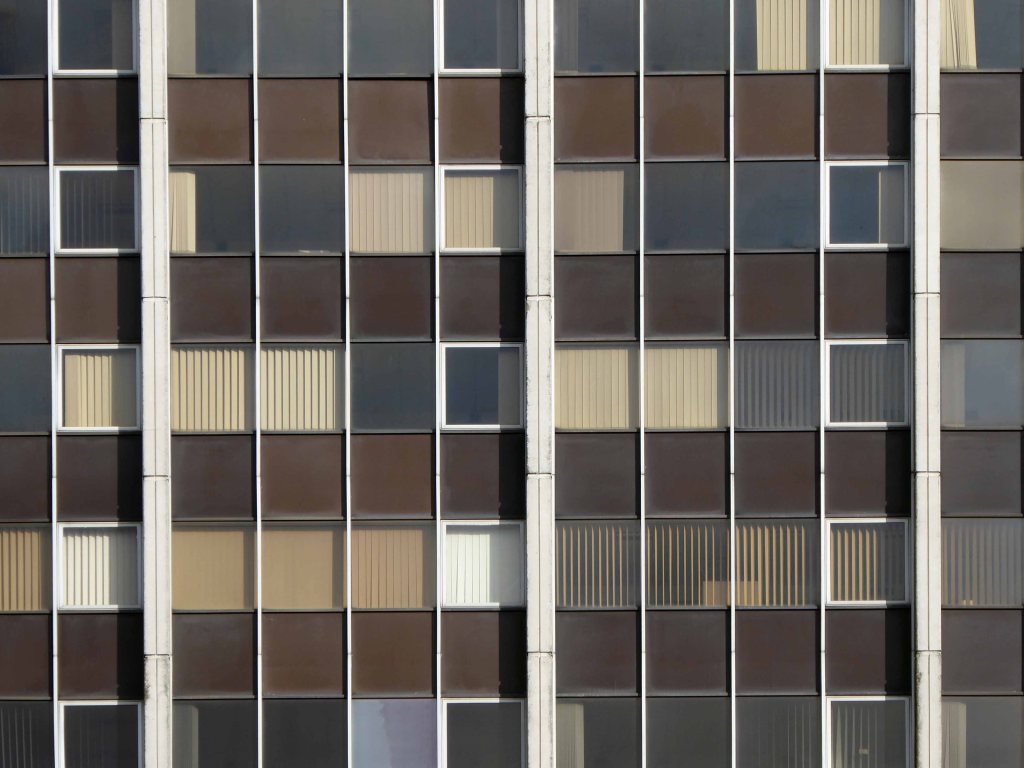
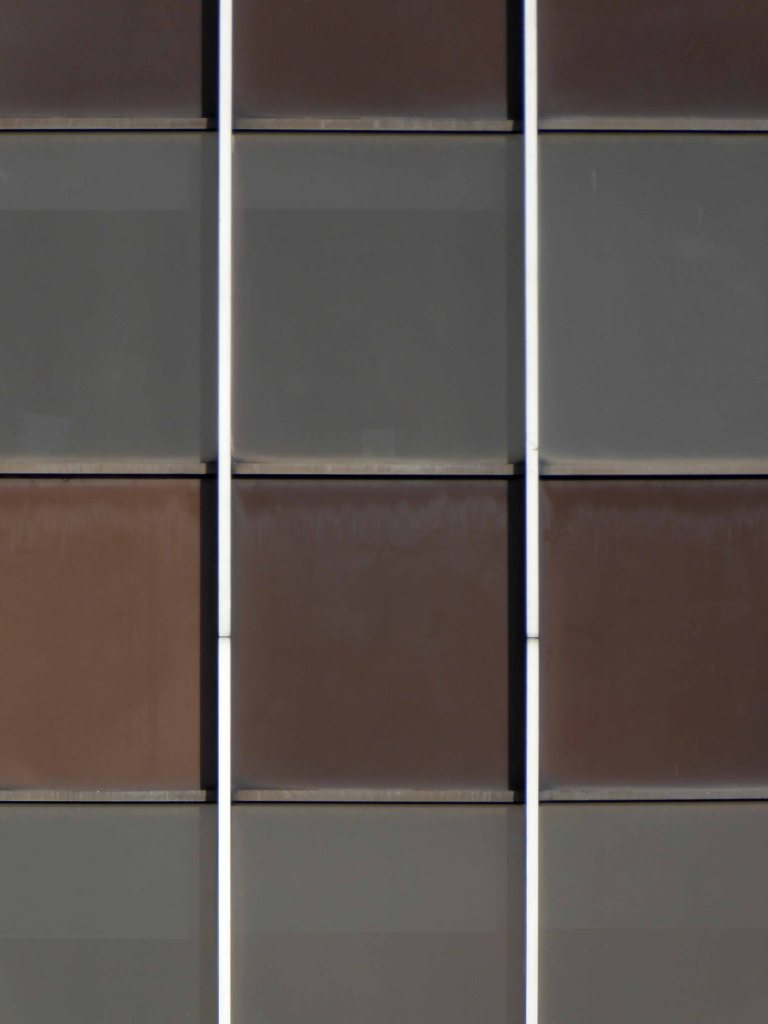
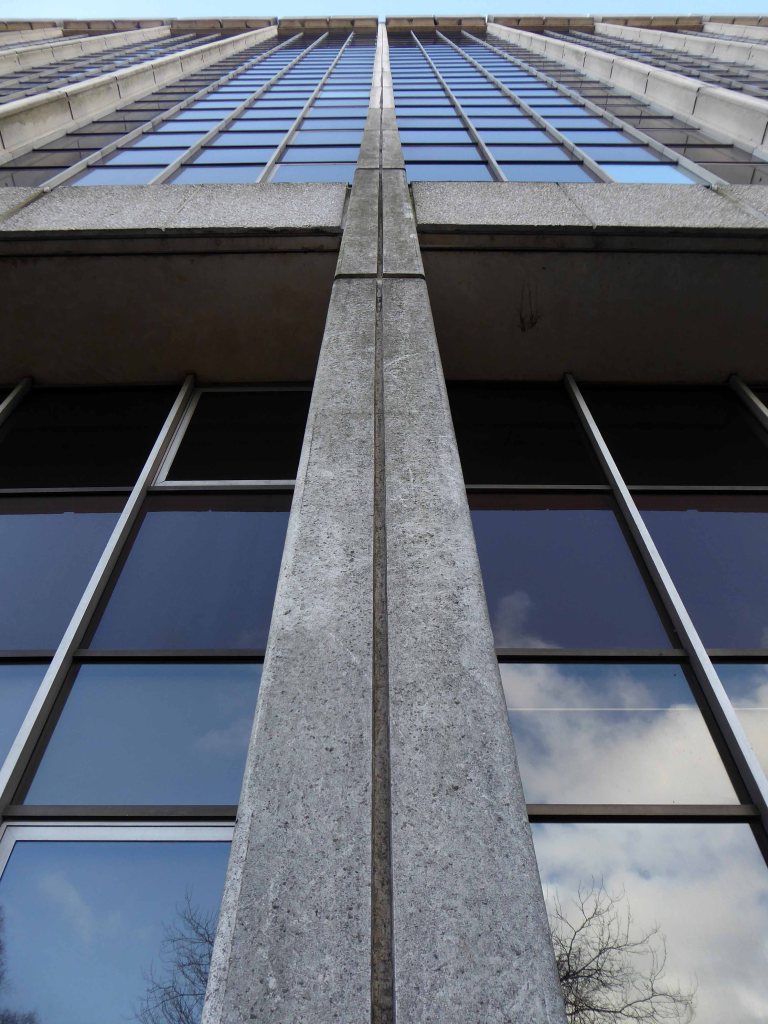
Seen from afar your are hit by its impressive rear elevation, with a distinctive grid defined by the slender window frames and a restrained yet earthy palette.
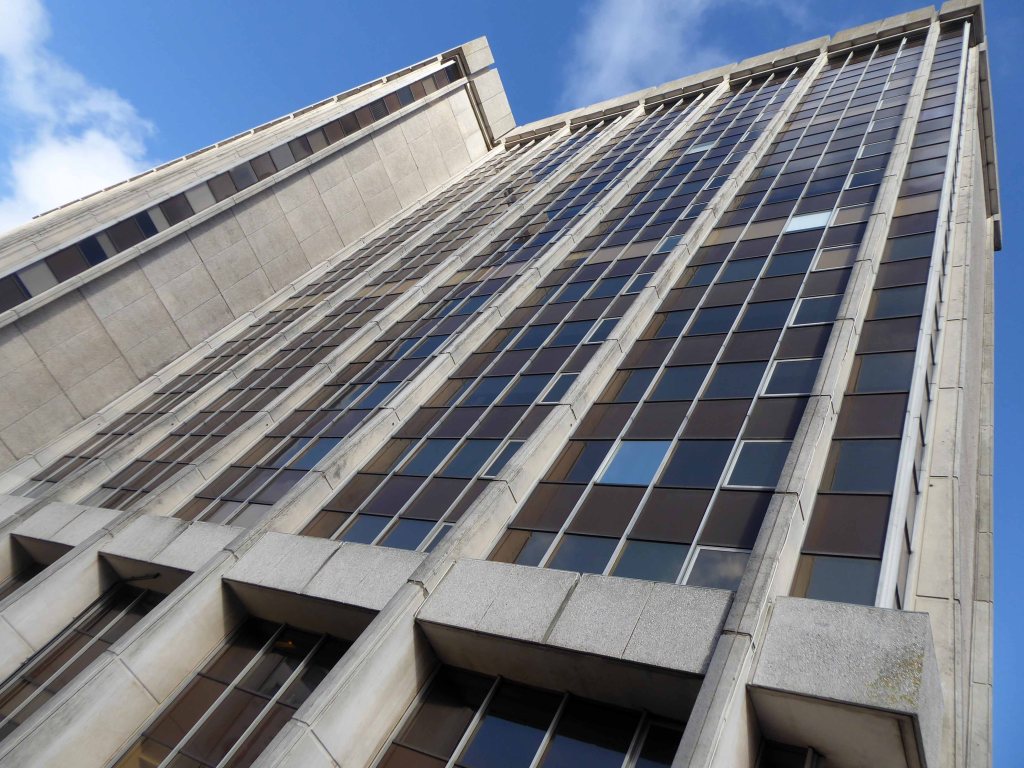
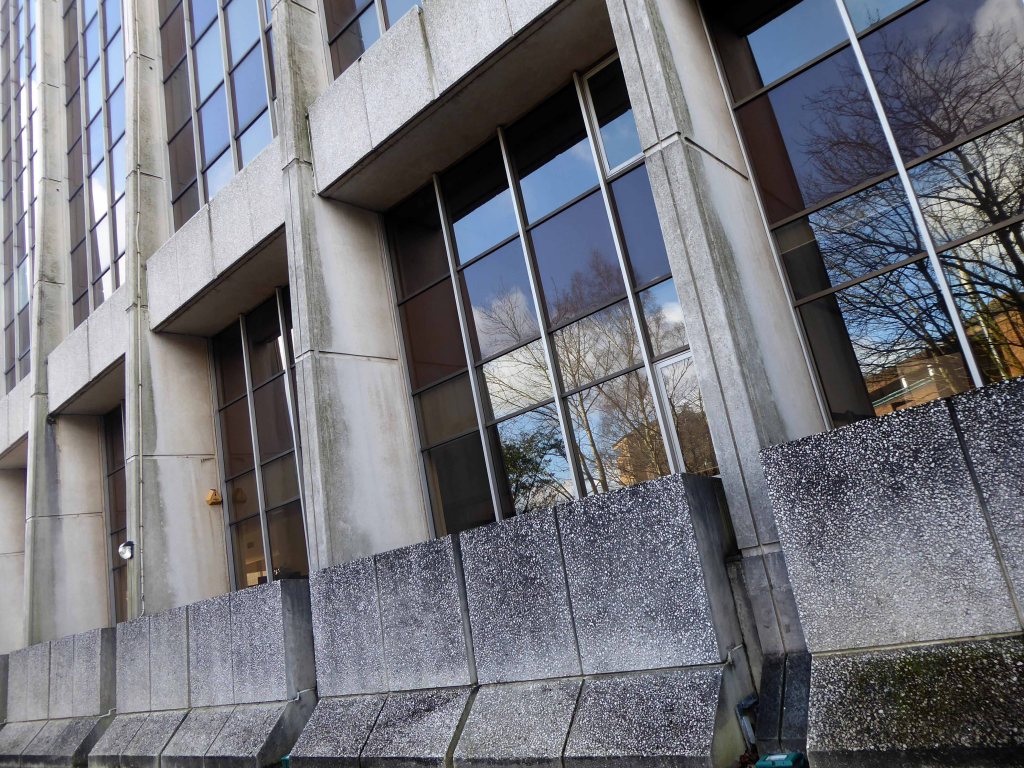
This is then broken up by strong vertical concrete columns.

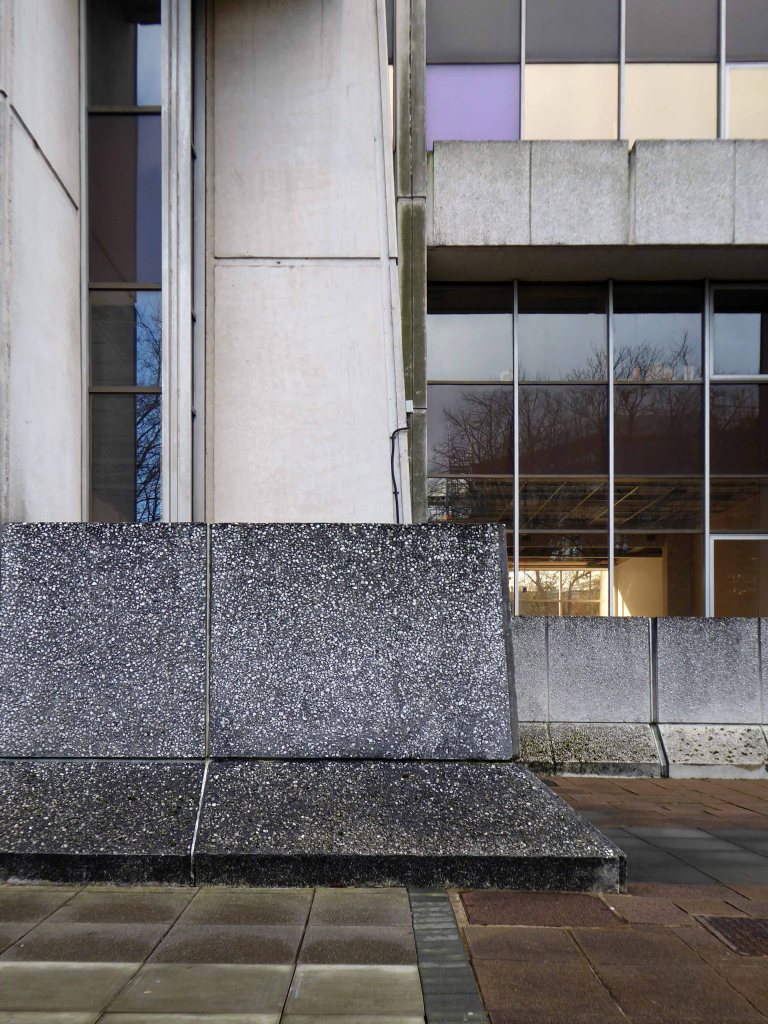
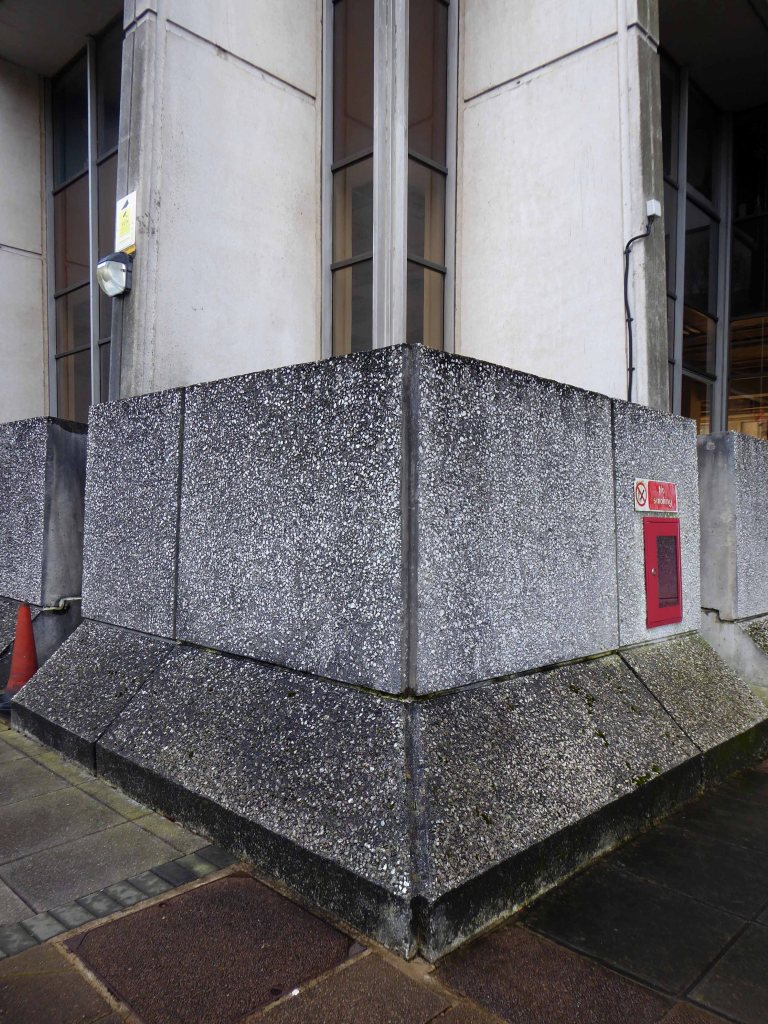
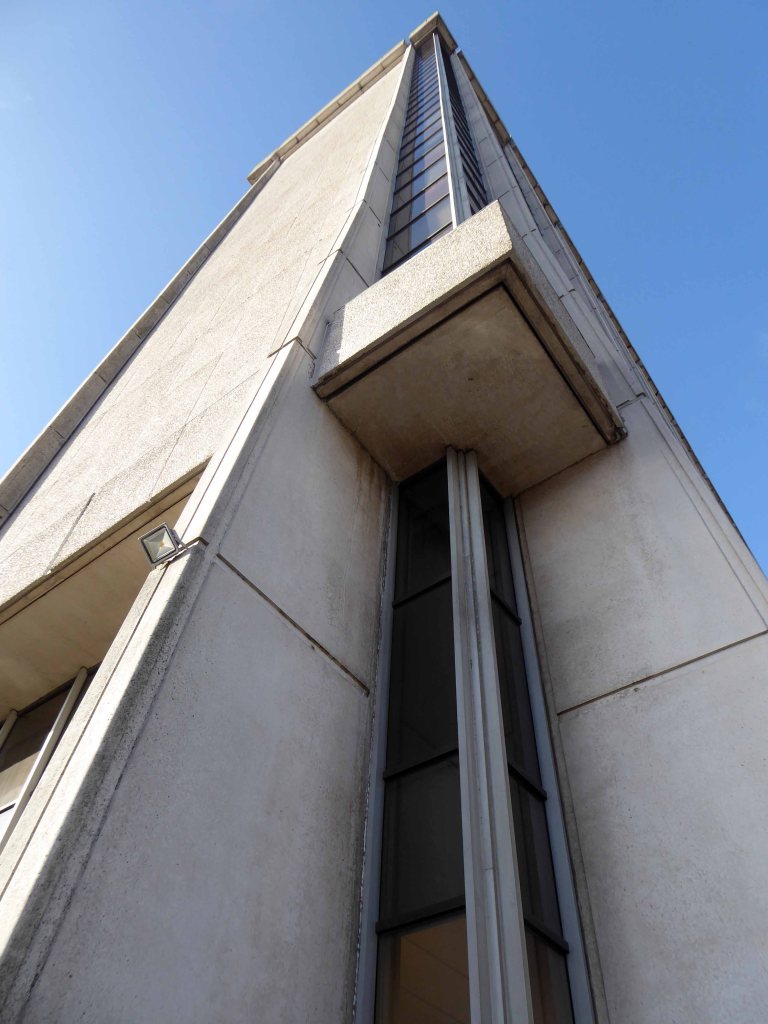
With bold structural detailing, using a variety of aggregates and finishes.

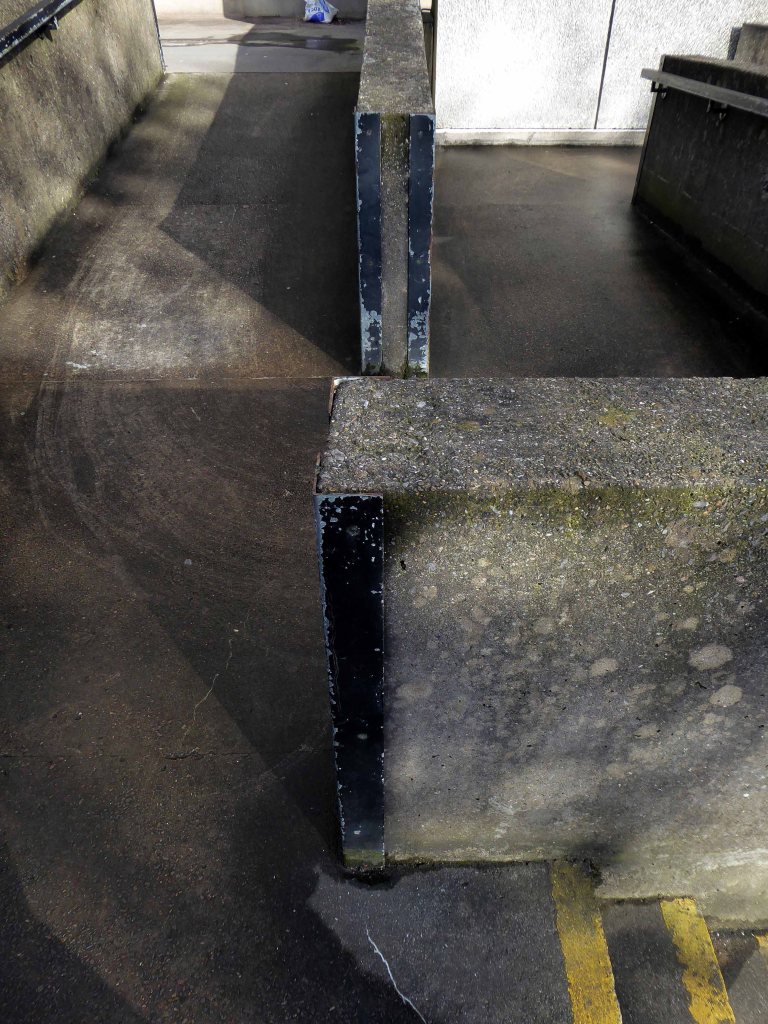
Side elevations are brut concrete, with limited window space.

Where surfaces and volume conjoin there is further interesting structural detail.

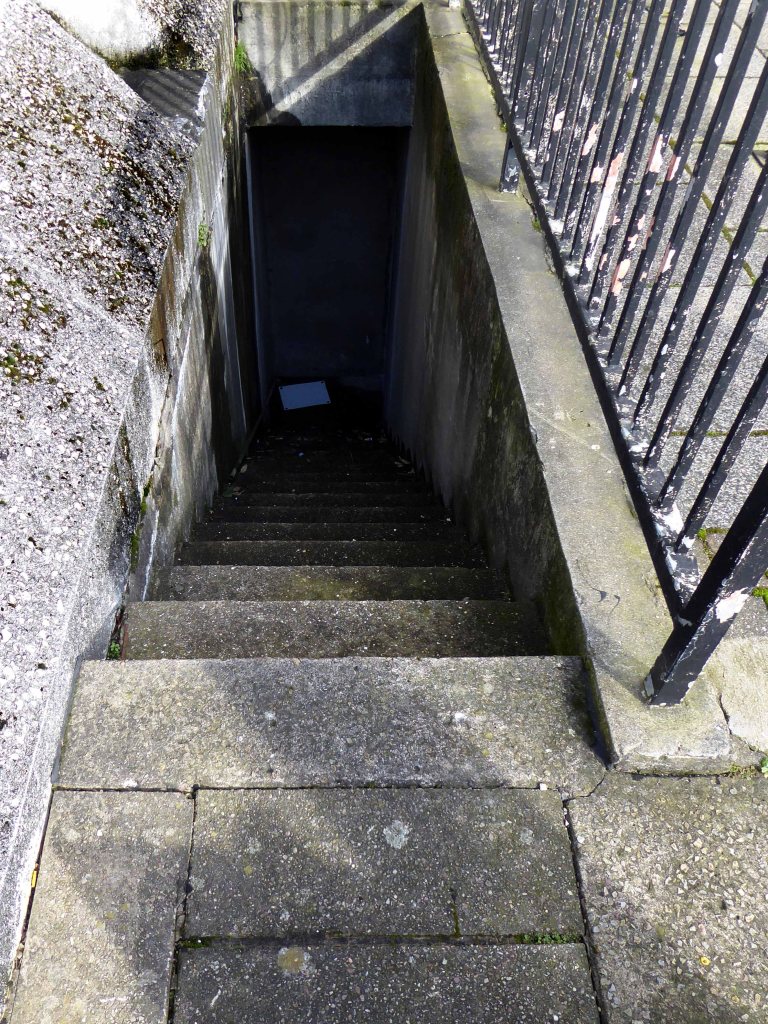
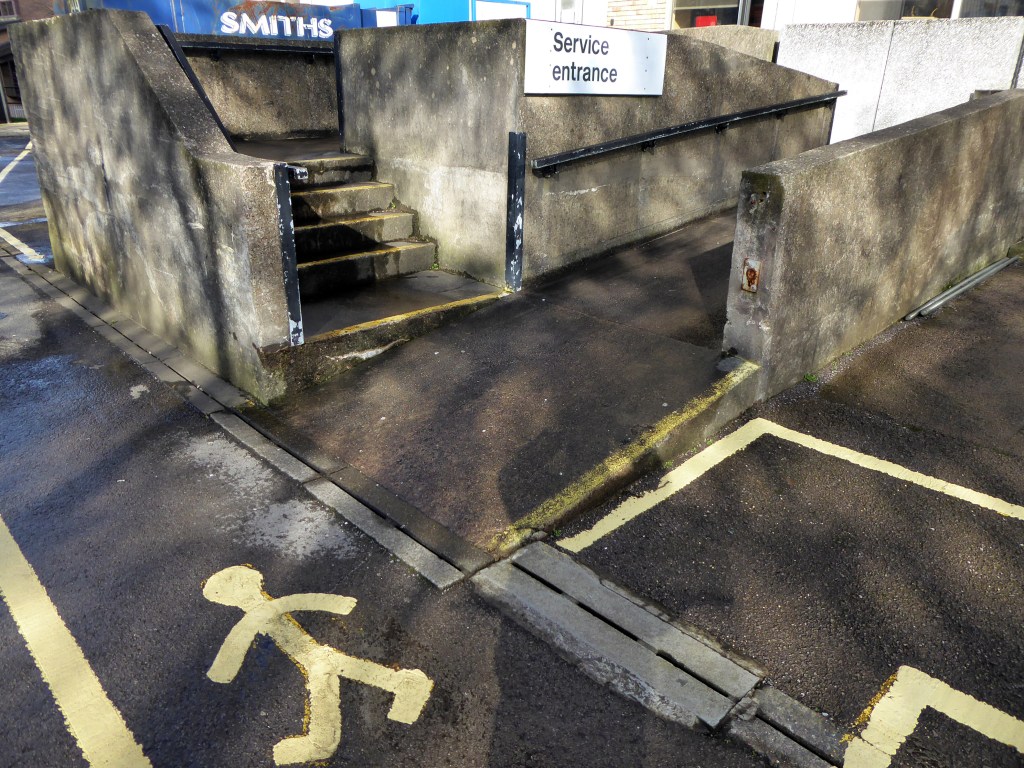
Service areas to the rear.

An exciting encounter with a building of substance and quality – go take a look for y’self.