Lower Falinge – Rochdale

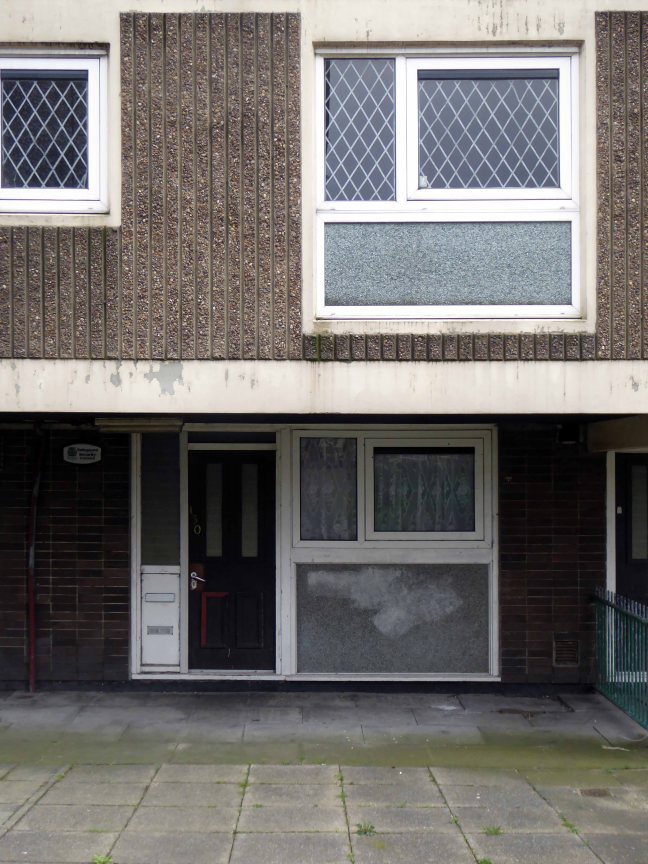
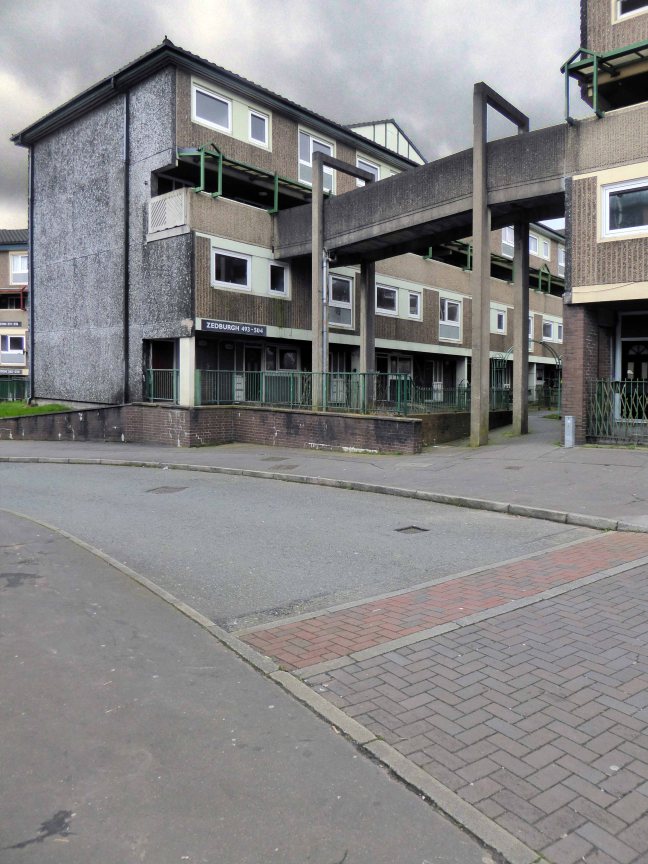
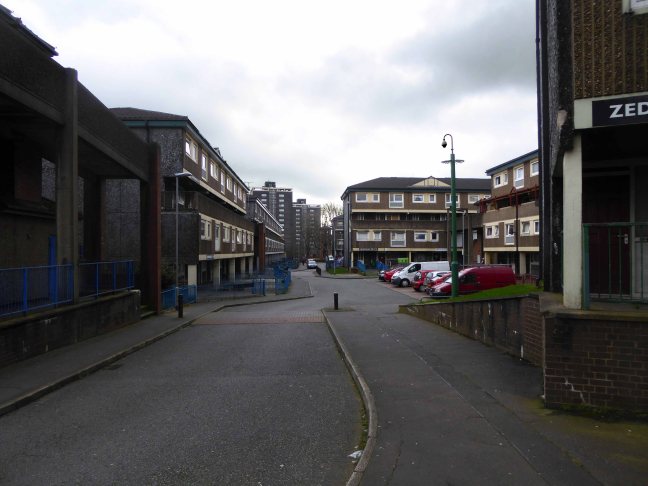
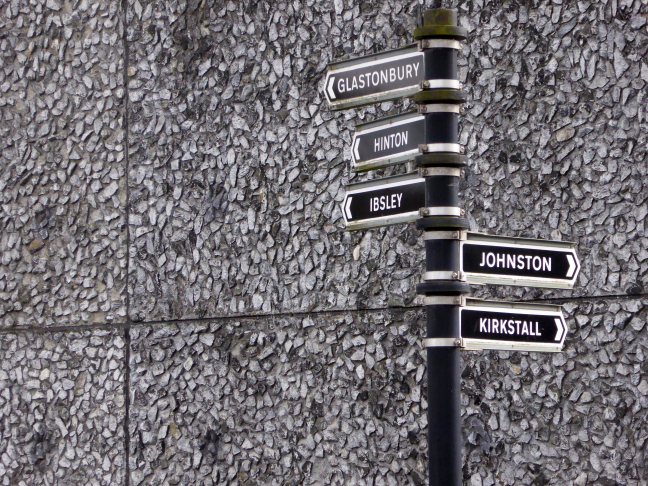
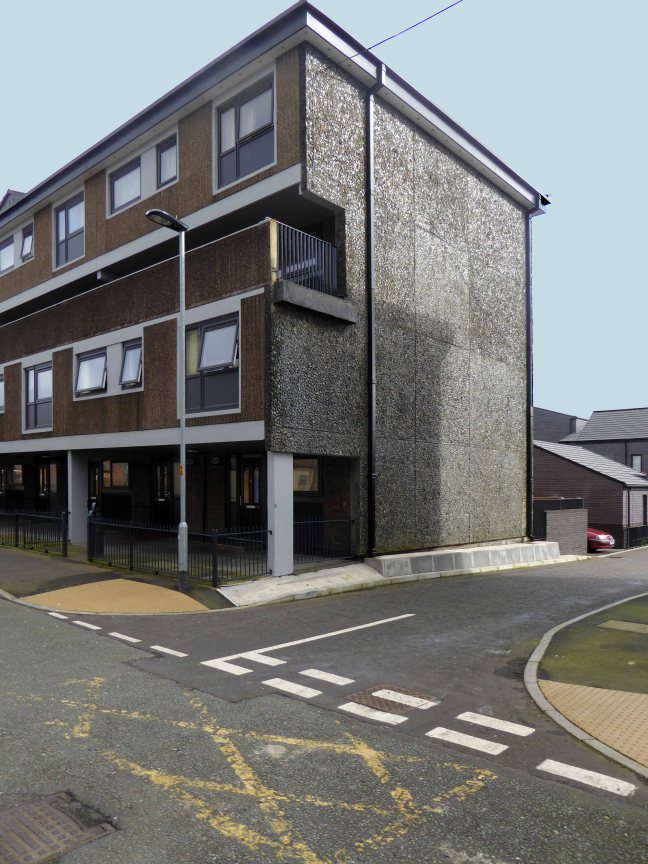
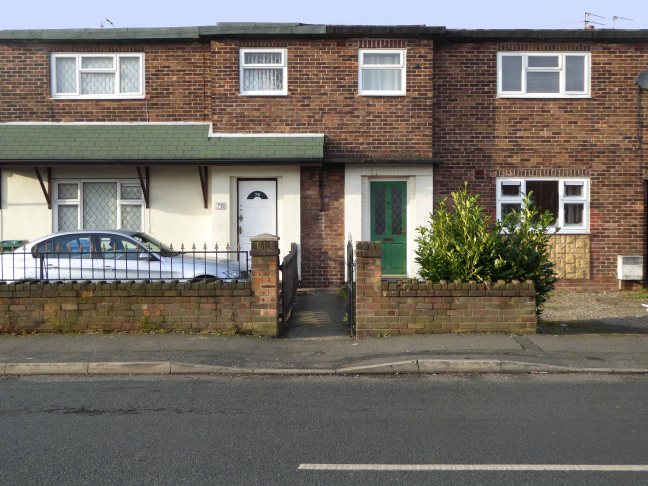
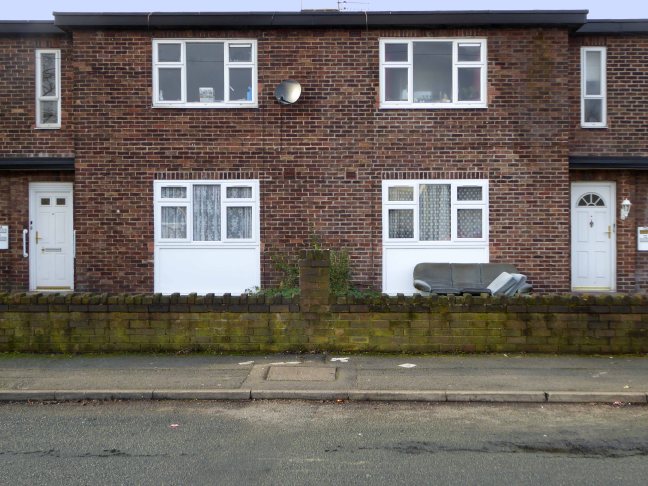
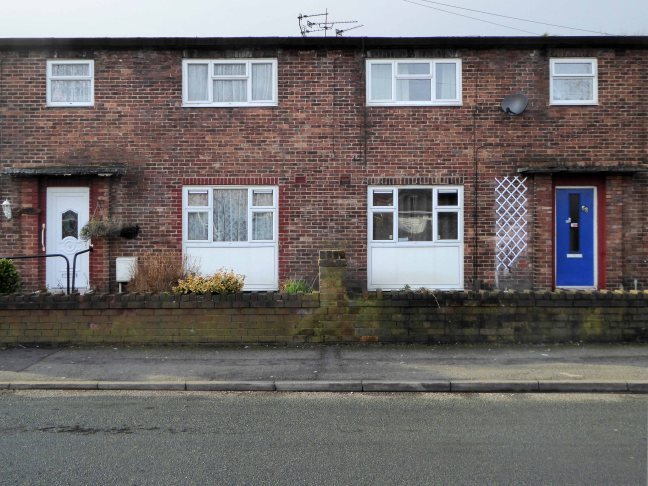
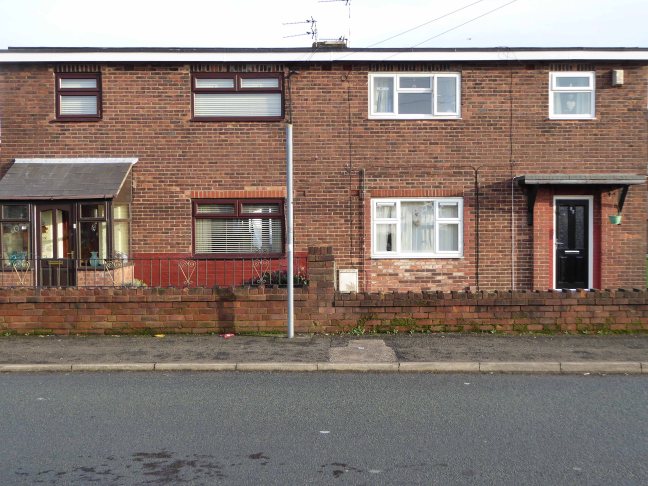
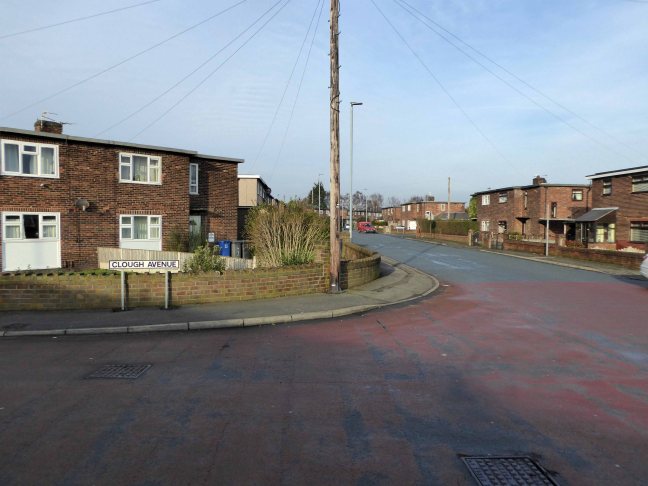
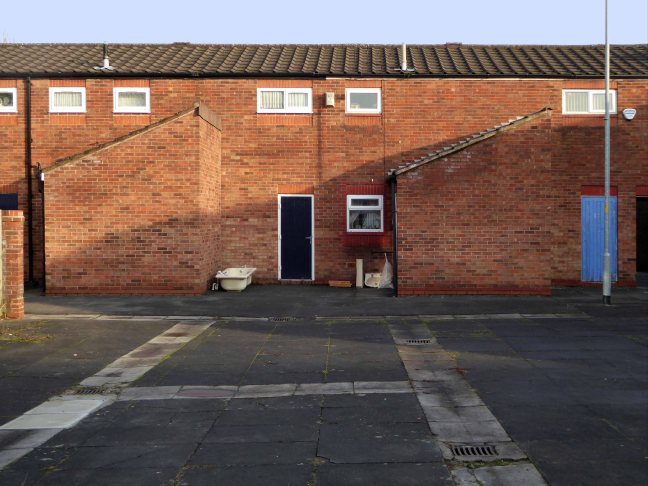
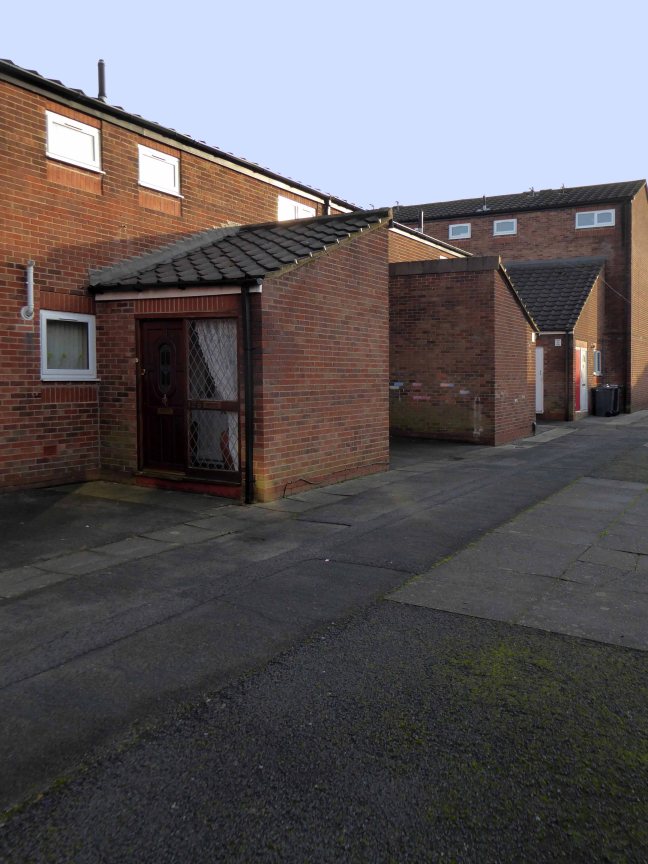
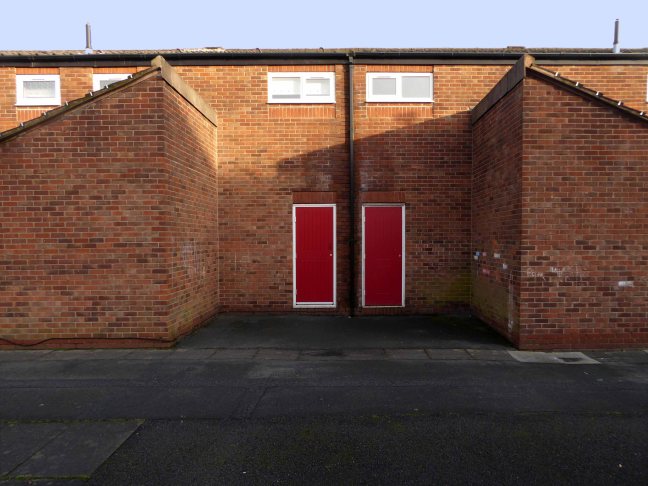
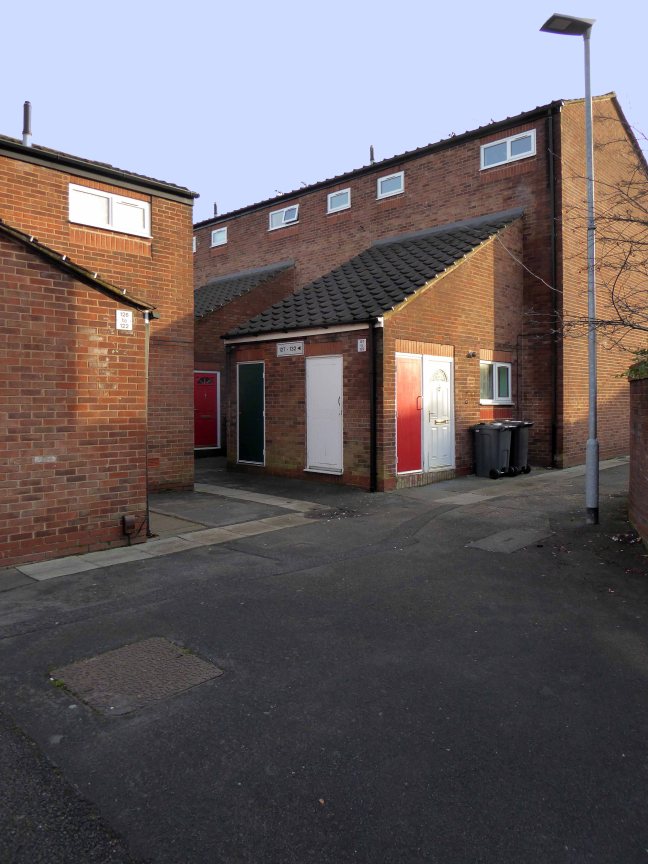
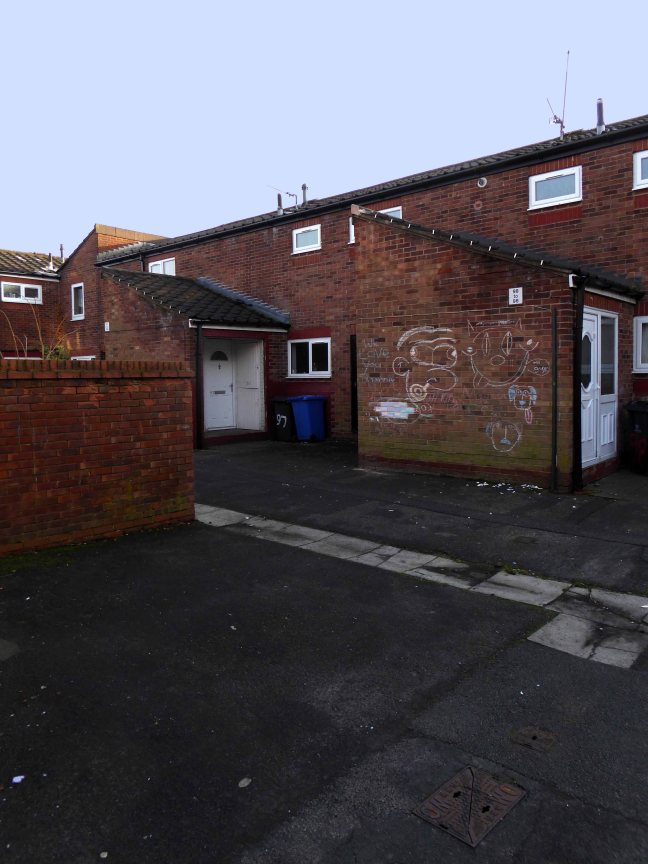
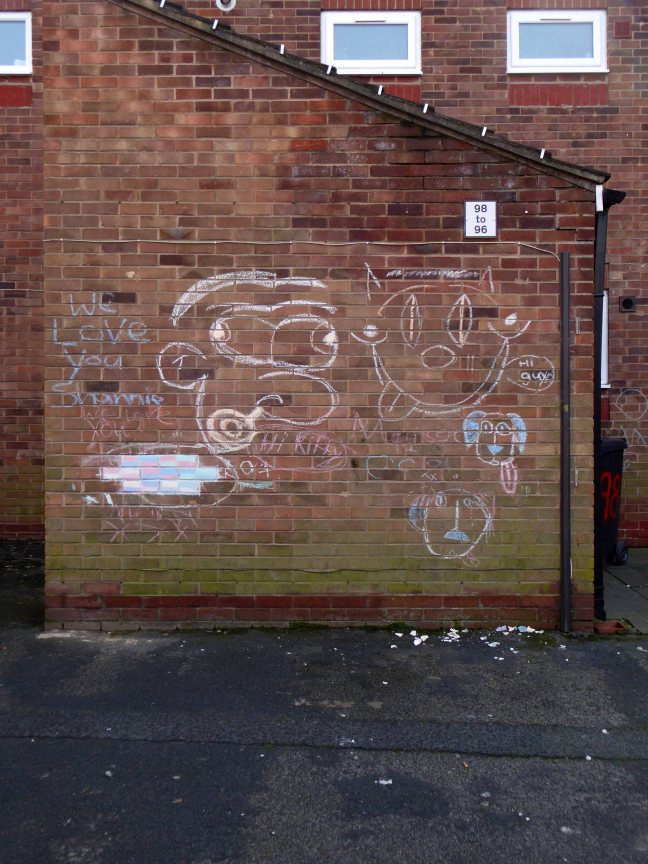
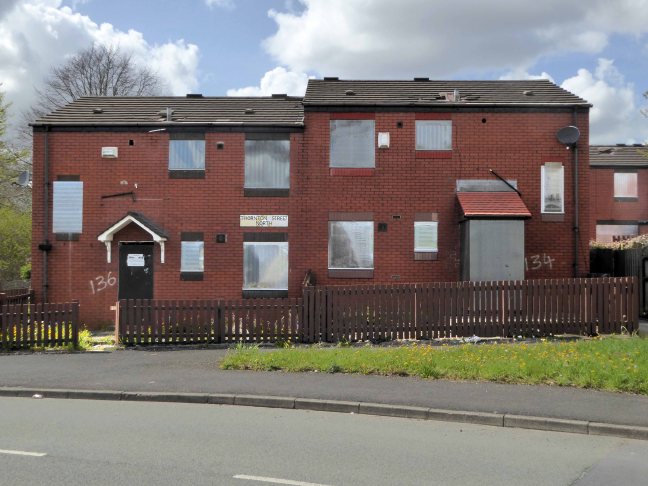
Walking between College Bank flats and St Patrick’s church you and I will almost inevitably pass through Lower Falinge.

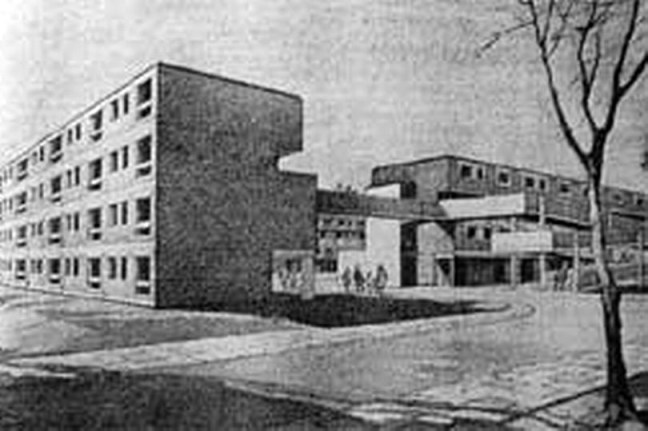
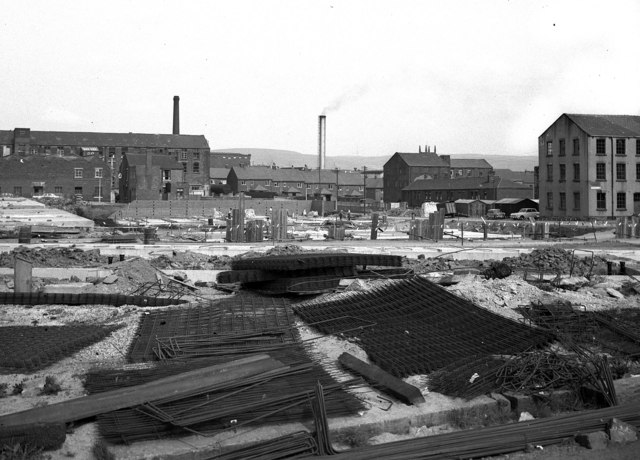
In April 1967 Rochdale Council’s Estates Committee considered a proposal to build 750 dwellings in four-storey deck access flats in the Falinge area. By November the £1,810,000 scheme for the area bounded by Spotland Road, Hudson Street and Toad Lane was given the thumbs up.
C_71_article_515340_body_articleblock_0_bodyimage

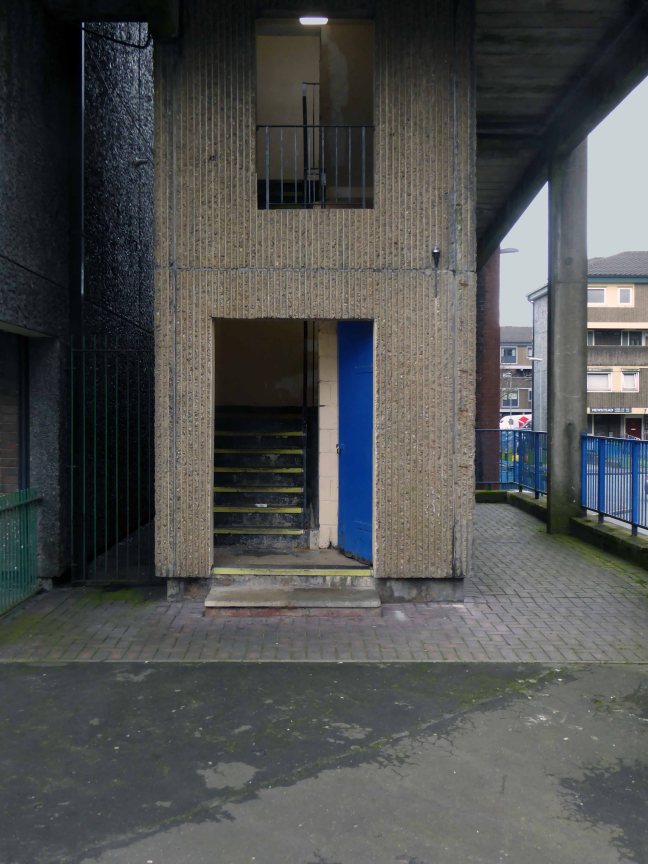
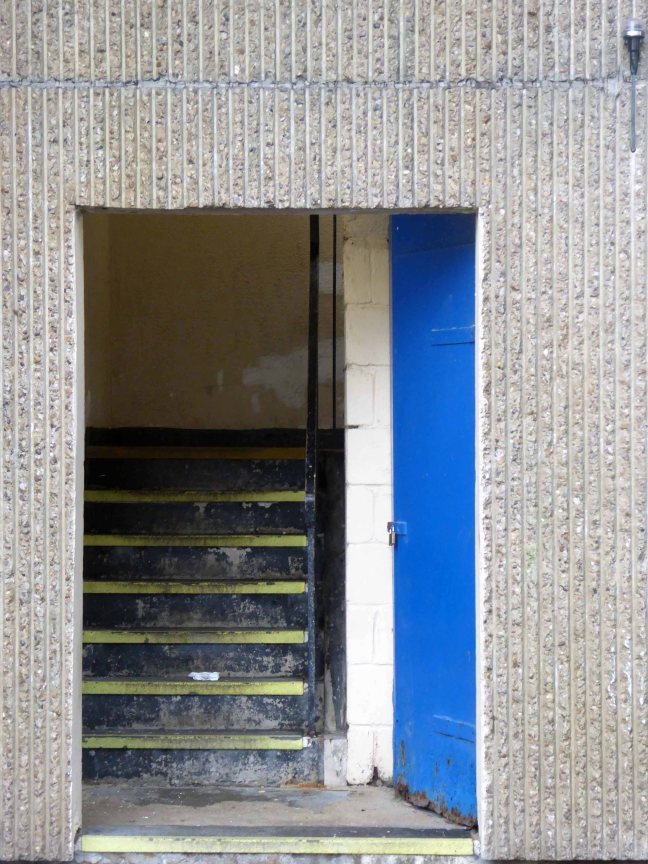
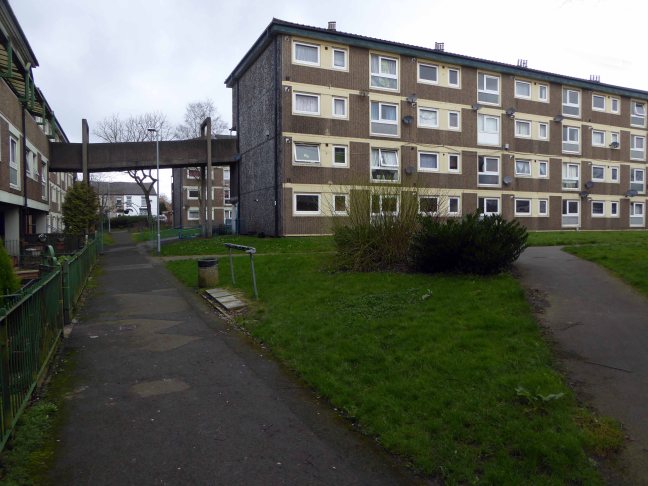
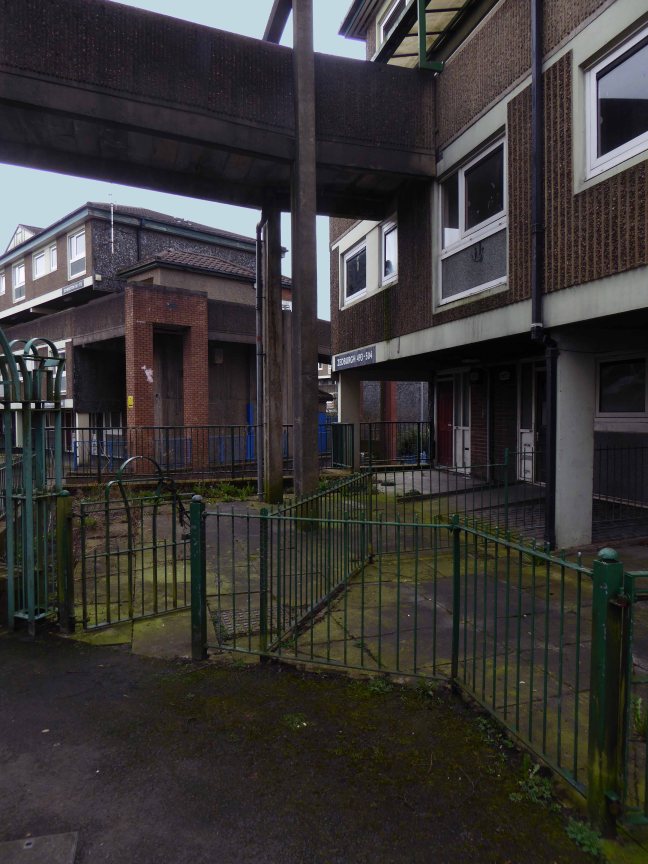
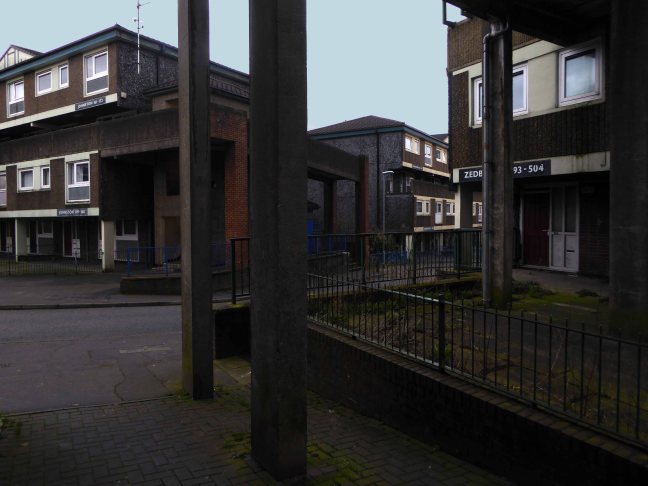
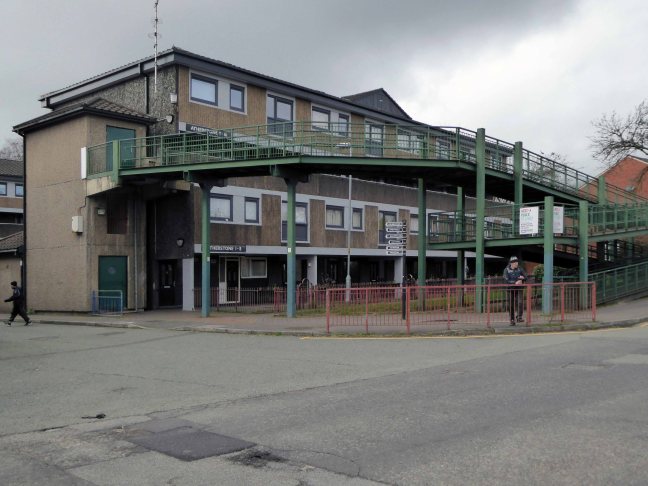
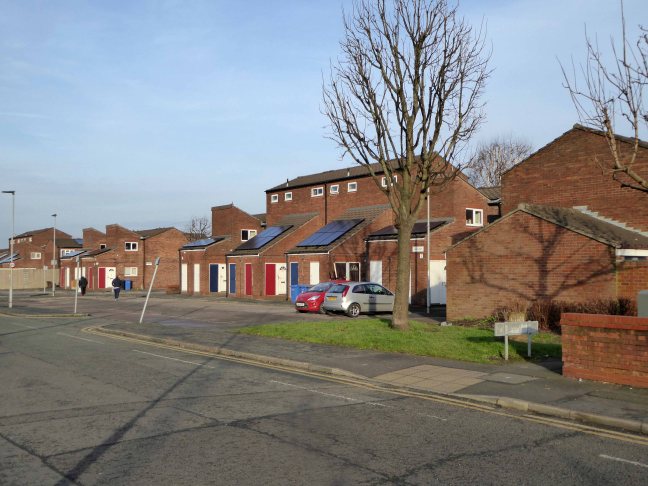
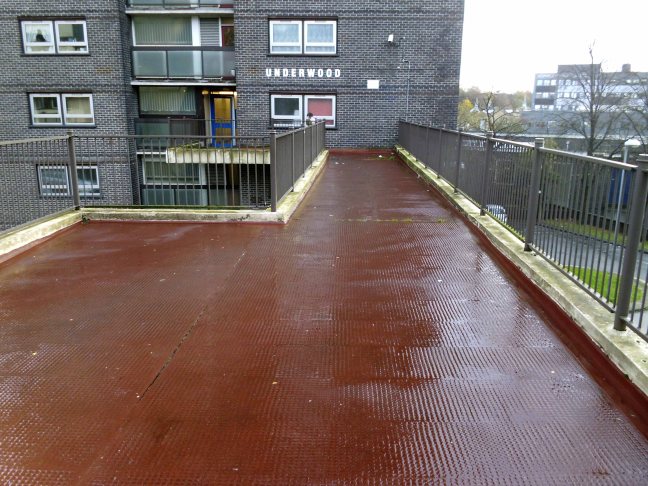
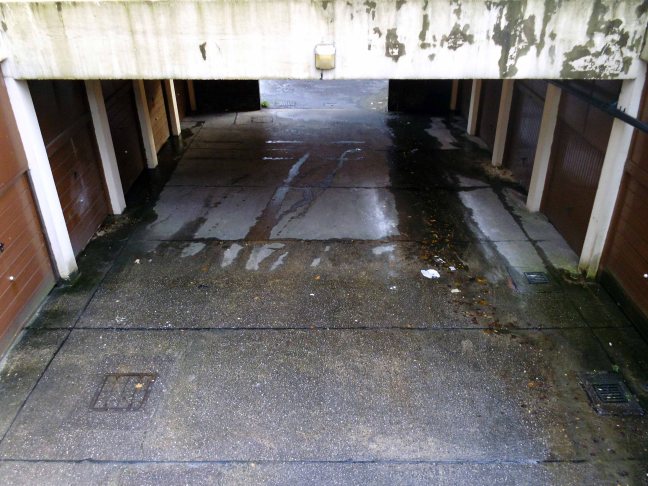
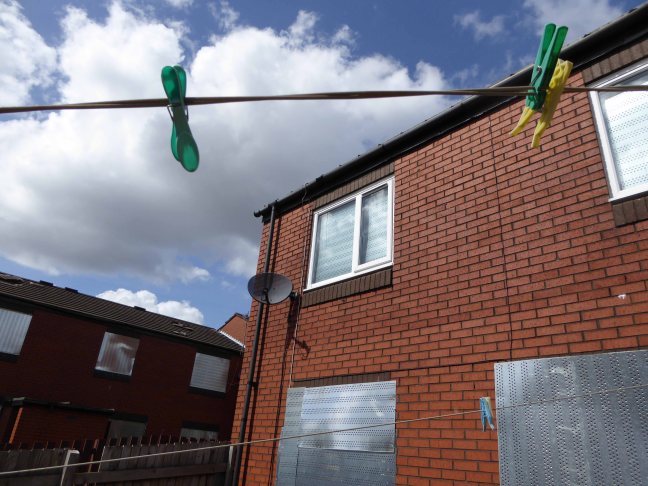
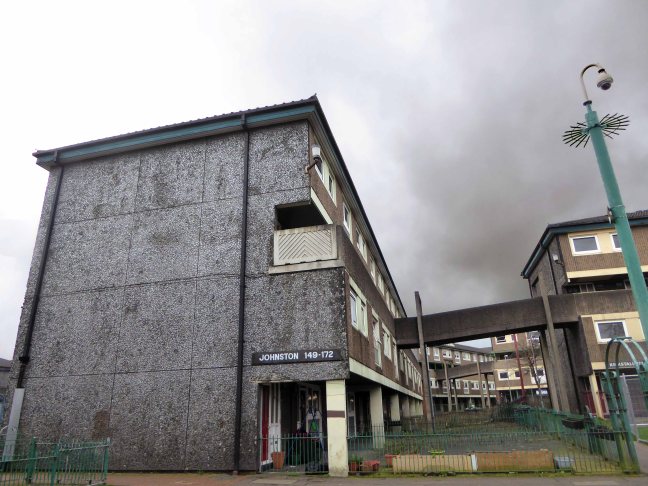
The four-storey development was to provide 527 dwellings with deck access, ramps and overheard walkways. It was planned so people could walk from any point in the area to another without having to return to ground level. Work began in early 1968 and was completed in three stages. More recently they have been up-graded and now have pitched roofs. Freehold Flats were built in the early 1970s. Eleven of the eventual 19 blocks were occupied by August 1971. 
Redevelopment_in_Falinge,_Rochdale,_Lancashire_-_geograph.org.uk_-_1395299

Built at a time when full employment was a tangible reality rather than a fondly recounted folk memory, the area was buoyant and relatively prosperous.

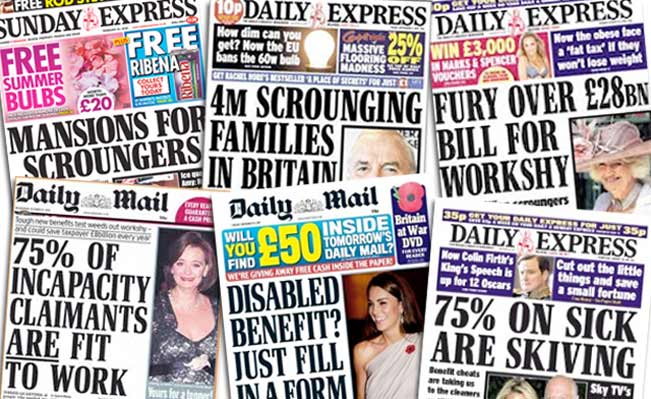
Time, the free market, and casualised labour has not been kind to Lower Falinge and many other post-industrial estates. The Thatcherite press conveniently badges the residents as scum, scroungers and frauds, a carefully conceived sleight of hand, transferring responsibility onto those careless enough to become the victims of an uncaring economic system.
scroungers_headlines_lg

Demonising and dividing working people regardless of ethnicity, ability, sexuality or ability – the equal opportunities abuser.

A few years ago there was even a national news story about a Falinge café serving fry-ups with a can of Stella for £2.50, this was untrue.

So Lower Falinge and its like become the convenient exemplar for the inconvenience of Broken Britain, a PR device to whitewash the very dirty hands that authored its very dirty demise. Those very dirty hands that have no viable solution to a very real problem, of resolving poor peoples’ uncertain futures.

Meanwhile the journalists form a disorderly queue to file the next in line, online assessment of an awful situation devoid of resolution, short of revolution.


2008826_152139

2016126_162425

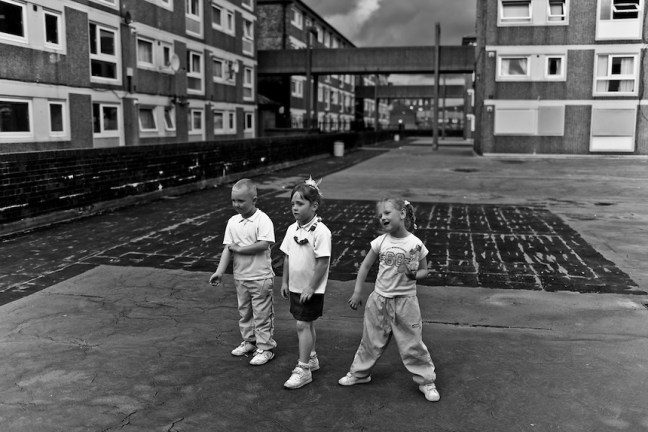
Transferred from local authority control to charitable trust, forever shape shifting its hard lines to a softer, home made, fluffier image as limited resources, chase limited opportunities, all around the deck access landings.

Life goes on, we live in hope or Lower Falinge.
Limbo-5880

Mishka Henner

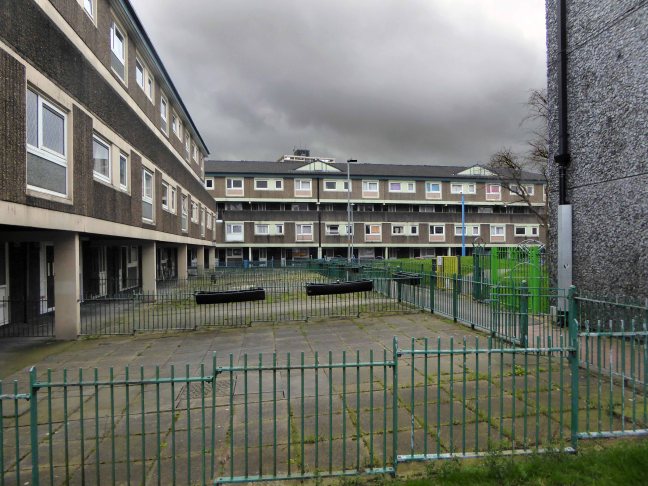
The estate is now post-post modern, acquiring another veneer of refurbishment over the now tarnished green of the cover all, all purpose un-repurposed steel railings.
P1140380

P1140381

P1140382

P1140383

P1140384

P1140385

P1140386

P1140387

P1140388

P1140397

P1140399

P1140401

P1140403

Semi Detached – Warrington

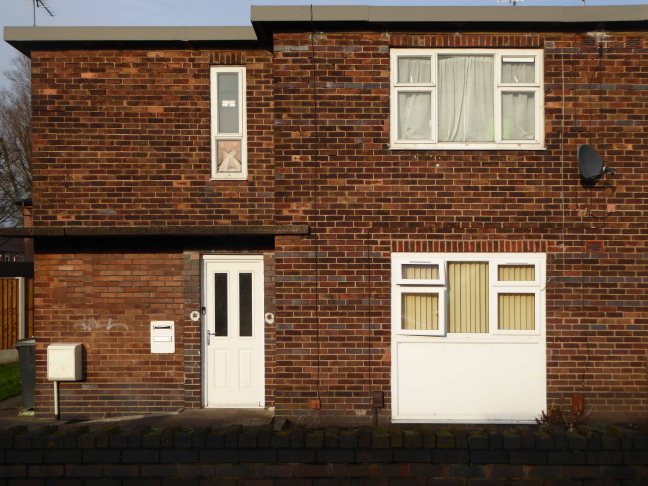
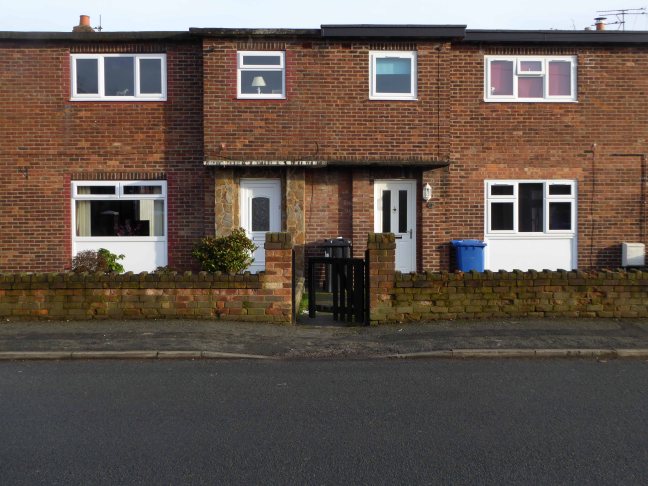
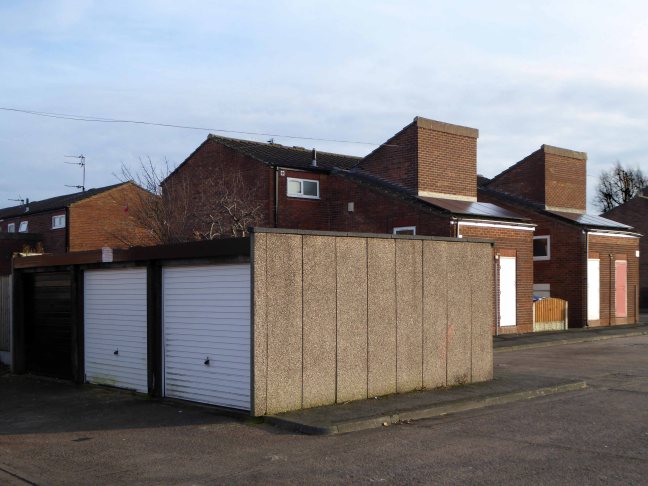
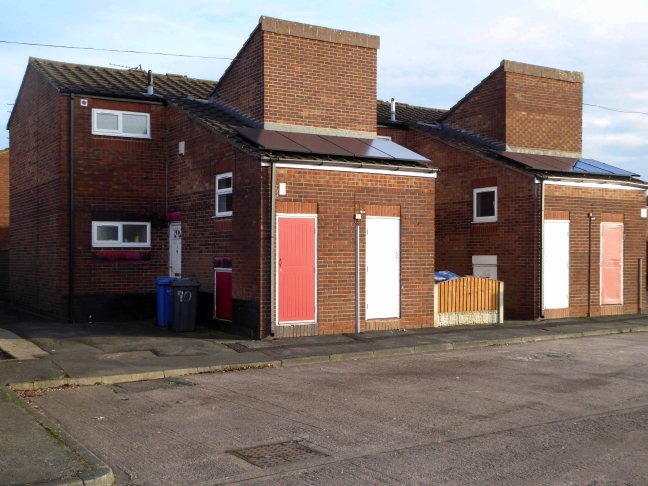
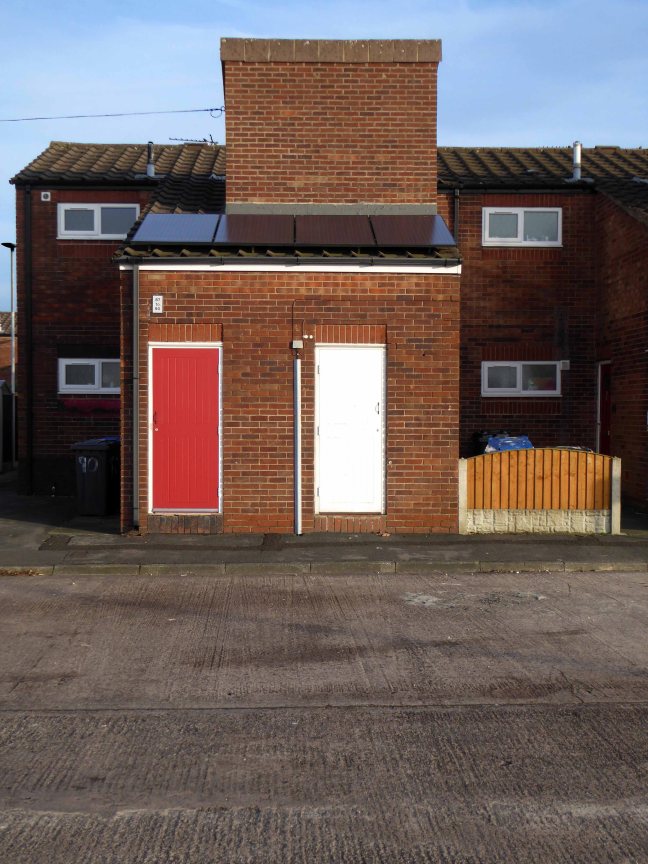
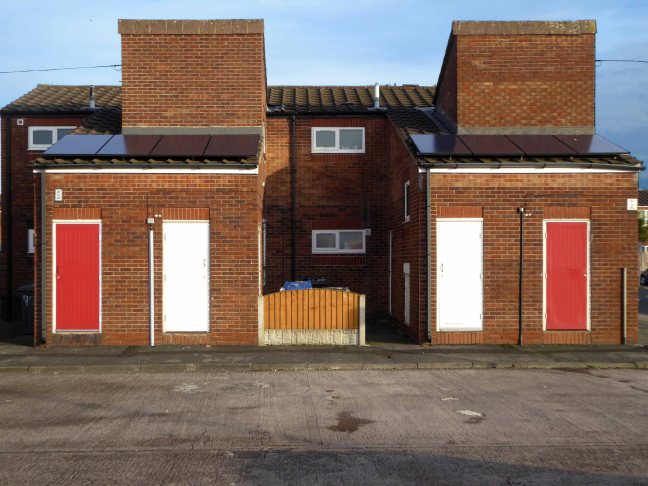
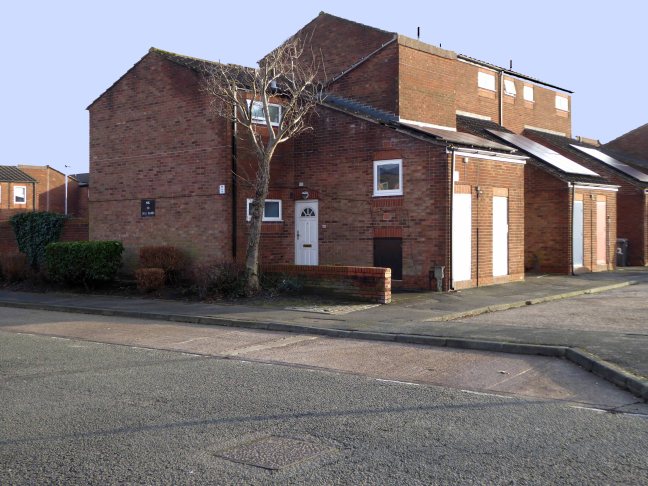
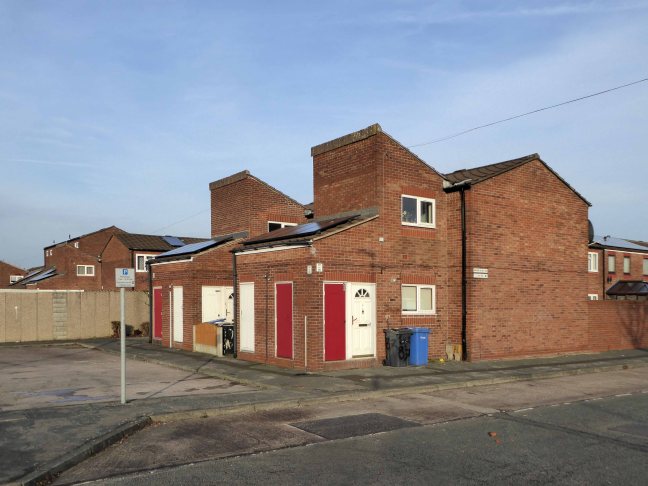
I was walking back from St Stephen’s Church recently, when I chanced upon a small group of two storey, flat roofed, semi detached social houses.

They were blessed with that post war functionalist brick and concrete chic.

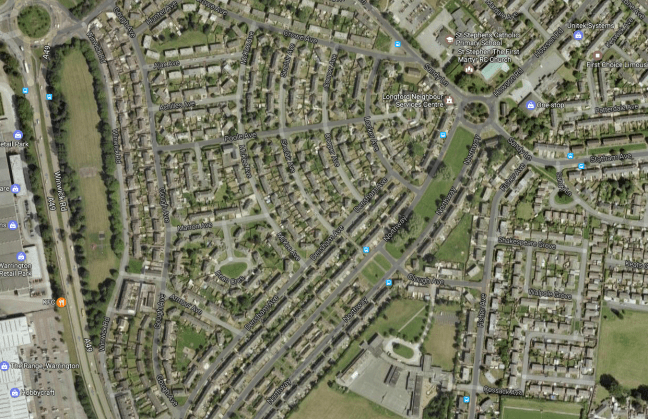
Part of a larger development of homes in the Longford area of the town.

screen-shot-2017-01-31-at-15-33-18

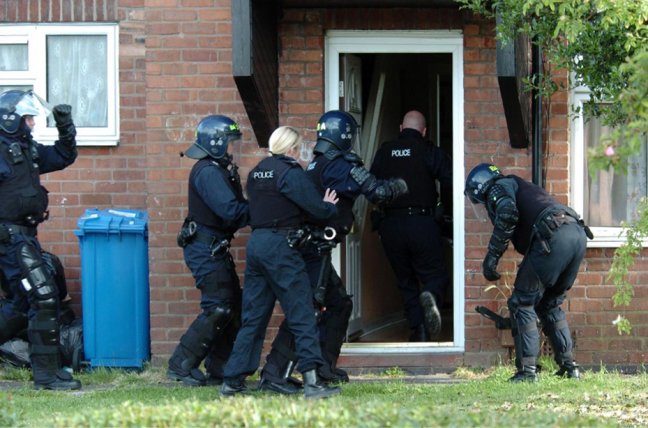
An area which is one of the most socially deprived in the country, with more than its fair share of problems, crack and weed would once have been pressing matters for the Borough Highways Department – these days they are more likely to attract the attention of the boys and girls in blue.

screen-shot-2017-01-31-at-17-17-47

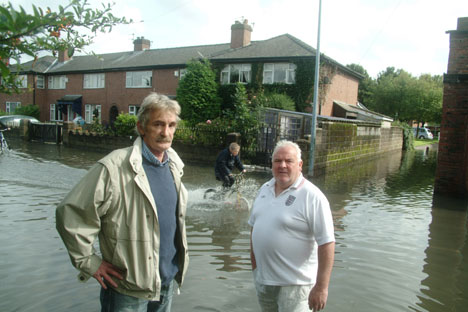
And to cap it all the area is prone to frequent flooding.

longford-flooding

There are signs of hope as the housing association and council embark on a multi million pound refurbishment of the estate including:

Replacing fencing around bungalows.

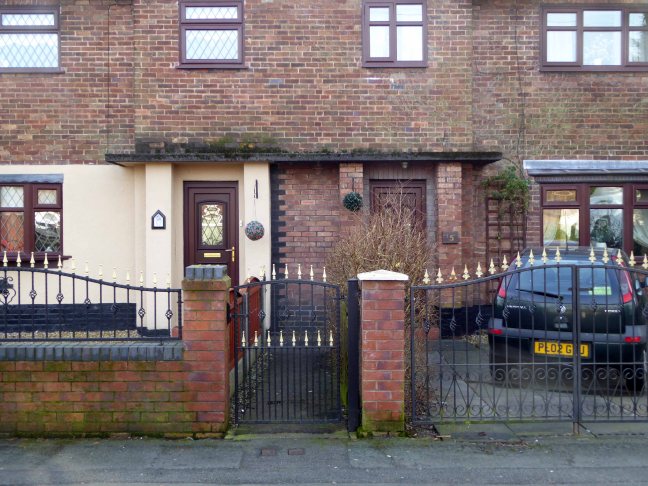
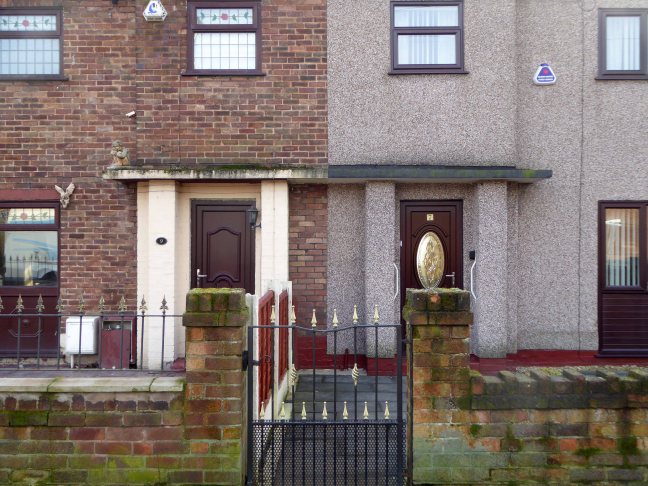
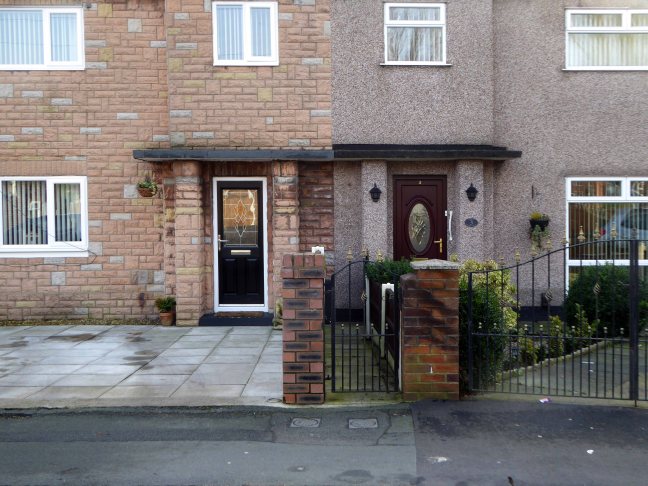
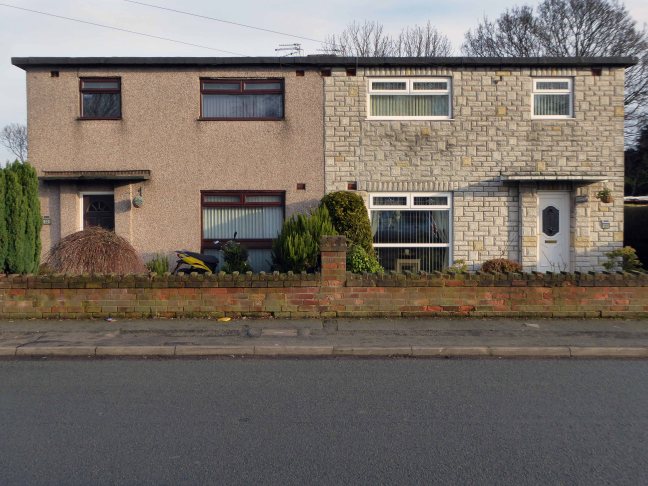
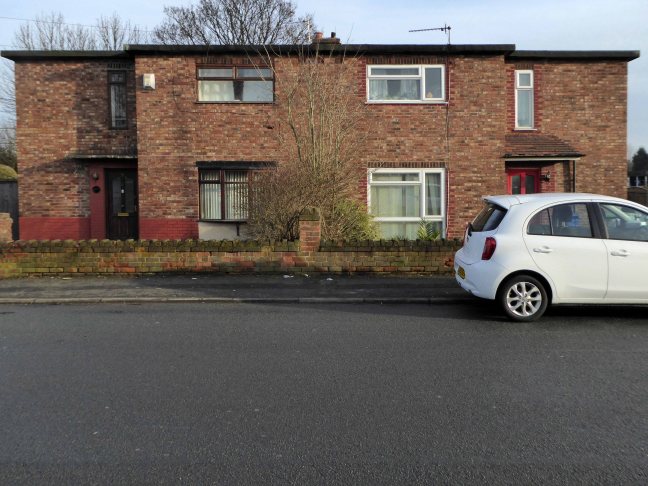
On the day of my visit the chill January streets seemed quiet and ordered, and I was enchanted by the mismatched pairs of semis that I encountered.

p1130204

p1130205

p1130206

p1130207

p1130208

p1130209

p1130210

p1130212

p1130213

p1130214

p1130215

p1130216

p1130218

p1130219

p1130220


Modern Housing – Warrington

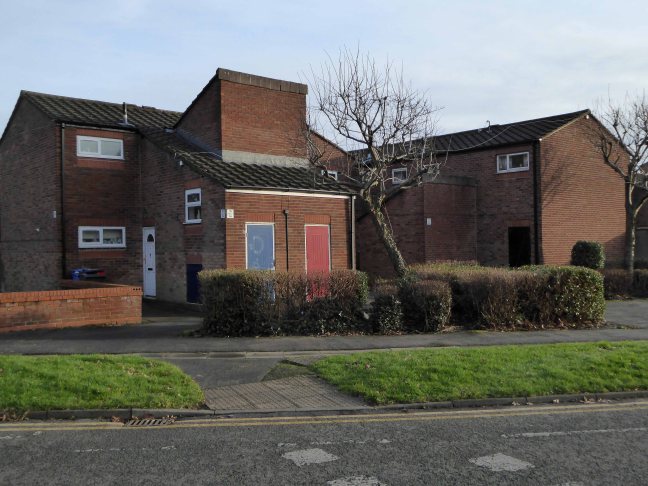
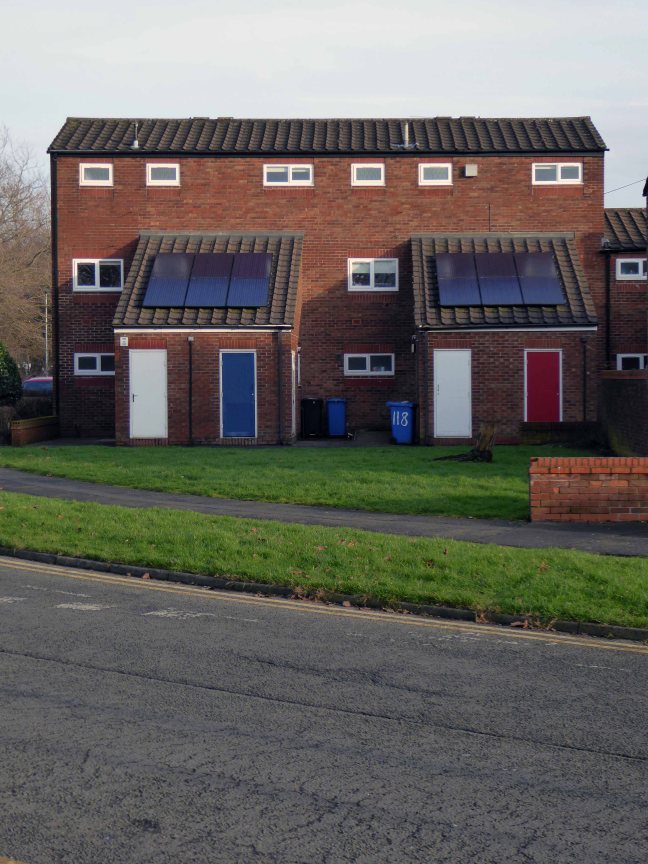
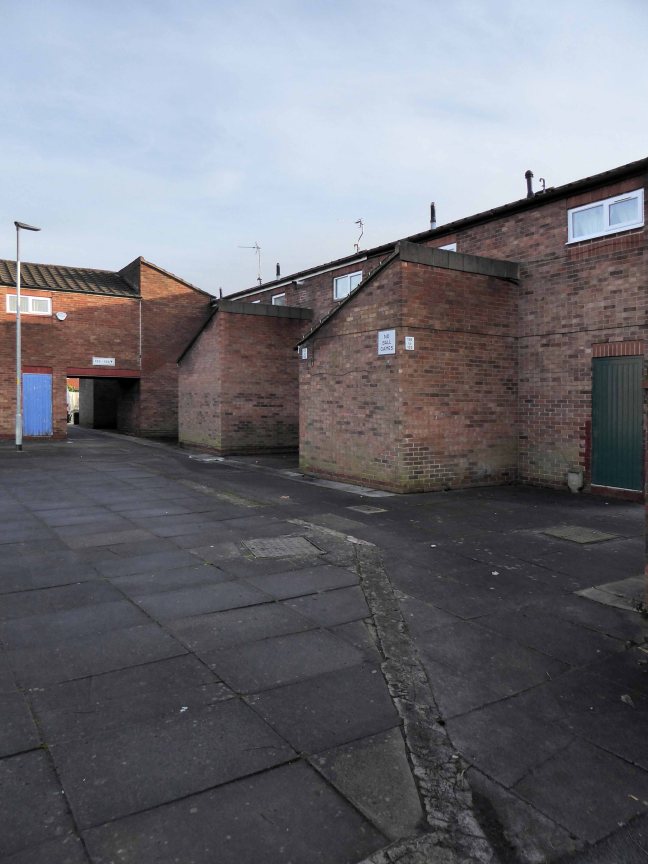
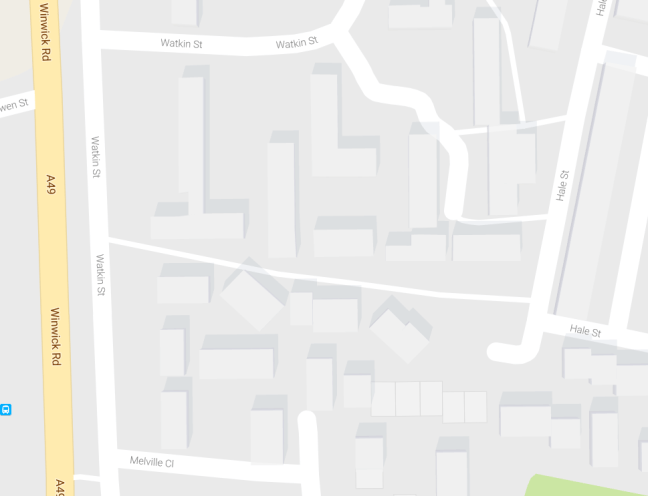
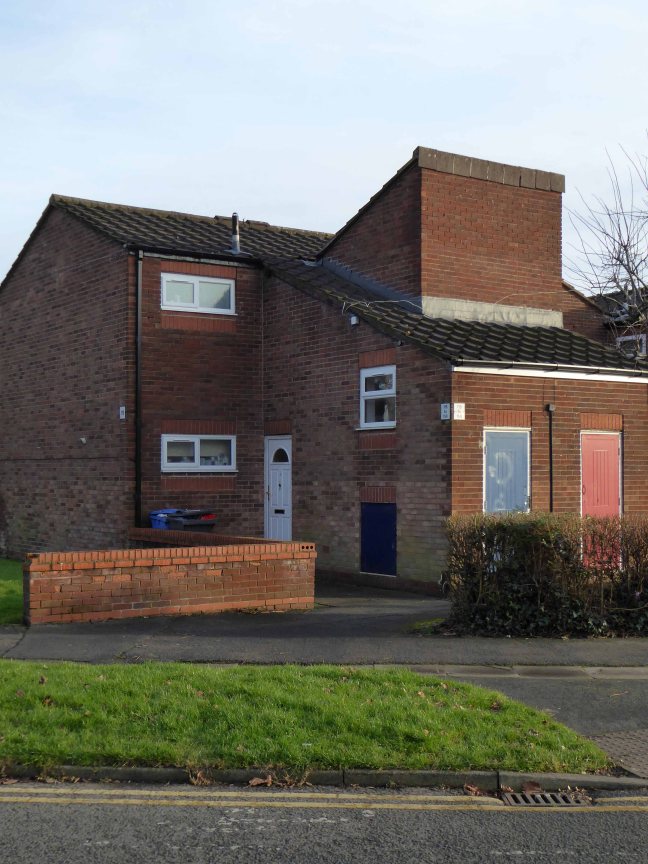
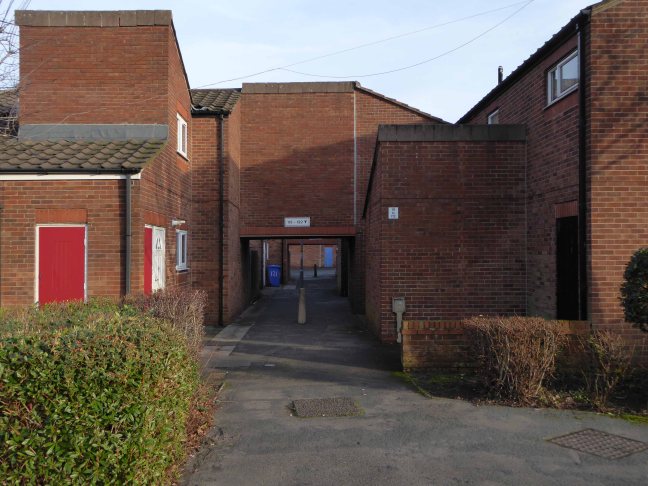
As I walked out one morning, up and down the A49 out of Warrington town centre, on the way somewhere else entirely, the sun and I chanced to fall on a tight group of streets and courtyards, constraining and containing an intriguing collection of modern homes.

screen-shot-2017-01-26-at-13-27-22

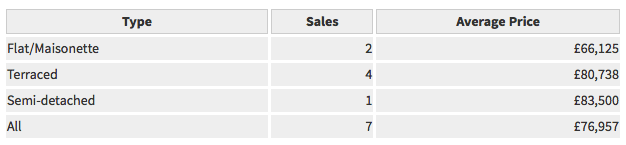
Competitively priced, well below national averages – the area looks to be getting along.

screen-shot-2017-01-26-at-13-31-05

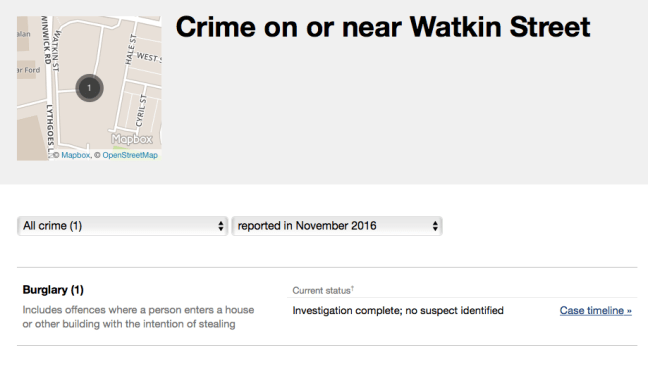
Incidence of crime is low to almost non existent.

screen-shot-2017-01-26-at-13-29-59

So an illuminated set of buildings with little by way of further illumination, I presume them to be corporation built, late Seventies? A visually exciting set of varied, interlocking geometric volumes – a formalist model that seems to function. On a chill day most residents were hopefully tucked up safe and warm somewhere or other, public spaces rested, bereft of life. The window spaces are pinched and mean, not only of the elevation facing the adjacent main road, but also on the inward faces. An economy of means and a resultant paucity of light.

p1130228

p1130230

p1130231

p1130233

p1130234

p1130235

p1130236

p1130237

p1130238

p1130239

p1130240

p1130241

p1130242

p1130243

p1130244

p1130245

p1130246

p1130248

Rochdale – Seven Sisters Flats

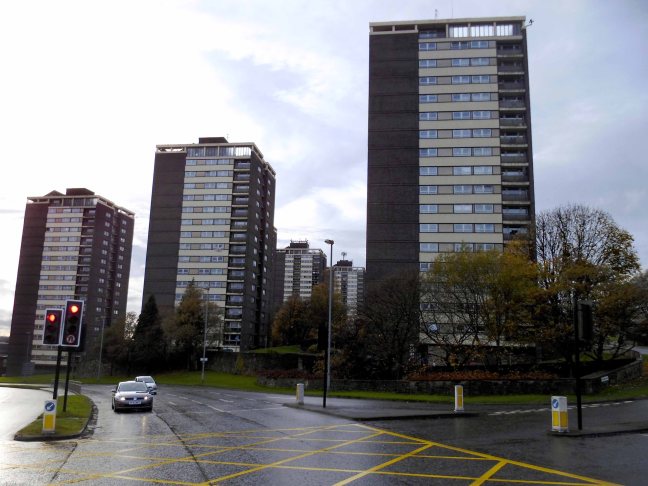
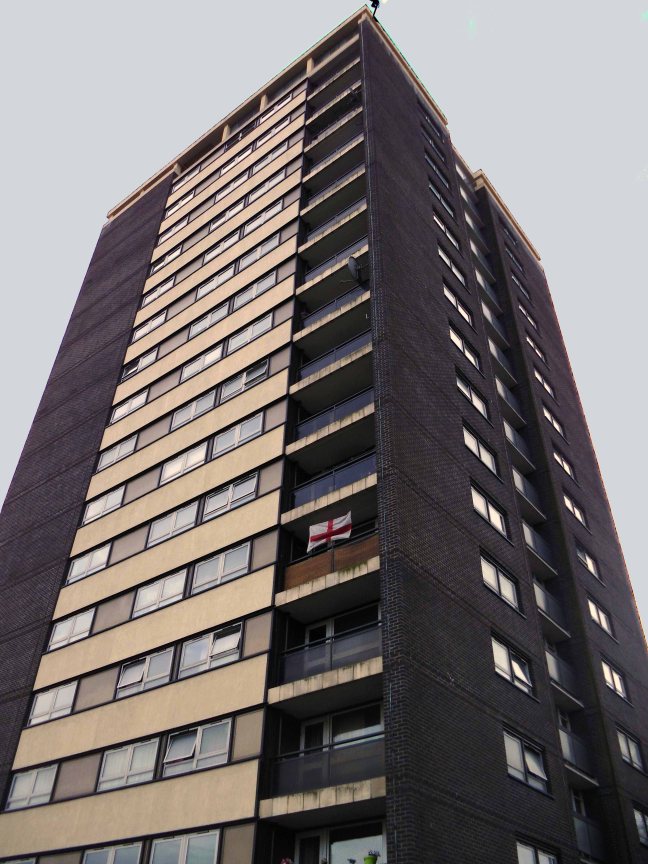
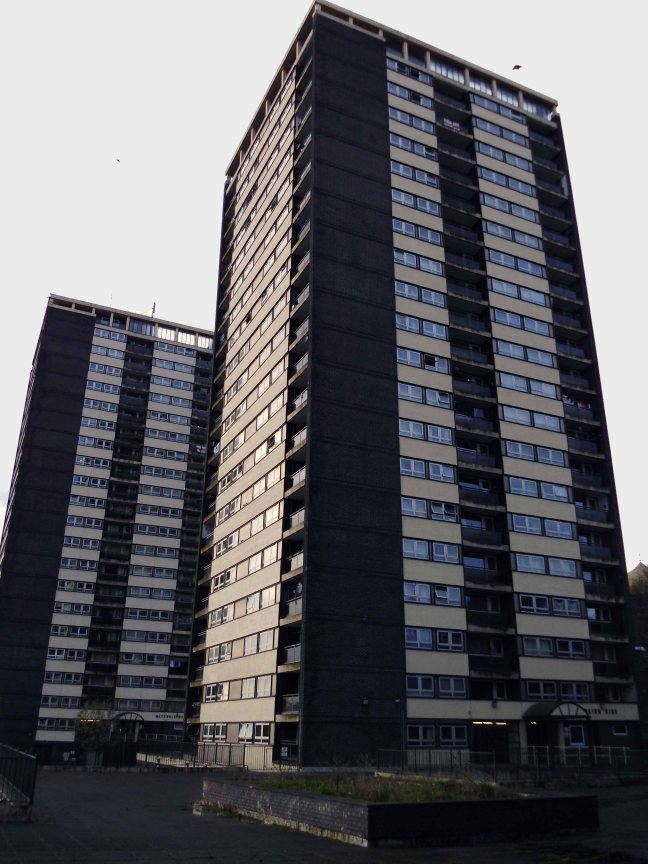
Arriving in Rochdale in search of something else entirely, it was impossible to ignore seven prominent, as yet unclad tower blocks, high upon a hill. I was informed by a local resident that they were known locally as the Seven Sisters, though variously identified as Falinge B, College Bank, and Holland Street flats.

js81348360

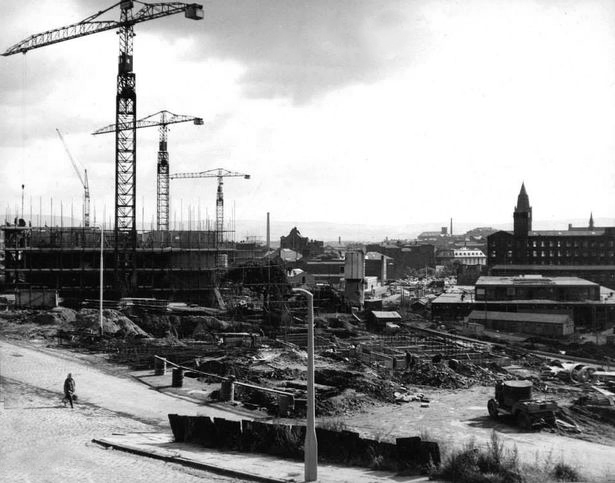
The area was formerly home to Victorian workers’ dwellings, known as The Paddock – the post-war policy of slum clearance saw them swept away, in readiness for municipal modernity.

js81348349

js81348353

js81348355

Photographs Rochdale Image Archives

Hey presto 1963 and there appears four 21 storey blocks containing 476 dwellings; three 17 storey blocks containing 286 dwellings.
5995650872_2ed2d9ab80_b

Photograph Mancunian 101

Building contractors were Wimpey and the flats were designed by Rochdale’s Borough Surveyor, Mr W H G Mercer and Mr D. Broadbent along with Mr E V Collins, chief architect to contractors George Wimpey and Company.

Many thanks to the Tower Block project for the facts.
On Friday October 1 1965 the Minister of Housing and Local Government, Richard Crossman, officially opened the first of the College Bank flats – Underwood.
So go take a look ride the rail or tram, get on your bike, walk a while and abide, take a frenzied dance around with the Seven Sisters.

p1040789-copy

p1040787-copy

p1040785-copy

p1040788-copy

p1040797-copy

p1040795-copy

p1040794-copy

p1040793-copy

p1040792-copy

p1040786-copy

p1040800-copy

p1040801-copy

p1040791-copy

p1040796-copy

p1040798-copy

p1040799-copy

Needwood Close – Collyhurst

Deep in the heart, just on the edge of central Manchester, there exists a dilemma.

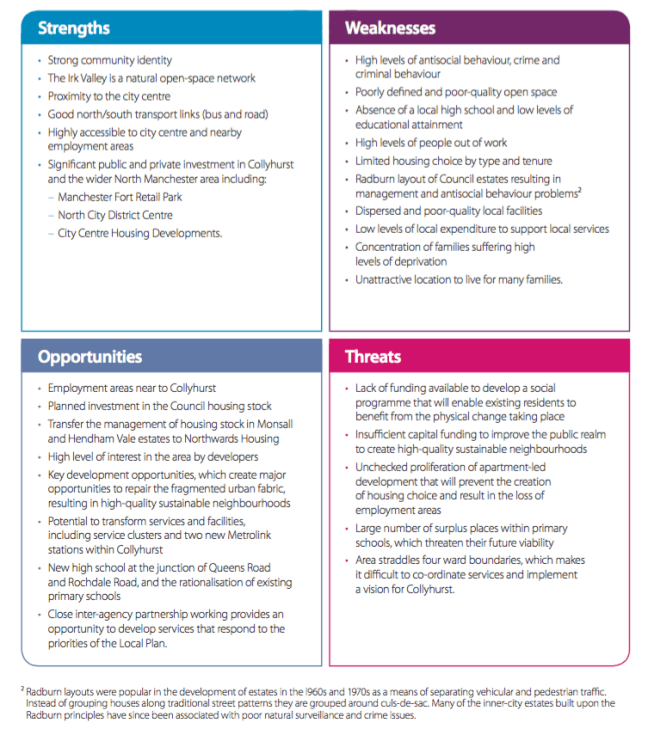
Once a place of full employment and home occupation, time has not been kind to Collyhurst. Work is scarce and the area blighted by a reputation for crime and social problems. Yet it sits by an area of inner city wealth, economic expansion and a growing professional class.

The plan is to expand this growth outside of the fringes of city and into north Manchester, since 2008 this has been the stated aim of the local authority. Tram stops, academies, and retail parks apart, change seems slow to arrive.

Screen Shot 2016-06-17 at 13.54.30

There is a chronic shortage of public funding and seemingly an absence of private capital and speculative development – life is elsewhere.

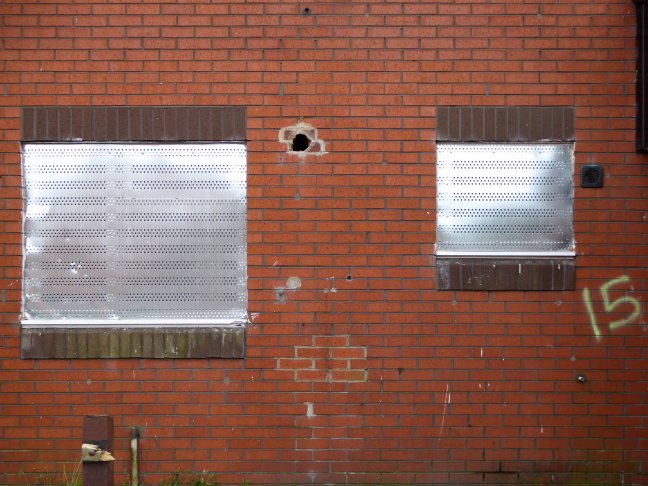
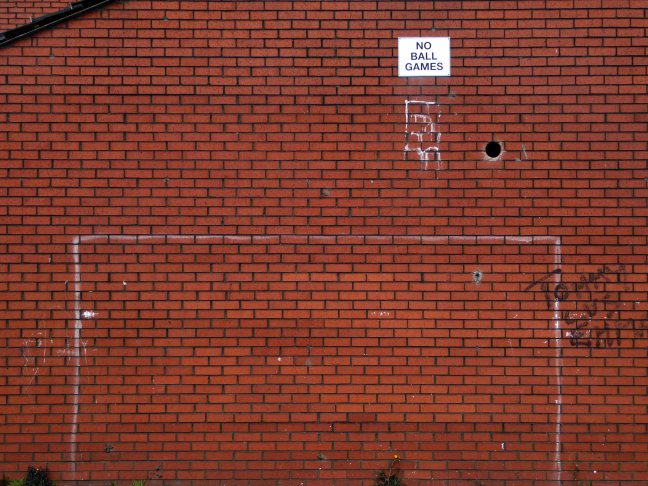
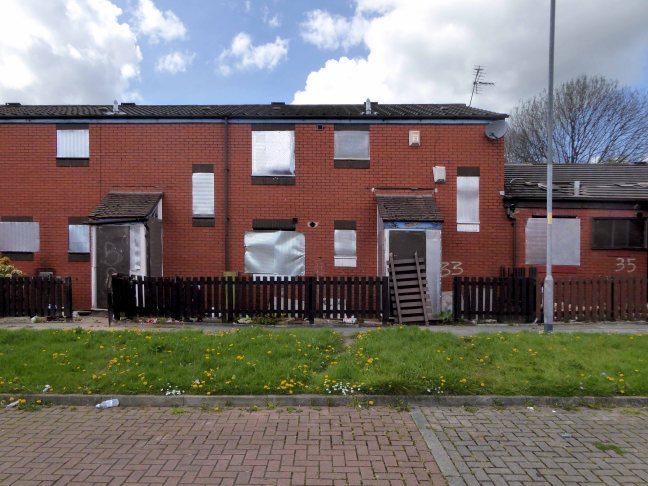
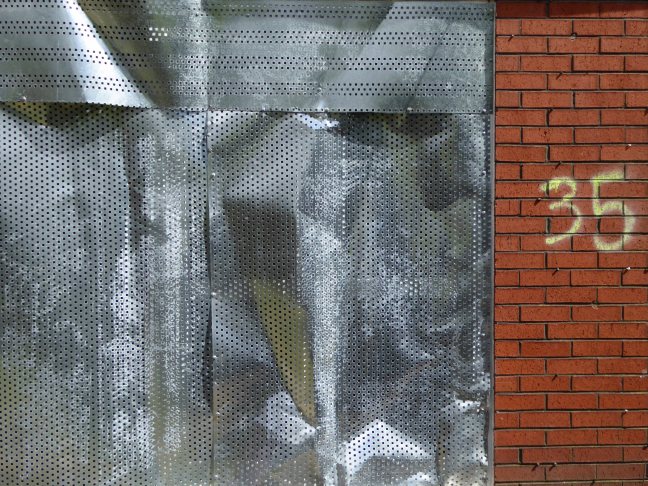
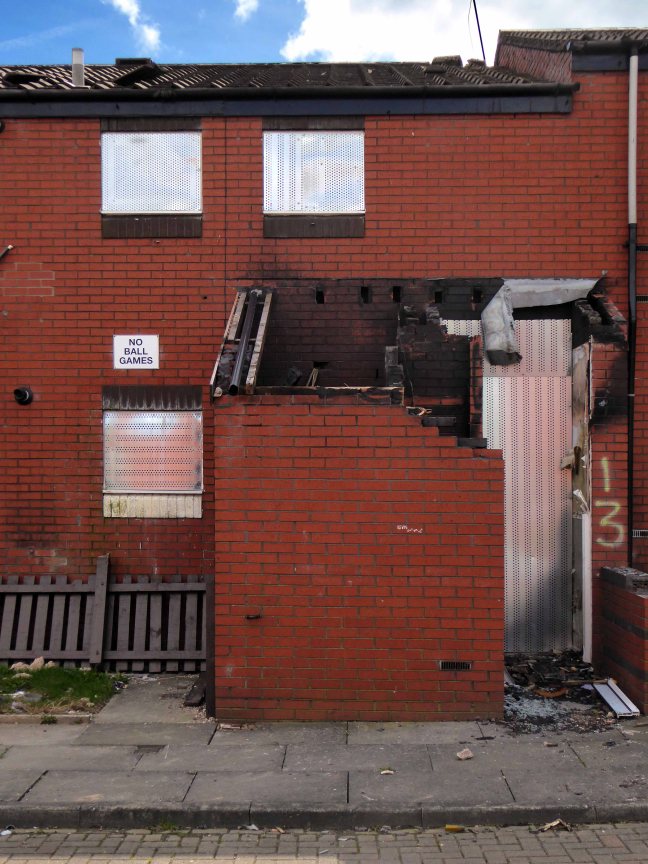
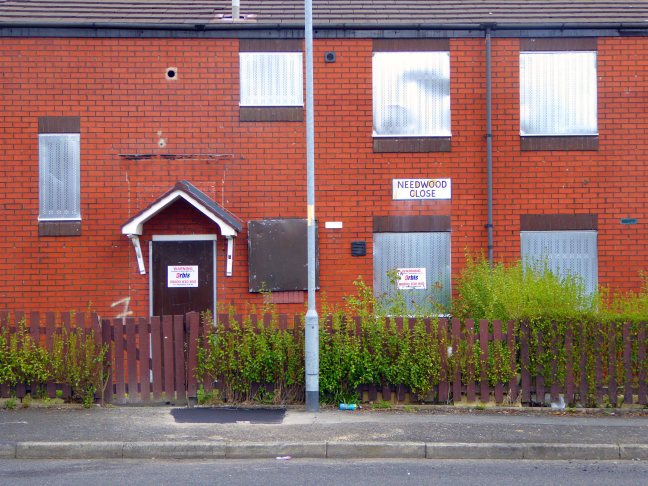
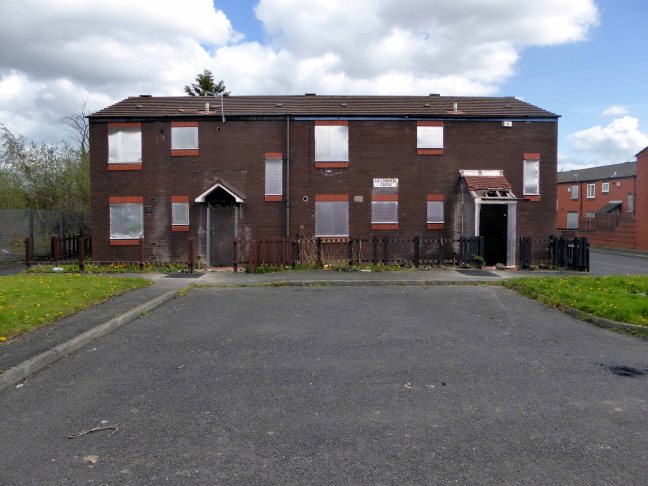
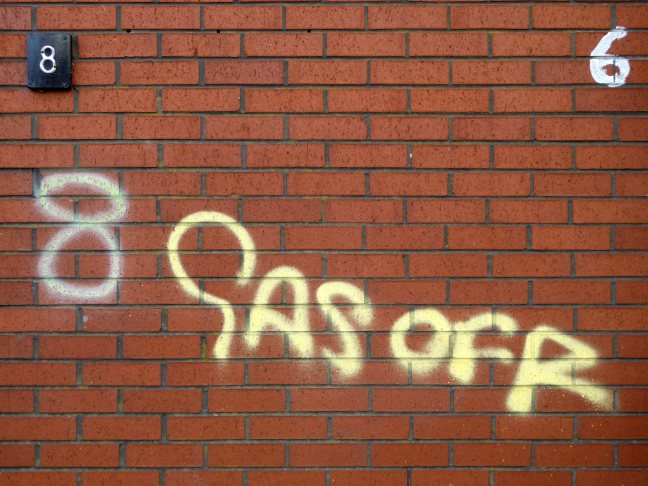
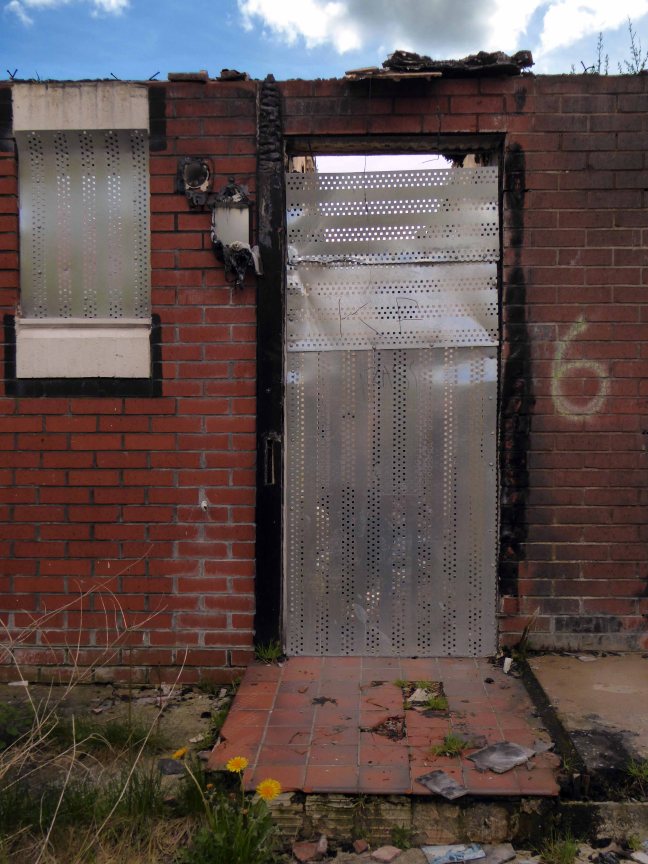
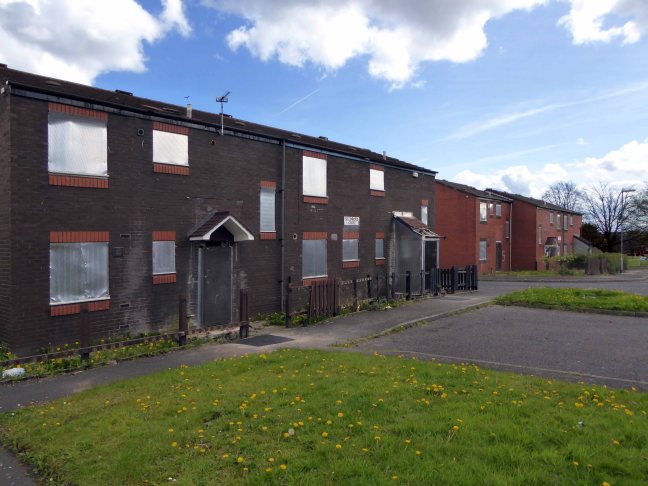
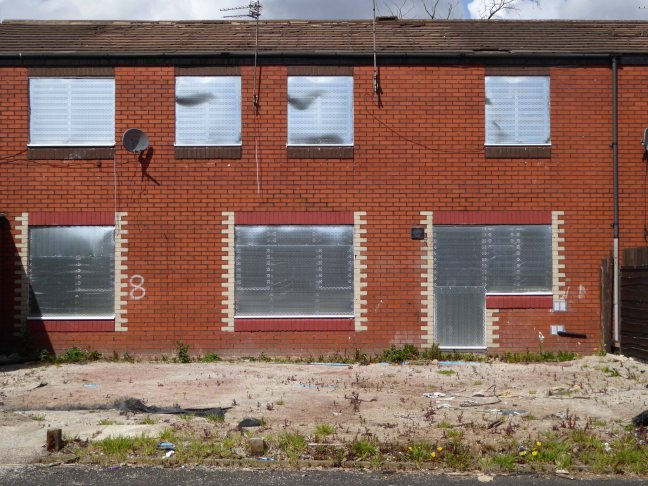
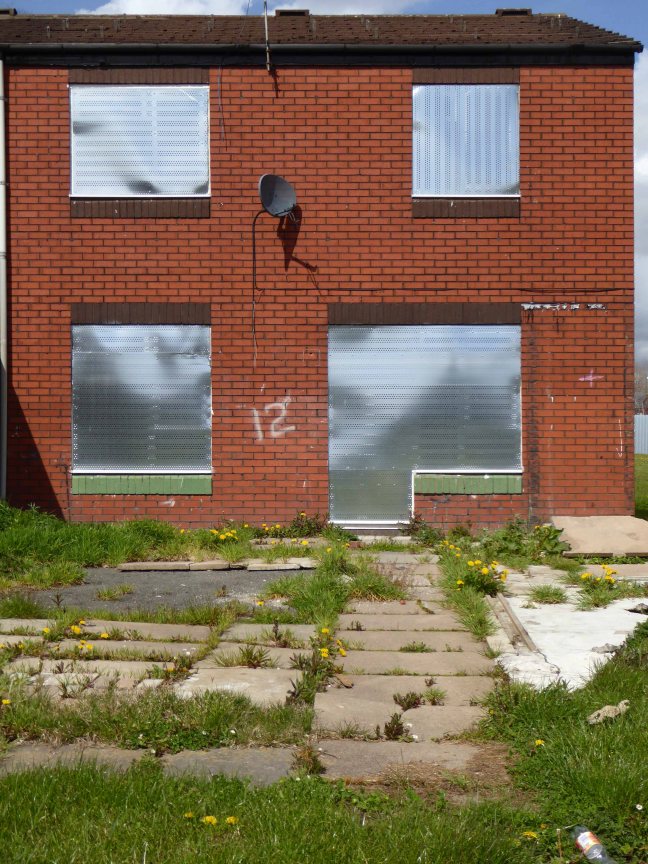
In the mean time there are properties tinned up awaiting a new dawn.

Needwood Close is one such example.

P1040450 copy

P1040451 copy

P1040453 copy

P1040458 copy

P1040459 copy

P1040460 copy

P1040465 copy

P1040466 copy

P1040468 copy

P1040469 copy

P1040476 copy

P1040477 copy

P1040480 copy

P1040483 copy


The Bullring – Liverpool

I love walking around the Bullring, there are no bulls, just students.

What was once imagined as inter-war social housing, a proud public utopia for you and me, is now a temporary pied-à-terre for them and their owners.

Built in 1935 as part of the city’s expansion of council homes, a time and place very much in thrall, to the then current developments in German Modernism.

DSC_0173 copy

It was one of many such developments across Liverpool, as outlined here:

In this detailed post by Municipal Dreams.

St Andrews Gardens, aka The Bullring is the sole survivor.

Bullring-1967

In 1967 the residents turned out in force to celebrate the opening of the very close by Liverpool Metropolitan Cathedral of Christ the King.

Street-Part-Bullring

Faces now faded, the lost warm, wide smiles and pretty paper flowers of post-war dreams.

Screen Shot 2016-05-17 at 20.47.34

Seen here on film.

Go take a walk today through a past and a future which we all still deserve.

There is still the sense of a magical space and possibilities as yet unrealised

God Bless Our Pope