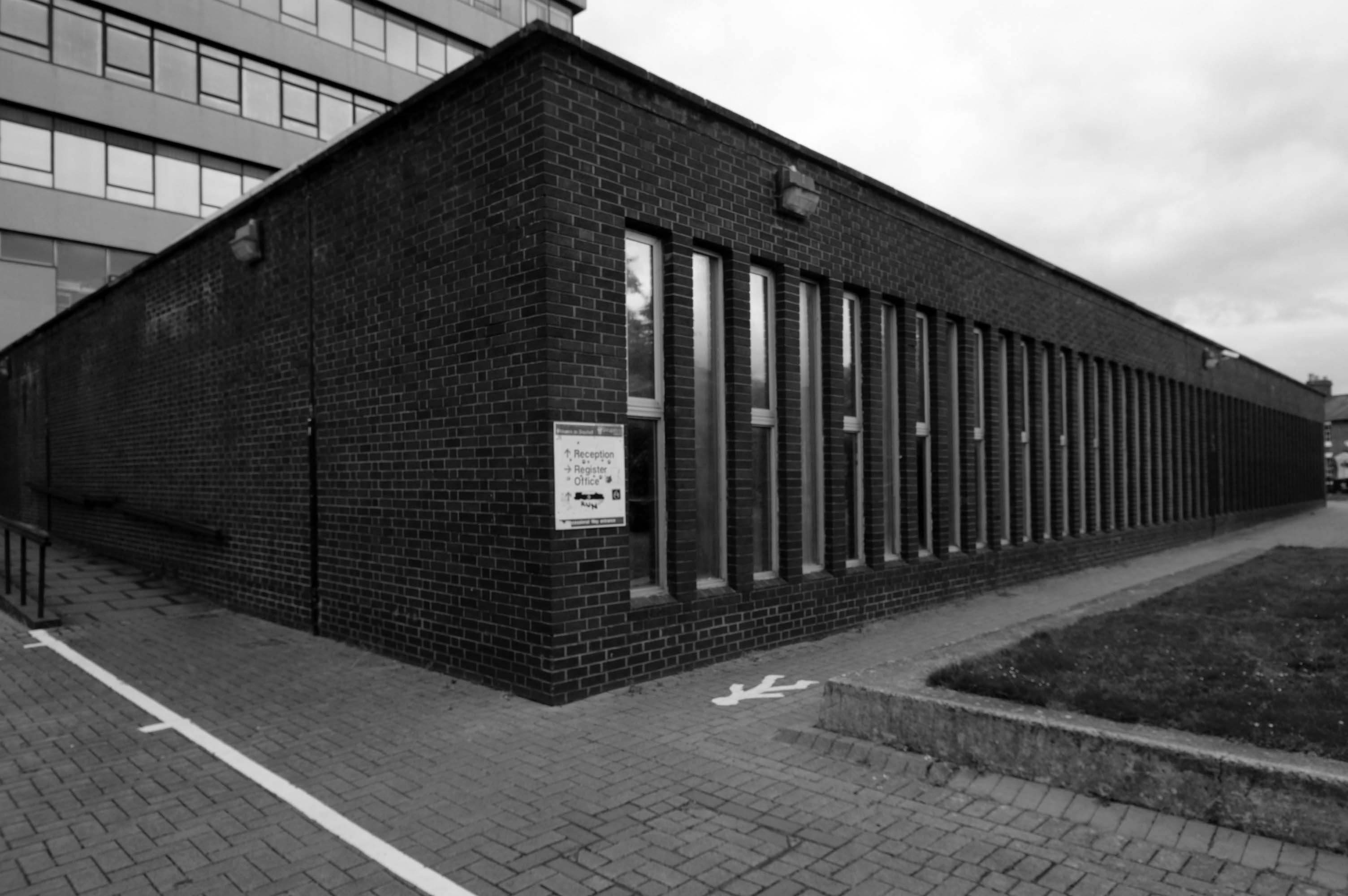
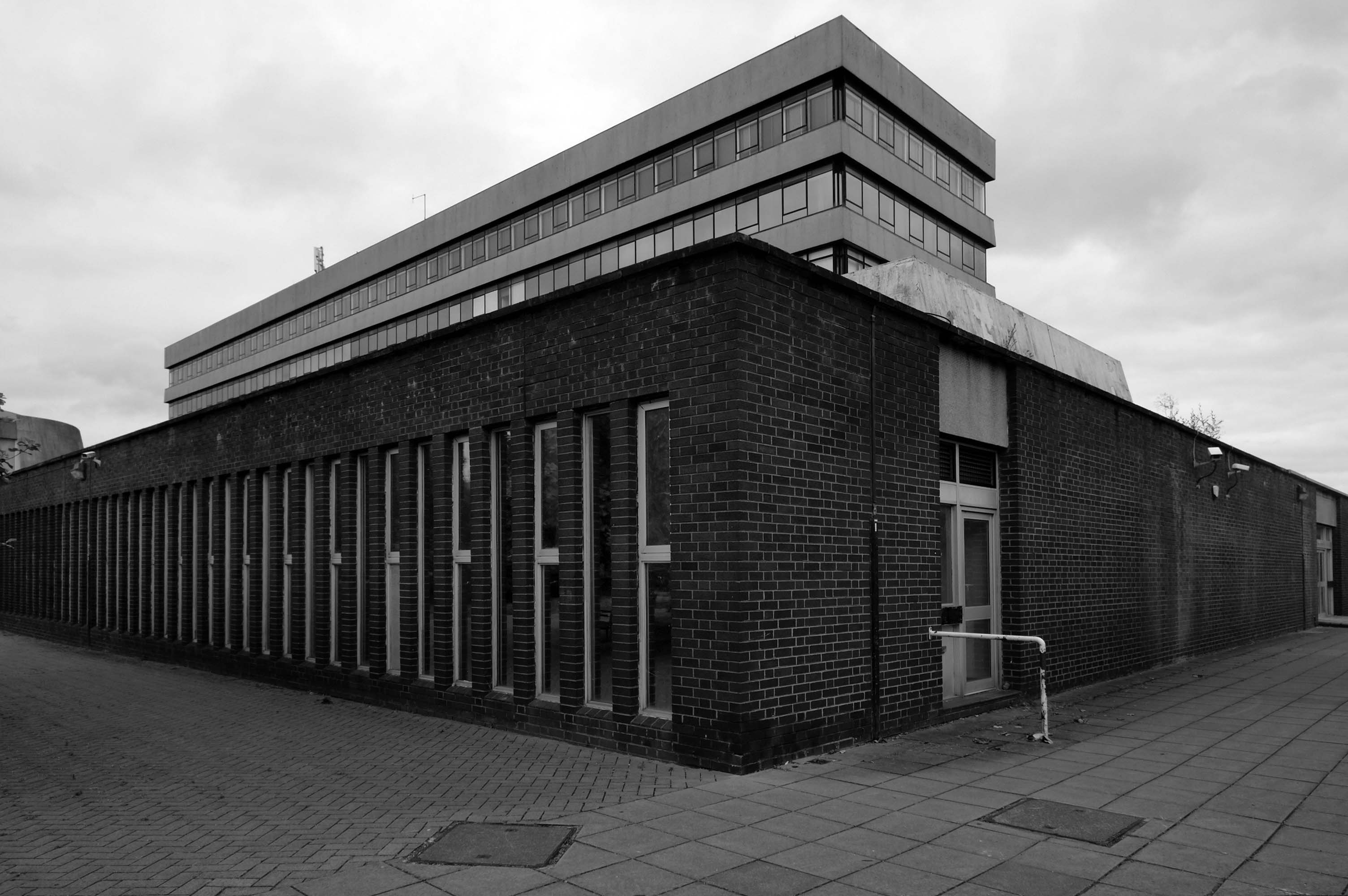
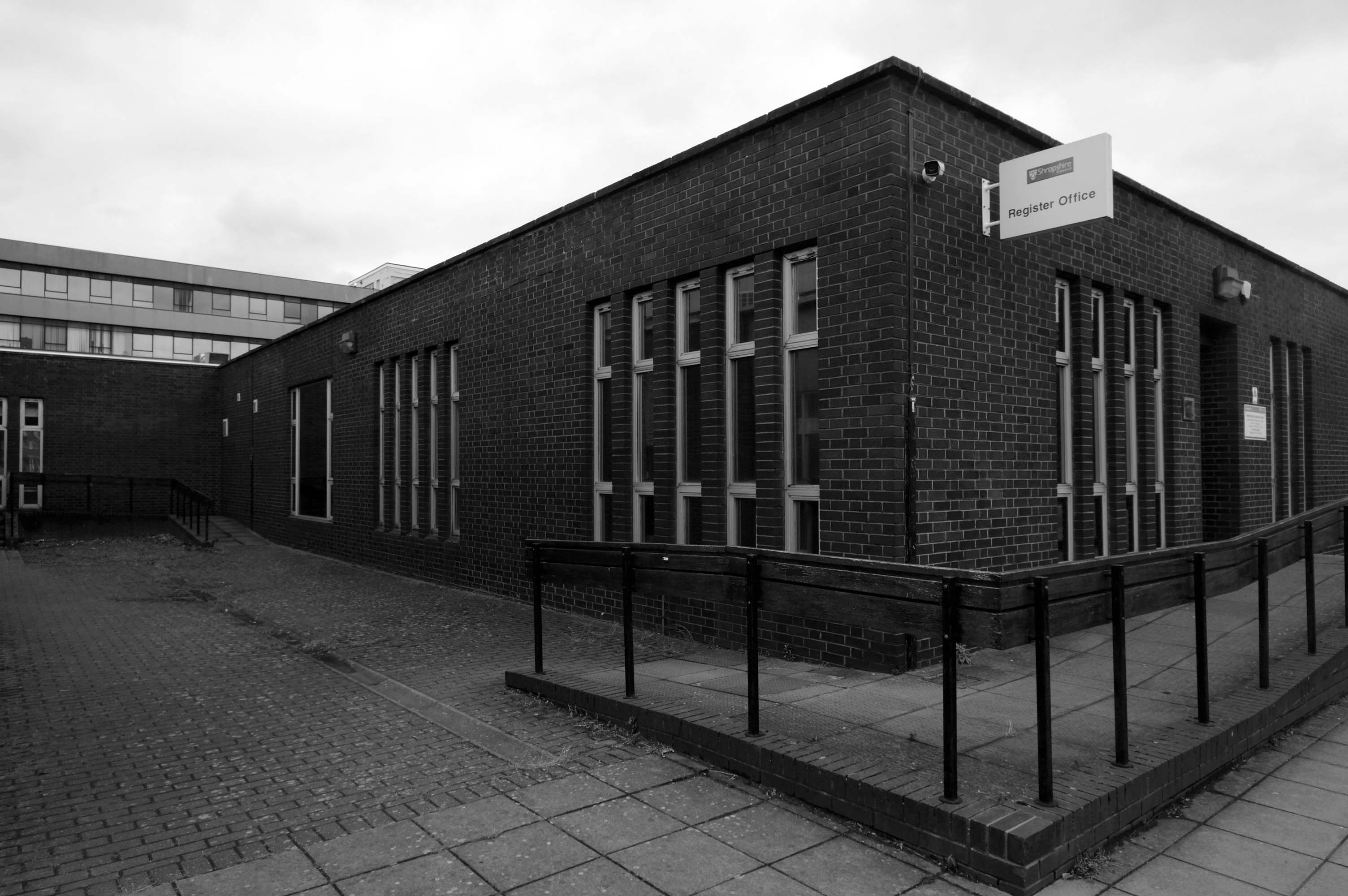
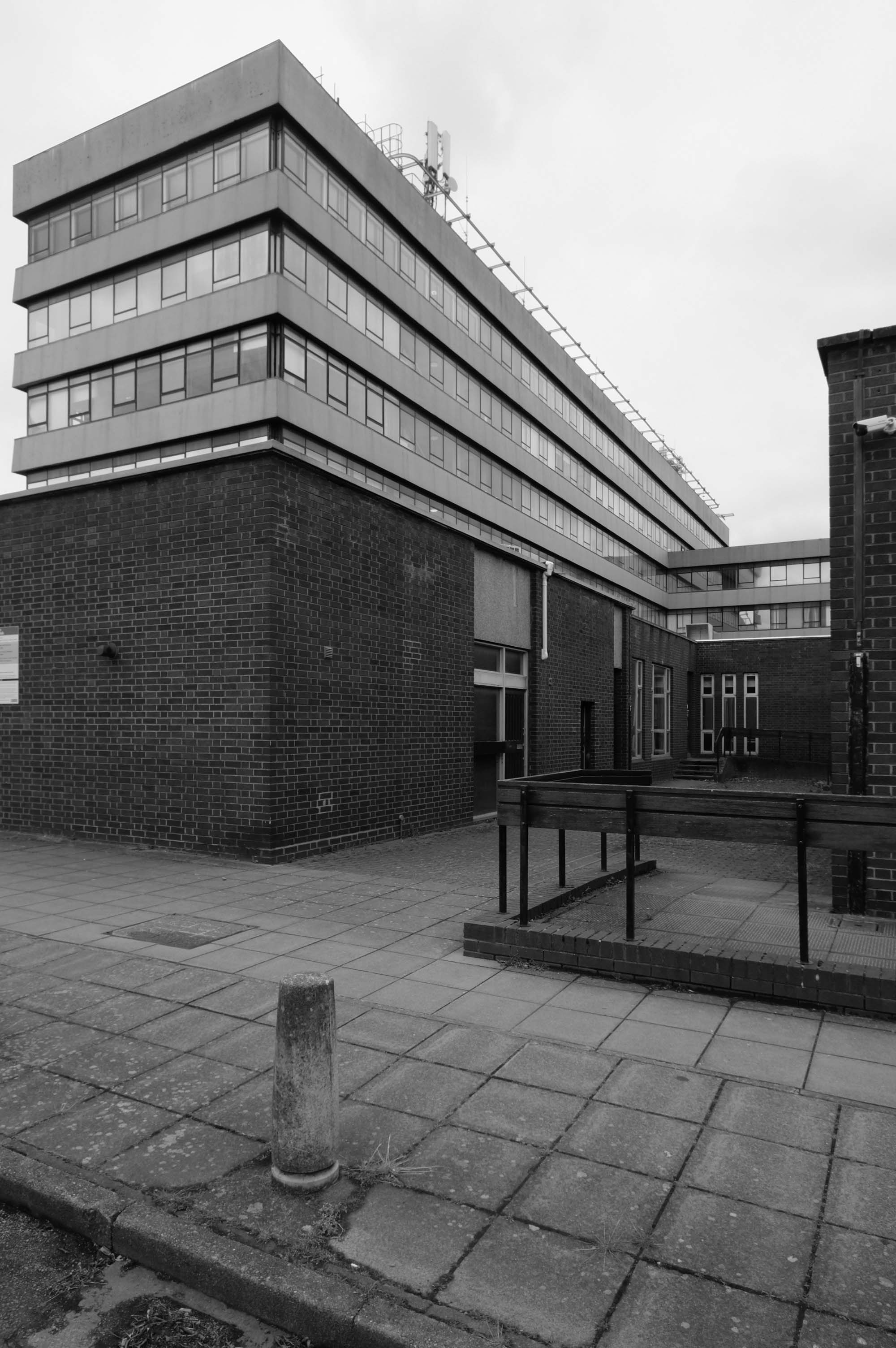
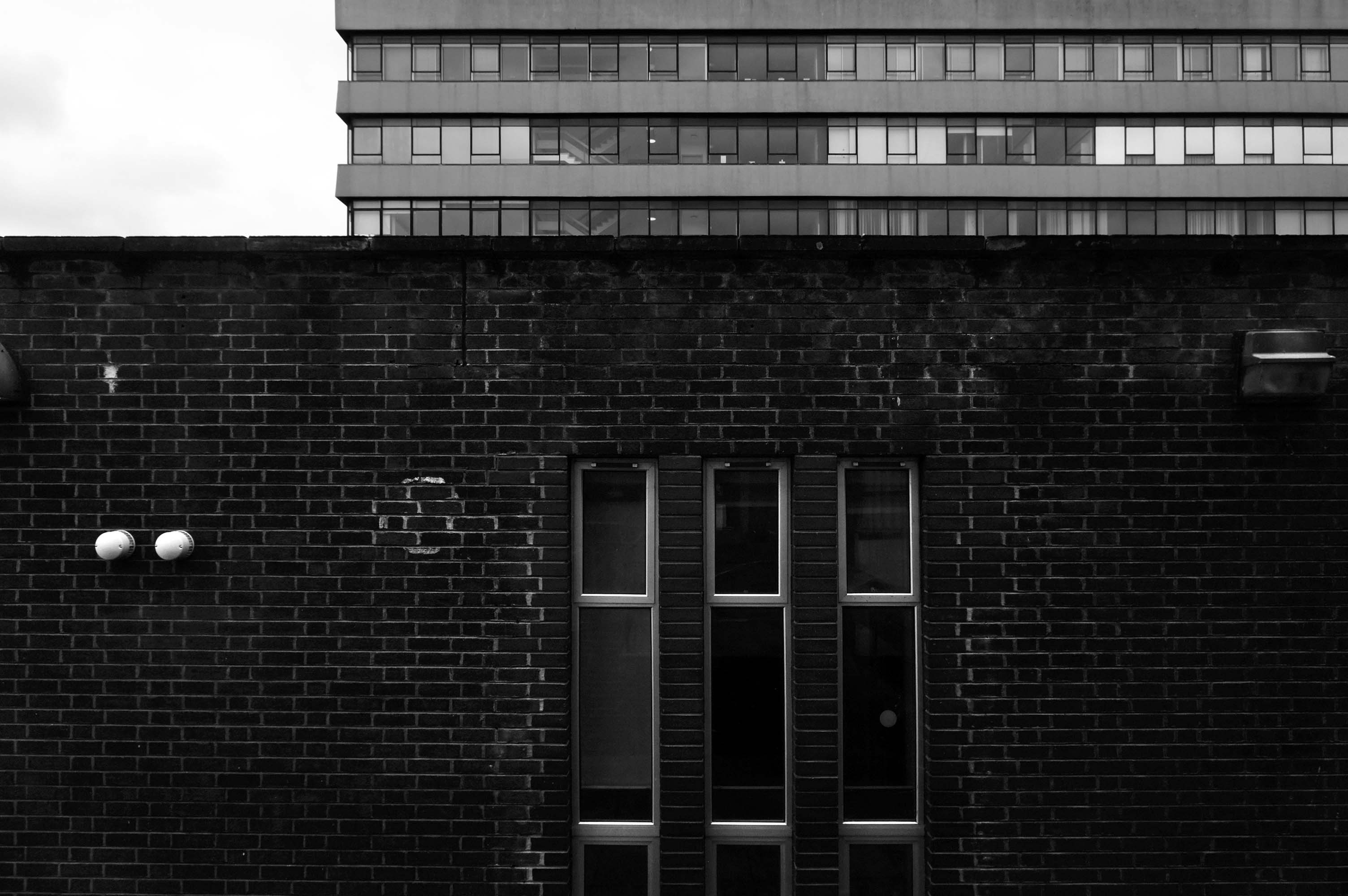
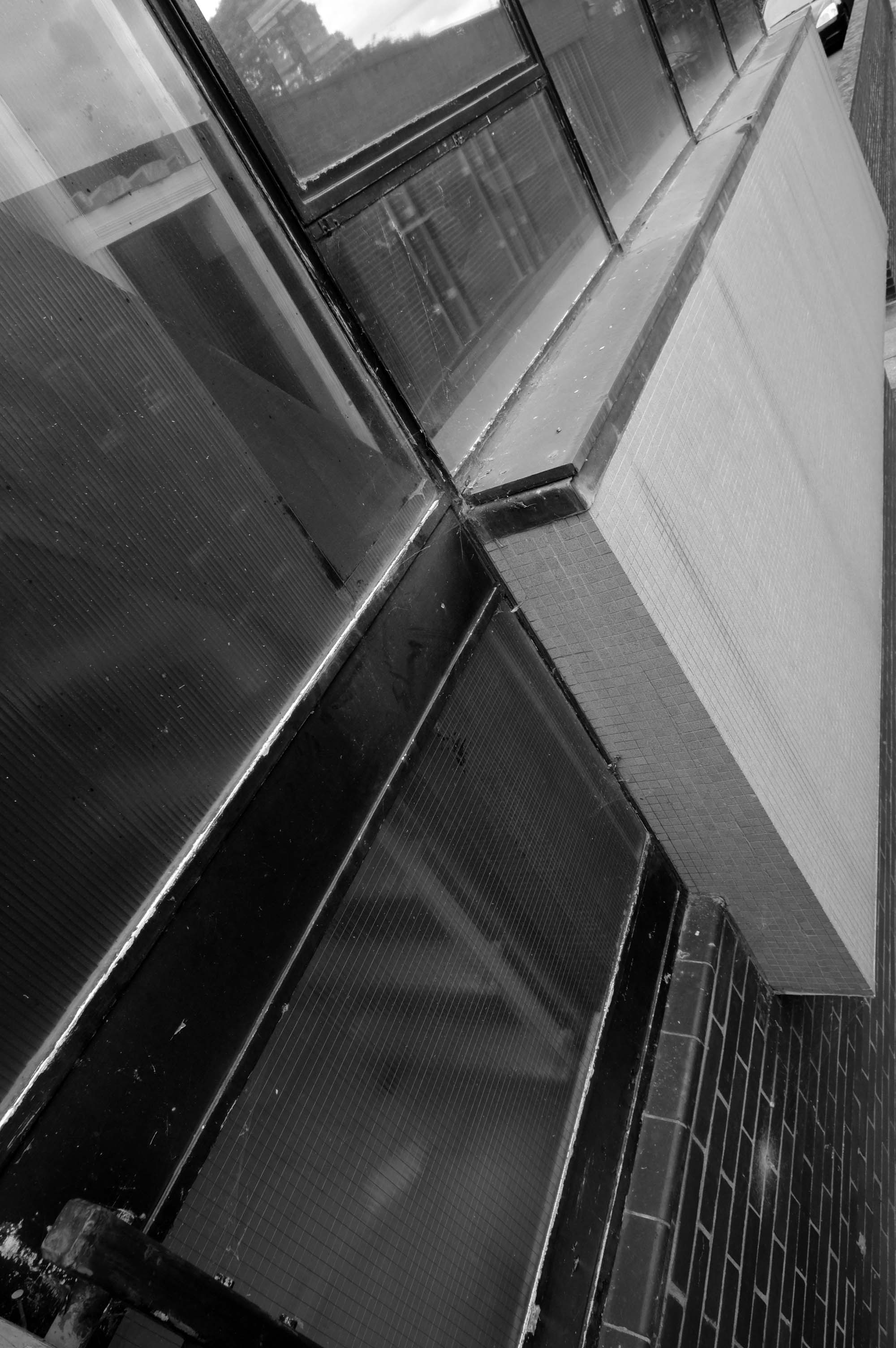
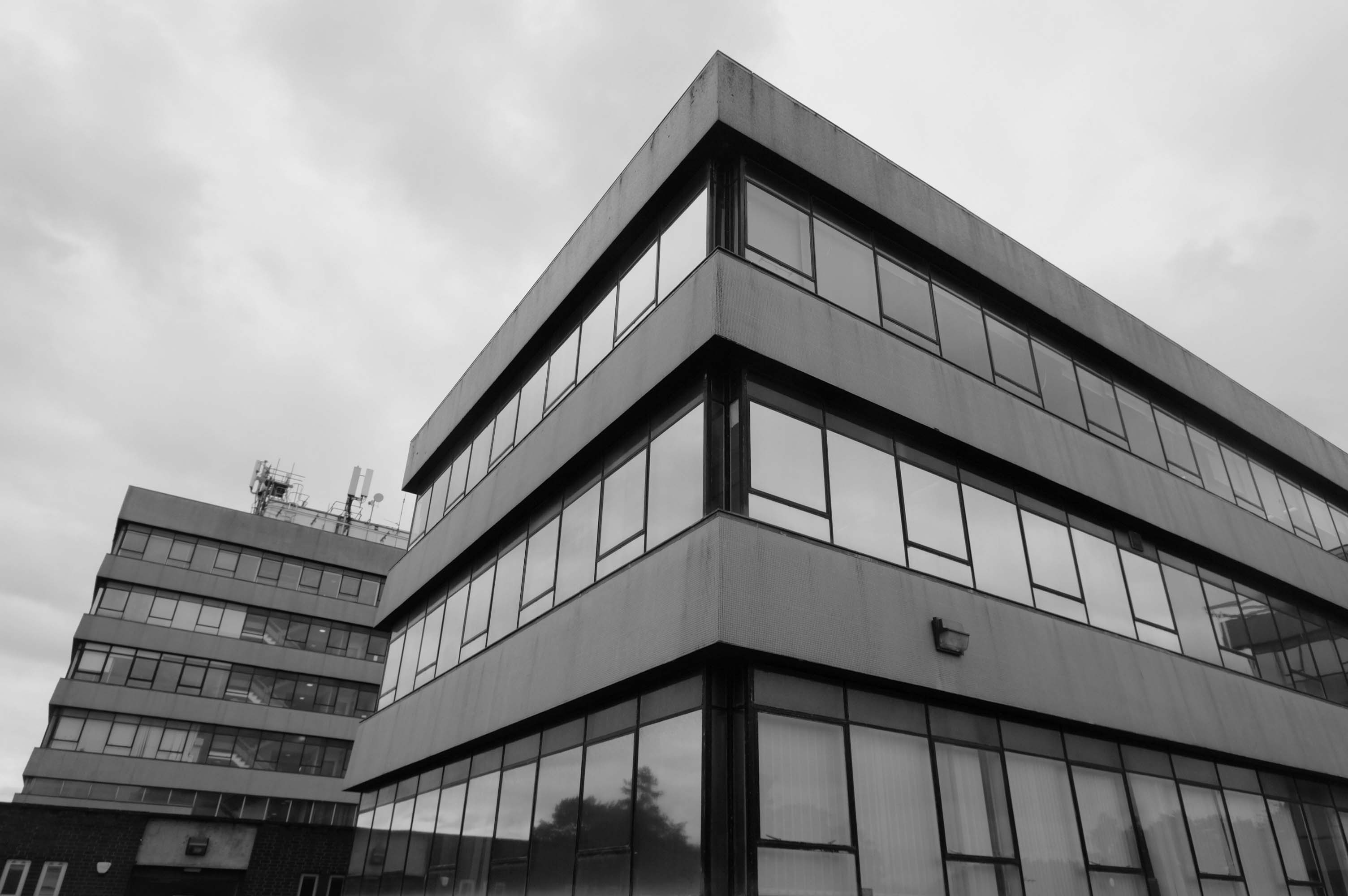
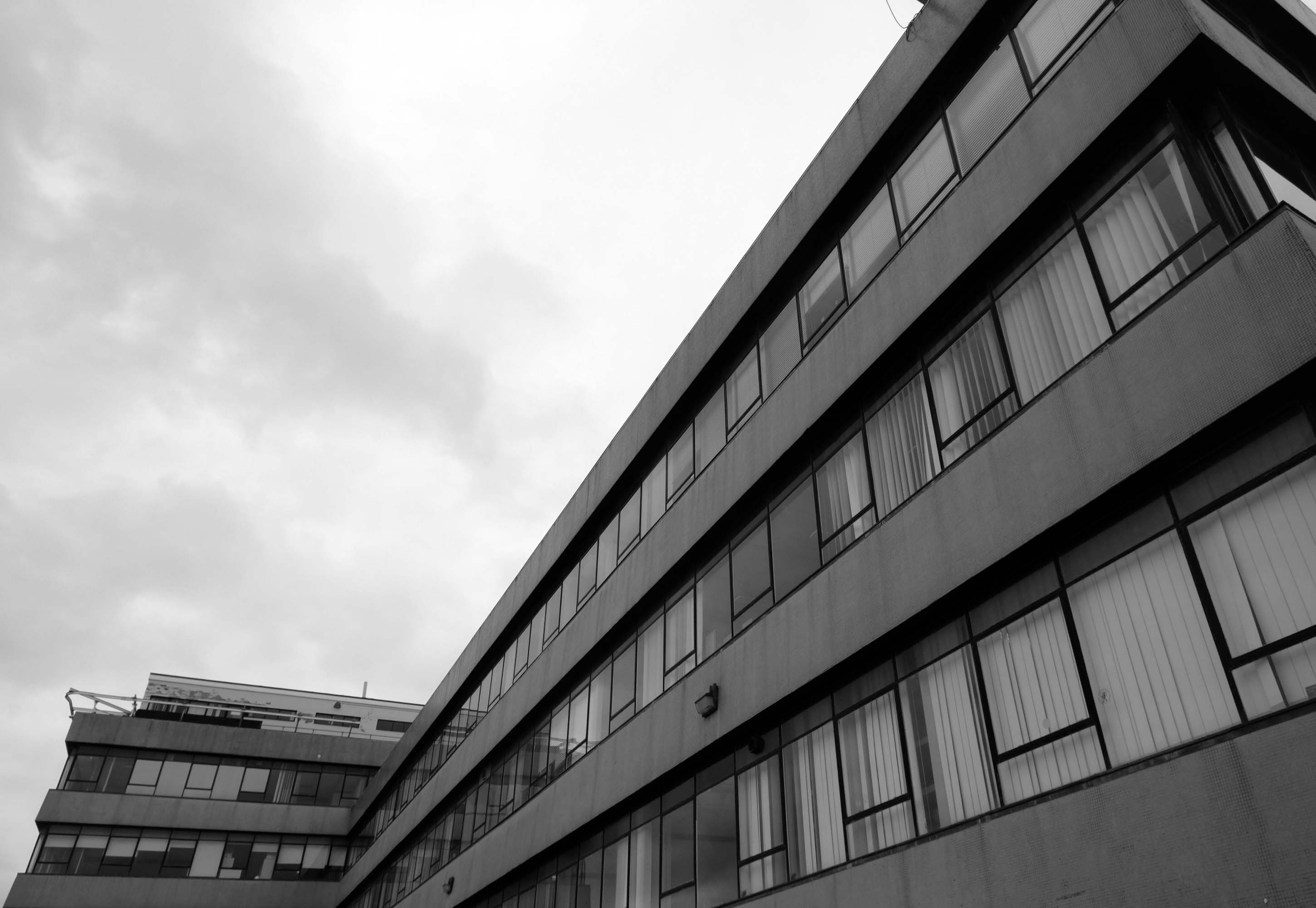
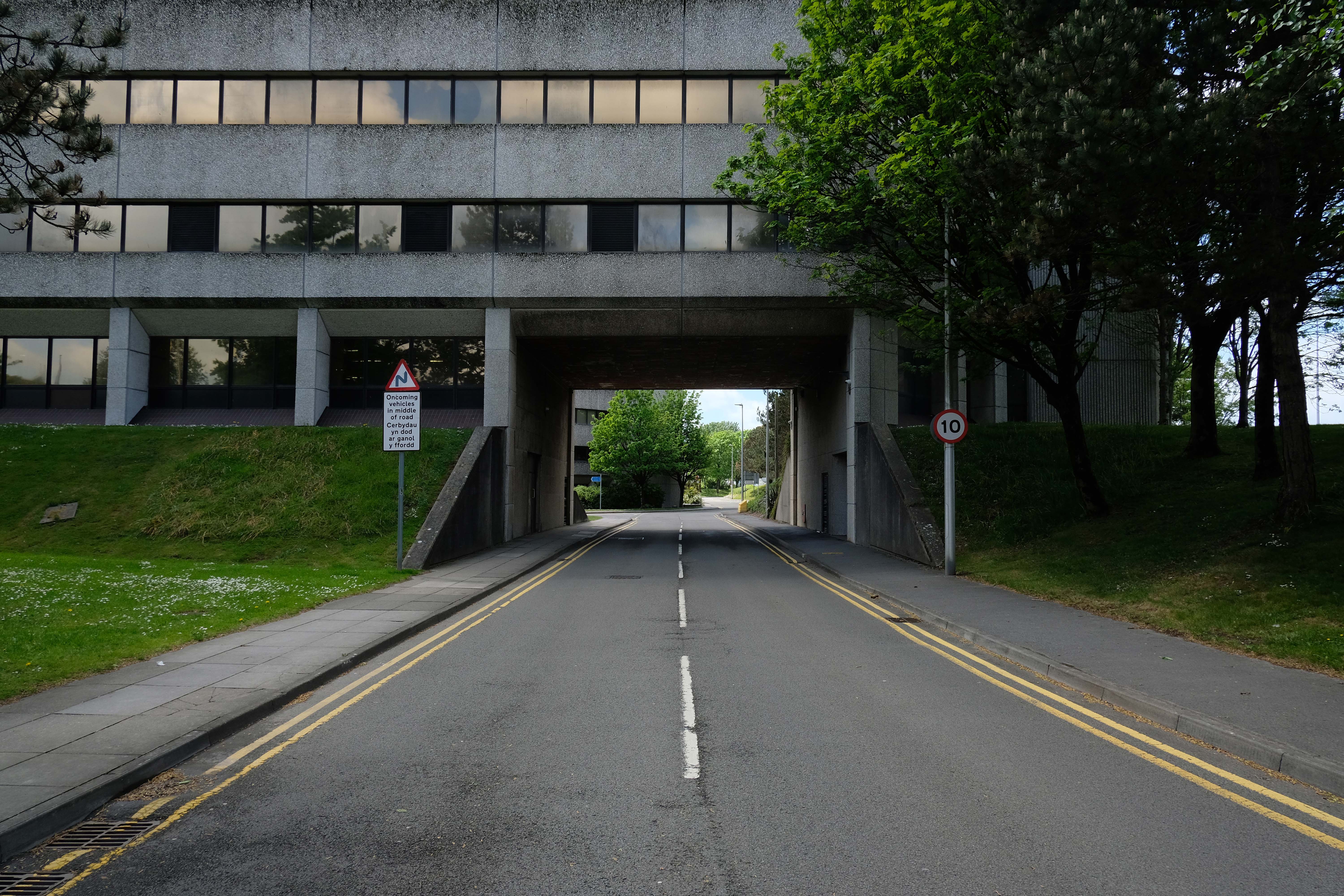
Shirehall – Shrewsbury

Abbey Foregate Shrewsbury SY2 6LY

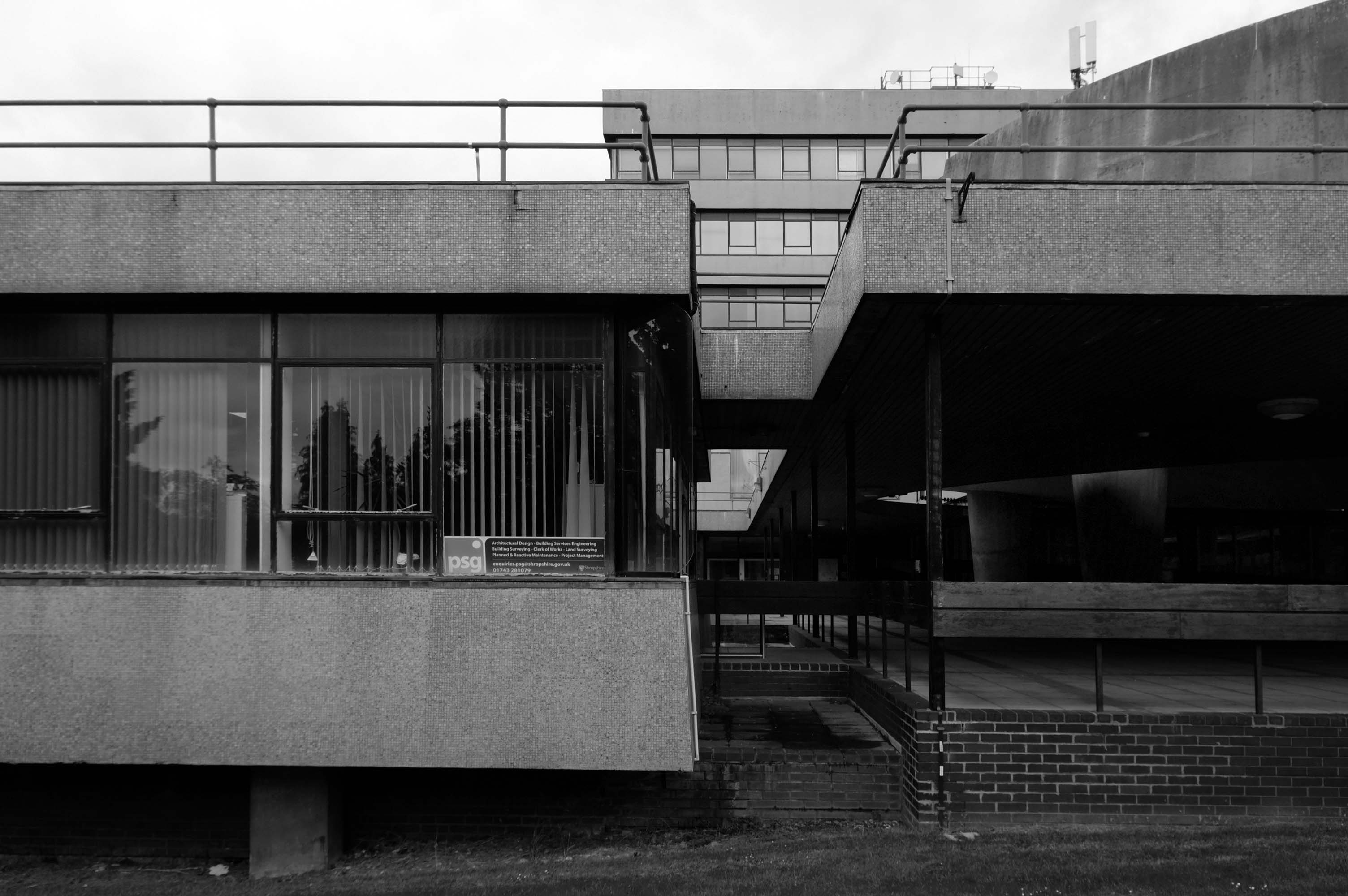
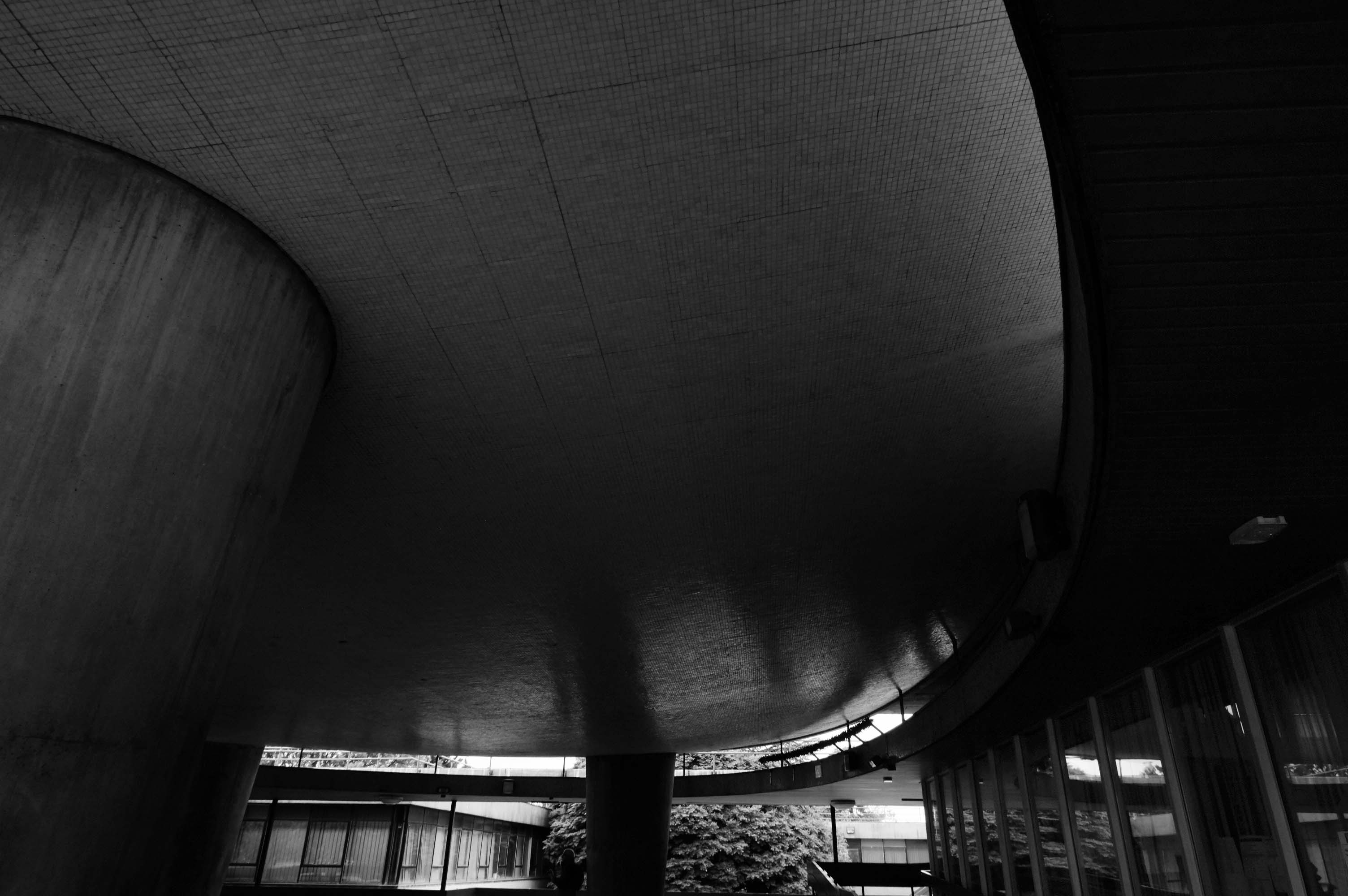
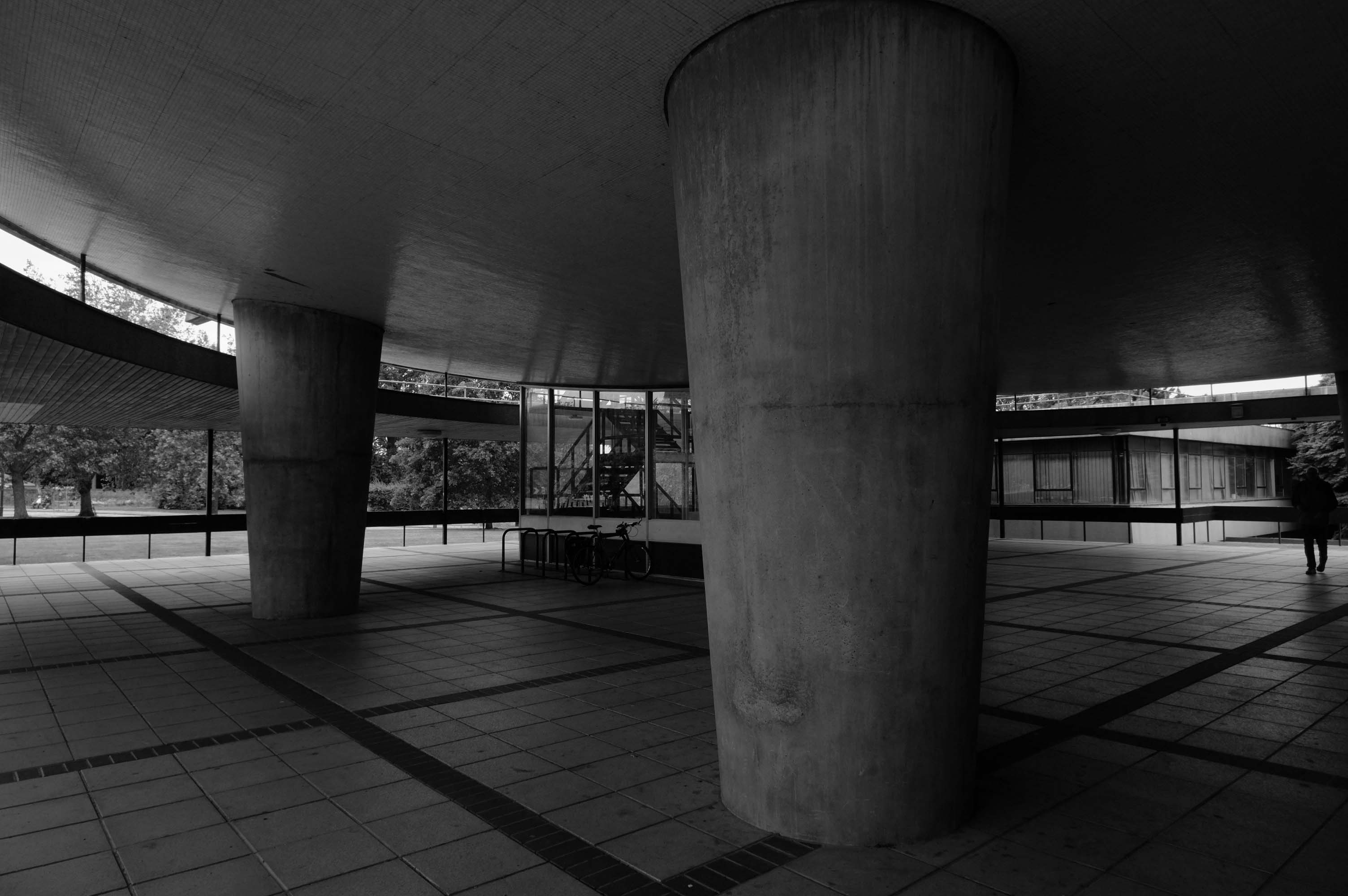
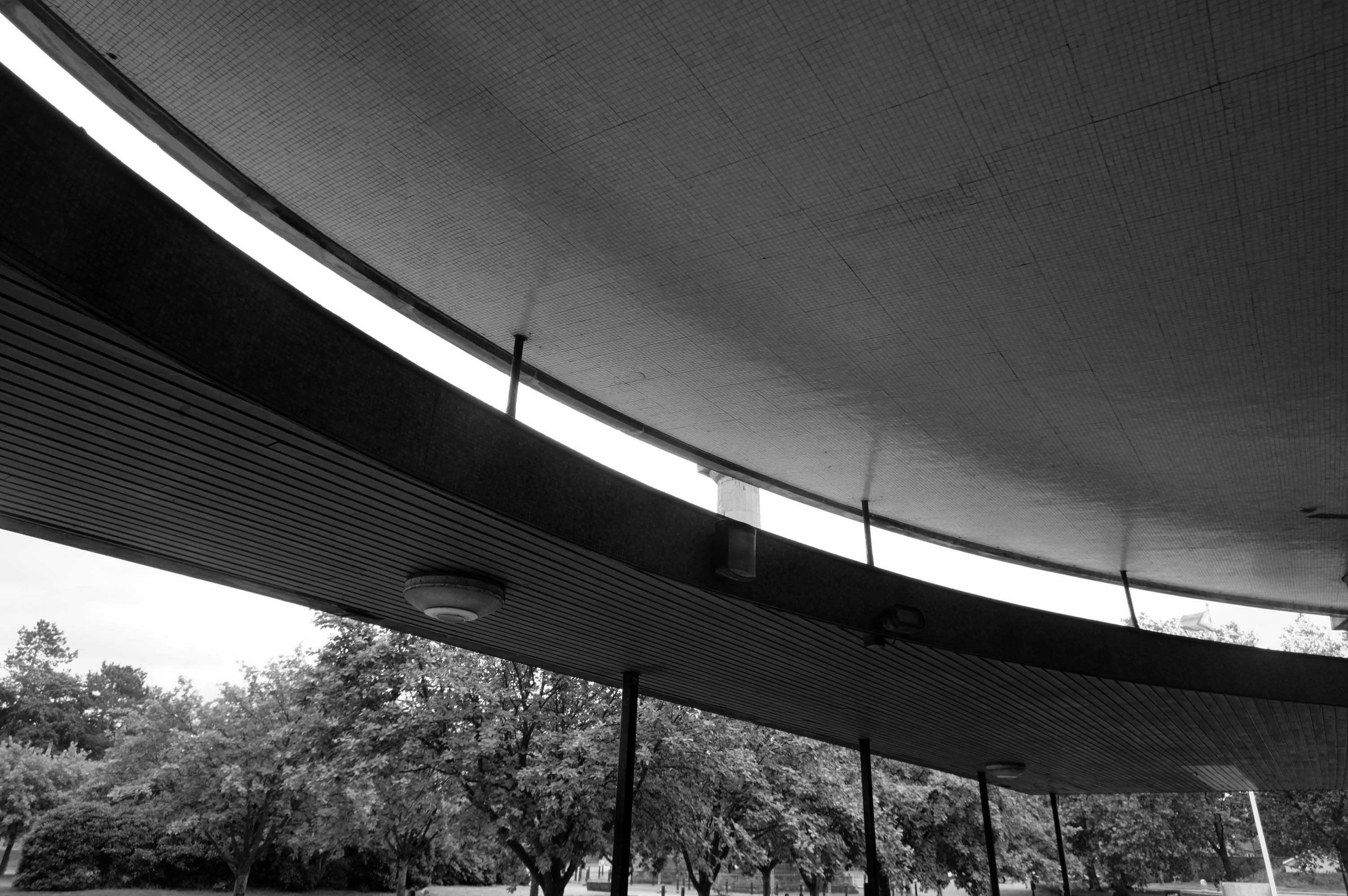
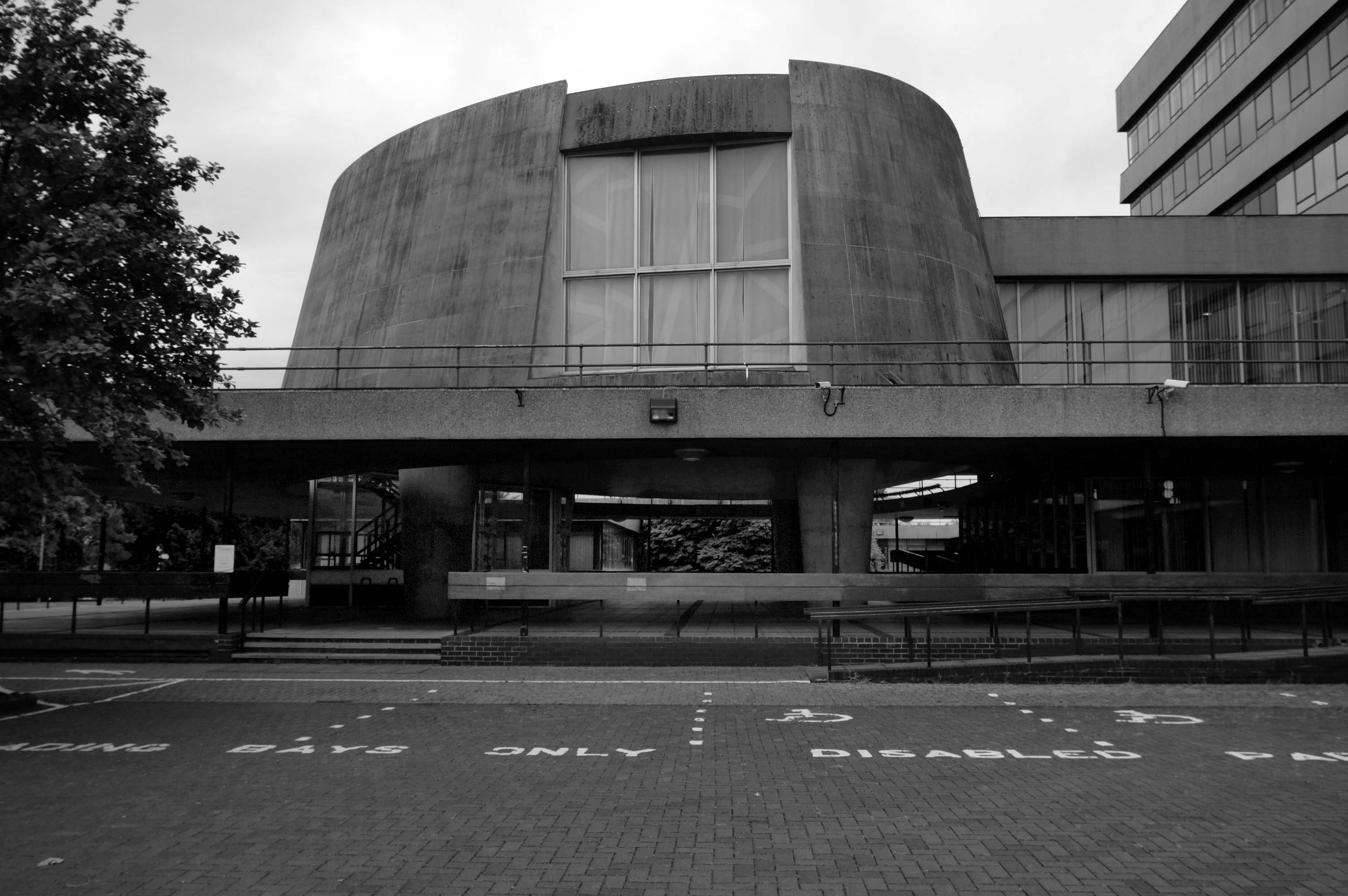
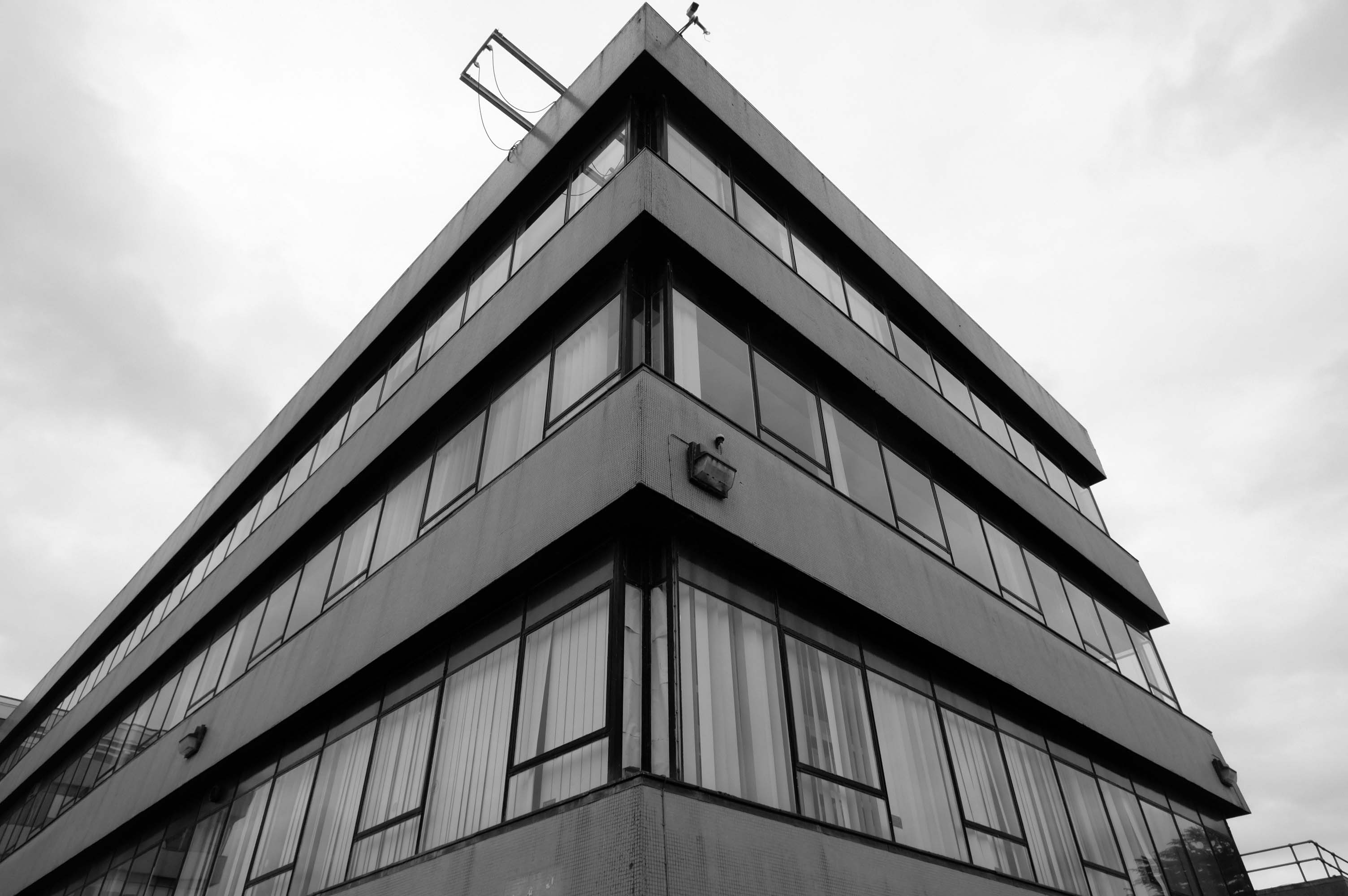
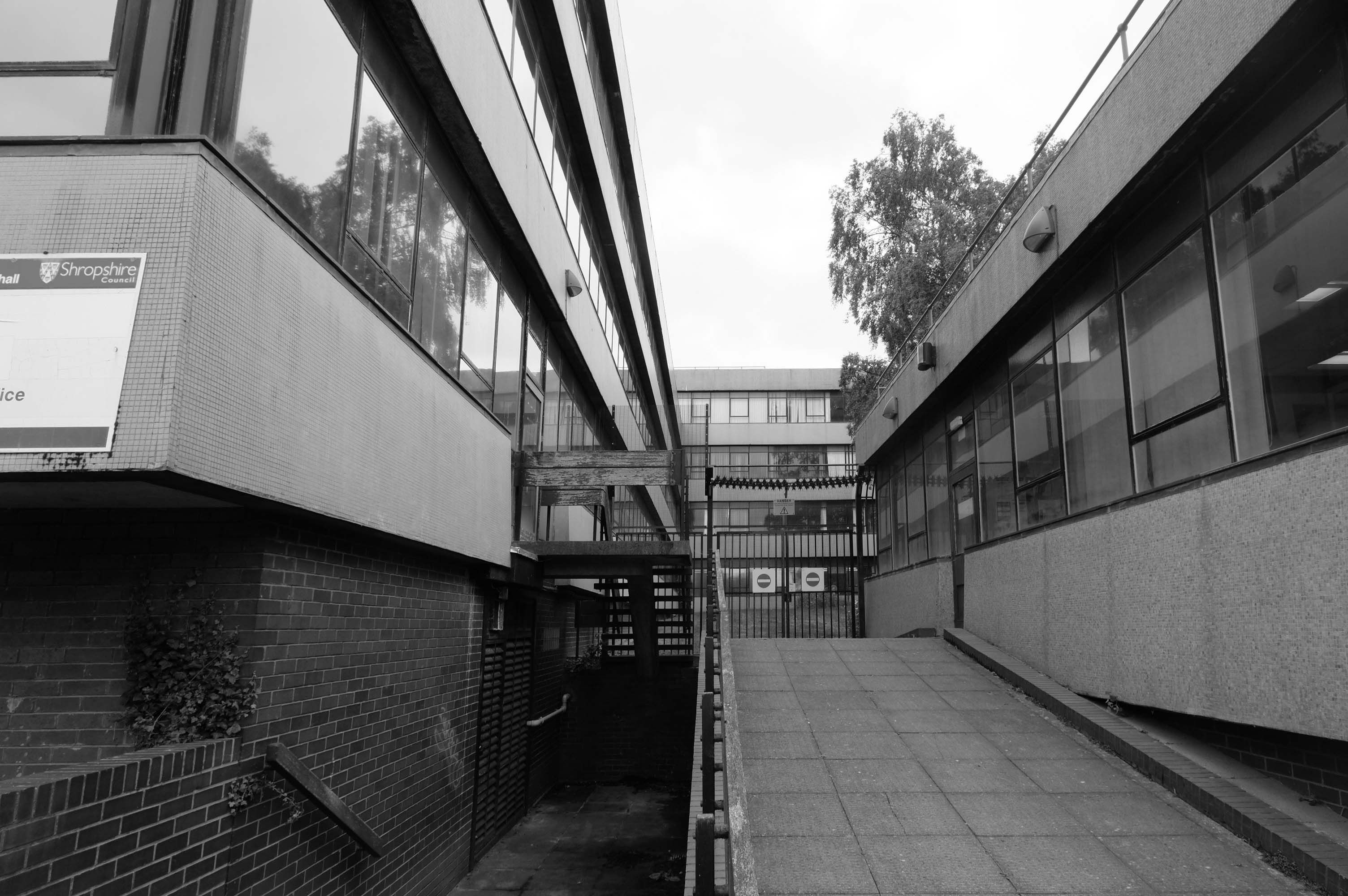
The foundation stone for the new building was laid by Sir Offley Wakeman, a former chairman of the county council, on 25 July 1964. It was designed by Ralph Crowe, the County Architect, in the Modernist style, built at a cost of £1.8 million and was completed in April 1966.

It was officially opened by Queen Elizabeth II, accompanied by the Duke of Edinburgh, on 17 March 1967.

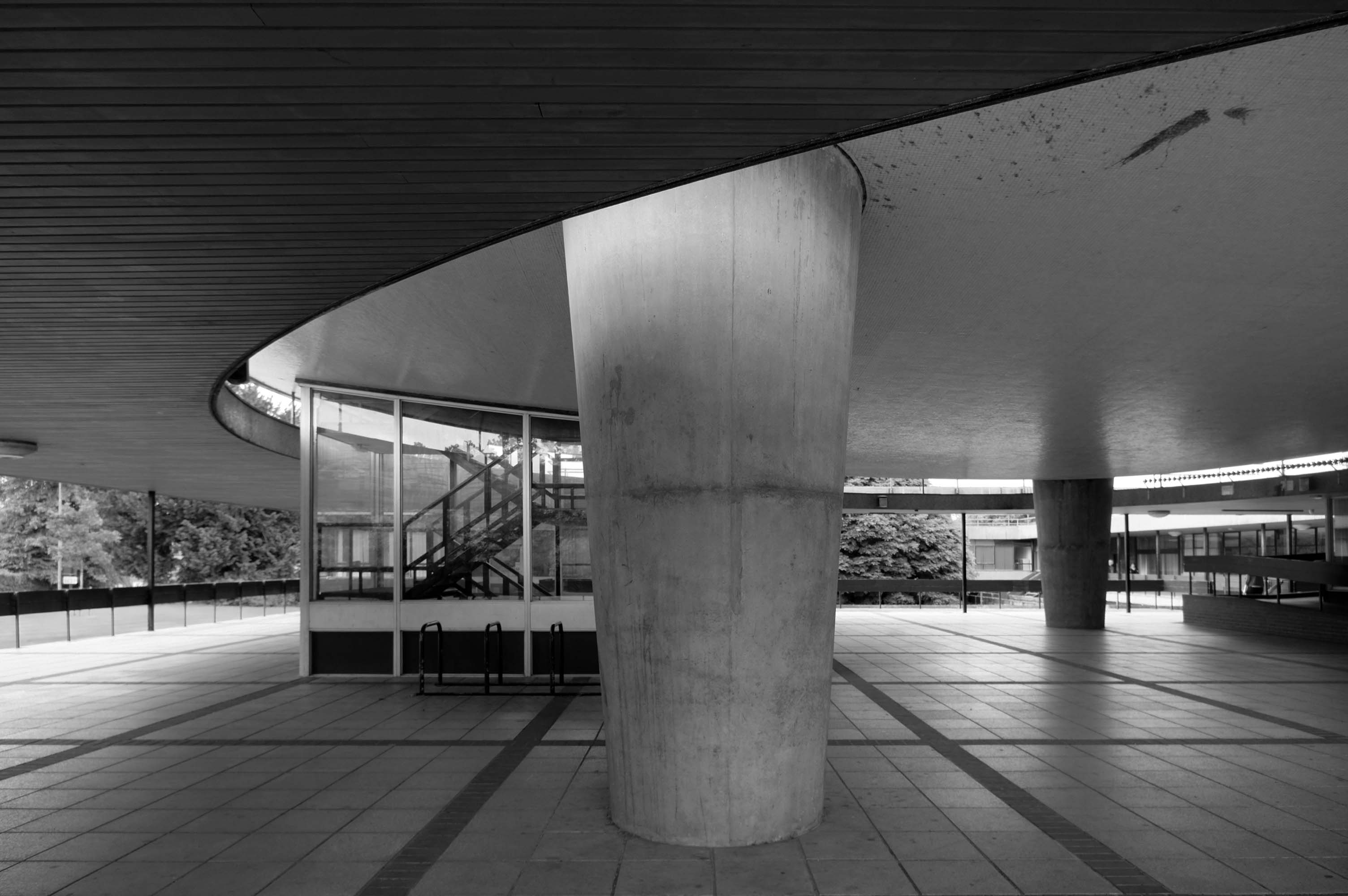
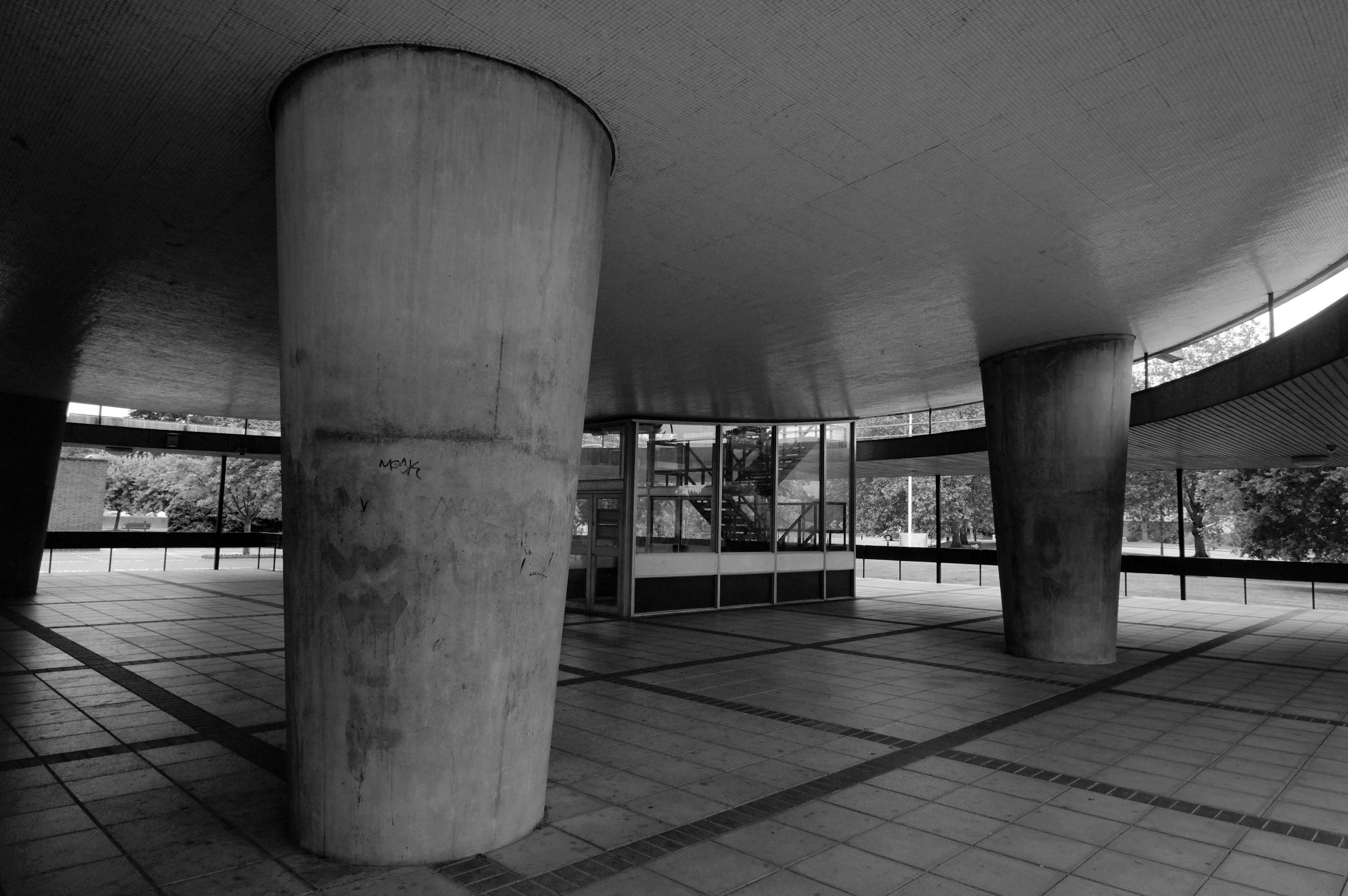
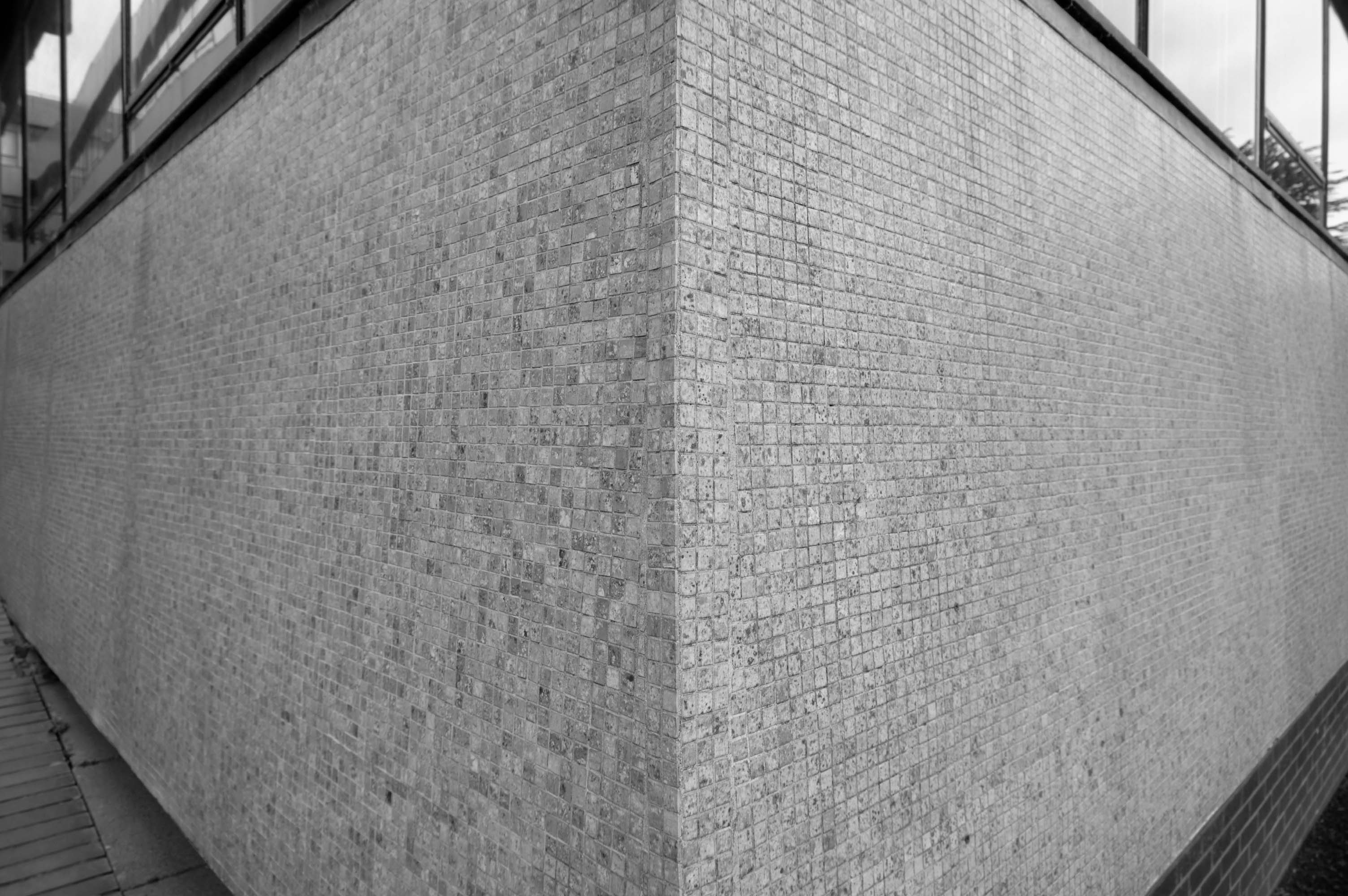
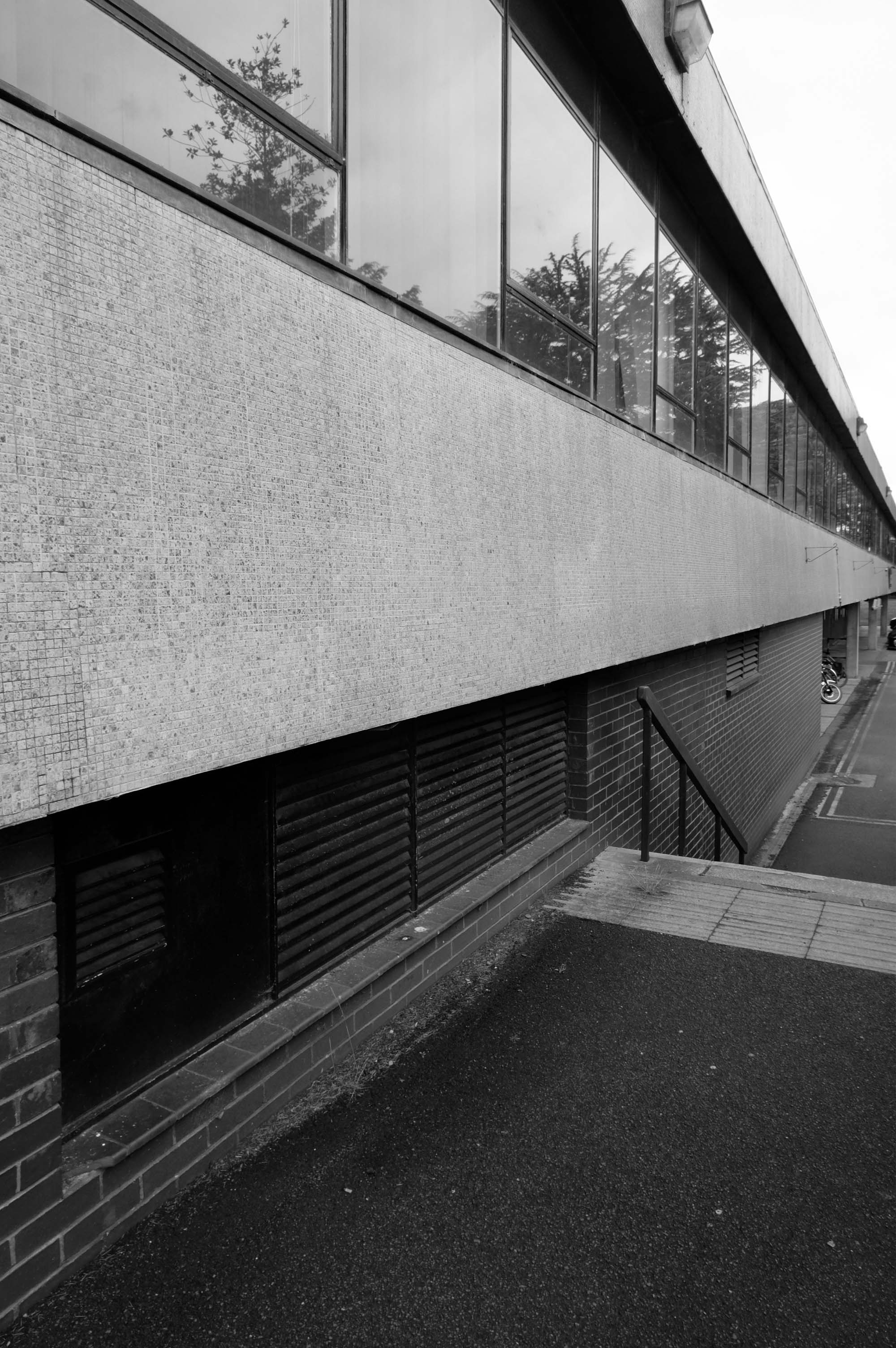
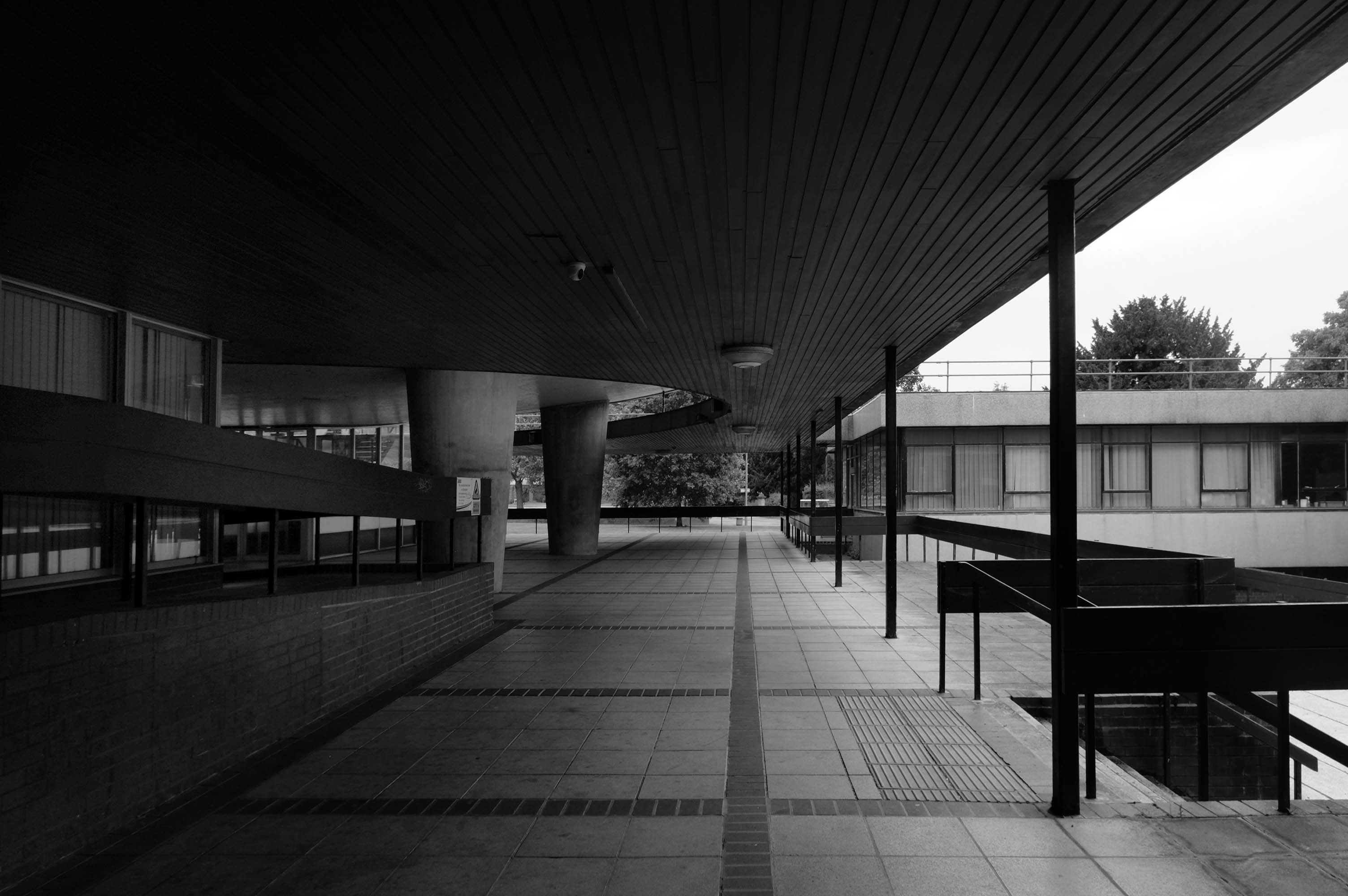
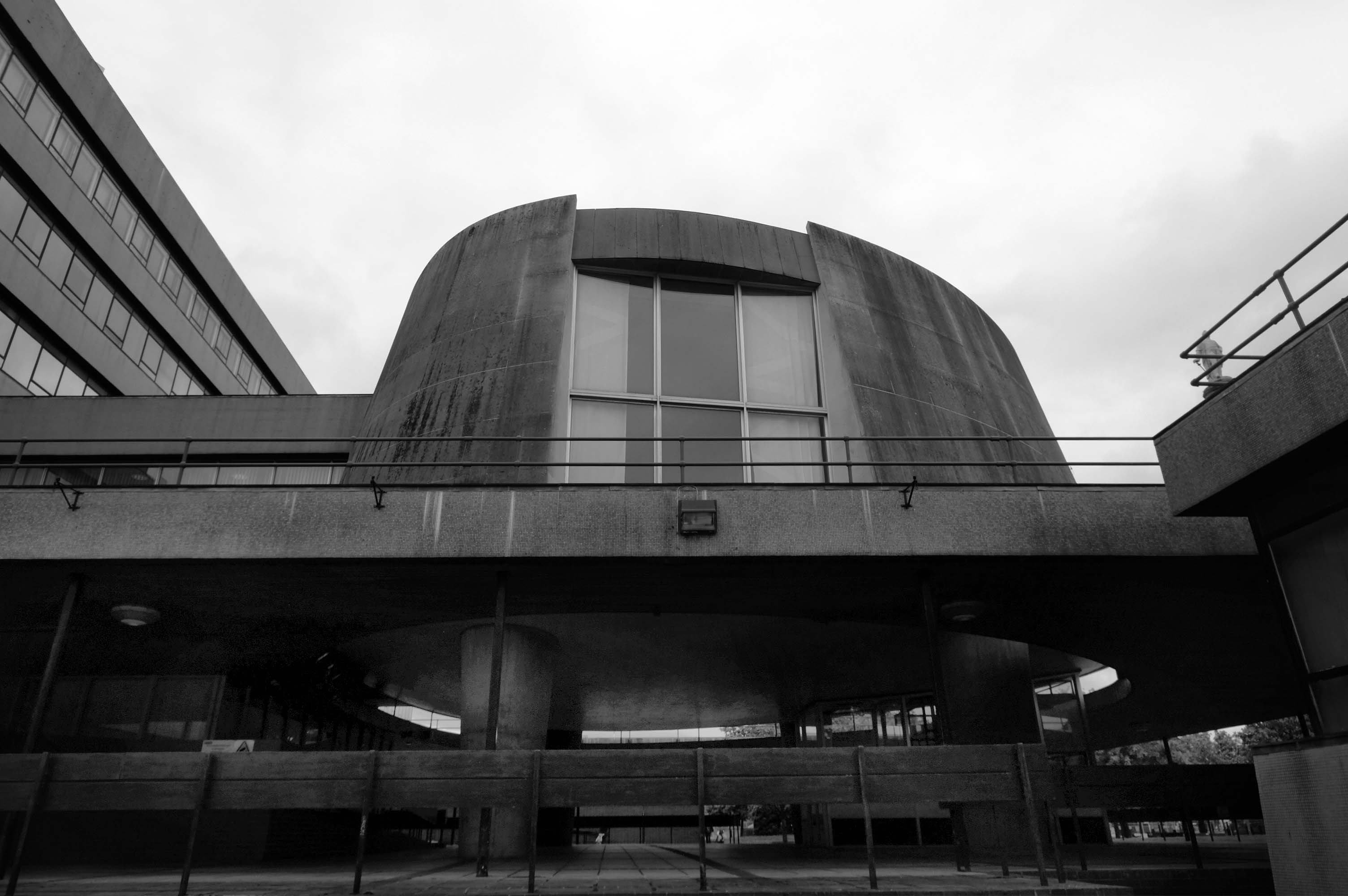
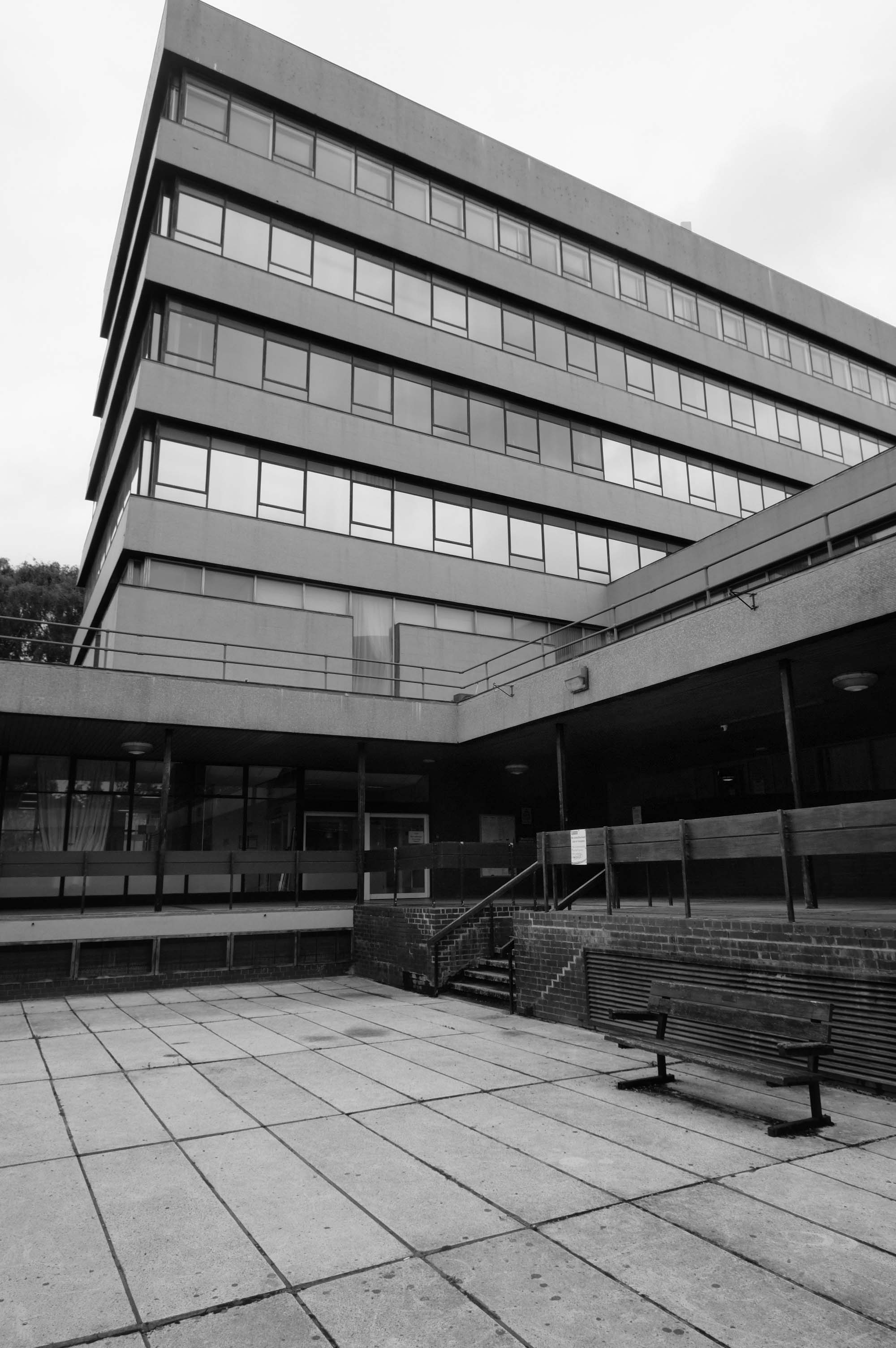
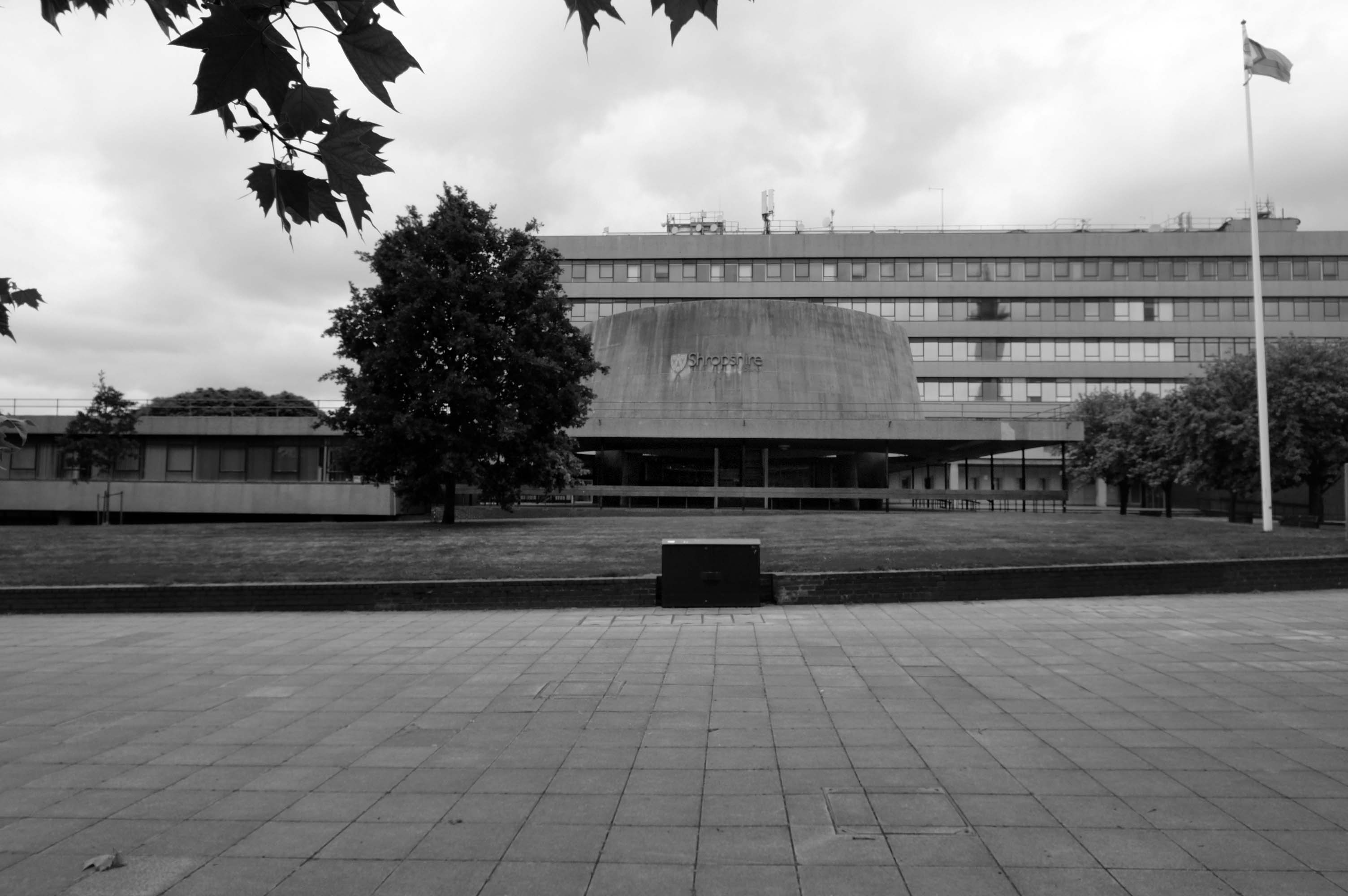
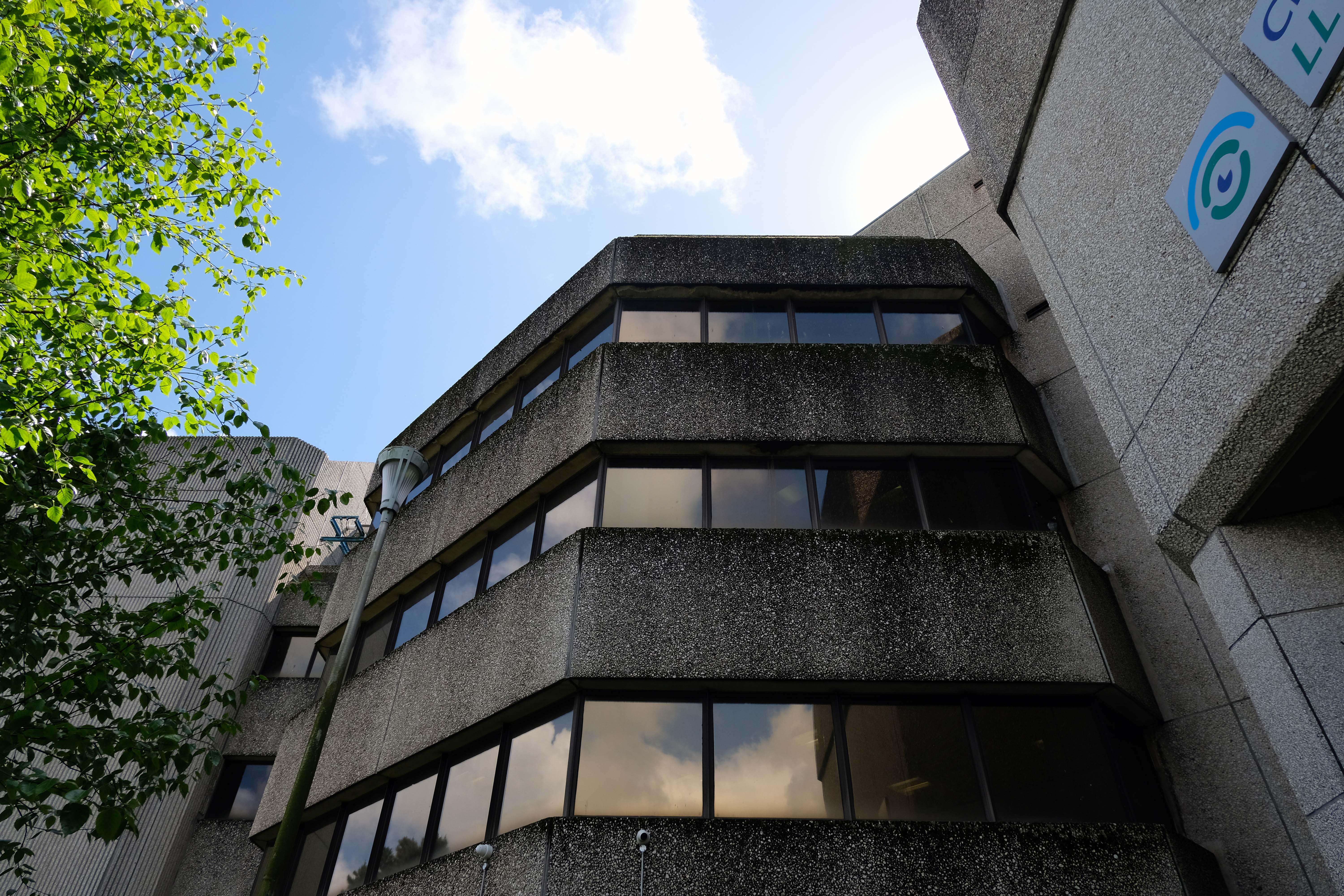
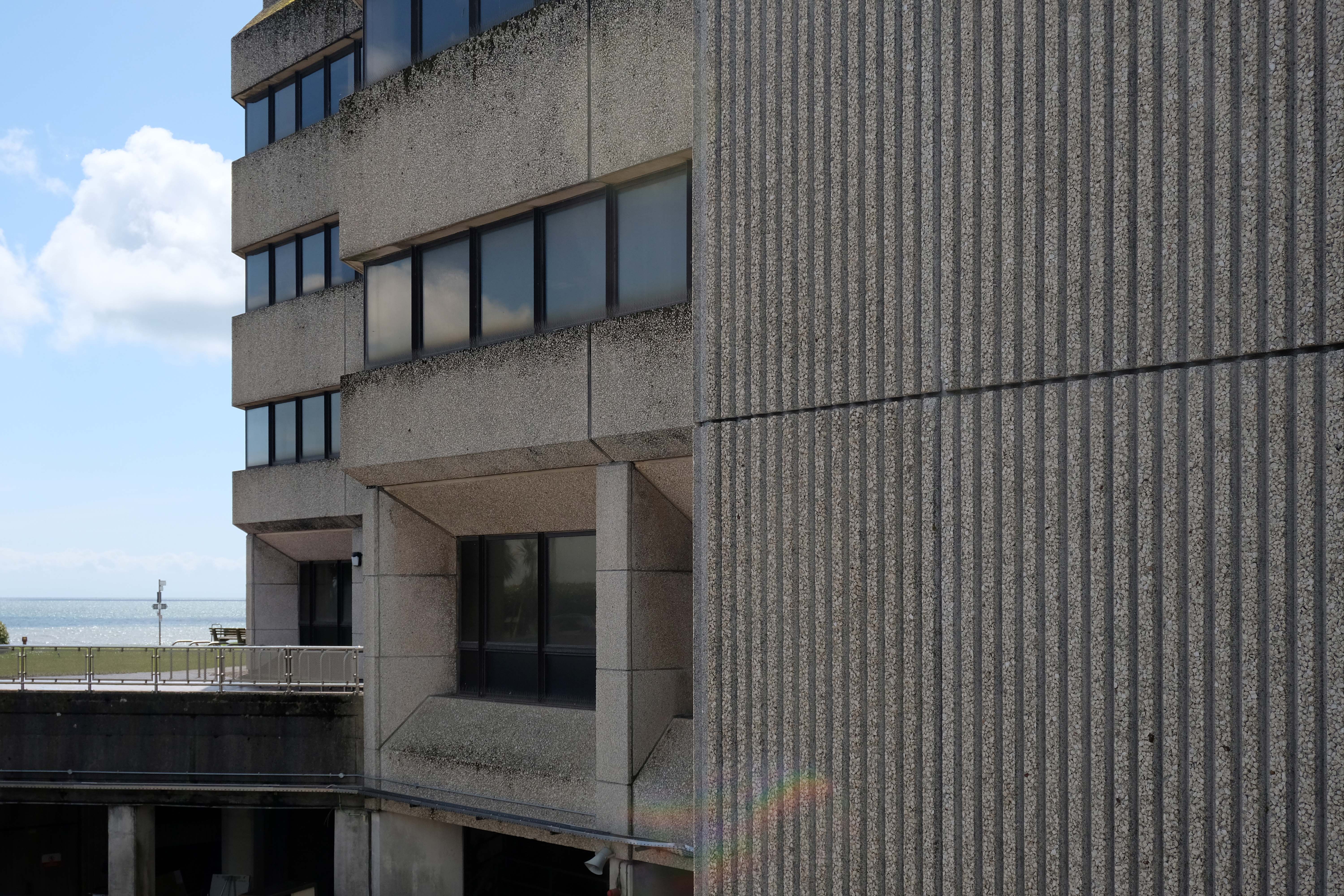
The design for the six-storey building facing Abbey Foregate involved continuous bands of glazing with concrete panels above and below: it also included an unusual ovoid-shaped council chamber which jutted out to the south-west of the main building.

Pevsner described the building as – the major monument to post-war modernism in the county.

Wikipedia

Shropshire Council initially backed a scheme drawn up by HLM Architects in 2017 to revamp Shirehall to provide modern working facilities as well as commercial opportunities. However this plan has not progressed and the local authority has said that making the building fit for purpose would require ‘a multi-million pound investment’.

Architects Journal

in September 2020, the council indicated that it would rather sell the building and move to the town centre. Then in October 2020, following an application for a certificate of immunity from listing requested by the county council, English Heritage decided not to list County Hall as the building did not meet the criteria for listing post-1945 buildings. 

In May 2021 the Twentieth Century Society placed the site on its Top 10 Buildings at Risk List.

The Shrewsbury Civic Society is fighting hard to prevent the demolition.

There is nothing else quite like it in the county, this is an excellent civic building, well-made and individual.

Owen Hatherley: Modern Buildings in Britain: A Gazetteer

I have previously visited Durham where the County Hall is also under threat, and Newcastle, where the Civic Centre seems to have a real future.

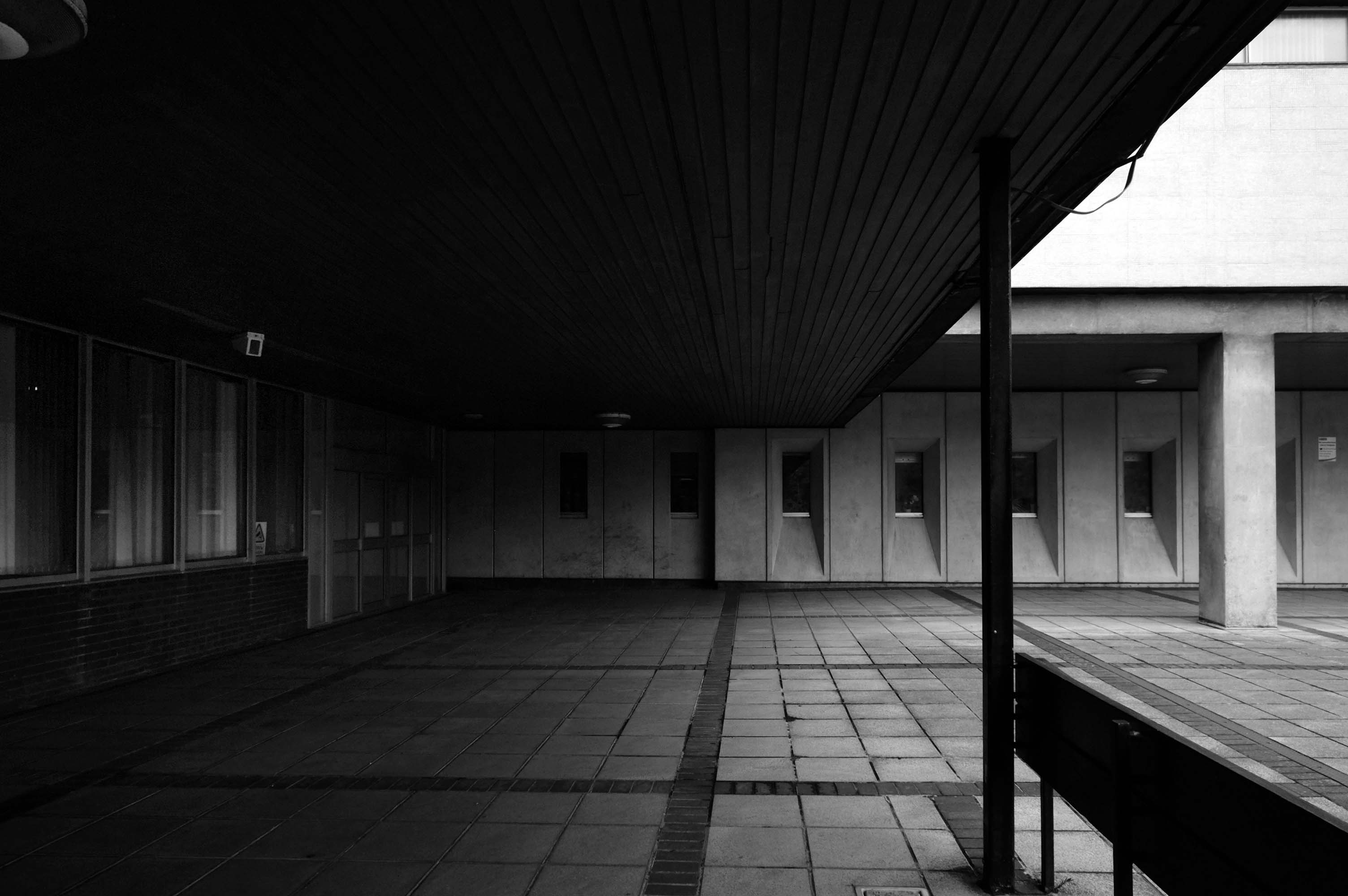
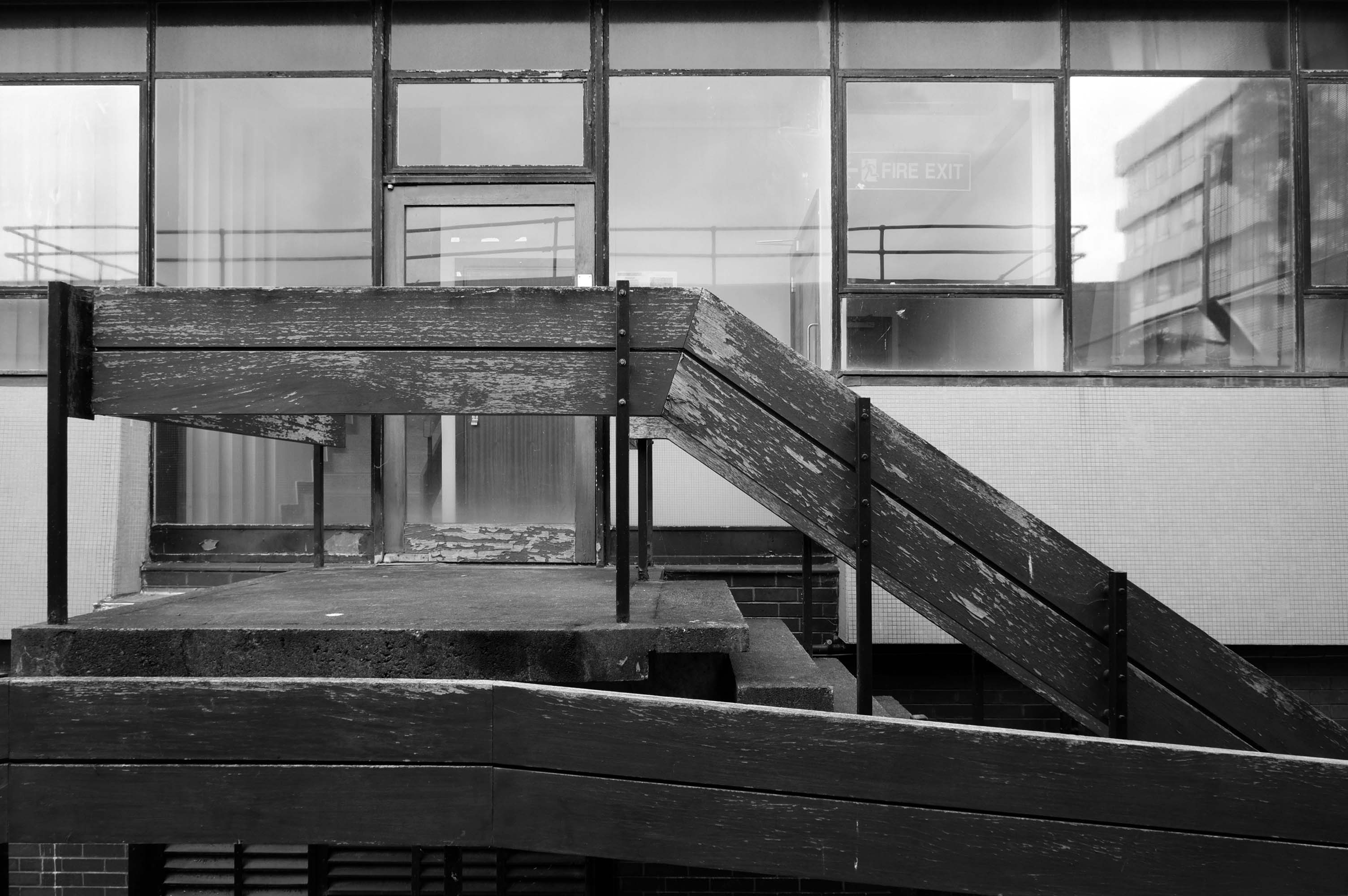
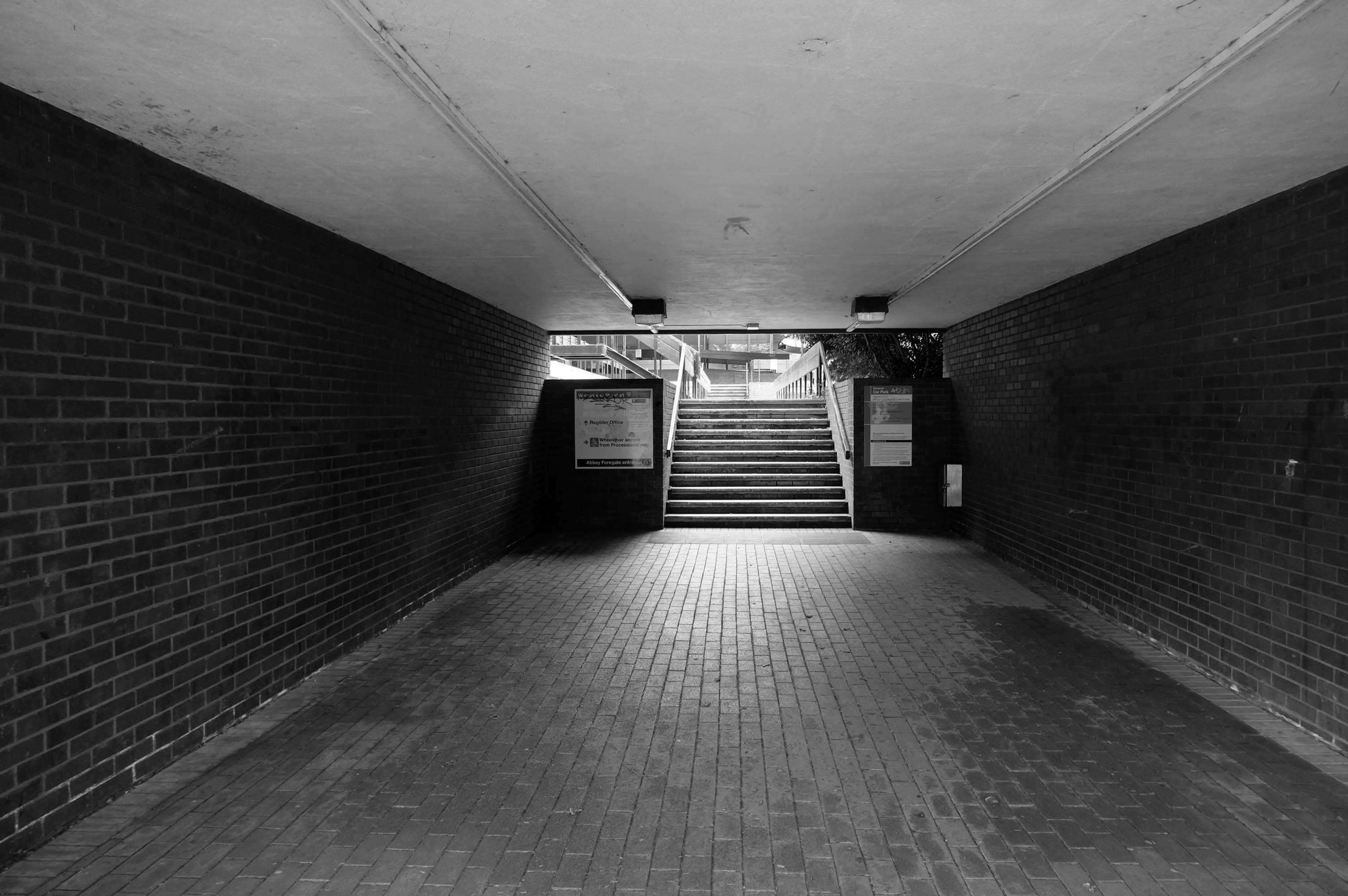
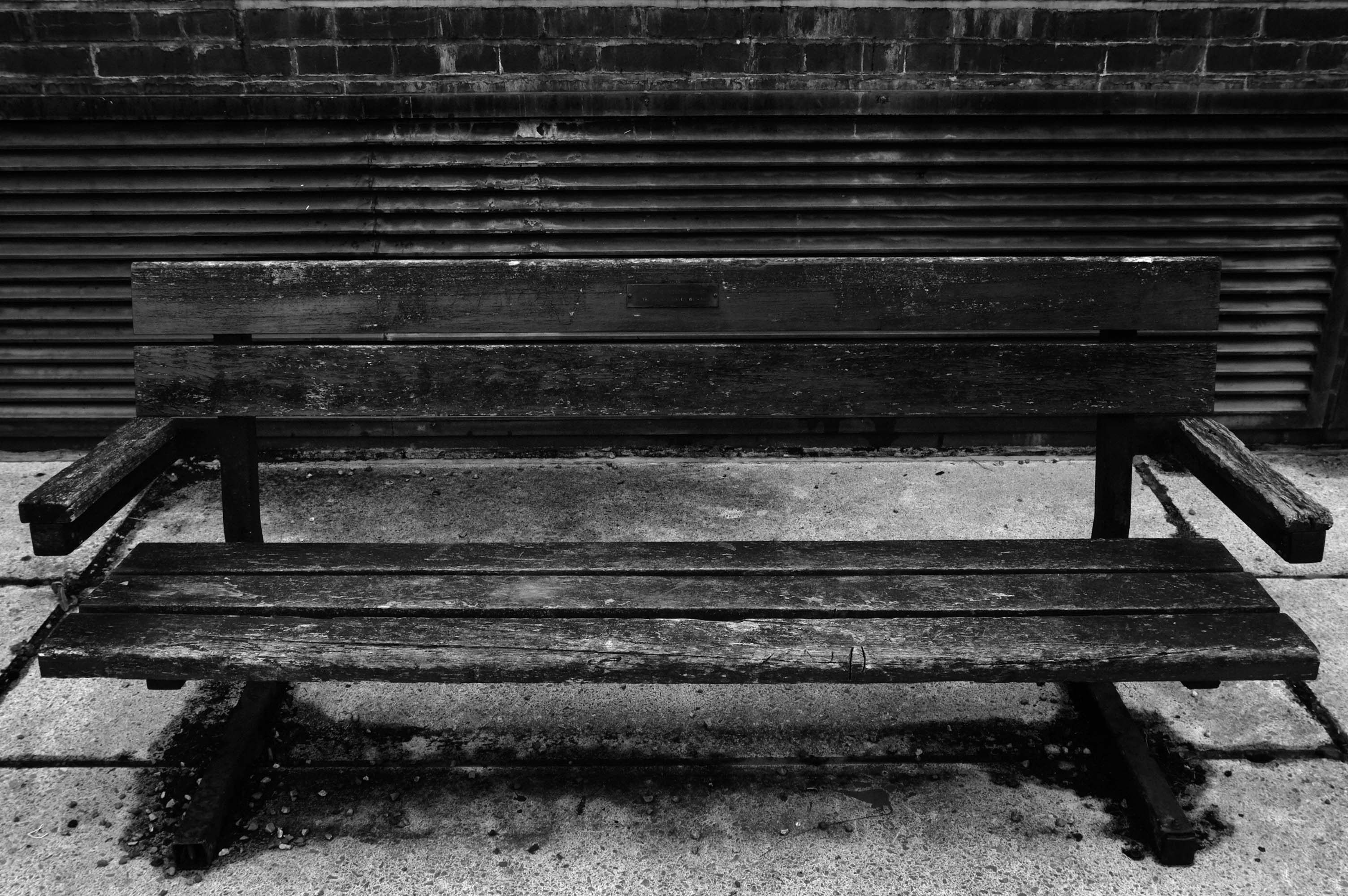
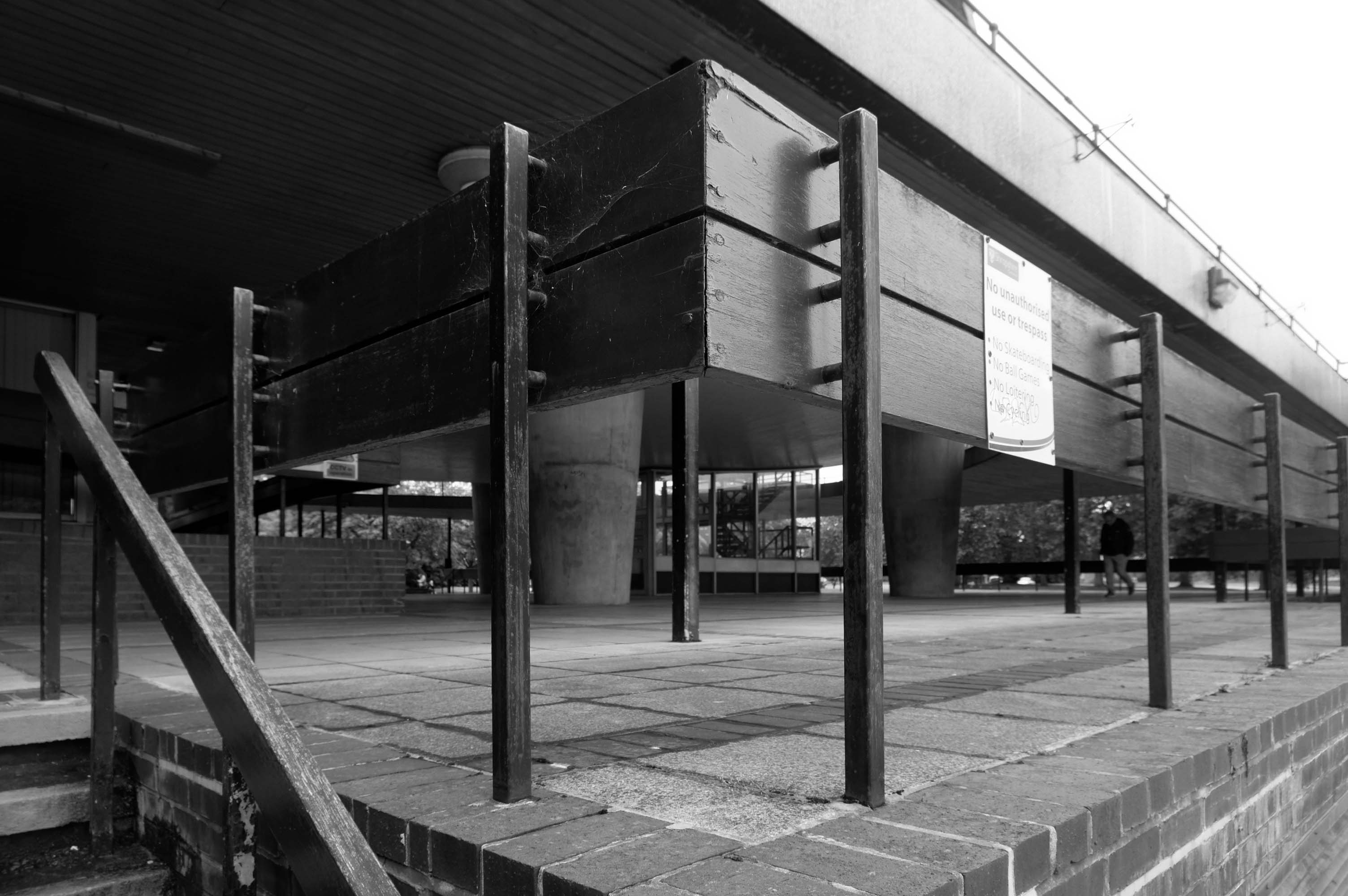
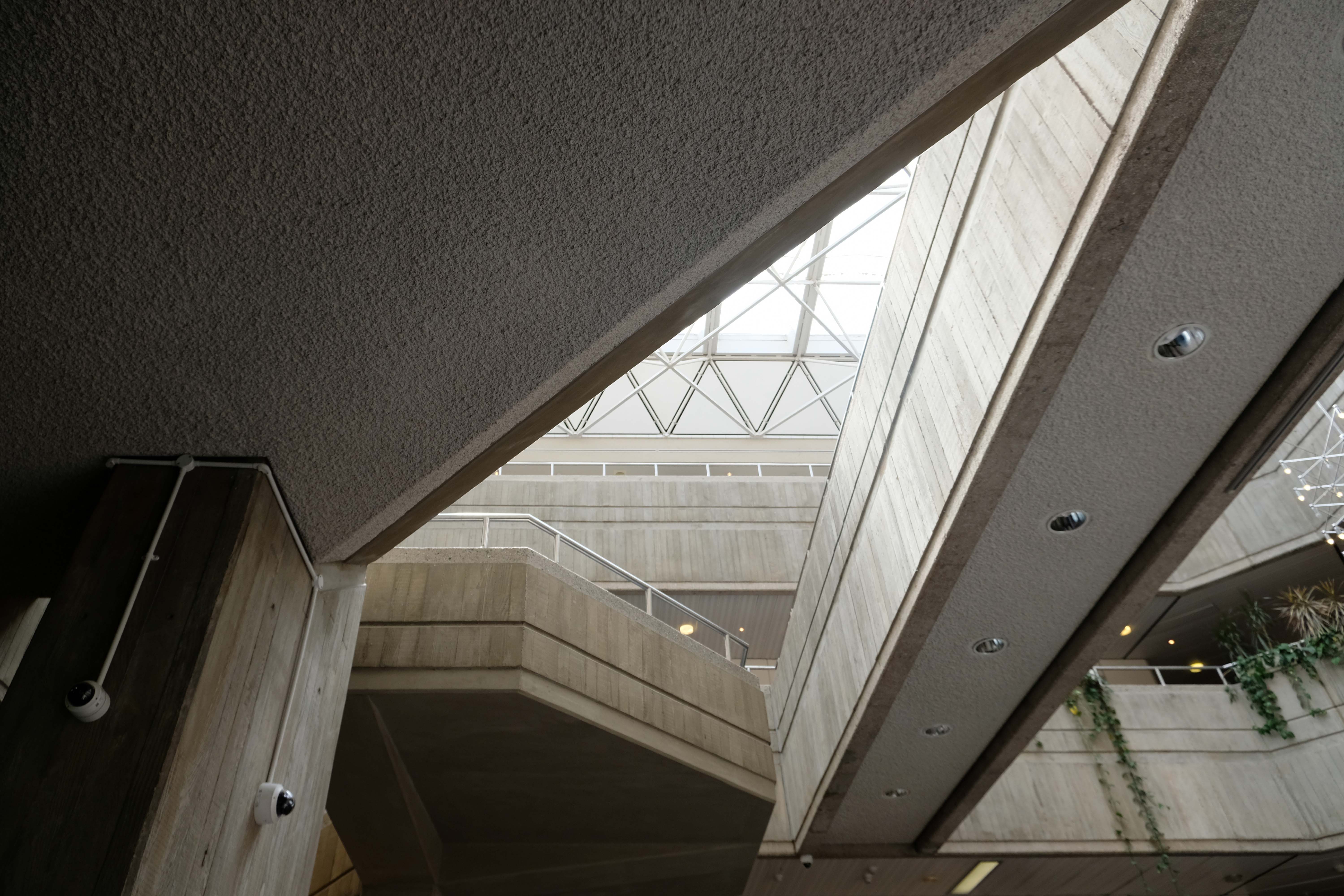
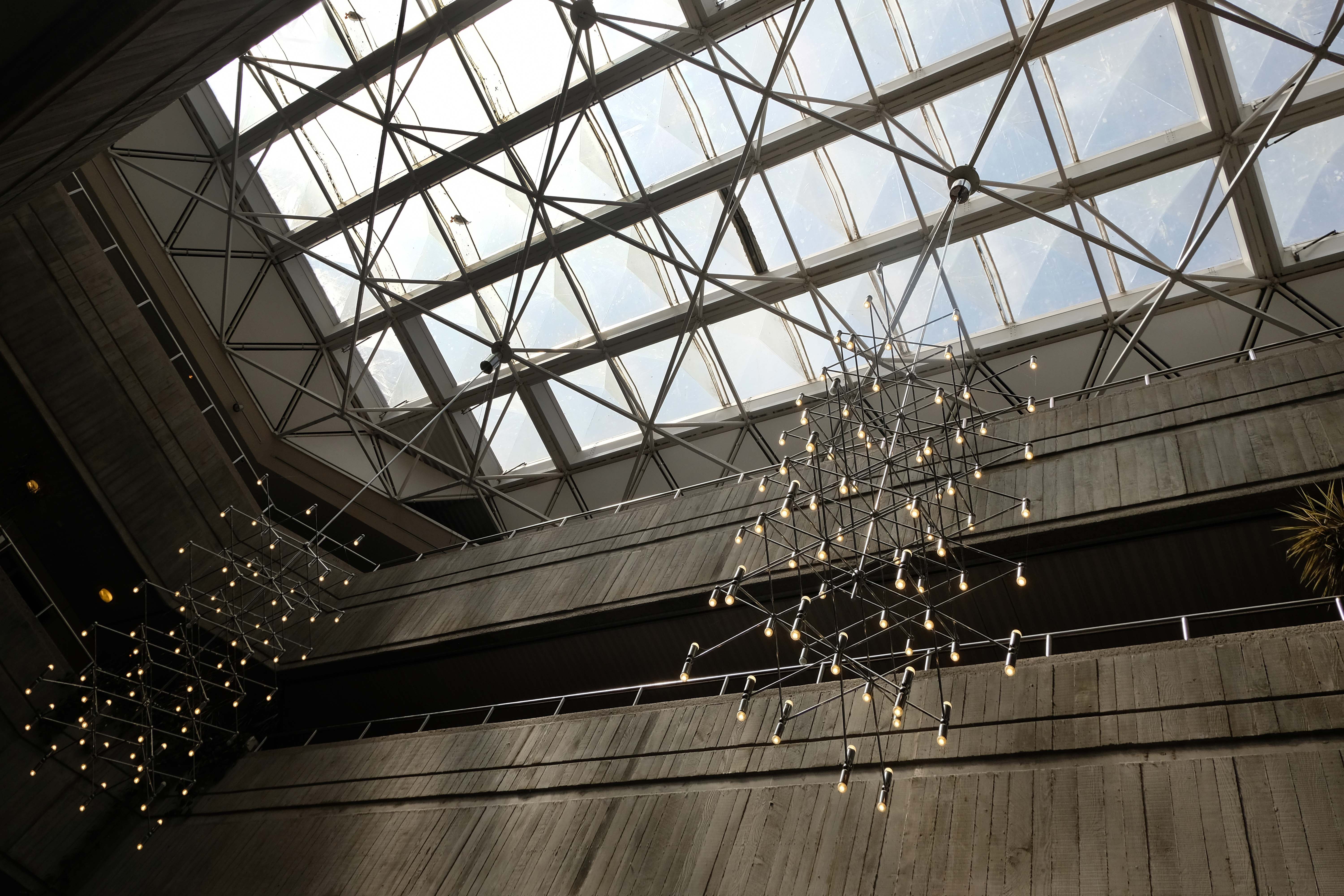
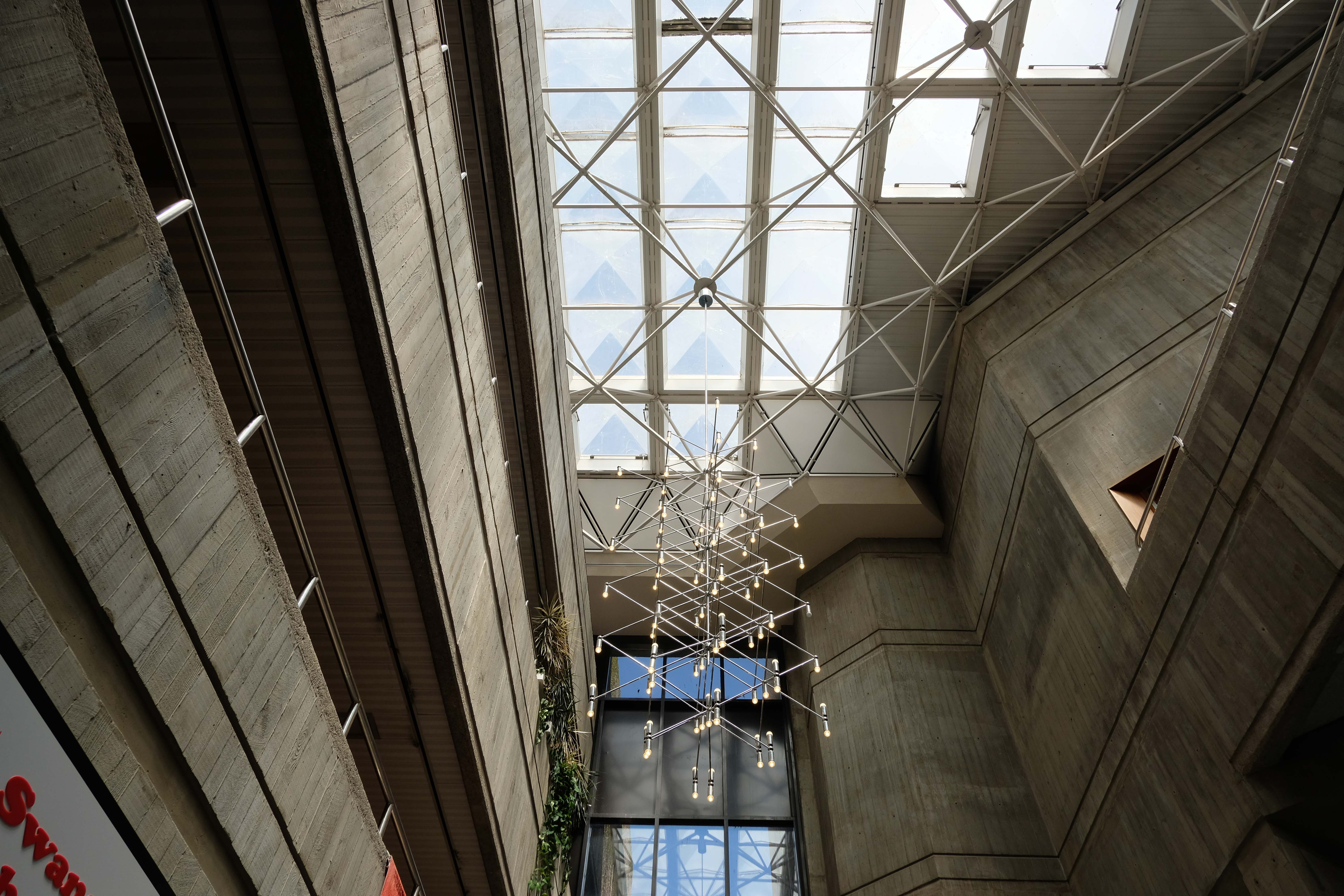
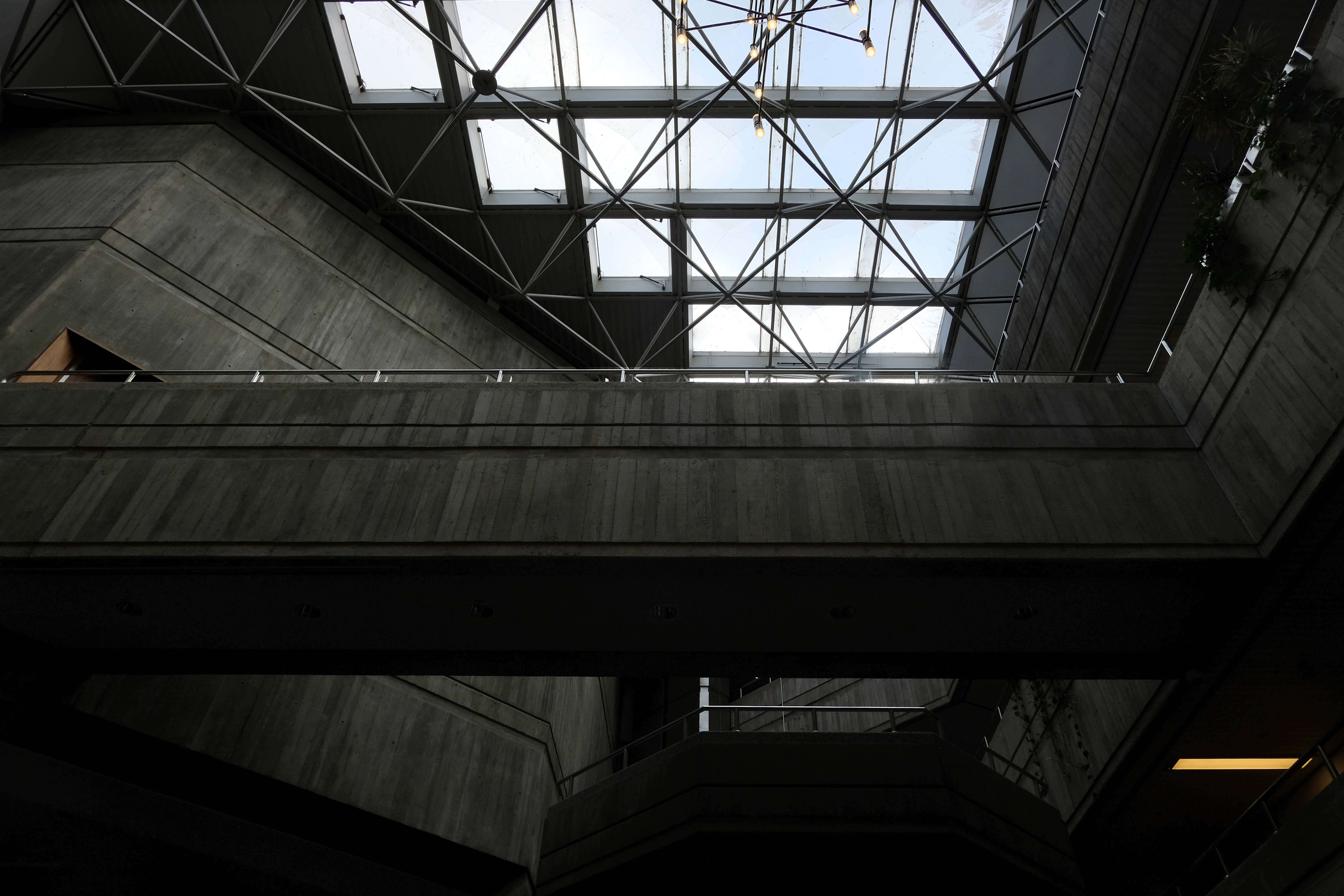
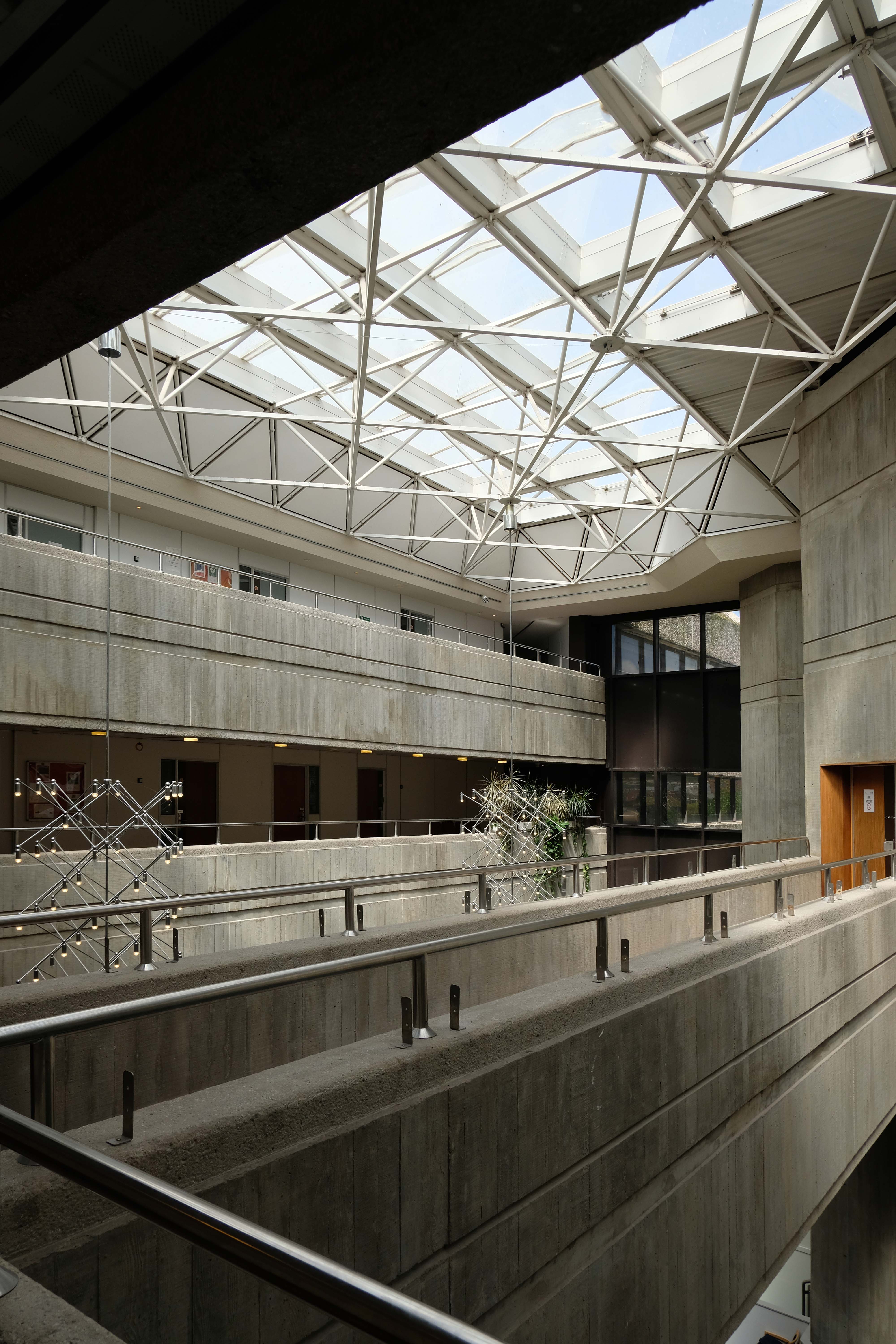
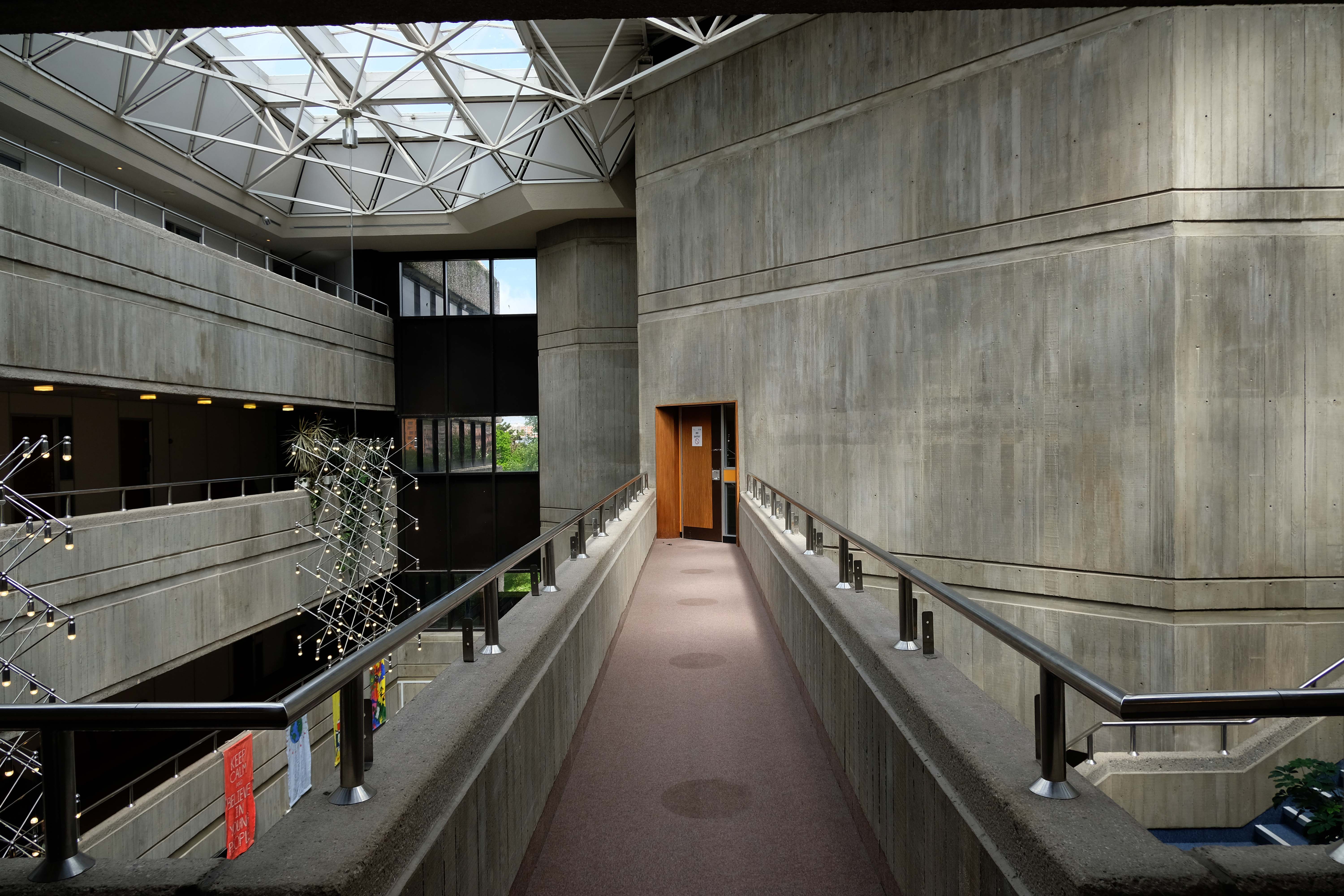
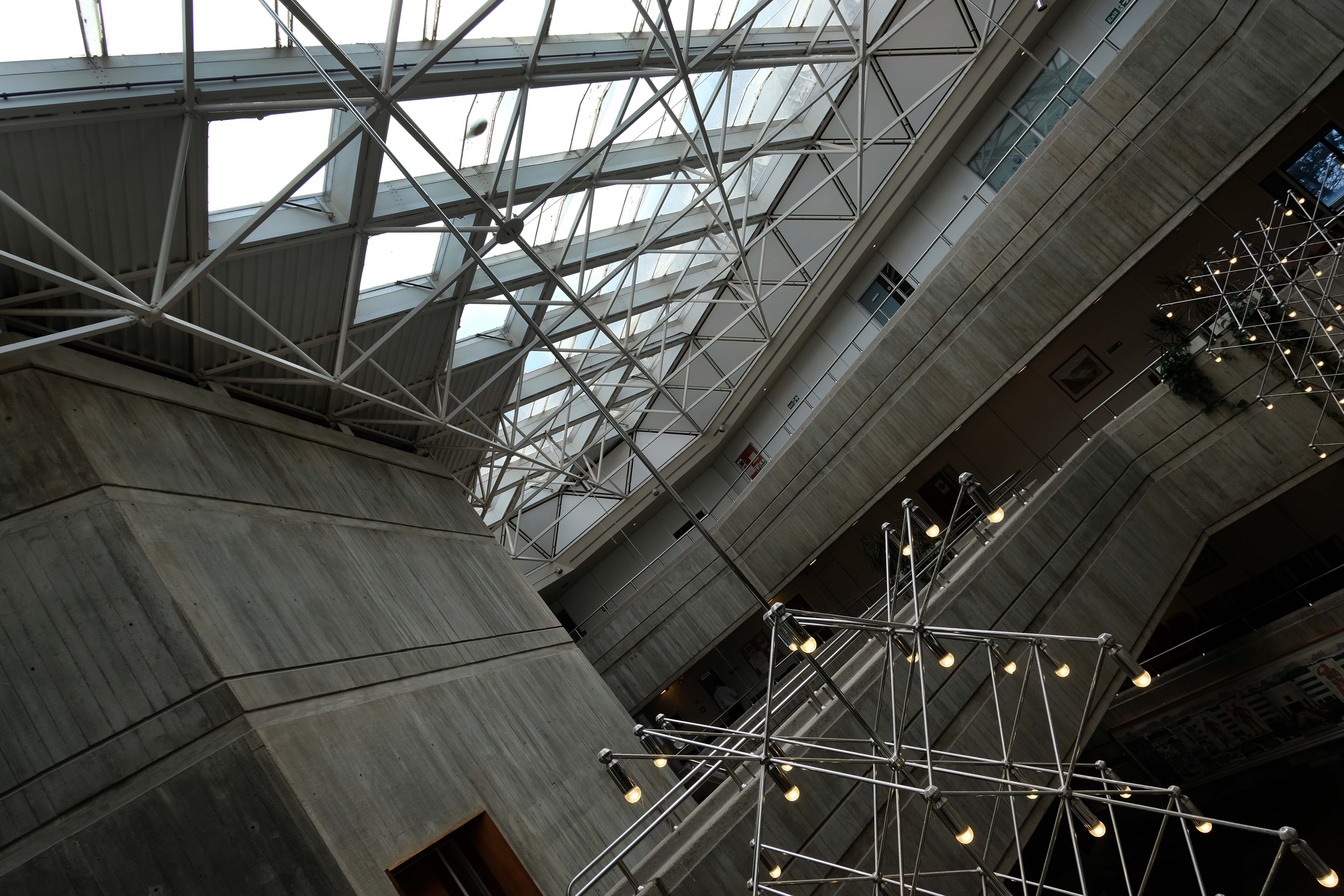
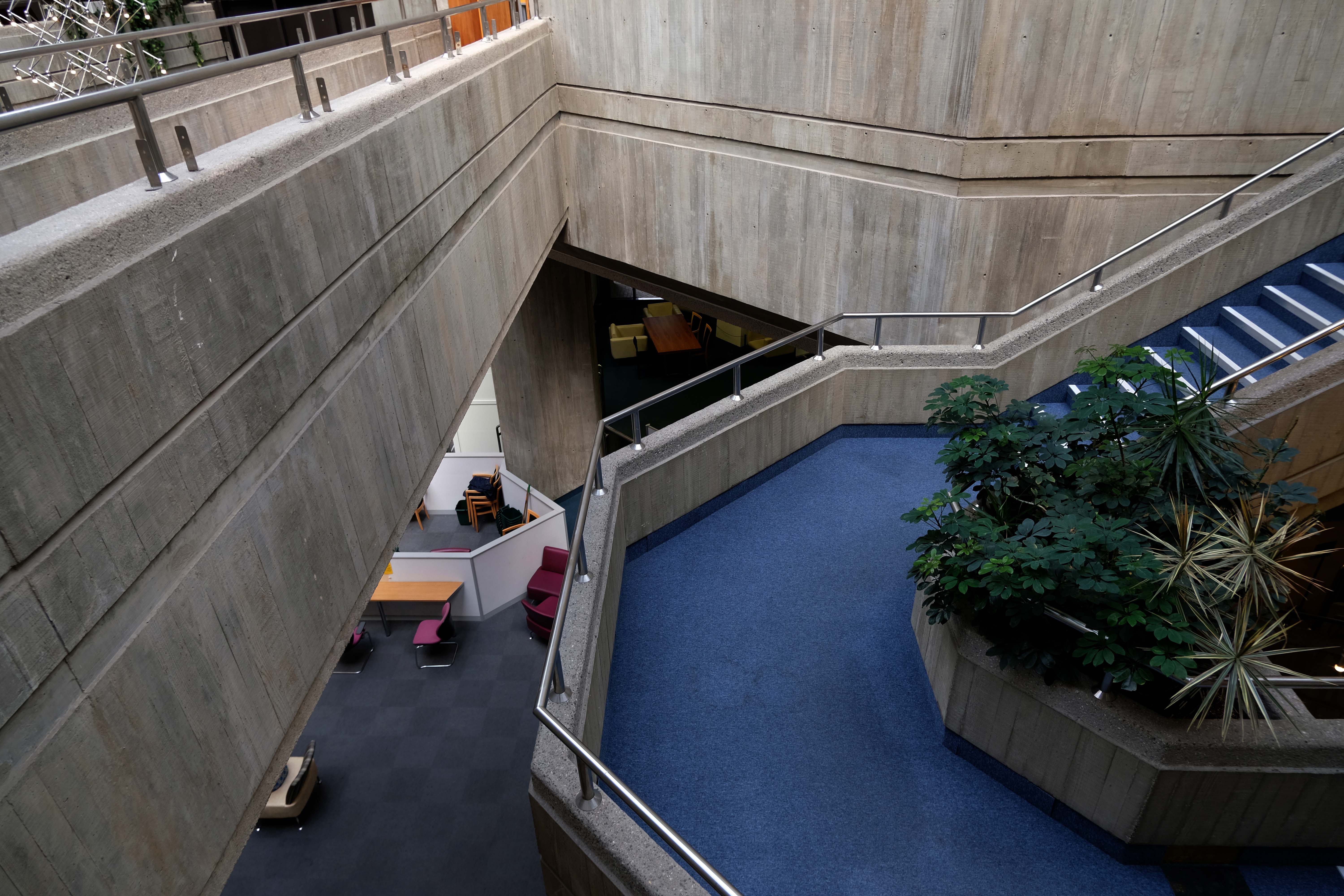
This what I saw on my recent visit to the site.
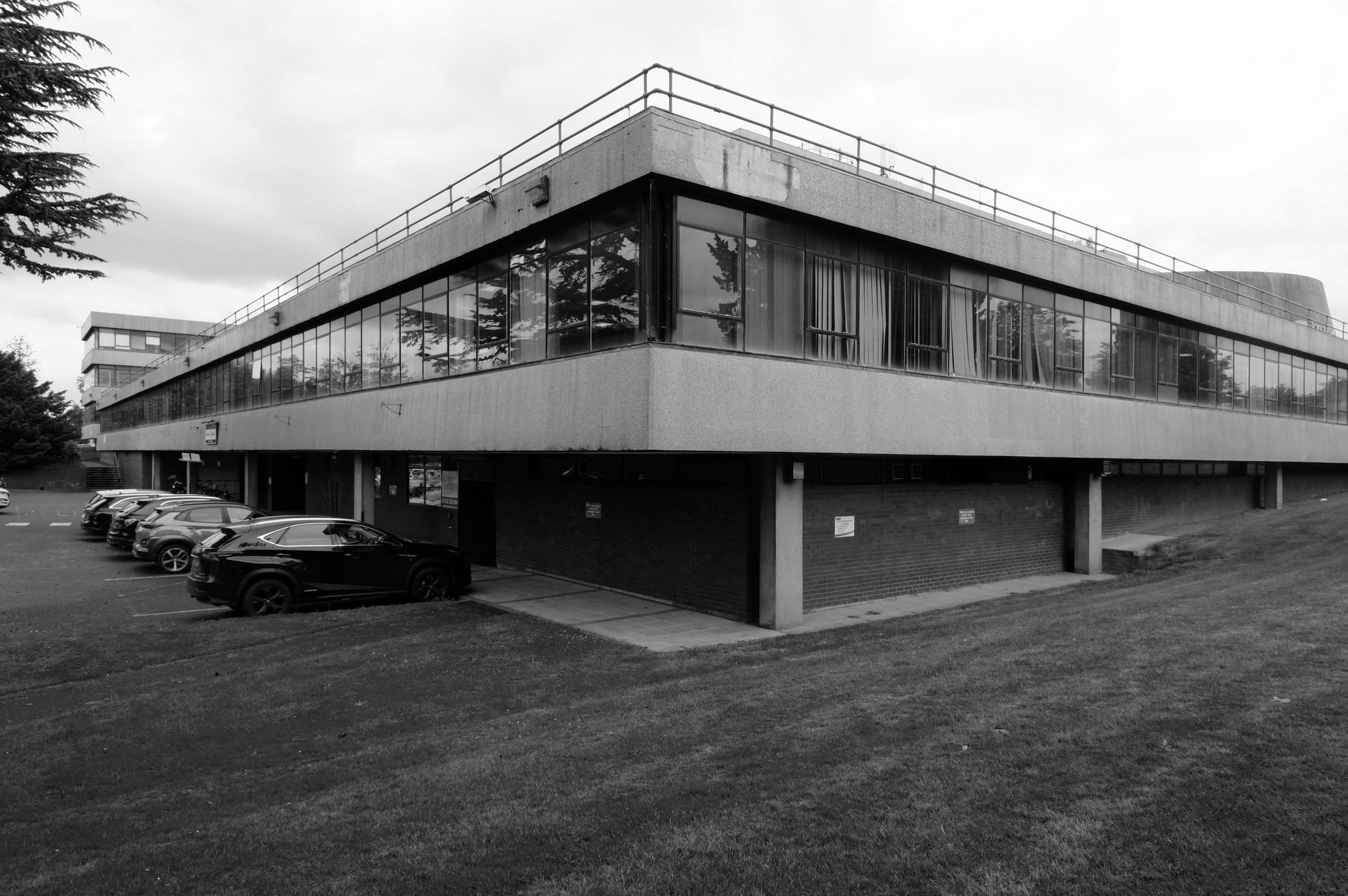
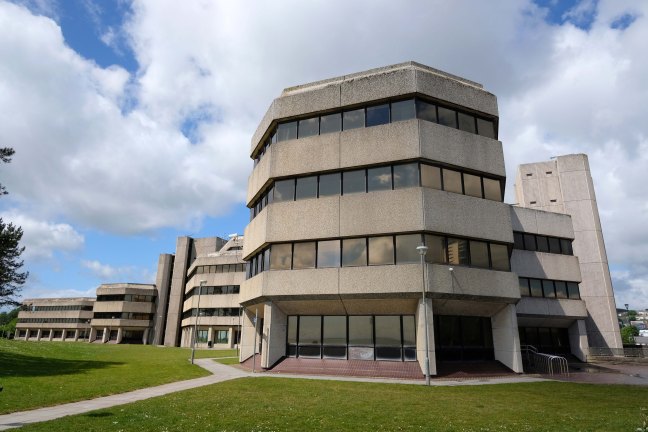
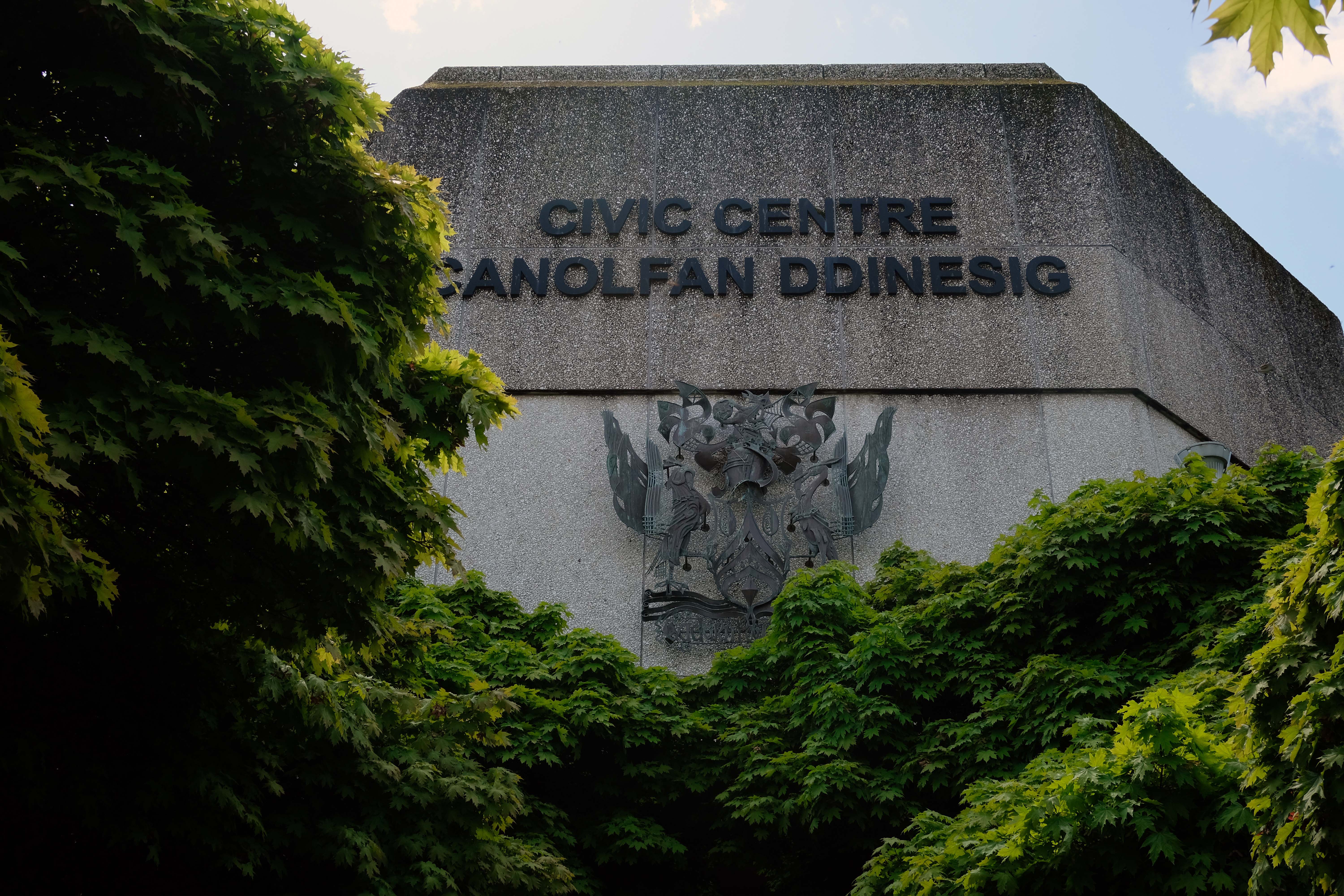
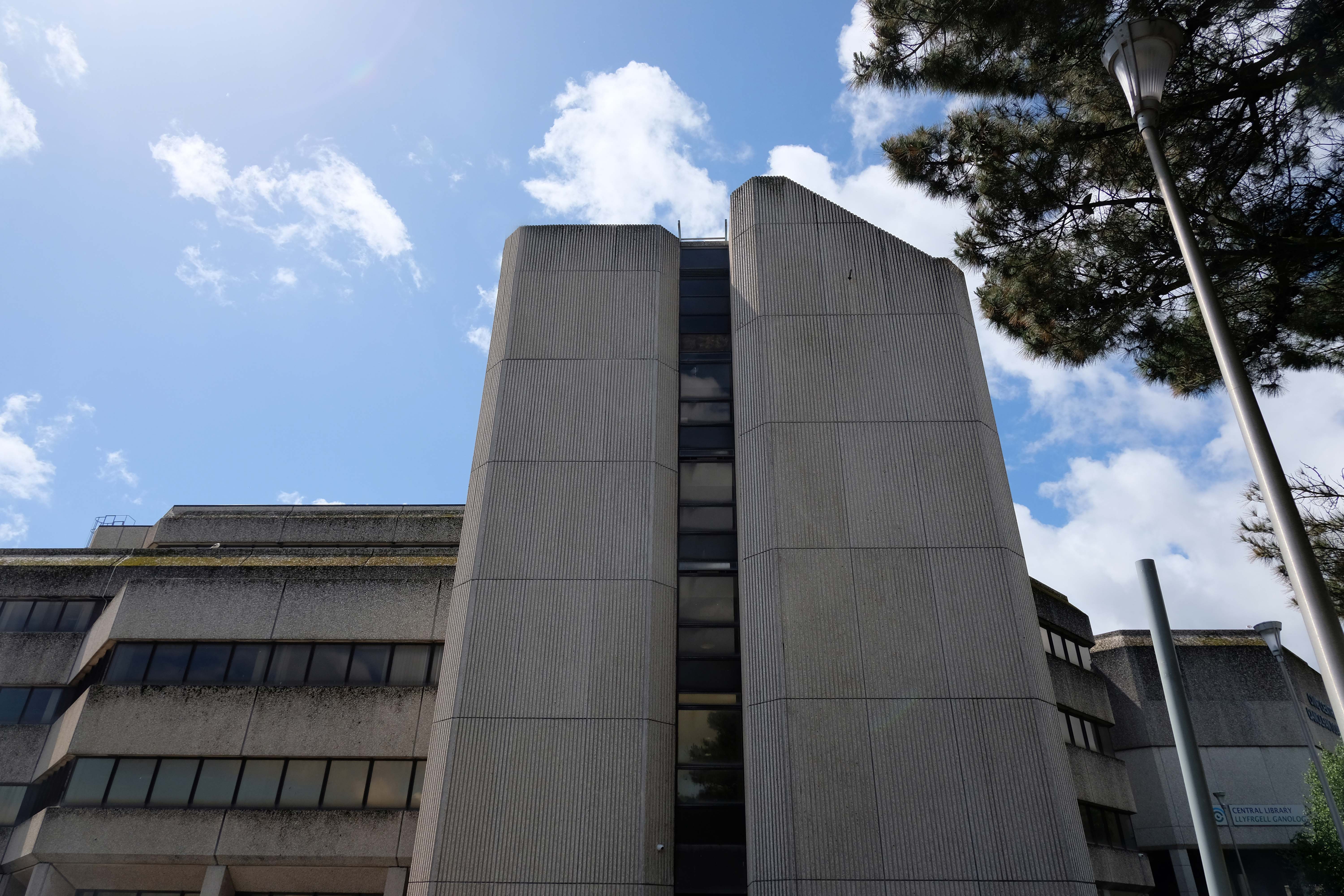
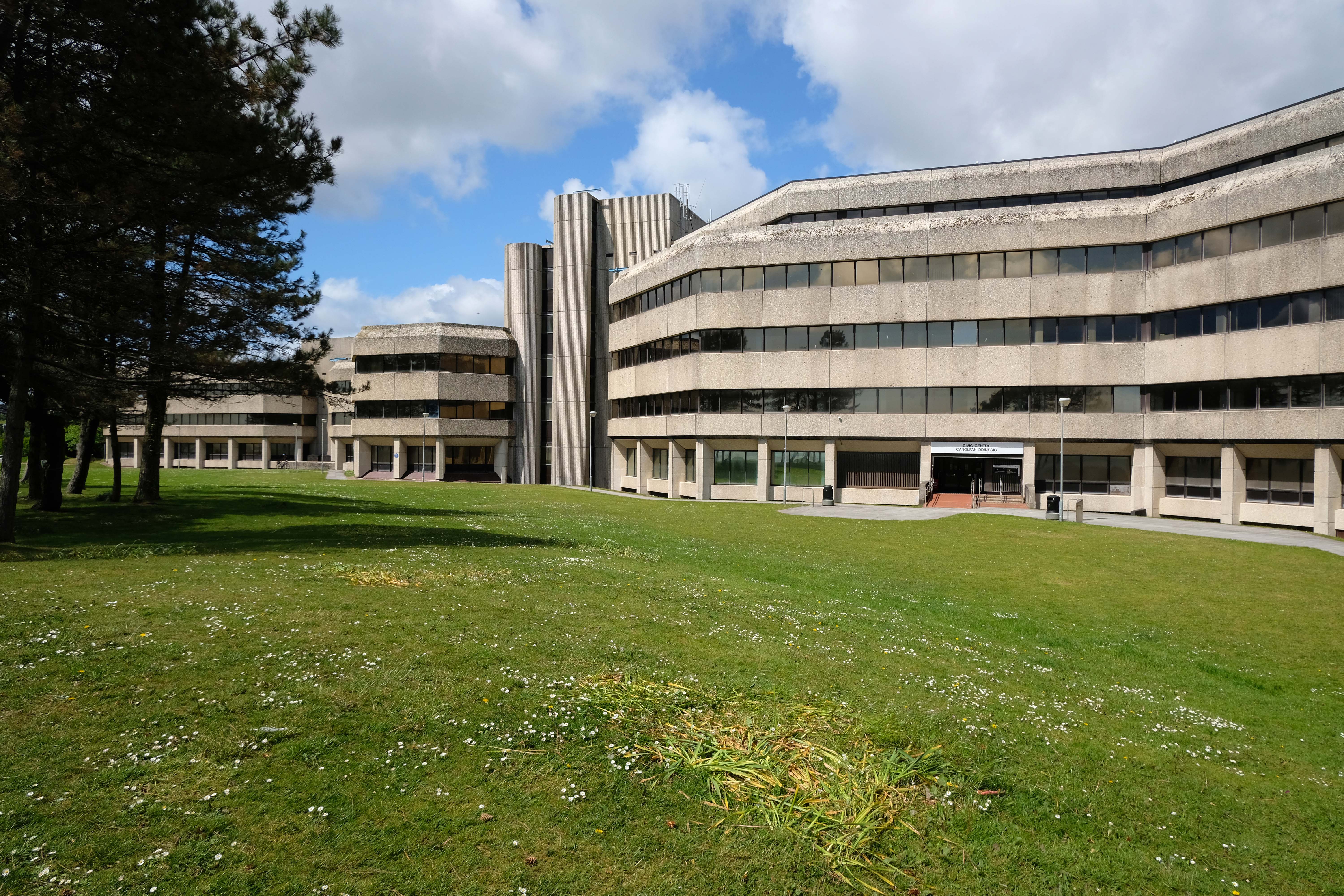
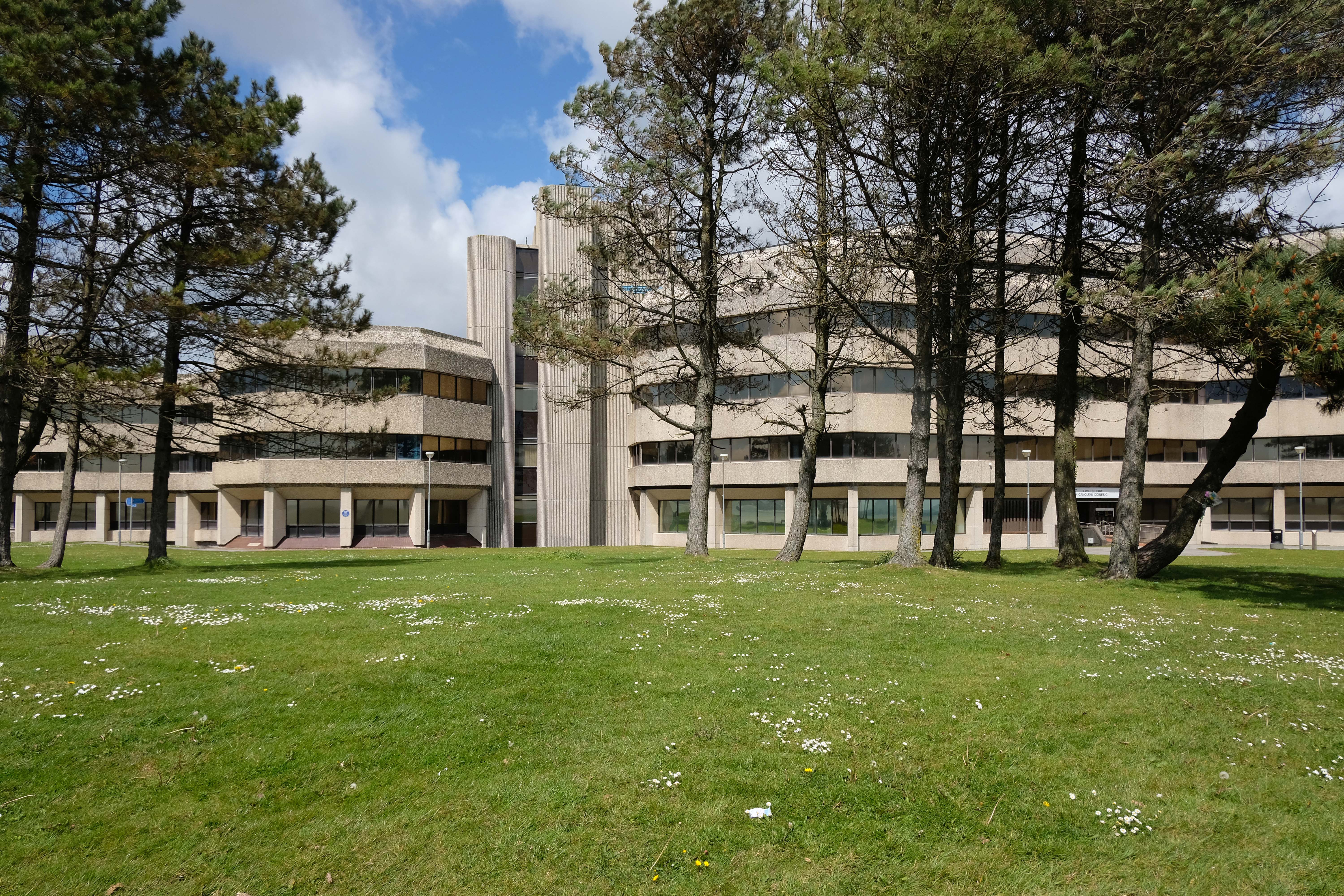
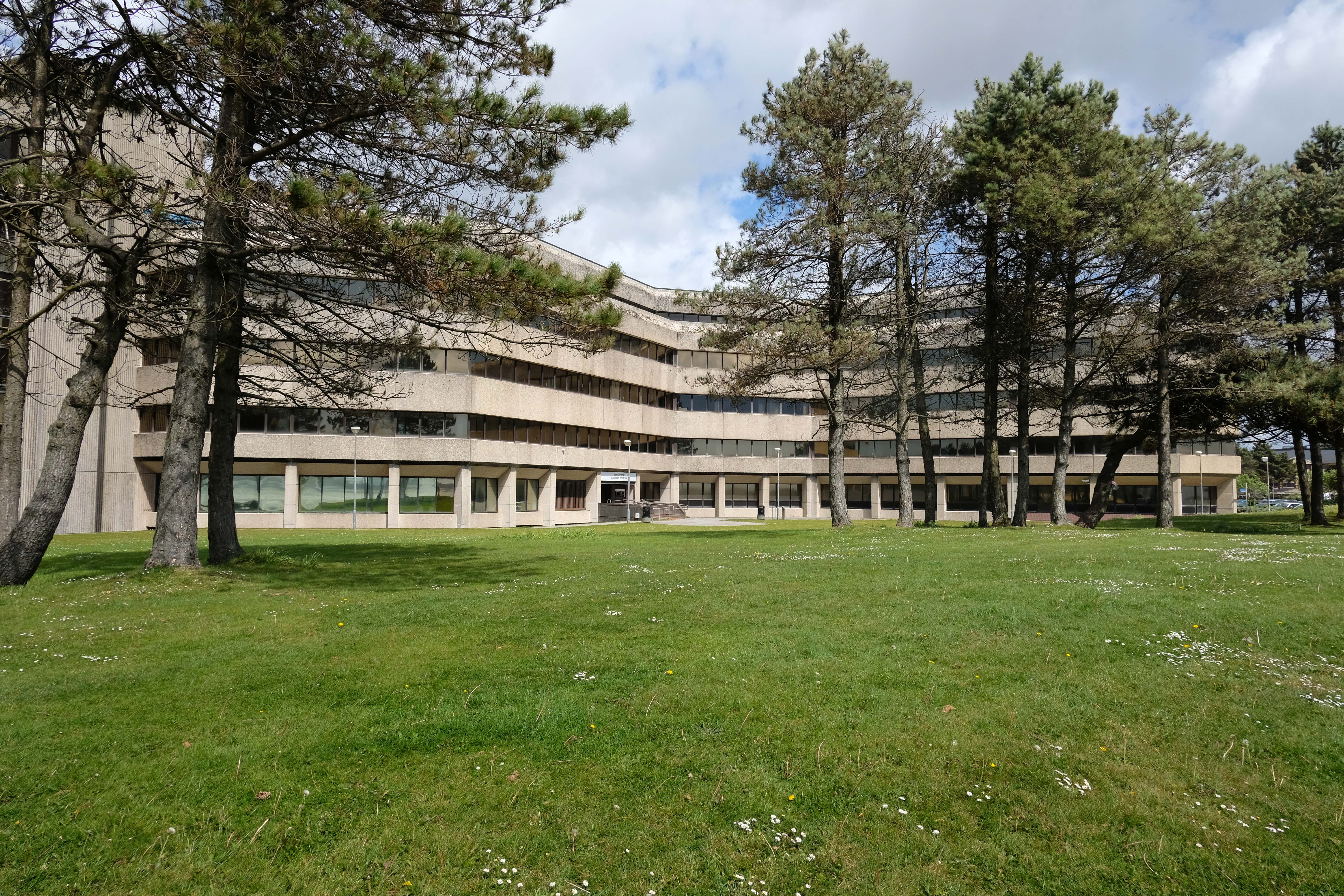
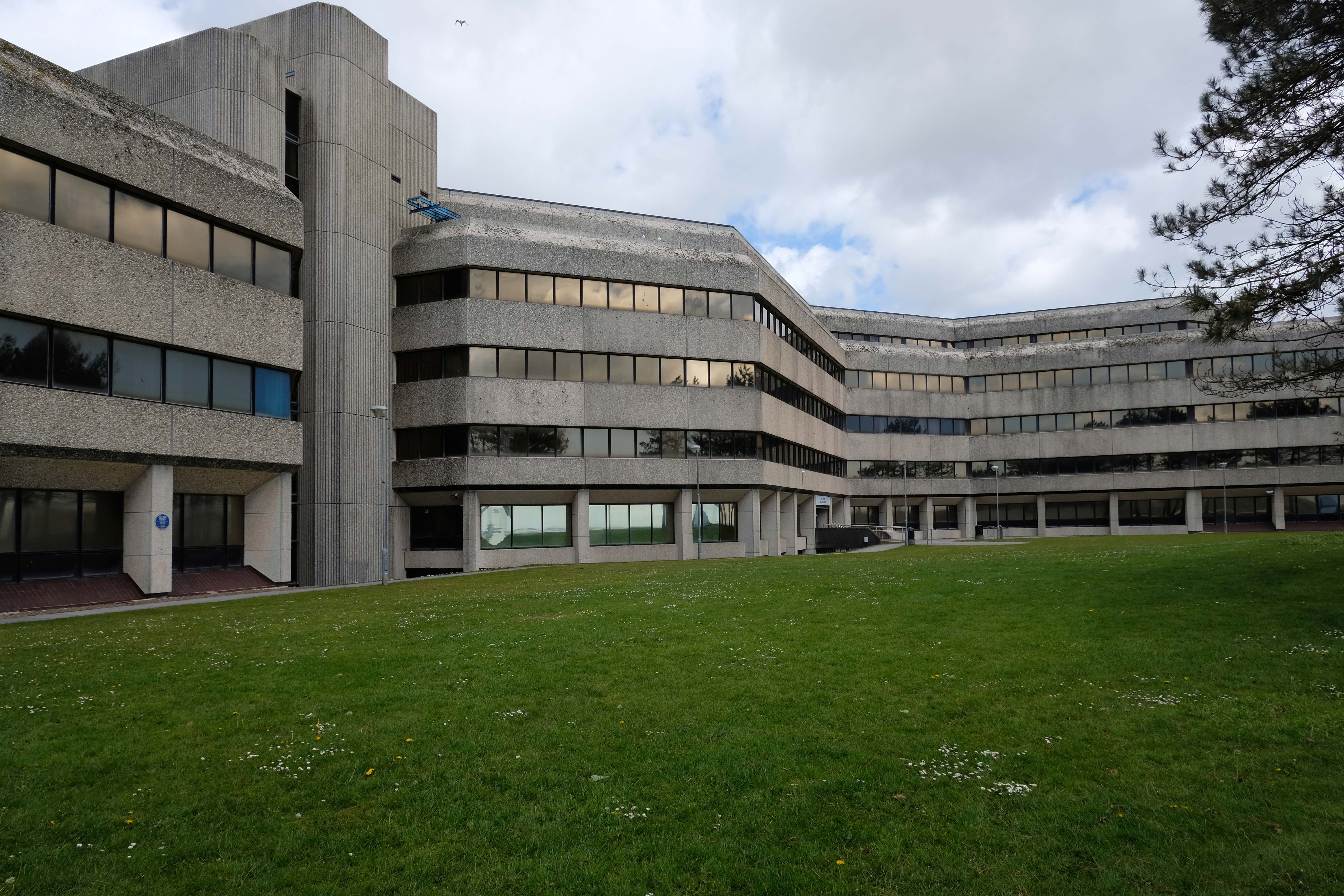
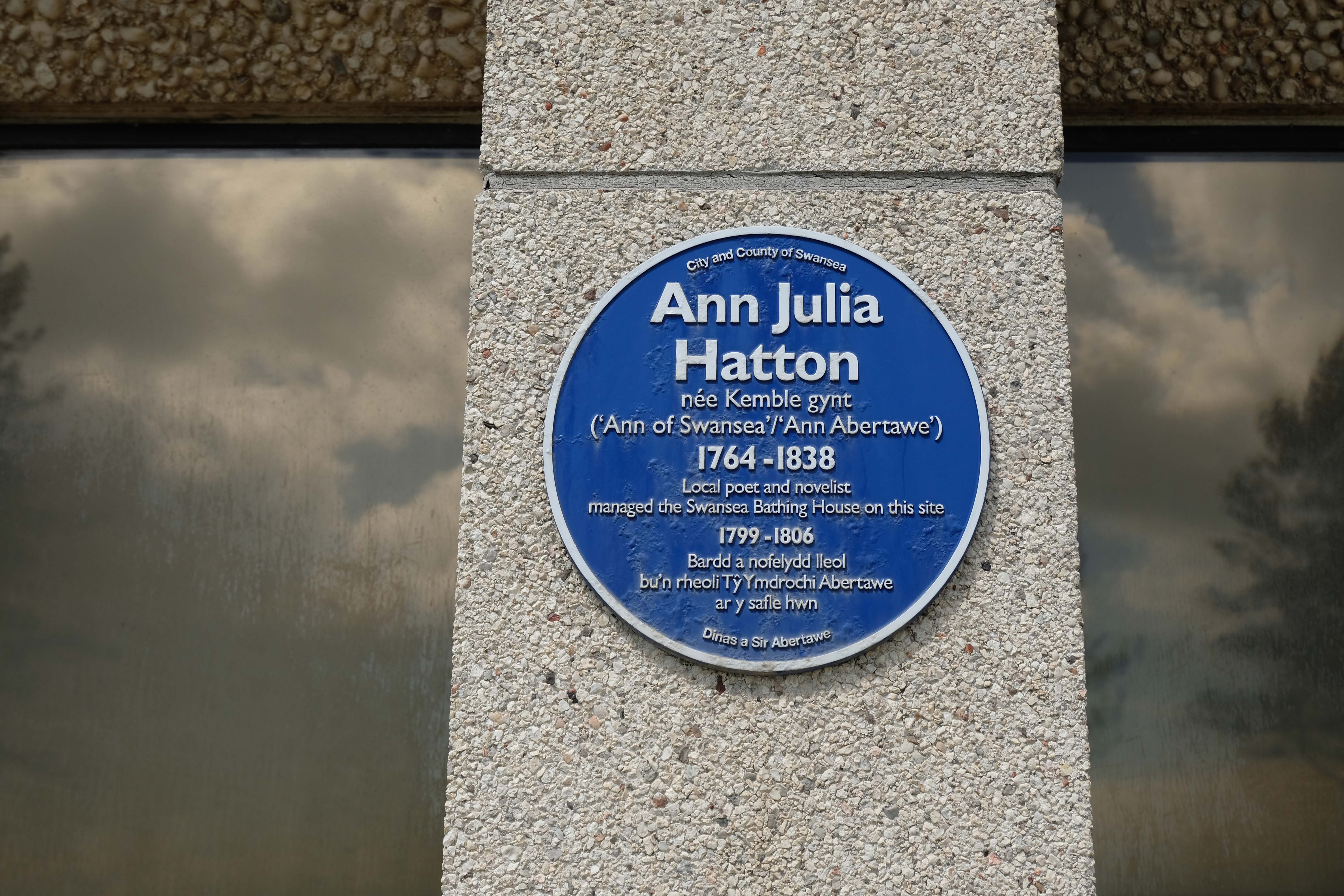
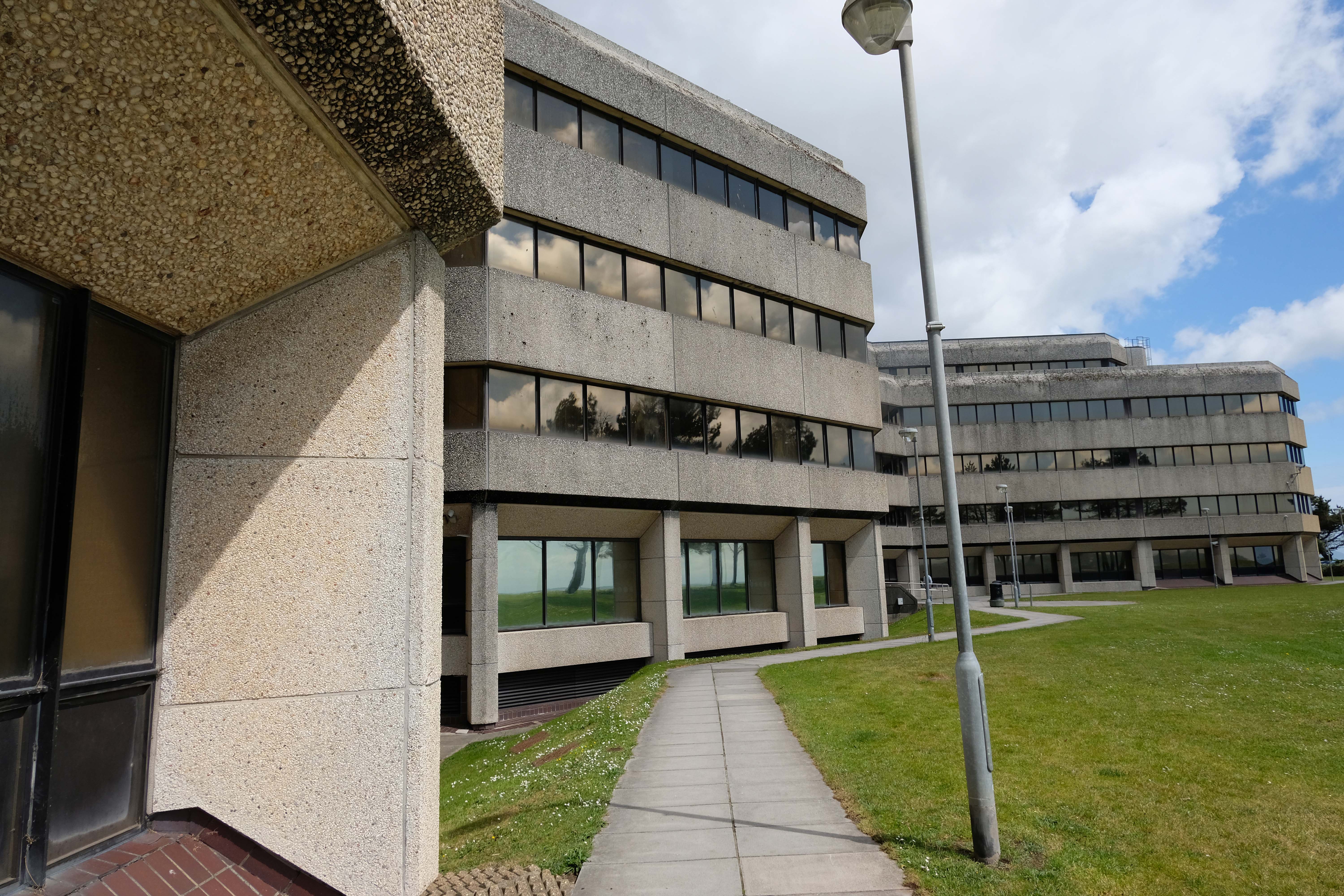
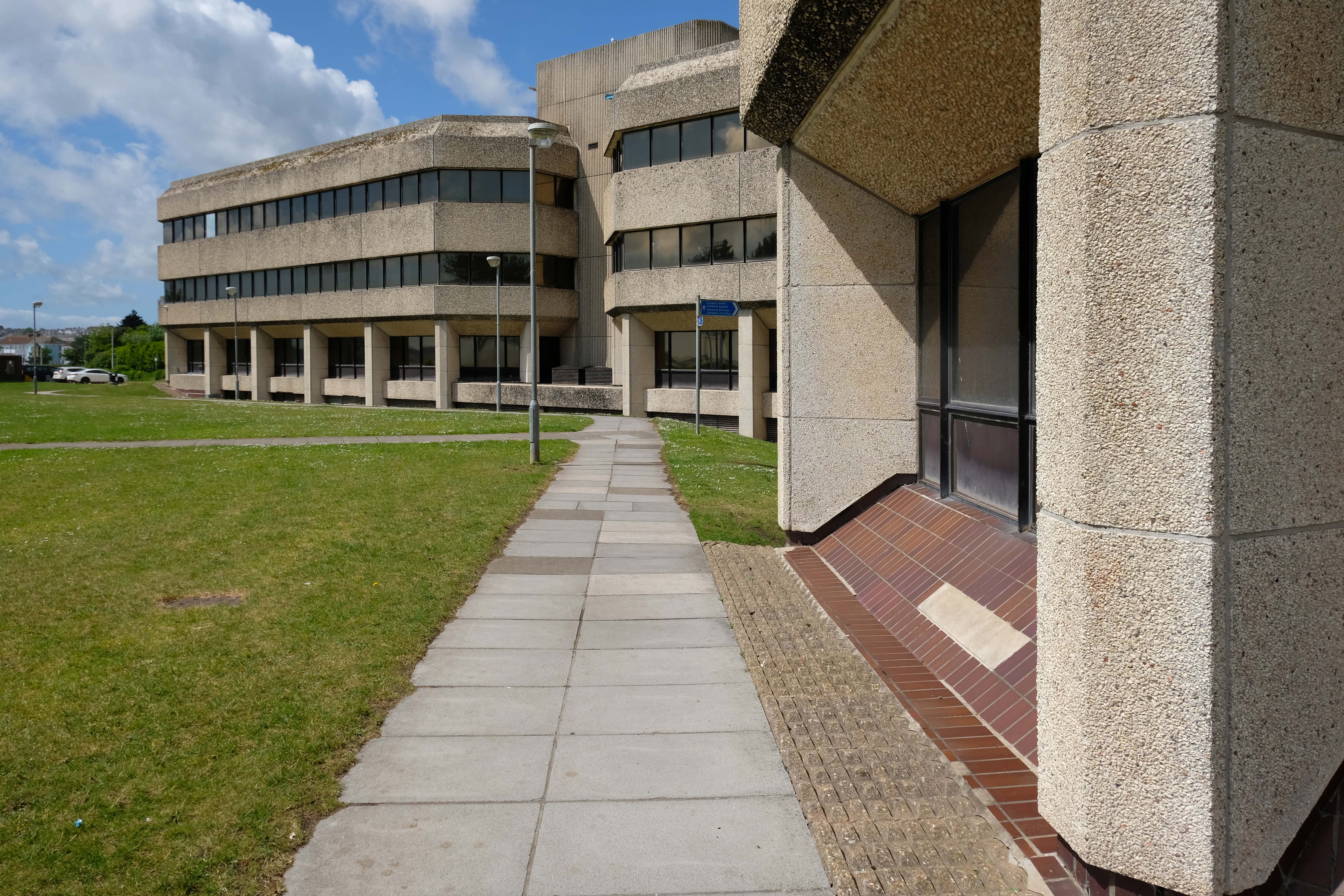
Swansea Civic Centre

Architects: J Webb as County Architect and CW Quick as the job architect of the West Glamorgan County Architects Department 1982

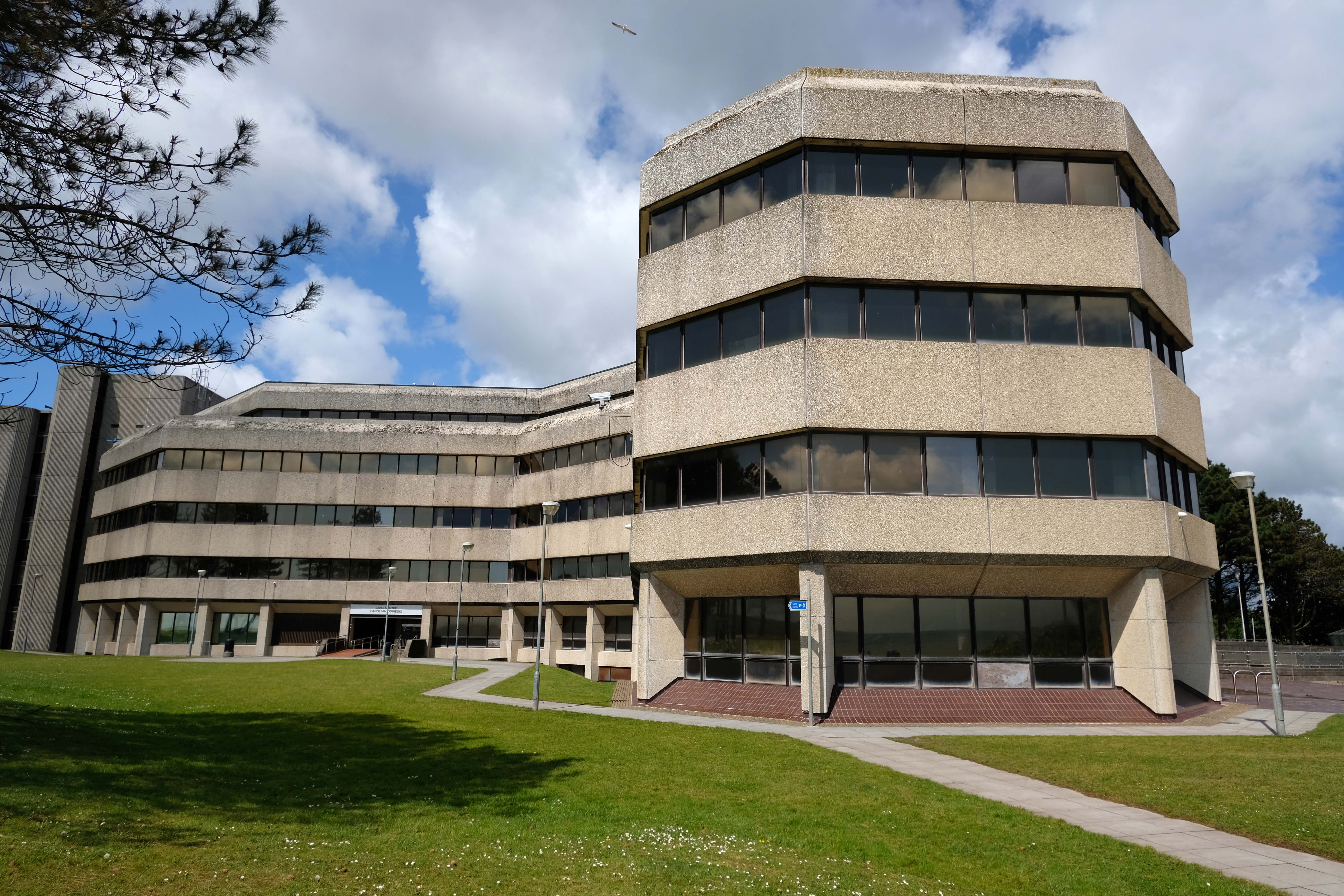
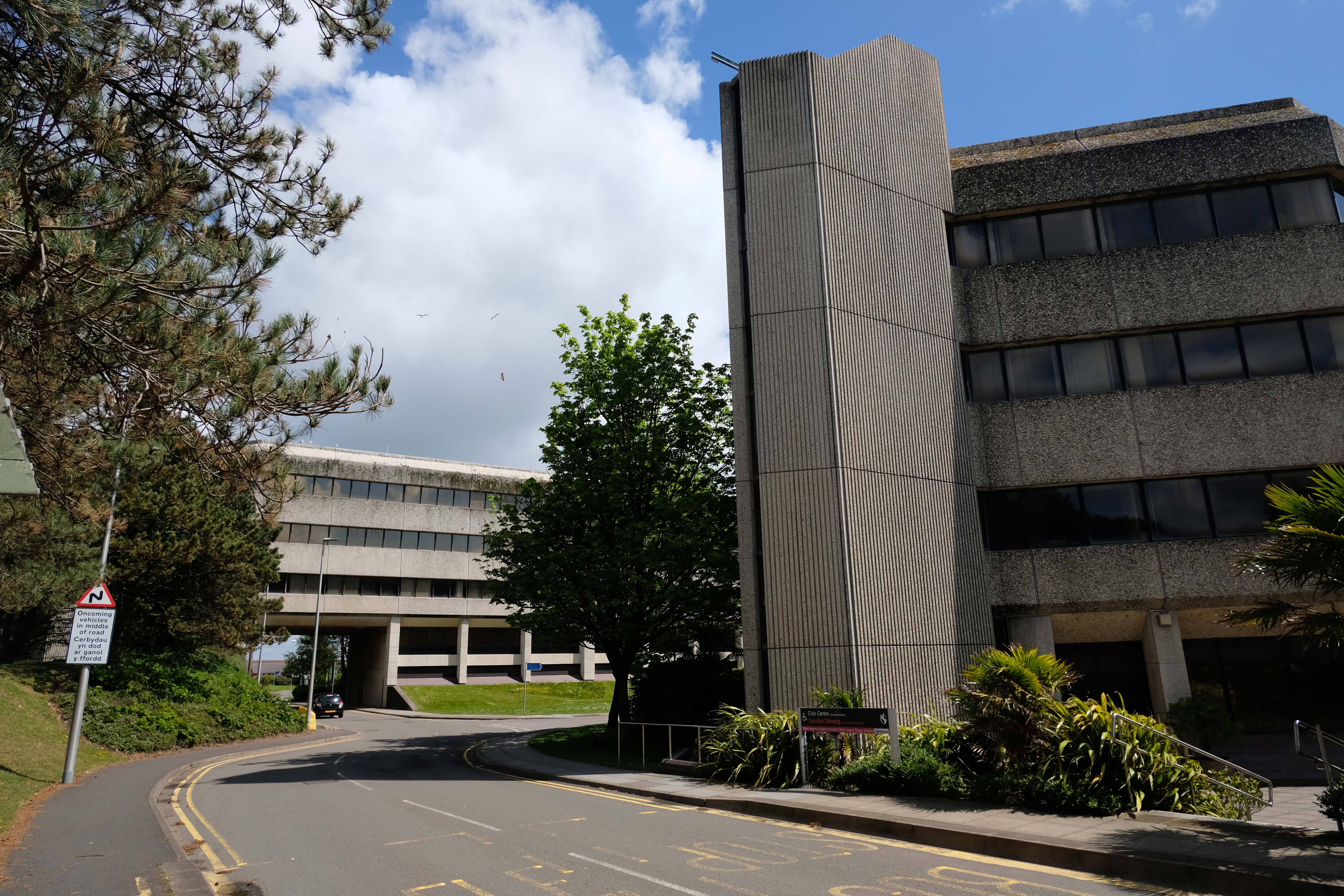
Canolfan Ddinesig Abertawe formerly known as County Hall.

Confused?

Don’t be, it’s all quite simple really.

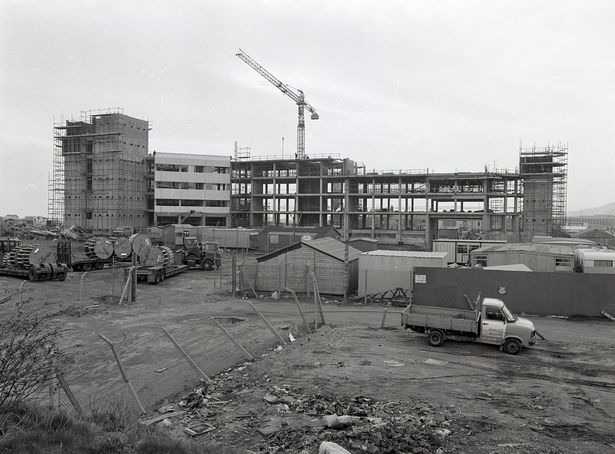
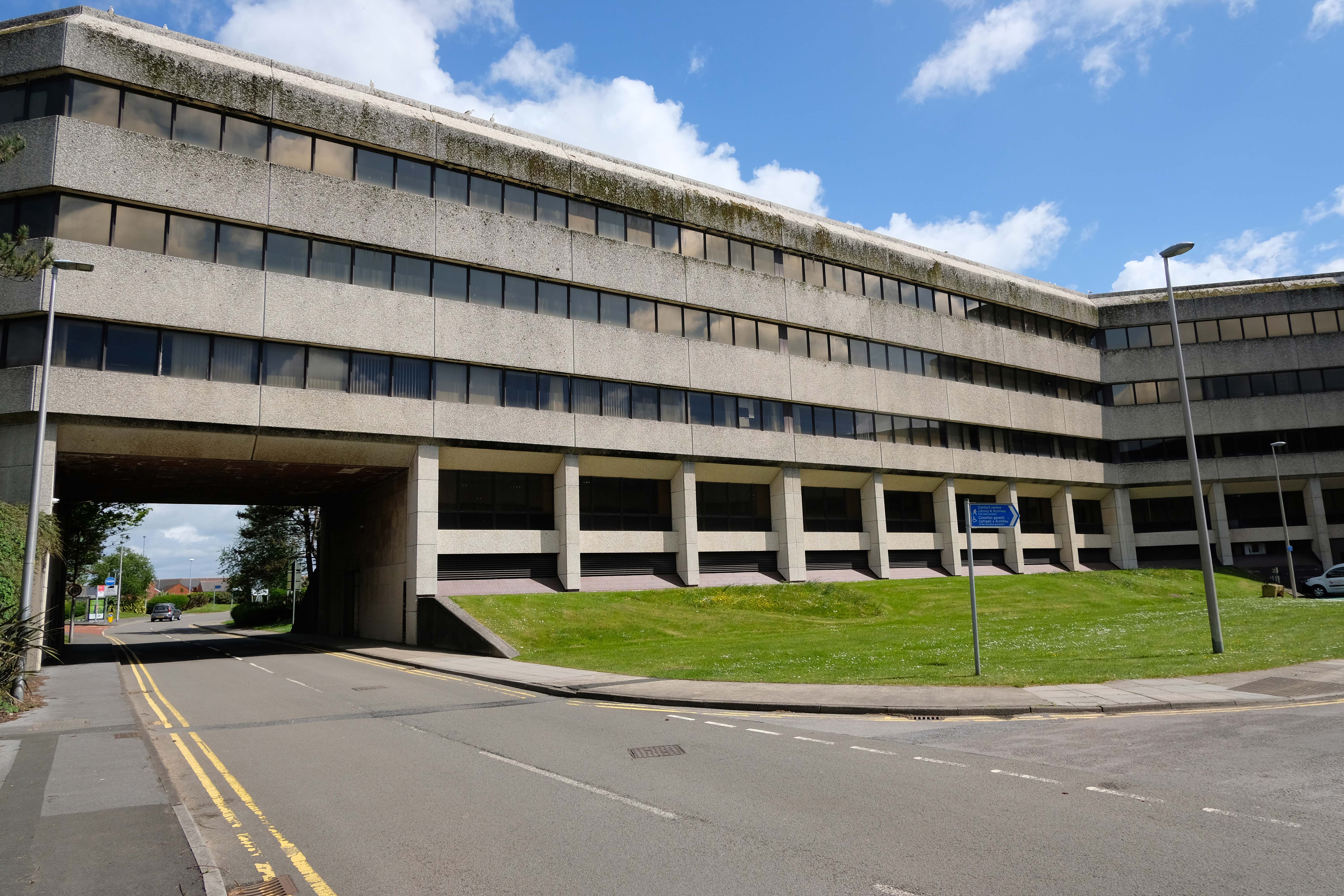
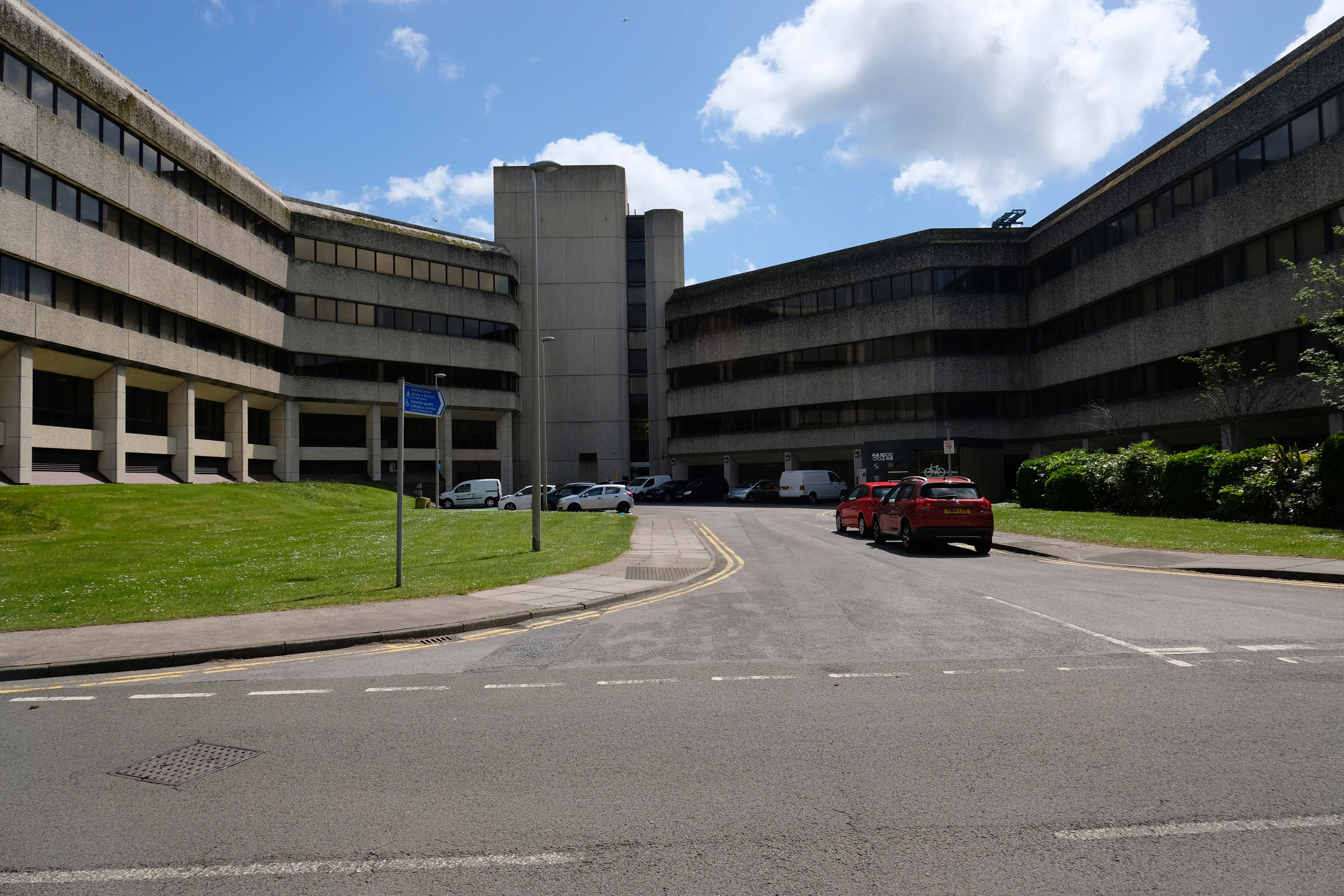
Following the implementation of the Local Government Act 1972, which broke up Glamorgan County Council and established West Glamorgan County Council, the new county council initially met at Swansea Guildhall. Finding that this arrangement, which involved sharing facilities with Swansea Council, to be inadequate, county leaders procured a dedicated building, selecting a site formerly occupied by an old railway goods yard associated with the Mumbles Railway.

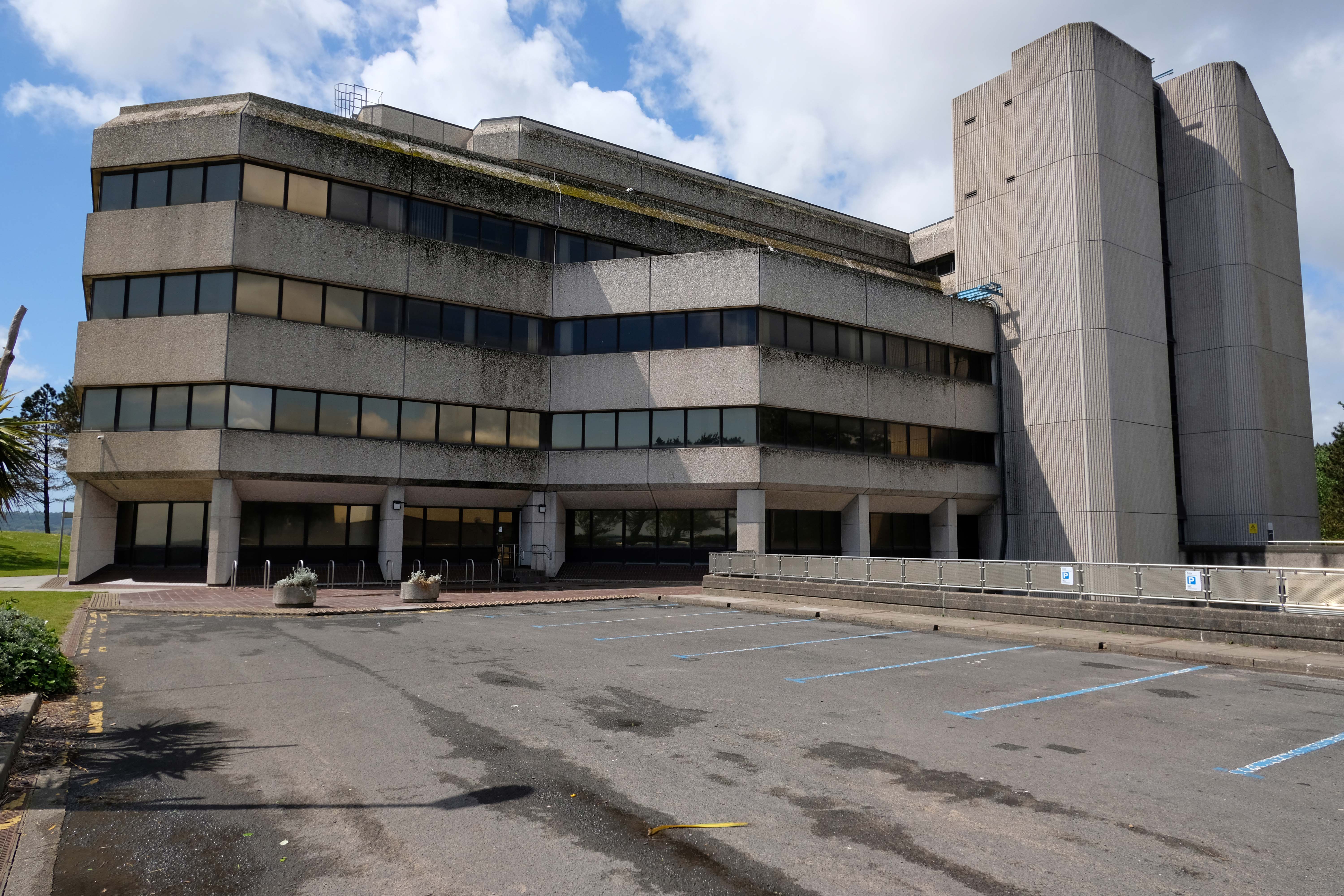
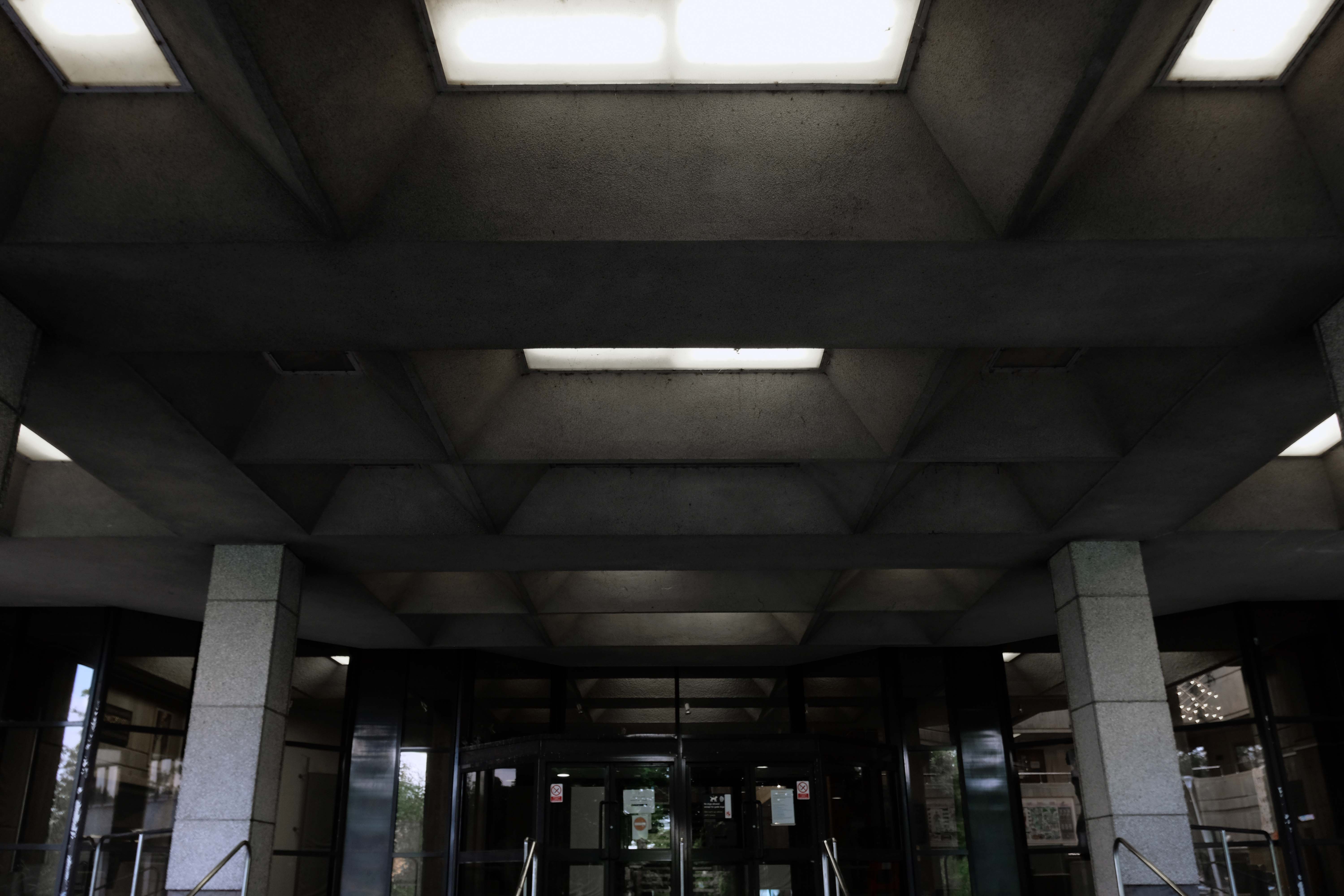
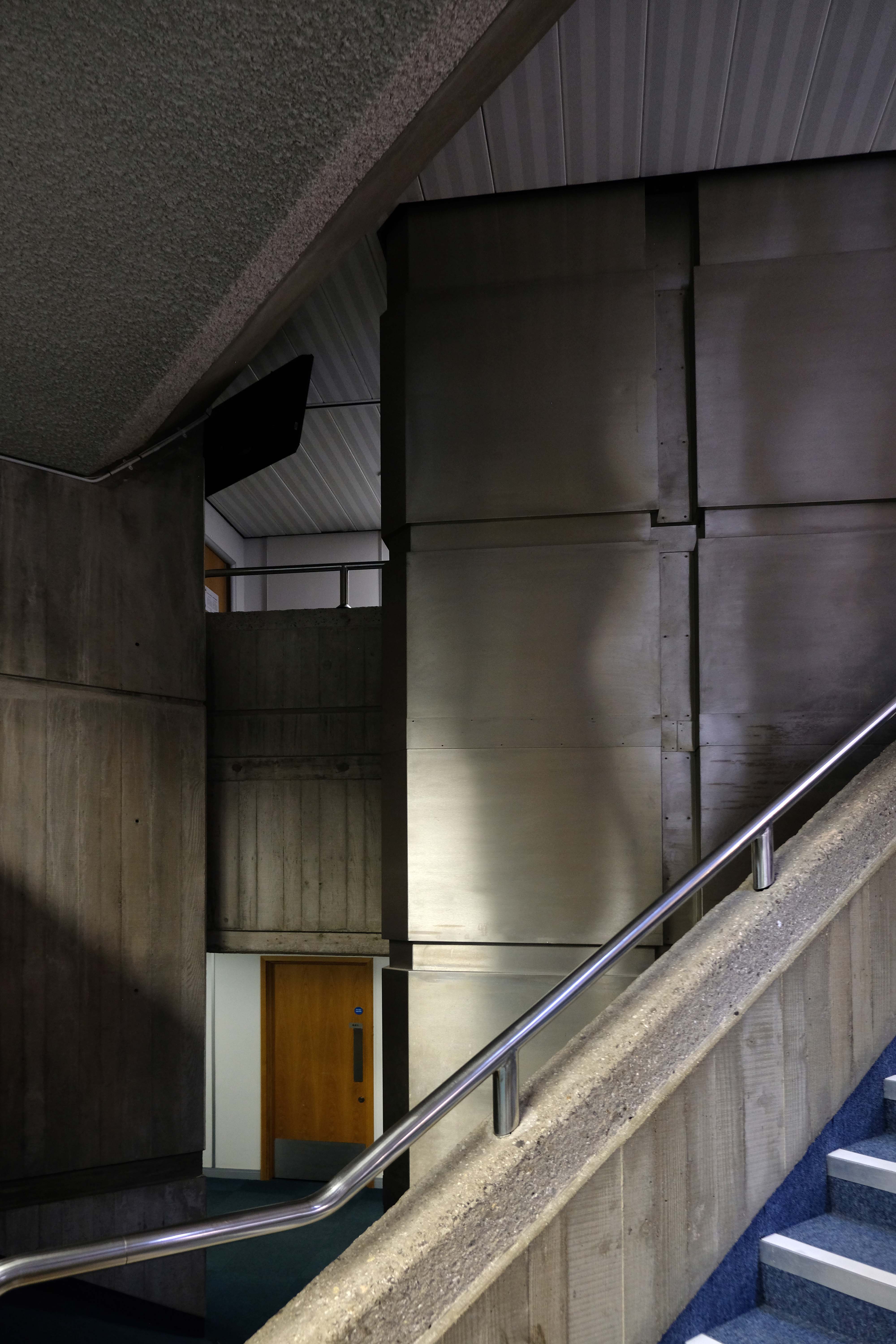
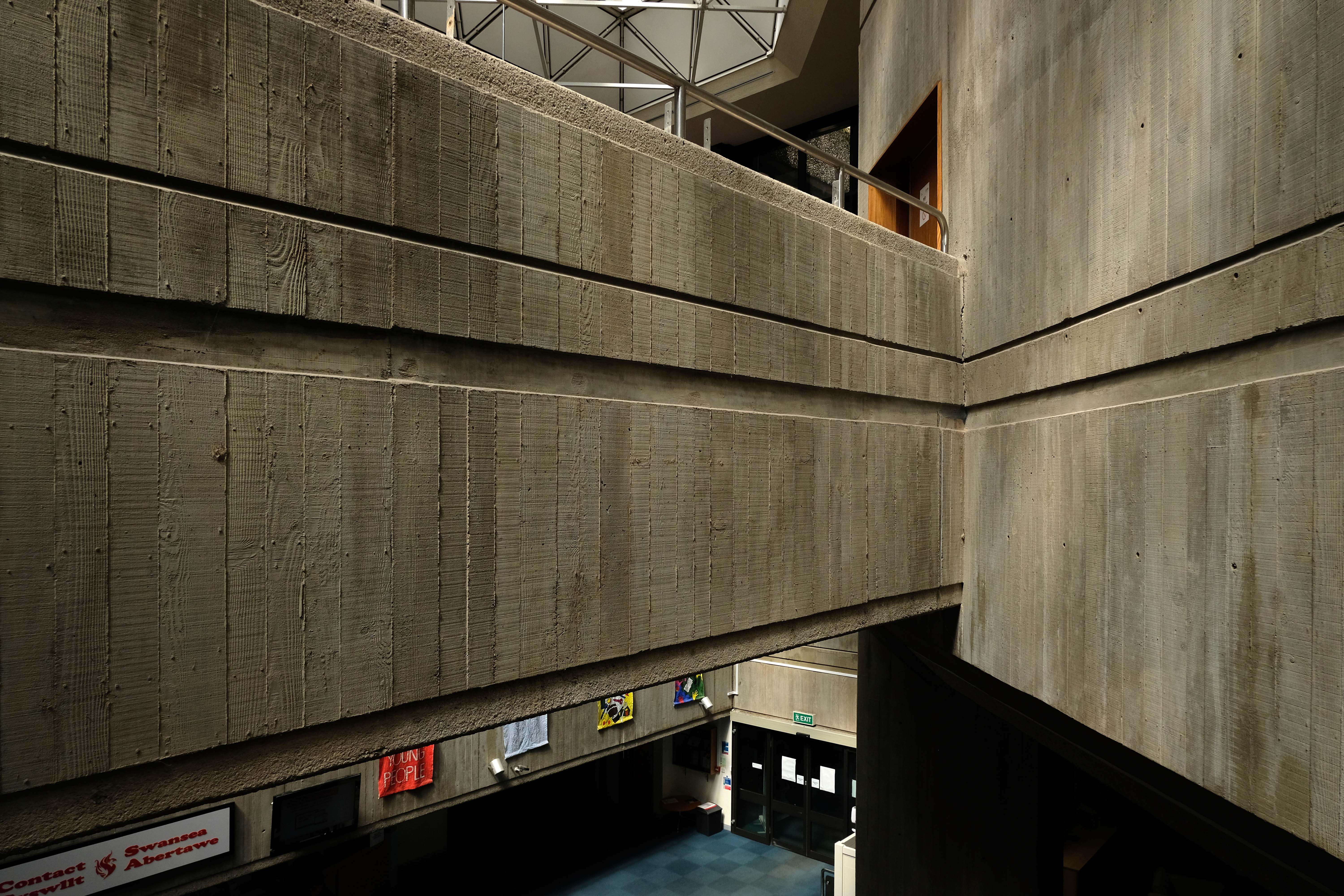
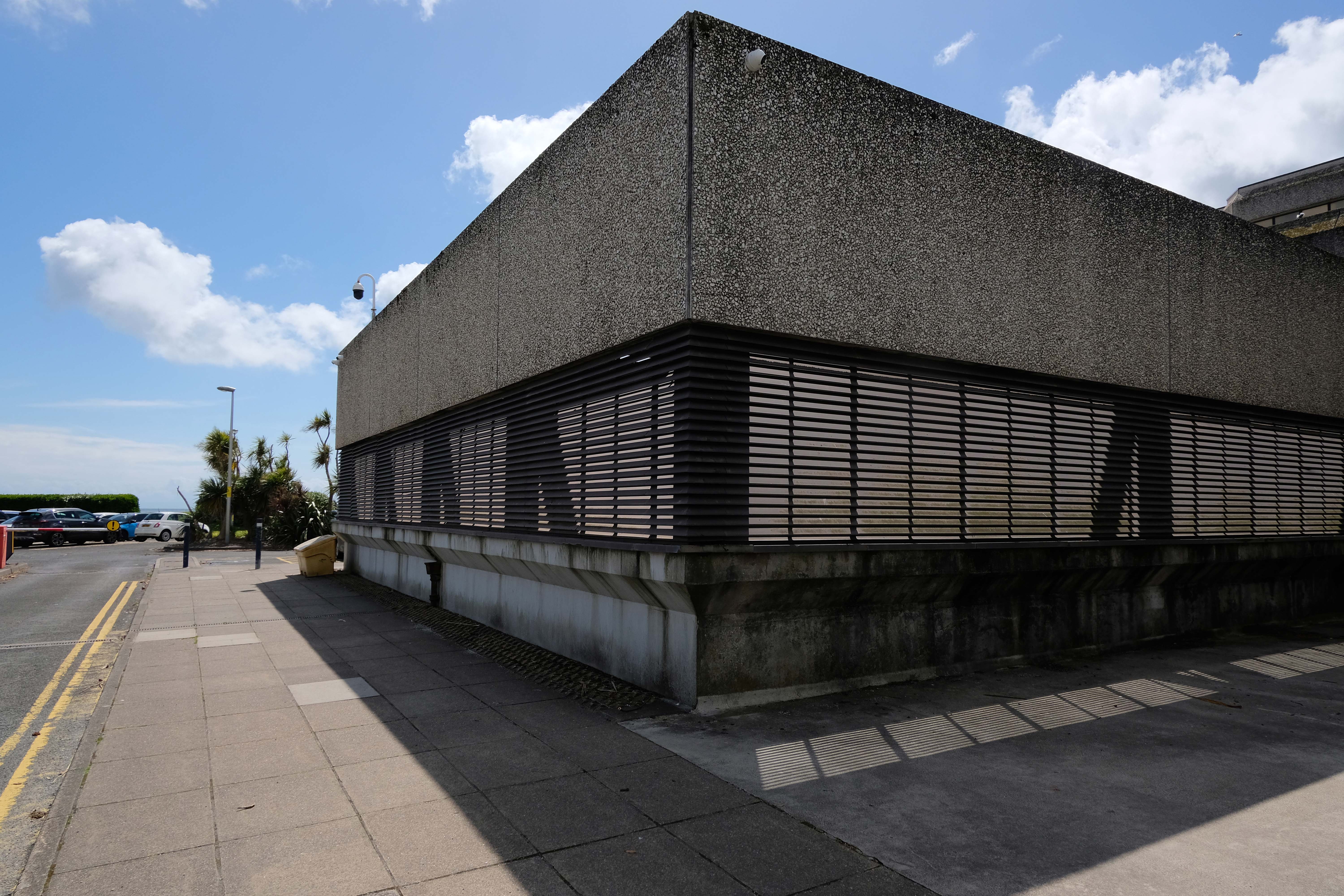
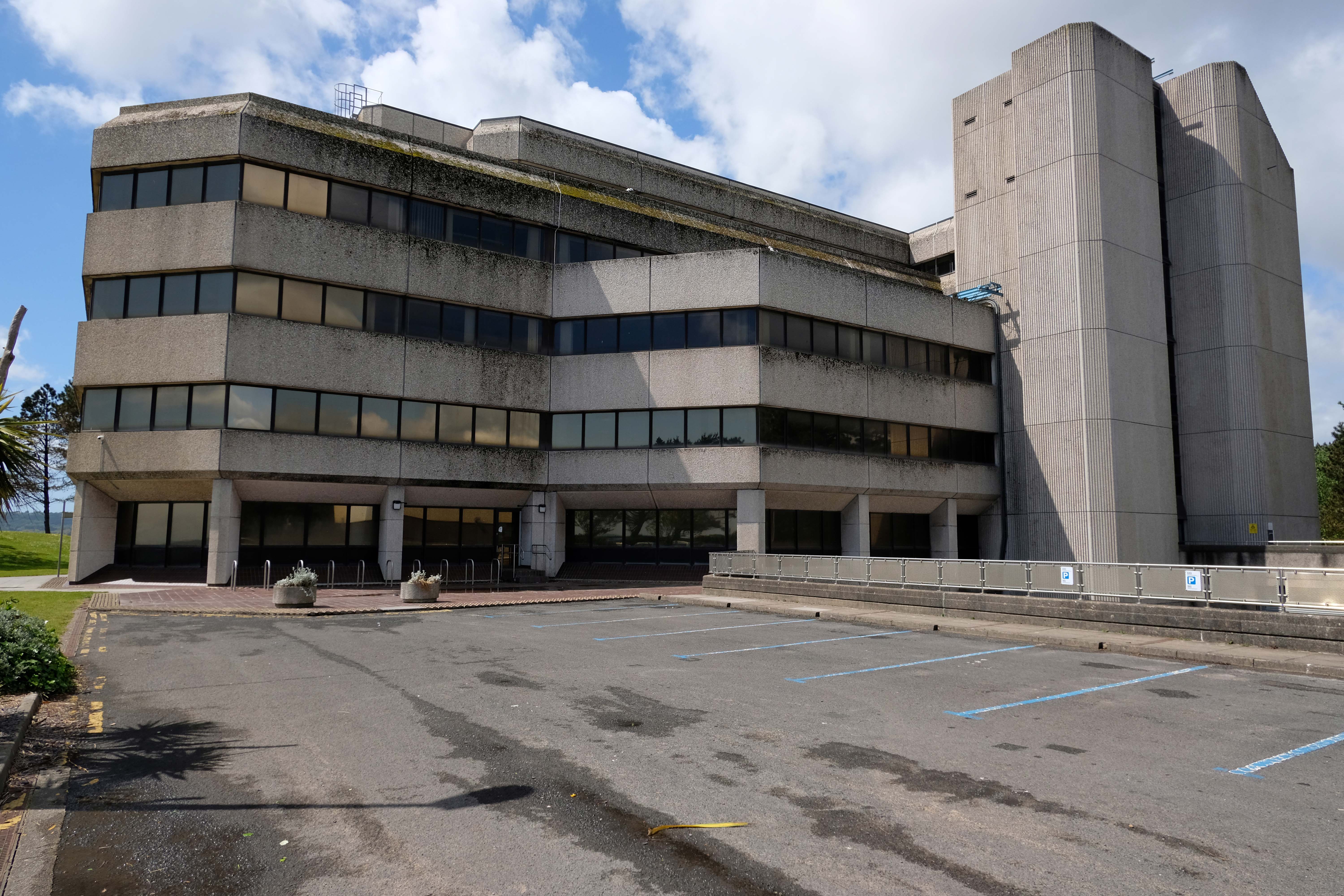
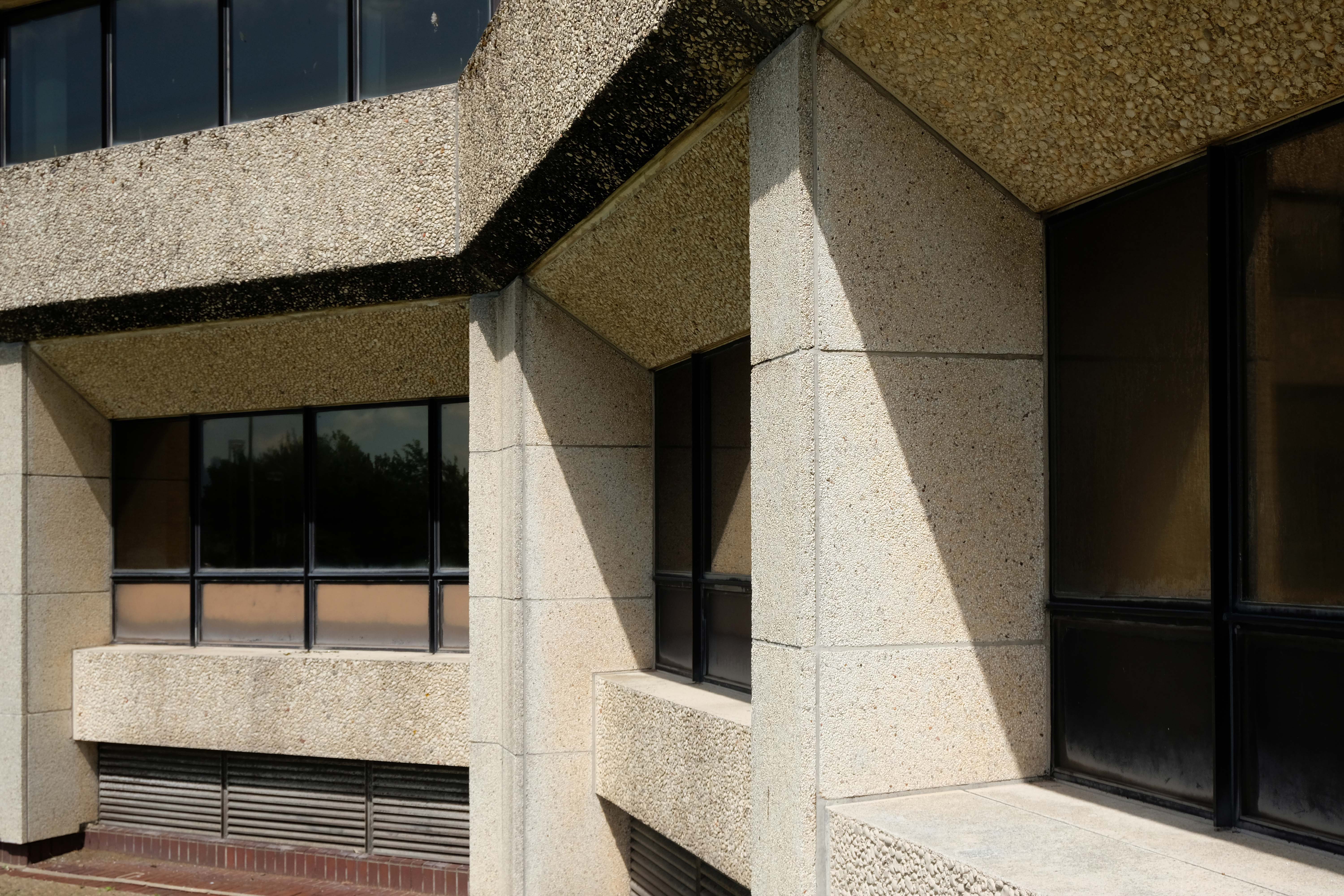
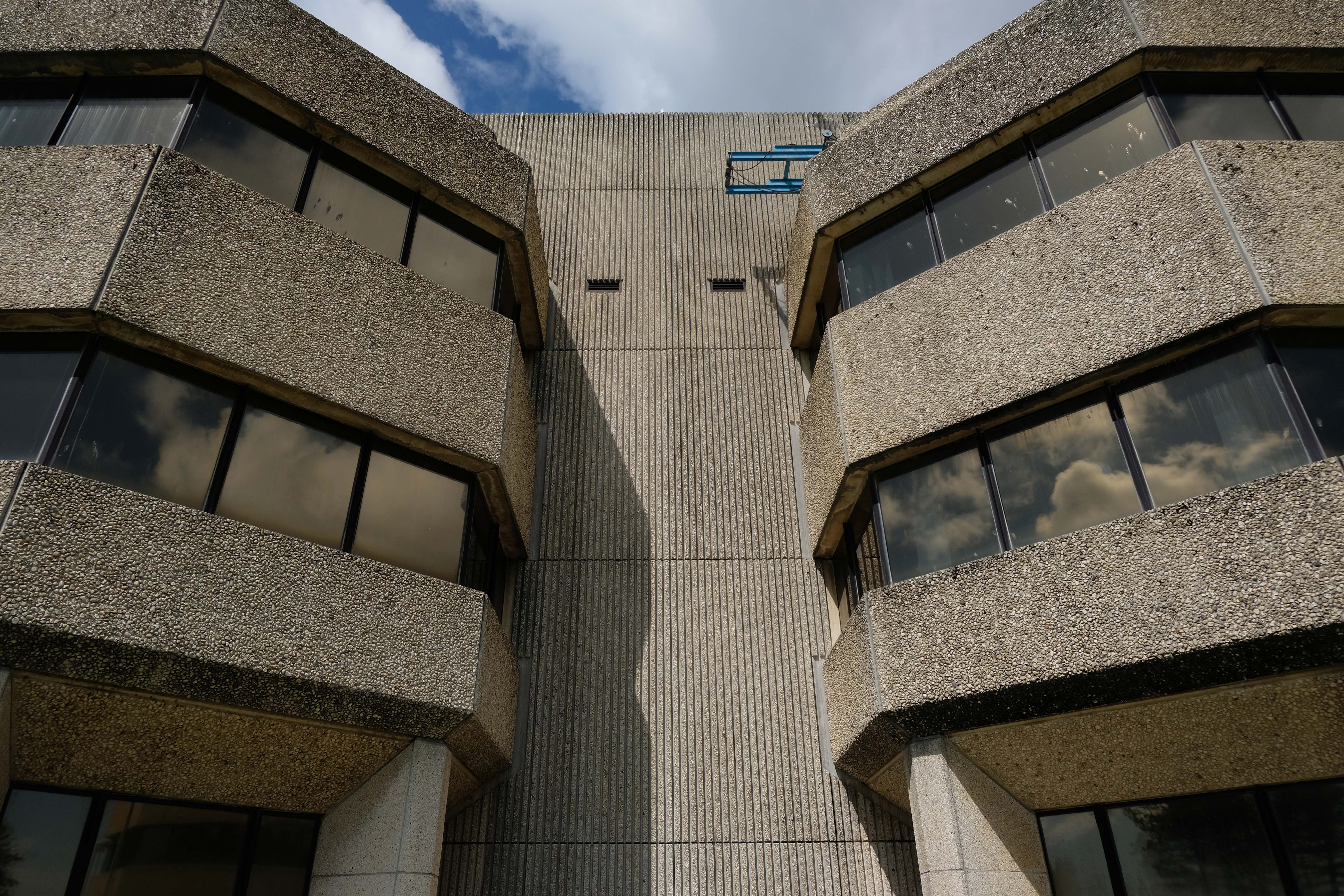
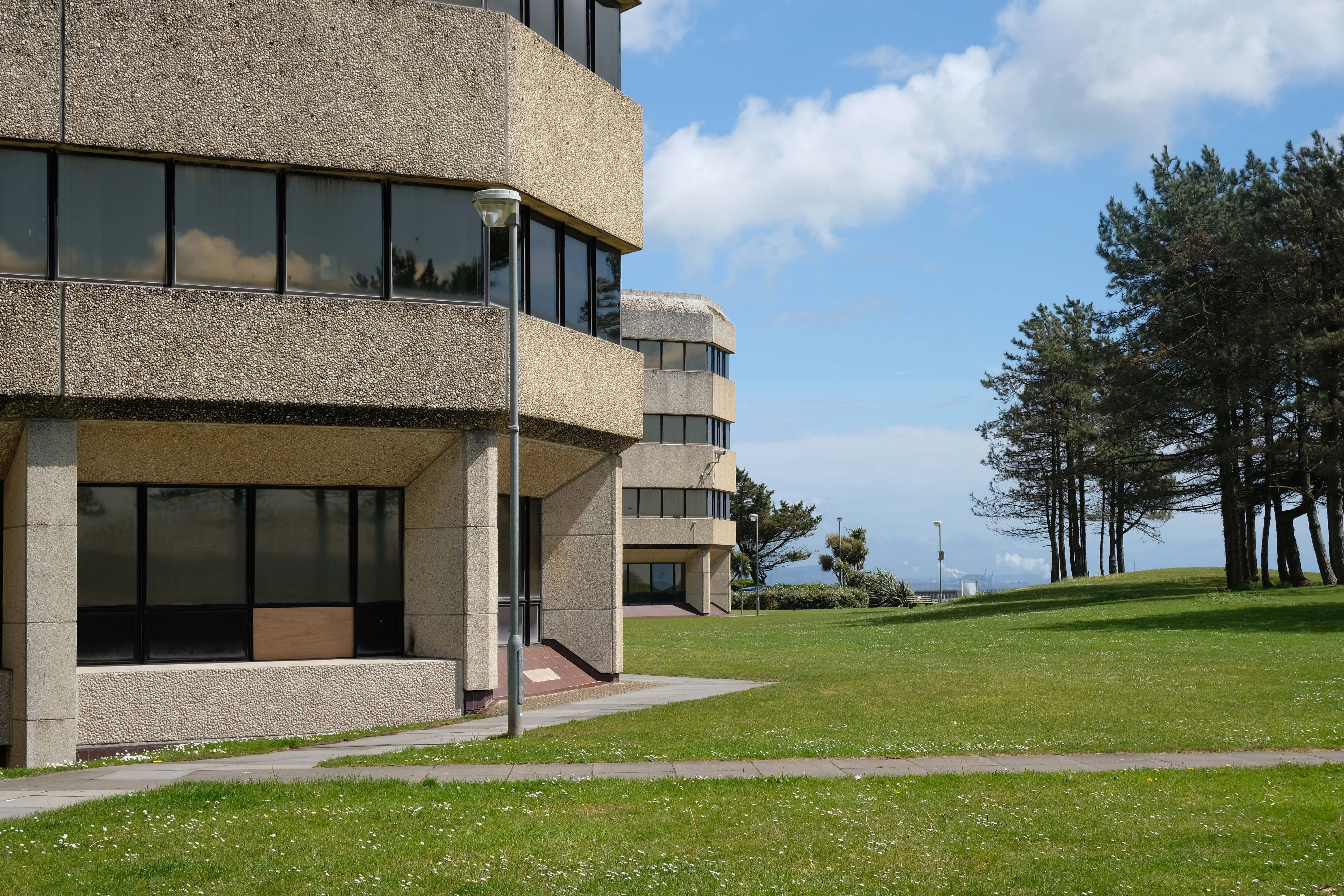
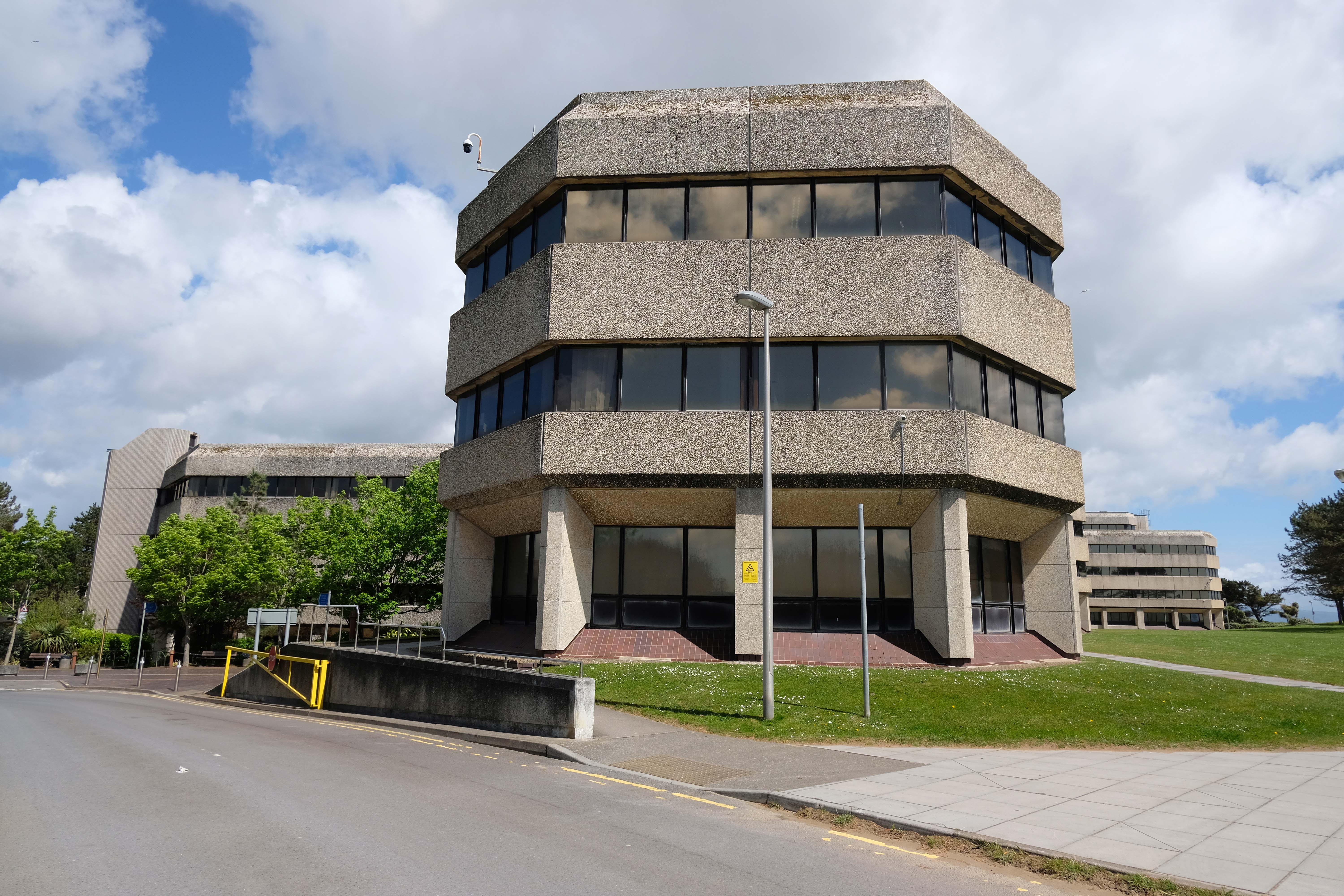
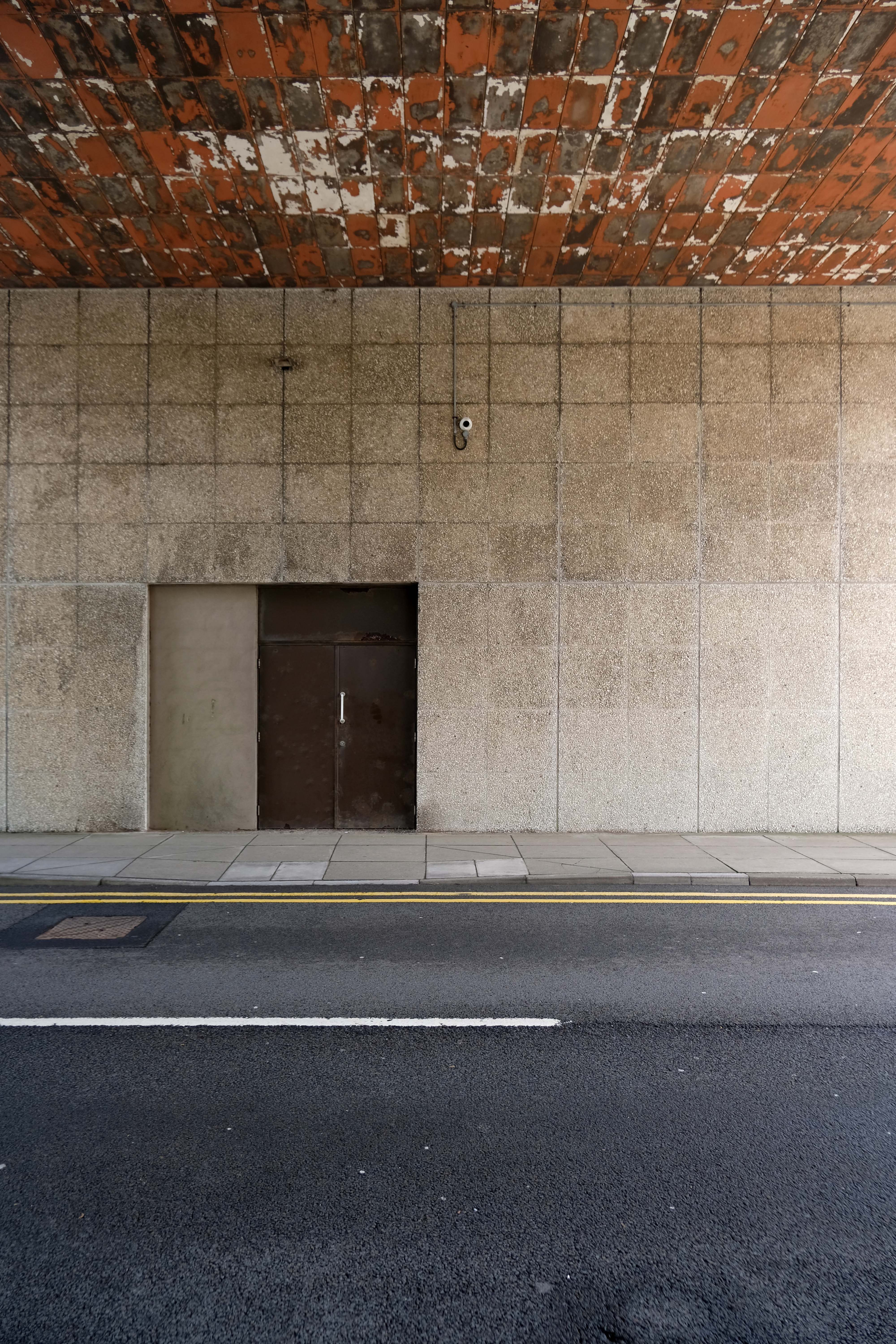
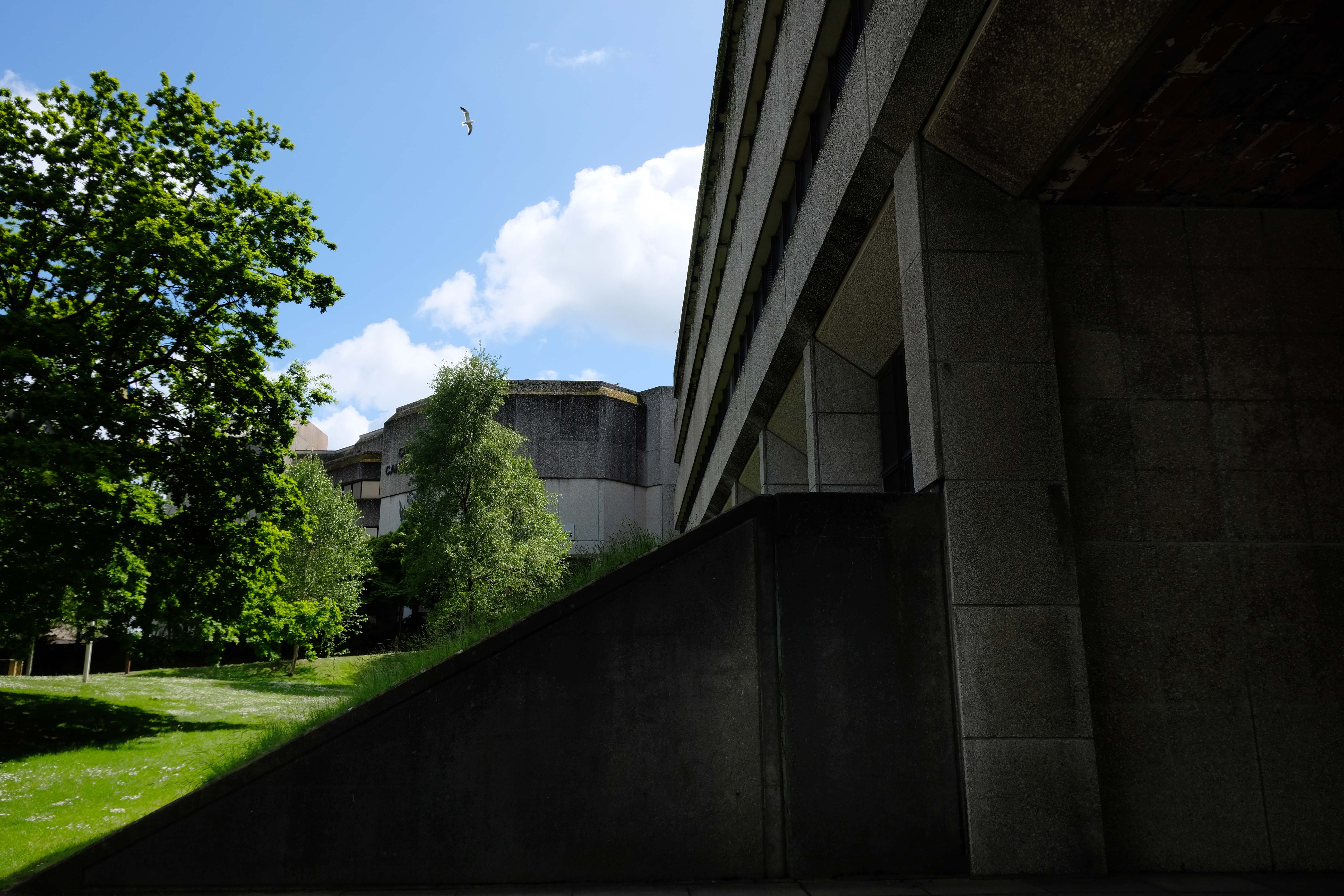
The design features continuous bands of glazing with deep washed calcined flint panels above and below.

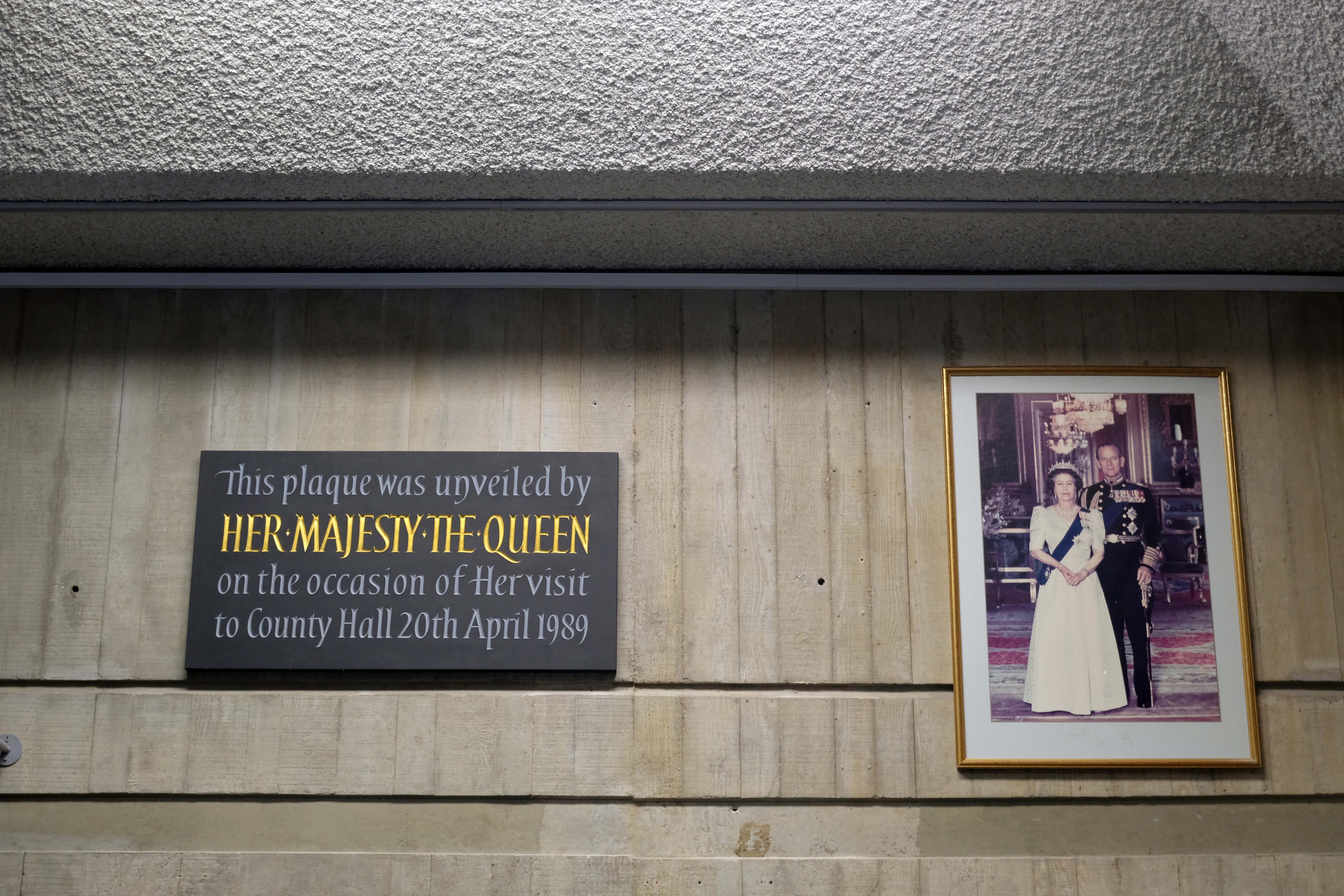
Queen Elizabeth II, accompanied by the Duke of Edinburgh, visited on 20 April 1989.

After local government re-organisation in 1996, which abolished West Glamorgan County Council, ownership of the building was transferred to Swansea Council. It was renamed Swansea Civic Centre on 19 March 2008, and Swansea Central Library moved into the complex as part of a redevelopment scheme.

See, simple!

Wikipedia

However.

In 2019 it was reported that Swansea Council leader Rob Stewart said:

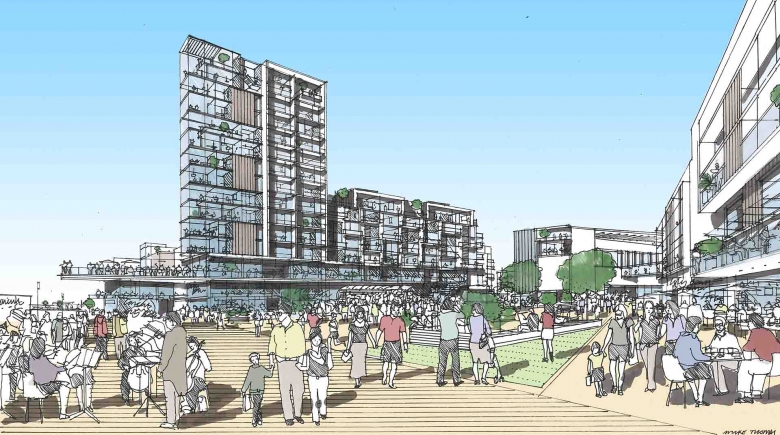
As part of our city centre’s multi-million pound transformation, it remains our aim to vacate and demolish the civic centre.
We want to reinvigorate that area and we continue to make progress on a master plan for it.
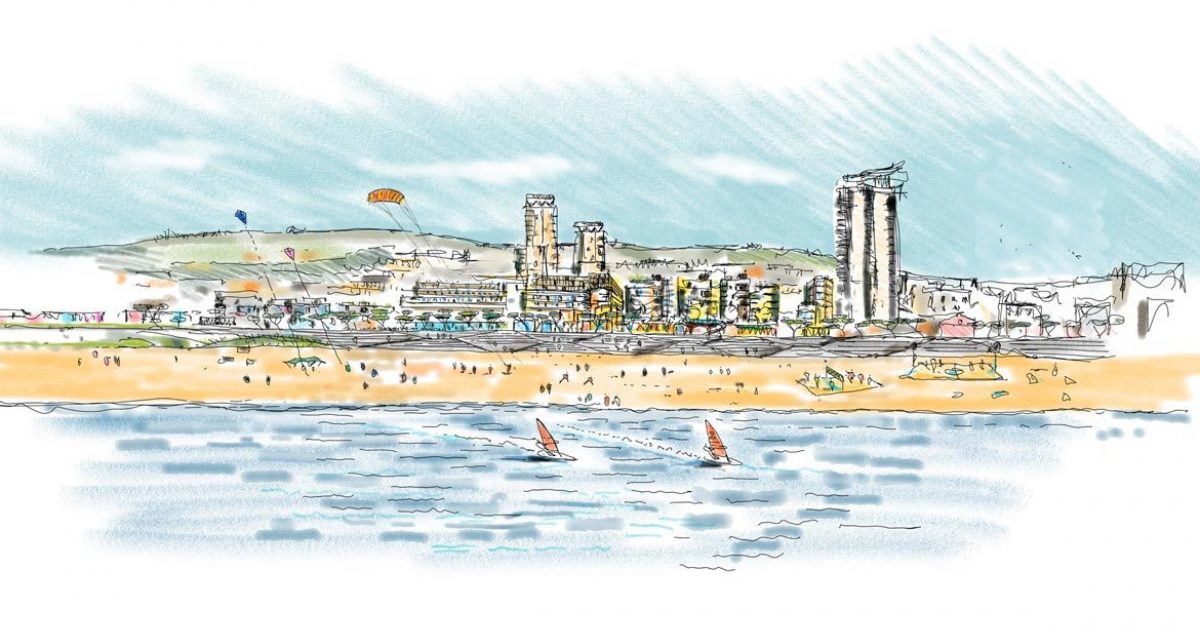
Powell and Dobson think that this seems like a swell idea

Urban Splash seem to have a slightly vaguer vision.

In March 2021, plans to find a new use for the location continued to still be a commitment of Swansea council, with the announcement of the transfer of the central library and other public services to the former BHS and now What! store on Oxford Street.

Swansea Civic Centre is at risk the Twentieth Century Society says so – they are strongly opposed to demolition of the iconic building and have submitted an application to have the building listed as Grade II.

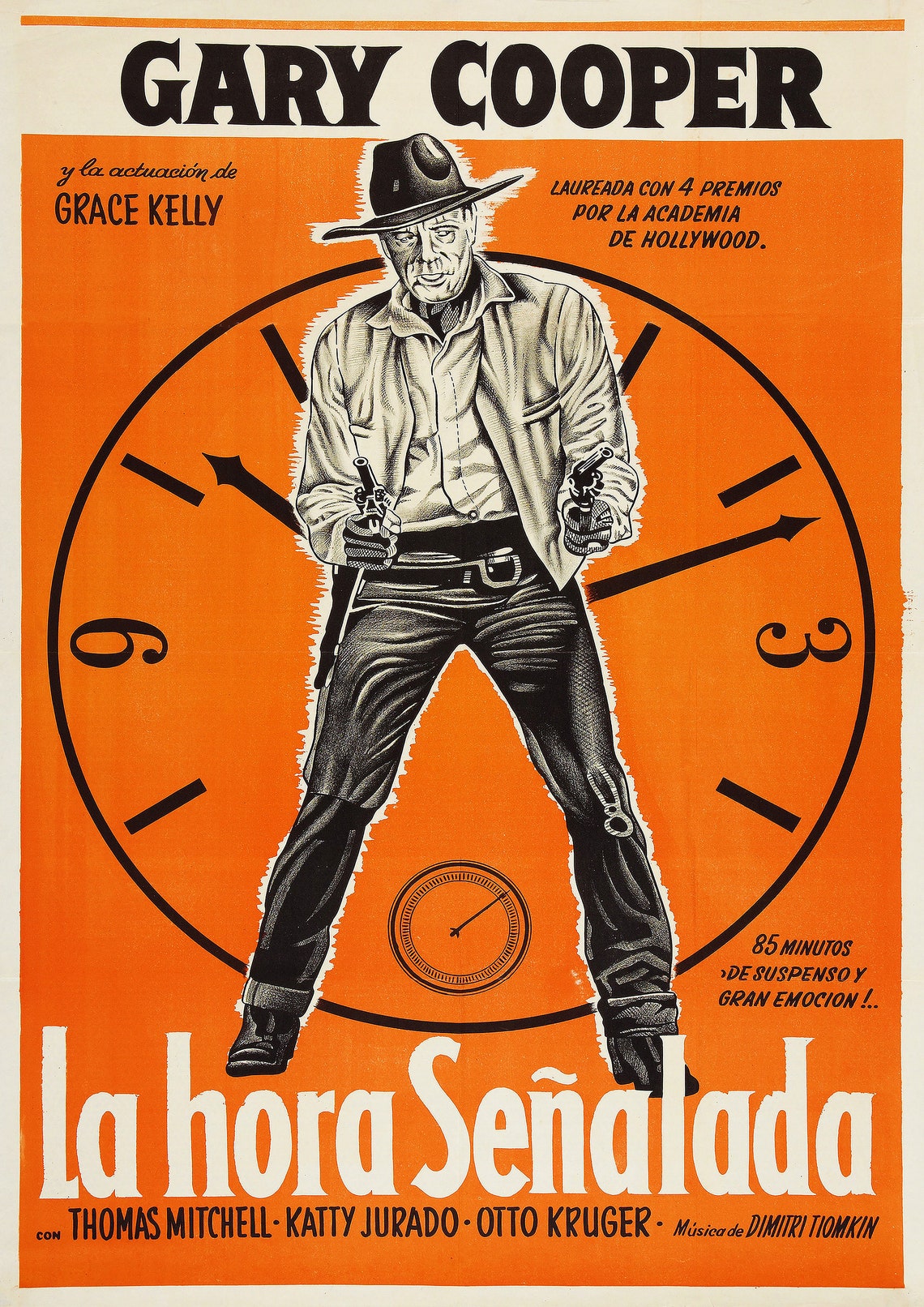
I do not know what fate awaits it, I only know it must be brave – to paraphrase Dimitri Zinovievich Tiomkin, Ned Washington, Gary Cooper and Frankie Laine – it’s High Noon and counting.

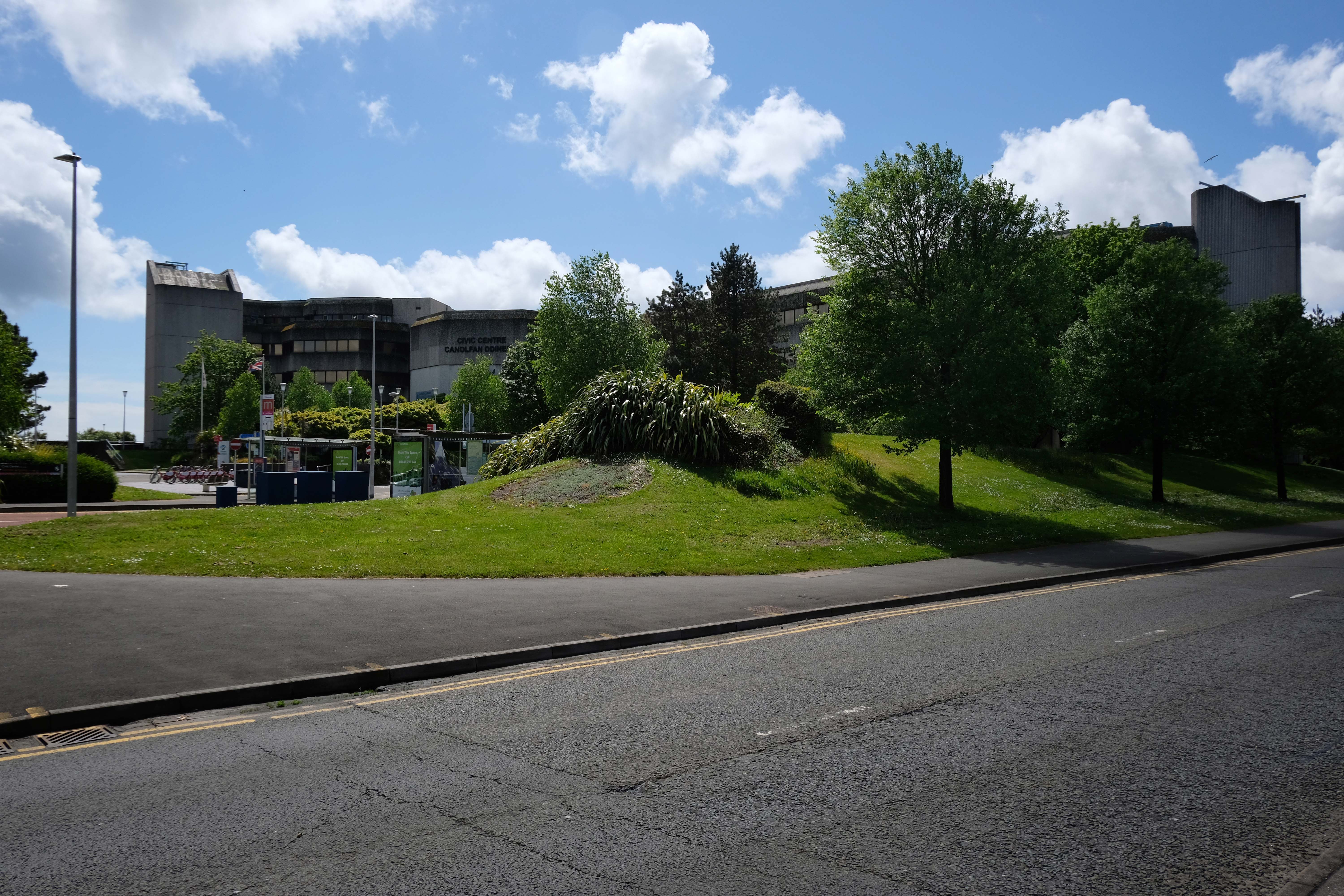
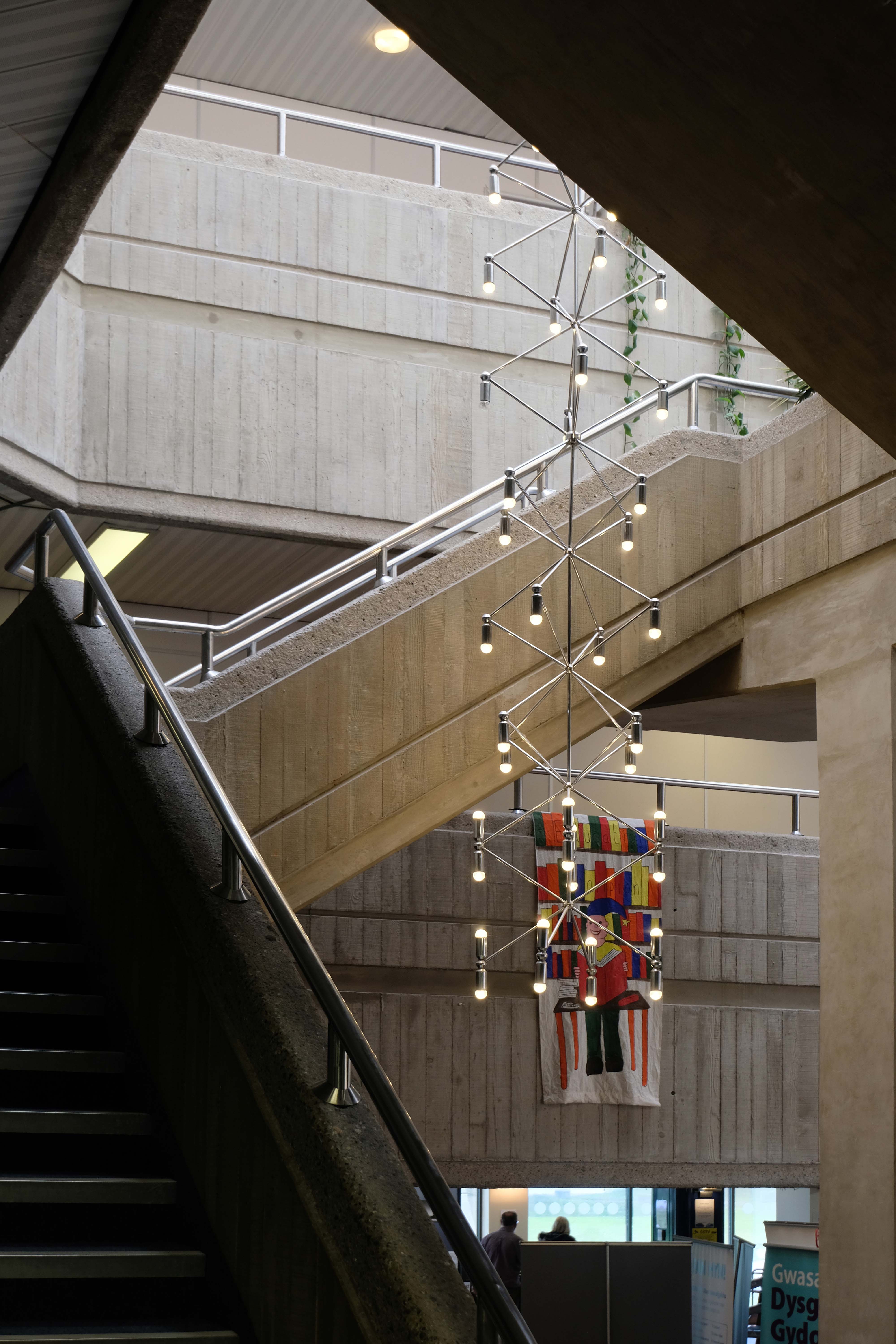
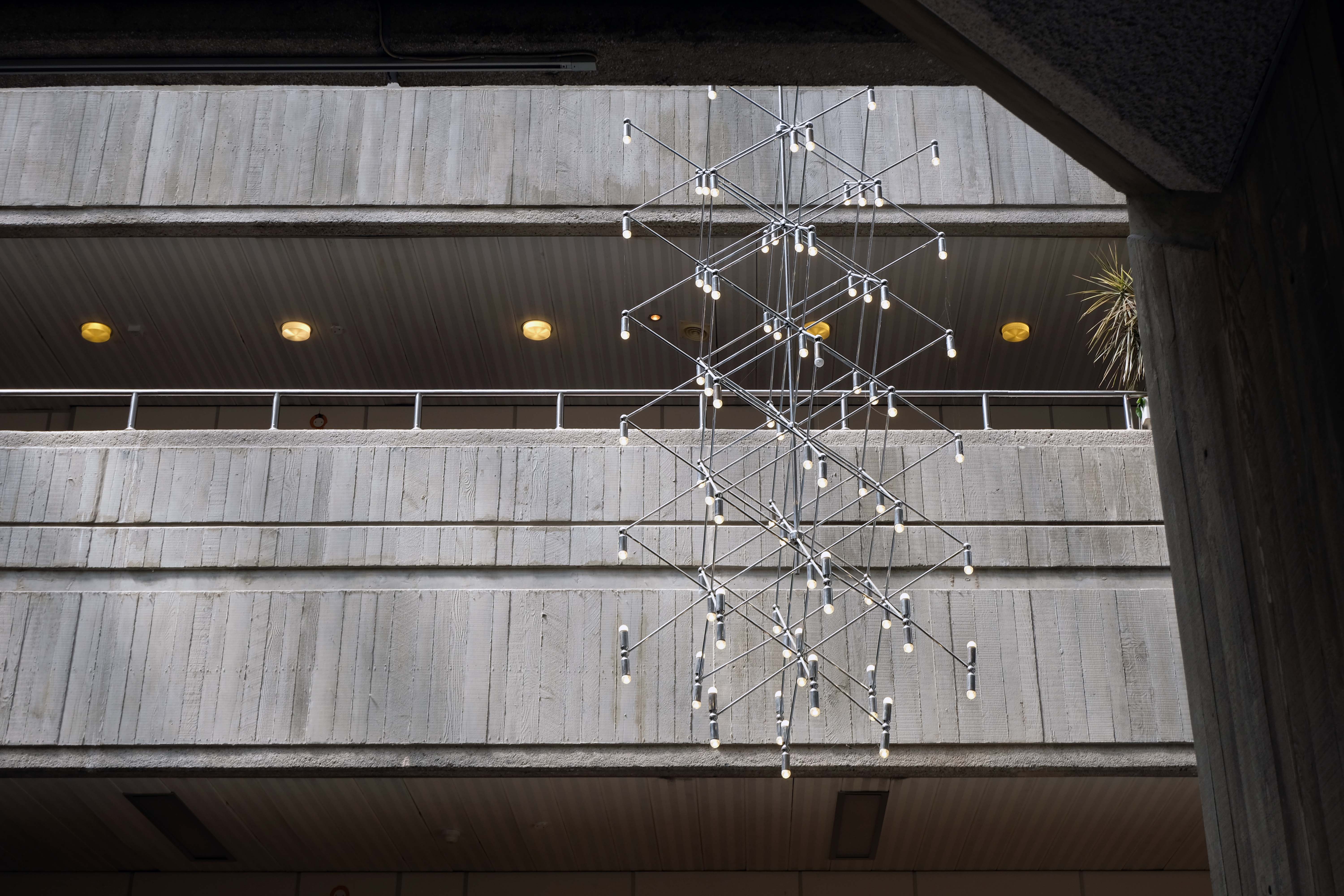
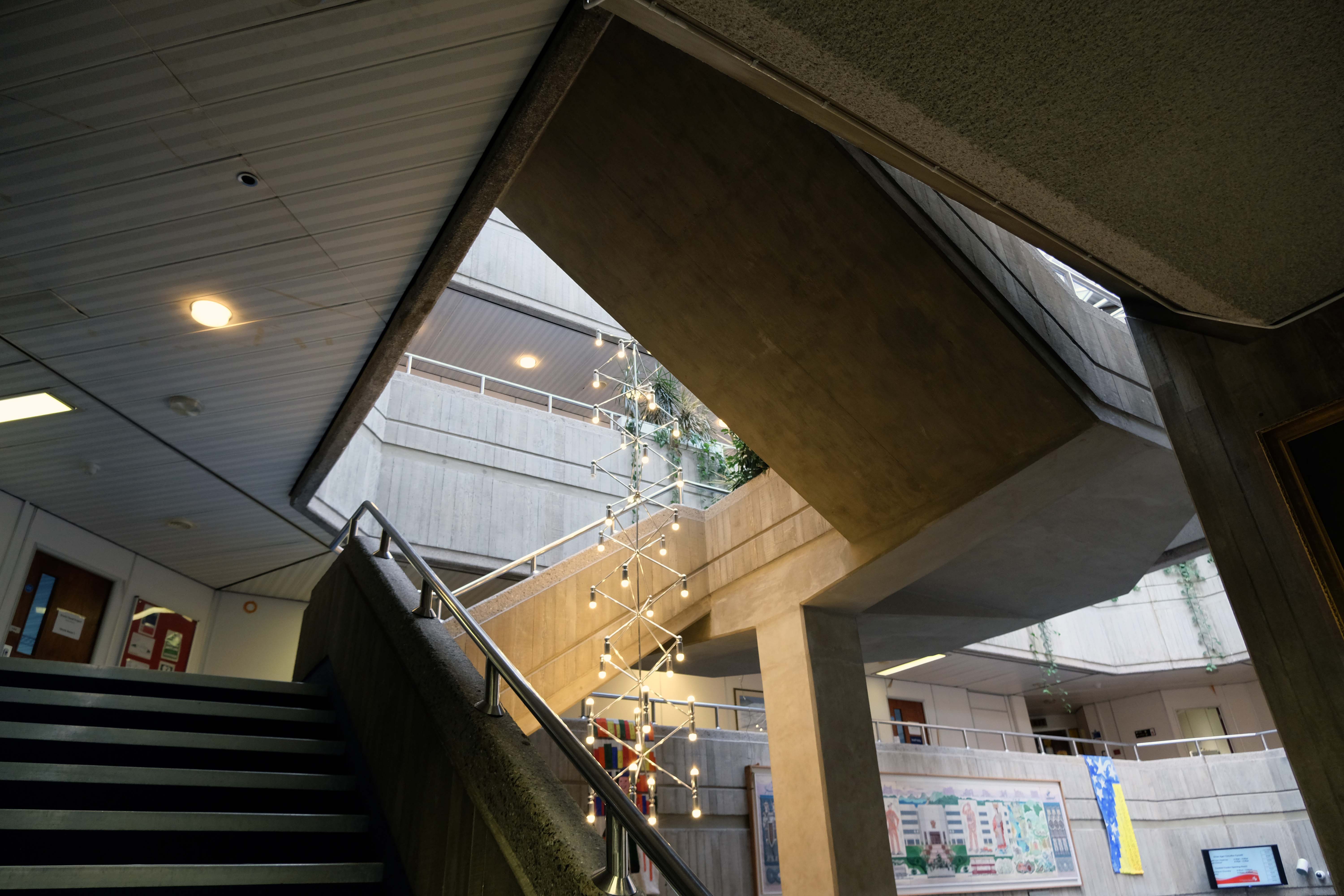
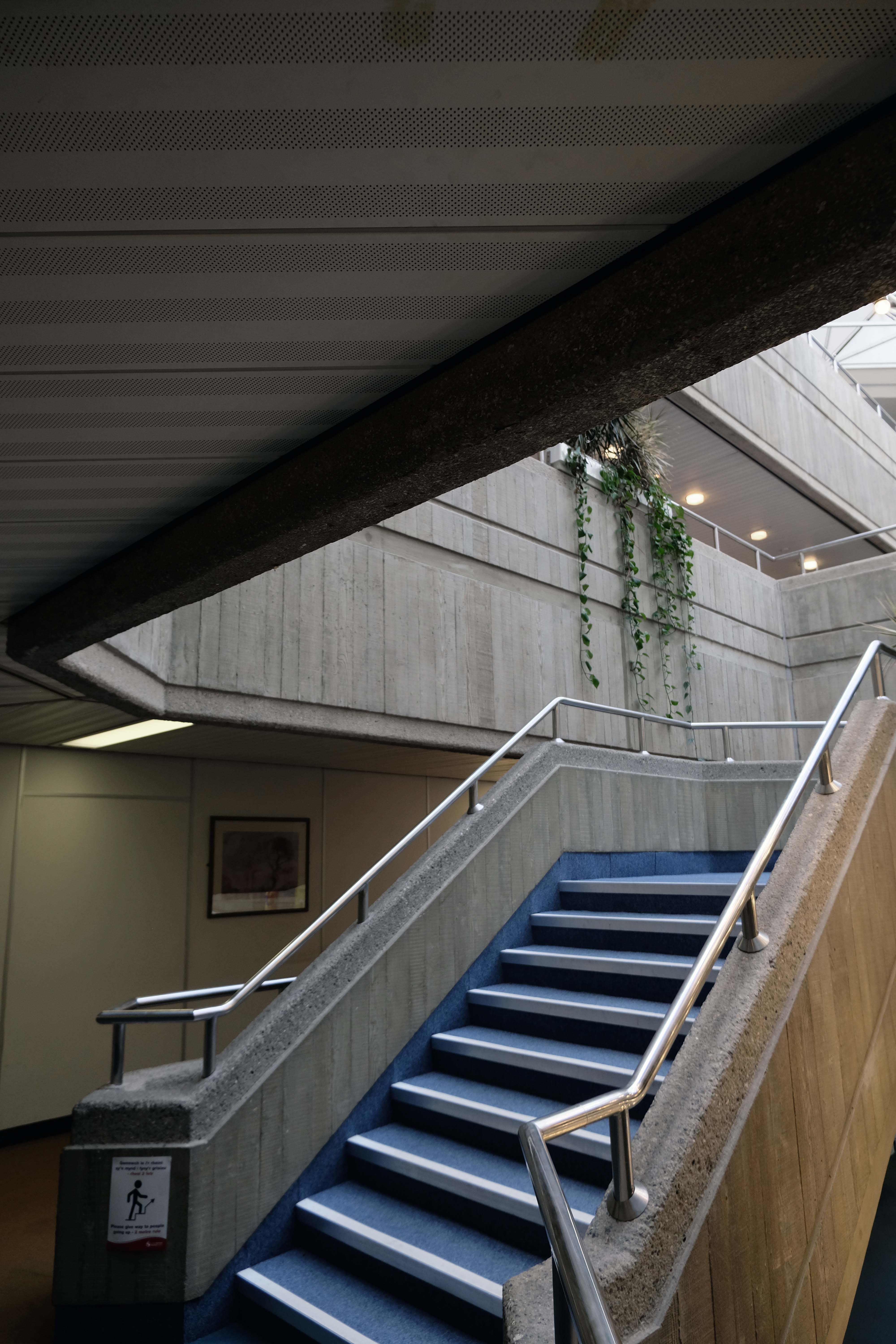
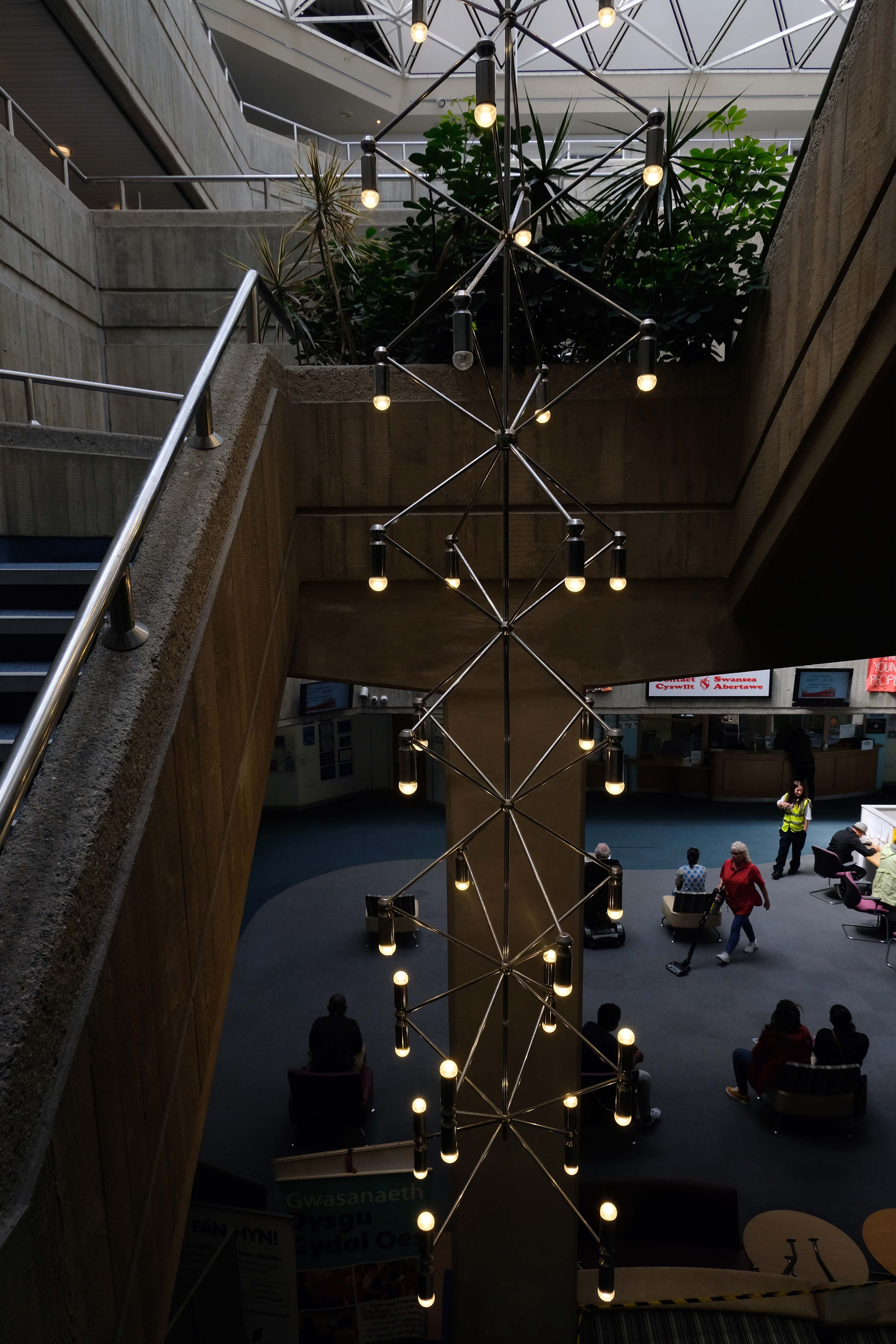
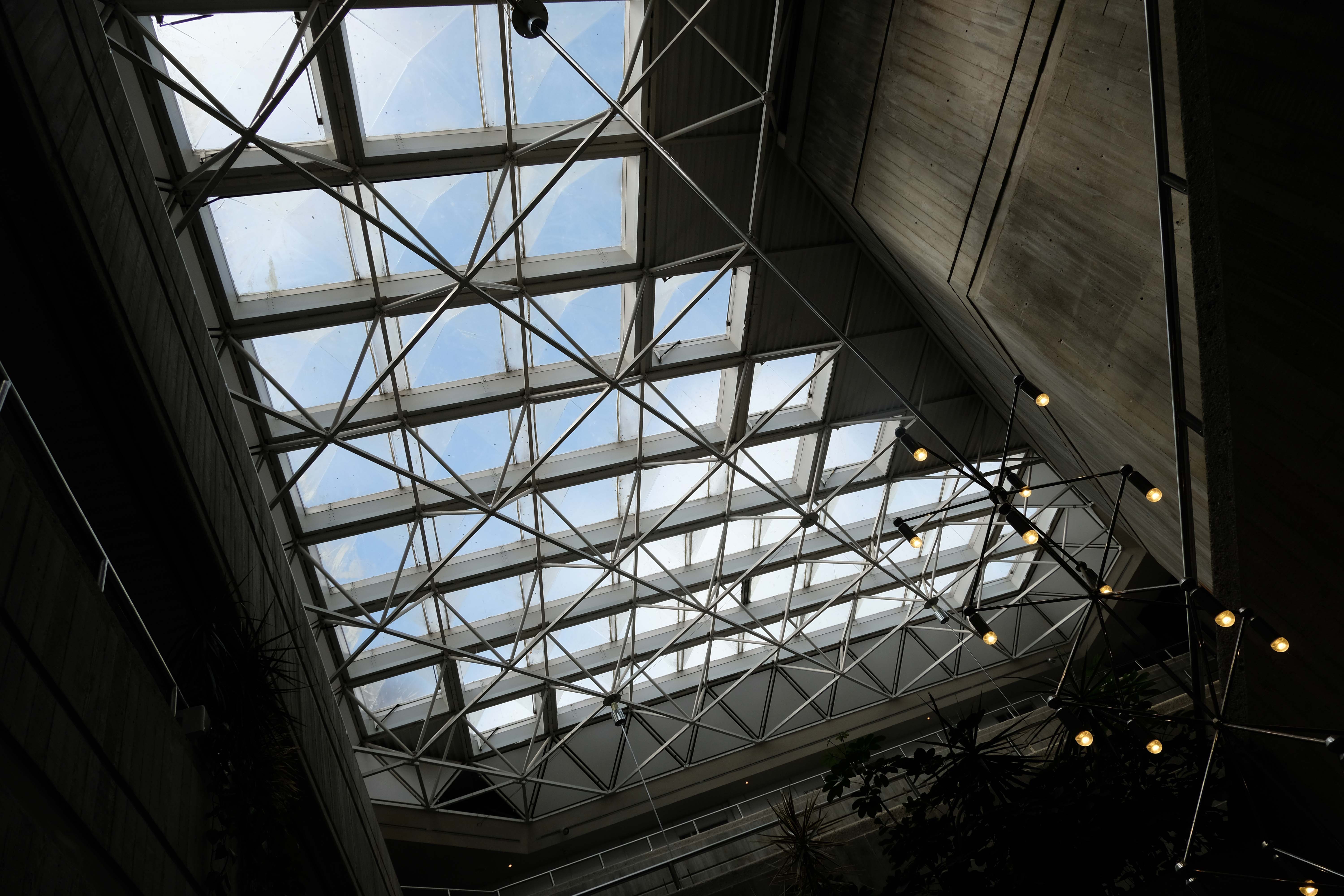
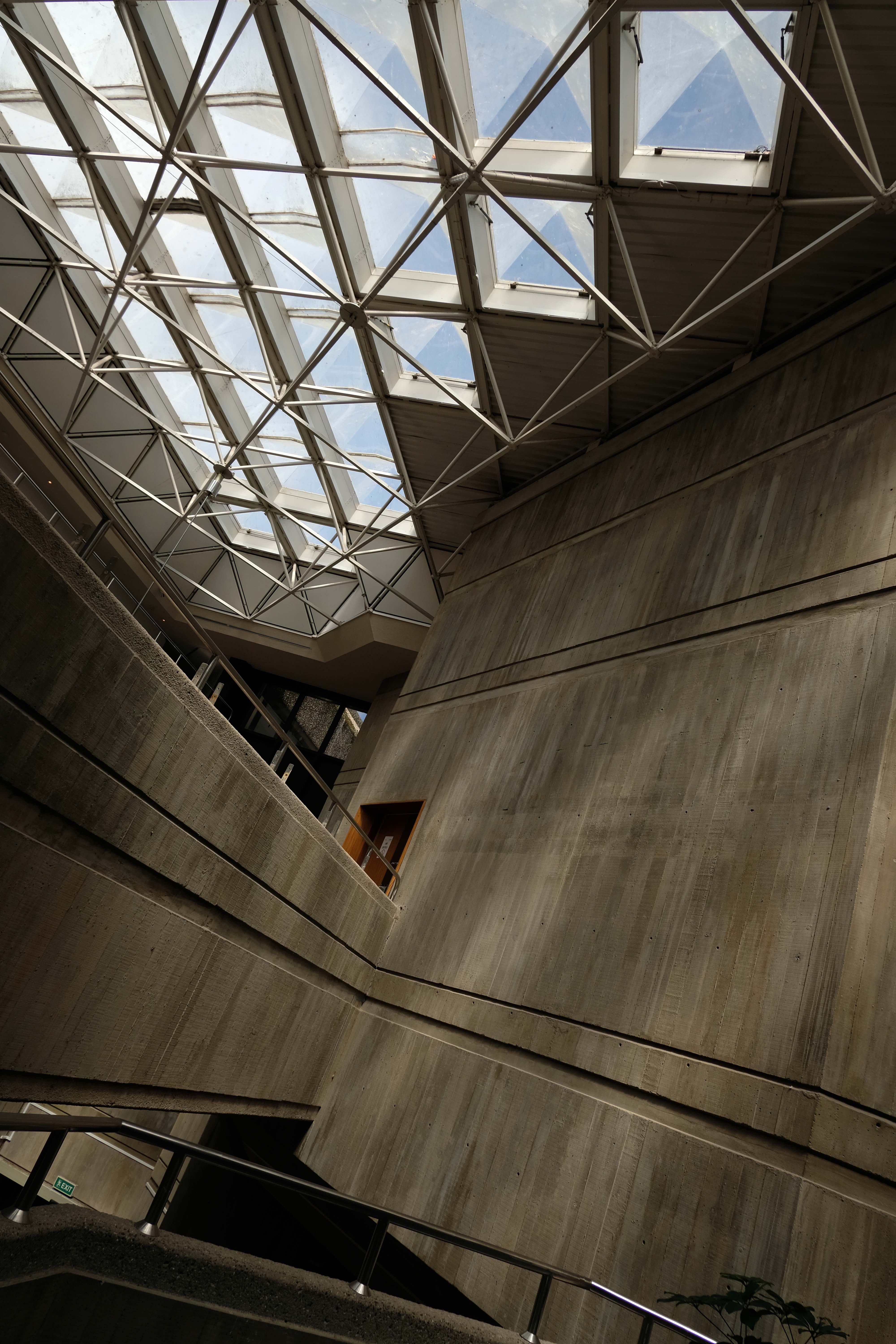
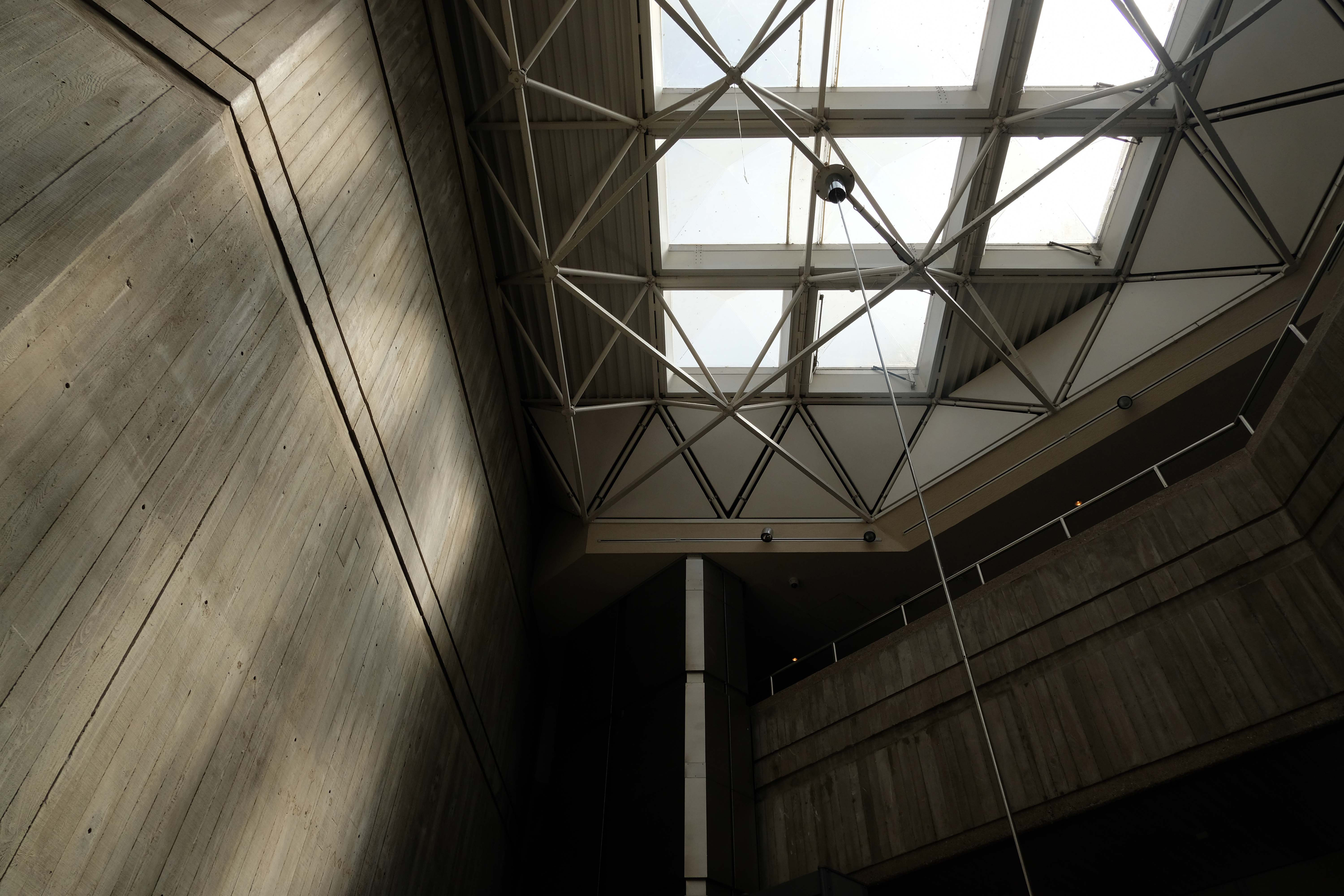
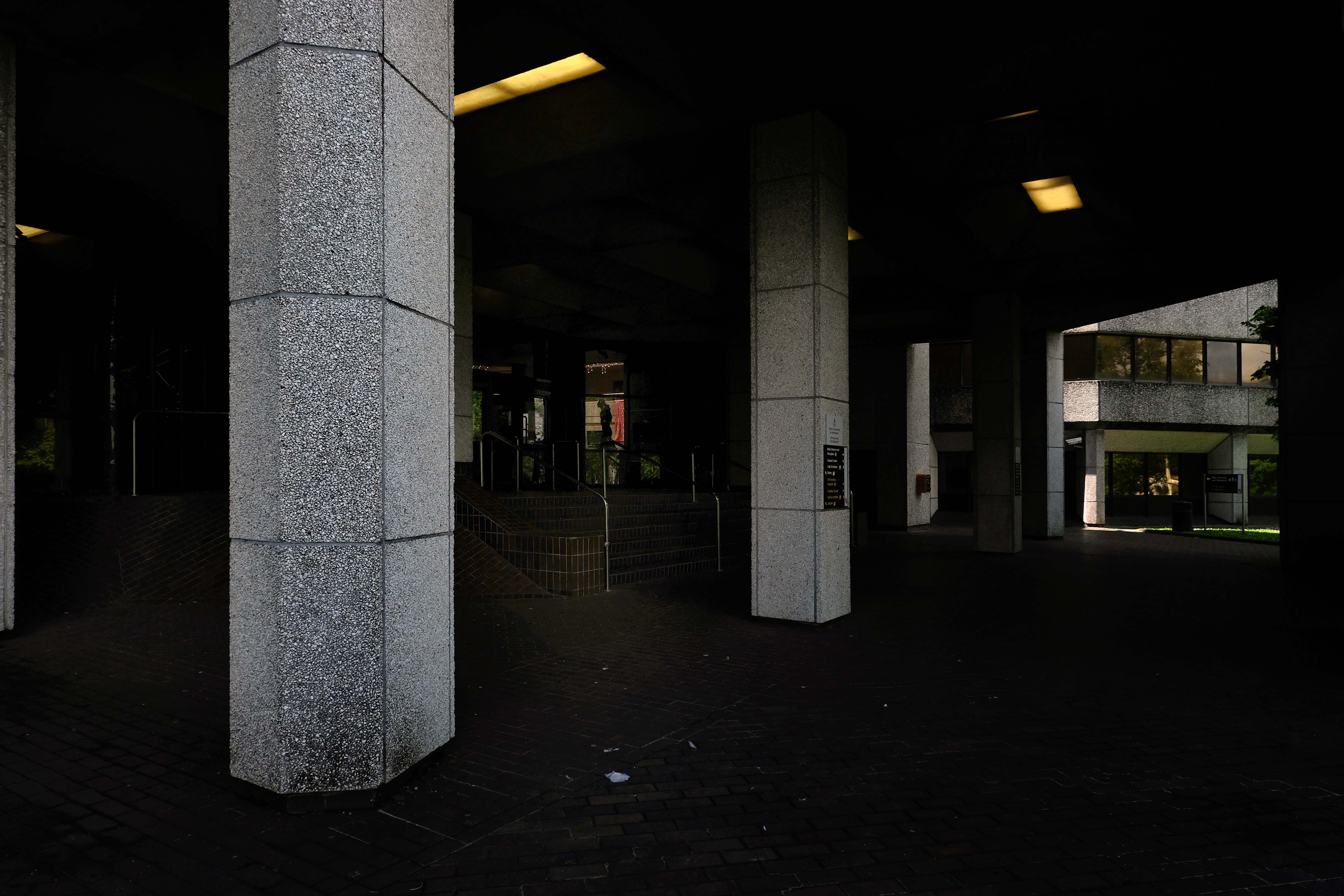
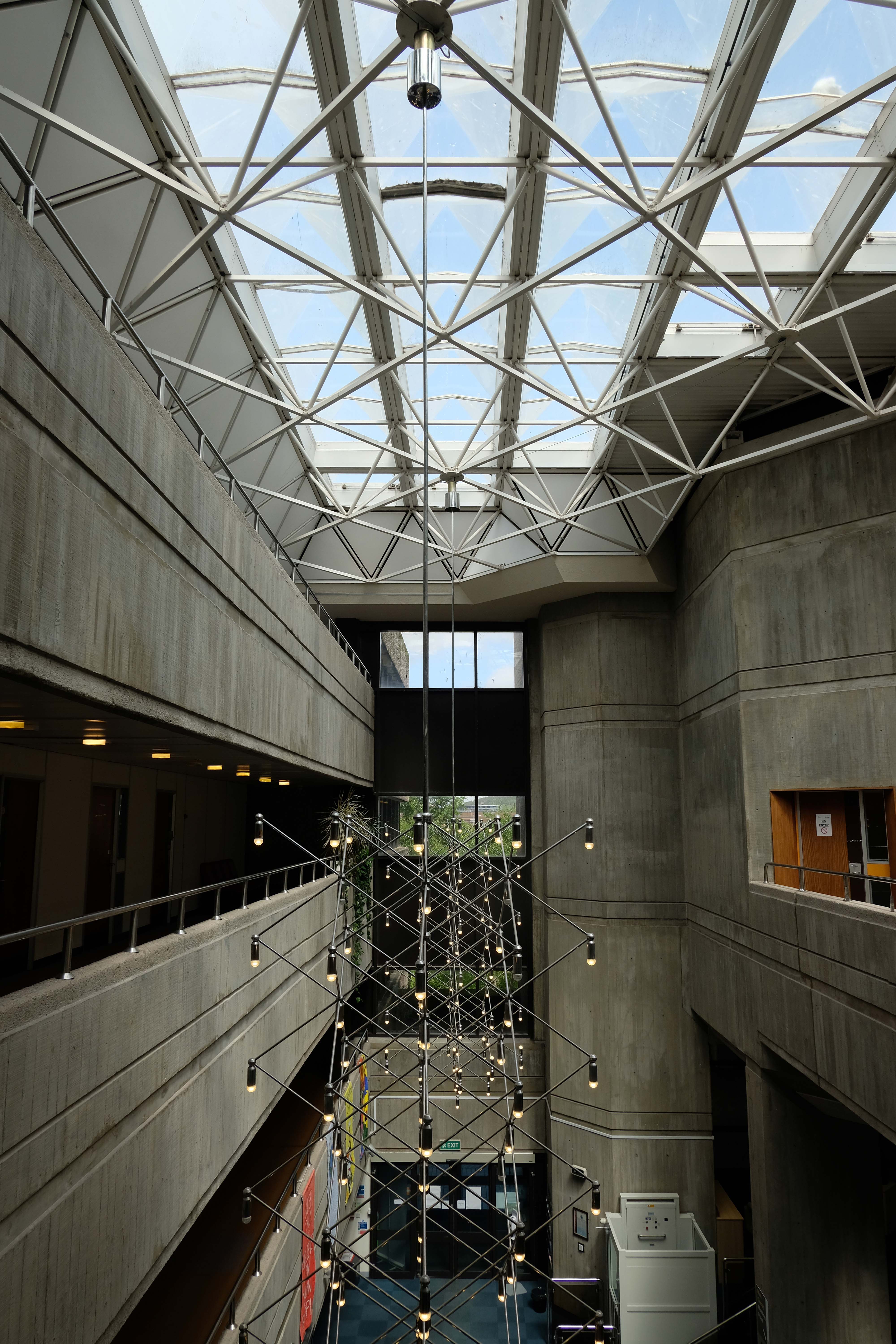
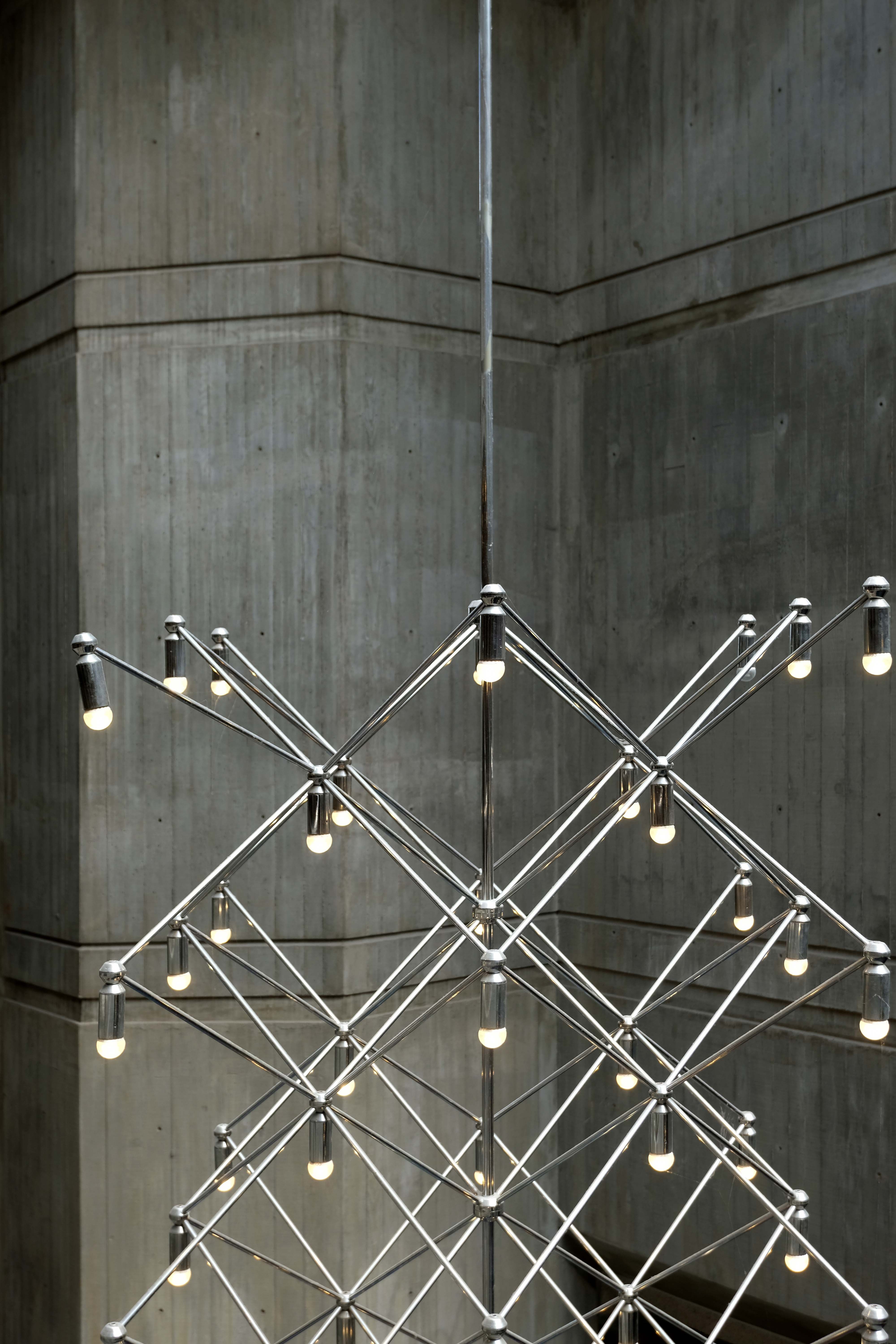
Any road up as of the 11th of May it looked just like this:

Diolch yn fawr once again to Catrin Saran James for acting as my spirit guide.