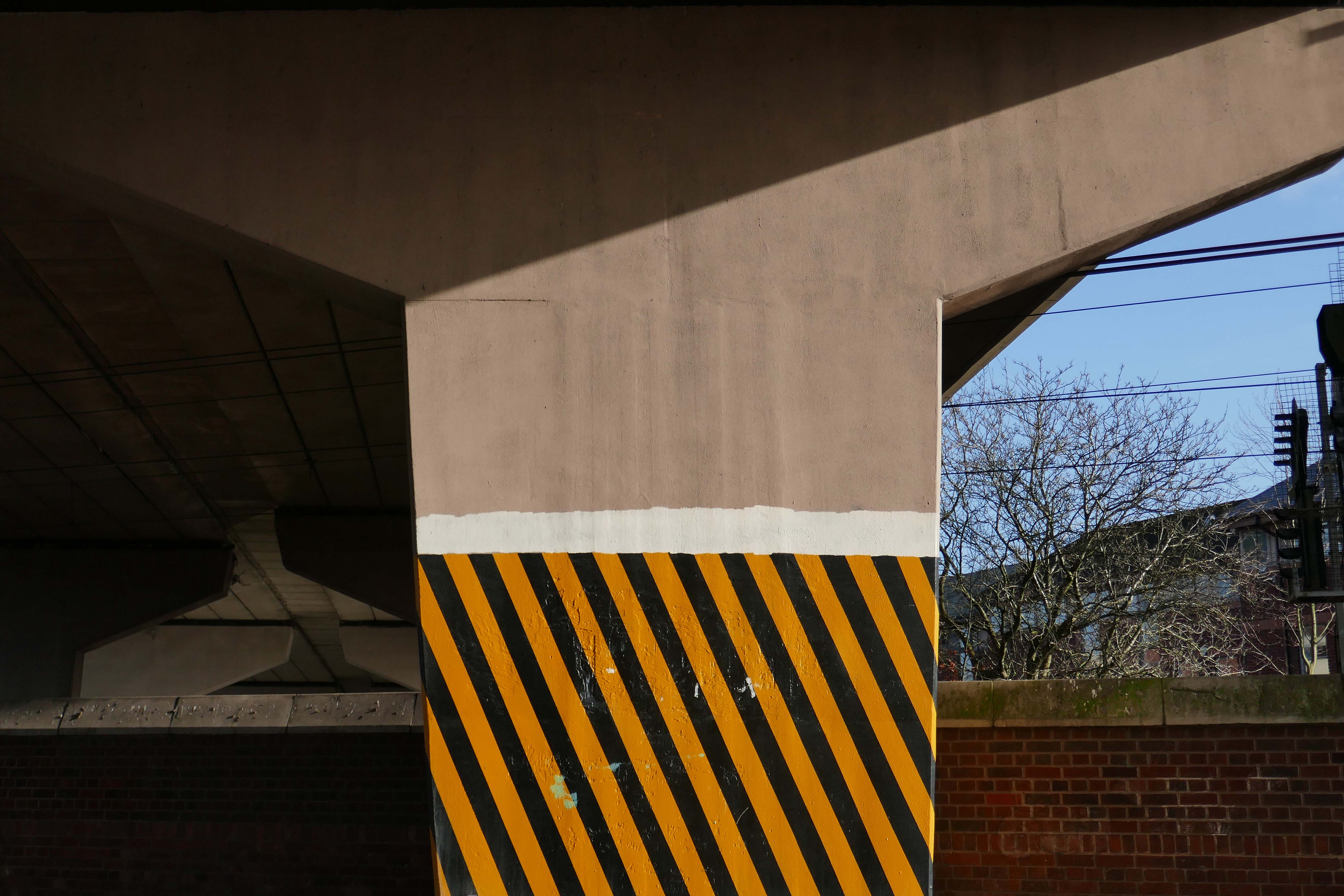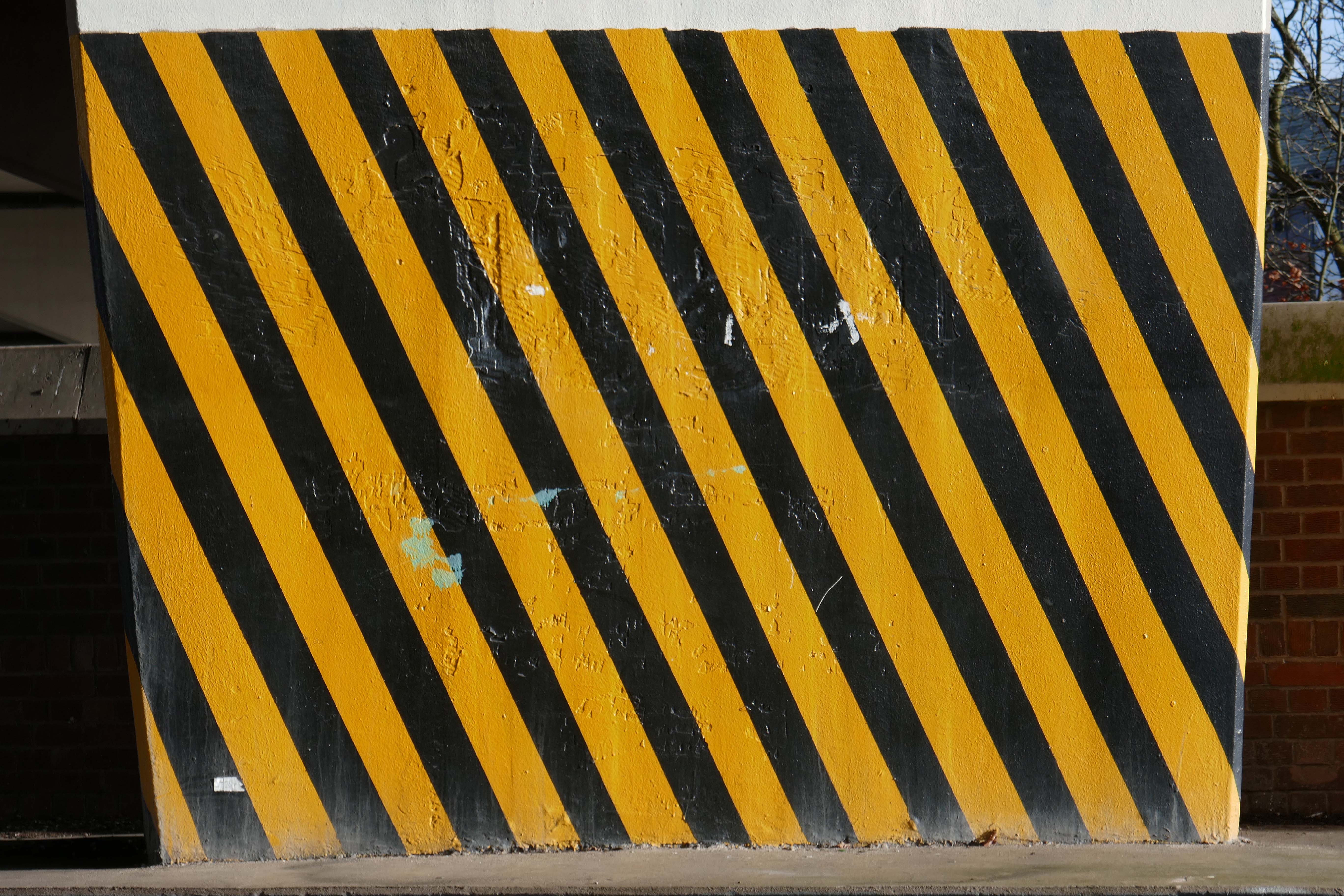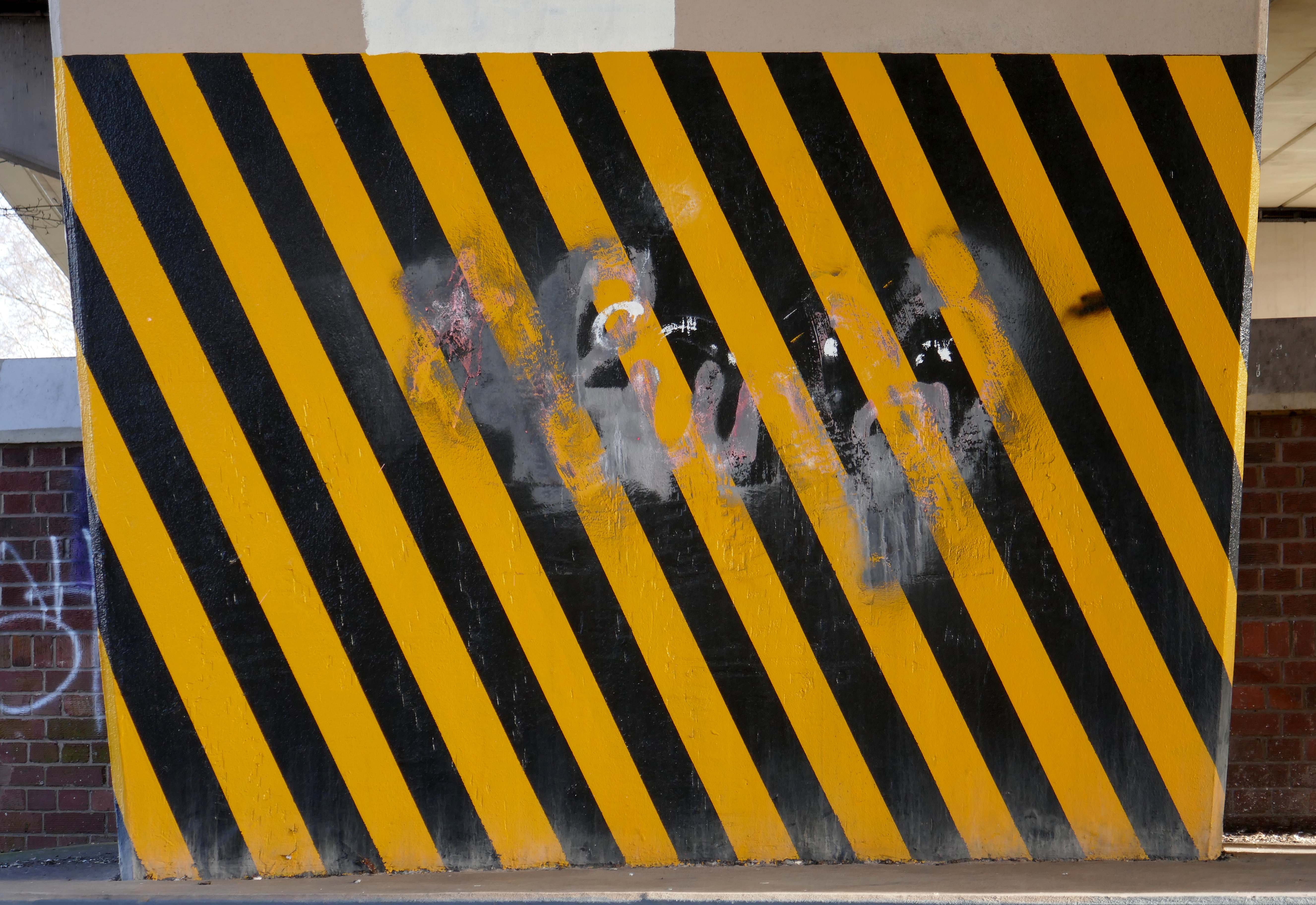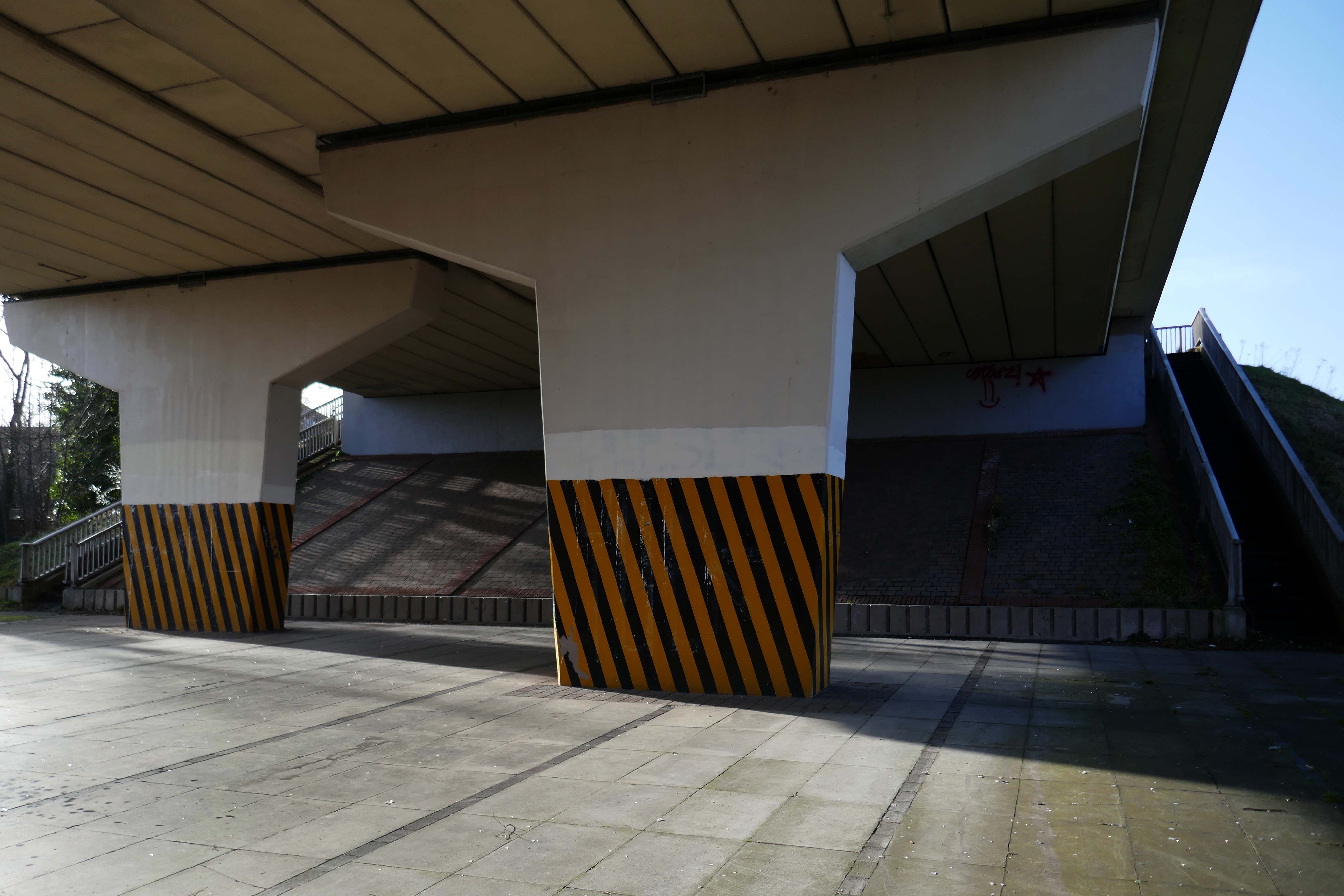
Haçienda Hazards

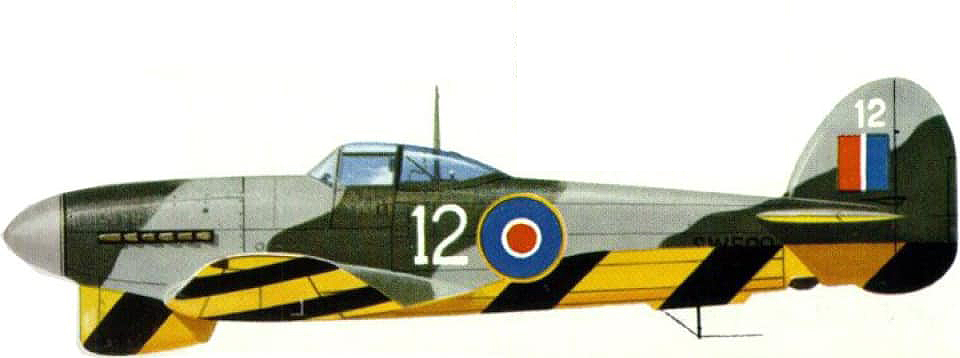
Hawker Typhoon 1945

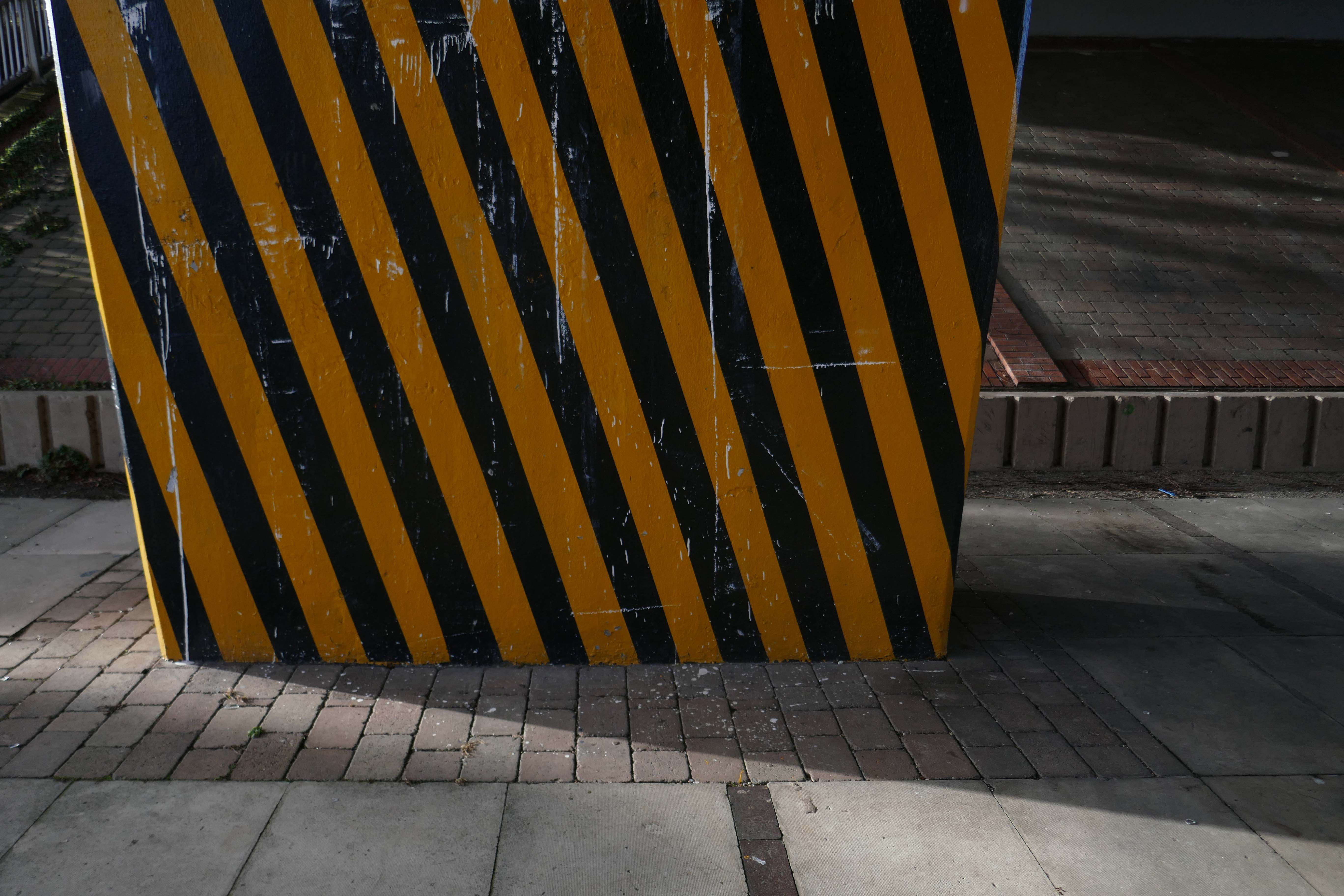
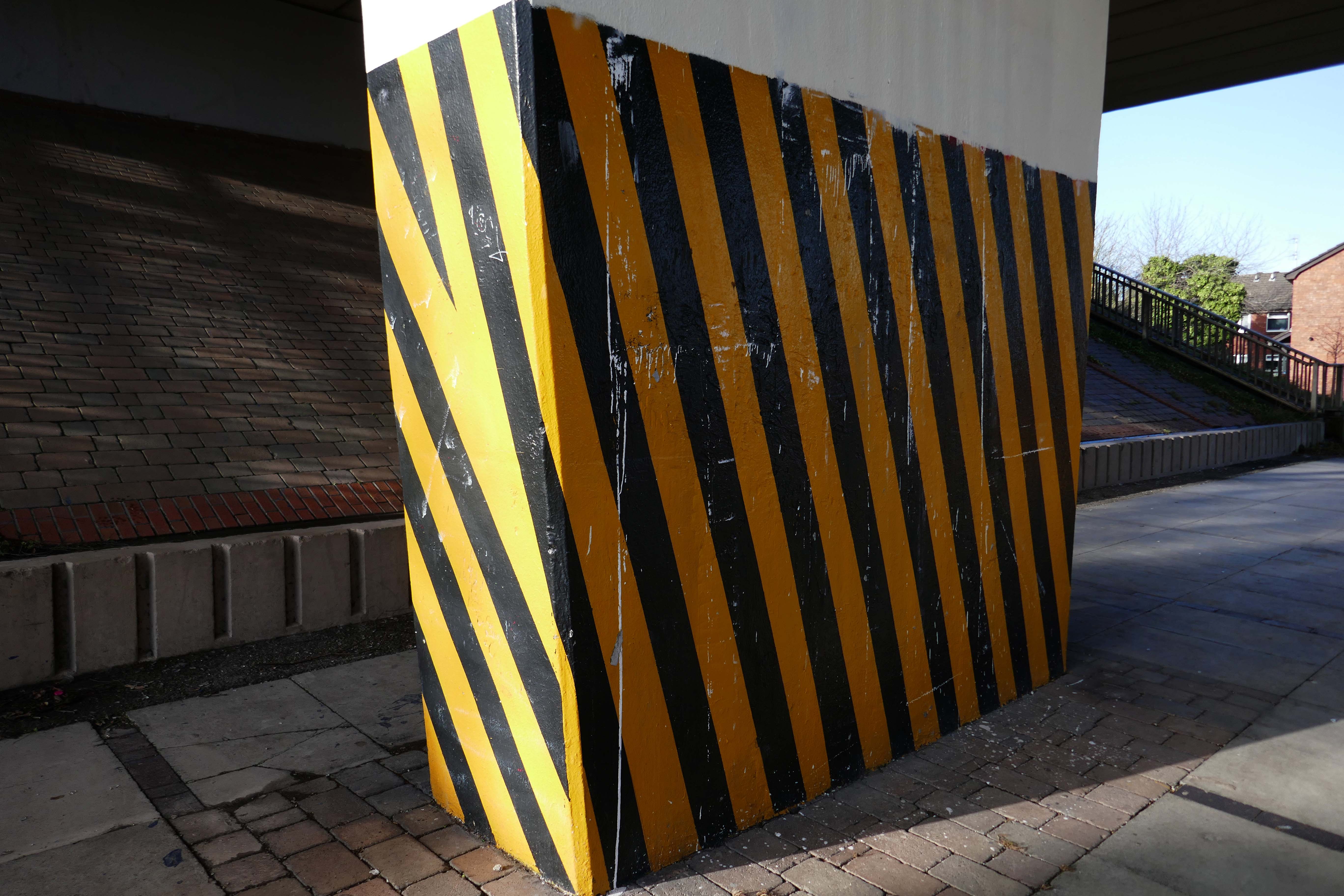
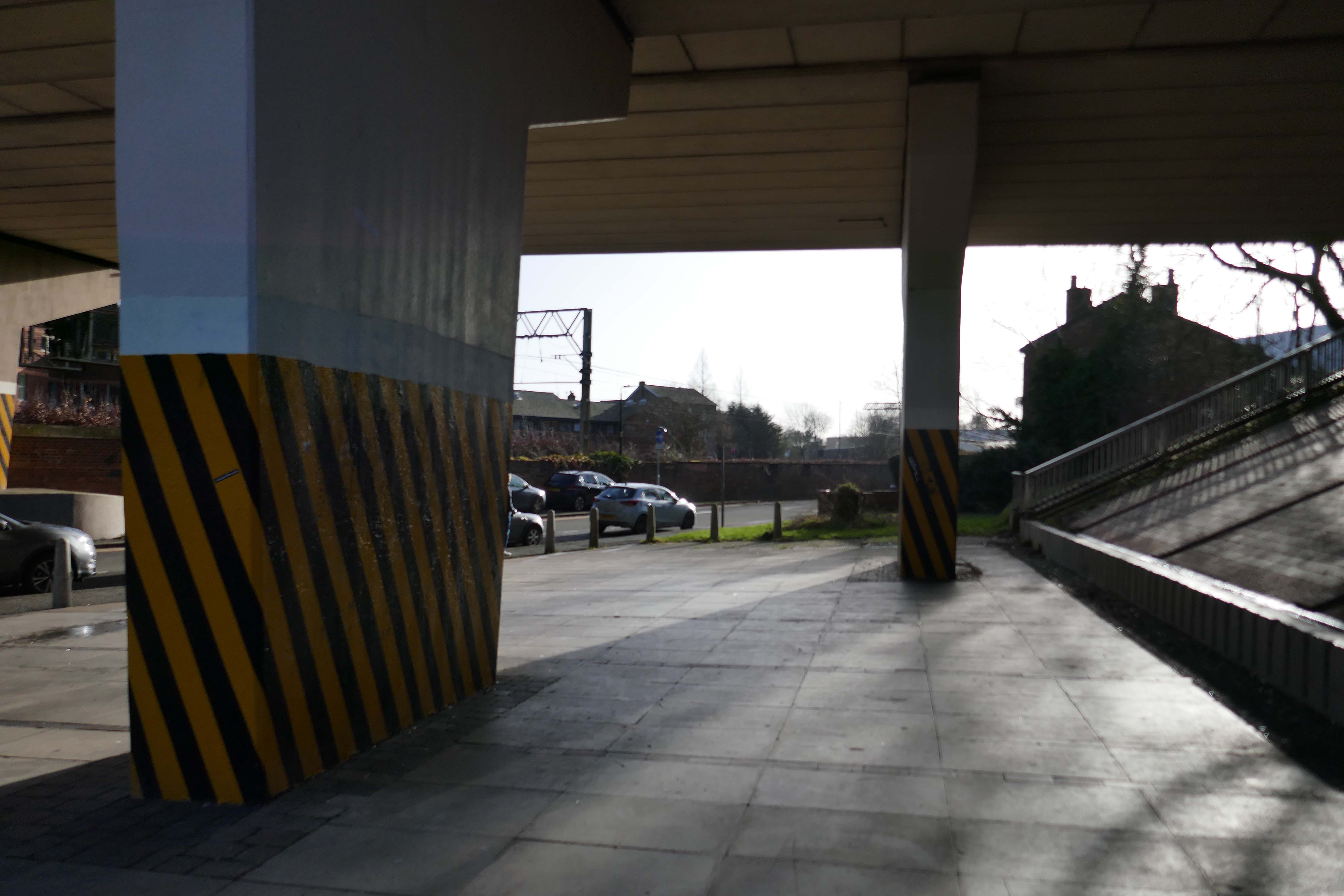
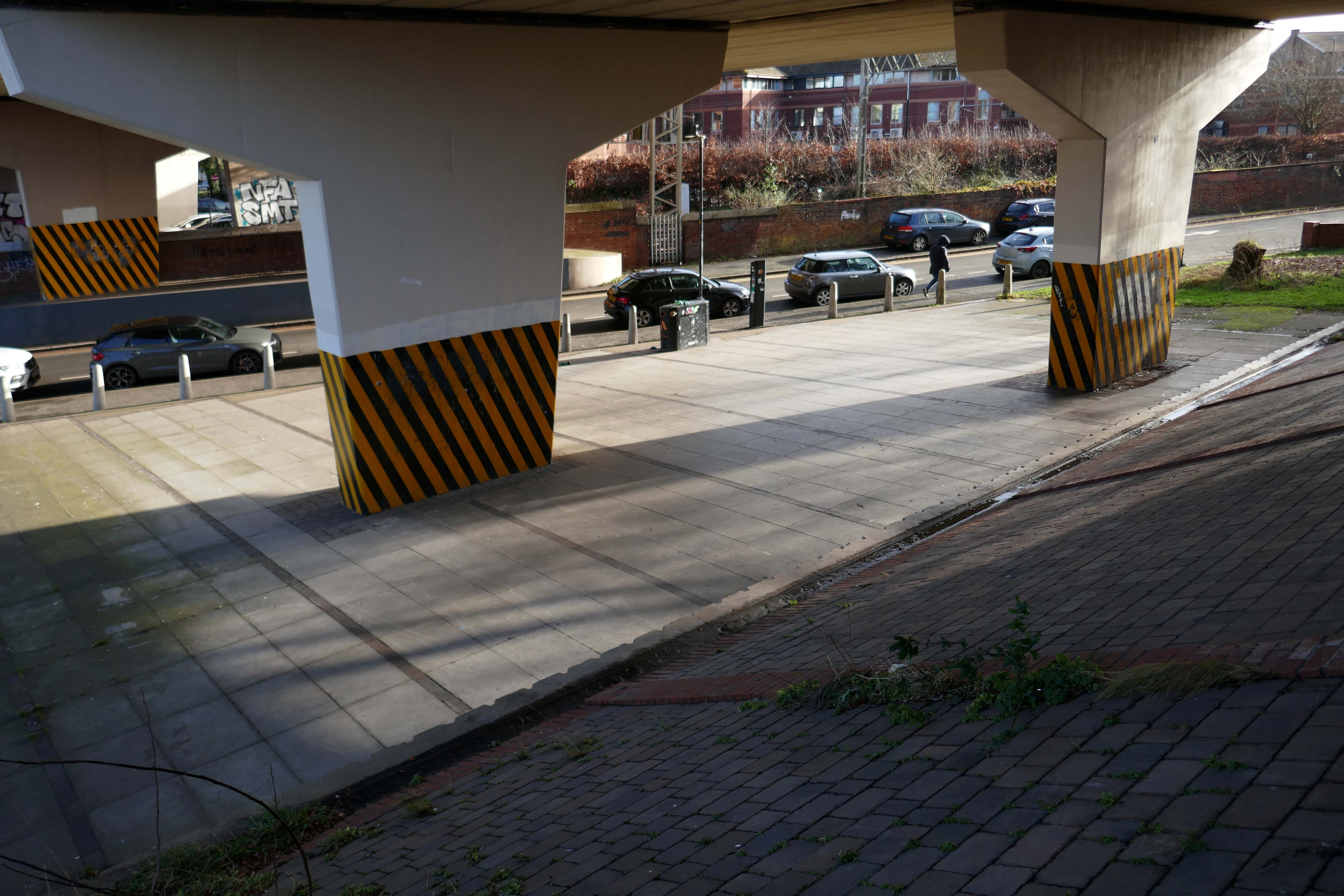
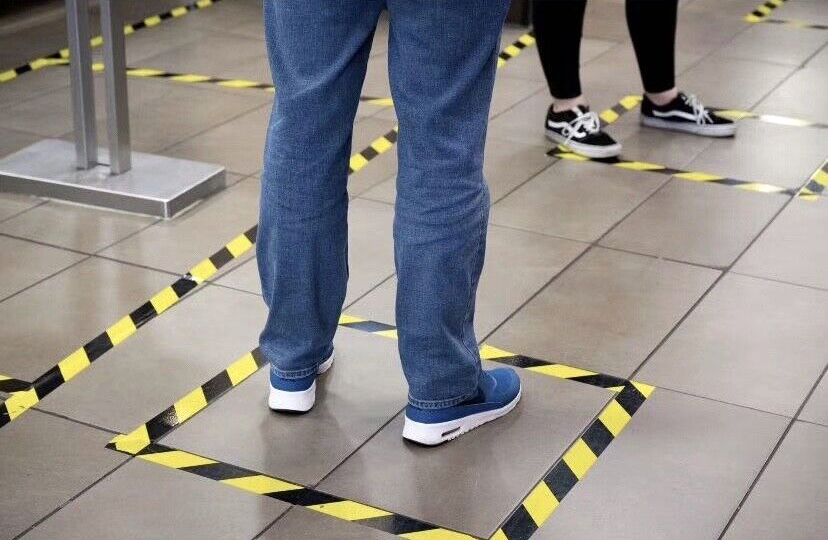
Health and safety regulations state that markings should be placed around obstacles or dangerous locations. This includes where any of the following present a risk:

  • people tripping or falling
  • objects falling
  • people or vehicles colliding with objects

These markings should be made up of alternating red and white or yellow and black stripes of equal size at a 45 degree angle. Barricade tape can be used to satisfy this requirement as long as the tape is “commensurate with the scale of the obstacle or dangerous location in question”
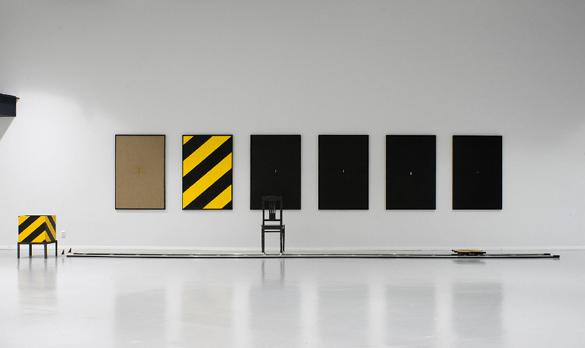
Wikipedia

I hereby lay claim to this symbol, sign, icon, the combination of black and yellow, wherever it may appear, in this or any other world, in whatever shape, form, pattern or composition, be it civil or military. I hereby claim to be its originator and owner.

Leif Elggren 1977

Designed by Ben Kelly, upon recommendation by Factory graphic designer Peter Saville, upstairs consisted of a stage, dance area, bar, cloakroom, cafeteria area and balcony with a DJ booth. 

The Haçienda was opened on 21 May 1982, when the comedian Bernard Manning remarked to the audience:

I’ve played some shit-holes during my time, but this is really something.

His jokes did not go down well with the crowd and he returned his fee.
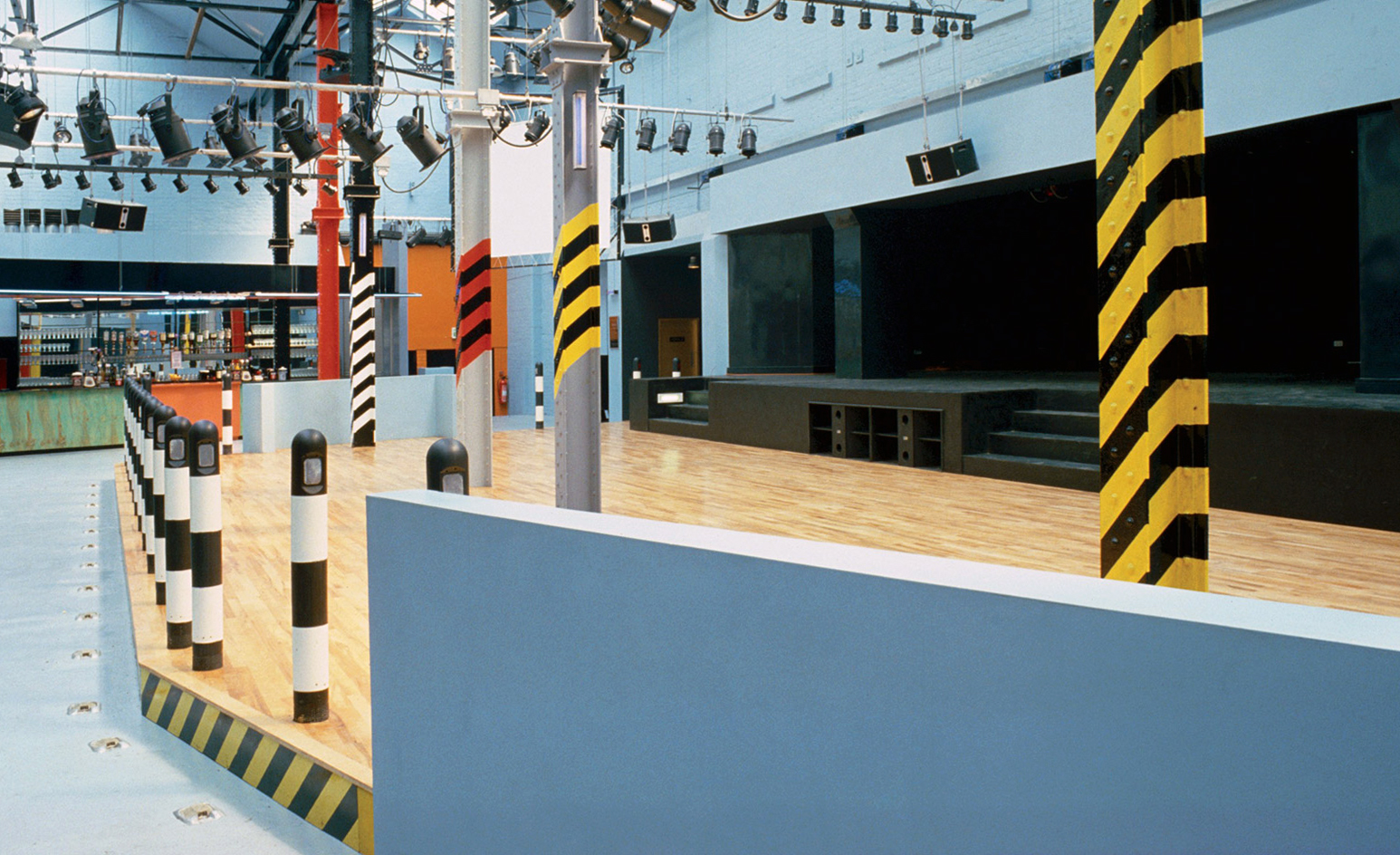
Wikipedia

Meanwhile in 2019

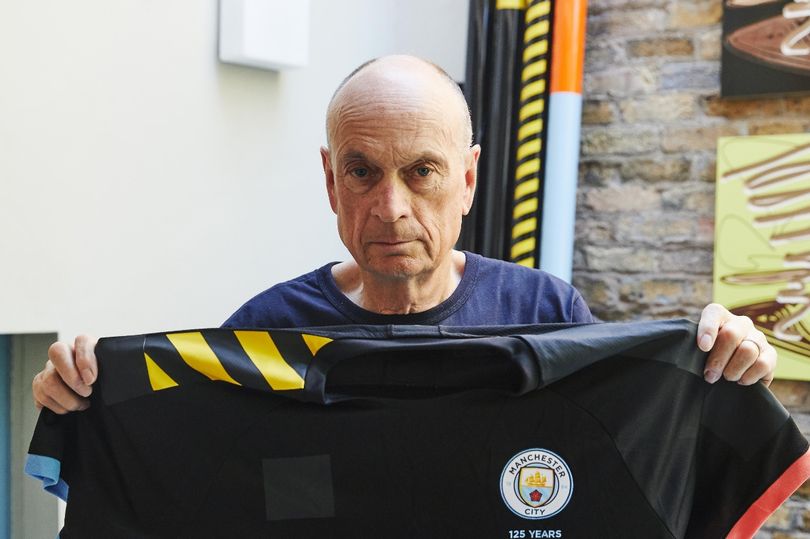
The black and yellow stripes on Manchester City’s away shirts were meant to be an uplifting homage to Manchester’s cultural heritage, but the choice of design now risks becoming a chip on the team’s shoulders.

The team’s jersey is embroiled in a controversy after Ben Kelly, the man who originally designed the stripes for famed Manchester nightclub the Haçienda, complained in a recent interview to Gaffer magazine that he was not credited or consulted by the creators of the football apparel.

When Manchester City and Puma launched the team’s 2019/20 kit last July, they said in a press release that the uniform paid tribute to the “Madchester” years of the late 1980s and early 1990s, when the city in north-west England became a hub of alternative music and dance culture.

Guardian

The Estate of Pieter Cornelis Mondriaan has remained silent on such matters.

What the FAC51 is wrong with folk?
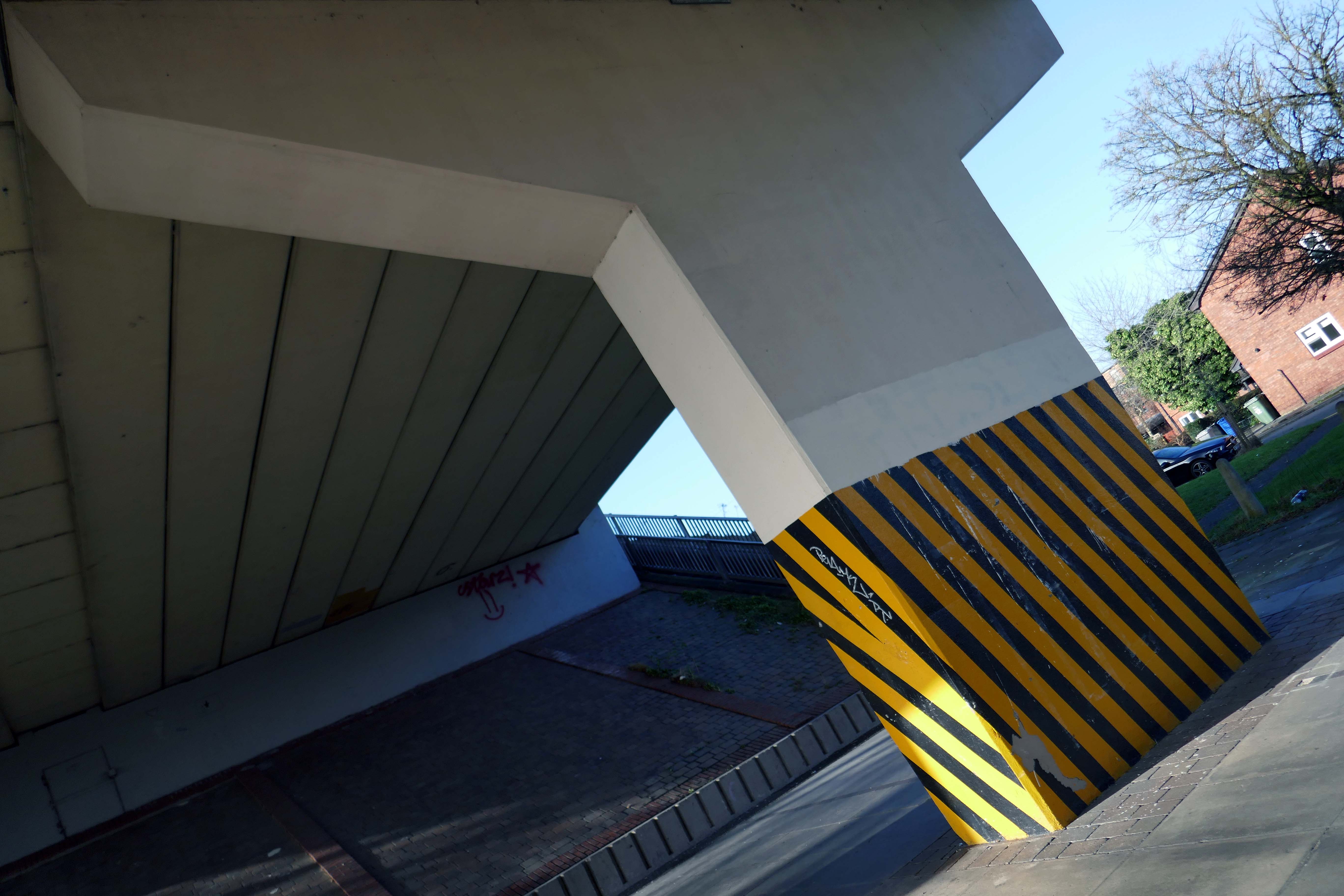
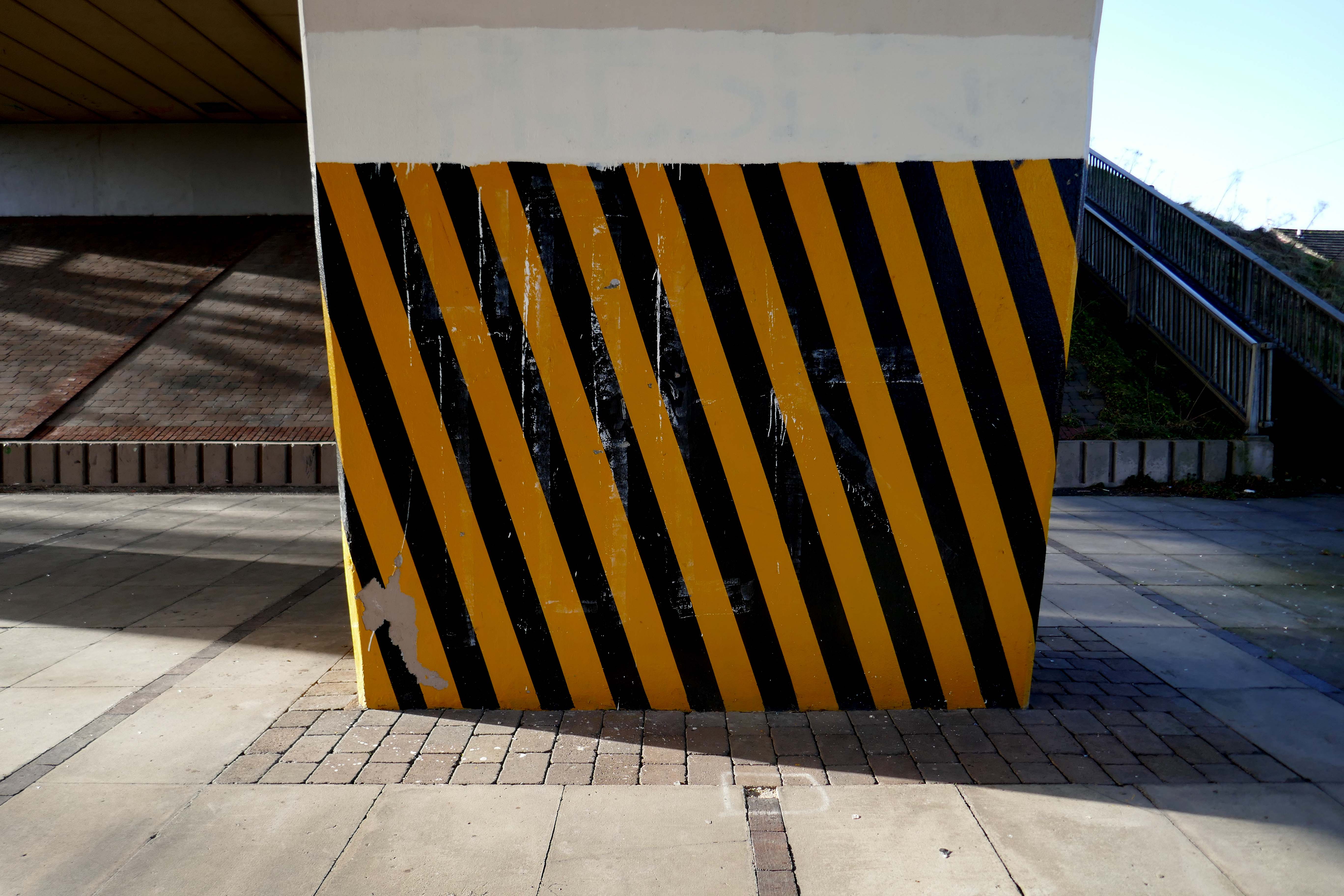
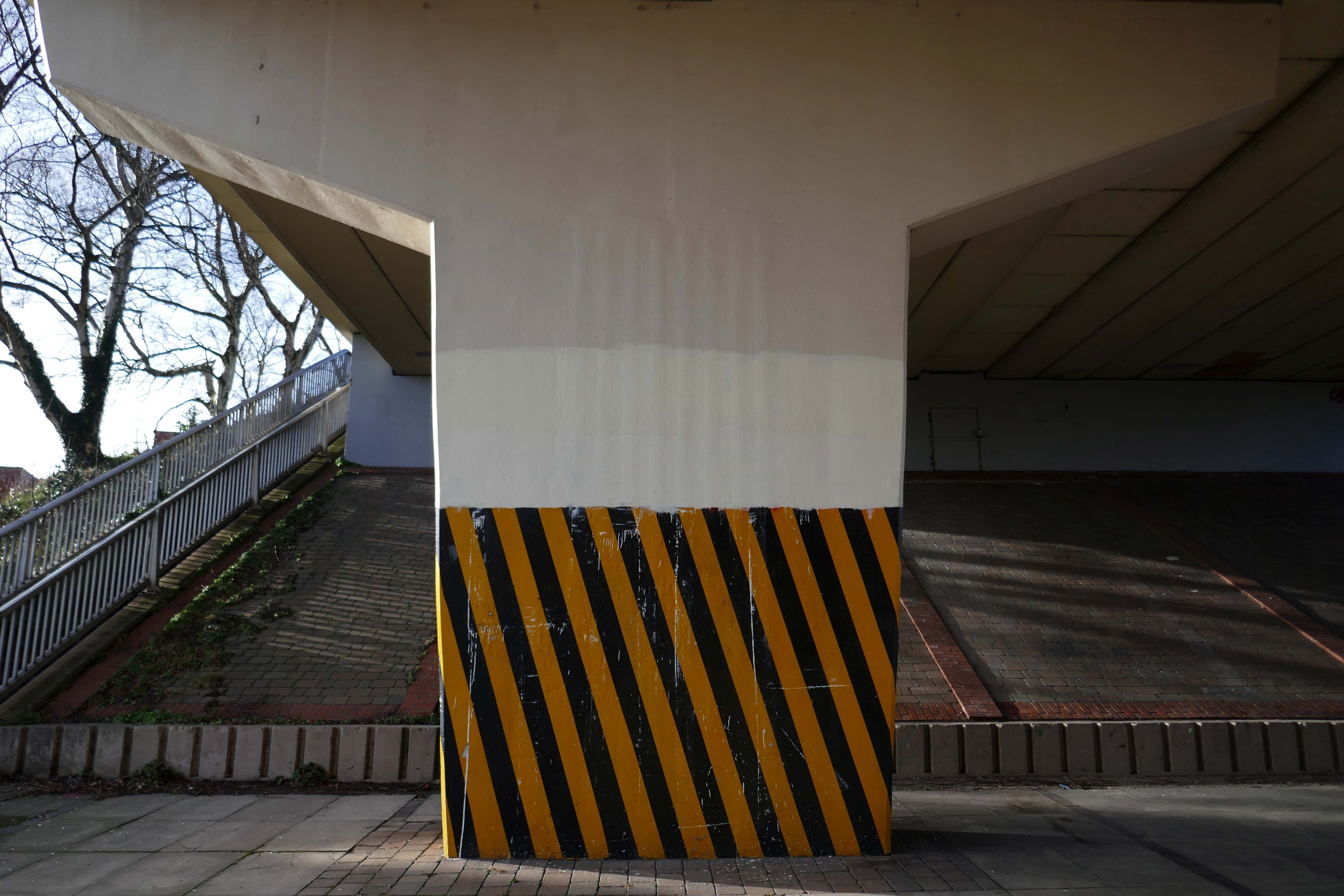
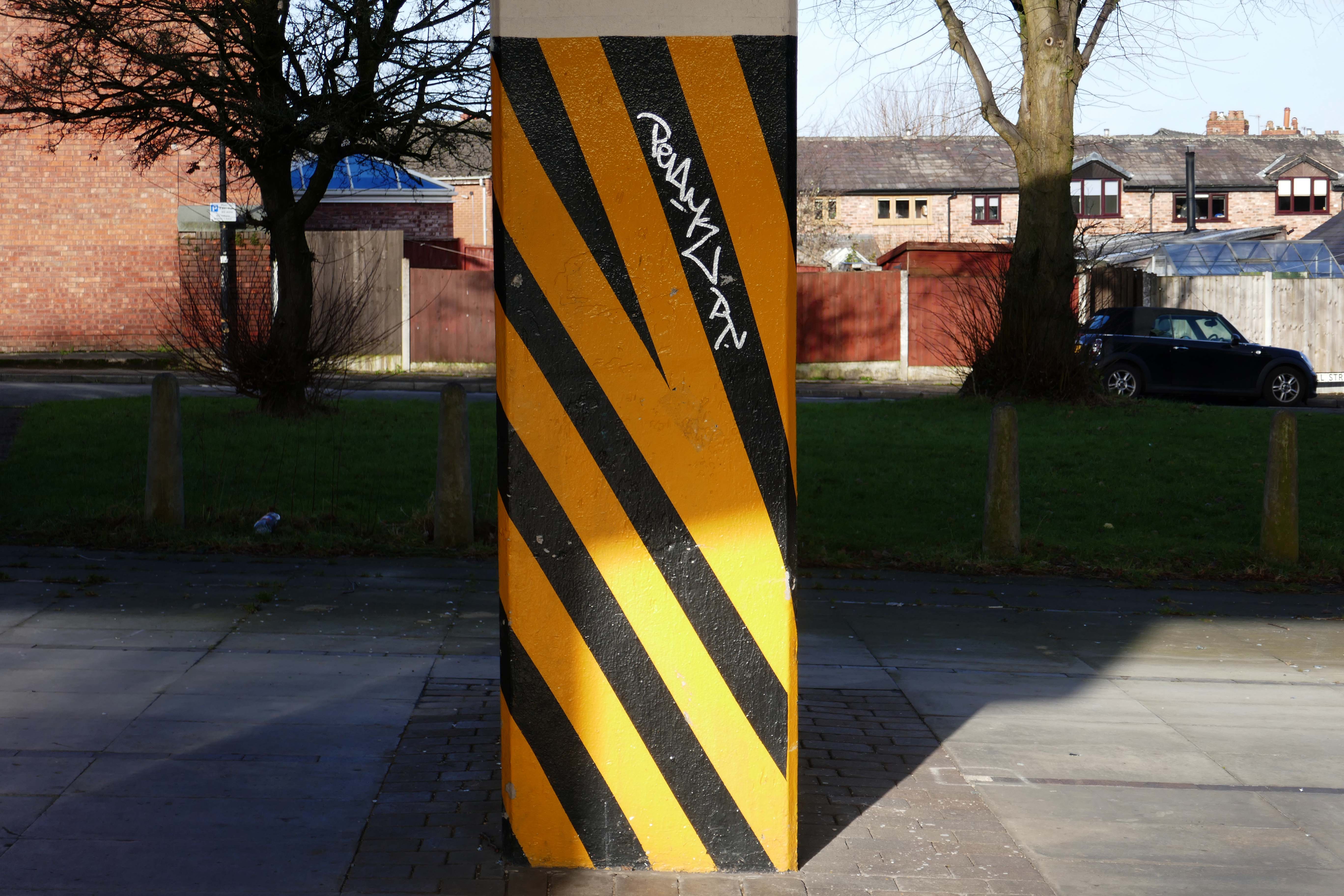
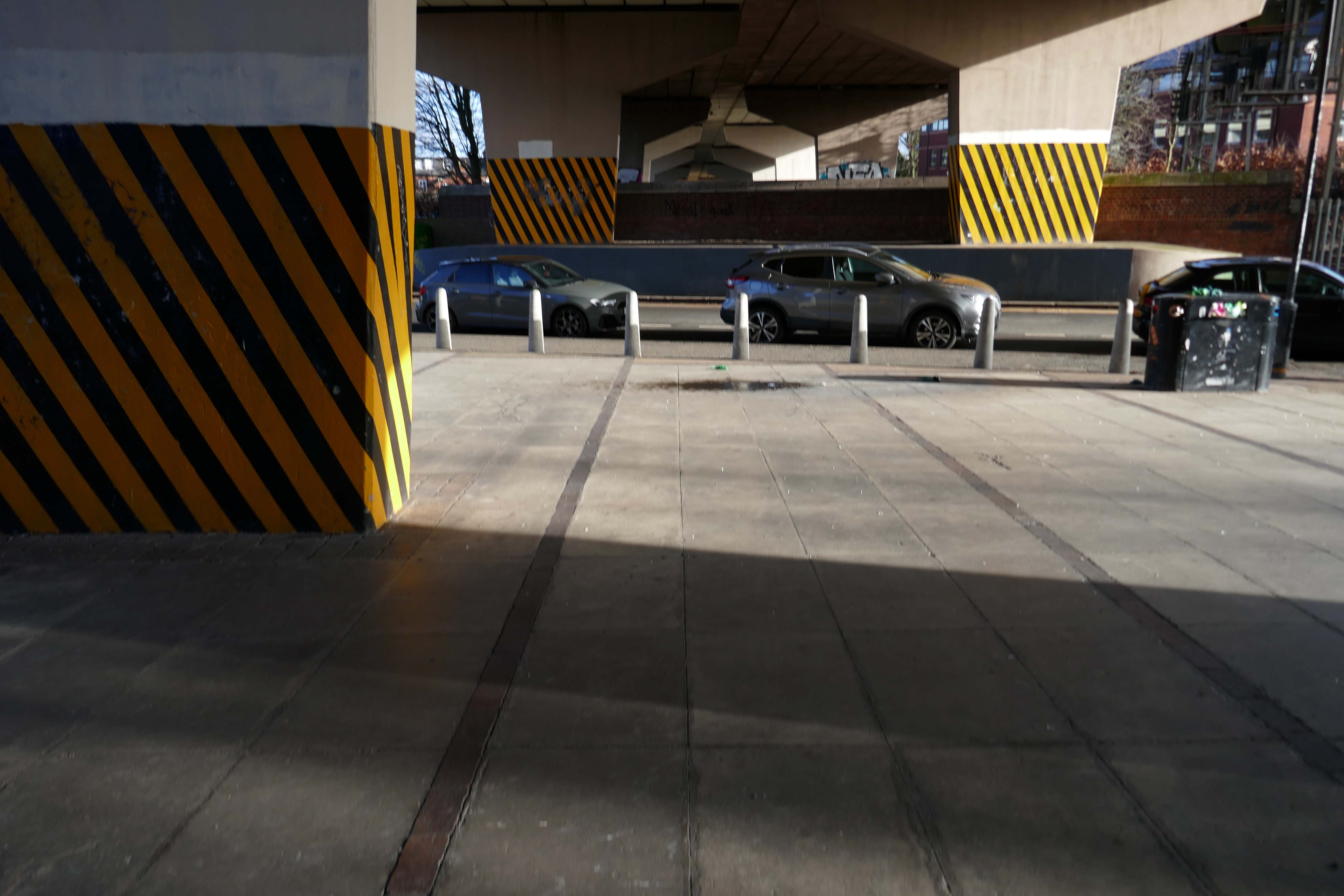
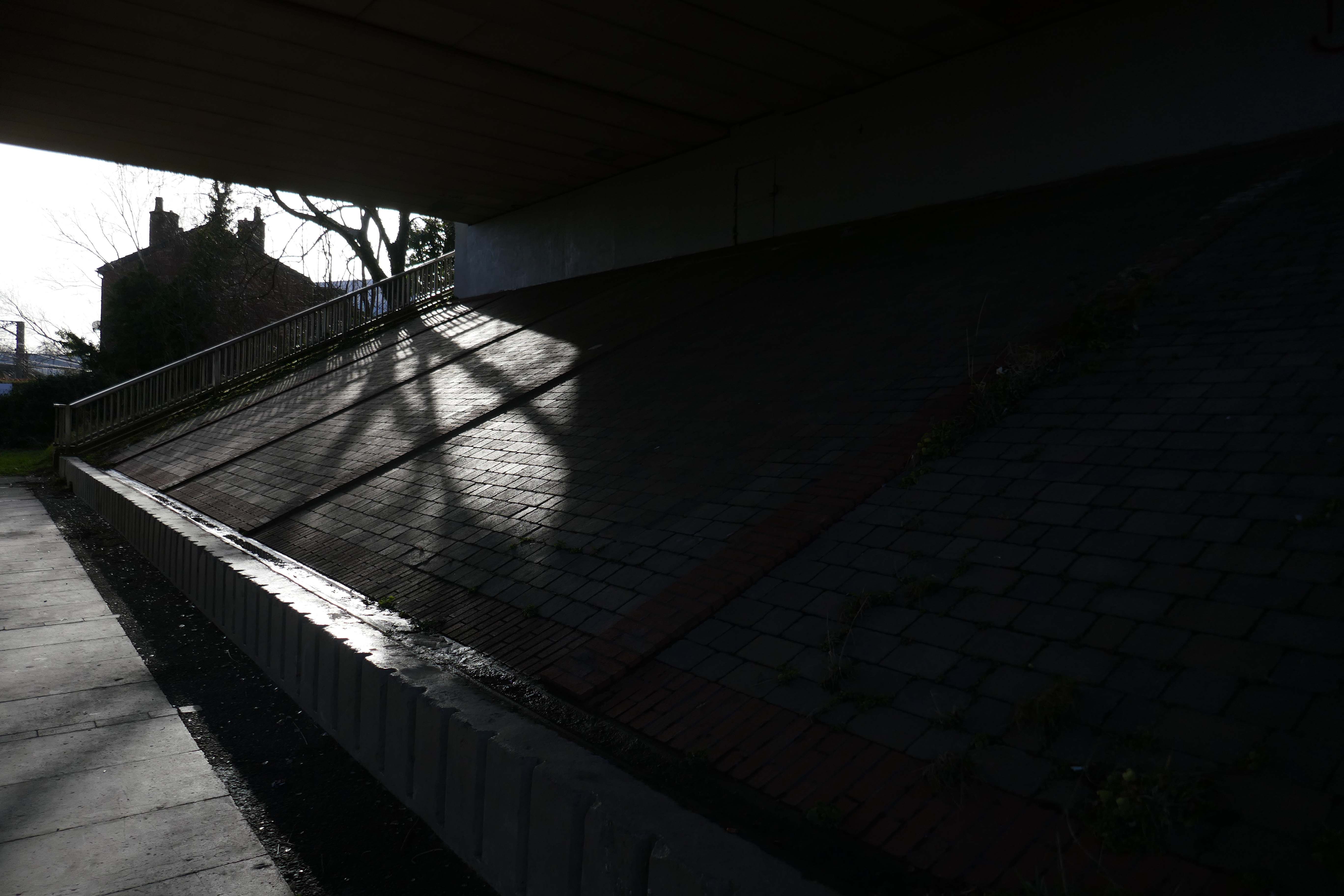
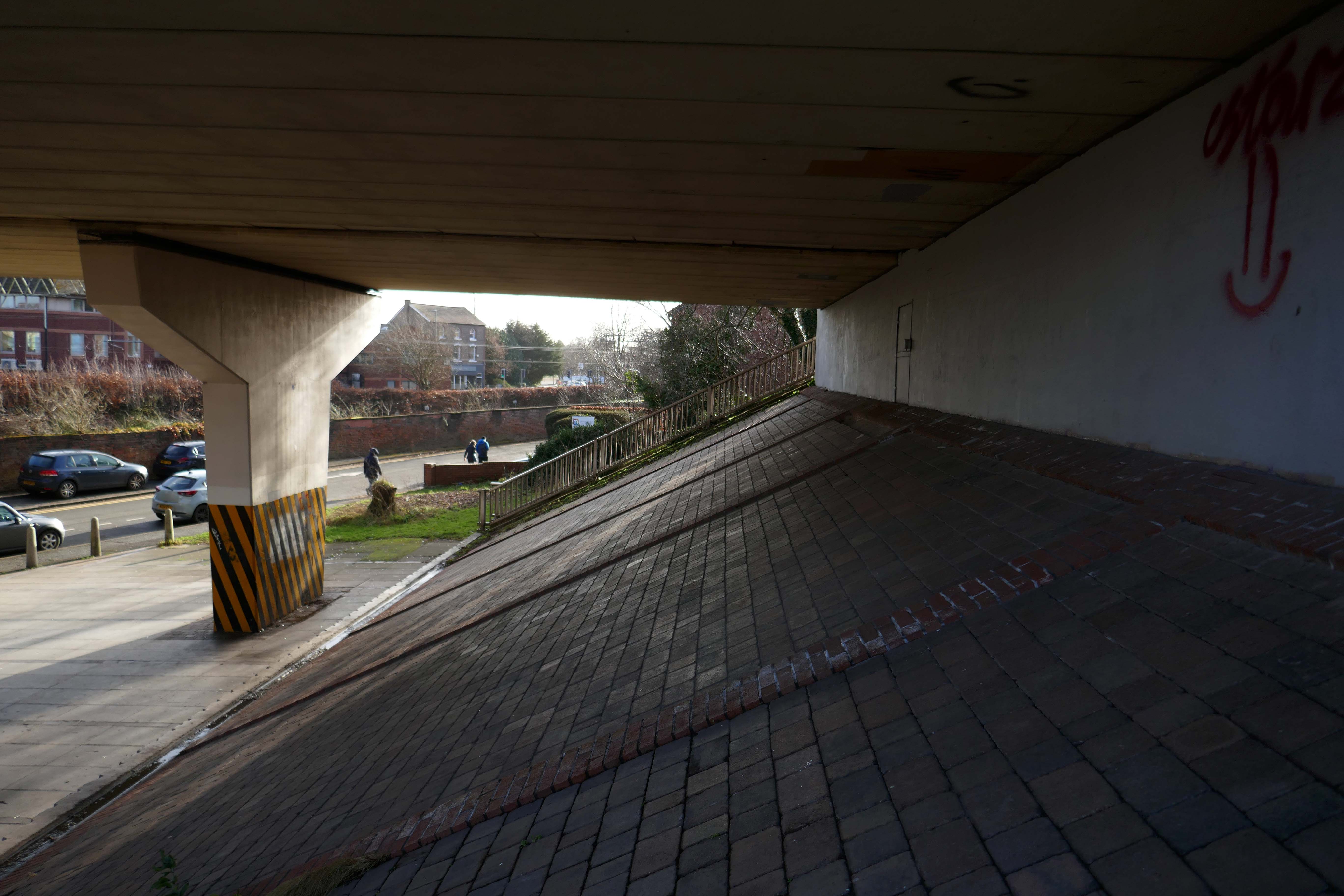
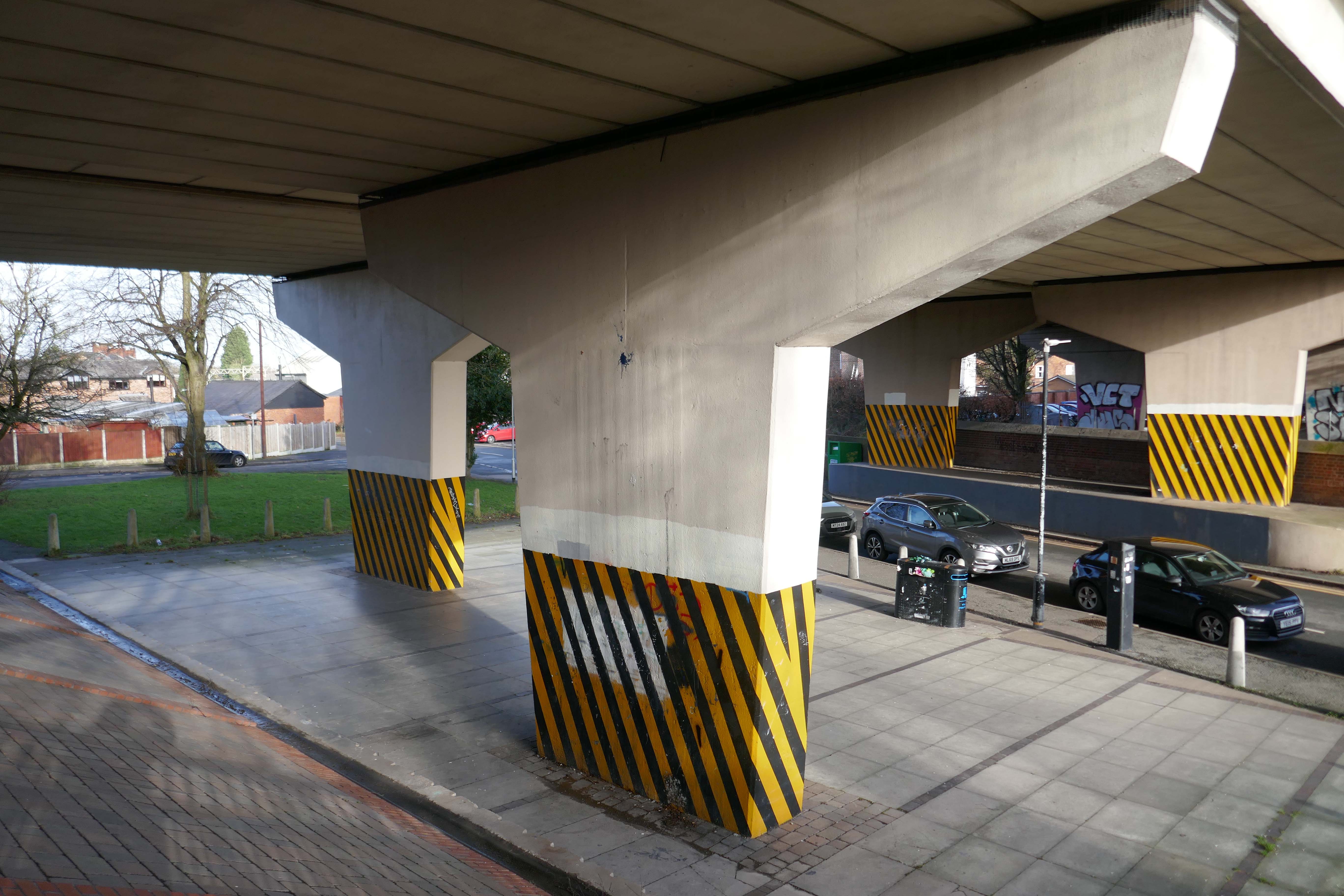
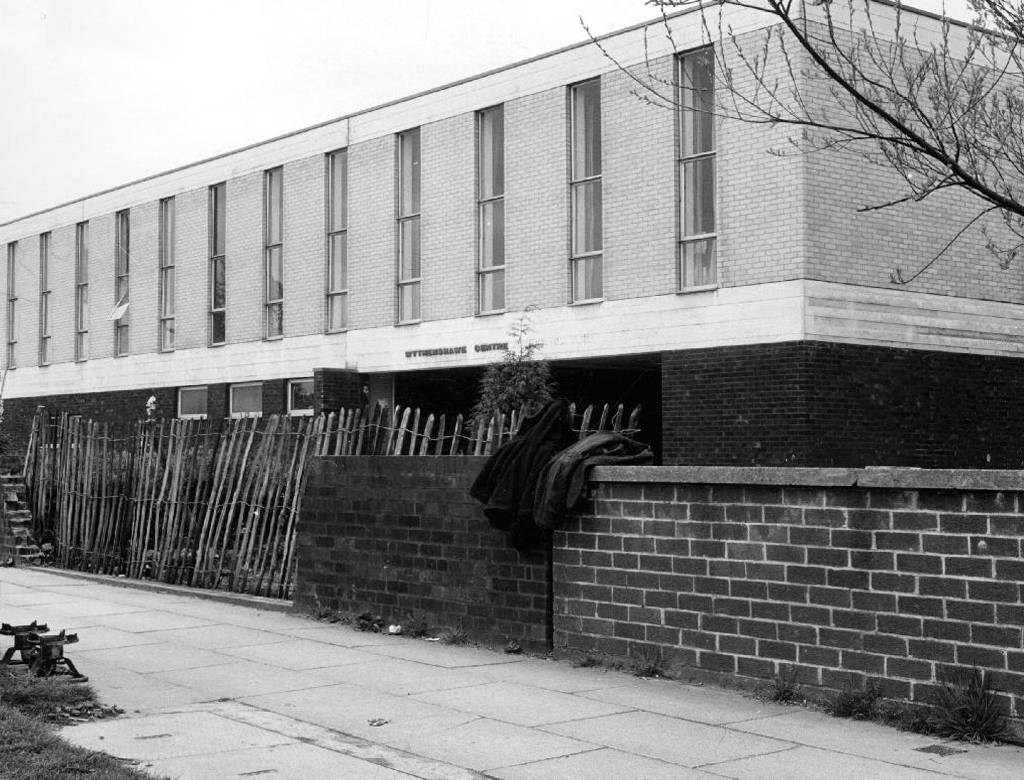
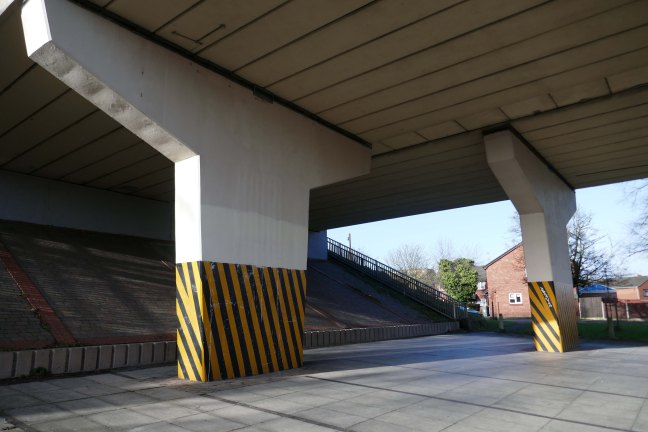
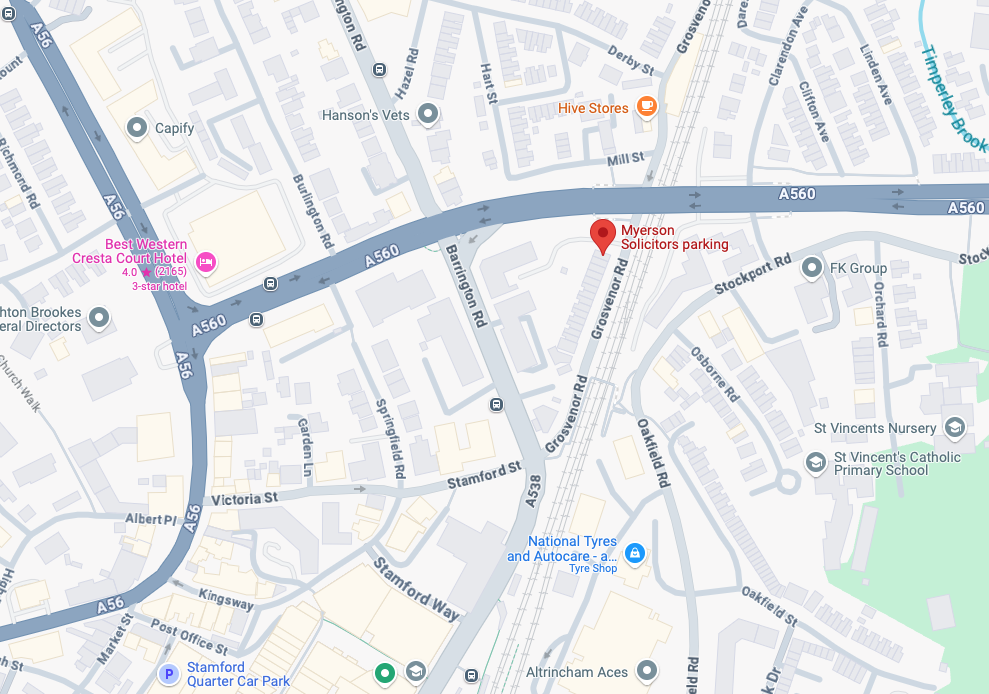
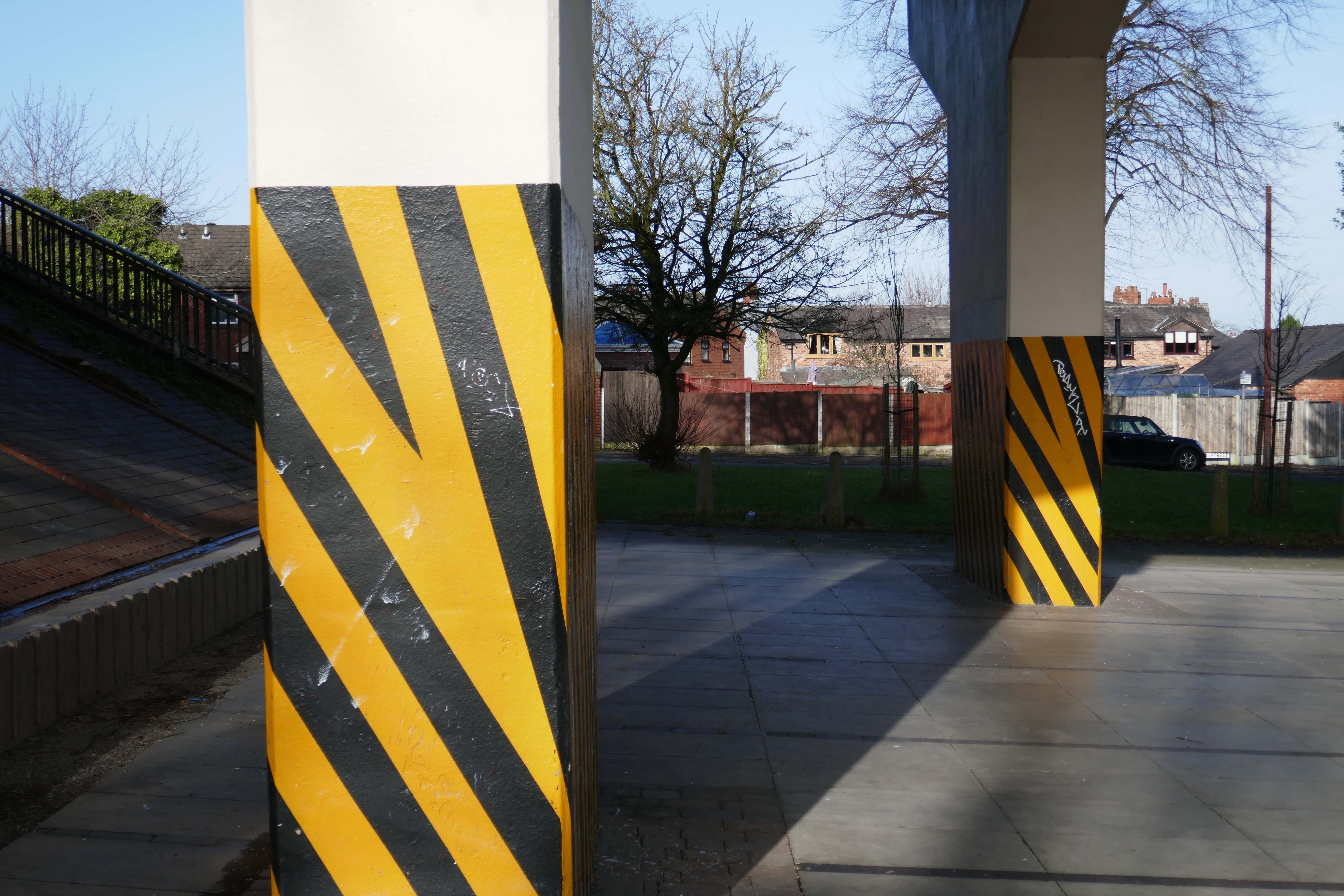
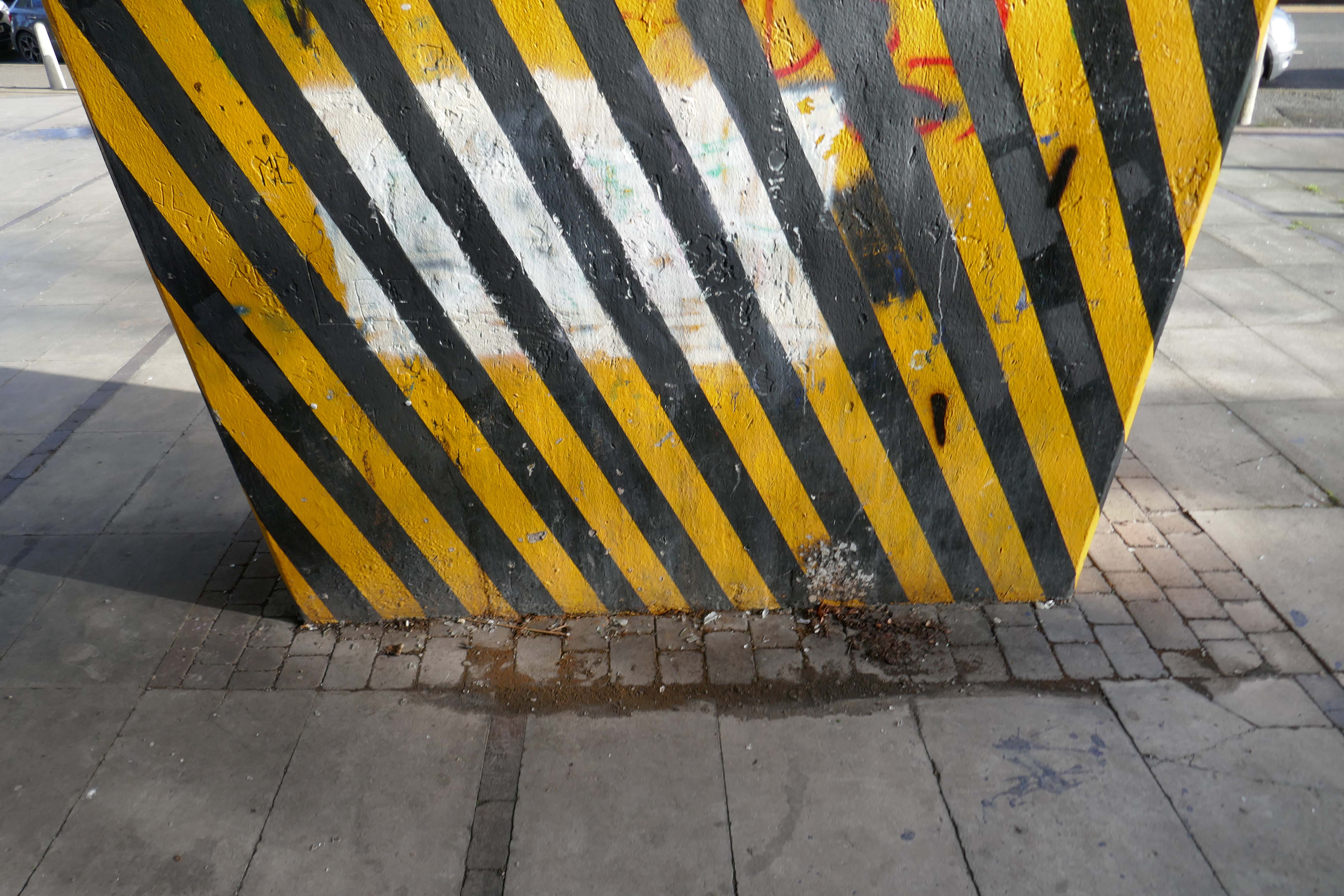
All of which leads me to Altrincham – on Grosvenor Road beneath the A56.
I negotiated the concrete pillars – not once colliding with these immense hazards.
Yuri Gagarin Manchester 1961

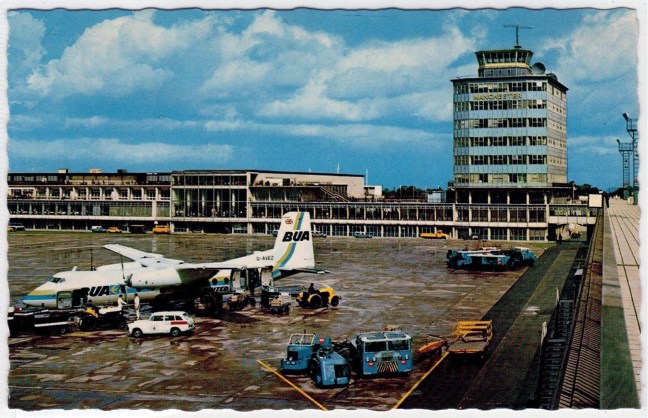
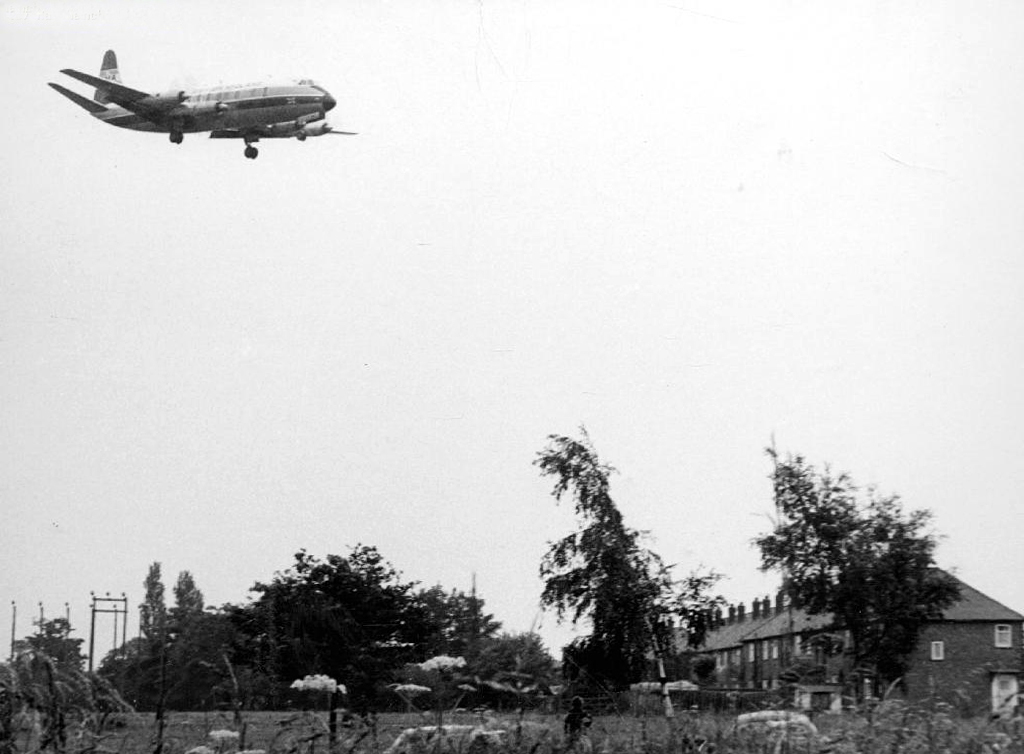
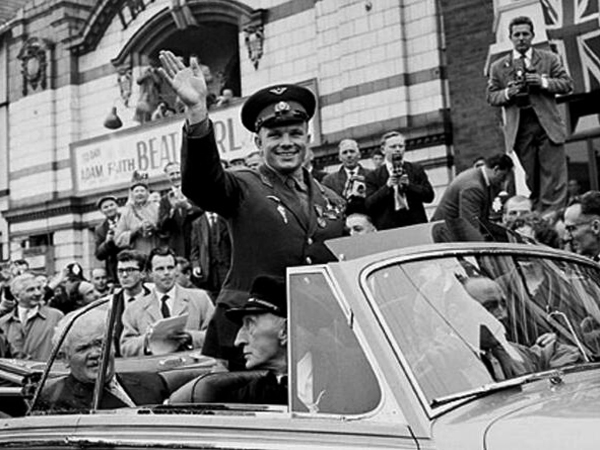
Exactly three months to the day after his flight in Vostok I had ushered in a new age of space exploration, on 12 July 1961, the trim figure of Yuri Gagarin strode down the gangway of a British Viscount airliner and walked briskly out across the runway of Manchester airport towards a sea of expectant faces, and flashing camera bulbs.
Working Class Movement Library

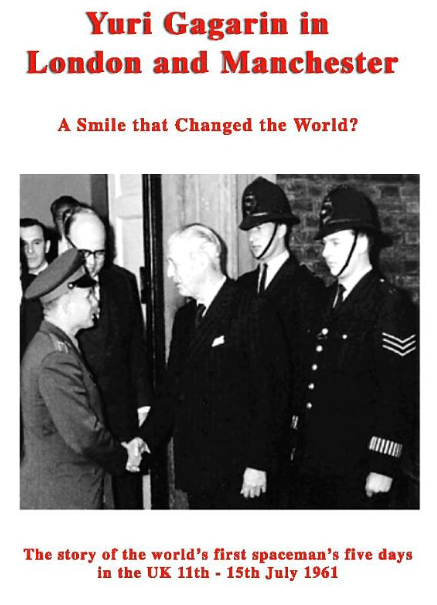
There are many excellent accounts of his visit – for a detailed view Gurbir Singh’s book Yuri Gagarin in London and Manchester is hard to beat.
It is from this source that I was able to retrace Yuri’s journey, from the then Ringway Airport, to the offices of the AUFW at Brooks Bar.

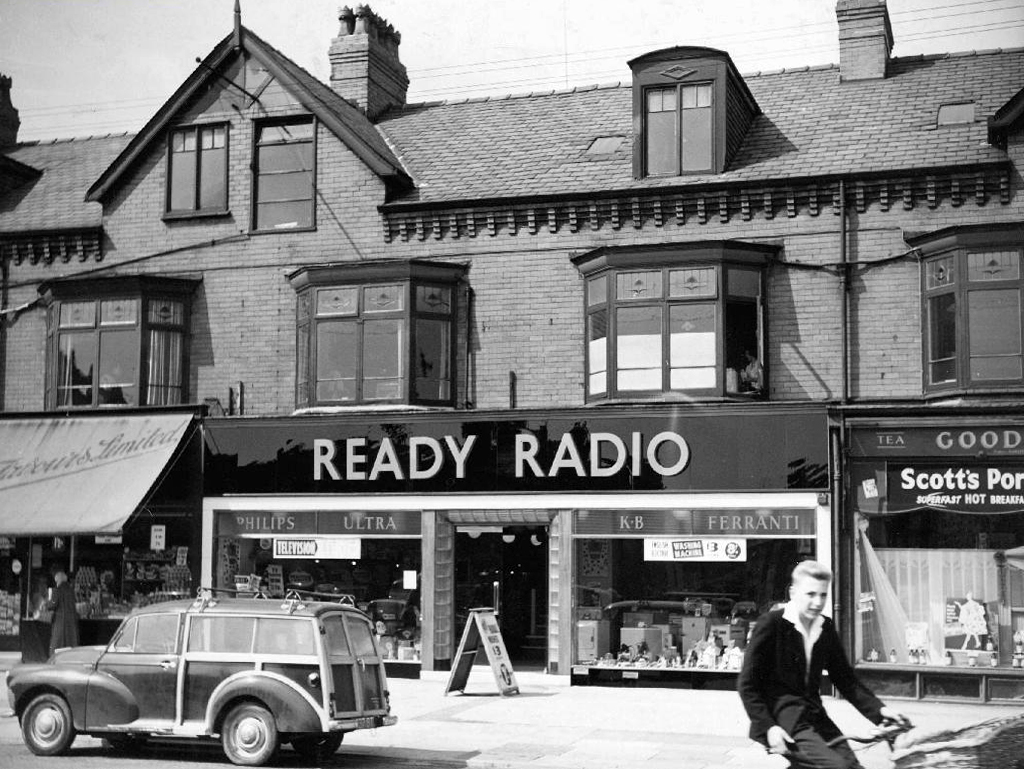
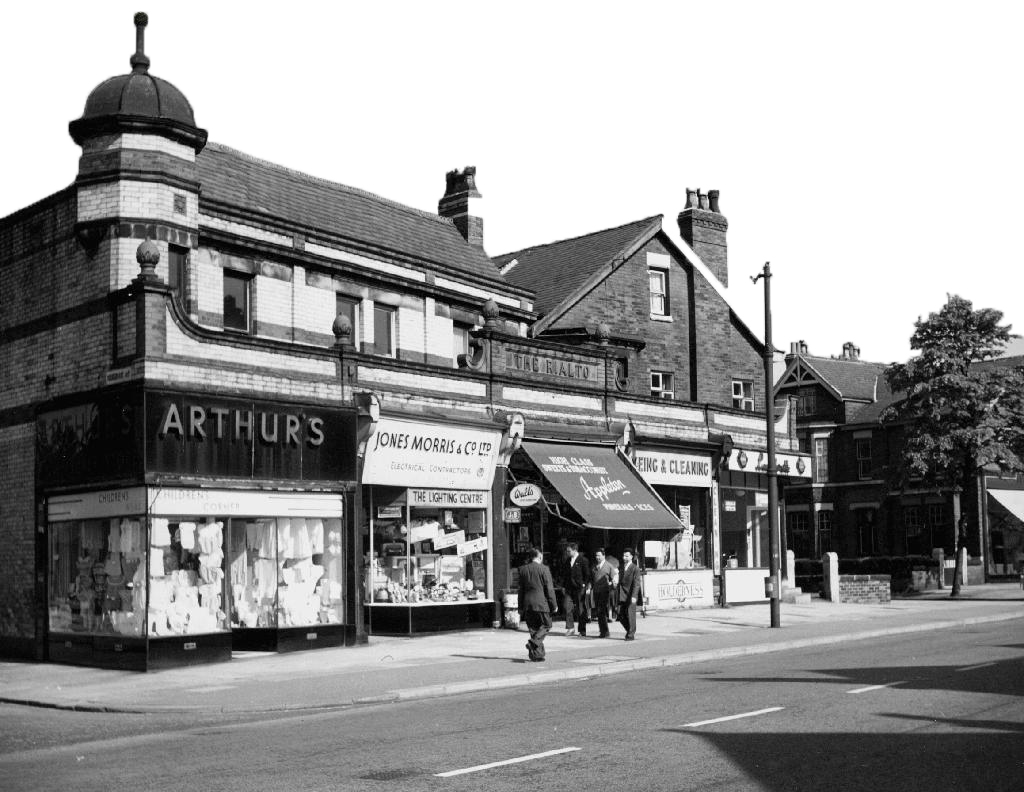
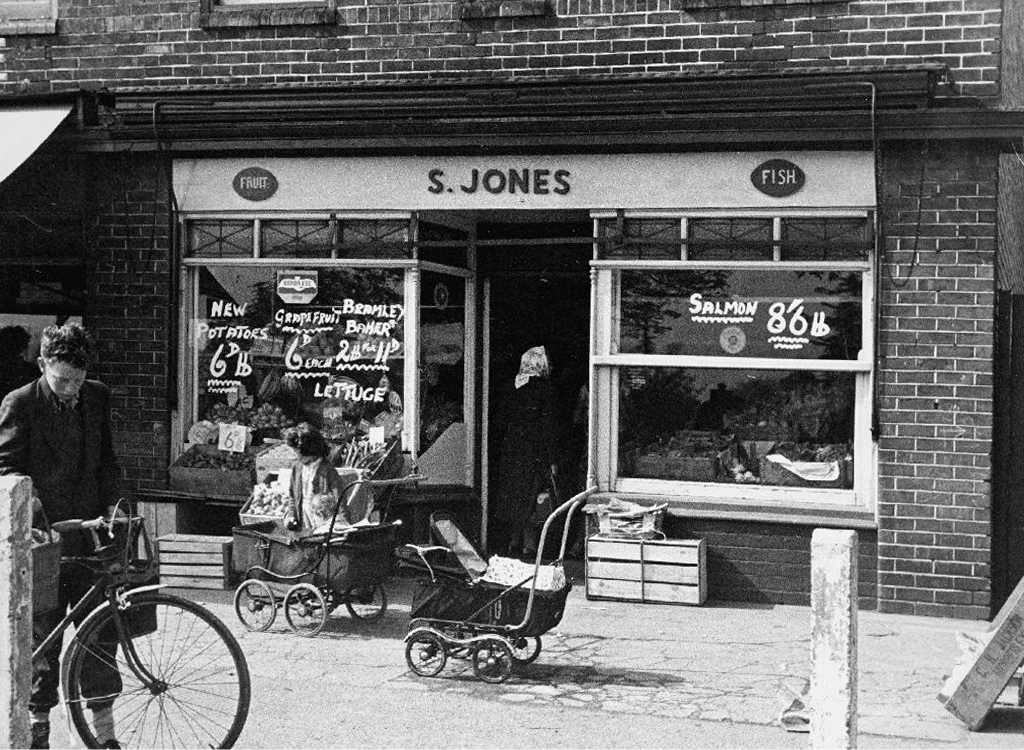
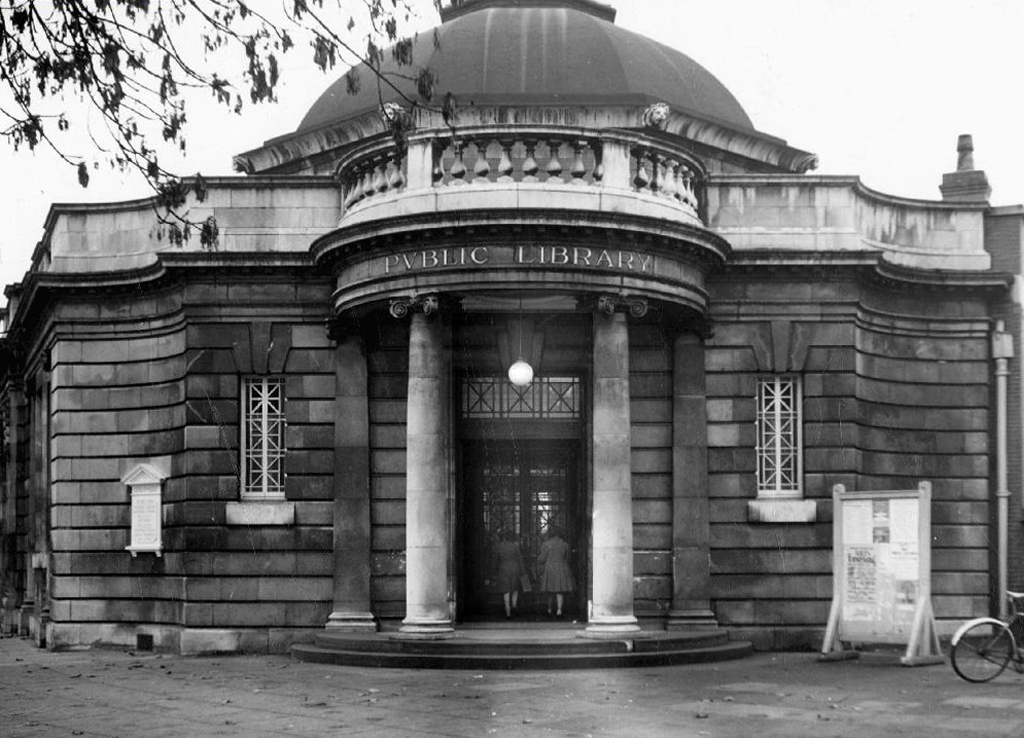
Archive photographs – Local Image Collection

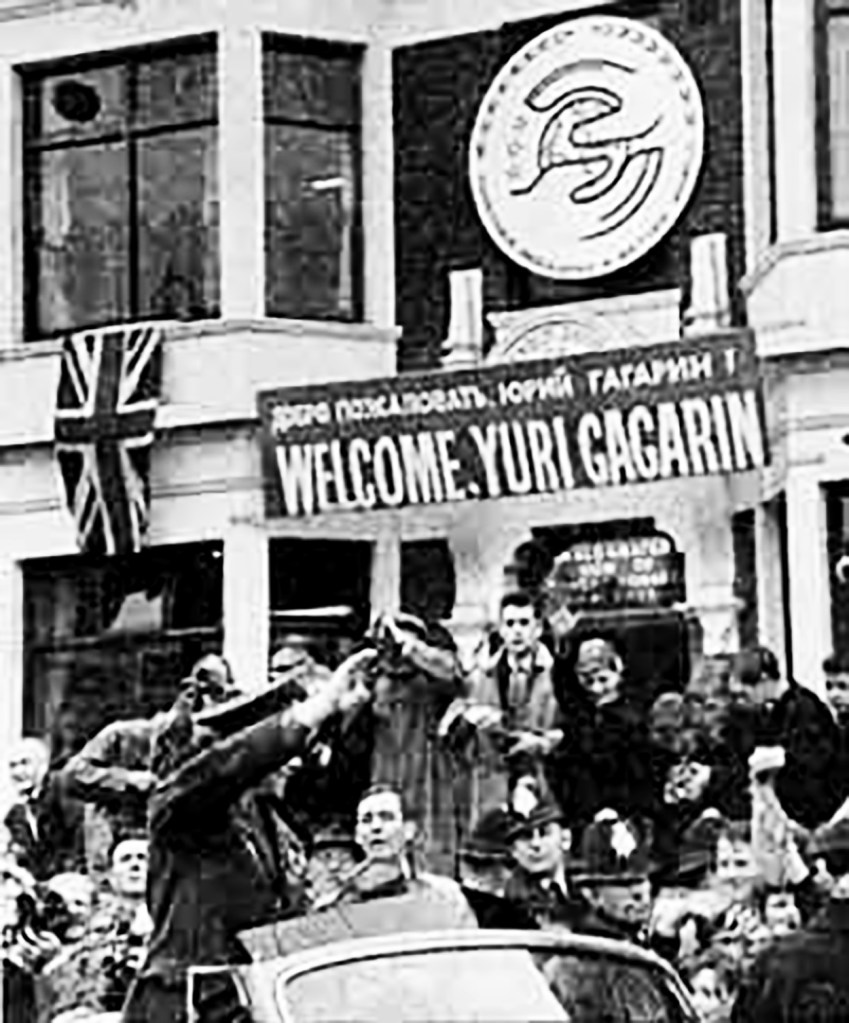
Thousands lined the wet streets of Manchester that day as he passed by in his beige open topped Bentley – standing proud waving to all and sundry.

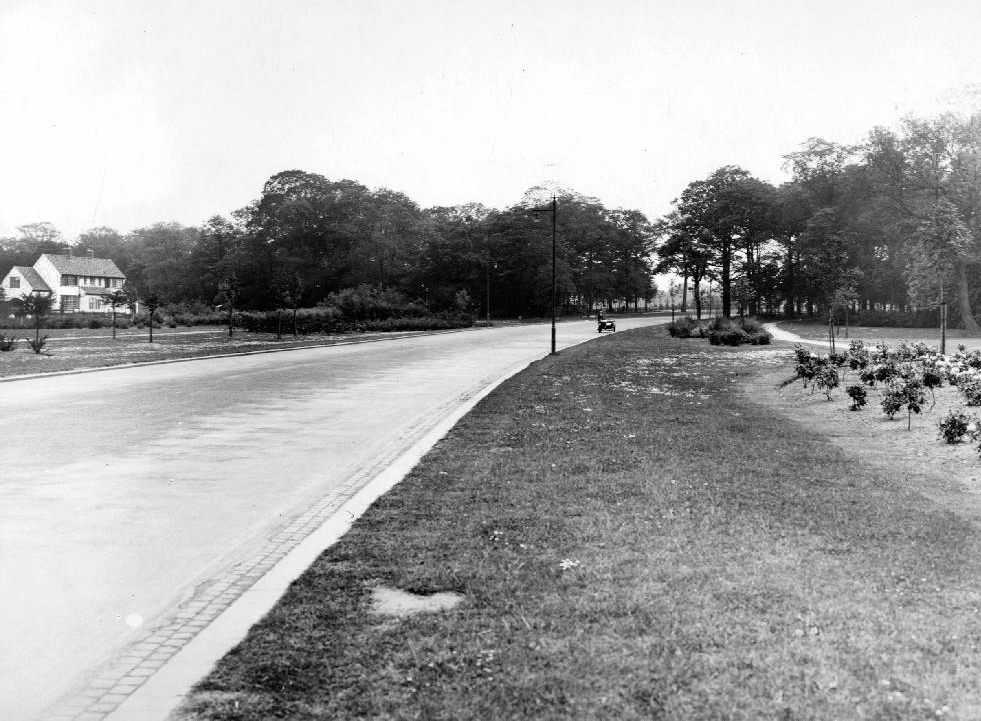
This is Yuri’s journey via the Manchester Local Image Collection.

A loose approximation of what he may have see on that day in 1961.

We were allowed out of Brownley Green school to line the road as he passed, great memories.

I stood on Chester Road with my mum, I was 4 years old, but still remember it.

At that time, I was a student, working my socks off in the Central Library, I went outside into St. Peter’s Square to watch him pass, he gave everyone a big smile.

Still tell my children, tiny at the time – you saw the first man in space, I remember his smile.

Worked in an office in Albert Square – had a grandstand view of him arriving at the Town Hall.

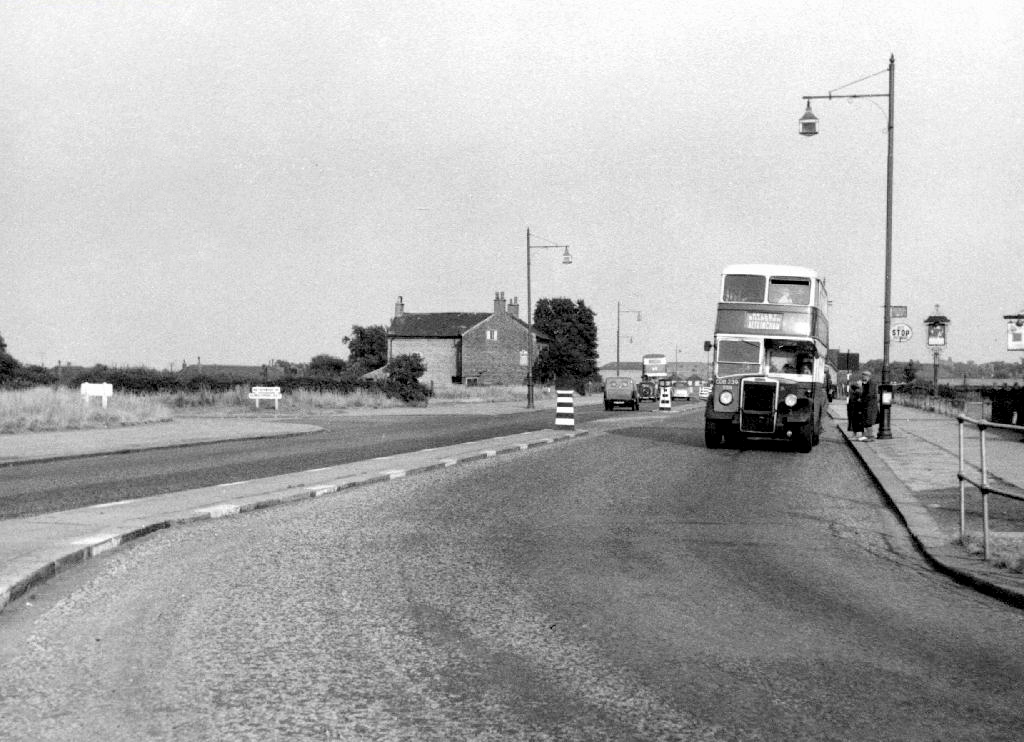
I can remember a police escort taking Yuri to Albert Square via Princess Parkway through Withington, Fallowfield and Moss side, there were hundreds of people lined up watching a waving at him.

When Gagarin visited Manchester he was given a bronze bust of Lenin made by the Amalgamated Union of Foundry Workers. Four were made in total and my Dad owns one of them.

My Grandad’s funeral was on the day he came, as we passed down Altrincham Rd onto the Parkway policemen who were holding back the crowds saluted, he would have loved it.

Yeah I seen him stood up in a big car with a green uniform on. It was going down Brownley Rd passing Meliden Crescent heading for the Airport in Wythenshawe, I was about 6 years old.

Working for Manchester Parks as a 20 yr old on Princess Parkway and he came past me as I was mowing the grass, in an open top Rolls or Bentley, he saluted me personally as he passed, of course I stood to attention and returned the salute – Magic Moment

Ringway Road

Shadow Moss Road

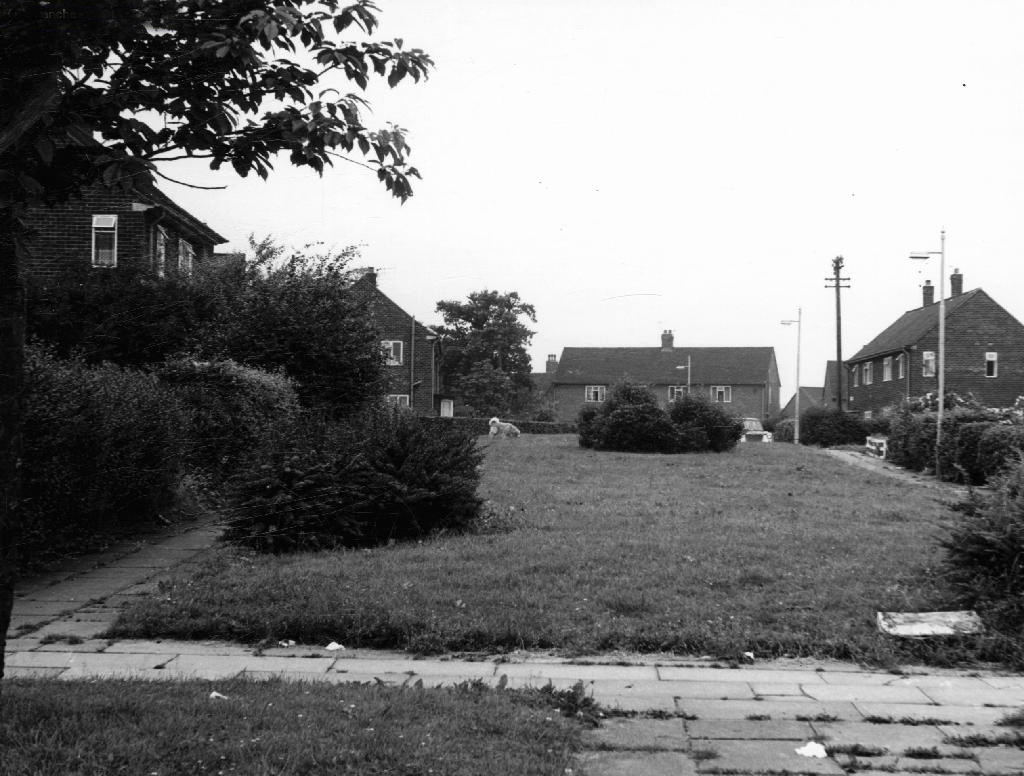
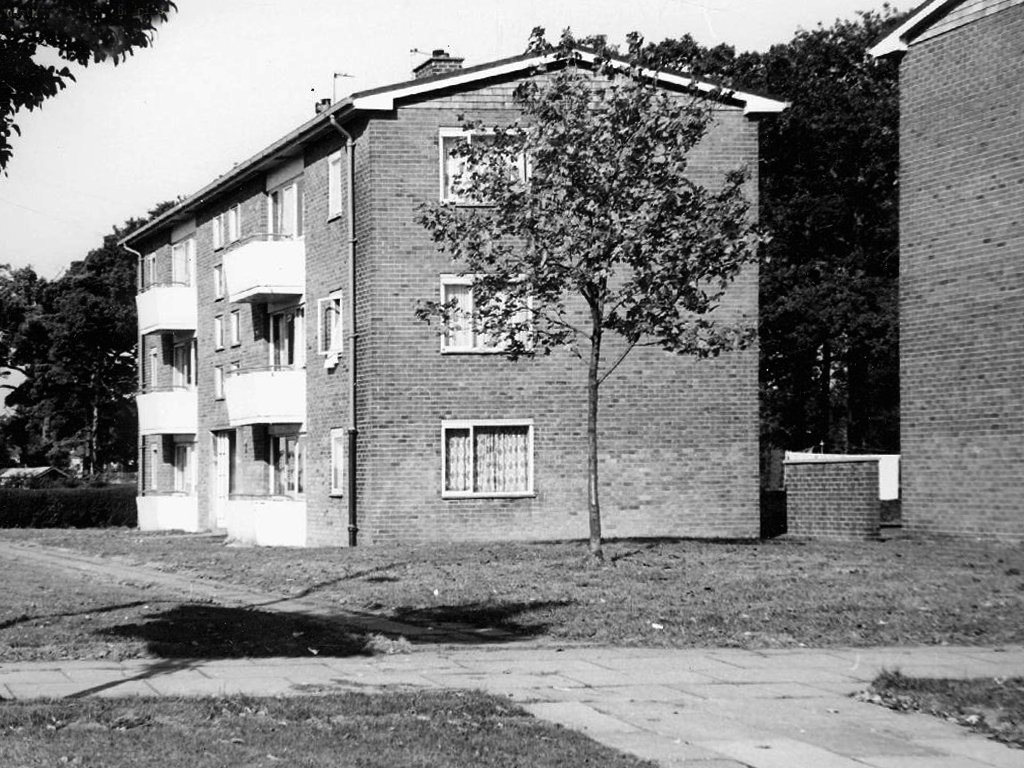
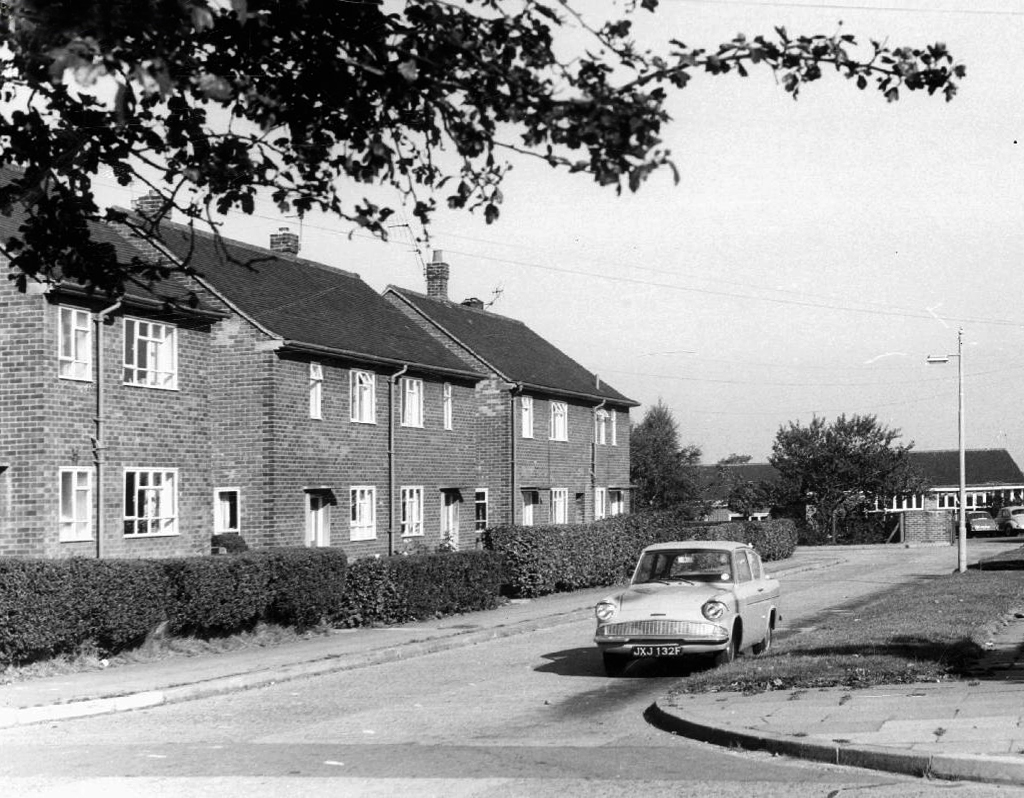
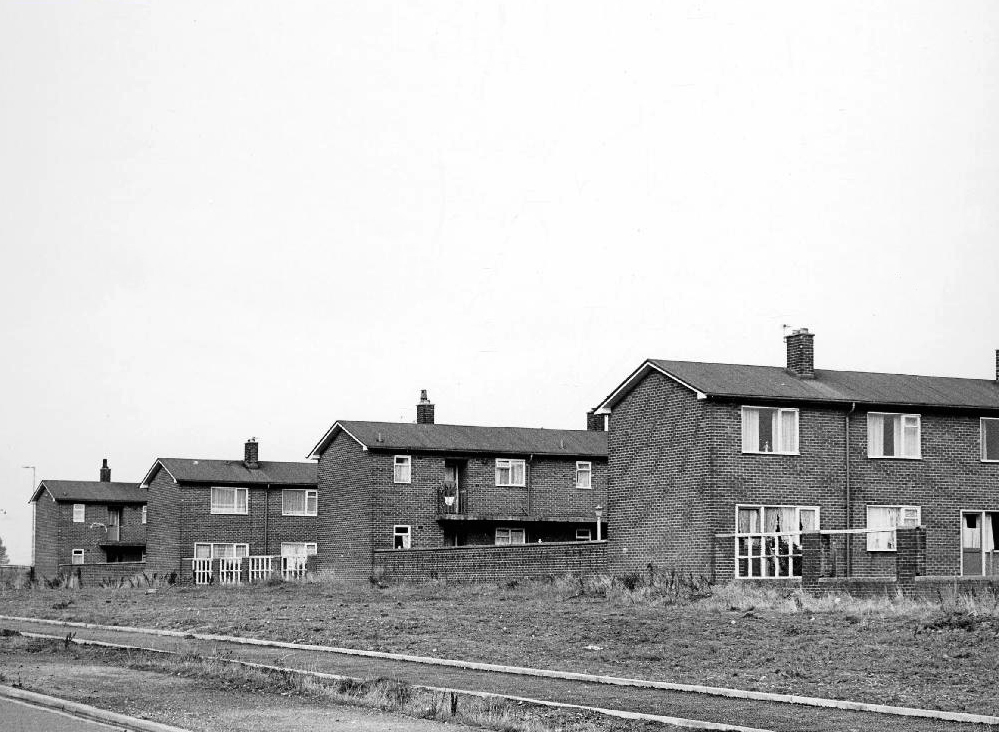
Post-war social housing

Simonsway

Brownley Road

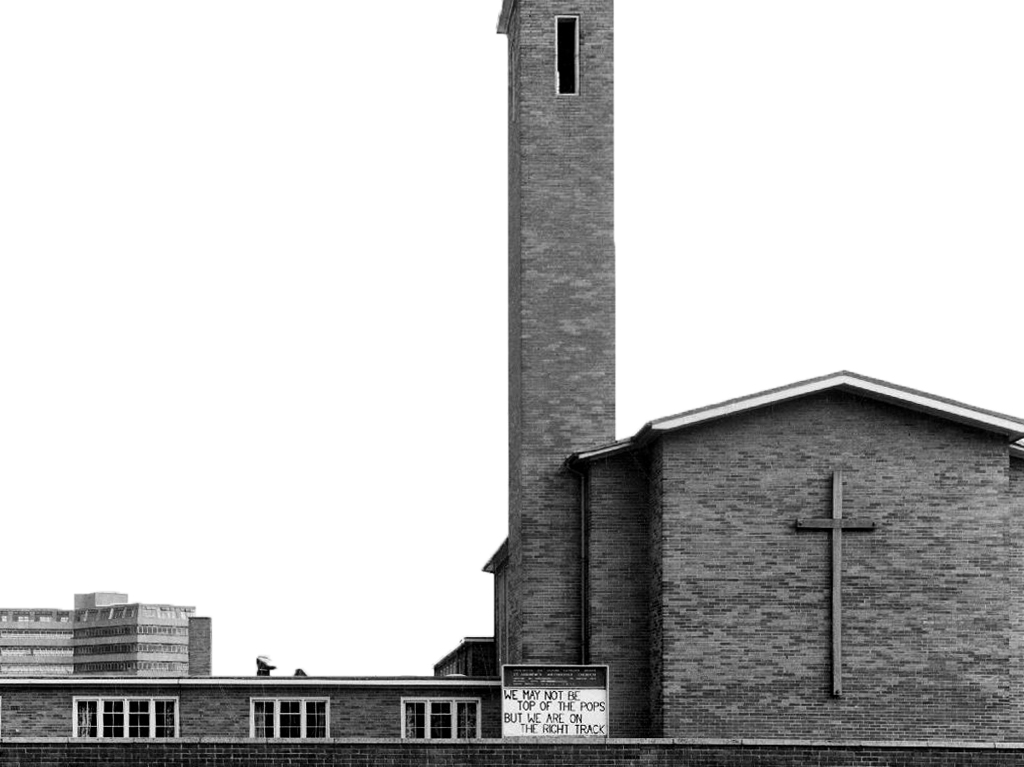
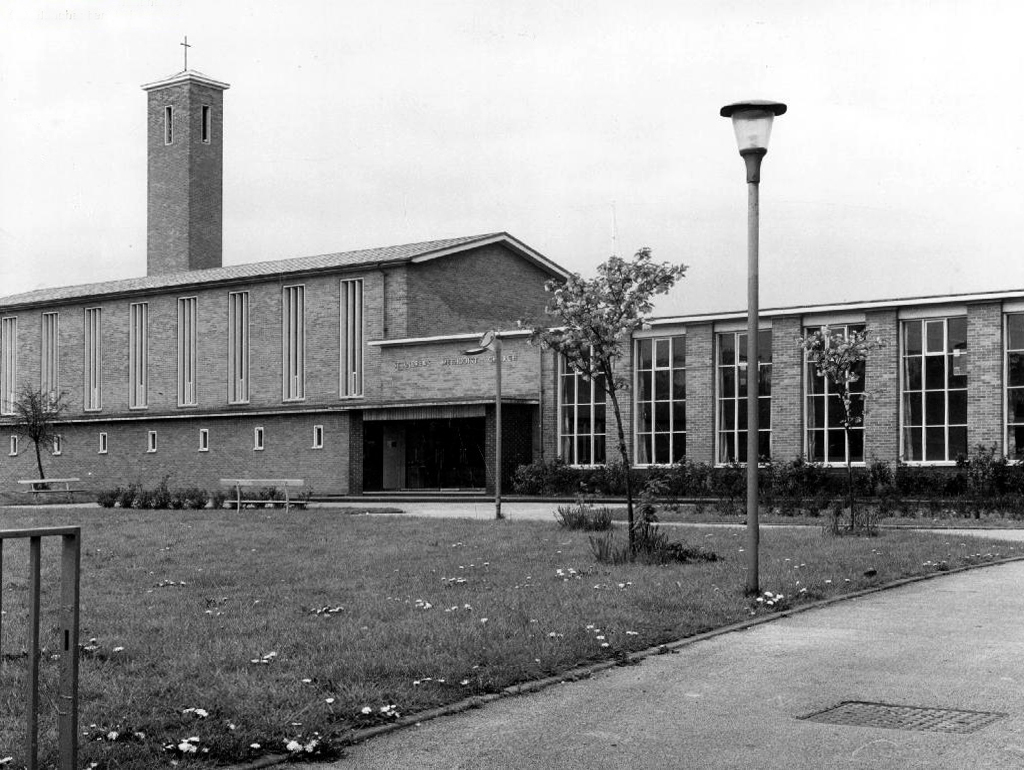
St Andrews Church JCG Prestwich and Son 1960

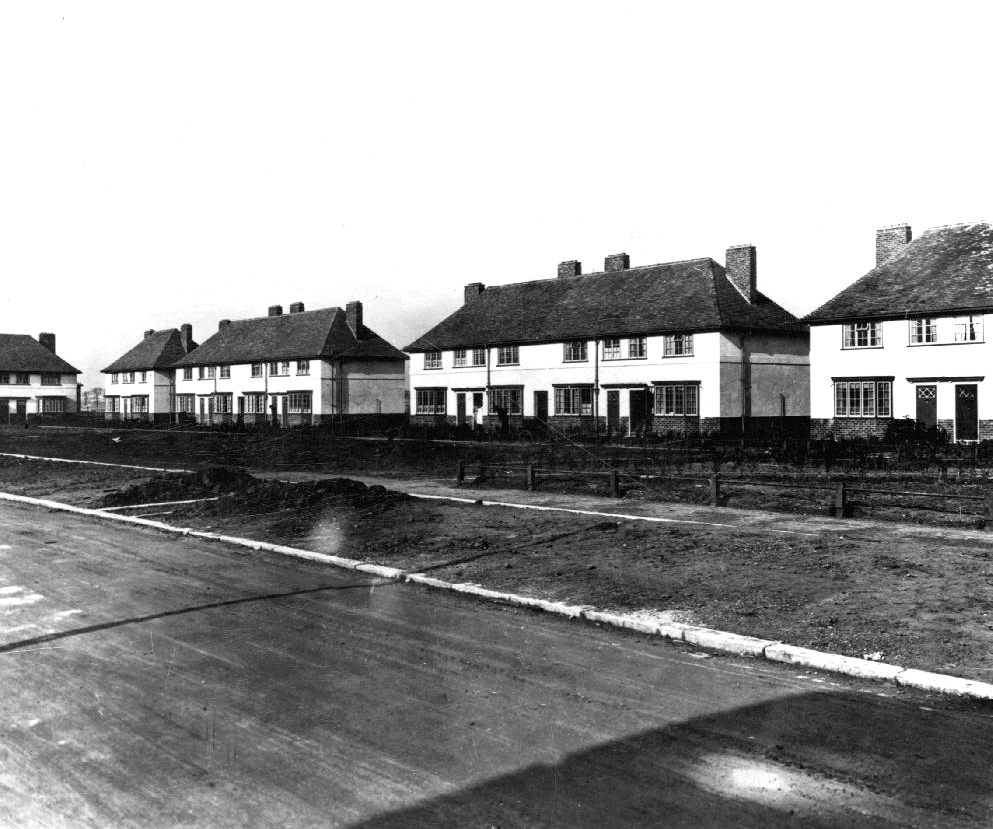
Housing built 1934

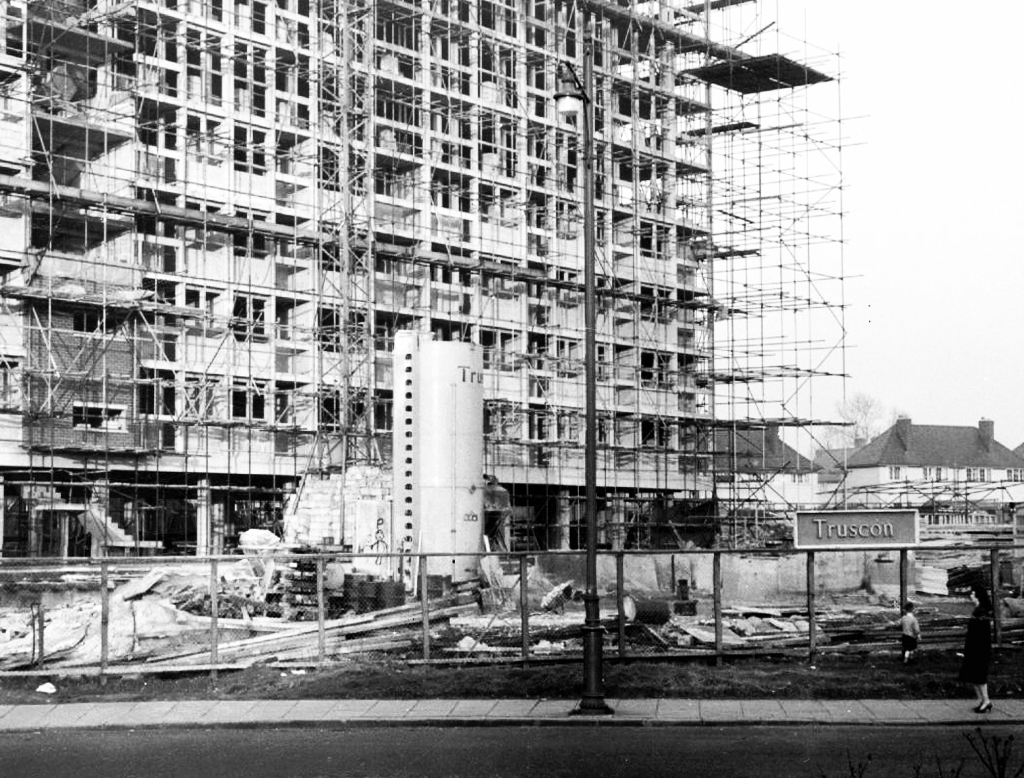
1960 development

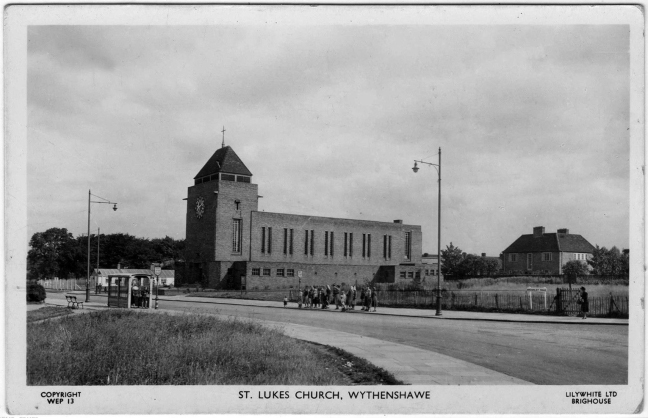
St Luke The Physician1938-9 by Taylor and Young

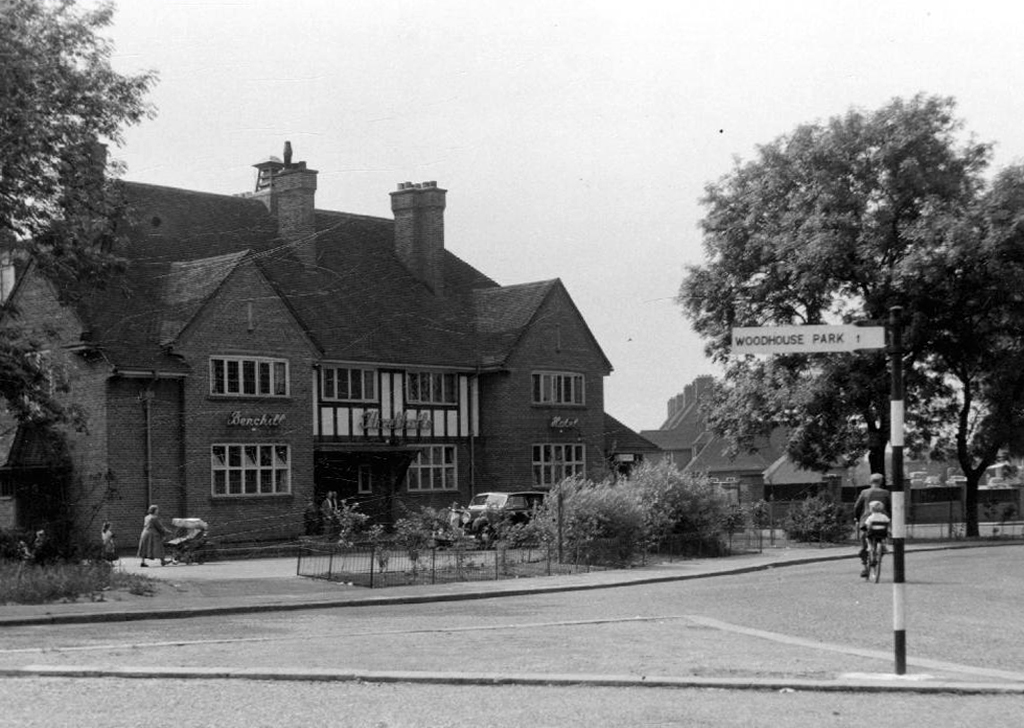
Benchill Hotel – demolished Autumn 2012

Altrincham Road

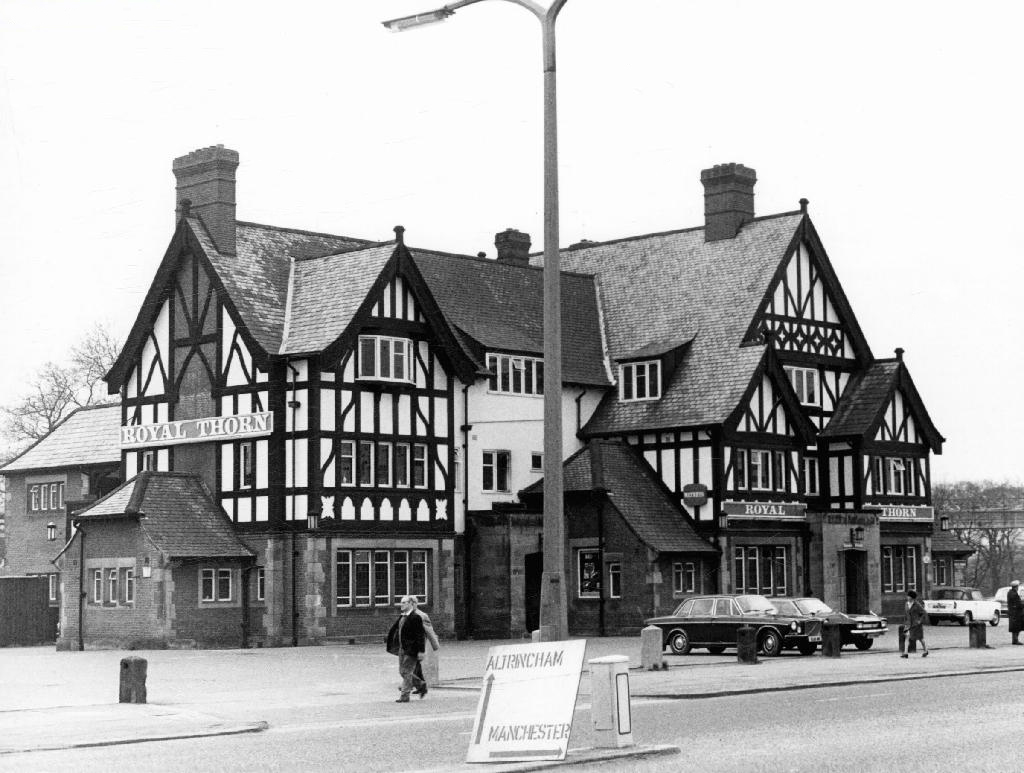
Royal Thorn – demolished 2001

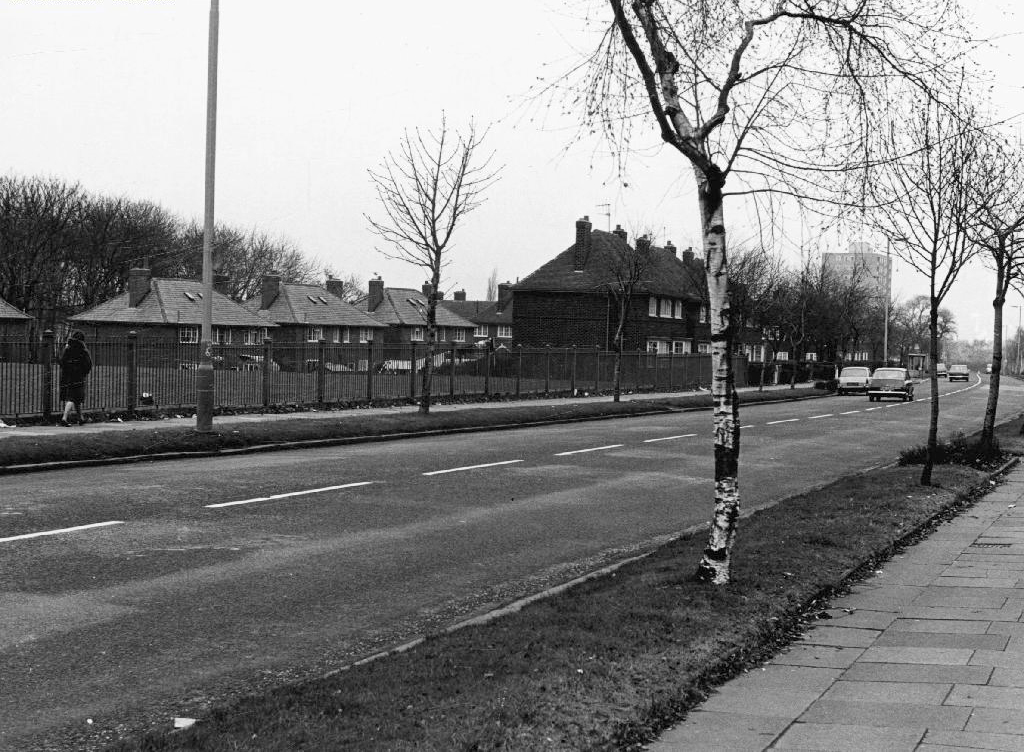
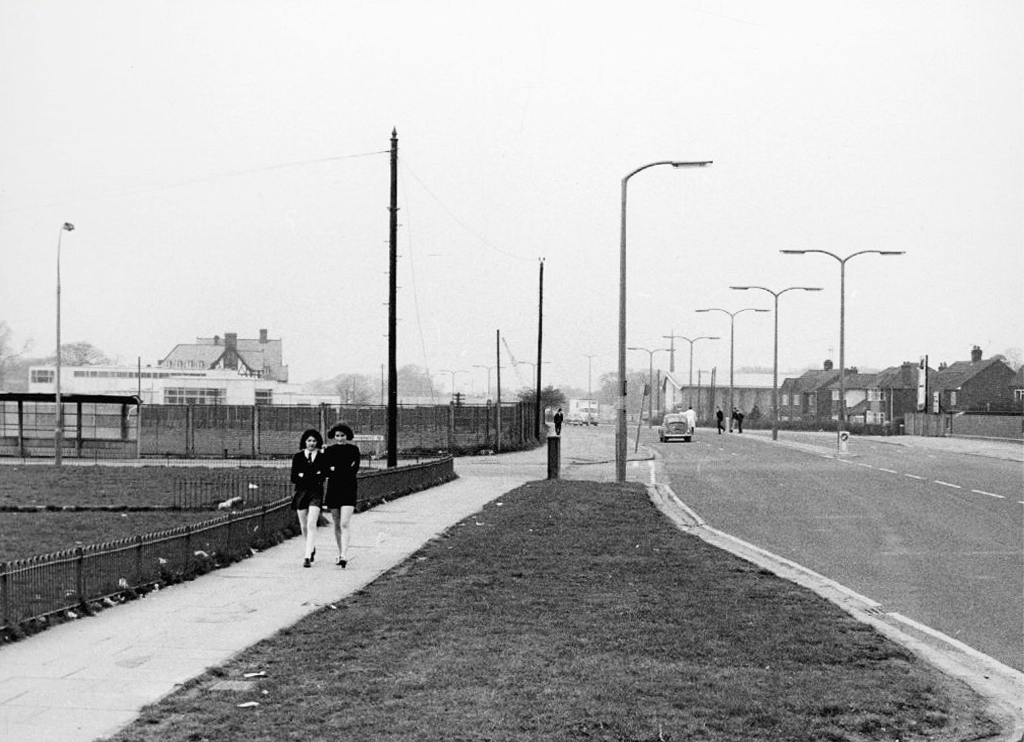
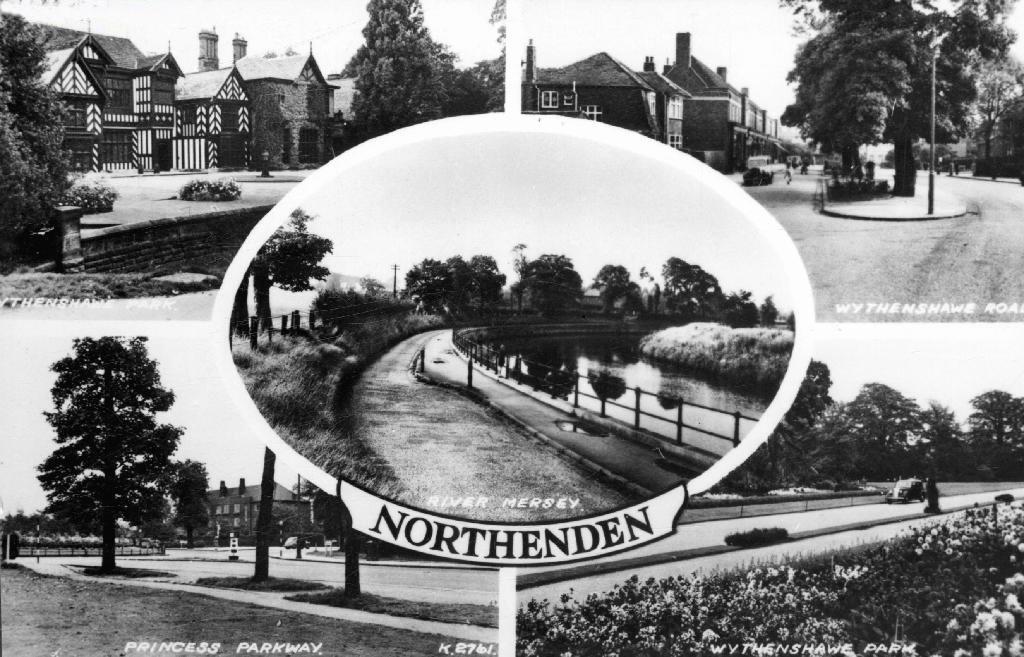
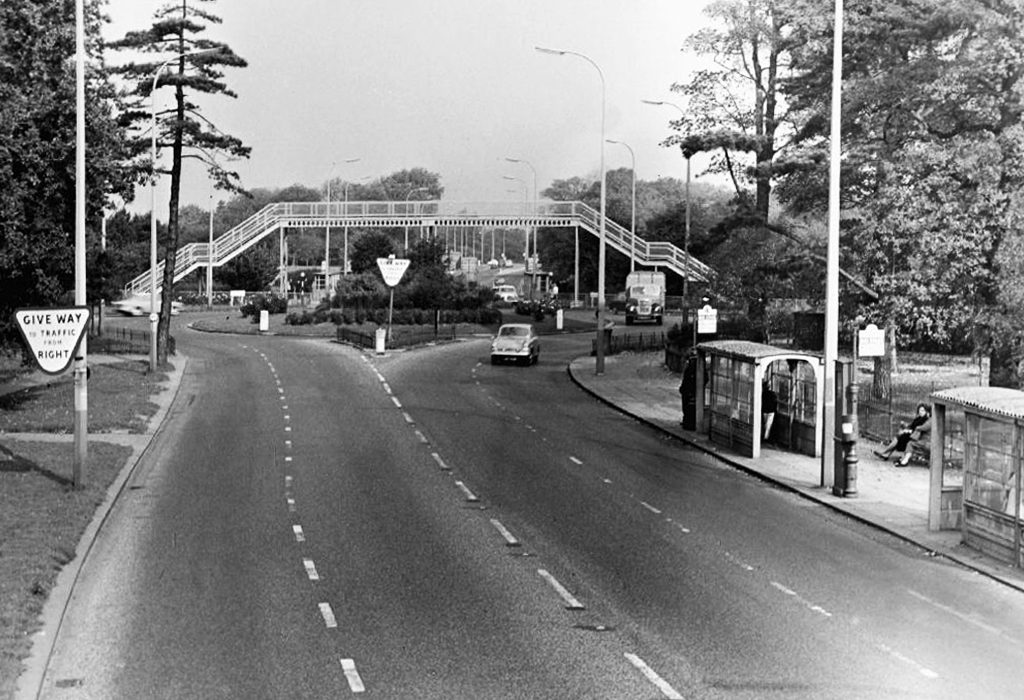
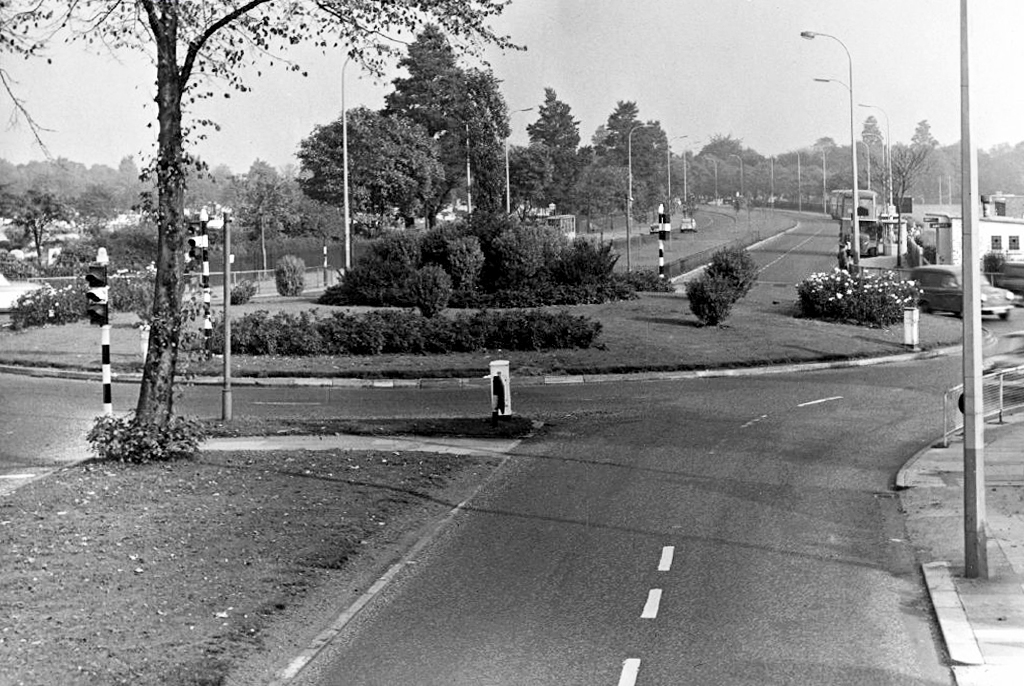
Princess Parkway

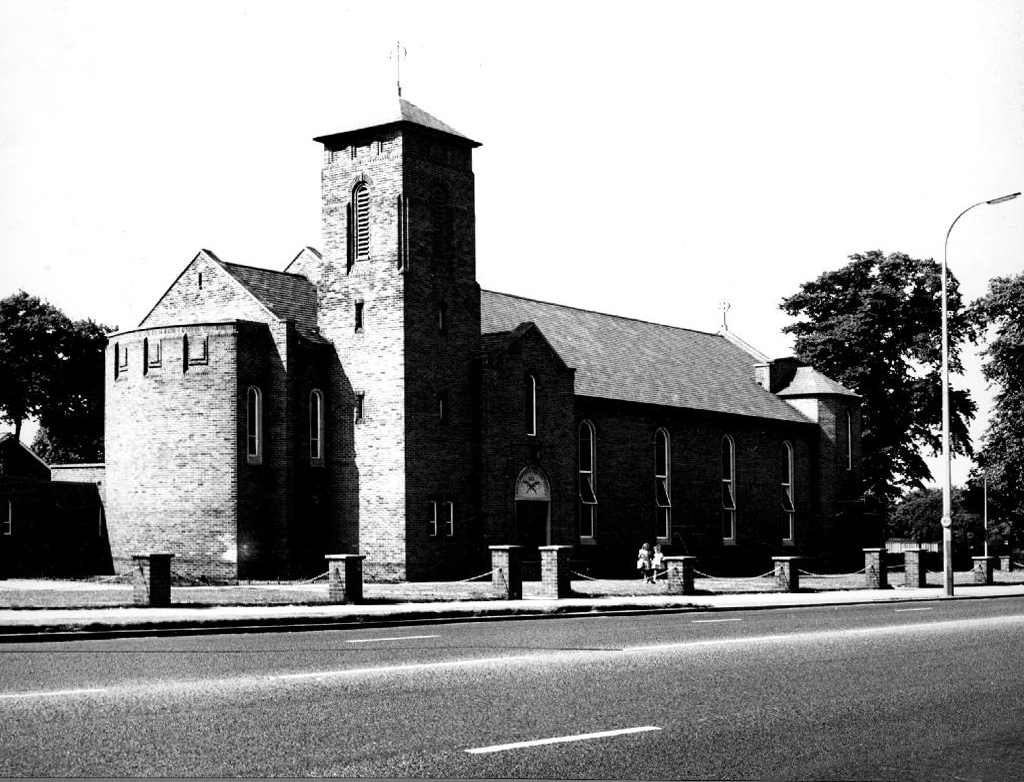
St Ambrose A well-detailed, relatively modest post-war design by Reynolds & Scott, with an impressive and largely unaltered vaulted interior.  The dedication relates to St Ambrose Barlow, a Catholic martyr from nearby Barlow Hall. 

Barlow Moor Road

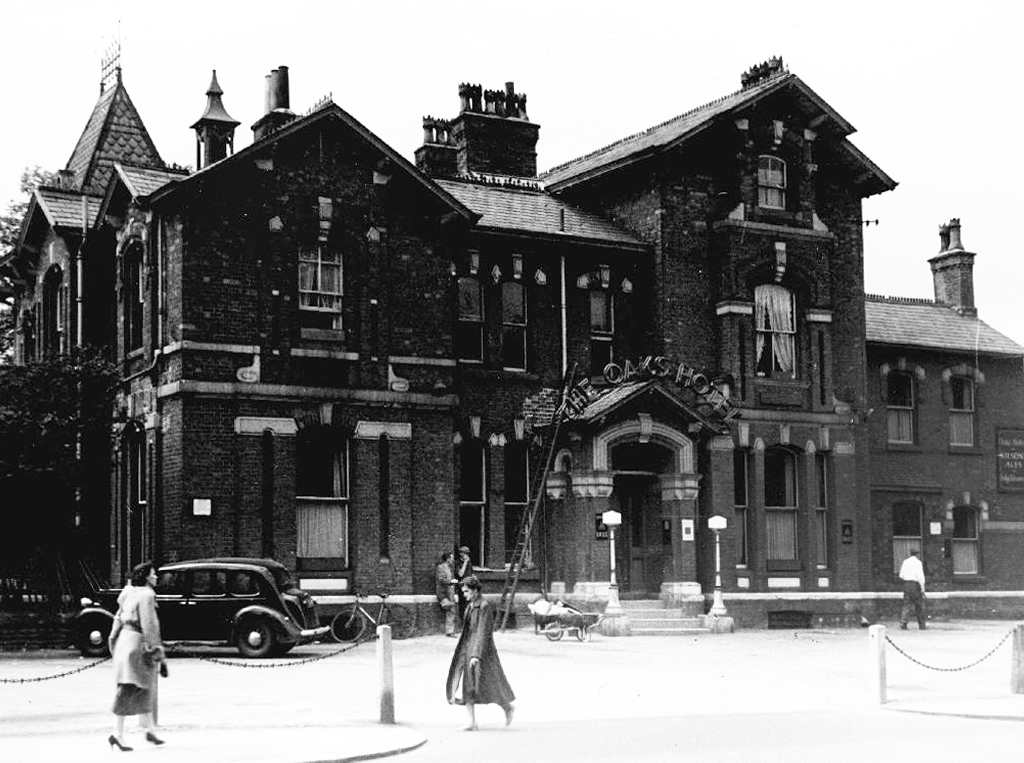
The Oaks demolished in the early 1990s following a brief life as the Sports Bar

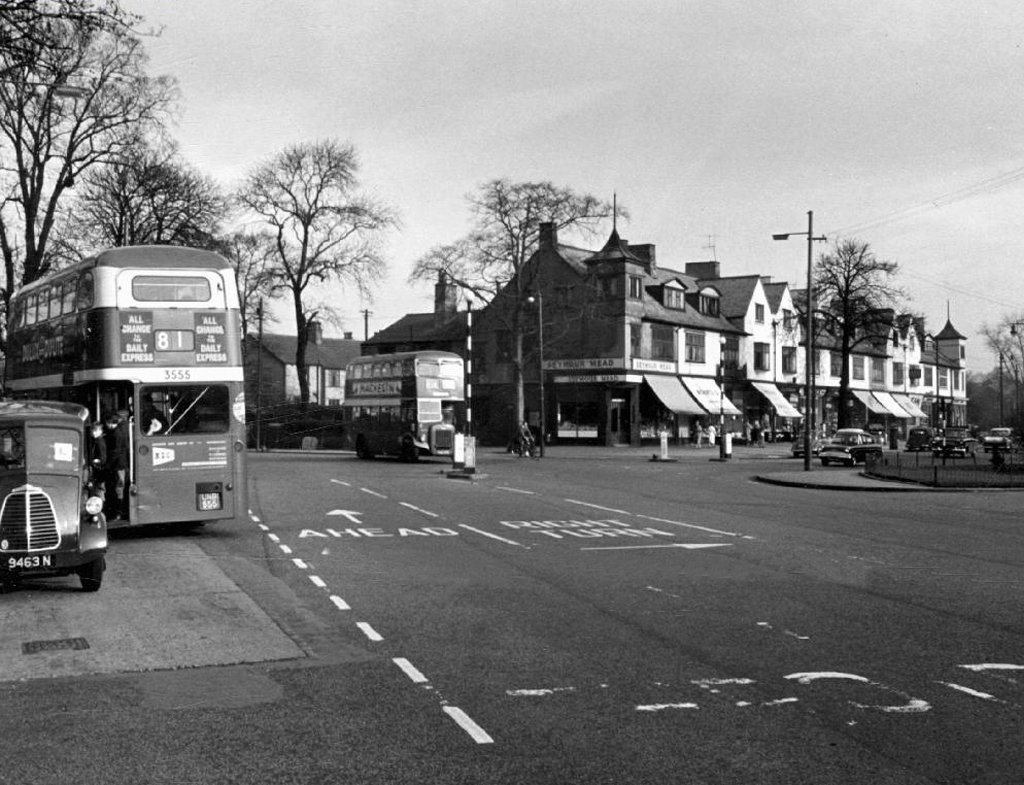
Manchester Road

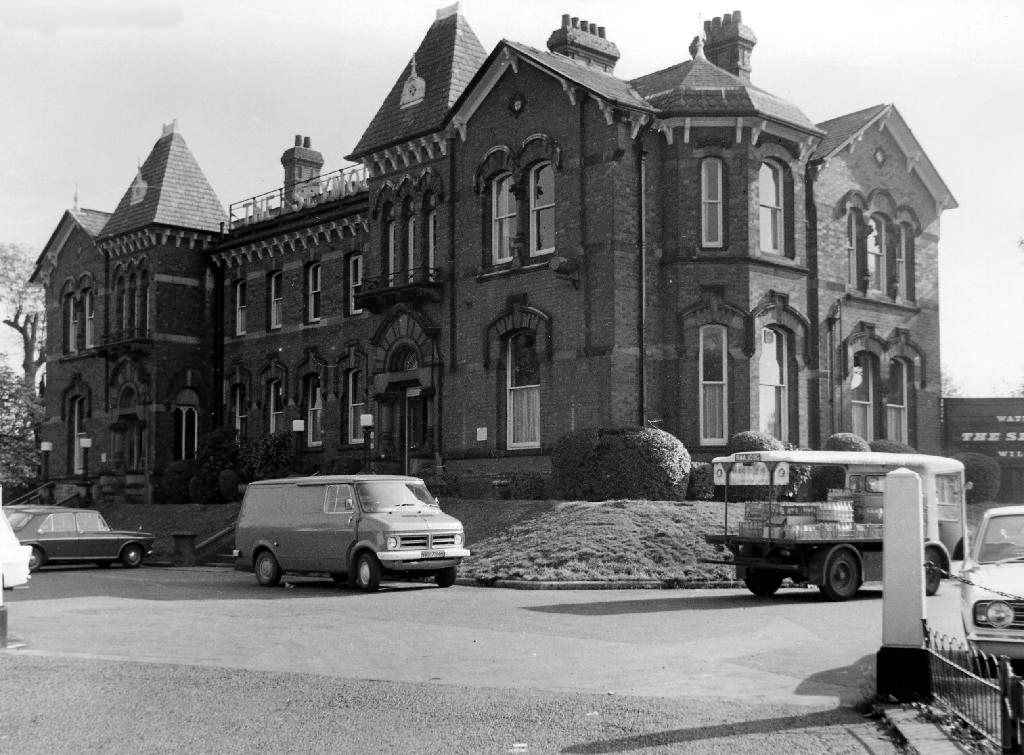
The Seymour – demolished 2002

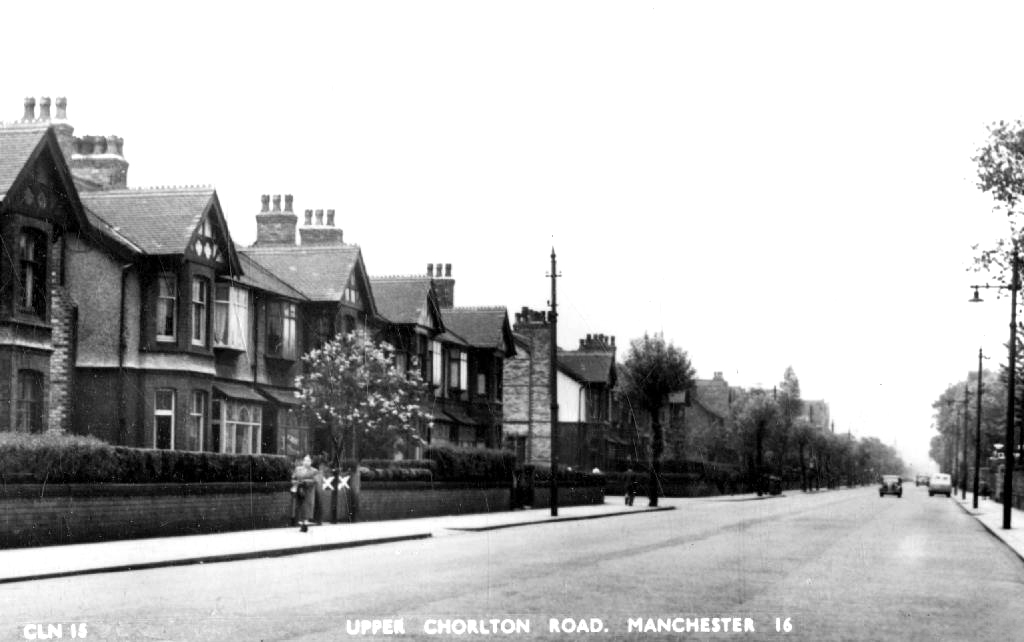
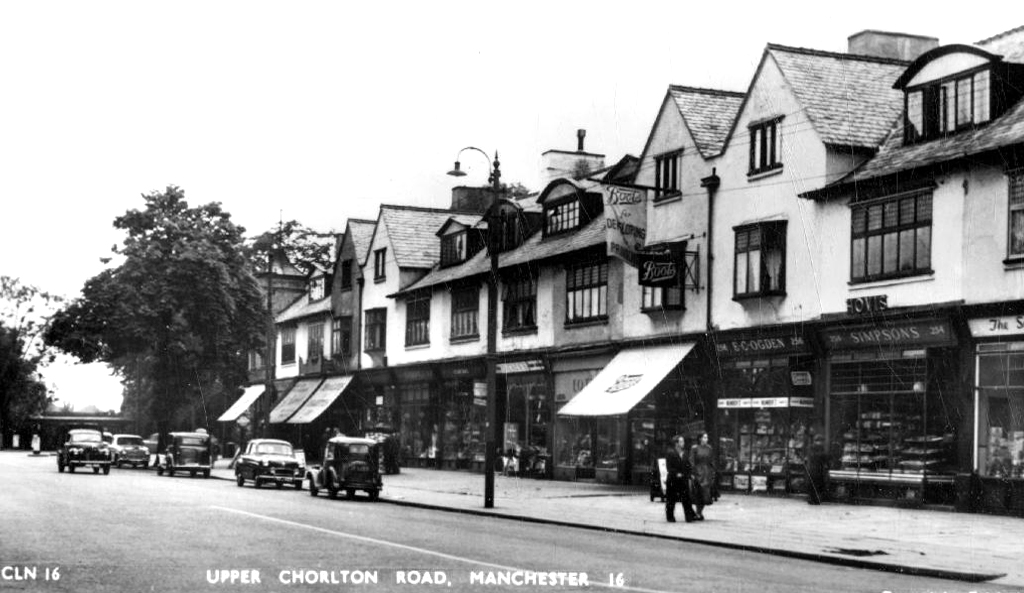
Upper Chorlton Road

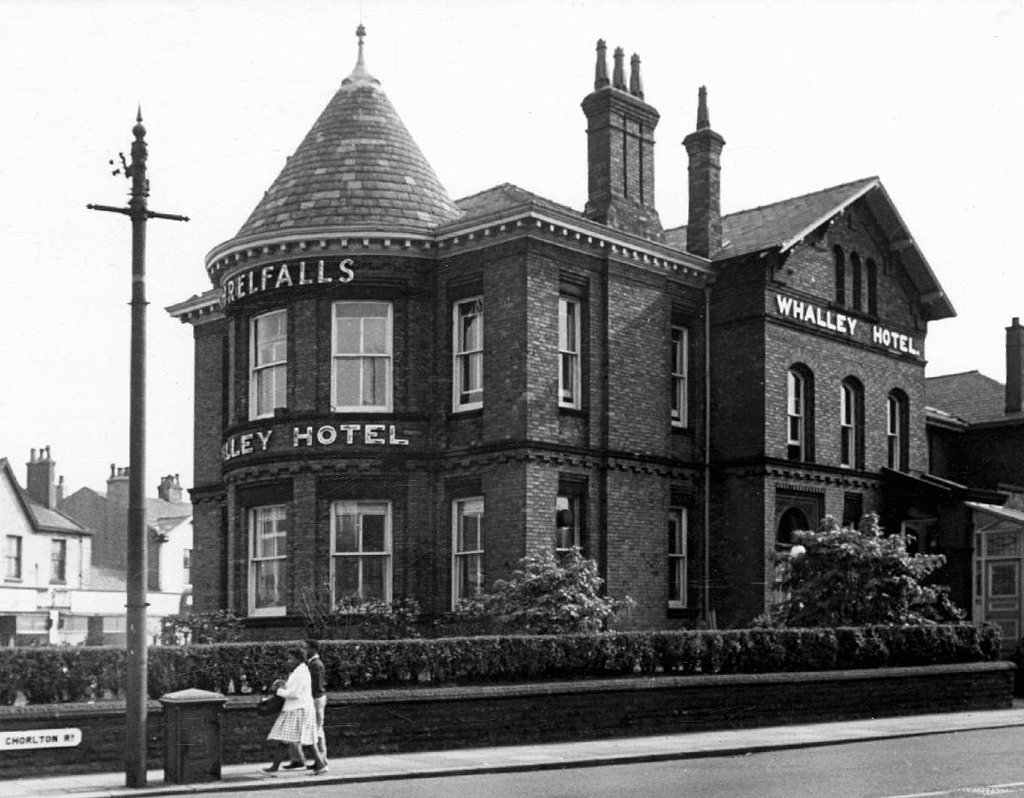
The Whalley Hotel closed in 2014

Chorlton Road

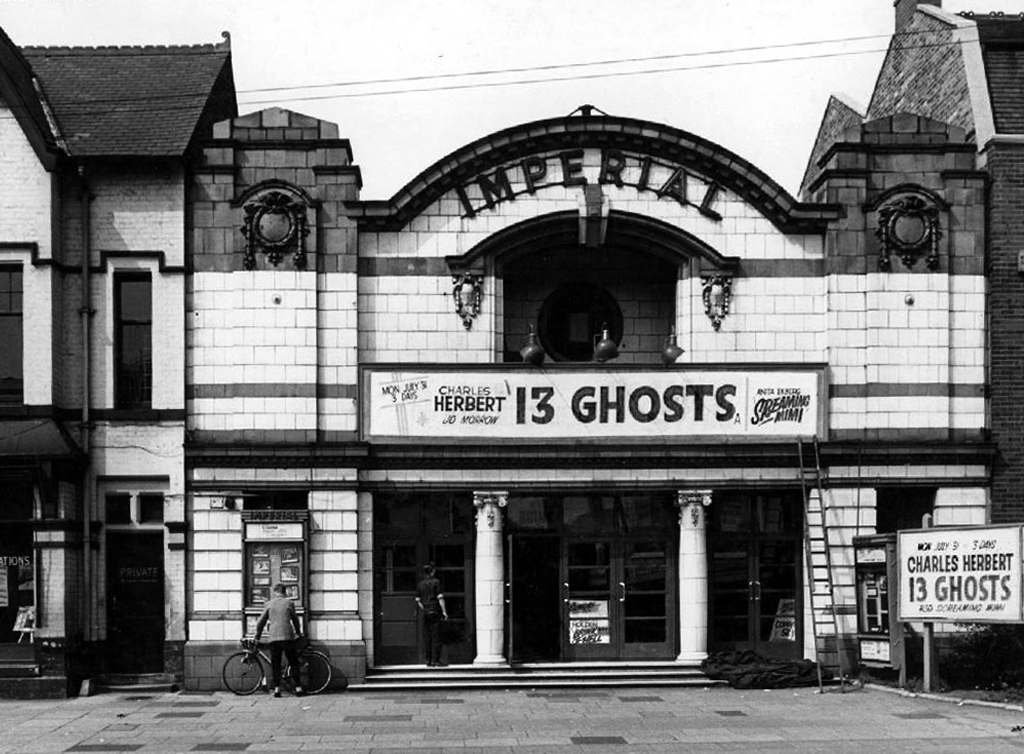
Imperial Picture Theatrewas opened in 1914. Seating was provided in stalls level only. It had a 5 feet deep stage and two dressing rooms. There was also a café in the cinema. Around 1929 it was equipped with a Western Electric sound system.

Architect W.H. Matley

The Imperial Picture Theatre was closed on 15th January 1976 with Charlotte Rampling in Caravan to Vaccares and Jean-Claude Brialy in A Murder Is a Murder Is a Murder.

Cinema Treasures

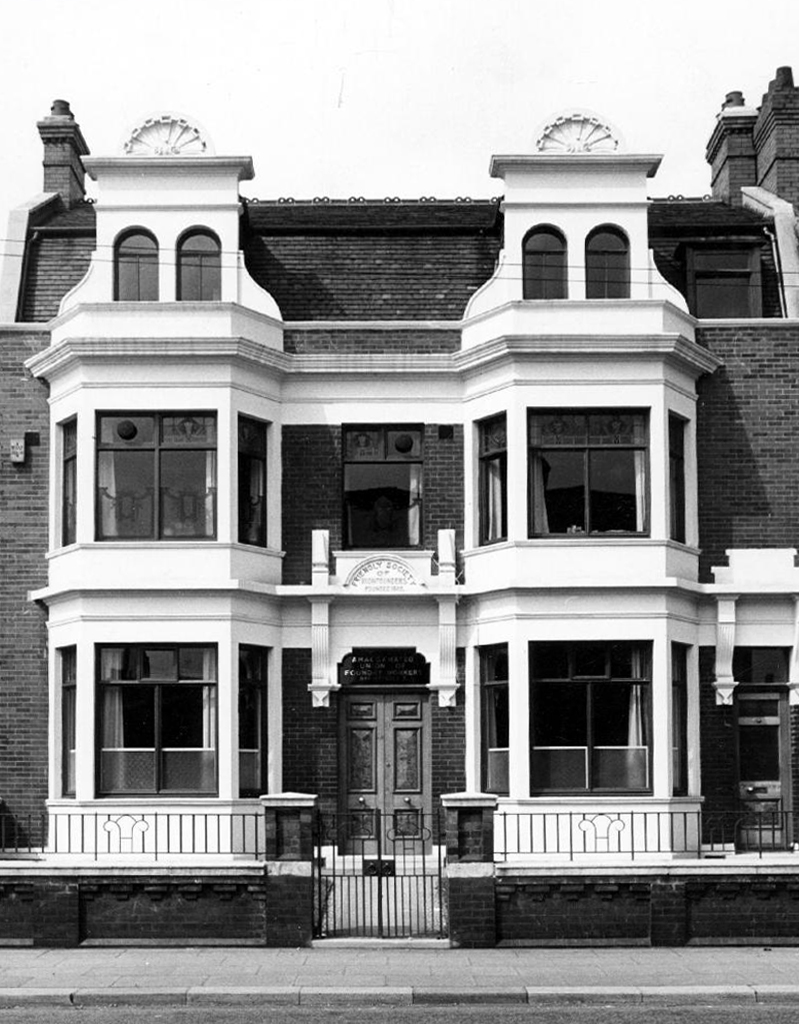
164 Chorlton Road Hulme Manchester – offices of the Amalgamated Union of Foundry Workers, it was at their invitation that Yuri had visited Manchester.

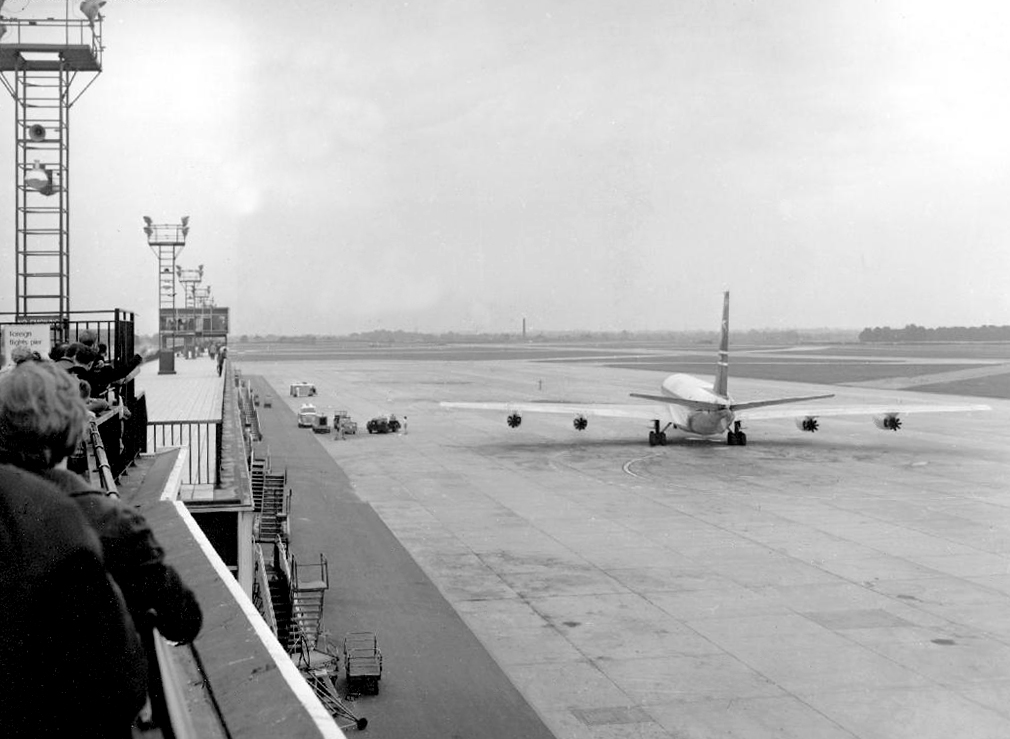
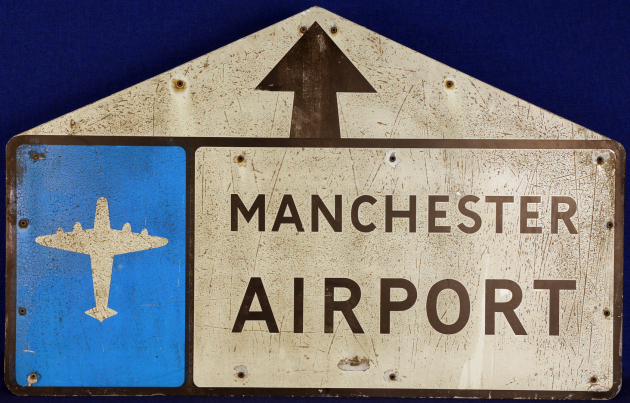
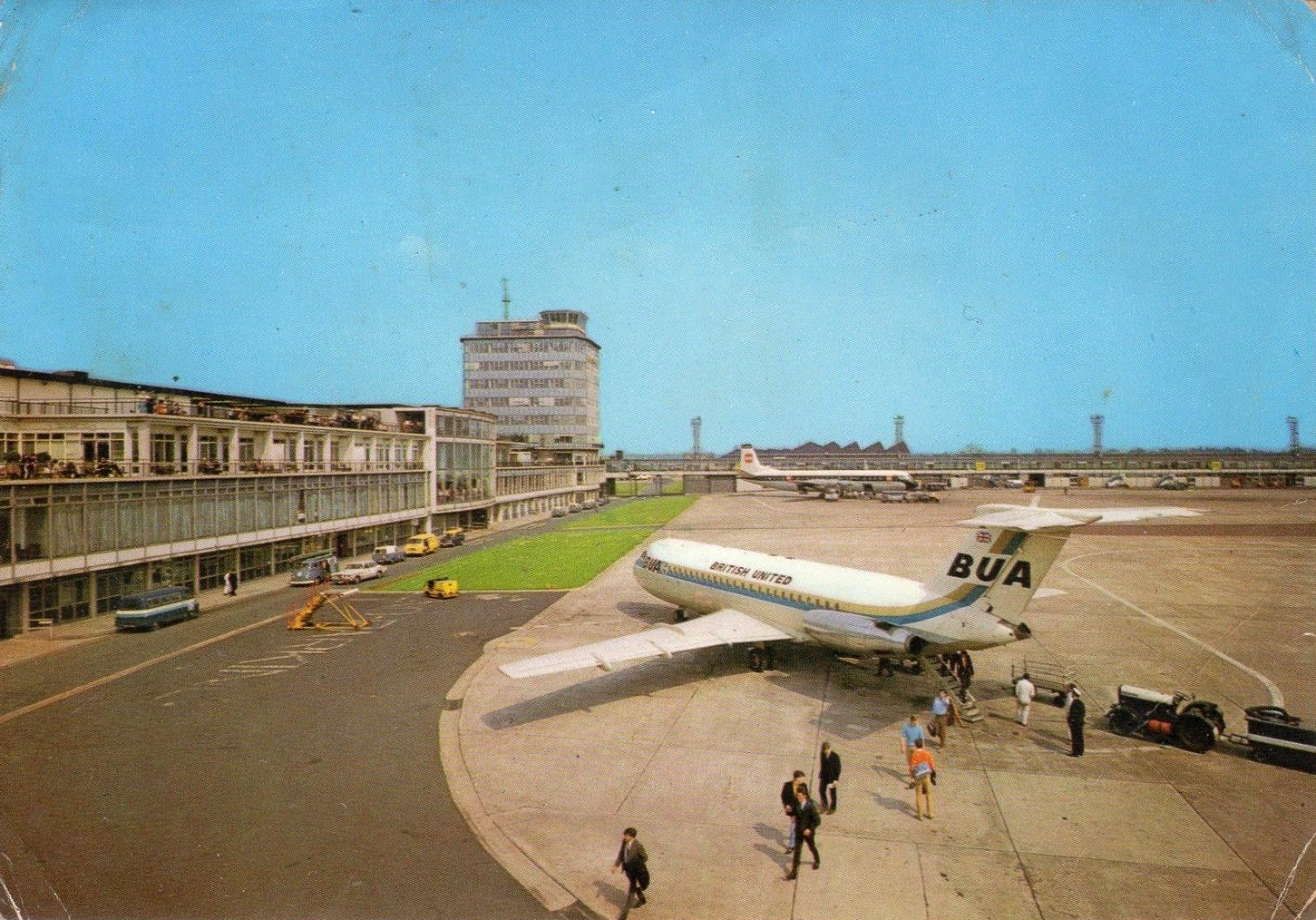
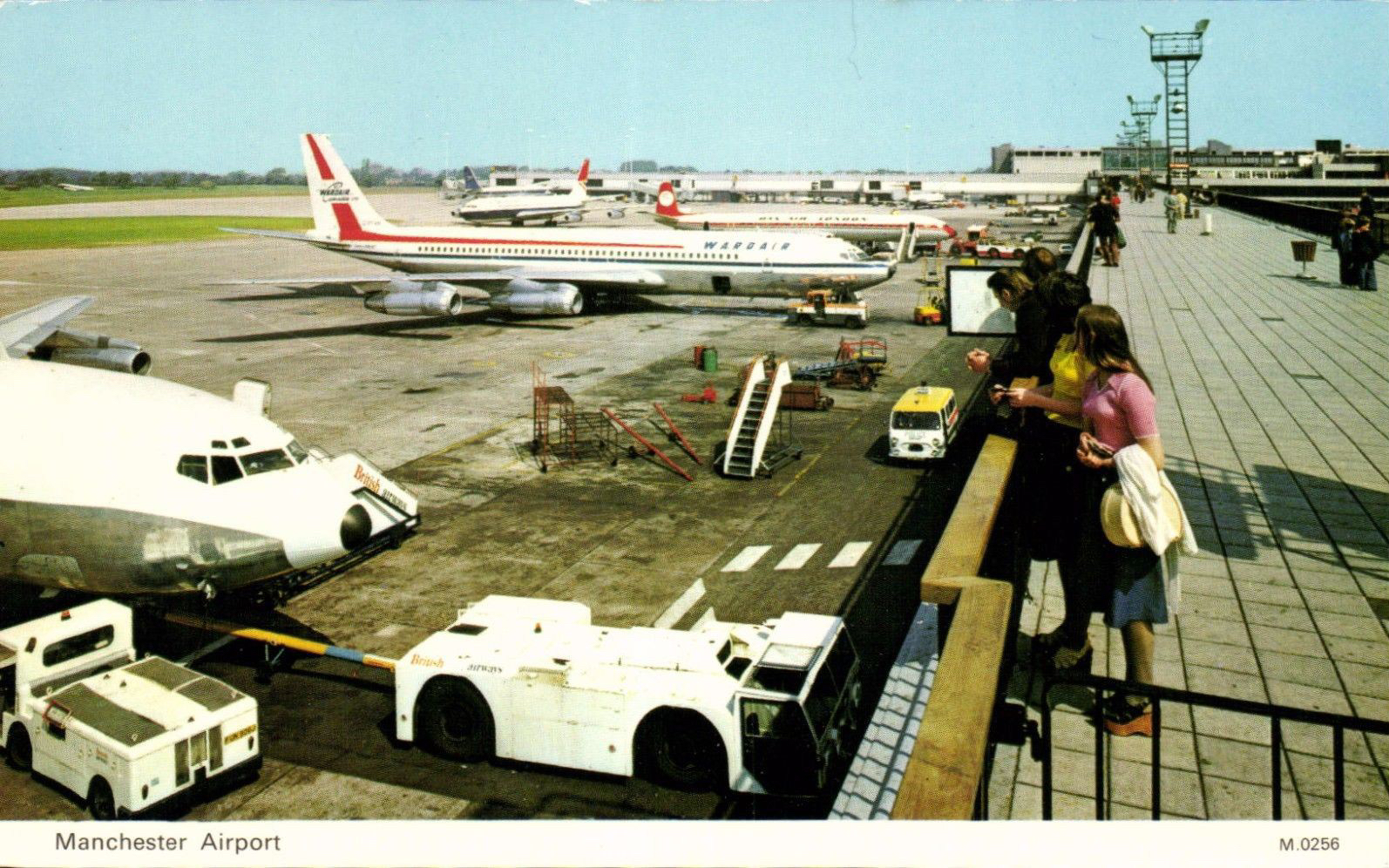
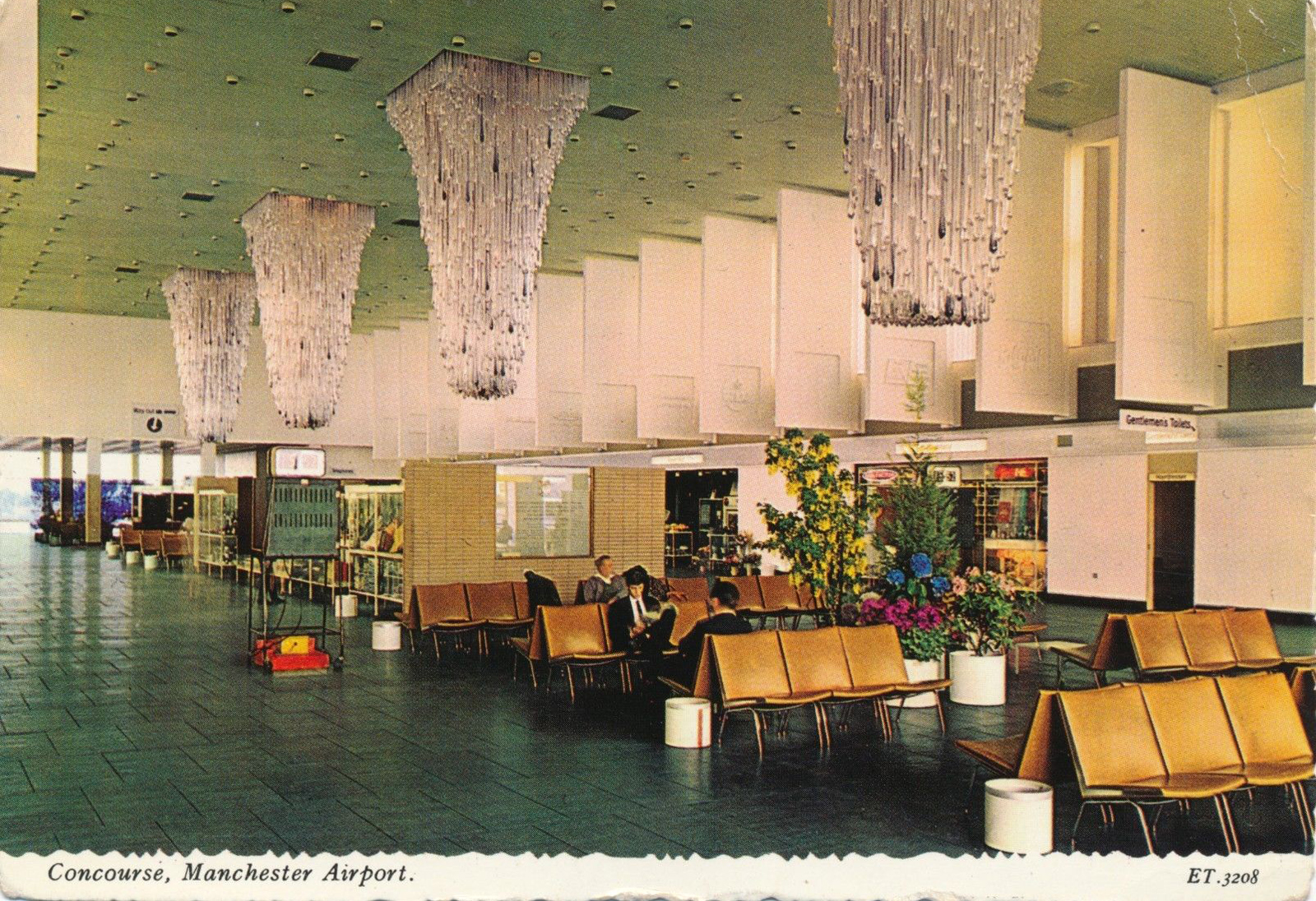
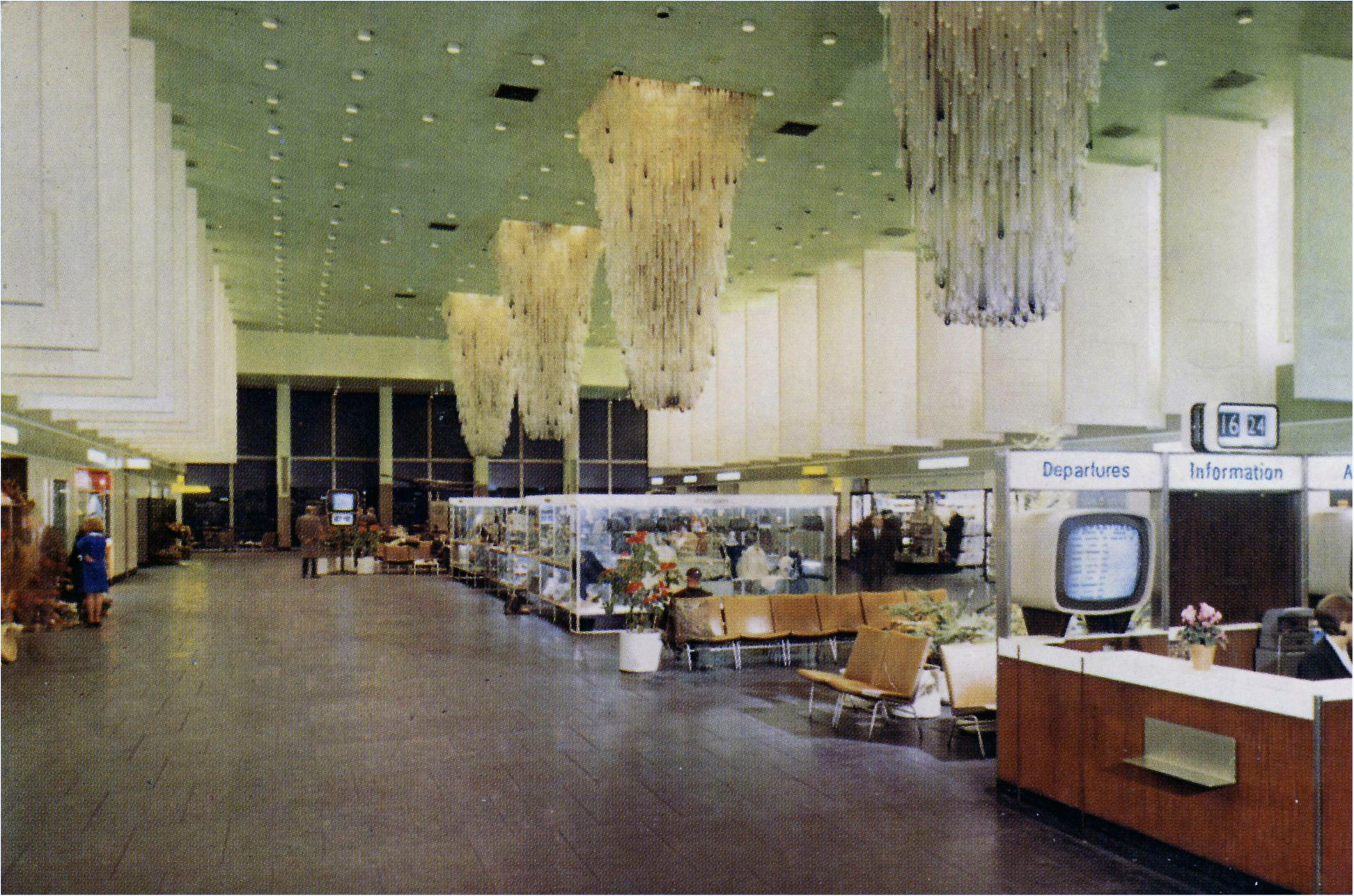
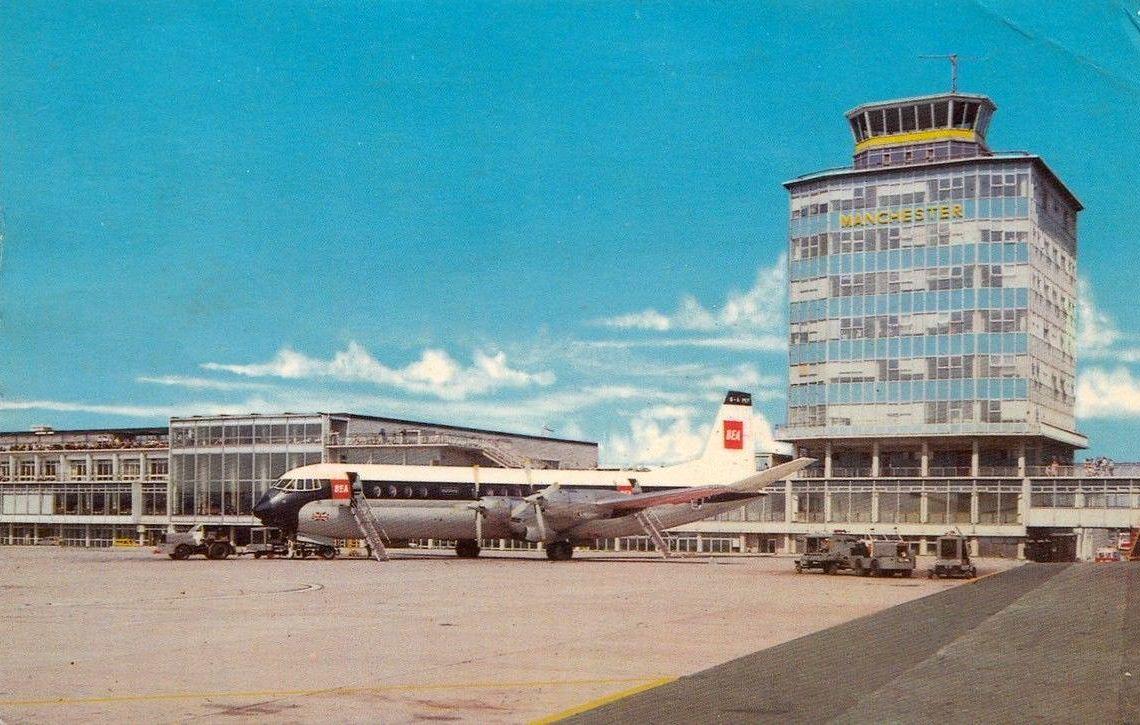
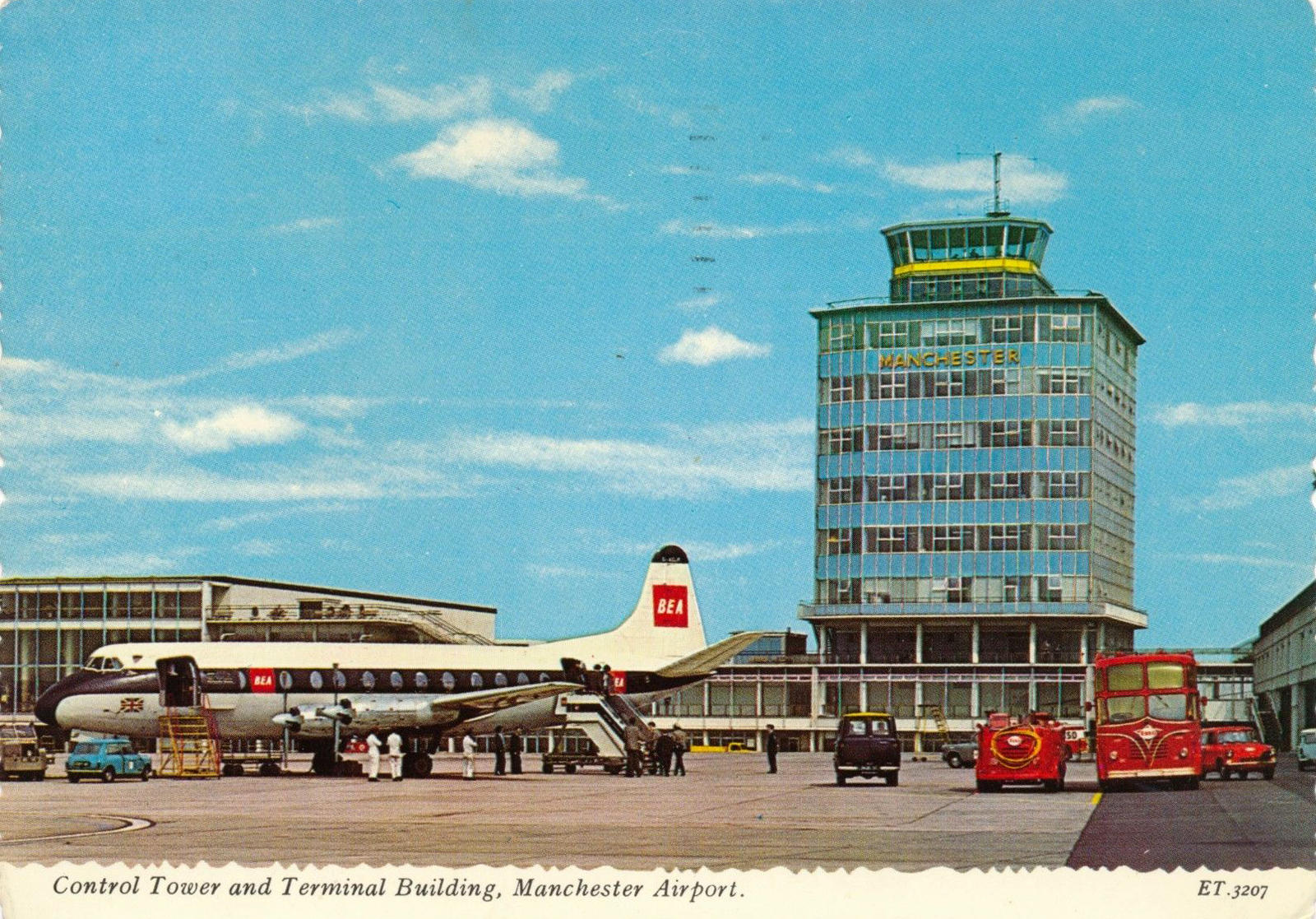
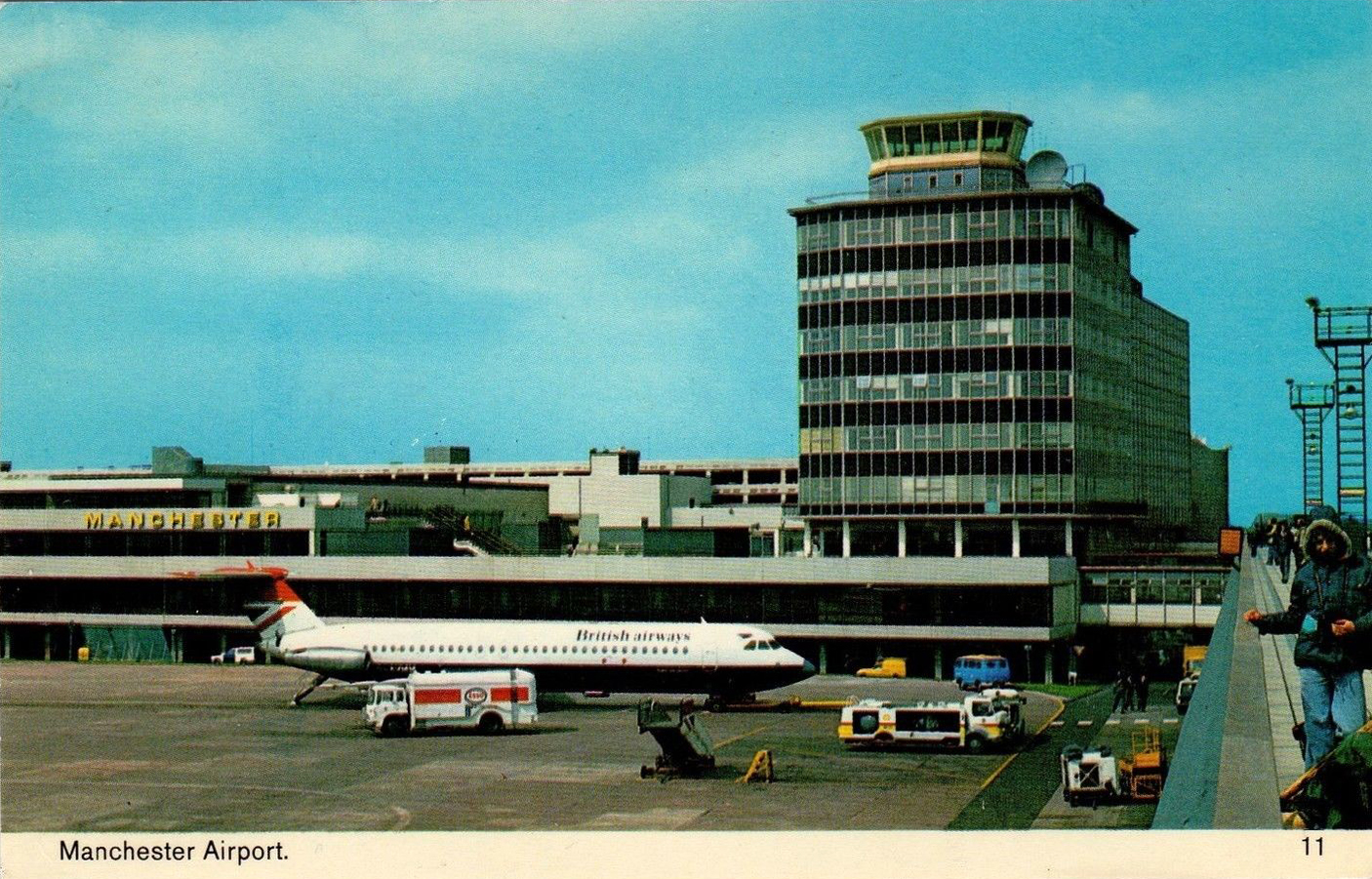
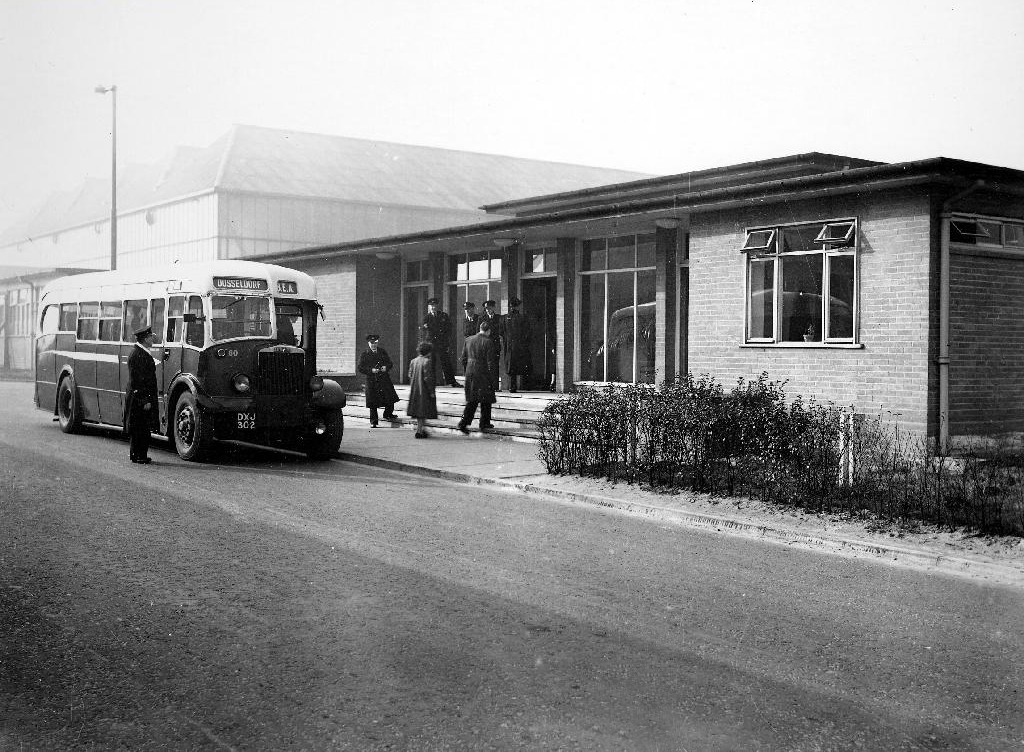
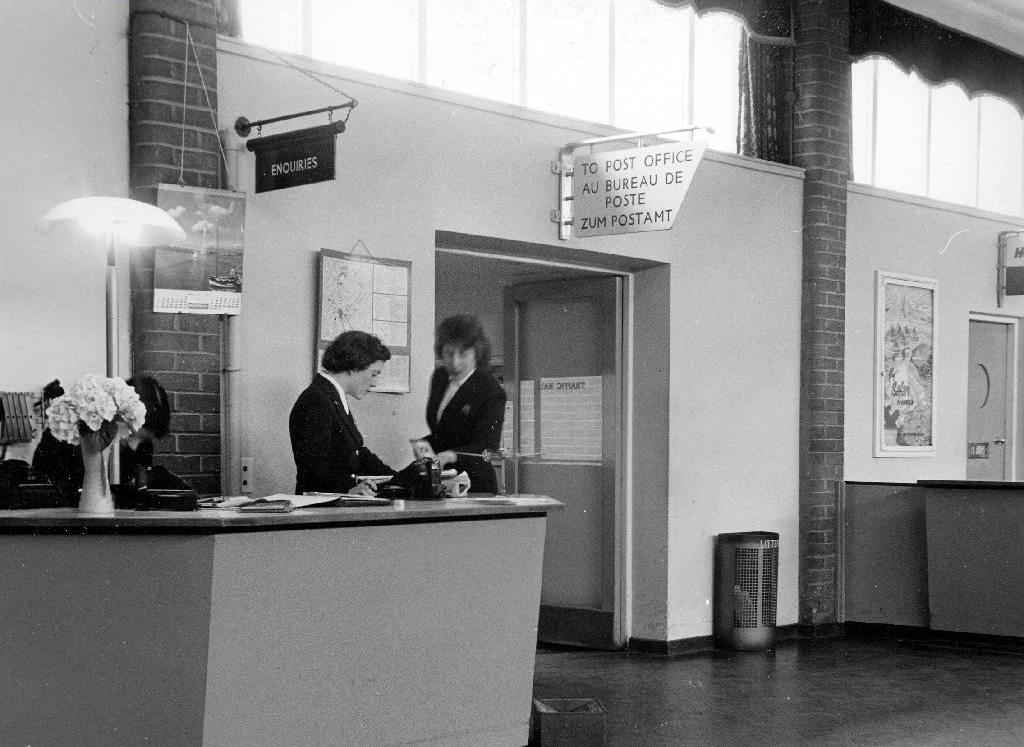
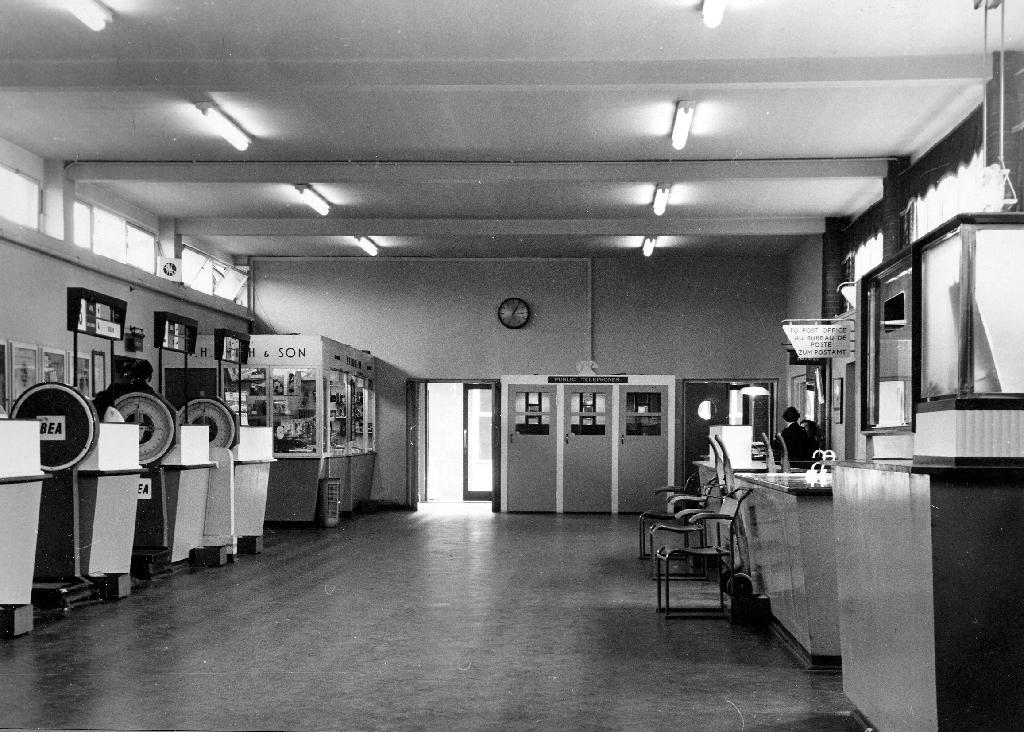
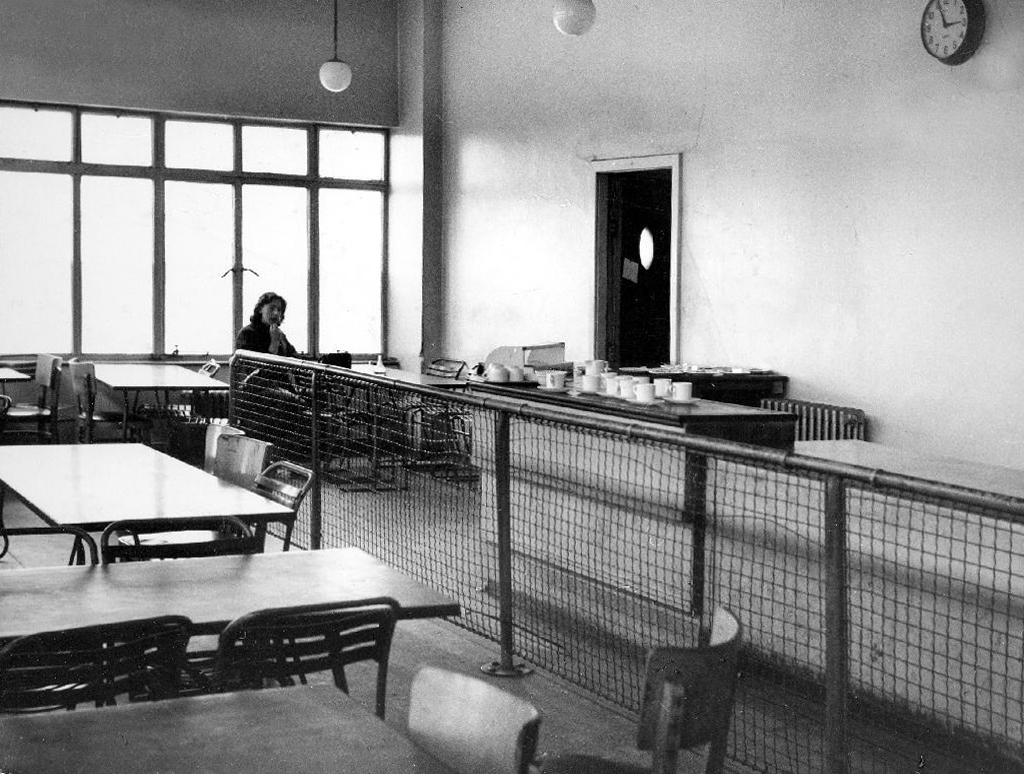
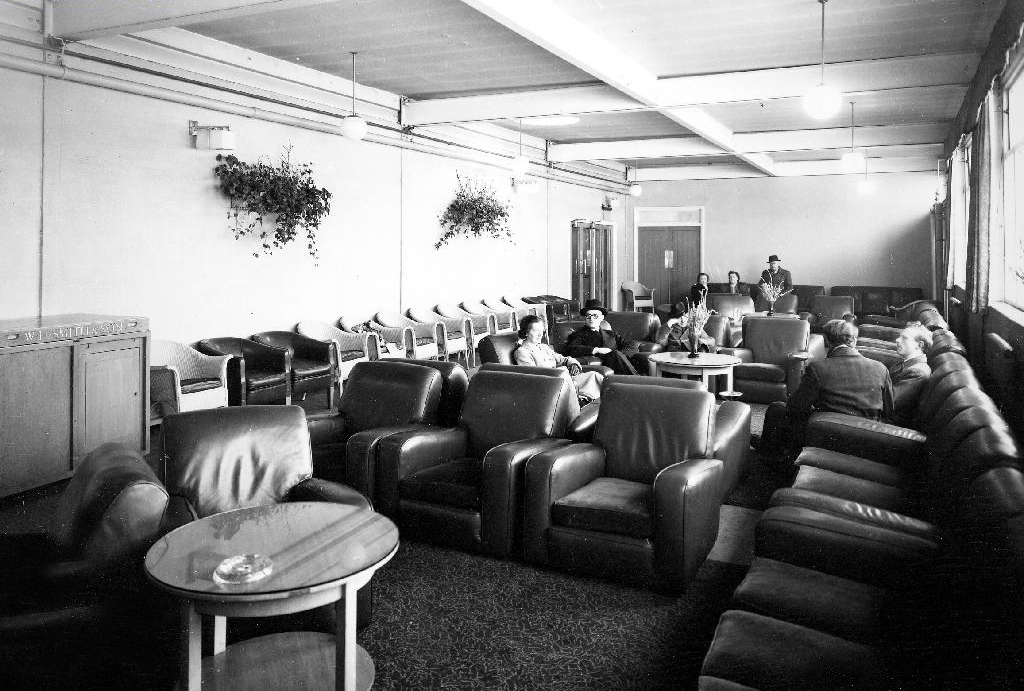
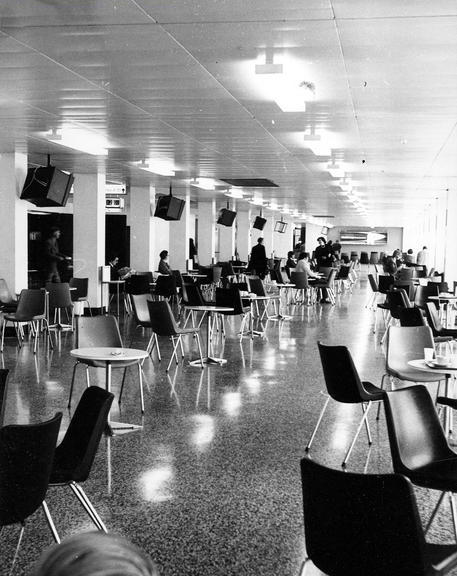
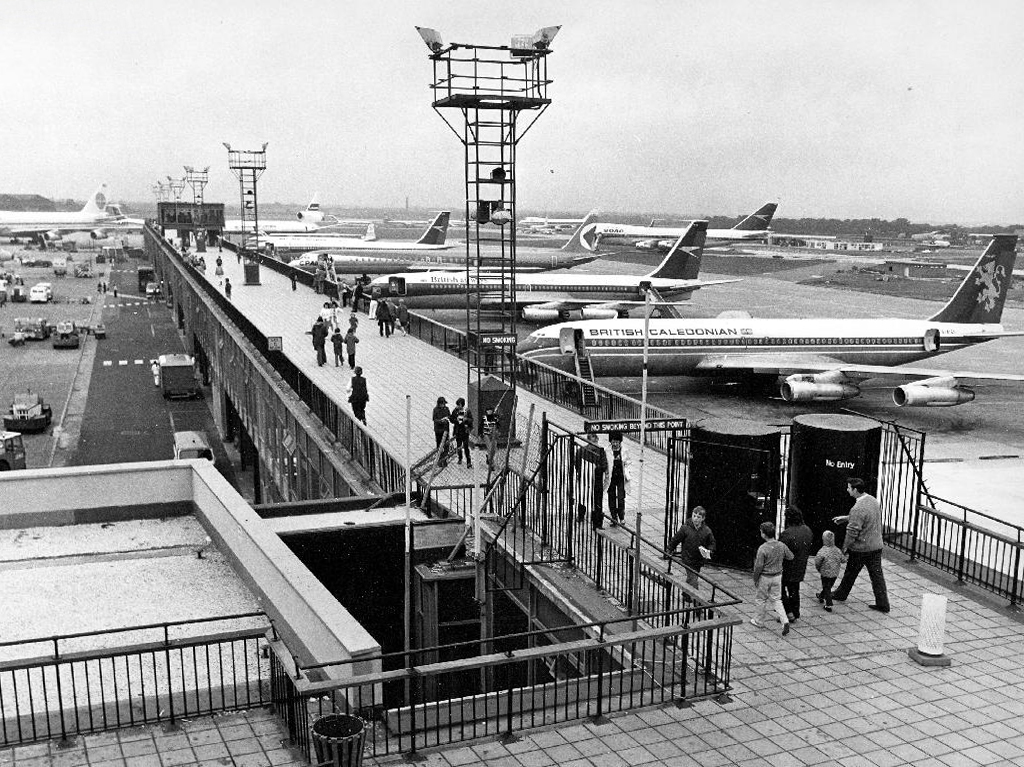
Ringway – Manchester Airport

Expecting to fly?

Well not really, the first time I ever visited Ringway was by bike, aged eleven cycling from Ashton-under-Lyne along leafy Cheshire lanes for what seemed like an age. A gang of Lancashire brigands arriving in the departure lounge, with bike pumps and duffle bags.

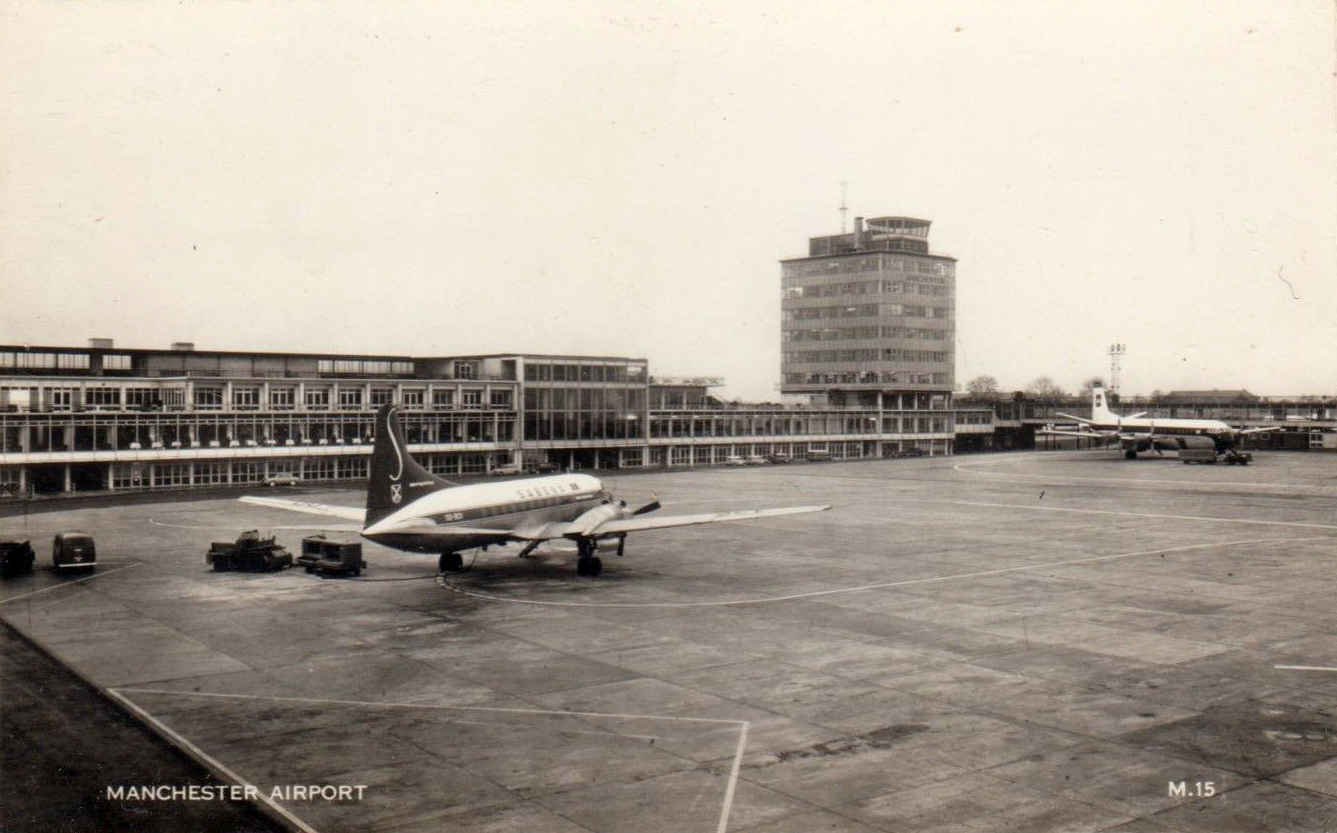
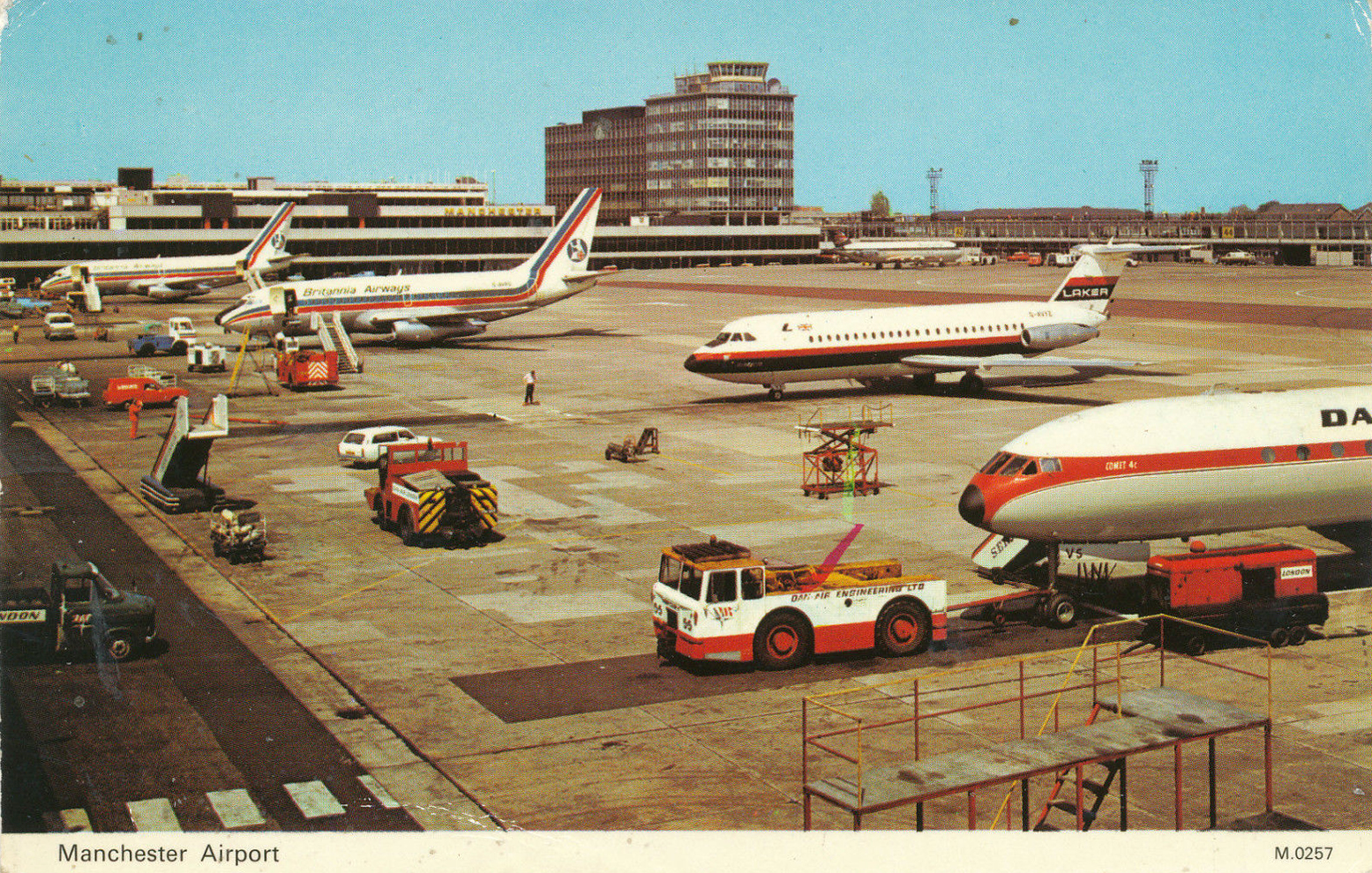
In the Sixties, when flying was infrequent, the airport was seen as sleek, new, glamorous and exciting – quiet literally at the cutting edge of the Jet Age.

Modern.

You were or are there, destination somewhere else, far more exotic than suburban Wilmslow.

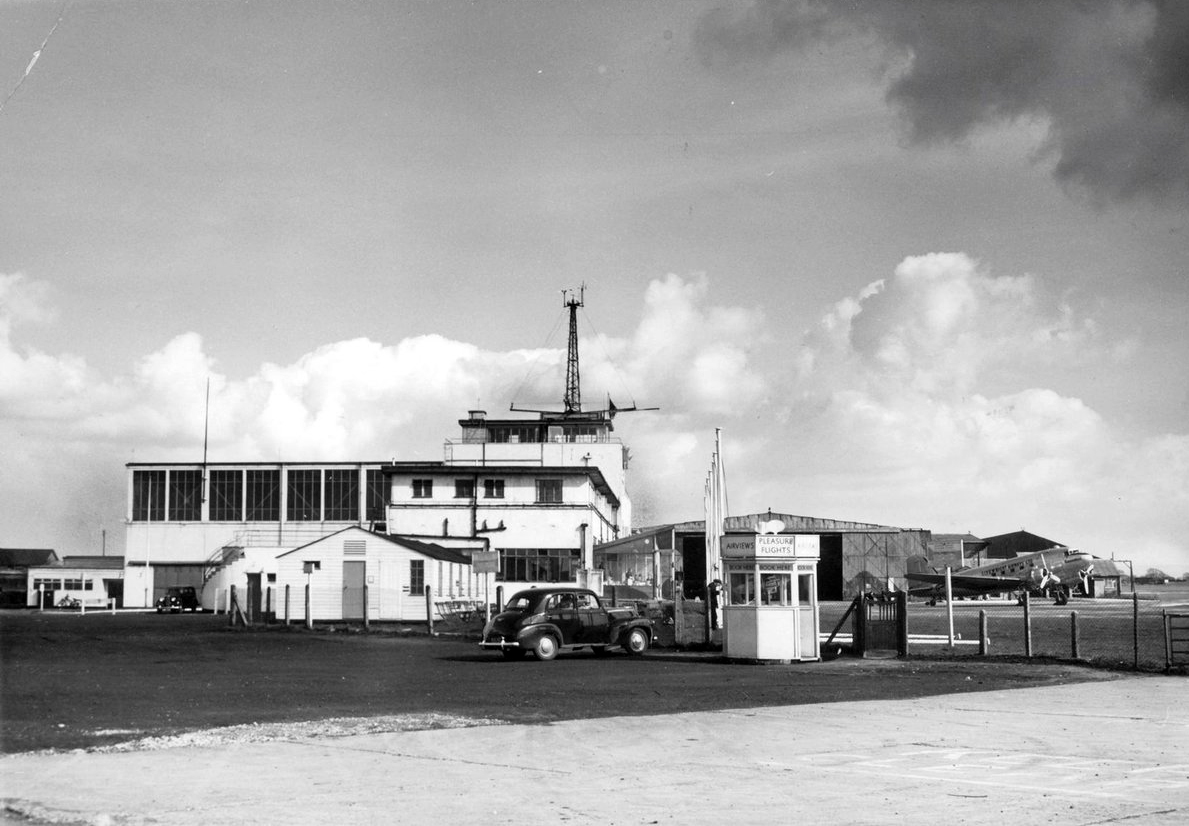
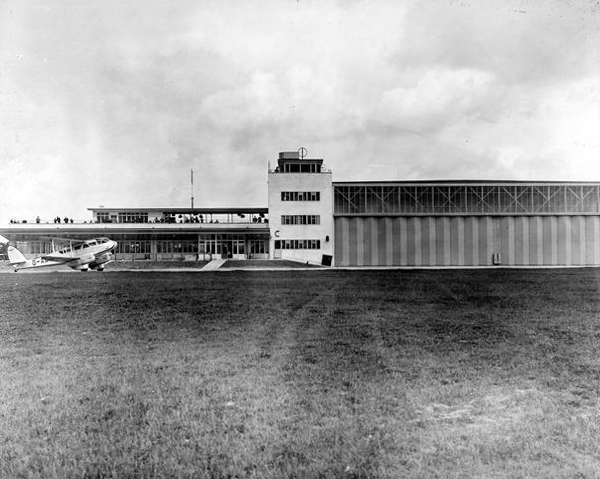
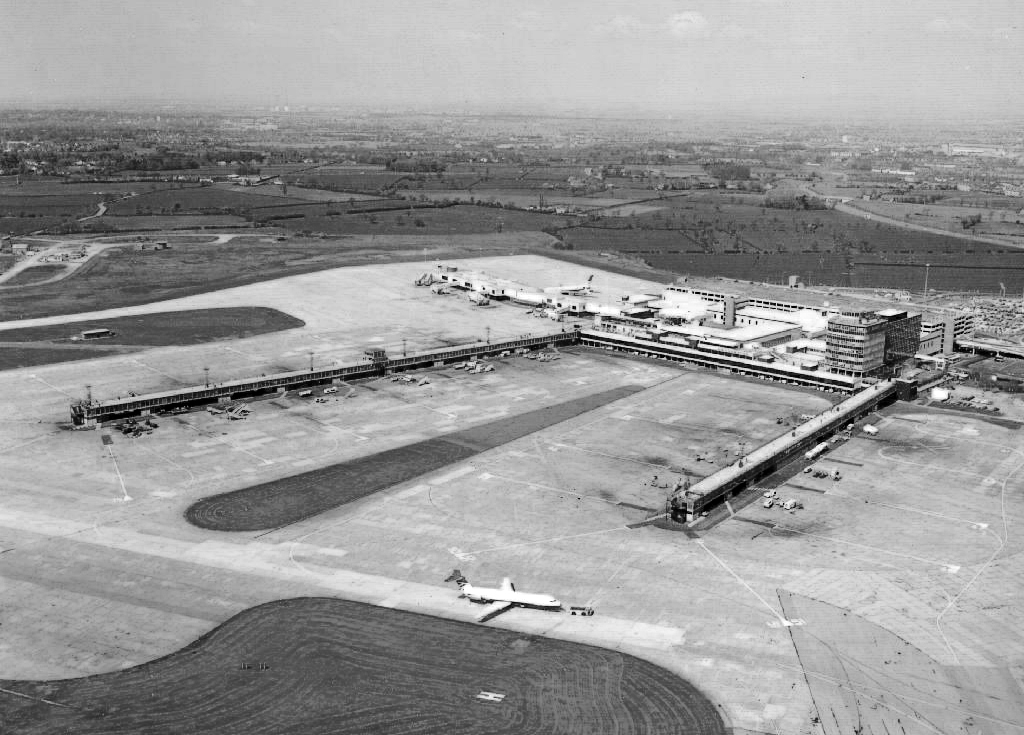
Manchester Ringway Airport started construction on 28th November 1935 and opened partly in June 1937 and completely on 25th June 1938, in Ringway parish north of Wilmslow.  In World War II, it was the location of RAF Ringway, and was important in the production and repair of military aircraft and training parachutists.

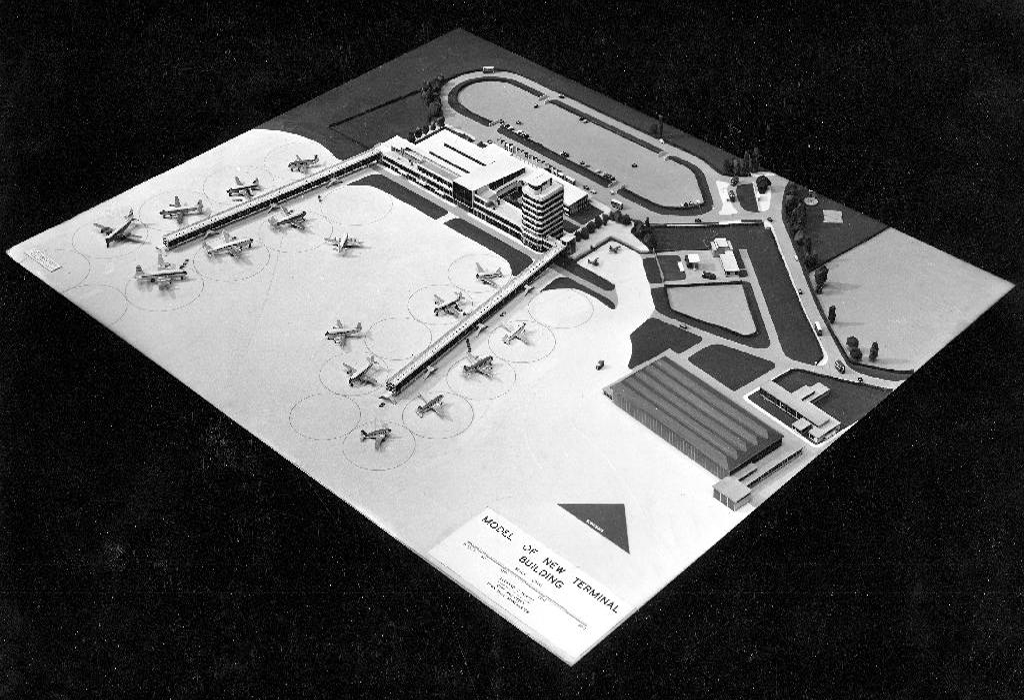
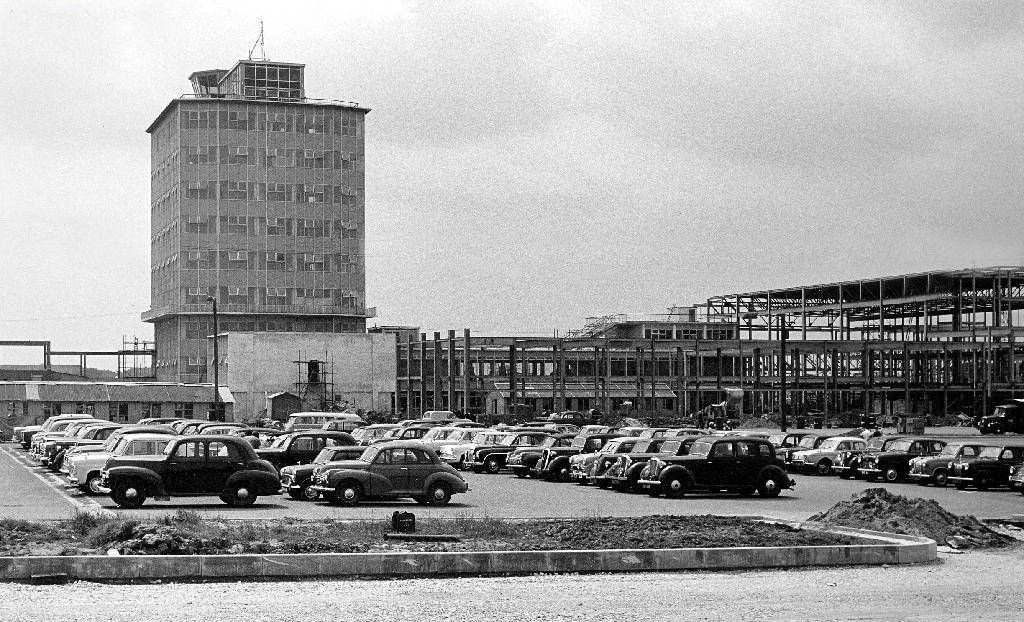
After World War II, it gradually expanded to its present size, including massive expansion of aprons, runways and car parking areas. Among the first expansions was car parking and service buildings north of Yewtree Lane.

From 1958 to late 1962, Terminal One was built: this was the first of the airport’s modern large terminals and the first major public building north of Yewtree Lane.

You were or are there, so why not tell the world – with a postcard.

Wish you were here?

s-l1600-7

s-l1600-2

s-l1600-3

s-l1600-6.jpg

s-l1600-8

35544837_2153016631579374_3645904223251464192_o

s-l1600-5

s-l1600-9

s-l1600

Let’s go there now, back in time, through the most magical Manchester Image Archive.

57b

Dc0rXylX4AAY2as

1938

61

72

1950

1957


57a

867436164

57c

50

74

1970

1976