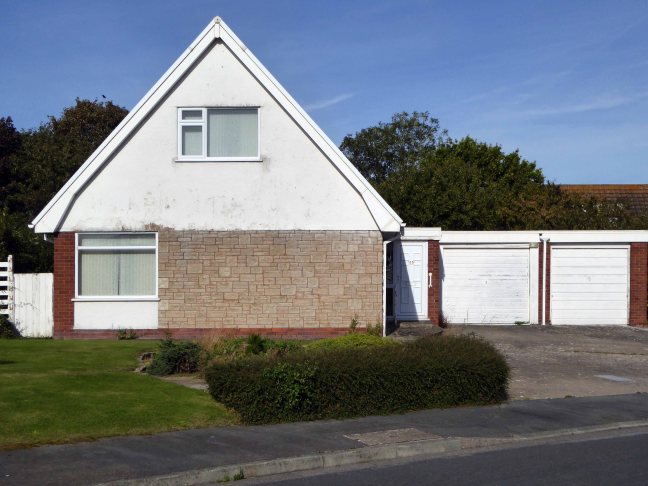
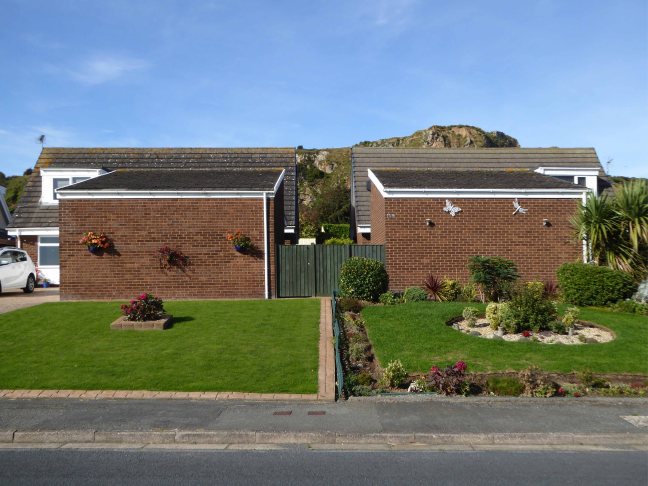
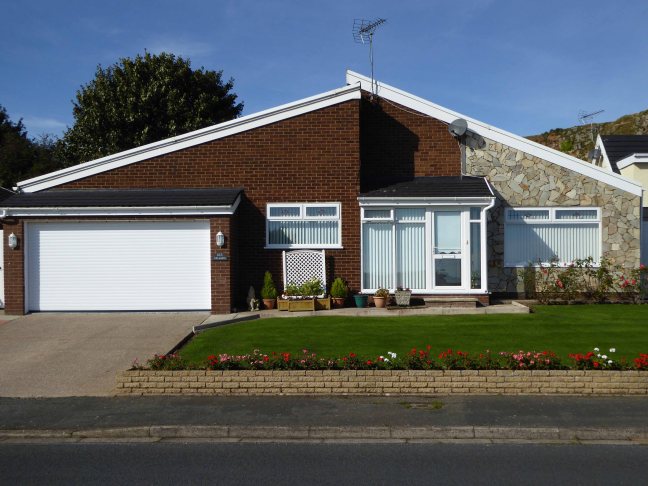
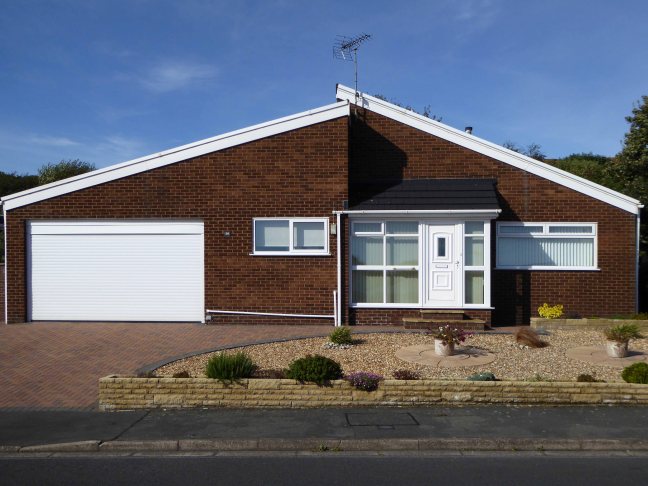
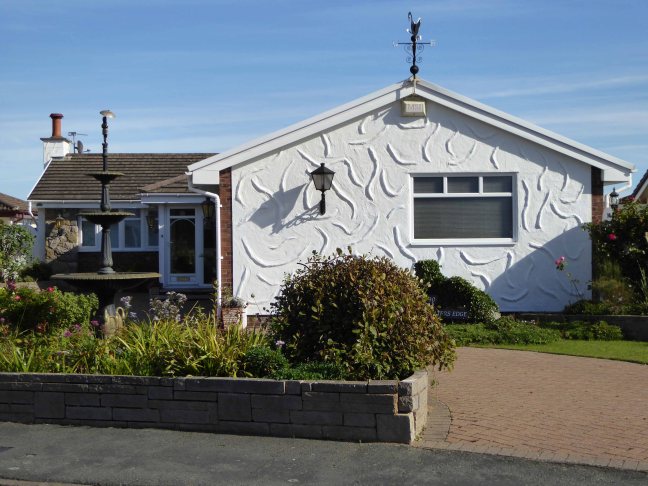
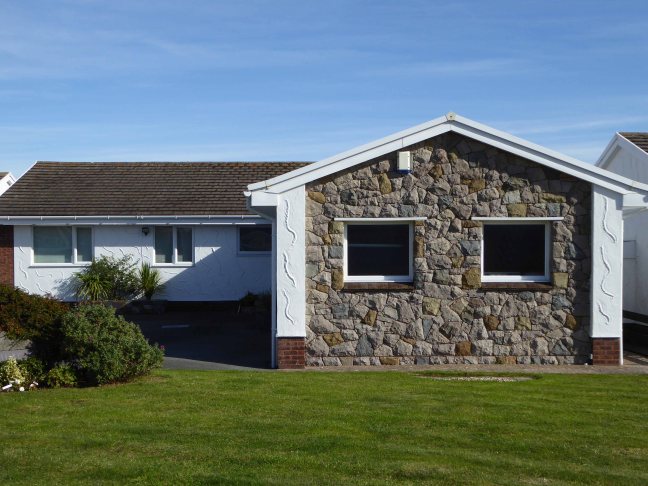
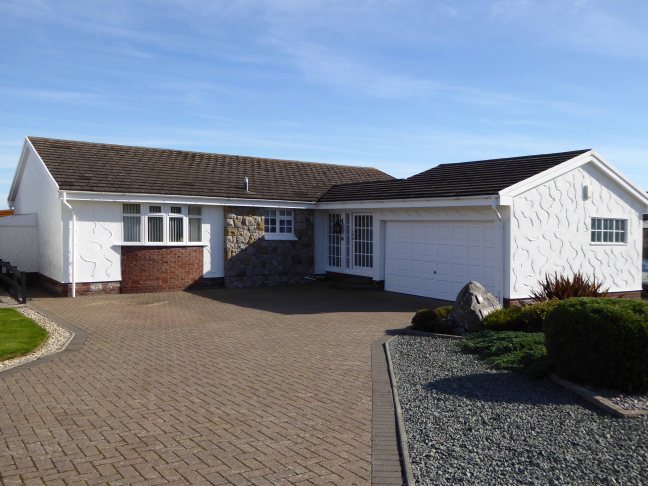
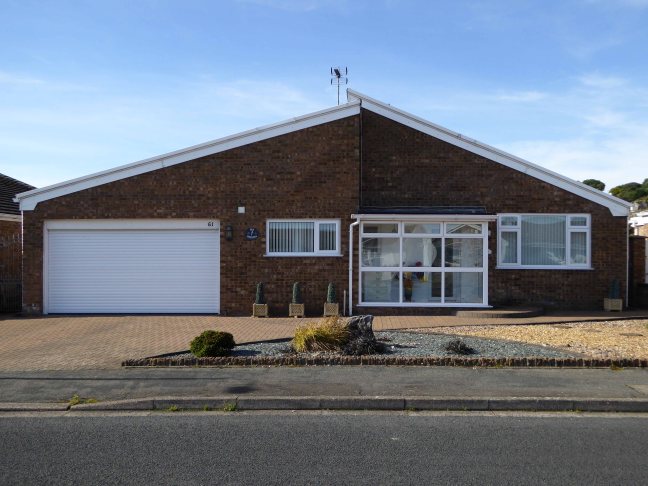
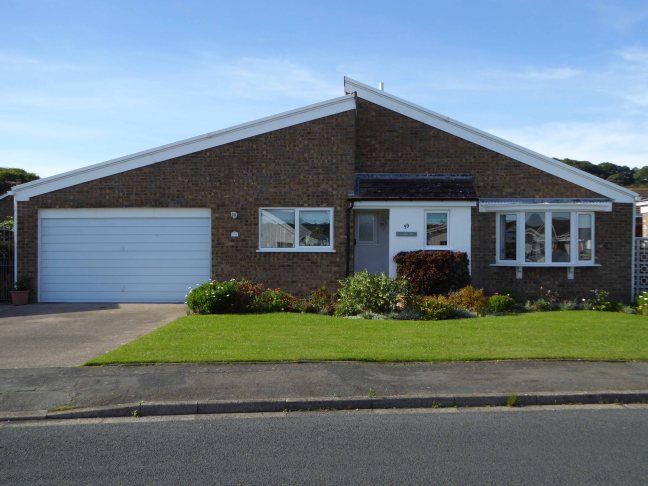
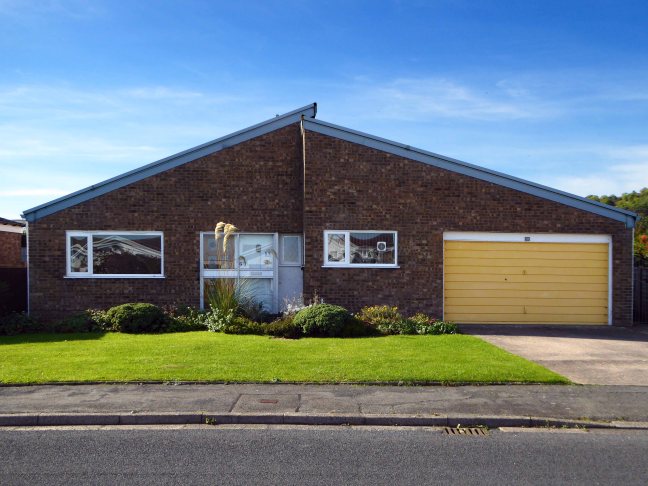
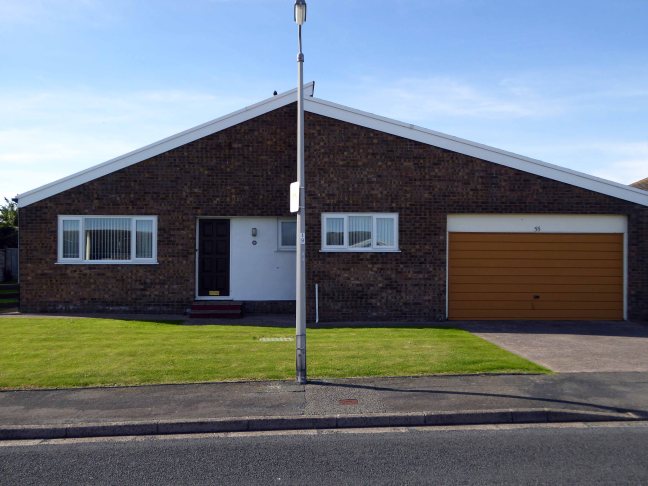
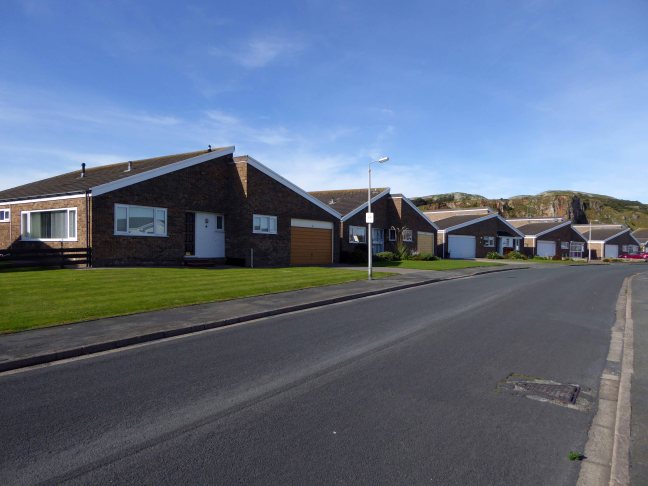
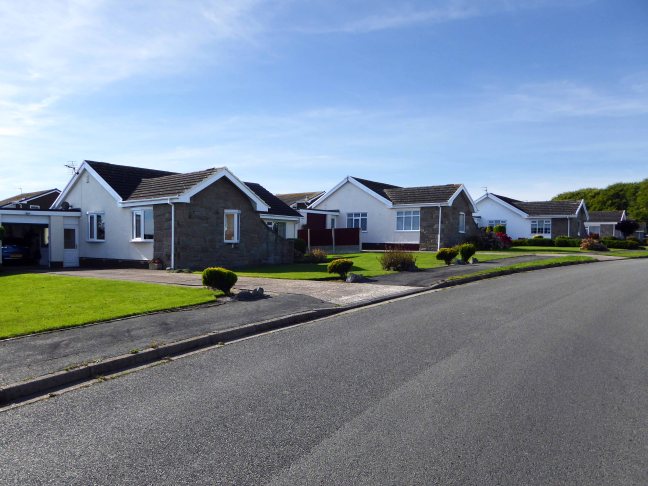
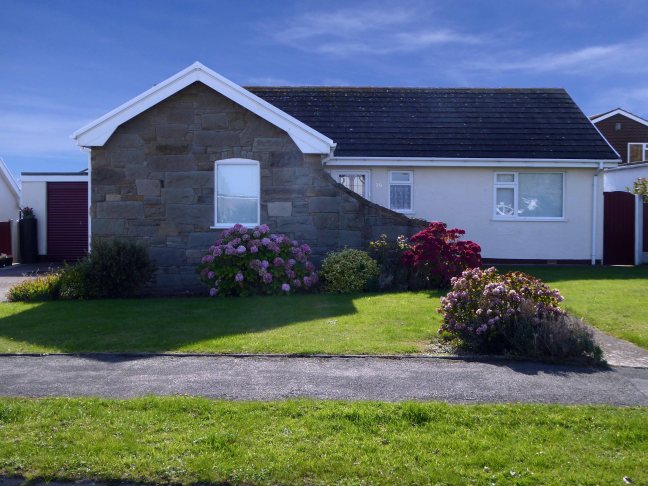
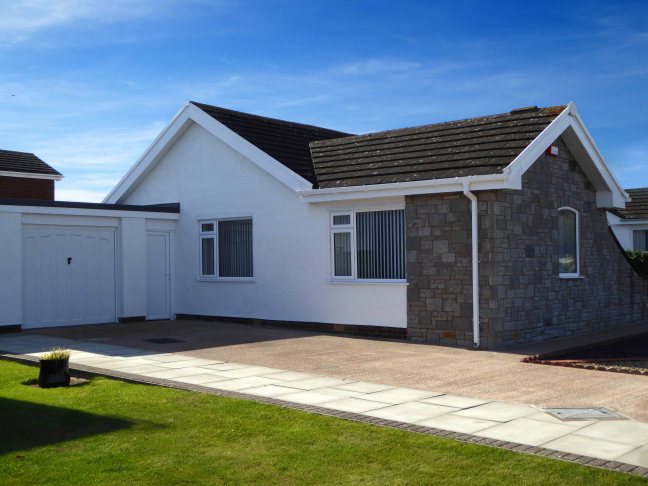
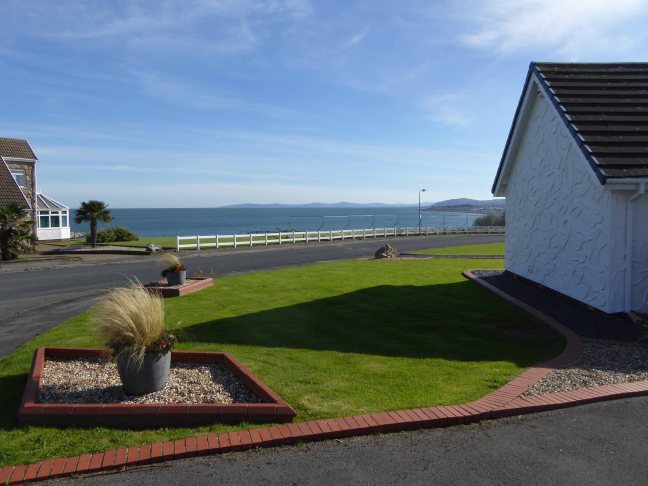
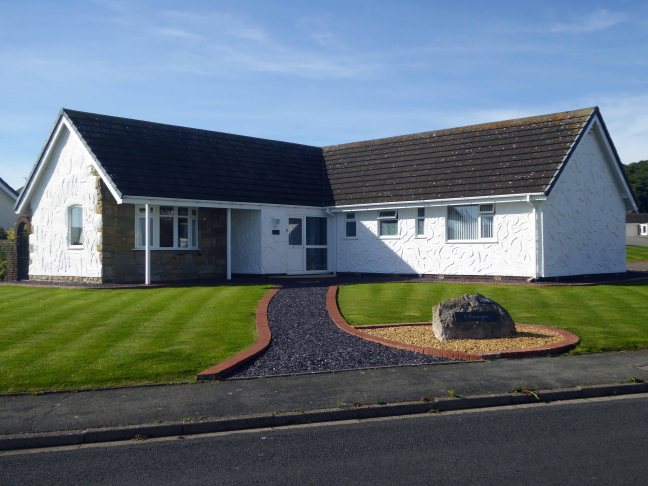
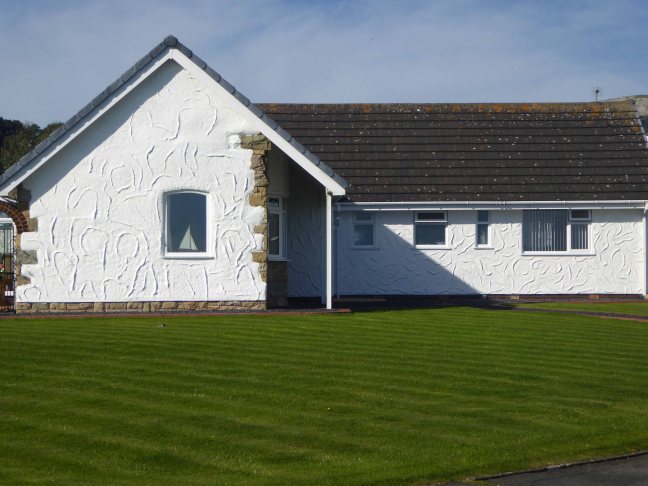
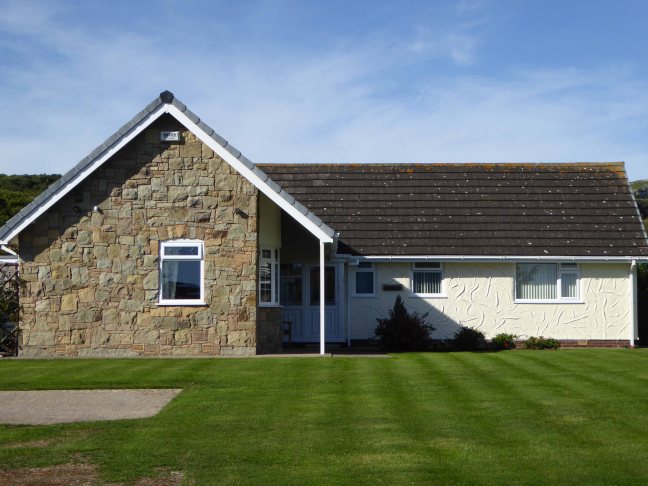
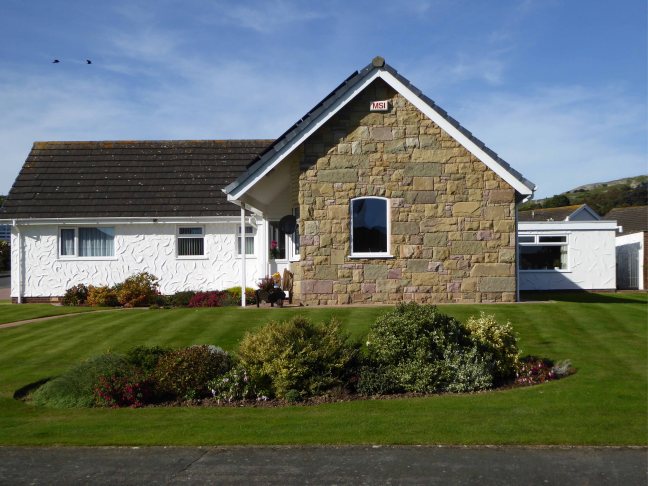
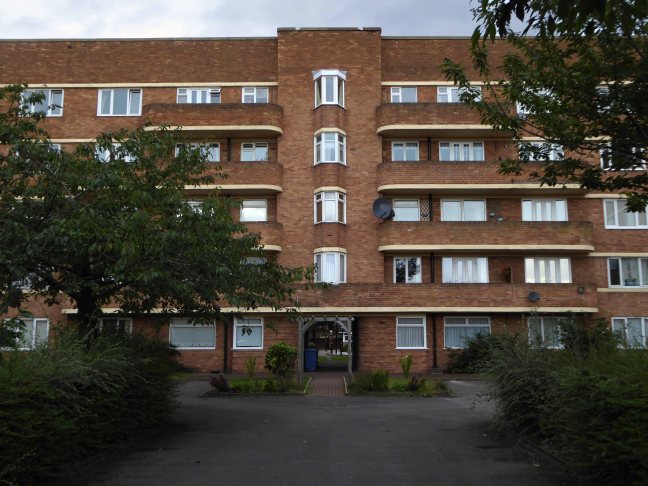
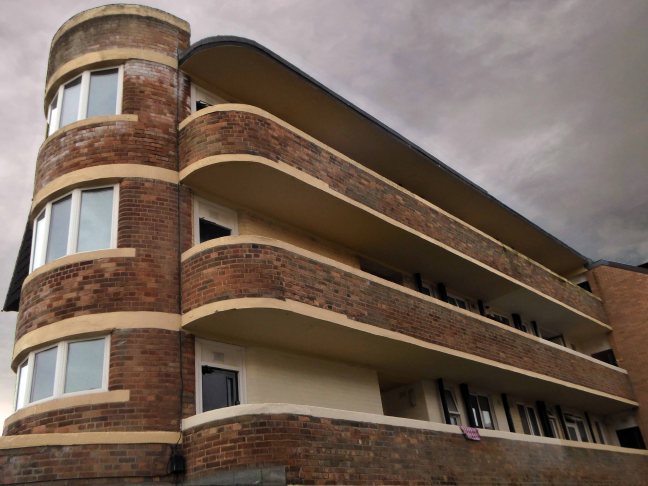
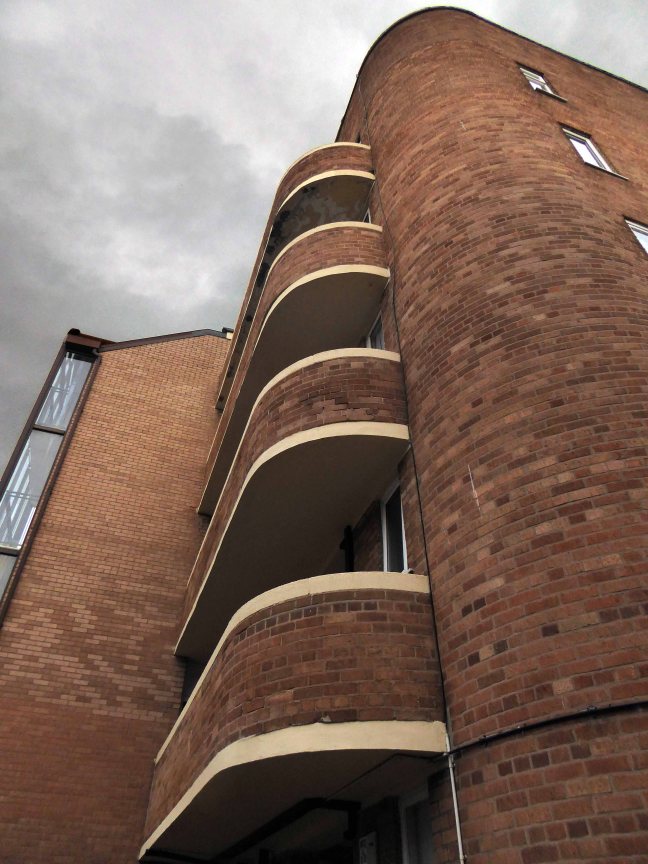
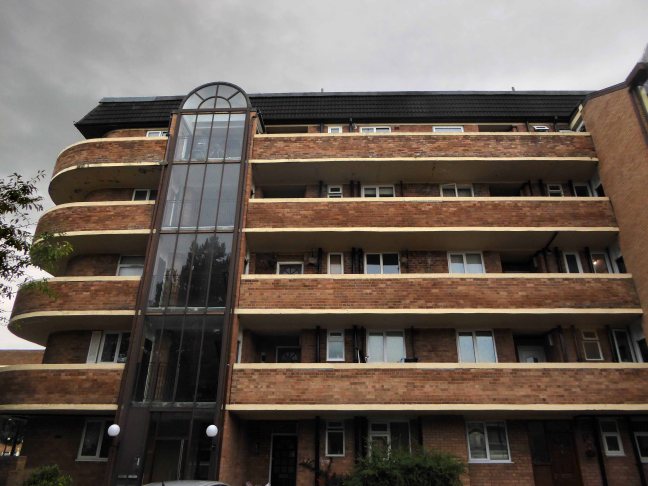
There is some far-flung corner for Wales, that is forever California.
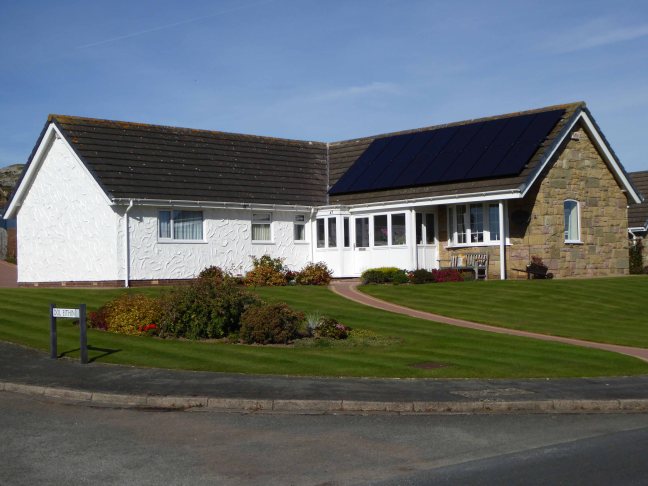
As the clippers and steamers left the Mersey Estuary for the New World, cram packed with emigres some centuries ago, would they expect on their return, some centuries later, to find this architectural cultural exchange, located sedately on Penrhyn Bay?
This is a typology with a limited vocabulary, but spoken in a lilt, with an ever so slight, polite Mid-Atlantic drawl.
Lightly clad, stone-faced, light and almost expansive the seaside bungalow.
To wander the streets with a broad smile, open heart and eyes, is to enter into an unwritten contract with the unexpected and inexplicable.
Chance encounters with old, new or familiar friends.
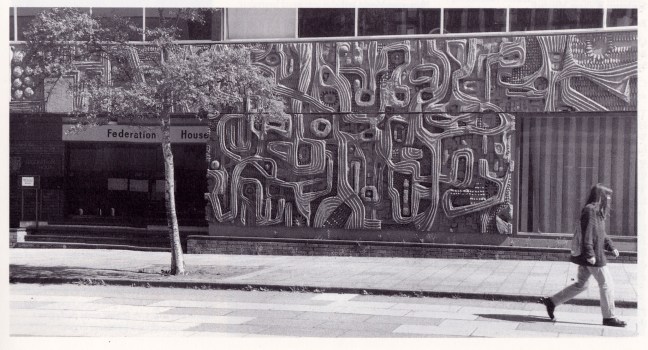
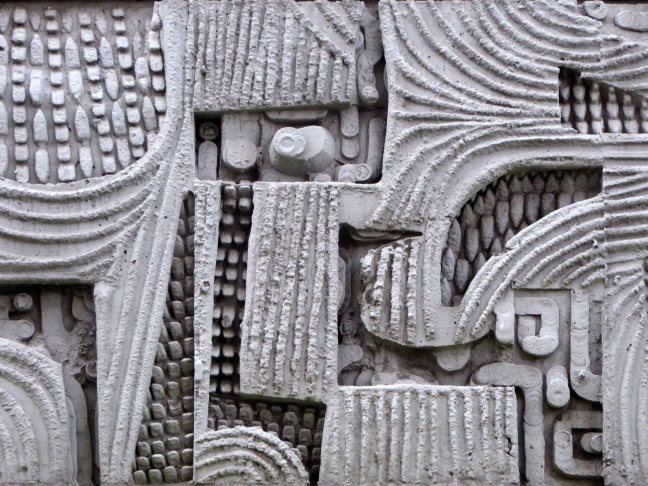
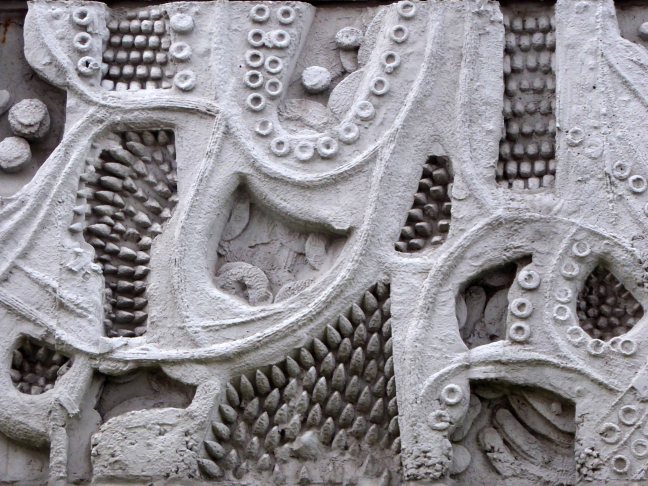
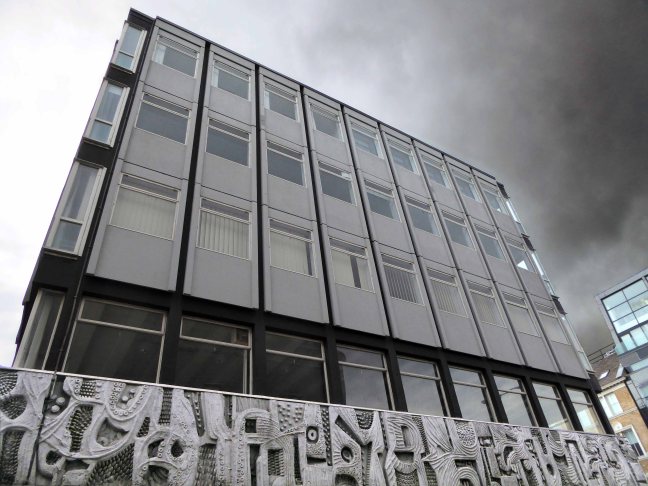
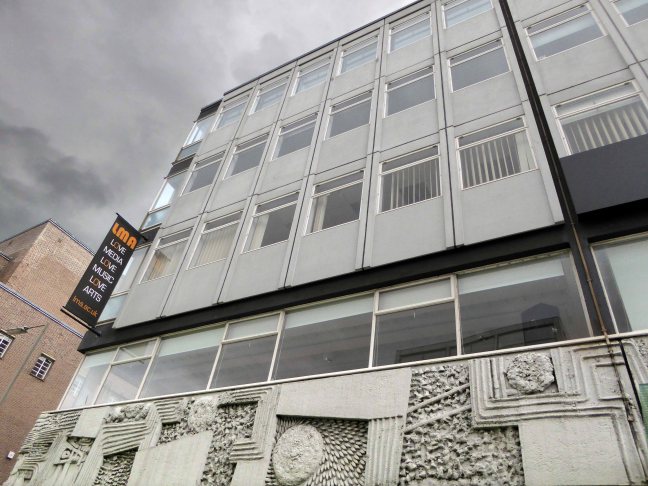
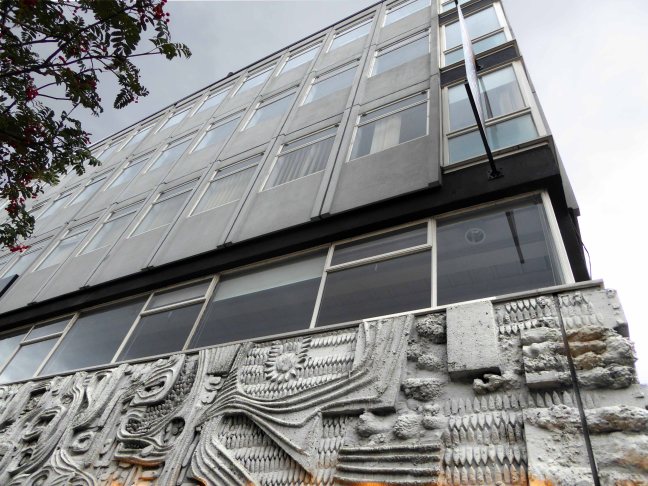
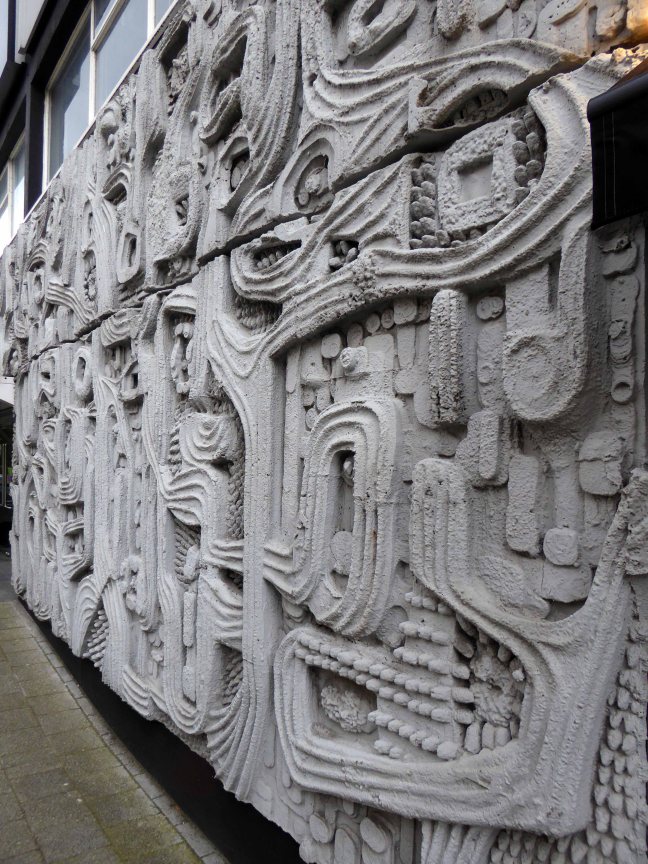
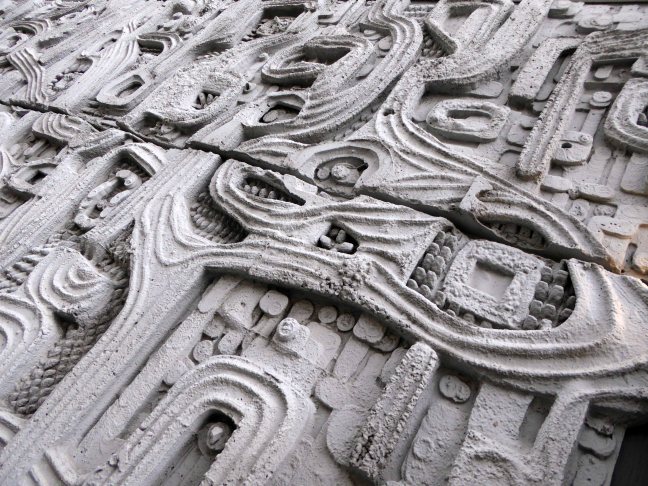
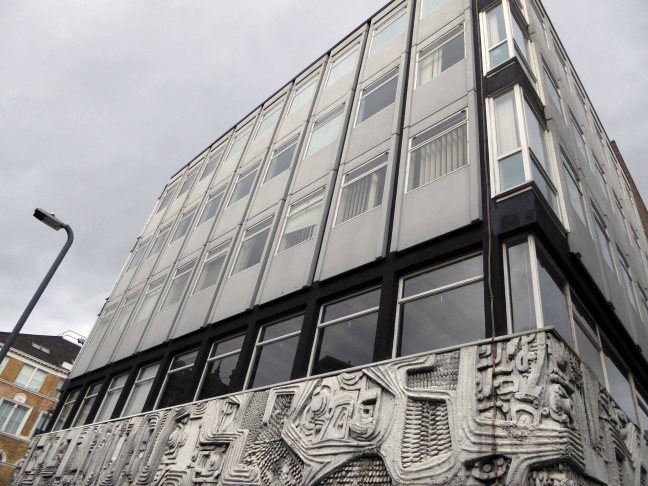
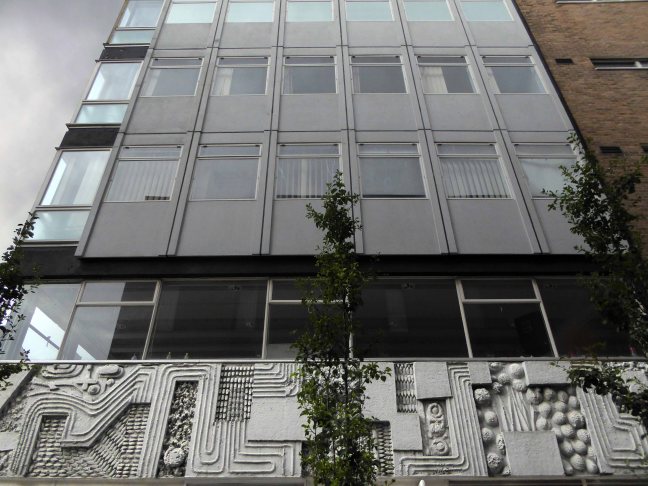
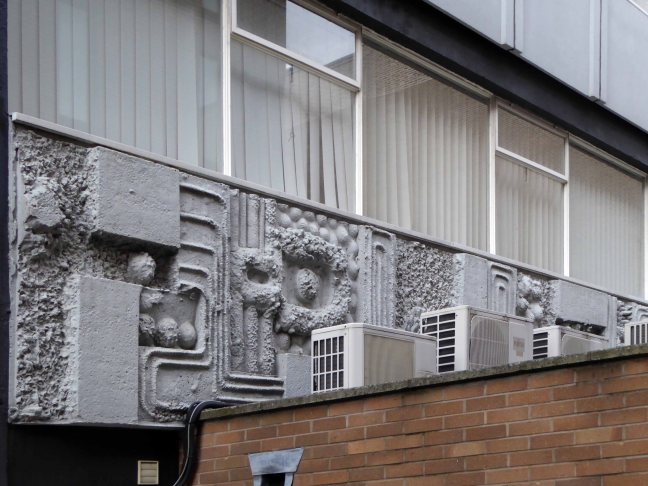
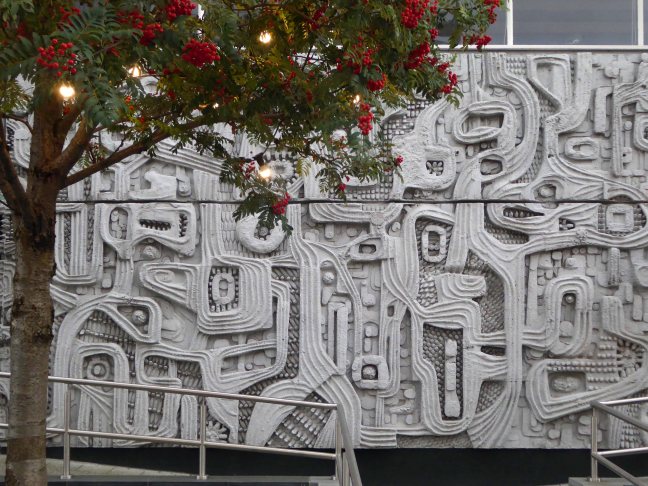
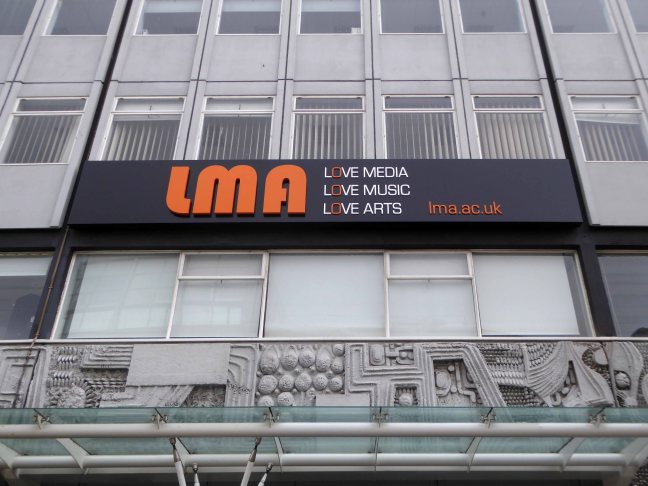
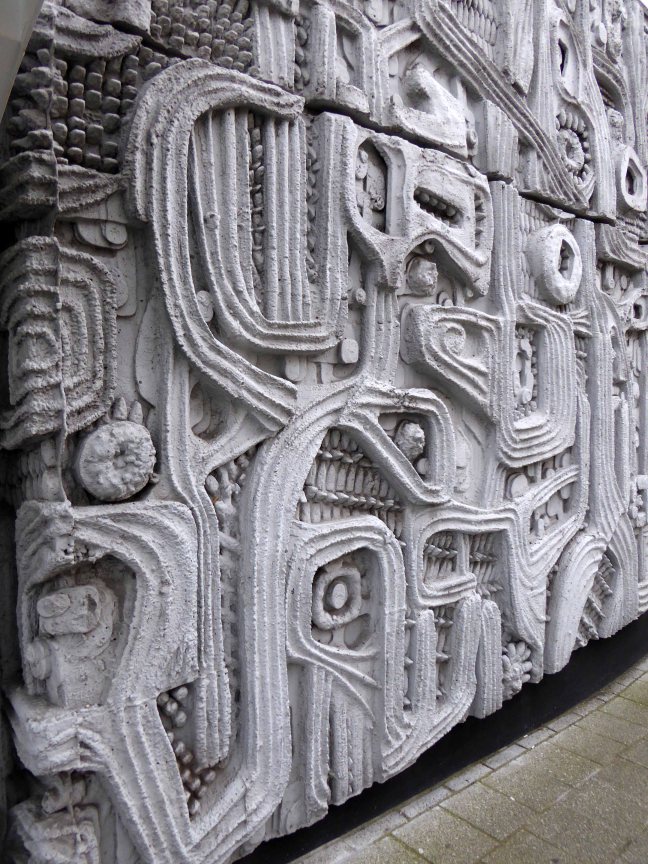
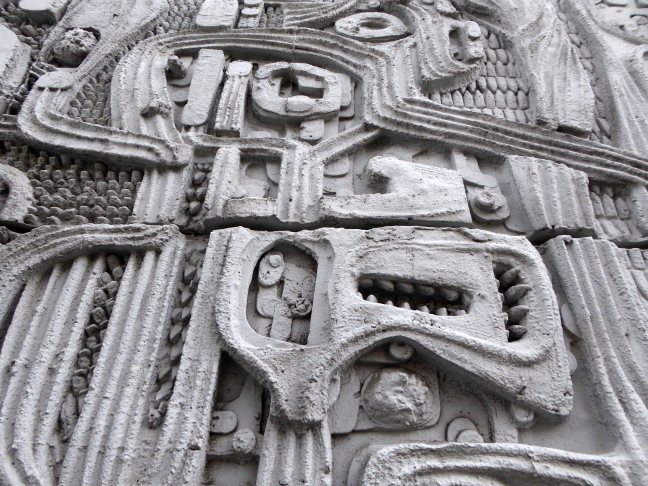
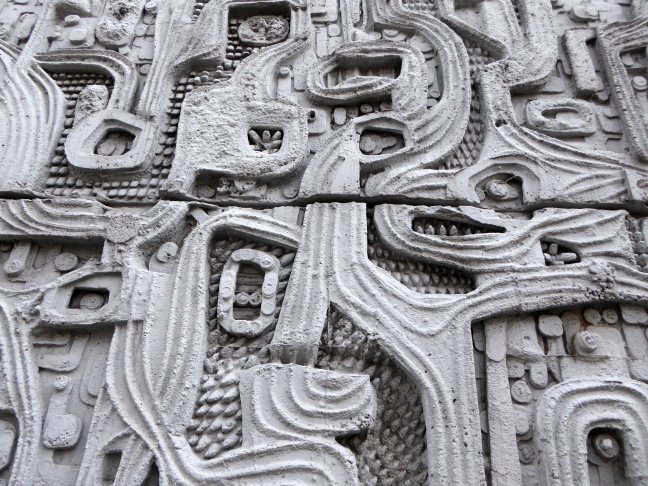
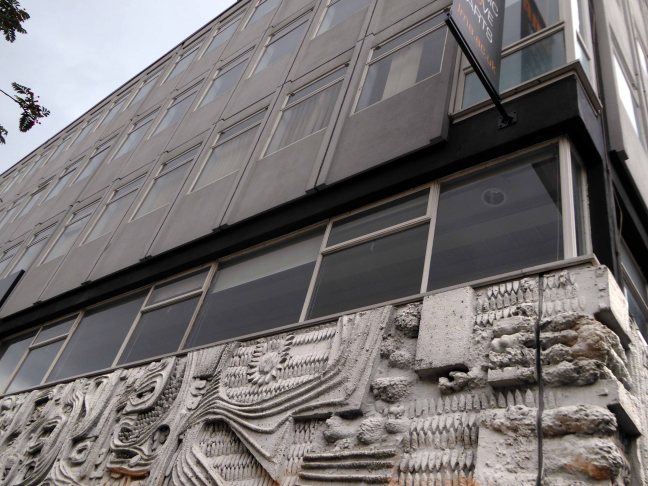
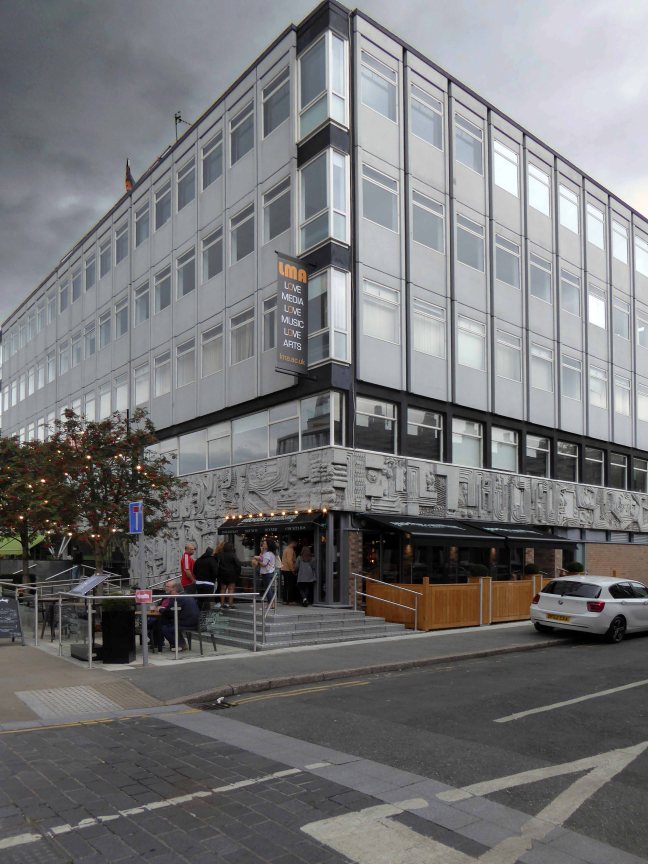
Imagine my surprise, when for the first time ever I unexpectedly came upon these William Mitchell reliefs on Hope Street, whilst walking aimlessly away from Lime Street.
That sense of surprise has never diminished, my spirits lift and my smile broadens to a cheeky grin, my pace quickens in ever so eager anticipation as I approach.
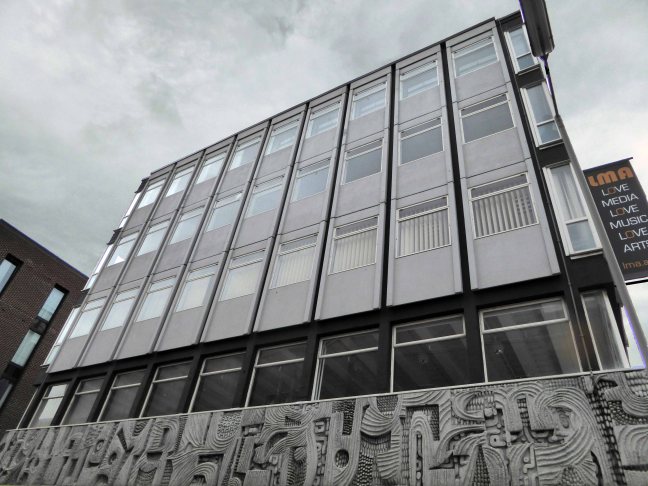
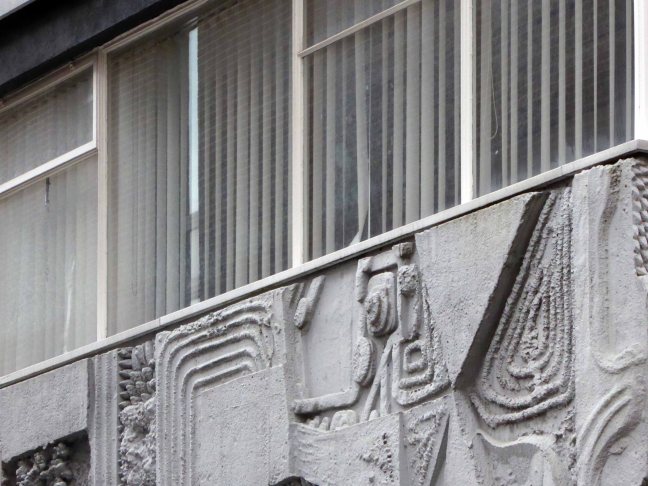
Wrapped tightly around the low, low waist of the former Federation House – big, bossy and very, very beautiful – though at times obscured by more recent architectural intrusions.
The original raw concrete is now awash with washes of off-magnolia exterior emulsion.
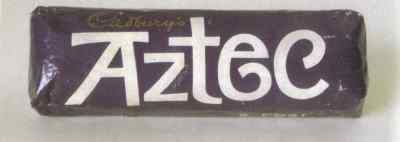
Hughes and Willet were seemingly less amazed or amused, the opinion of the Aztecs, or for that matter the Neo-Aztecs, is sadly not a matter of record.
I remain impressed by the impressed concrete relief, a convincing addition to a sharp functional modern office block, all of which have not dated disastrously as soon as the fashion supporting it has collapsed.
Treat yourself take a walk, surprise yourself once in a while.
Aztec bars were withdrawn shortly after their launch in 1967.
The Aztec race was all but wiped out following their disastrous encounter in 1519 with the Conquistadors.
The William Mitchell reliefs prevail to this this day, as of last Sunday.
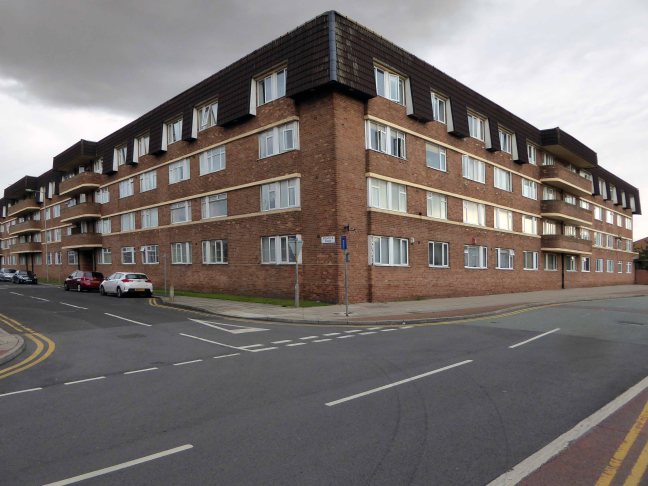
Once again I wandered the warm and welcoming streets of Liverpool in search of houses.
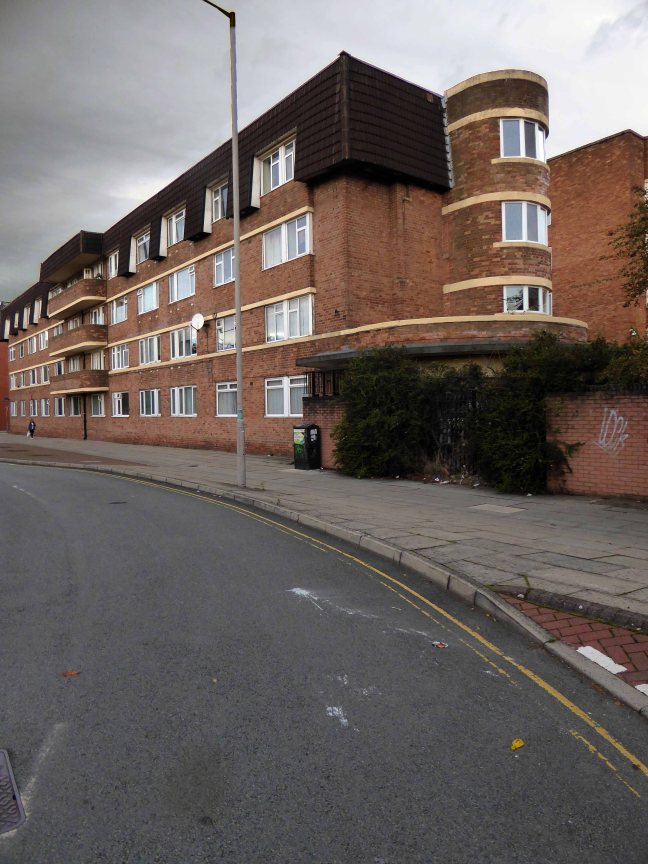
Once again I found older housing, dressed up as newer housing with a new roof, windows and clientele, a stone’s throw from my former encounter in St Andrew’s Gardens.
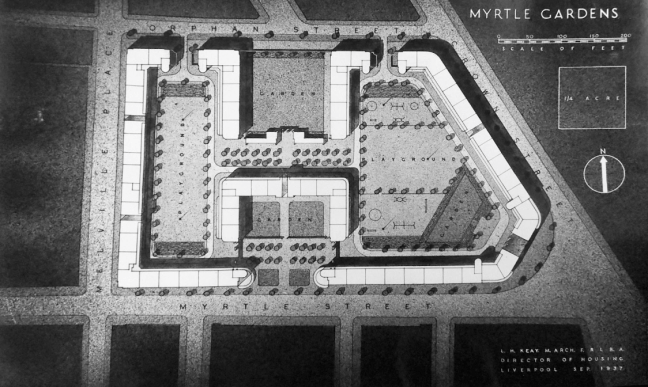
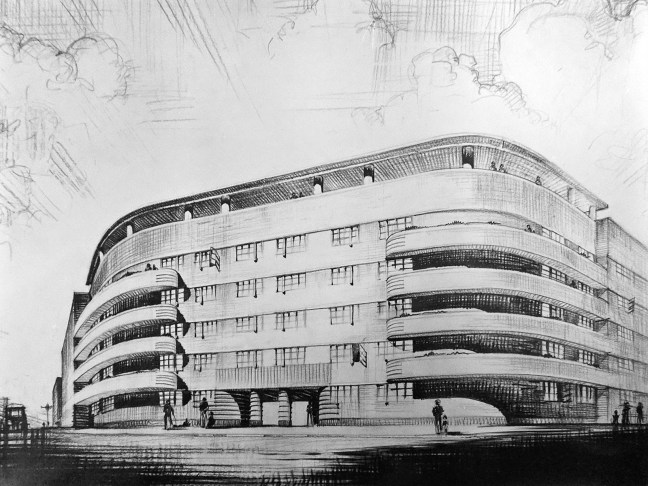
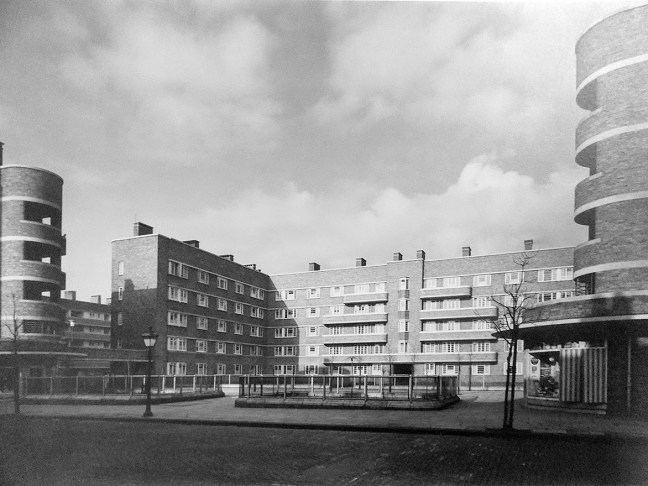
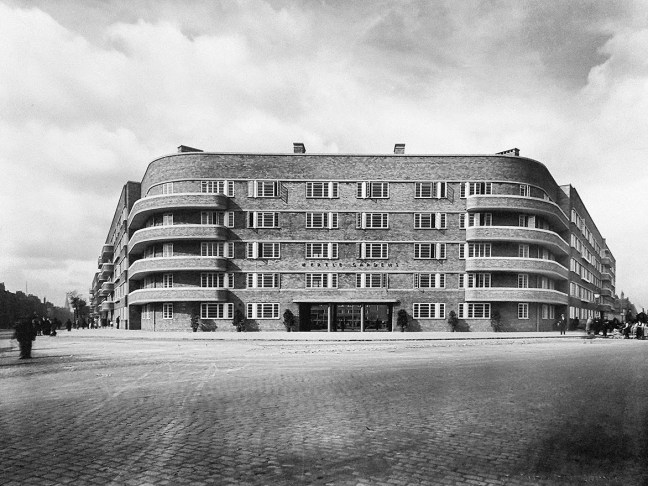
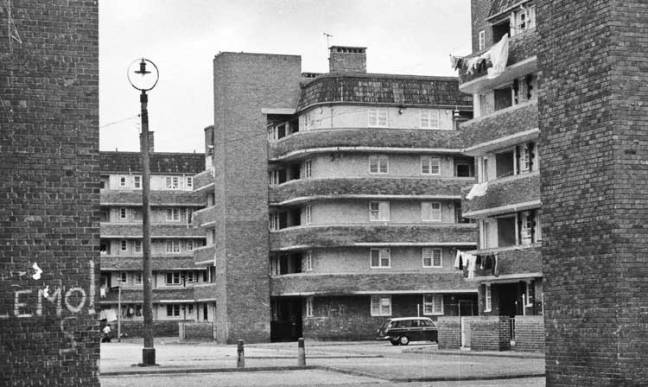
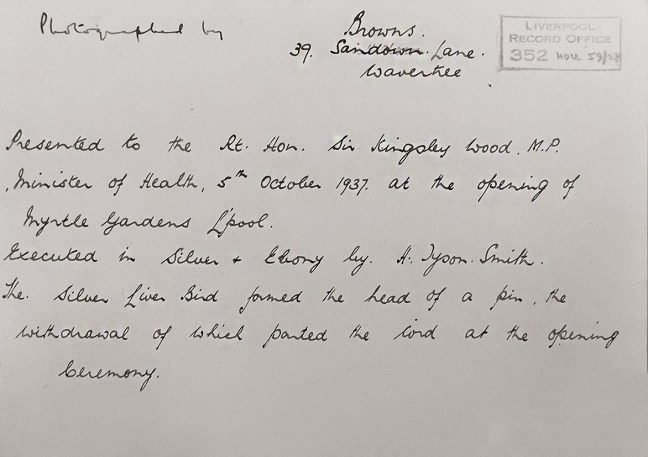
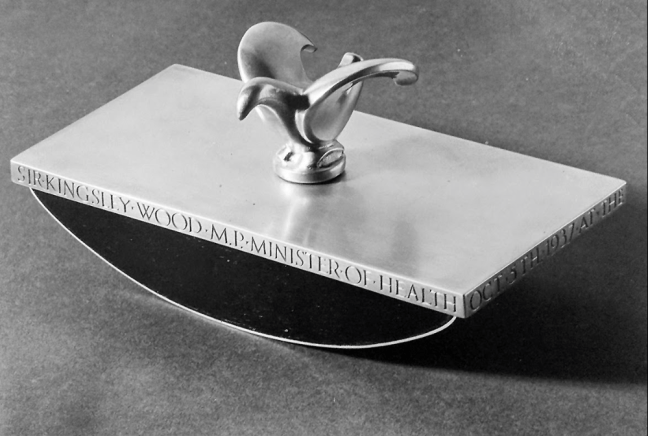
Myrtle Gardens in Edge Hill was part of the larger project of Liverpool’s inter-war rehousing programme – a tale very well told by Municipal Dreams.
There is also a comprehensive visual history here in this clip:
Containing the poignant lost faces of the estate:
A familiar tale of bomb damage, decline and sale to private developers and here we are today, a mix of short student lets, newcomers and a handful of long term residents.
Eddie the porter – named Eddie Porter, a clear case of nominative determinism, proved the perfect host, I introduced myself as the man from the Manchester Modernists, doors opened and the conversation flowed like fine wine.
Tales of lads illicitly playing football in the roof voids, families leaving concrete structures in order to huddle in corrugated iron Anderson Shelters, A Hitler’s time in the ‘Pool and his resolve save the Liver Building, bombs that did fall on the now missing blocks of flats, a family celebrating the return of their son killed in an air raid.
We parted and I strolled amongst the elevated homes some 300 flats, over 80 years old and continuing to provide shelter and succour for the many, though sadly no longer under the sheltering wing of the Municipal Housing Department and their team of engineers, architects and builders.
With a disdain bordering on a sociopathic destructive indifference it appears.
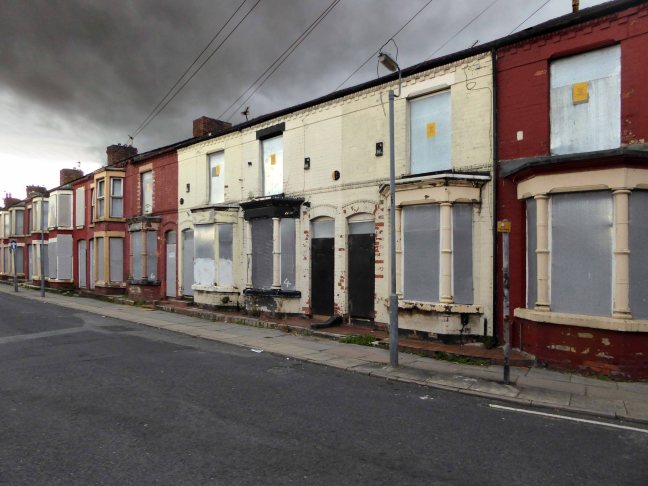
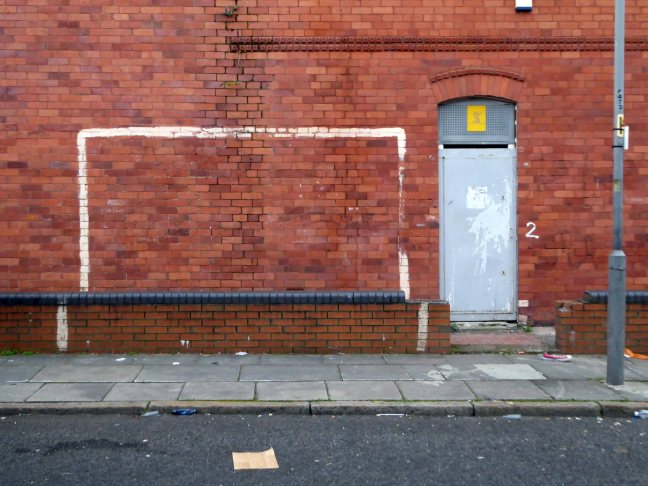
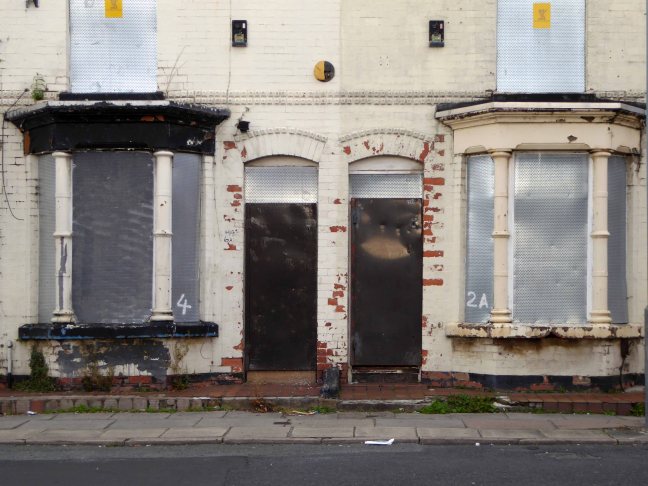
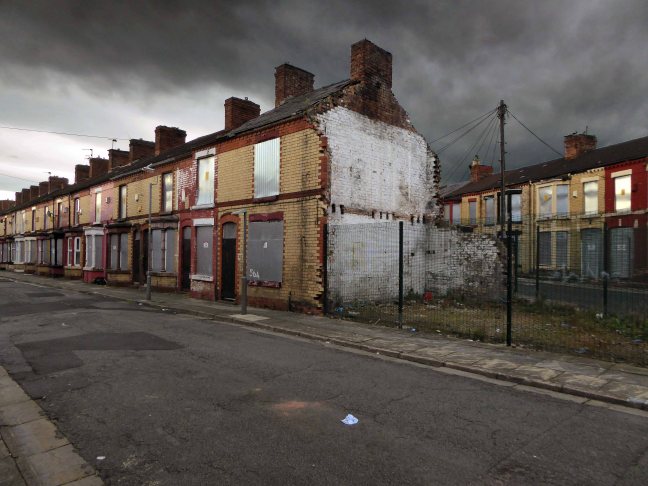
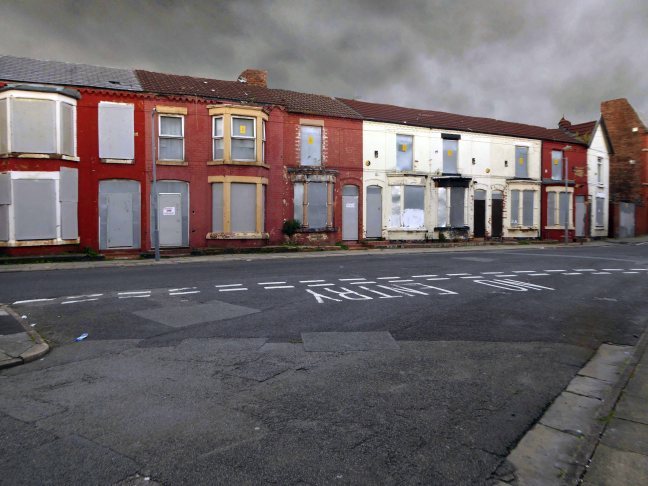
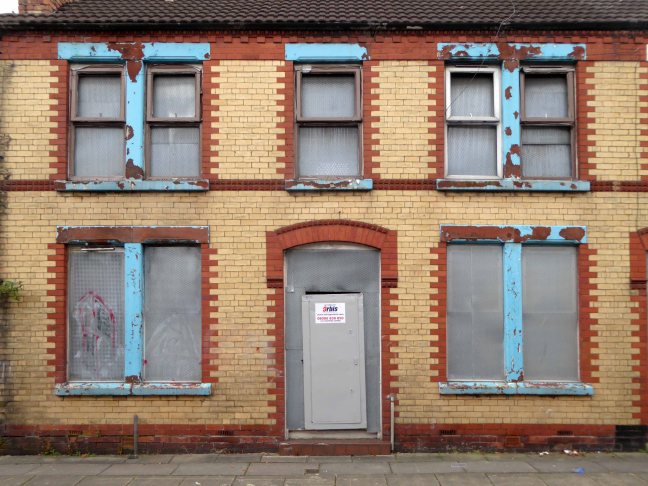
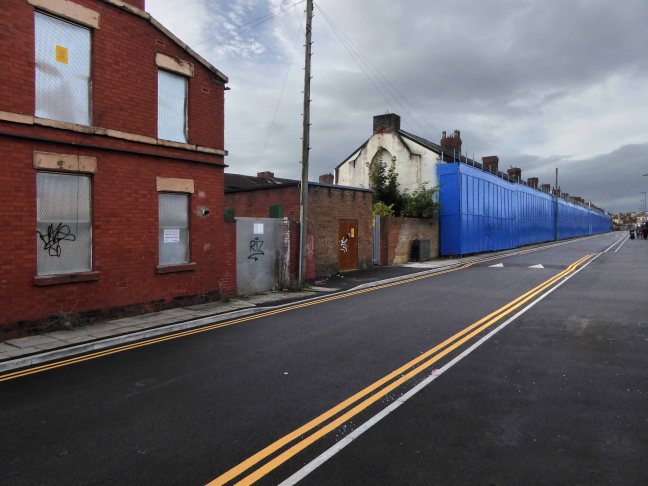
New Labour with an eye to rehouse the housed, tinned up hundreds of homes prior to demolition and redevelopment. They were and still are solid late Victorian terraces possibly in need of improvement – during the 1990’s, period housing stock was refurbished with central government funding, through a system of easily obtained grants. Improving the living conditions of many, maintaining the structures, and supporting the local self-employed building trade.
So several years down the line, I visited the streets of Wavertree discussed in Owen Hatherley’s article of 2013.
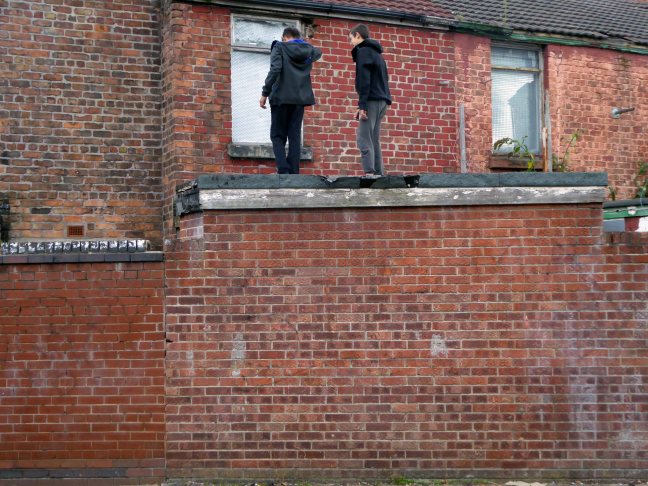
Little or nothing has changed there are some tenanted houses, interspersed between the blanked out windows in sadly deserted streets, save the two camera shy free runners, who had lived and played in the area for some seven years.
When one door closes another door closes.
If working-class areas are to defend themselves, they need confidence, both in themselves and in the places they live, otherwise the whole grim process will go on, with councils making the same mistakes and the same lives being destroyed, without interruption.
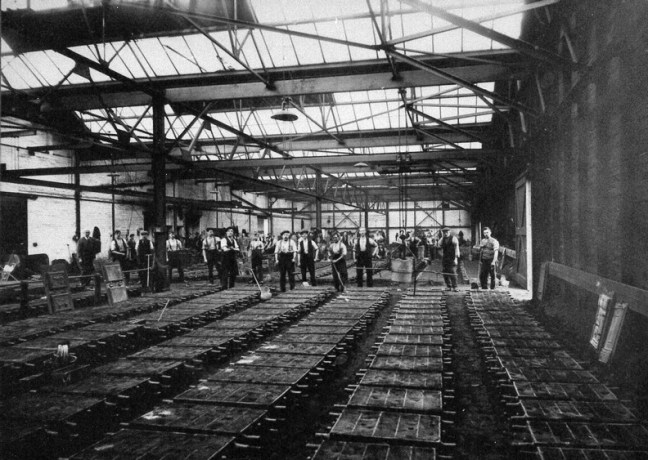
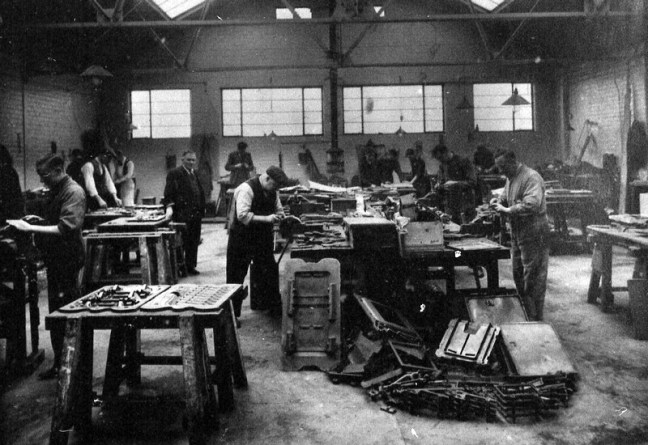
As I walked out one morning, in search of an industrial access cover or two or more, I found more, much more, dug deeper, unearthed a can of worms, a murky past cast in cast iron.
This is the cover closest to my home on Didsbury Road Stockport, manufactured by Glynwed of Corporation Road Audenshaw, the closest foundry to my former school.
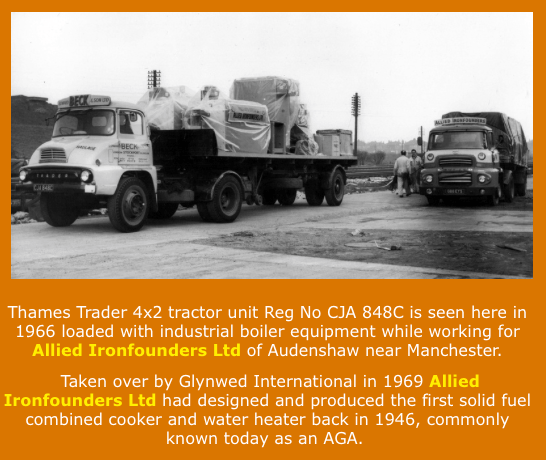
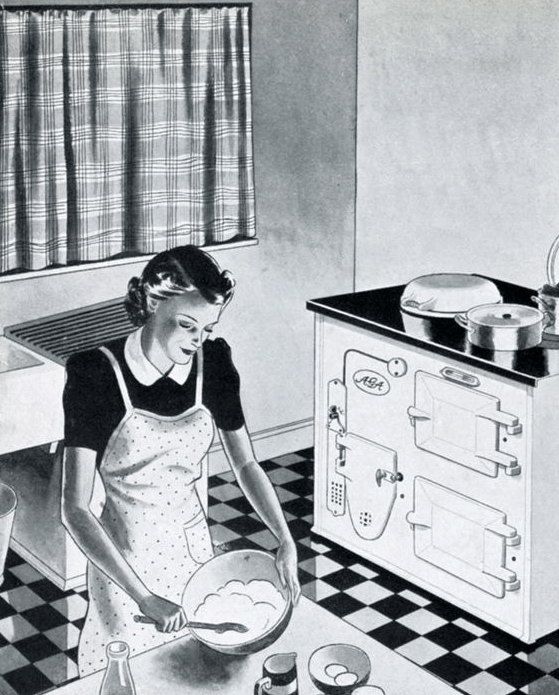
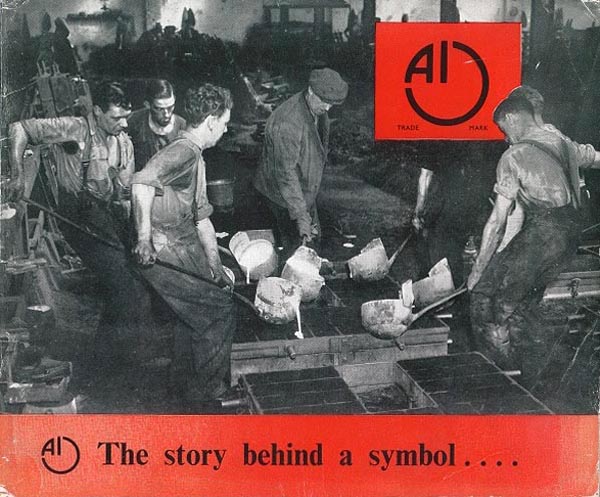
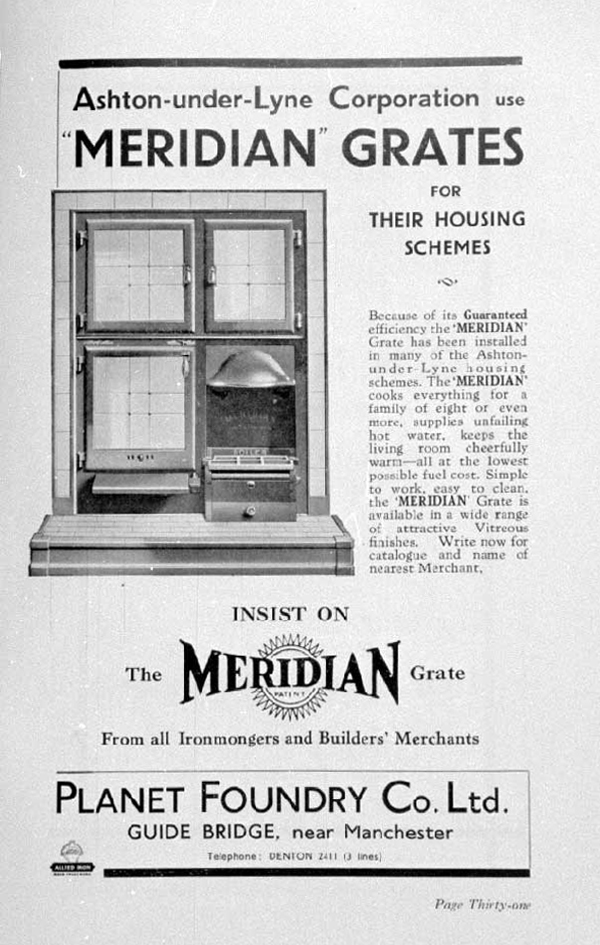
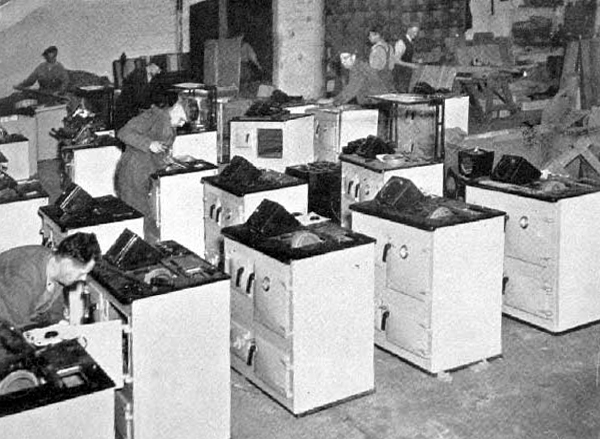
Glynwed formerly Allied Ironfounders, the manufacturer of gas appliances, the humble Rayburn and the infamous stuff of sagas the Aga.
And the Meridian Grate – great! The foundry was also known as the Planet Works, the adjoining rough ground Planet Fields, where on wet winter days we would form a mud spattered procession of ragged schoolboys engaged in the joys of cross country running, over a factory’s spoil tip.
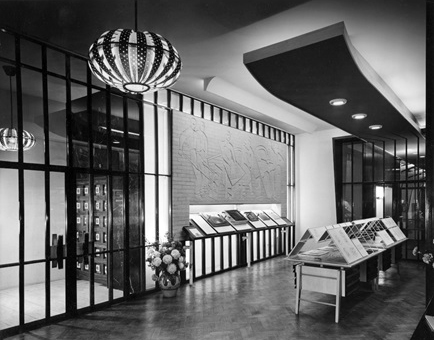
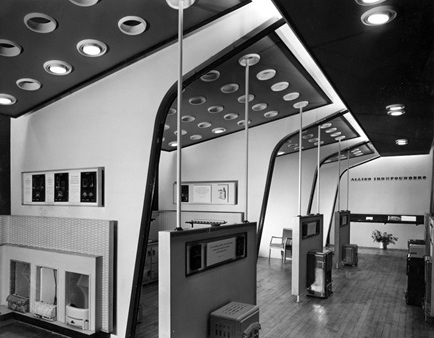
We never got to see the firm’s Mayfair showrooms, we never got to pass go – I guess it was just too far to run, cross country or otherwise.
The sleek Modernist lines of the Allied Ironfounders’ showpiece contrasts with the conditions of the work force manufacturing the grates and Agas.
So some fifty years and several miles separates me from my schooldays and my local gas inspection cover. Guess I’l just gas up the Thames Trader and head for the hills folks.
Yippie-aye-ay, yippie-aye-oh, ghost riders in the sky.
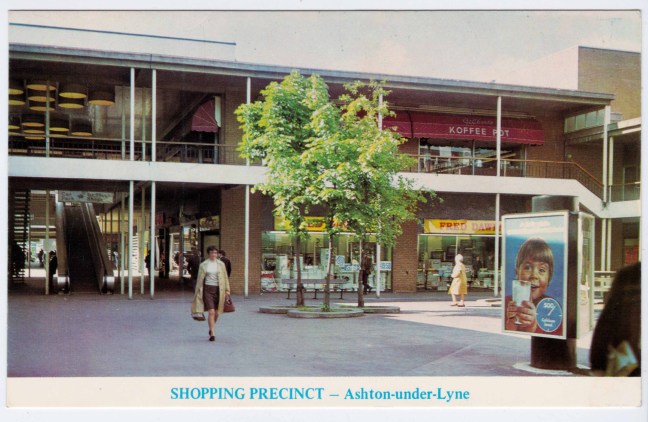
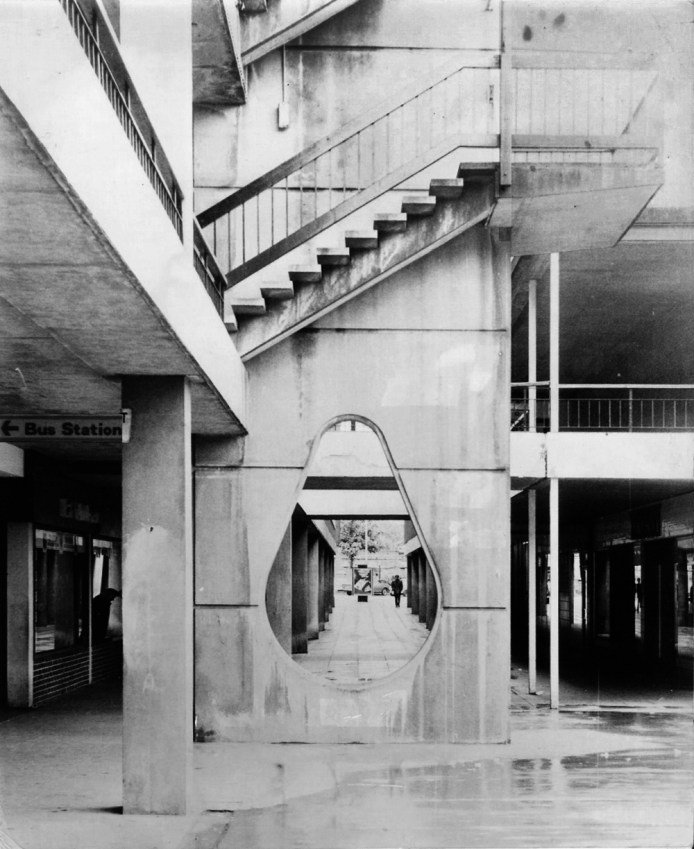
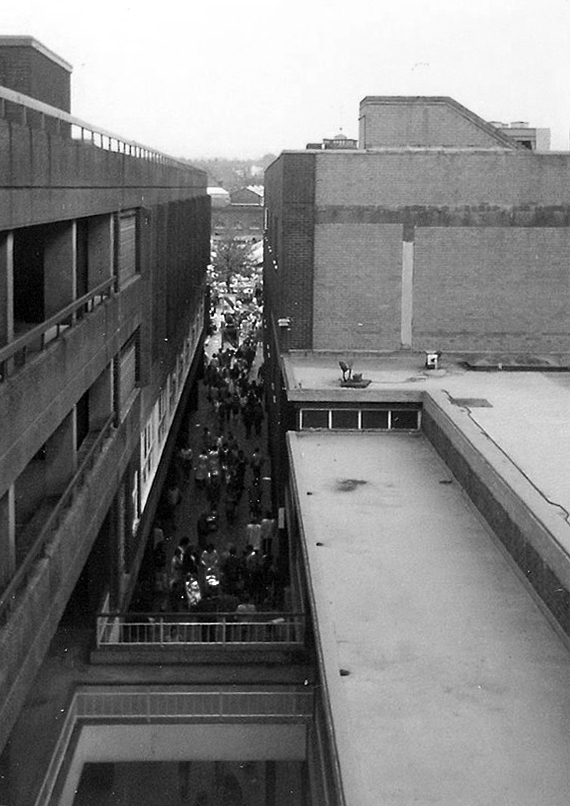
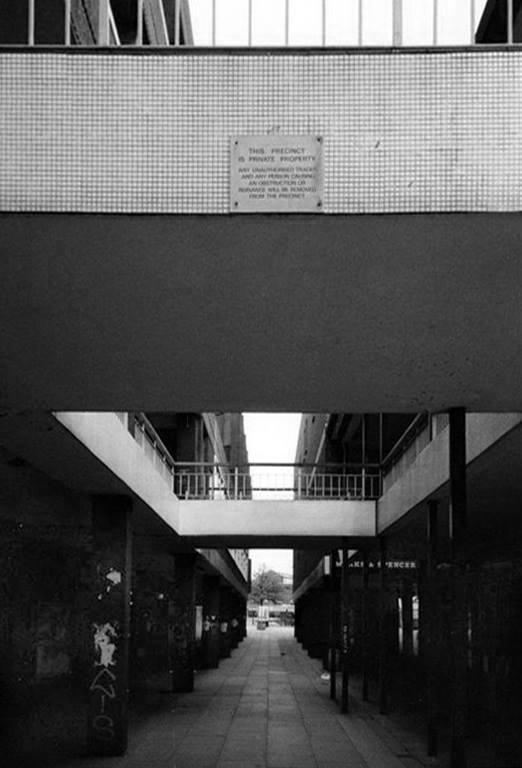
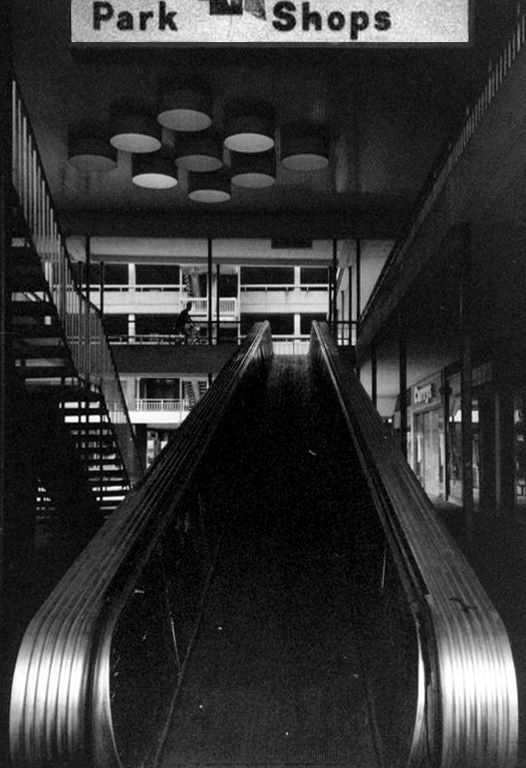
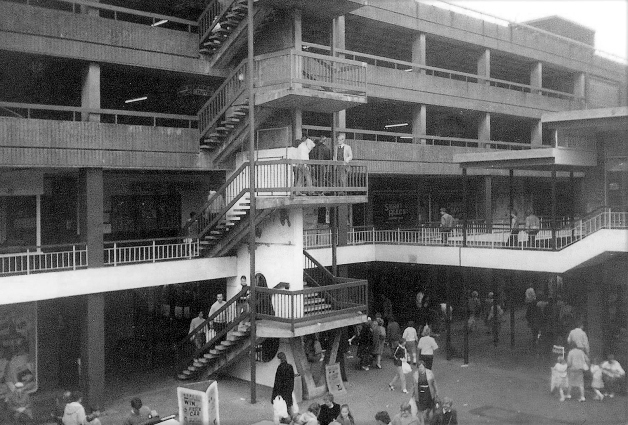
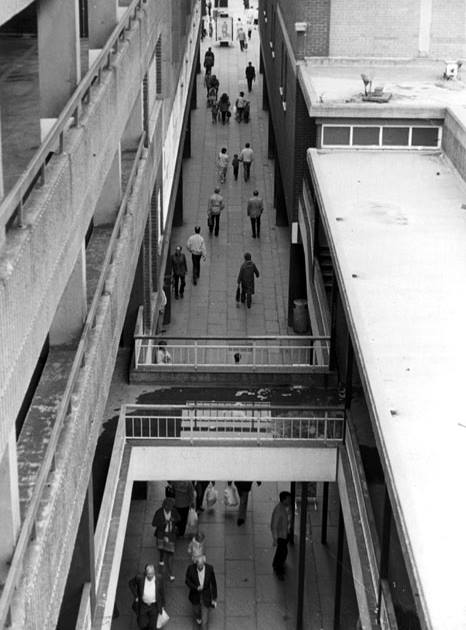
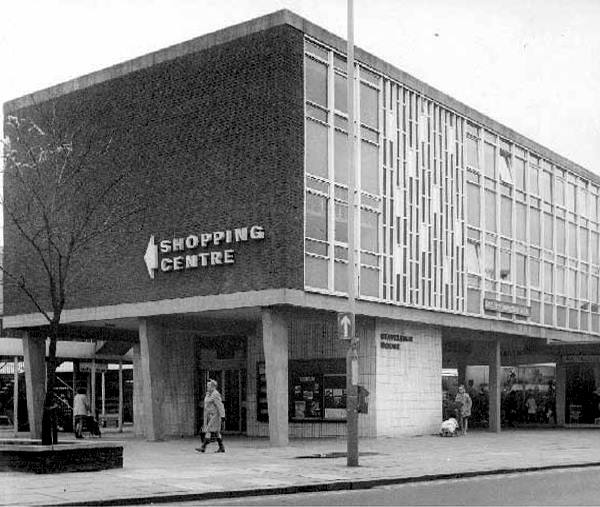
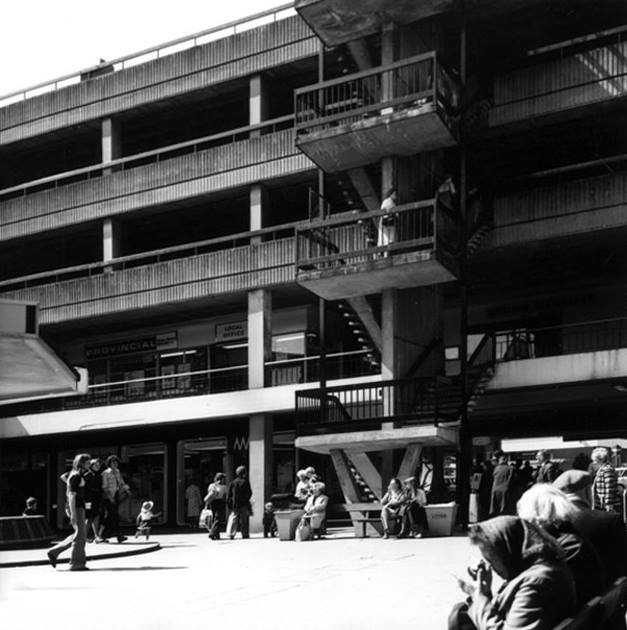
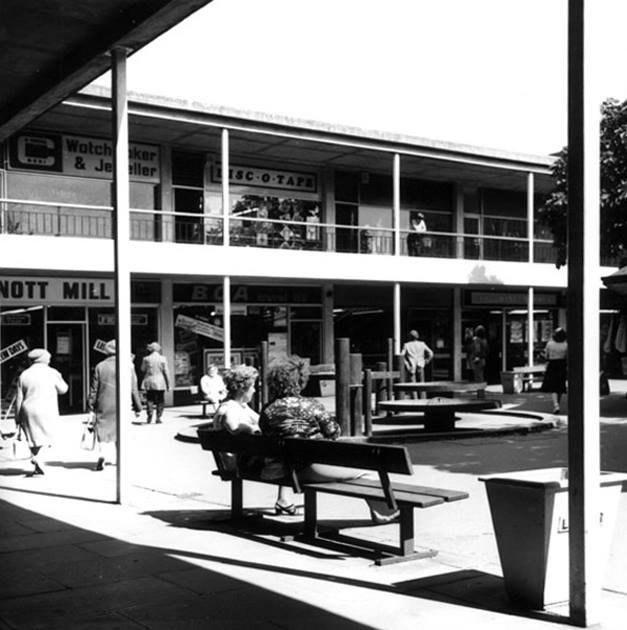
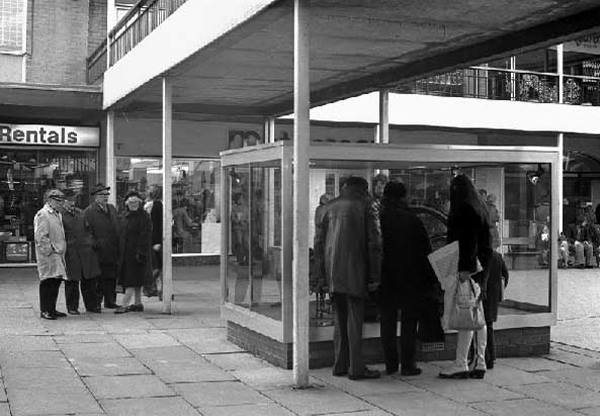
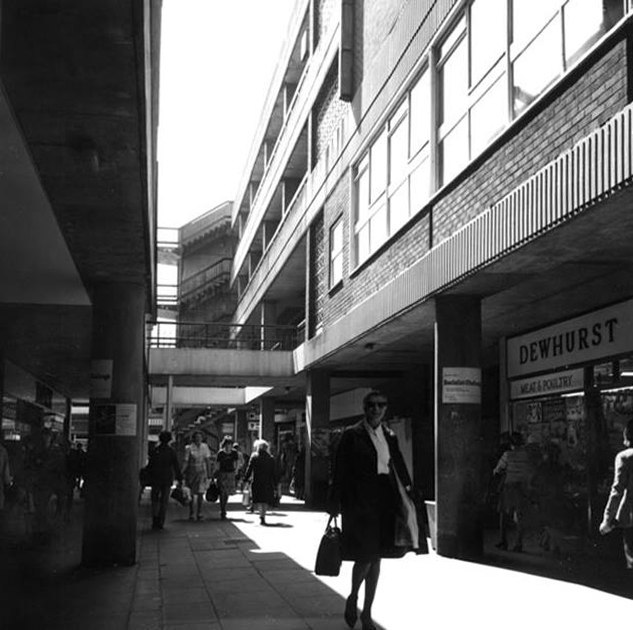
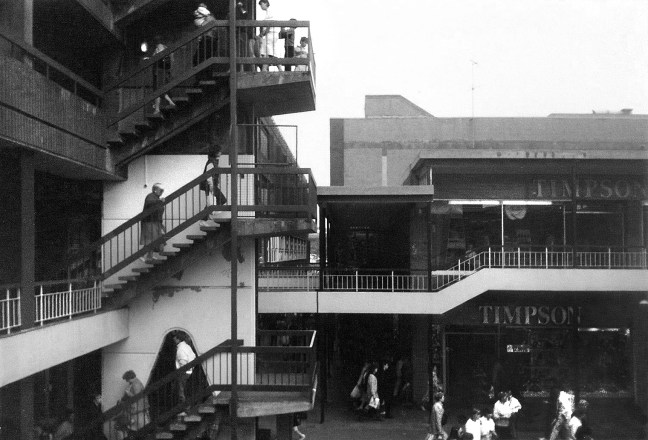
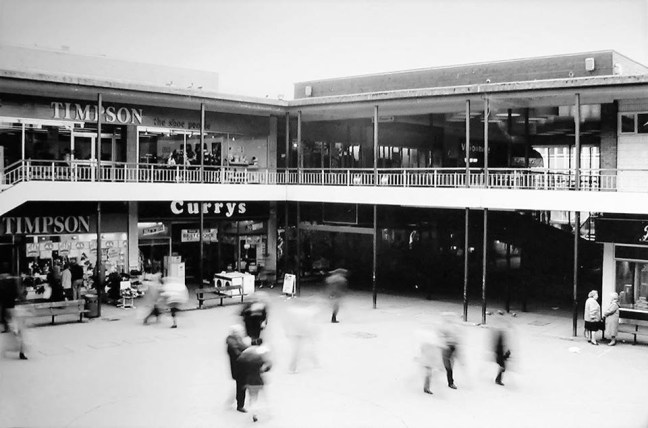
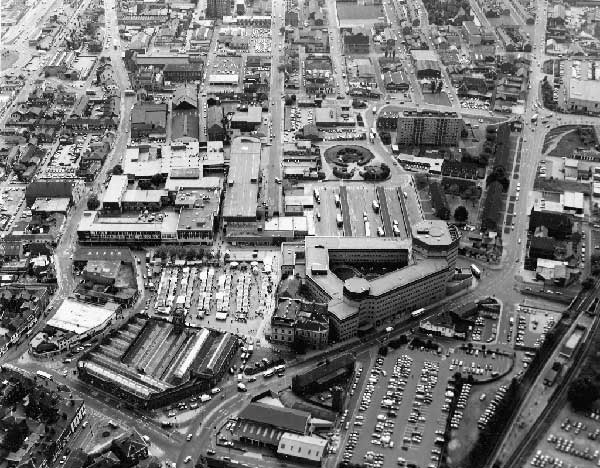
Possibly my first brush with modernism and modernity, the shopping precinct in Ashton under Lyne. Typically in the mid Sixties, British towns reinvented themselves as space age retail experiences, in stark contrast to their middle aged, Middle Aged market centre, market centred identity.
Out with the cobbles and stalls, in with the travelator, frothy coffee, concrete and a pedestrianised, undercover, all weather, super convenient haven of heavenly fun!
And lo, it came to pass, let construction commence.
Simply add a few decorative embellishments courtesy of the Direct Works’ pavoirs.
You have built it and now they will come:
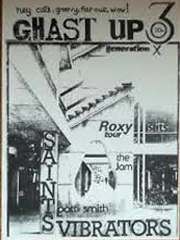
Little did you know you had created a punk rock icon.
Featured on the cover of fanzine Ghast Up #3 – many thanks to MDMA
Last night I dreamt I went to Manderley again. It seemed to me I stood by the iron gate leading to the drive, and for a while I could not enter, for the way was barred to me. There was a padlock and a chain upon the gate. I called in my dream to the lodge-keeper, and had no answer, and peering closer through the rusted spokes of the gate I saw that the lodge was uninhabited.
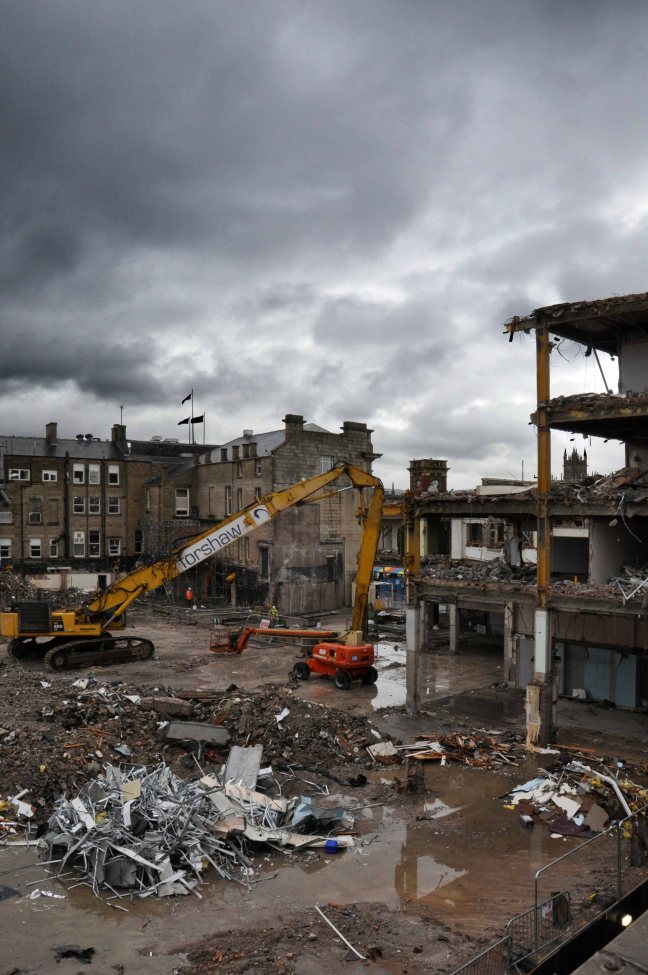
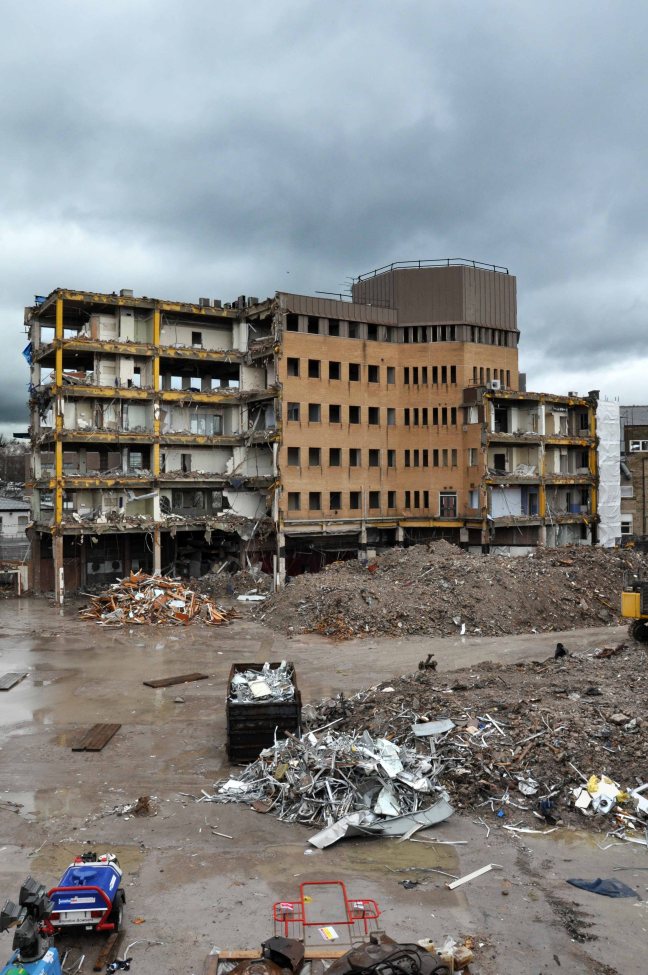
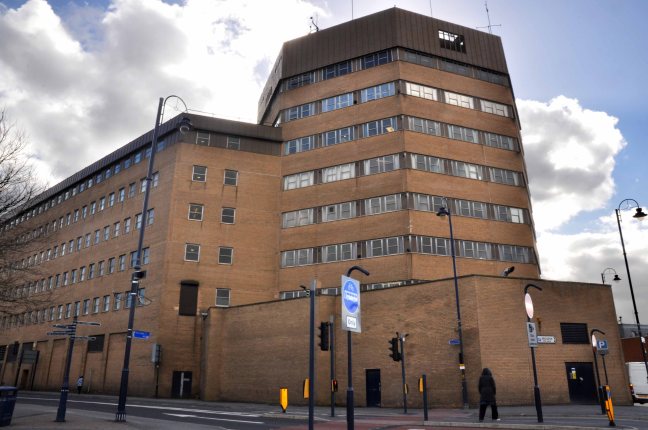
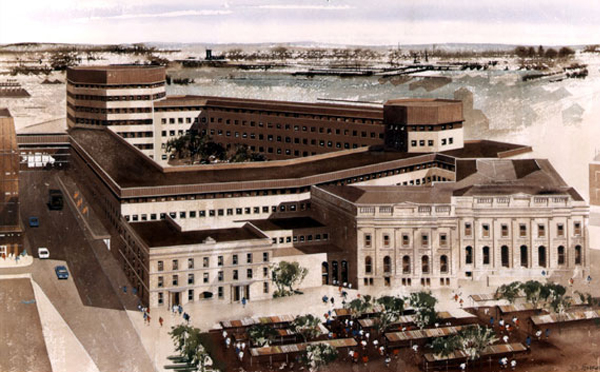
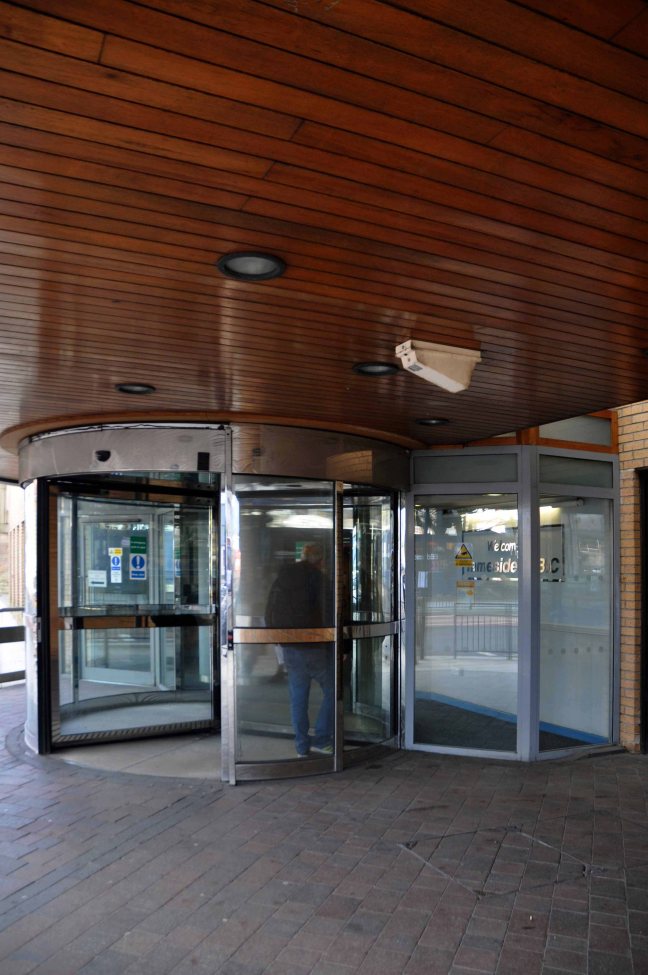
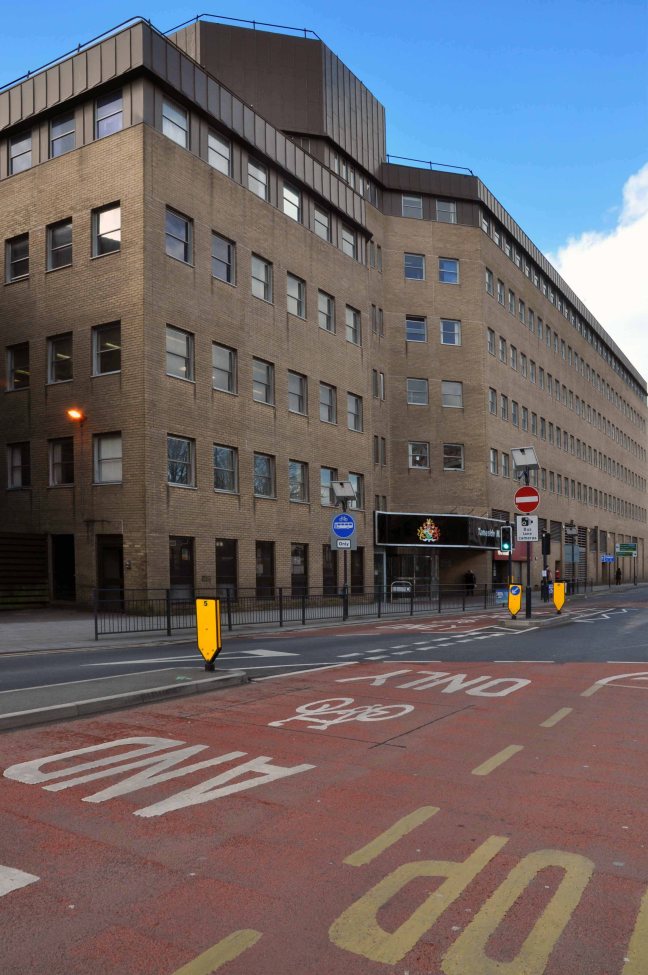
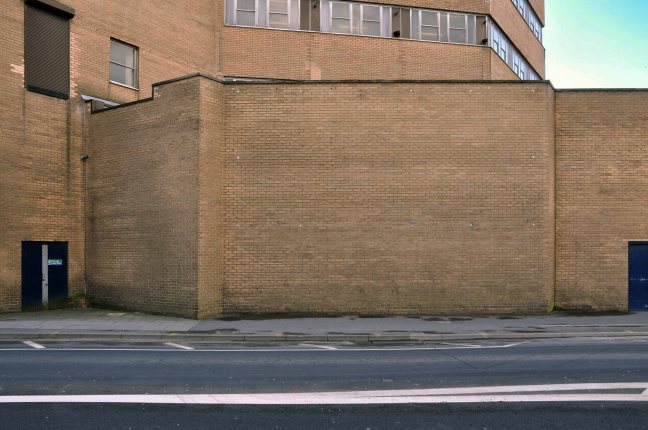
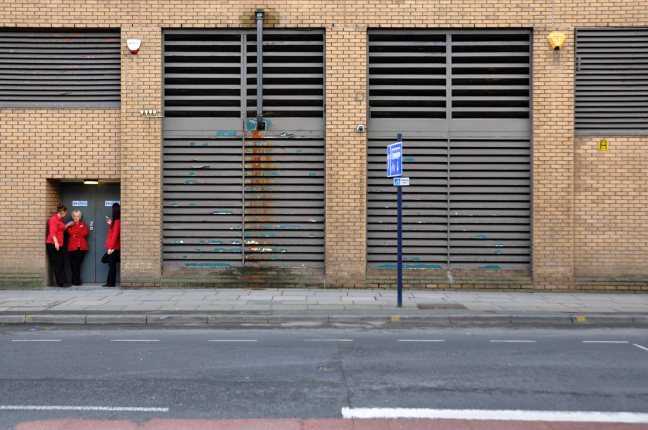
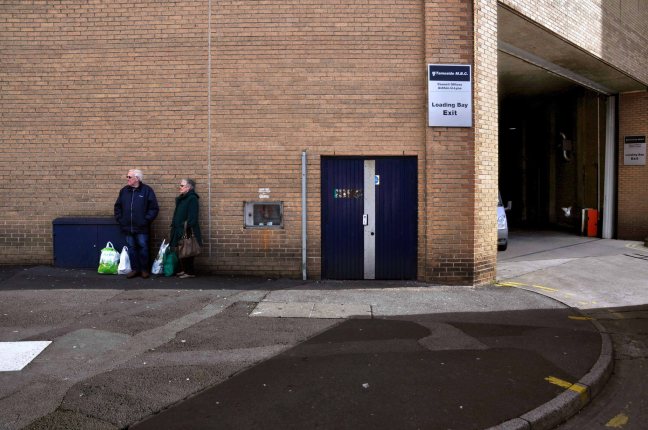
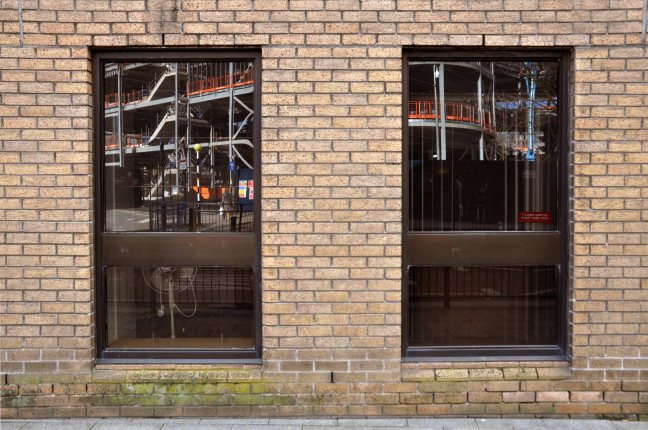
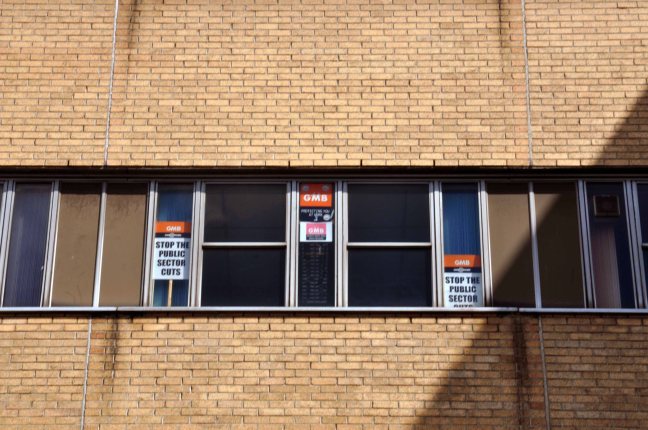
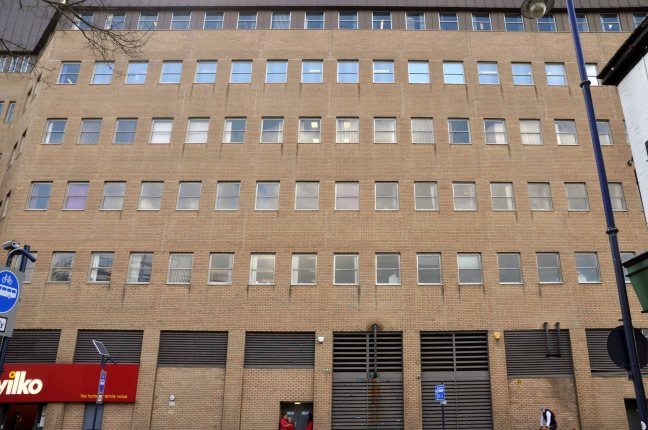
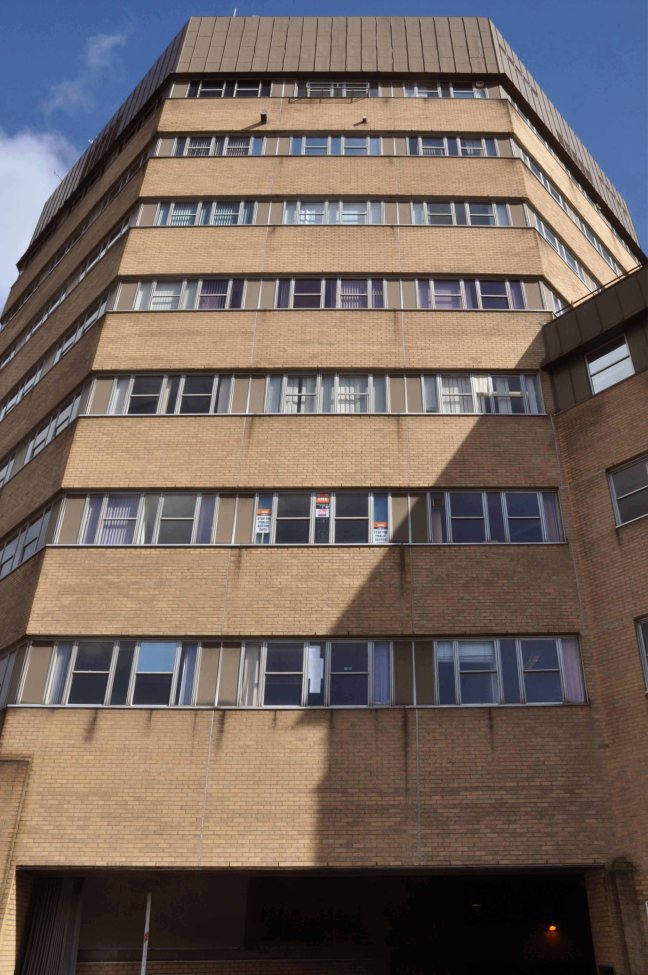
Once upon a time there were council offices – then slowly there were not.
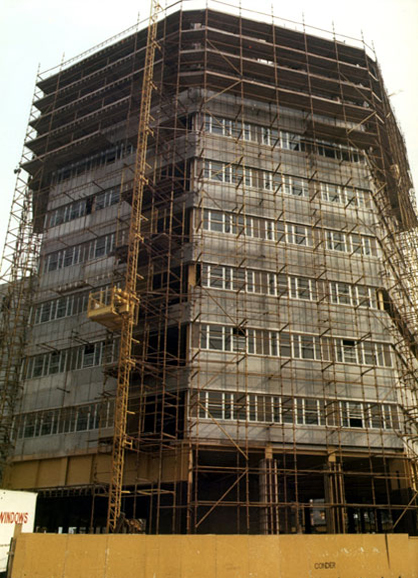
Built in the 1980s and met with almost immediate public disdain.
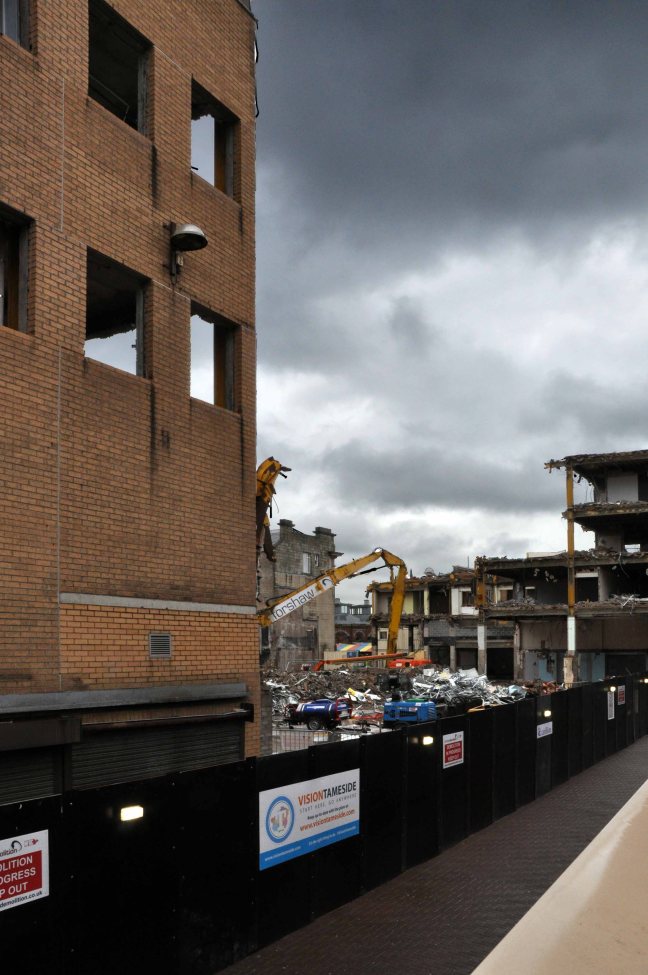
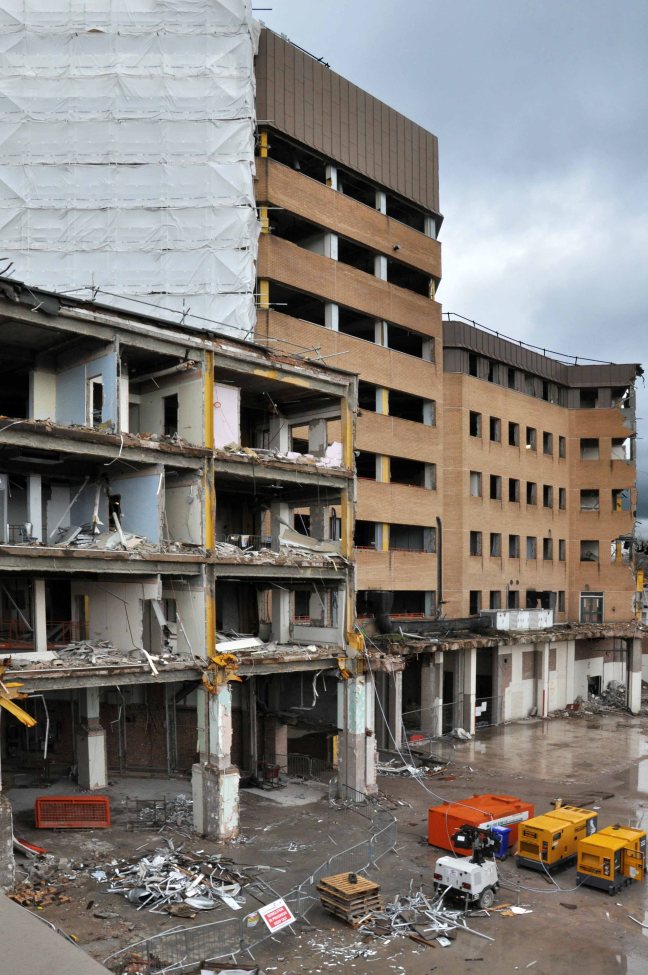
Welcome to The Dustbin.
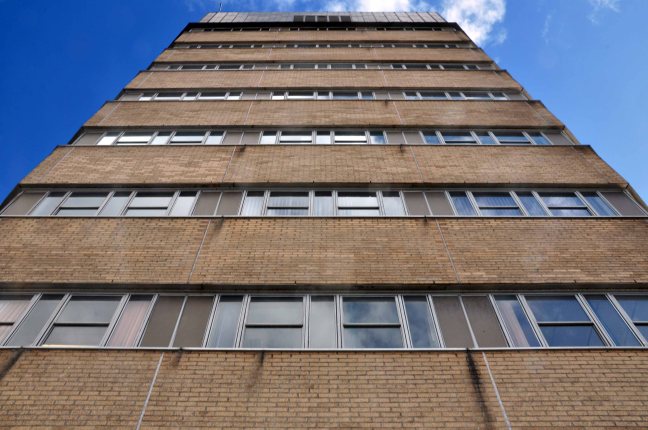
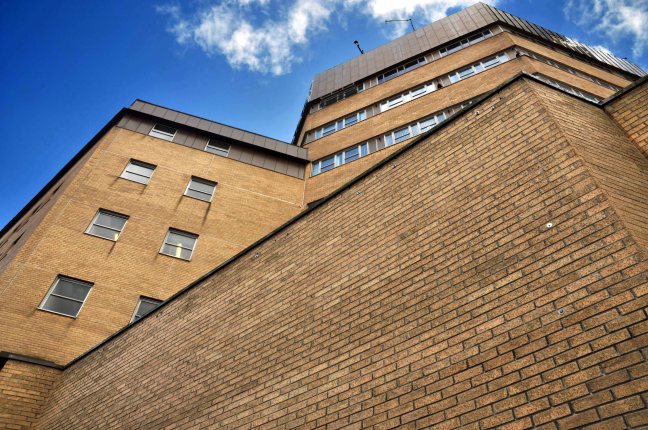
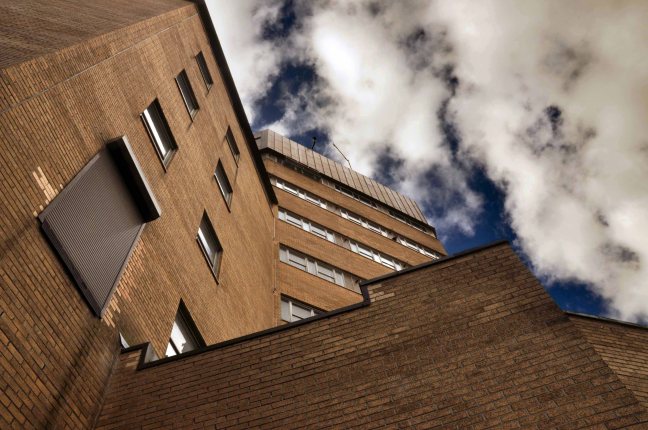
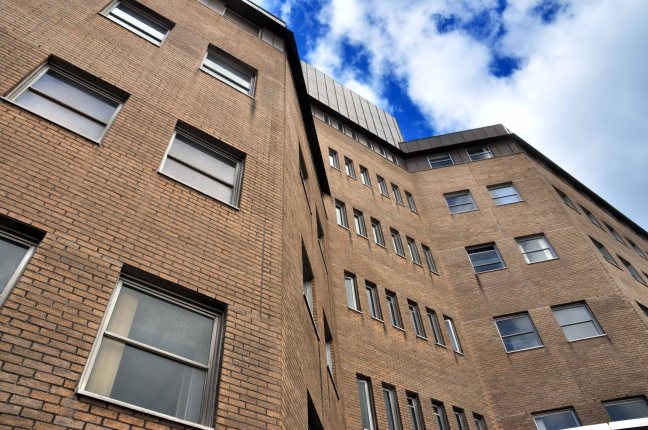
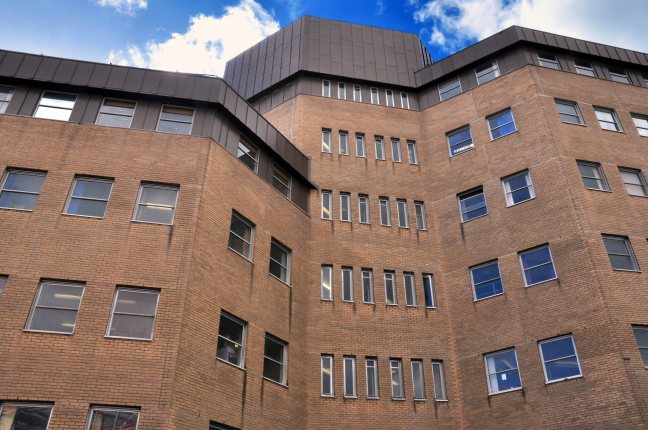
An octagonal brick face concrete hub, anchoring three six storey walls, which enclose a central open courtyard area. Housing all central local authority offices.
I love walking around the Bullring, there are no bulls, just students.
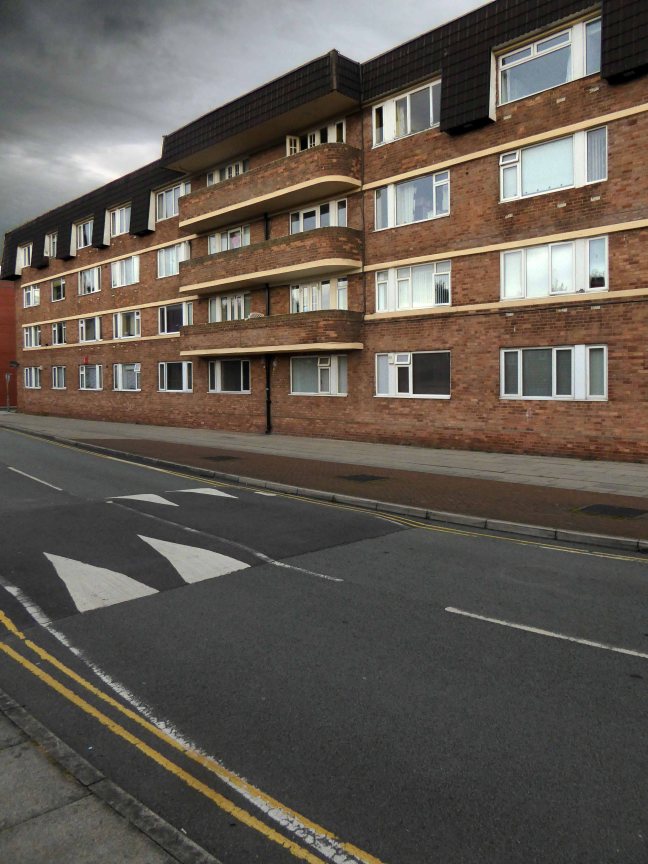
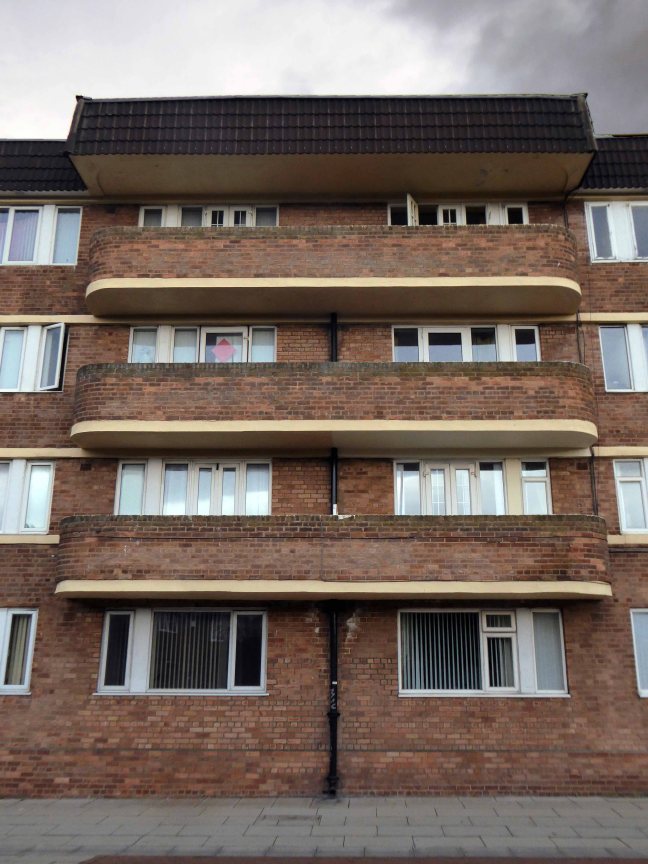
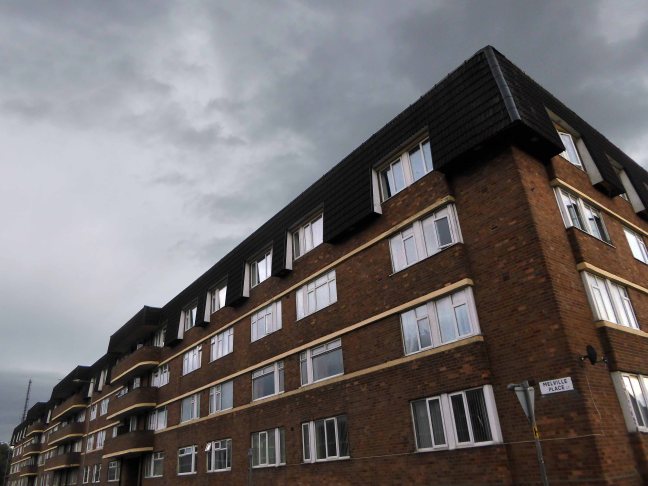
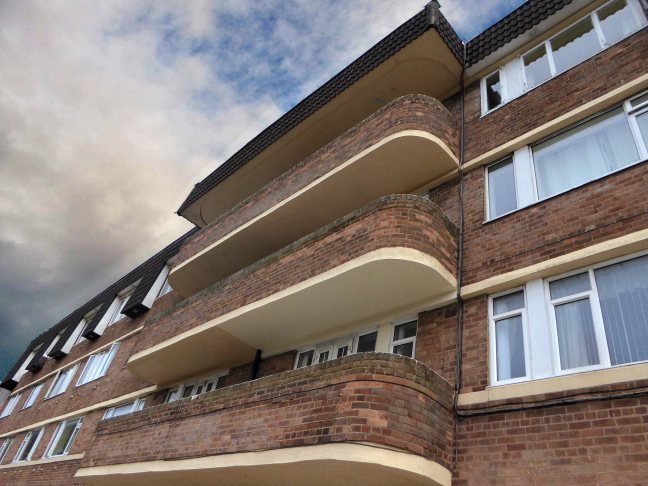
What was once imagined as inter-war social housing, a proud public utopia for you and me, is now a temporary pied-à-terre for them and their owners.
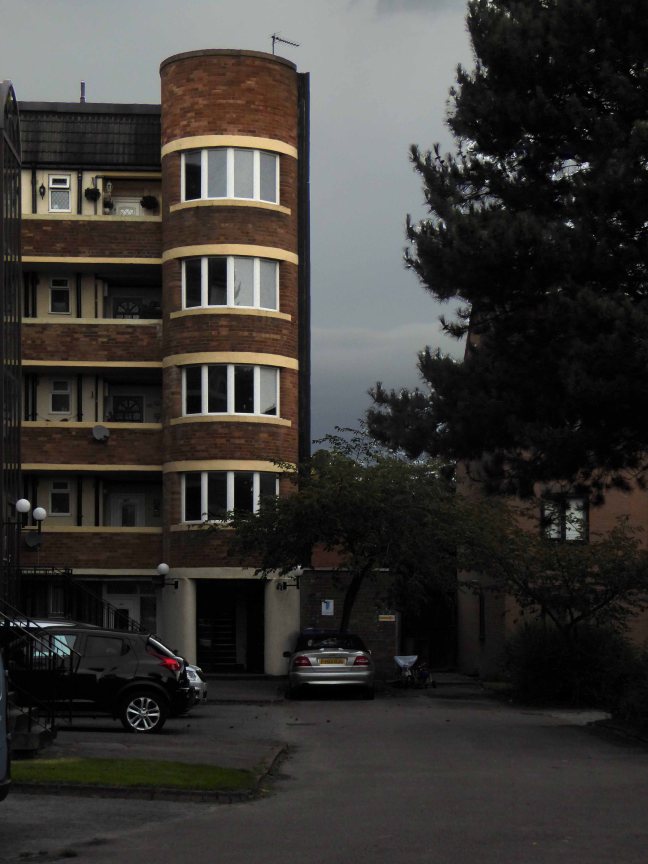
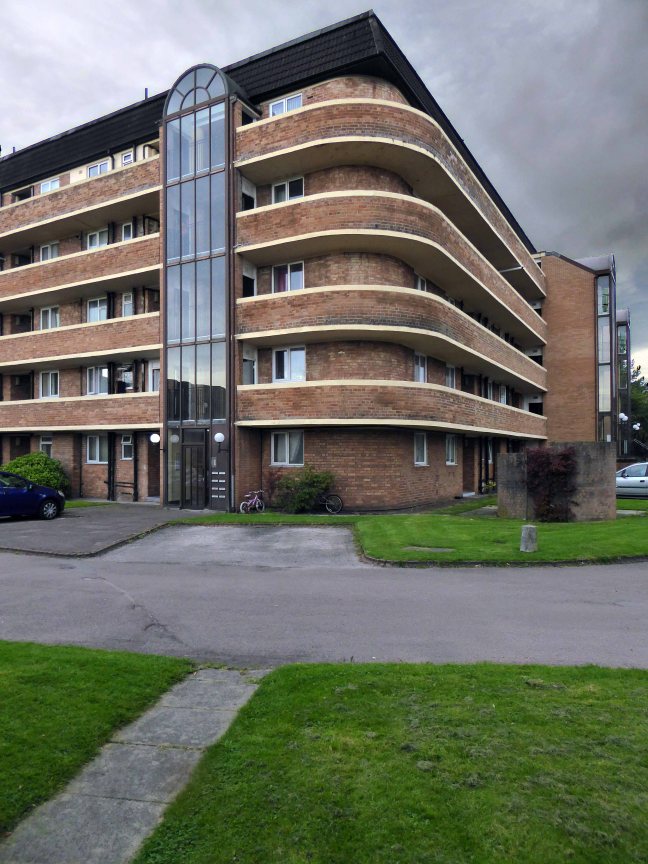
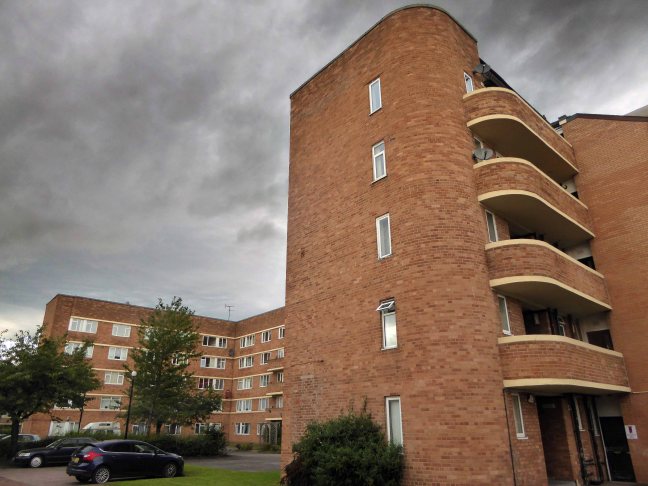
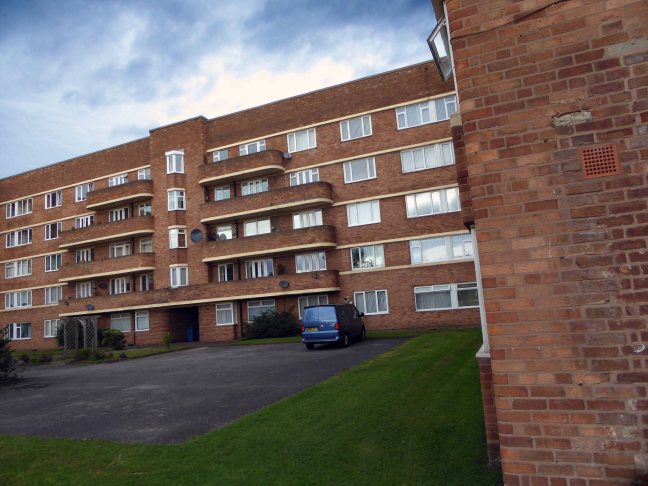
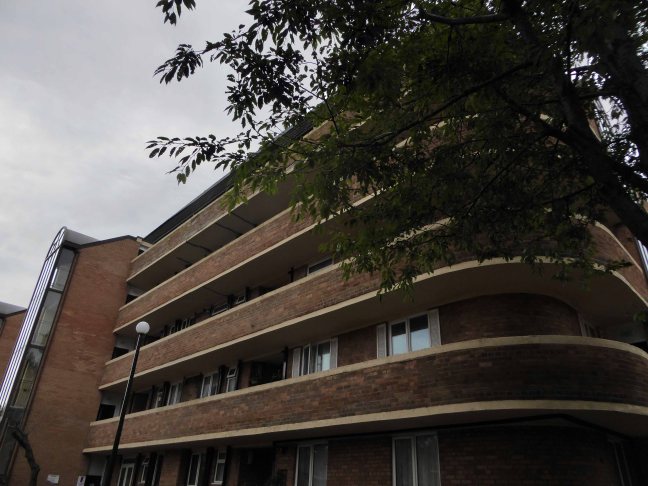
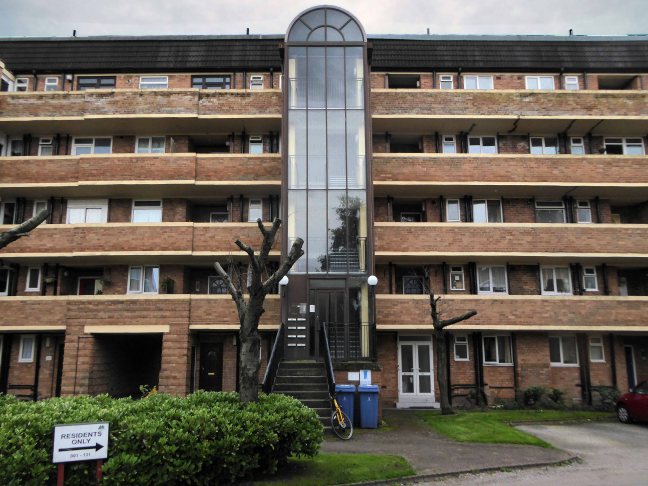
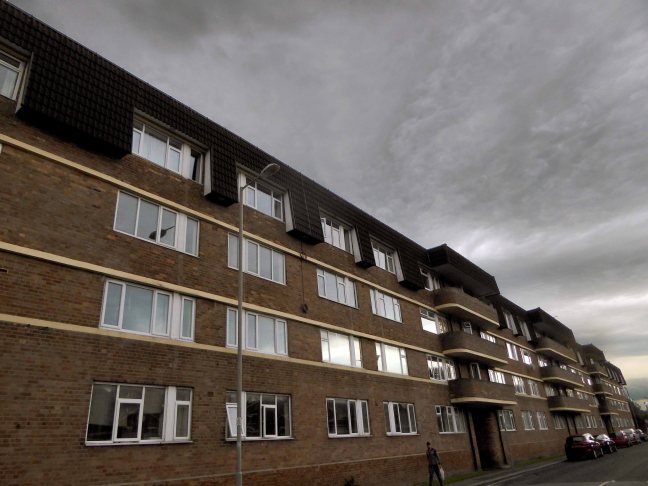
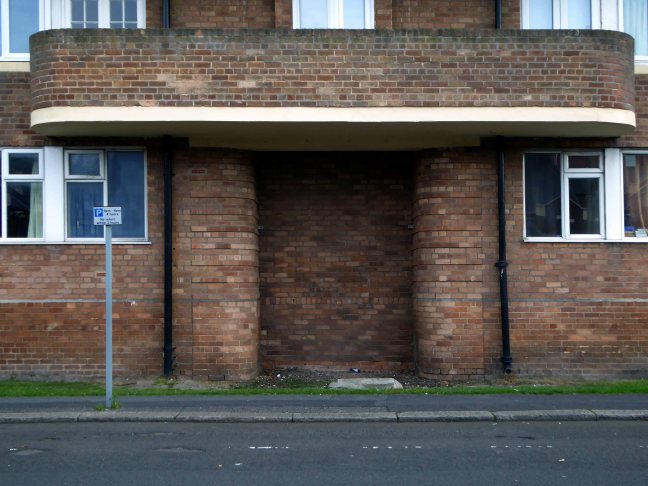
Built in 1935 as part of the city’s expansion of council homes, a time and place very much in thrall, to the then current developments in German Modernism.
“But now I have come to believe that the whole world is an enigma, a harmless enigma that is made terrible by our own mad attempt to interpret it as though it had an underlying truth.”
Umberto Eco
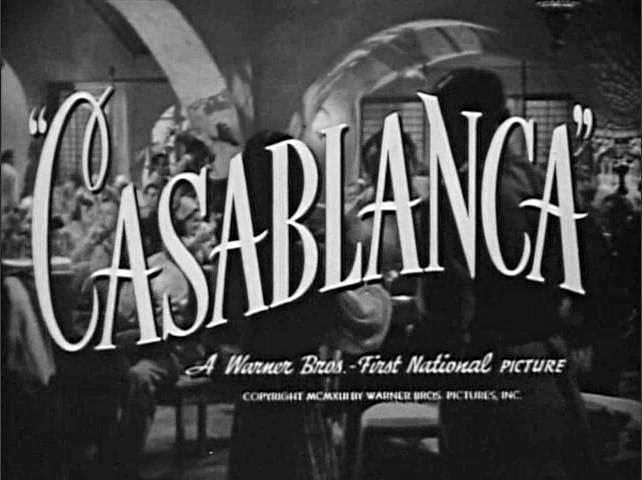
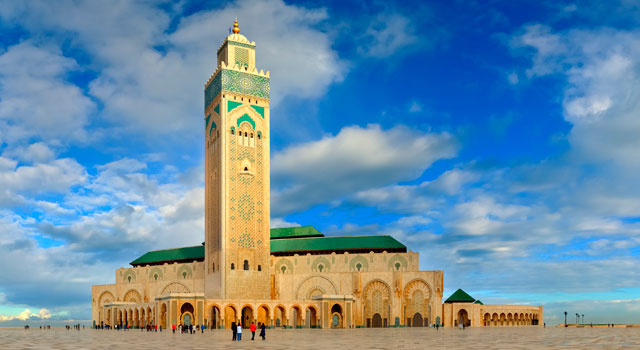
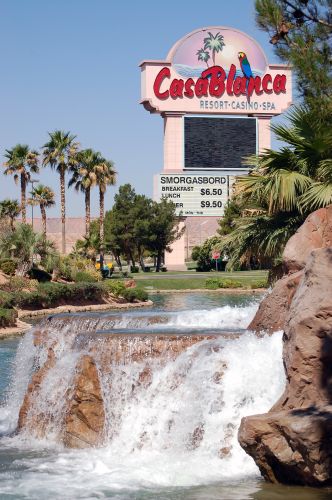
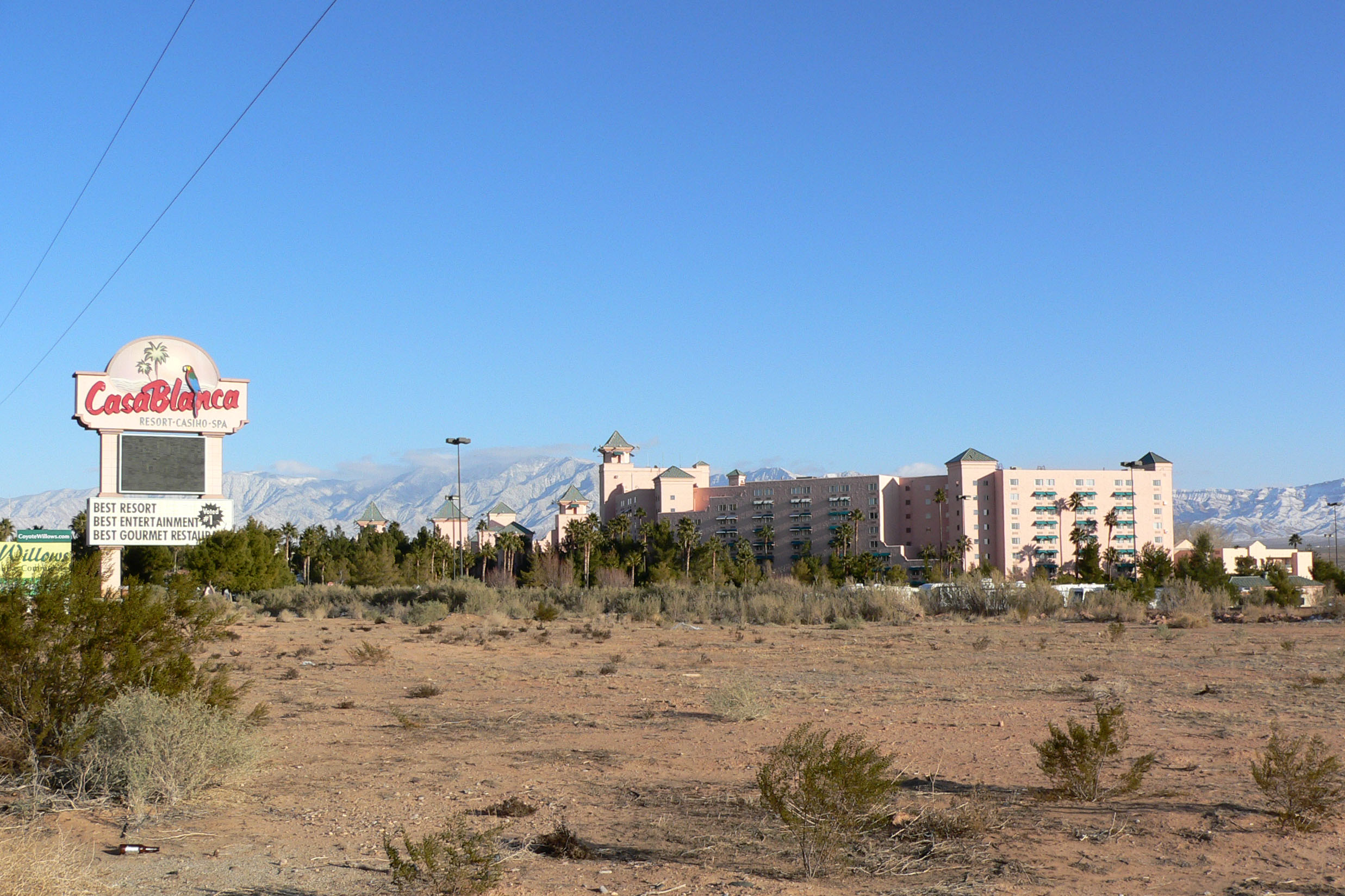
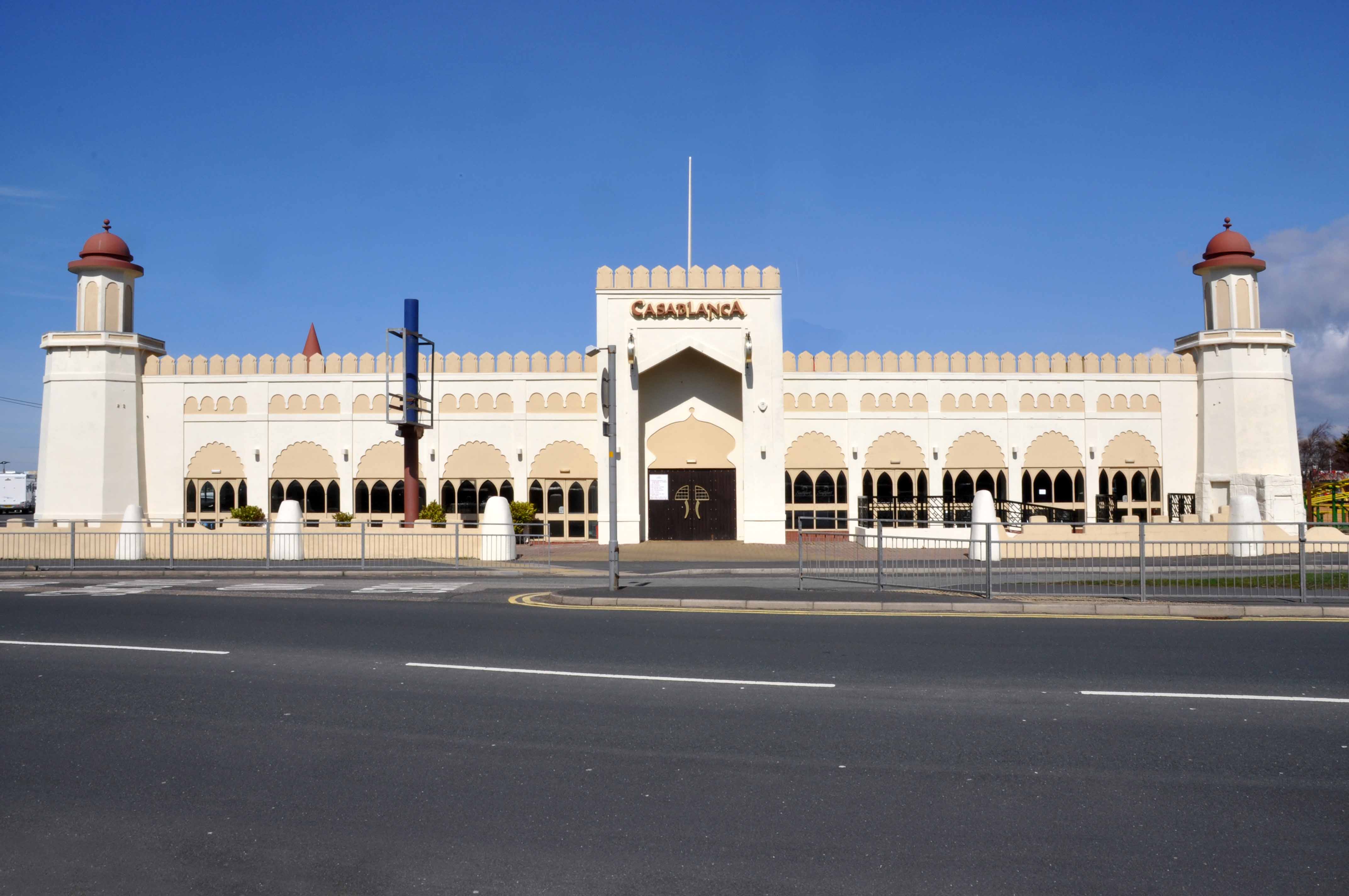
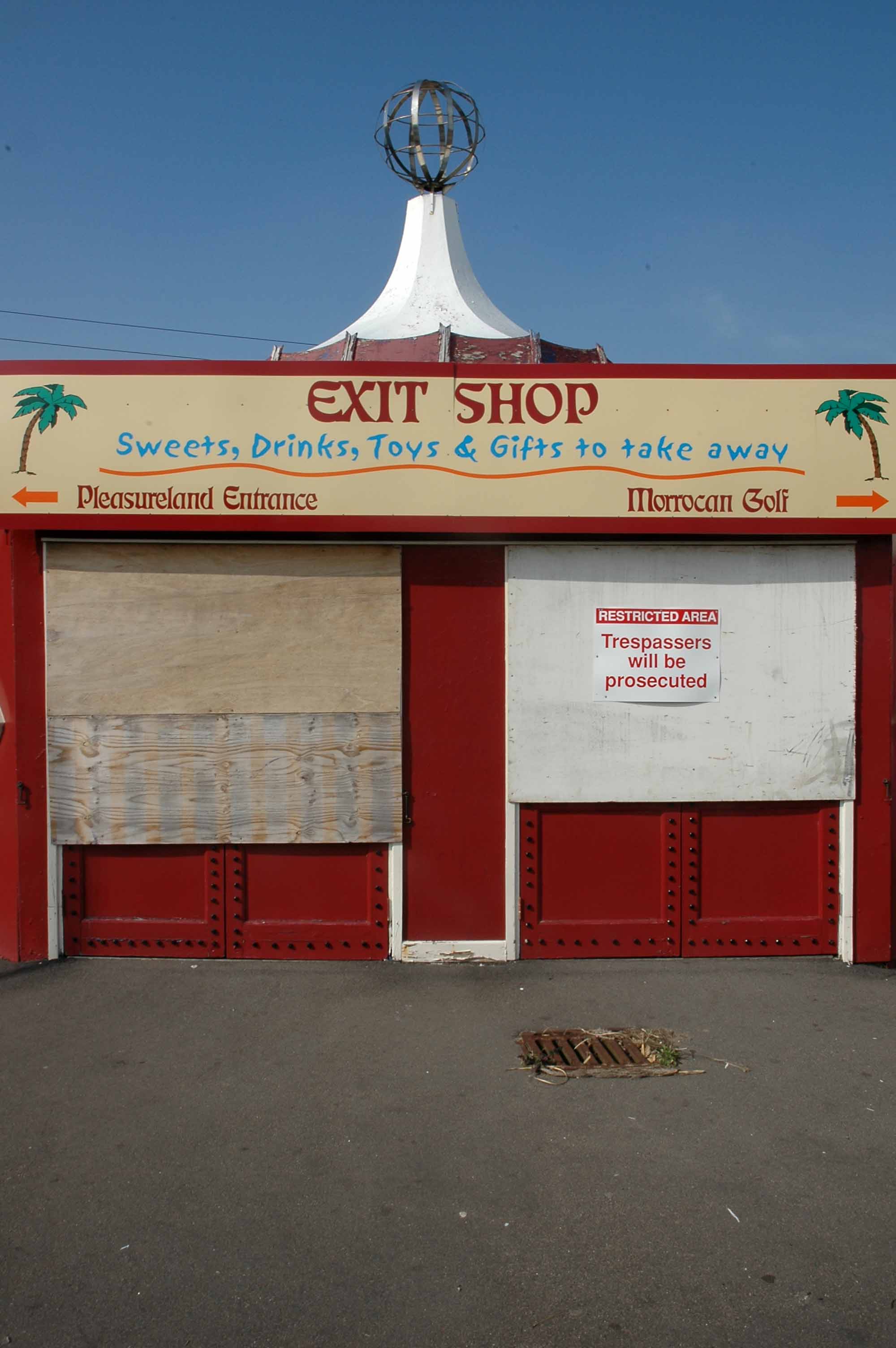
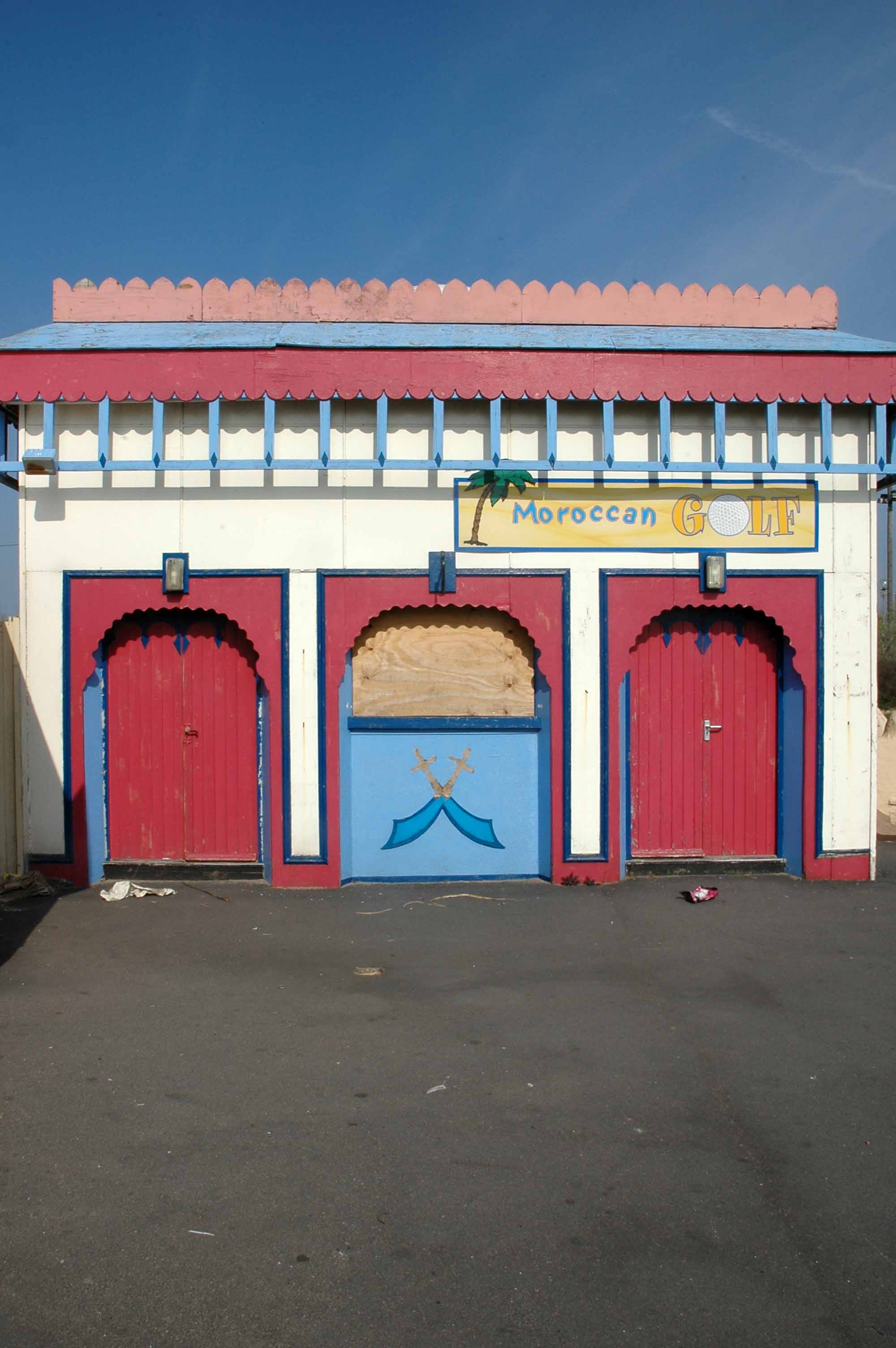
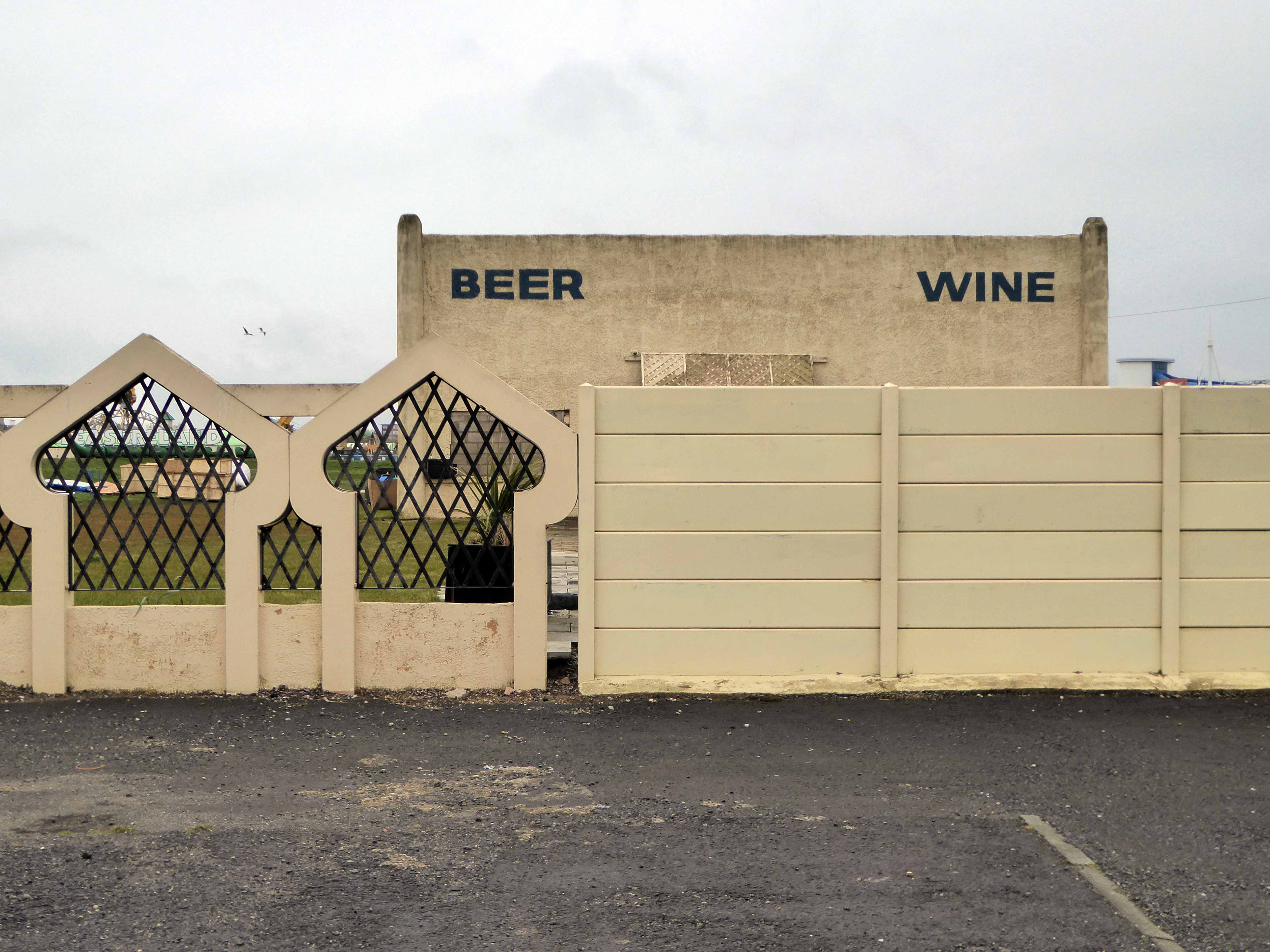
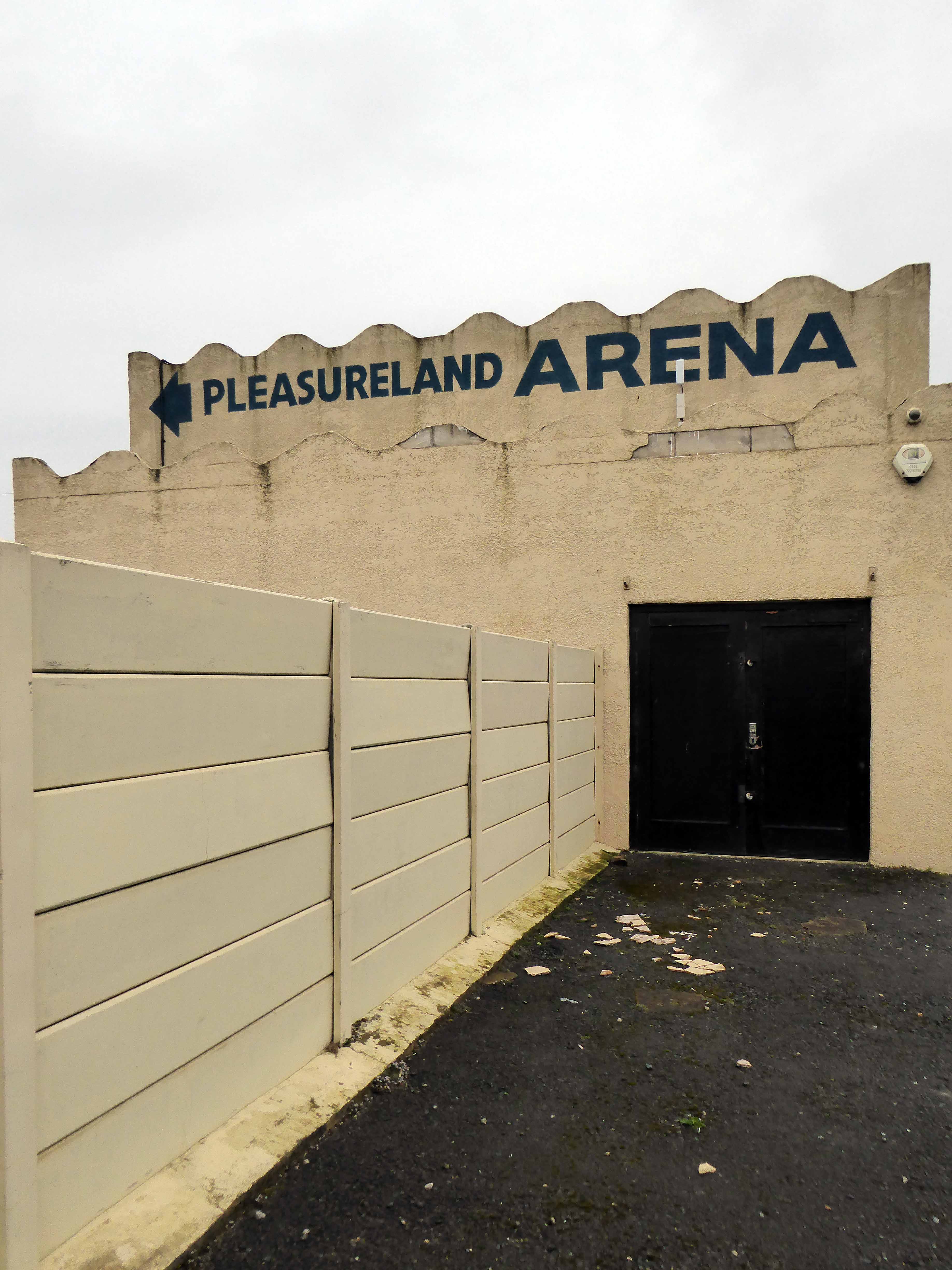
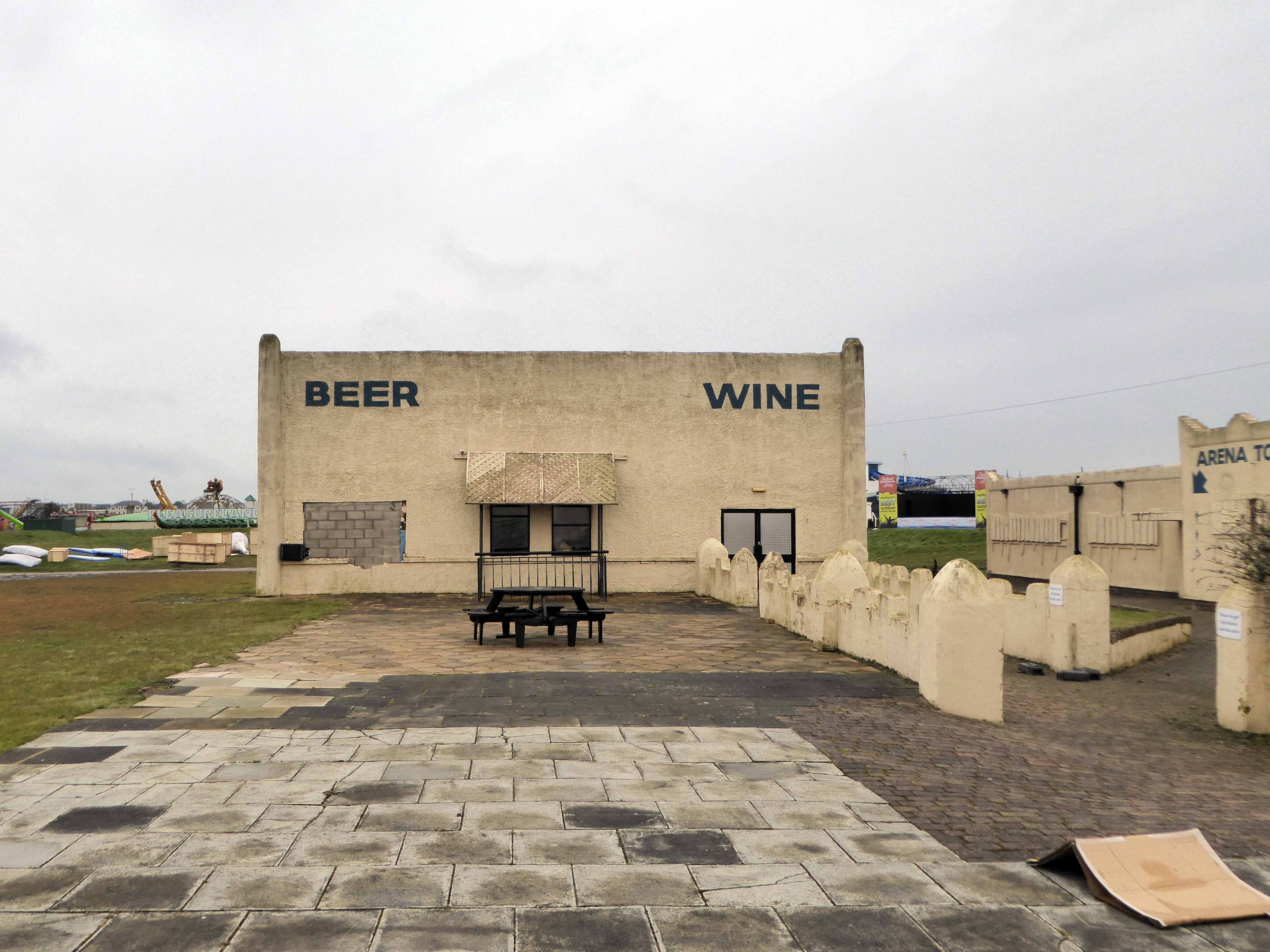
Somewhere between Las Vegas Nevada and Casablanca Morocco lies Southport.
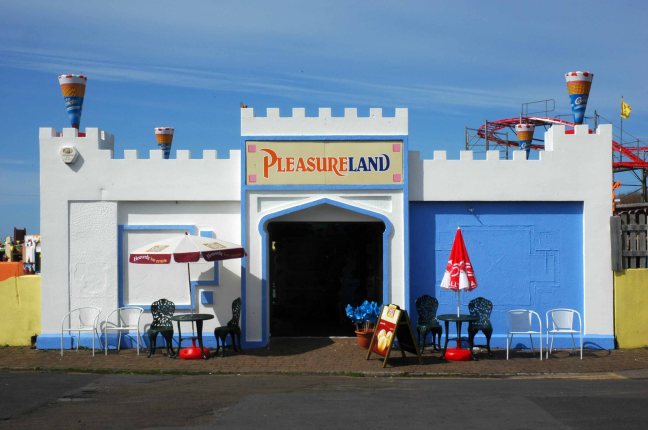
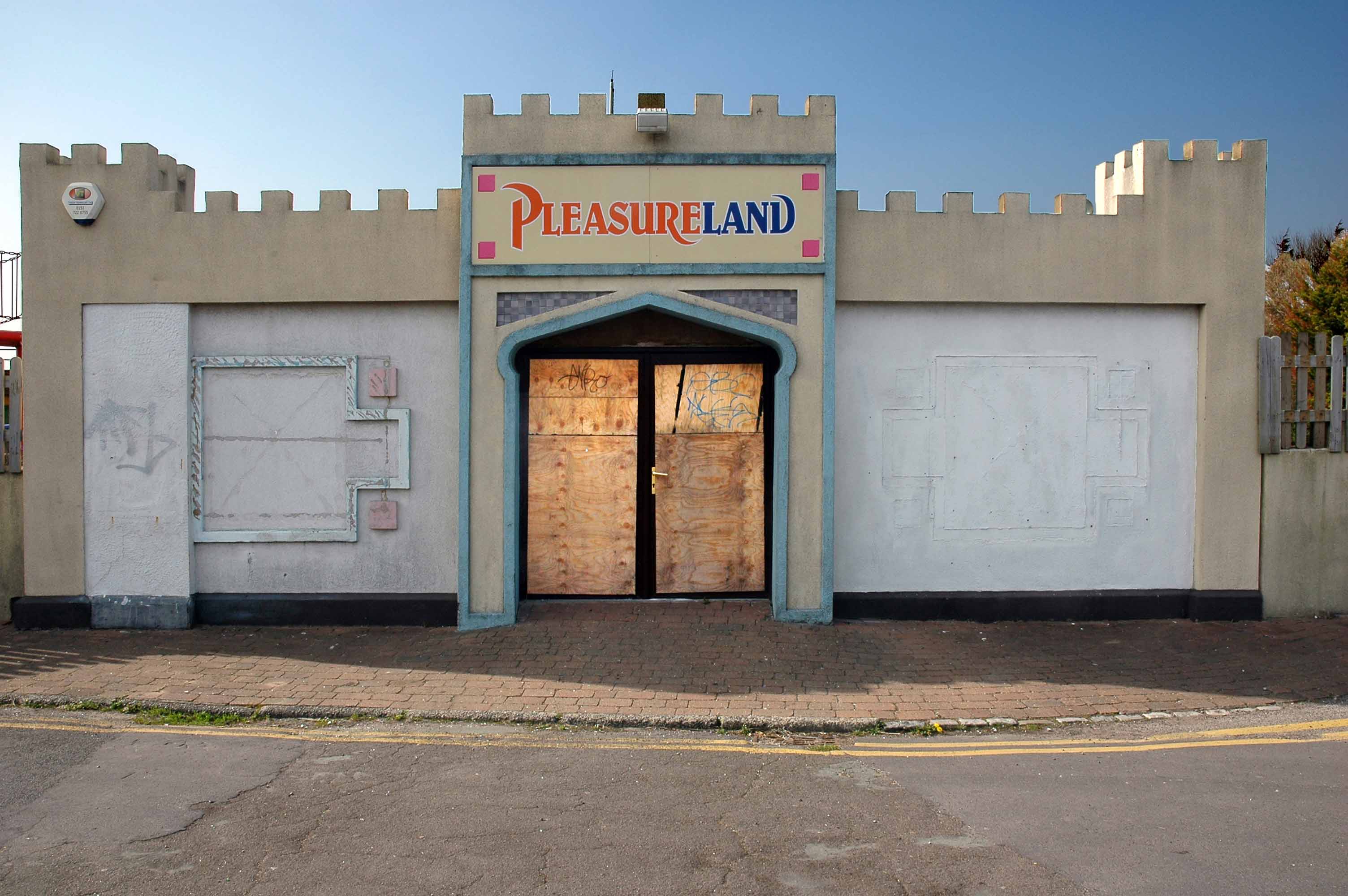
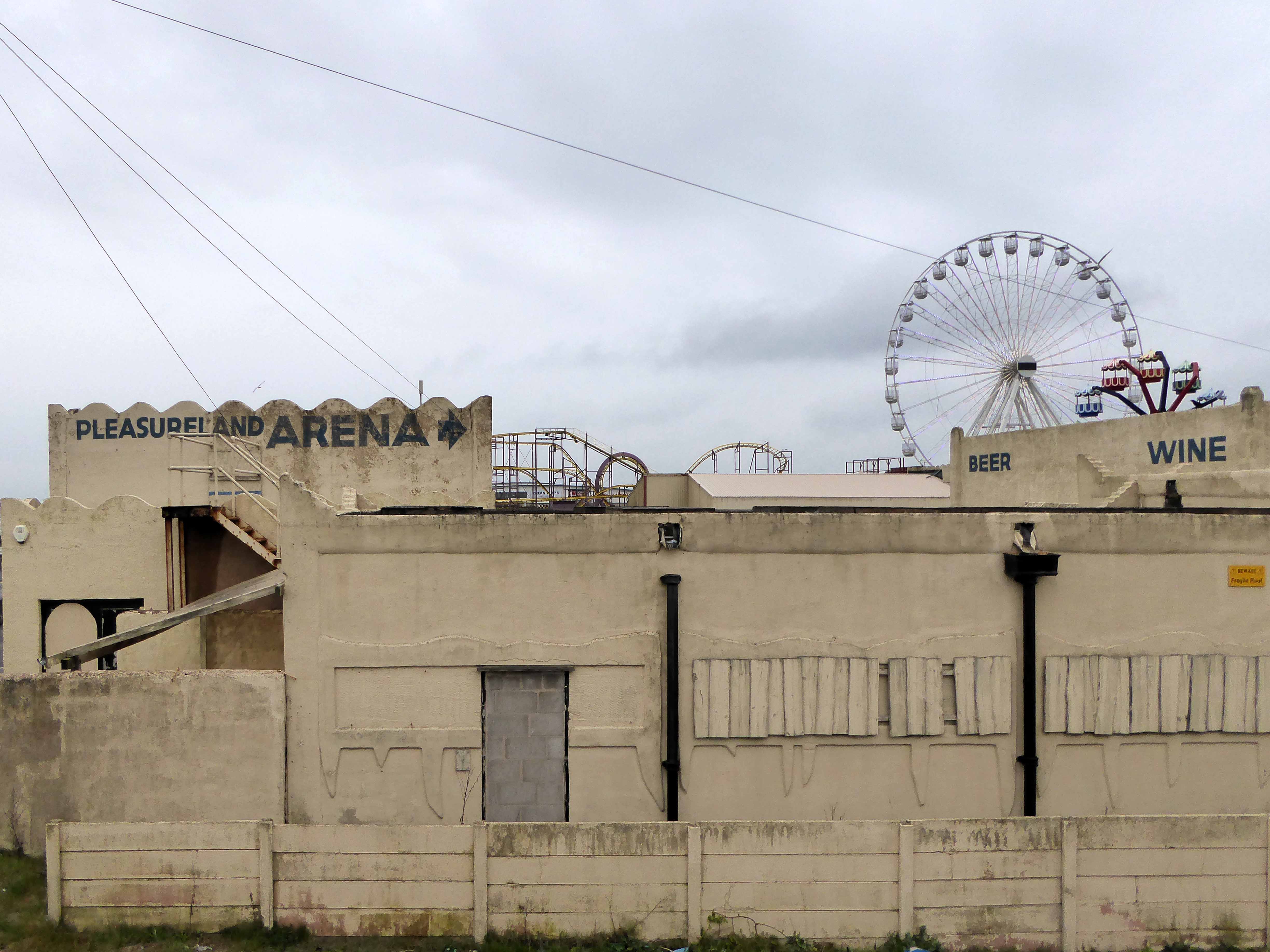
Somewhere in Southport lies Pleasureland.
Separated by oceans and oceans of artifice.
A puzzle wrapped in a riddle, wrapped in an enigma, wrapped in a wind blown fish and chip paper, tipped lazily onto the edge of Lancashire.
The seaside itself an invention of the railways, and an expanding leisured class.
To begin in the middle, the Hollywood cinema creates an Orientalist mythology around Morocco. A confection of exotic confinement, conspiratorial glances and romance.
Who are you really, and what were you before?
What did you do and what did you think, huh?
We said no questions.
Here’s looking at you, kid.
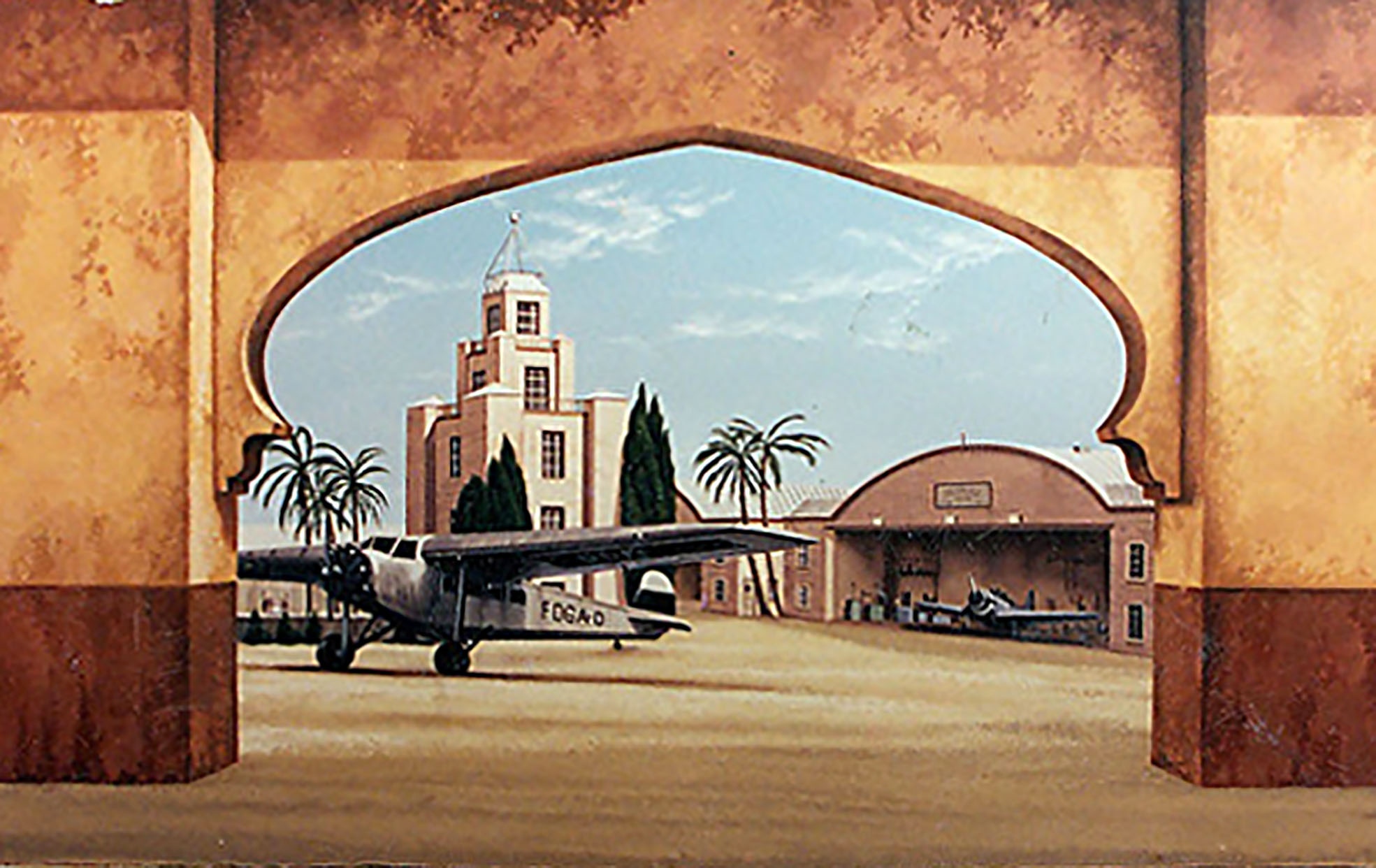
Which in turn becomes parody of itself, constructing an airport that apes its own constructed image, a brash reflection in an eternally wonky mirage of a mirror.
The same mirror that reflects across the Atlantic, to that cap it all capital of Kitsch.
A veritable smorgasbord of visual treats and retreats in Mesquite Nevada.
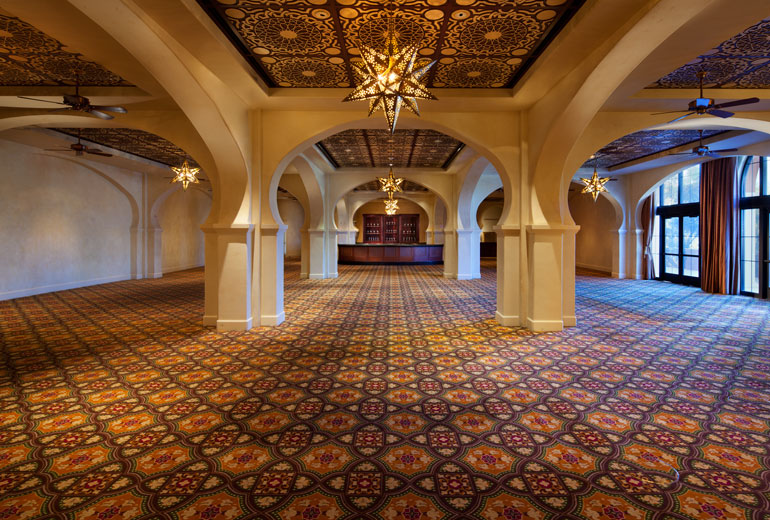
Or the Casablanca Ballroom Westin Lake Hotel – Las Vegas.
Flying home to the Warner Brothers Stage 16 Restaurant
Or indeed Southport.
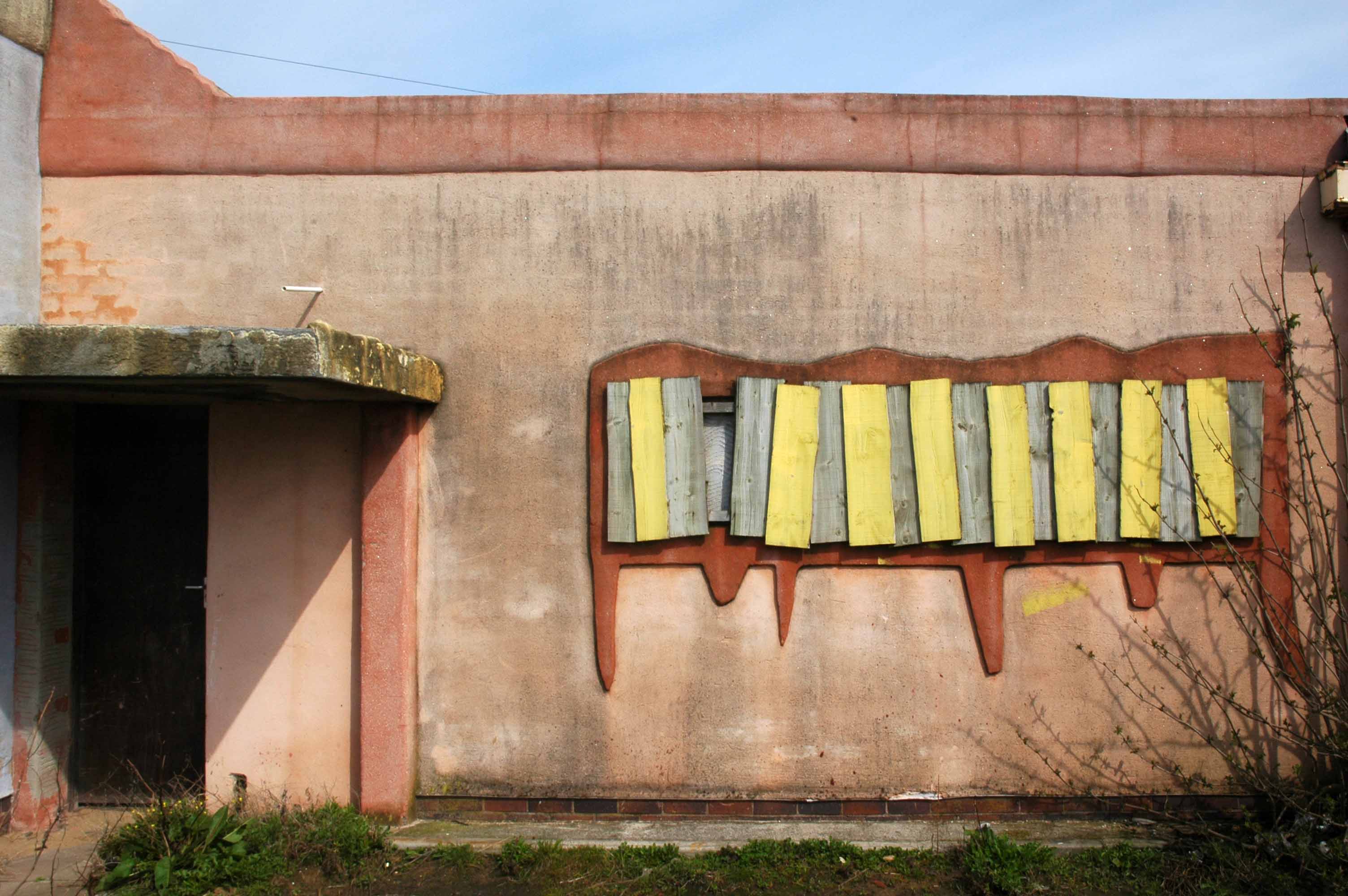
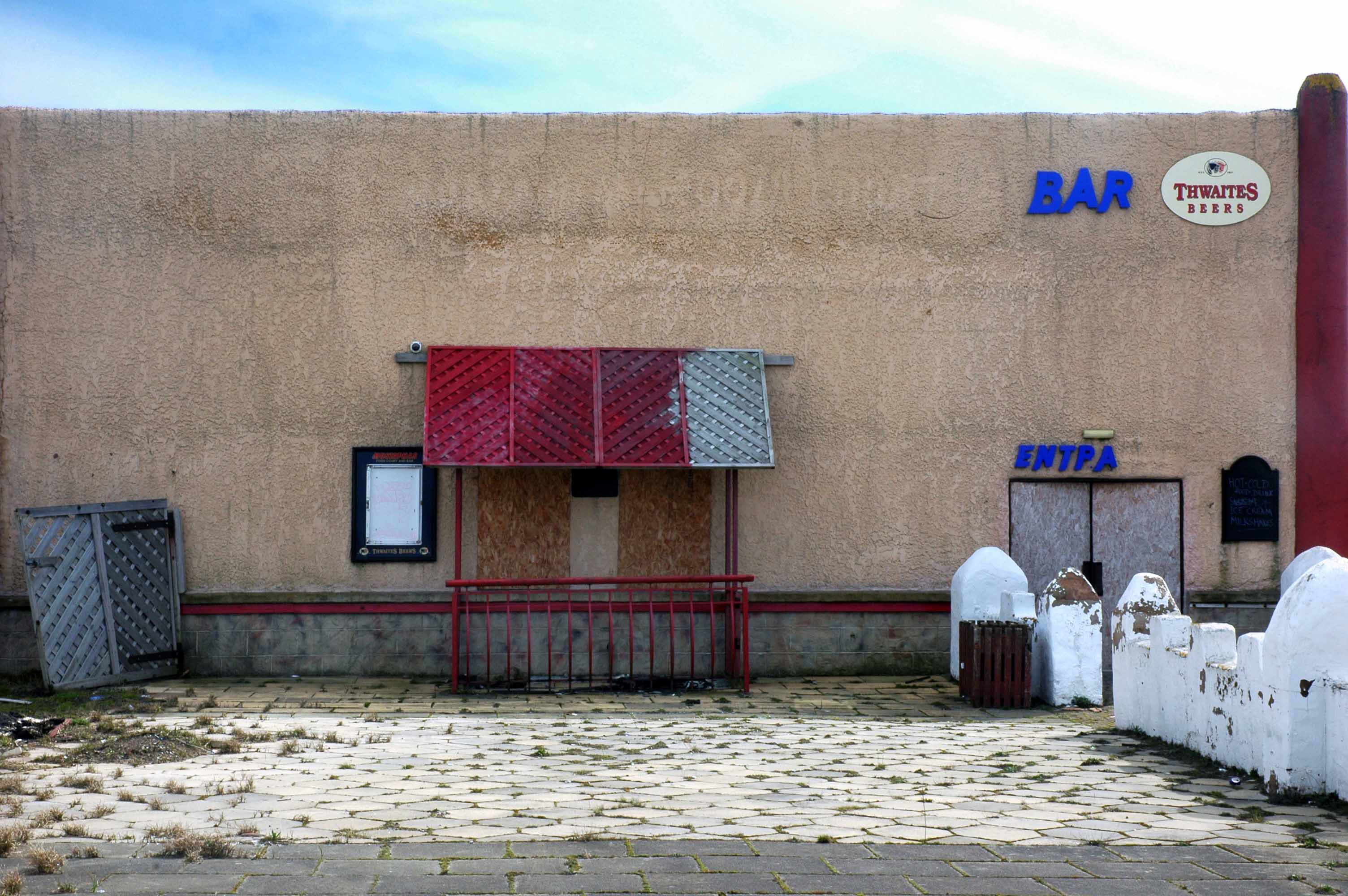
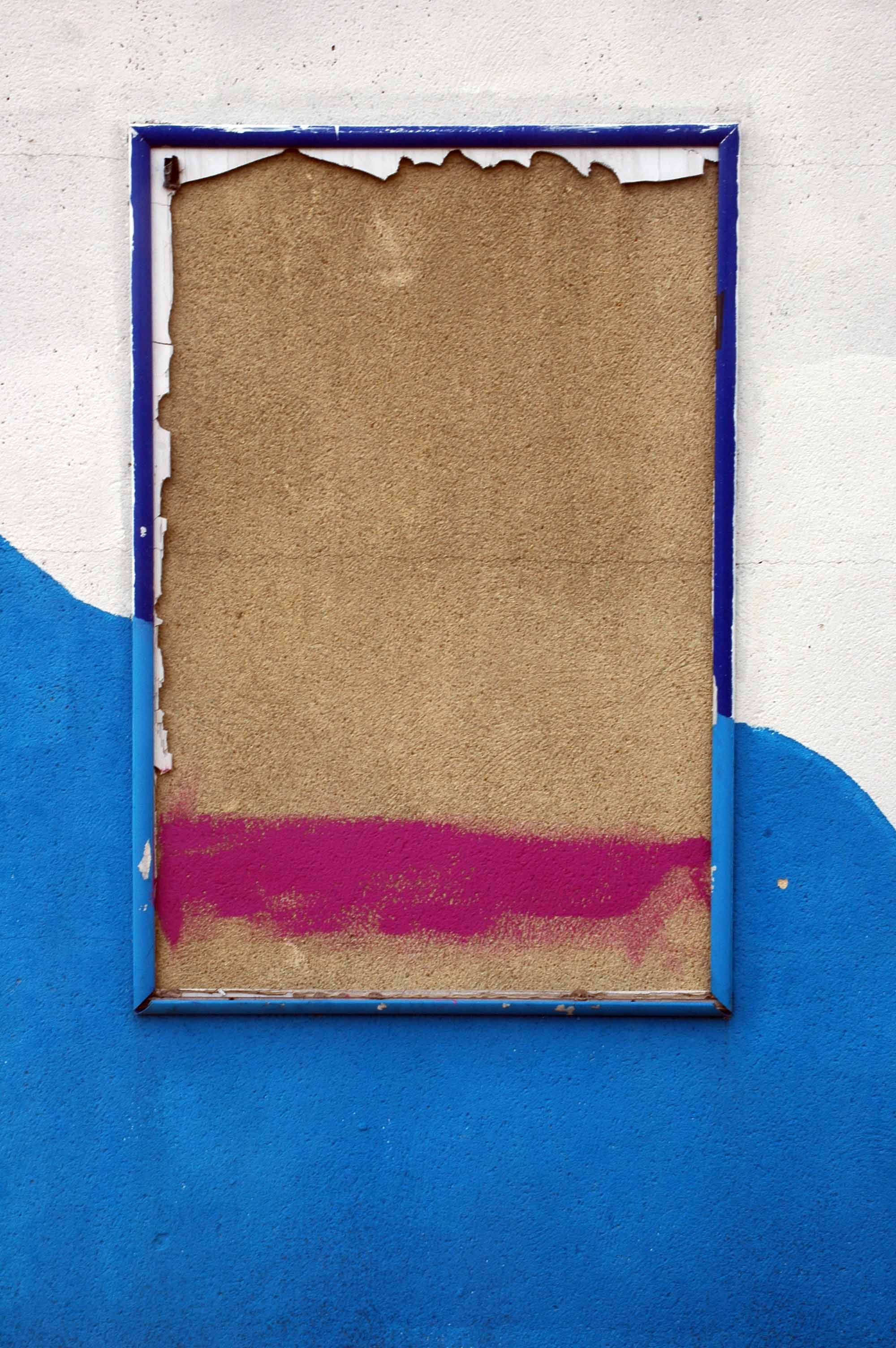
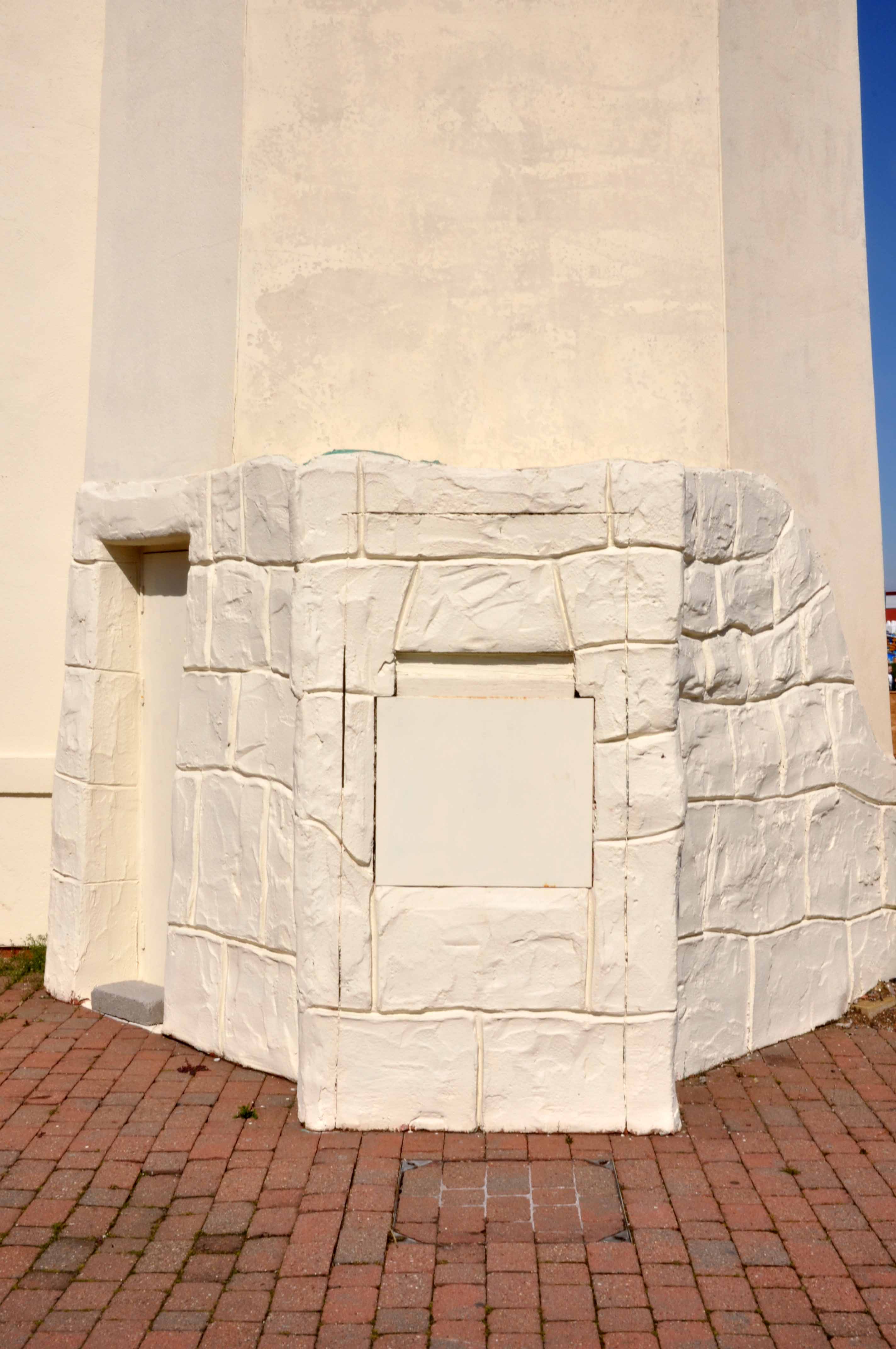
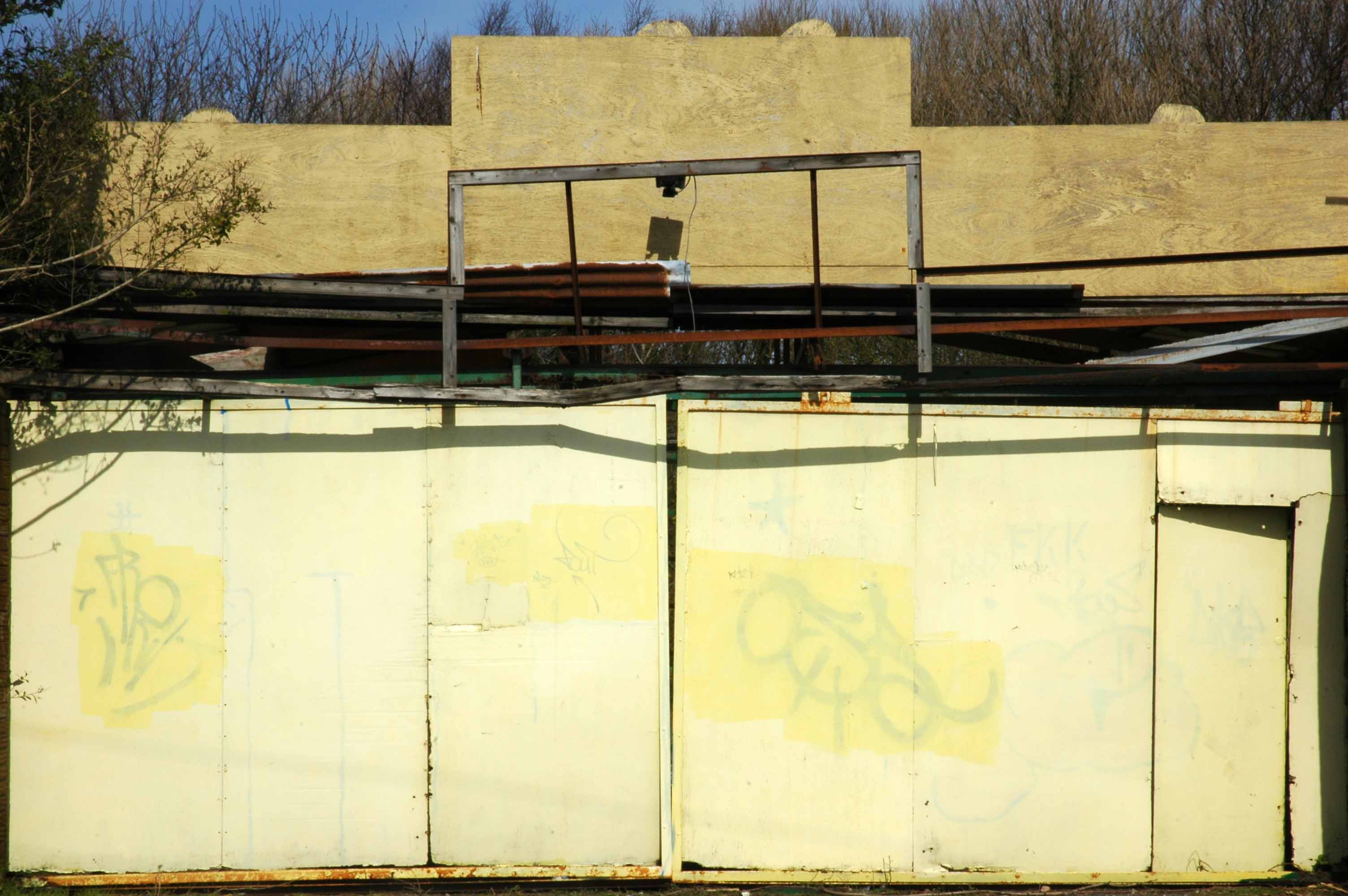
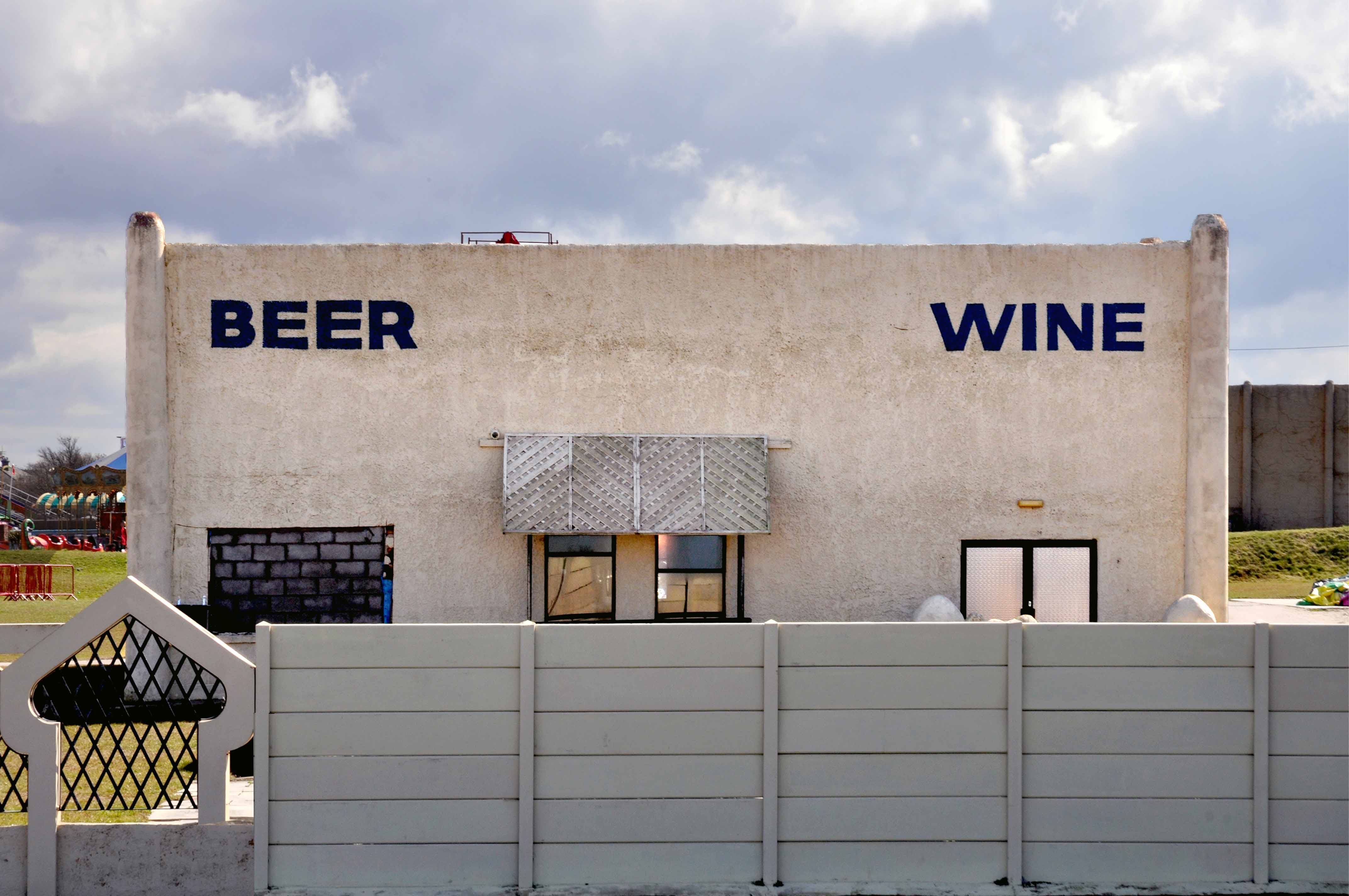
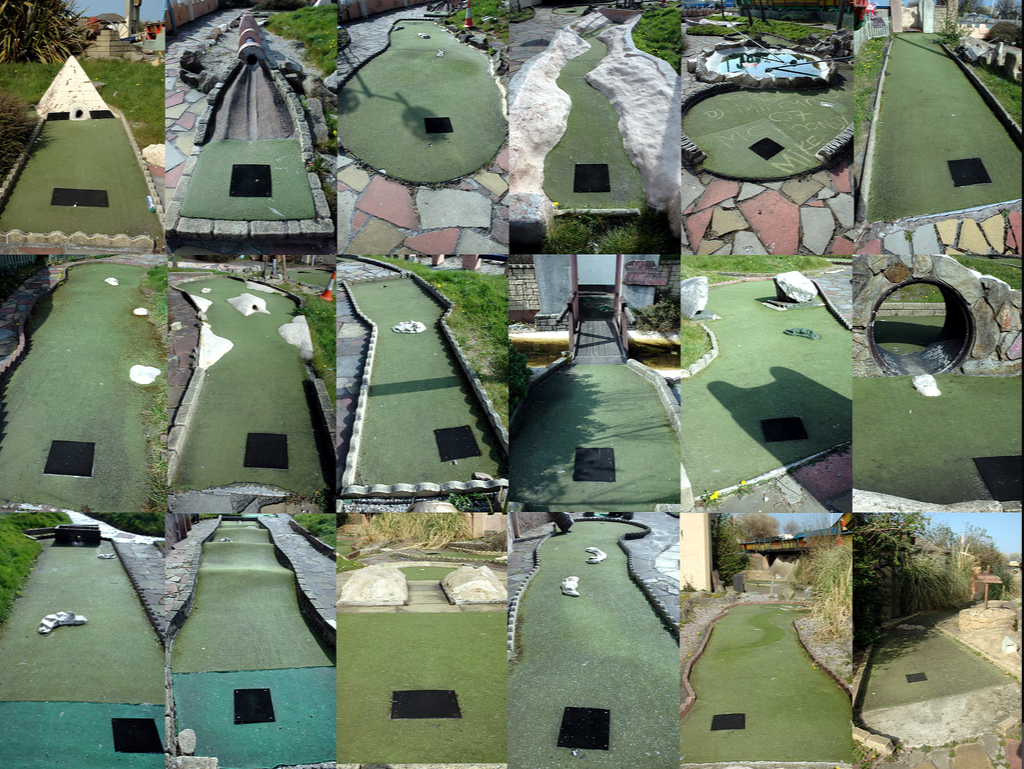
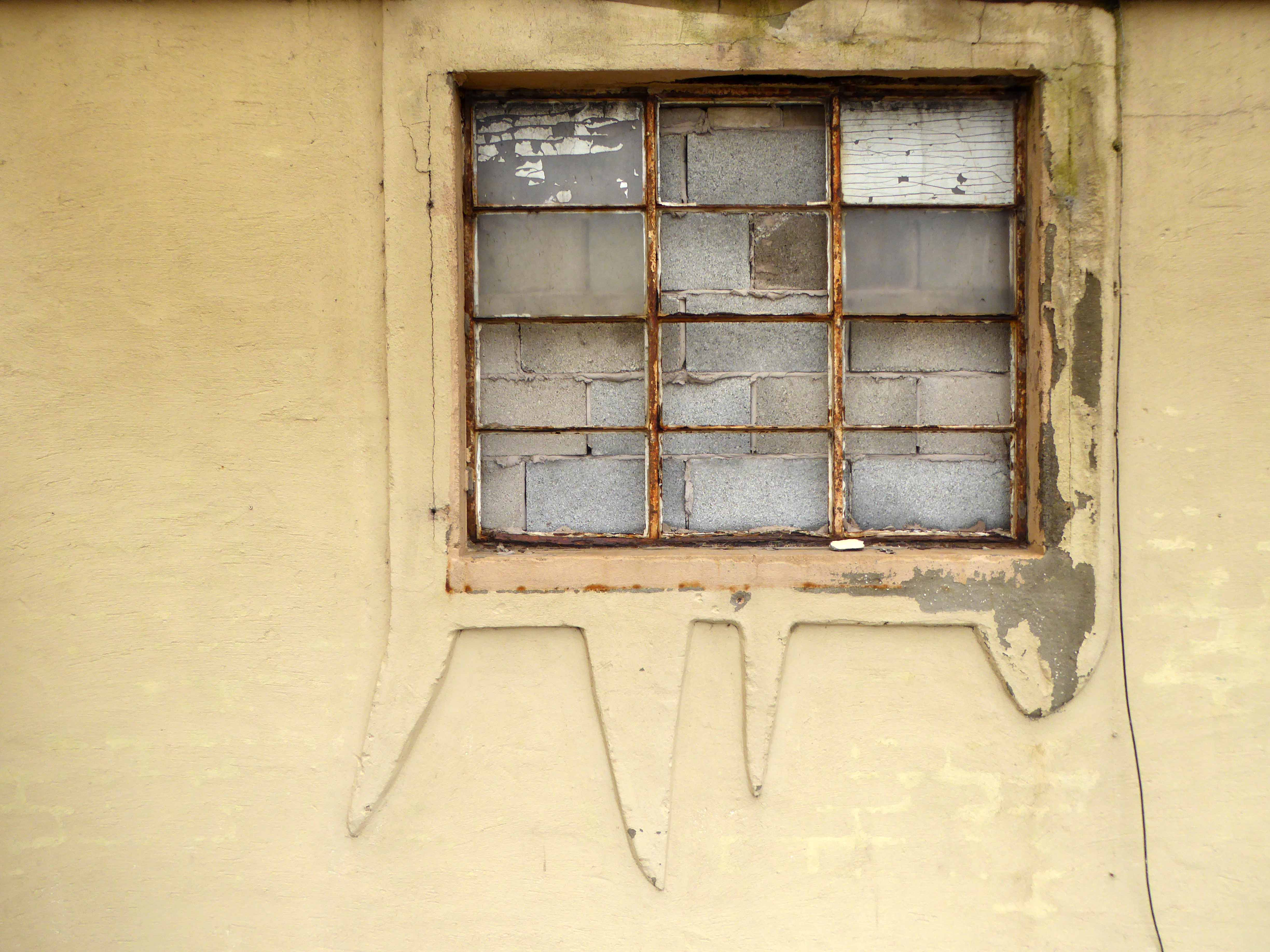
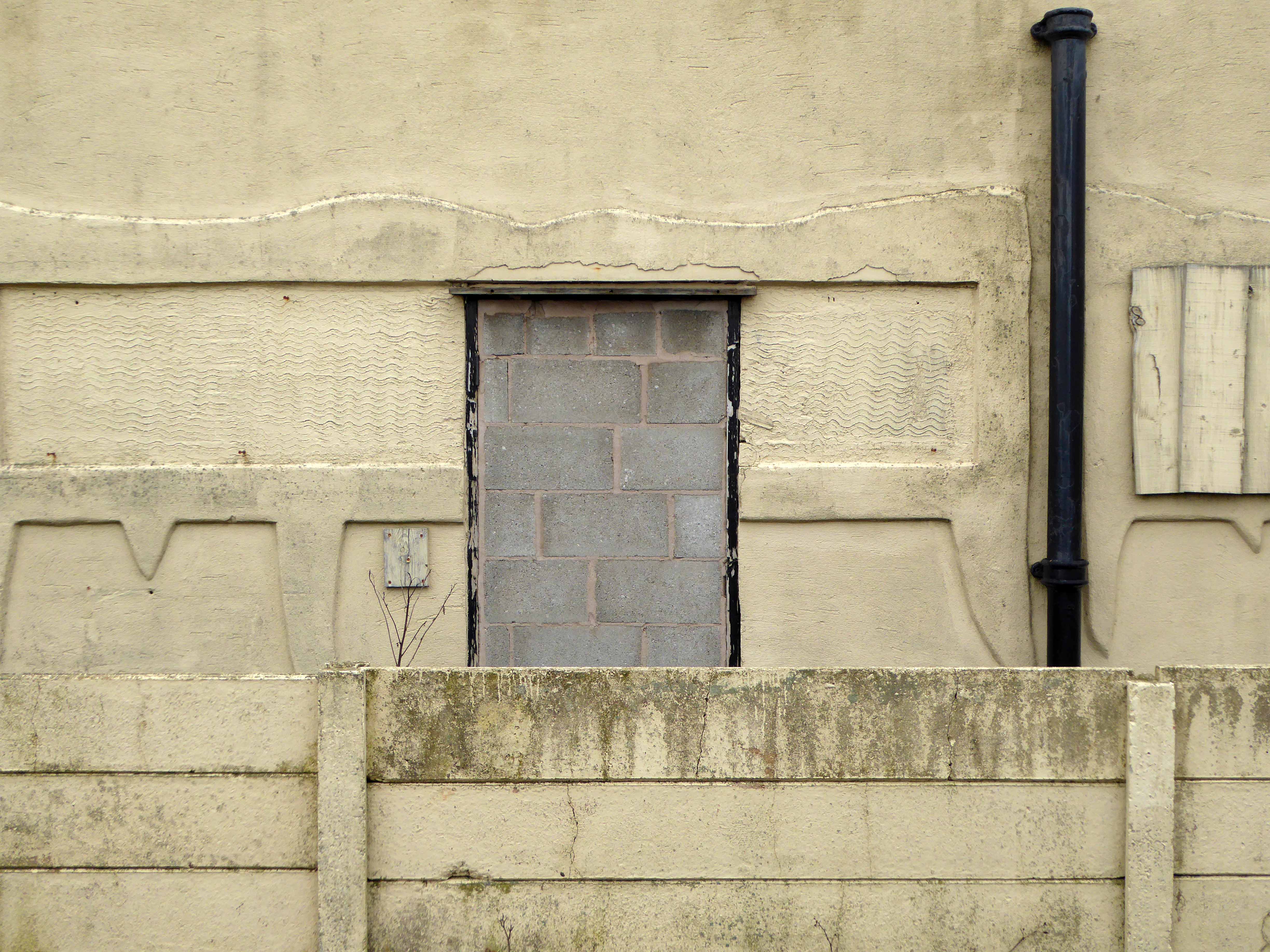
2011 – I had my first close up and personal encounter with the wood frame, chicken wire and faux adobe render rendering of North Africa, on the coast of North West England. It was in a state of semi-advanced neglect, an extraordinary experience. Pleasureland had already faked it’s own demise, a pre-boarded up, boarded up frontier town.
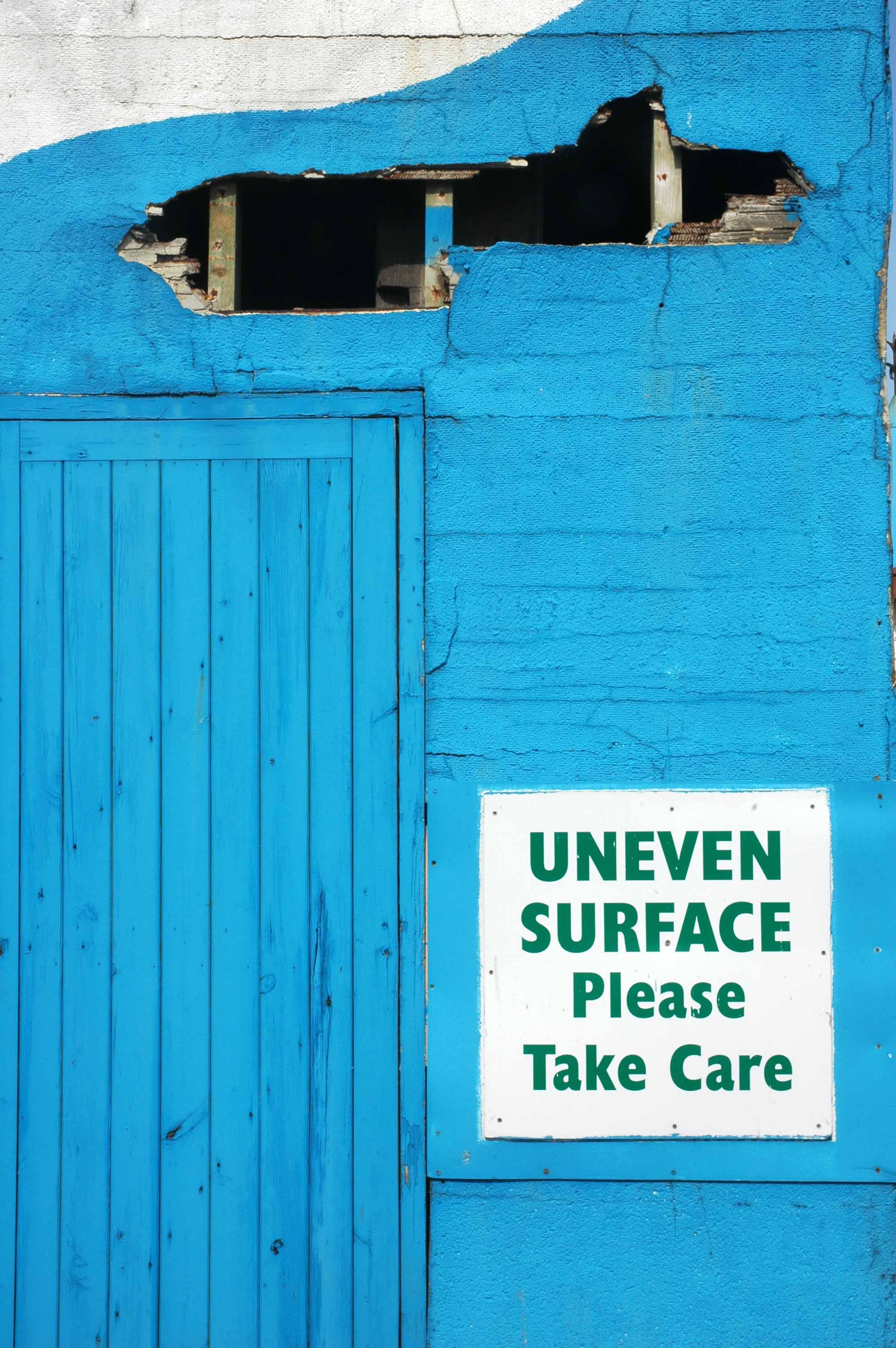
Where the edges of meaning are blurred beyond belief, take care.
We are dealing with uneven surfaces.
Who could resist a Moroccan themed crazy golf course?
You are now entering a Scoobidoo-esque scenario, where the mask is never finally removed, nothing is revealed.
2016 – I returned, the world had turned a revival was in part taking place, some of the pleasure returned to Pleasureland, whilst the seafront facing bars remained empty.
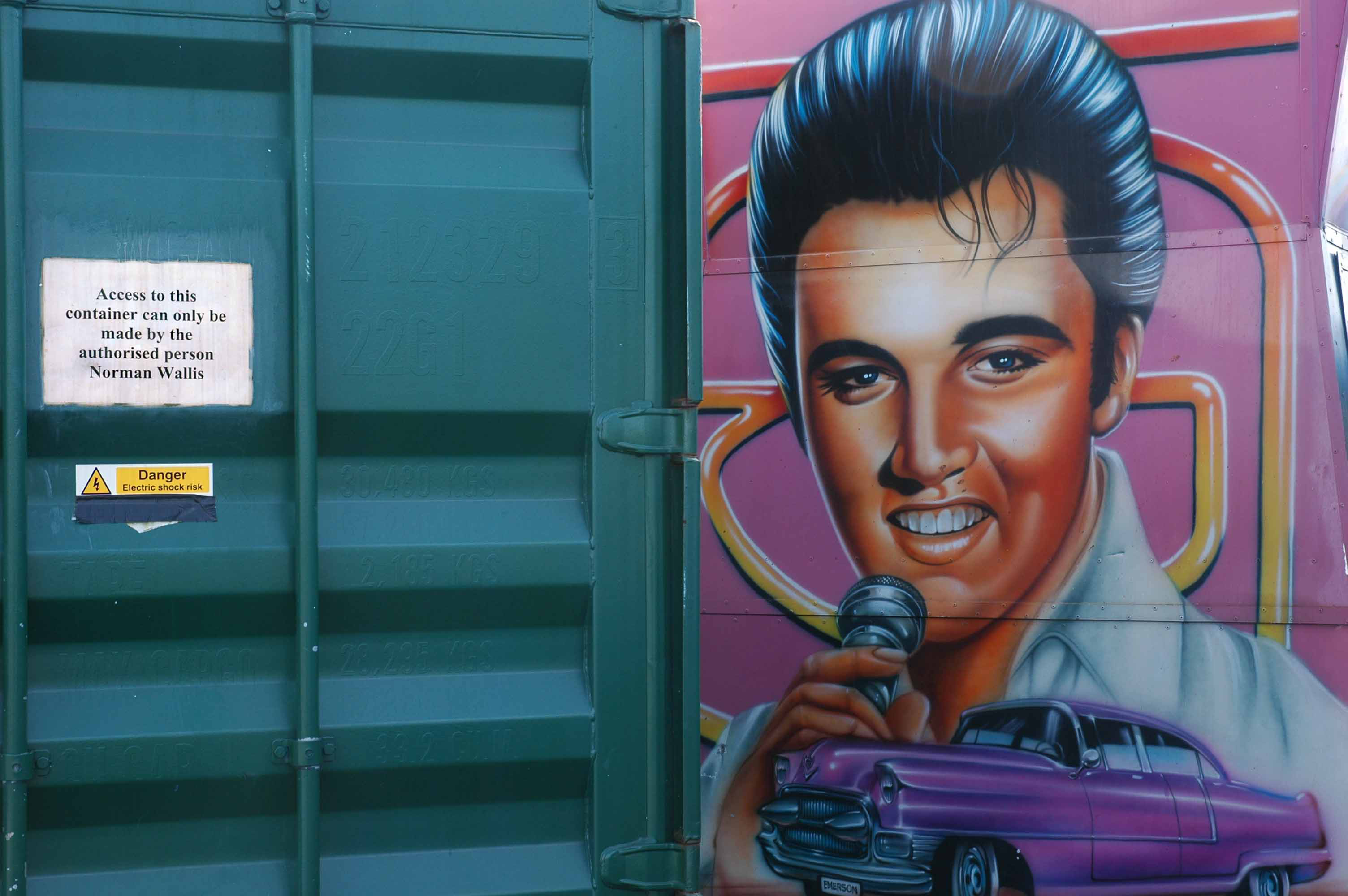
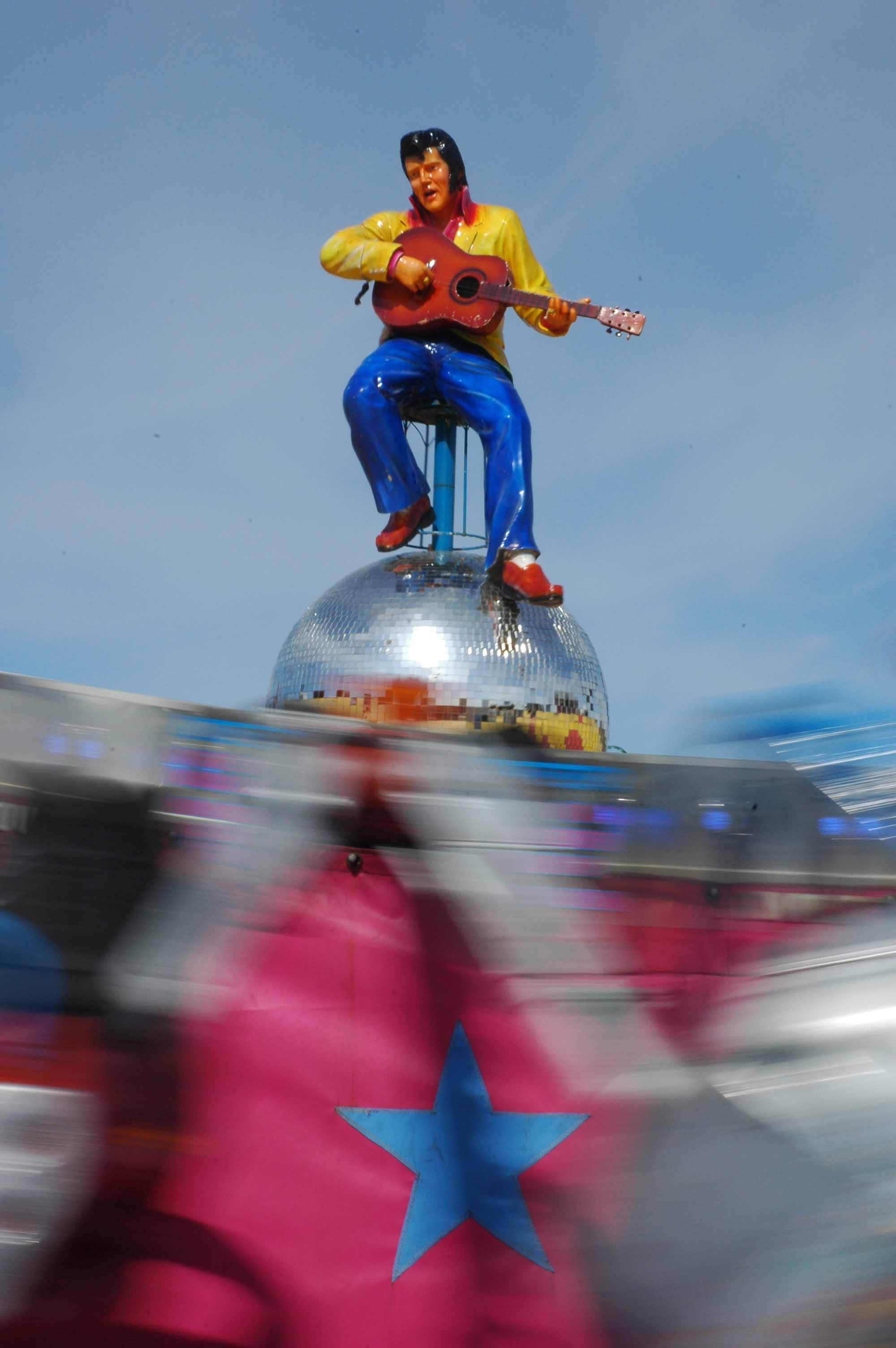
One man holds the key the glue, that bonds these distant lands.
The myth to end all myths.
For he is forever in his own orbit, omniscient.
Make the world go away And get it off my shoulders Say the things you used to say And make the world go away
Cars and closures caused the station to withdraw up the road, to its current much smaller site.
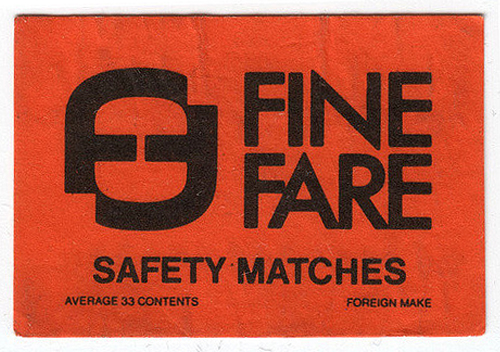
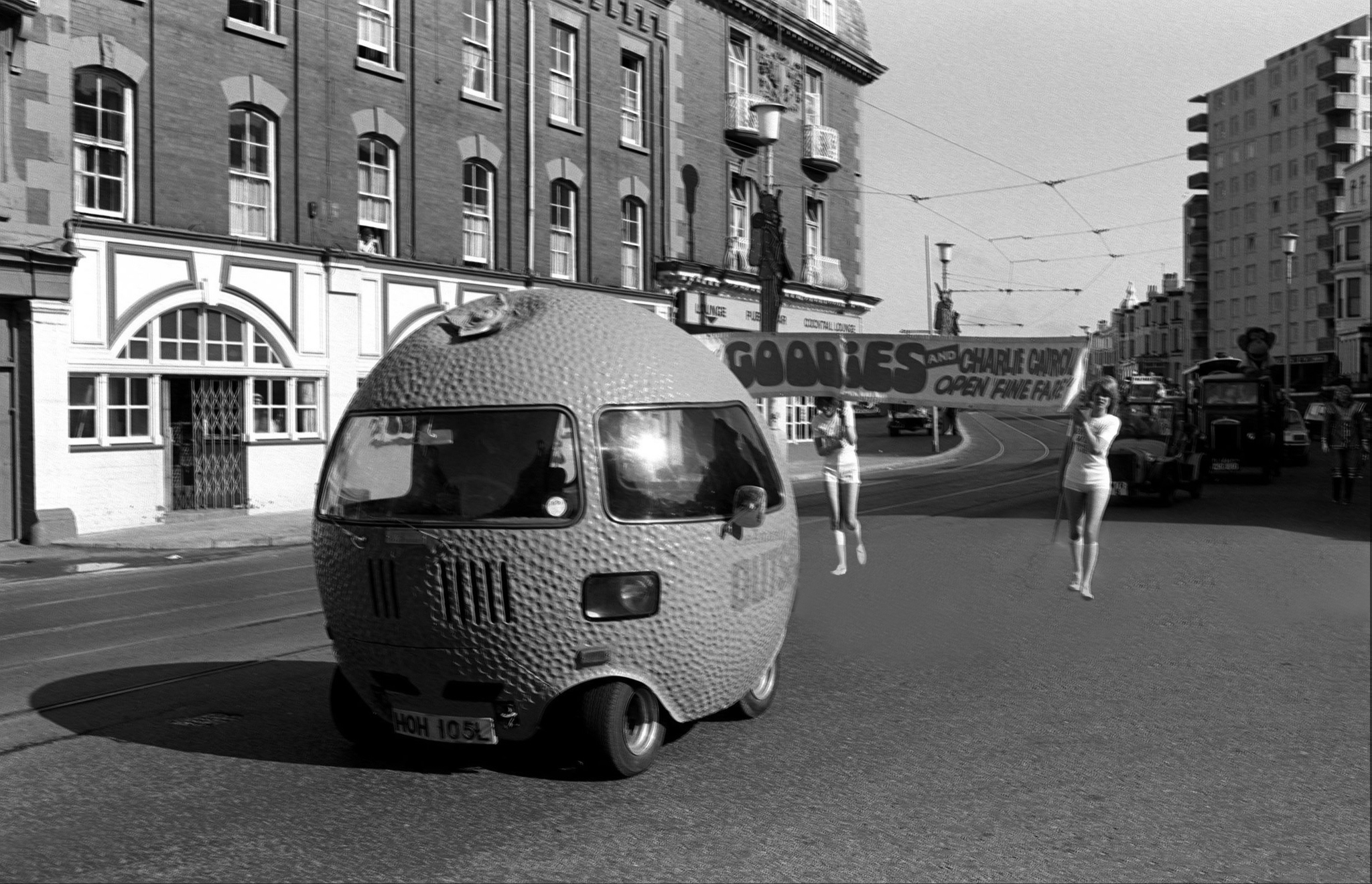
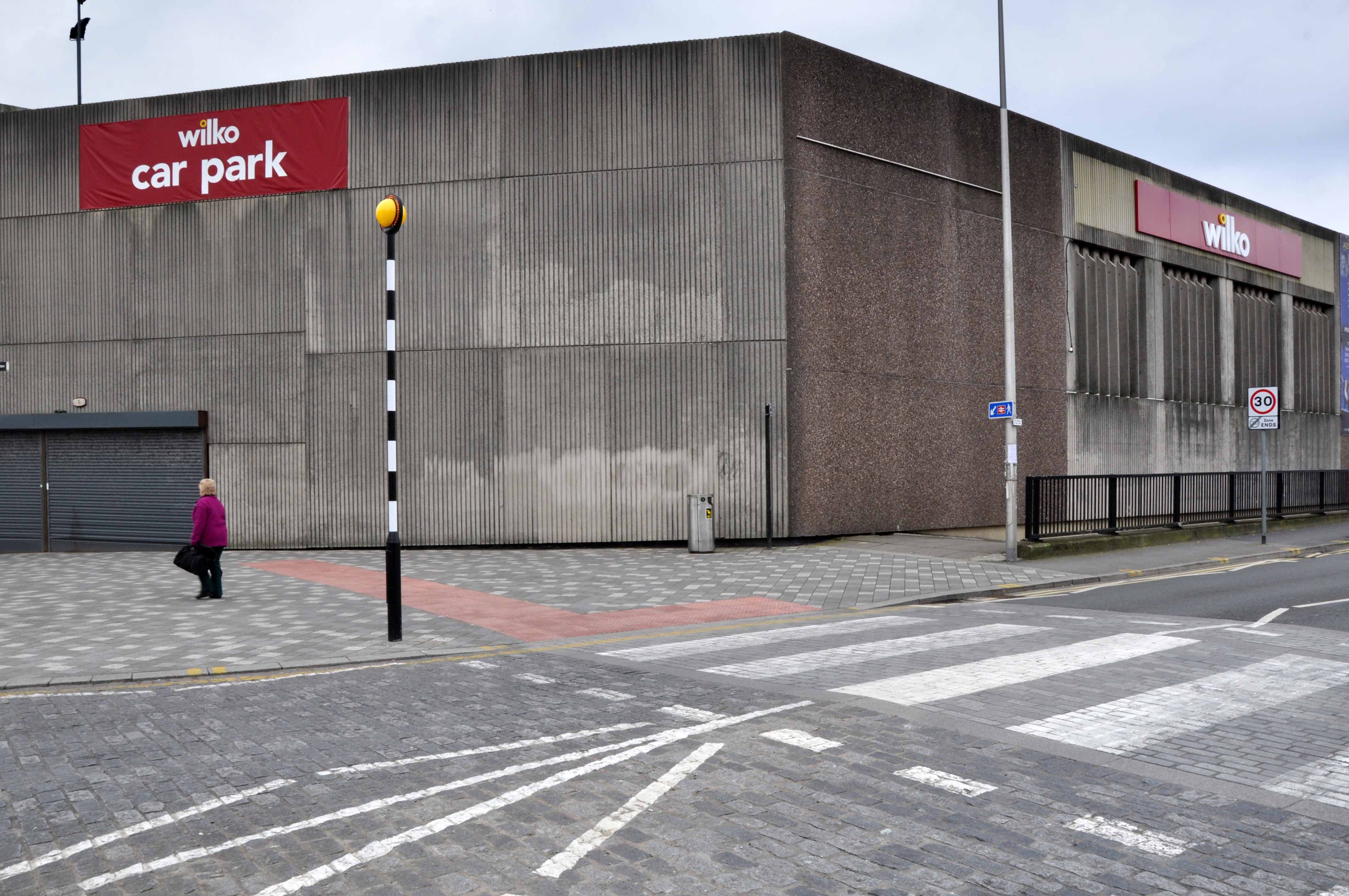
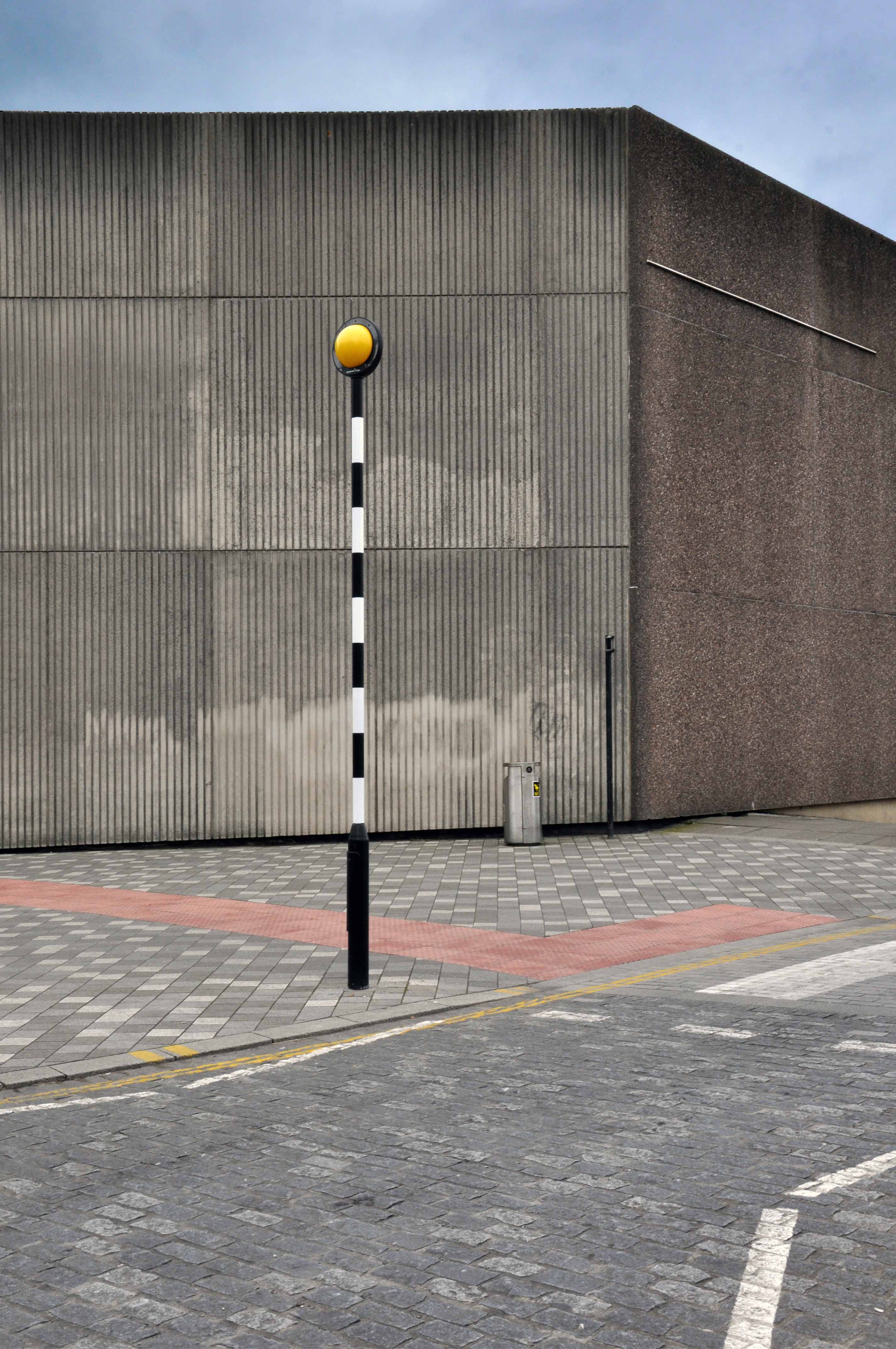
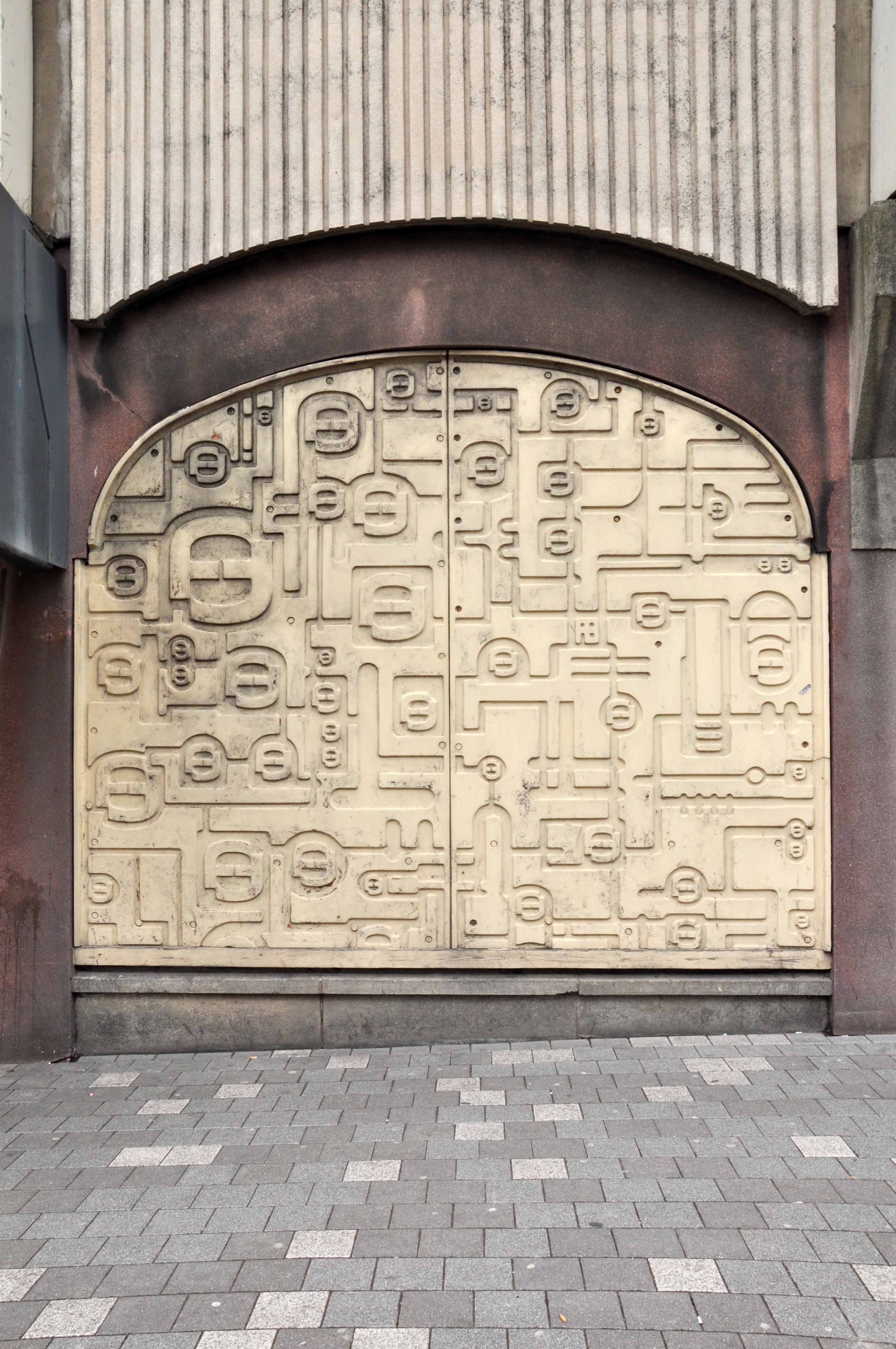
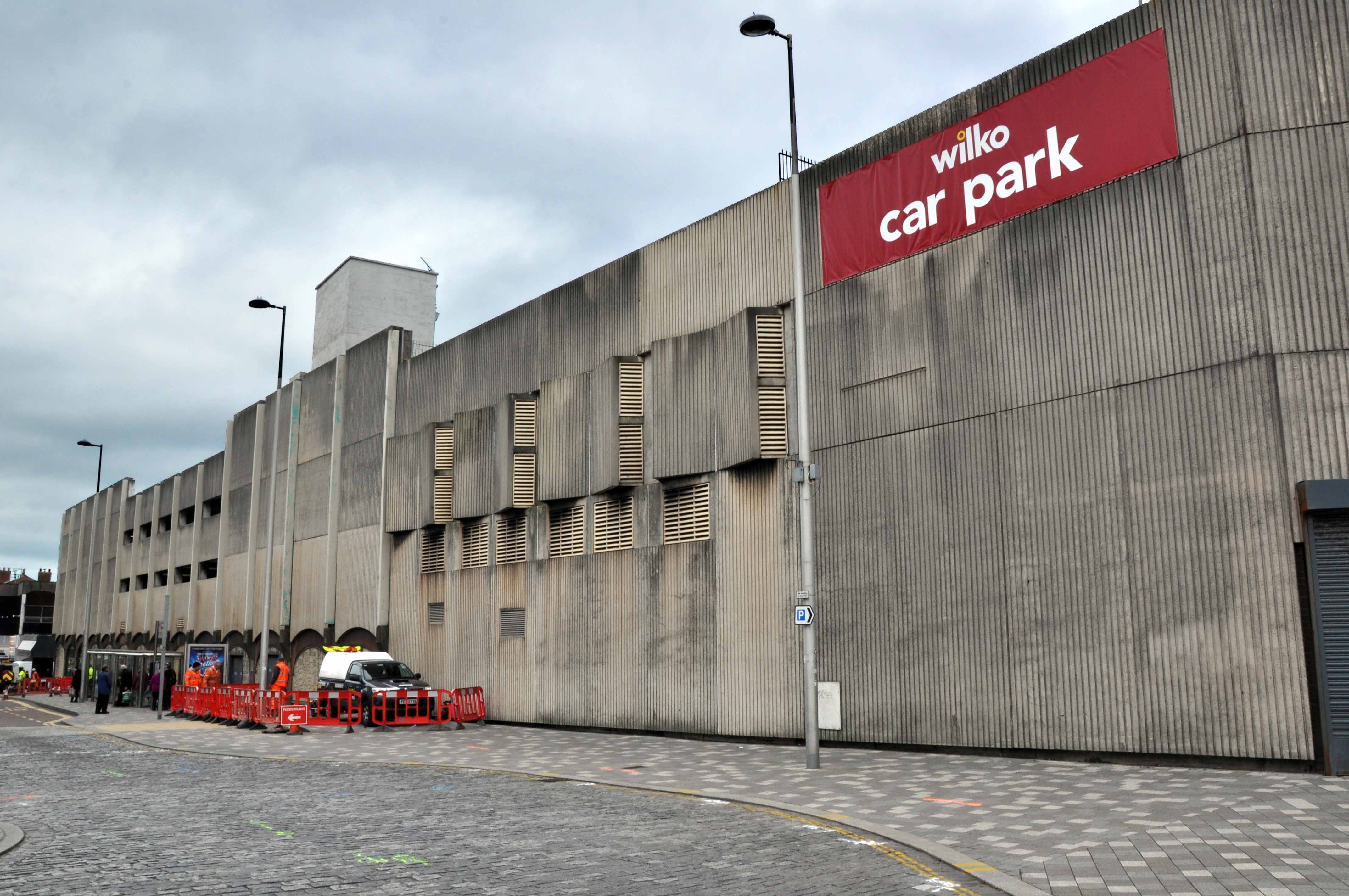
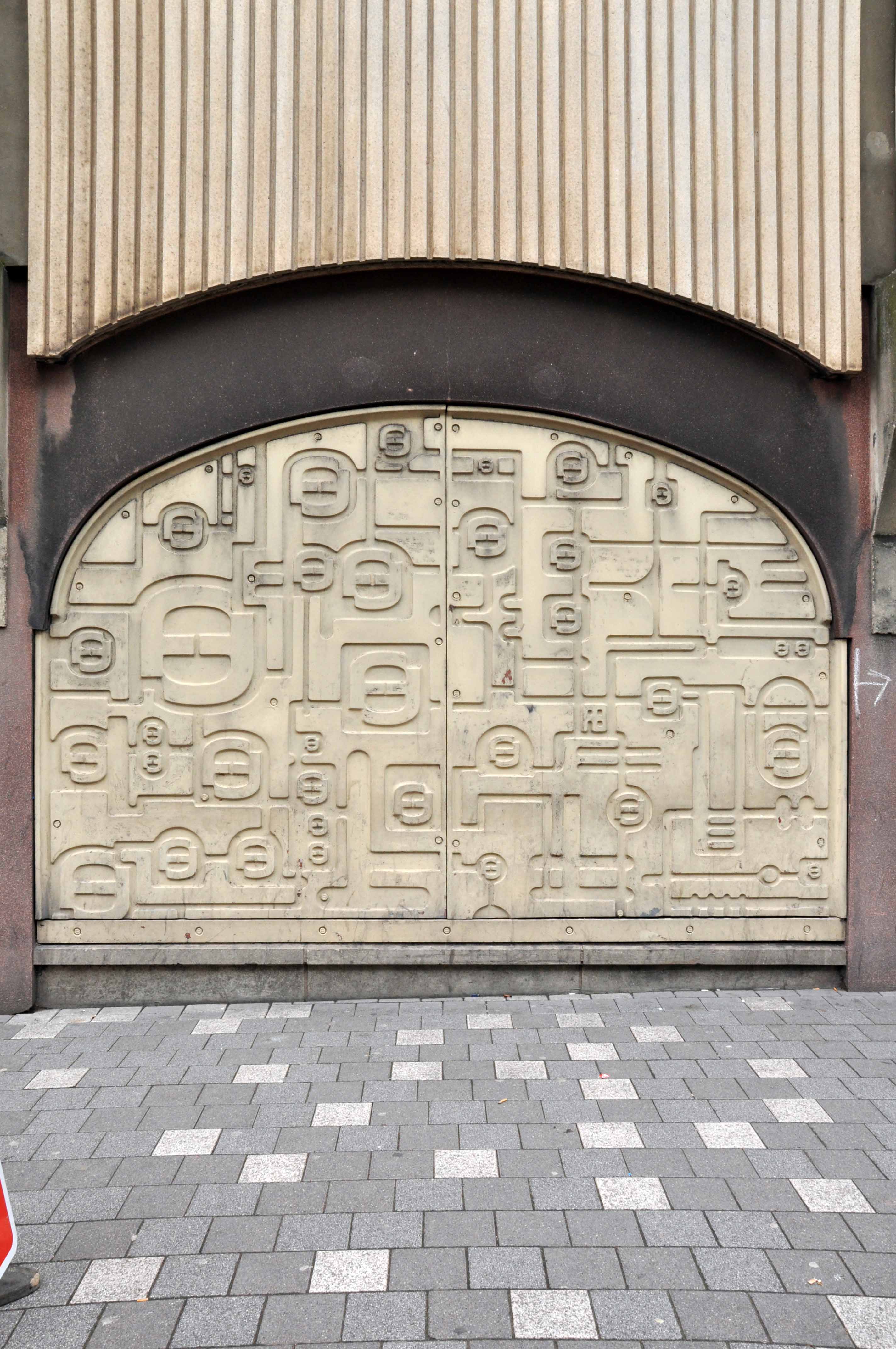
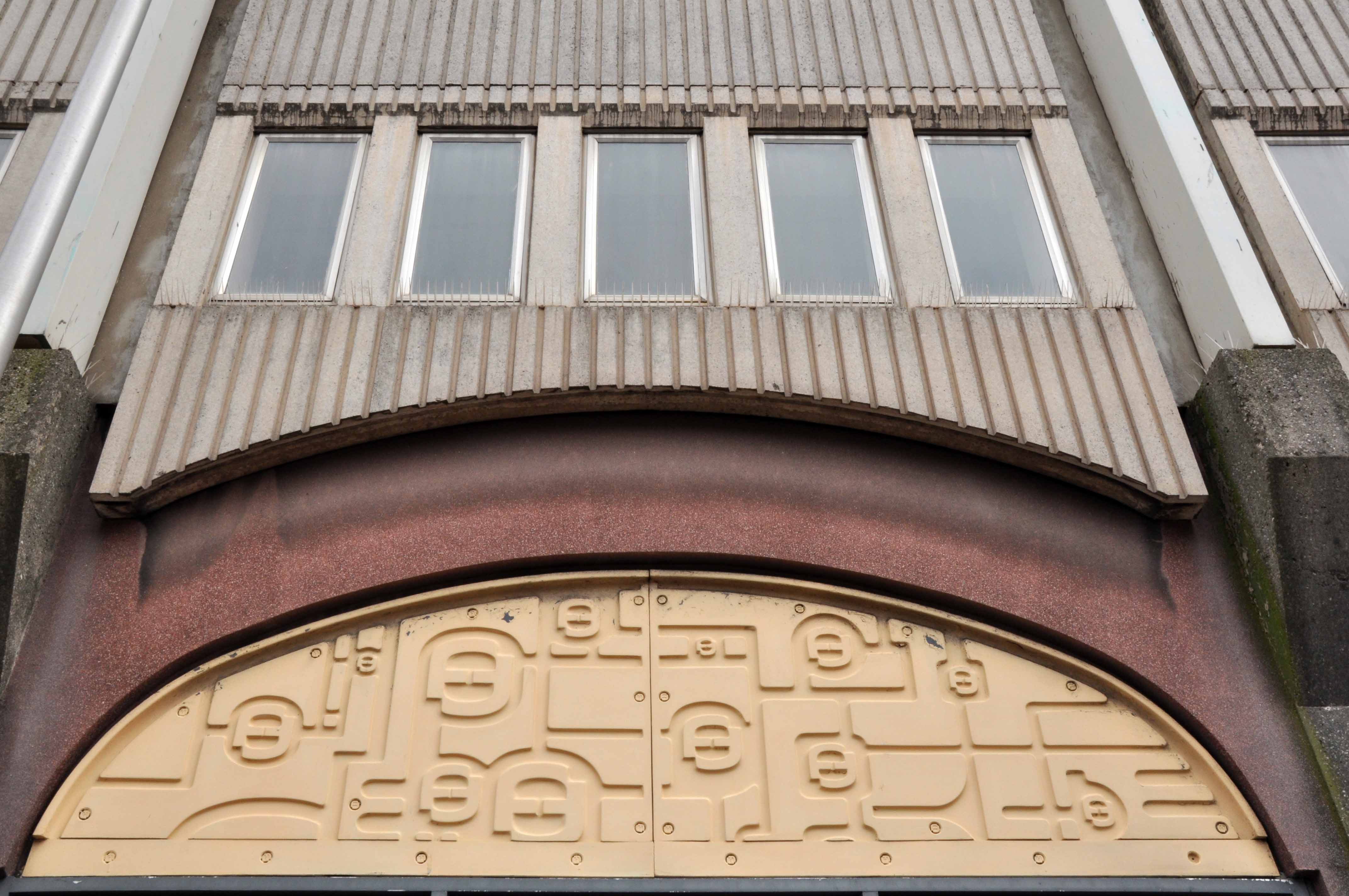
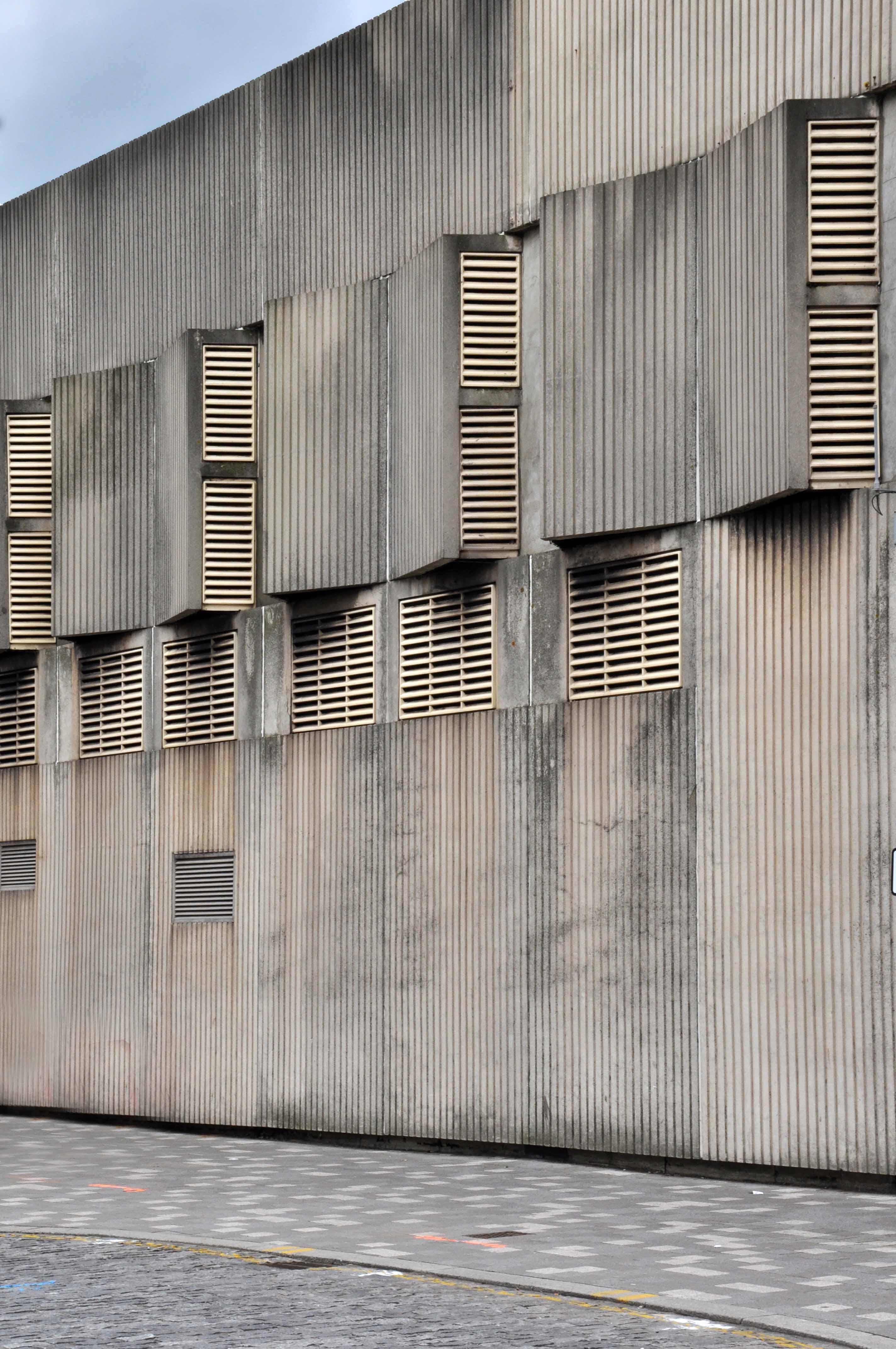
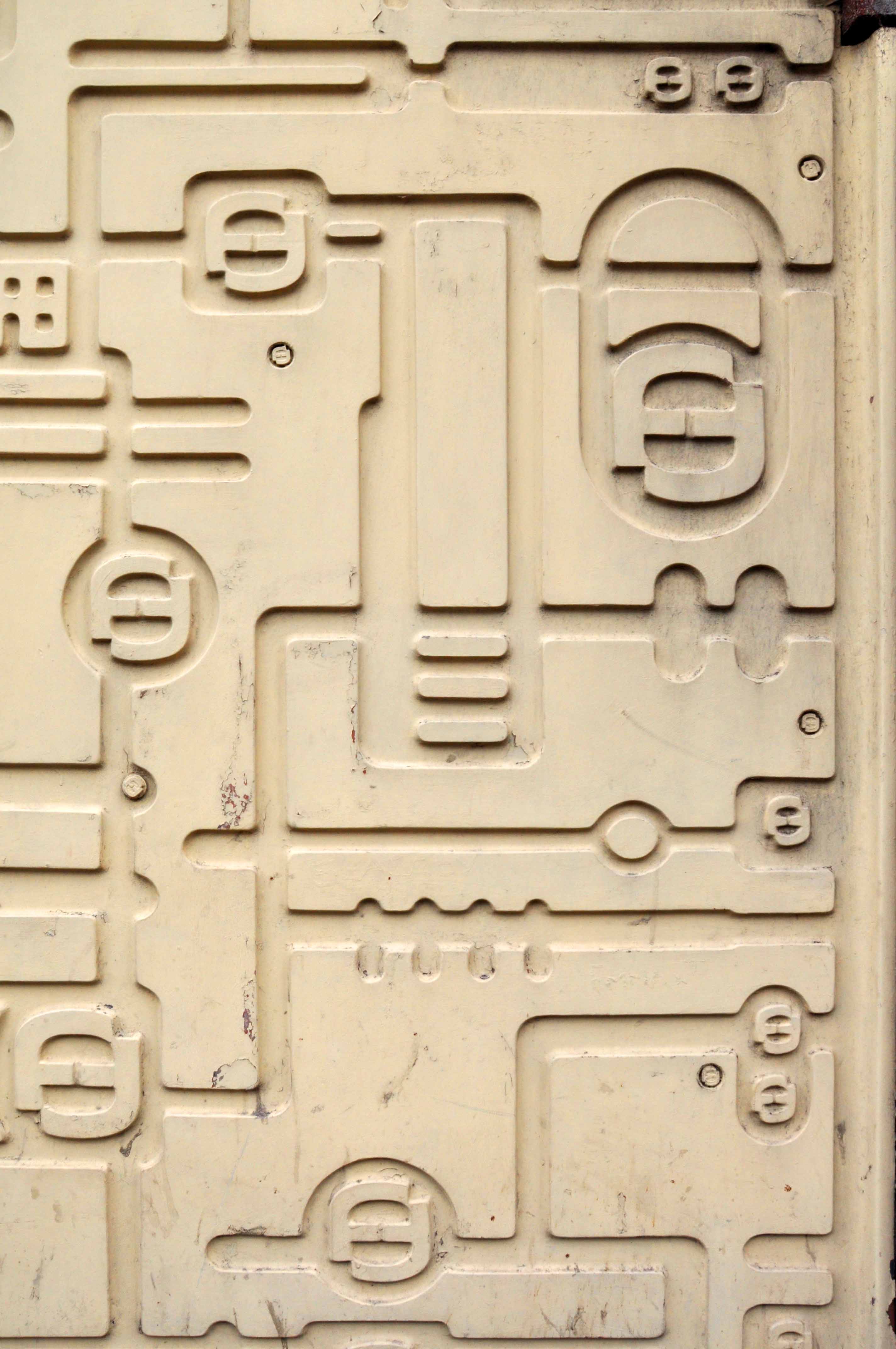
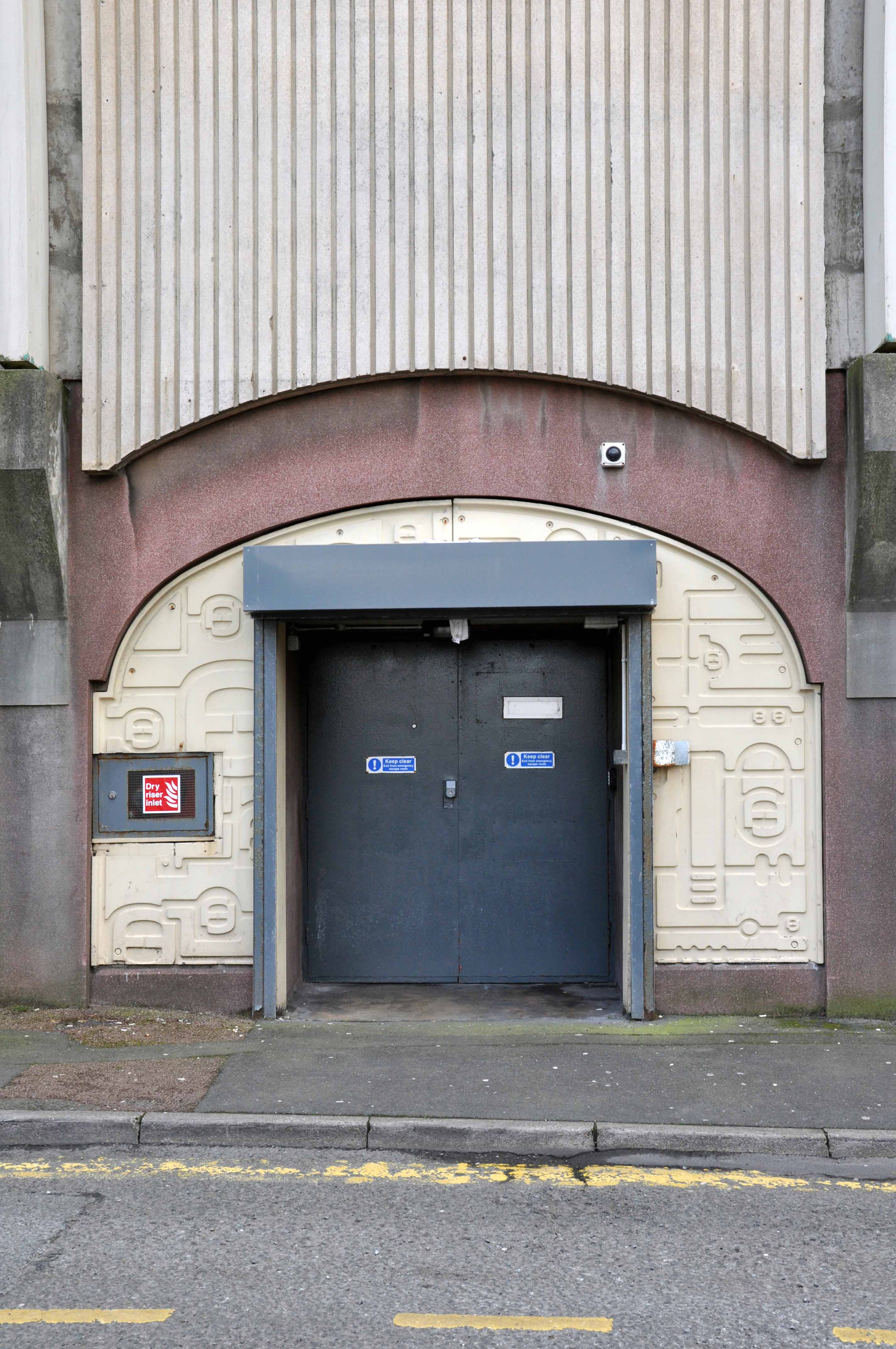
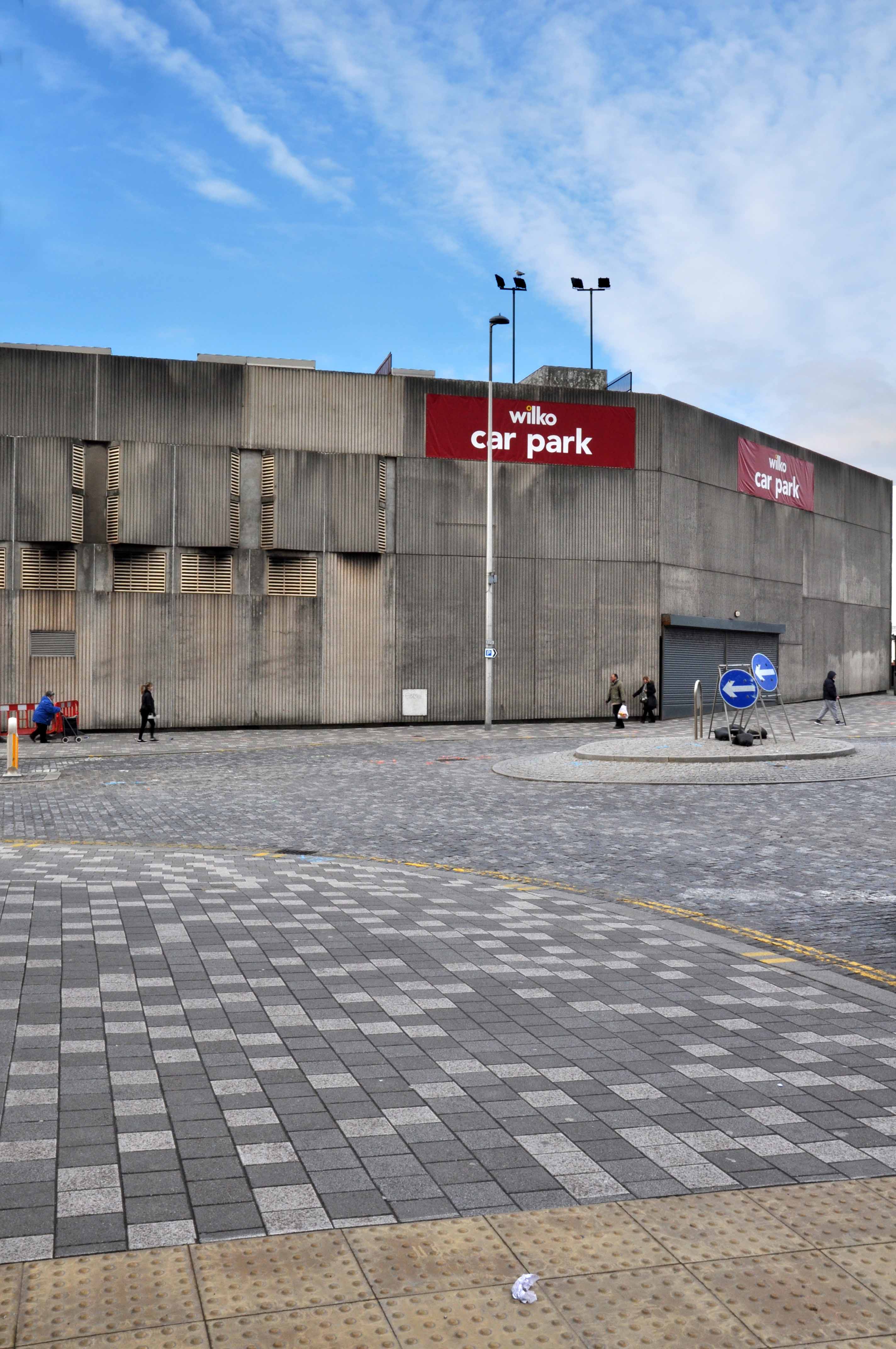
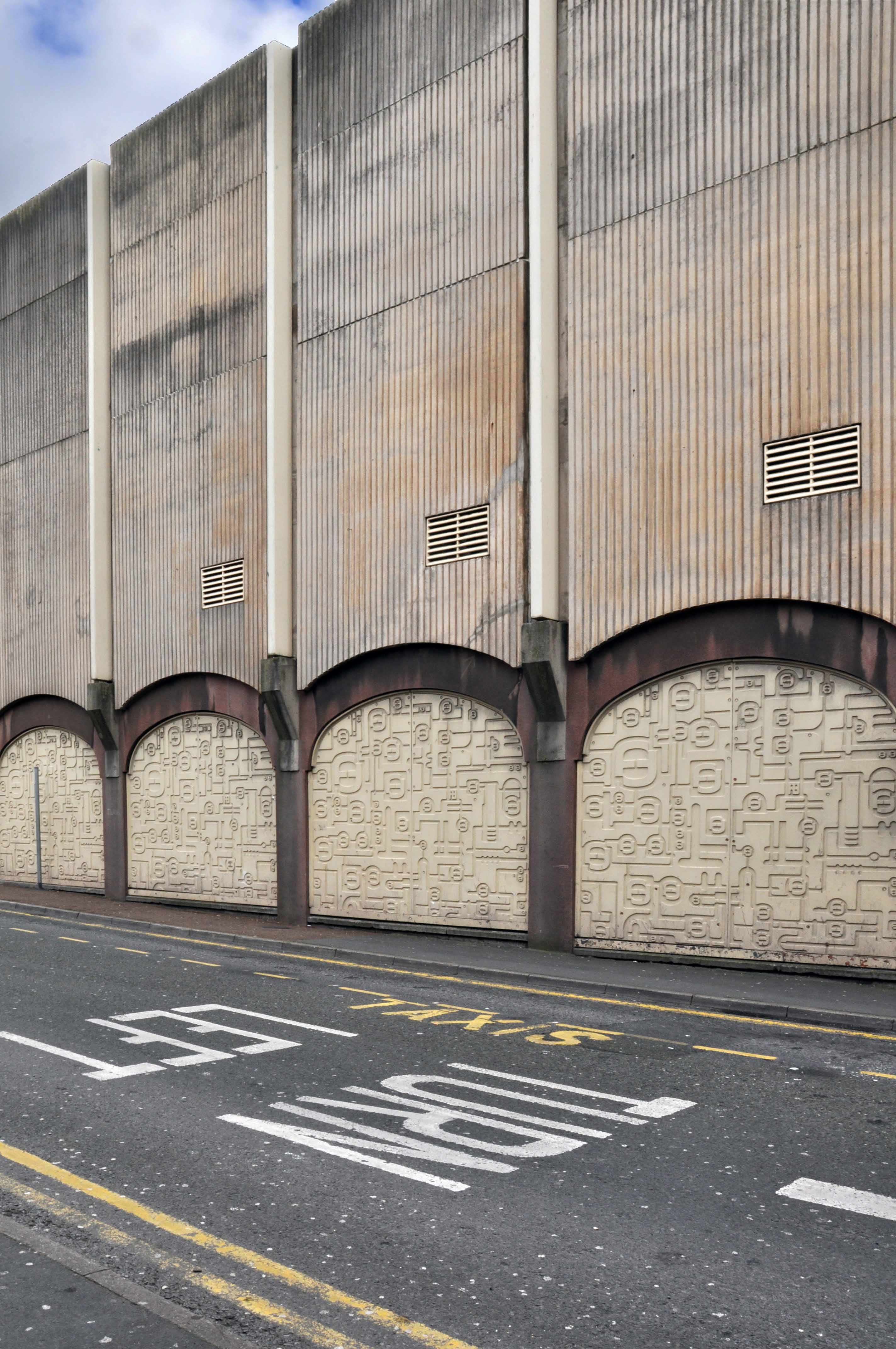
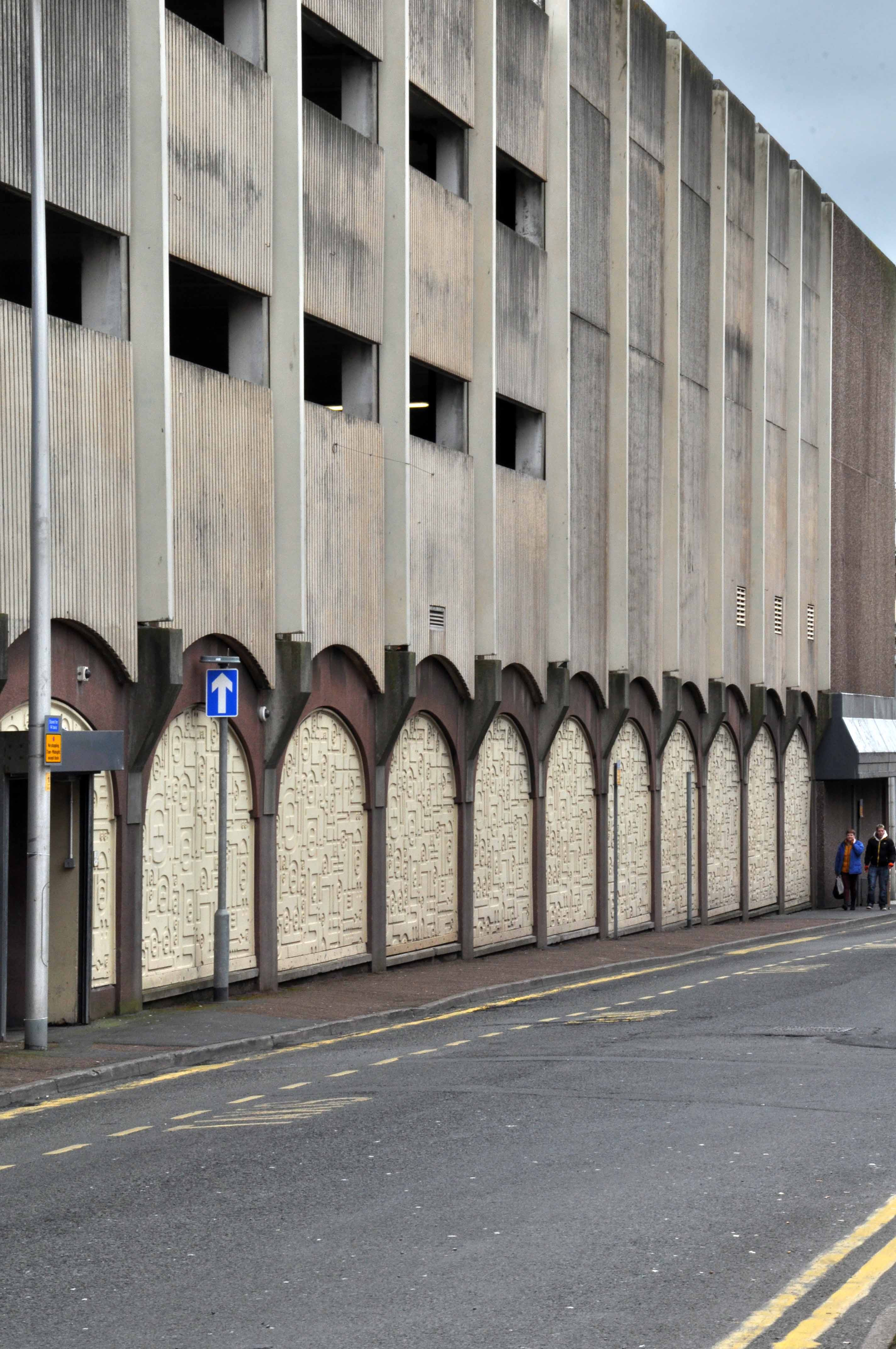
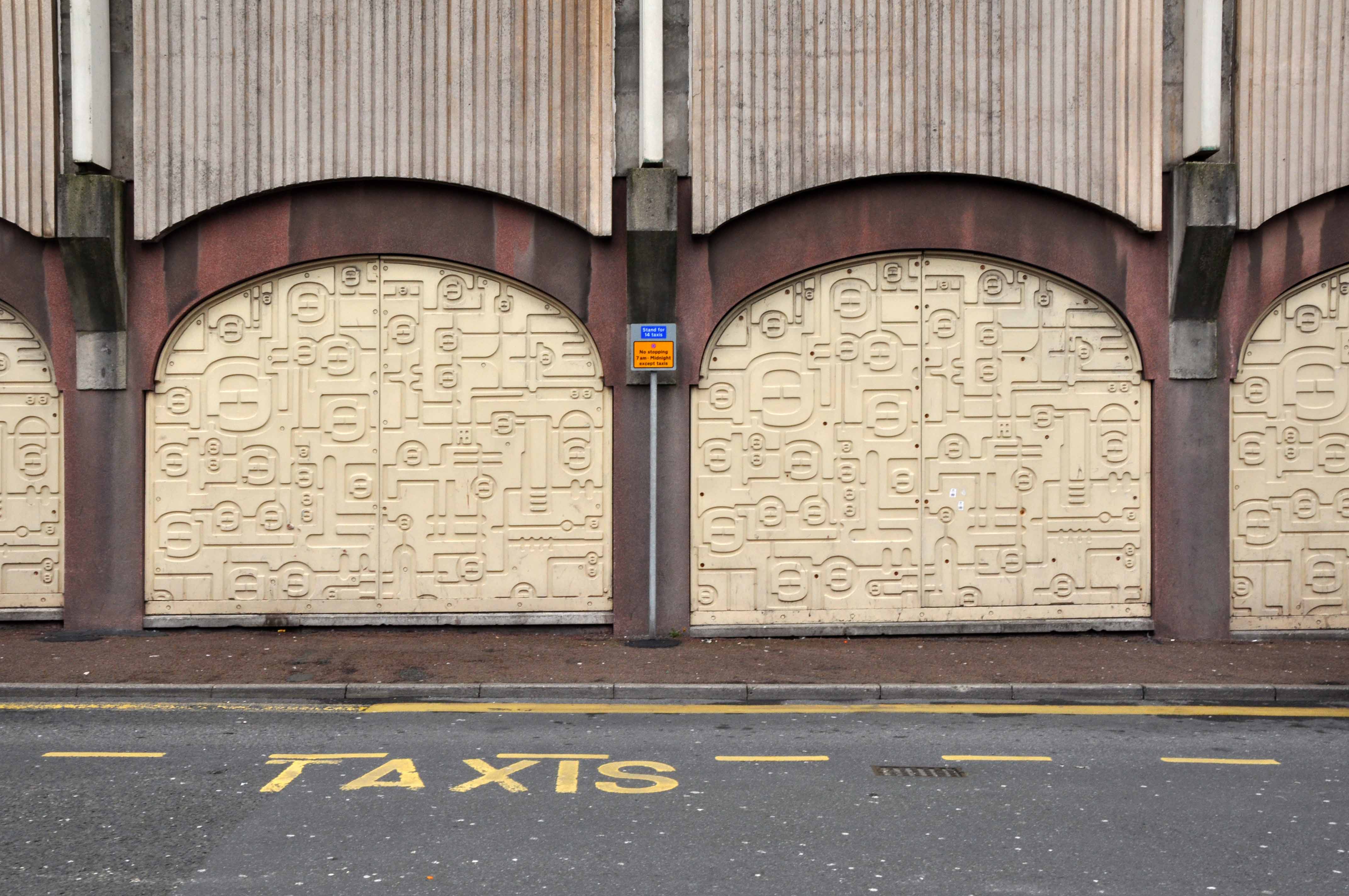
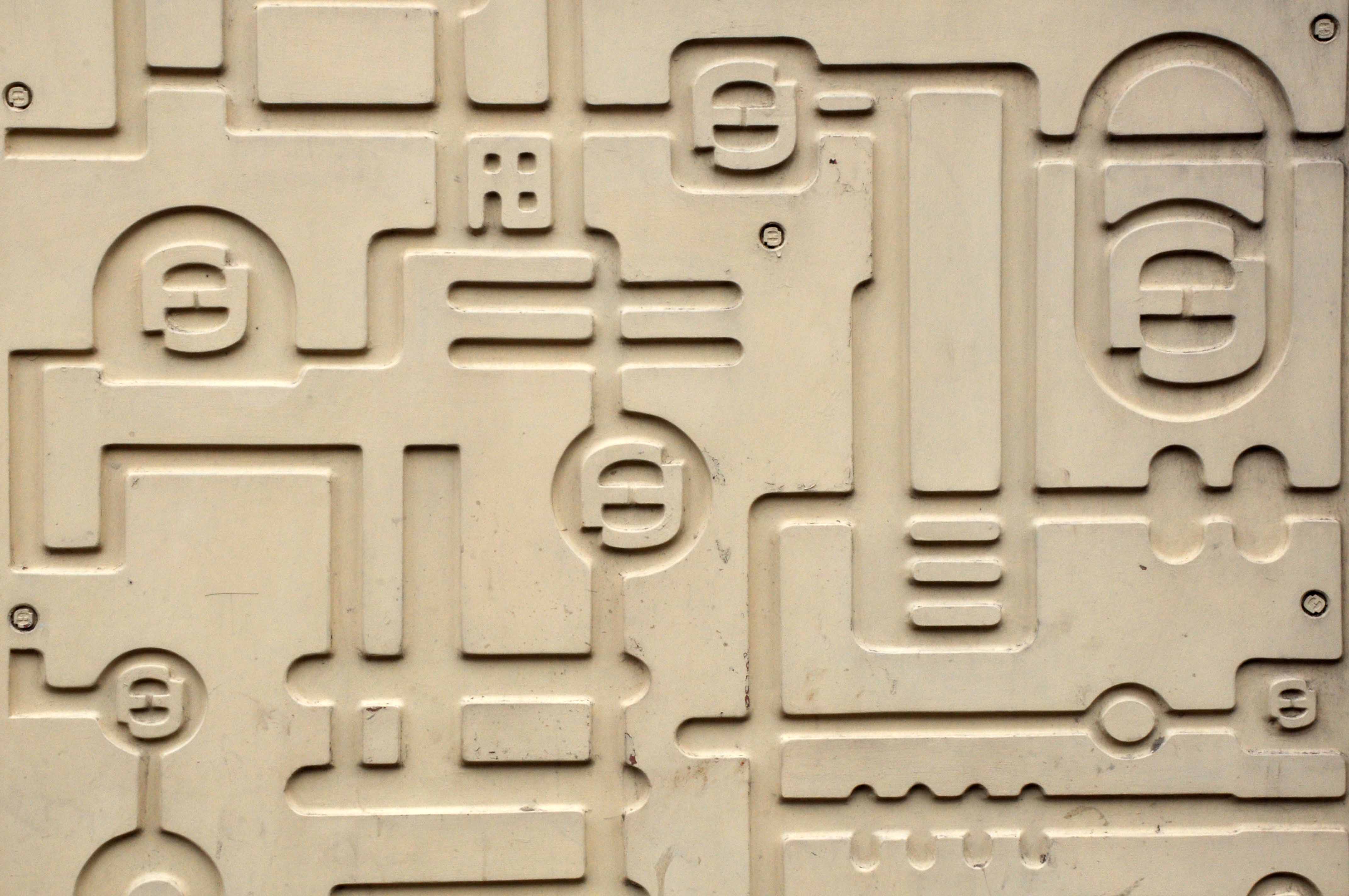
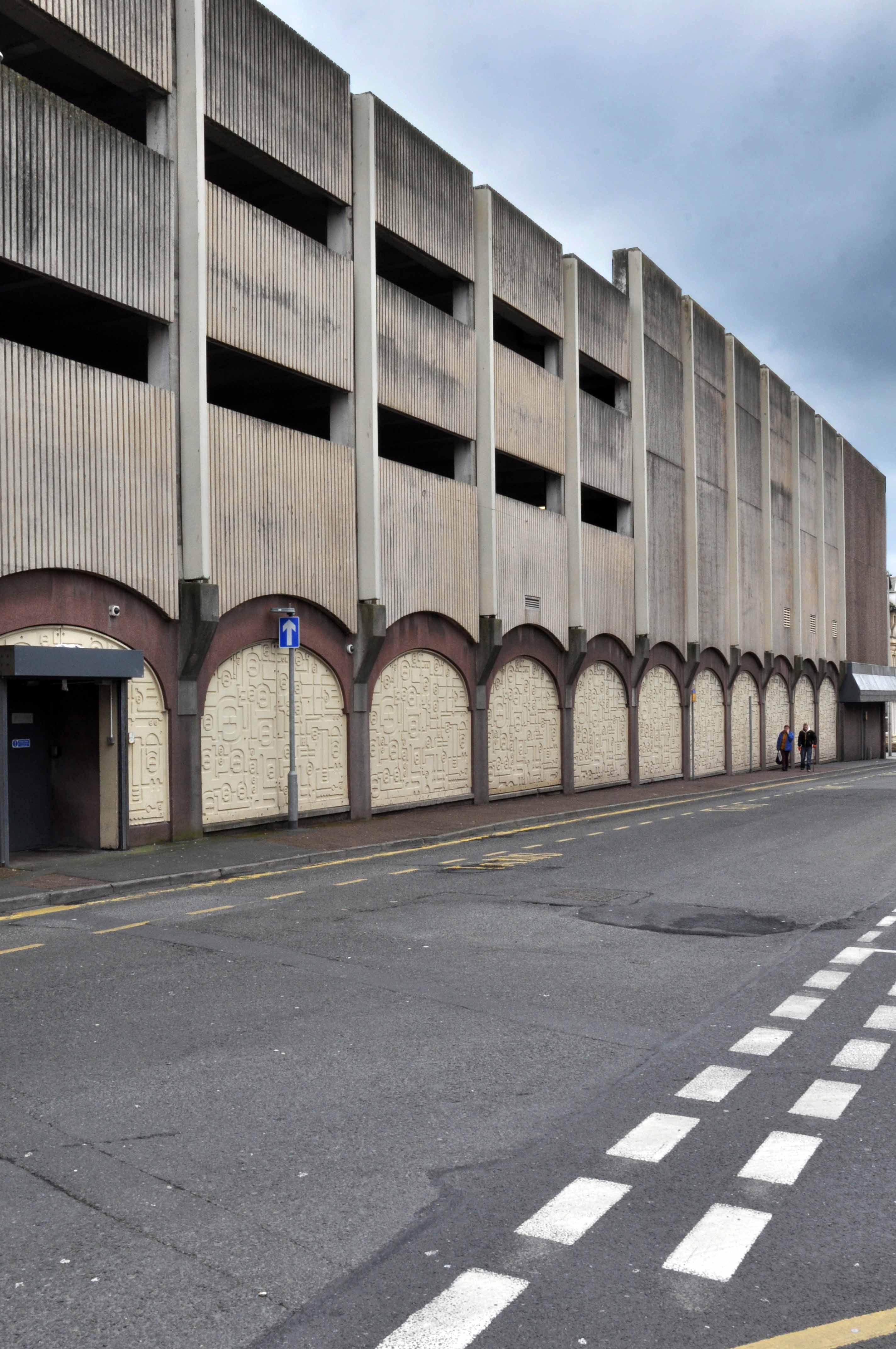
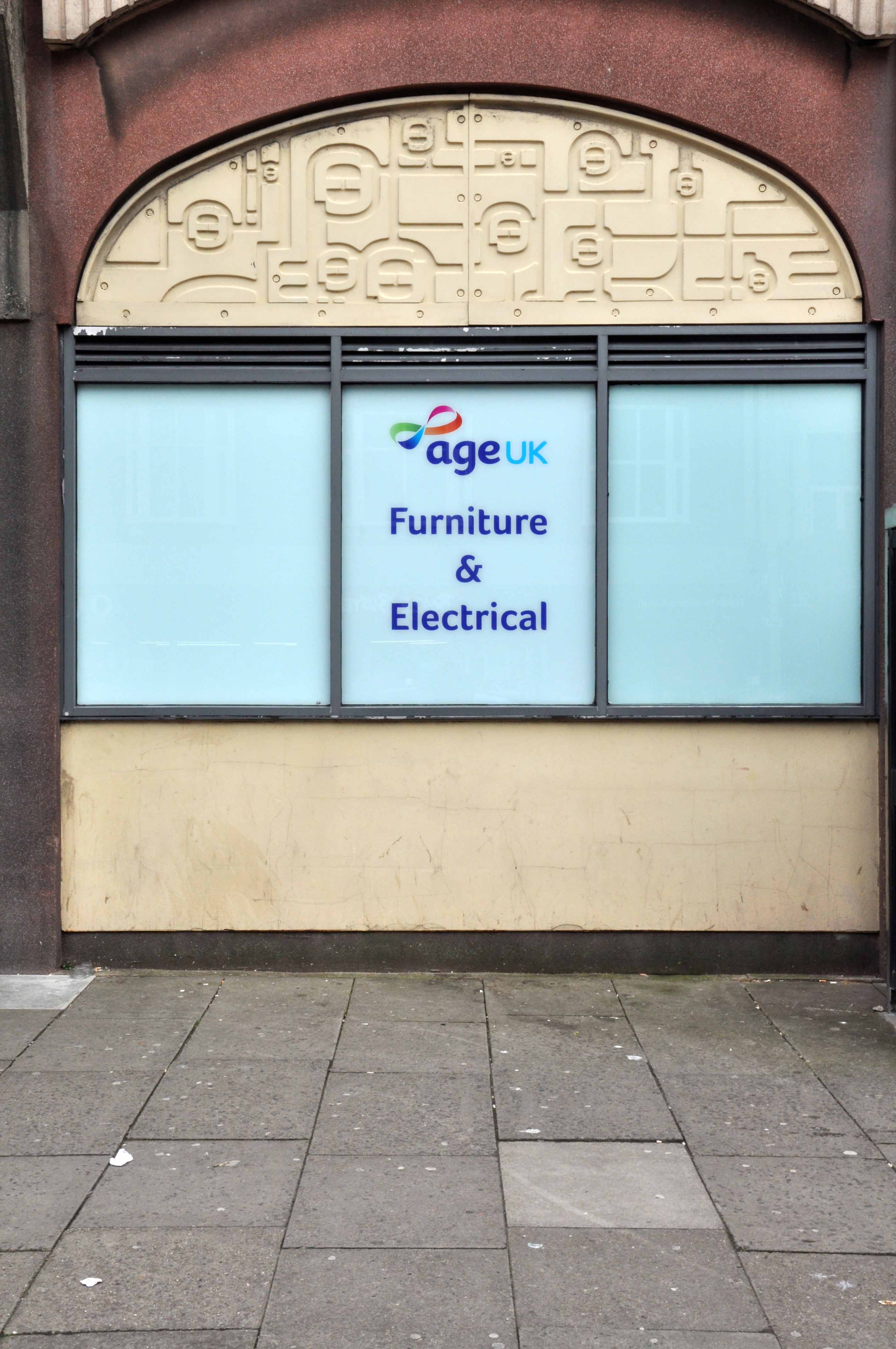
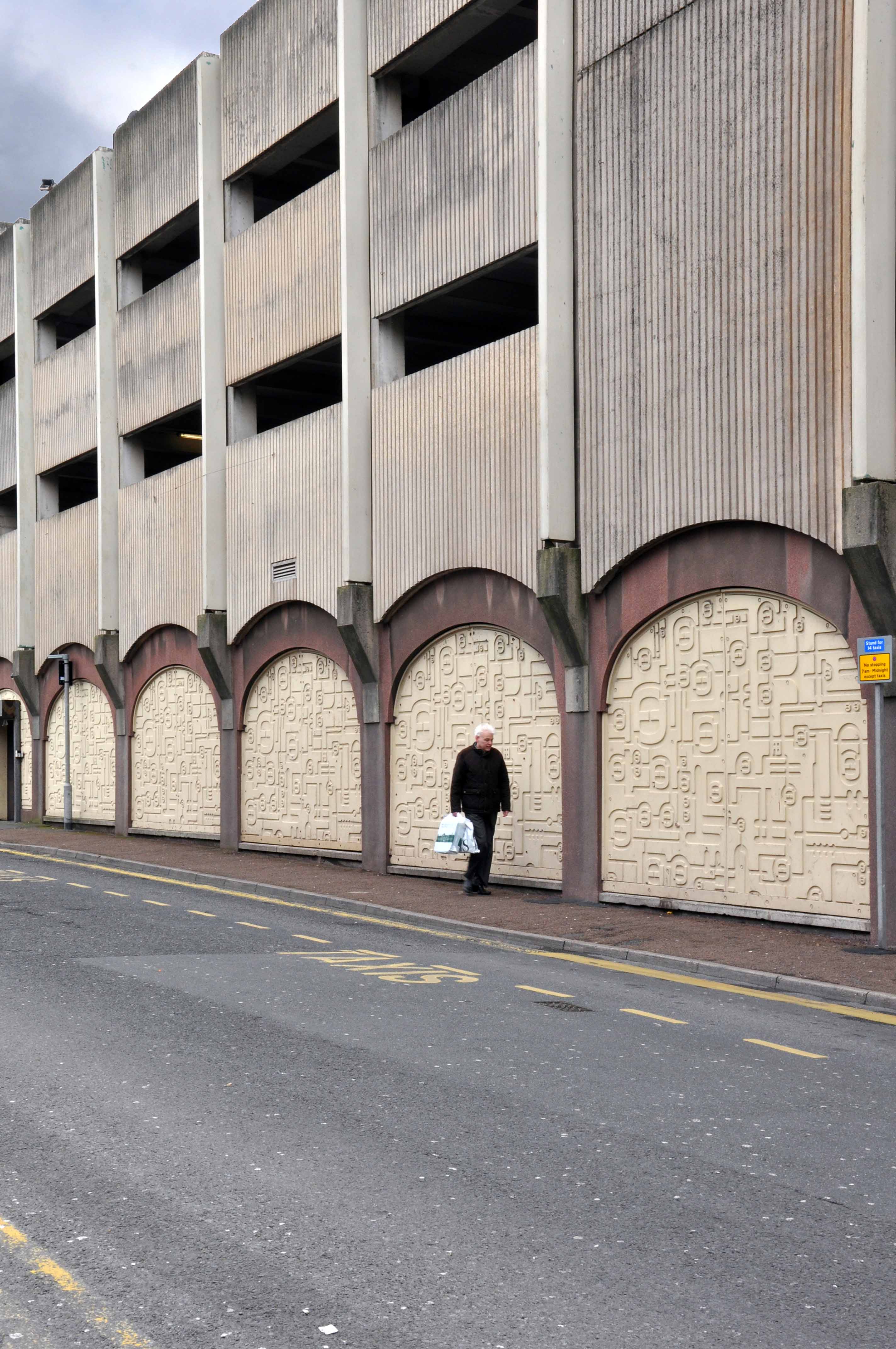
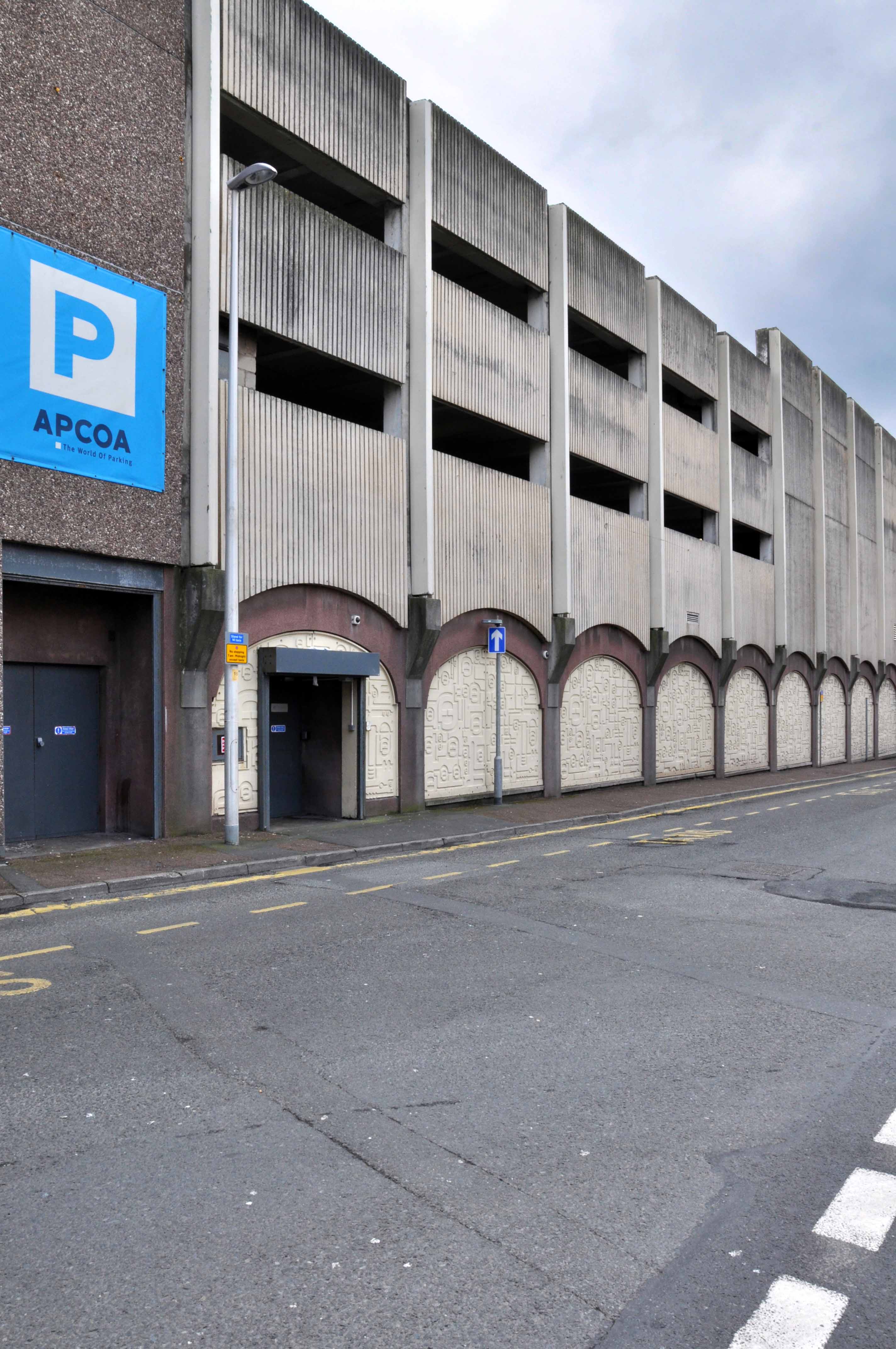
Subsequently Fine Fare arrives with a fanfare of moulded plastic panels, and cast concrete walls.
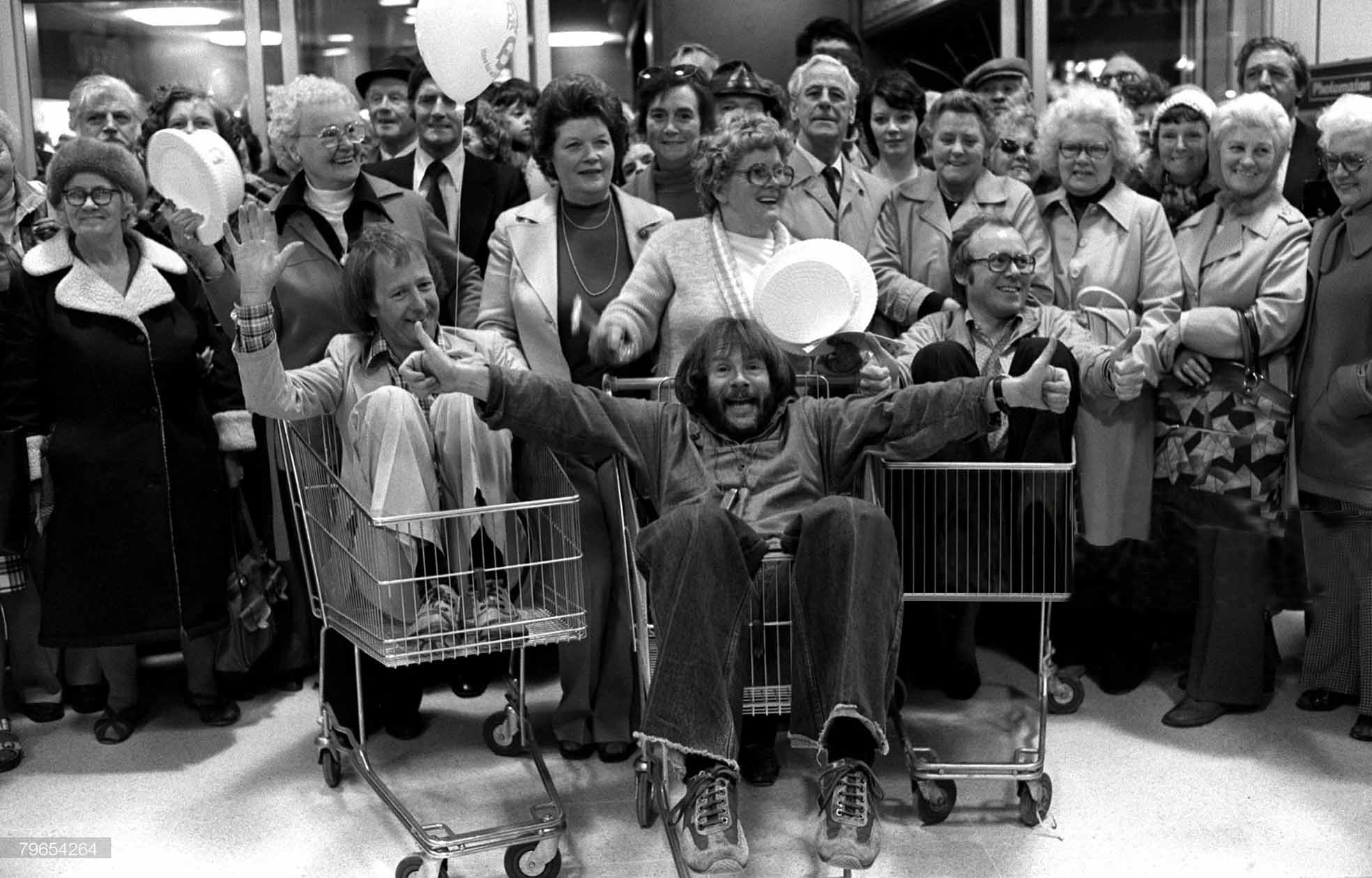
Opened on May 22nd 1979 by the Goodies.
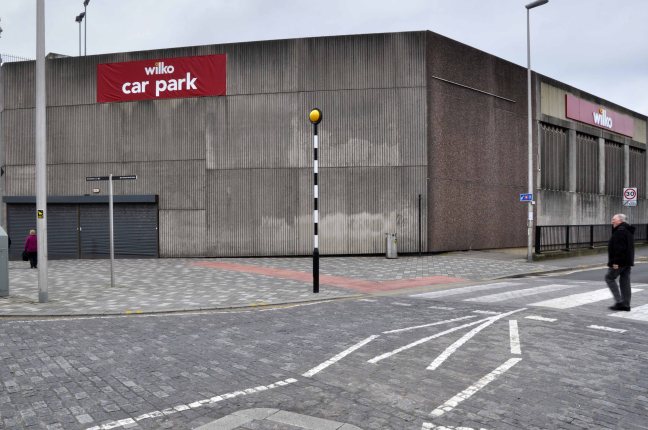
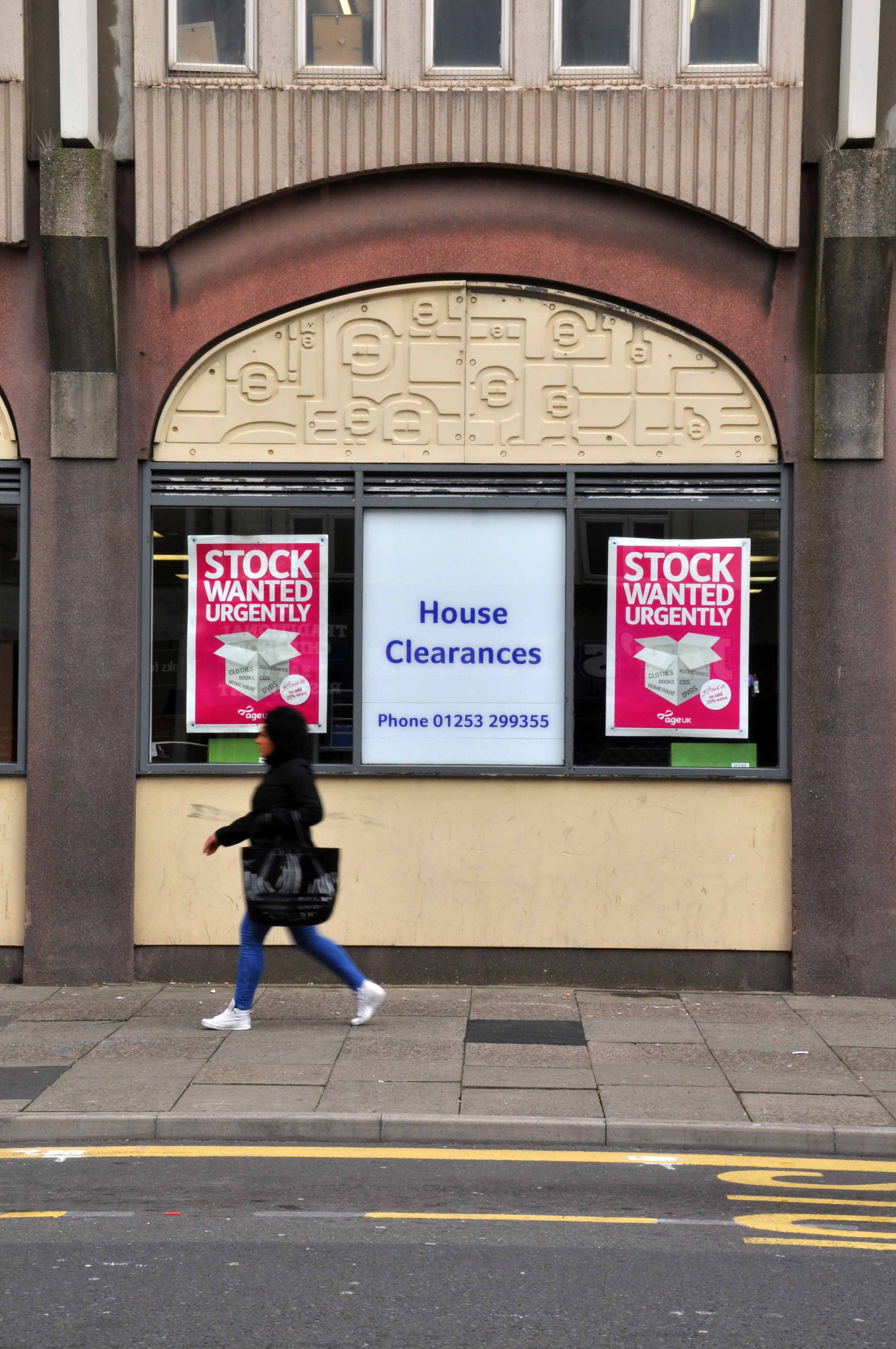
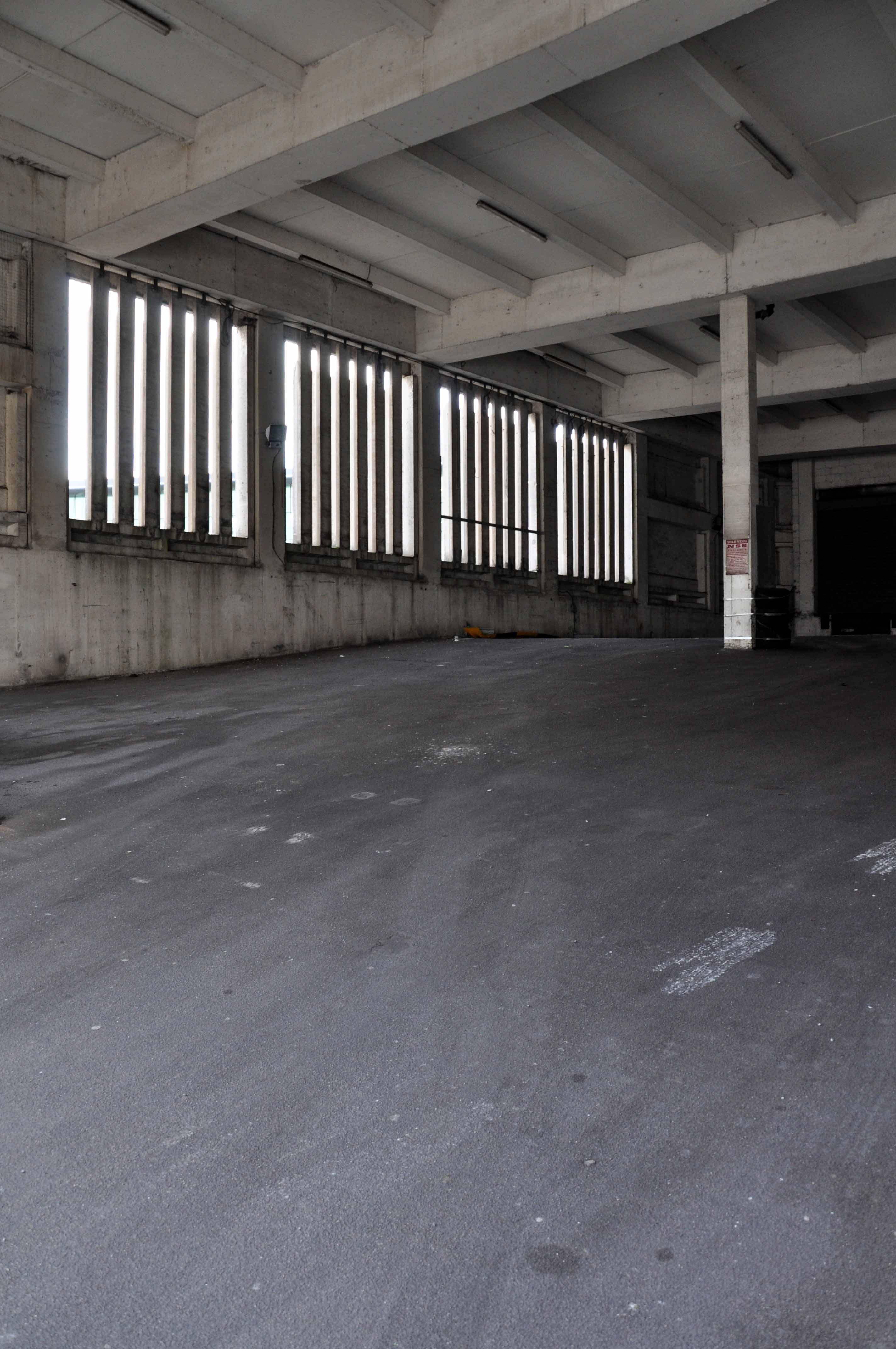
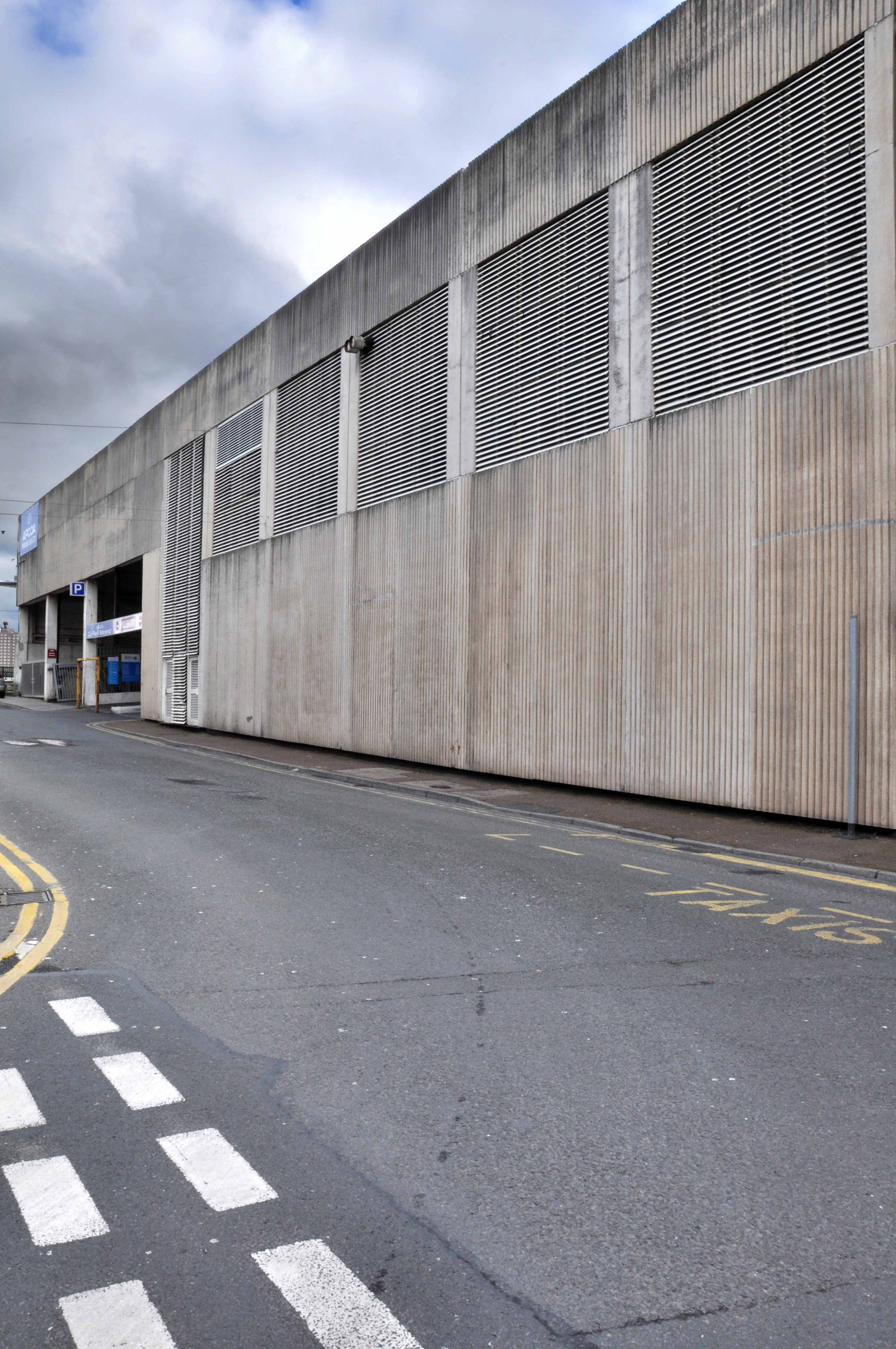
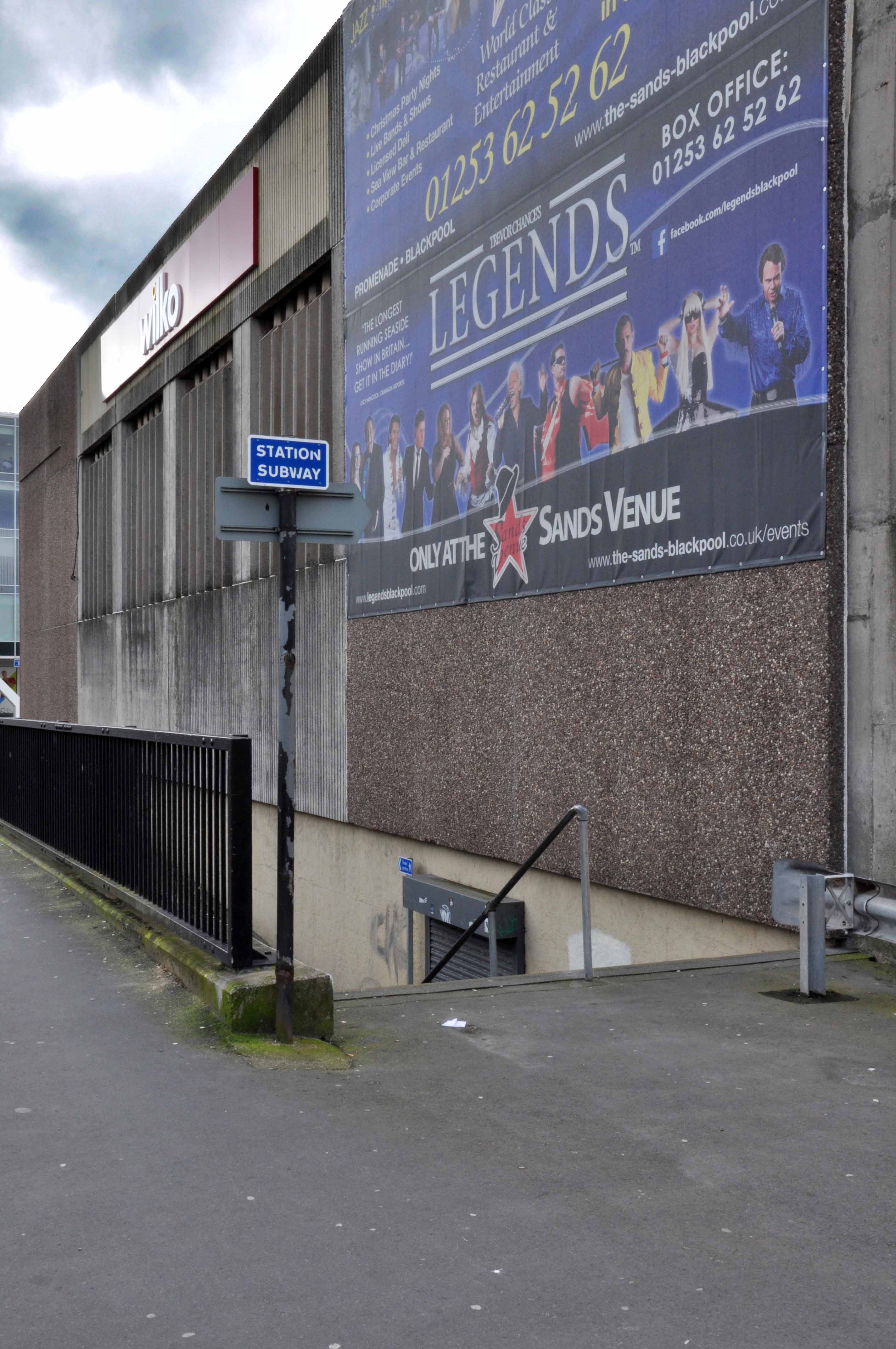
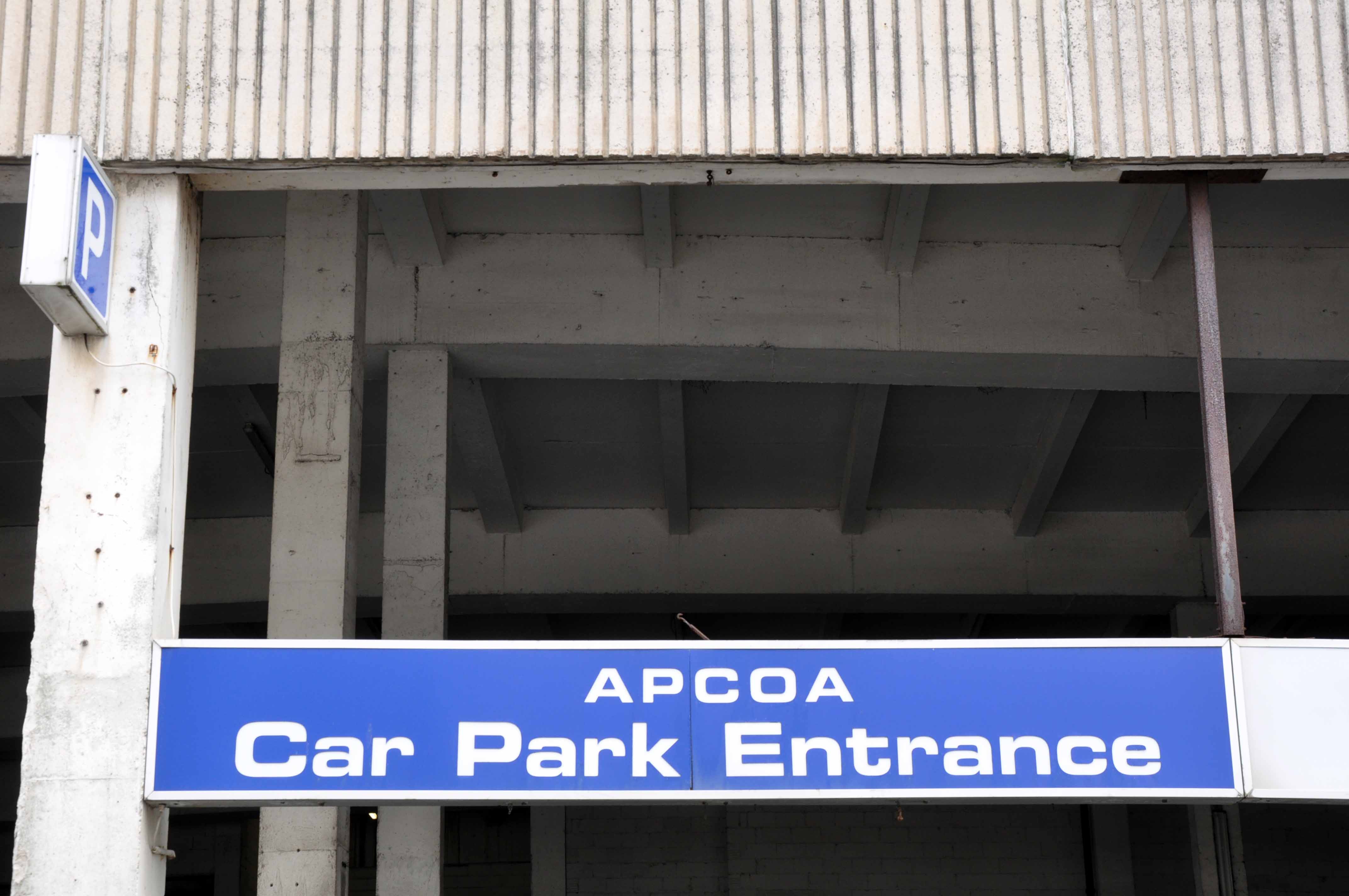
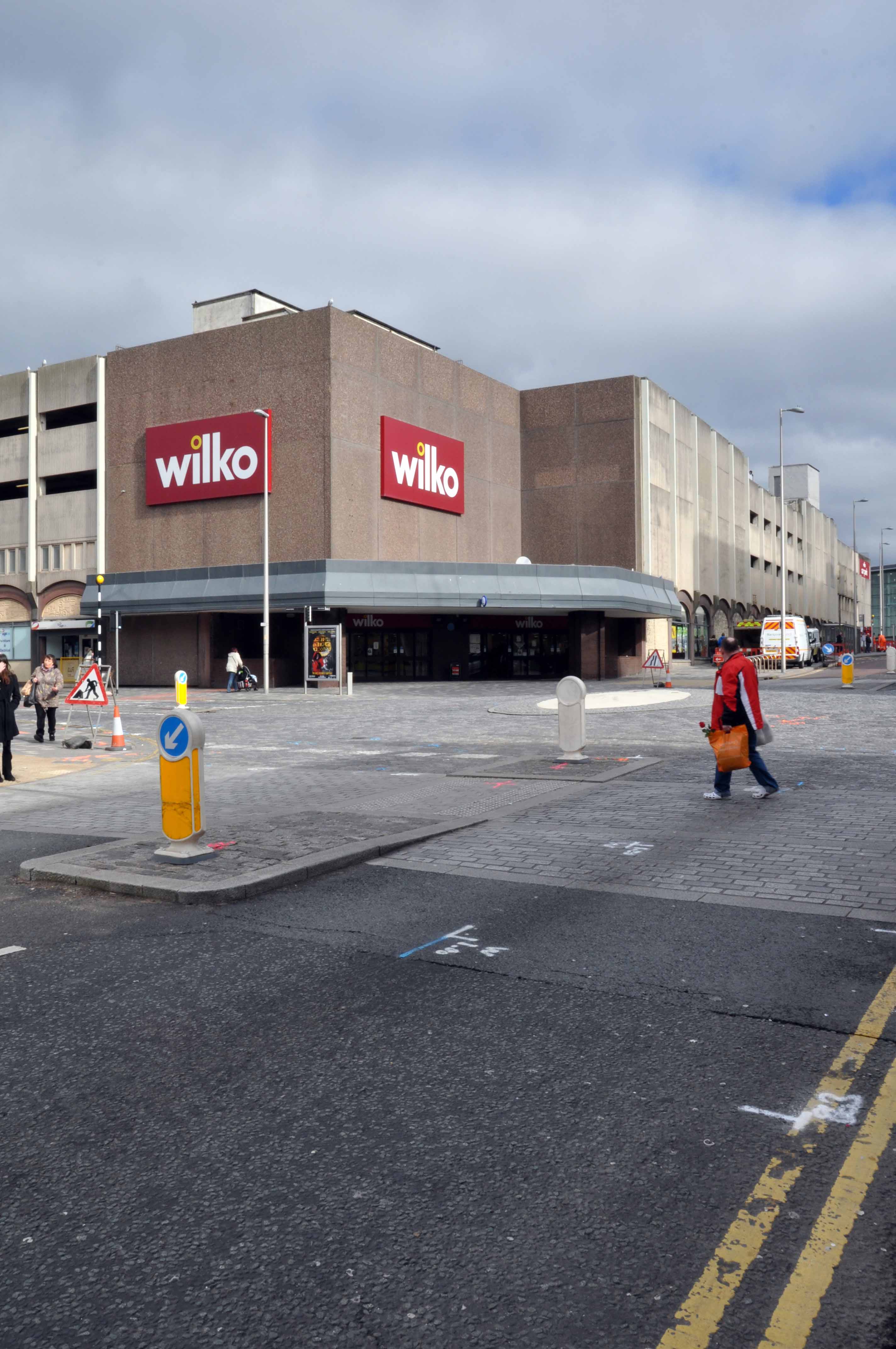
Superseded by Food Giant, Gateway, Dunnes Stores, Kwik Save and Somerfields – possibly others, currently Wilkinson’s Wilko Superstore and Age UK, retaining at all times the attractive integral car park.
Wilko is now to be relocated and the site redeveloped as part of the second phase of the £220m Talbot Gateway – whereby trams will link the promenade with the Station.
Possibly.
The tale is the typical mix of Council, Developer on/off, binary obfuscation, secrecy, smoke and mirrors.
Councillor Fred Jackson says:
“We are in talks with our development partner Muse but there is a confidentiality agreement so there is very little I can say.”
Whatever the outcome I do hope the panels are saved, having notified Historic England several weeks ago, I eagerly await their hurried and considered response…
In the meantime get y’self on the choo-choo to Blackpool North toot sweet, and have a gander at a fine Fine Fare plastic panel or two, before you can’t.
I’ve been here before, innocently snapping – without incident.
A super-large Roger Booth cop shop and courts, concrete combo.
So why not go back just one last time, prior to demolition and redevelopment.
So I did.
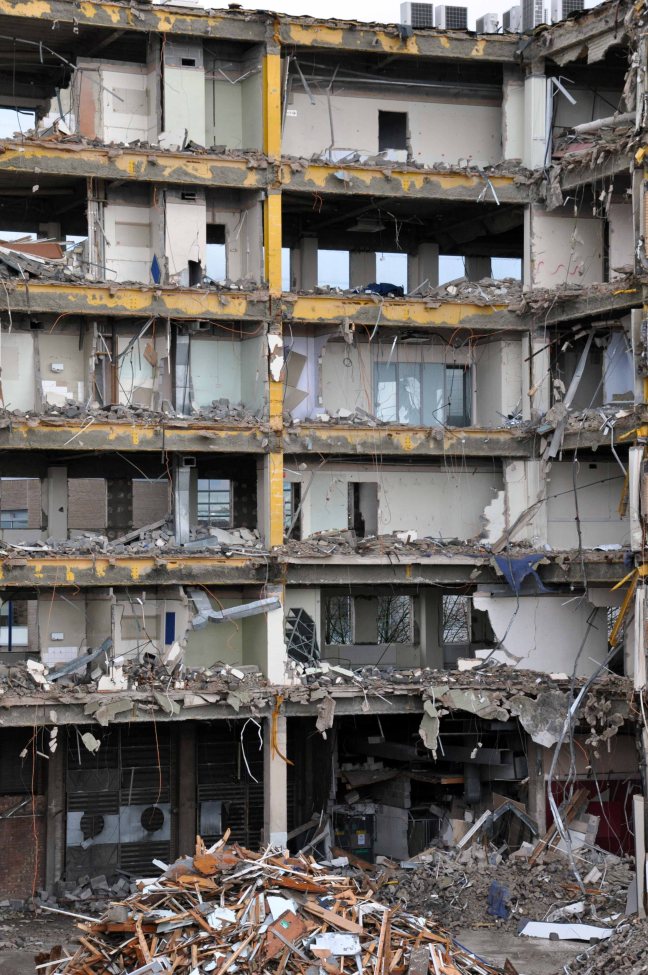
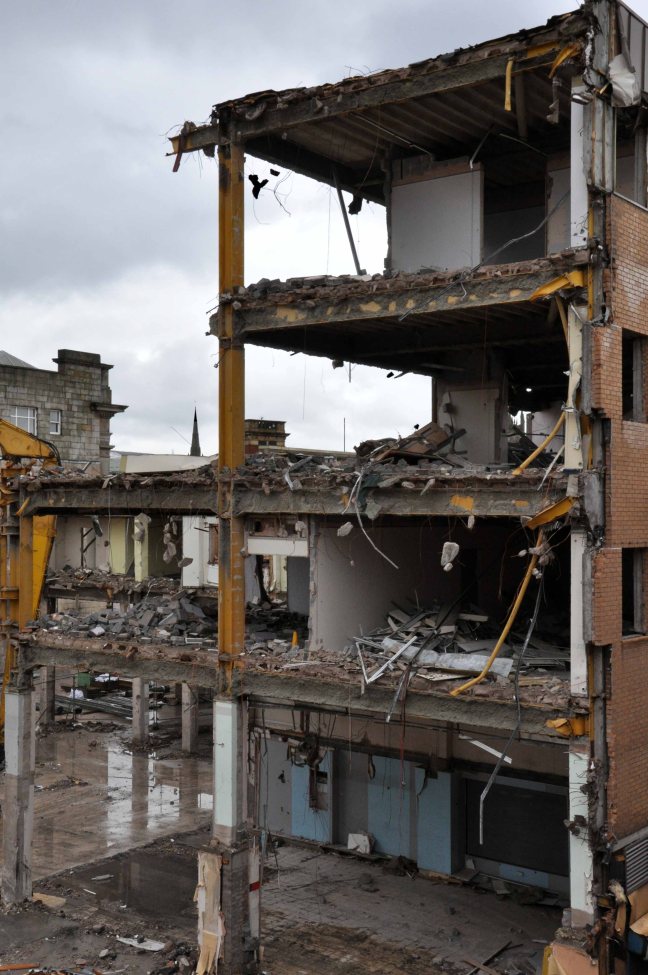
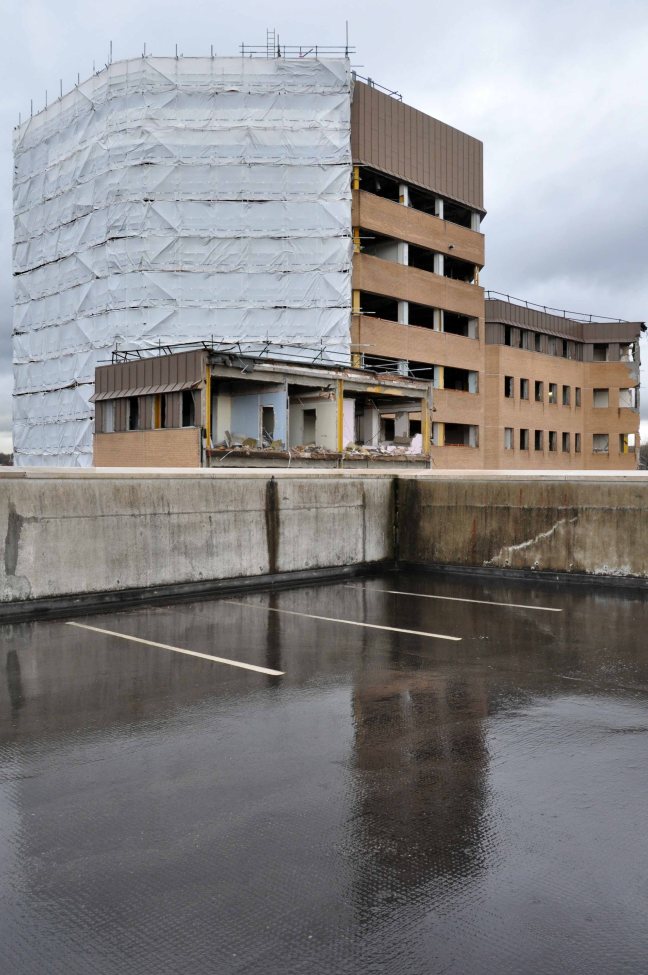
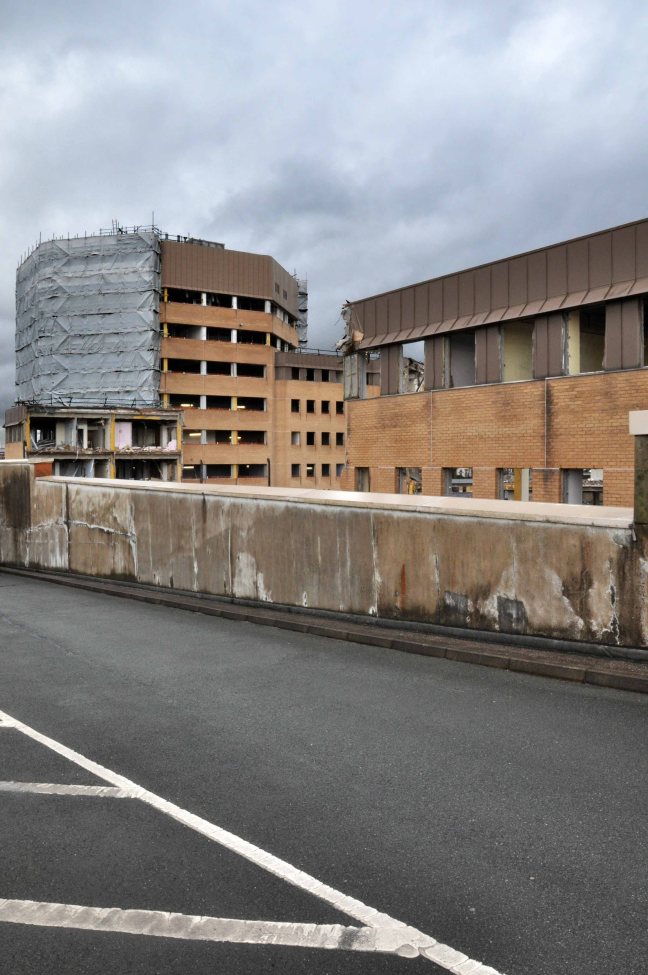
Following the acquisition and demolition of Progress House the Bonny Street Station is to be relocated, and the former site, under the ownership of Blackpool Council, set to become who knows what – who knows?
Progress House, Clifton Road, Marton.
The Council knows, it plans to develop a new site for the defunct Central Rail Station
A giant of the steam age that became a car park
It is 50 years since Central Railway Station closed with the land being used for a car park ever since. It was proposed as the site for the super-casino until that bid failed to win government backing. Since then plans for an indoor snow-based attraction have also failed to make any progress.
Today happily, snow-based attractions are still failing to make any progress.
Blue skies and chill early March air greeted me, across the wind swept, precast concourses and piazzas – warmish grey, against brightish blue.
I simply didn’t expect the boy in blue – ten minutes of light/half hearted interrogation.
“Who, what, why, where are you?”
Responding in a clear concise and non-confrontational manner, I was free to go about my legal business, taking these pictures for you.
The things that you see from a passing train, those things that arouse your curiosity.
Blackpool bound, to the left a horizontal slab on stilts.
Well, well.
Whatever could that be?
Well we shall see, shall we?
Some days later alighting at Preston Station, I hotfooted it hurriedly down the road to who knows where.
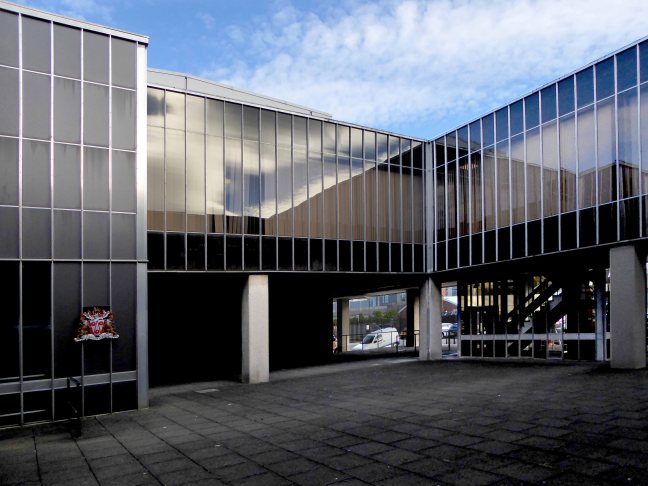
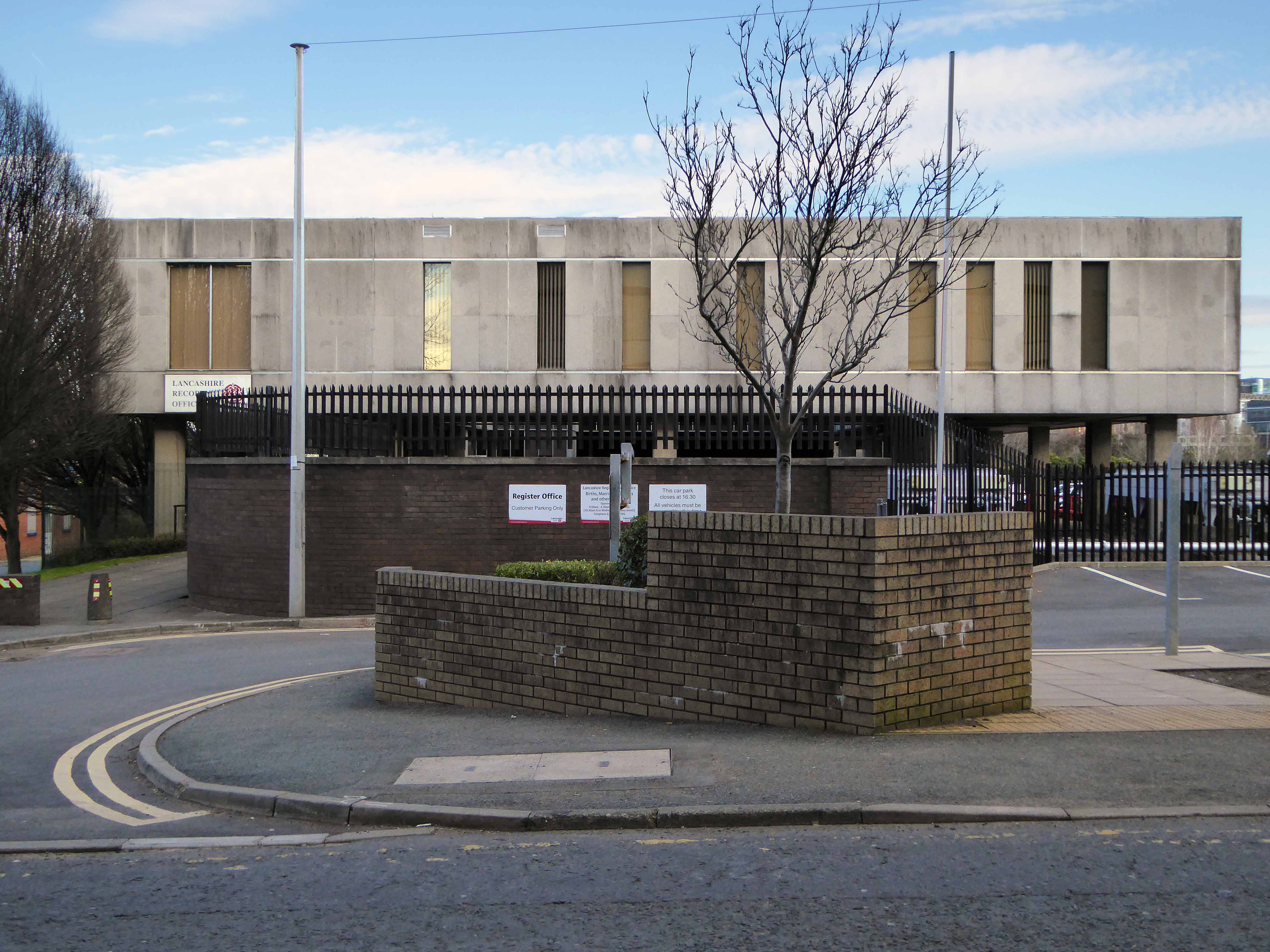
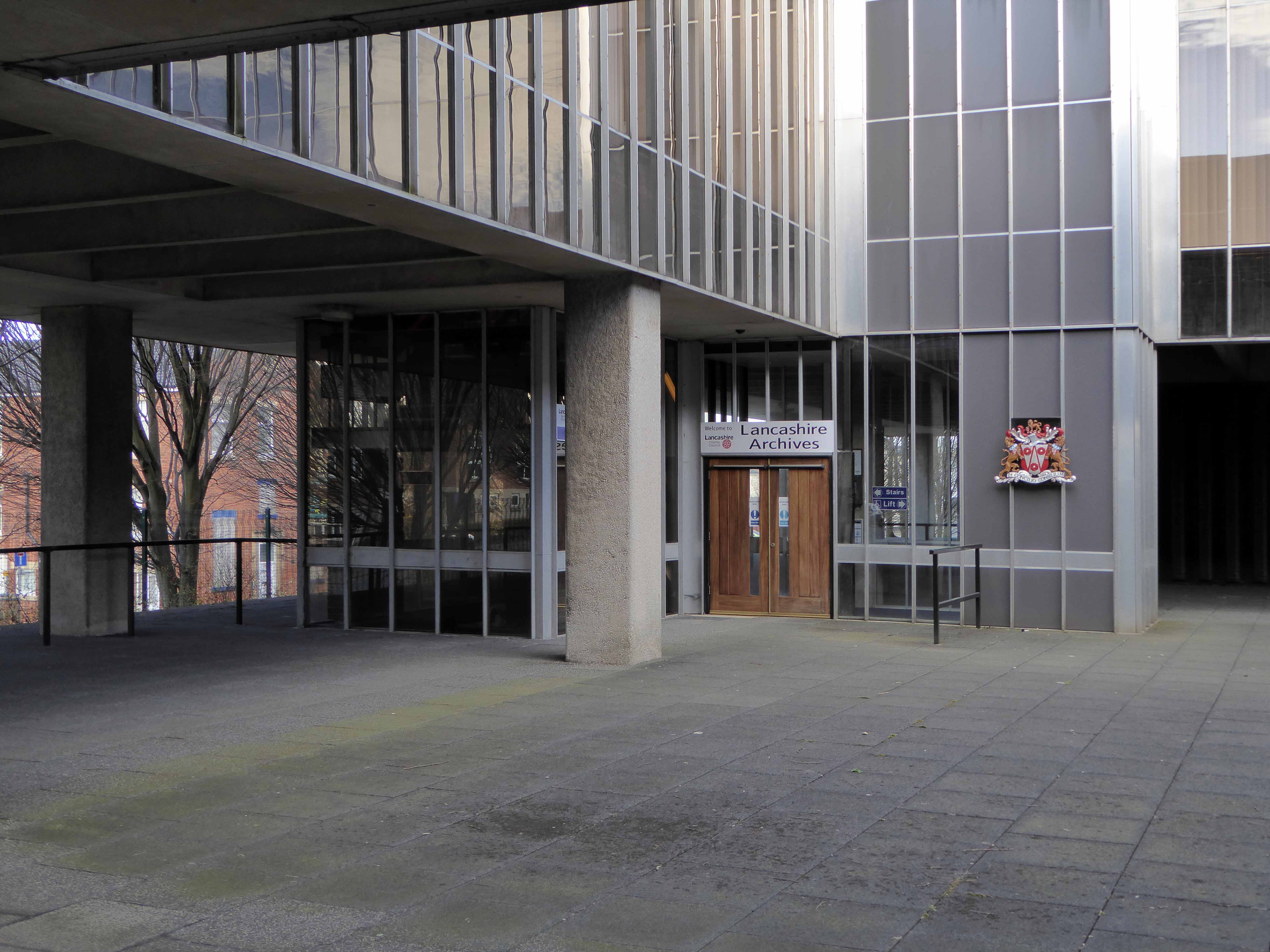
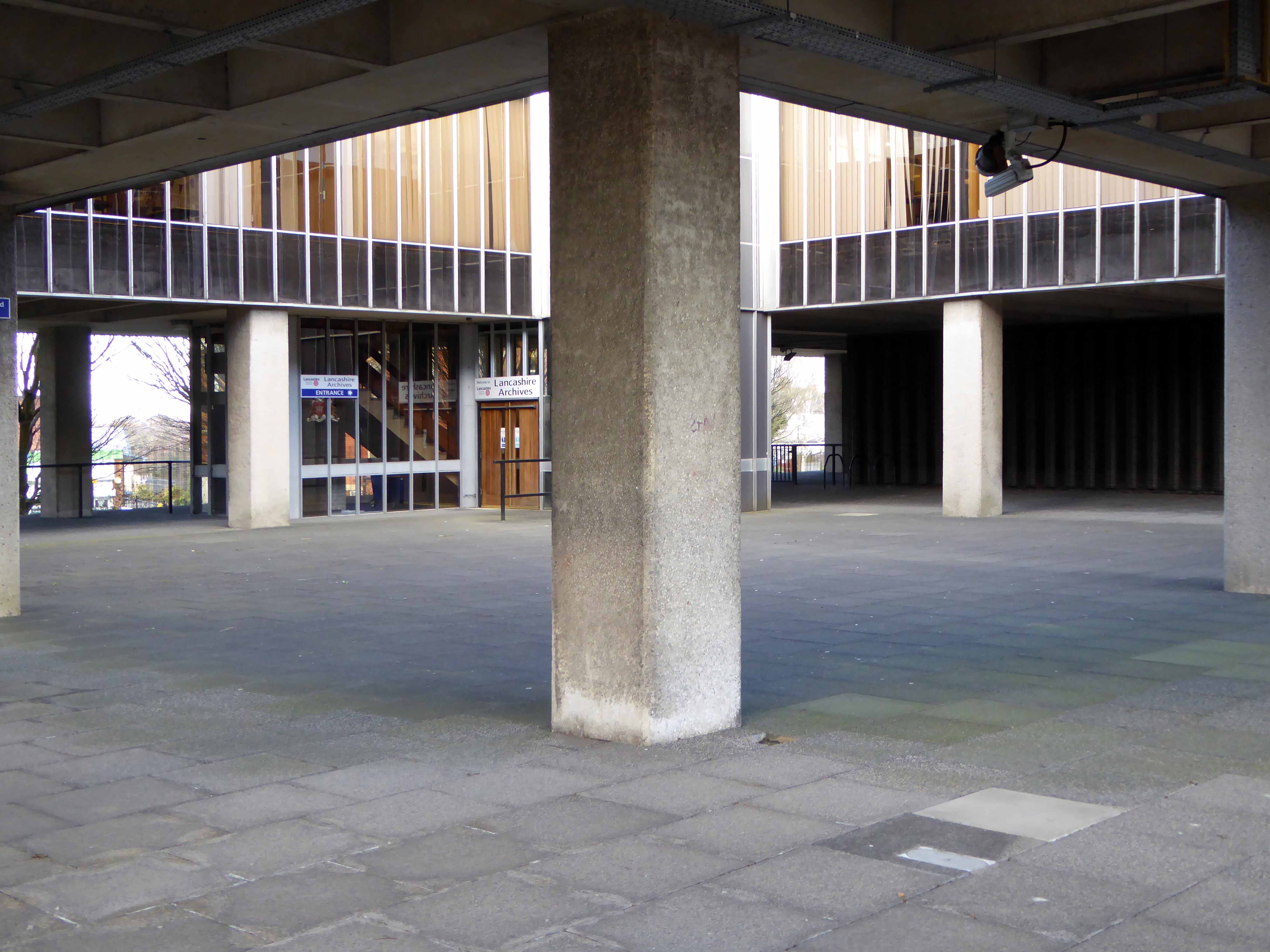
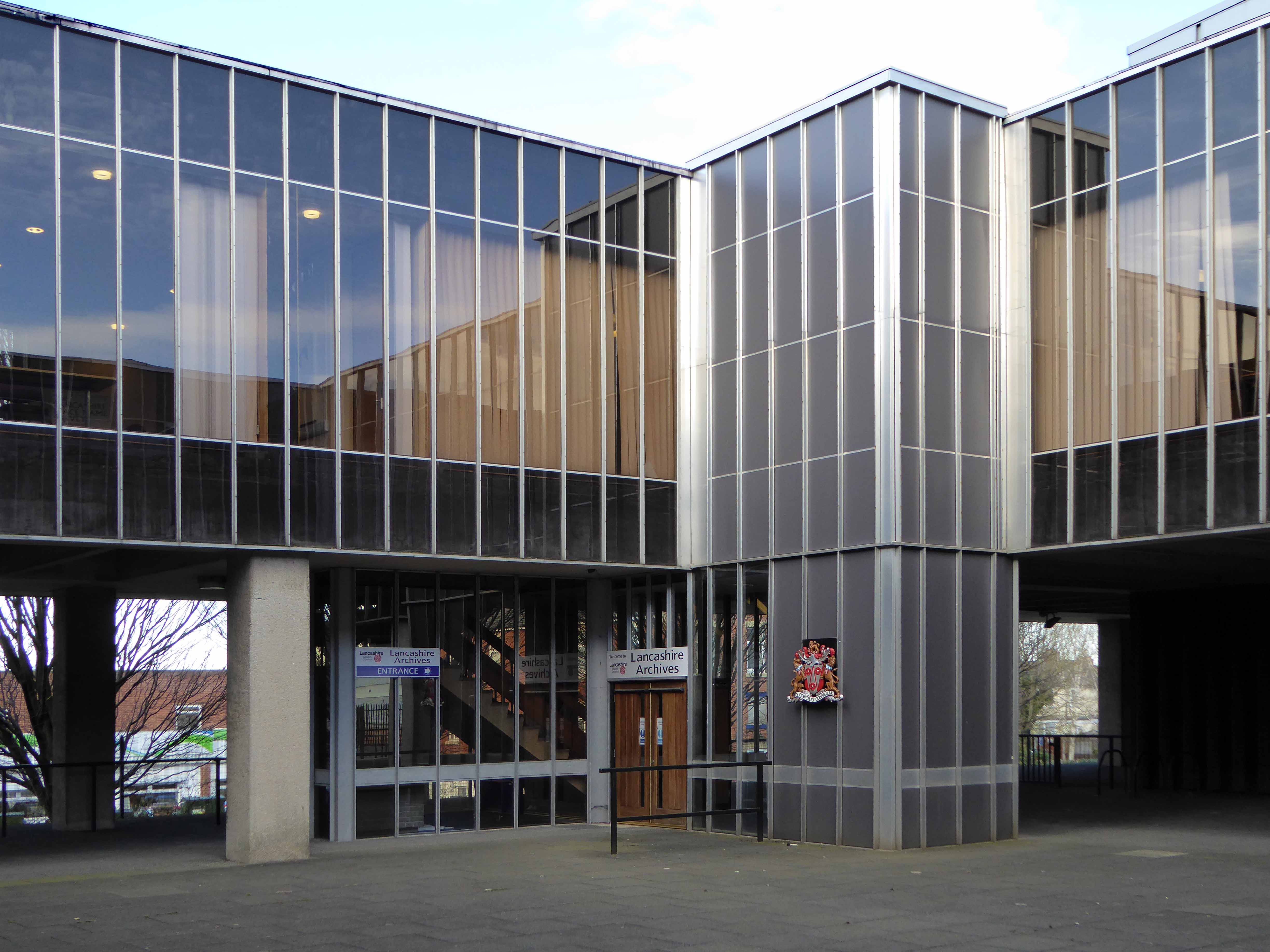
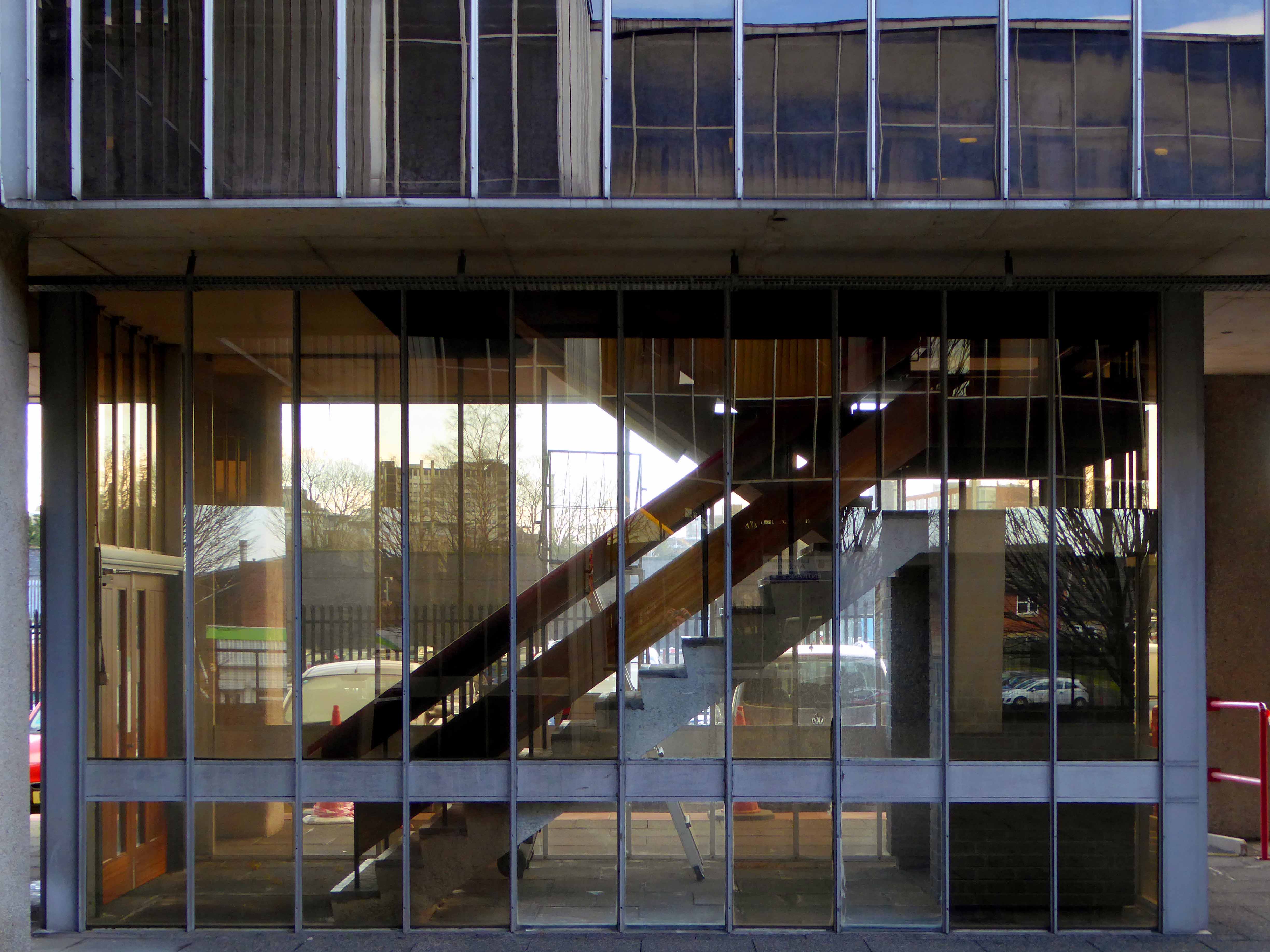
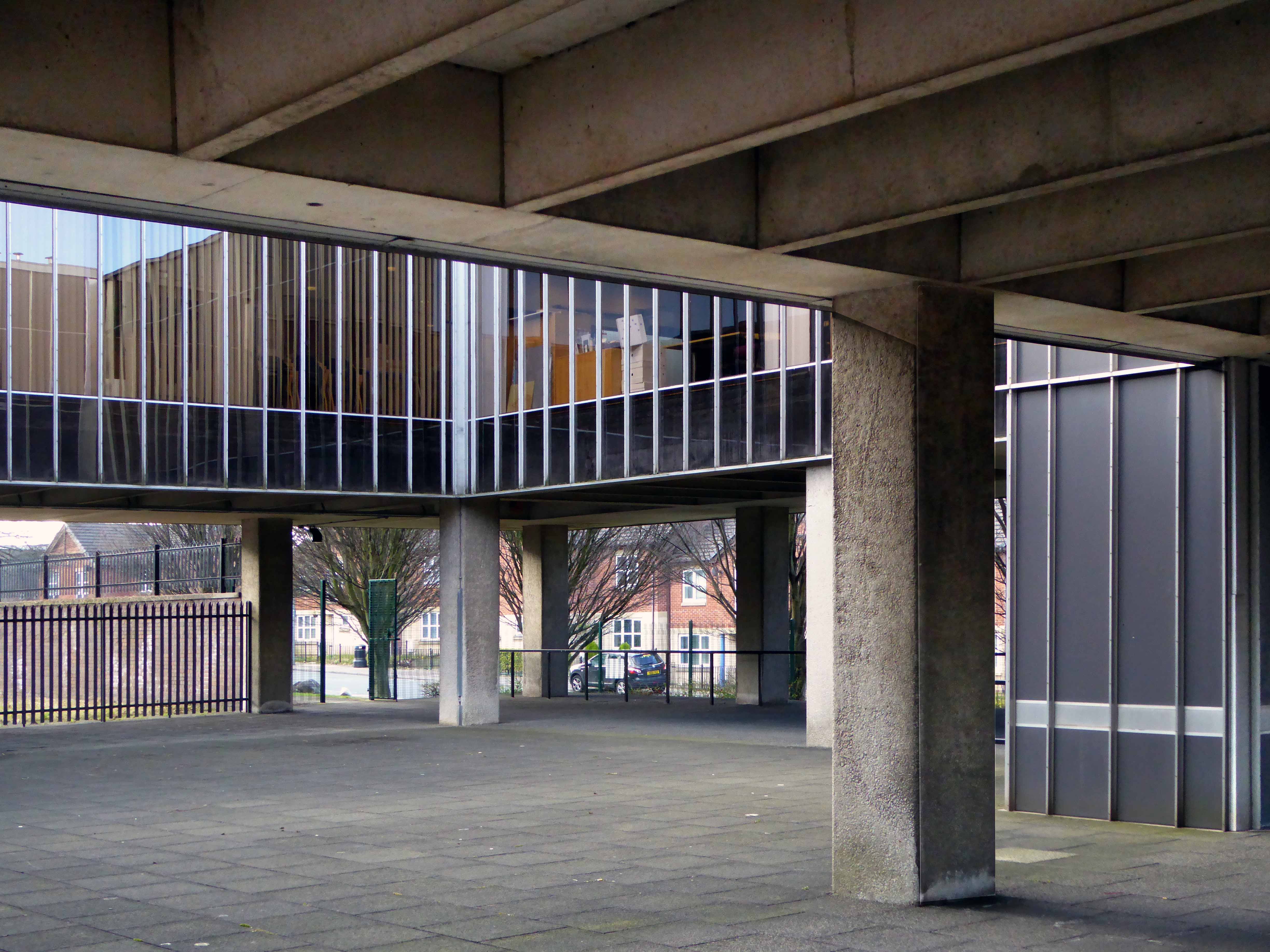
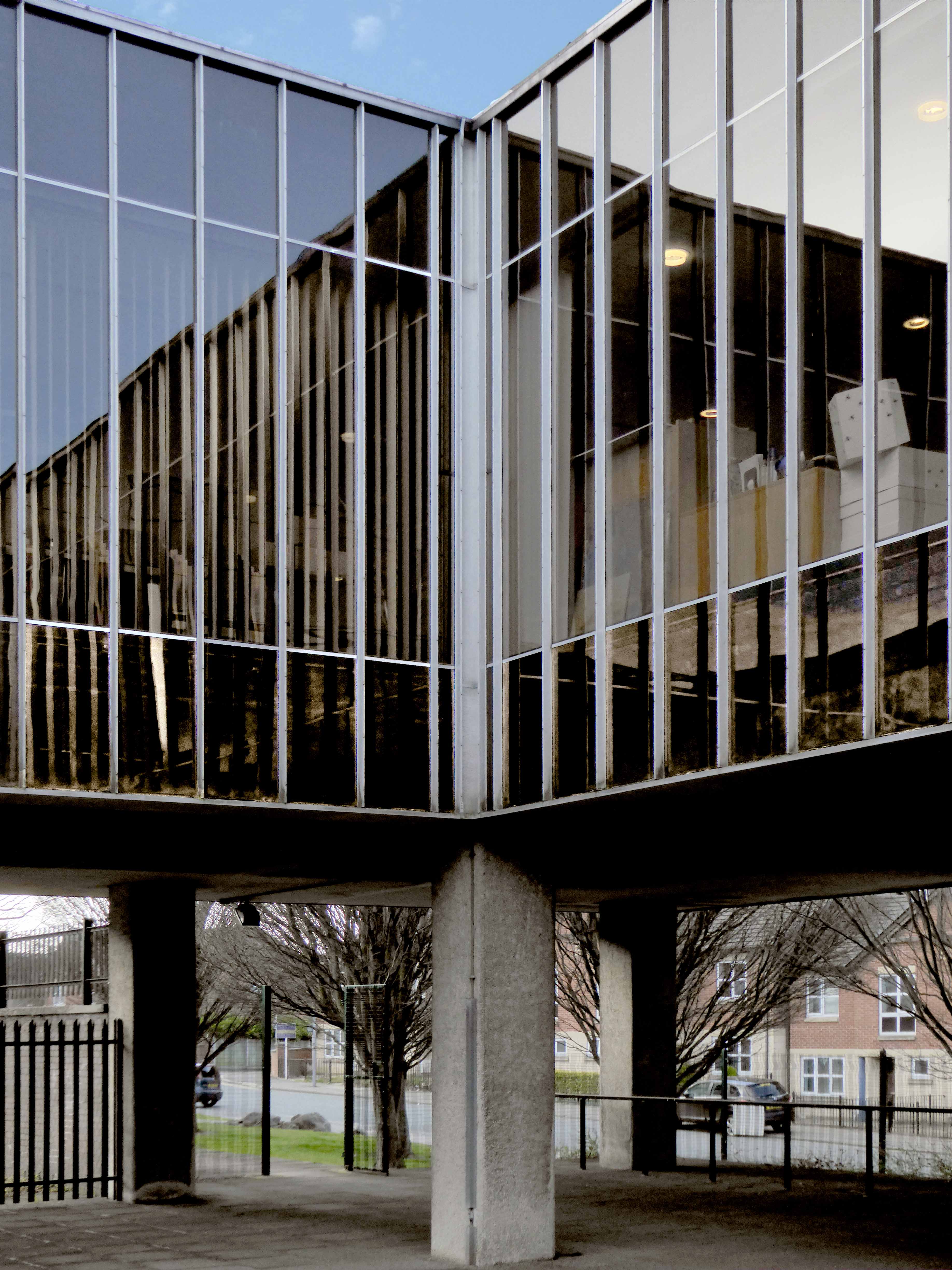
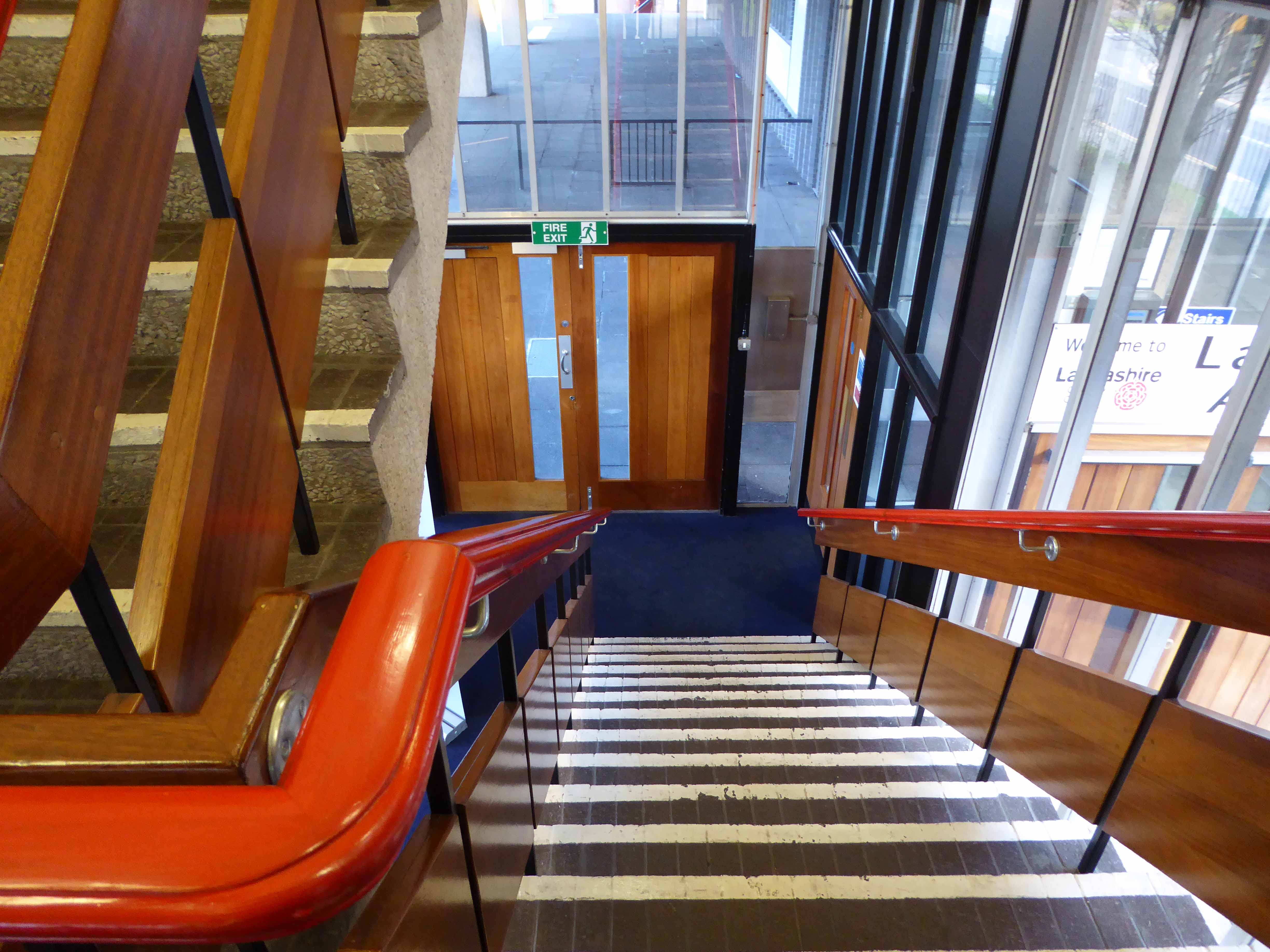
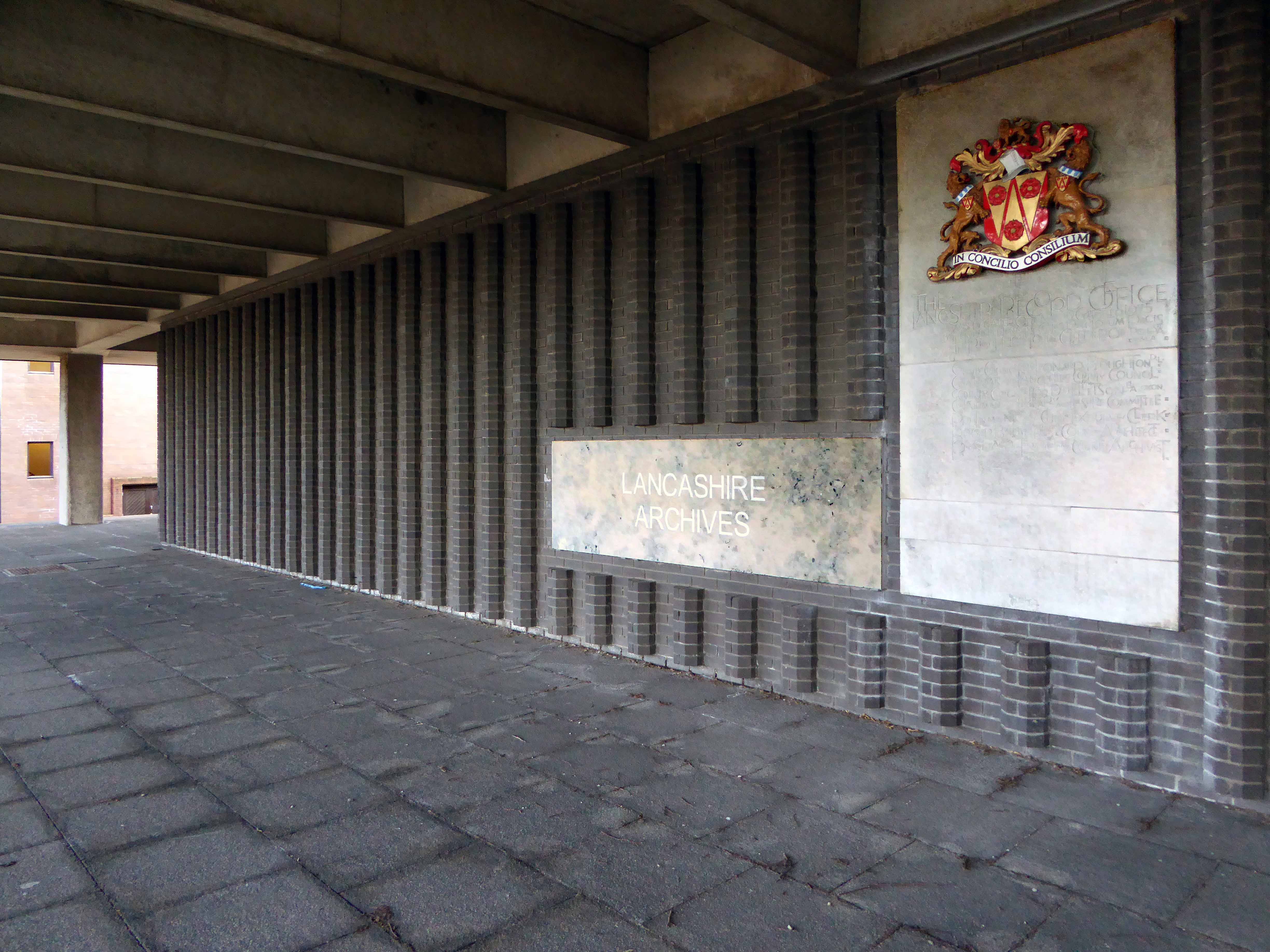
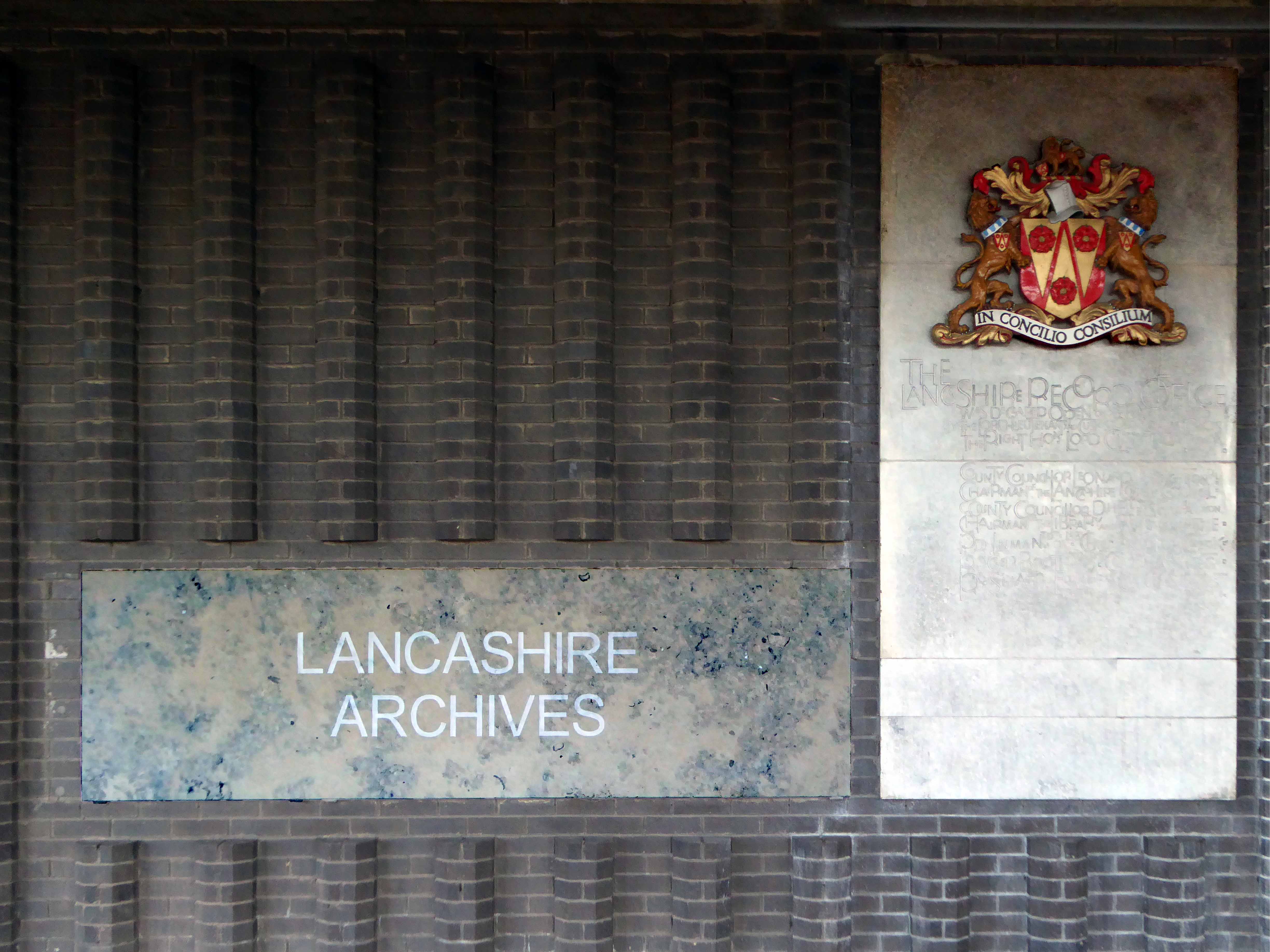
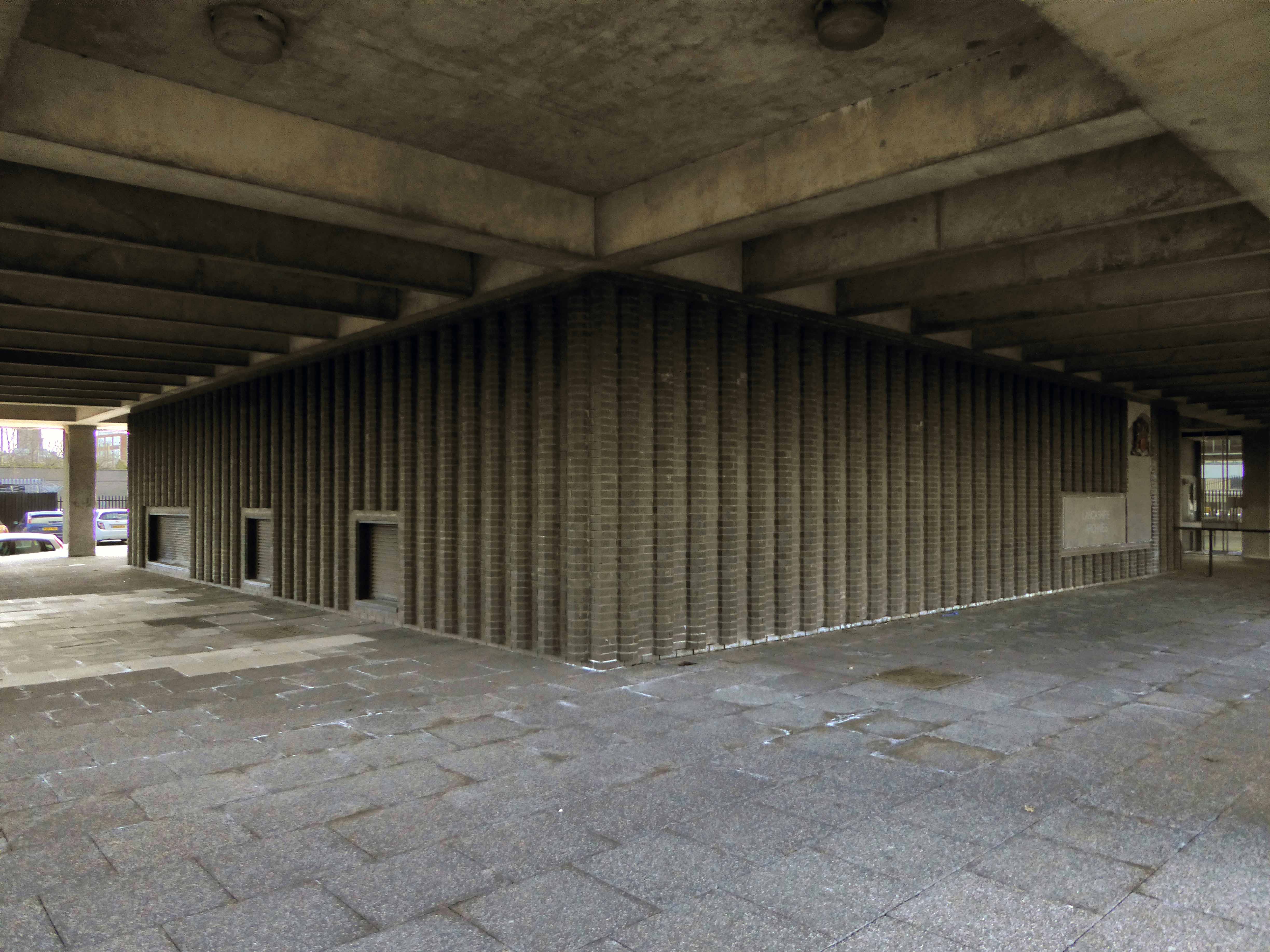
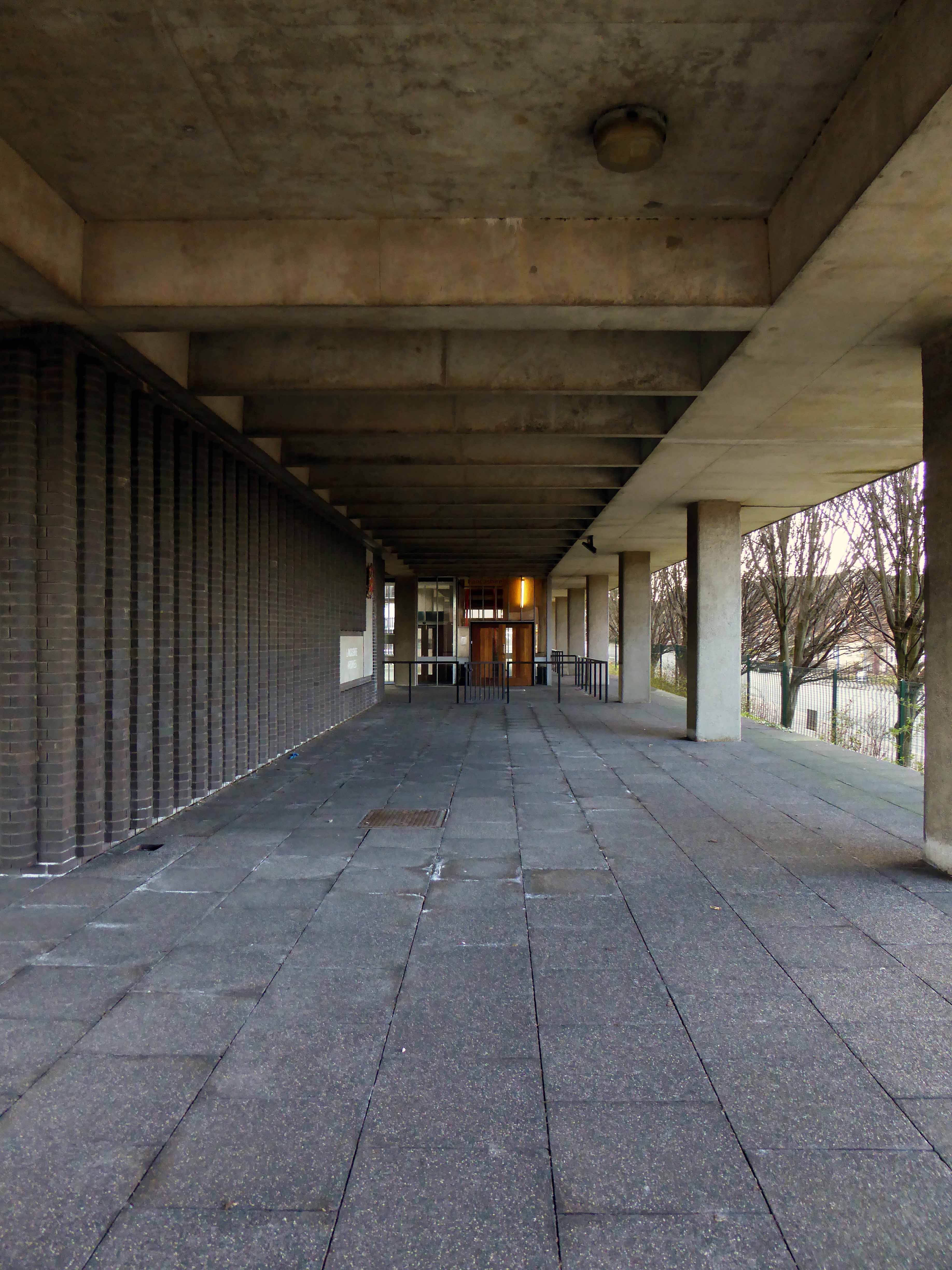
Peeping coyly from behind the surrounding trees, in the shadow of County Hall – the Lancashire Archives, yet more of Roger Booth’s handiwork.
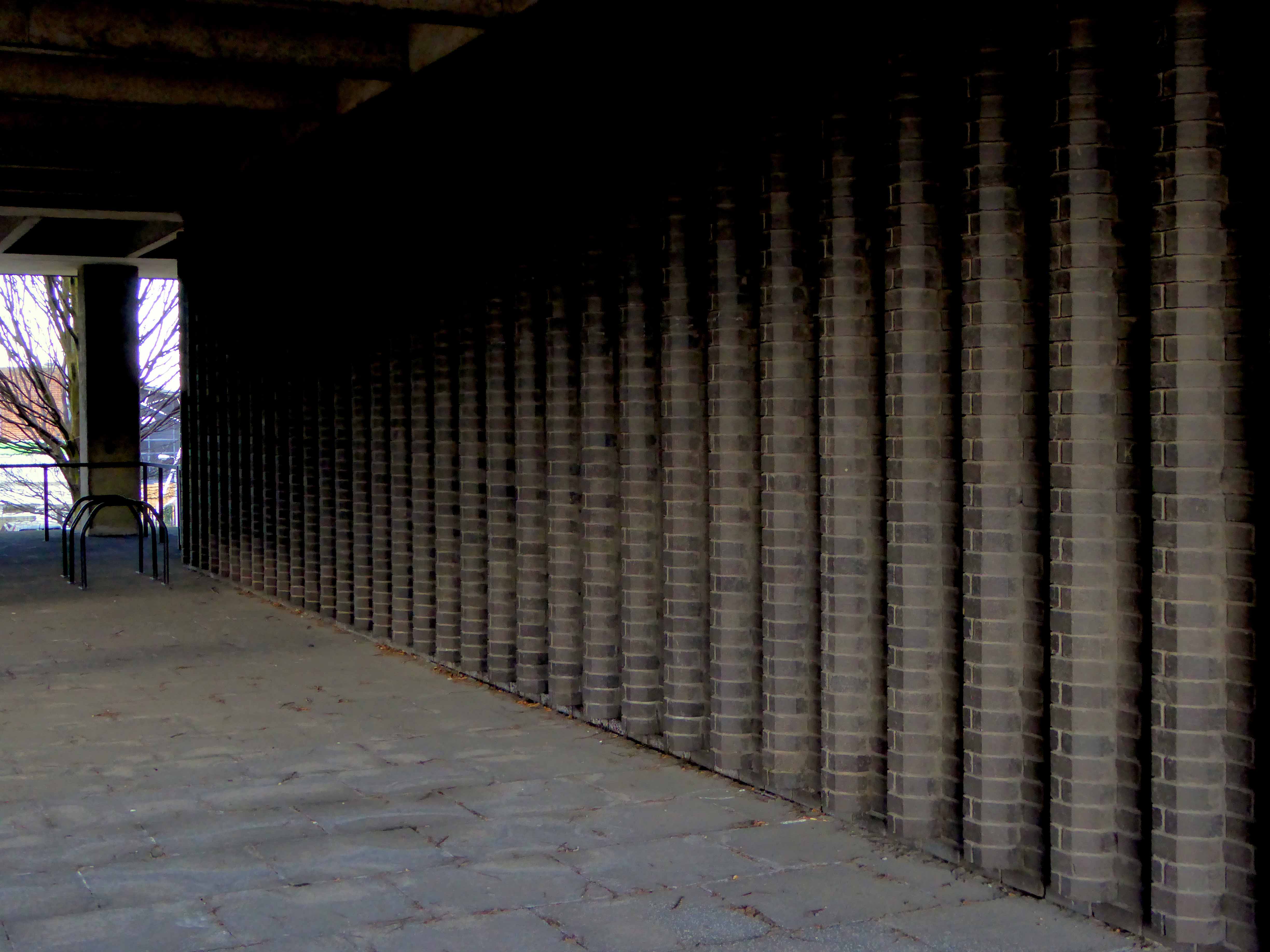
A low stone clad block stood elegantly on slender supports, inside the courtyard, a grid of aluminium and glass, the people peeping out. The core of the building shrouded in a solid serrated brick screen.