

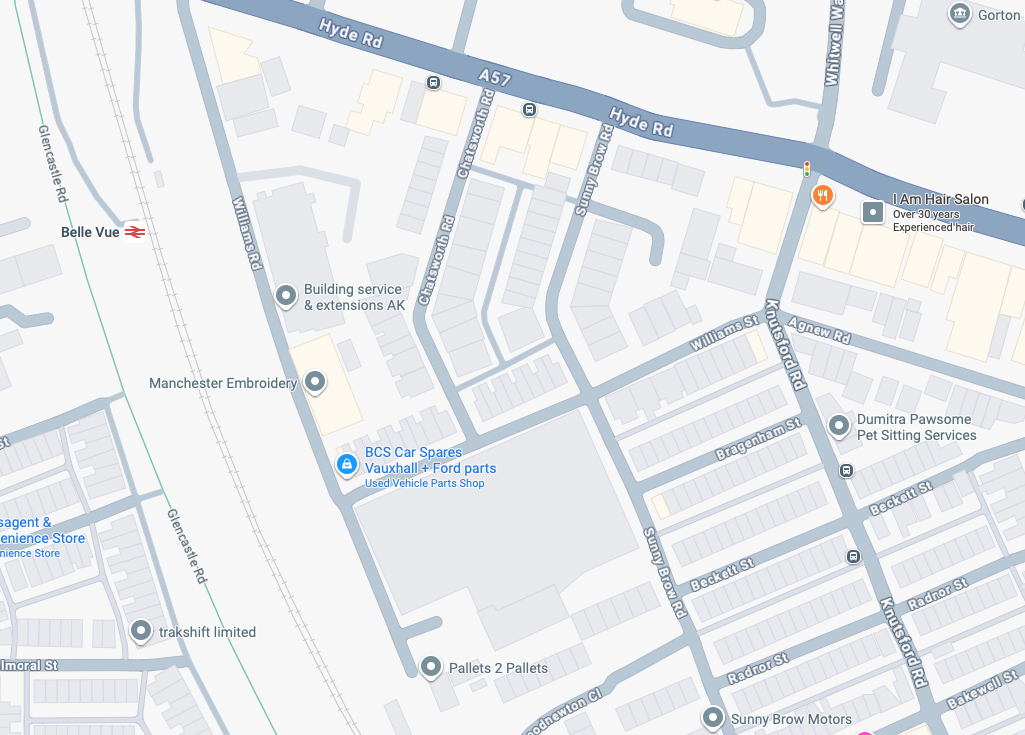
Bounded on three sides by Williams Road, Williams Street and Sunny Brow Lane.
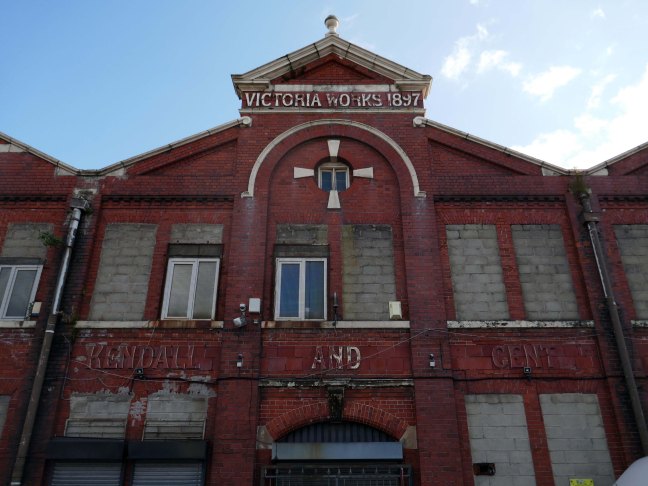
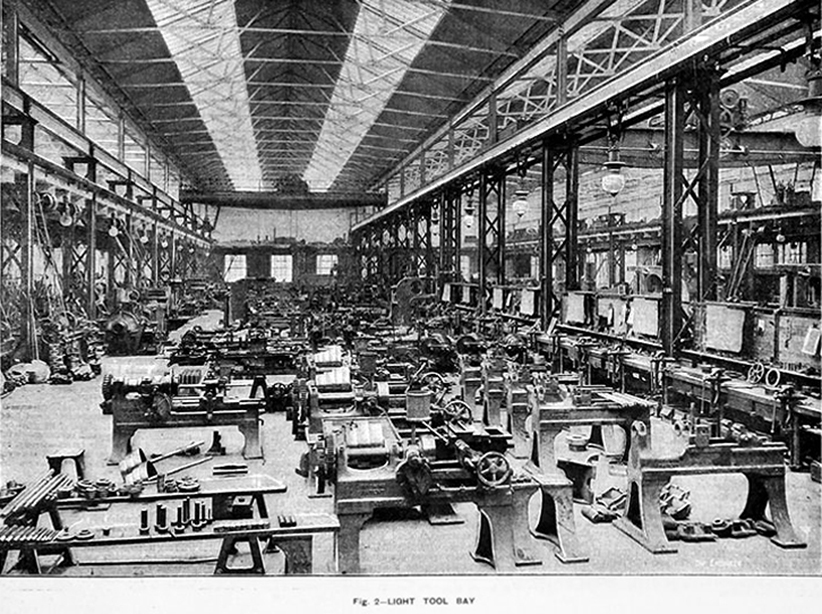
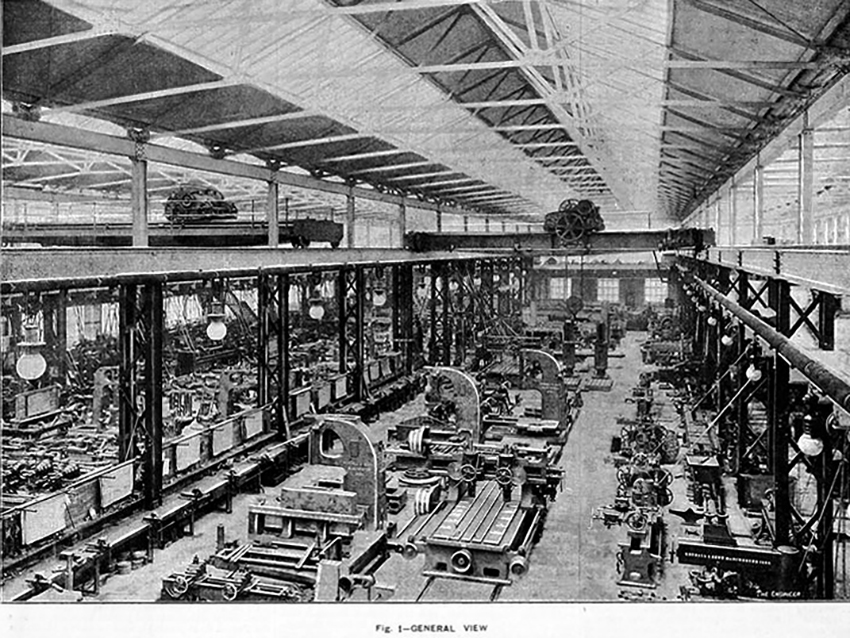
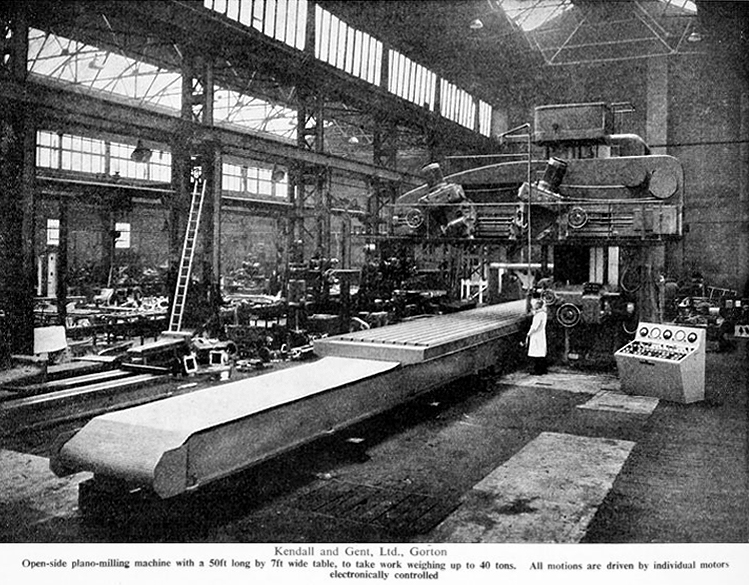
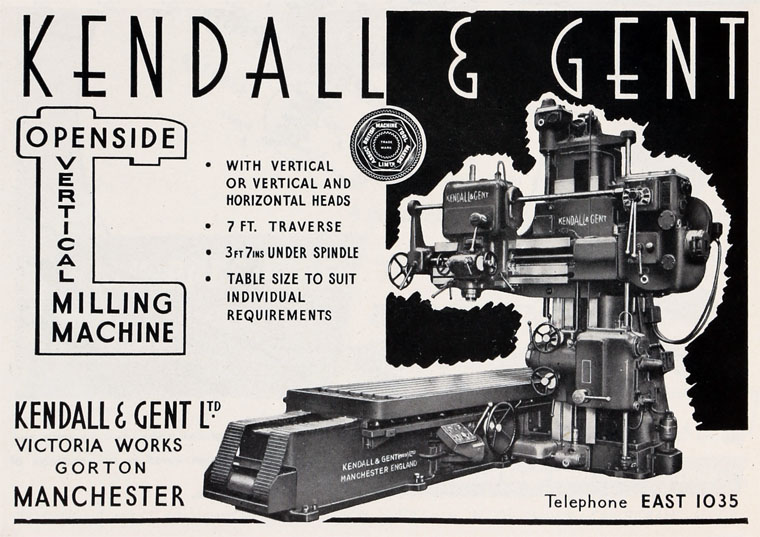
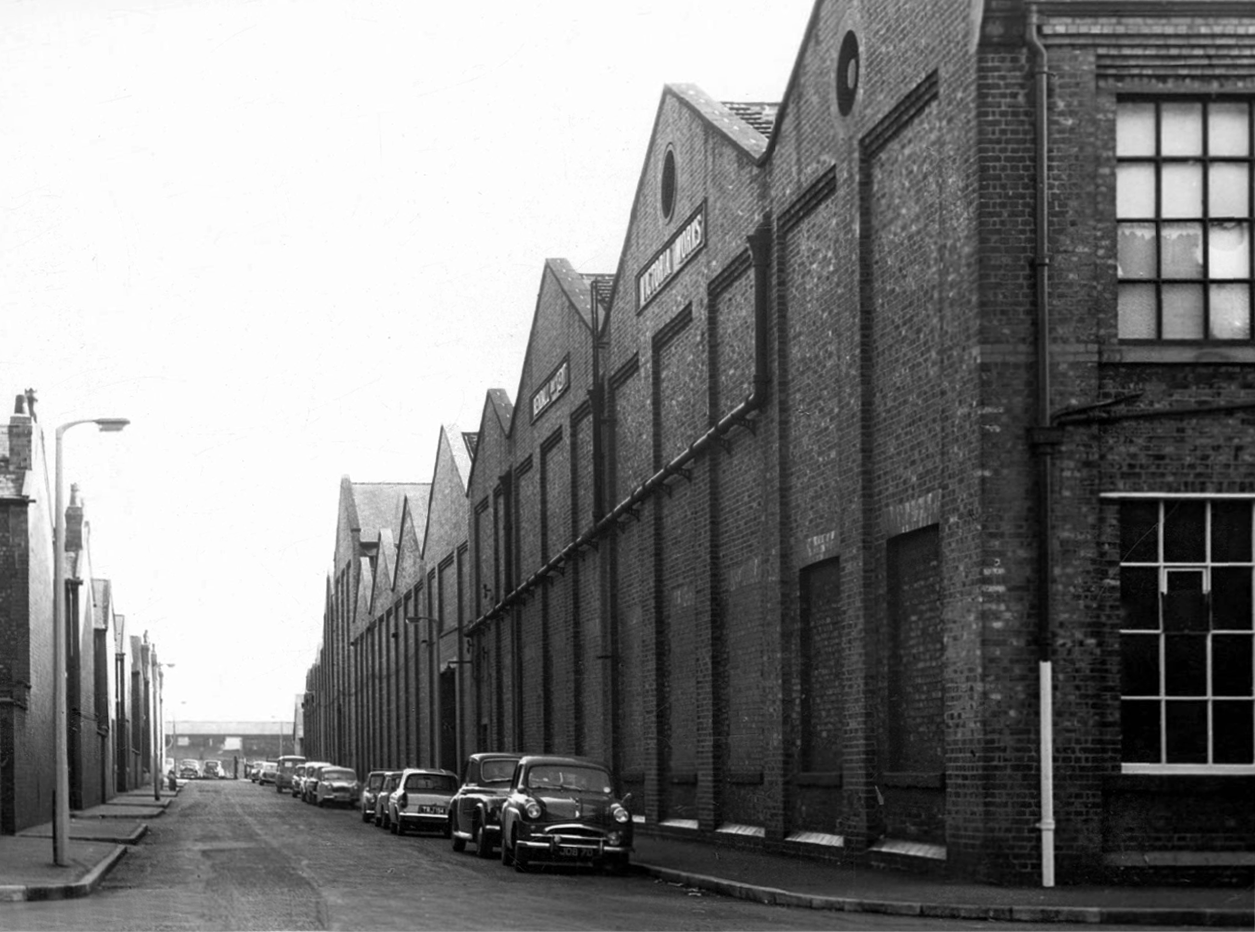
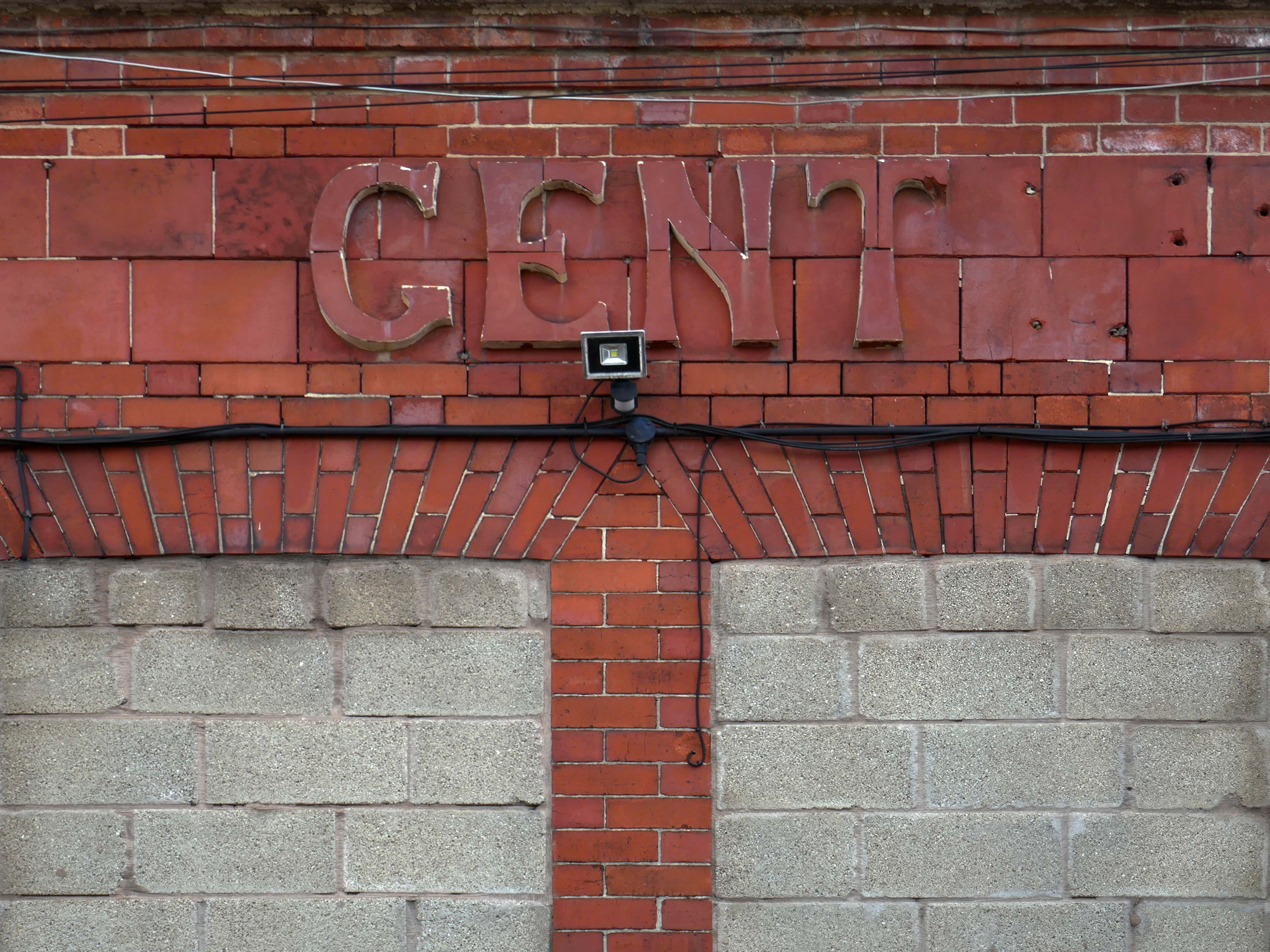
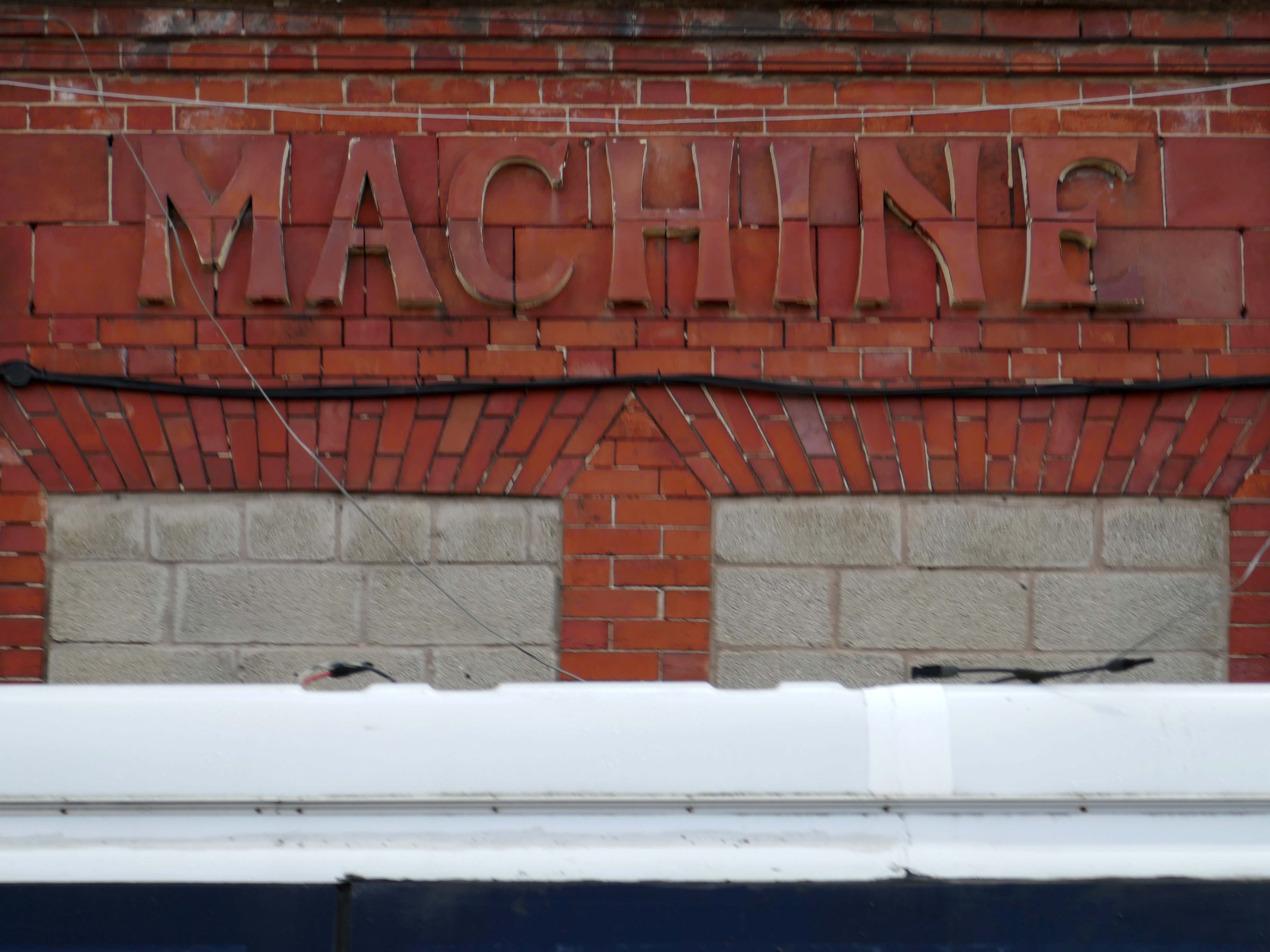
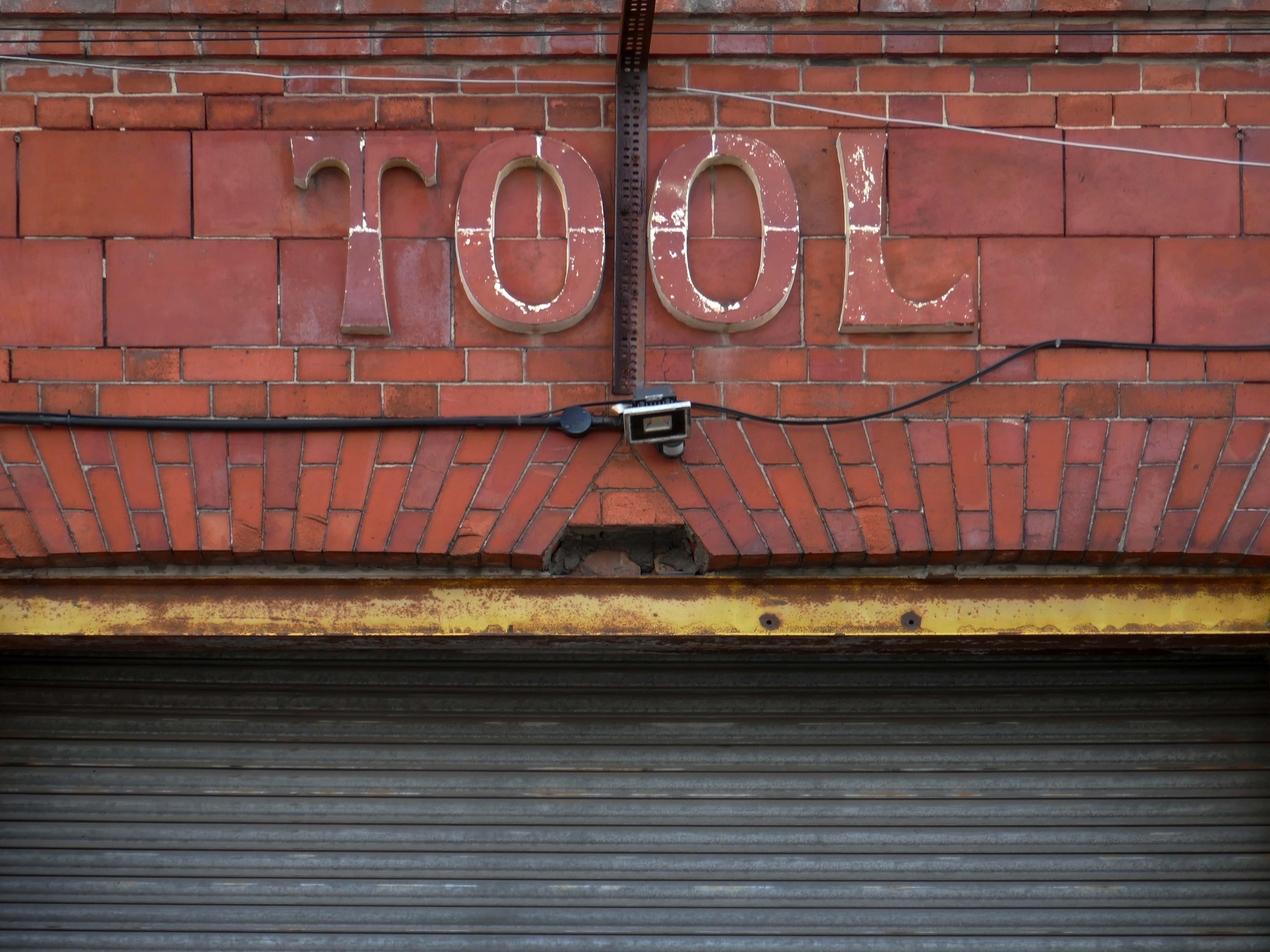
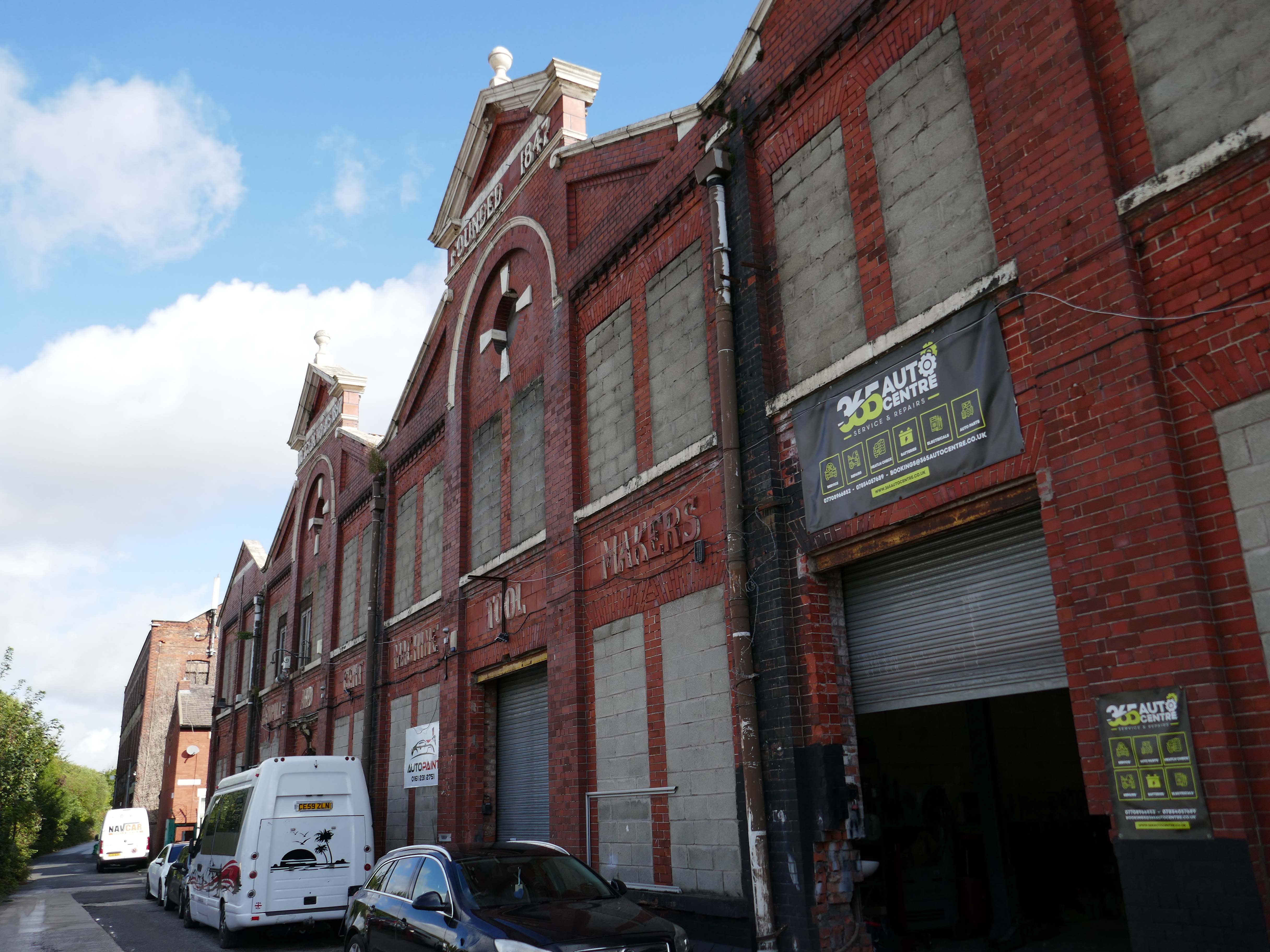
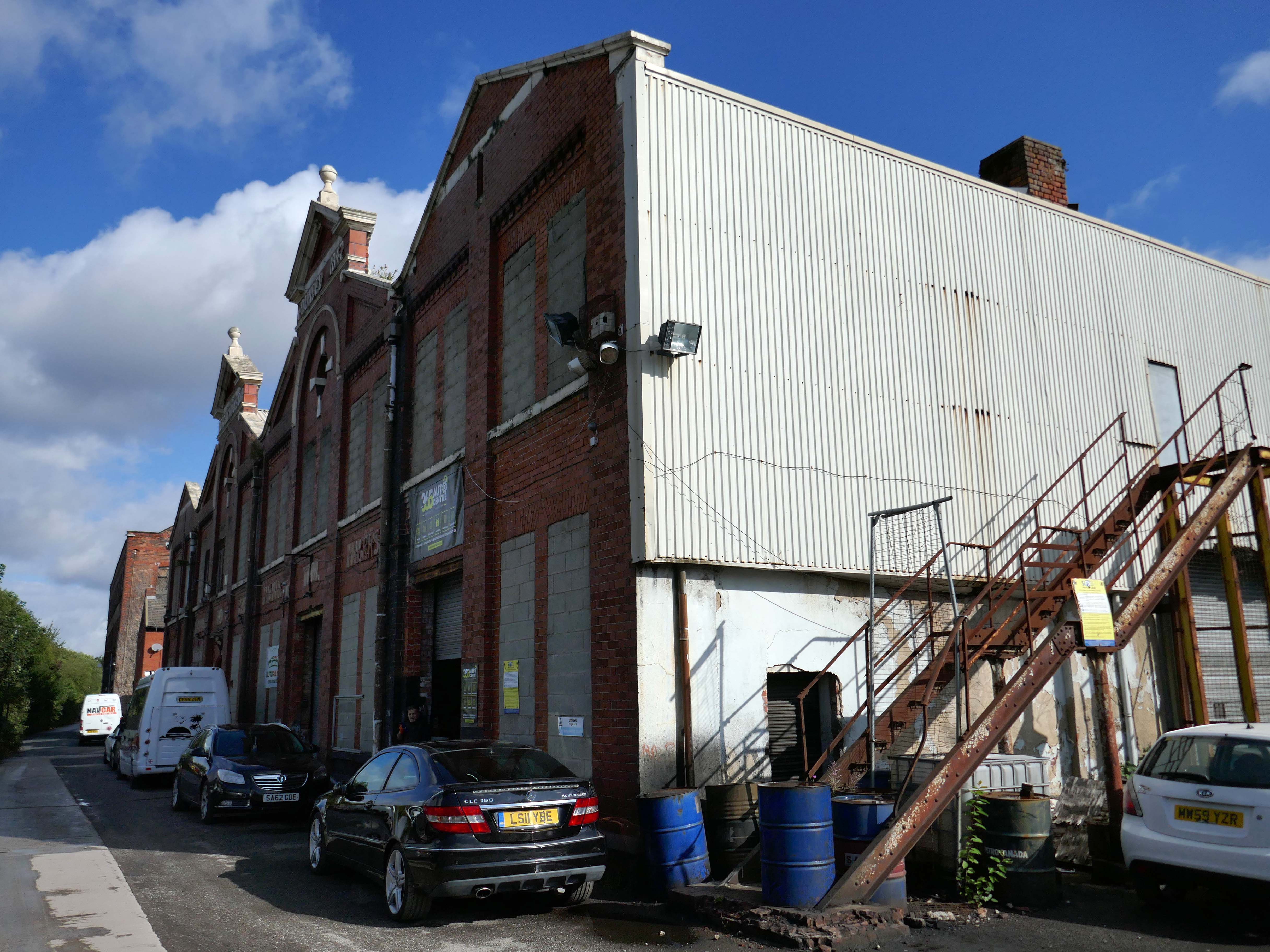
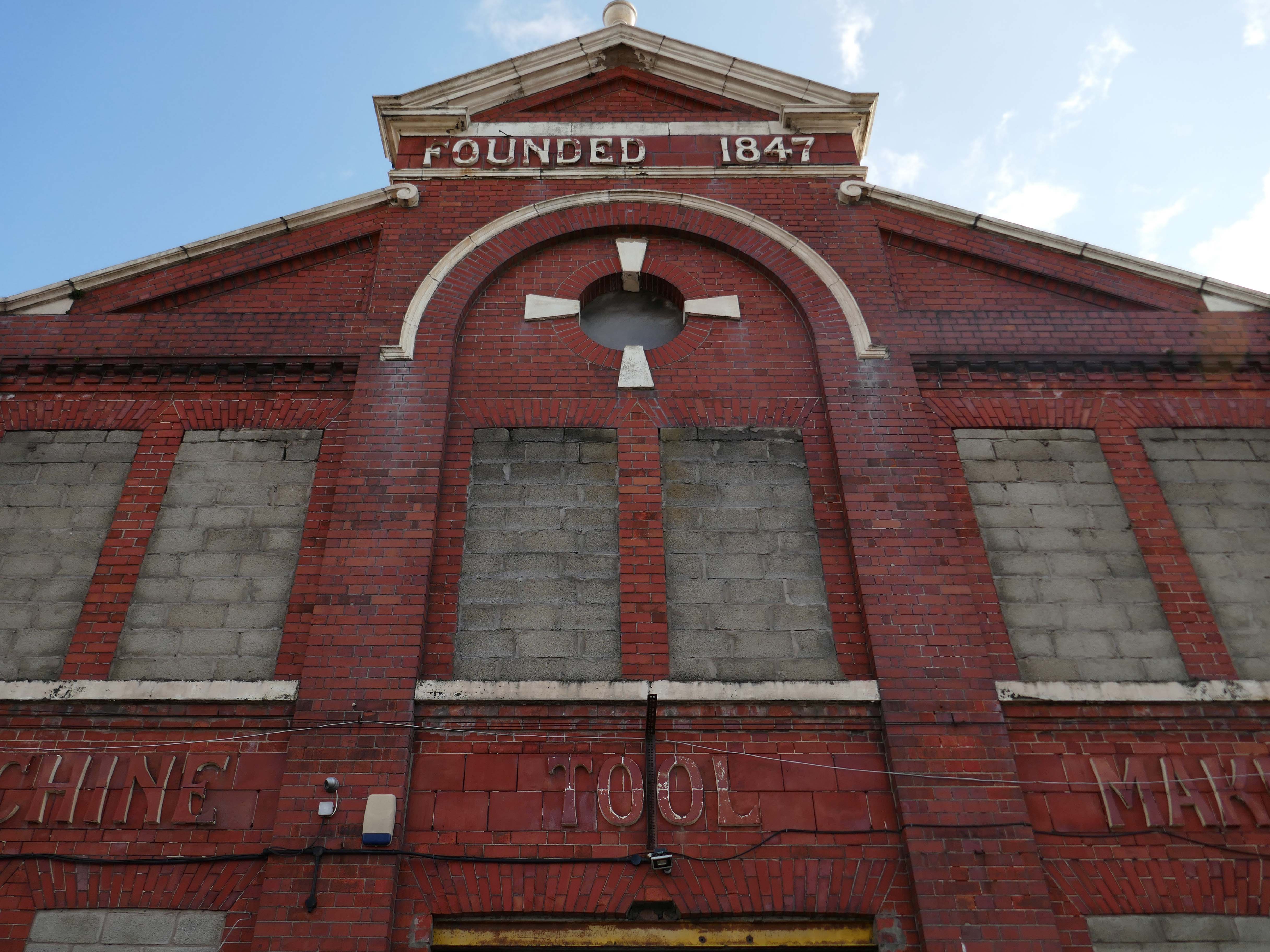
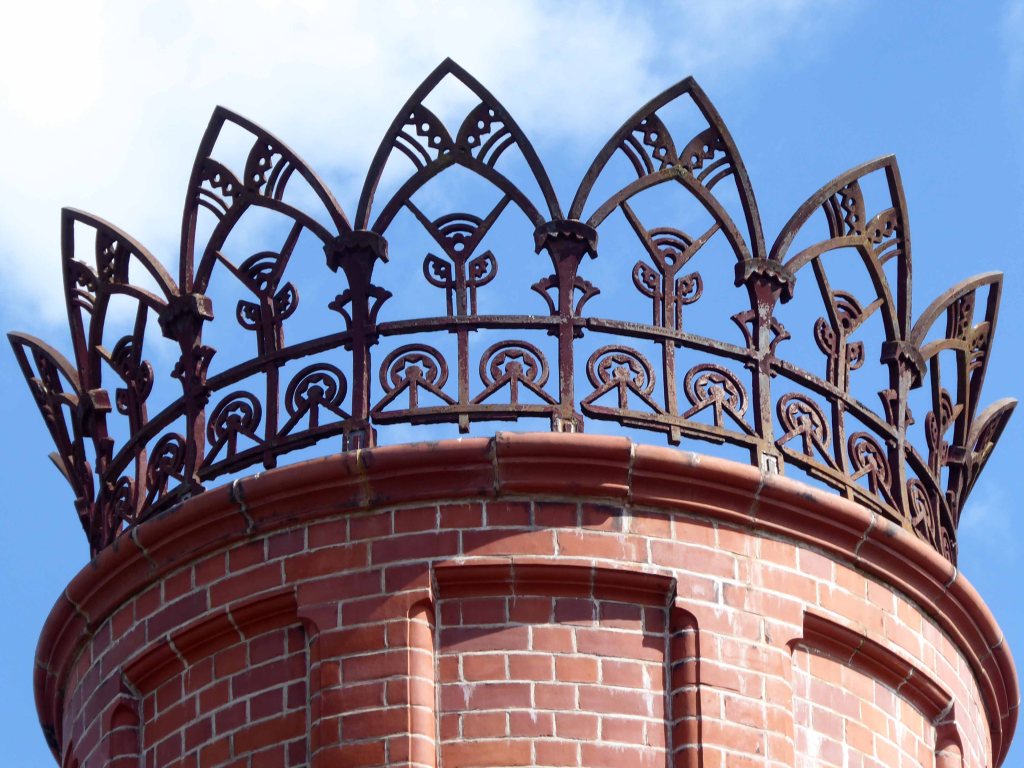
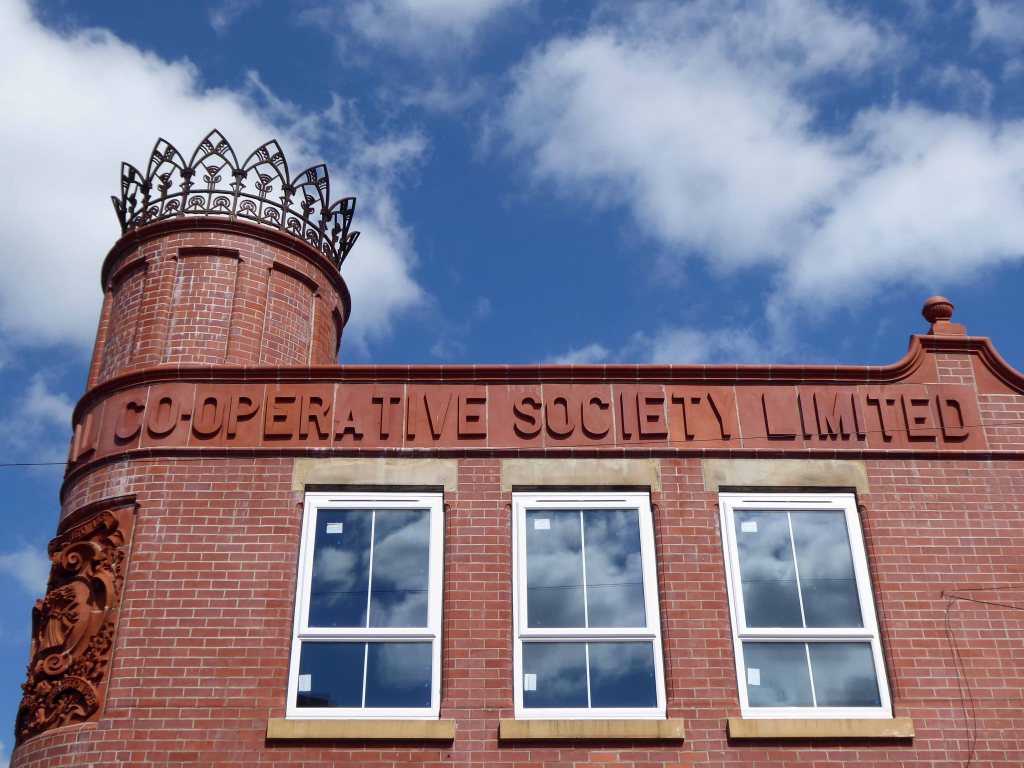
Here’s the Victoria Works, formerly home to machine tool makers Kendall & Gent of Gorton Manchester.
Kendall and Gent were machine tool makers, originally of Victoria Works, Springfield, Salford.
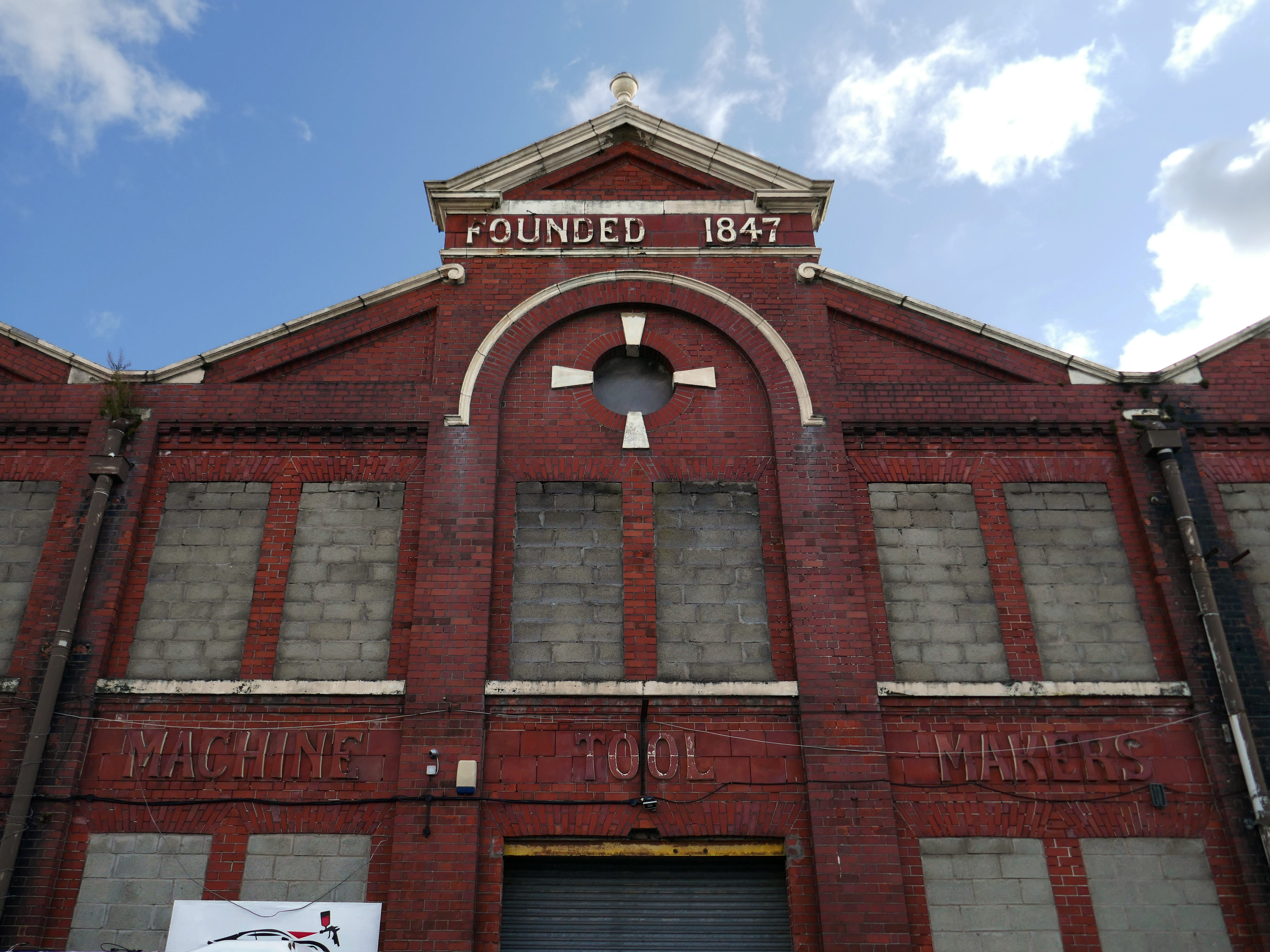
Founded by William Kendall and George Gent in 1847.
Latterly of Victoria Works, Belle Vue/Gorton from the 1890’s, acquired by Staveley Industries in 1966.
This was a world of heavy and light engineering, which reached in a broad swathe across Greater Manchester, from Stockport to Cheetham Hill and beyond.
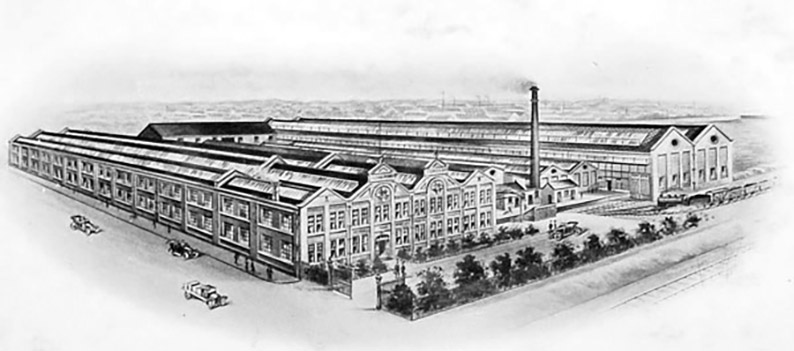
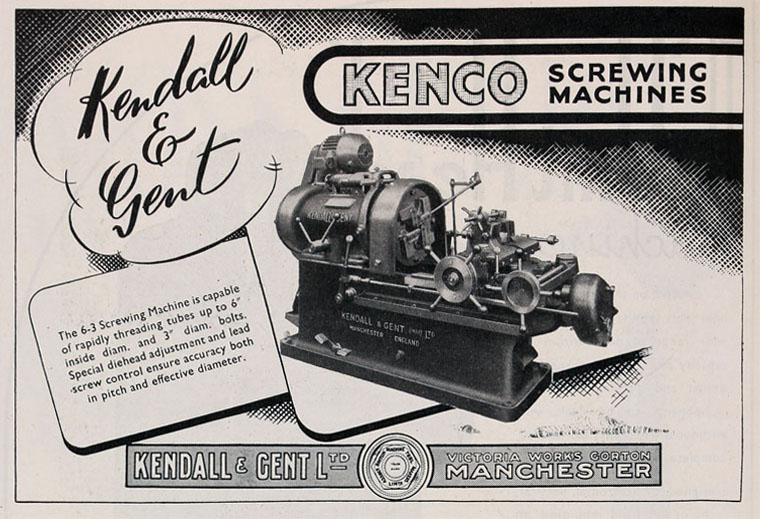
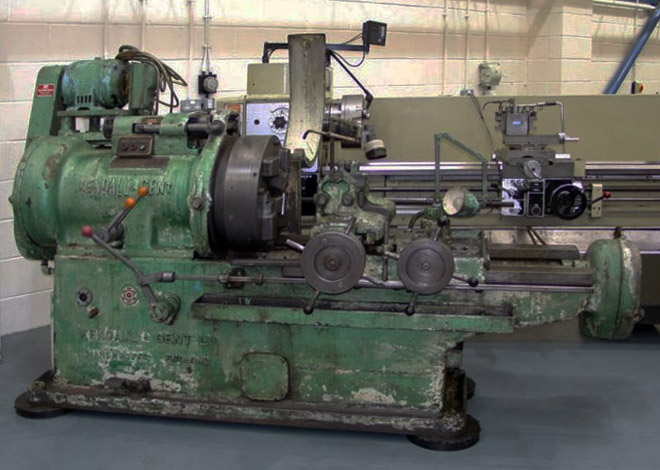
This is the Gorton Works – illustrations taken from Graces Guide.
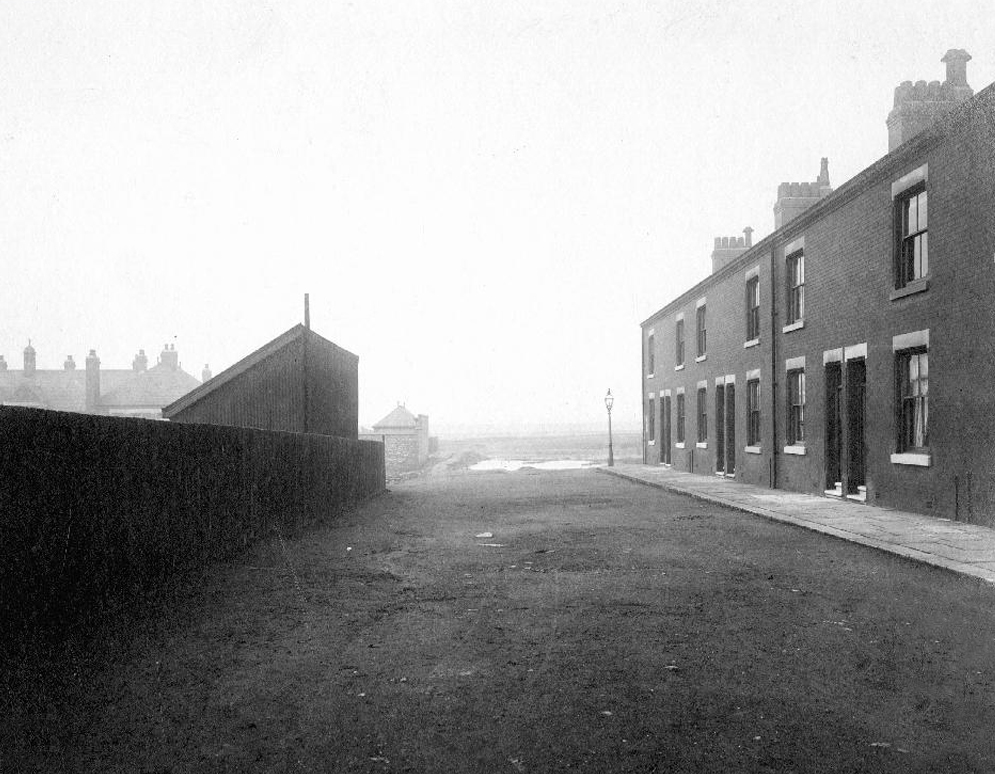
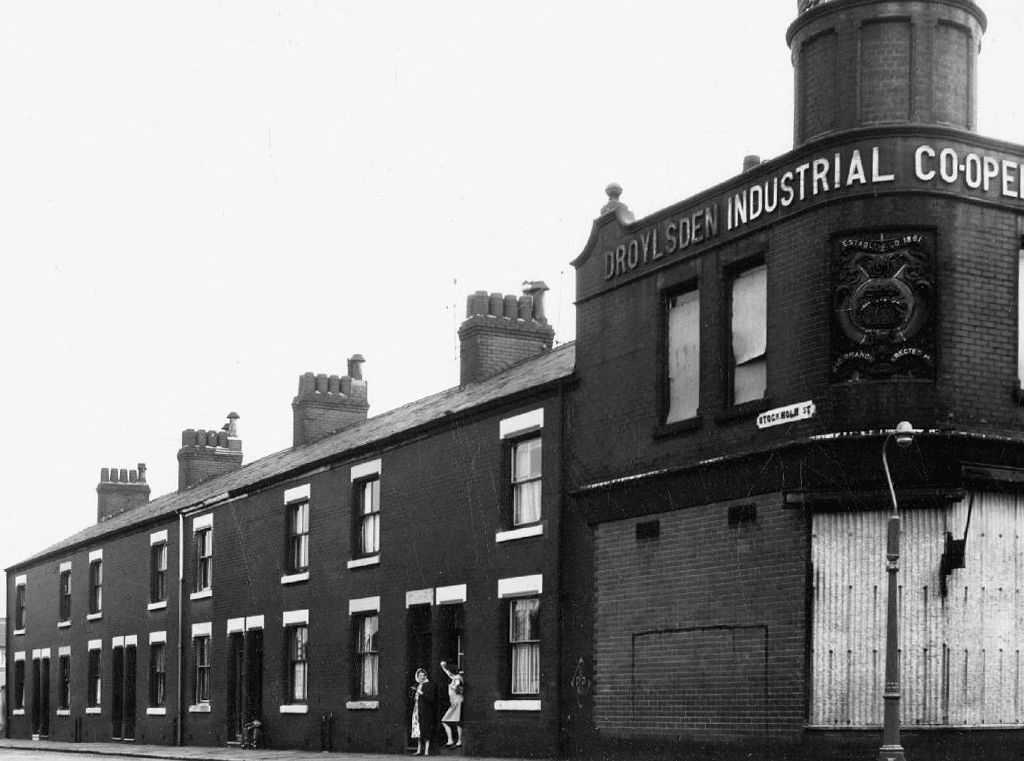
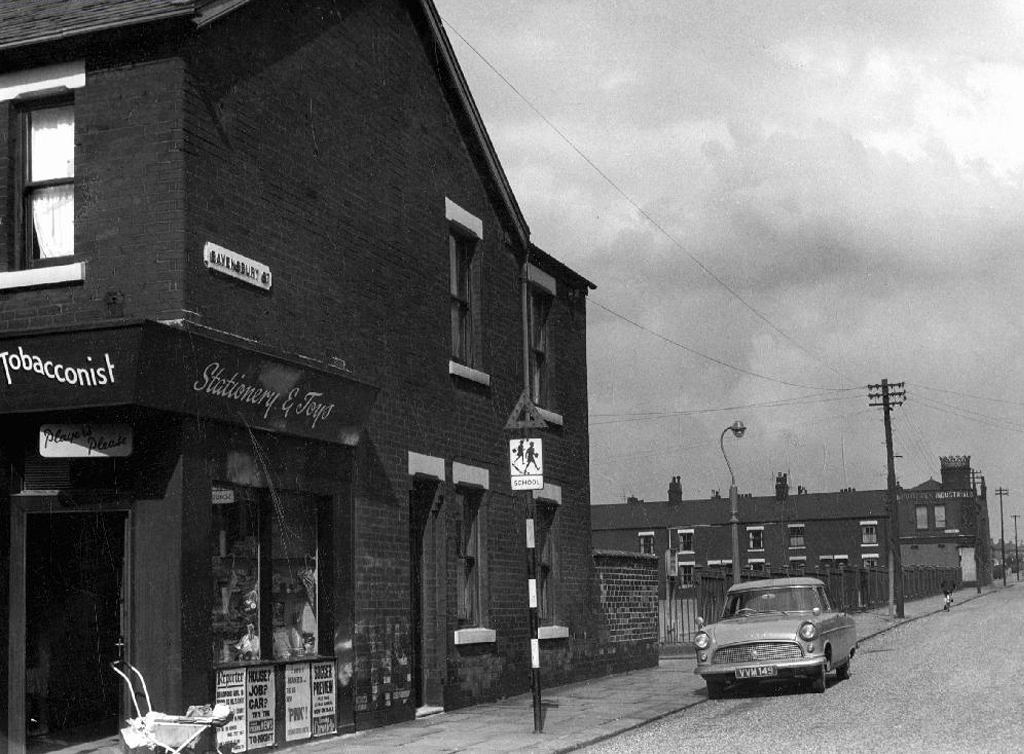
This was a world of terraced houses and corner shops, side by side with the local works.
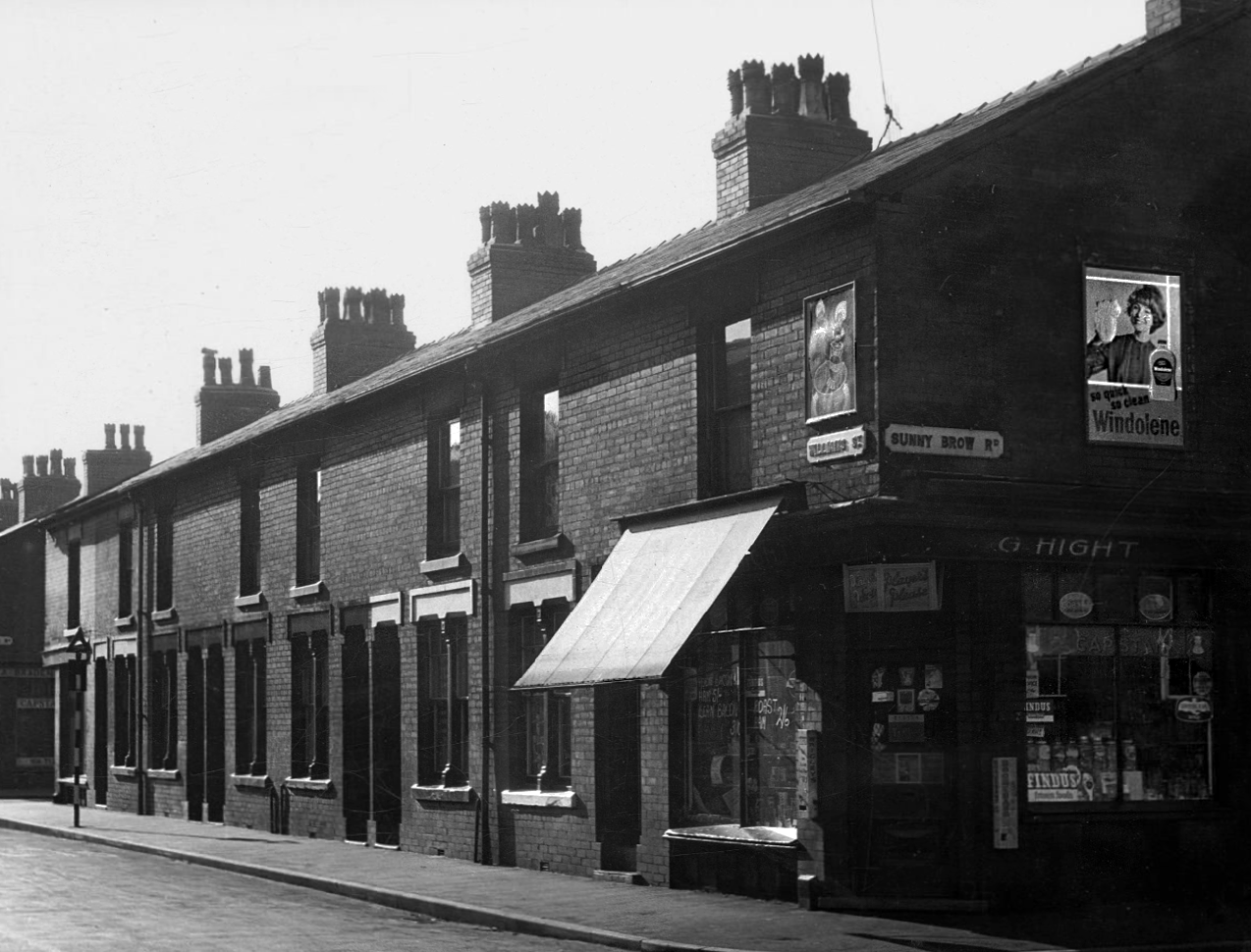
Photographs: Tommy Brooks – Local Image Collection
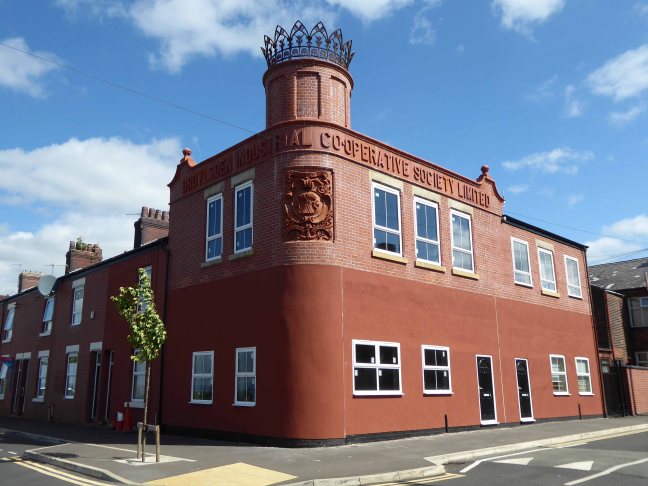
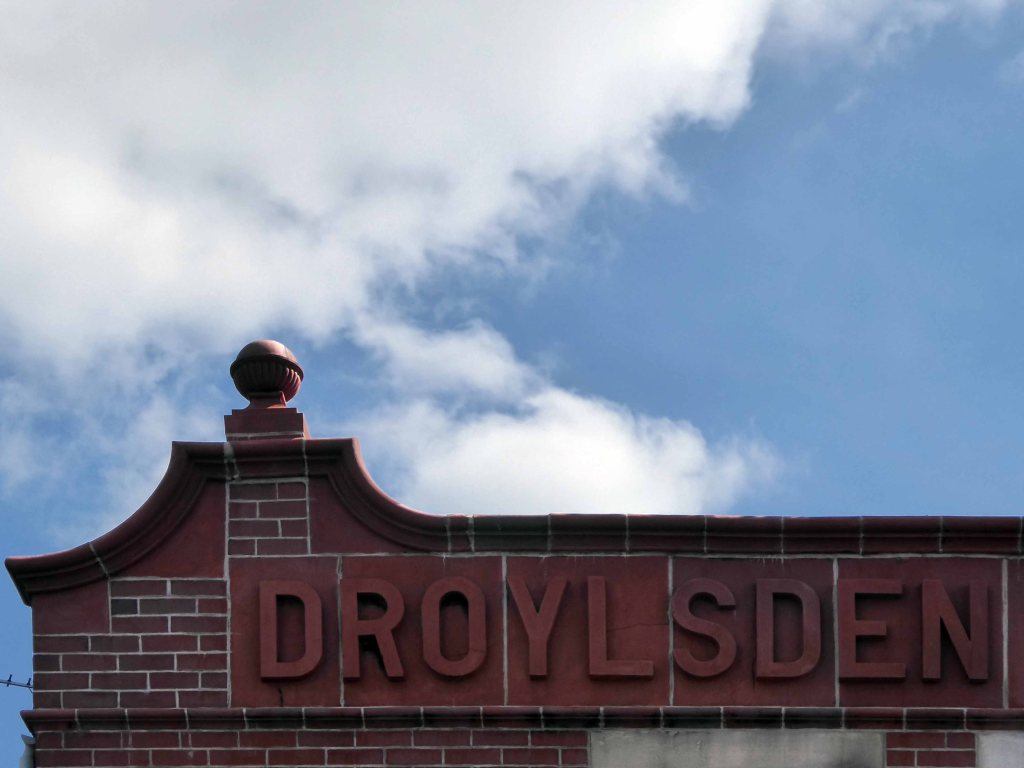
This is that corner of Williams Street and Sunny Brow Road today.
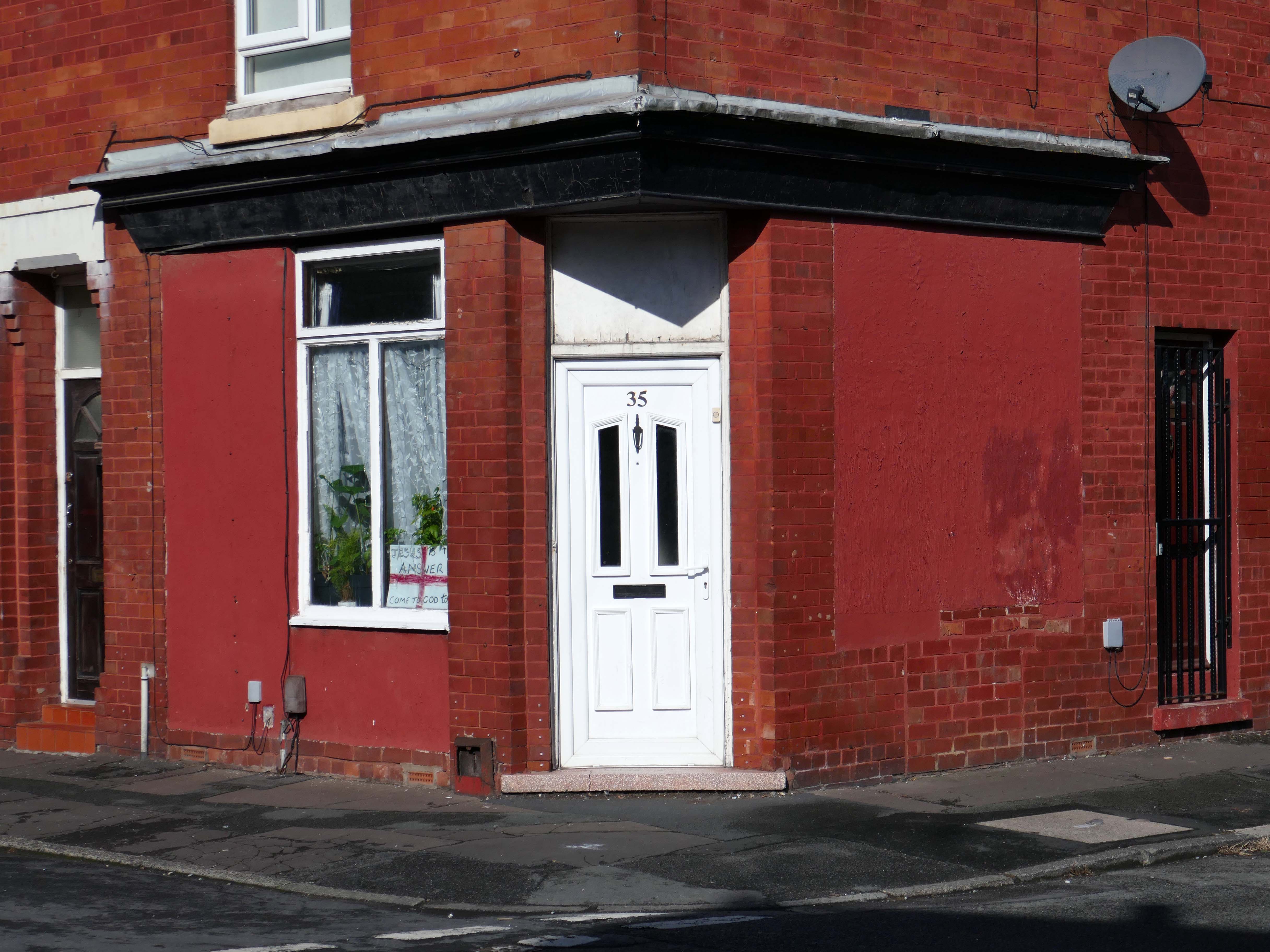
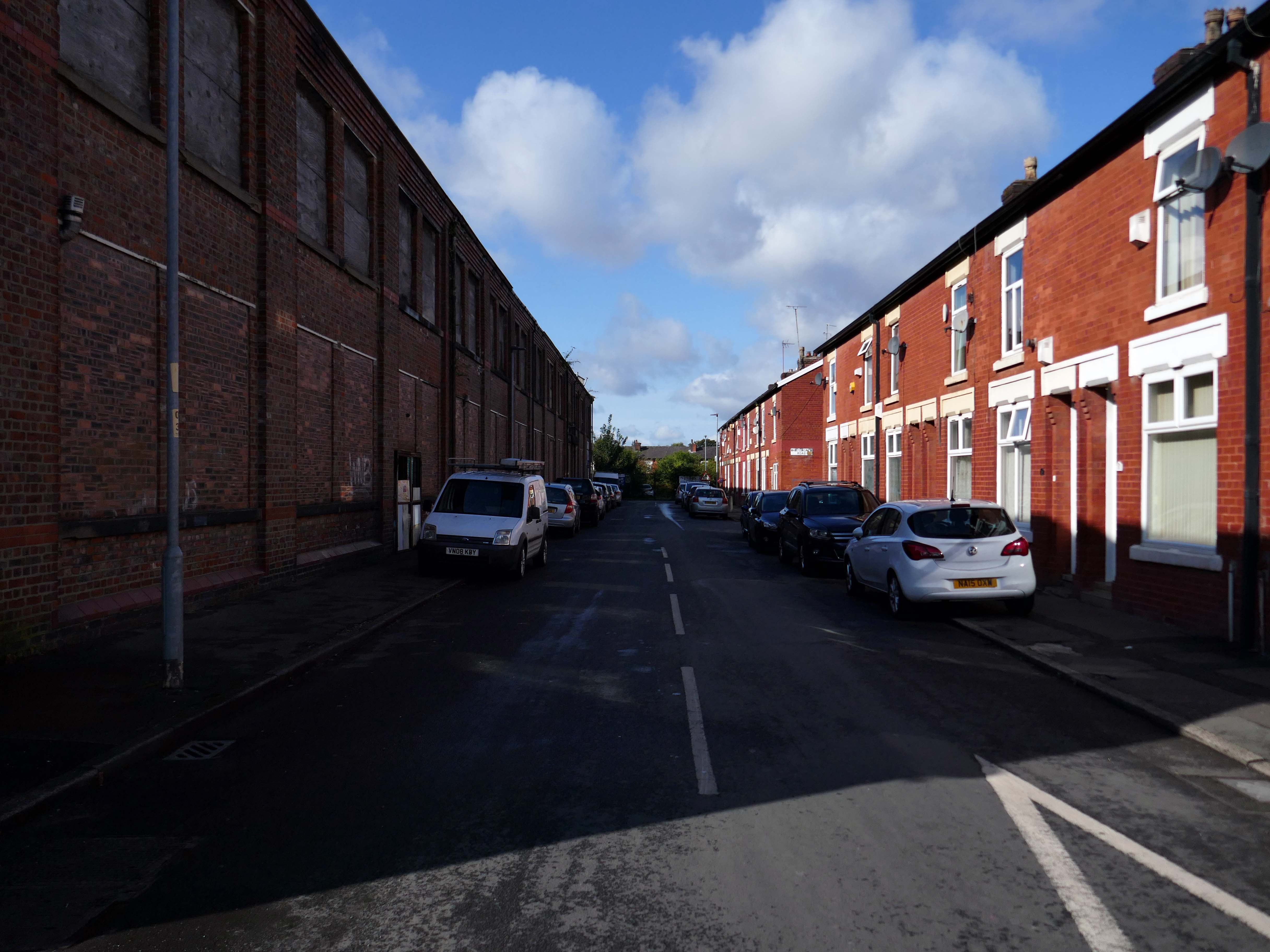
Victoria Works Sunny Brow Road.
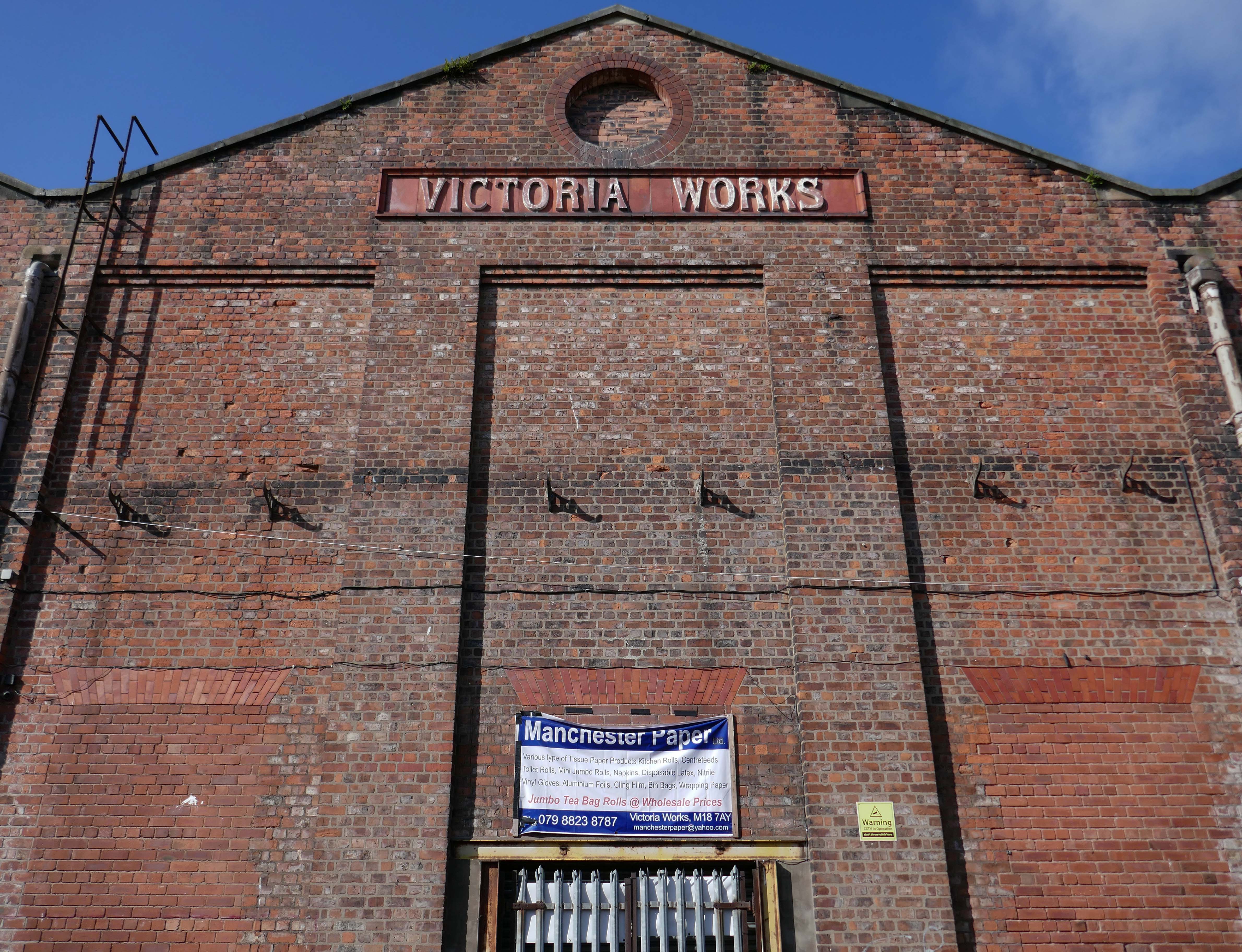
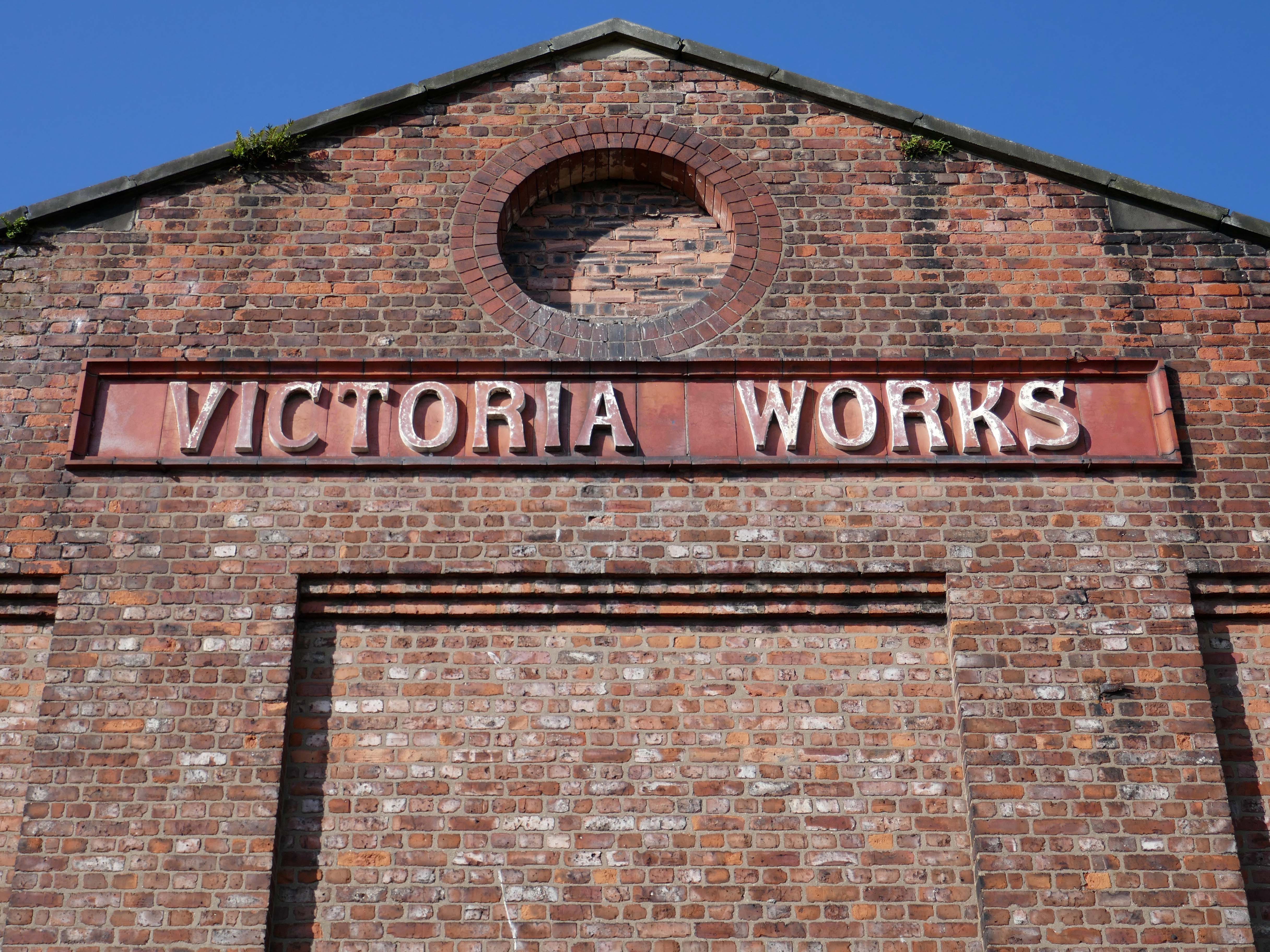
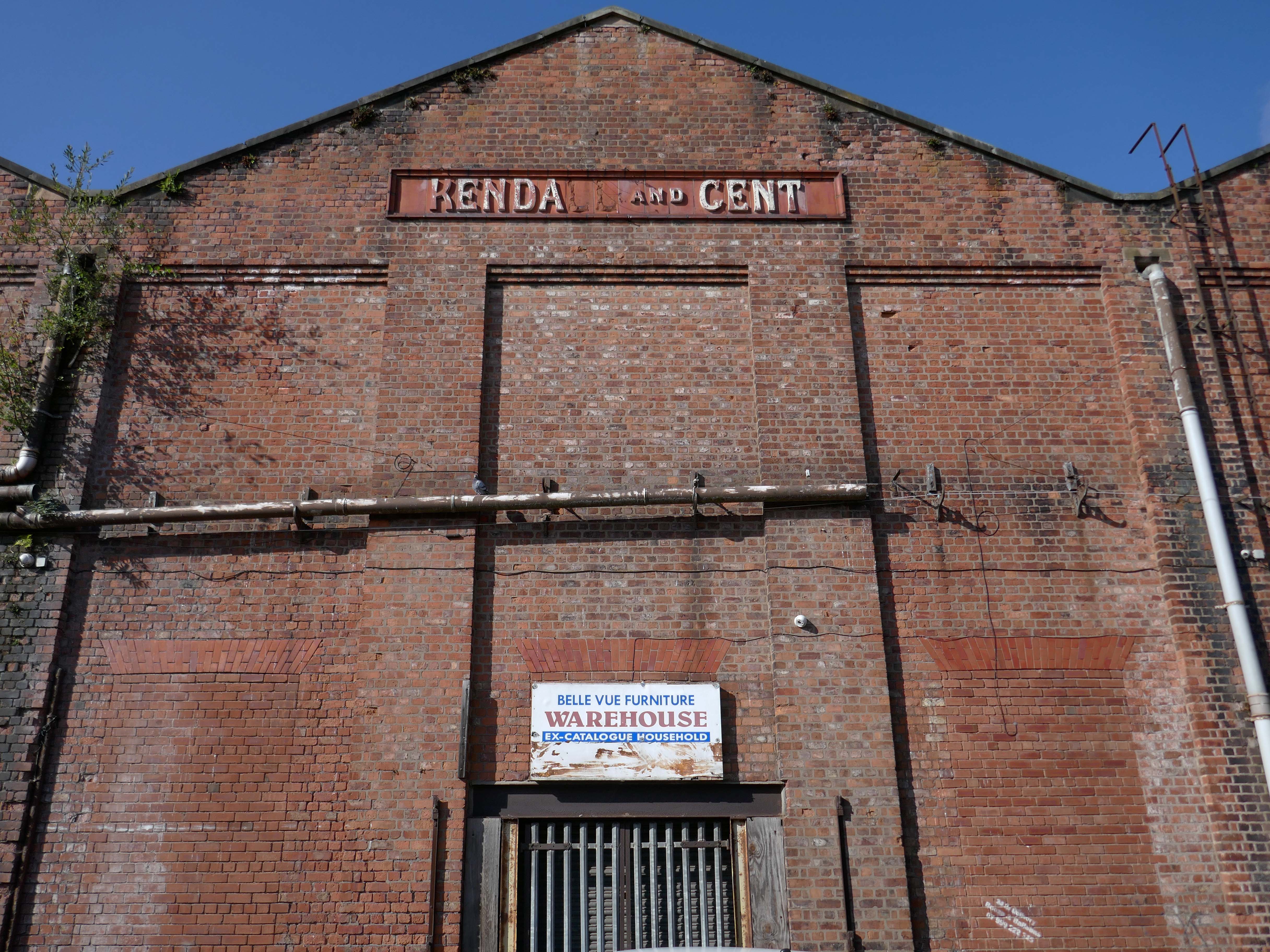
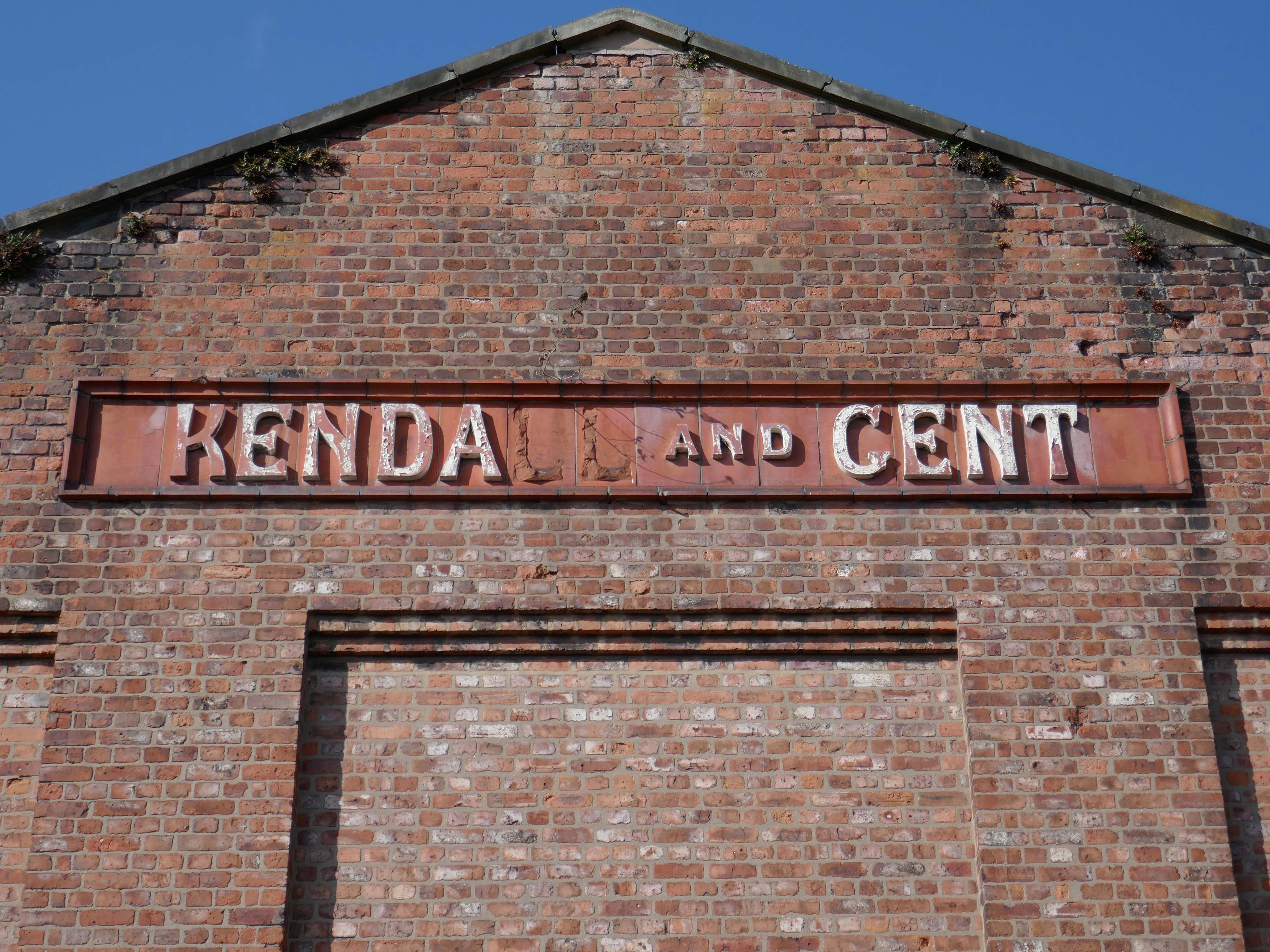
Victoria Works Williams Street

Victoria Works Williams Road
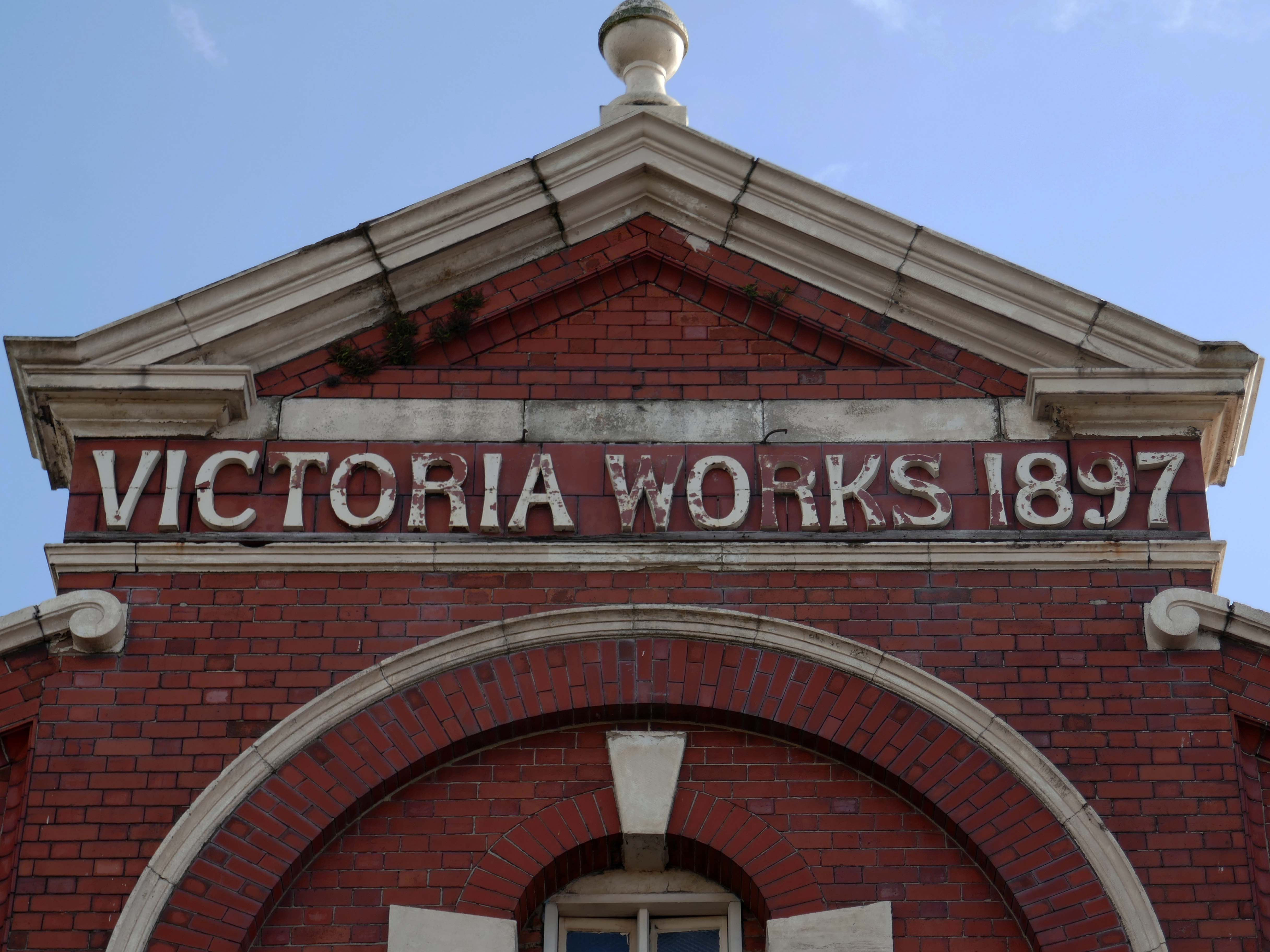
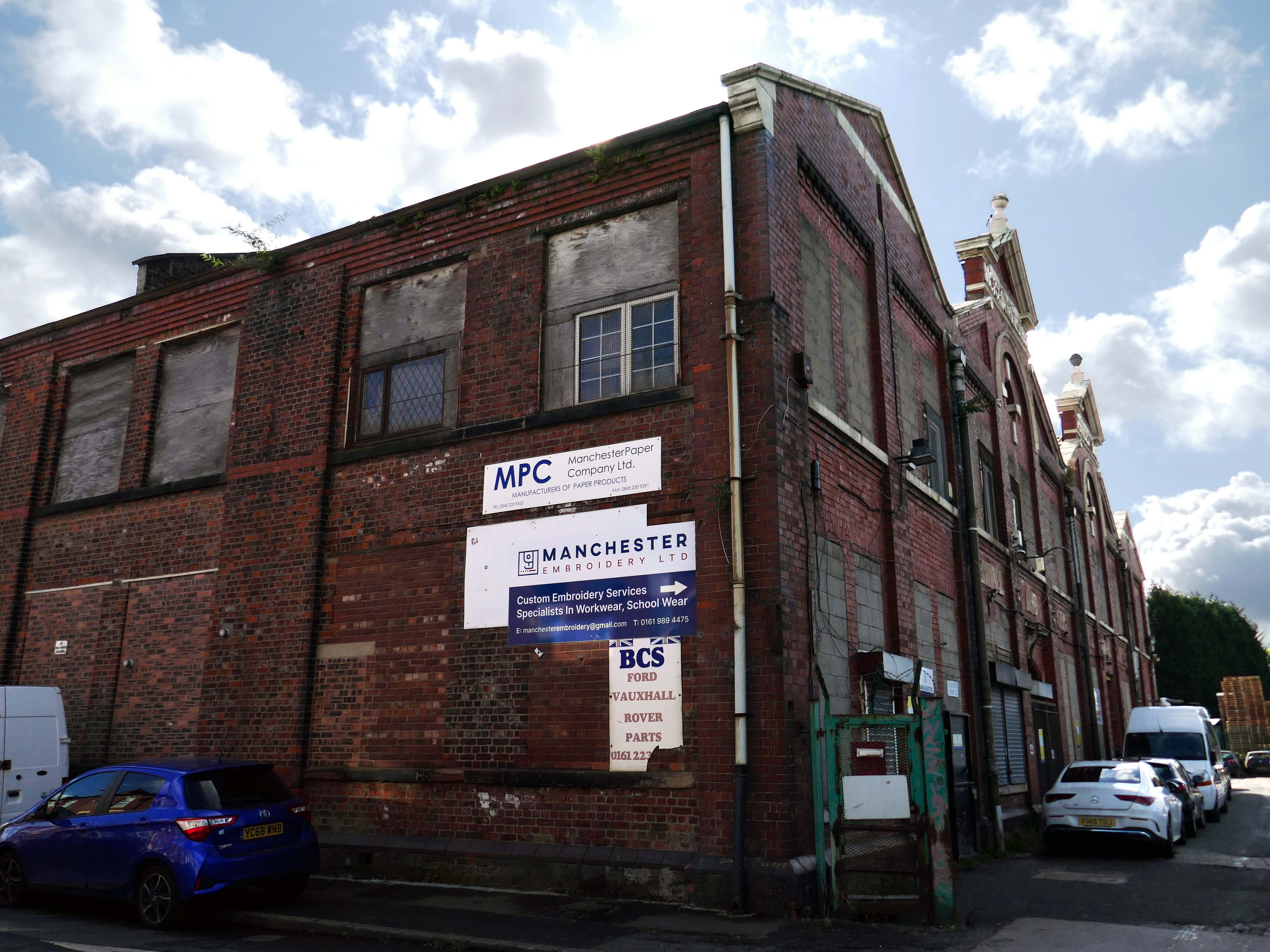


Manchester’s engineering industry has subsequently been seriously diminished.
The building became a base for toilet paper manufacturing and distribution.

But the metal beat goes on in both Wolverhampton and Florida.
Originally formed in 1847, Kendall and Gent enjoyed many years as one of the biggest machine tool manufacturers in the UK, producing many large machines which are still in production today. Many of the tangential threading machines are still used in pipe, bolt and stud threading.
Also of interest Richard Peacock Gorton industrialist .






 Modern Mooch