

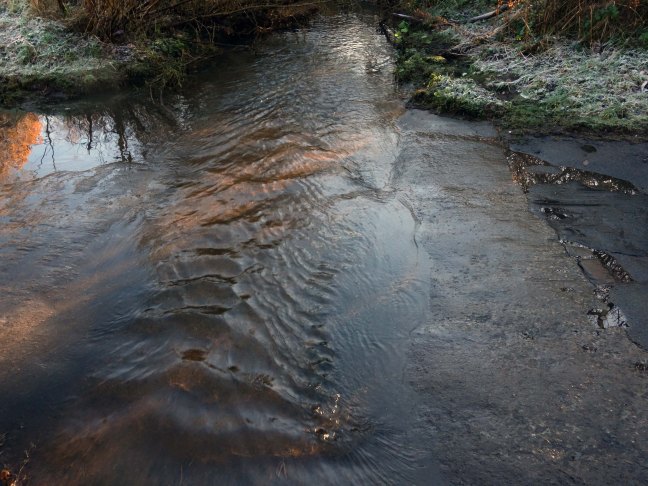
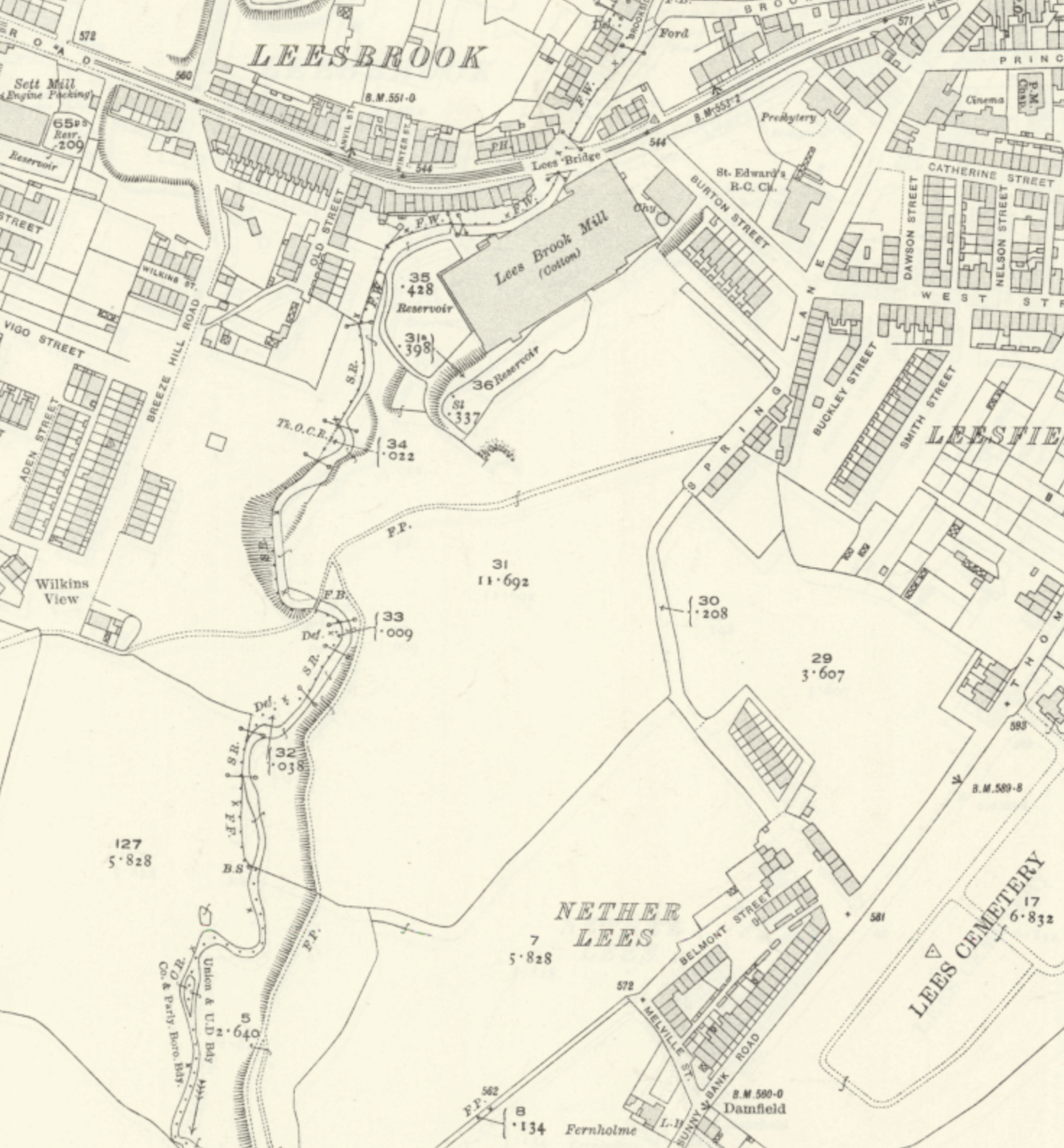
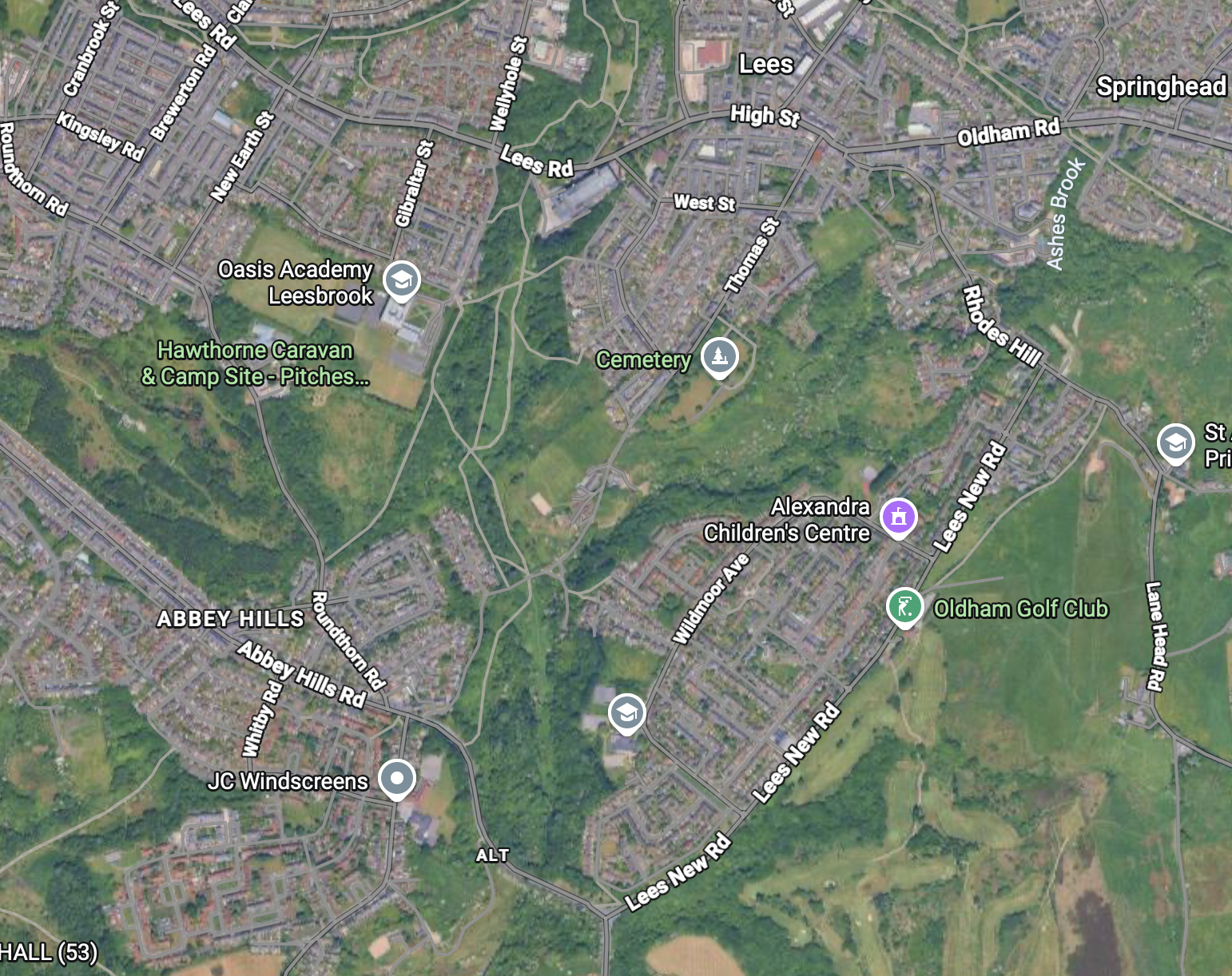
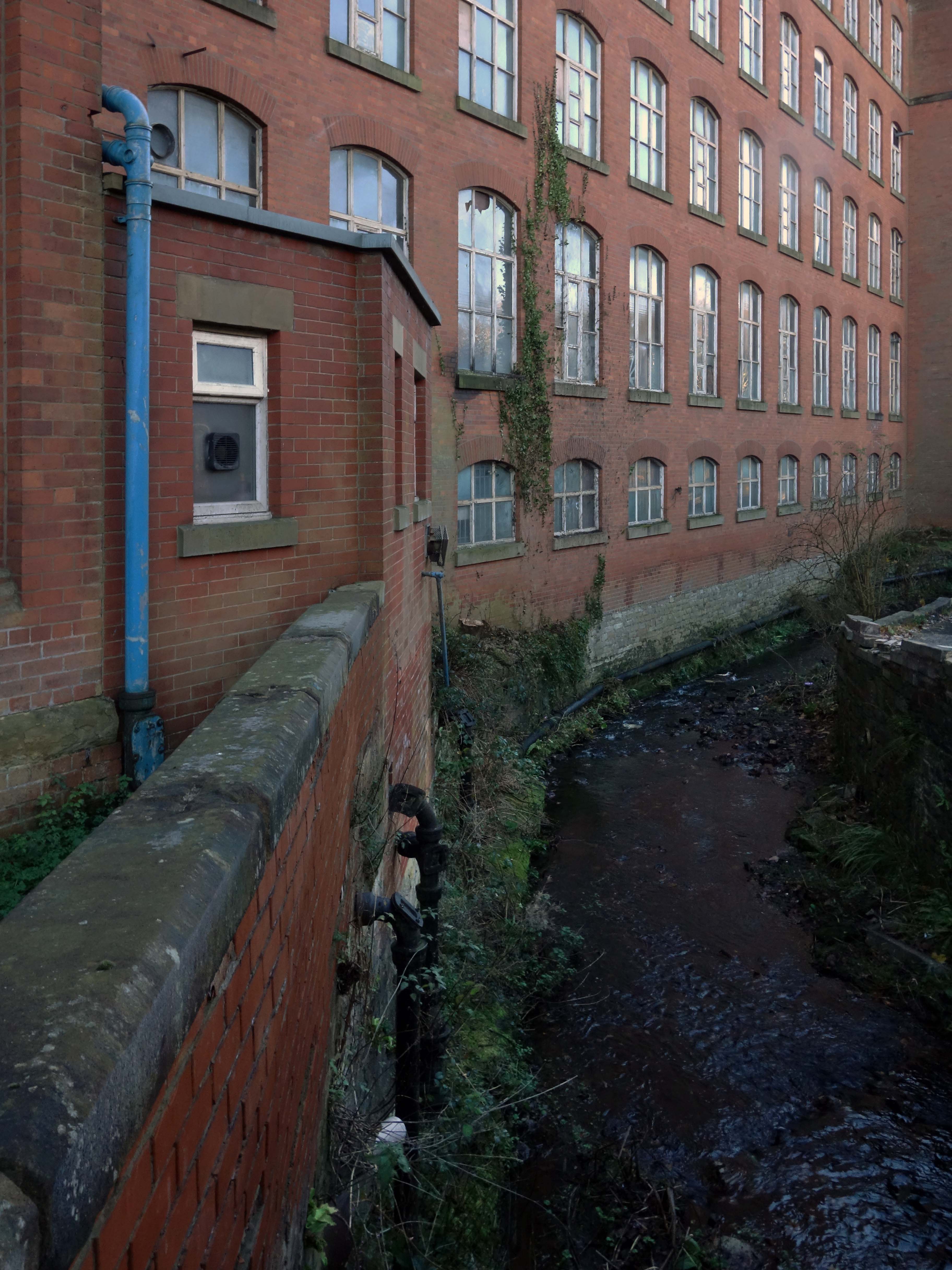
From Lees the River Medlock flows beside the Lees Brook Mill, before quickly disappearing.
The culvert is a reasonable length at four hundred and eighty metres, from the downstream end the culvert is five feet square concrete sections, after fifty metres there is a forty five degree bend and manhole shaft. The square concrete sections then continue for a further two hundred and eighty metres to a transition to circular concrete pipe, this then runs for approximately one hundred and fifty metres meters.
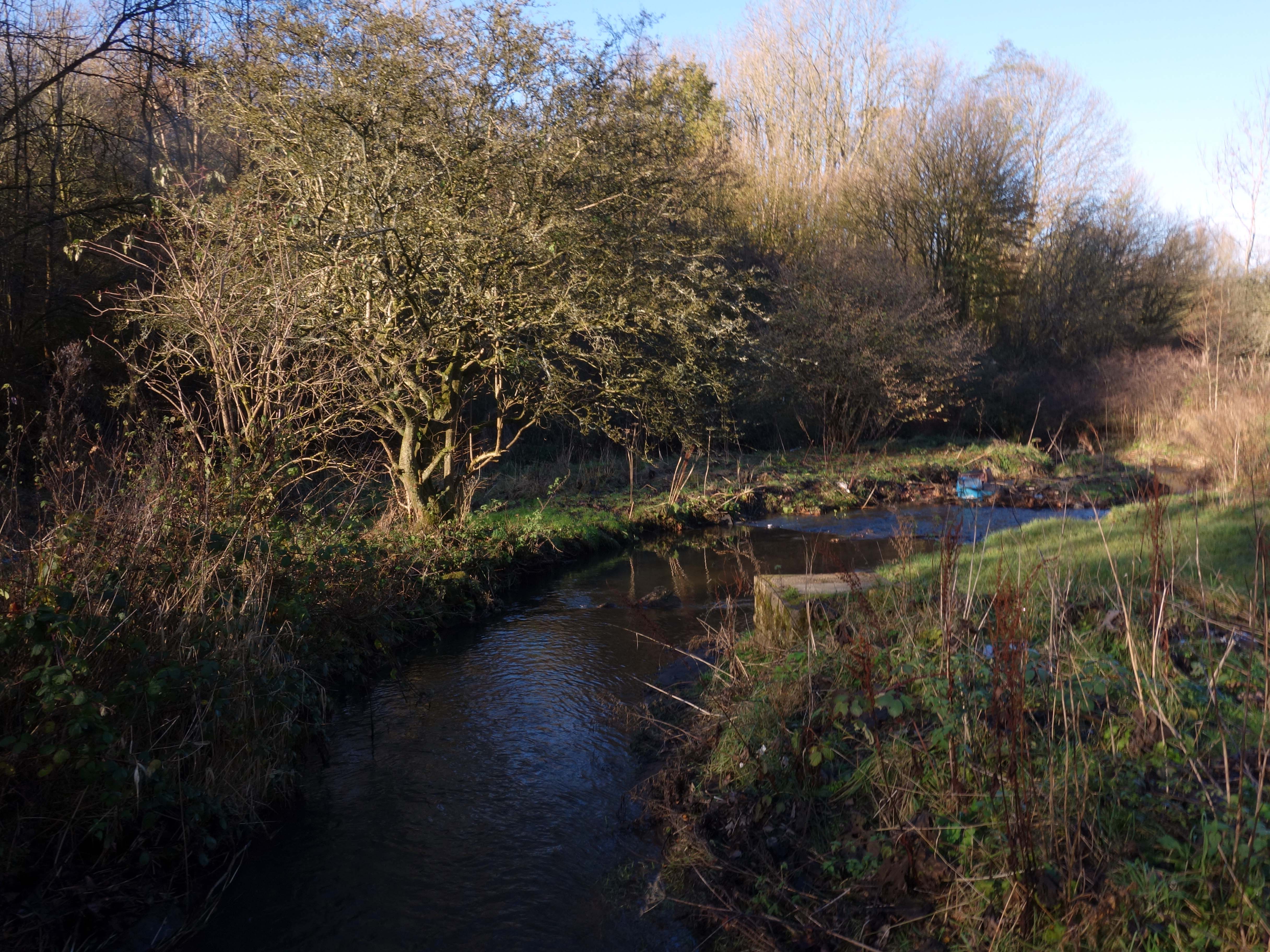
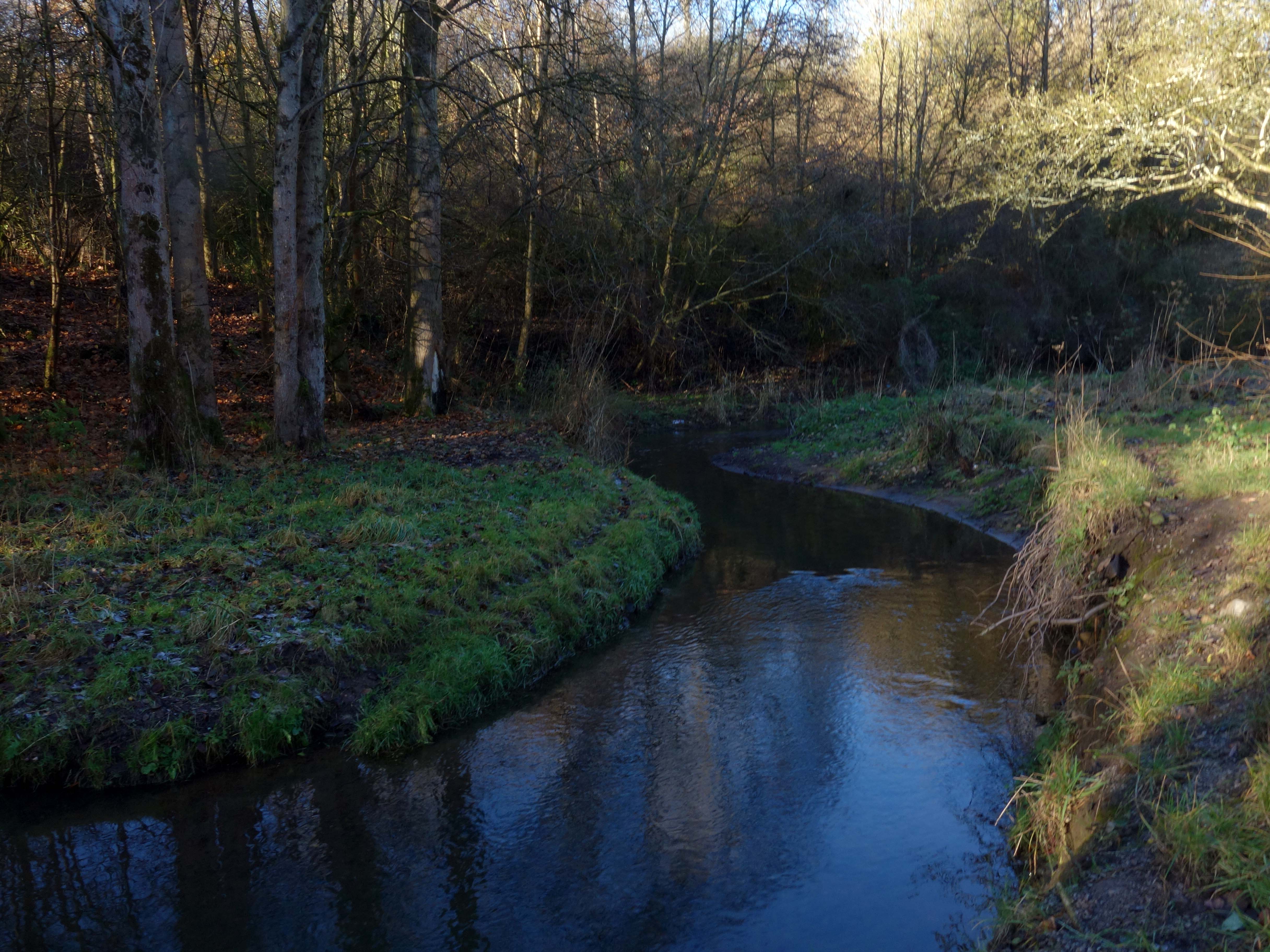
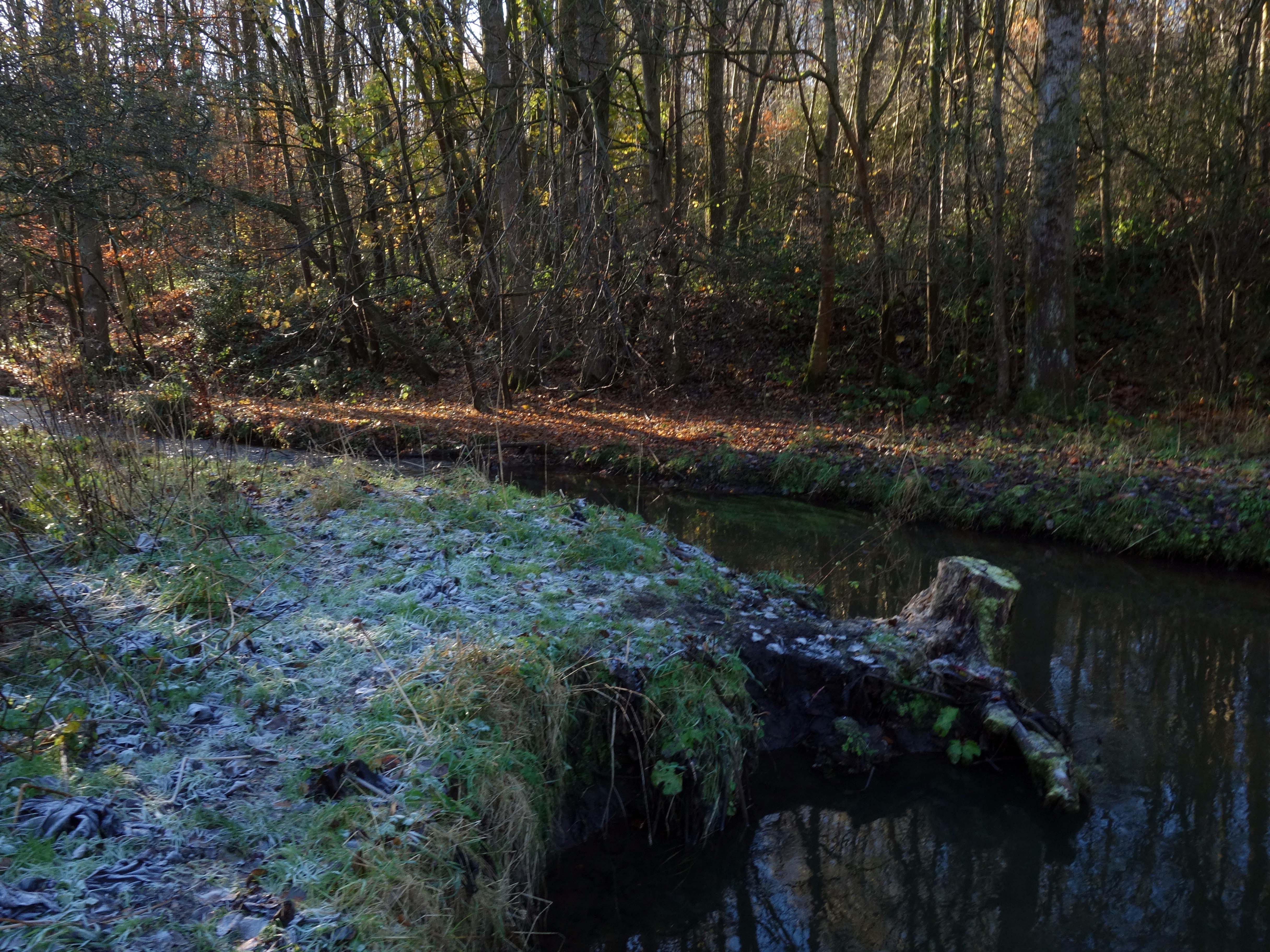
Winding slowly to its confluence with Thornley Brook.
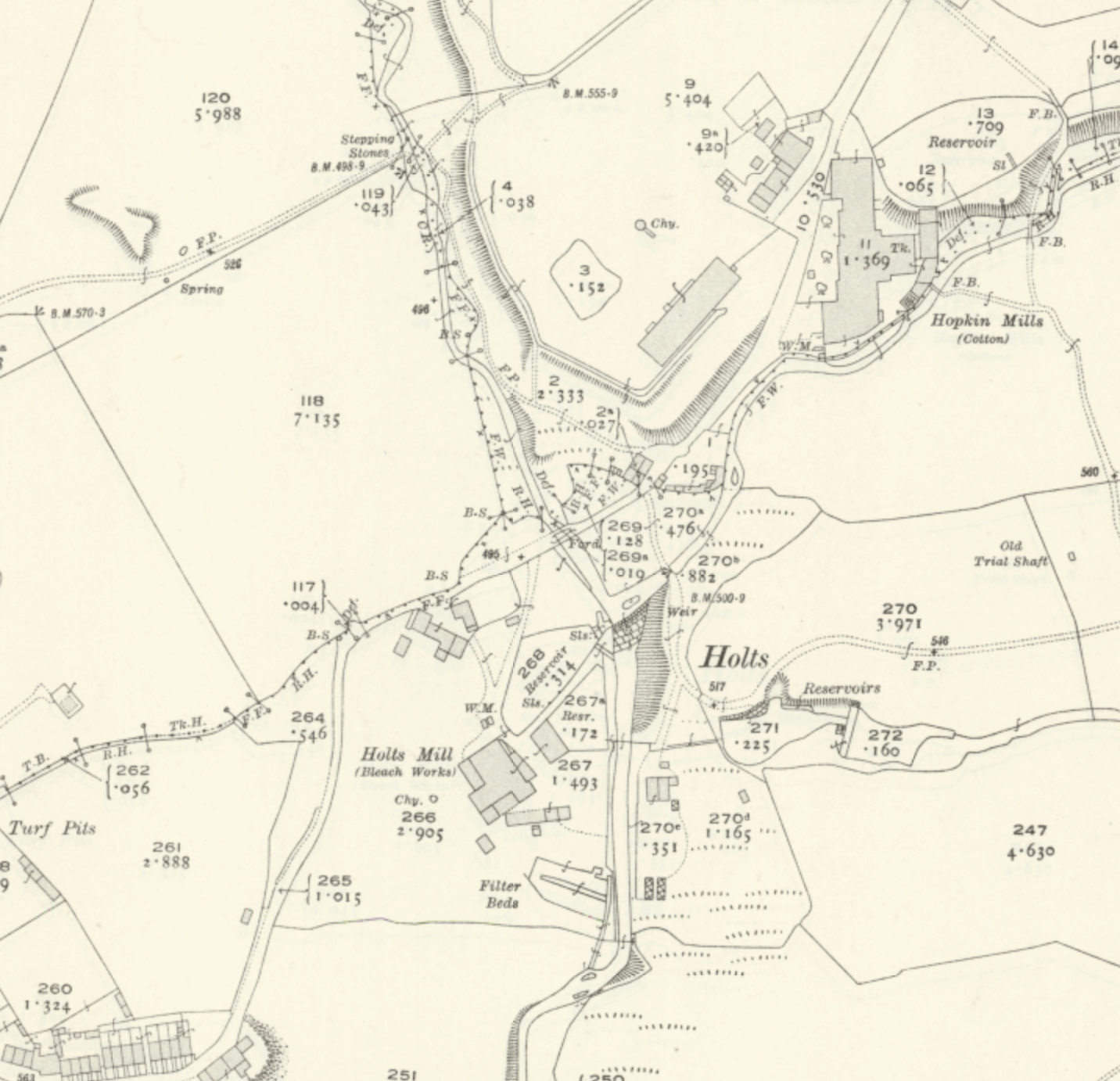
Thornley Brook itself is located within a shallow but steeply sided valley, generally contained by vegetation, a further unnamed brook flows south to north
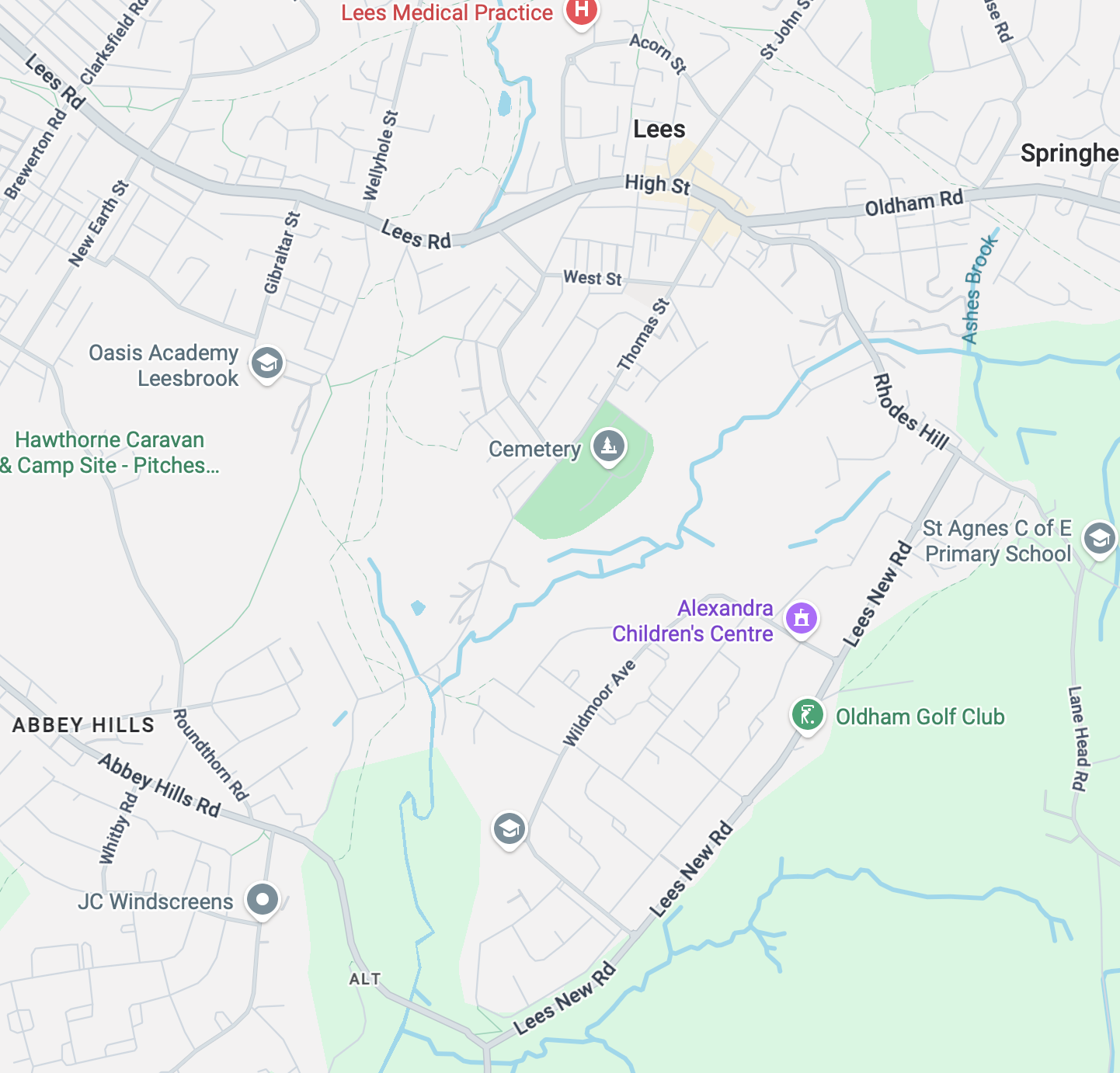
There is a cruciform of valleys enclosed by housing on all sides.
Lees Brook Mill 1884 cotton spinning mill – architect: Joseph Stott for the Leesbrook Spinning Company.
Production ceased in 1990 despite extensive plant modernisation, converted to warehouse use.
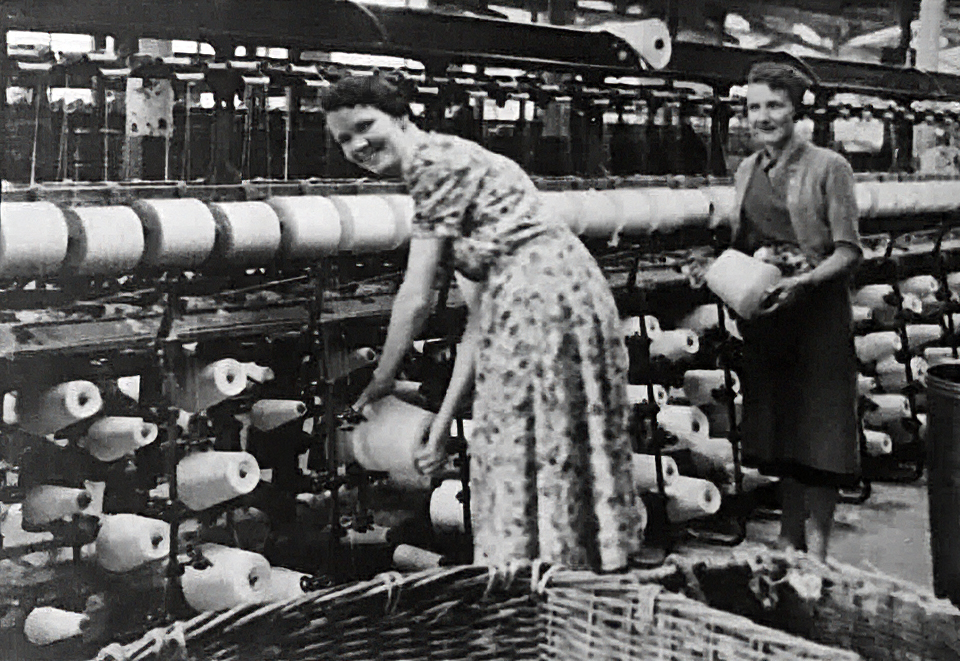
Photo: Sandra Bridgehouse
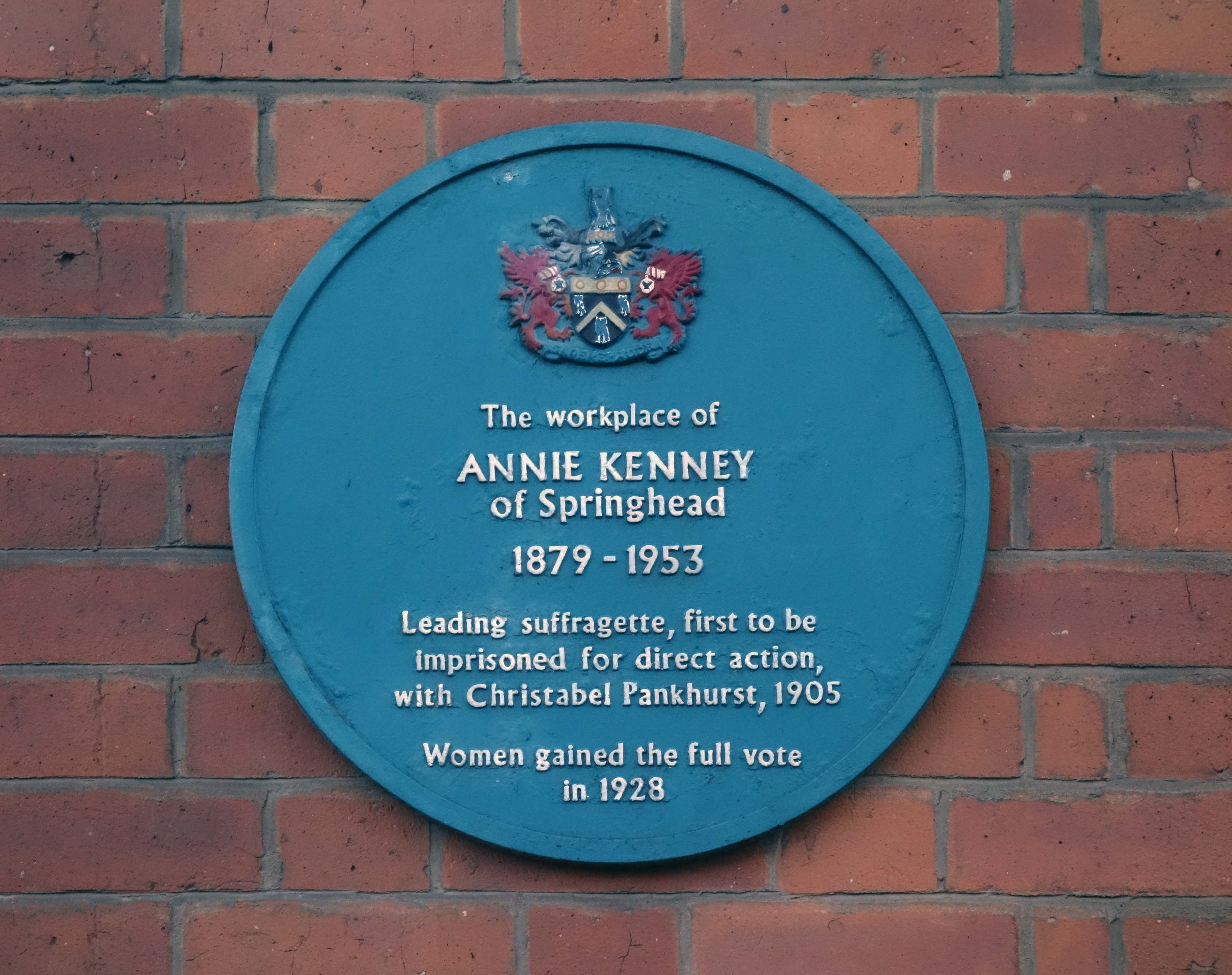
This memorial blue plaque is attached to the mill.
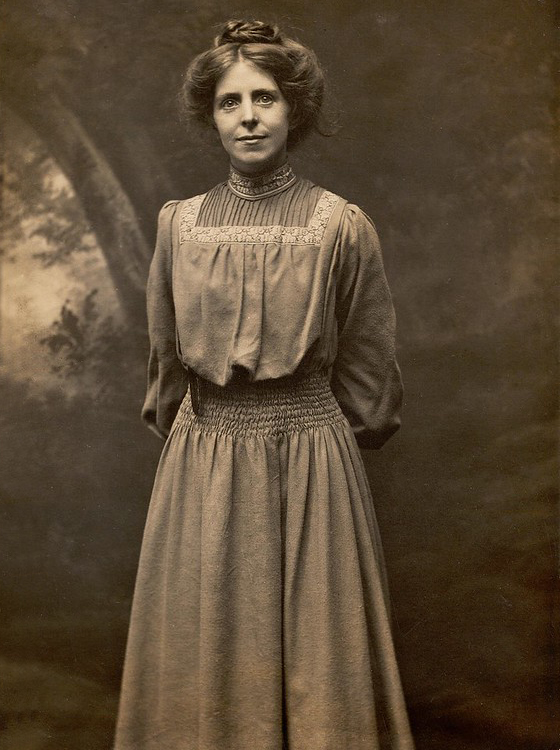
We previously encountered Annie Kenney on our Oldham Walk in statuesque form.
Annie Kenney 1879-1953, was an Oldham mill worker who became a prominent figure in the suffragette movement and well respected by the Pankhurst family. Annie grew up in a family of working-class socialists with sisters who also joined the Women’s Social and Political Union to fight for women’s suffrage.
In the late 1700s someone discovered a natural spring in Lees and by the beginning of the 1800s water from Lees Spa was so popular it was being bottled and sold around the country. This explains the existence of Spa Lane, Spring Lane and Spring Close.
Sadly, plans to turn Lees into a spa town went down the pan following the dawn of the Industrial Revolution and the arrival of the cotton mills.
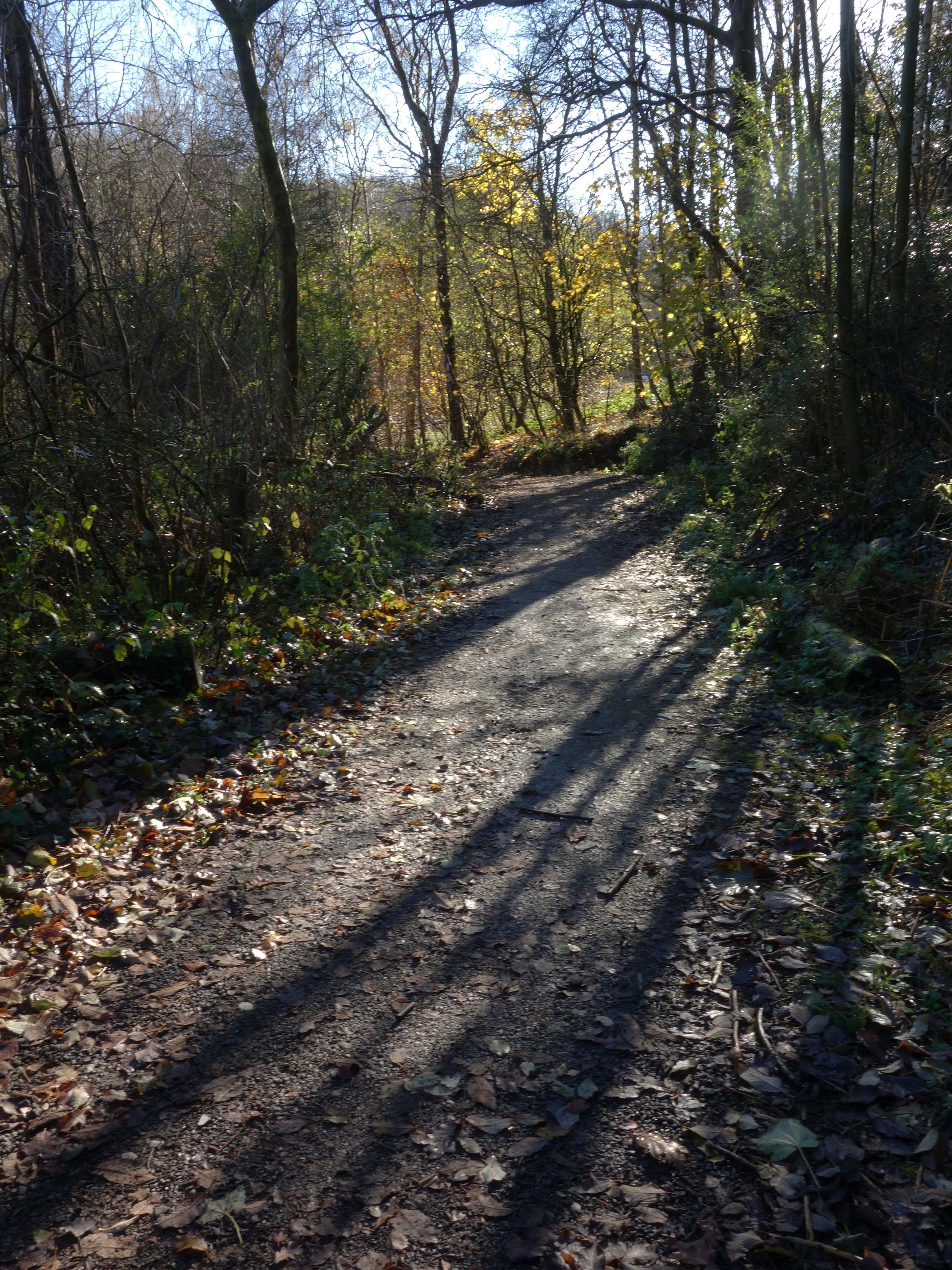
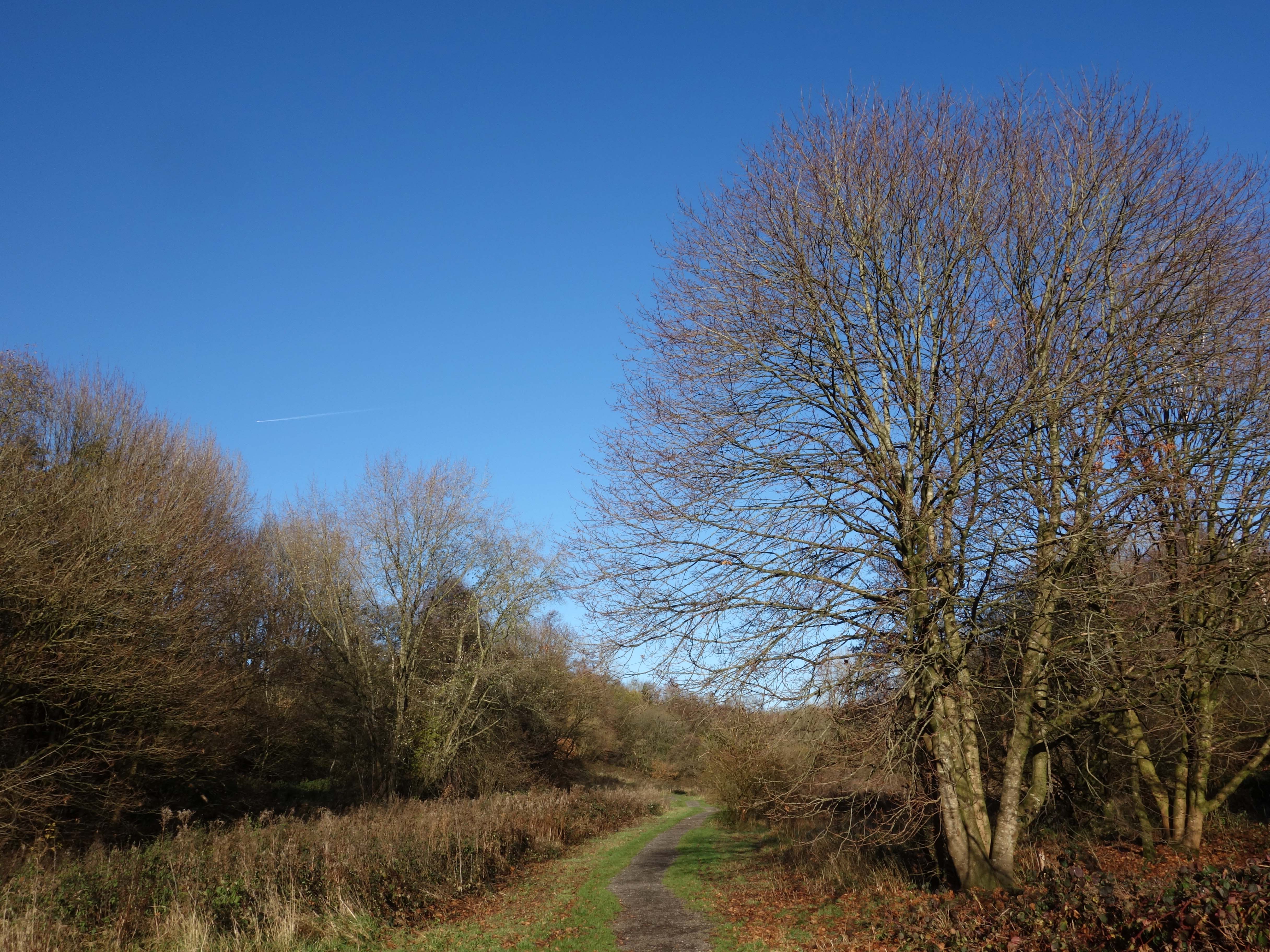
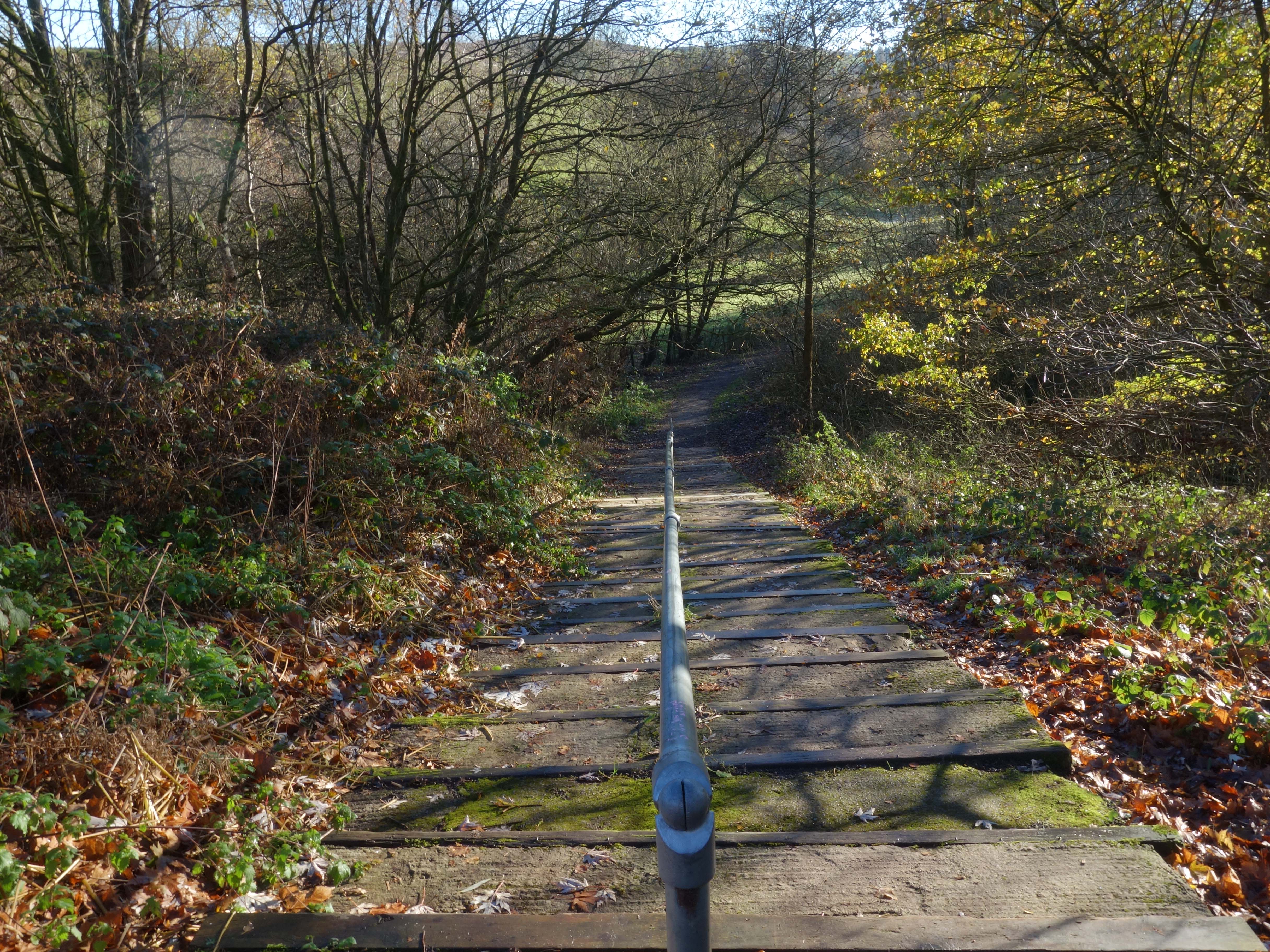
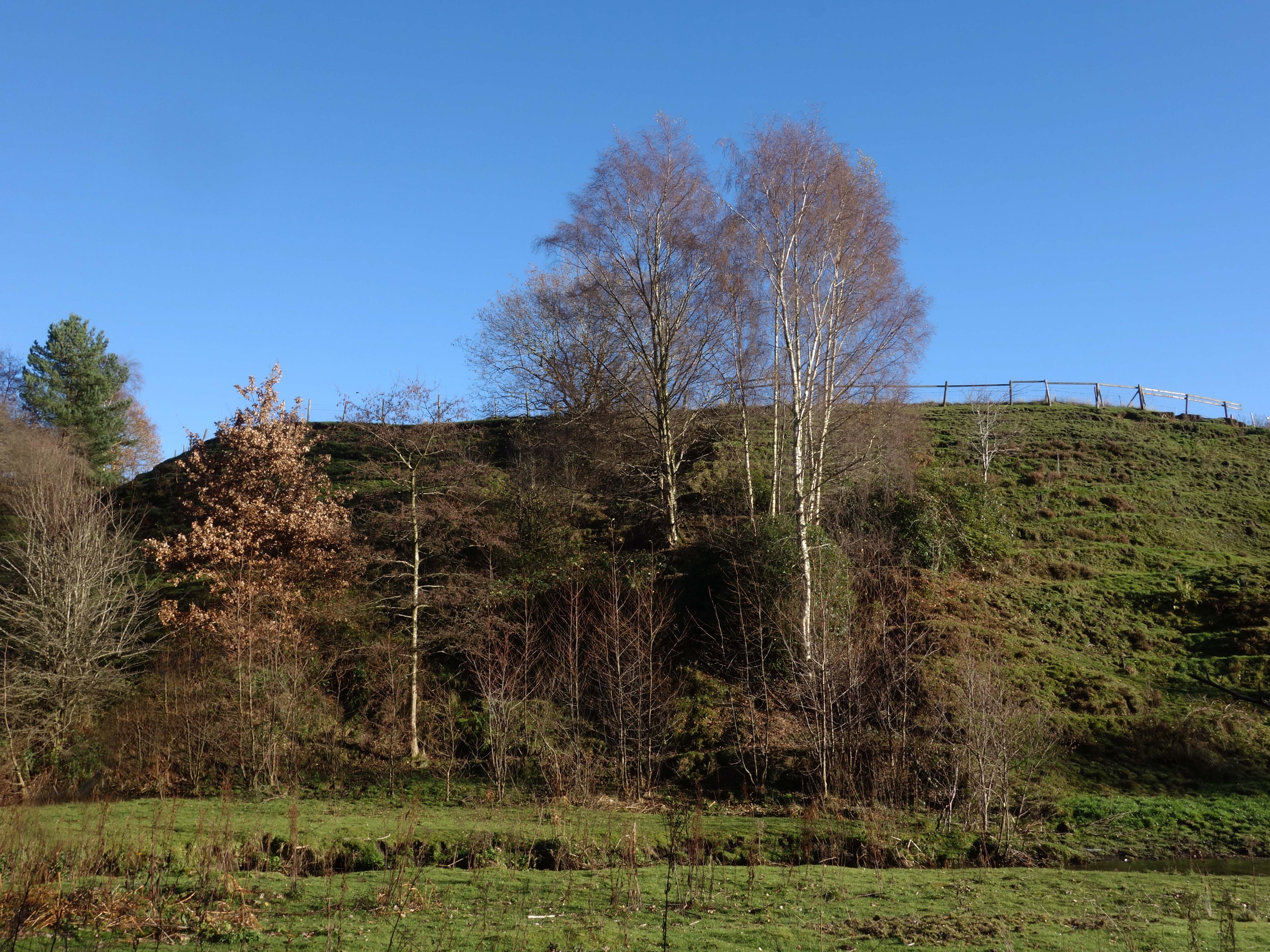
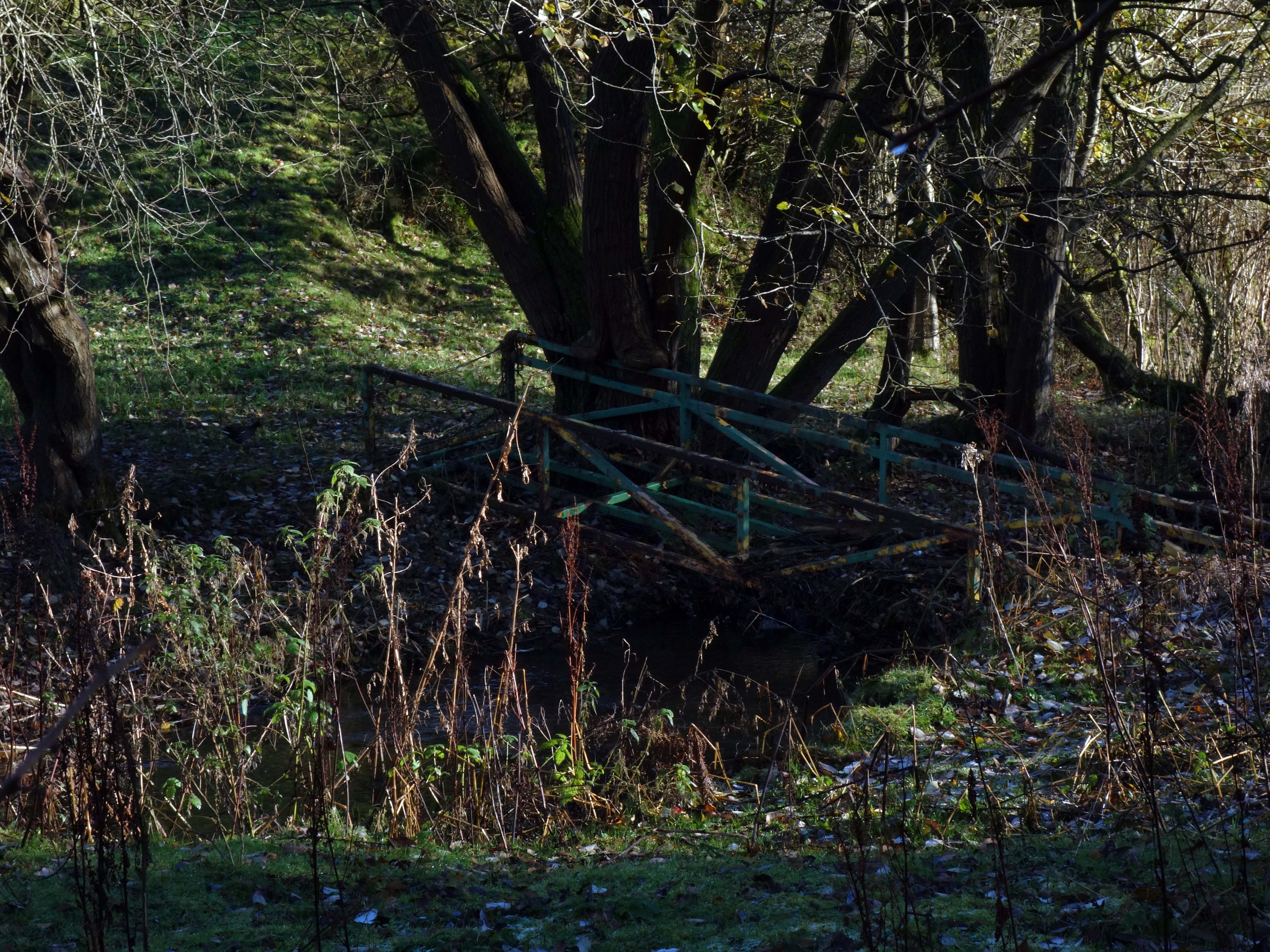
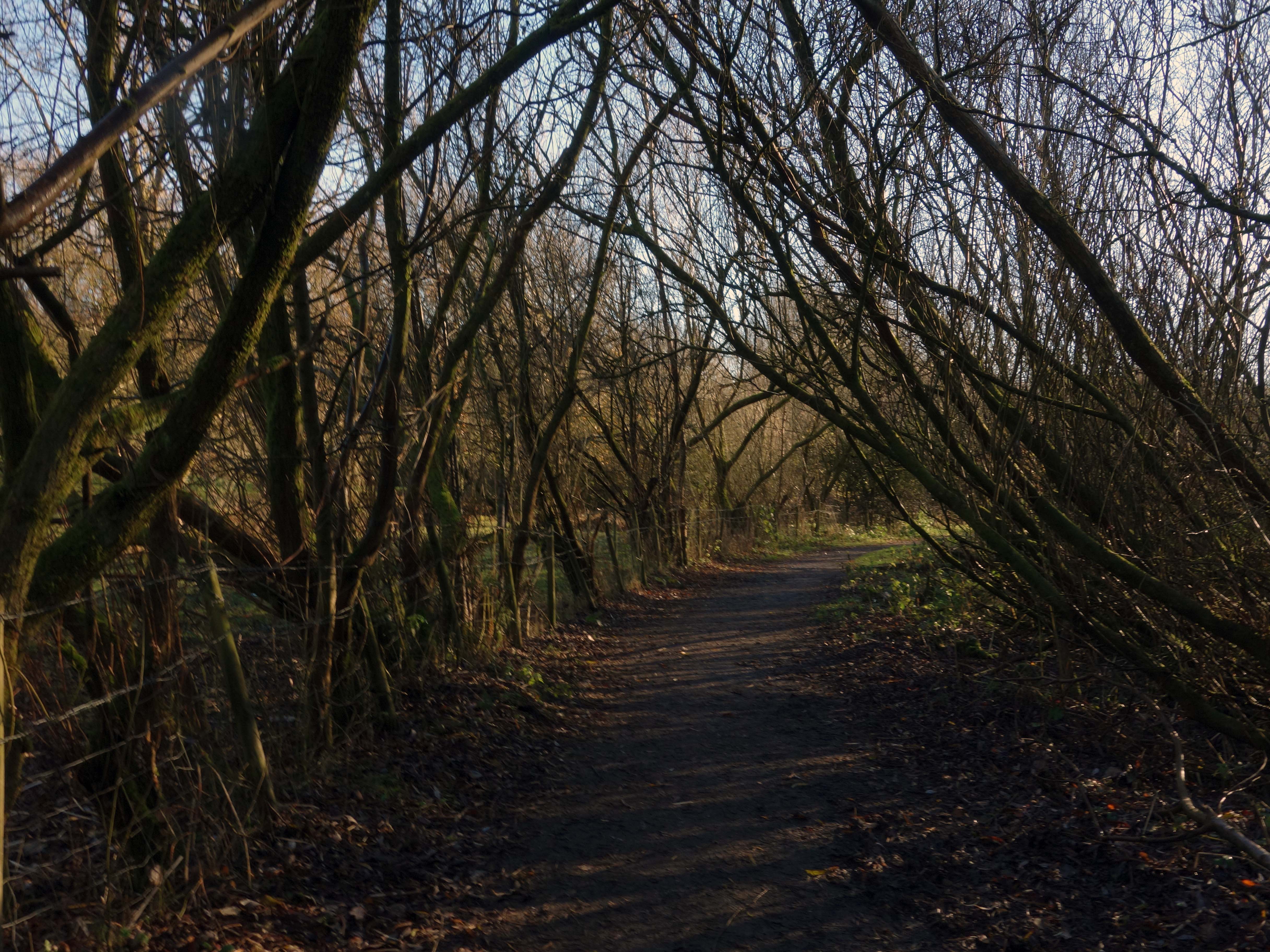
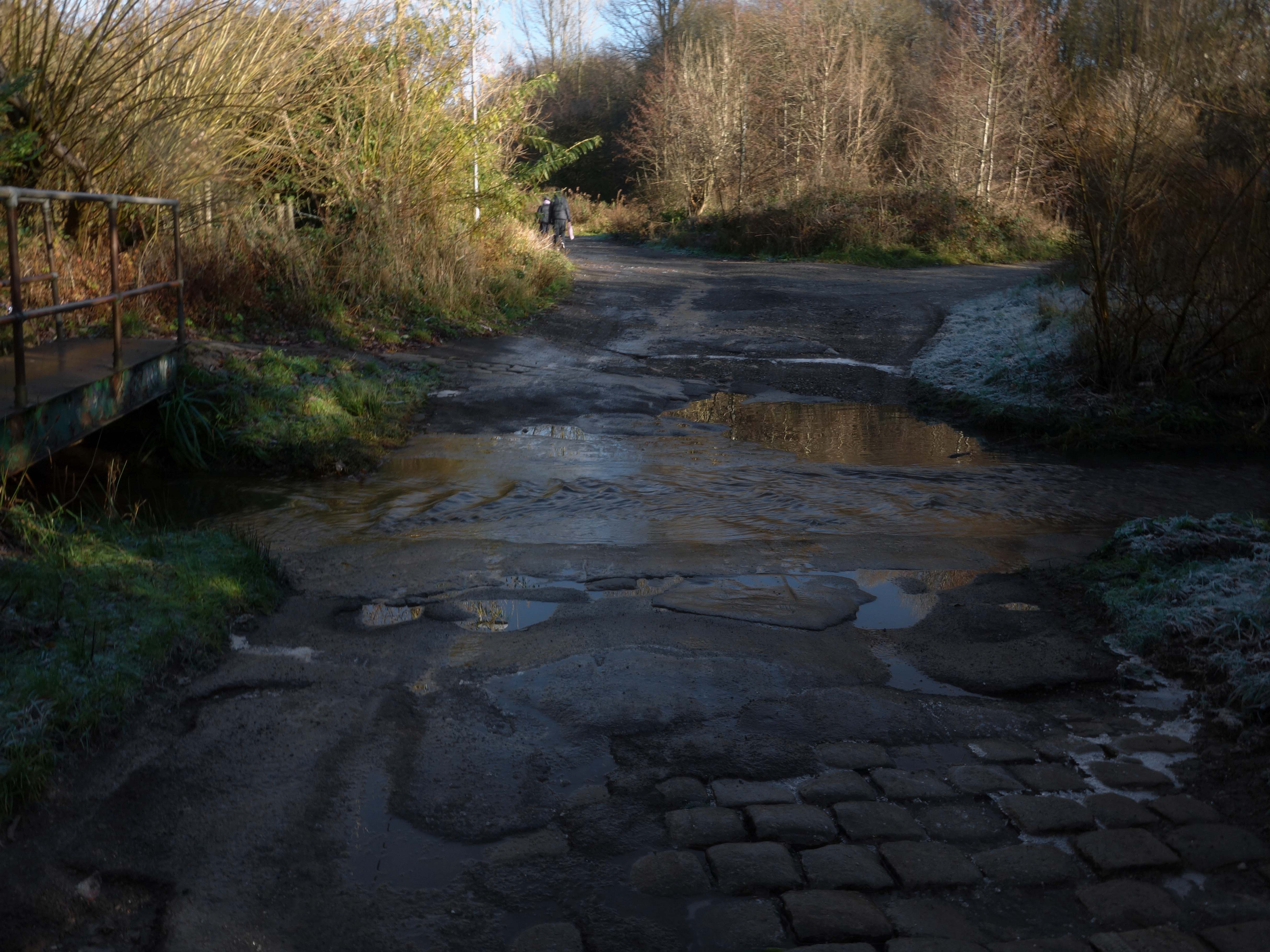
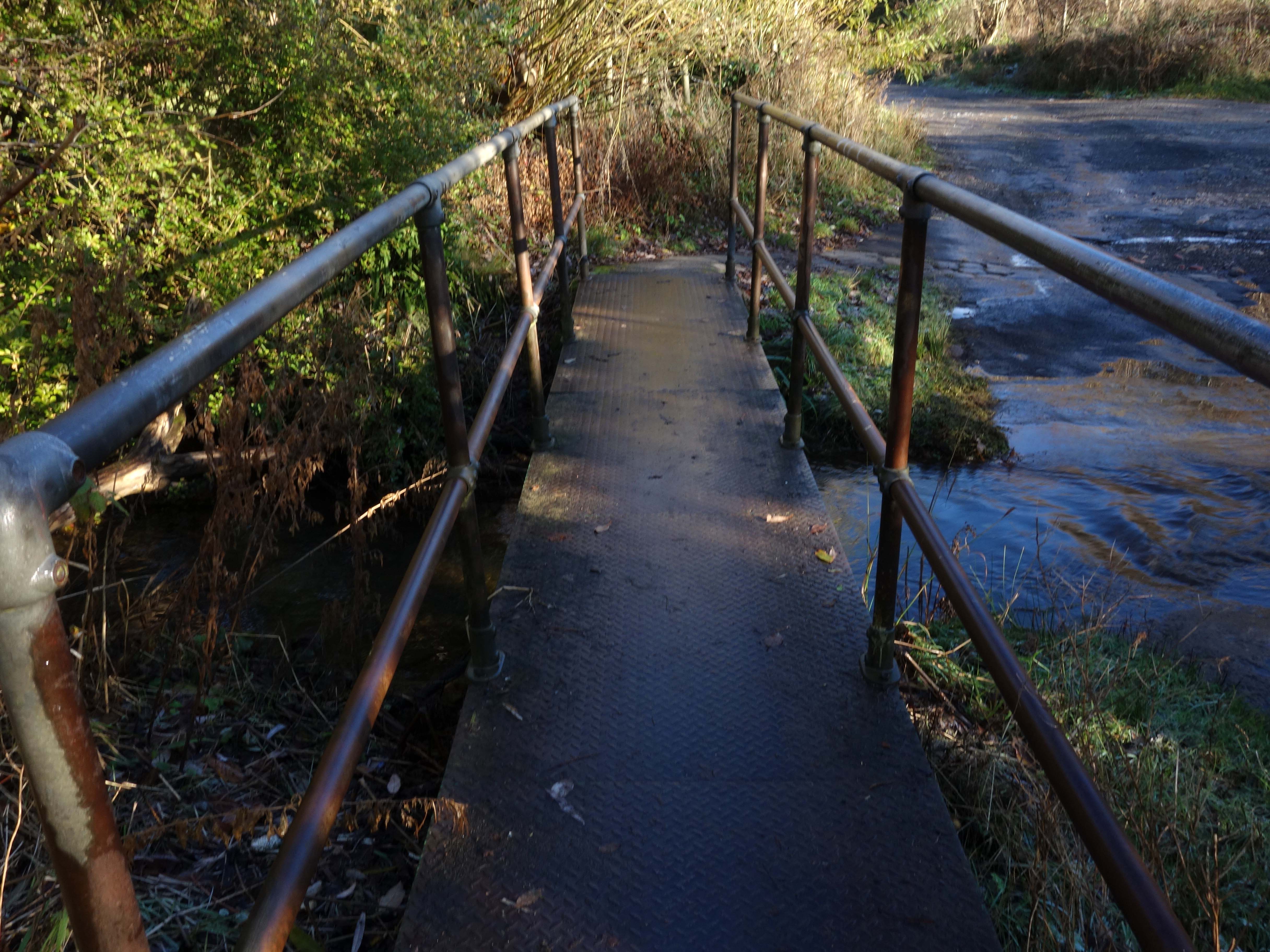
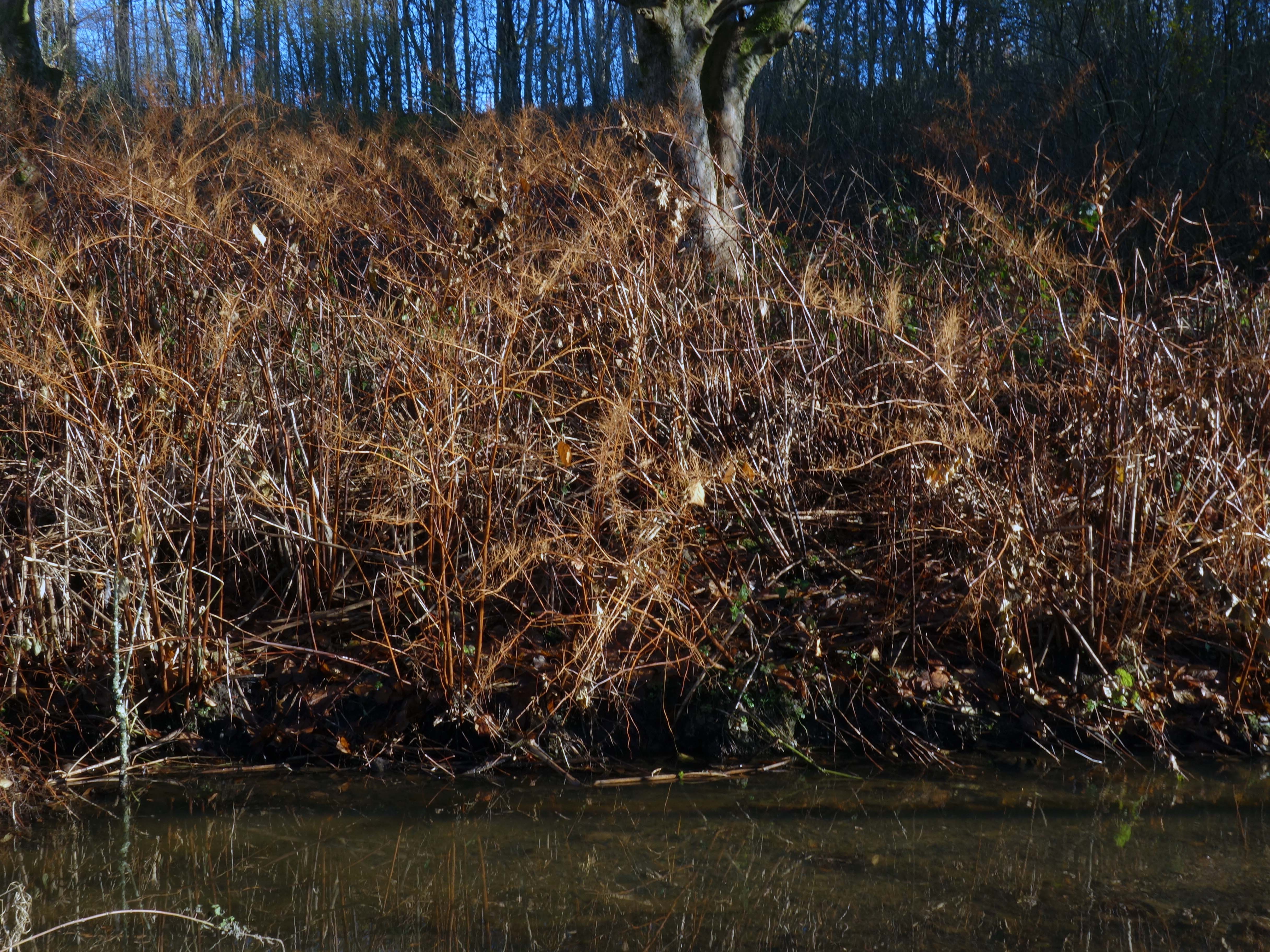
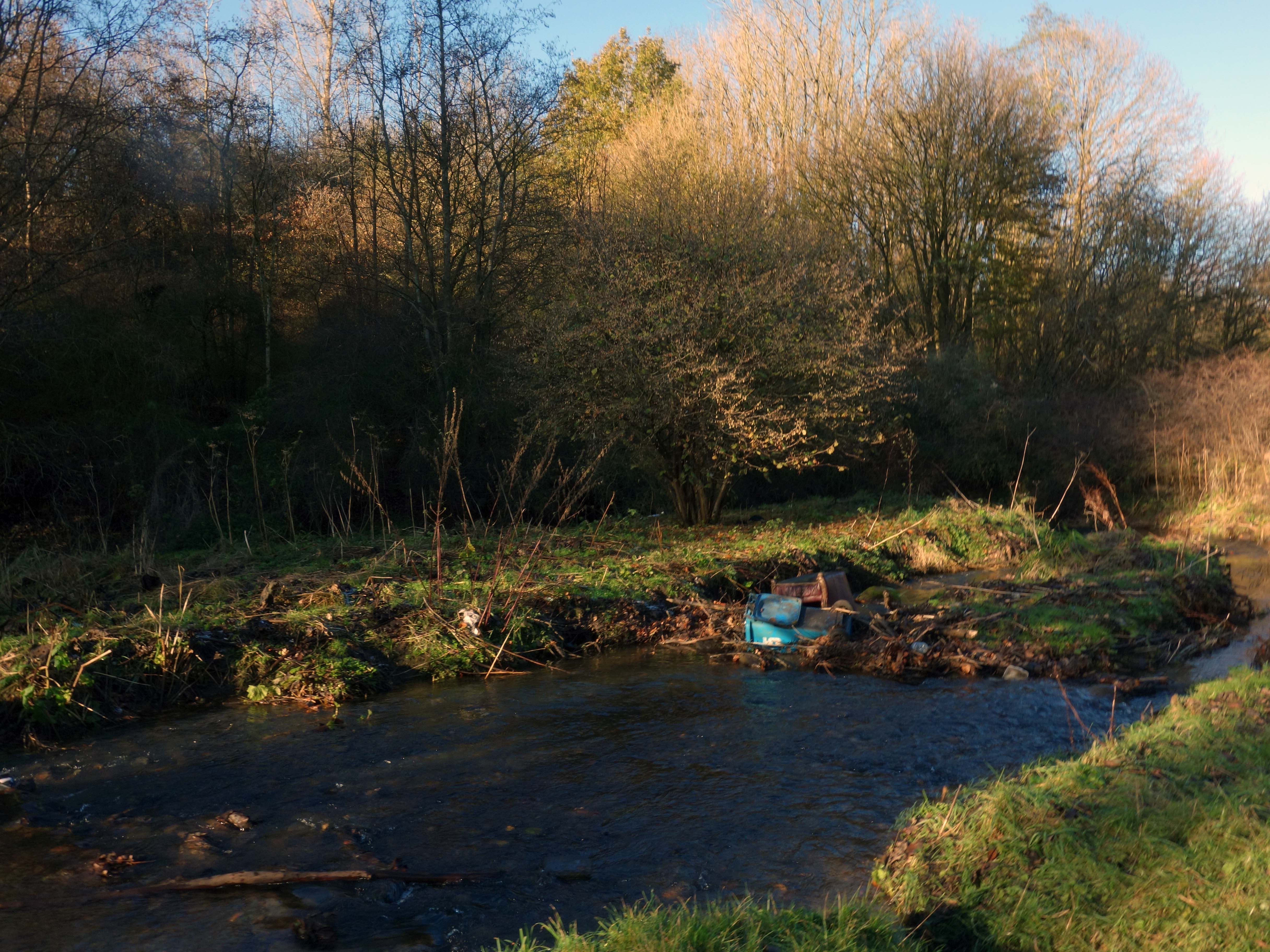
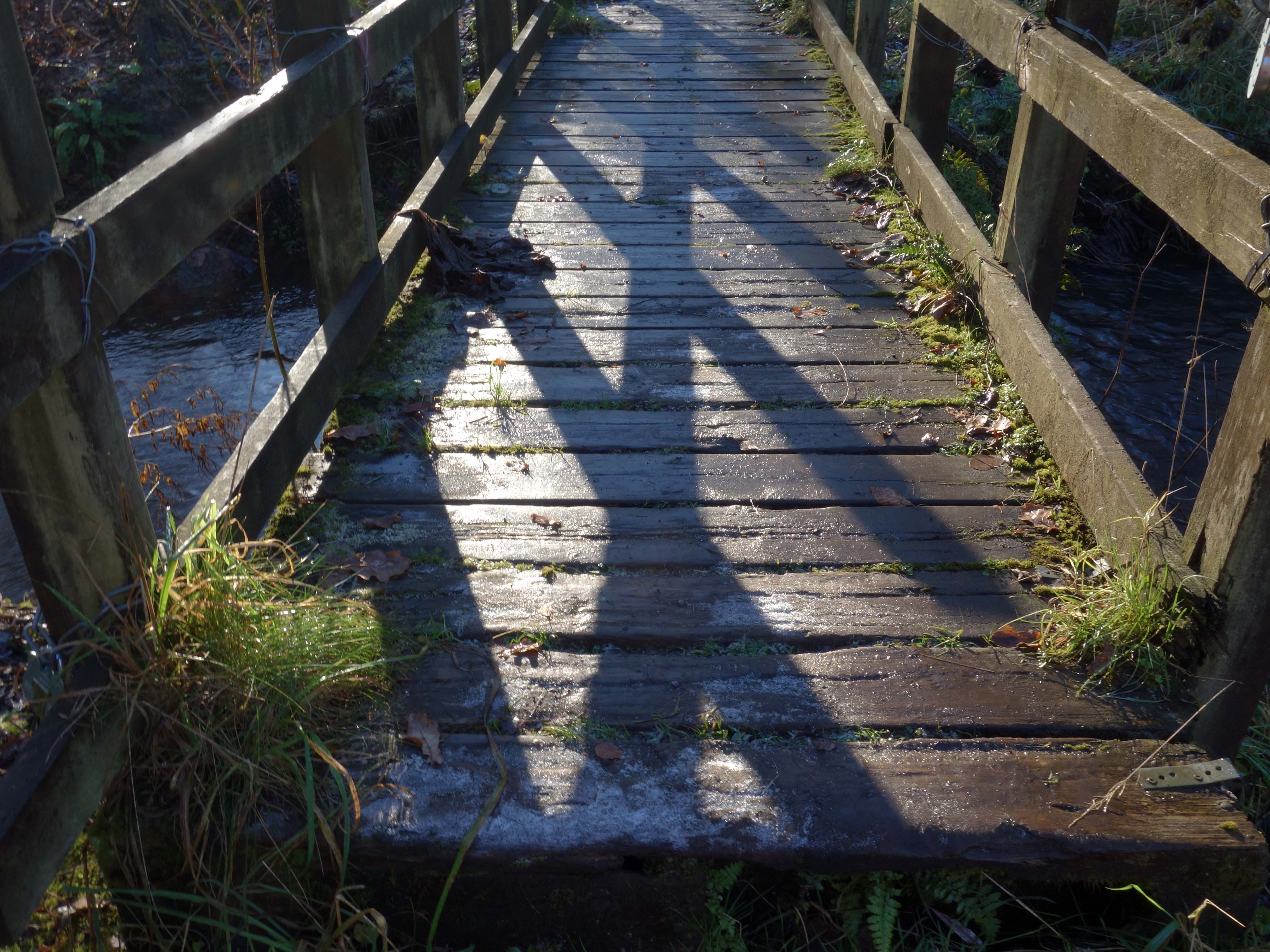
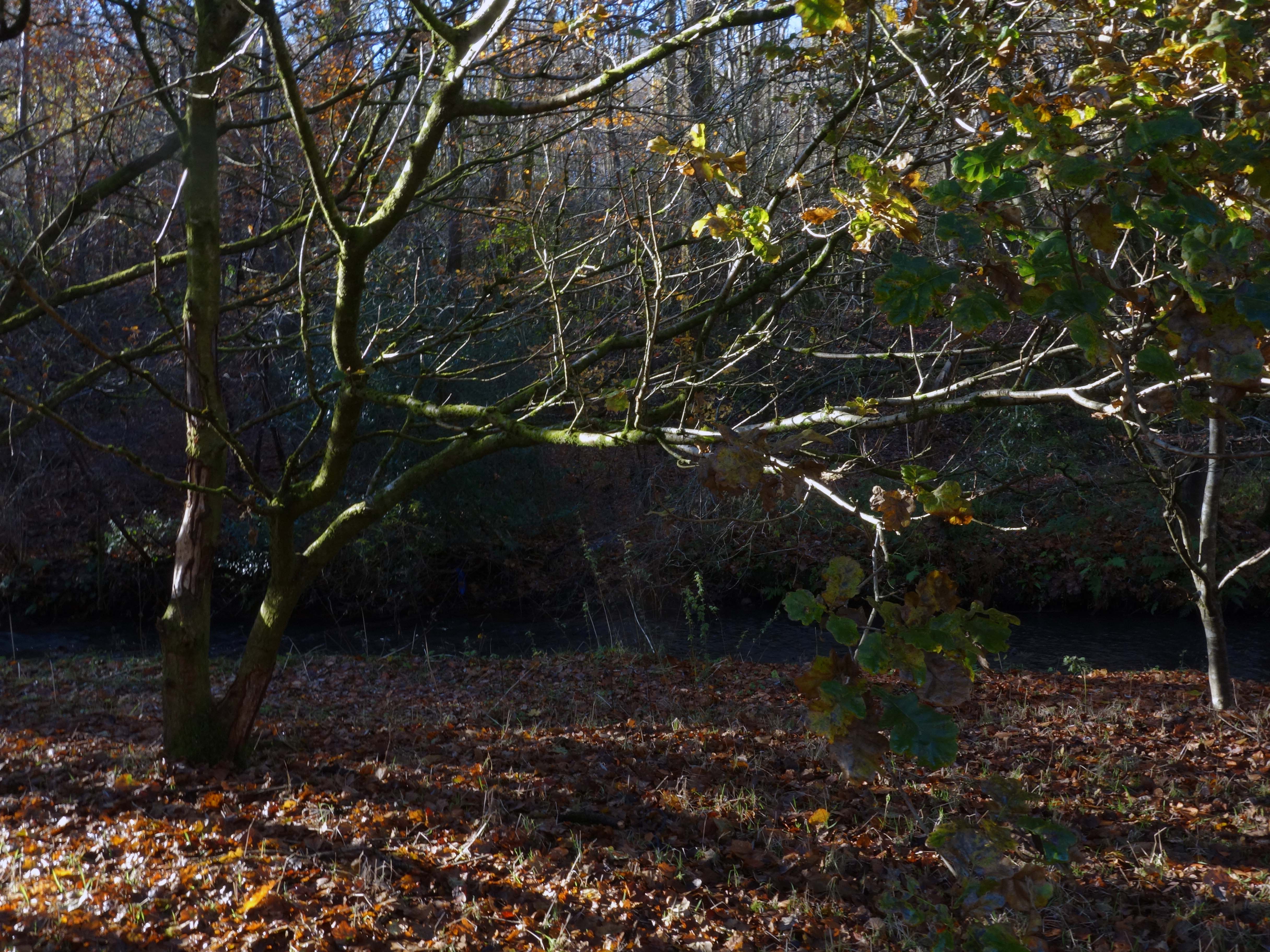
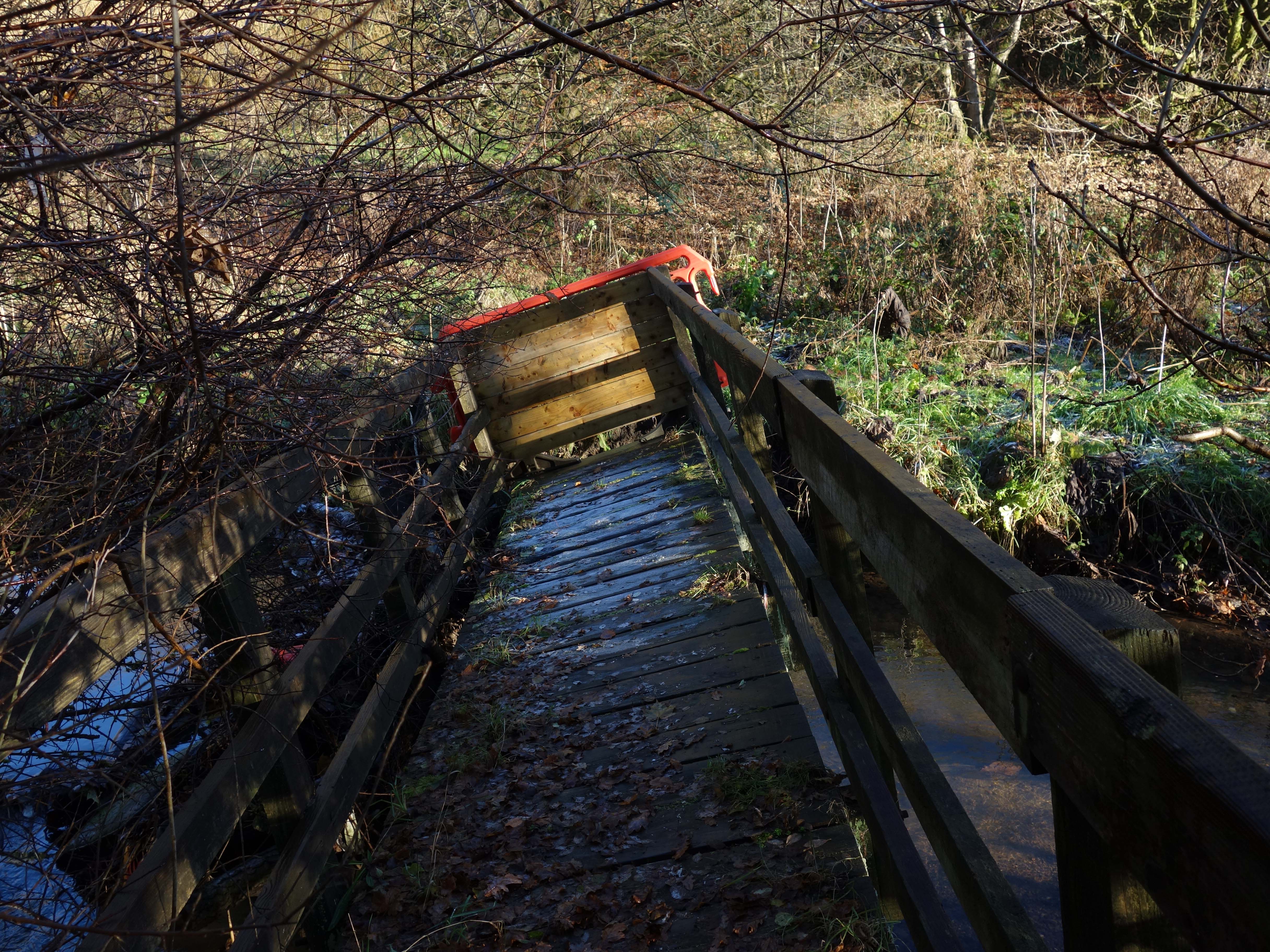
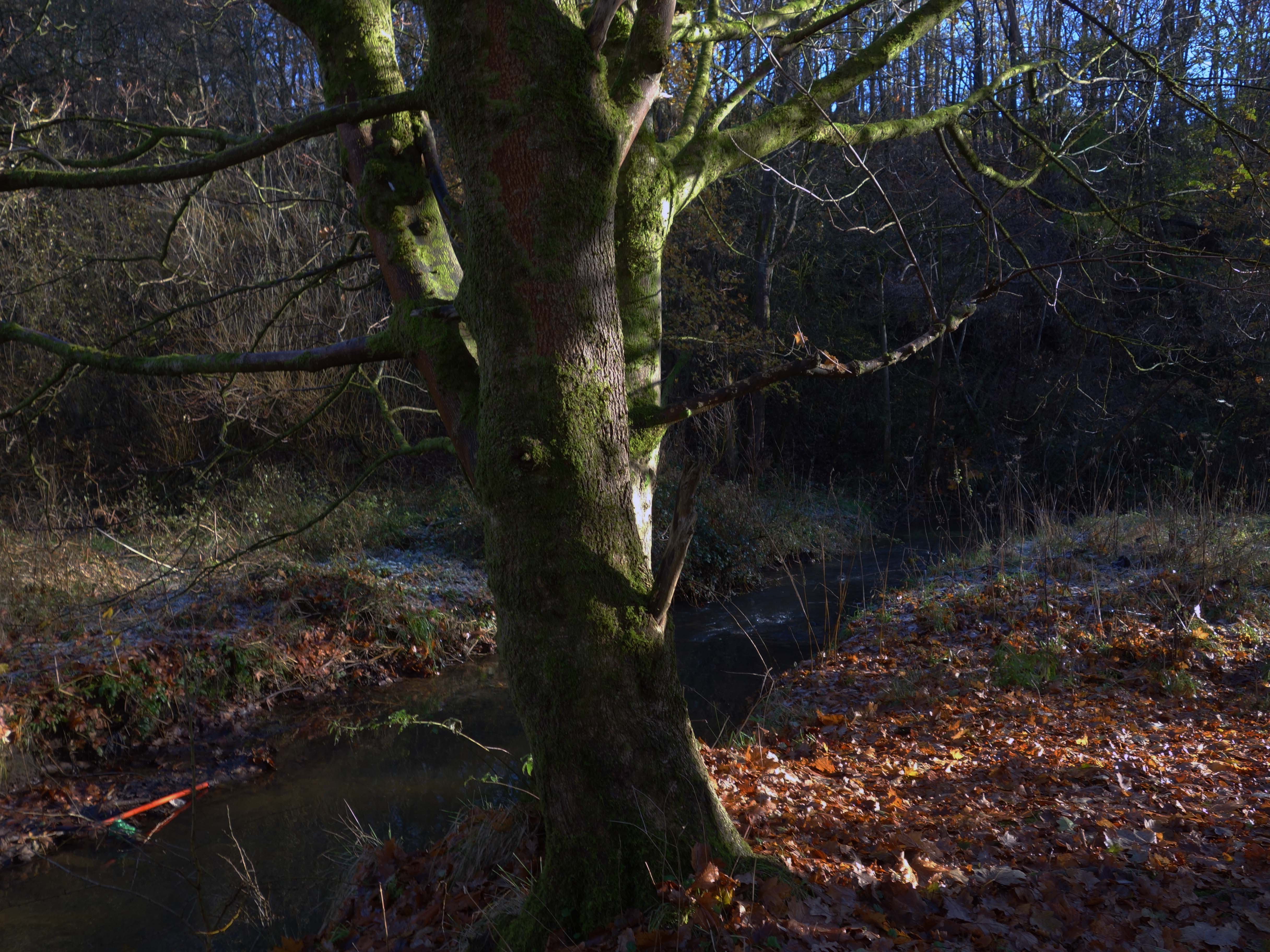
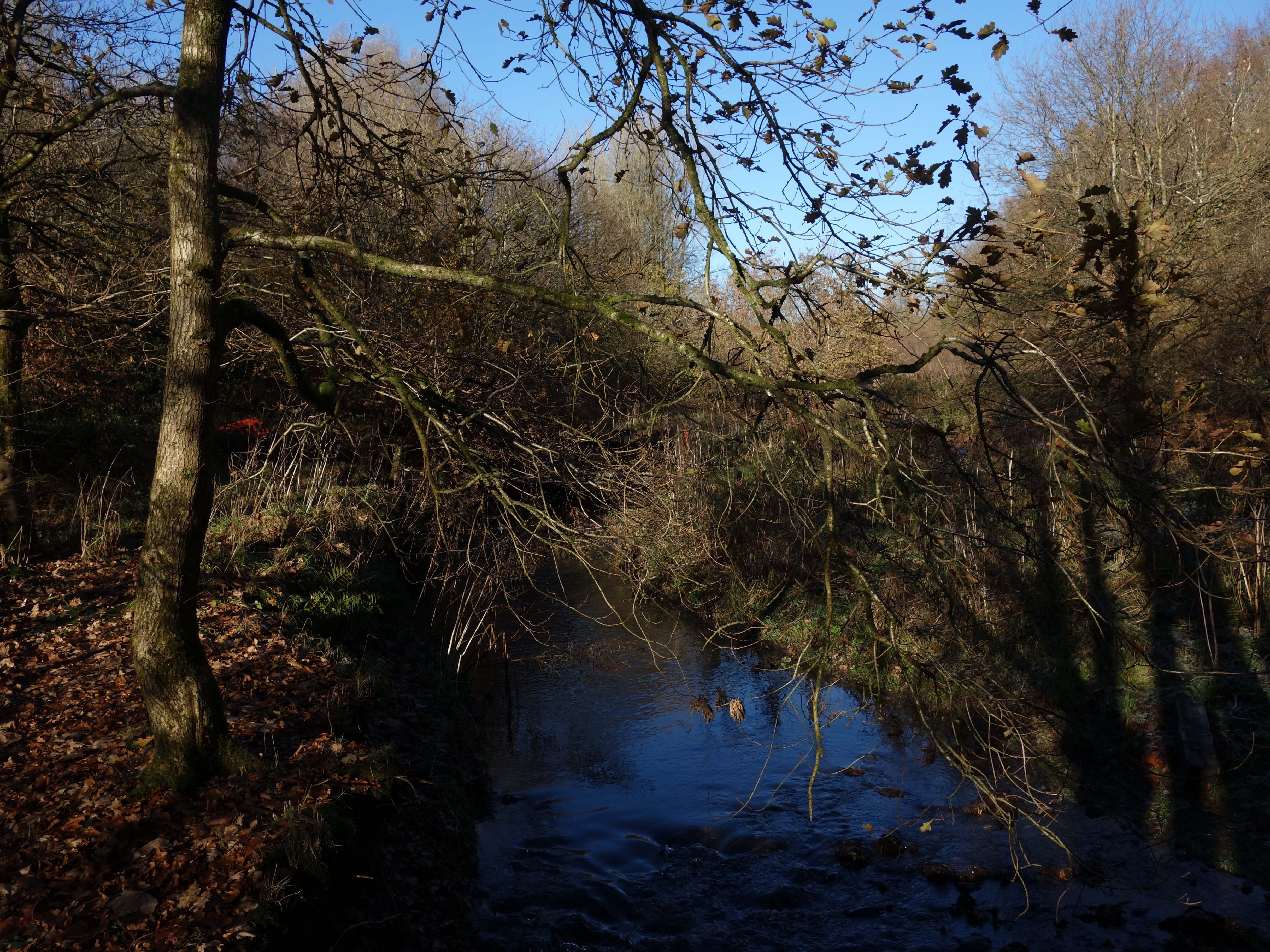
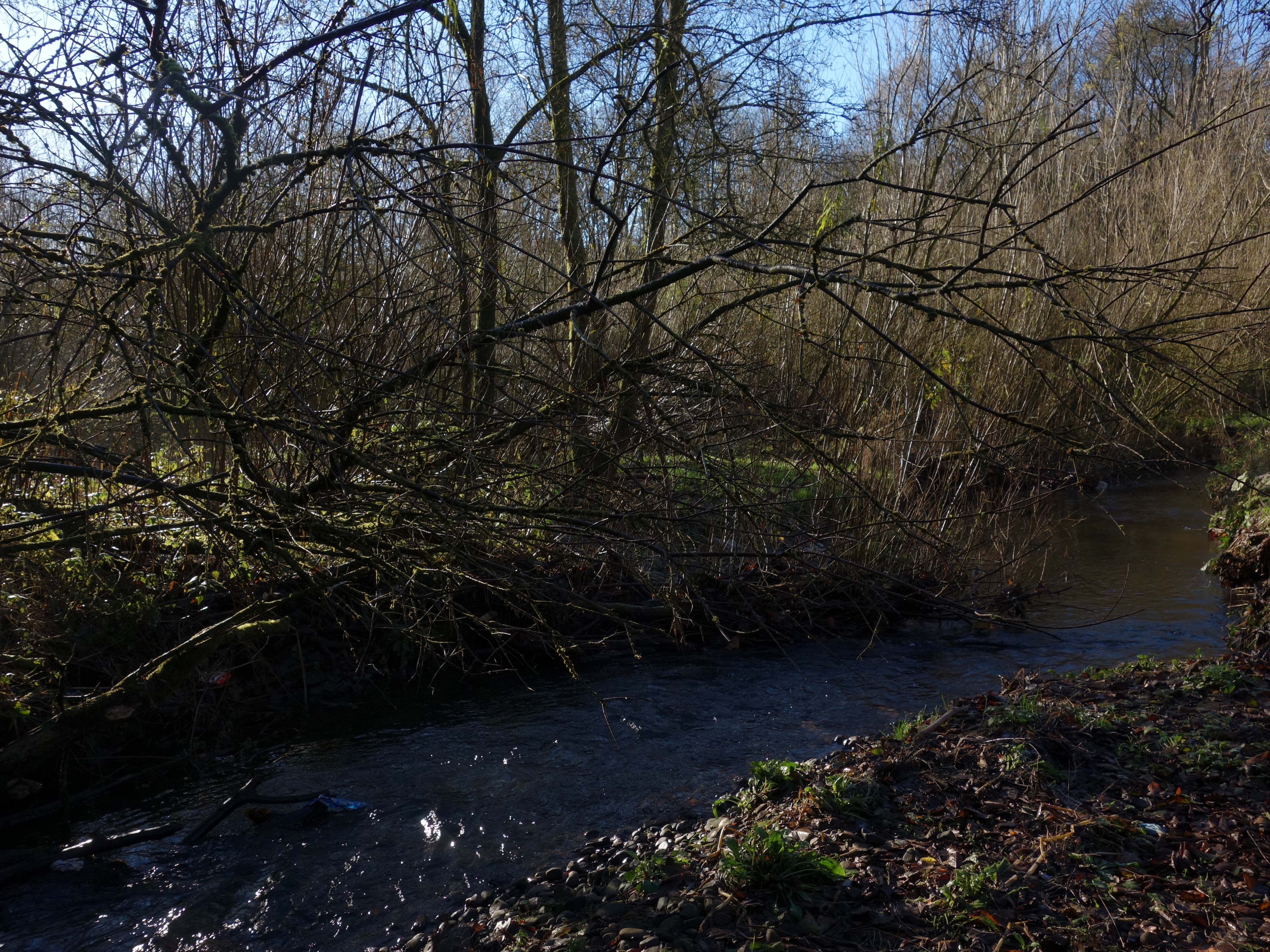
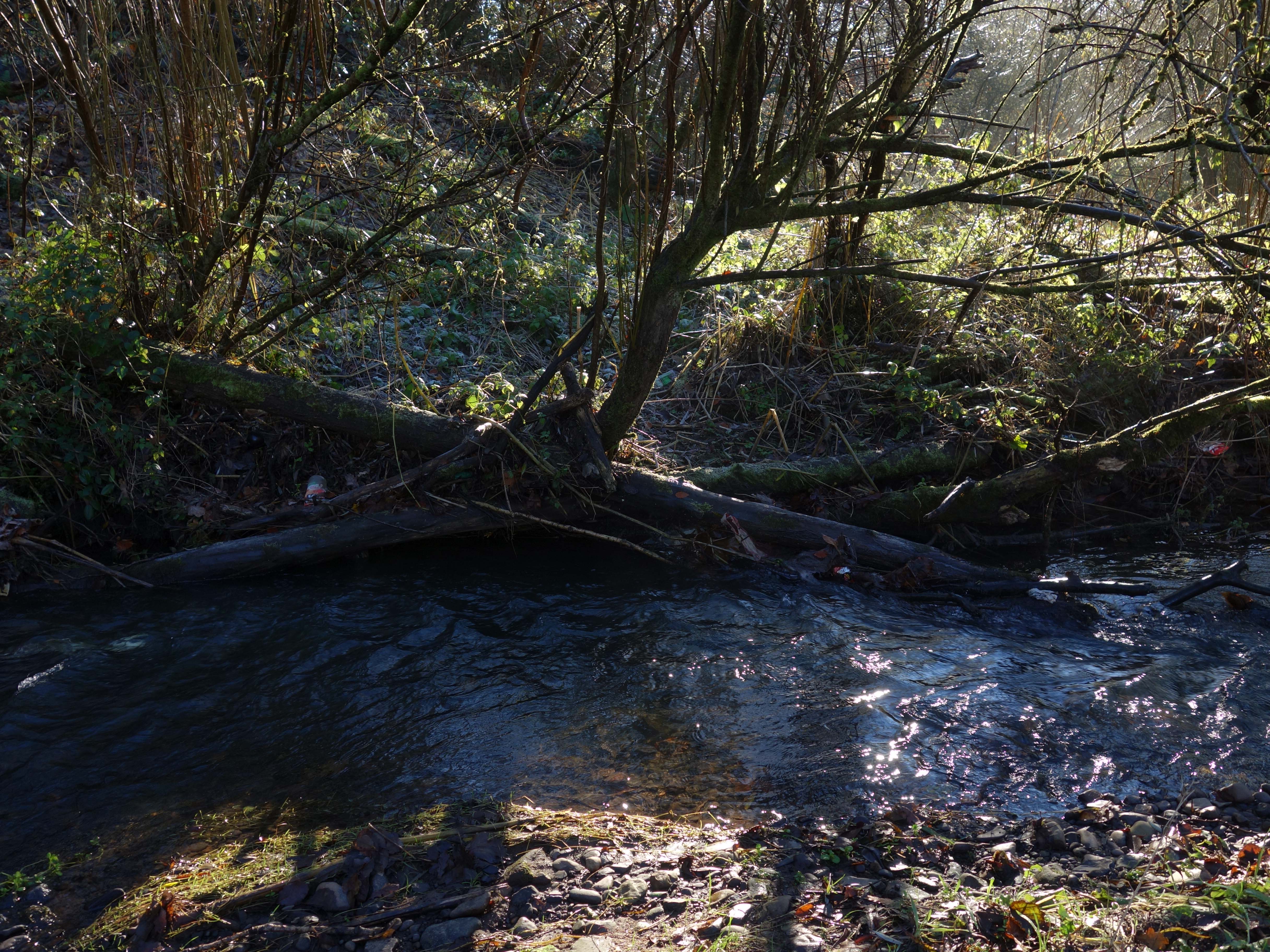
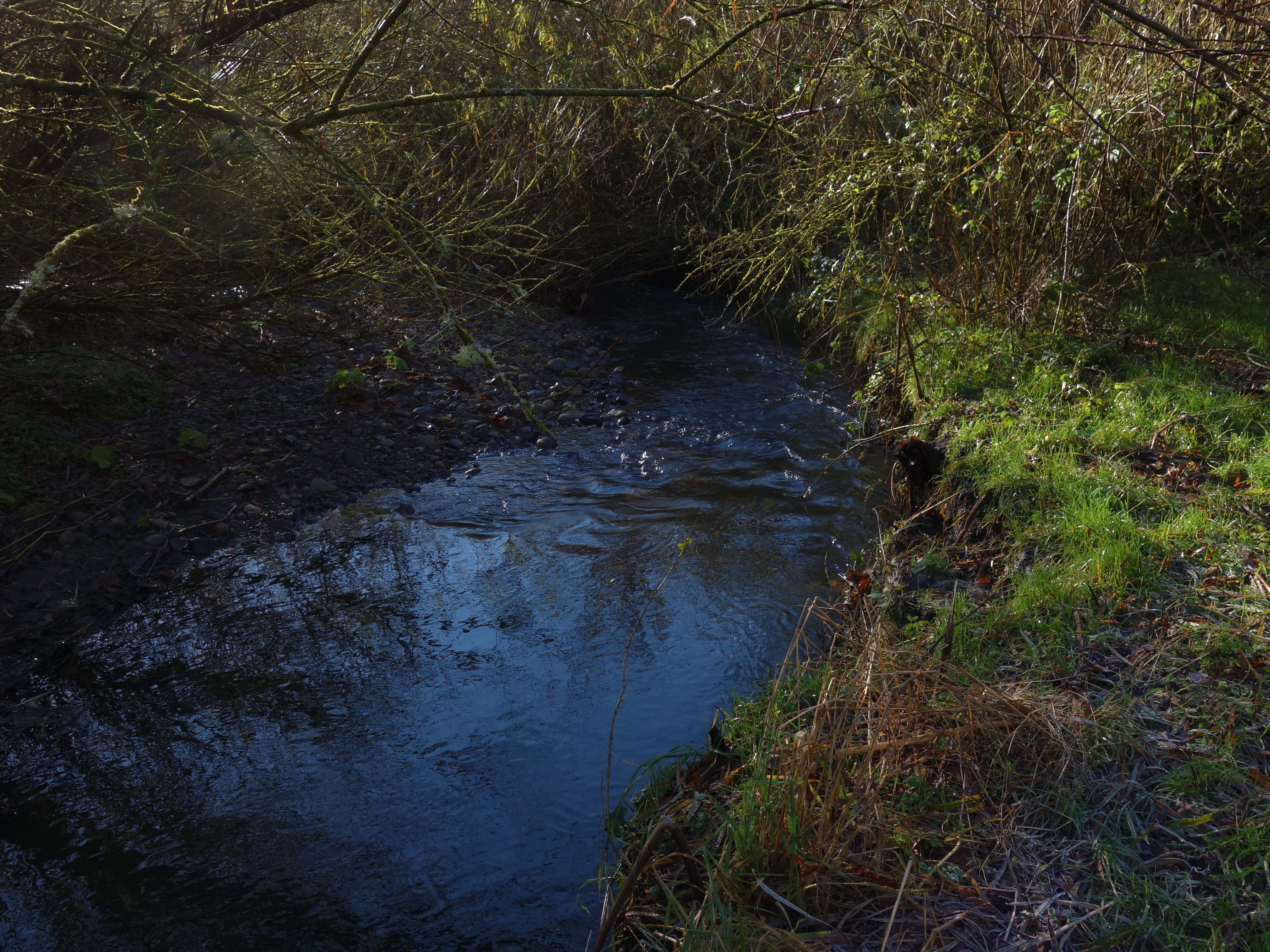
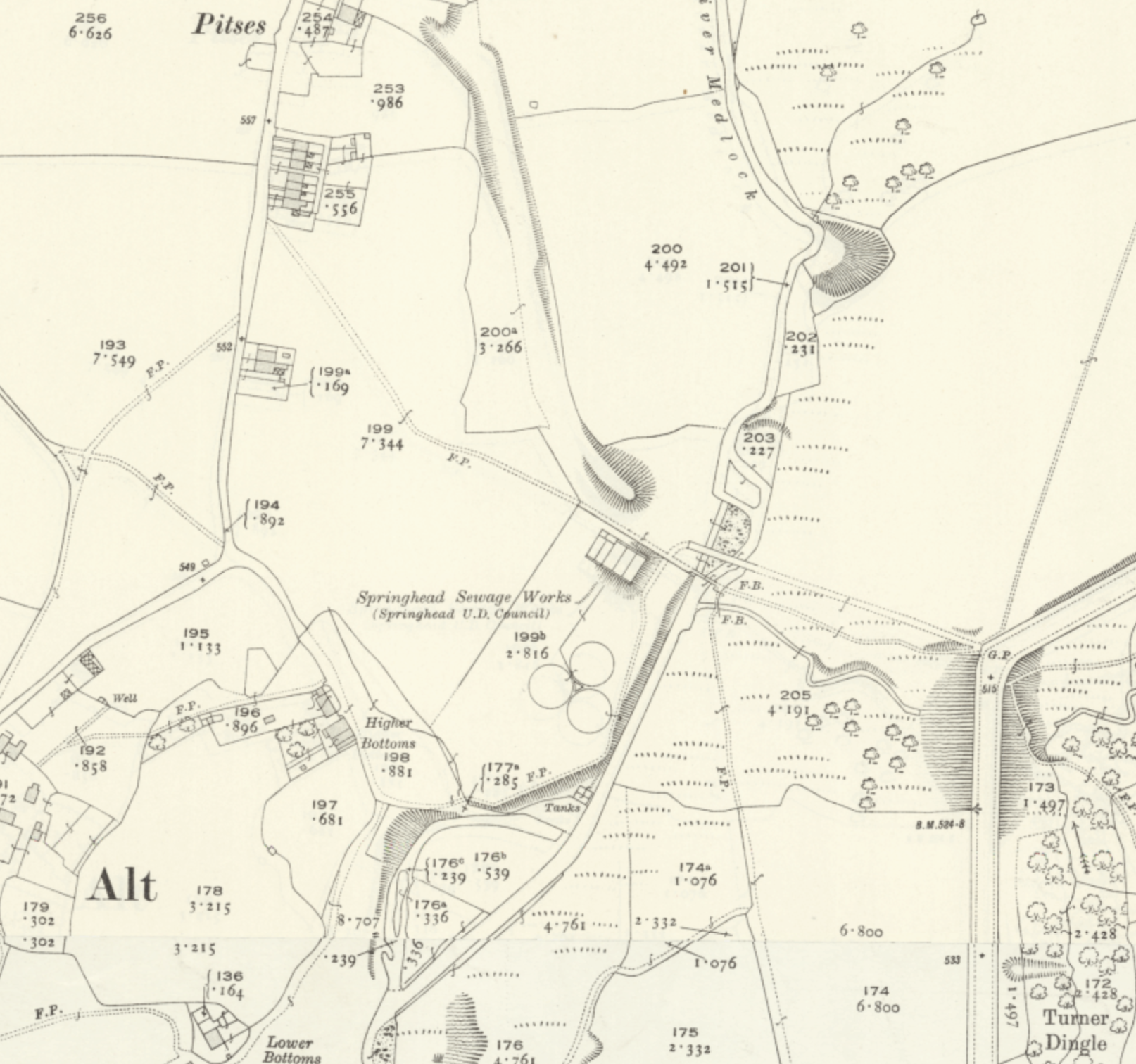
Alt was formerly a civil parish within the Limehurst Rural District until its abolition in 1954 when its territory was divided between the towns of Oldham and Ashton Under Lyne.
The Alt Estate is a large housing estate built in the 1950s around the location of Alt Fold, one of several ancient hamlets that were situated in the area.
The Holts Estate, also known as Holts Village, is also within the area of the civil parish.
Throughout the medieval period the Alt area was probably arable land farmed in strips as part of an open field system, though it may also have included some pasture.
Coal mining in Alt has been known from the early 1700s with pits in Alt and Fairbottom, whilst the name Pitses may indicate the presence of early coal pits.
Here’s a previous visit to the River Medlock.

