

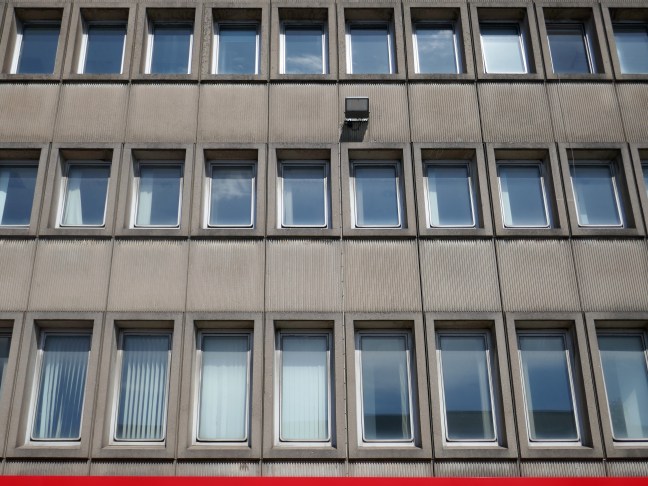
1915
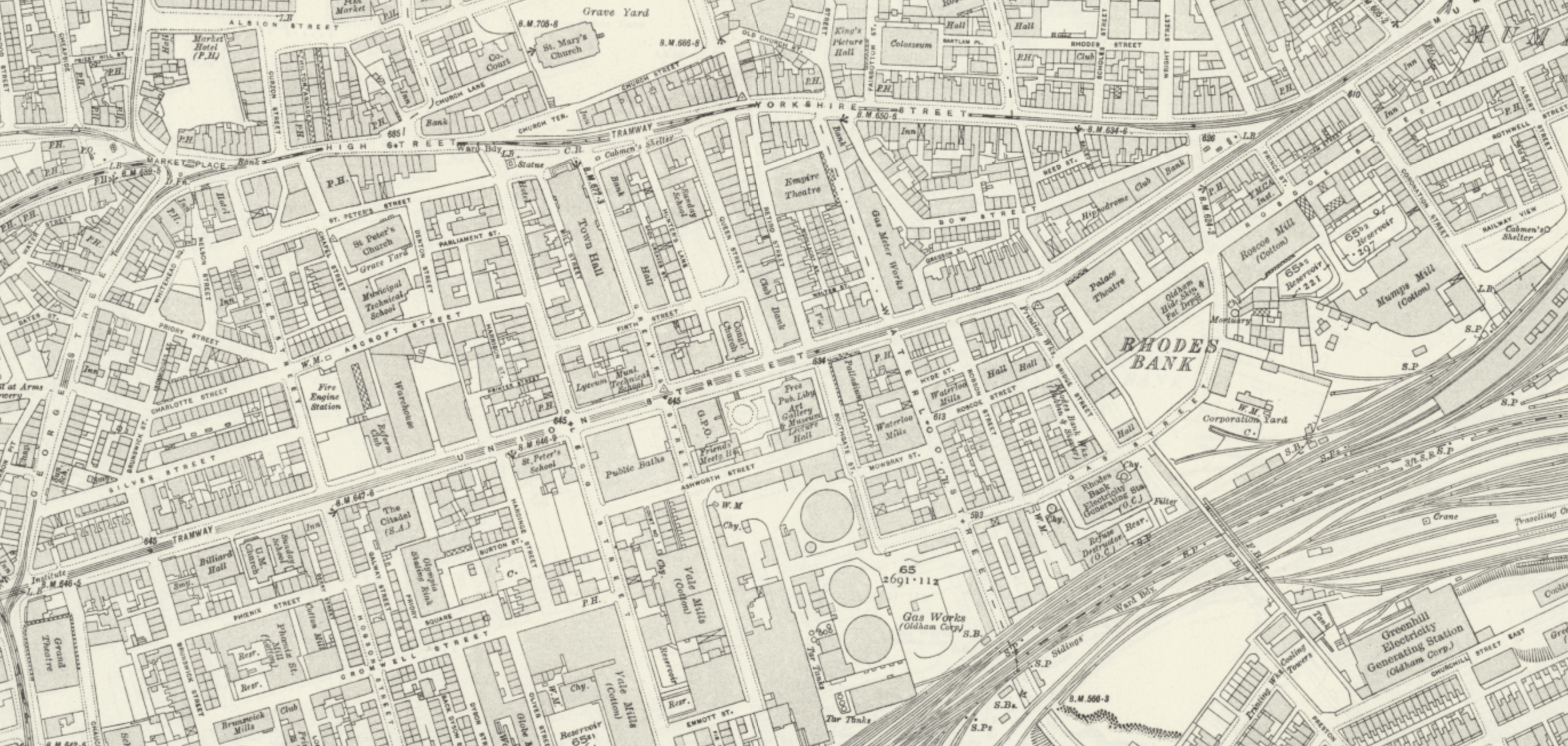
The Oldham area was once home to several railway stations – many of which have since closed.
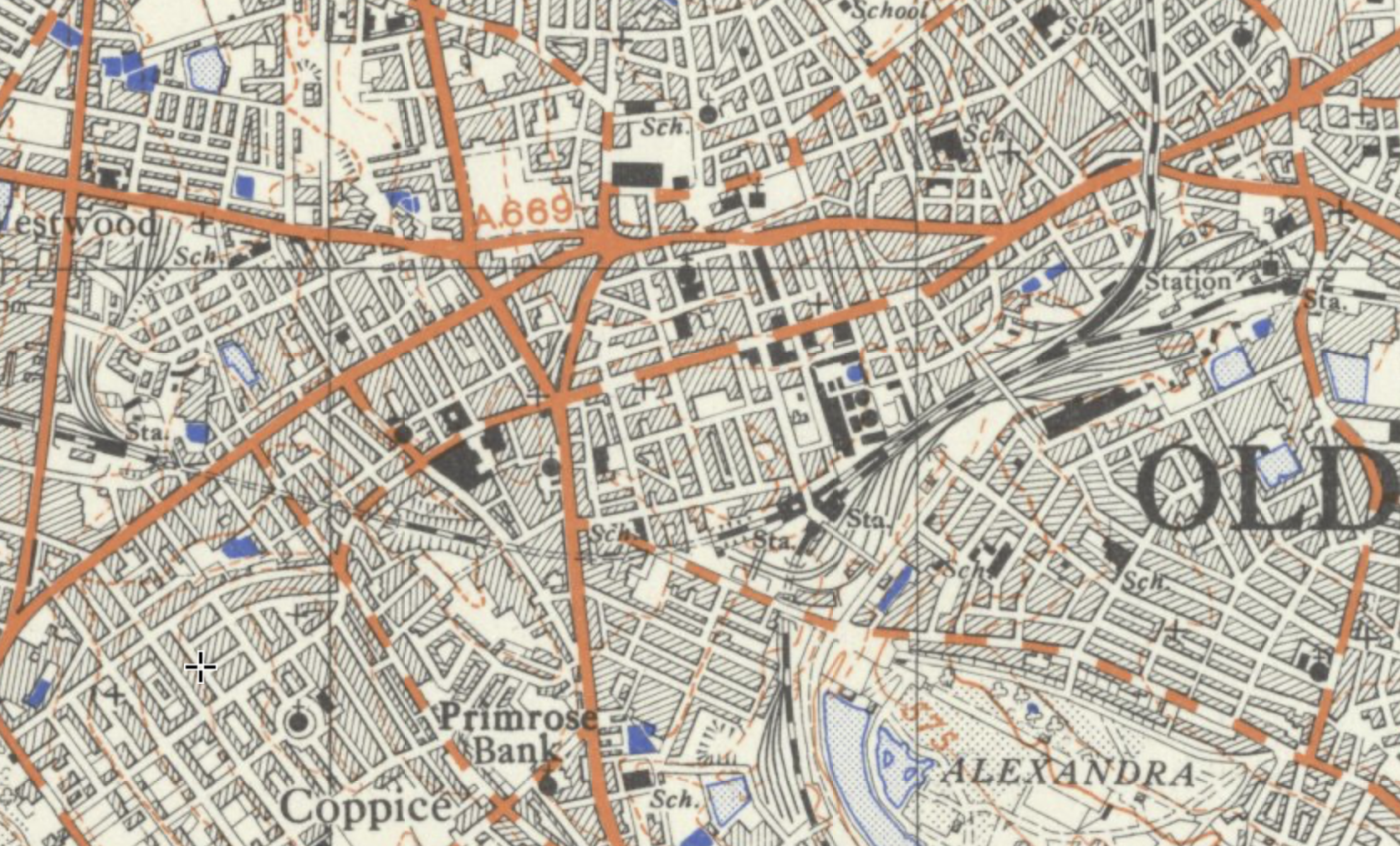
There is currently no rail link to and from the town.
Tram services between Manchester and Oldham have returned – for the first time since trams stopped running in Oldham in 1946.
The first service to Oldham Mumps left Manchester Victoria at 05:24 BST – calling at the eight stops on the line.
The tram then made the return journey, leaving Oldham at 06:00 BST and taking about 25 minutes to reach Manchester city centre.
Oldham Central
To the right an huge Sainsbury’s supermarket 1999-2001 Pringle Richards Sharratt.
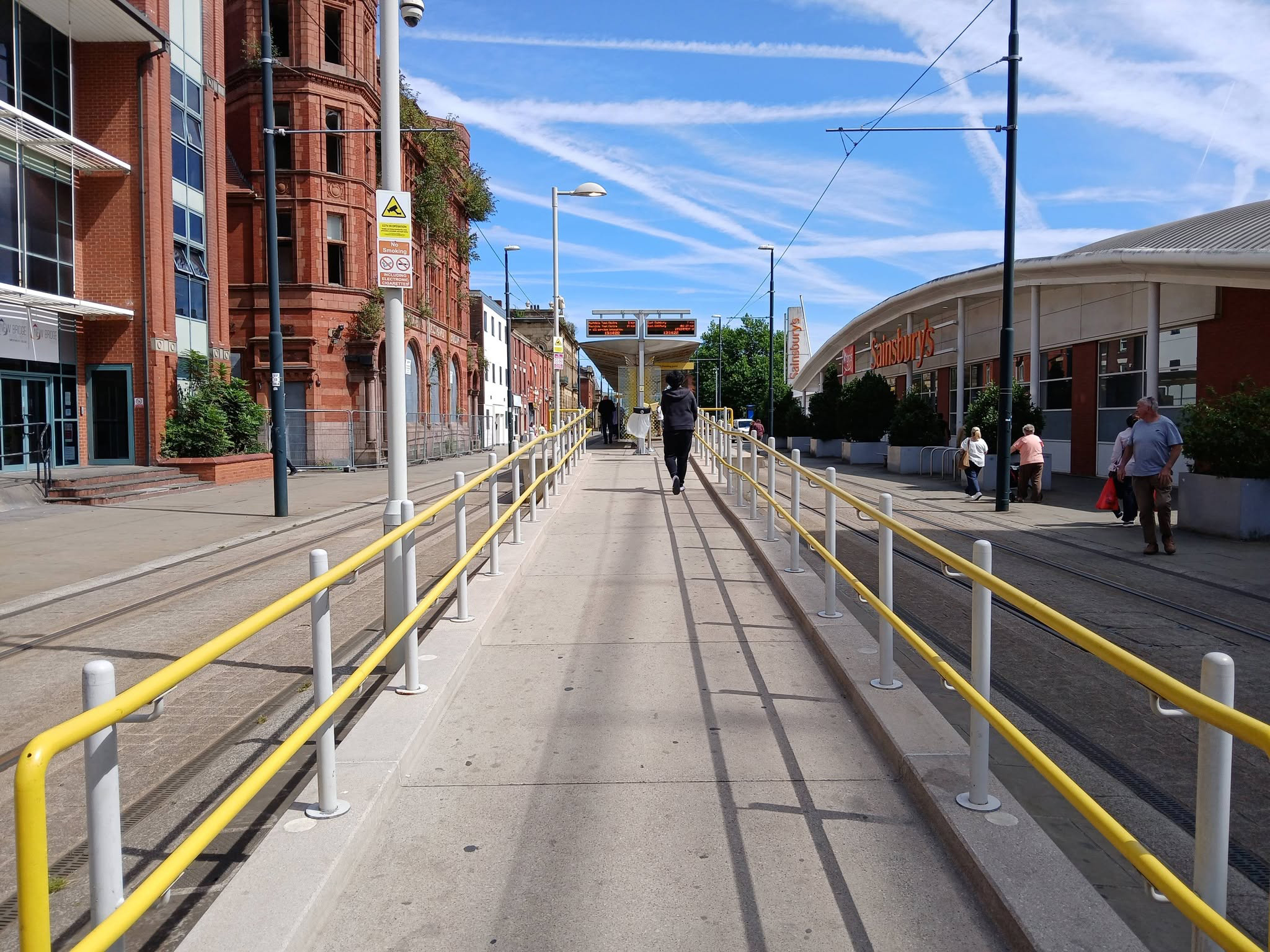
To the left can be seen the semi-derelict Grade II Listed Prudential Assurance Building 1898-91 Alfred Waterhouse & Son – now in the ownership of Oldham Council.
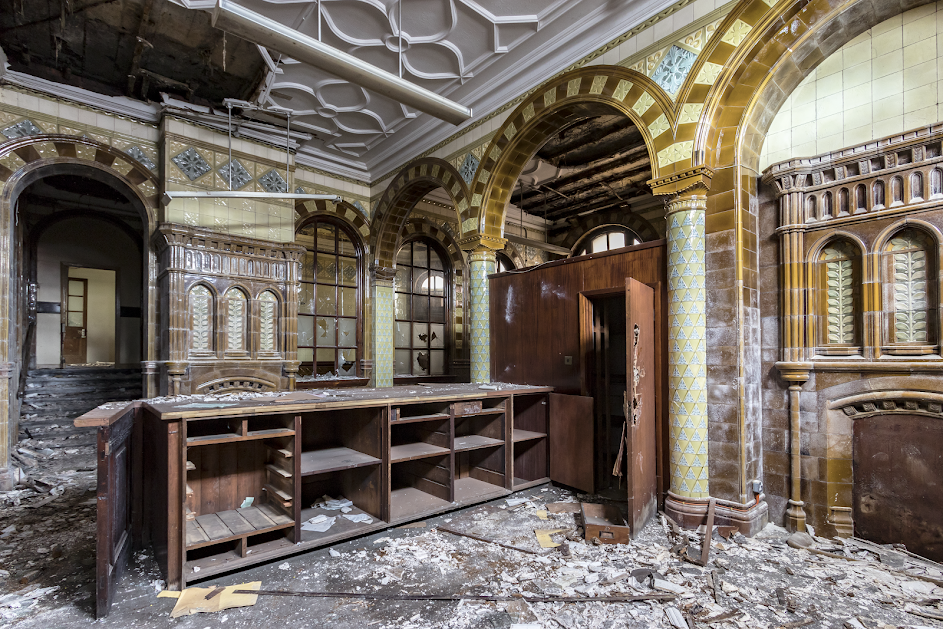
Image – Victorian Society
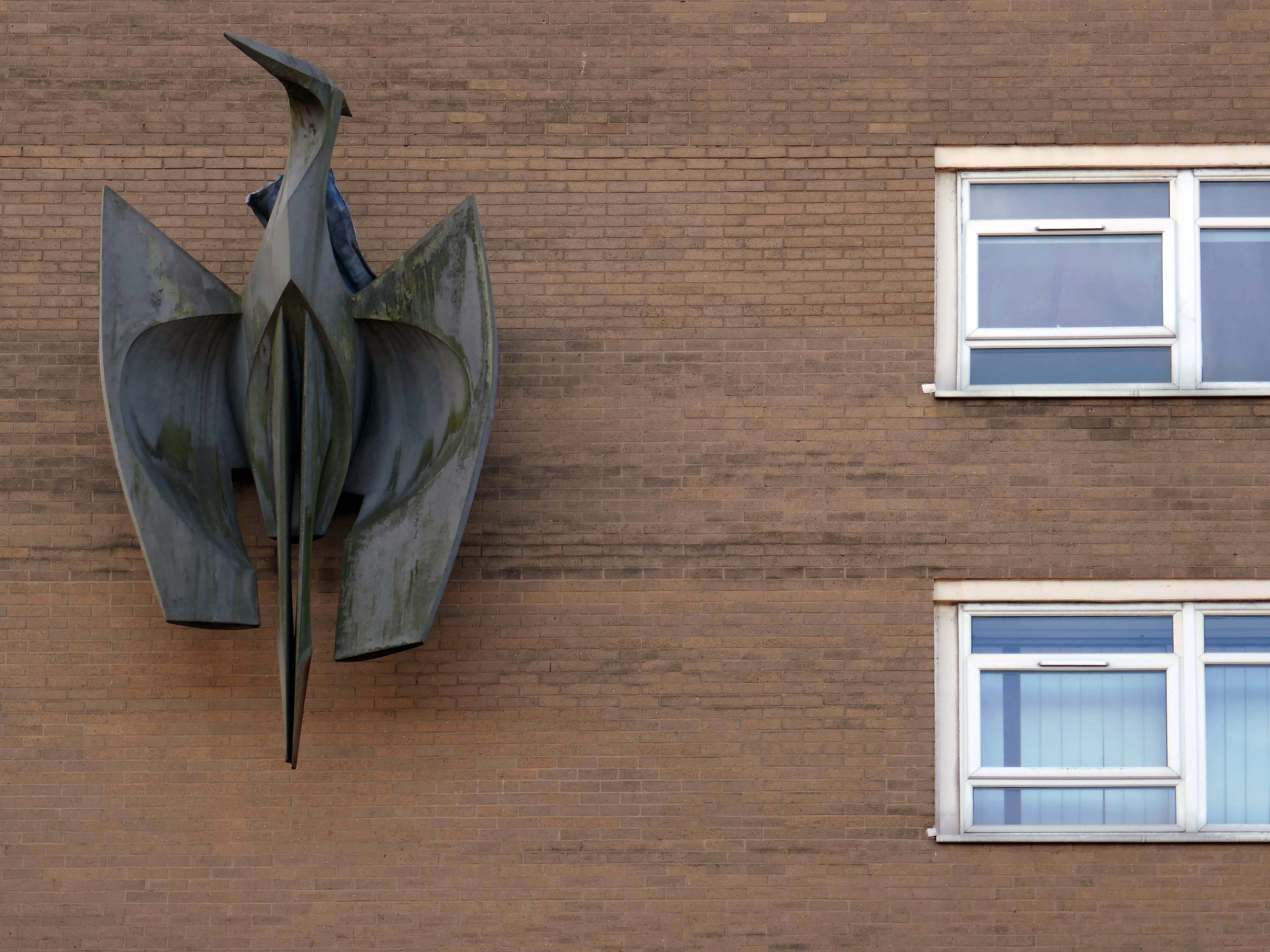
Back tracking toward Phoenix House – with its implausible heron.
It’s been four years since the Department of Work and Pensions left their Union Street office and eighteen months since plans were submitted to turn it into eighty two flats.
However, apart from hoardings being installed around the building, there doesn’t appear to have been much movement at the site – at least not legally.
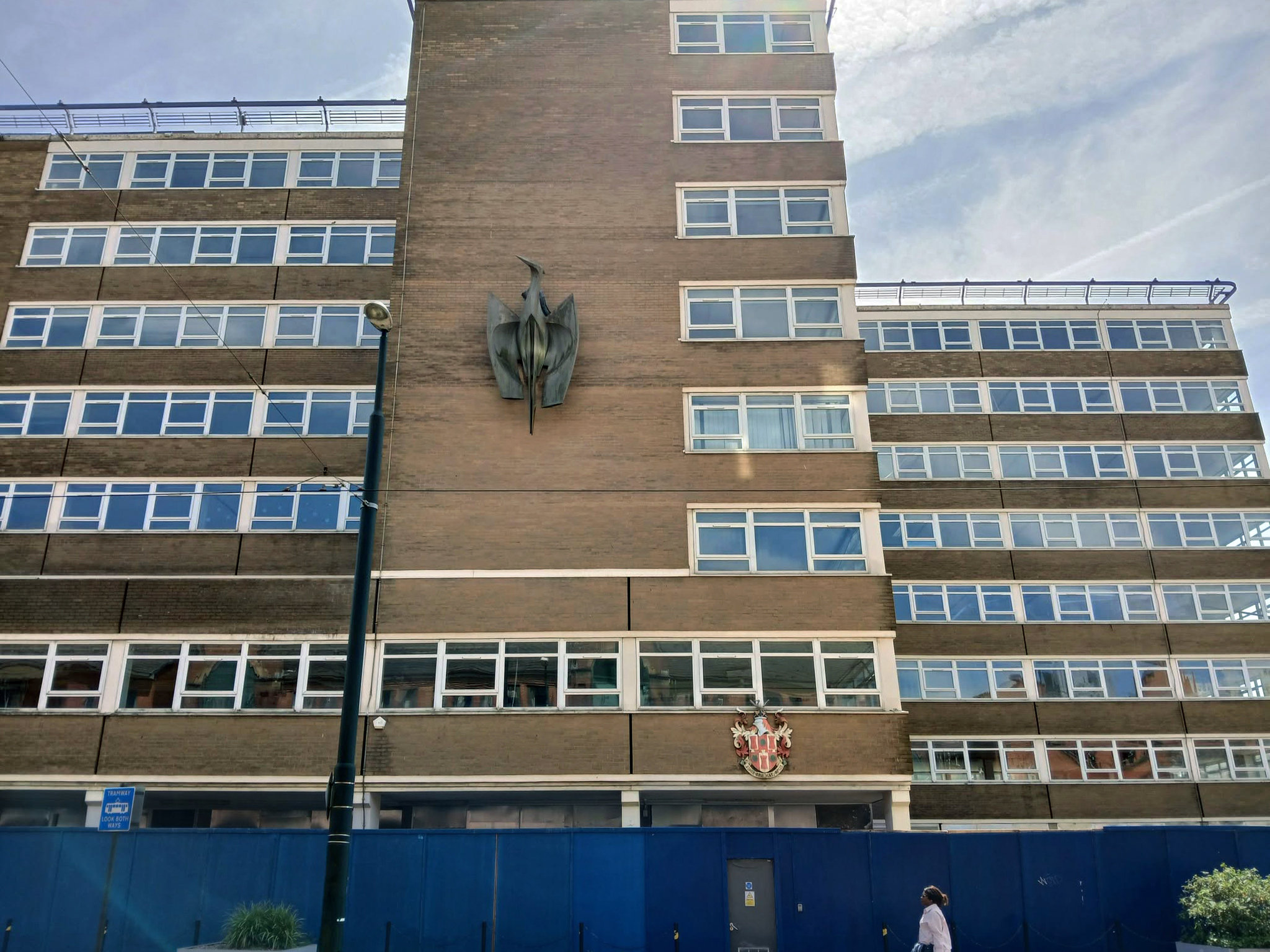
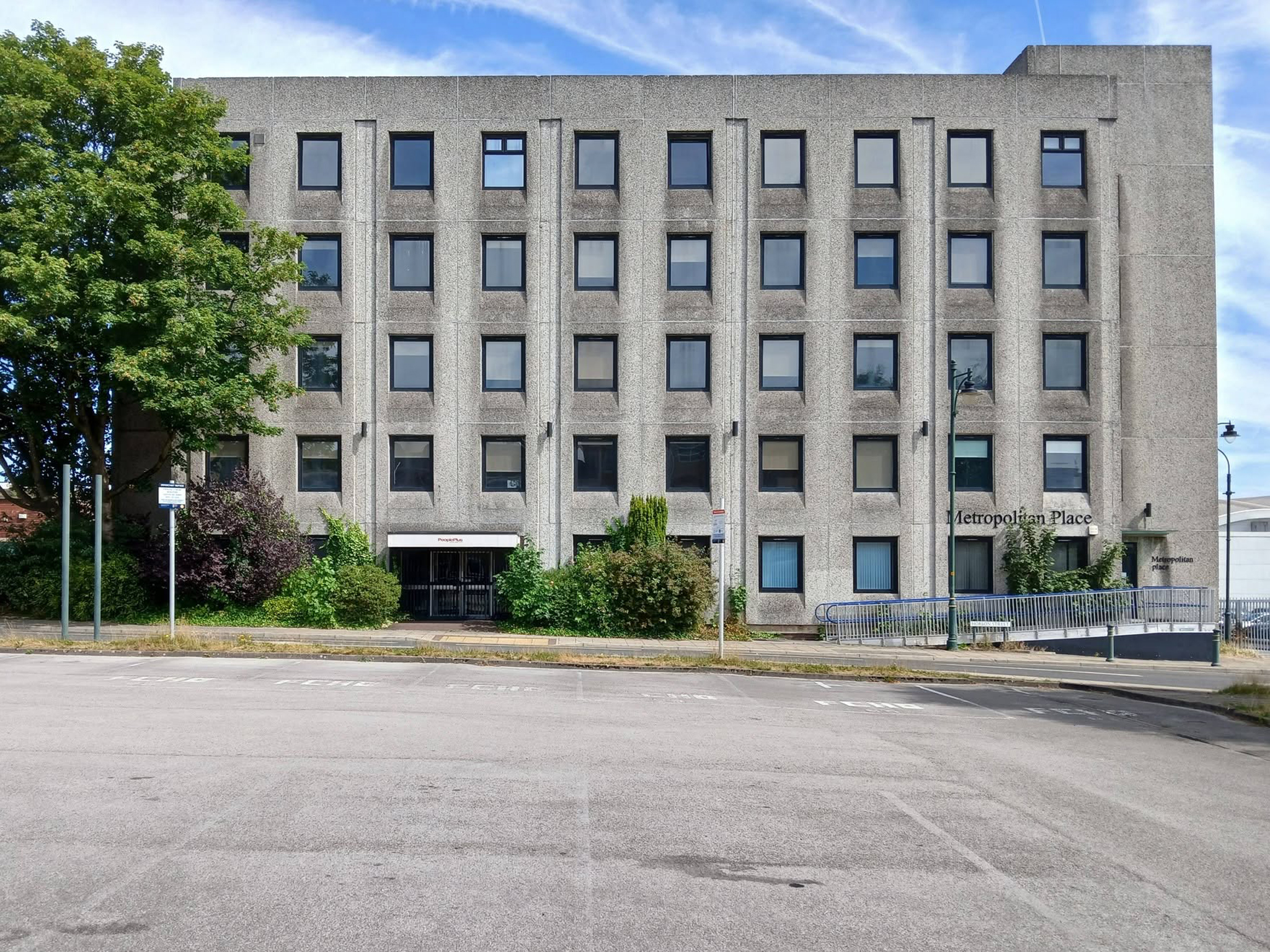
Turning the corner to Metropolitan Place.
Currently in use by Oldham Council – formerly home to the Registry Office, wedded couples referred to it as the Hobson Street Cathedral.
Though there seems to have been plans for both office and co-working space, along with conversion to apartments.
Back out onto Union Street and down to Gallery Oldham 2002 Pringle Richards Sharratt.
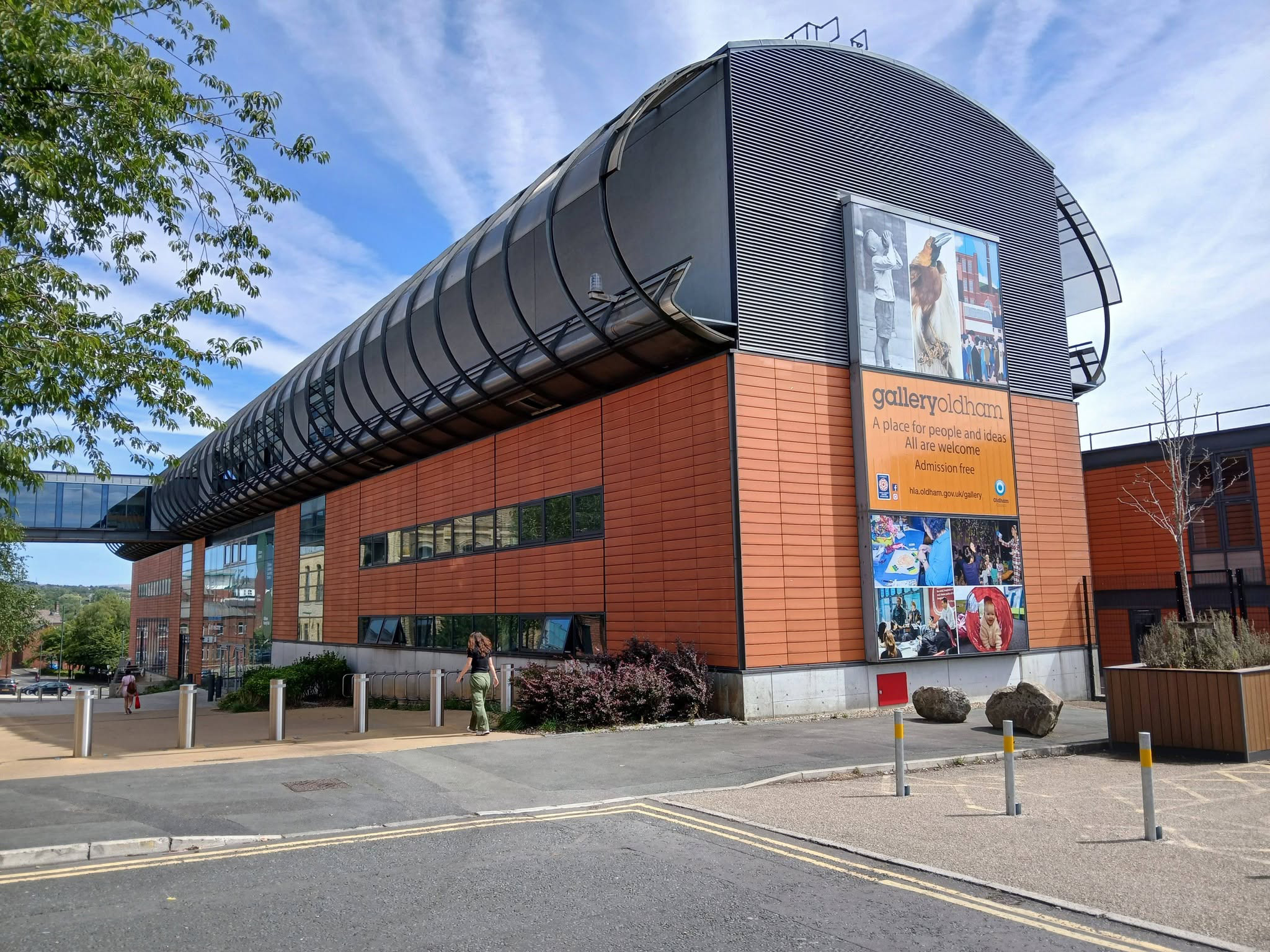
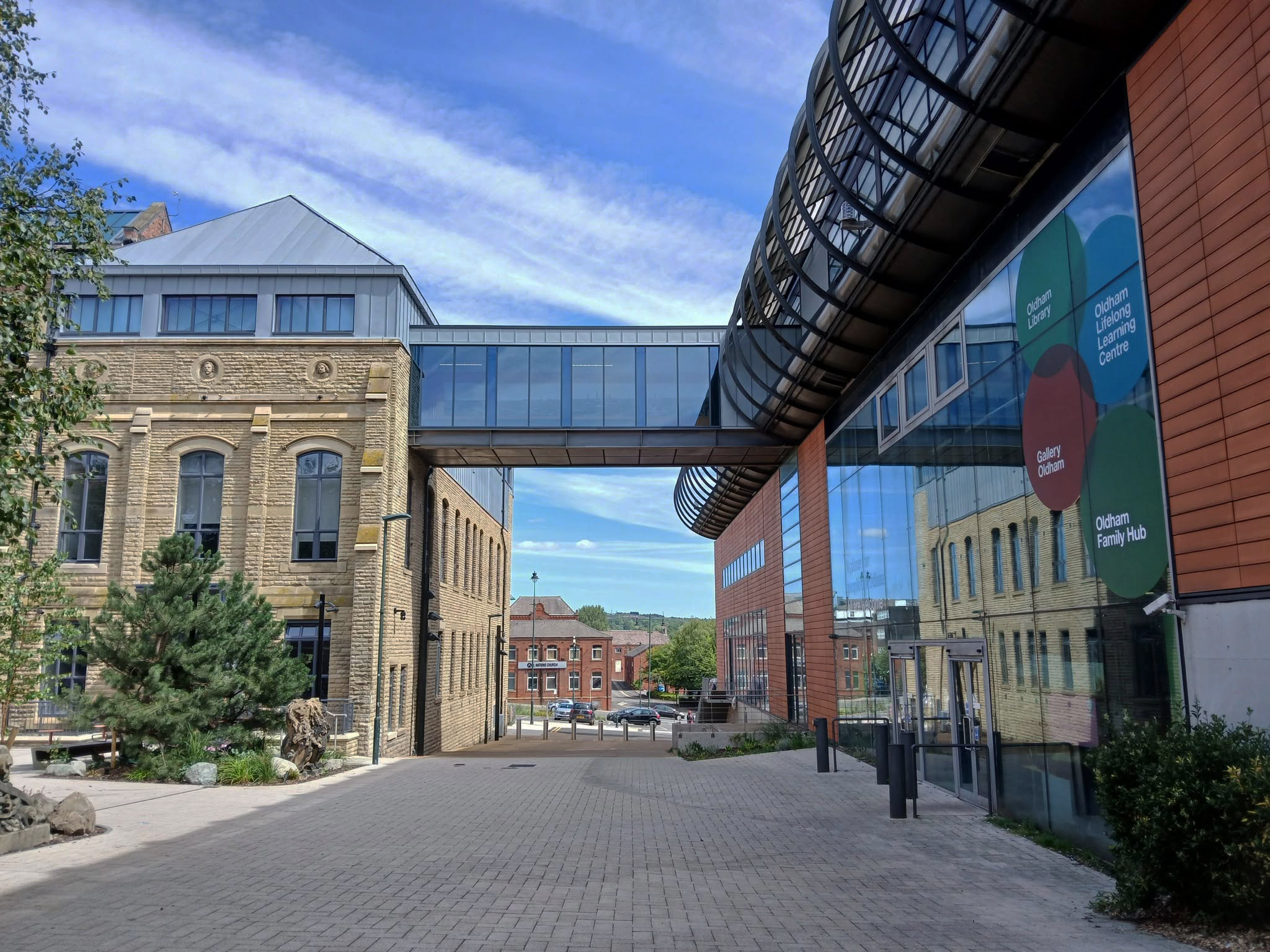
Linking to the older Library and Art Gallery 1883 T Mitchell with sculpture by JJ Milson.
Today the building has been restored to include the Council Chamber and Mayor’s Dining Room, public exhibition spaces and a new home for Oldham Theatre Workshop.
The Old Library is one of the earliest examples of an ashlar faced, in-situ formed concrete multi story building.
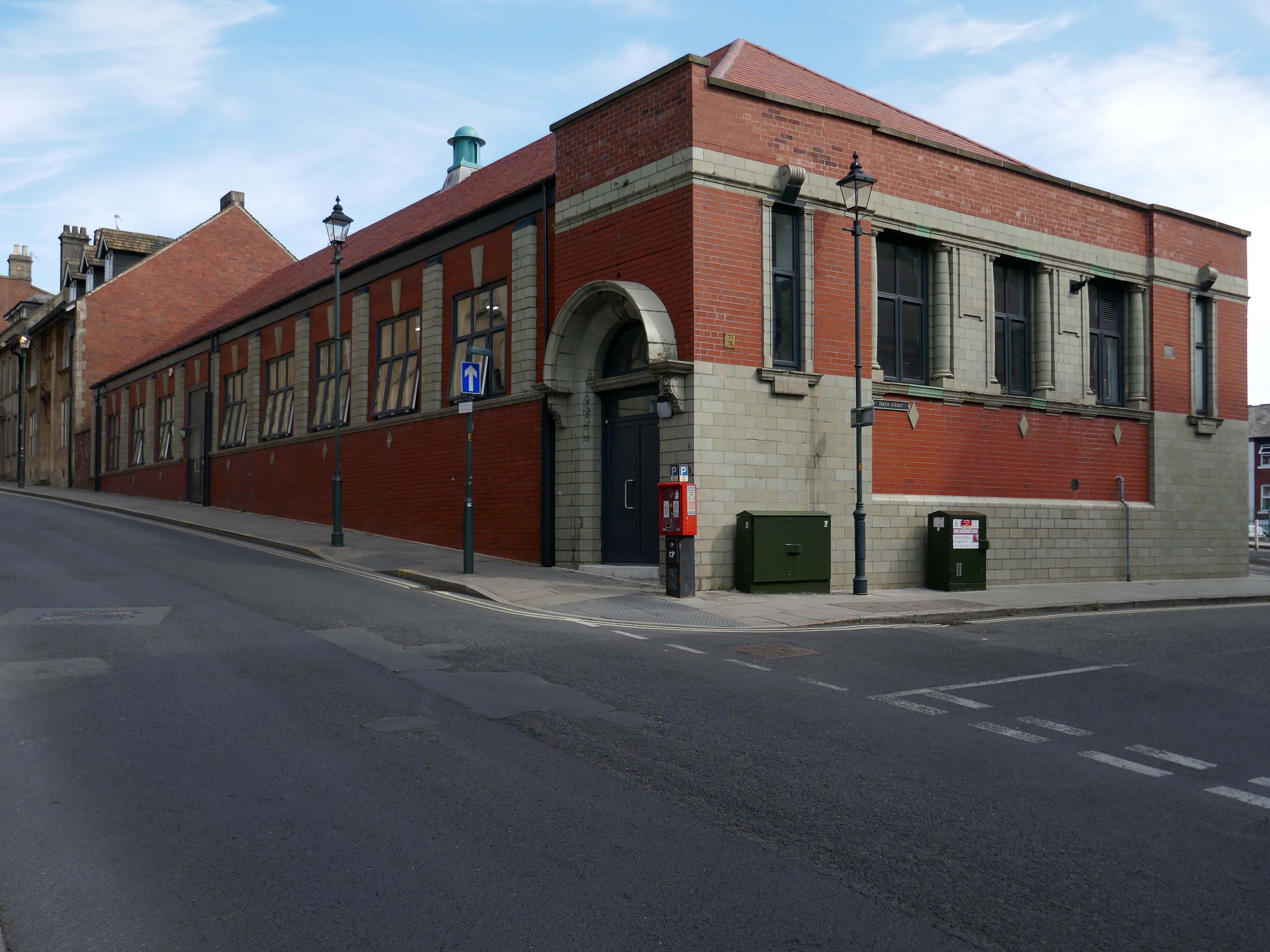
Take a turn up Greaves Street and here’s a faience clad Victoria House a former Billiard Club 1912 Winder & Taylor – subsequently the hall was used as council housing offices and a college before becoming vacant.
Oldham Boxing moved into the building in 2011.
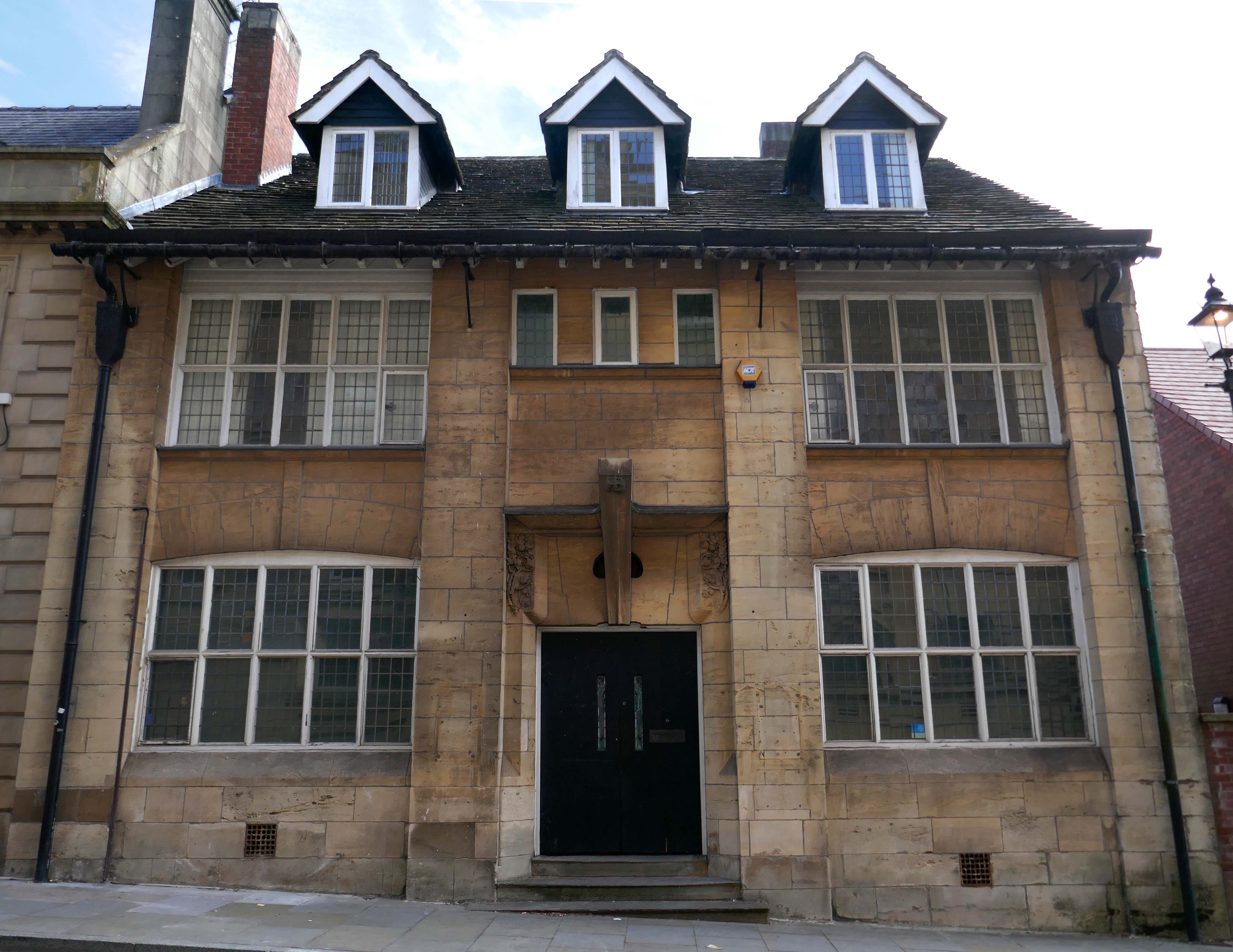
Next door a Ponsonby And Carlile Solicitors Office 1902 Edgar Wood – Grade II Listed.
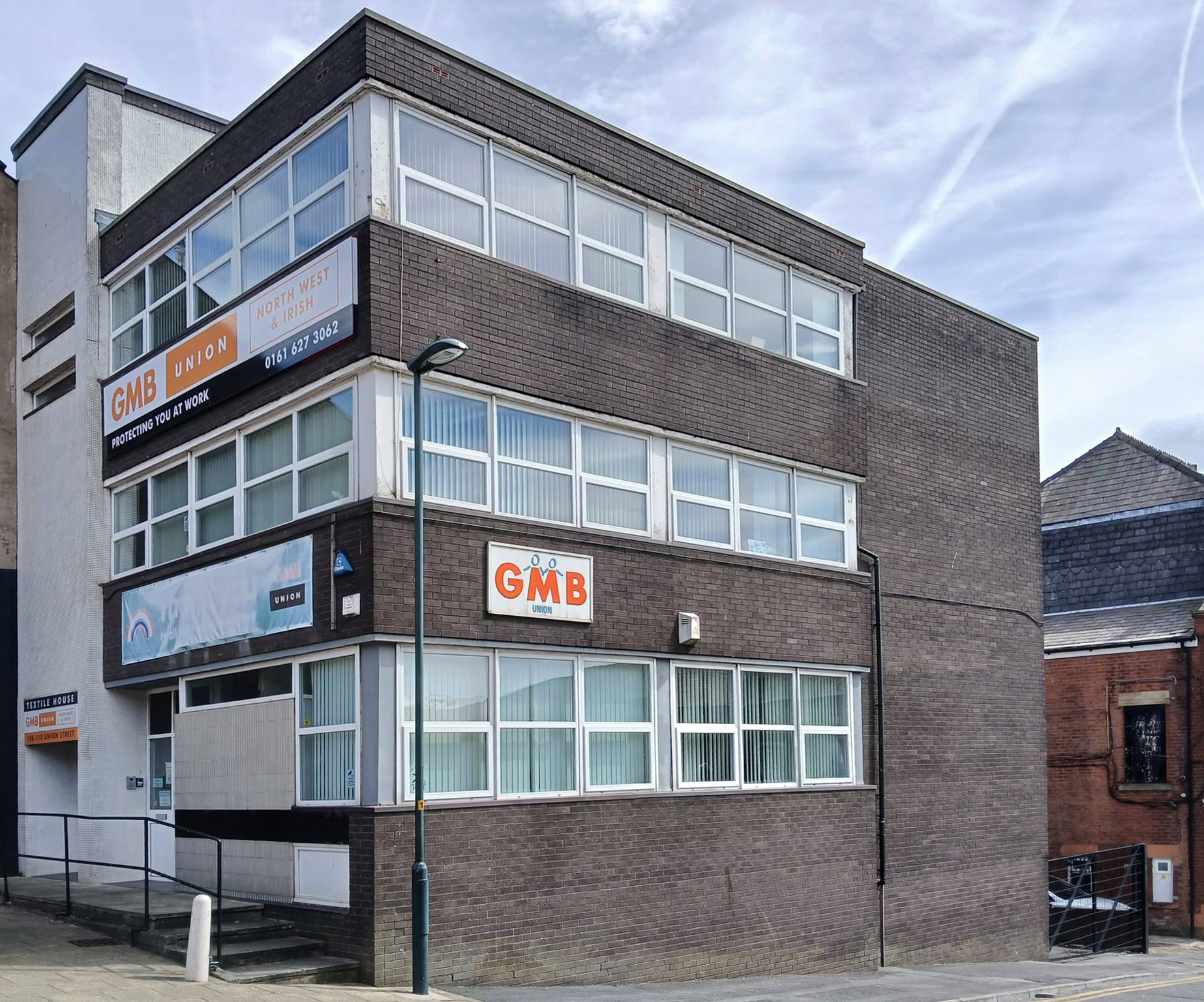
Back now onto Union Street and the GMB Offices.
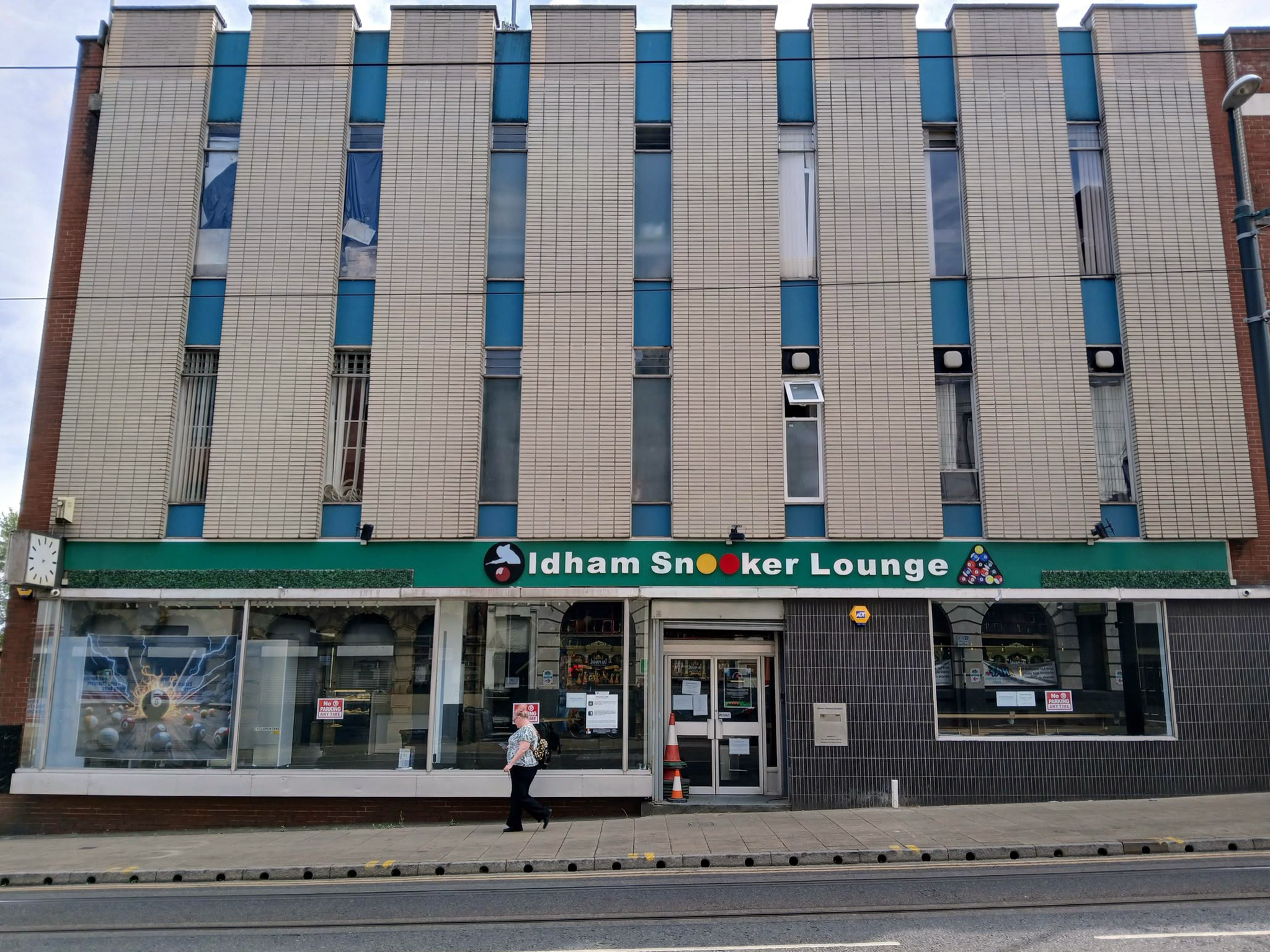
Onwards to the former Oldham Evening Chronicle
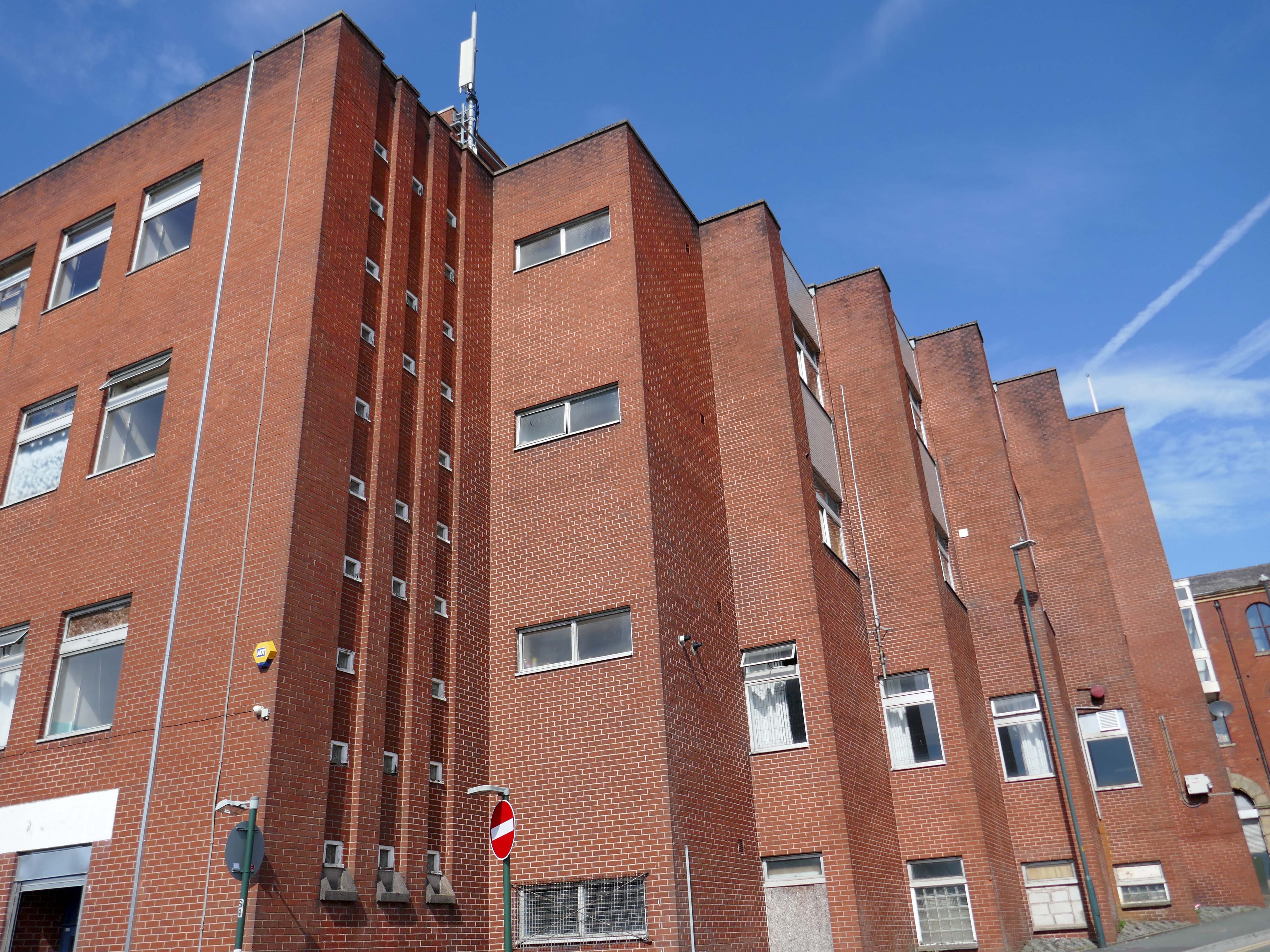
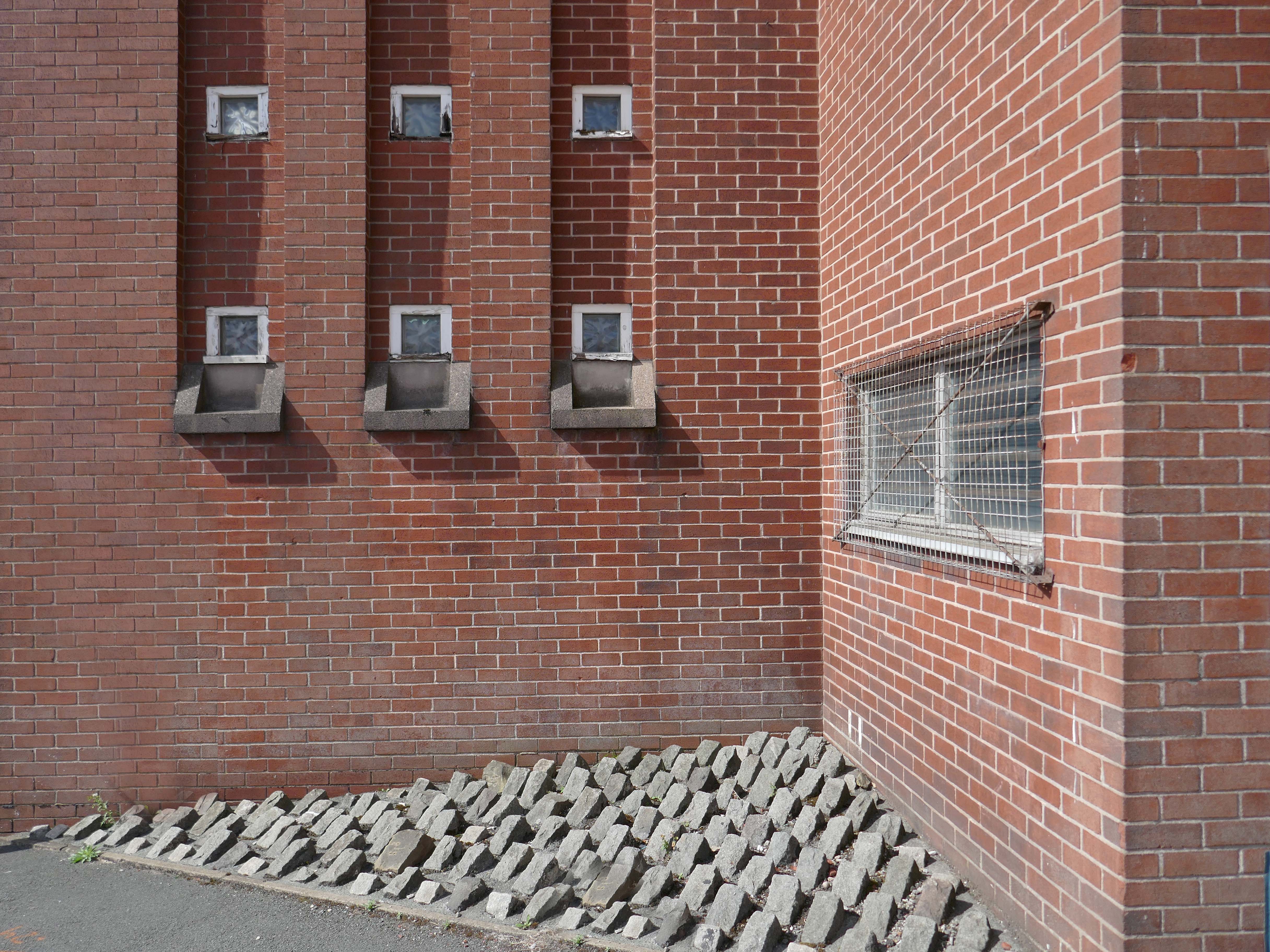
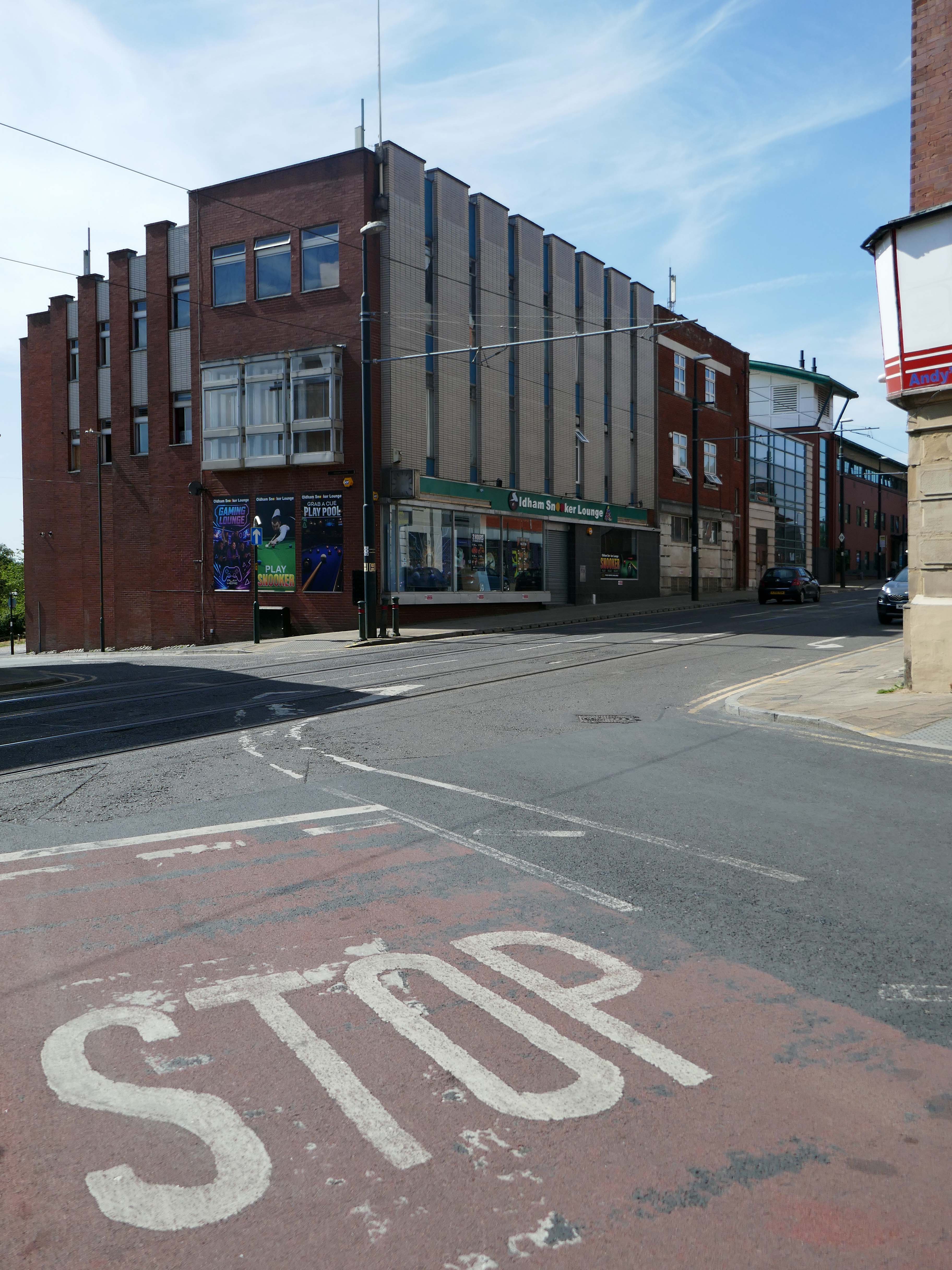
Down the hill and left to the Walshaw Street Bus Depot 1936
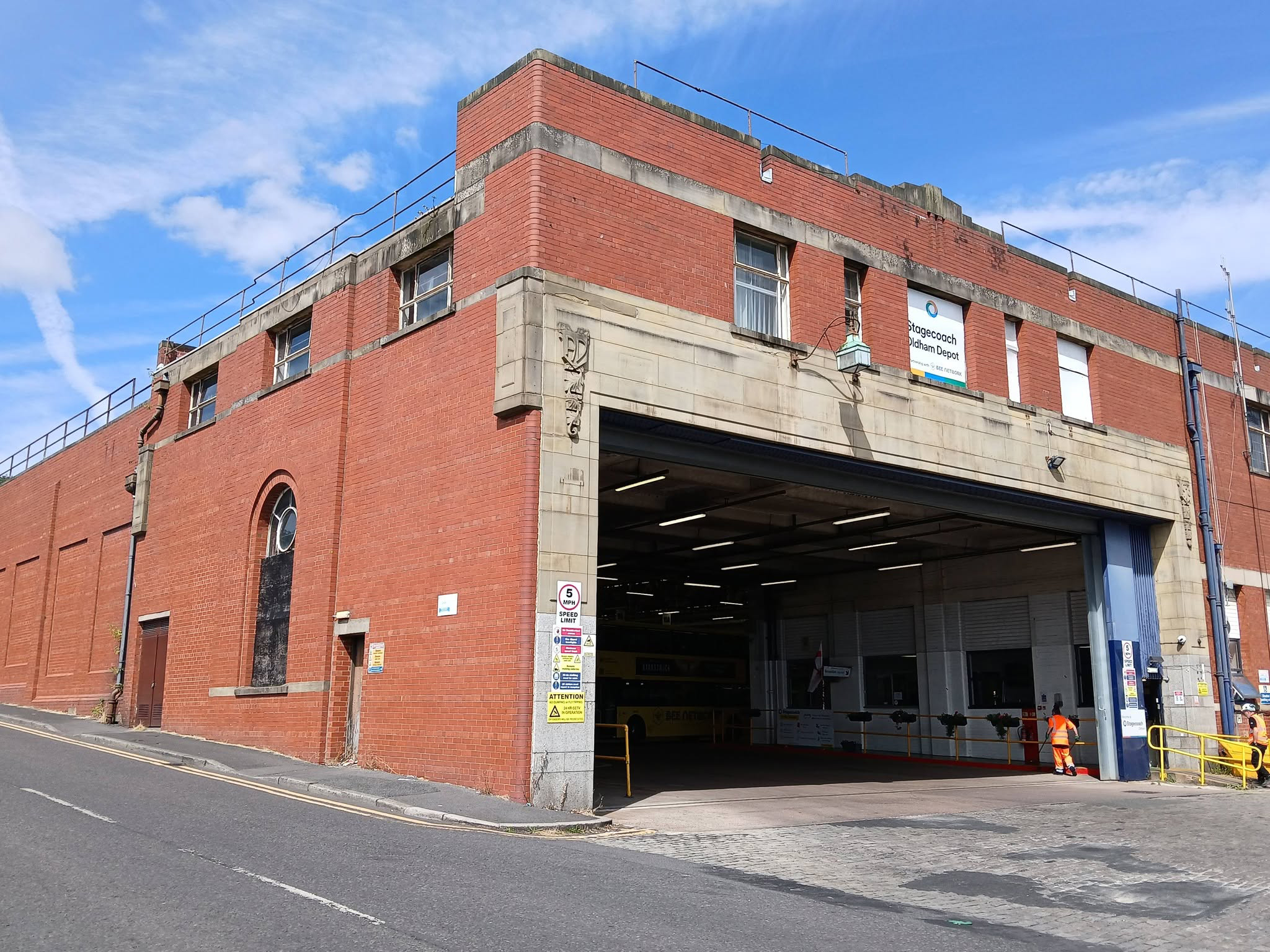
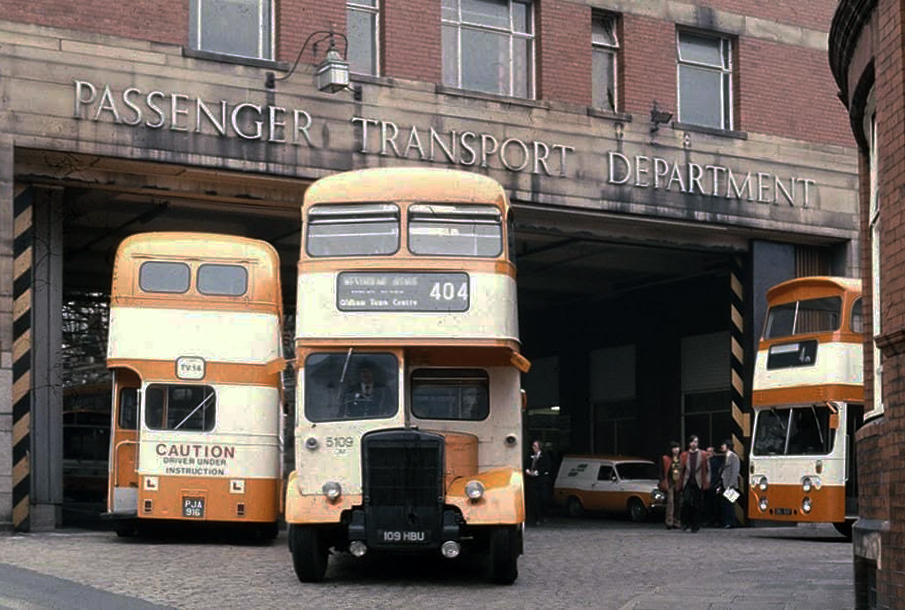
Image: Jeff Smith Oldham’s Past
Home to the Pennine Lounge.
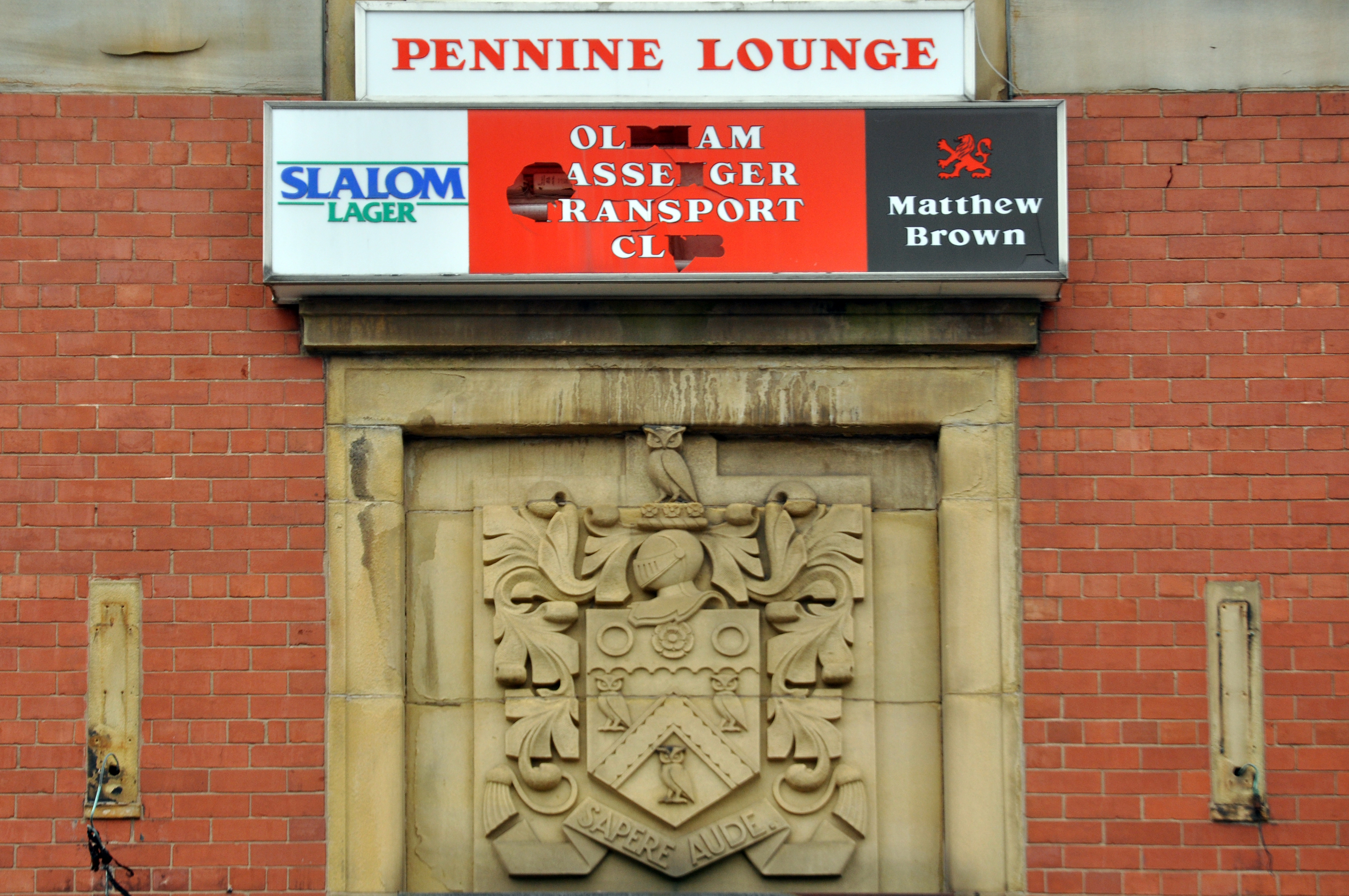
Next we head up Yorkshire Street to Harry’s Bar – formerly The Artizans Rest 1937.
Architects: CT Taylor – Roberts & Bowman.
In 2025, it was revealed by the Manchester Evening News that Oldham council planned to buy the building and demolish it with the price tag for the project reported to be £1m. The money comes from a £2.5m pot of regeneration finding given to the local authority by the government.
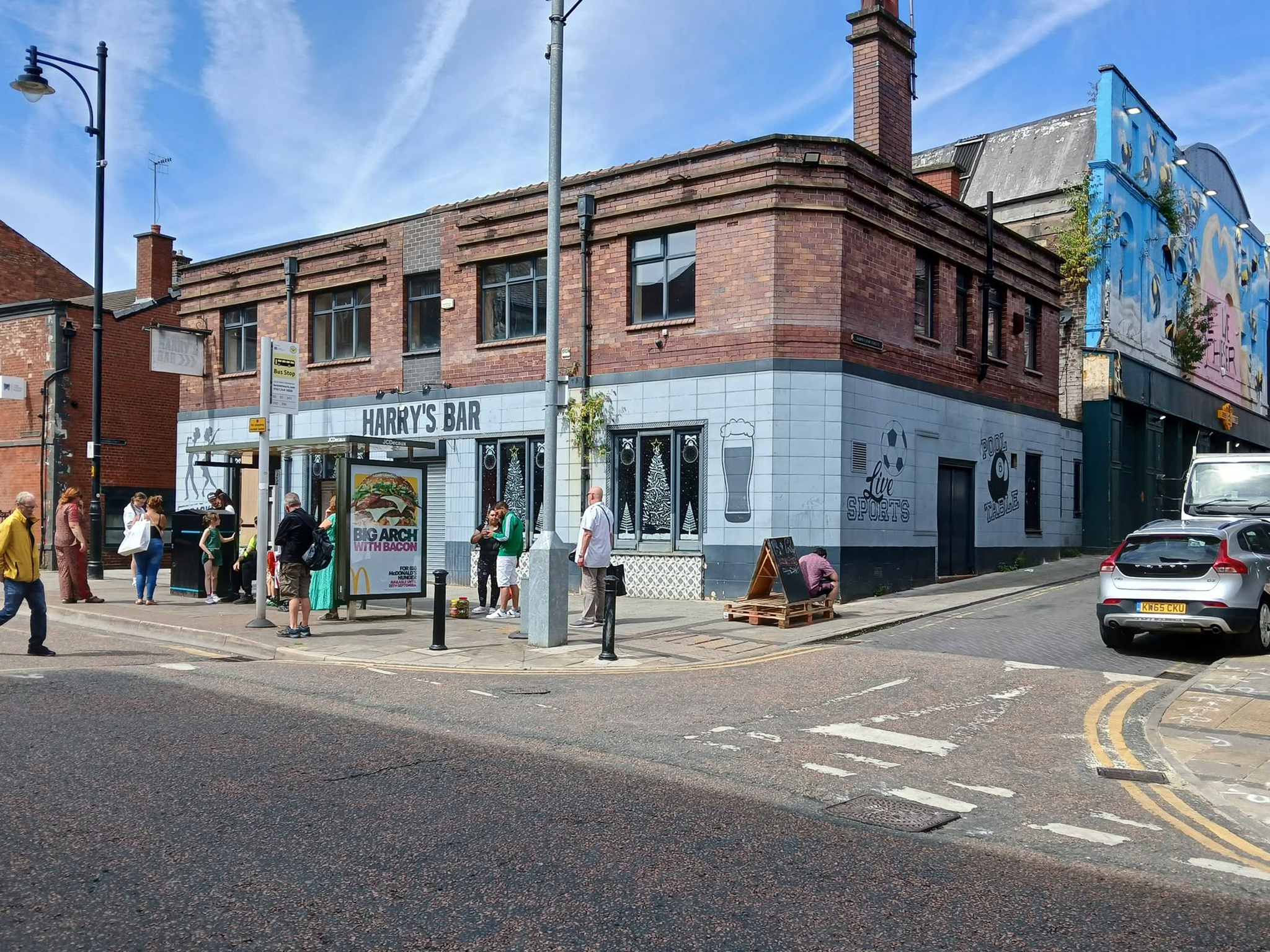
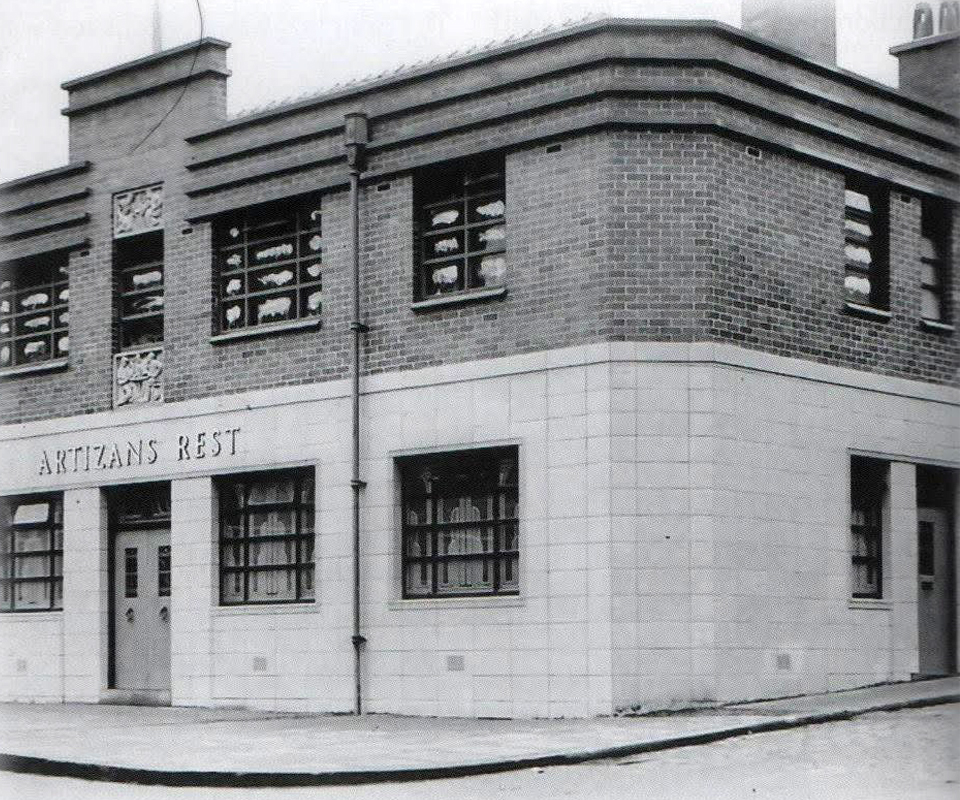
Image: Oldham’s Past
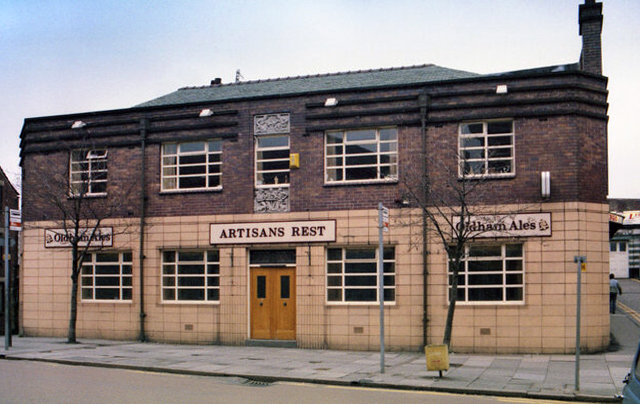
Image: George Symes
These two carved panels have been removed.
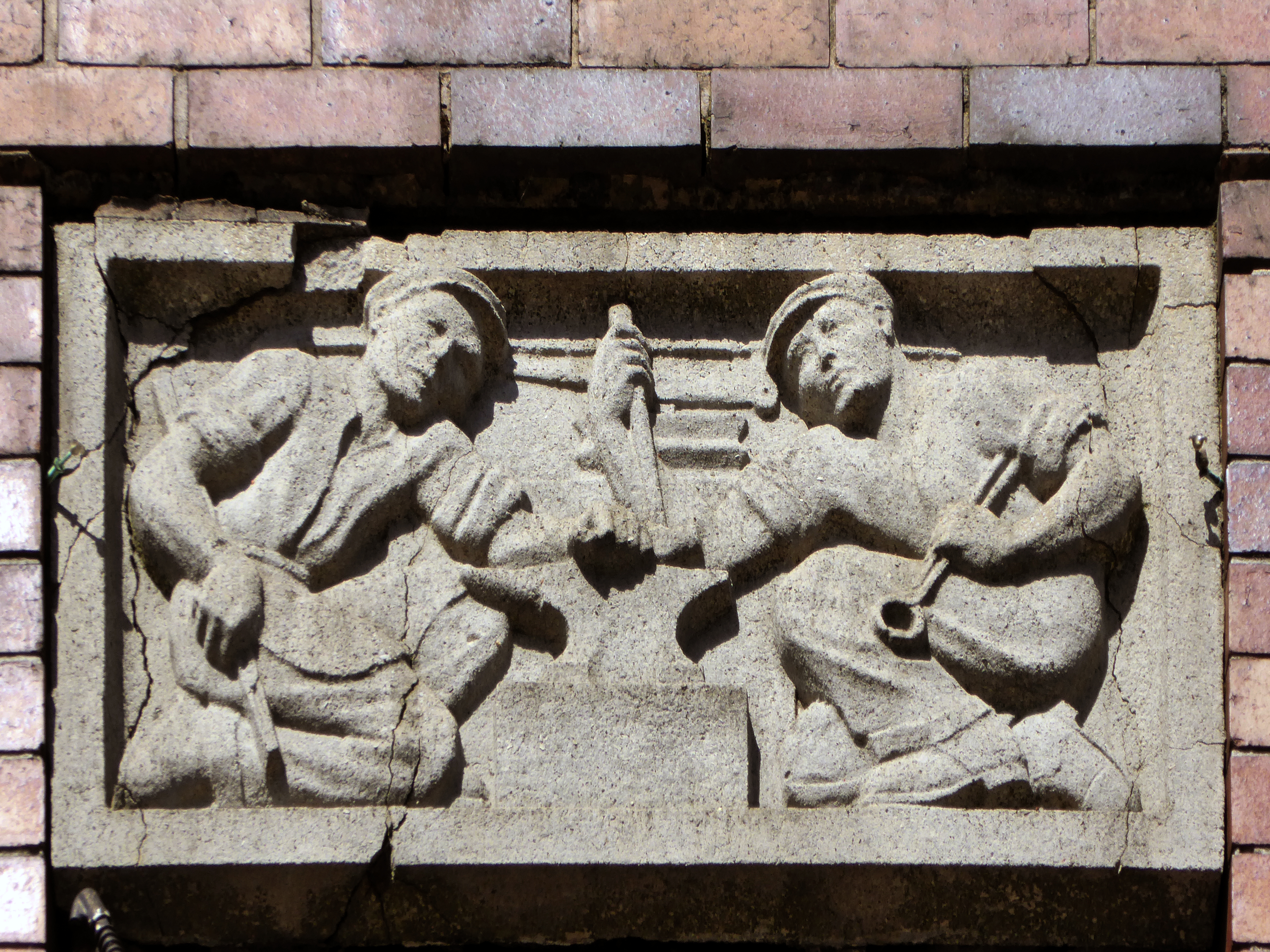
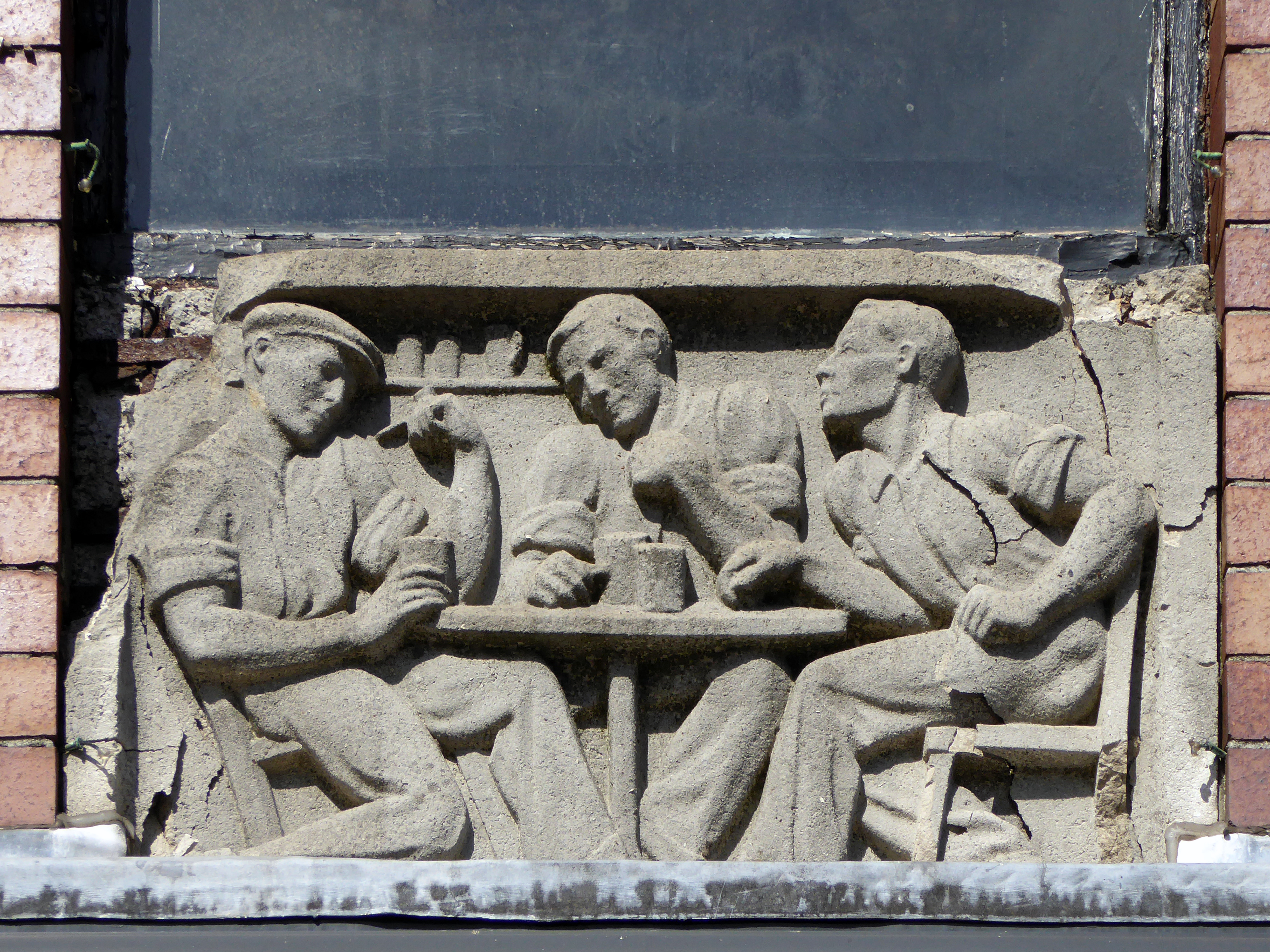
Just around the corner is the former Kings Picture Hall – currently Bees Knees.
Located in the town centre, directly opposite the Coliseum Theatre. The King’s Picture Hall was opened 18th September 1911. In October 1912 a café was opened in the building adding a further amenity to the cinema. In 1929 it was equipped with a British Thomson Houston sound system.
The King’s Picture Hall was closed on 25th June 1966 with Ryo Ikebe in Battle in Outer Space and Randolph Scott in Comanche Territory.
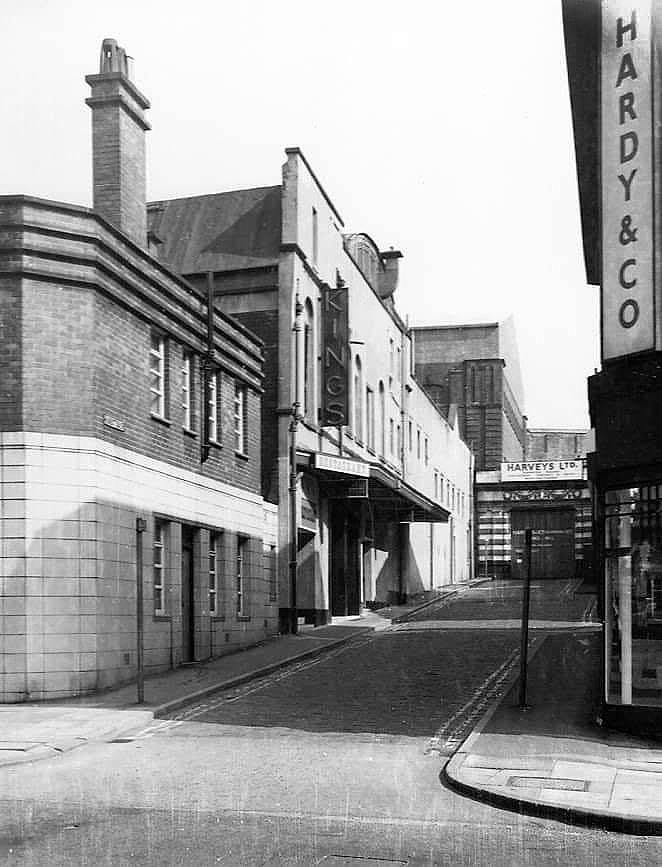
On 2nd July 1966 it was converted into a bingo club.
In 2006 it was a nightclub.
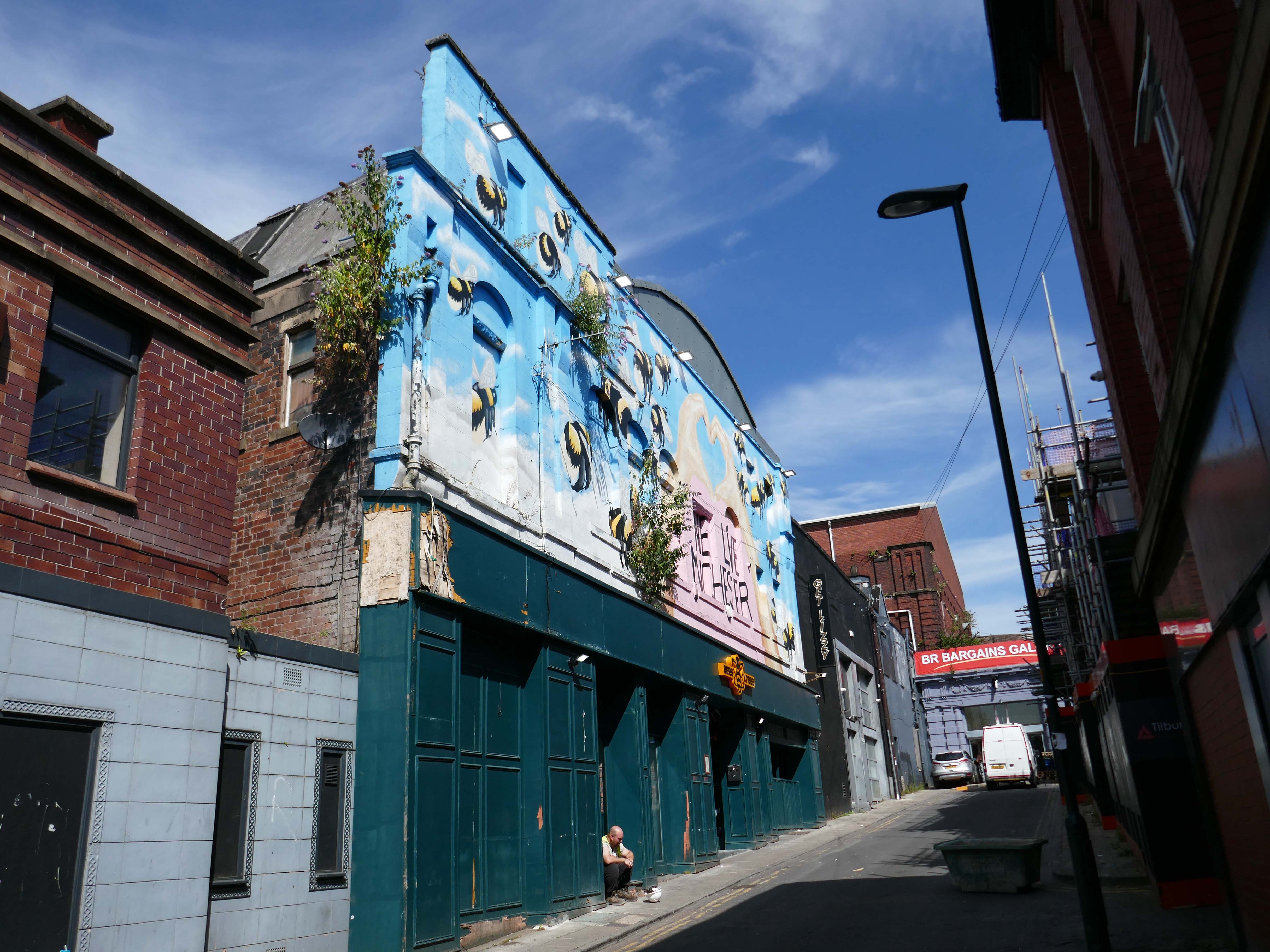
A stand of shops – stepped the accommodate the incline, partially clad in Westmorland Slate.
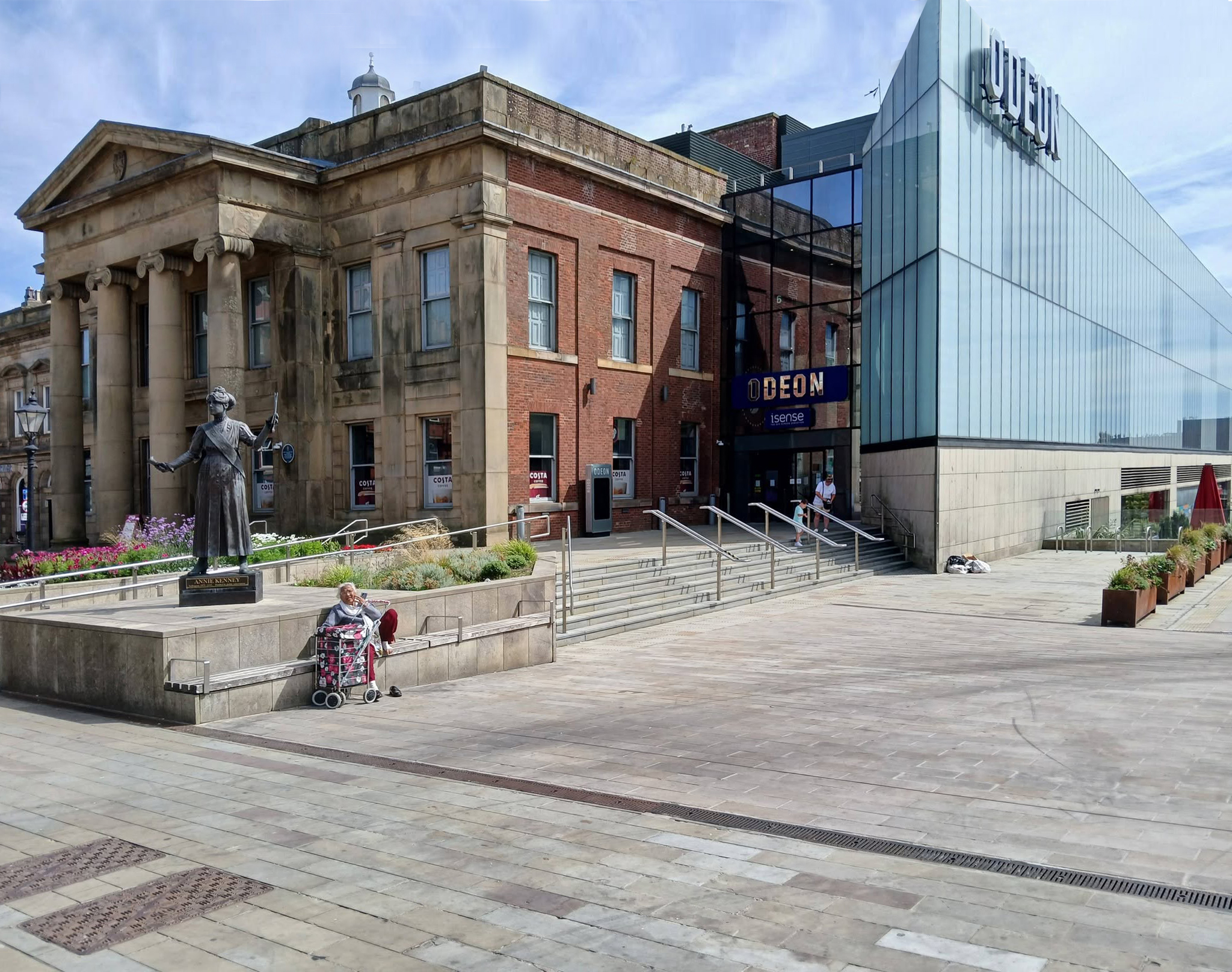
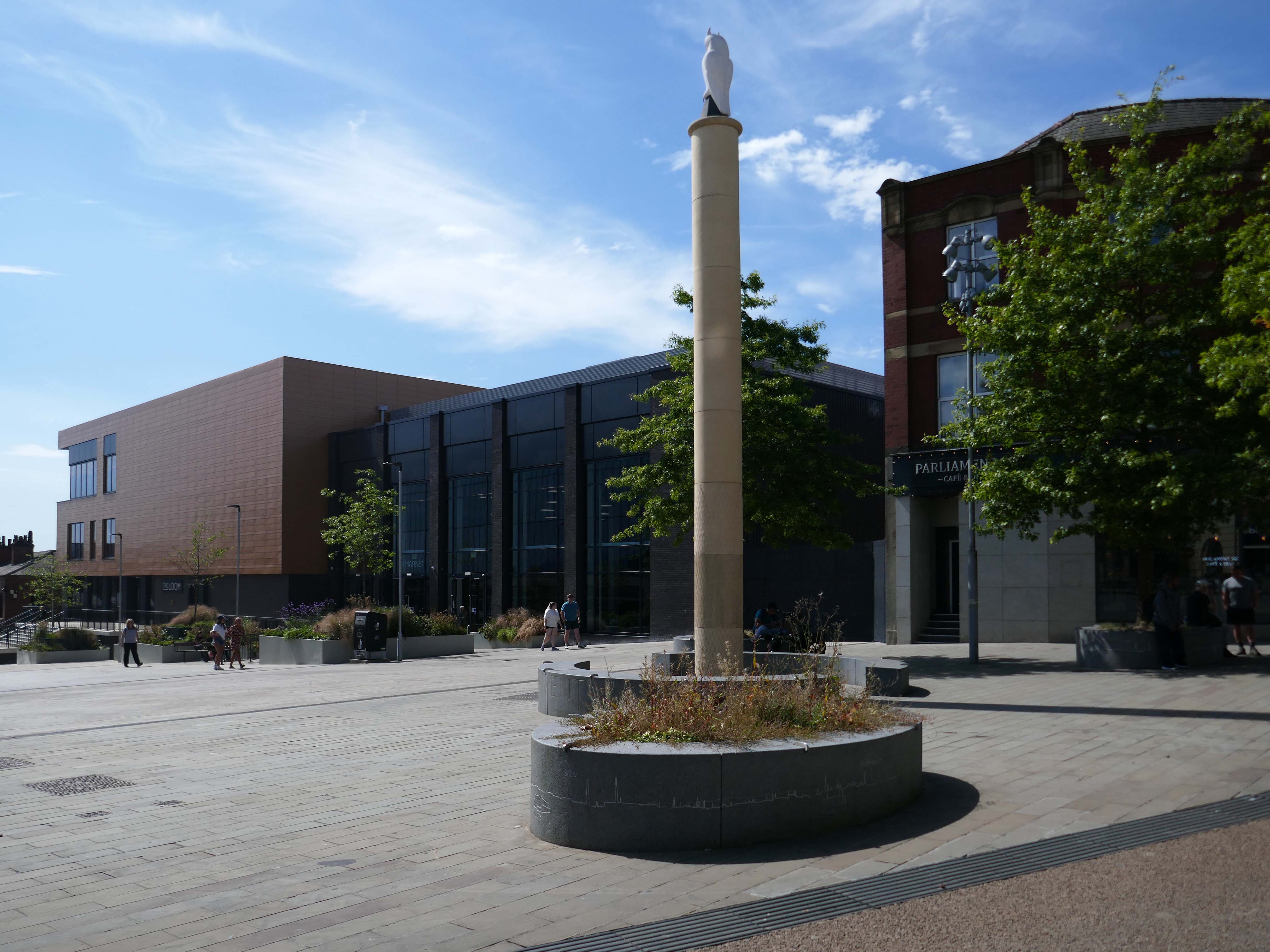
Oldham Town Centre now has a new high-quality public space – Parliament Square
Six new restaurant units will be located within the Old Town Hall alongside a brand new 800-seat, seven screen ODEON cinema.
BDP 2017
A stunning glass extension to the side of the Grade II-listed building provides access to the various levels of the cinema and is also the frontage to the new restaurants.
George Woodhouse of Bolton 1841, extended by Edward Potts of Oldham 1879-80.
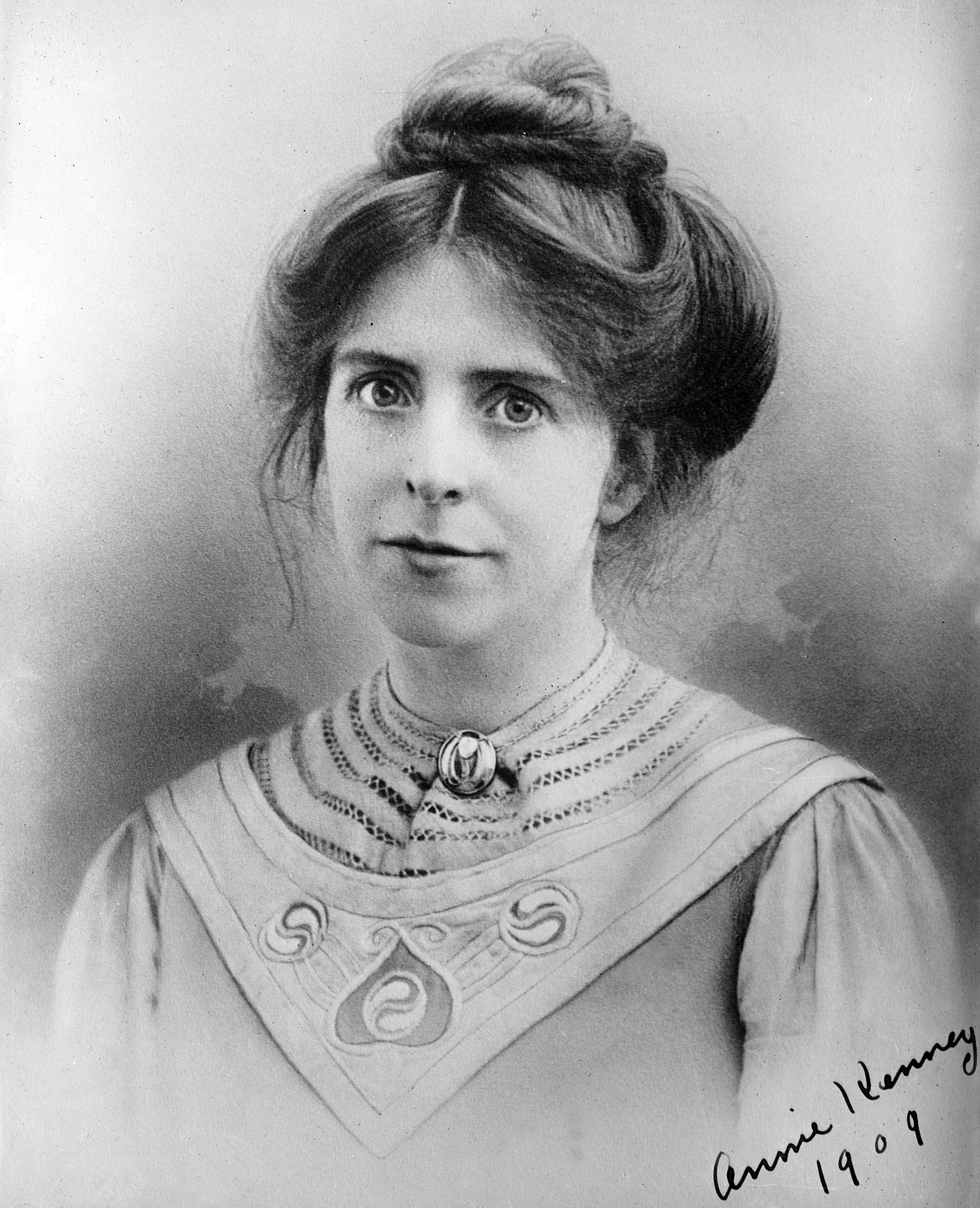
To the left is a statue of Springhead born Annie Kenney – political activist, socialist feminist and suffragette, modelled by Denise Dutton, unveiled 14 December 2018.
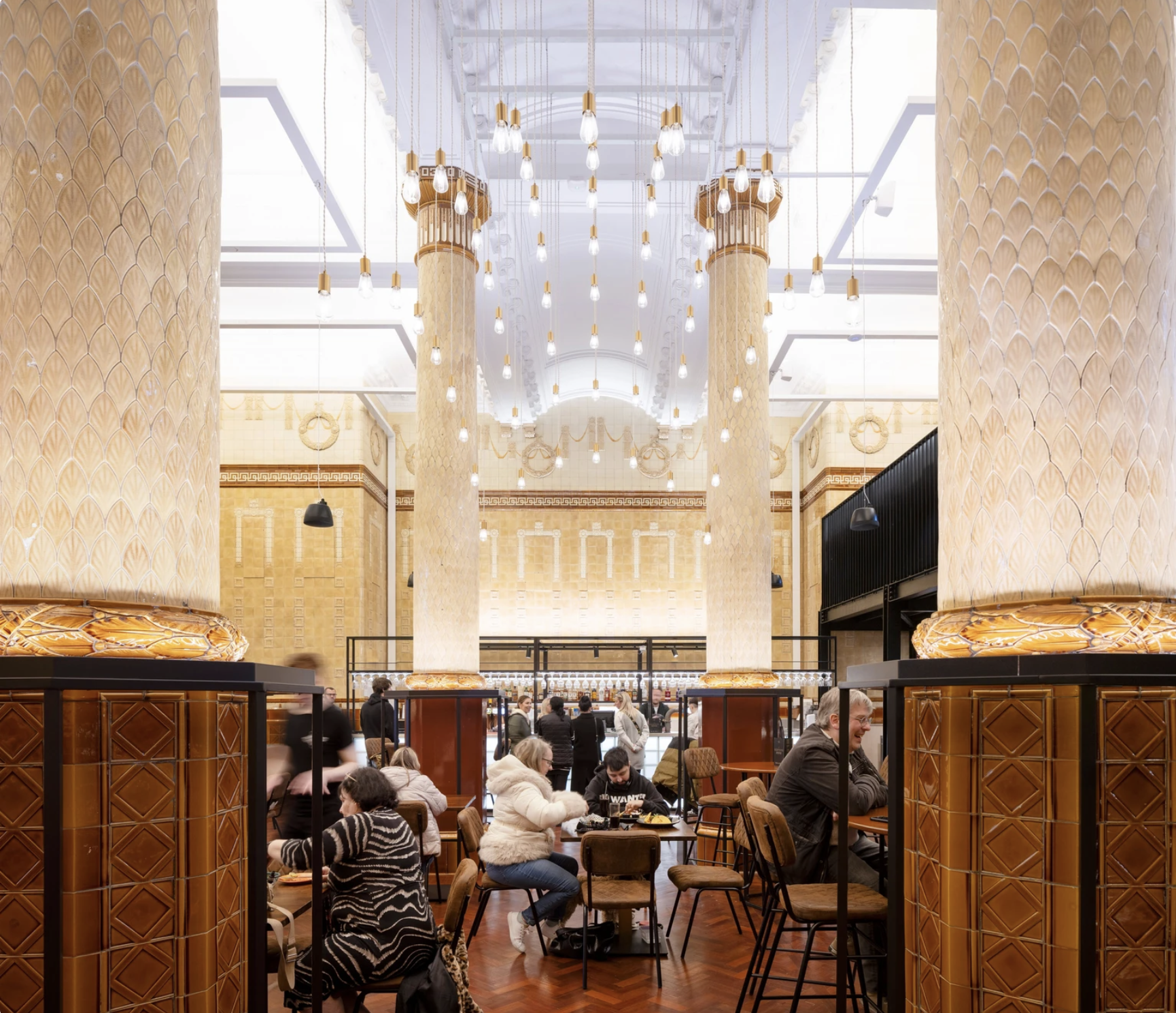
The Egyptian Room Food Hall project extends BDP’s partnership with Oldham Council and the rejuvenated Grade II listed Old Town Hall building in Oldham town centre, the main transformation of which was also designed and delivered by BDP.
The Loom is a brand new events space next to Oldham’s new indoor market on Parliament Square in the town centre. The gala-sized event space can fit up to one thousand standing guests, seven hundred seated, or five hundred dining, or can be split-off into smaller rooms for exhibitions, gigs, or theatre performances.
Design for a war memorial chapel, St Mary’s Church 1920.
Architect: Nugent Francis Cachemaille-Day.
Artist: H Lewis Curtis.
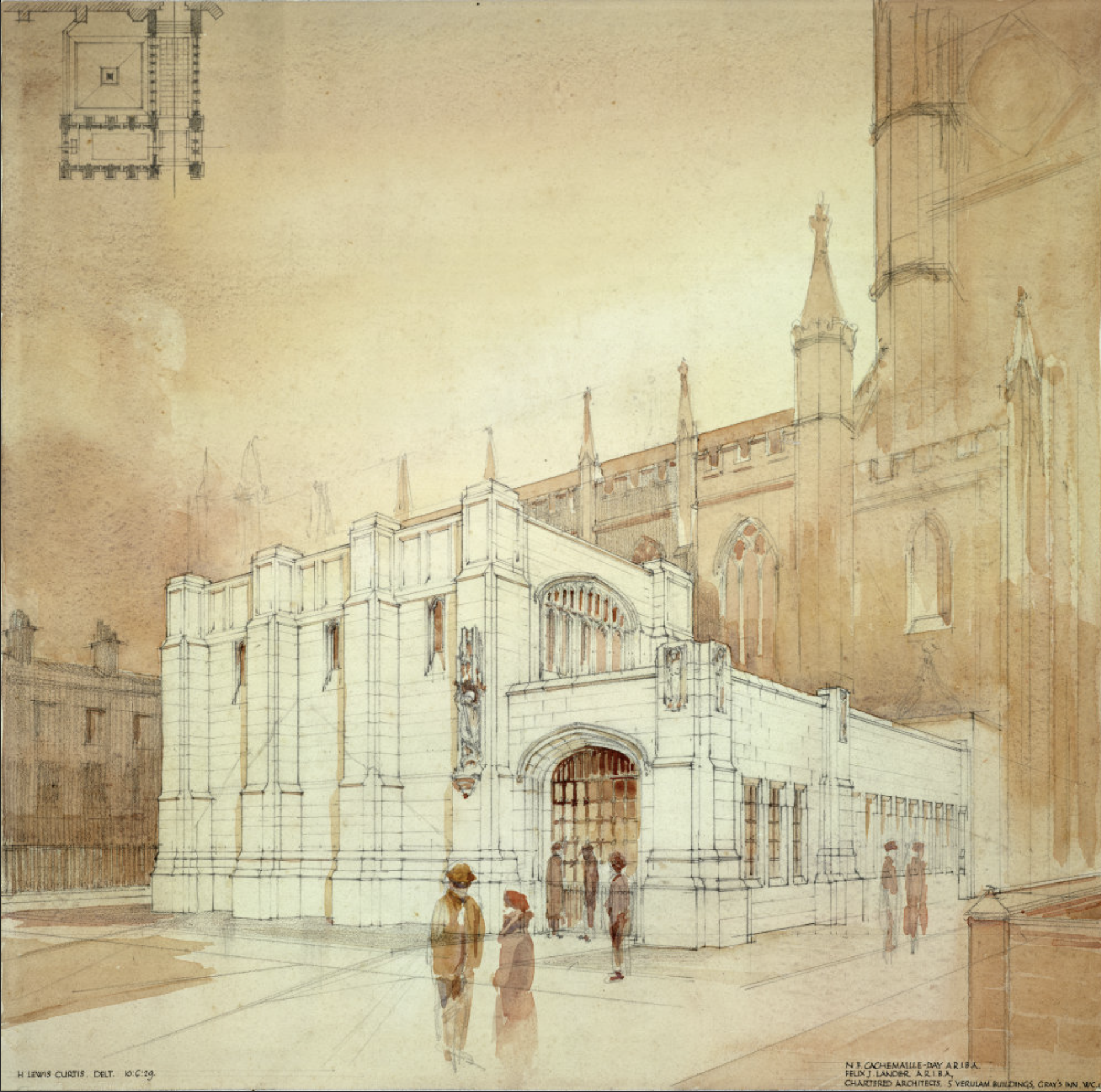
Image: RIBA pix
Next to the former Yorkshire Bank 1970 John Brunton & Partners.
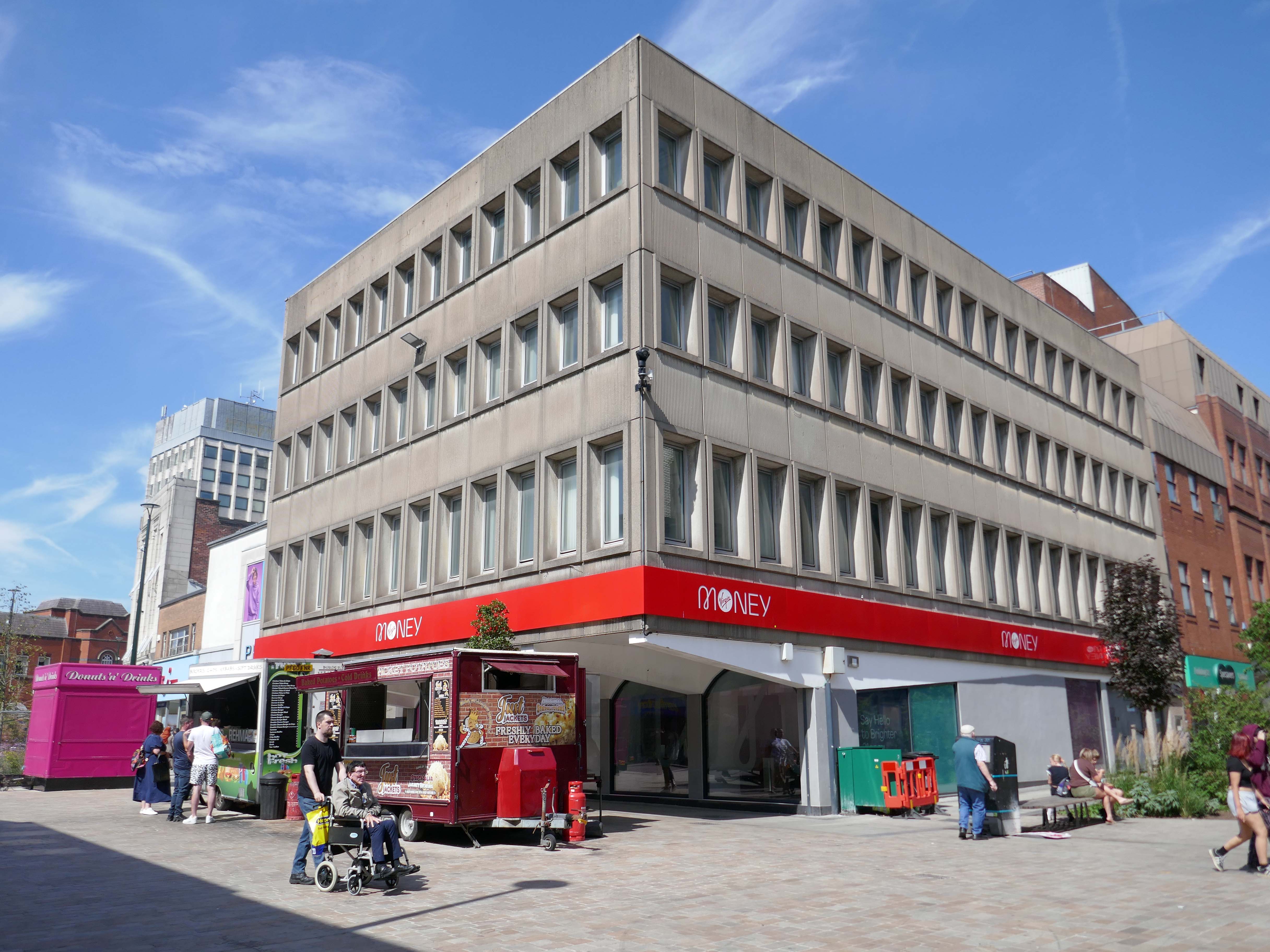
Under construction 1970
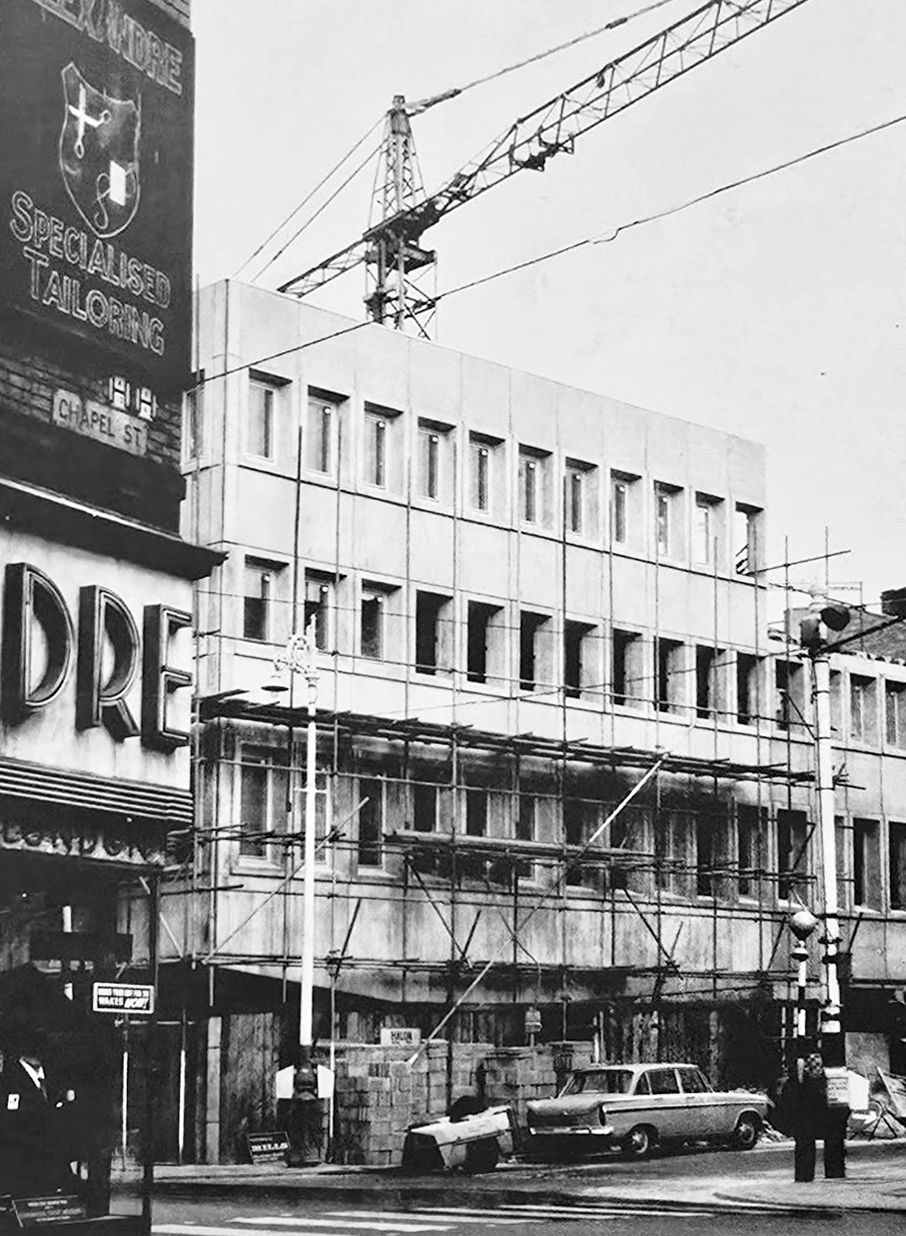
Image: Kayla Chadwick
Down to the Spindles Shopping Centre 1991
Originally the site of St Peter’s Shopping Centre architect Richard Seifert
St Peter’s House – housed Oldham Area Health Authority Administrative Offices
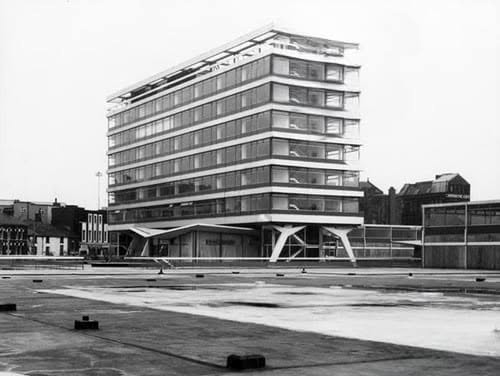
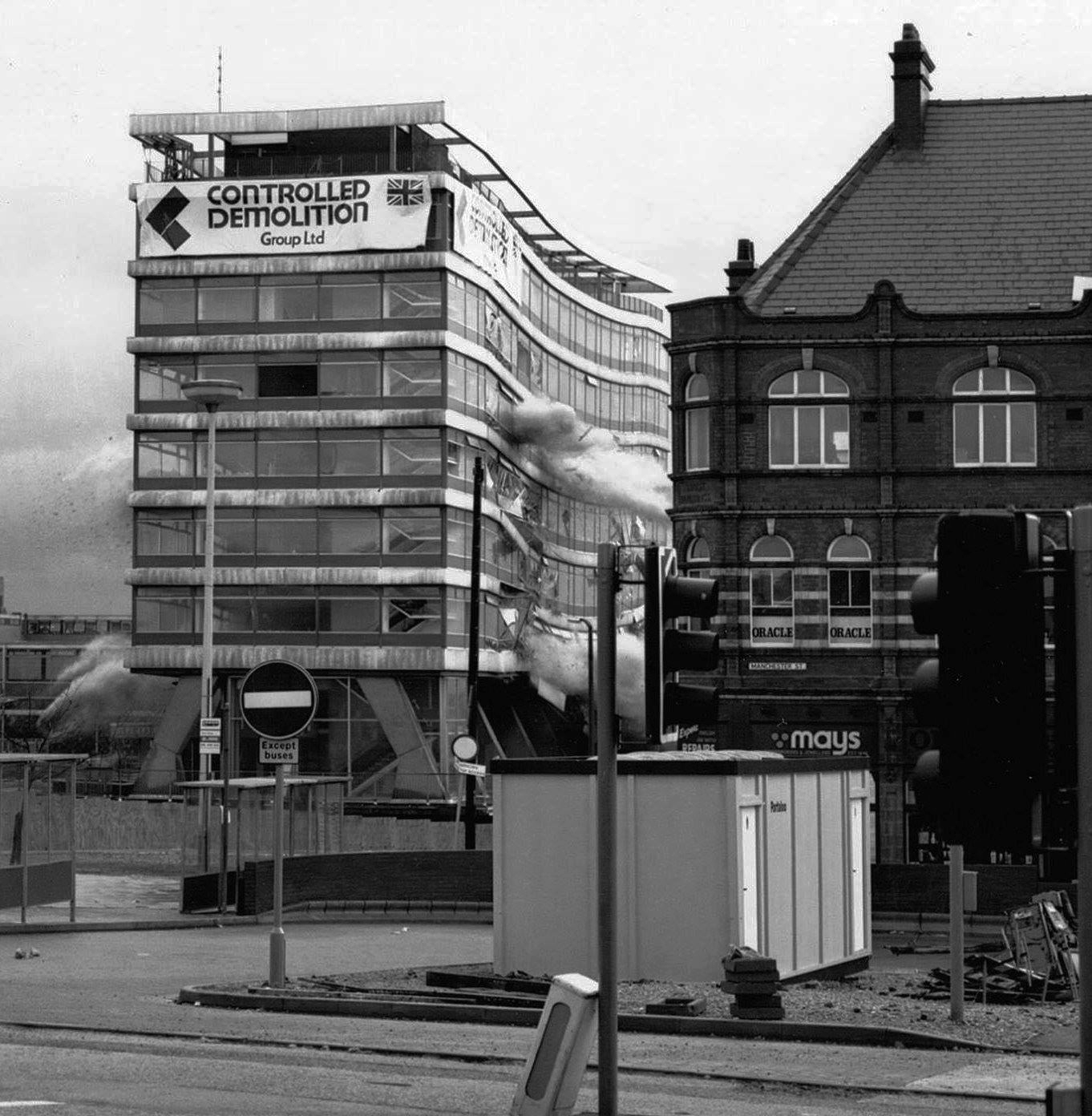
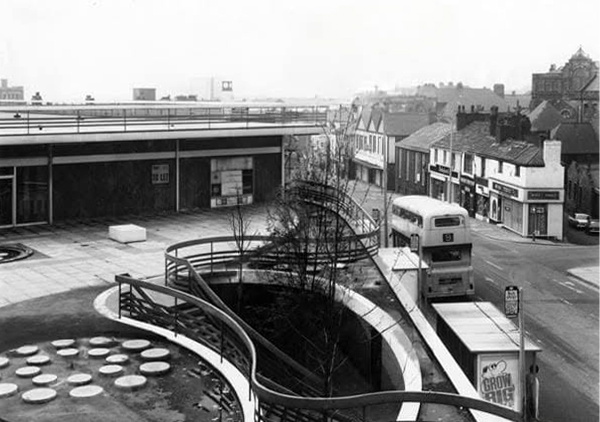
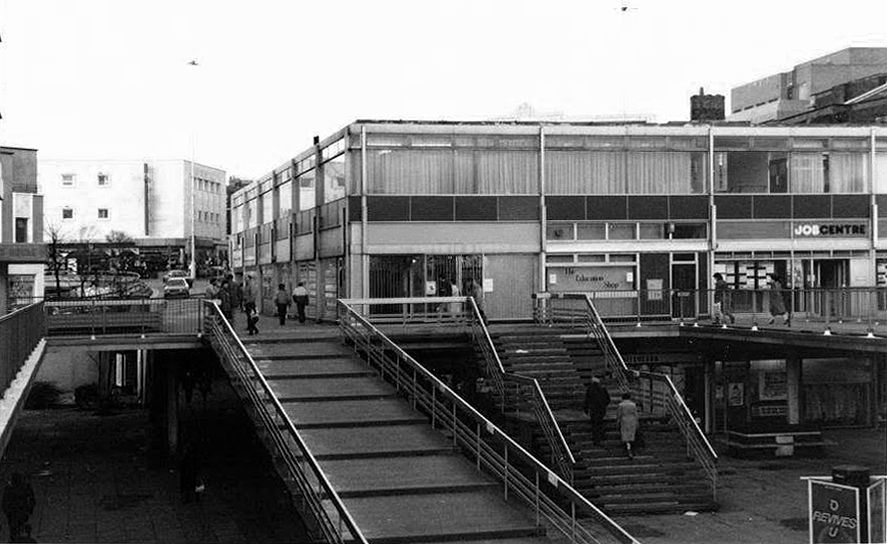
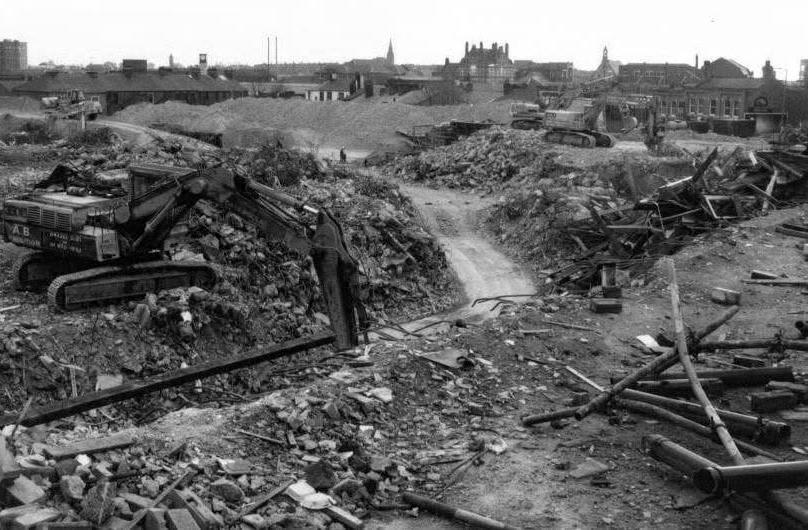
Images: Yesteryear Oldham then & now
Spindles has been revamped by AEW Architects.
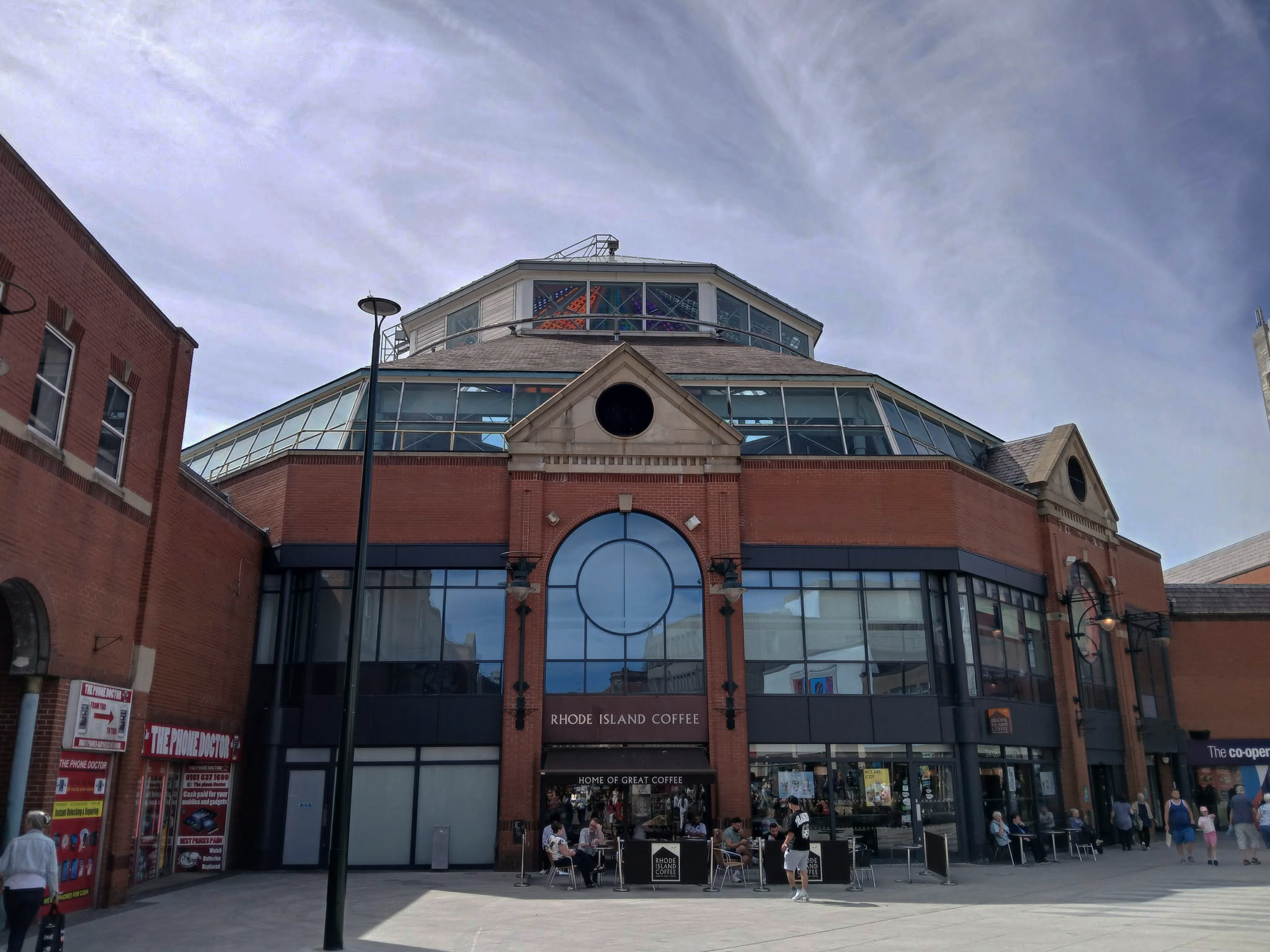
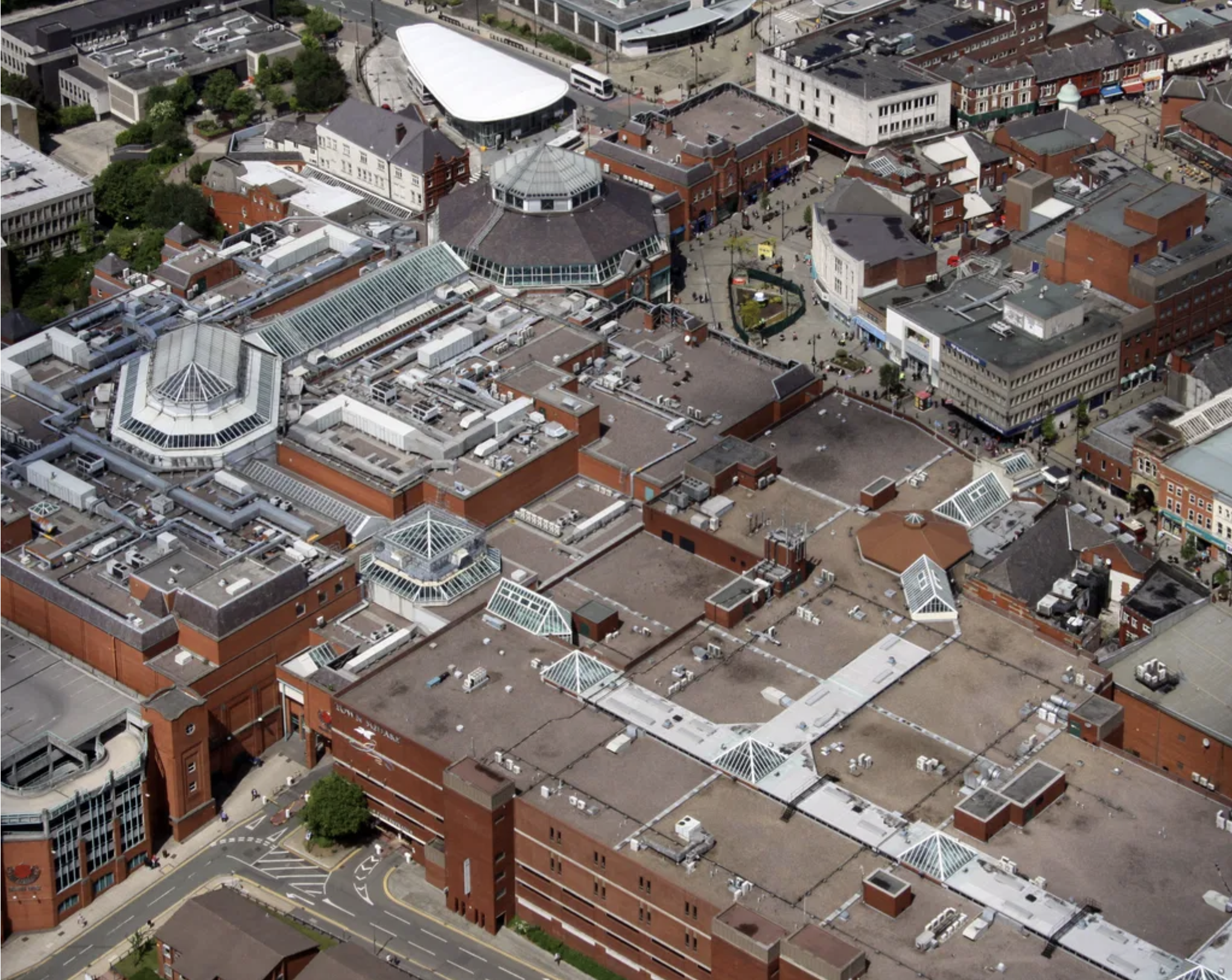
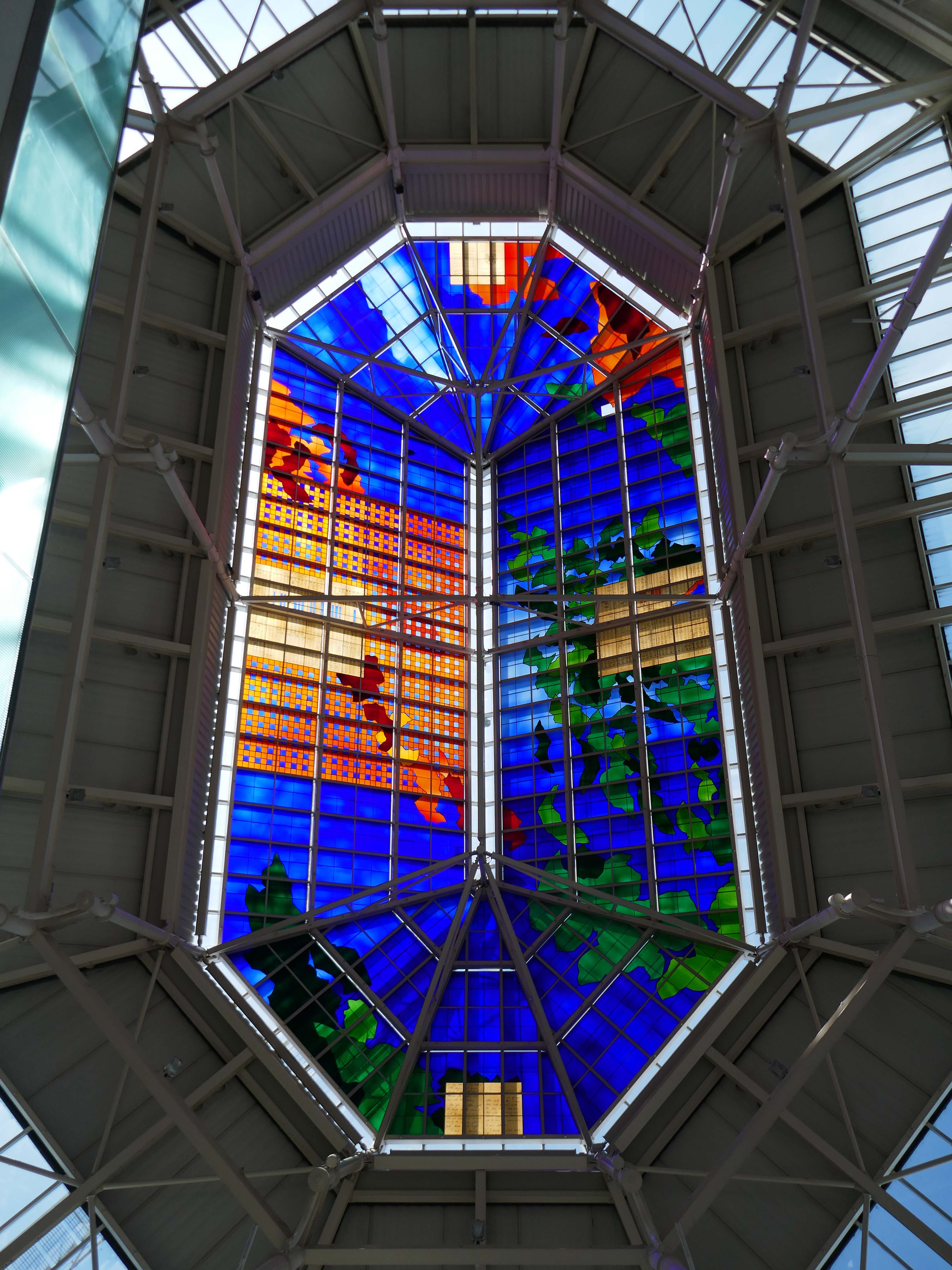
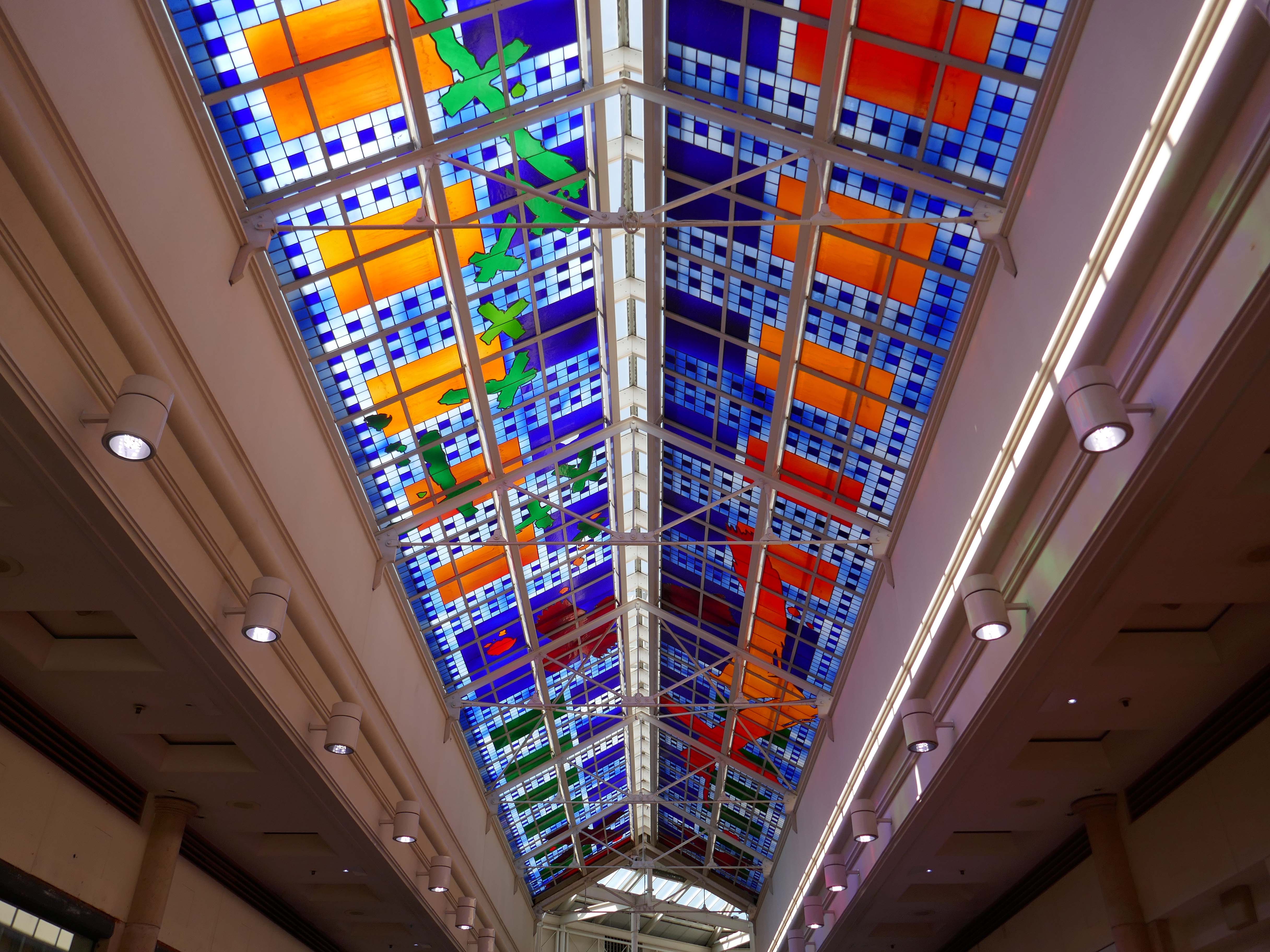
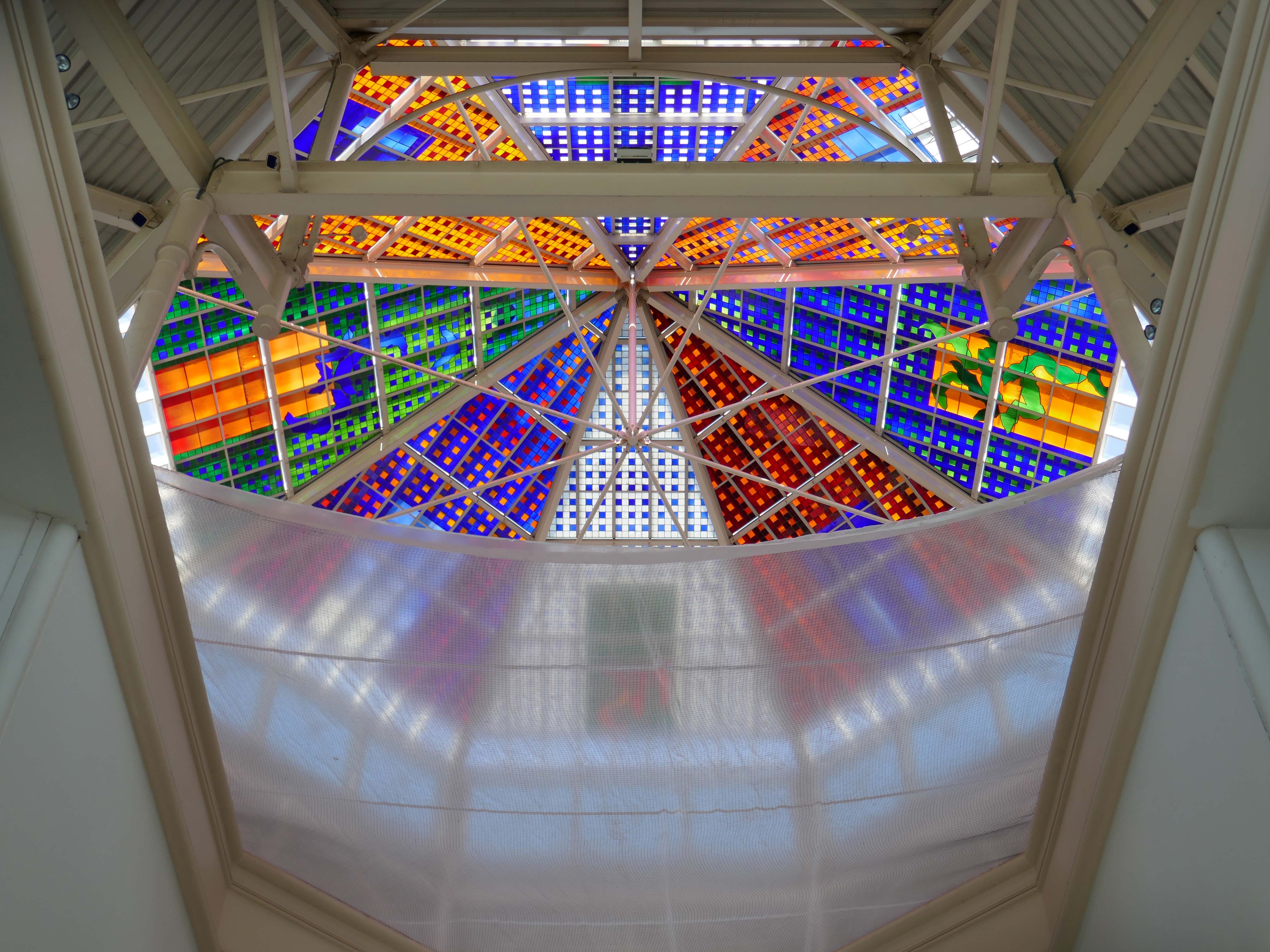
Stained glass by Brian Clarke installed in 1993.
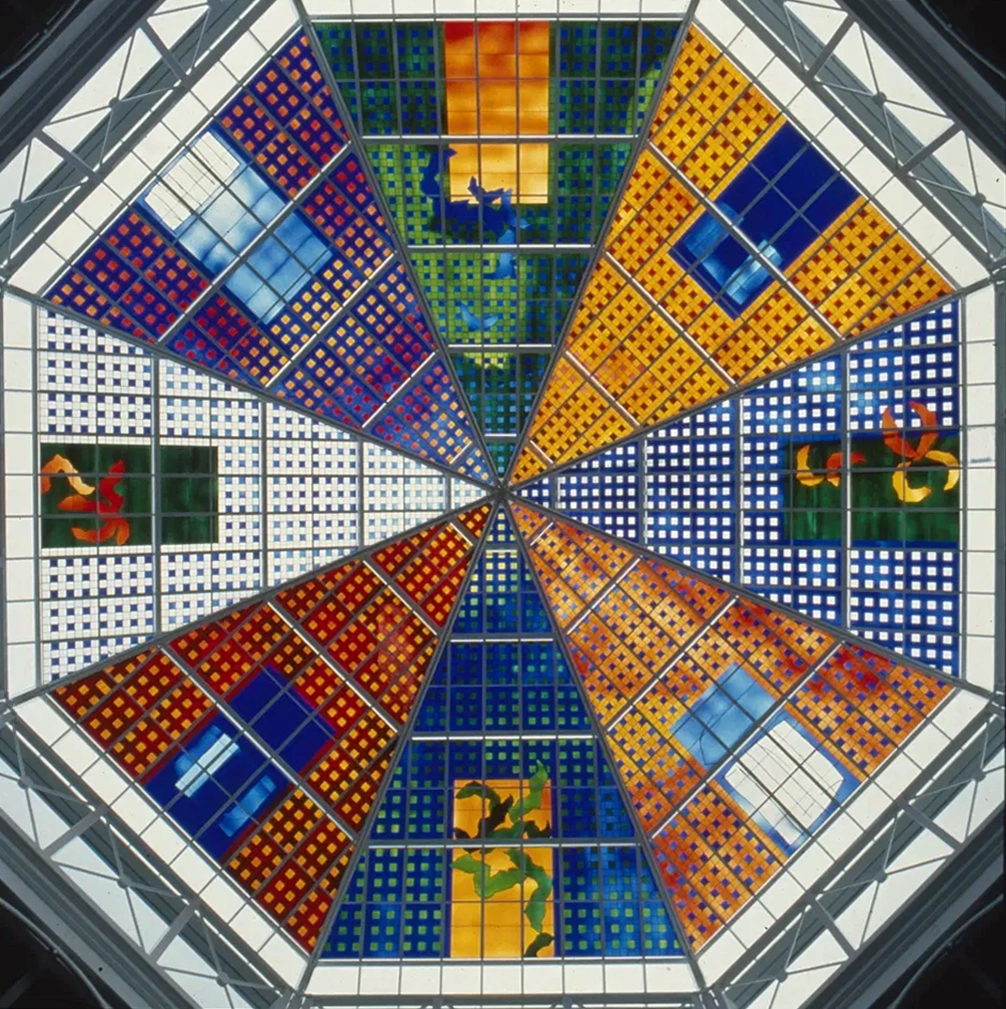
Between 1990 and 1993, Brian Clarke designed a series of three interrelated roof lights in stained glass for the Spindles Shopping Centre in his hometown of Oldham, Lancashire. Among the largest stained glass windows in Europe, and some of the largest public artworks in the UK, these panels connect the main public areas of the principal shopping centre in the town.
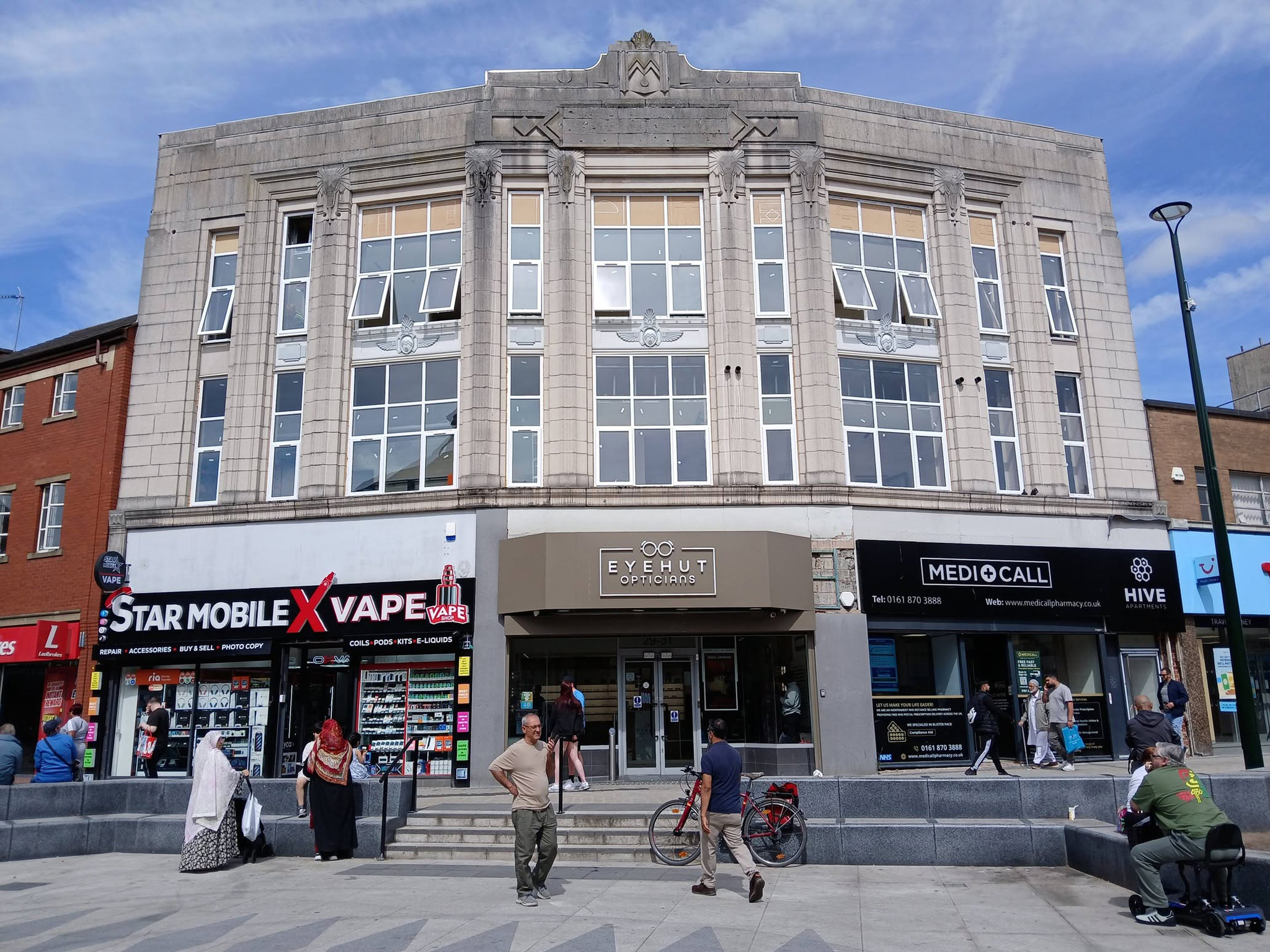
No town walk would be complete without a former Burton’s.
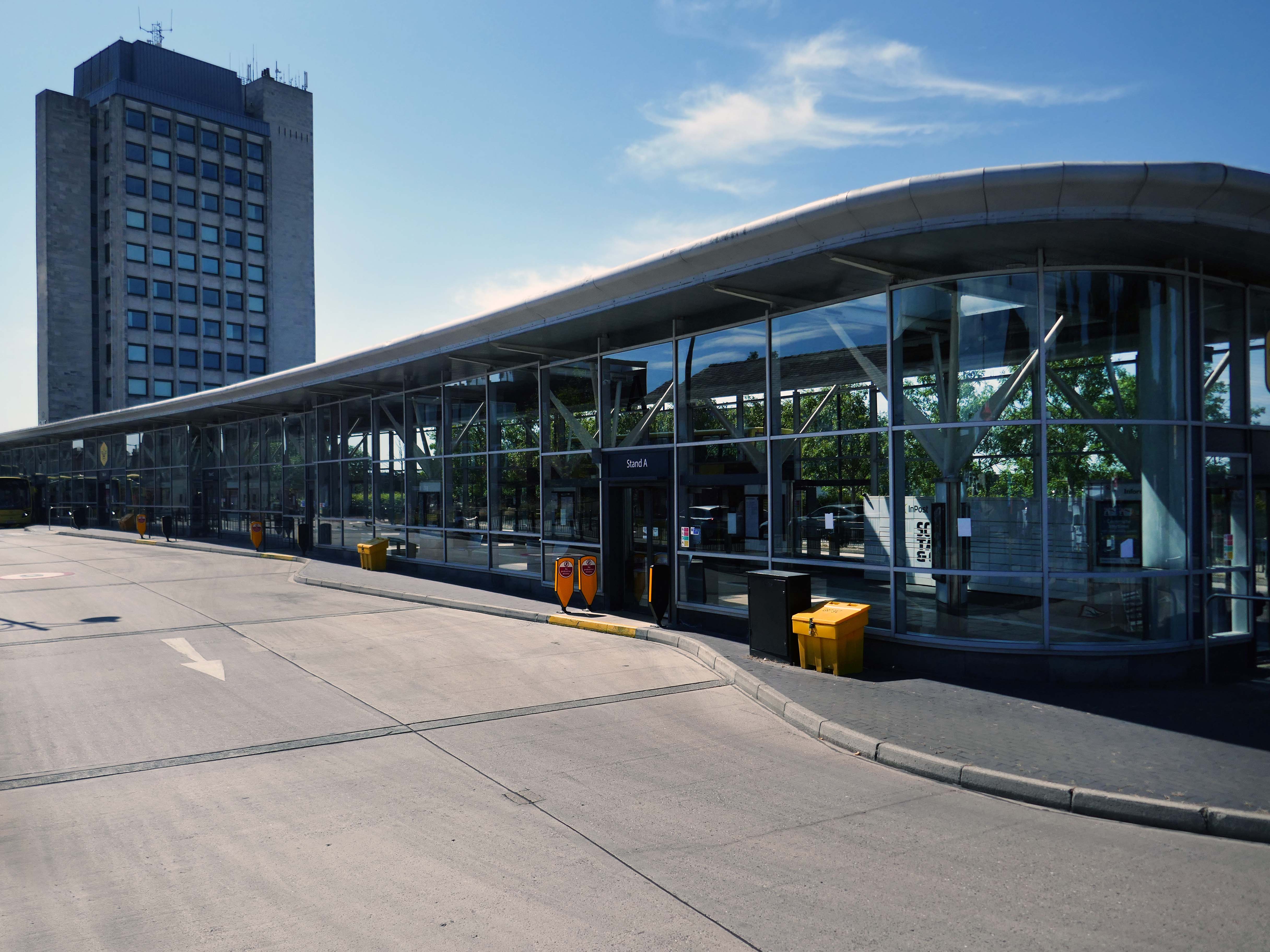
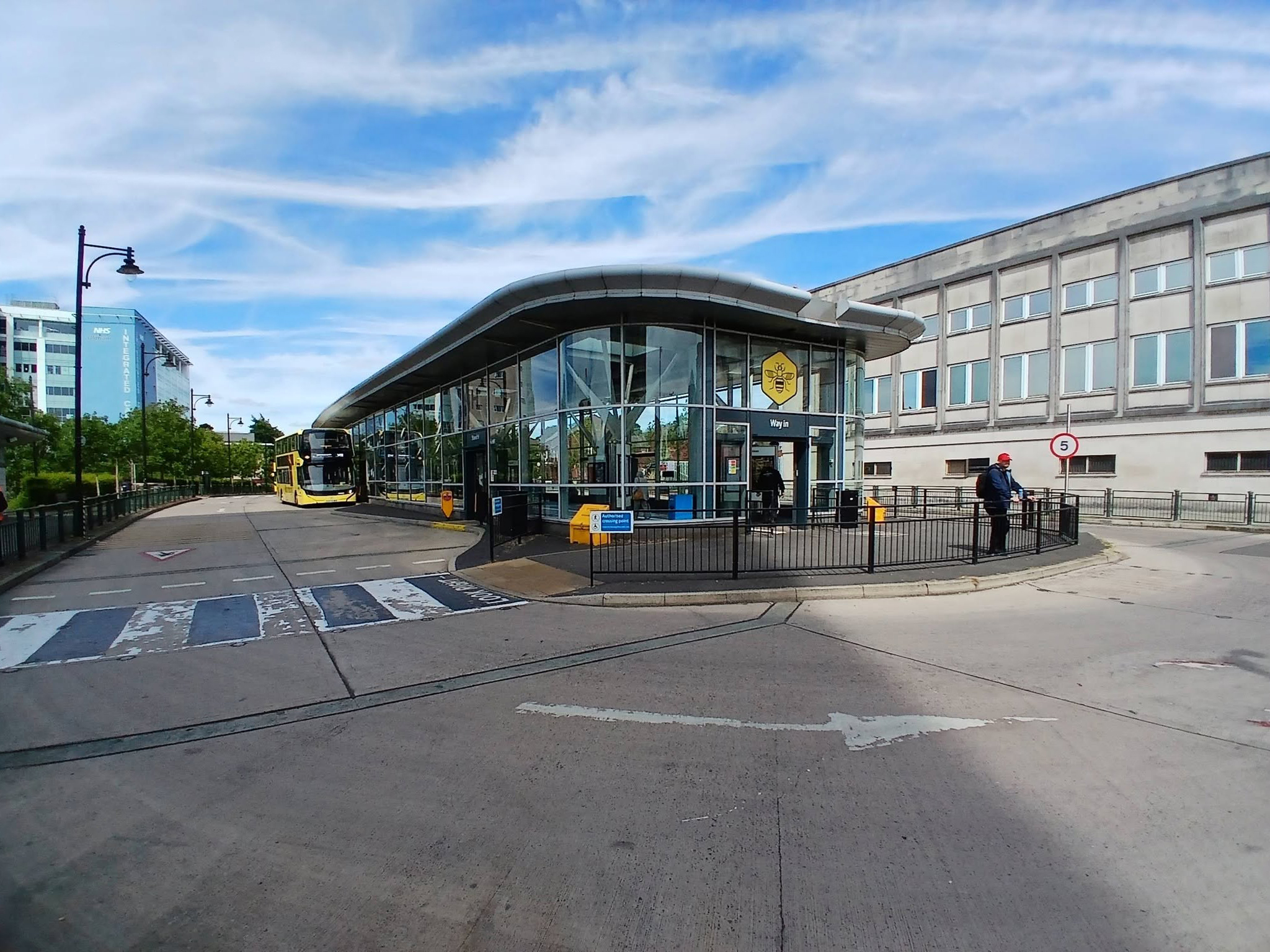
Next to the Bus Stations 2008 Austin-Smith Lord situated either side of the Civic Centre.
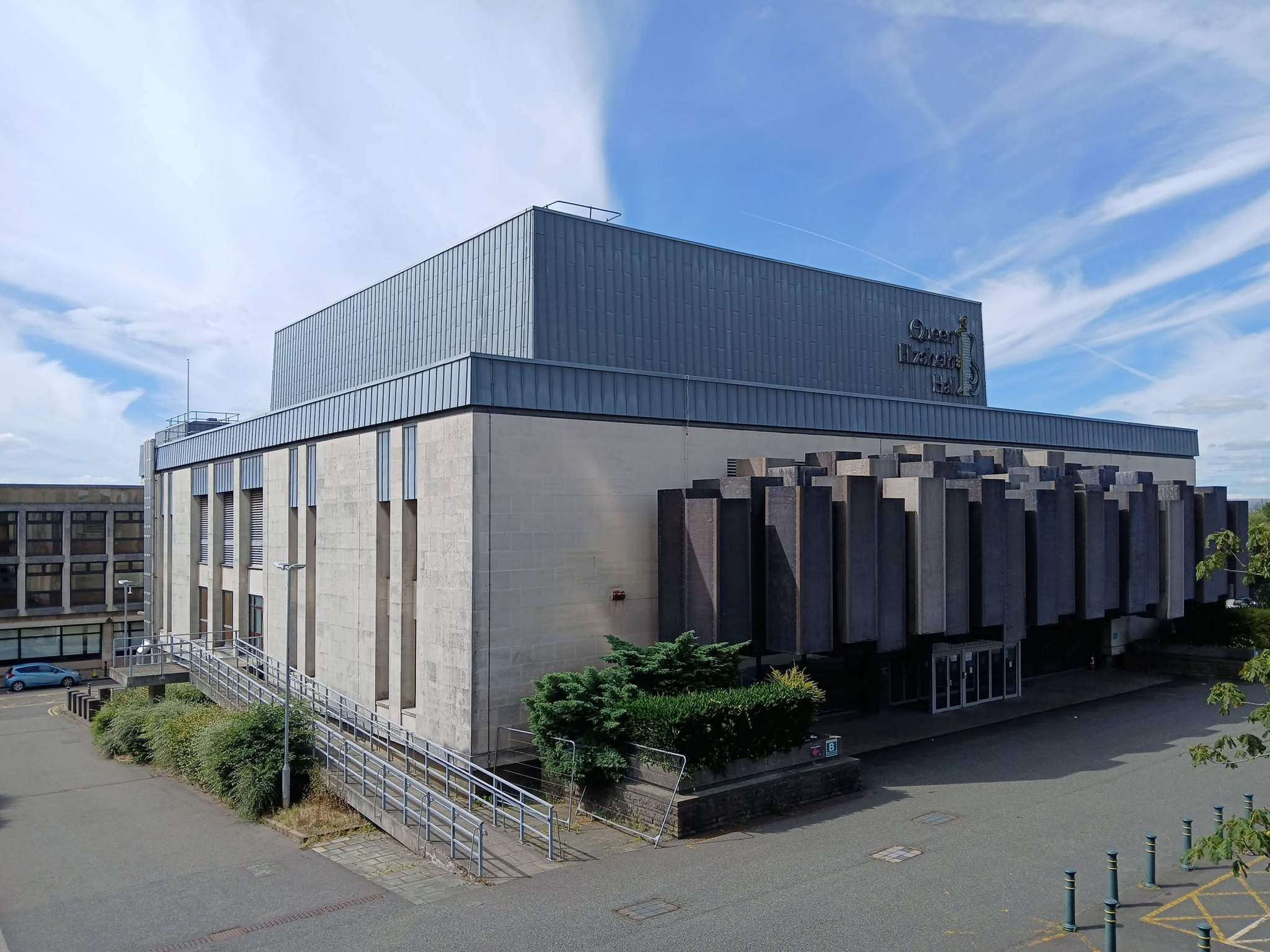
In the midst of it all is the Queen Elizabeth Hall.
The Queen Elizabeth Hall in Oldham will soon open its doors for the last time before it permanently closes to the public and is prepared for demolition. Since being condemned for containing Reinforced Autoclaved Aerated Concrete – RAAC in 2023, its days have been numbered.
Now the old theatre is part of plans to bring 2,000 new homes into the town centre in a partnership between Oldham Council and the developers Muse.
Chris Connor as Elvis at the Oldham Queen Elizabeth Hall.
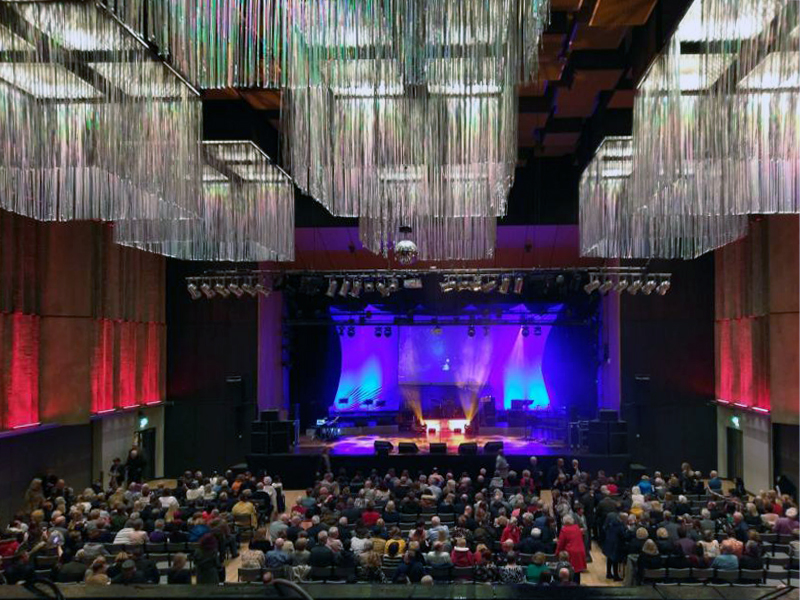
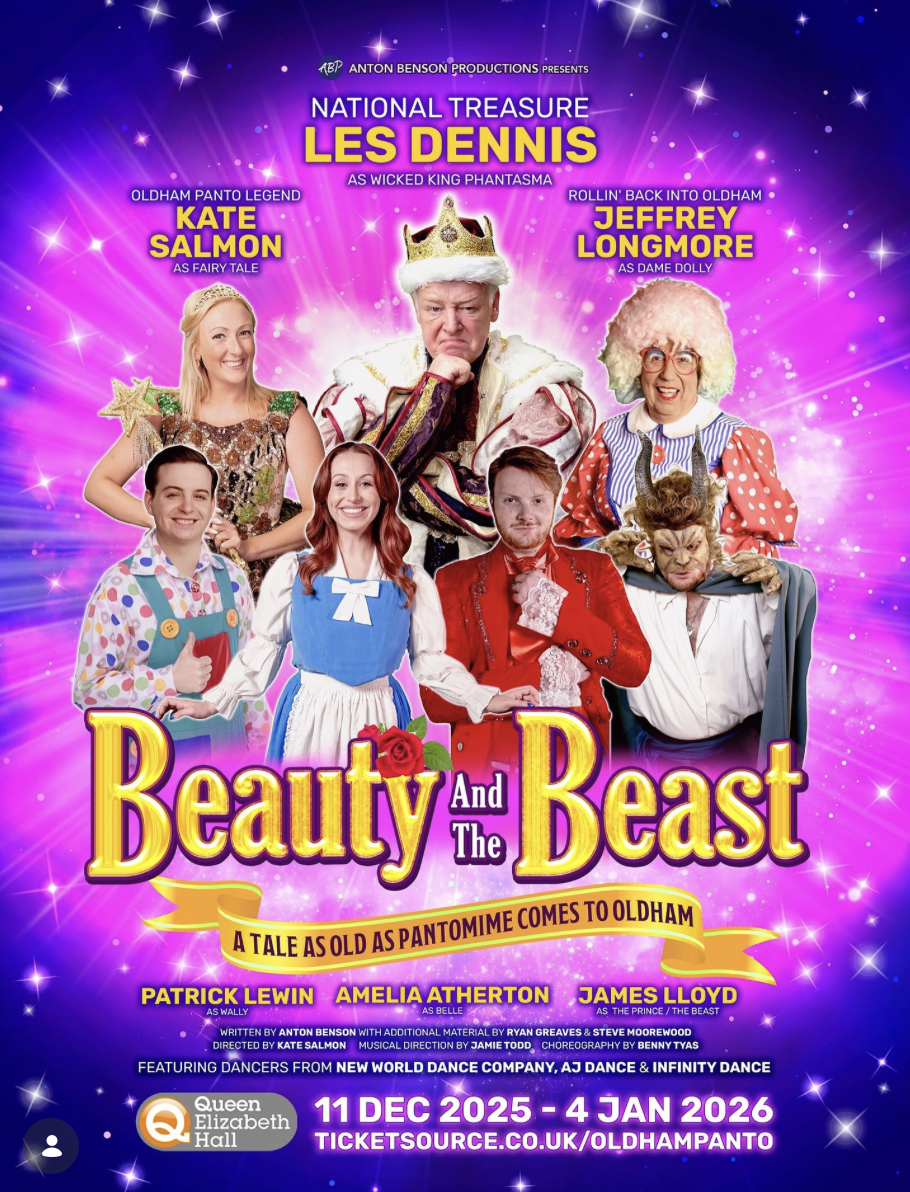
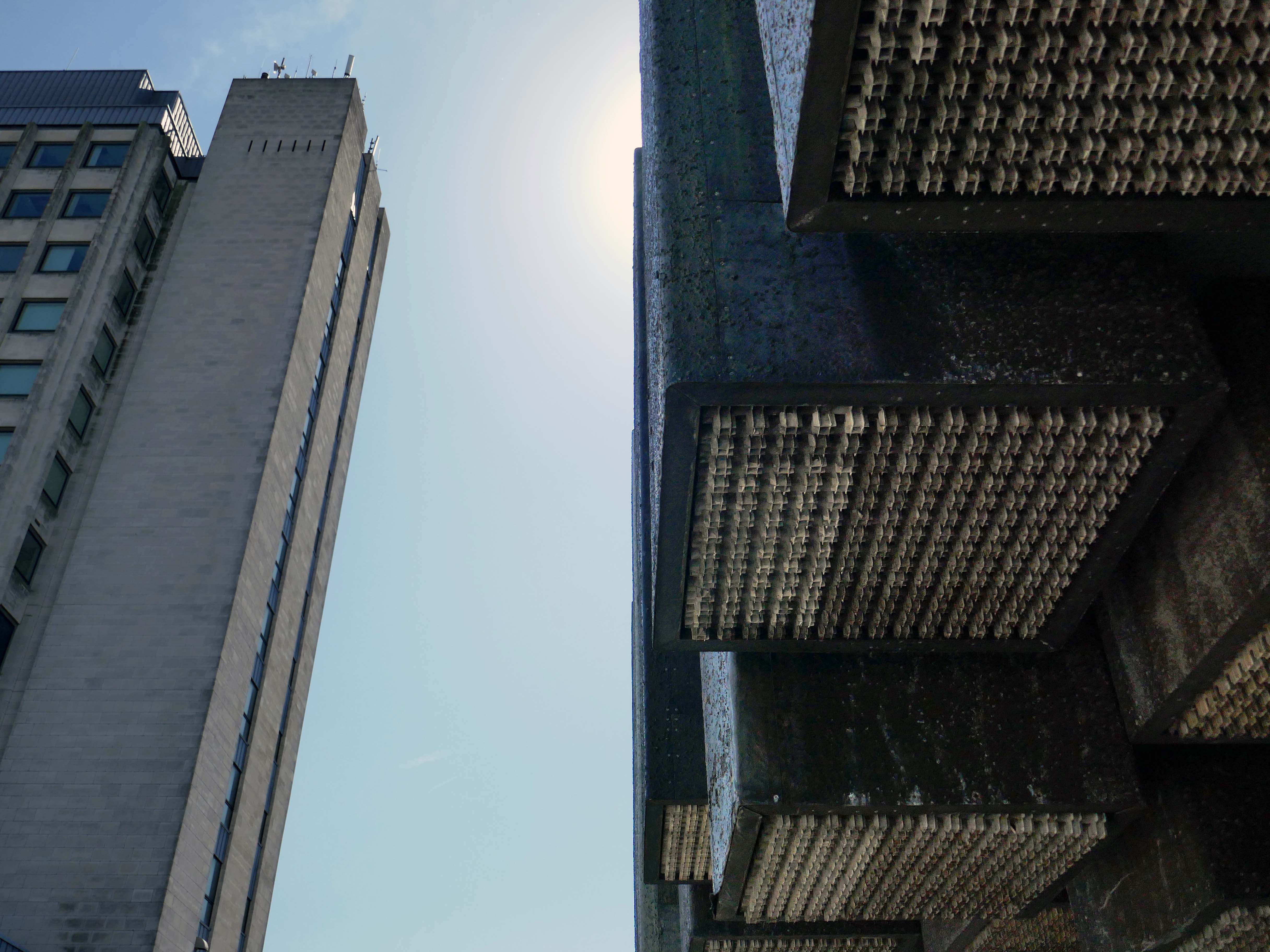
Surrounded on two sides by the Civic Centre – the lower parts are by Richard Seifert & Partners 1962, the fourteen storey Tower and Hall 1974-78 are by Cecil Howitt & Partners.
Plans are underway at the civic centre, the largest site in the regeneration project, to create a vibrant community providing eight hundred and thirty eight homes rising up to fifteen-storeys with mixed-use commercial spaces on the ground floor. This development will integrate seamlessly with the surrounding neighbourhood, particularly the nearby Former Magistrates’ Court site. The Civic Tower at the edge of the site will be retained and redeveloped as a hotel in a later phase.
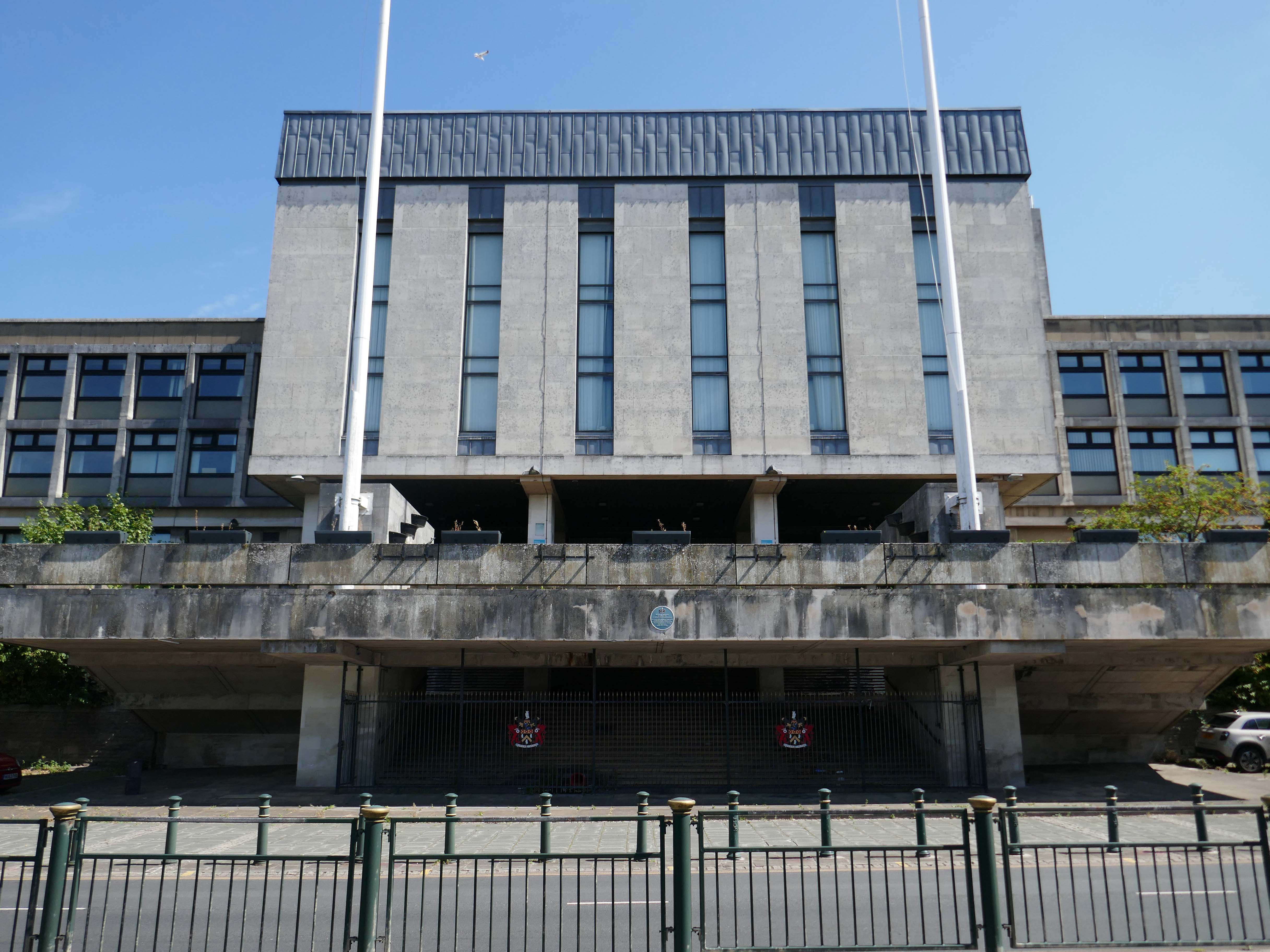
Where have the Magistrates’ Courts gone?
Architects: Leach Rhodes Walker 1977.
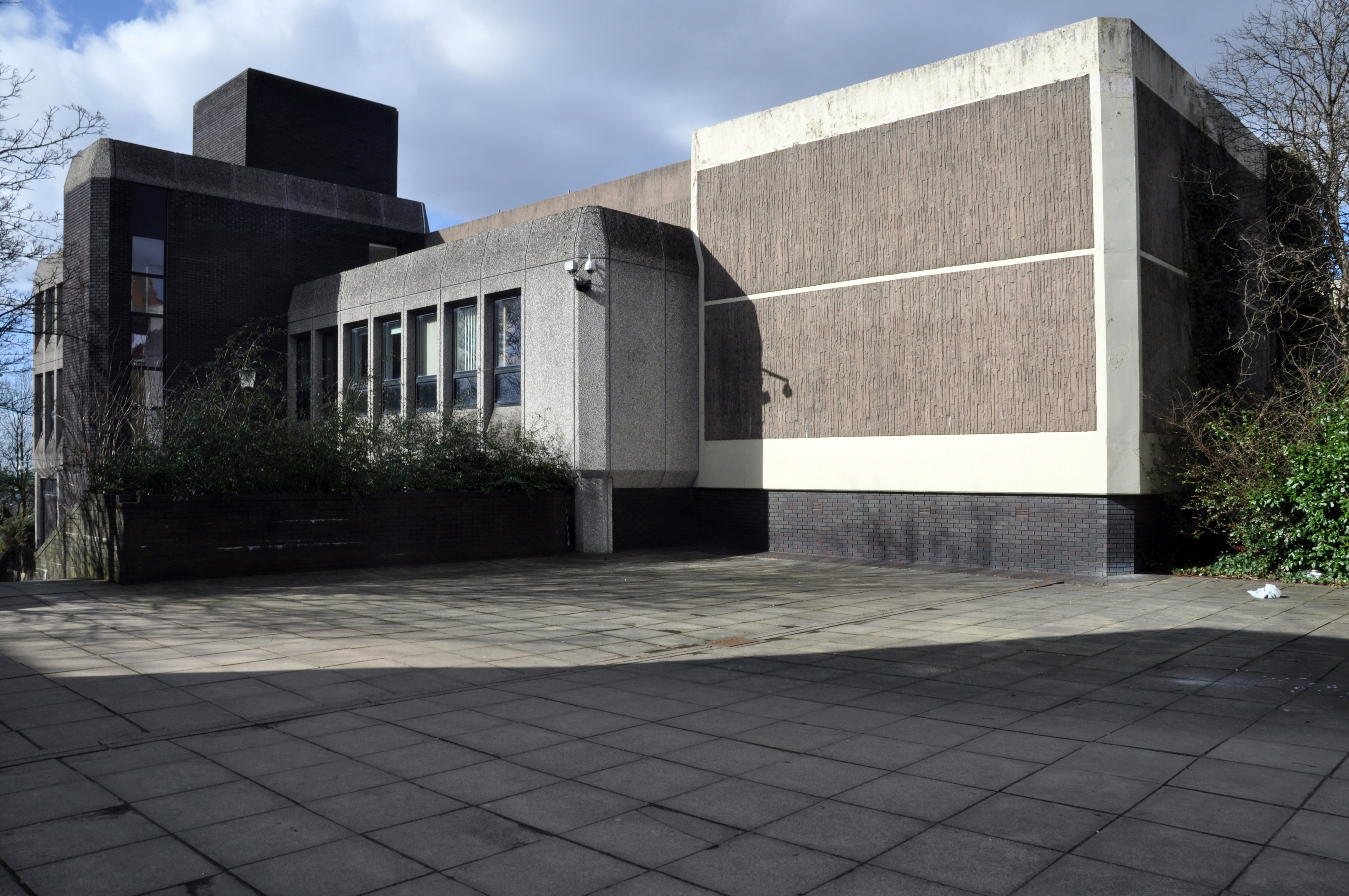
Demolished in 2019 to make way for further redevelopment.
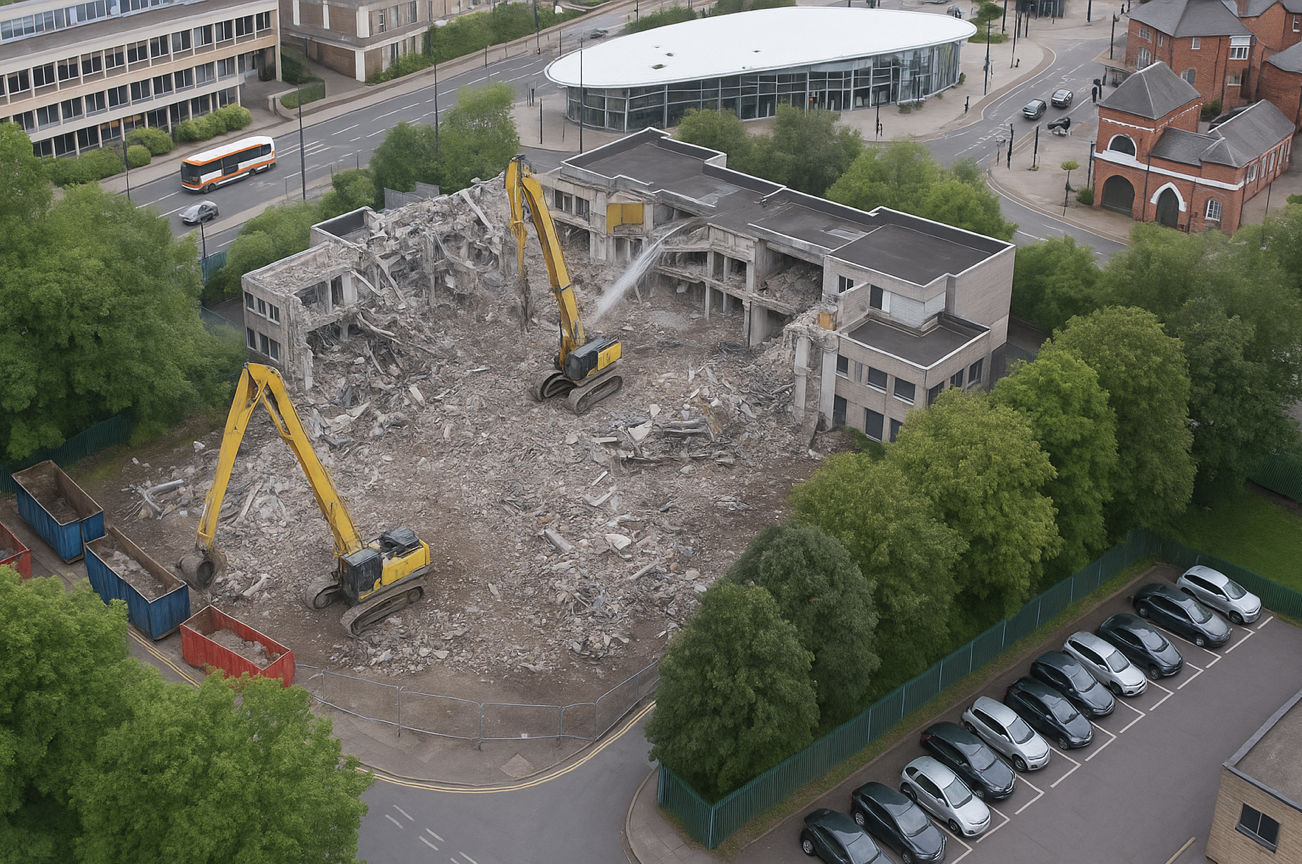
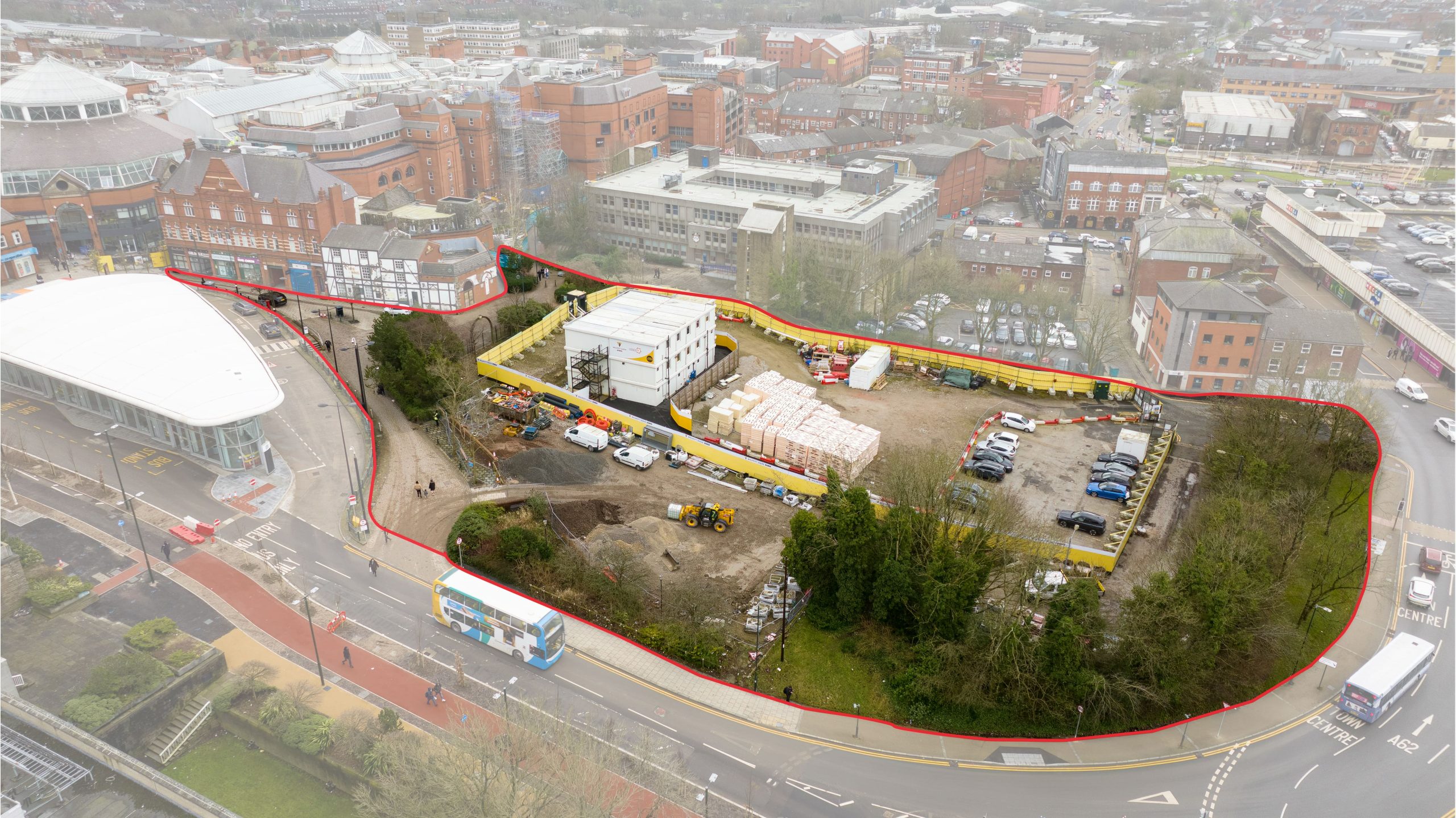
The proposals for the Former Magistrates Court site include two hundred and nineteen new homes with the tallest block ten-storeys and a green route connecting Manchester Chambers with King Street. The designs have been developed to ensure a unified neighbourhood with a common design language and seamless movement between other sites.
Oldham Council and Muse intend to work in partnership over the next 15 years to develop the sextet of council-owned brownfield sites across the town centre.
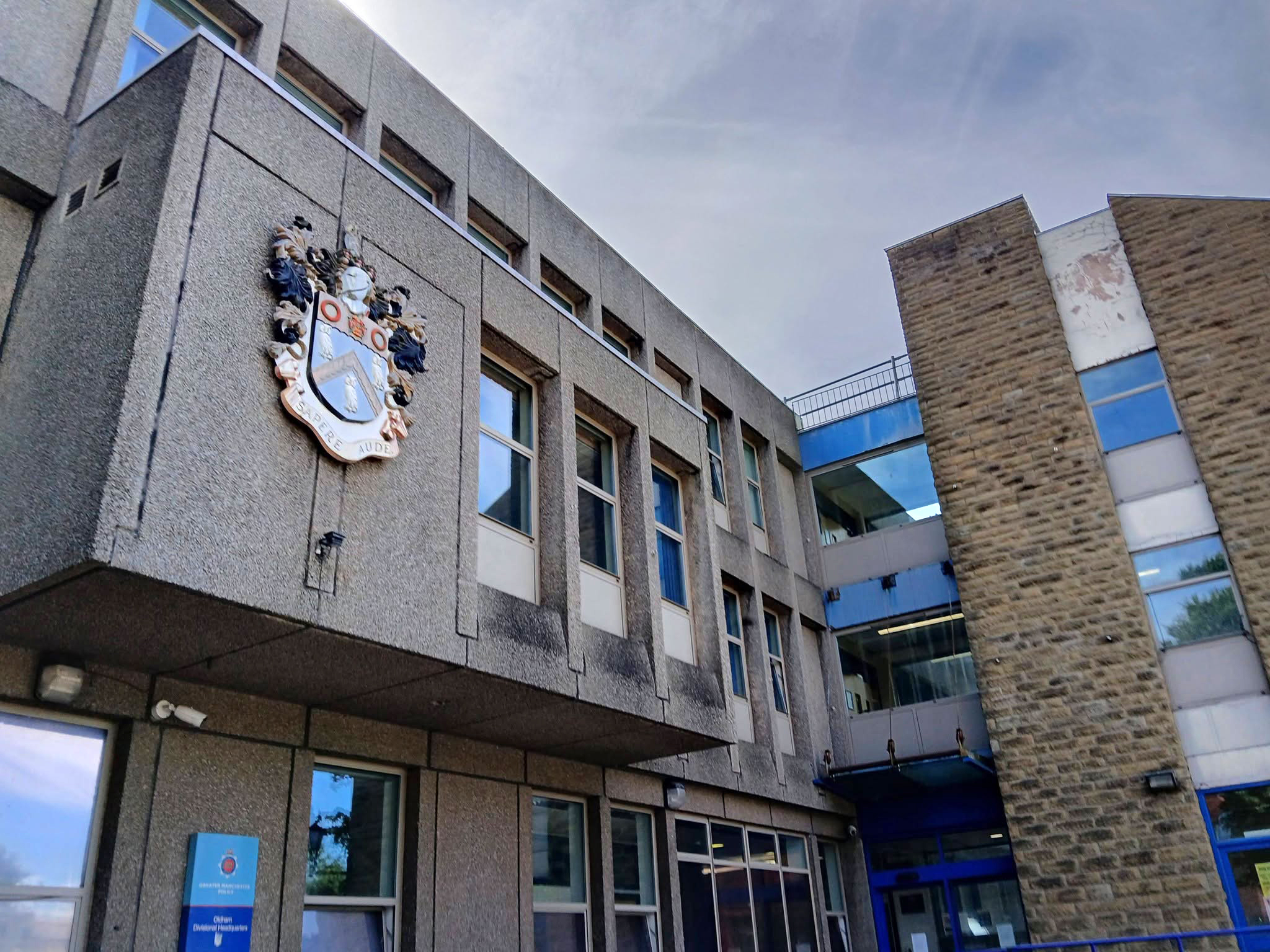
Next door the Police Station – architects: Leach Rhodes Walker.
Next to the Mecca Bingo formerly Shopping Giant.
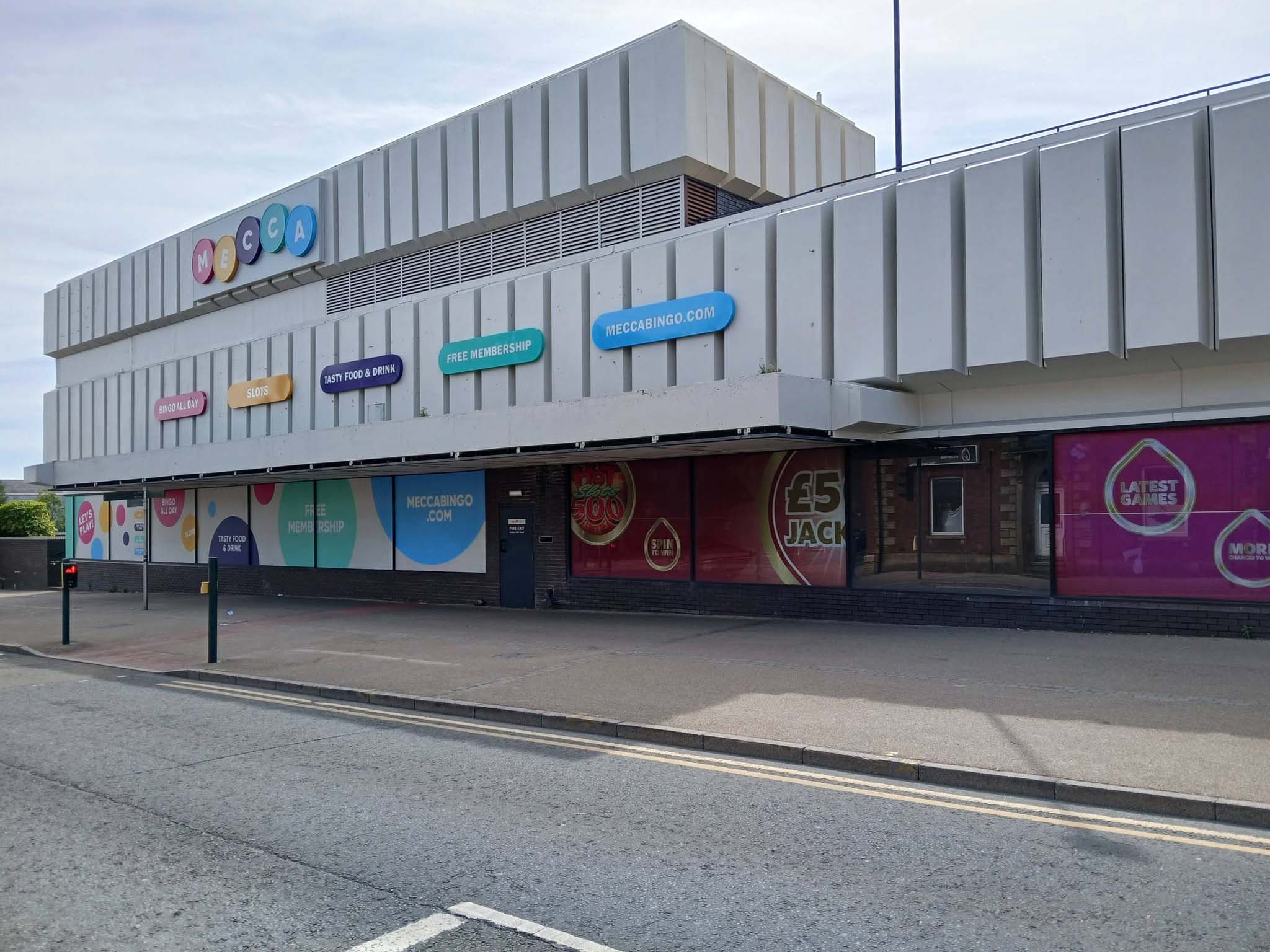
We conclude at the Telephone Exchange.
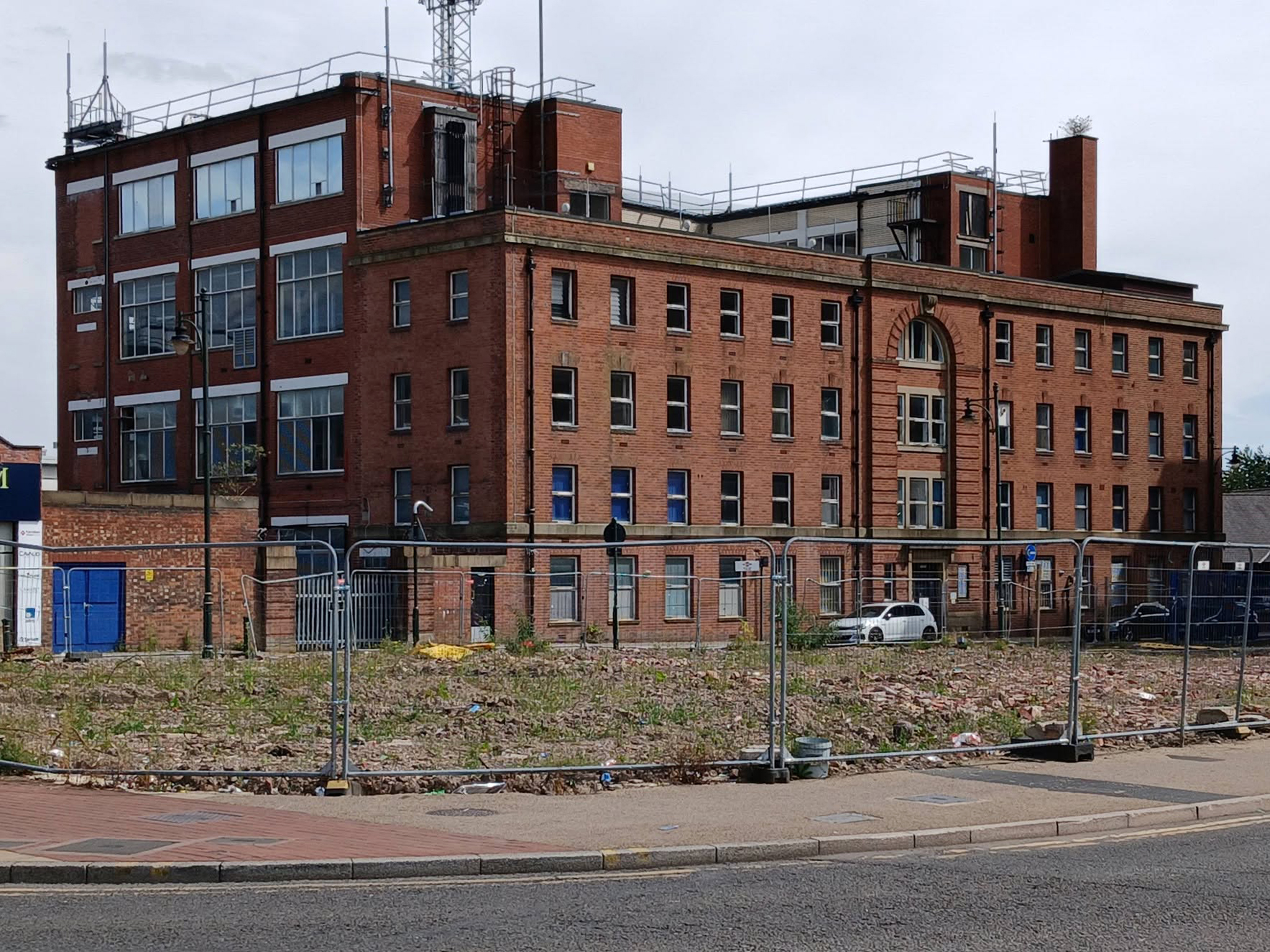
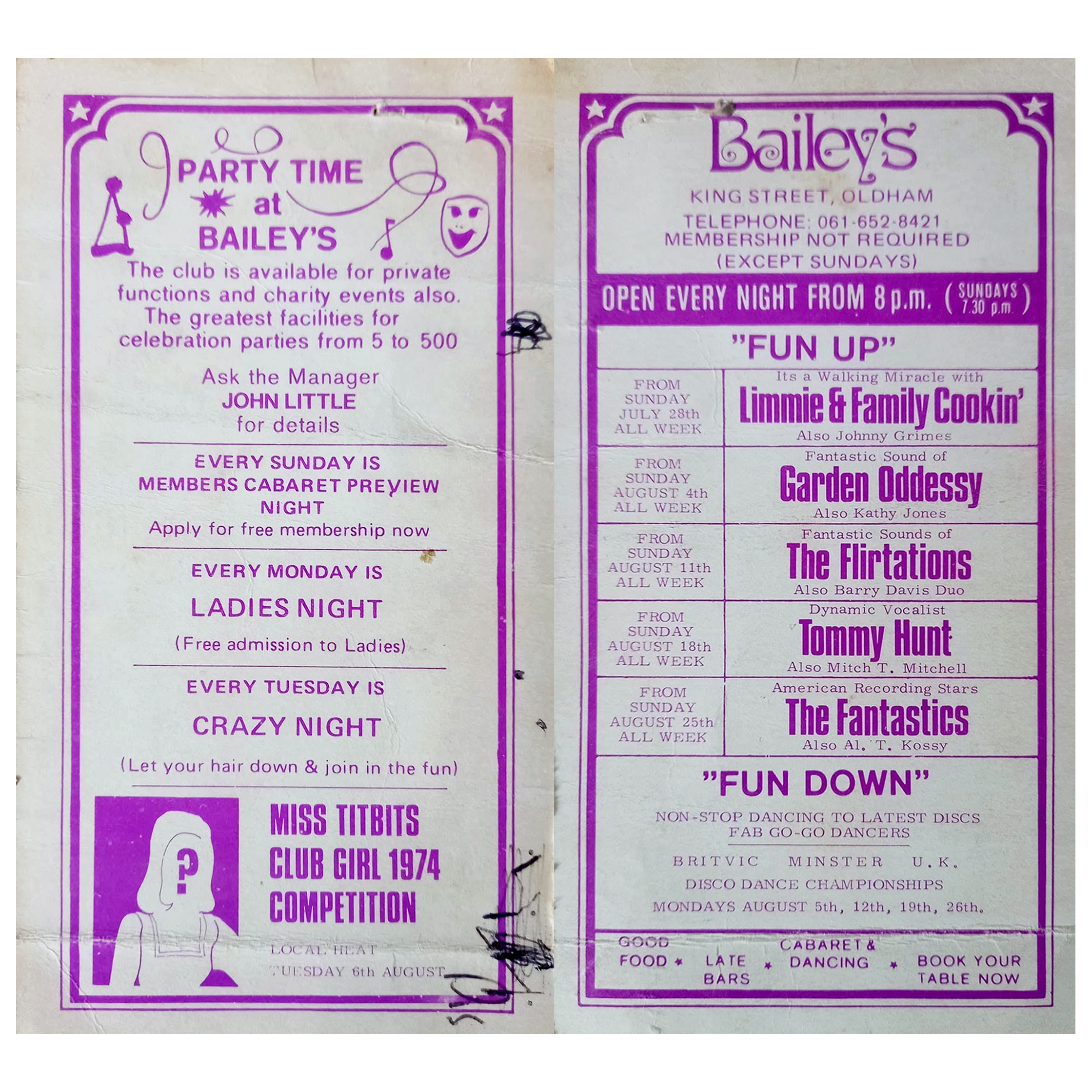
Viewed across the site where Bailey’s used to be – aka Romeo & Juliet’s, Butterflies, Astoria ballroom and Bowling Alley, Froggies and Riley’s.
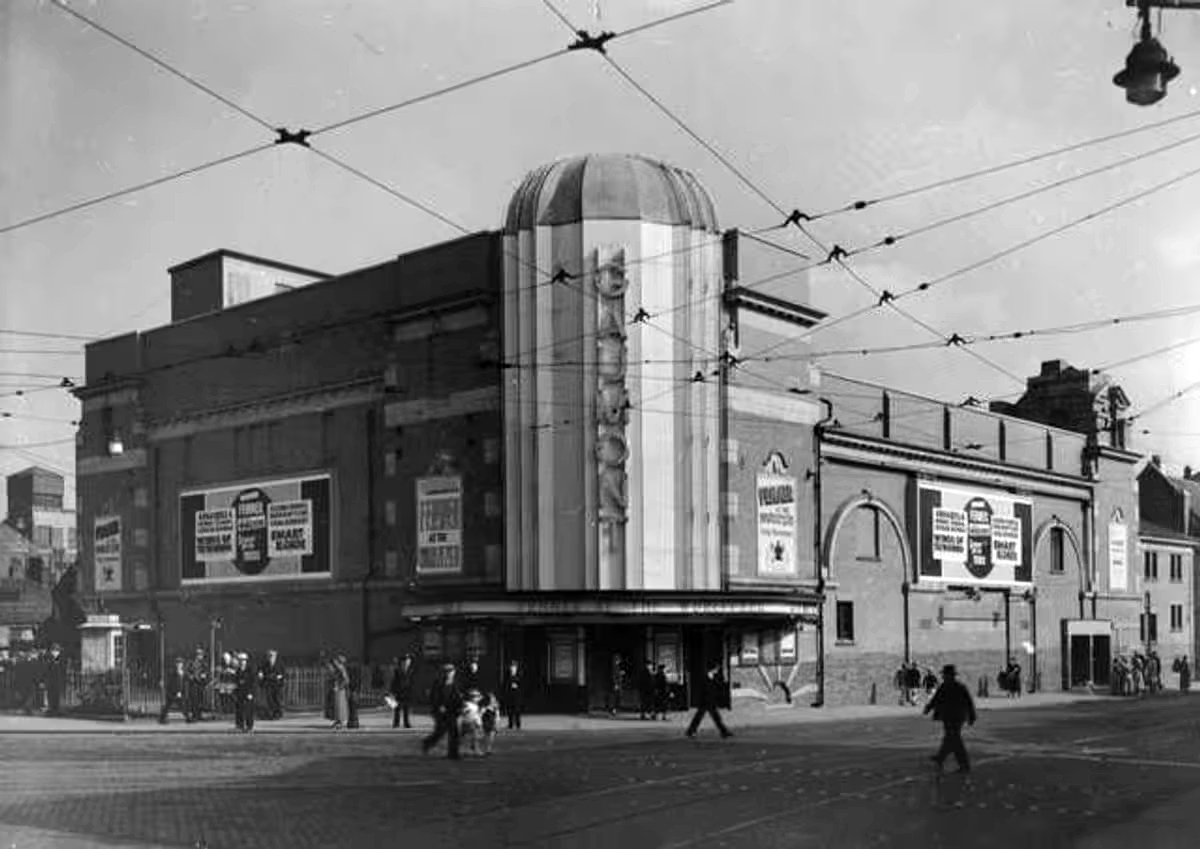
The site originally started out as the Grand Theatre, a performance space designed by London architects Thomas Taylor and Ernest Simister who also designed Chadderton Town Hall.
In 1937, Gaumont Super Cinemas took over the building, gutted the auditorium and transformed it into stalls and one circle seating totalling 1,842 to open their 1930s cinema.
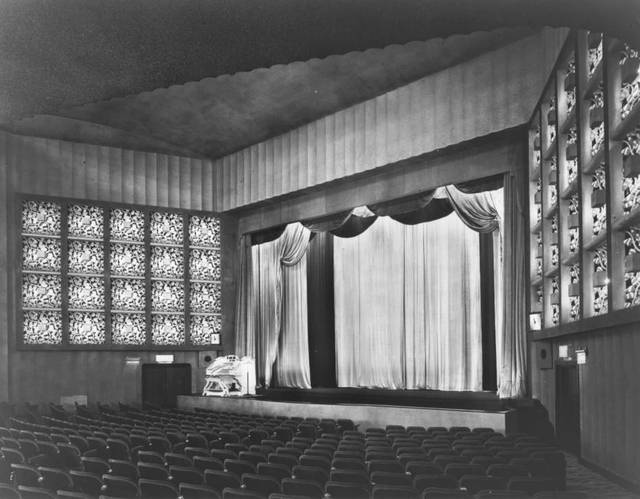
In 1991, the Chronicle reported on a mysterious haunting which was thought to have taken place in Butterfly’s nightclub in Oldham.
Before Butterfly’s had been a nightclub the building had been used for many purposes, and in 1939 was known as the ‘Grand Theatre.’ The building was undergoing renovations when Mr Lloyd was killed. ‘Witnesses said that Mr Lloyd was crushed underneath the beam which he was trying to guide down with a rope.’
However, Derek Lloyd’s theory of the origin of the ghost was not accepted by everyone at the time. Due to the fact the ghost appeared to be wearing a white T-shirt, people believed it was unlikely to be the spirit of a 1930s man. In response, Derek argued that ‘my father always had his sleeves rolled up at work because he suffered from a skin complaint.’
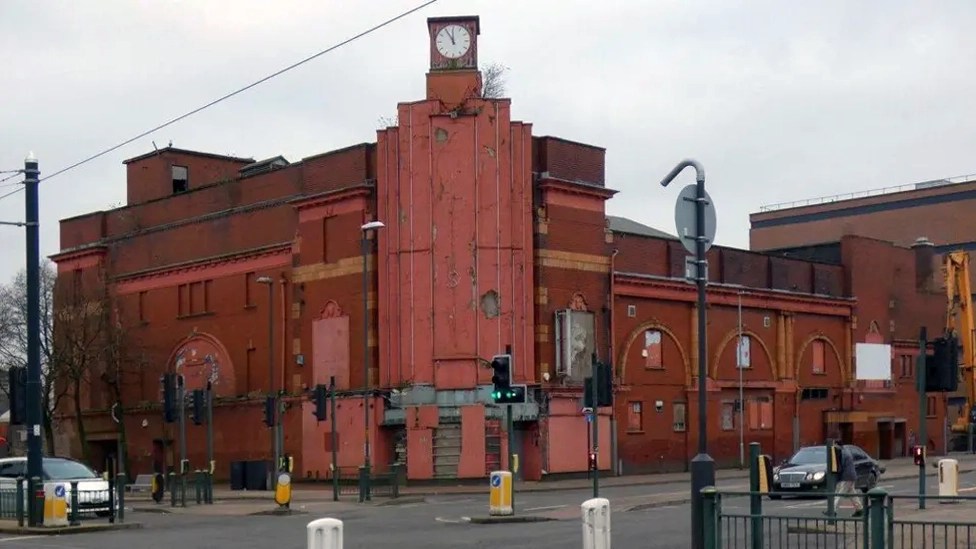
In 2011 the building was converted into a roller derby centre known as the Thunderdome, once home to the Rainy City Roller Derby who moved out in 2020.

It was announced in April 2023 that the building was proposed for demolition and the end came in May 2025.
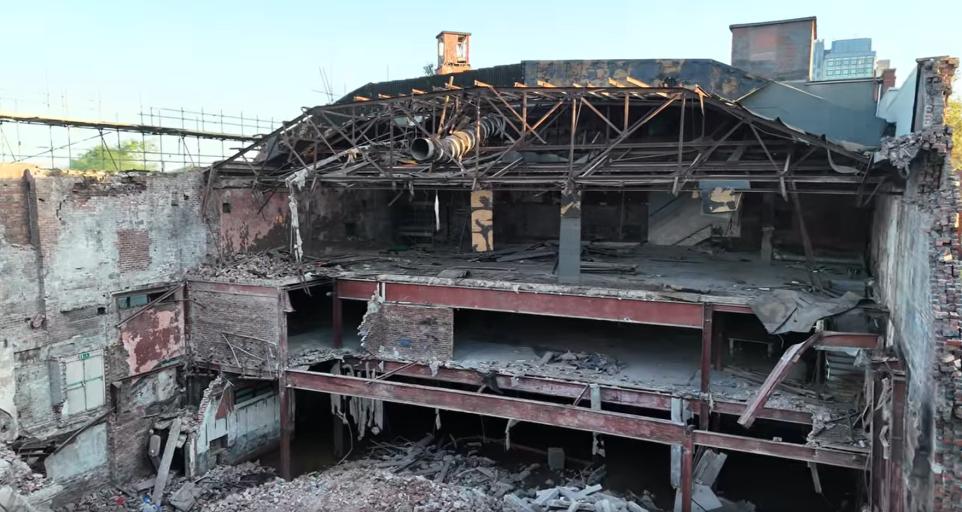
Image: Mark Hughes


Thanks for another fabulous virtual tour around a city I don’t know but now want to visit. I could make comments about about almost every building you’ve included but I will limit my observations to two things…
The heron on Phoenix House is practically the same as the one on Heron Place at 3 George Street London W1, near Marylebone High Street, built for the Heron Group and opened in 1967. The Oldham sculpture looks to be the original. Any ideas?
Brian Clarke glass… here in London we’ve been losing a lot of 1980-90s buildings including the Baker McKenzie building at 100 New Bridge Street, EC4, which had some lovely colourful glass canopies and windows. I had been meaning to research the artist and write about them but when the building was demolished I let it slide. I can now, thanks to you, [posthumously] recognise them as Brian Clarke creations as the design was very similar to those at The Spindles. I can hope they were saved, purchased and repurposed.
LikeLike
Happy to help – so glad that you enjoyed the post. The heron seems to be one of many, yet there is no record of attribution. Brian Clarke was a superb artist designer.
A BBC show all about him https://www.youtube.com/watch?v=U-GE5lhmYoM
LikeLike
“Back tracking toward Phoenix House – with its implausible heron”. It is a Phoenix. It is there because this is on Phoenix house which was build between Union St and Phoenix St where Phoenix Mill used to stand. It isn’t a Heron.
LikeLike
Dear Anon, consensus on our walks is that it looks like a heron, there are identical sculptures on none Phoenix buildings around the country, it seems to be a stock sculptural item. Plus a phoenix rises from the flames, there are no flames. All the very best Steve.
LikeLike