

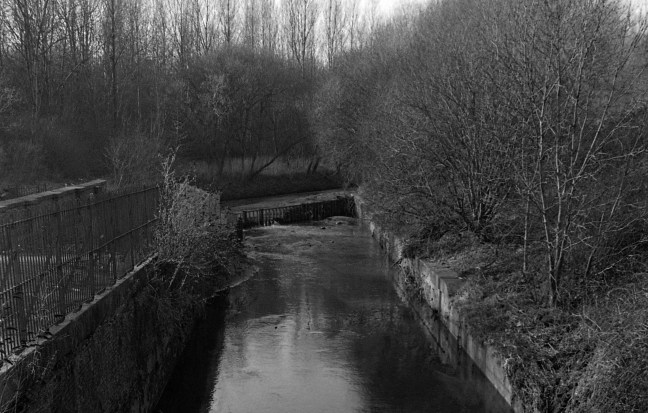
The River Medlock in Greater Manchester, rises in east Oldham and flows south and west for 10 miles to join the River Irwell in Manchester city centre.
The subject of an essay by Richard Skelton:
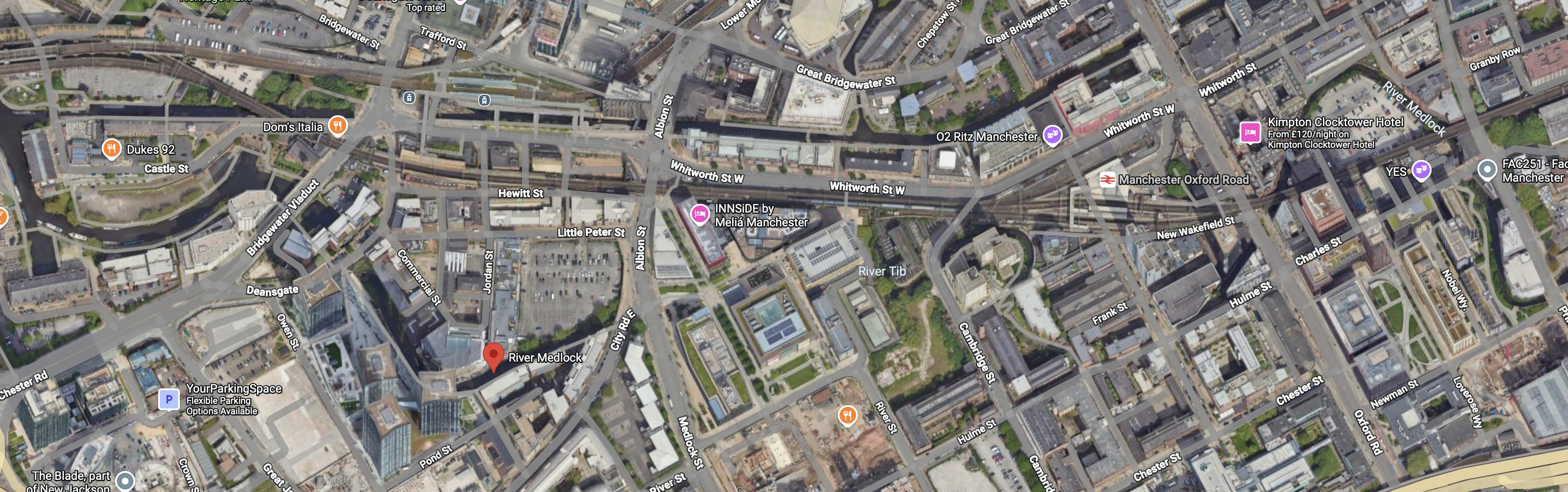
Following the modern route of the river through the city is an act of divination. From the east it ducks below Great Ancoats Street and writhes its way westwards, culverted below the old UMIST campus before reappearing briefly below Princess Street, where it winds under Oxford Road on its way towards its meeting with the Irwell near the disused Hulme Locks. Its path across this section of the city is like some kind of aberrant sinusoidal waveform, intercut with numerous passages of ominous silence.
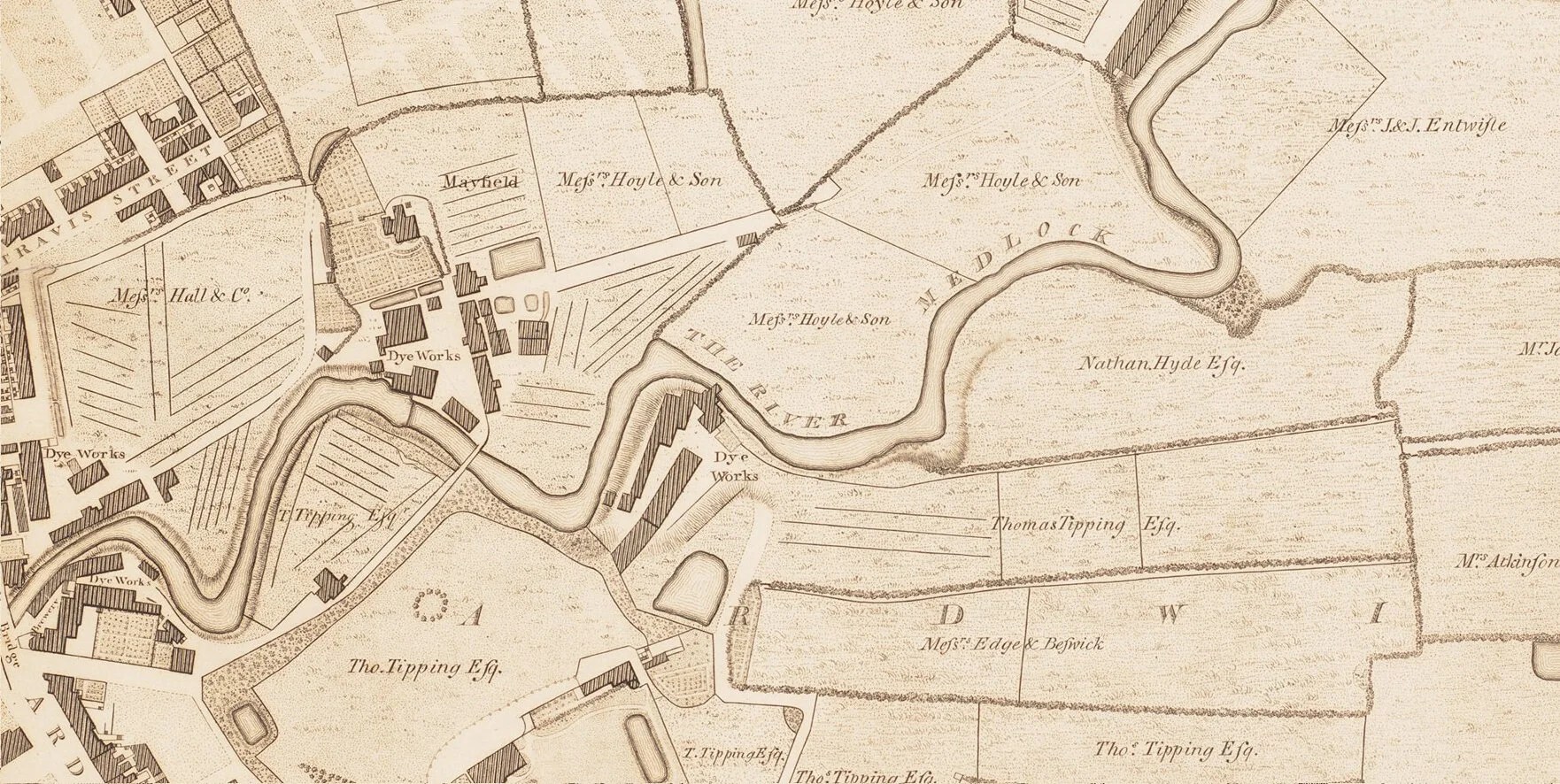
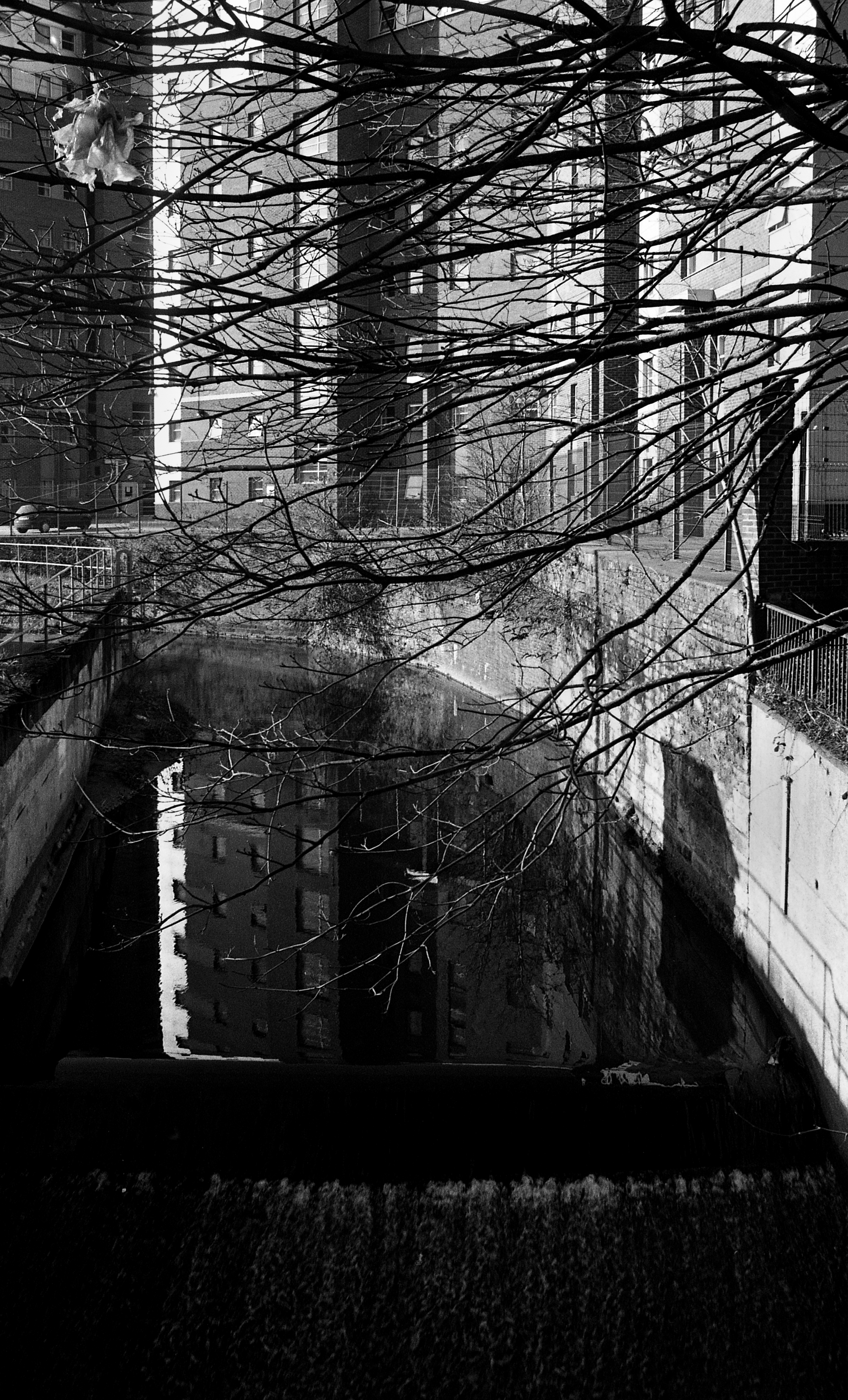
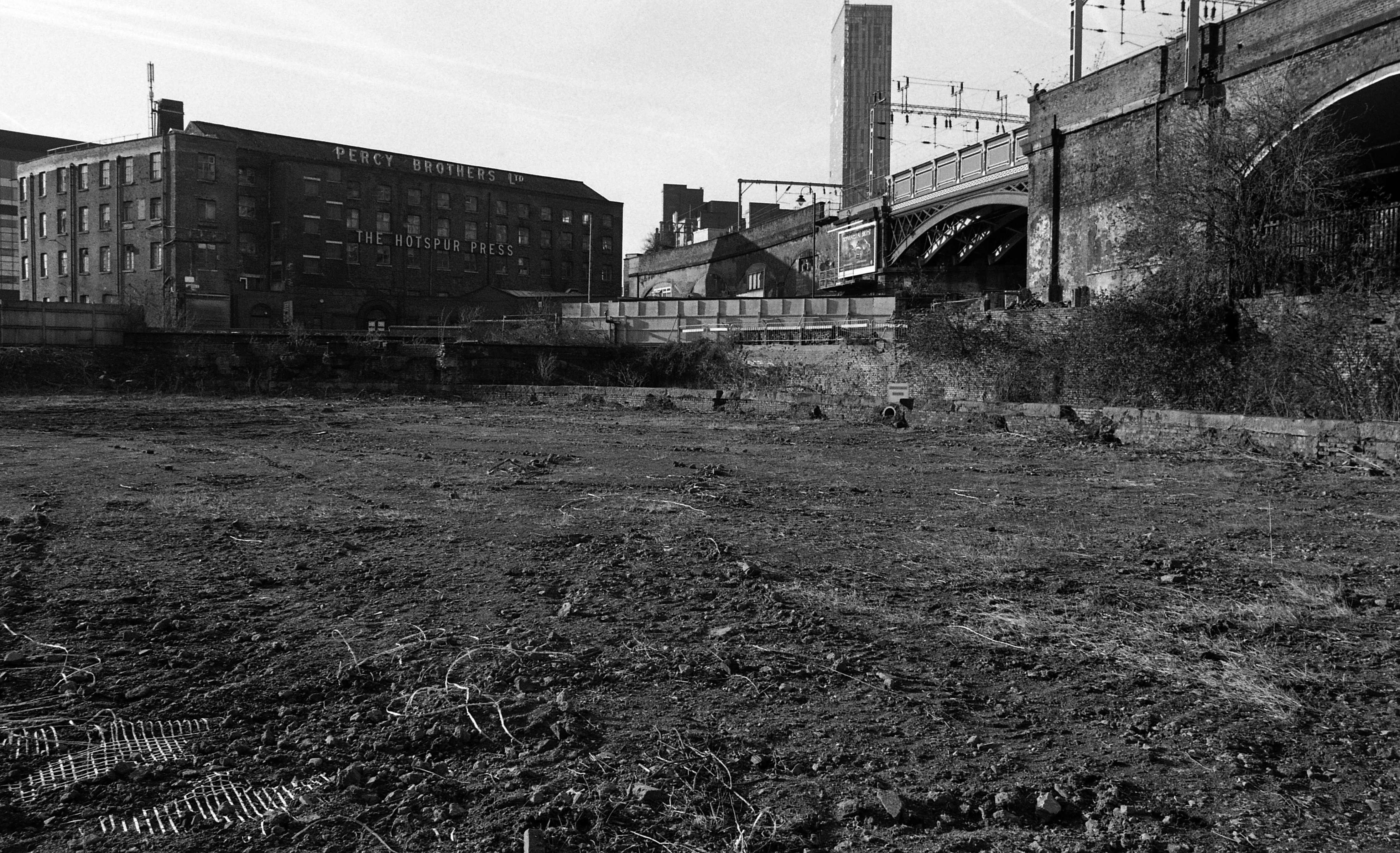
This is a photographic journey I made in 2013, tracing the visible river, recording the views with black and white film.
The Hotspur Press was destroyed by fire in July 2025.
We are delighted our revised plans for the regeneration of The Hotspur Press site have been given the go ahead by Manchester City Council, after the planning committee granted unanimous approval of our planning application.
The plans will see the construction of a brick building up to the fourth floor which replicates in detail the appearance and architecture of the mill, with a high-quality 35-storey bronze tower above.
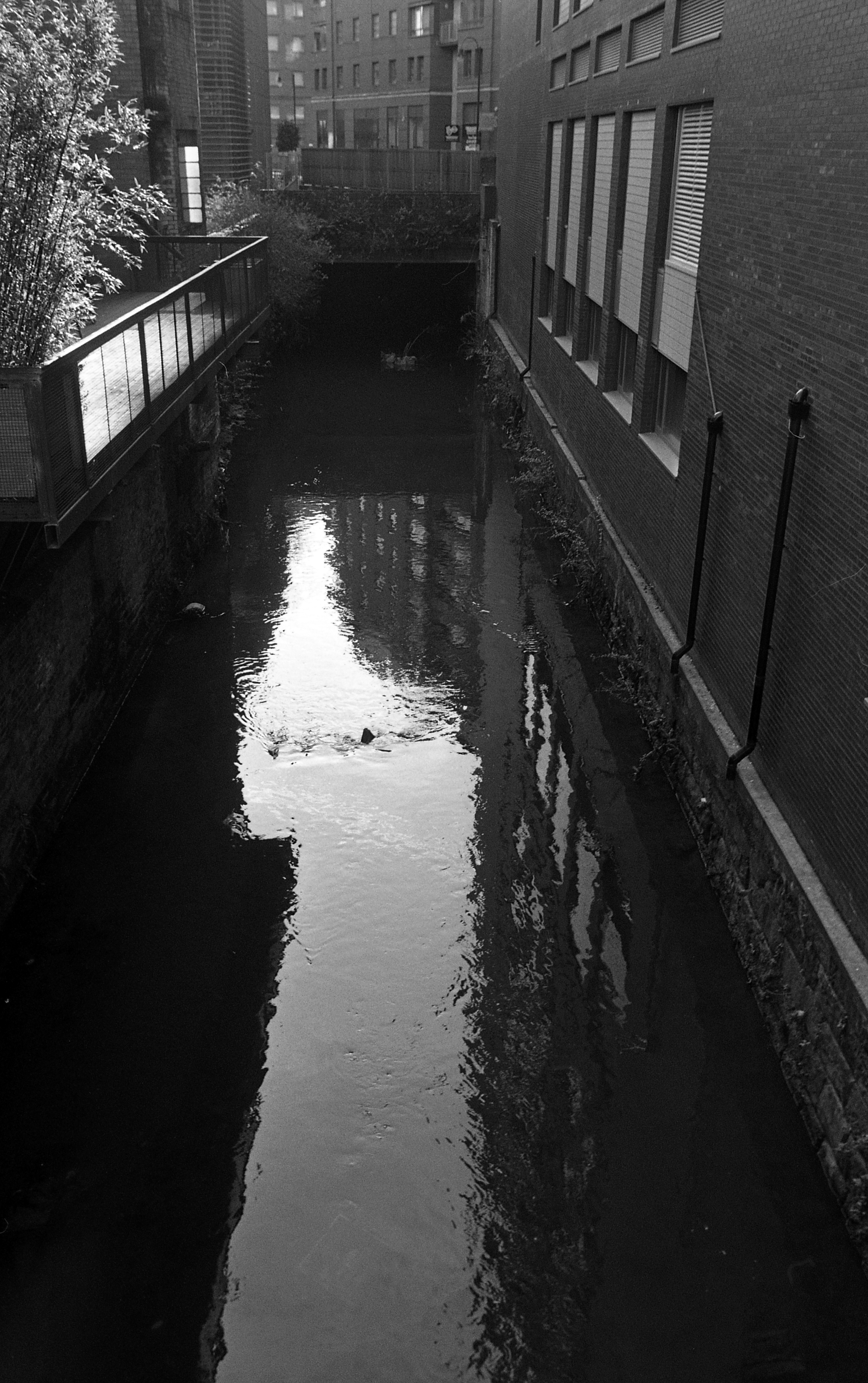
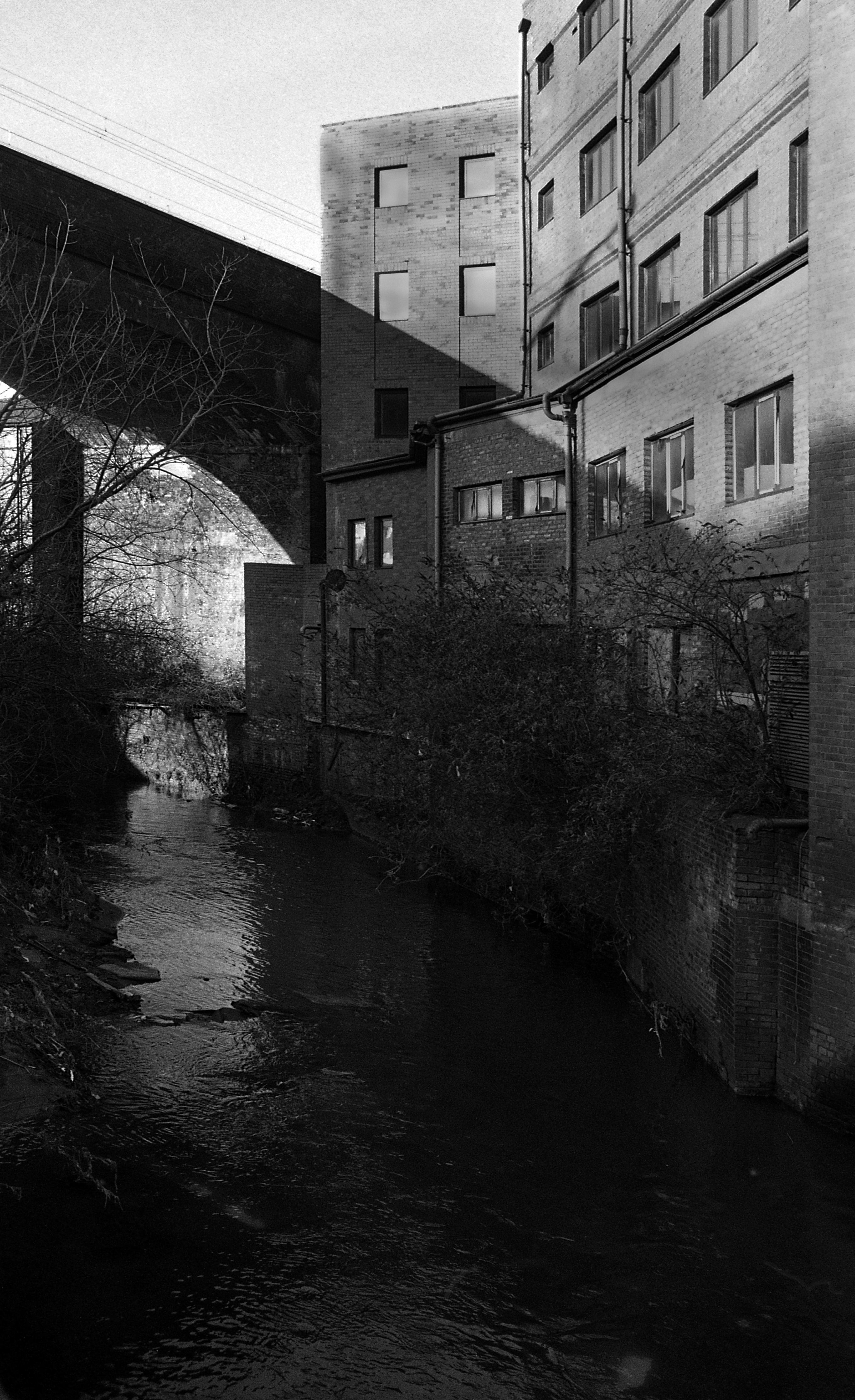
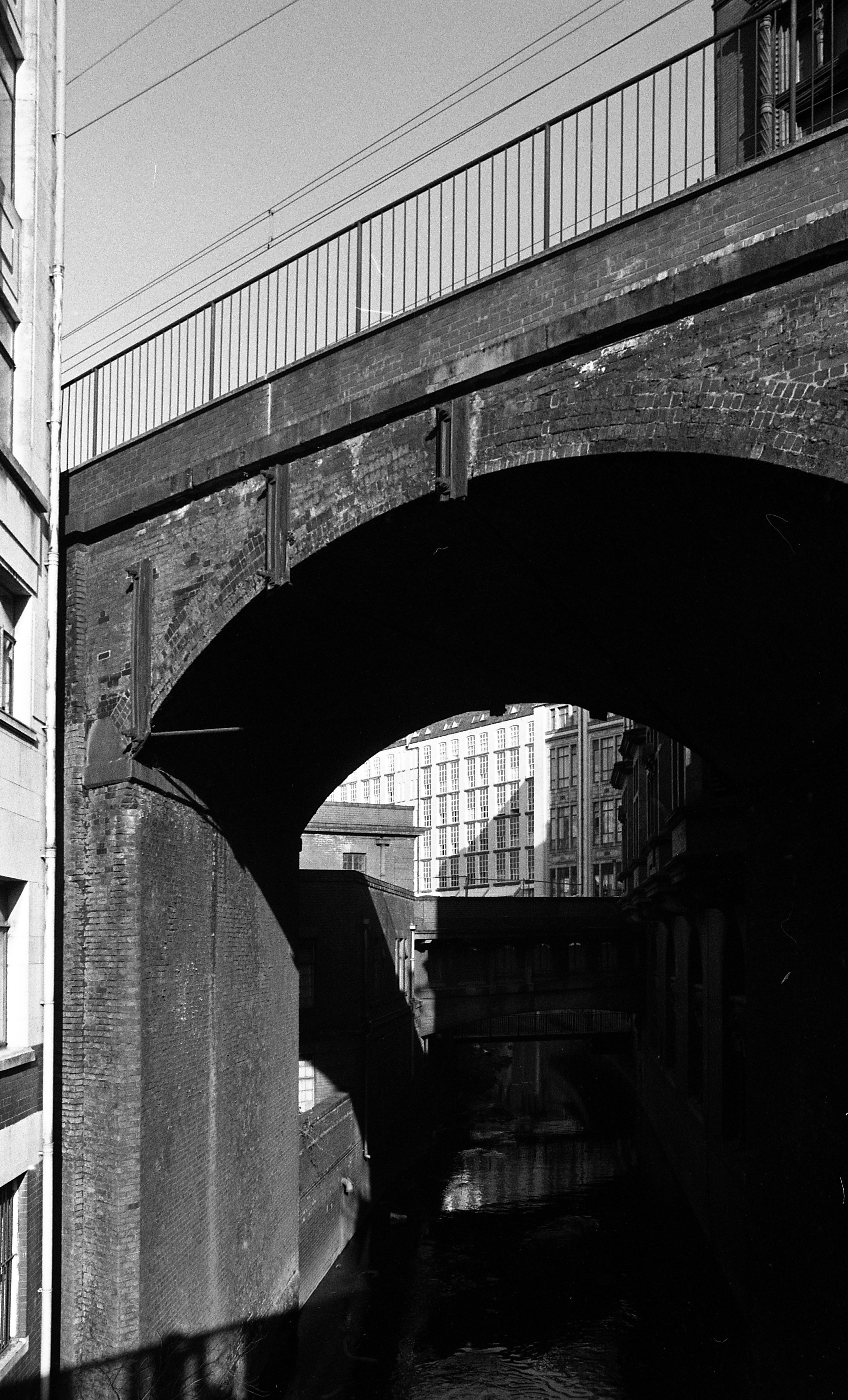
Here the river disappears beneath the former UMIST site, a site which in part will also disappear ere long.
The 13-storey Faraday Tower is to be pulled down having been vacant since 2007.
The University of Manchester is working with consultancy Buro Happold on plans for the demolition of the building, according to plans lodged with Manchester City Council.
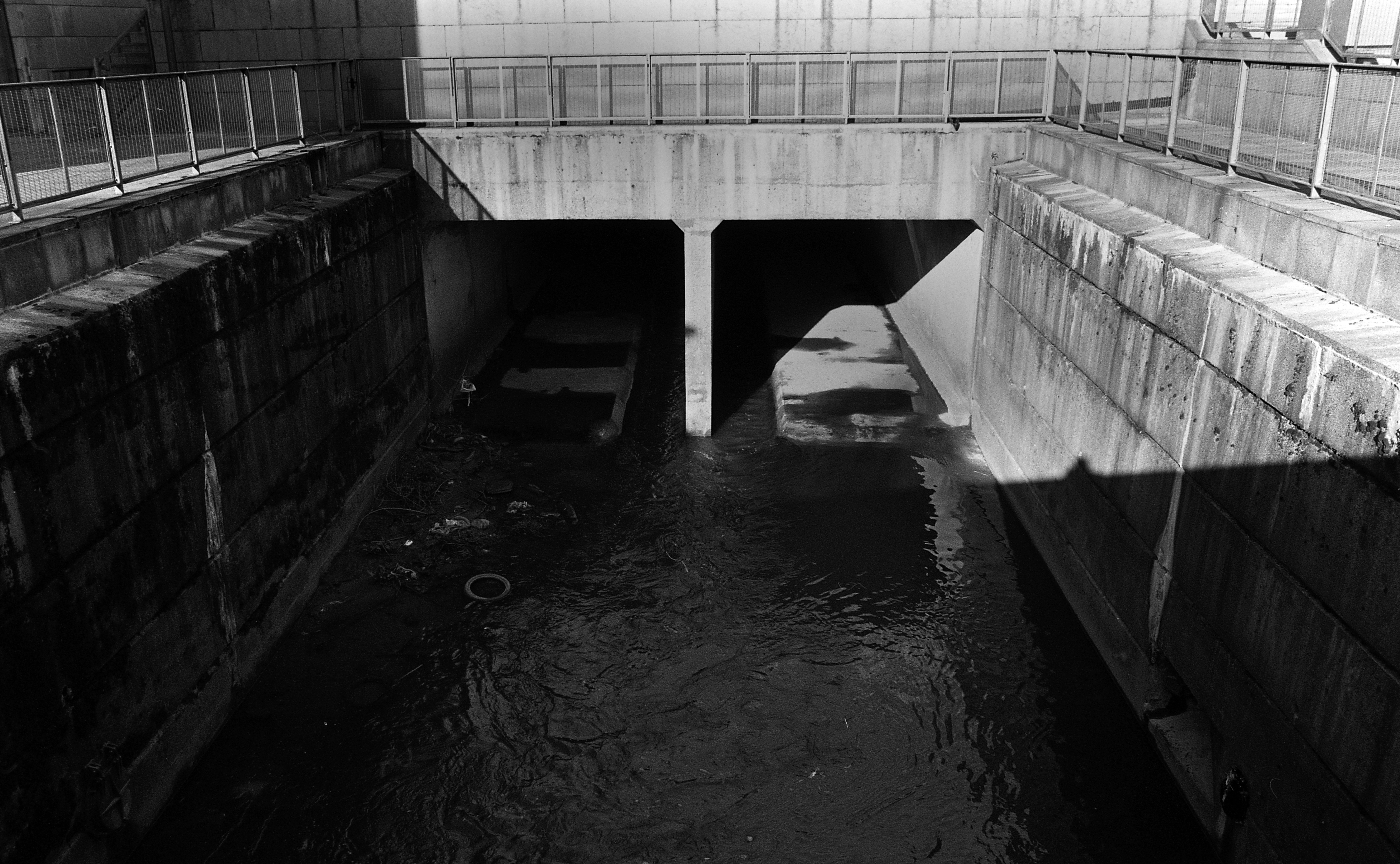
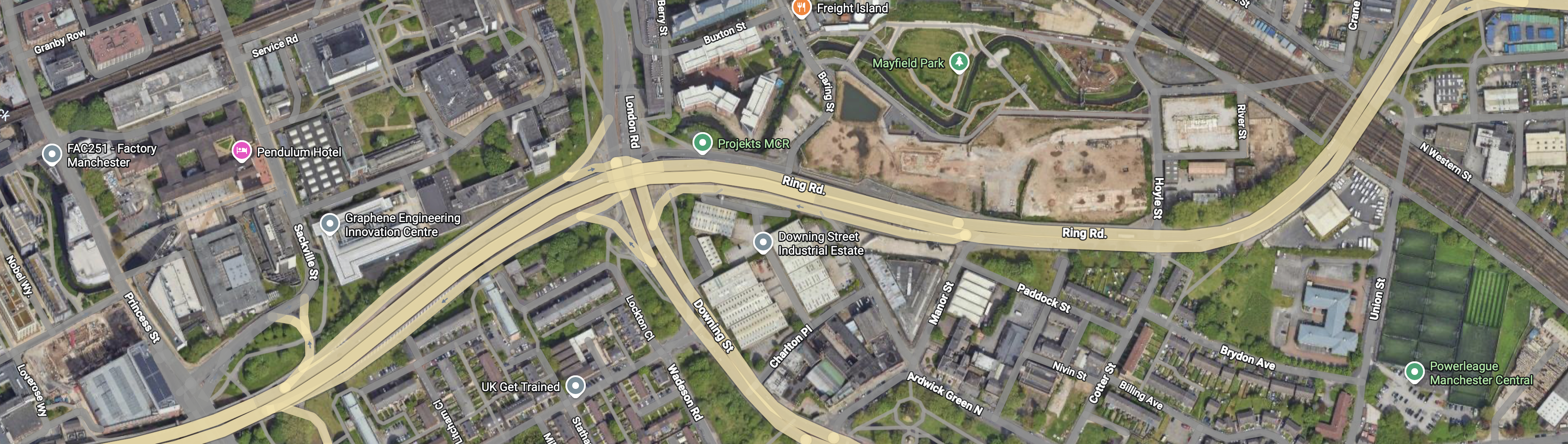
The river has been opened up as it passes through Mayfield Park.
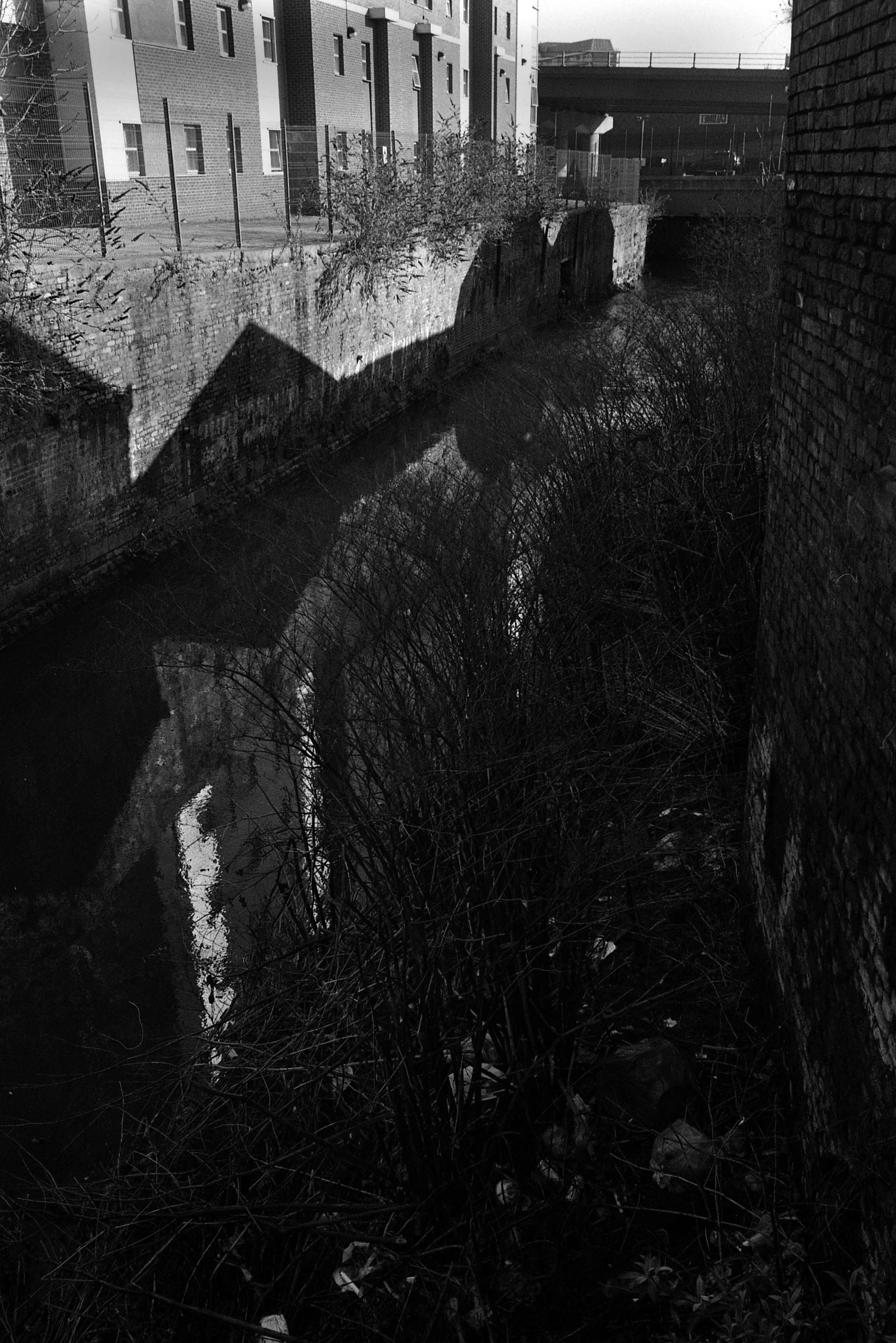
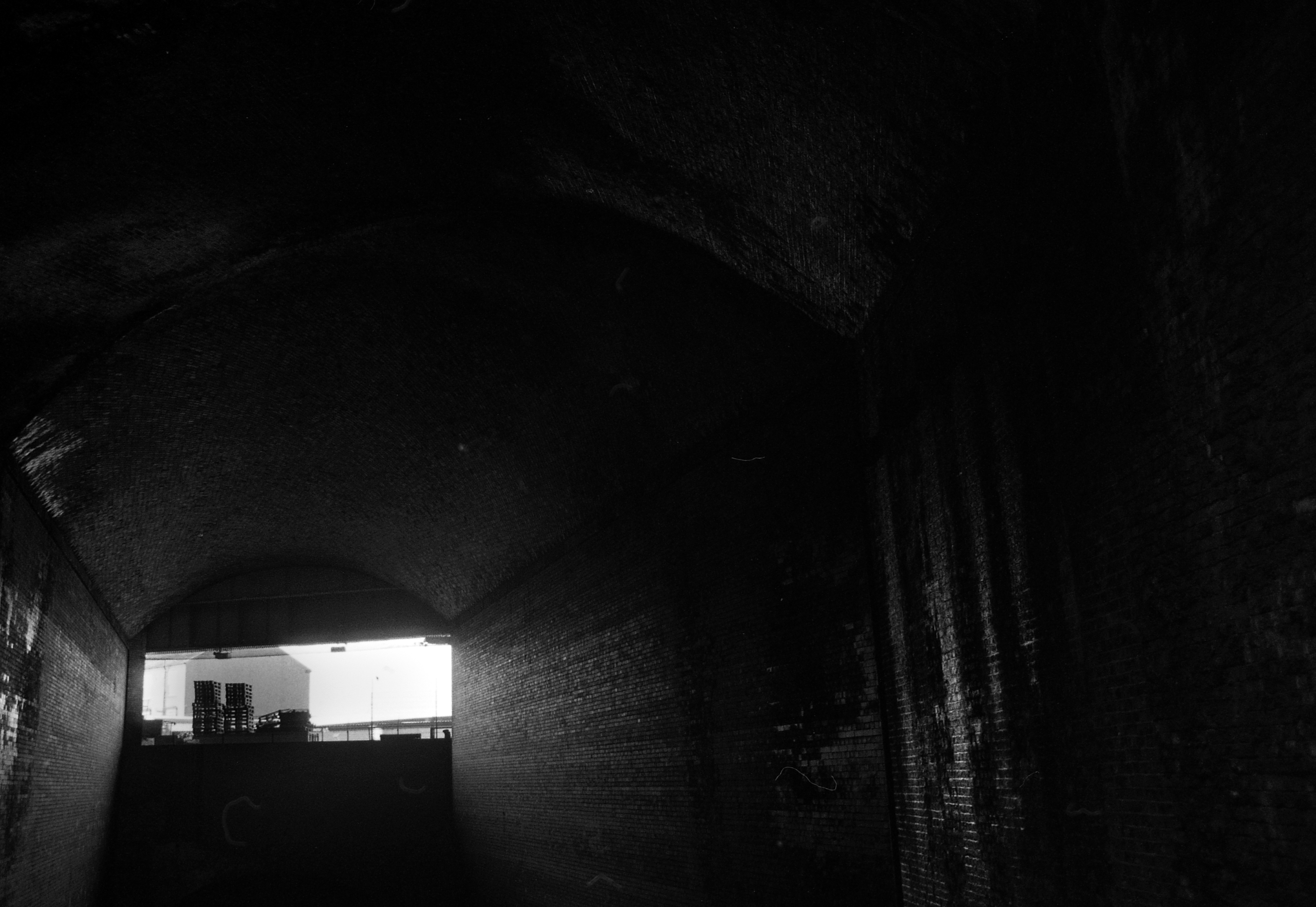
Here the river passes beneath the mainline into Piccadilly Station.
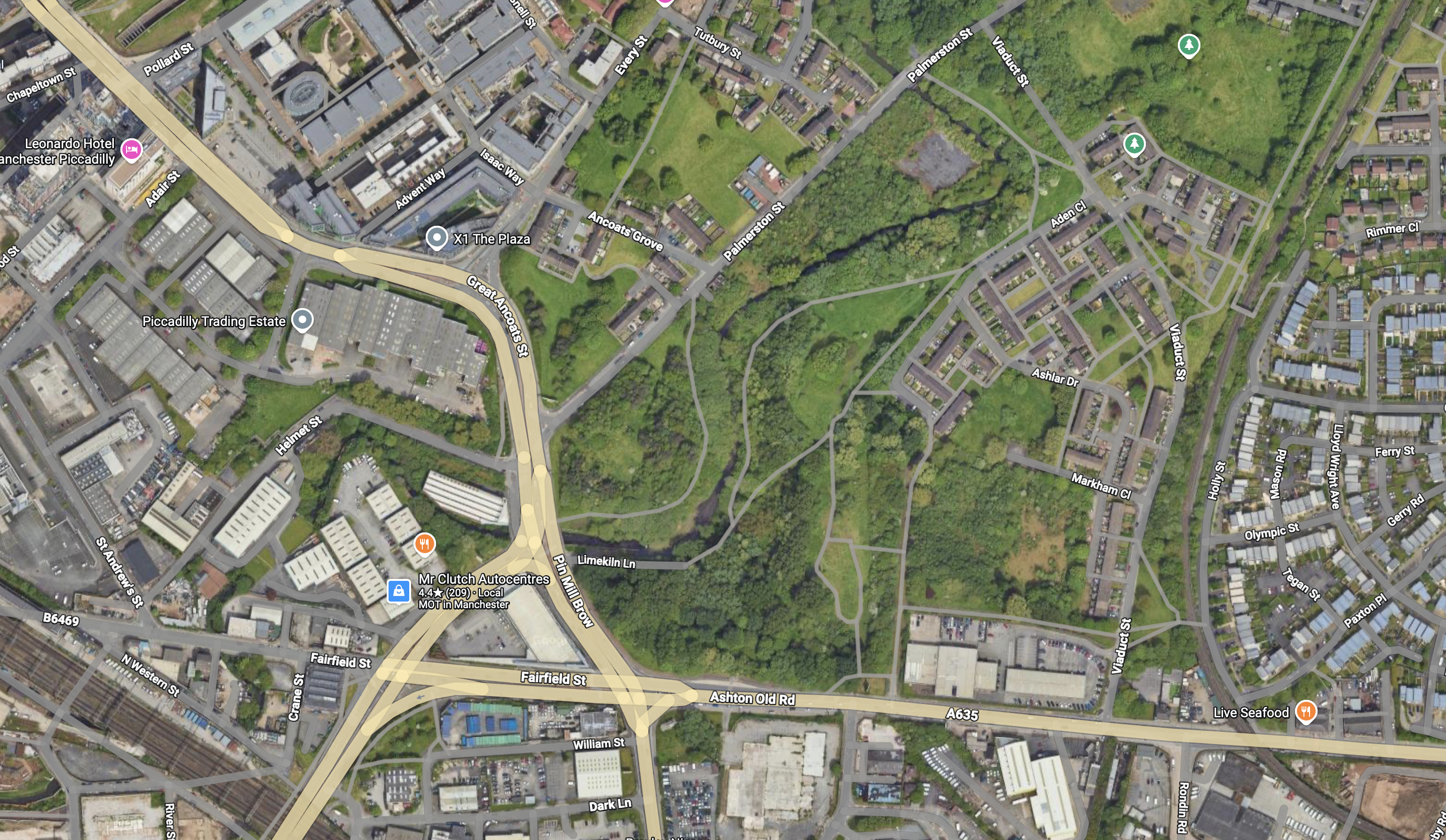
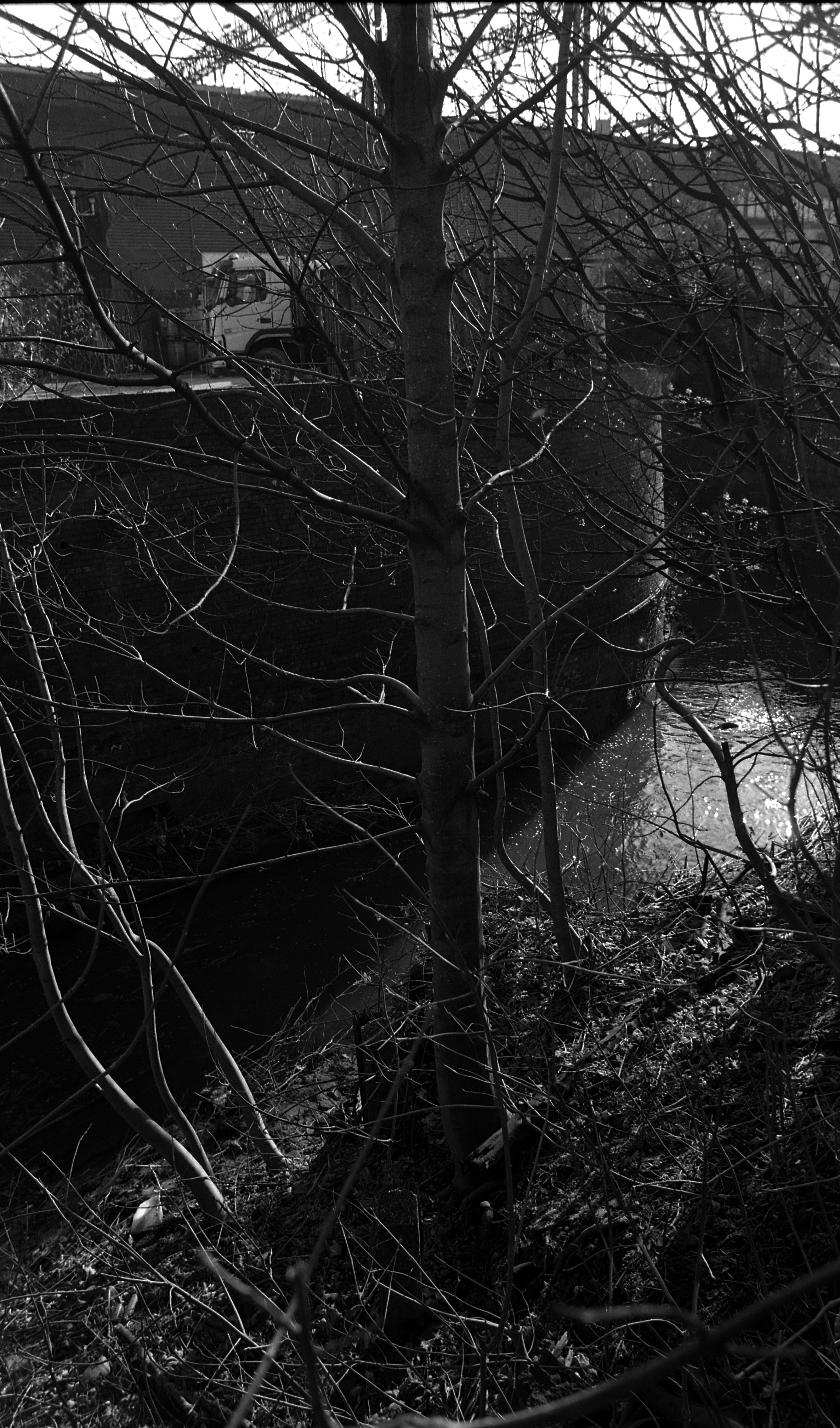
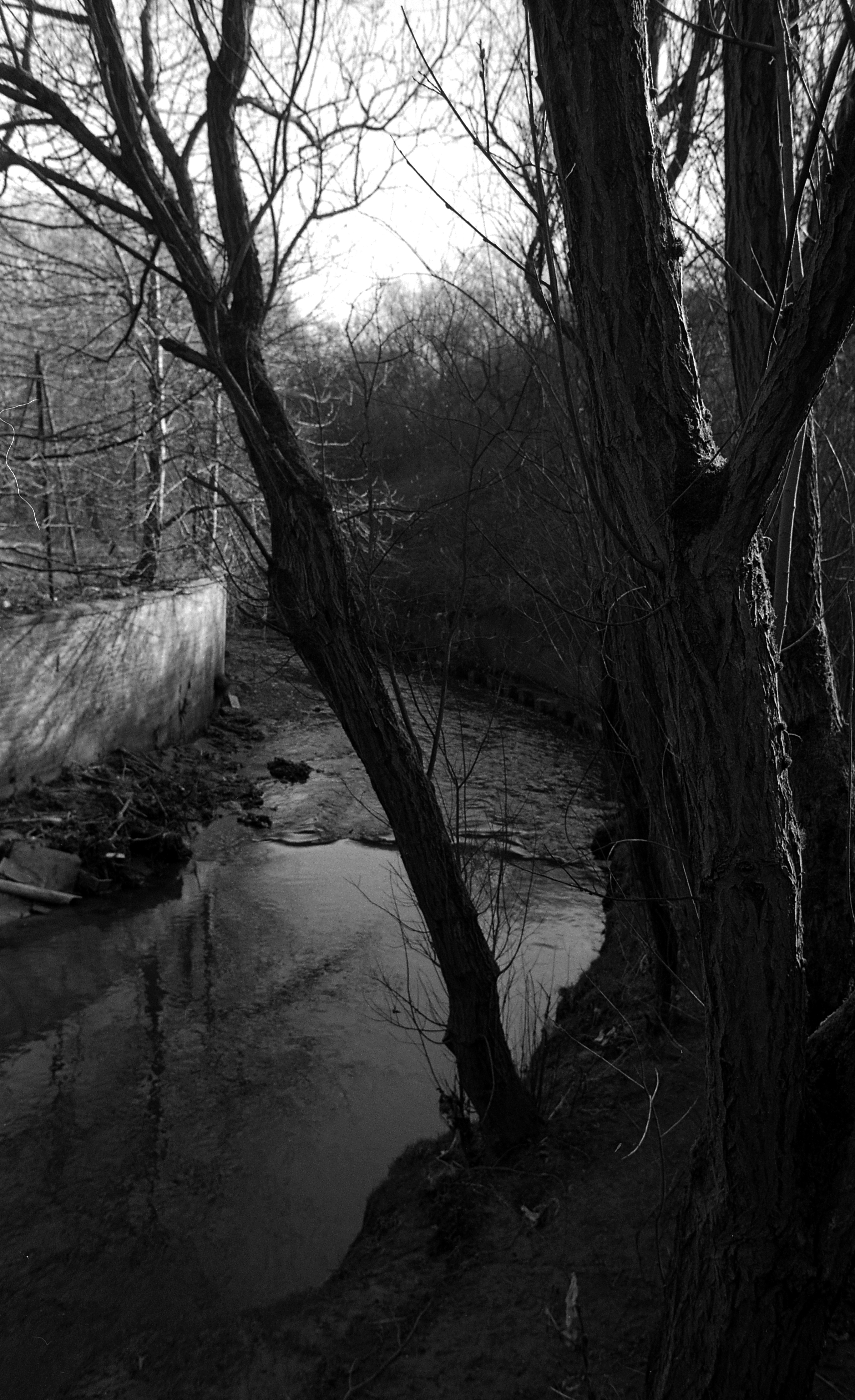
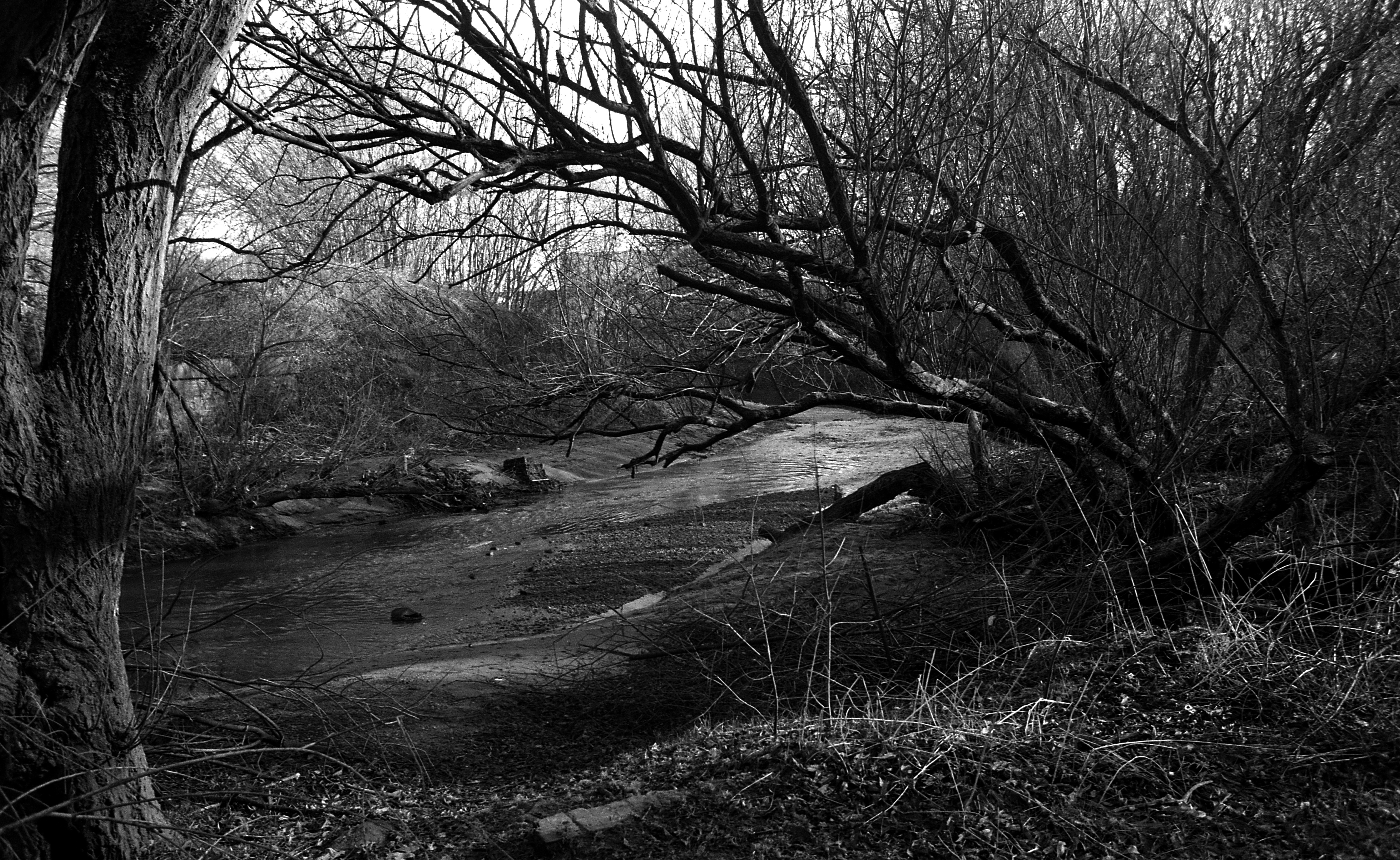
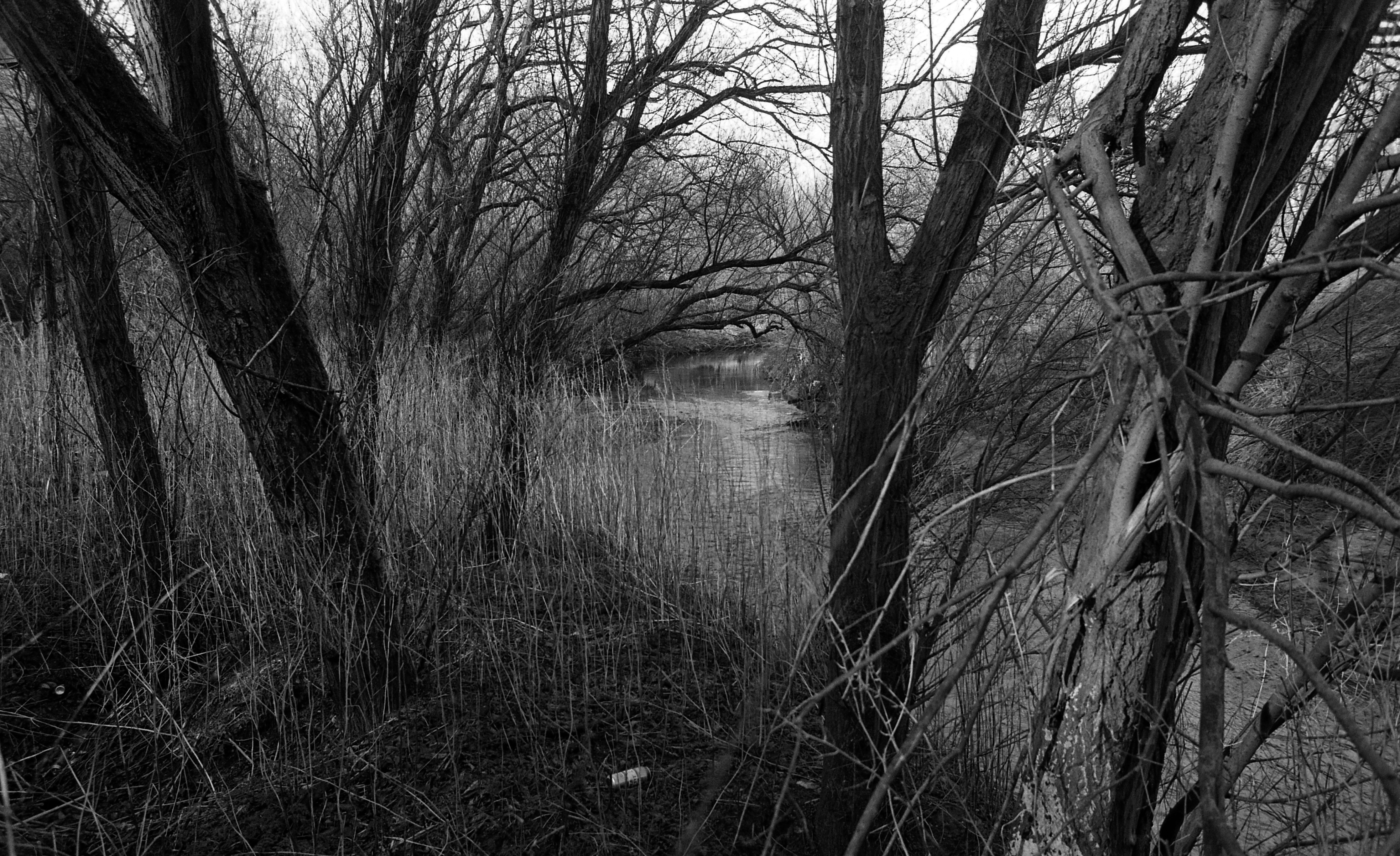
The river disappears once again, this time beneath the Etihad Stadium.
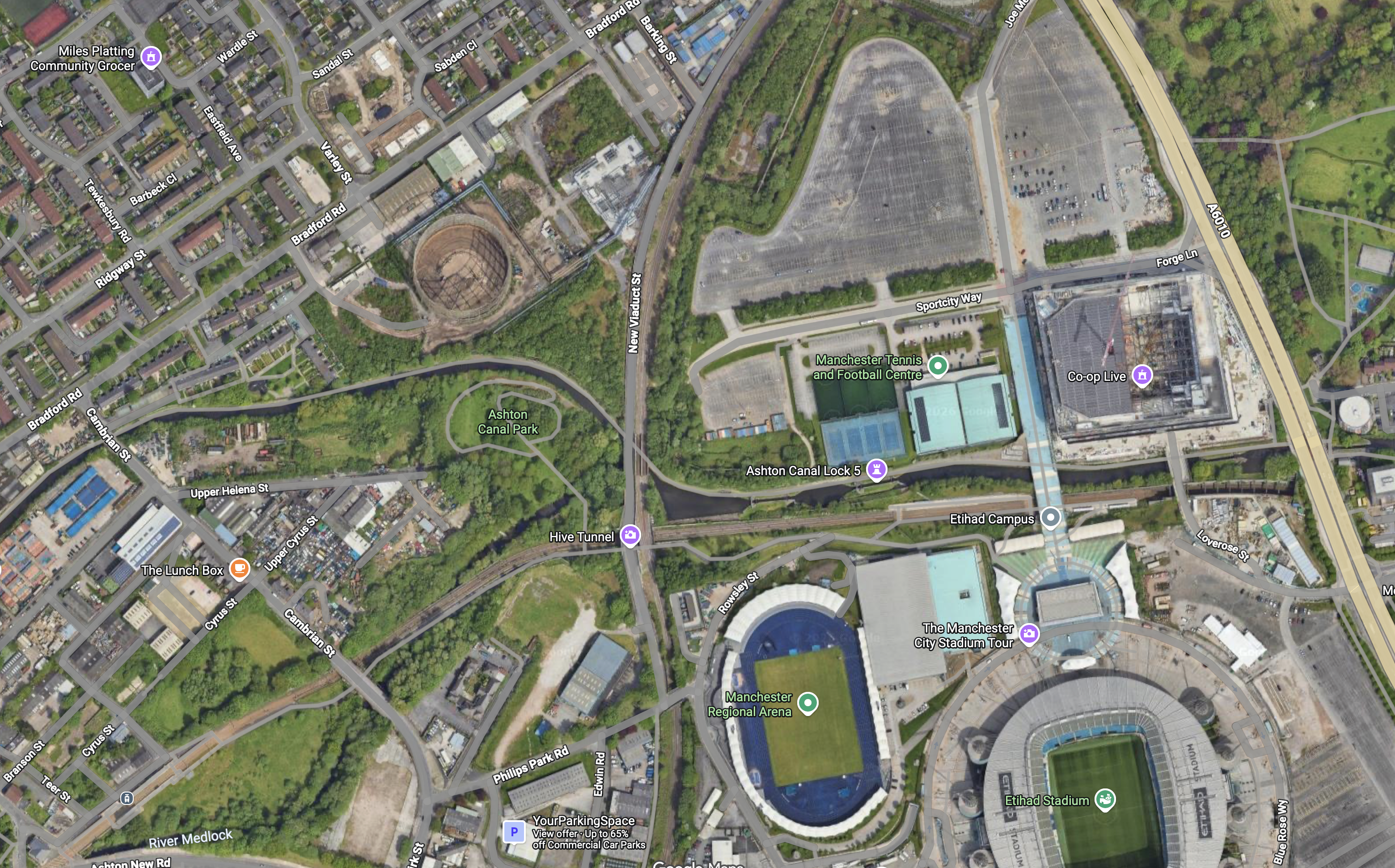
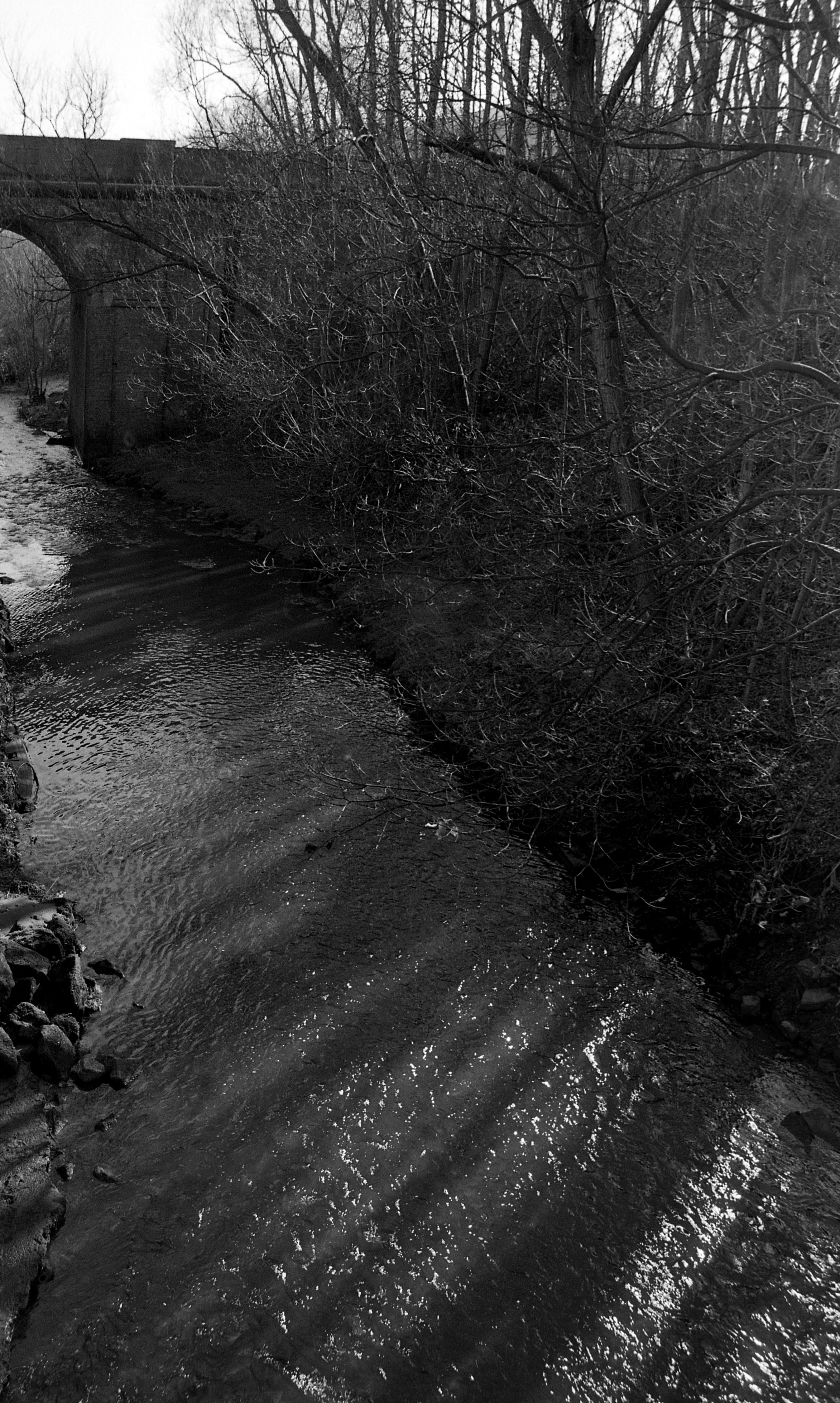
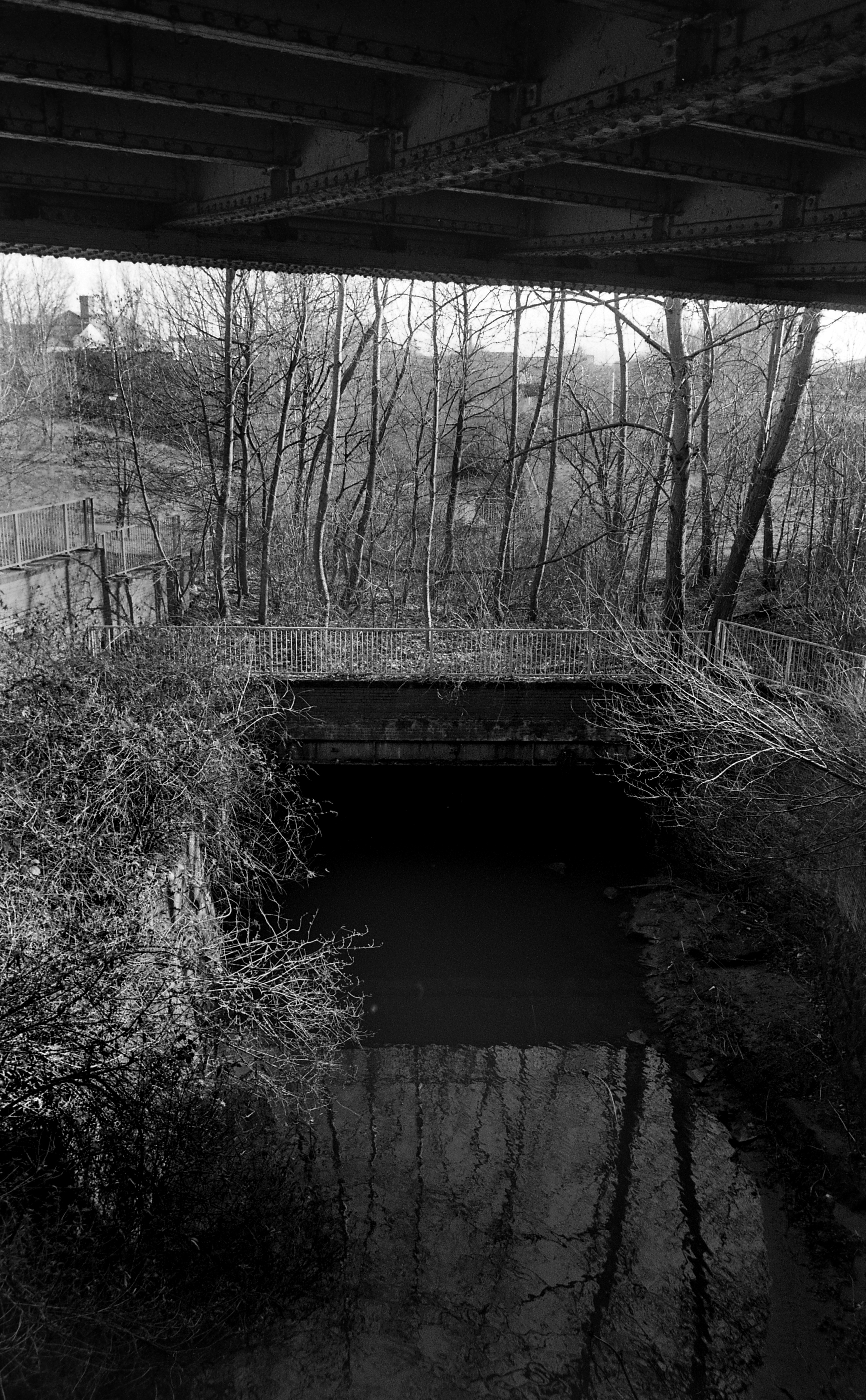
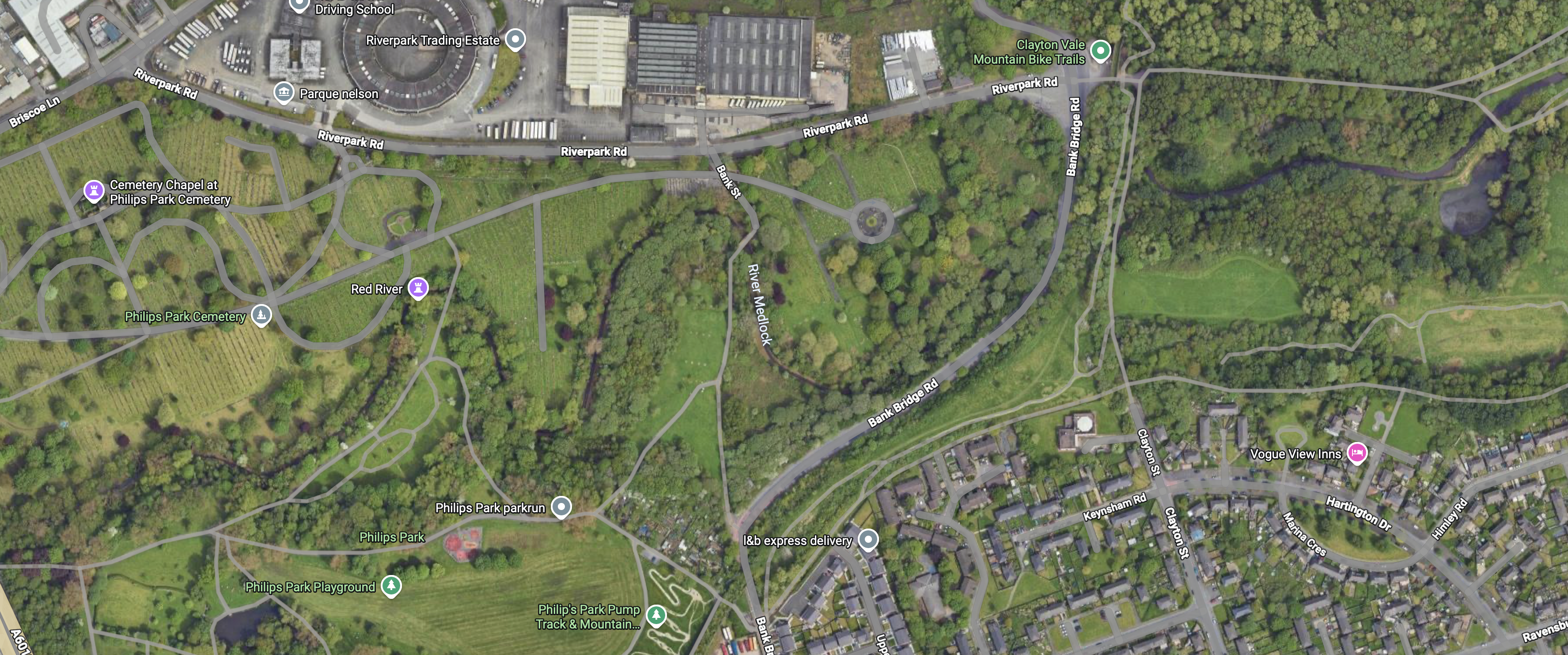
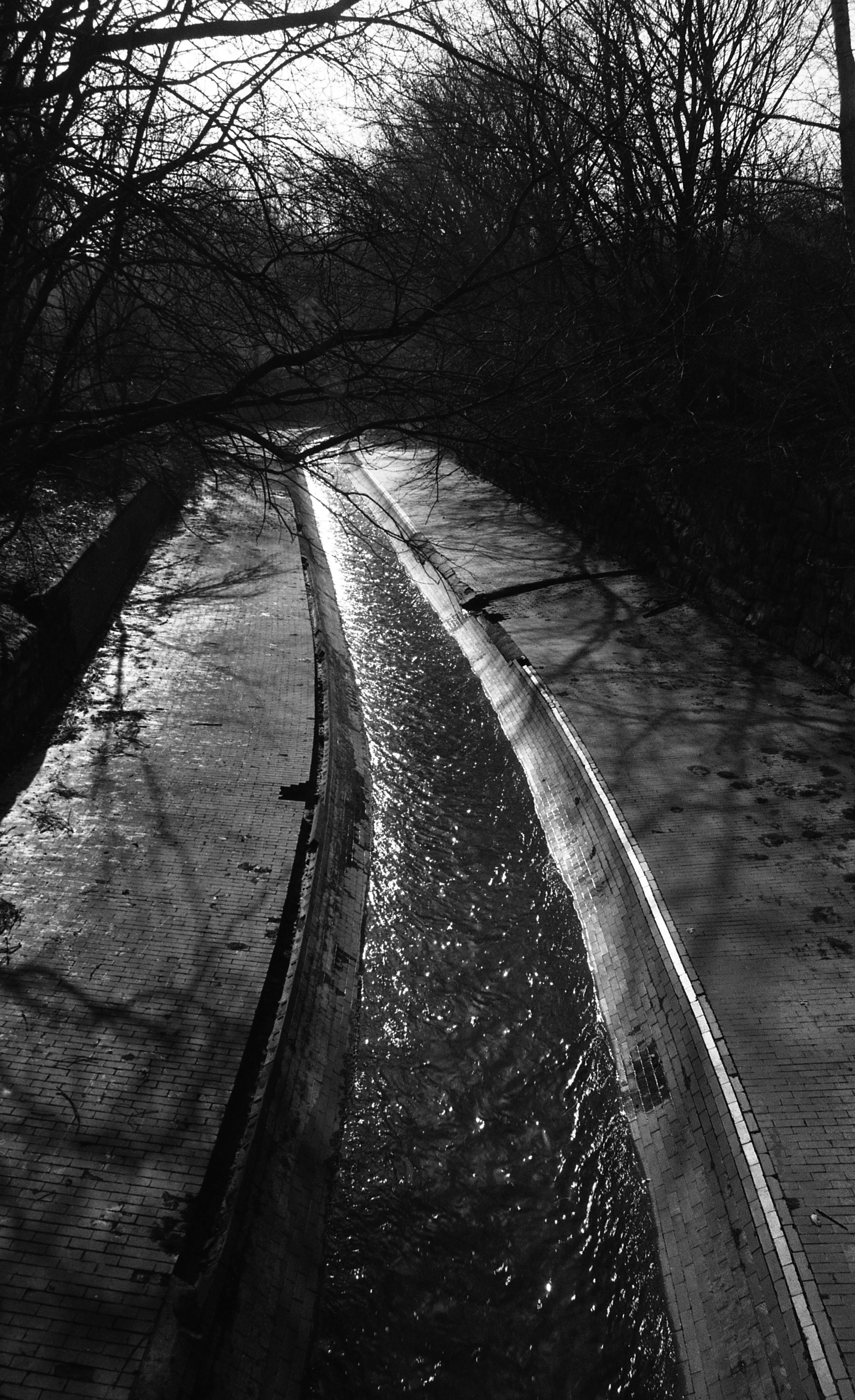
A brick culvert carries the river through Philips Park.
One of the first municipal parks in the country, Philips Park dates back to 1846 and is one of the largest parks in Greater Manchester. Situated right next to the City of Manchester Stadium, Philips Park covers 31 acres and is easily accessible from the city centre.
The River Medlock runs through it, providing a rich habitat for the wide range of wildlife and there are also a range of park facilities, including formal gardens, a bowling green, a children’s play area and a community orchard. This historic park is also Grade II-listed and many of its original features remain to this day, including the carriage drive, serpentine paths, amphitheatre and the Head Gardener’s house. The adjacent Philips Park Cemetery is full of ornate Victorian headstones and memorials and is also Grade II listed by English Heritage.
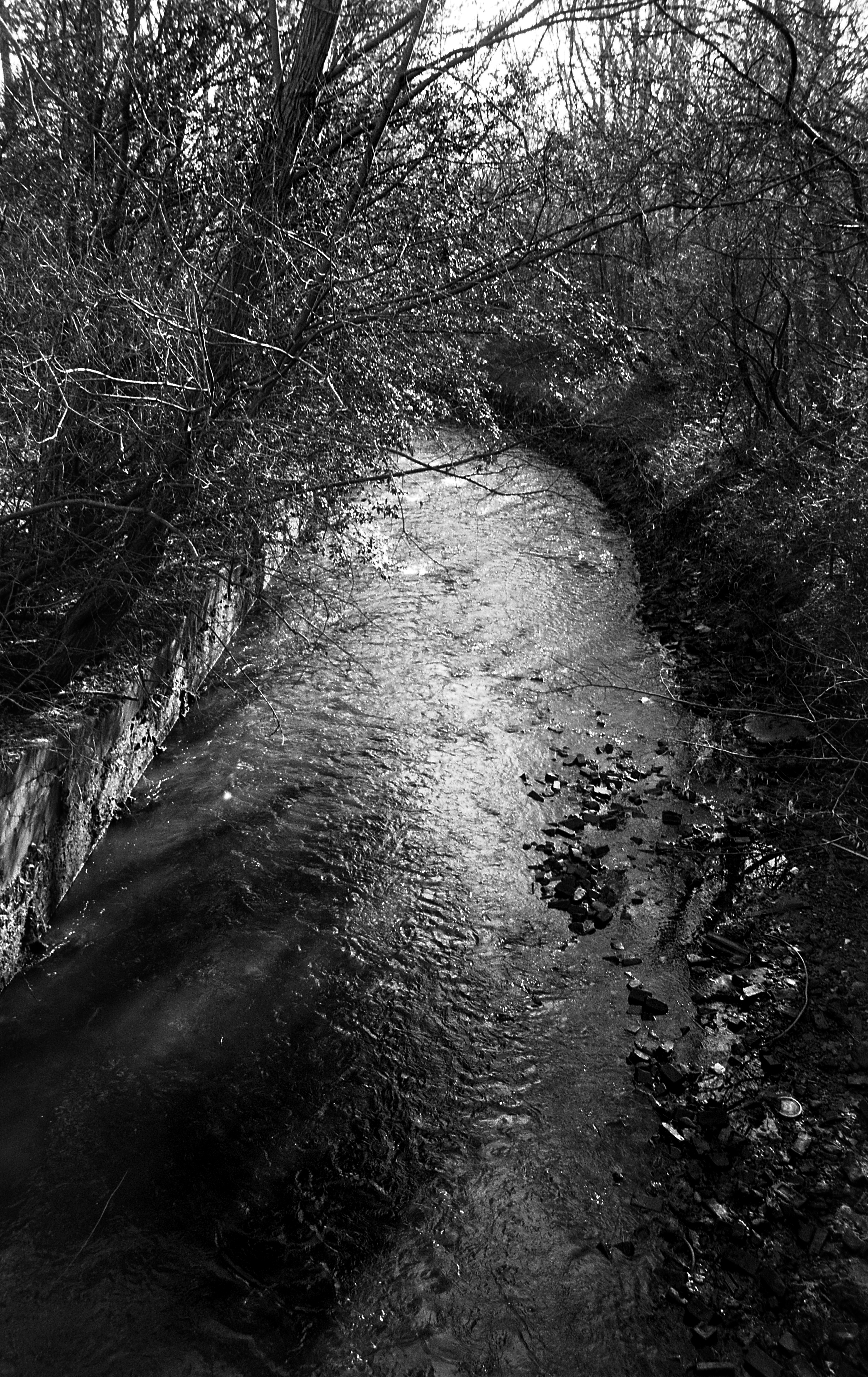
The River now passes through Clayton Vale.
Once the ash tip for east Manchester’s power station, Clayton Vale was greened up in the 1980’s and since recent investment, is a key green space within the Medlock River Valley. It is a Local Nature Reserve and is a great place for families to enjoy woodland and riverside walks, cycling, picnicking or pond dipping.
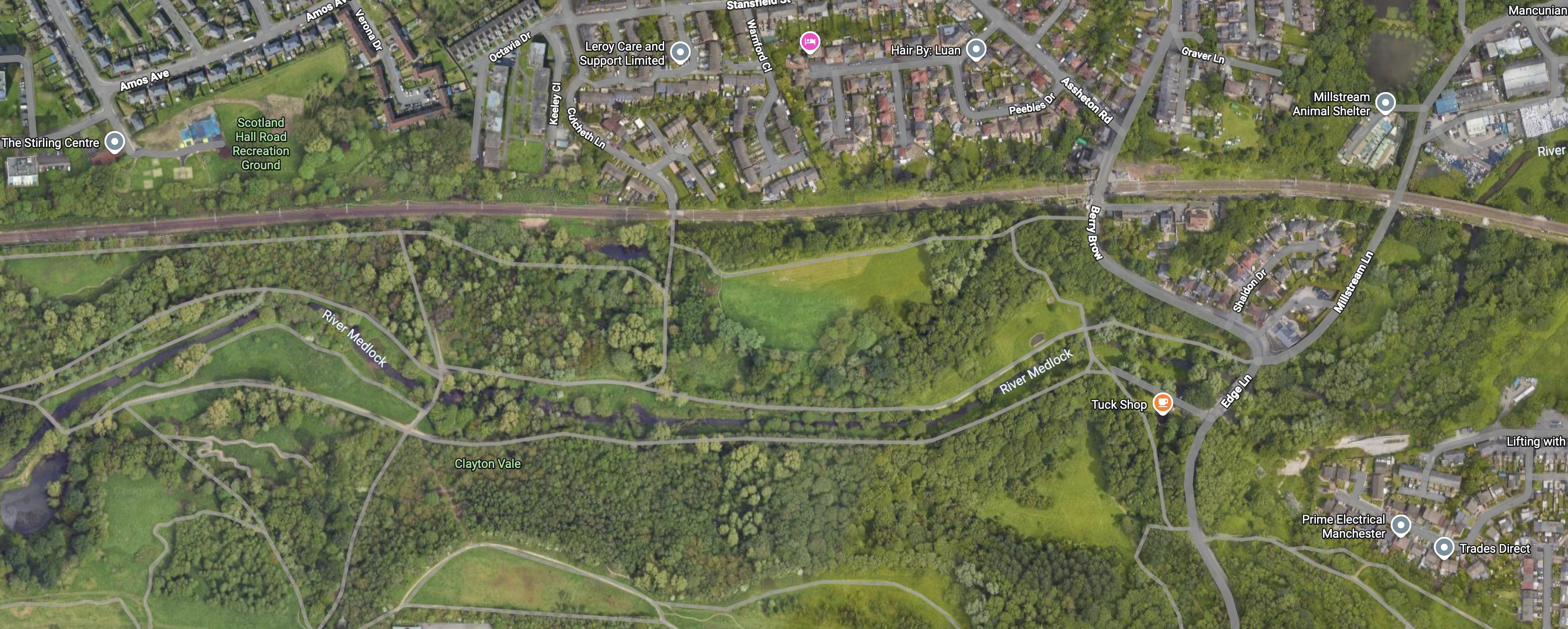
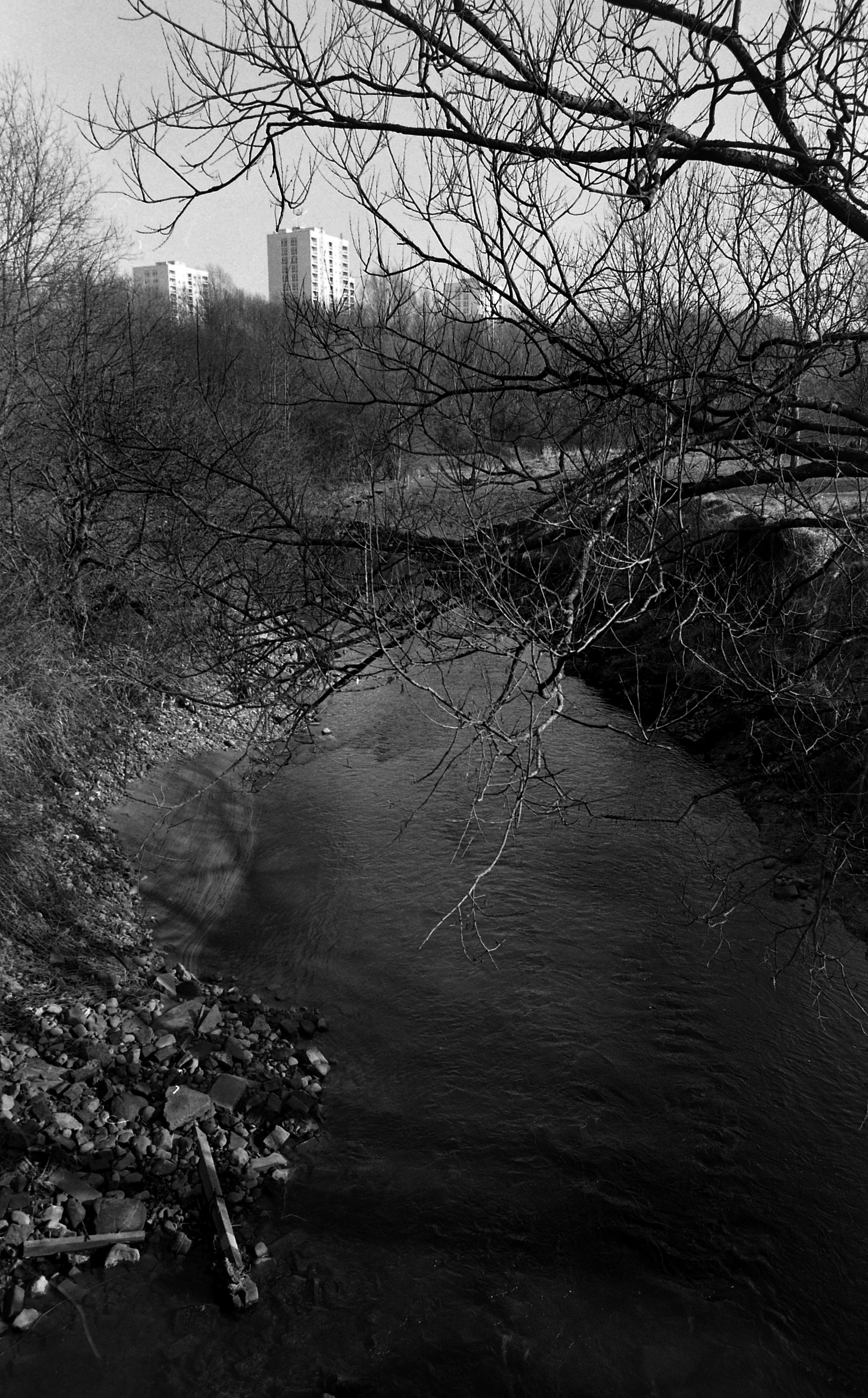
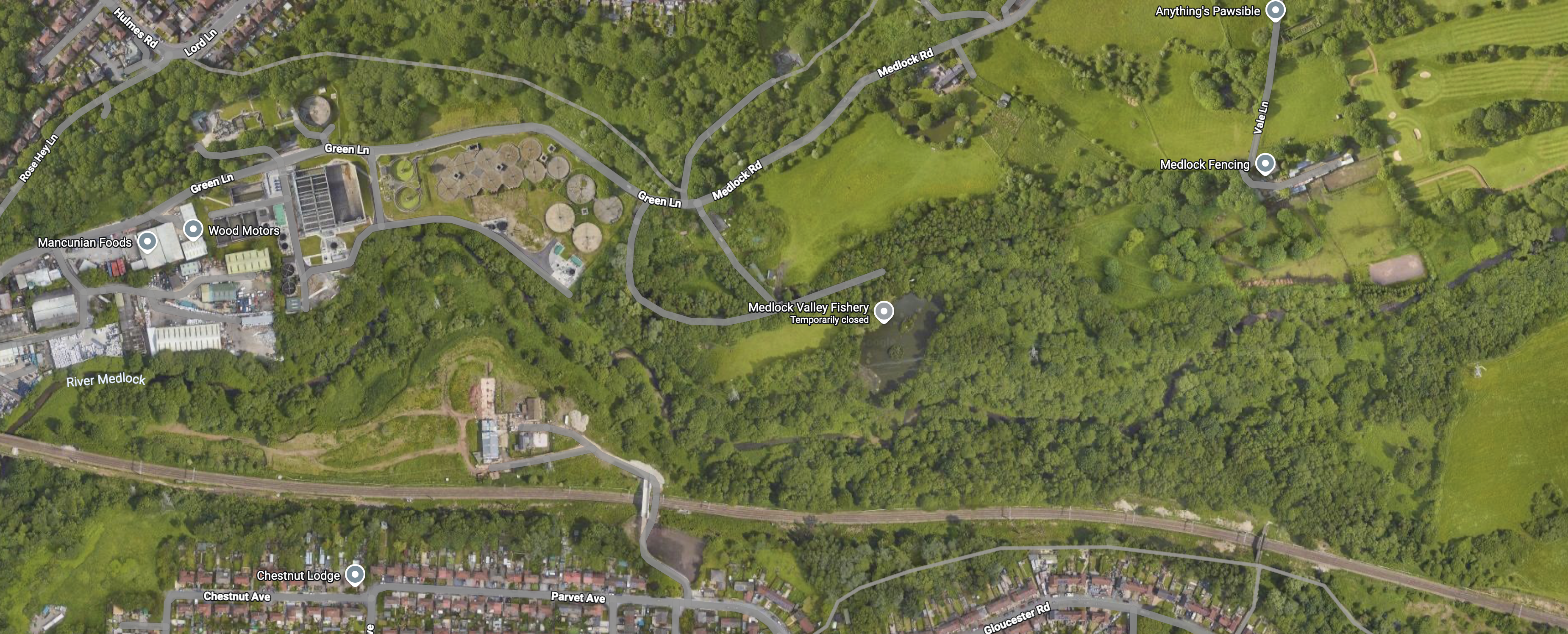
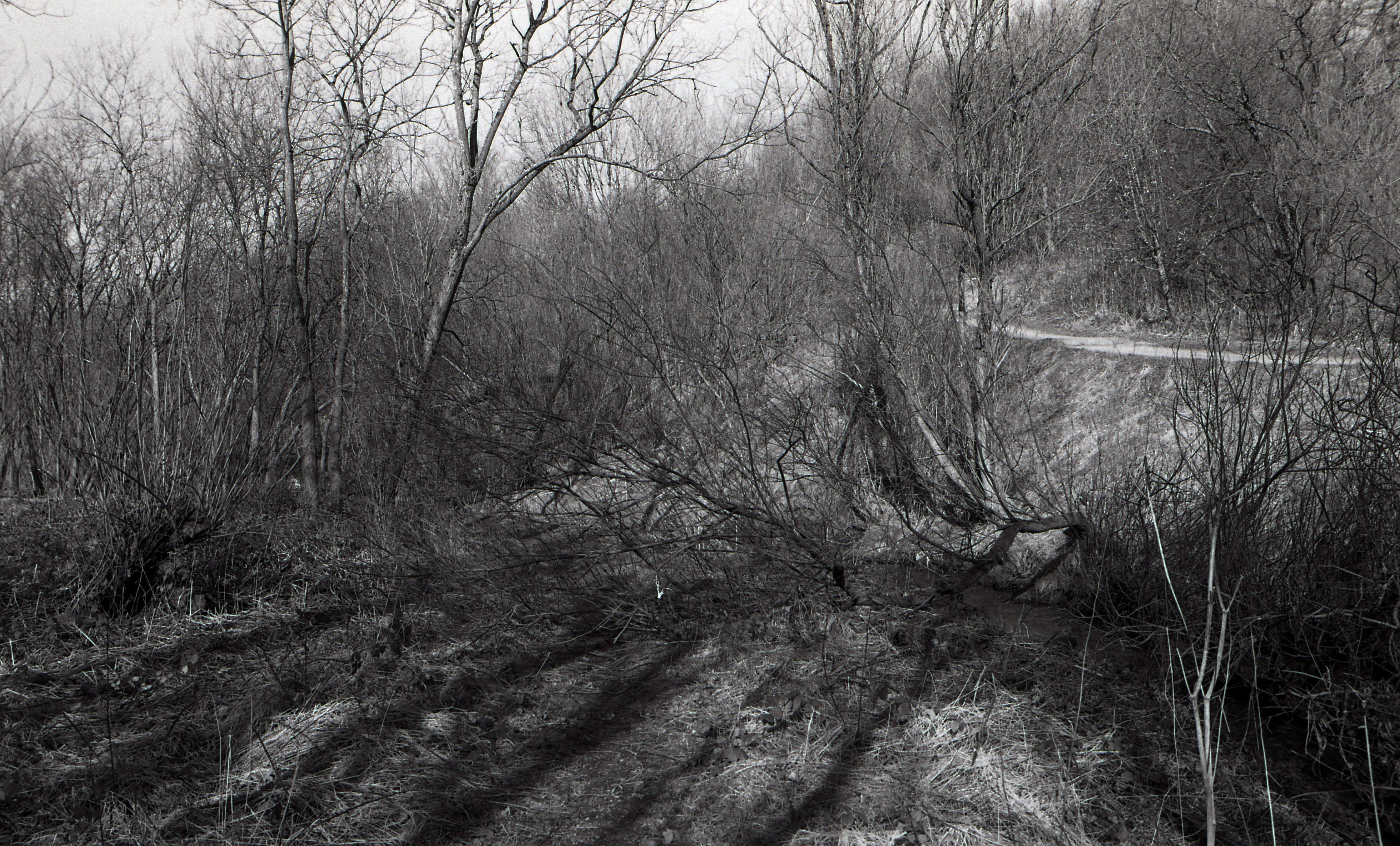
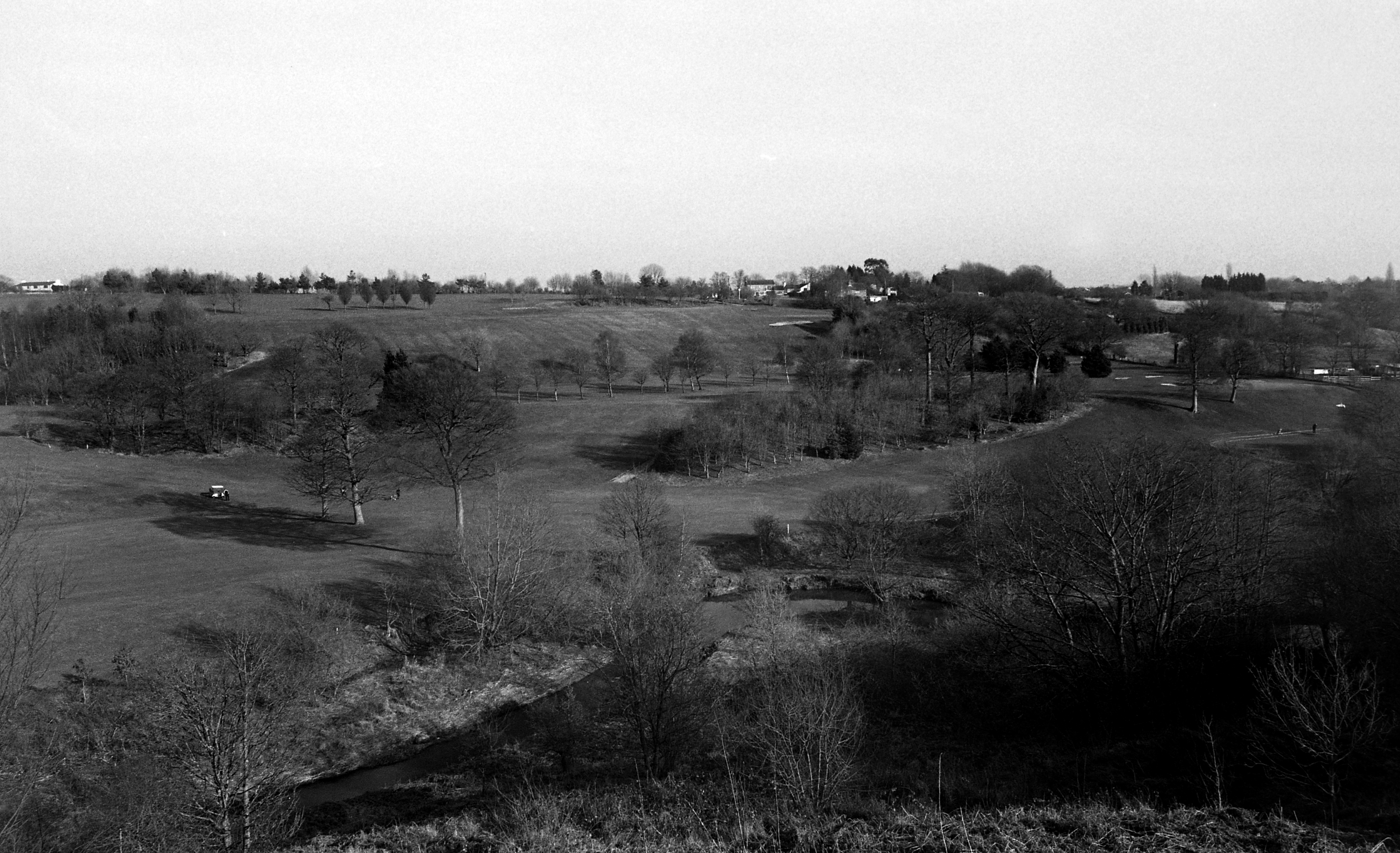
The valley bottom provides s home for Brookdale Golf Club.
The most picturesque Golf Course in Greater Manchester and the North West.
Brookdale Golf Club is one of the best places for golf in Manchester.
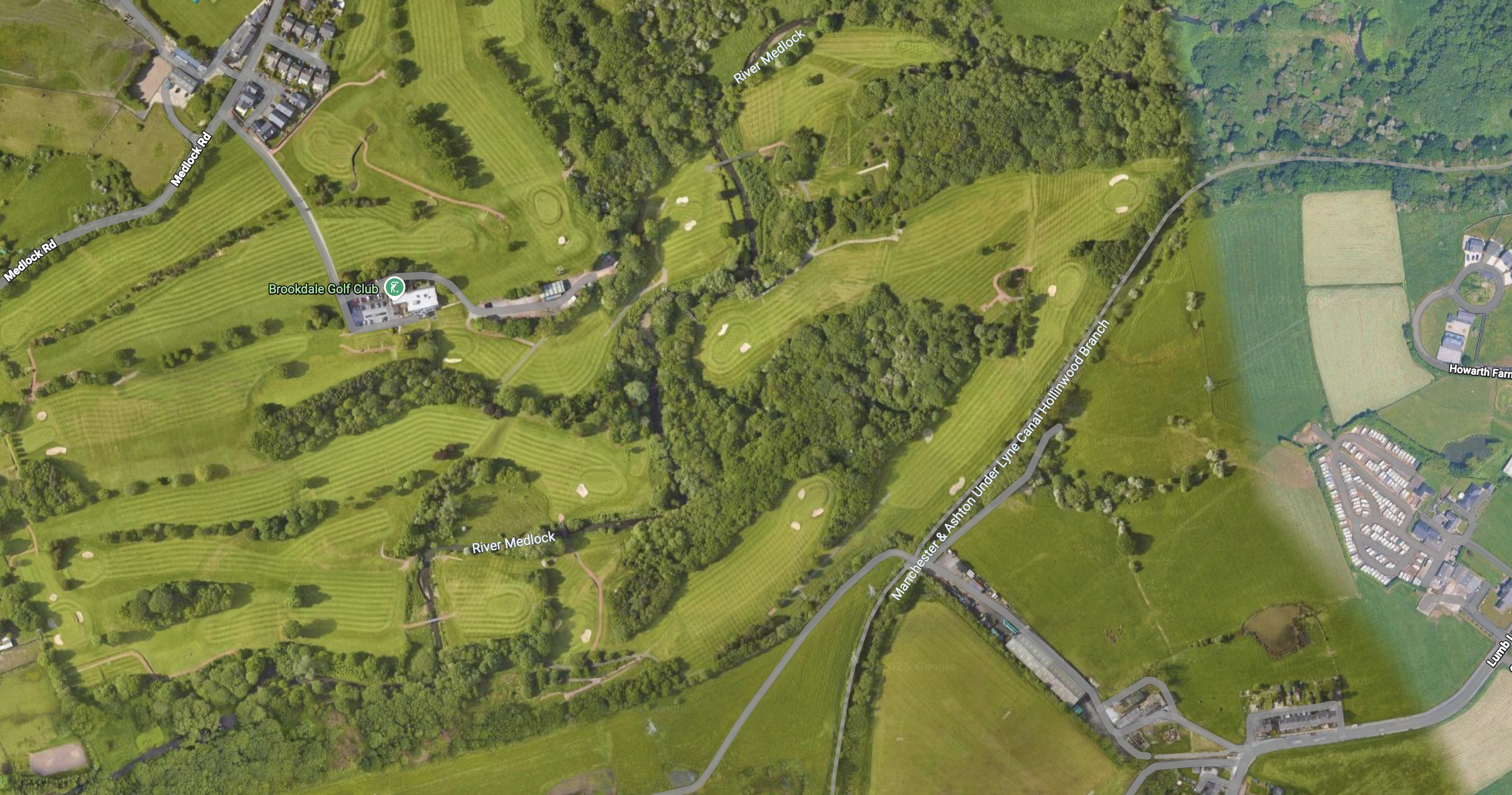
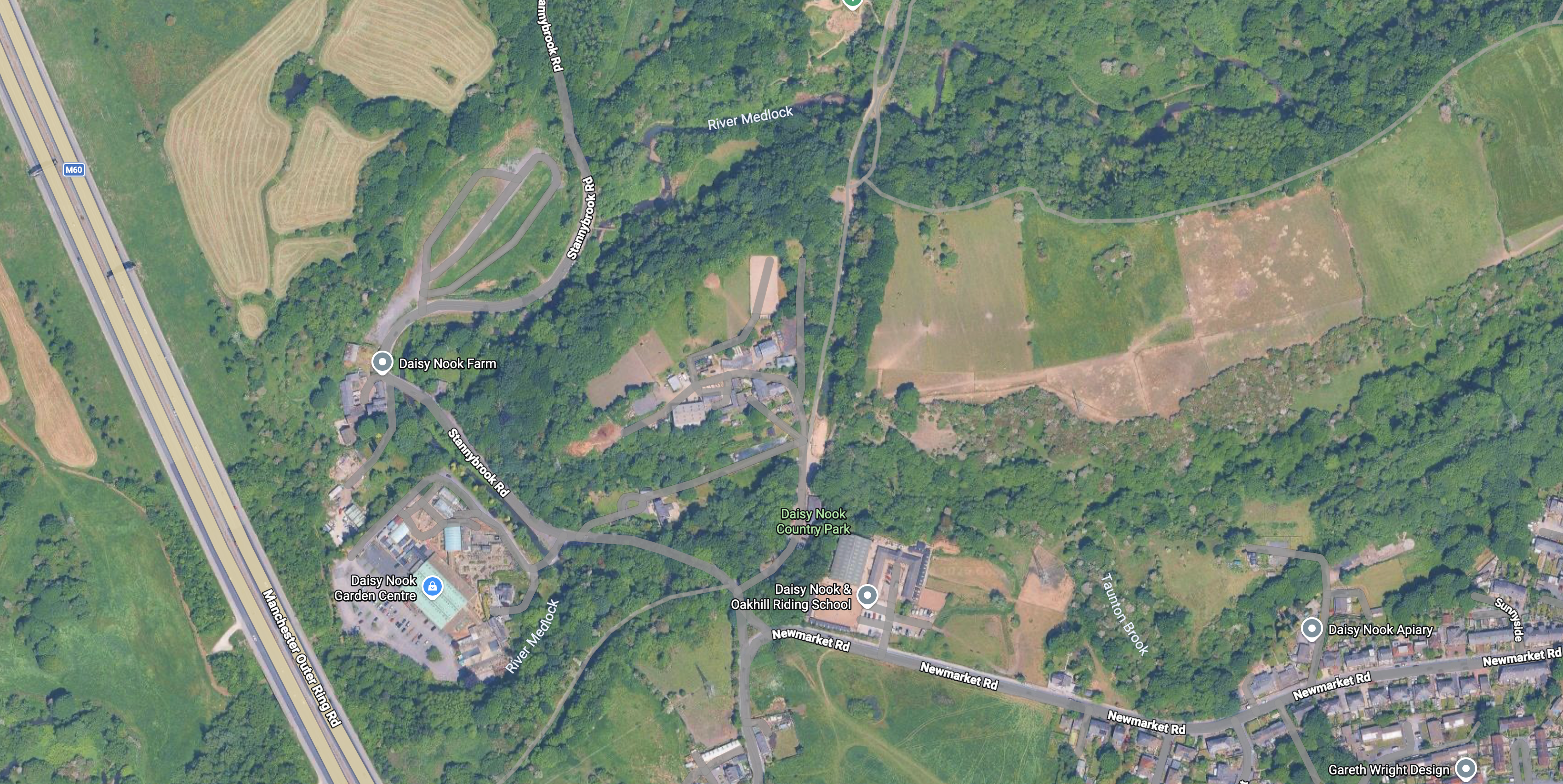
The river now passes through Daisy Nook Country Park.
Daisy Nook Country Park is forty hectares of varied landscape in the heart of the Medlock Valley and is managed by both Oldham and Tameside Councils.
There are waterways, a lake, a canal, woodlands and wildflower meadows.
The park is a great habitat for wildlife and bird-spotting – with an abundance of creatures from great-spotted woodpeckers and owls, to foxes and squirrels.
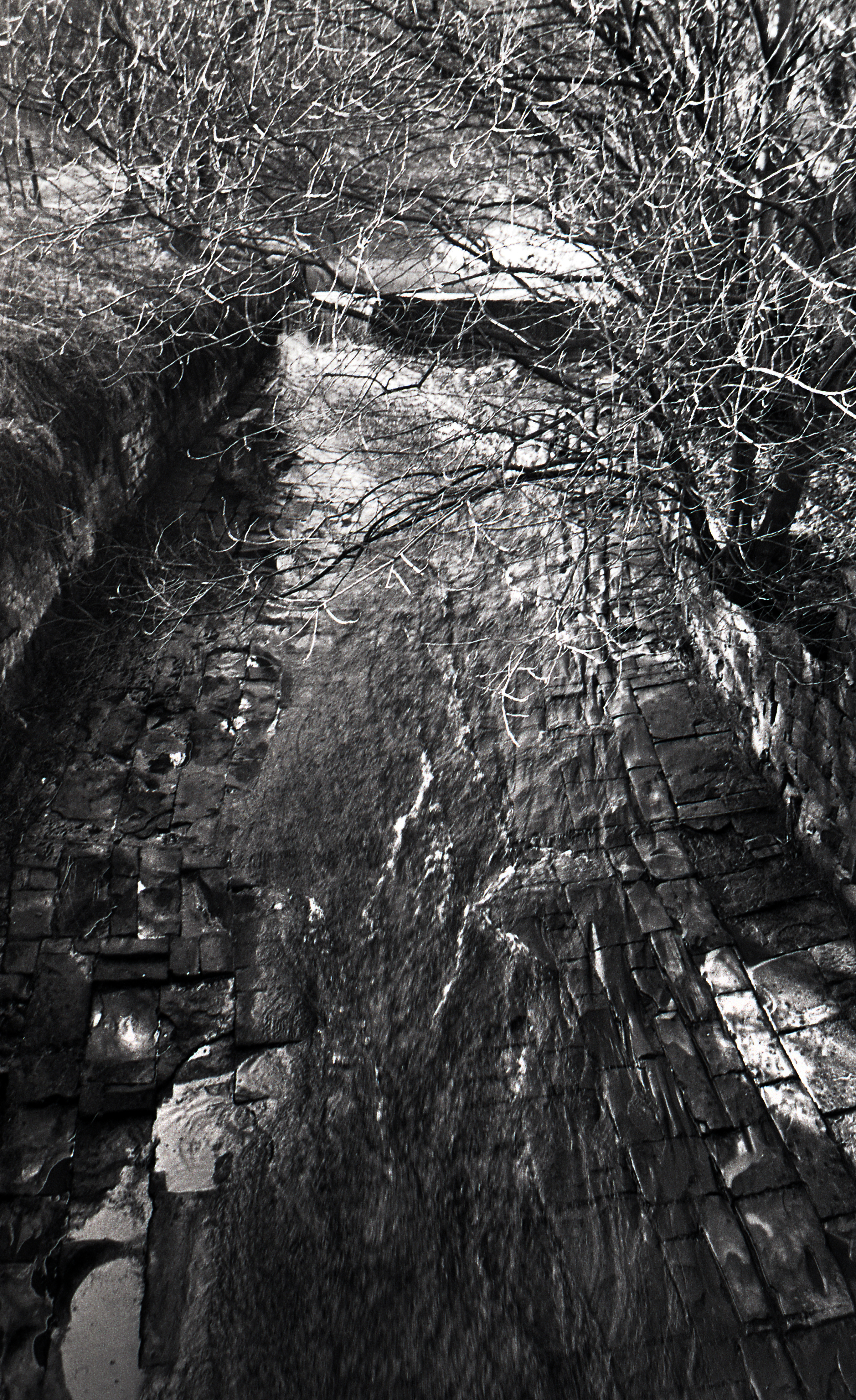
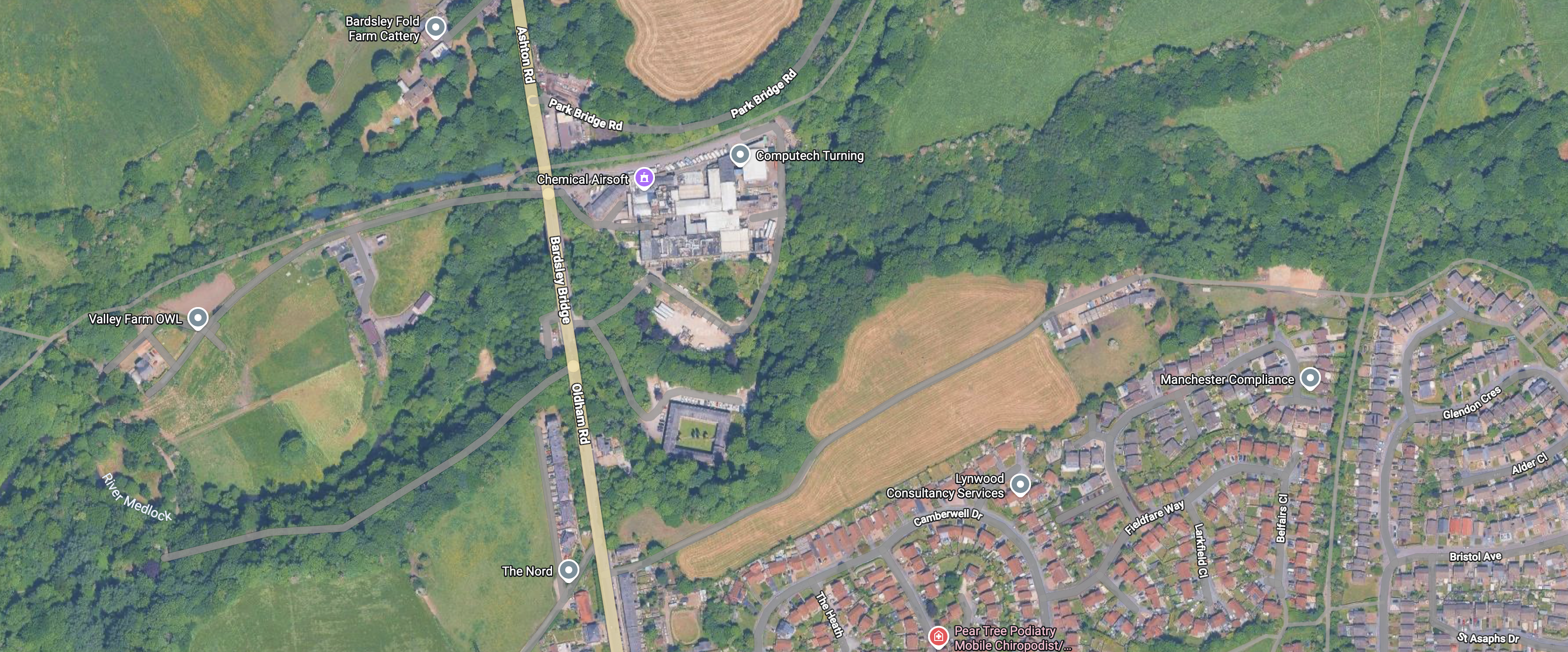
The river now reaches Park Bridge.
Samuel Lees junior founded Park Bridge ironworks in 1786 on fourteen perches of land rented from the Earl of Stamford. Originally the ironworks produced raw iron; the ironworks was one of the largest in 19th century Tameside, and one of the earliest ironworks in the northwest. Samuel Lees’ wife, Hannah Lees inherited ownership of the ironworks on her husband’s death in 1804. Under Hannah Lees, the ironworks was expanded, including the construction of a weir and a water power building on the River Medlock. The success of the ironworks precipitated the construction of worker housing in the 1820s.
The ironworks remained the largest such works in Tameside, including a nearby colliery and associated with the Oldham, Ashton and Guide Bridge Railway.
The abandoned ironworks fell into decay and was demolished or reduced to ruins in the 1970s.
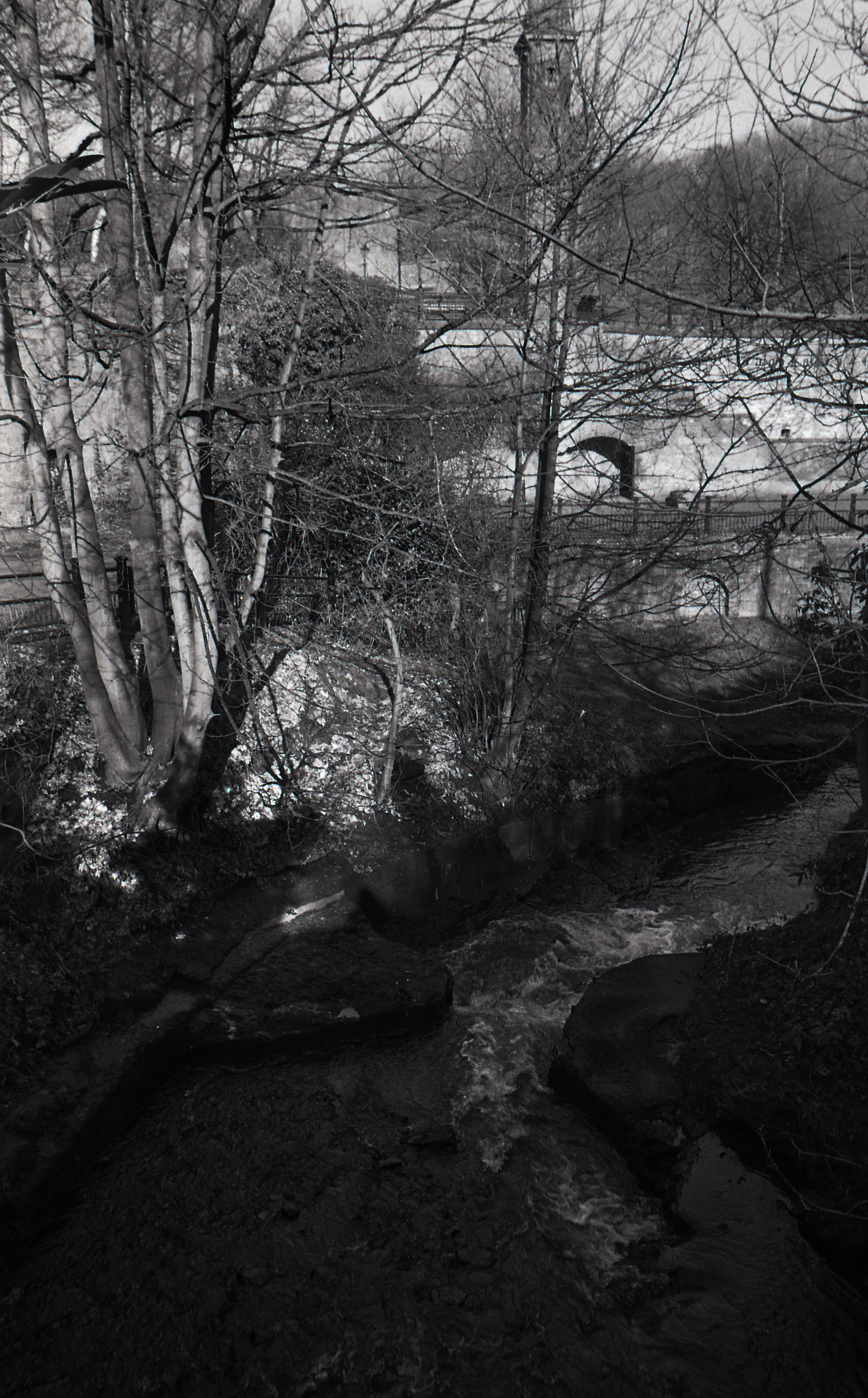
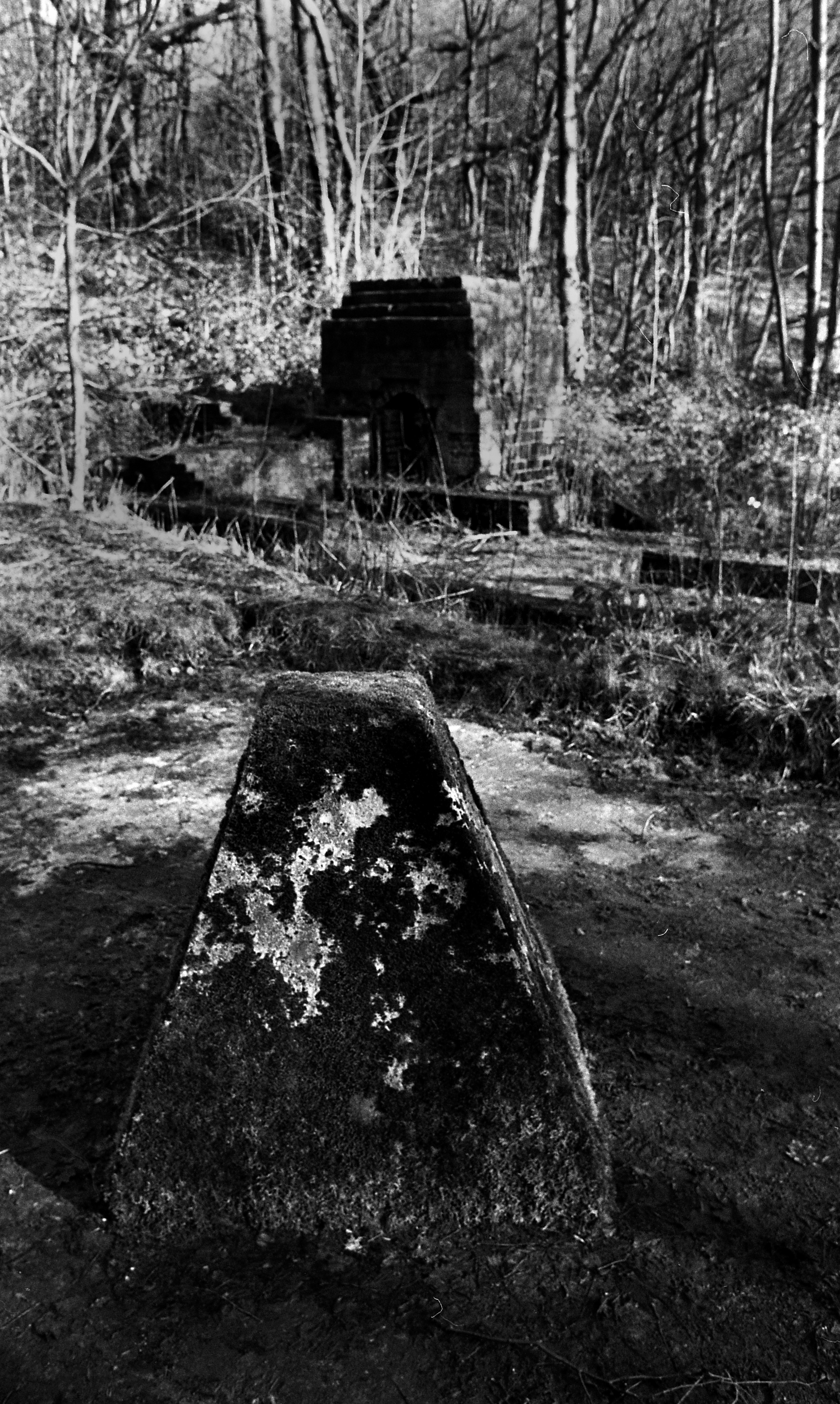
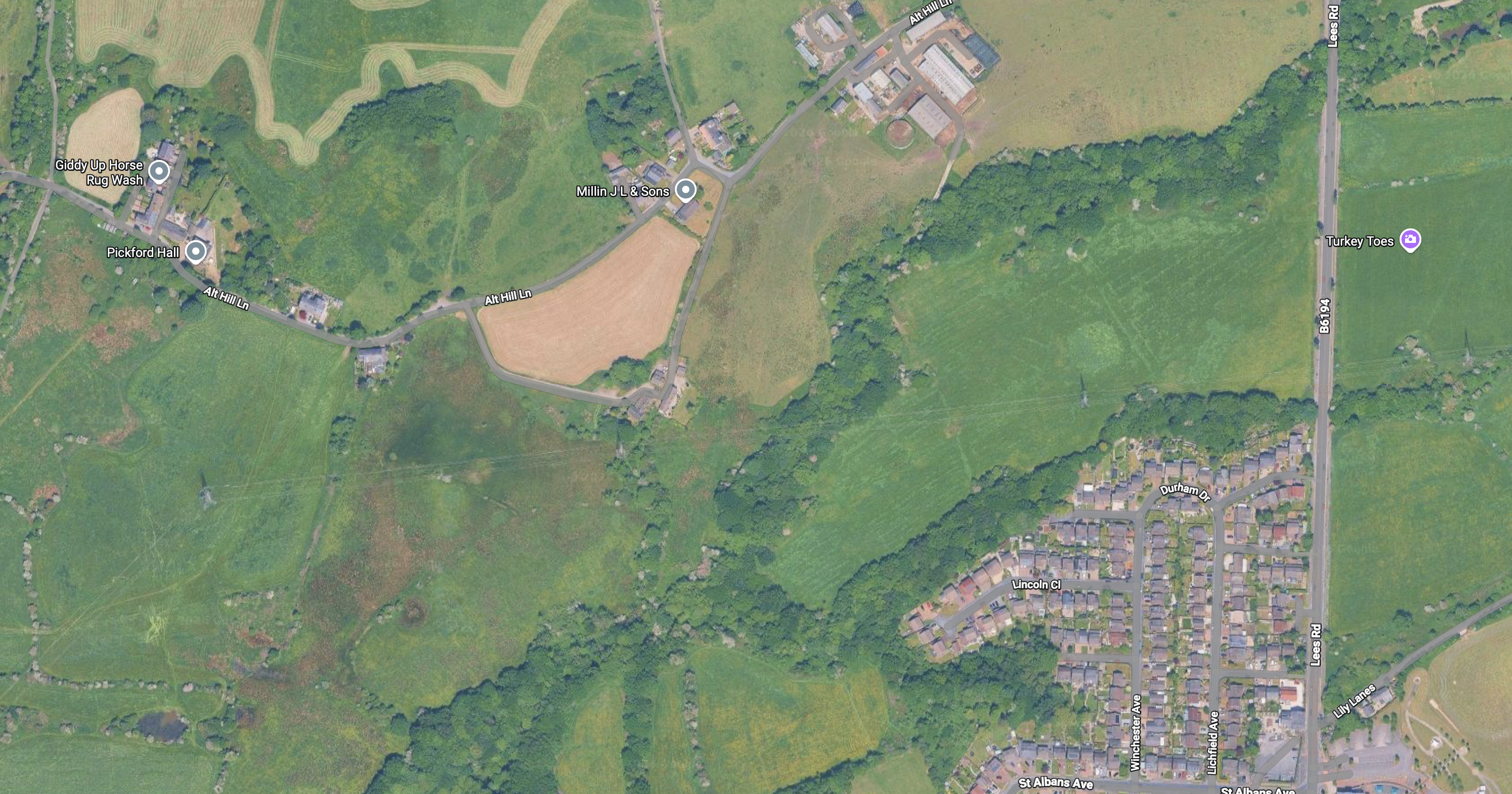
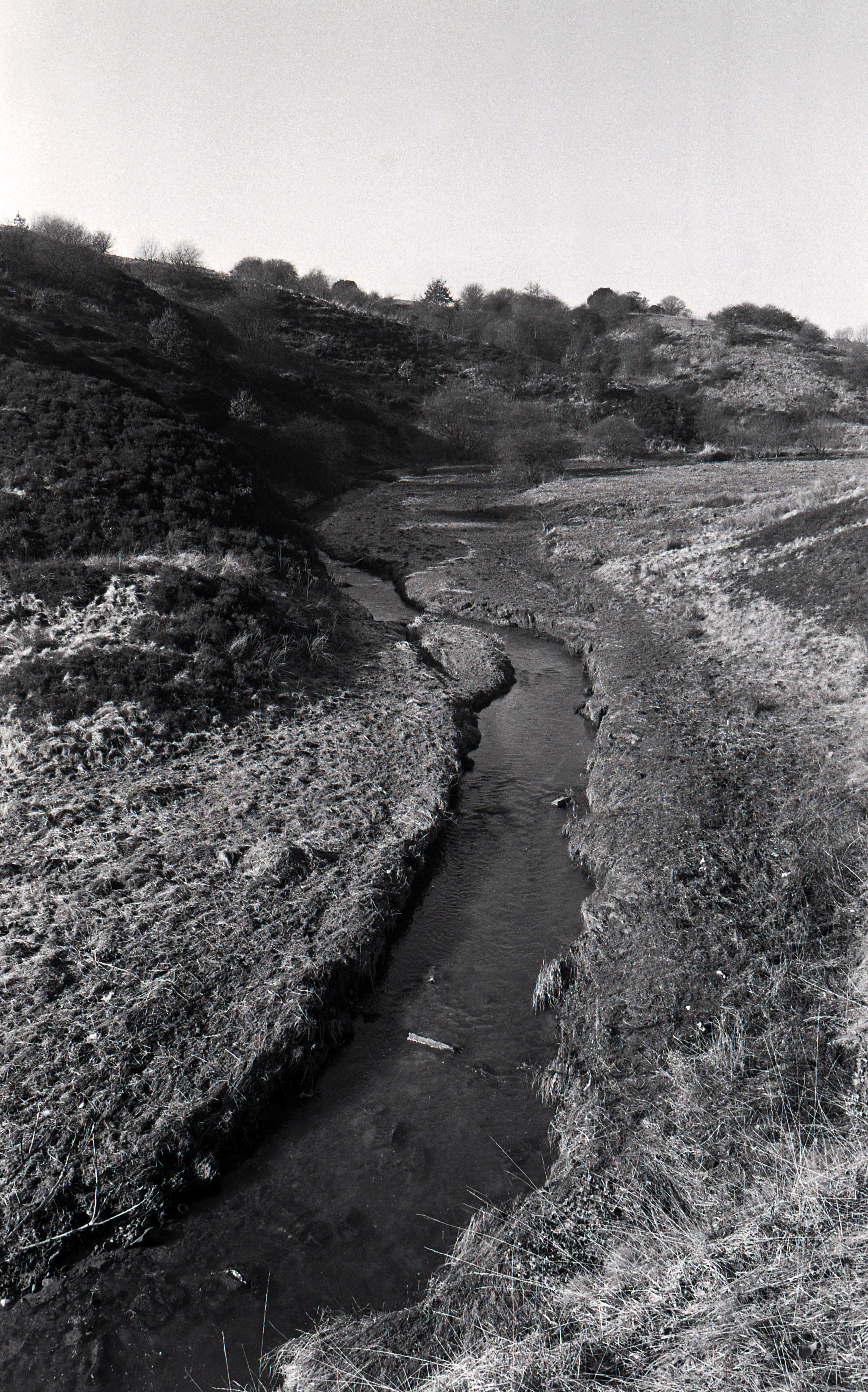
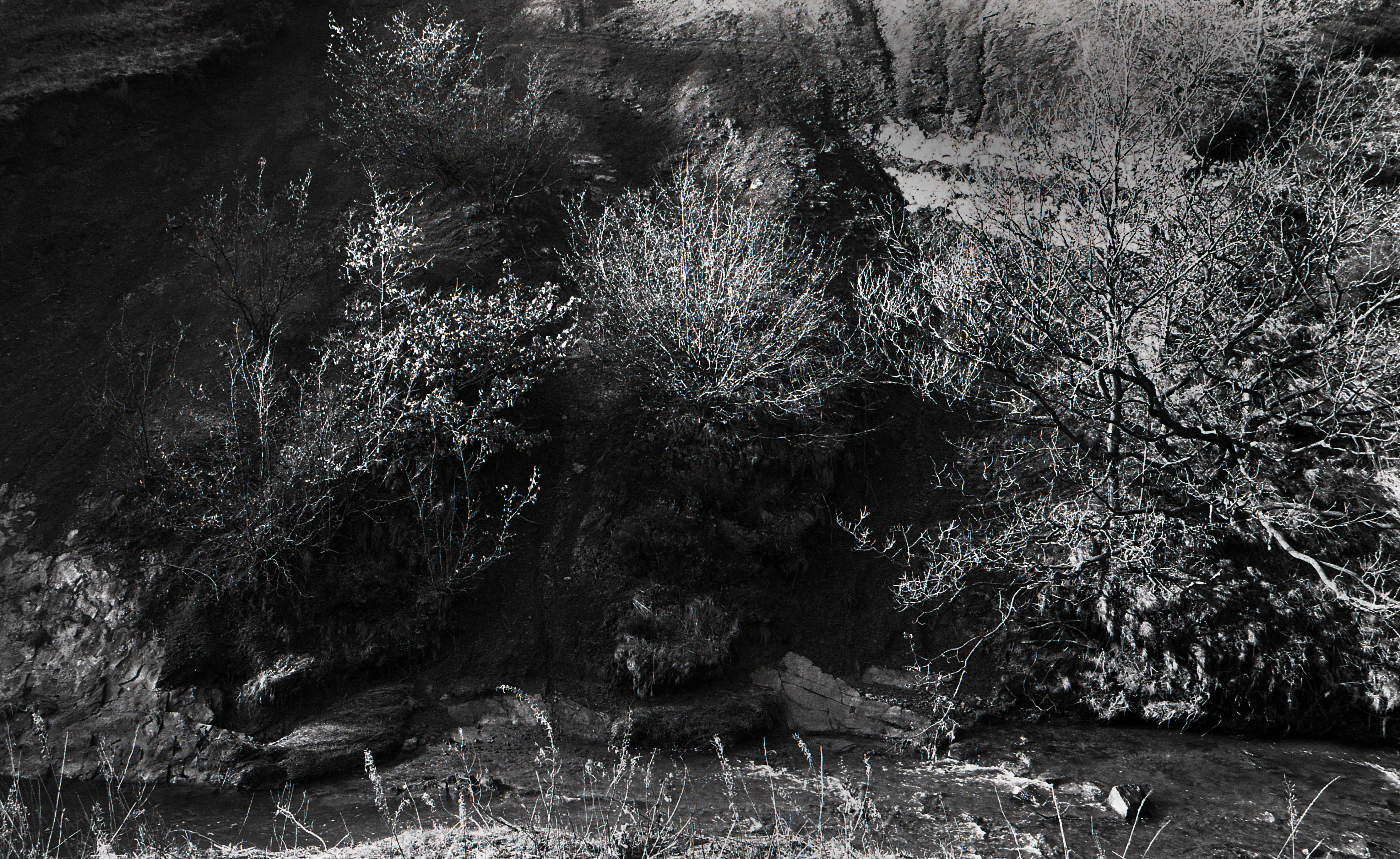
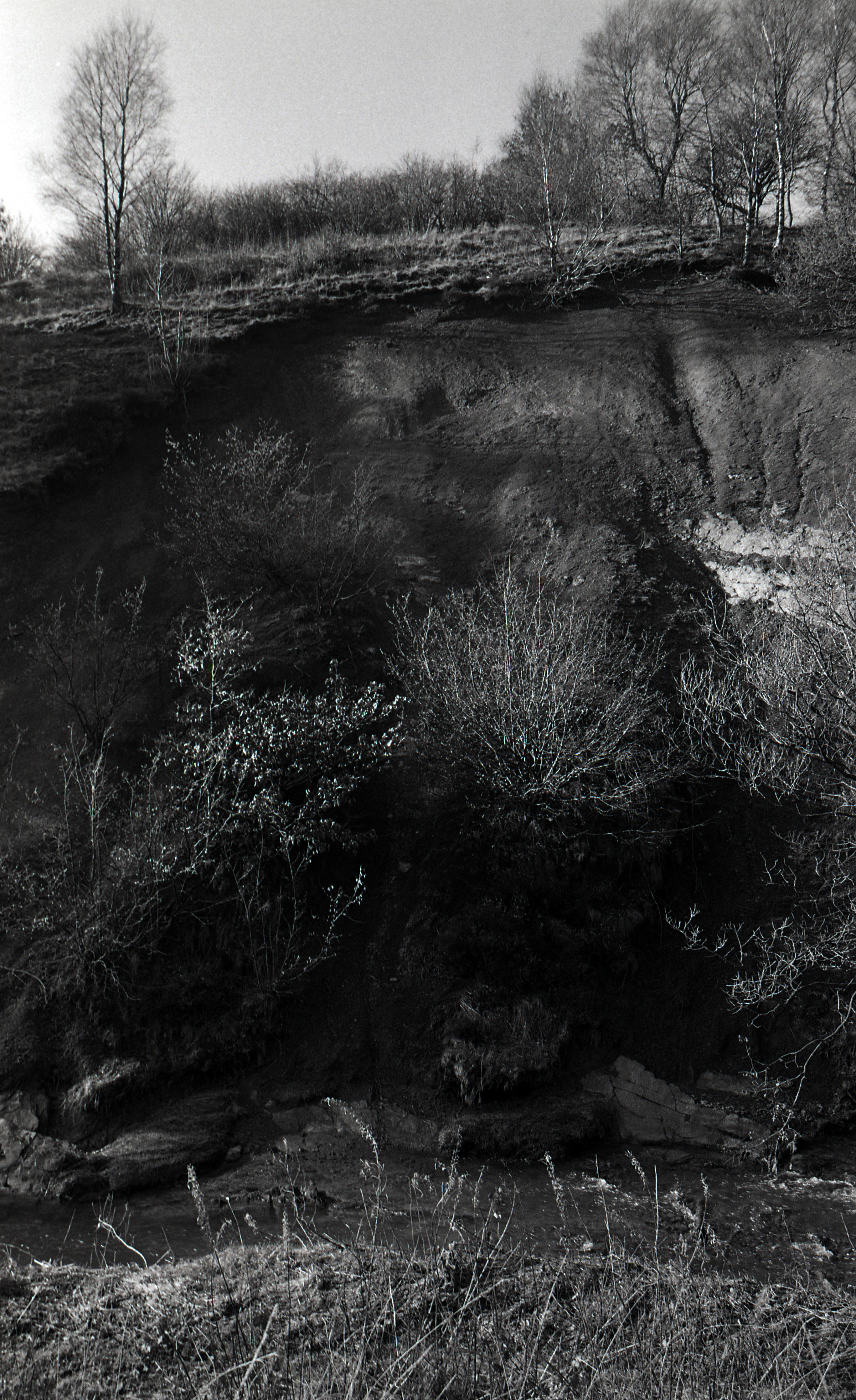
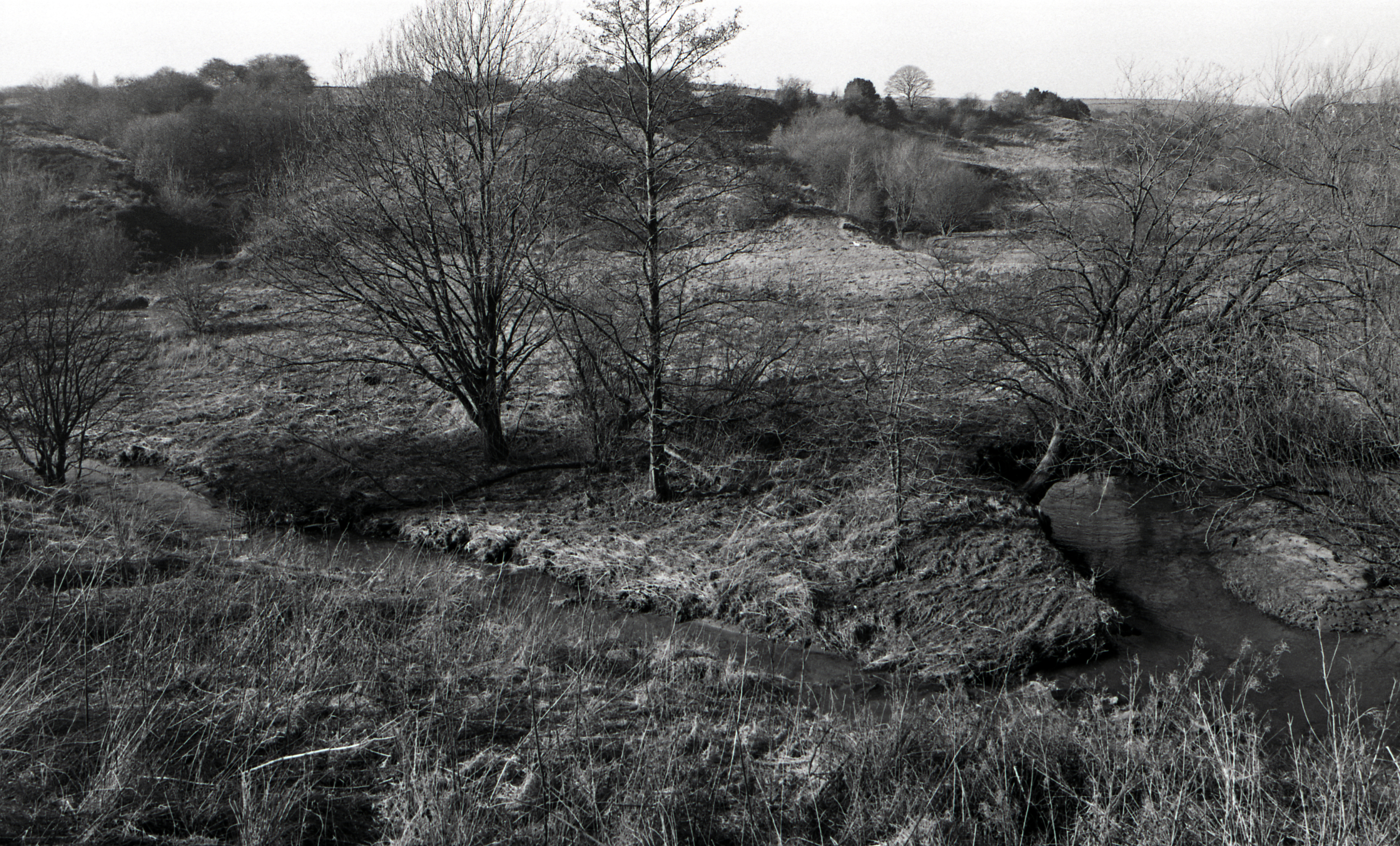
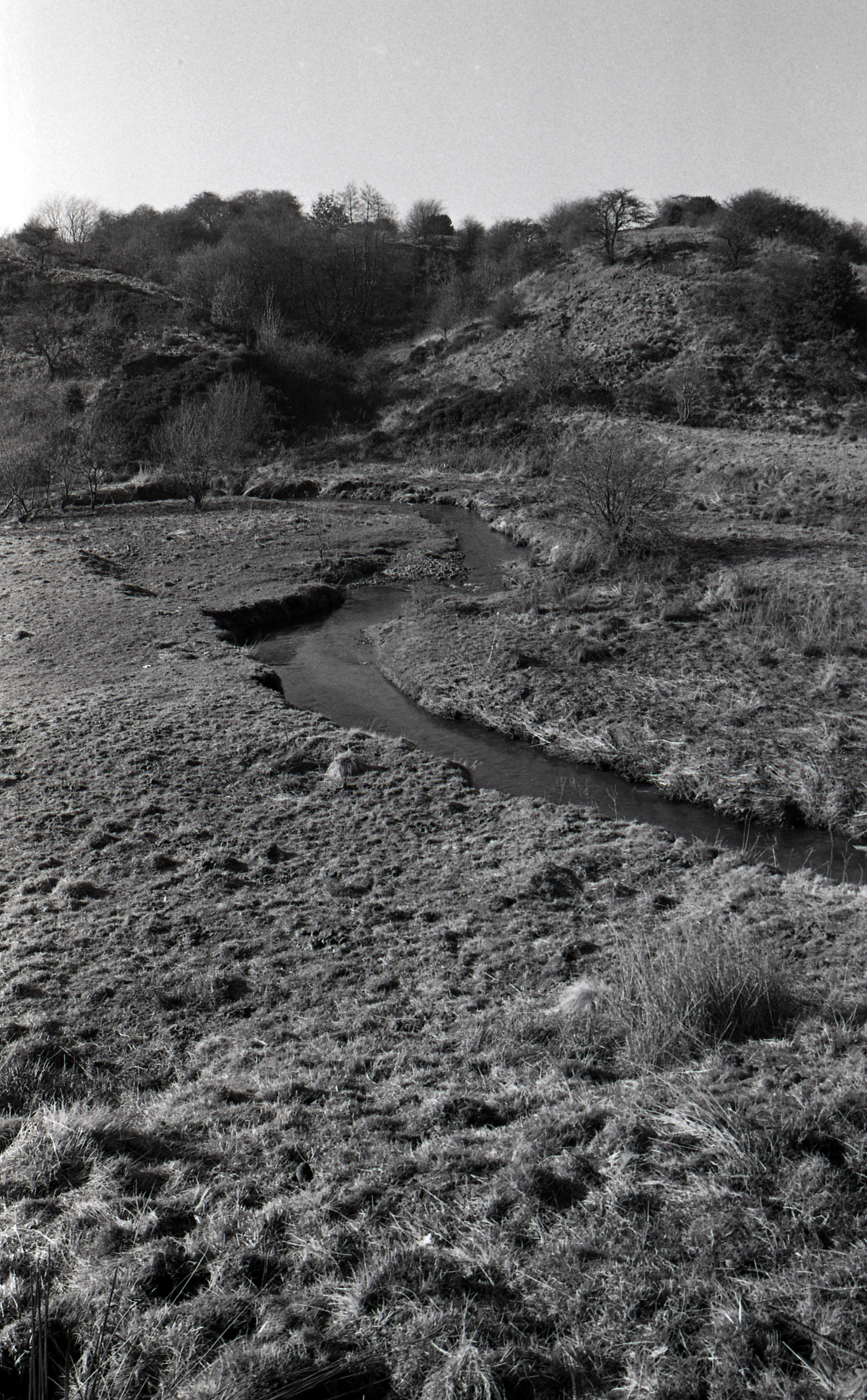
We complete our journey at Lees Road.
Further information from FOMV.
FOMV is a grass-roots community group dedicated to promoting, improving and defending one of Manchester’s best-kept secrets. Since the 1960s, the lower reaches of the River Medlock have been quietly transformed from an industrial wasteland into thirty acres of mature woodlands, wildflower meadows and peaceful riverside habitats, all lying on public land just a stone’s throw from the city centre. When our group was founded in 2021, the area was neglected and unloved, blighted by pollution and antisocial behaviour. Our mission is to make it the city’s most cherished and ecologically important green space by improving infrastructure, increasing footfall and protecting its biodiversity for years to come.

