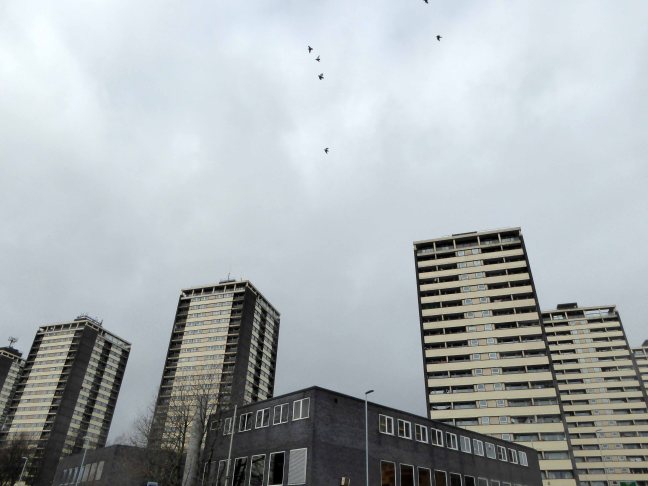
Balfron Tower London

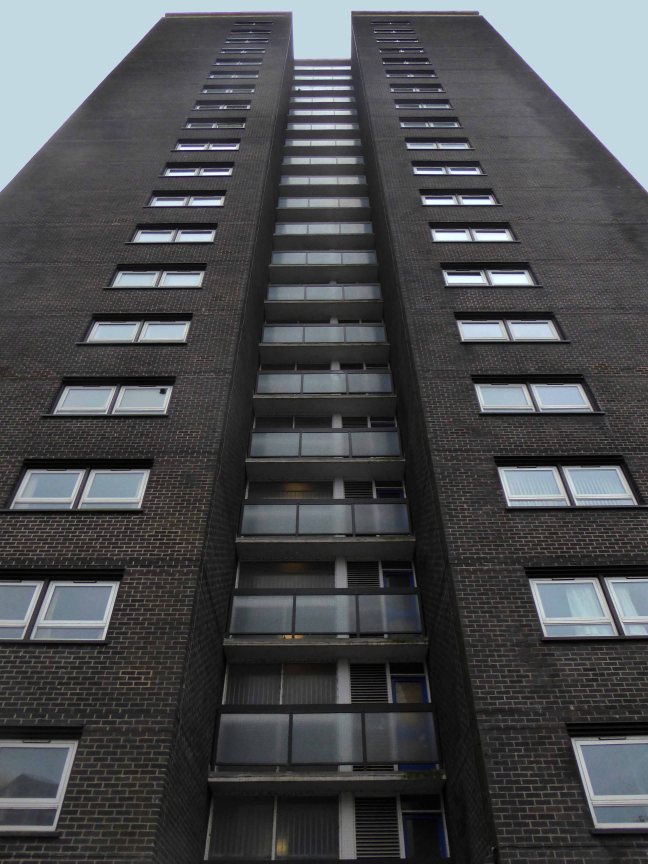
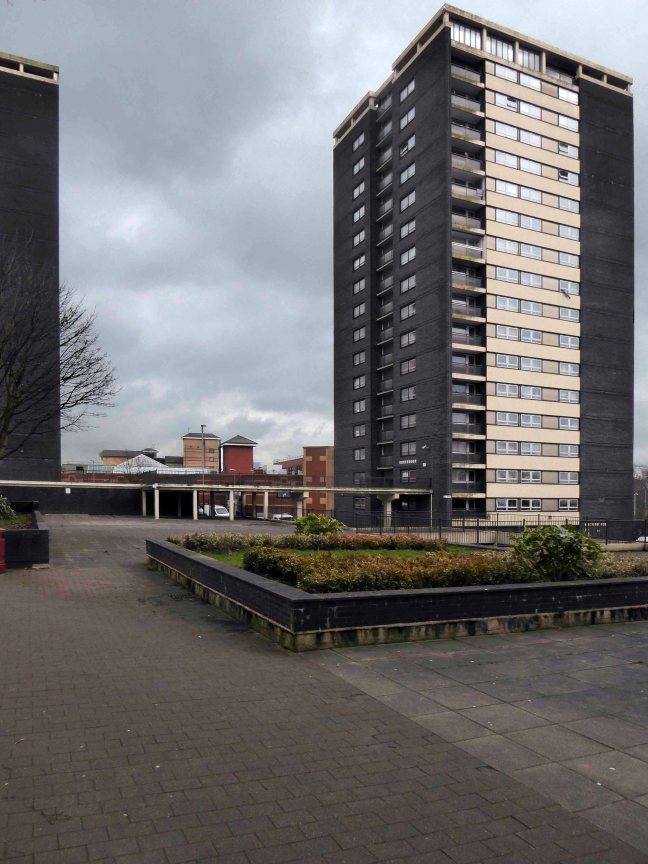
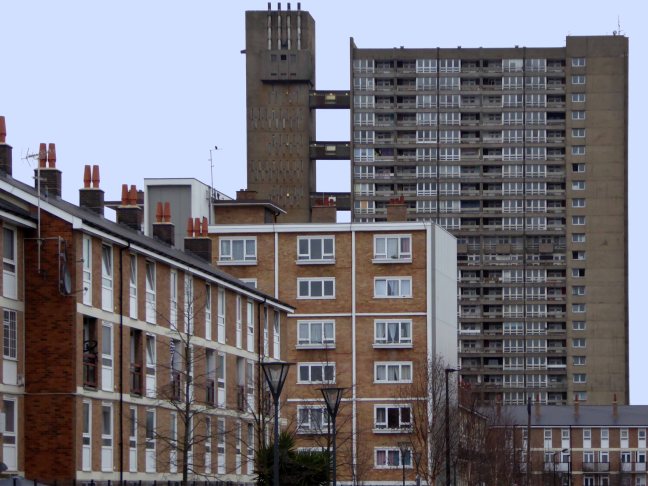
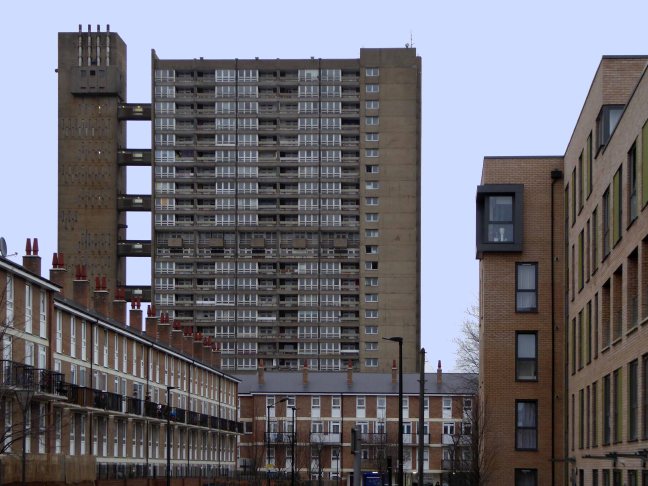
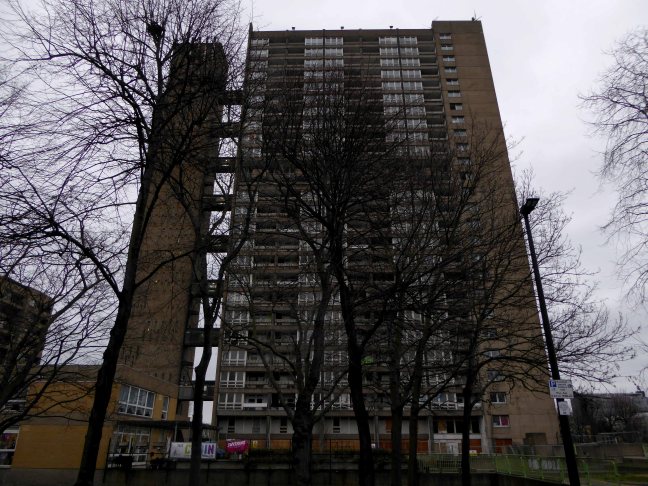
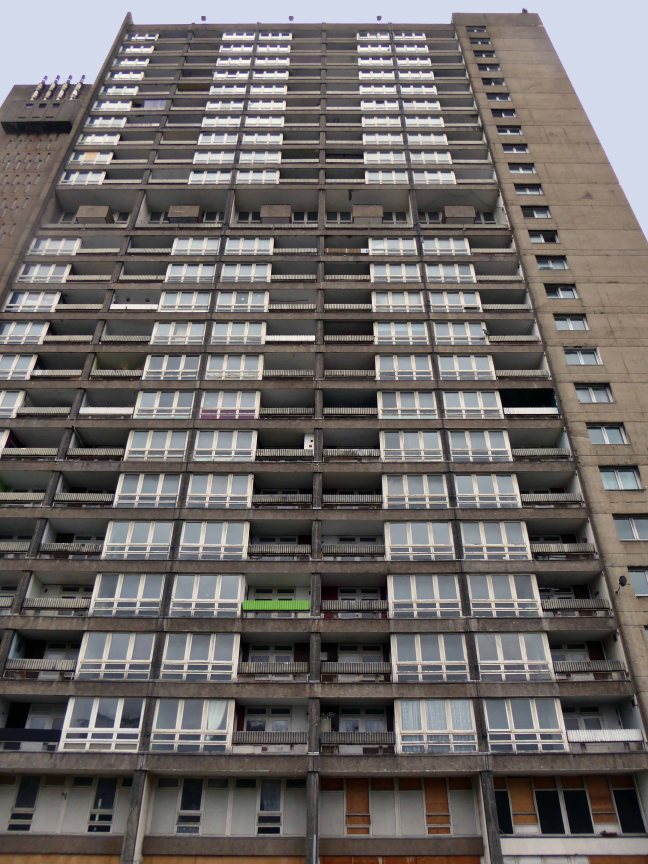
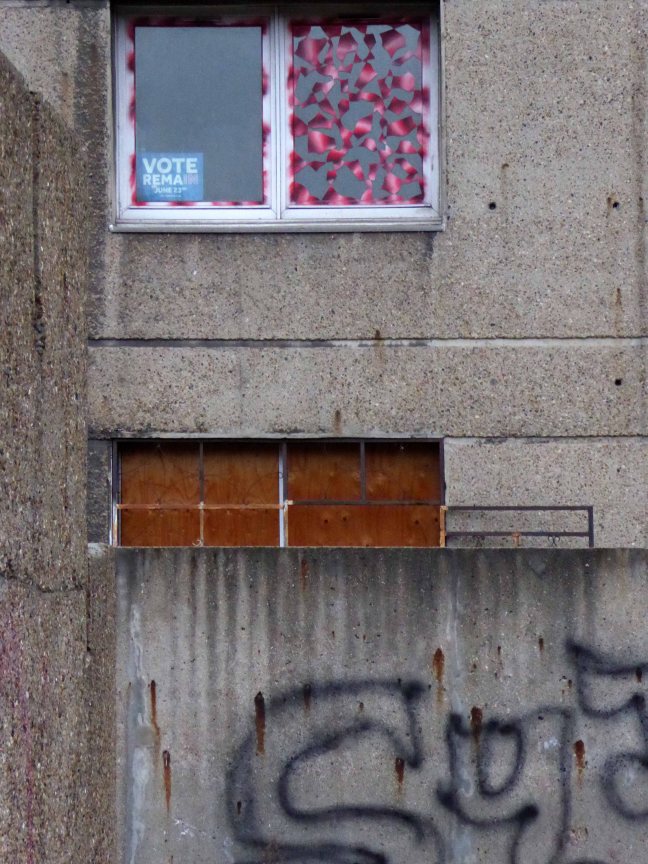
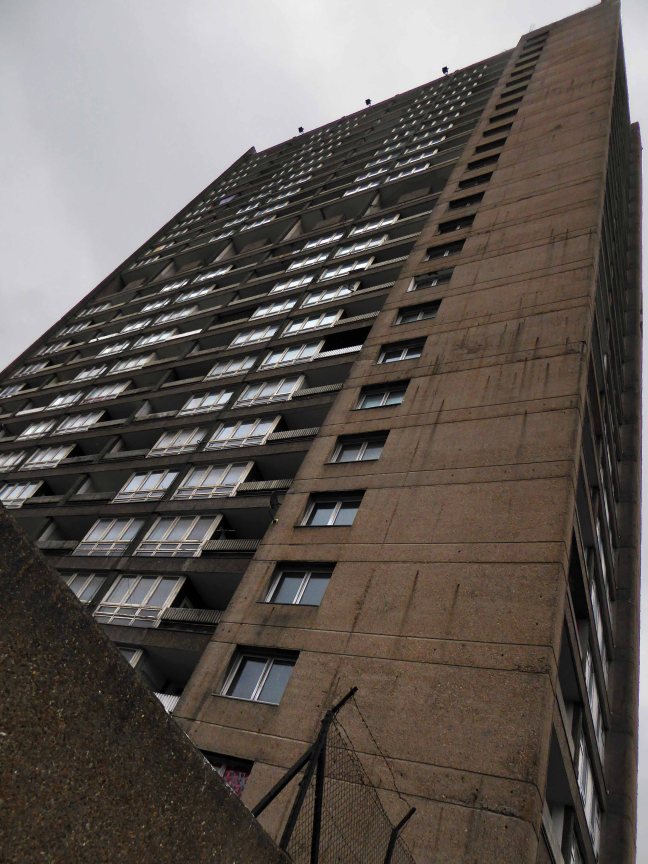
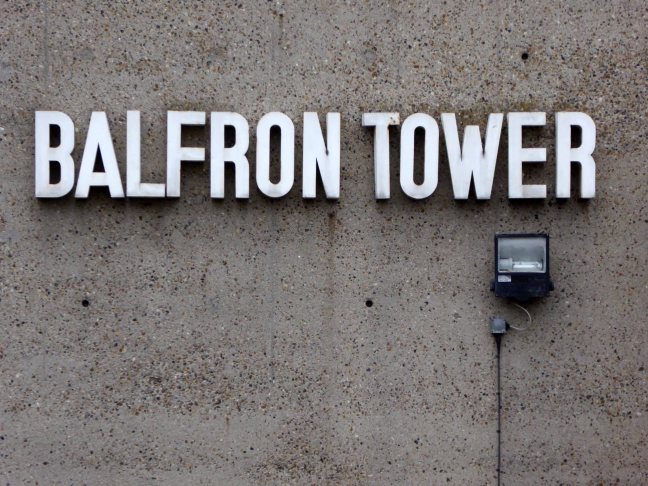
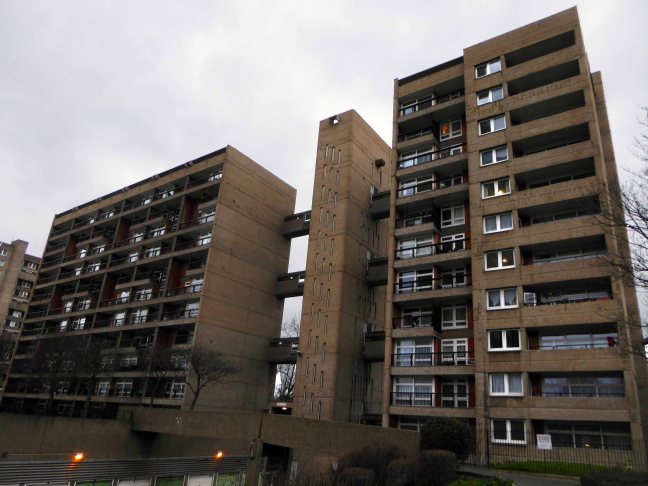
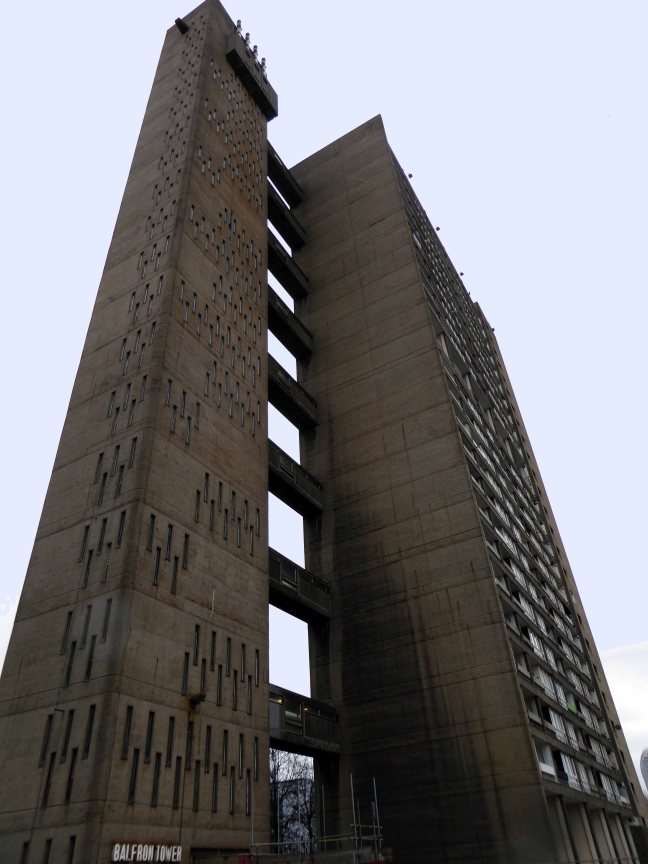
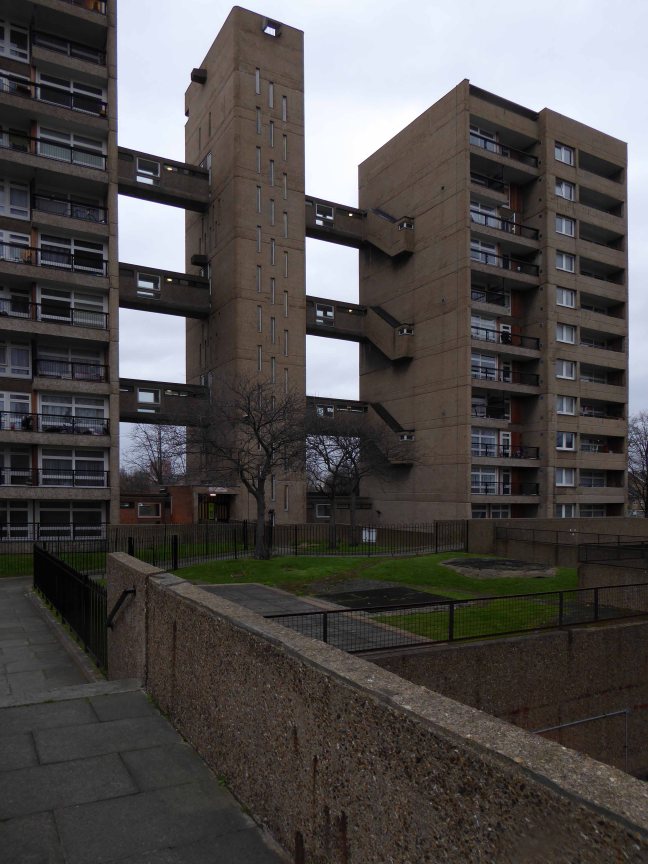
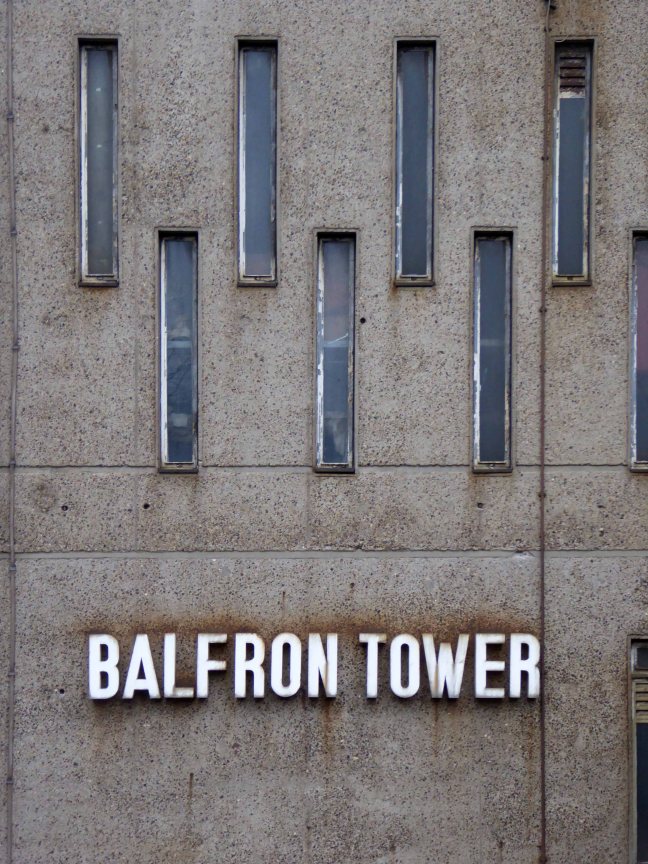
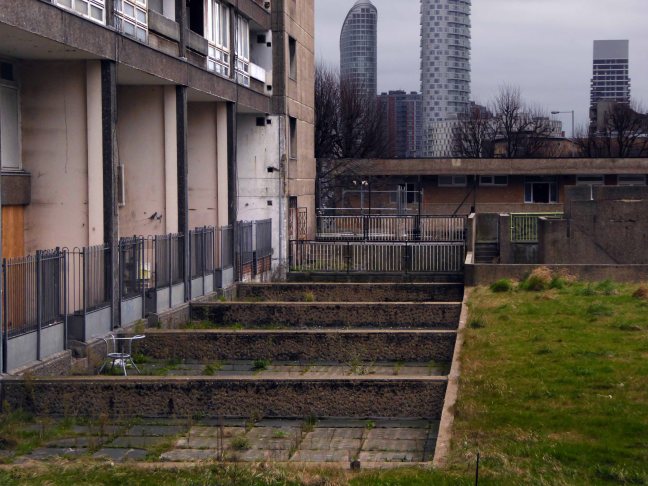
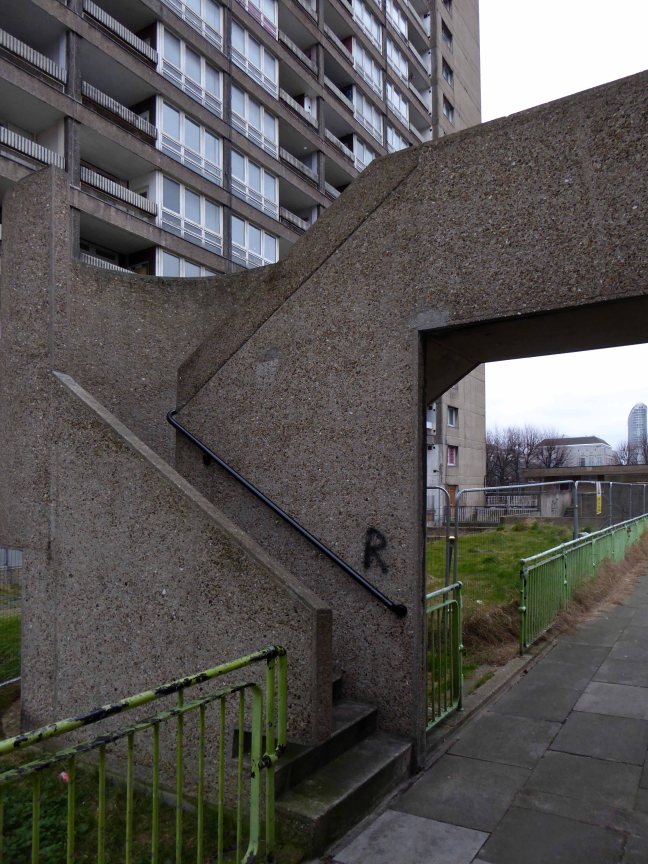
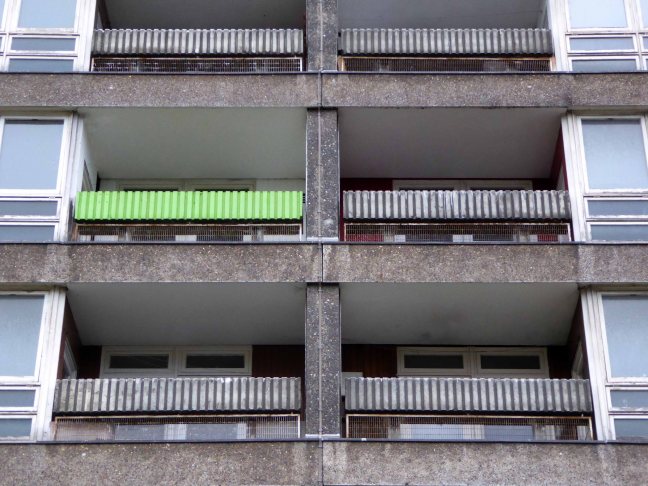
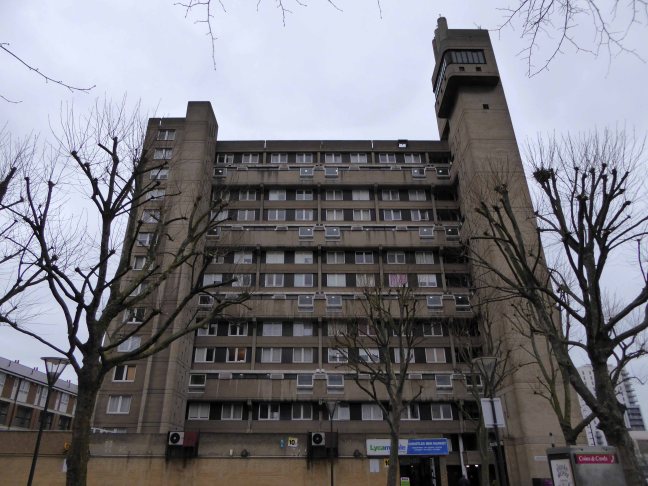
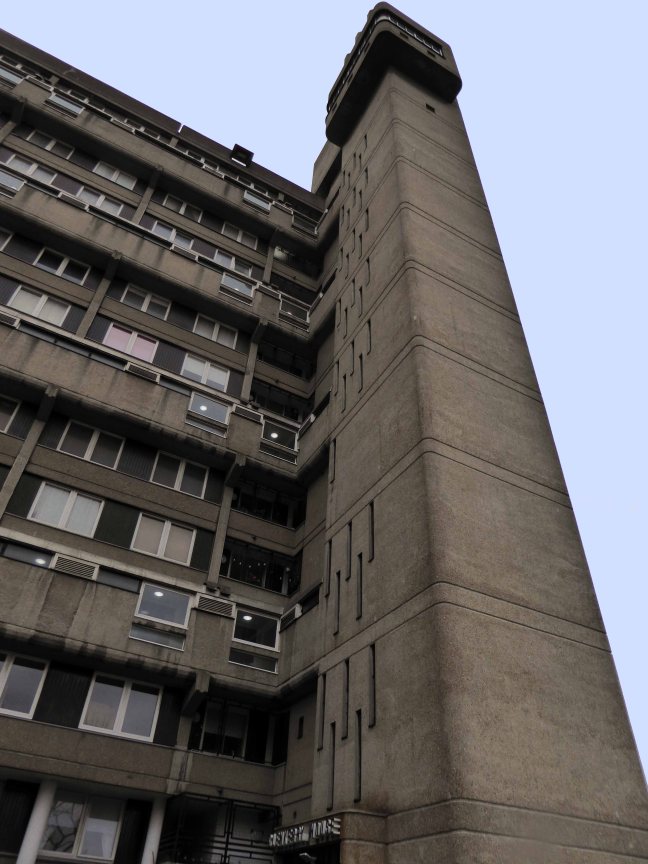
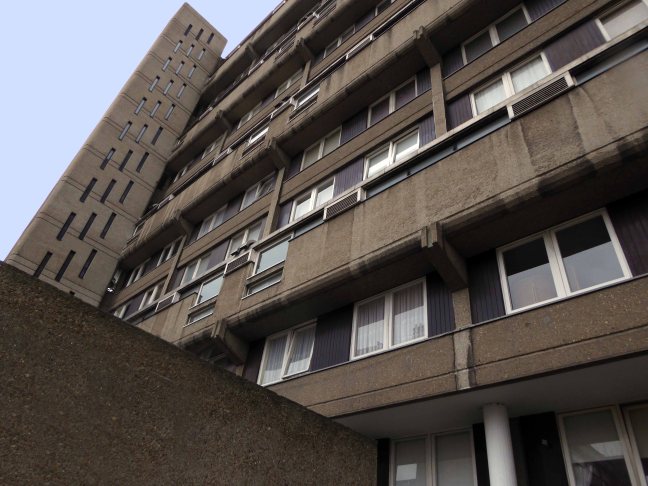
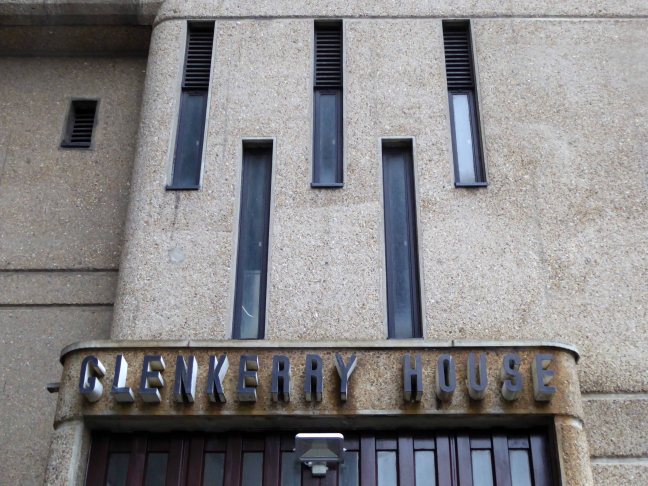
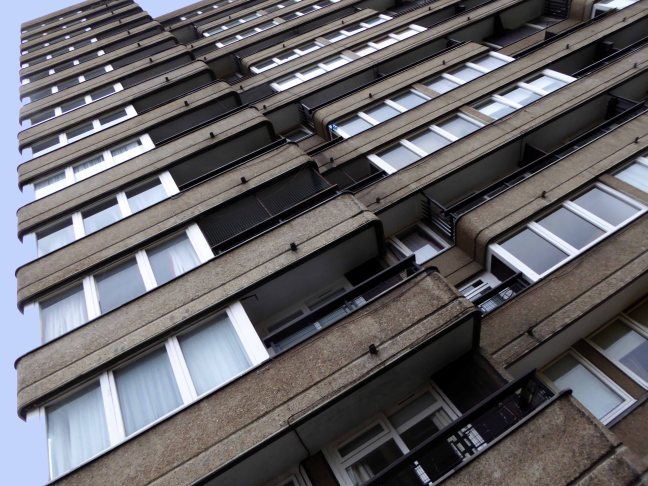
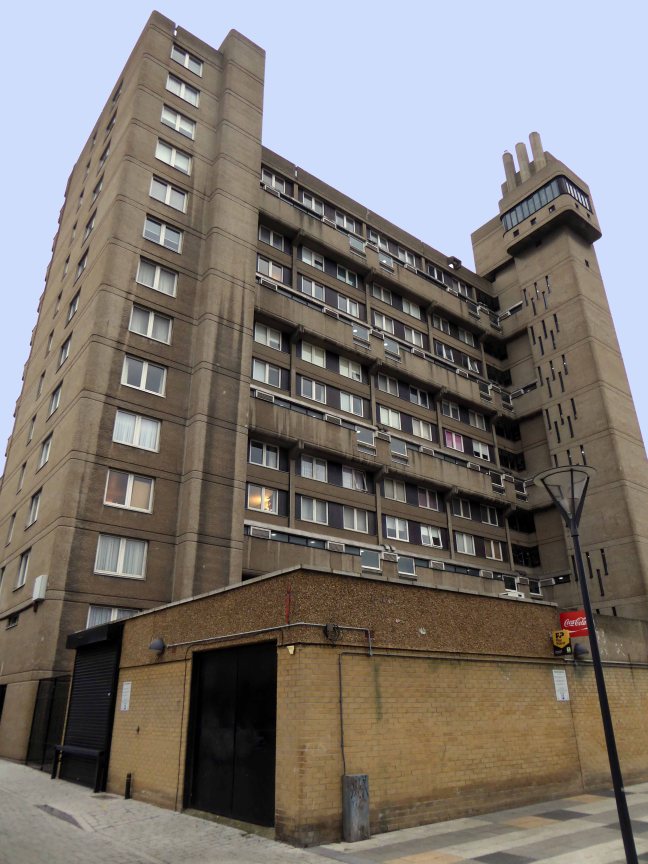
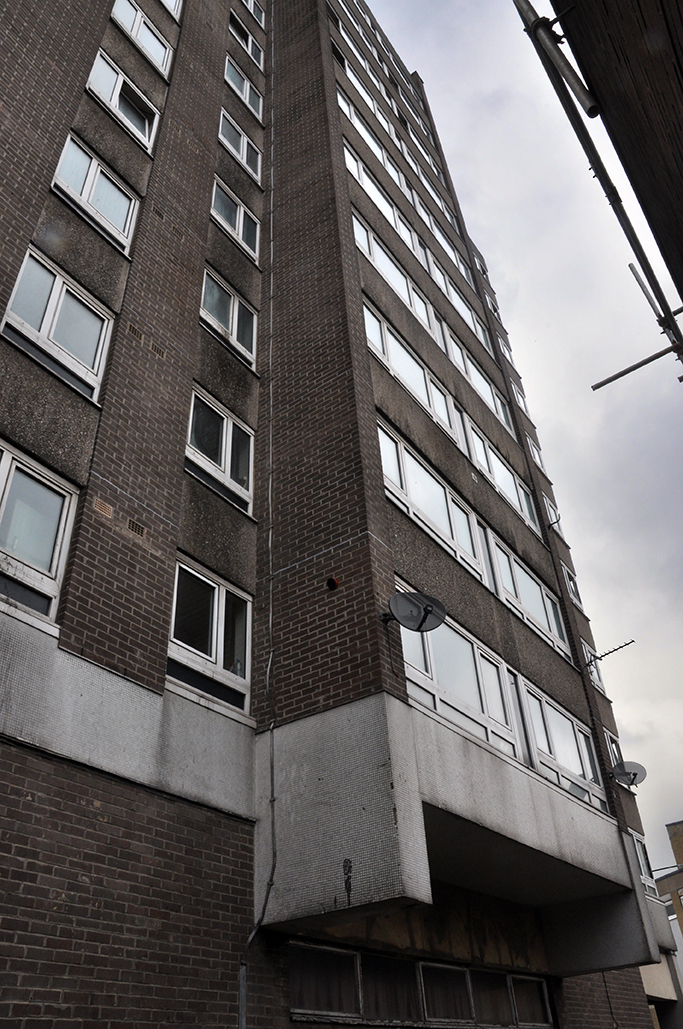
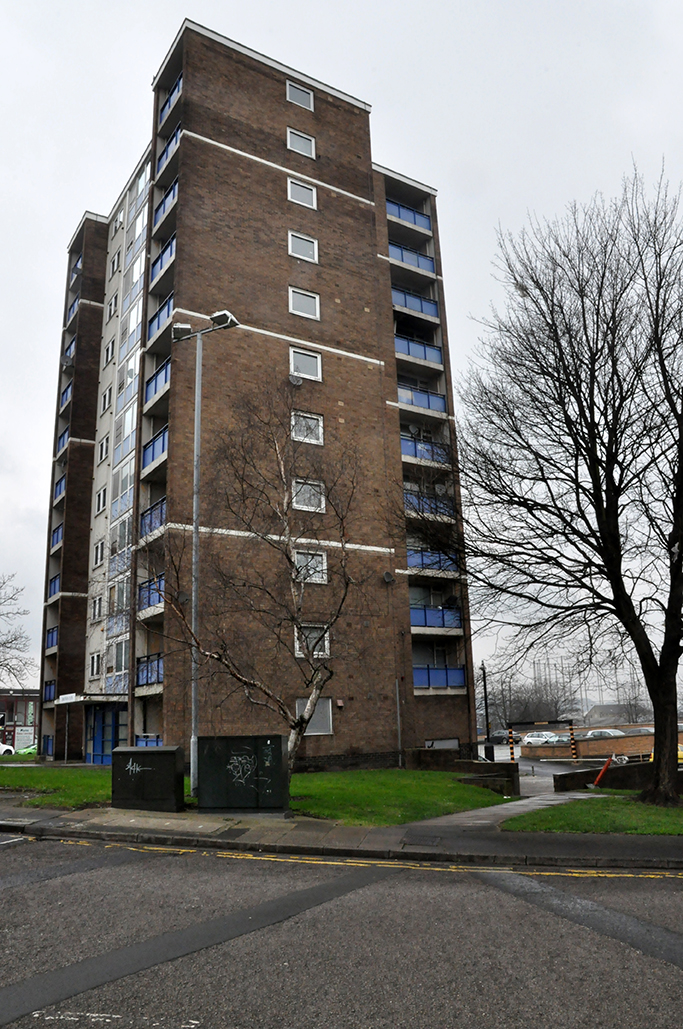
The Balfron Tower Conservation Area was designated in October 1998 around the two residential blocks designed by Ernö Goldfinger for the London County Council in the 1960s. The Conservation Area boundary protects the listed Balfron Tower and Carradale House, and other buildings in the ‘Brownfield Estate’, including Glenkerry House, a community centre, shops and associated low-rise housing development.
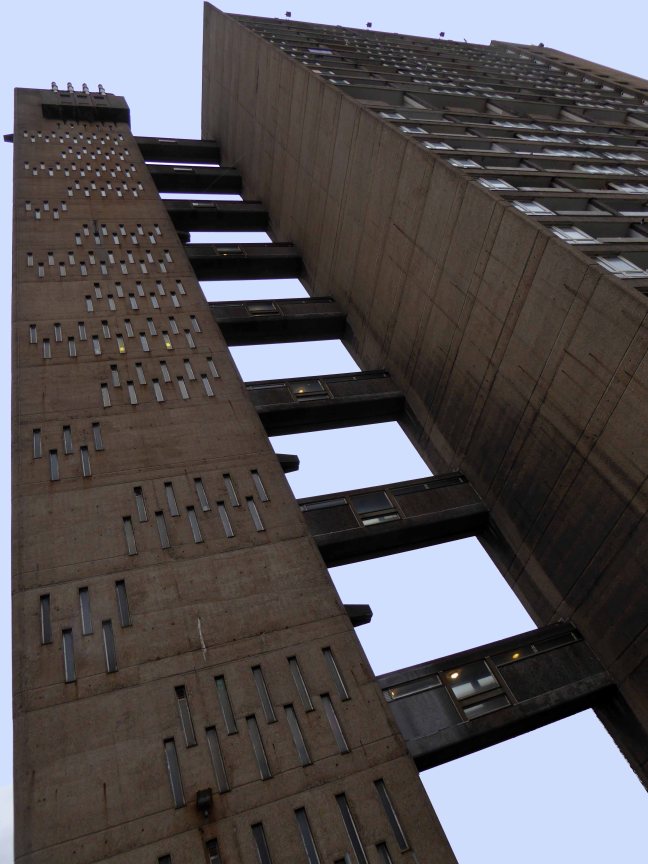
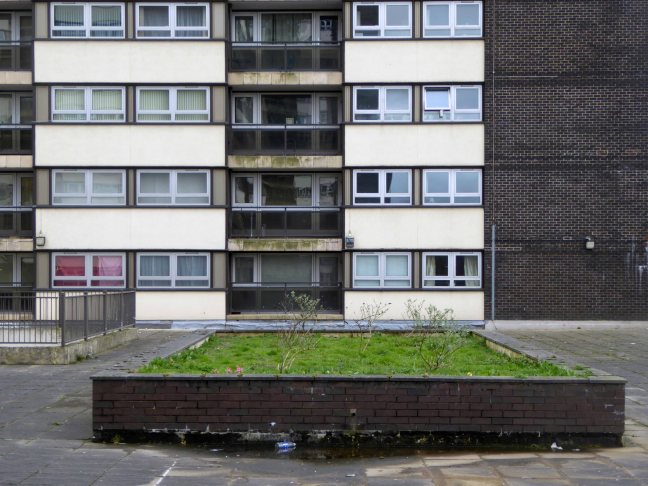
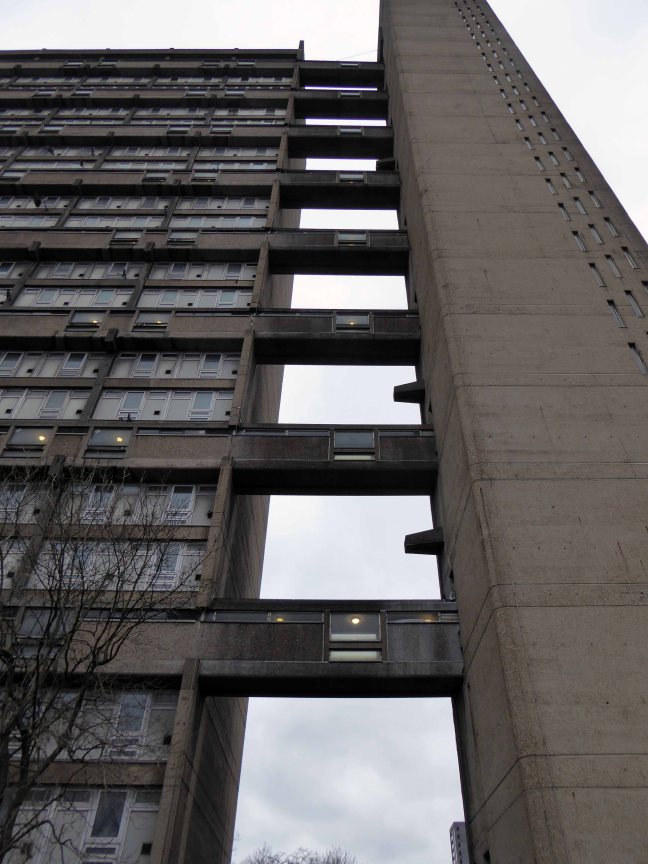
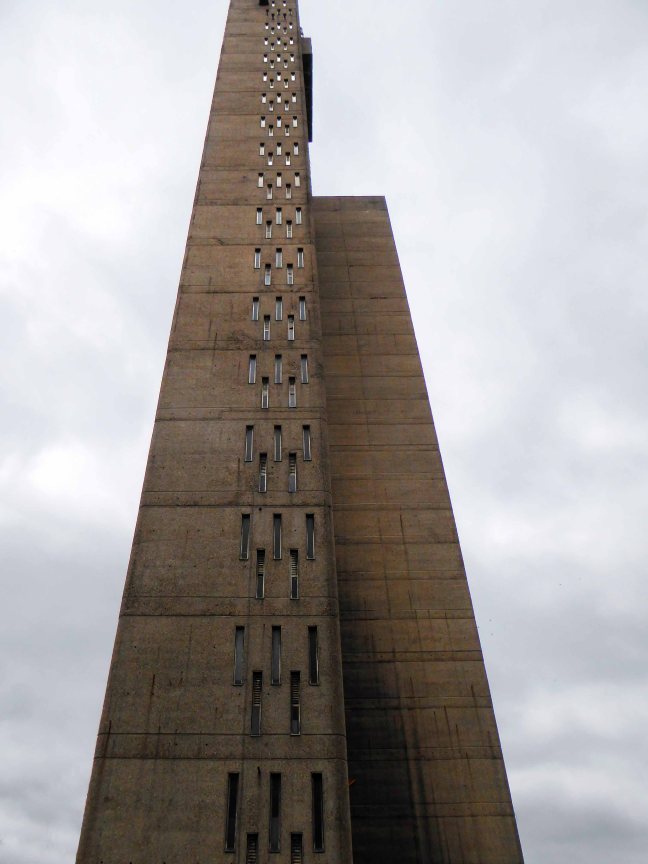
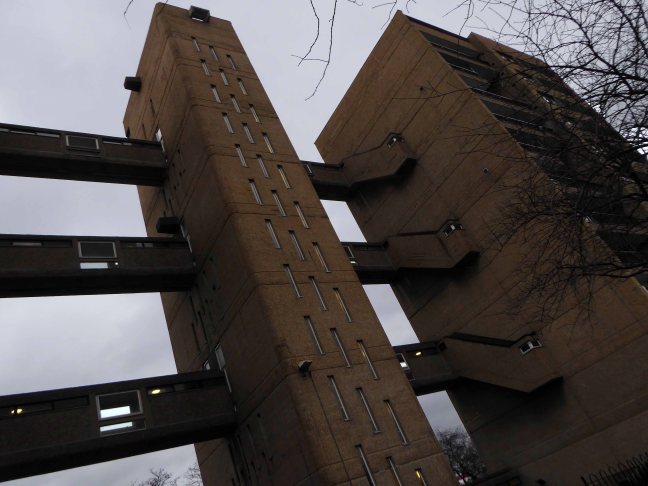
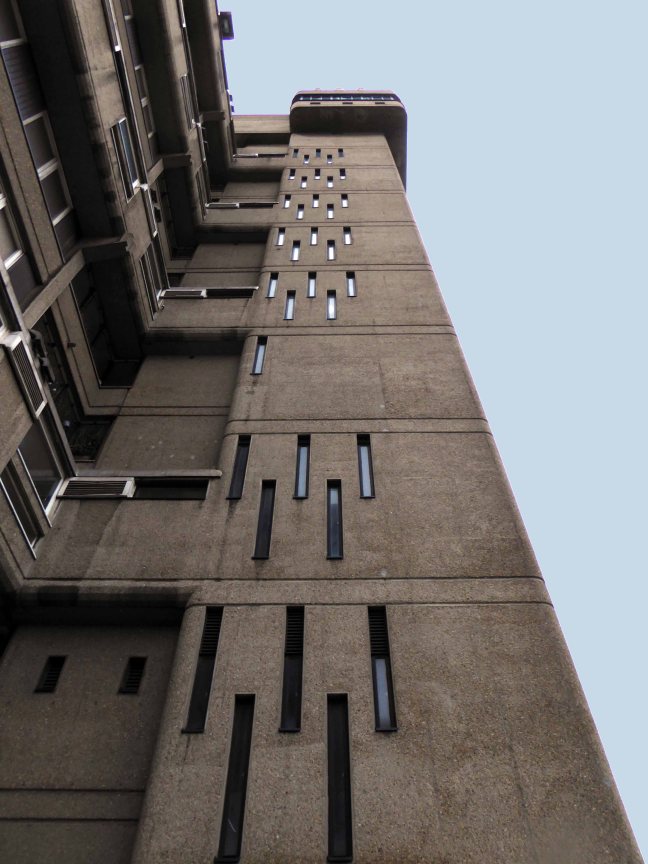
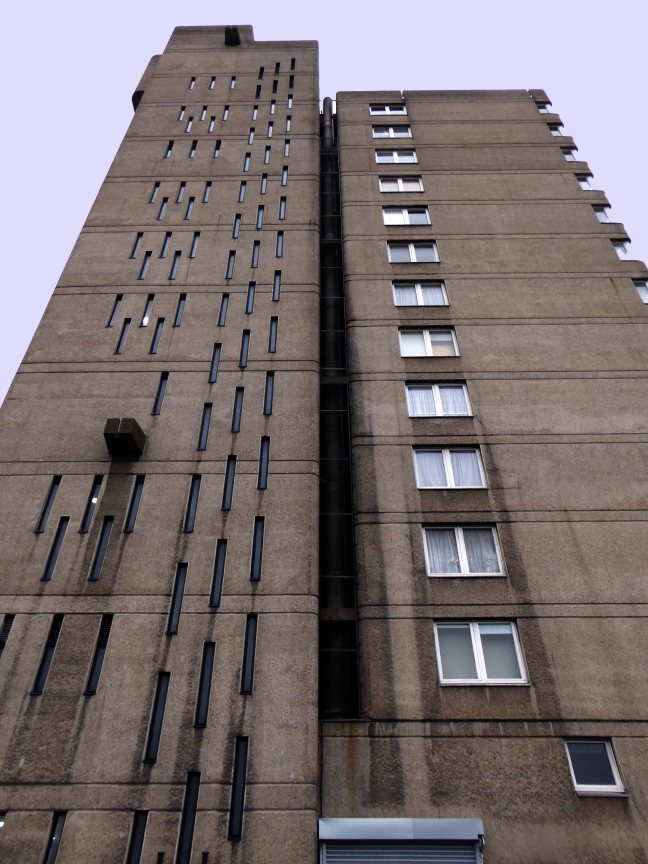
The 27-storey Balfron Tower is Goldfinger’s first public housing project, and a precursor to his better known Trellick Tower in North Kensington. The neighbouring Carradale House and Glenkerry House sit within the landscaped areas developed at the same time. The Brownfield Estate, also known as the East India Estate, is now recognised as a fine example of planned 1960s social housing. Considered to be exemplary examples of the post-war housing schemes, Balfron Tower and Carradale House were listed in 1998 for their cultural & architectural merit.

This was my first visit, to a key building in the short history of modernist post war housing, currently something of a sleeping giant, awaiting Prince Charming’s kiss.

What will it awake to?

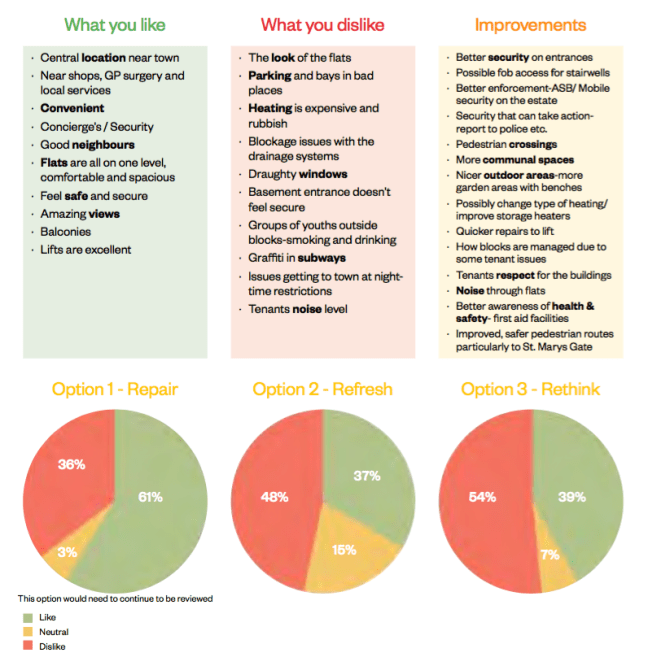
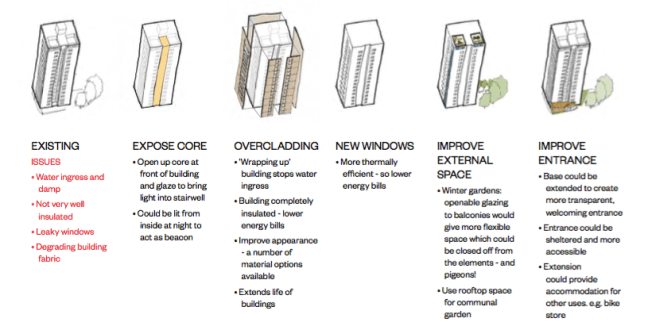
Tower Hamlets are mid consultation, as evidenced in this here document.

On an overcast and ever darkening afternoon, the rain cutting in on a chill wind, set against a slate grey sky, its surfaces and volumes were ever so slightly forlorn.

There is much to be done by way of regeneration, with the attendant issues of heritage, funding, gentrification and inevitably who lives where and why?

Everything you may care to almost know is here.

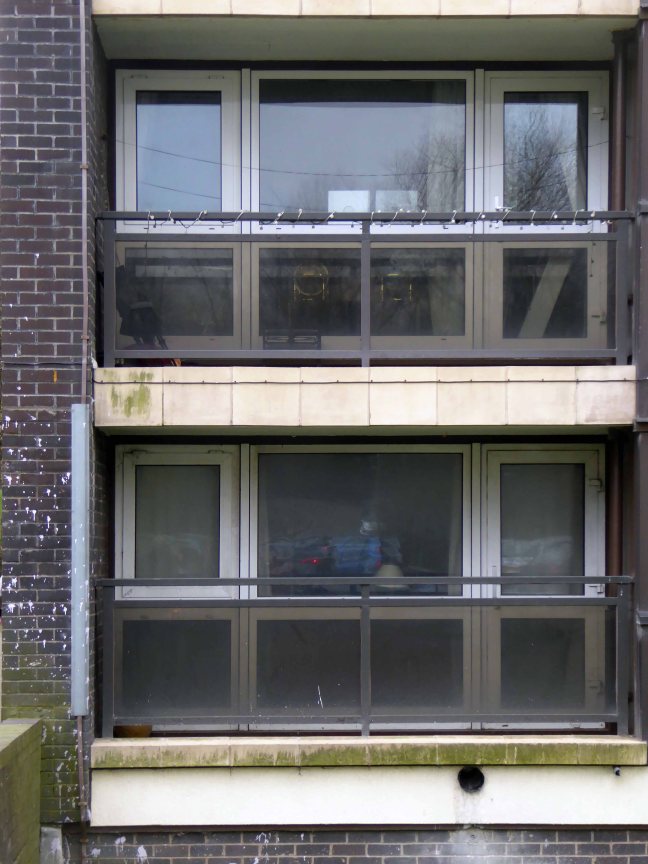
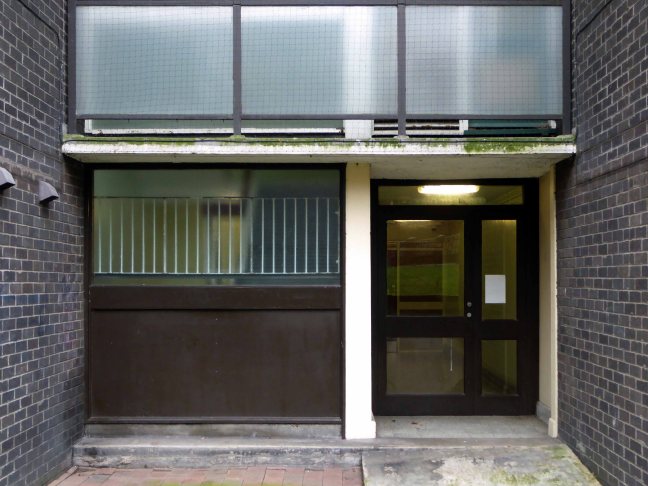
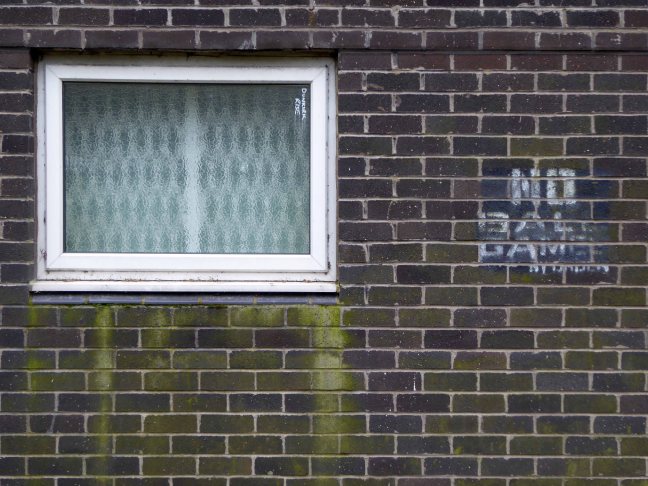
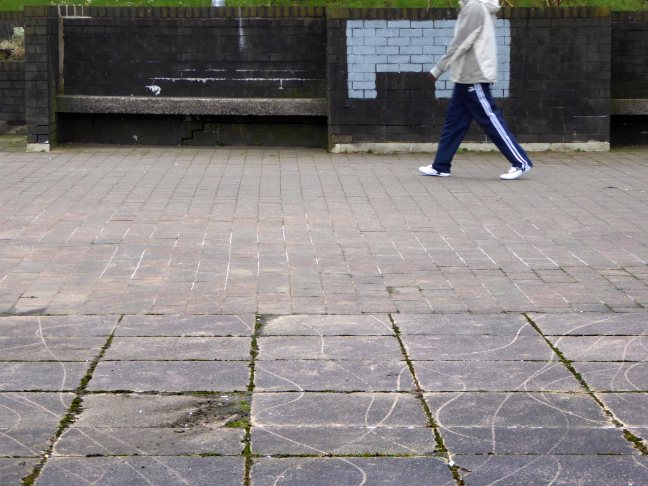
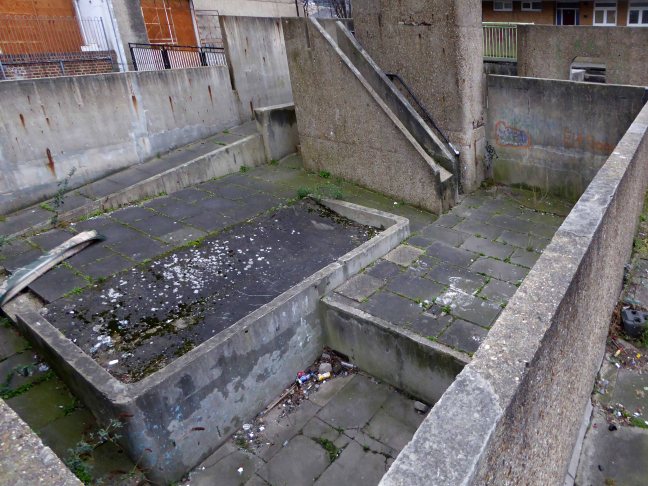
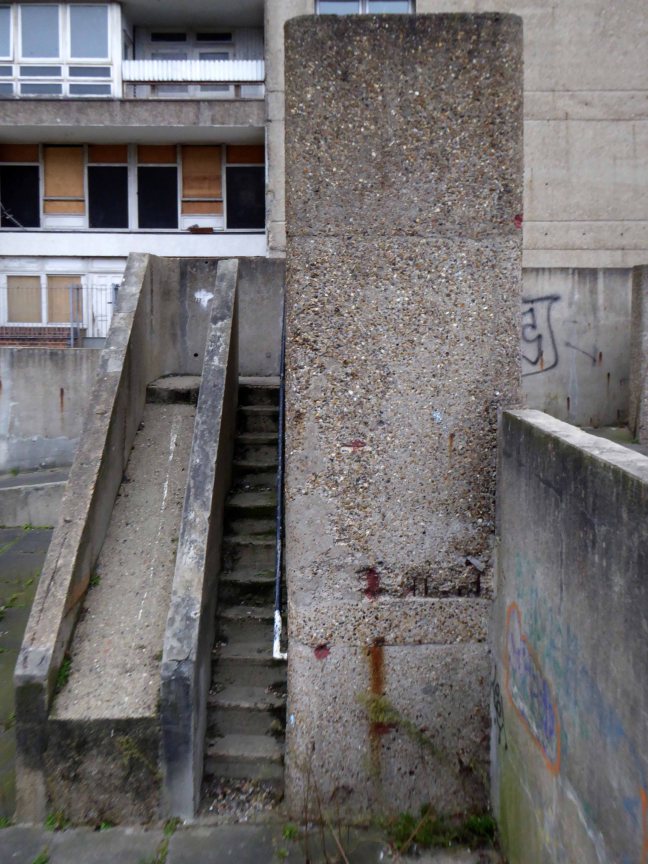
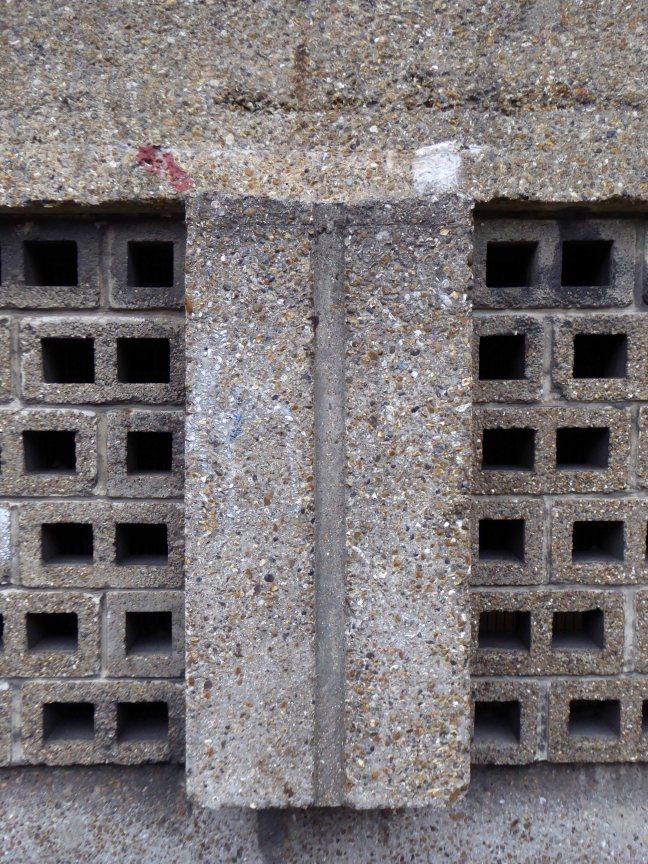
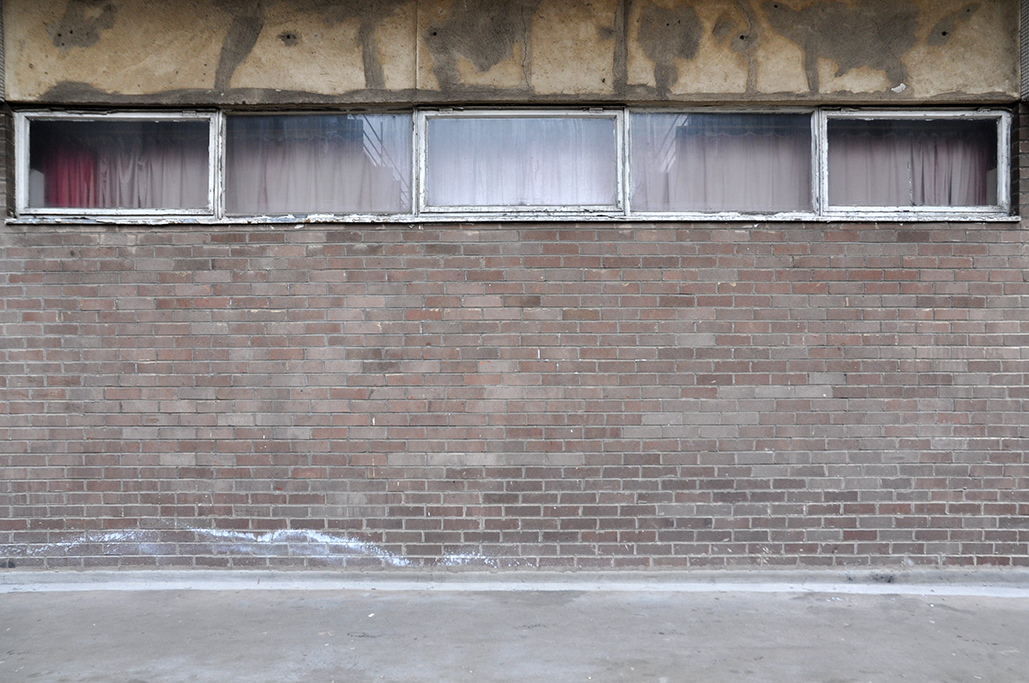
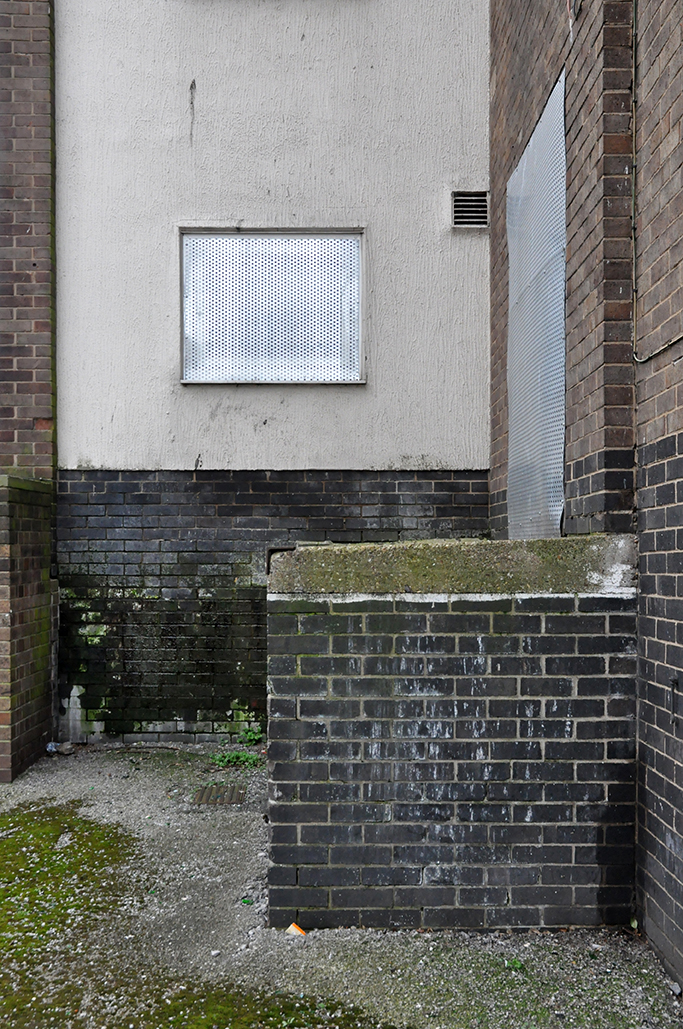
I walked around the area and took these pictures.

p1130830-copy

p1130831-copy

p1130832-copy

p1130833-copy

p1130834-copy

p1130835-copy

p1130836-copy

p1130837-copy

p1130838-copy

p1130839-copy

p1130840-copy

p1130841-copy

p1130842-copy

p1130843-copy

p1130844-copy

p1130845-copy

p1130846-copy

p1130847-copy

p1130848-copy

p1130849-copy

p1130850-copy

p1130851-copy

p1130852-copy

p1130853-copy

p1130854-copy

p1130855-copy

p1130857-copy

p1130858-copy


p1130860-copy

p1130861-copy

Rochdale – Seven Sisters Flats

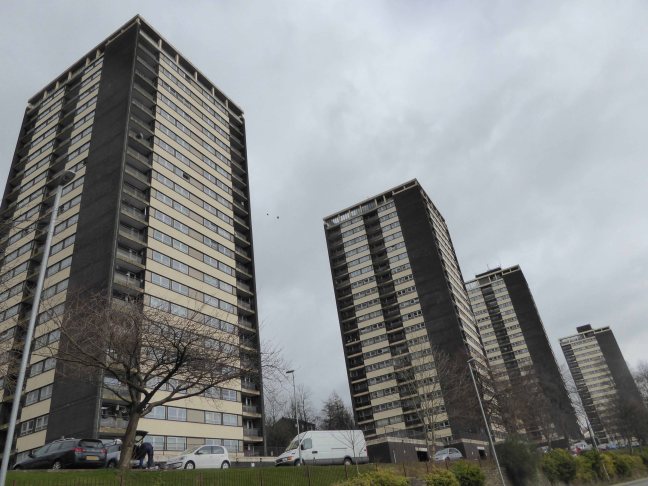
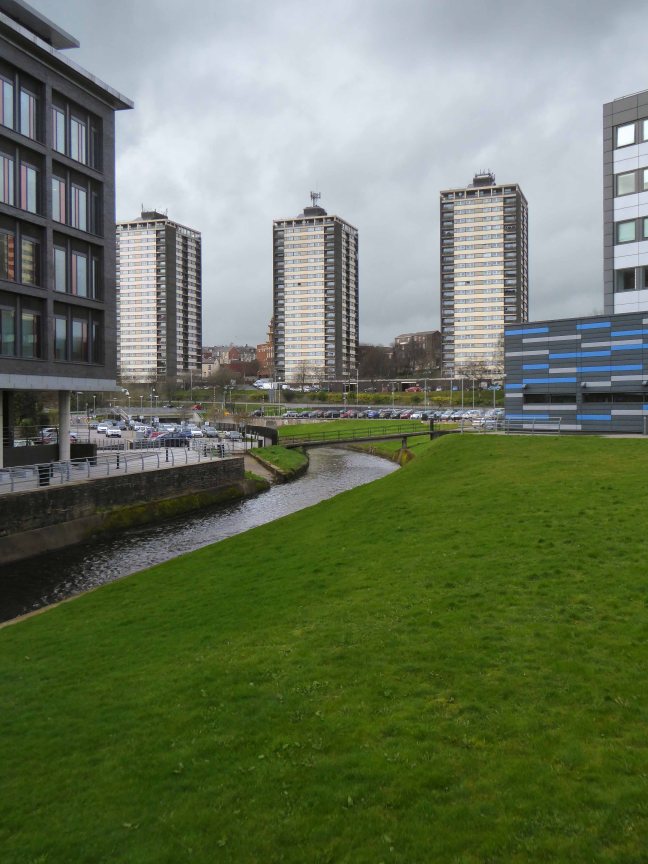
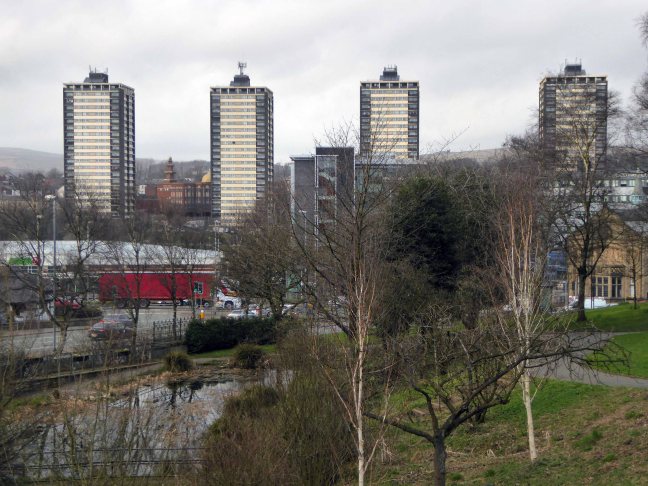
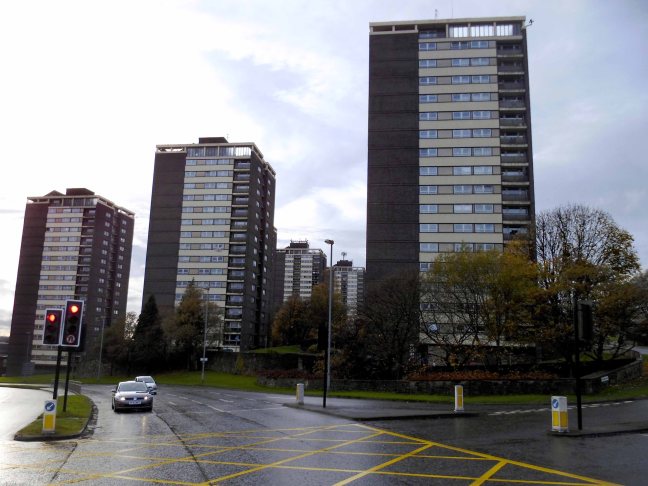
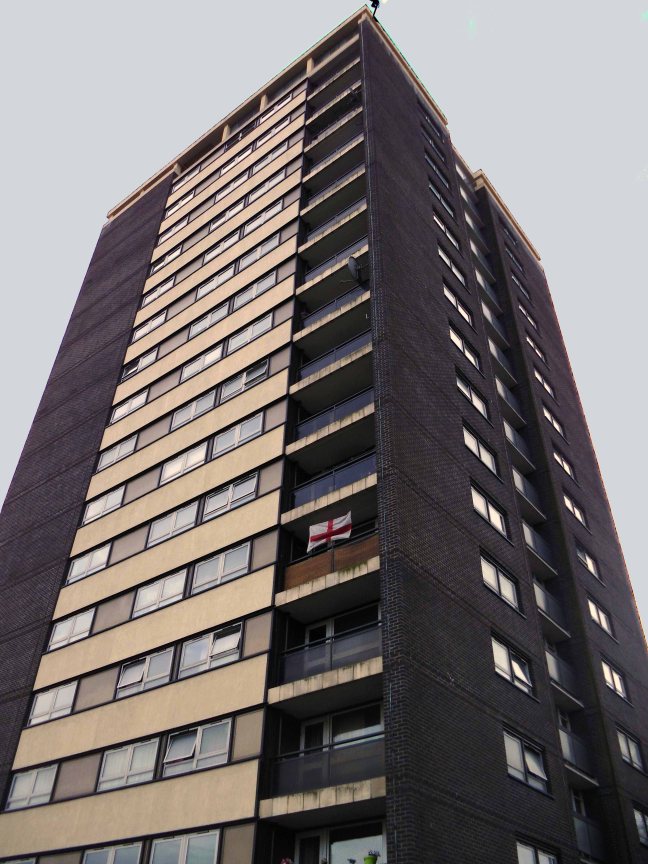
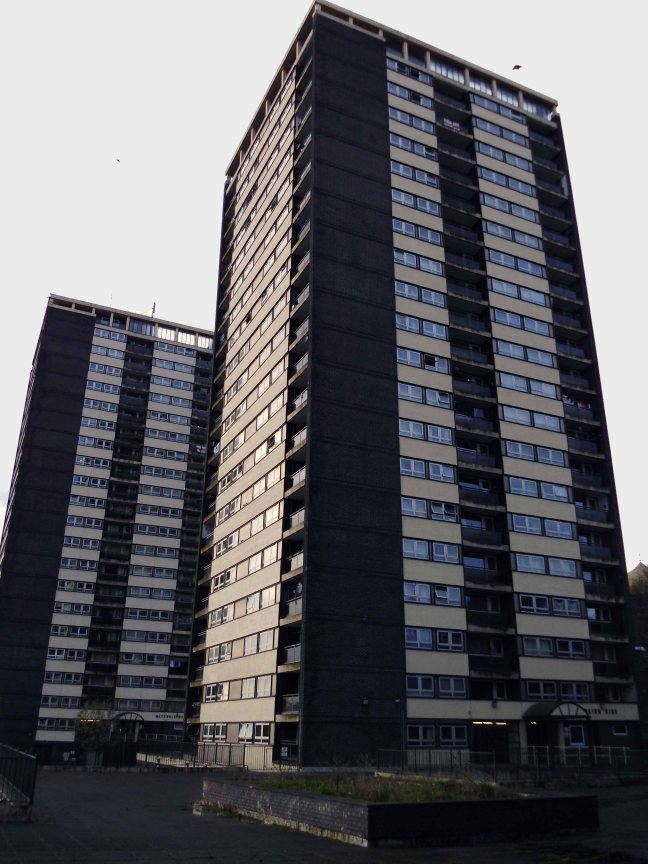
Arriving in Rochdale in search of something else entirely, it was impossible to ignore seven prominent, as yet unclad tower blocks, high upon a hill. I was informed by a local resident that they were known locally as the Seven Sisters, though variously identified as Falinge B, College Bank, and Holland Street flats.

js81348360

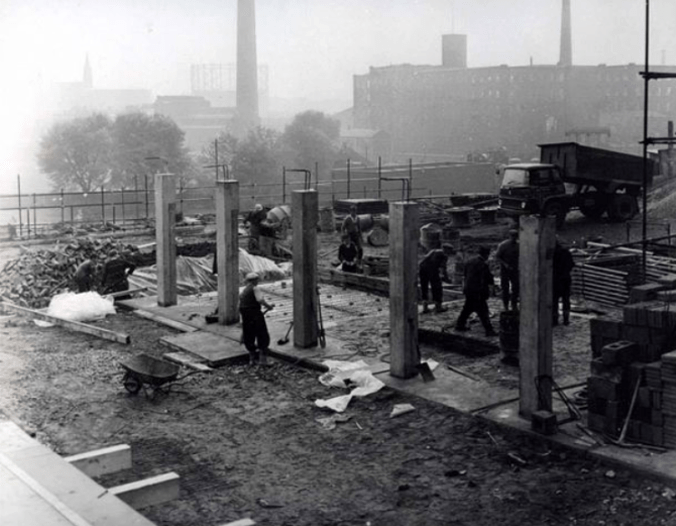
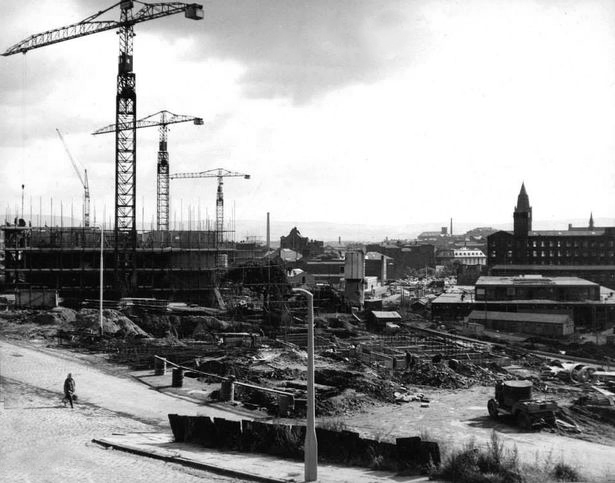
The area was formerly home to Victorian workers’ dwellings, known as The Paddock – the post-war policy of slum clearance saw them swept away, in readiness for municipal modernity.

js81348349

js81348353

js81348355

Photographs Rochdale Image Archives

Hey presto 1963 and there appears four 21 storey blocks containing 476 dwellings; three 17 storey blocks containing 286 dwellings.

5995650872_2ed2d9ab80_b

Photograph Mancunian 101

Building contractors were Wimpey and the flats were designed by Rochdale’s Borough Surveyor, Mr W H G Mercer and Mr D. Broadbent along with Mr E V Collins, chief architect to contractors George Wimpey and Company.

Many thanks to the Tower Block project for the facts.

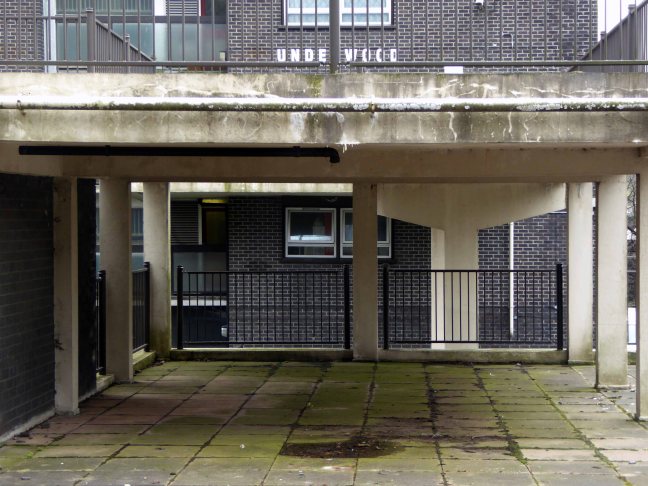
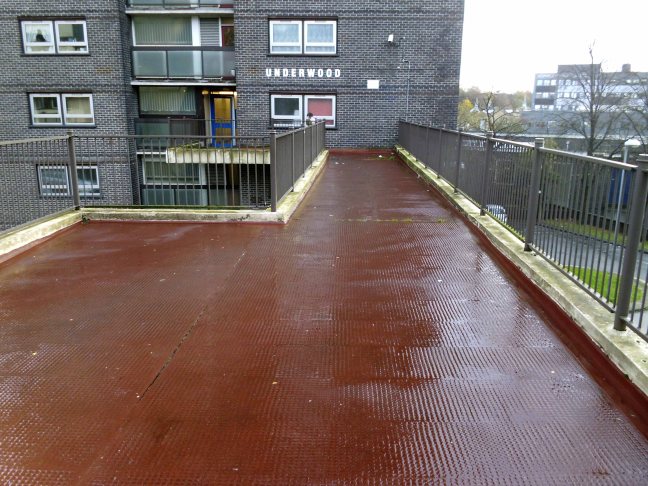
On Friday October 1 1965 the Minister of Housing and Local Government, Richard Crossman, officially opened the first of the College Bank flats – Underwood.

So go take a look ride the rail or tram, get on your bike, walk a while and abide, take a frenzied dance around with the Seven Sisters.

p1040789-copy

p1040787-copy

p1040785-copy

p1040788-copy

p1040797-copy

p1040795-copy

p1040794-copy

p1040793-copy

p1040792-copy

p1040786-copy

p1040800-copy

p1040801-copy

p1040791-copy

p1040796-copy

p1040798-copy

p1040799-copy

Huddersfield – Buxton House

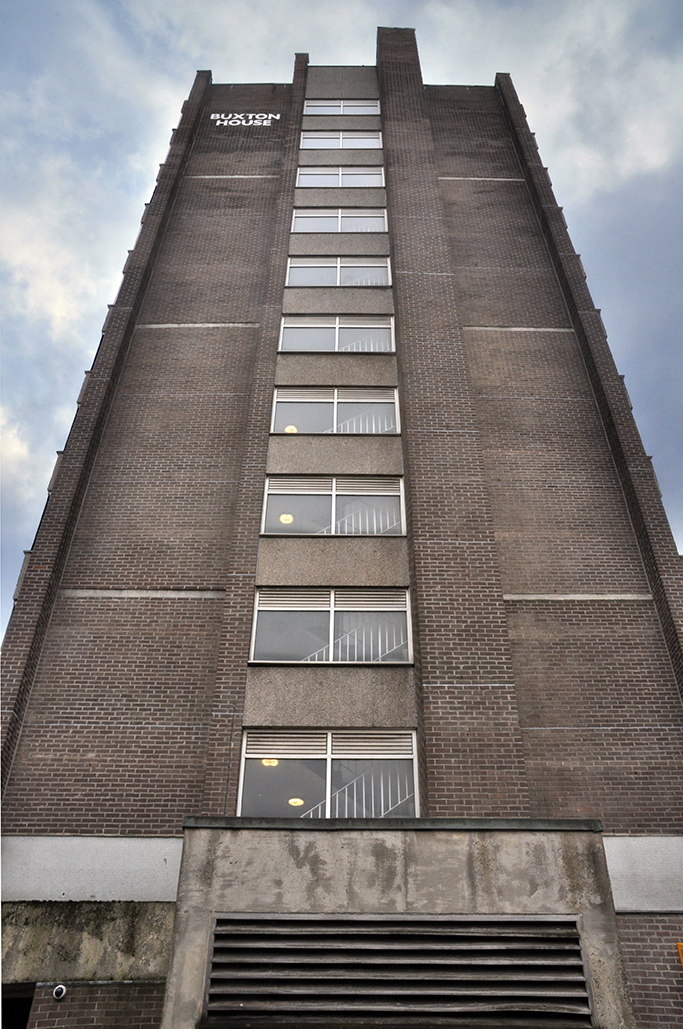
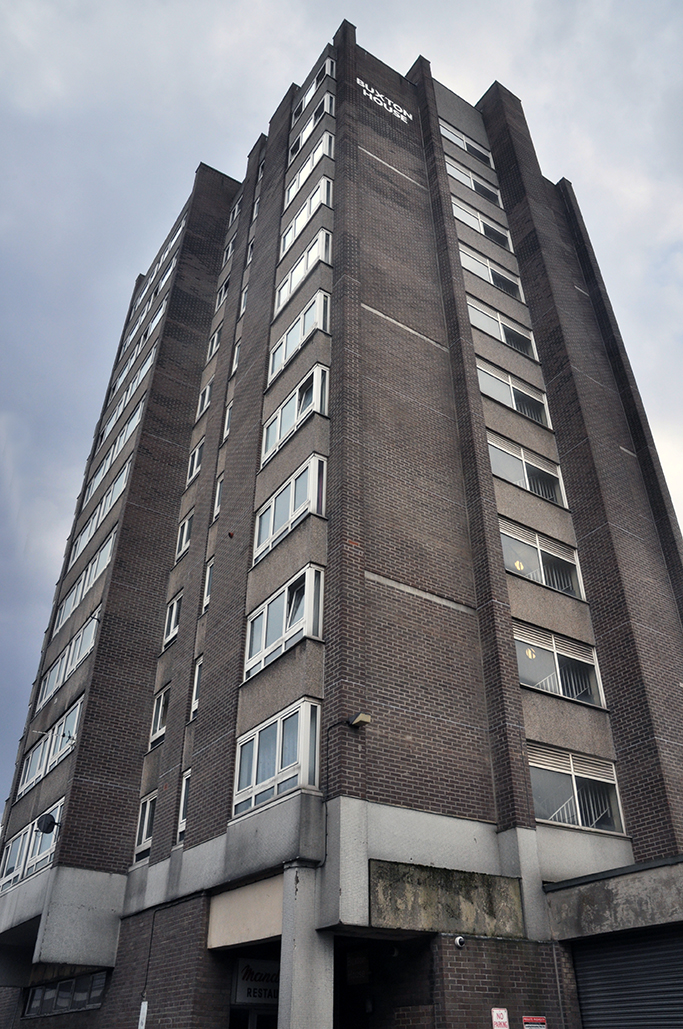
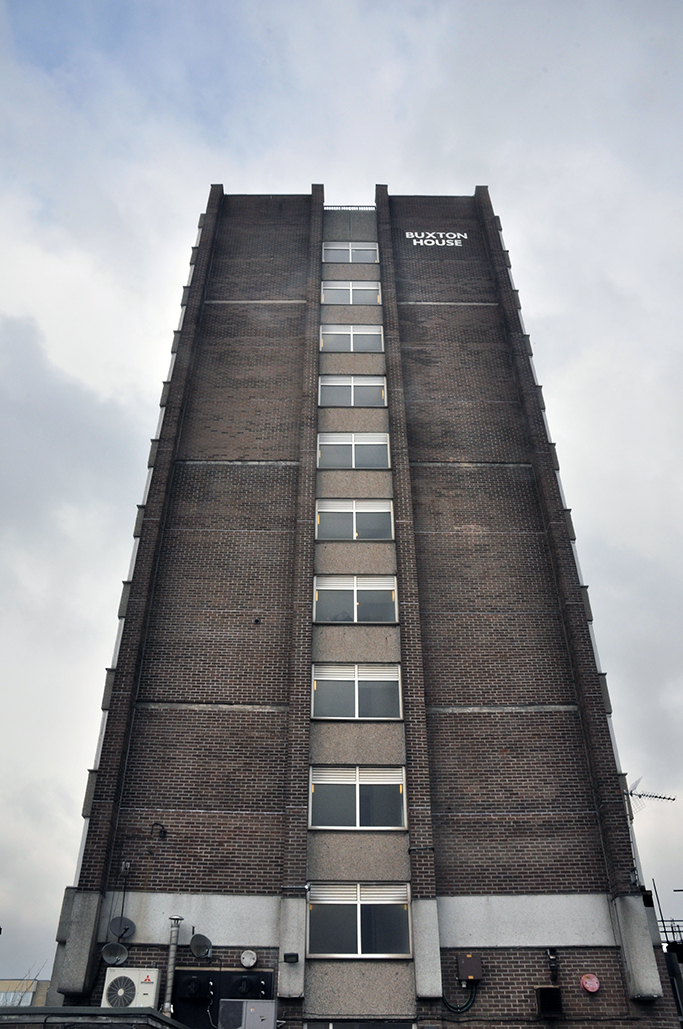
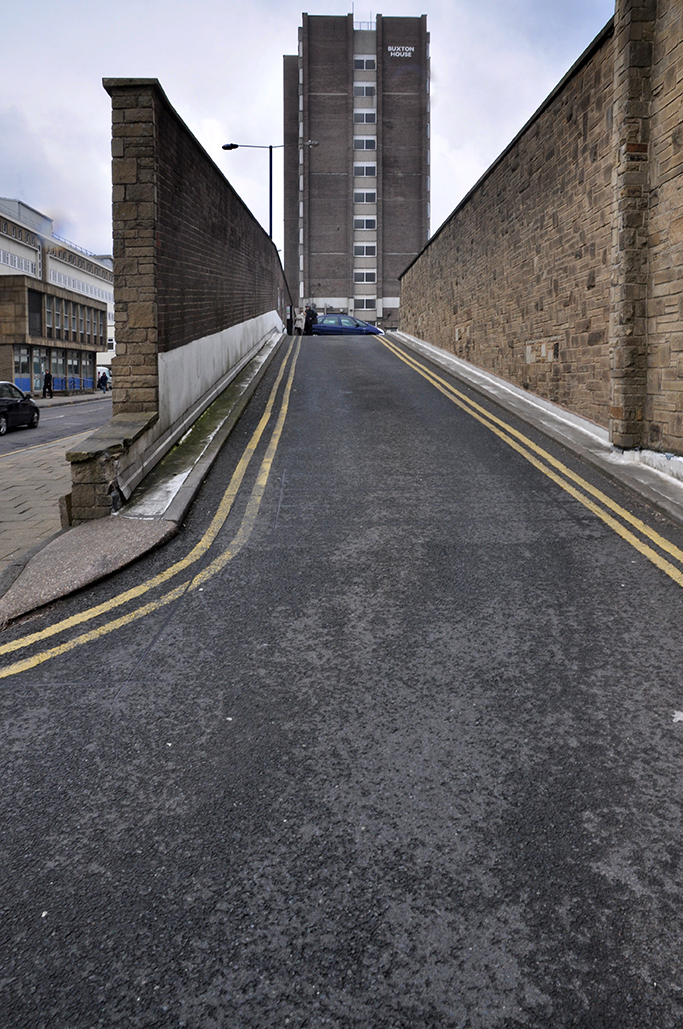
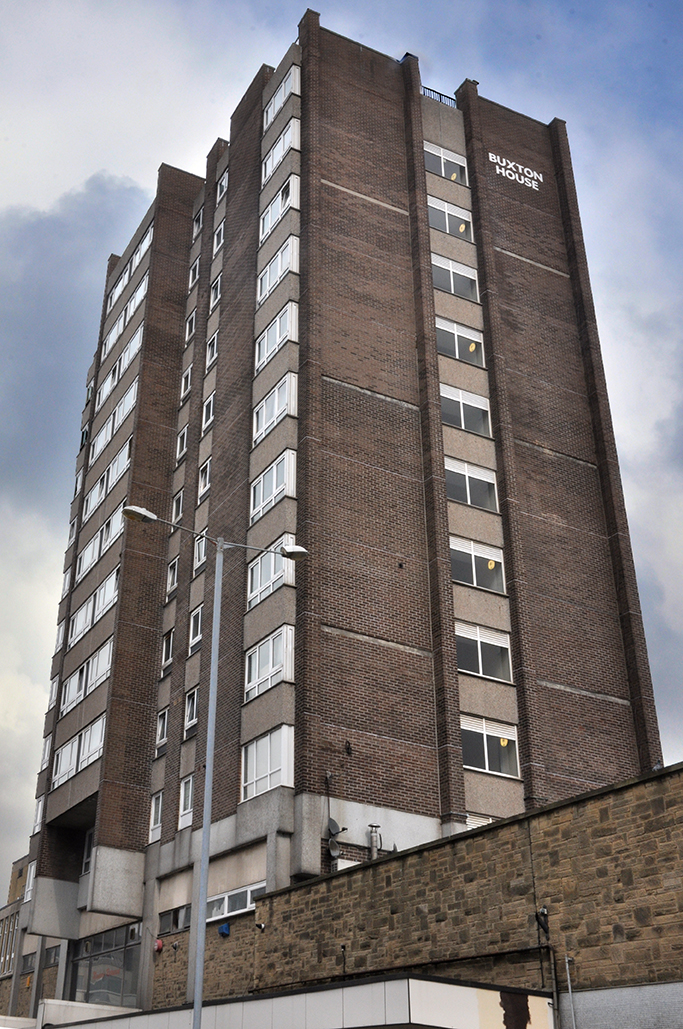
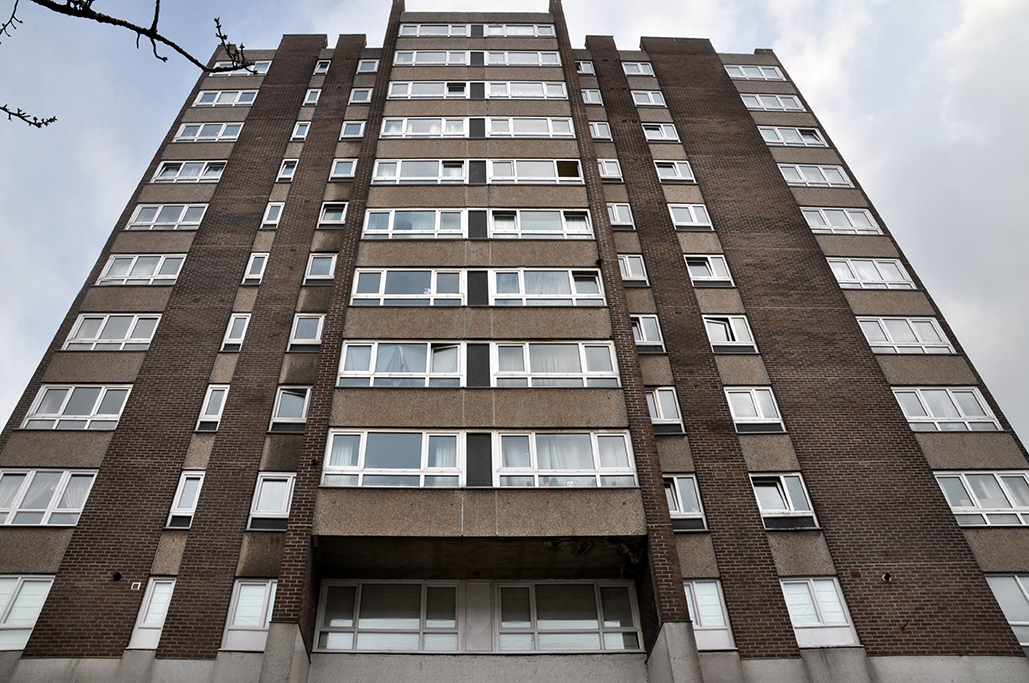
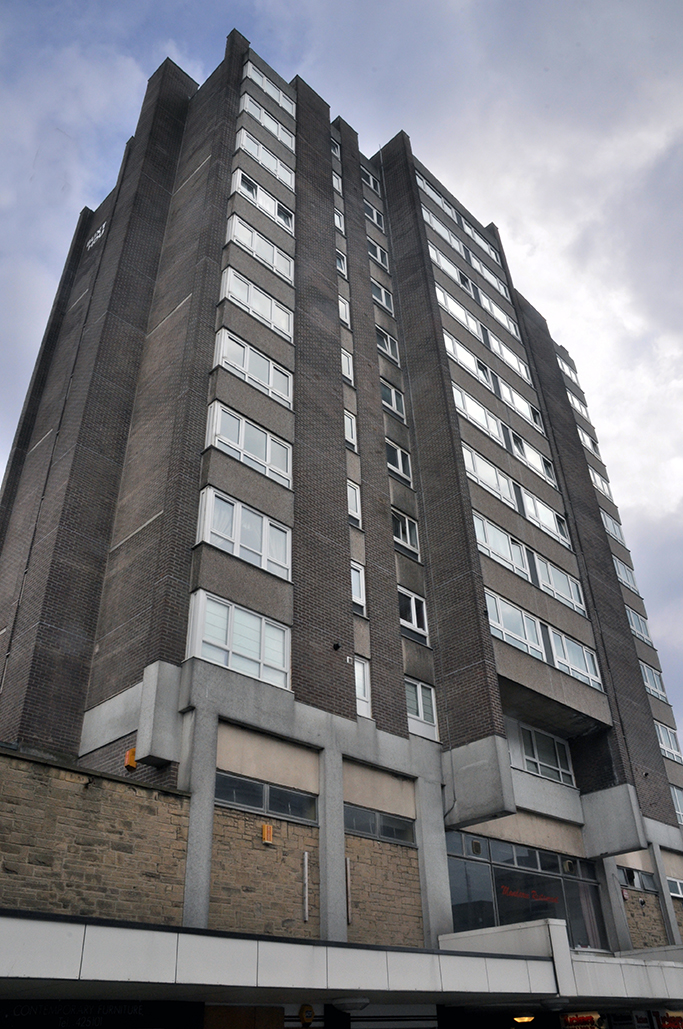
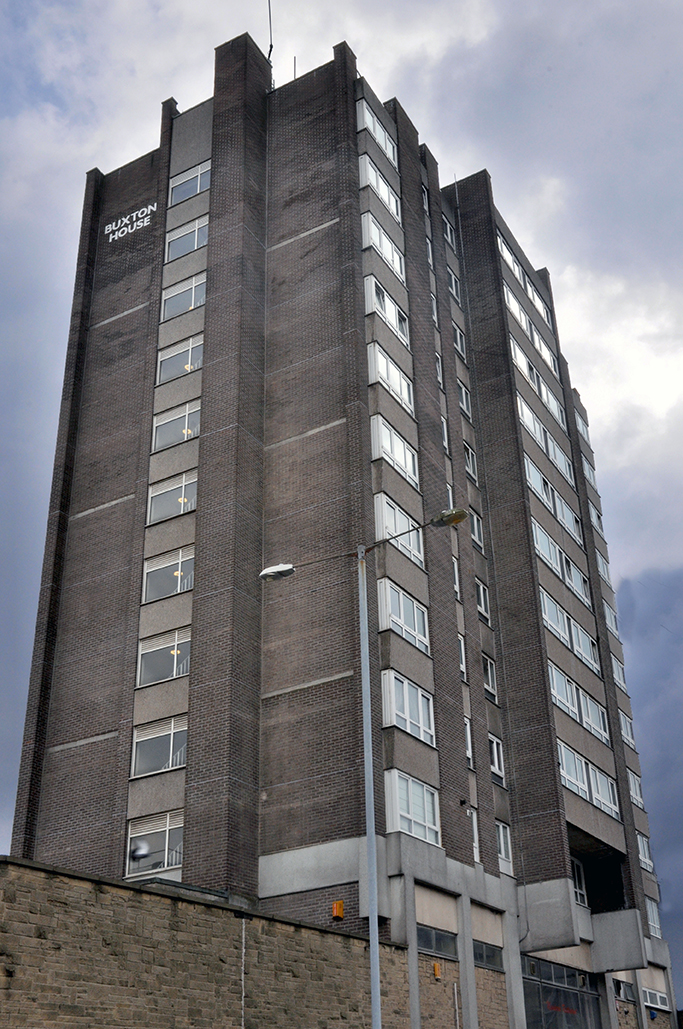
Slap dab in the middle of the town stands a lone tower block of residential, social housing.

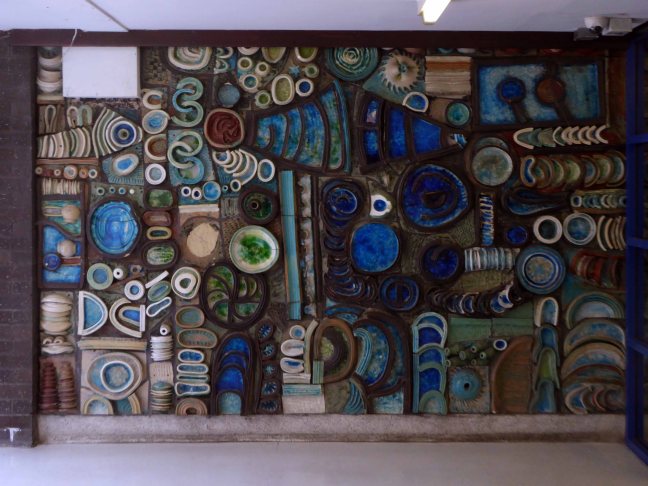
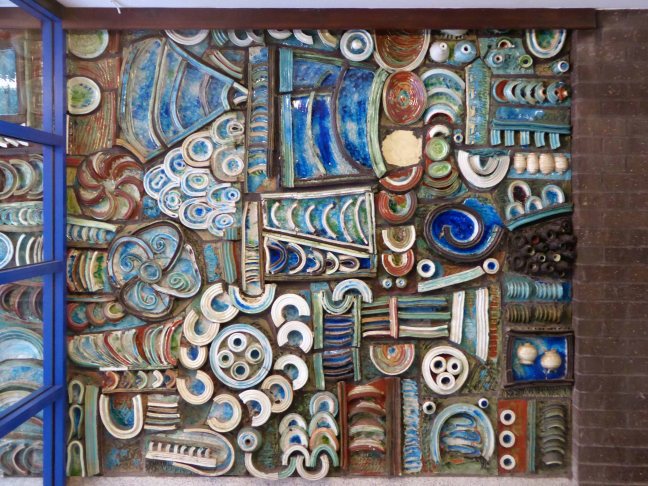
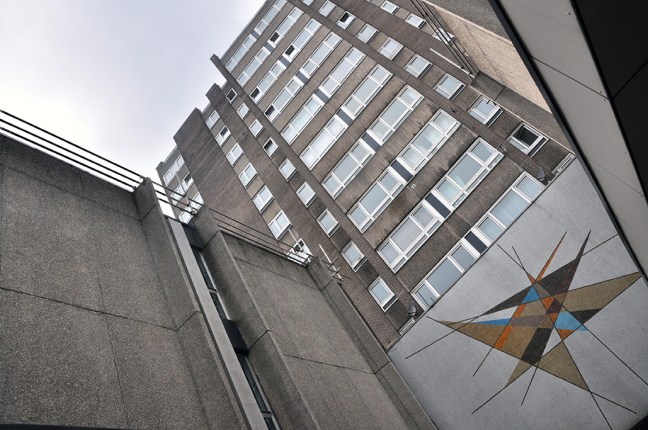
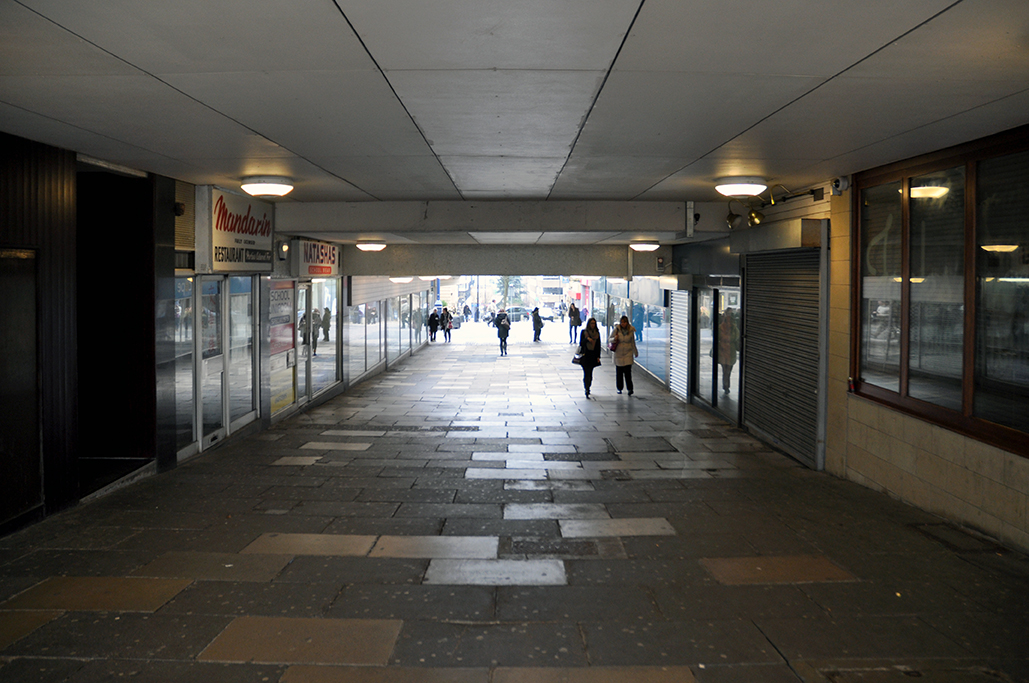
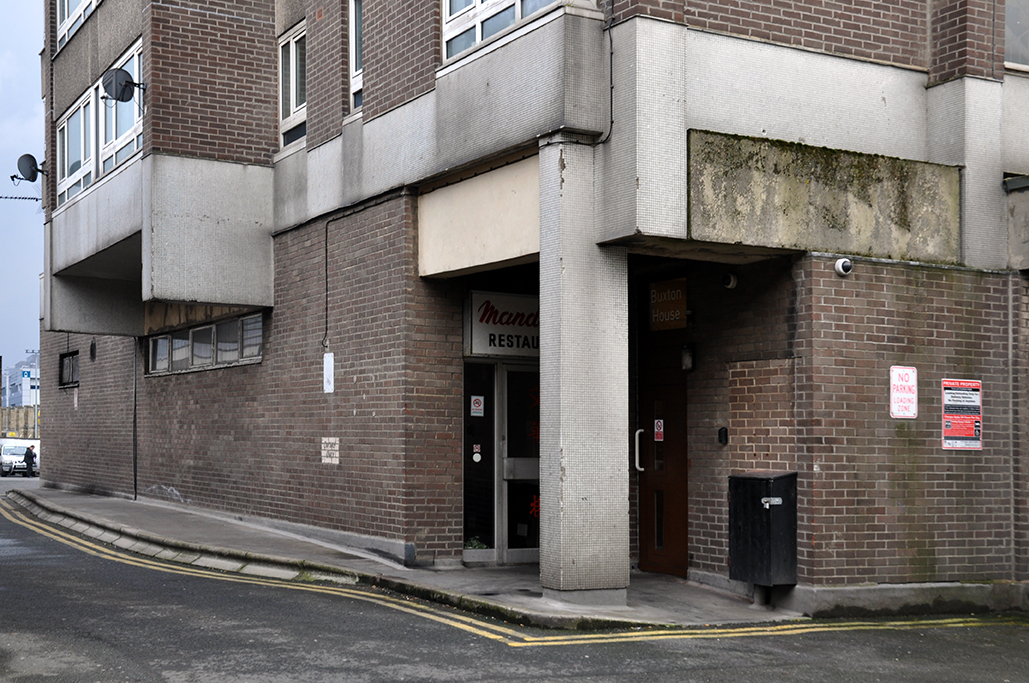
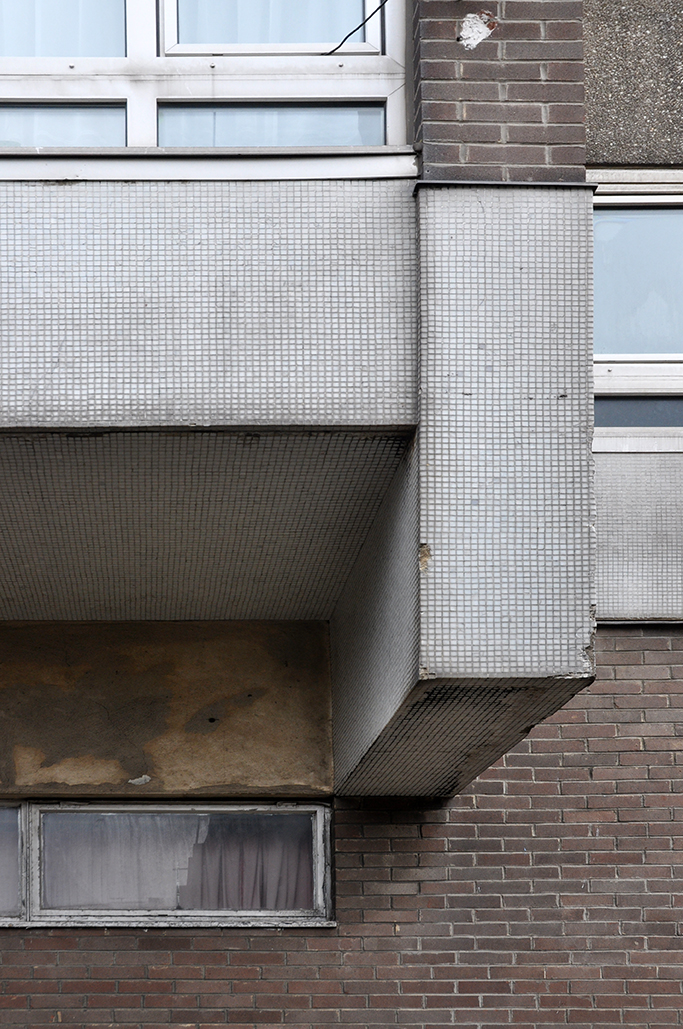
Buxton House backs onto the lower rise Civic Centre and is conjoined to the main shopping street and precinct, linked by a low wide underpass. Adorned on its street entrance by the most enchanting mosaic, announcing a spry geometric optimism to those shoppers and residents that pass under, through the underpass.

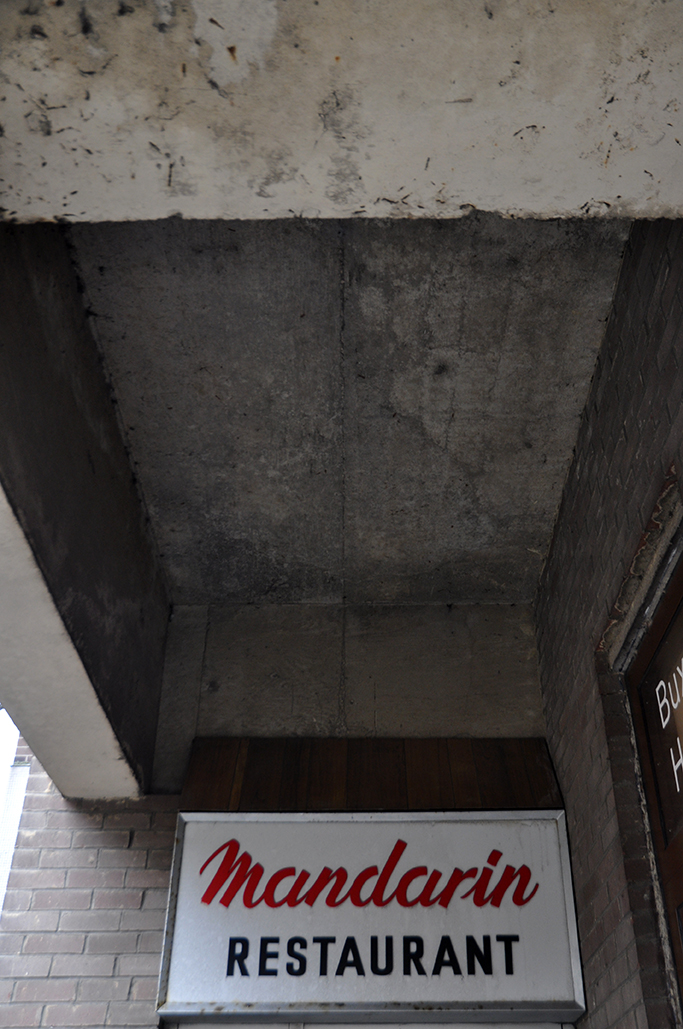
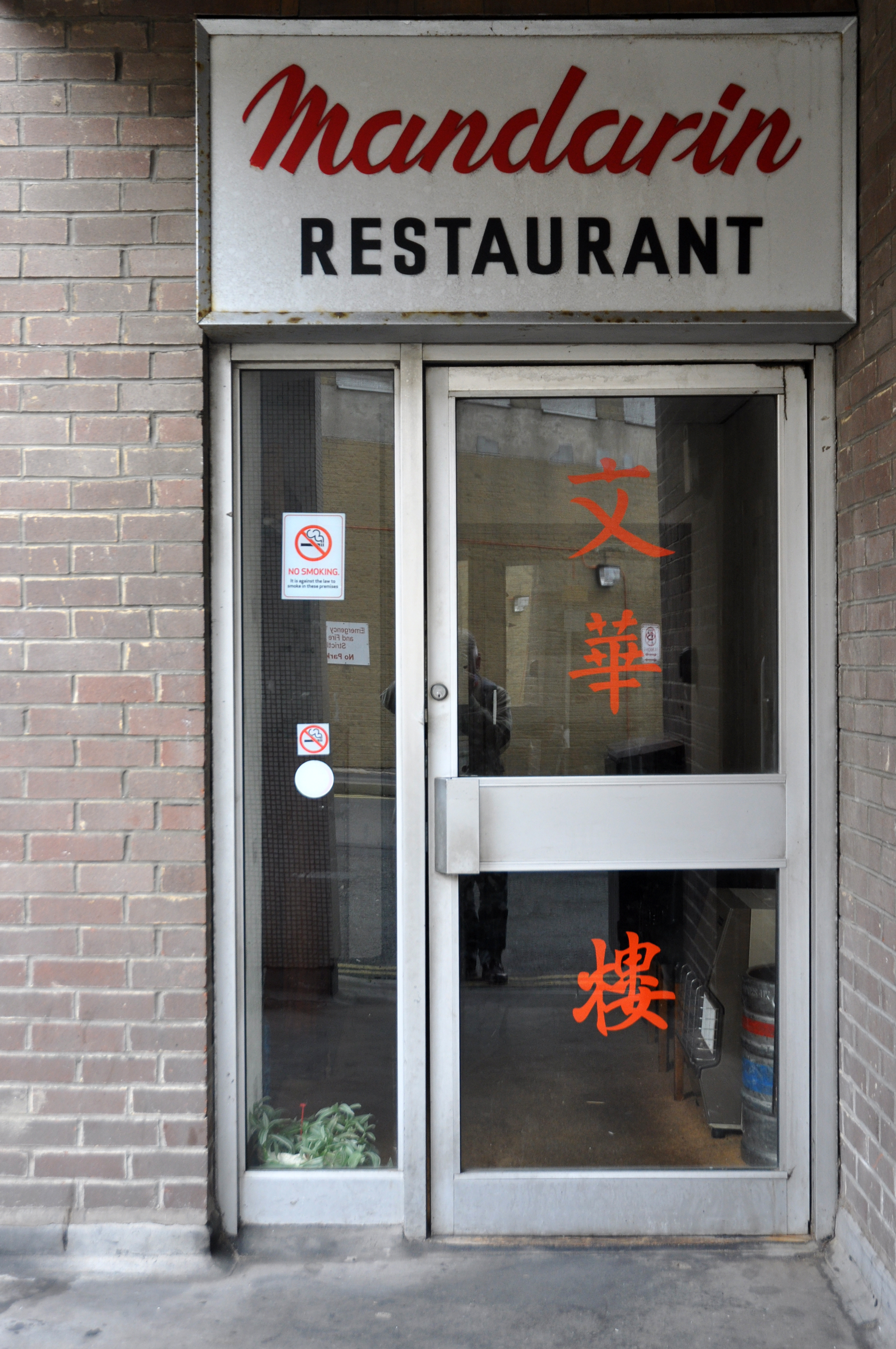
Ten floors of homes are bound in brick concrete and glass – a truly commanding central location, graced by the inclusion of an incongruous Chinese restaurant – The Mandarin.

Take a stroll around.

DSC_0264 copy

DSC_0258 copy

DSC_0255 copy

DSC_0254 copy

DSC_0253 copy

DSC_0251 copy

DSC_0249 copy

DSC_0248 copy

DSC_0247 copy

DSC_0244 copy

DSC_0243 copy

DSC_0240 copy

DSC_0238 copy

DSC_0235 copy

DSC_0234 copy

Huddersfield – Lonsbrough and Ibbotson Flats

The former Richmond flats in Huddersfield have been revamped and are now known as Harold Wilson Court.

The two other blocks sadly have neither been revamped nor renamed after famed local politicos.

Herbert Asquith or Luddite House – take your pick.

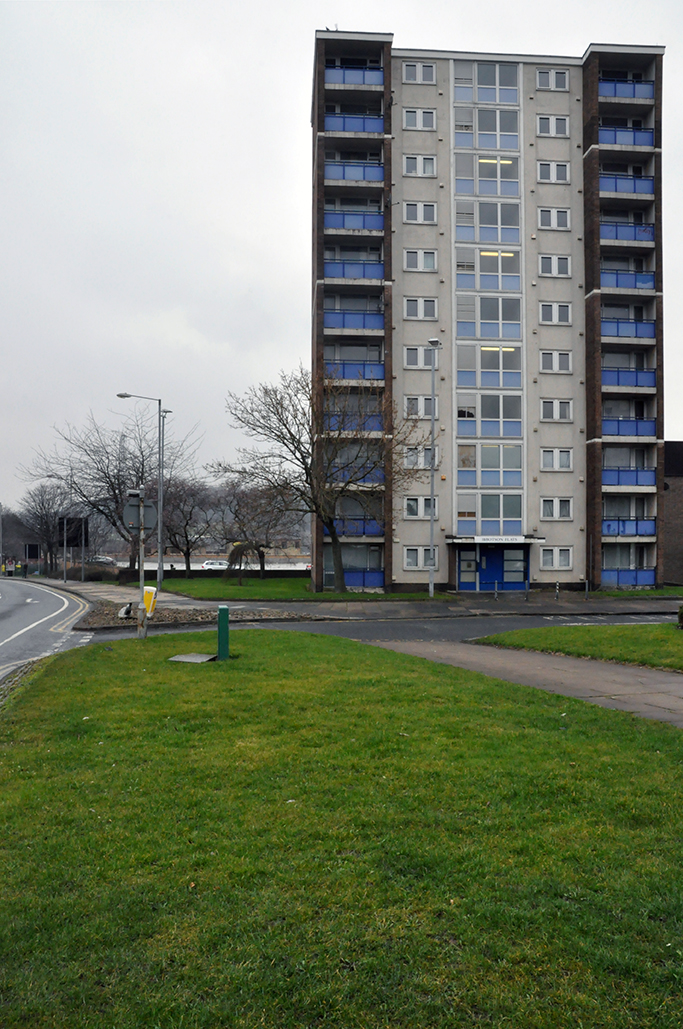
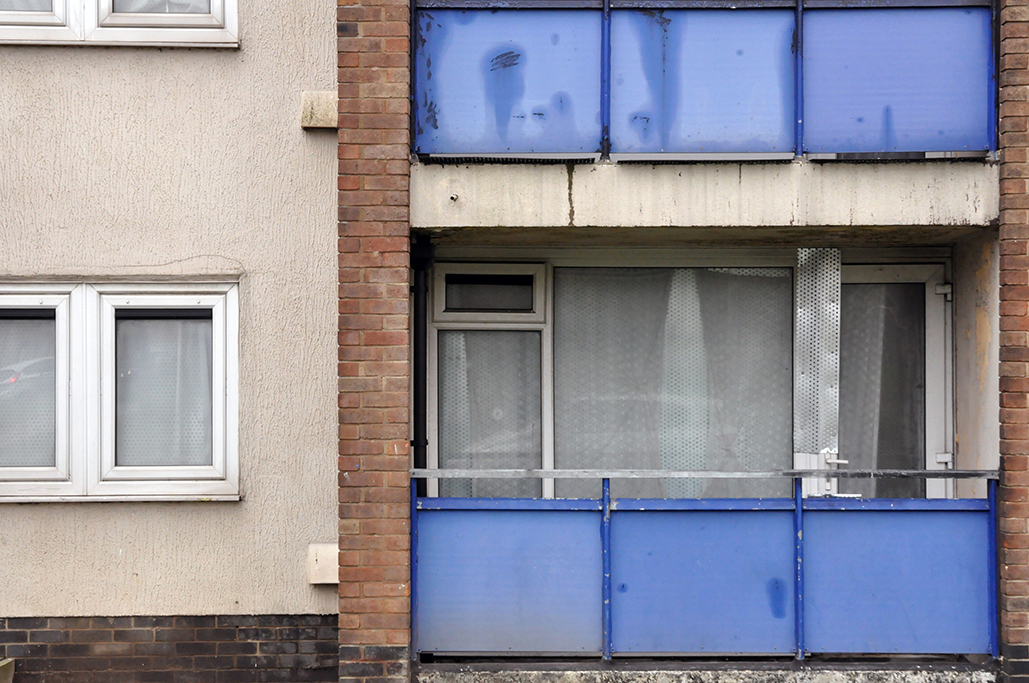
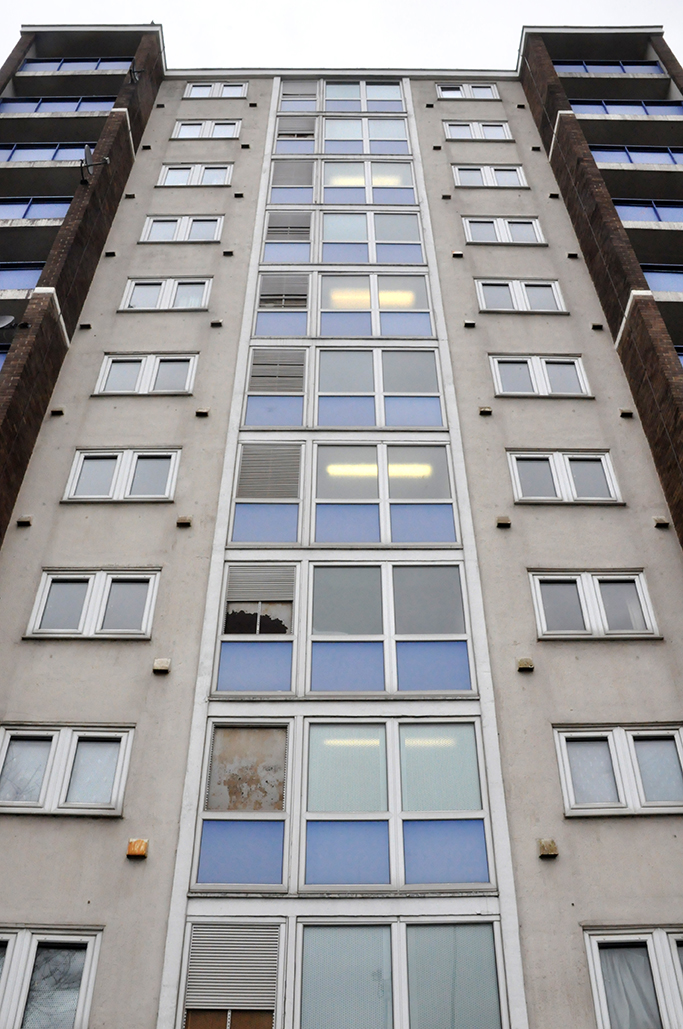
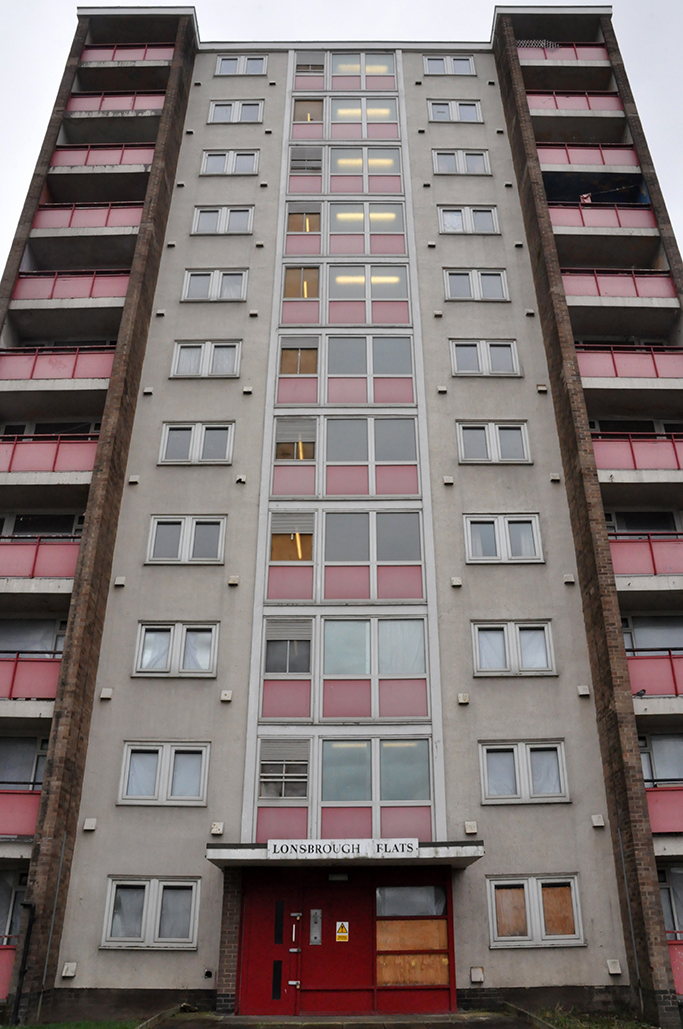
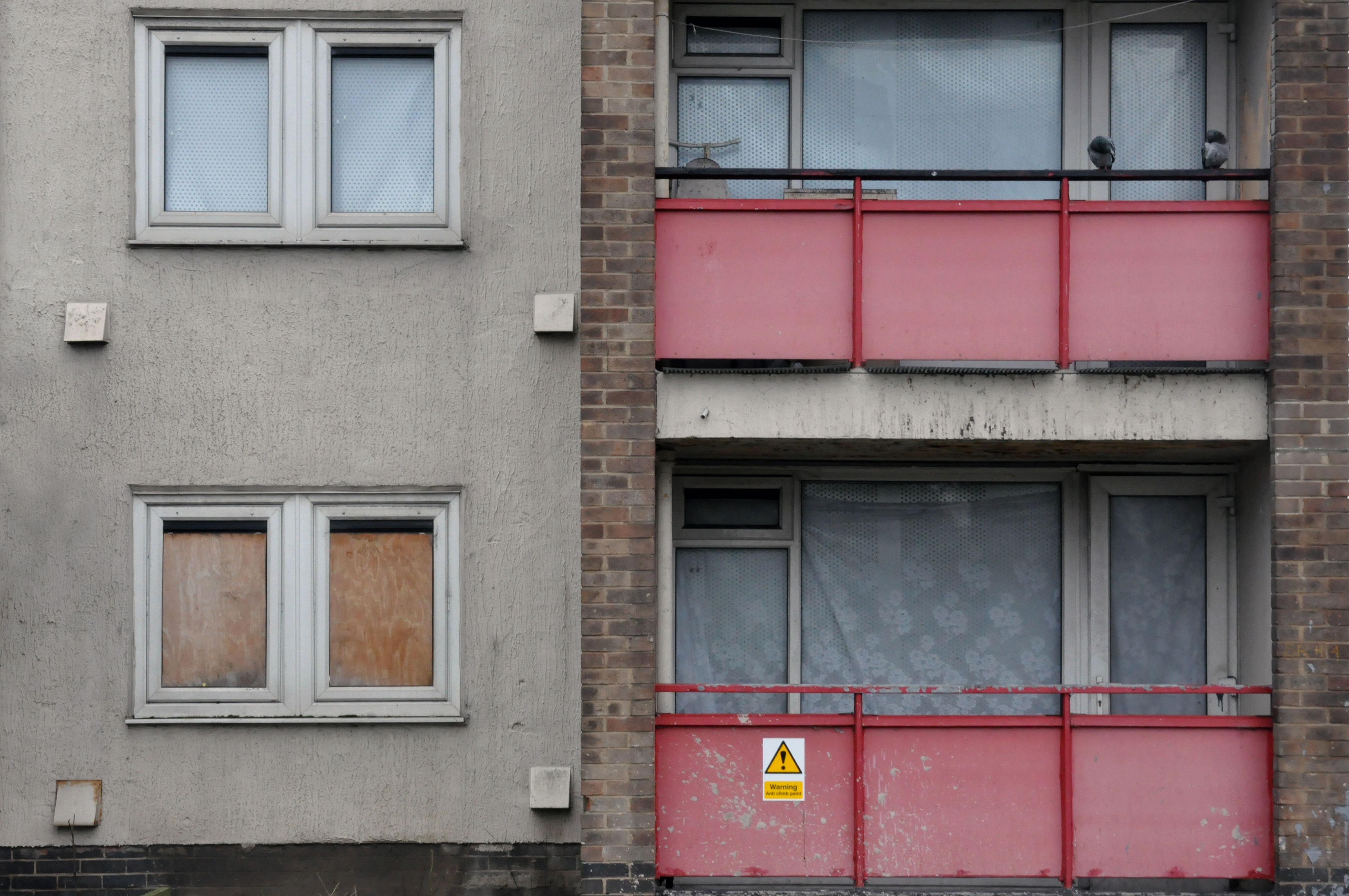
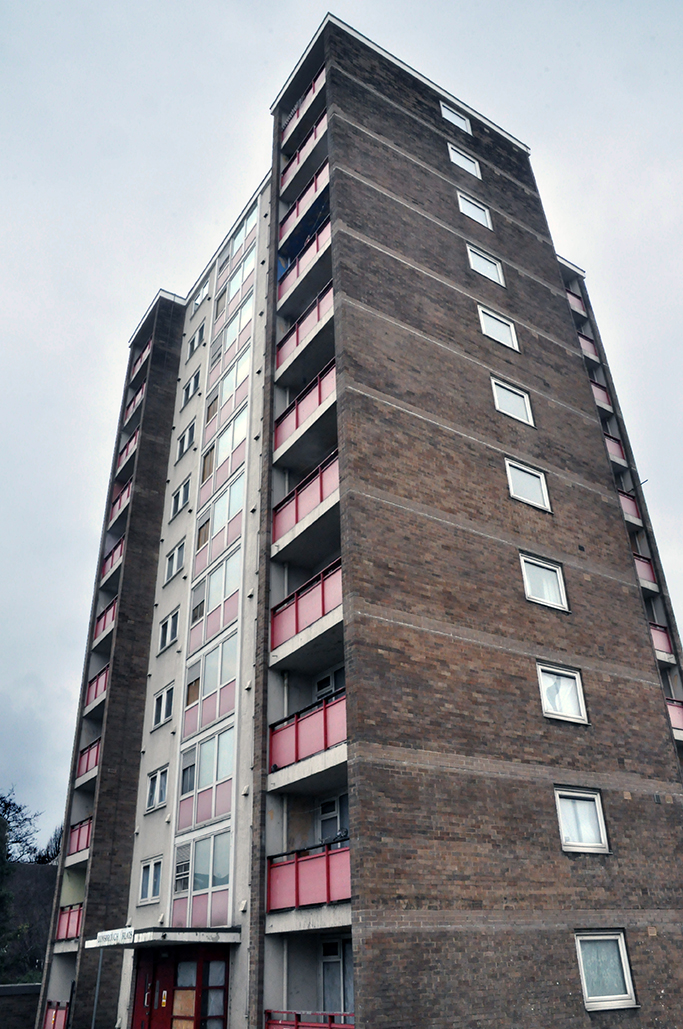
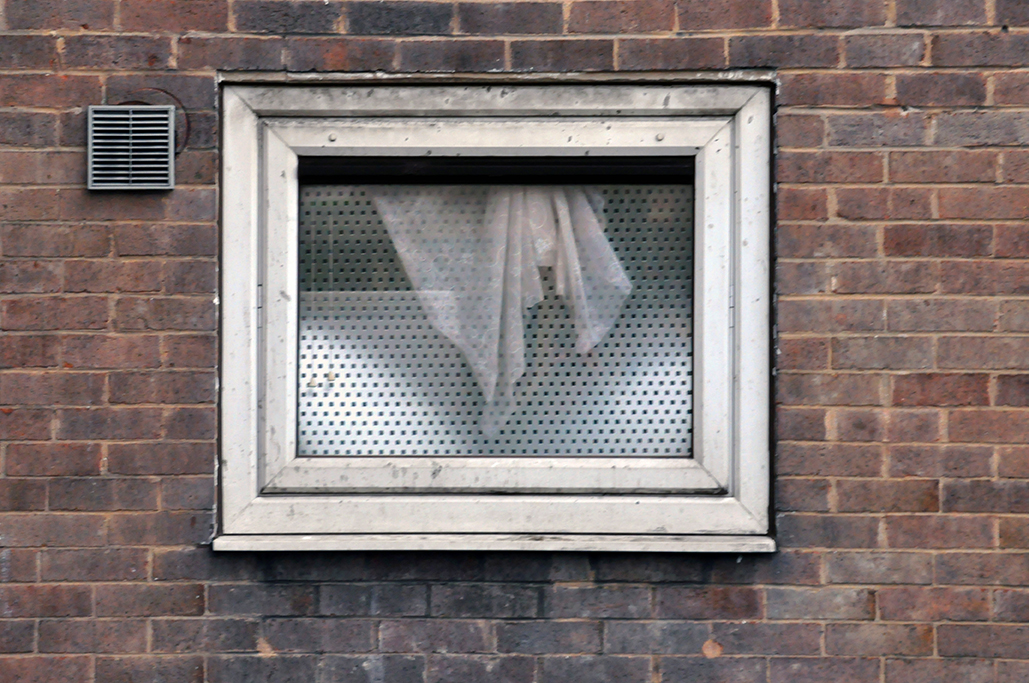
They stand by the road unloved and forlorn, tinned up awaiting demolition. Once home to hundreds, the former residents have now been paid out, moved out and hopefully rehoused.

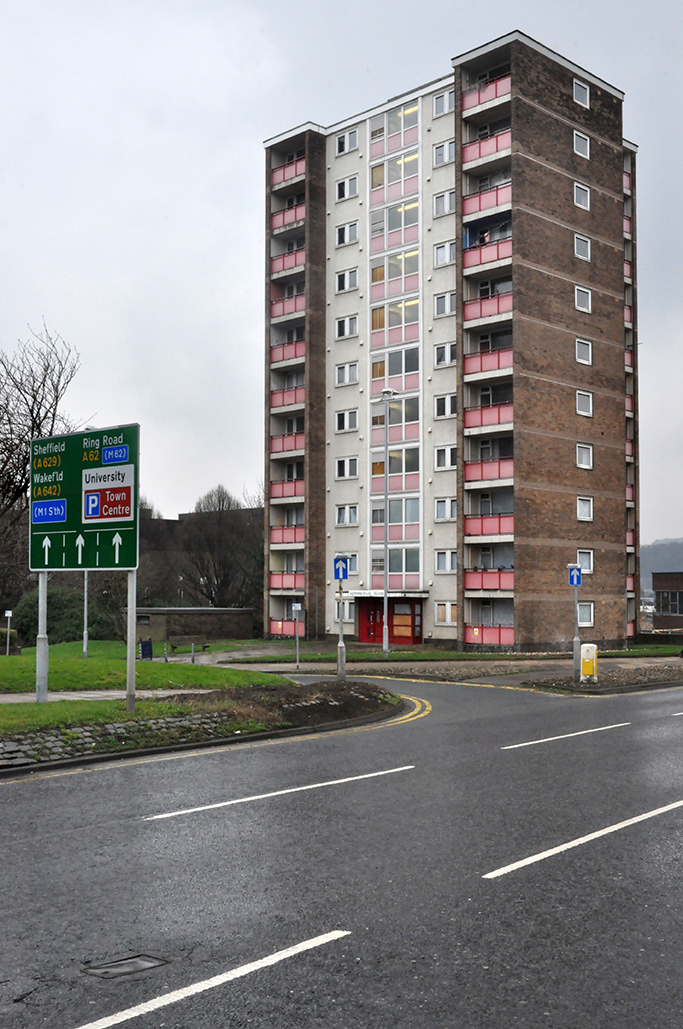
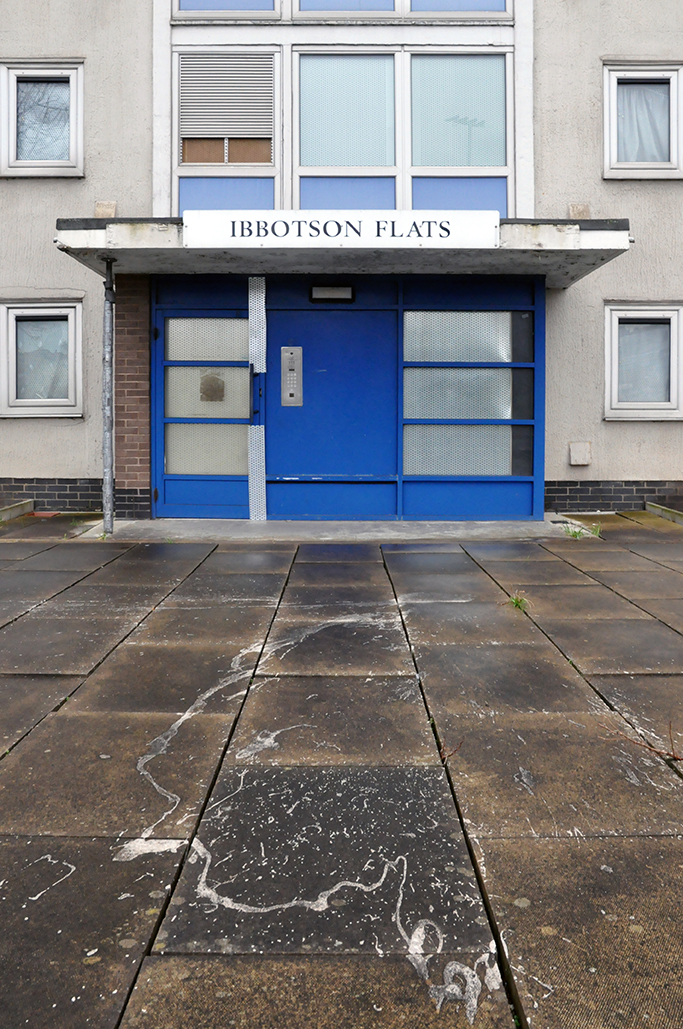
Richmond flats were named after Sidney Richmond, the former Huddersfield Borough Council architect, and were the second of the three blocks currently on the site. The first block opposite was Lonsbrough Flats, named after Anita Lonsbrough, 1960 Olympic Gold medal swimmer and council employee, with the third being the middle block Ibbotson Flats, named after Derek Ibbotson, the Huddersfield athlete who held the world record for running a mile.

The site was obviously more valuable than viable town centre homes – Tesco is a coming

Hurrah.

Go see them, say hello and wave goodbye – they’ll soon be gone.

http://www.examiner.co.uk/news/west-yorkshire-news/town-centre-tower-blocks-pulled-4927231