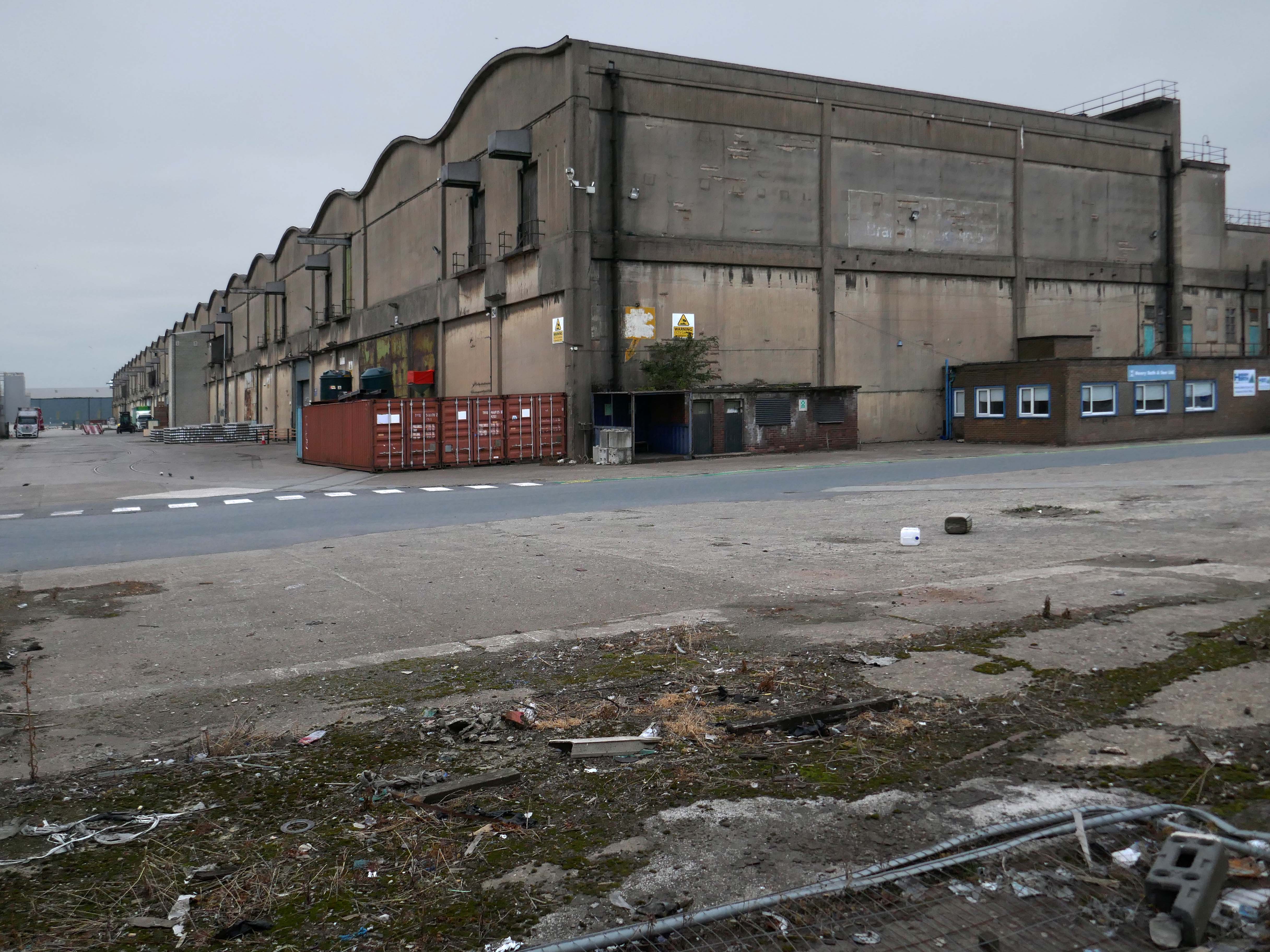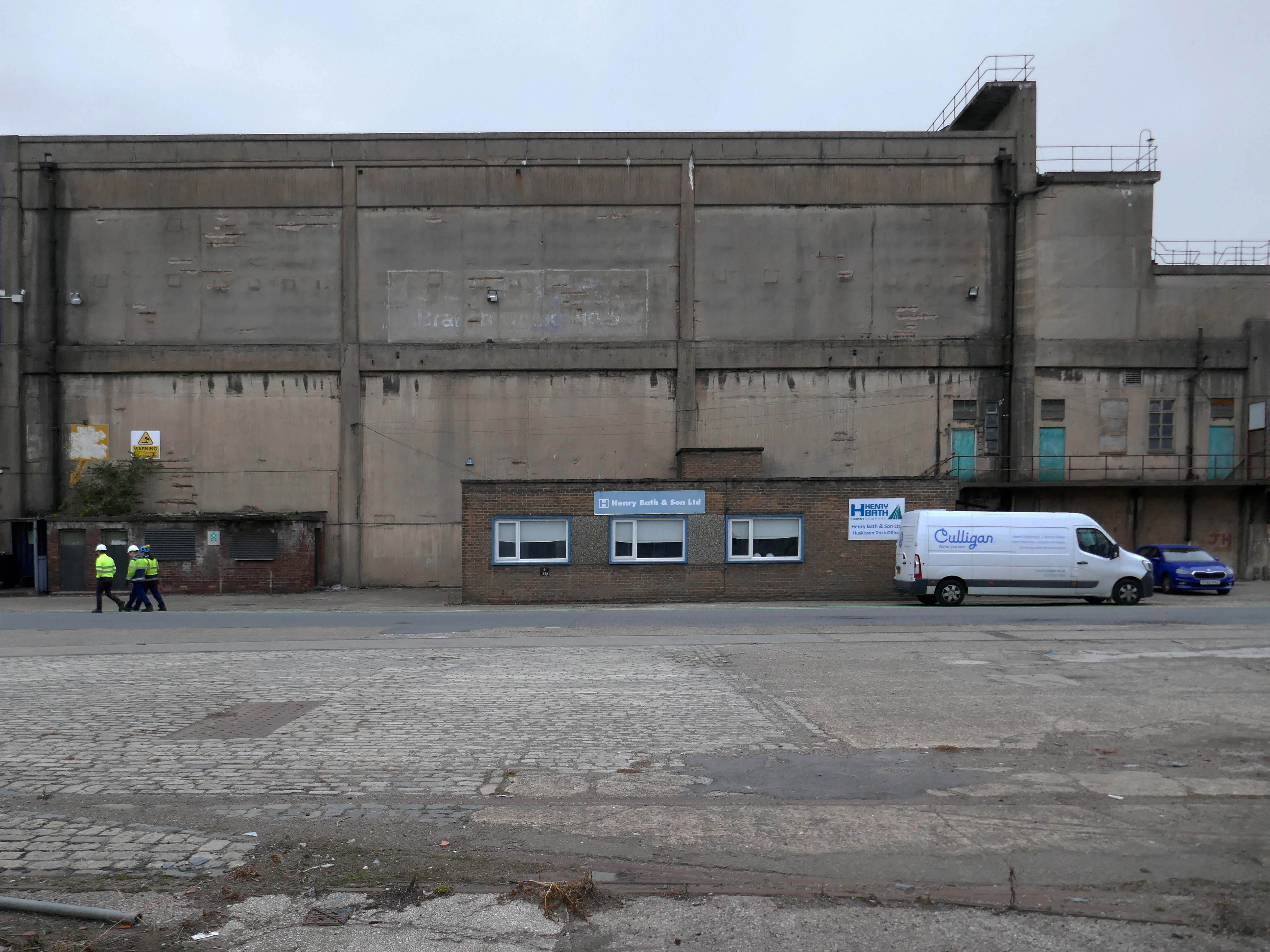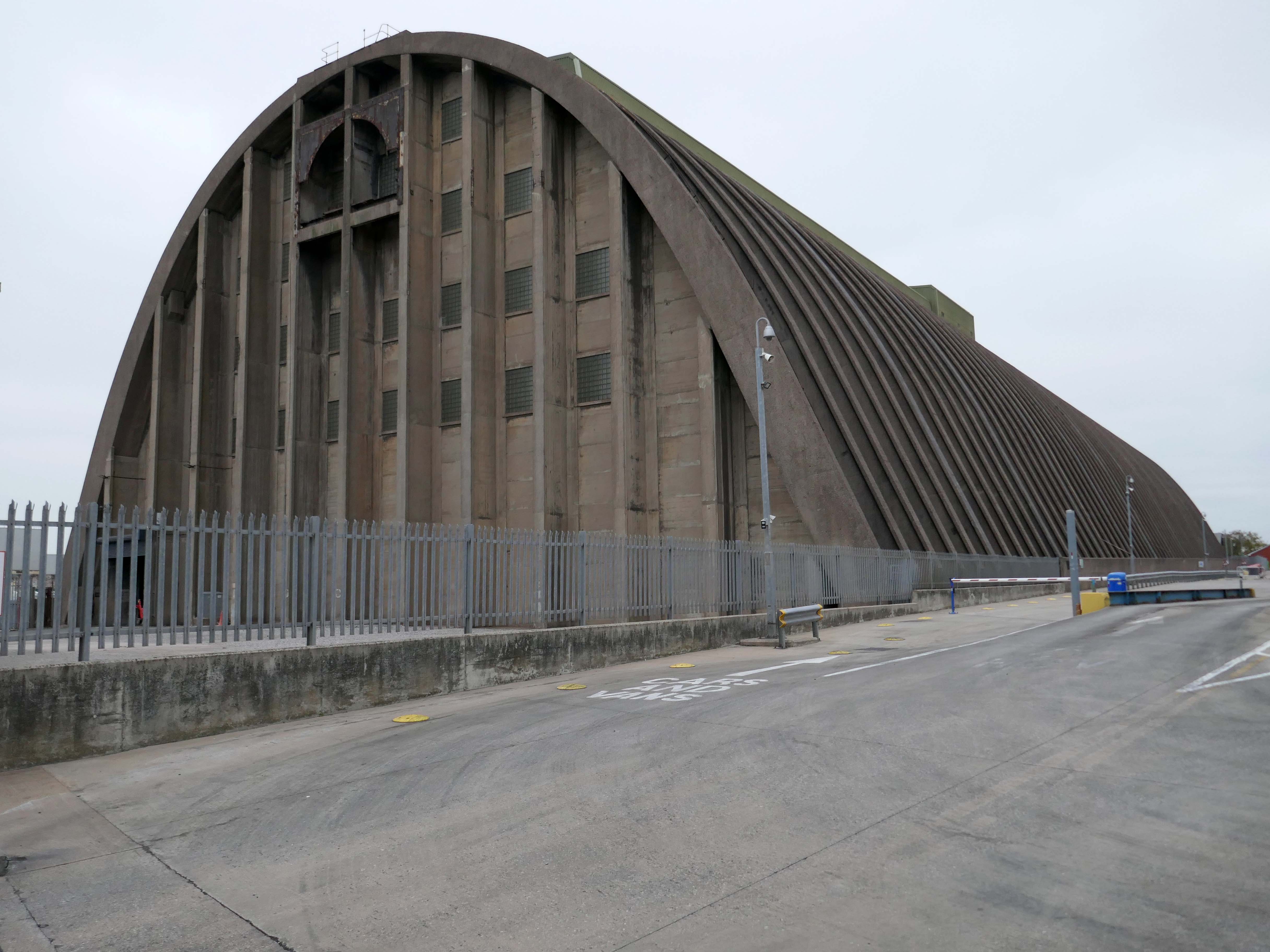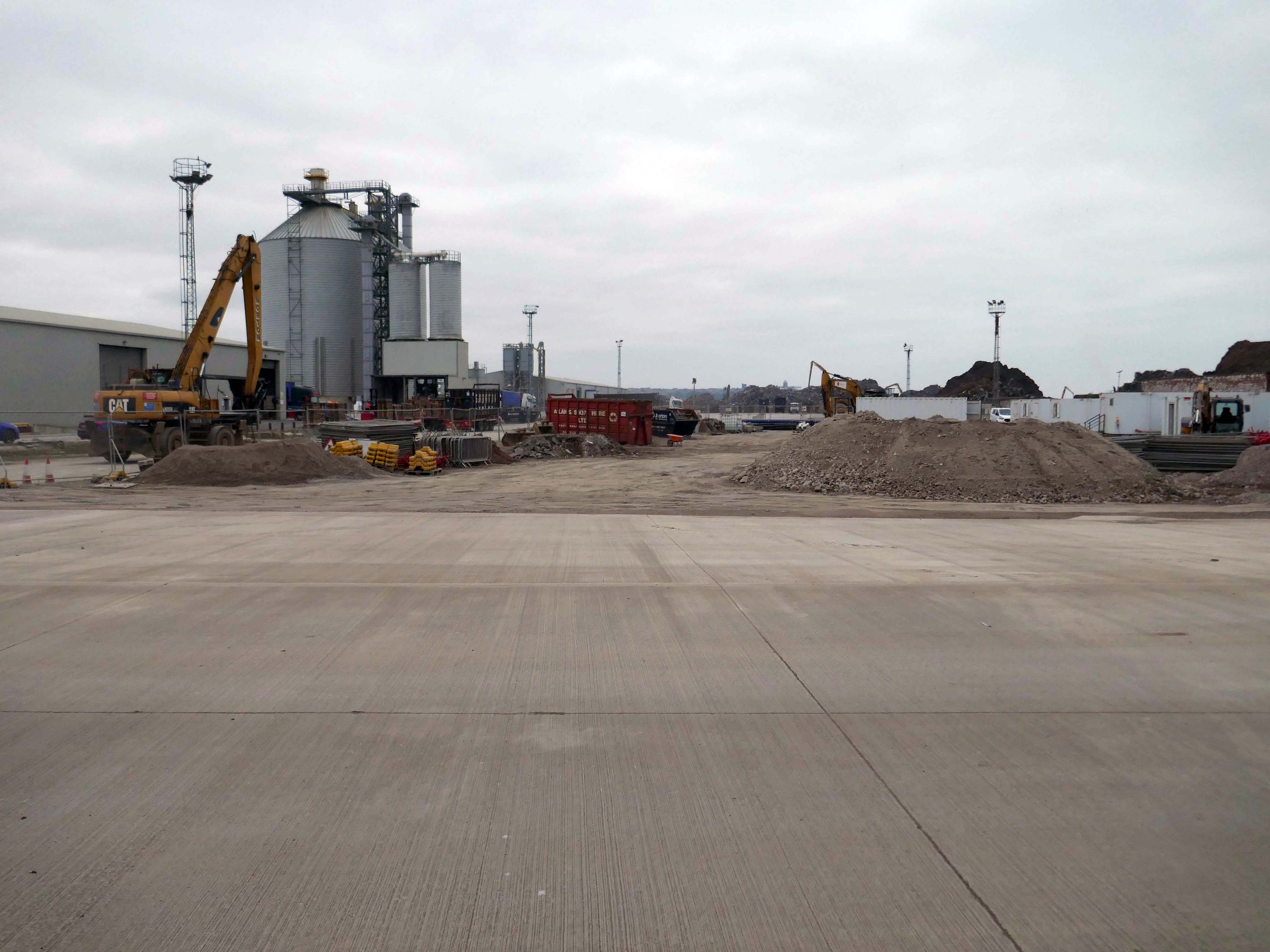
Dockland Liverpool

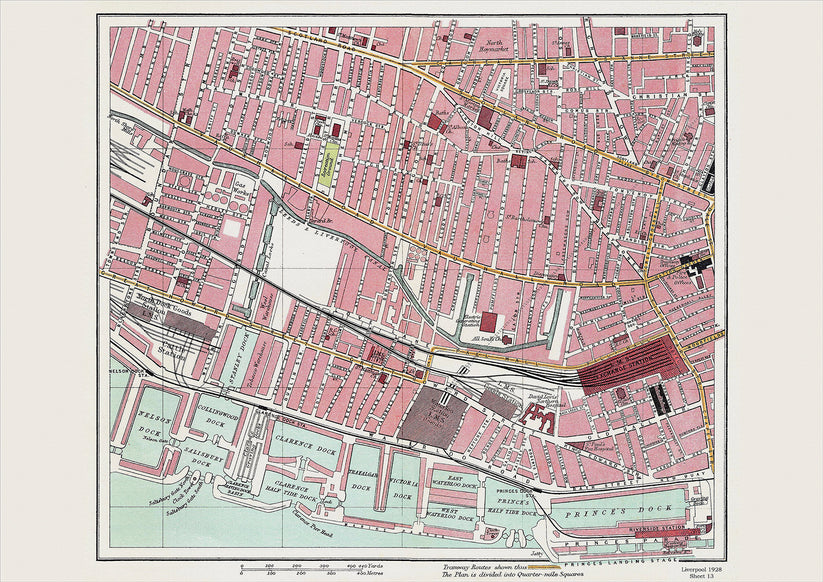
1928

The days when a vast multitude of things came and went have been and gone.

The docks as they were are no more.

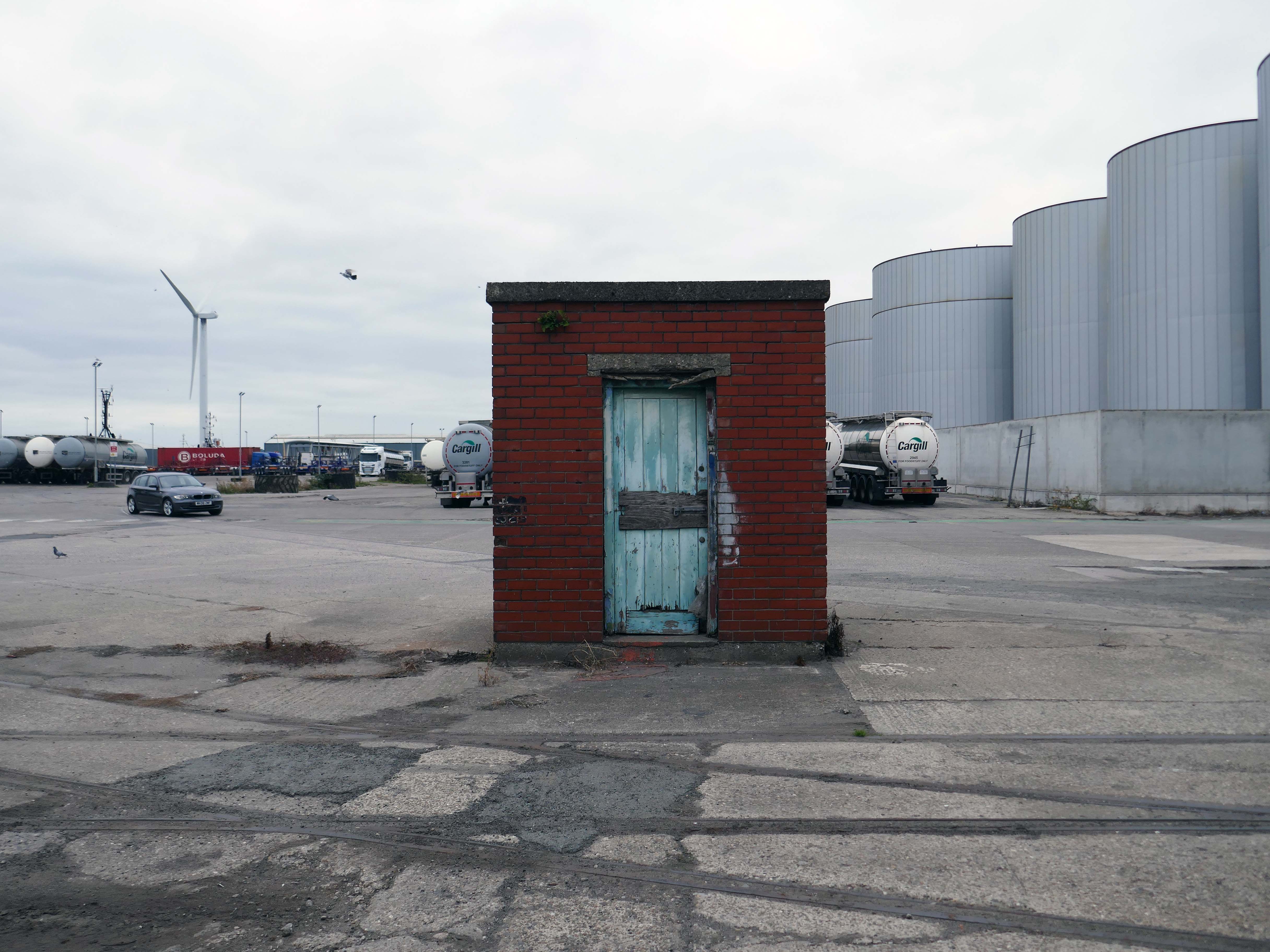
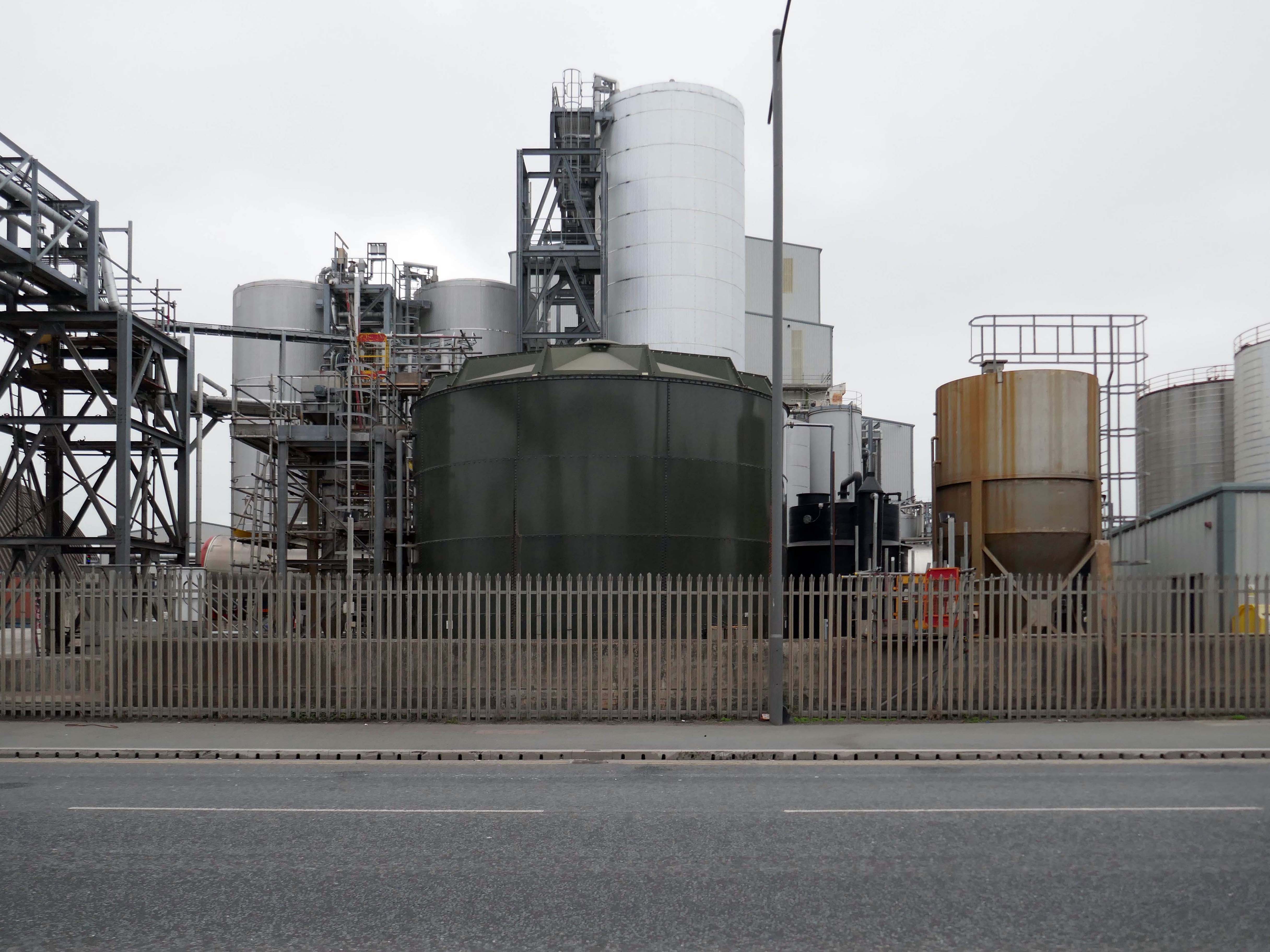
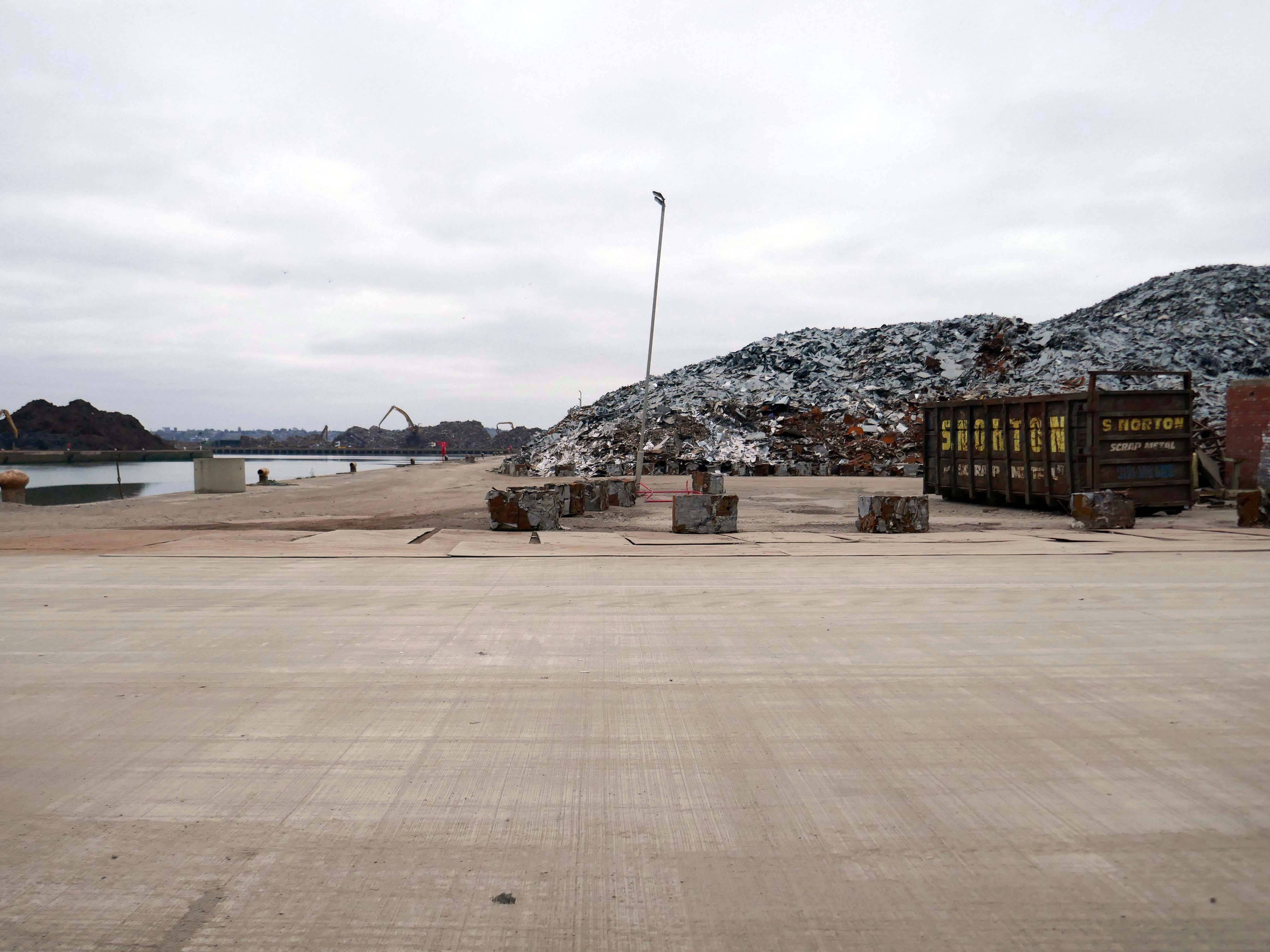
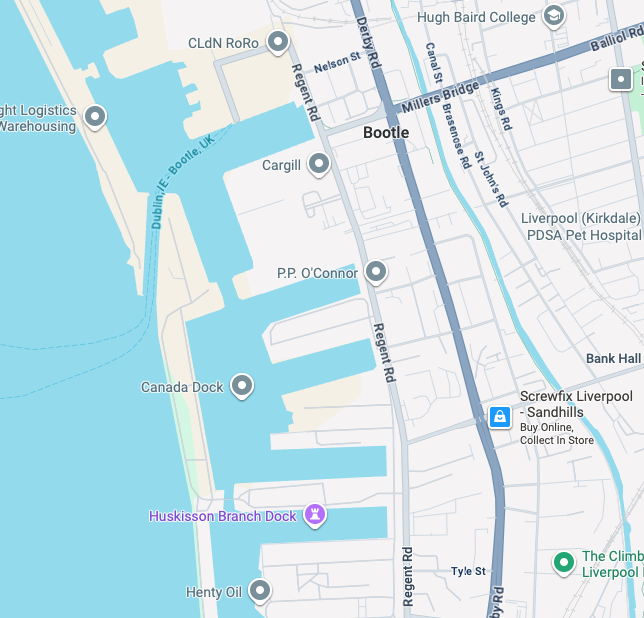
Yet in 2023, the Port of Liverpool was the UK’s fourth busiest container port, handling over 30 million tonnes of freight per annum. It handles a wide variety of cargo, including containers, bulk cargoes such as coal, grain and animal feed, and roll-on/roll-off cargoes such as cars, trucks and recycled metals. The port is also home to one of the largest cruise terminals in the UK which handles approximately 200,000 passengers and over 100 cruise ships each year.

Wikipedia

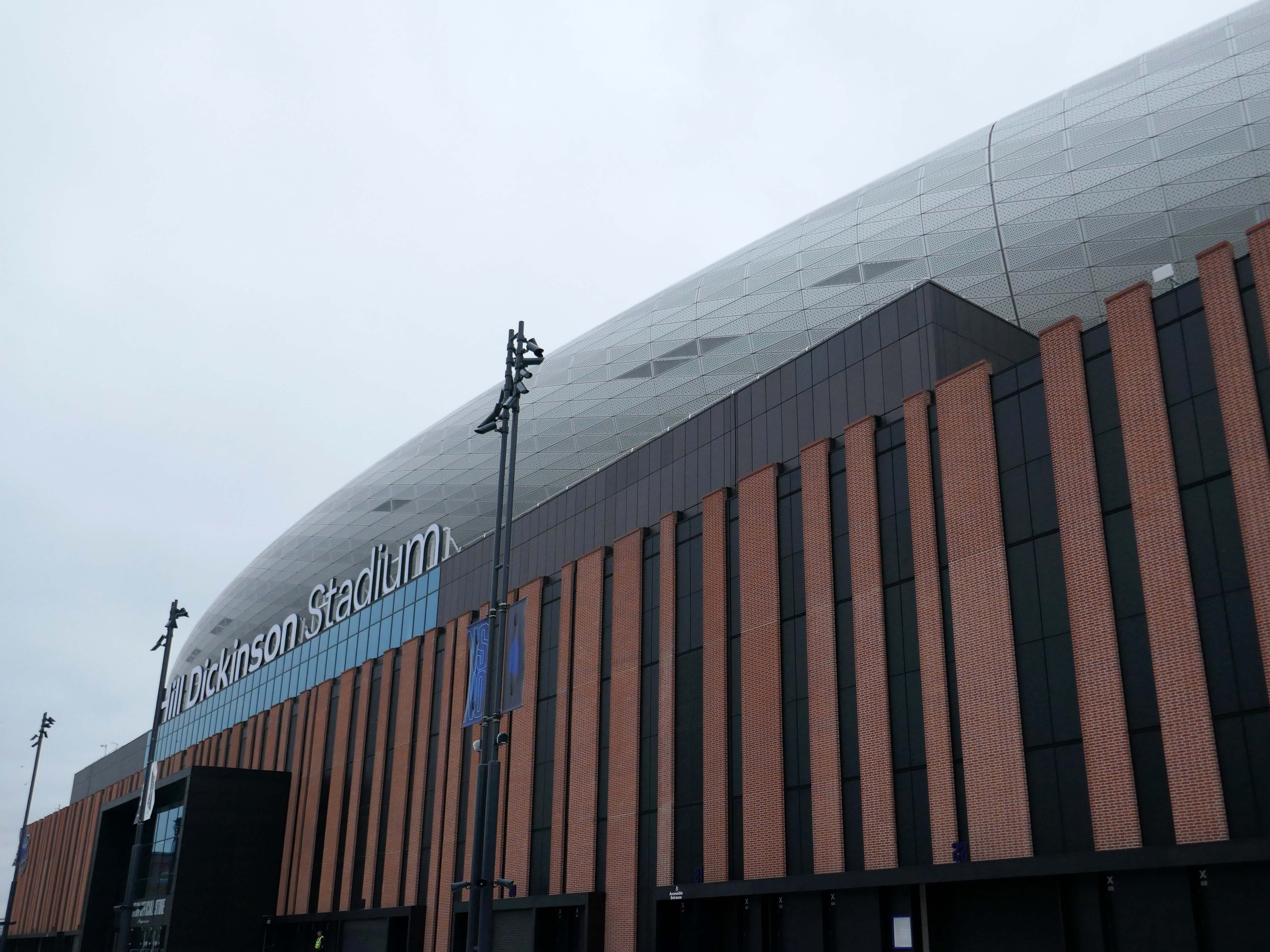
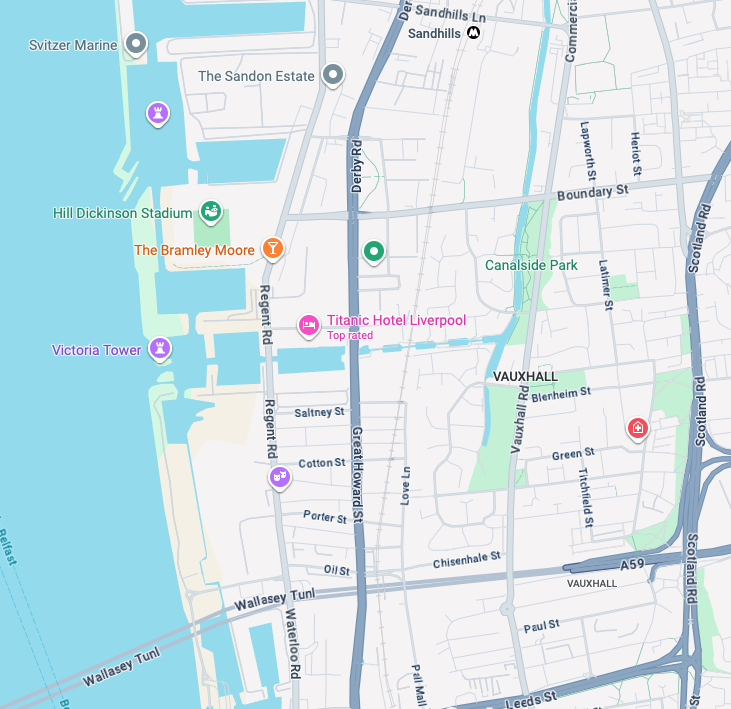
Now with the opening of the Titanic Hotel in the Stanley Dock and the arrival of the Toffees just up the road at the Hill Dickinson Stadium, the whole area is slowly being transformed into a destination, as they say in modern parlance.

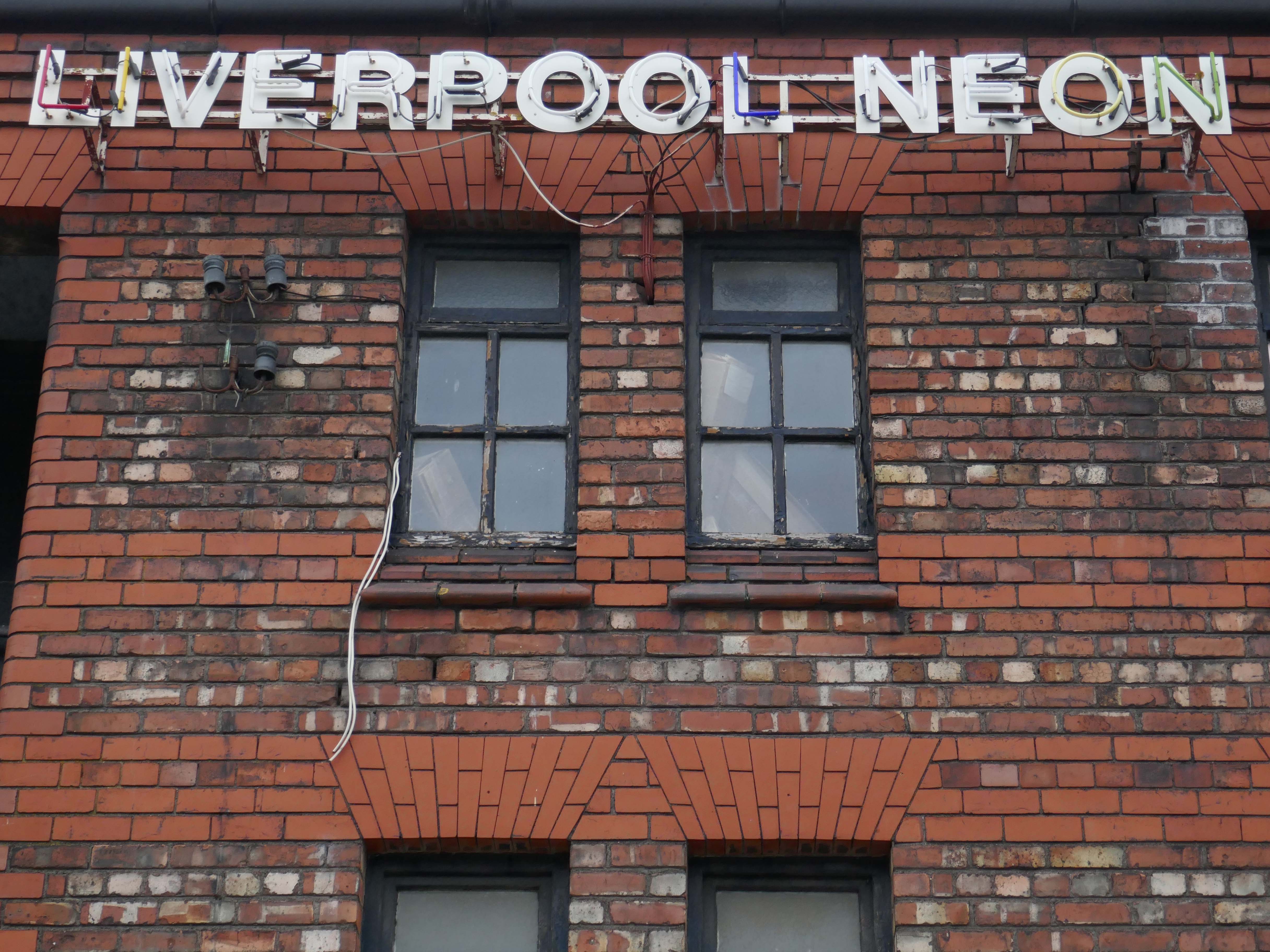
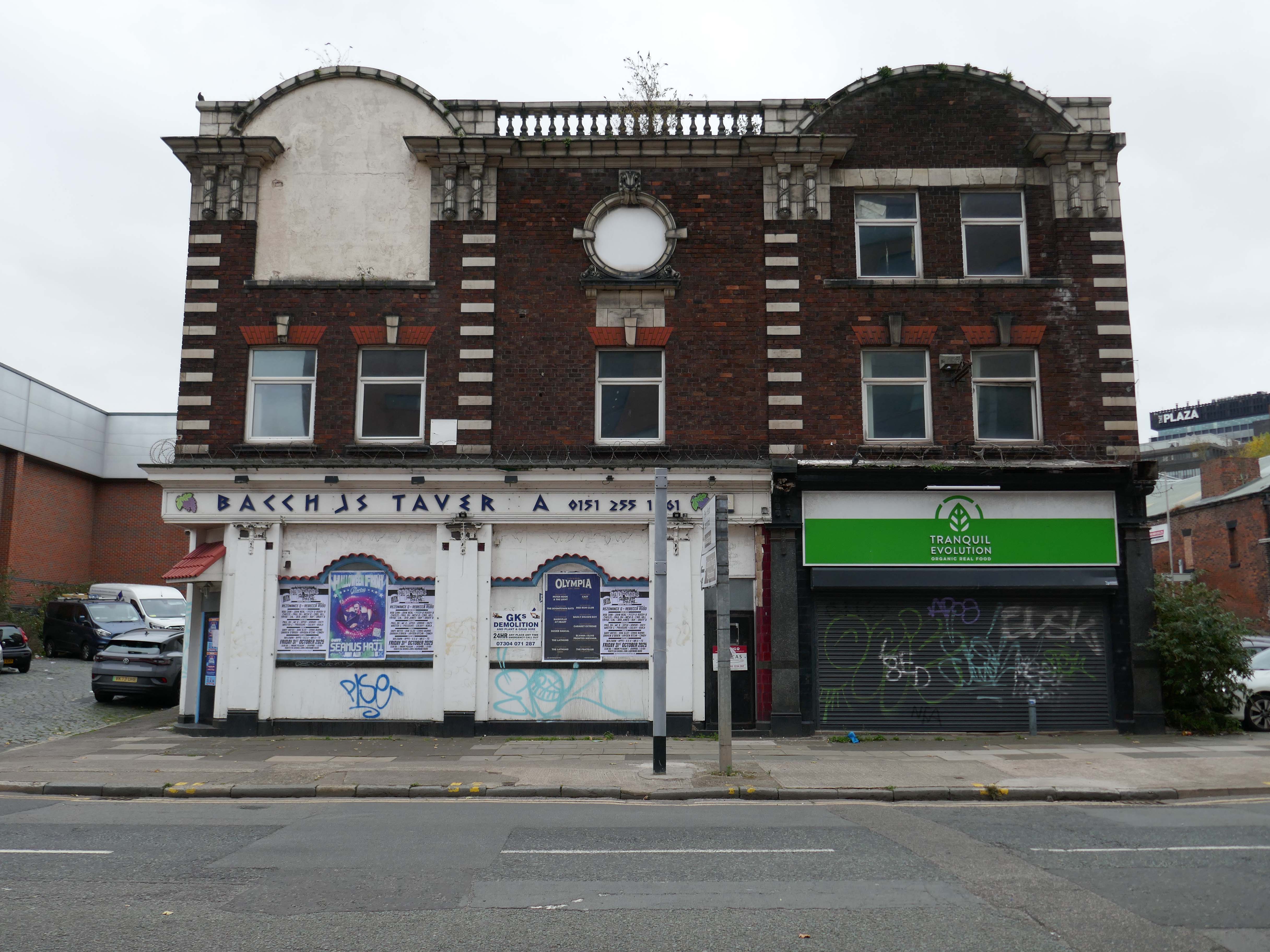
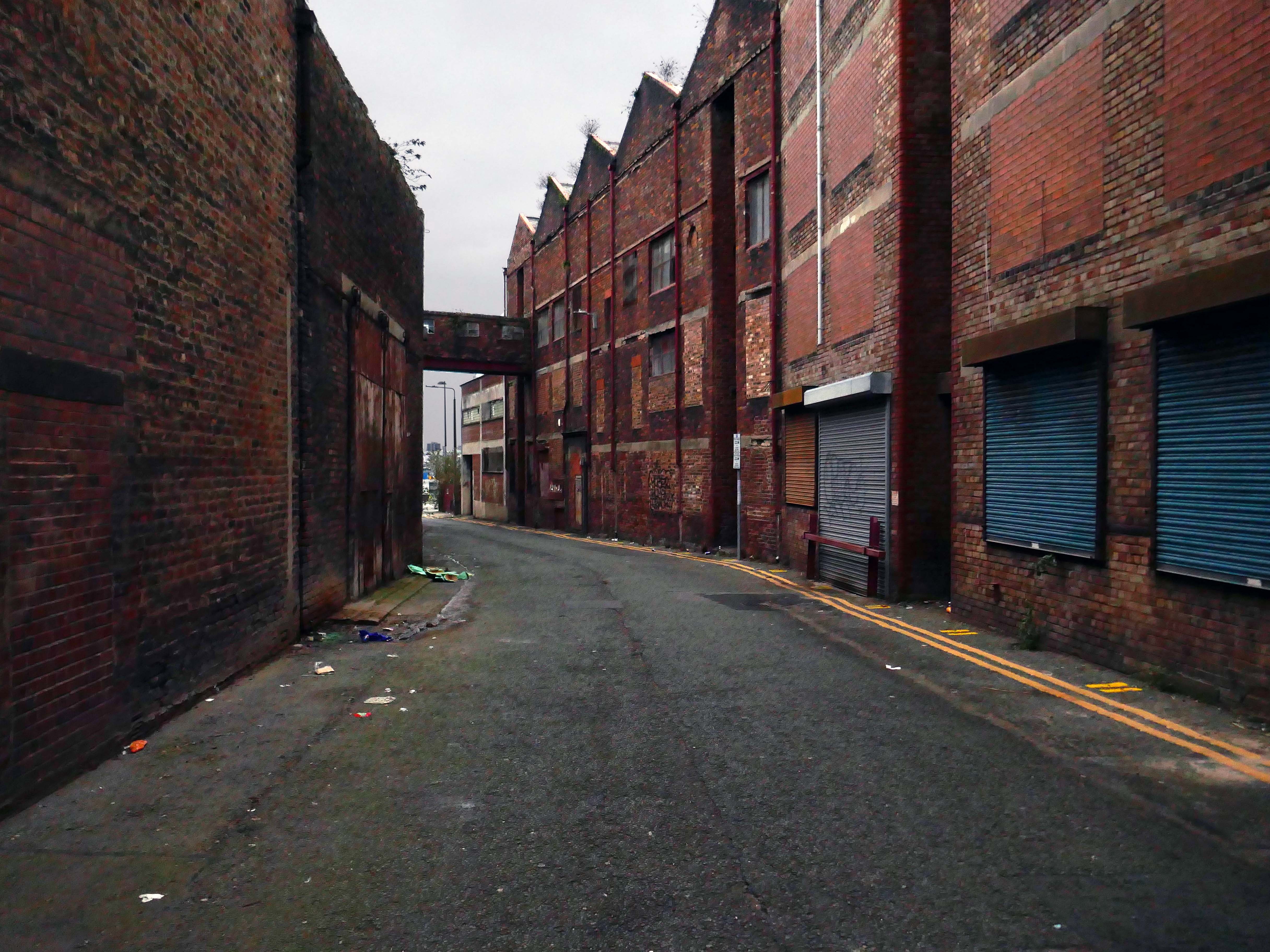
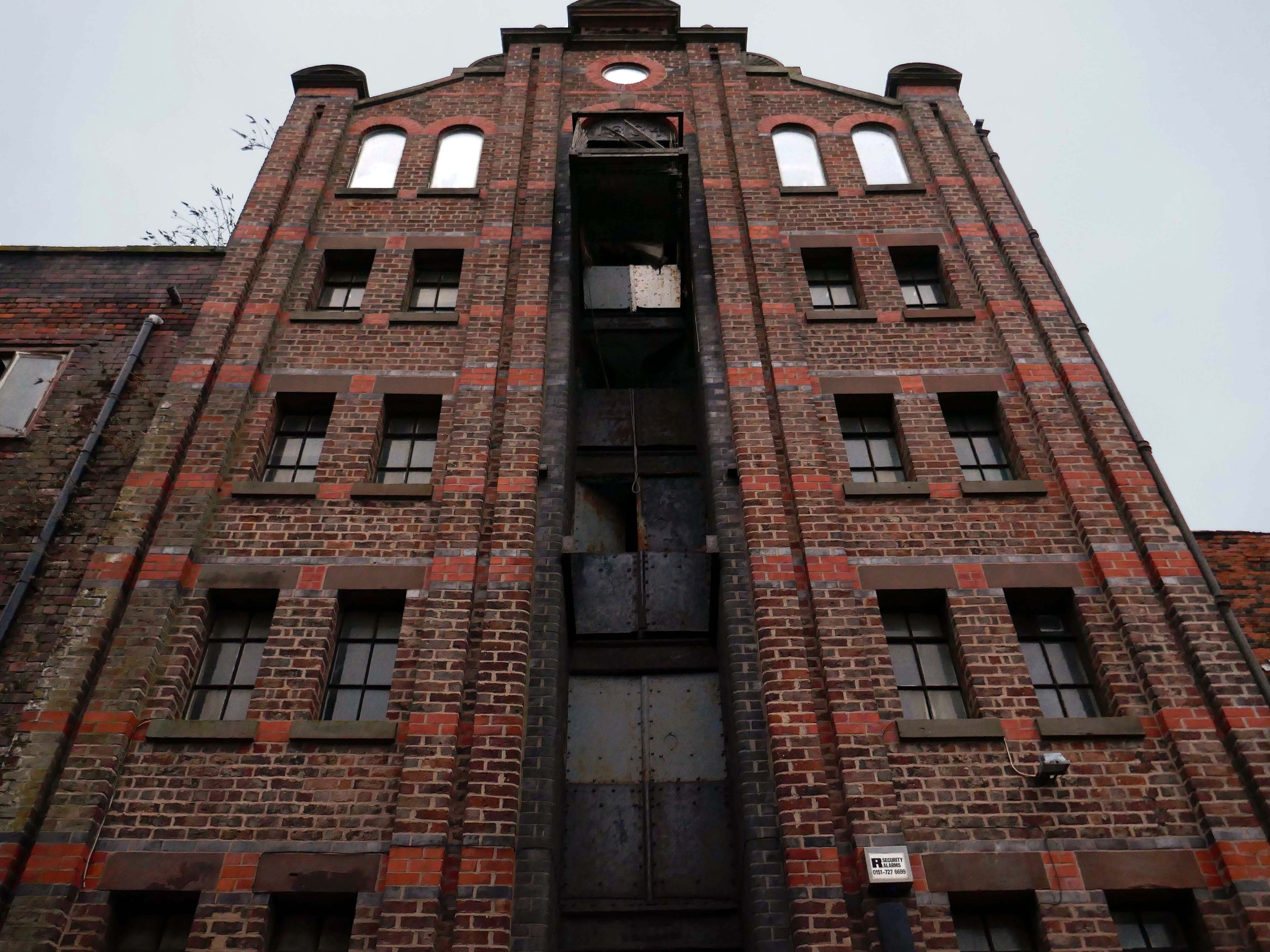
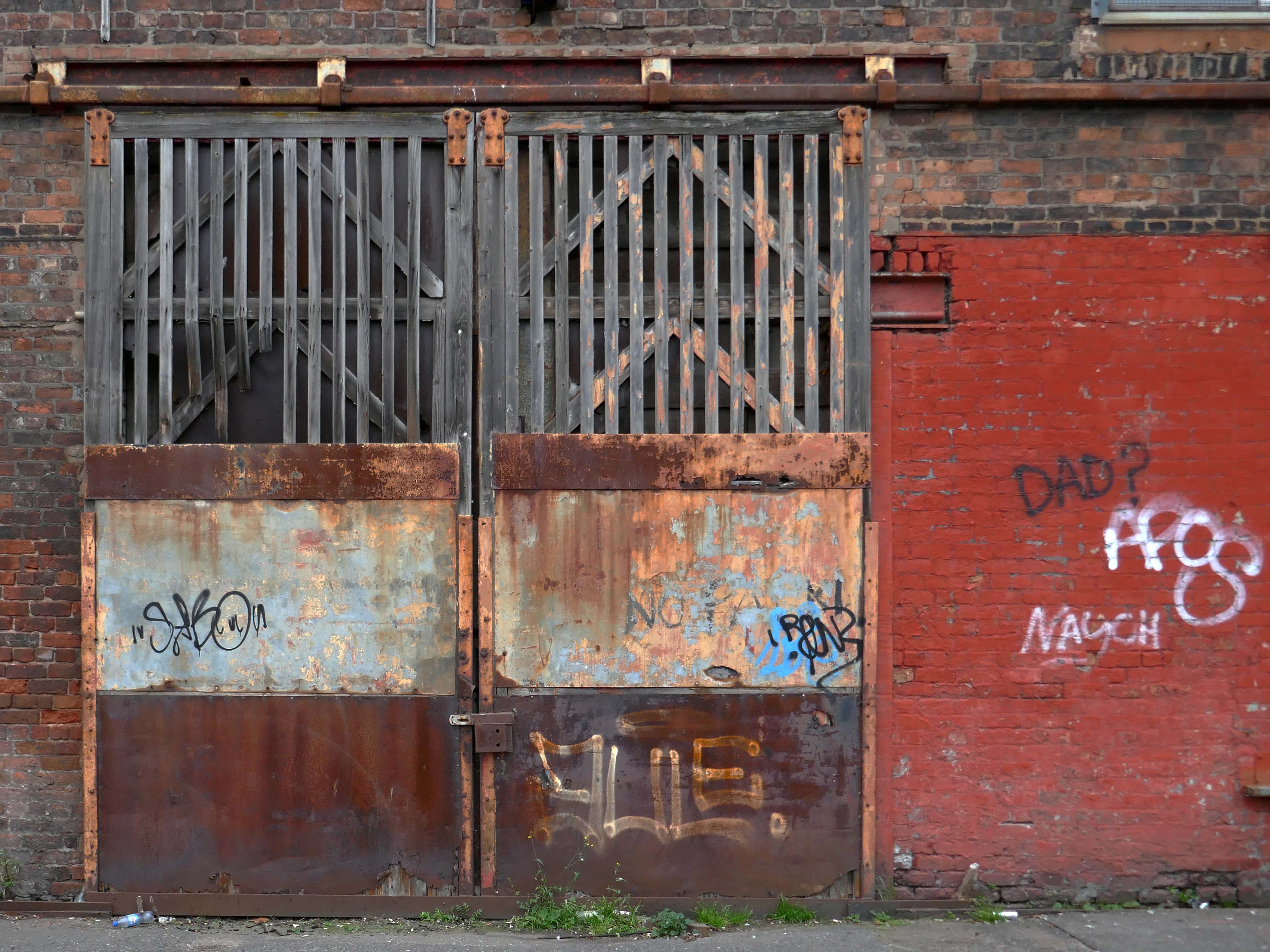
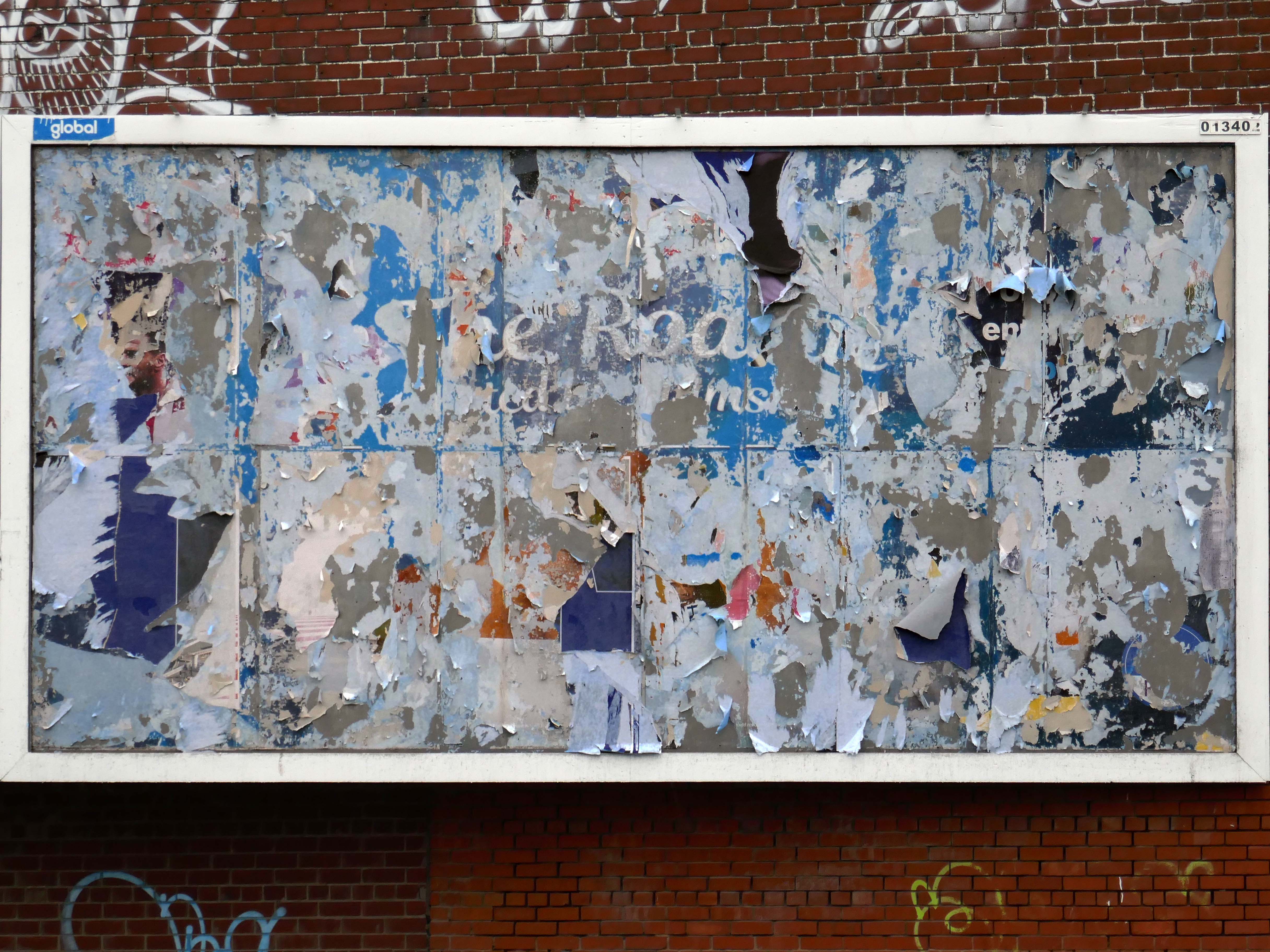
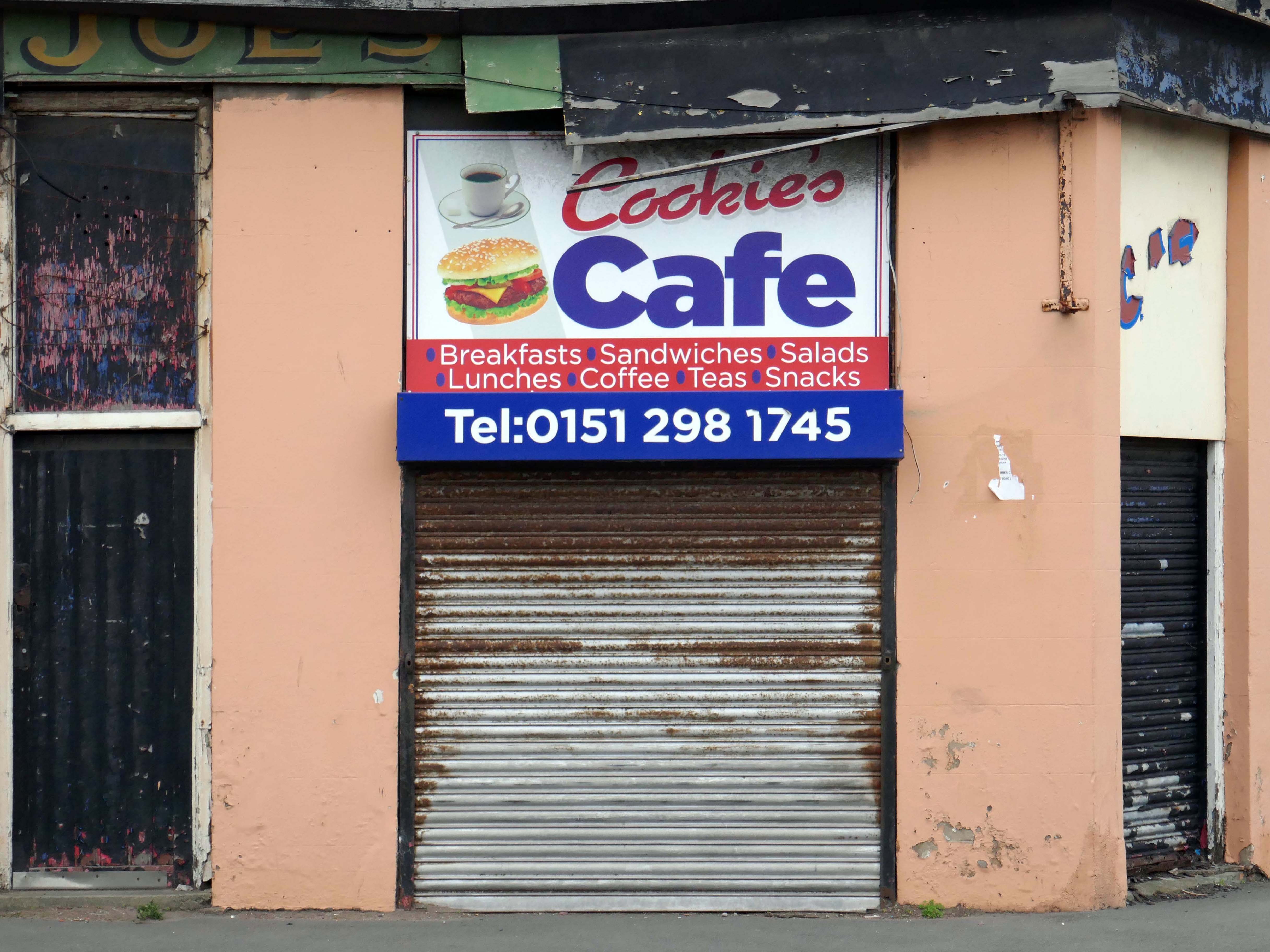
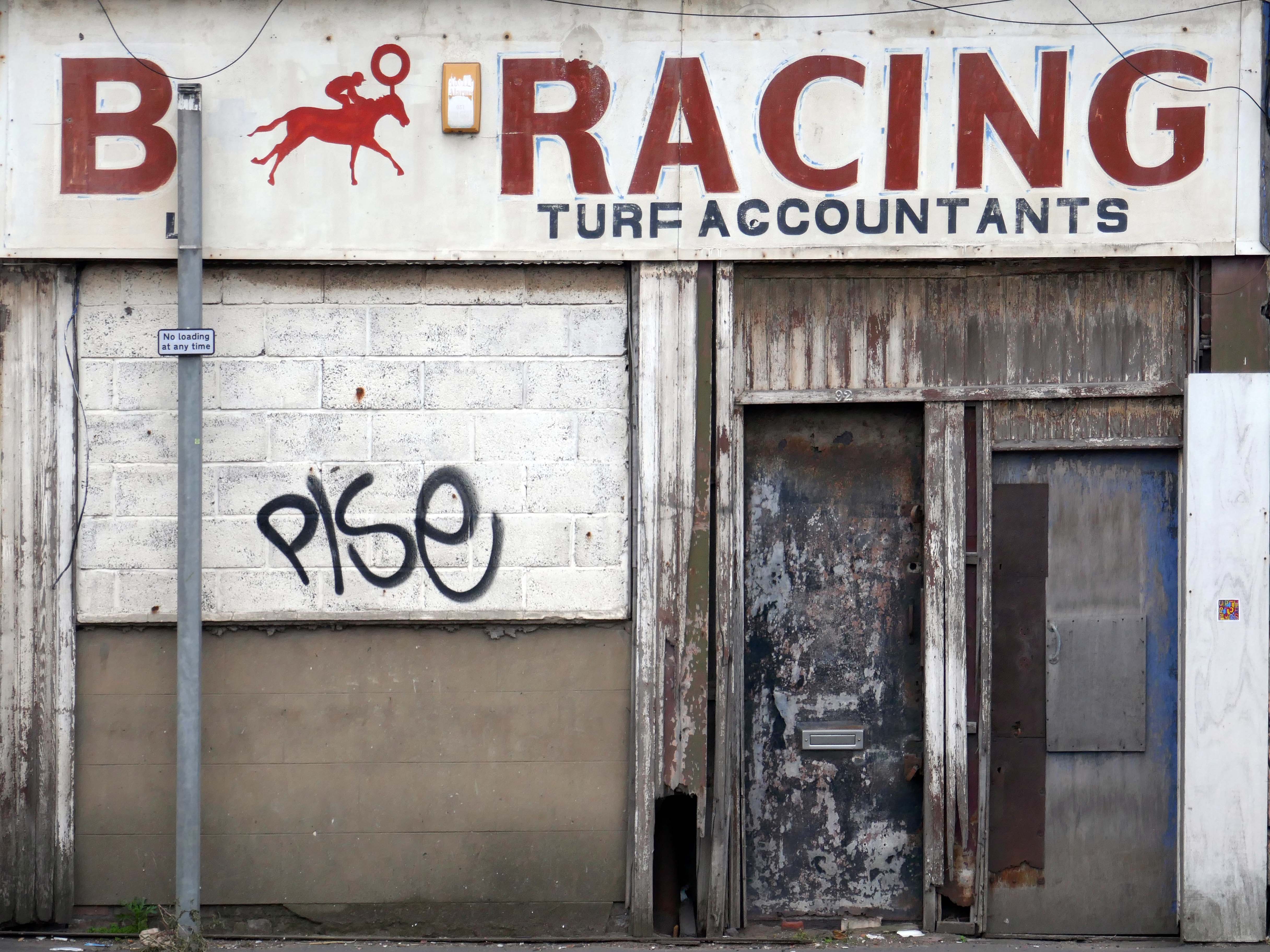
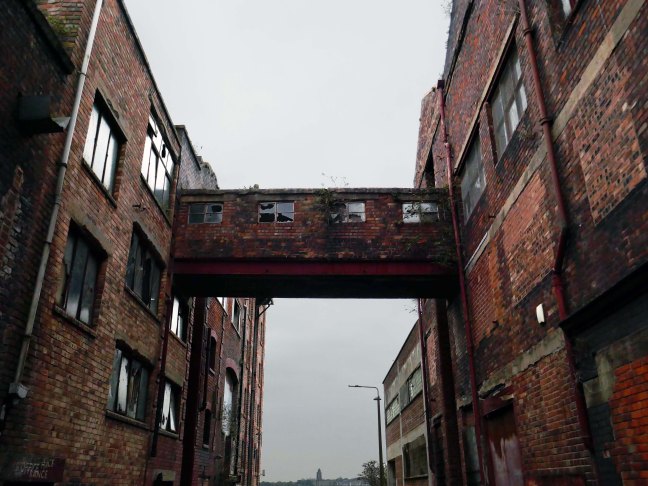
However much of the Industrial heritage remains in various states of disarray, used and possibly disabused, but hanging on in there.

It looks like this.
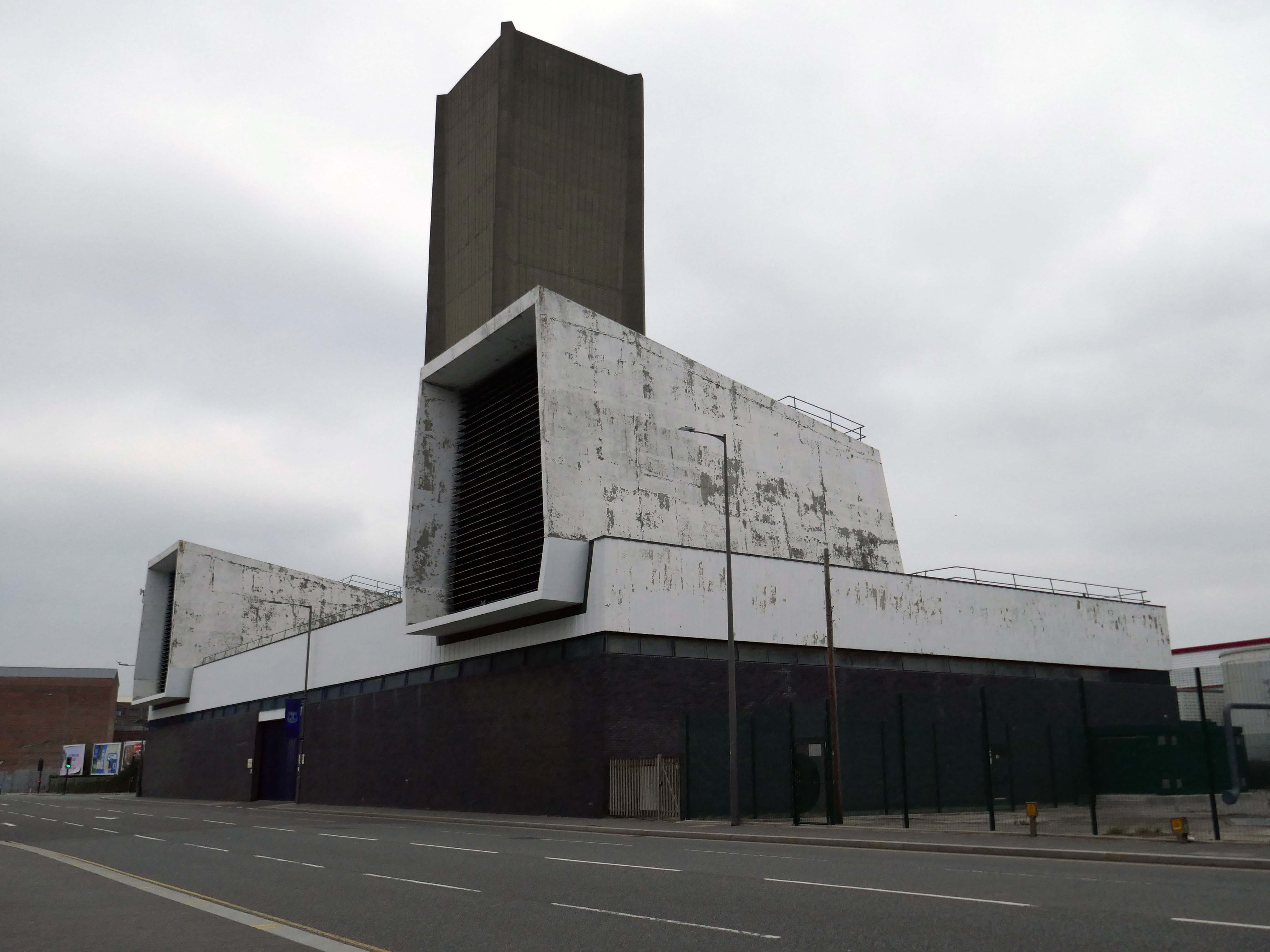
Kingsway Tunnel Vents

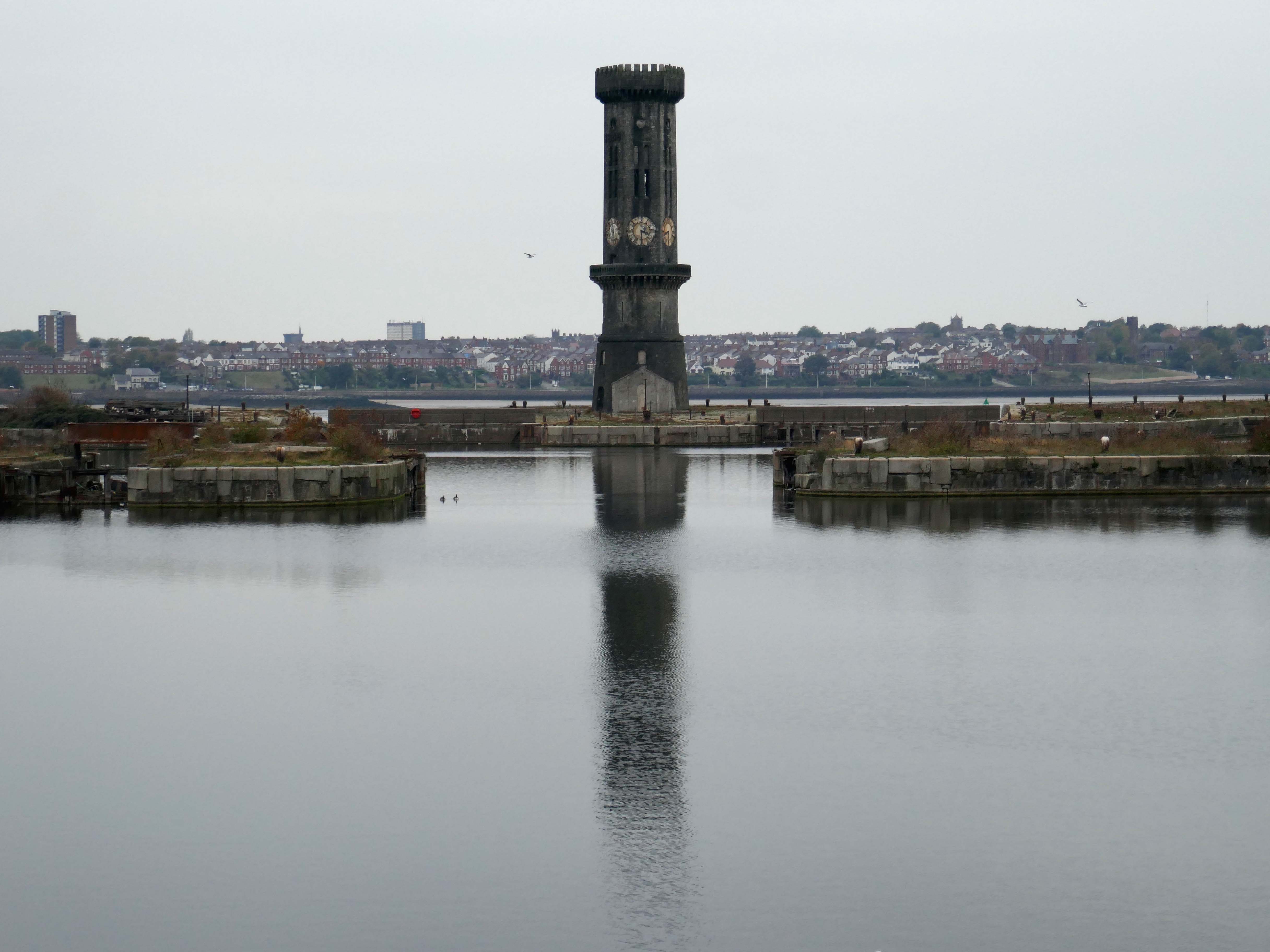
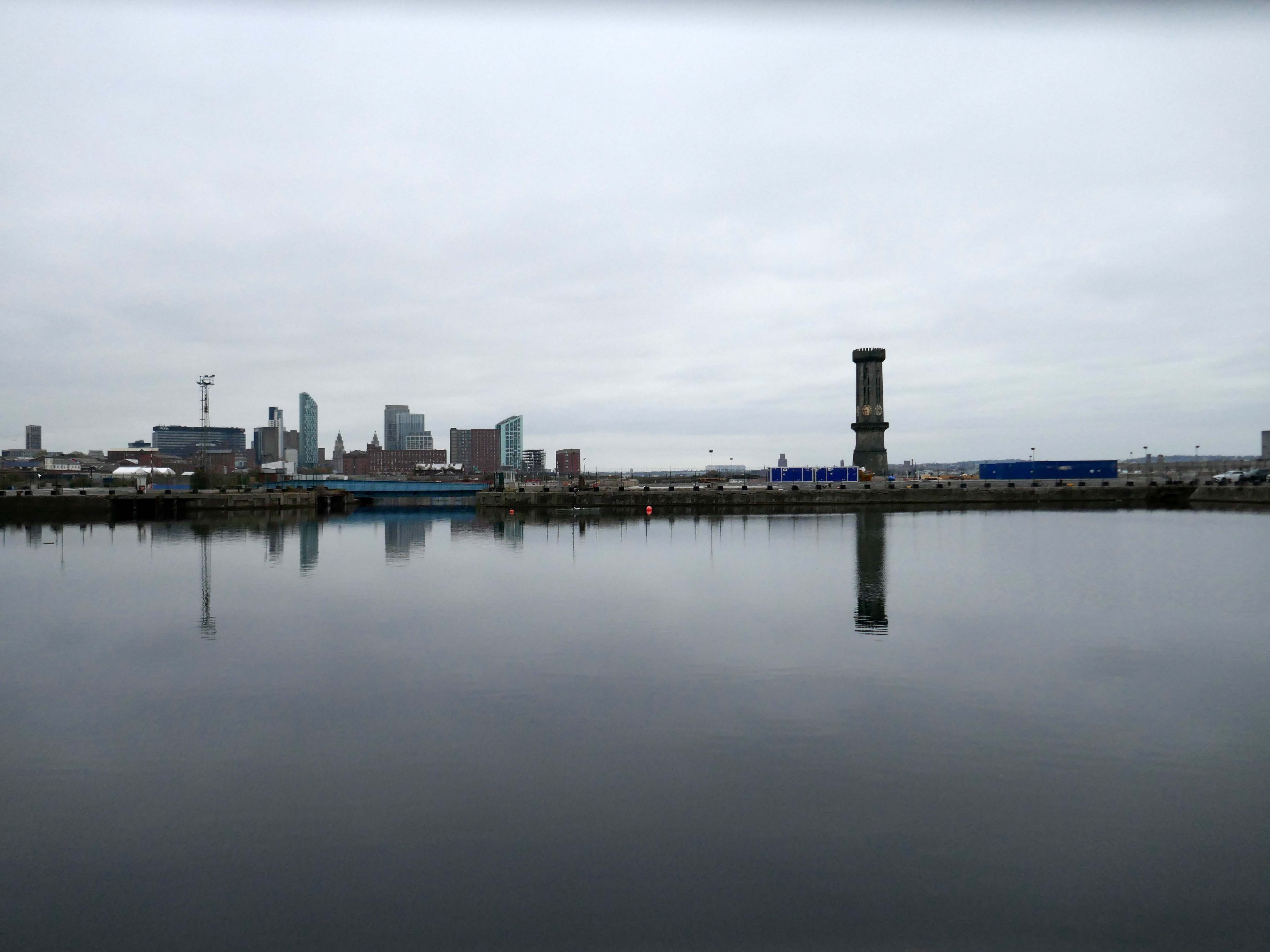
Victoria Tower

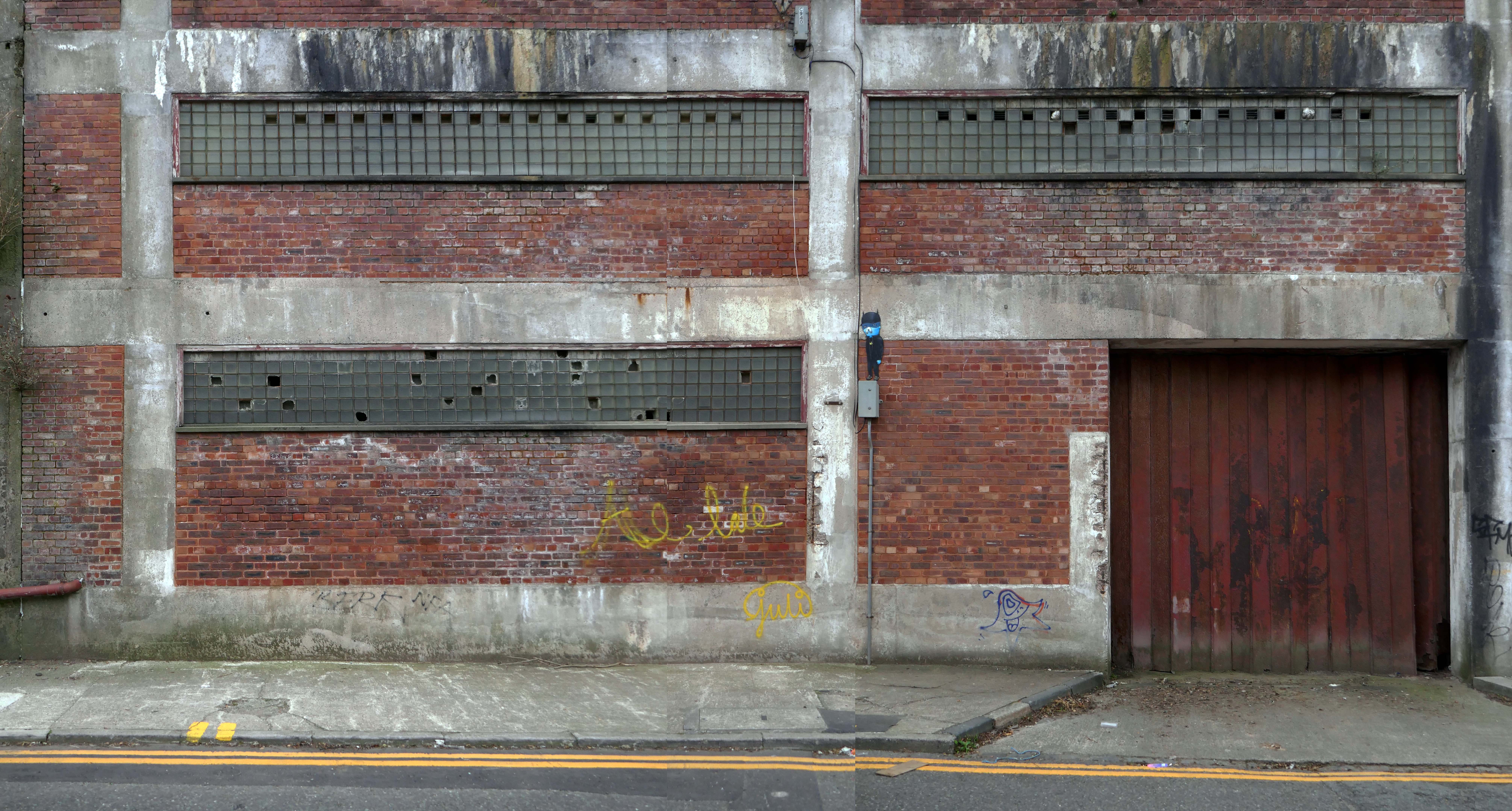
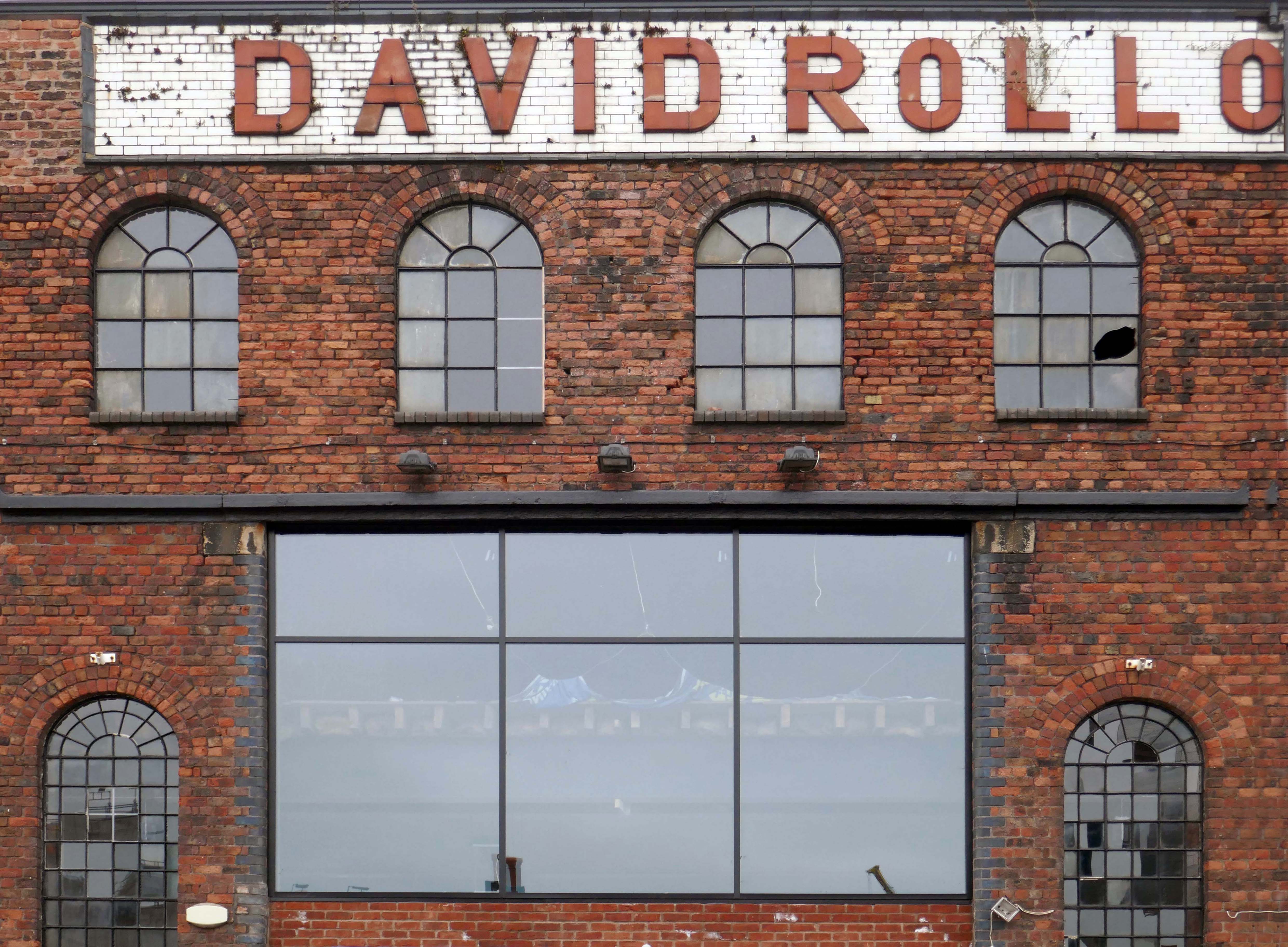
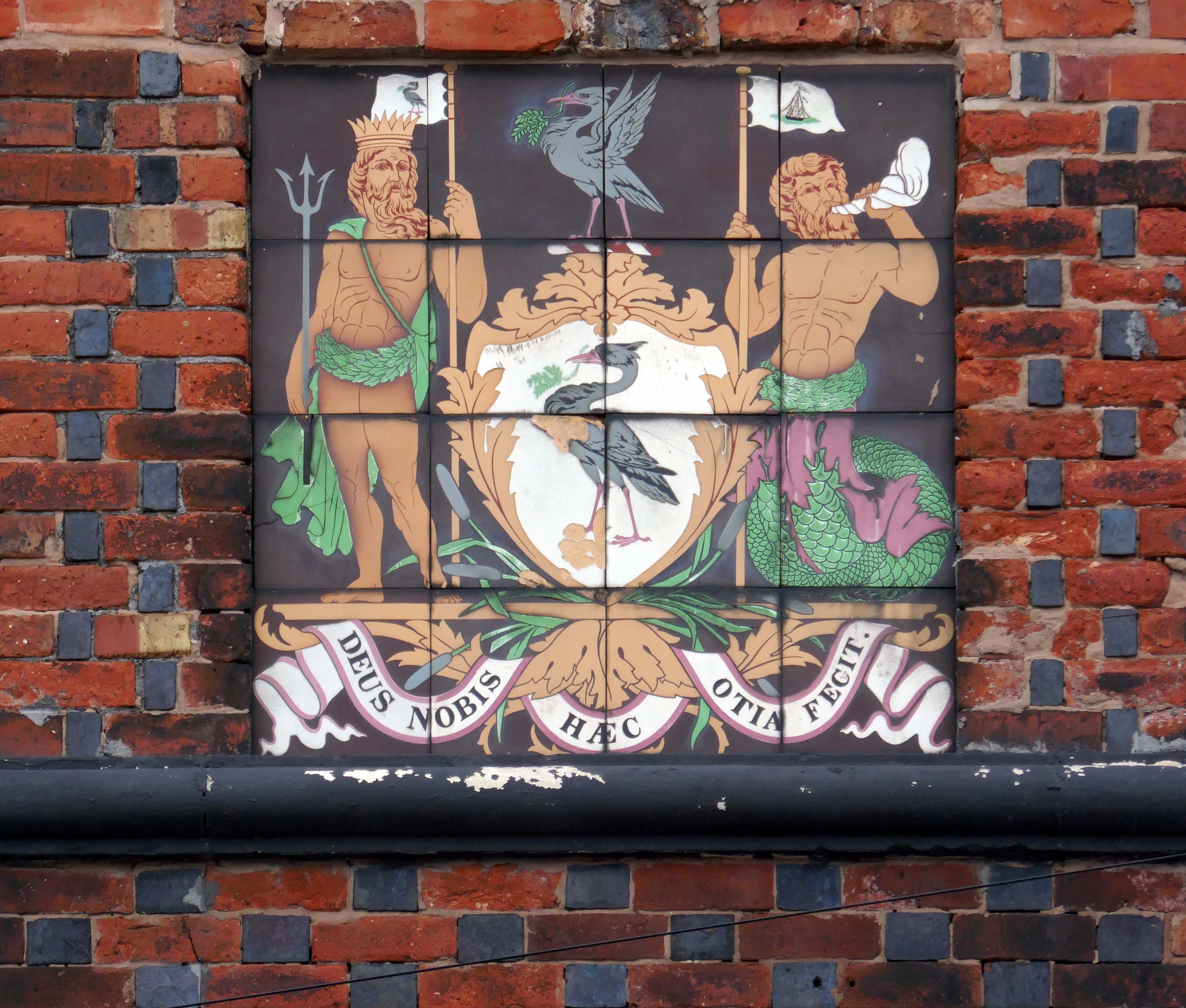
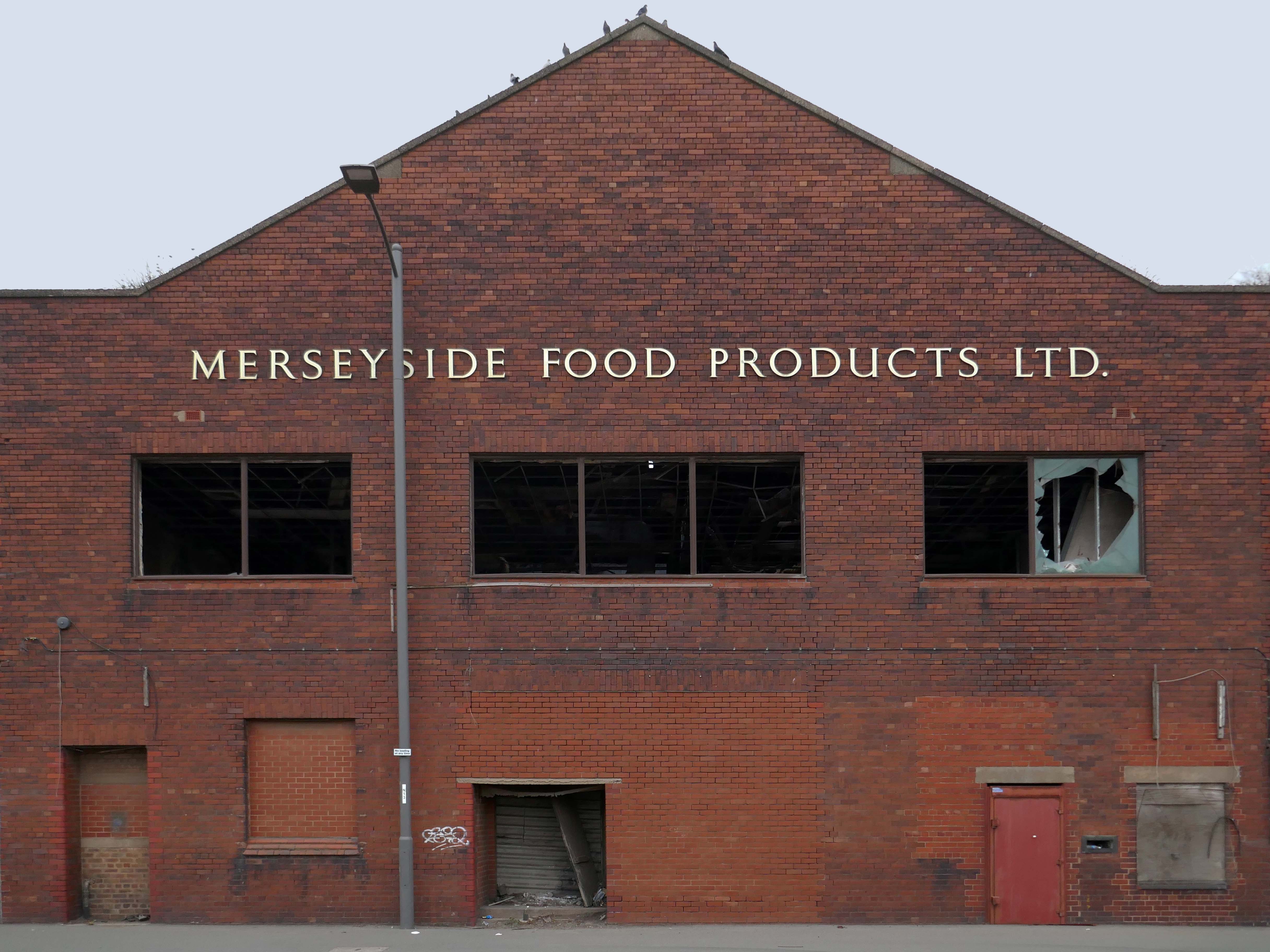
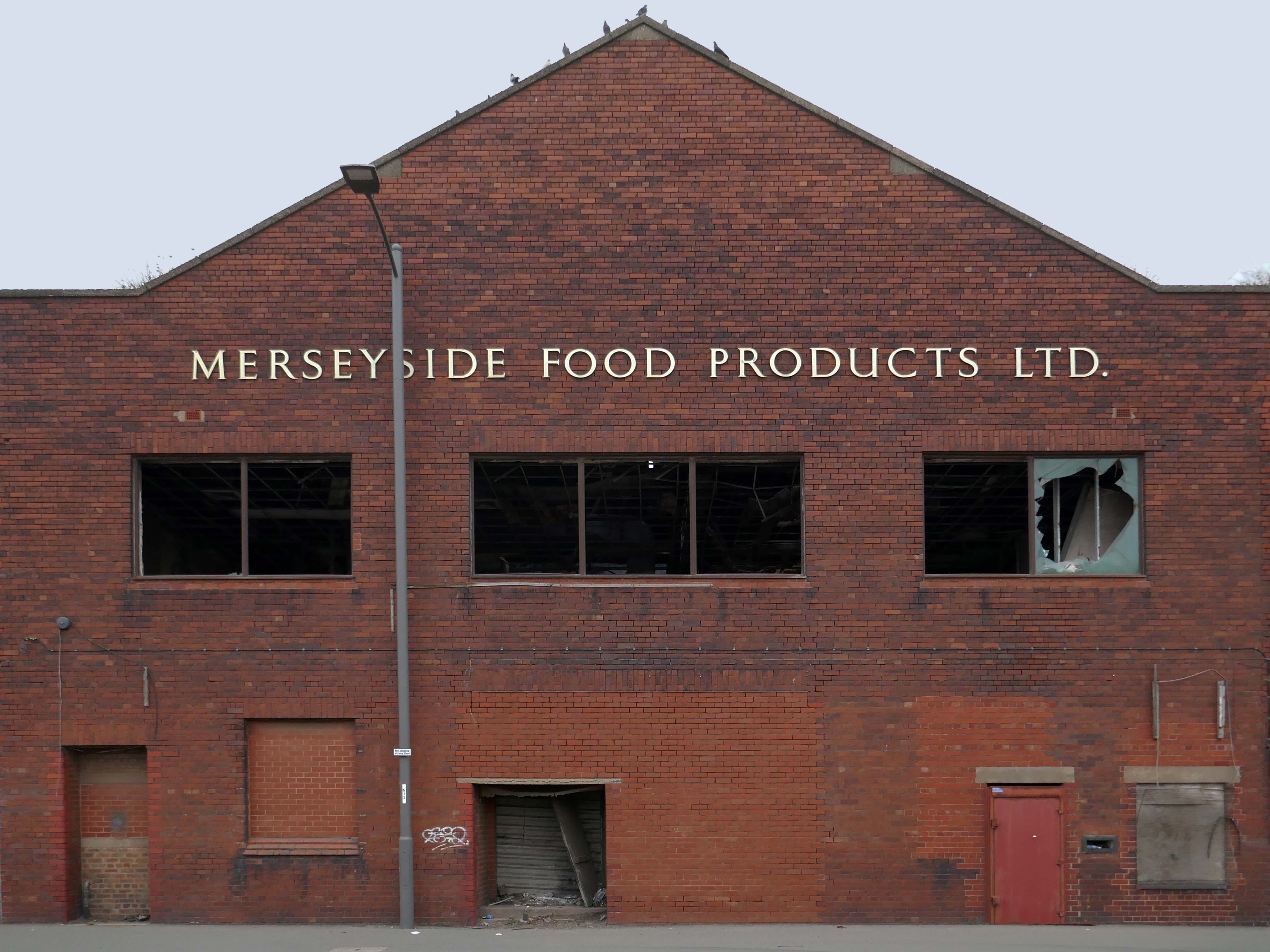
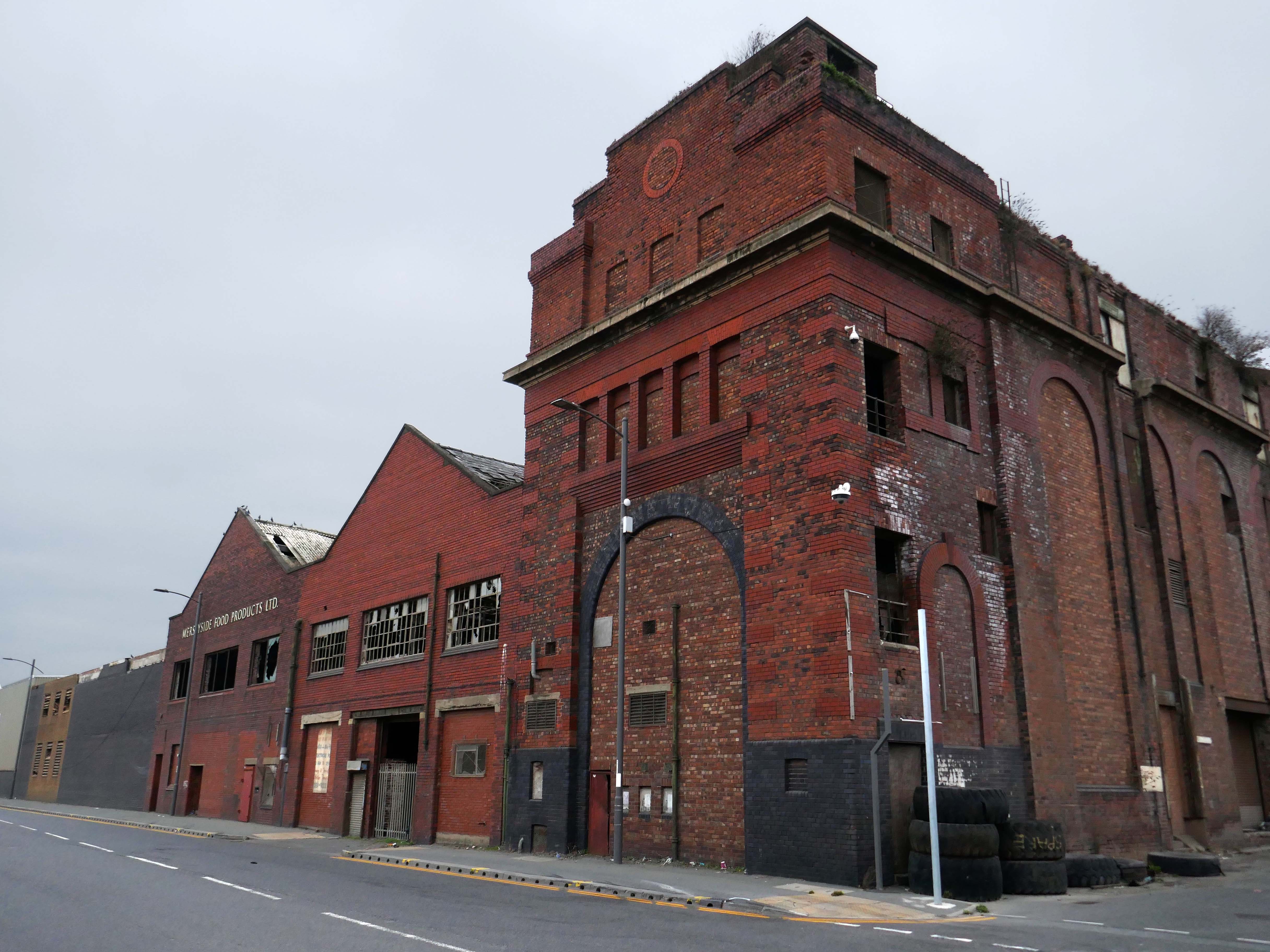
Merseyside Food Products

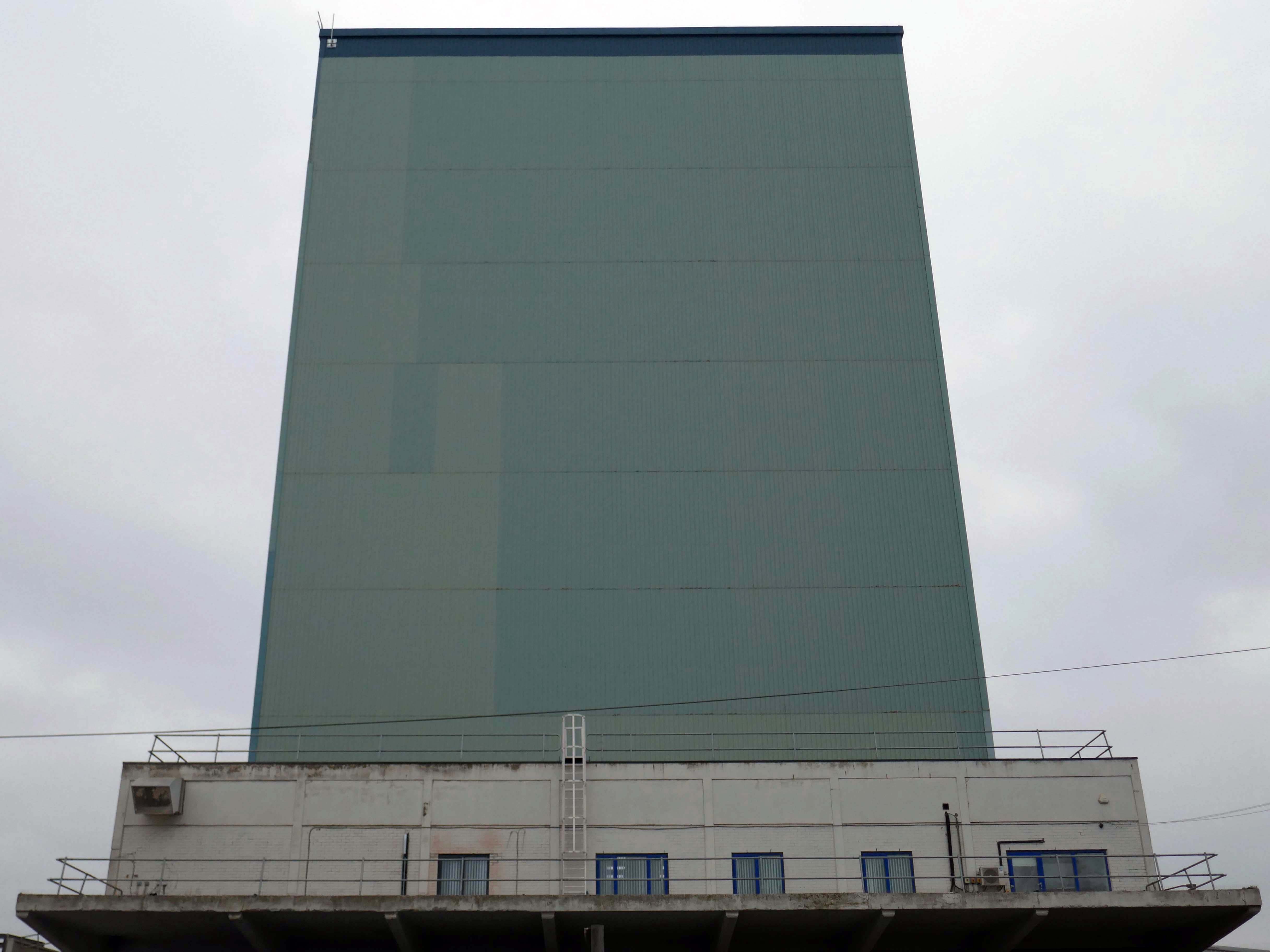
Tate & Lyle Sugar Silo

Merseyside Food Products Ltd – Liverpool

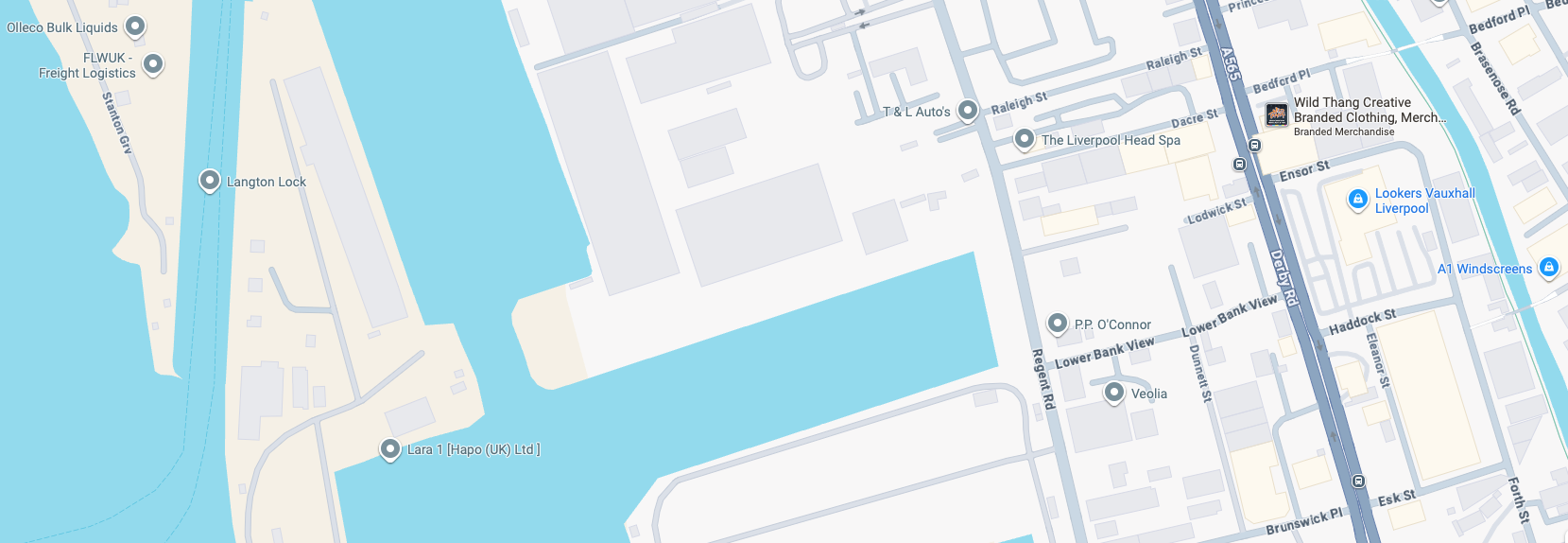
Merseyside Food Products Ltd of Marsh Lane, later 185 Regent Road.

Edible oil producers.
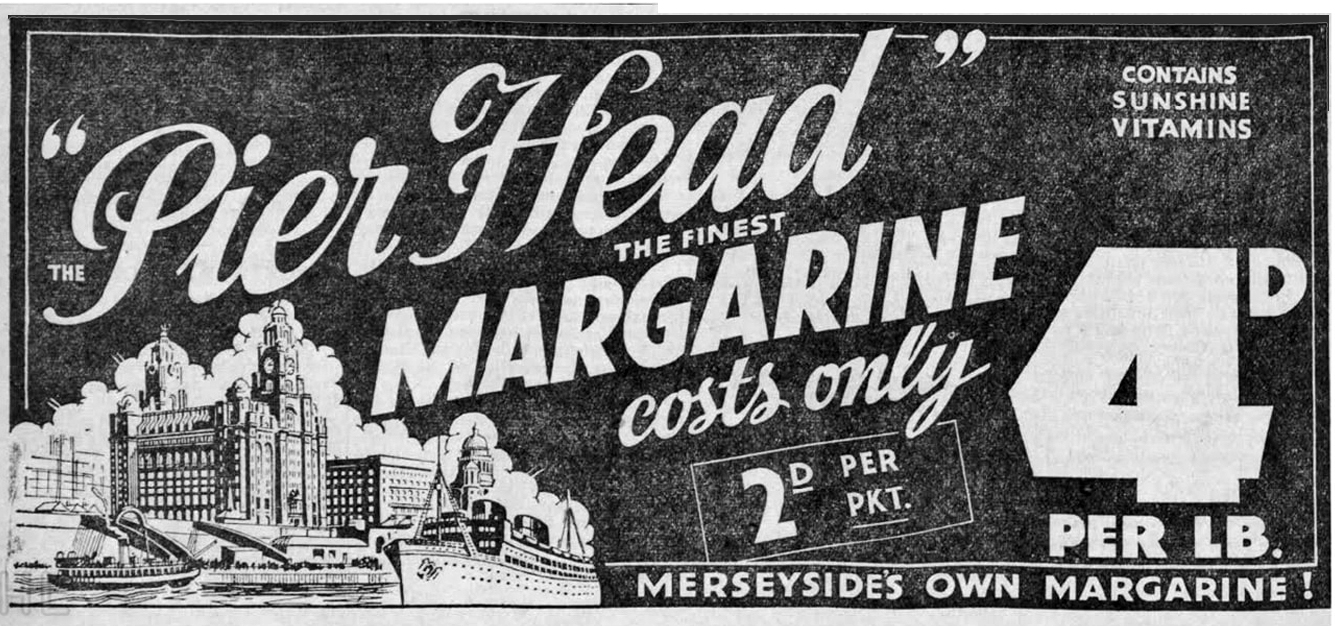
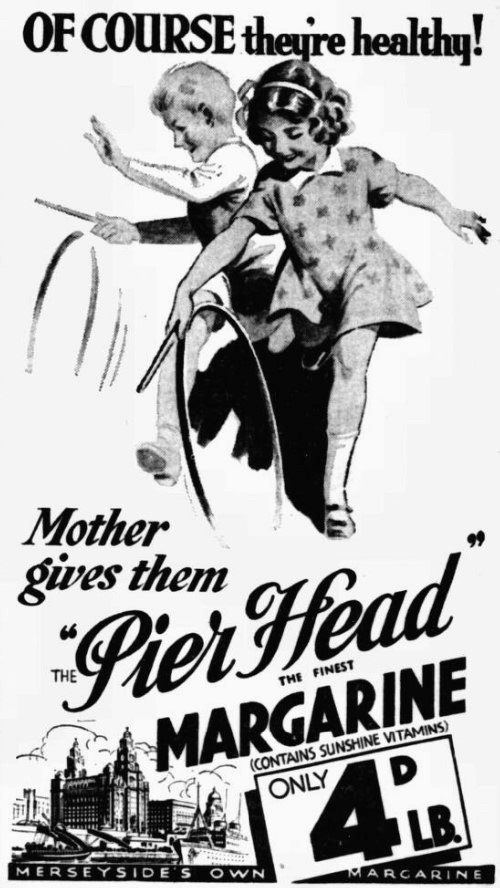
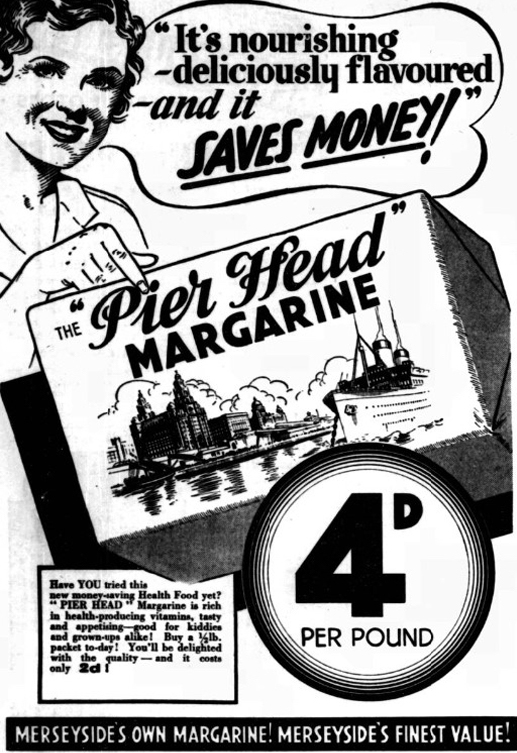
1939 Producing Pier Head brand margarine.
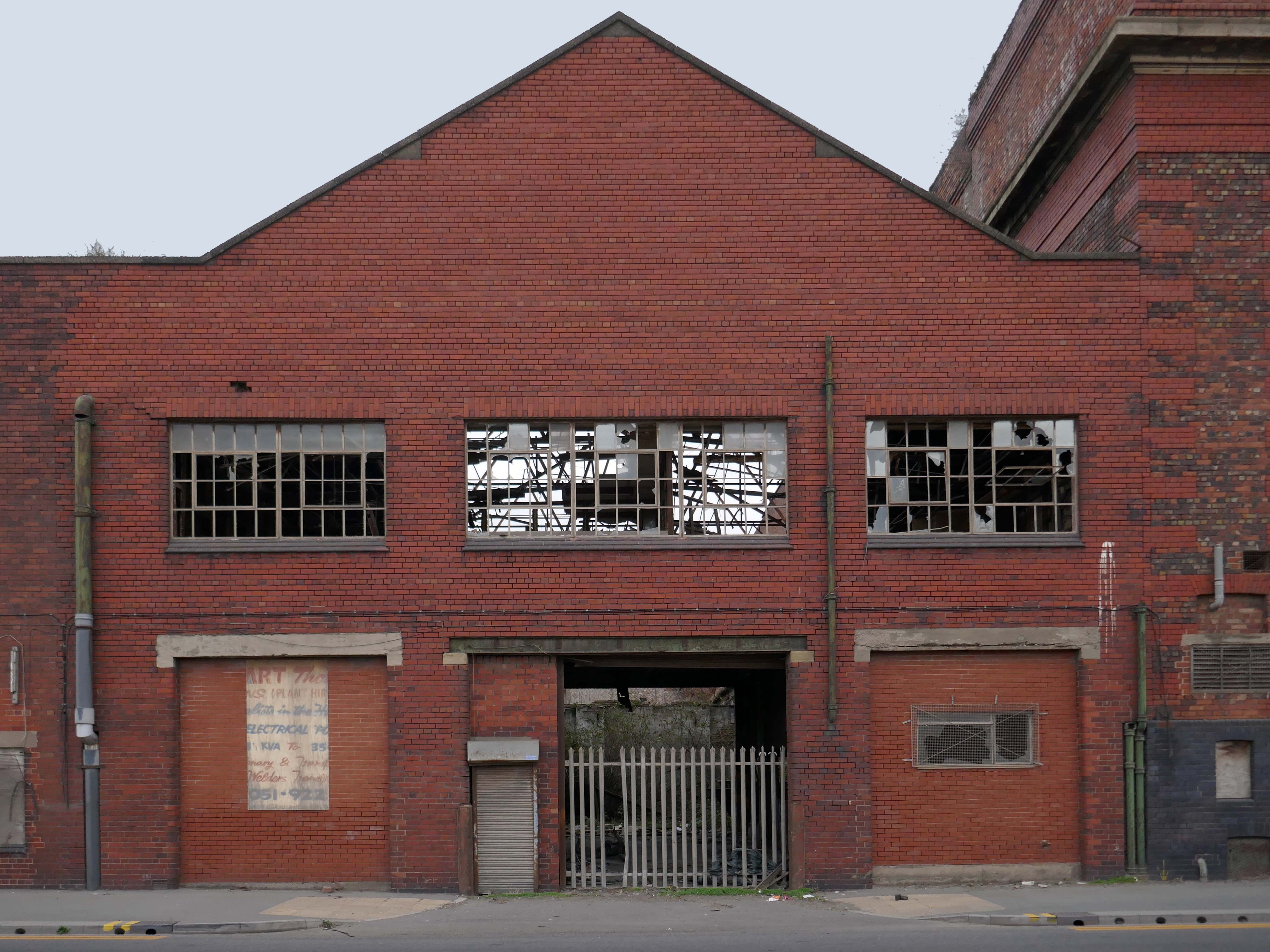
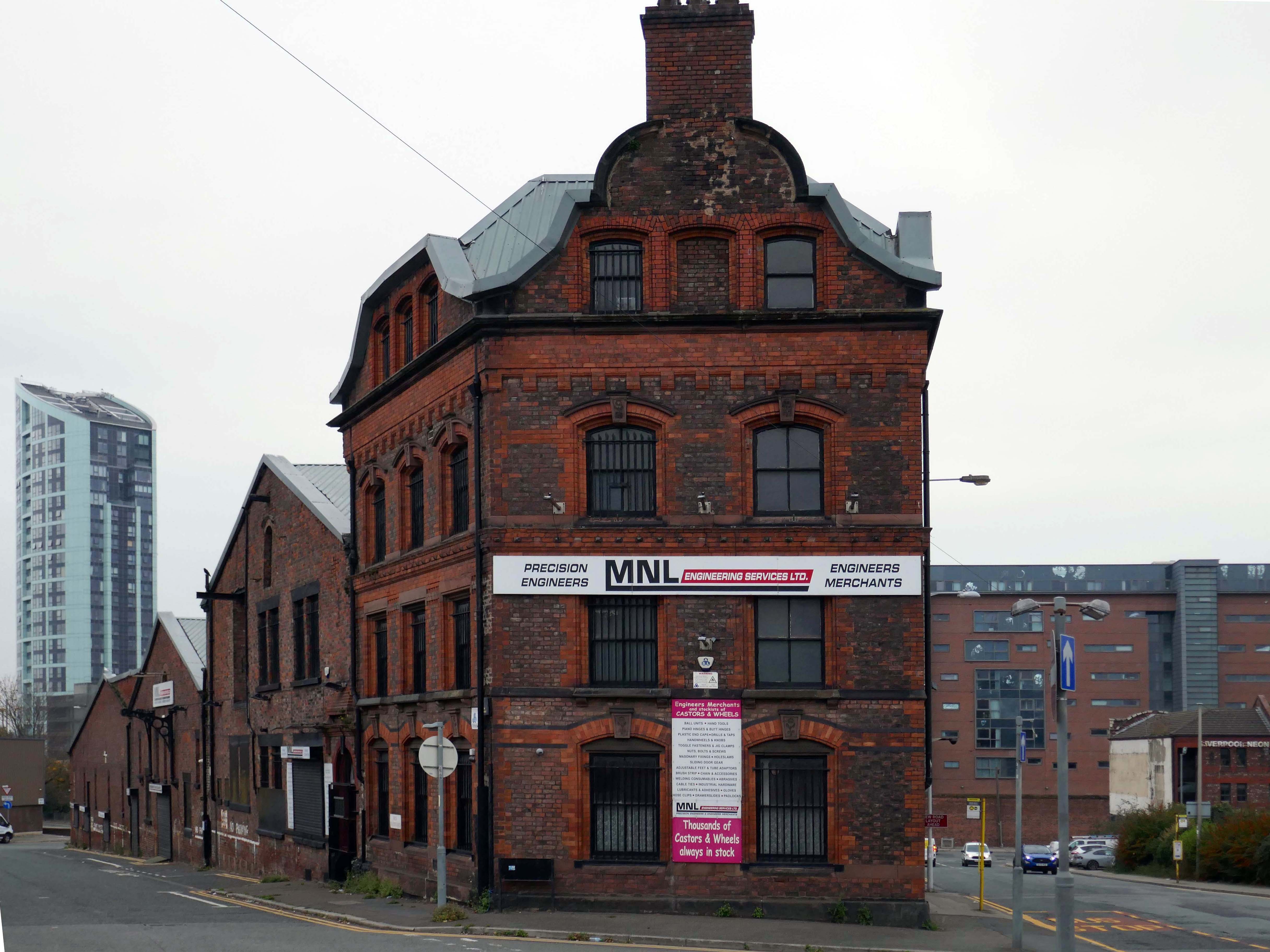
The Regent Road premises had originally been the marine engineering North Works of H&C Grayson. It appears that the southern block was converted to a warehouse at some point before being occupied by Merseyside Food Products in the 1950s. 

The Regent Road factory closed in 1984.

Graces Guide.

Having a casual afternoon stroll along the road, I espied a narrow gap in the railings, whilst I could never be considered a devotee of urbex, who can resist a narrow gap in the railings?

There are those who have been here before – the 28 Days Later folk take a much deeper peep.

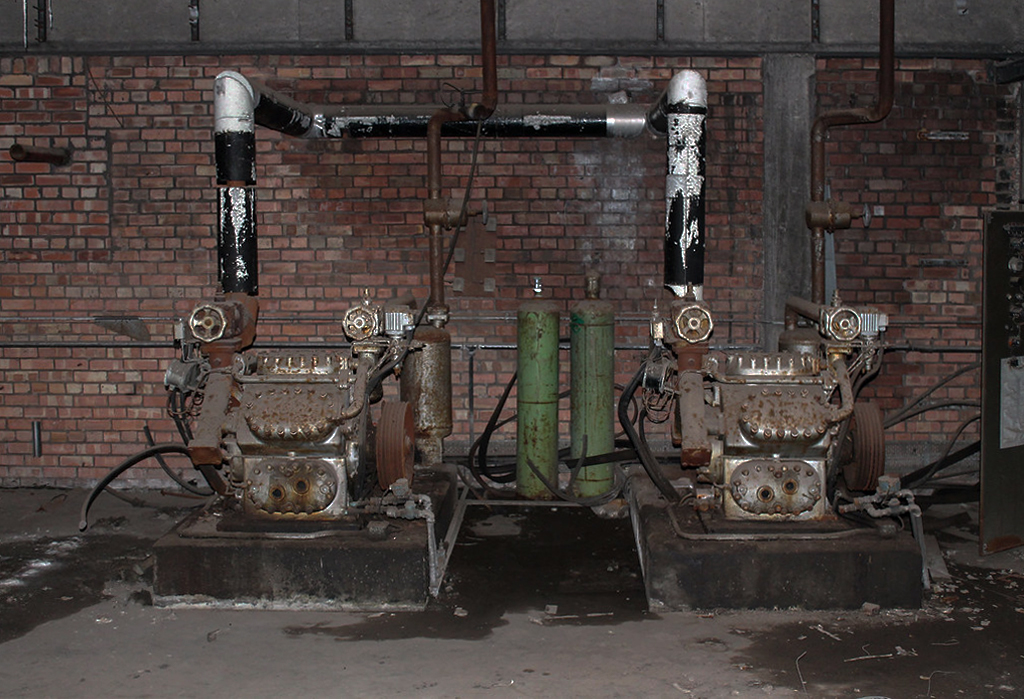
Uncovering some of the left behind plant.

And attracting a comment from a former employee:

I was company microbiologist at this site, The sets of broken windows at the front of the building on the first floor were the laboratories. 

The main photograph shows the chemistry laboratory, my microbiology laboratory was next door. 
The larger windows to the left provided light to a large open plan reception and office area. Within the factory, the main area had various packing machines for margarines, from 250g paper wrapped packets to 2 Kg catering packs.

A second packing area contained a machine that produced tinned margarine for the Ministry of Defence, who supplied it to the Army overseas.

Cratedigger

urbanchemist – 18th

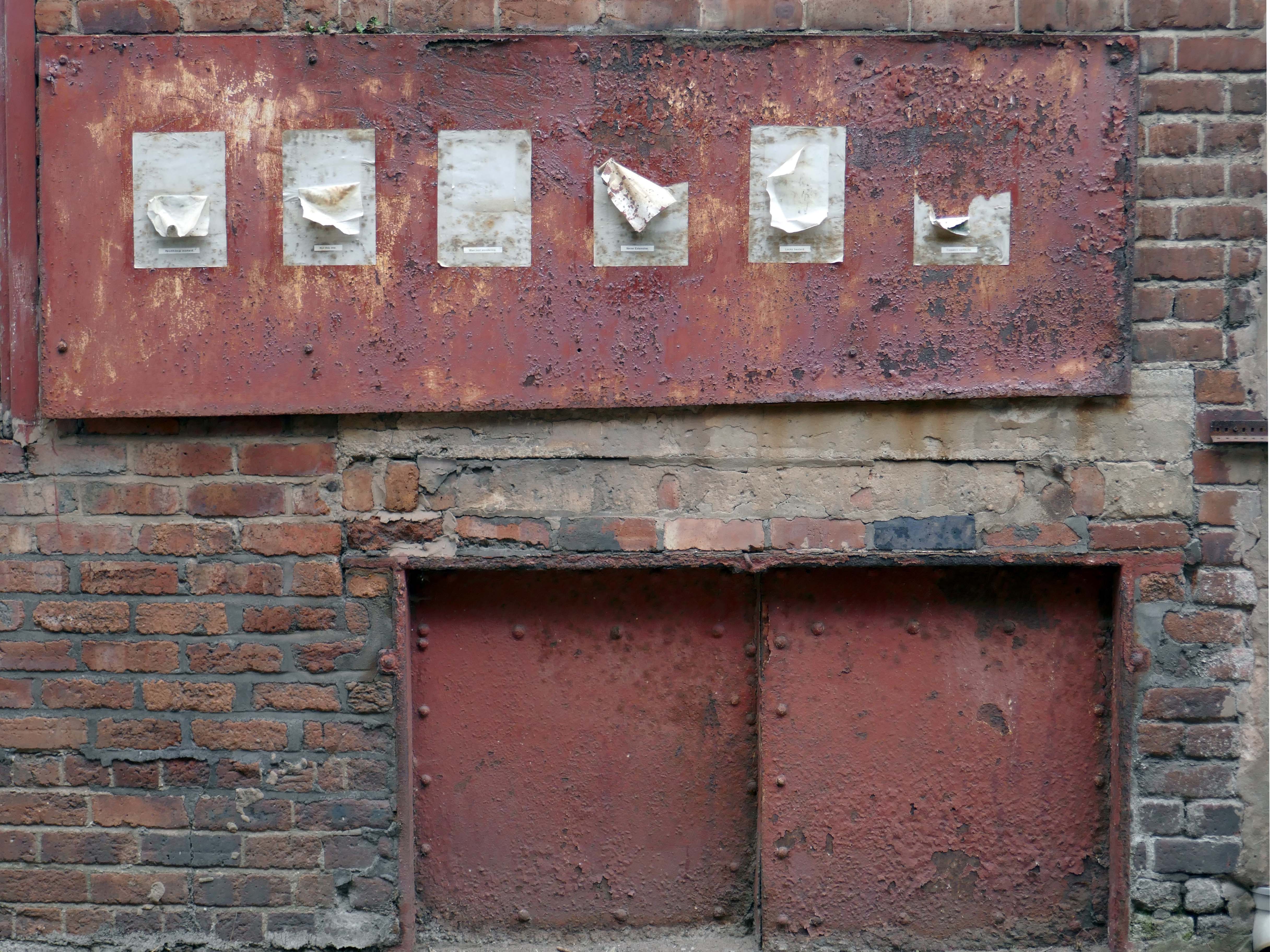
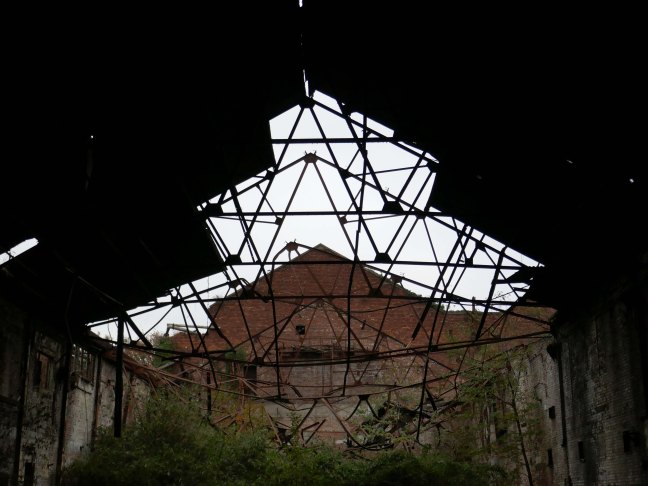
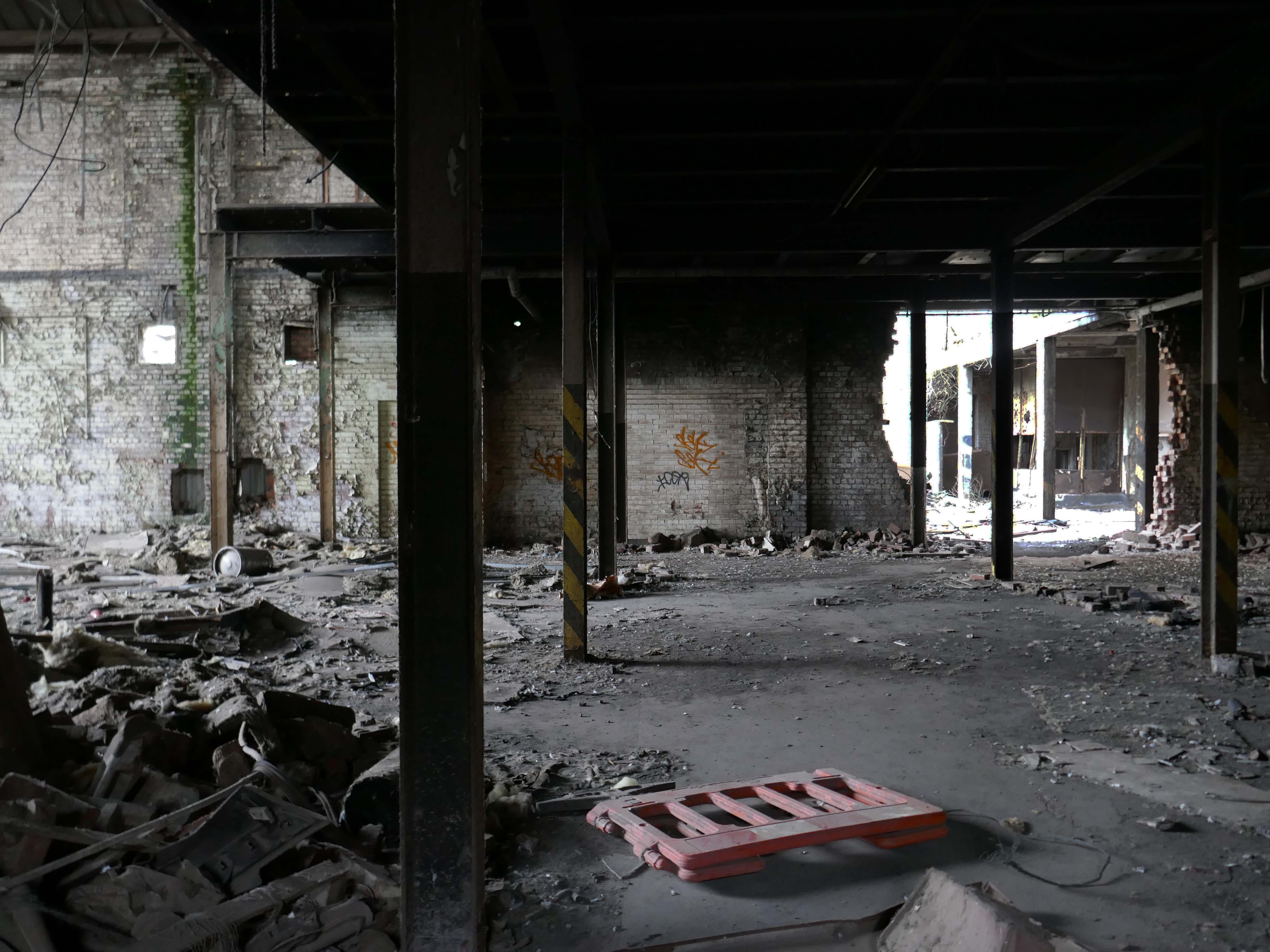
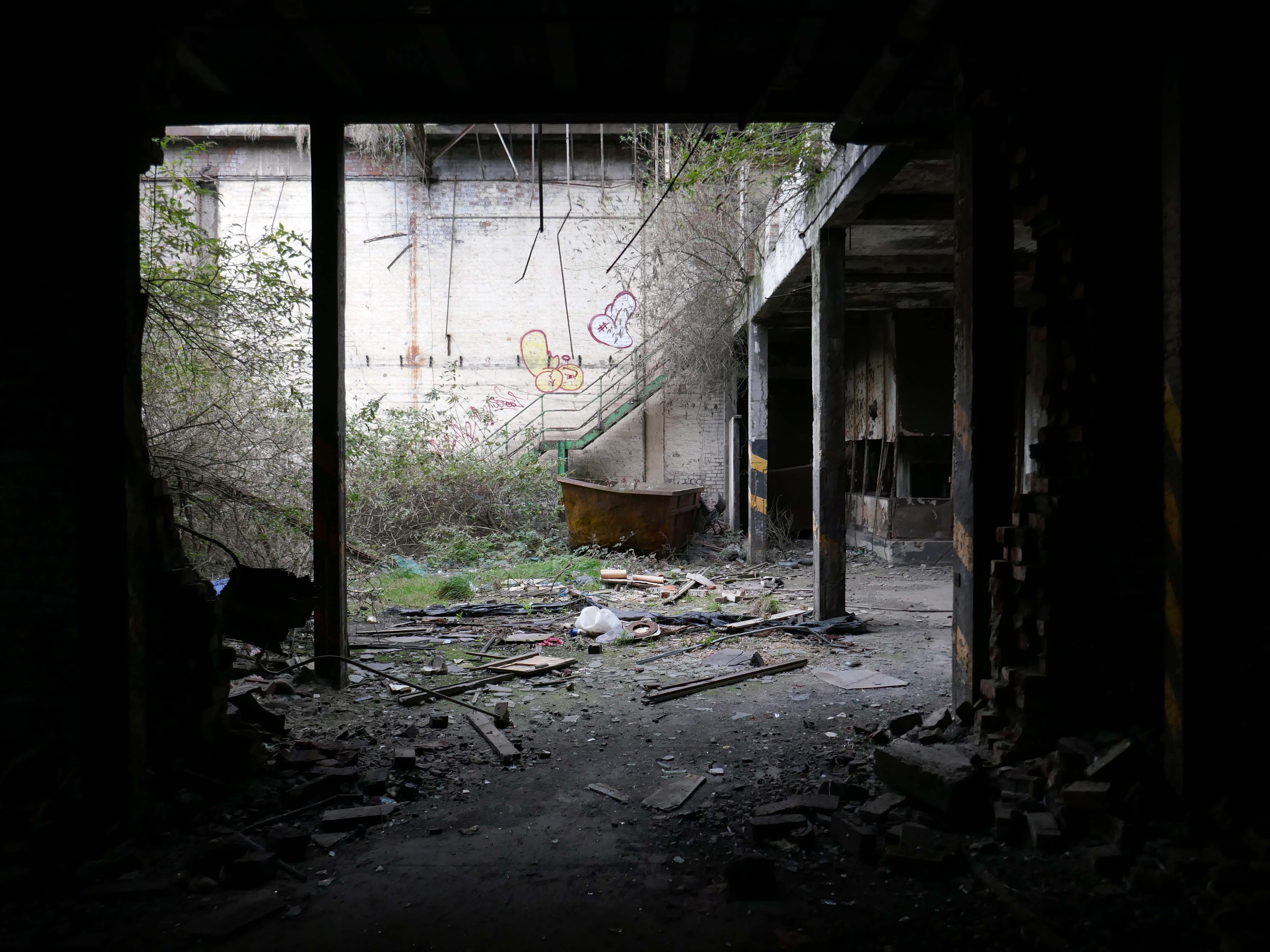
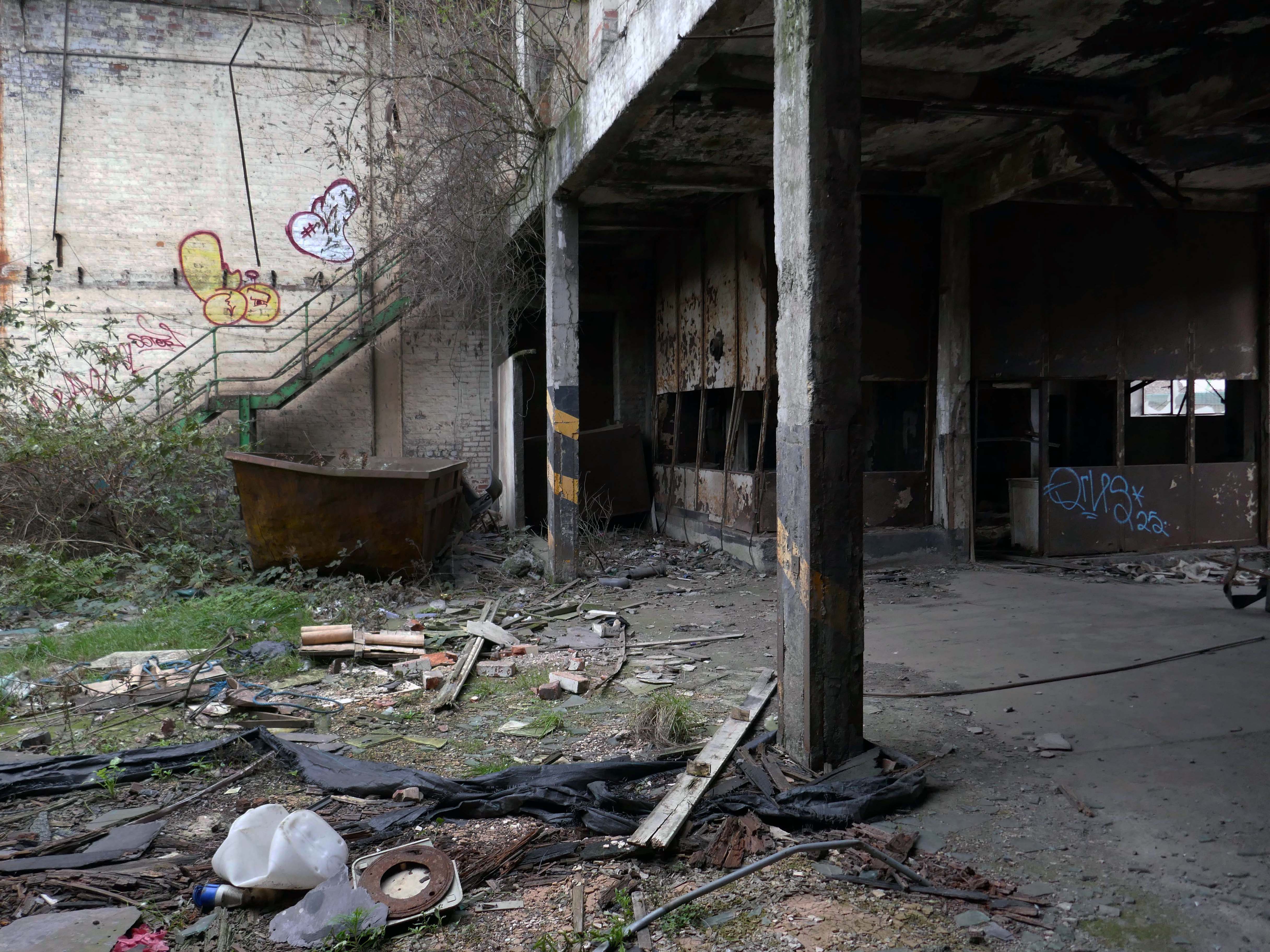
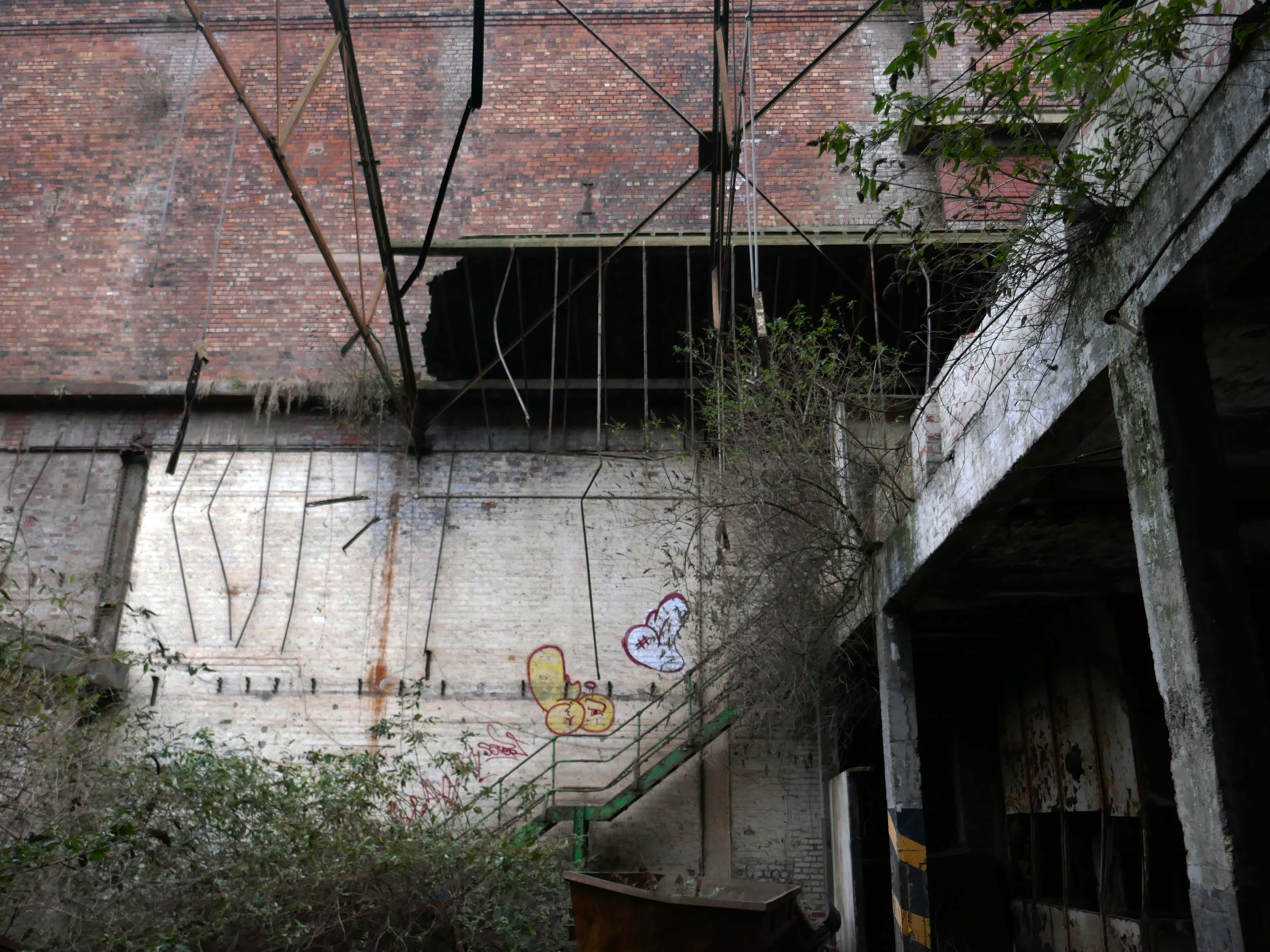
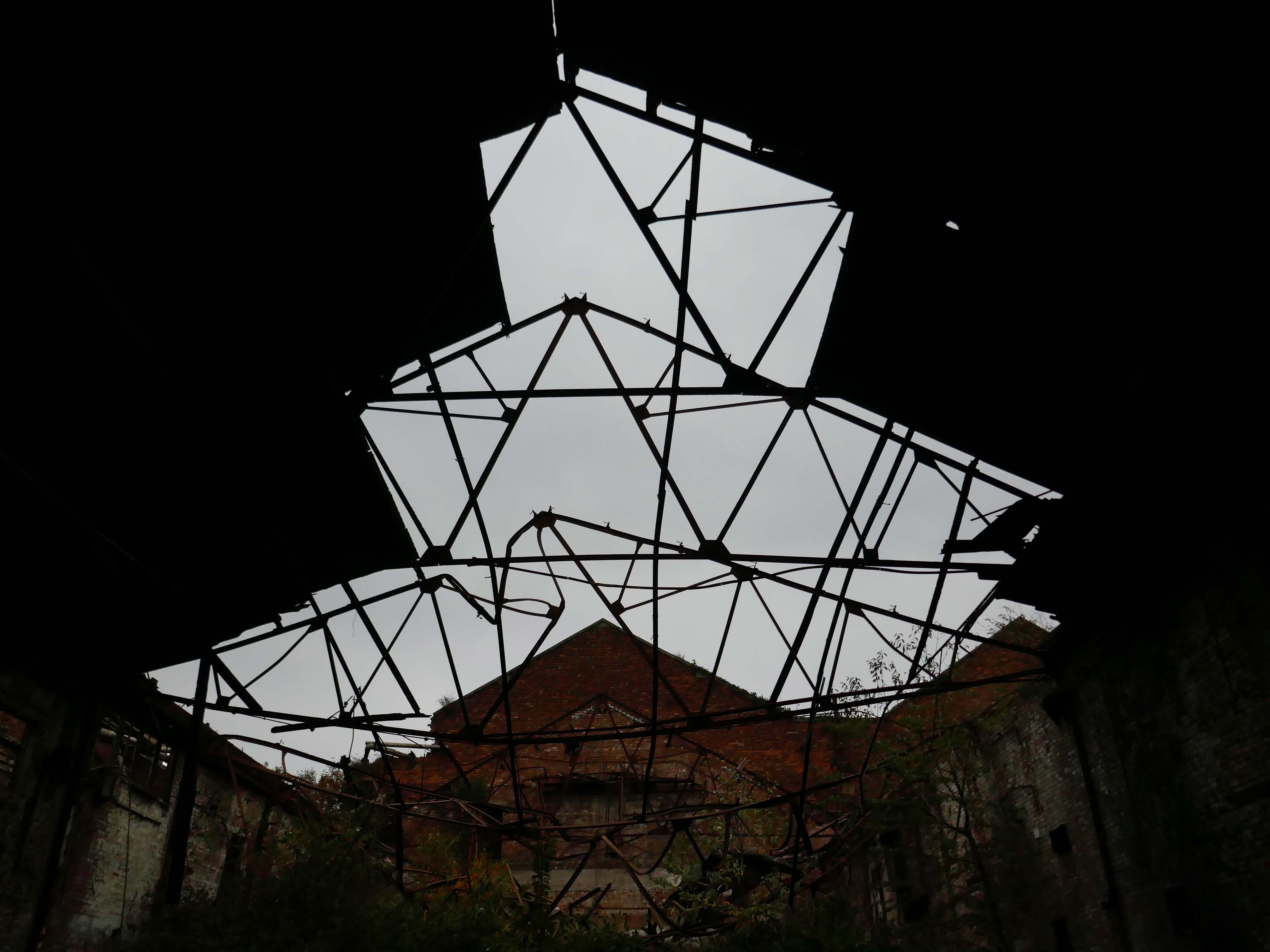
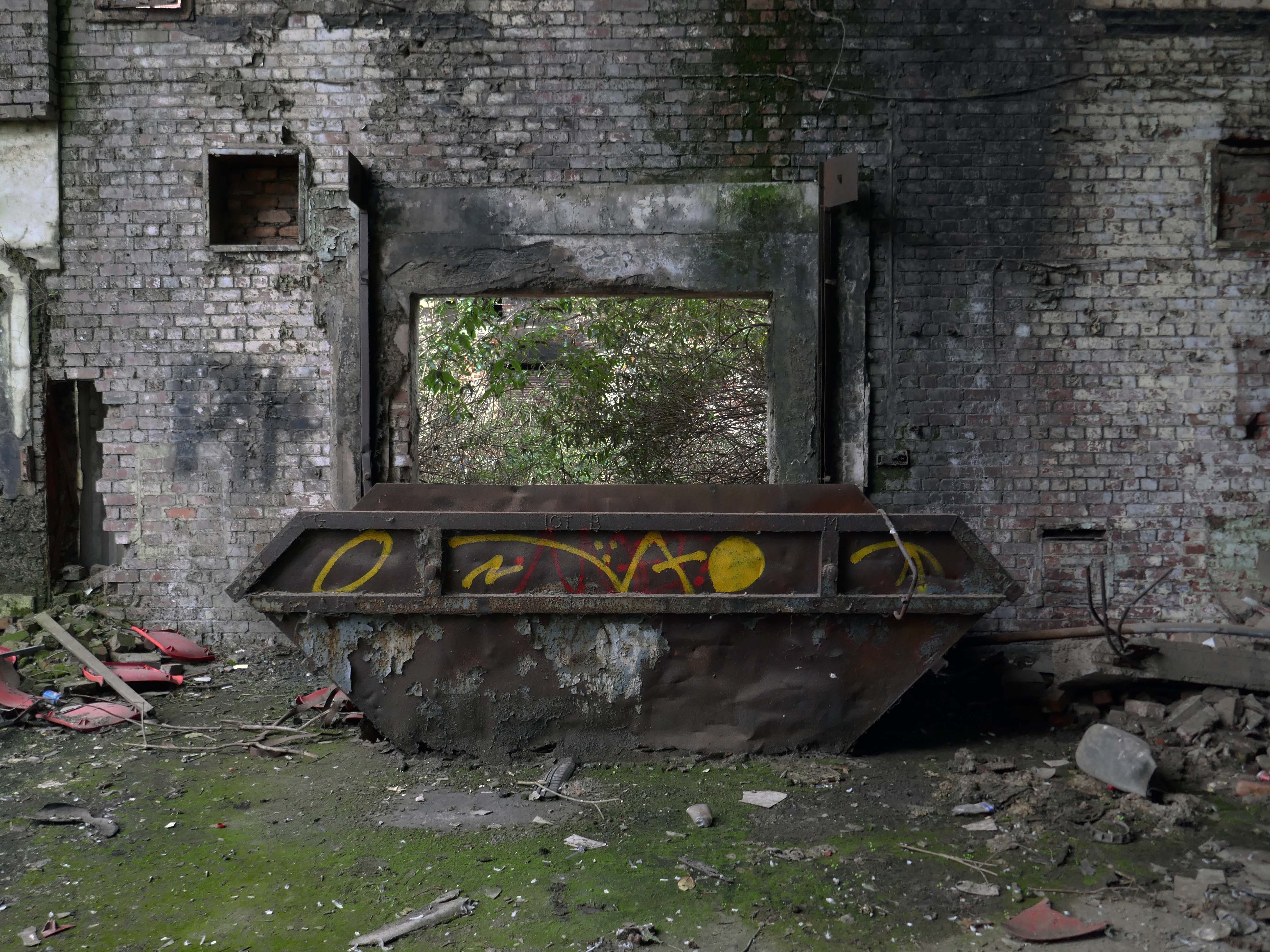
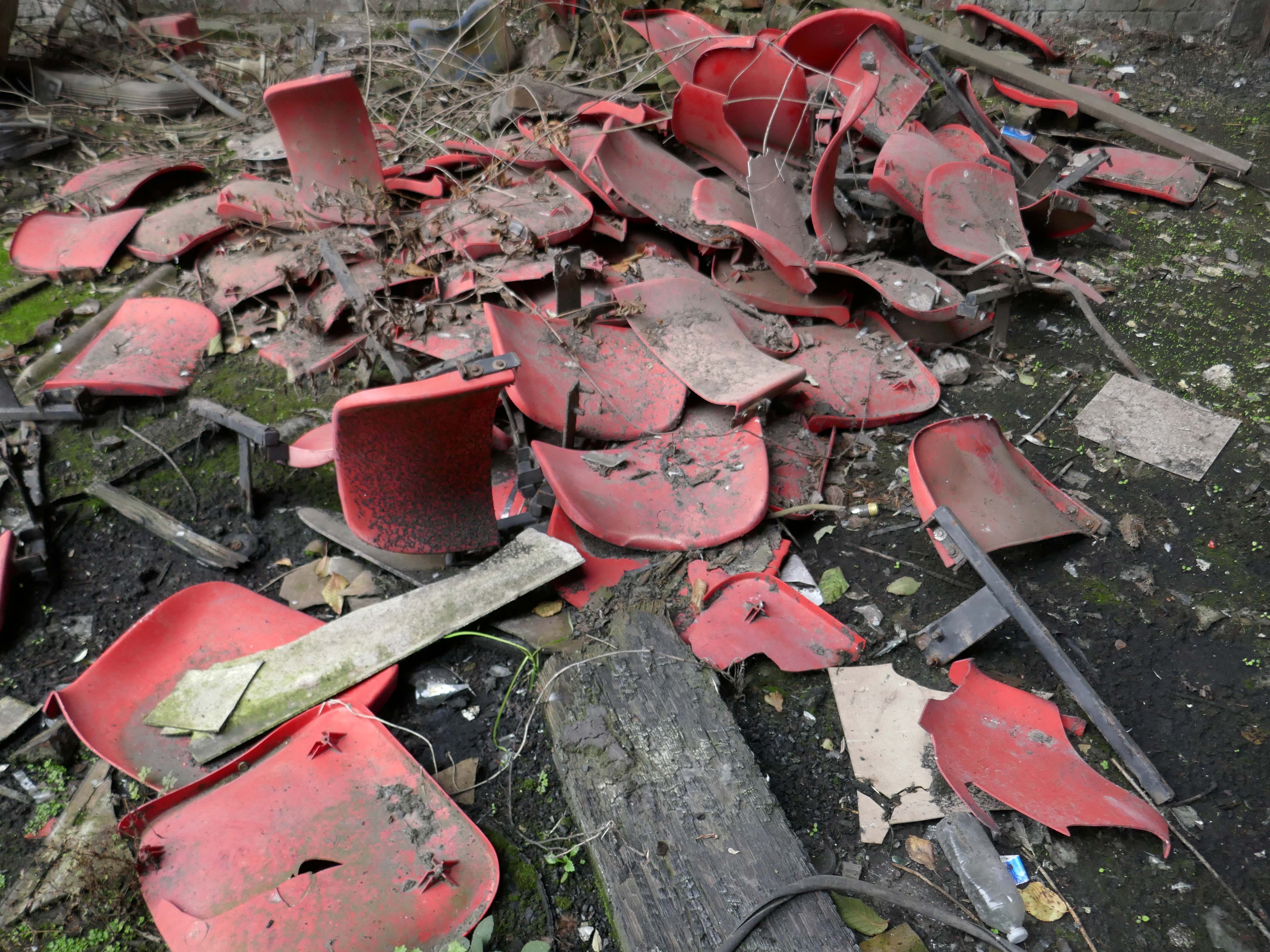
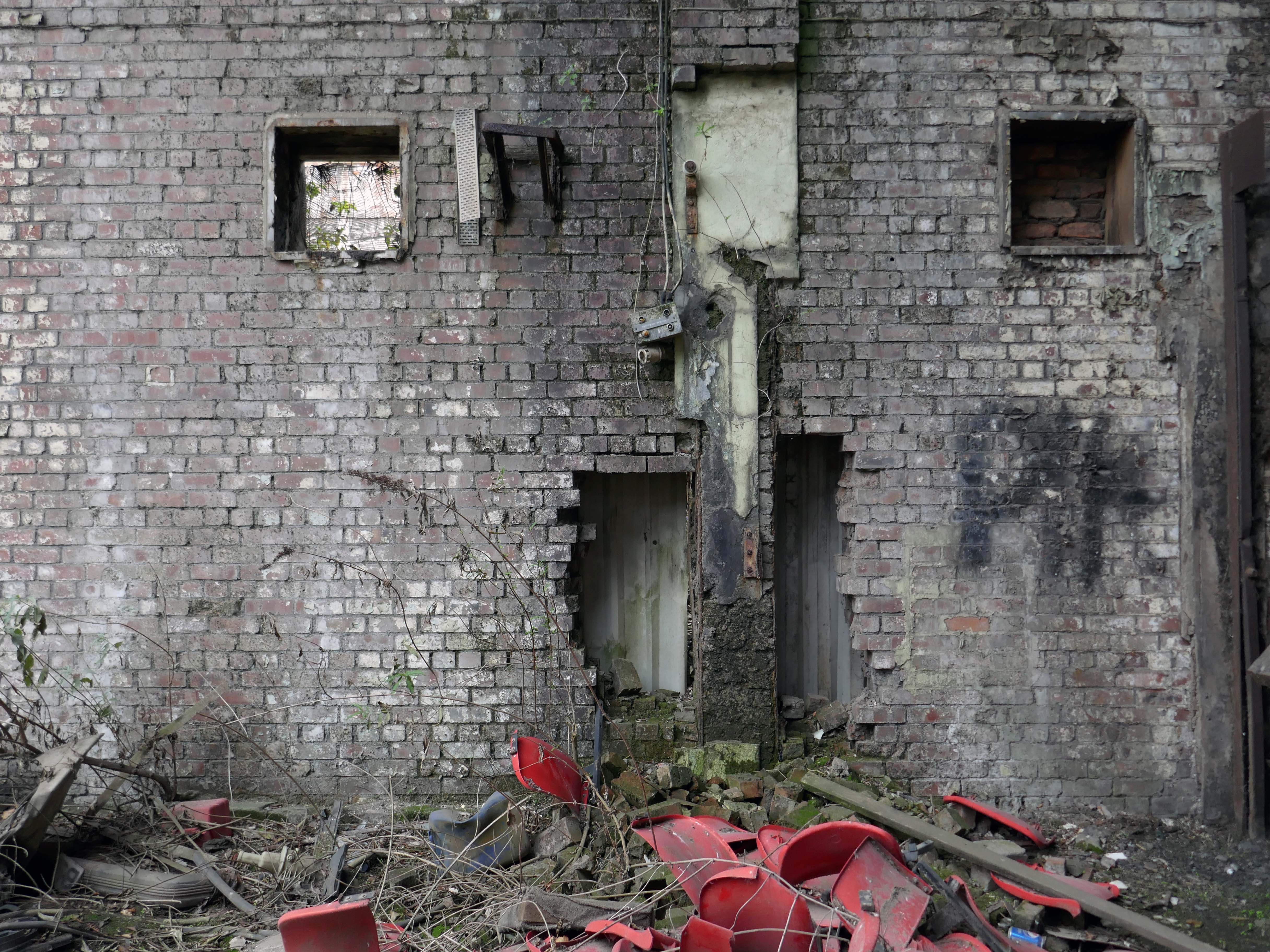
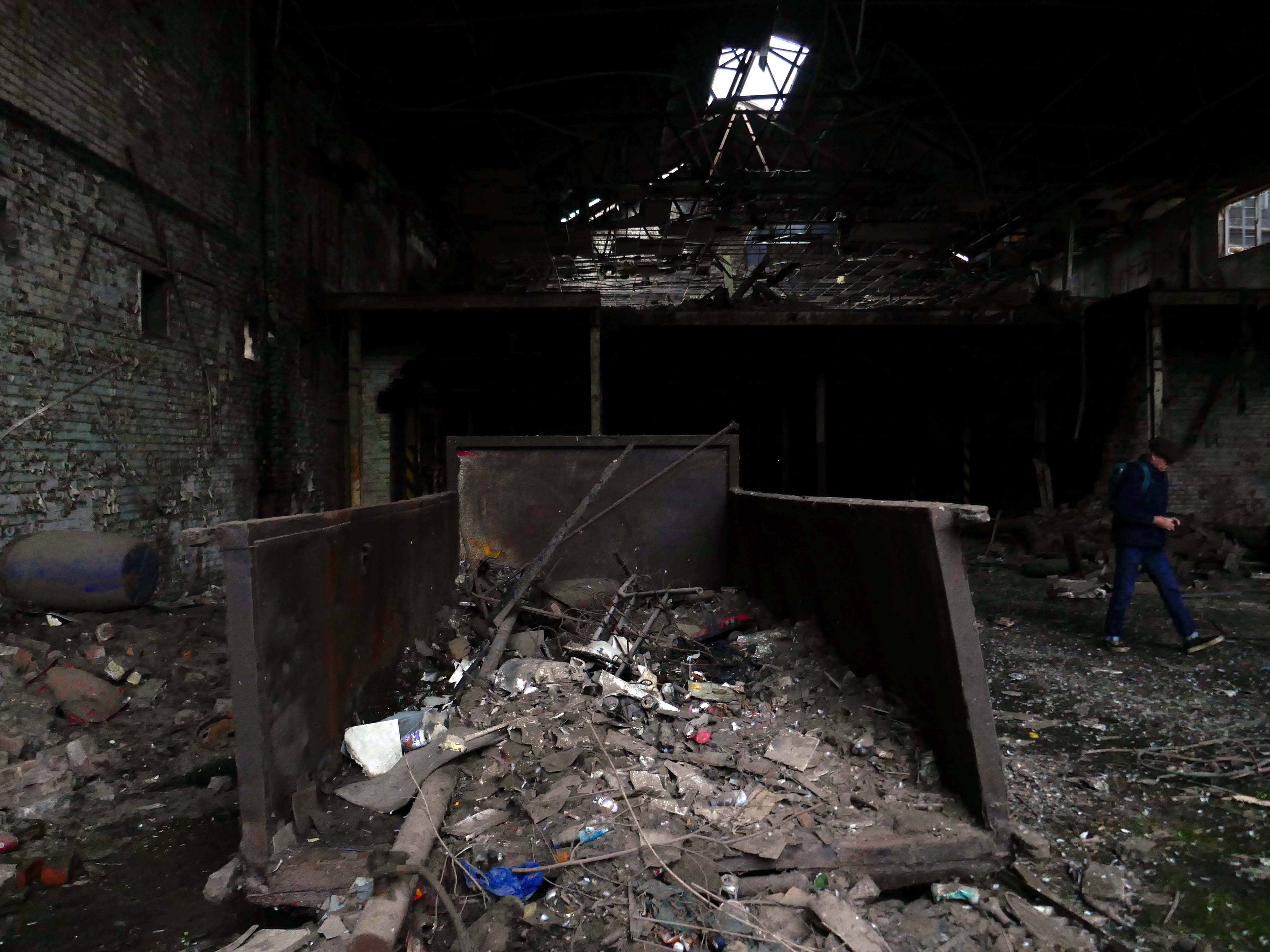
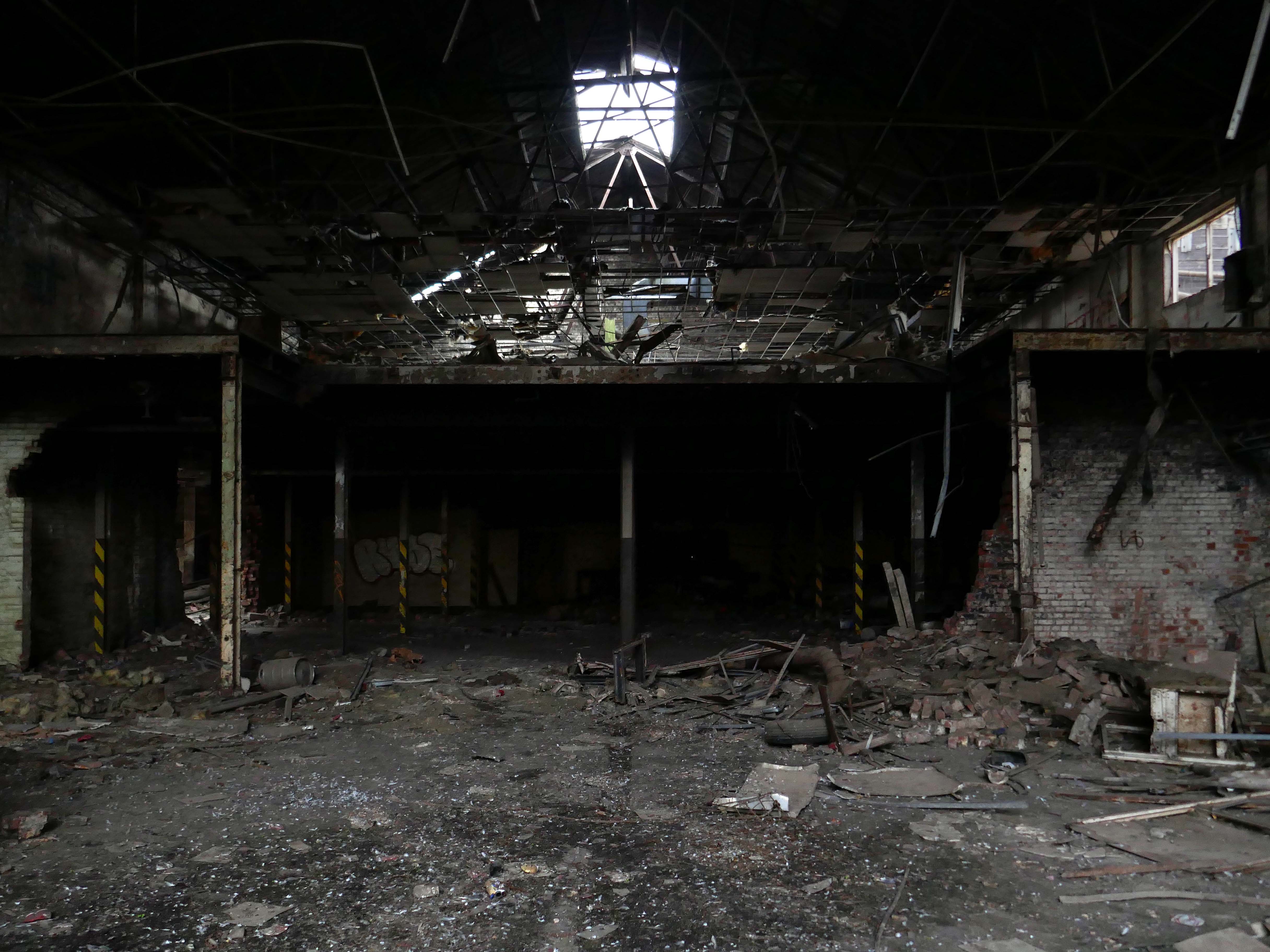
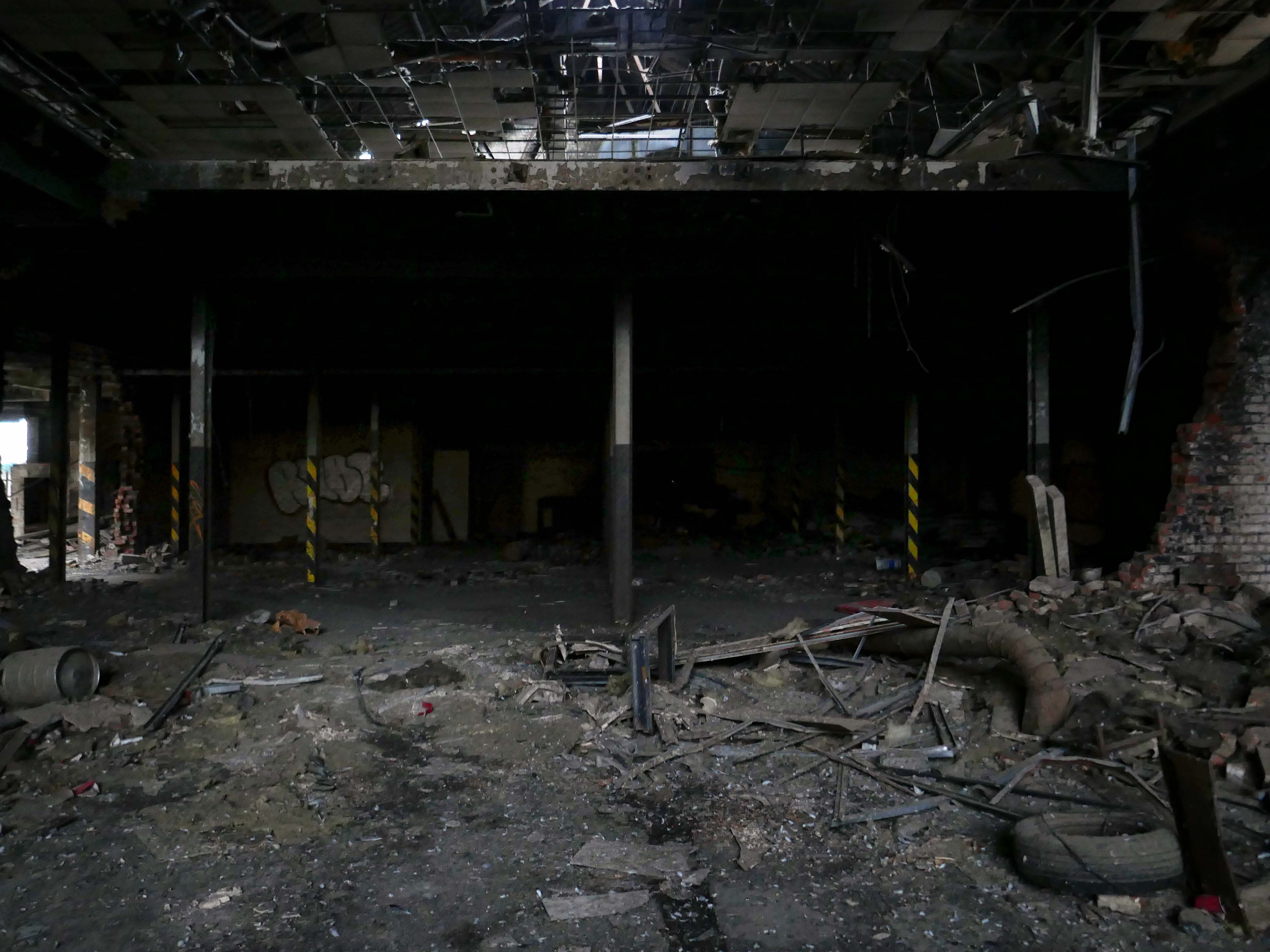
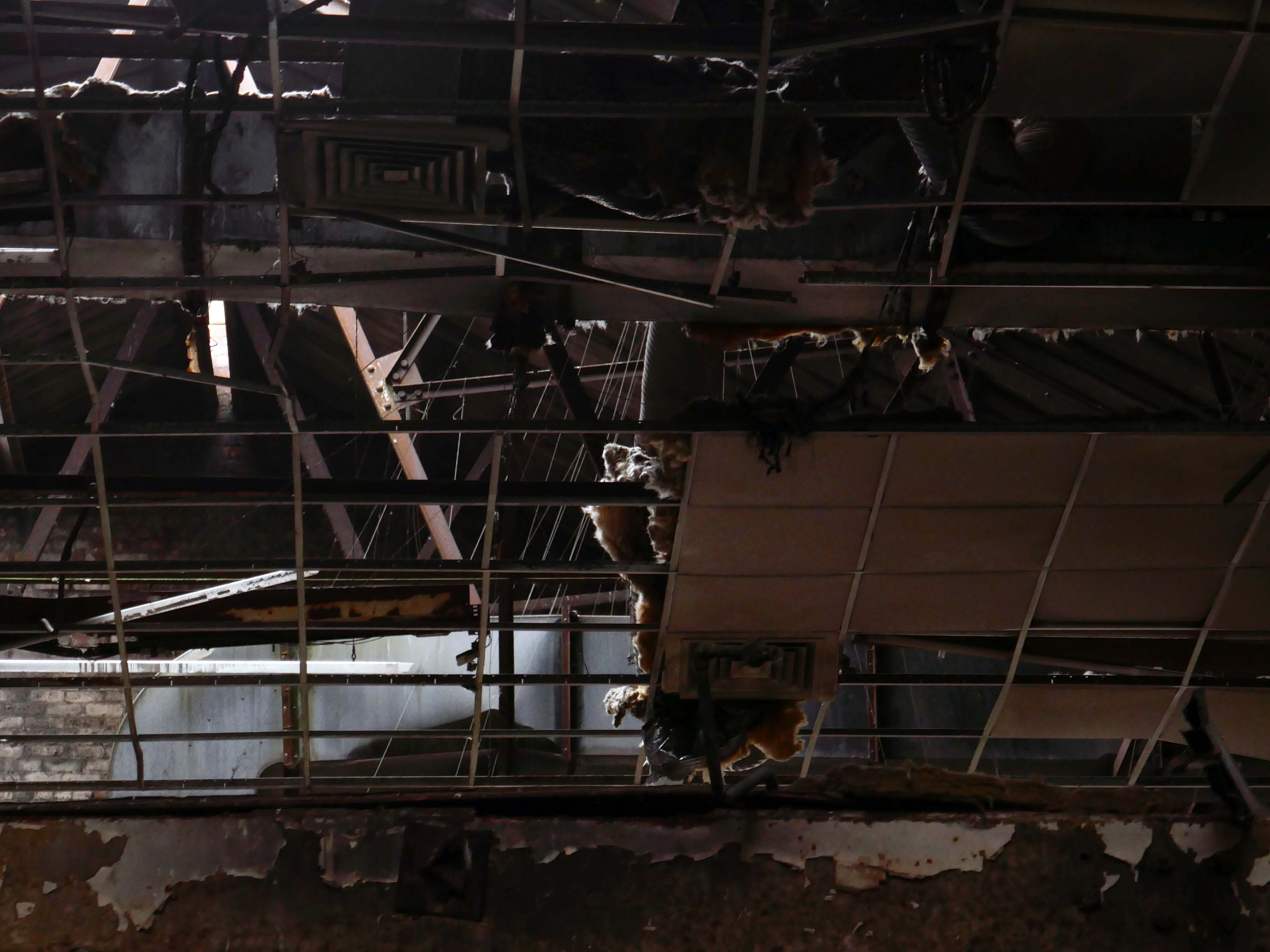
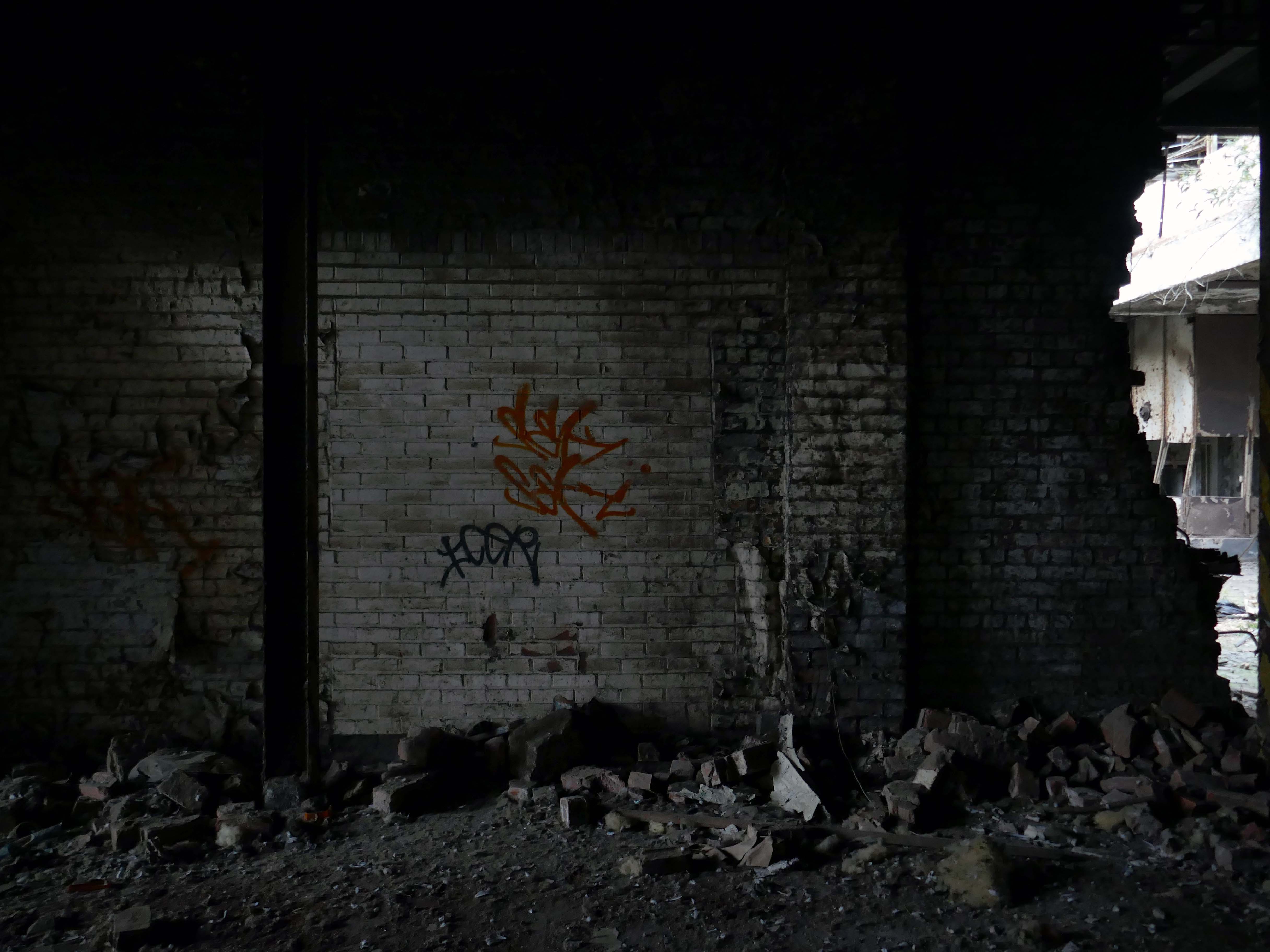
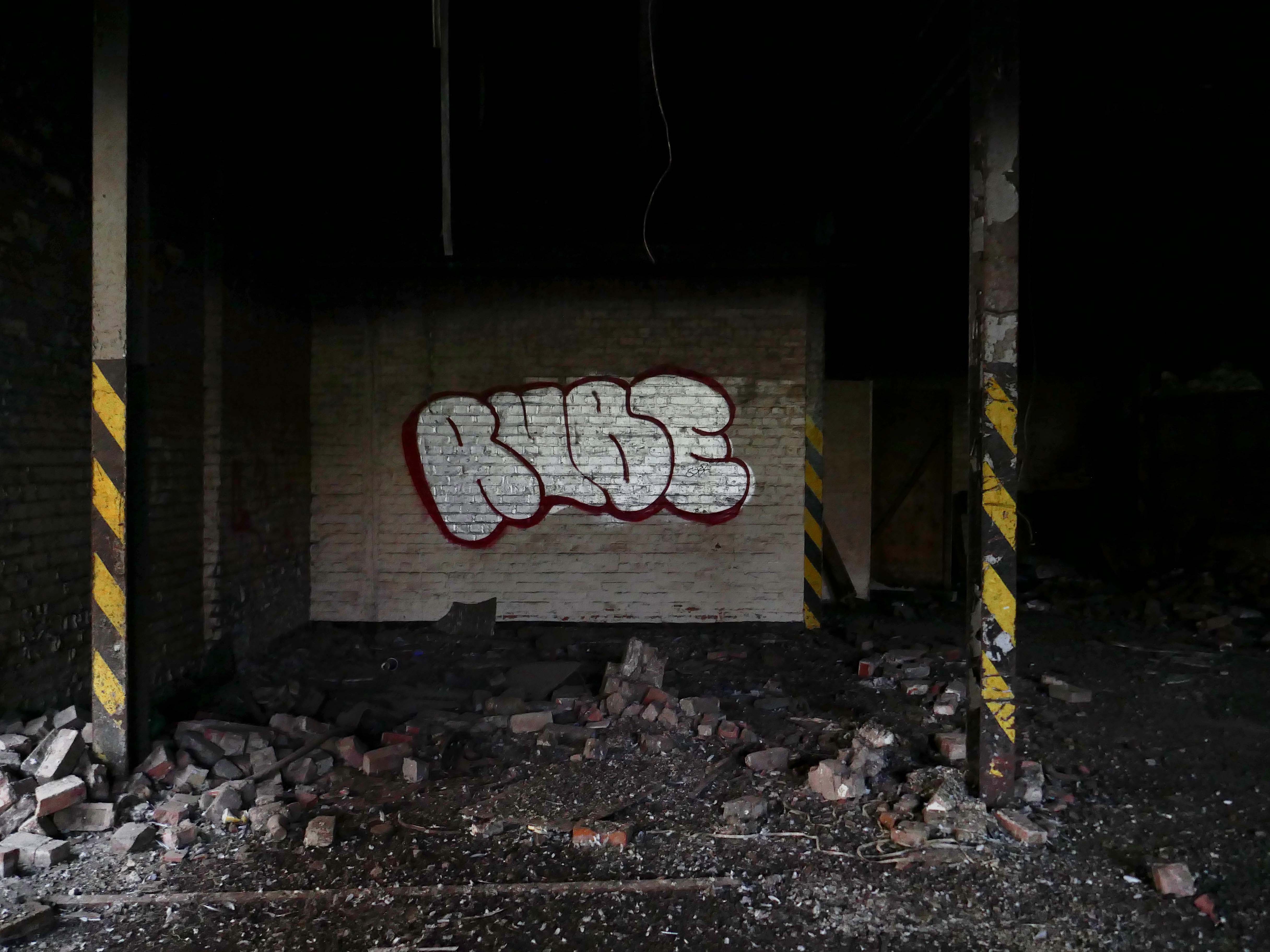
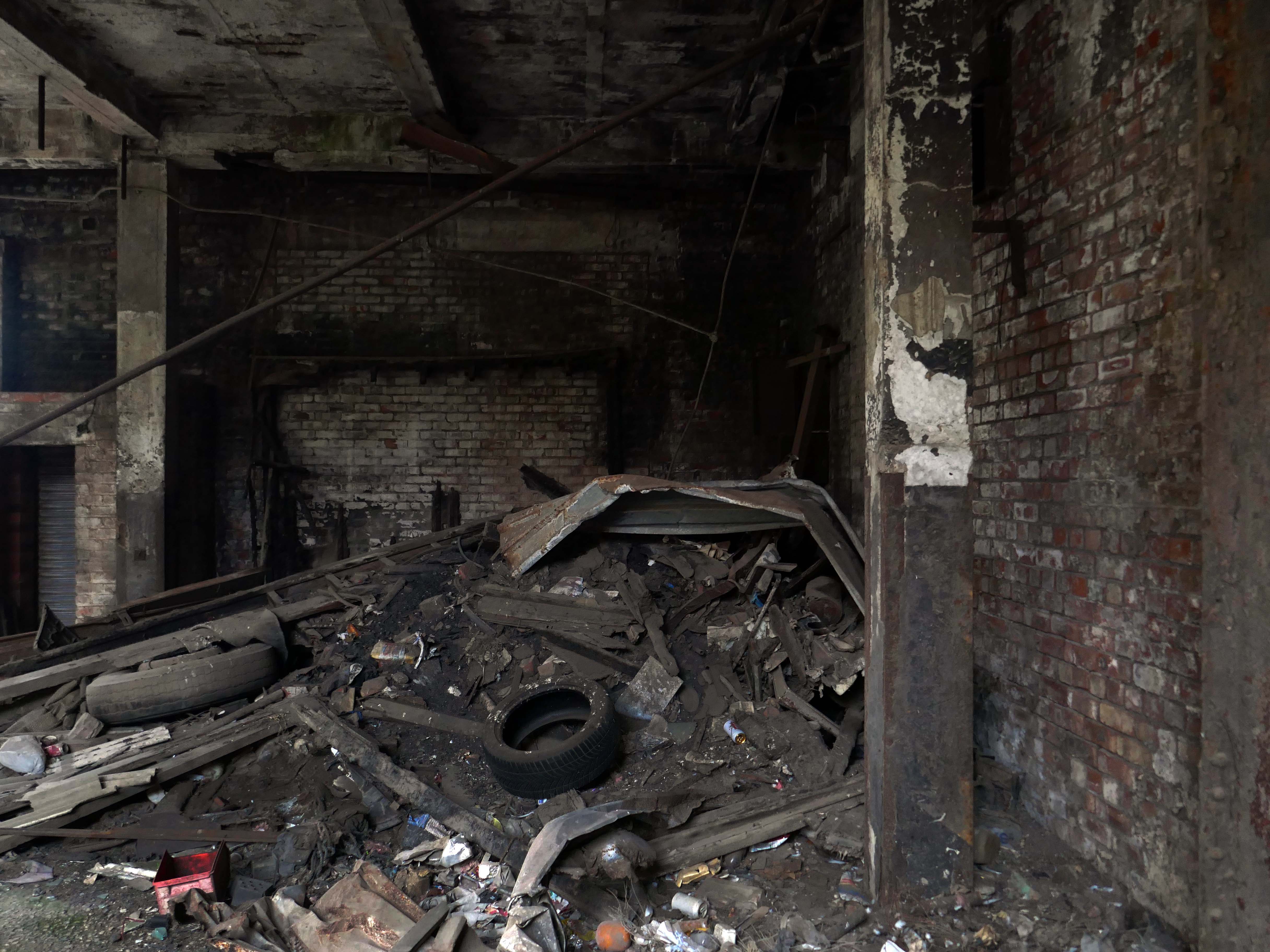
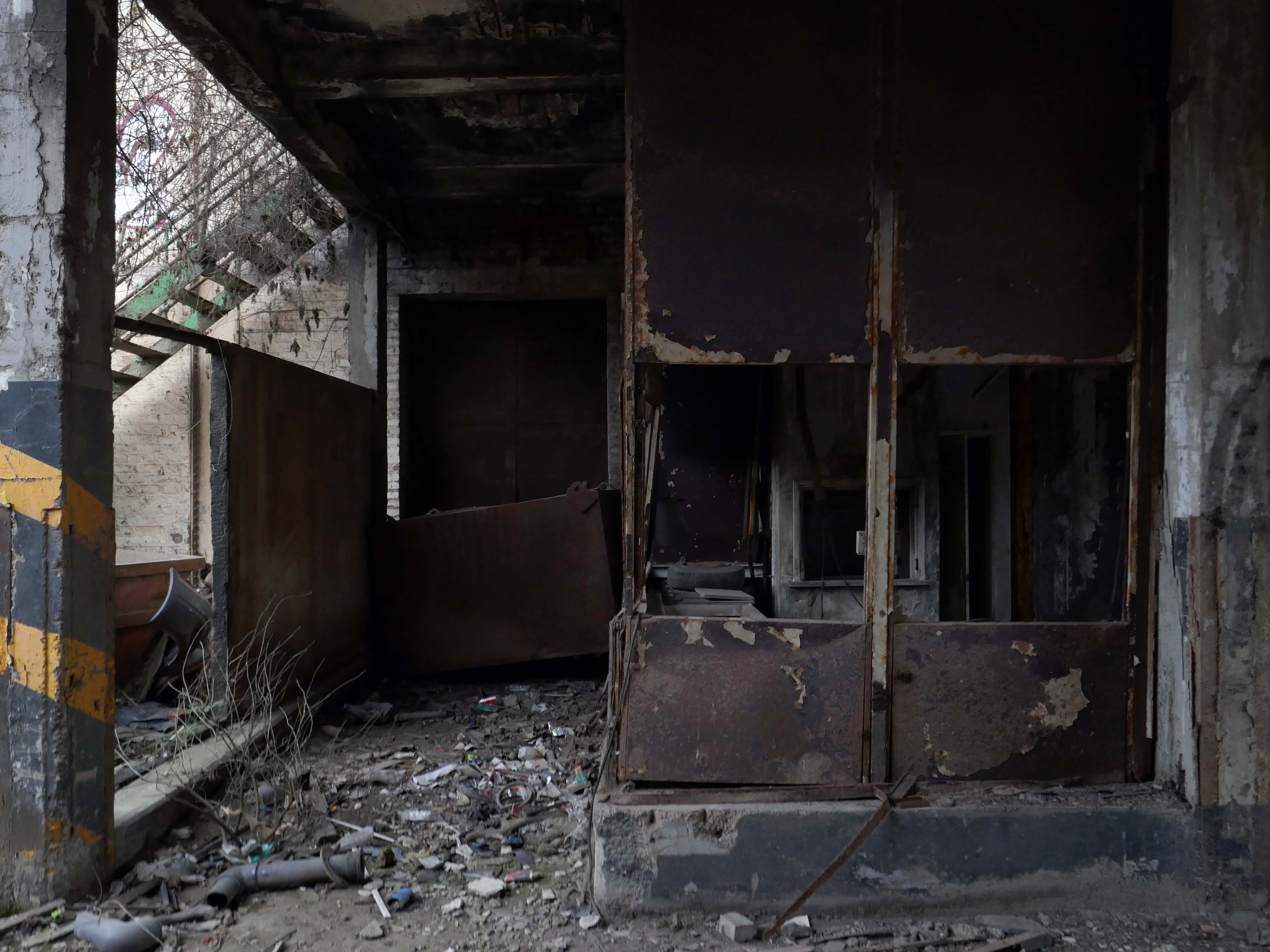
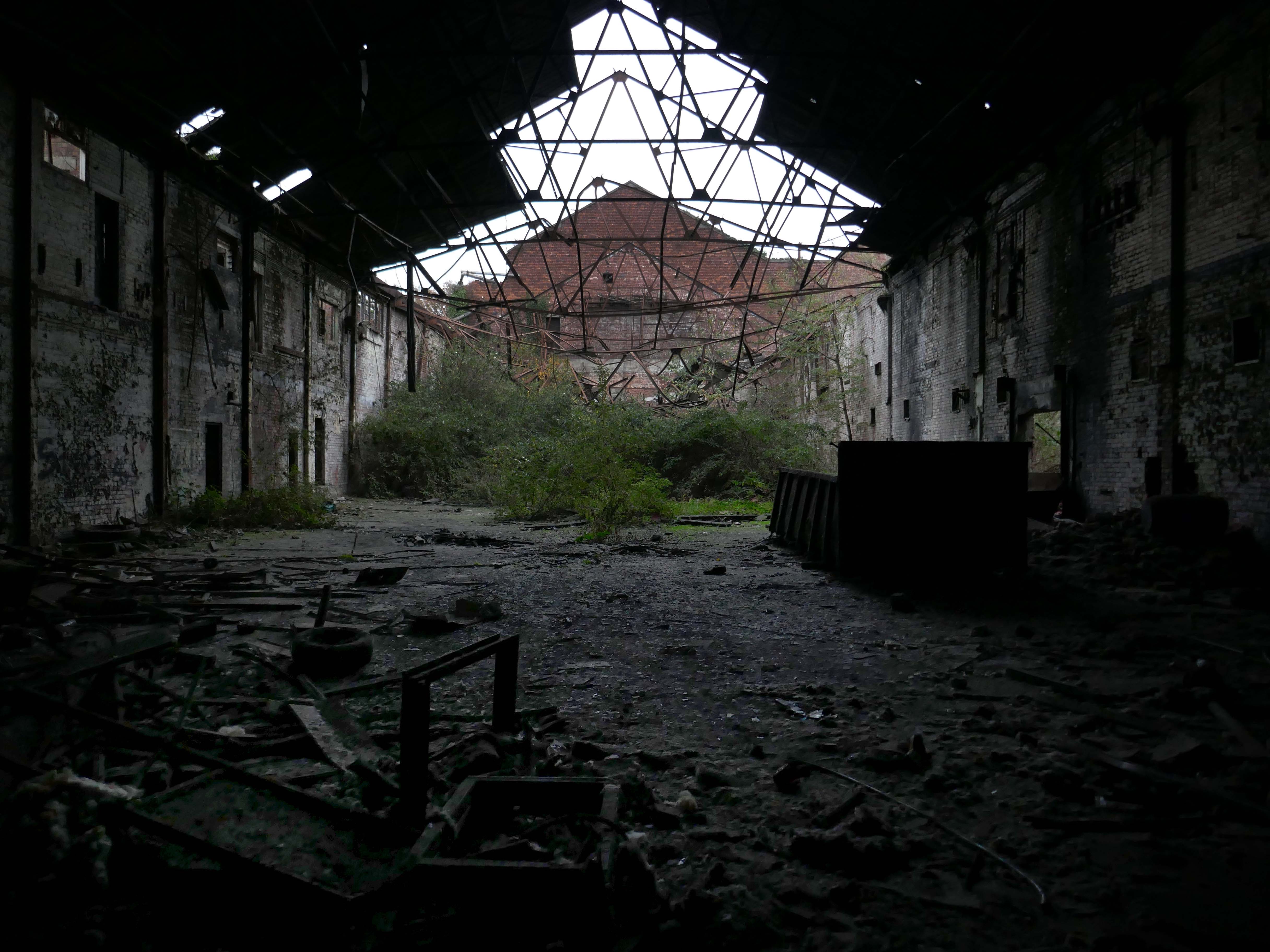
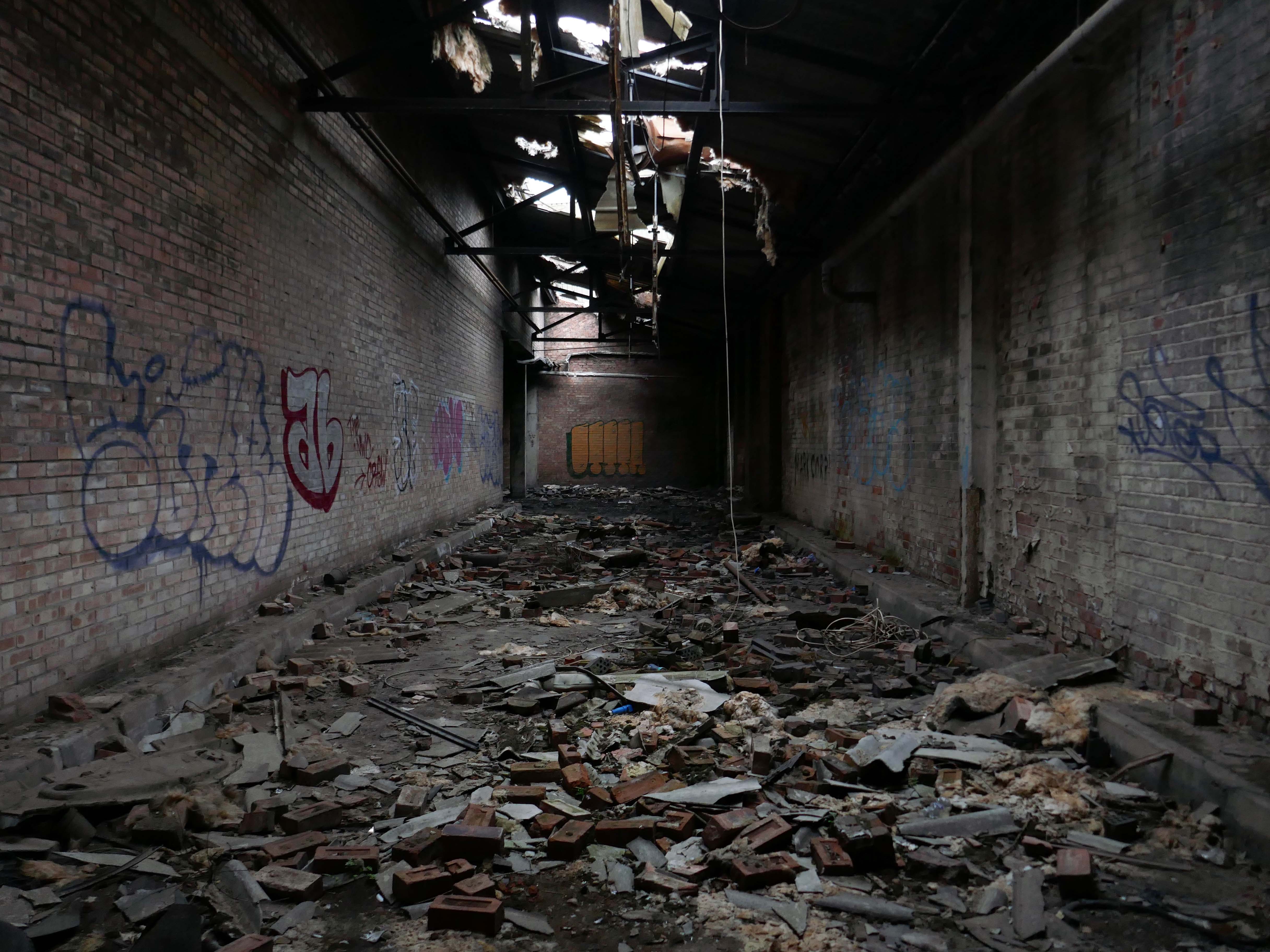
Whilst feeling that familiar frisson of mild trepidation, whilst walking through the debris, dirt and decay, it’s important to recall those who have walked and worked in these now derelict premises.

With that in mind here’s what I saw whilst feeling that familiar frisson of mild trepidation, whilst walking through the debris, dirt and decay,