Harold Gosney – York Art Gallery

On Wednesday 4th January, I visited York Art Gallery.

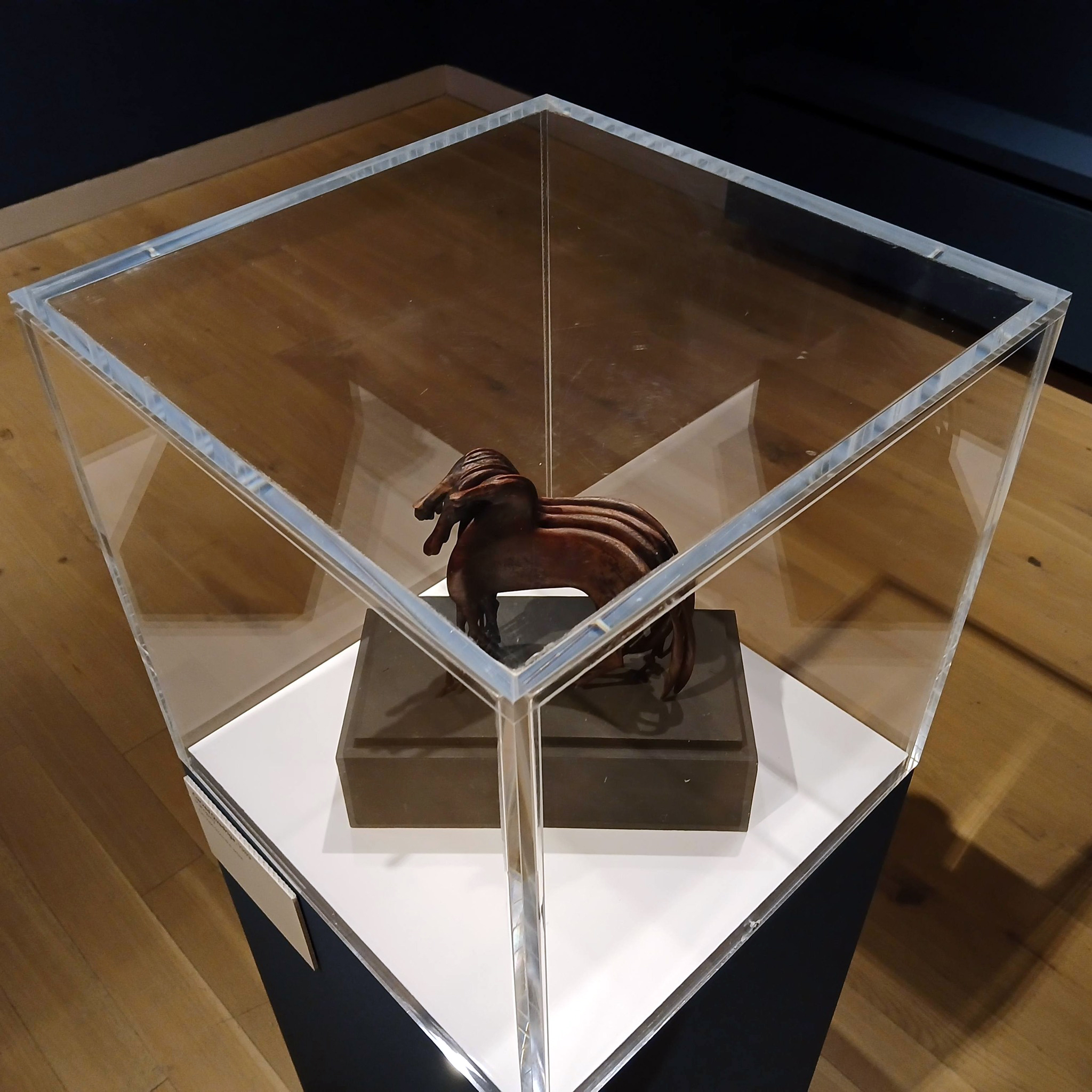
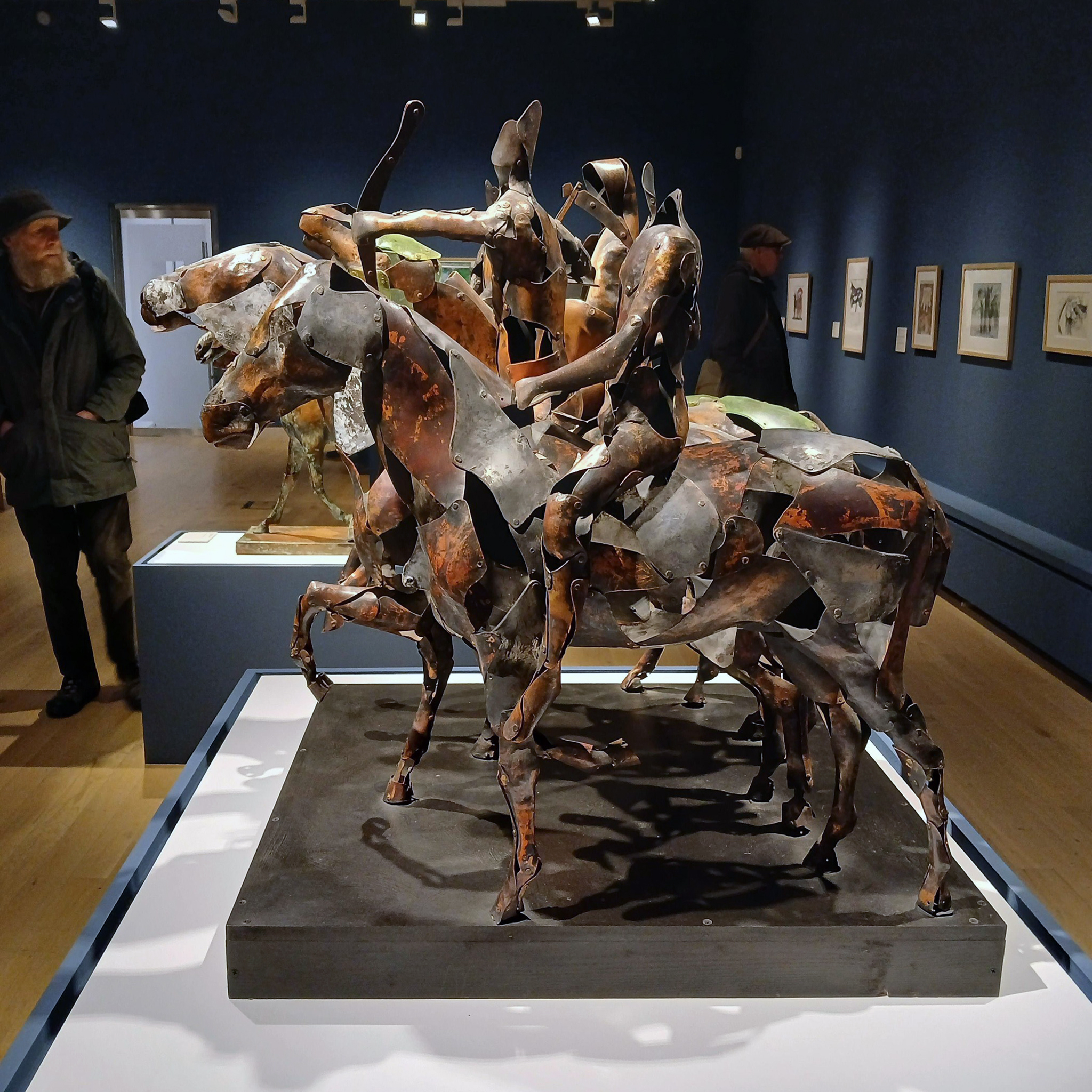
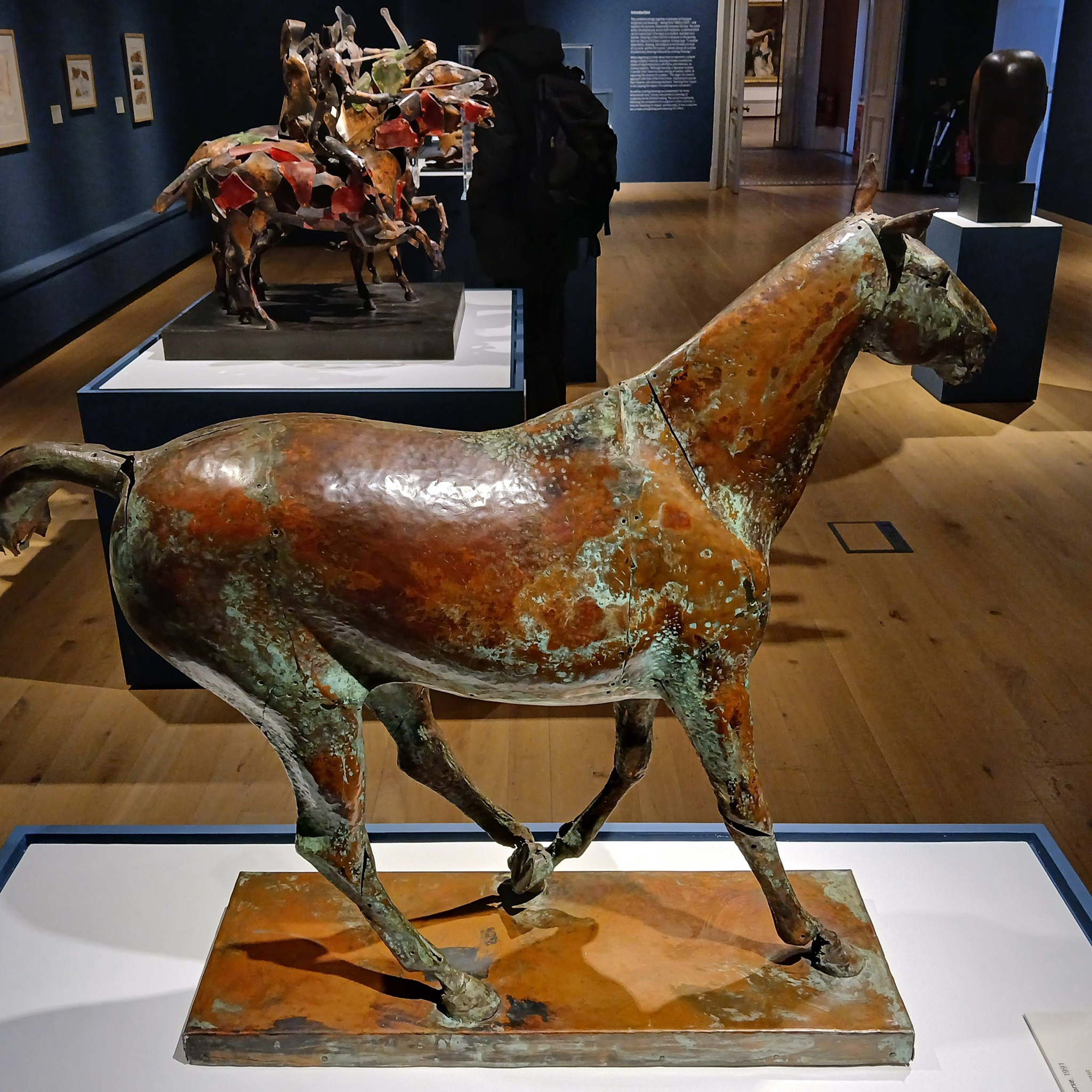
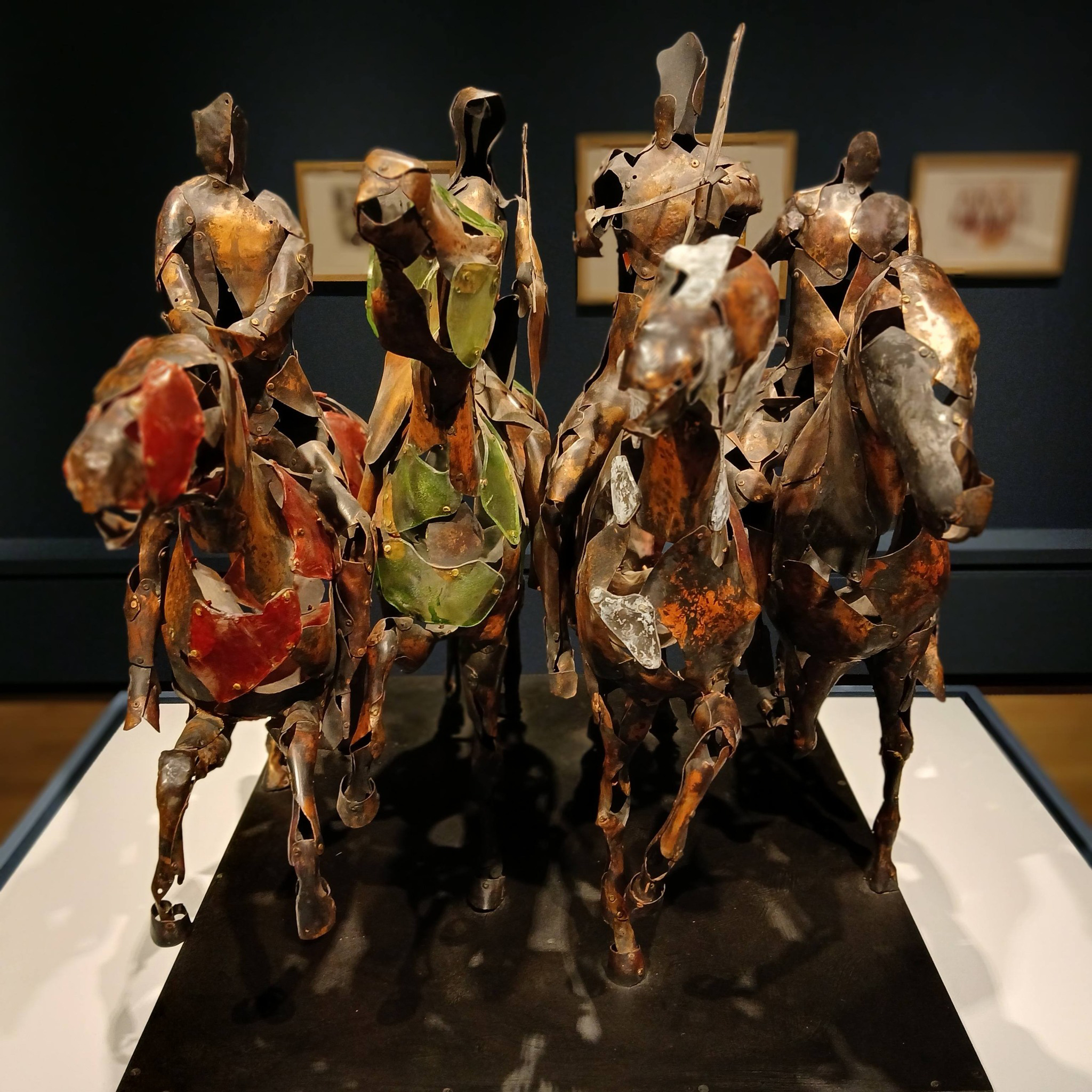
I took a look at the pots and the paintings, ending with a stroll around the sculptures of Howard Gosney.

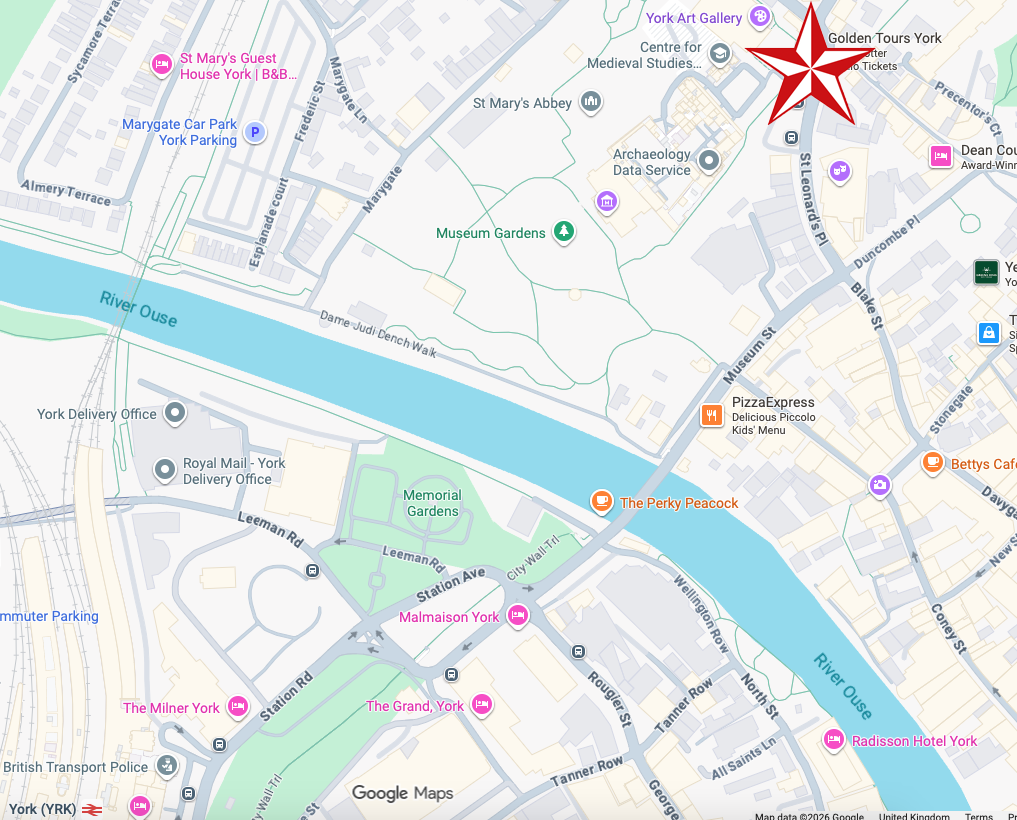
Having previously encountered his work at the Abbey Walk car park Grimsby in 2019.
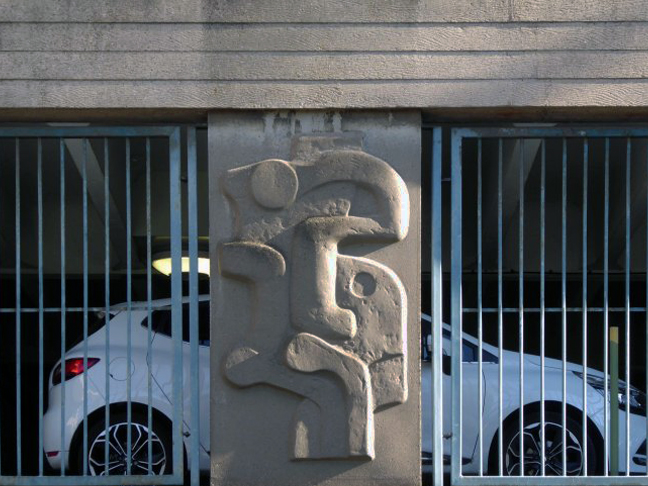
Visiting again in 2025 prior to demolition.
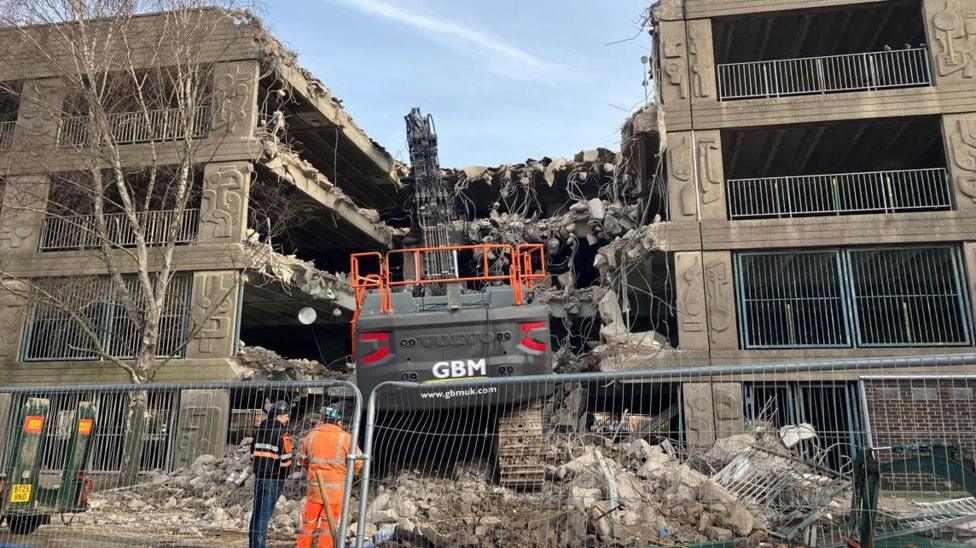
Photo BBC

The Grimsby, Cleethorpes and District Civic Society has been campaigning to save the Harold Gosney reliefs on the 1960s Abbey Walk car park, which closed in May 2024 after North East Lincolnshire Council said it discovered structural defects. 

The authority has already taken 3D scans of the art and in an update said plans were in place to try and save one of each of the four designs, which are repeated on the building’s columns.
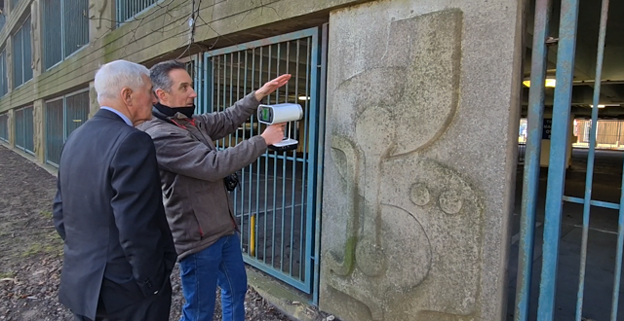
If they can be saved, the artwork would be put into storage until a new home is found, the council added.

January 2026

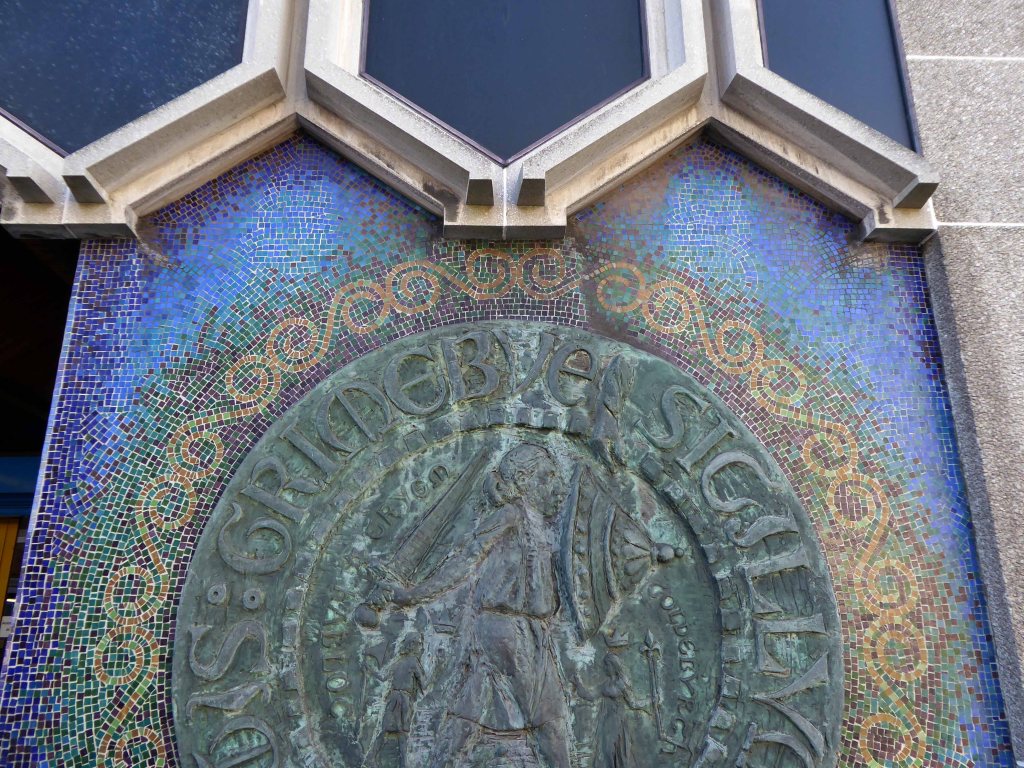
There are also works by Harold by the entrance to the Grimsby Central Library
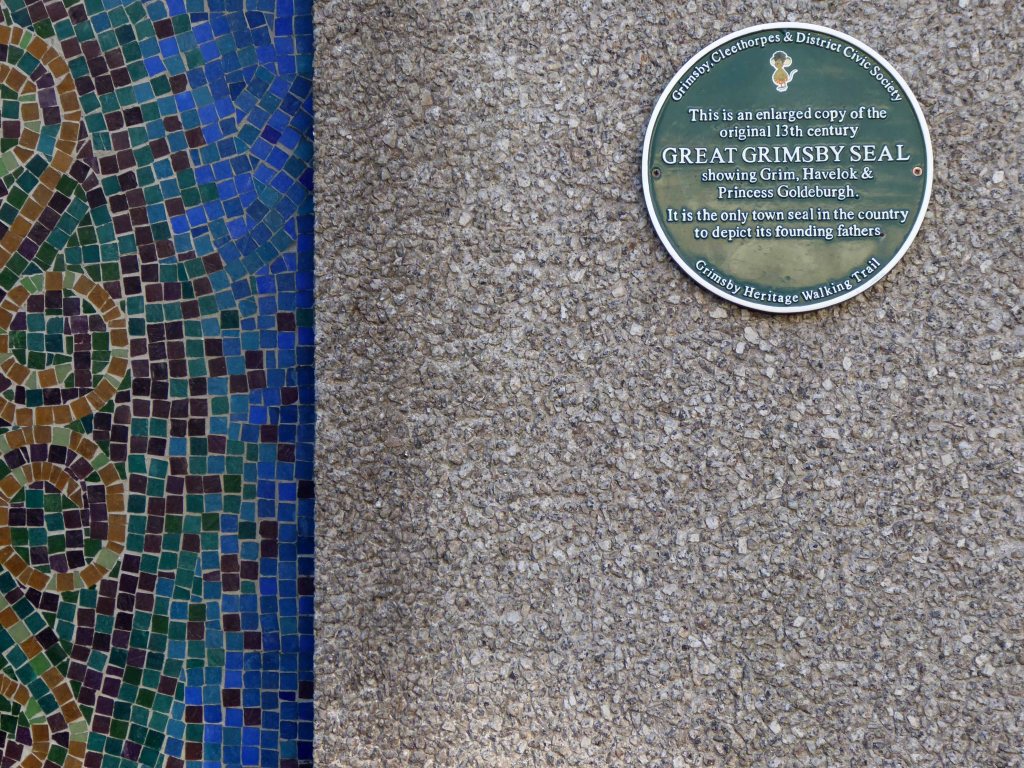
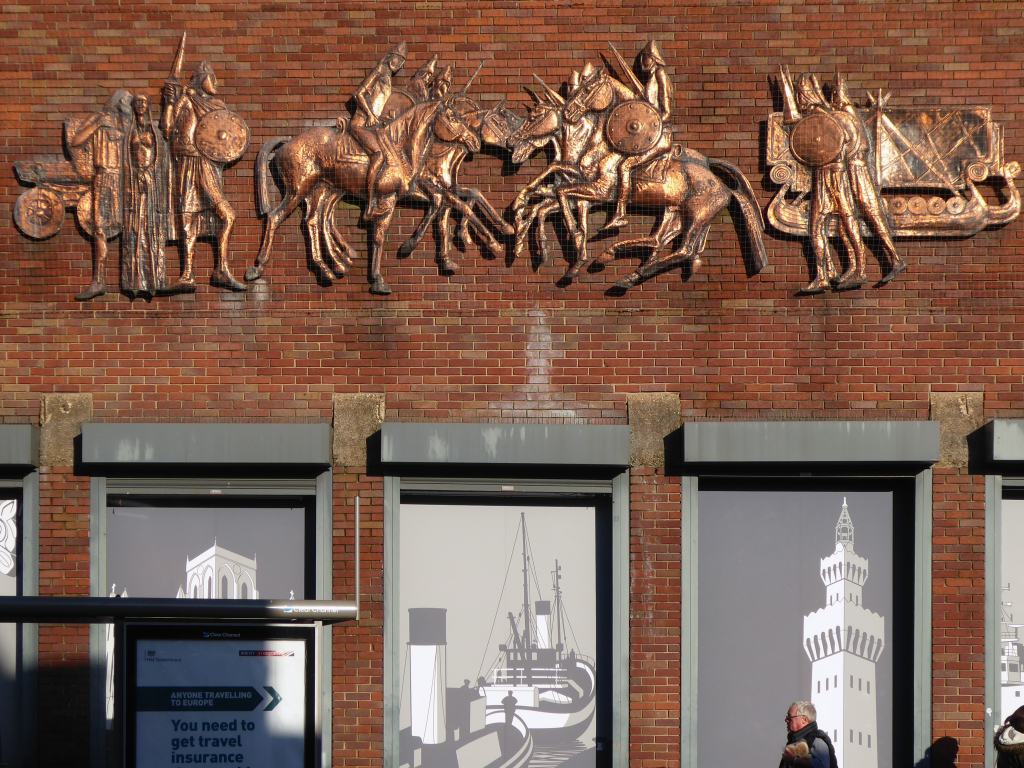
And the Grim and Havelok themed copper relief on the side of Wilko store in Old Market Place.
All these works were first encountered on my Grimsby Walk for the modernist.

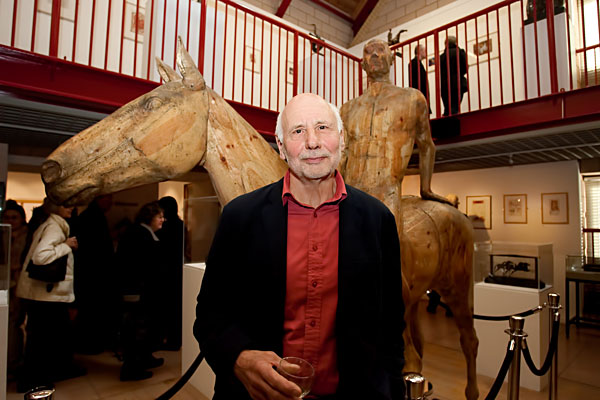
I was delighted to find that Harold himself was visiting the gallery with friends.
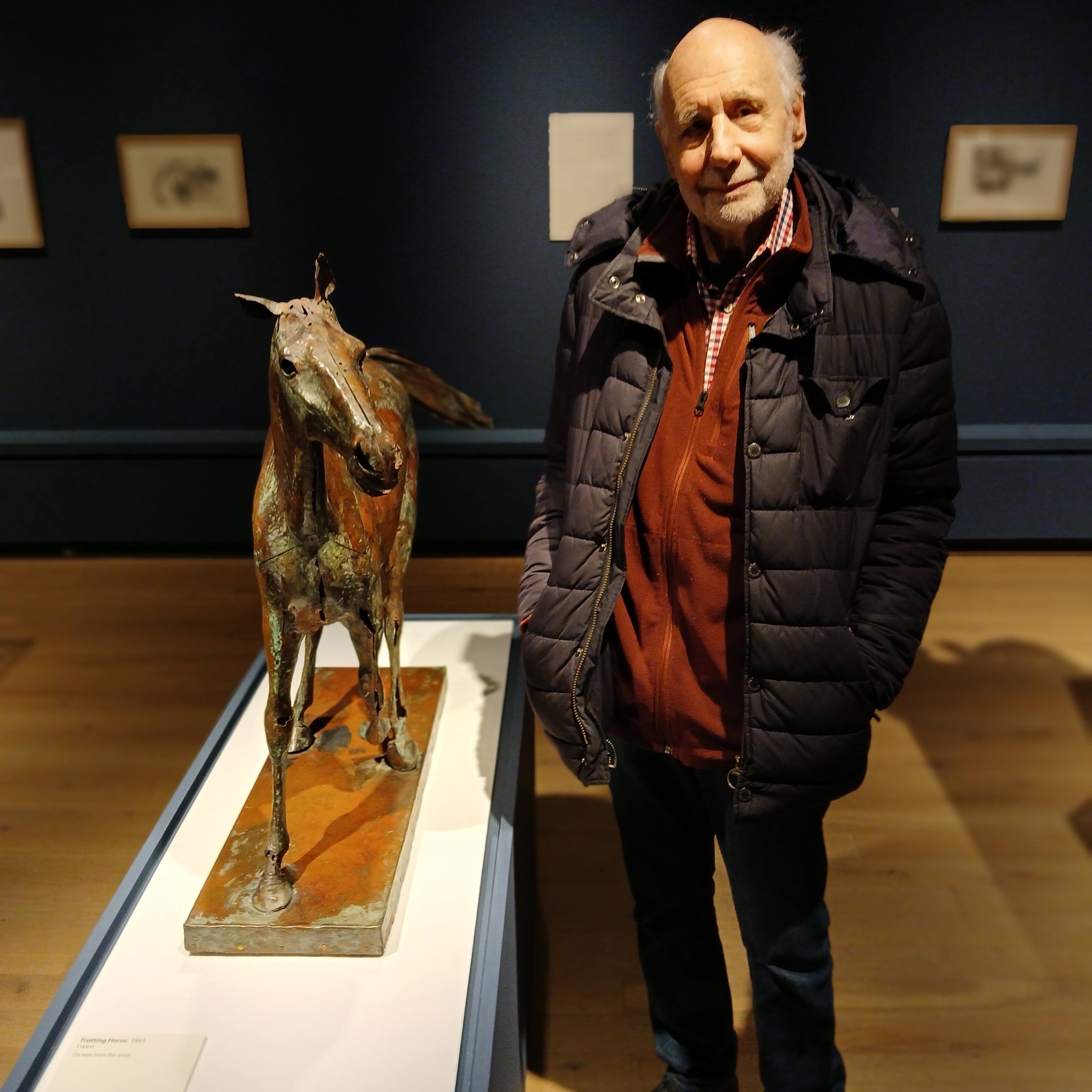
I stopped to chat and take a snap – thanking him for all his wonderful work and congratulating him on his excellent show.

Here is what I done seen.
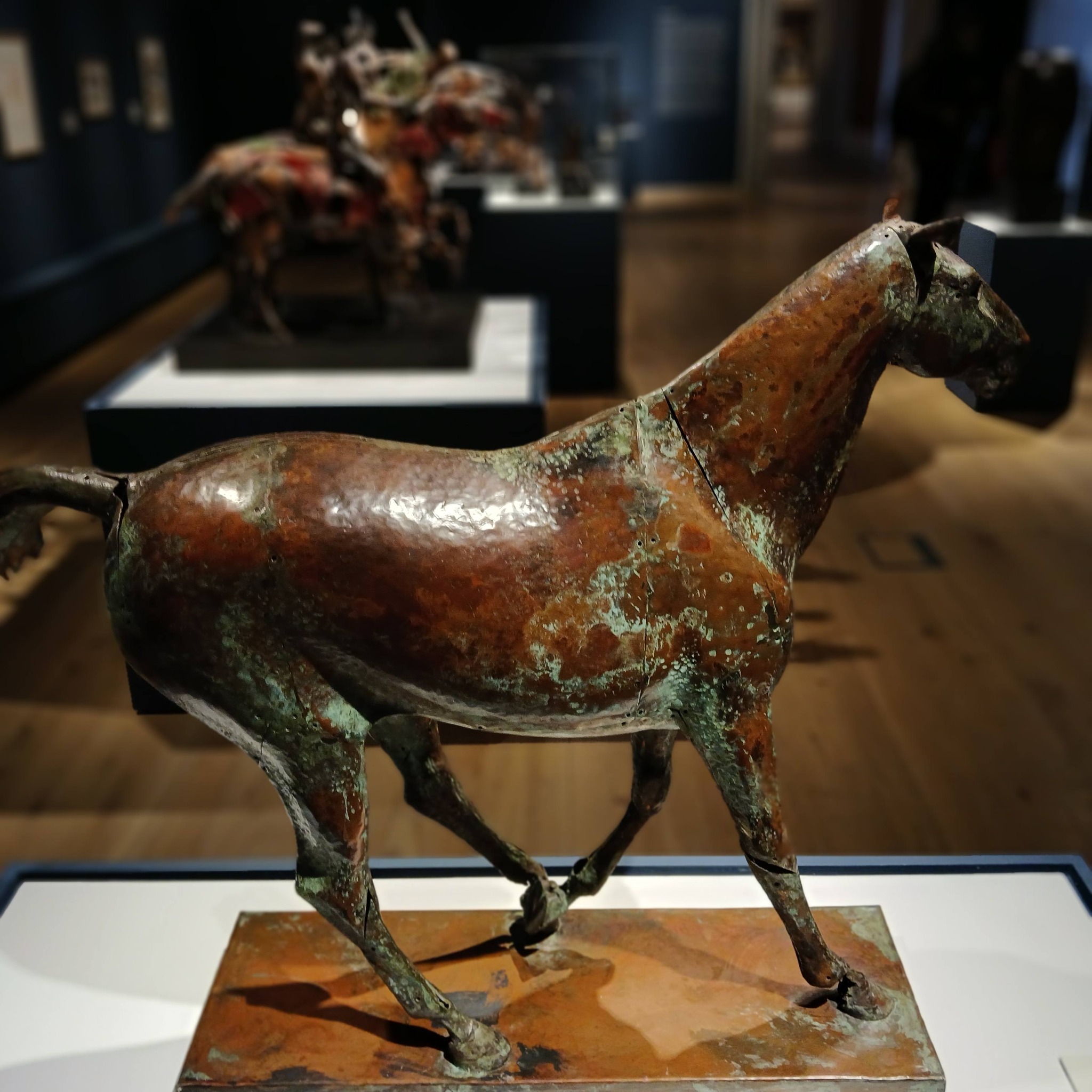
Harold Gosney: Materials and Making
15 November 2025 – 28 June 2026
Included in general admission | Book now

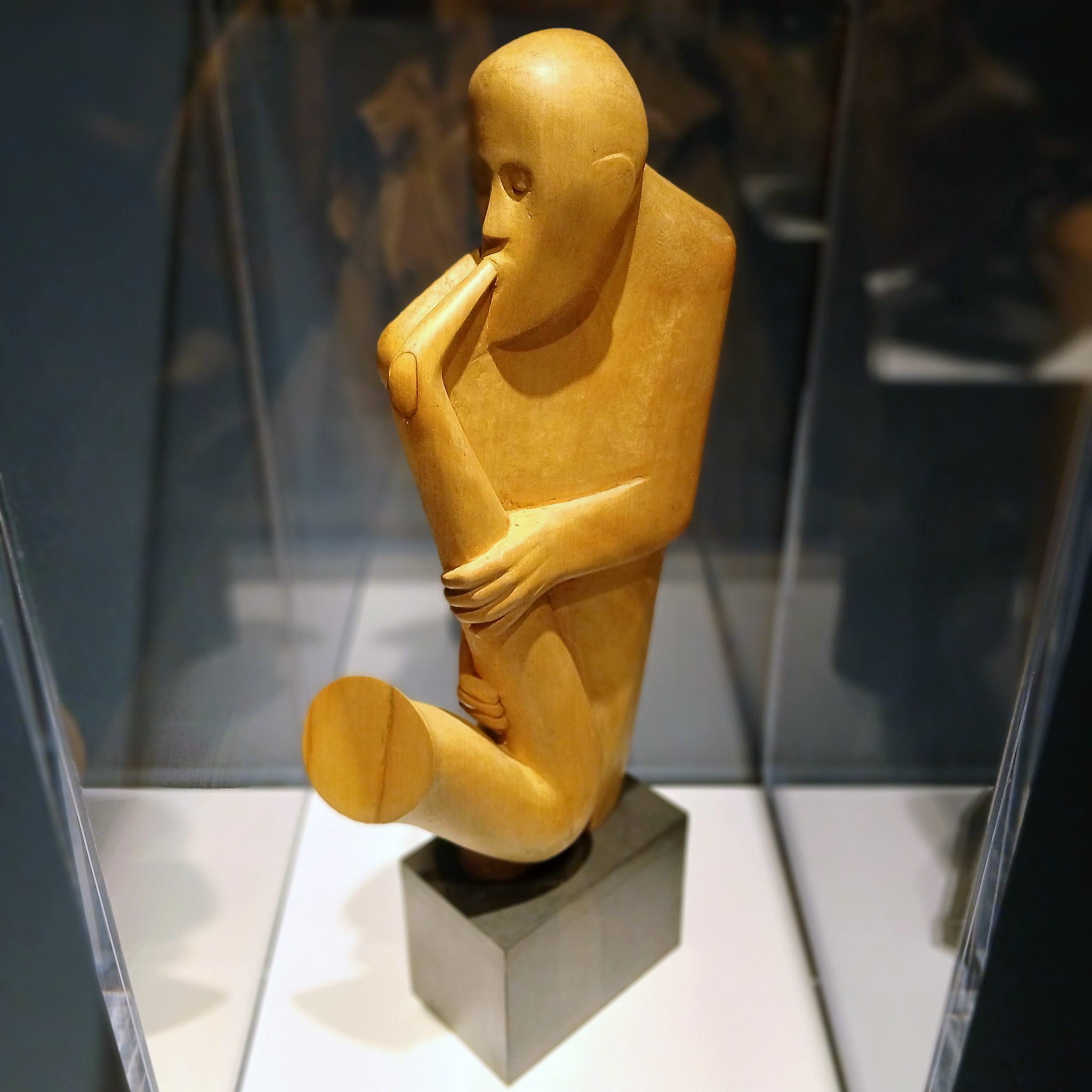
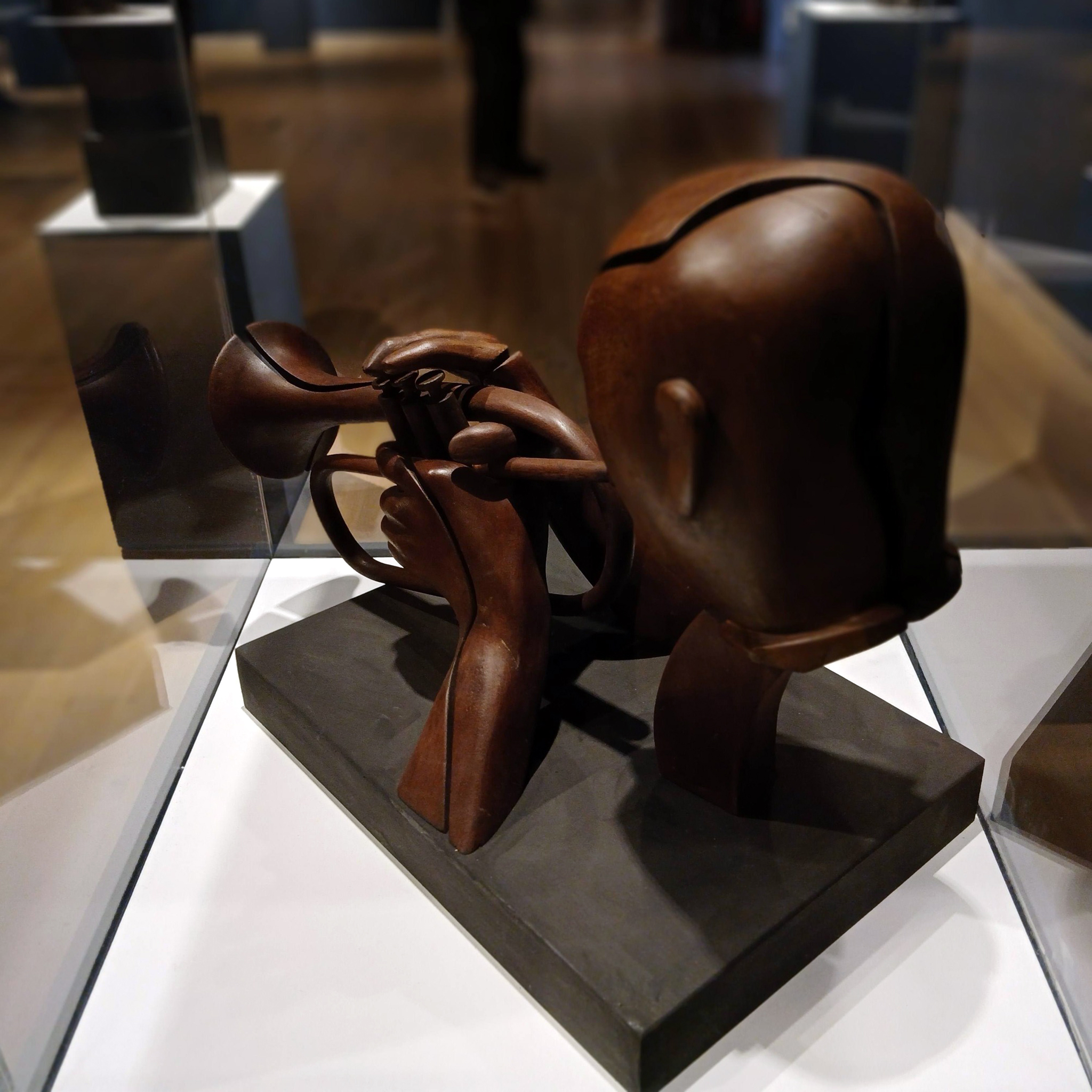
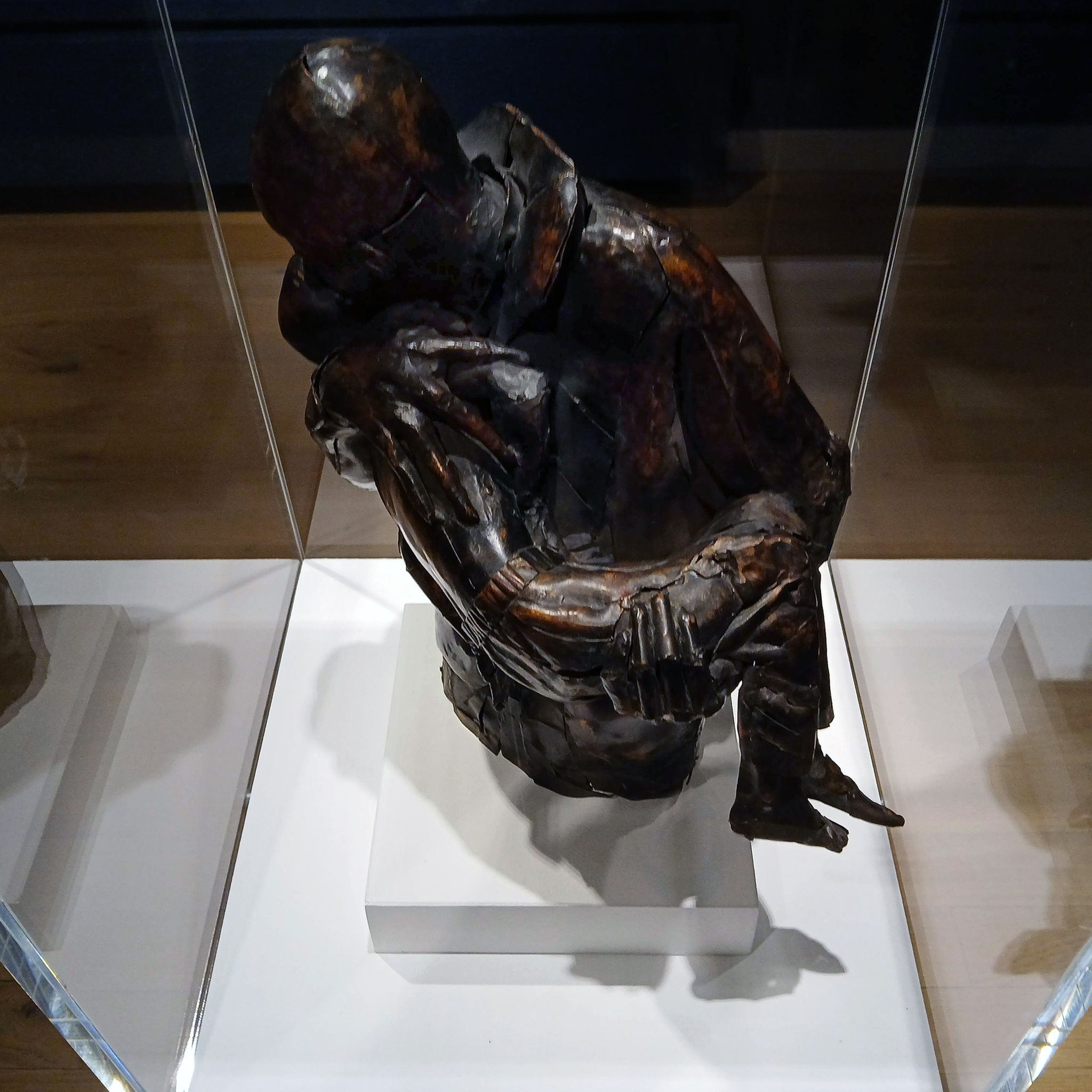
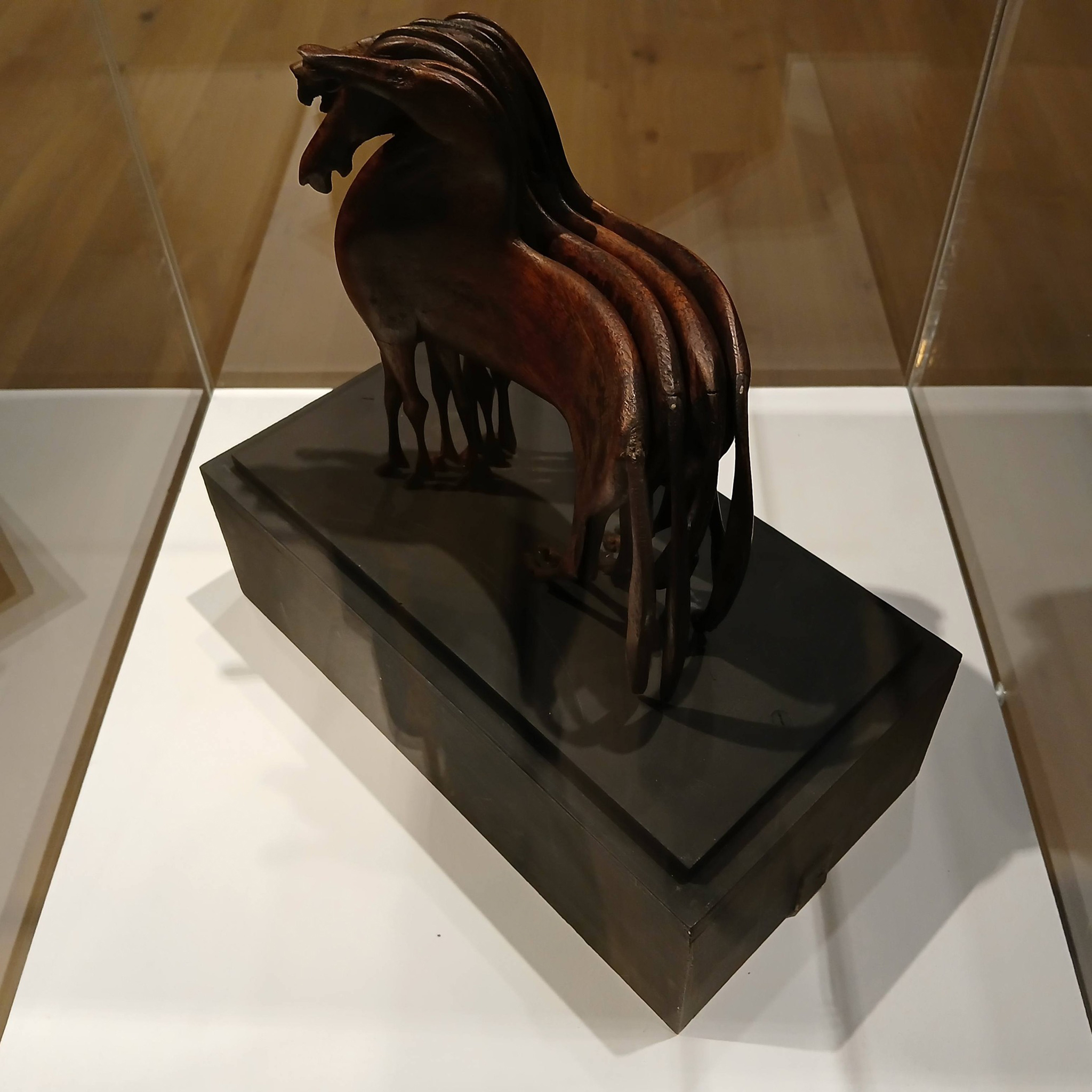
Titled ‘Materials and Making’, this exhibition is a celebration of the work of renowned Yorkshire sculptor and artist, Harold Gosney – born 1937, who has spent over 65 years creating mixed media art pieces. 

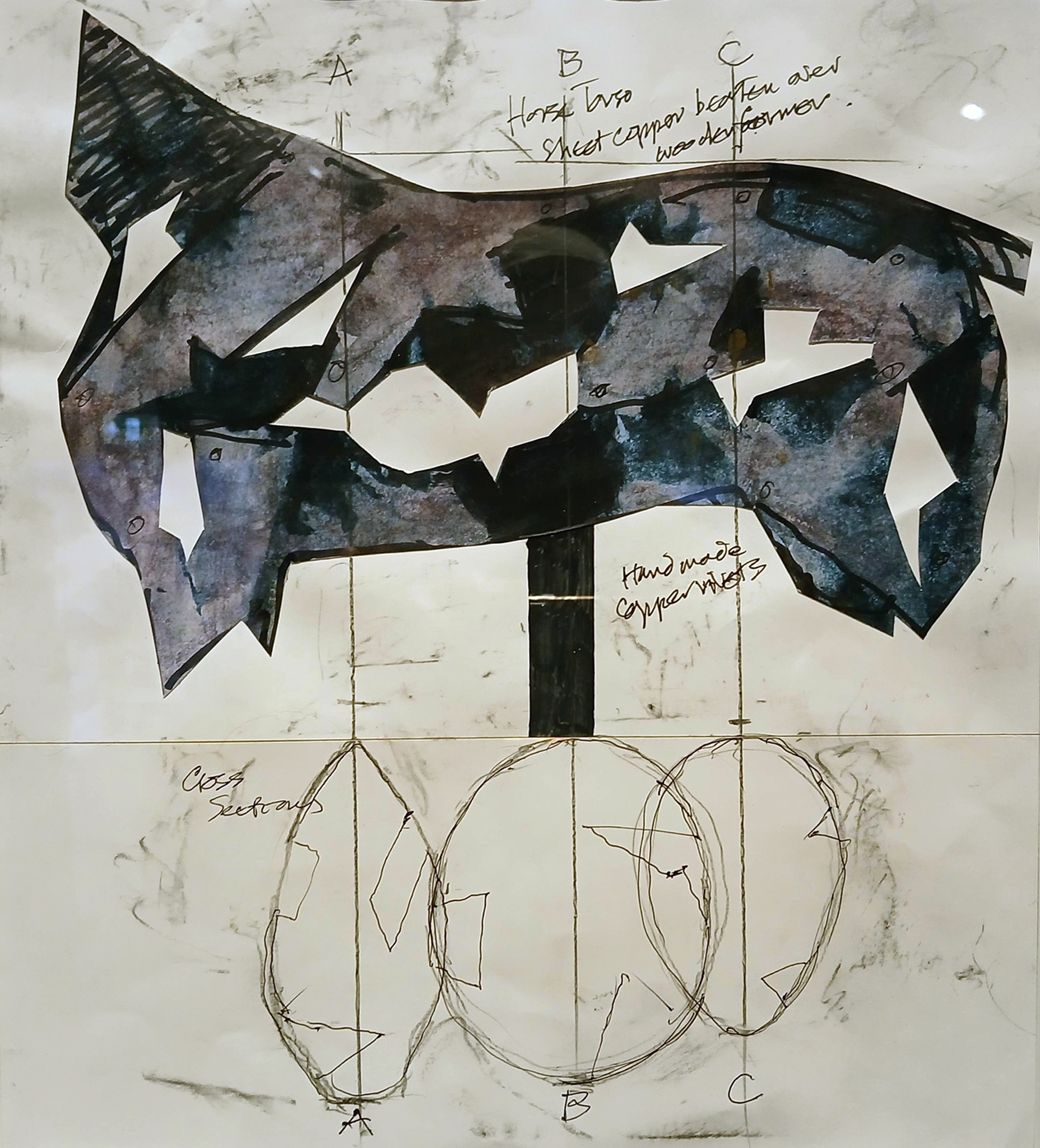
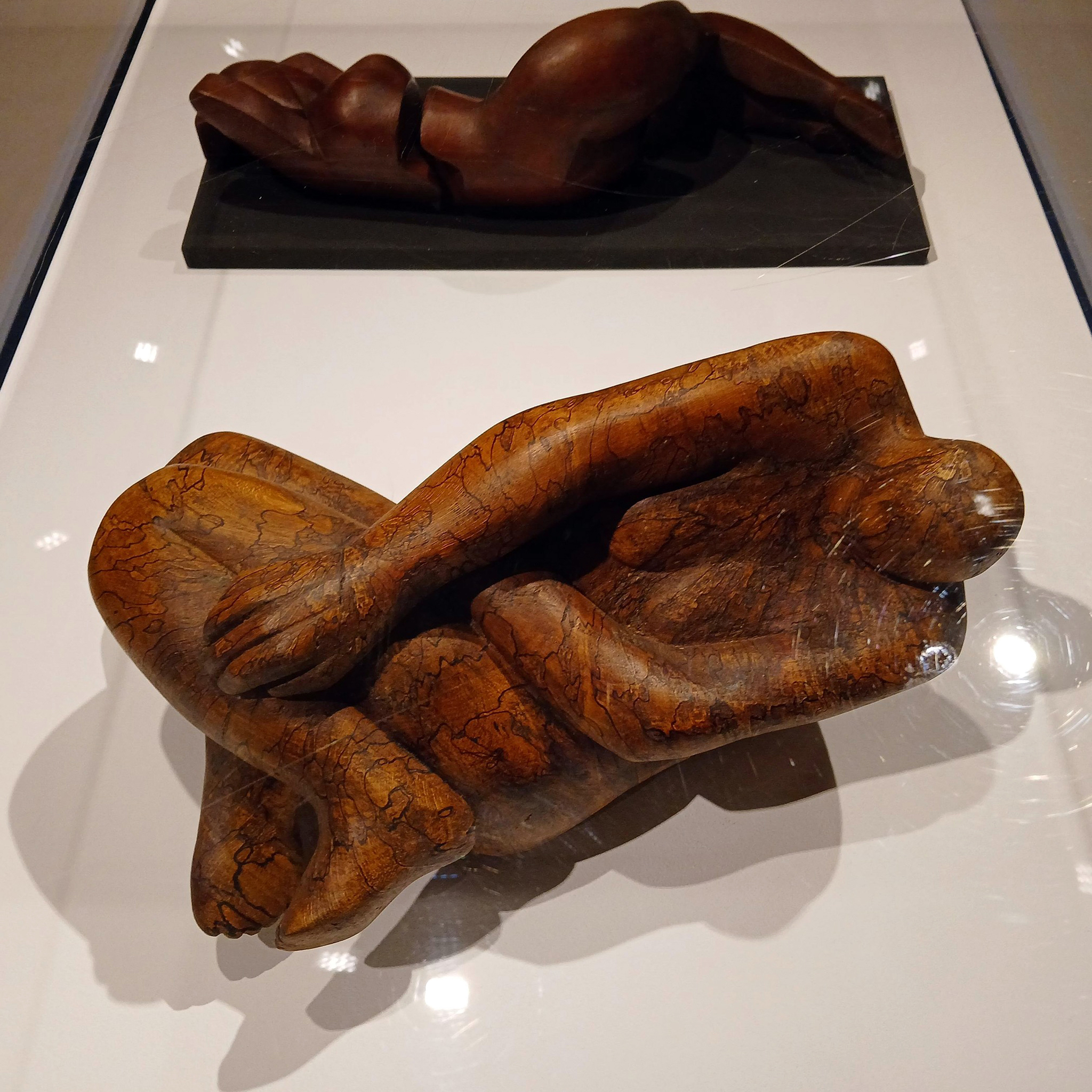
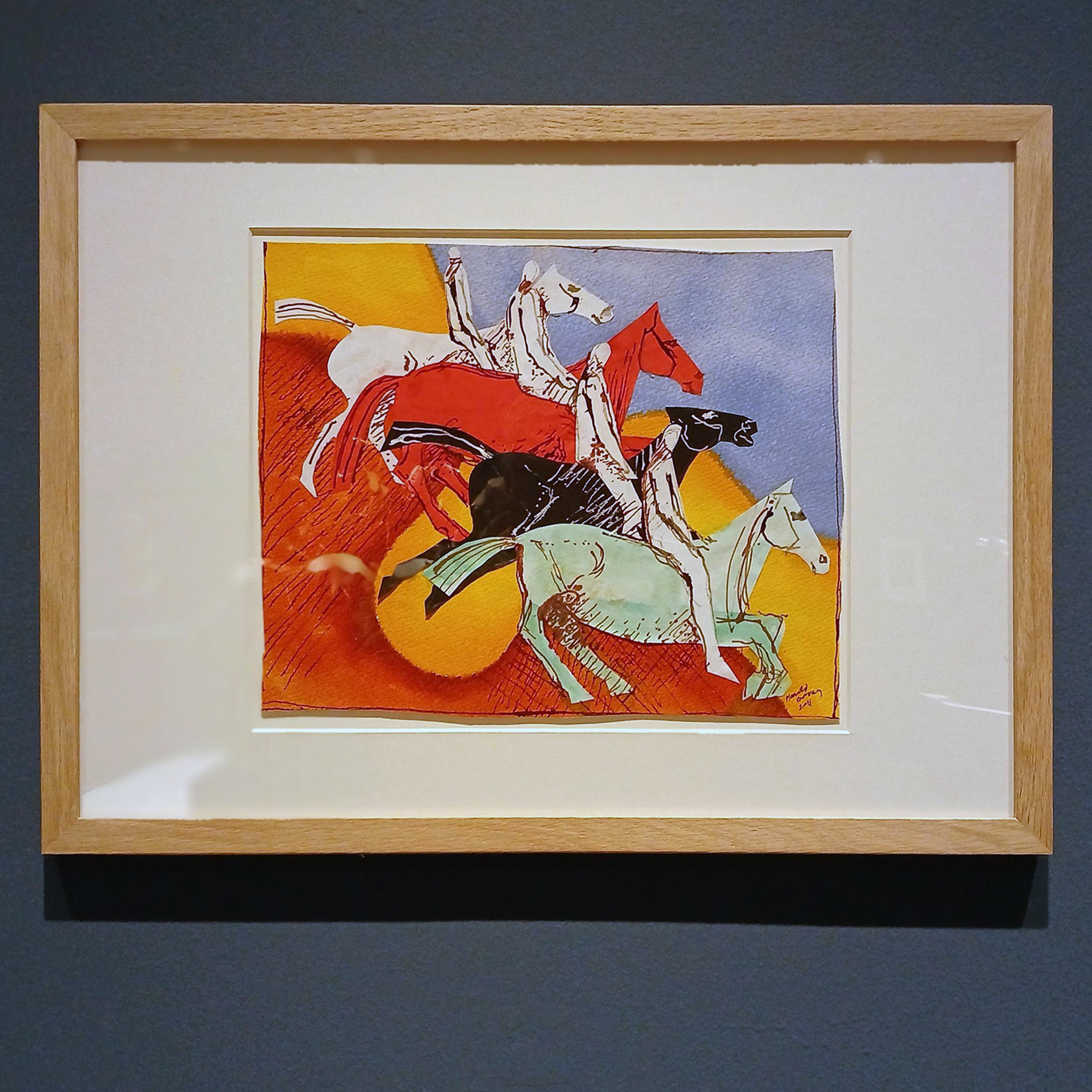
The exhibition explores Gosney’s expert experimentation with various types of wood and metal throughout his career andconsiders the importance of drawing to his artistic practice. Materials and Making looks at how Gosney draws inspiration from his immediate environment and lived experiences, with horses, the human figure and music emerging as particularly influential subjects.

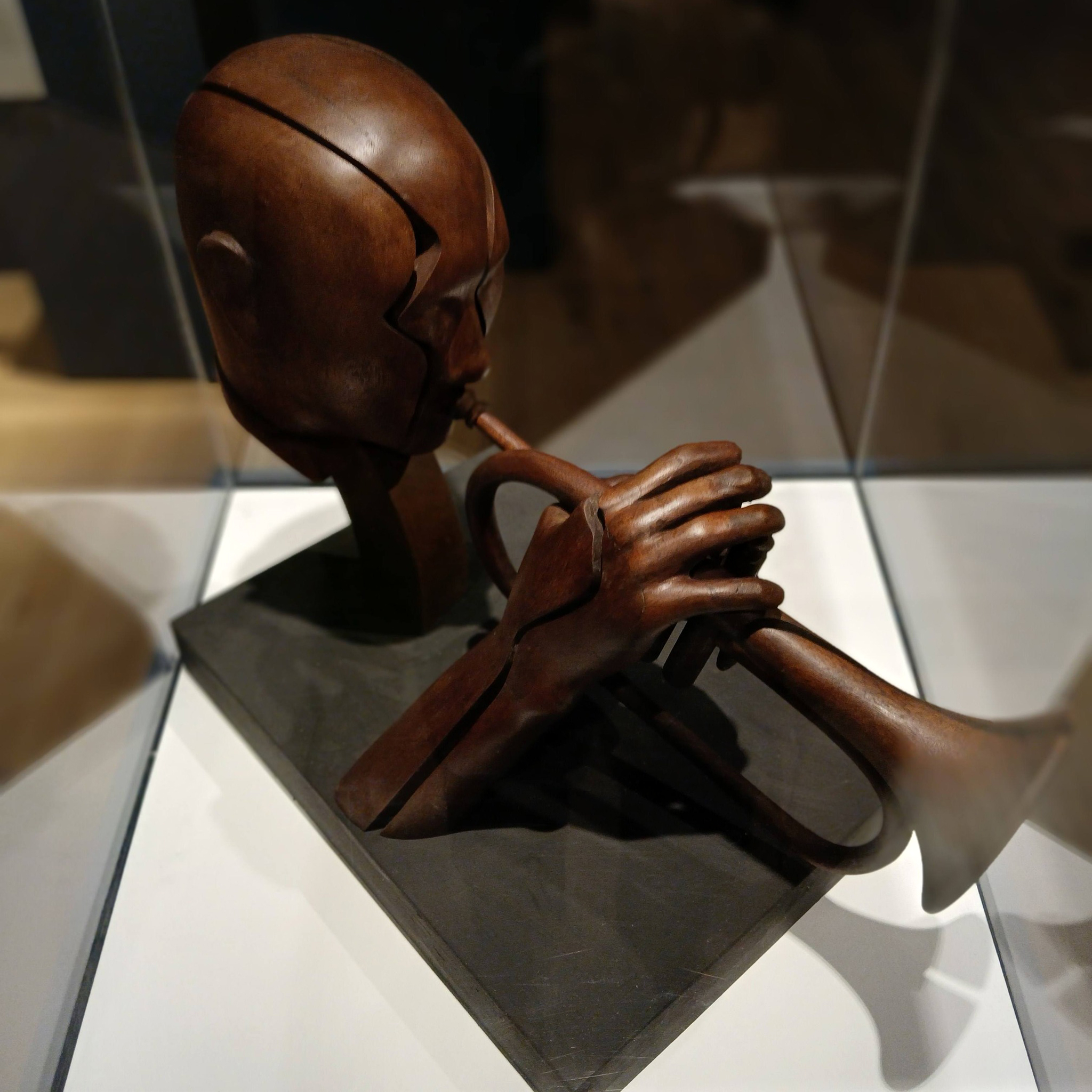
Featuring over 45 works, highlights include his striking ‘Four Horsemen of the Apocalypse’, crafted from copper and Perspex, the emotive ‘Father and Son, Bam’, his ‘Jazzman’, expertly carved from a single block of sycamore wood, and a trio of drawings depicting views of the nearby York Museum Gardens.
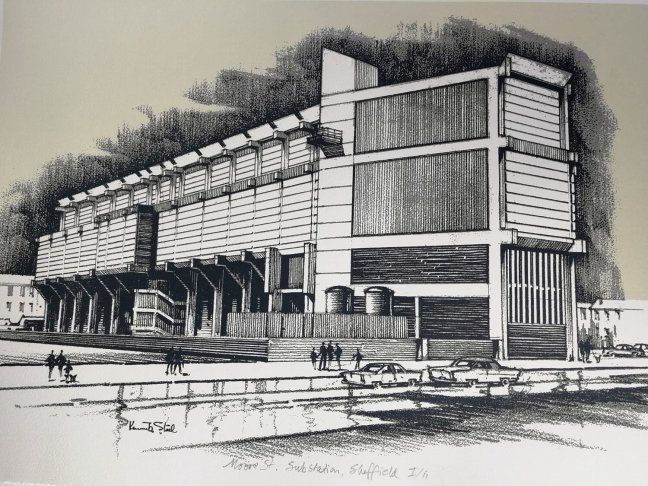
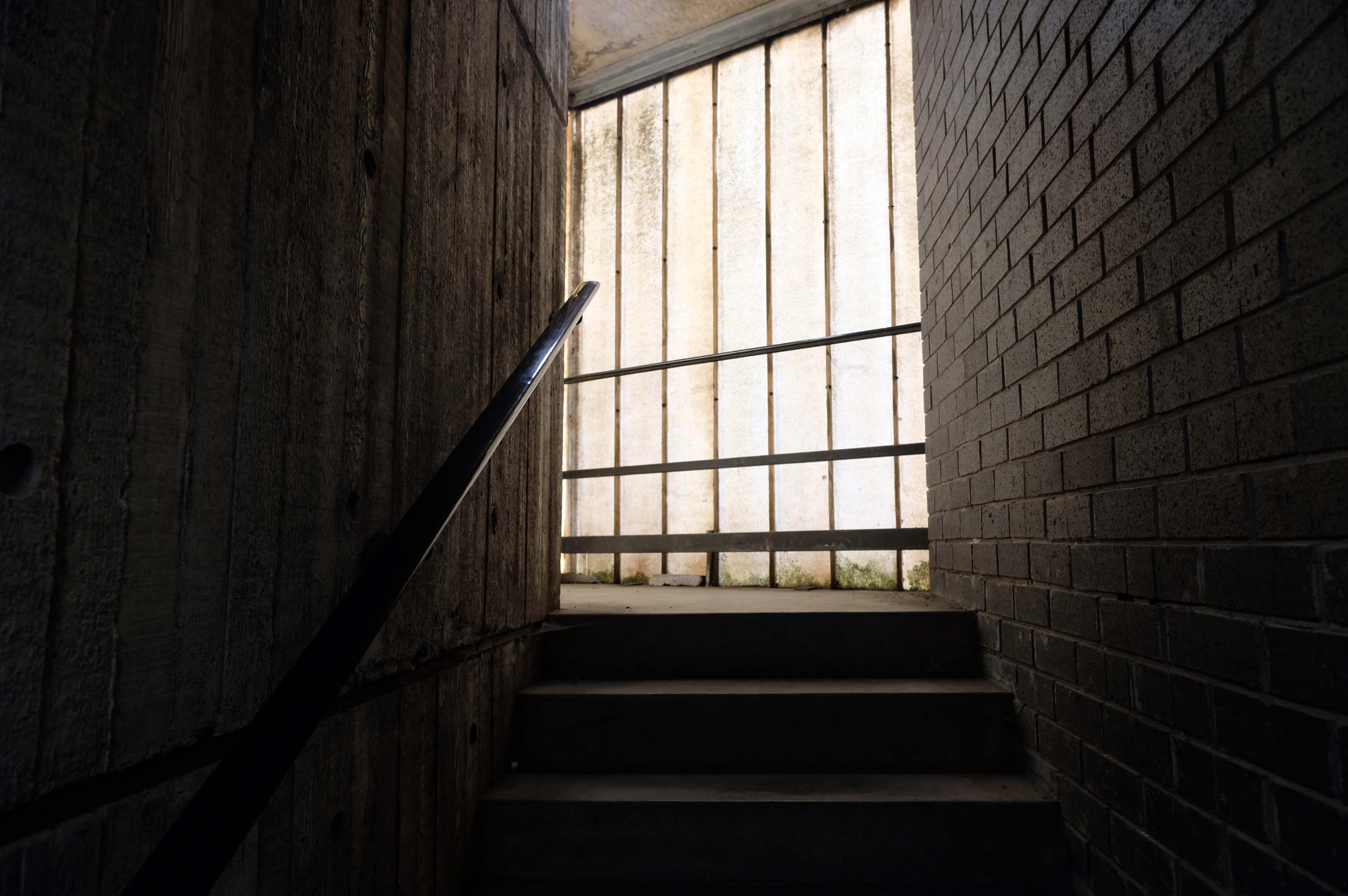
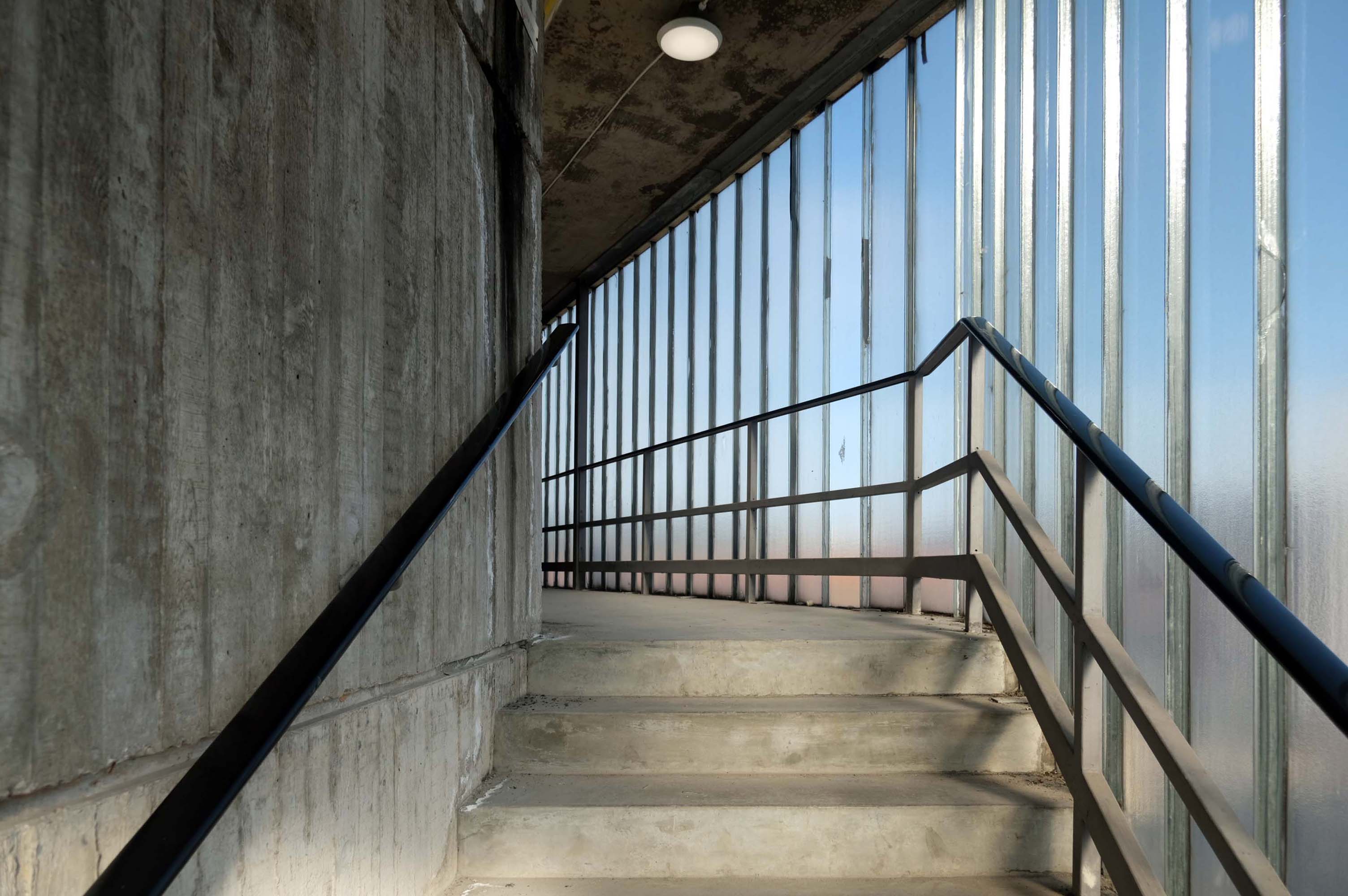
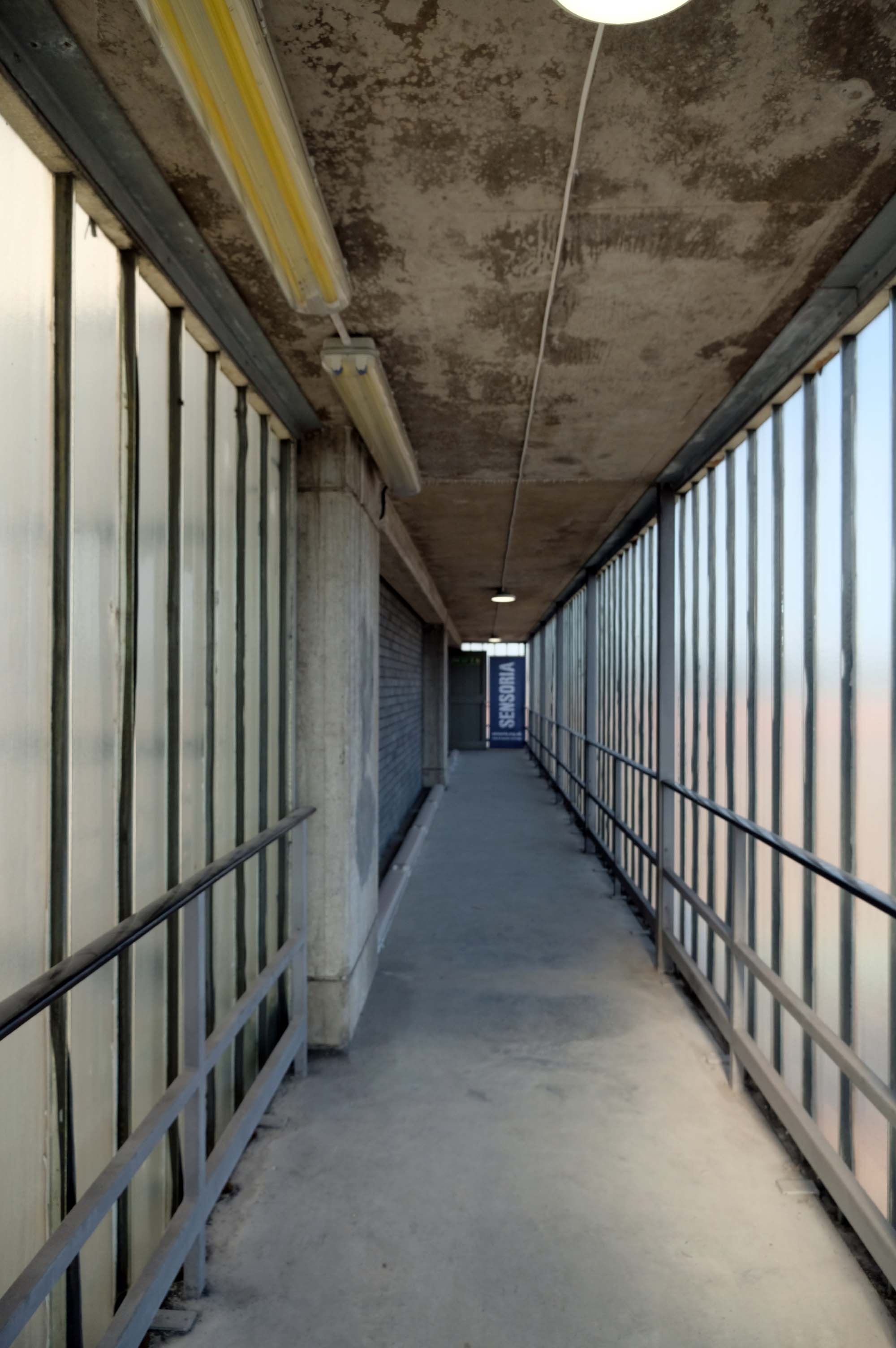
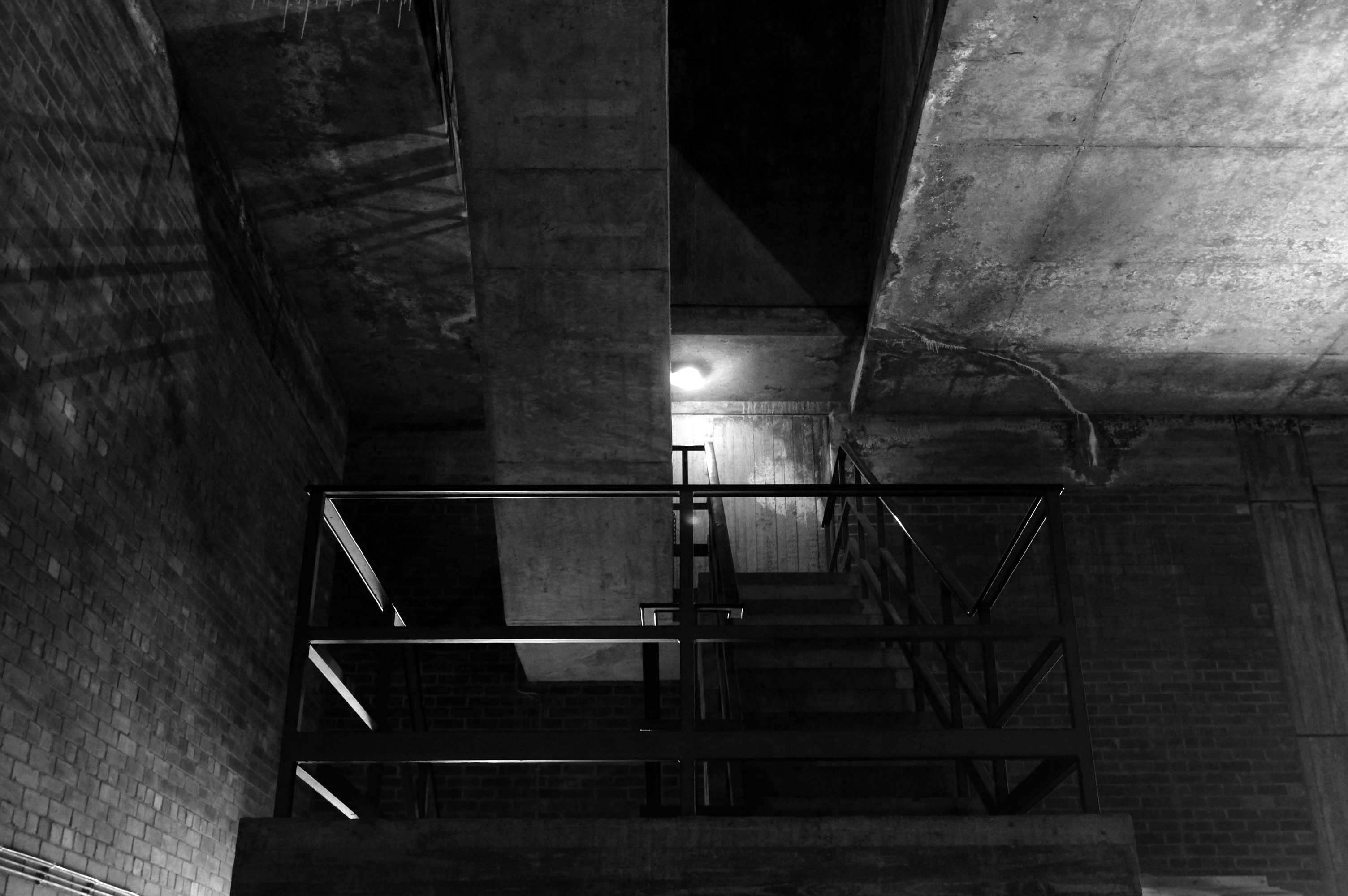
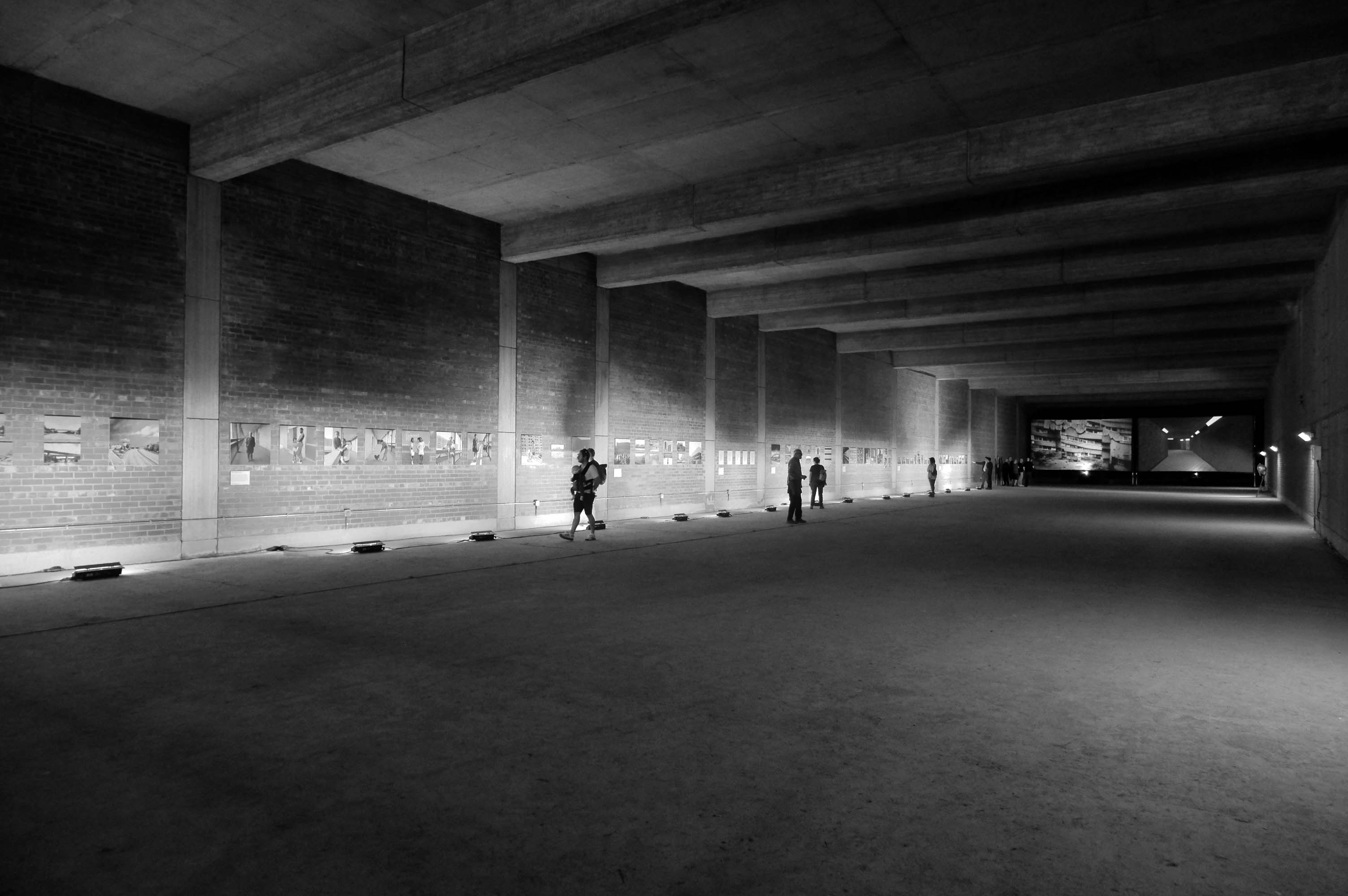
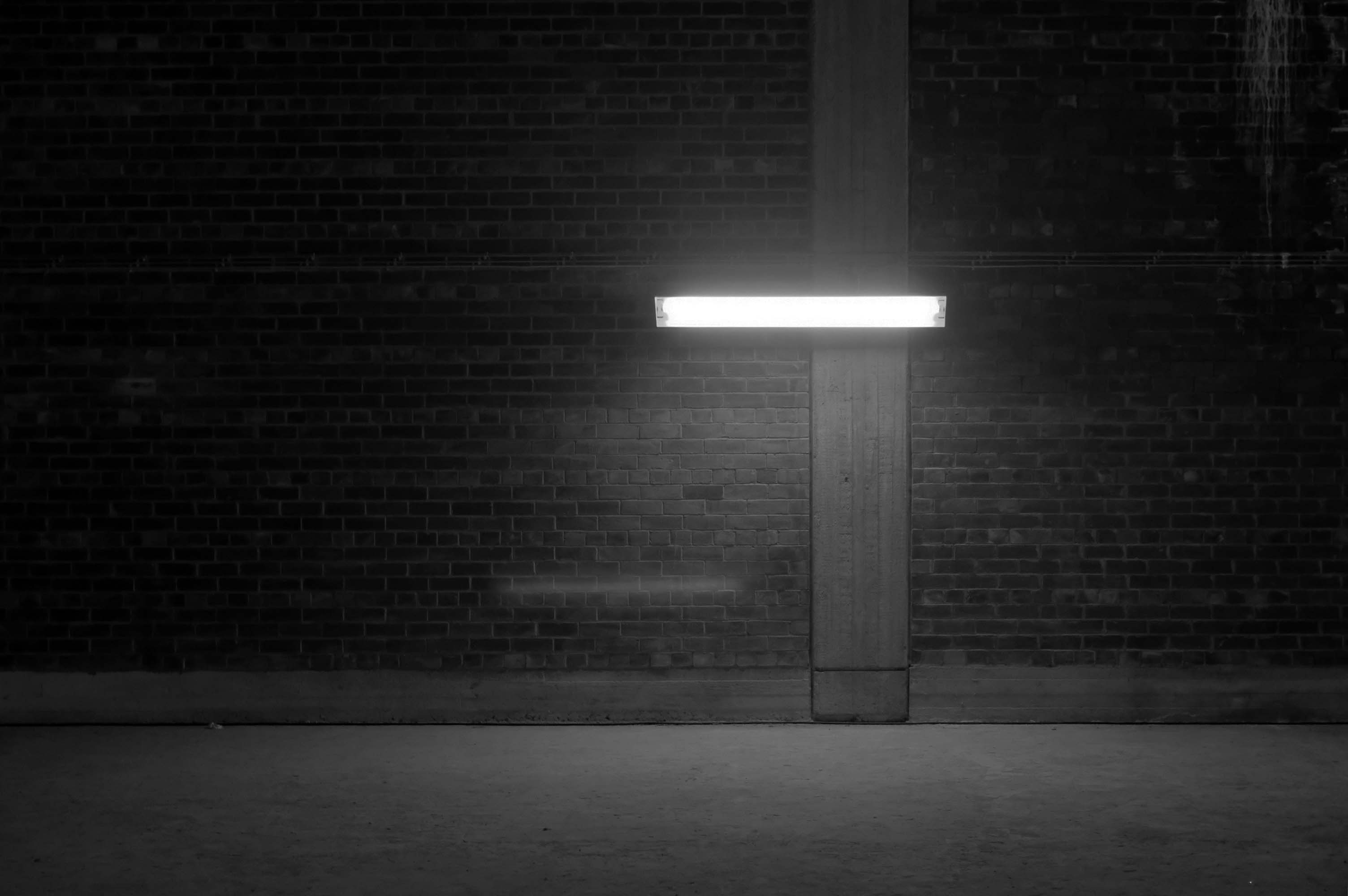
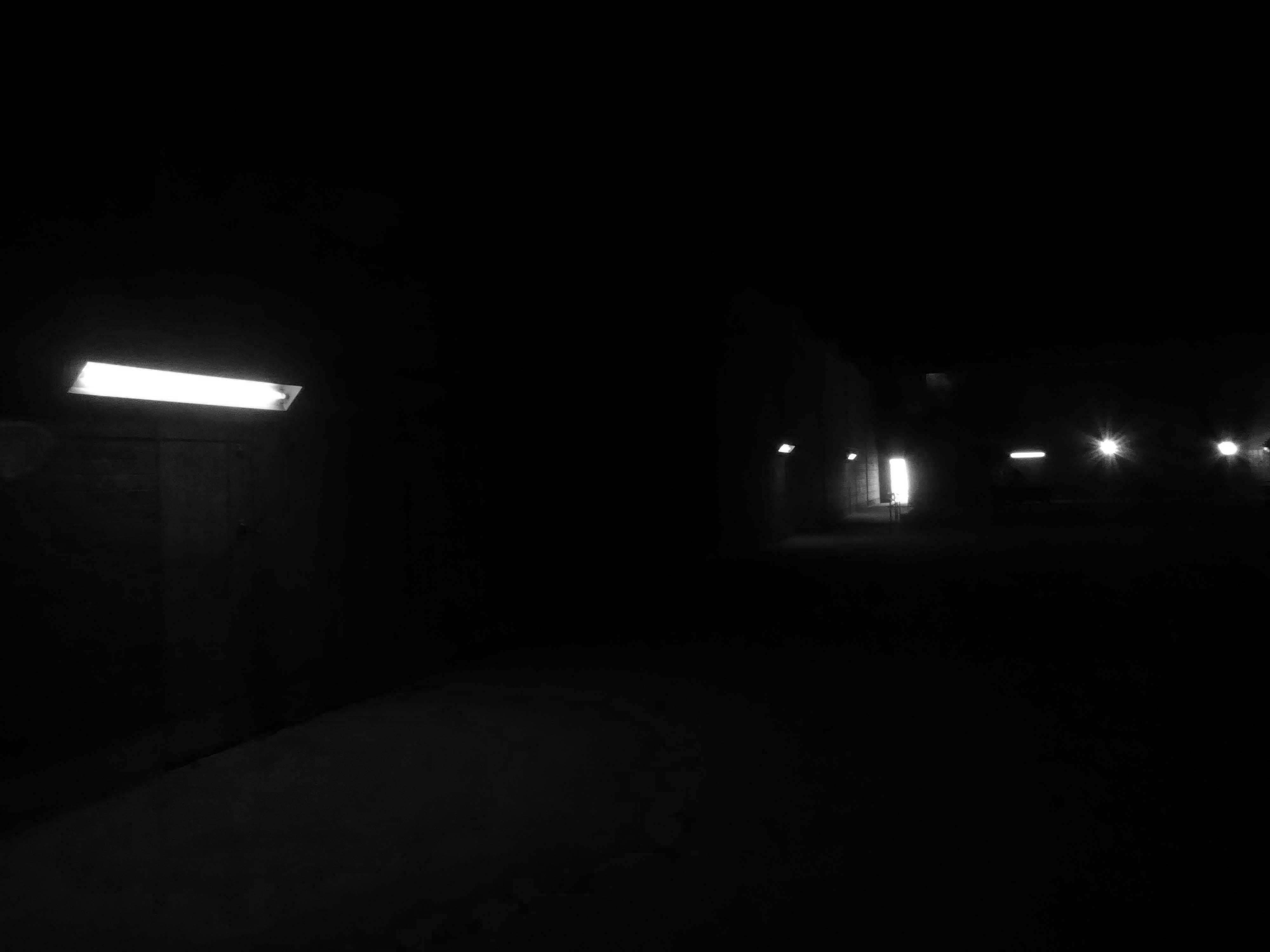
Moore Street Substation – Inside Out

I have walked around the exterior on more than one occasion.

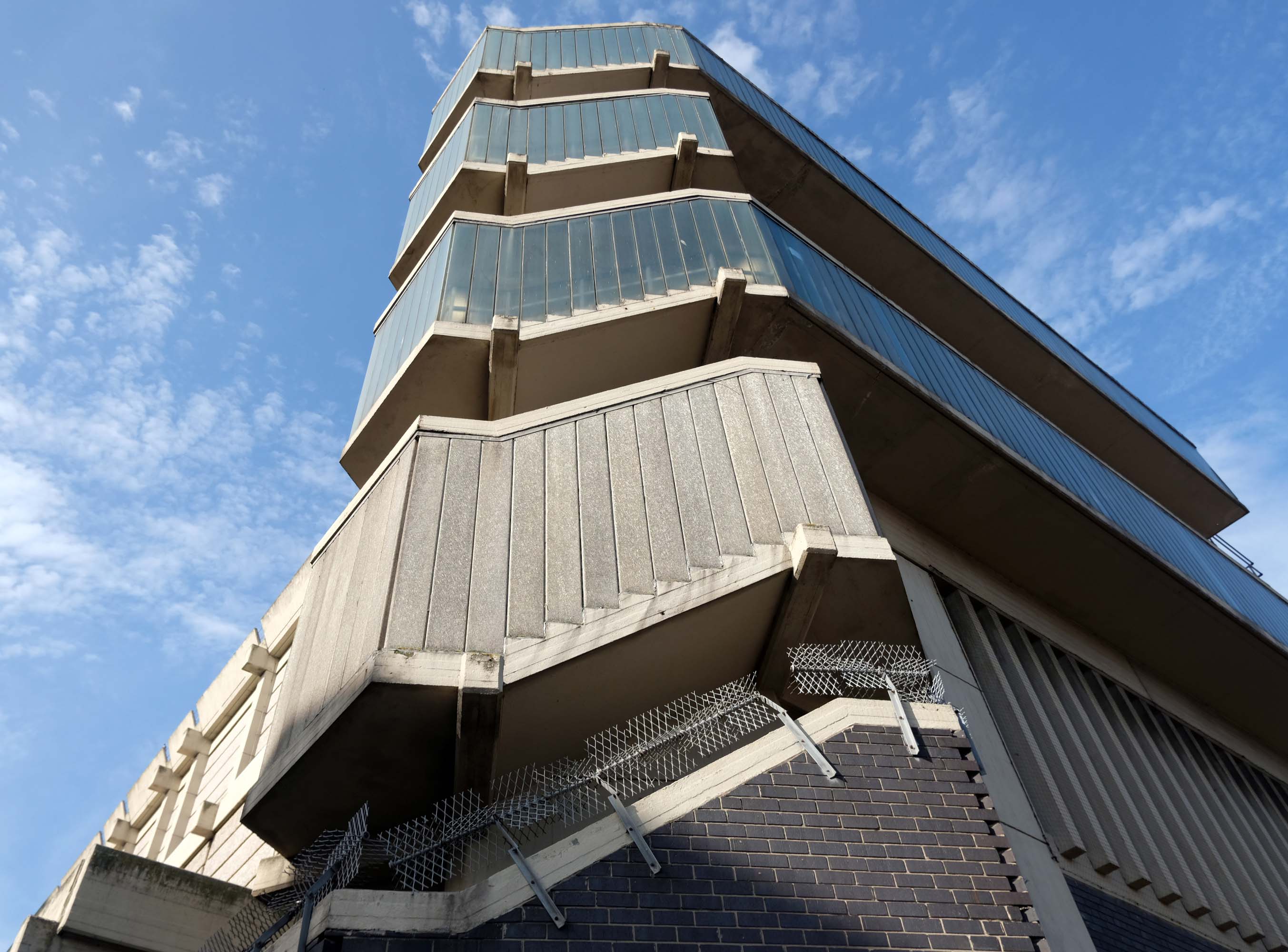
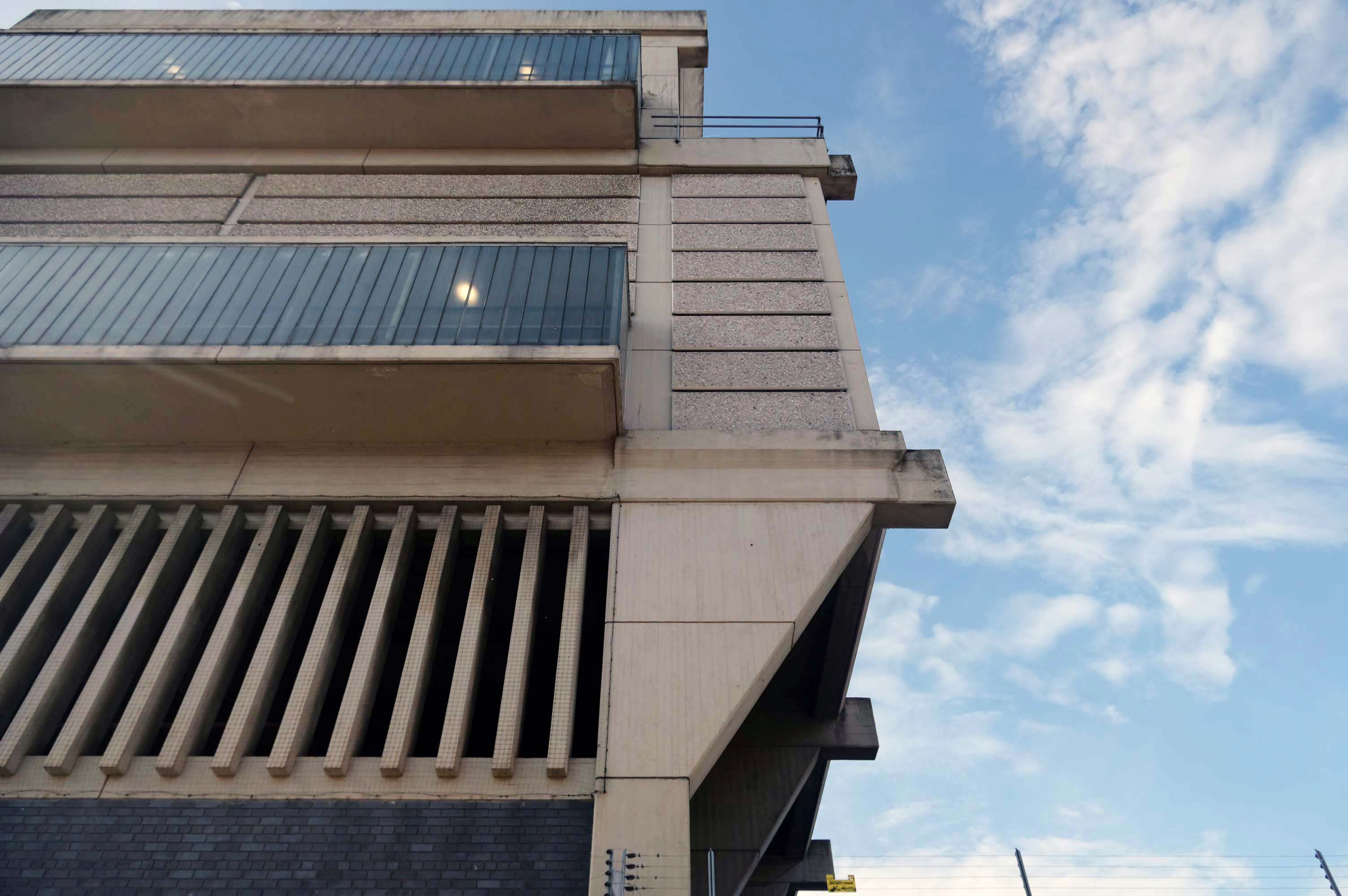
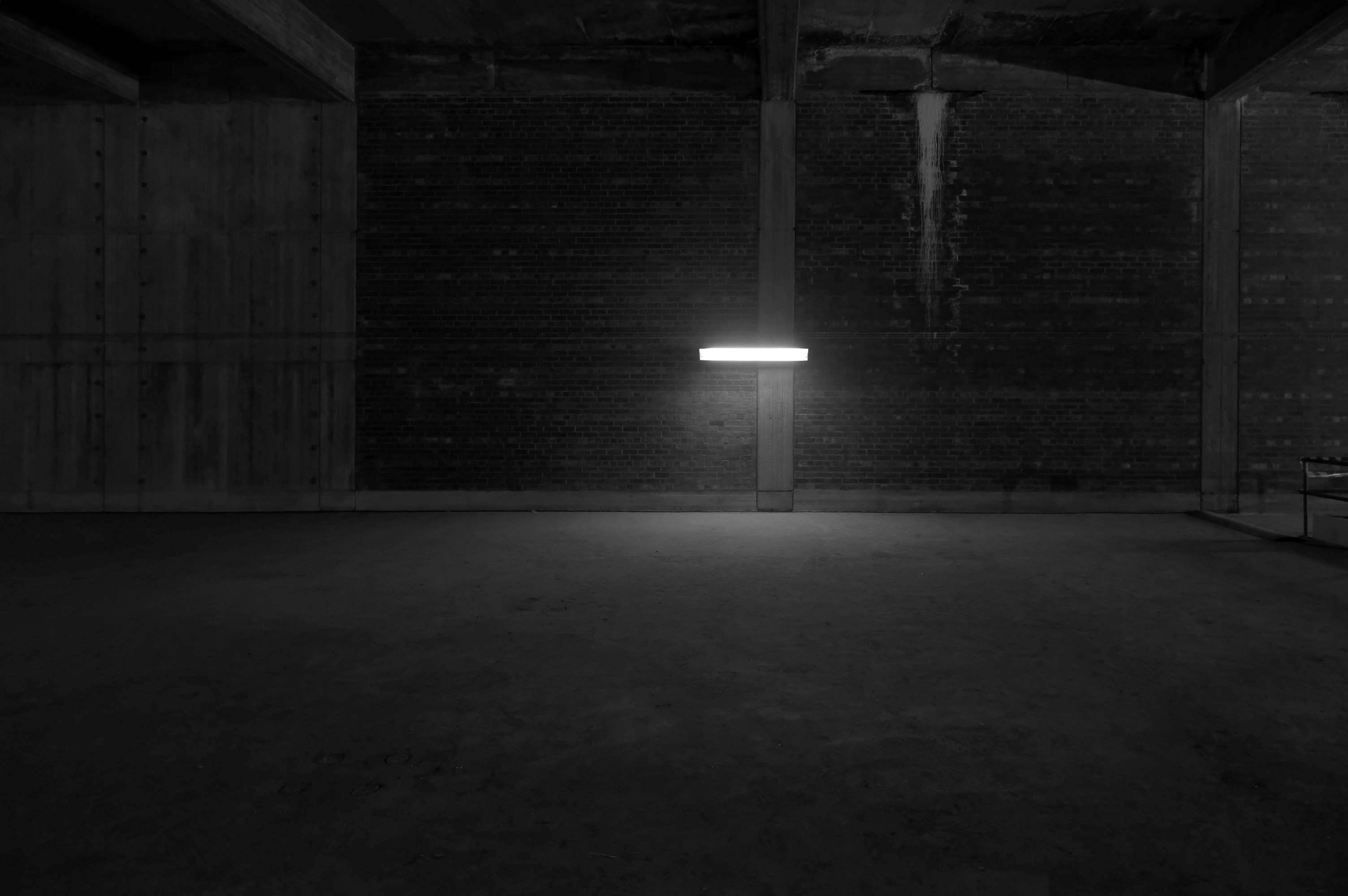
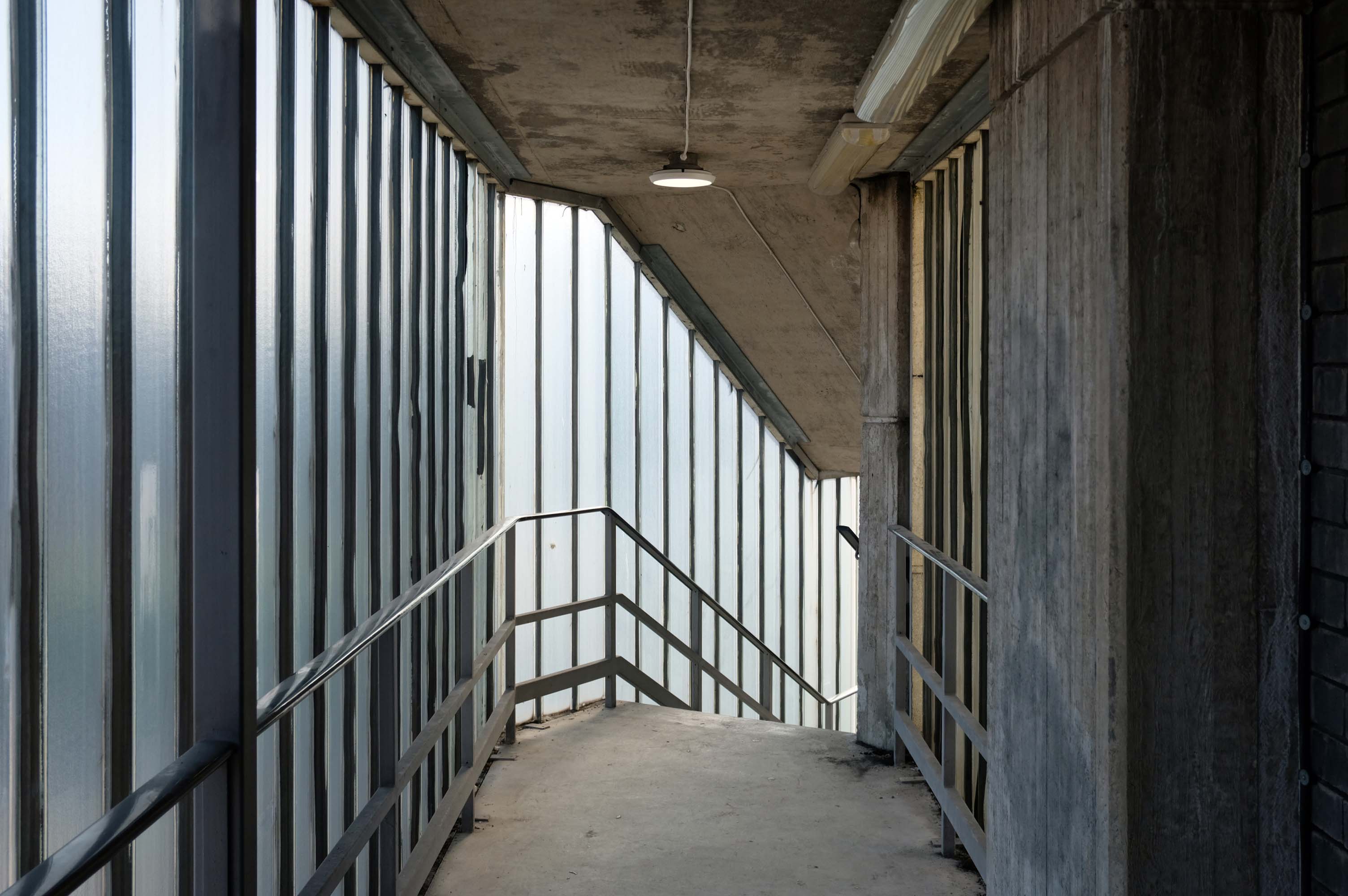
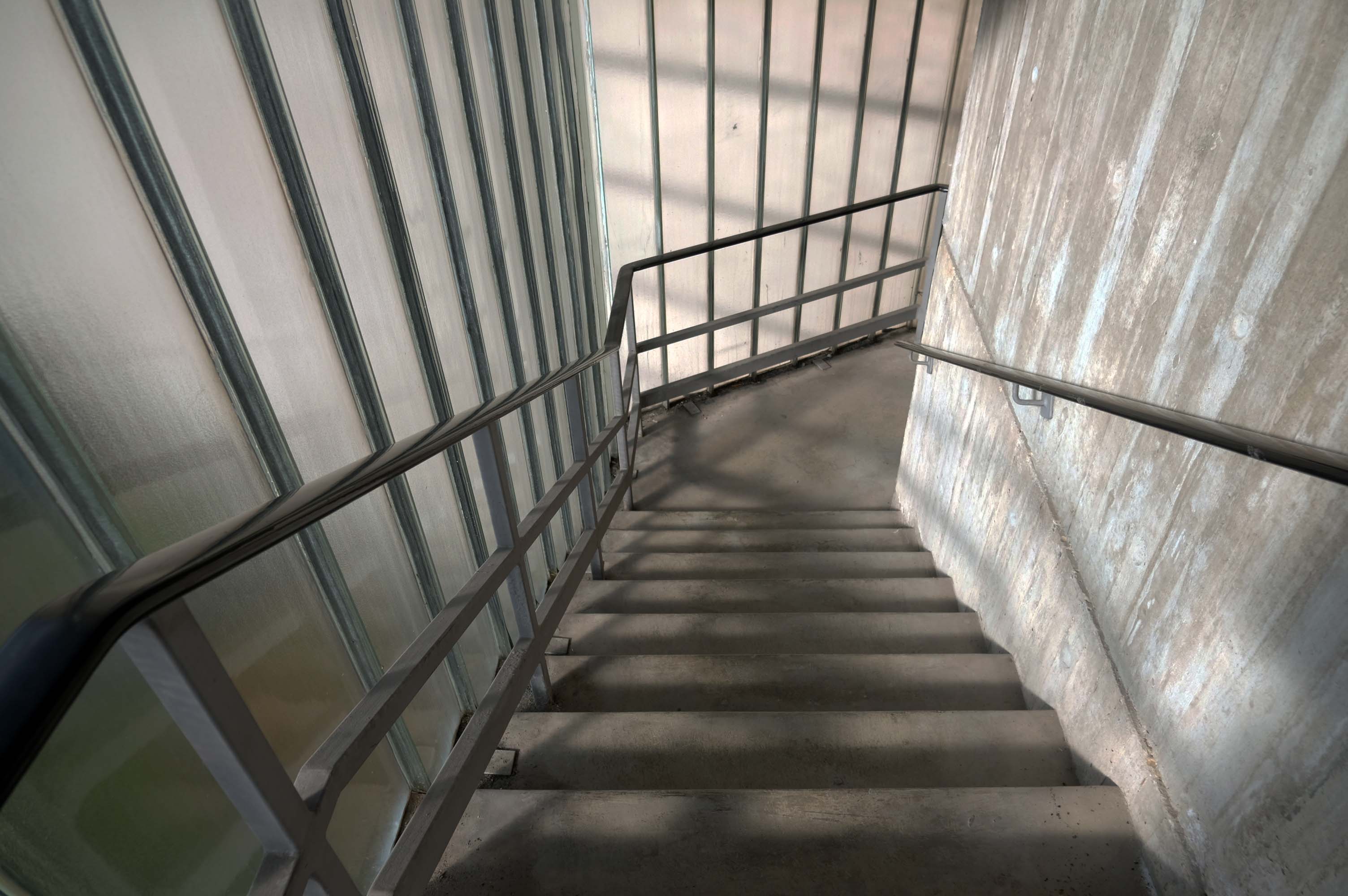
This concrete enclosed, collection of transformers and switchgear.

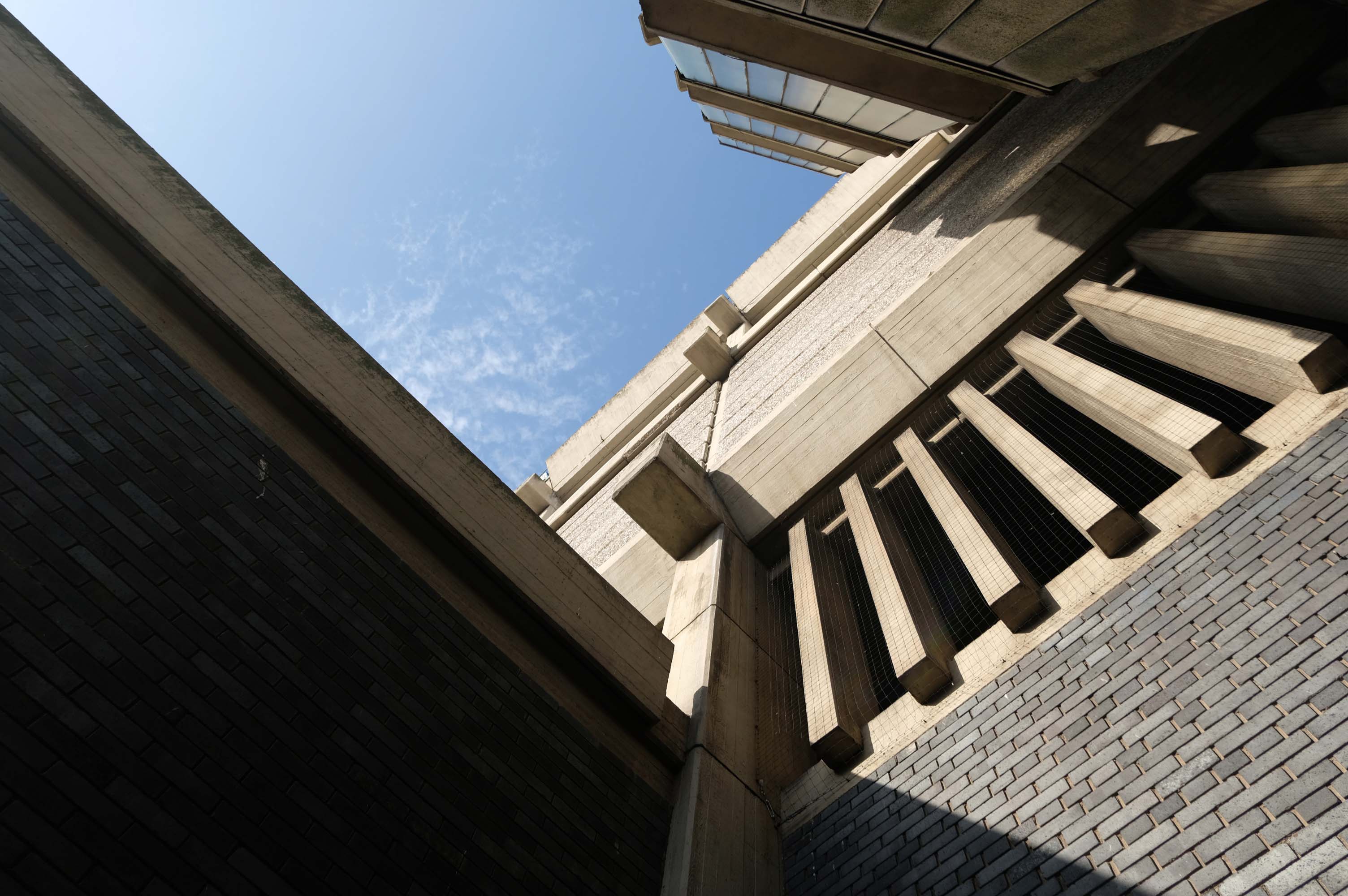
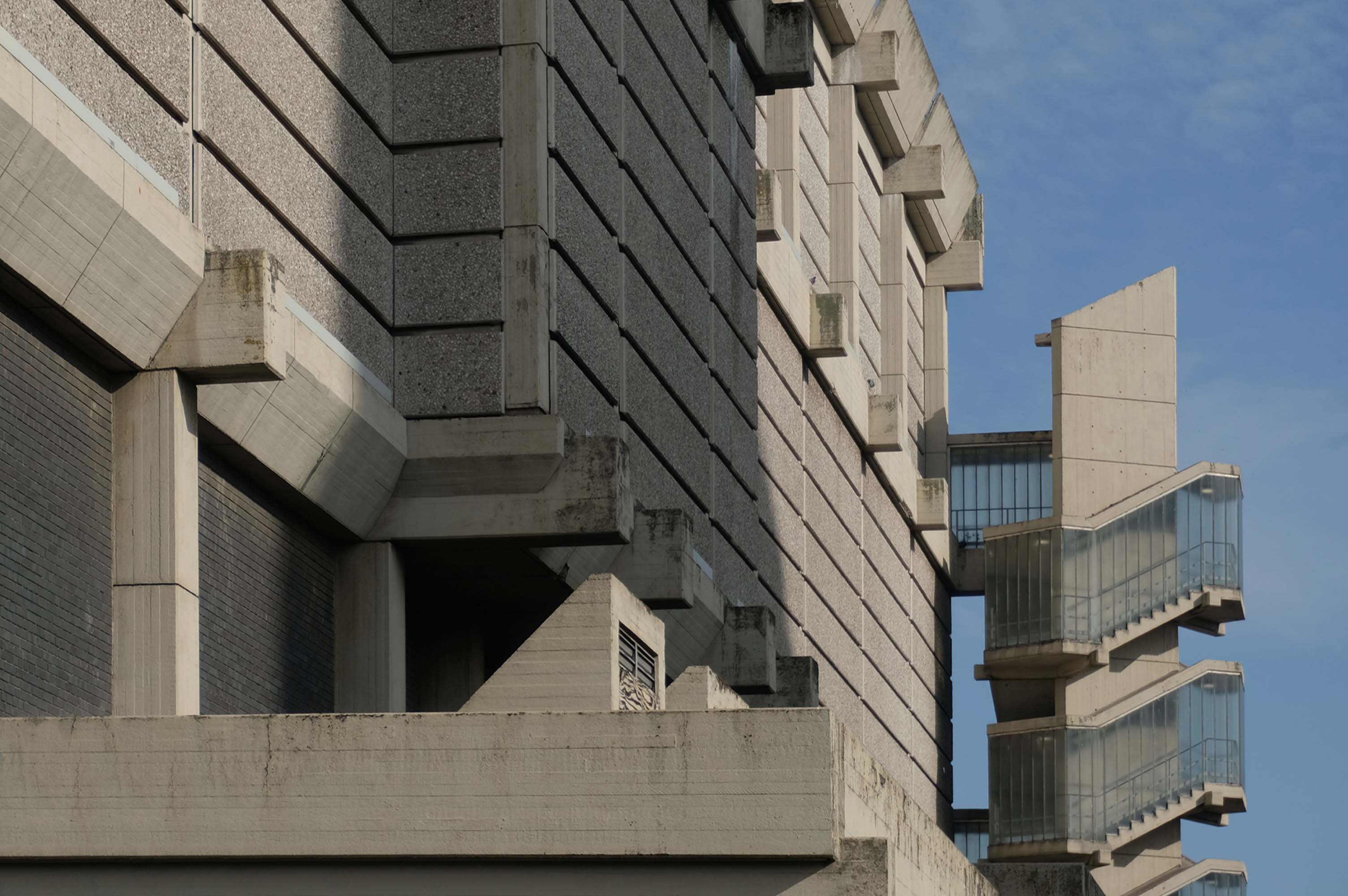
Electricity substation. 1968 to designs by consulting architects Jefferson, Sheard and Partners, Sheffield, led by Bryan Jefferson, in association with the Regional Civil Engineers’ Department of the CEGB North East Region. Contractors, Longden & Sons Ltd, Sheffield. Reinforced concrete frame with board-marked finish with formwork bolt marks, construction and daywork joints emphasised, concrete floor slabs, blue engineering facing bricks, cladding panels of Cornish granite aggregate.

Historic England

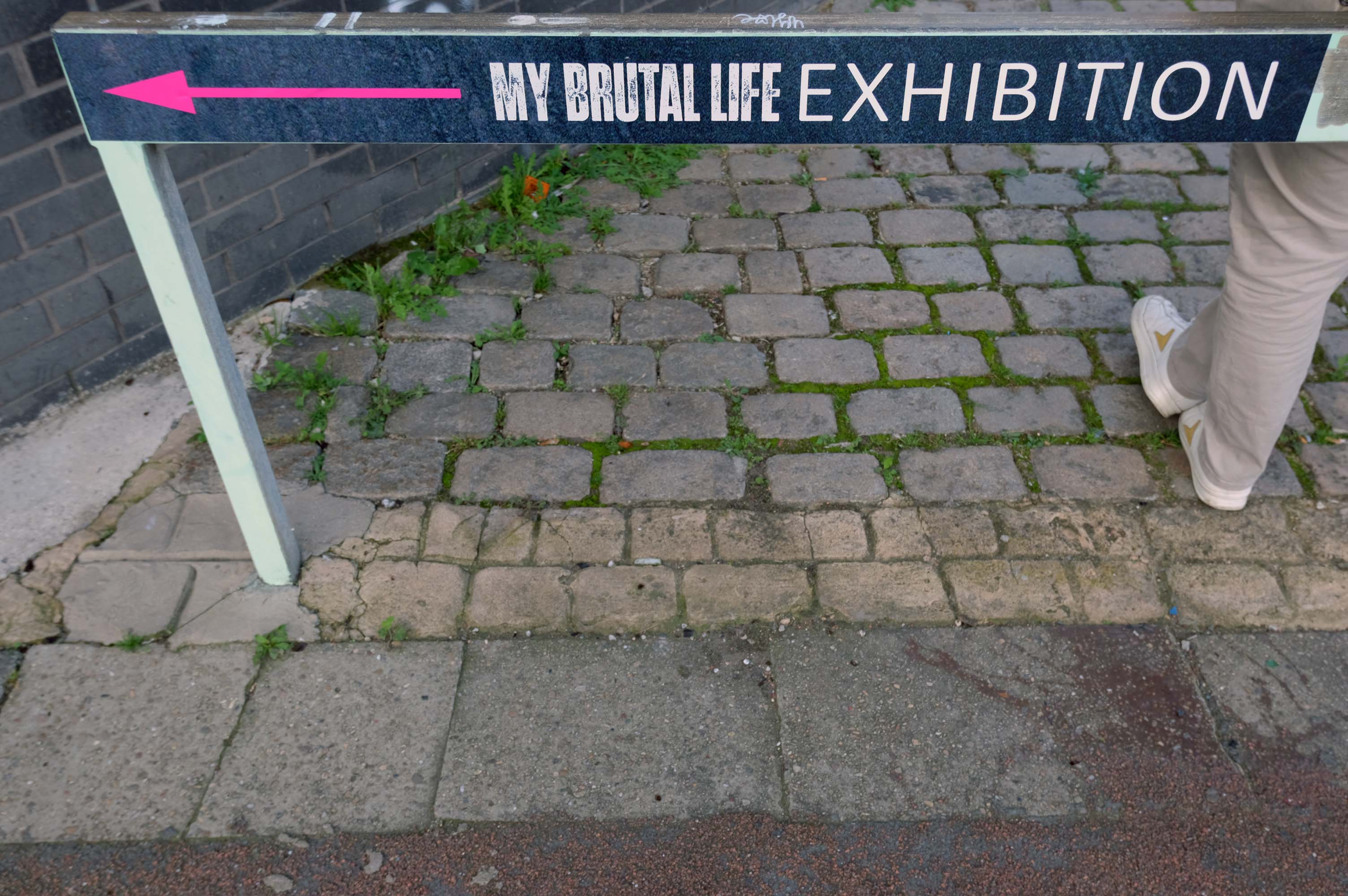
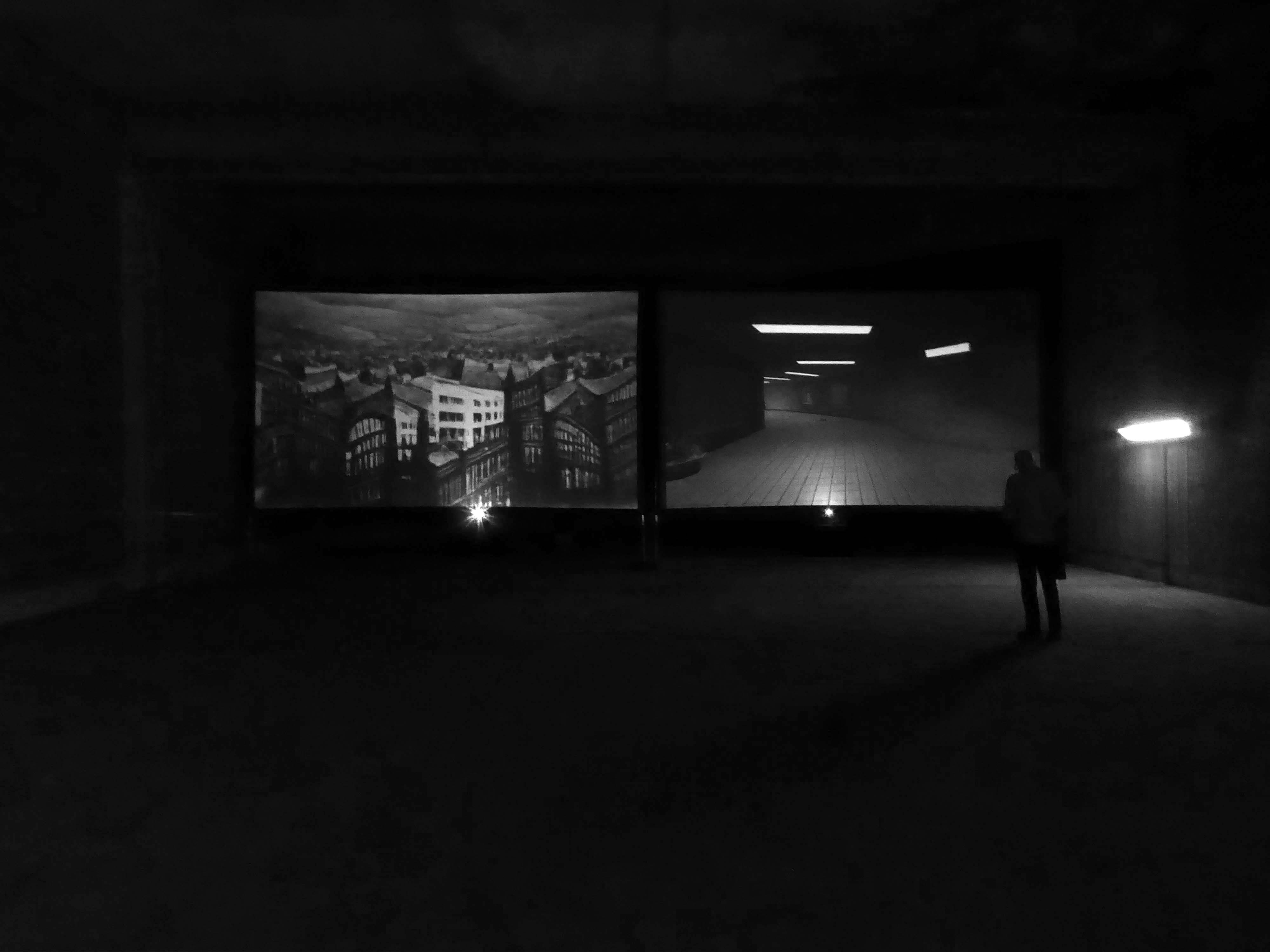
The good folk at Sensoria and The Black Dog staged My Brutal Life inside the building – using the void created by the non-expansion of expanded demand for electricity.

The exhibition features work by Bill Stephenson, Mick Jones, Mandy Payne, Martin Dust, Scott Amoeba, Richard Davis, Jen Orpin, Alun Cocks, Human Studio, Sean Madner, Helen Angell and The Black Dog.

Let’s take a look outside inside out.

Thanks.

Another Brick In The Wall – Leeds

Here we are at the Stan and Audrey Burton Gallery – an exhibition with a Pink Floyd-ish hue.

Curiously brick-ish, for work largely concerning concrete.

Did they not know the Madcap Syd wrote See Emily Play down the road at the now demolished Leeds College of Technology?

A fact I discovered whilst researching my Leeds Walk.

Myself I would have gone with – Borrow Somebody’s Dreams ’til Tomorrow.

For here we have an exposition of the architecture of three Universities, exploring the possibilities of a new age.

An age typified by the expansion of minds and opportunities in higher education, rendered corporeal in glass, steel and concrete – with some concession to the use of brick.

Basil Spence at the University of Sussex

Denys Lasdun at the University of East Anglia.

And Chamberlin, Powell and Bon at University of Leeds.

I was minded of the political context to these campuses, radicalised by the events of the late Sixties and early Seventies.

Myself a student at Portsmouth Polytechnic during these heady days, where several Maoist, Marxist-Leninist, Stalinist and Trotskyite factions played out ideological debate and display, against these Modernist backdrops.

Epitomised by the Hornsey School of Art sit-in.

On the day of my visit to the Leeds campus, I saw three students stood behind a hardboard paste table, selling the Socialist Worker.

Along with staff building support for the following day’s UCU strike.

So to the exhibition – Another Brick In The Wall at the Stan and Audrey Burton Gallery until Saturday 25th March.

Photographer Simon Phipps shines a contemporary light on the innovative designs of this period. He has produced new work of a variety of campuses, including the University of Leeds, exclusively for the exhibition. 

Alongside these contemporary photographs, the exhibition displays archival material from the Universities of Leeds, Sussex and East Anglia.

Rarely seen material from the Arup archive is also exhibited.

Let’s take a look at a topic from a bygone age that seems to come of age – there’s never been a better time to be Brutal!

Go and take a look, we really do need education – and exhibitions.