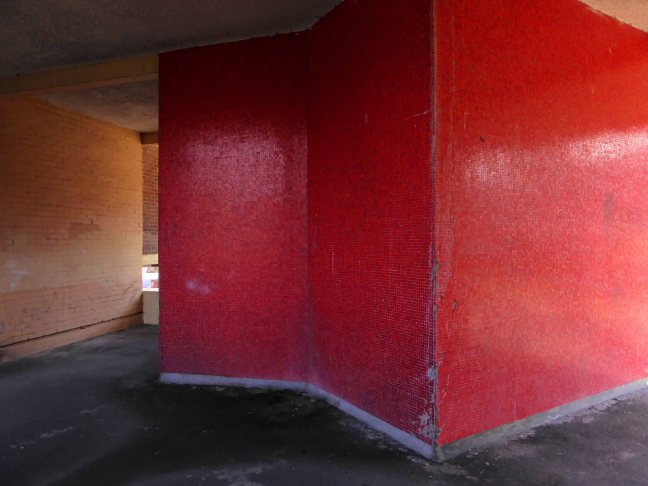
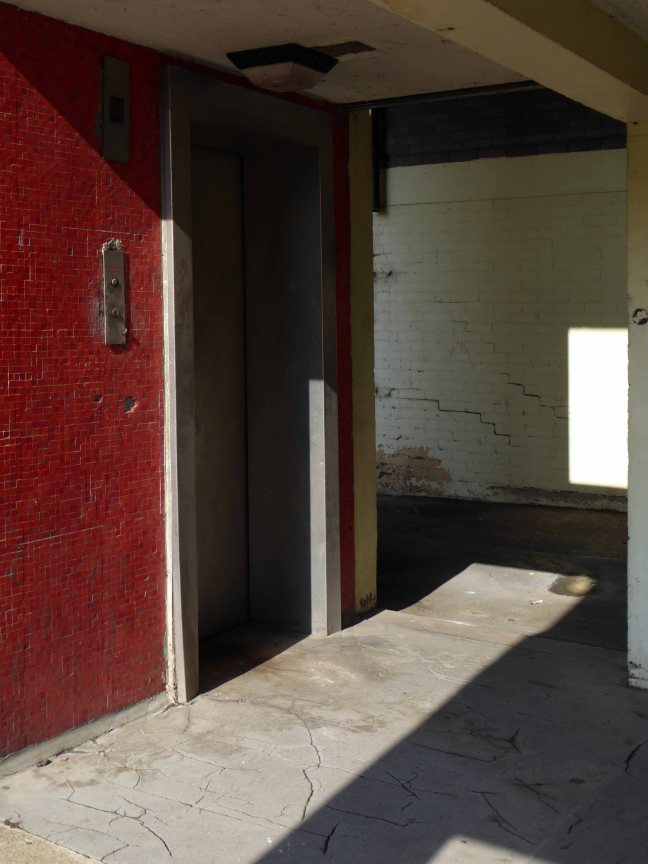
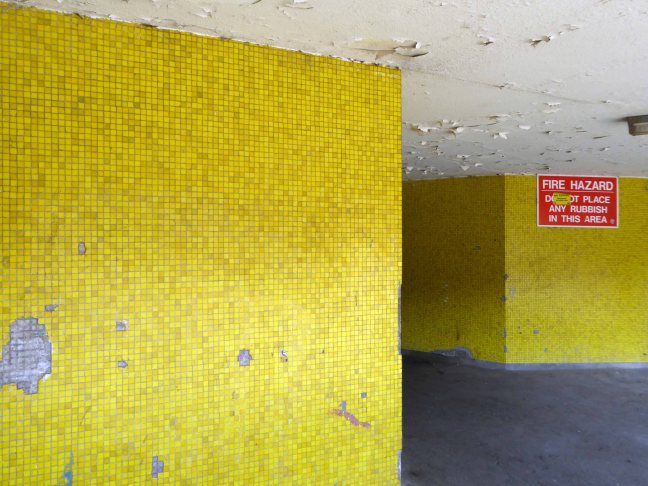
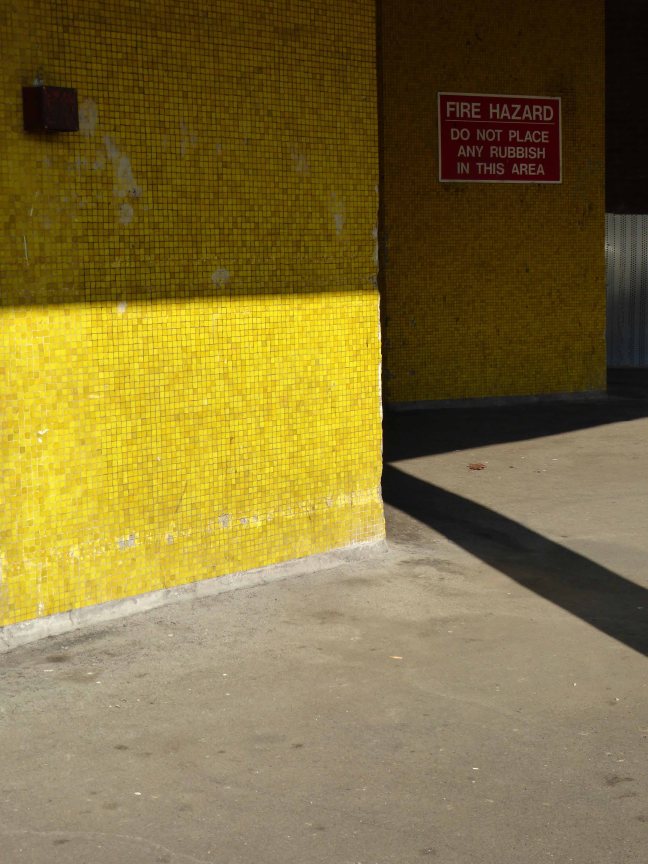
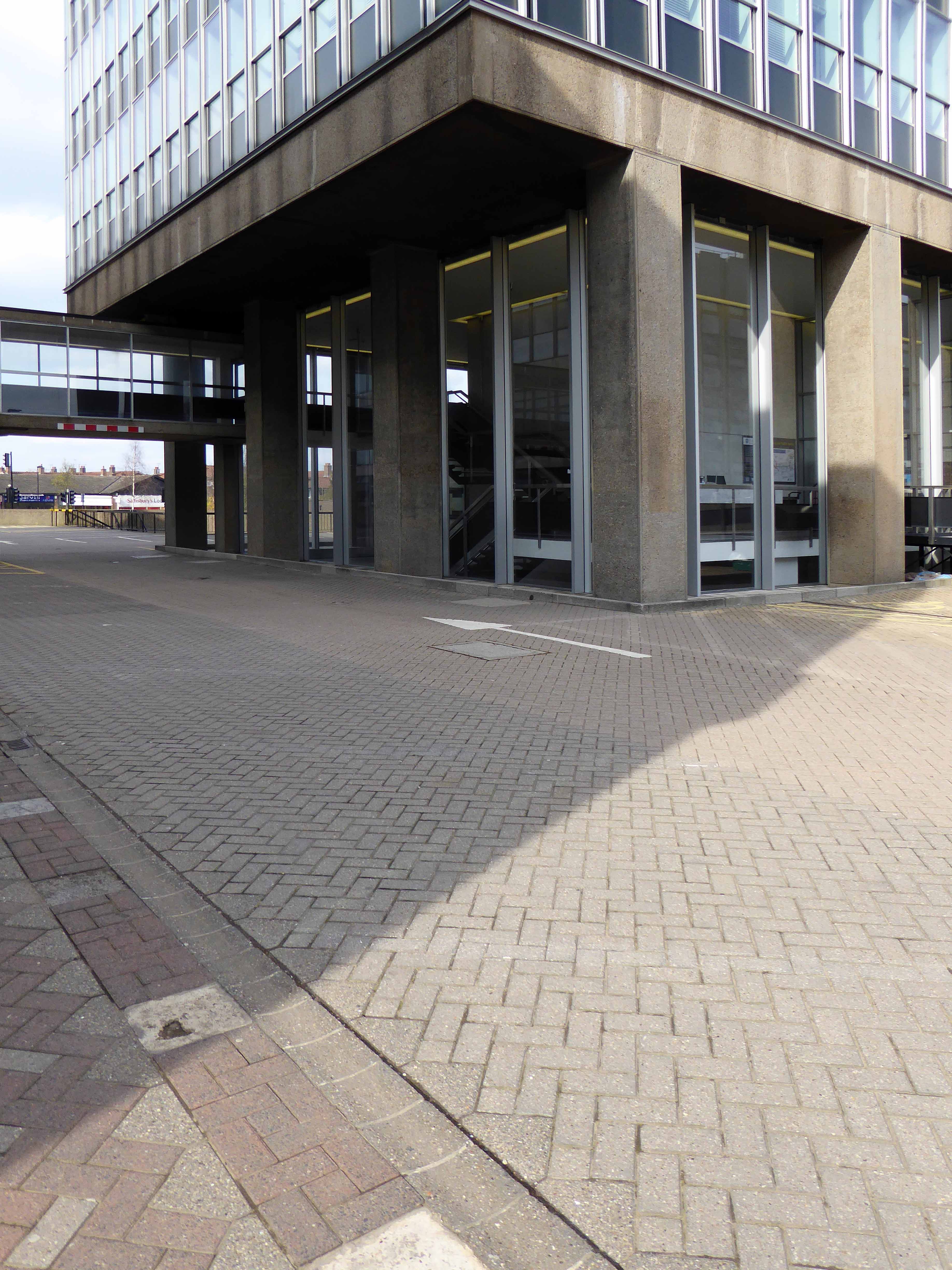
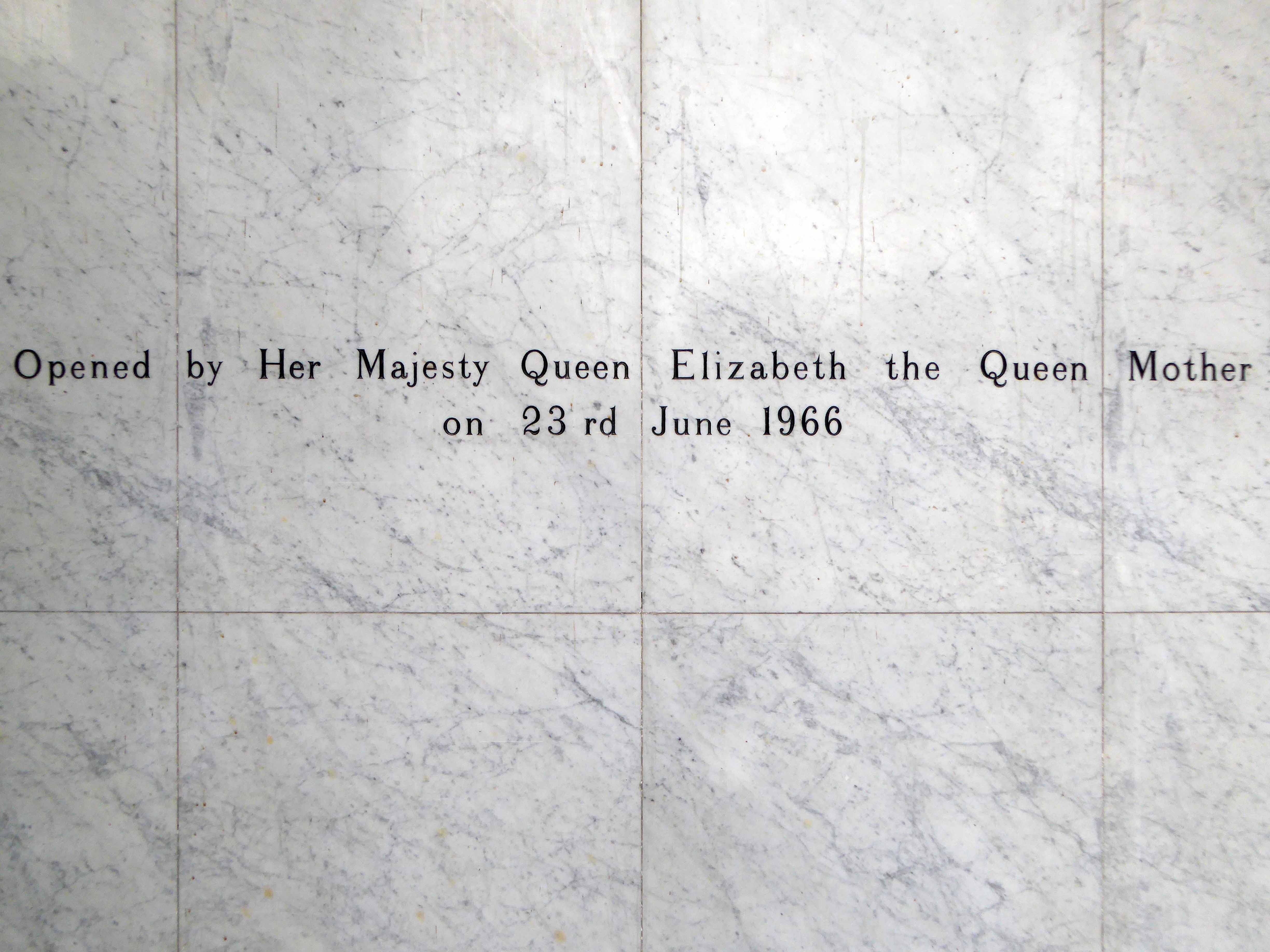
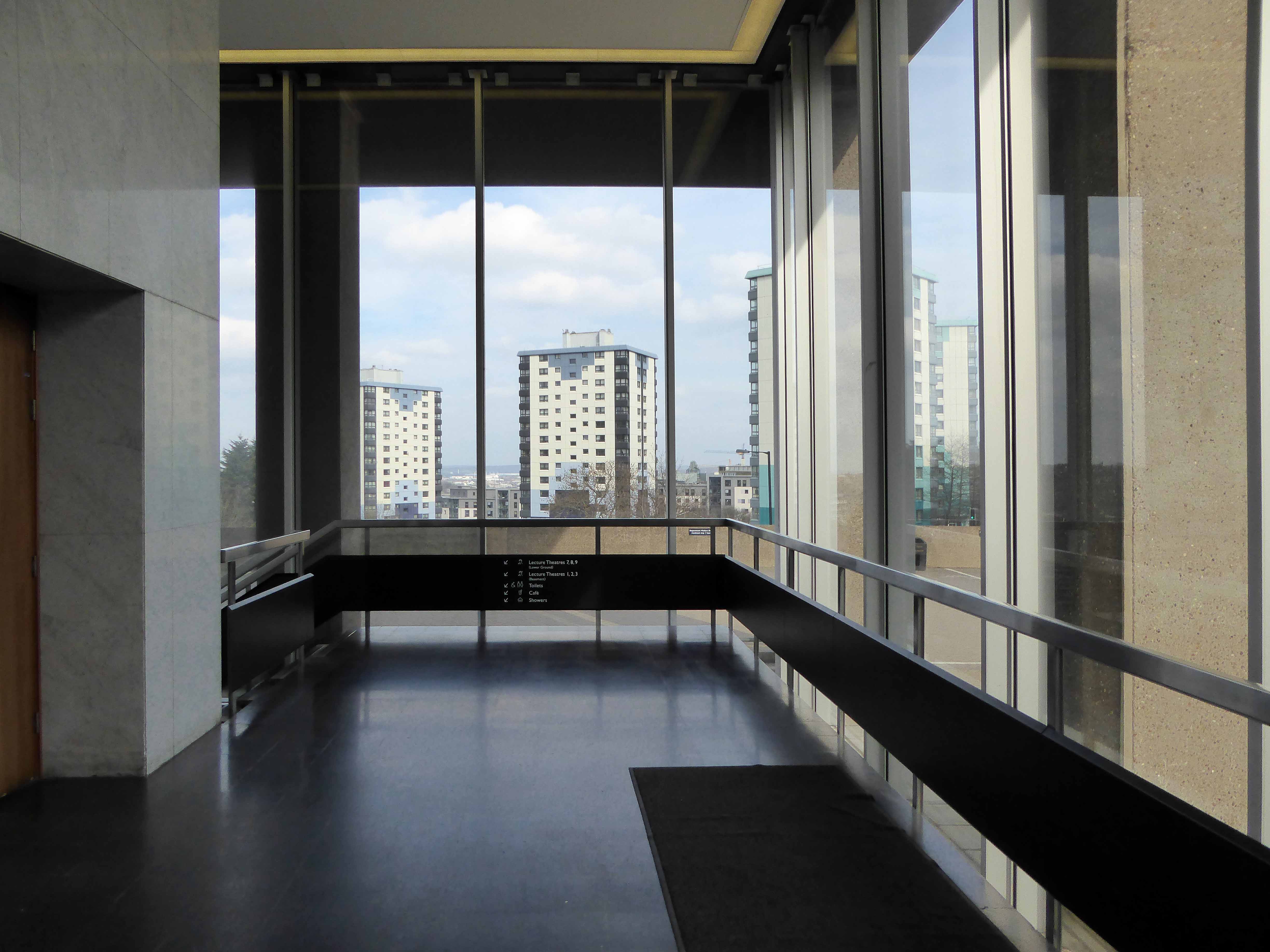
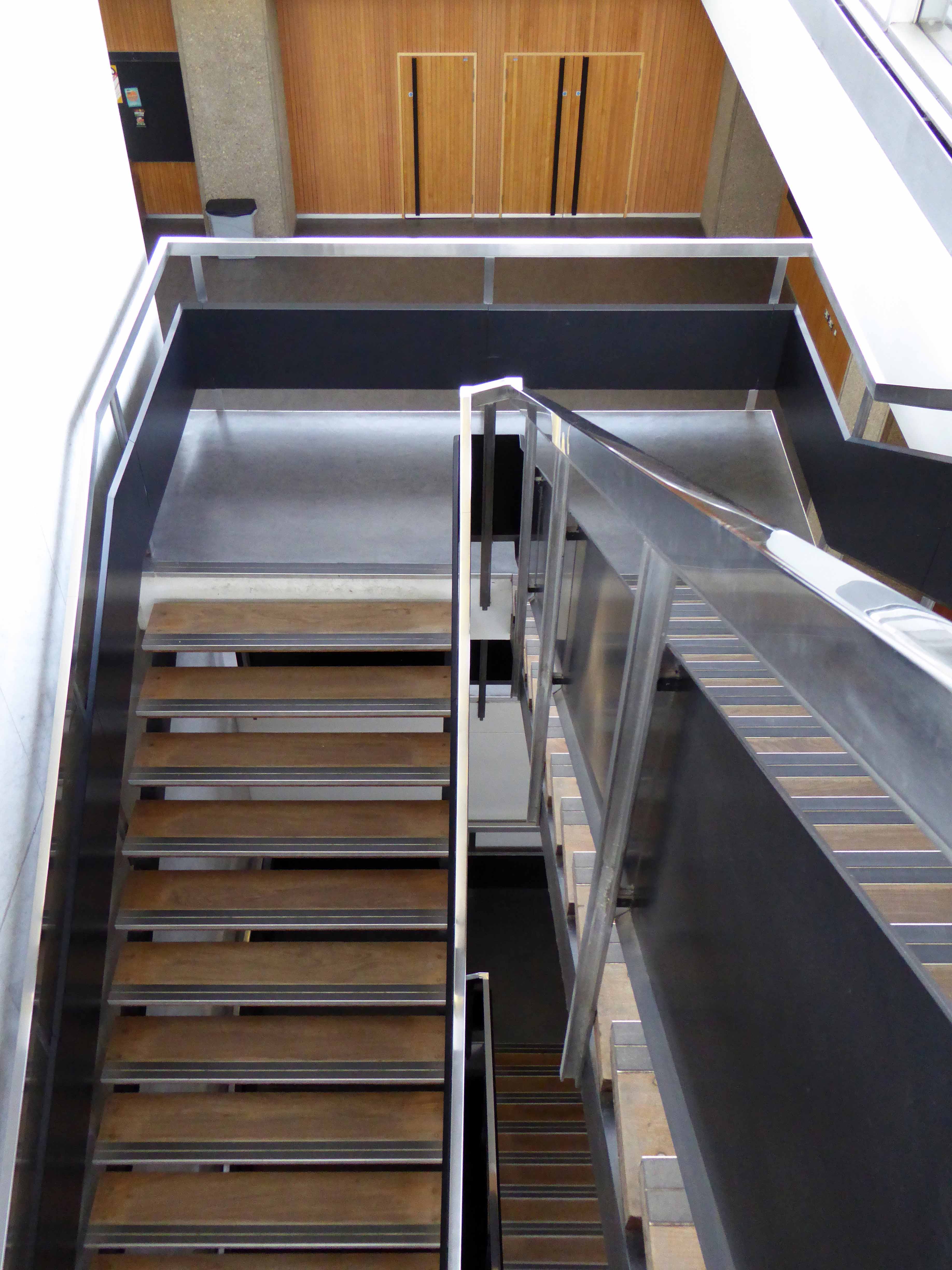
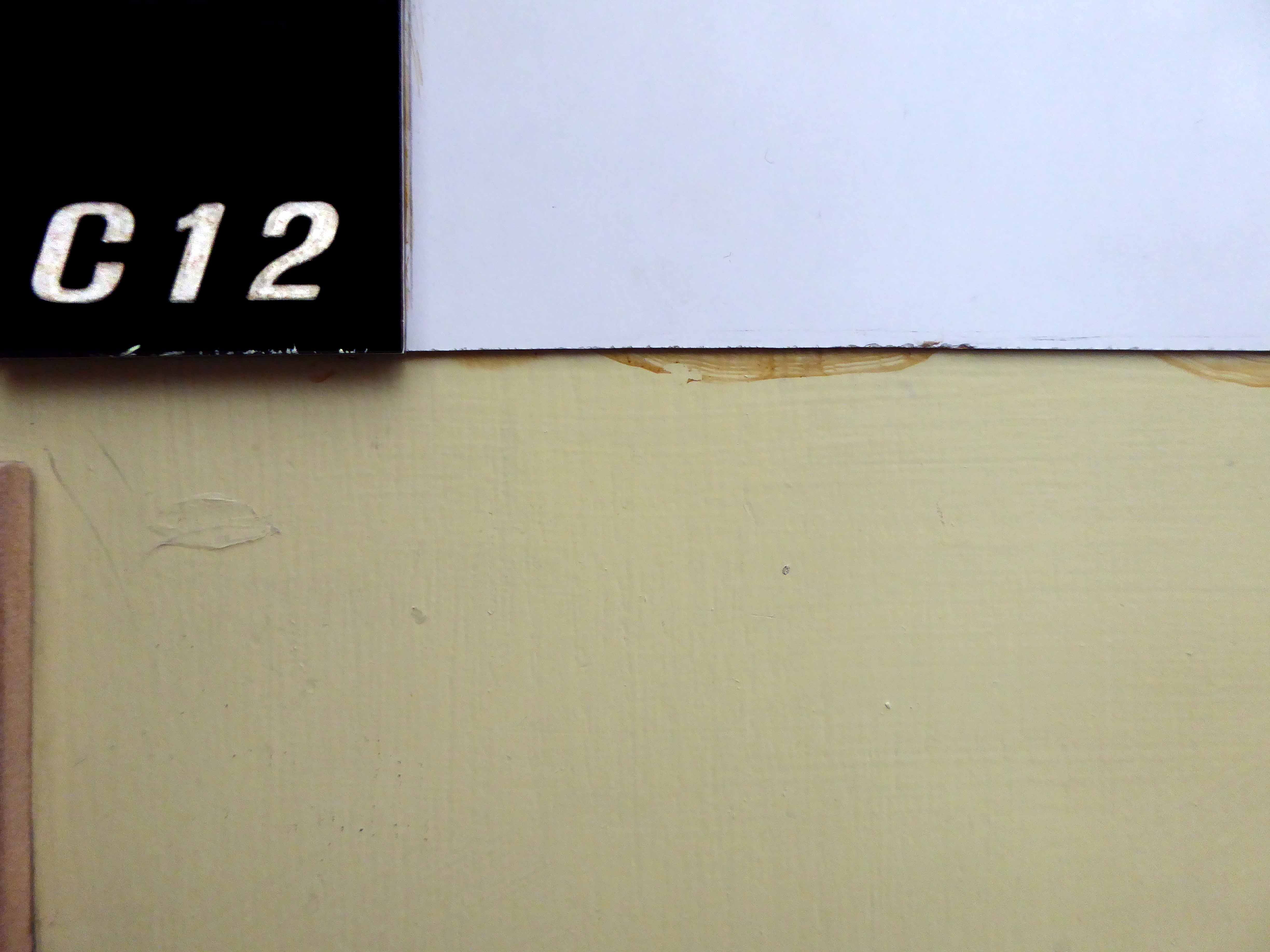
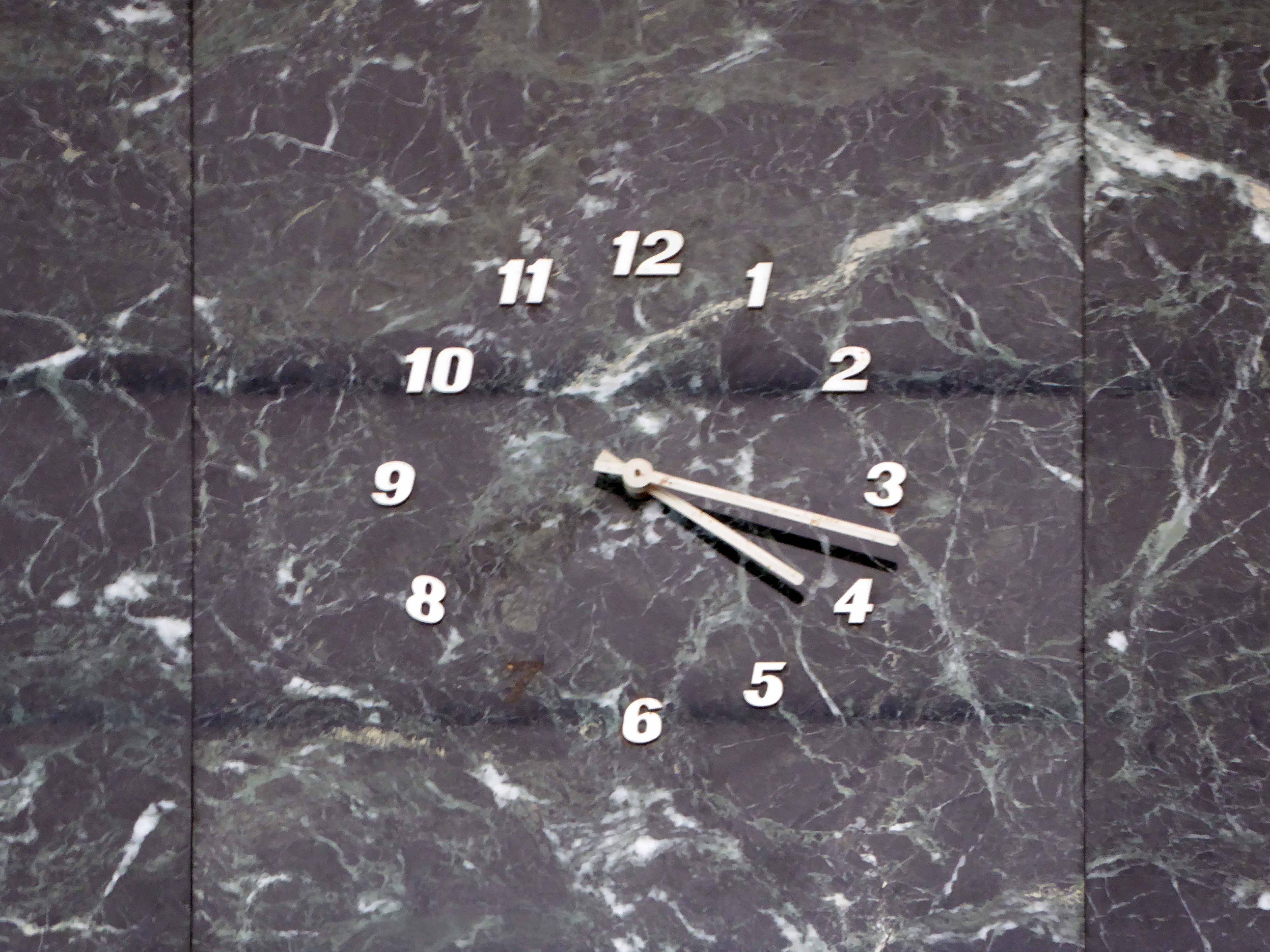
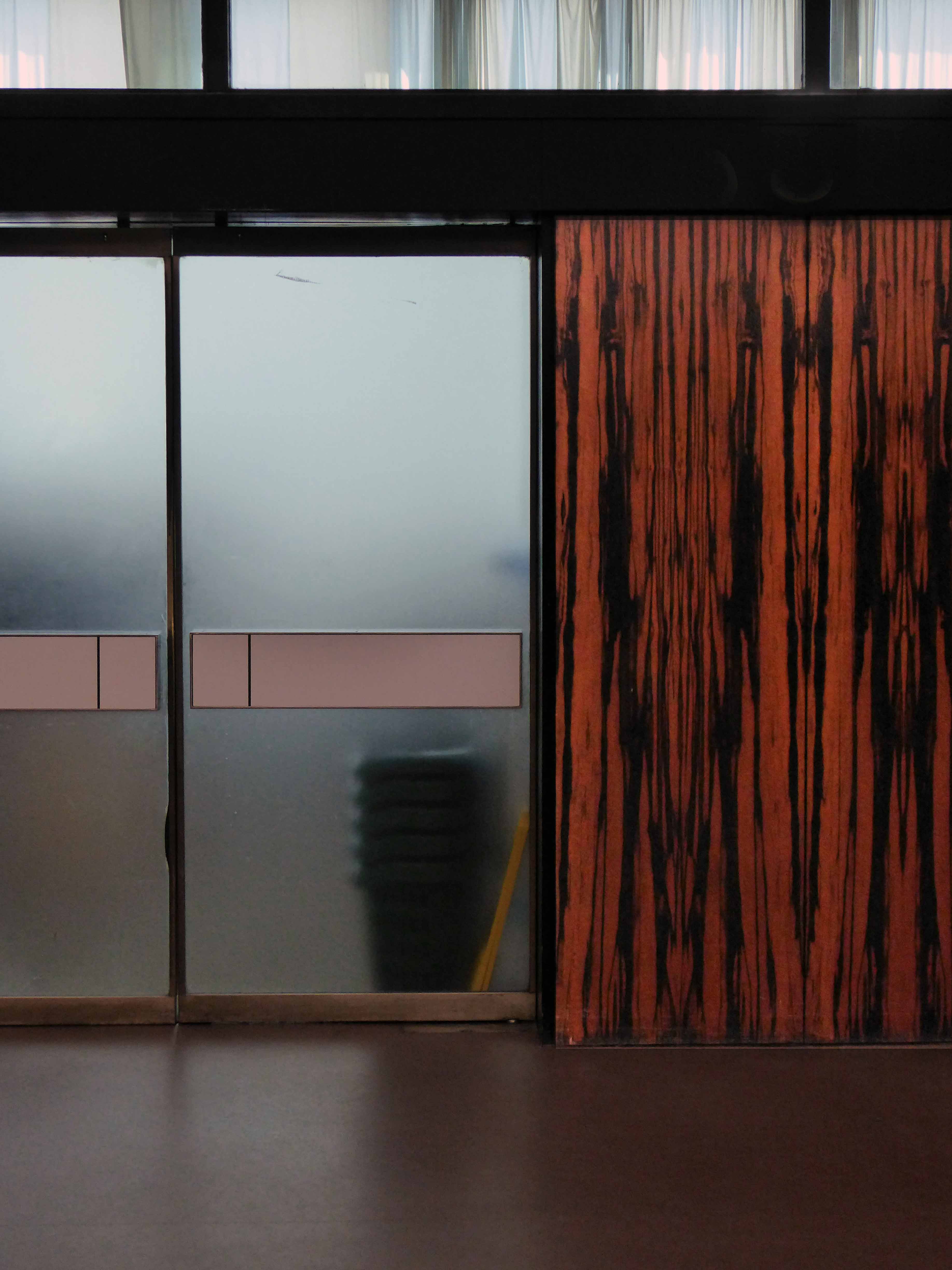
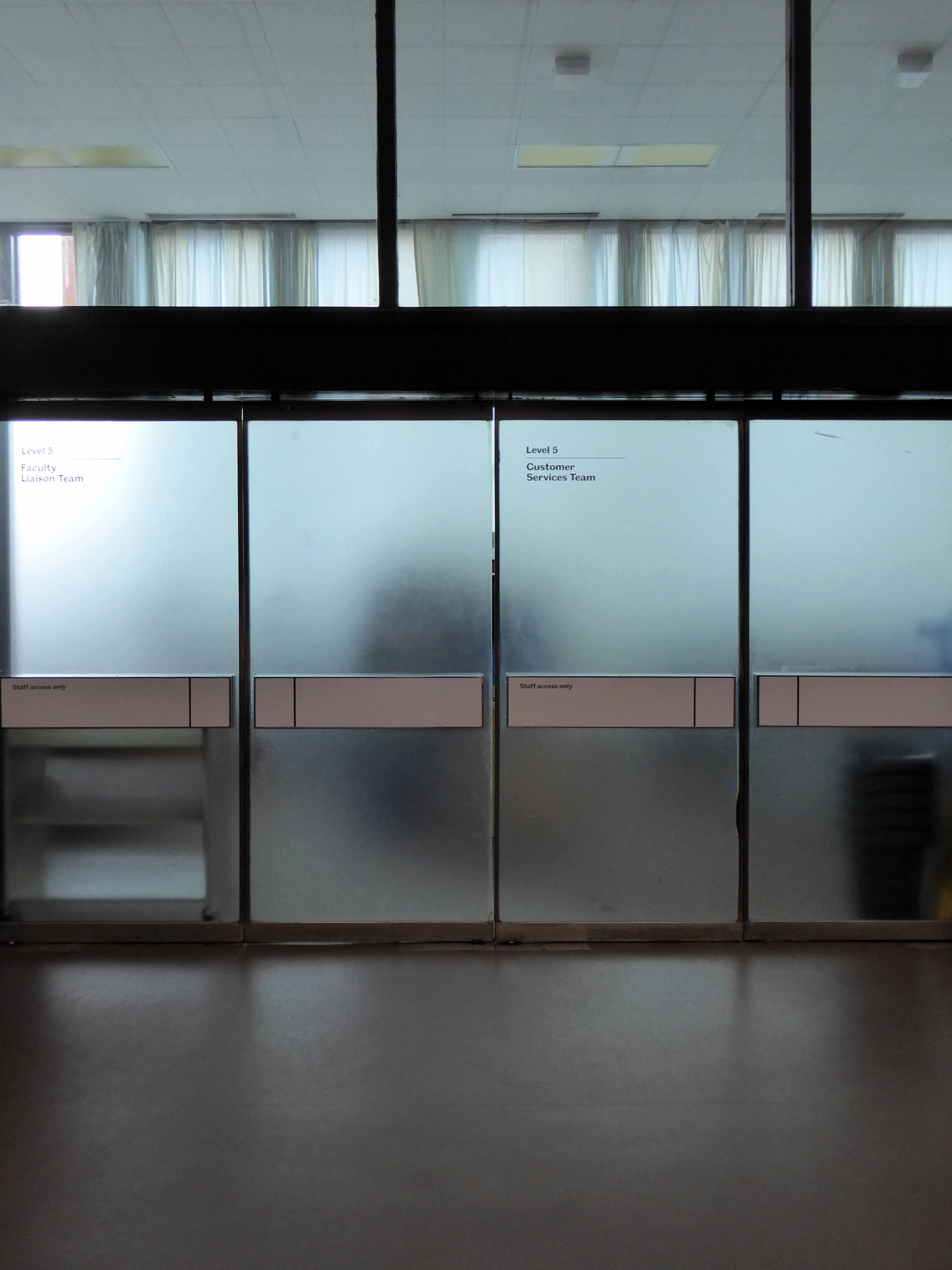
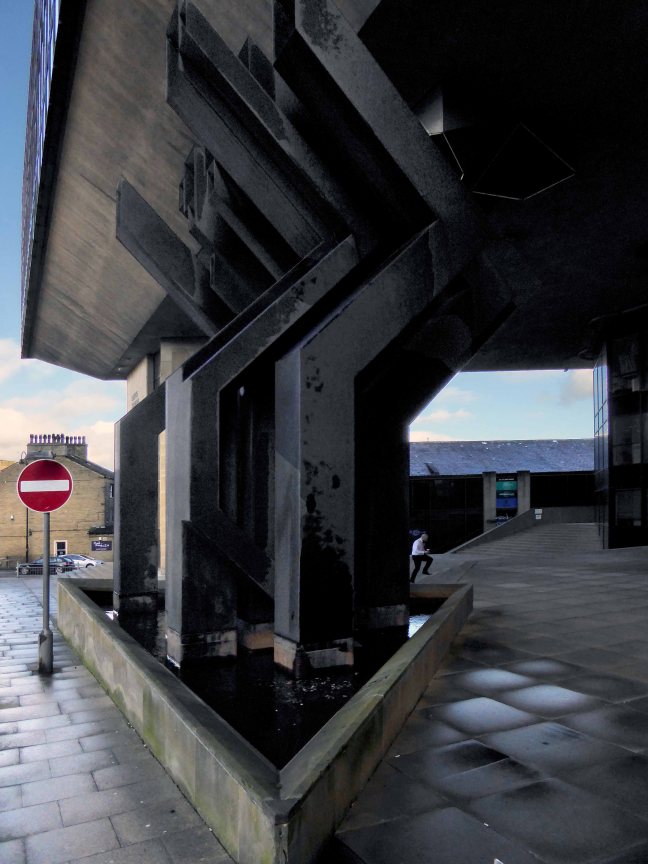
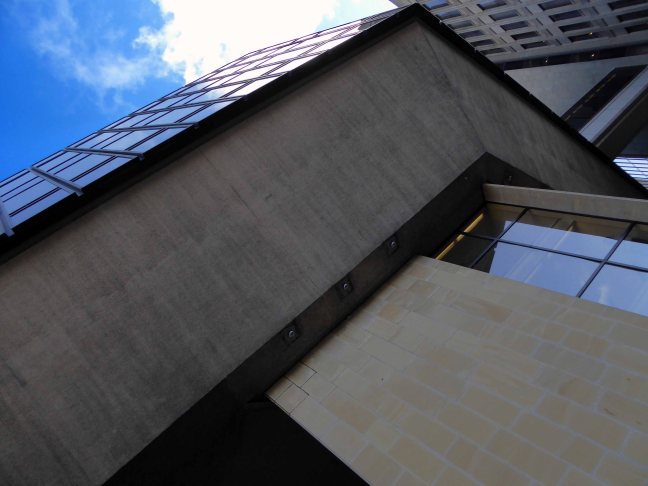
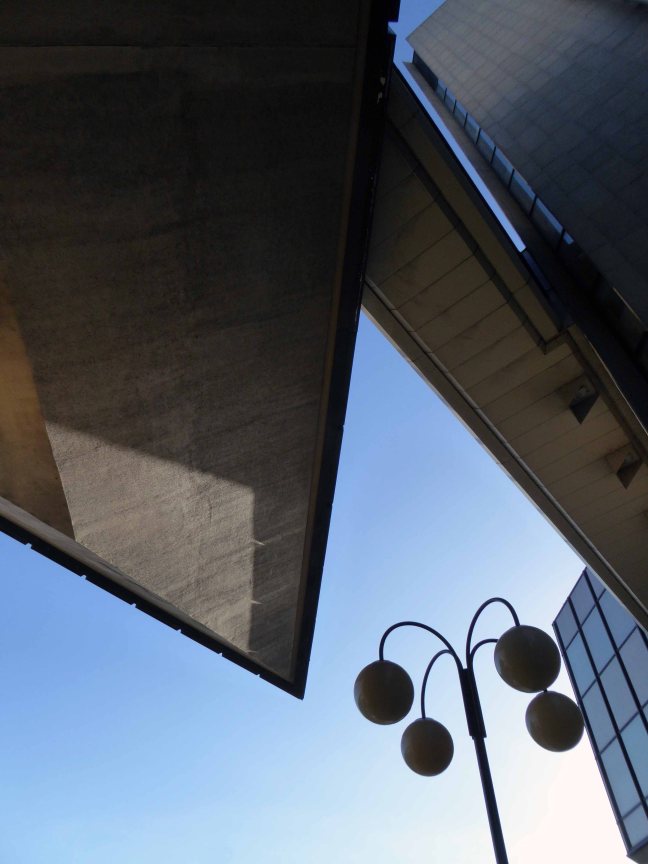
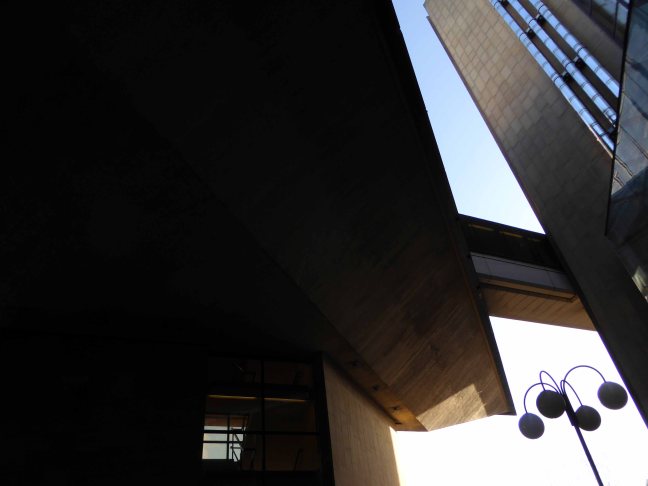
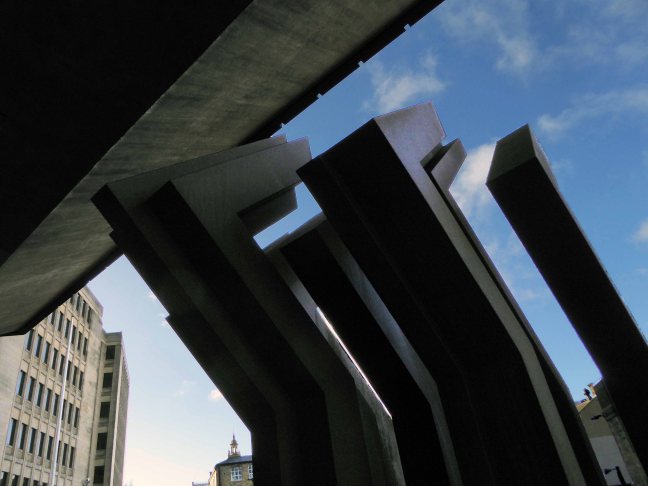
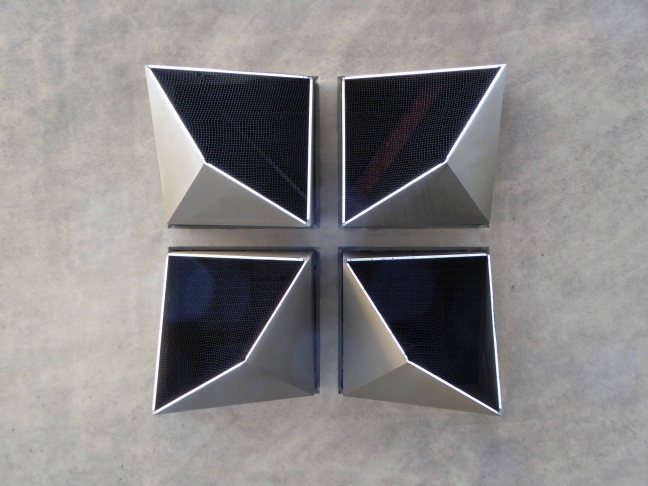
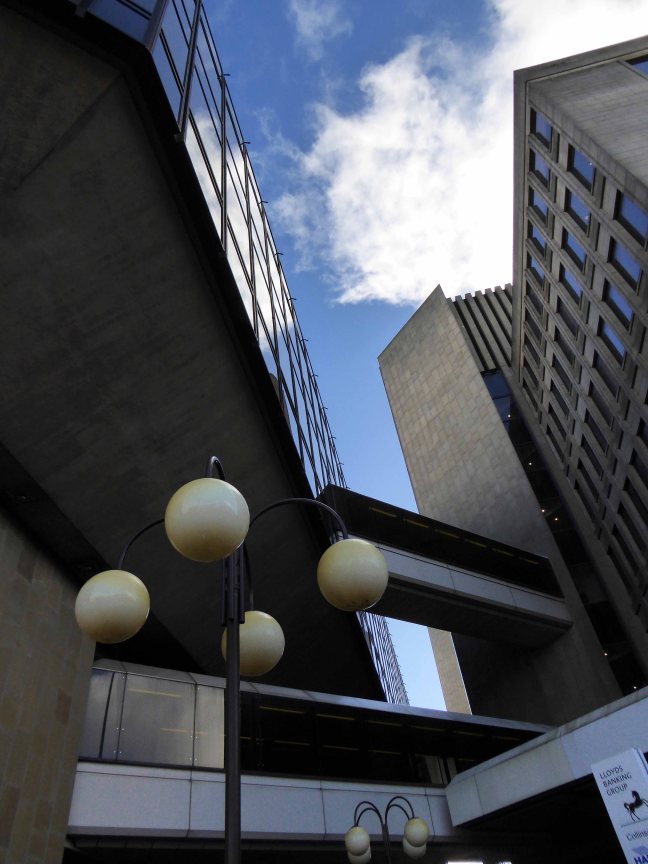
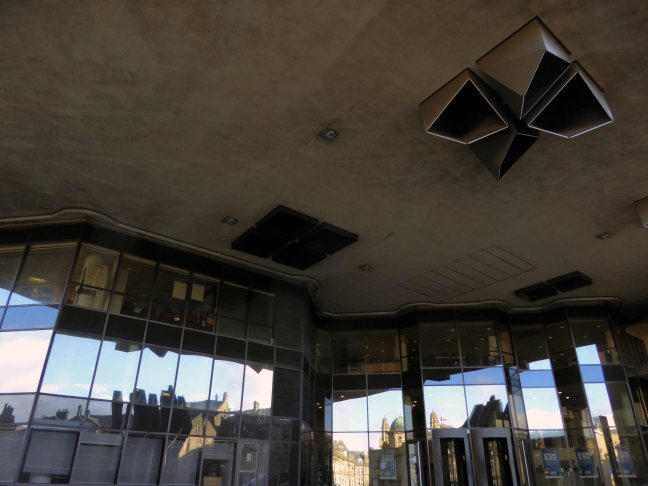
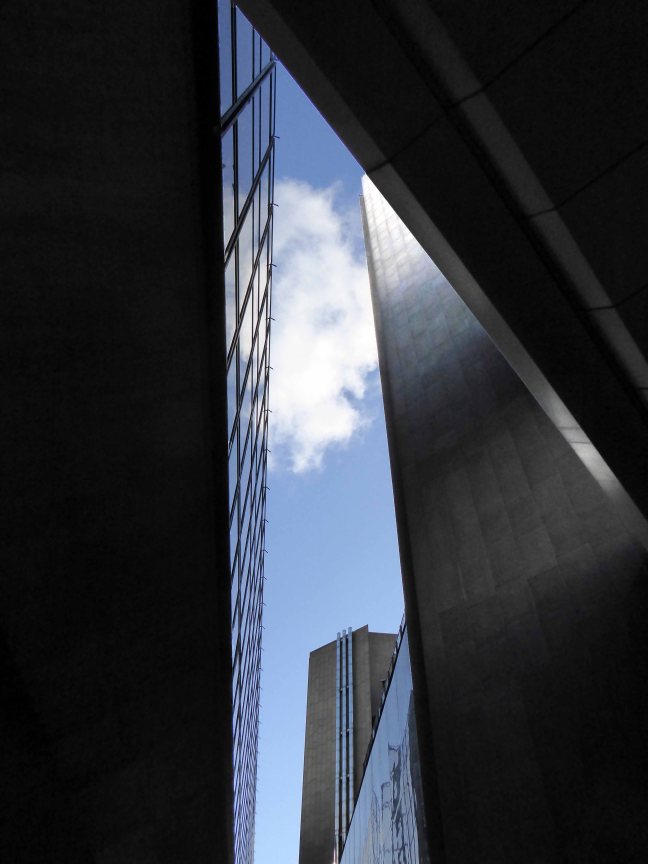
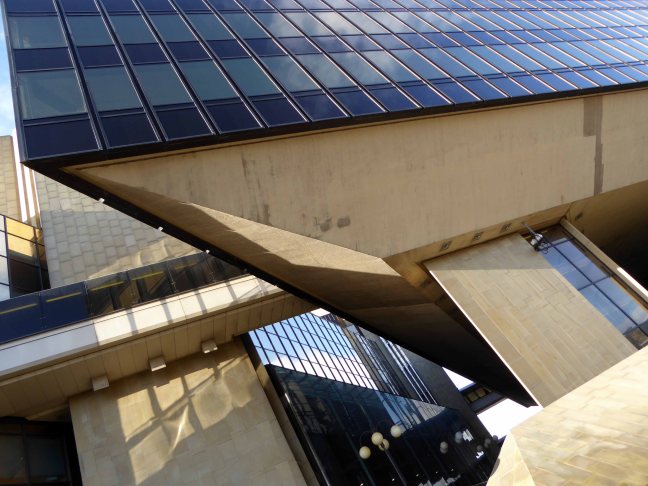
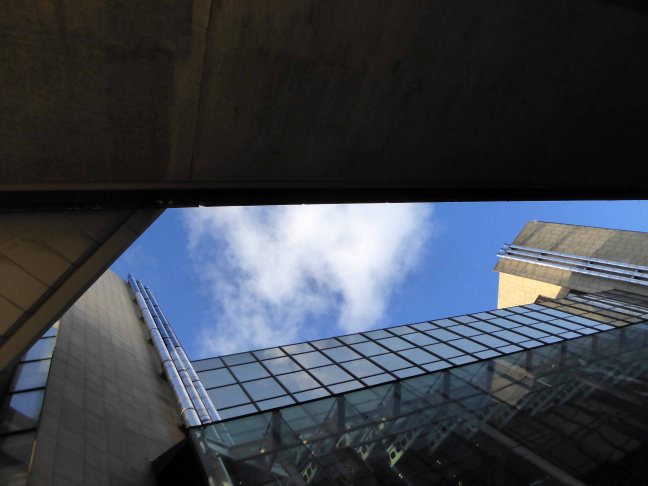
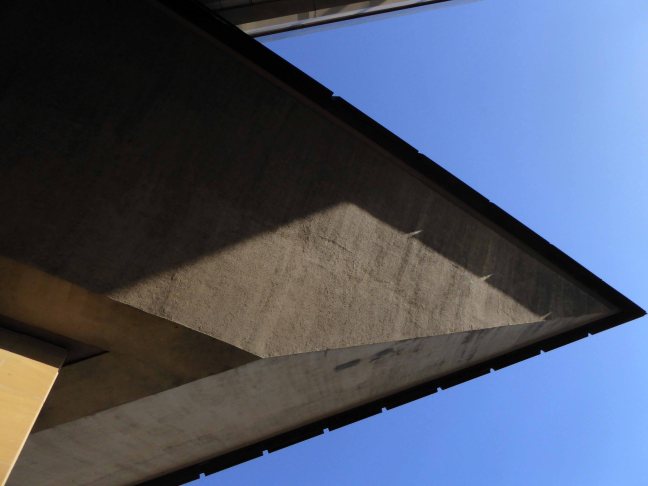
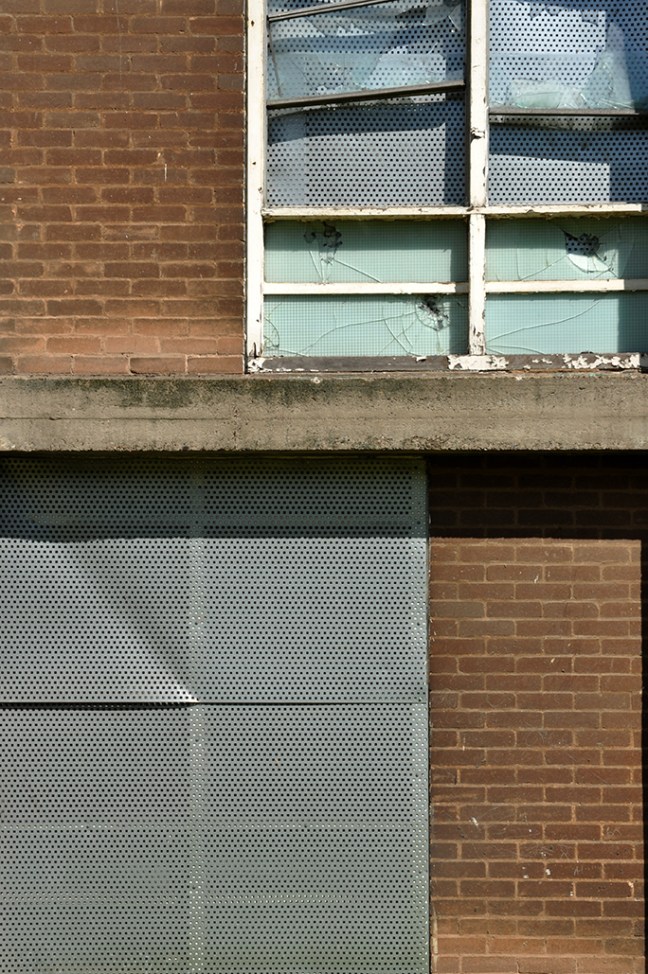
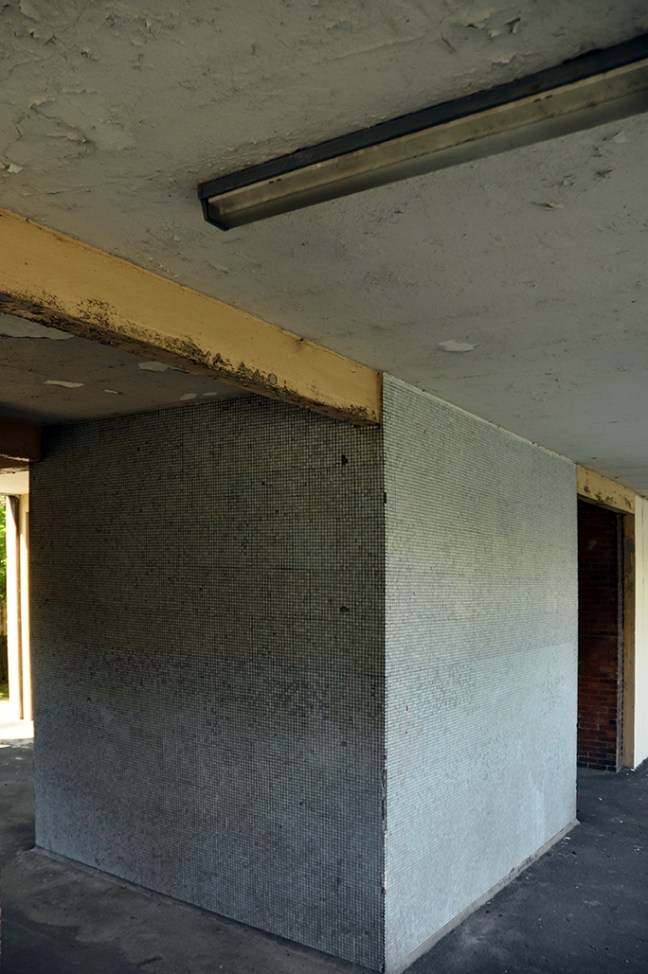
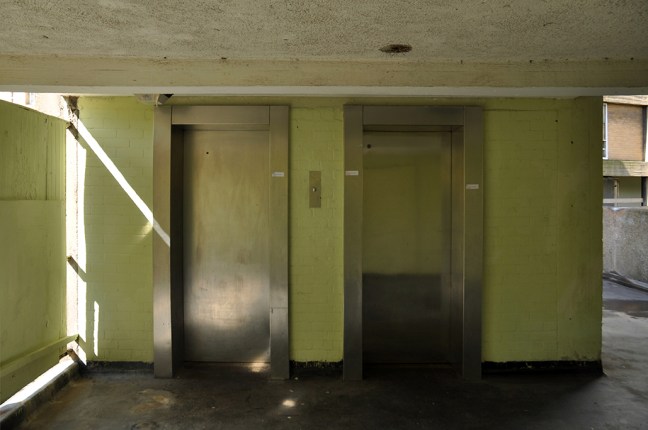
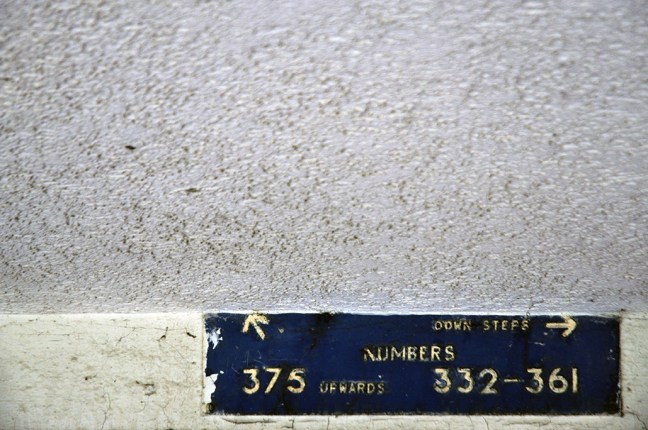
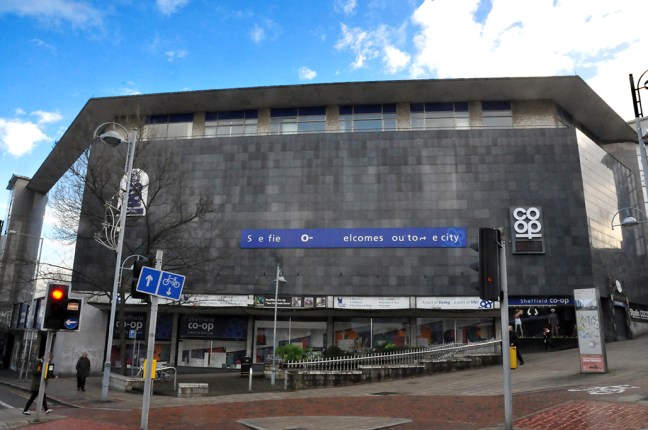
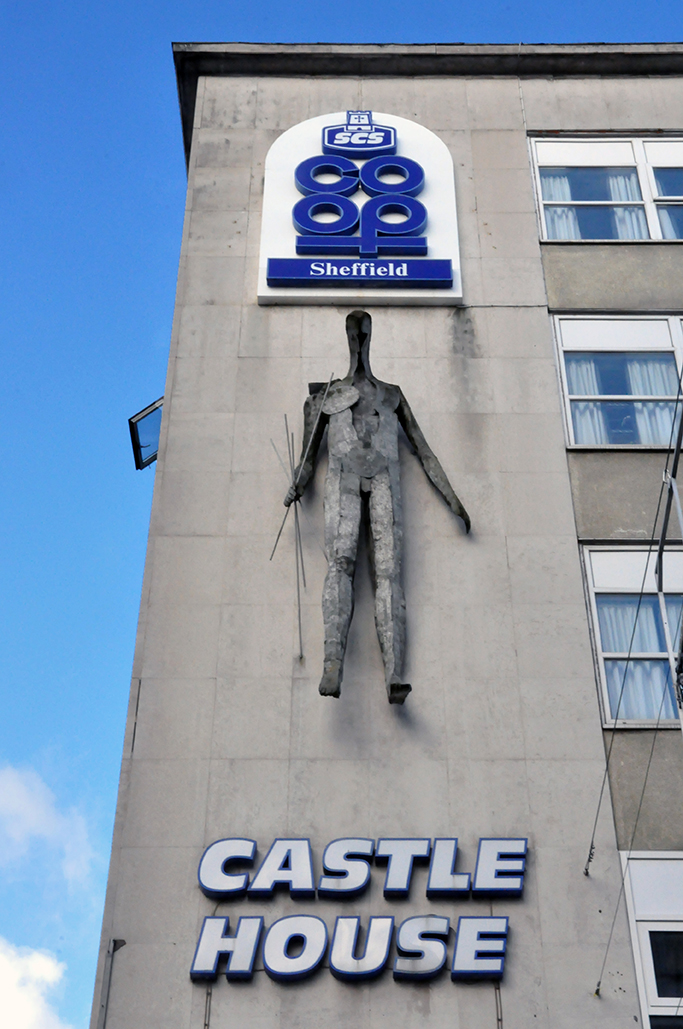
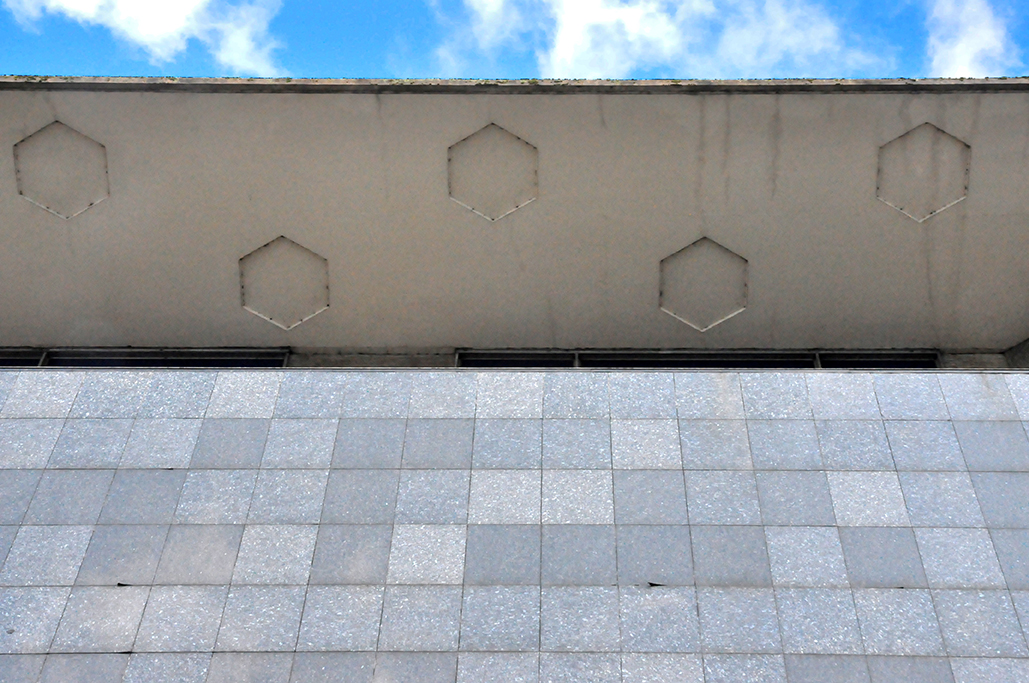
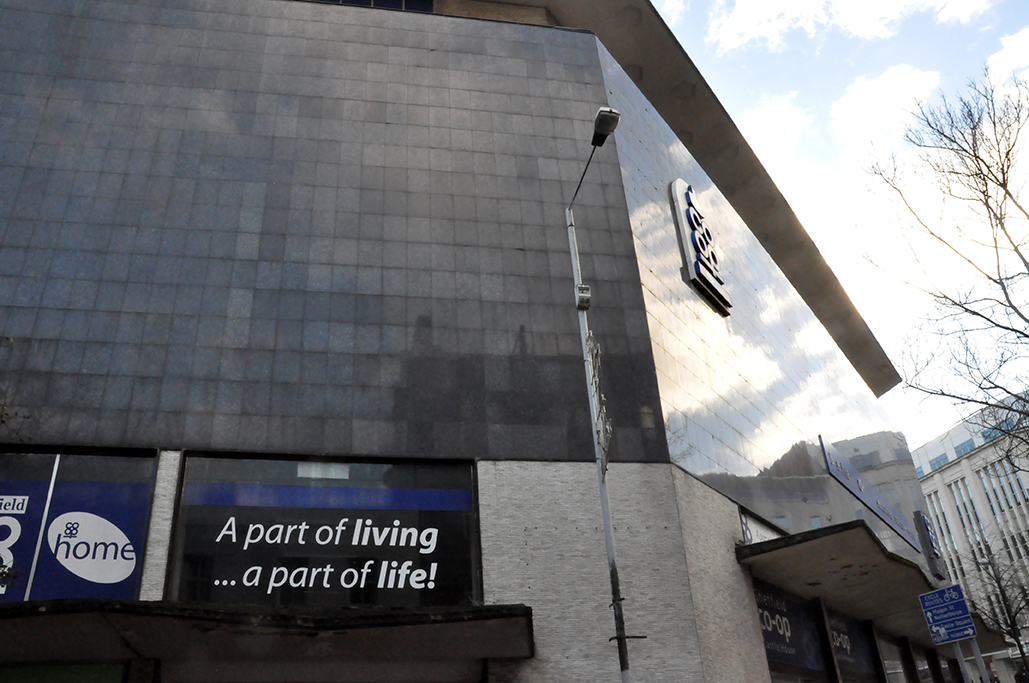
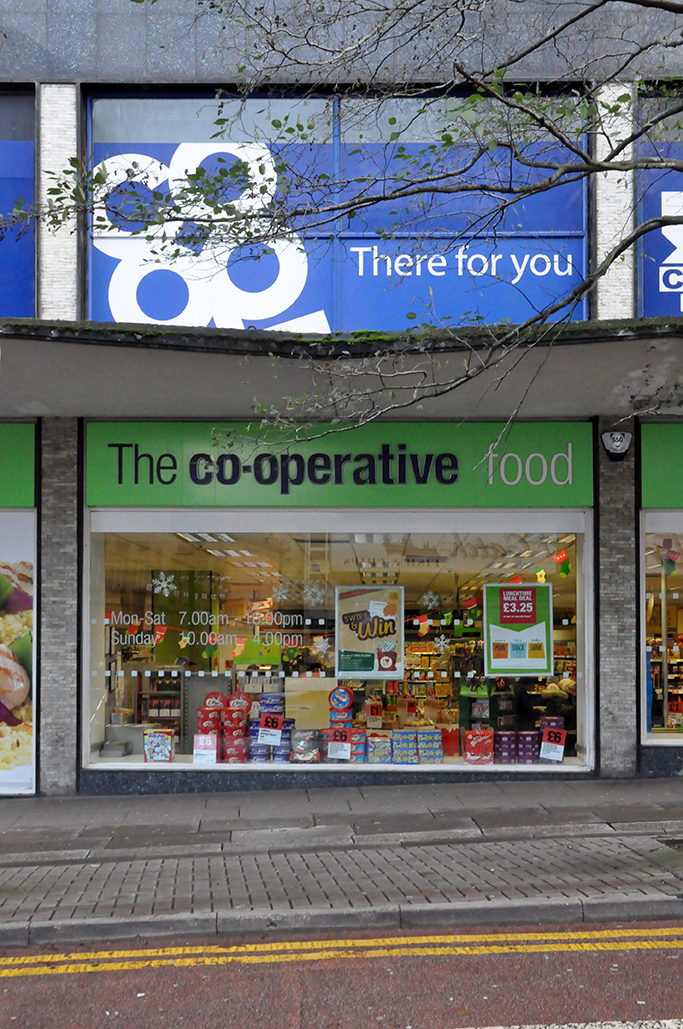
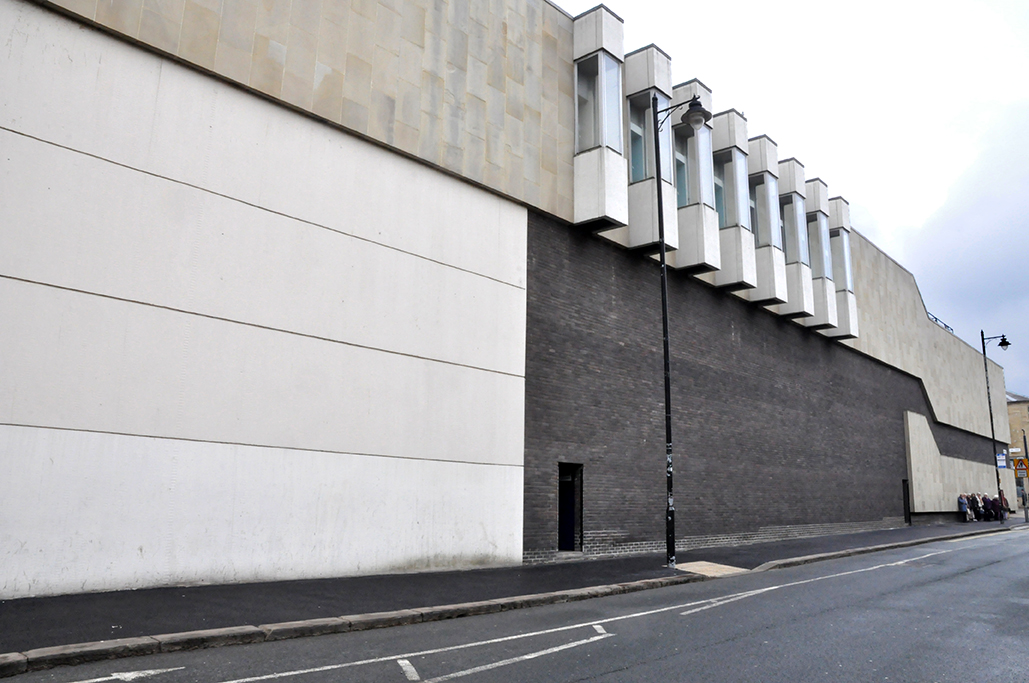
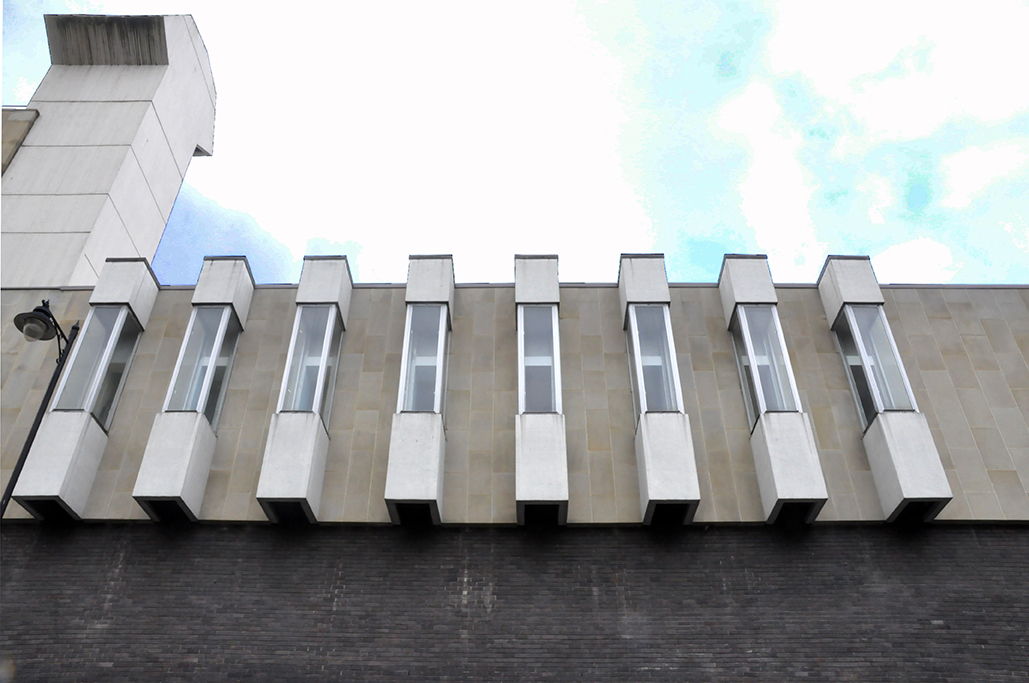
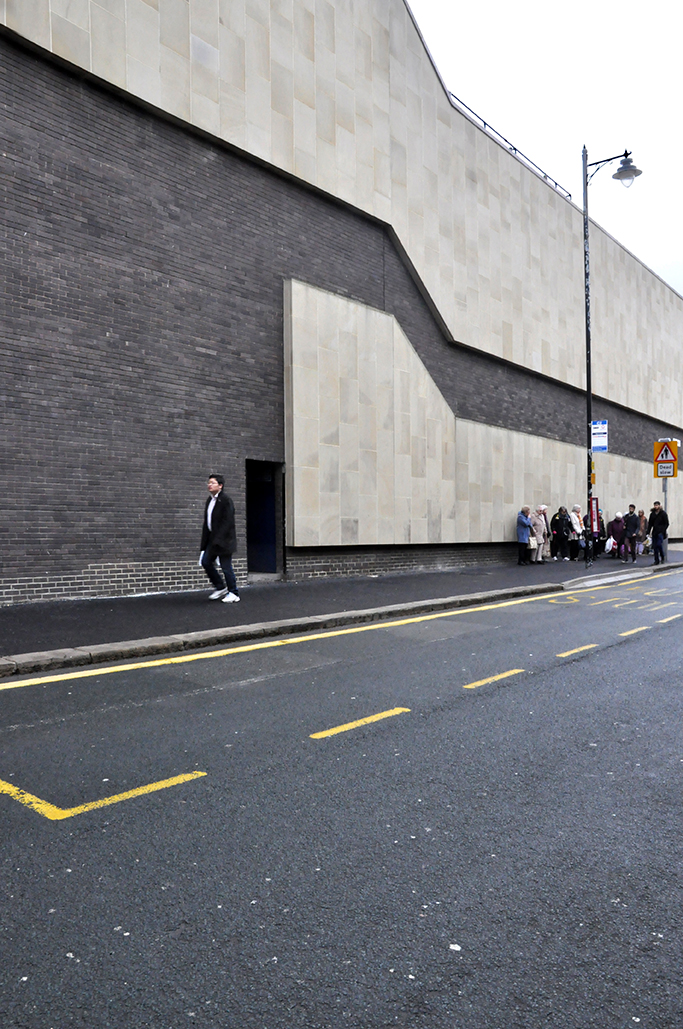
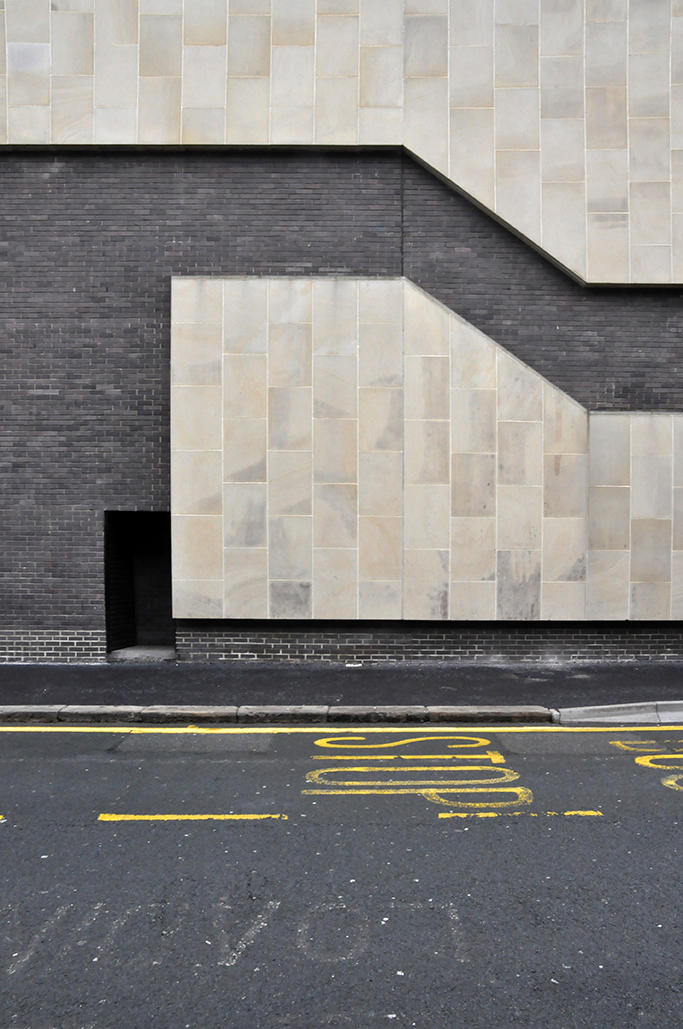
Castle House – Sheffield

I want it.

Historic England want it.

Hopefully you and the people of Sheffield want it,

– anyway it’s listed.

http://www.historicengland.org.uk/listing/the-list/list-entry/1393220

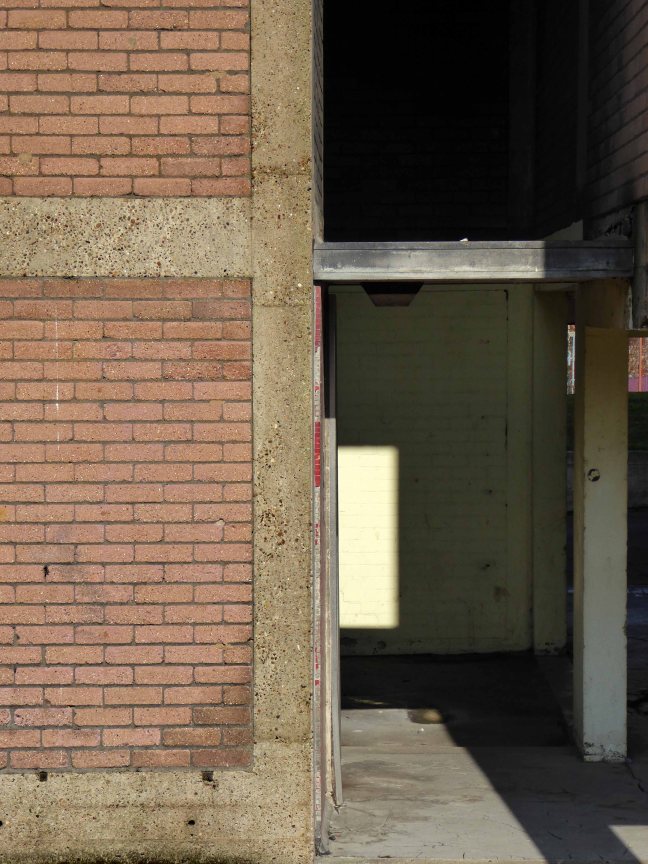
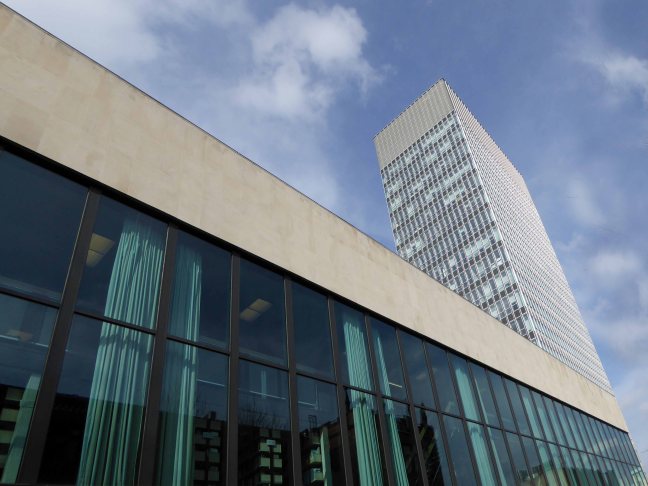
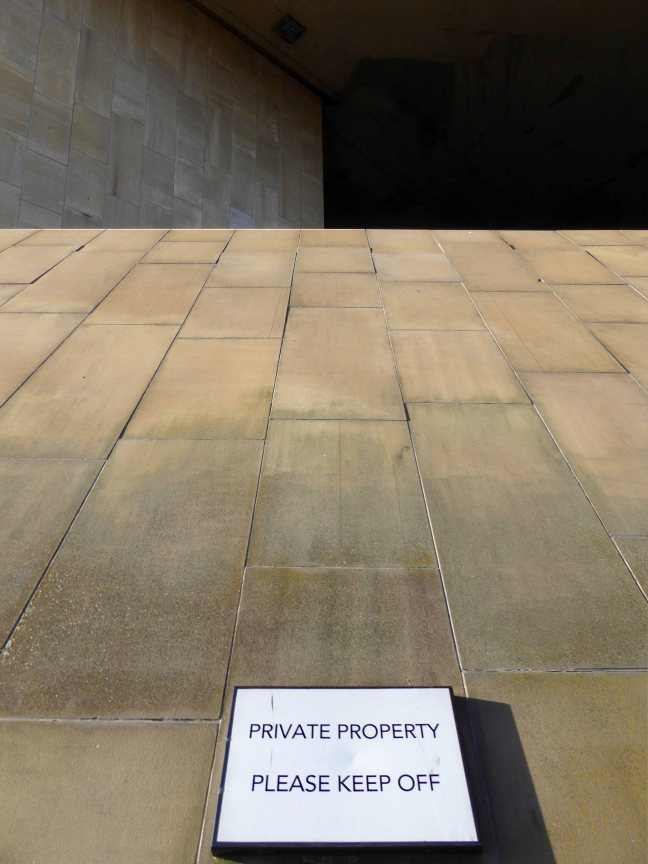
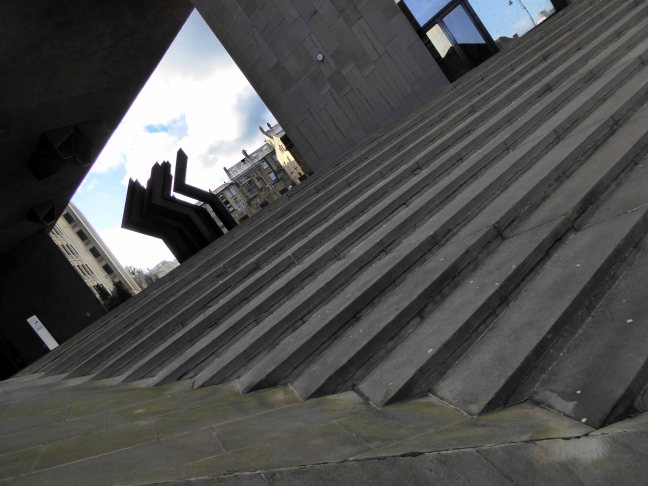
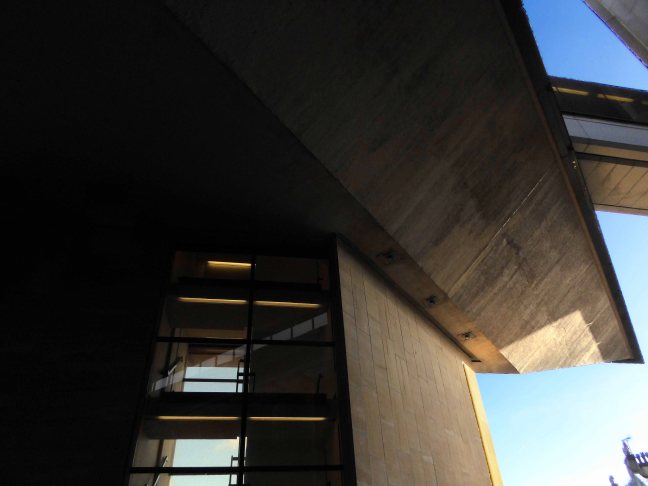
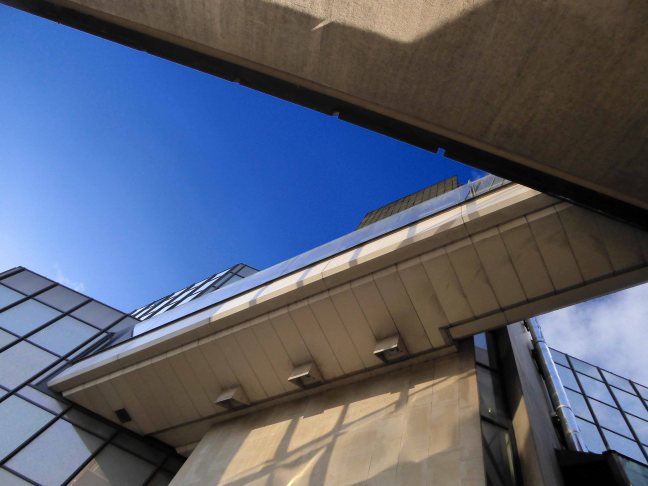
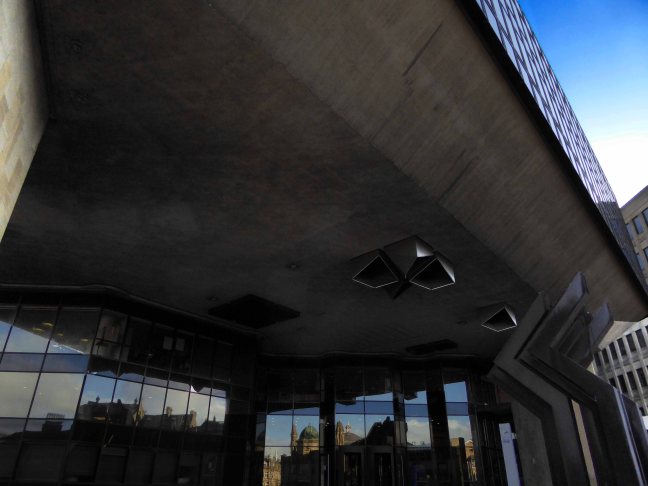
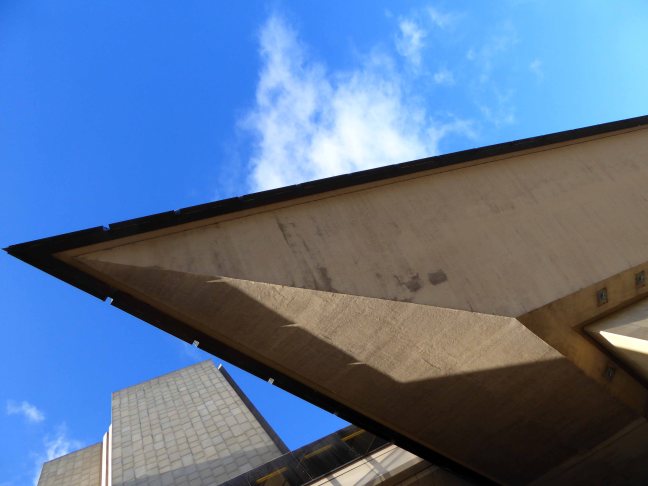
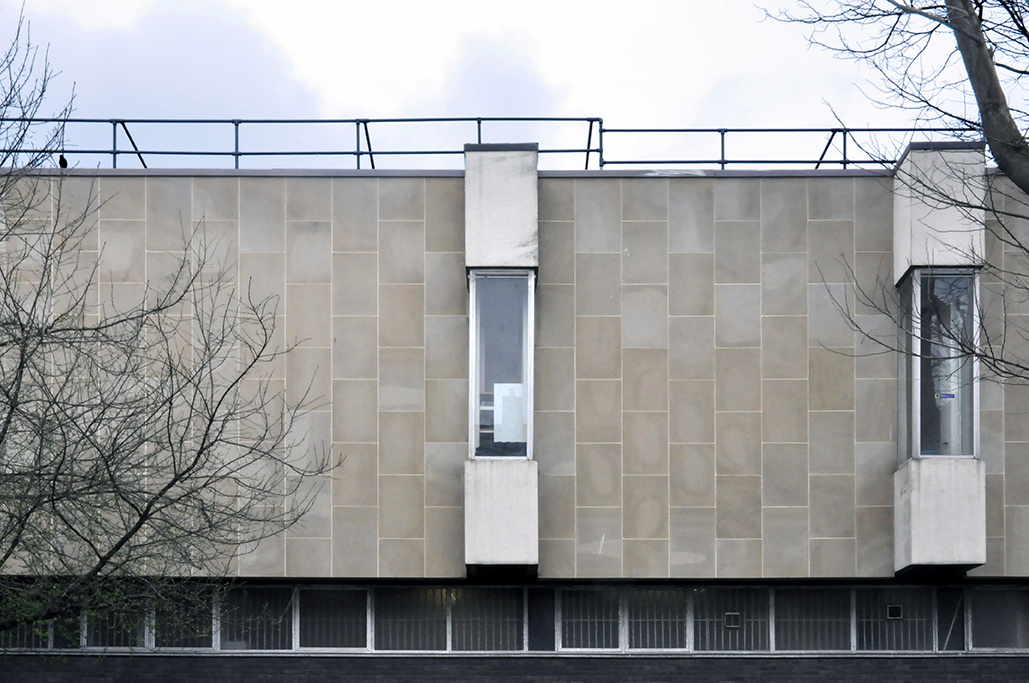
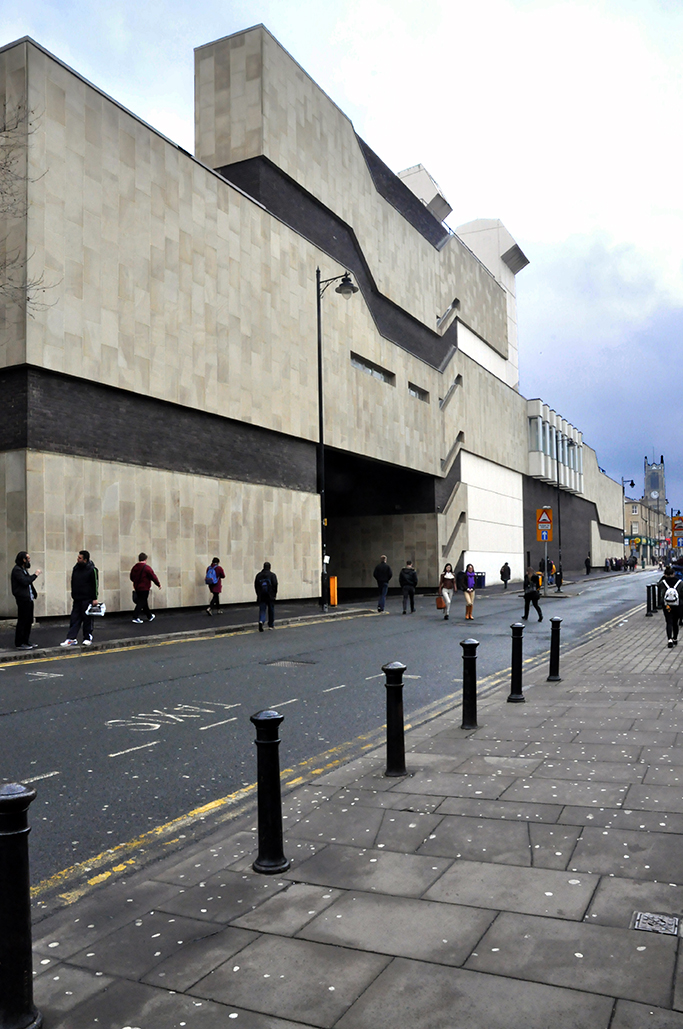
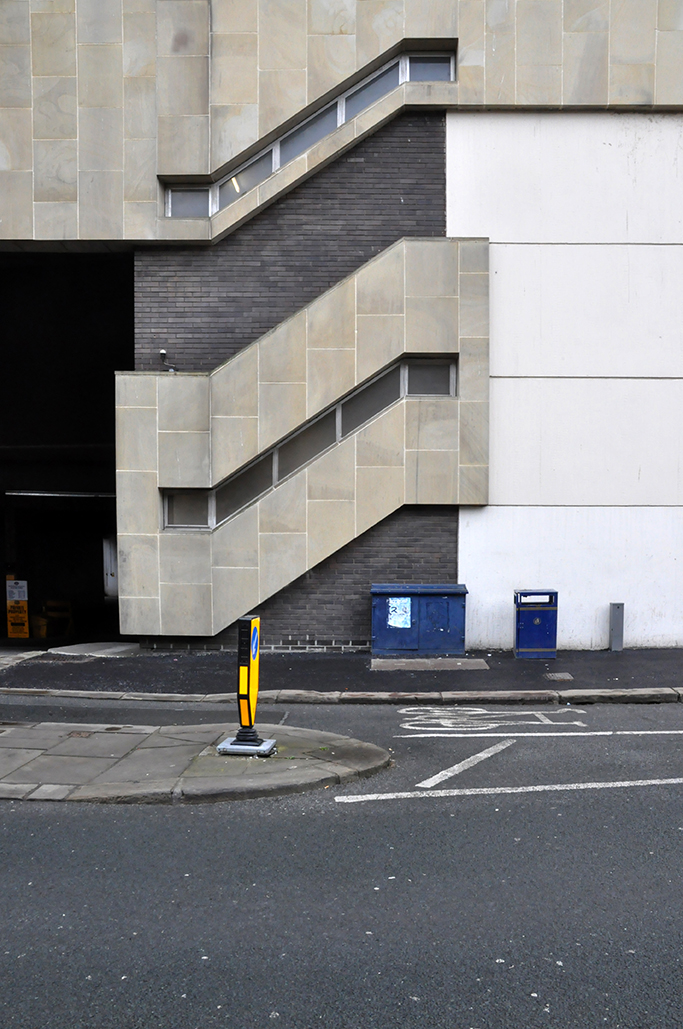
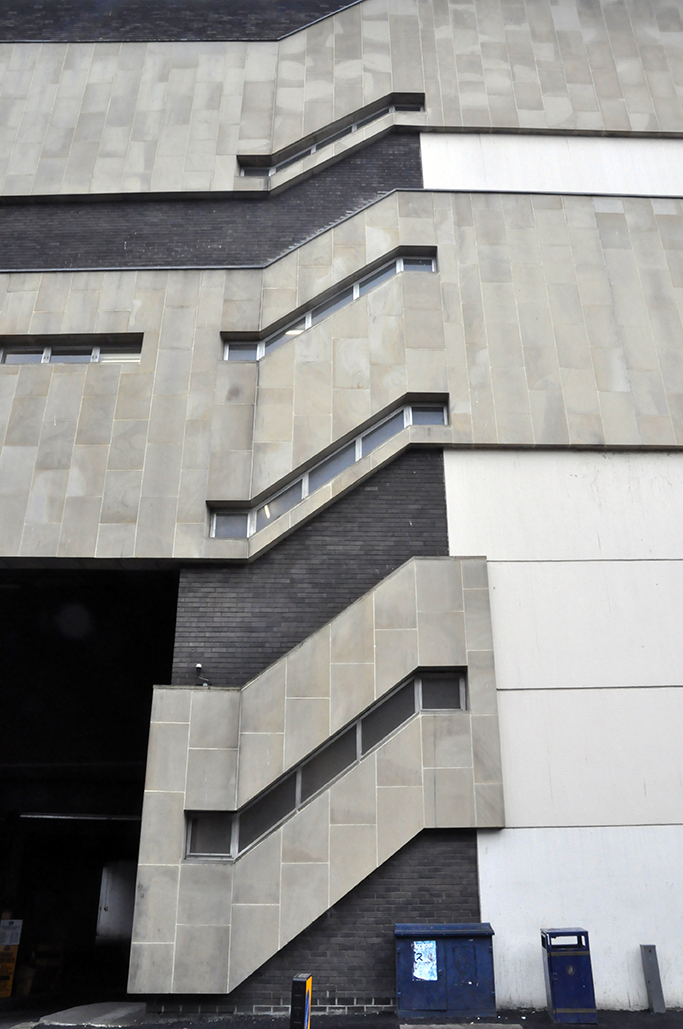
“1964 by George S Hay, Chief Architect for CWS, with interior design by Stanley Layland, interior designer for CWS. Reinforced concrete with Blue Pearl granite tiles and veneers, grey granite tiles and veneers, buff granite blocks, glass, and brick.”

The Liberal Democrat Council objected,  saying

“It could be a major barrier to regenerating Castlegate.”

http://www.sheffieldtelegraph.co.uk/what-s-on/saving-castle-house-controversial-listing-call-defended-1-453913#ixzz3sL3p5RAP

There is now the possibility of redevelopment as a creative hub.

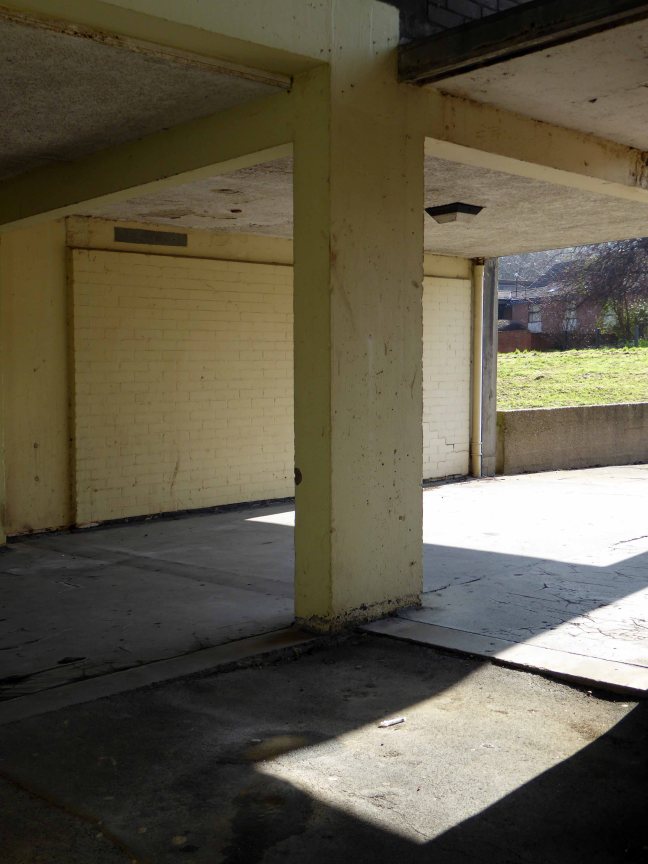
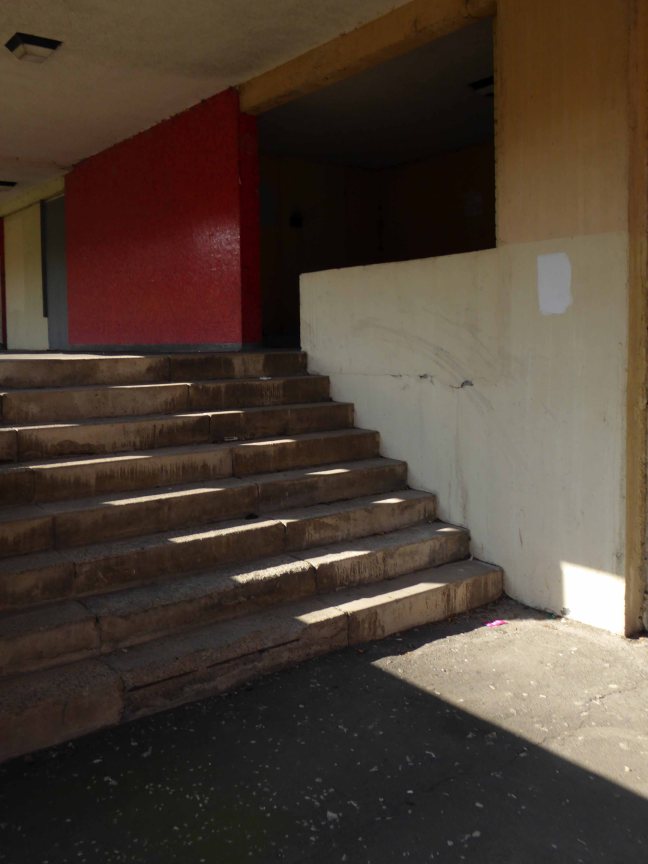
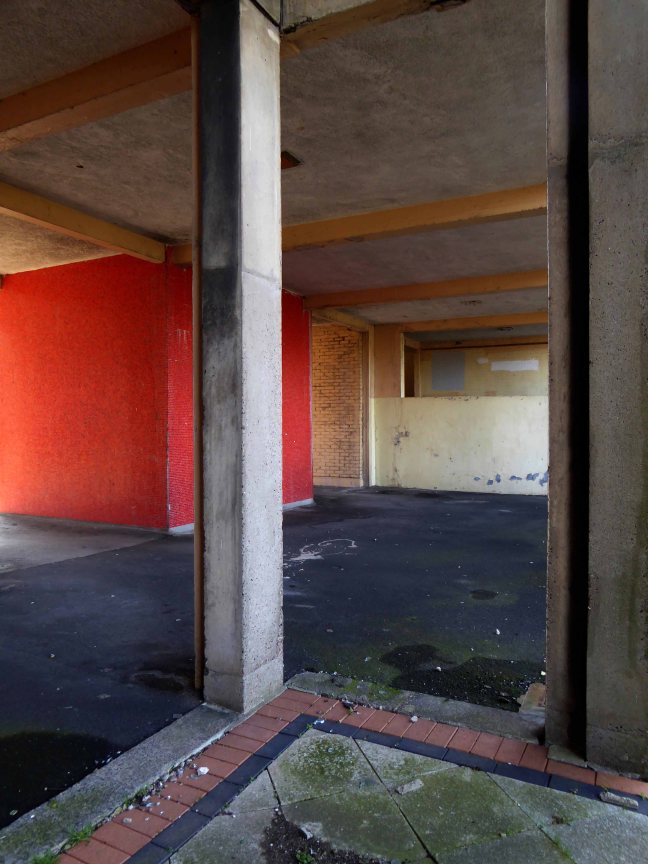
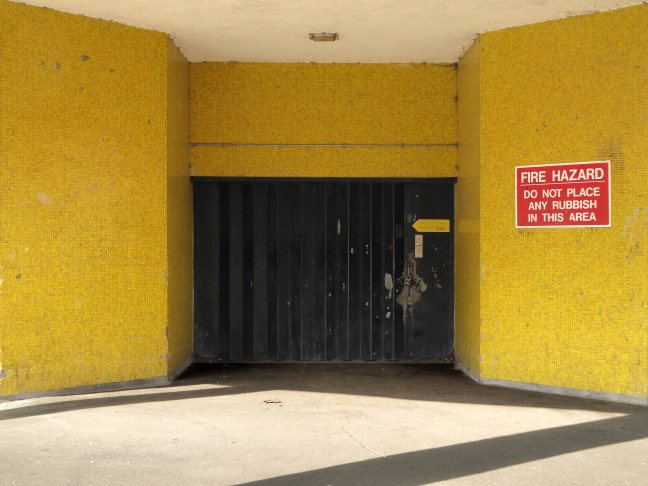
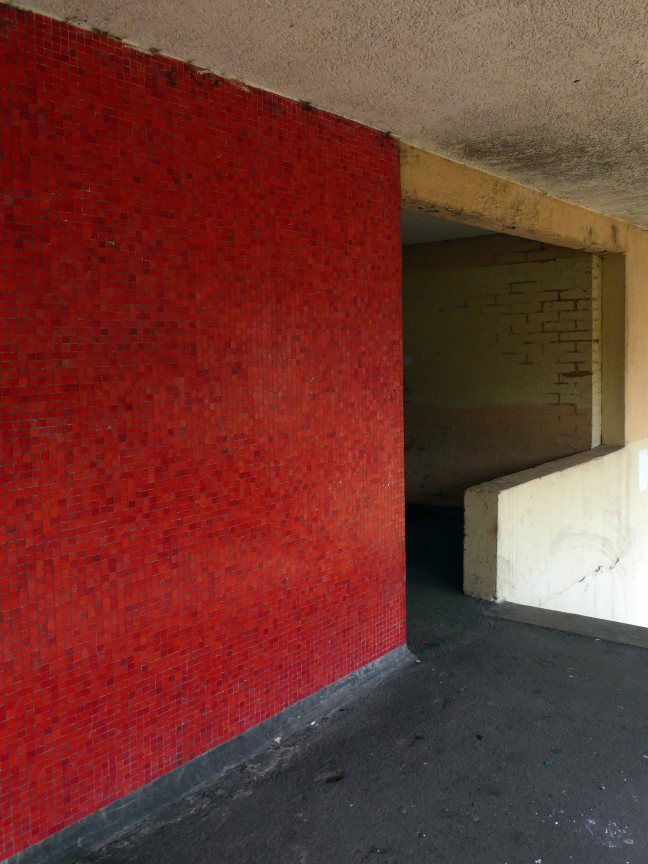
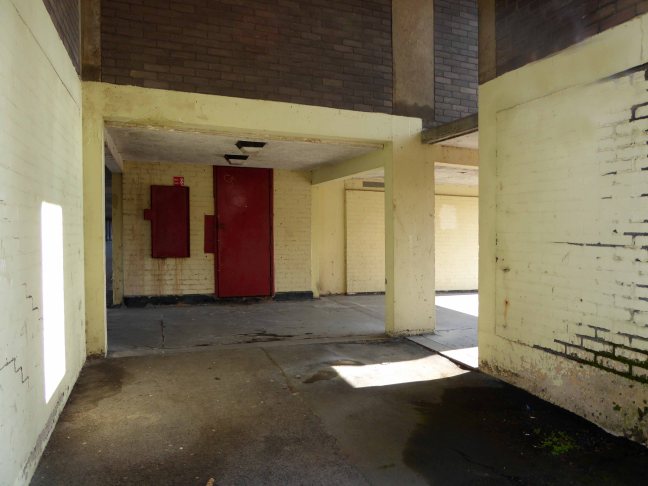
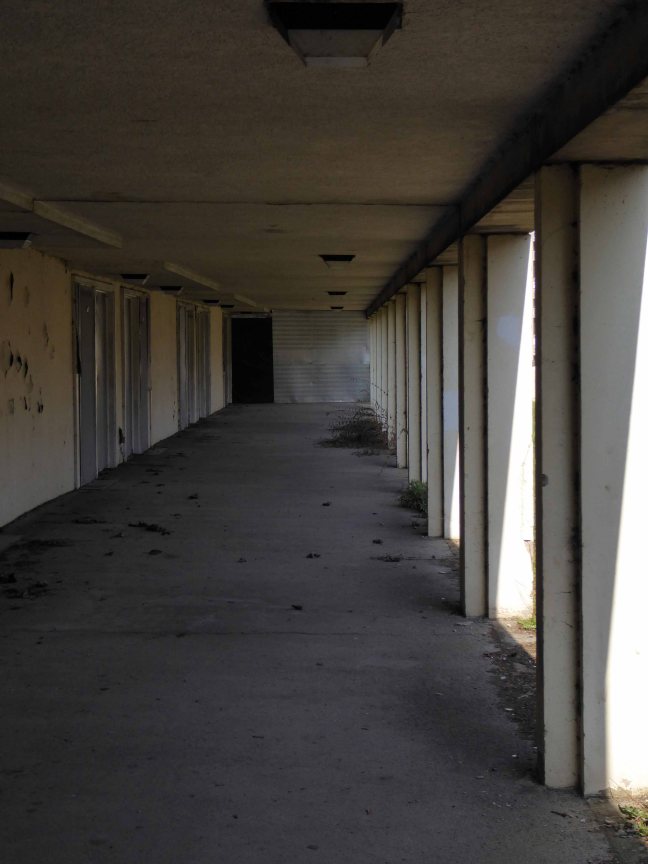
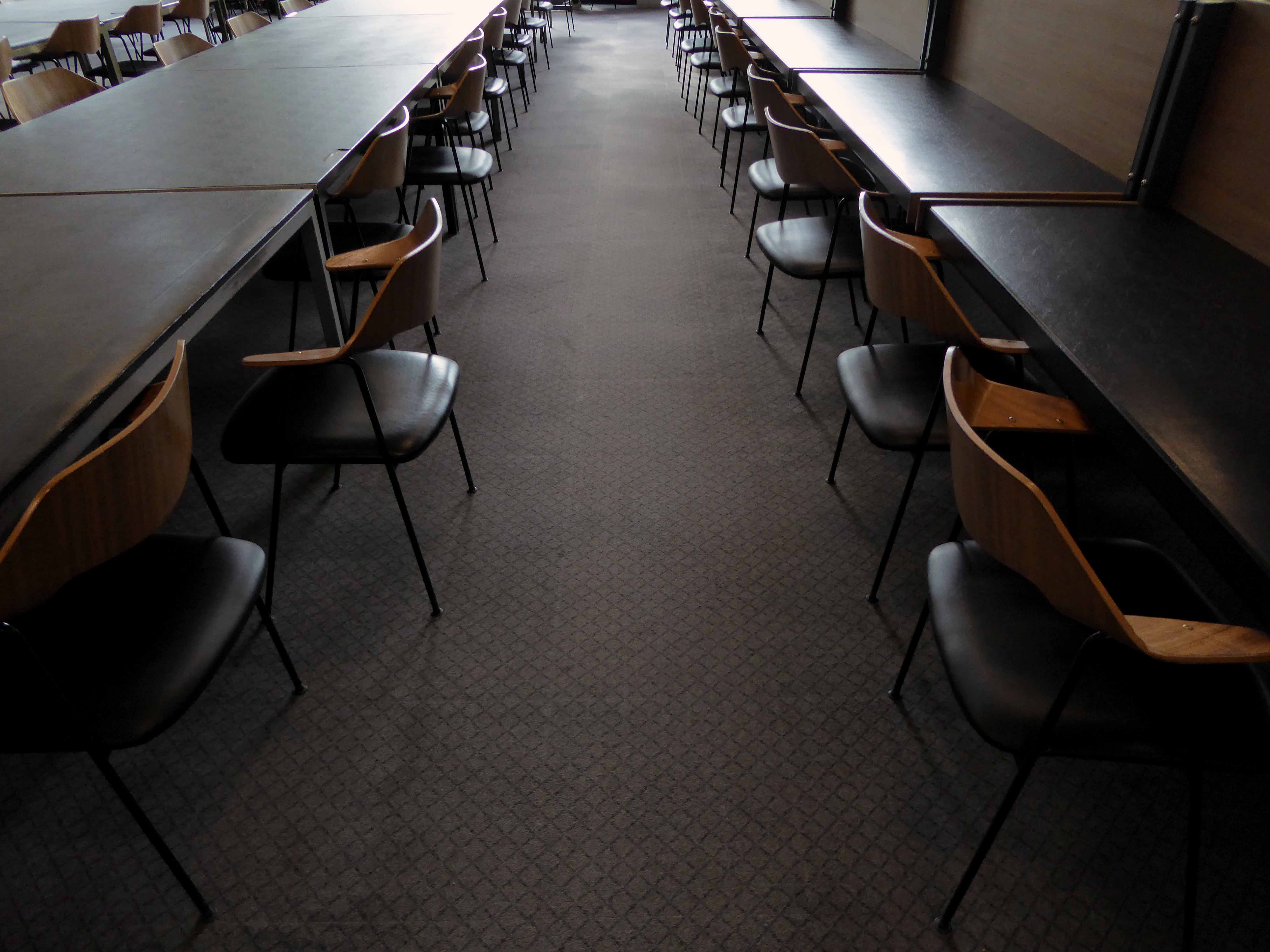
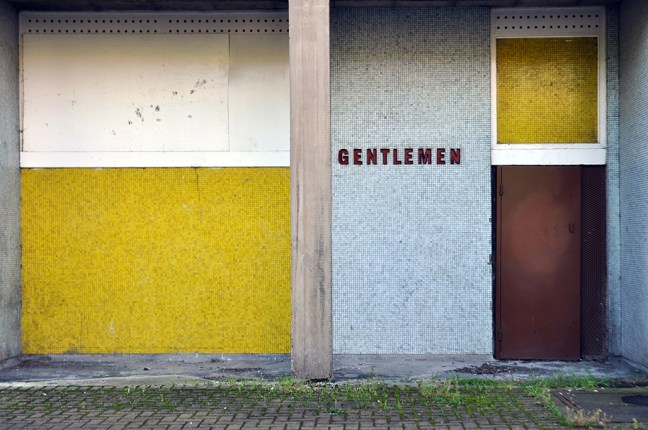
It was a Co-op on the grandest of scales.

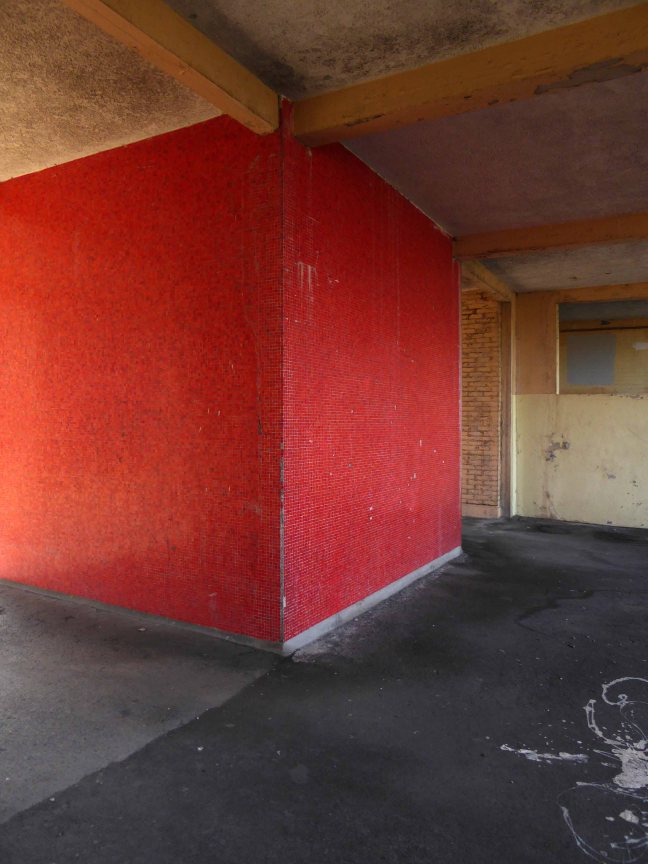
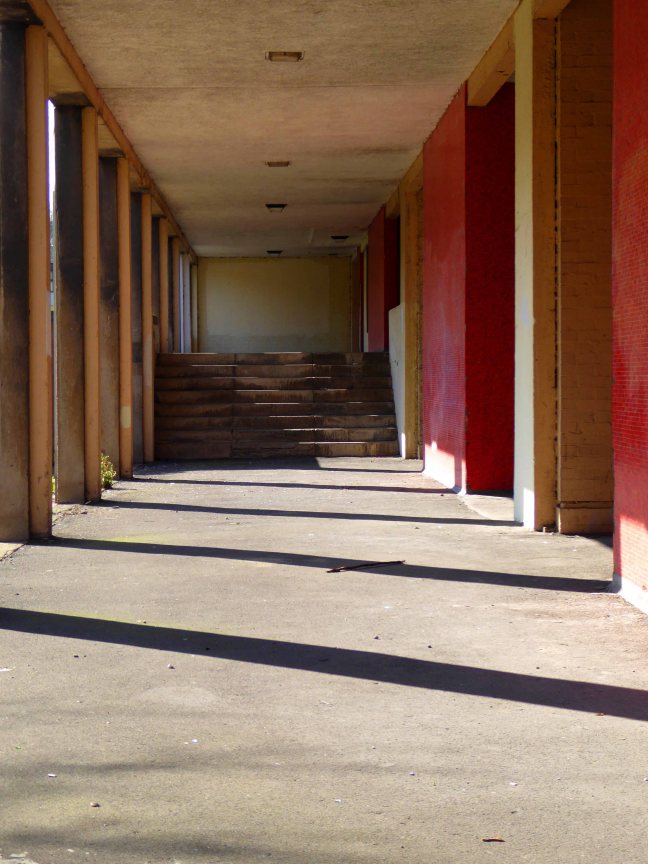
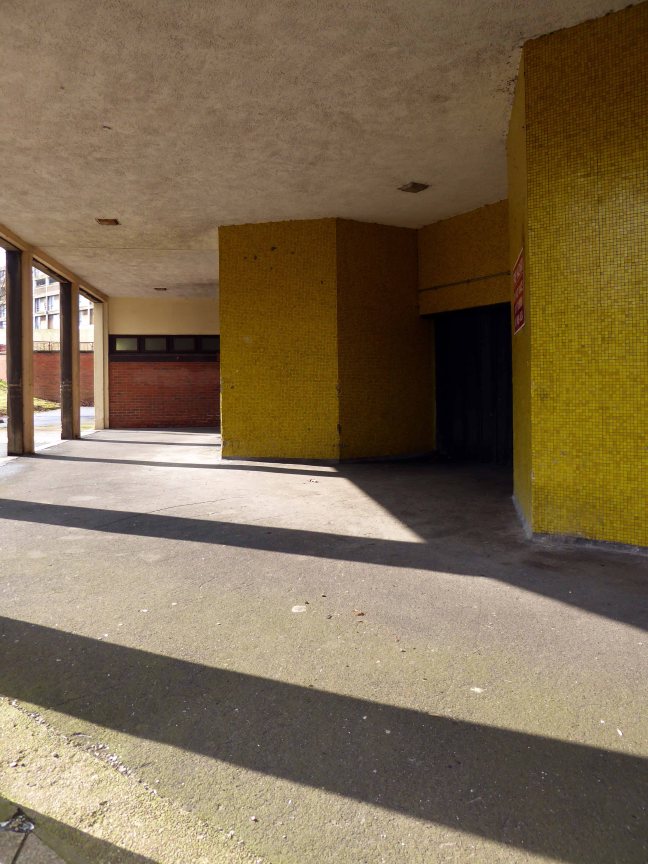
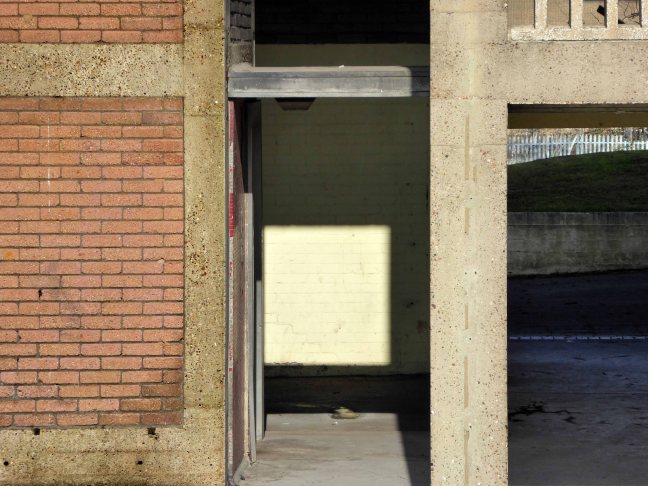
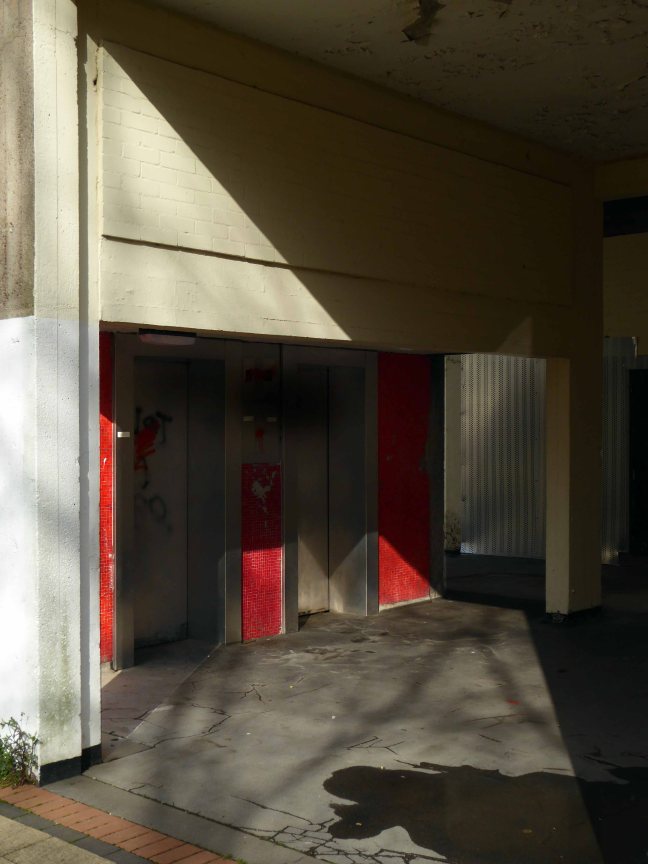
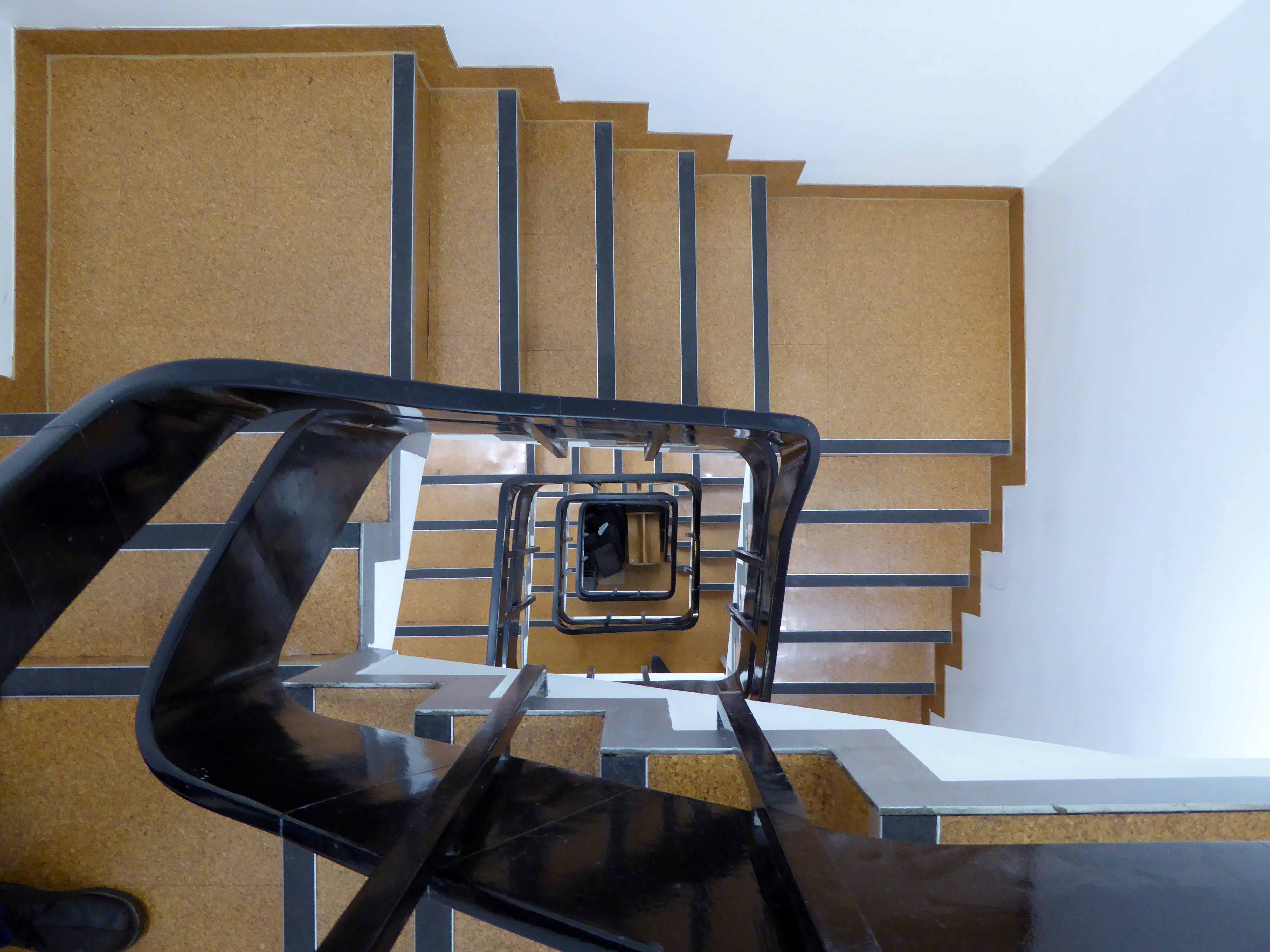
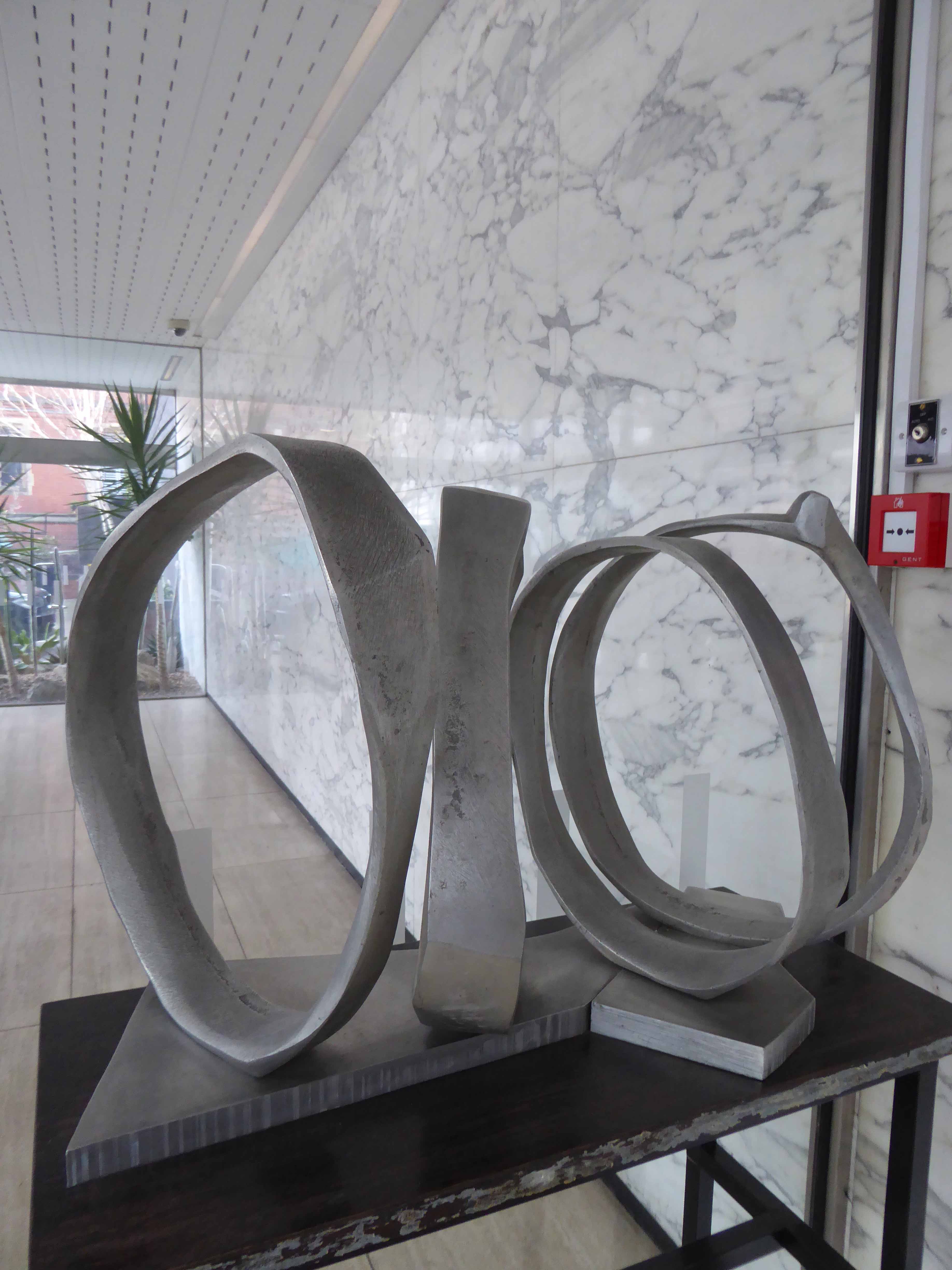
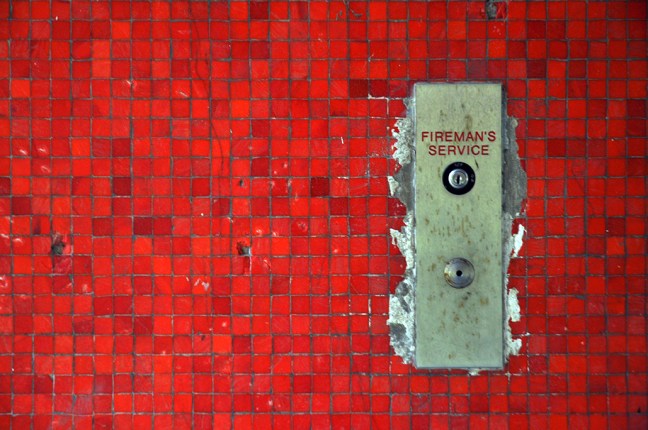
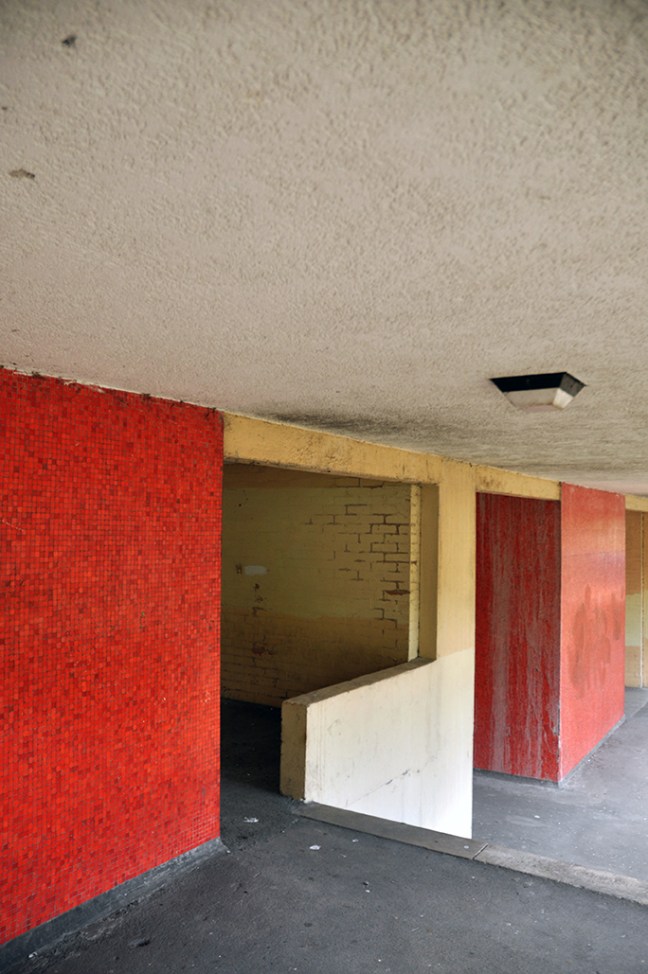
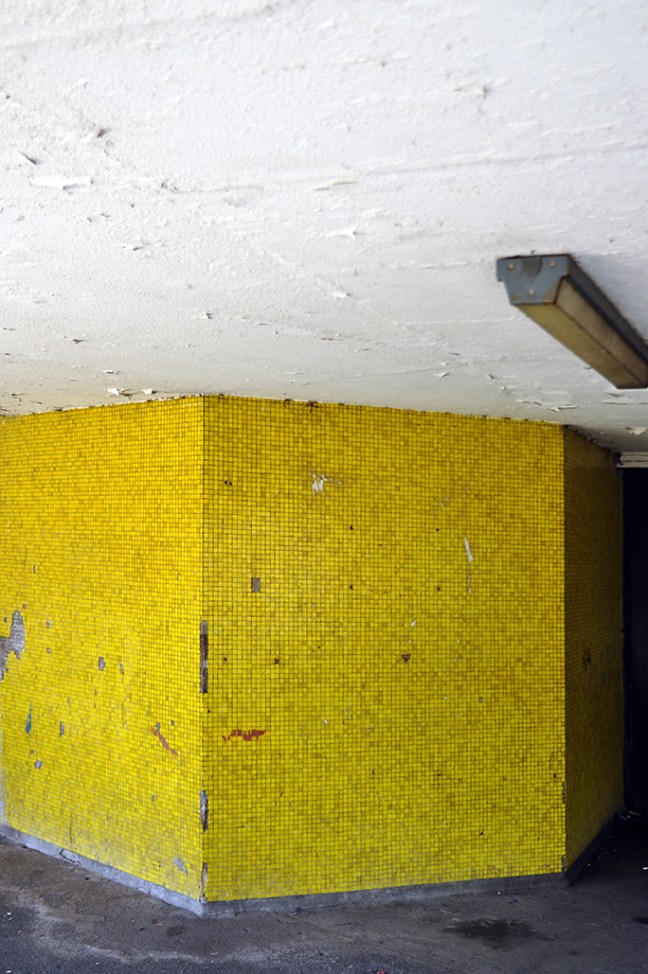
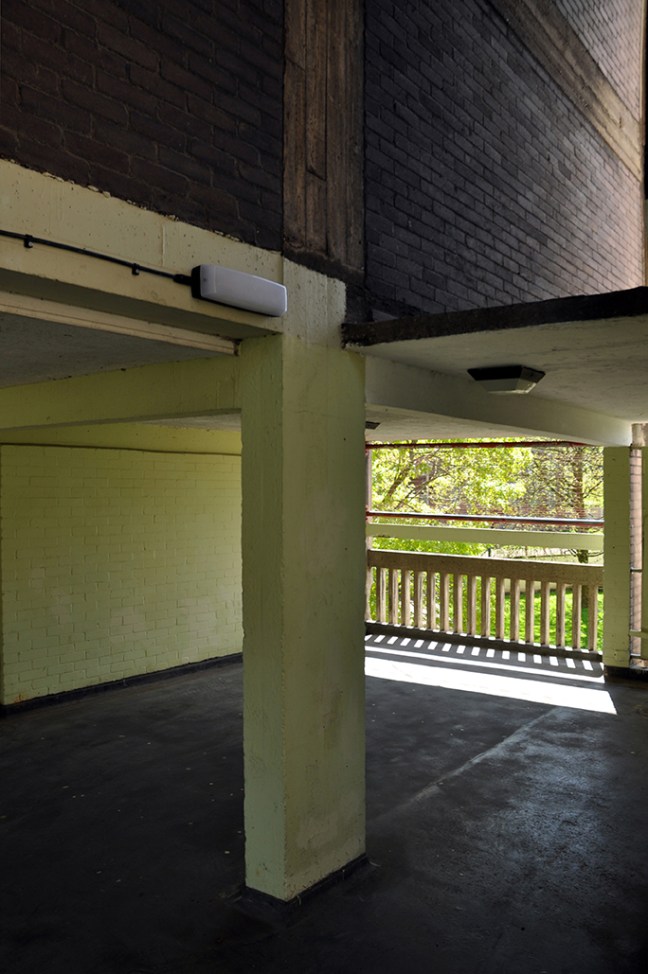
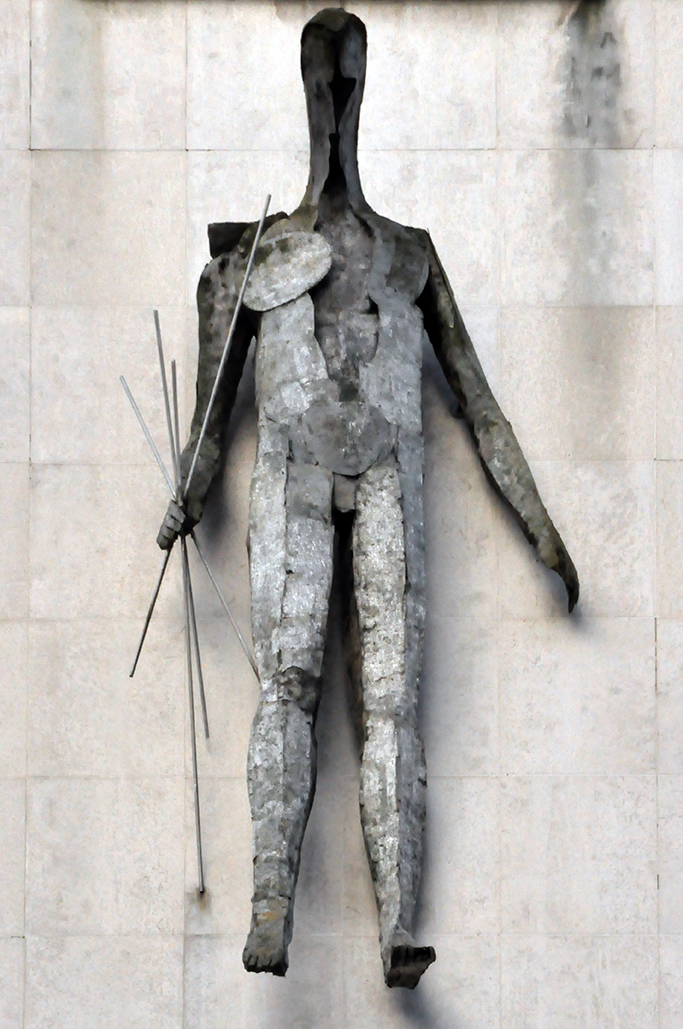
It has it all, public art, monolithic proportions and finish, bags of detail and scale in abundance. A fascinating building to explore and certainly one that fills my little heart with joy in superabundance

A building of period distinction, it deserves its preservation.

We do not require another patch of steel and wilfully wayward clad nowheresville non- architecture, replete with aspirational retail agogo.

Go see it soon!

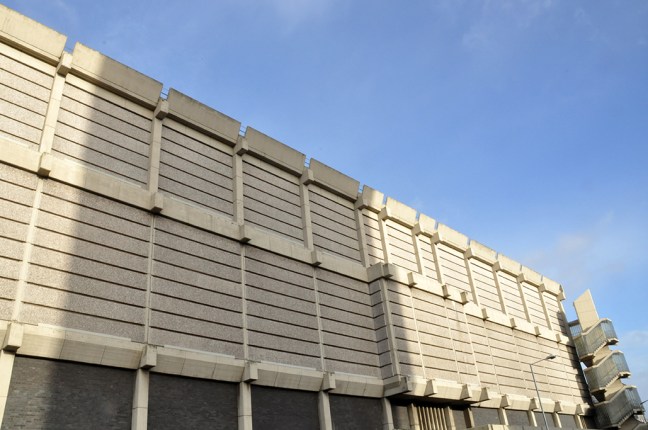
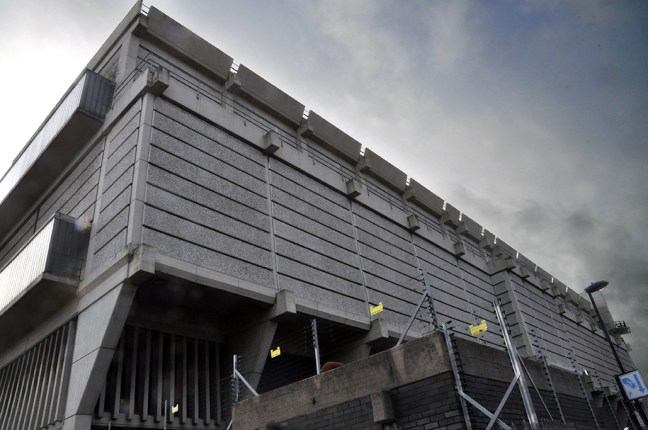
Moore Street Electricity Substation – Sheffield

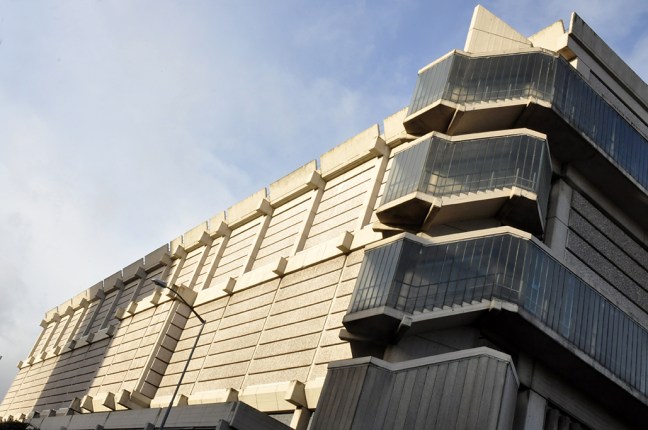
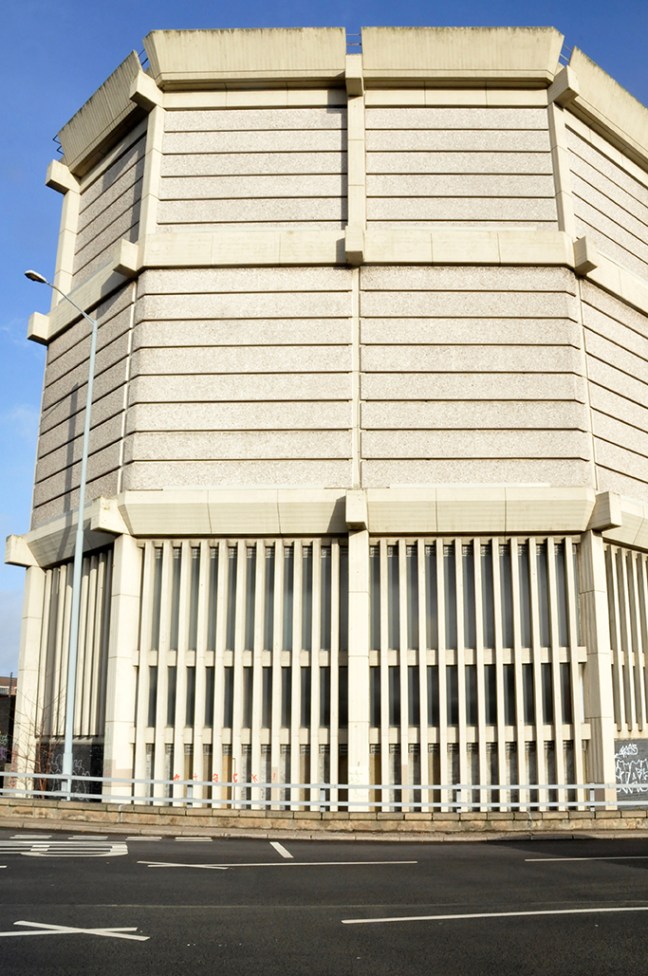
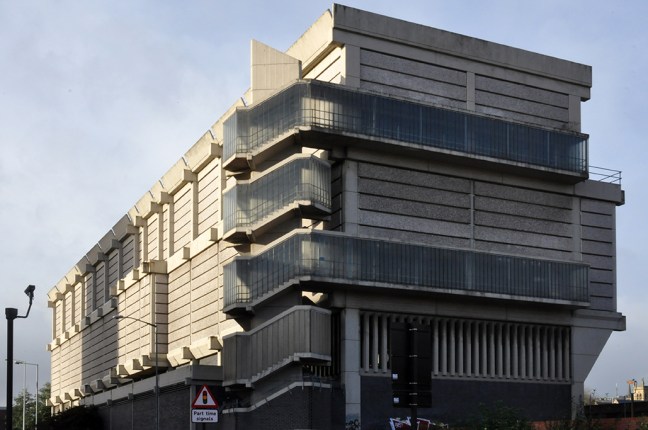
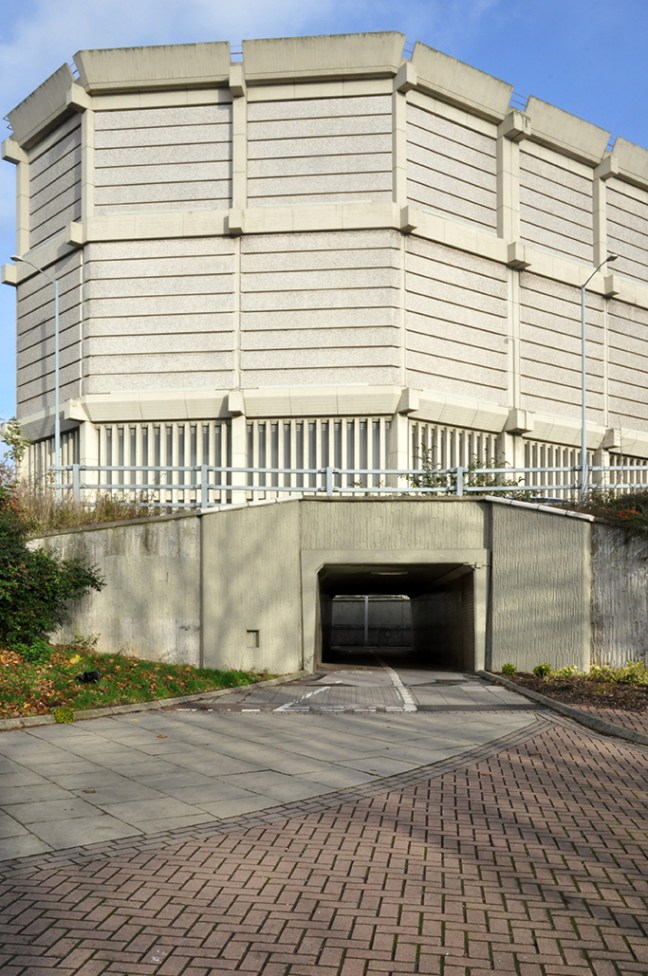
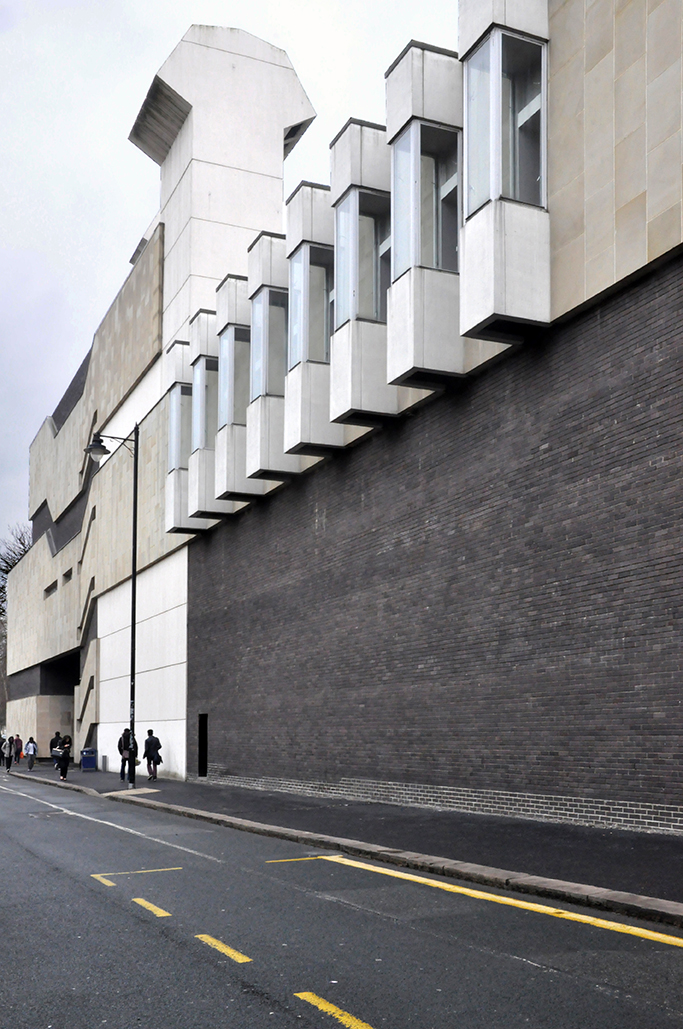
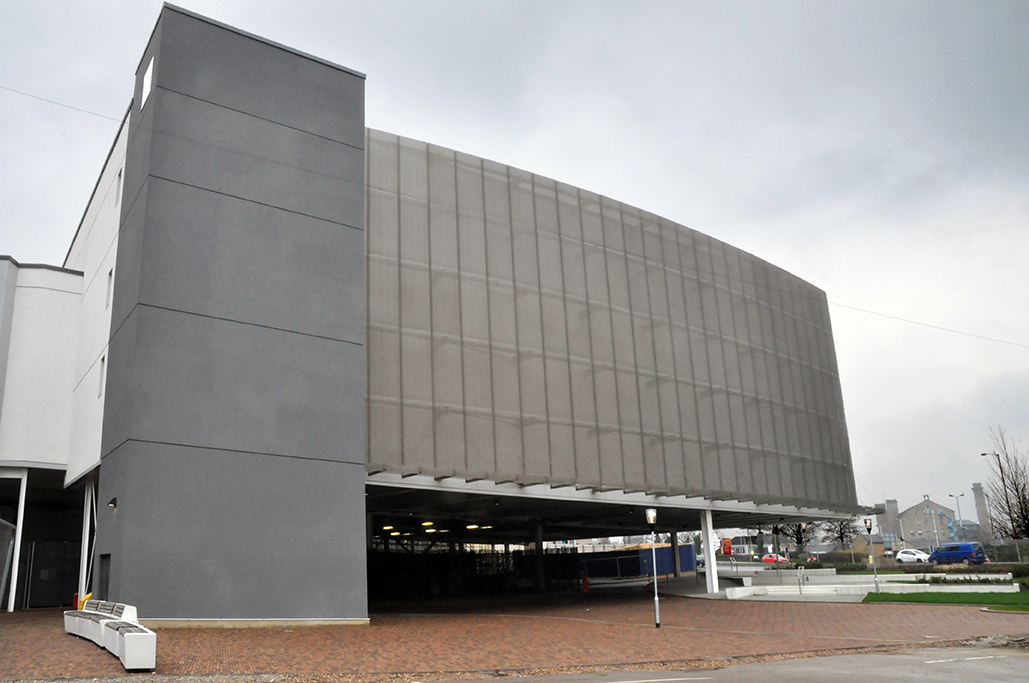
Moments from the centre of the City, bordered by dual carriageways and a substantial roundabout, sits a most remarkable building.

What is it?

It’s almost unfathomable.

A carpark lacking entrance and exit, abattoir, contemporary art space?

No – an electrical substation, on such a colossal scale as to relieve you temporarily, of a gasp or two.

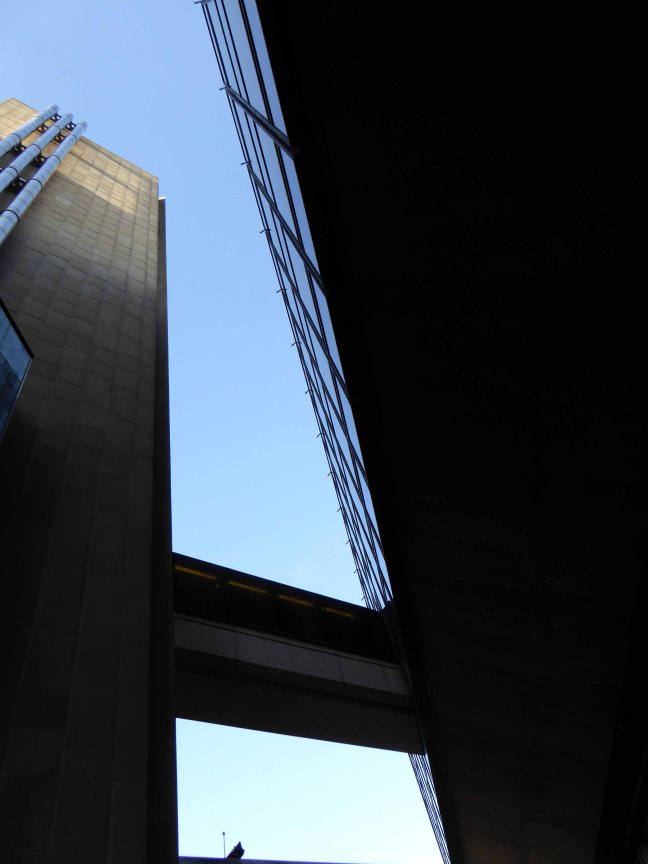
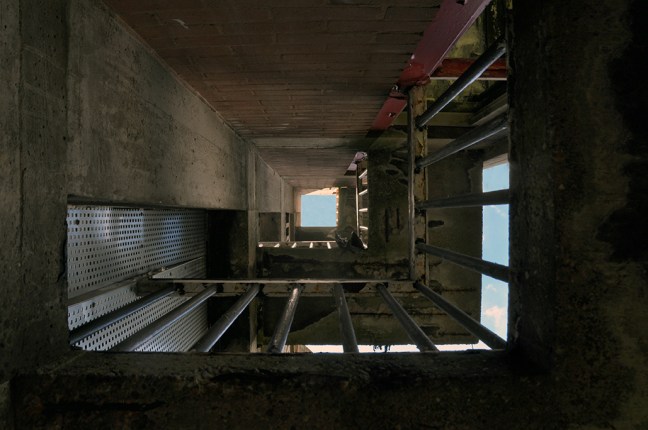
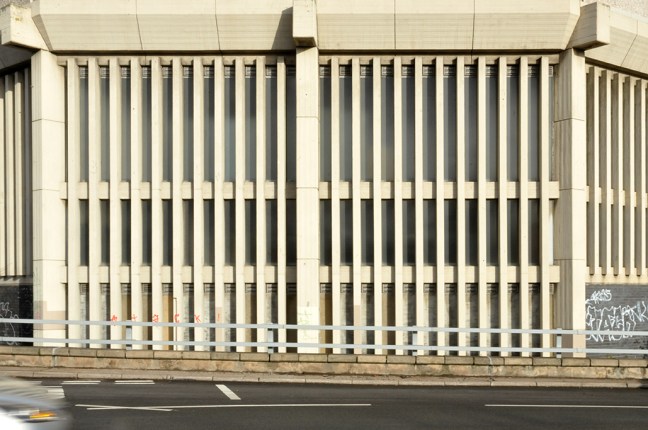
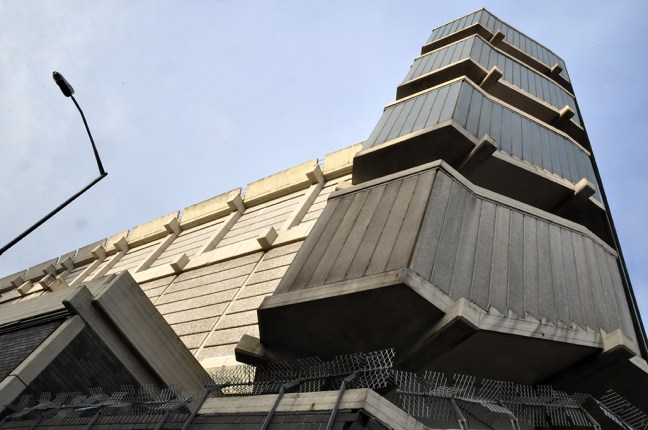
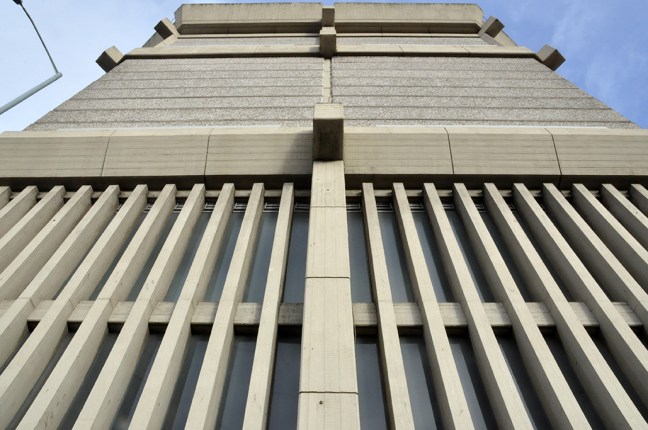
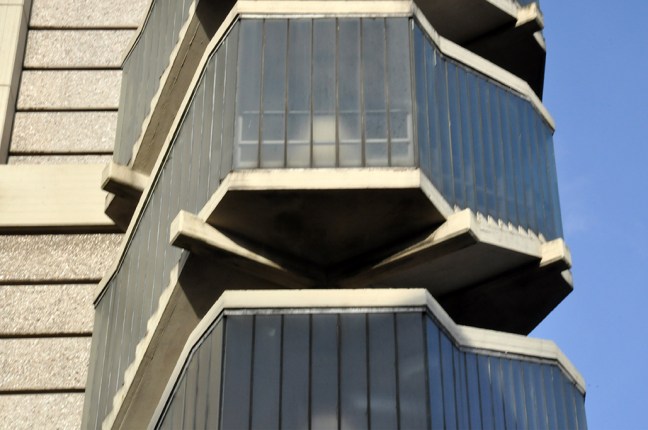
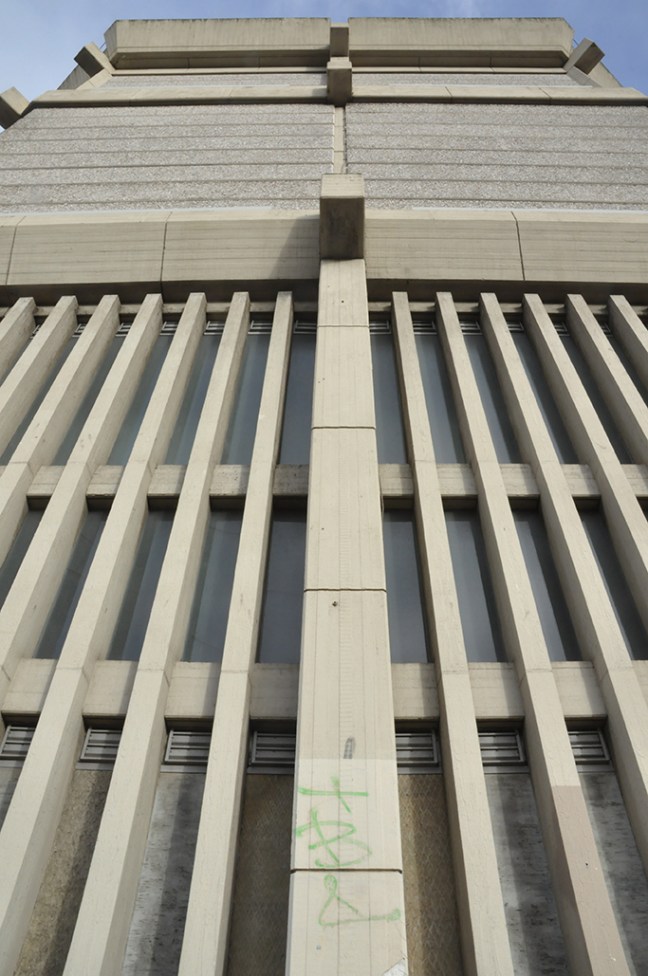
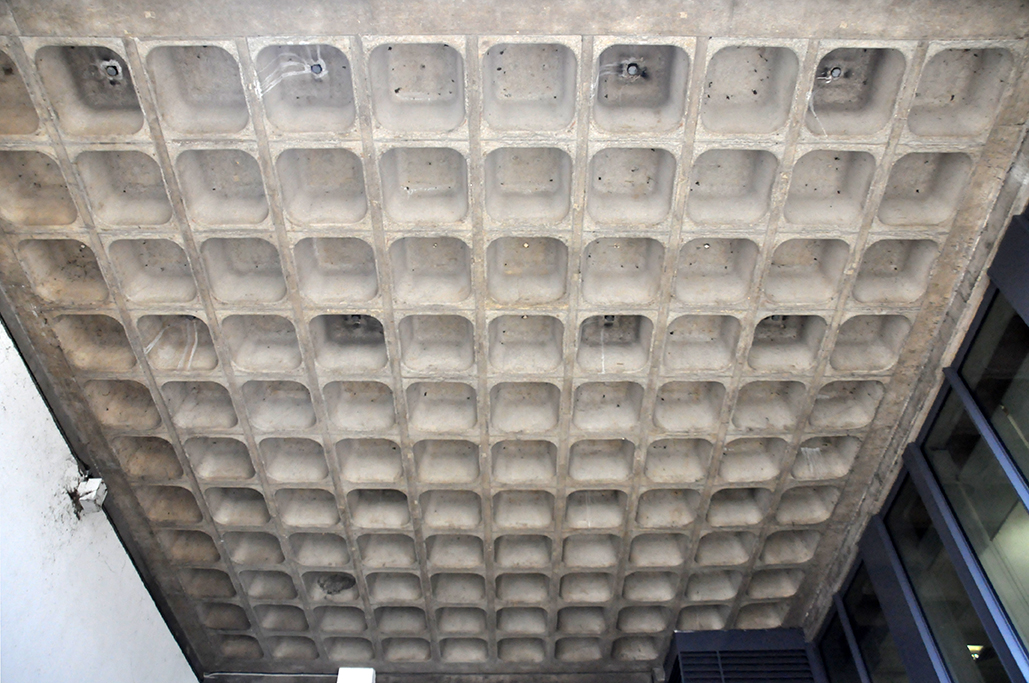
Finished entirely in unfinished concrete, a great volume, broken by vertical and horizontal lines, punctuated by intermittent abutments.

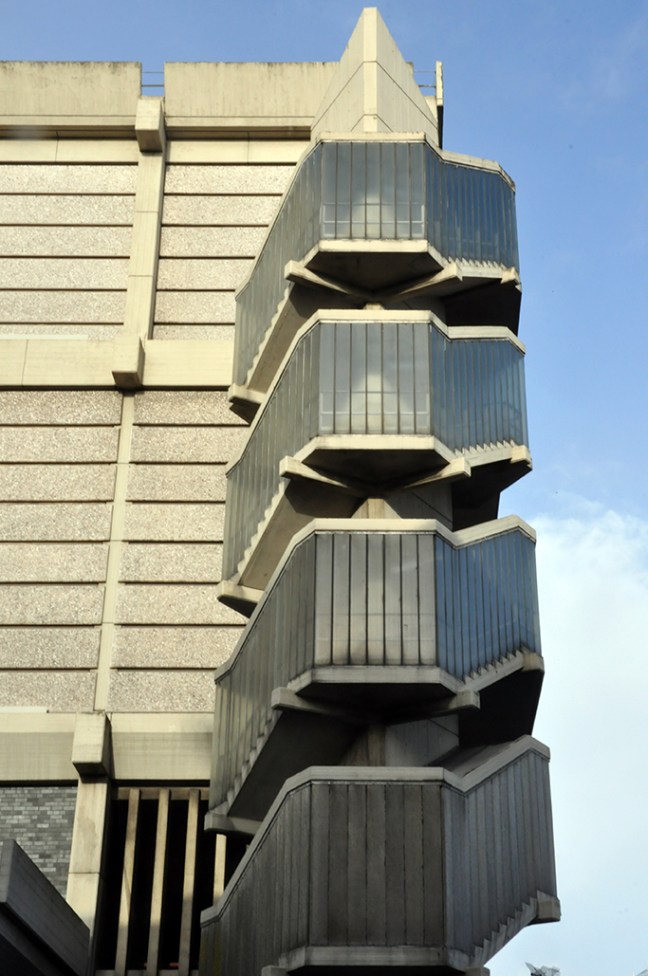
Accessed externally via a most extraordinary glazed and enclosed staircase.

Wisely Historic England have had the site listed:

https://historicengland.org.uk/listing/the-list/list-entry/1415383

“Electricity substation. 1968 to designs by consulting architects Jefferson, Sheard and Partners, Sheffield, led by Bryan Jefferson, in association with the Regional Civil Engineers’ Department of the CEGB North East Region. Contractors, Longden & Sons Ltd, Sheffield. Reinforced concrete frame with board-marked finish with formwork bolt marks, construction and daywork joints emphasized, concrete floor slabs, blue engineering facing bricks, cladding panels of Cornish granite aggregate.”
Go see for yourself, if you don’t believe my eyes.

DSC_0035 copy

DSC_0057 copy

DSC_0036 copy

DSC_0037 copy

DSC_0031 copy

DSC_0059 copy

DSC_0041 copy

DSC_0042 copy

DSC_0039 copy

DSC_0034 copy

DSC_0043 copy

DSC_0033 copy


Leeds – The Garden Gate

Friday afternoon, clouds gather along a long walk from the Leeds city centre, following an unforgivingly long dual carriageway, not without its hard won charm, we reached the Garden Gate.

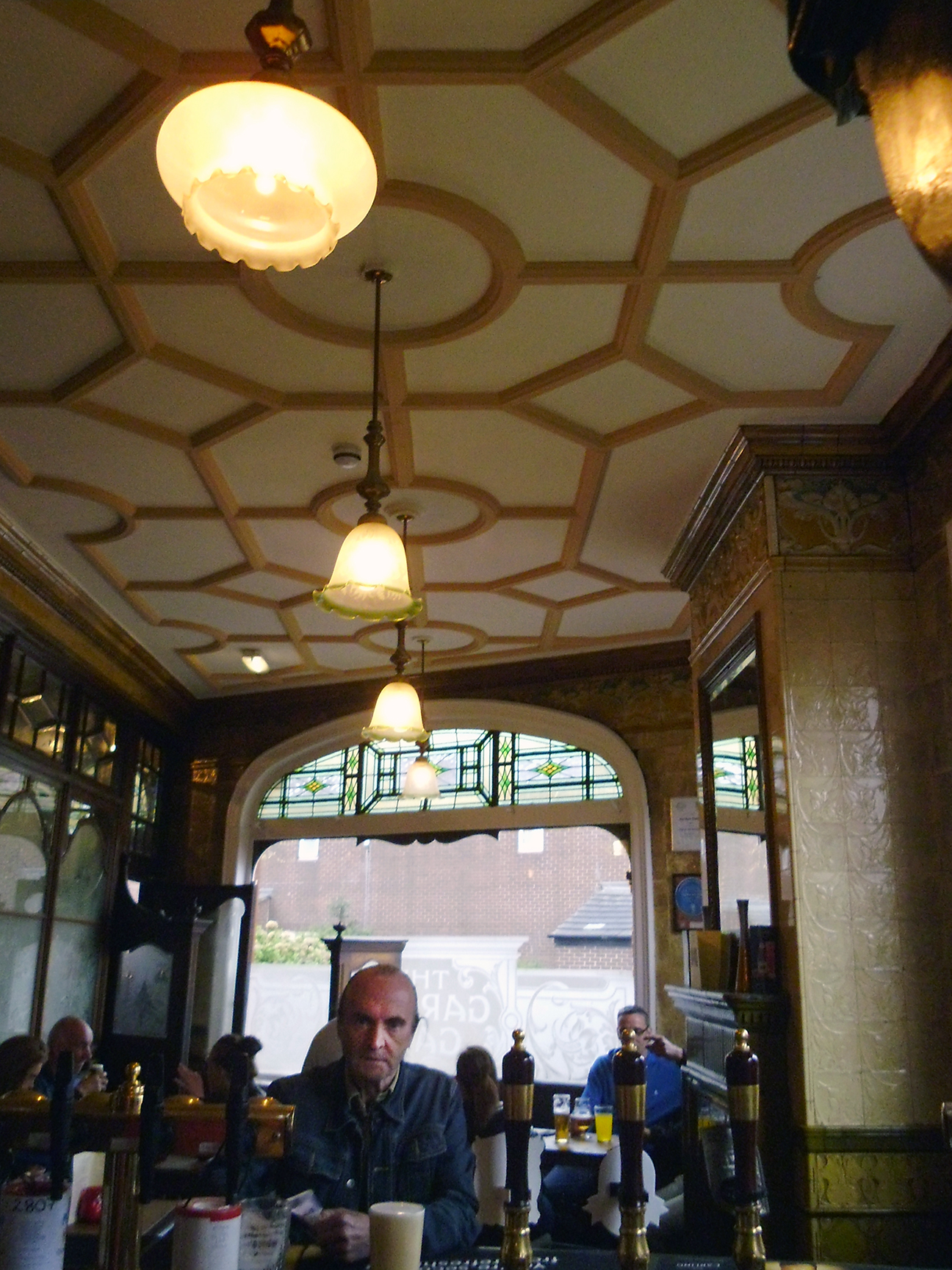
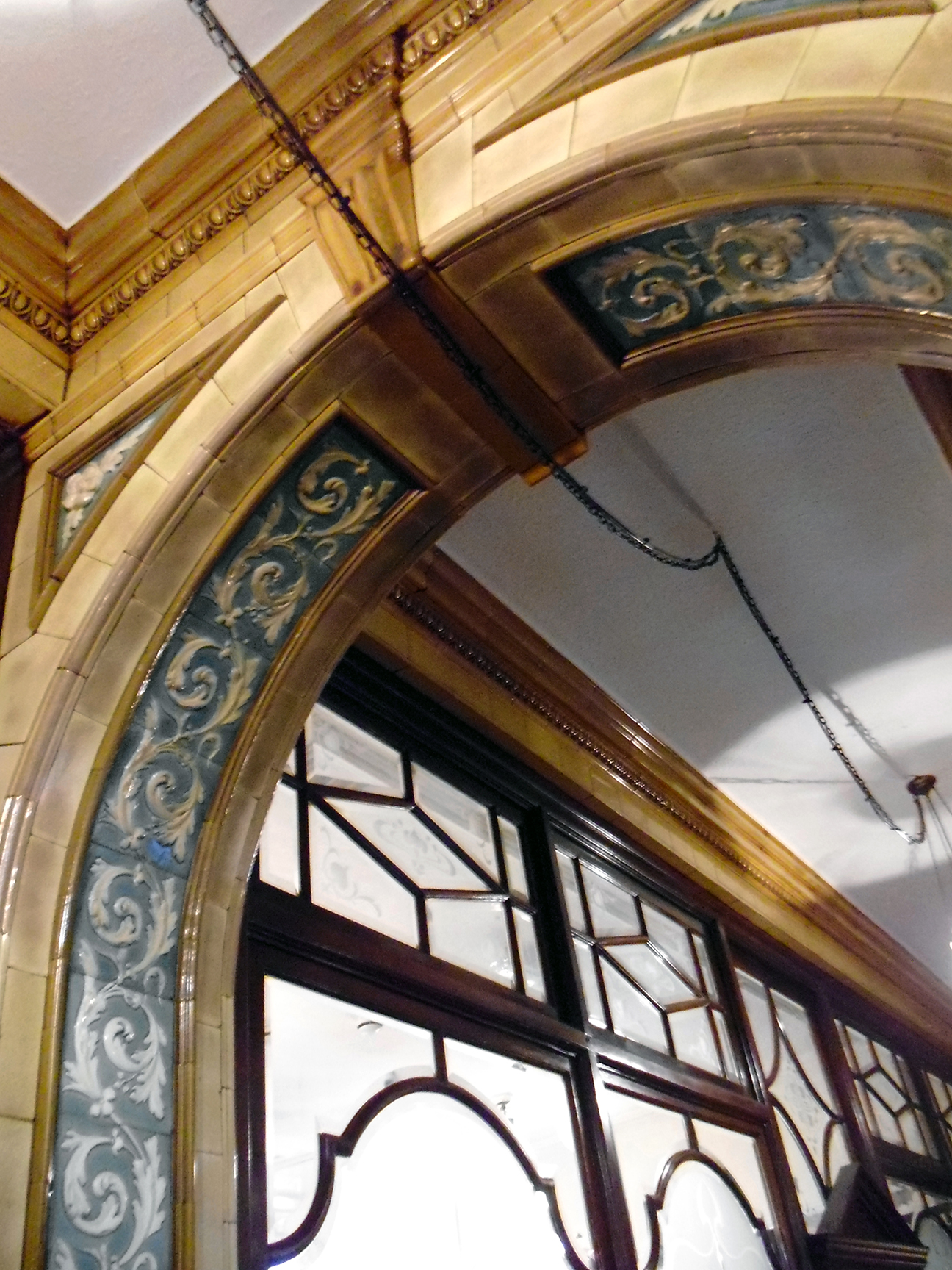
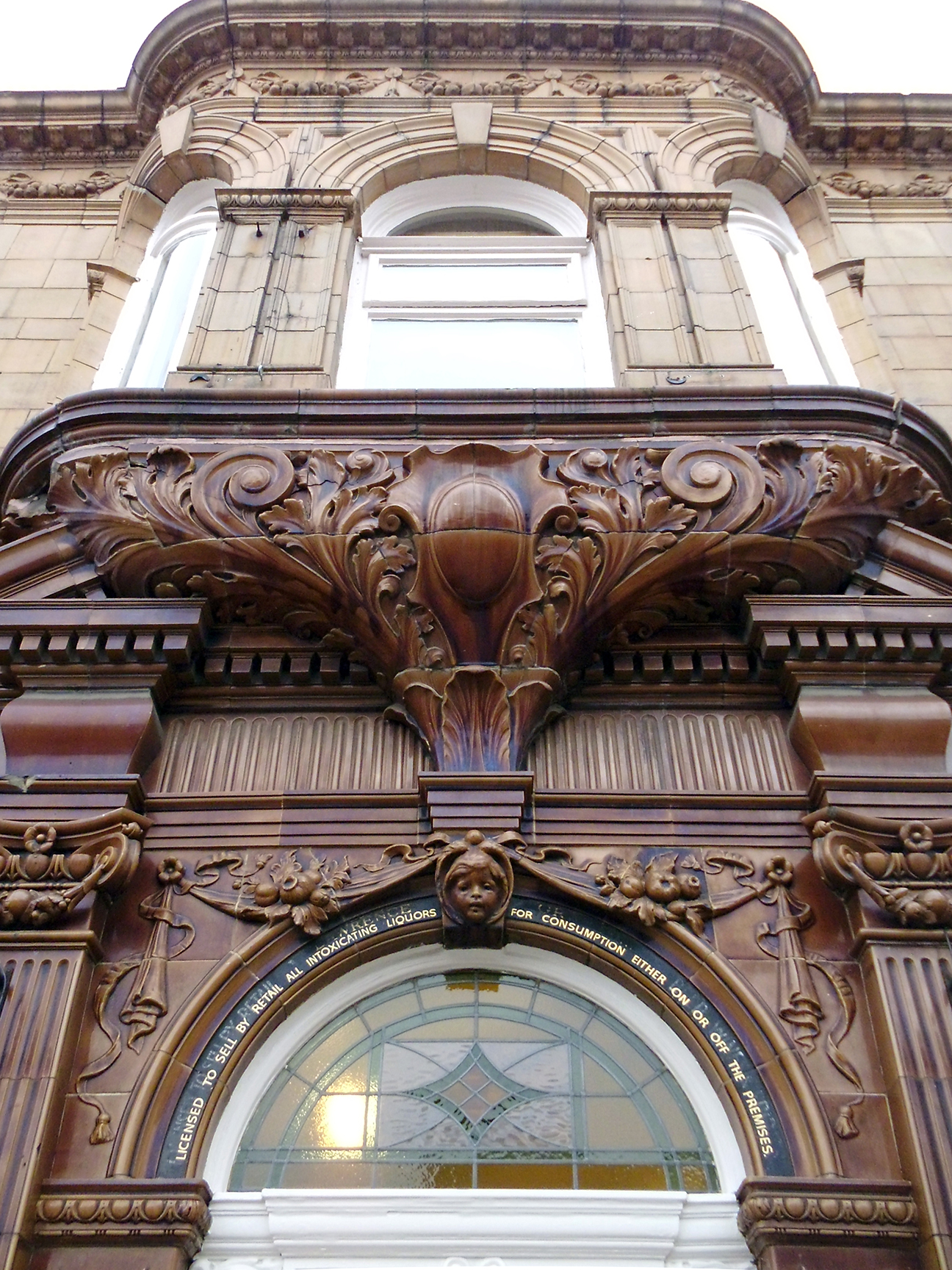
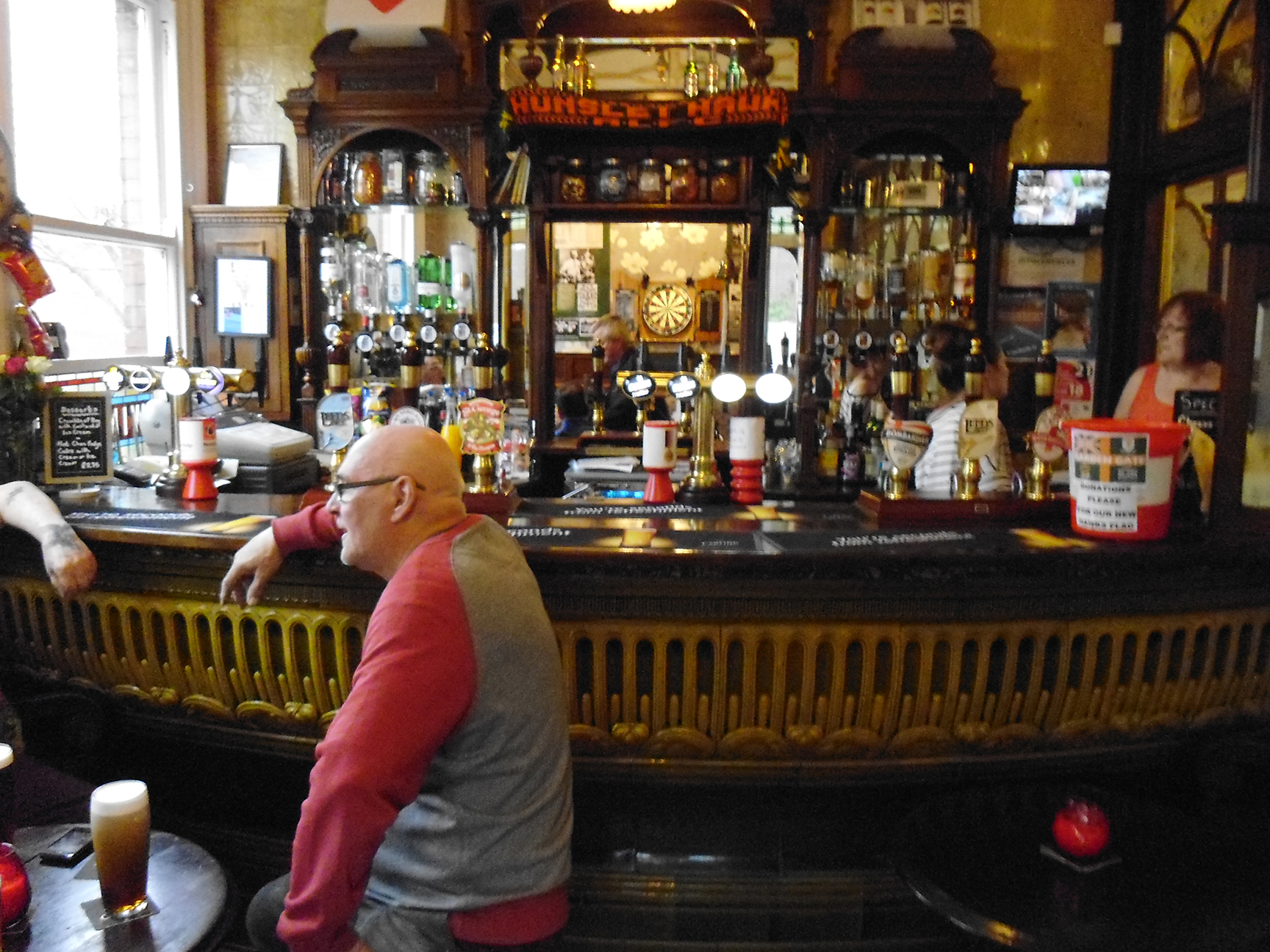
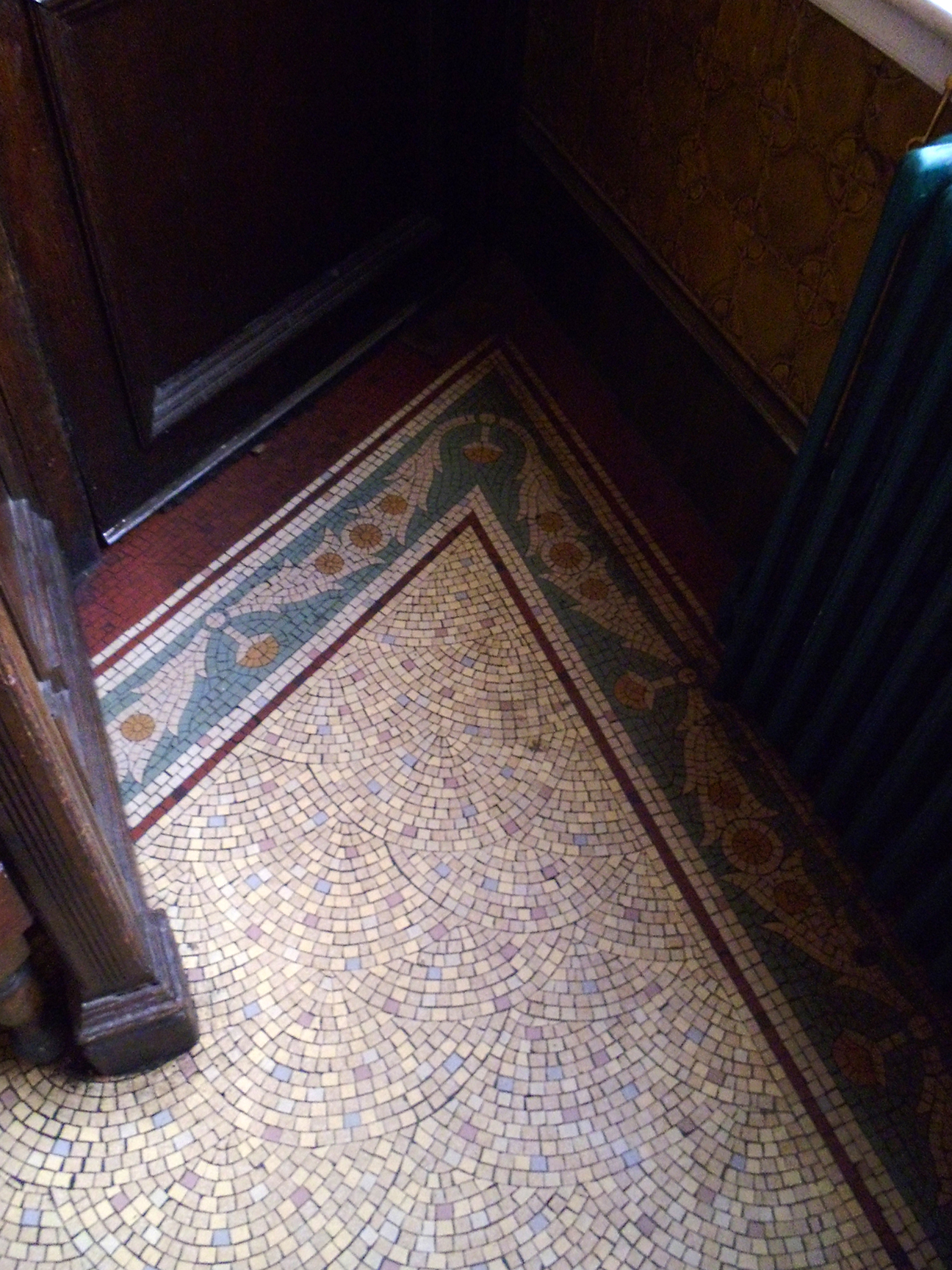
A Tetley Heritage pub the most beautiful in Yorkshire, clad in warm glazed ceramics of the highest decorative order, a terrazzo porch and open door welcomes the weary walker.

Ready for a pint?

Leeds Pale Ale £2.60 a pop and a fine drop it is too, why not stay and have another!

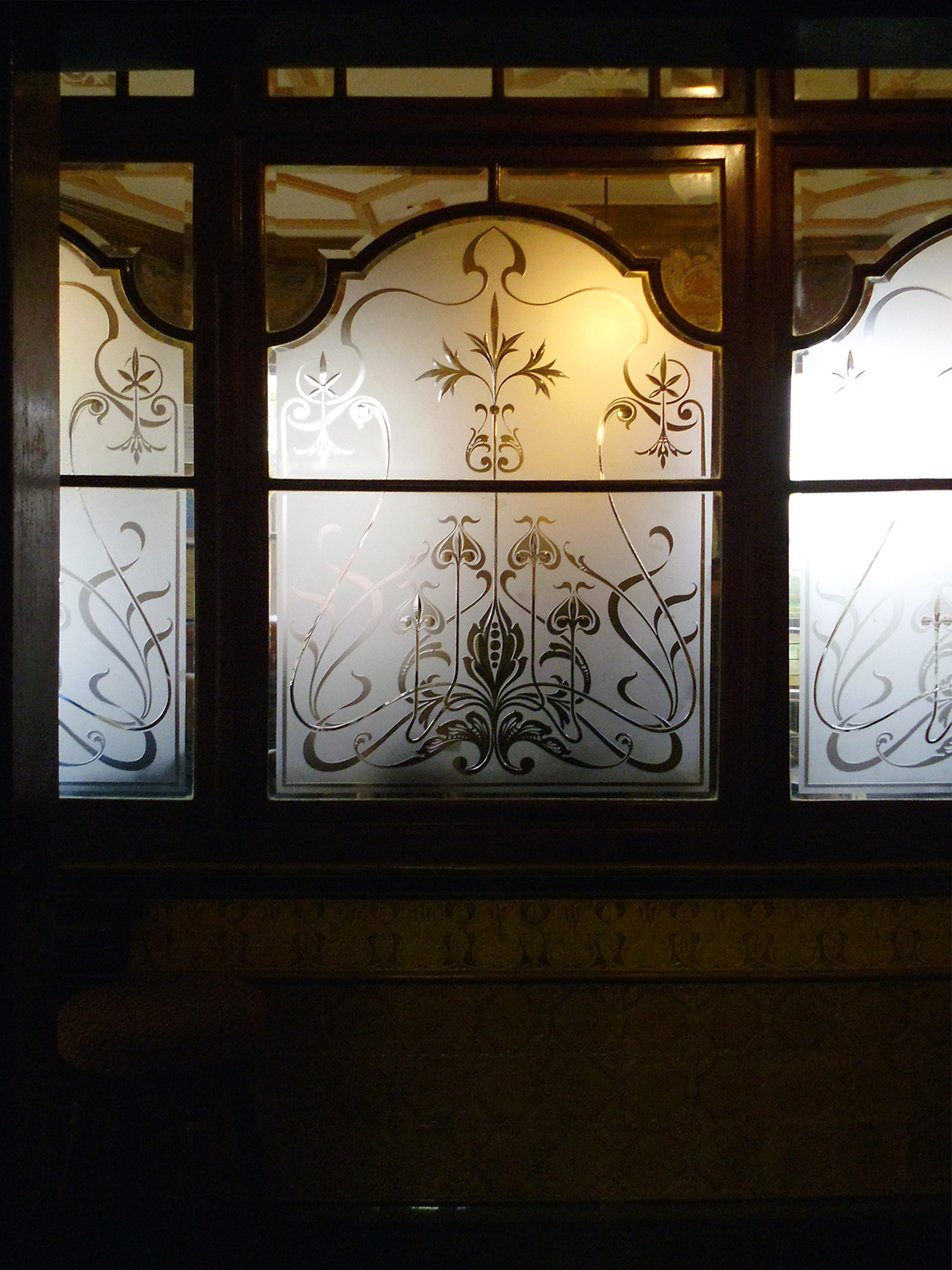
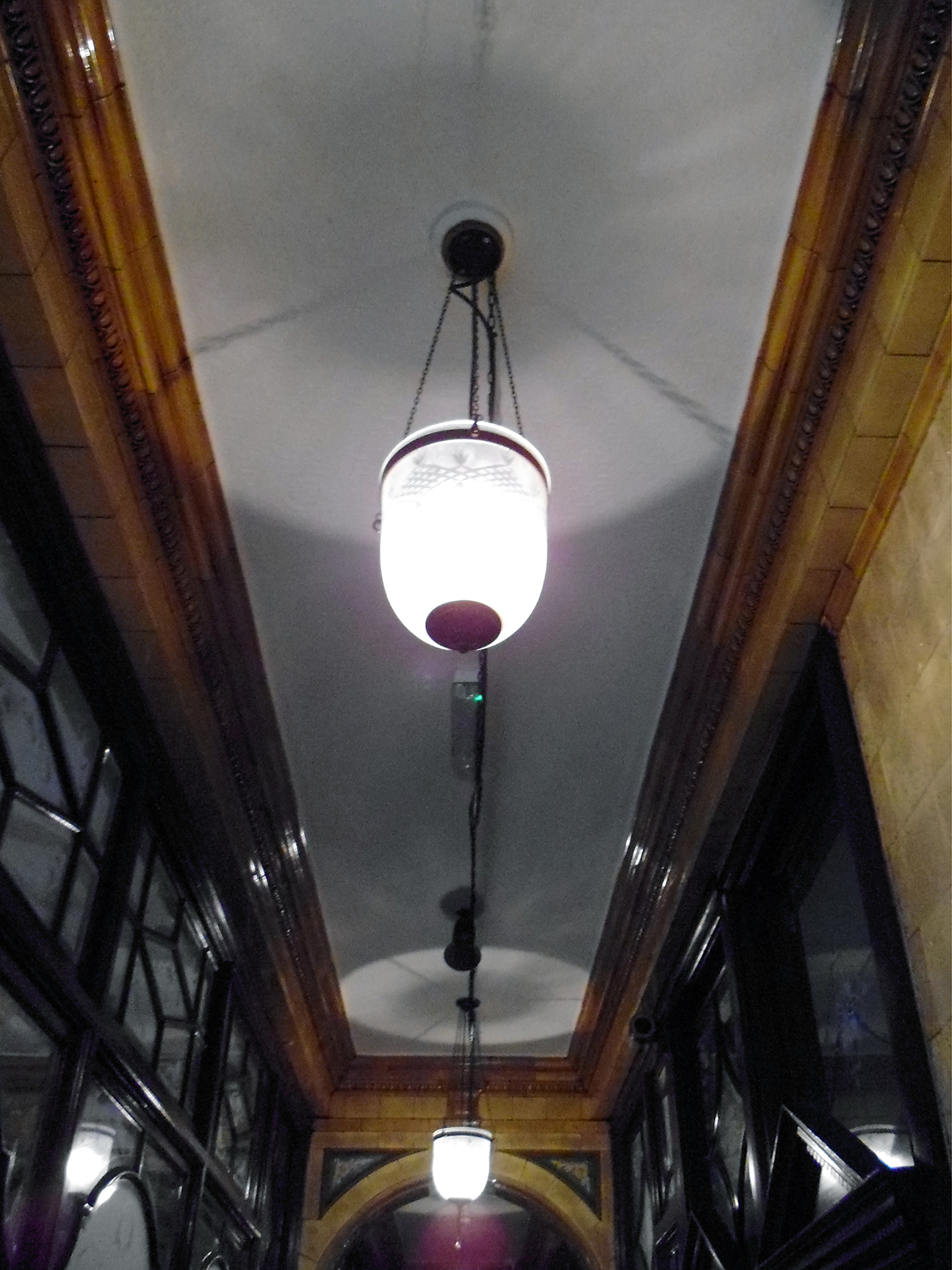
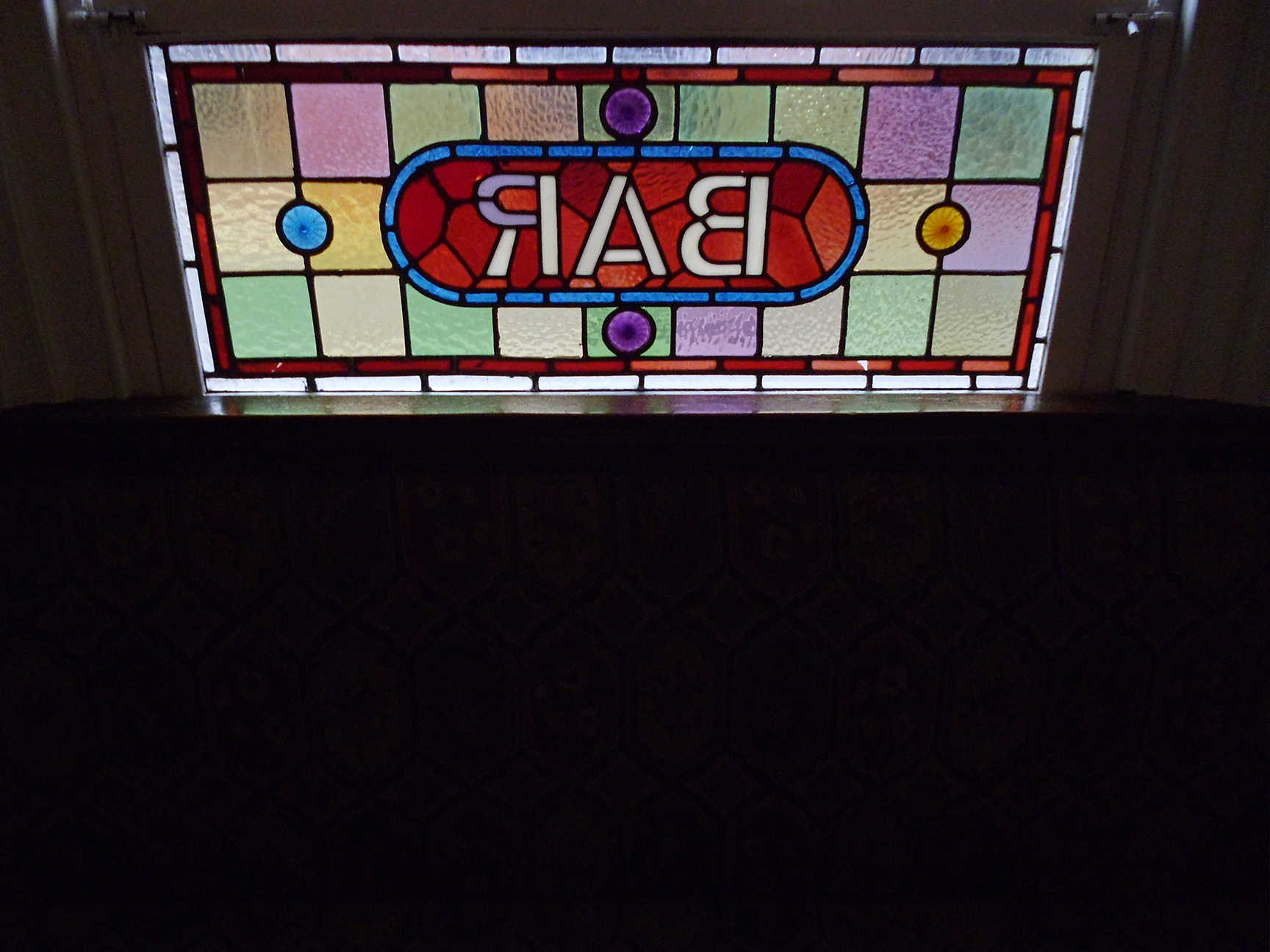
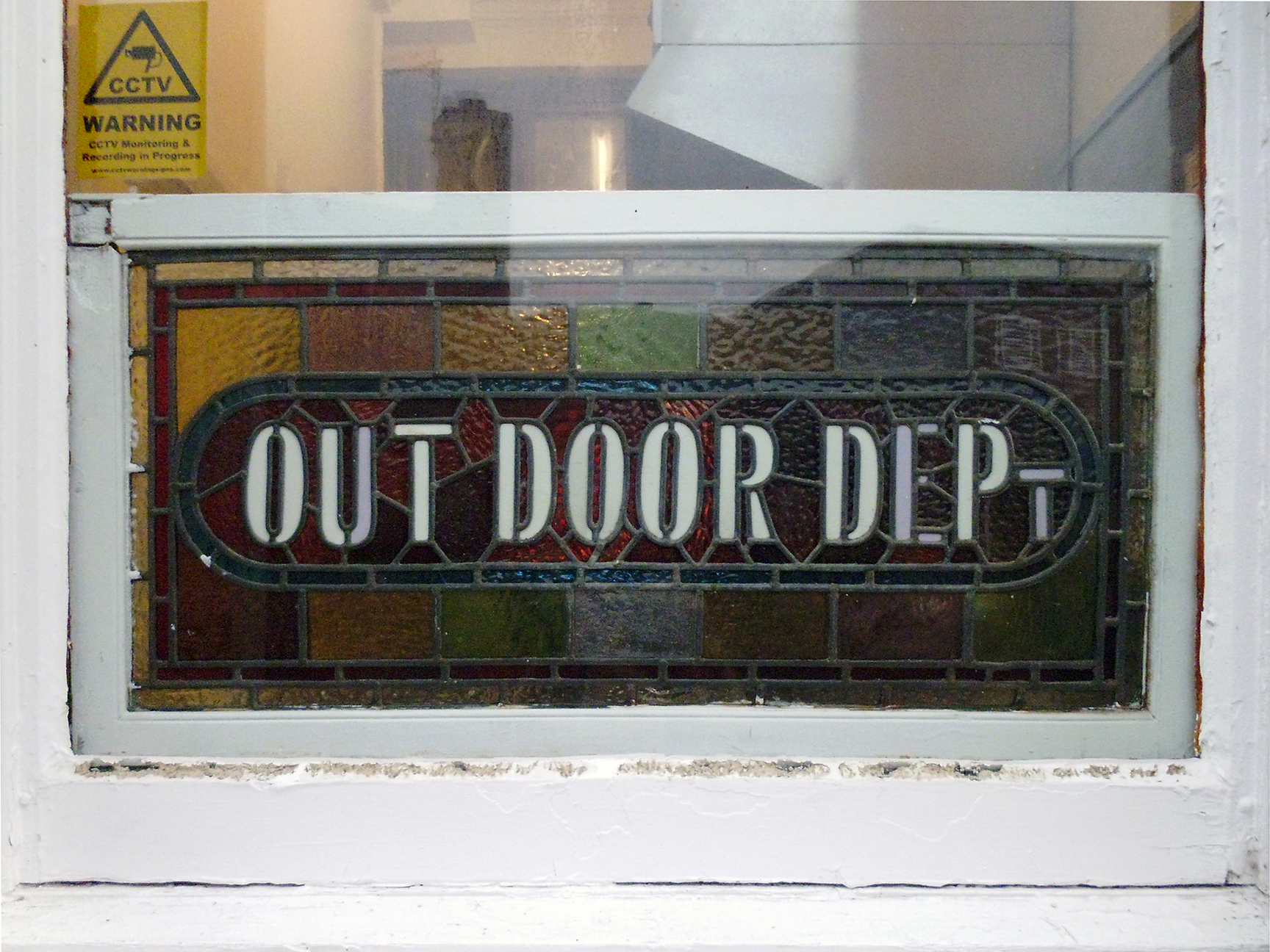
The interior arrangement of rooms cluster around a fine tiled bar, linked by corridors, clad in curved wood and large etched windows, lit with the original fittings – all in an intoxicating Nouveau style.

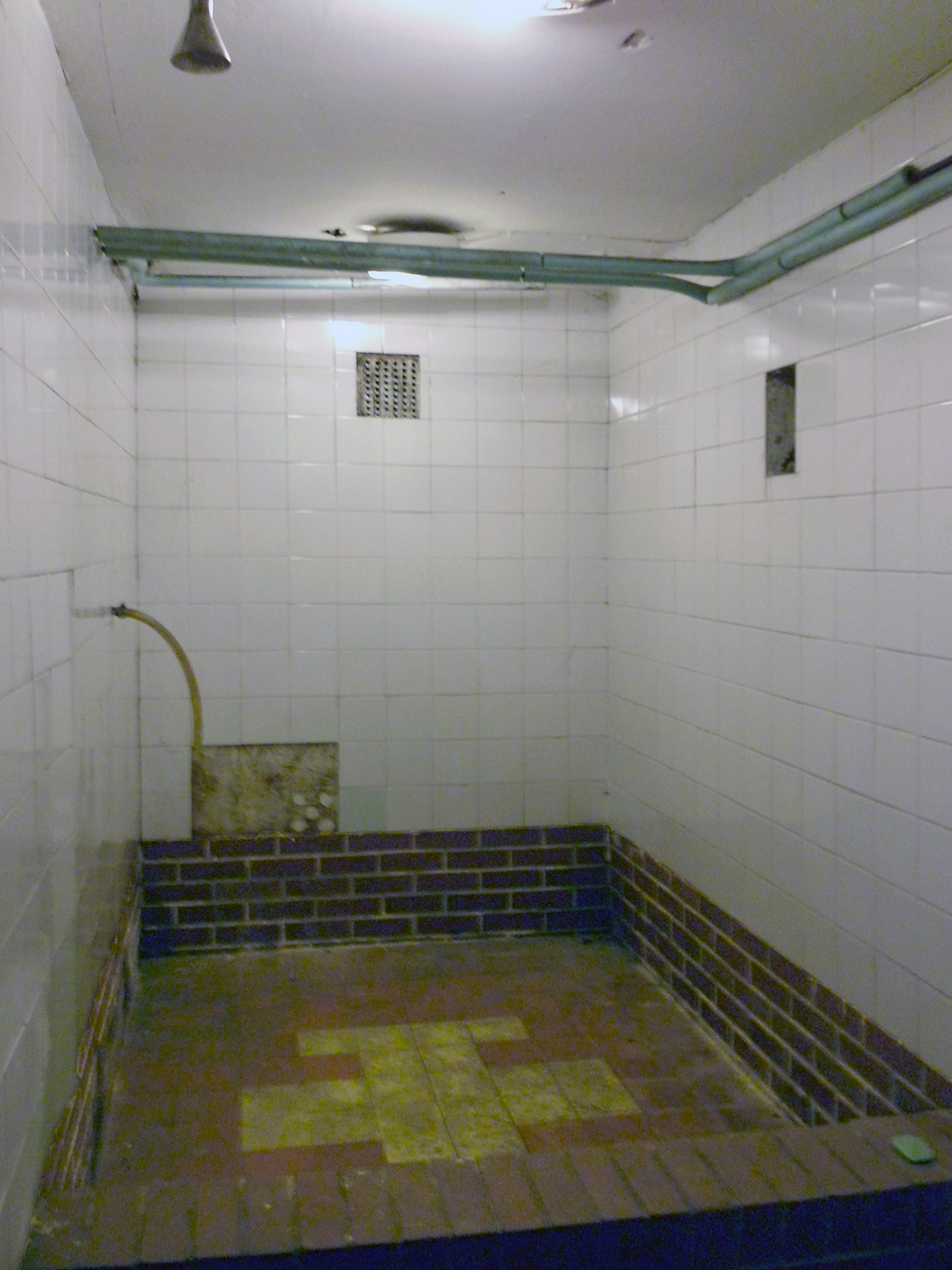
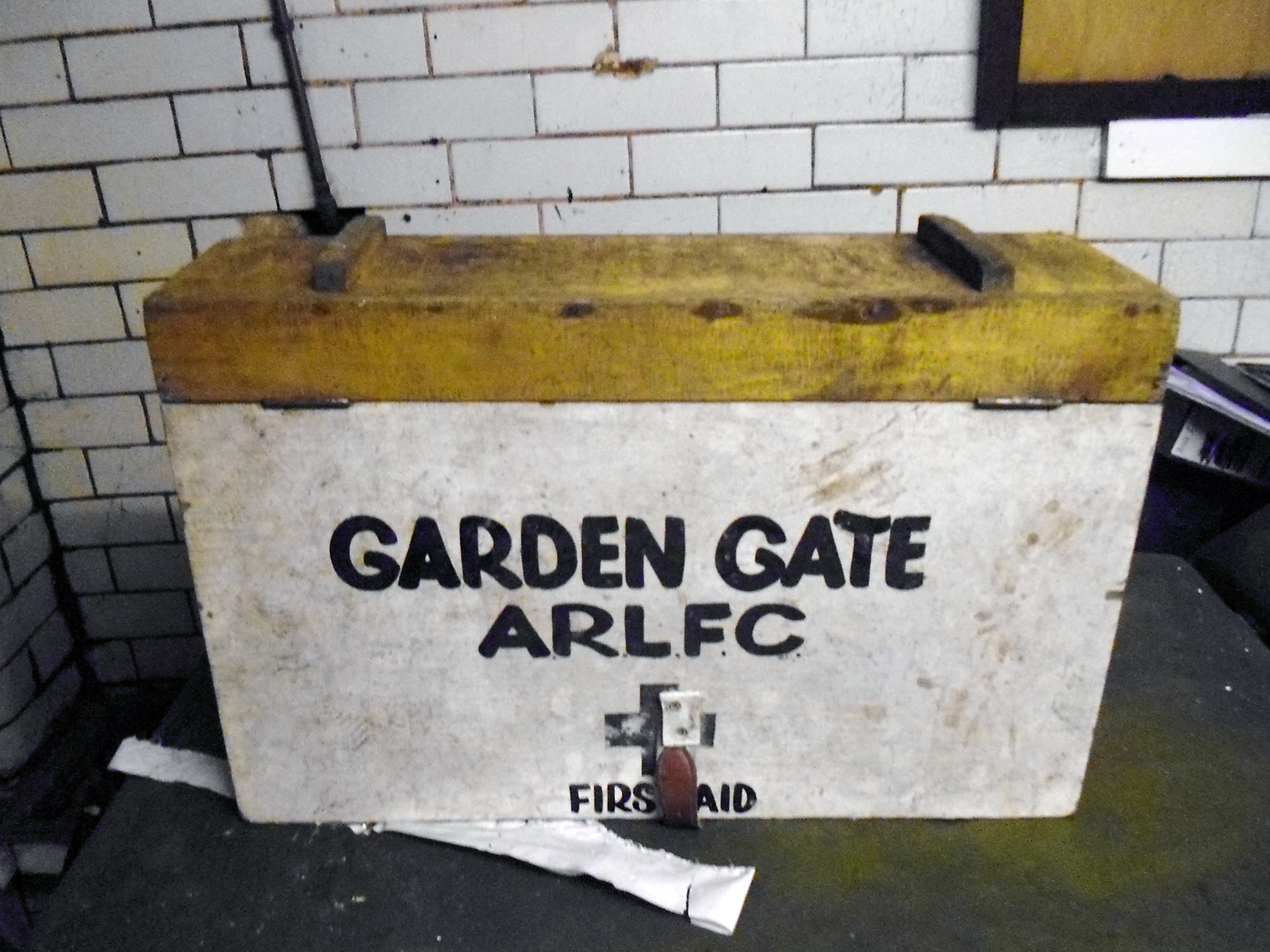
The cellar is lined in heavy glazed white brick and retains its rugby league history with extant showers and physio room, former home of the Garden Gate ARLFC – it says so on the first aid kit.

A thinned bar of green soap rests on the side of the long-dry bath.

The staff and customers were warm, chatty and informative – my thanks for their generous hospitality.

Its worth the walk.

My thanks to Ms. Natalie Ainscough for her cheery company, innate sense of direction and can do attitude.

http://www.gardengateleeds.co.uk

Huddersfield – Buxton House

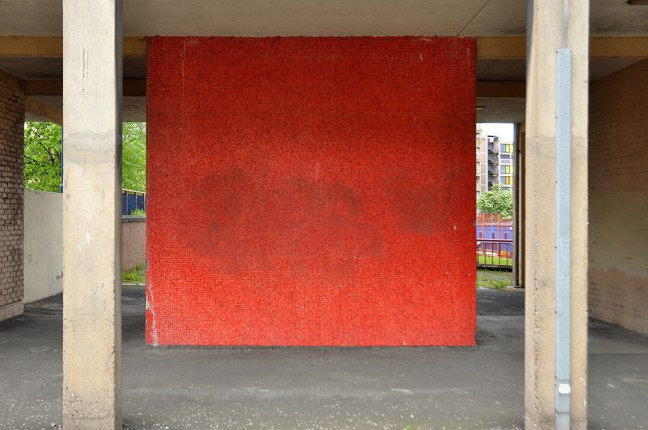
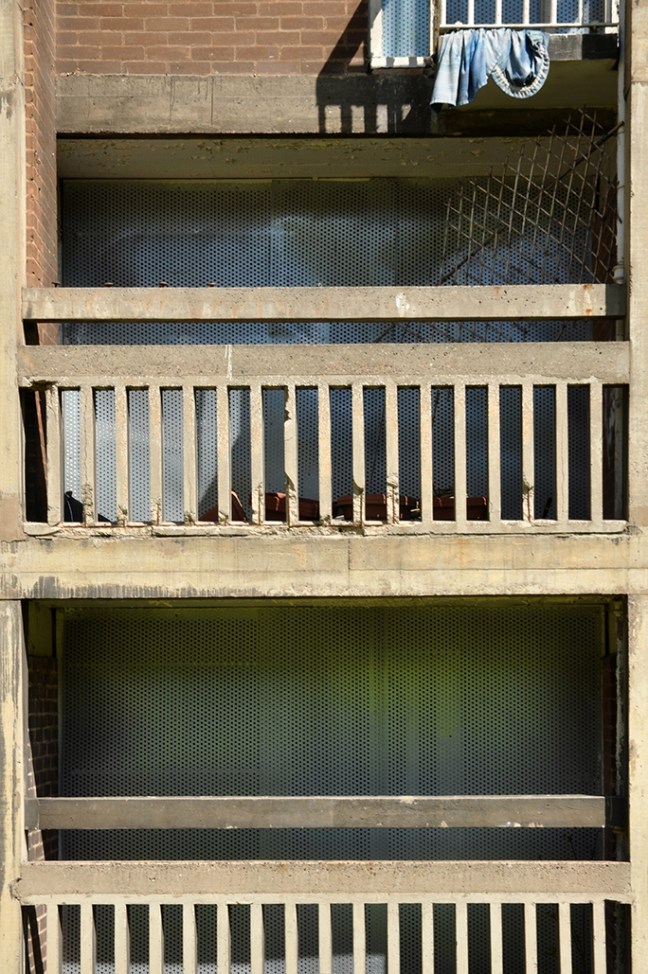
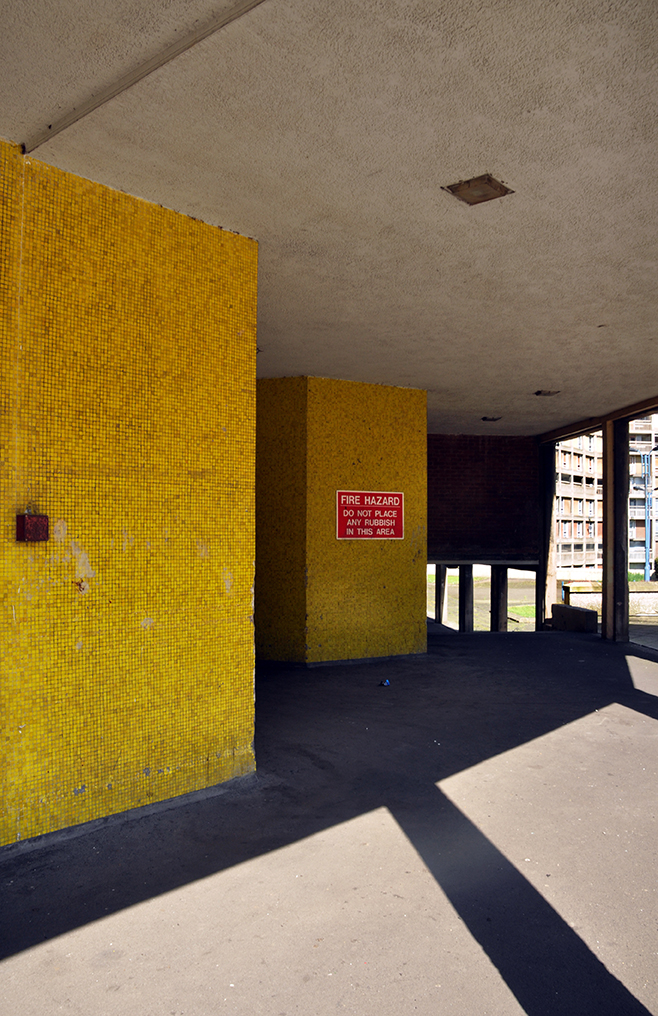
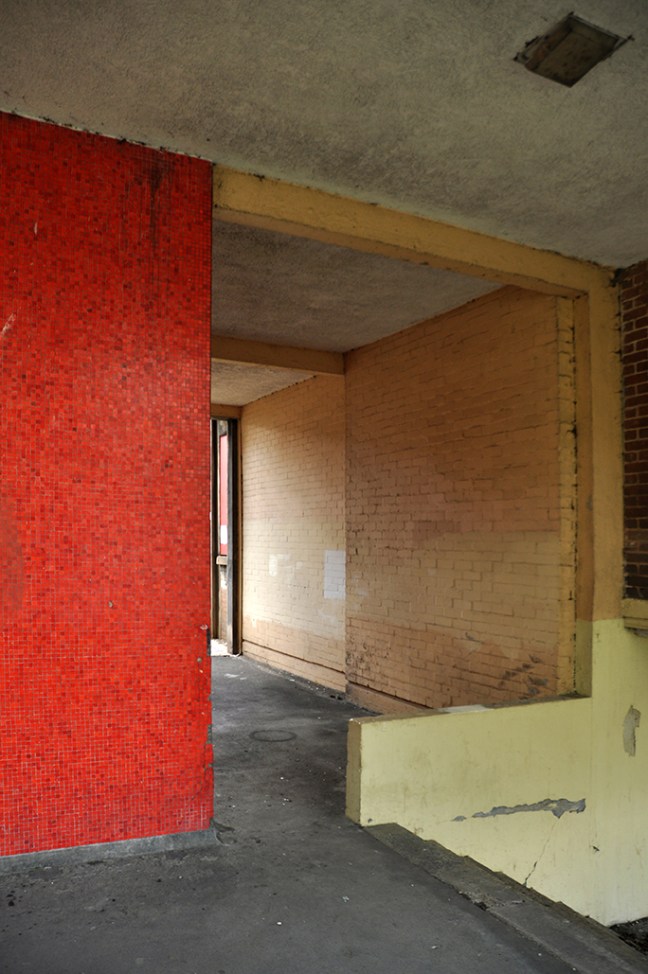
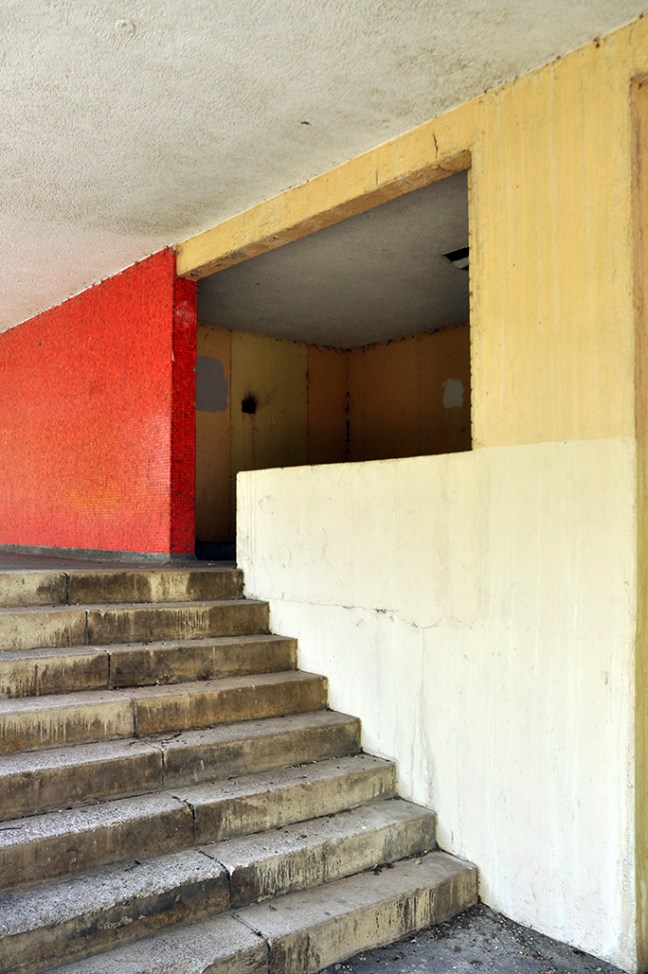
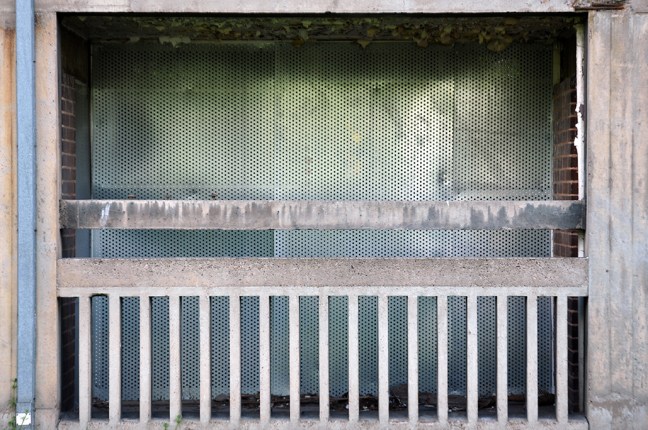
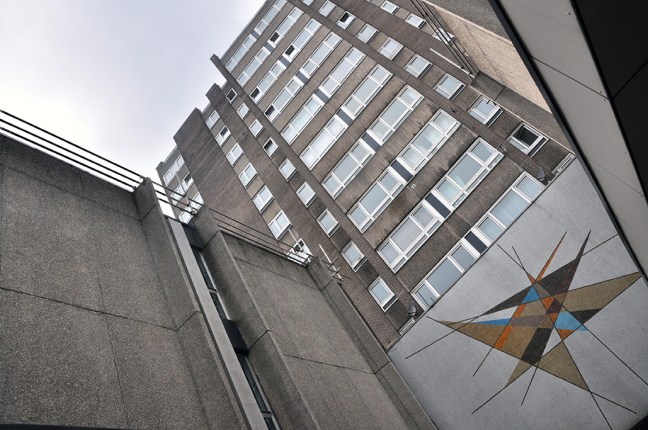
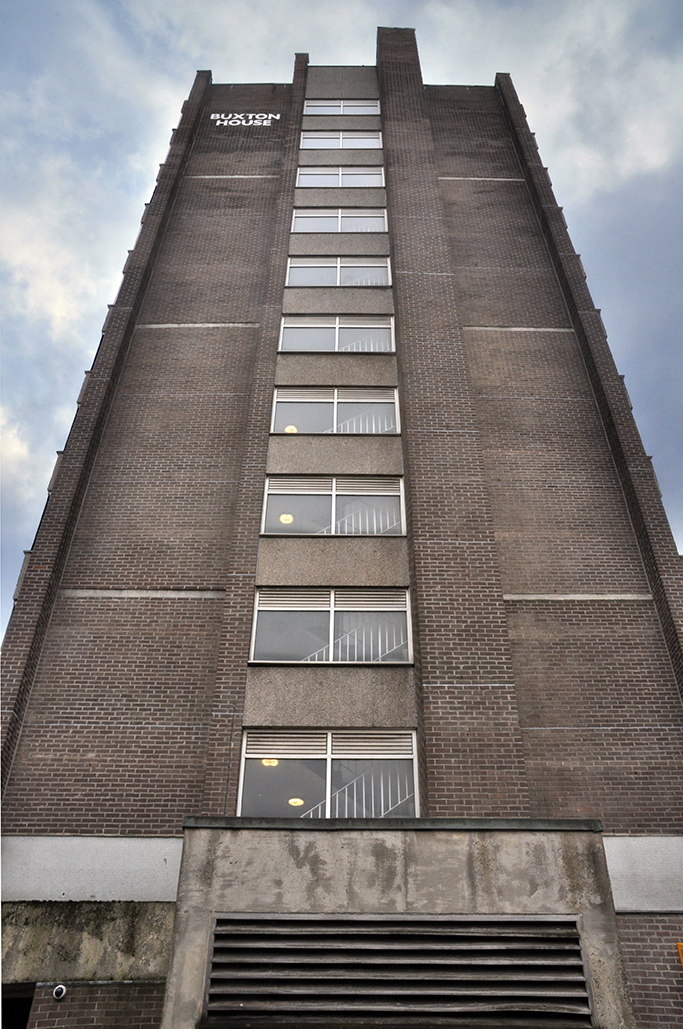
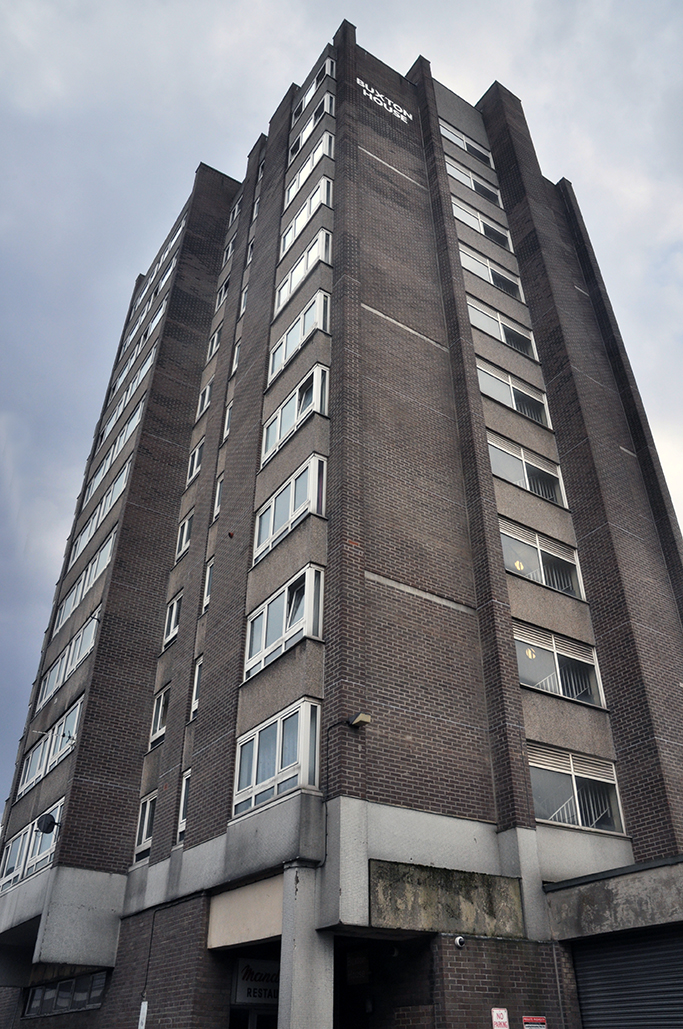
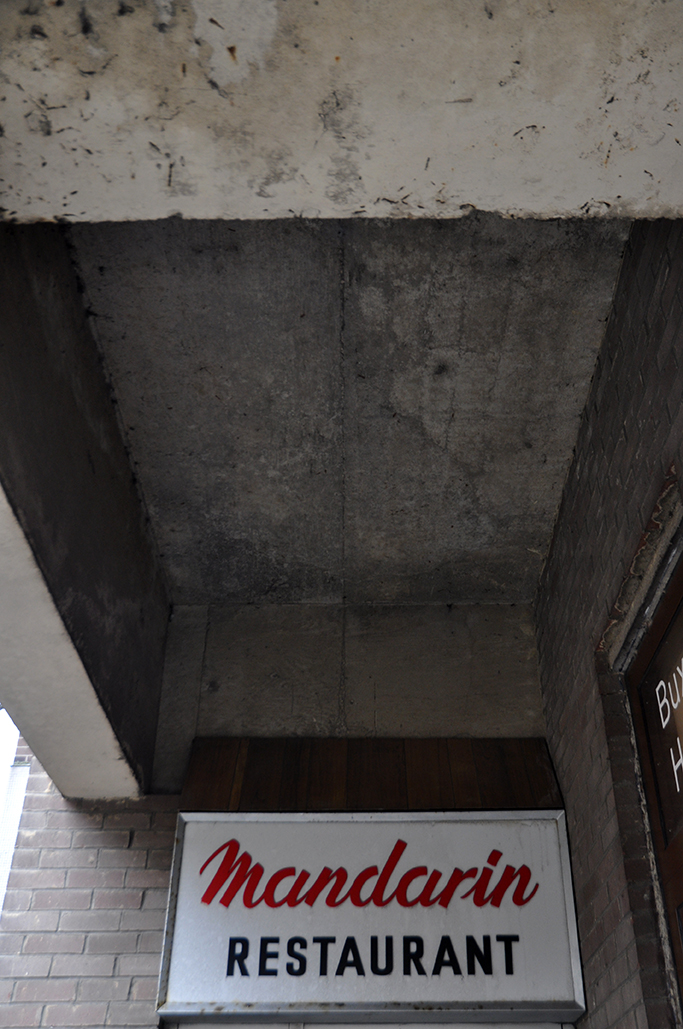
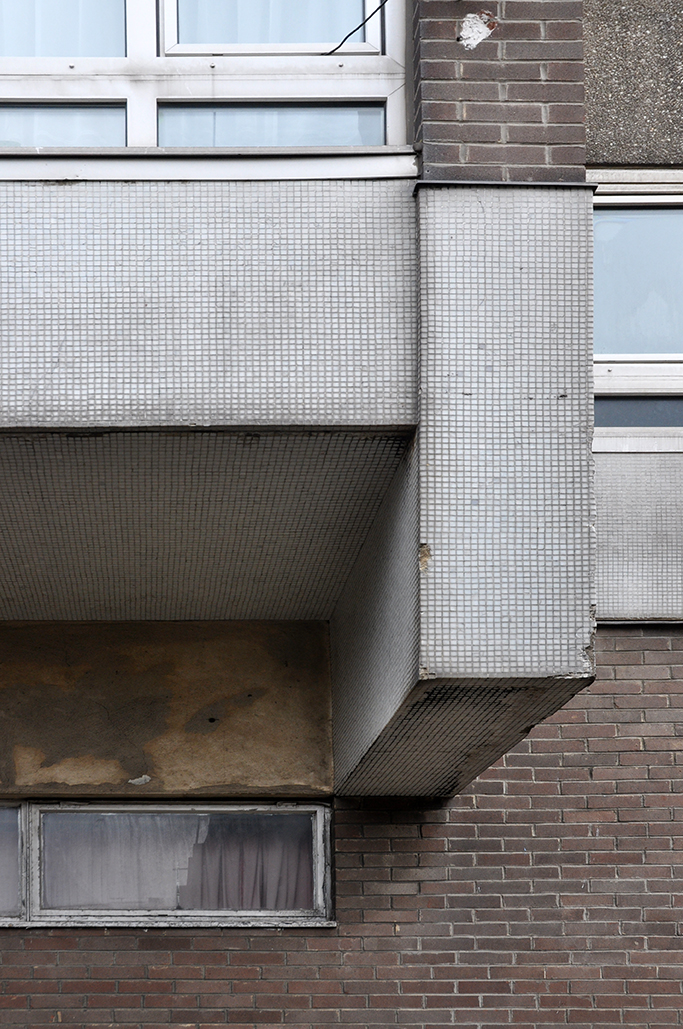
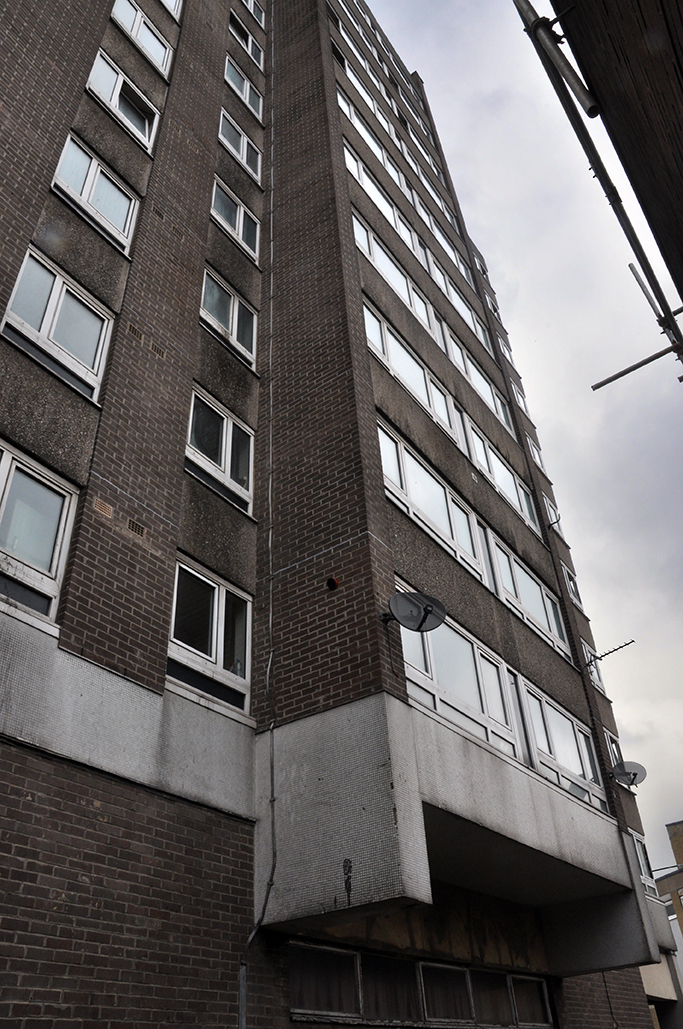
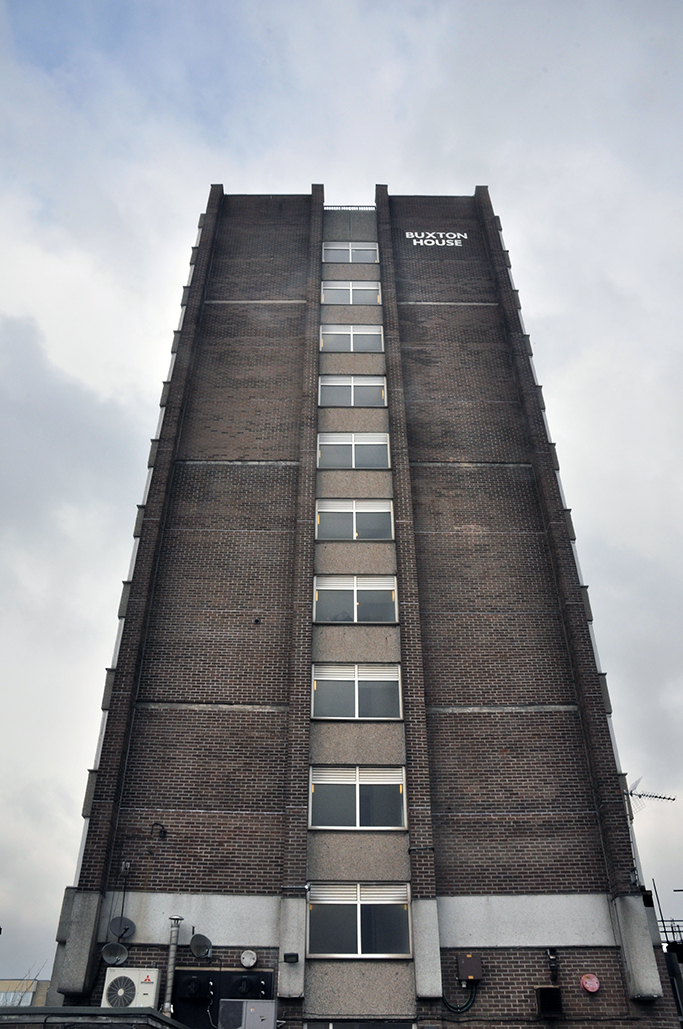
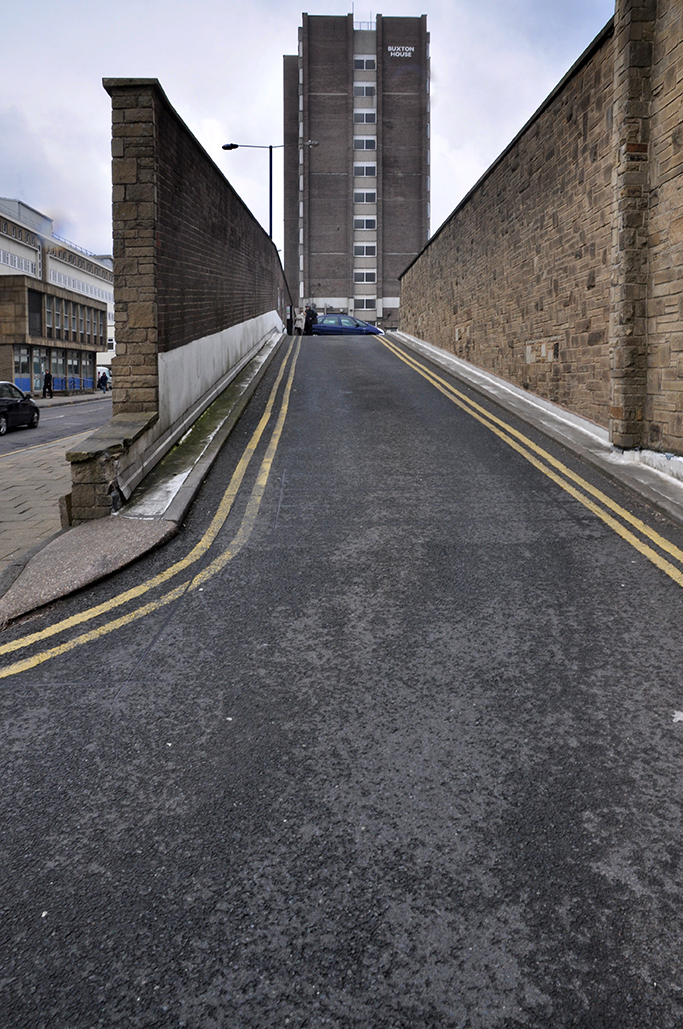
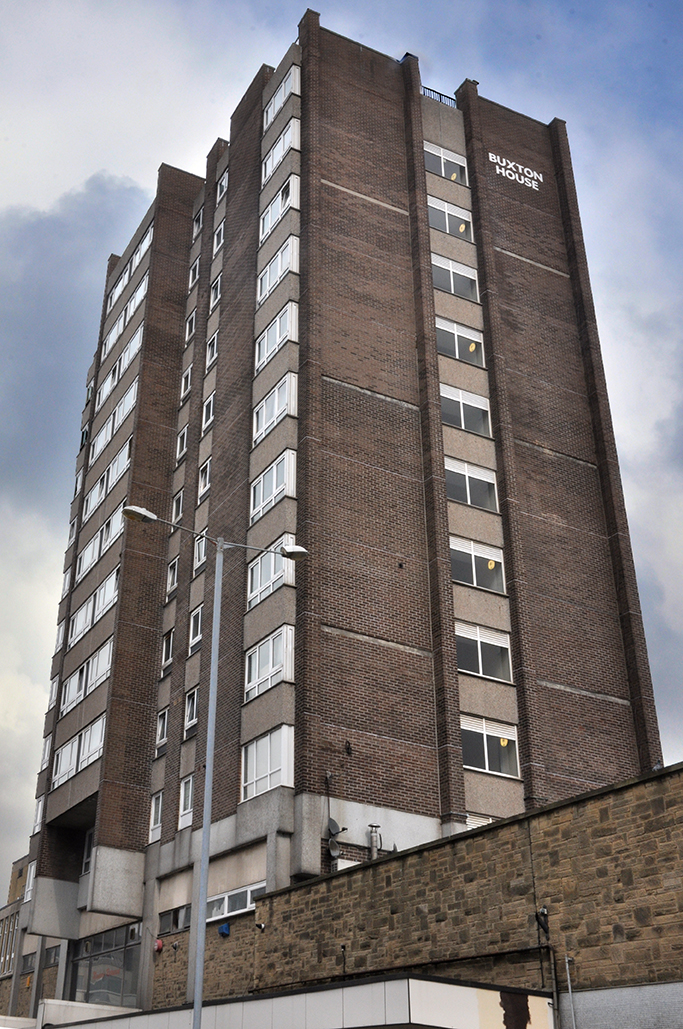
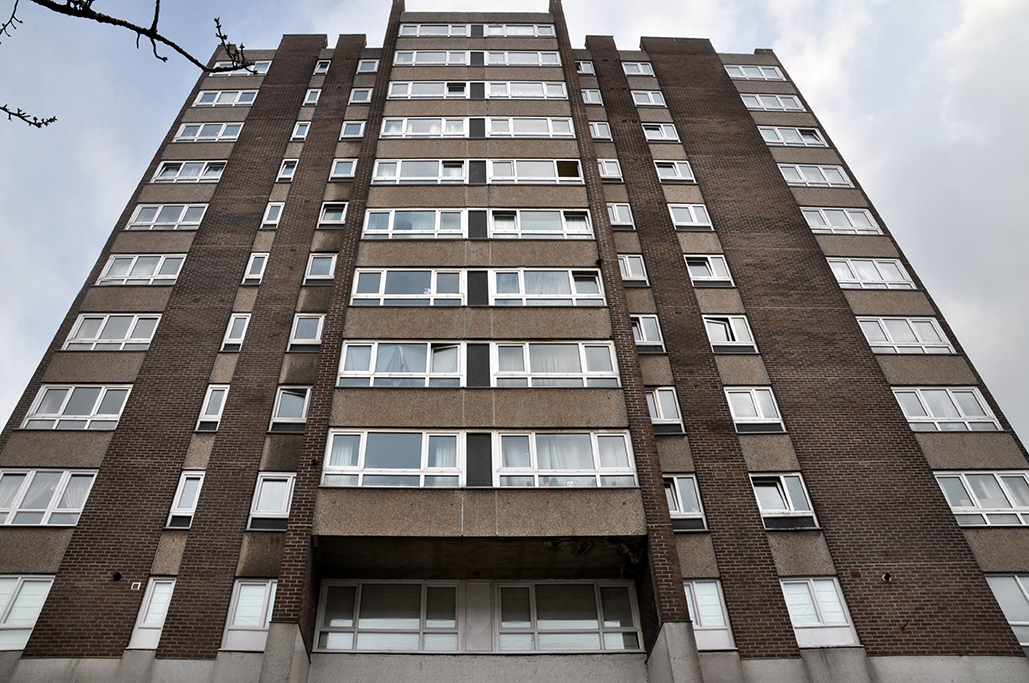
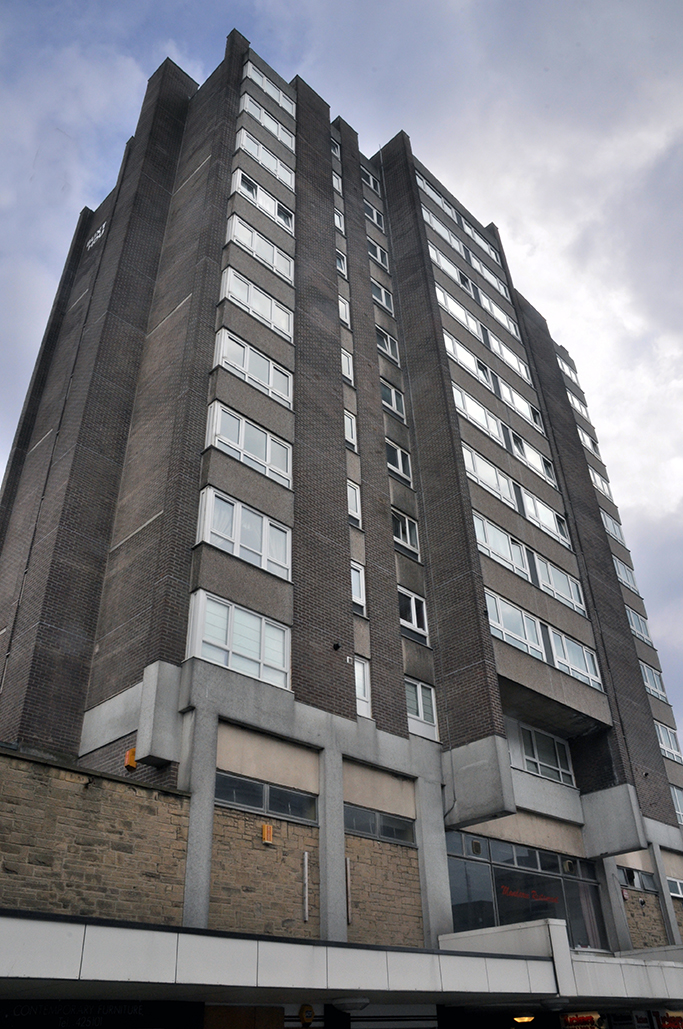
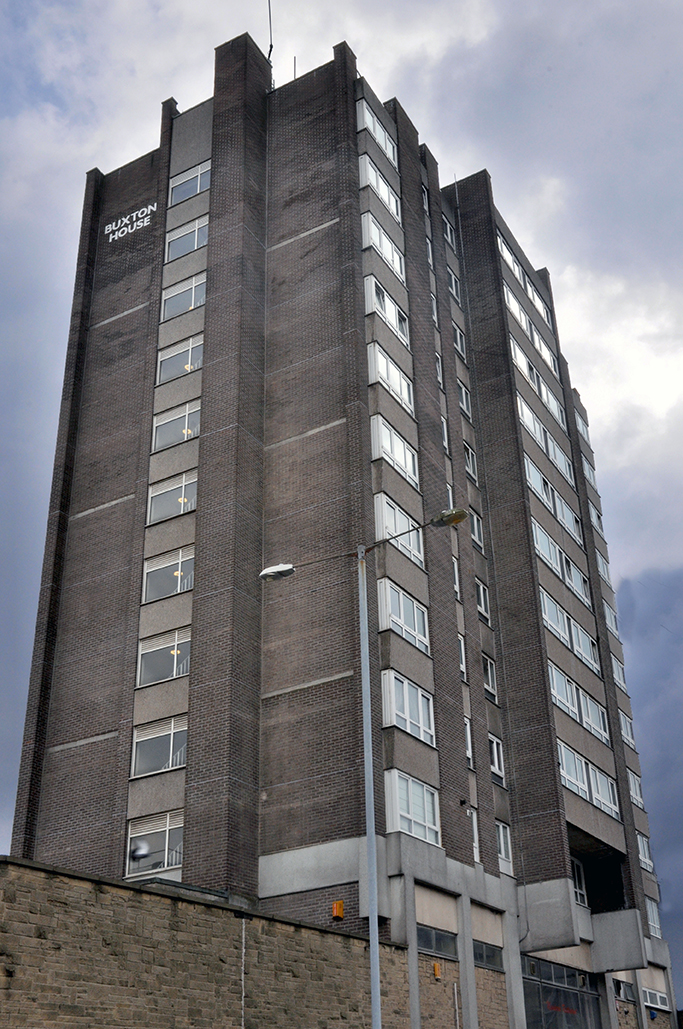
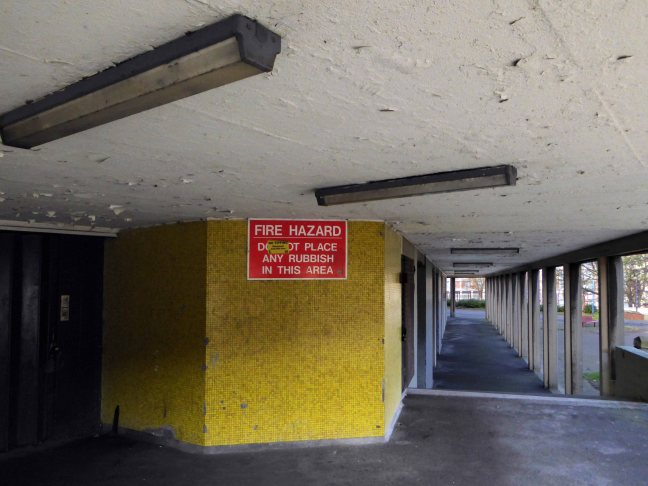
Slap dab in the middle of the town stands a lone tower block of residential, social housing.

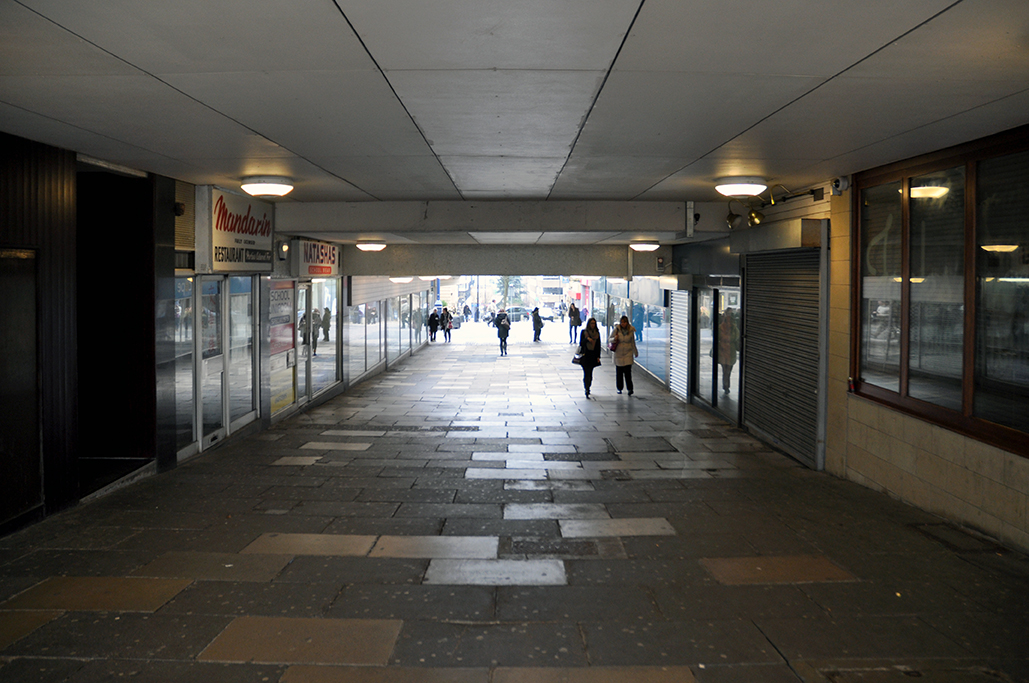
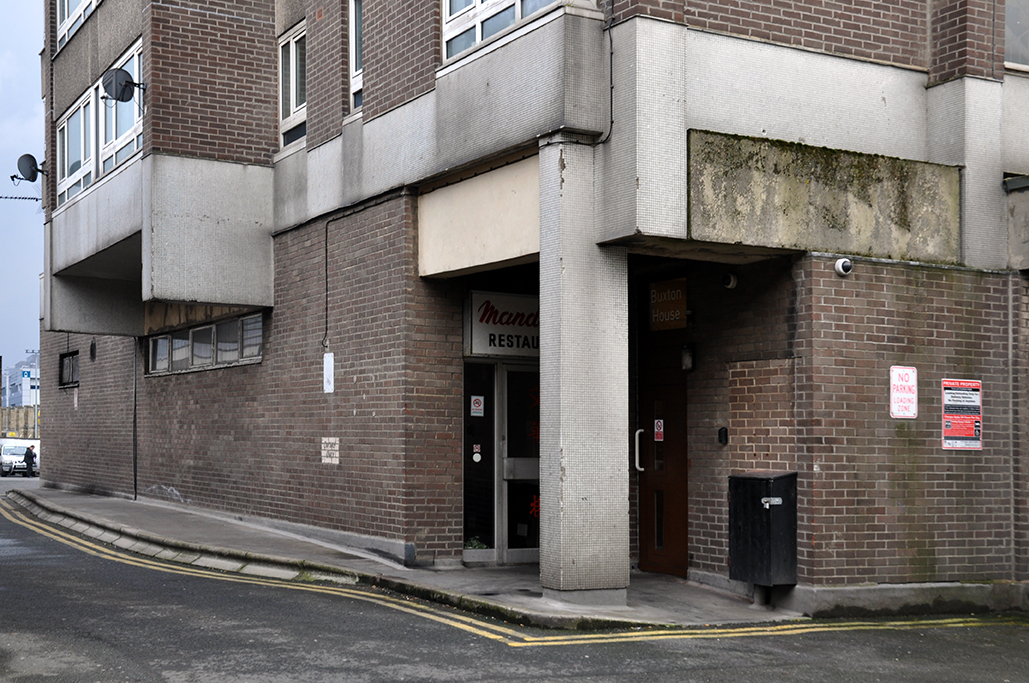
Buxton House backs onto the lower rise Civic Centre and is conjoined to the main shopping street and precinct, linked by a low wide underpass. Adorned on its street entrance by the most enchanting mosaic, announcing a spry geometric optimism to those shoppers and residents that pass under, through the underpass.

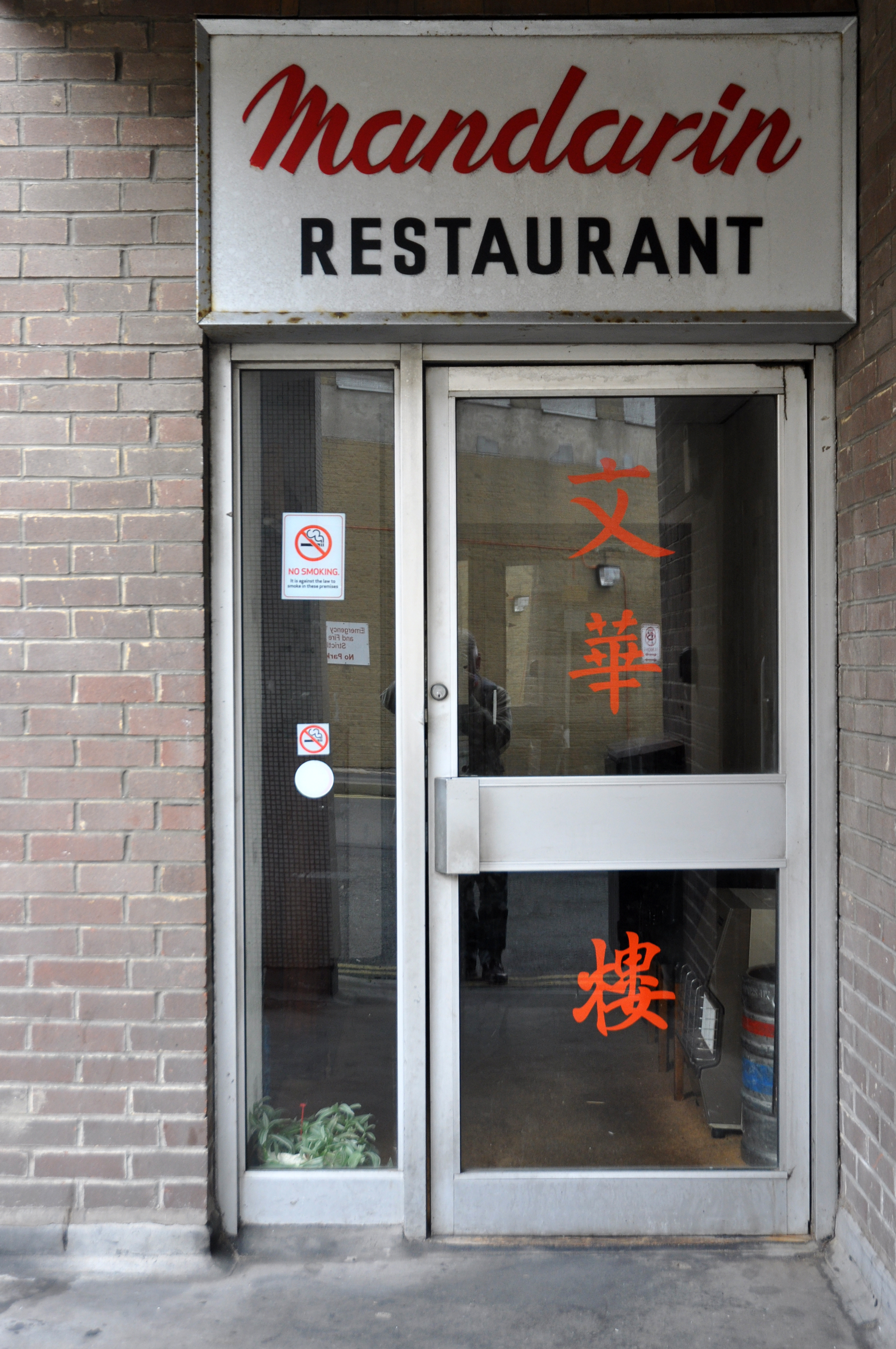
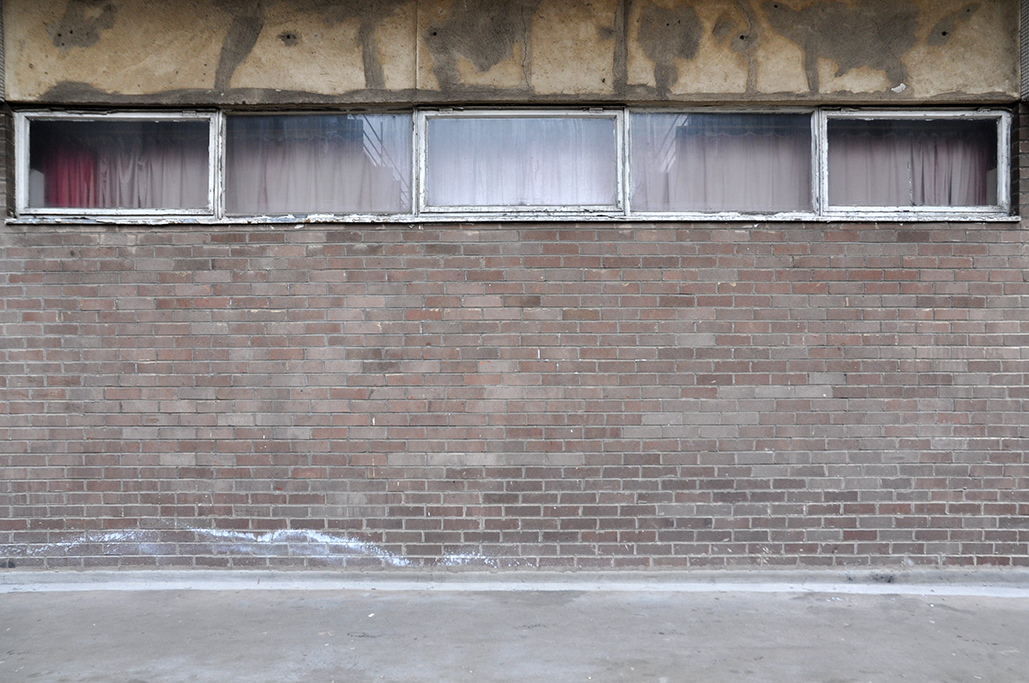
Ten floors of homes are bound in brick concrete and glass – a truly commanding central location, graced by the inclusion of an incongruous Chinese restaurant – The Mandarin.

Take a stroll around.

DSC_0264 copy

DSC_0258 copy

DSC_0255 copy

DSC_0254 copy

DSC_0253 copy

DSC_0251 copy

DSC_0249 copy

DSC_0248 copy

DSC_0247 copy

DSC_0244 copy

DSC_0243 copy

DSC_0240 copy

DSC_0238 copy

DSC_0235 copy

DSC_0234 copy

Huddersfield – The Piazza

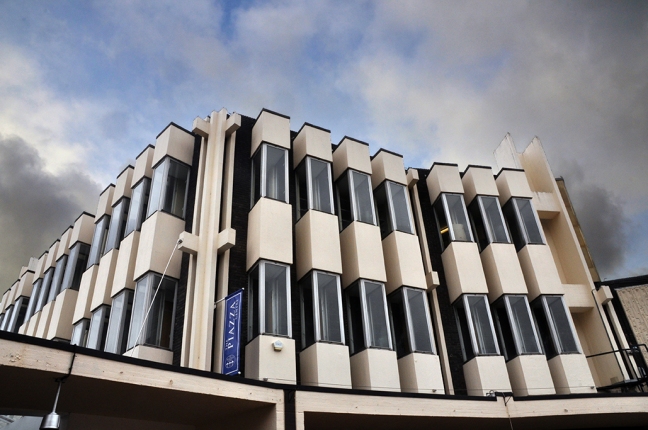
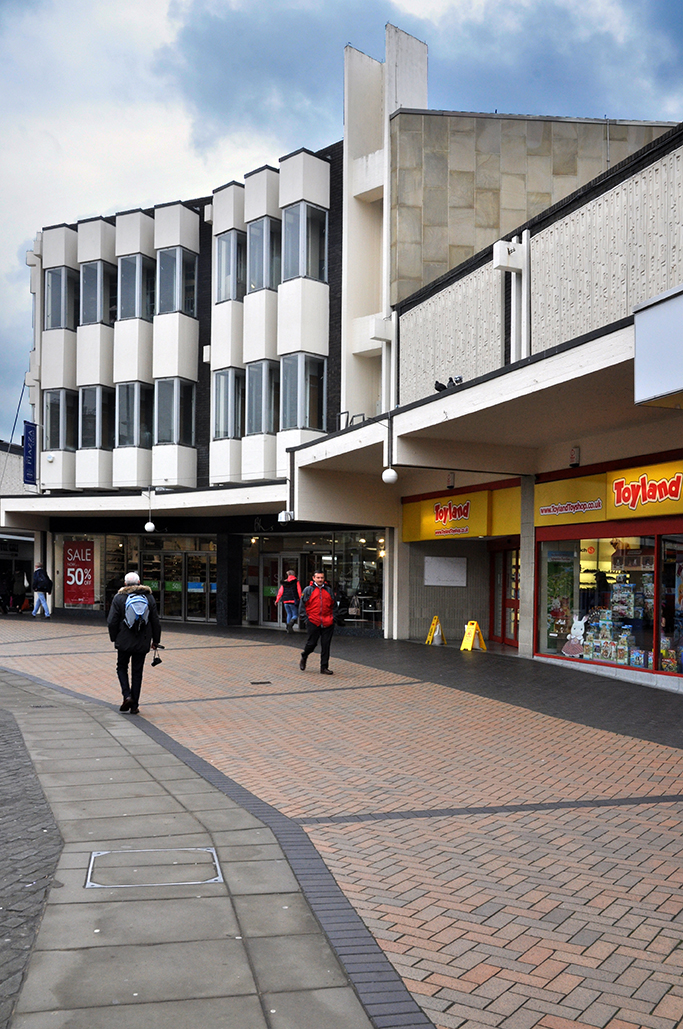
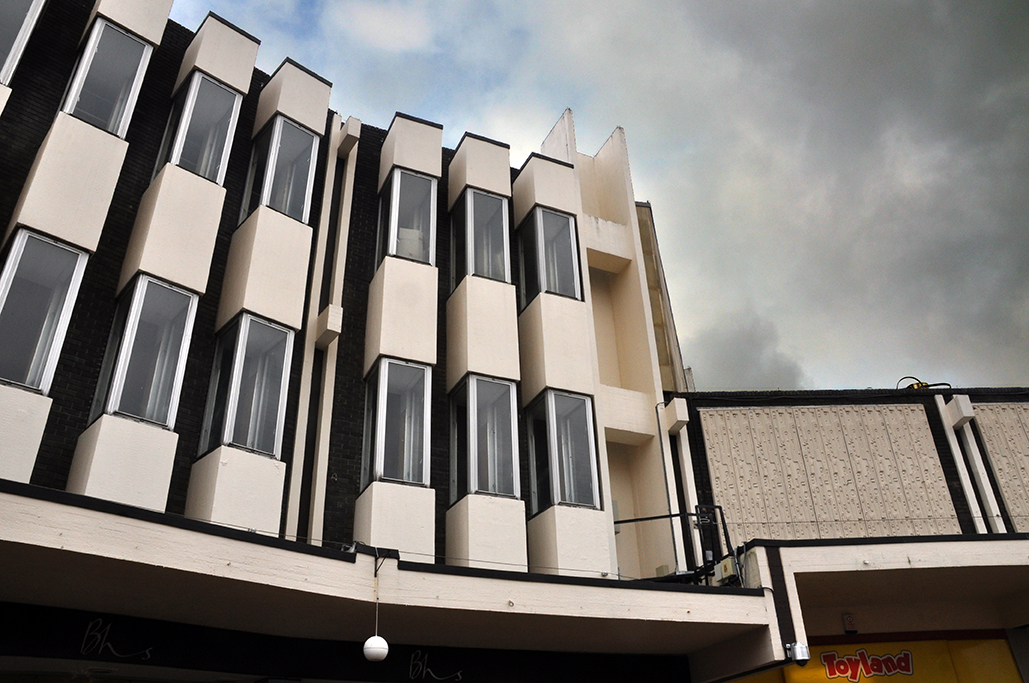
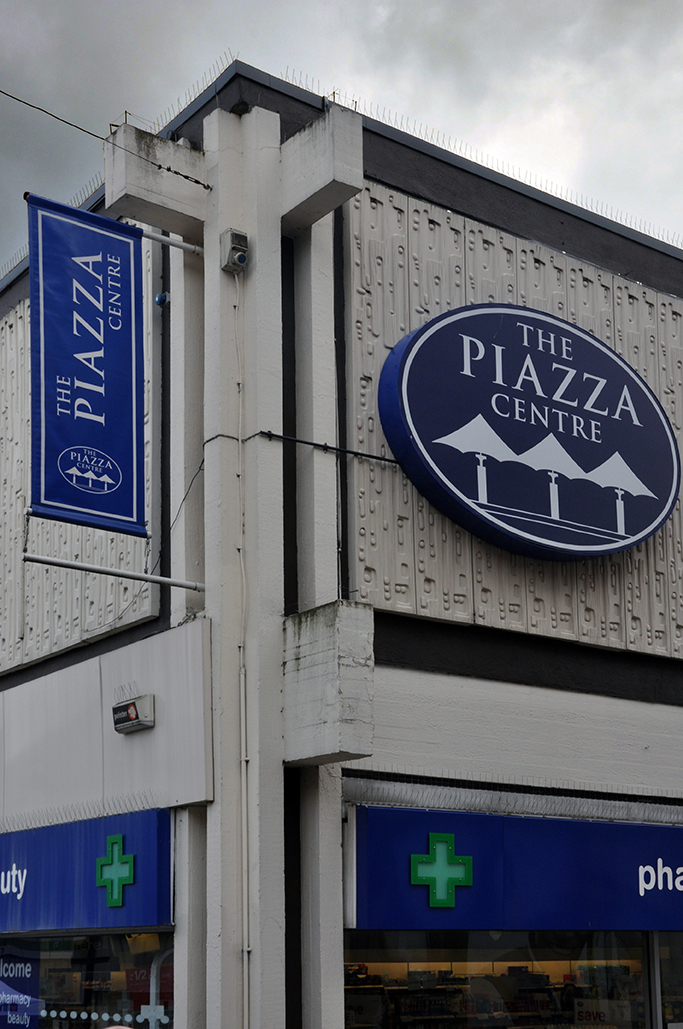
Huddersfield West Yorkshire shares a legacy with many other towns, a legacy of successive shopping developments of varying styles and quality. Shaped by fashion, topography and finance each makes a more or less bold statement on the fabric of the area.

In order to survive each geo-retail layer of architecture, must reinvent itself or die – adding new branding, covering period detail with newer, ever more impermanent fascias, flagging flagging and flags of all stripes.

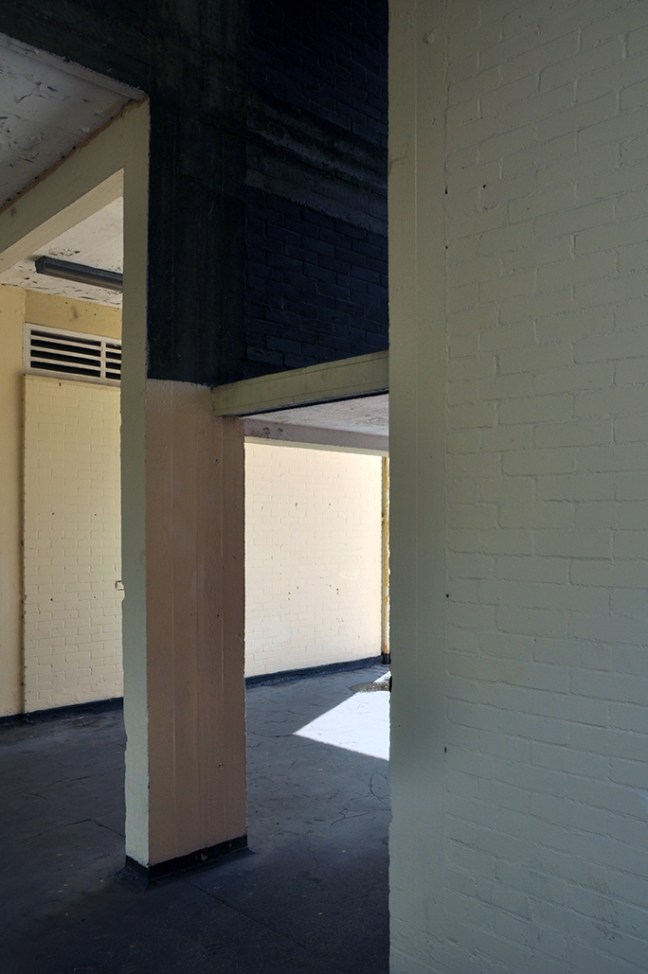
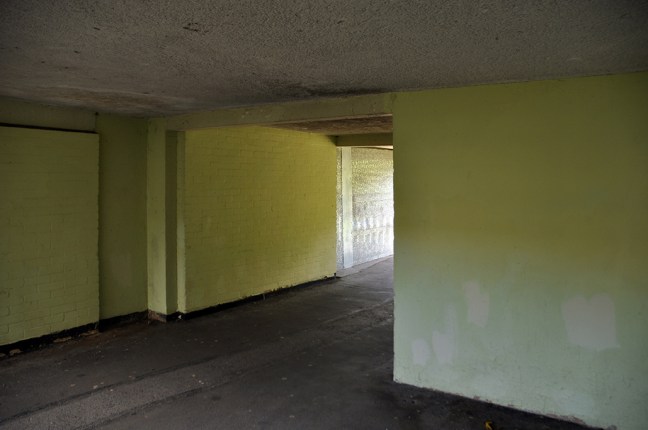
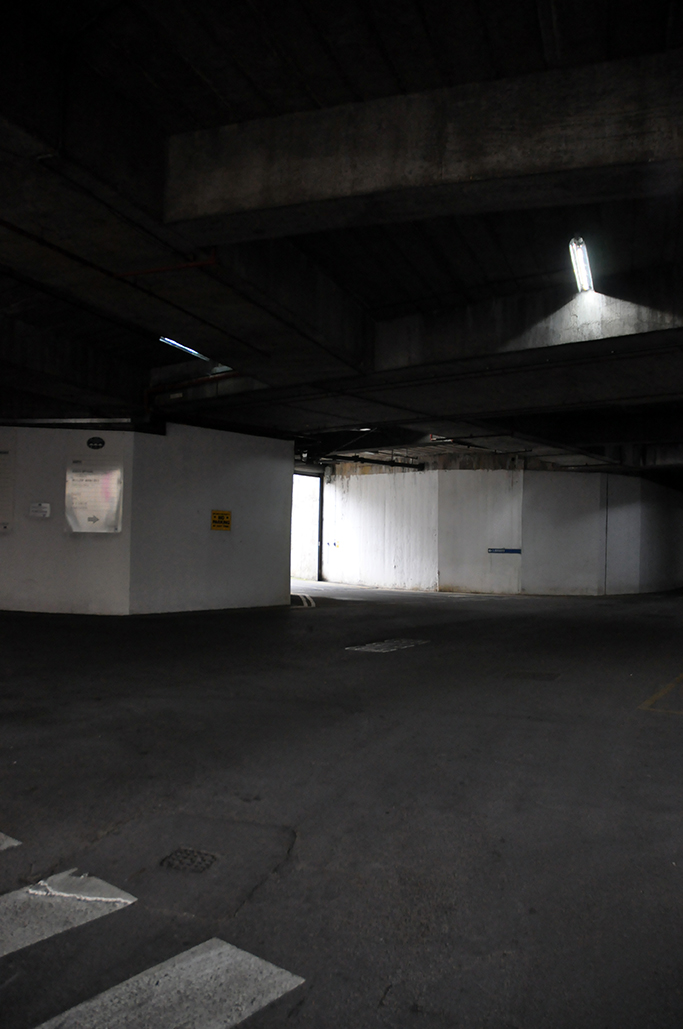
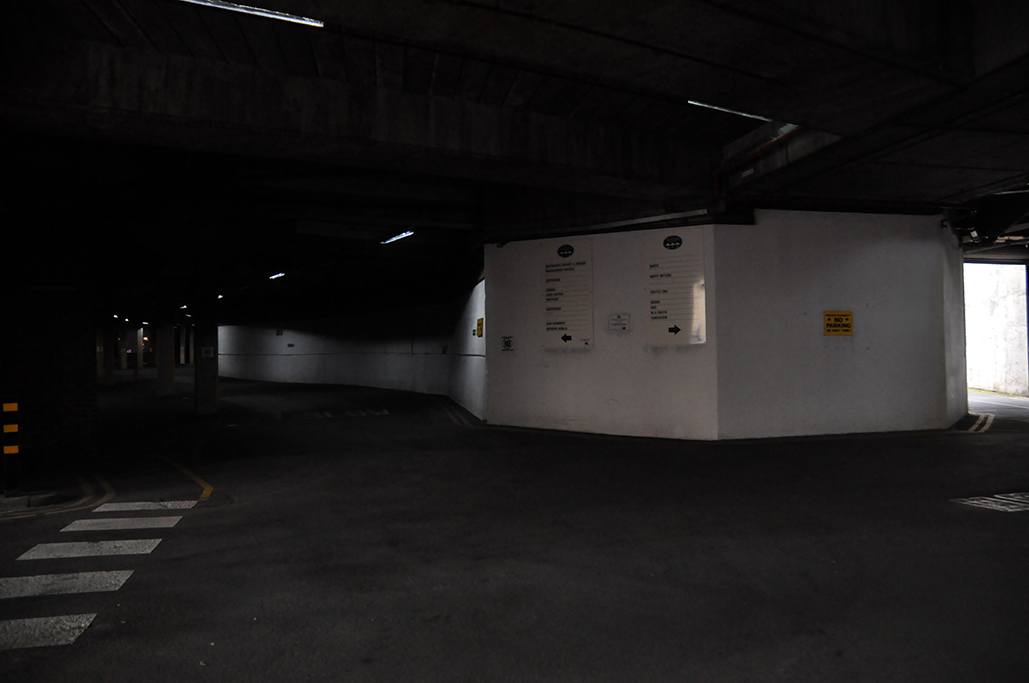
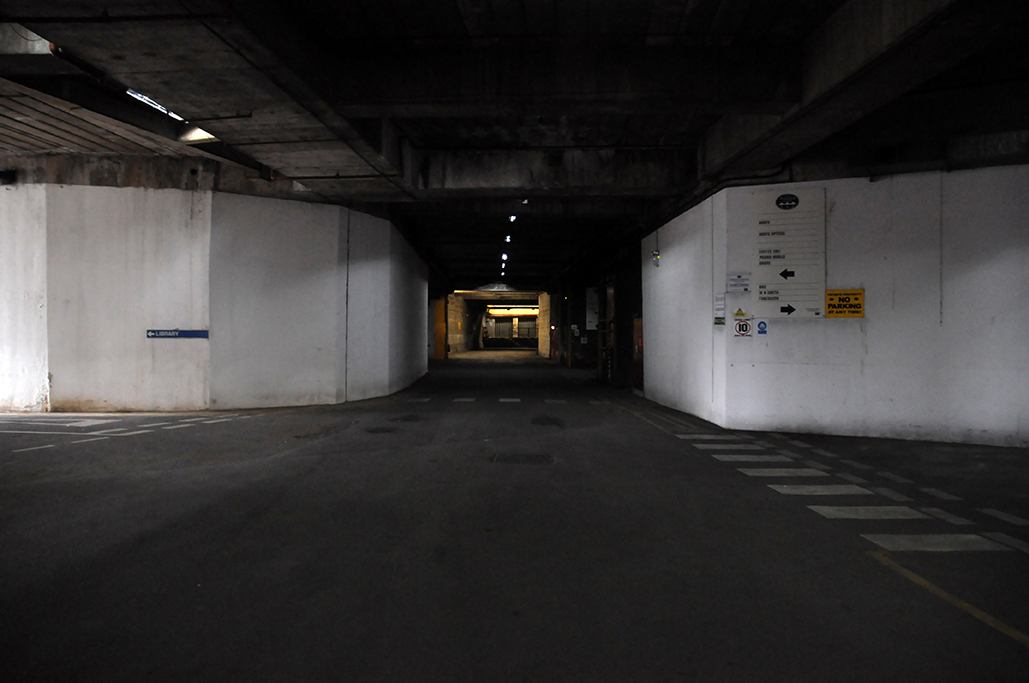
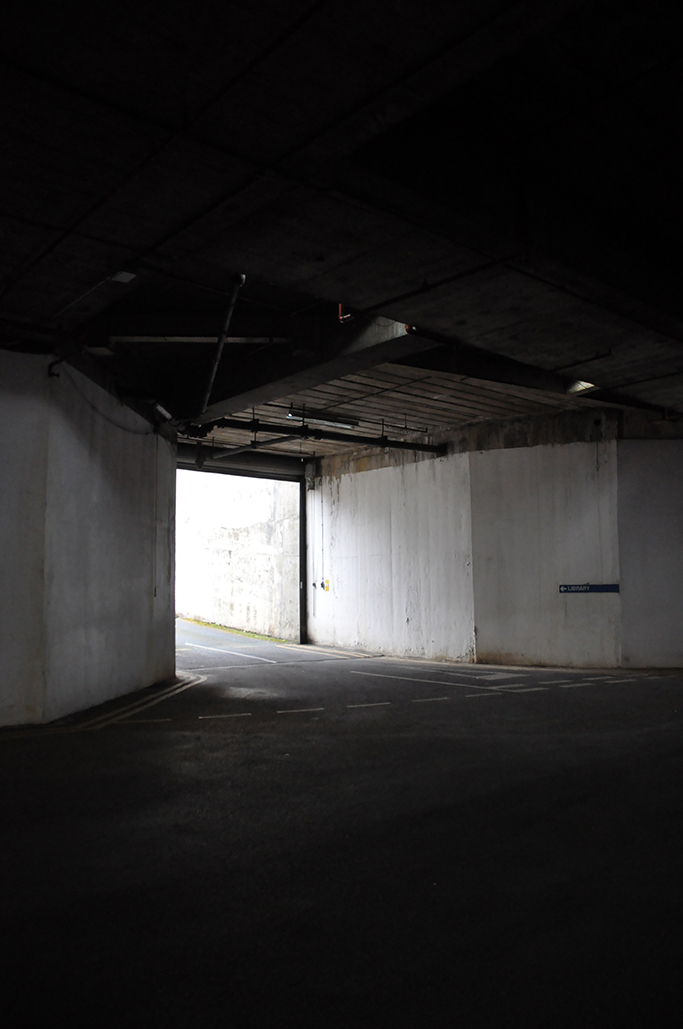
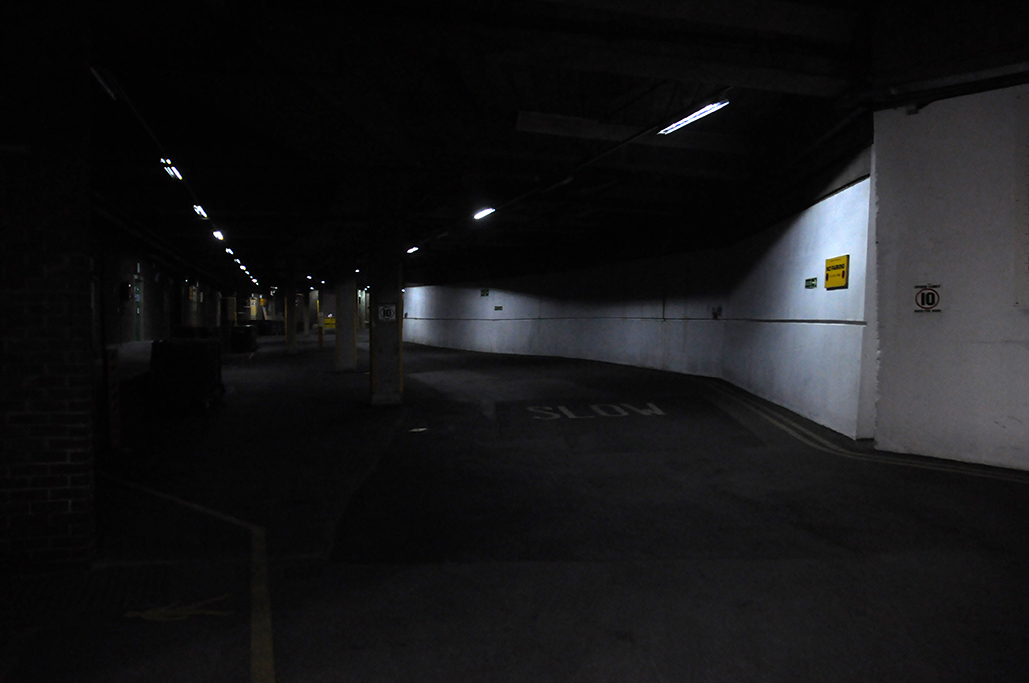
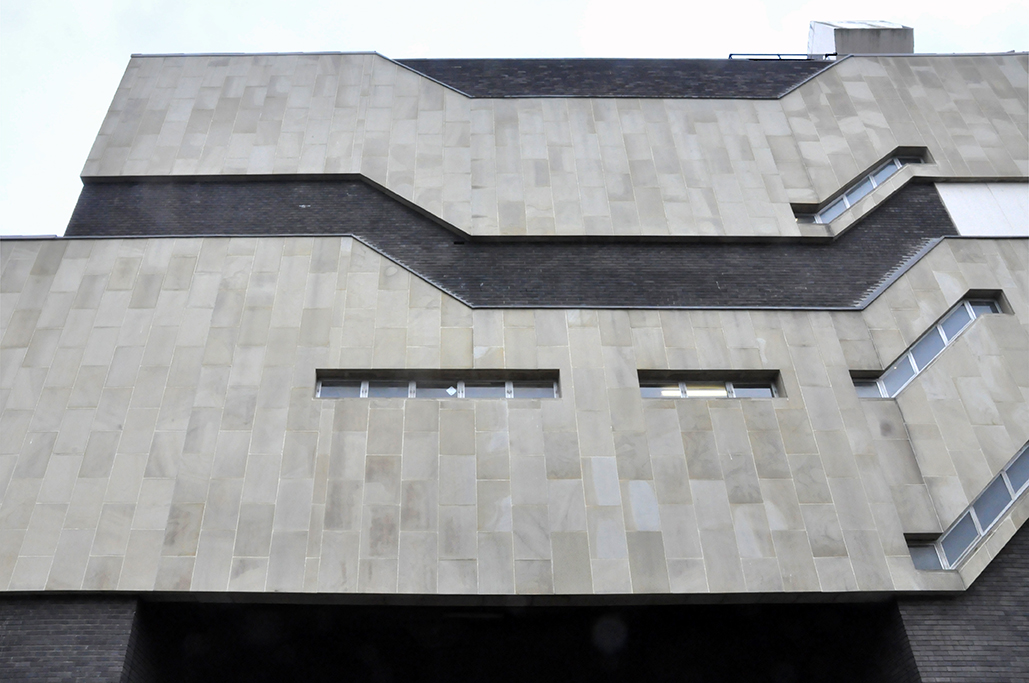
I encircled the Piazza – its monumental nether regions, enlivened with almost temple like scale and applied brick, stone and concrete surfaces, the dark and forbidding, cinematic subterranean service tunnels, and the open walkways of the main shopping areas.

I came away impressed, hope you do too.

DSC_0102 copy

DSC_0103 copy

DSC_0105 copy

DSC_0106 copy

DSC_0107 copy

DSC_0108 copy

DSC_0109 copy

DSC_0110 copy

DSC_0111 copy

DSC_0112 copy

DSC_0113 copy

DSC_0114 copy

DSC_0115 copy

DSC_0116 copy

DSC_0117 copy

DSC_0196 copy

DSC_0197 copy

DSC_0199 copy

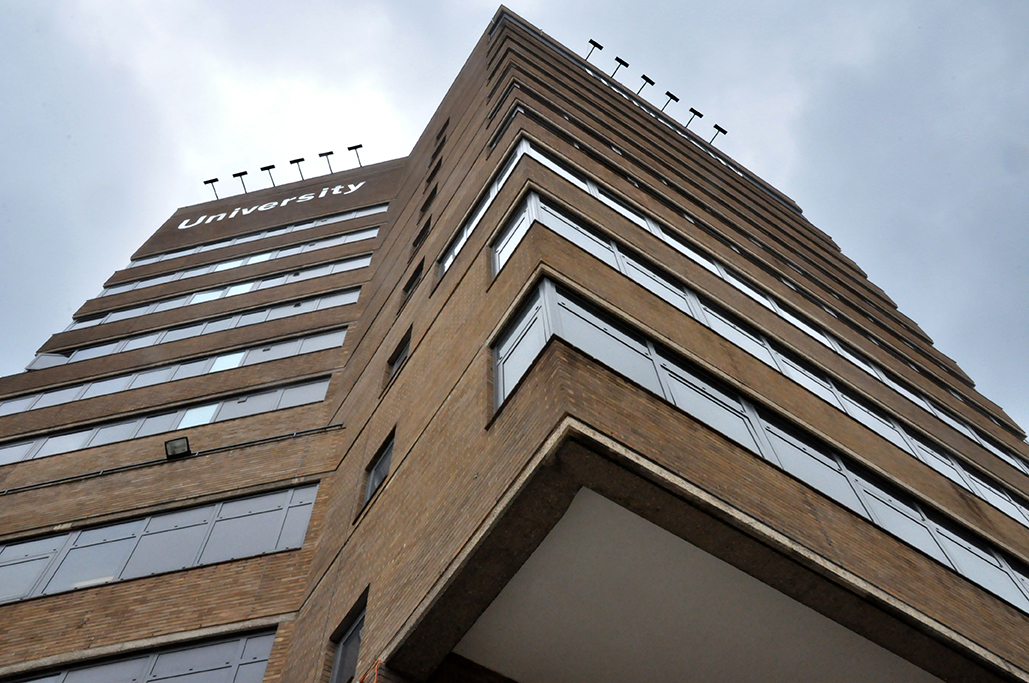
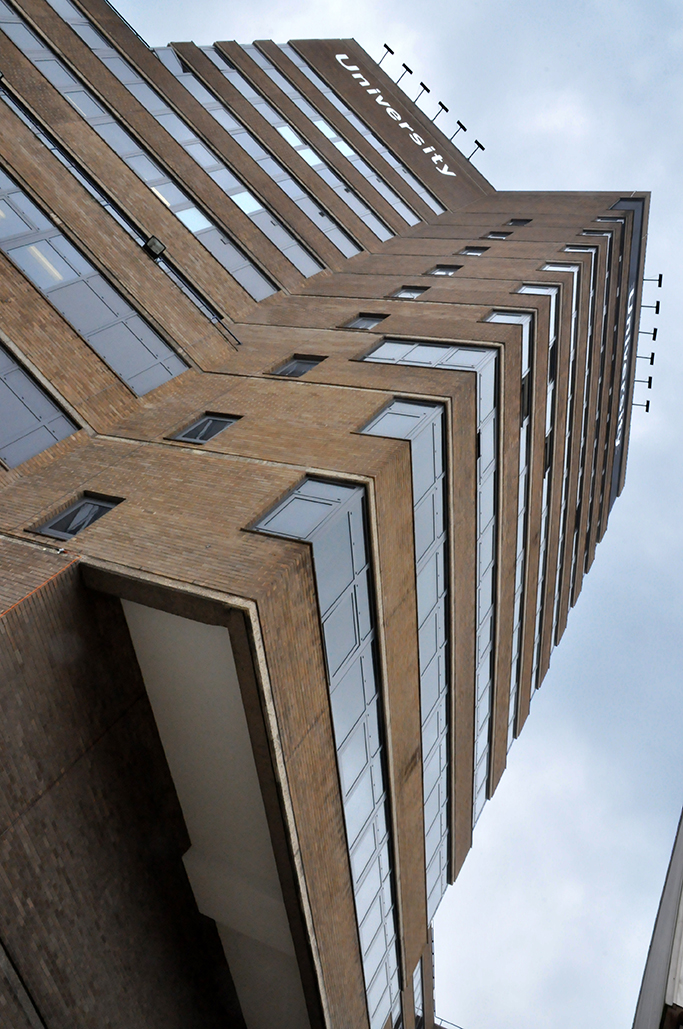
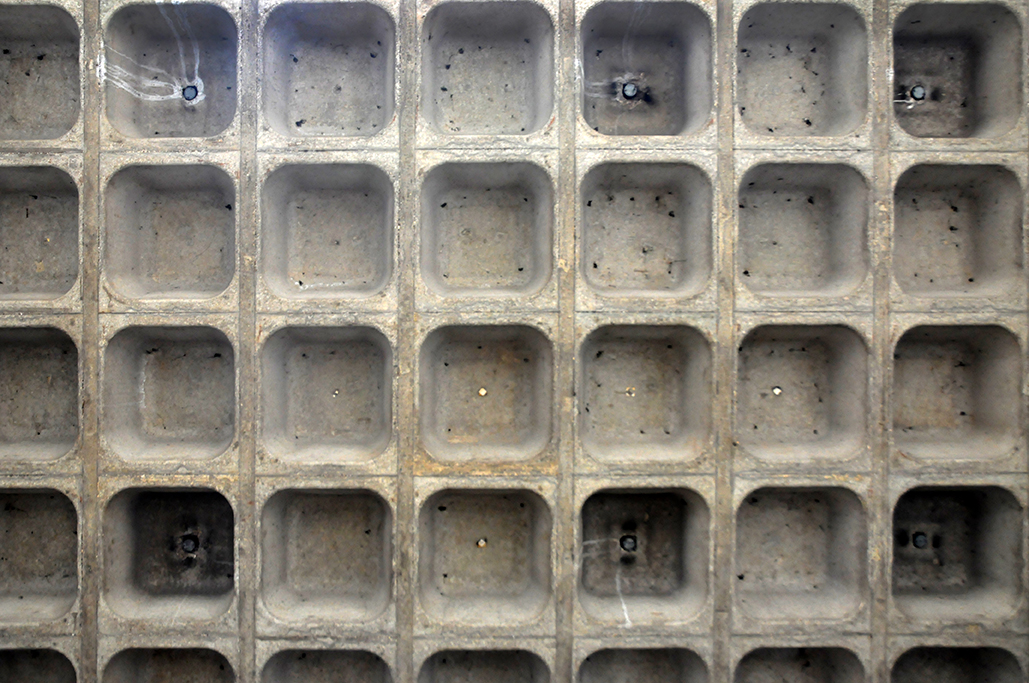
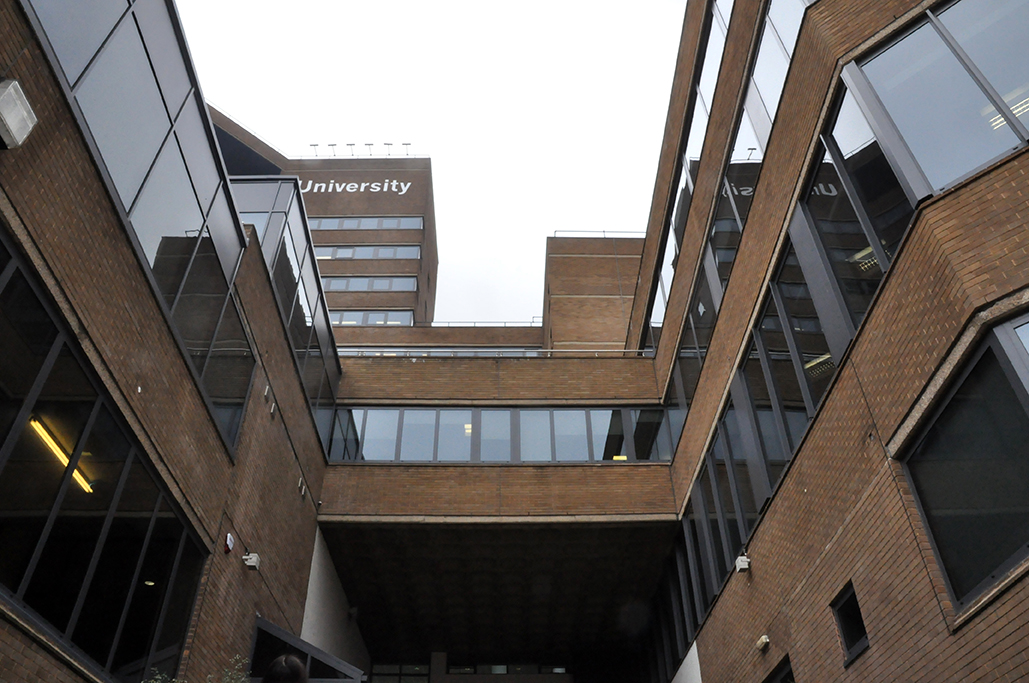
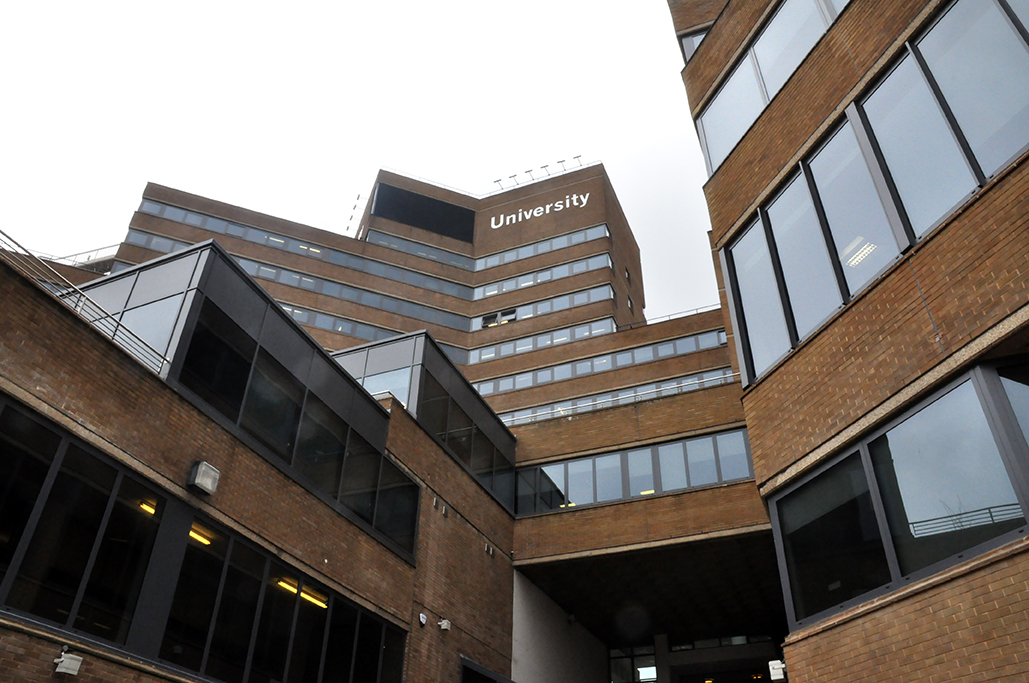
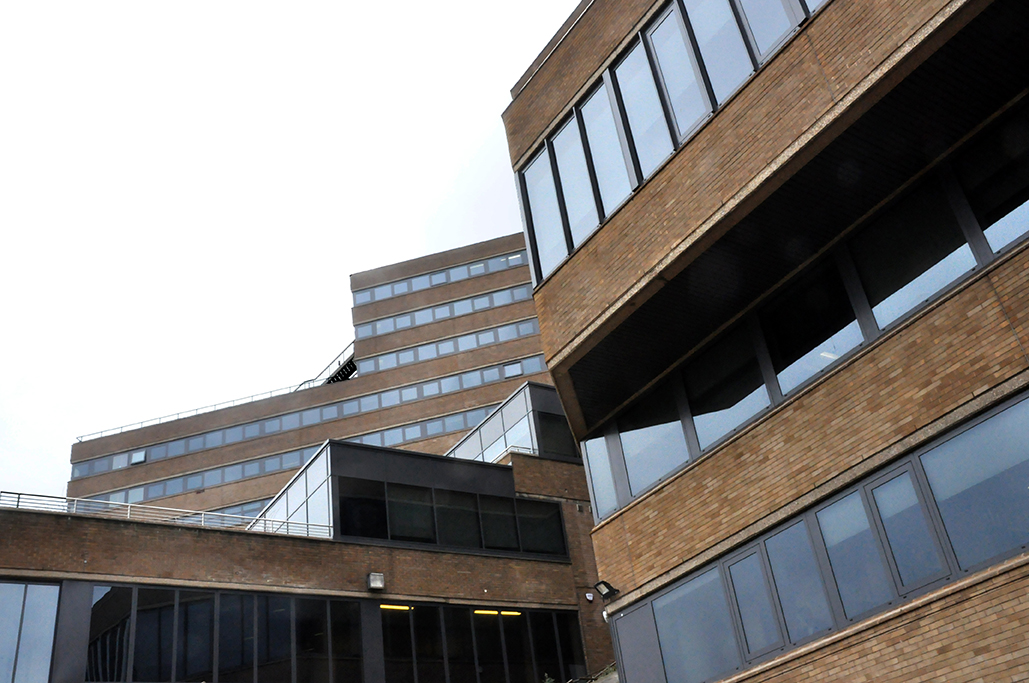
Huddersfield – University née Polytechnic

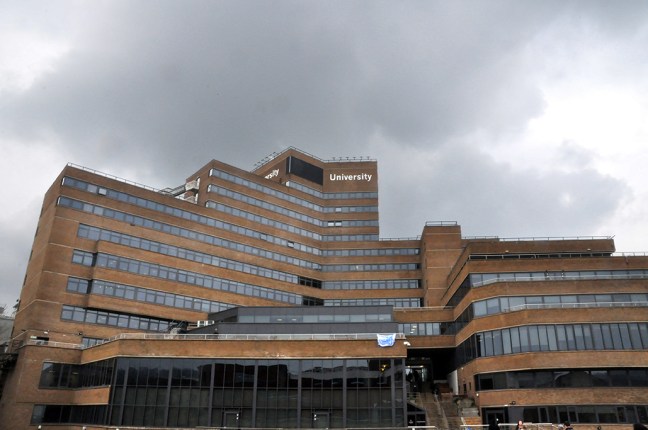
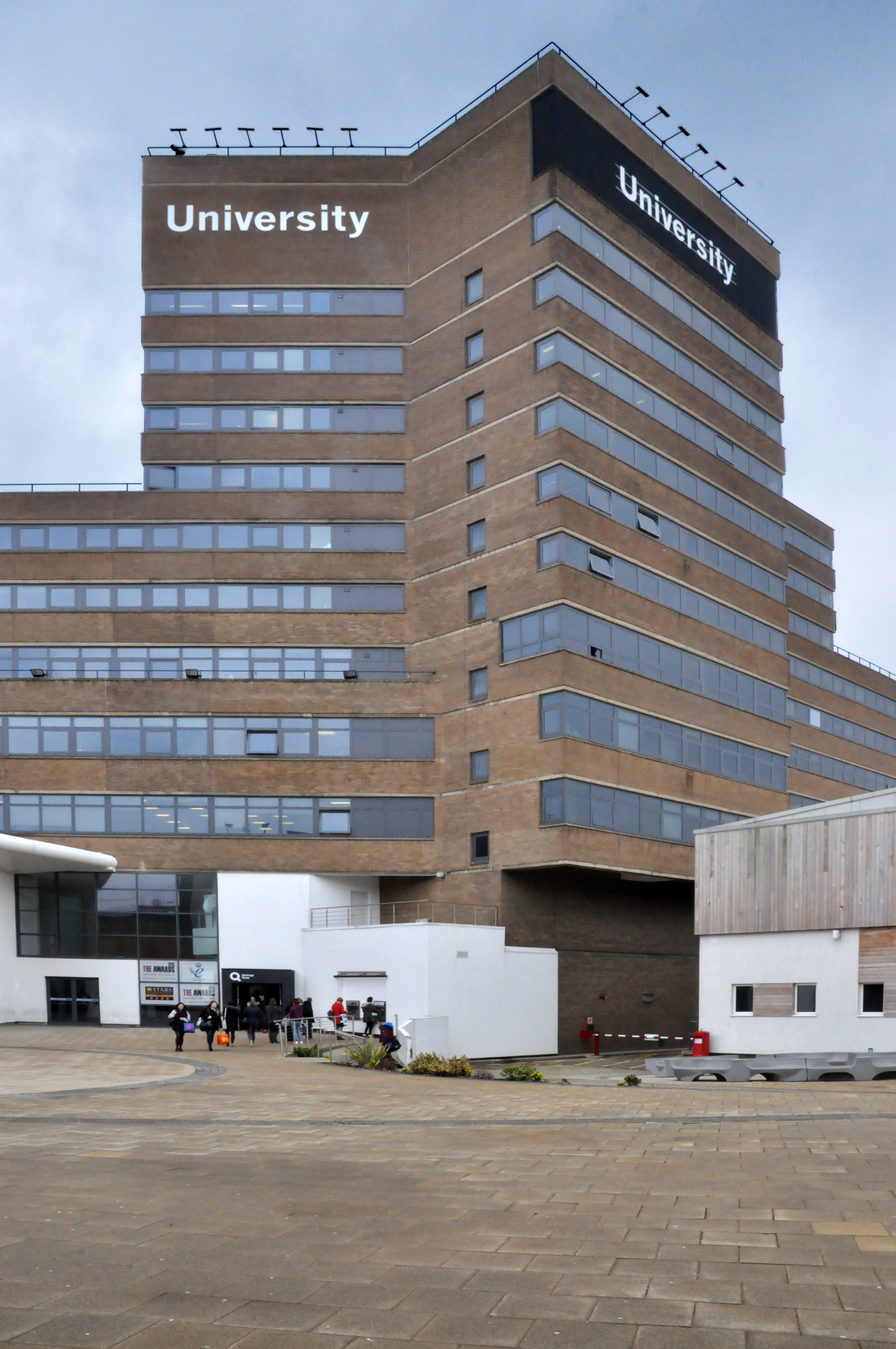
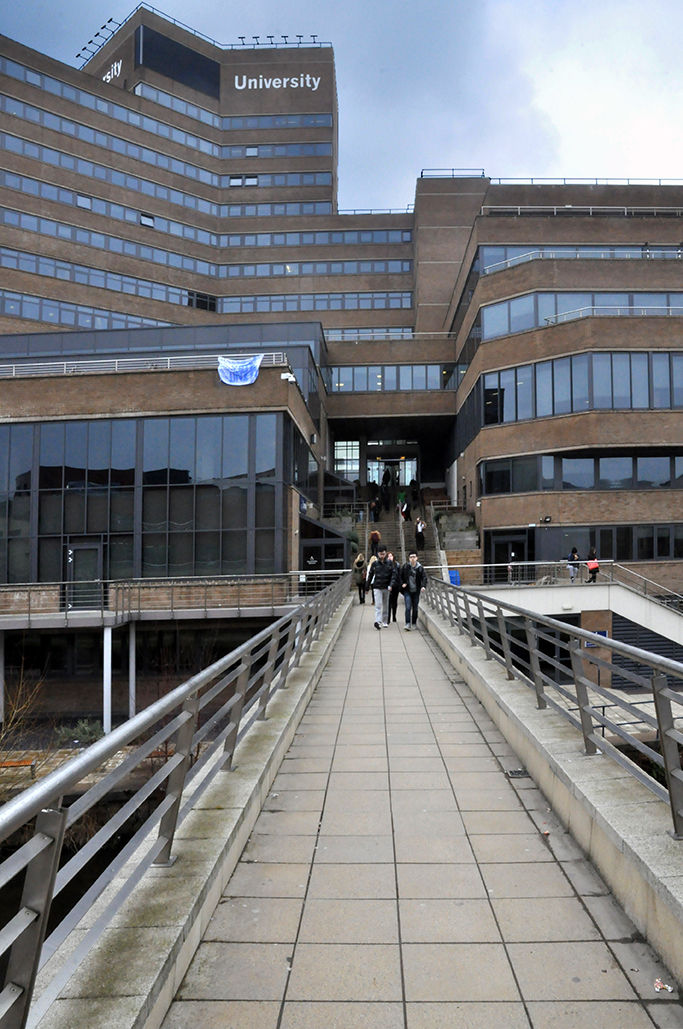
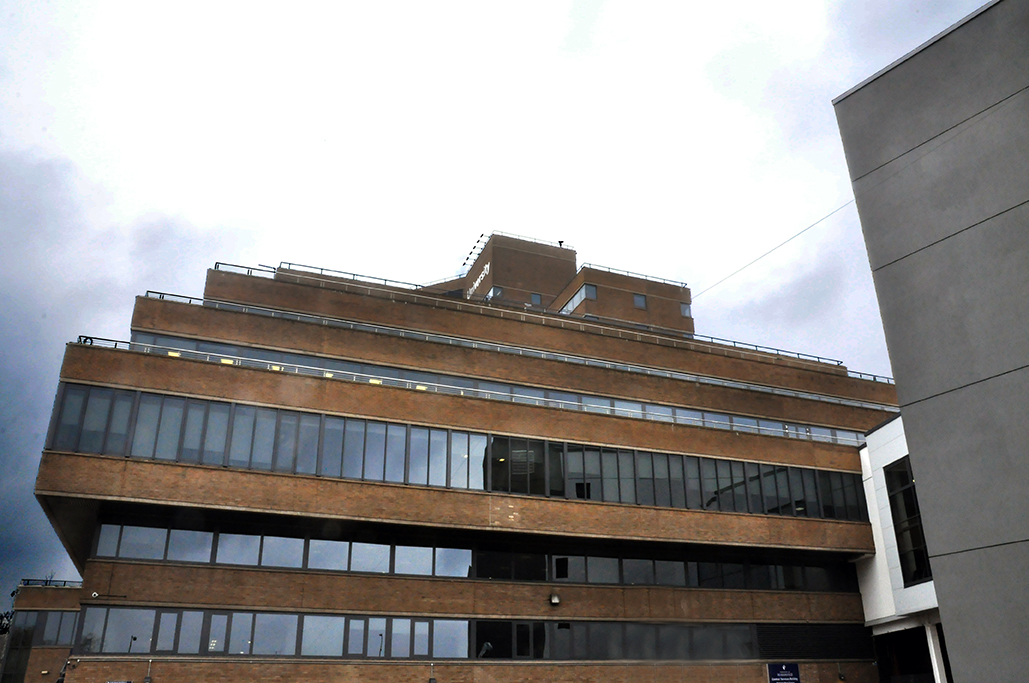
Spanning the Huddersfield canal and set on a hillside site of a hilly Yorkshire town, the University Buildings dominate the Colne Valley area to the south.

Typically their history spans an earlier site which evolves during the 50s and 60s, as part of the drive to develop the industrial/educational base of the area and the burgeoning growth of the provincial Polytechnics.

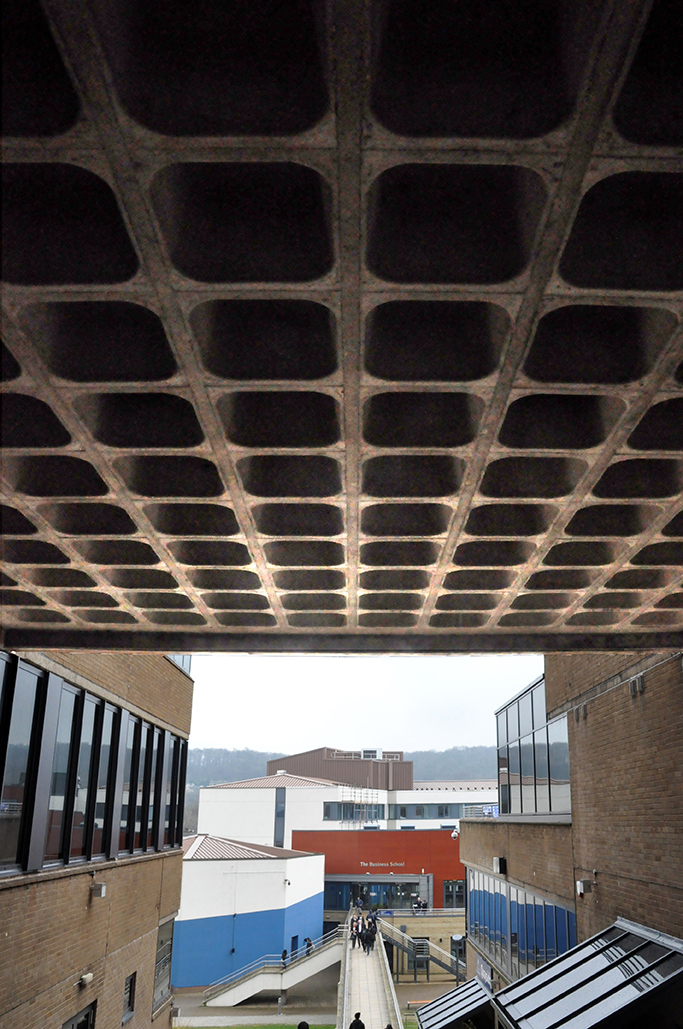
The result is a confident yet dizzying panoply of styles and materials on a fairly compressed but expanding site.

Brick, concrete, glass and more recent modern clad additions collide in a bun fight of assertive volumes.

It all seems very exciting.

“David Wyles, The Buildings of Huddersfield: four architectural walks – facing us now is the impressive bulk of the Central Services Building in front of which stood a six-storey building; its structure emphasised by the reinforced concrete frame which projected skeleton-like above the main roof level. This was part of the earlier Technical College development which included several buildings of similar style designed from 1957 onwards by Frederick Gibberd. The six-storey blocks have since been demolished.

The focal point of the campus, the Central Services Building, was designed by Hugh Wilson and Lewis Womersley of Manchester and constructed between 1973 and 1977 at a total cost of £3,651,000. The building contains the main non-teaching facilities.

Much of the layout derives its form from the hillside site and this is accentuated by the undercover concourse leading through to the canal, which gives access to all parts of the building. The construction is based on a grid of reinforced concrete with floors supported on circular columns. The building is clad in light buff coloured bricks intended to harmonise with local sandstone.”

https://www.hud.ac.uk/about/the-university/history-of-huddersfield/

Bridlington – Bondville Model Village

If you walk far enough away, you’ll find yourself right there.

The sea to your right, Bridlington to your left. You could even catch the Land Train if you are so inclined, I declined and walked wet streets, in ever eager anticipation of my first visit to:

Bondville

A family run enterprise, tucked just away from the Yorkshire coast nestled in the village of Sewerby. Jan Whitehead and her team of willing helpers kindly allowed me to get a sneak preview of the village, as they prepared for the imminent Easter opening.

This one twelfth scale wonder is filled with everything you might wish to find in an idyllic village – but smaller and made lovingly by hand. Wandering its narrow streets, each tiny turn is a new and exciting surprise, an irresistible vista of diminutive figures, set in a cornucopia of architectural delights.

The trains always run on time, and the trawlers bob merrily in the harbour.

The wedding party remain forever almost snapped by the arched photographer, blink and they don’t move.

So step inside a world of wonder – I’ll be back when the sun shines, I promise.

http://www.aboutbridlington.co.uk/bondville/

DSC_0498 copy

DSC_0499 copy

DSC_0501 copy

DSC_0503 copy

DSC_0511 copy

DSC_0516 copy

DSC_0517 copy

DSC_0522 copy

DSC_0530 copy

DSC_0532 copy

DSC_0535 copy

DSC_0539 copy

DSC_0556 copy

DSC_0558 copy

DSC_0564 copy

DSC_0588 copy

DSC_0591 copy