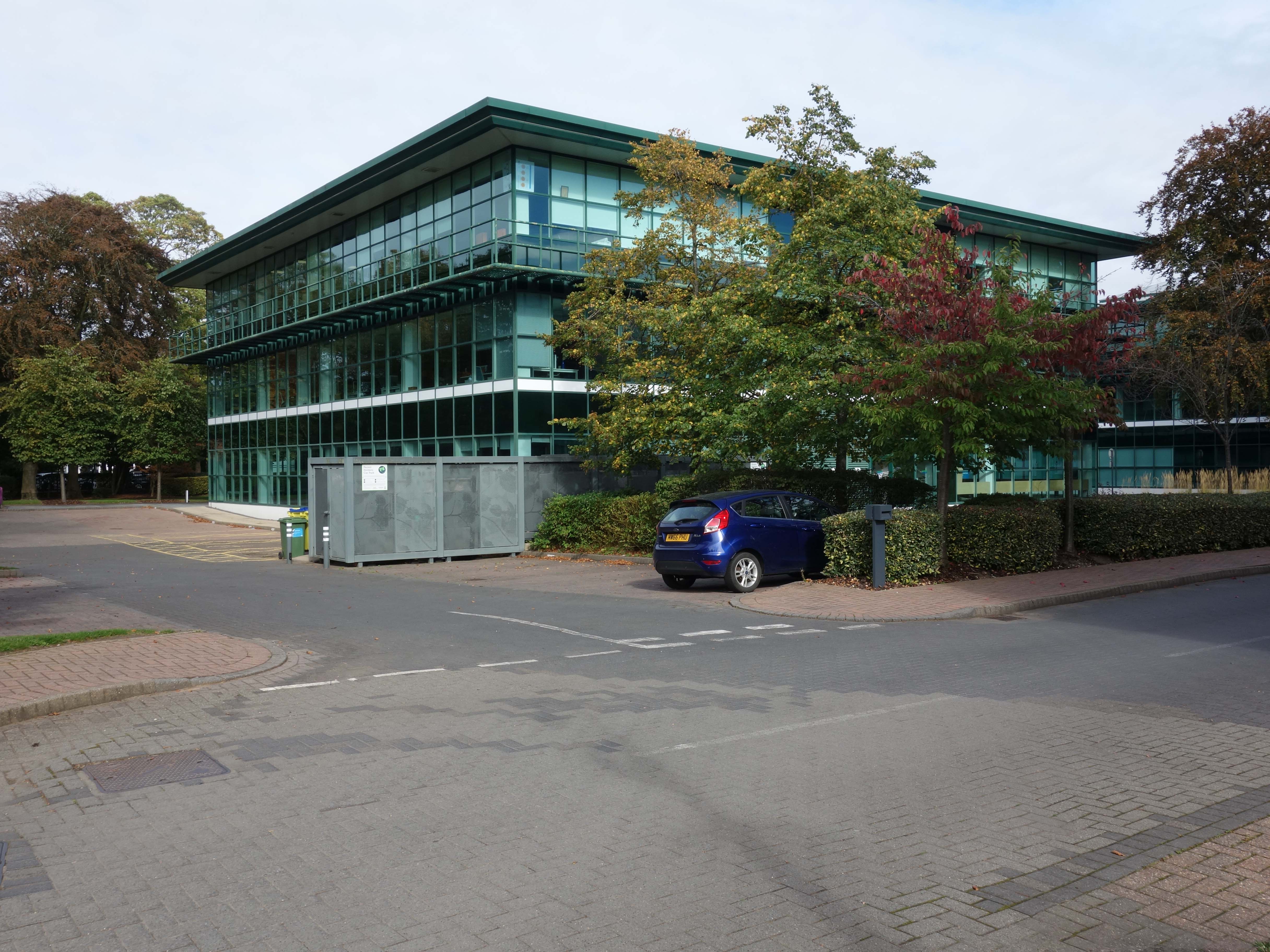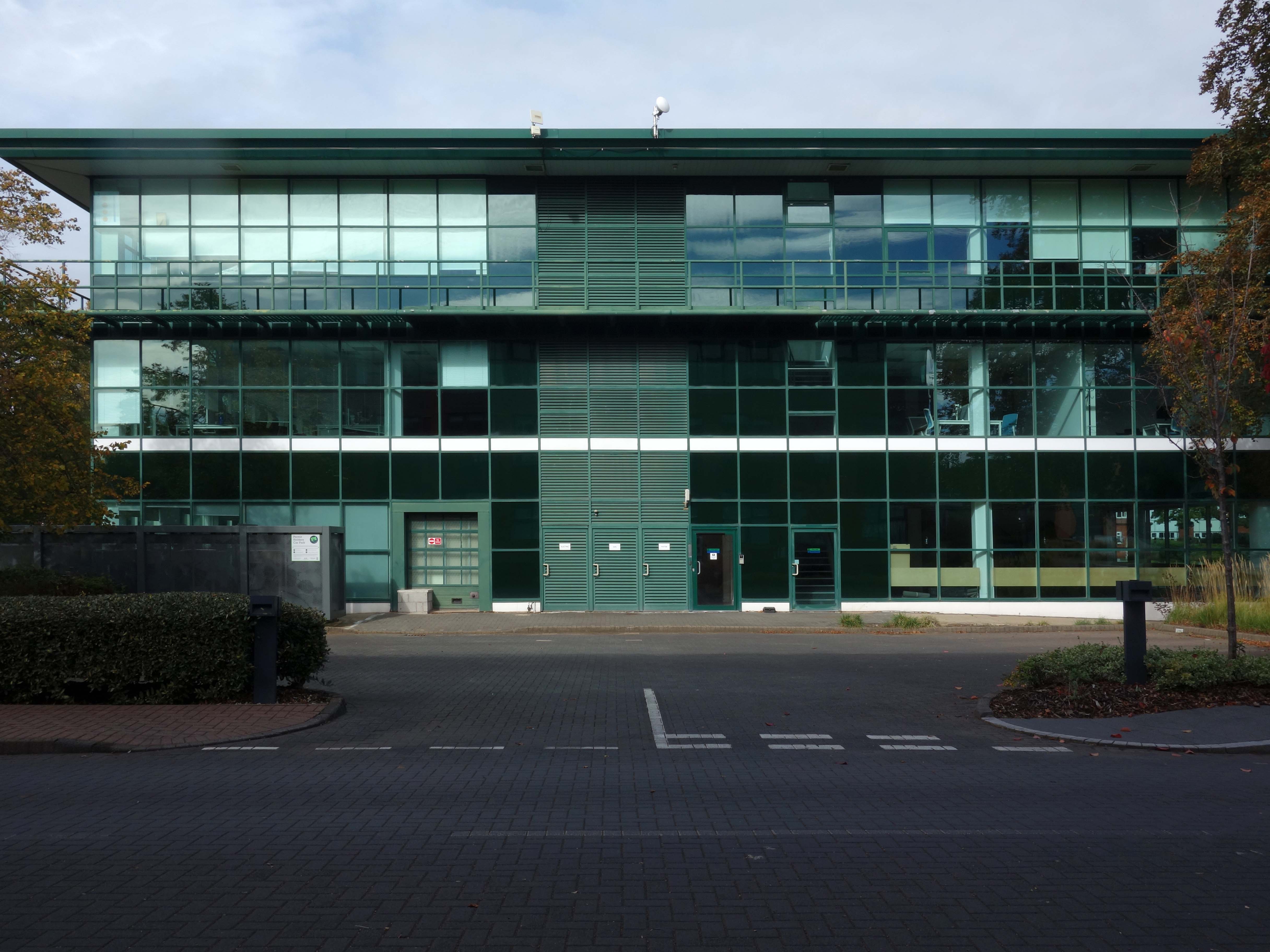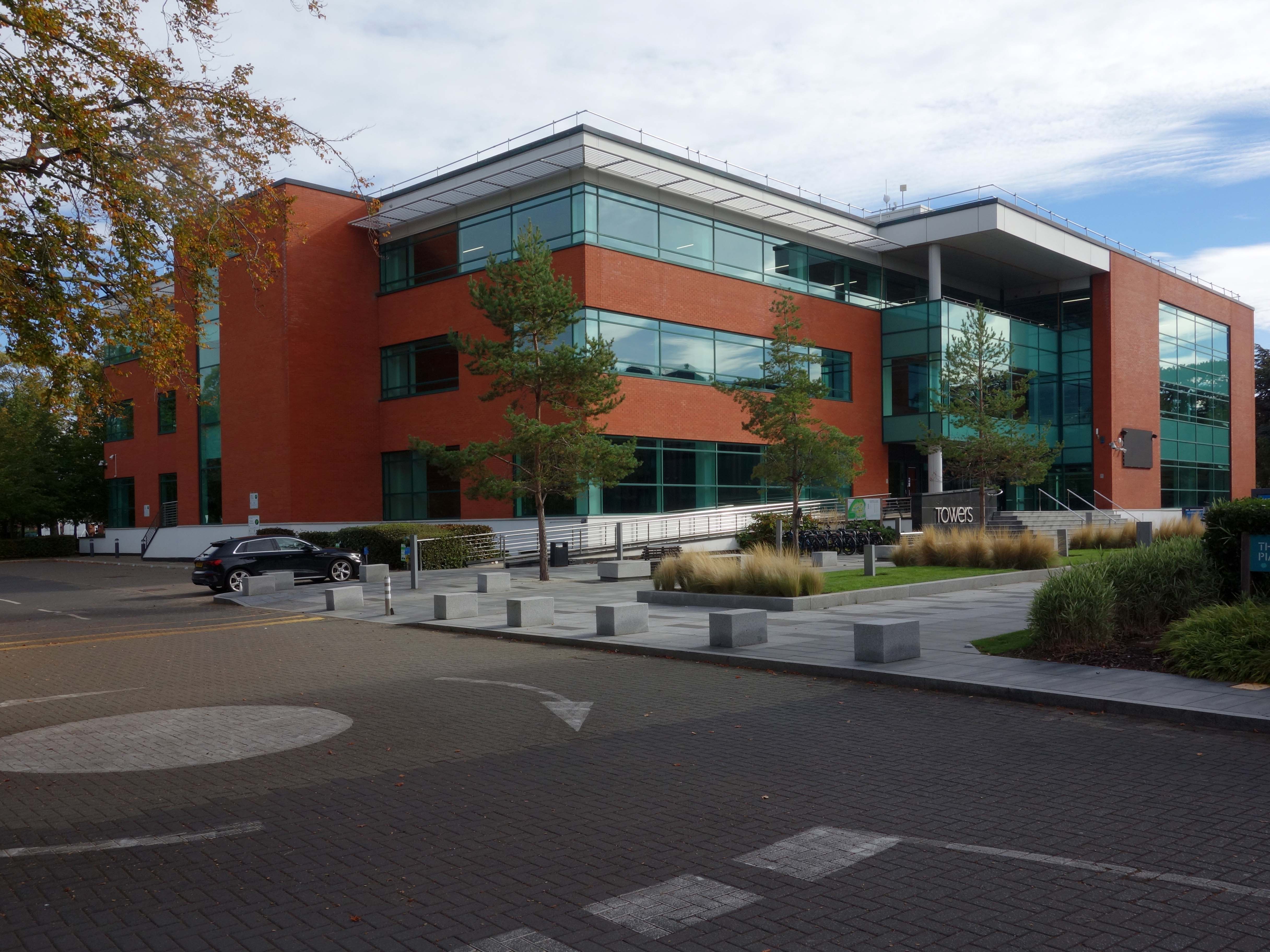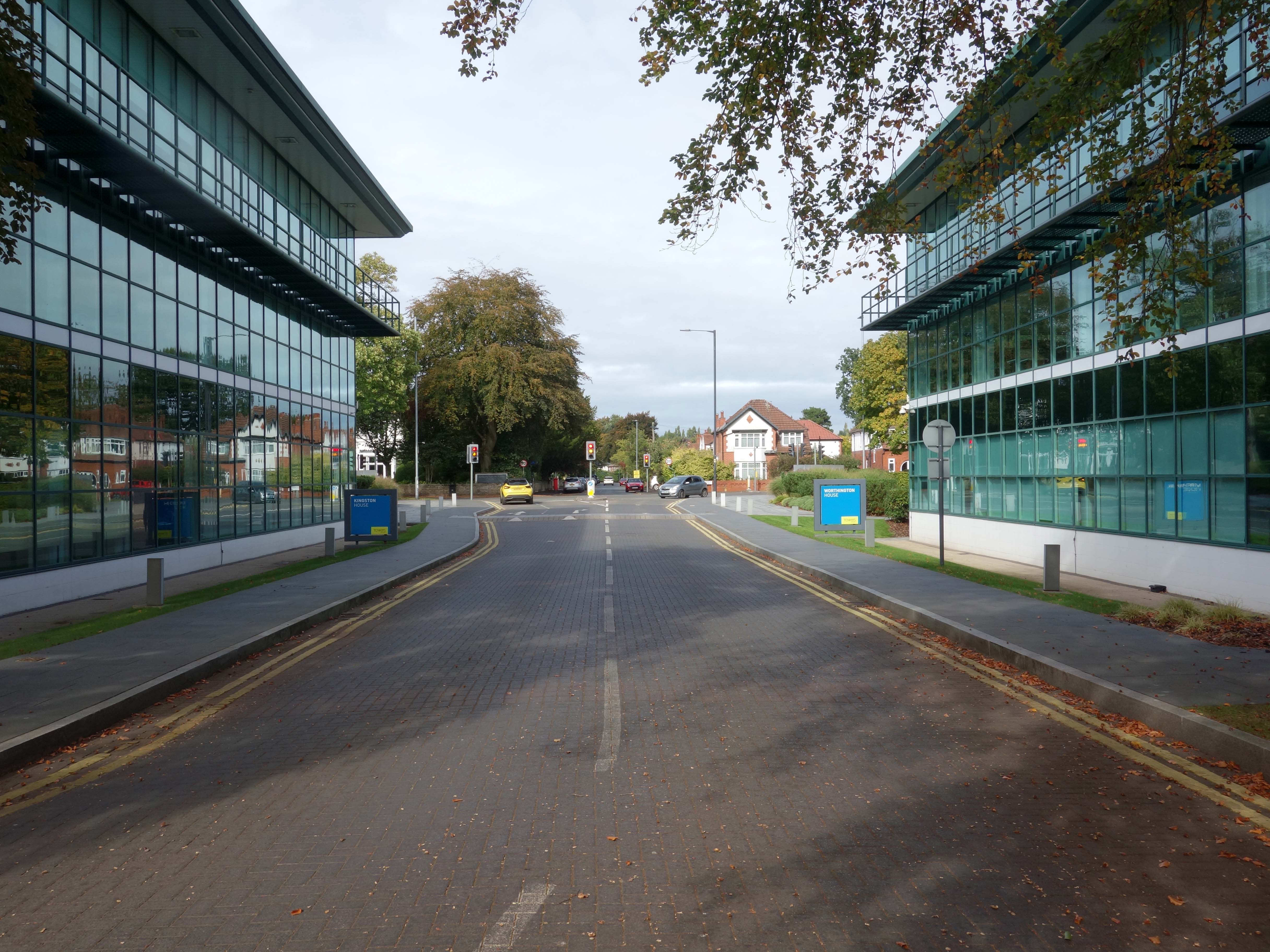
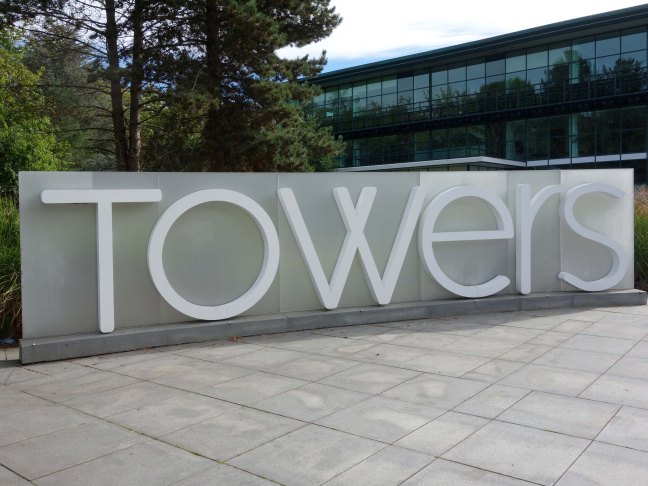
The Towers – Didsbury

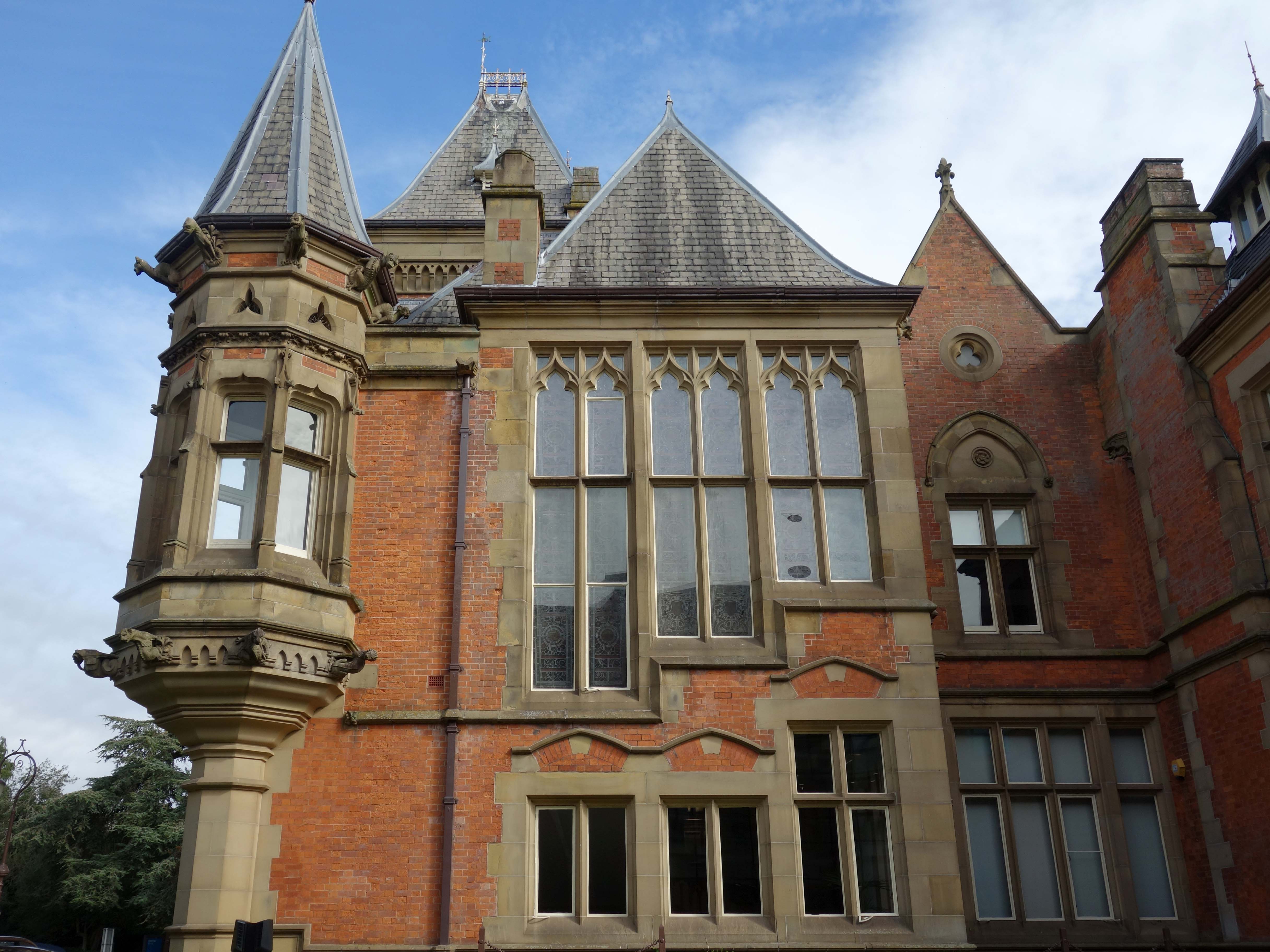
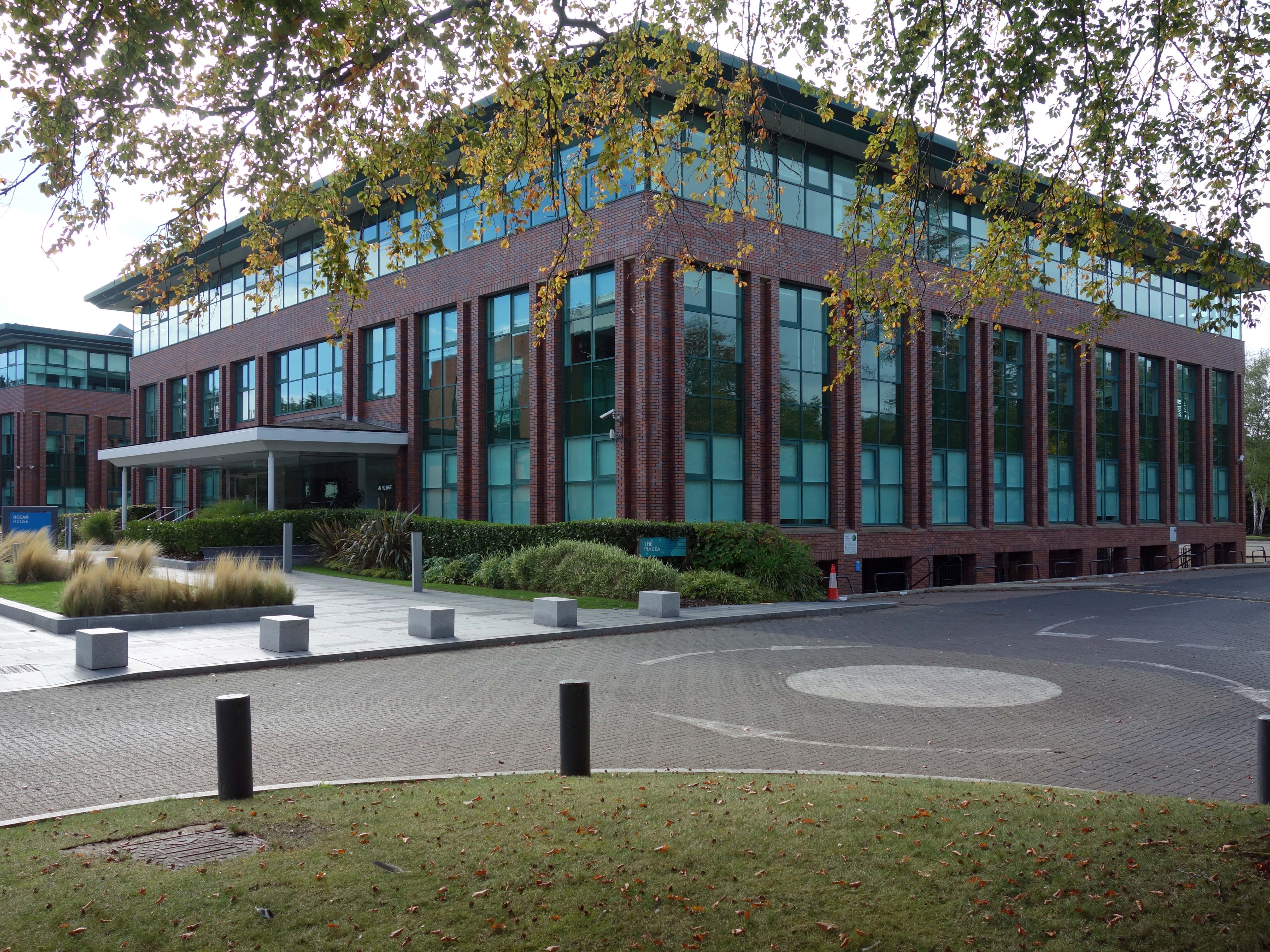
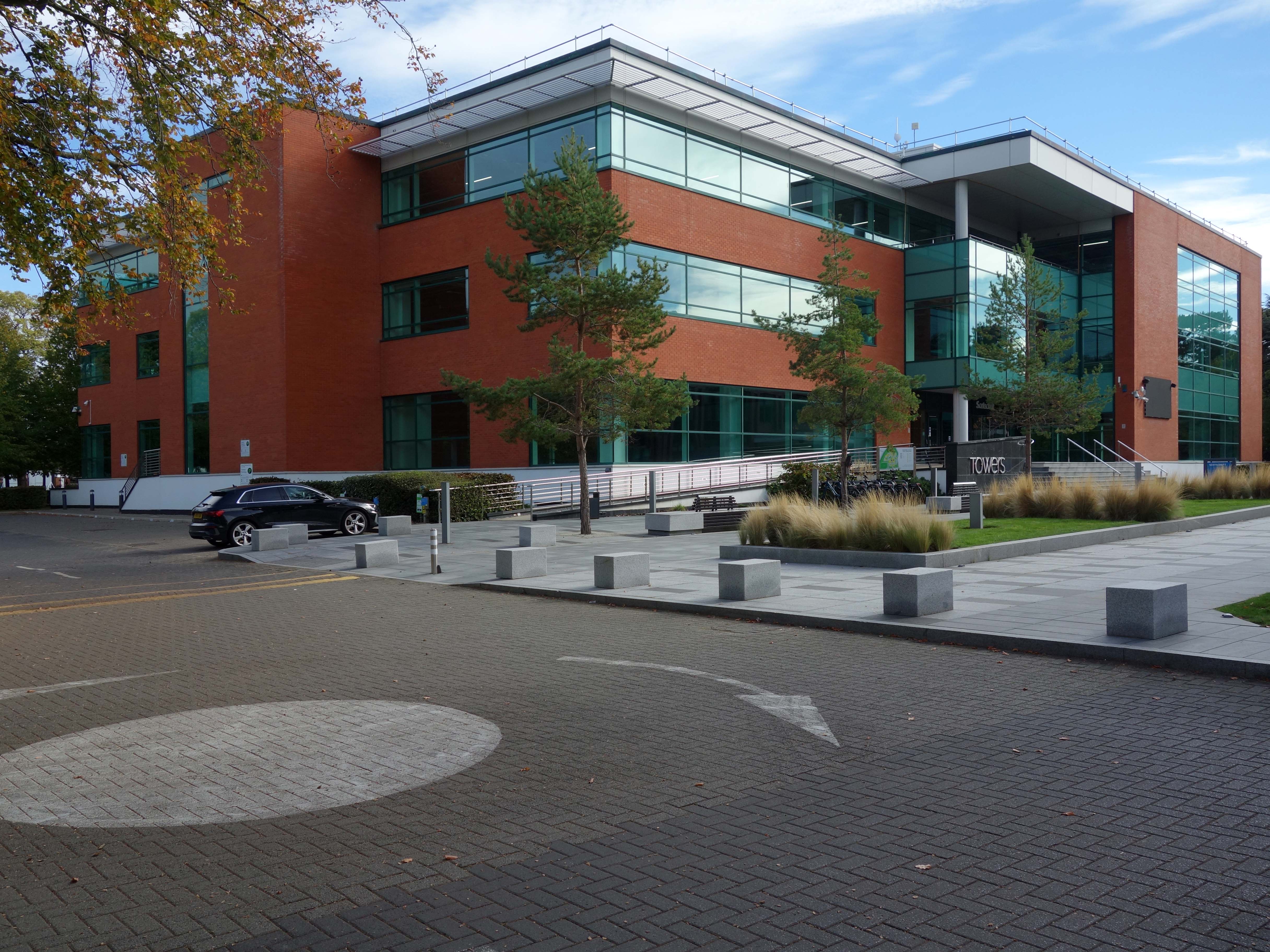
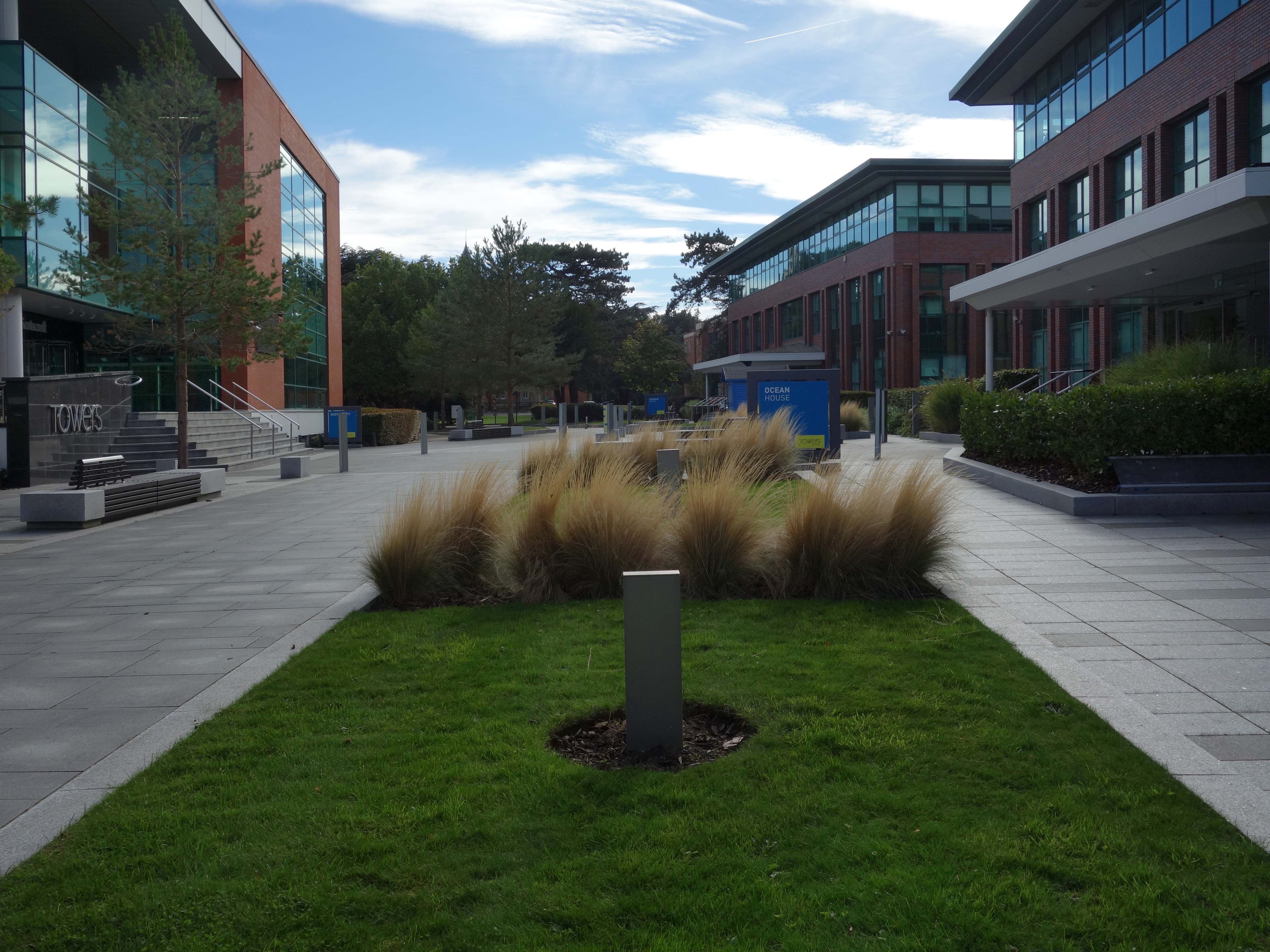
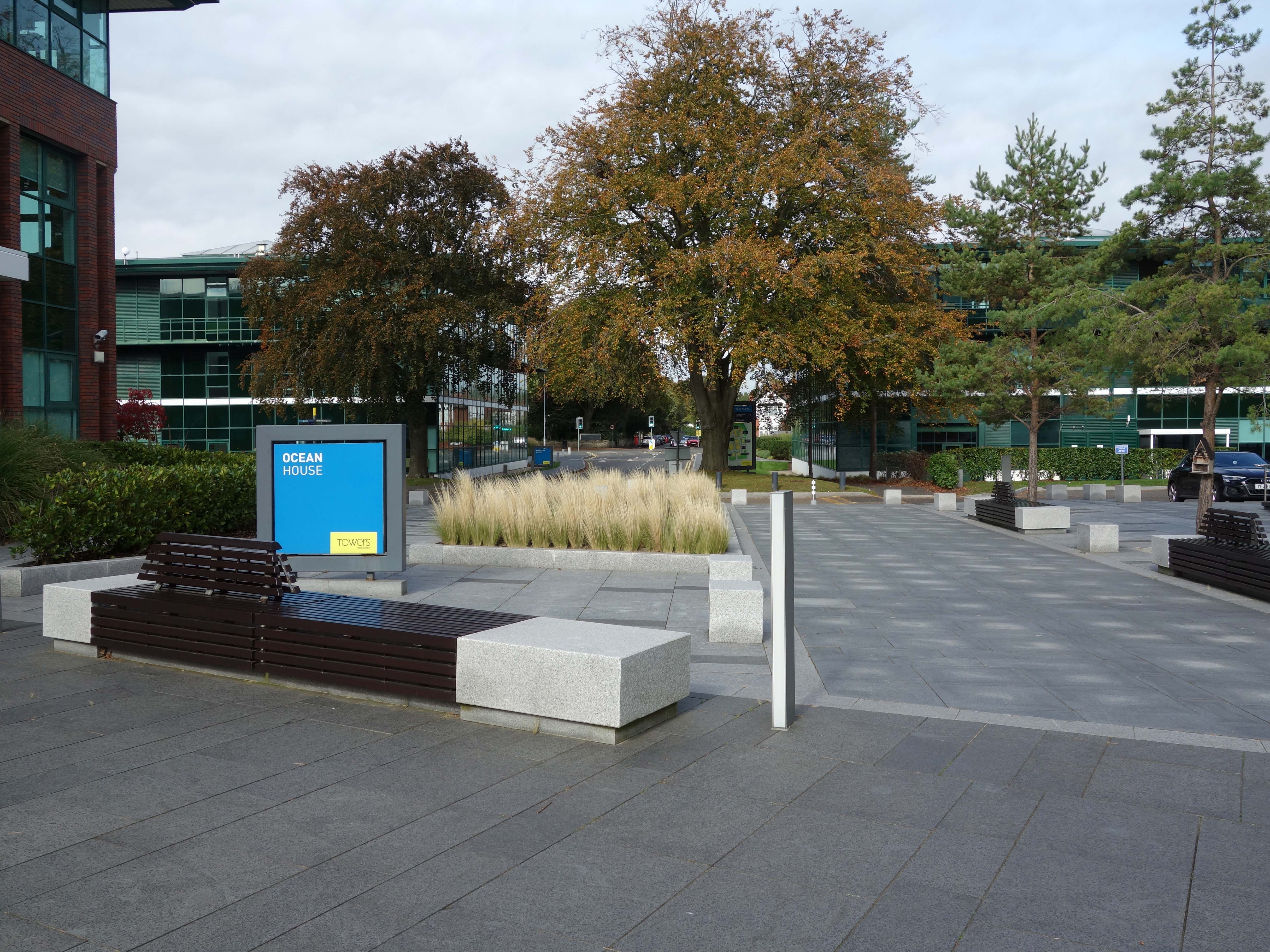
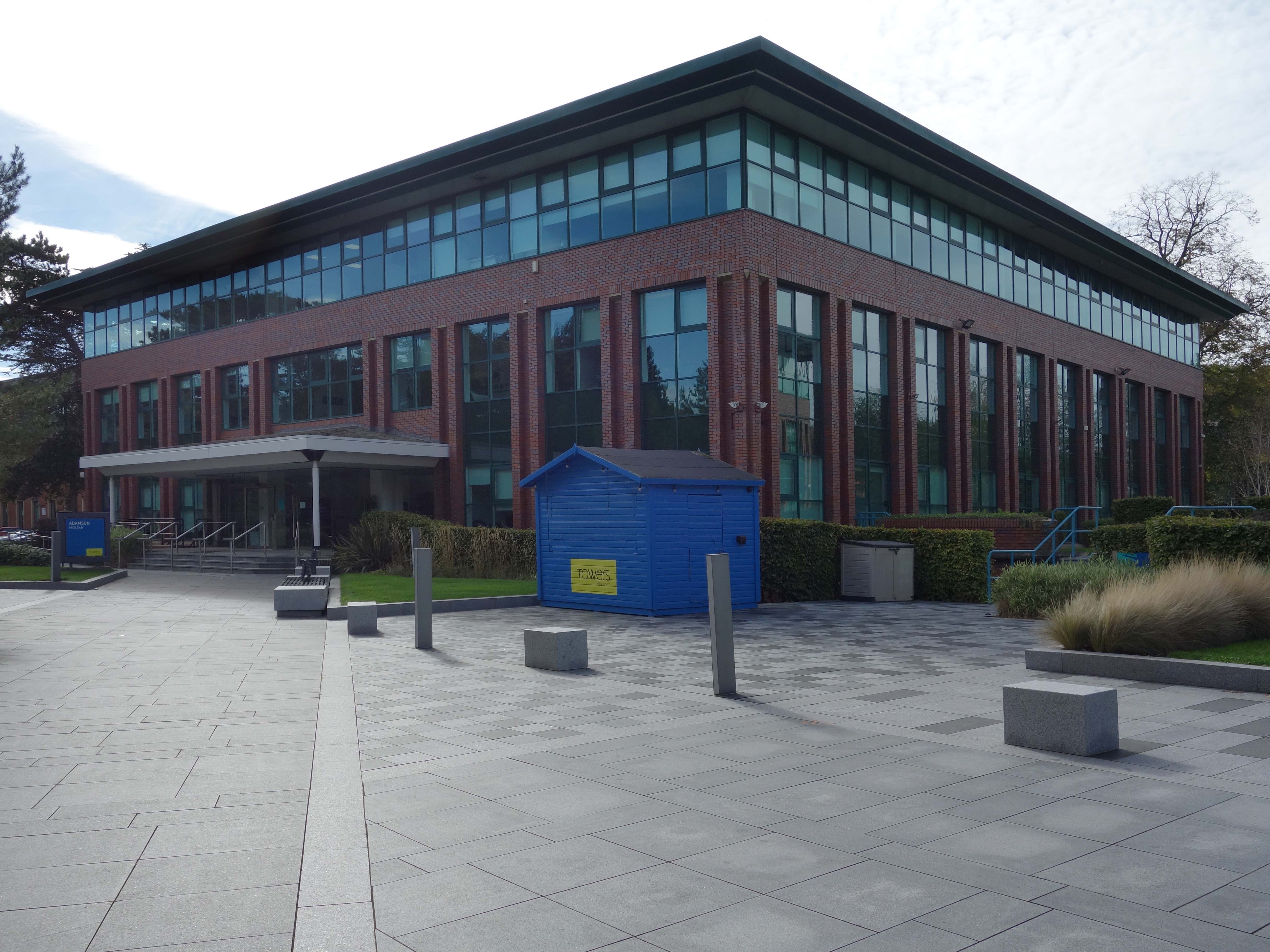
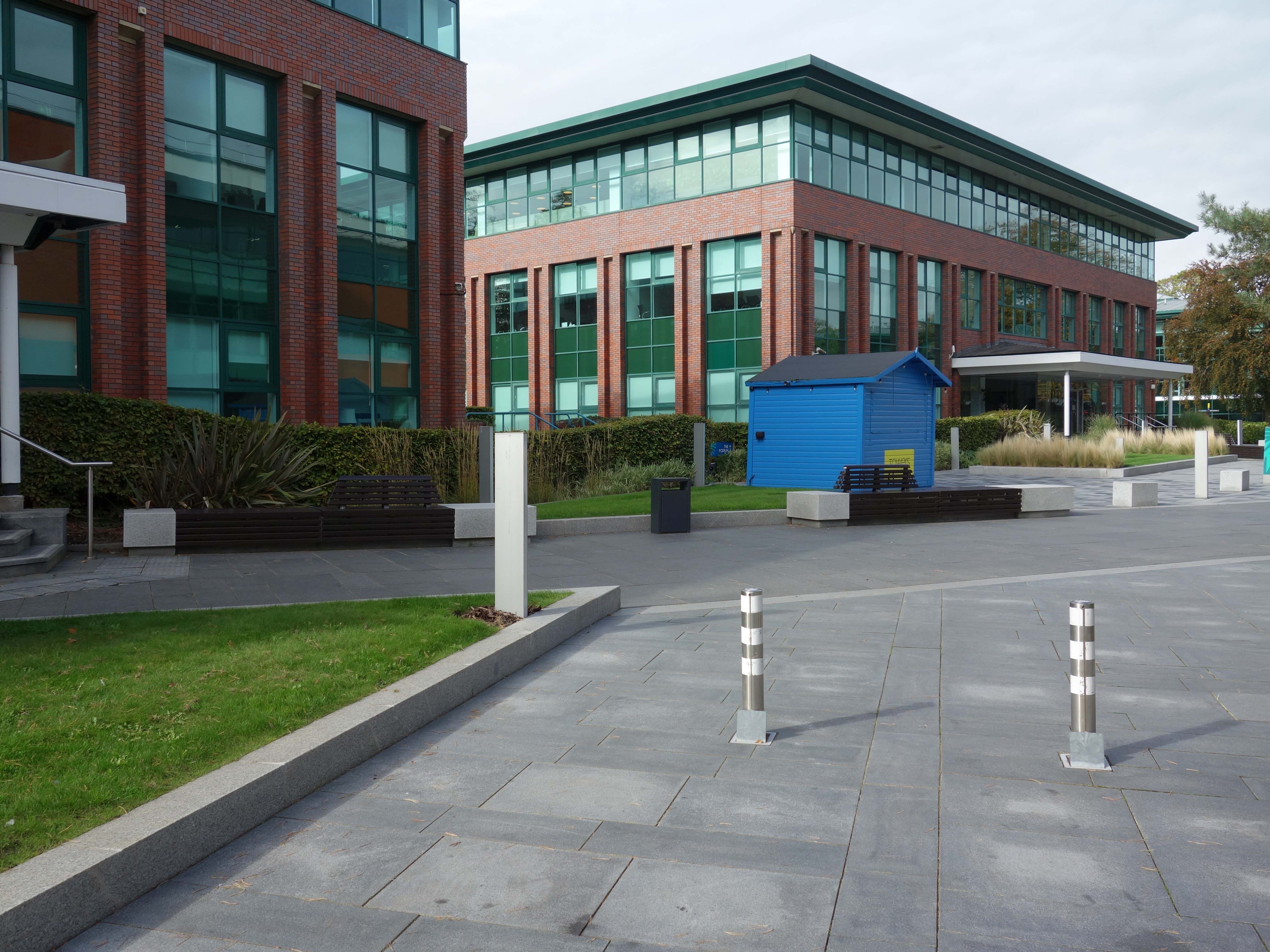
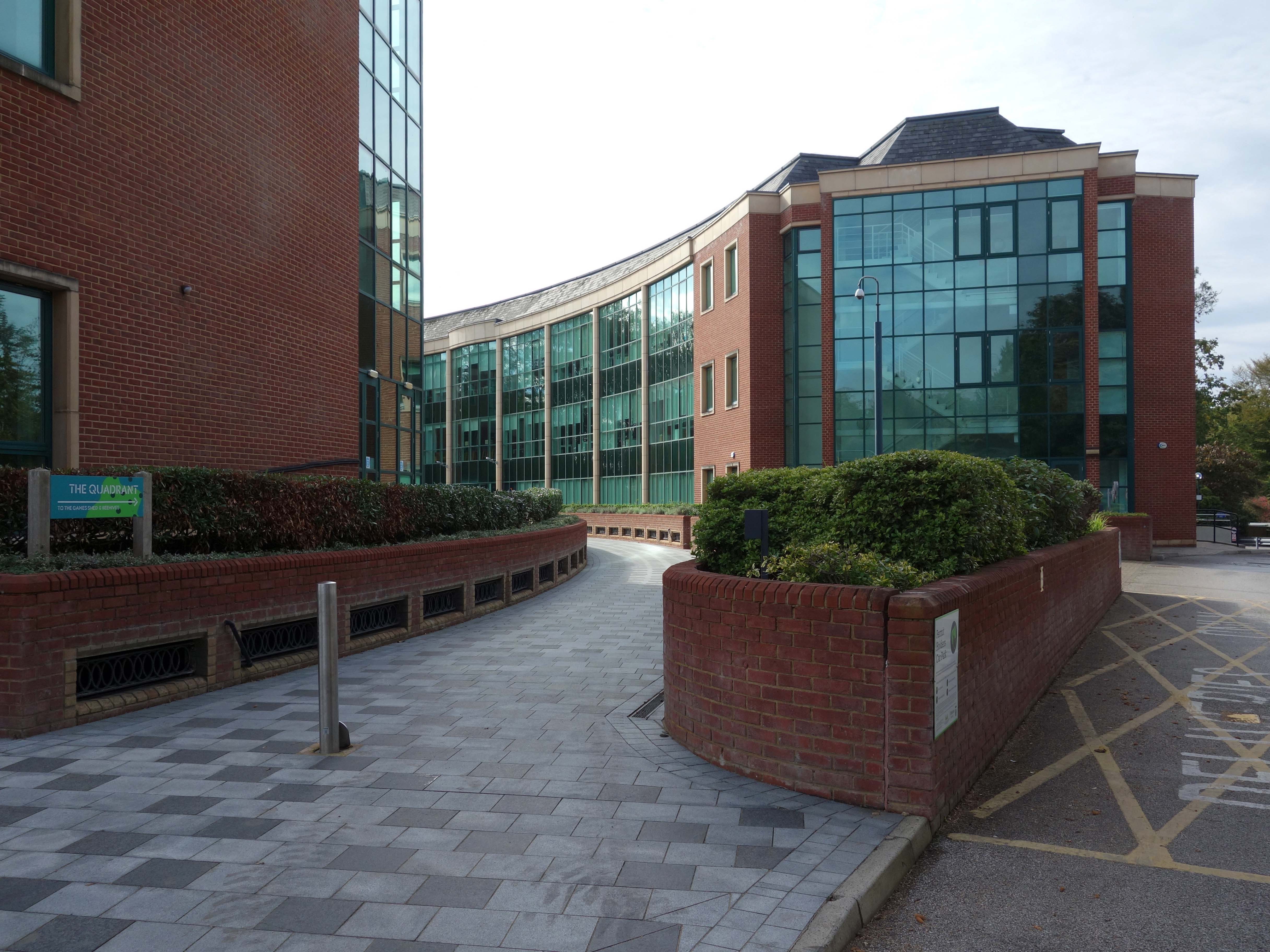
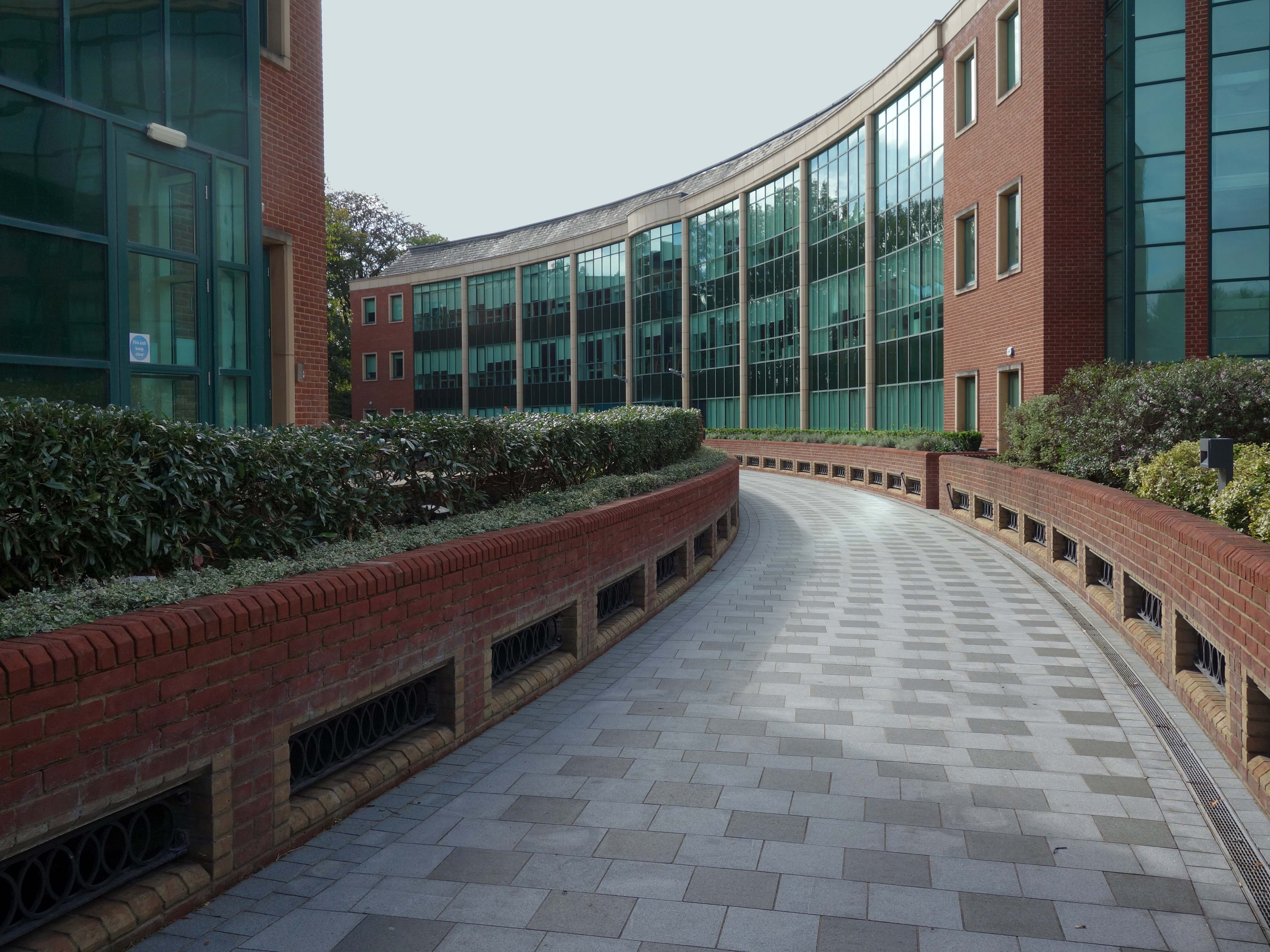
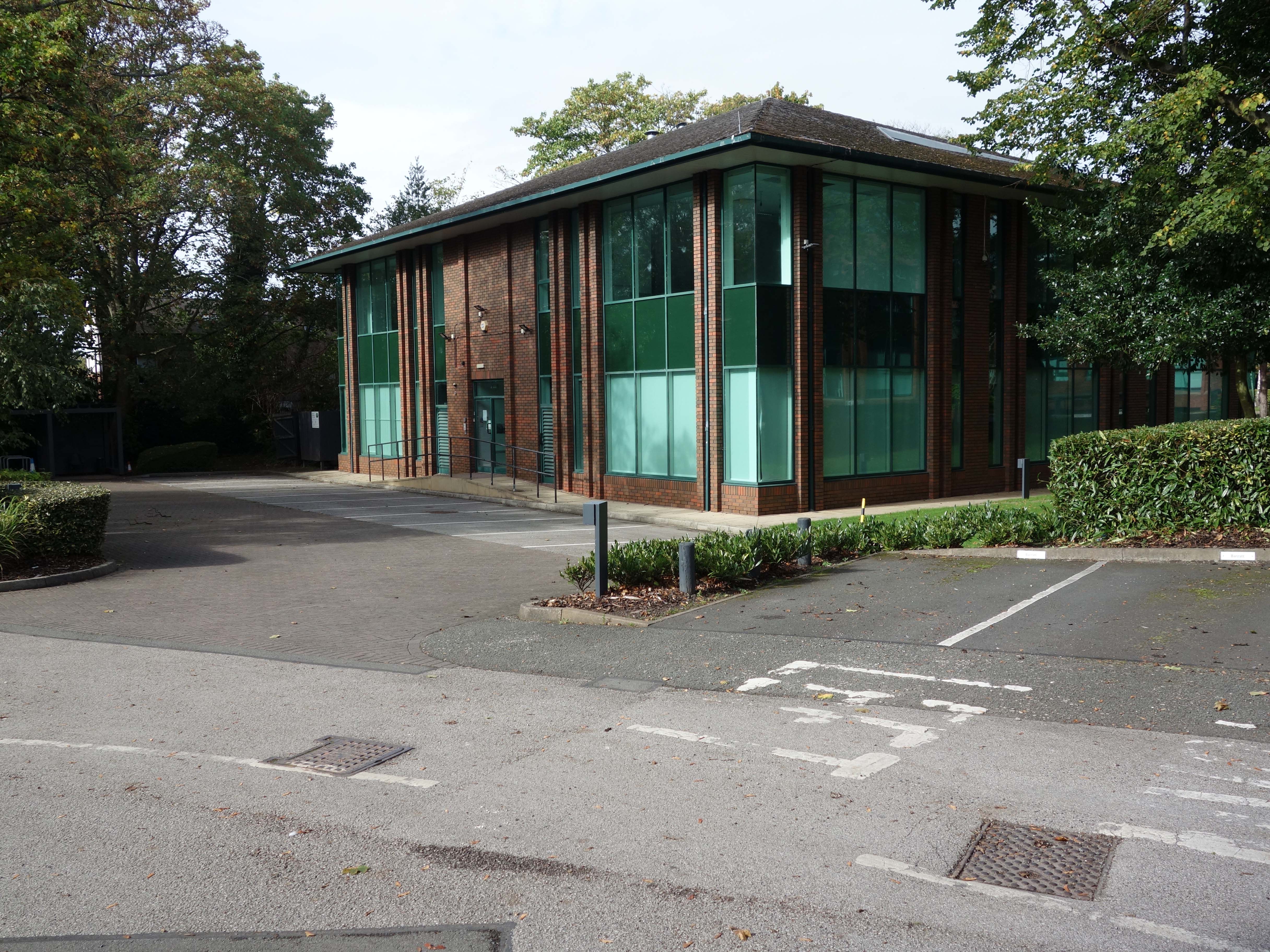
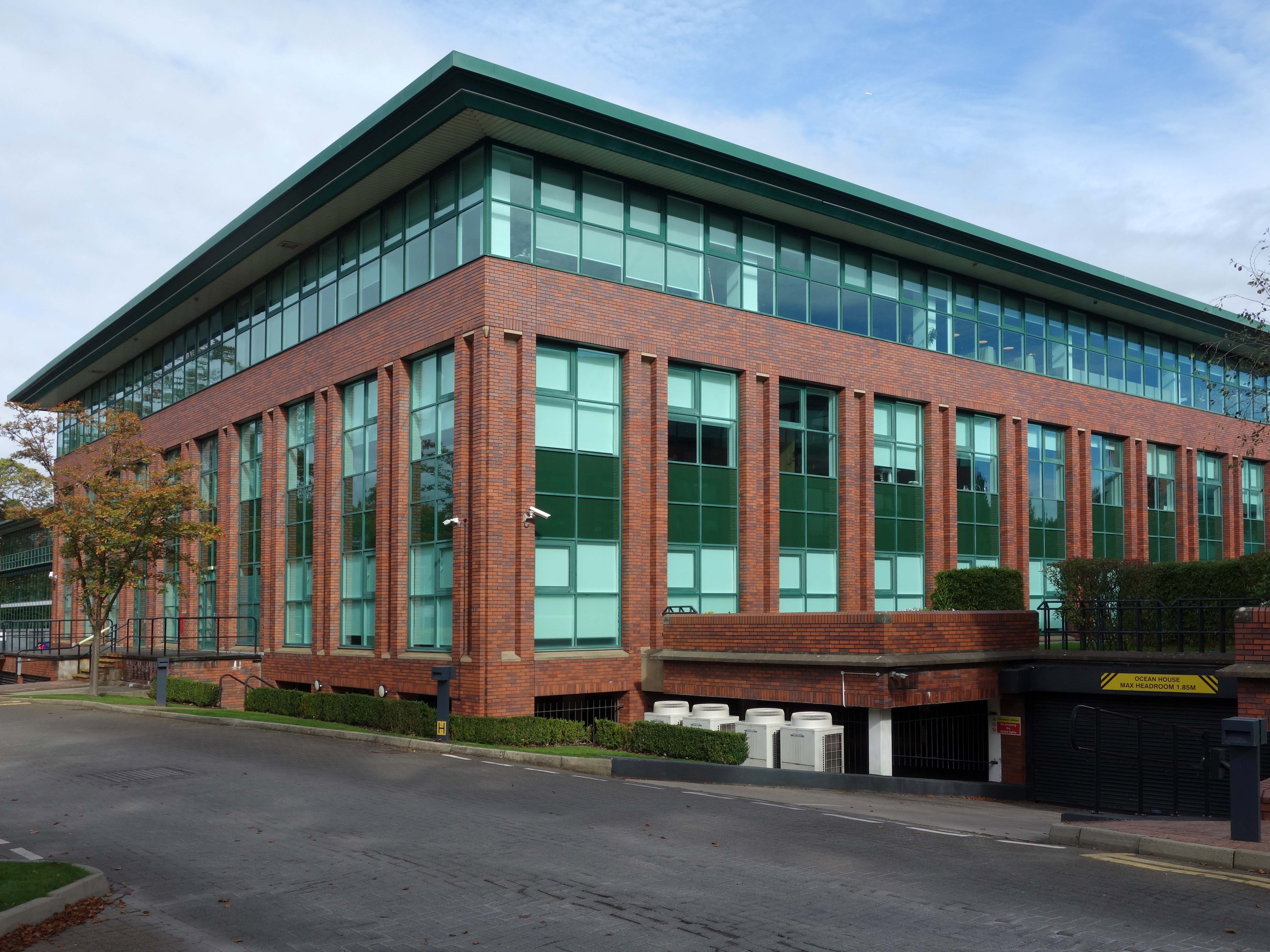
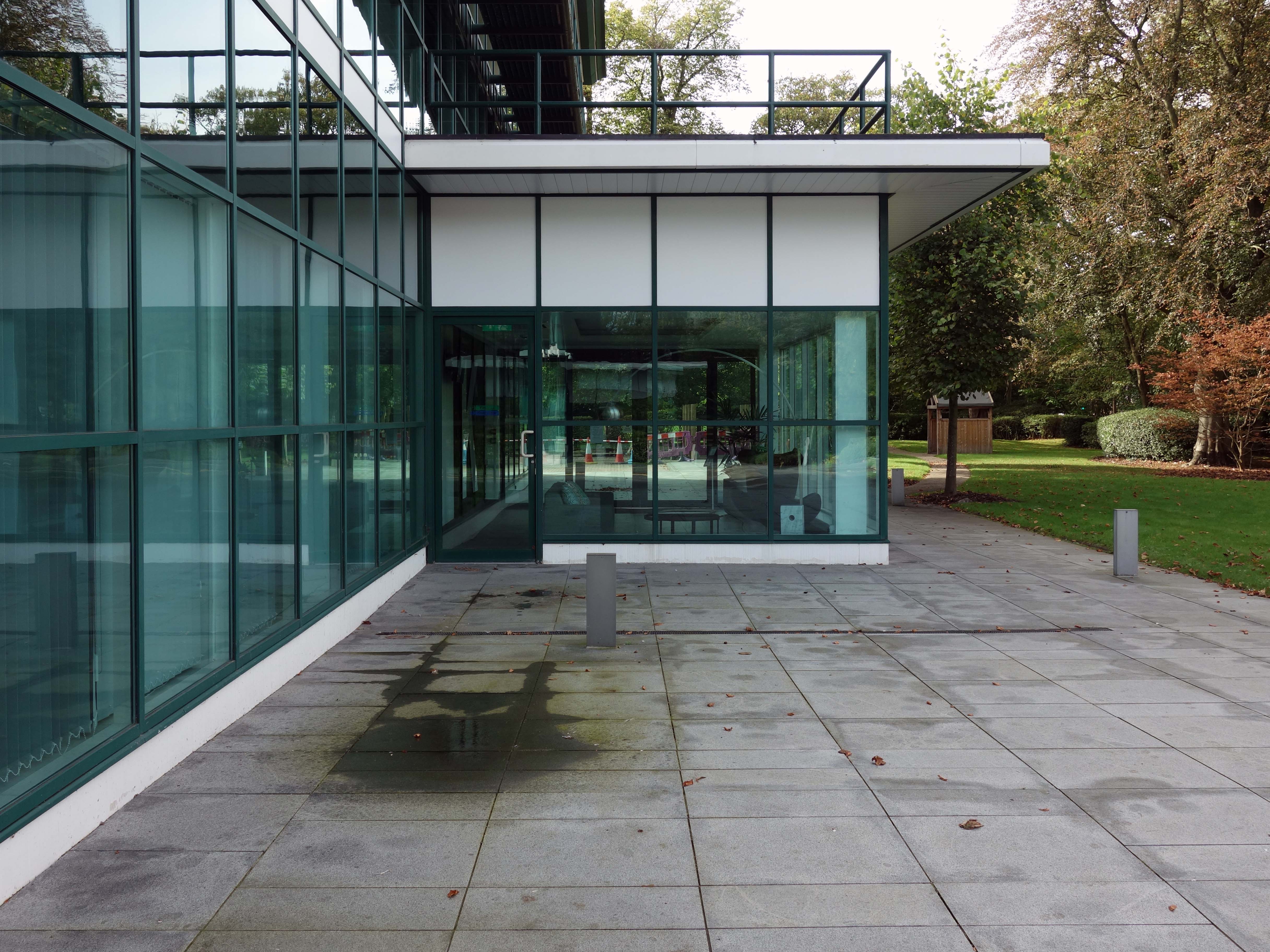
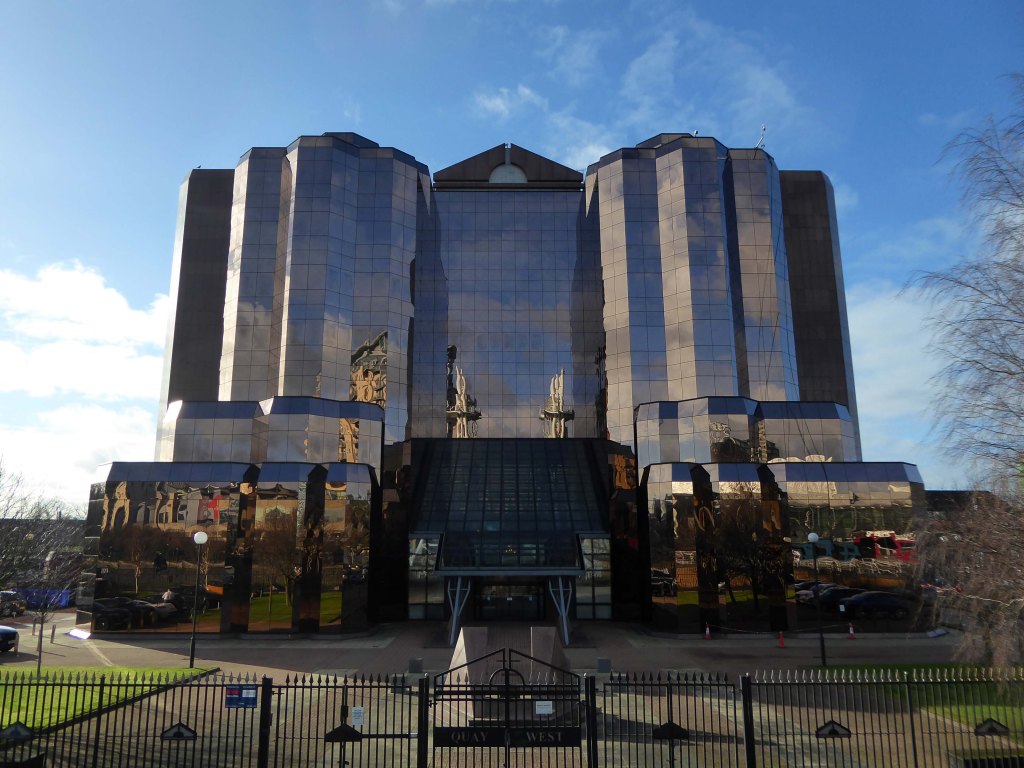
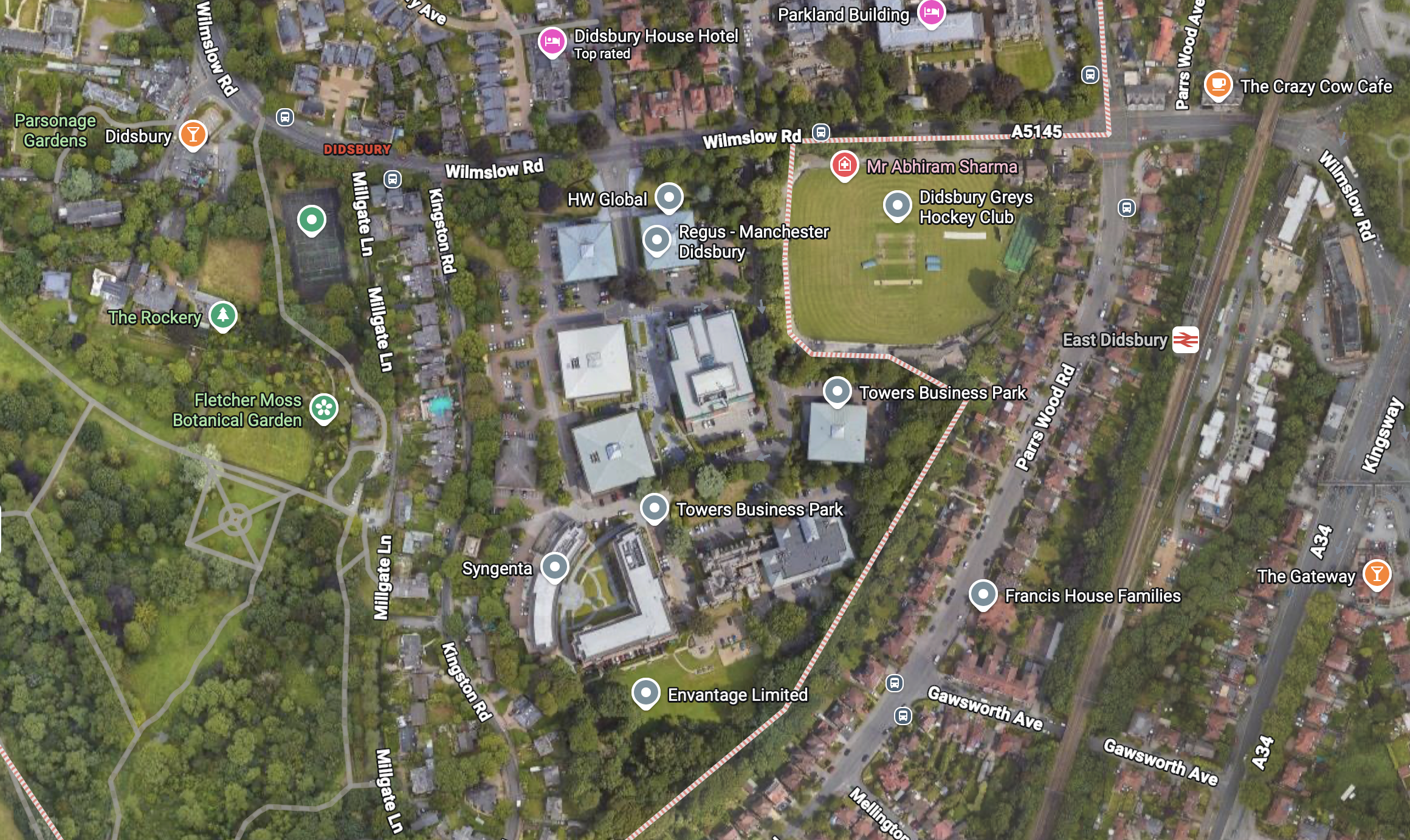
Tucked away at the back of The Towers Business Park is The Towers, a Grade II* listed building on Wilmslow Road in Didsbury.

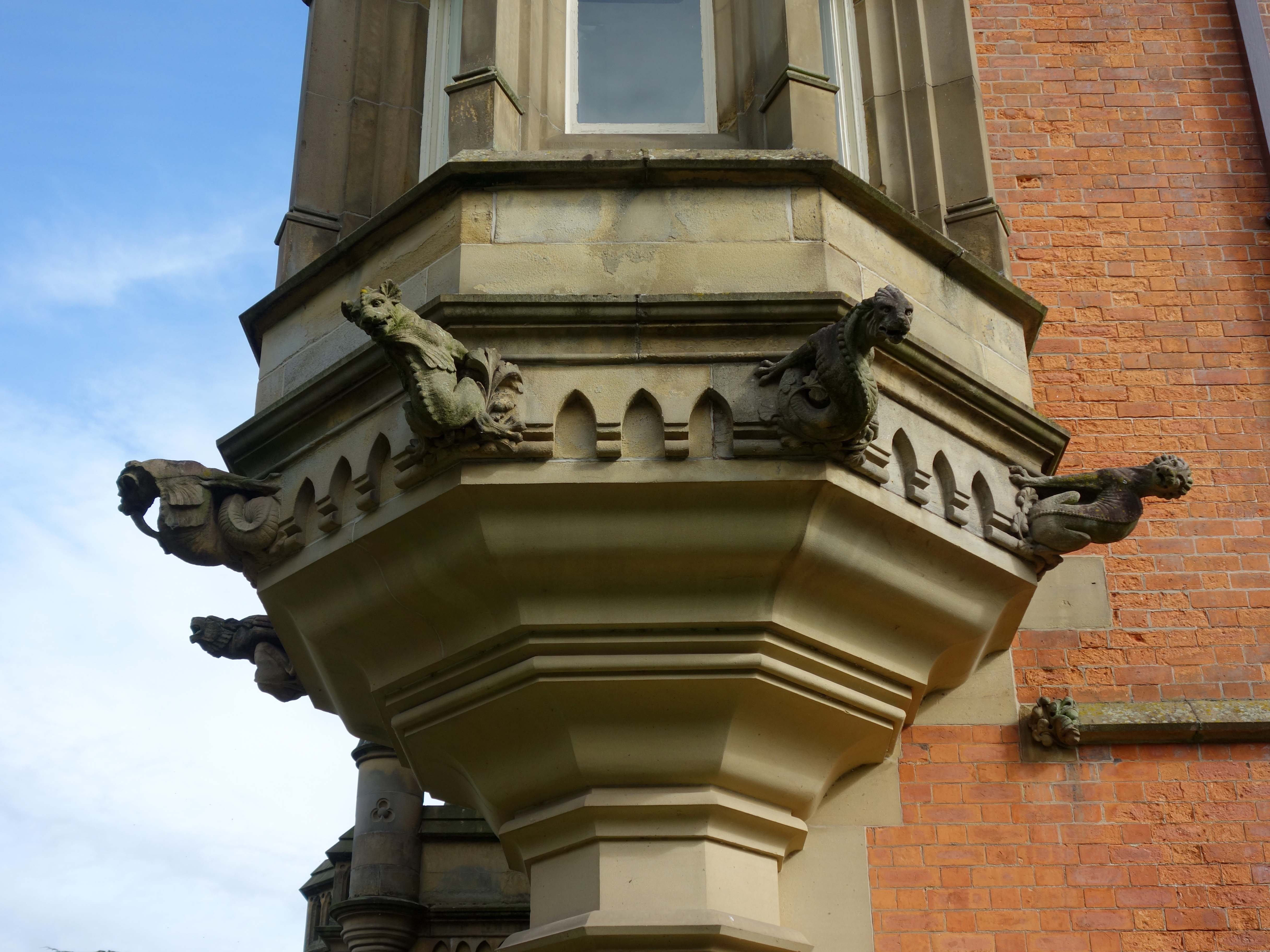
Built between 1868 and 1872 for John Edward Taylor, to designs by Thomas Worthington with carving by Thomas Earp of London.

John Edward Taylor was the editor of the Manchester Guardian.

It later became the home of engineer Daniel Adamson, where the Manchester Ship Canal project was first conceived in 1882.
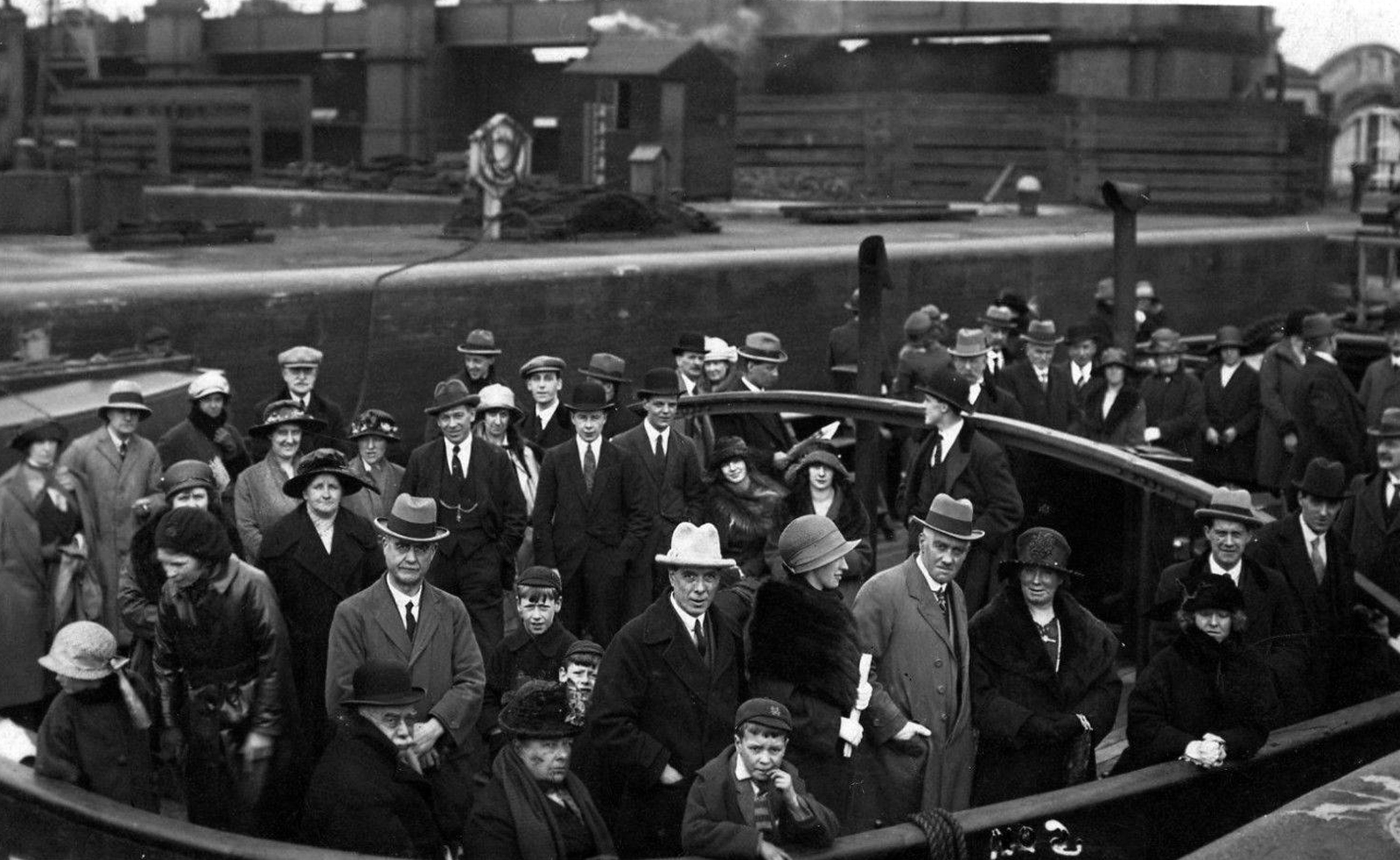
As an integral piece of shipping history built in 1903, The Danny was originally a working tug boat, playing a small but vital role amongst International trading networks within the canals of the North West. After WWI, canal traffic declined as companies turned to road and rail to move goods; the Danny was then given a radical Art Deco style refit by her new owner to see her fit for purpose as a passenger boat.

It was then that her name changed to that of the ship canal’s founding father and first Manchester Ship Canal Company chairman, Daniel Adamson. 
AND Festival

From 1920 it served as the headquarters of the Shirley Institute, later part of the British Textile Technology Group.
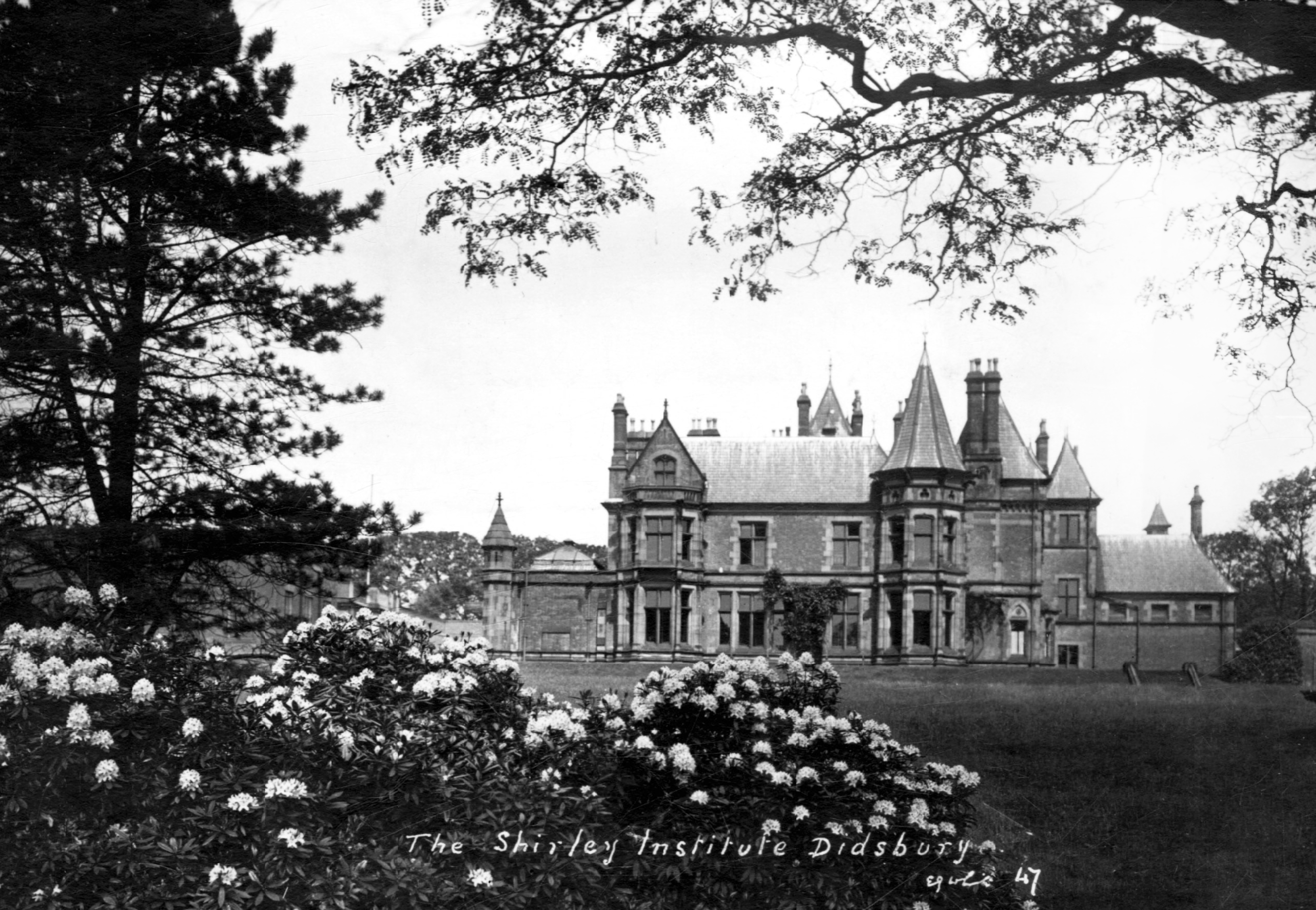
The Shirley Institute operated as a research centre dedicated to technologies pertaining to the textile sector.
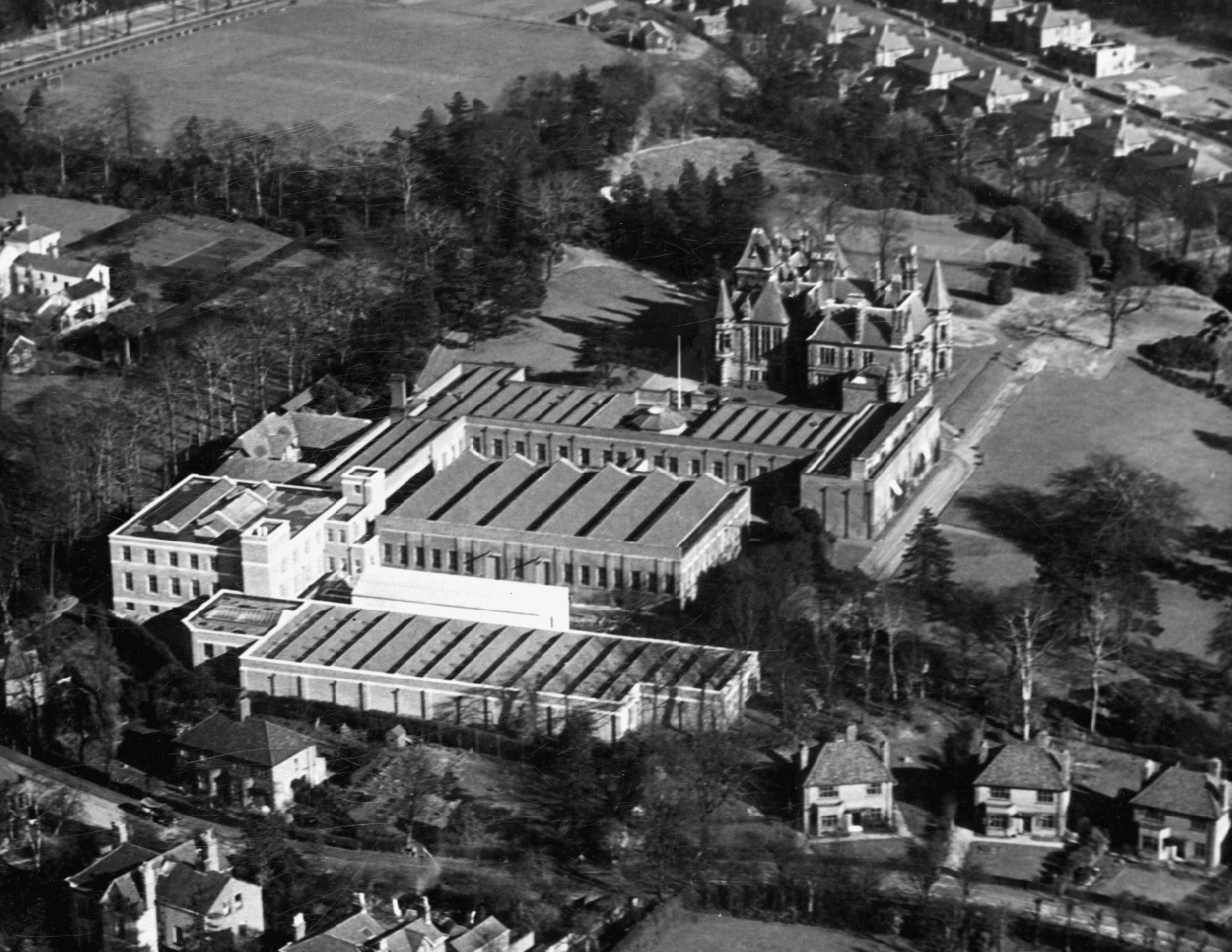
Photo 1936: Manchester Local Image Collection.
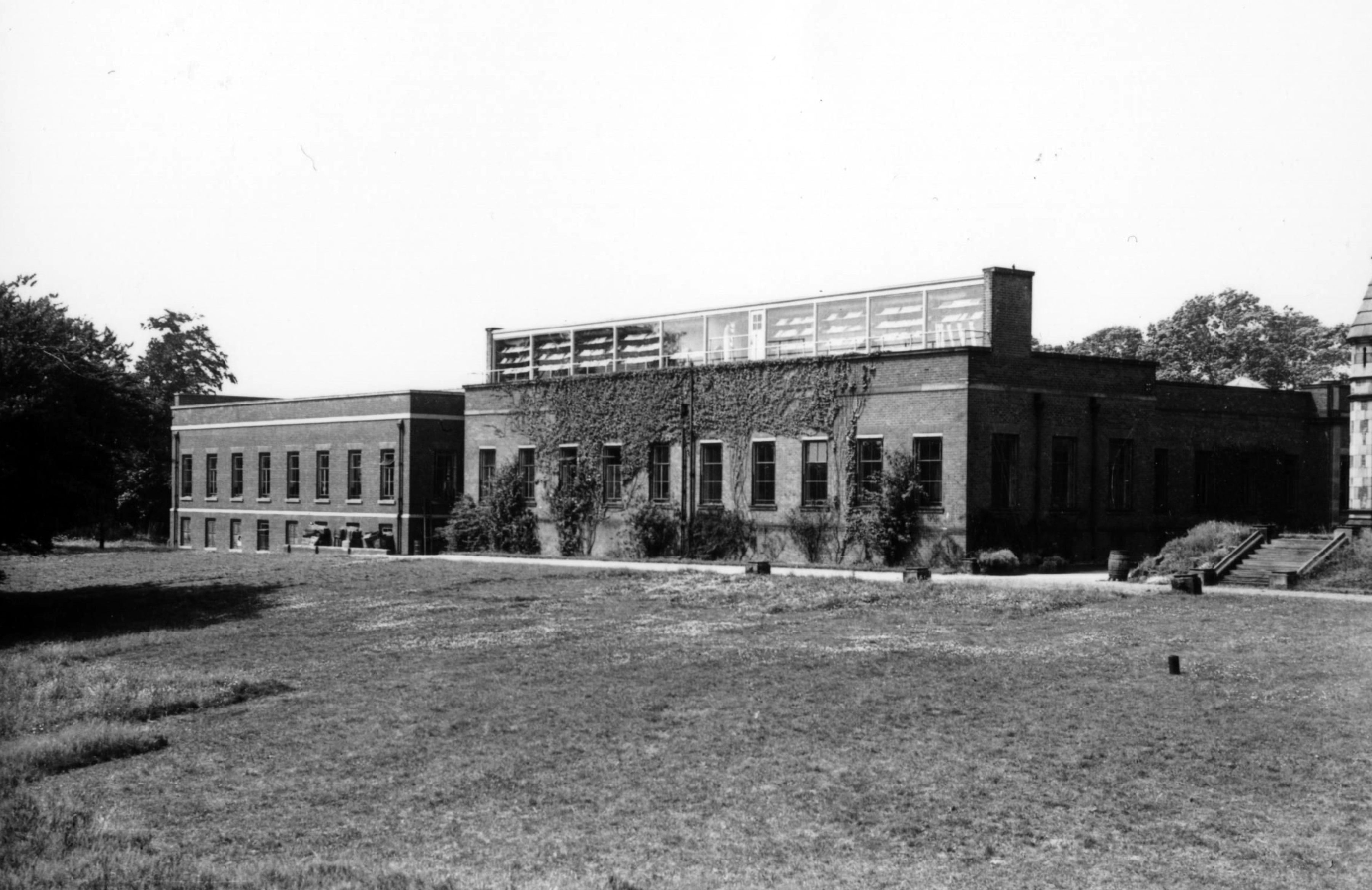
Photo 1945: Manchester Local Image Collection.

The BCIRA was credited with several key developments. Specifically, it developed Ventile, a special high-quality woven cotton fabric that was researched on behalf of the Ministry of Defence; it was patented and licensed to industry.

Ventile is a high-quality textile made of cotton with a very close weave.
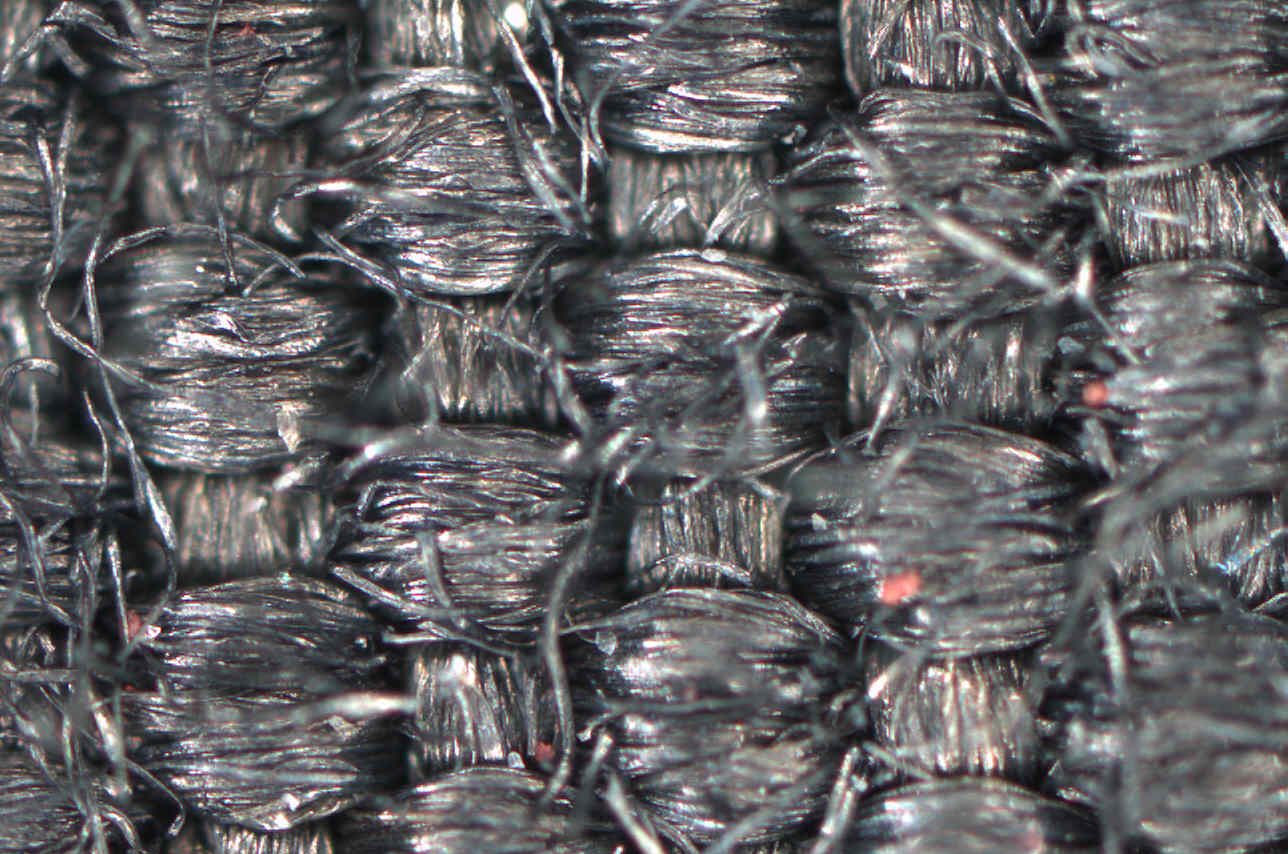
Originally created to overcome a shortage of flax used for fire hoses and water buckets, its properties were also useful for pilots’ immersion suits, but expensive and leaky if exposed to sweat or oils.

It also developed the tog, an easy-to-follow measure of the thermal resistance of textiles, as an alternative to the SI unit of m2K/W

The estate was redeveloped as Towers Business Park in the early 21st century.

The house remains in use as offices.

Wikipedia
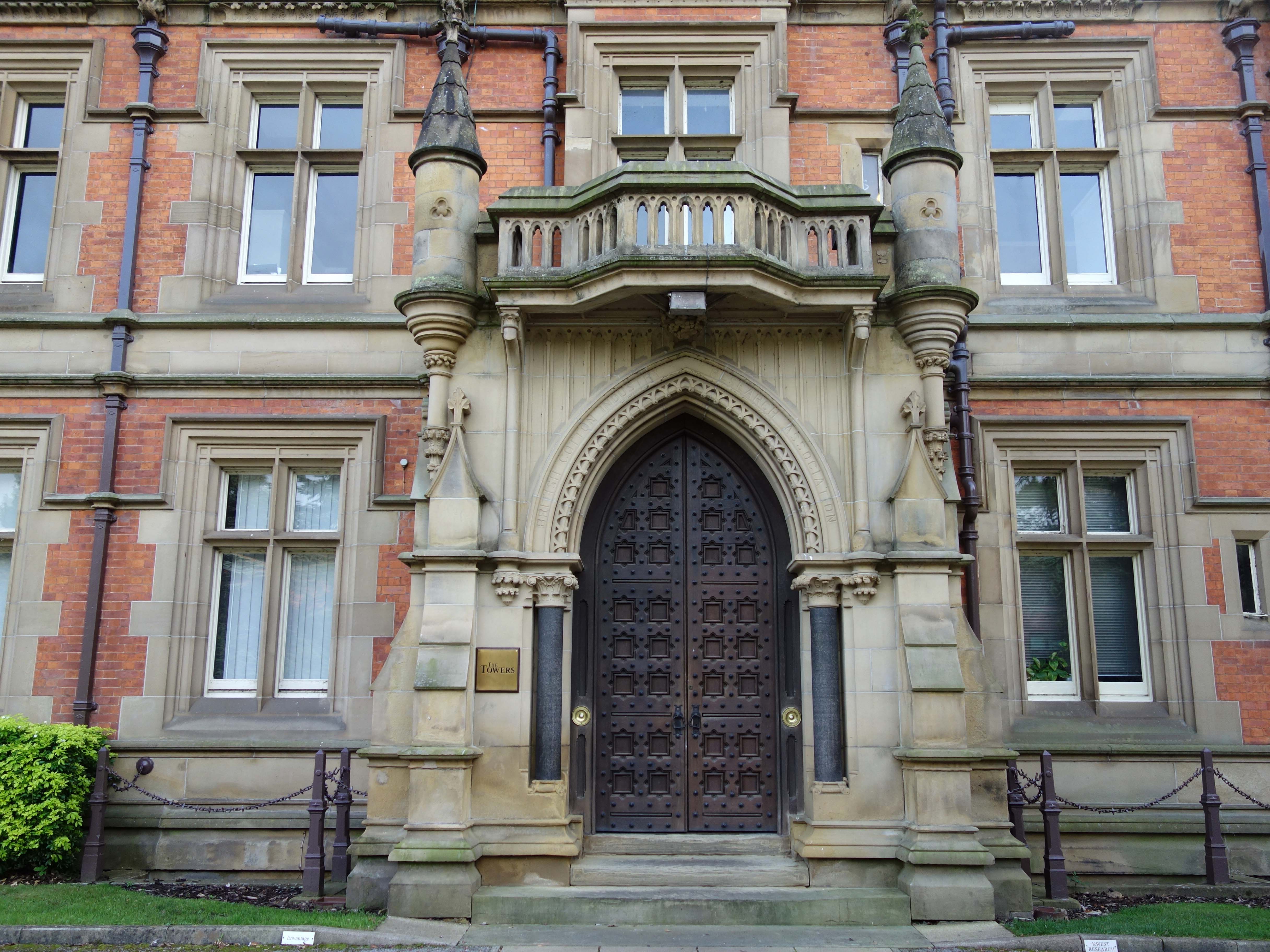
So here we are today, supported by several layers of industrial and commercial history, from days and days of labour, invention, innovation and production.

What’s going on?

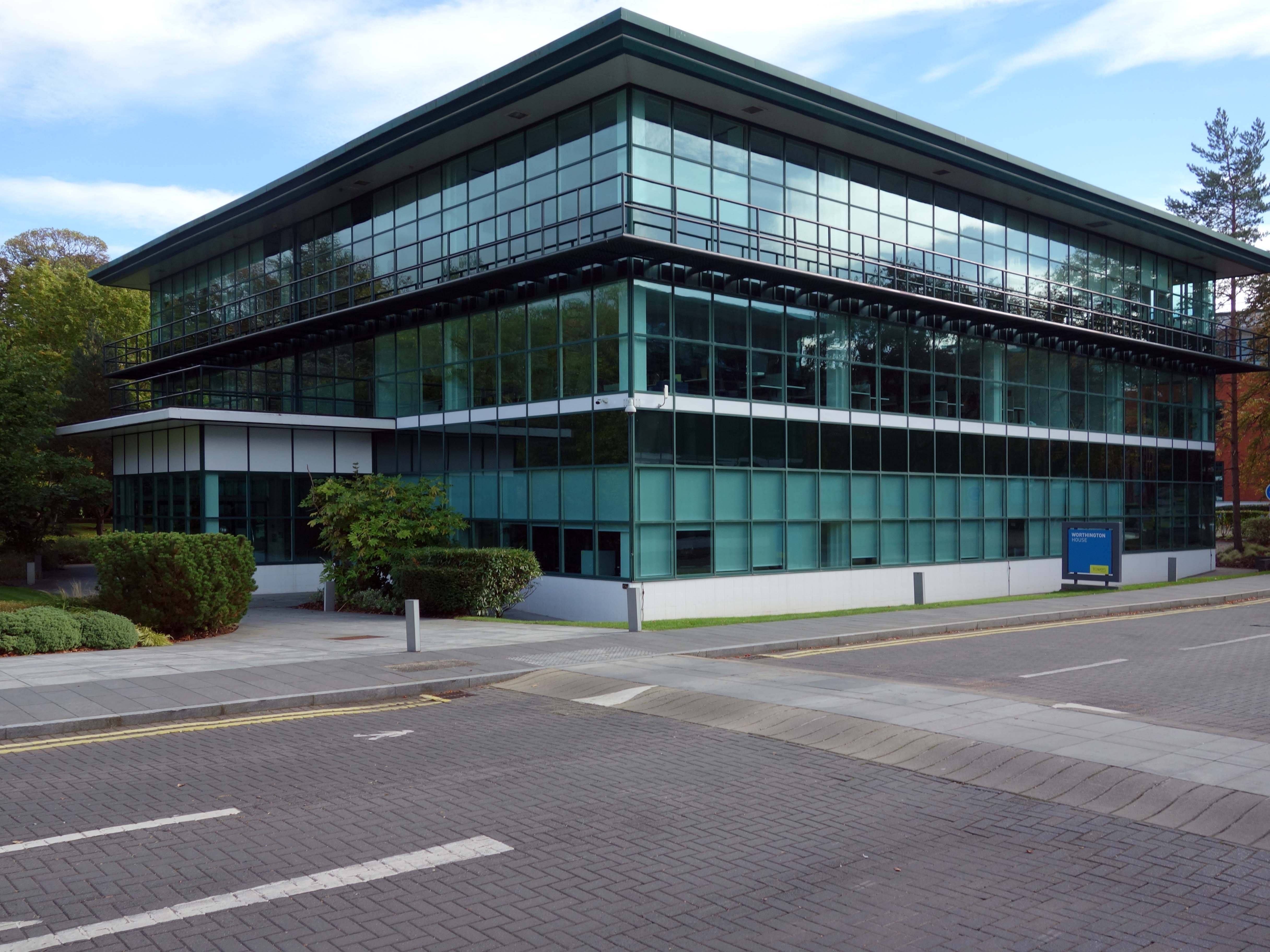
Essity, NCC Education, I Love Cosmetics, Sitel Group, and a national house builder have signed leases at the Manchester office complex, averaging eight years, bringing the Park to 95% occupied.  

The new arrivals join existing tenants including Syngenta, British Airways, Cisco, Regus, and Hitchenor Wakeford. 
Towers Life

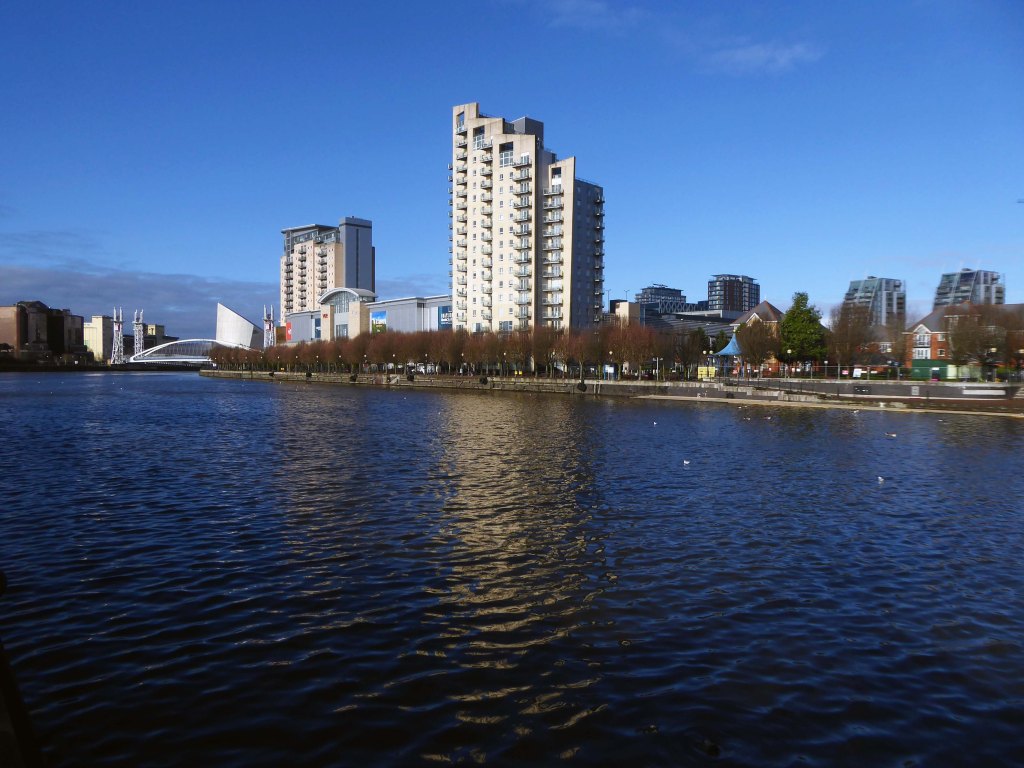
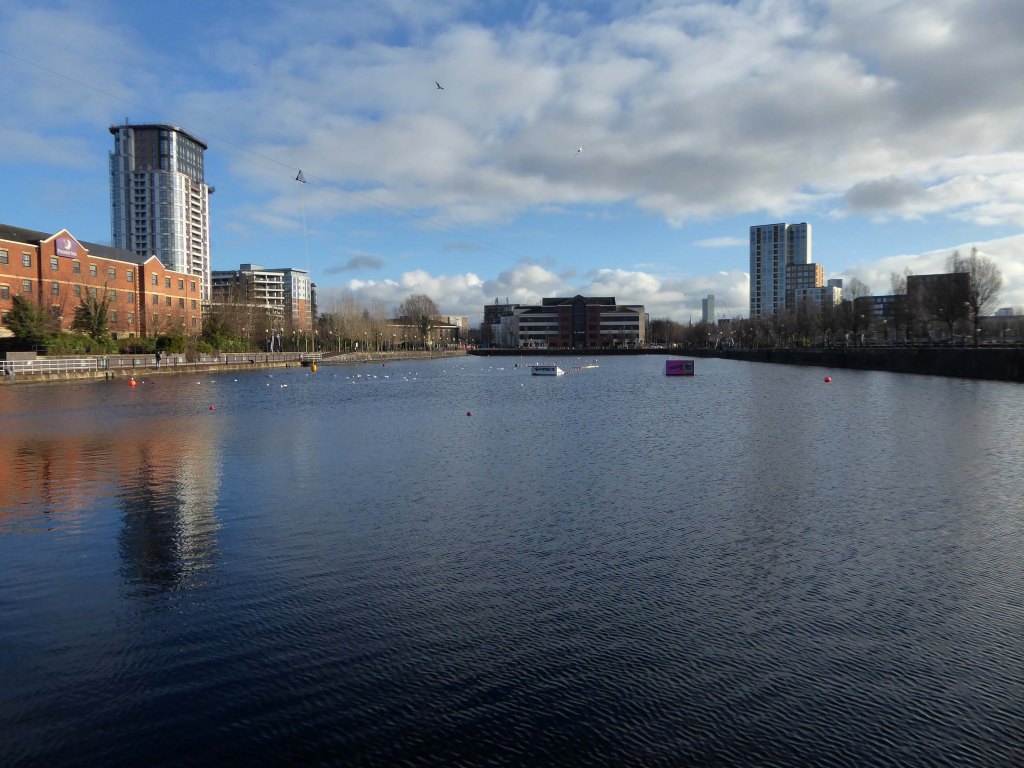
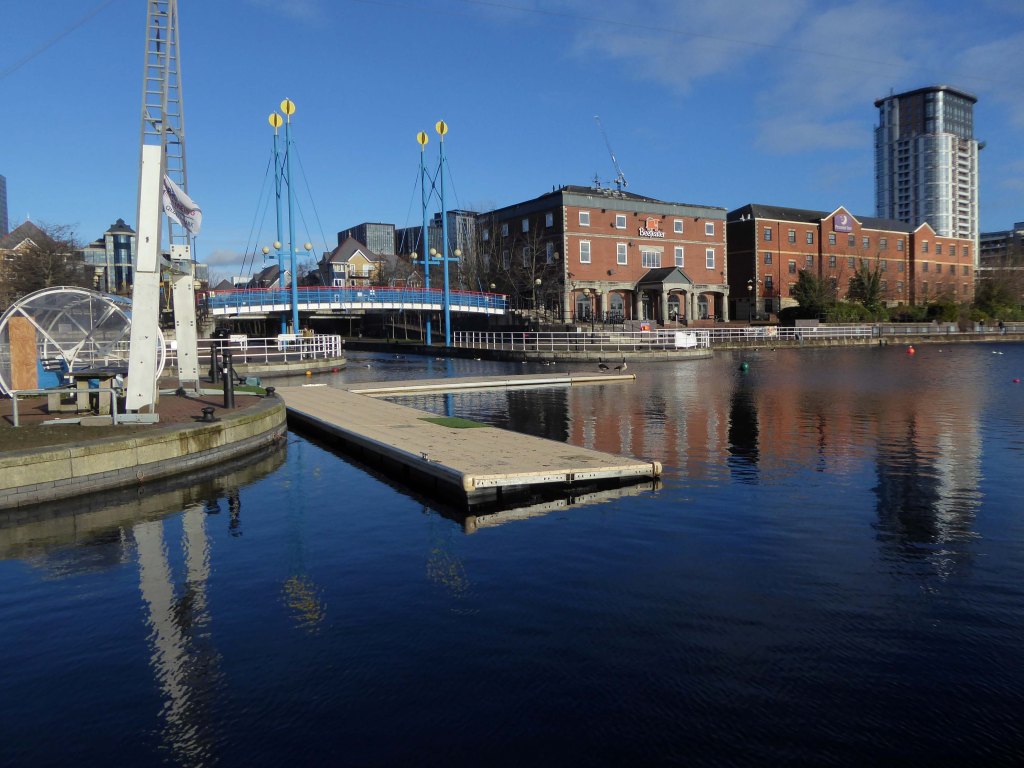
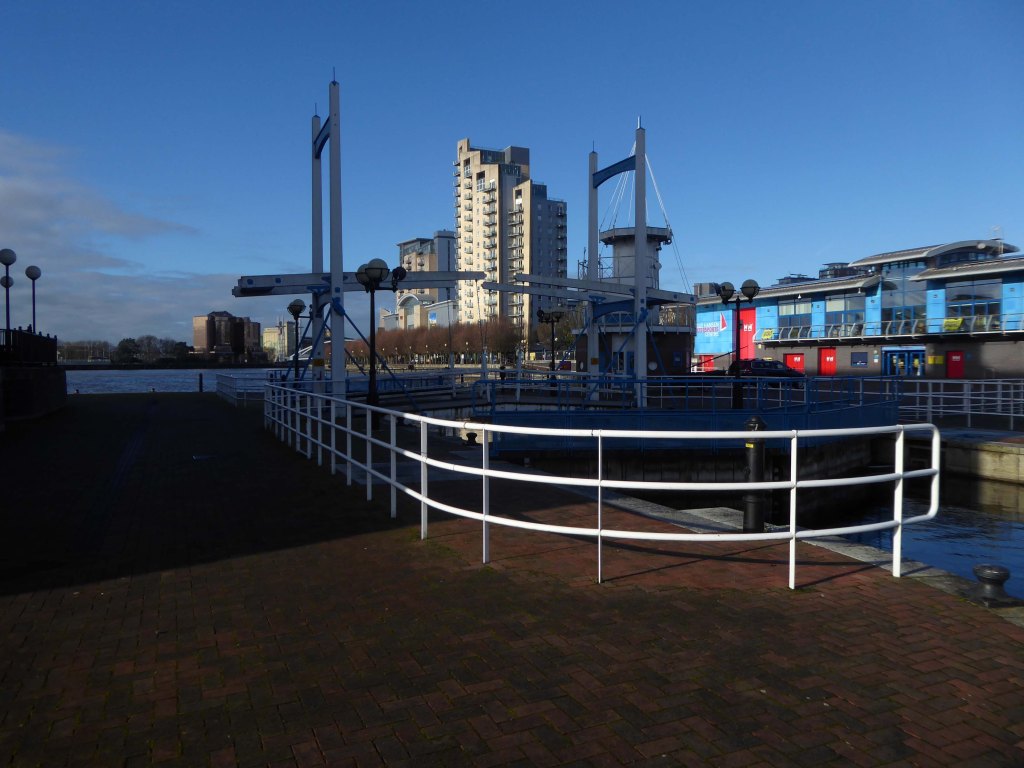
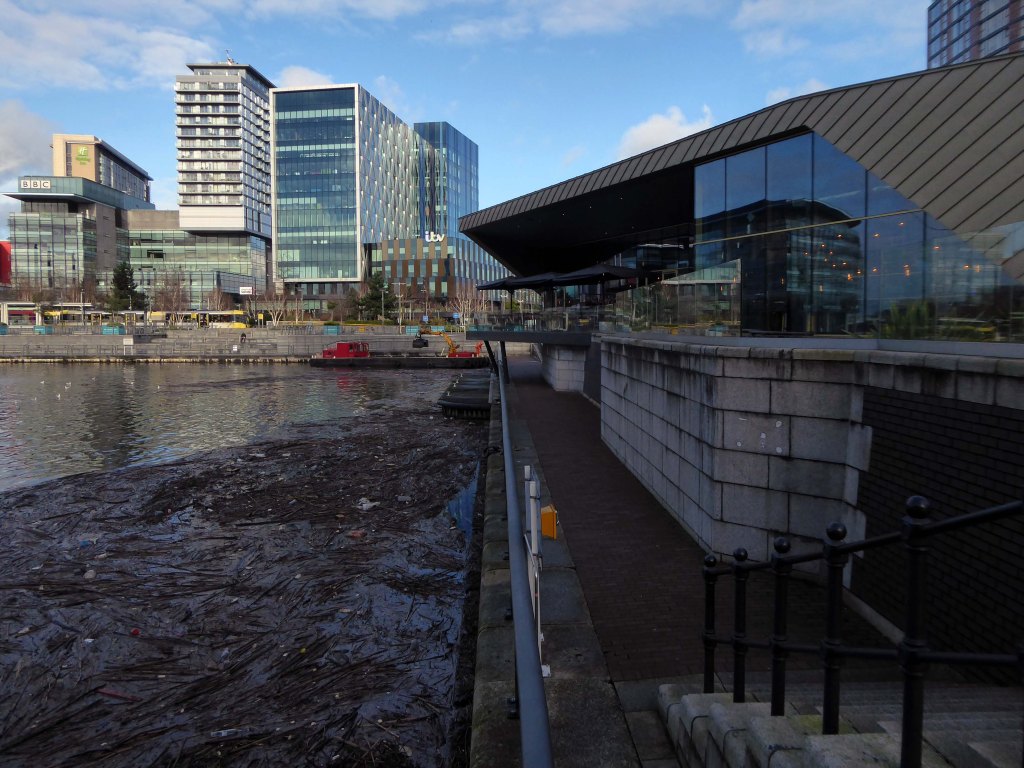
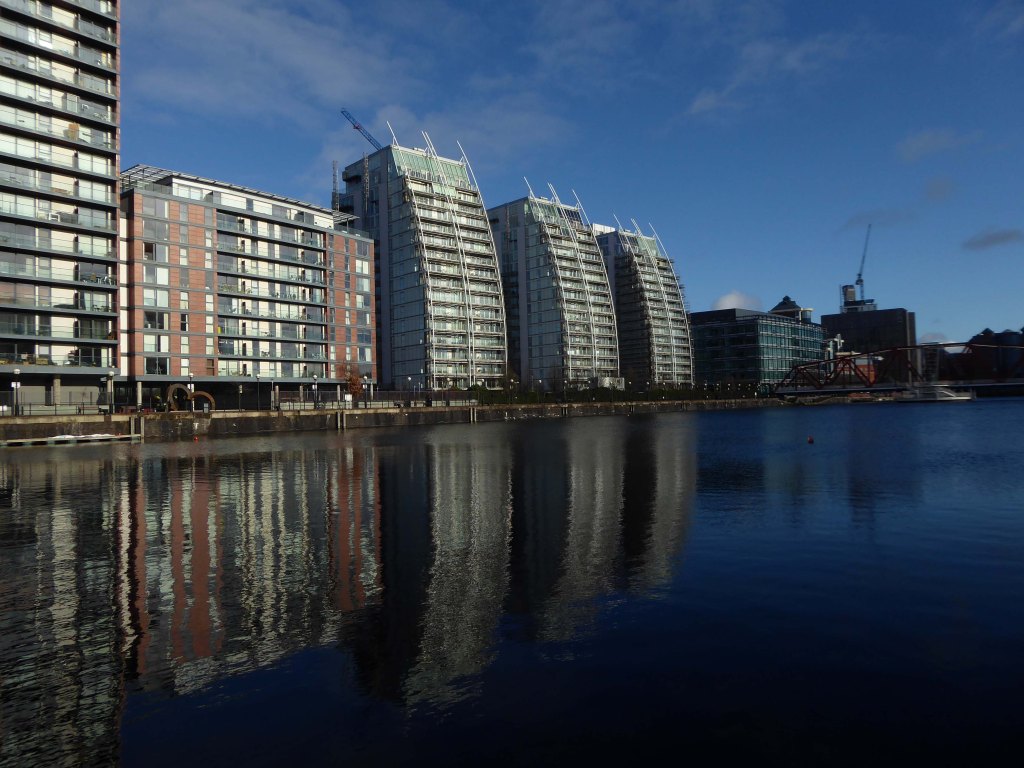
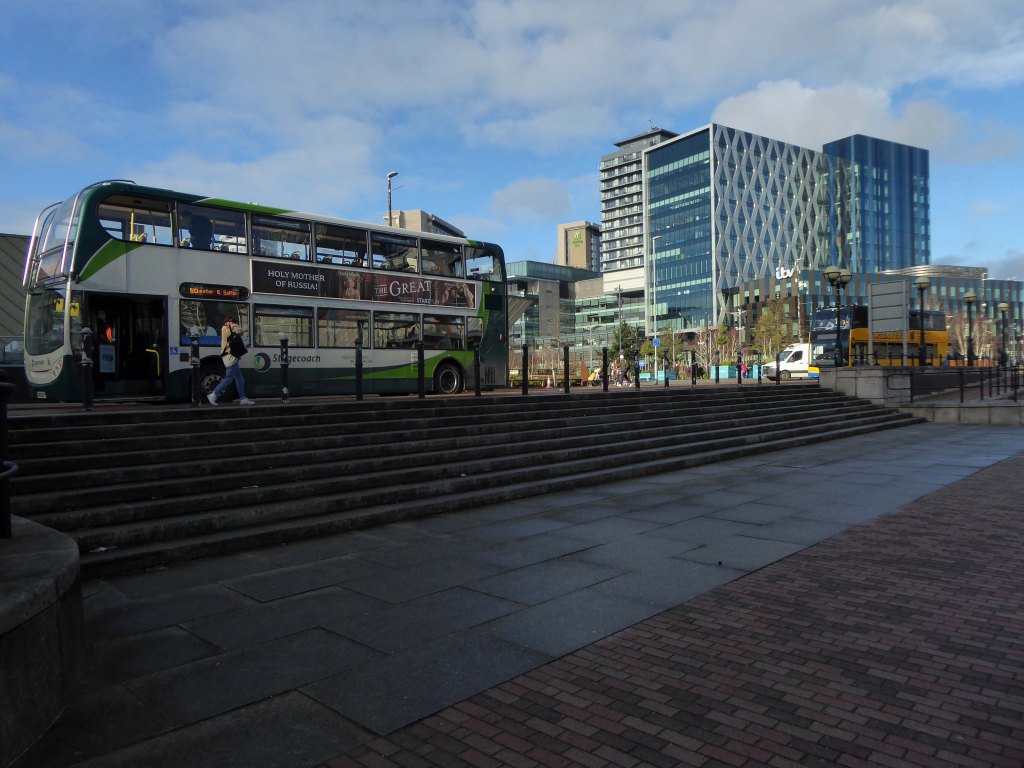
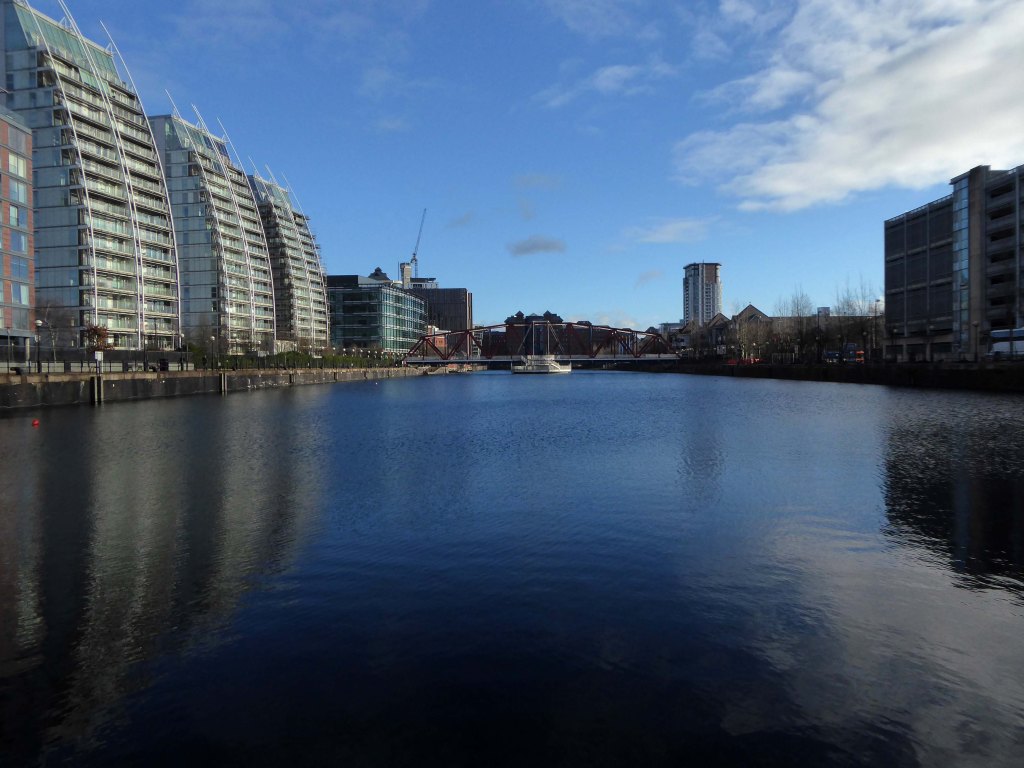
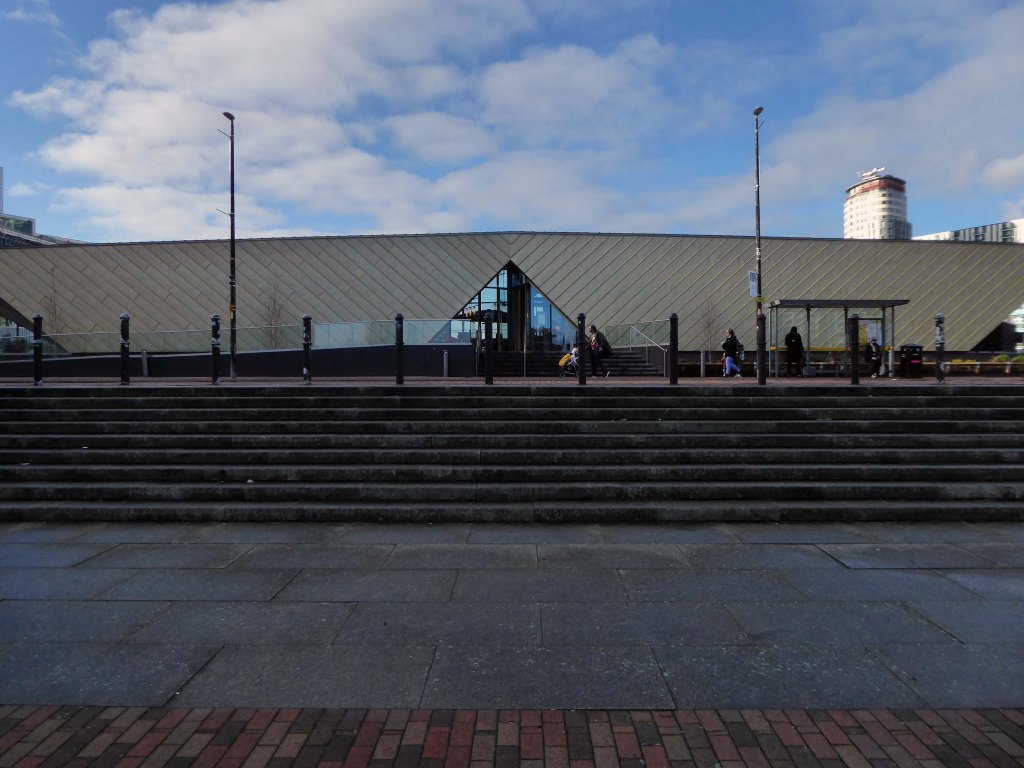
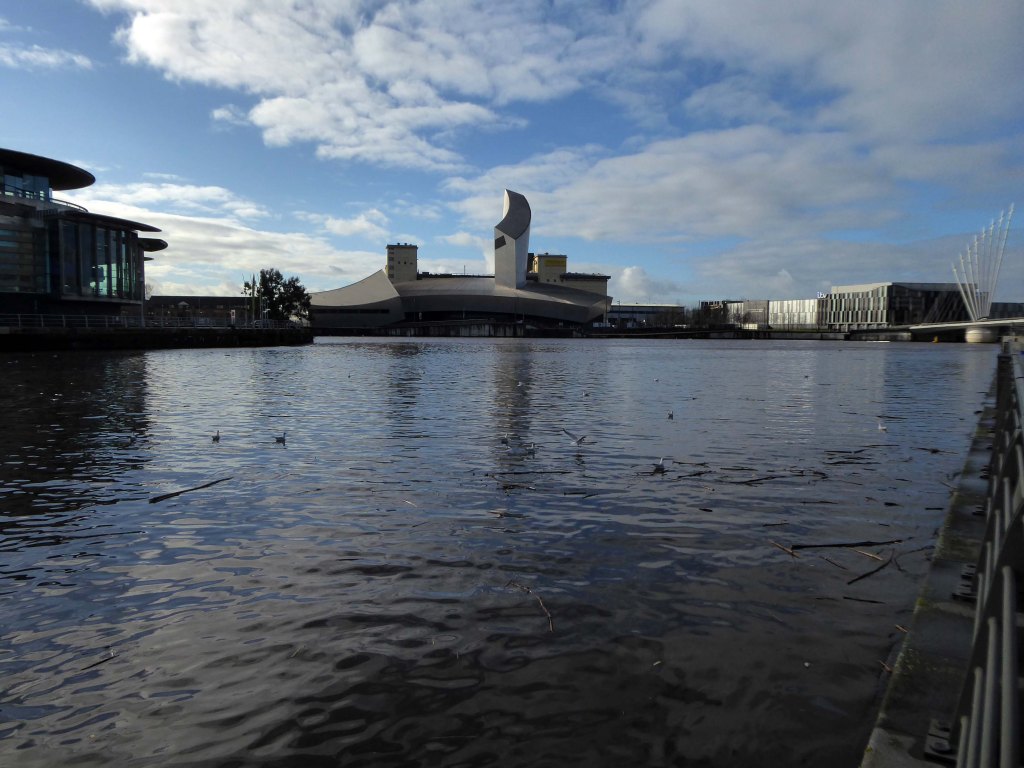
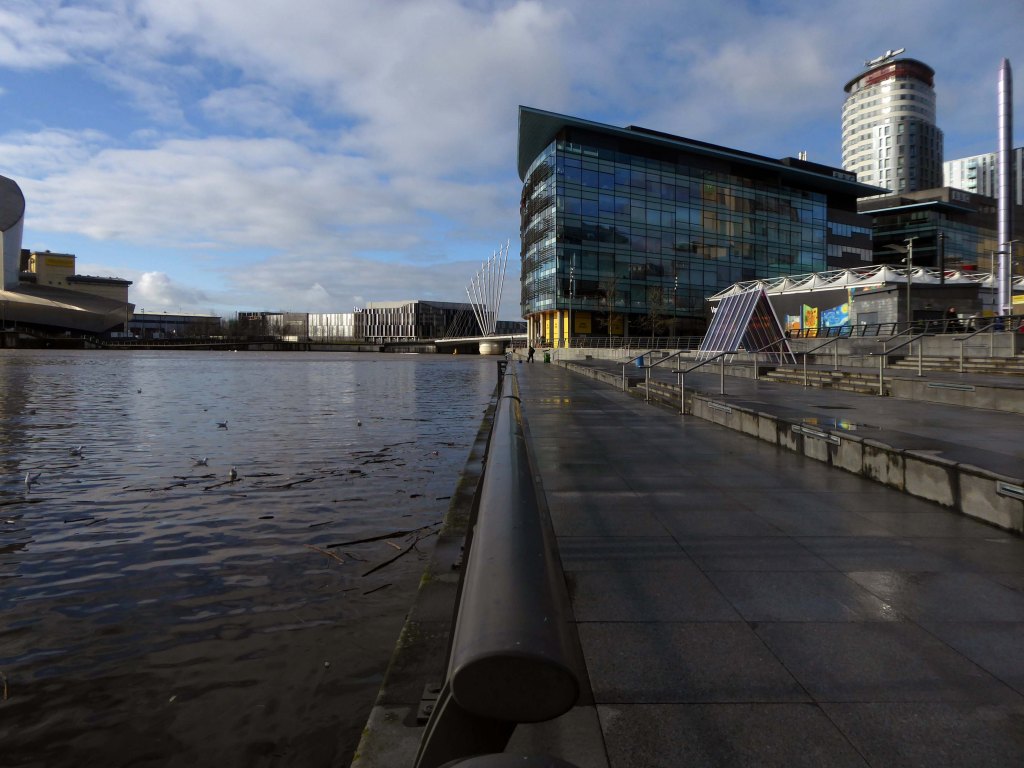
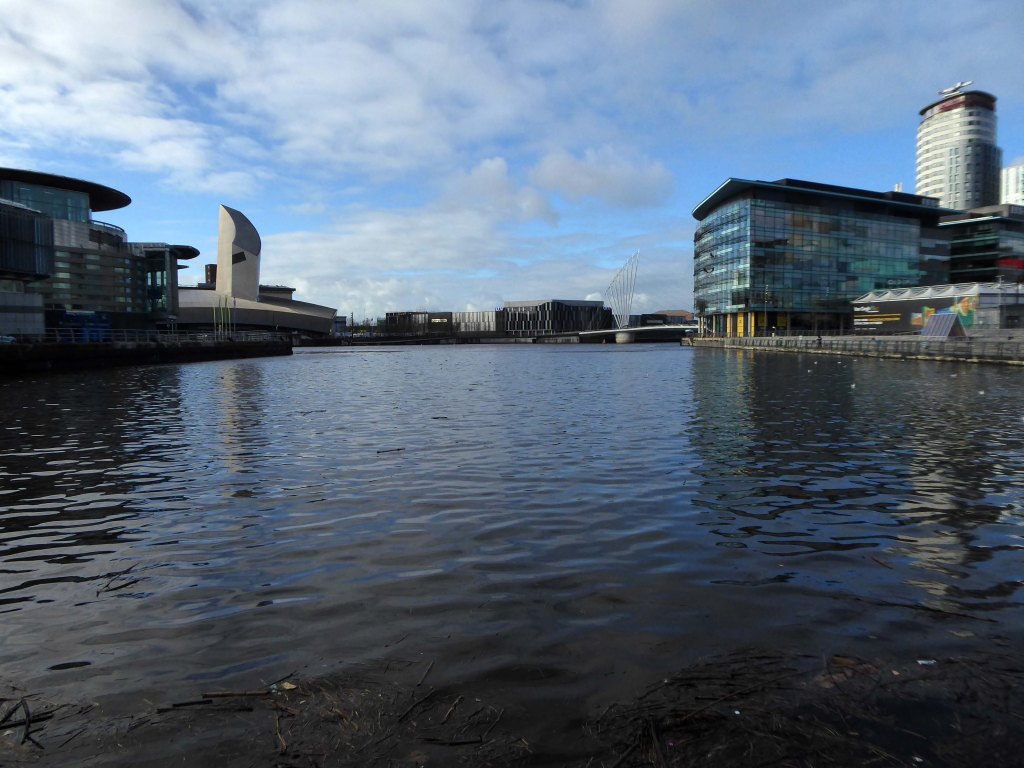
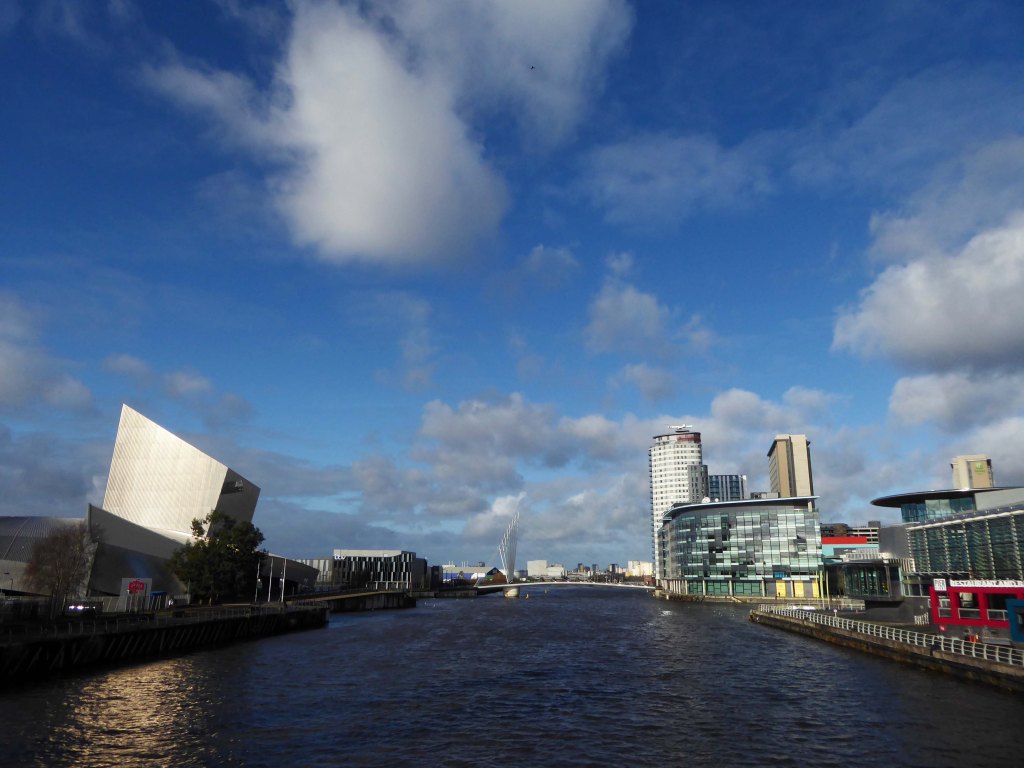
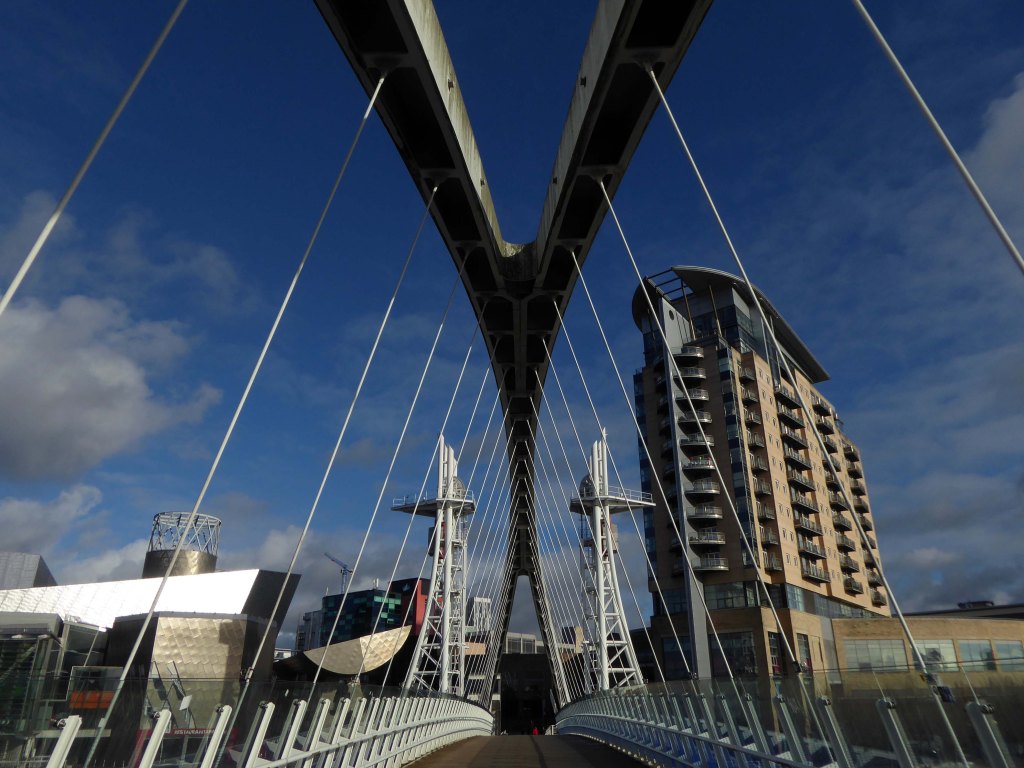
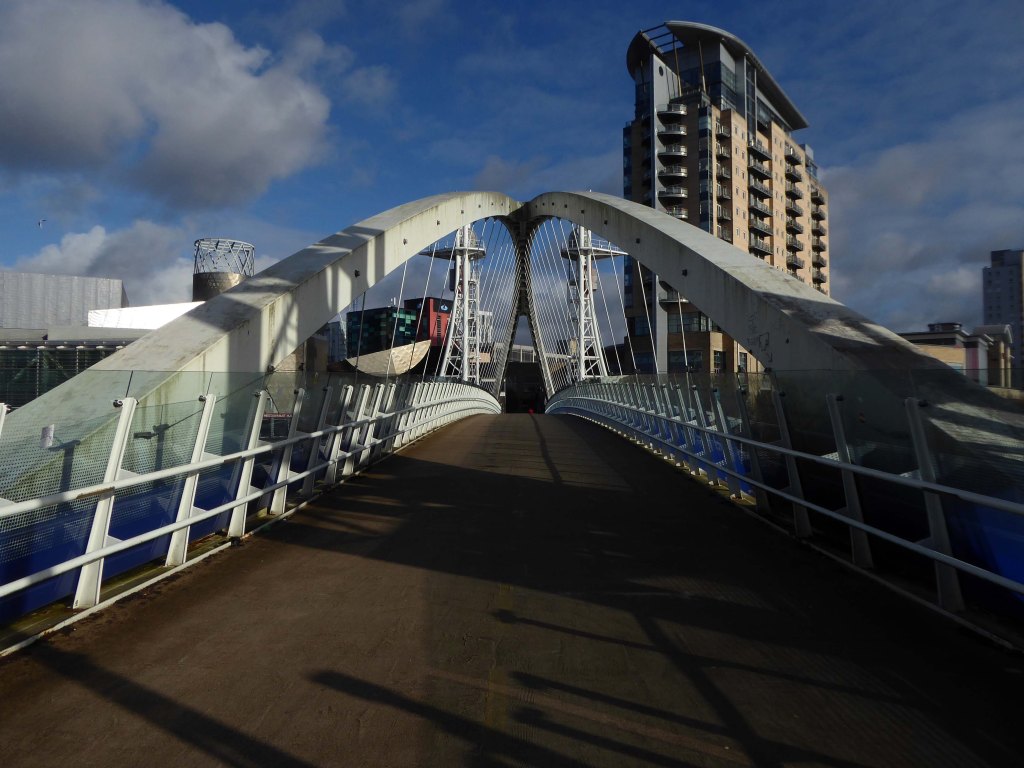
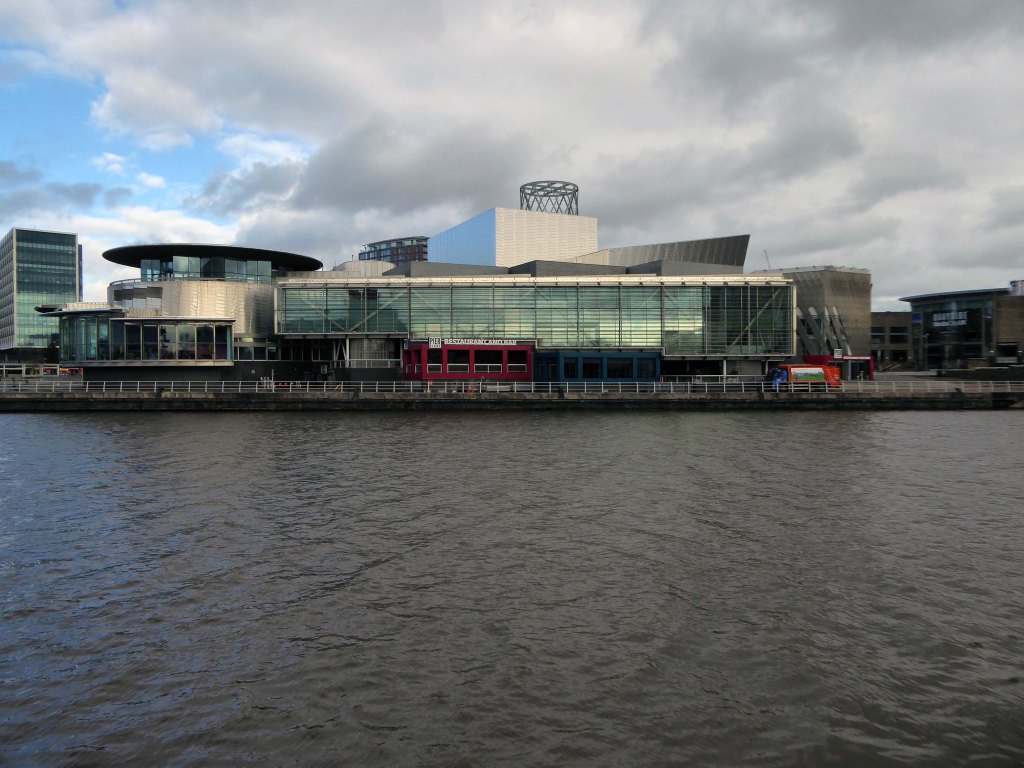
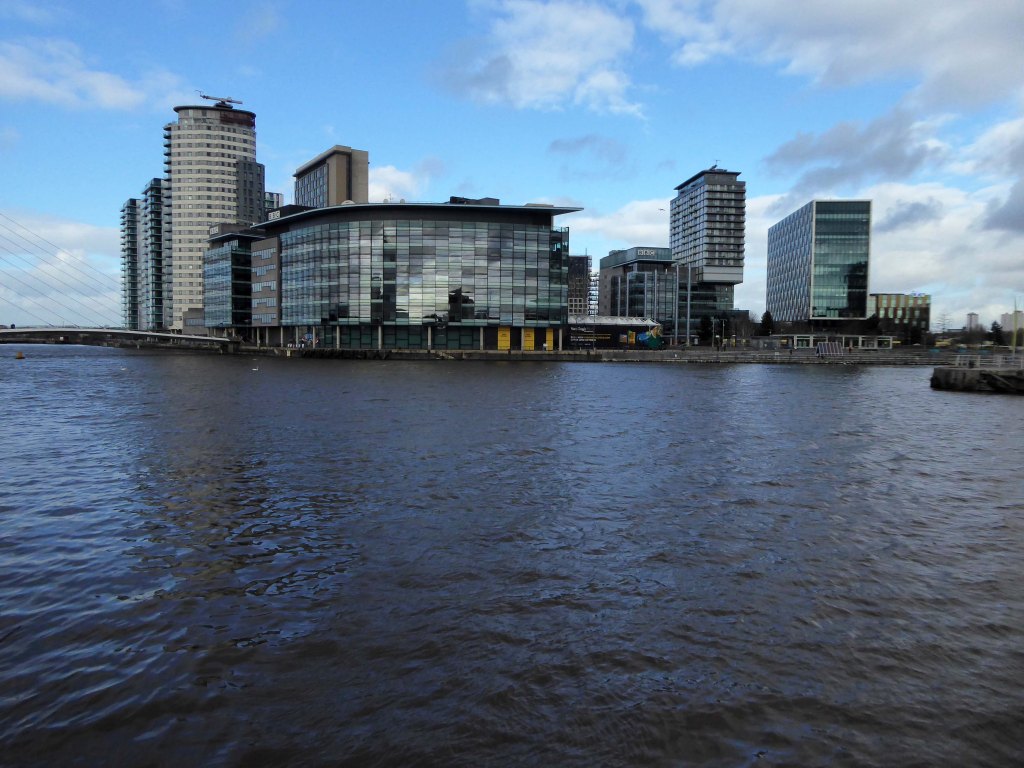
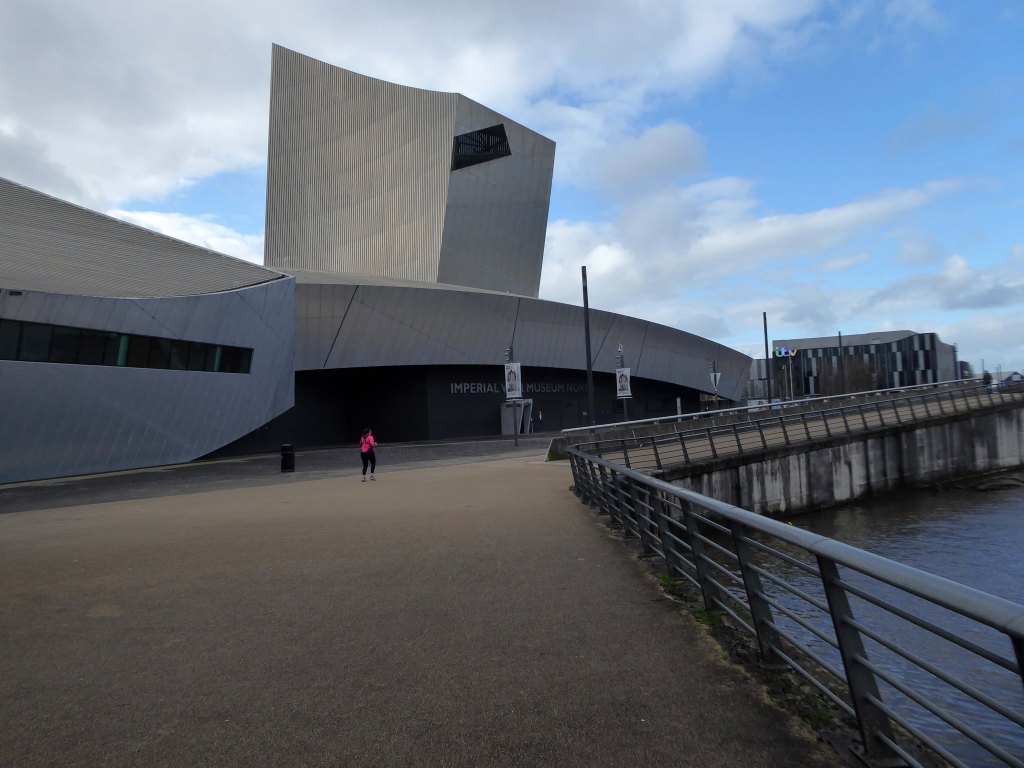
Salford Quays

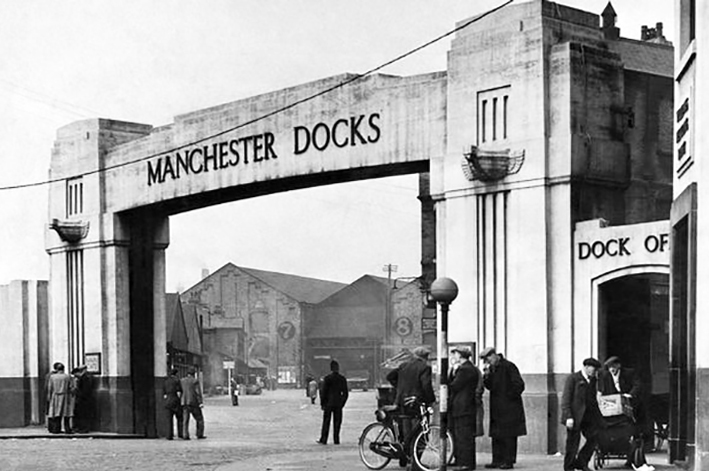
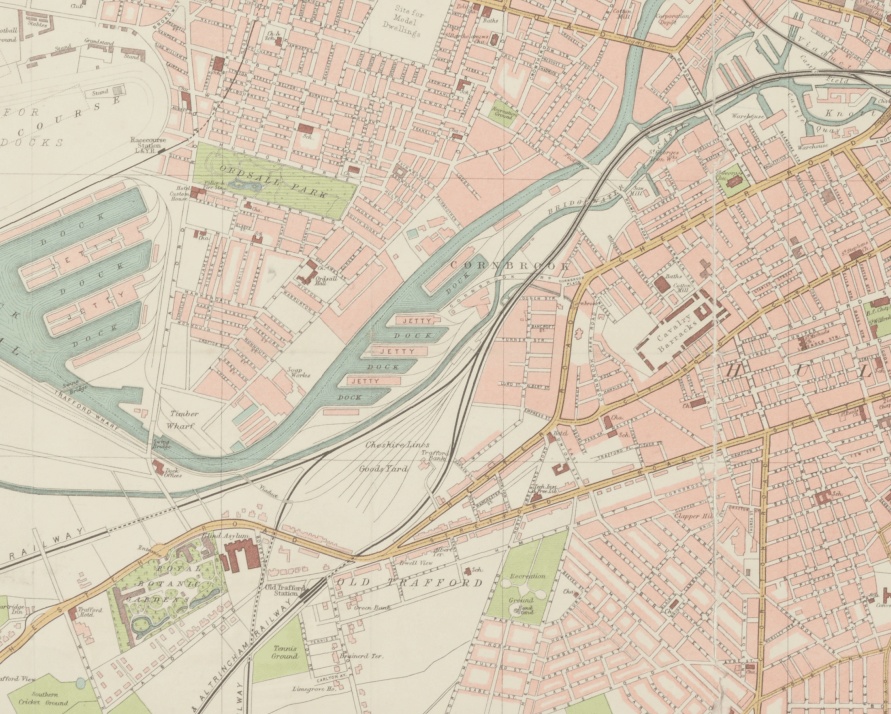
Manchester Docks were a series of nine docks.

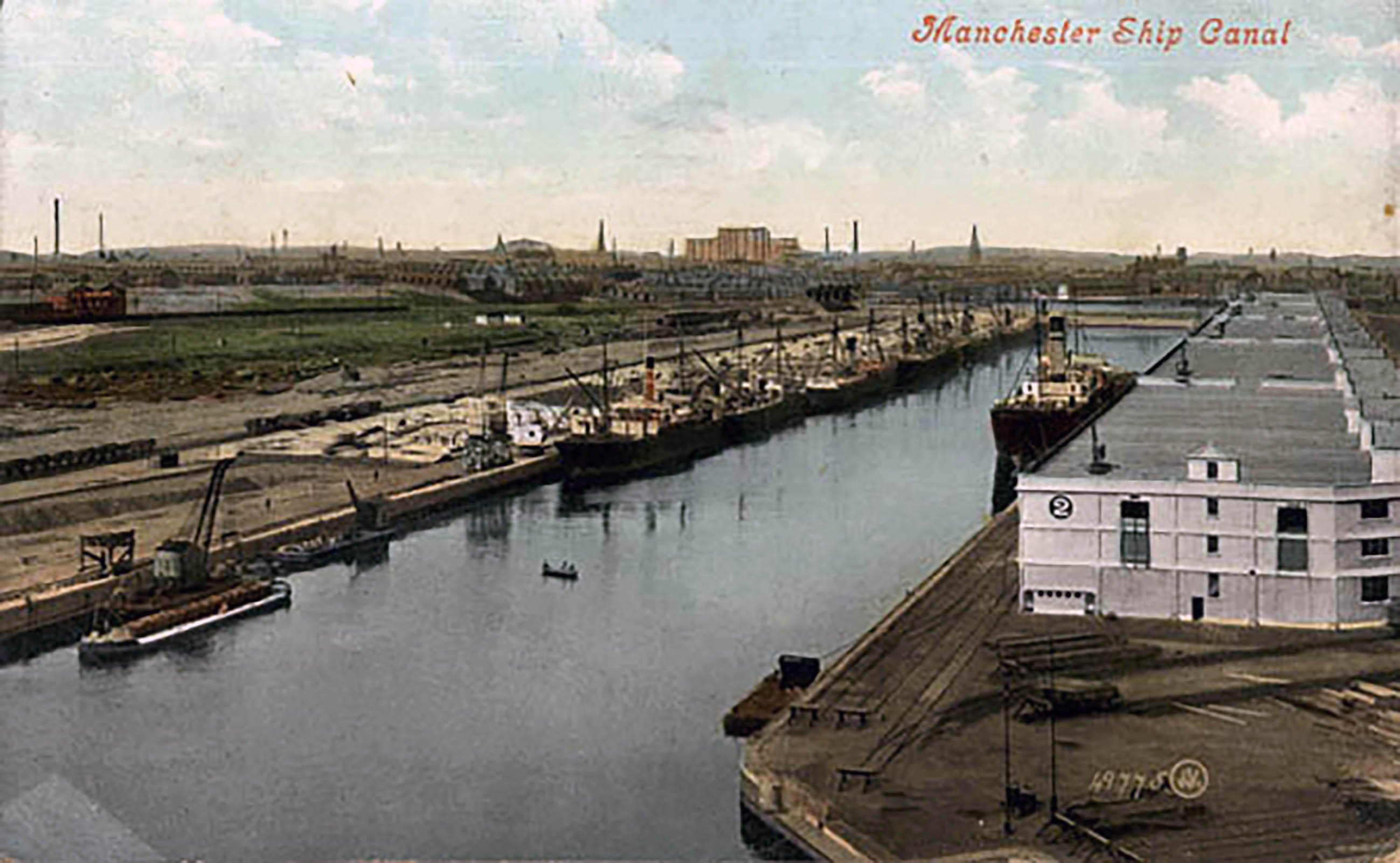
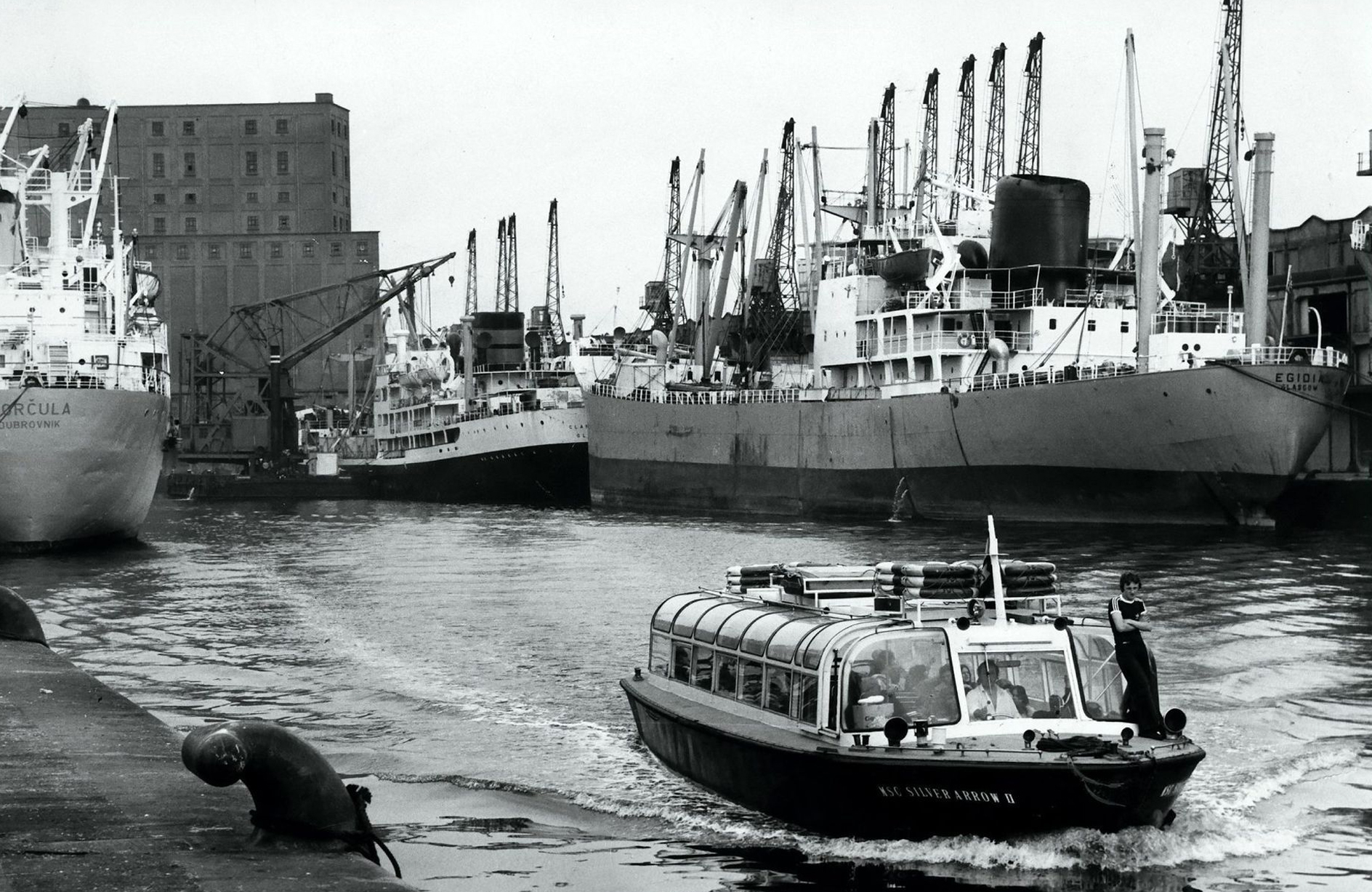
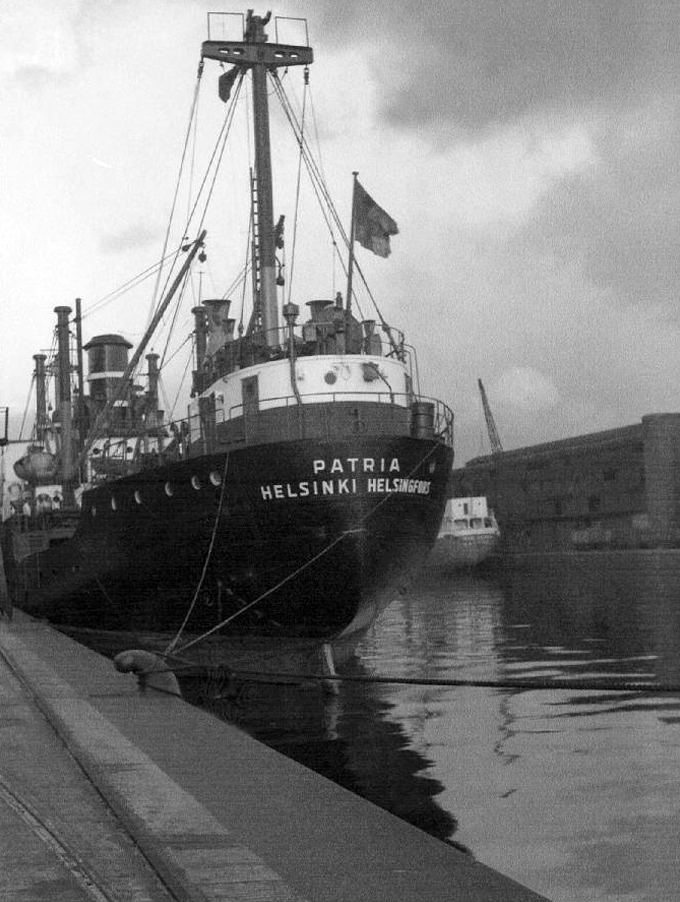
They were situated in Salford, Stretford and Manchester at the east end of the Manchester Ship Canal. They formed part of the Port of Manchester from 1894 until their closure in 1982. The docks marked the upper reaches of the ship canal, and were a destination for both coastal and ocean-bound vessels carrying cargo and a limited number of passengers, often travelling to and from Canada.

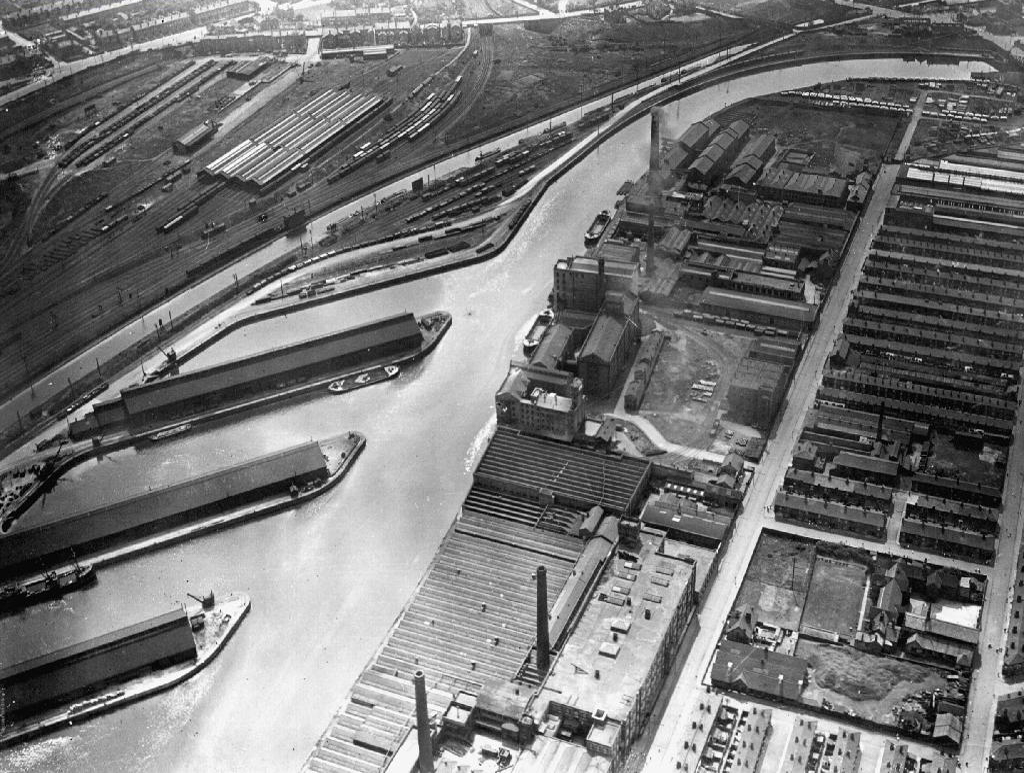
Manchester Docks were divided into two sections; the larger Salford docks to the west of the Trafford Road swing bridge and Pomona docks to the east. Each section consisted of four docks in total, the largest being to the west; Dock 5 at Pomona was never fully completed. Of the eight working docks only one, Dock 1 at Pomona, was within Manchester itself. During much of 1948, Manchester Docks were Britain’s third busiest port owing to damage suffered by the Port of Hull during the Hull Blitz.
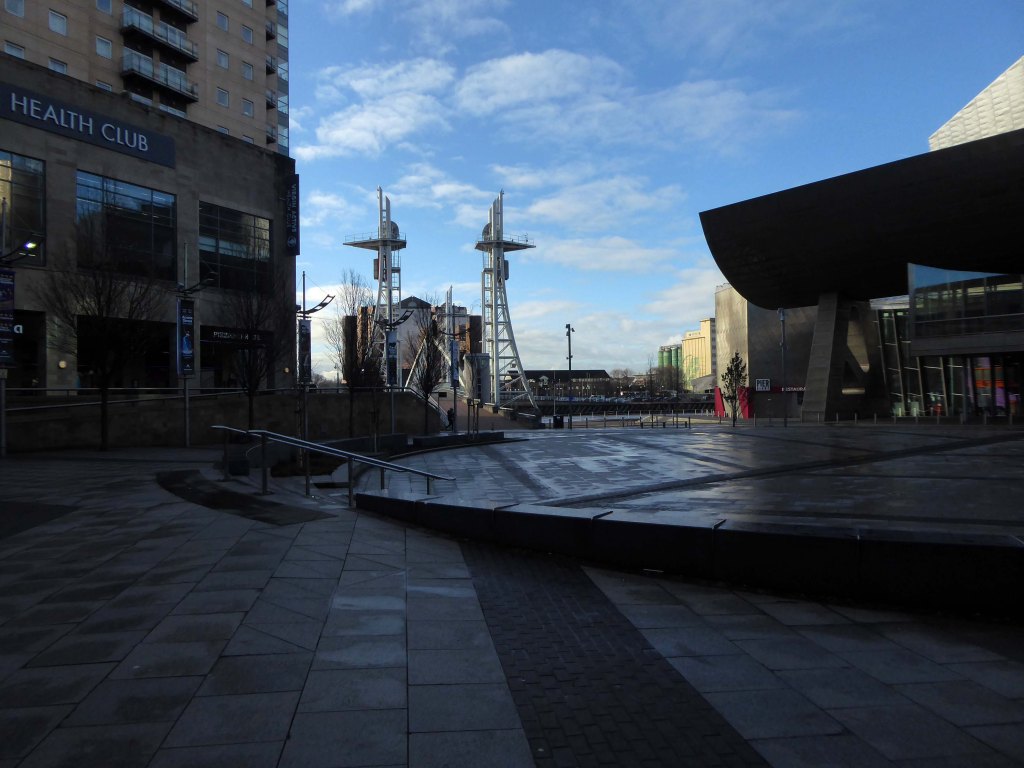
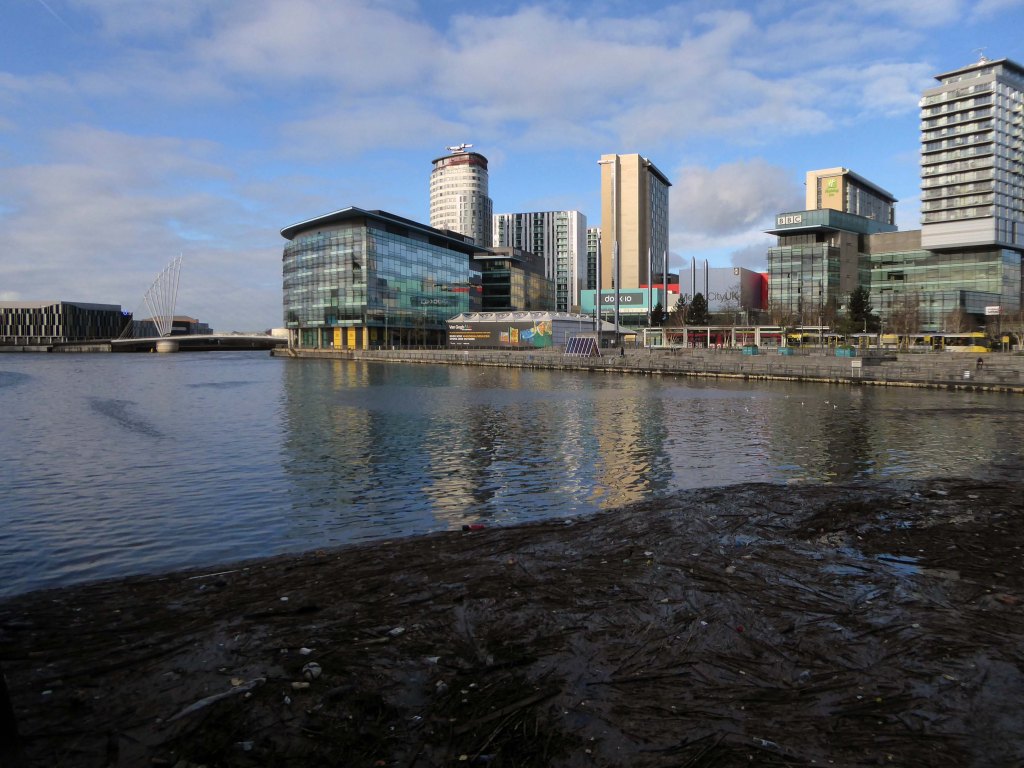
During the 1970s the docks began a rapid decline, largely due to containerisation. The increasing size of freight-carrying ships meant they could no longer navigate the ship canal and this, combined with increased trading with Europe and the east, saw use of Manchester Docks decrease. In 1982 the remaining docks closed and the area became derelict. Recognising the need to redevelop the area, Salford City Council purchased the docks in 1984 using a derelict land grant. The Salford Quays Development Plan was adopted in May 1985, proposing complete reclamation and development of the area for commercial, residential and leisure use.

Wikipedia

One of the very few school excursions we undertook way back in 1968 was to the docks – in an elegant glass topped barge.

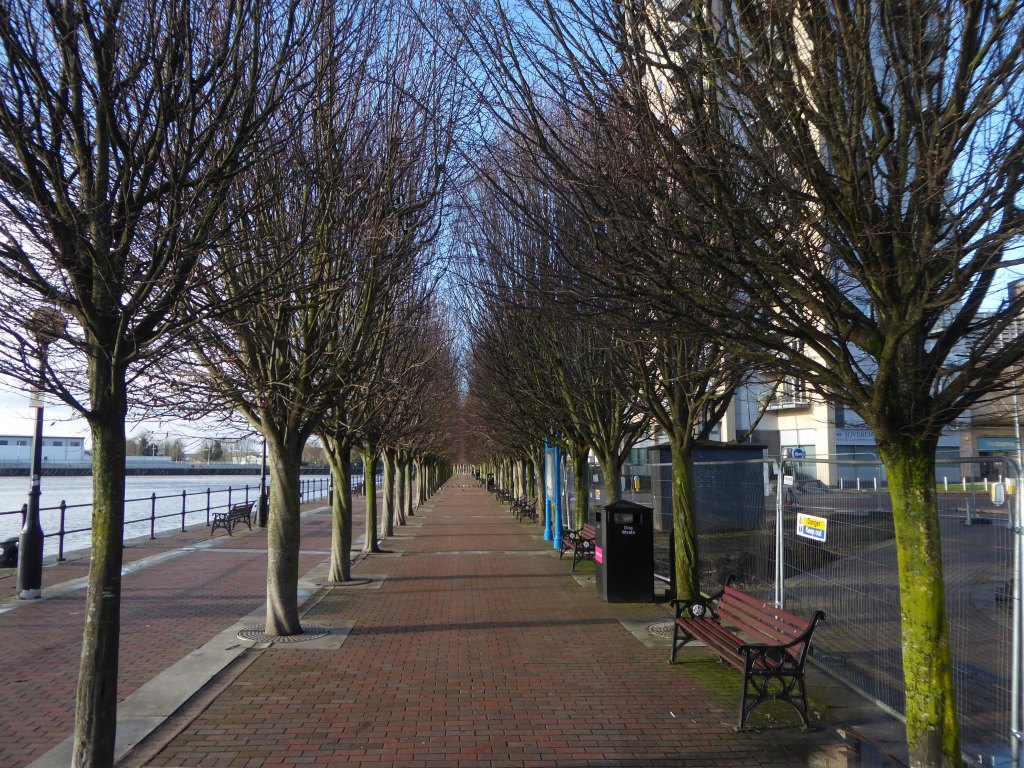
So I thought it was about time I went to take look around – this time I arrived by tram and proceeded on foot.

Pomona – Manchester

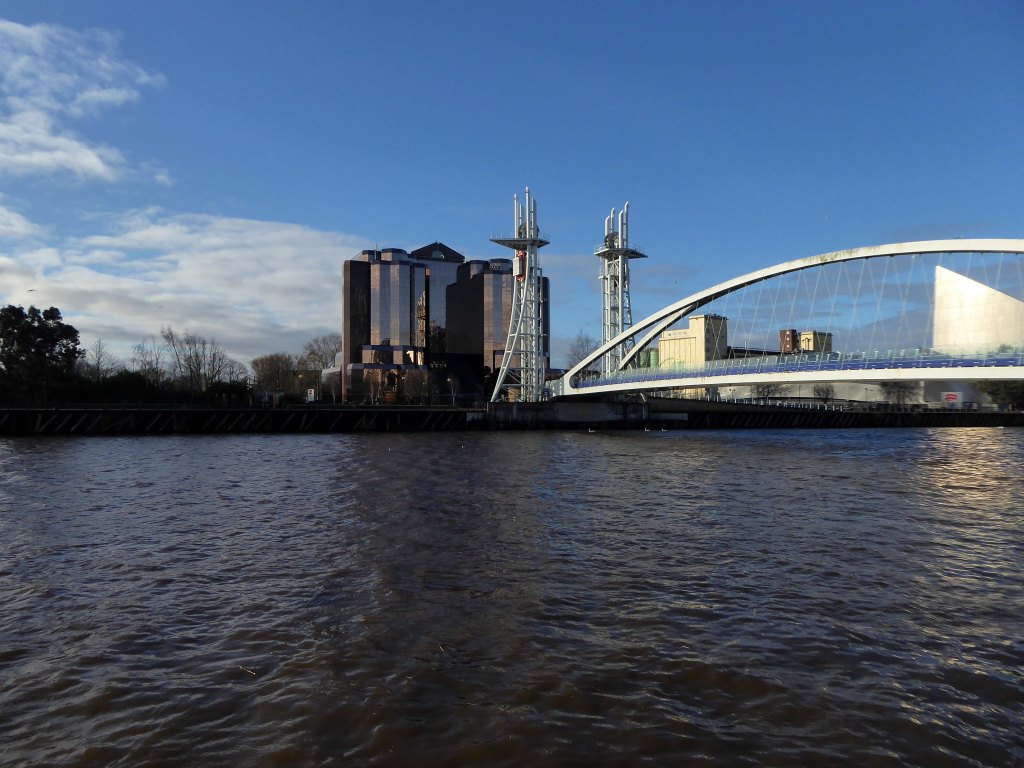
The River Irwell bisects Salford and Manchester, joining the rivers Irk and Medlock, and then turns west toward Irlam, as part of the Manchester Ship Canal. Its course ends just east of Irlam, where it empties into the Mersey.

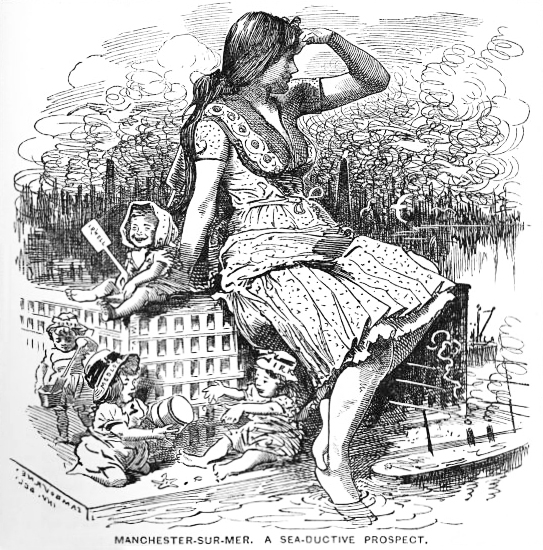
Urban development is ever so often dependent upon rivers – for sustenance, commerce and amusement. The Irwell and latterly the developments of the canal system has provided all of these in superabundance.

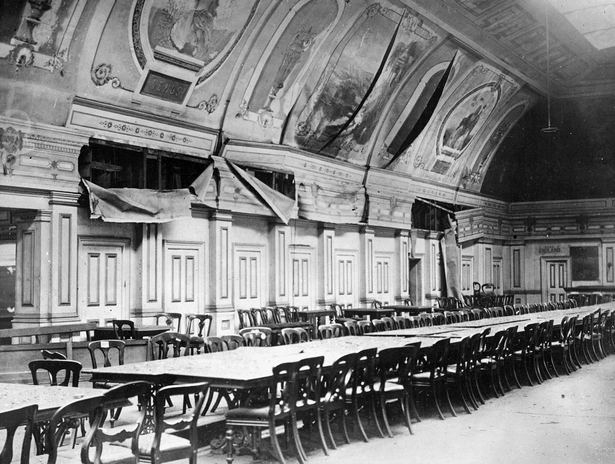
By 1870 the Pomona Gardens is thriving , boasting a concert hall and banqueting suite – further details here from Skyliner.

In the summer of 1887, a nearby chemicals factory exploded, damaging the palace – the area was under threat and destined to rot away to obscurity: the following year the gardens closed forever.

By 1900 the Ship Canal, docks and railways had arrived – Manchester and Salford are at the centre of an unprecedented growth in manufacture and trade.

1891
1923
1950

During the 1970’s the docks began a rapid decline, largely due to containerisation. The increasing size of freight-carrying ships meant they could no longer navigate the ship canal and this, combined with increased trading with Europe and the east, saw use of Manchester Docks decrease. In 1982 the remaining docks closed and the area became derelict. Recognising the need to redevelop the area, Salford City Council purchased the docks in 1984 using a derelict land grant. The Salford Quays Development Plan was adopted in May 1985, proposing complete reclamation and development of the area for commercial, residential and leisure use.

Wikipedia

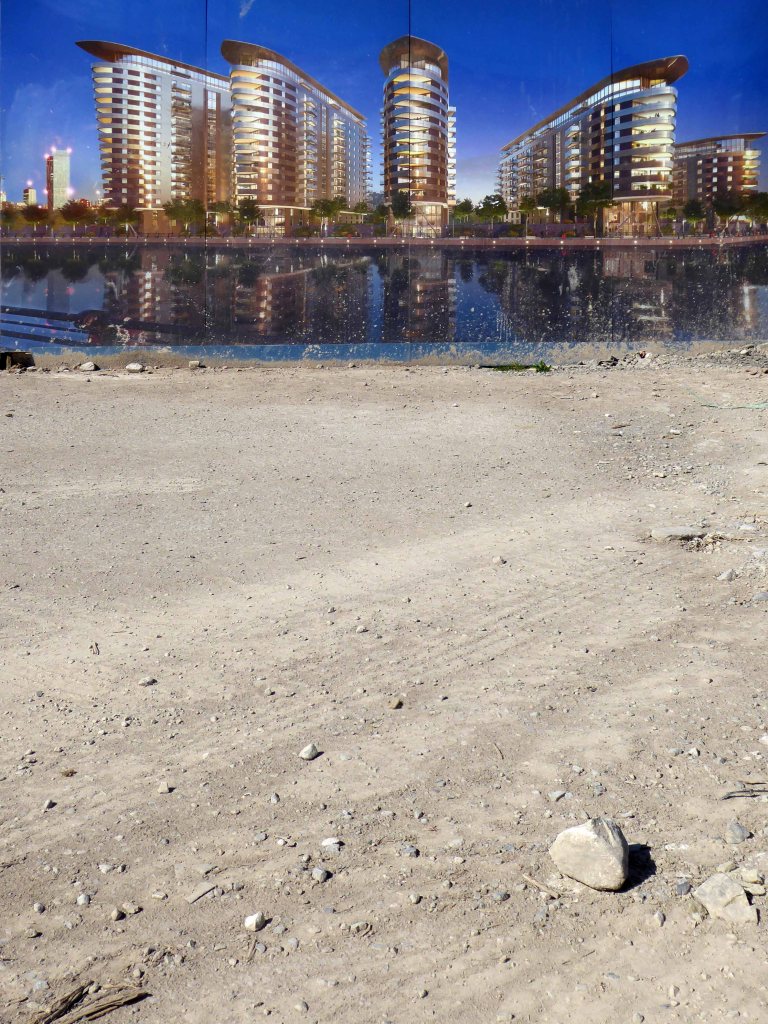
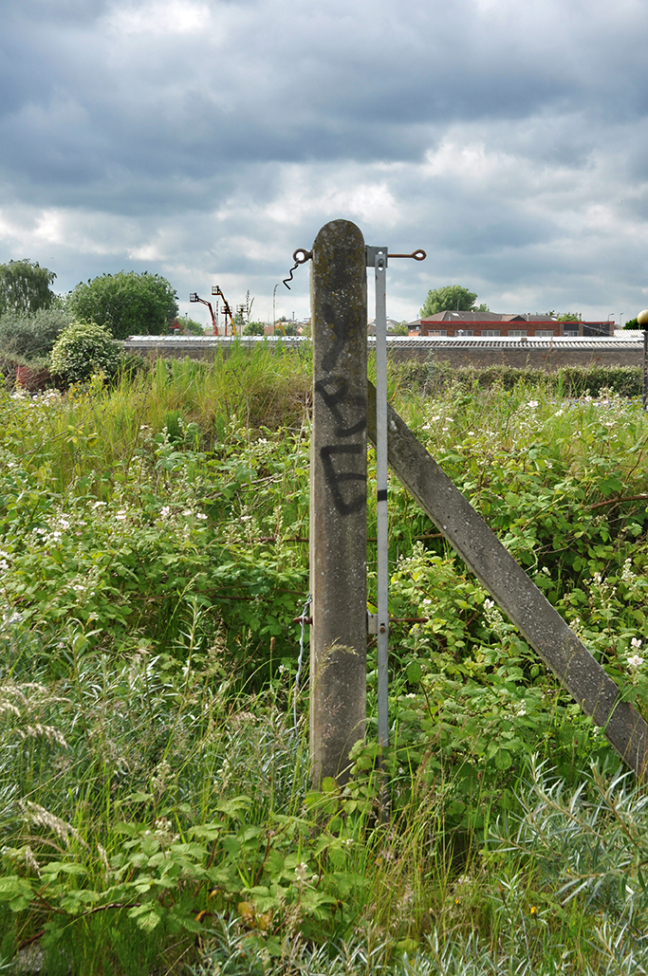
Manchester and Salford begin the long haul from post industrial decline to service centred cities – there were even seeds sewn for the development of a luxury marina. When I first visited Pomona the area was seriously overgrown and the underground wiring stripped out.

2010
2010
2020

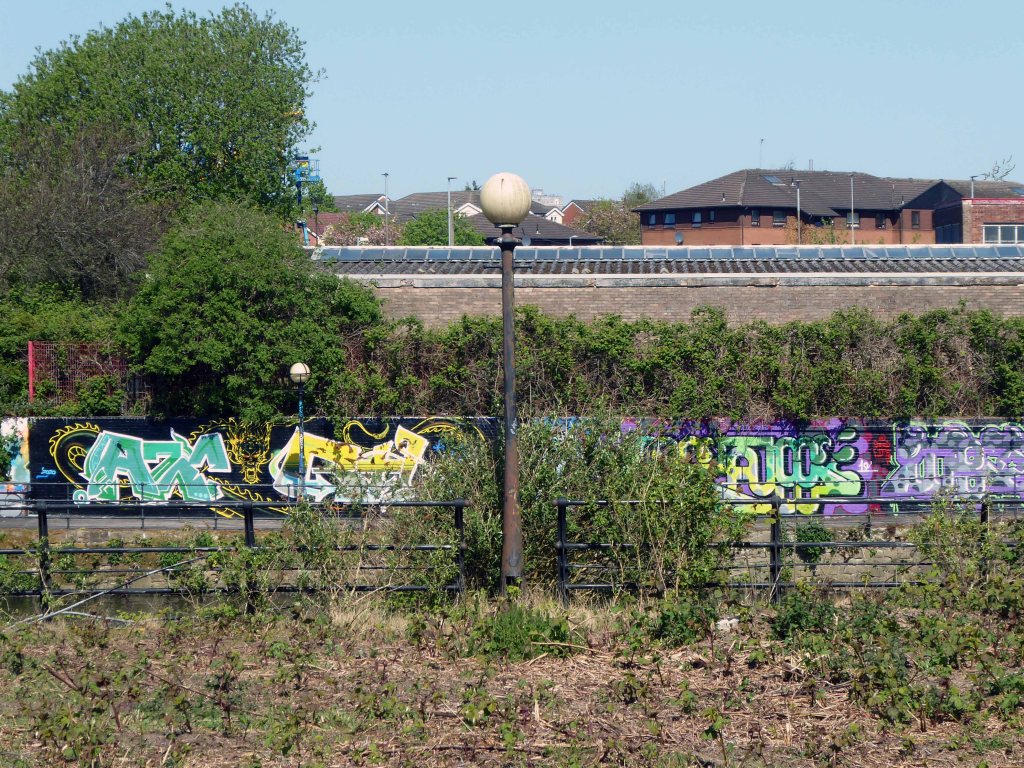
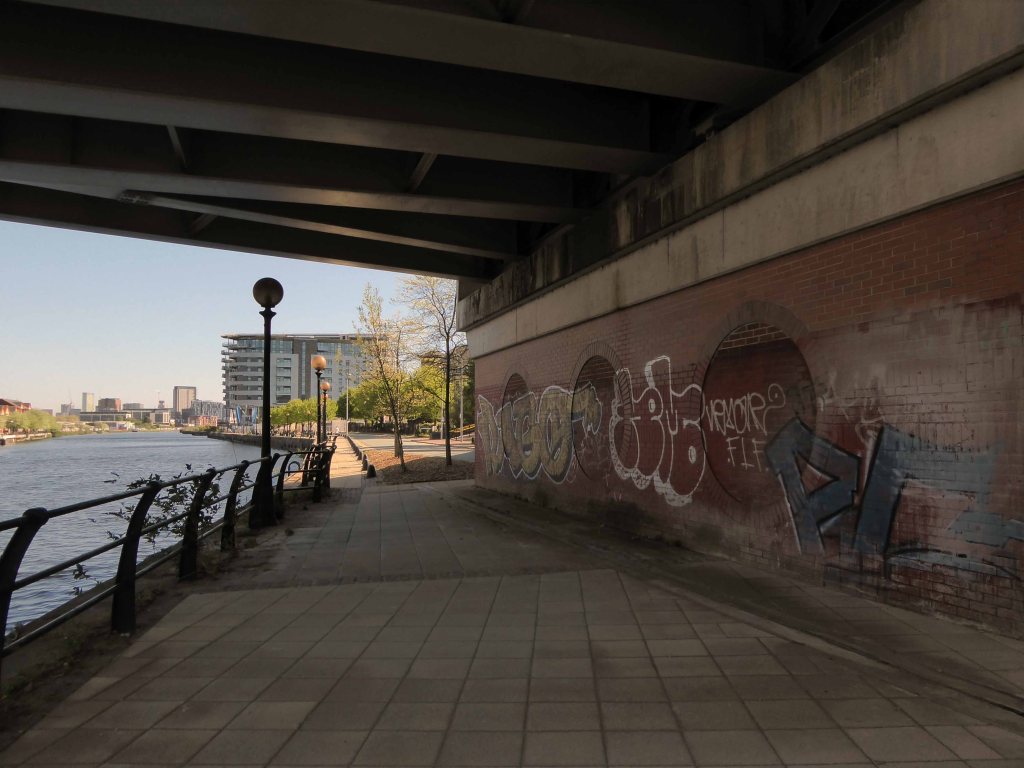
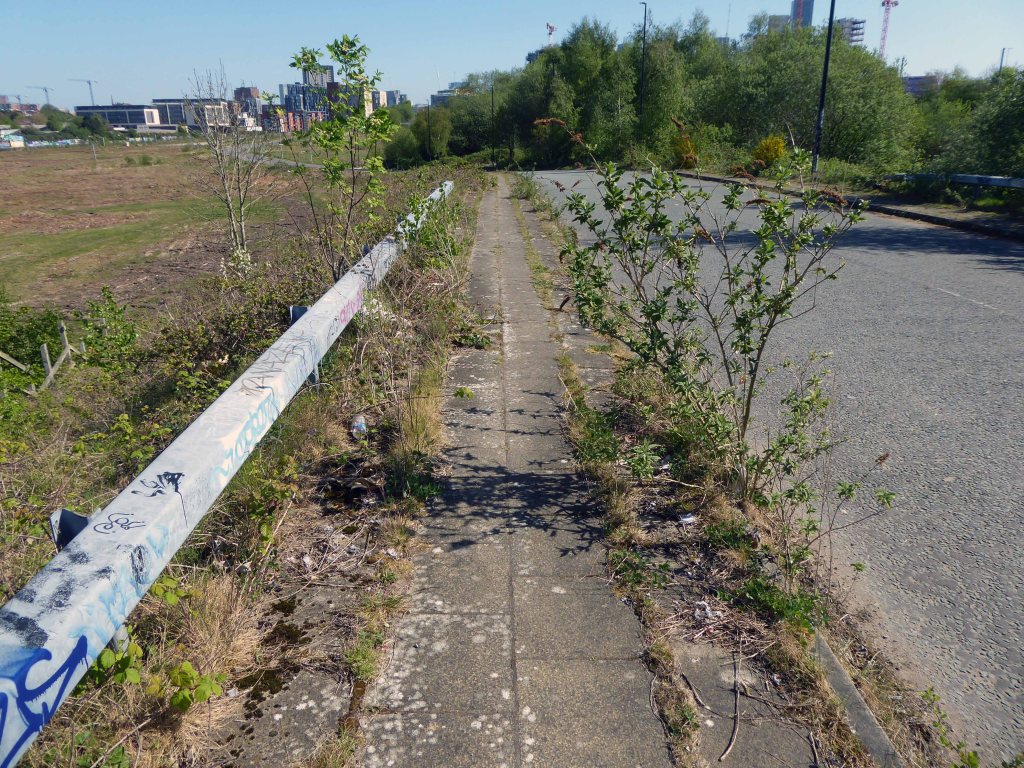
Remnant of the initial scheme – pedestrian access, balustrade and lighting.

What would poor old Pomona make of all this?

There was a failed attempt to prevent further development and return the area to nature. Peel Holdings prevailed and pressed on relentlessly with their programme of urbanisation.

I have posted concerning Pomona posts previously.

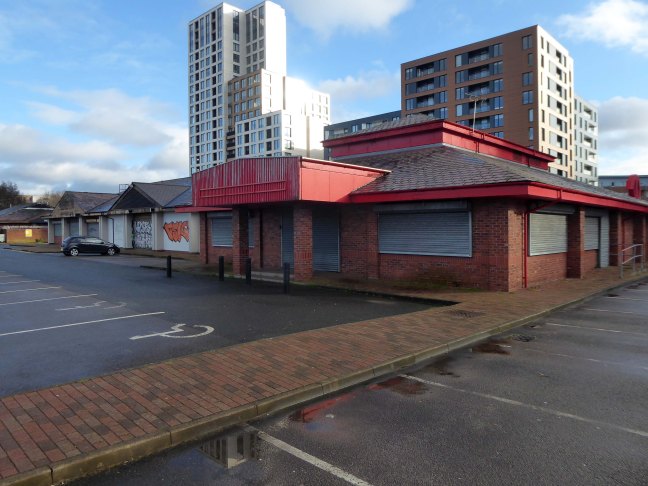
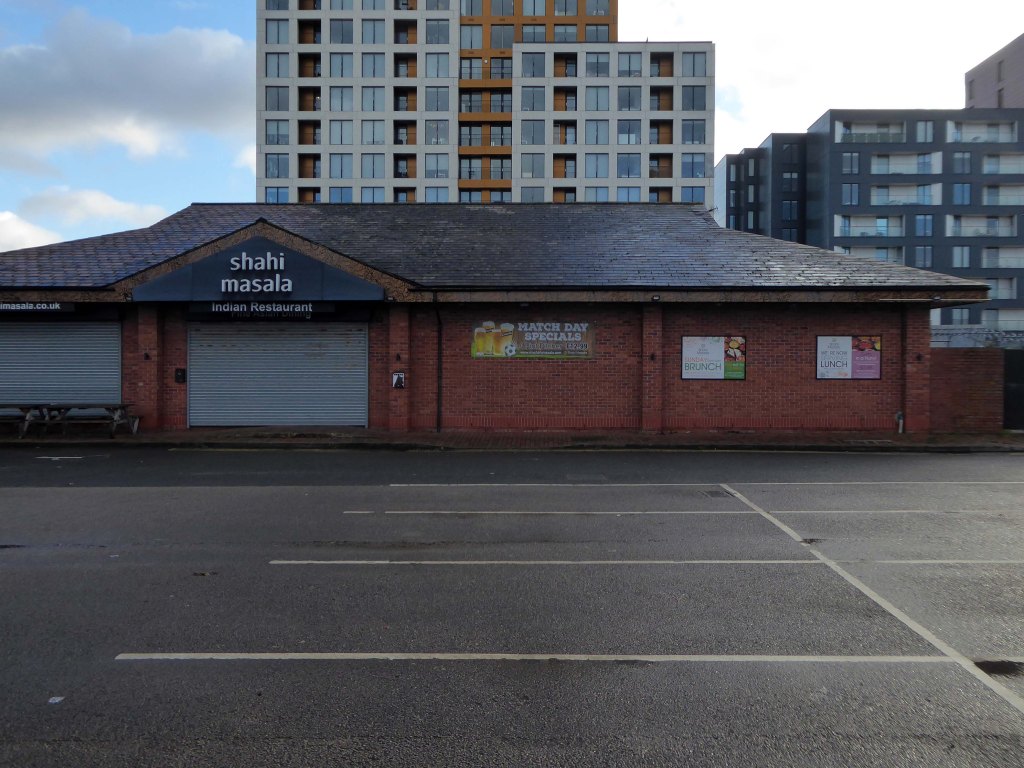
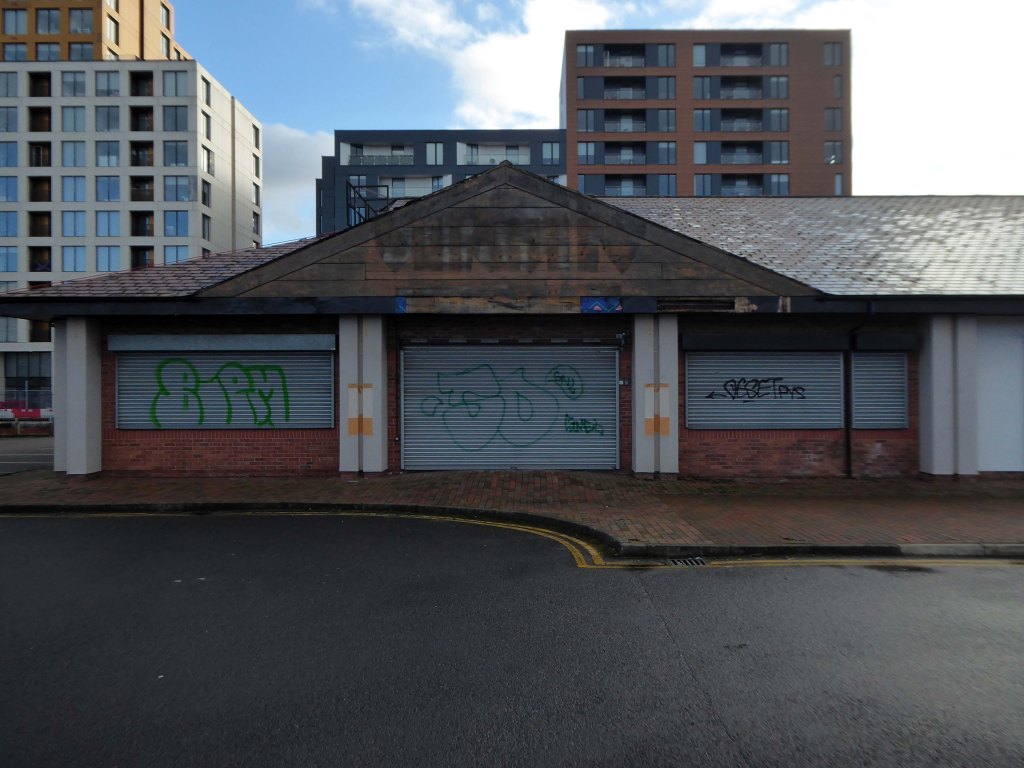
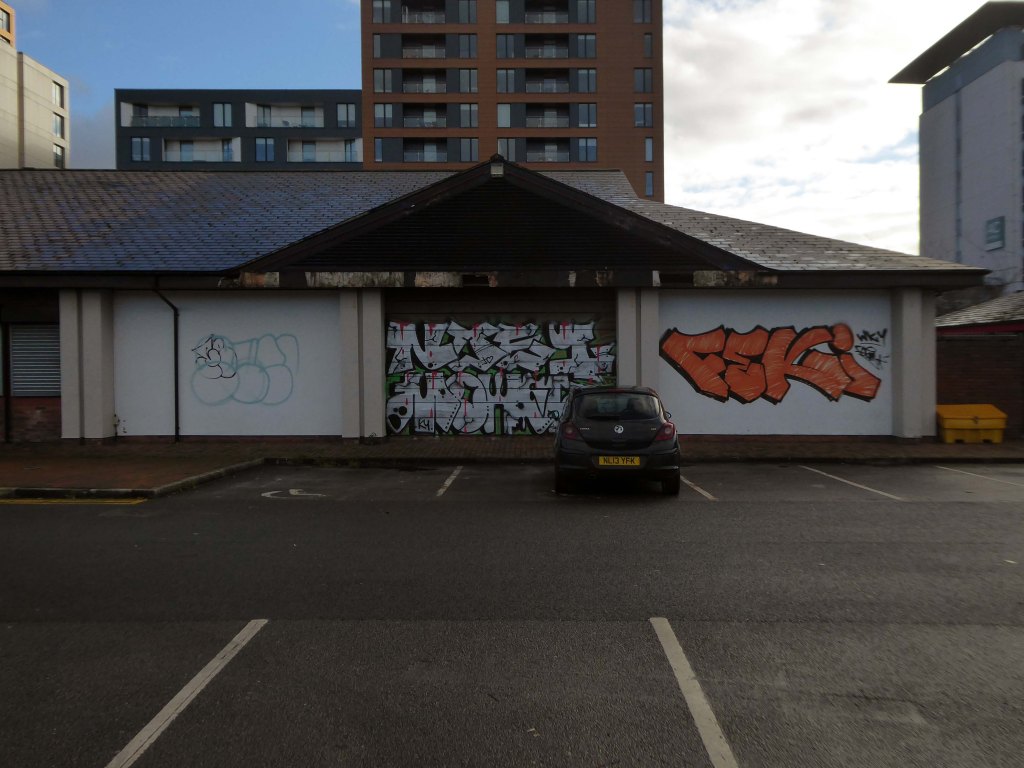
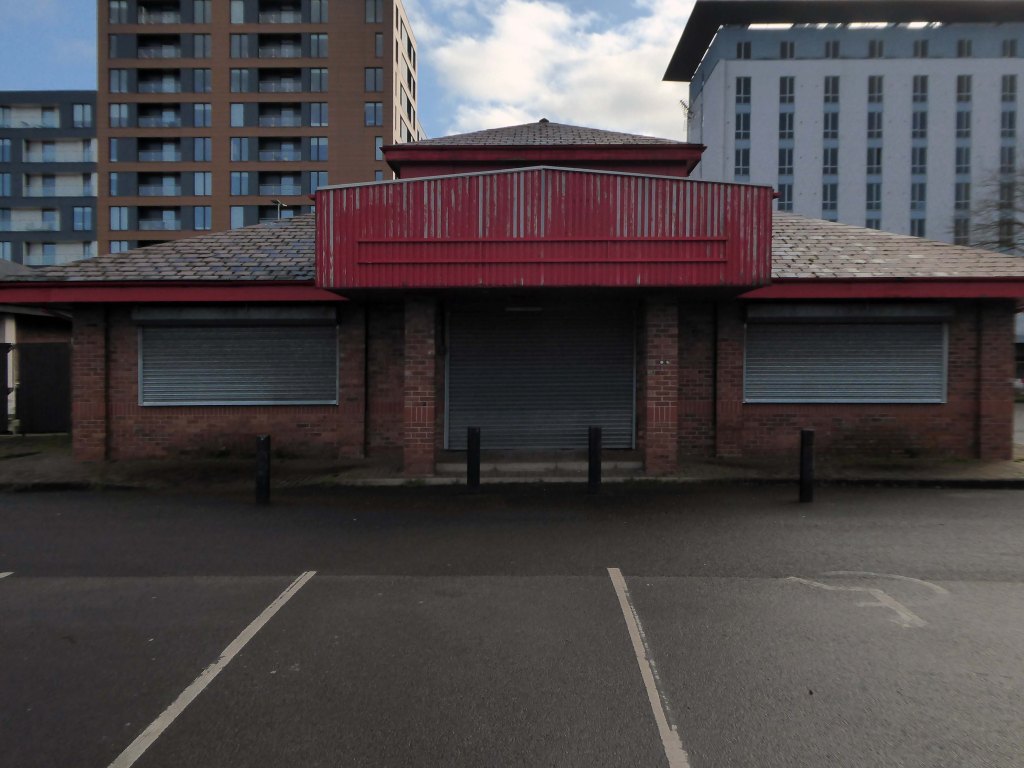
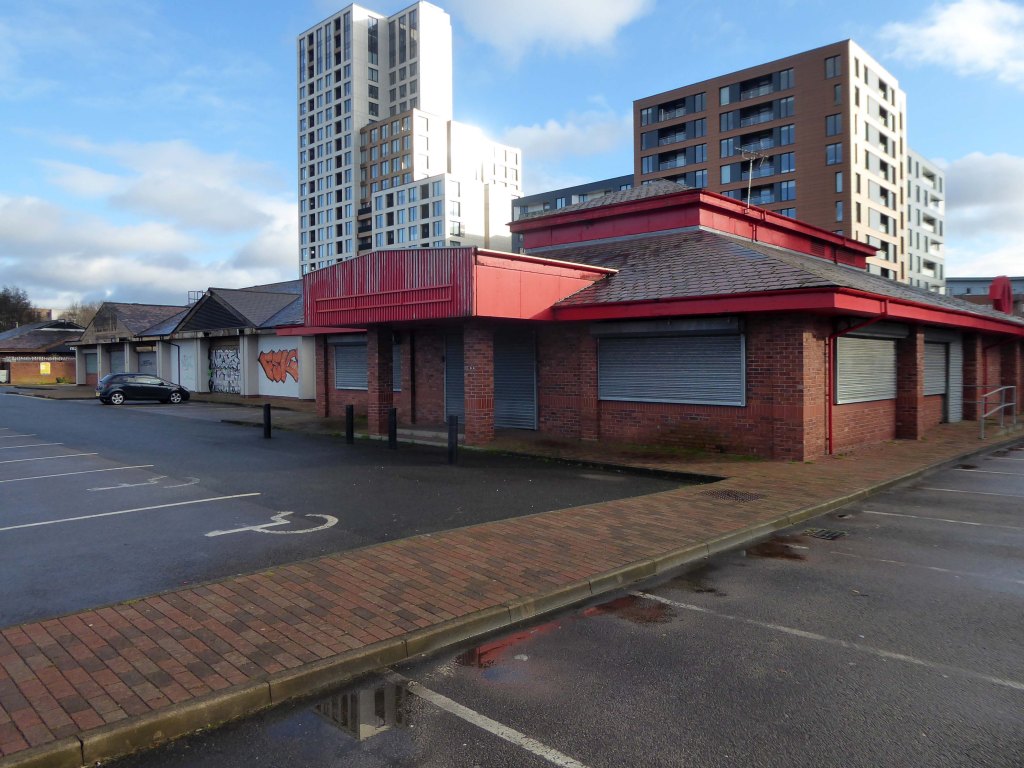
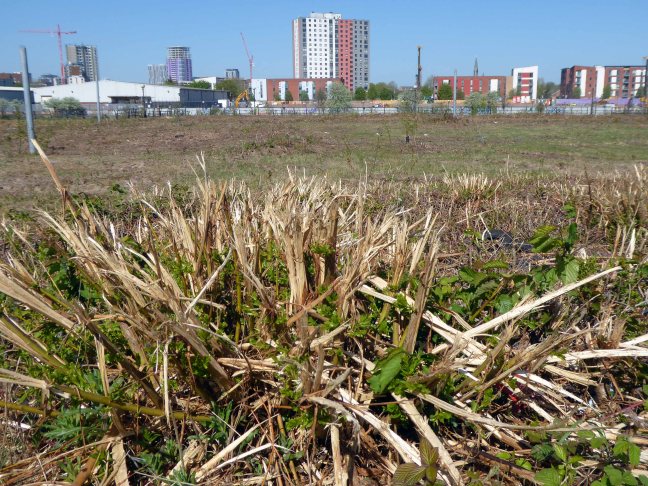
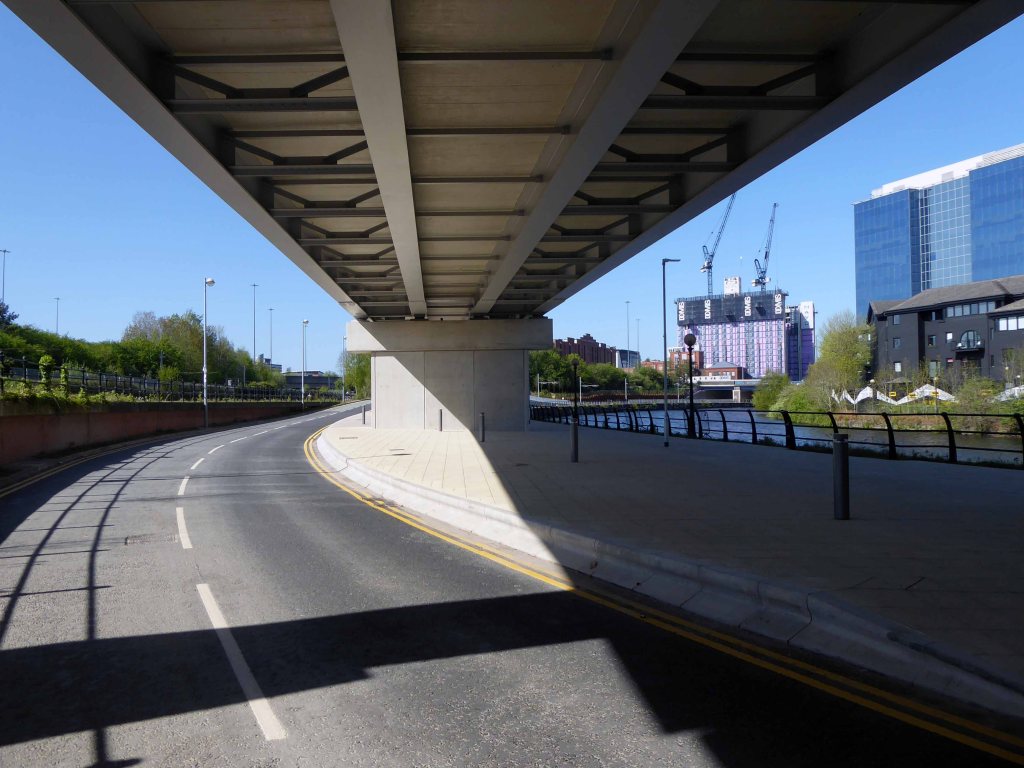
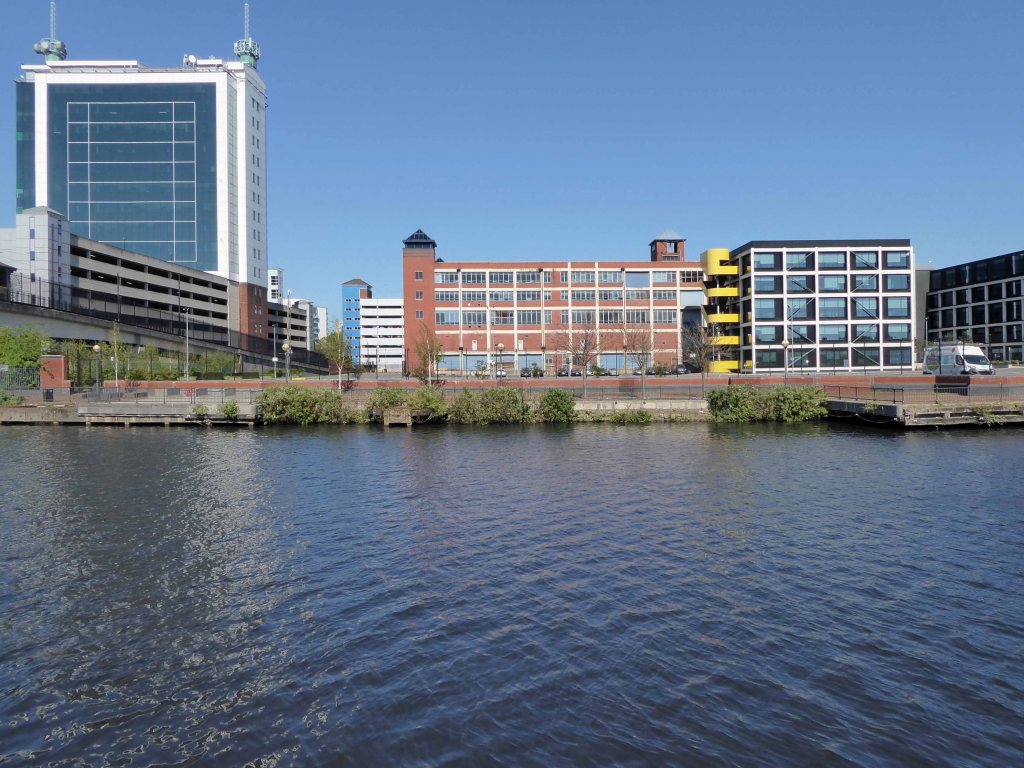
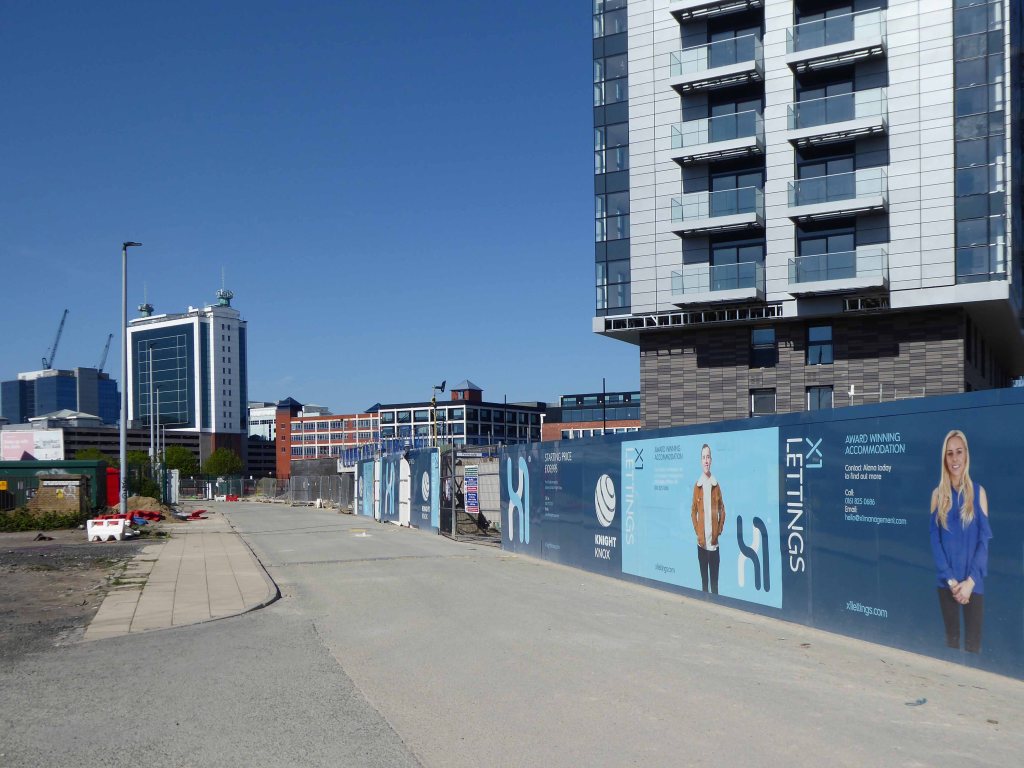
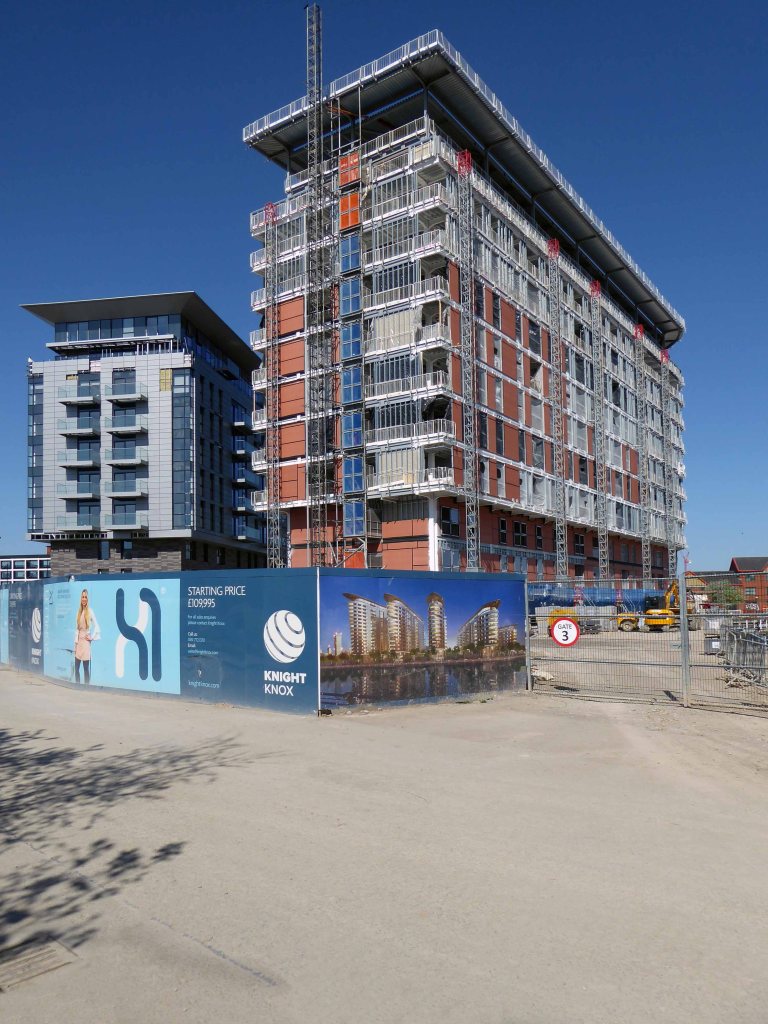
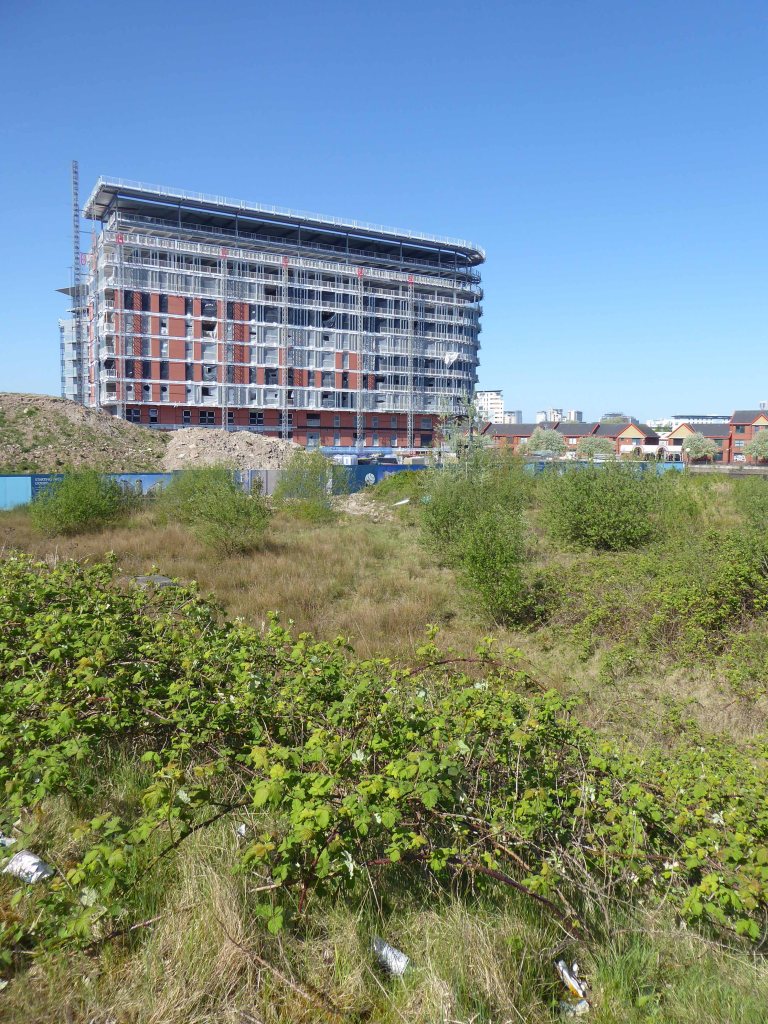
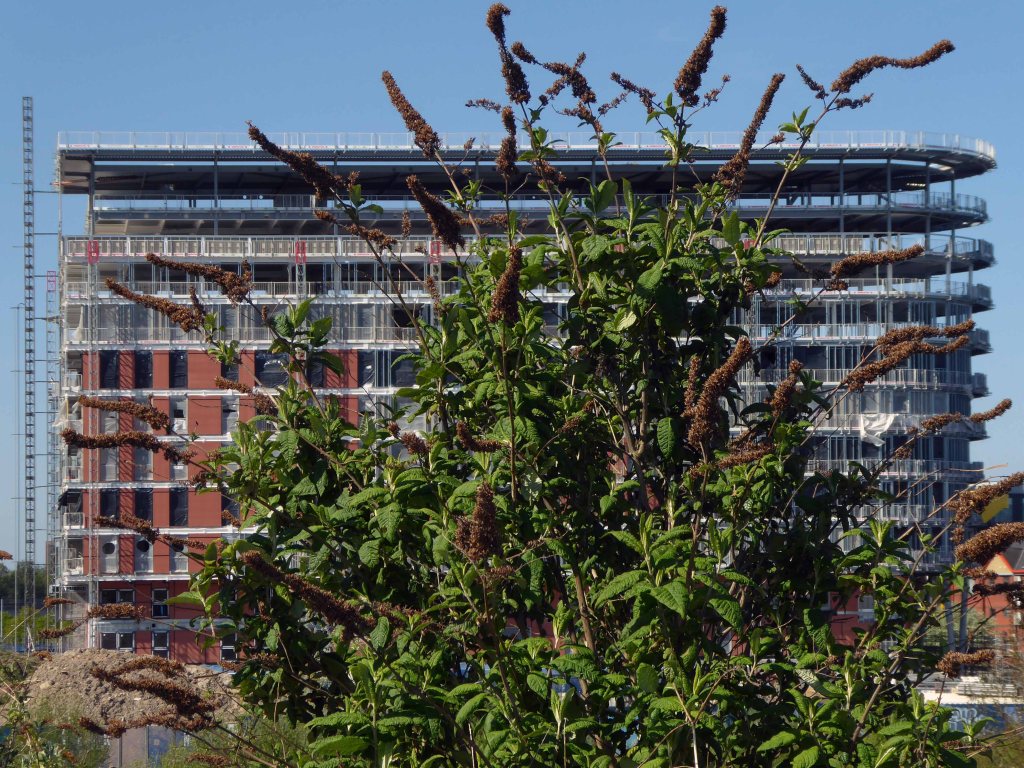
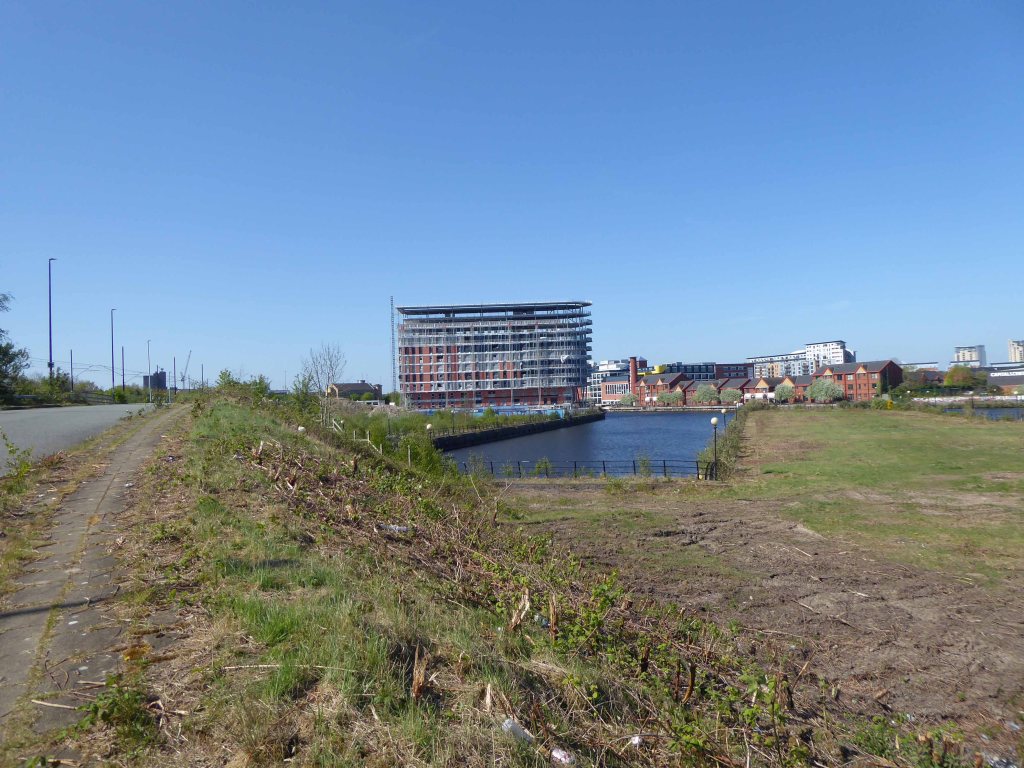
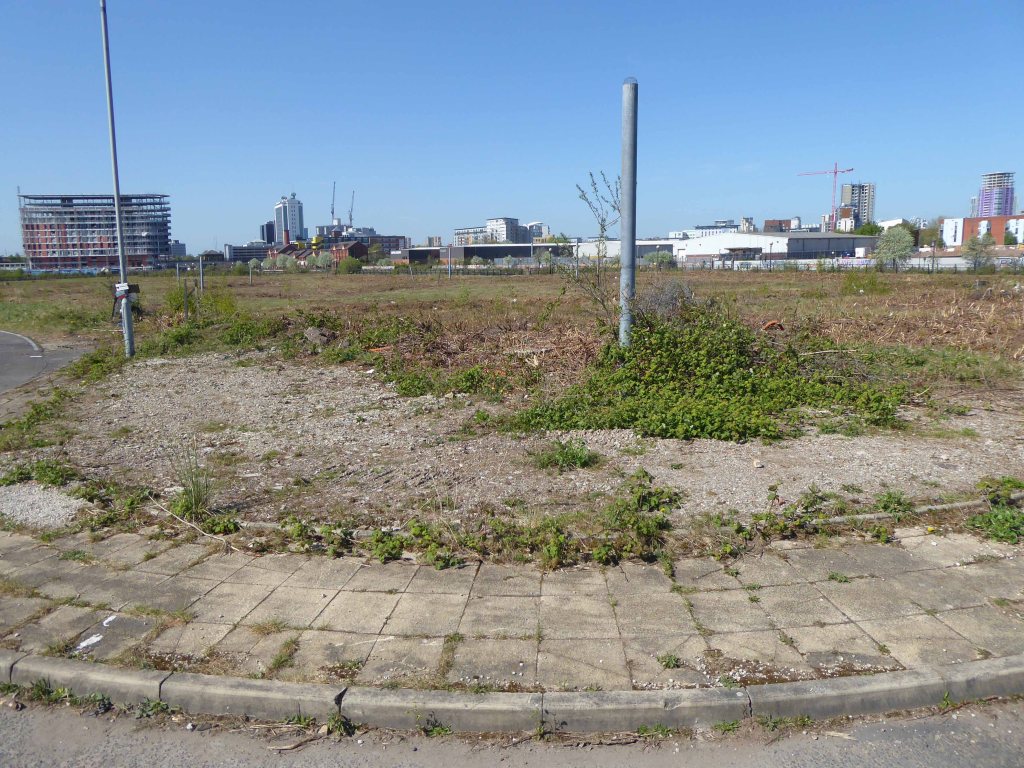
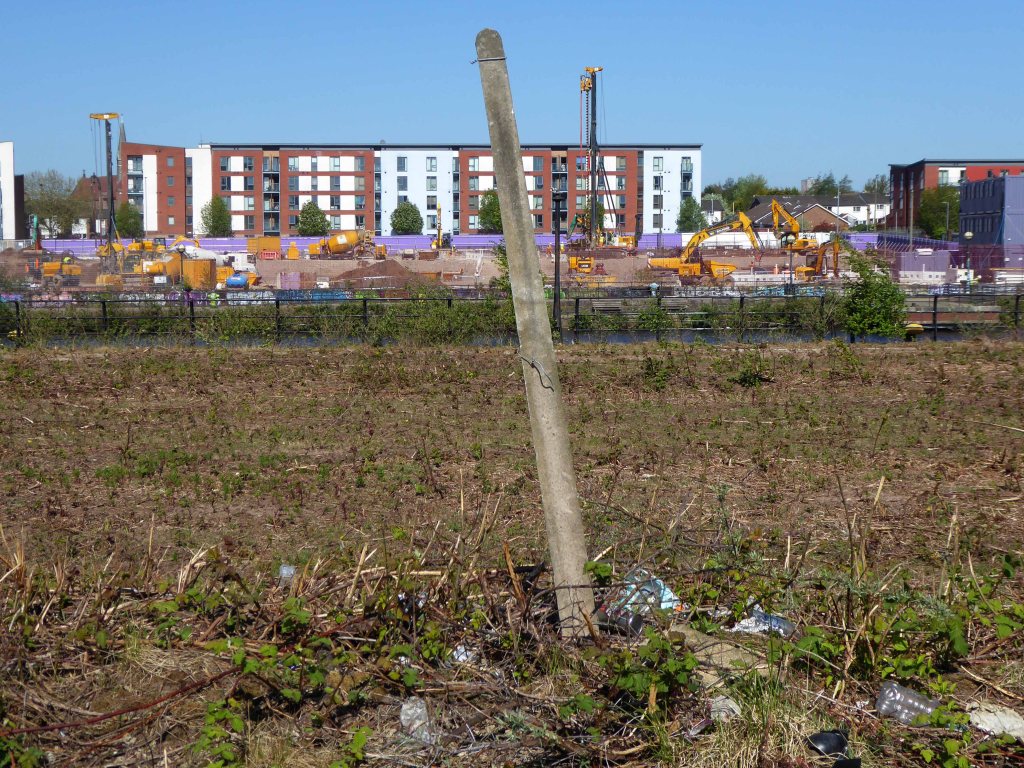
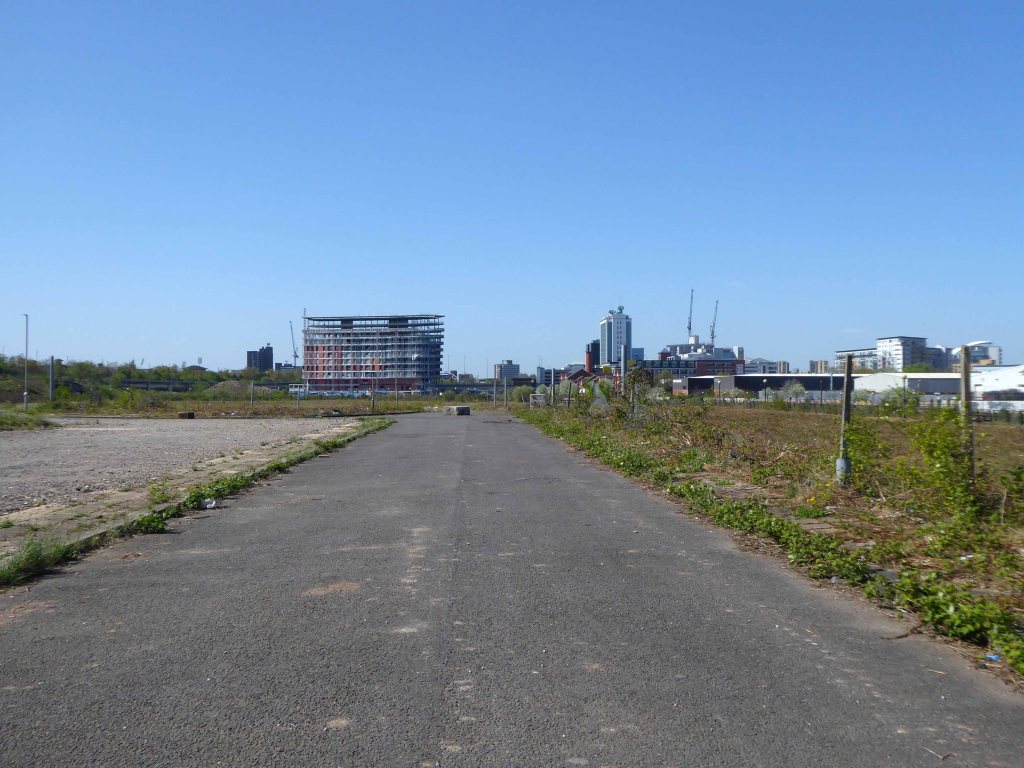
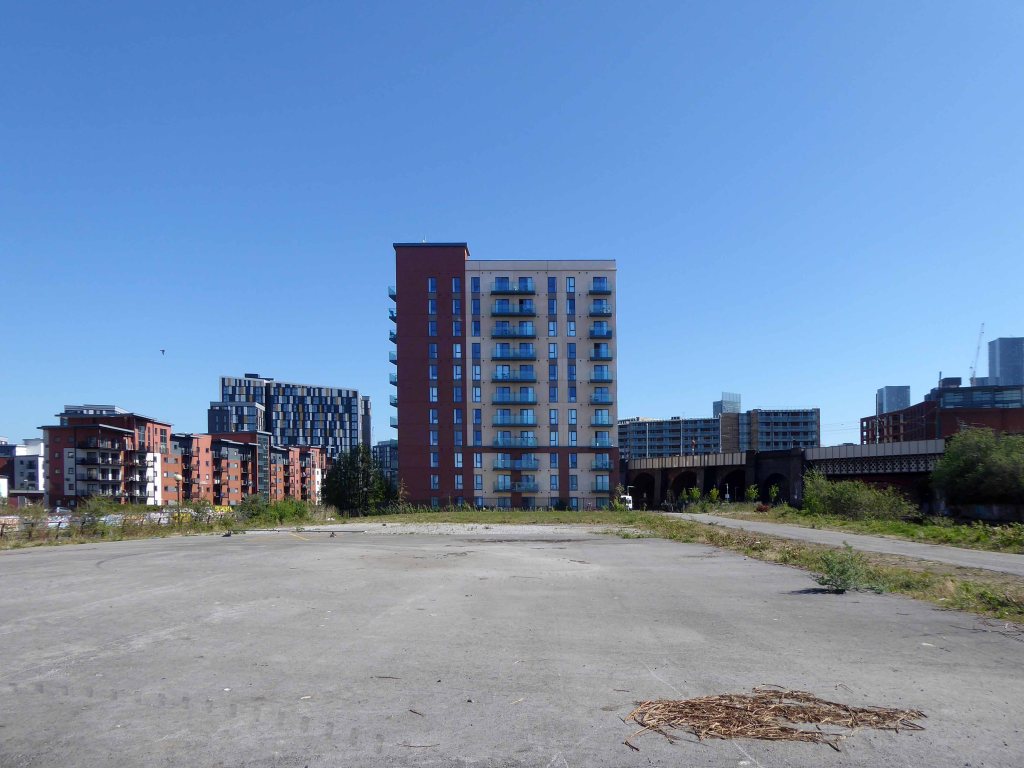
So it’s April 2020 – I’m on my way from somewhere else to somewhere else, I’ll cut across Pomona Island – the building site is in lockdown – ain’t nobody home.