St John’s College was founded as a men’s college in 1555, it has been coeducational since 1979. Its founder, Sir Thomas White, intended to provide a source of educated Roman Catholic clerics to support the Counter-Reformation under Queen Mary.
St John’s is the wealthiest college in Oxford, with assets worth over £790 million as of 2022, largely due to nineteenth-century suburban development of land in the city of Oxford of which it is the ground landlord.
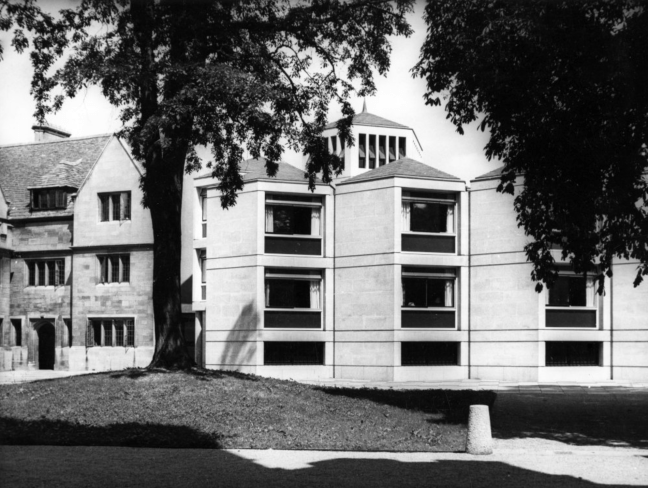
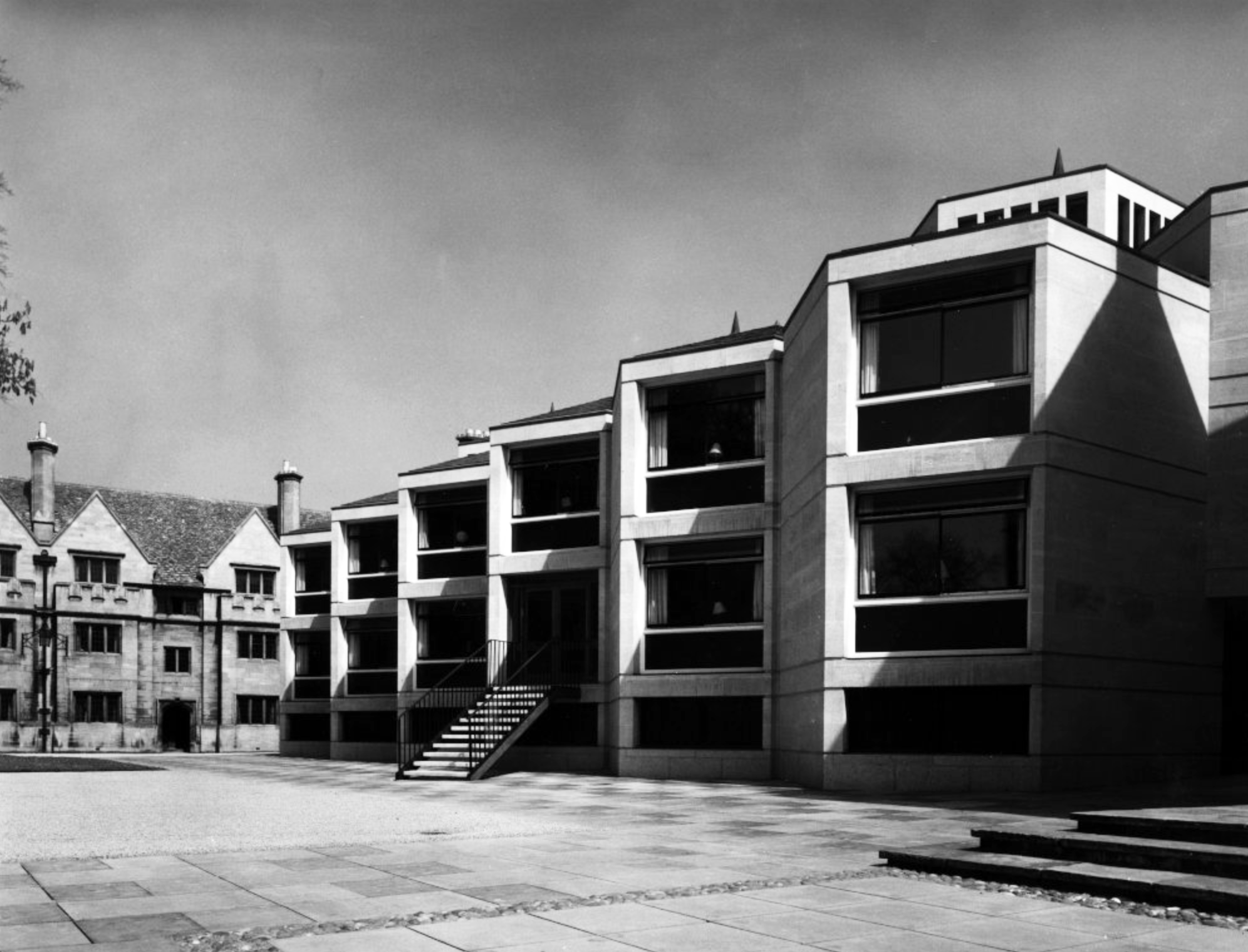
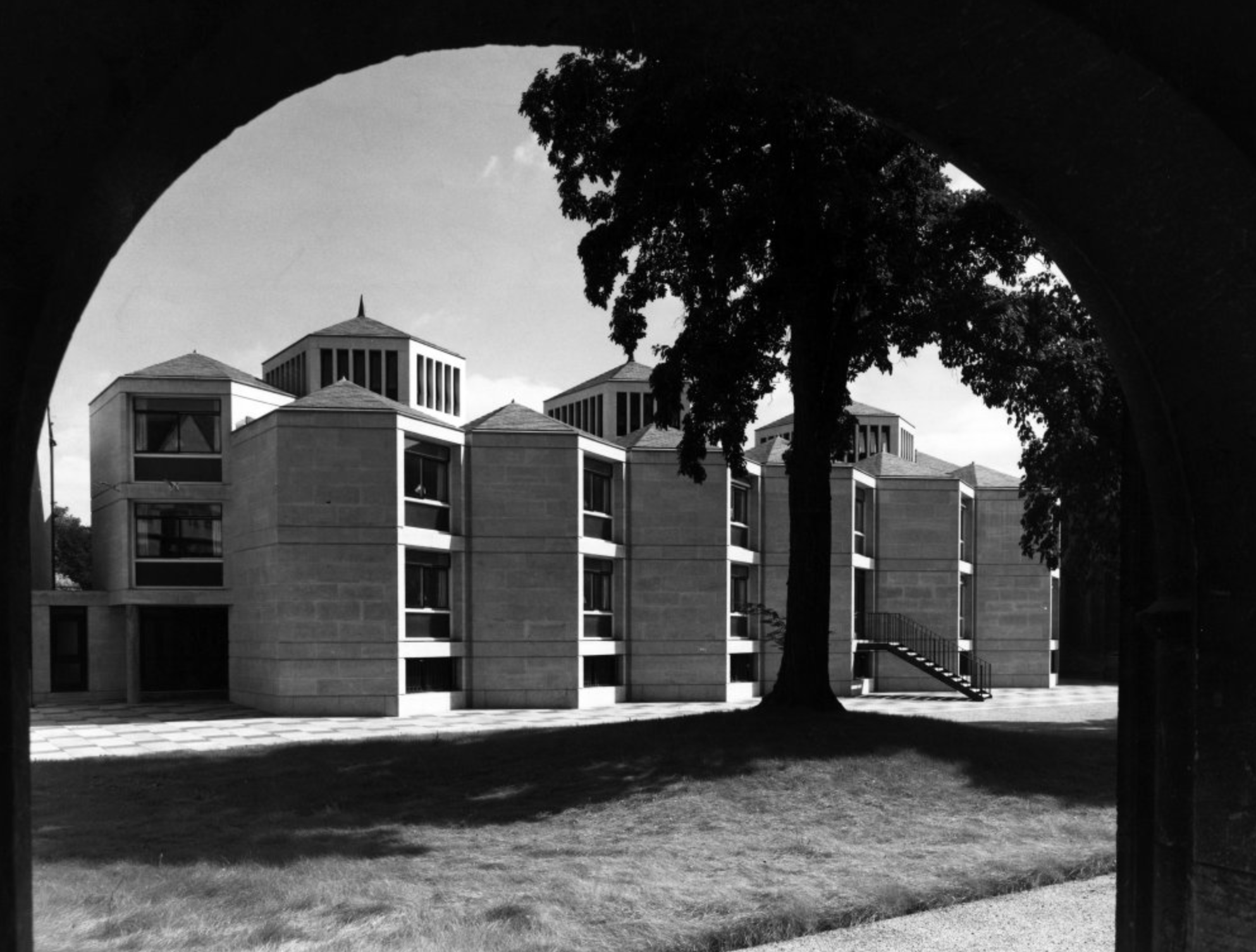
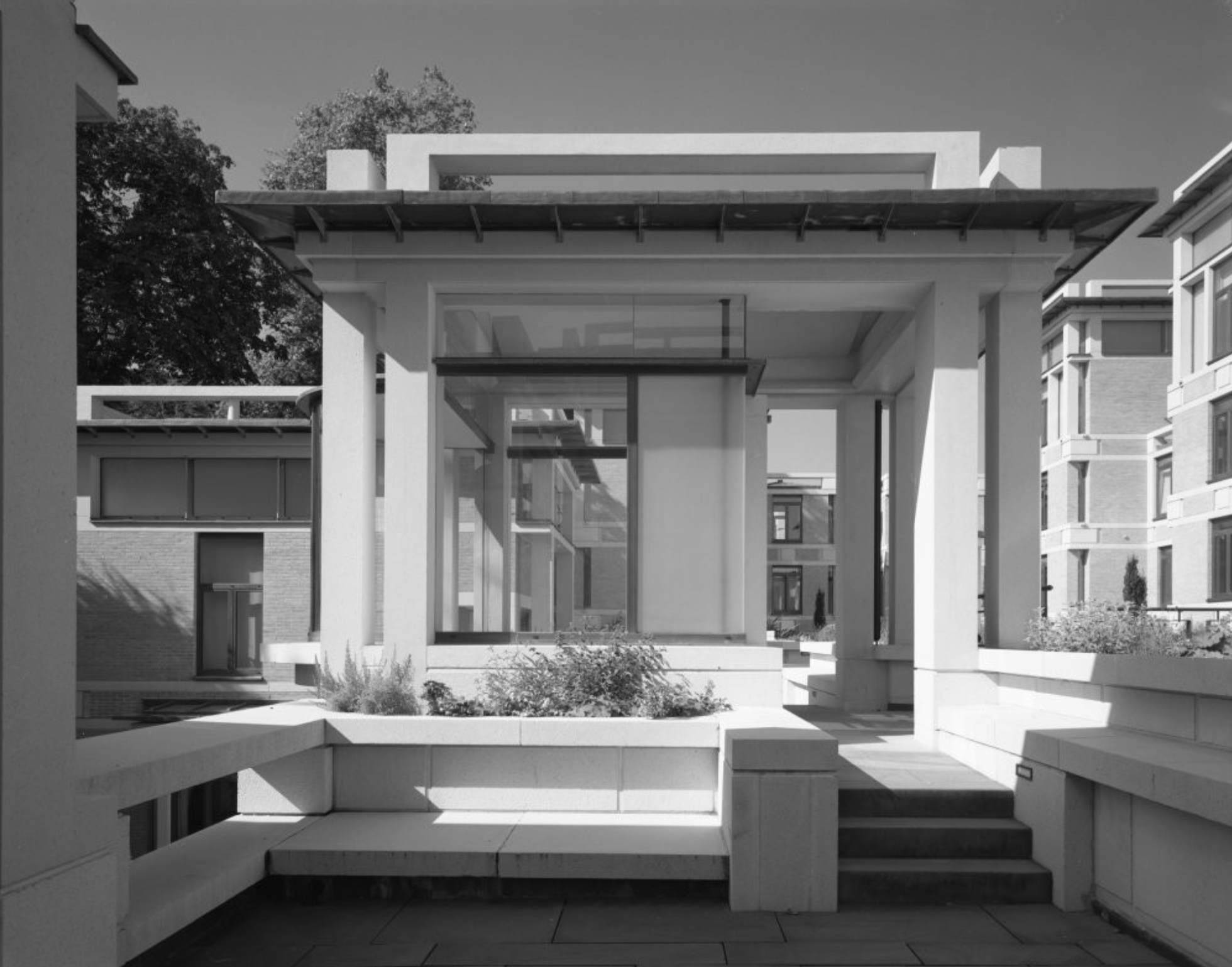
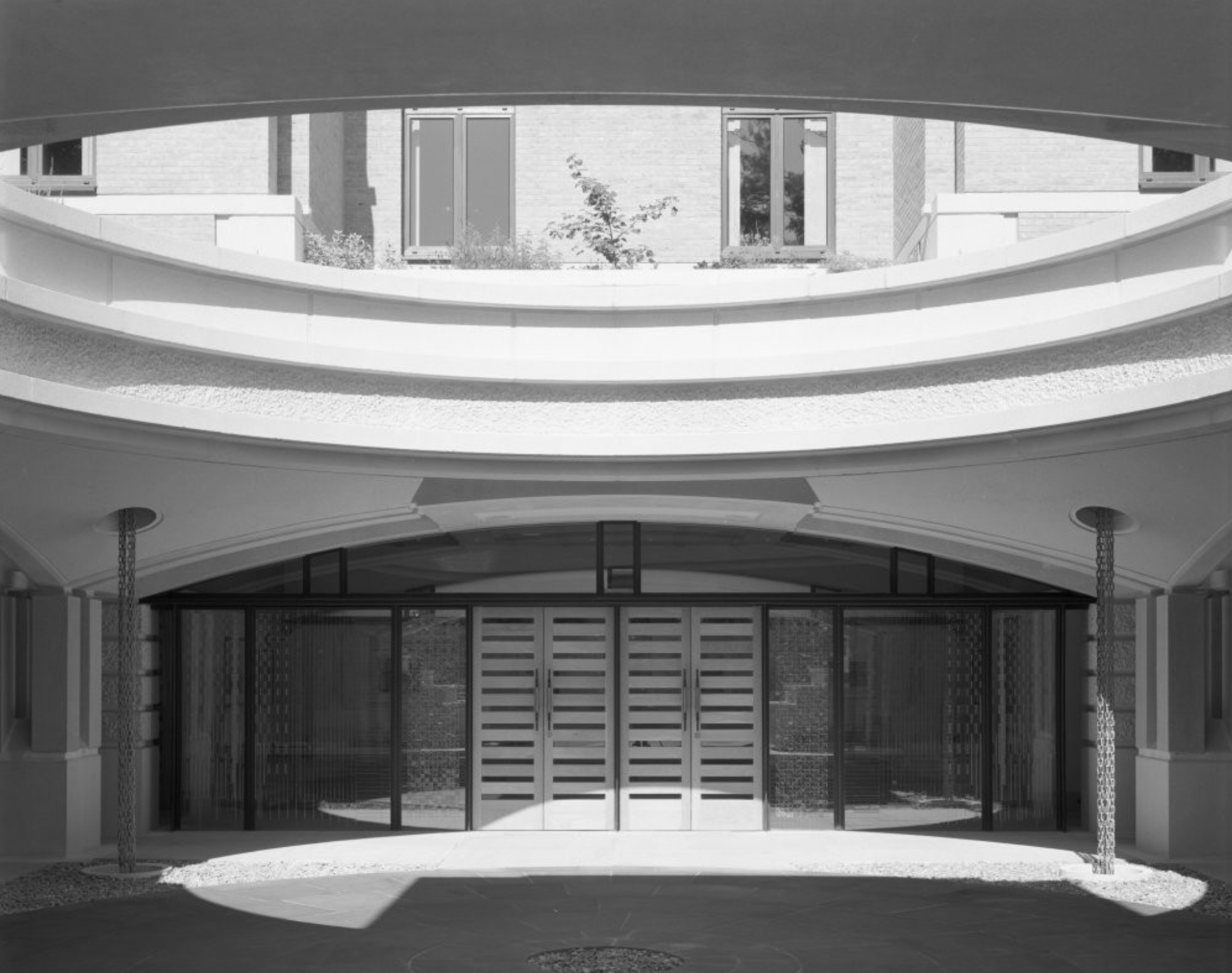
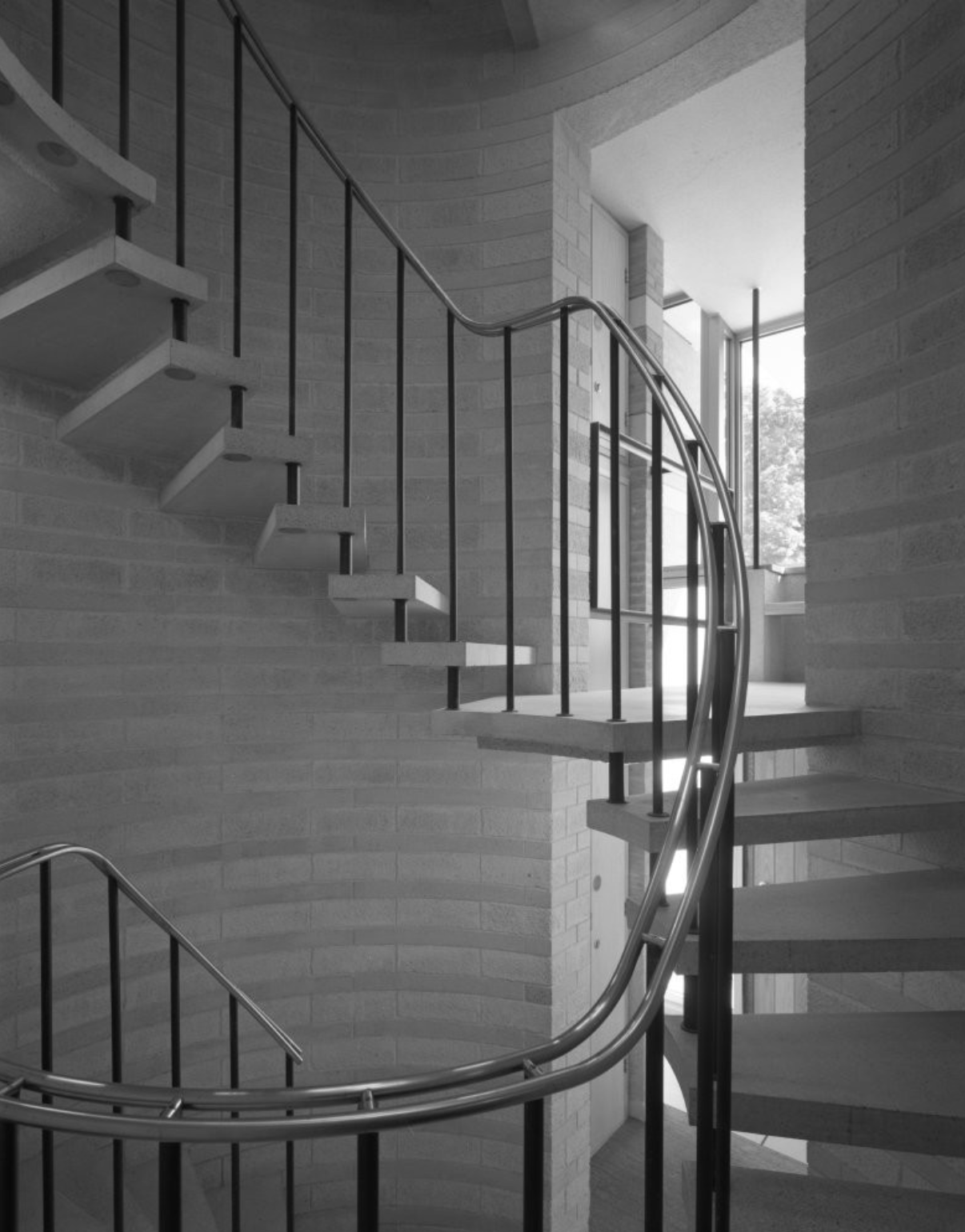
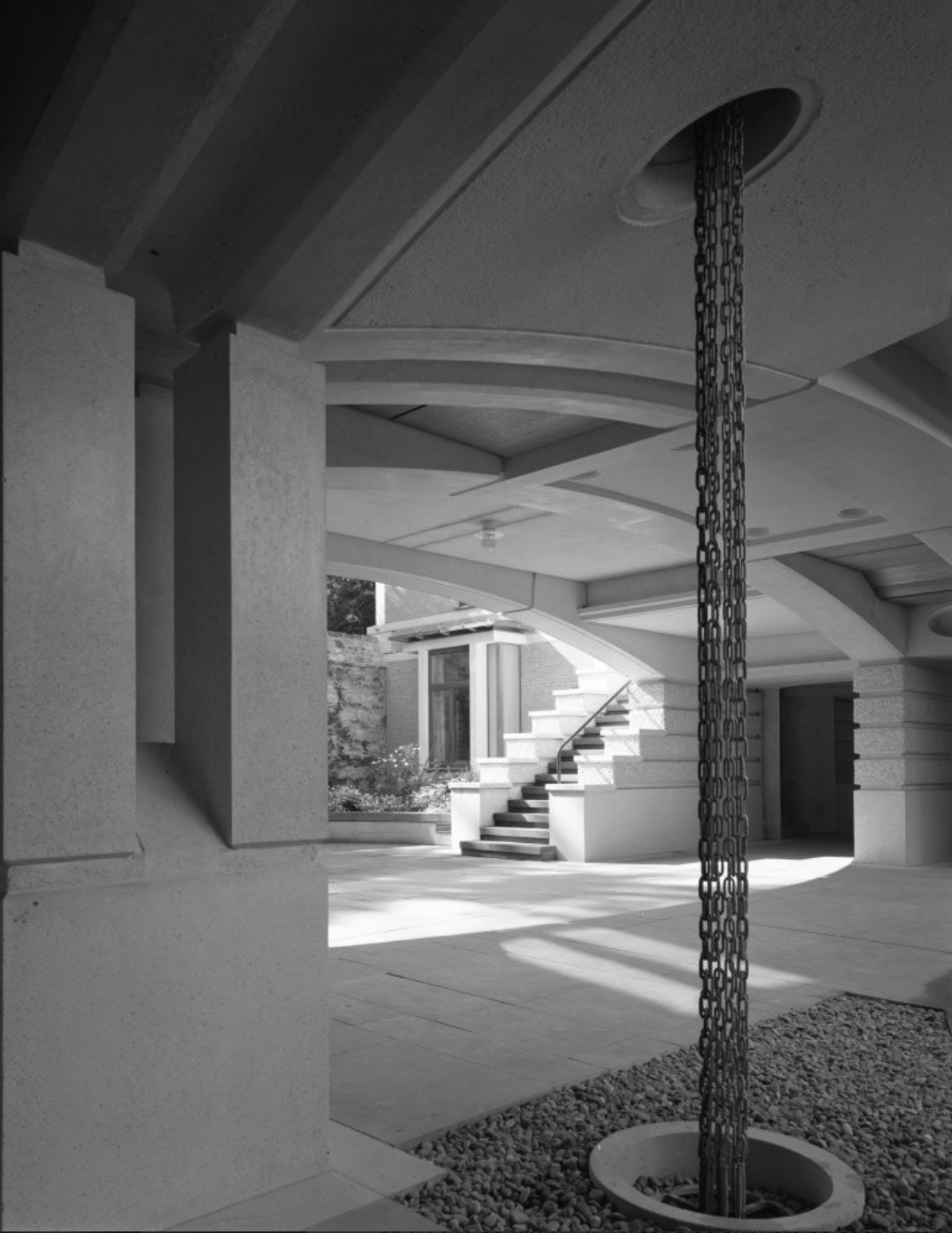
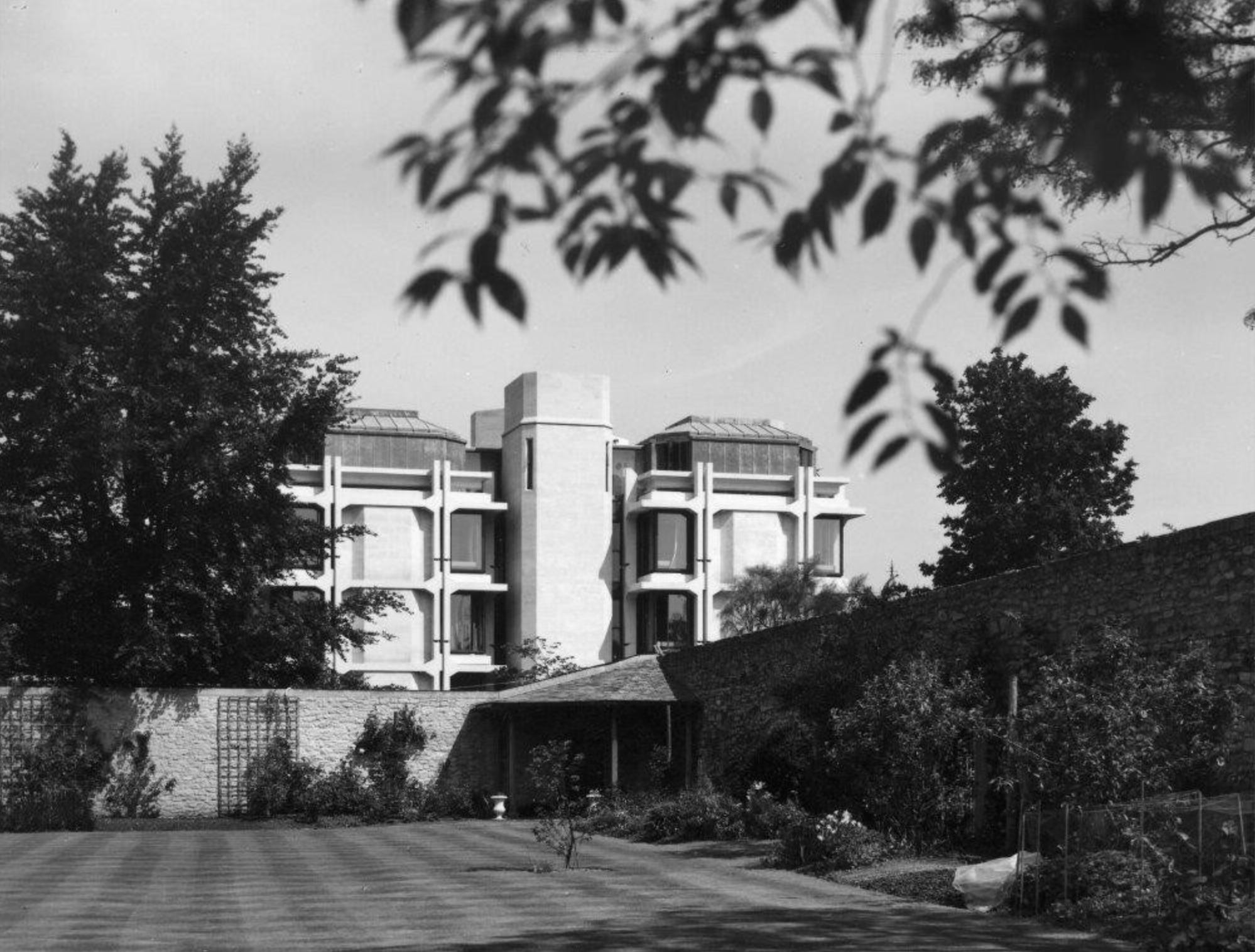
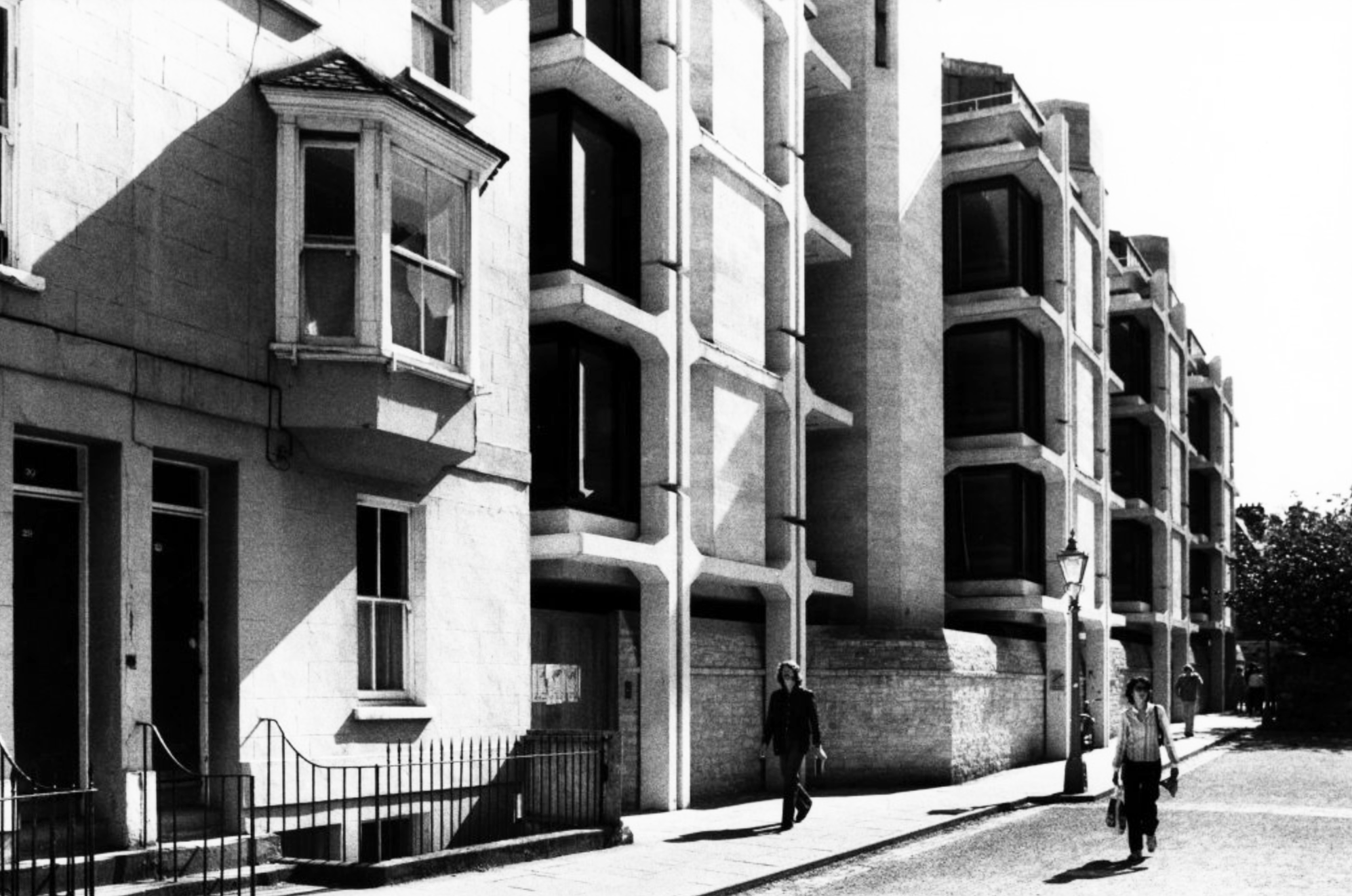
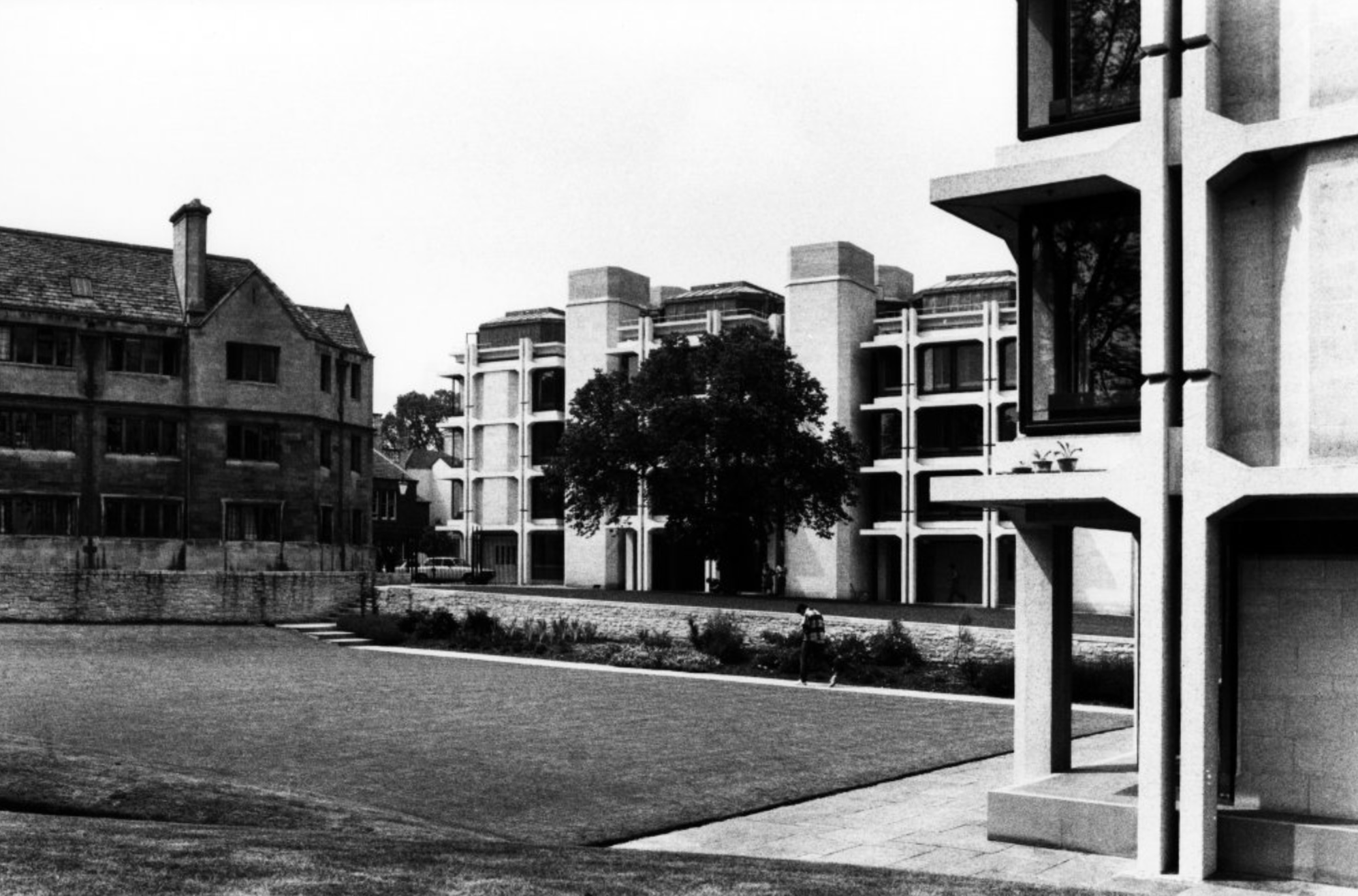
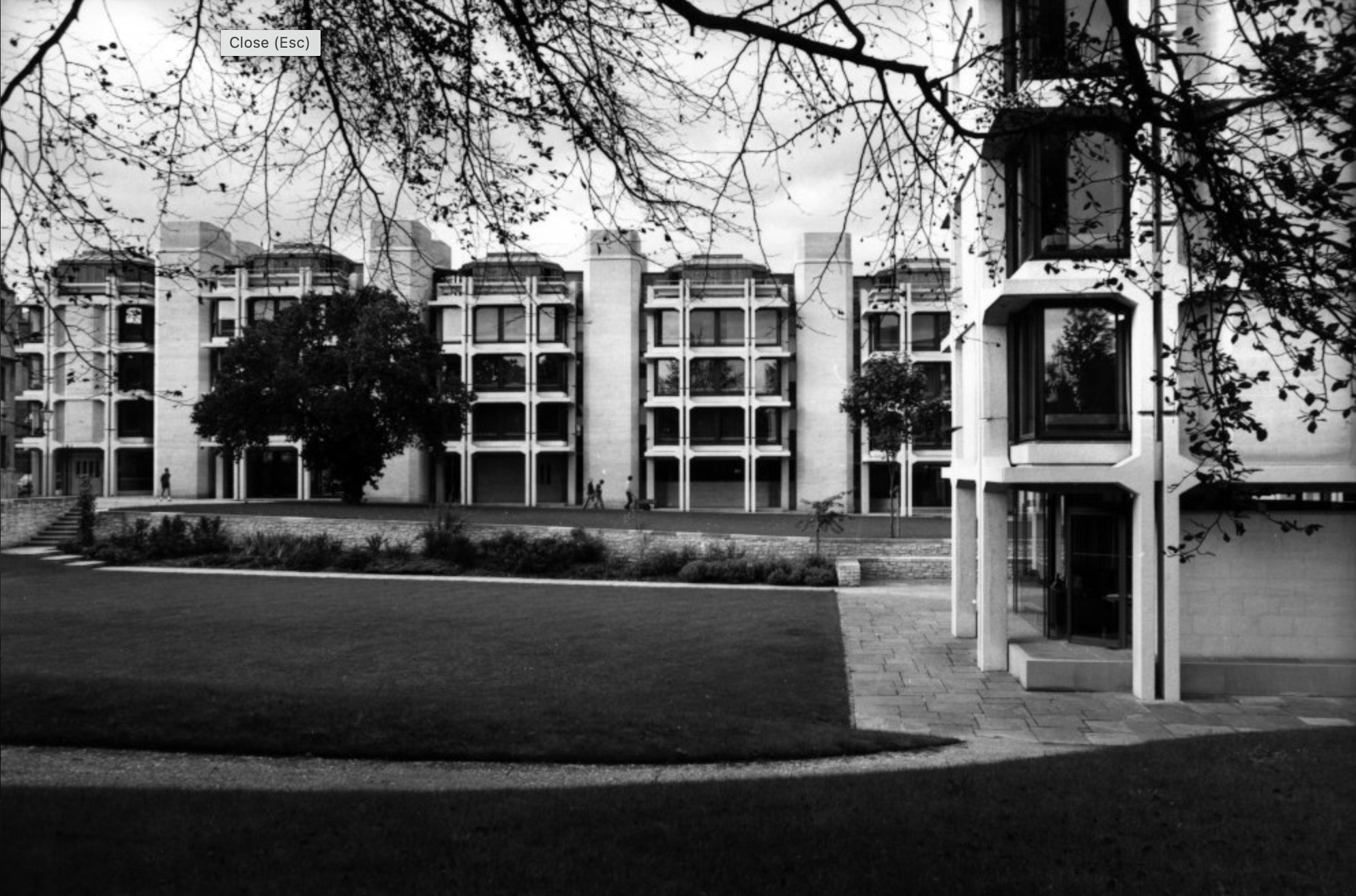
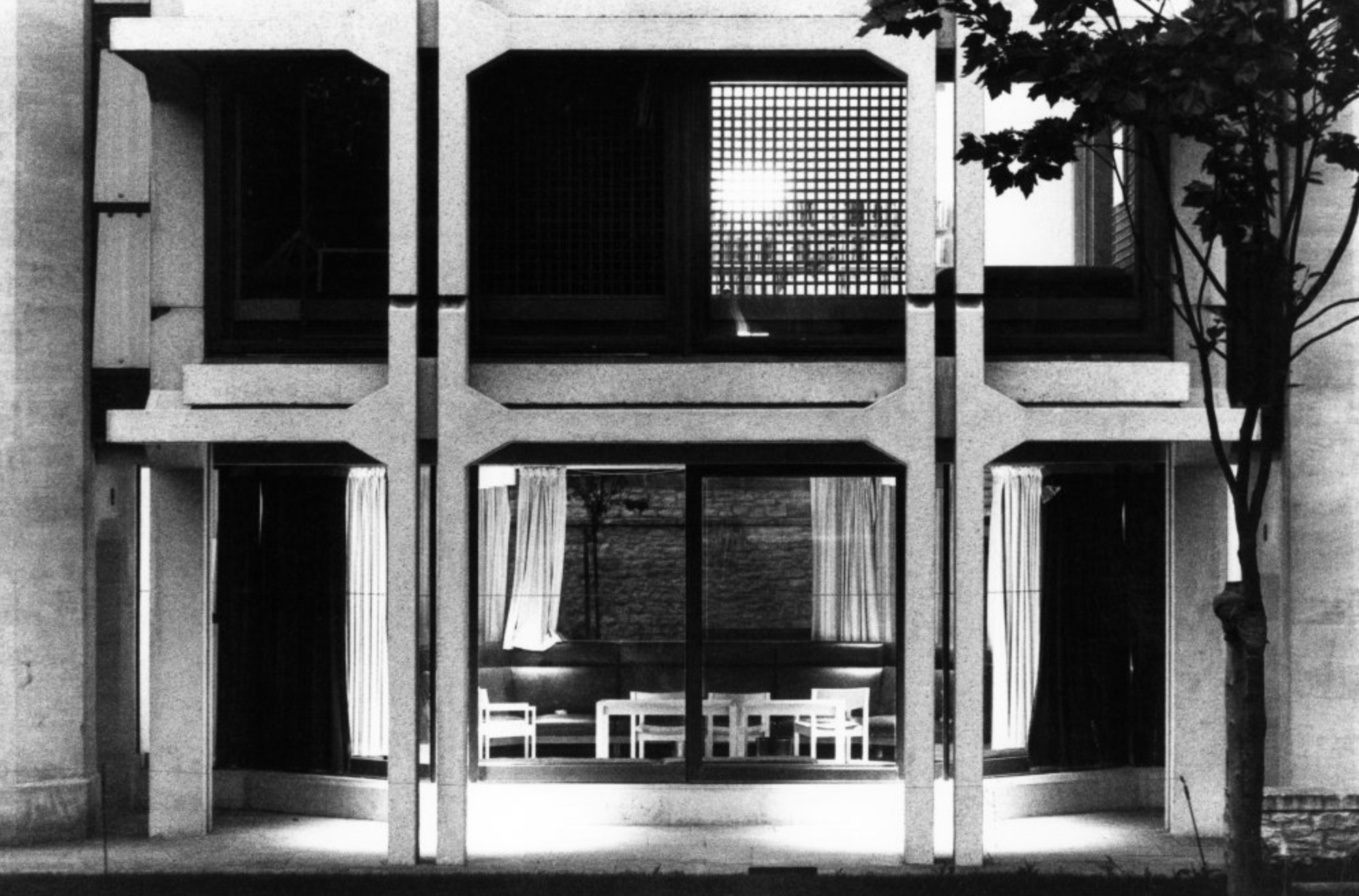
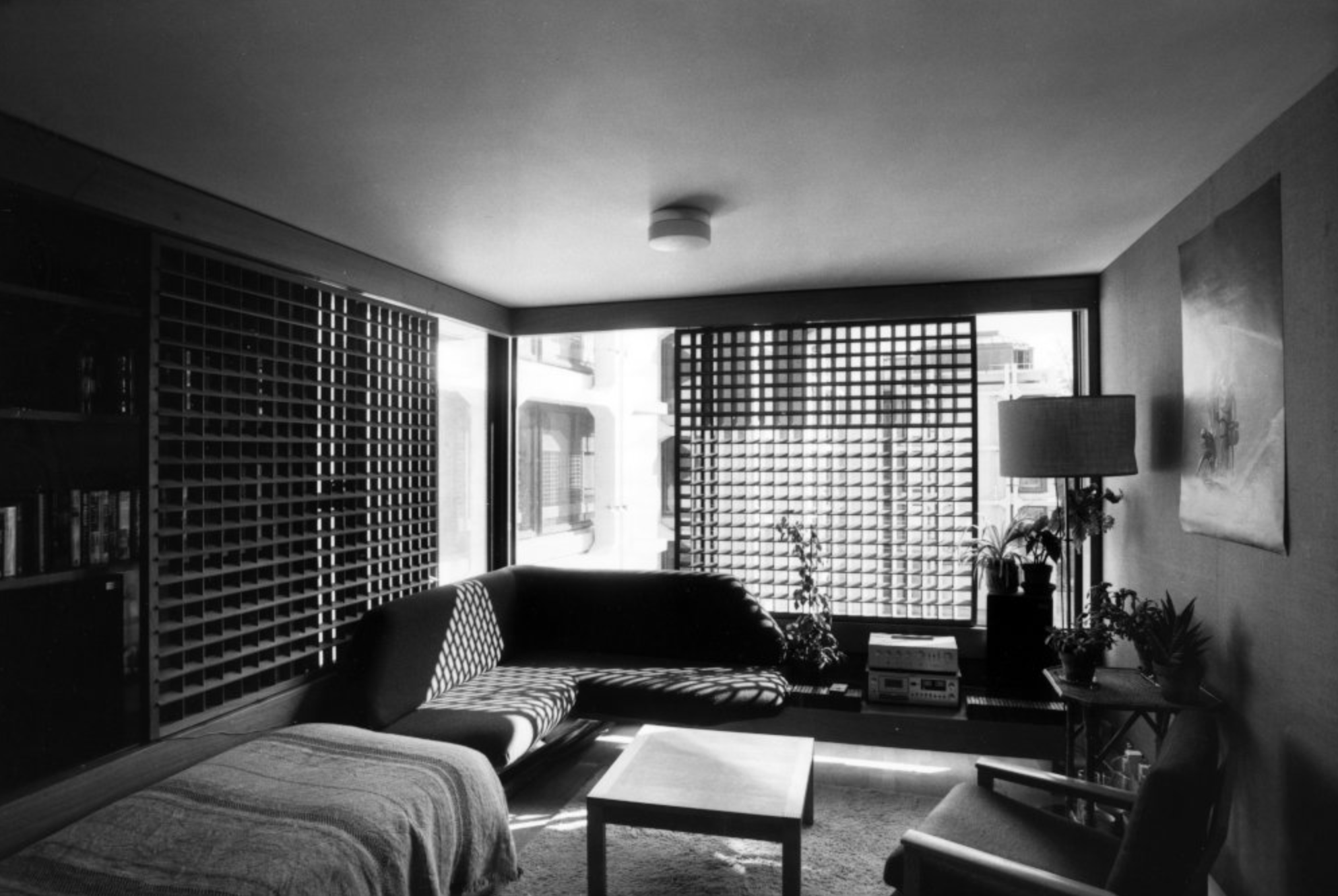
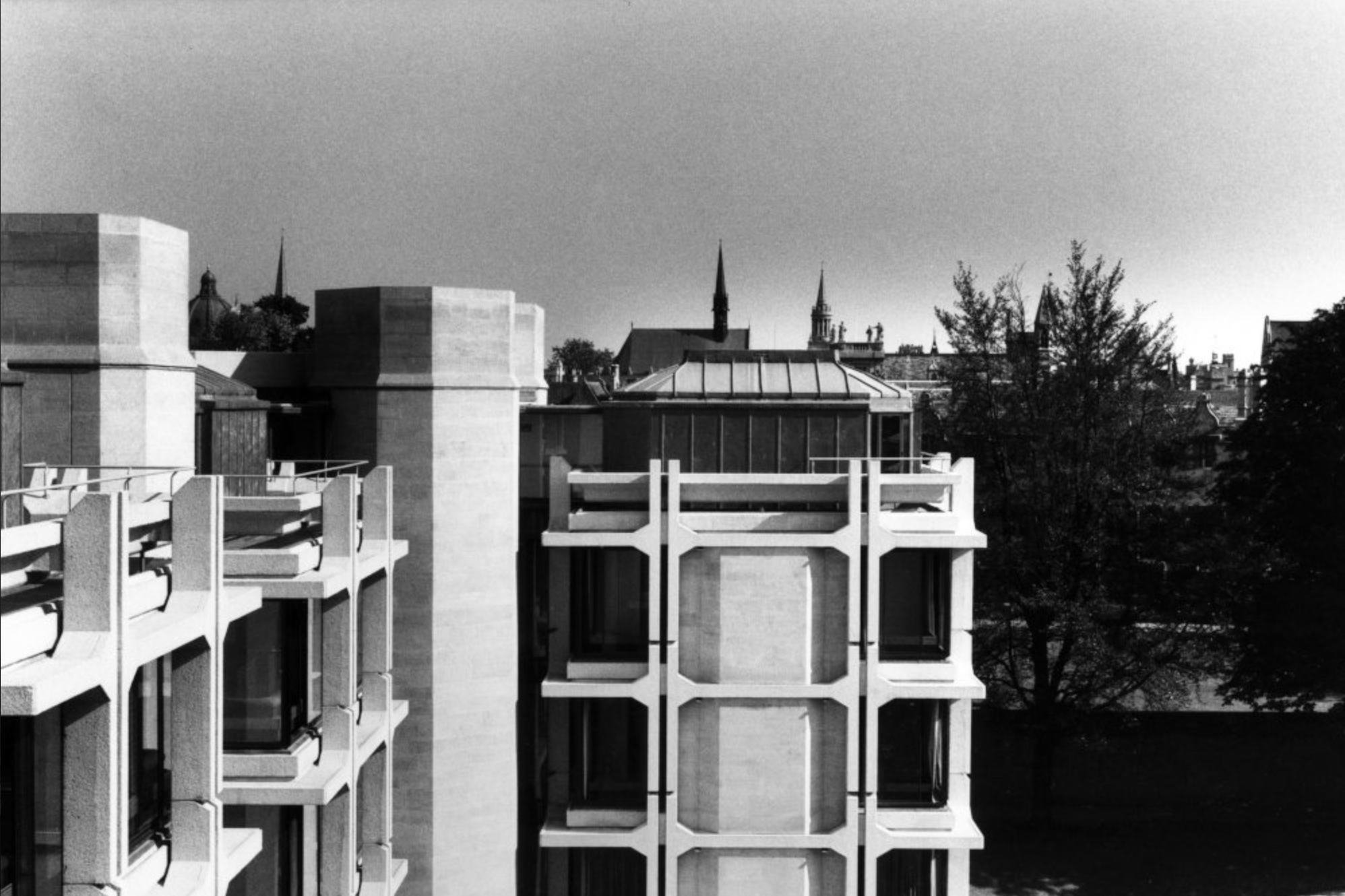
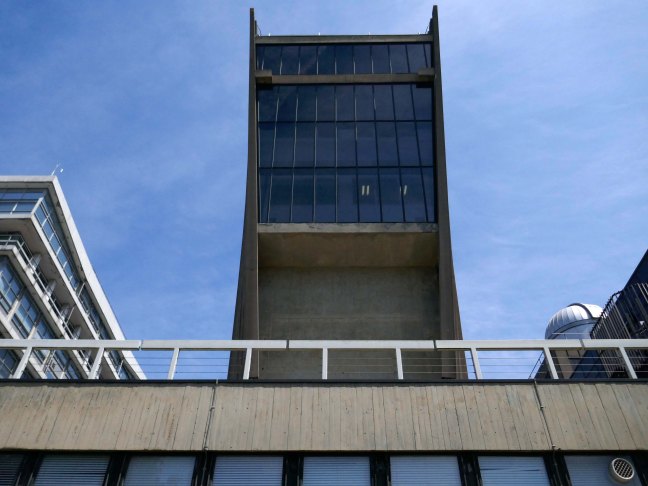
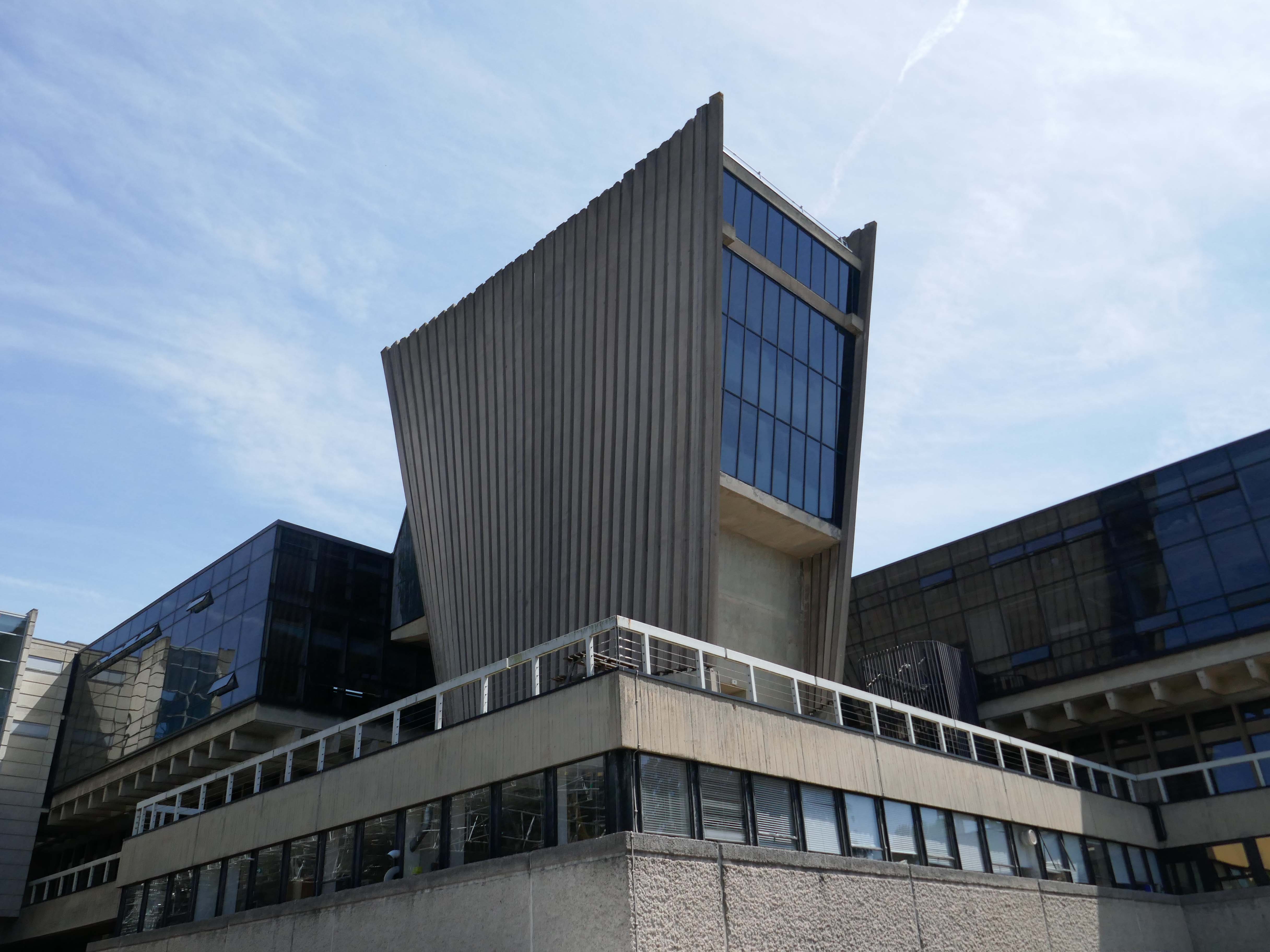
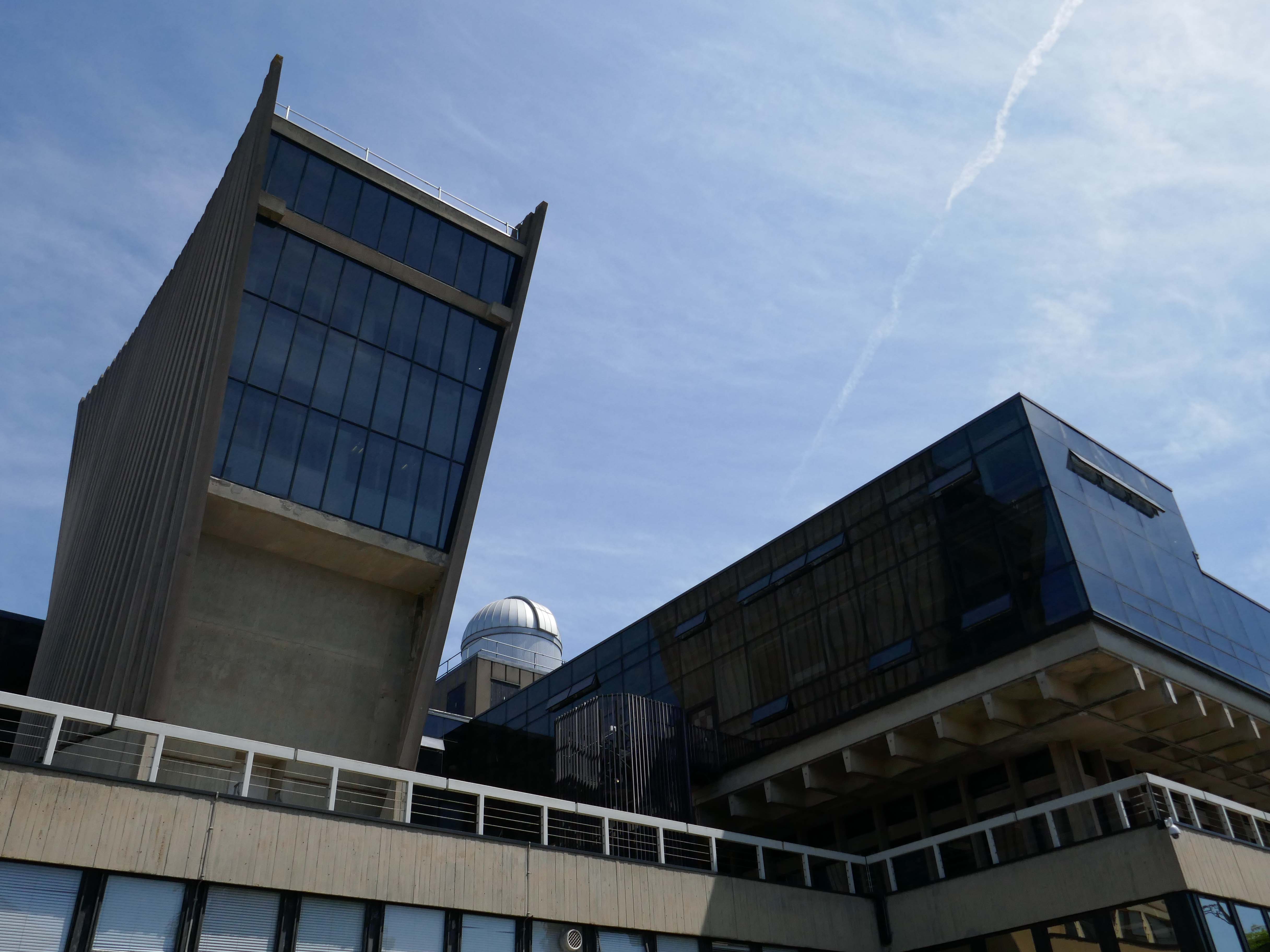
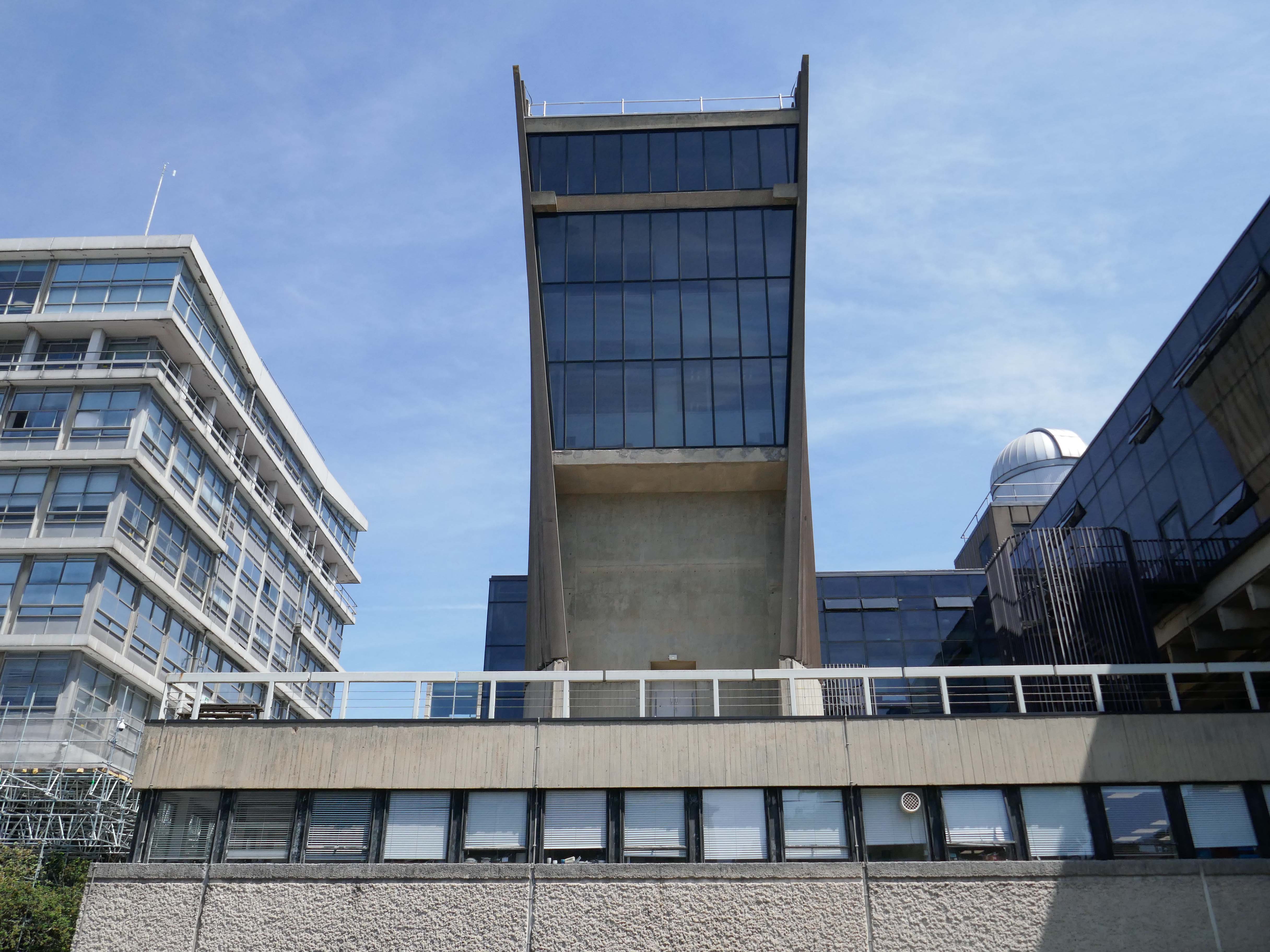
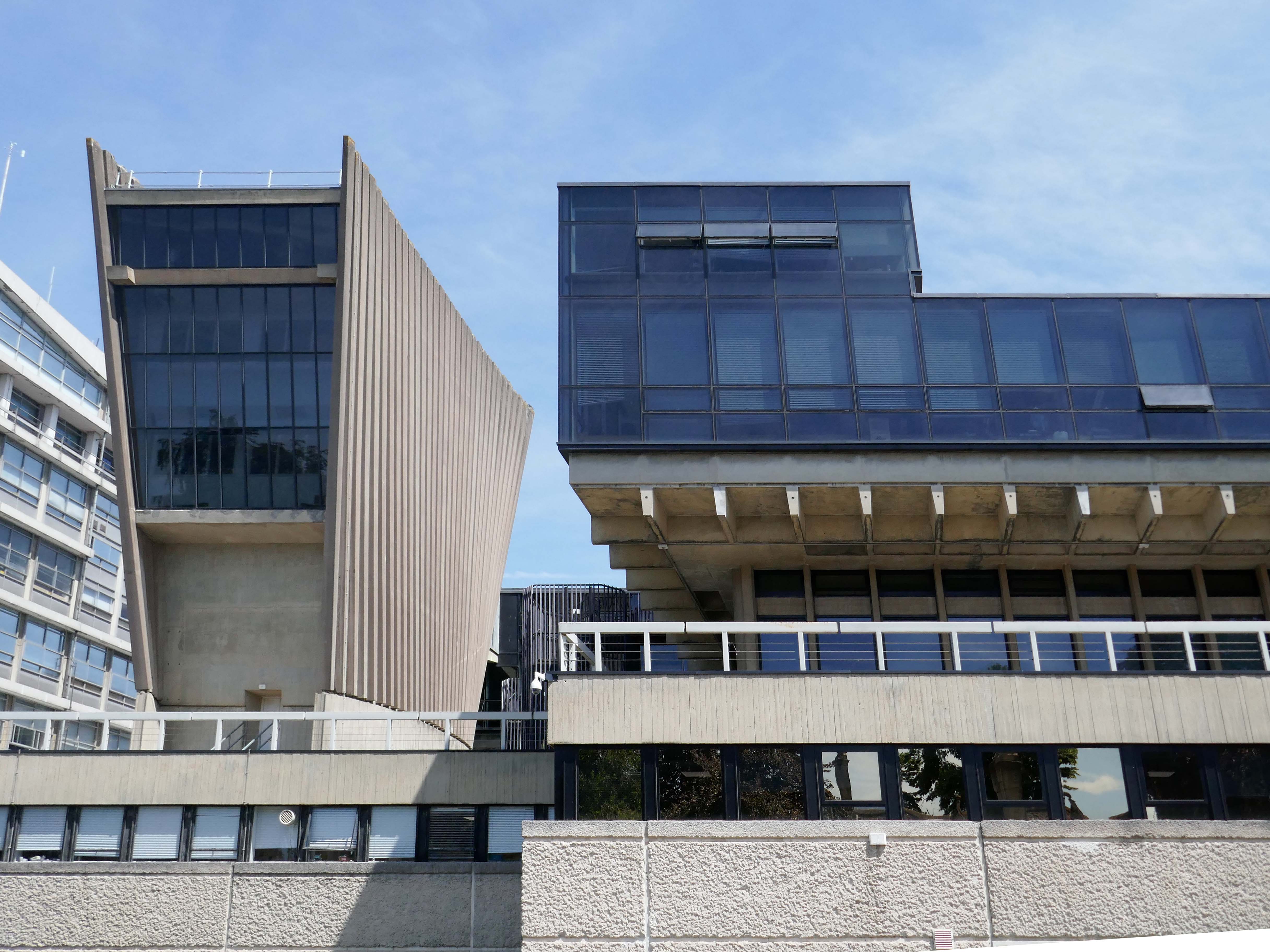
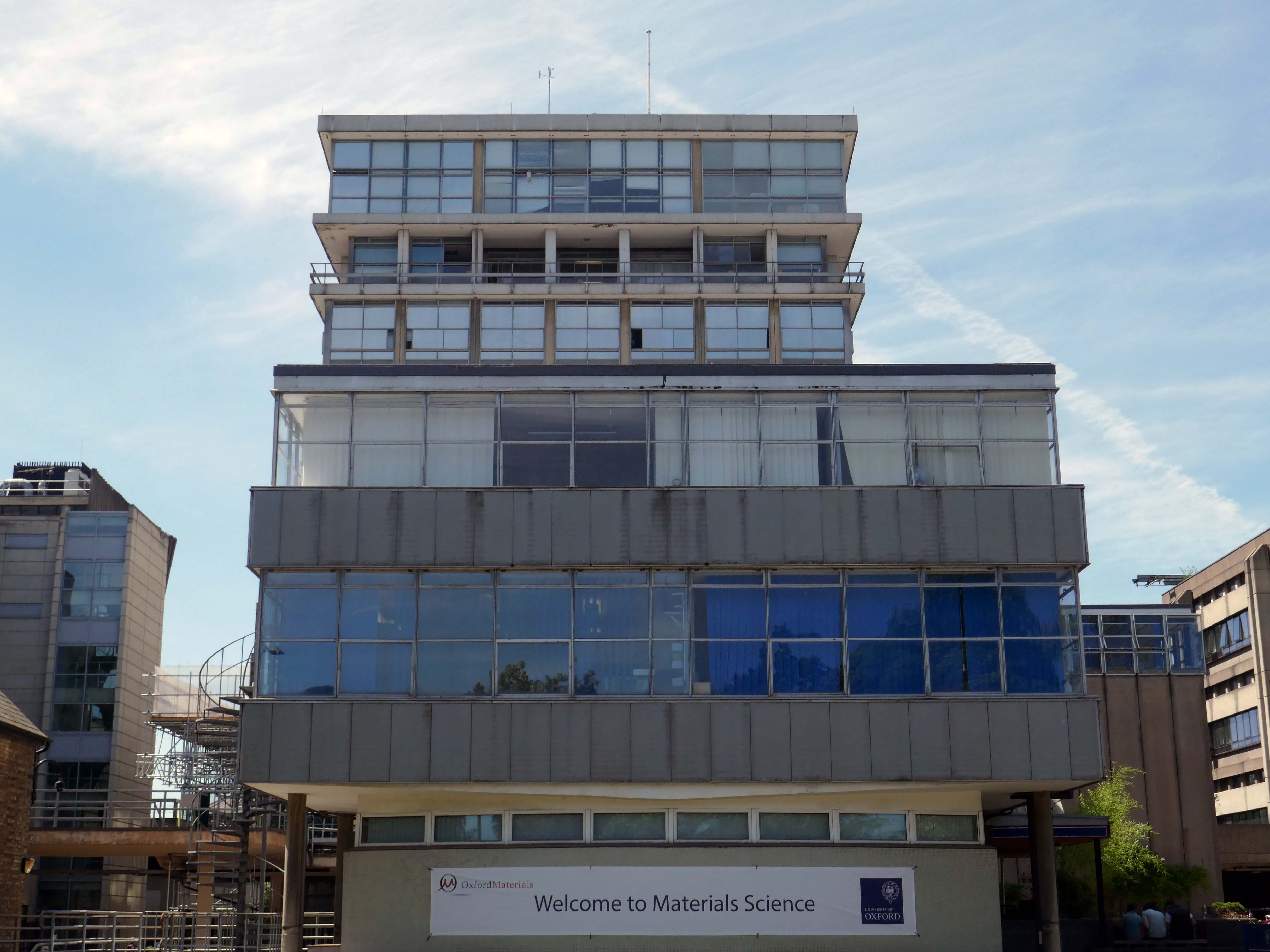
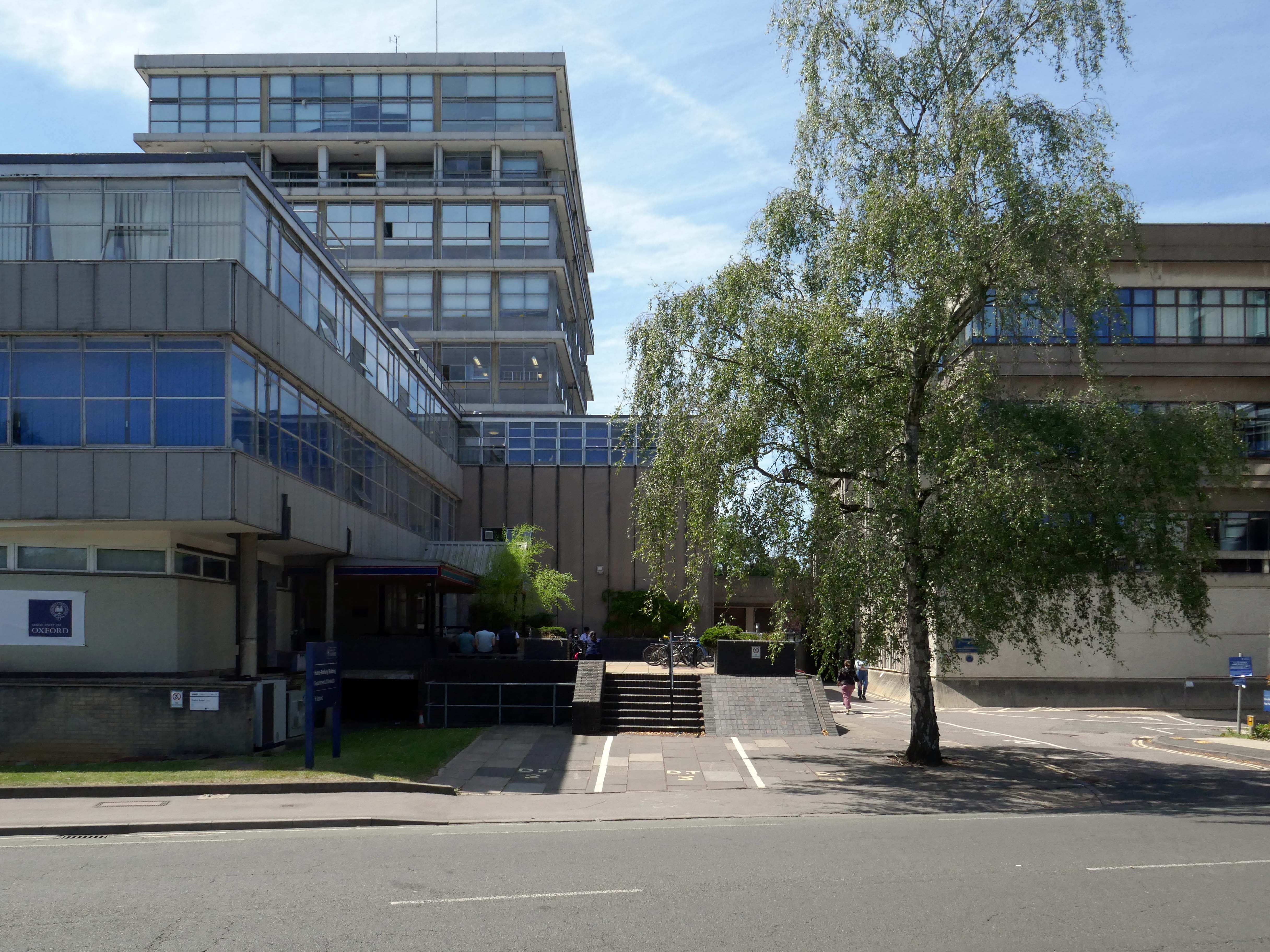
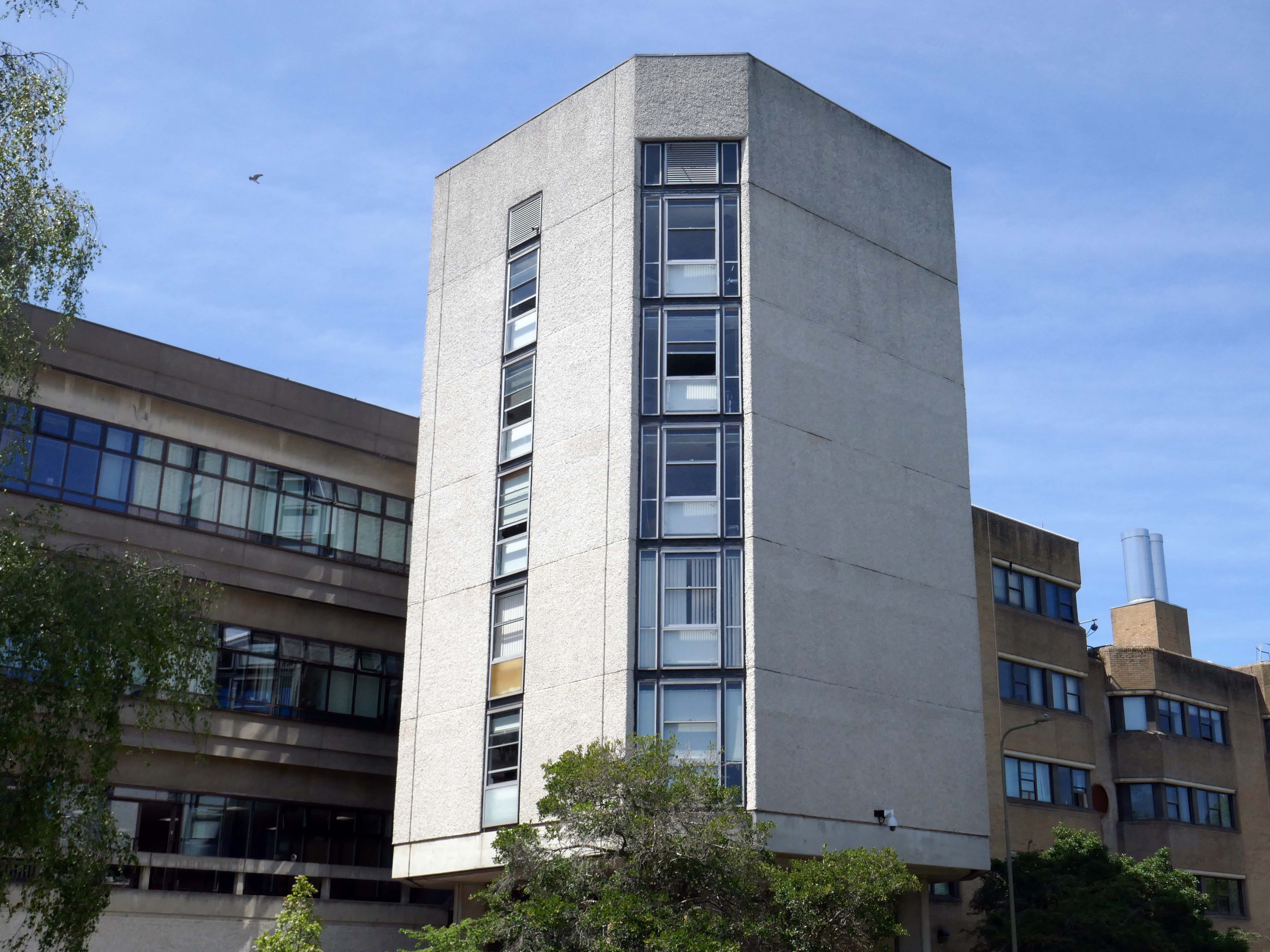
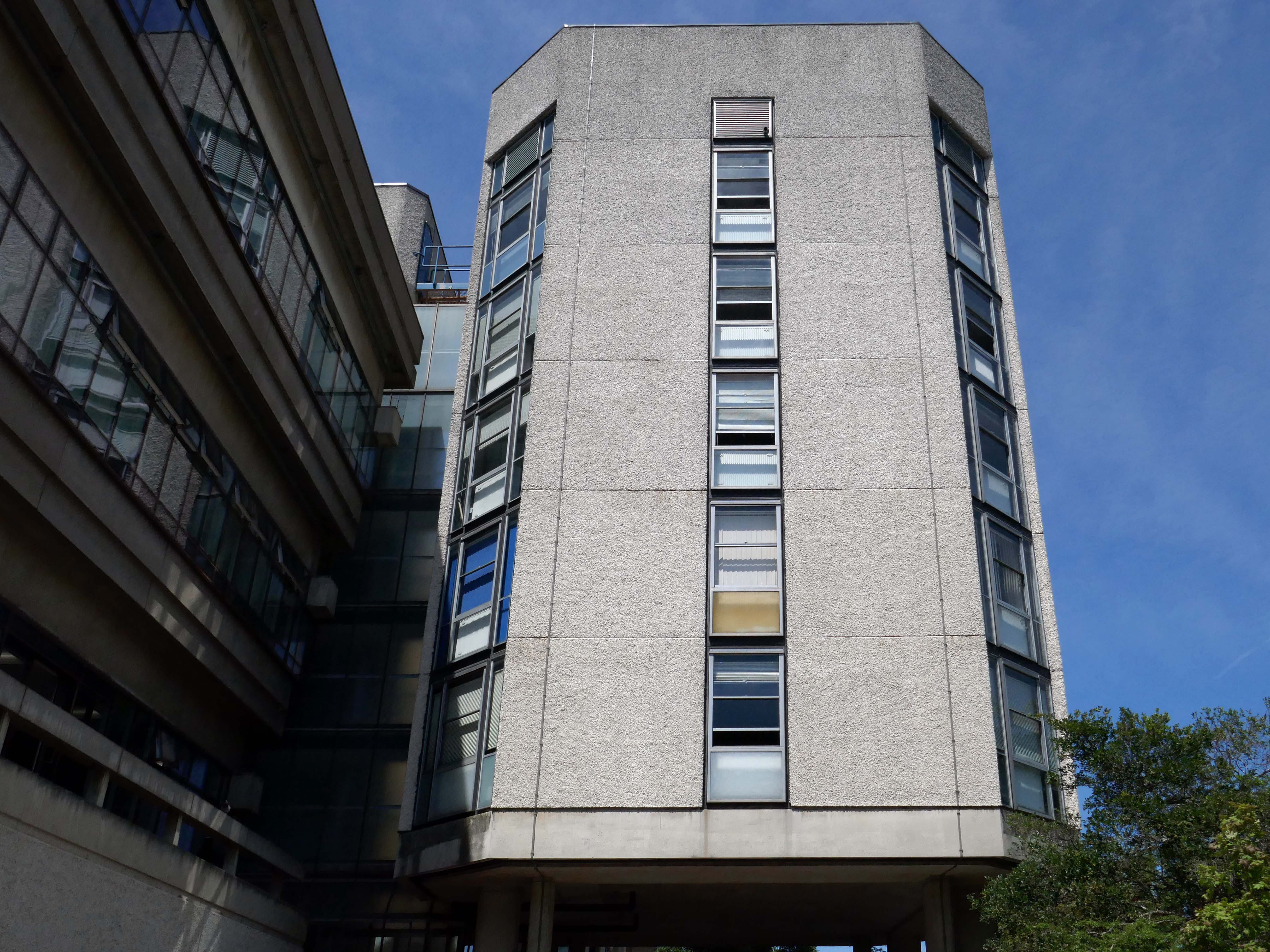
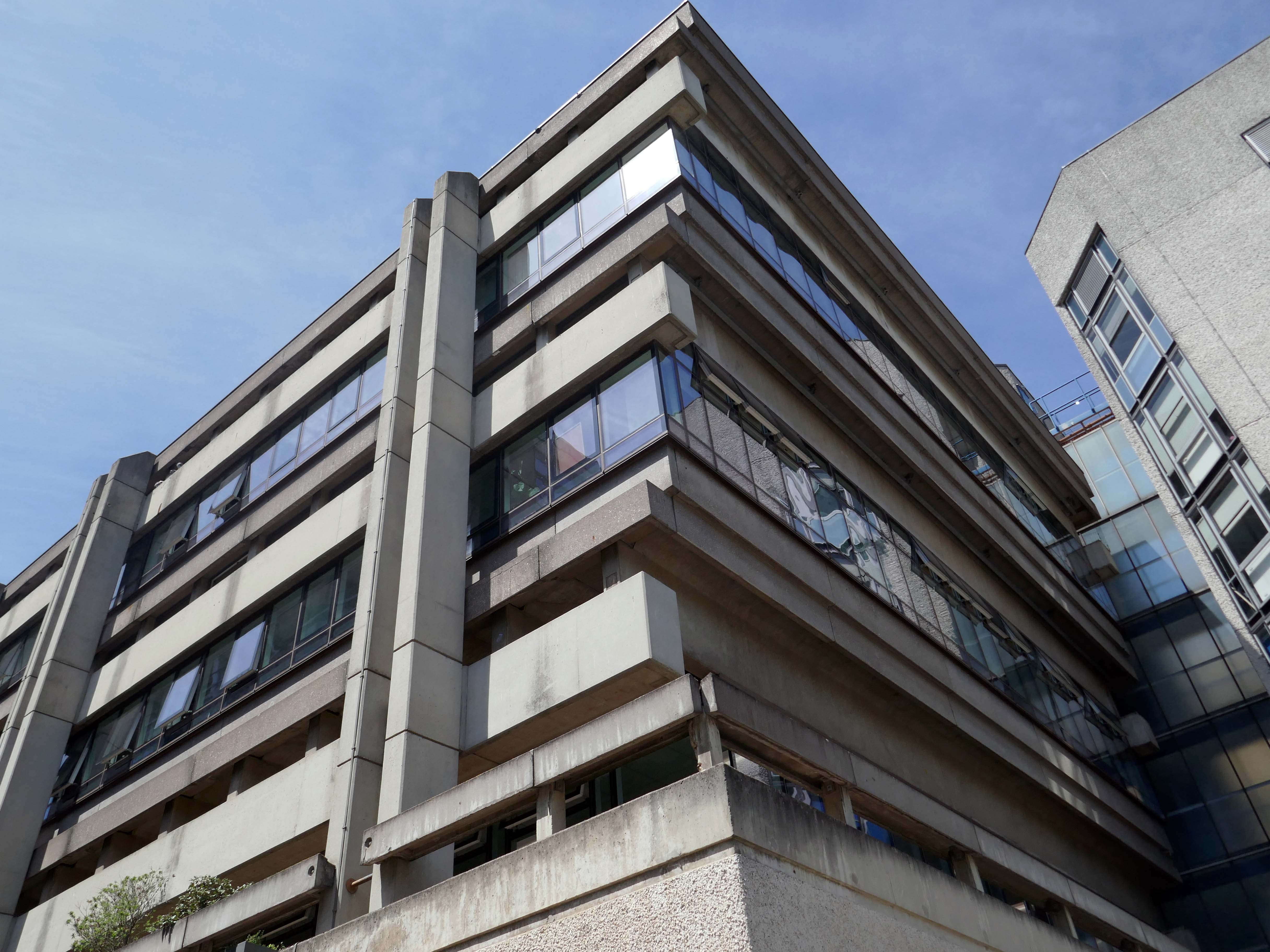
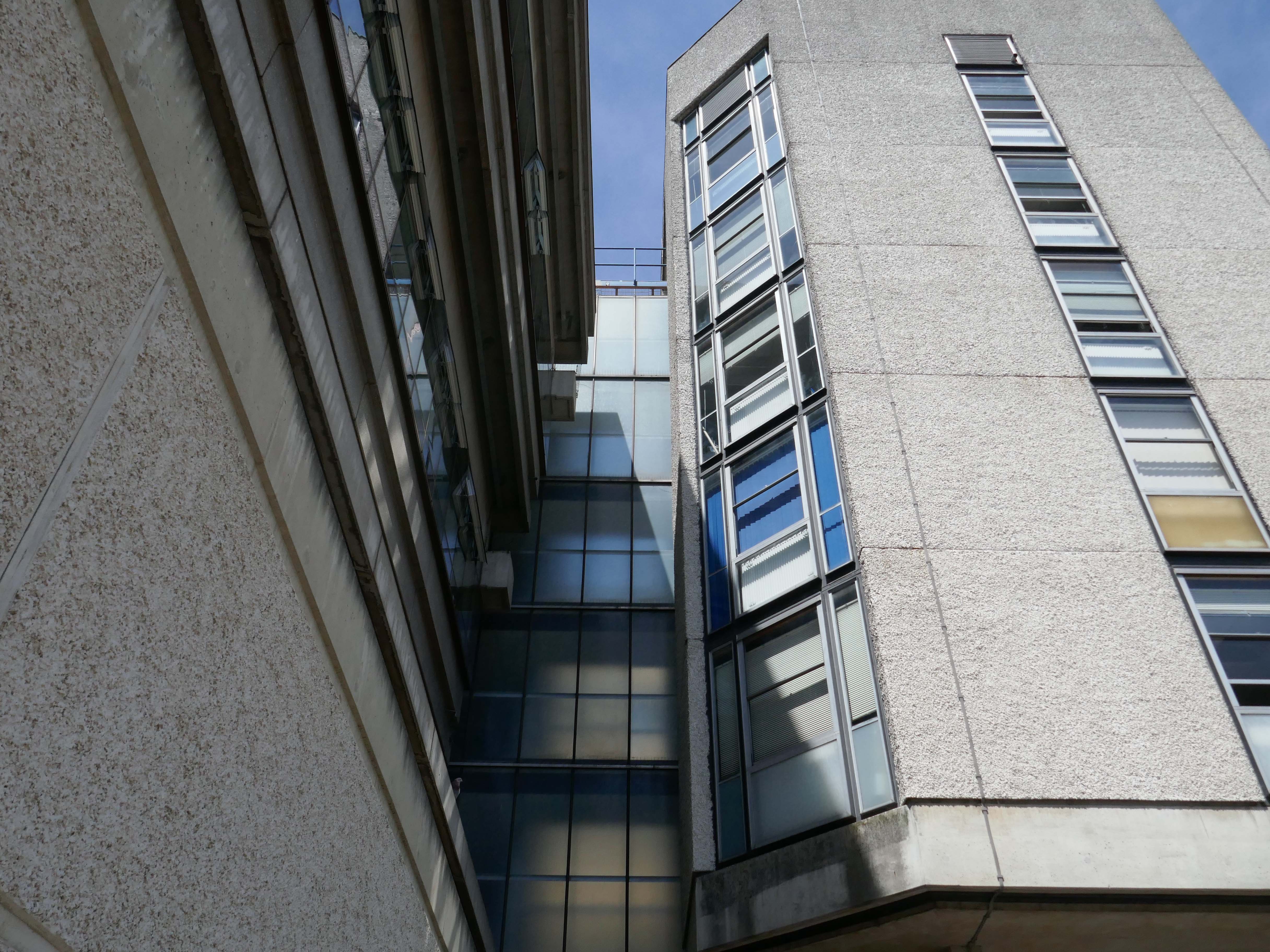
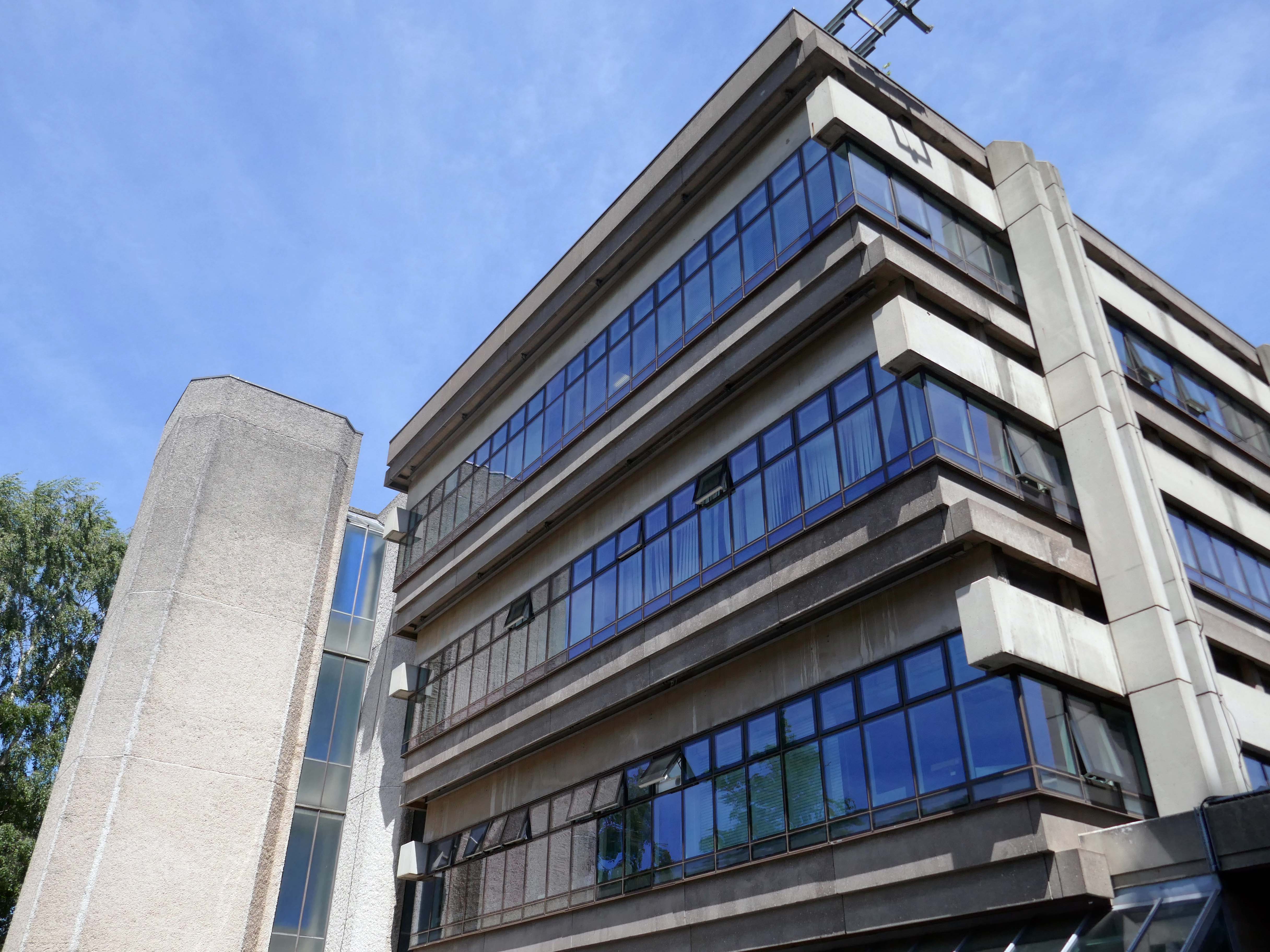
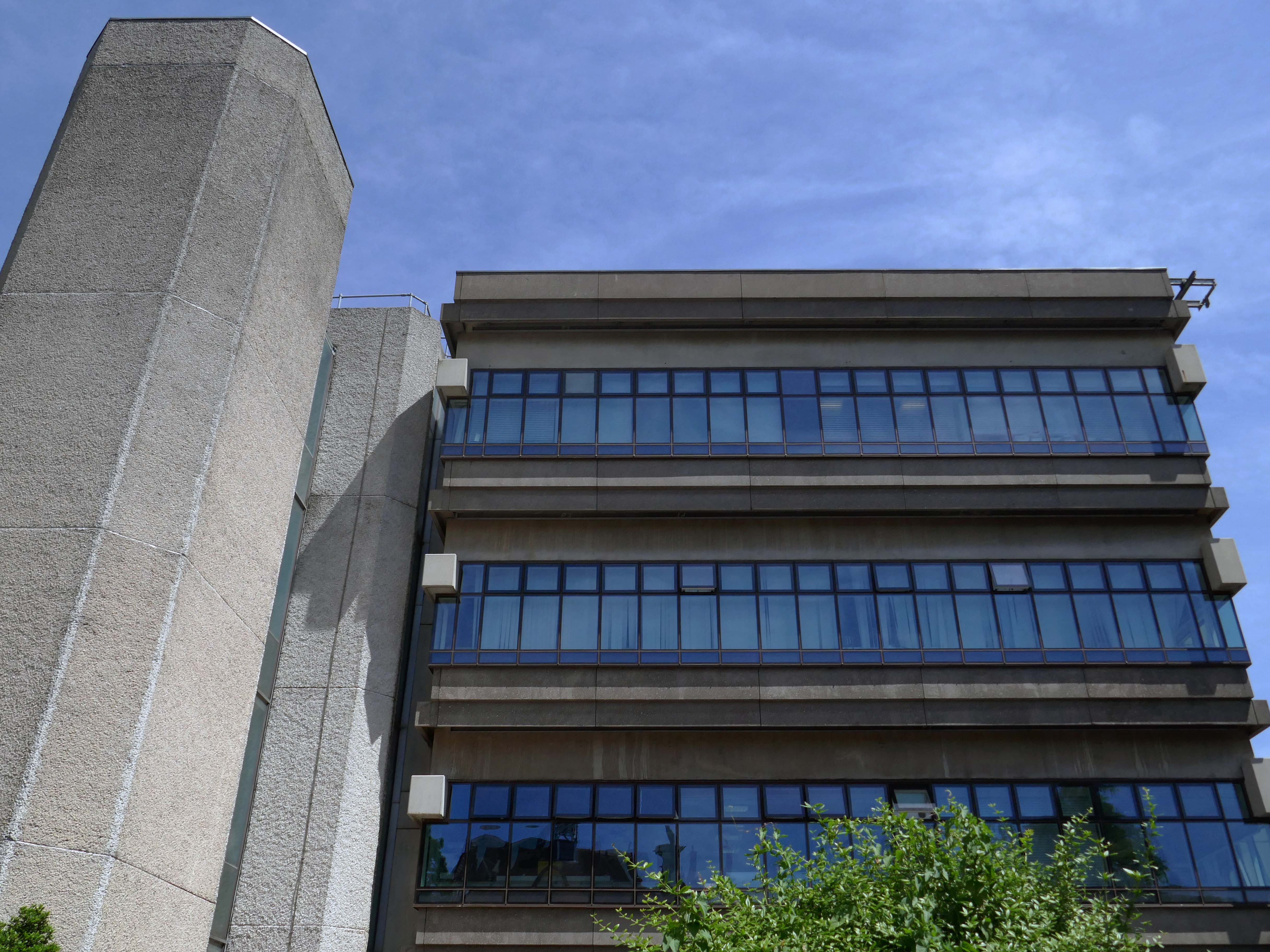
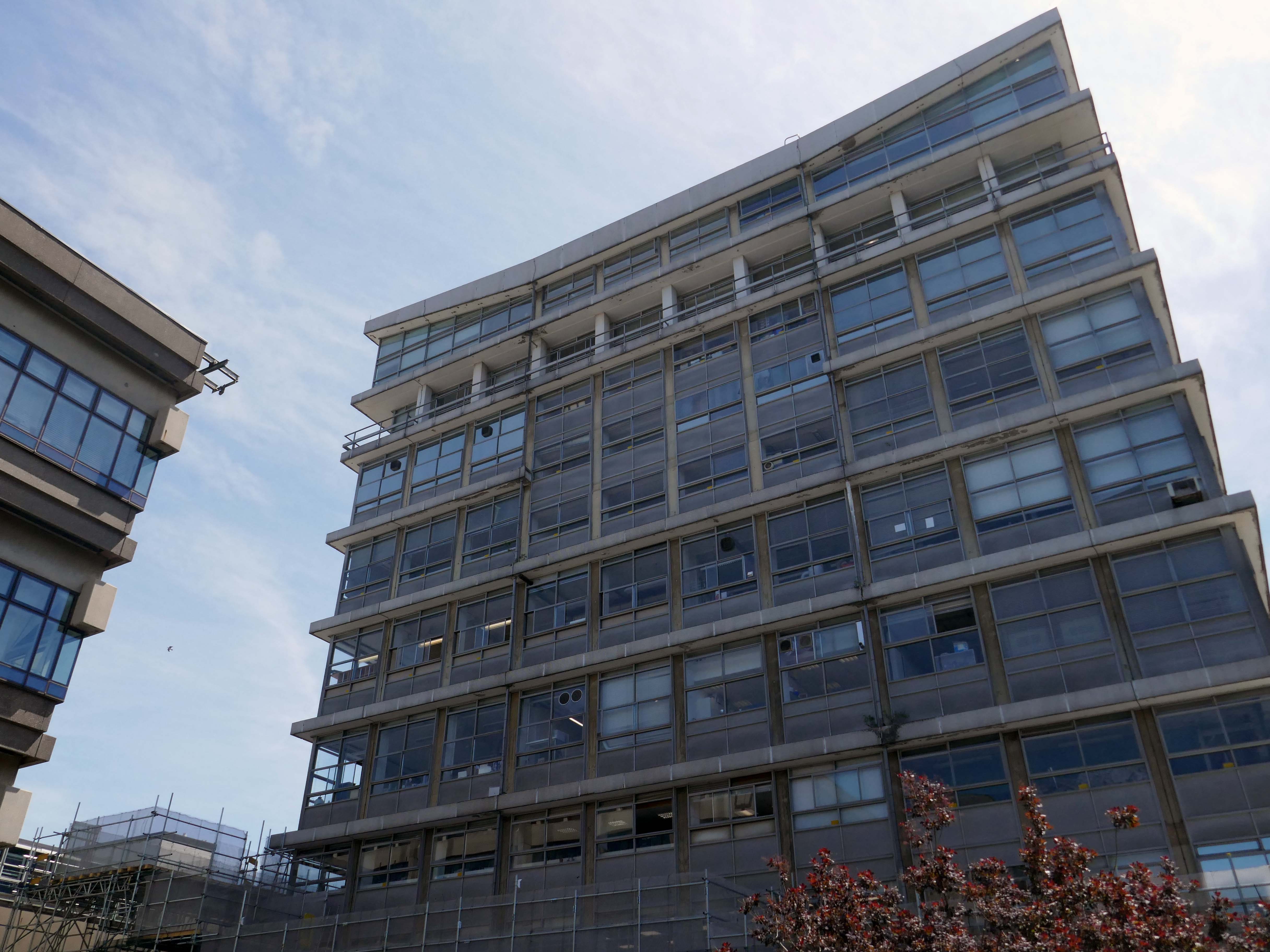
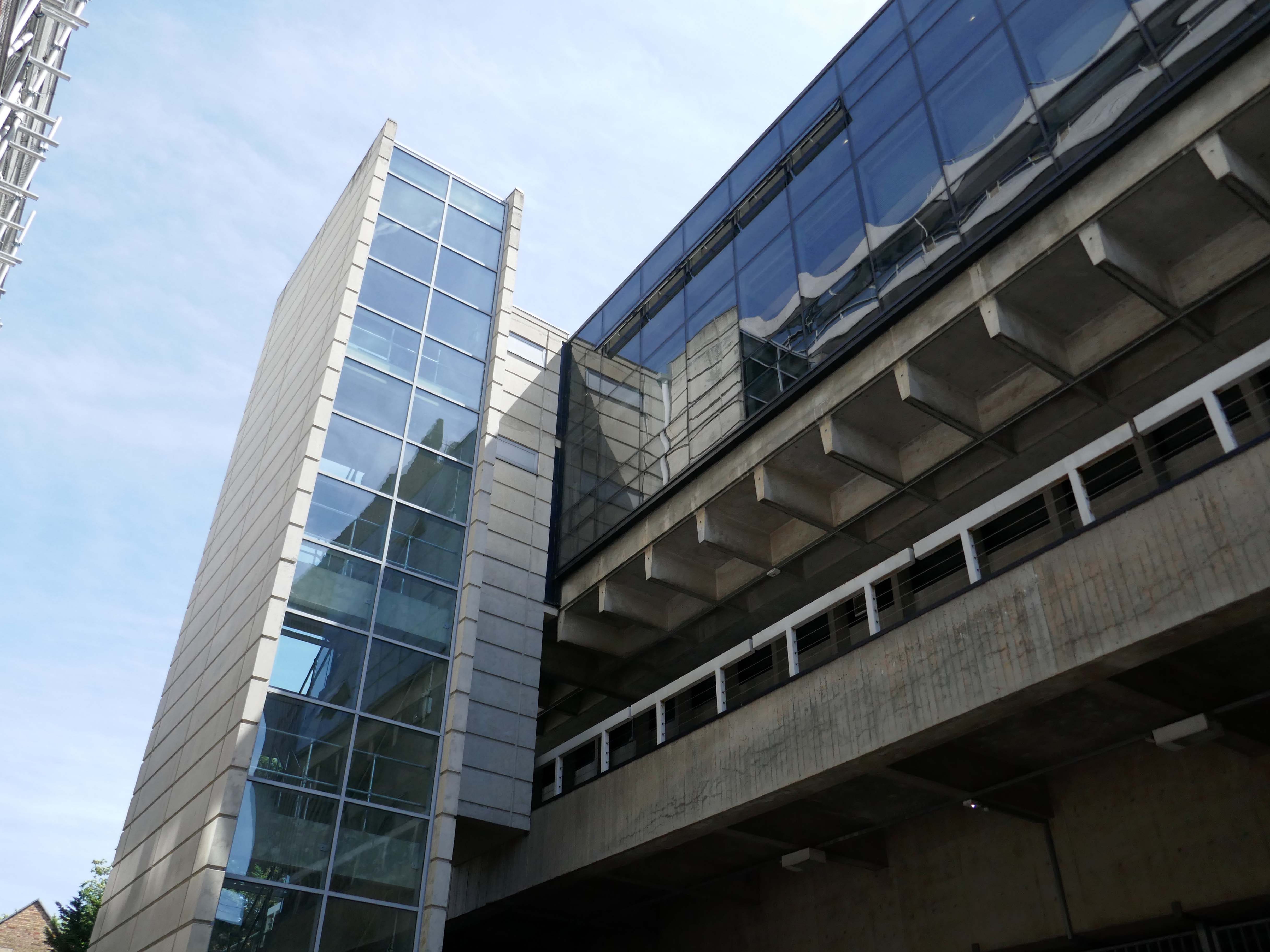
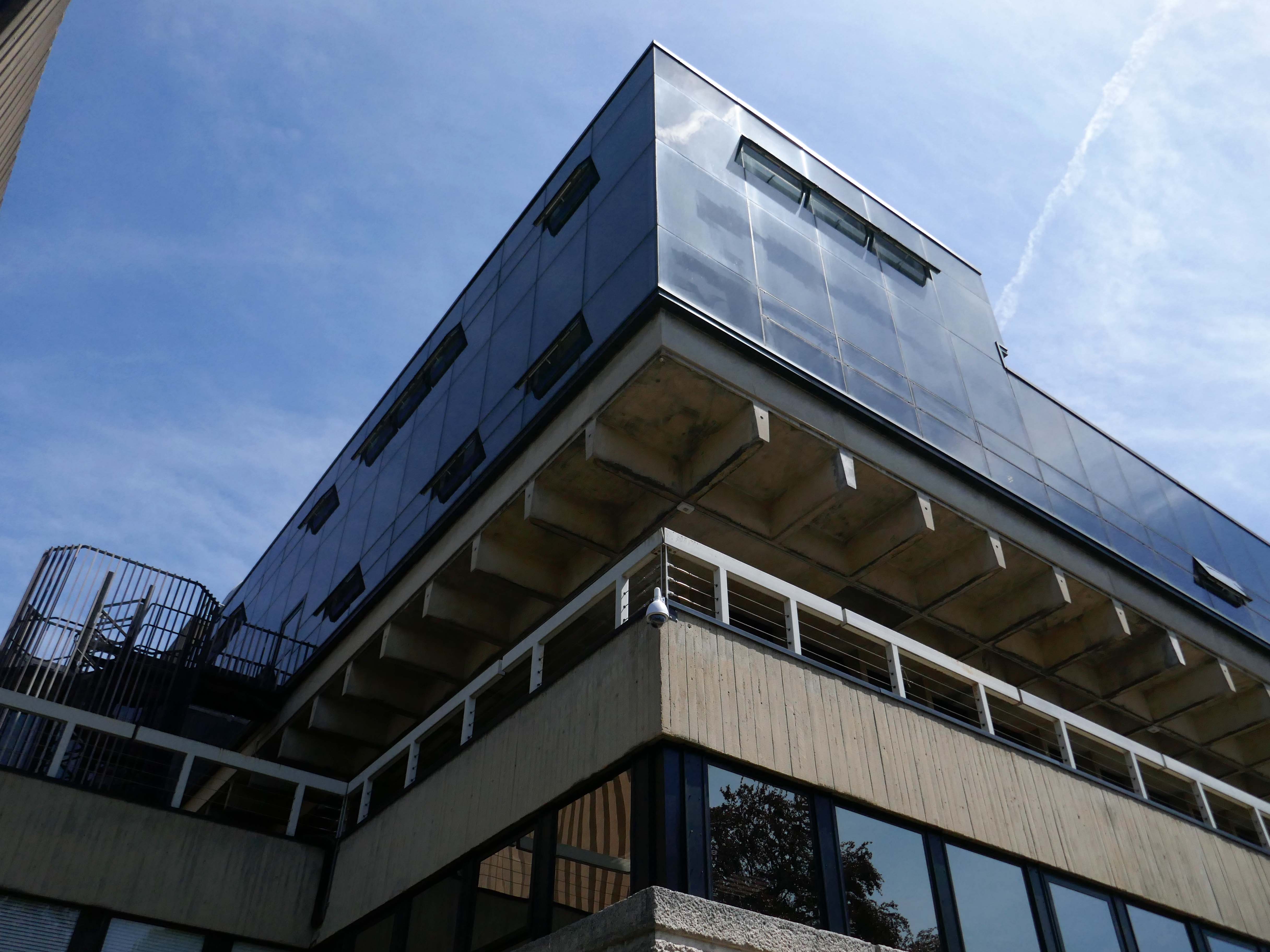
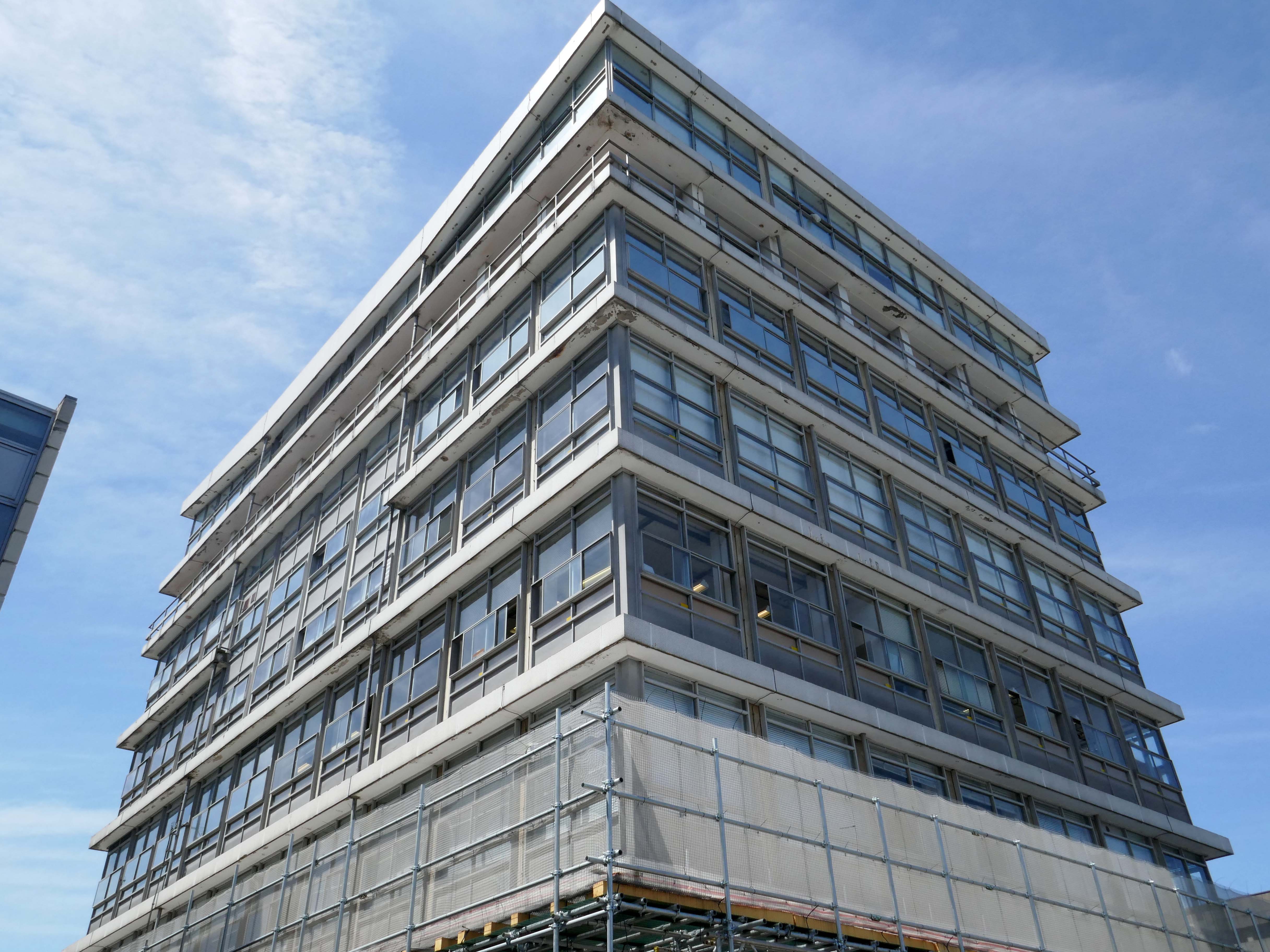
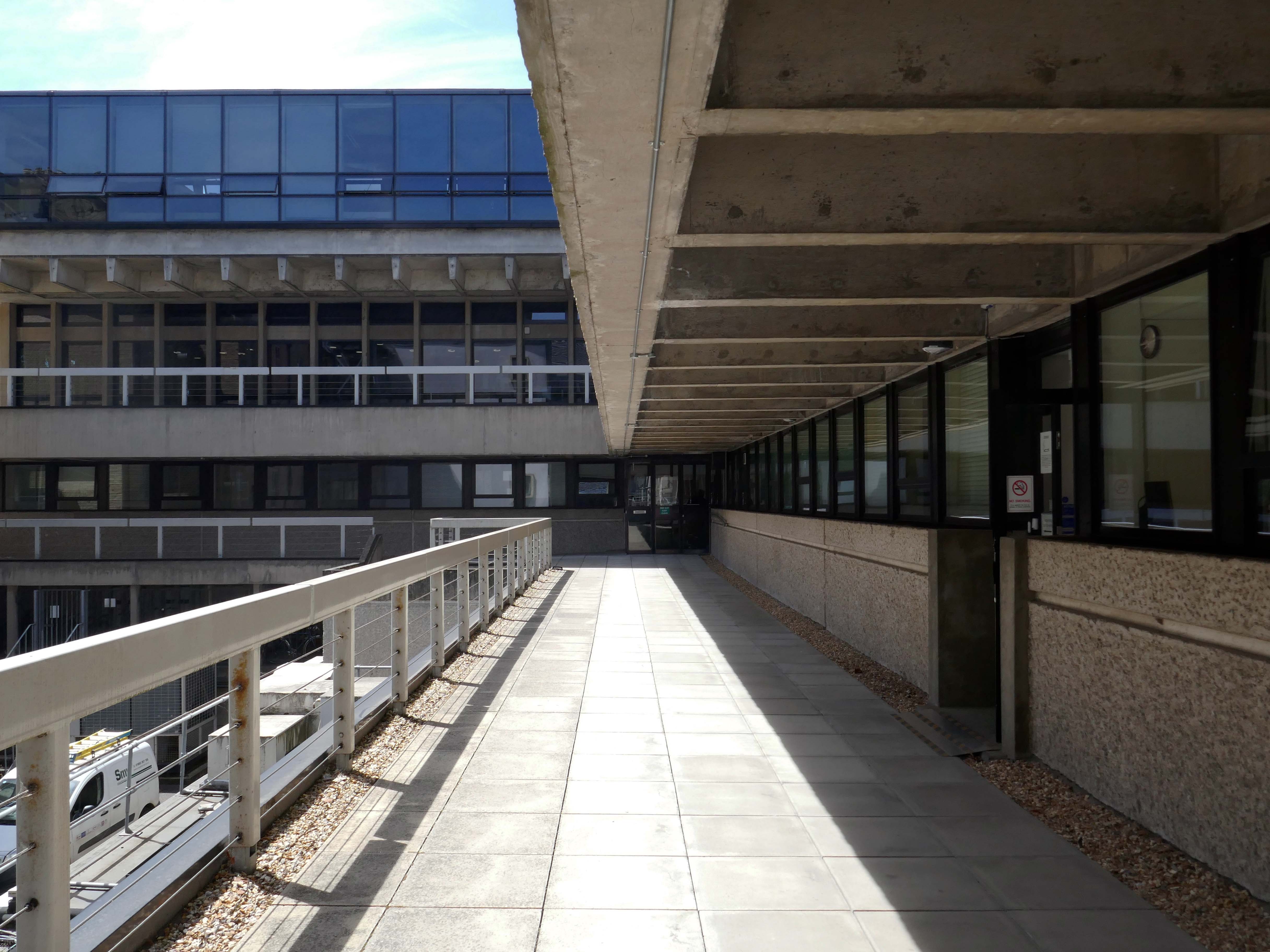
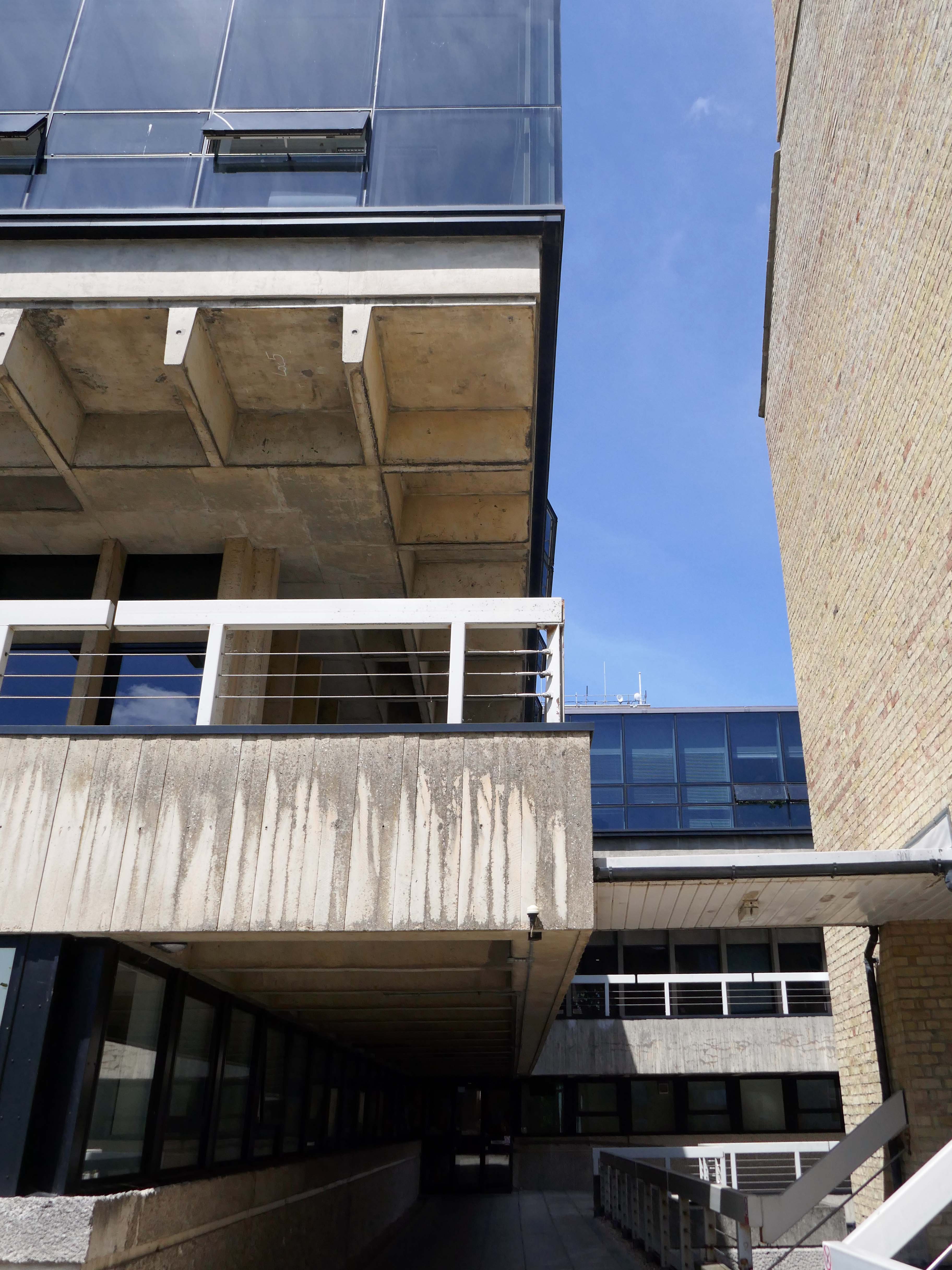
The Denys Wilkinson Building was designed by Philip Dowson at Arup in 1967.
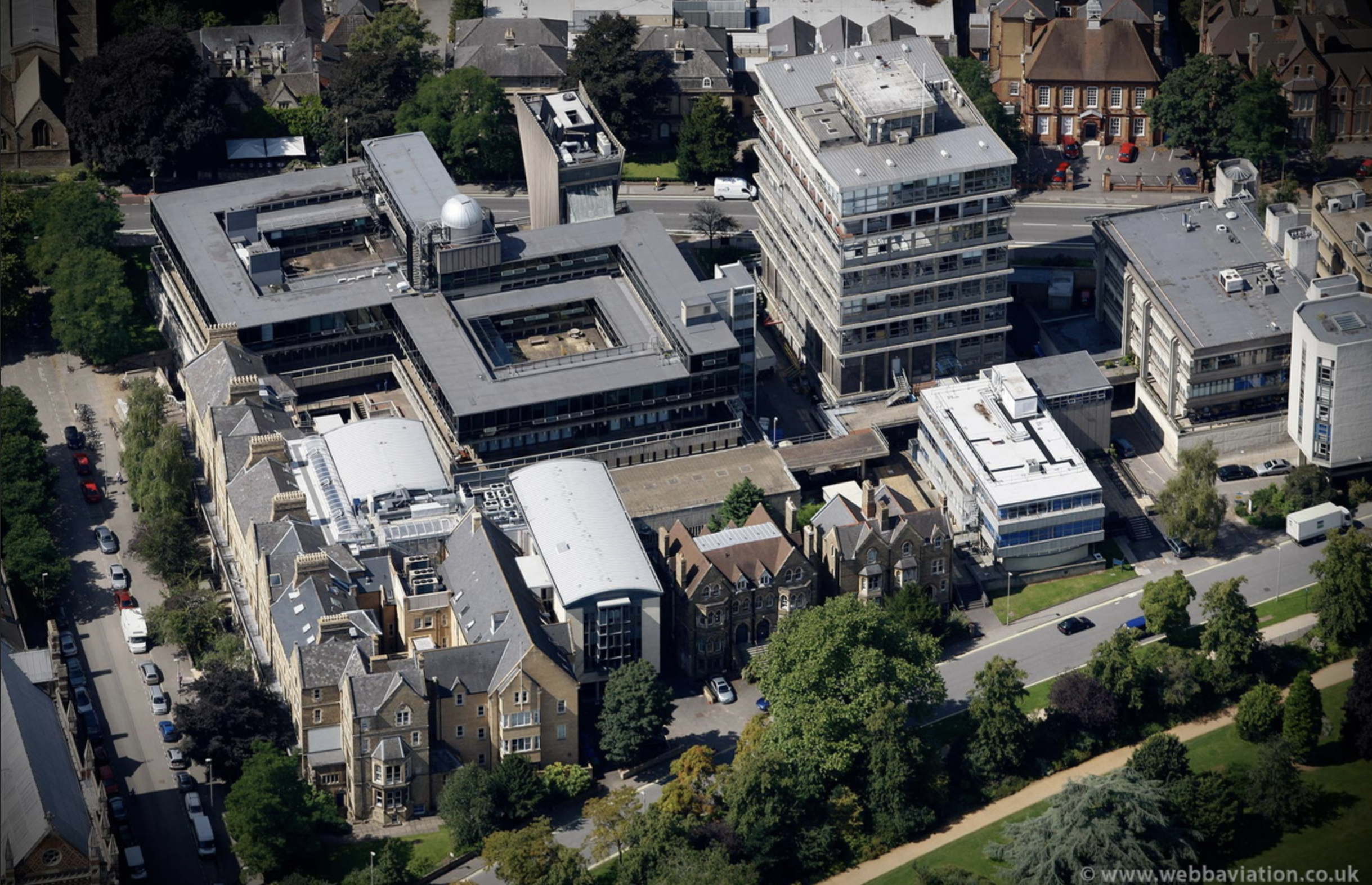
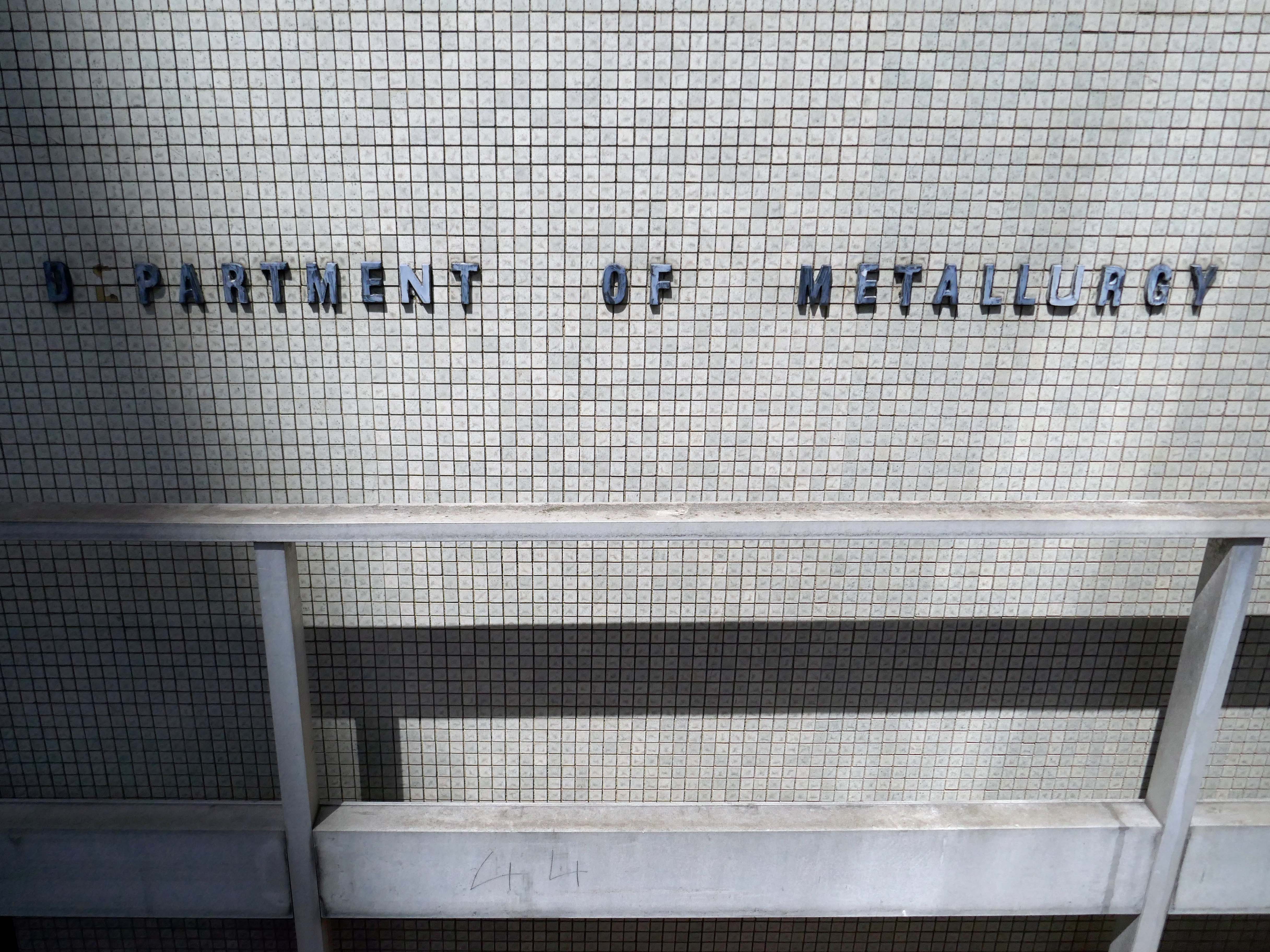
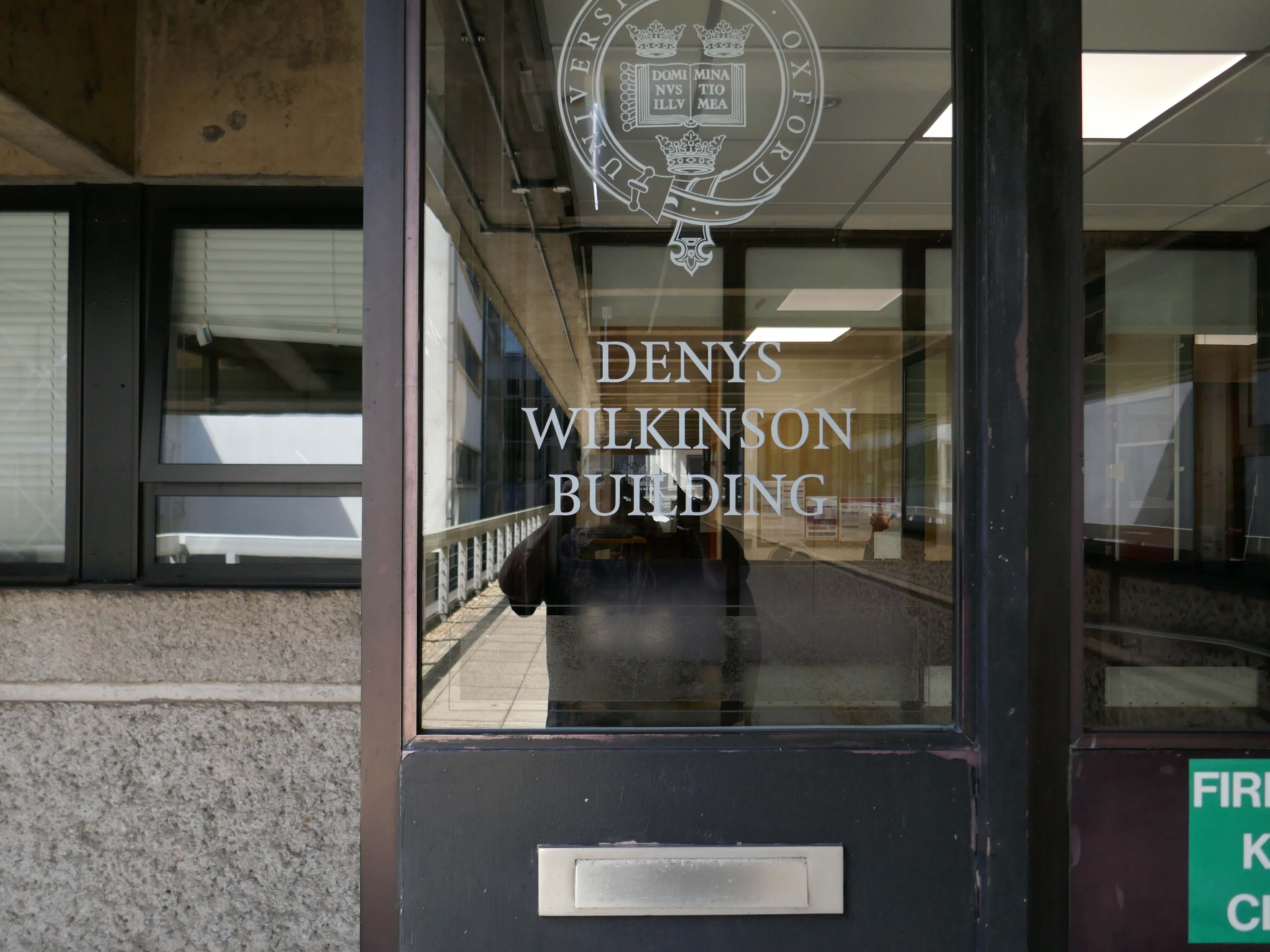
The building houses the astrophysics and particle physics sub-departments of the Department of Physics at Oxford University, plus the undergraduate teaching laboratories. It was originally built for the then Department of Nuclear Physics and named the Nuclear Physics Laboratory. From 1988, the building was known as the Nuclear and Astrophysics Laboratory after the Sub-Department of Astrophysics moved from the University Observatory in the Science Area. On 21st June 2002, the building was renamed as the Denys Wilkinson Building, in honour of the British nuclear physicist Sir Denys Wilkinson, who was involved in its original creation.
Denys Wilkinson Building Oxford photo – Webb Aviation.
Department of Nuclear Physics, Oxford Arup Associates 1971 – Colin Westwood RIBA pix.
The University of Oxford is relocating its undergraduate physics practical teaching from the Denys Wilkinson Building amid concerns about the presence of asbestos at the ageing site.
From Michaelmas this year, some practical teaching labs will move to the former Biochemistry and Biological Sciences Teaching Centre, with the remainder moving by Michaelmas 2027. The Biochemistry and Biological Sciences Teaching Centre will be adapted for physics practical teaching. Around six hundred undergraduates currently take part in compulsory practical coursework in the Denys Wilkinson Building across the first three years of Oxford’s physics degrees.
A University spokesperson told Cherwell that the decision to relocate had been taken proactively to avoid the risk of a sudden building failure causing disruption later. The spokesperson added that the Denys Wilkinson Building:
Is being carefully managed through the later years of its usable life, adding that the building has some legacy issues, including asbestos.
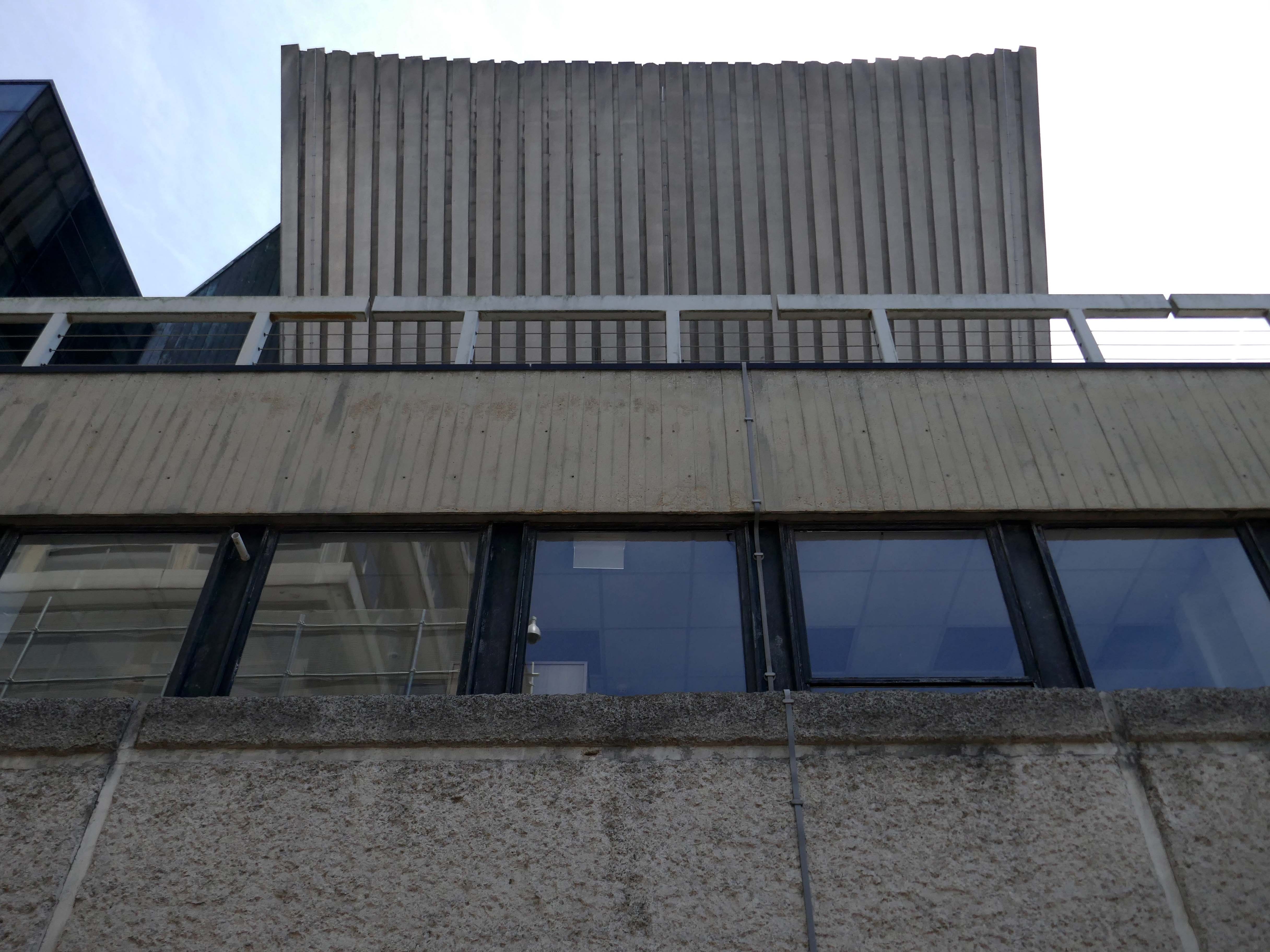
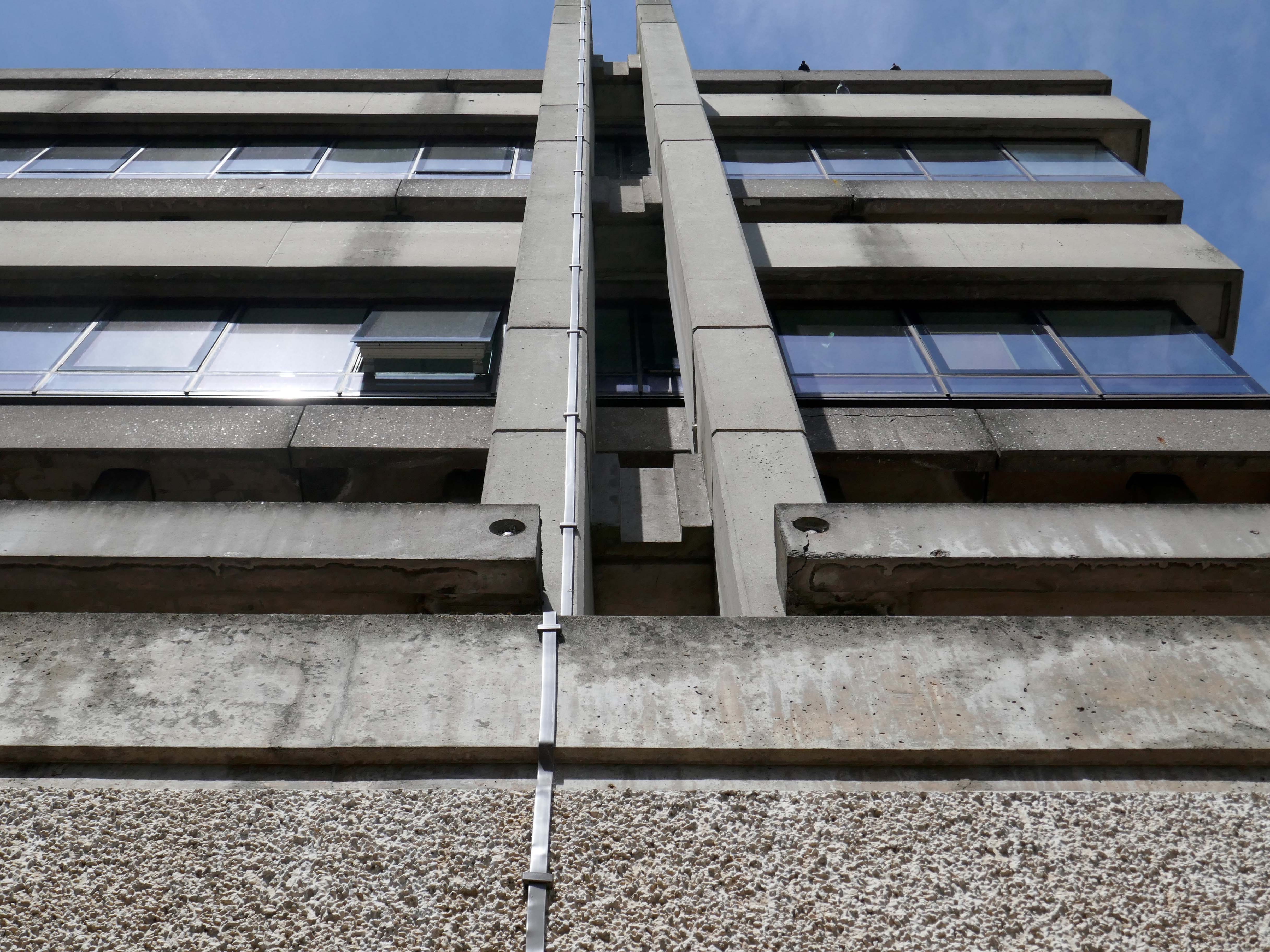
Originally completed in 1967, the building had not been maintained and required significant repairs to the roof structure of the accelerator tower, which had suffered from prolonged water ingress.
All defects were identified through a hammer test survey and thorough visual inspection, the original concrete was broken out back to a sound substrate and was square cut to depth of 10mm, thus preventing featheredging of the subsequent repair.
Exposed reinforcement was mechanically wire brushed, and prepared using high performing and sustainable products from Sika. Treated with Sika Monotop 1010; a bonding primer and corrosion protection, followed by the application of Sika Monotop 4012; a concrete repair mortar, to the original surface levels.
This building has been assessed under the Planning – Listed Buildings and Conservation Areas Act 1990 as amended for its special architectural or historic interest. The asset currently does not meet the criteria for listing.
It is not listed – the Secretary of State for Culture, Media and Sport disagreed with Historic England’s recommendation for this case23rd July 2015.