

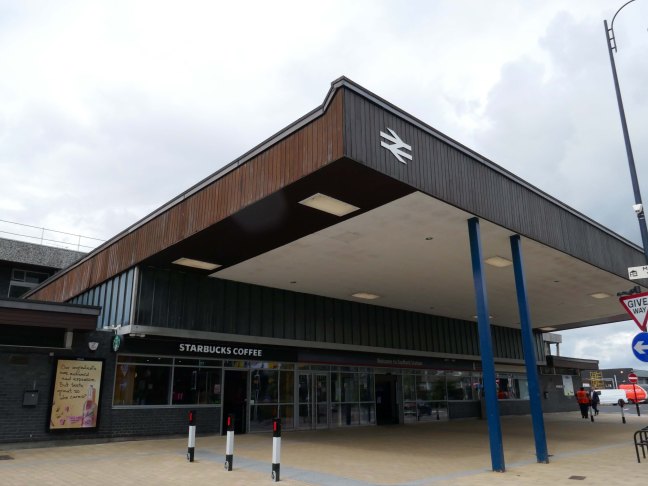
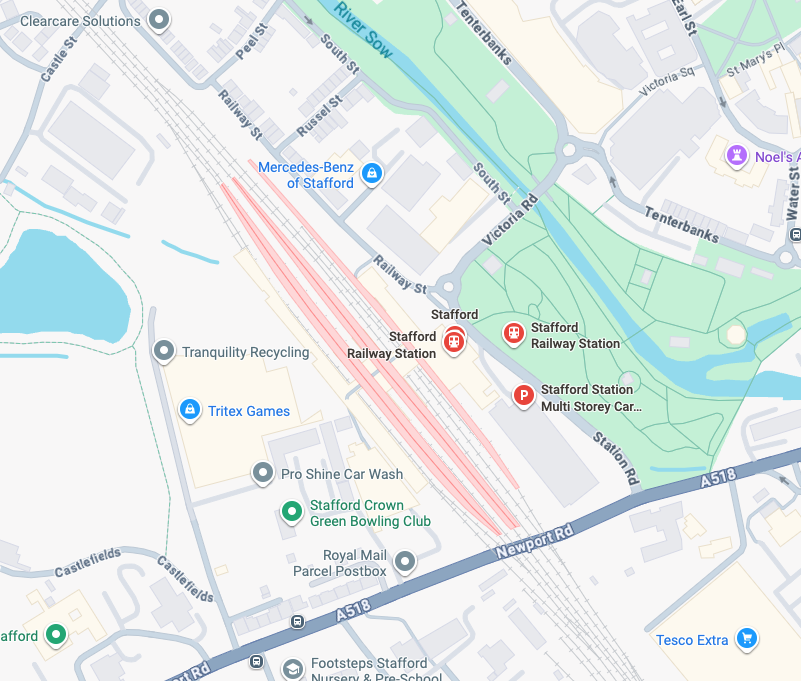
Having passed through here on more than one occasion, it only seemed polite to stop and take a look around.
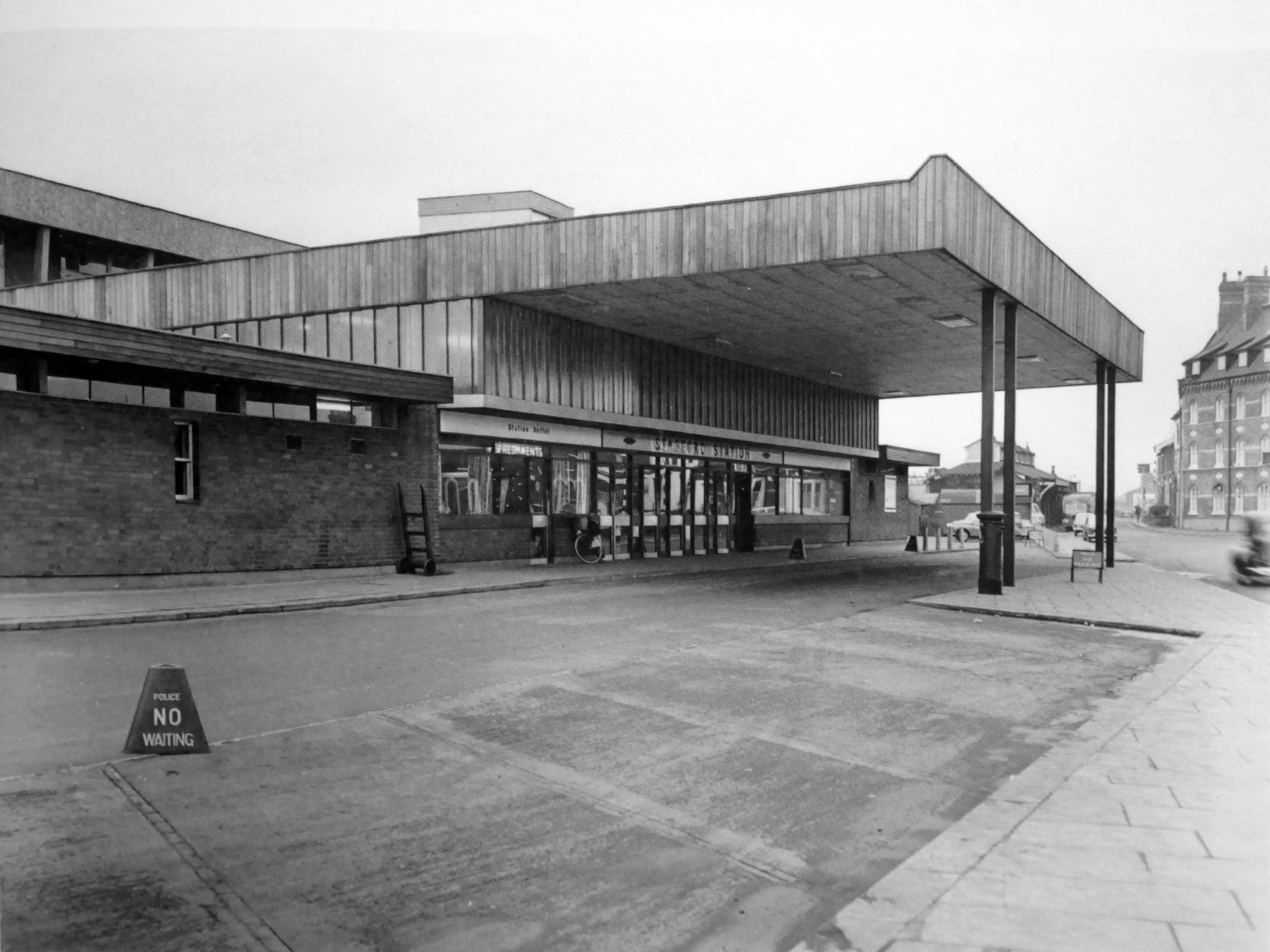
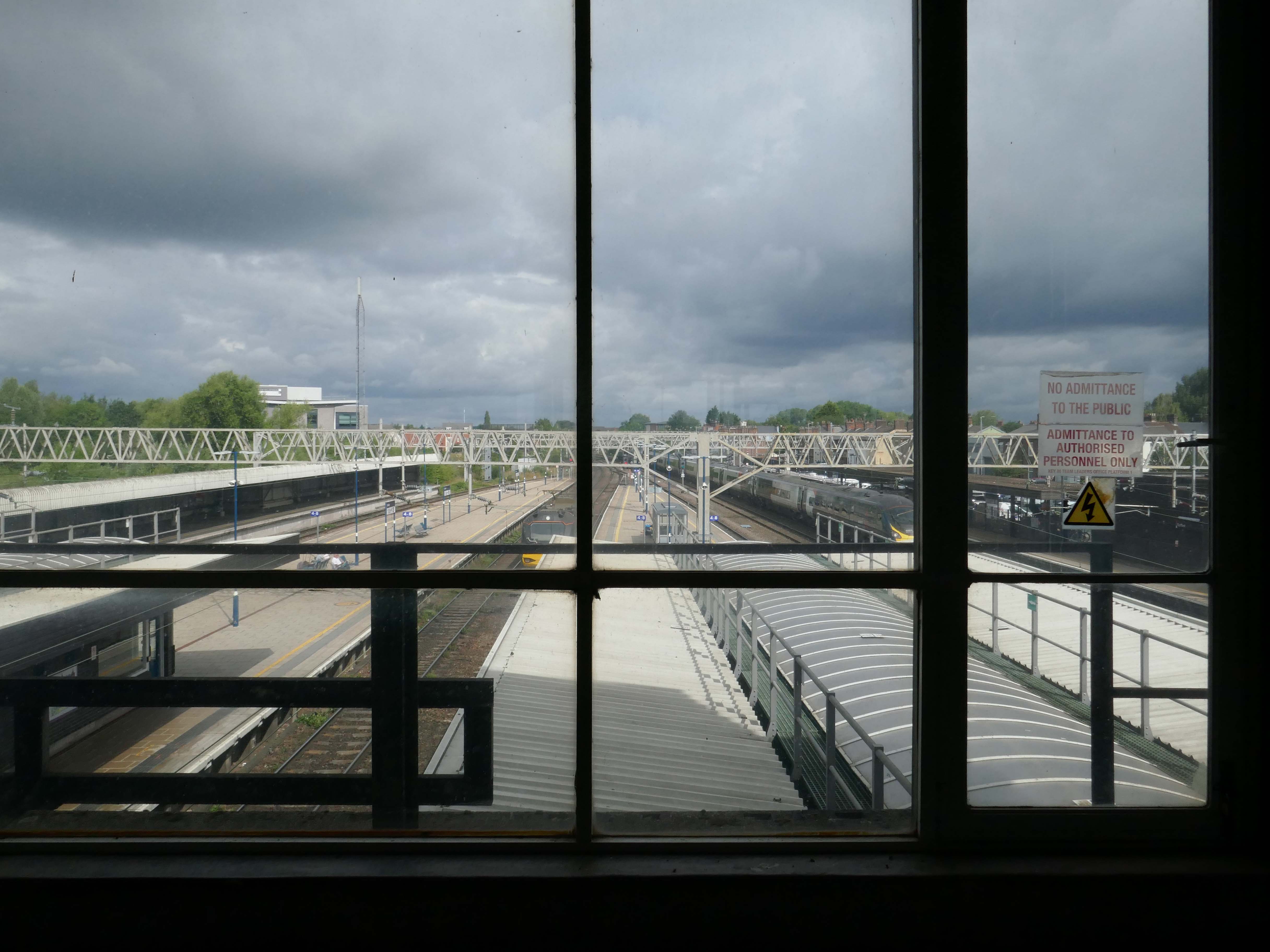
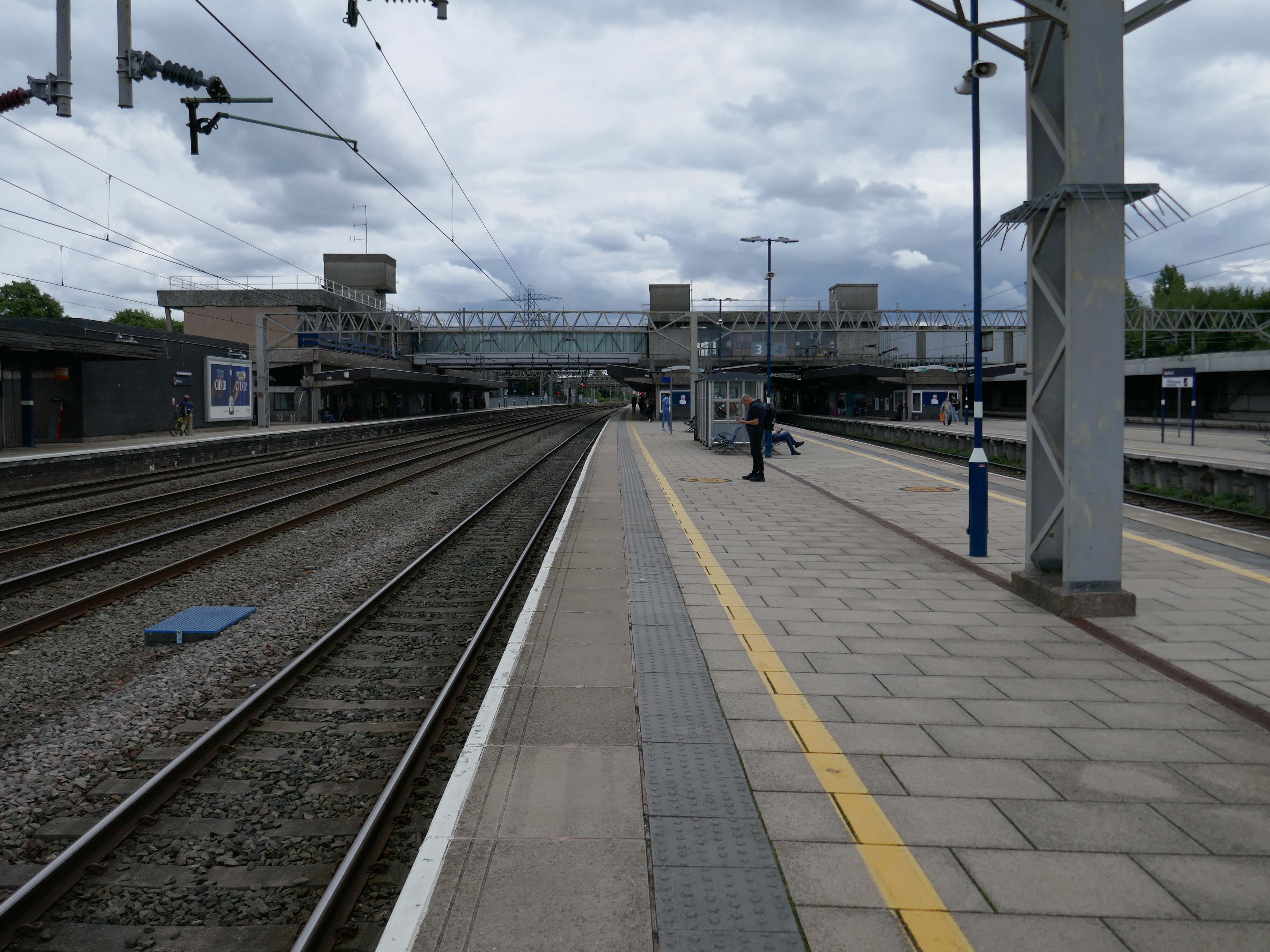
It is the second busiest interchange in the county, after Stoke-on-Trent. It serves the market and county town, as well as surrounding villages. The station lies on the junction of the Trent Valley line, the Rugby–Birmingham–Stafford line and the West Coast Main Line; it was also the terminus for the former Stafford–Uttoxeter and Stafford–Shrewsbury lines.
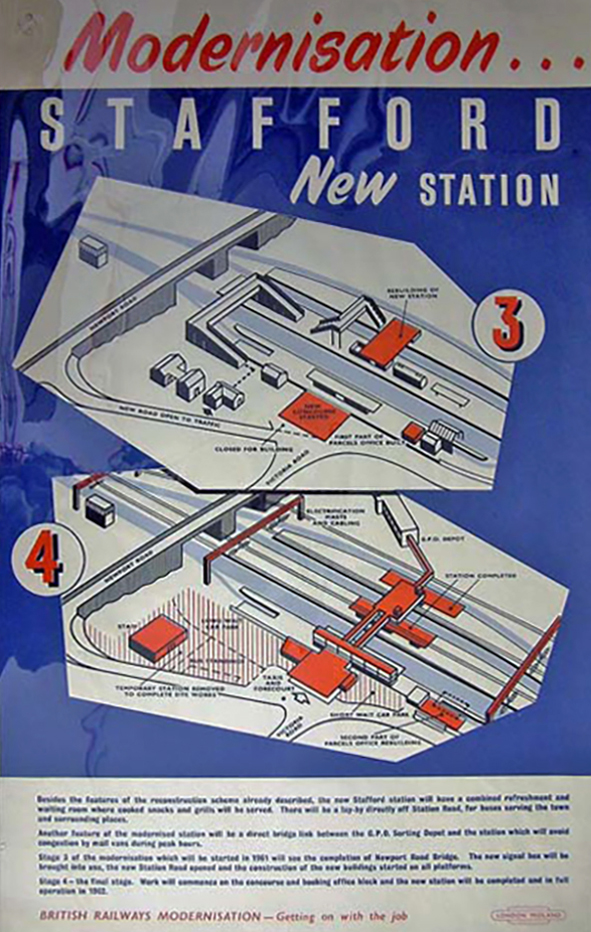
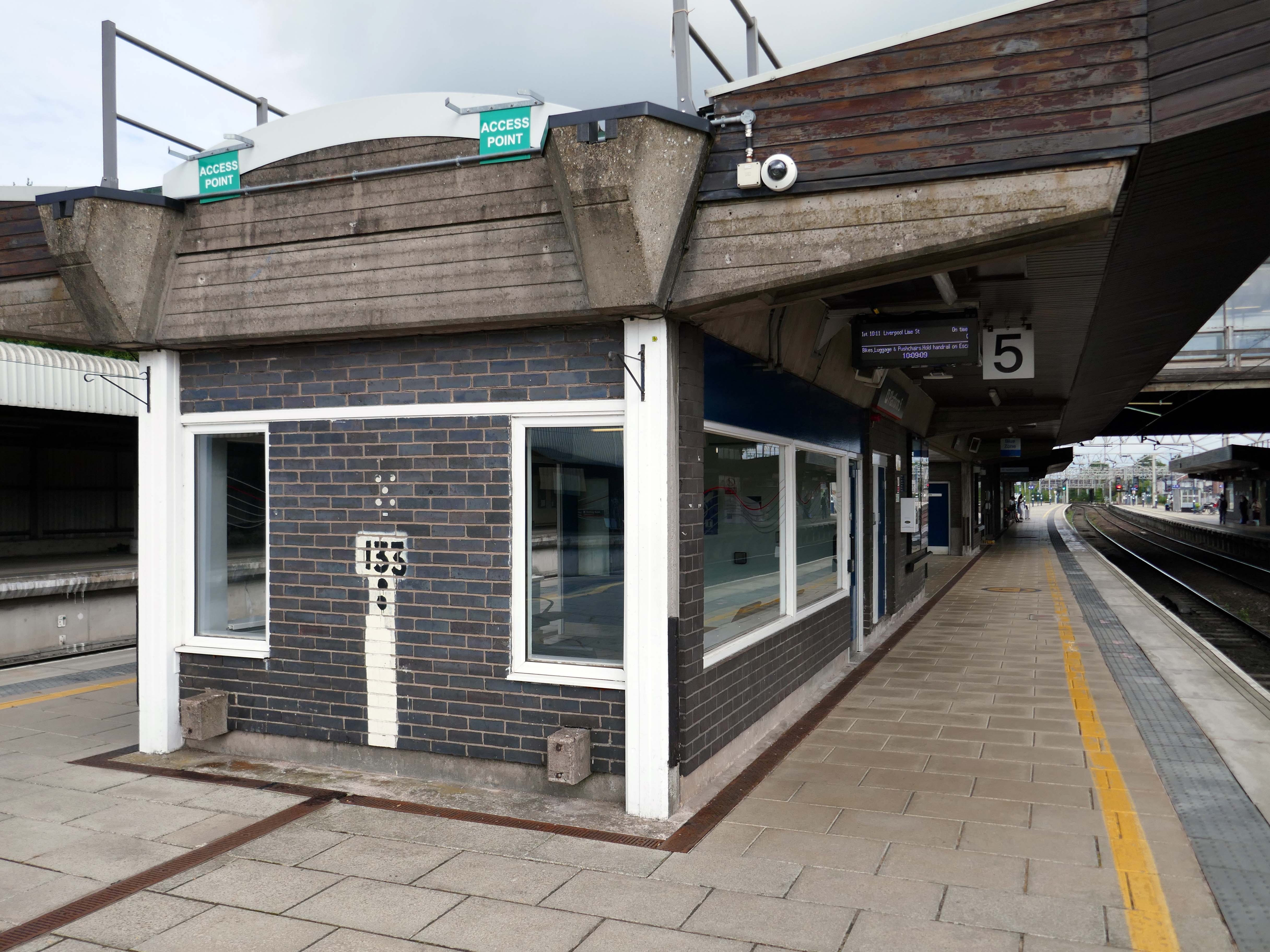
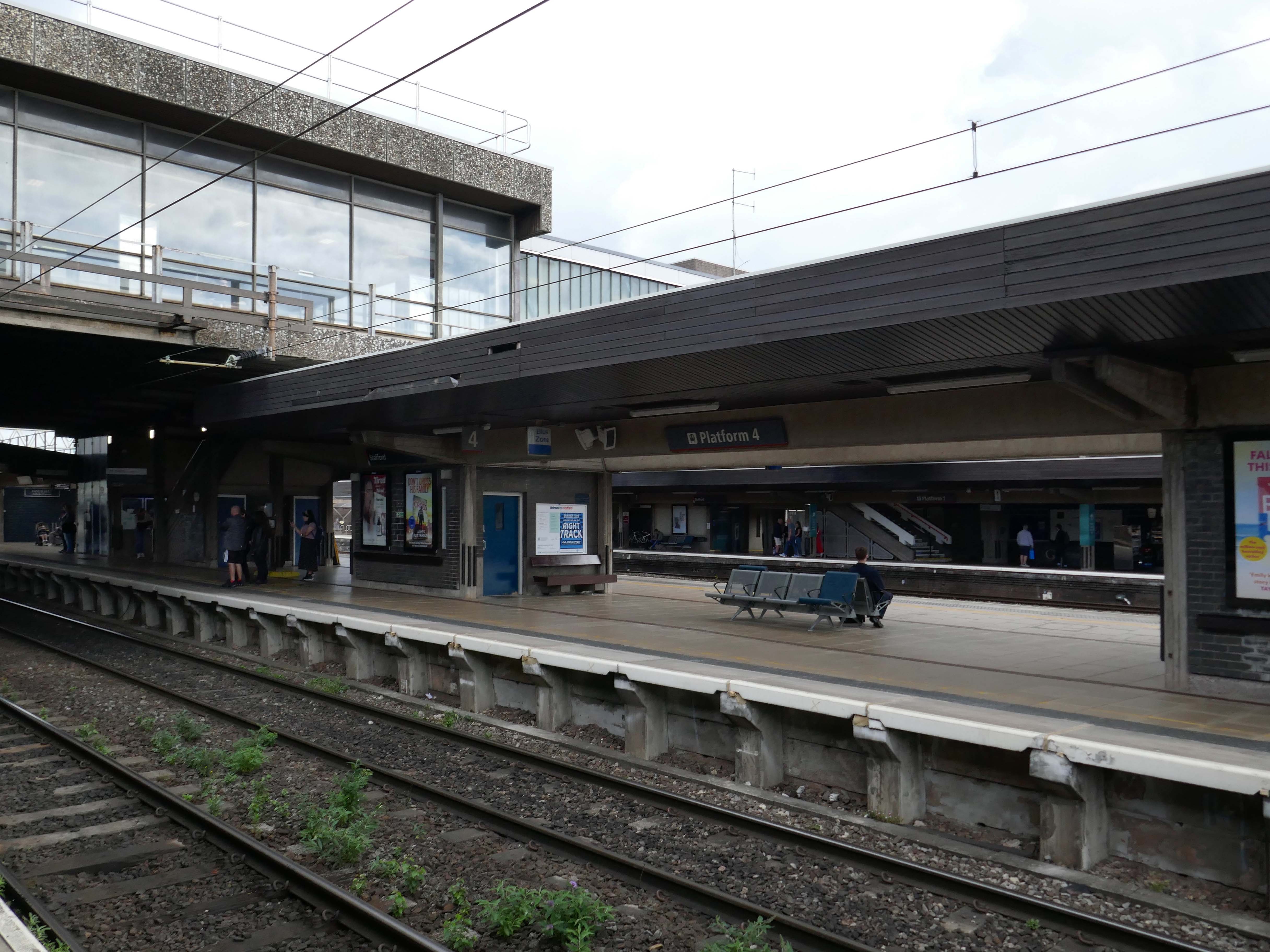
The current station was built in 1962, by the architect William Robert Headley, as part of the modernisation programme which saw the electrification of the West Coast Main Line.
Headley was also responsible for the design of East Didsbury, Manchester Oxford Road and Coventry stations.
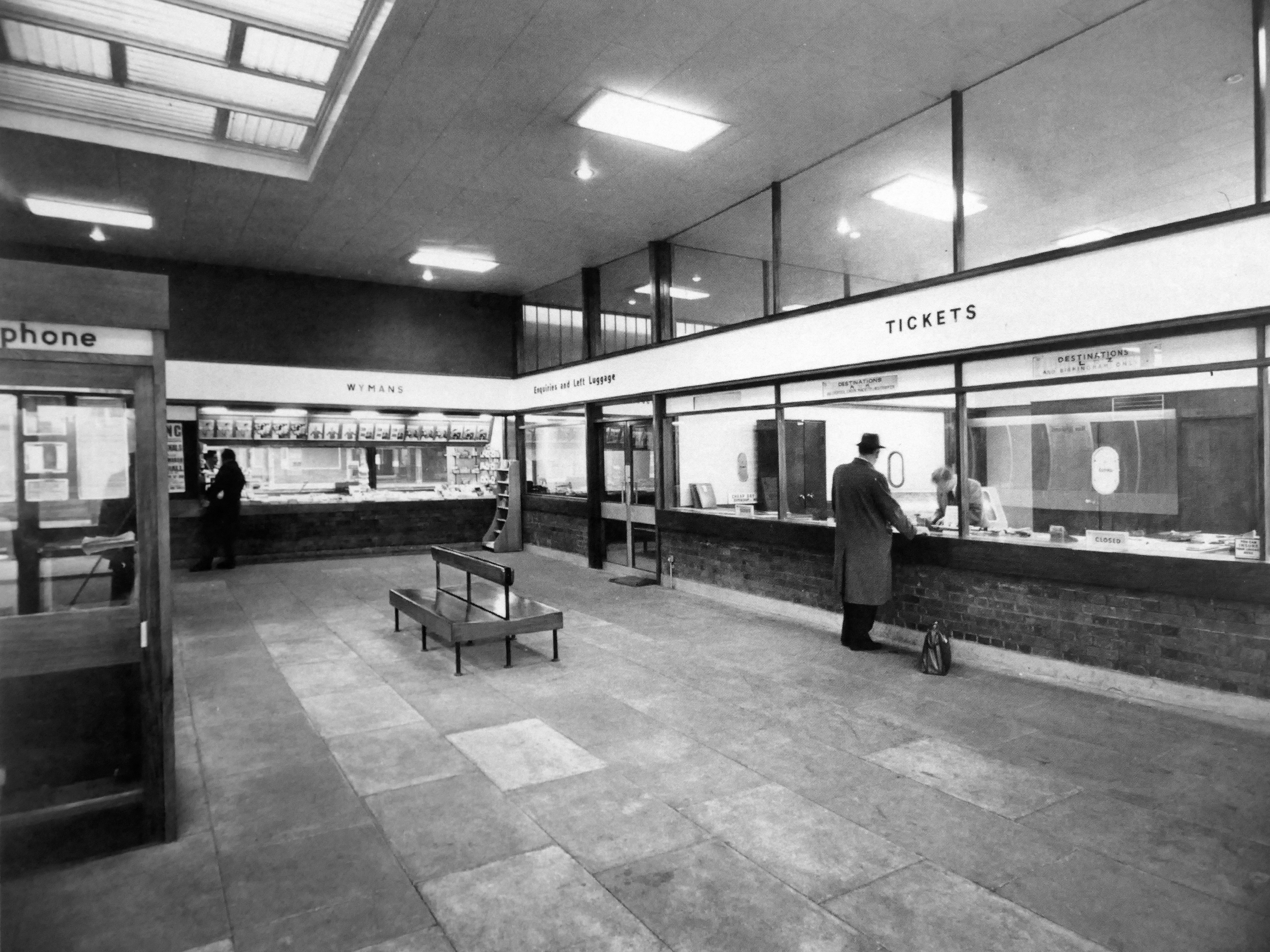
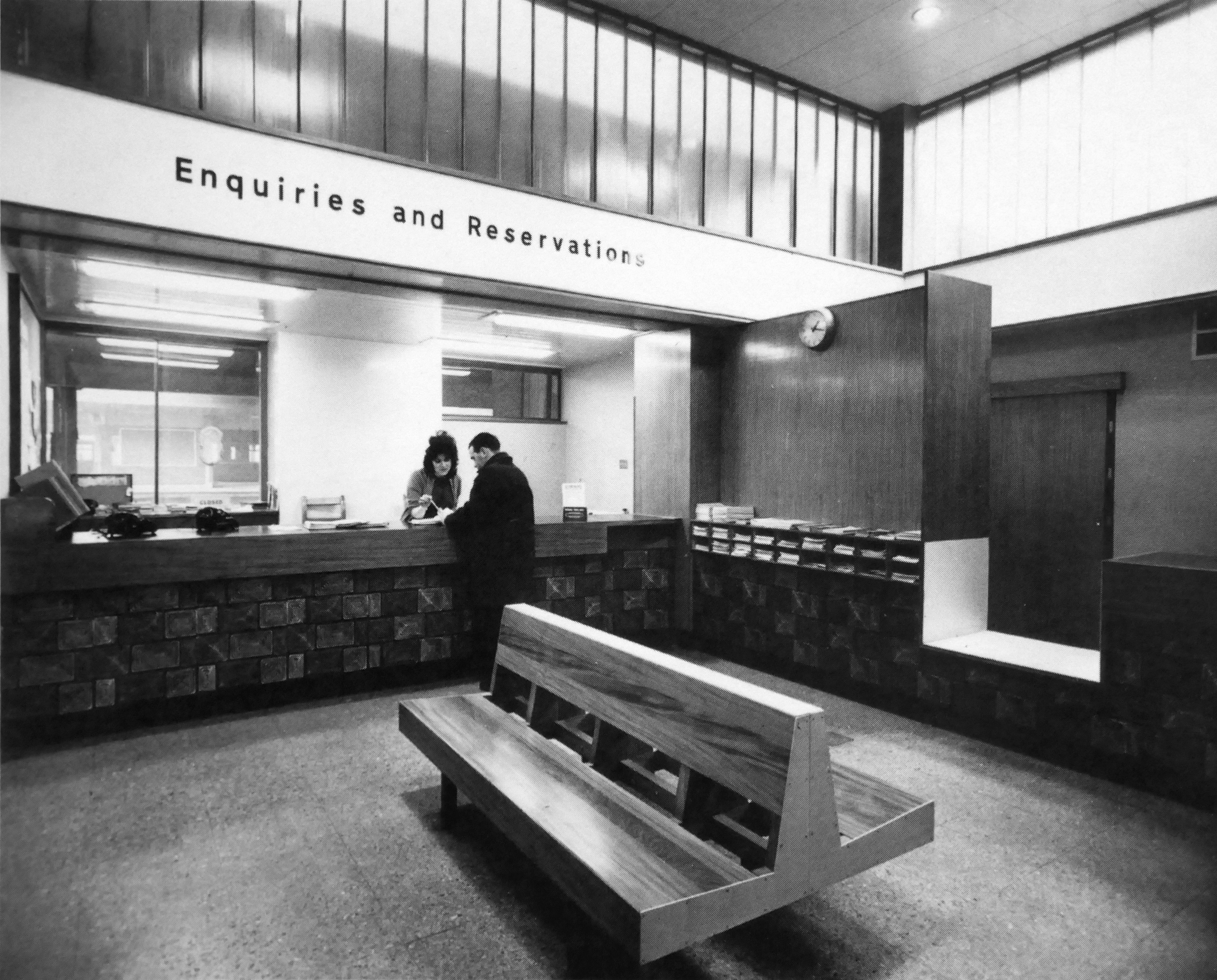
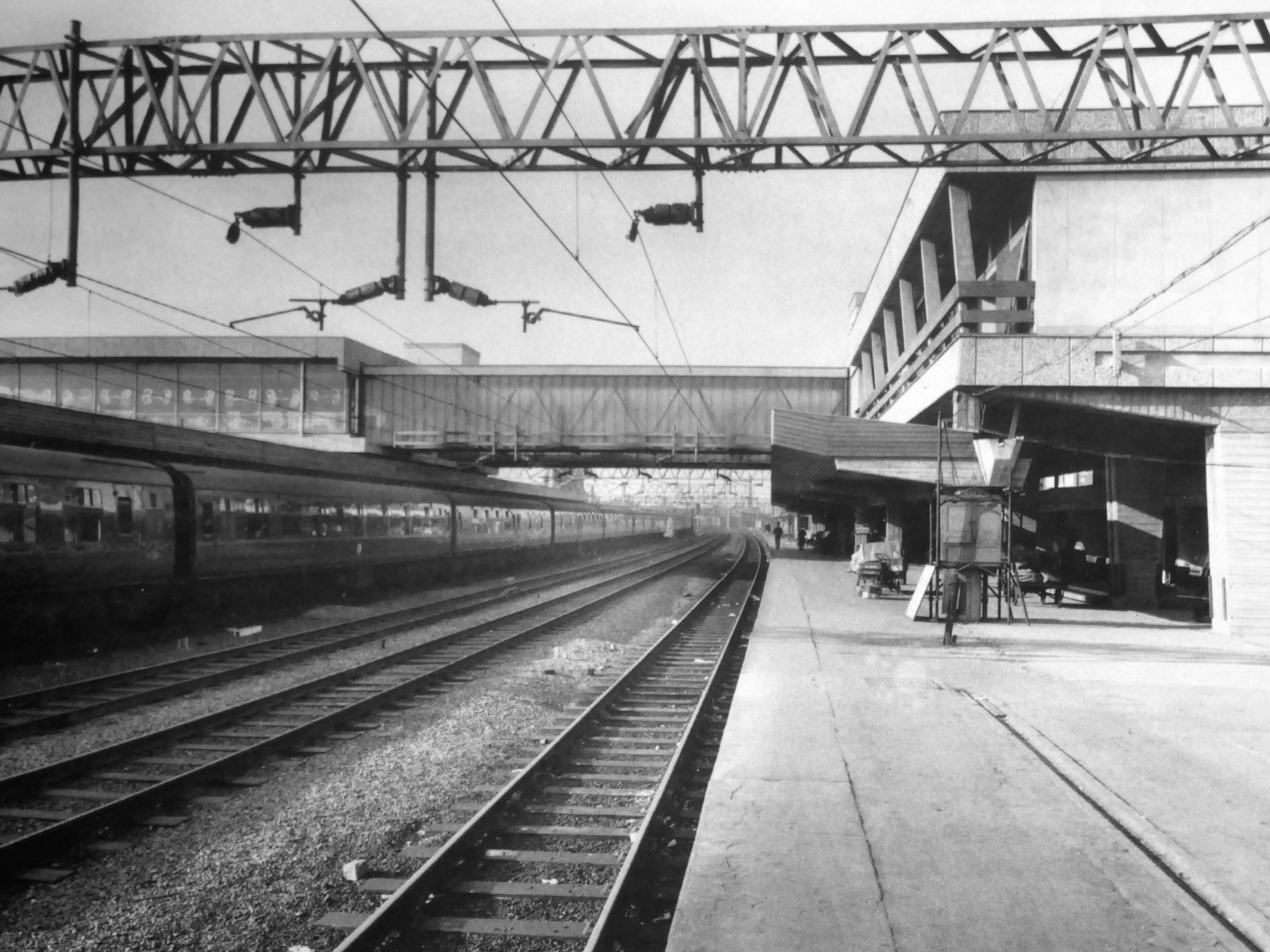
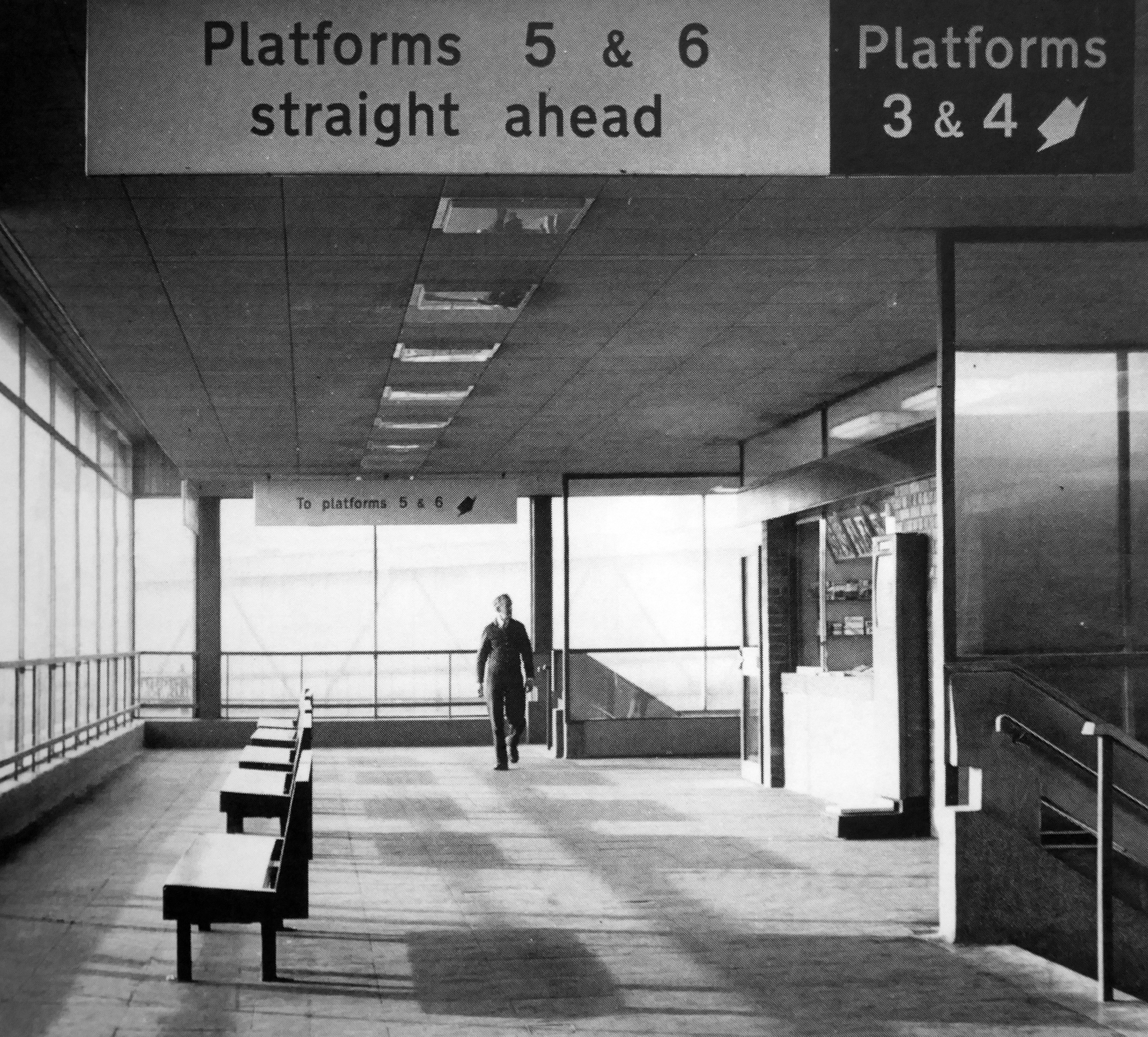
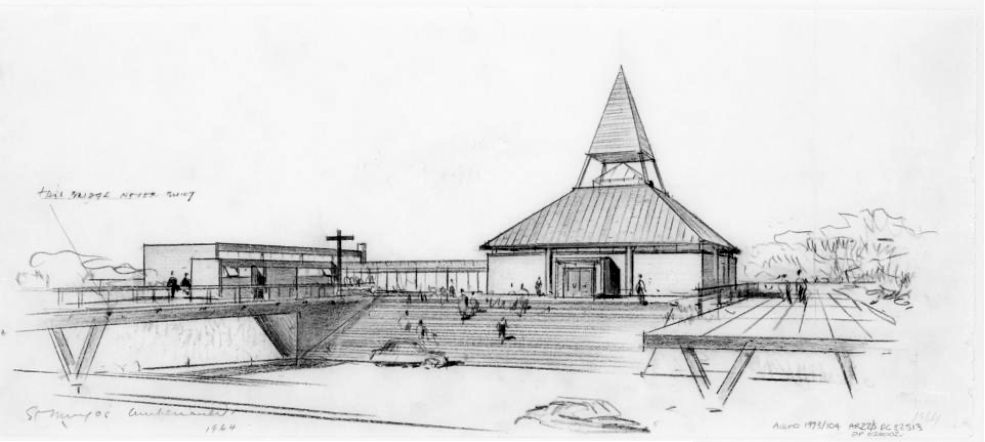
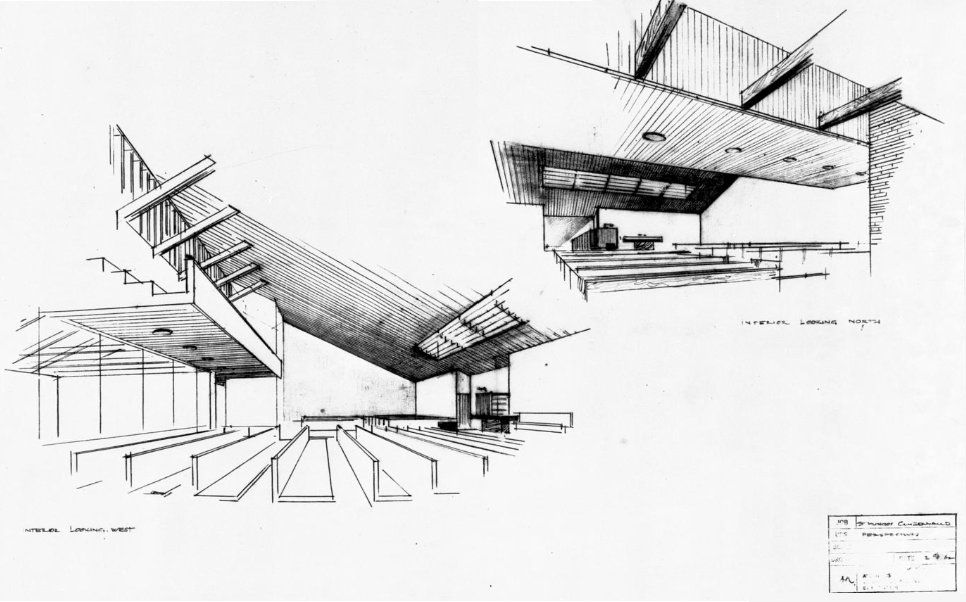
Archive photos: British Rail Architecture 1948-97
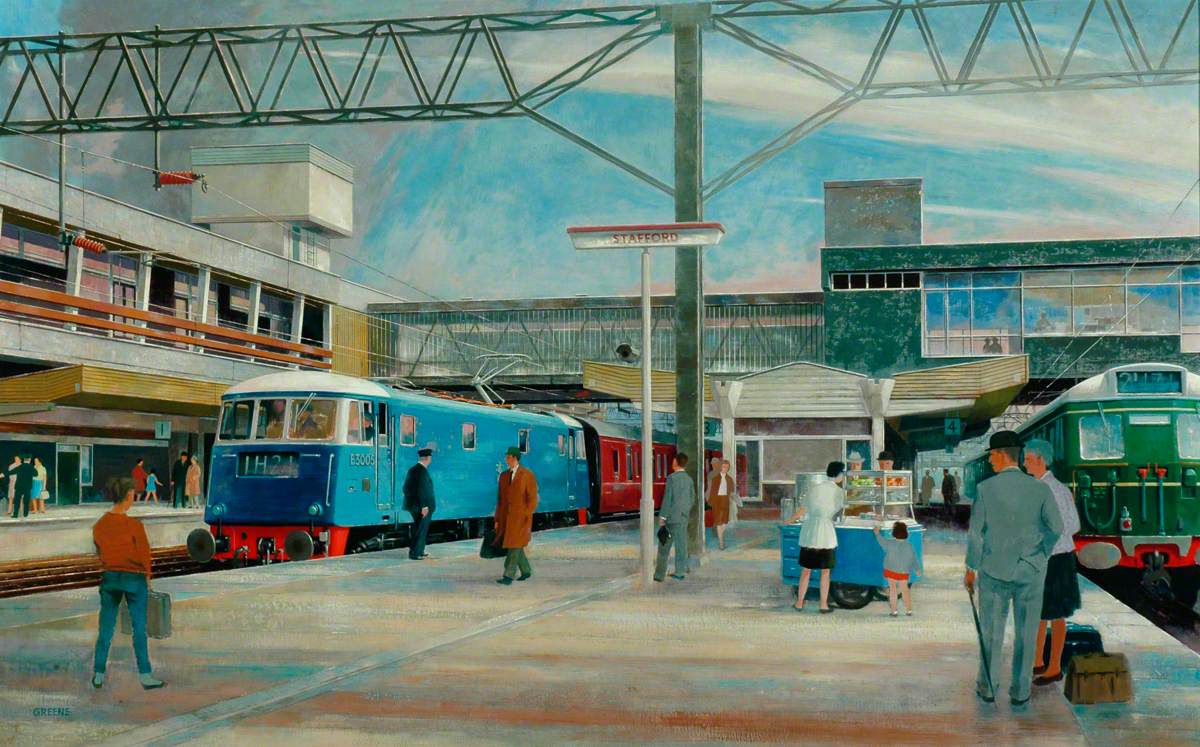
Illustration: John Greene
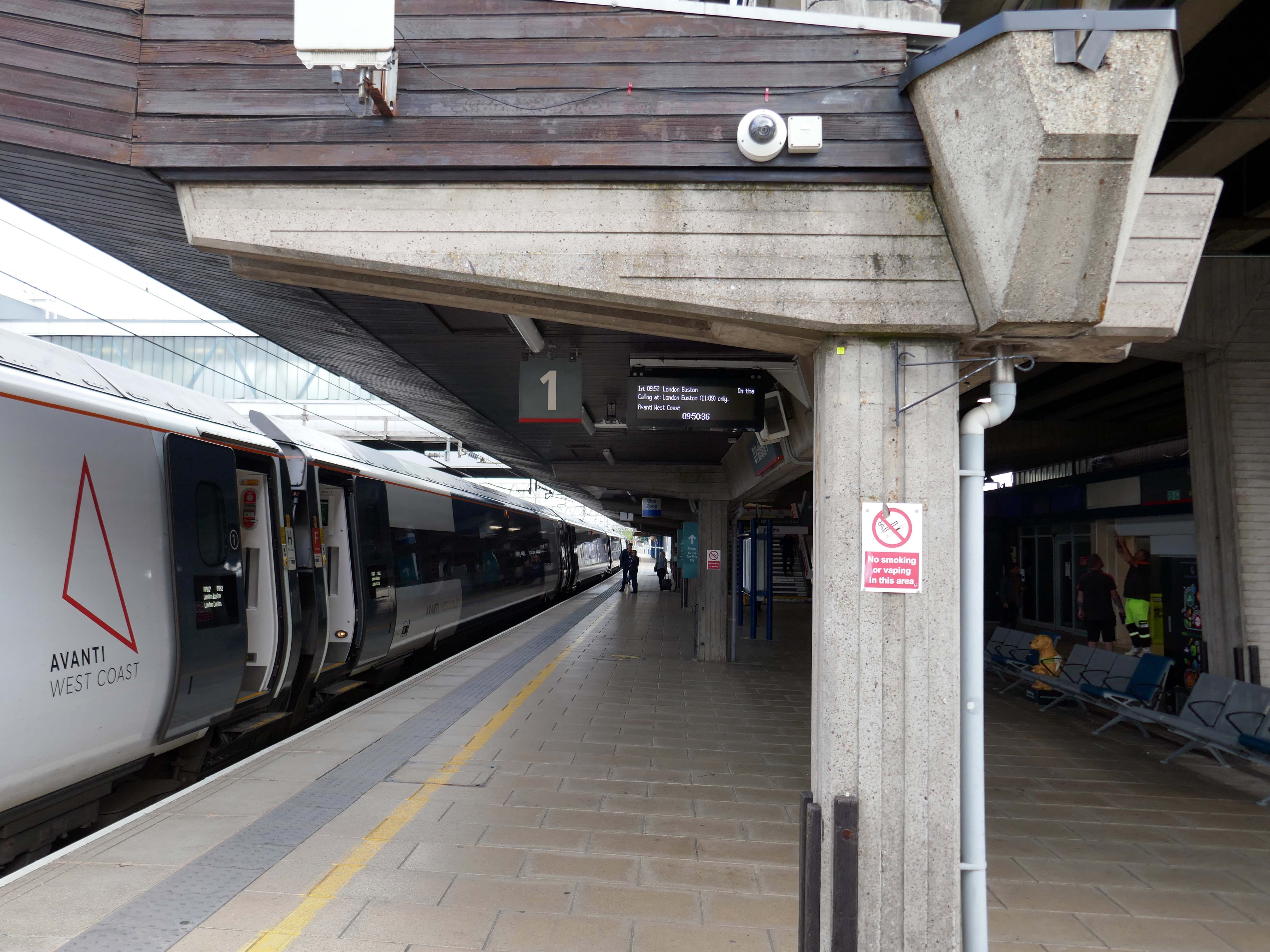
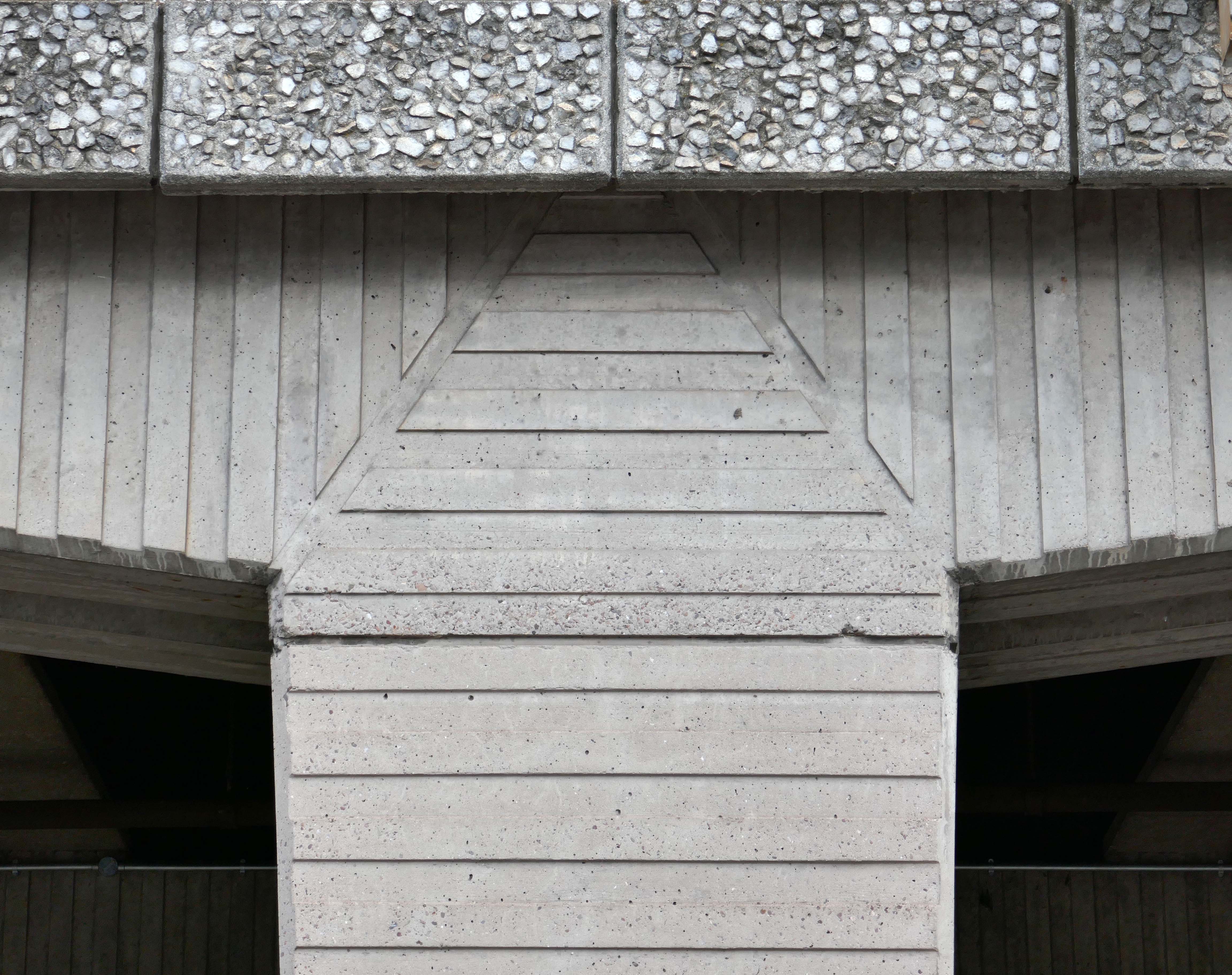
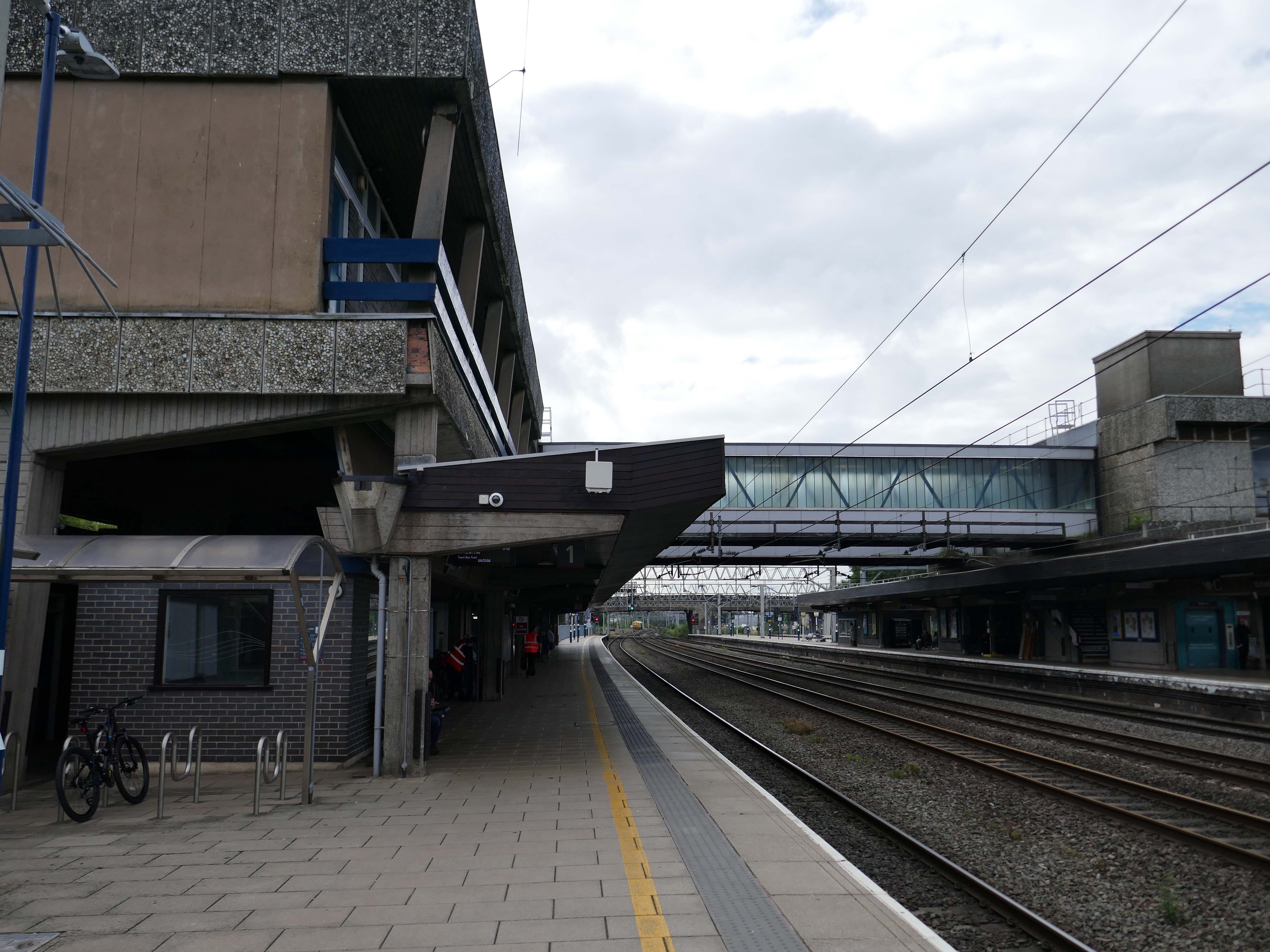
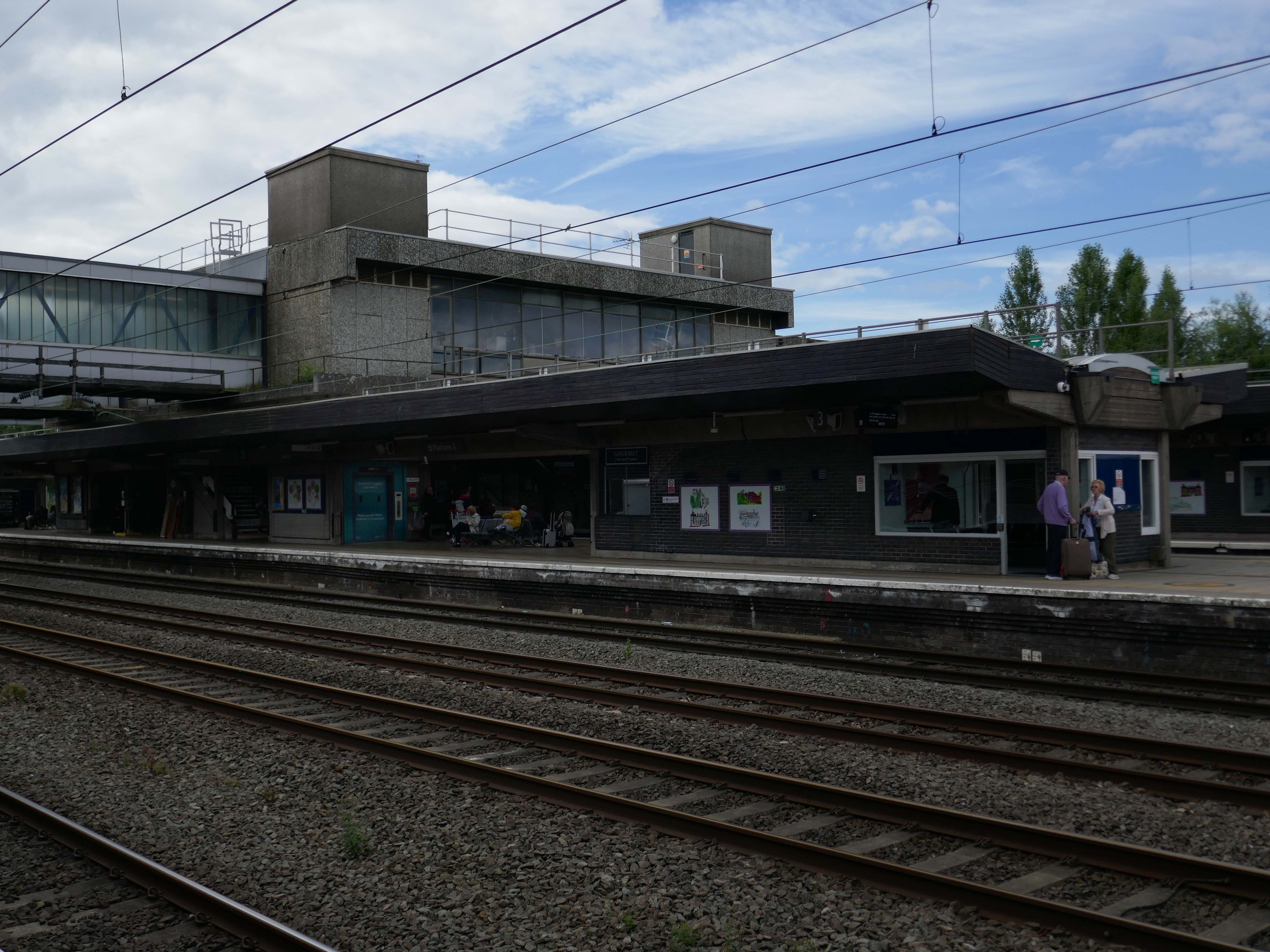
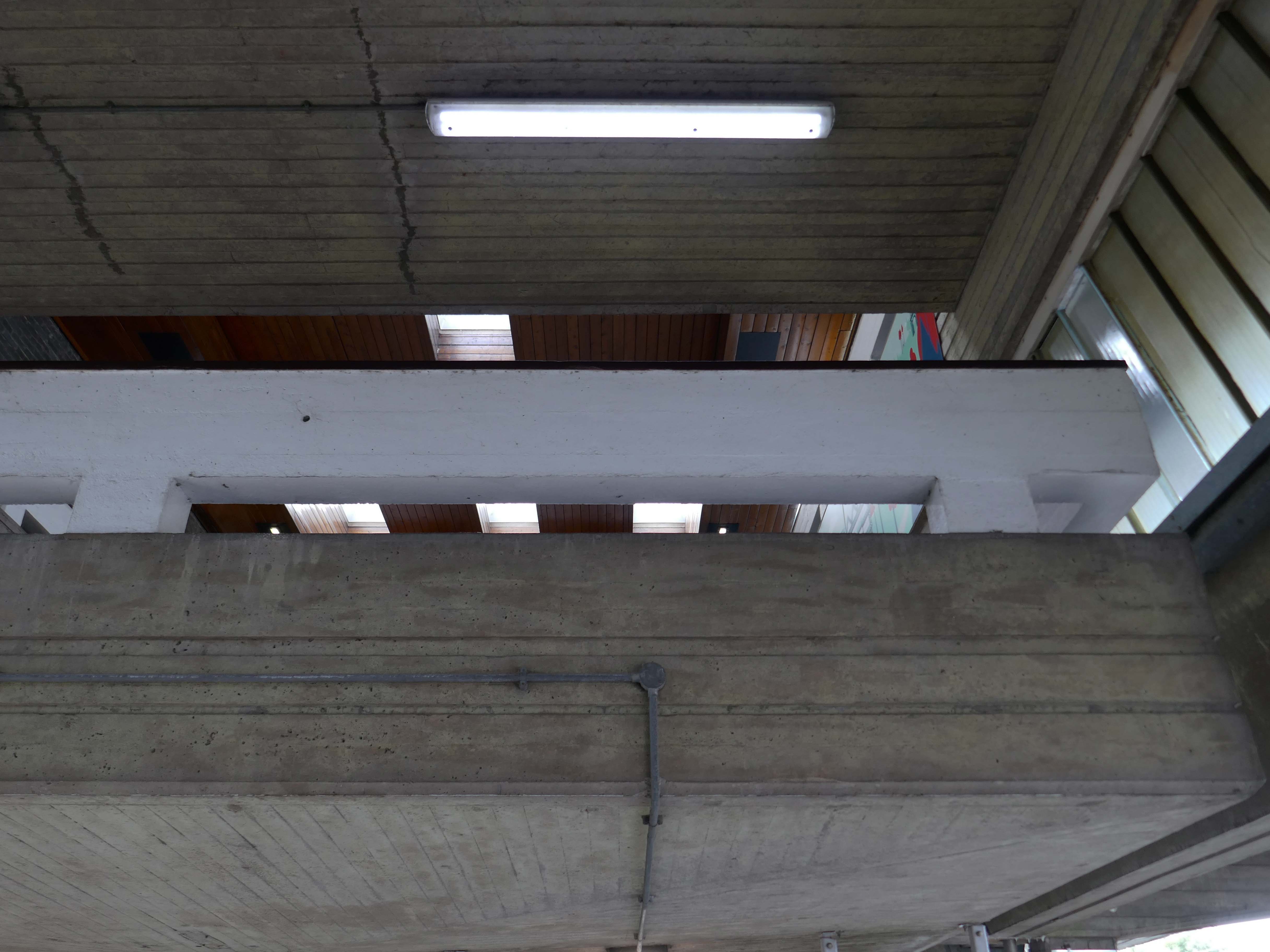
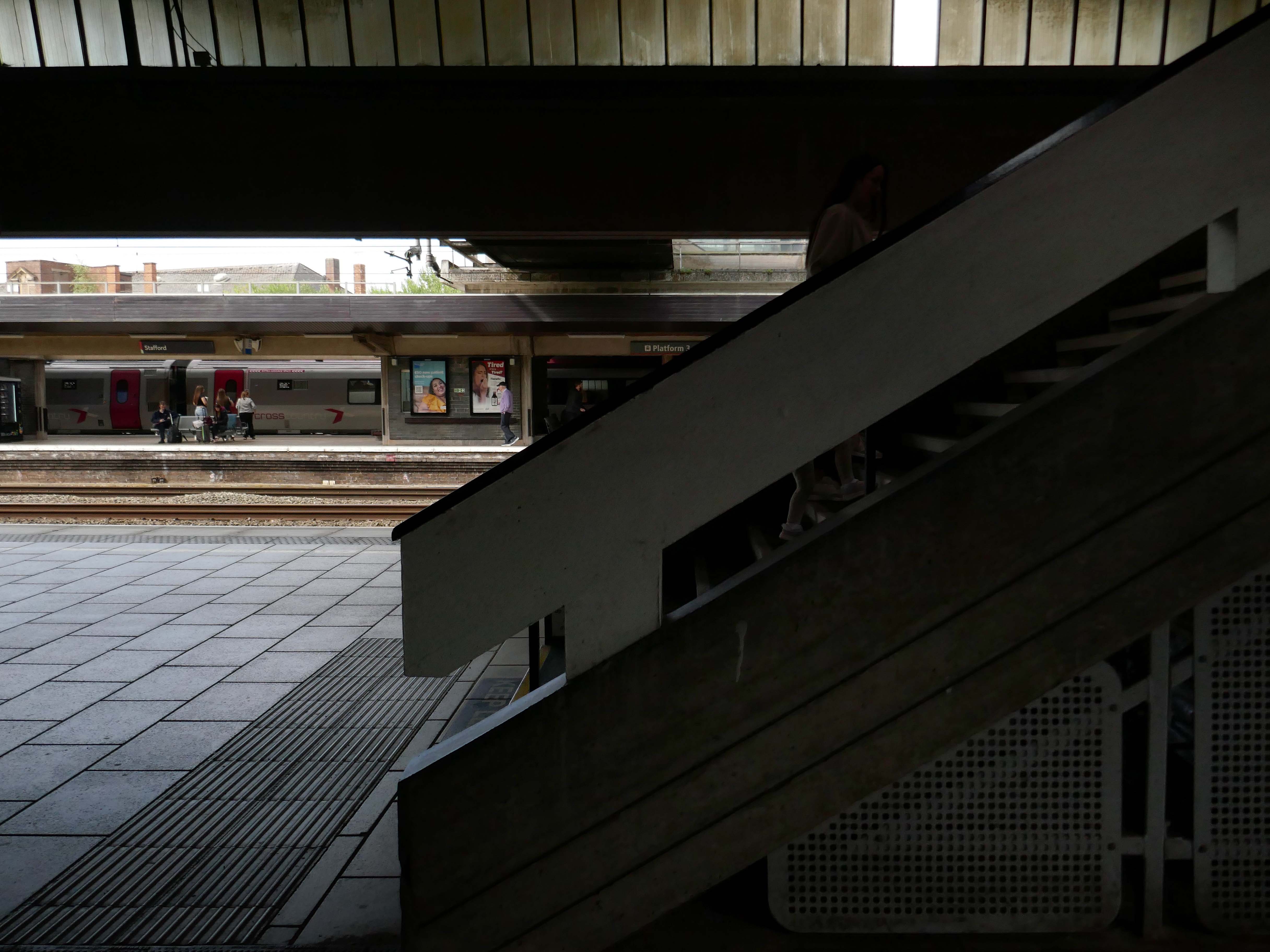
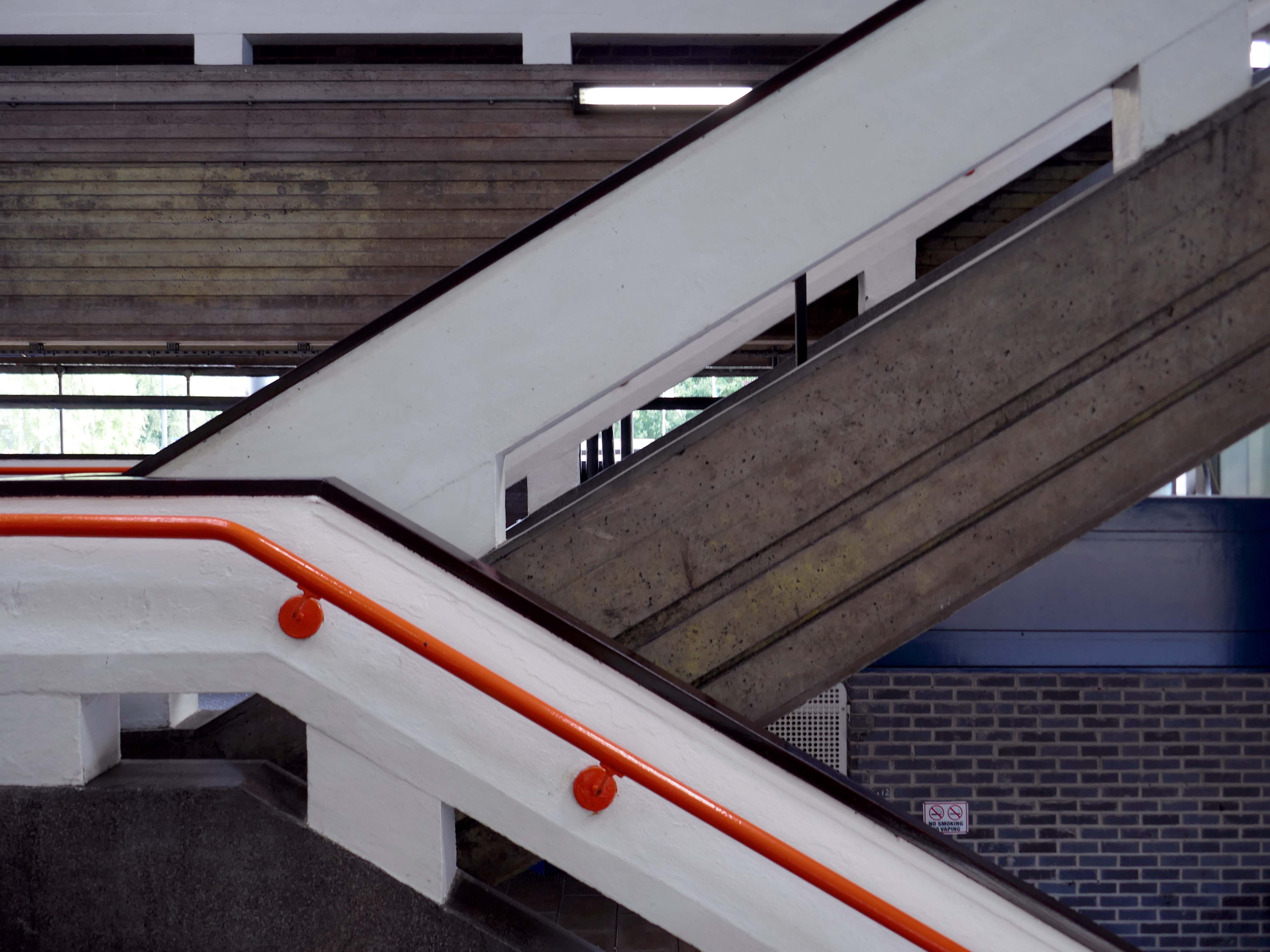
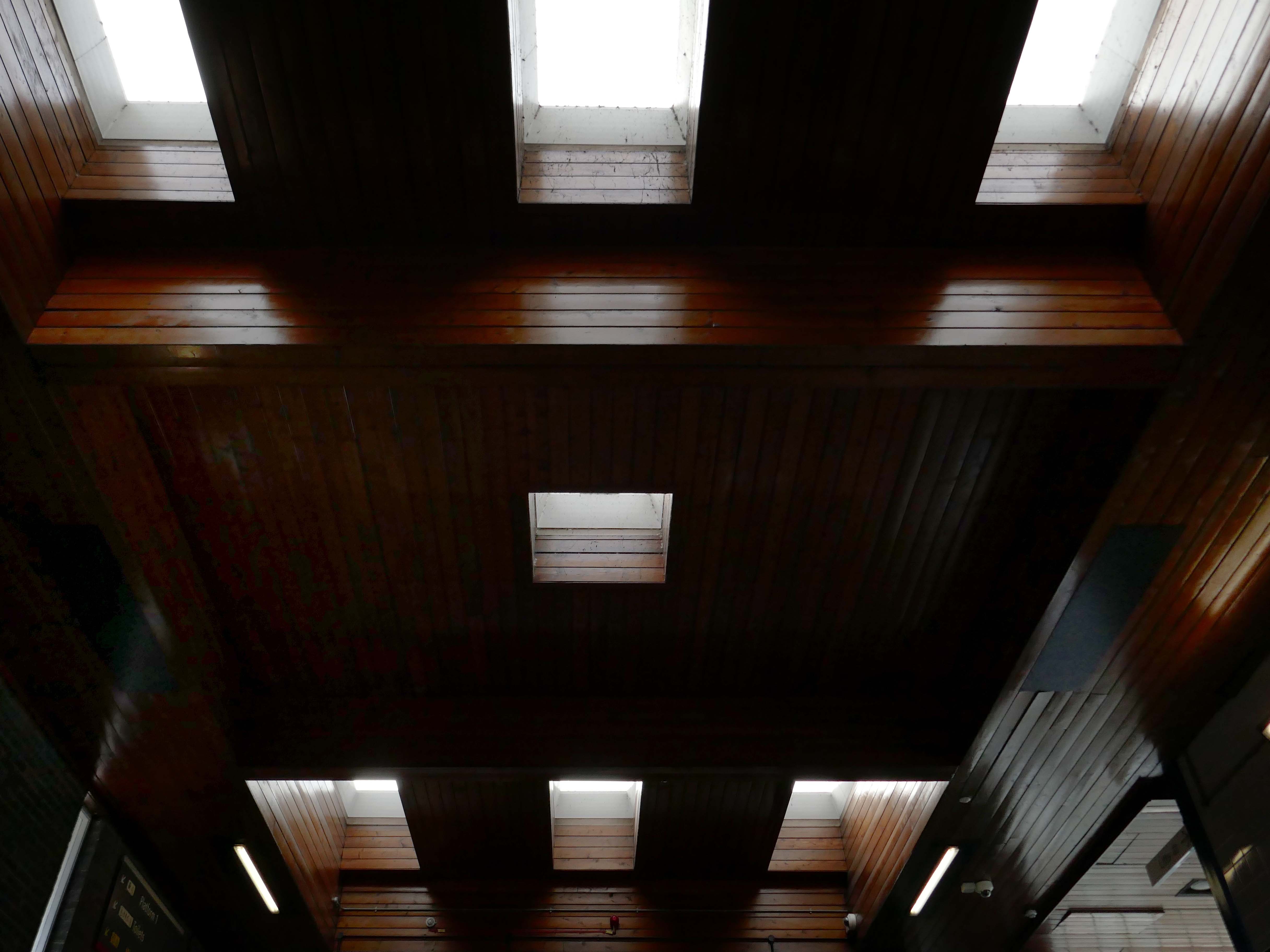
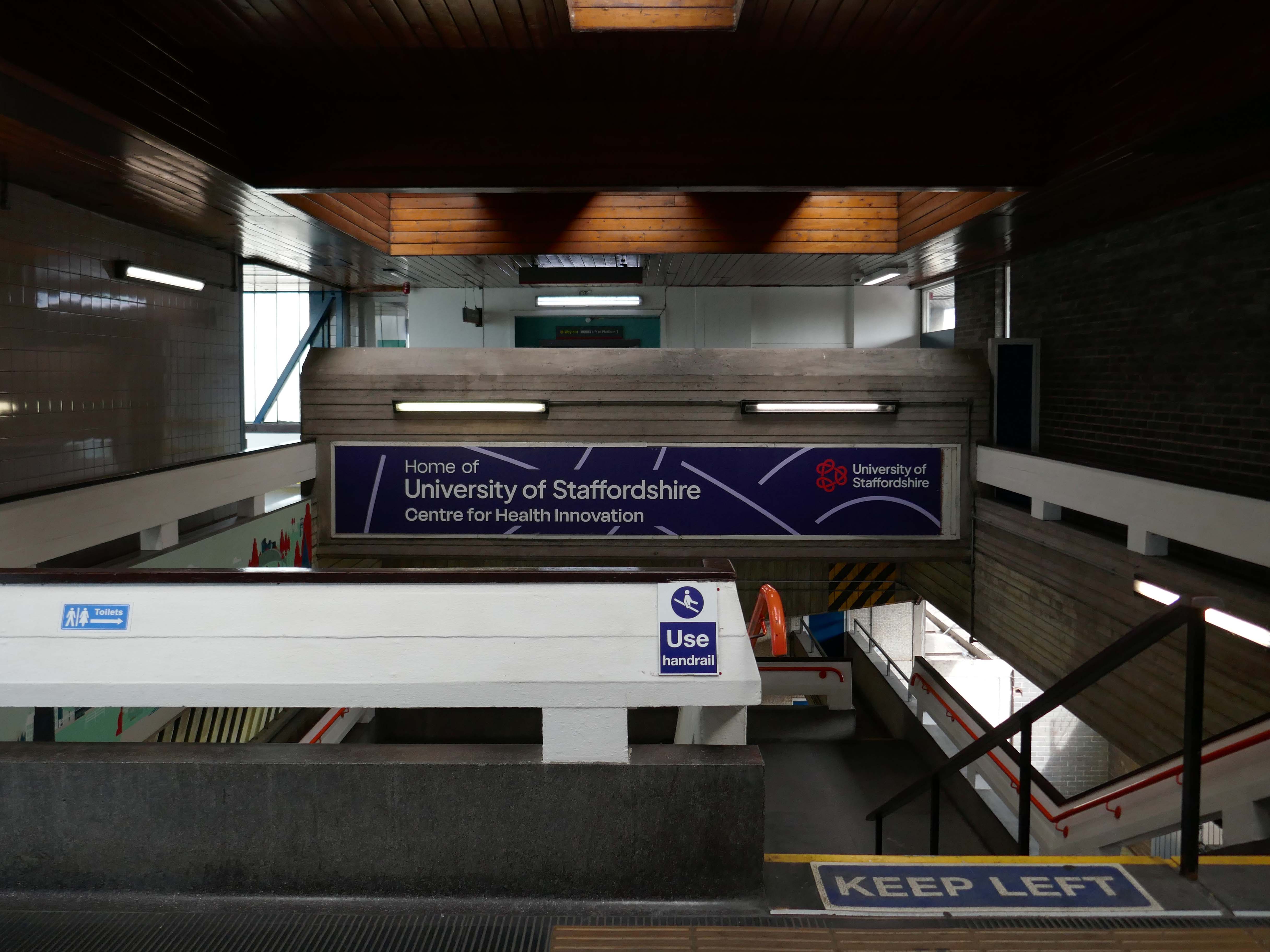
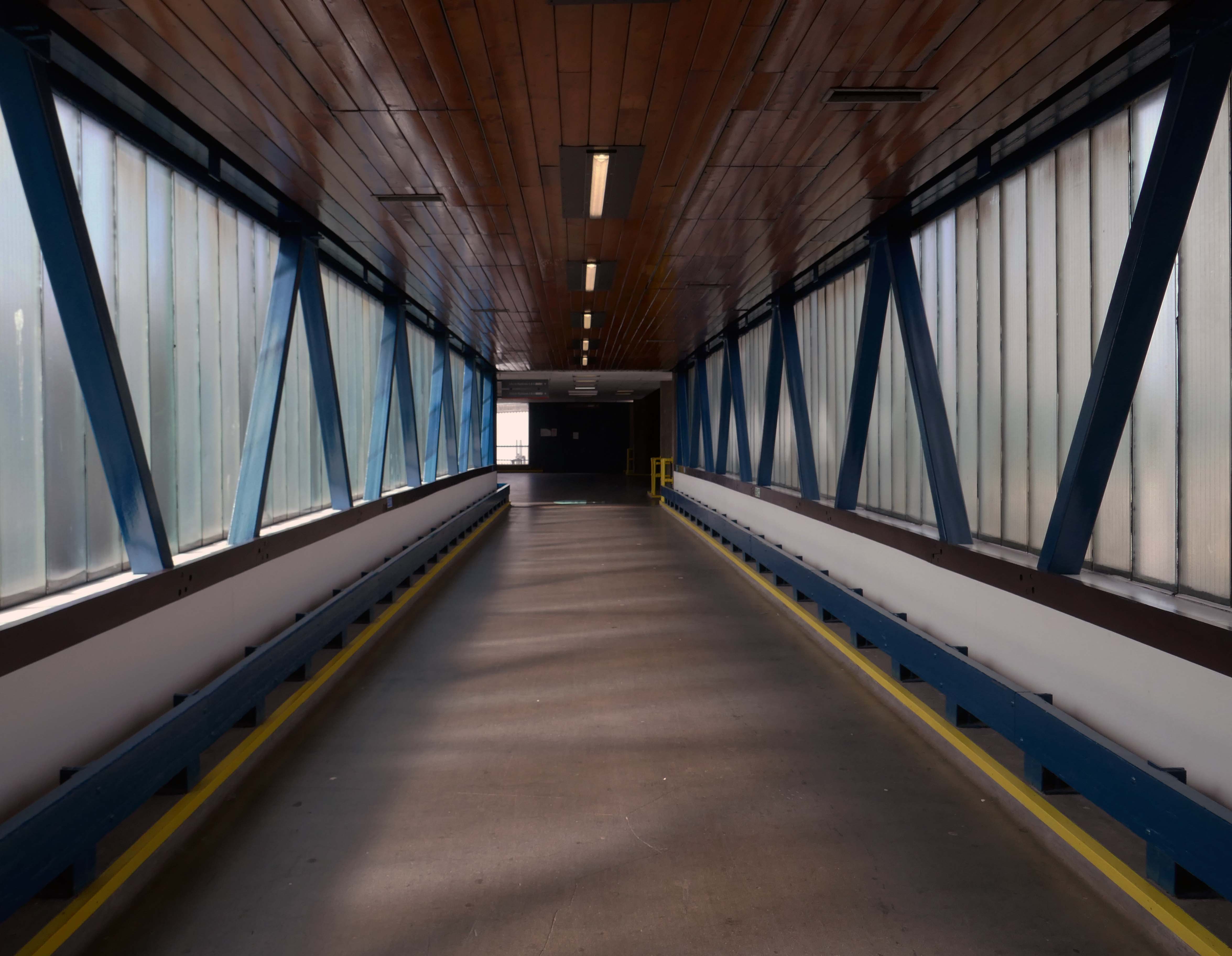
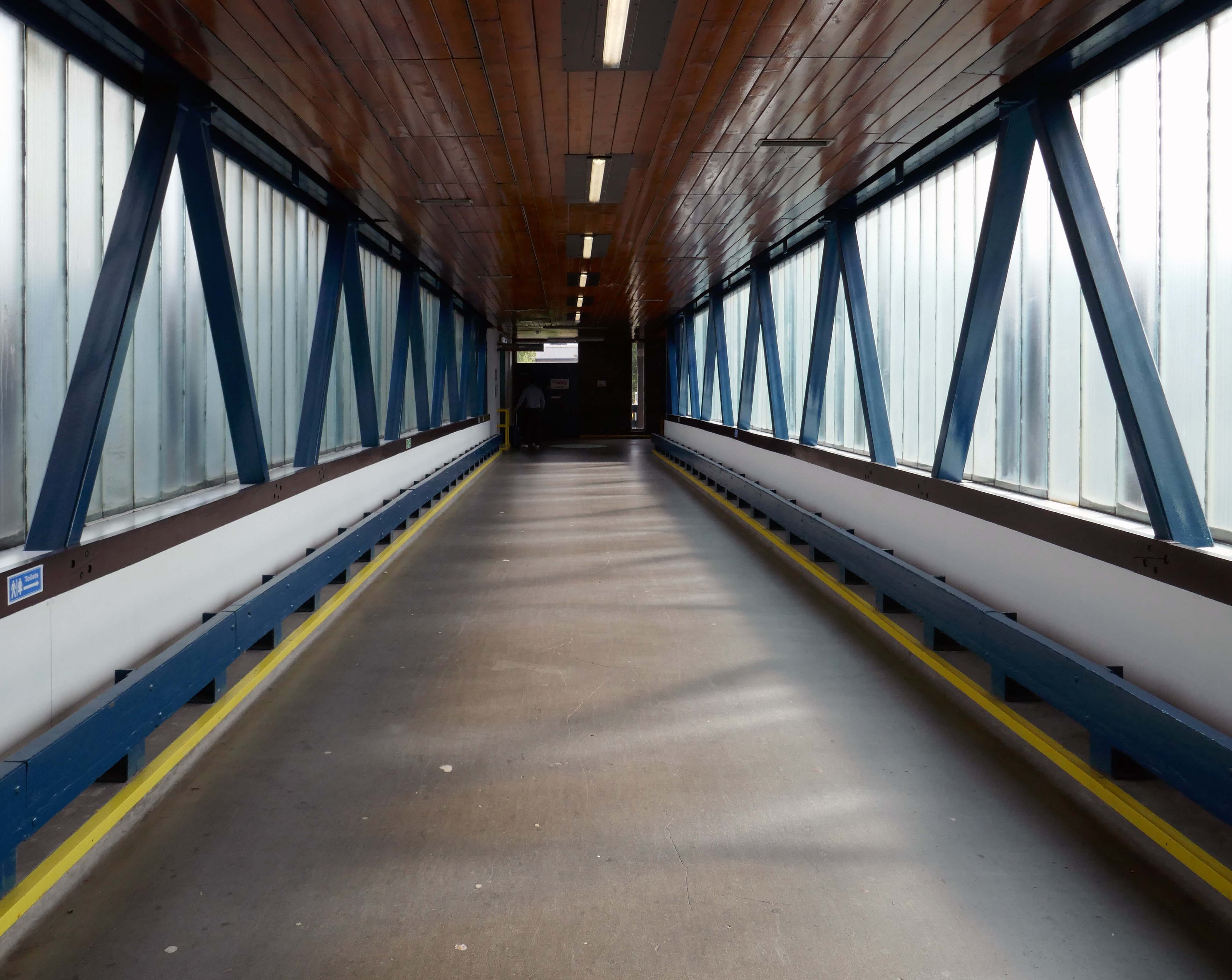
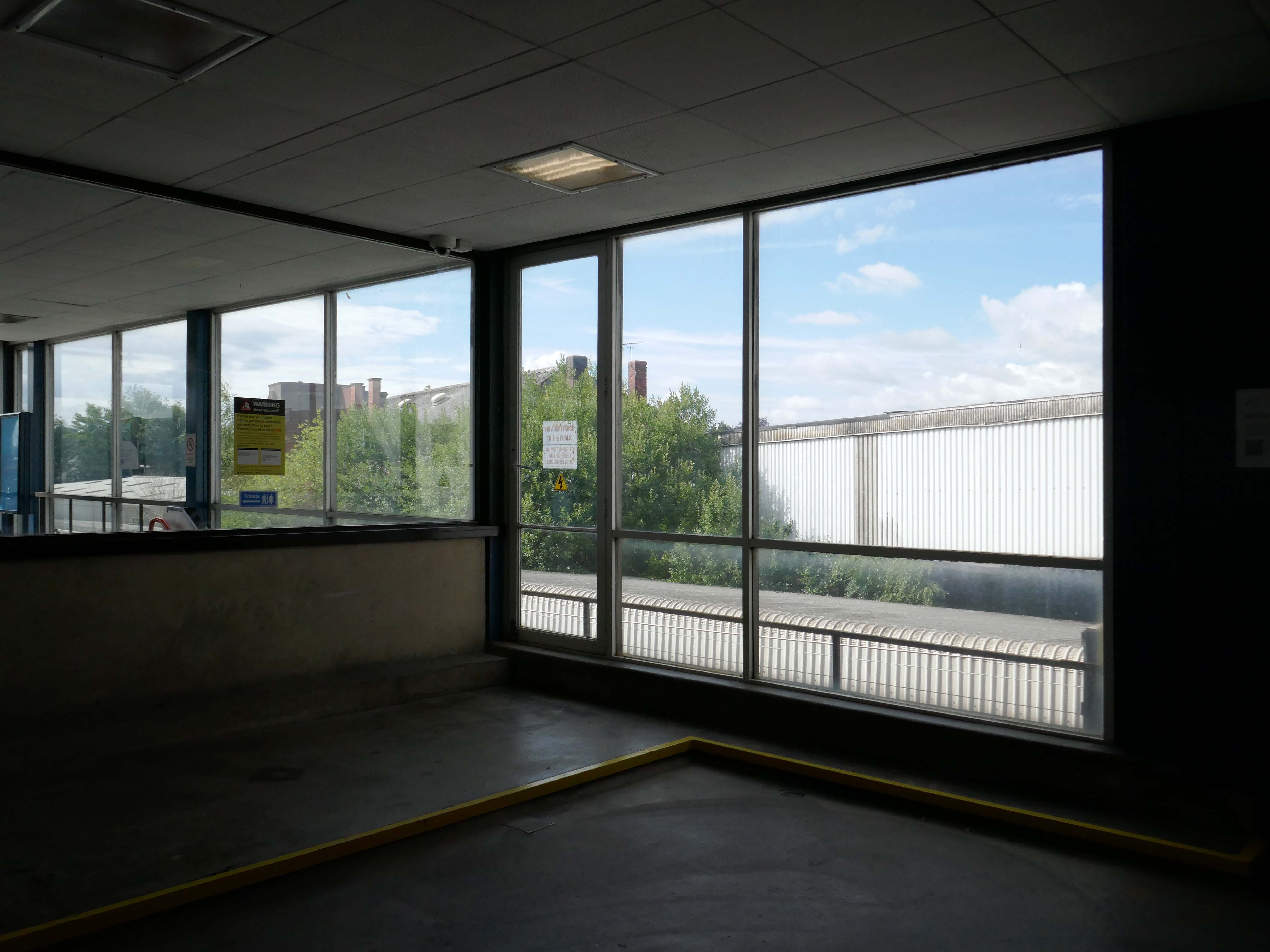
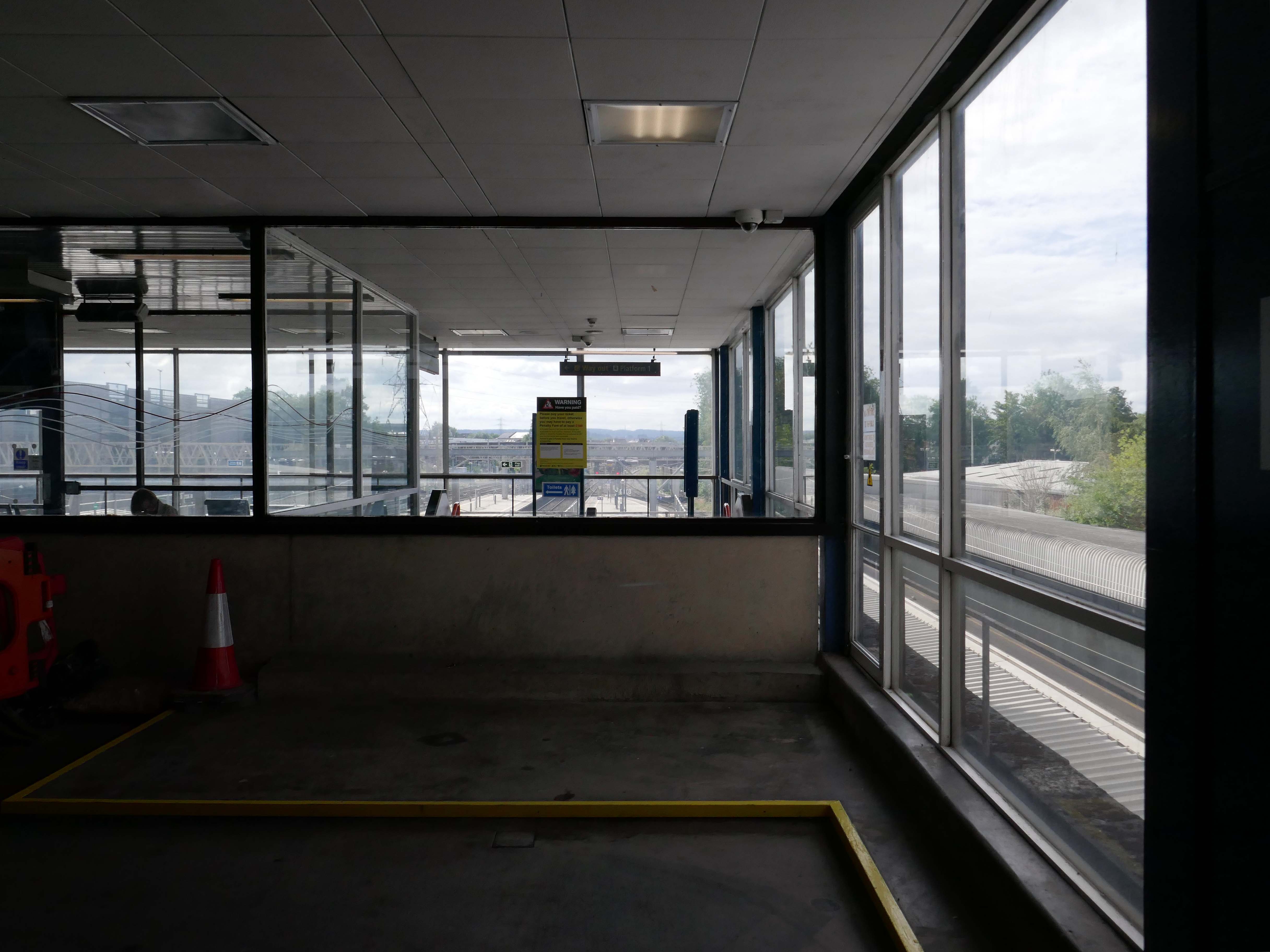
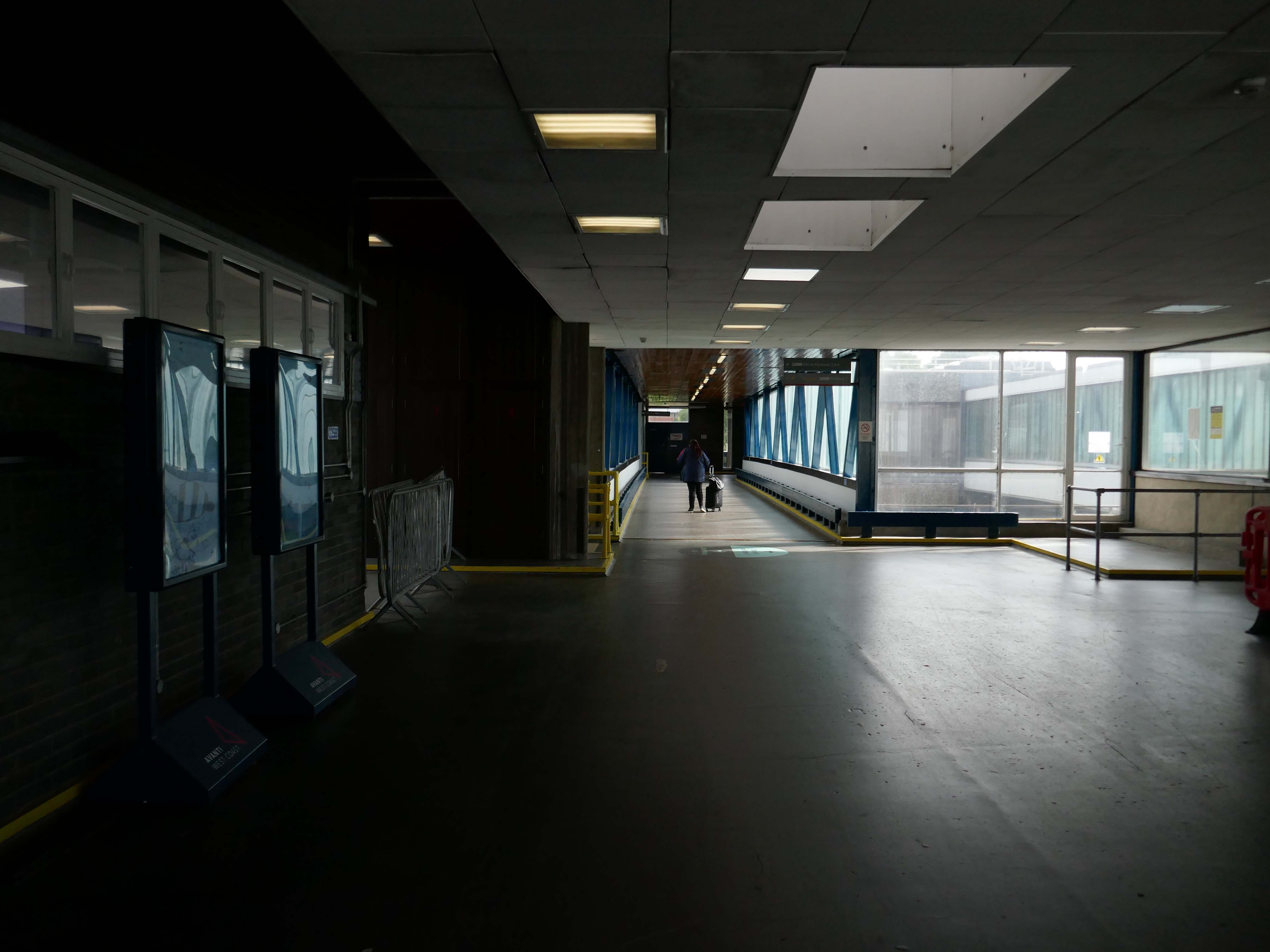
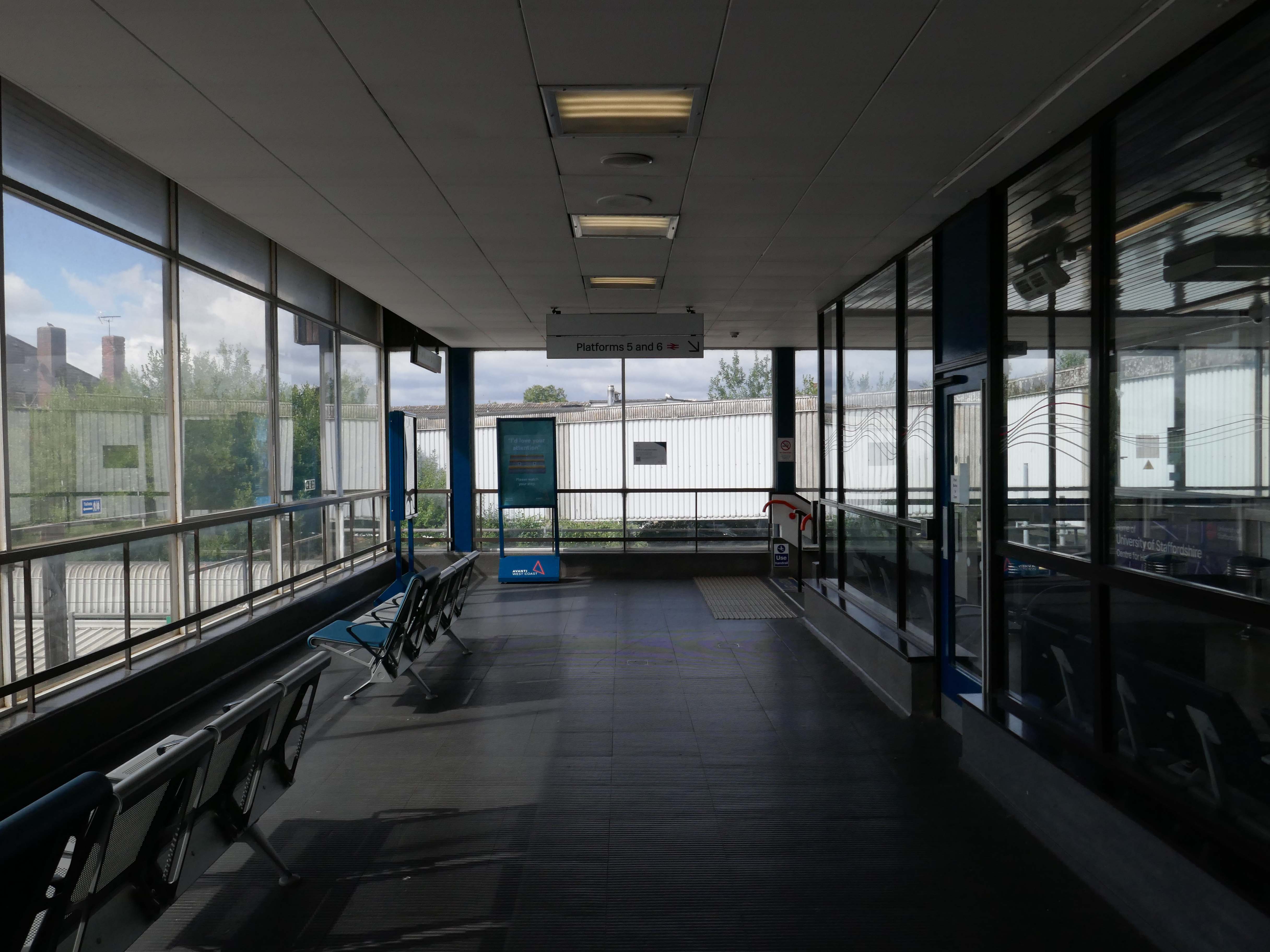
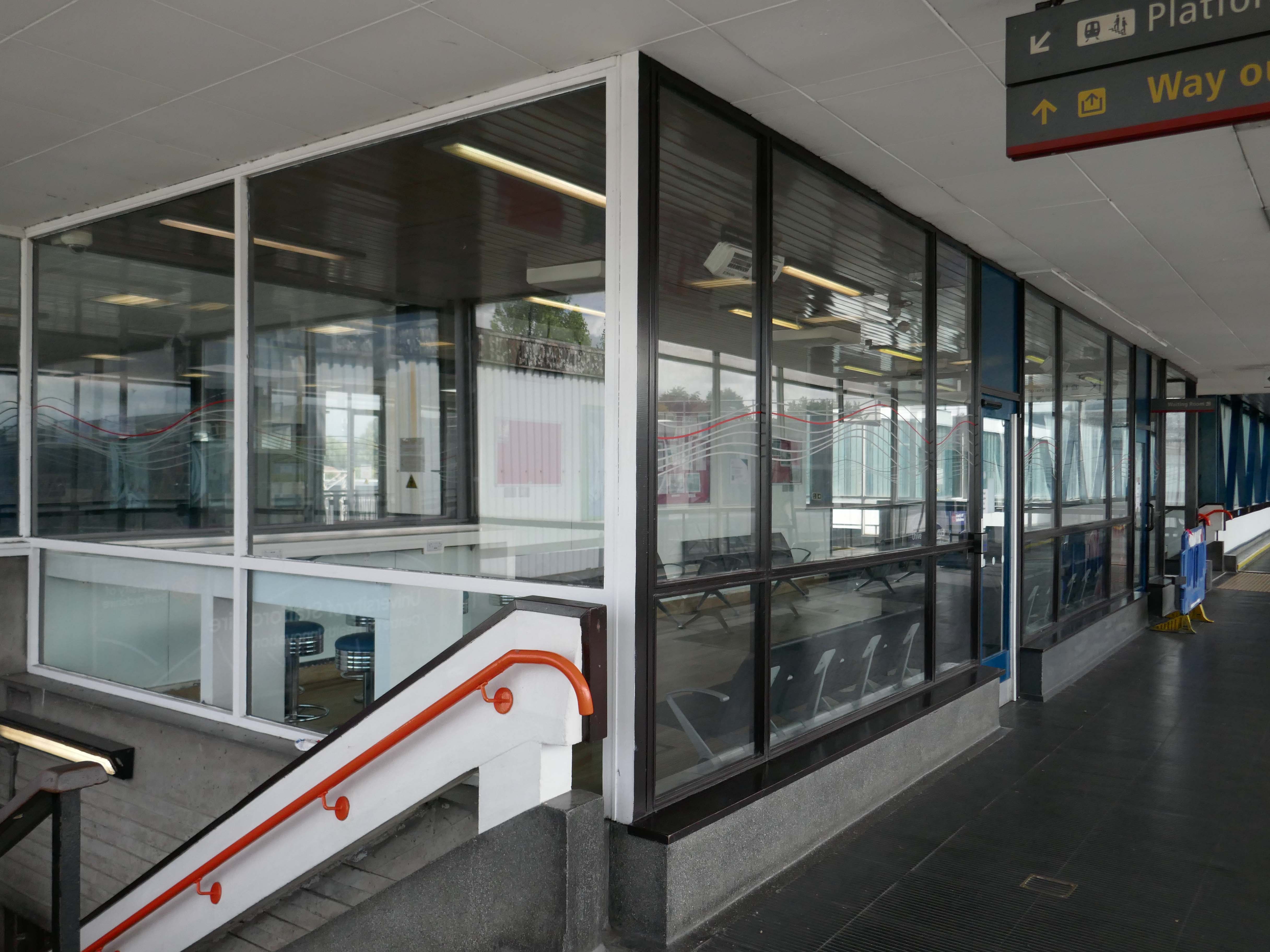
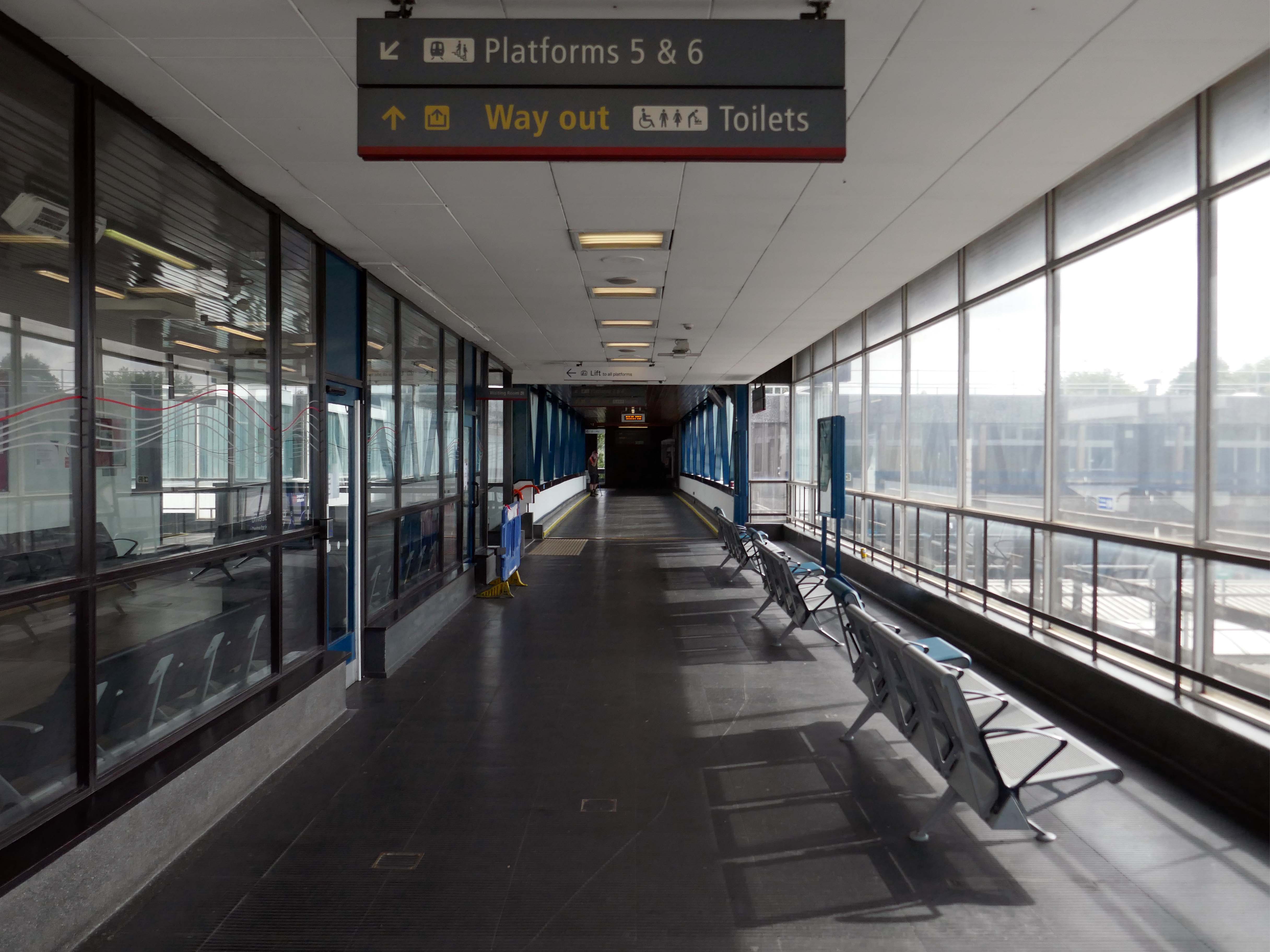
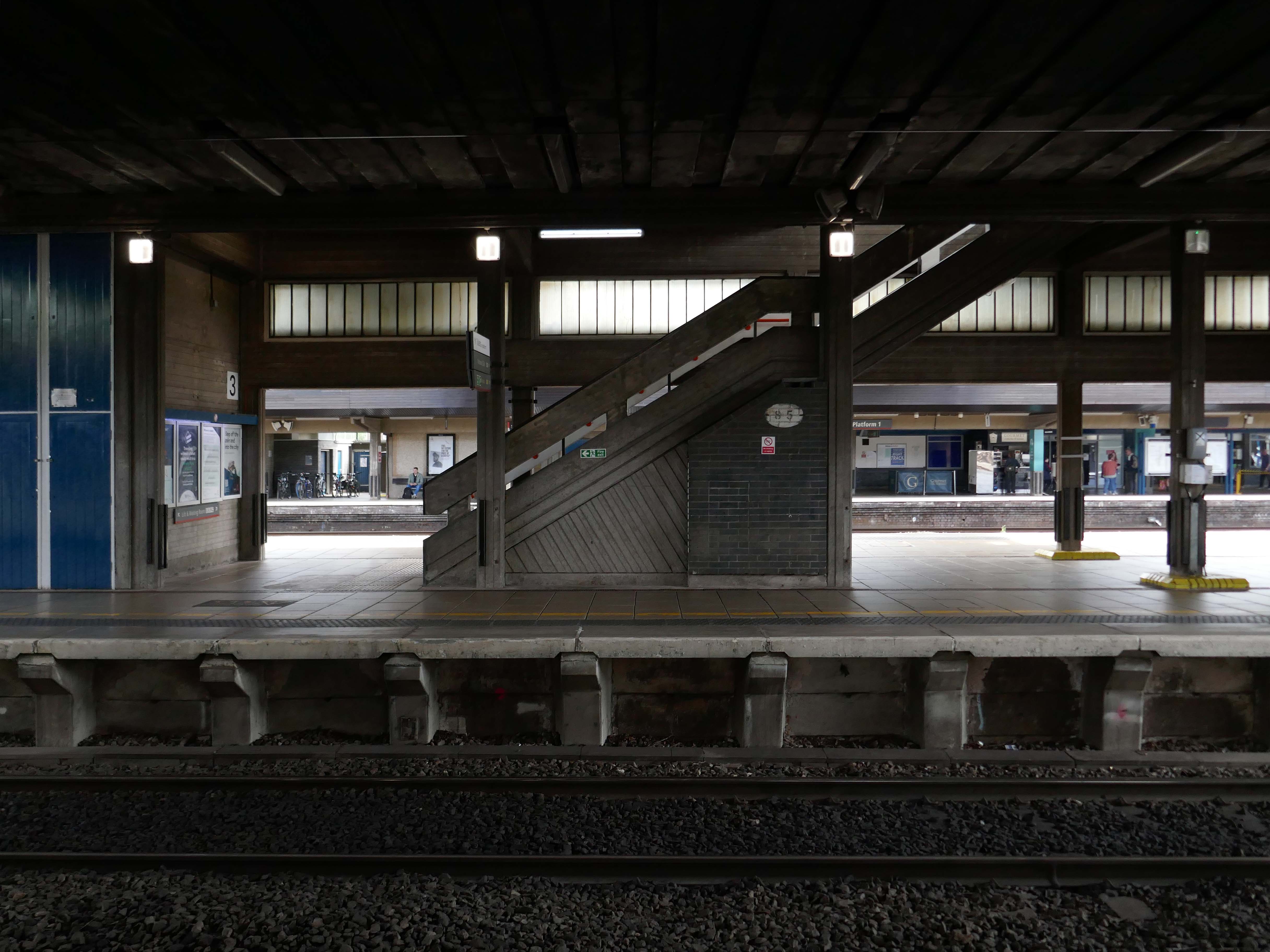
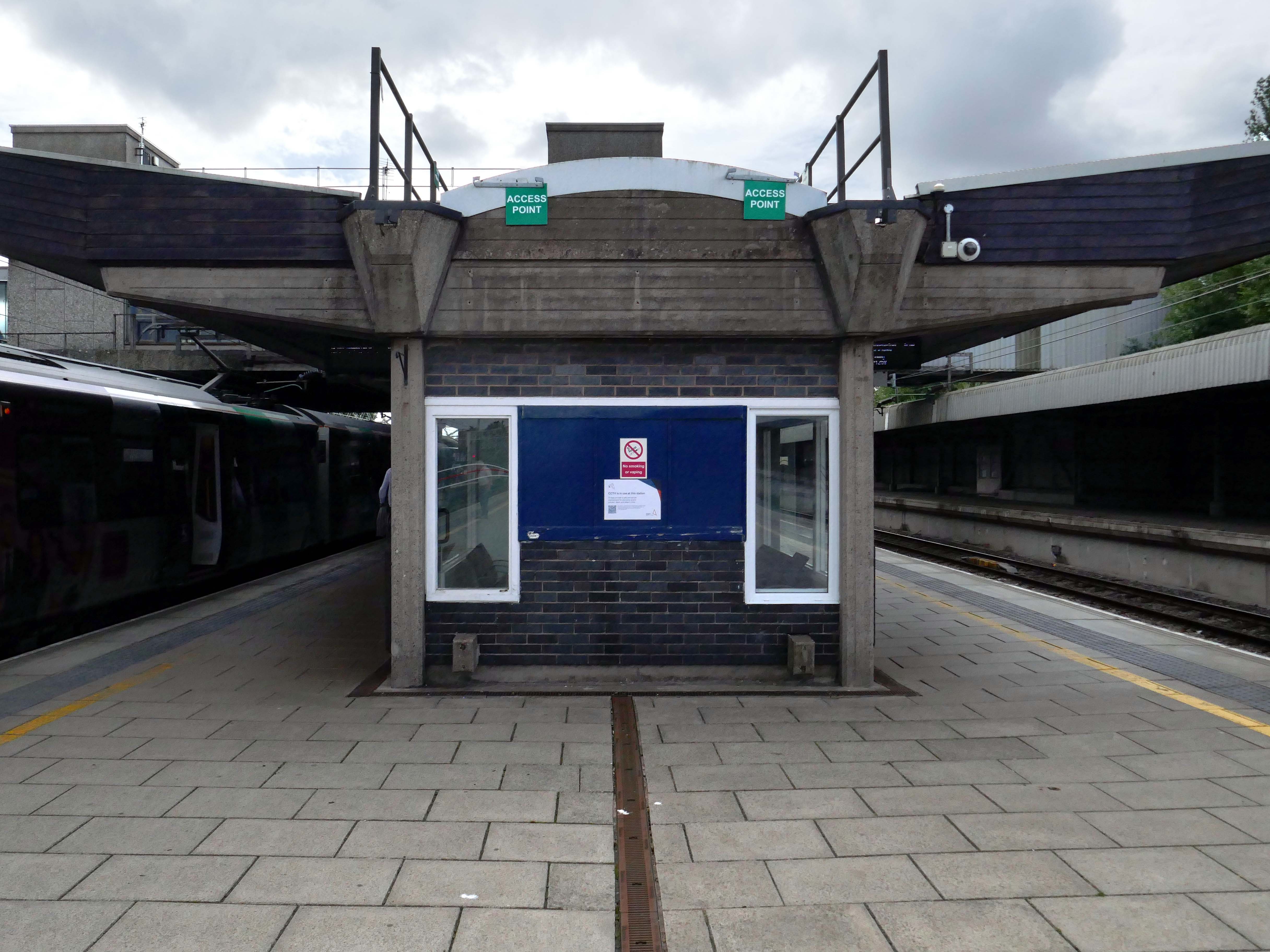
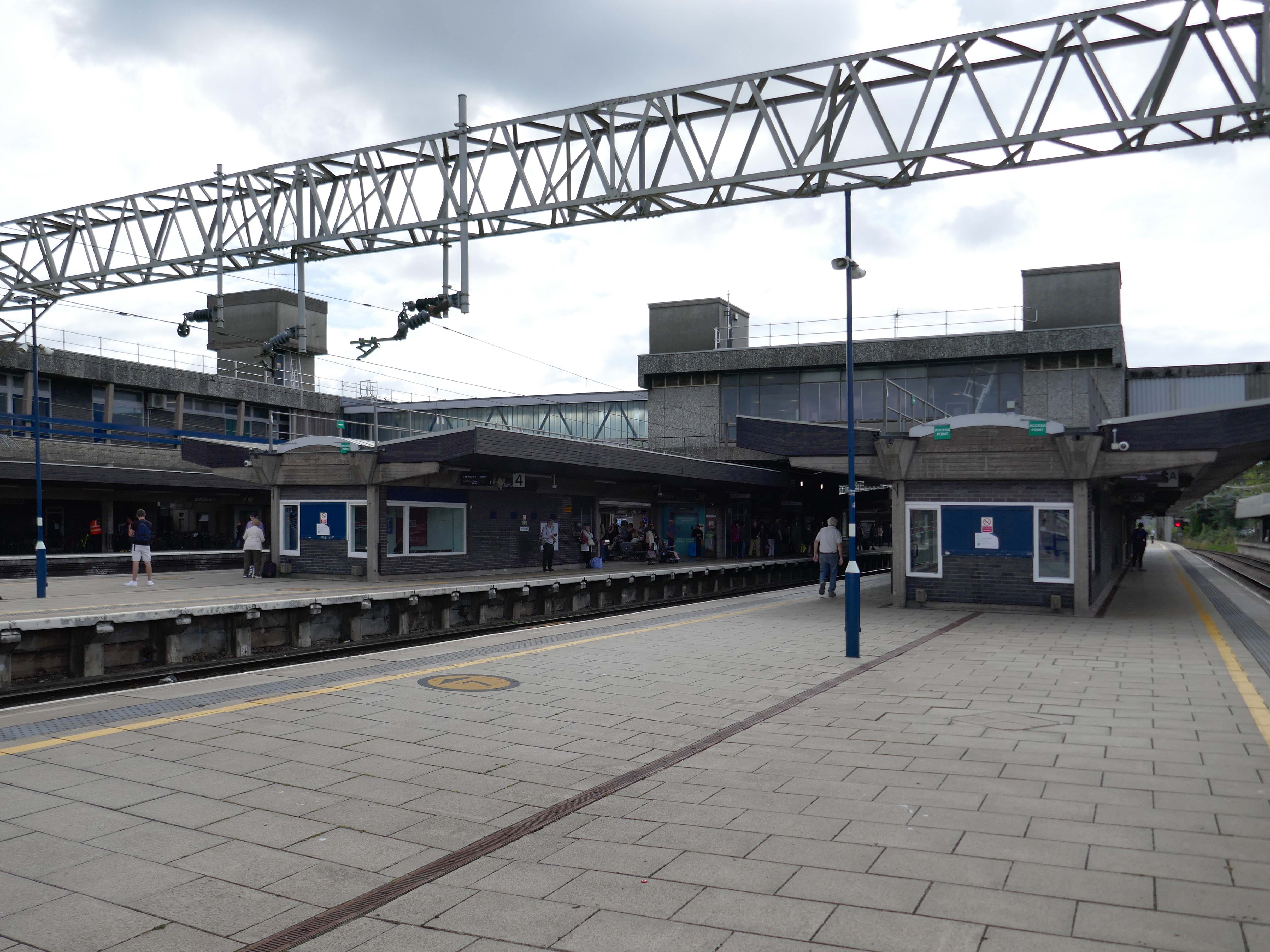
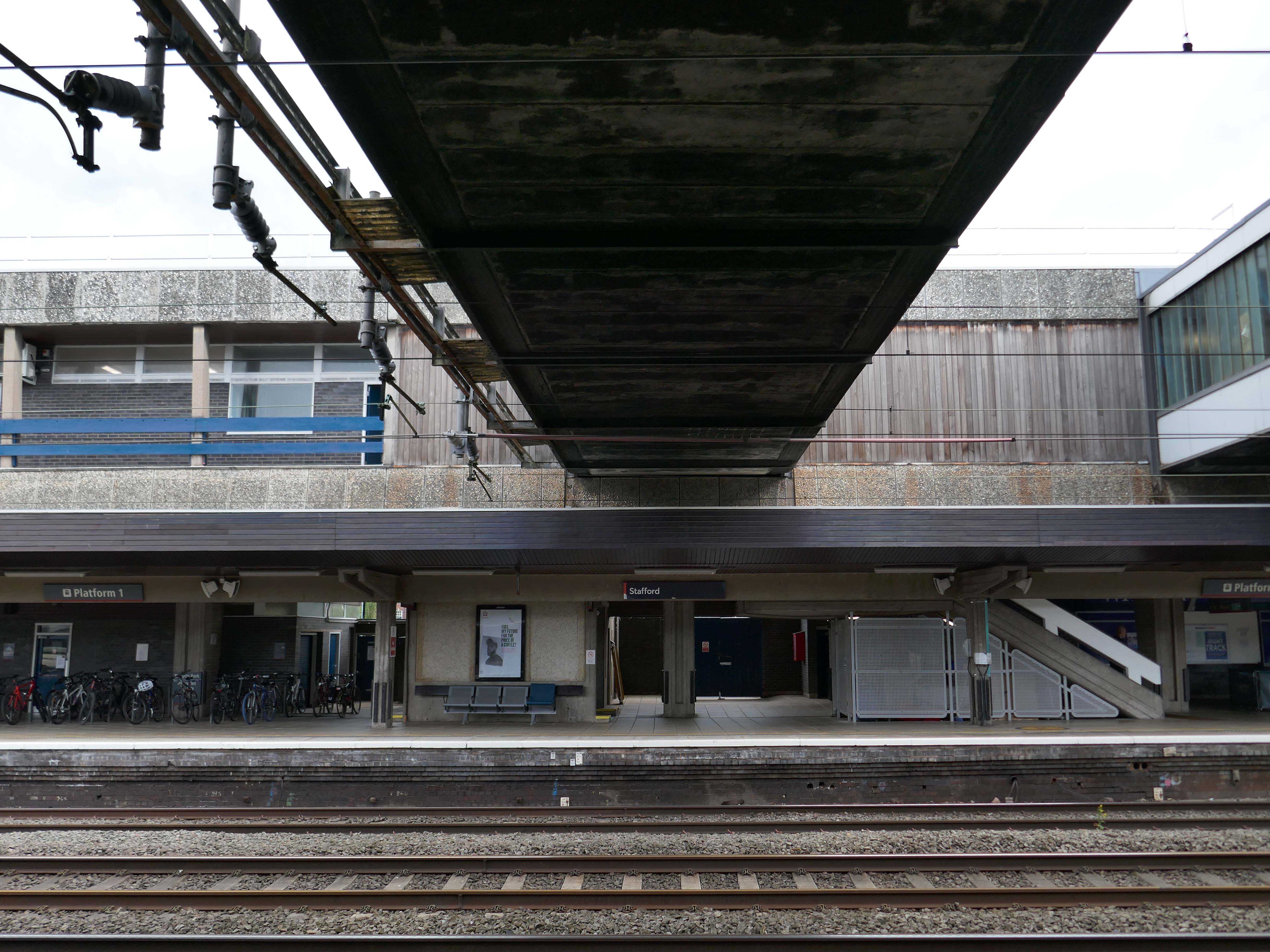
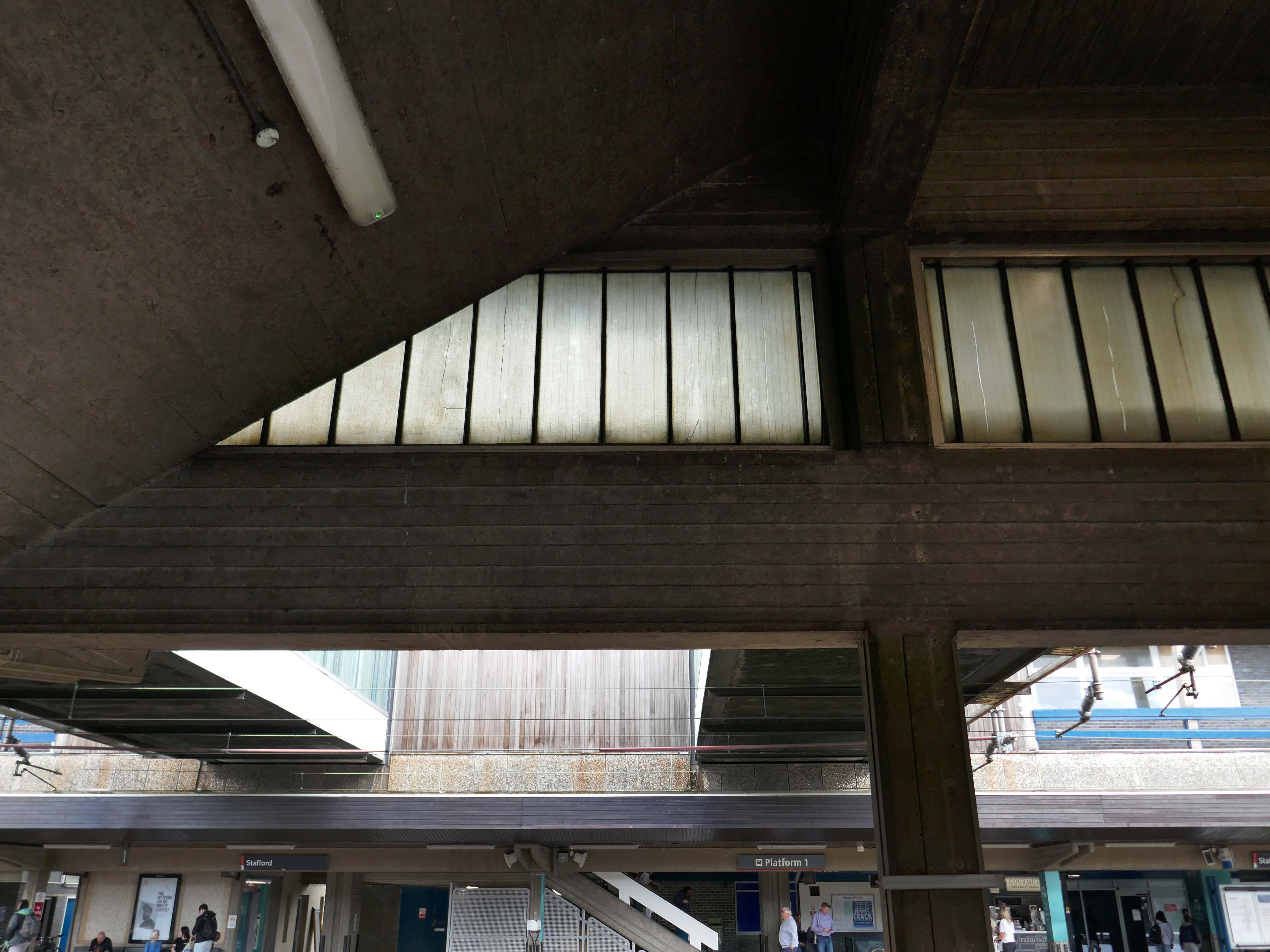
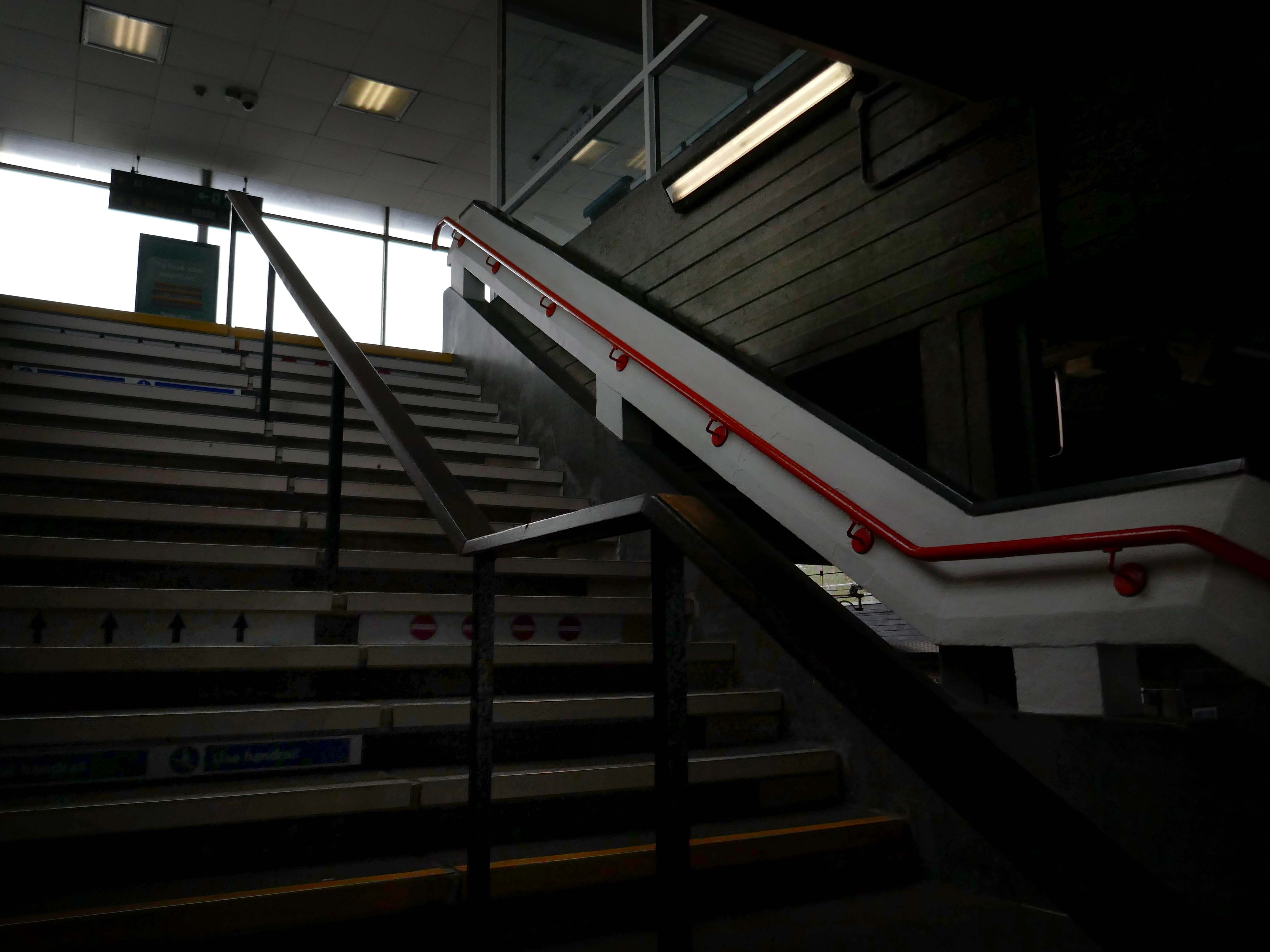
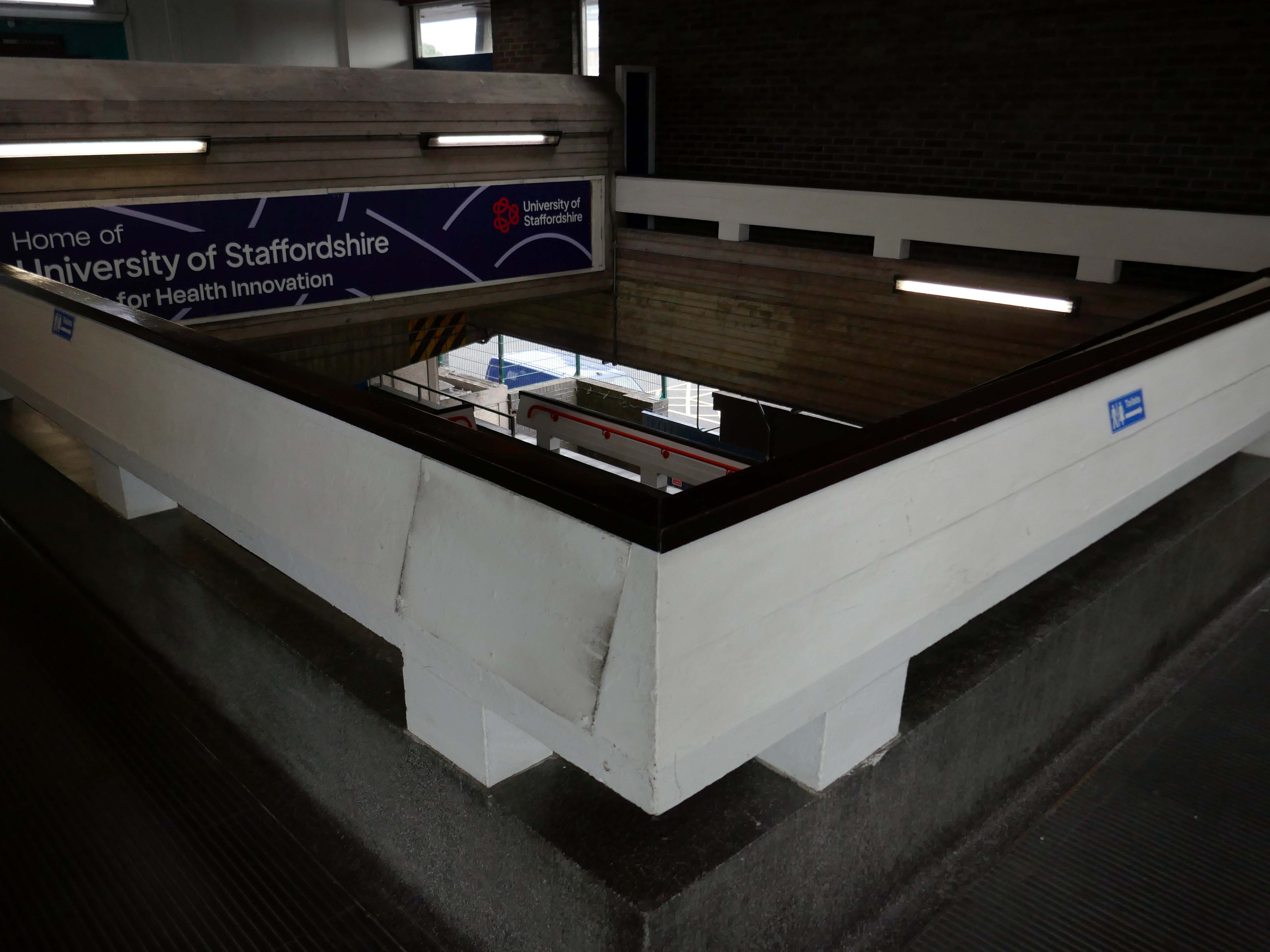
The station is light and airy, composed of a series of vertical and horizontal volumes.
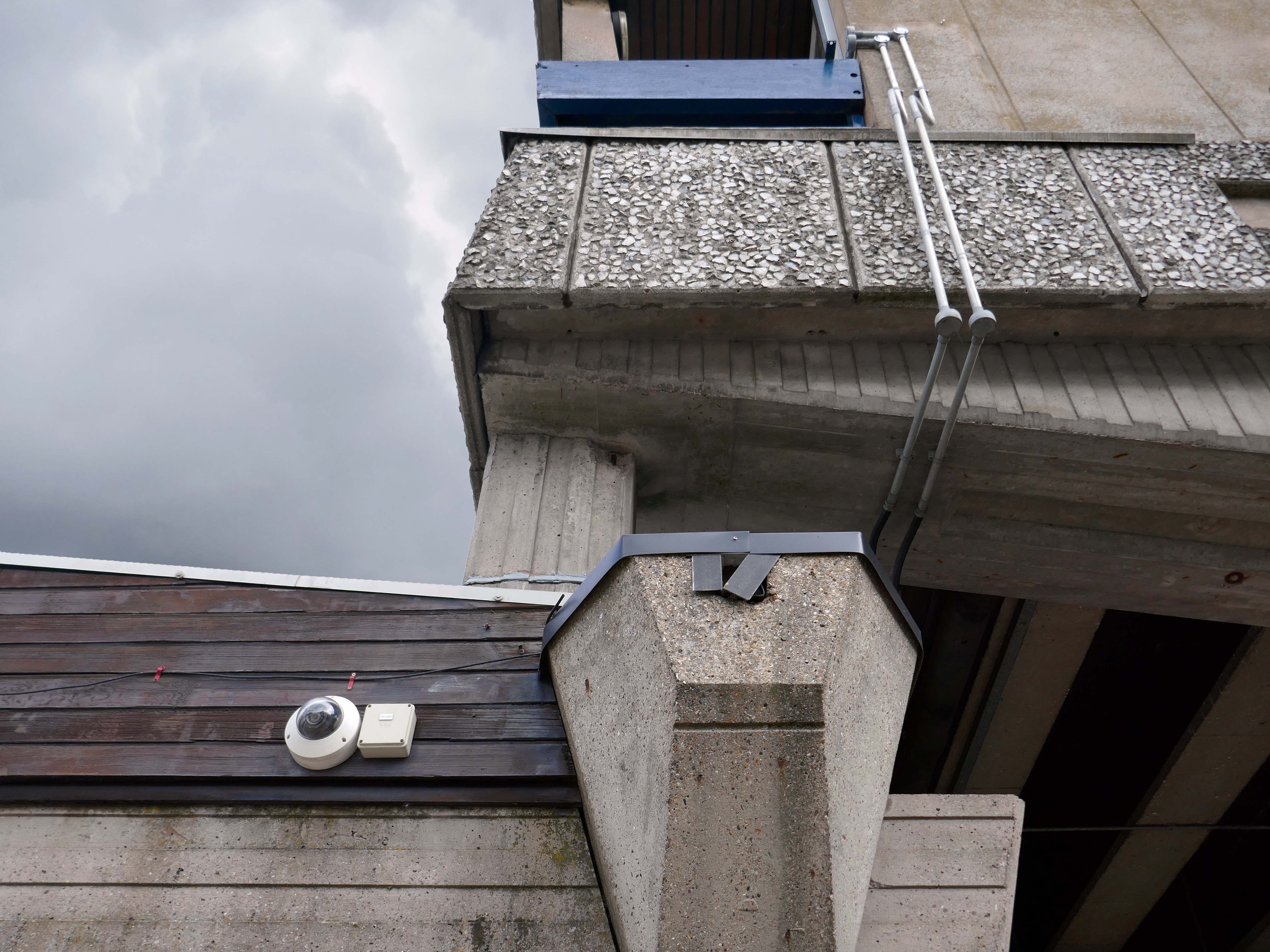
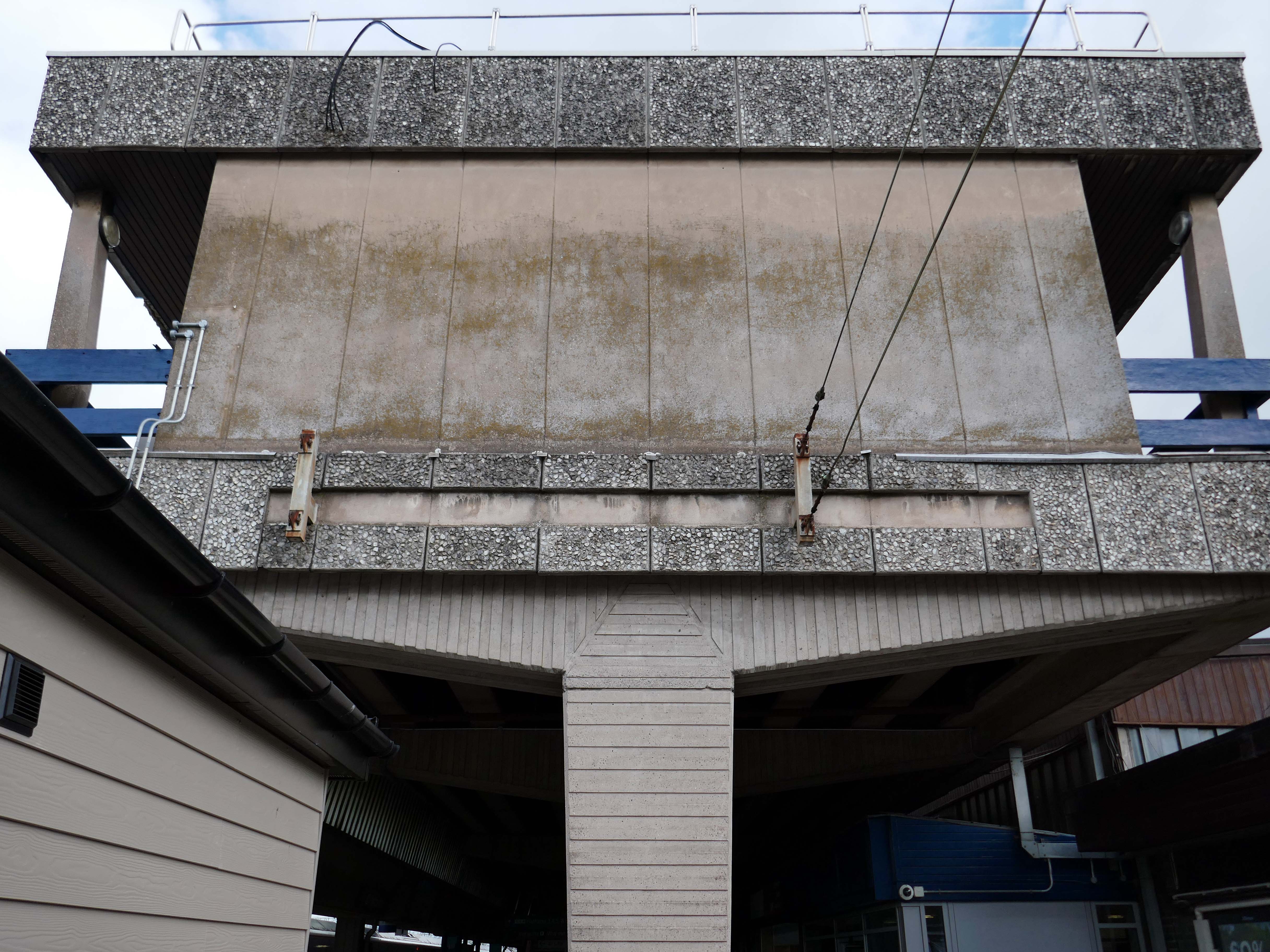
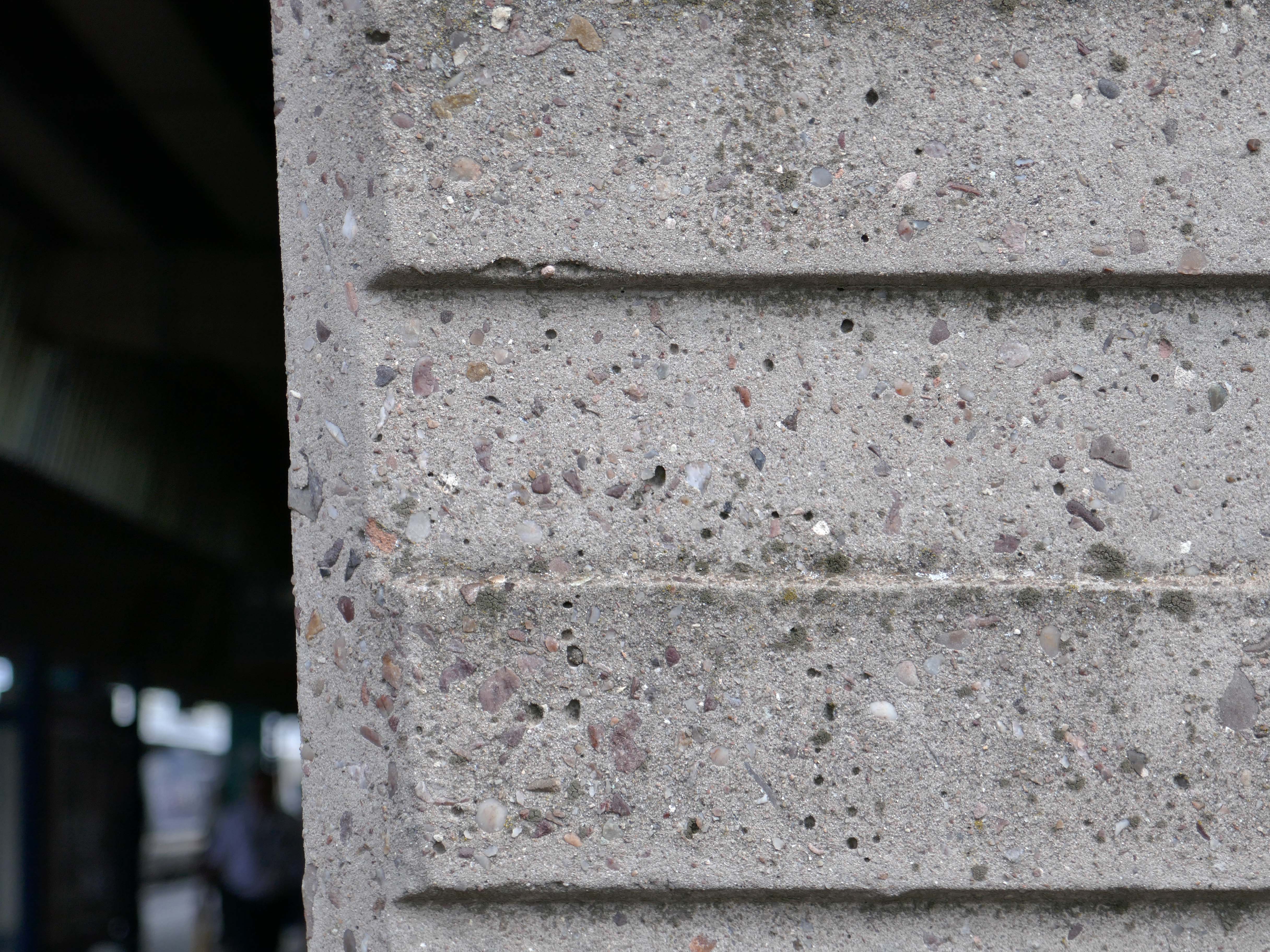
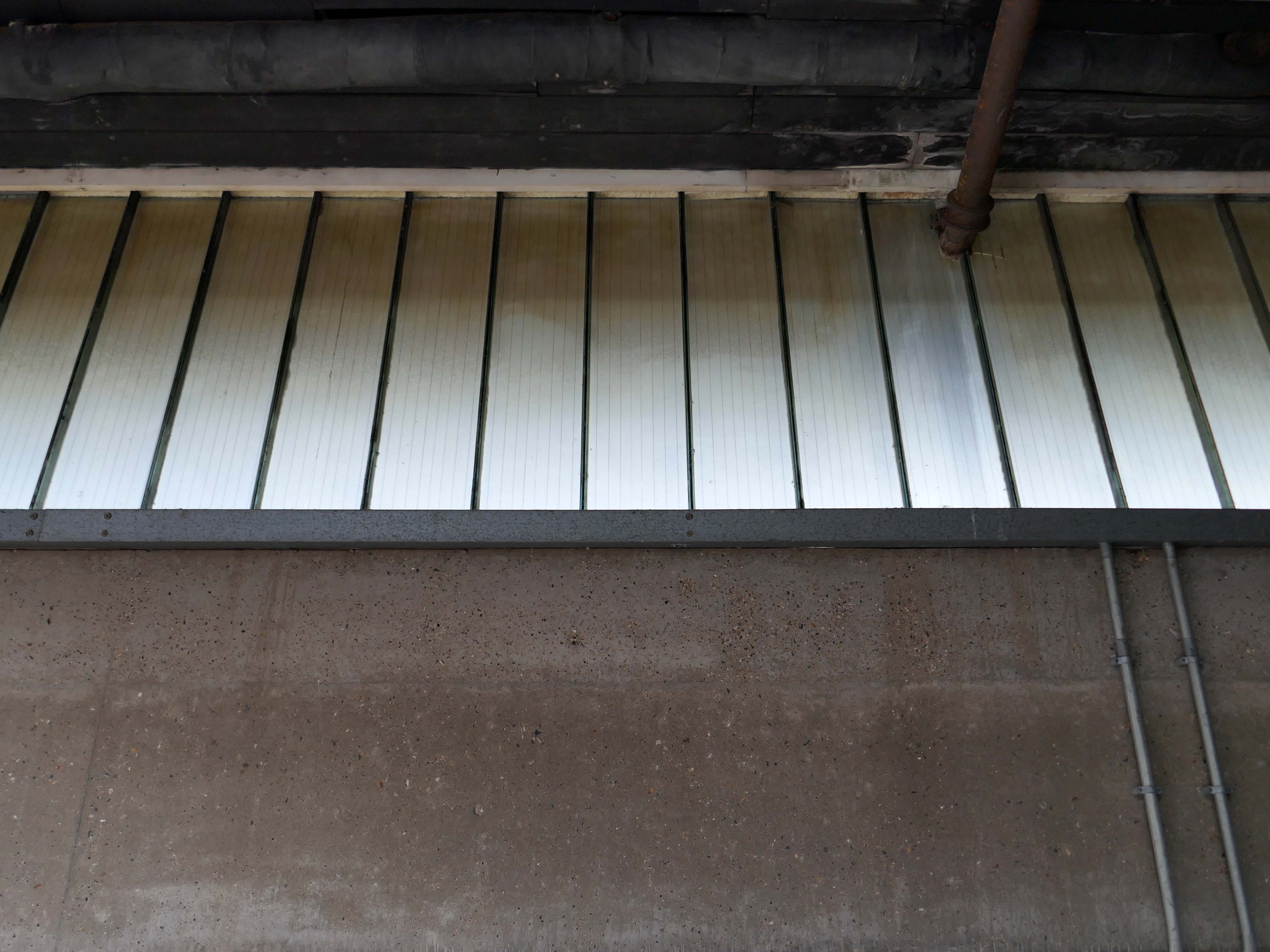
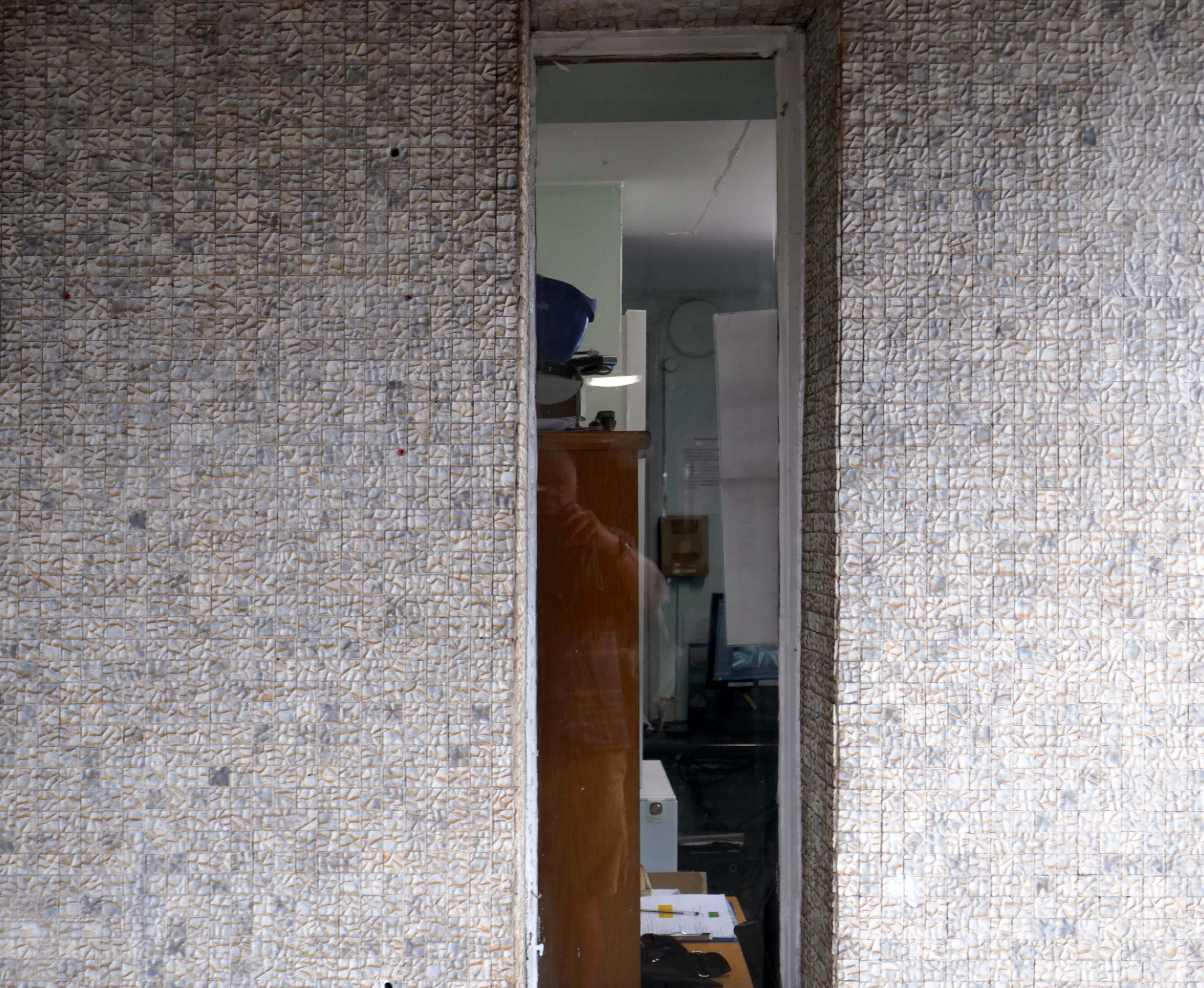
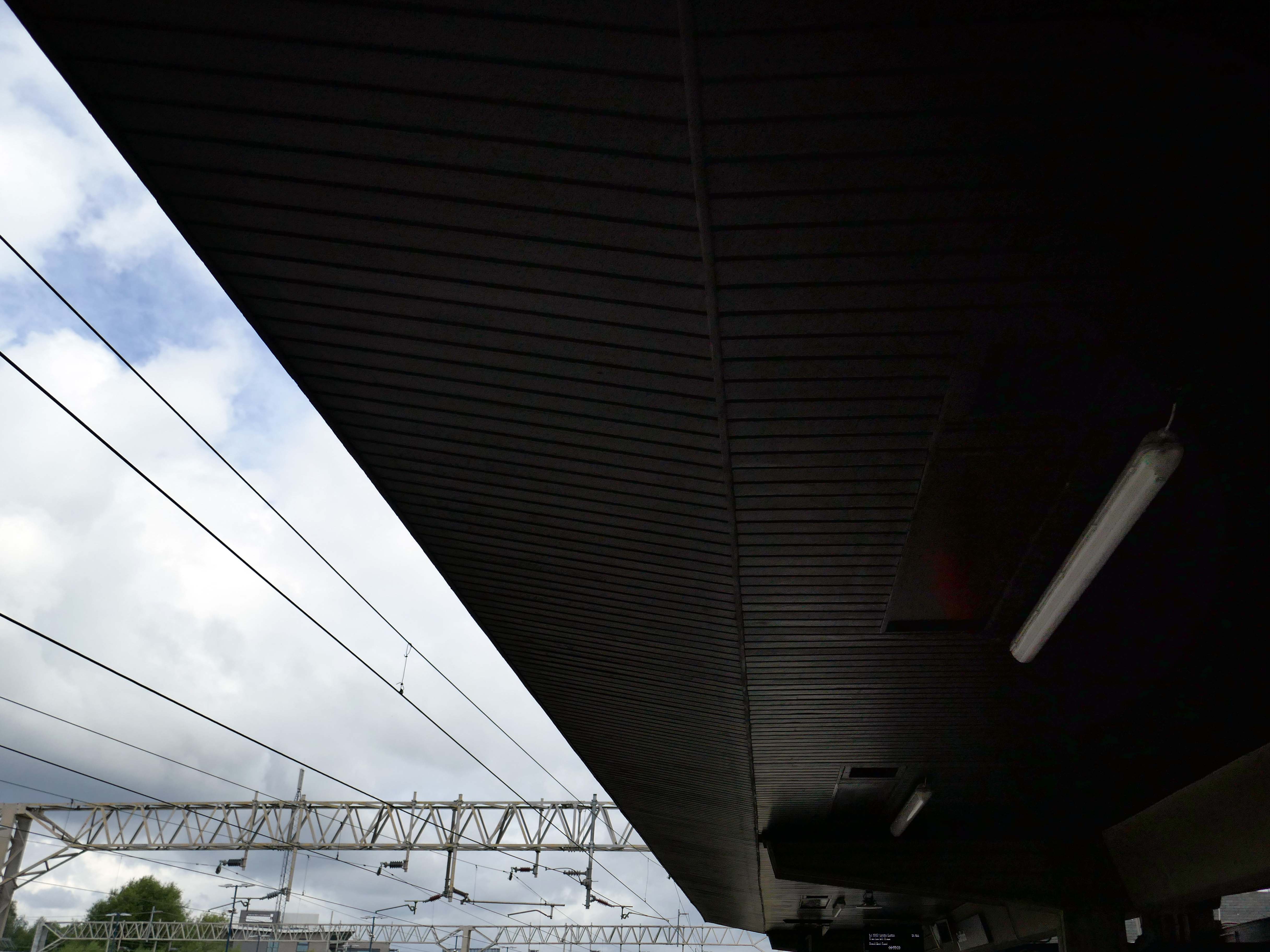
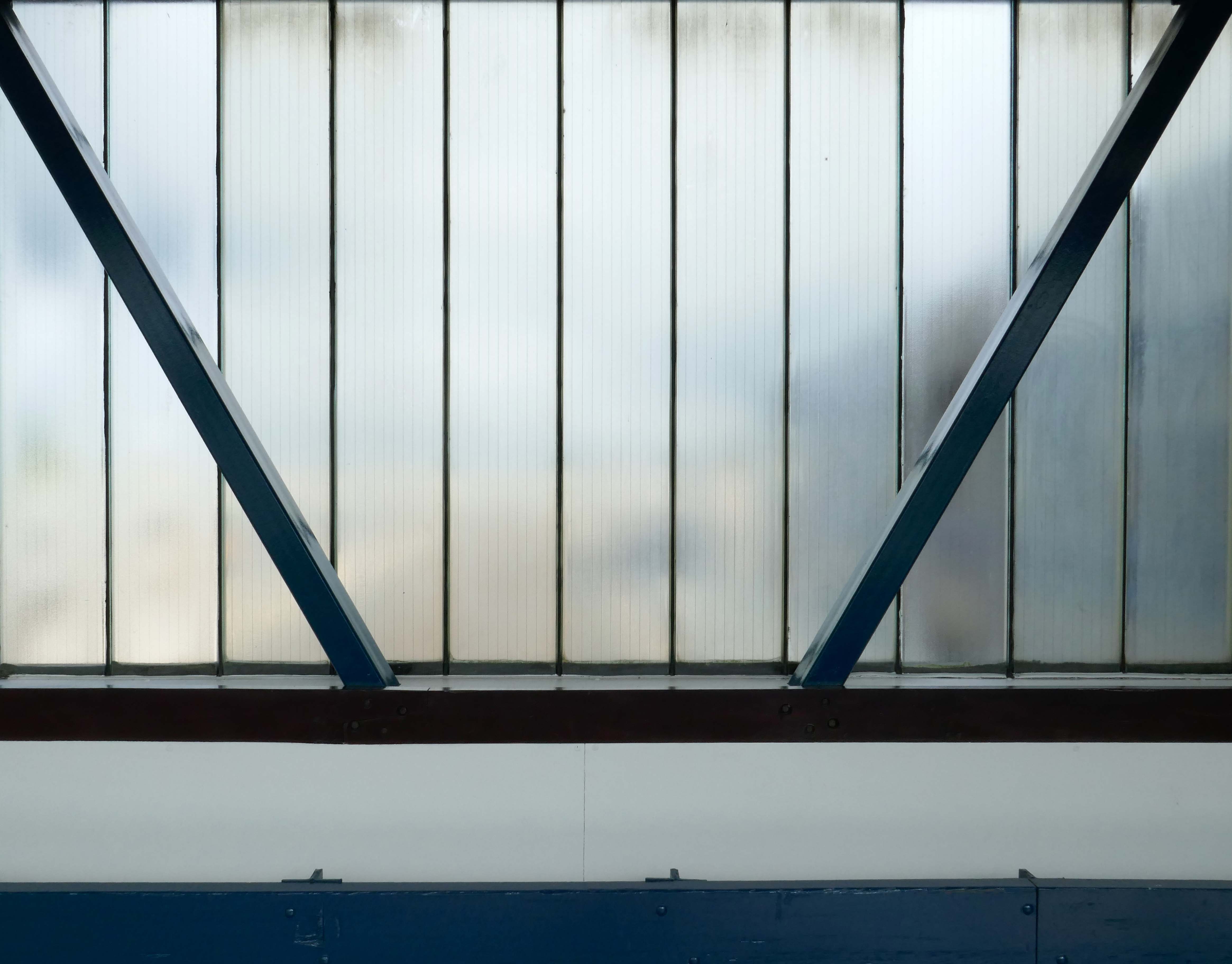
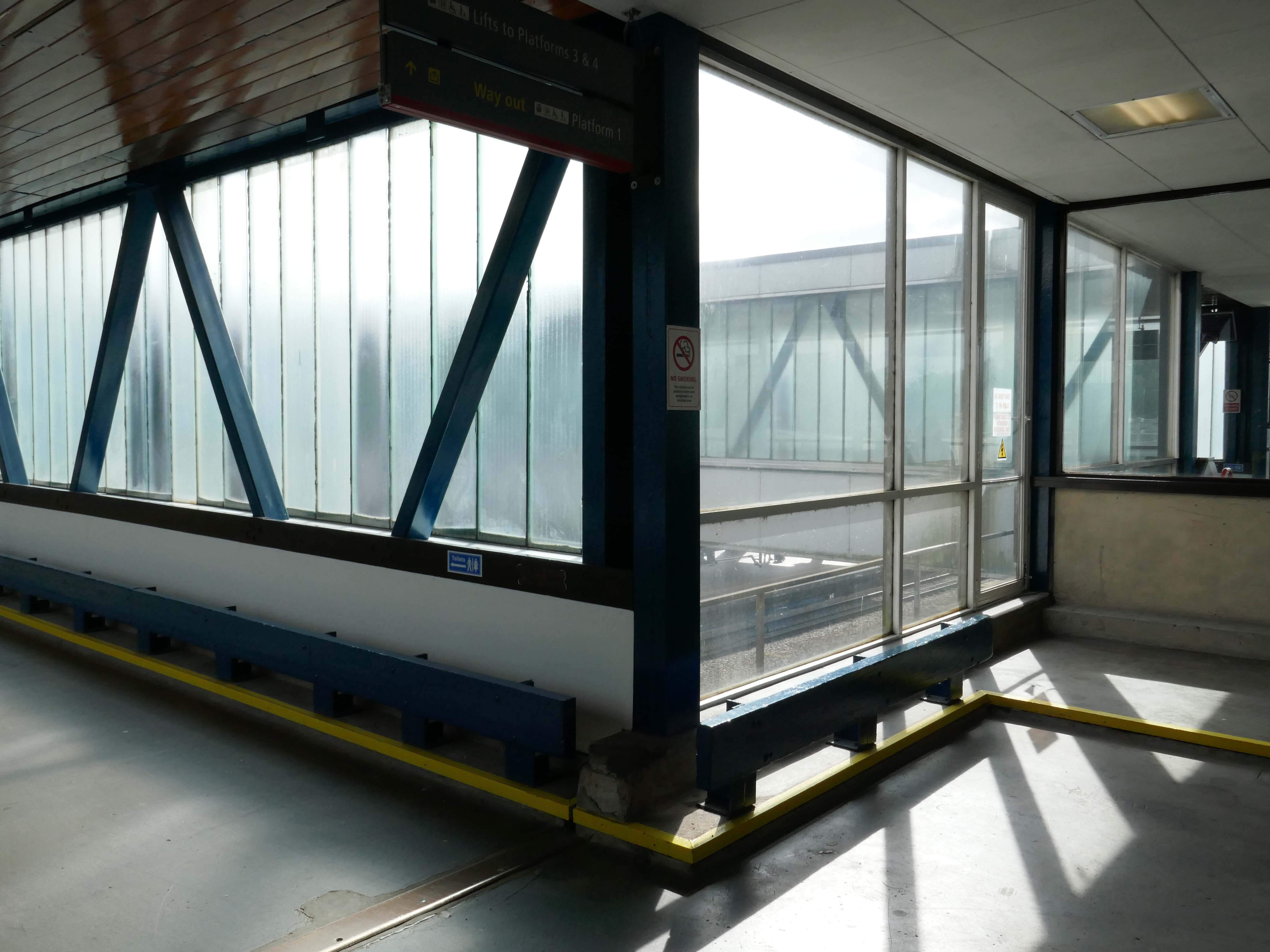
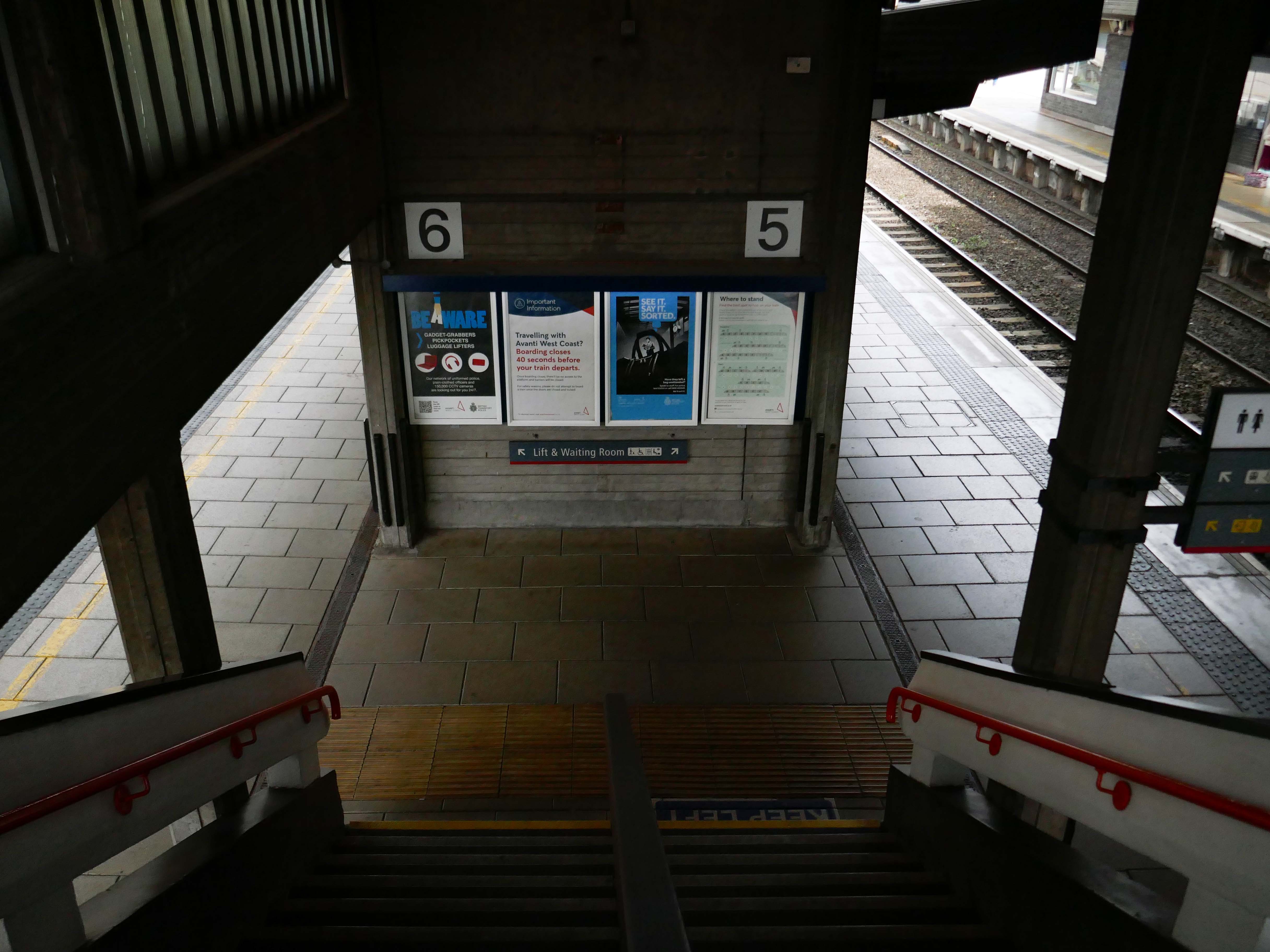
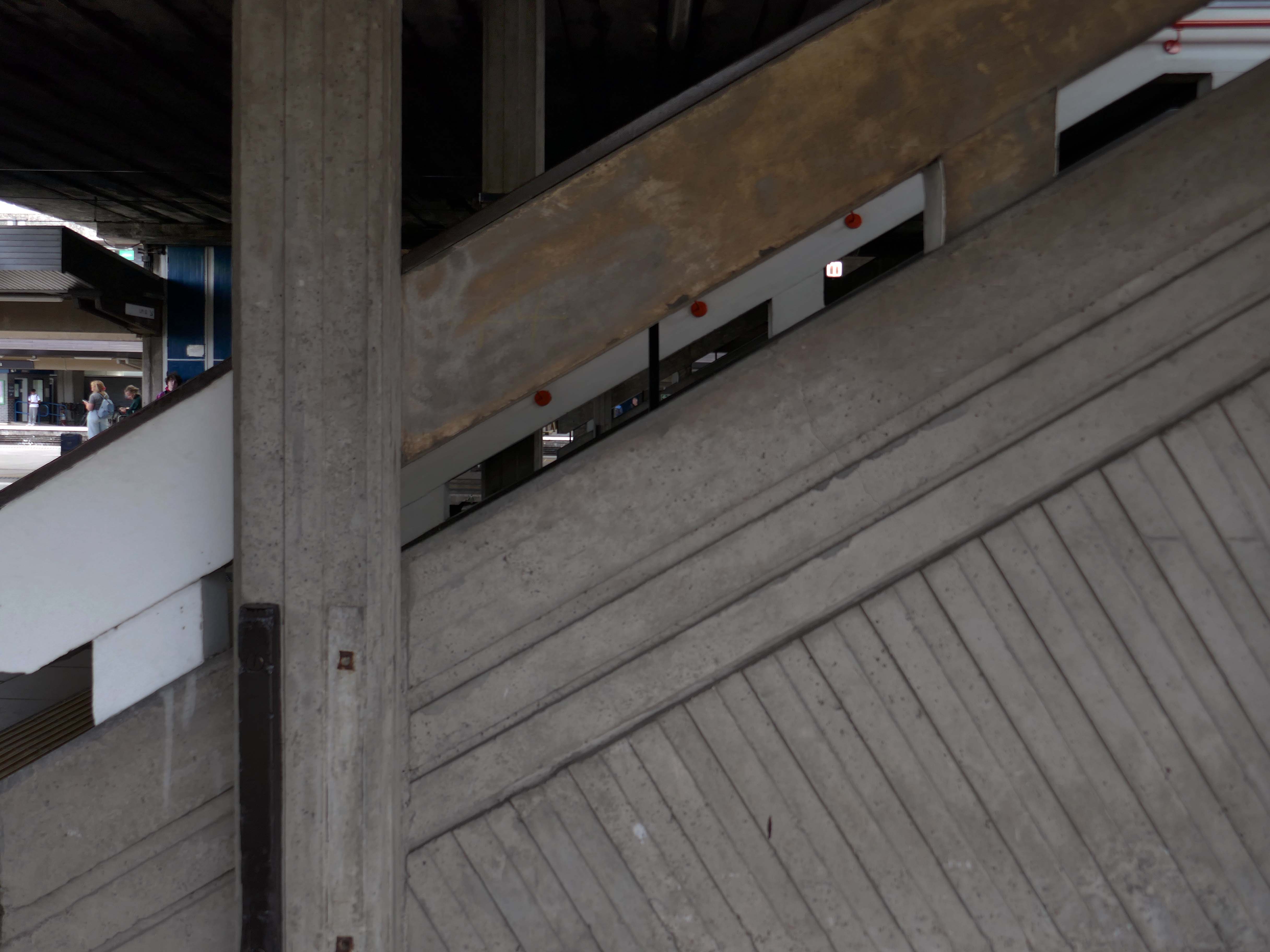
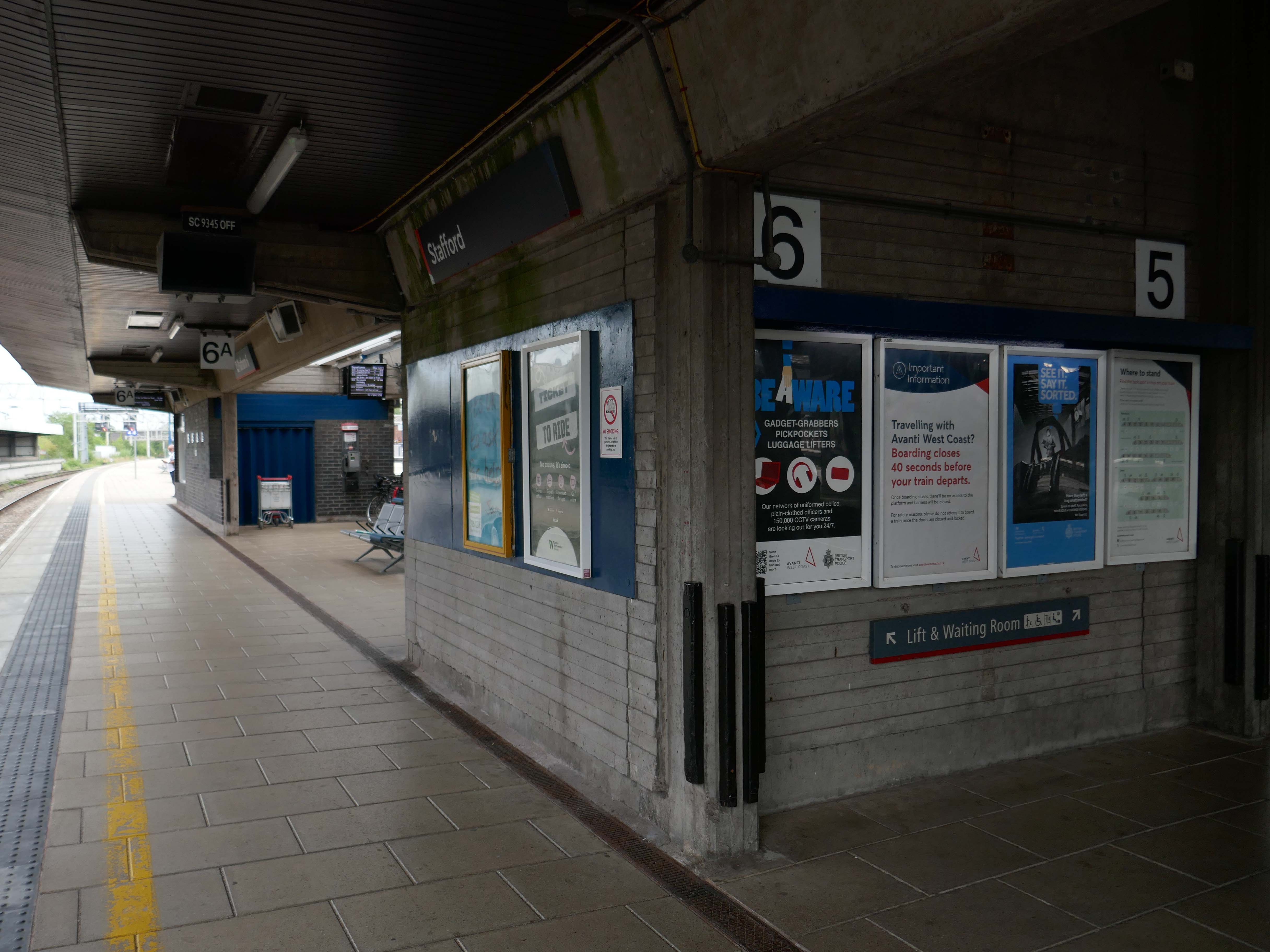
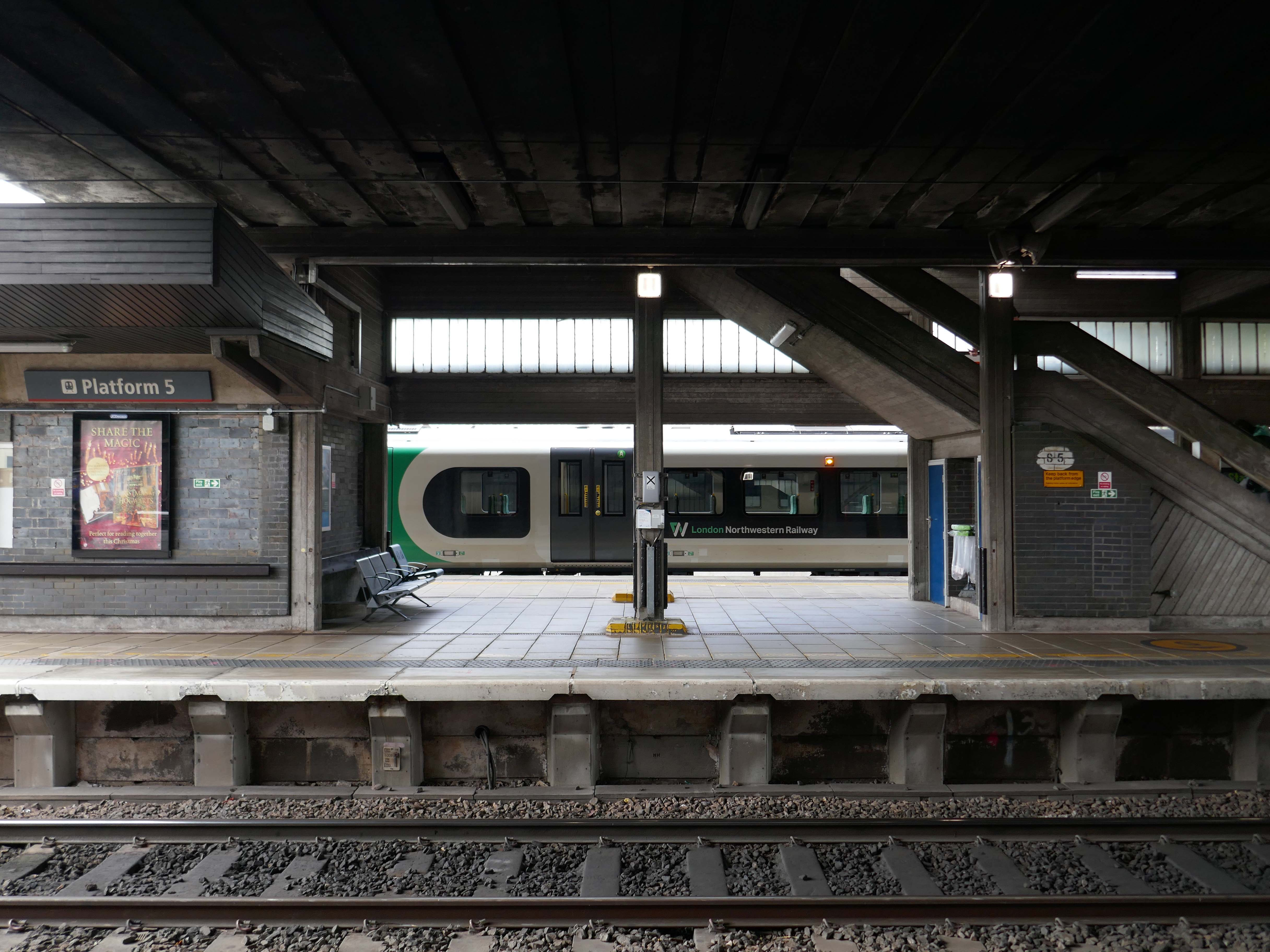
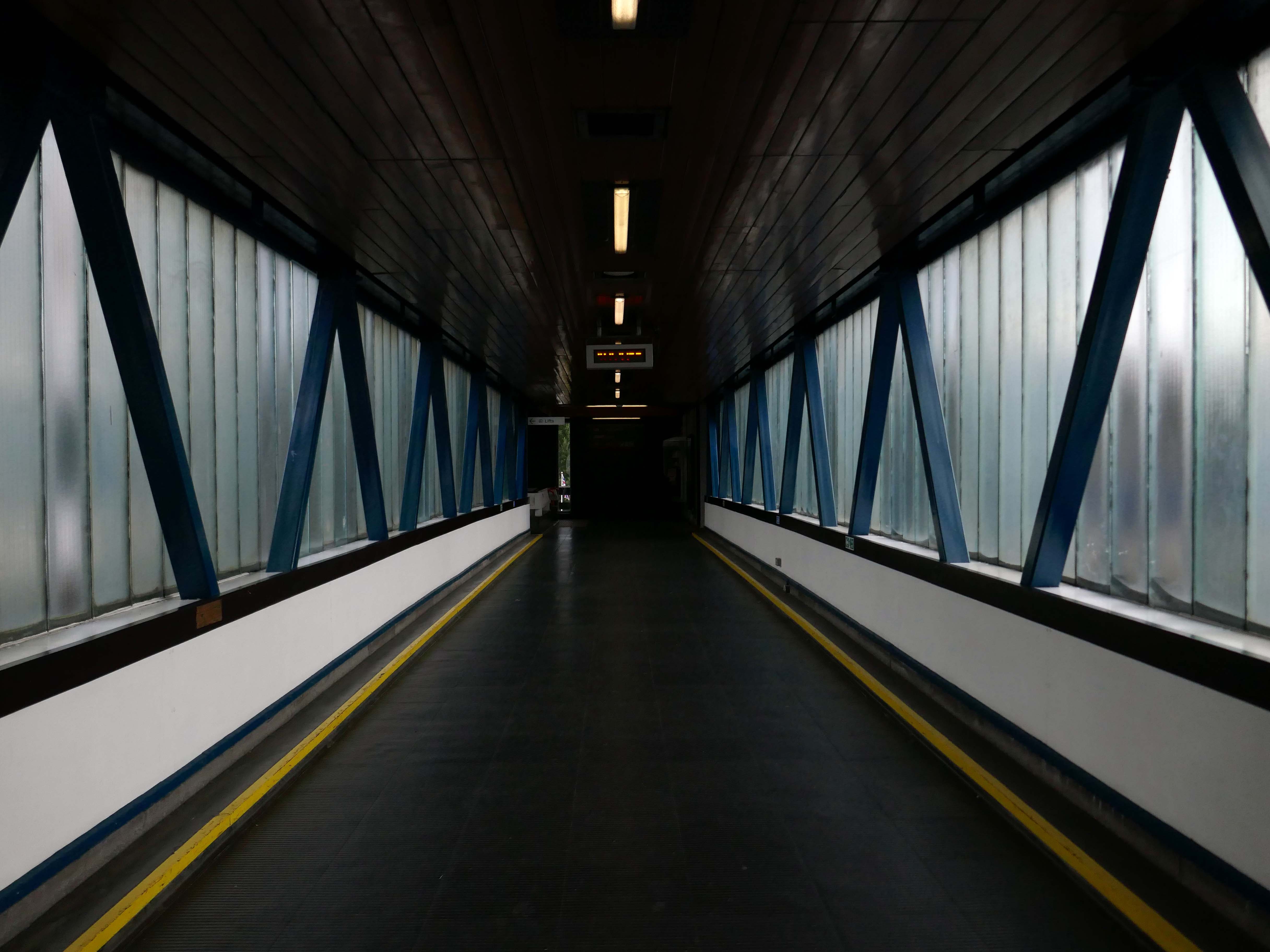
Glazed walkways and bridges, concrete and timber cladding.
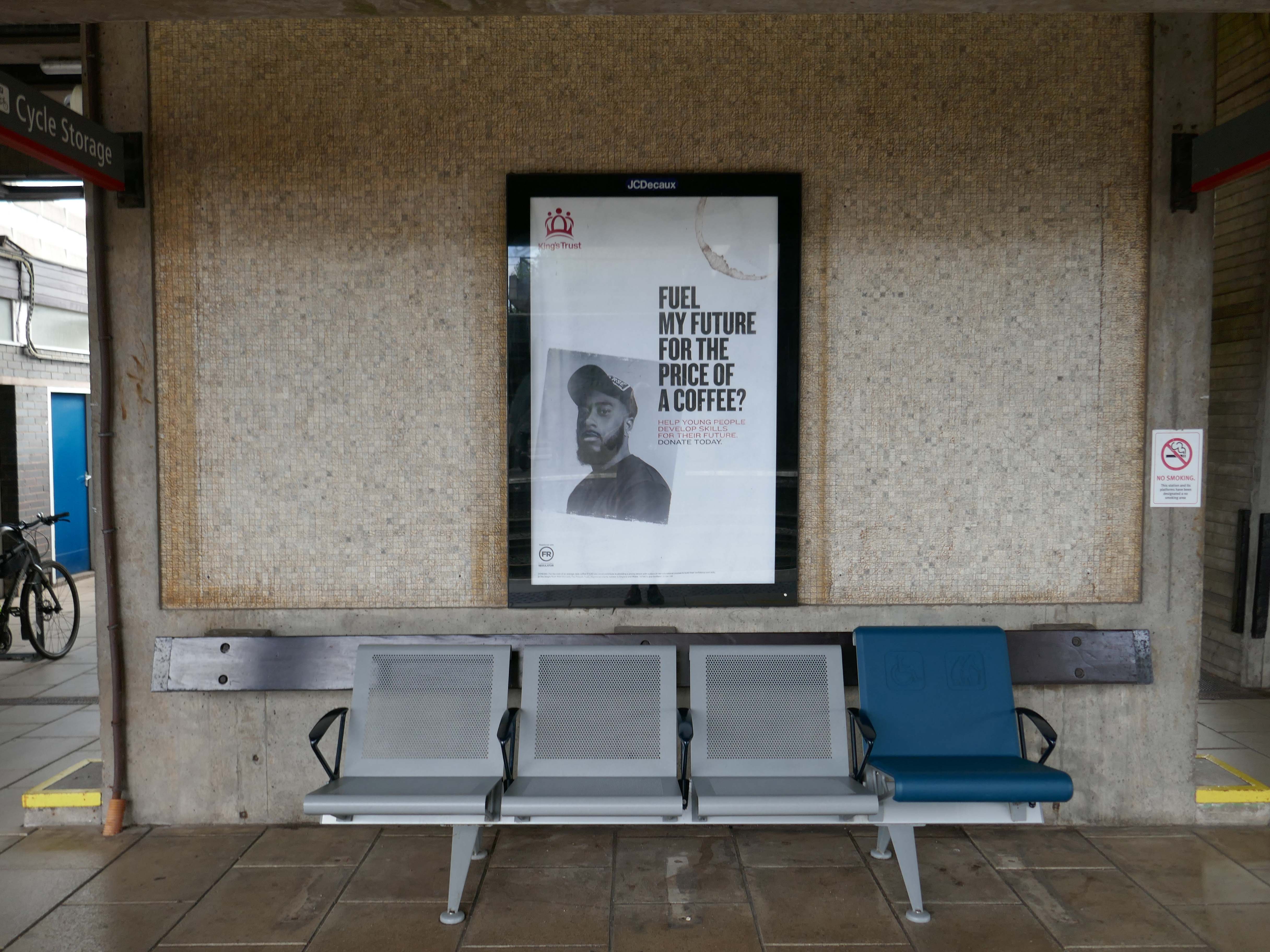
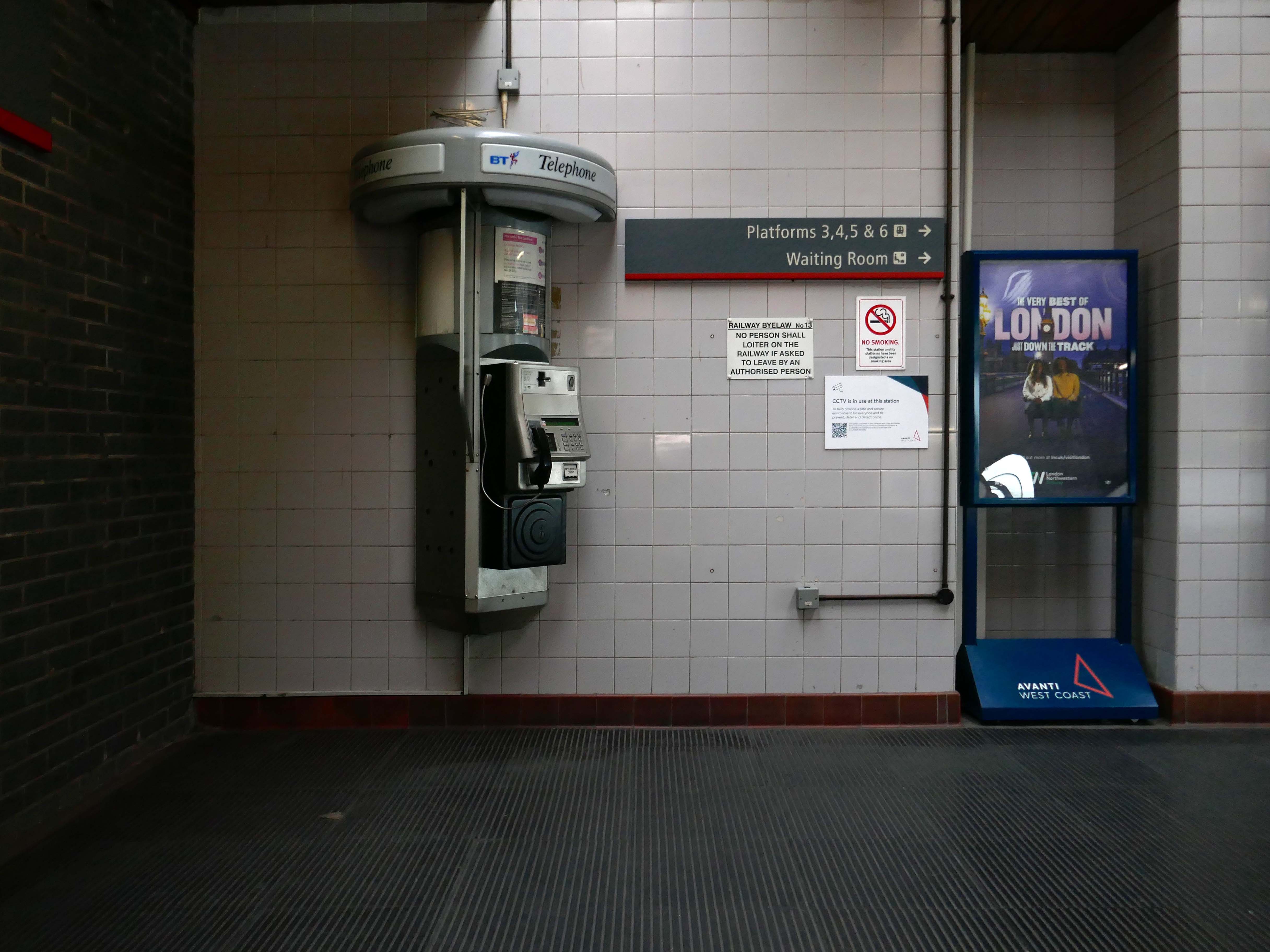
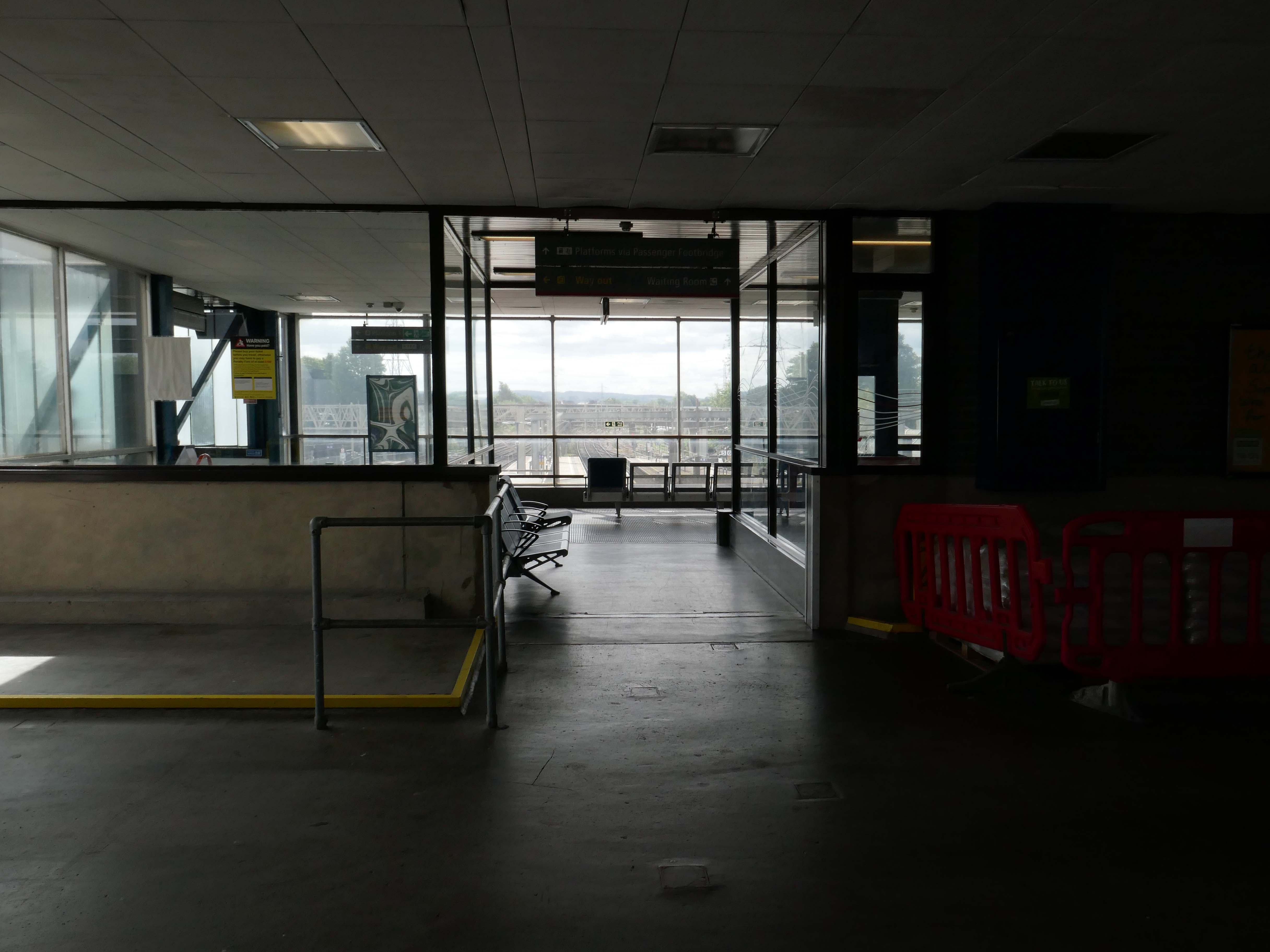
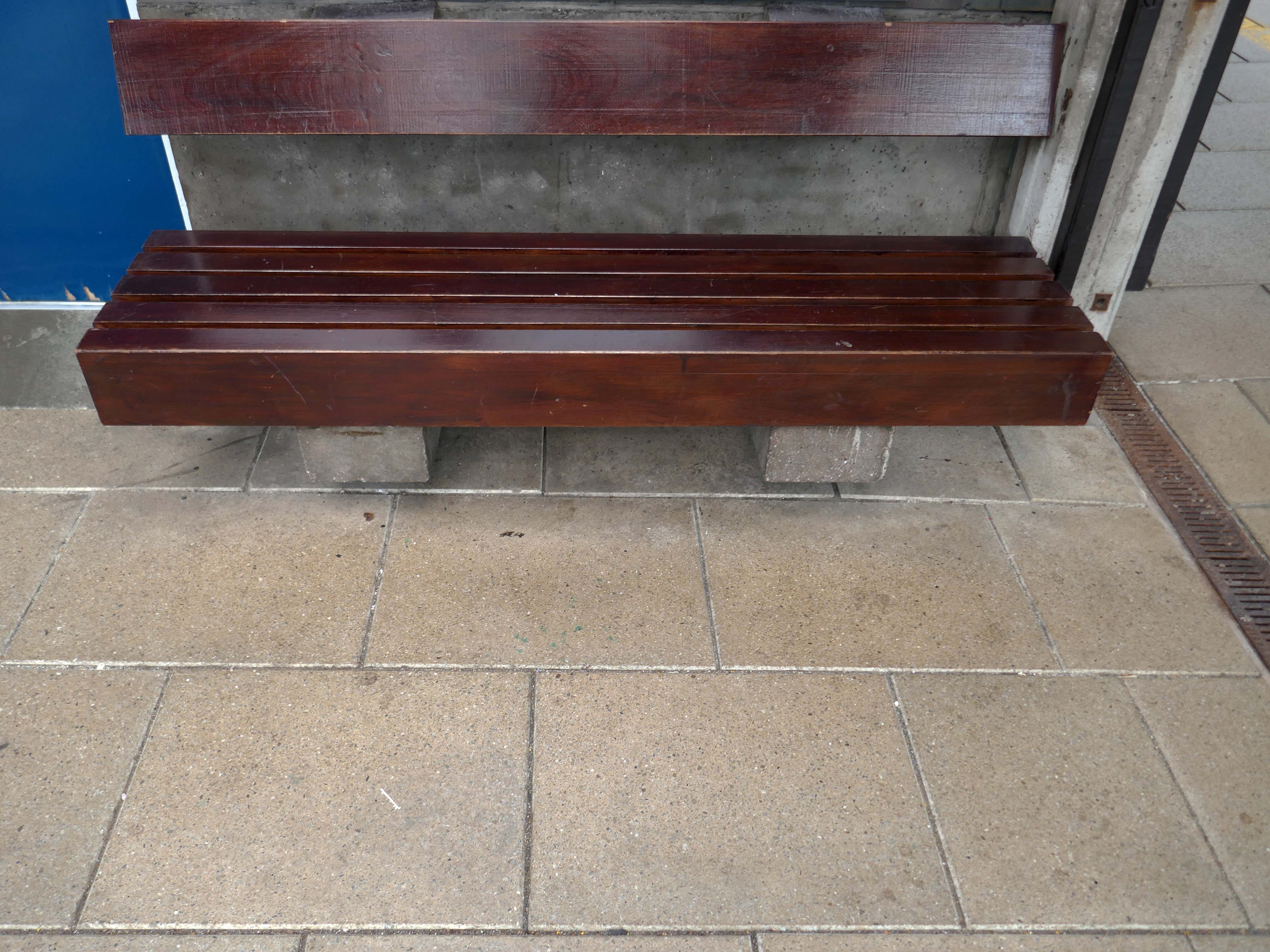
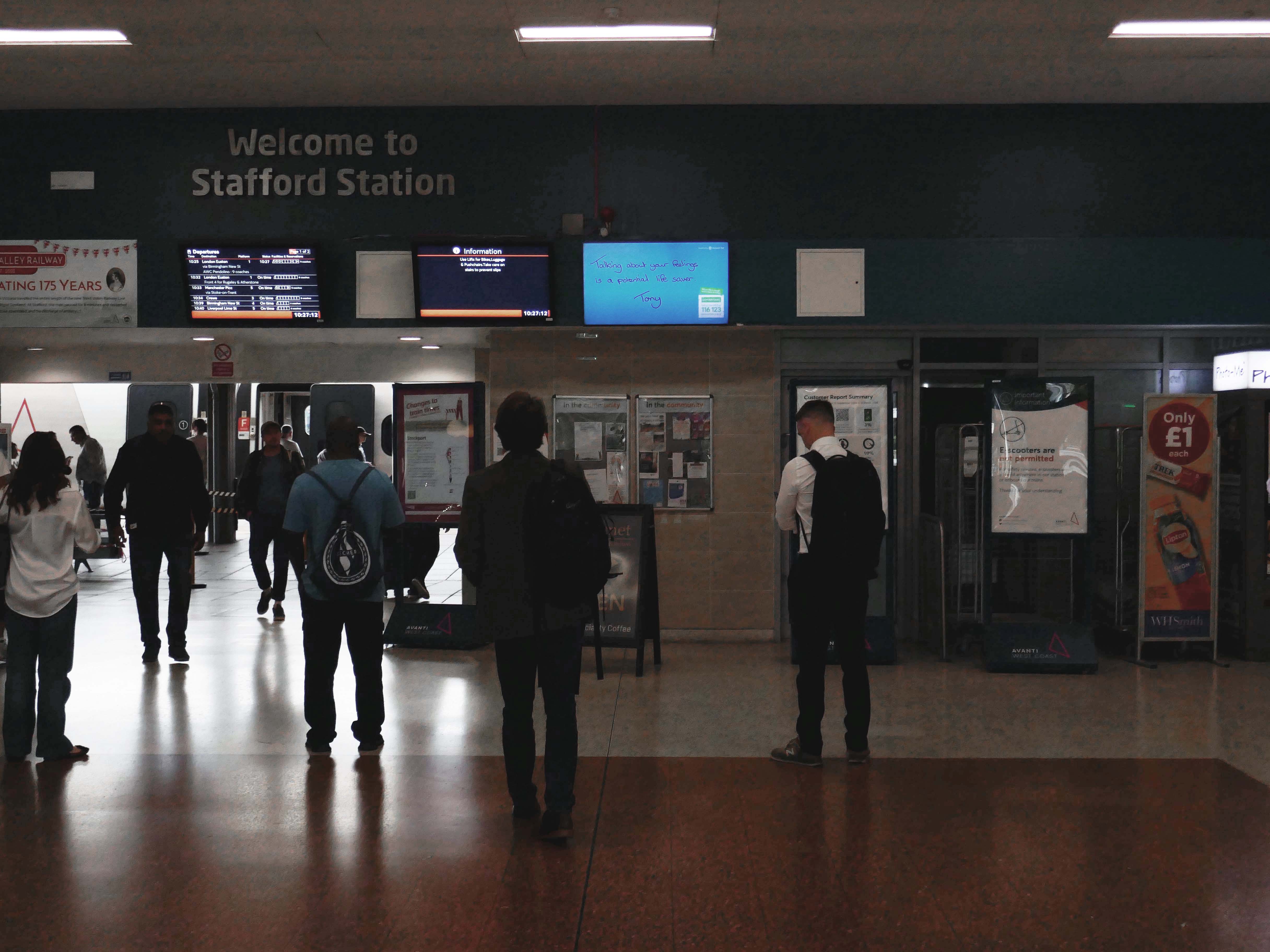
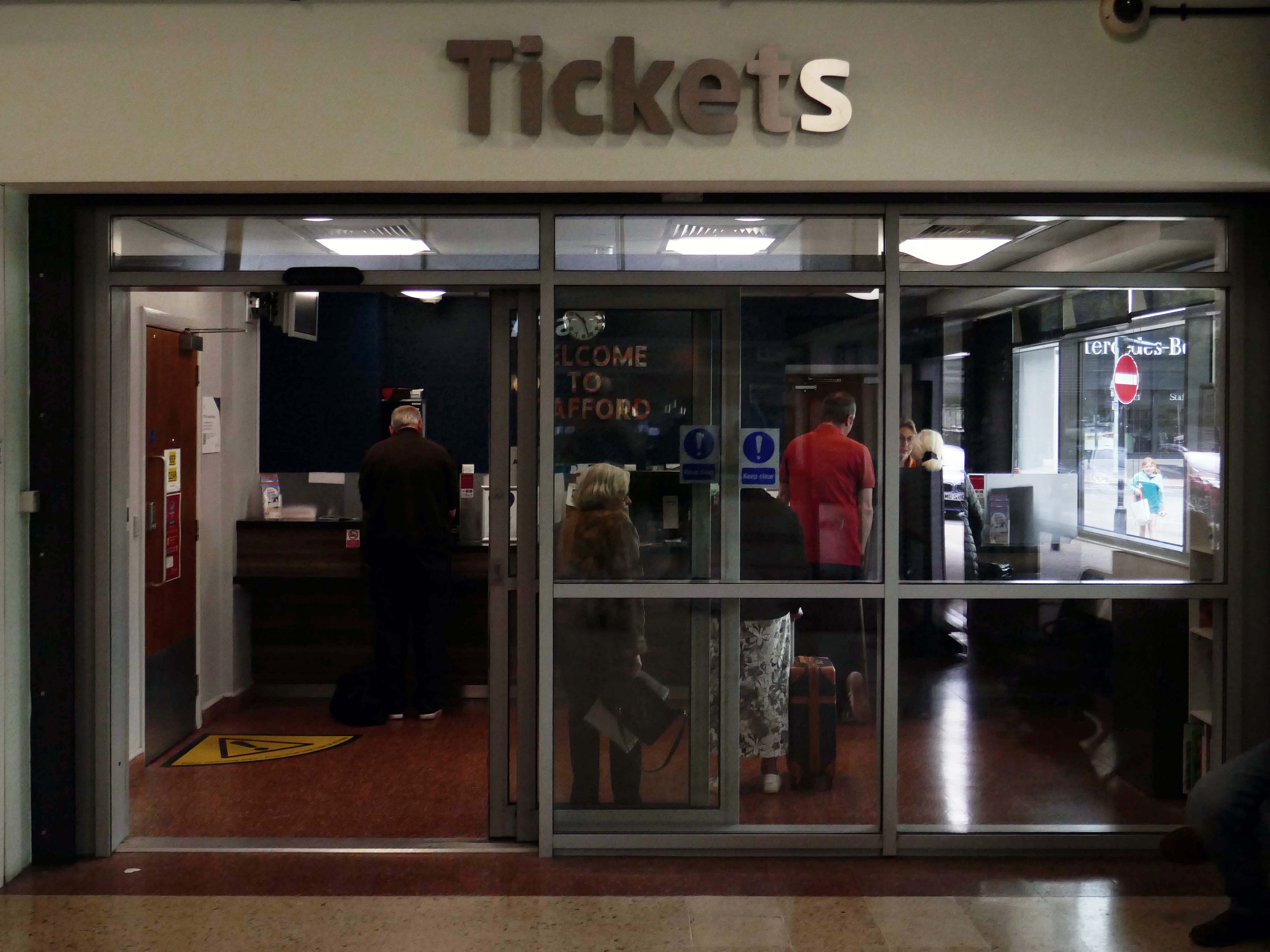
The station is not listed, and over time the signage, seating and entrance have all been compromised.
 Modern Mooch