The concrete and the clay beneath my feet Begins to crumble But love will never die
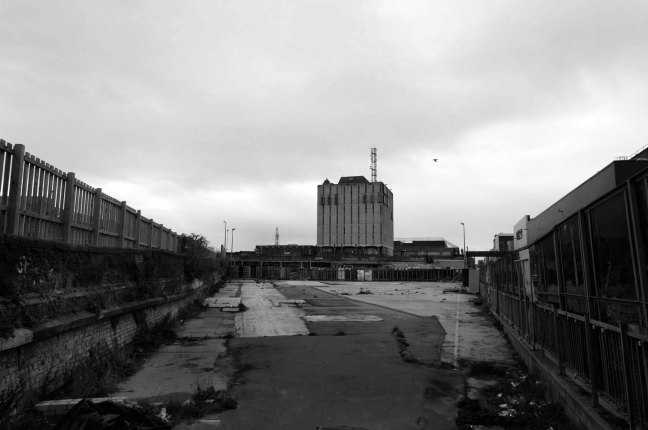
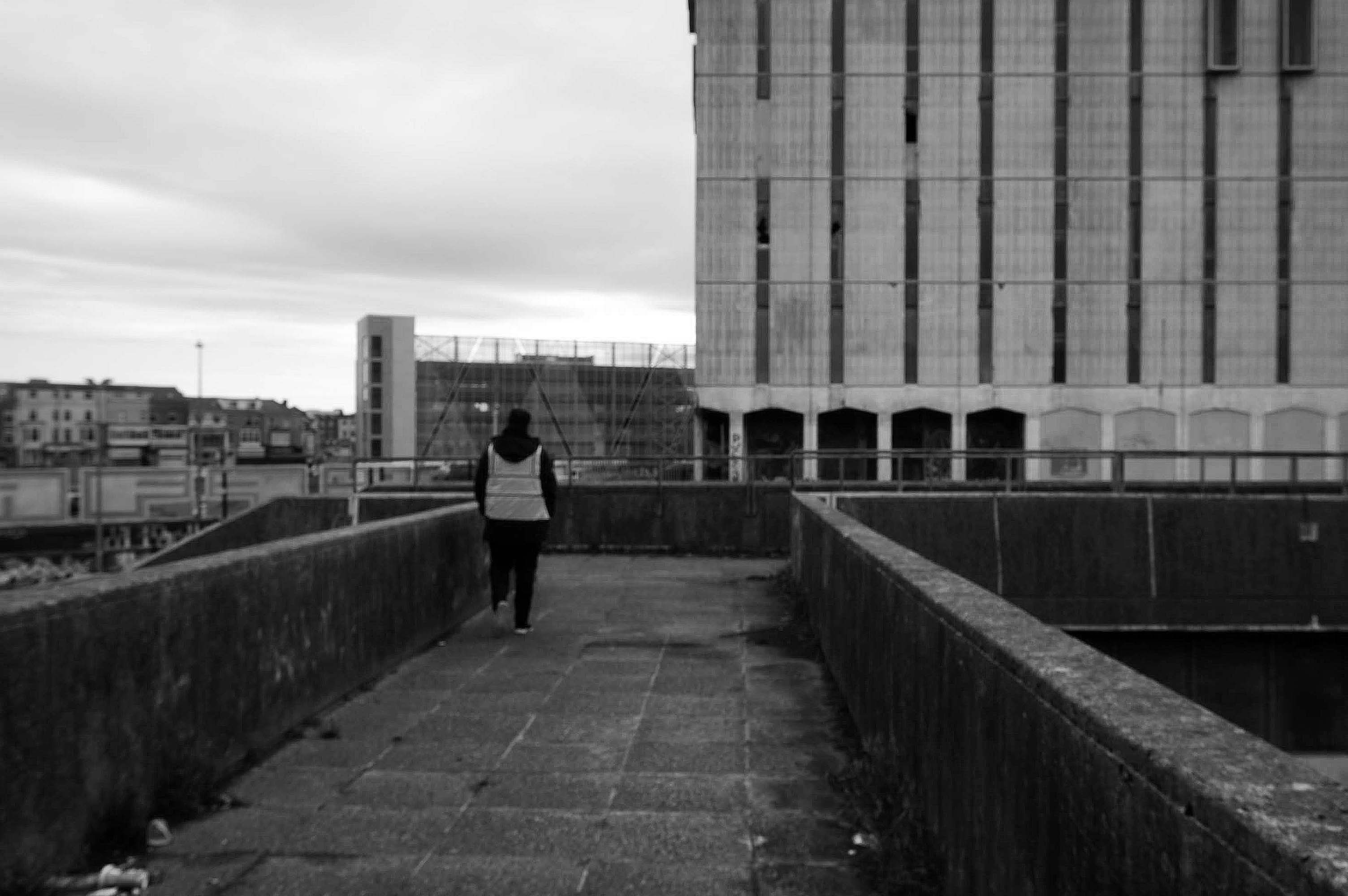
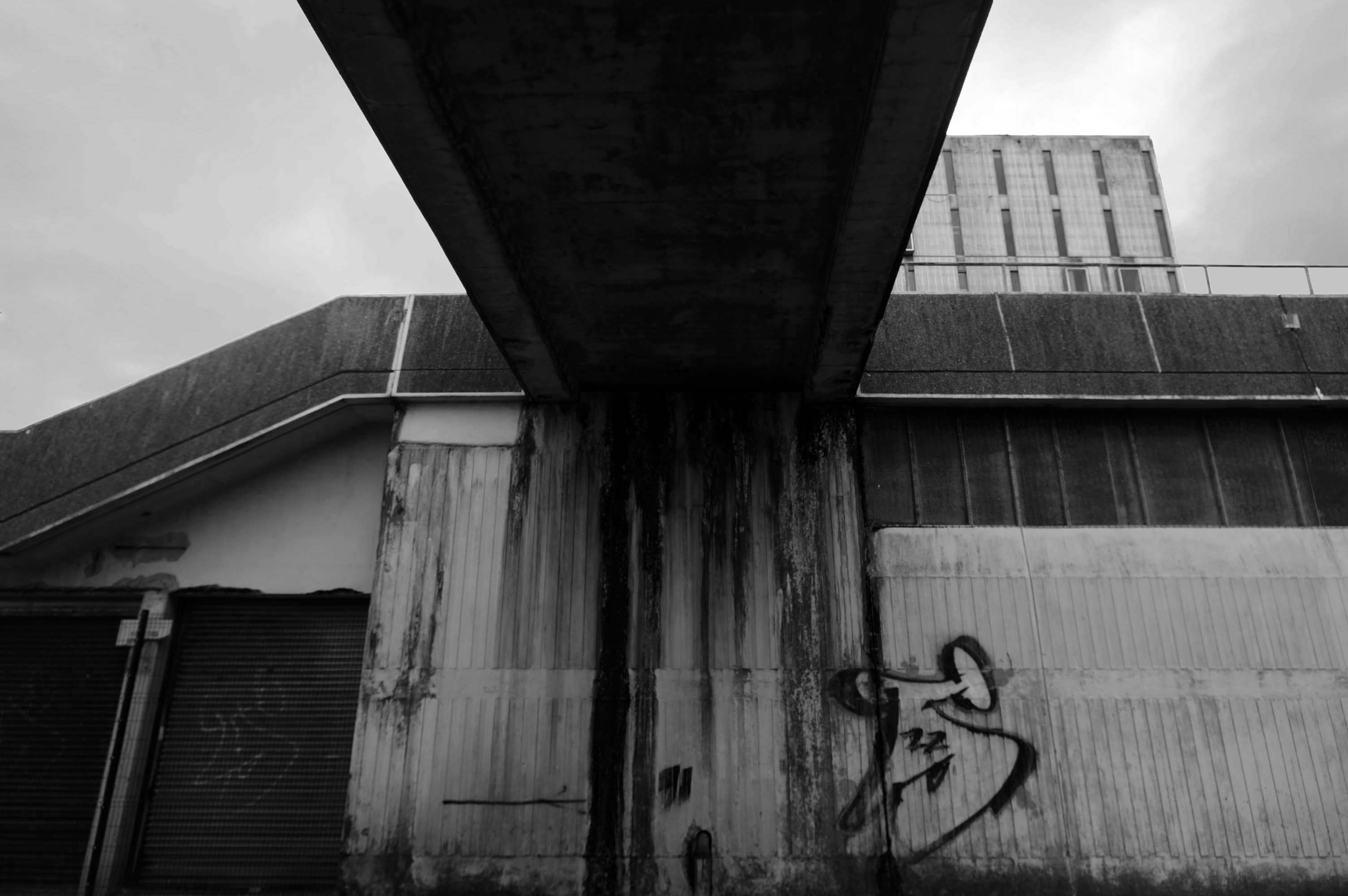
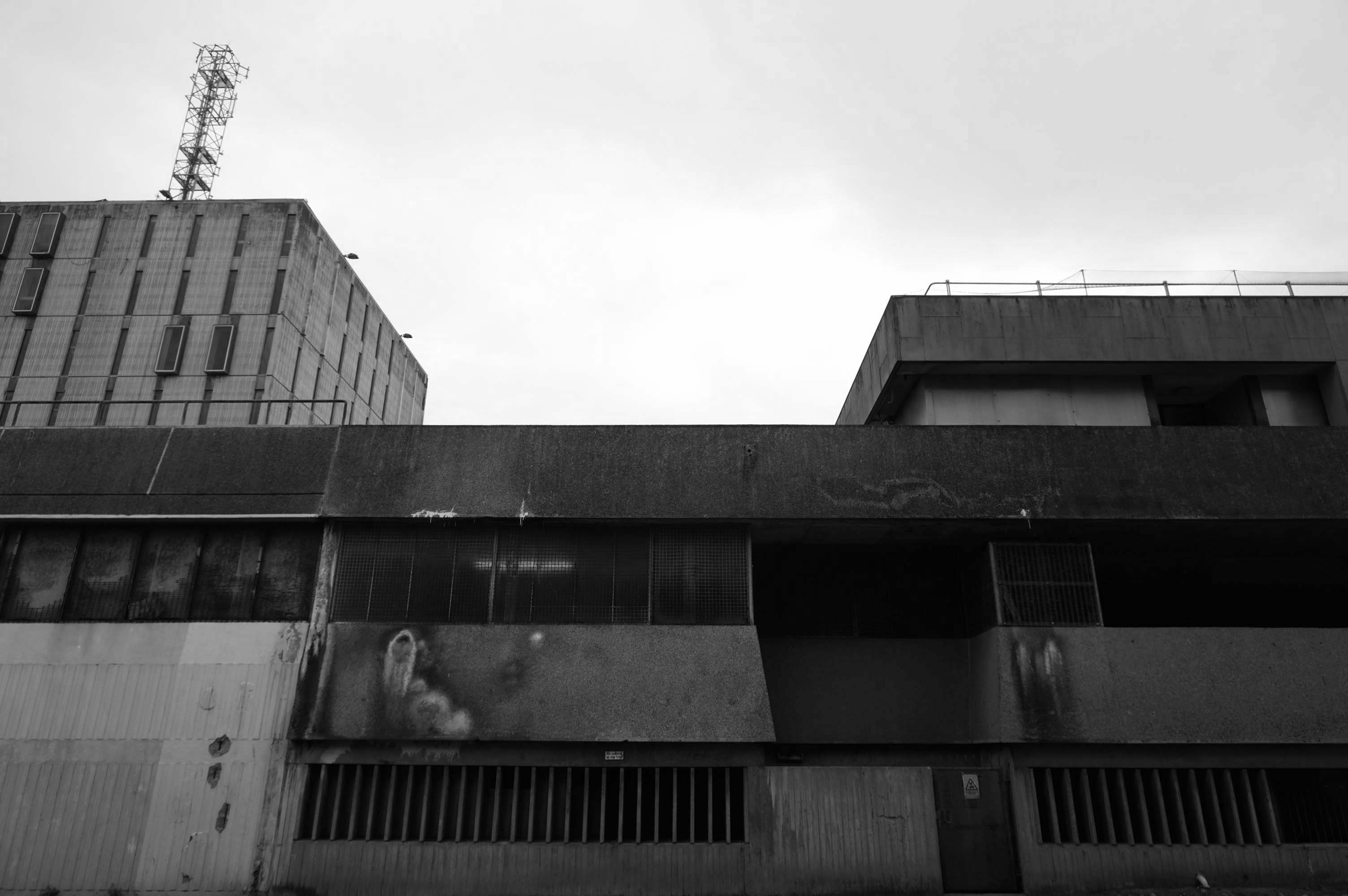
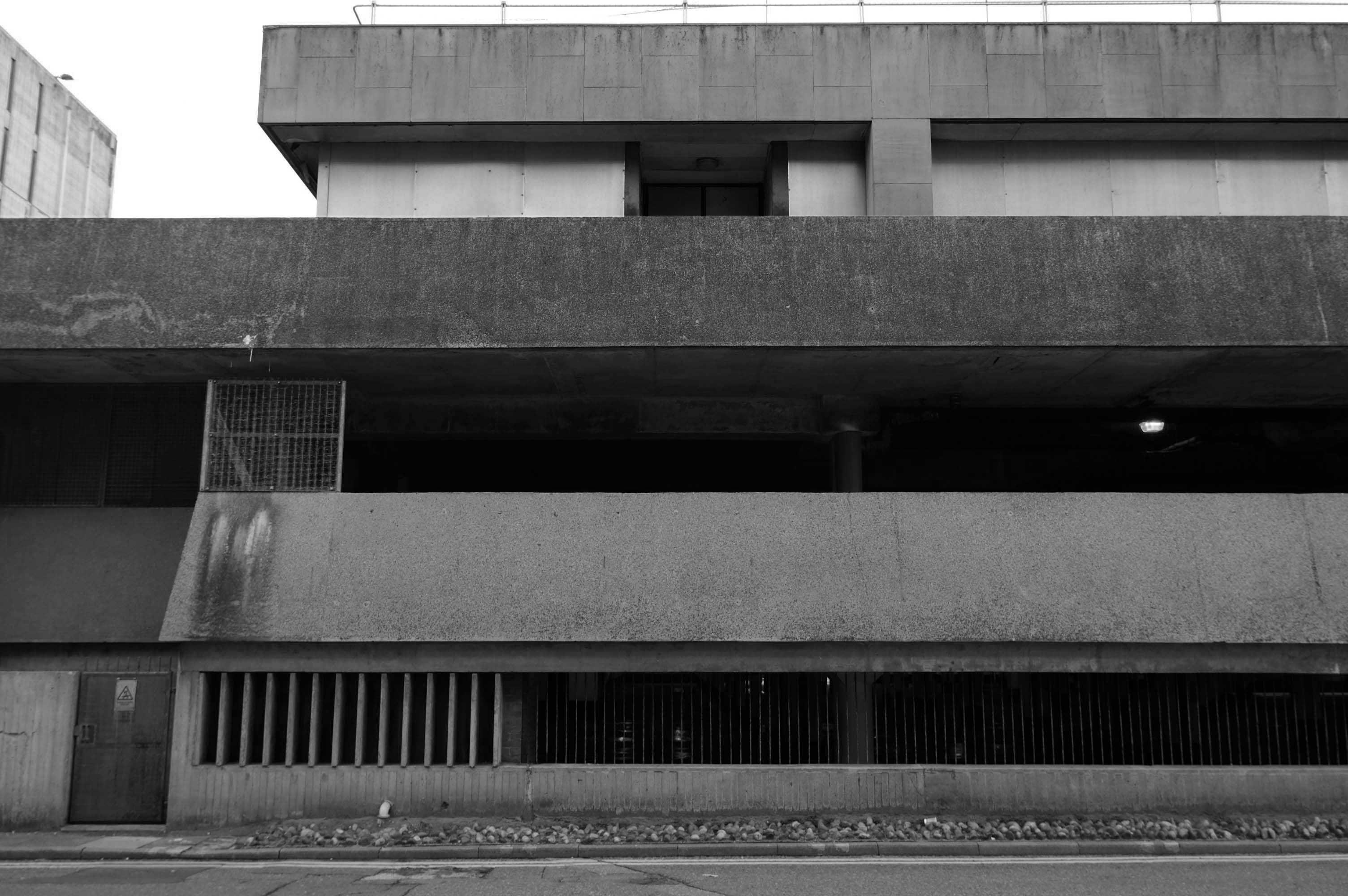
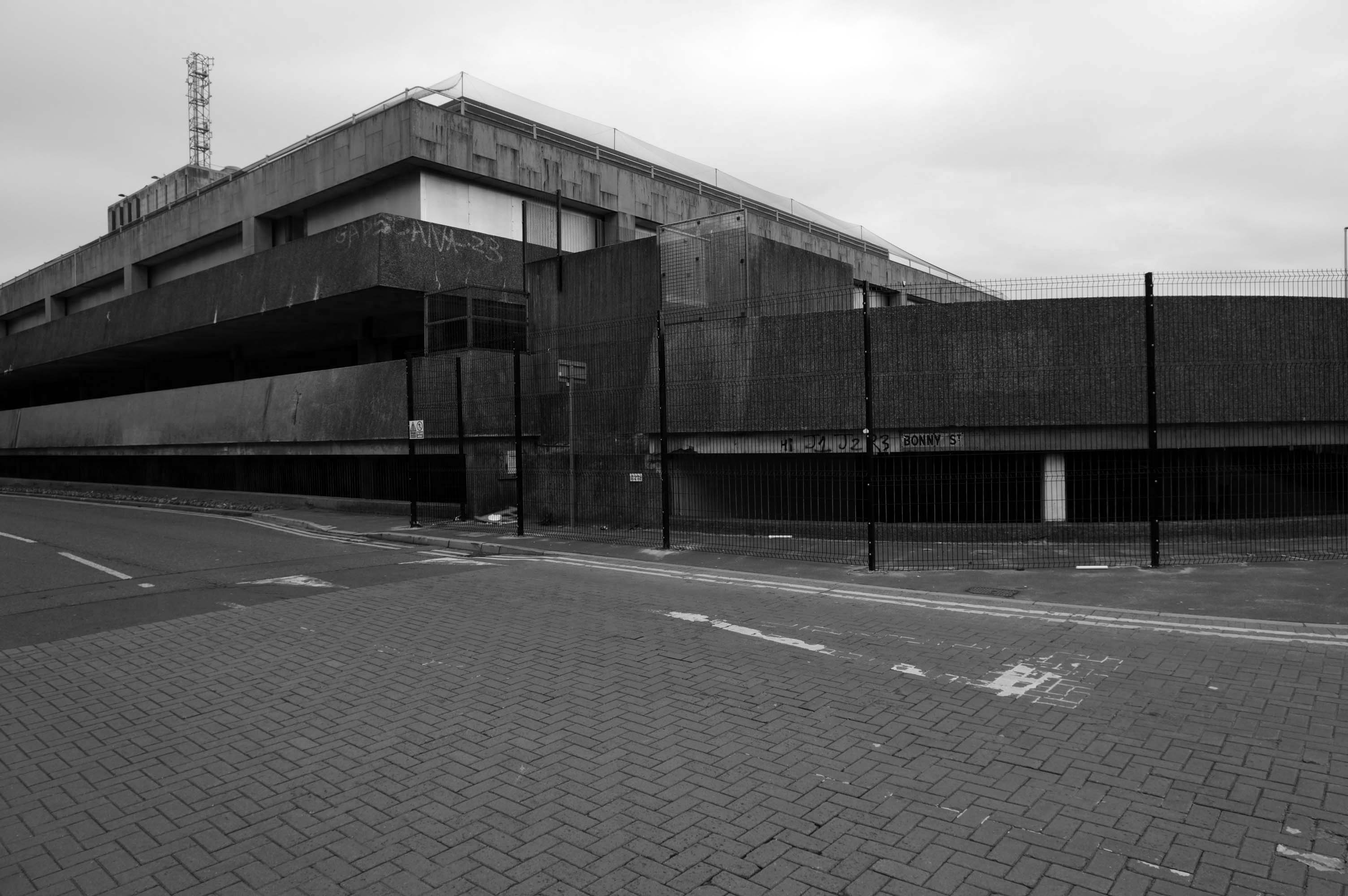
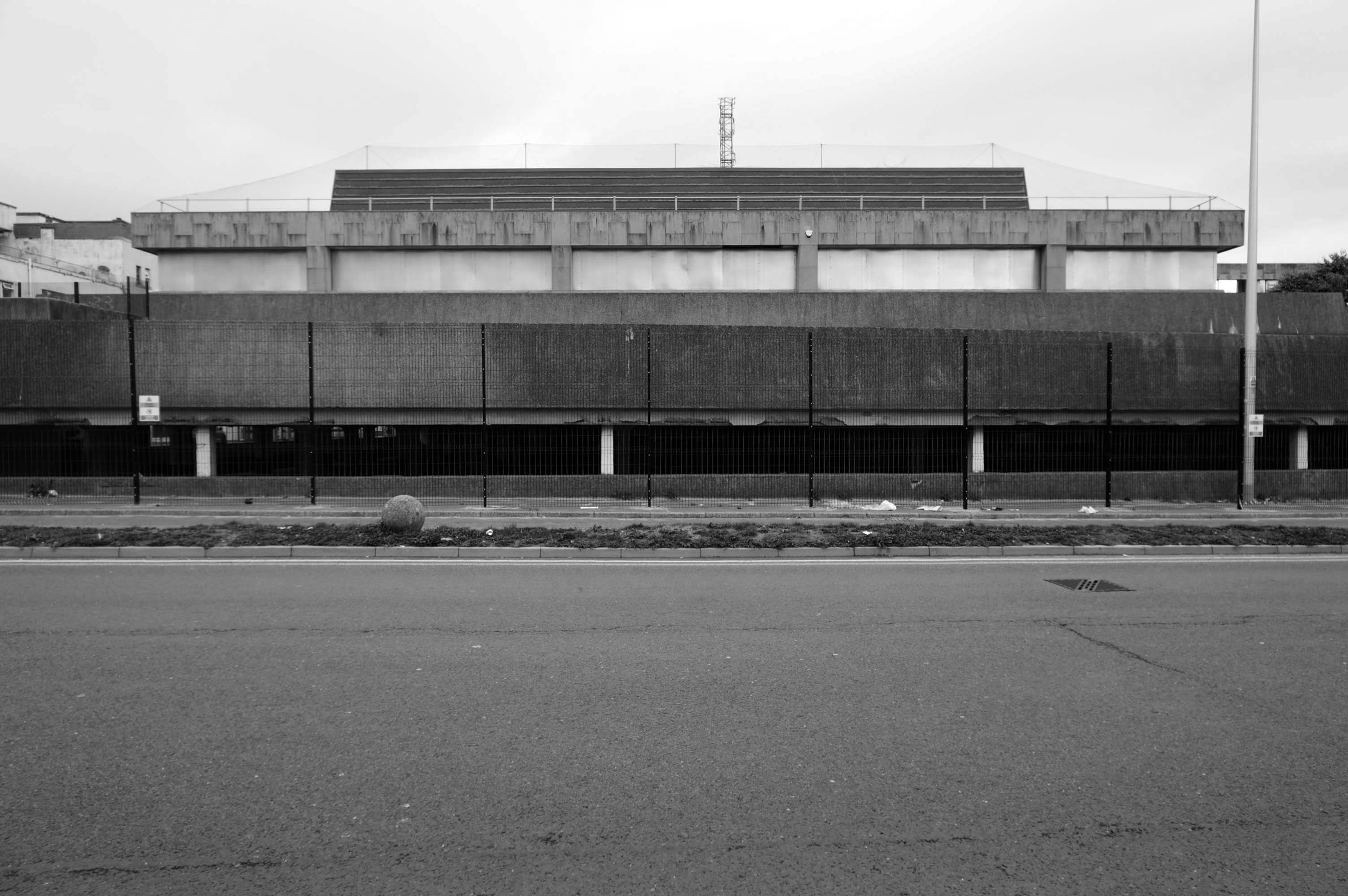
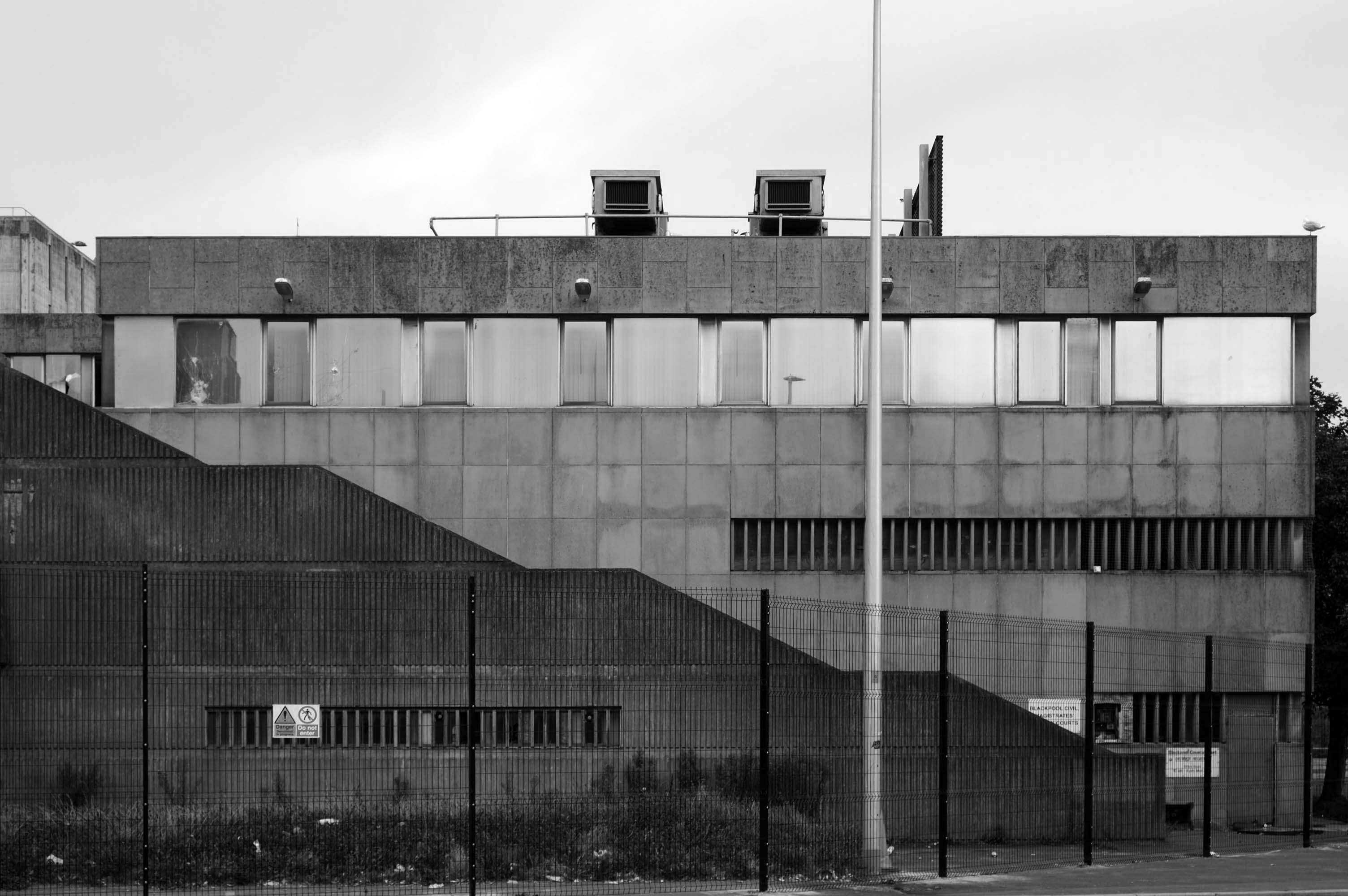
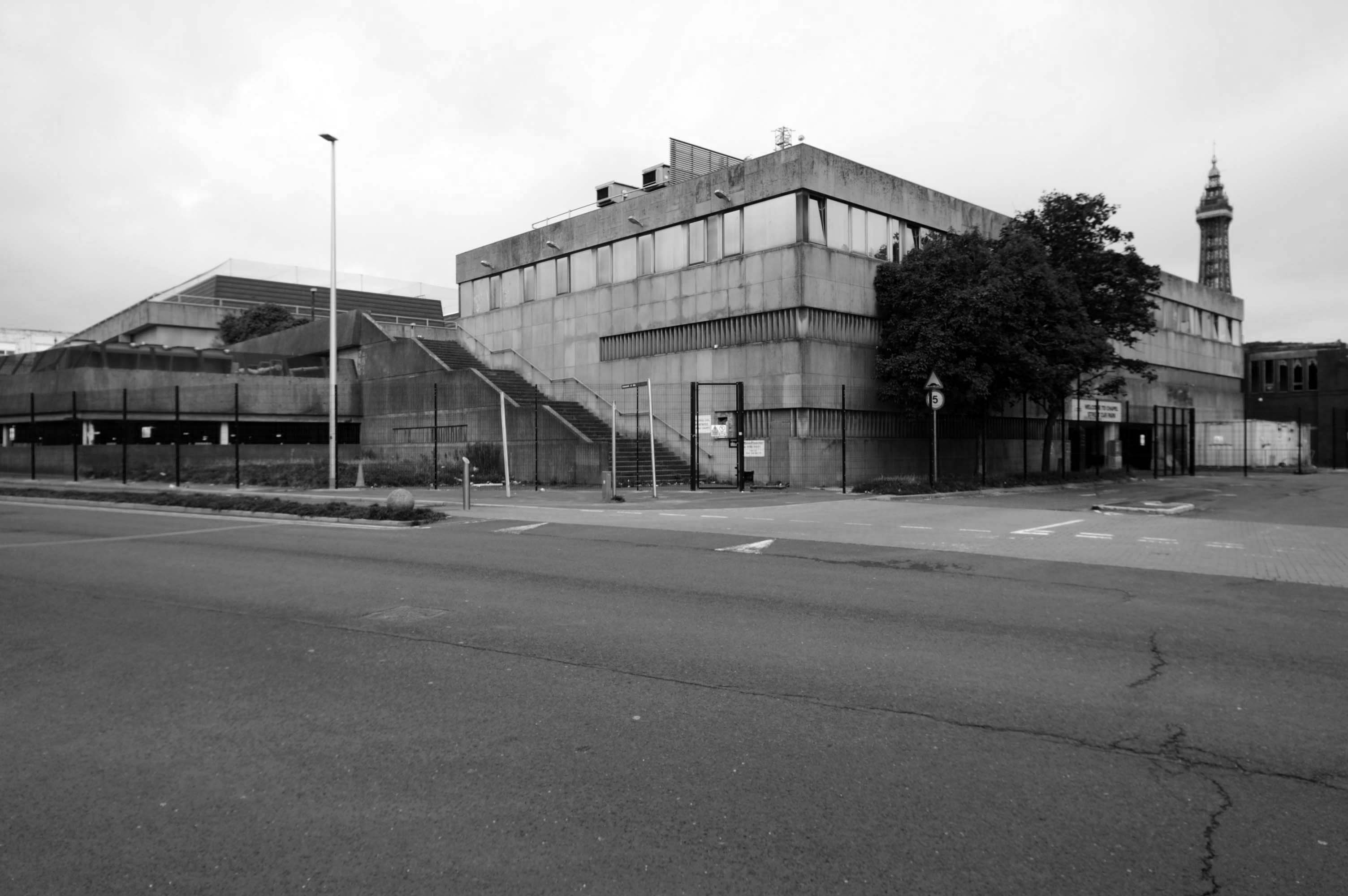
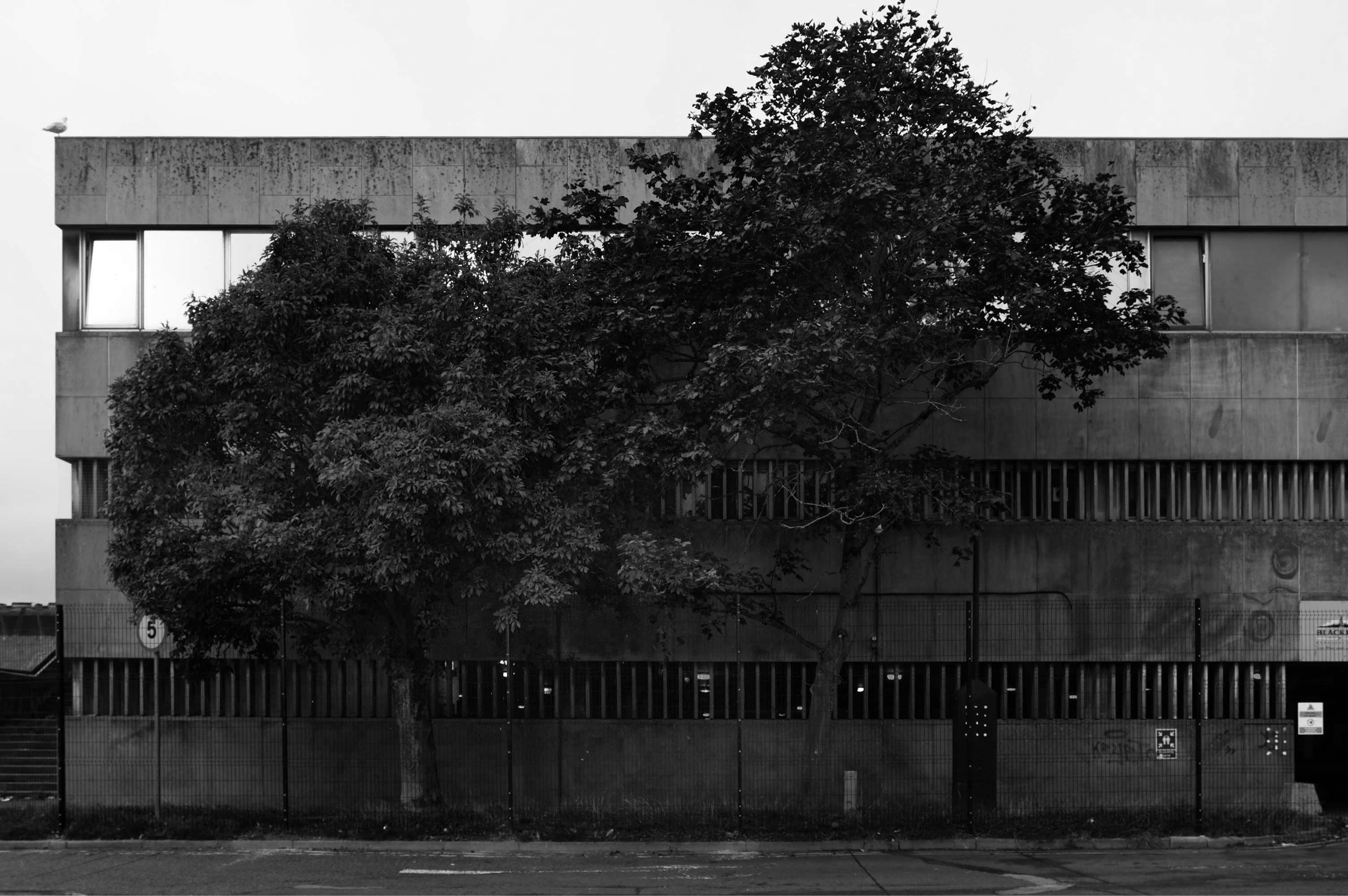
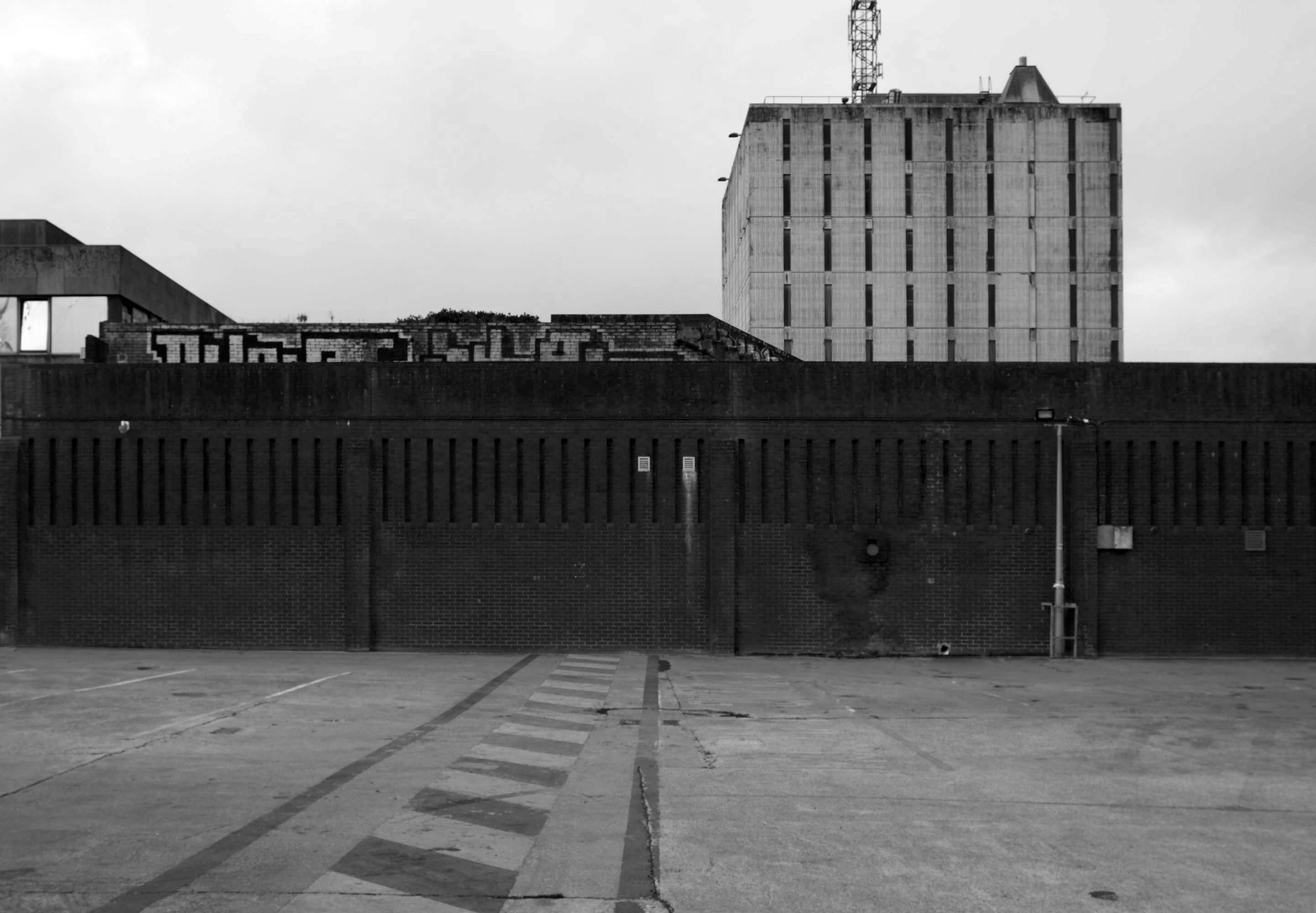
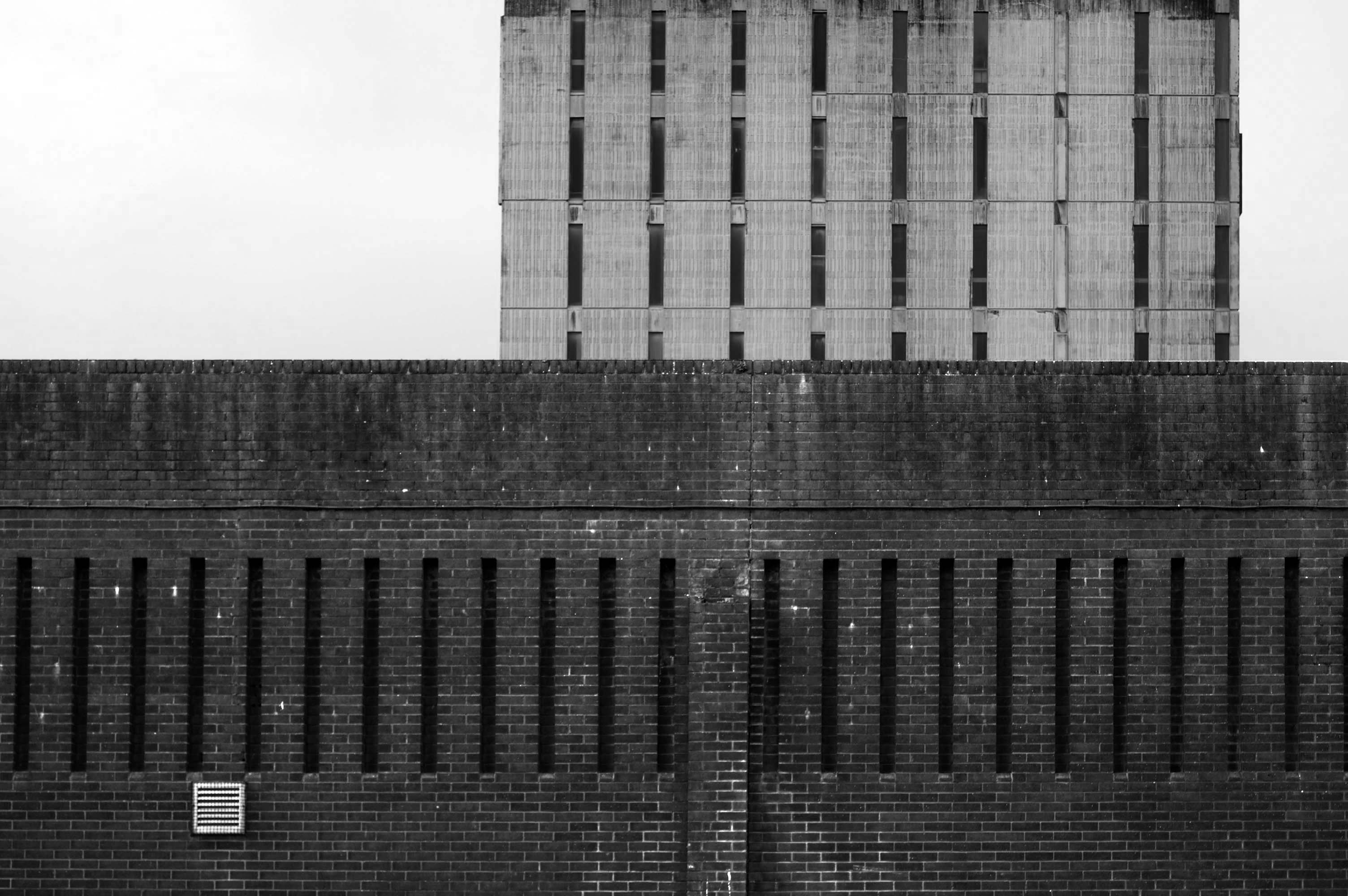
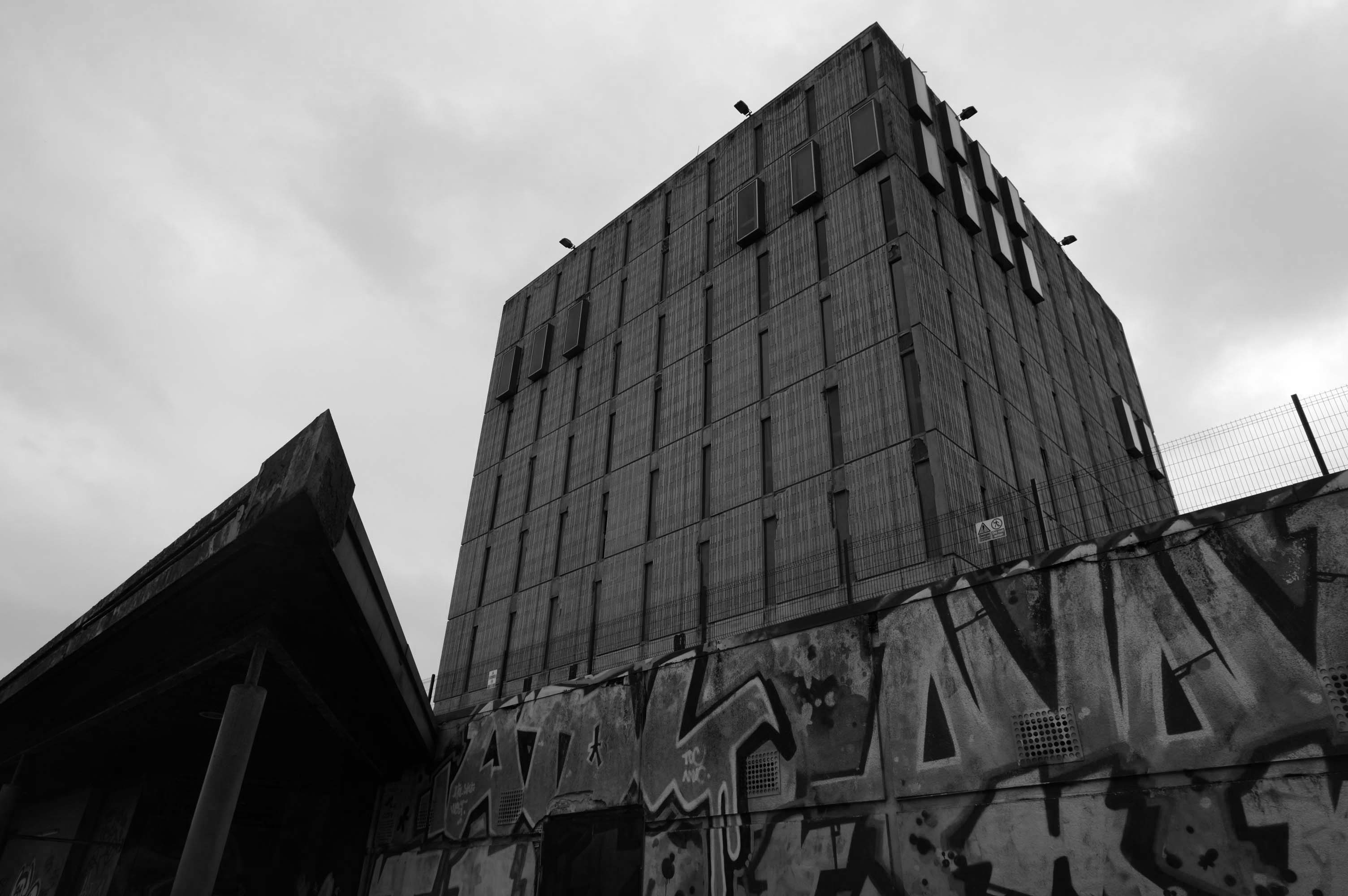
Doomed to face the demolition crew – the anti-social intrusions and falling masonry have enforced a fence, an impenetrable fence.
My requests for unforced entry were politely rebuffed by the hi-vis vest security guards.
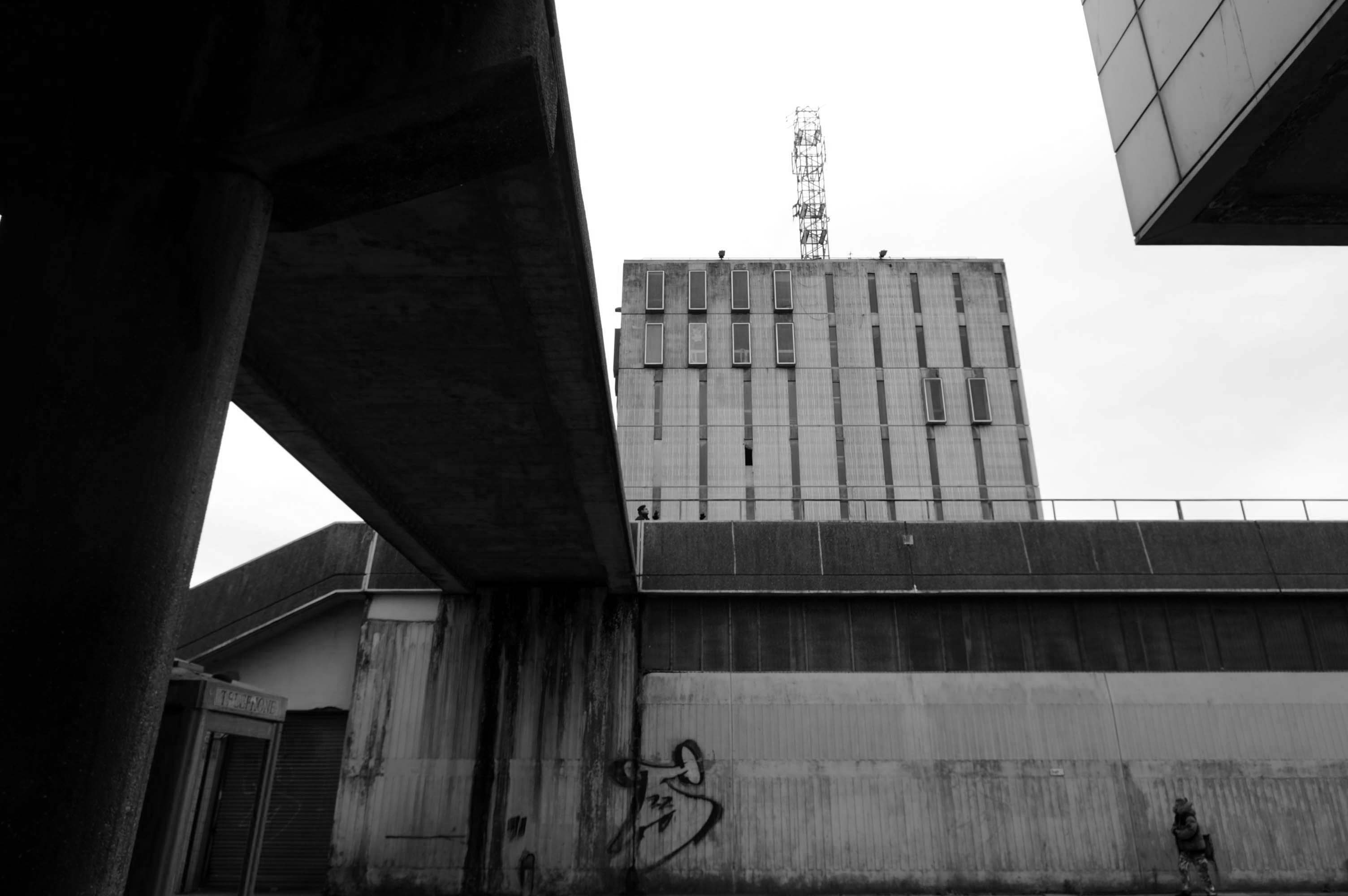
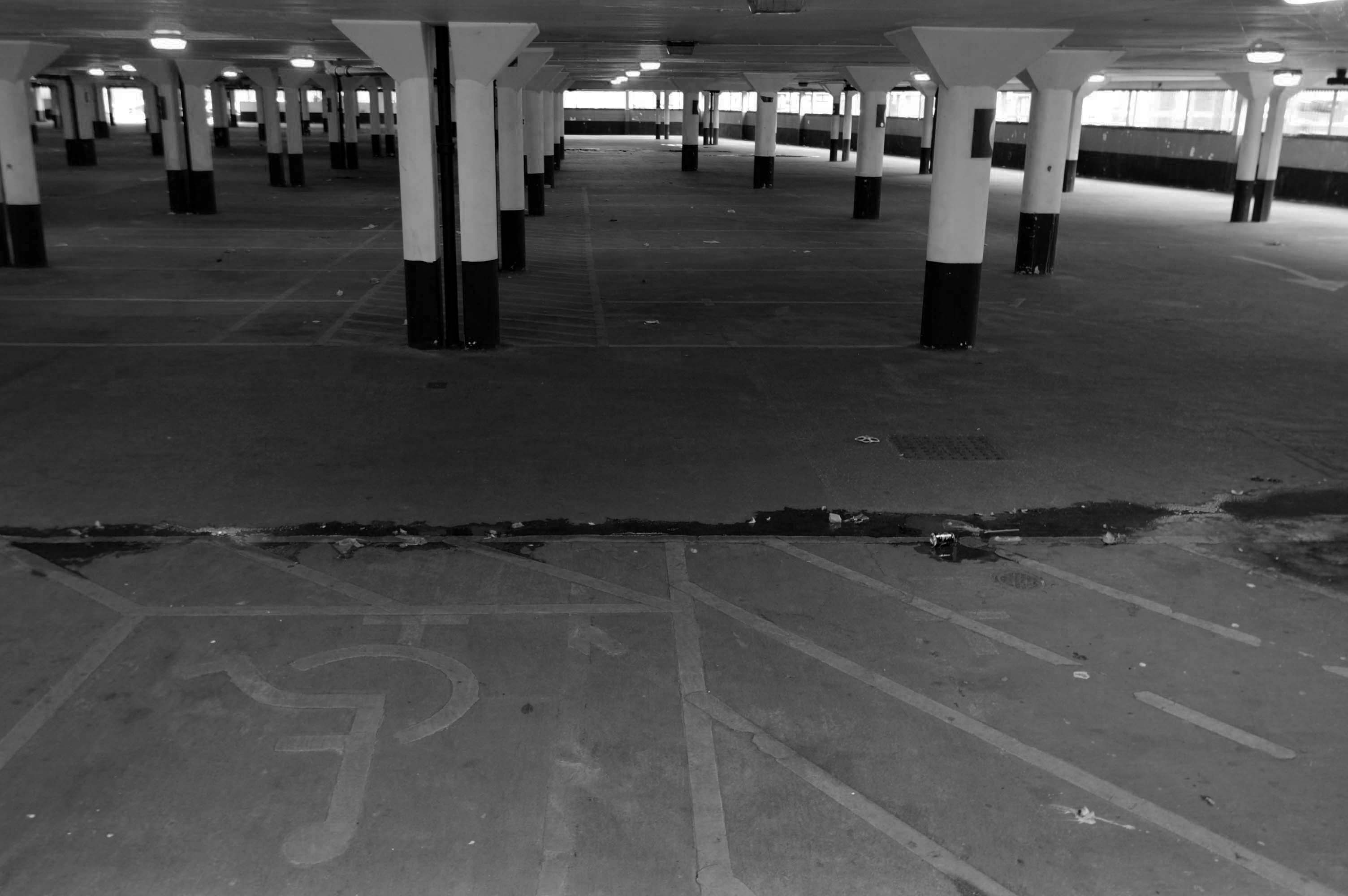
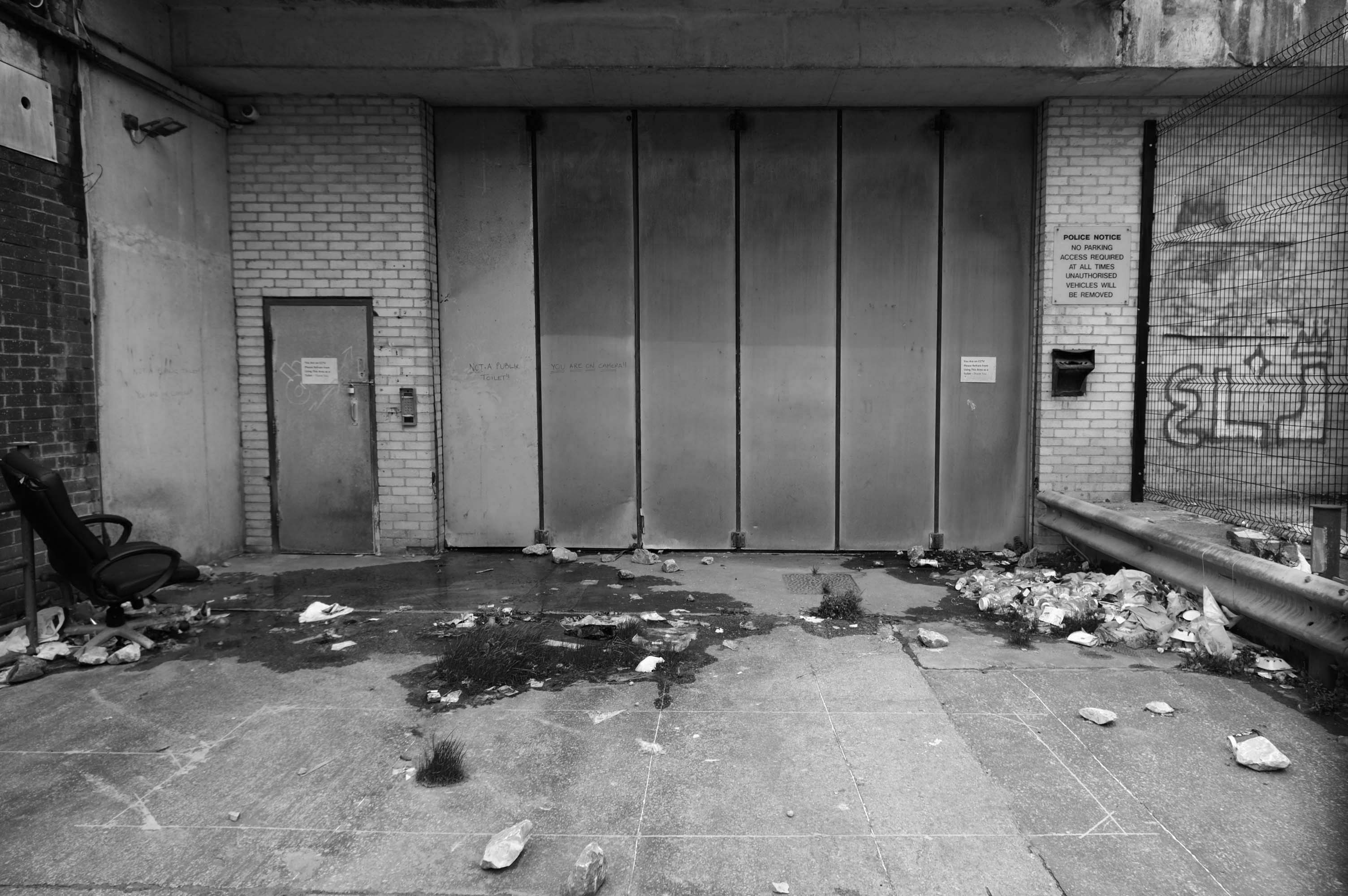
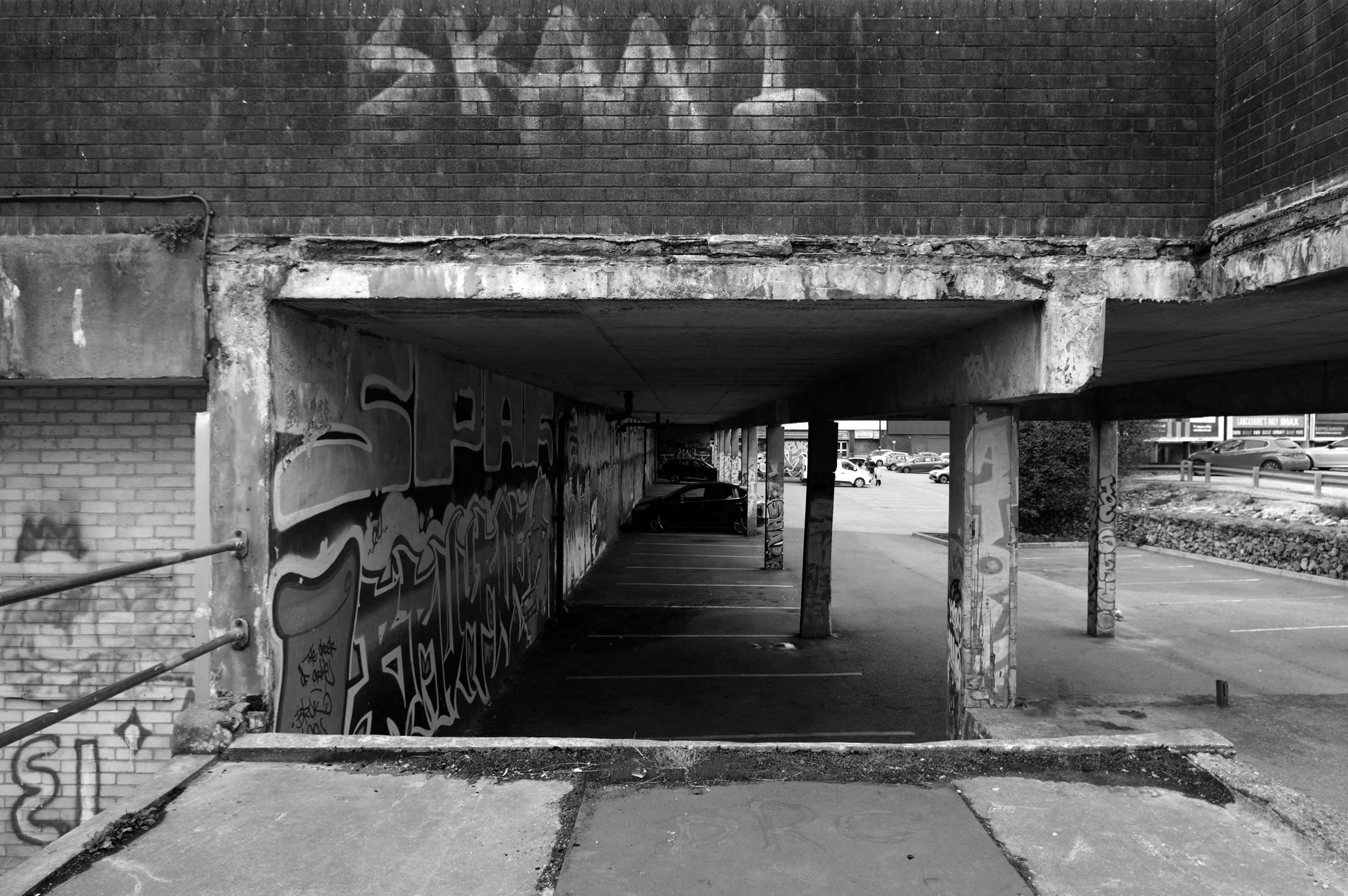
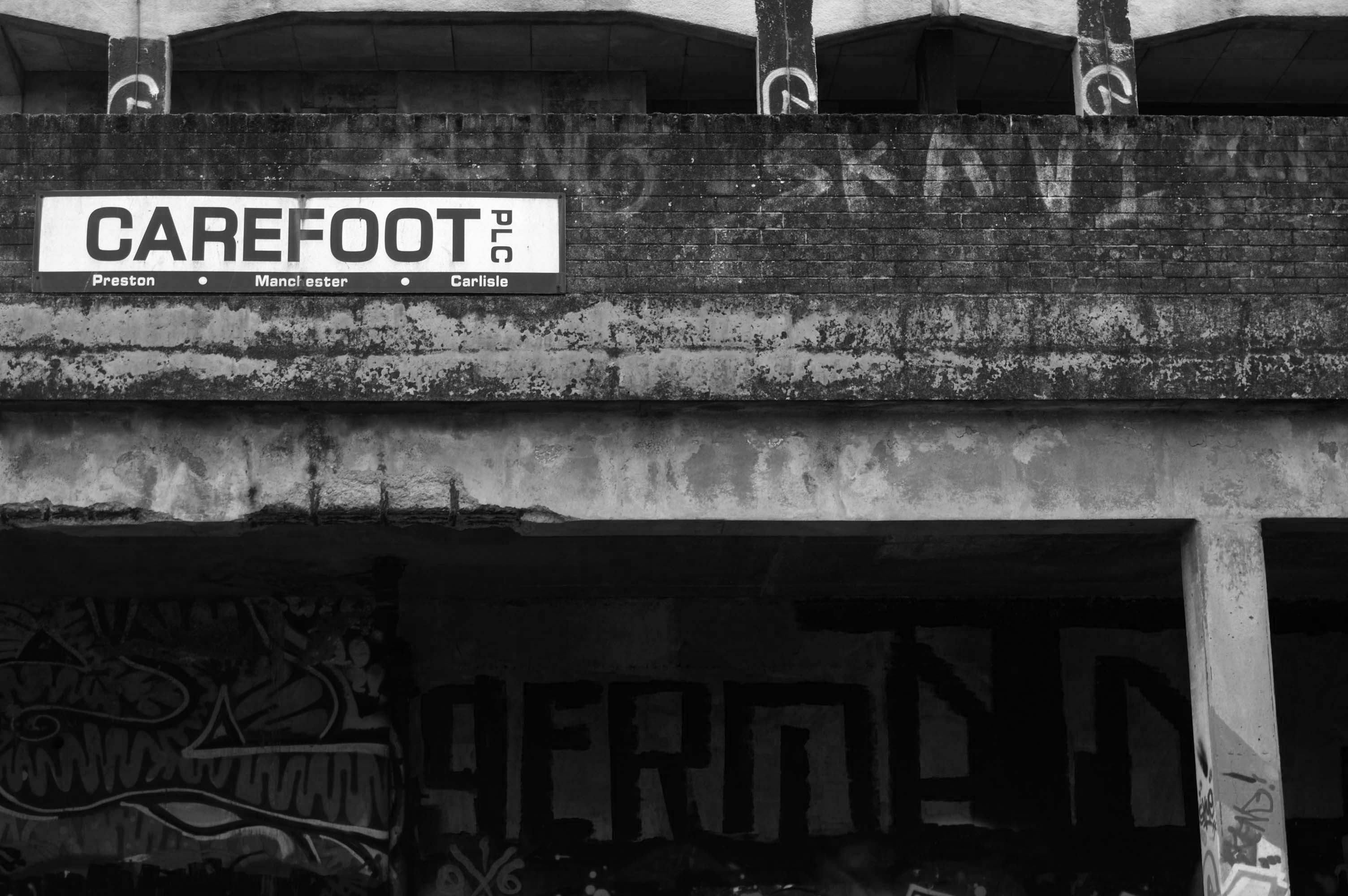
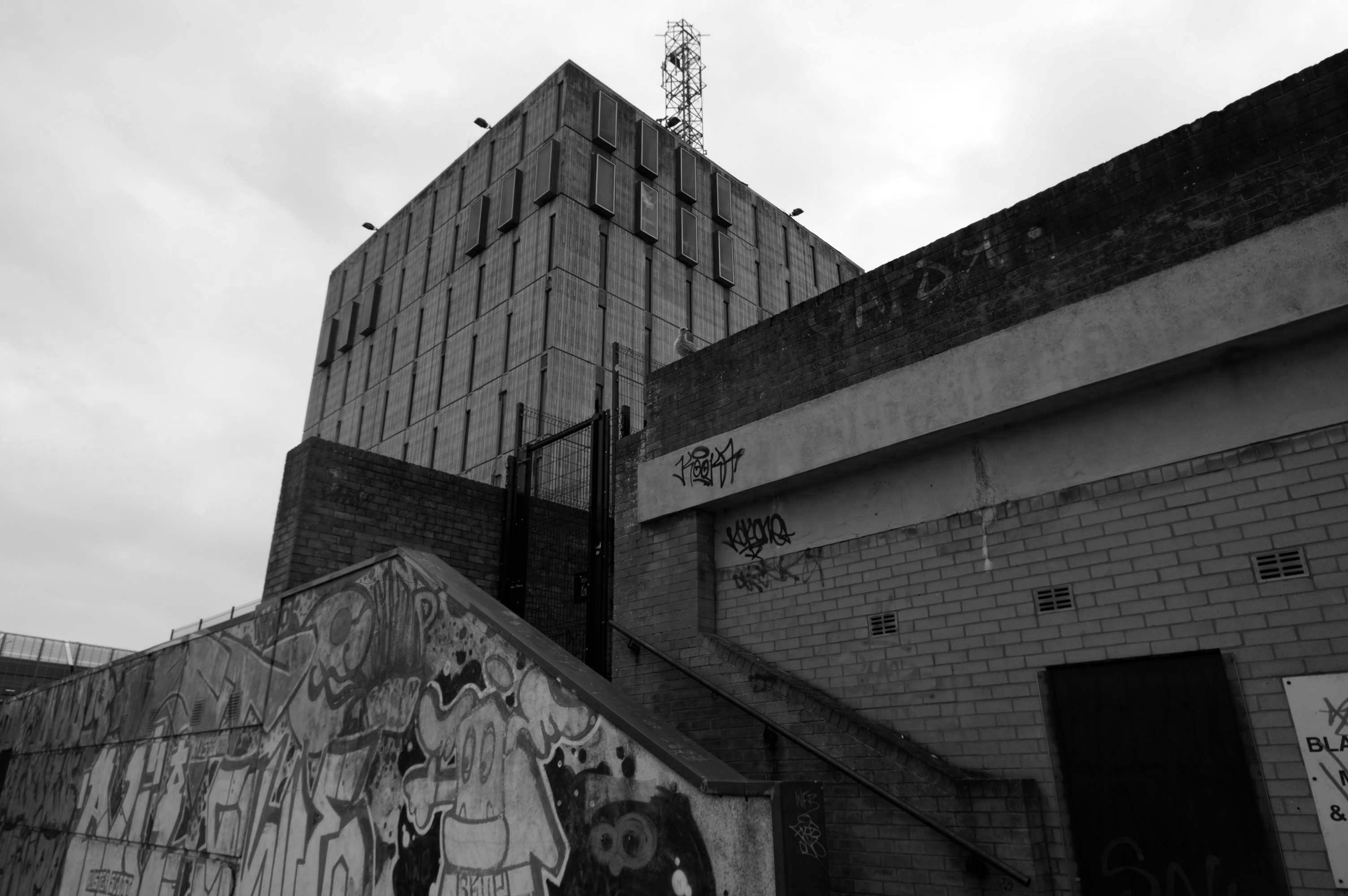
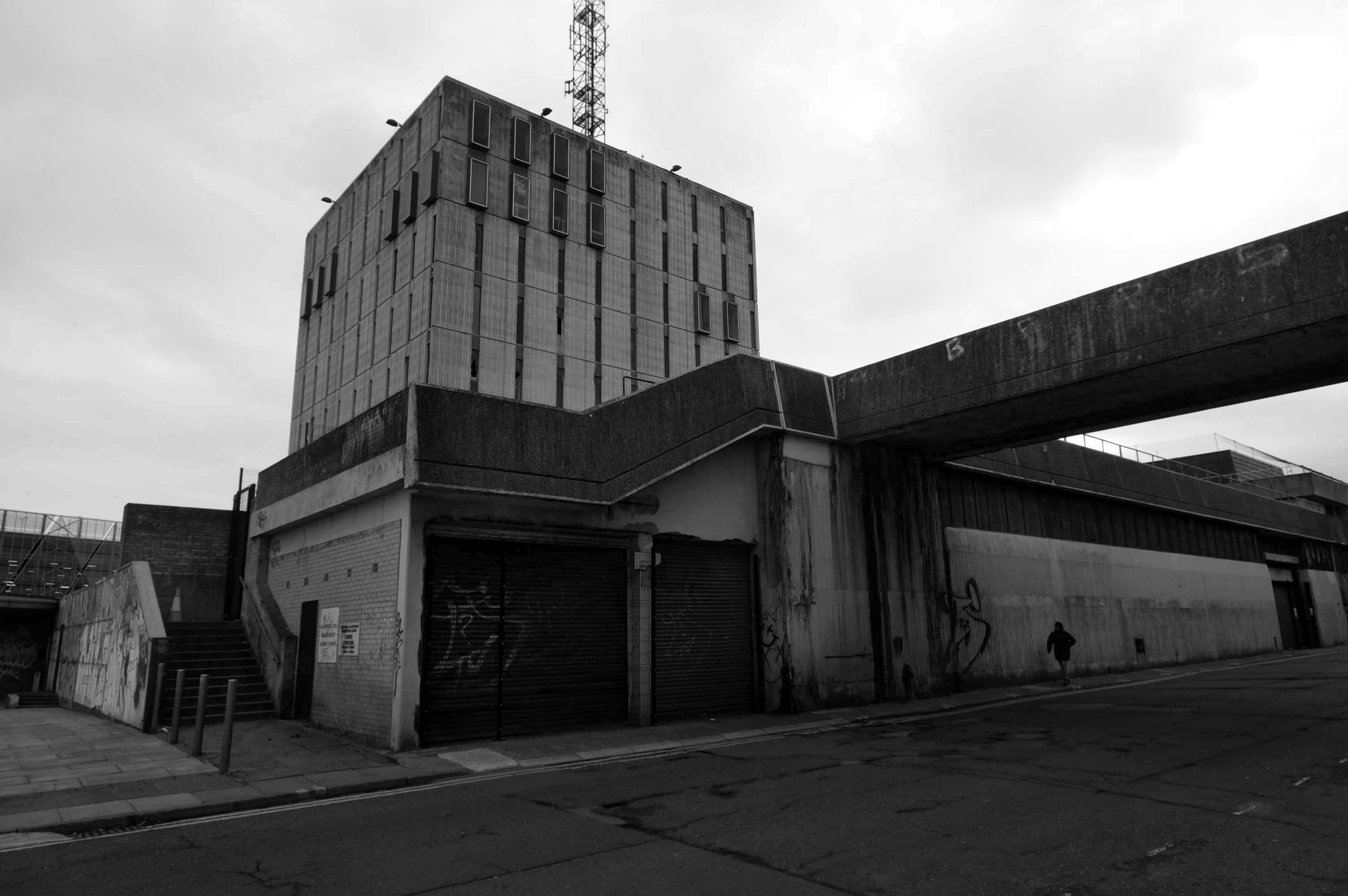
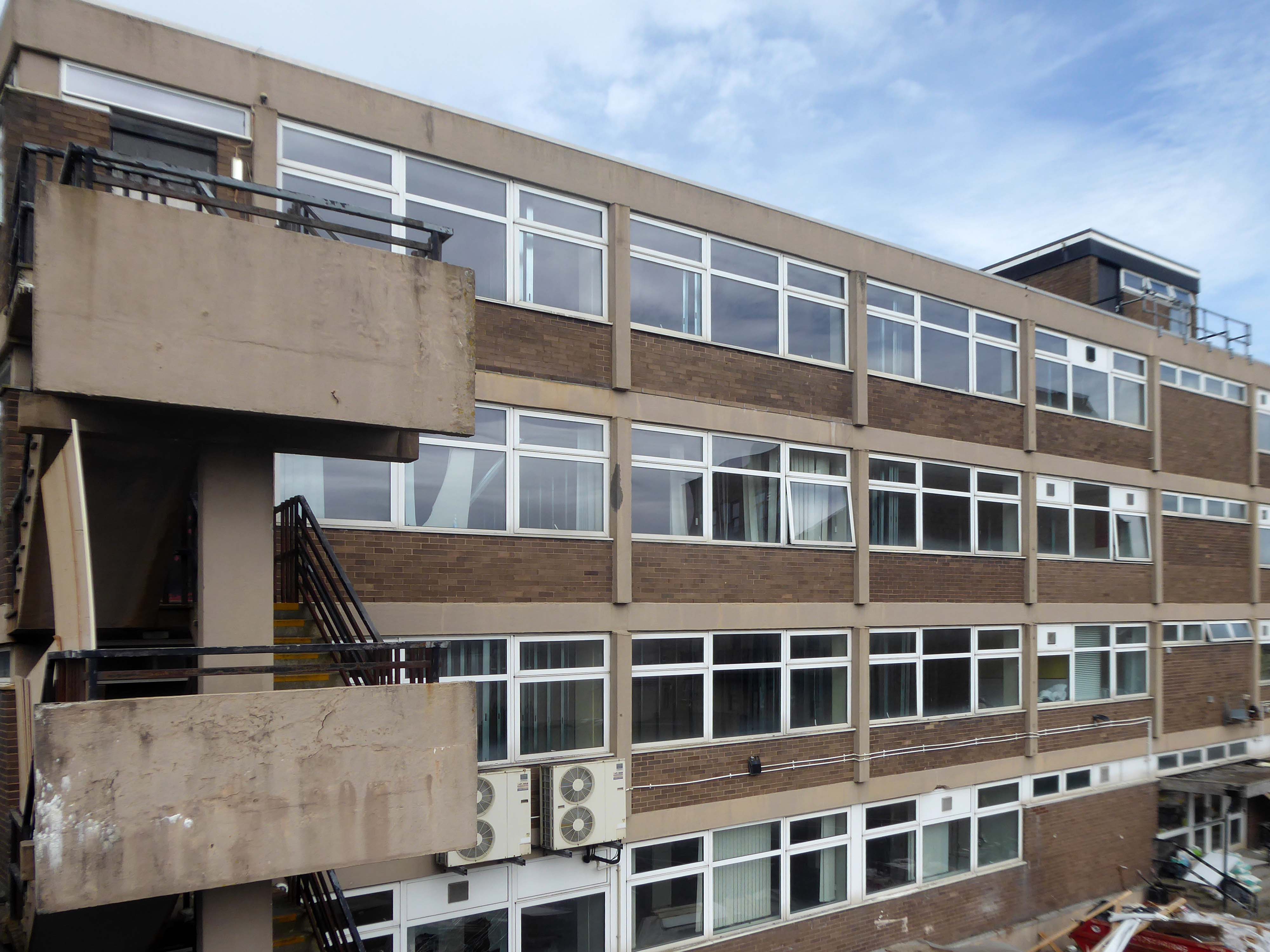
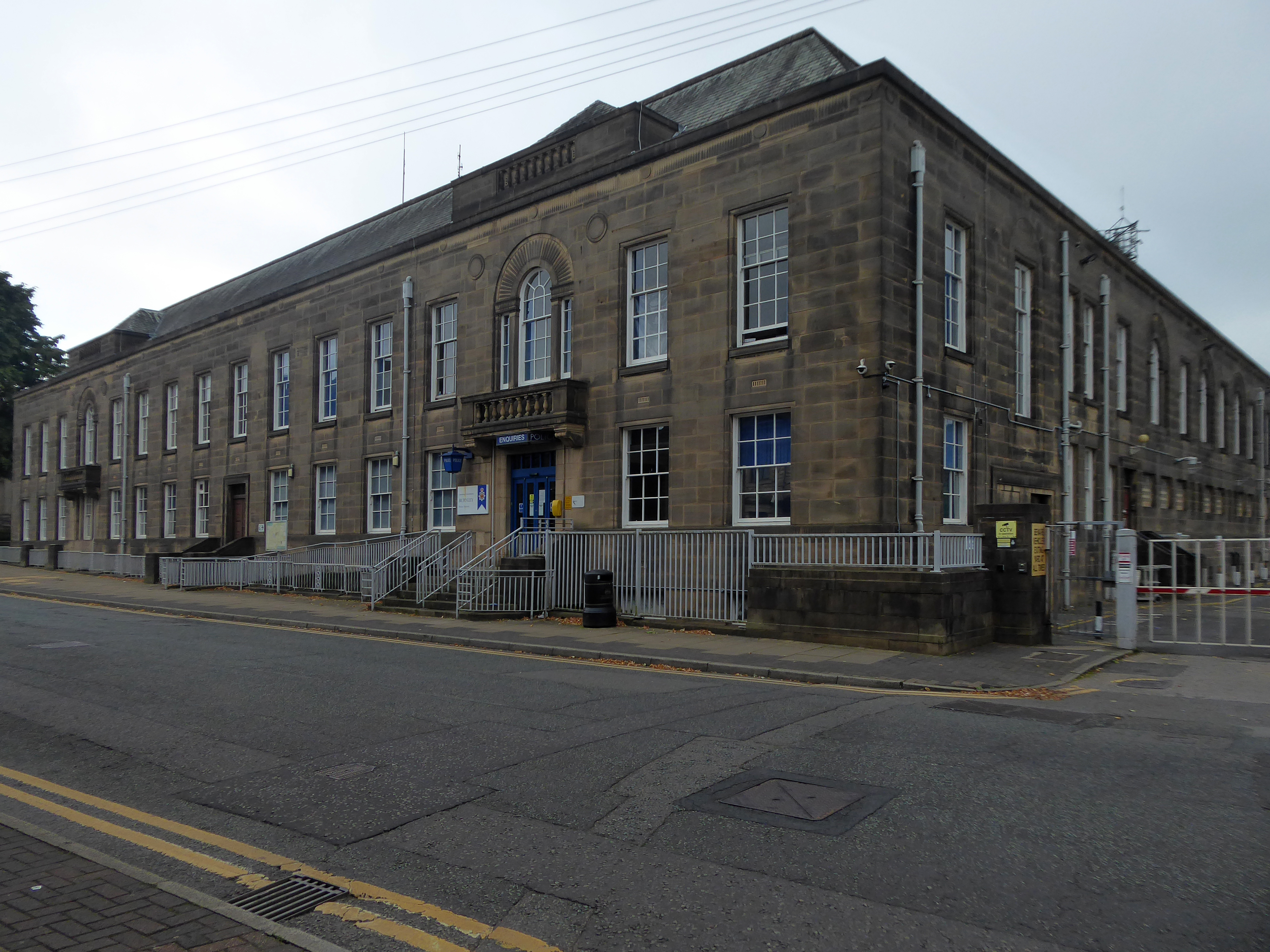
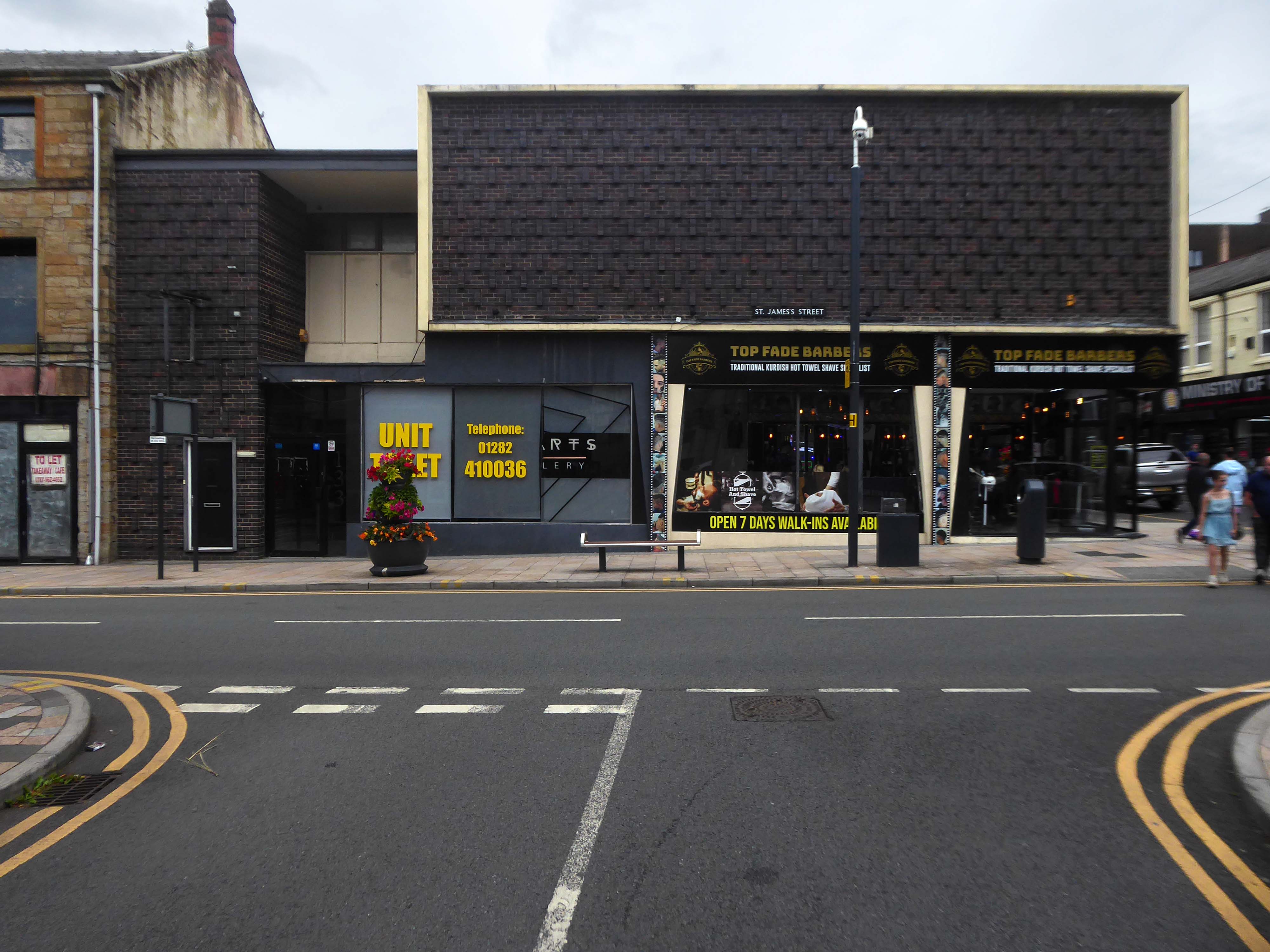
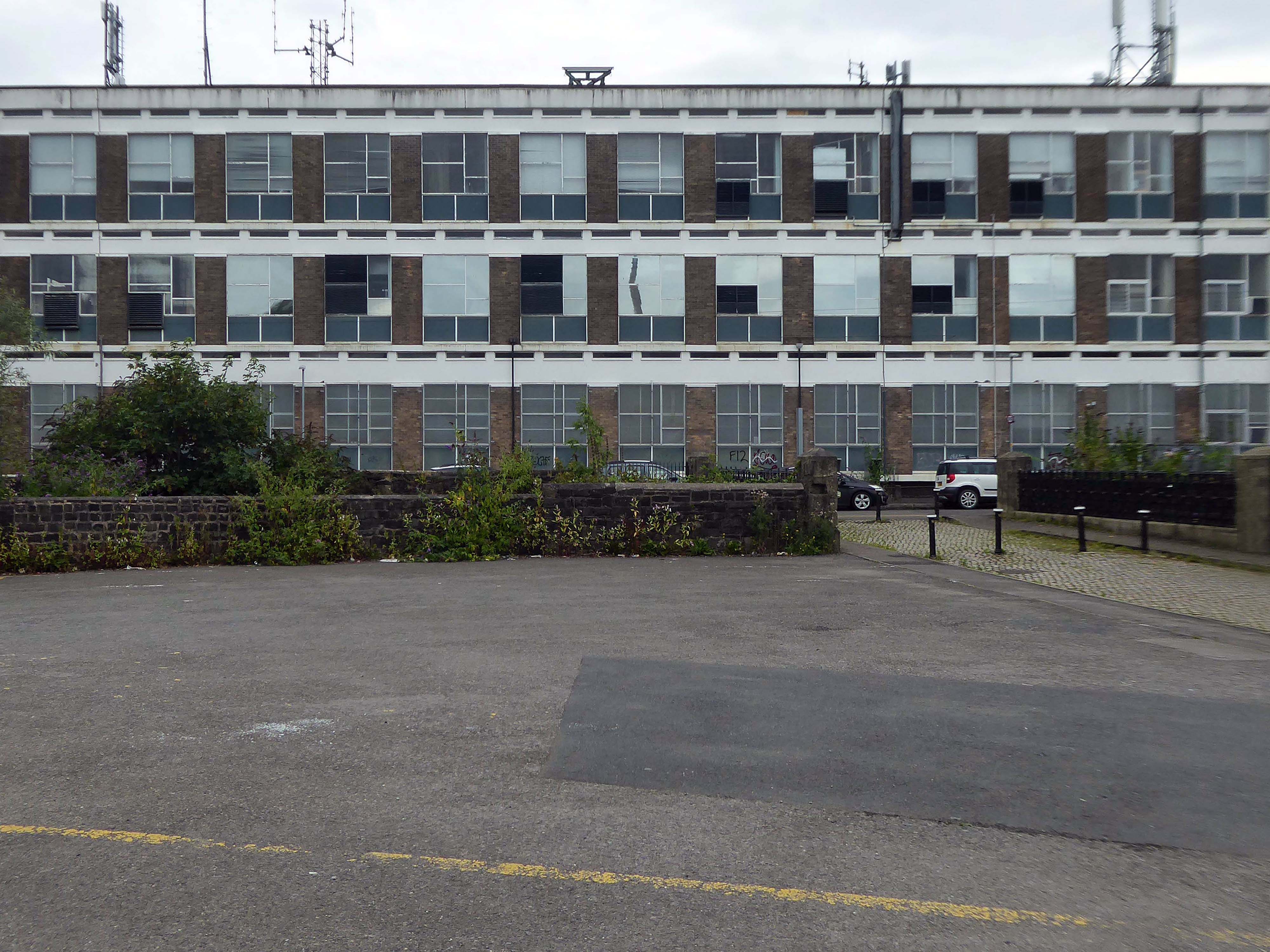
A former police station could finally be demolished this autumn after closing six years ago when officers moved to new headquarters.
Blackpool Magistrates’ Court, which is part of the same complex, will also be bulldozed after crumbling concrete was discovered in the building in January.
In recent months, the empty Bonny Street police station has become a target for anti-social behaviour.
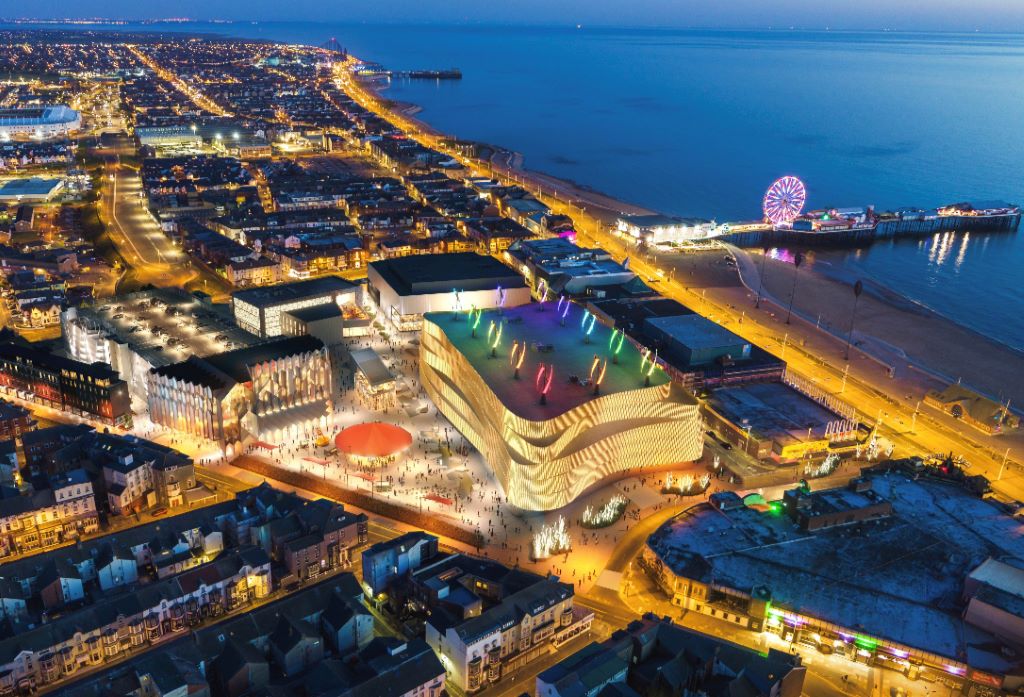
Clearance of the site will pave the way for investment in leisure facilities including hotels and indoor theme parks by developer Nikal.
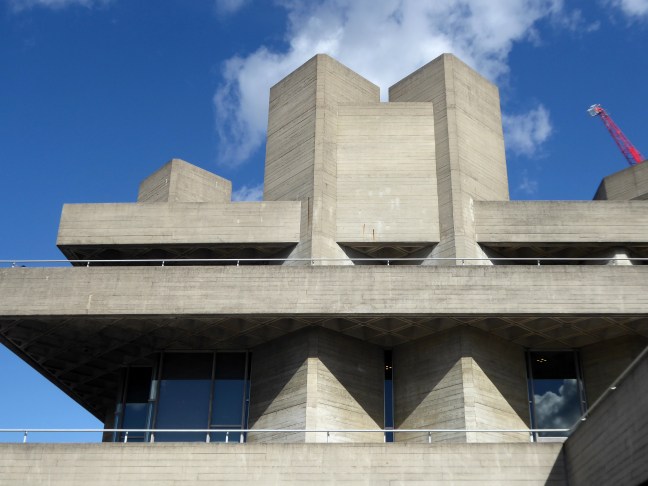
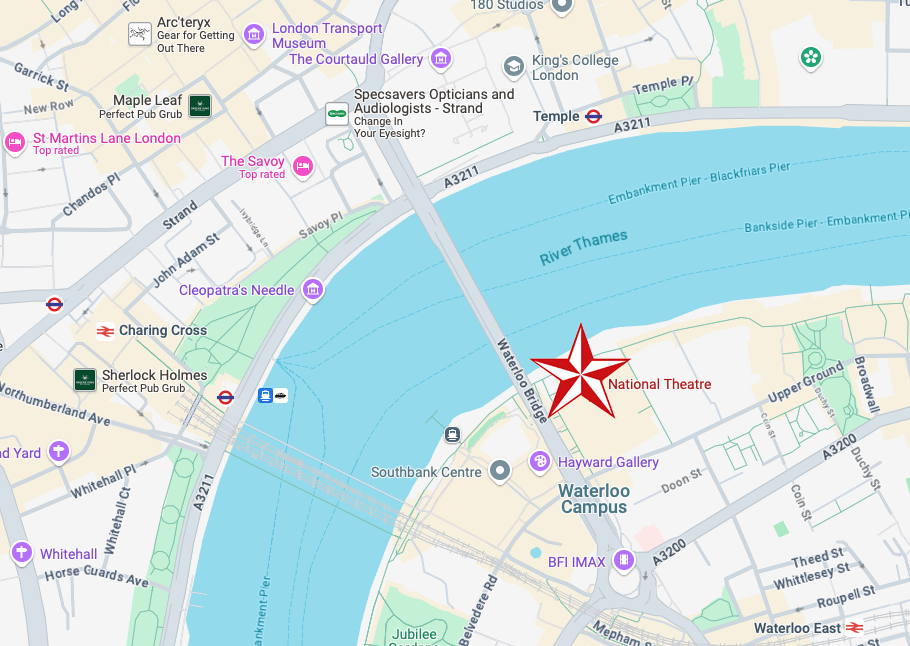
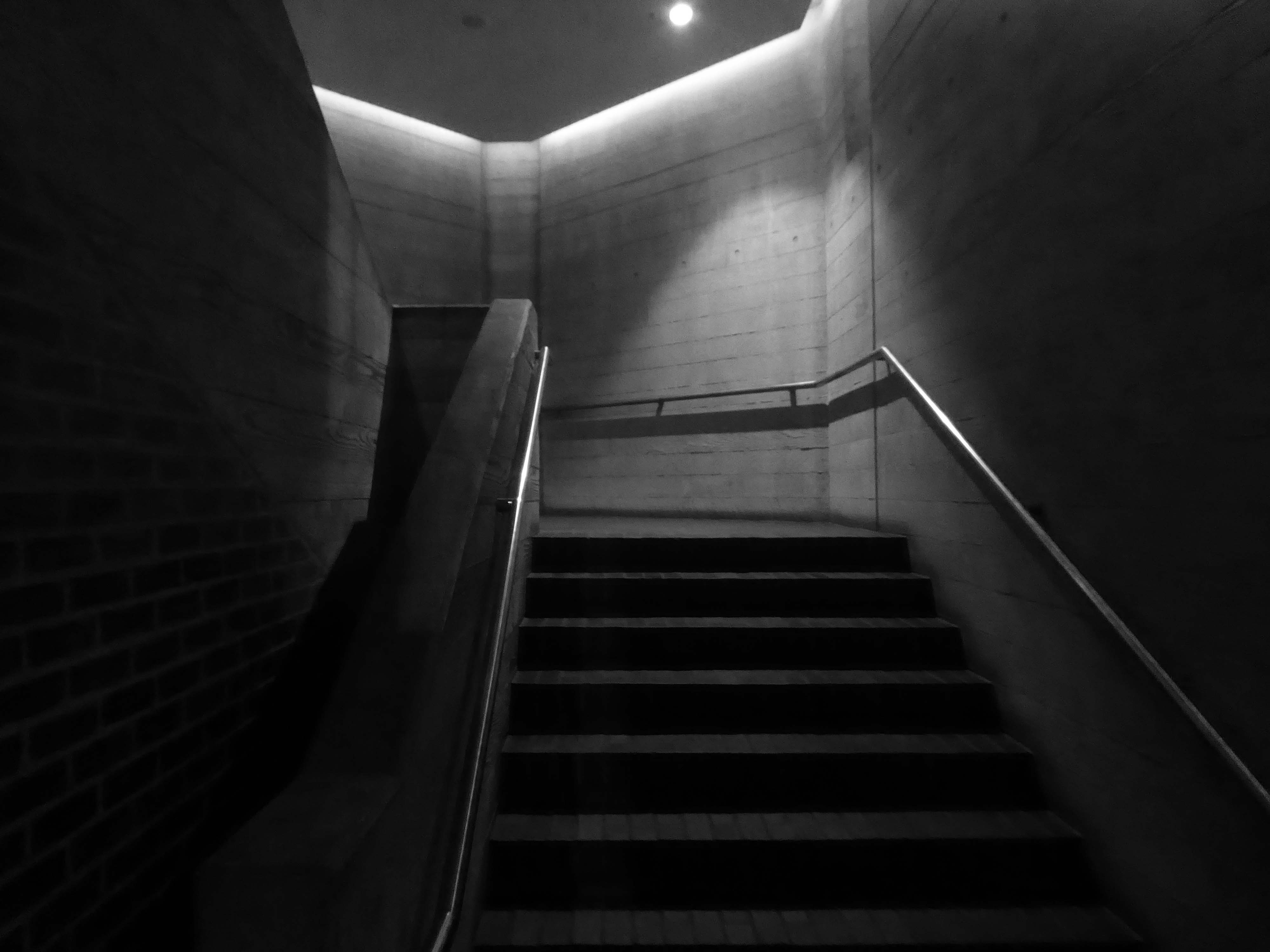
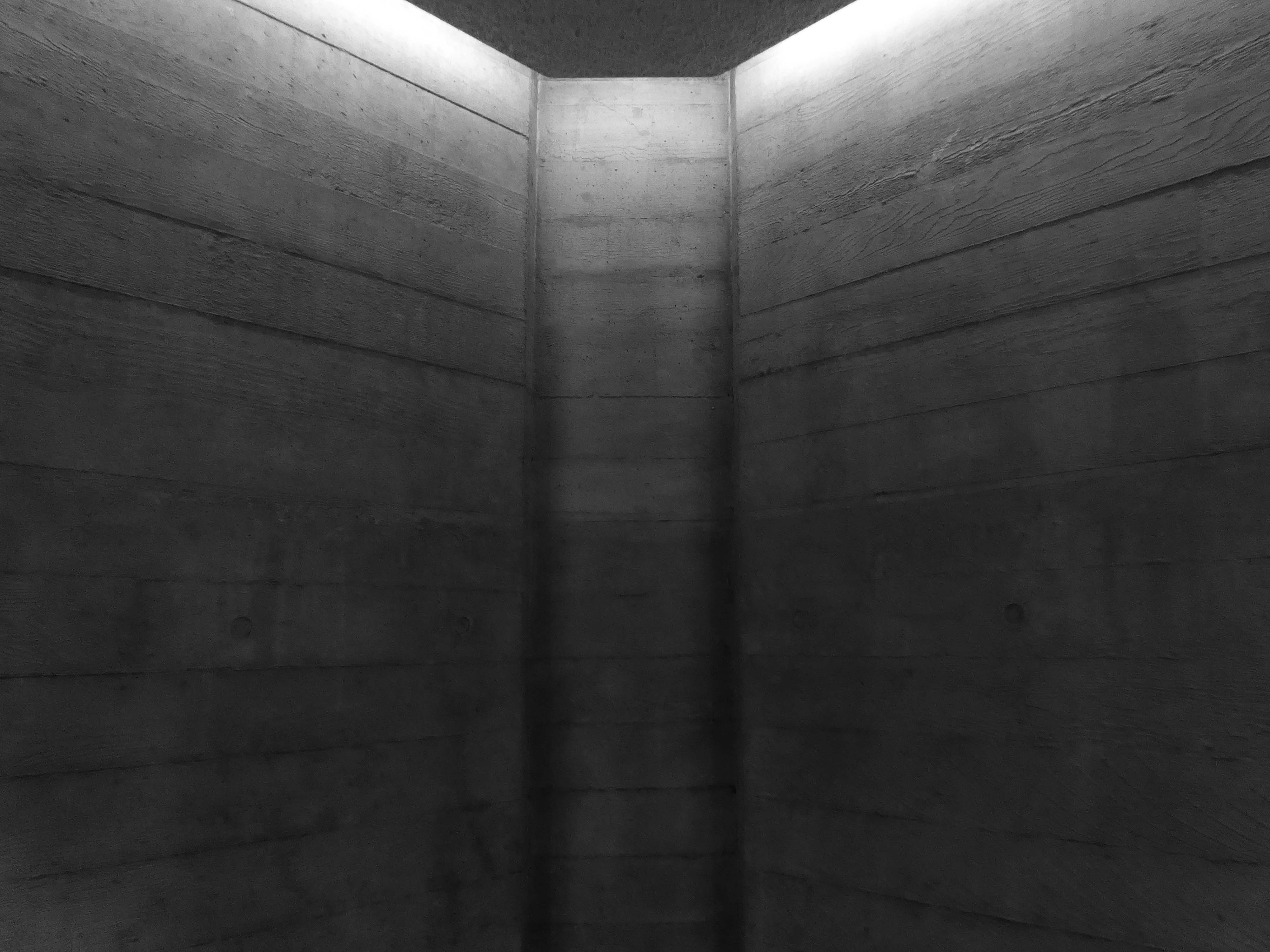
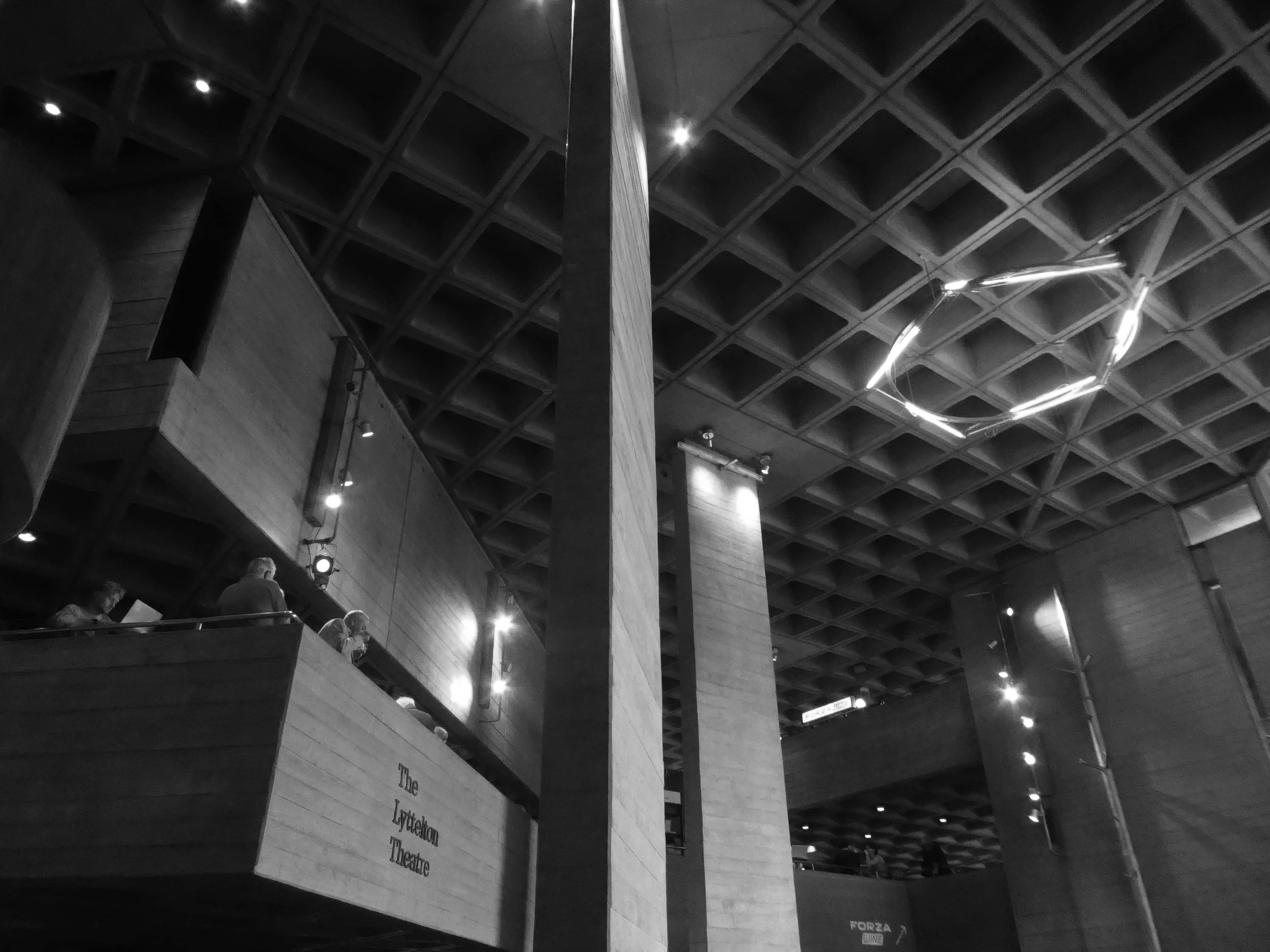
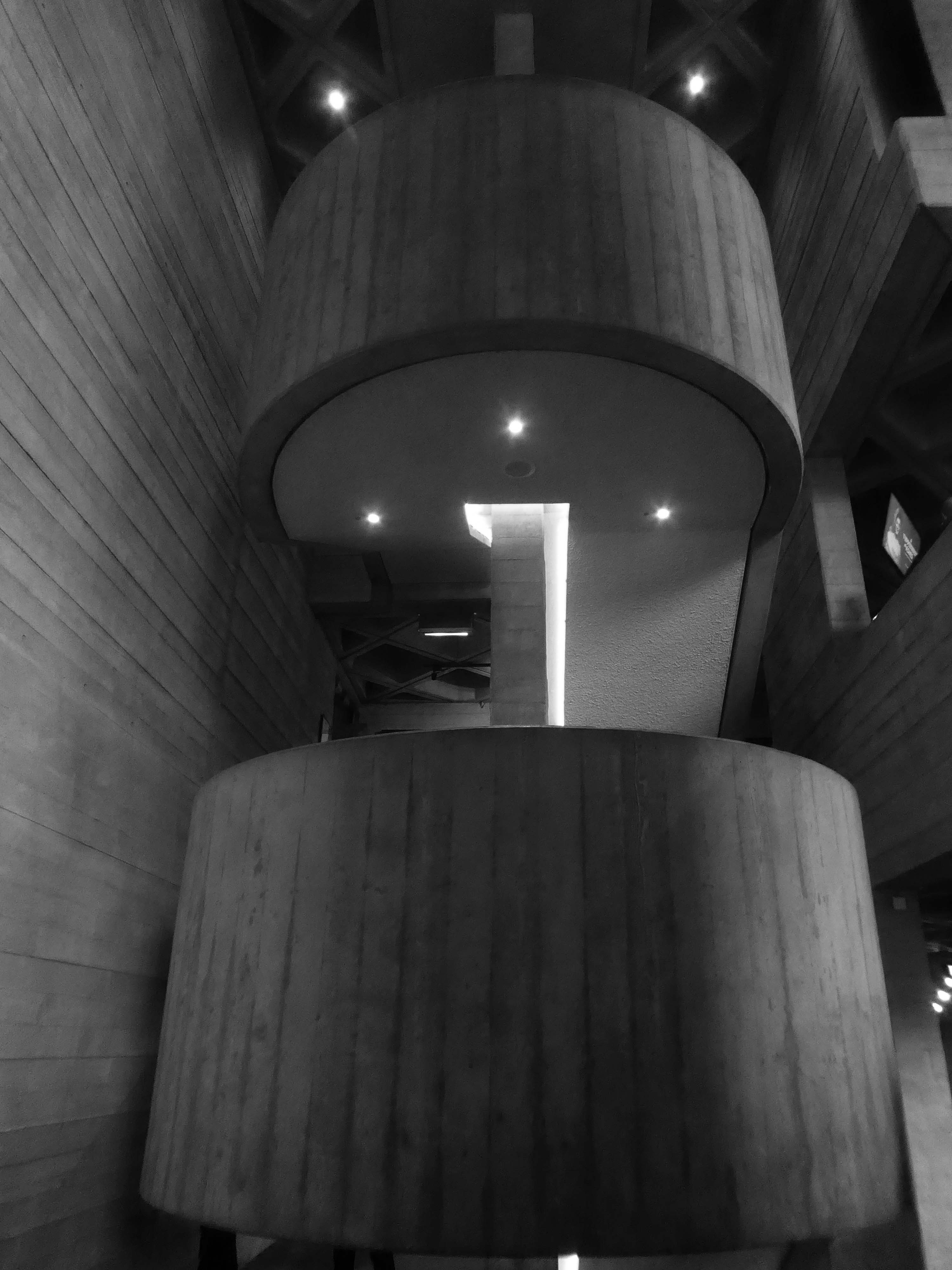
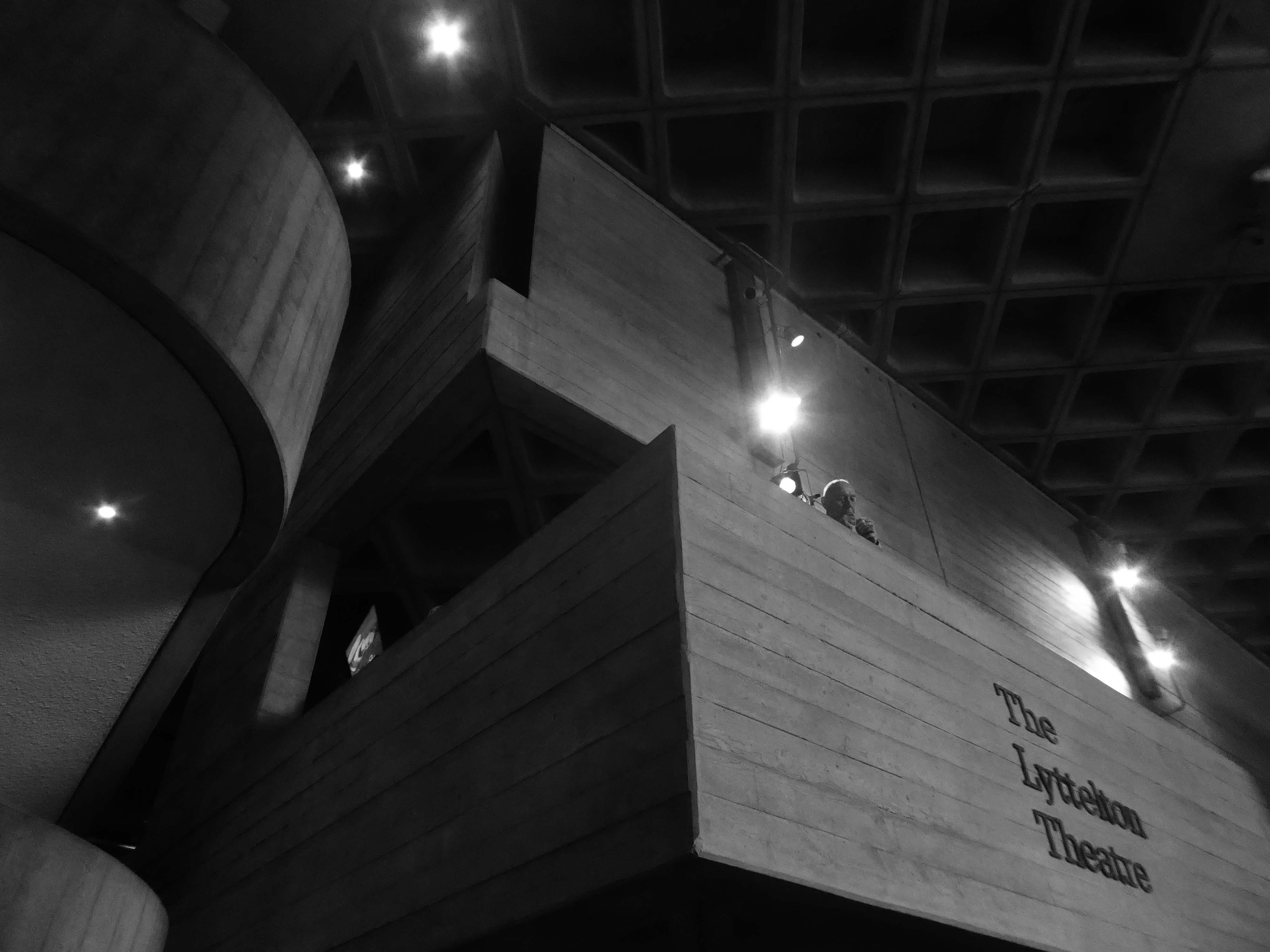
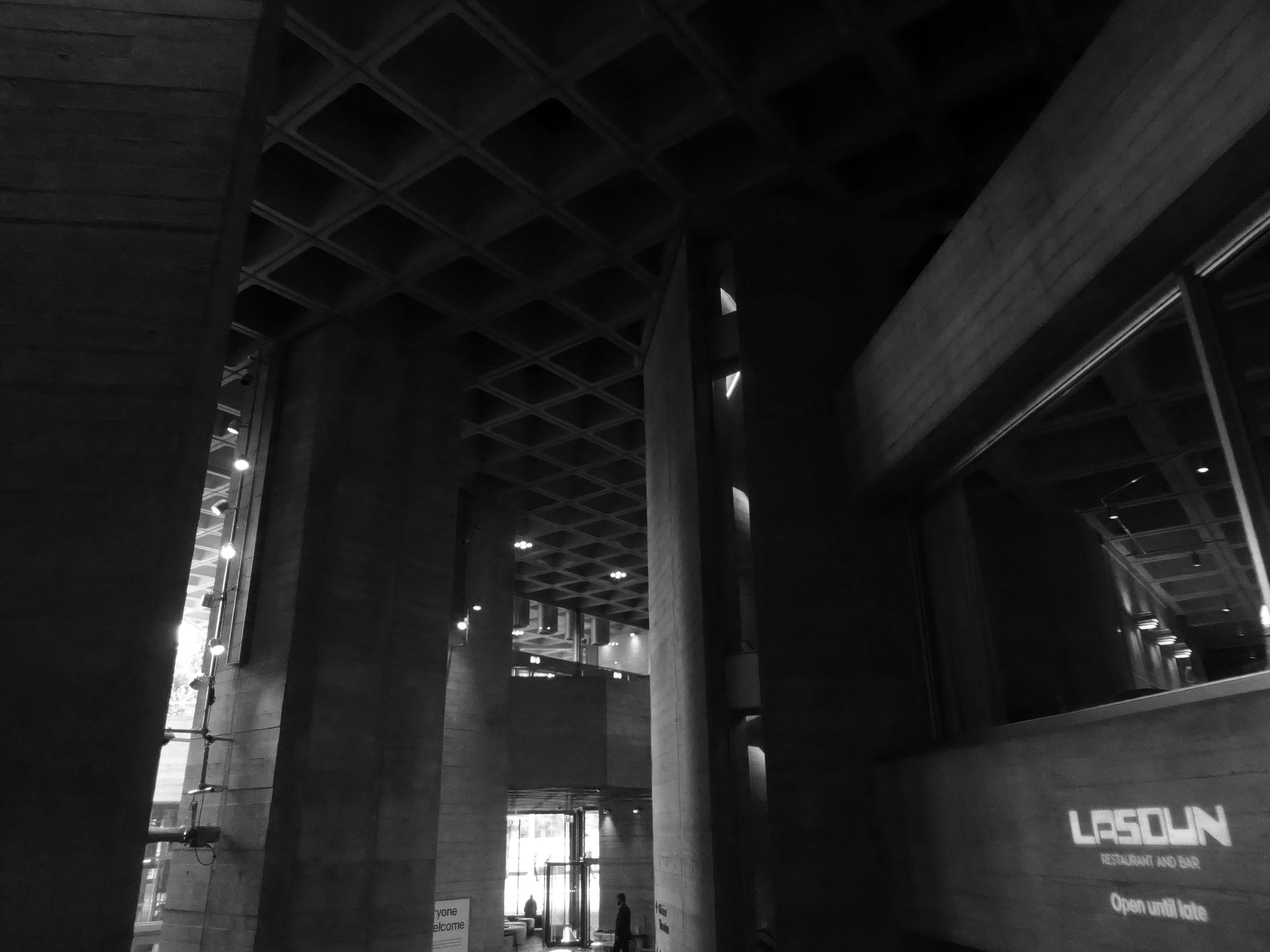
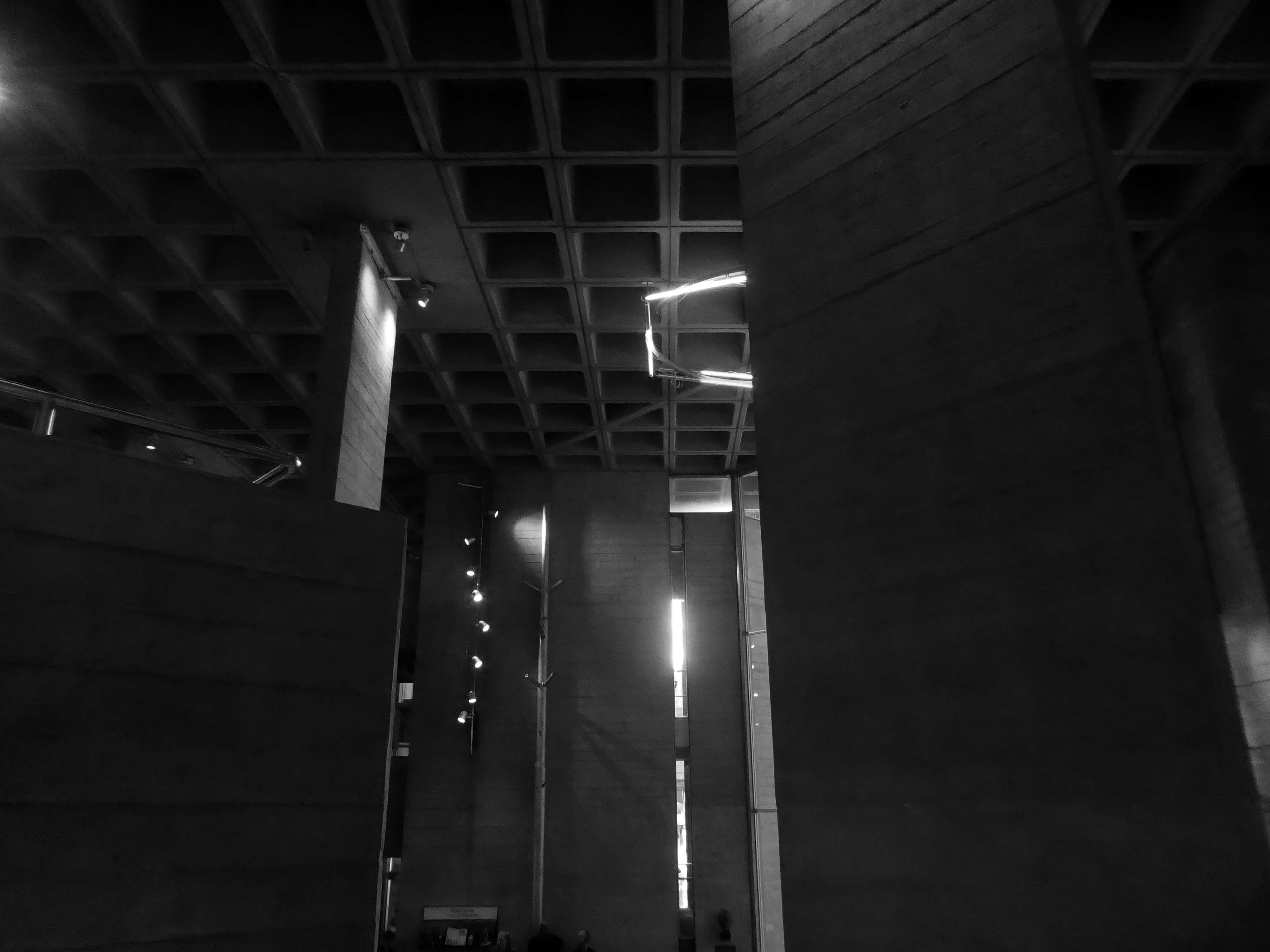
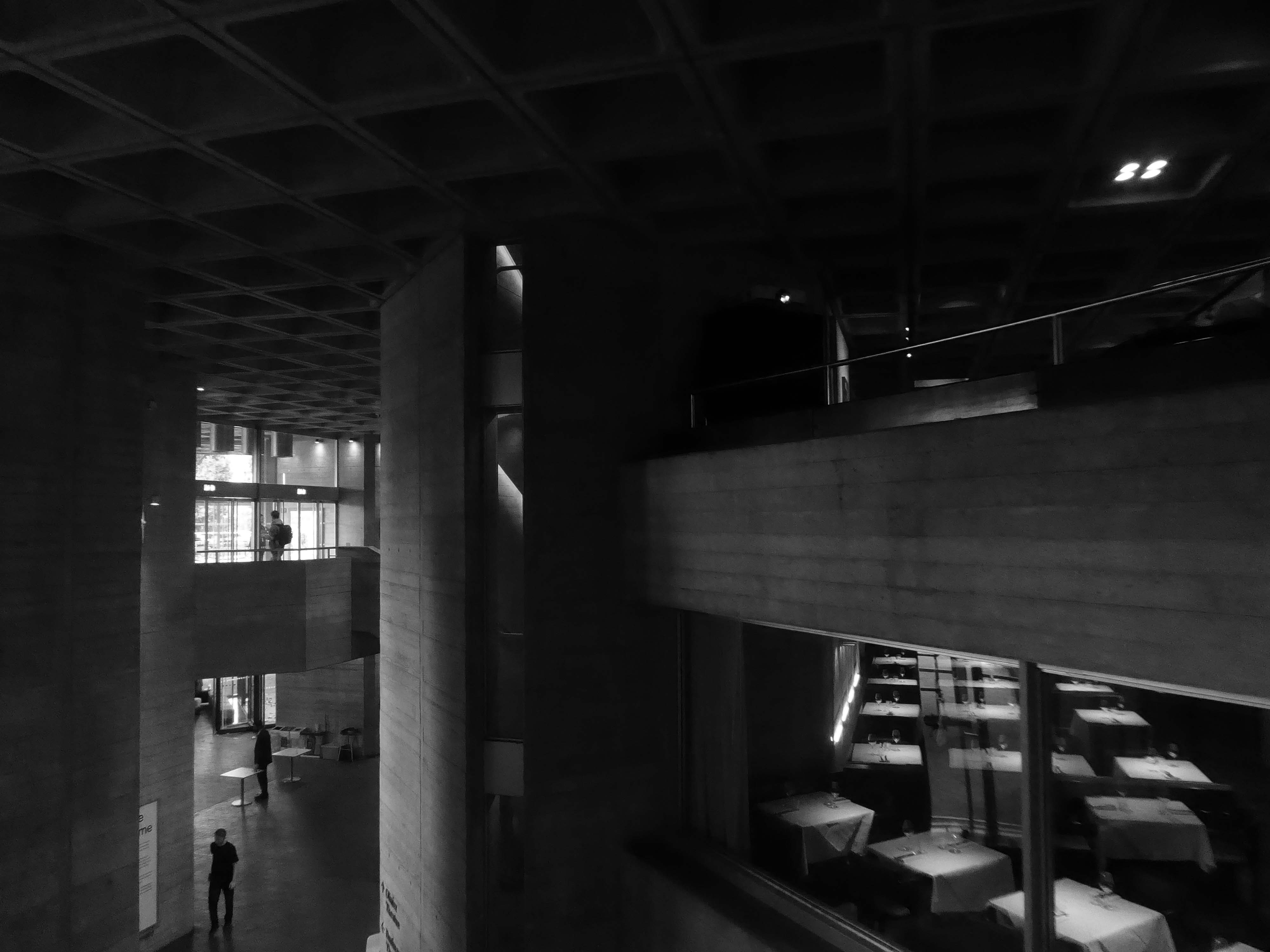
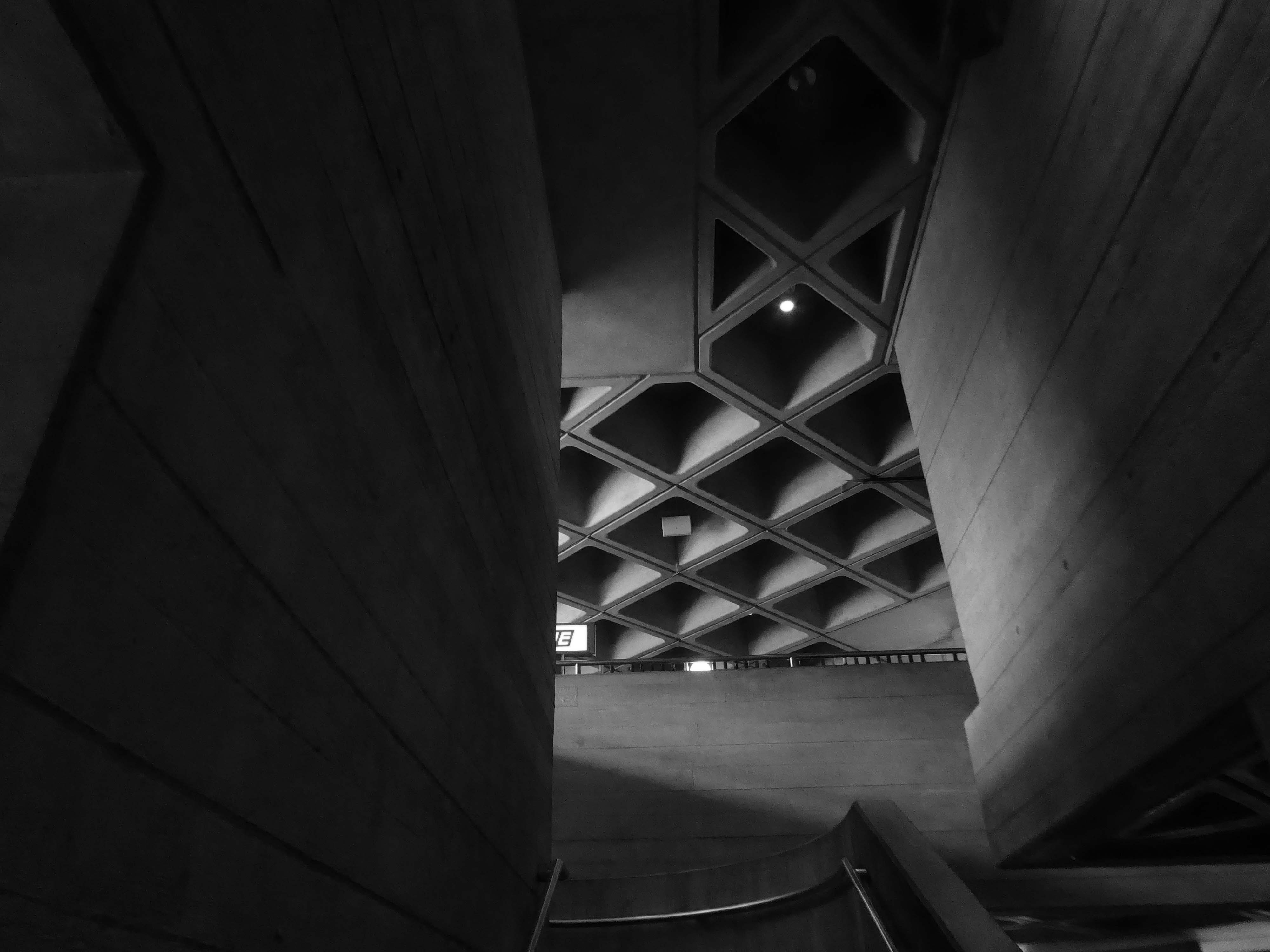
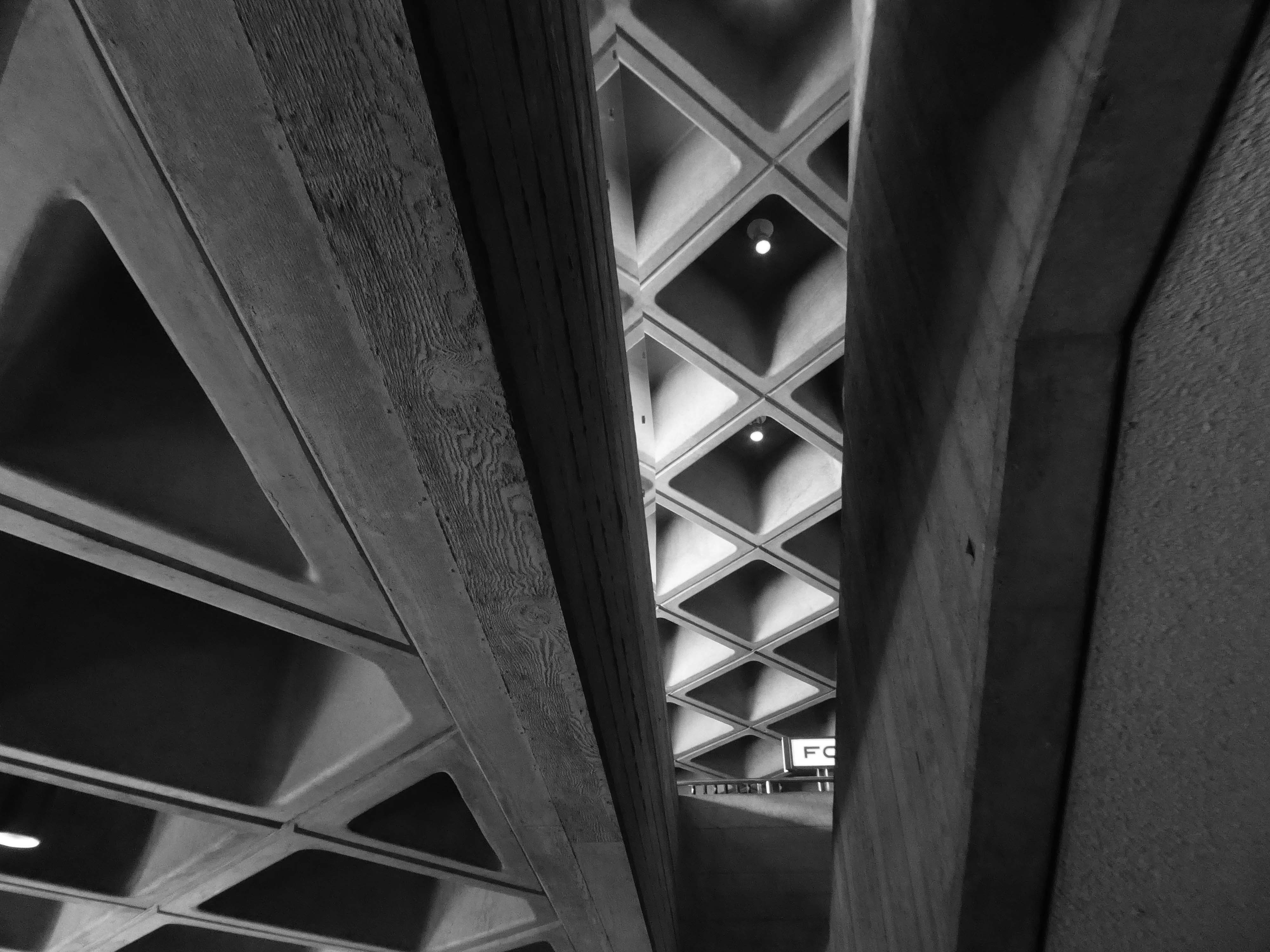
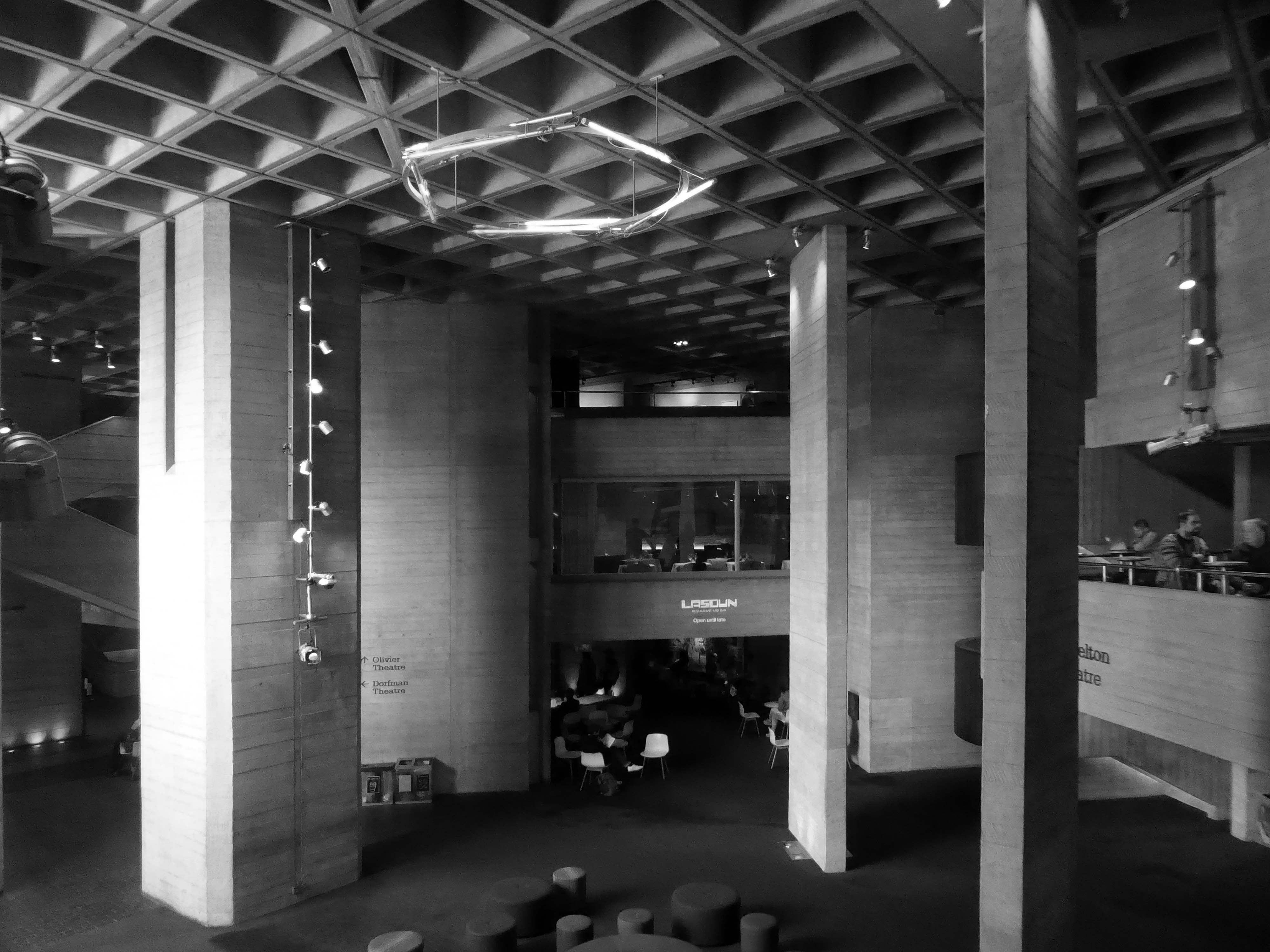
Denys Lasdun was chosen by a jury, which included actor Sir Lawrence Olivier, to design the building. In spite of Lasdun’s fine modernist credentials he was to many a surprising choice – he had never designed a theatre. Within the National Theatre are three separate and very distinct auditoriums. Symbolically and practically they are loosely modelled on theatre designs from the three greatest periods of western drama: the Olivier on classical Greek theatres, the Lyttelton on the proscenium-arch theatres of the past three centuries, and the Cottesloe on Tudor inn-yards. The building has become a national landmark in Great Britain and has been listed Grade II* since 1994.
I have several Brutalist badges, yet feel disinclined to badge myself a Brutalist, with or without a capital B.
Me, I’m a little more Polyarchitectural by nature.
Less seduced by Edmund Burke’s ideas of the sublime than others.
The passion caused by the great and sublime in nature, when those causes operate most powerfully is Astonishment, and astonishment is that state of the soul in which all its motions are suspended, with some degree of horror … No passion so effectually robs the mind of all its powers of acting and reasoning as fear. For fear, being an apprehension of pain or death, operates in a manner that resembles actual pain. Whatever therefore is terrible, with regard to sight, is sublime too … Indeed terror is in all cases whatsoever, either more openly or latently, the ruling principle of the sublime.
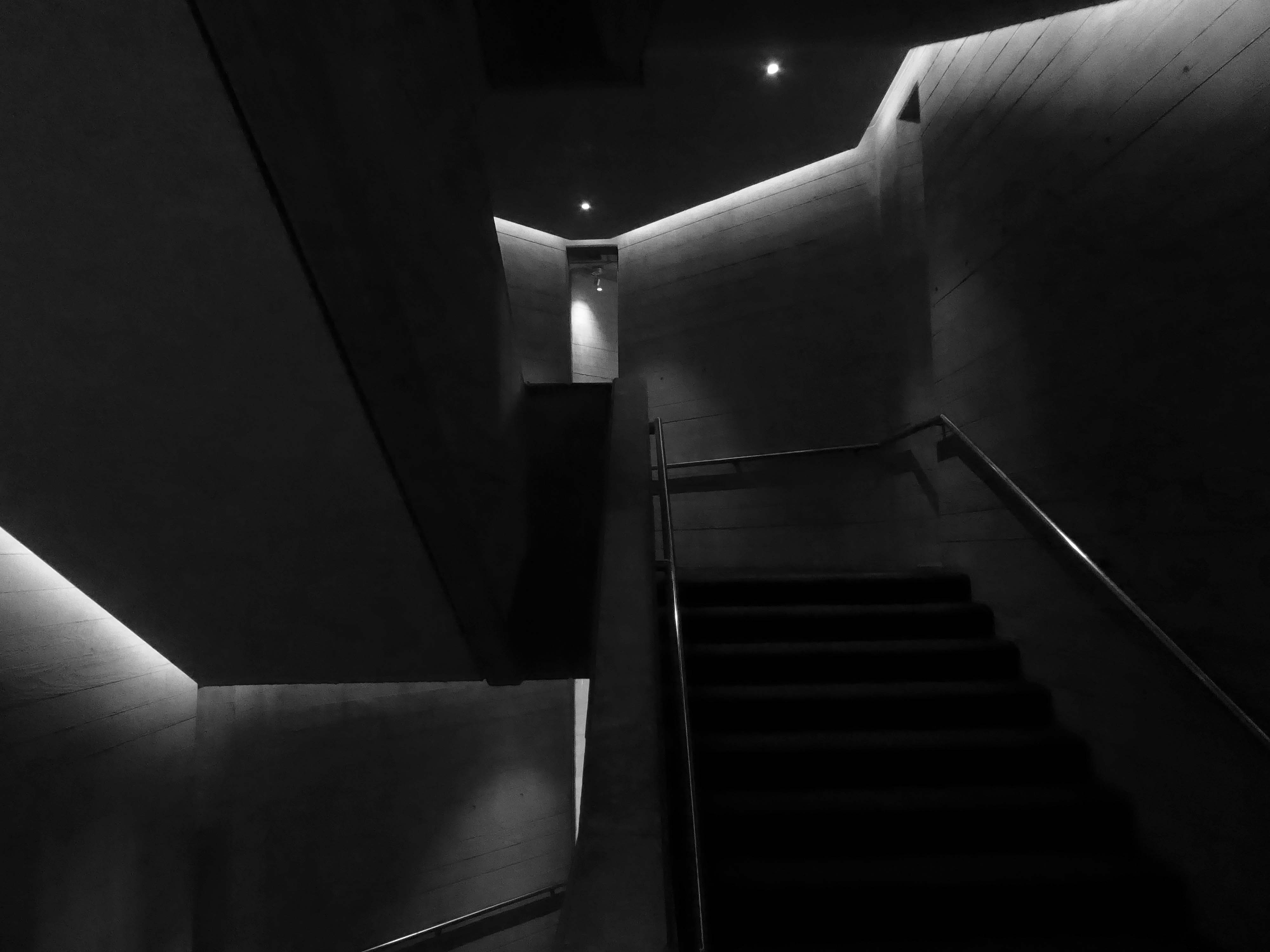
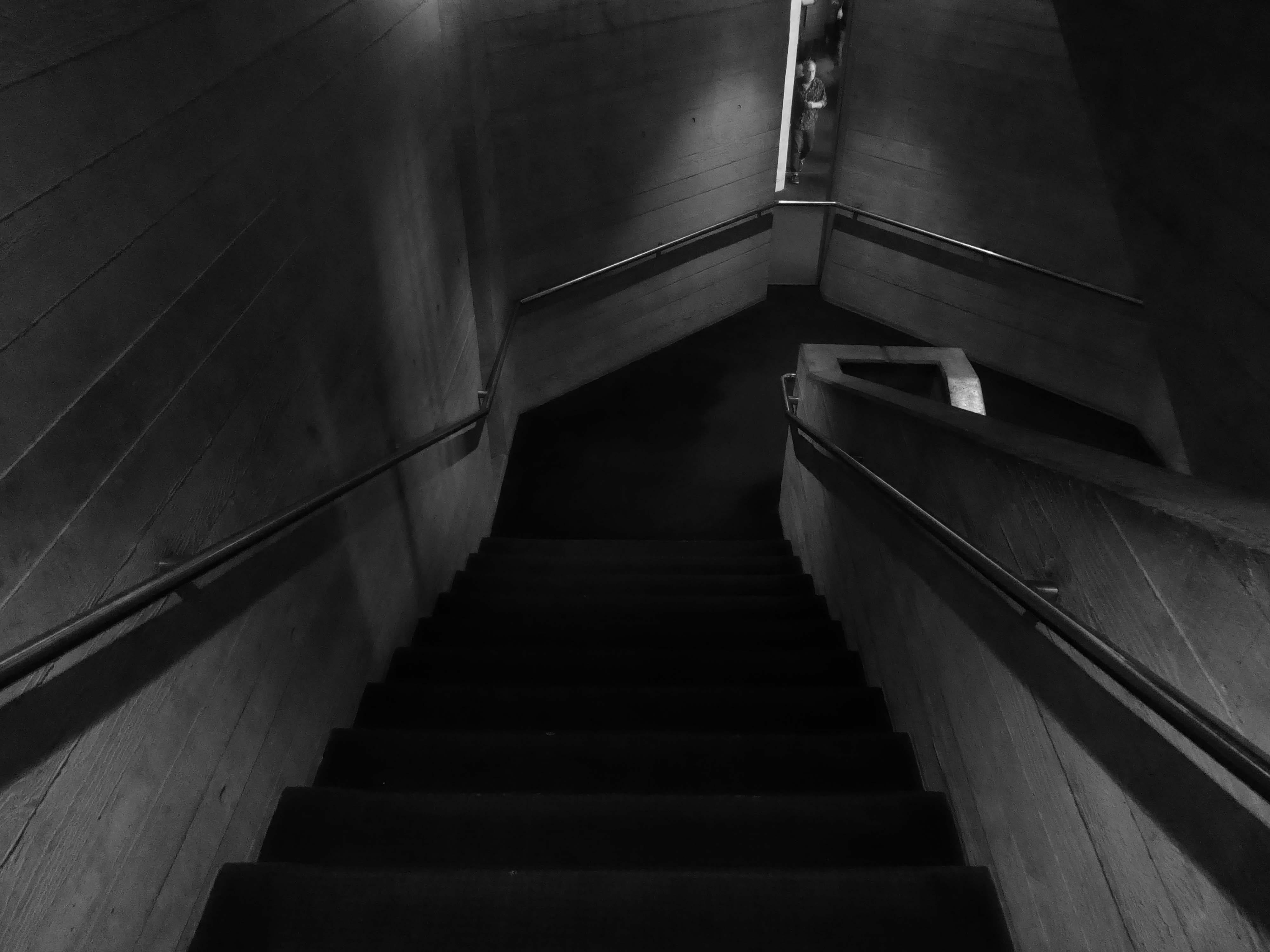
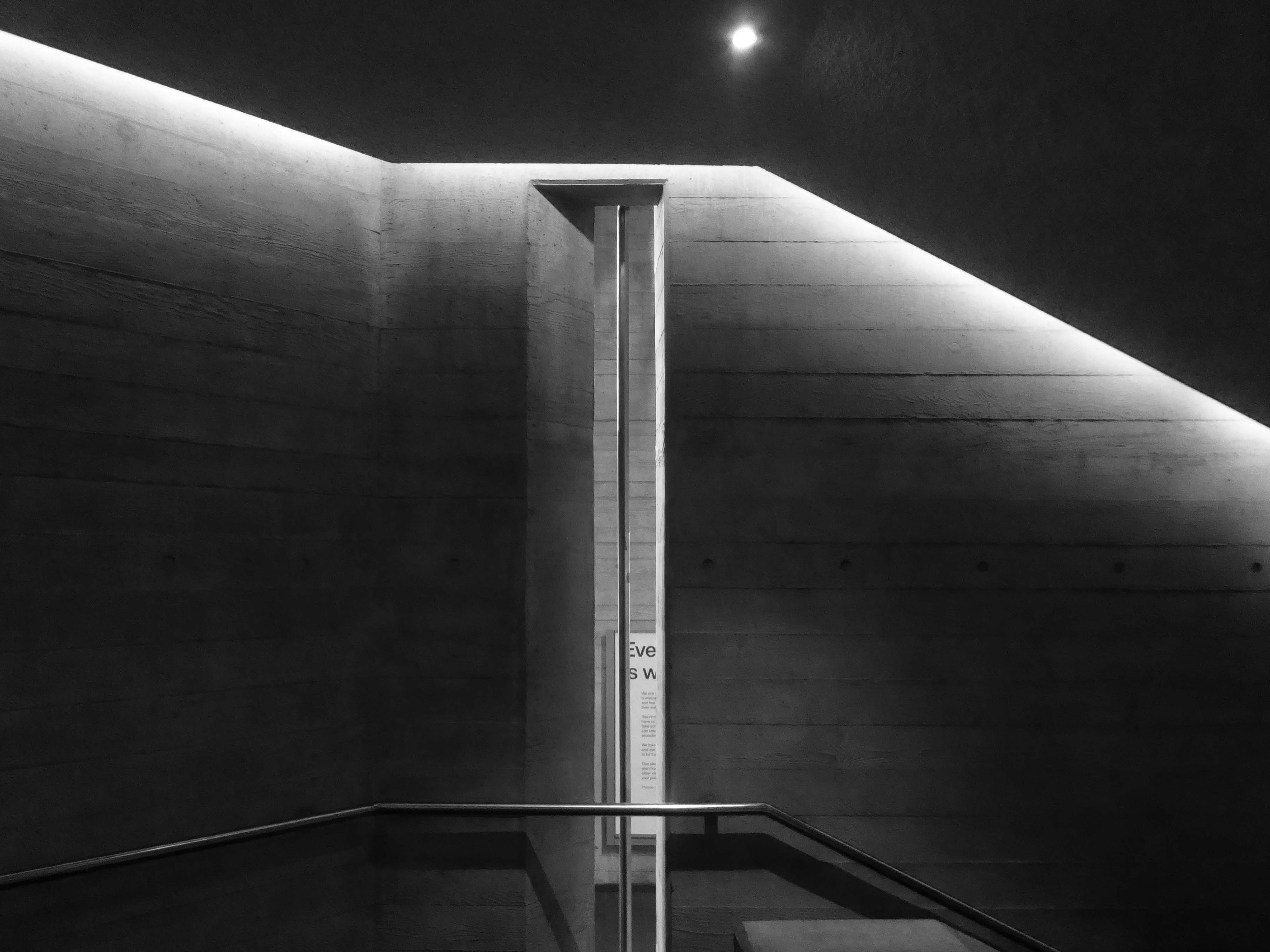
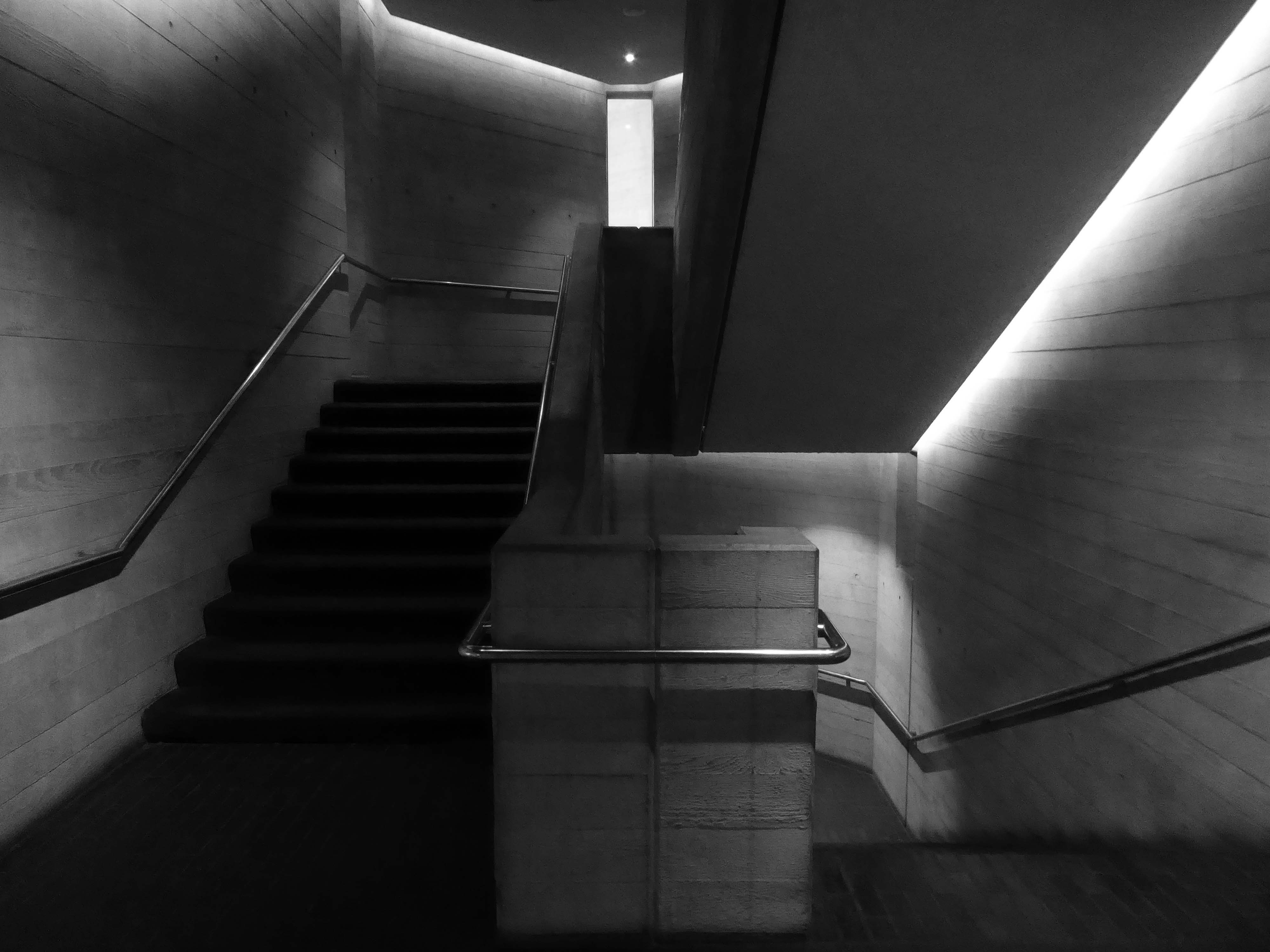
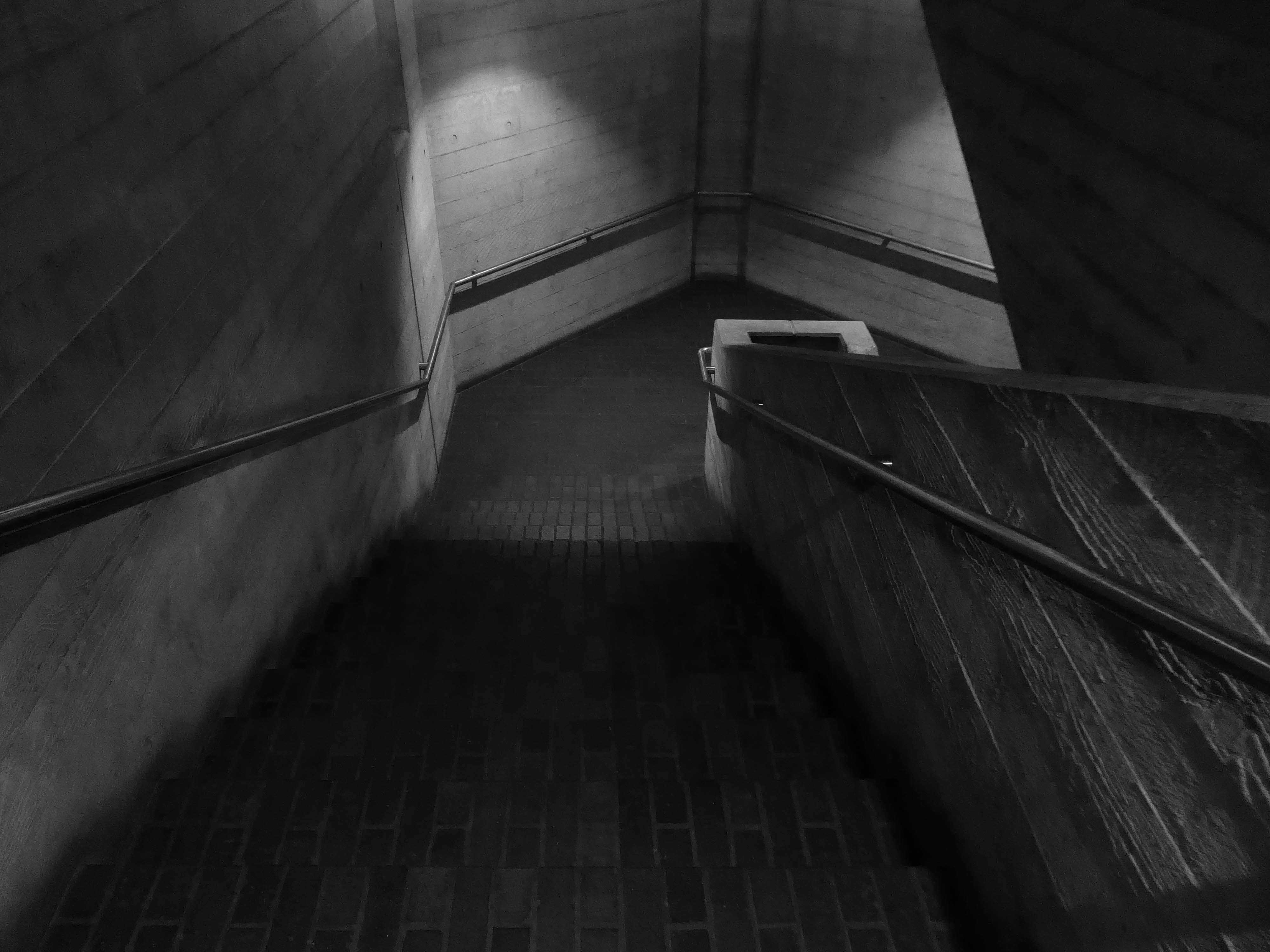
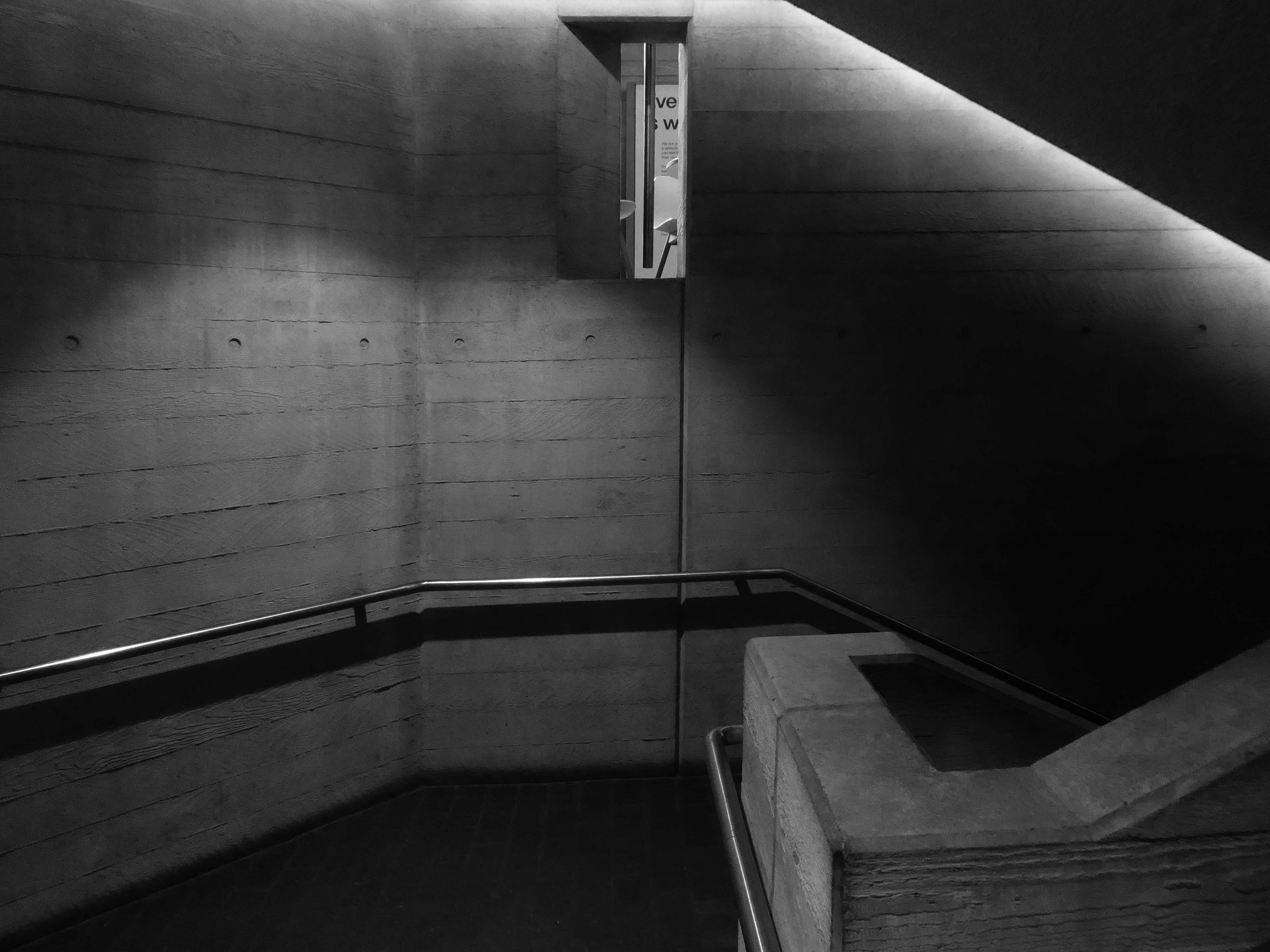
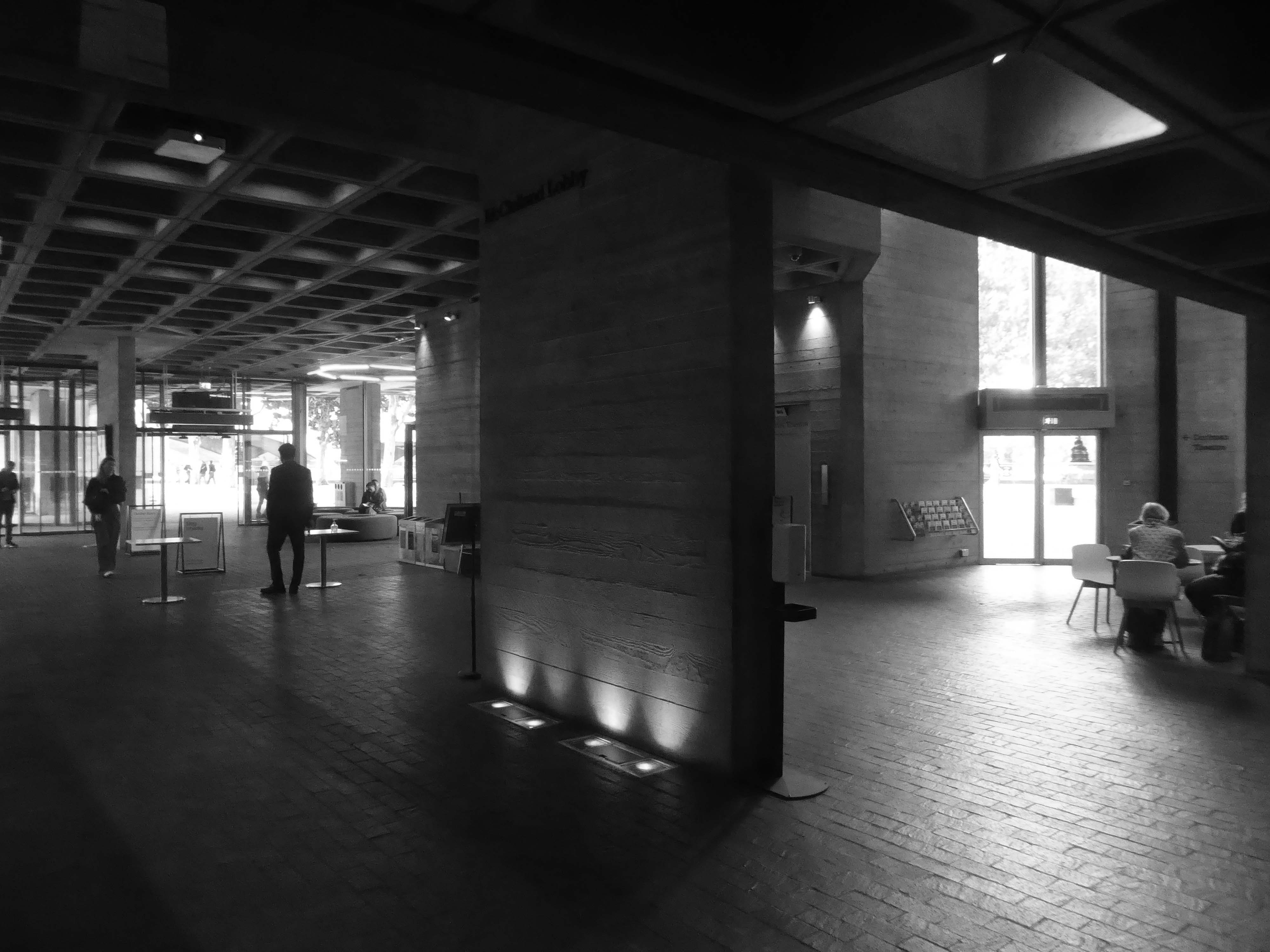
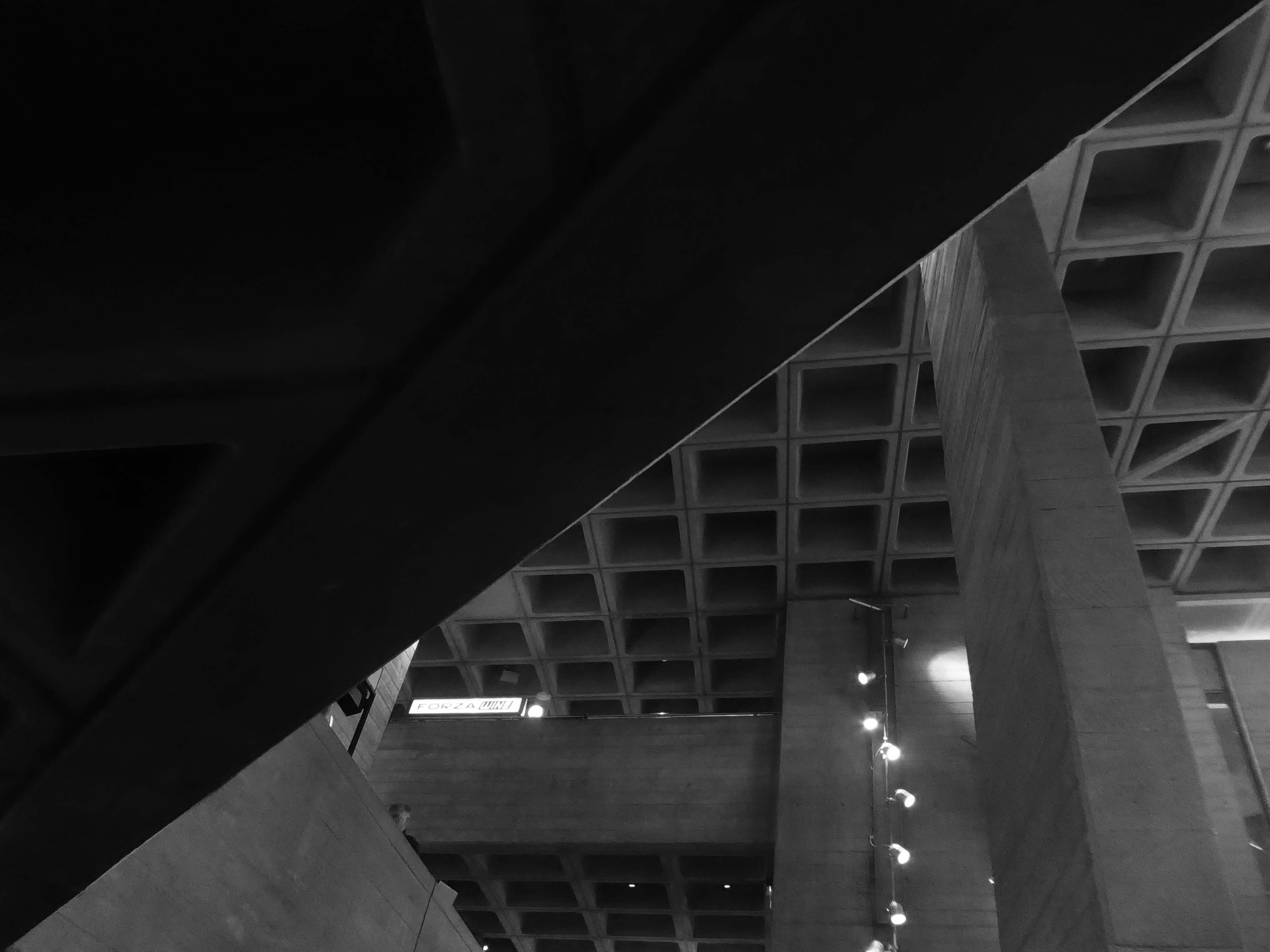
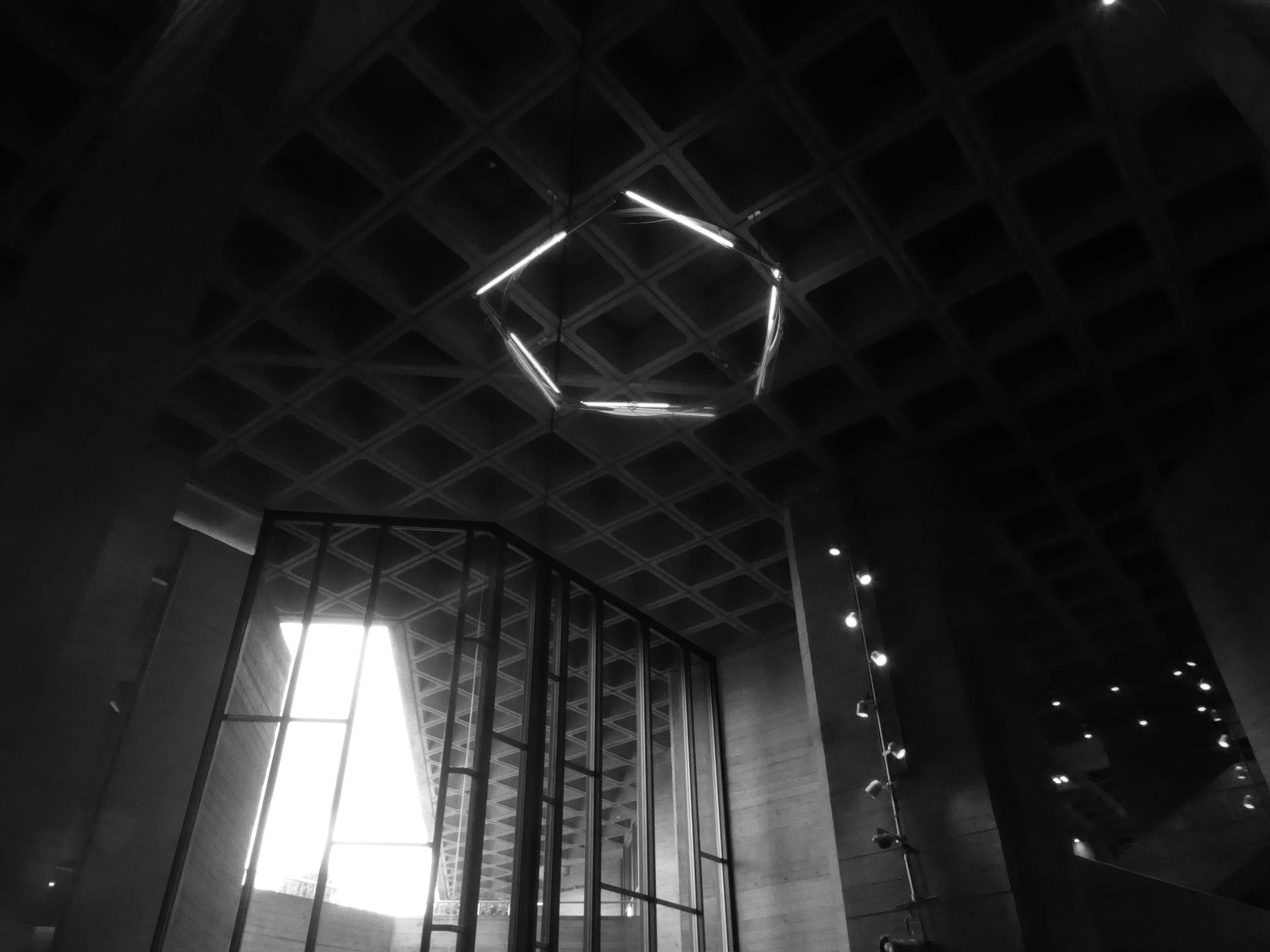
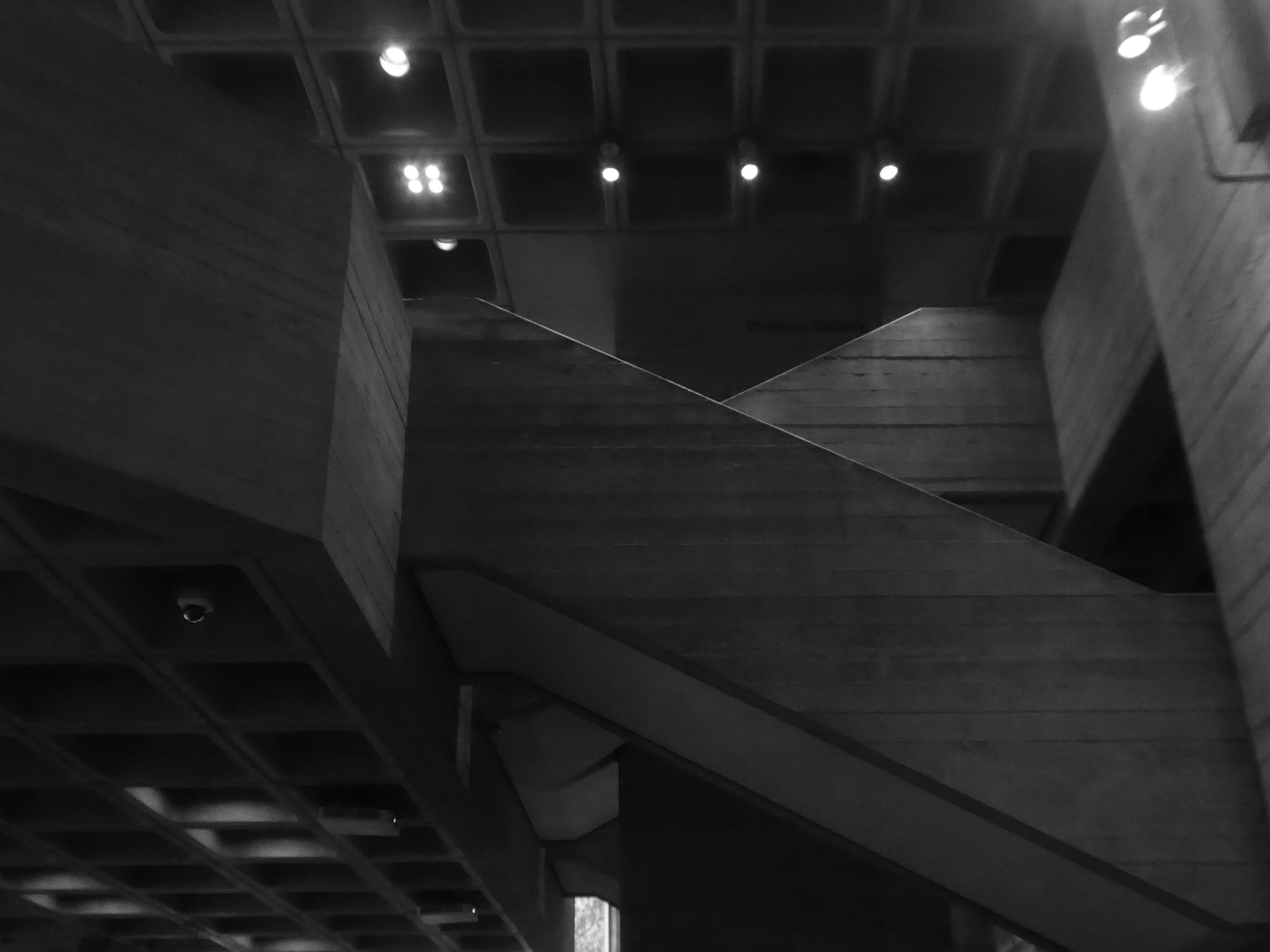
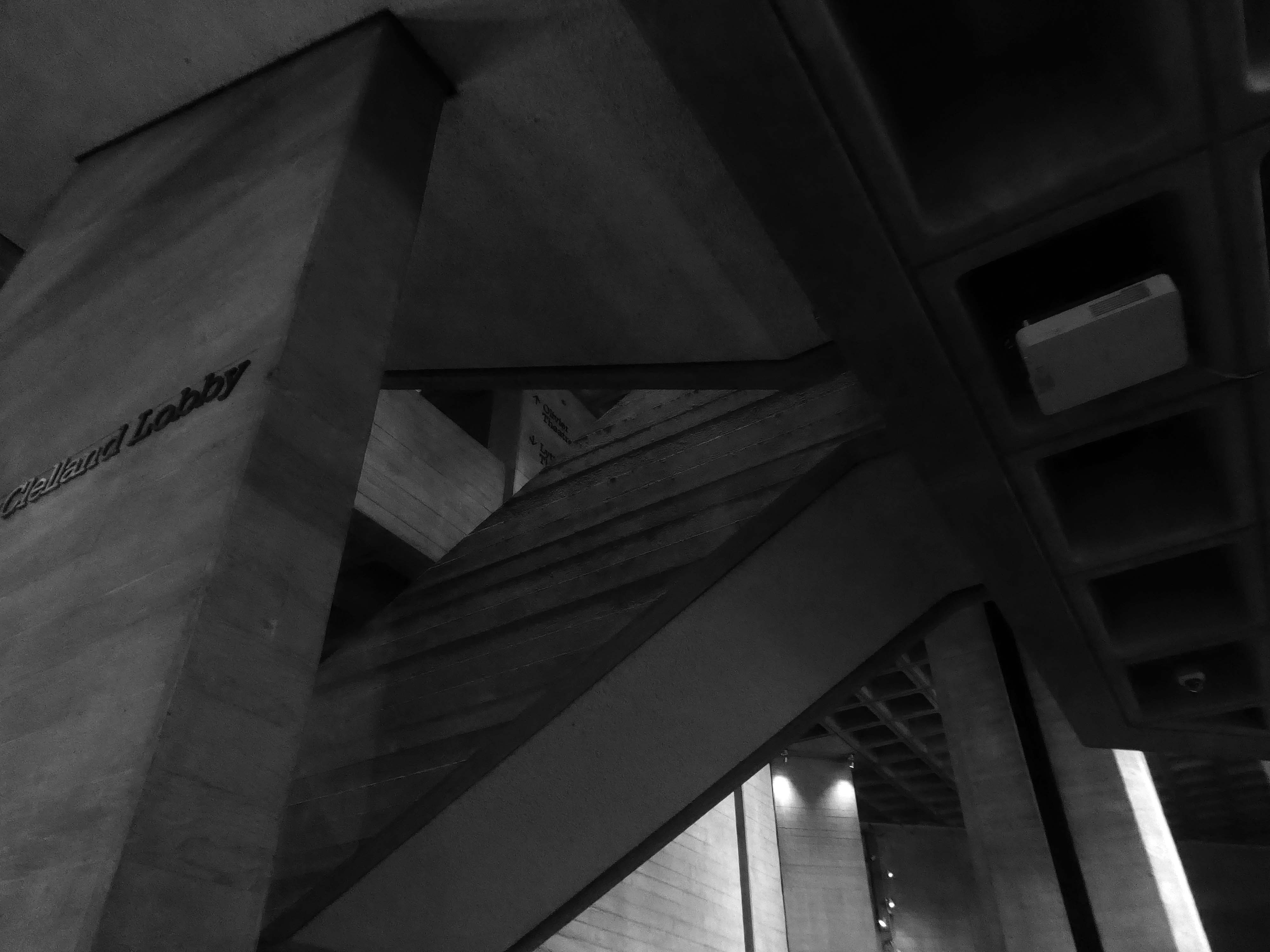
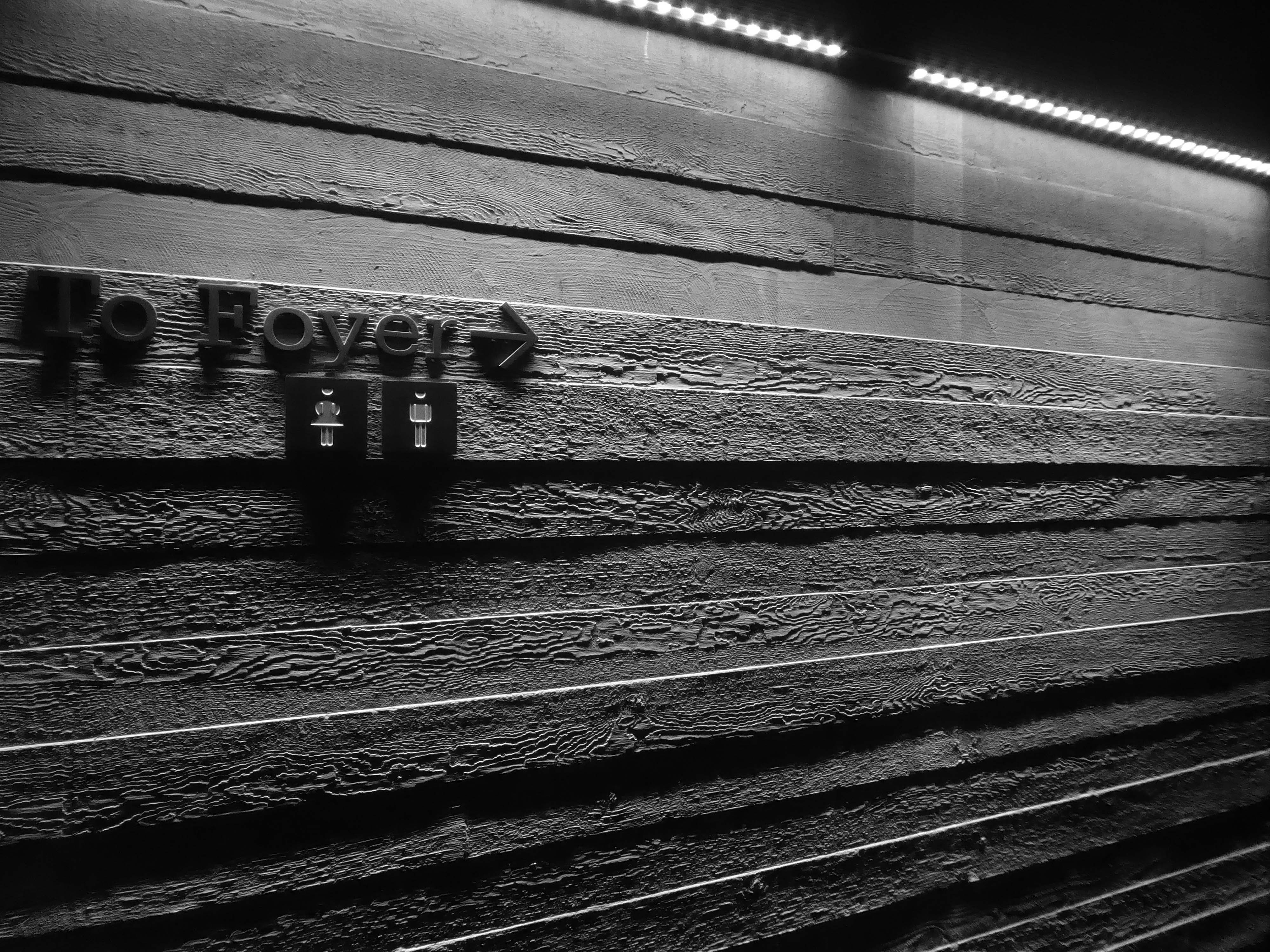
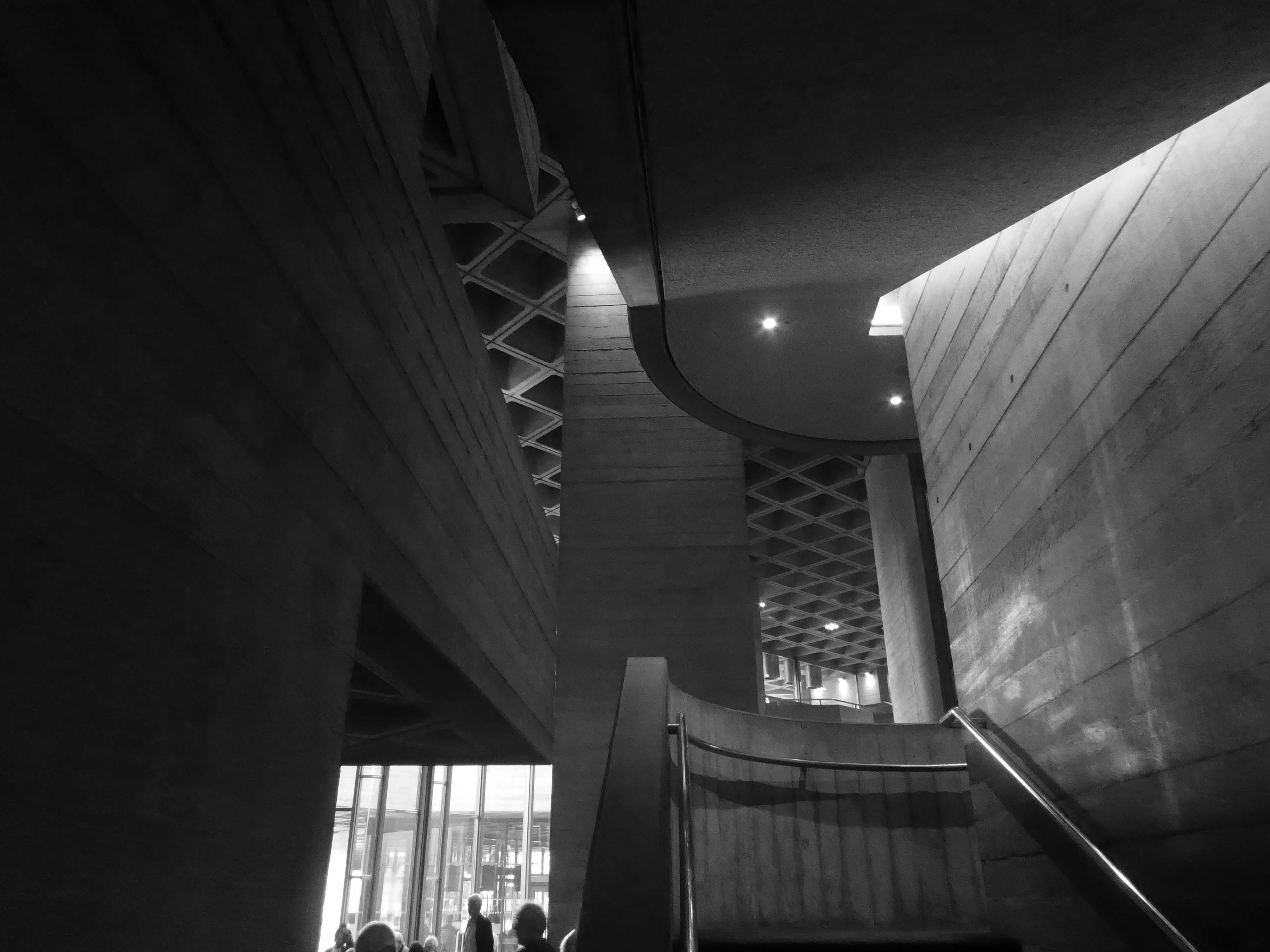
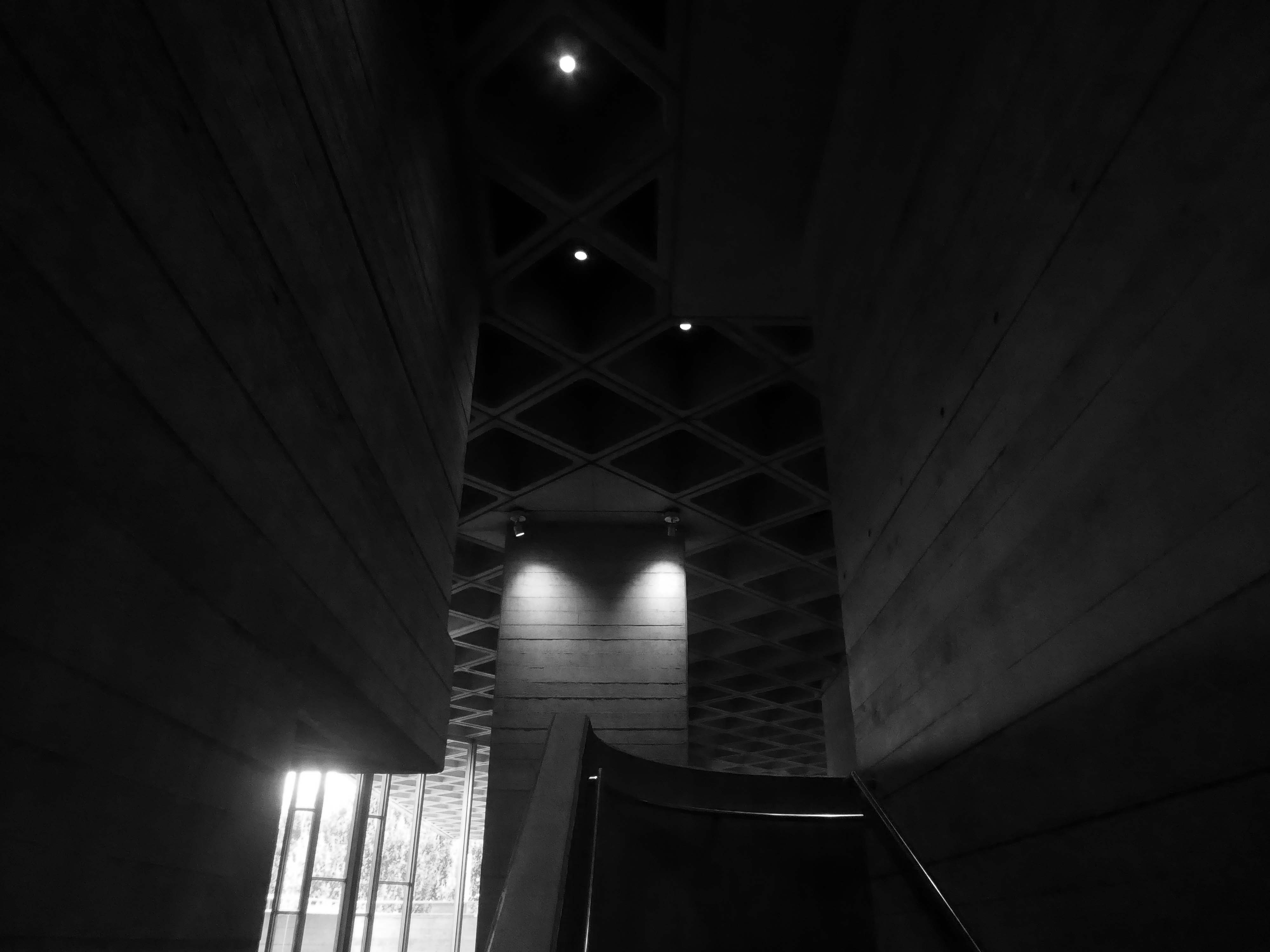
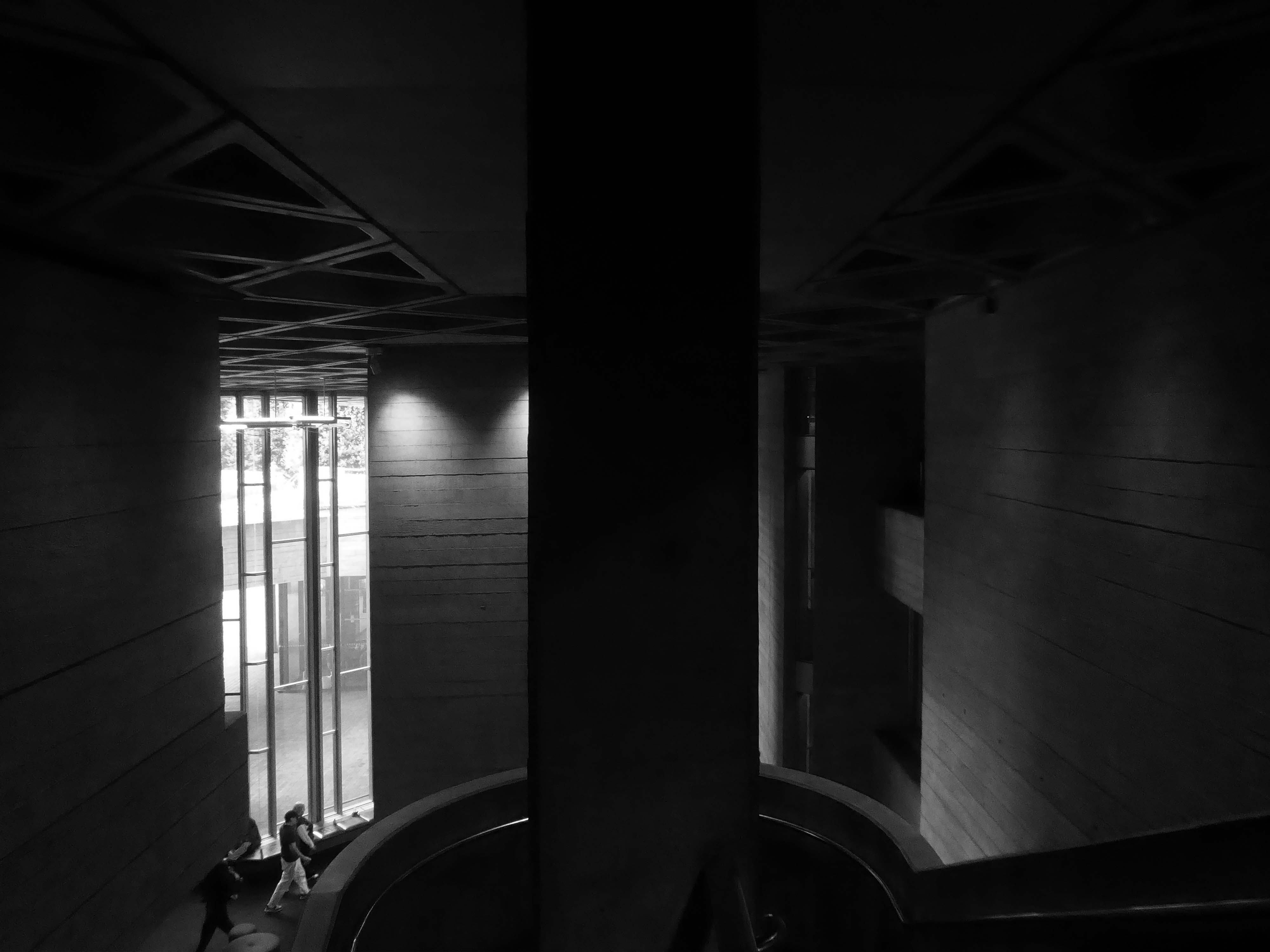
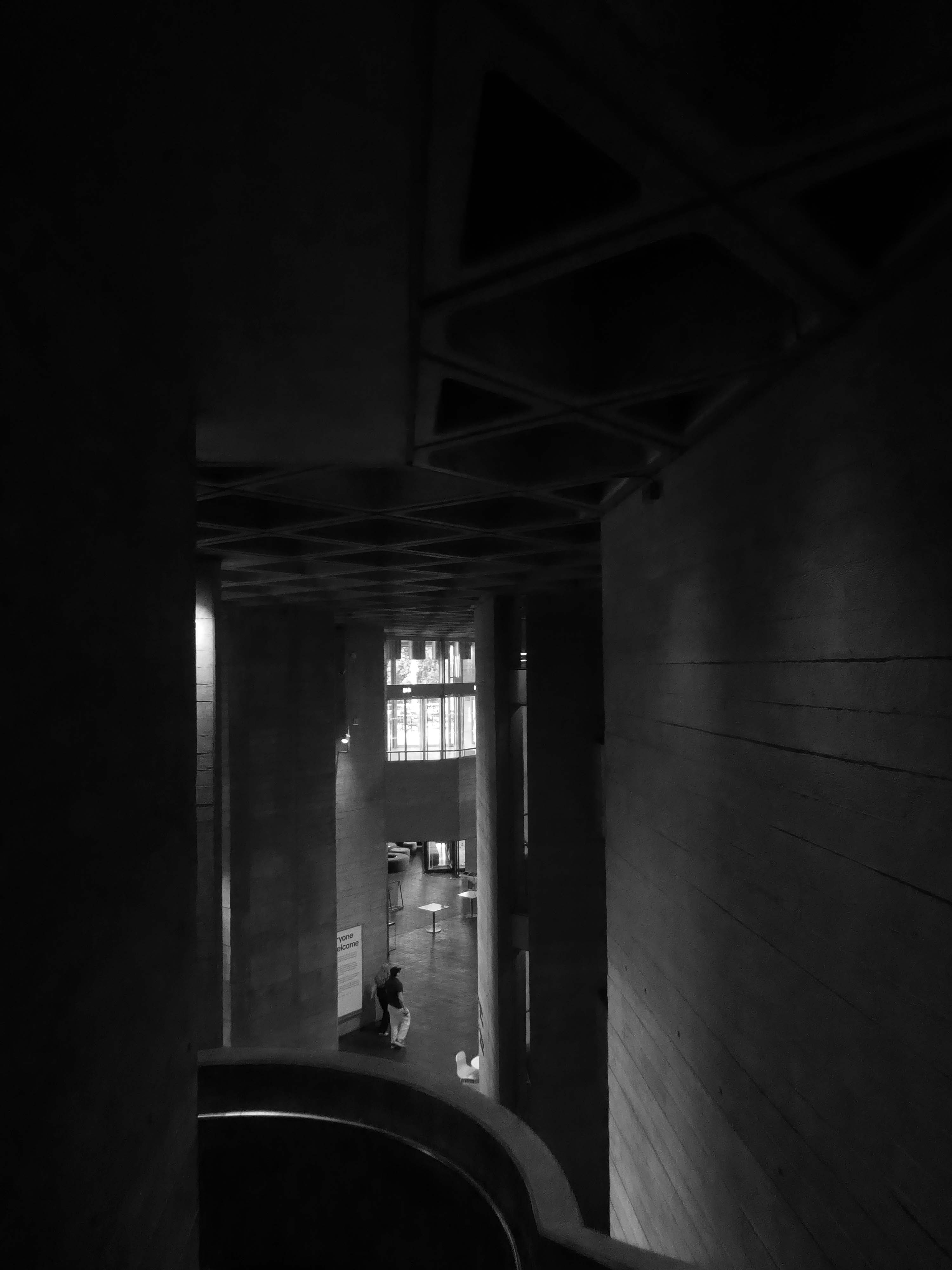
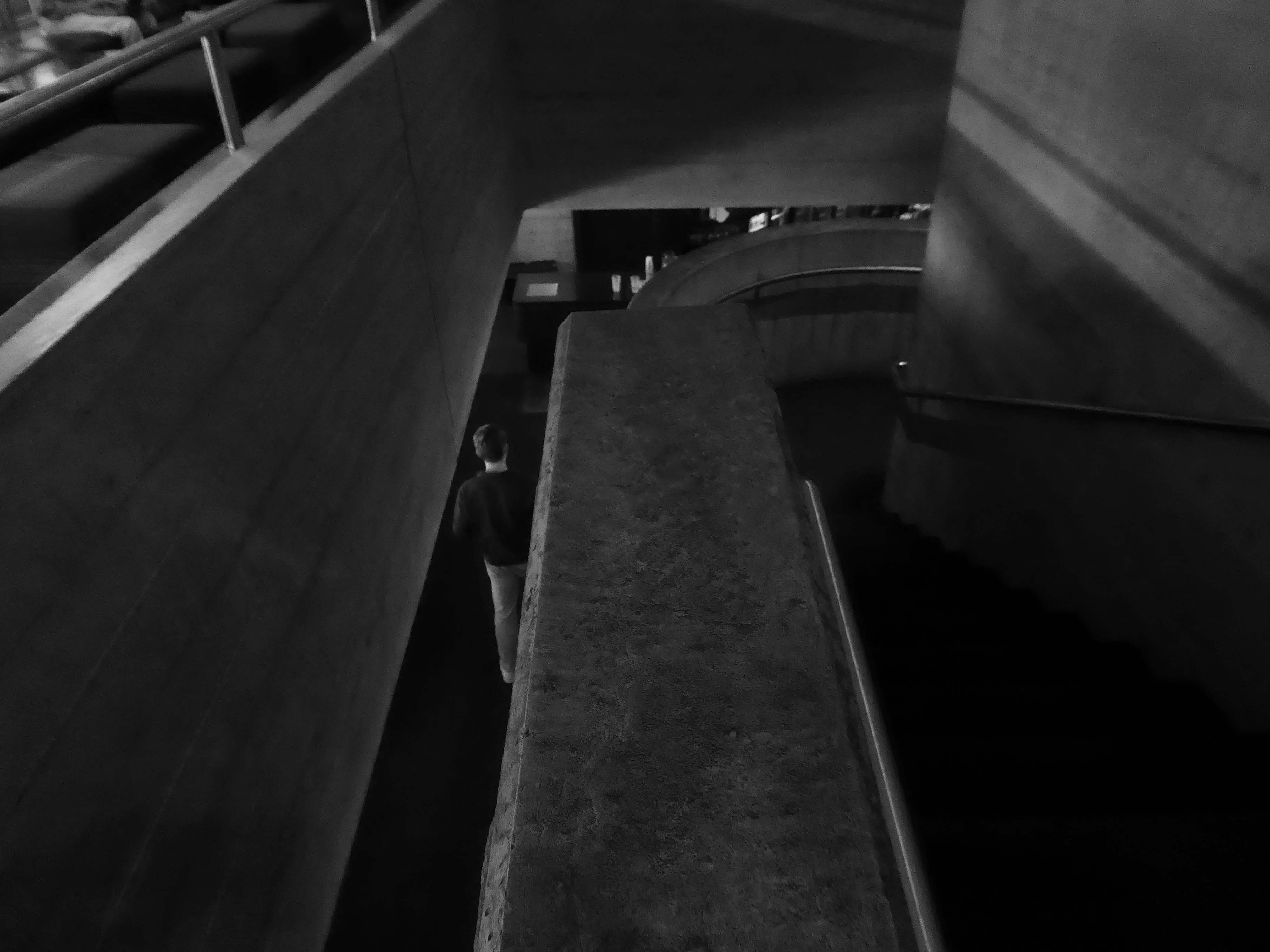
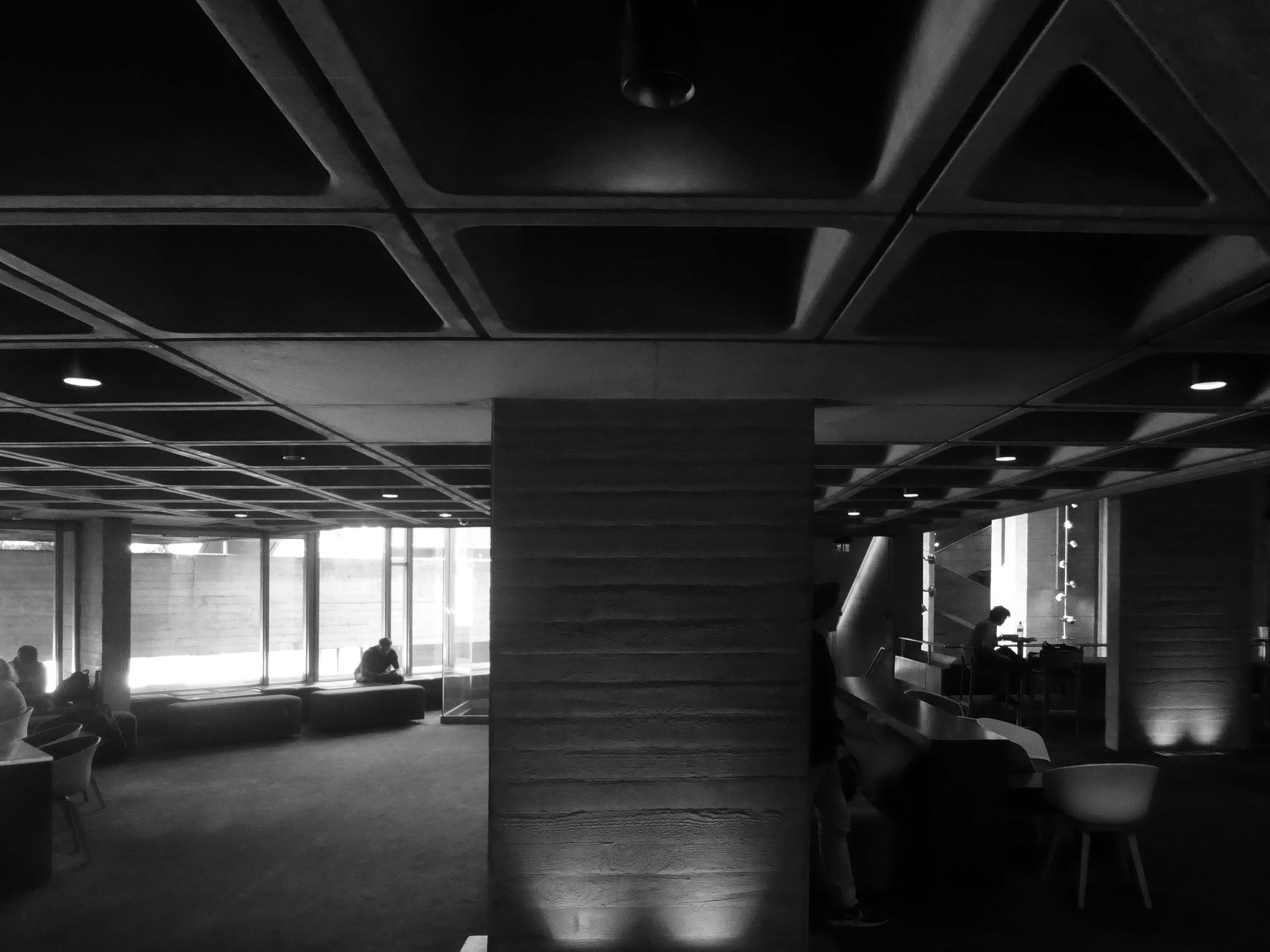
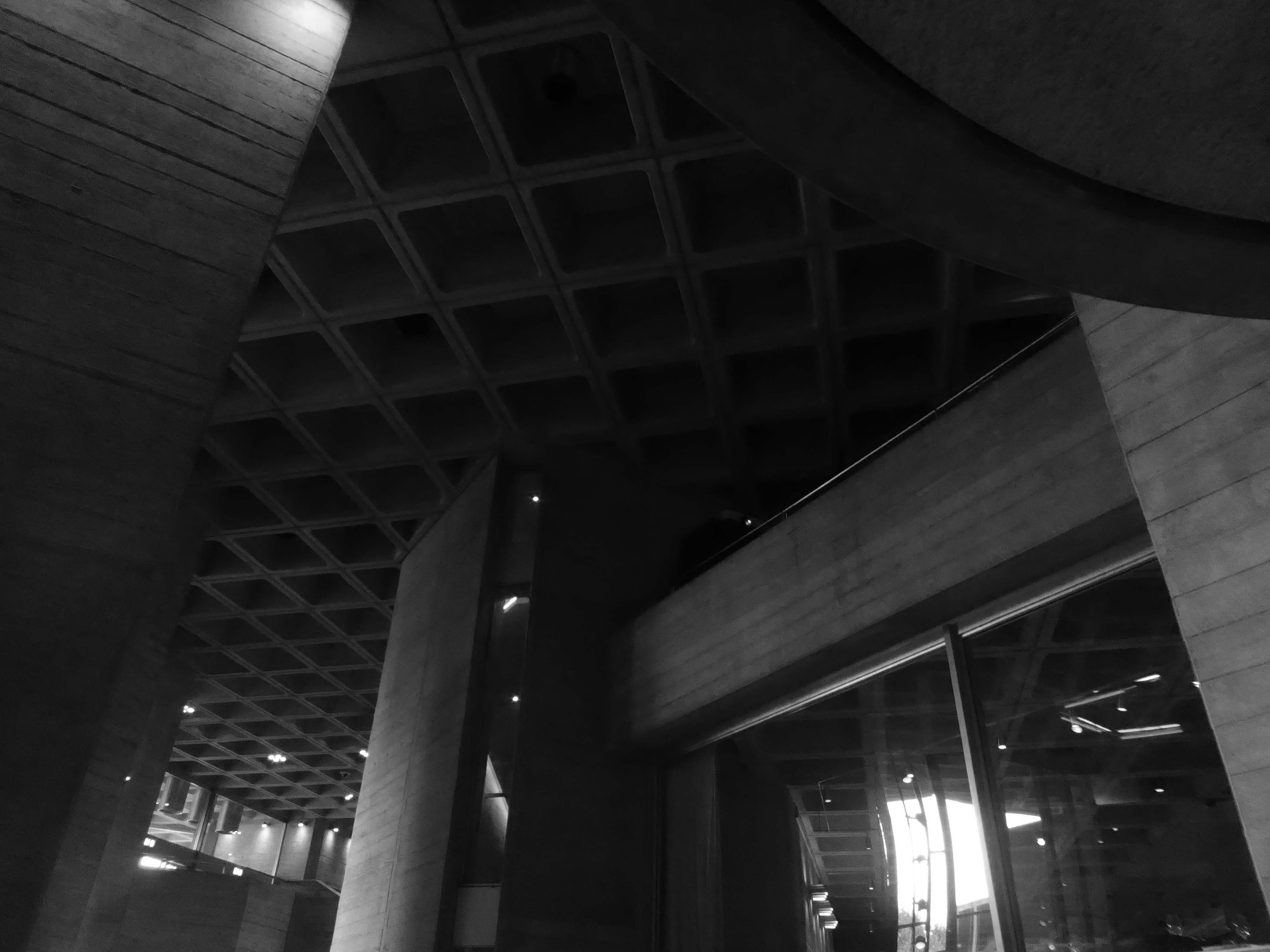
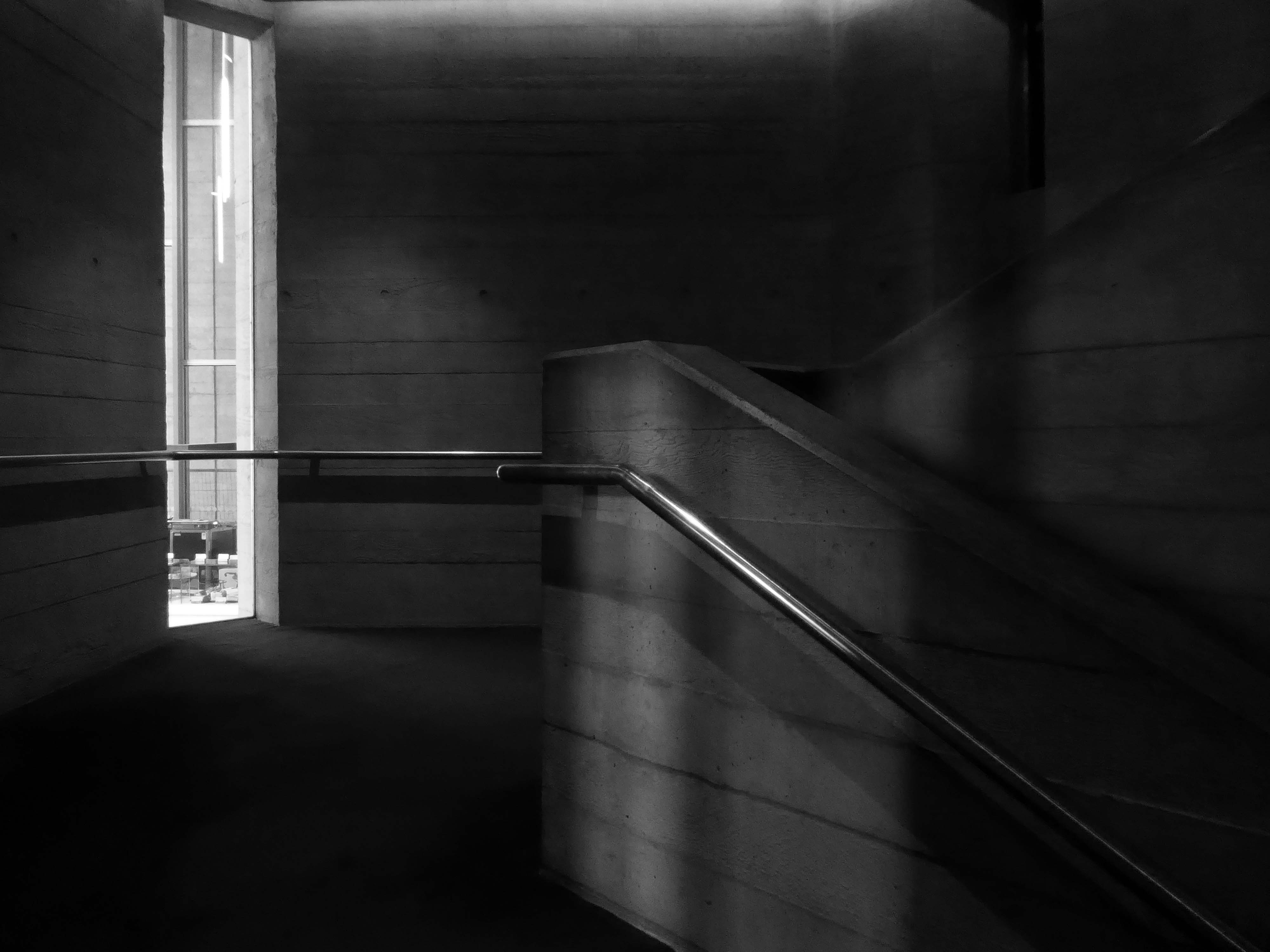
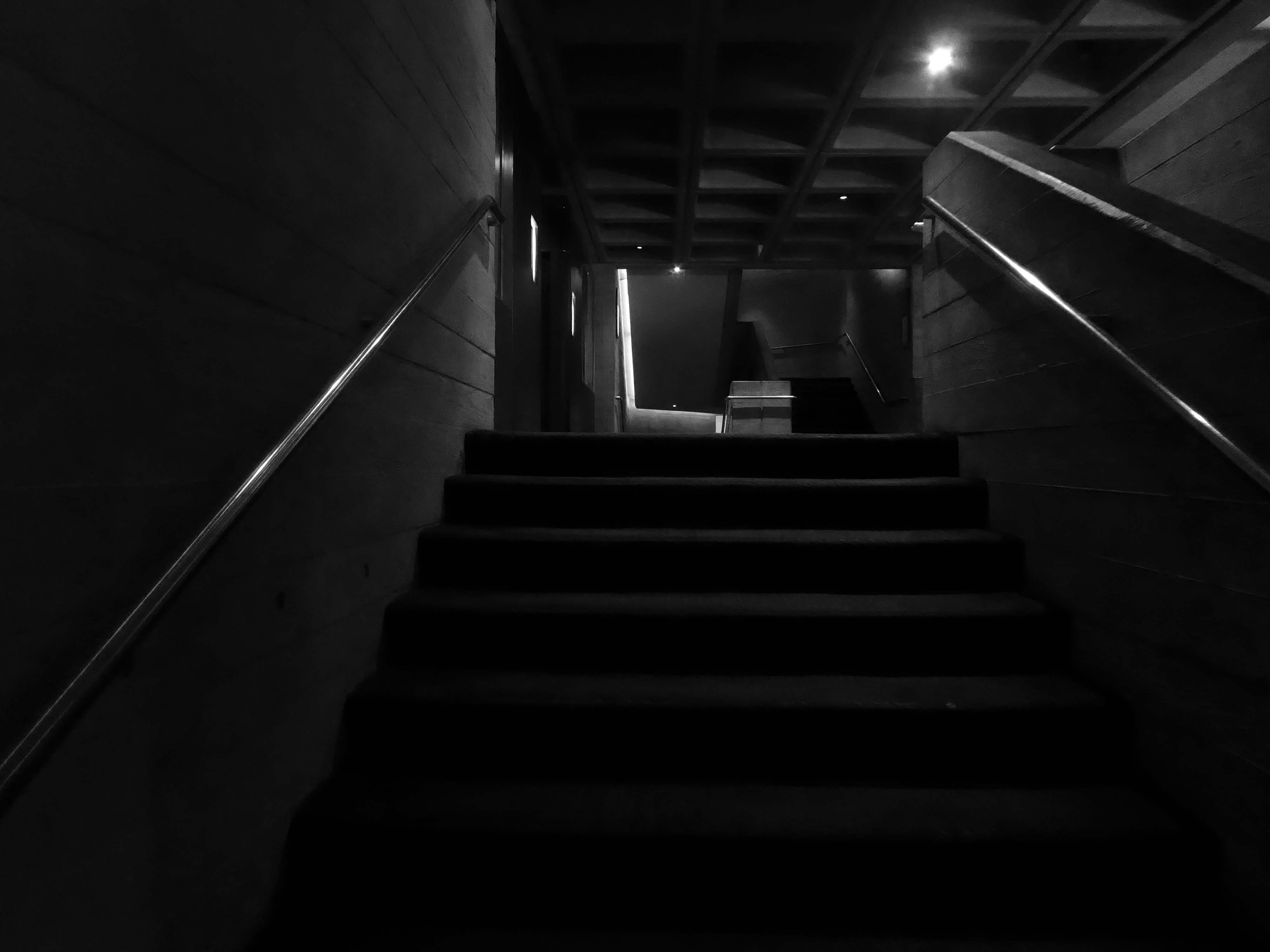
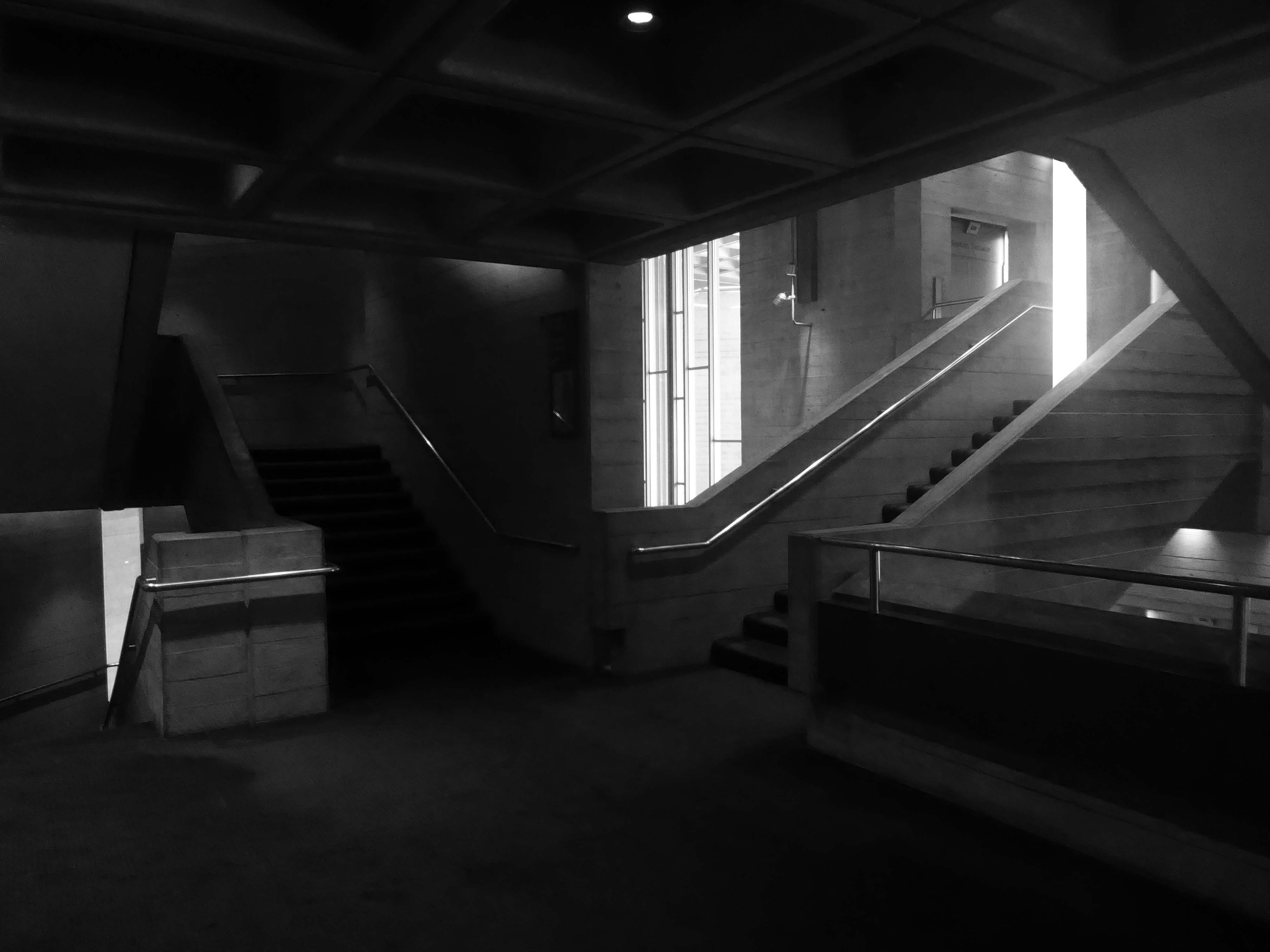
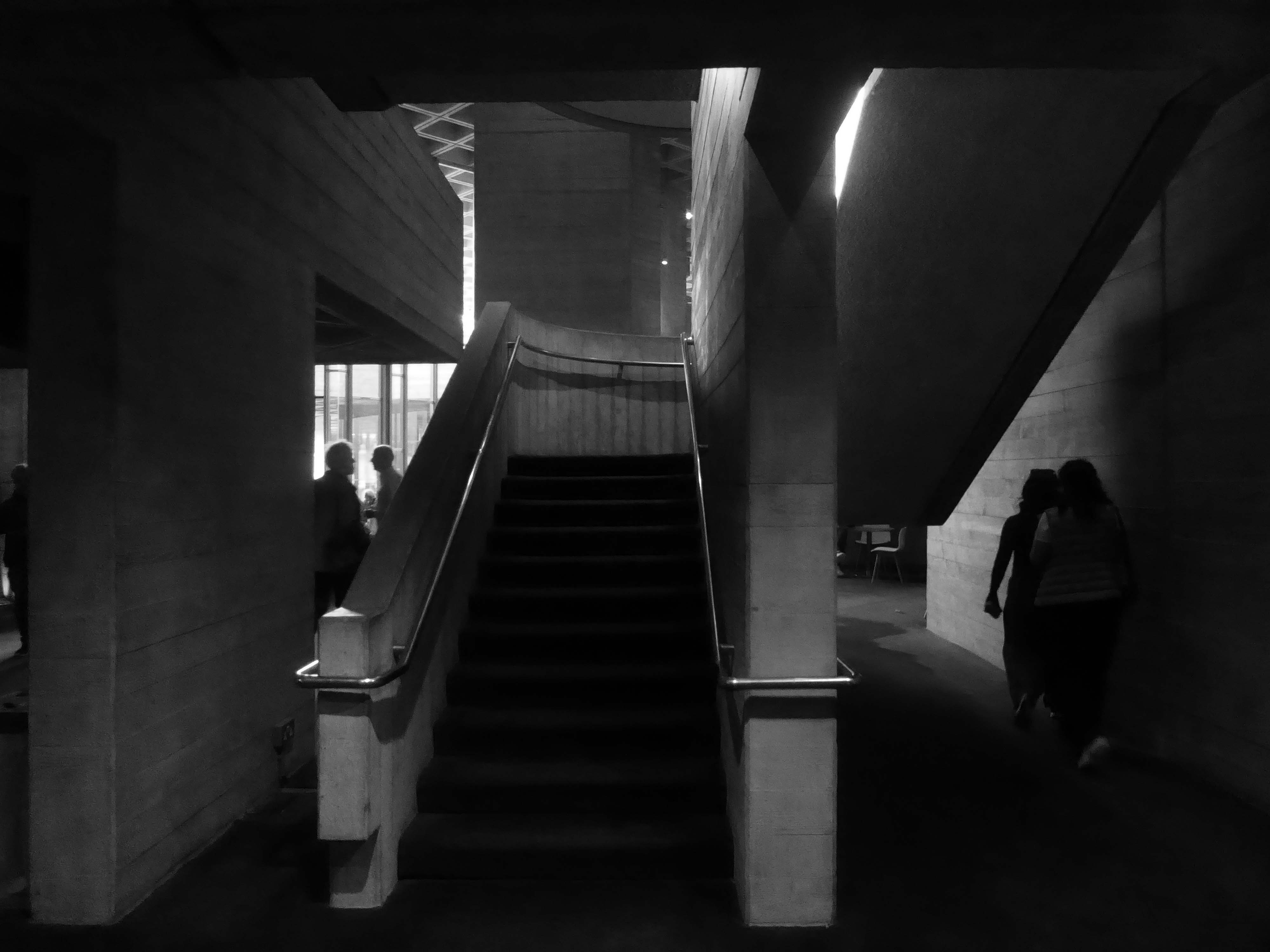
Furthermore, whilst the exterior of the National Theatre may well induce fear, and in some loathing, the interior feels both human and secure. When I explored the ins and outs of the public spaces, the monumental seems to be held carefully in check, despite the challenging contrasts in mass and volume. The exposed concrete surfaces and angular forms are softened by sensitive lighting and the presence of people, in motion and at rest.
So at a loose end on a showery day on the Southbank I caught shelter and solace within.
Previously on Modern Mooch – we encounter Mr Lasdun in Leeds and Liverpool
I alighted excitedly from the X43 outside the Mechanics Institute – je suis arrivé!
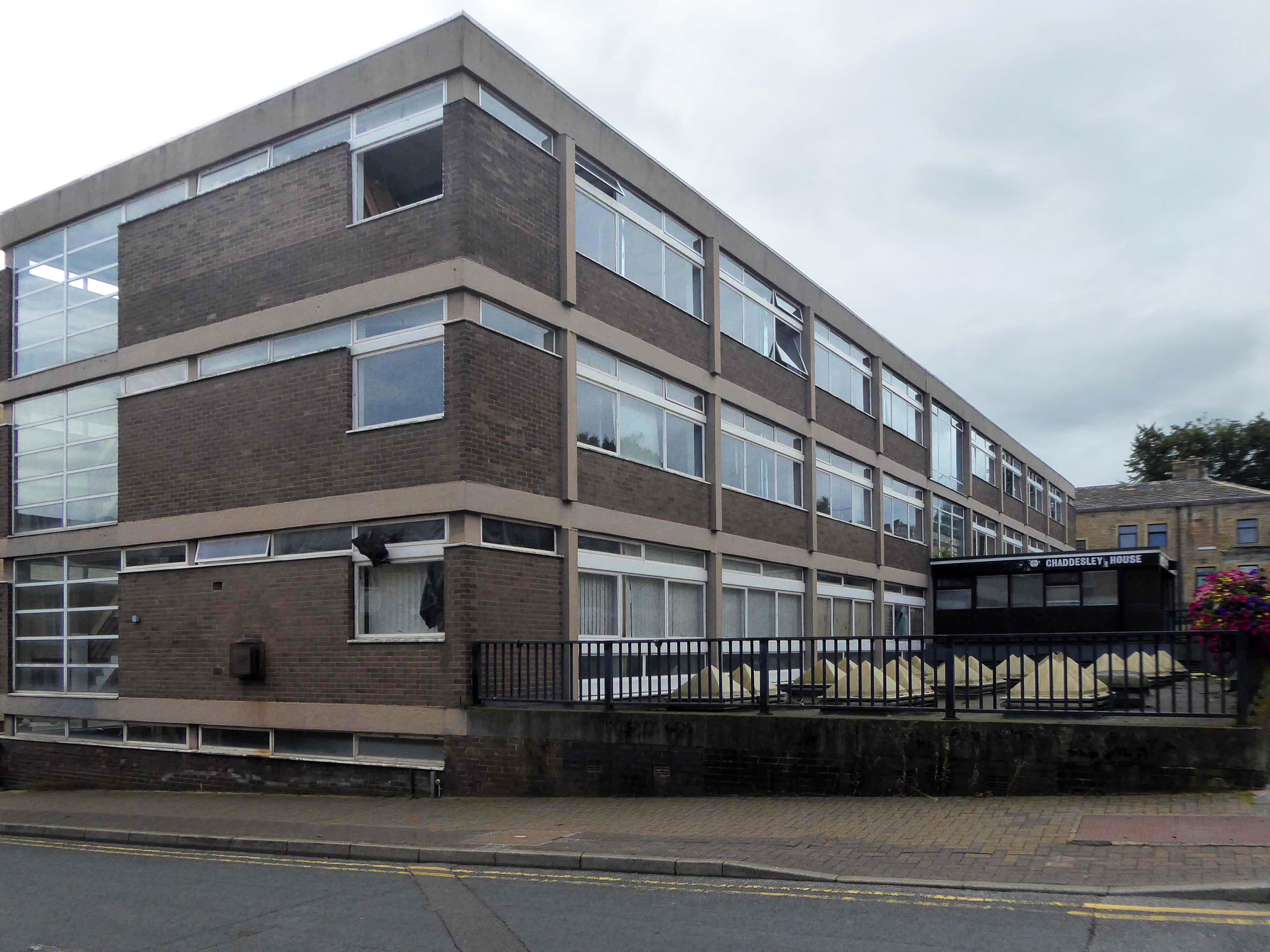
Across the road Chaddesley House, former Council Offices.
London-based Jacob Fekete has applied for planning approval to convert Chaddesley House, 56 Manchester Road. He tells Burnley Council planners the move could attract other investors to the town.
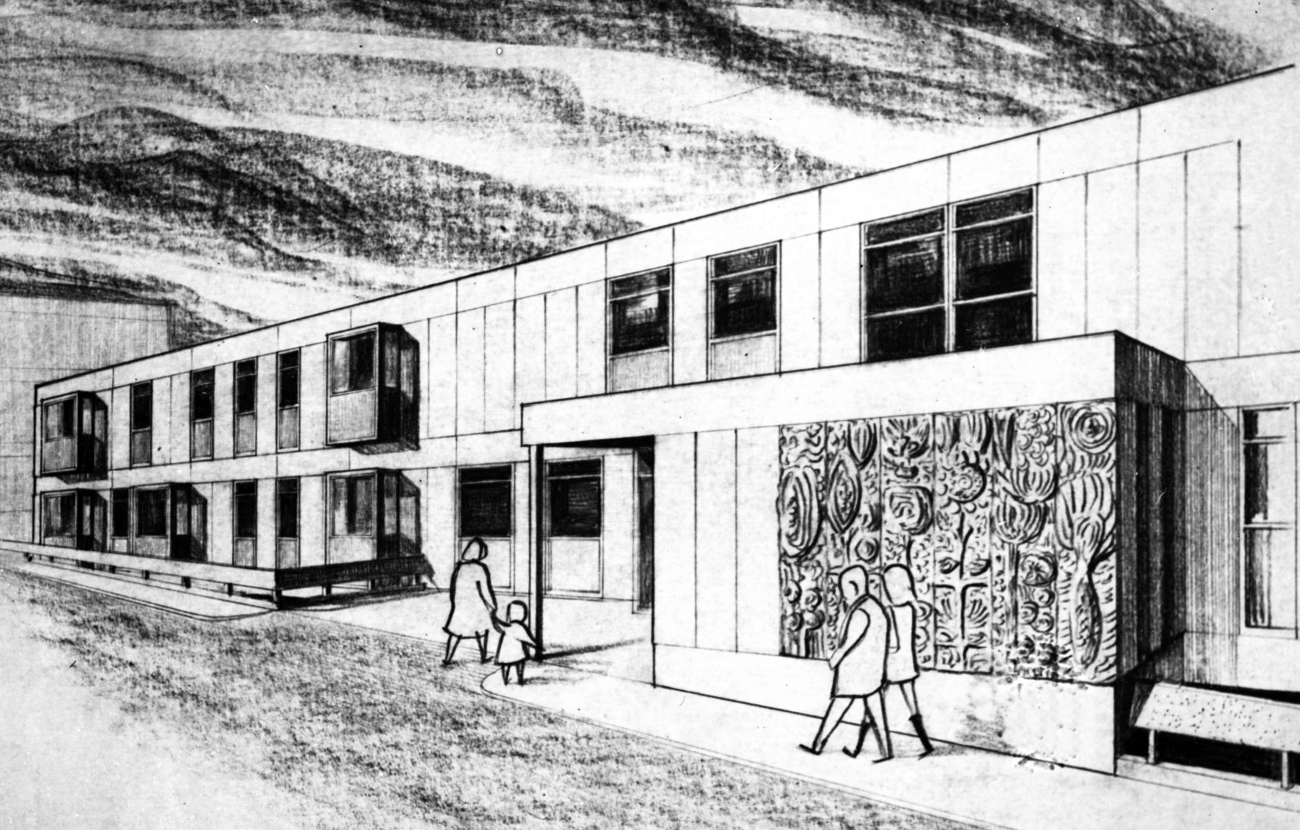
The St NicholasHealth Centre on Saunder Bank, built at a cost of £160,000 was officially opened on Saturday, 17th February 1973, it was demolished in 2008 at a cost of £1.3m
Concentrating a multitude of services under one ultra-modern roof, the centre is to be established on a now semi-derelict site on Saunder Bank at the rear of Chaddesley House.
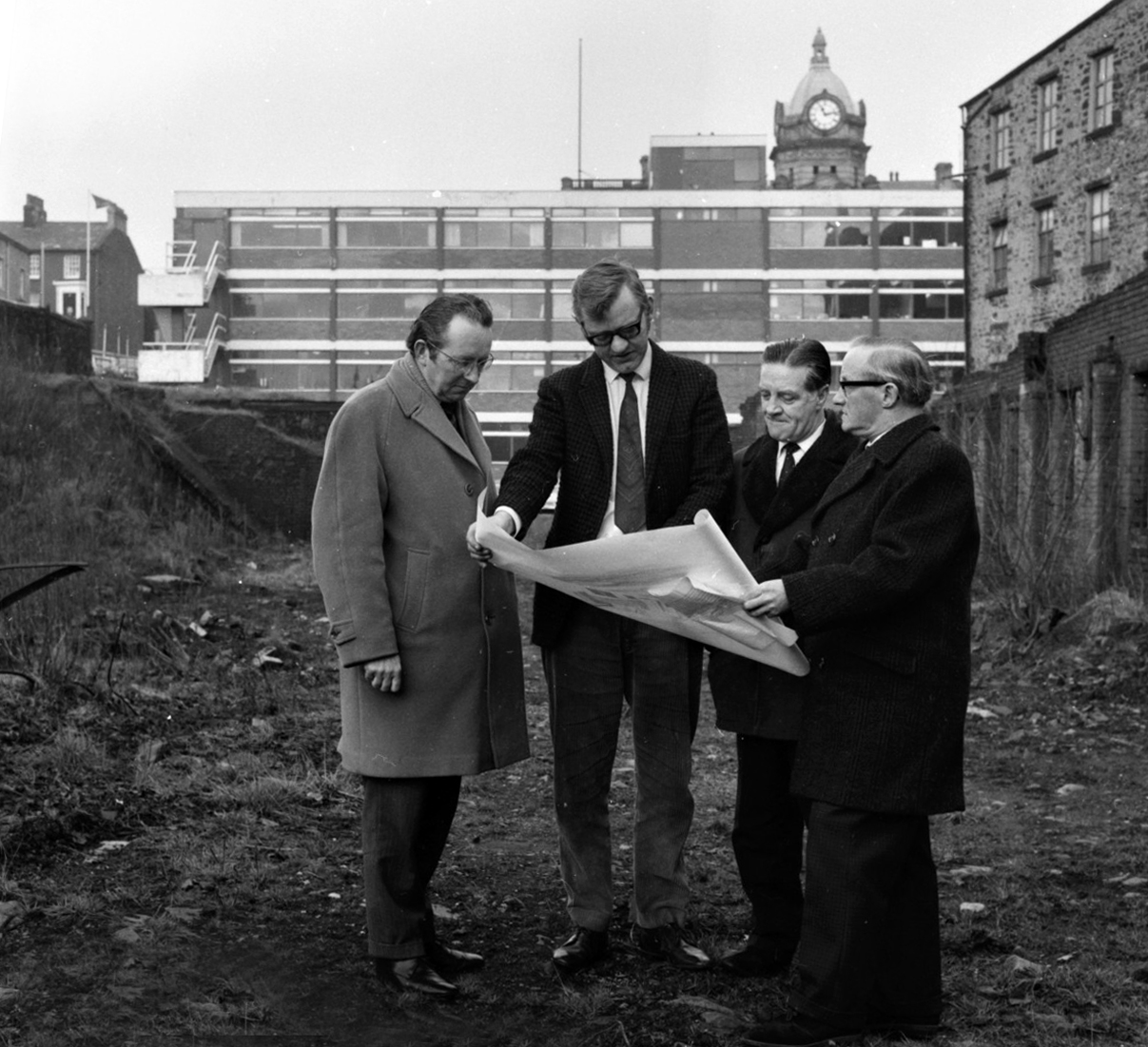
The new centre has been designed in the offices of the Borough Engineer and Surveyor – Mr E C Ashby under the direction of the Deputy Borough Architect Mr F Staziker.
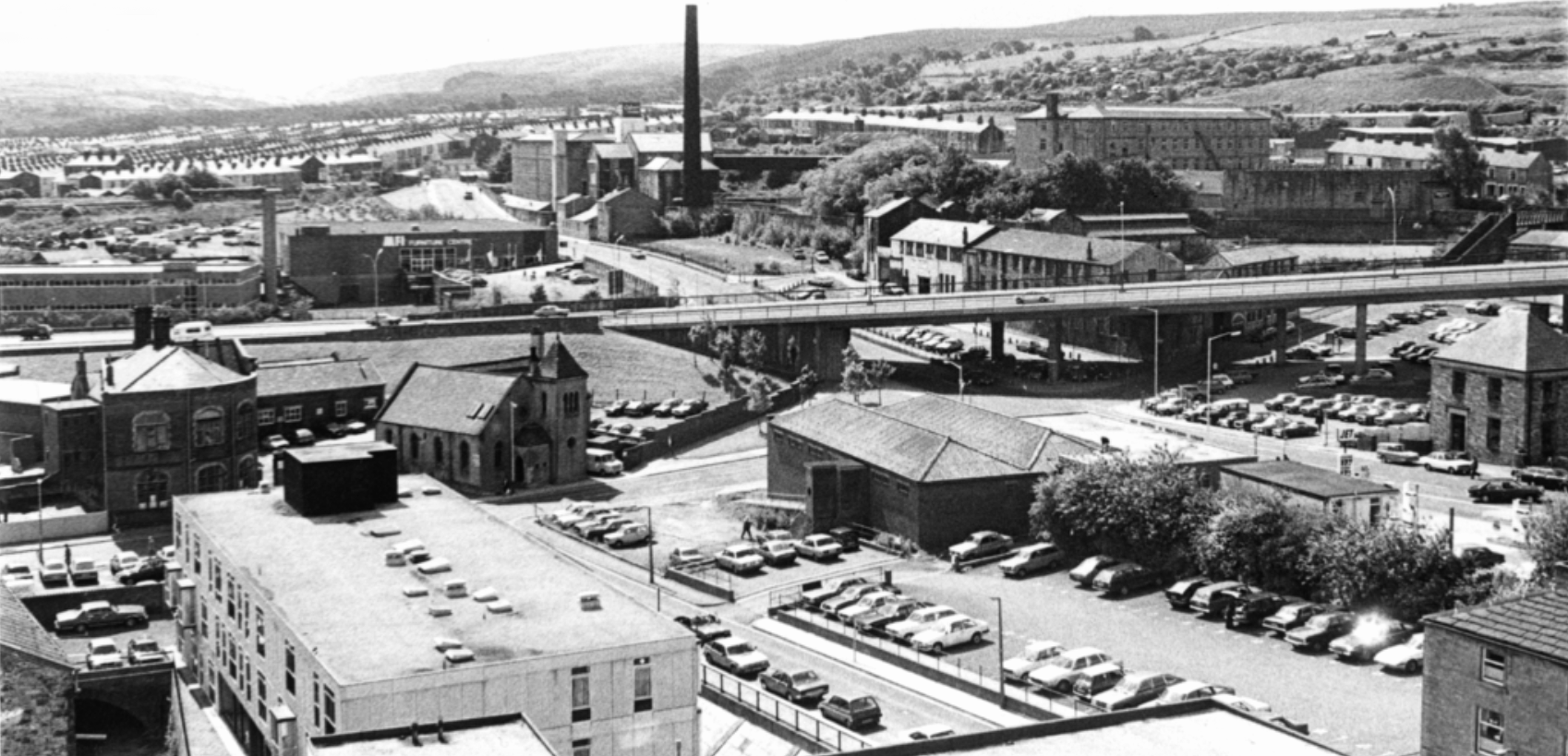
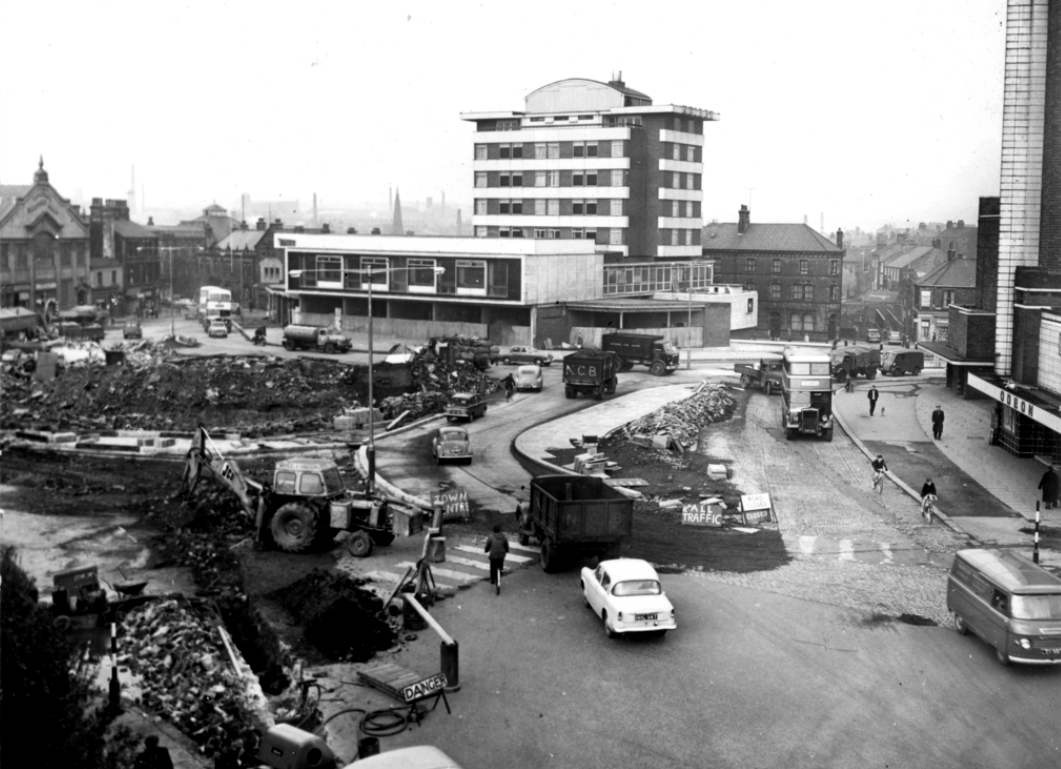
A view looking across Burnley towards Centenary Way and Burnley Wood, taken from the Town Hall – 1982.
Red Rose Collection
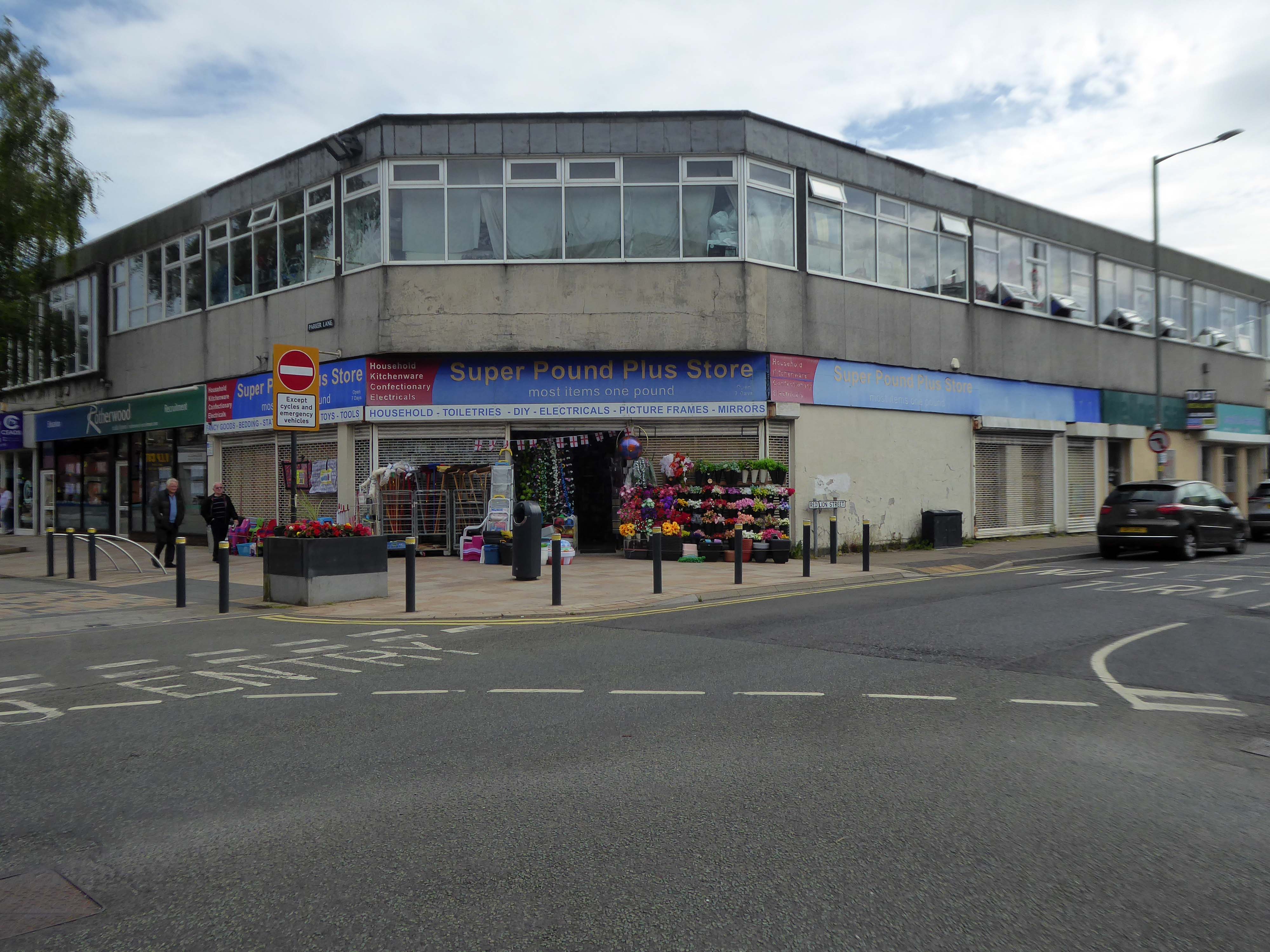
The New Temperance Hall and Social Rooms on Parker Lane was opened on Wednesday 8th December 1909. Above the newspaper announcement of the opening ceremony, there was an advertisement for Alliance Animated Pictures exhibiting there nightly at 7:30 pm.
By 1948 the cinema had been acquired by the small local cinema circuit, Northern Operators Ltd., whose offices were at the Pentridge Cinema on Holmes Street. The Temperance Hall was listed in 1954, and was advertising in December 1954, but closed before 1957.
Cinema Treasures
Over time there were seventeen cinemas in Burnley:
Back toward the Police Station – 1951-1955 Bradshaw Gass and Hope.
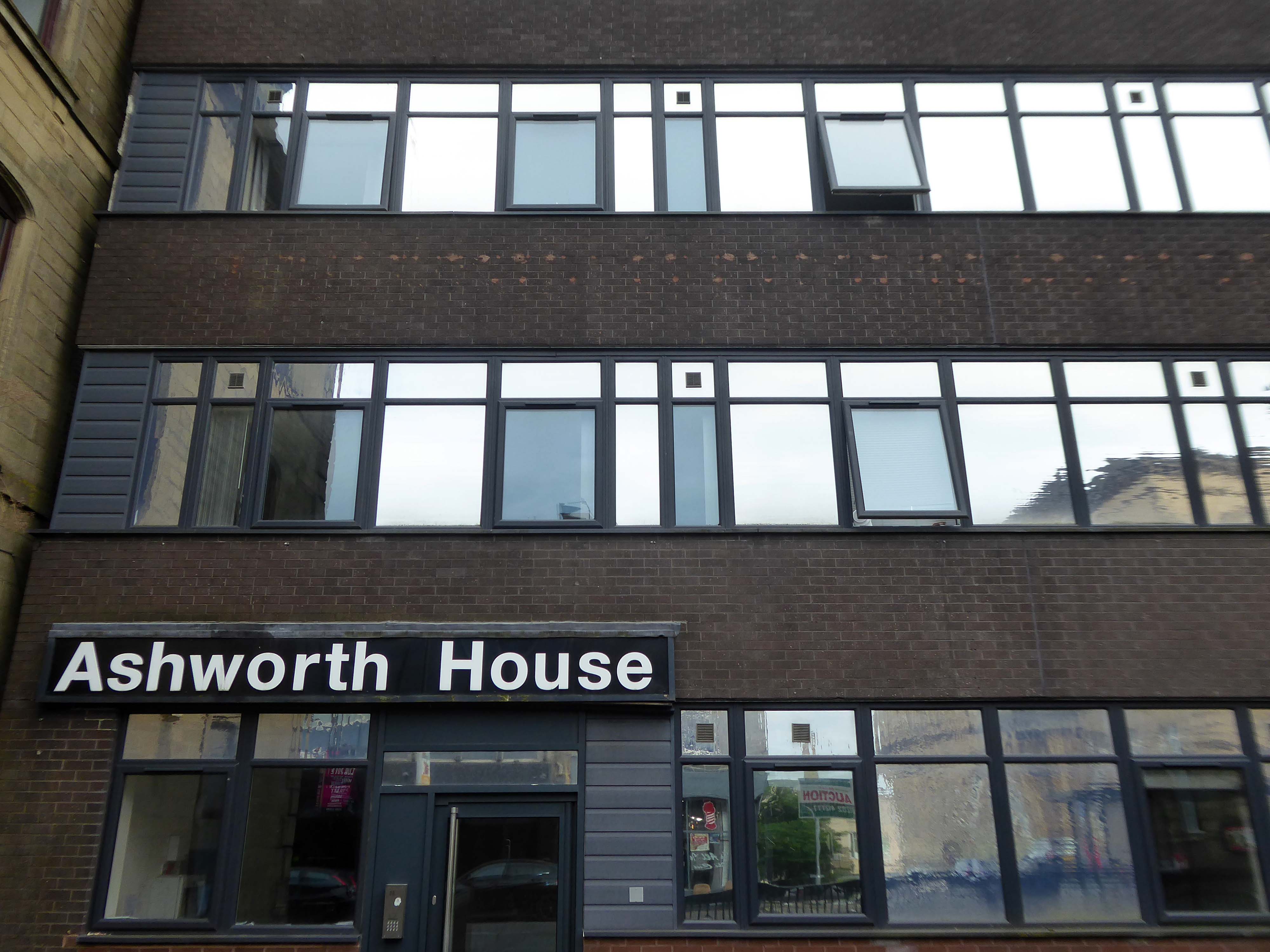
A few doors down we find Ashworth House
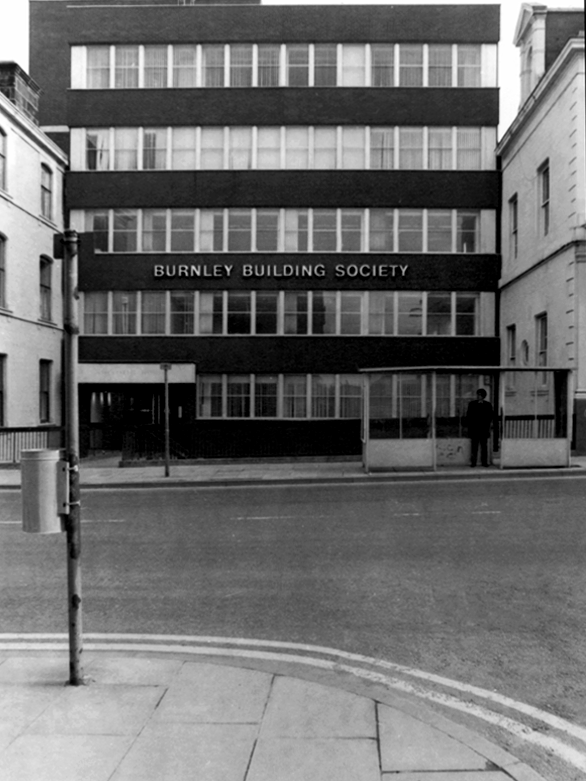
Burnley Building Society was founded in 1850, in 1984, it merged with National and Provincial Building Society with headquarters in Bradford, These offices were built on the site of Salem Congregational Baptist Church which was demolished in 1973 and were subsequently occupied by Endsleigh Insurance for 25 years until 2016. The building was then sold and converted into flats.
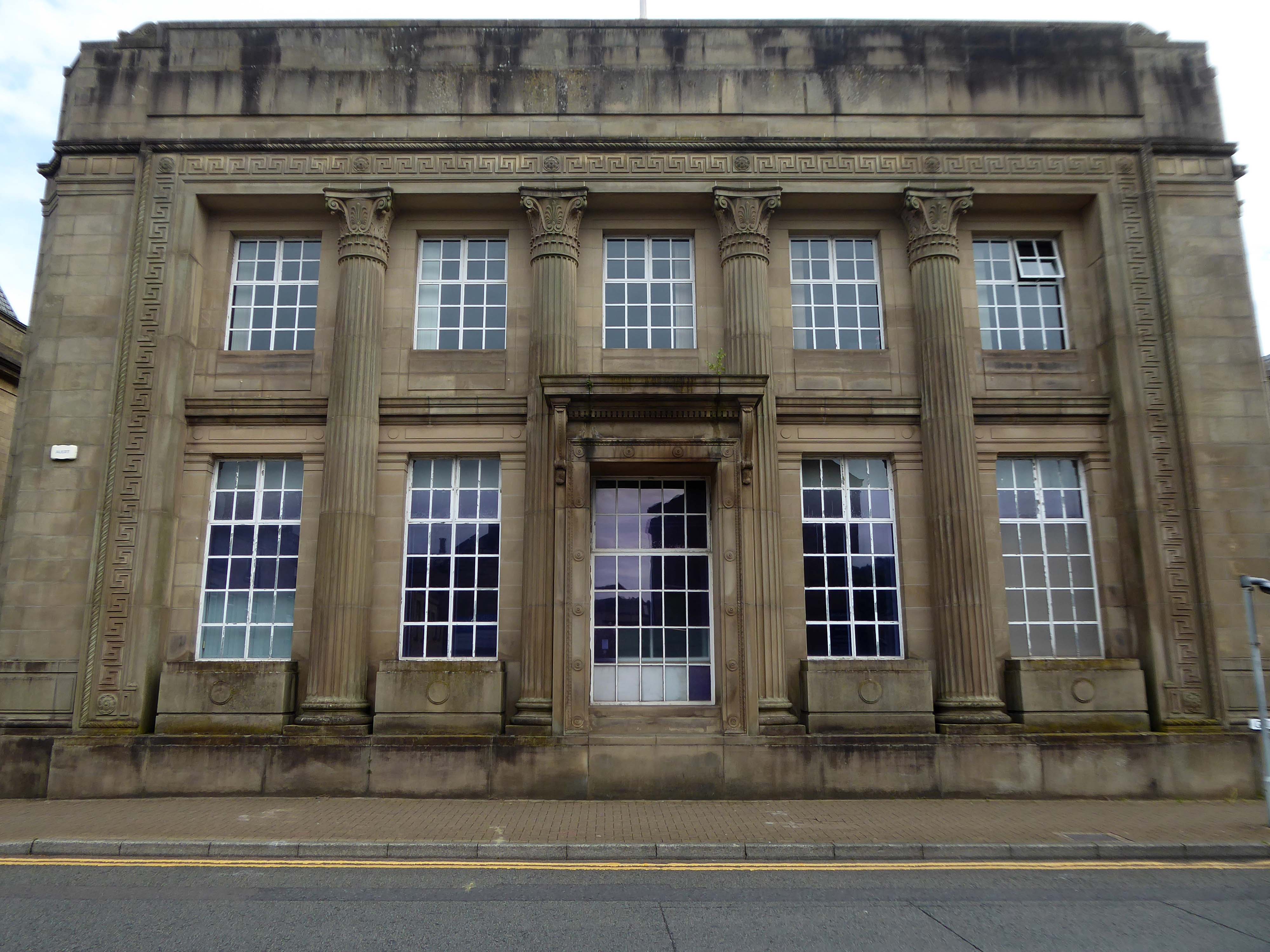
Around the corner to the inter-war Classicism of the former Burnley Building Society offices.
Architects – Briggs and Thornley of Liverpool 1927-30 Grade II Listed.
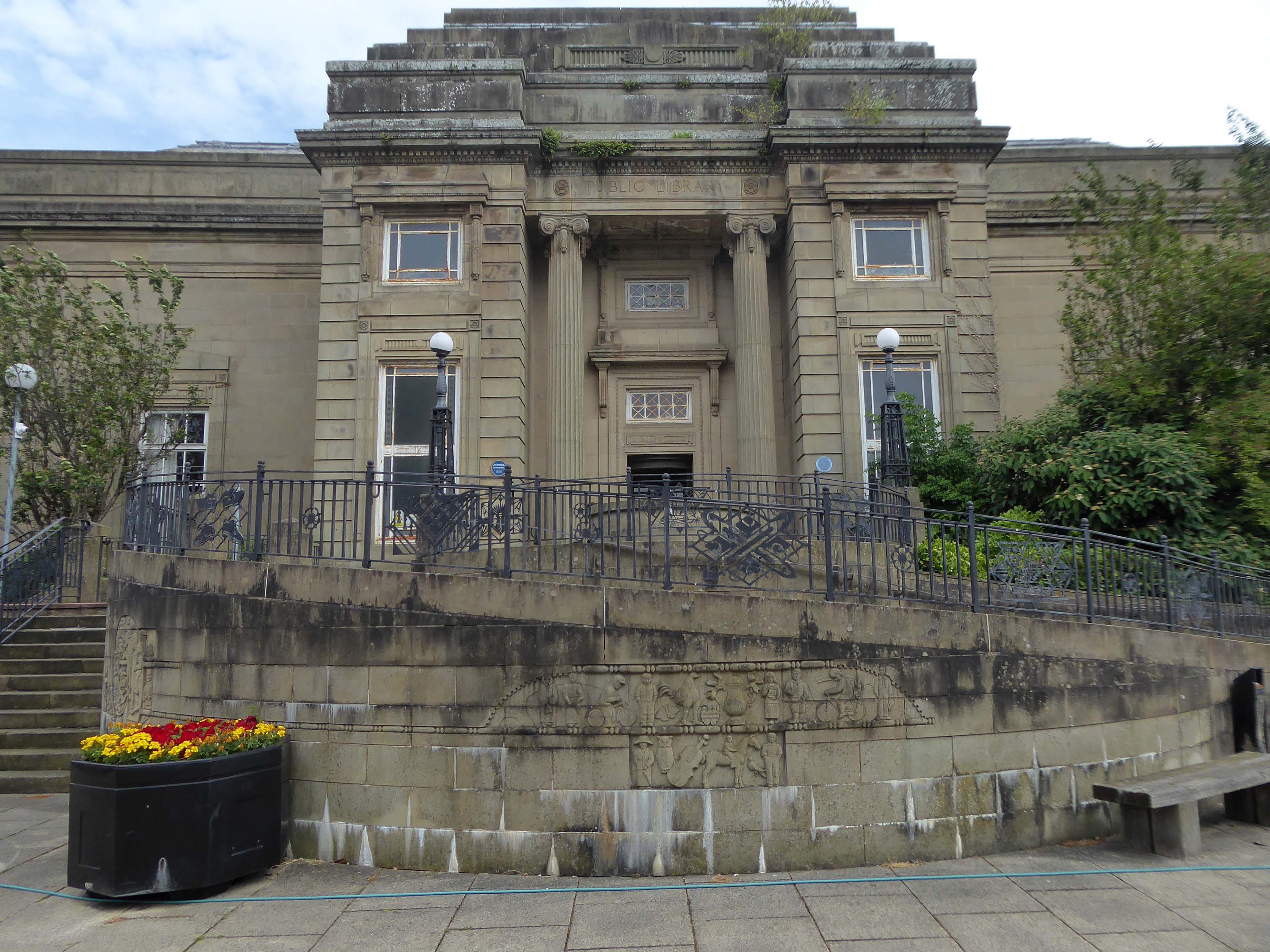
Adjacent to the Central Library
Architect – George Hartley and built by Arthur Race Borough Engineer 1928-30 Grade II listed
In 1971 A meeting was called by Alan Horsfall and Ray Gosling of the CHE – Campaign for Homosexual Equality, in cooperation with the Gay Liberation Front based in Islington. They joined forces wanting to open a social club for gay people, to have a safe place for them, somewhere they would not be subject to police raids, as those were happening frequently all over the country.
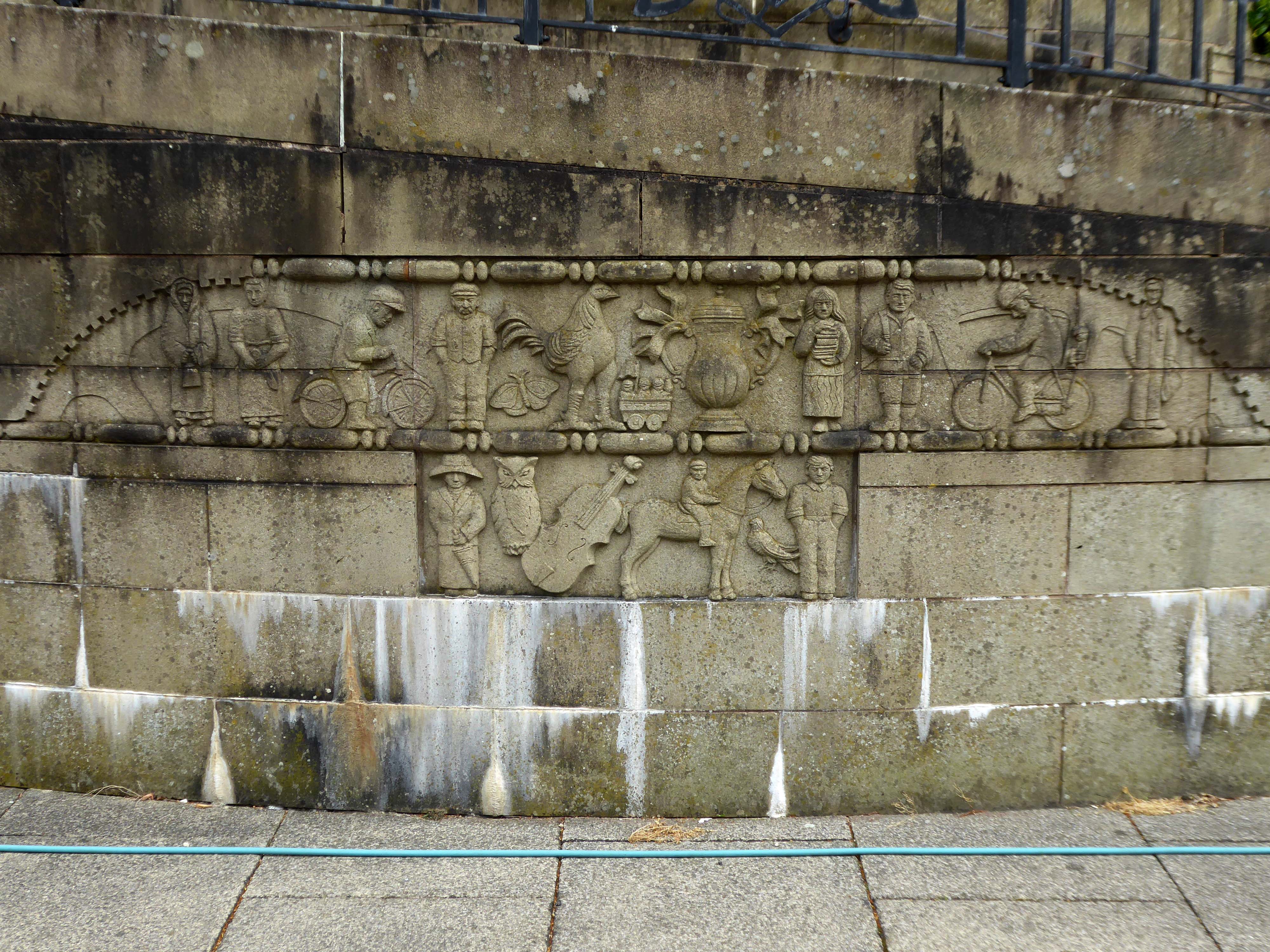
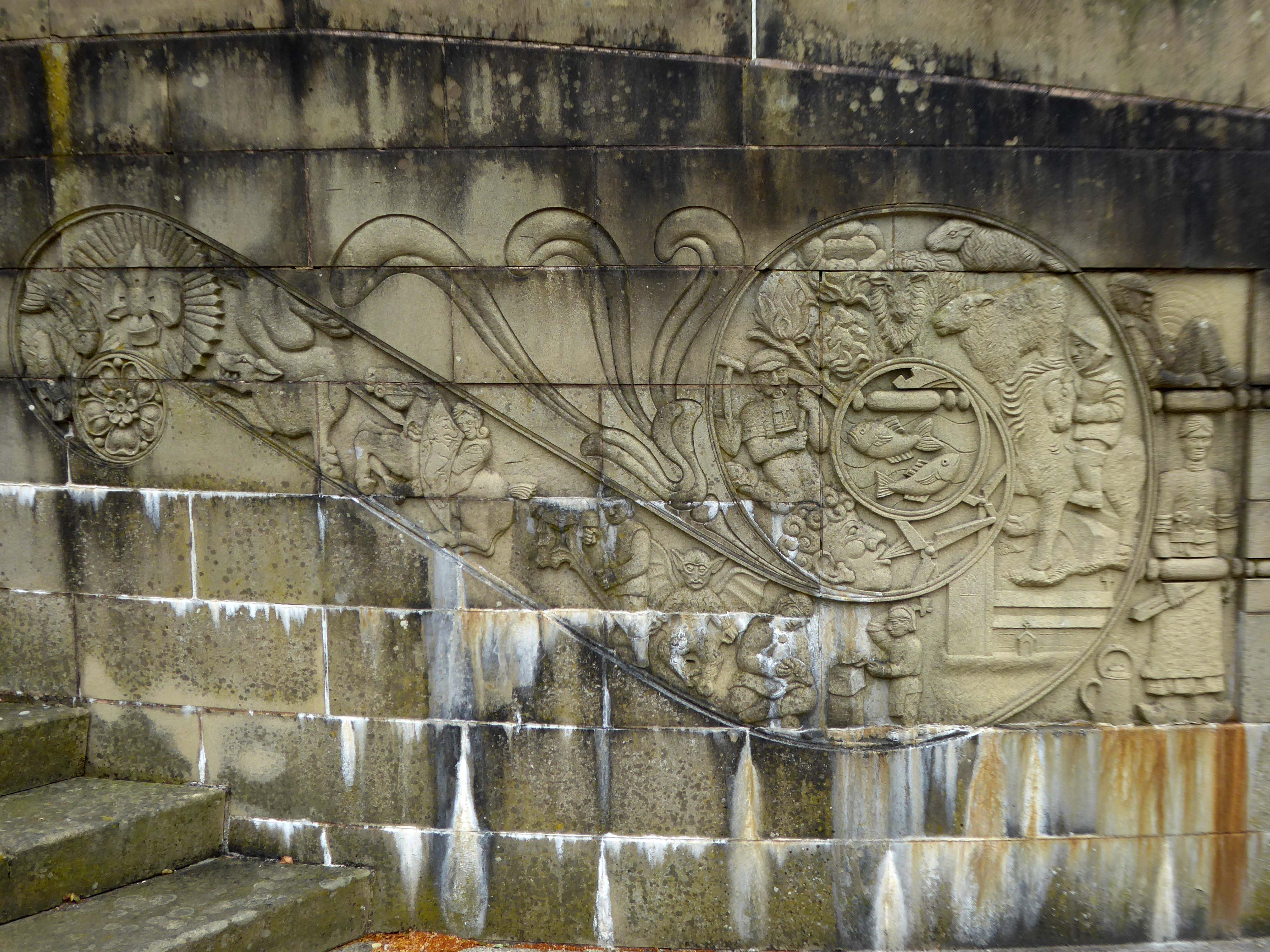
The new ramped entrance, along with these carvings which illustrate the town’s history, was added in 1993.
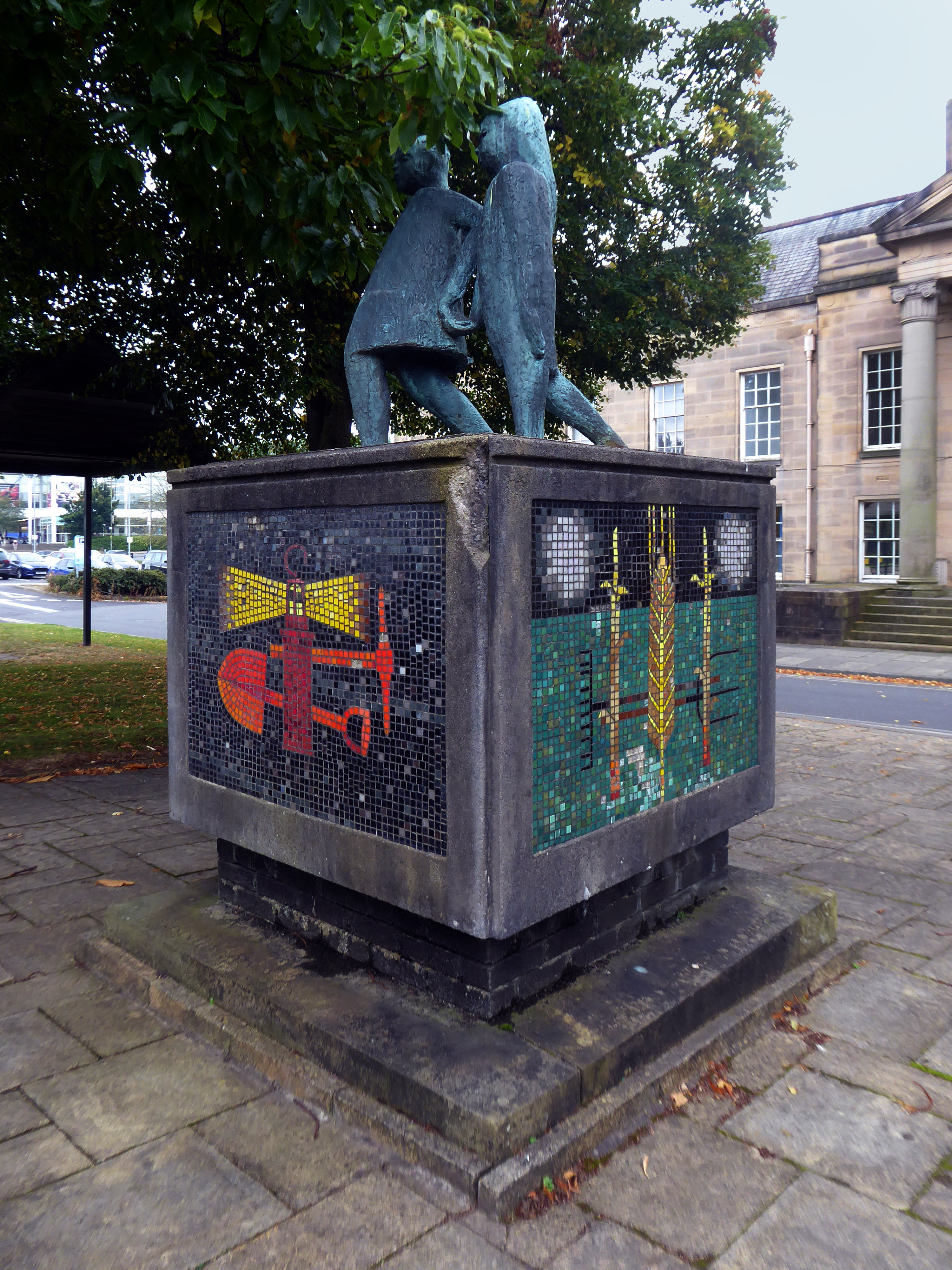
Opposite the library this sculpture Looking to the Future by Joan Moorethe mosaic base by MarekZulanski 1961 – commissioned by Burnley and District Chamber of Commerce to celebrate its Centenary Year.
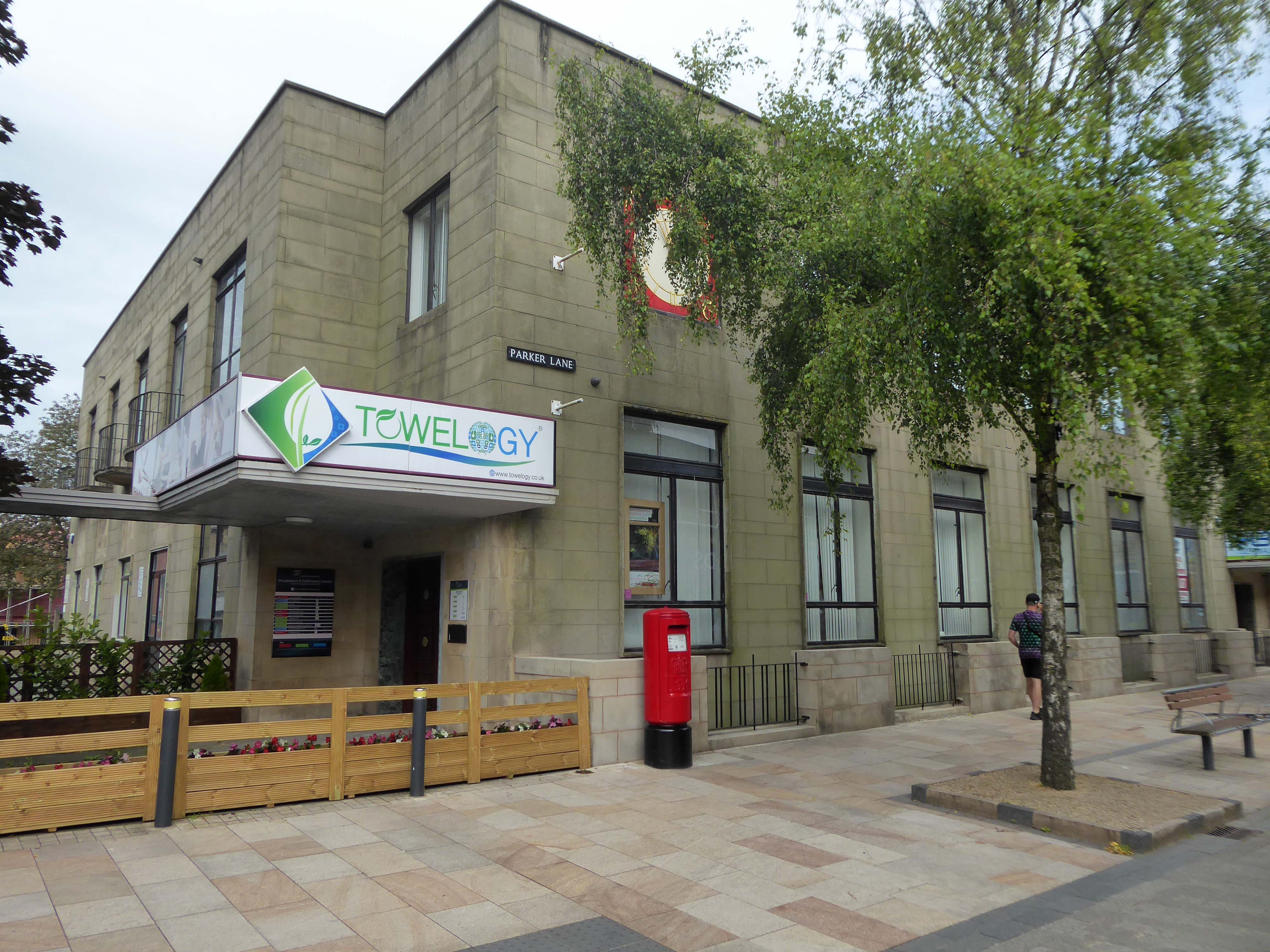
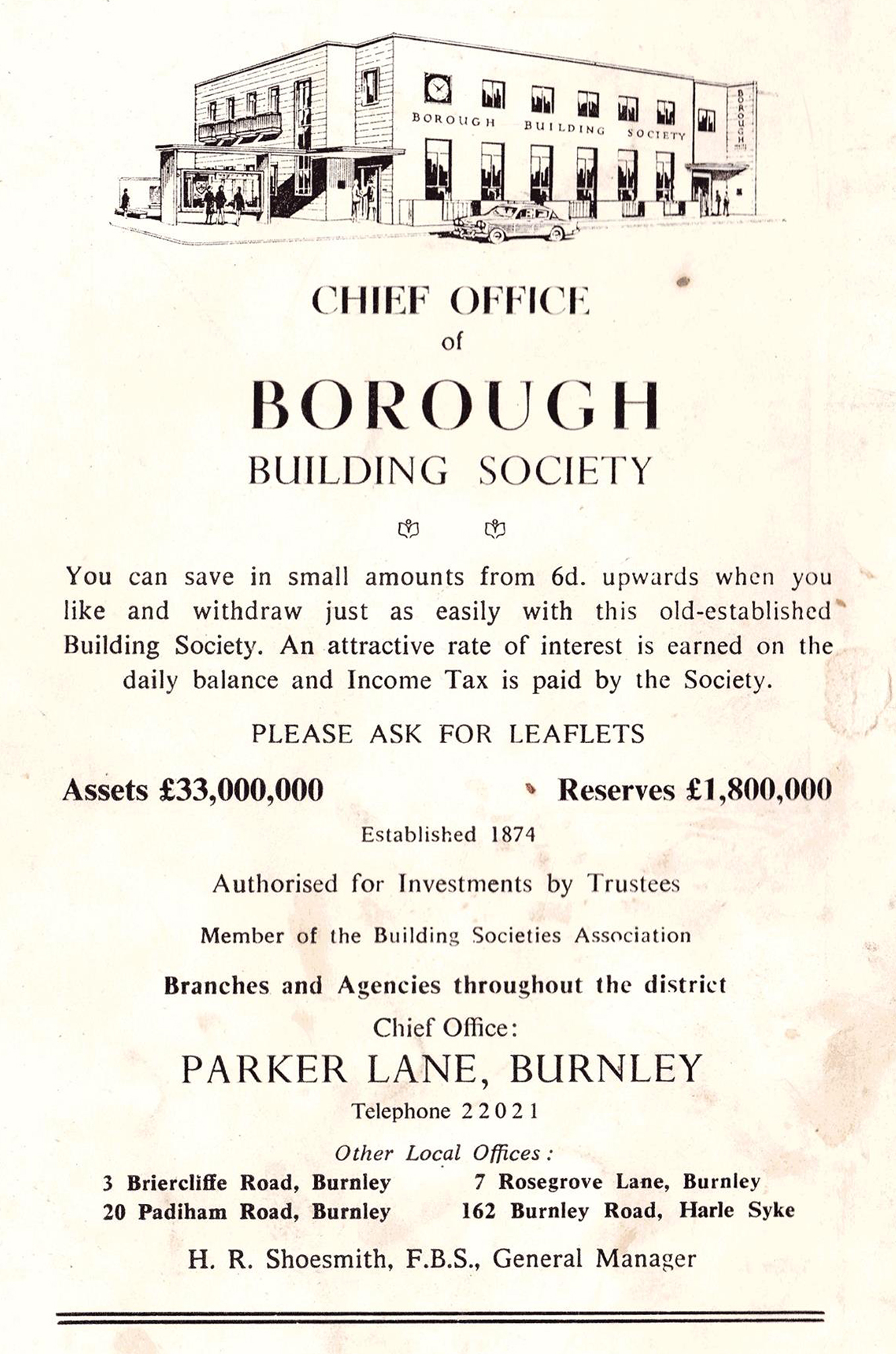
Former Borough Building Society offices – architects: Harry S Fairhurst & Son 1959/60.
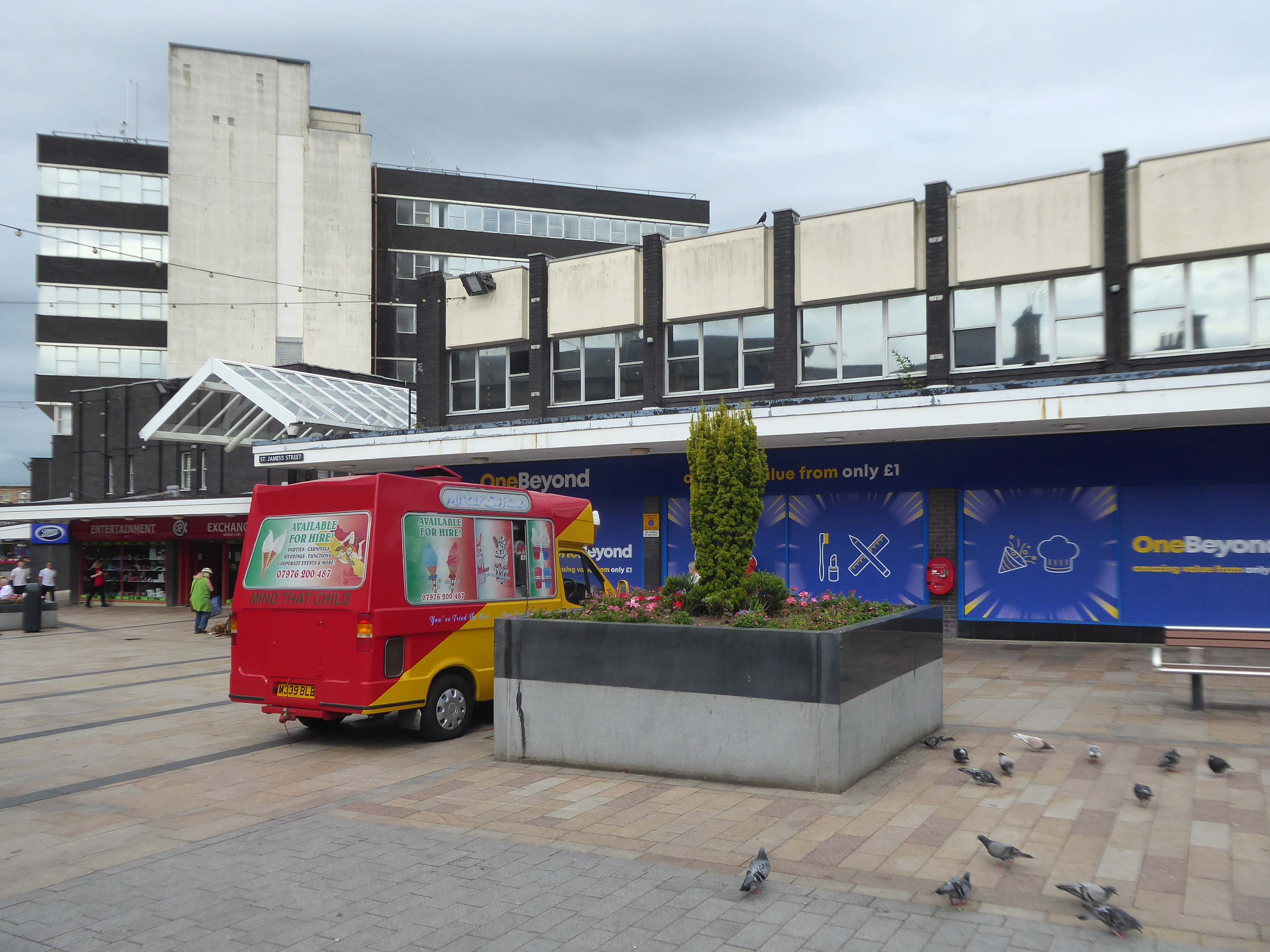
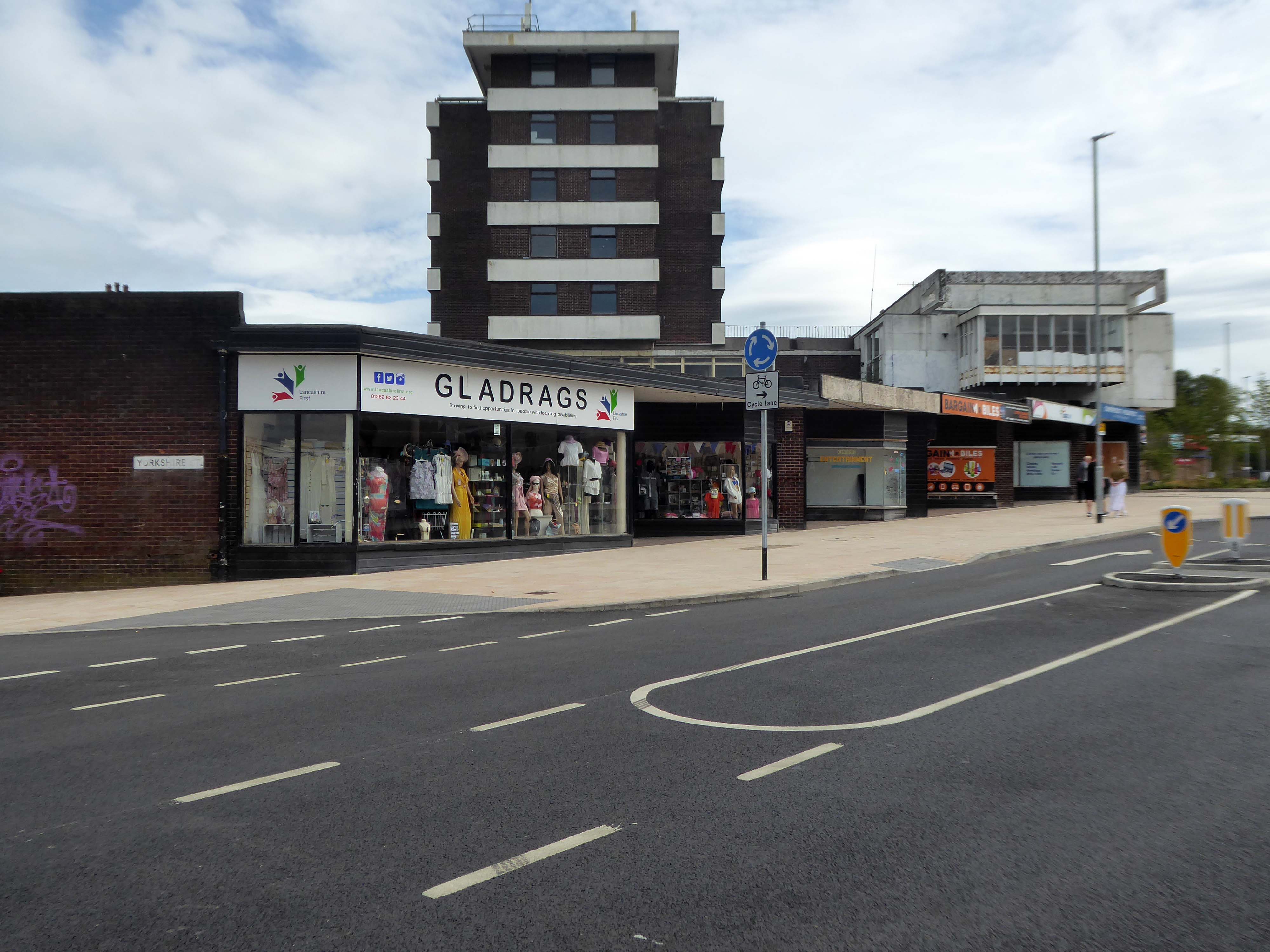
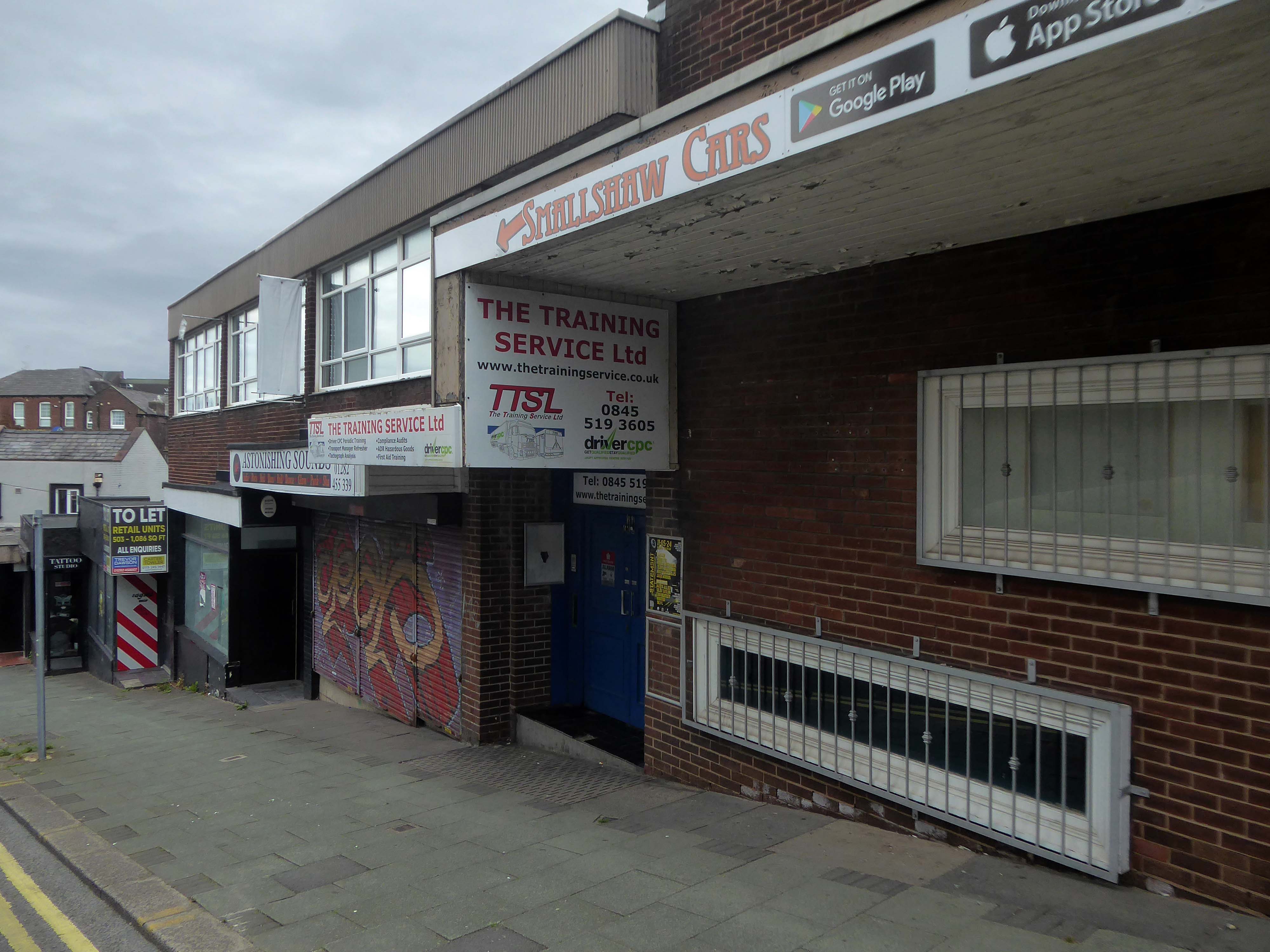
Over the way one of several low level retail developments which populate the town.
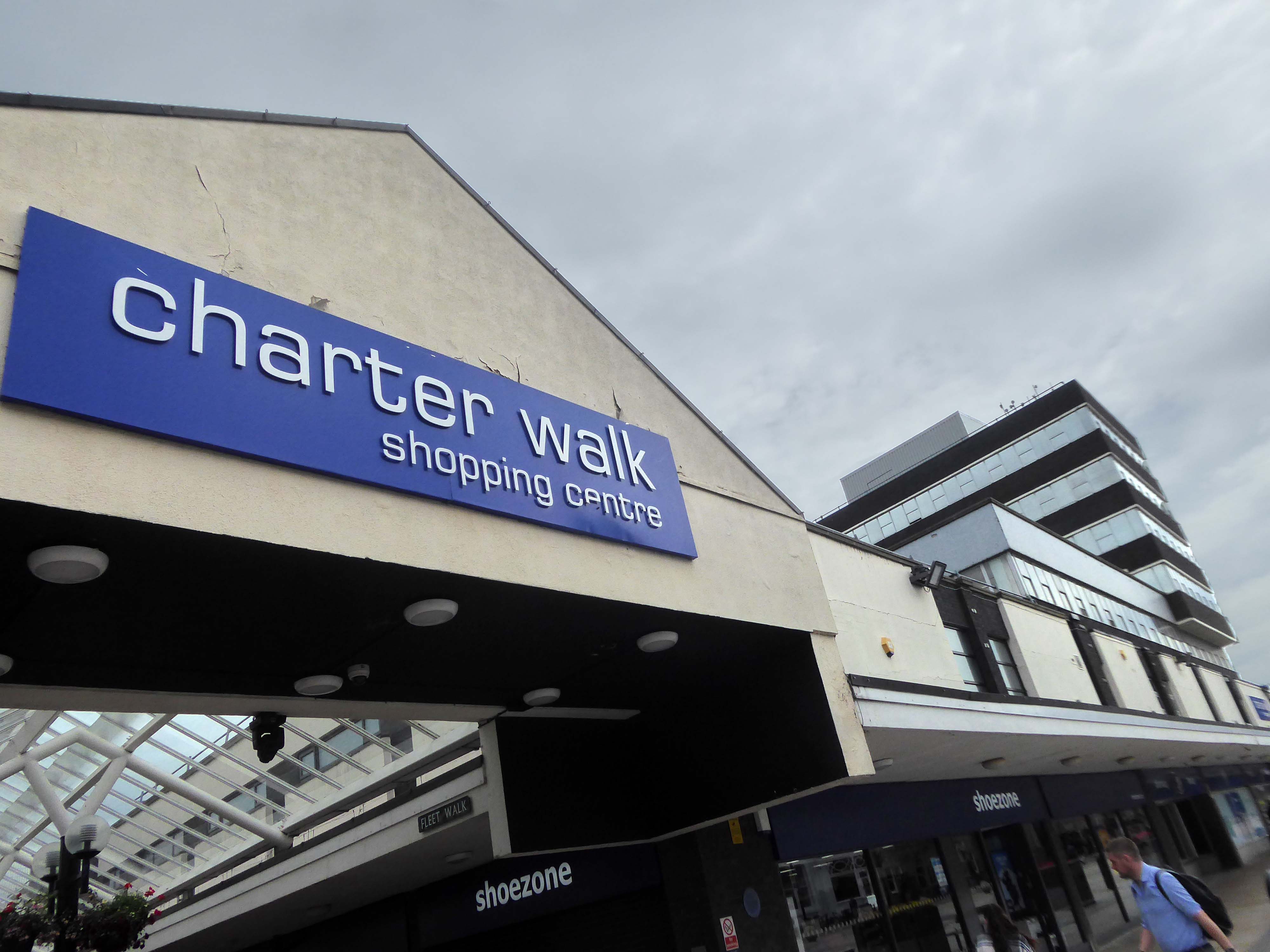
The most significant being the Charter Walk Shopping Centre, which we will explore further in a little while – putting the C into choices!
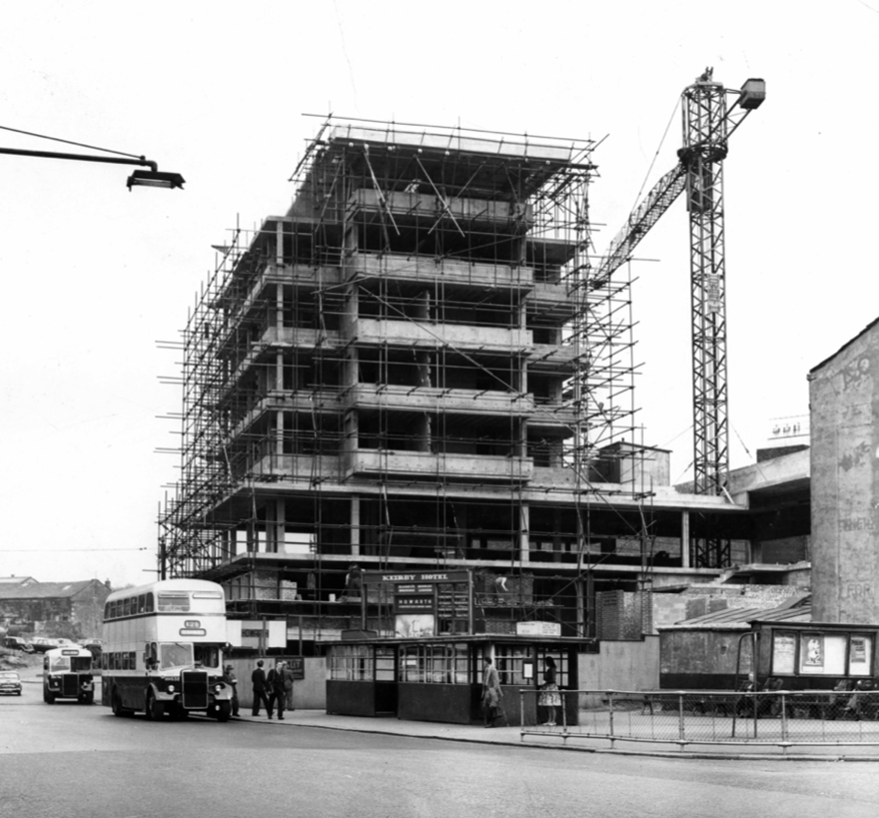
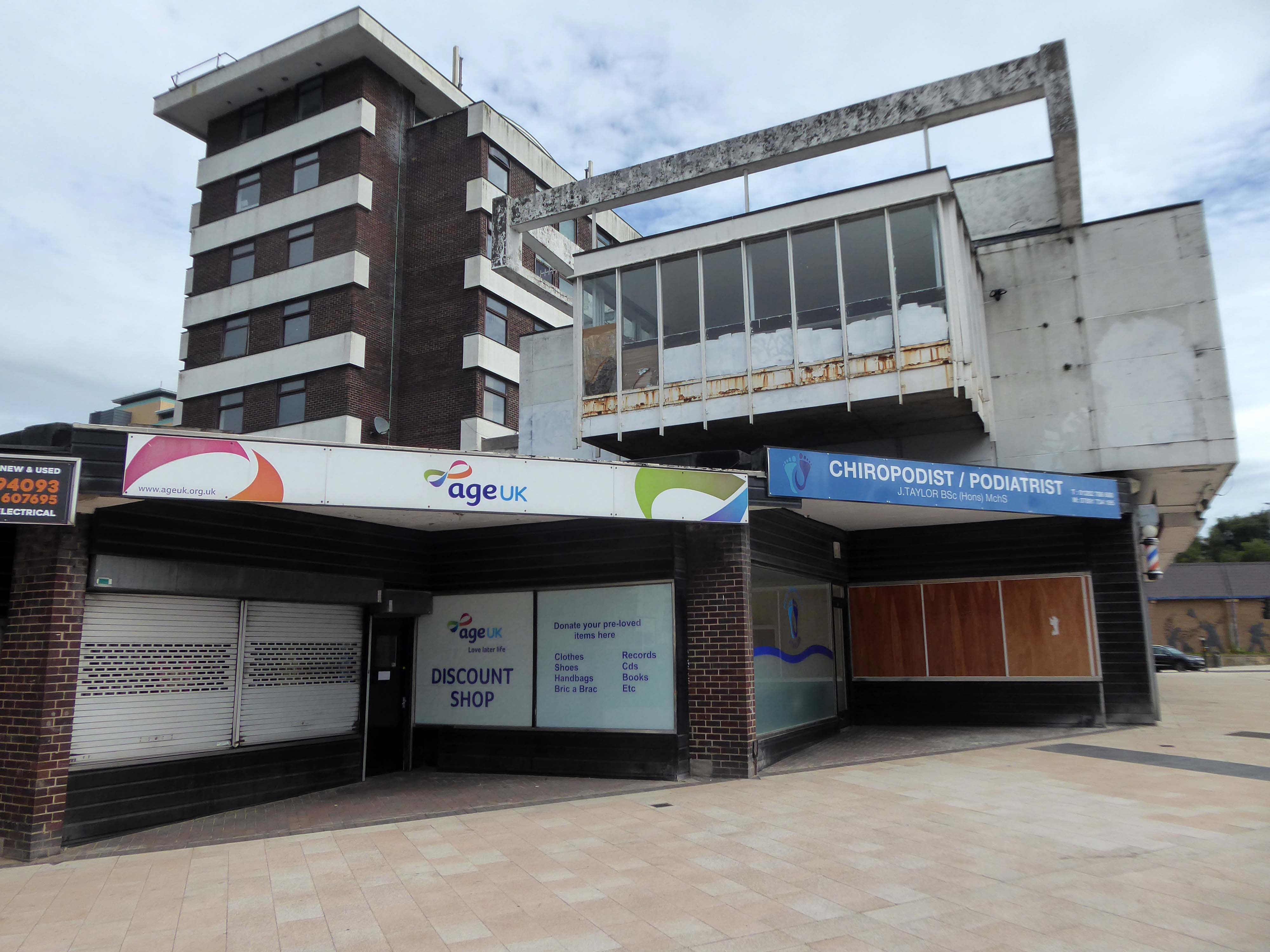
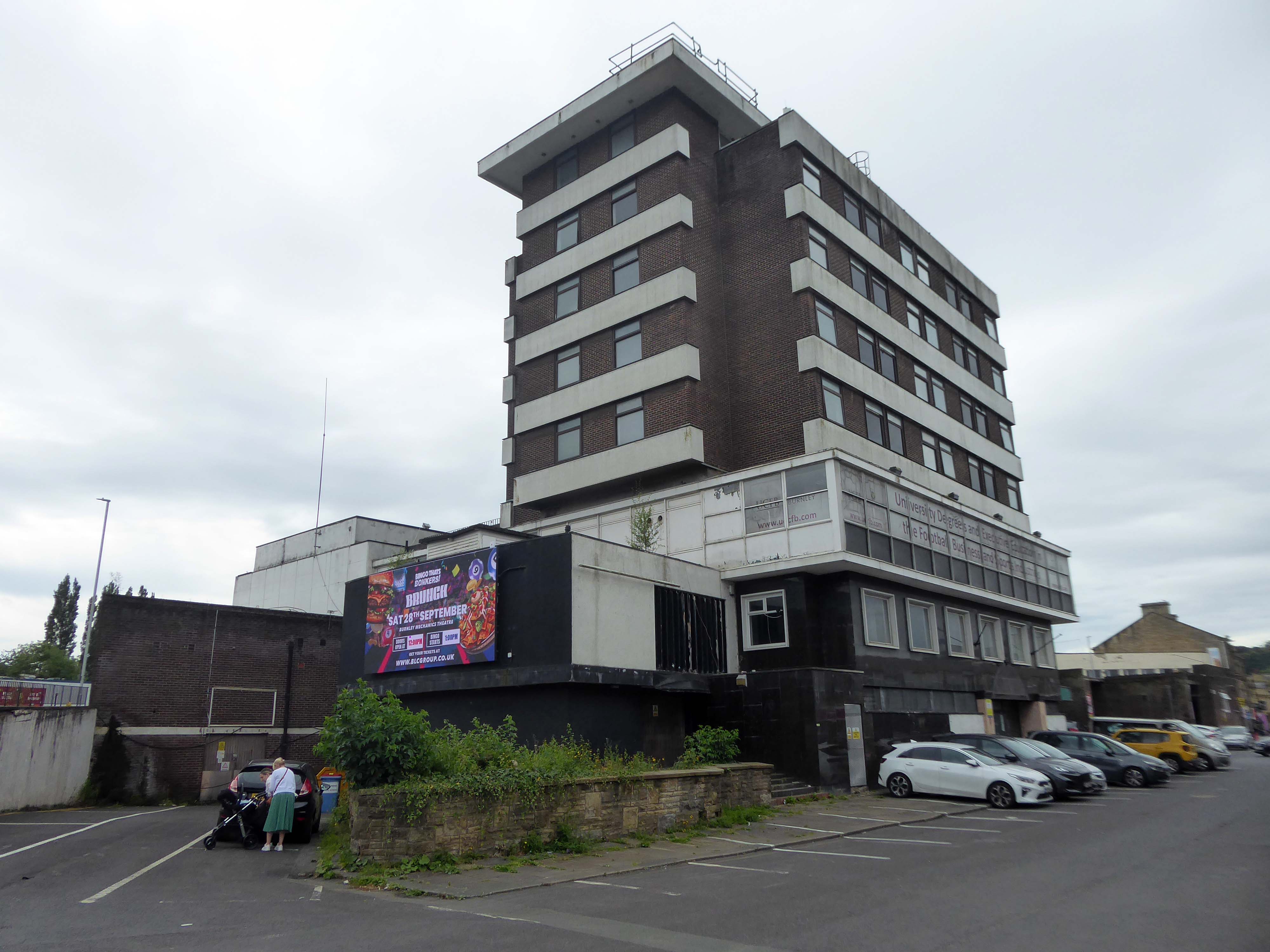
To our right the former Keirby later Brunlea Hotel – atop a varied retail podium, architect – H Hubbard Ford 1959-60
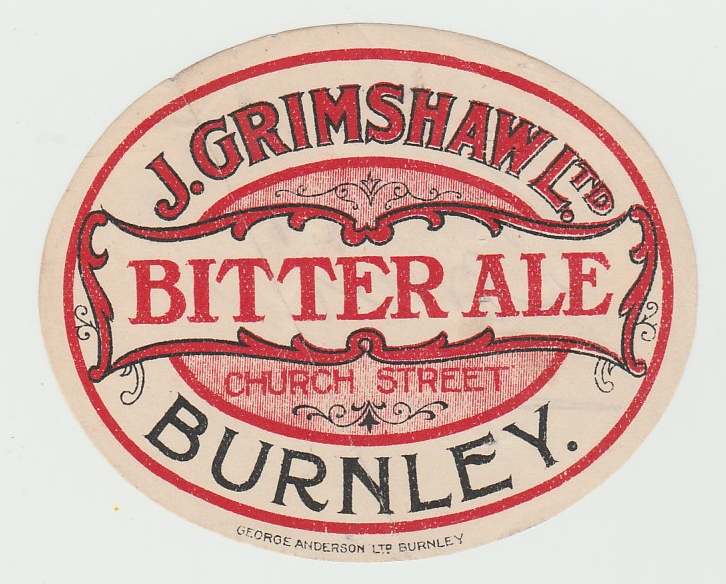
Built on the site of Grimshaw’s Keirby Brewery, which stood on the site of the hotel until it was demolished in1930.
The Keirby Hotel was built at a cost of £250,000 and opened in 1960. The hotel was built on the site of an old Brewery of the same name on Church Street. It was intended to be the jewel in Burnley’s crown, the only 4* hotel in Lancashire outside of Manchester and Blackpool.
When they were filming Whistle Down The Wind, Hayley Mills stayed there, but had to eat in her room as she had her lines to learn and her schoolwork to do.
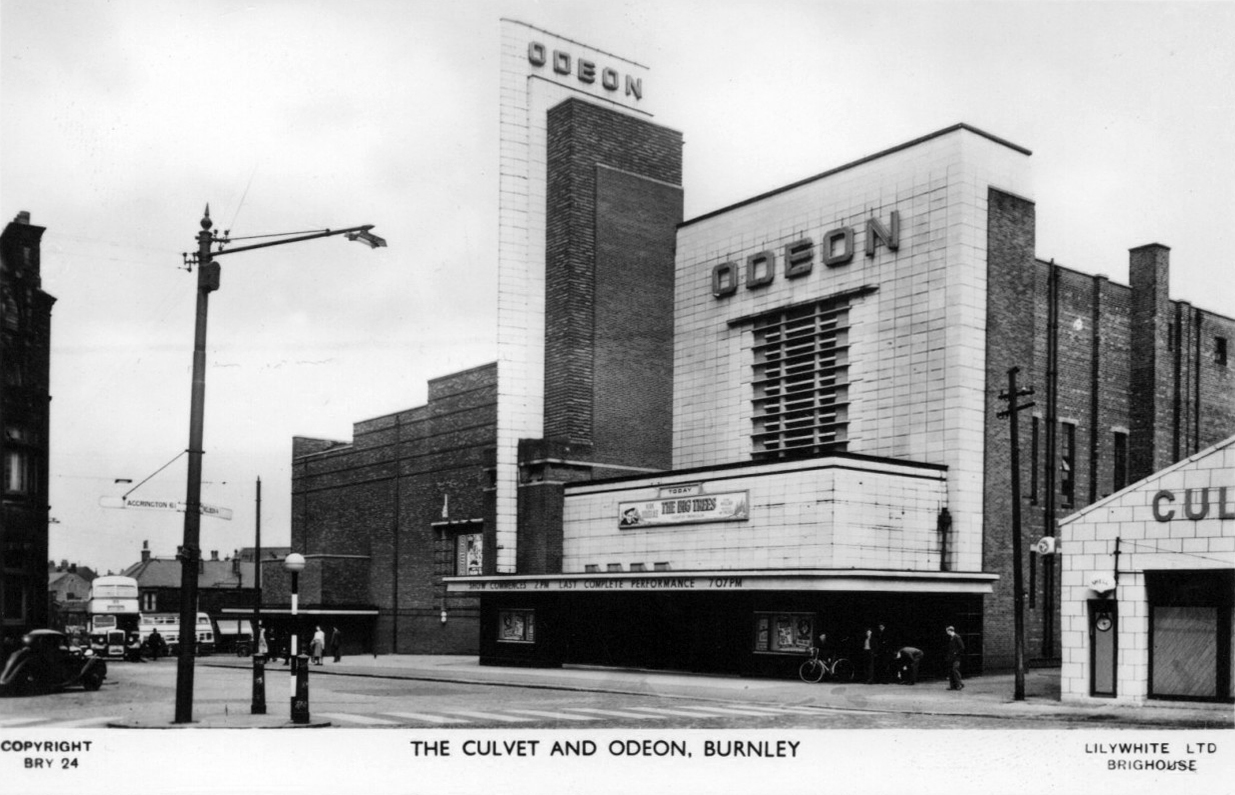
To the right can be see the lost Odeon demolished in 1973 and now a retail development.
Architect – Robert Bullivant of the Harry Weedon practice.
They have taken over as the new tenants and are determined to make a success of the hotel that once welcomed the likes of James Bond himself, Roger Moore and the late singer, TV presenter and national treasure Cilla Black.
The currently dilapidated and condemned site will be completely transformed, paving the way for a state-of-the-art hotel and leisure complex that will “redefine luxury and excellence in Burnley”.
Mr Hagan, a prominent global cinema software company owner and a Burnley native, is spearheading the transformative project. “It is a great opportunity to invest in a strategic Burnley site,” said Mr Hagan. “I envisage building a 200-bedroom hotel, an amazing five-star luxury spa and wellness centre, an outstanding restaurant with a panoramic view, an aquatic visitor centre and supported by multi-level parking.
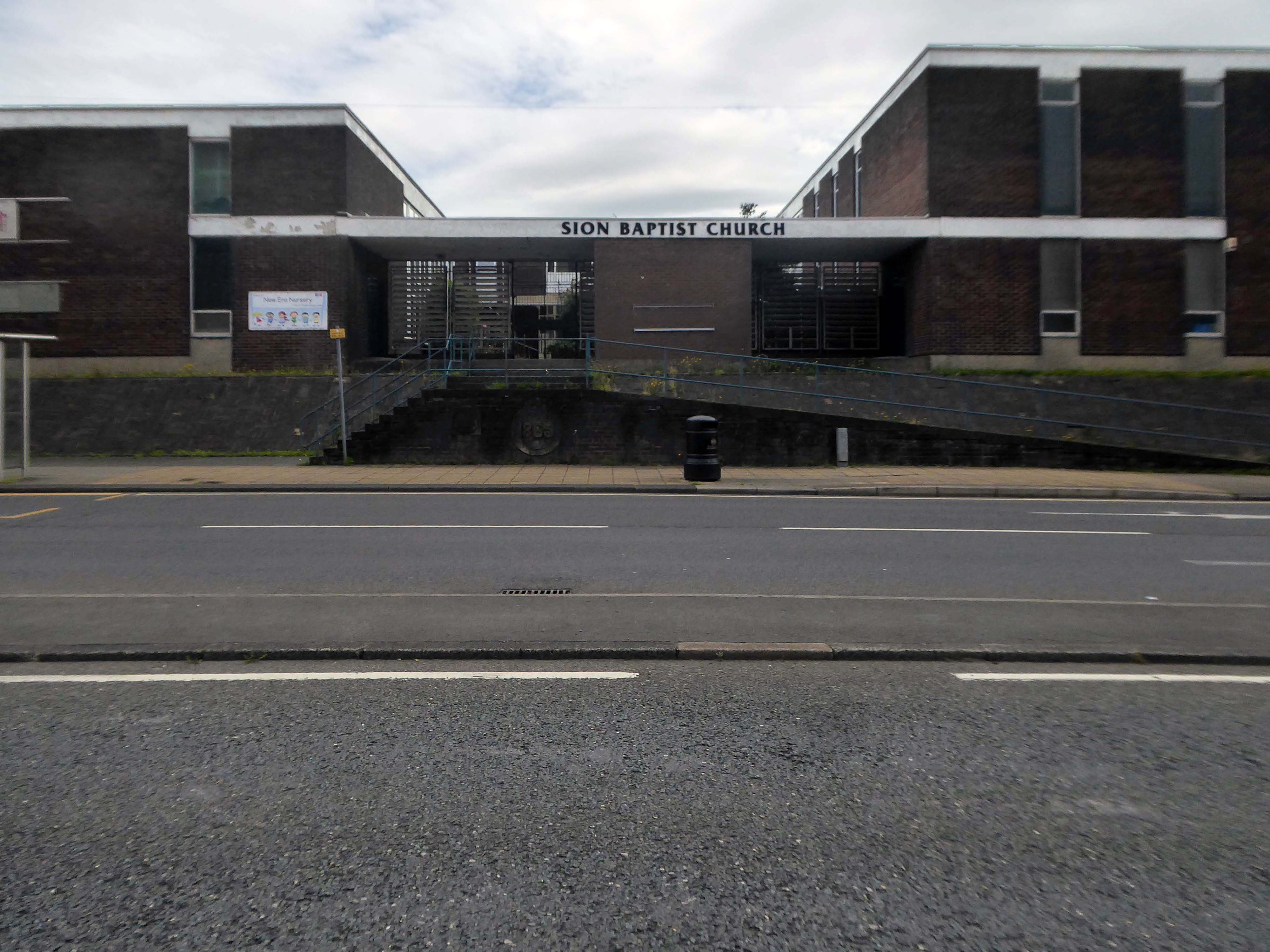
Across the way is the Sion Baptist Church architects: Gilling Dod & Partners 1961
Down the hill toward the car park.
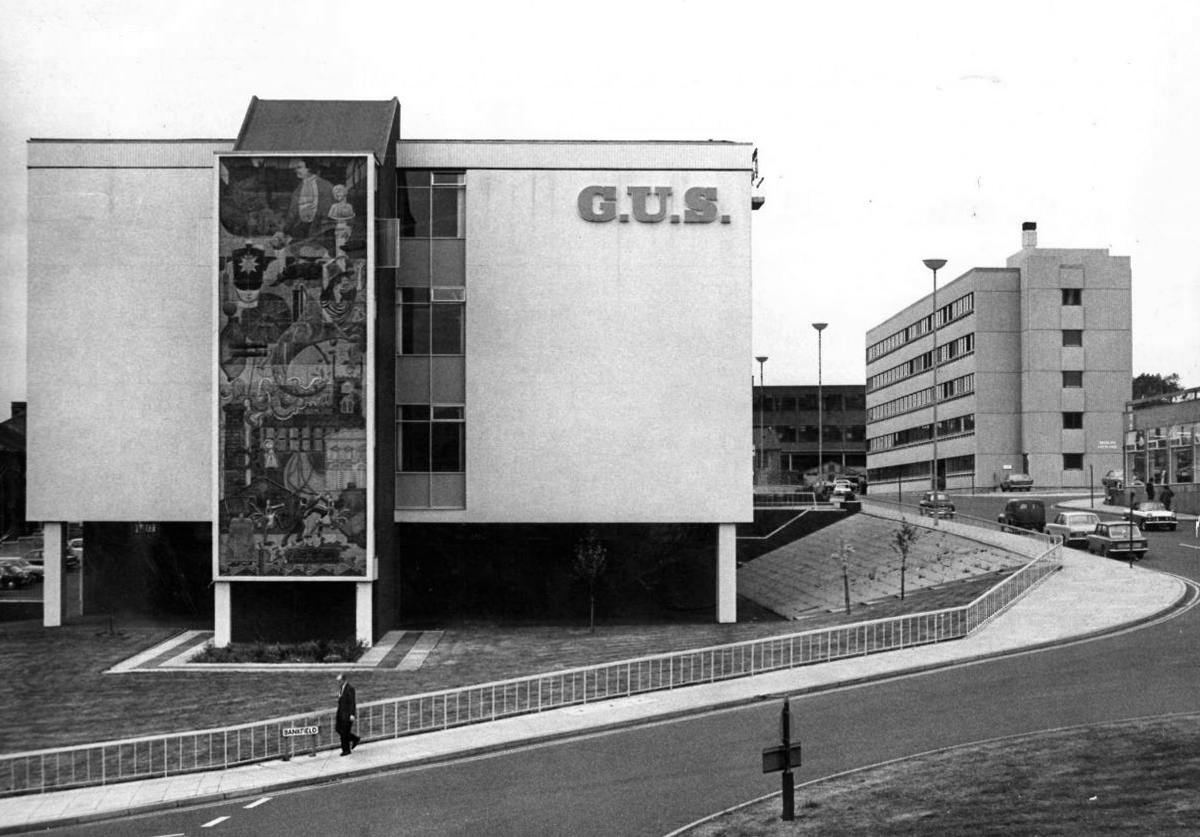
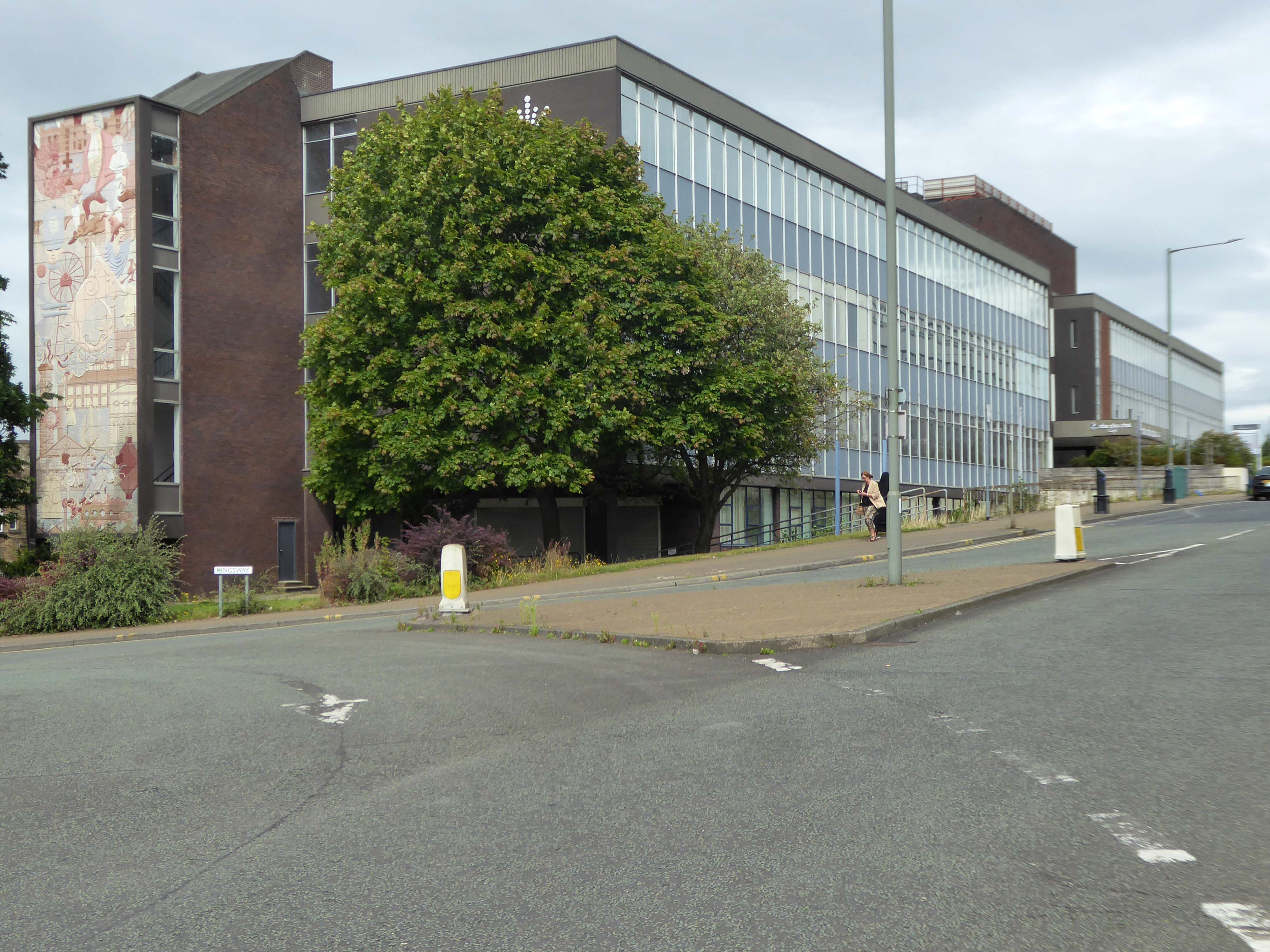
Emerging onto Kingsway – site of the former GUS Offices.
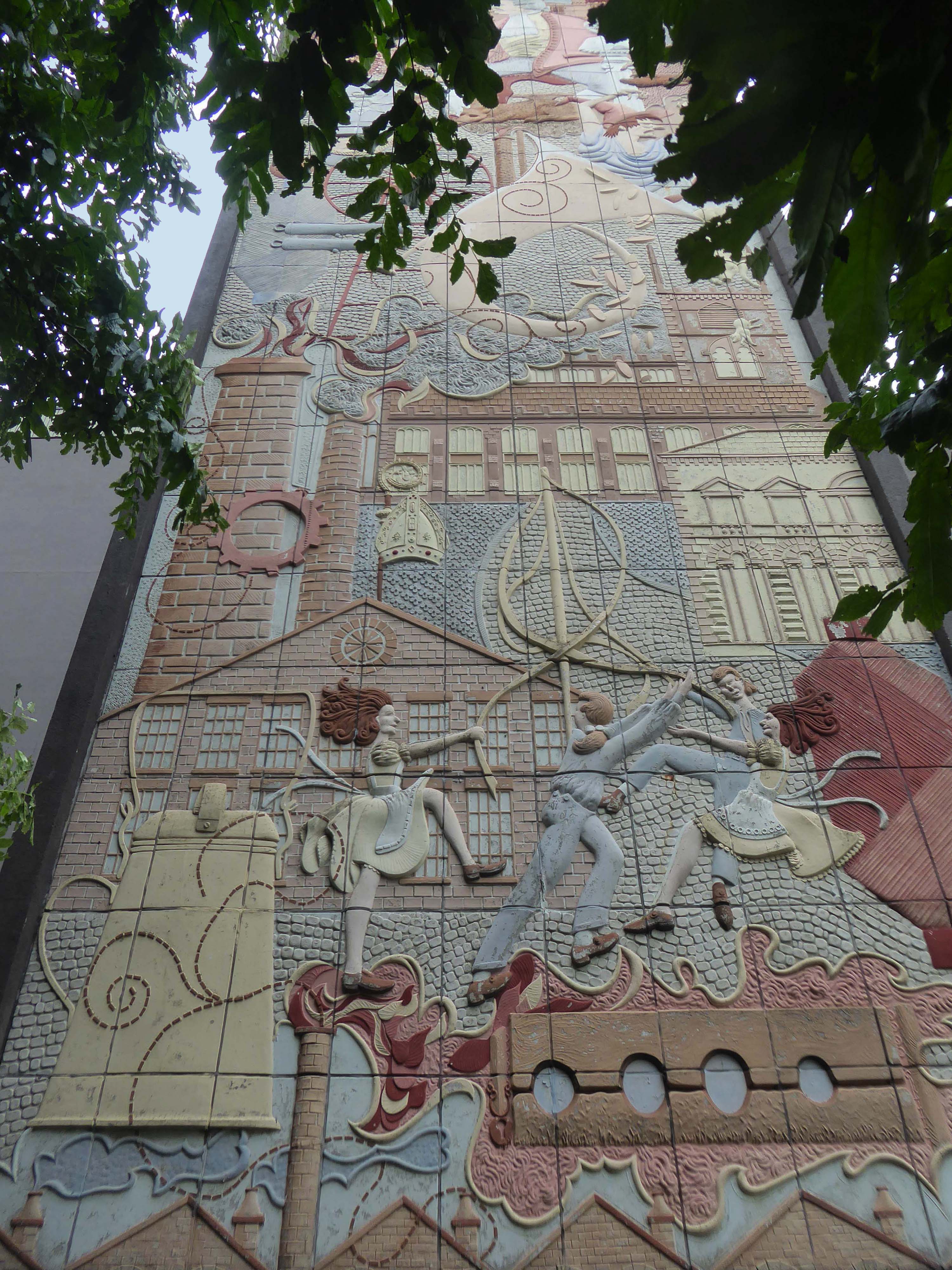
Adorned by this adorable ceramic mural – by William Morris and Diane Humphreys 1969.
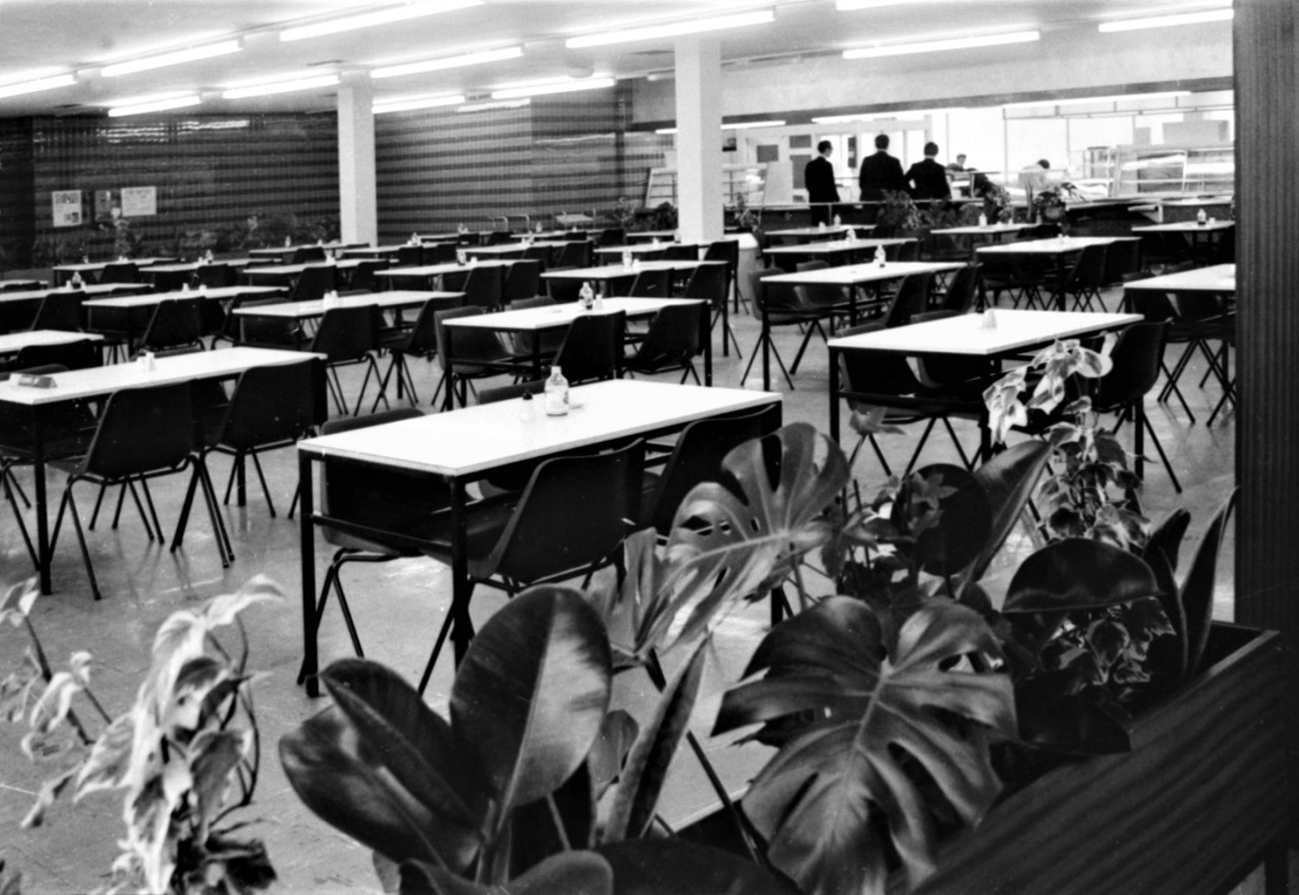
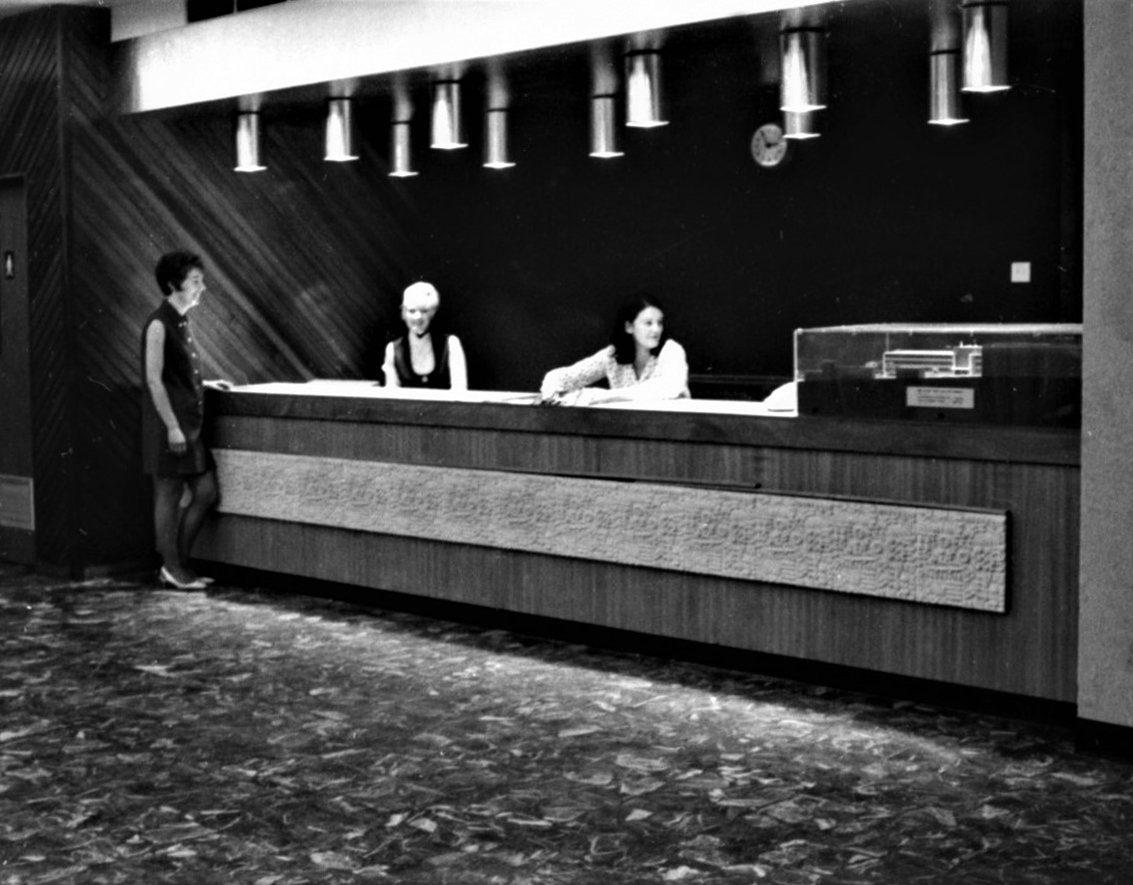
The Great Universal Stores building was built by the catalogue store as its headquarters on Bridge Street with work on the ambitious multi-storey project beginning in 1969.
What made the construction a challenge was that it was built in two halves – Parker Street at one time ran through the middle of it, before the two halves were joined together and the building was opened in 1970.
Home shopping firm Shop Direct announced in January 2010 that it was to close its Burnley call centre with the loss of 450 jobs. The company, which owns Littlewoods, Additions Direct, Very, Empire Stores and Marshall Ward, had been in the town for over 30 years, originally as Great Universal Stores but now known as GUS plc.
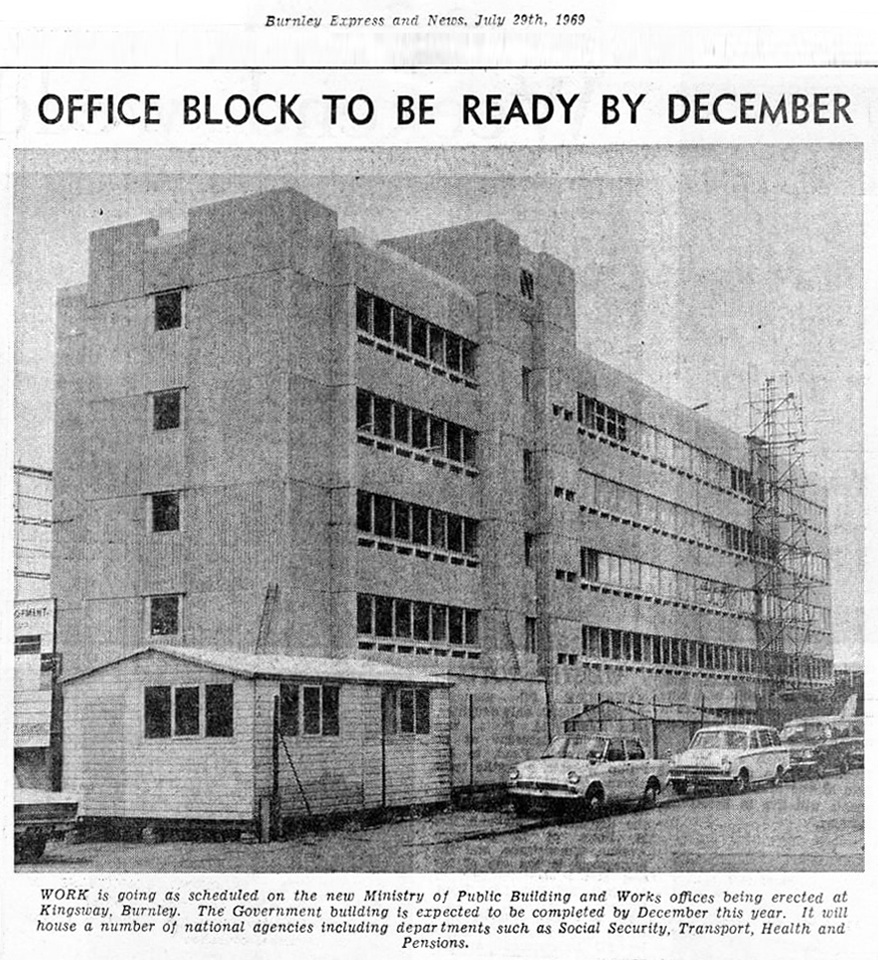
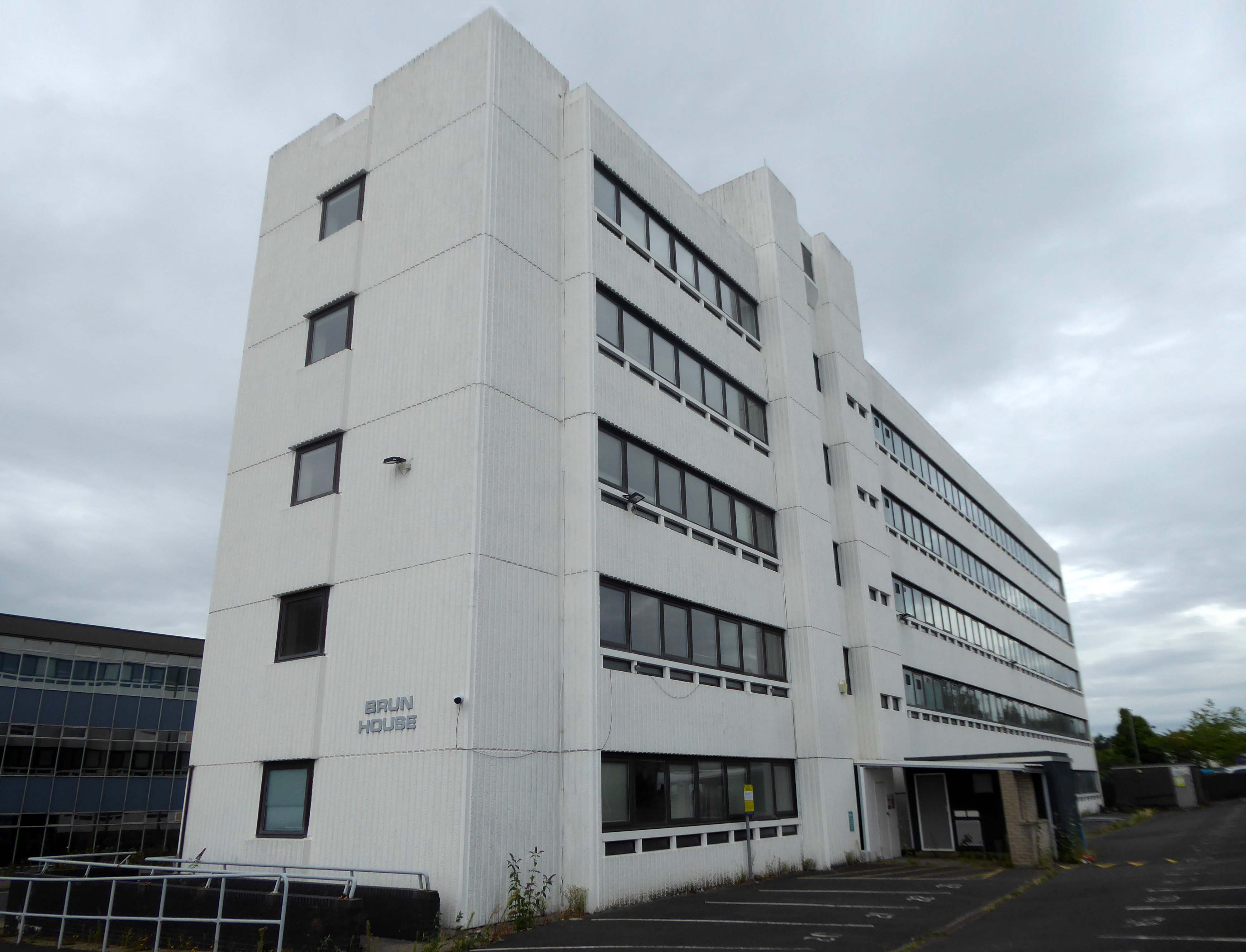
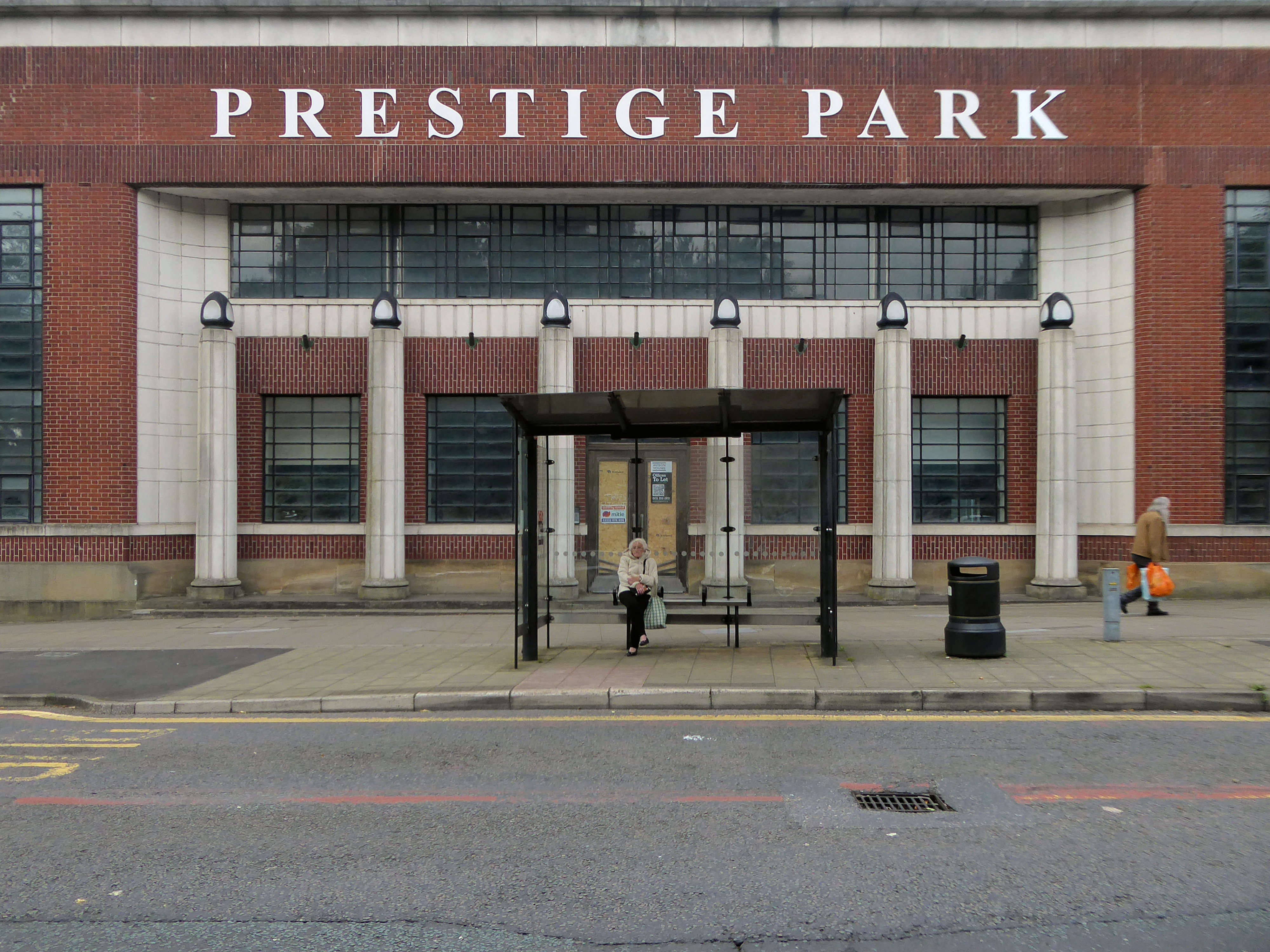
Meanwhile across the way Brun House sits imperiously white and slab-like.
Ministry of Works 1969
No longer occupied by the Department of Works and Pensions – it’s currently up for grabs.
Five storey office building constructed in approximately 1980 (sic) with open plan accommodation on all of its five floors. Stairwells at each end of the property and central core area roof which is a further stairwell and central toilets.
The site was redeveloped by Sainsbury’s and the facade retained.
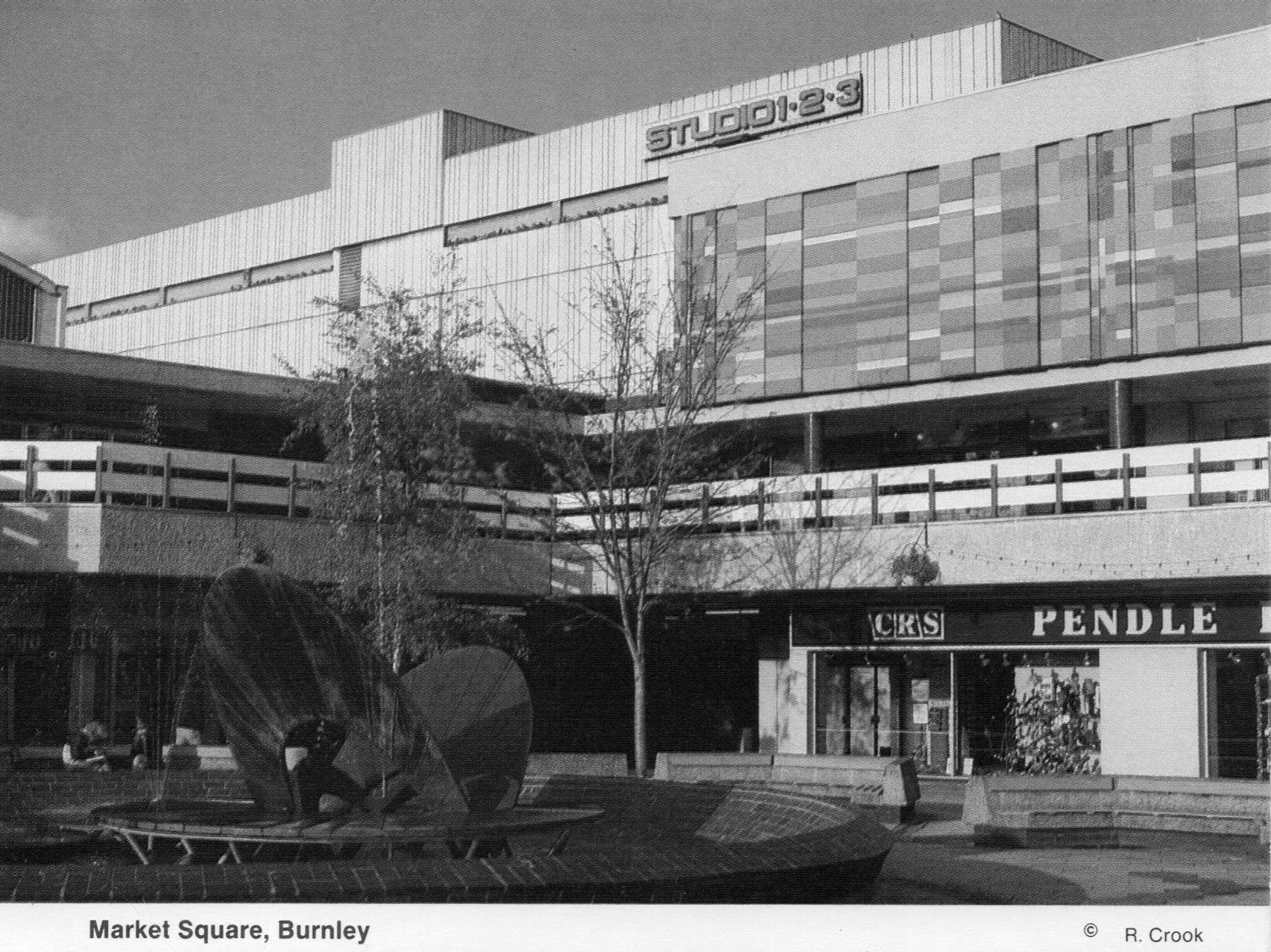
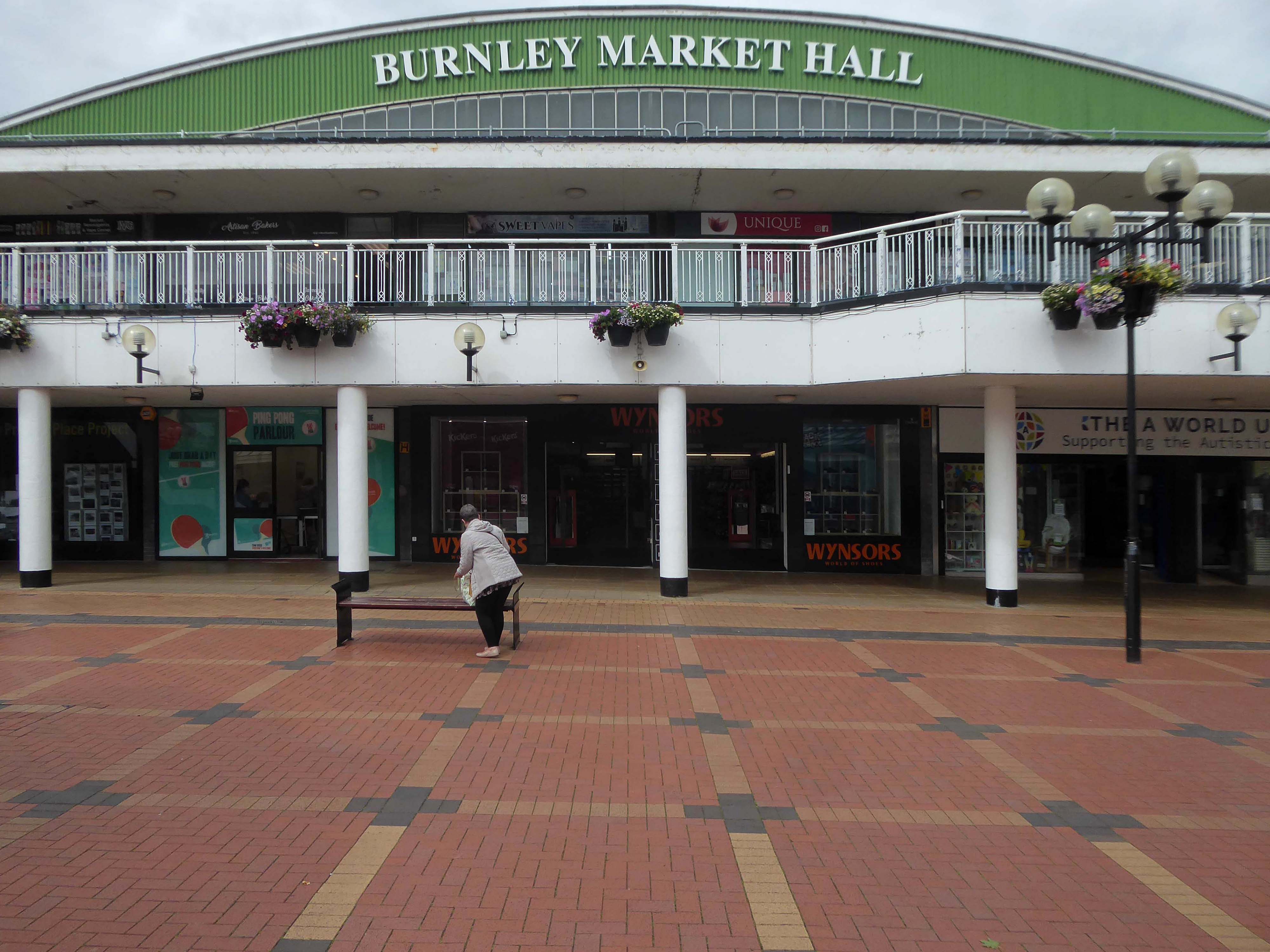
Backtracking around the back of Kingsway House and down to the Market Square.
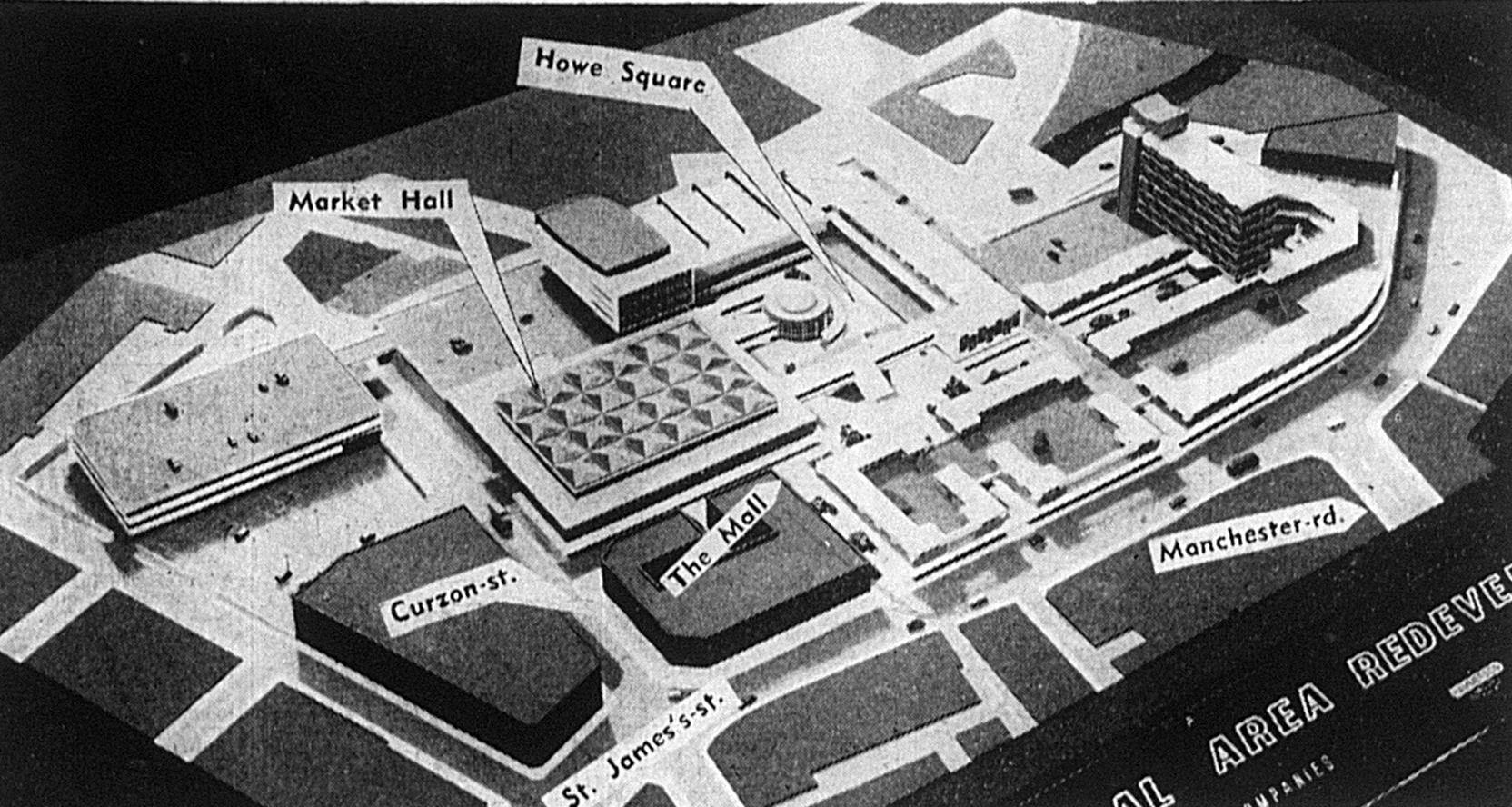
On 7th January 1961 a report in the Burnley Express reported that there were arguments amongst members of Corporation members regarding the redevelopment of the town centre specially to do with the Market Hall and surrounding shops.
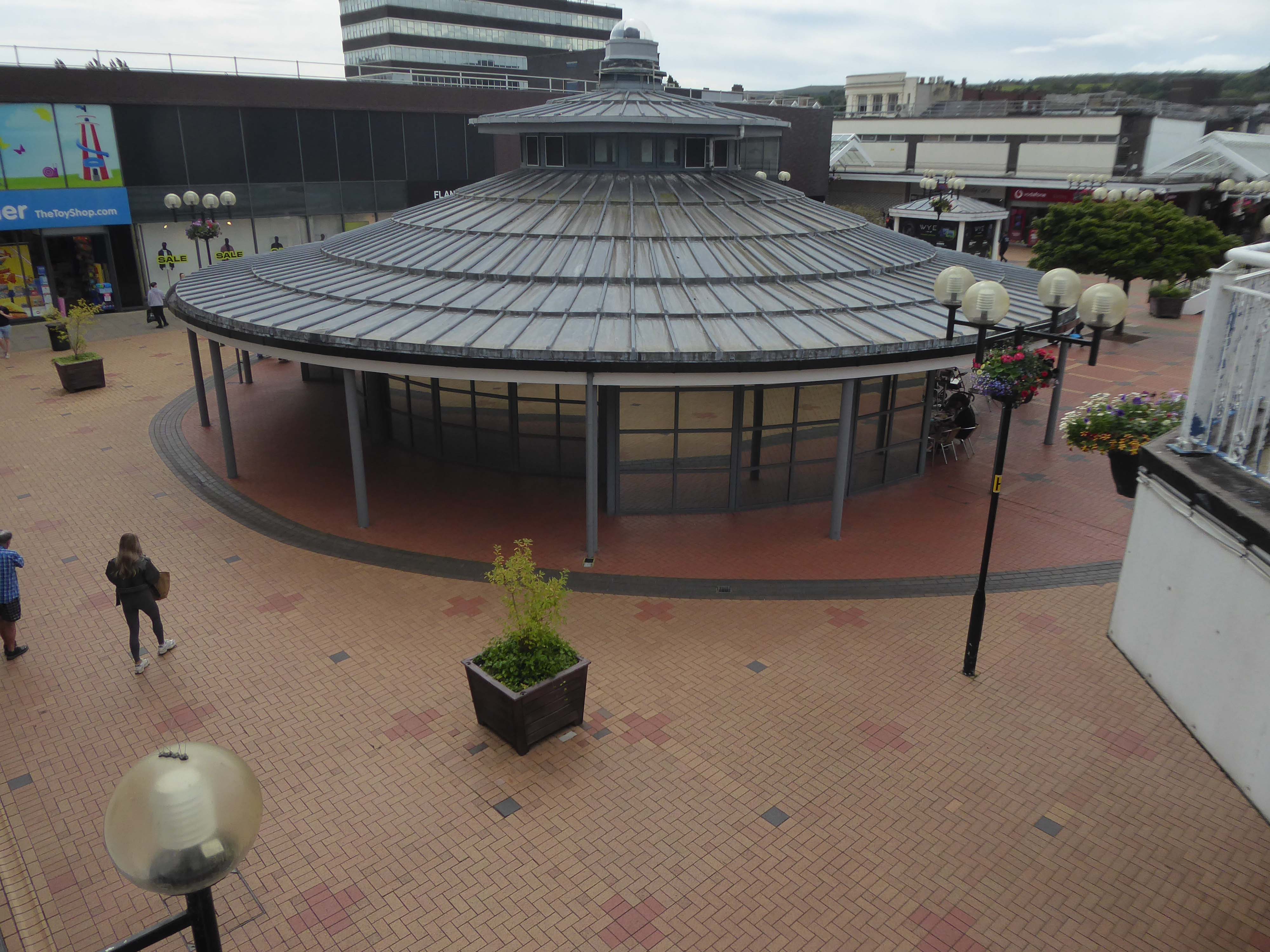
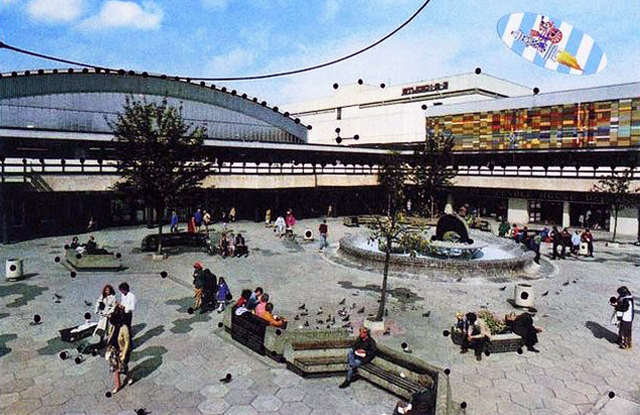
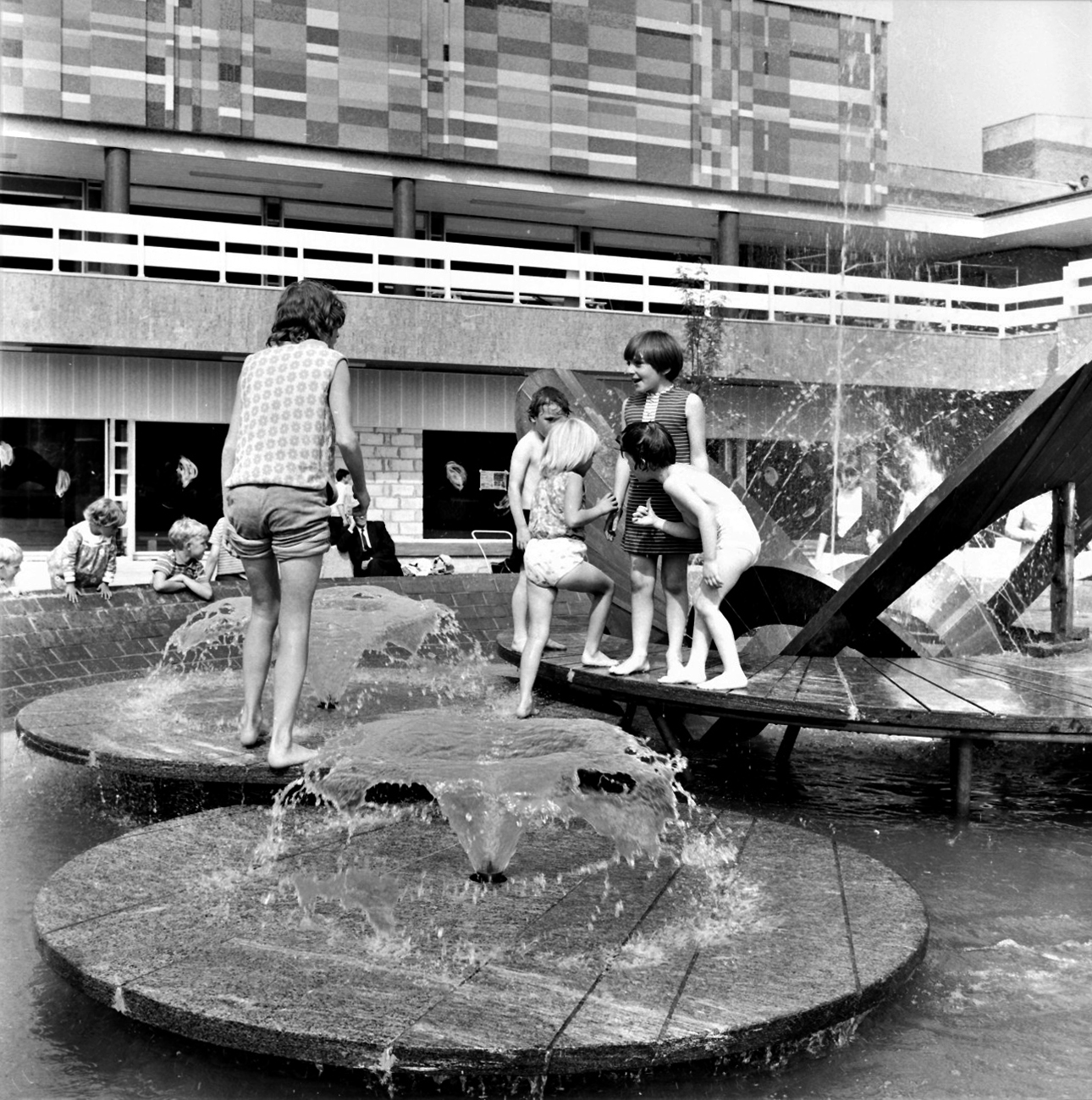
Which has lost its fountain, sense of humour and architectural integrity.
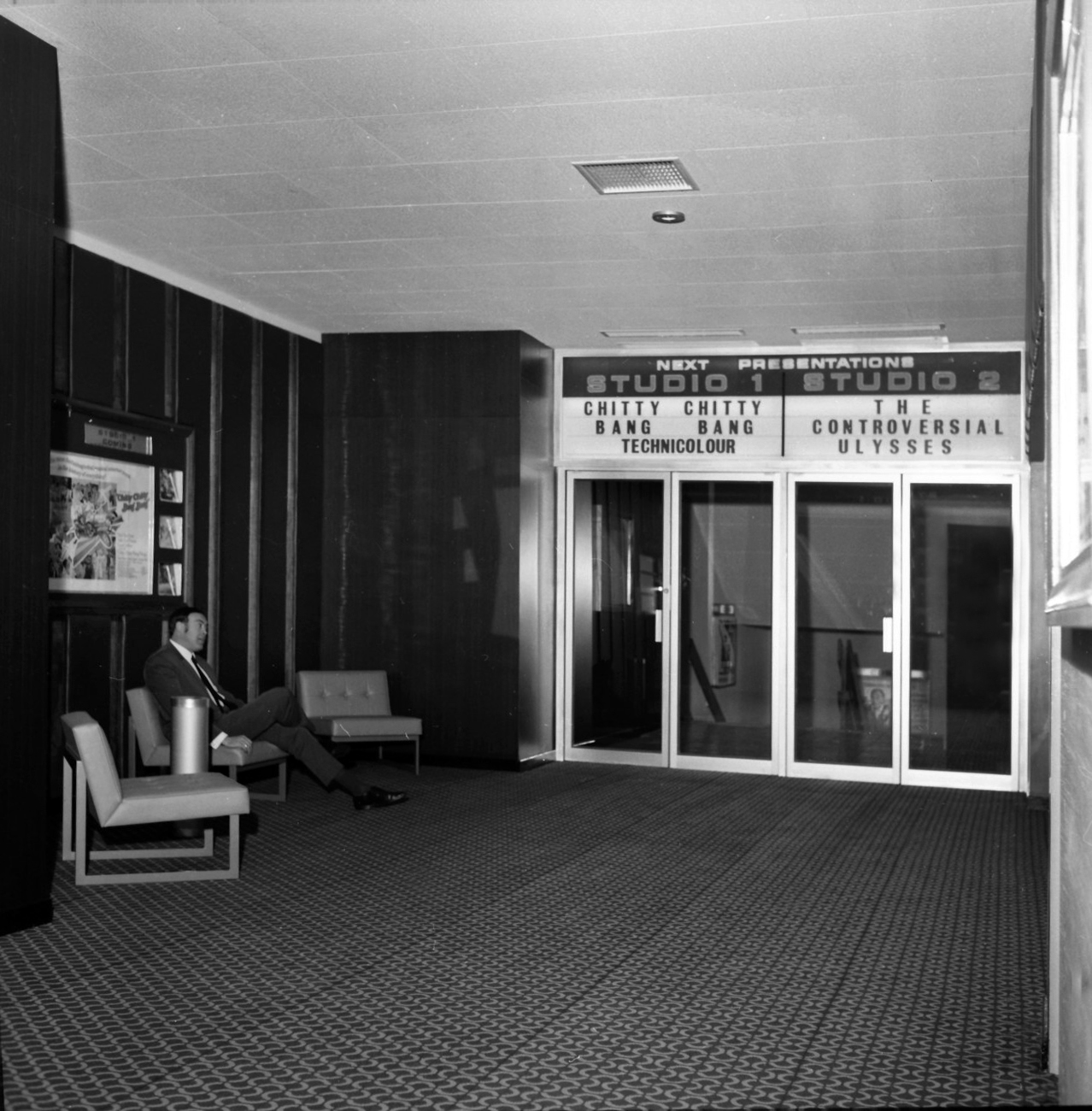
Along with the cinema.
Located in Burnley, Lancashire, in the Market Precinct of the new Charter Walk Shopping Centre. The Studio 1 & 2 was opened in July 1970, by the Leeds based Star Cinemas chain.In 1972 another screen was added, and it was re-named Studio 1, 2 & 3.
It was later closed, and in 1985 was taken over by an independent operator. The Studio 1, 2, & 3 was closed in January 1988. There were plans to re-open it in 1994, but this never happened, and it was demolished in 2018.
A single foyer and booking office serve the twin cinemas, which are the last word in luxurious design and lush furnishings – with studio 1 offering a new style ‘floating screen,’ with psychedelic lighting between films instead of a curtain screen.
Architects – Bernard Engle & Partners along with J Seymour Harris & Partners.
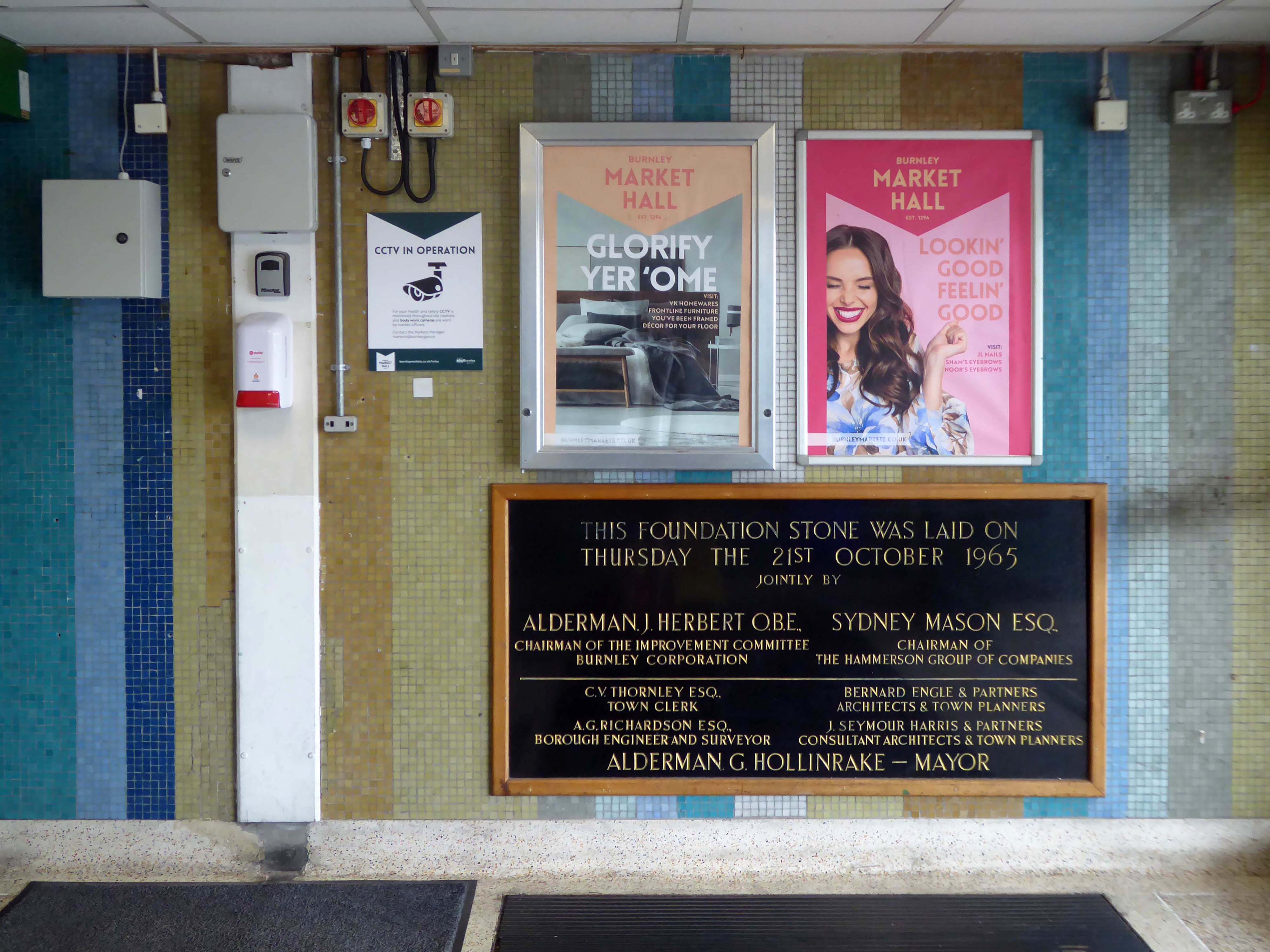
On the 18 November 1969crowds of shoppers braved yesterday’s cold to witness the new market’s debut – and to have the privilege of being among the first customers to Burnley’s £600,000 trading complex.
Coun. Bailey, who described the new market as ‘a glittering jewel’ in the setting of this great new modern development, was the man who made history not only by opening the building, but by making the first purchase – a nightdress for his wife.
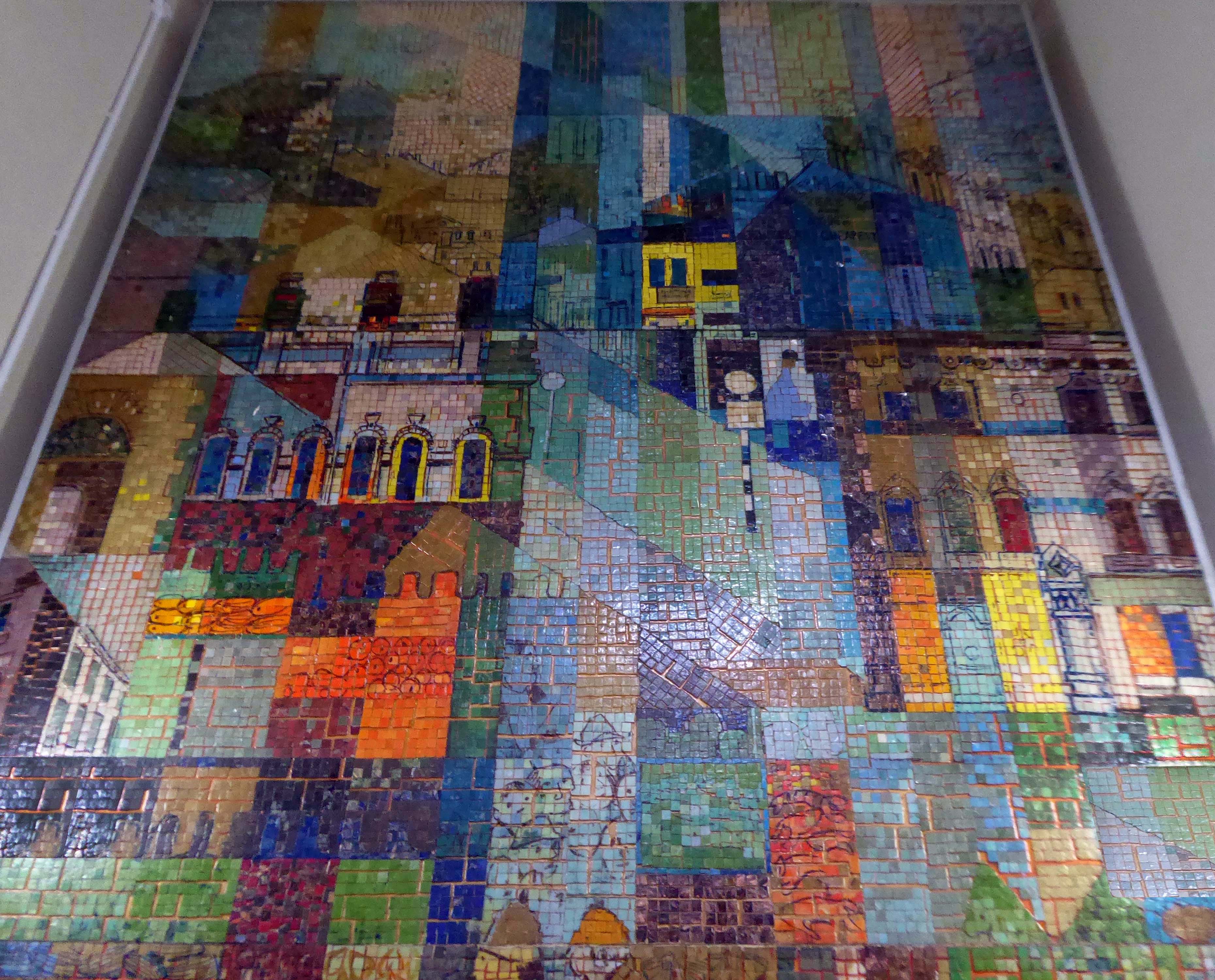
Inside the entrance are delightfully obscured delightful mosaics.
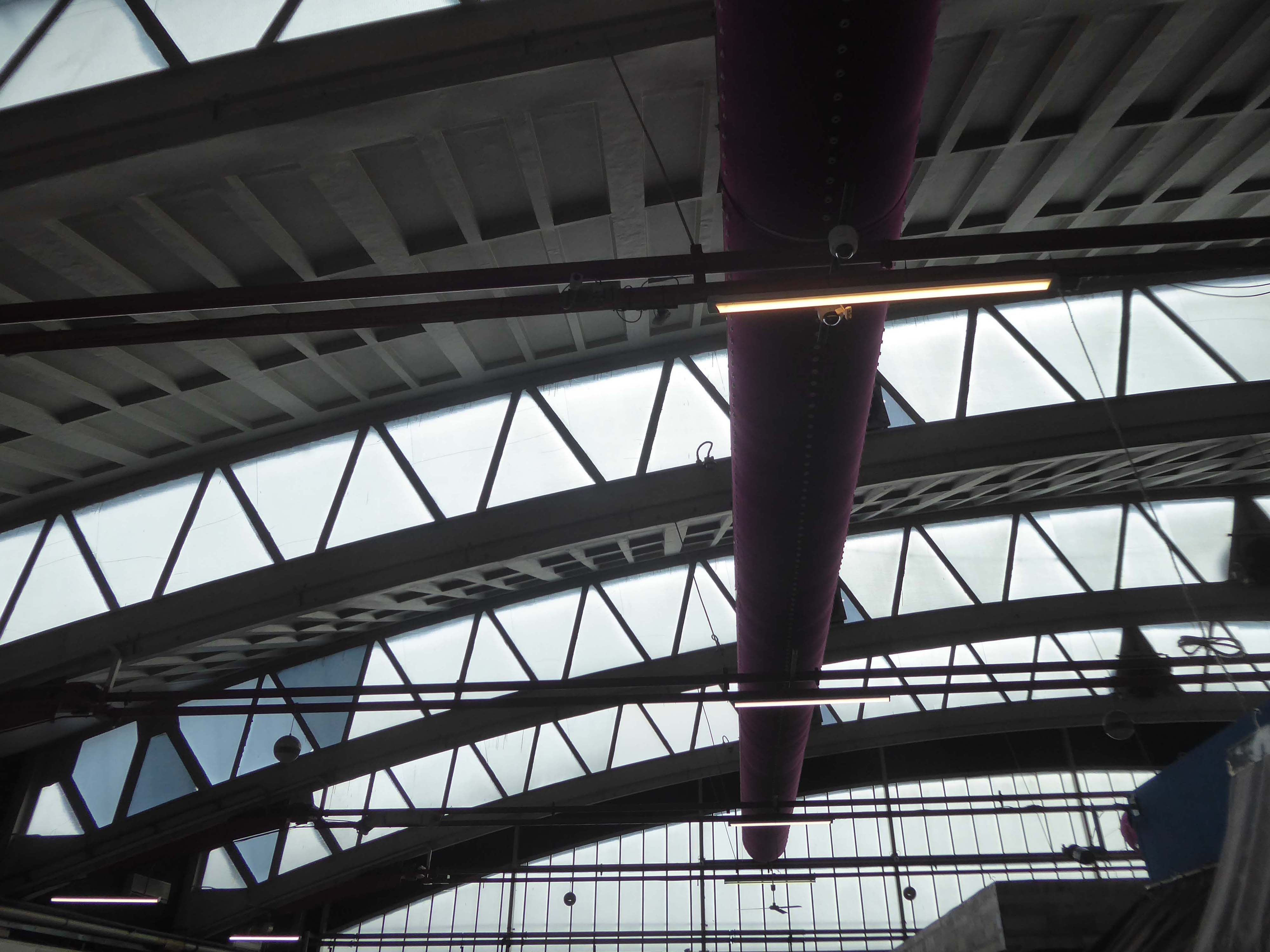
The interior is lit by north facing windows set in a curved sawtooth roof.
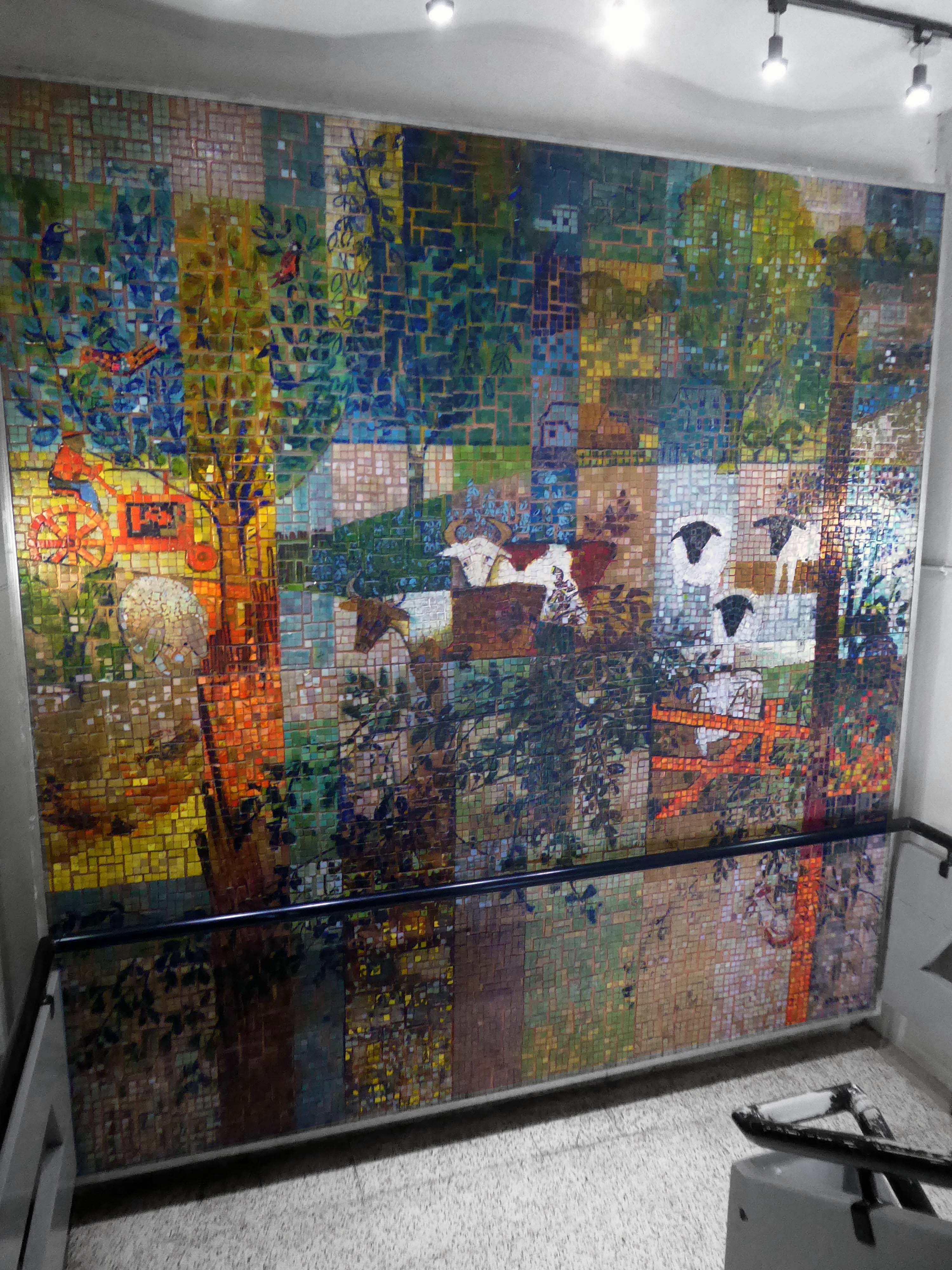
Down the back stairs two delightful figurative mosaics by Kramer Hart.
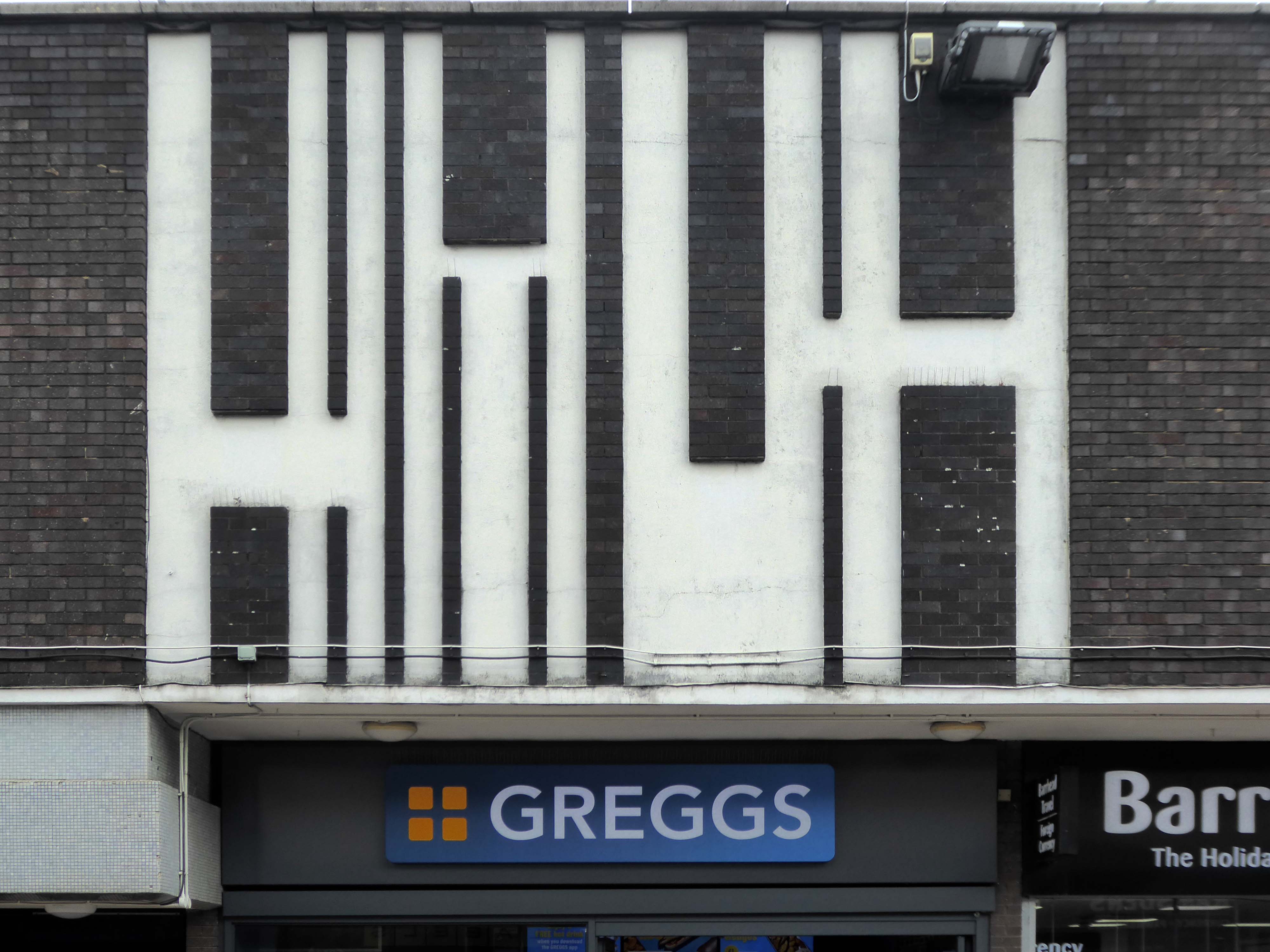
Back out on the street and around the bend this above the Greggs decorative brick motif.
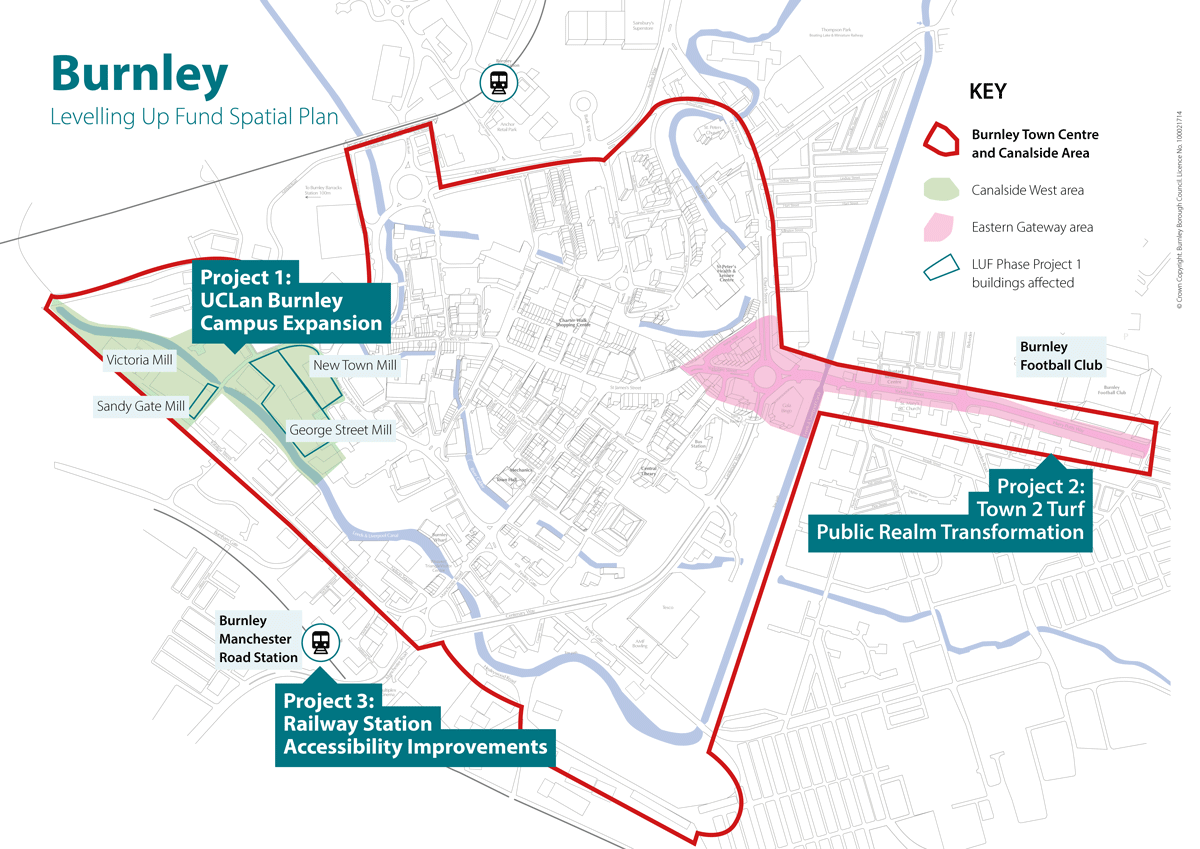
There are now plans to reshape the town centre yet again.
Enhancing and developing Burnley town centre’s role as a sub-regional commercial centre is a key objective of the plan. In line with the requirement of the National Planning Policy Framework to provide for sustainable development, the Local Plan establishes Burnley Town Centre as primary focus for retail, office, leisure, civic, and cultural uses for the Borough.
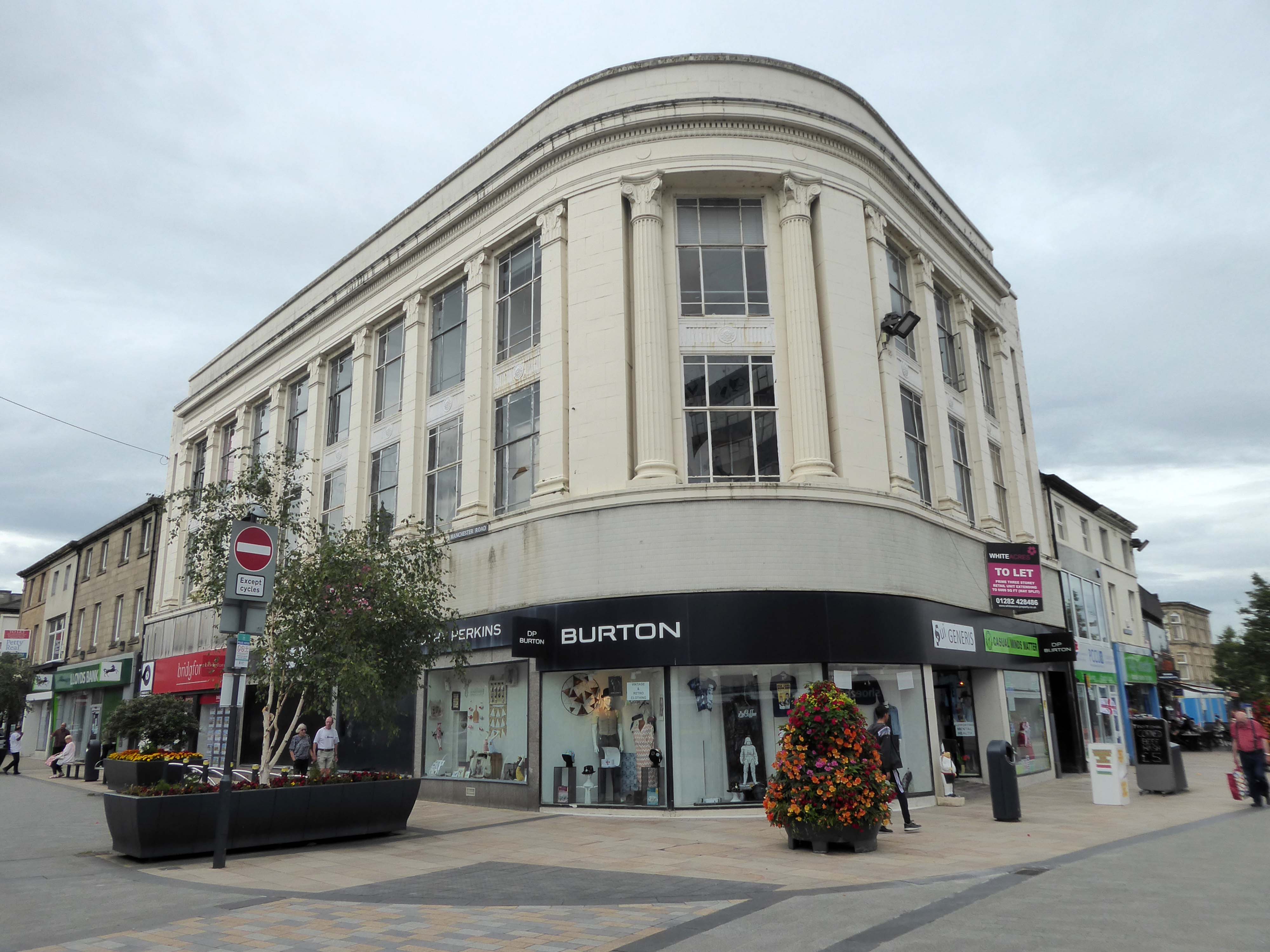
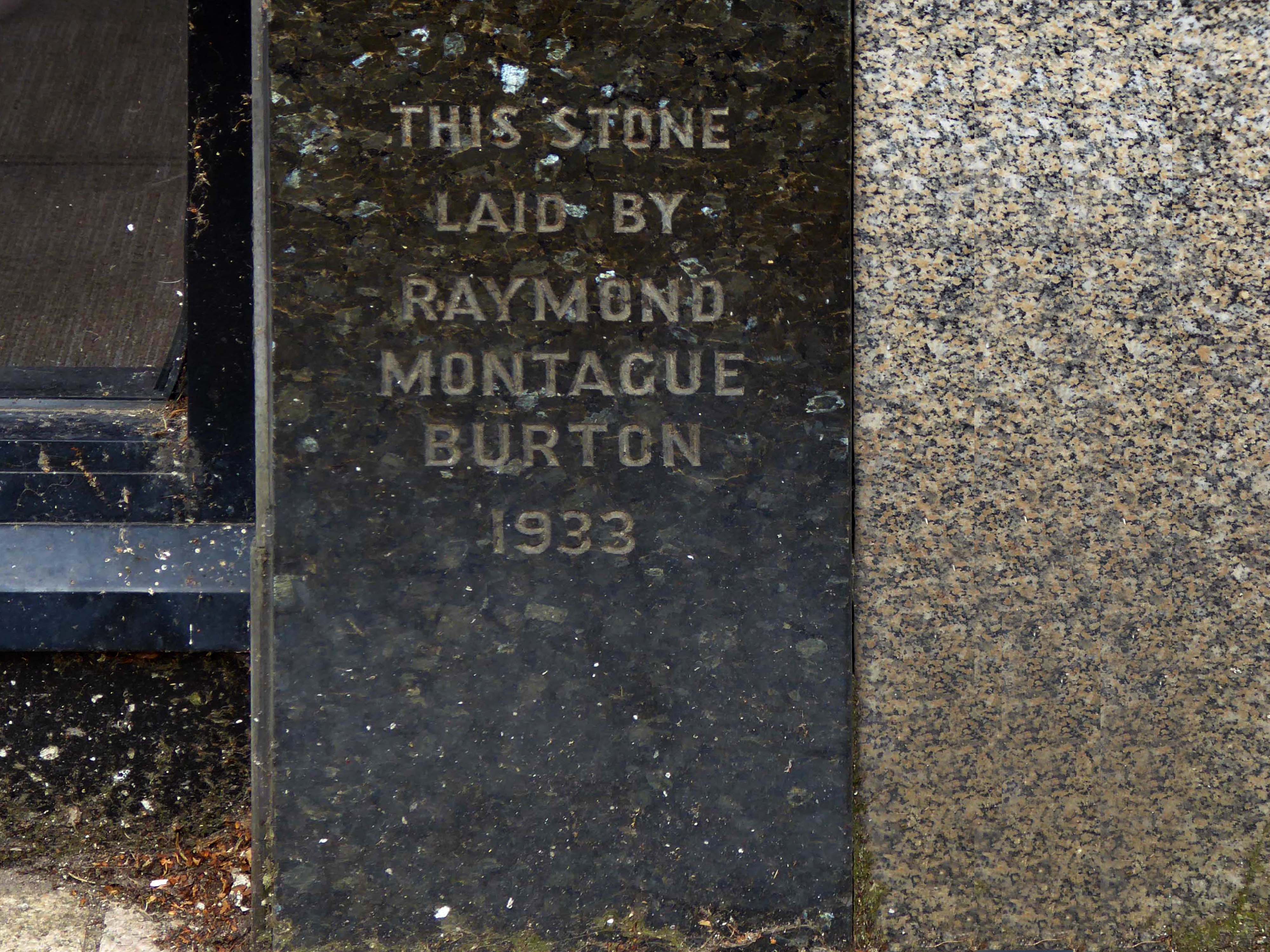
Everywhere has a Burton’s and Burnley is no exception.
Around the corner the former Martins Bank – Architect: Mr J E Wadsworth of Samuel Taylor Son & Platt 1963.
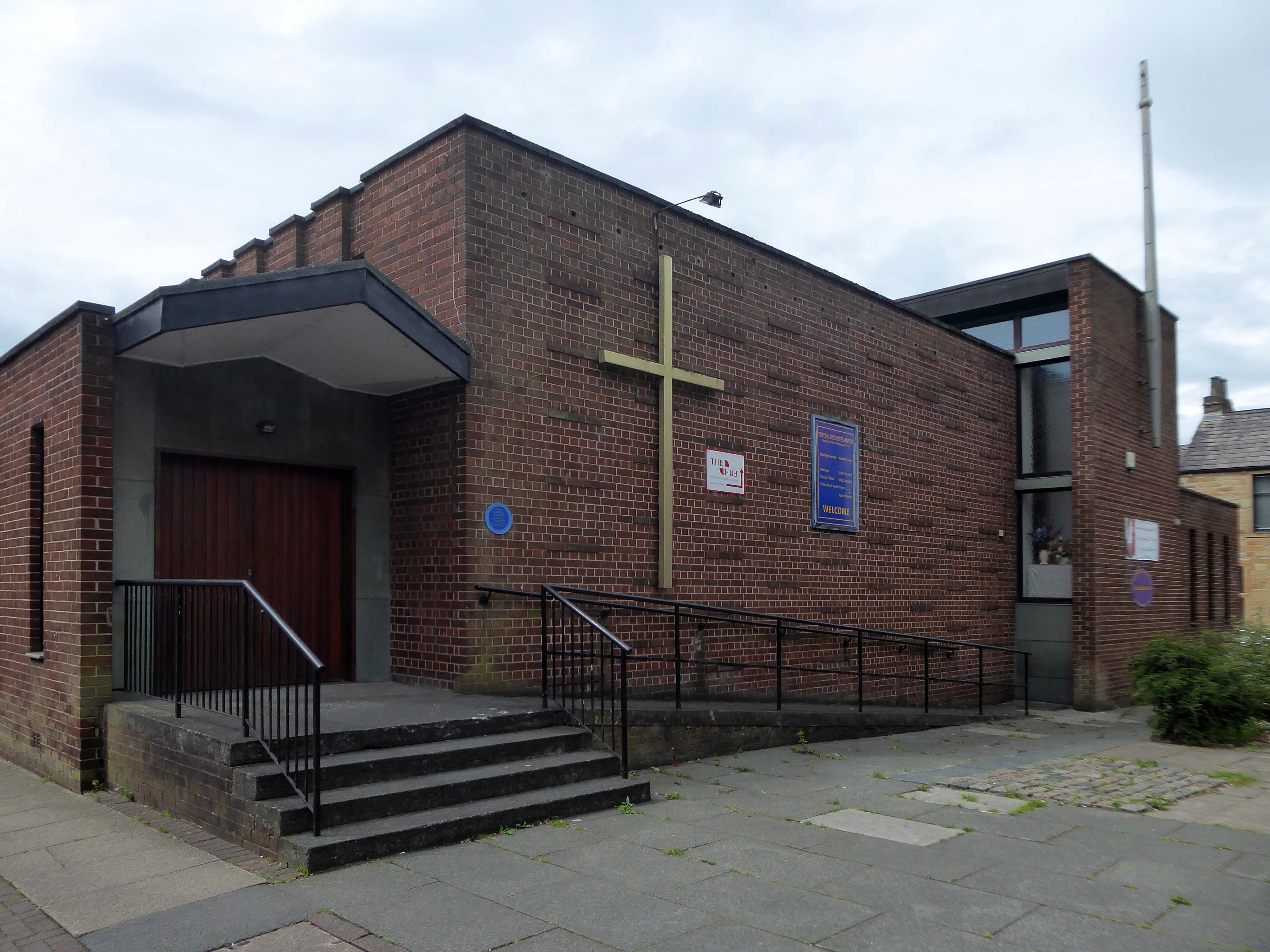
Around the corner to the Central Methodist Church – the Victorian chapel was demolished in 1965 and the new Central Methodist chapel was constructed.
The Church was designed by Burnley architects Samuel Taylor Son & Platt – my thanks to Heather at CMC.
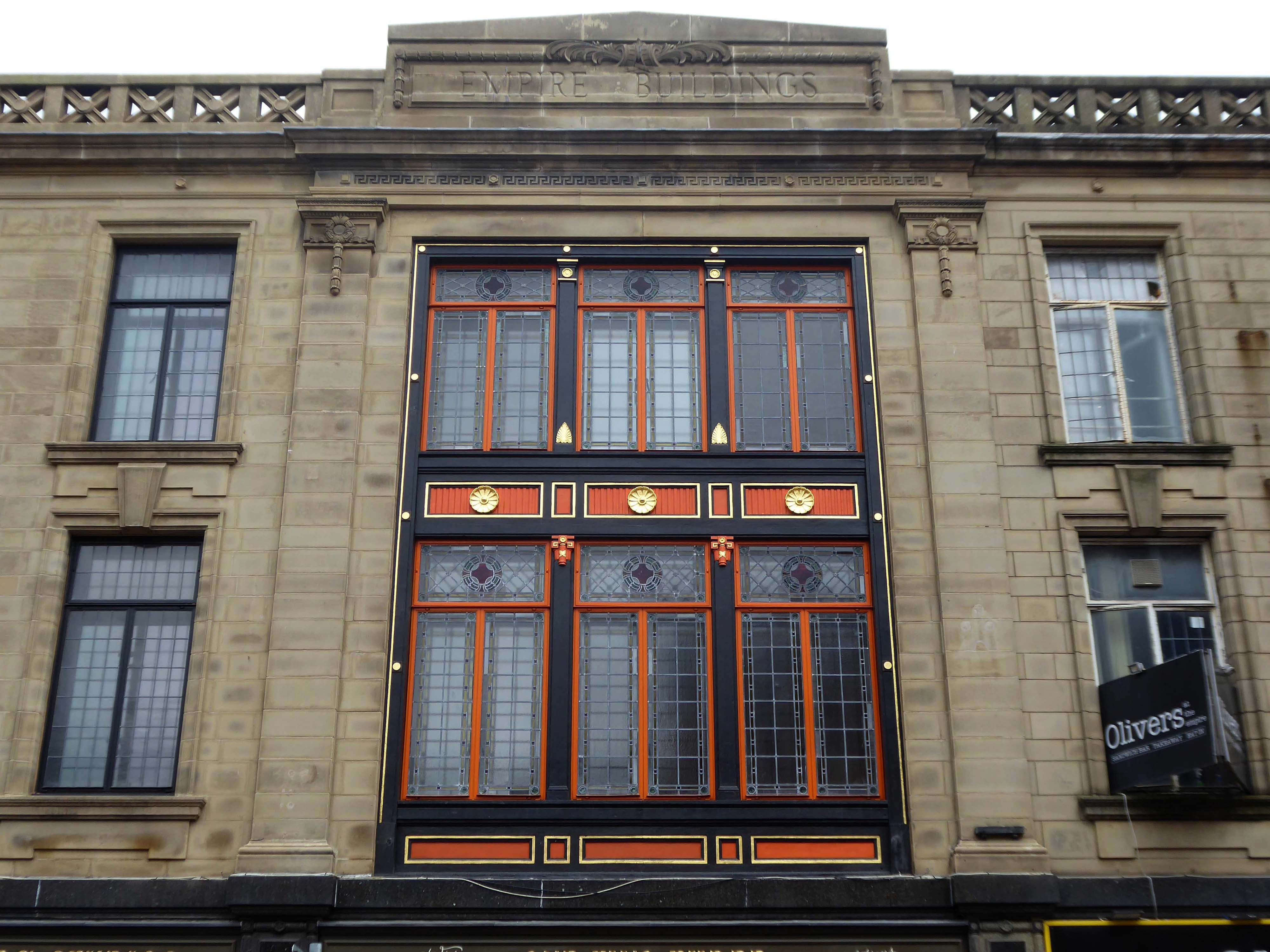
Empire Buildings a fine exemplar of that restrained Classical Moderne style, which we find in so many towns.
The Empire block, with its red, black and gold curtain windows, was built in 1928. It was designed by John Curtis & Son of Leeds and built by the Burnley Corporation to provide new council-owned shops. It faces what used to be the Empire Theatre.
Jack Nadin
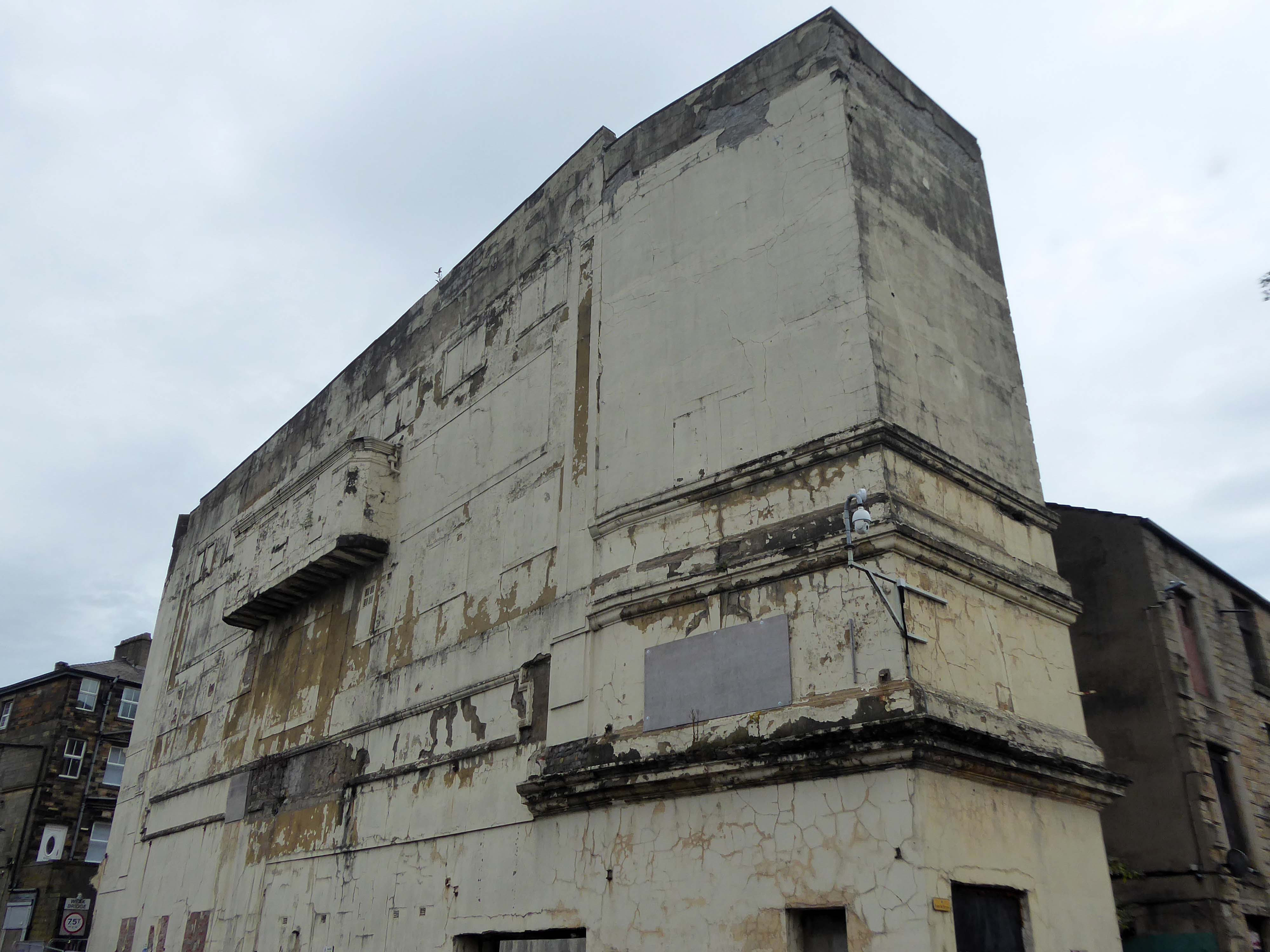
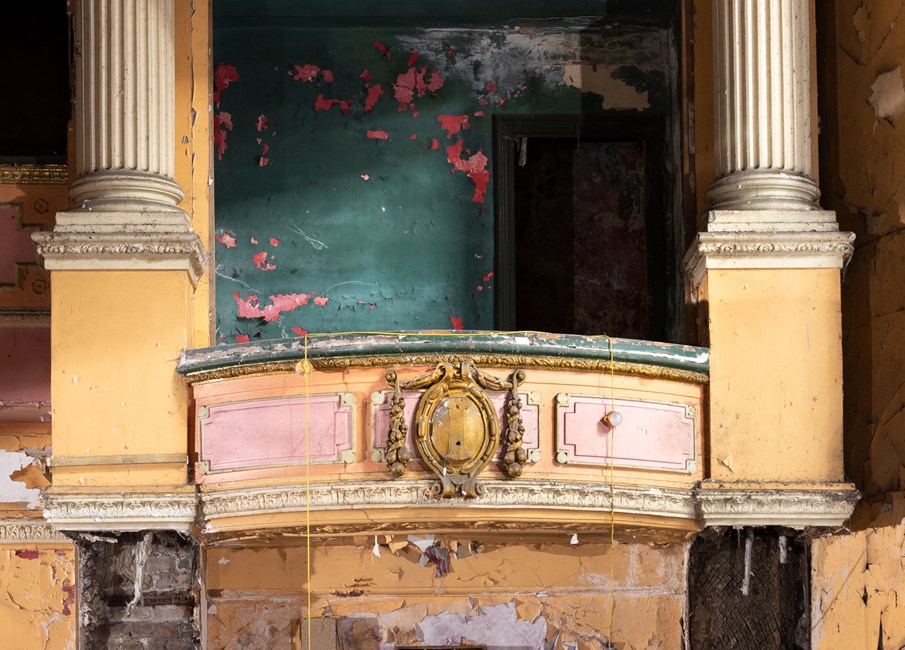
The Empire Theatre still stands it is Grade II listed – former Empire Music Hall, Theatre of Varieties and Cinema.
It held the first film show in Burnley in December 1897, after the Lumière Brothers brought cinema to London in February 1896, and Harry Houdini performed at the Empire in December 1902. In 1930 the new Federated Estates Limited converted the Empire into a ‘talkie’ cinema.
The Empire continued as a cinema, and its last use for live theatre was in October 1966 when the Burnley Light Opera Company staged a production of The Merry Widow. The cinema closed in July 1970 and was modified to become a bingo hall. The building remained in use until 1995 and is currently empty.
A theatre and cinema, of 1910-1911, adapted and designed by Bertie Crewe from a former music hall and variety theatre, of 1894, and C19 cotton mill, with later C20 alterations.
The Burnley Empire Trust are aiming to make the stage house of the Burnley Empire wind and watertight so the charity can work towards putting the space back into community use.
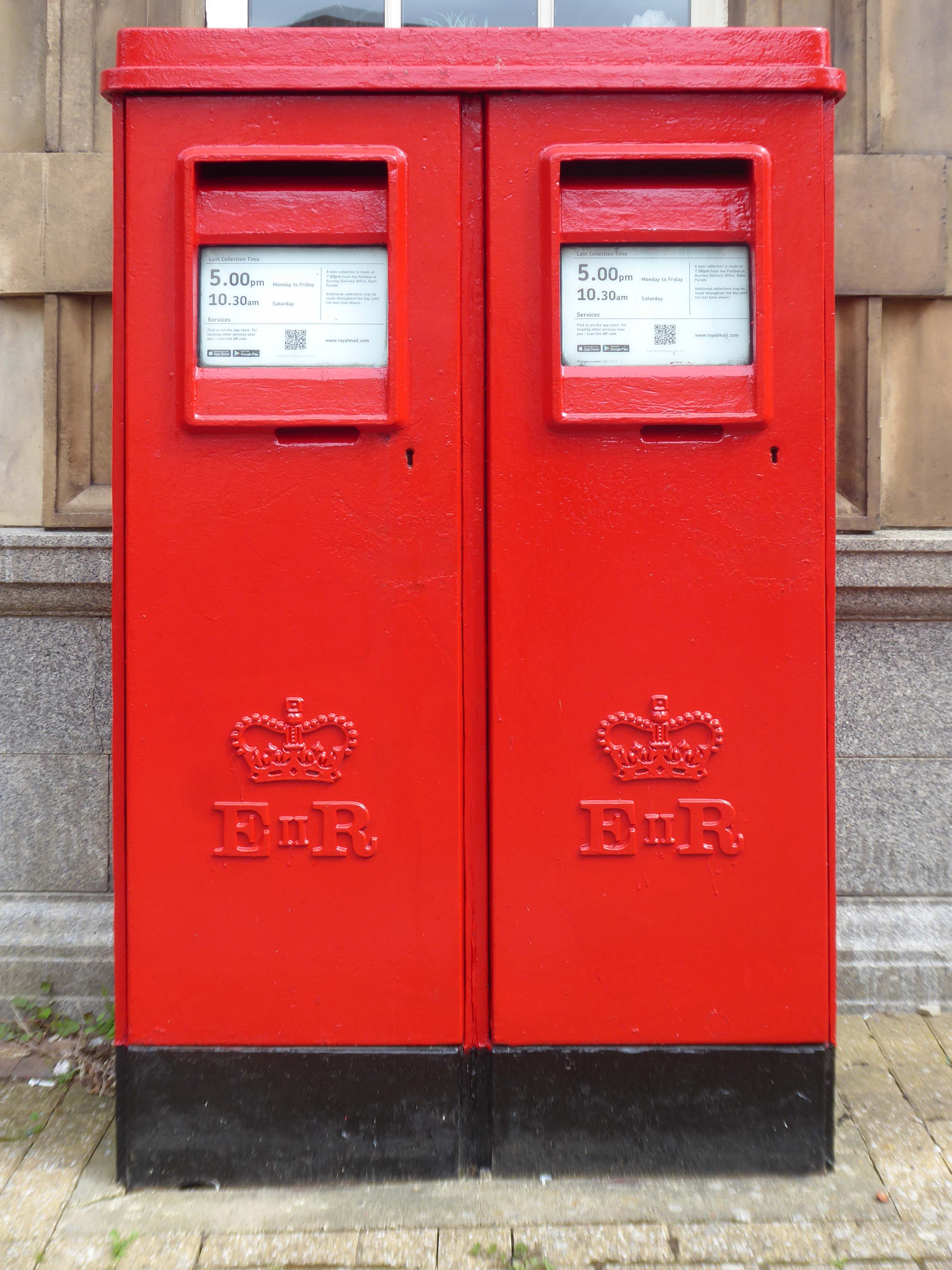
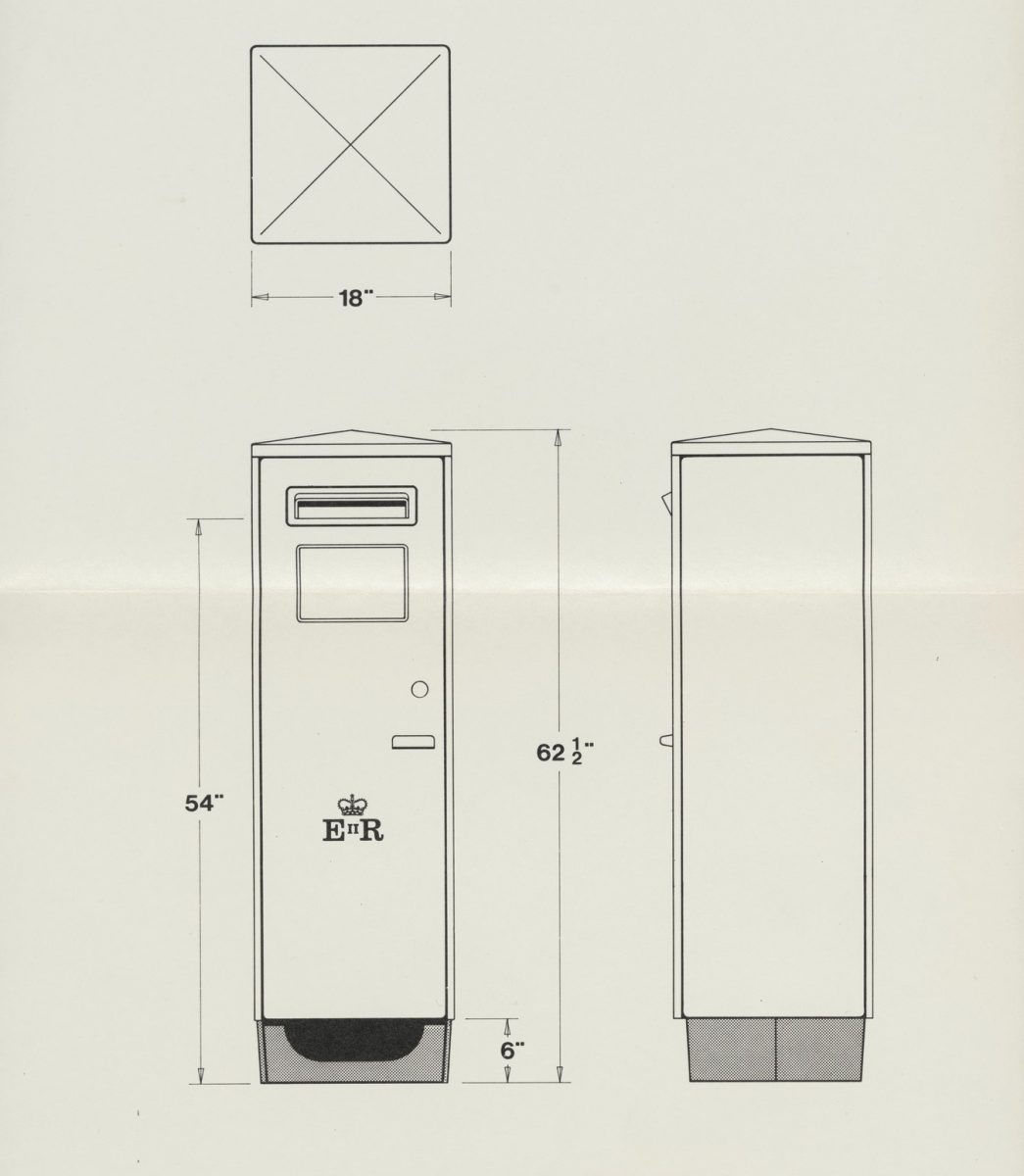
A pair of type G EIIR pillar boxes outside the former post office – a development of an earlier 1968 design of square pillar box by David Mellor.
A curious modern confection, with a decorative brick facade encased in a concrete surround.
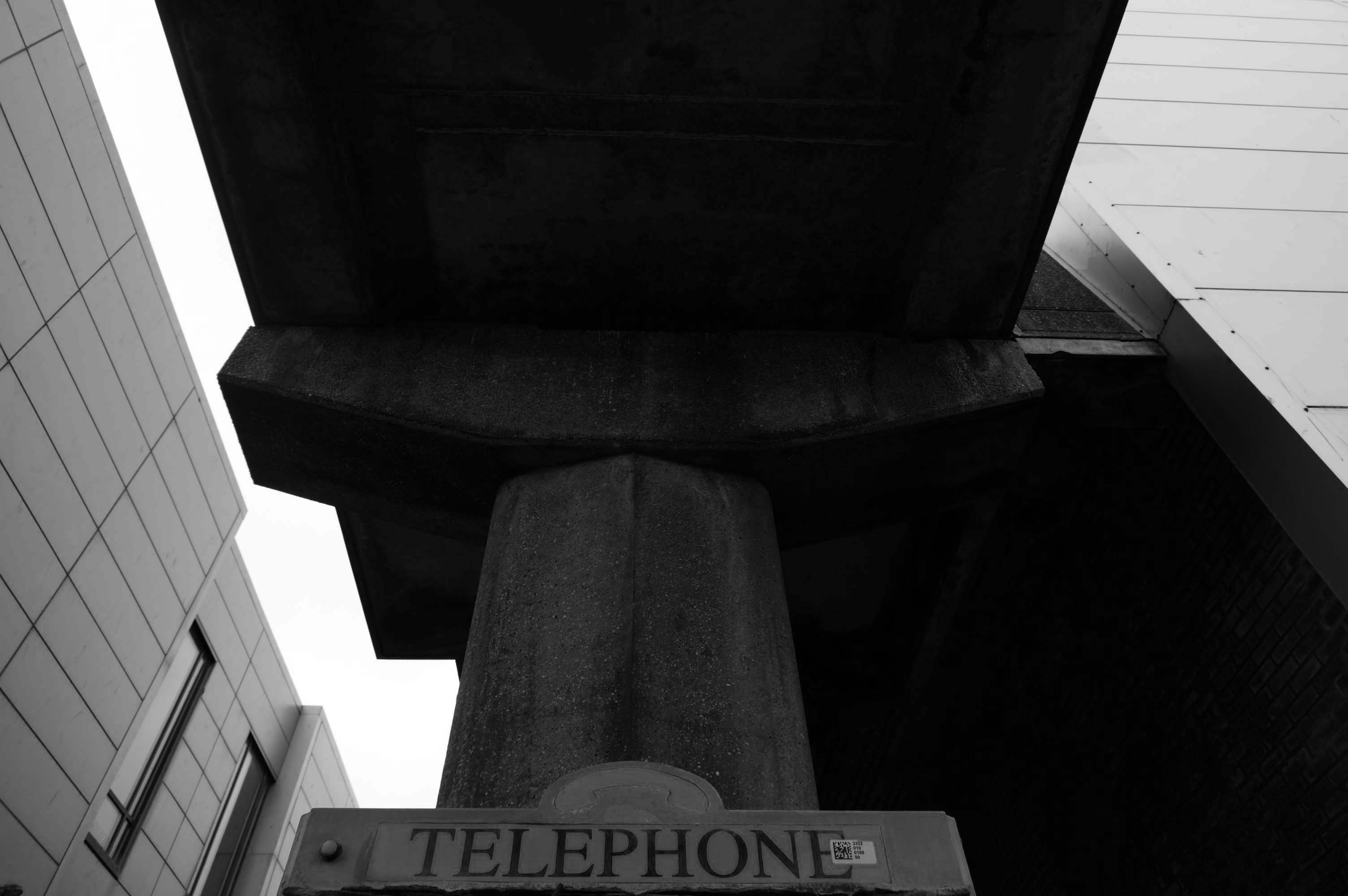
Next we are off in search of a Telephone Exchange.
There now follows a fairly lengthy stroll to the Crow Wood Hotel & Spa Resort – in search of the Charles Anderson Frieze.
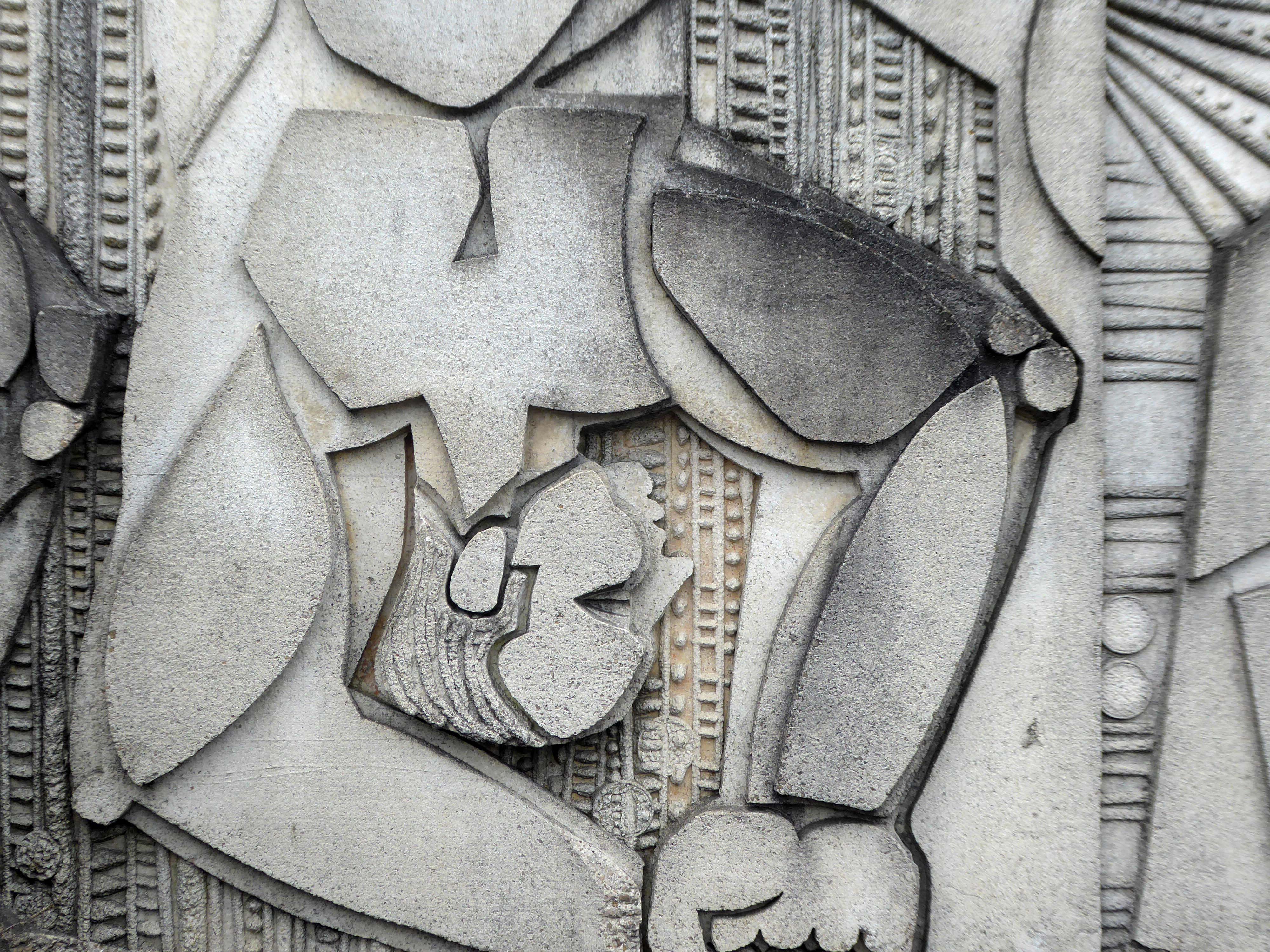
Formed from precast concrete panels against expanded polystyrene moulds – it stands 150ft long and 9ft high. It was gifted from funds provided by the estate of local Cotton Manufacturer and major town benefactor, William Thompson. The Thompson Recreation Centre was a flagship symbol of progress for Burnley in 1973, but was demolished in 2006.
Fortunately, the frieze was carefully dismantled, stored and reinstated by Andrew Brown.
Far, far away from the mad, rushing crowd, Please carry me with you. Again I would wander where memories enfold me, There on the beautiful Island of Dreams.
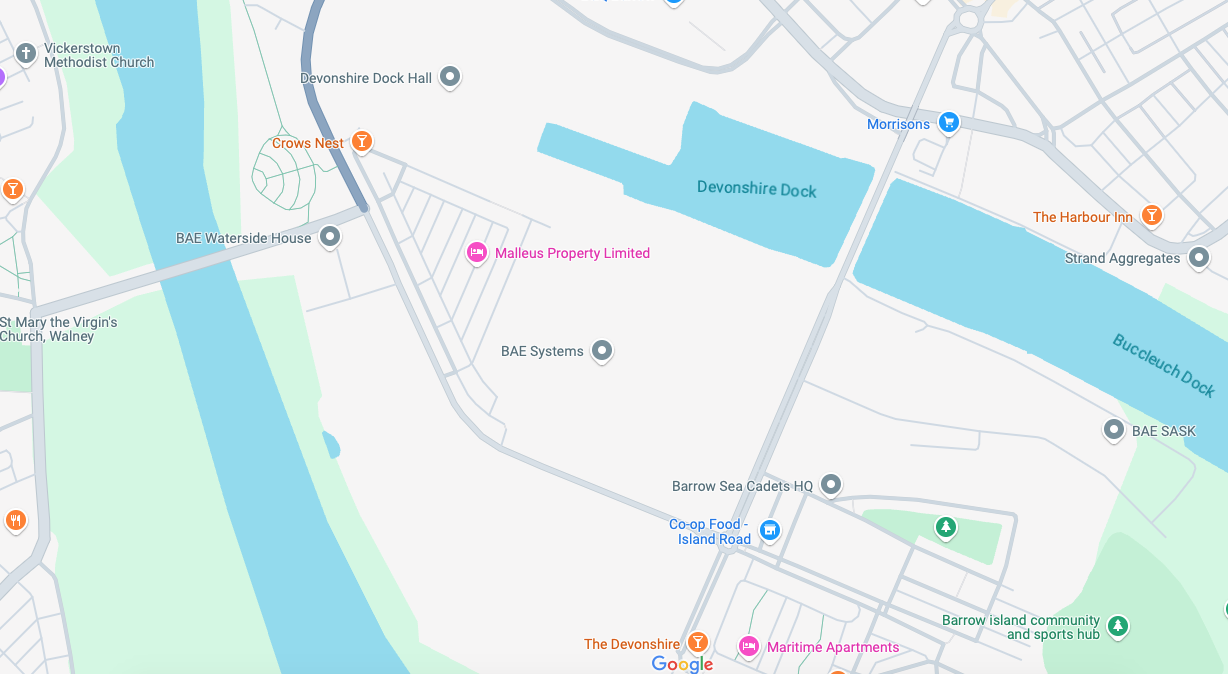
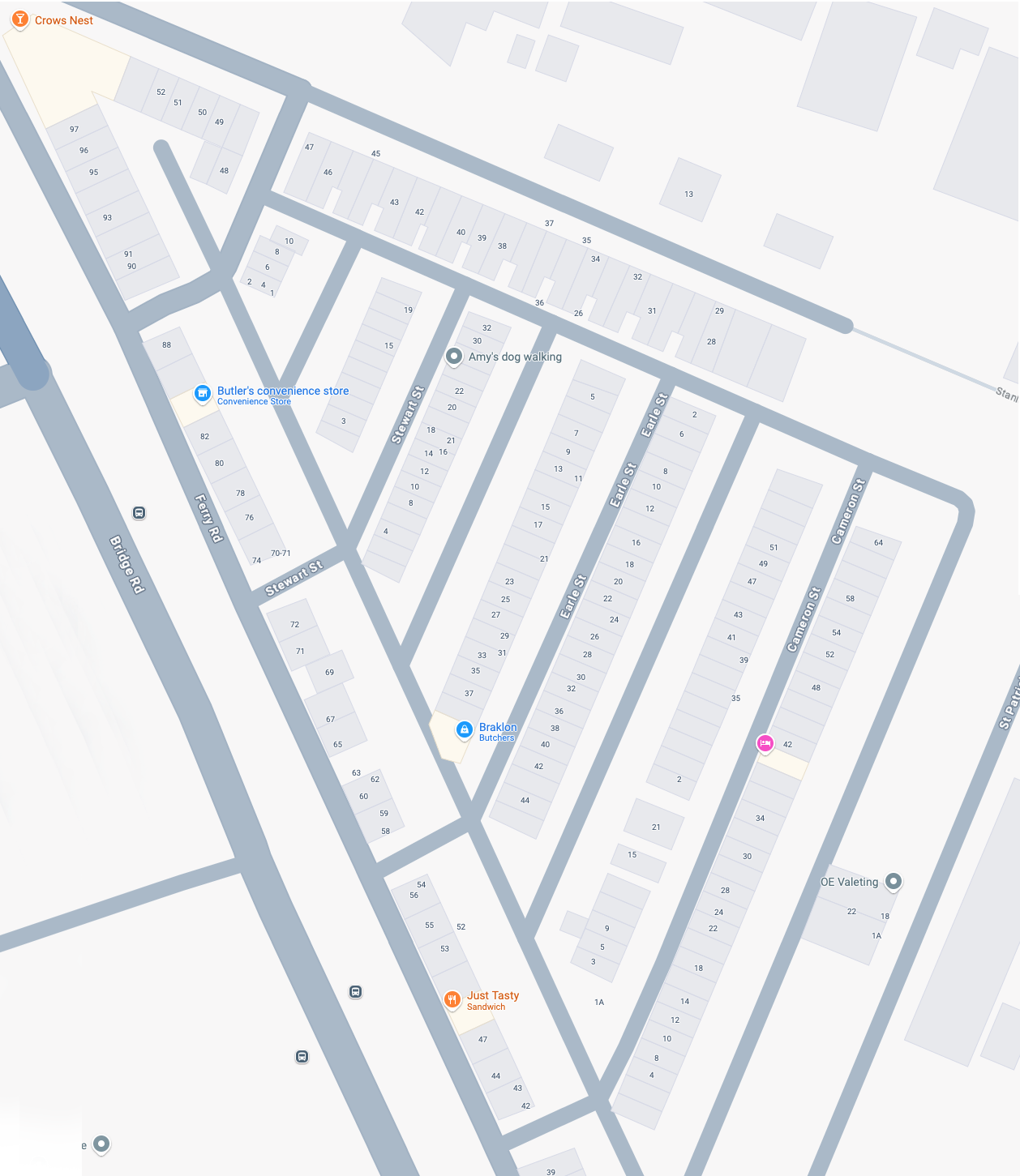
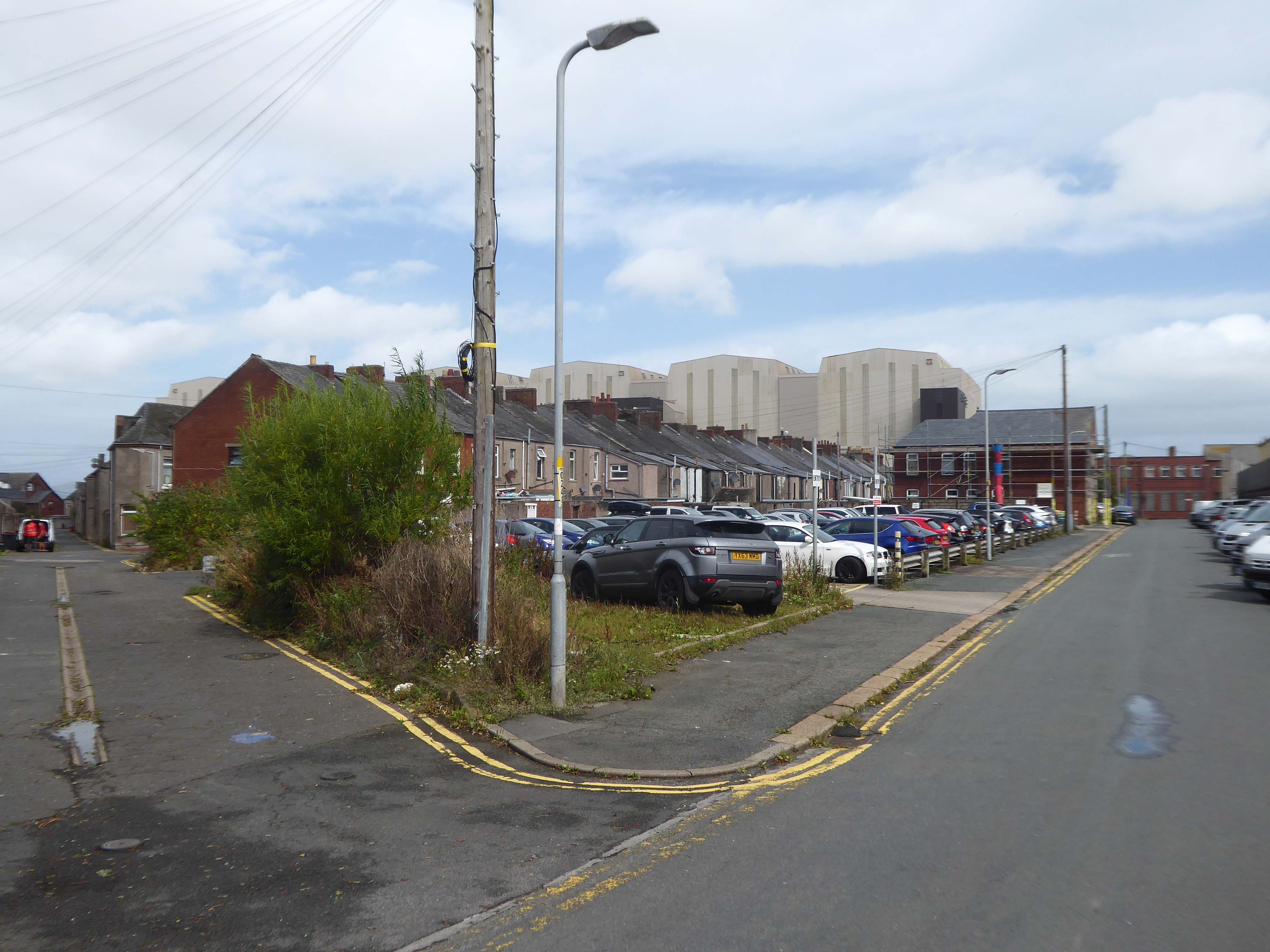
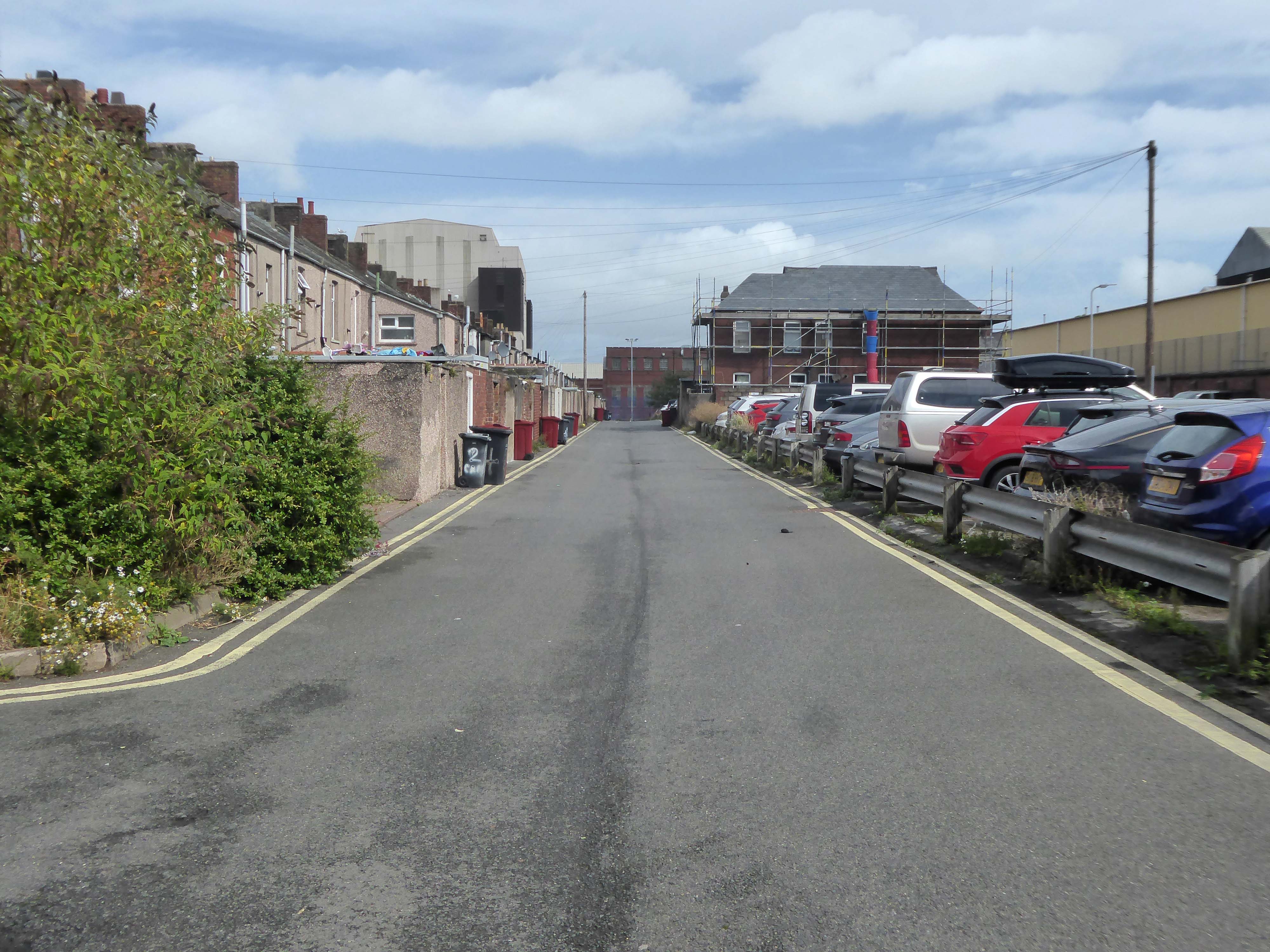
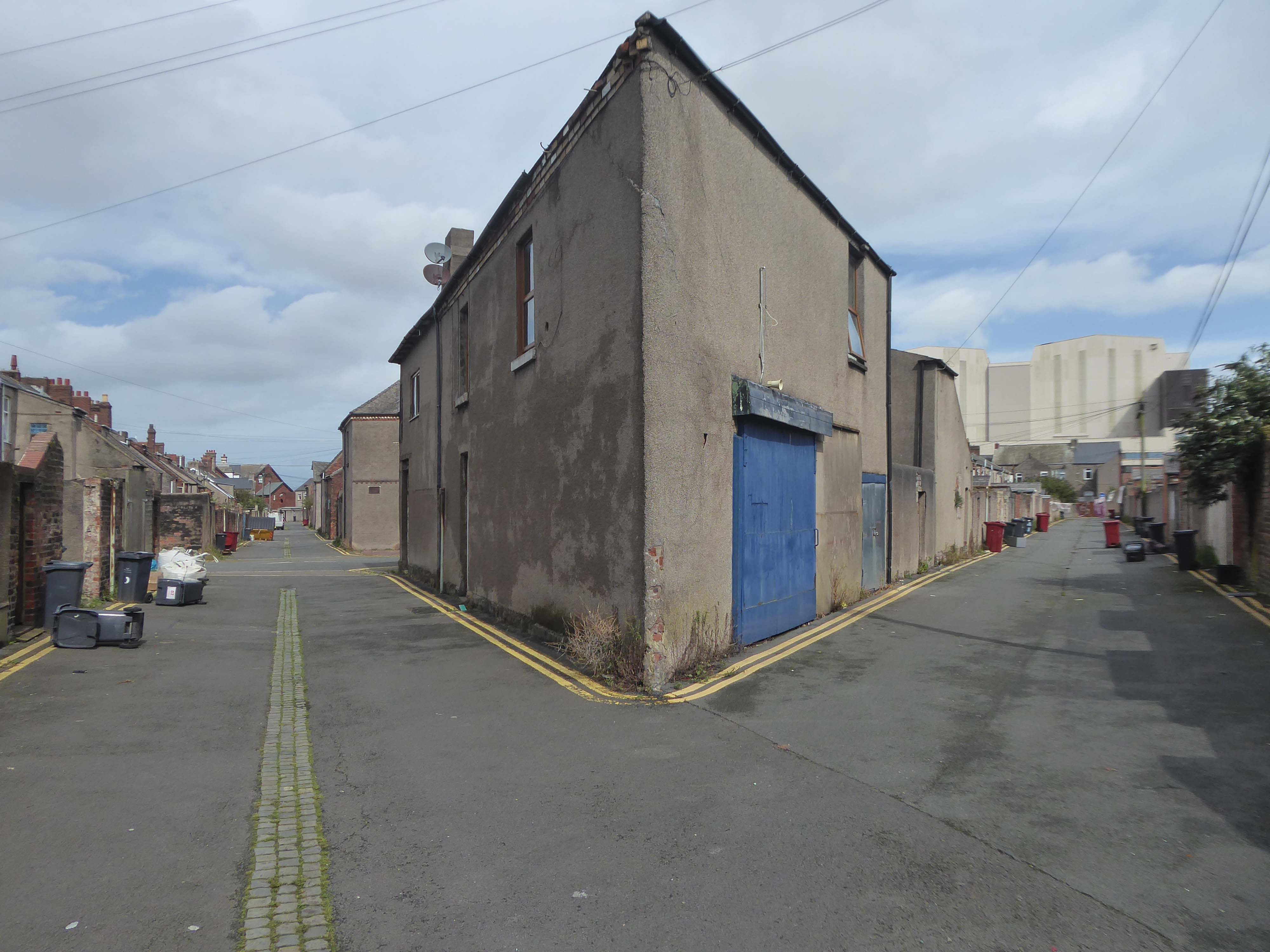
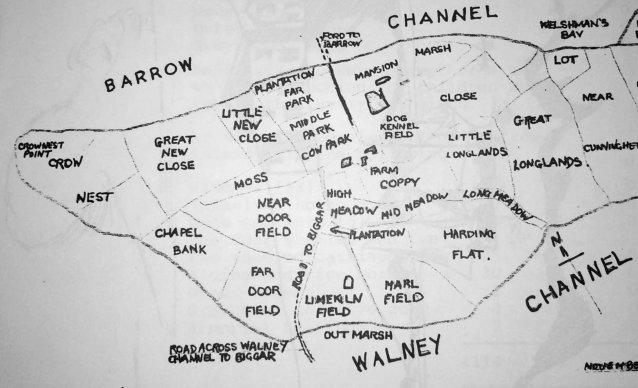
At the northern end of Barrow Island lies the Ferry Road Triangle. Covering an area formerly known by the field names, Crow Nest, Great New Close, Little New Close, Moss, Cow Park and Middle Park; the Ferry Road area has always been known as the Triangle, because the shape of the estate is truly a triangle.
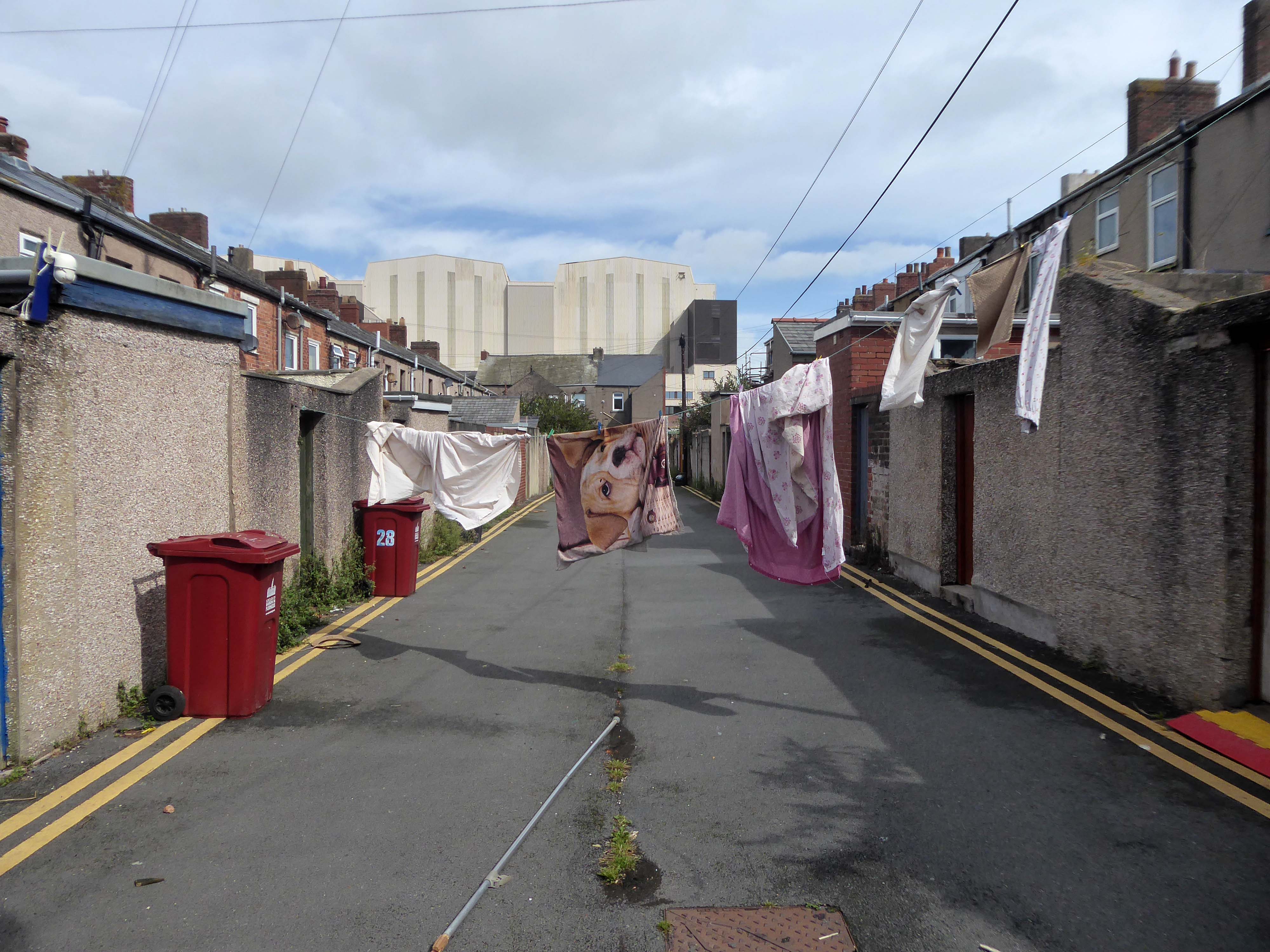
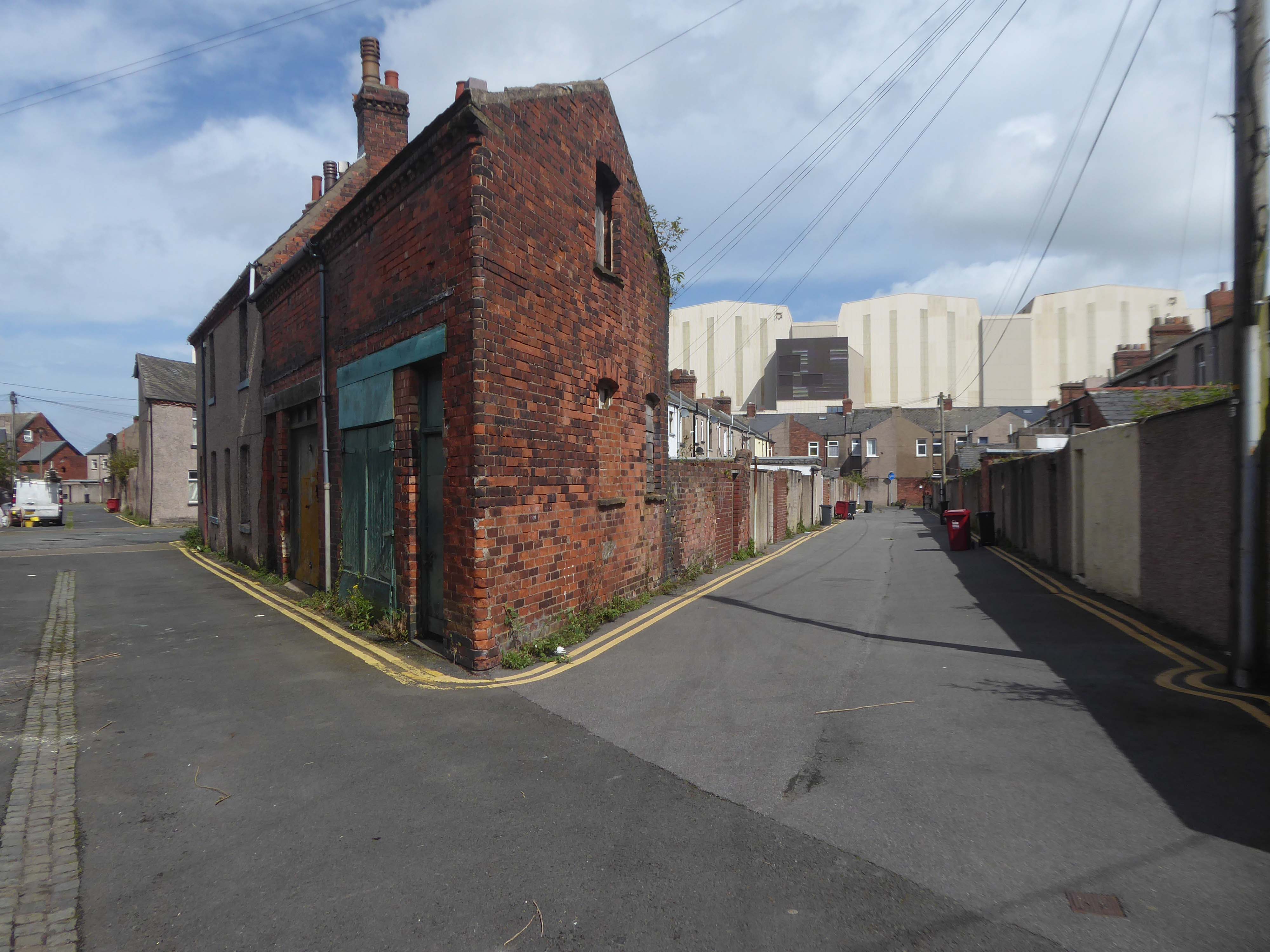
I had arrived in Barrow in Furness and taken to wandering the streets, hastily in search of nothing in particular.
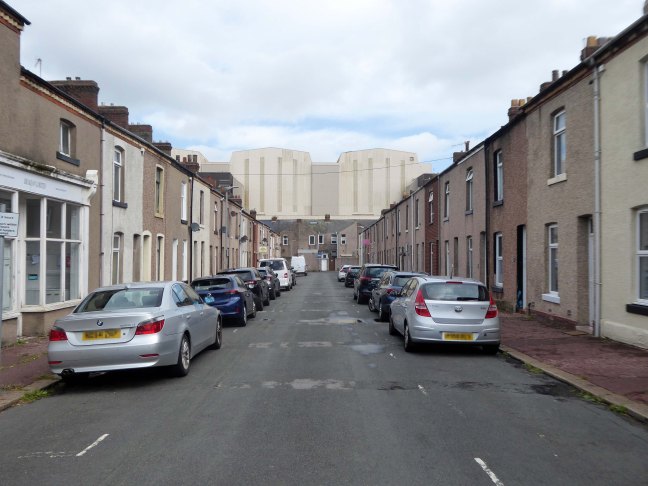
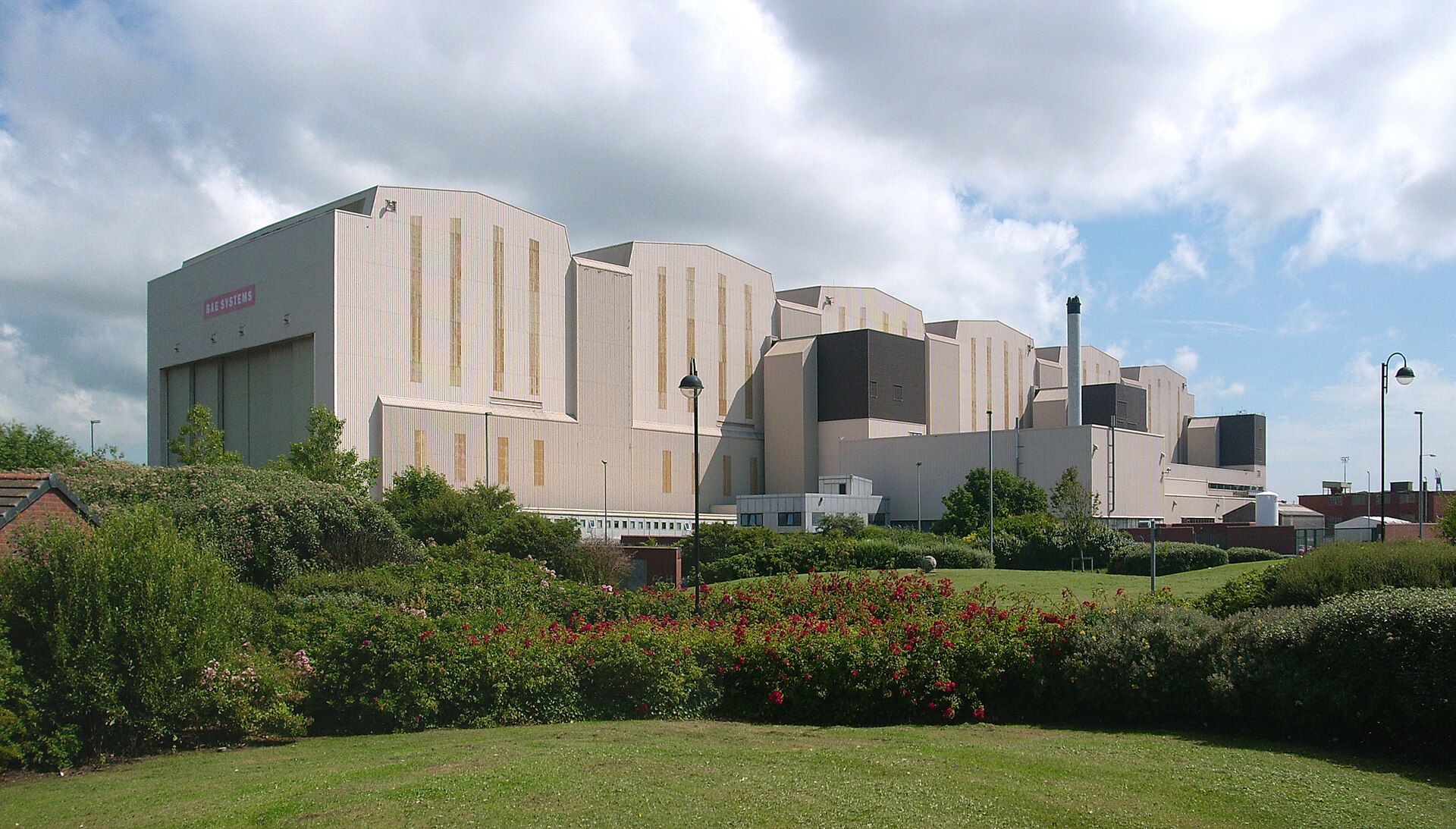
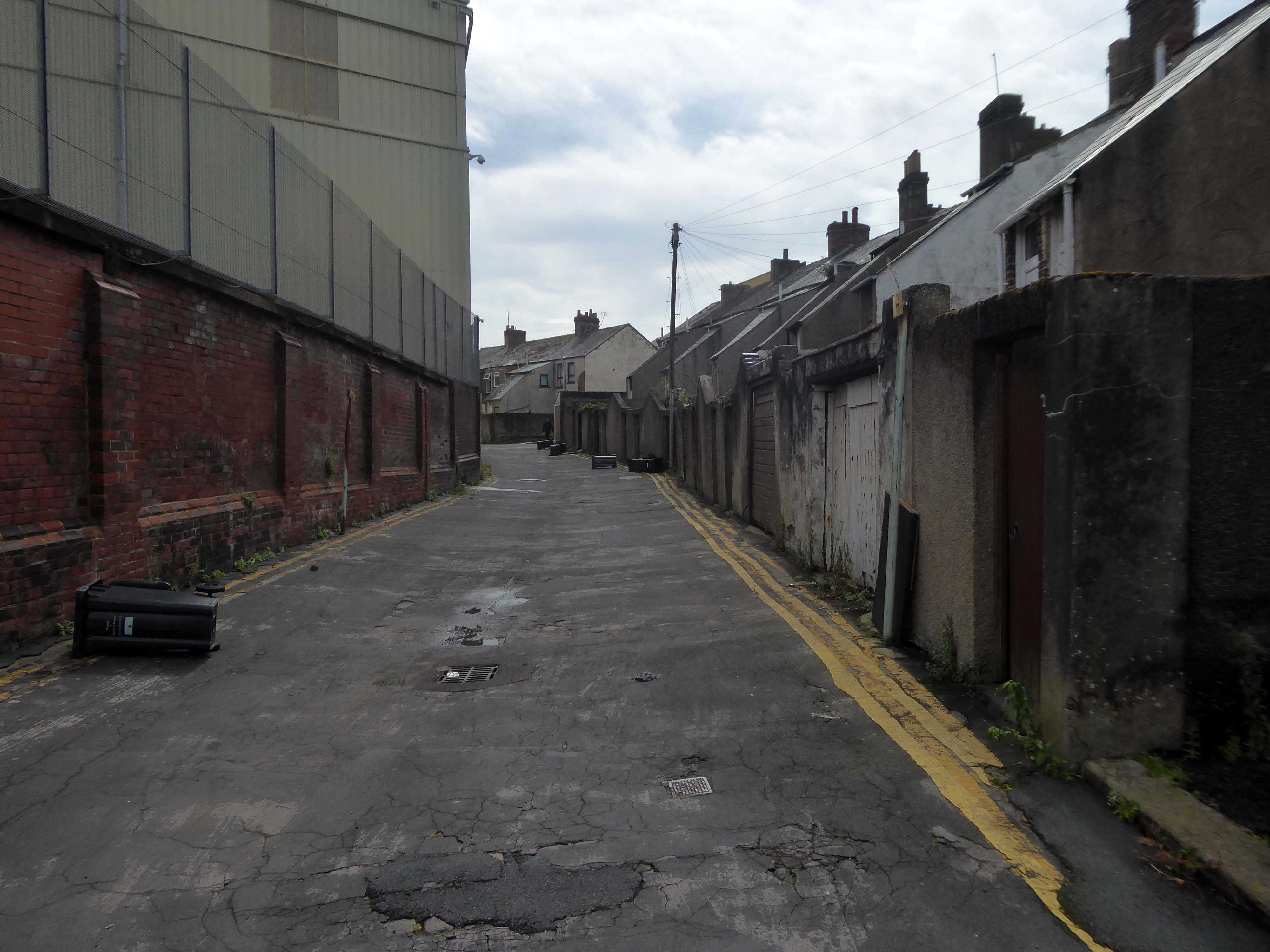
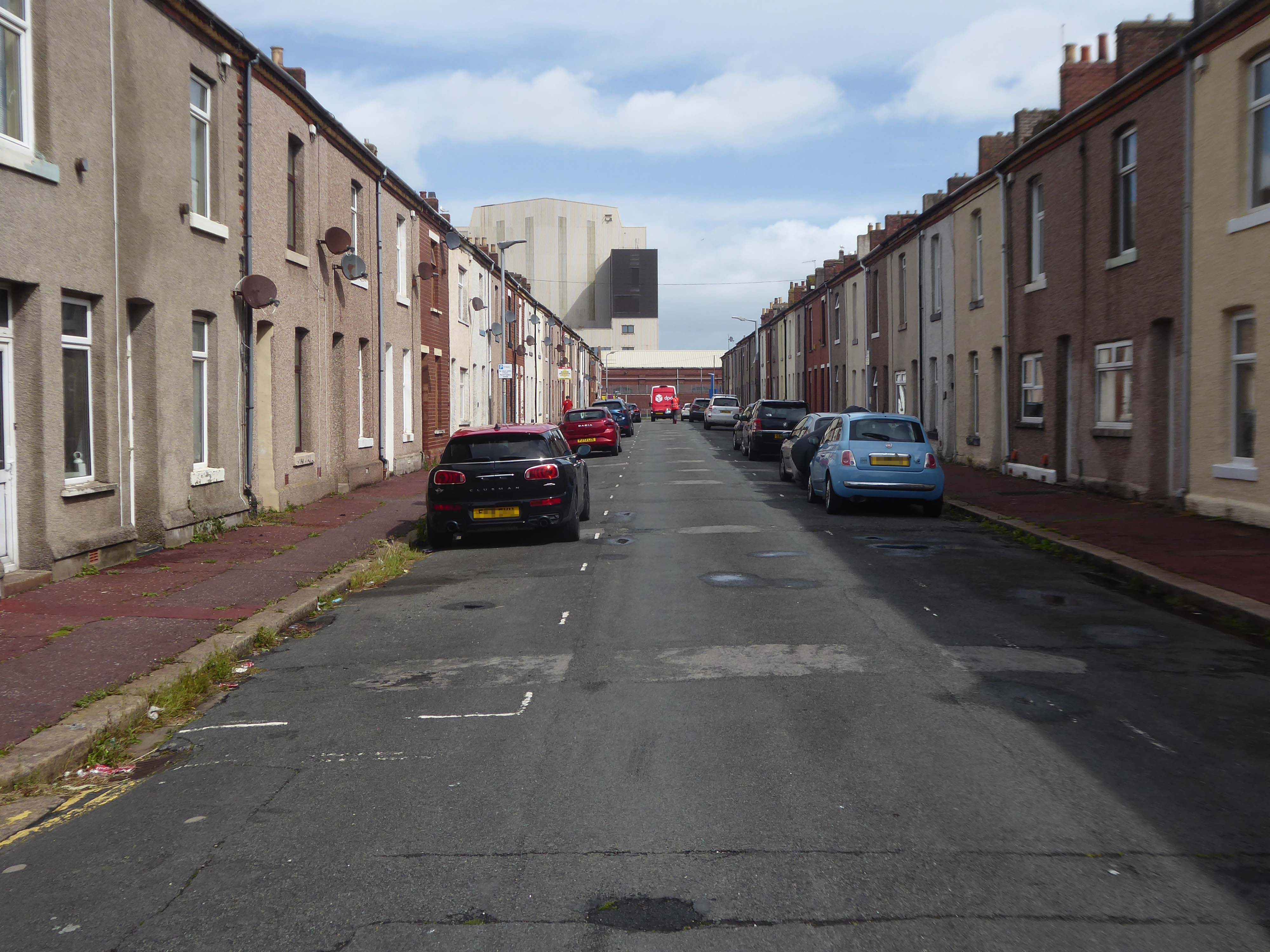
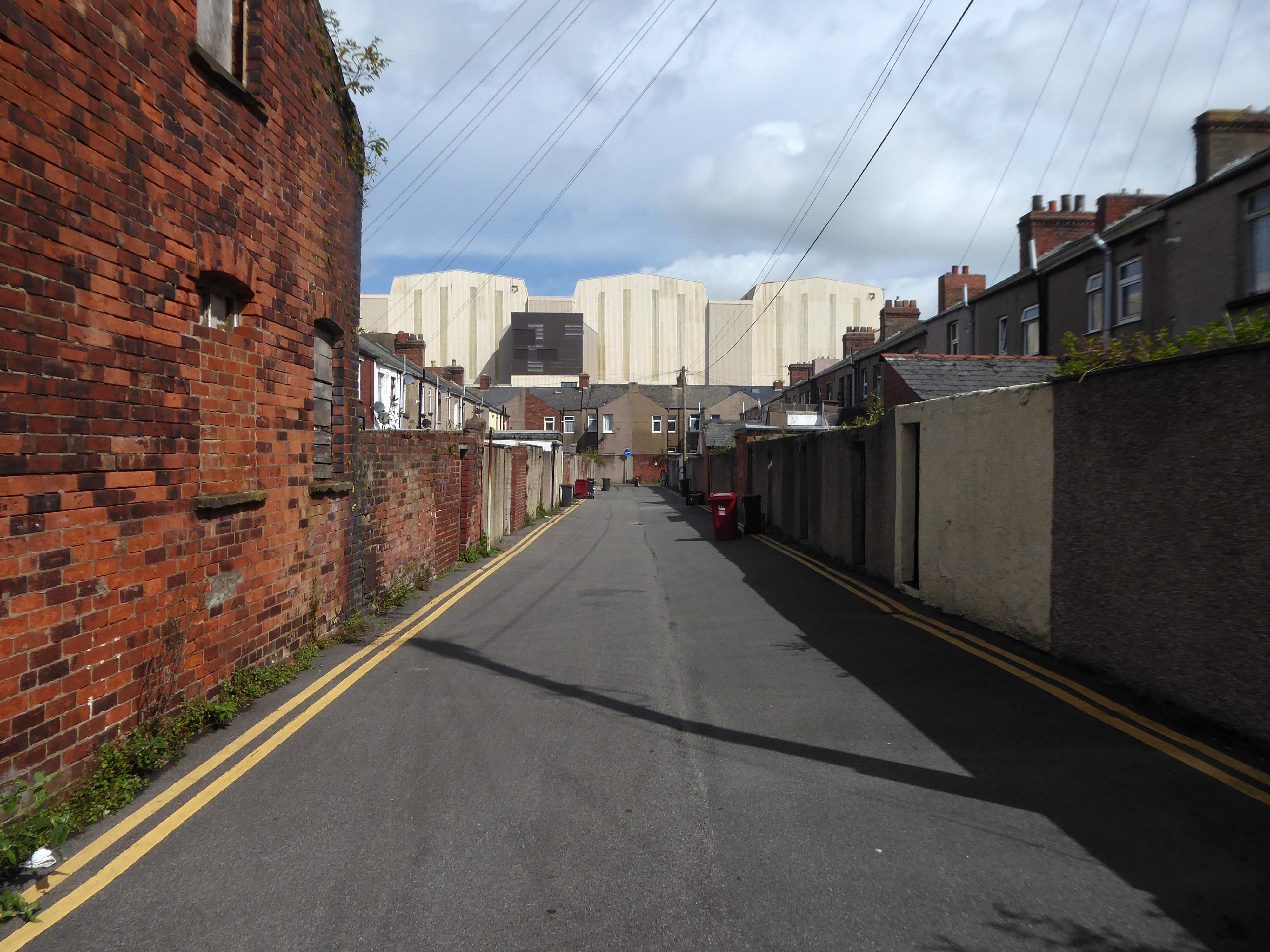
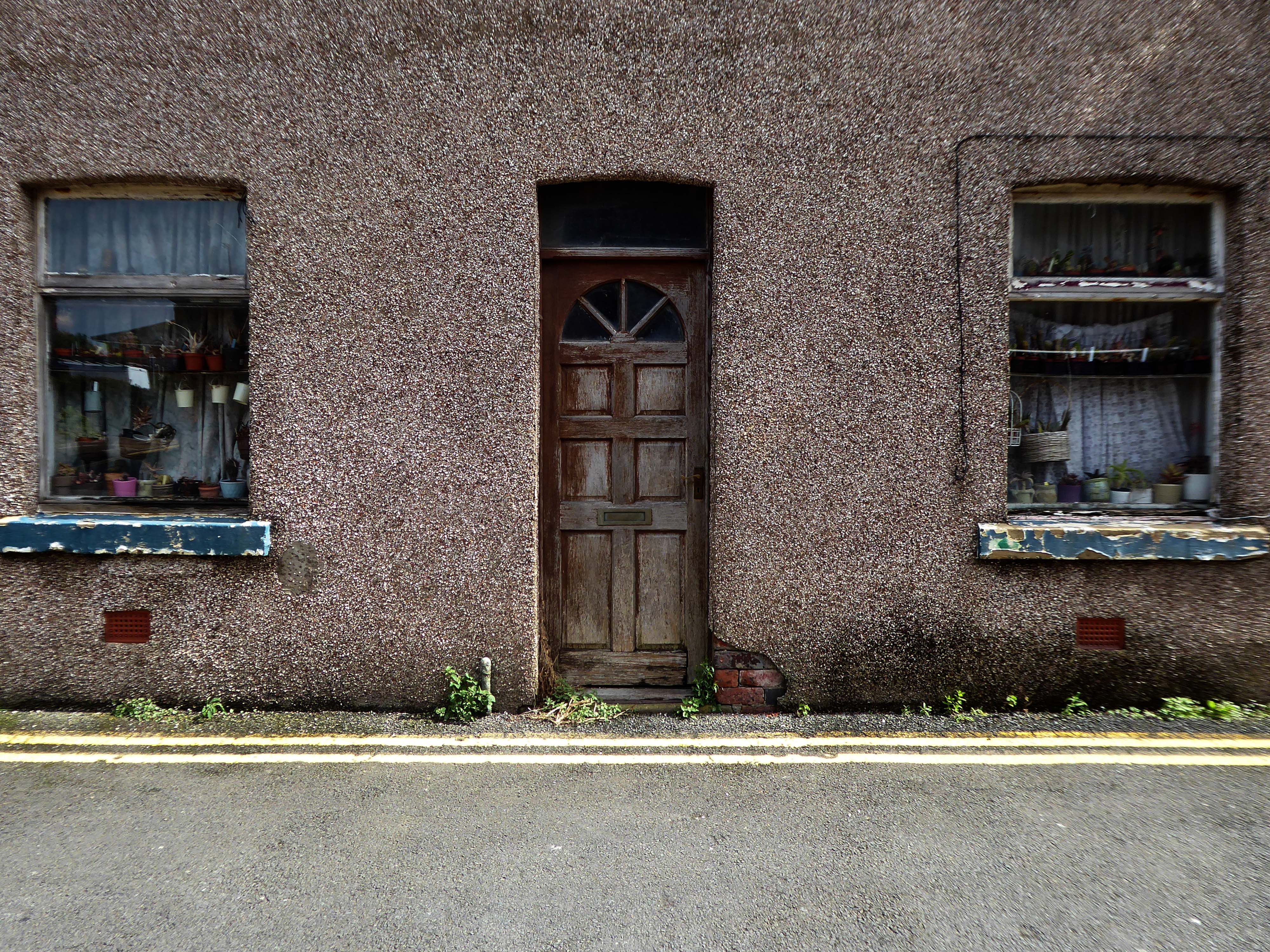
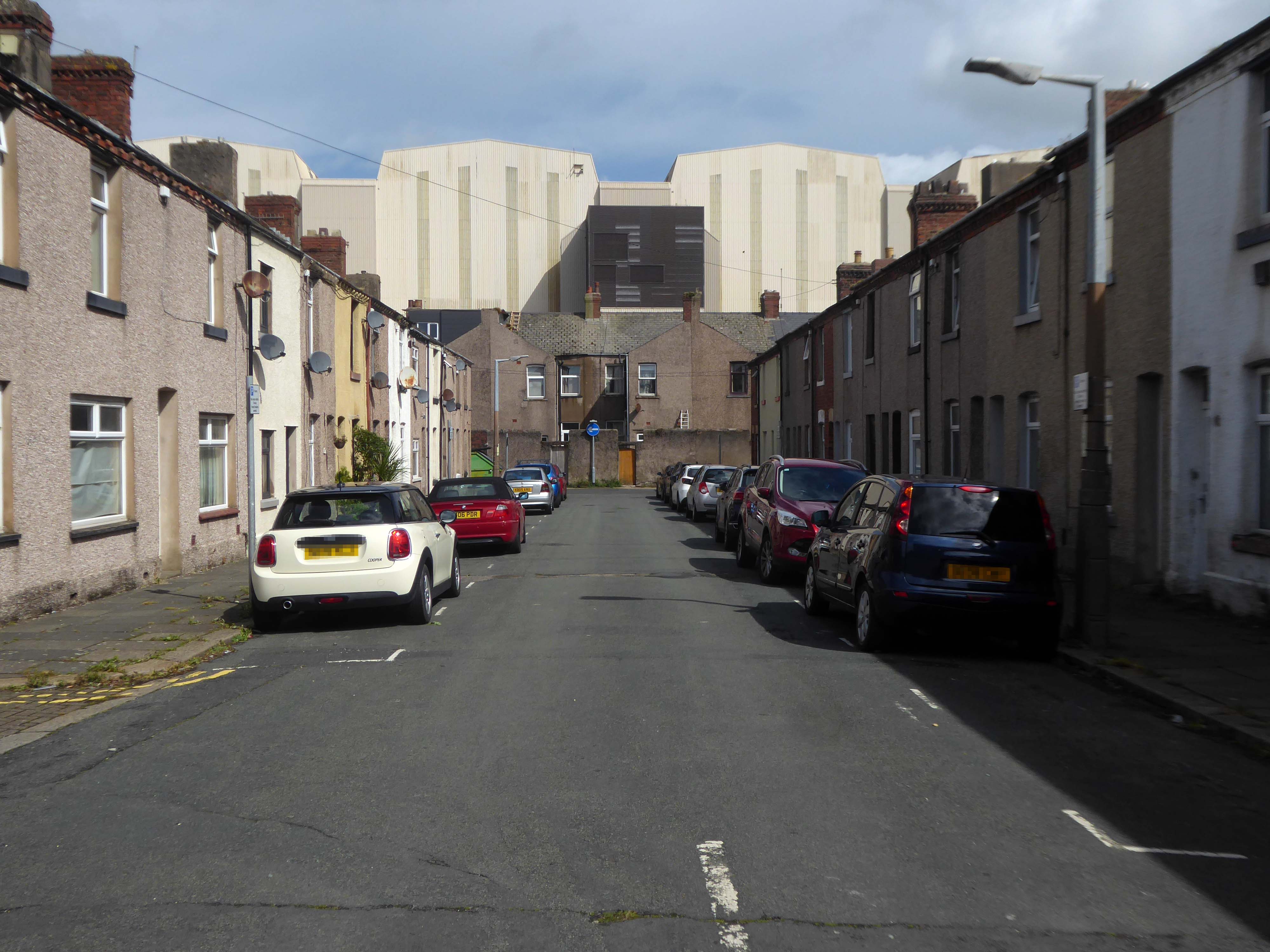
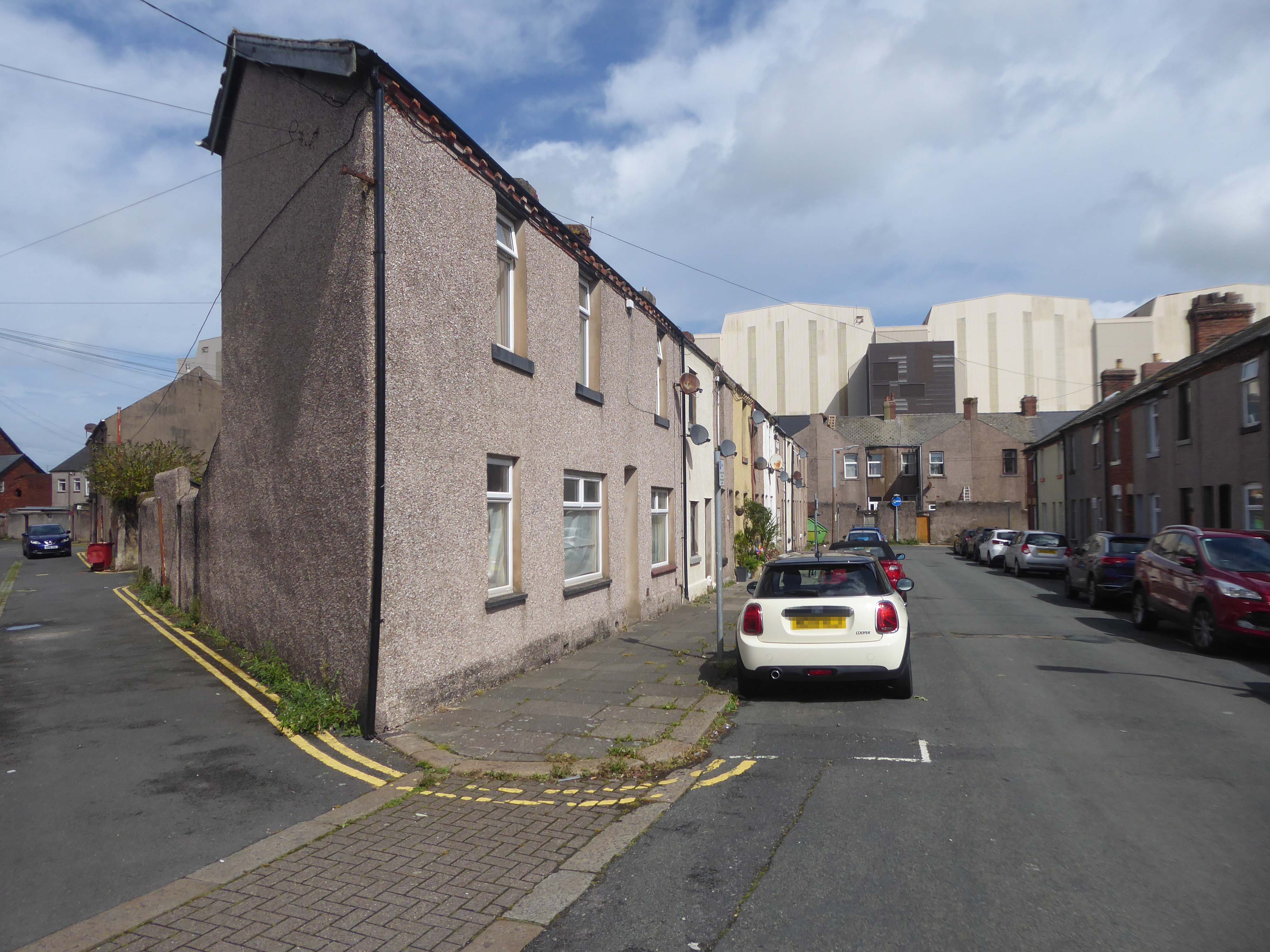
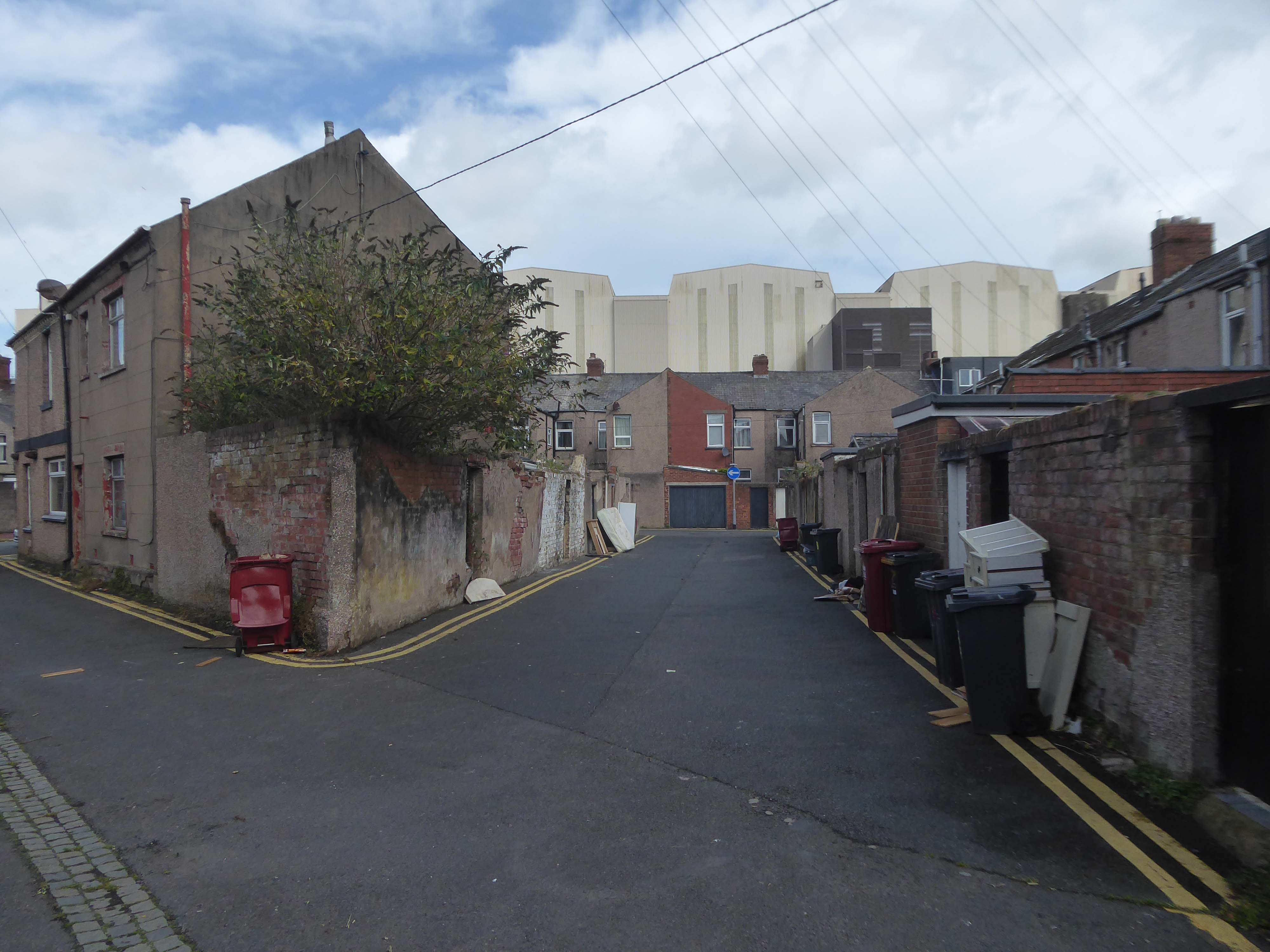
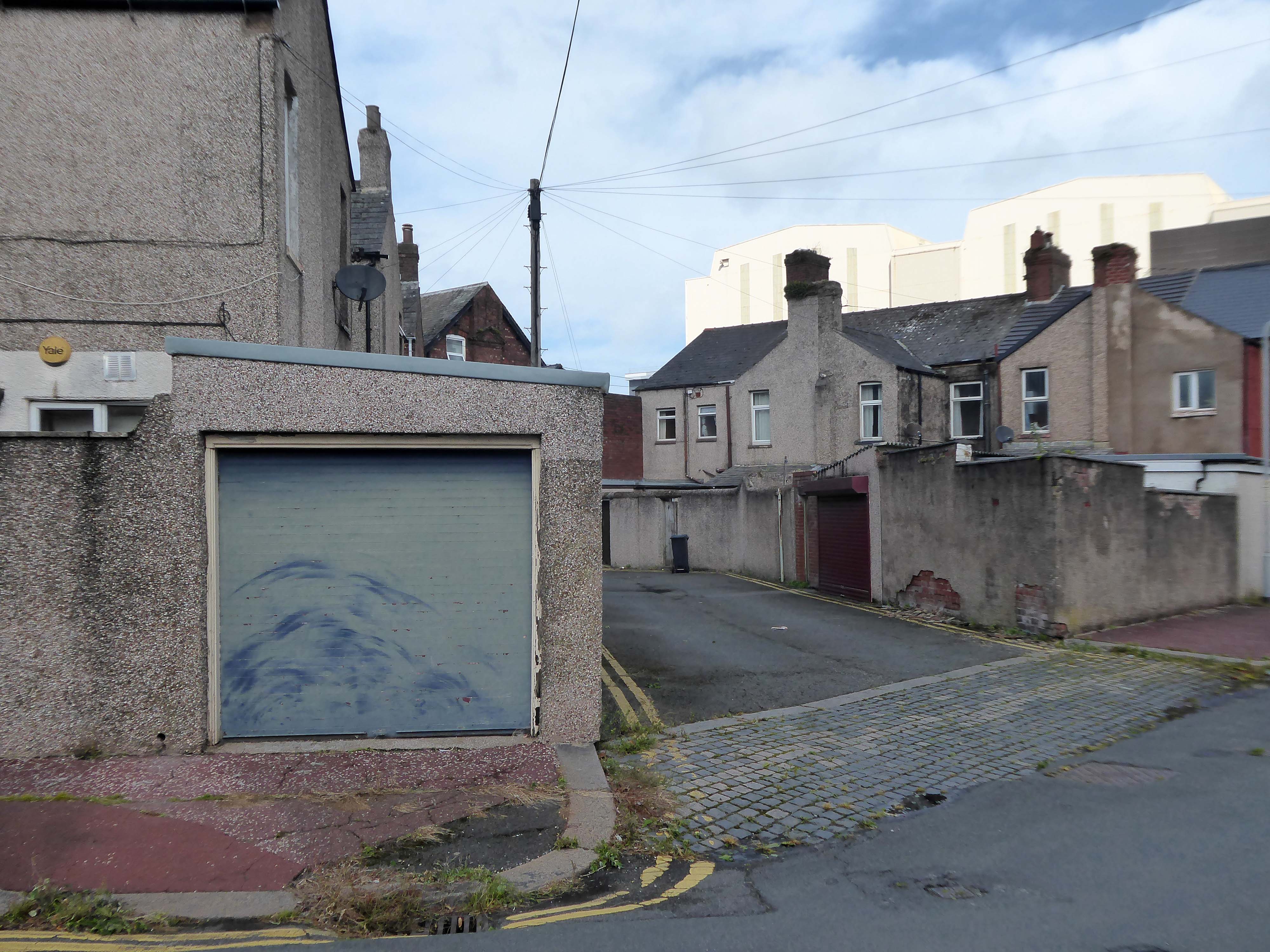
I came upon a neat triangle of terraced housing, which abutted the huge BAE Systems sheds.
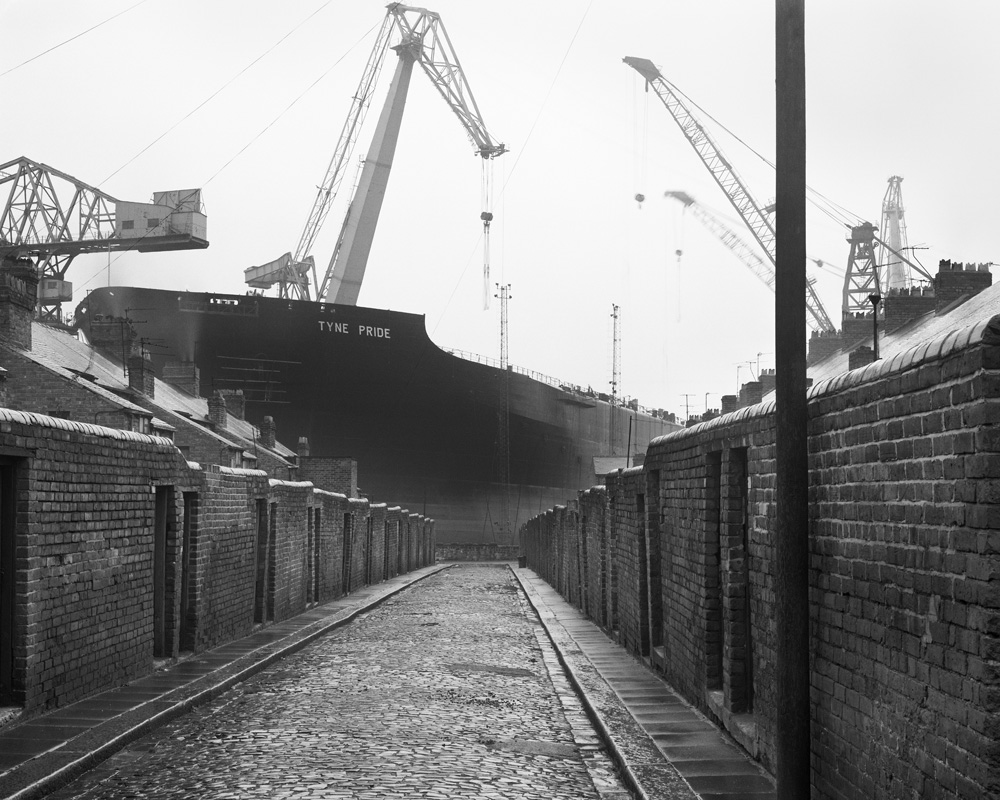
The collision of scale created by the low lying domestic buildings, and the gargantuan industrial nuclear submarine homes, immediately put me in mind of Chris Killip’s photographs.
He had recorded the last days of a dying industry, whilst the BAE contracts represent a long term lifeline to a once dying town.
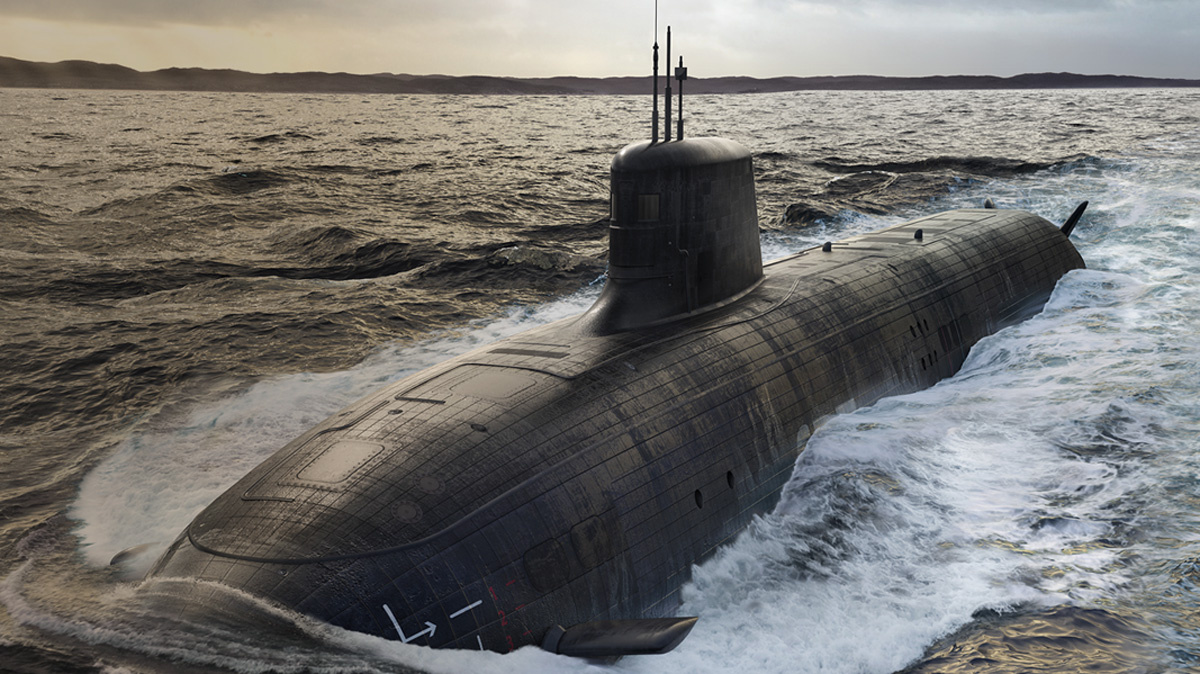
The Ministry of Defence has awarded £3.95 billion of funding to BAE Systems for the next phase of the UK’s next-generation nuclear-powered attack submarine programme, known as SSN-AUKUS.
The funding follows the AUKUS announcement in March by the leaders of Australia, the UK and the United States. This will eventually see Australia and the UK operate SSN-AUKUS submarines, which will be based on the UK’s next generation design, incorporating technology from all three nations, including cutting-edge US submarine technologies.
Having started early design work in 2021, the £3.95bn funding will cover development work to 2028, enabling BAE Systems to move into the detailed design phase of the programme and begin to procure long-lead items. Manufacture will start towards the end of the decade with the first SSN-AUKUS boat due to be delivered in the late 2030s.
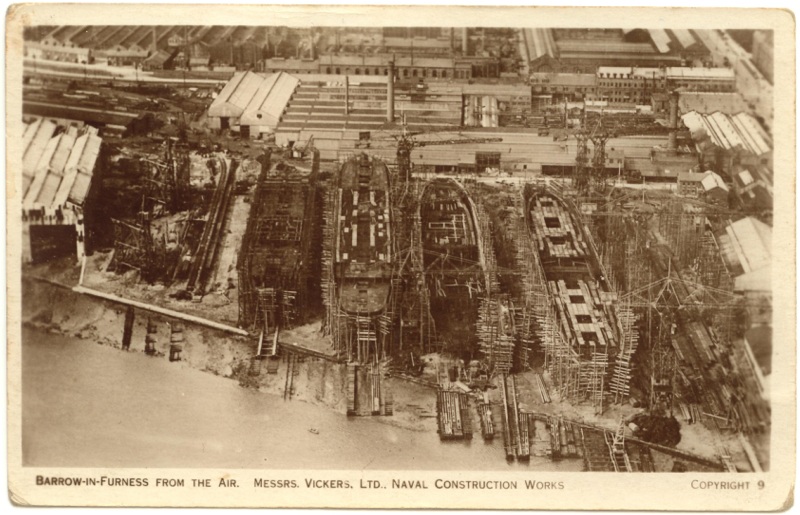
It has been said of Barrow: A rich mineral district was the cause, a railway was the effect, and an important manufacturing town the result.
The dramatic growth of Barrow-in-Furness in the late 19th and early 20th Centuries was fuelled by the ready availability of Furness iron ore. Significant investments were made in developing the town to exploit this resource. The various ironworks, steelworks, foundries, shipyards and docks required a huge influx of population to support them. This in turn led to the rapid building of rows of good quality mass-produced terraced housing for the workers, and substantial sandstone villas for the management.
I stopped to chat with a local lad – I had thought Barrow to be a hard town, he thought not.
There’s not much trouble, though we have hard times – how so?
The Tories – now my kids have all got jobs for the next twenty years.
There were no reported crimes in June 2024
Devonshire Dock Hall is a large indoor shipbuilding and assembly complex that forms part of the BAE Systems shipyard.
Constructed between 1982 and 1986 by Alfred McAlpine plc for Vickers Shipbuilding and Engineering, DDH was built on land that was created by infilling part of Devonshire Dock with 2.4 million tonnes of sand pumped from nearby Roosecote Sands.
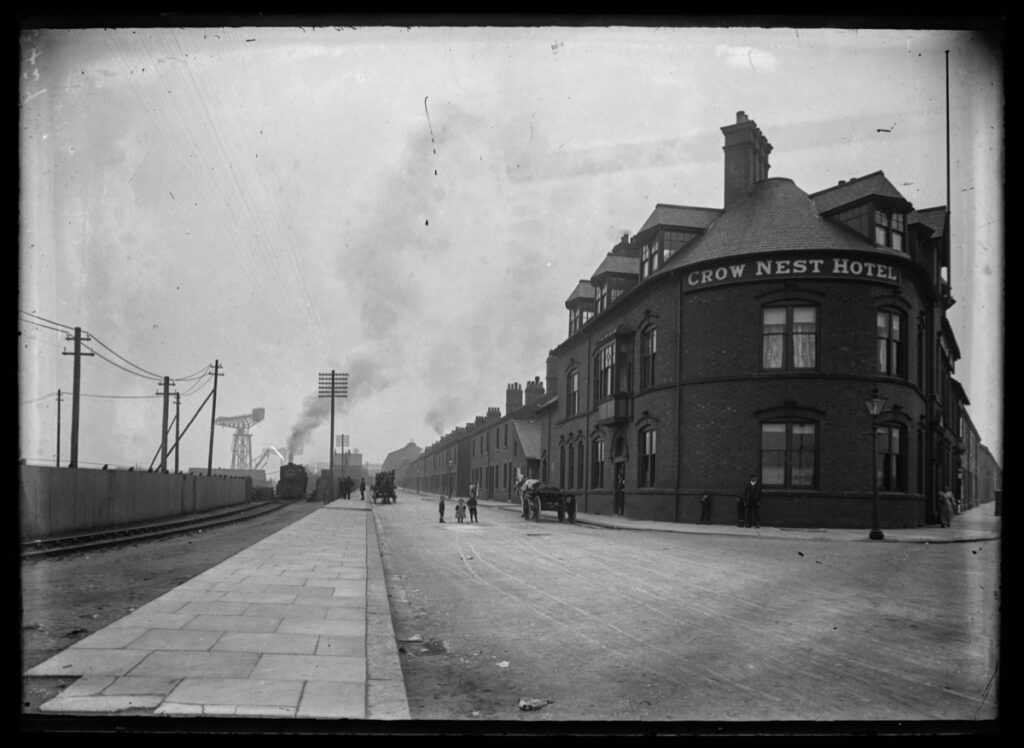
Opened in May 1888 it was described by the Barrow News as one of the best-appointed hotels in Barrow. From this start, Walton Lee, elected Town Councillor in 1886 envisaged an estate for the workers literally within spitting distance of their workplace.
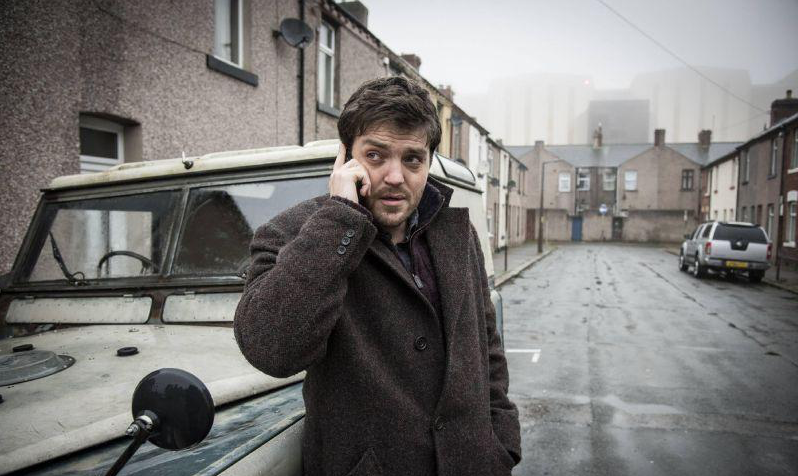
A section of Career of Evil was filmed at The Crow’s Nest.
Barrow shipyard’s Devonshire Dock Hall, The Crow’s Nest pub, Barrow Island streets, including Stanley Road and Stewart Street, and Michaelson Road Bridge, all featured in episode one of Career of Evil on Sunday night.


 Modern Mooch