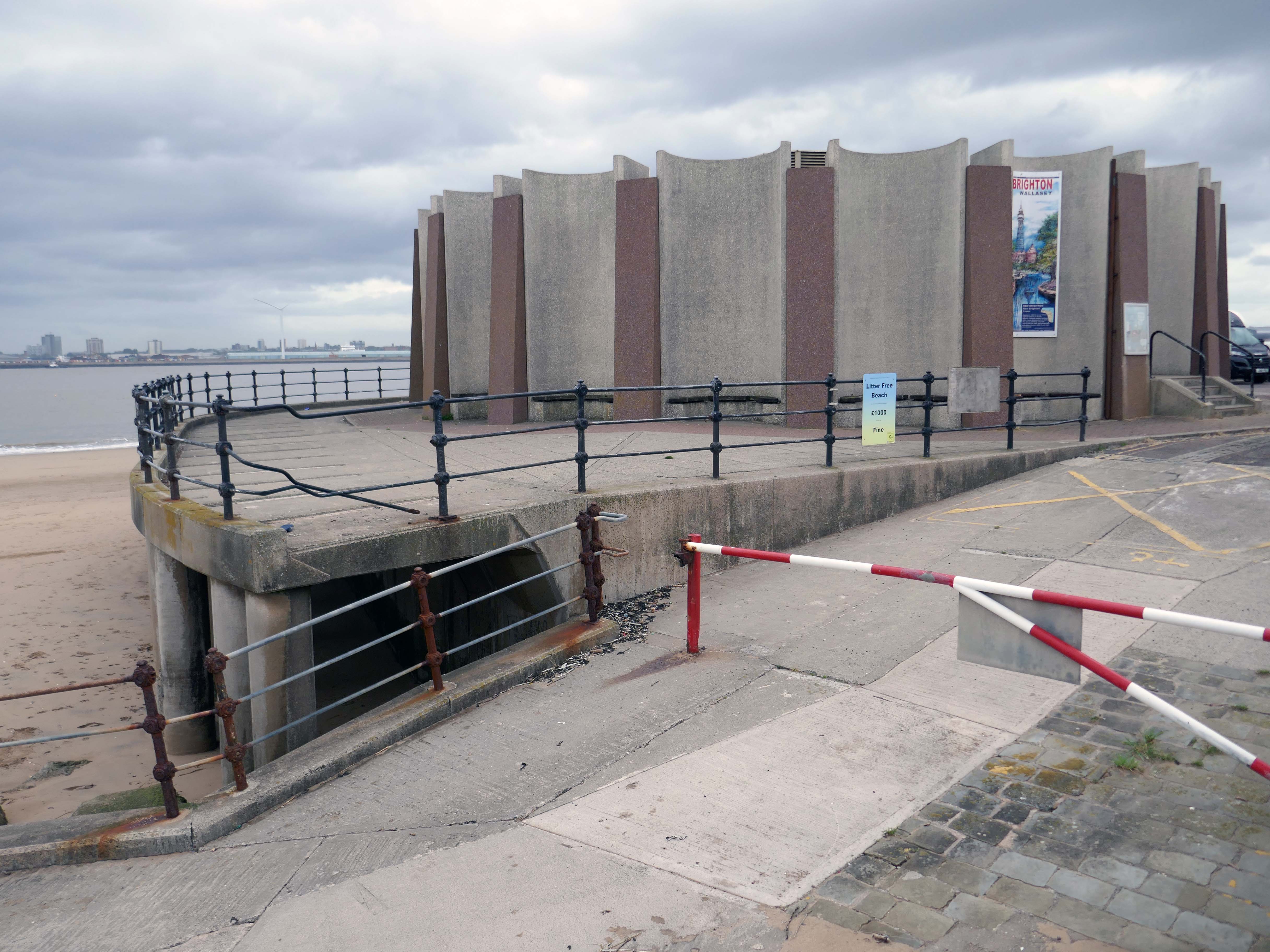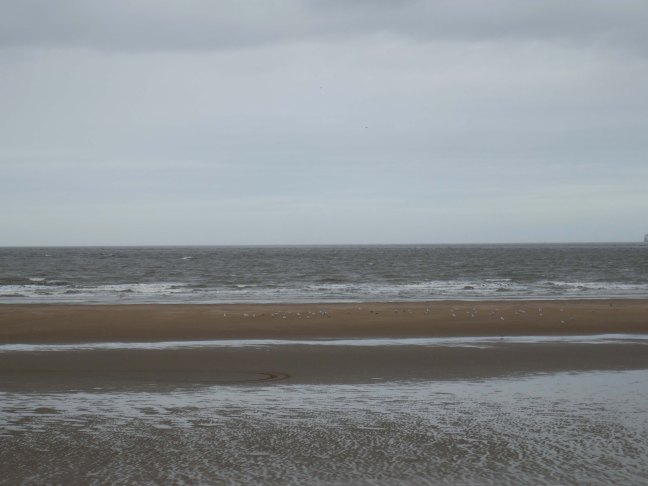
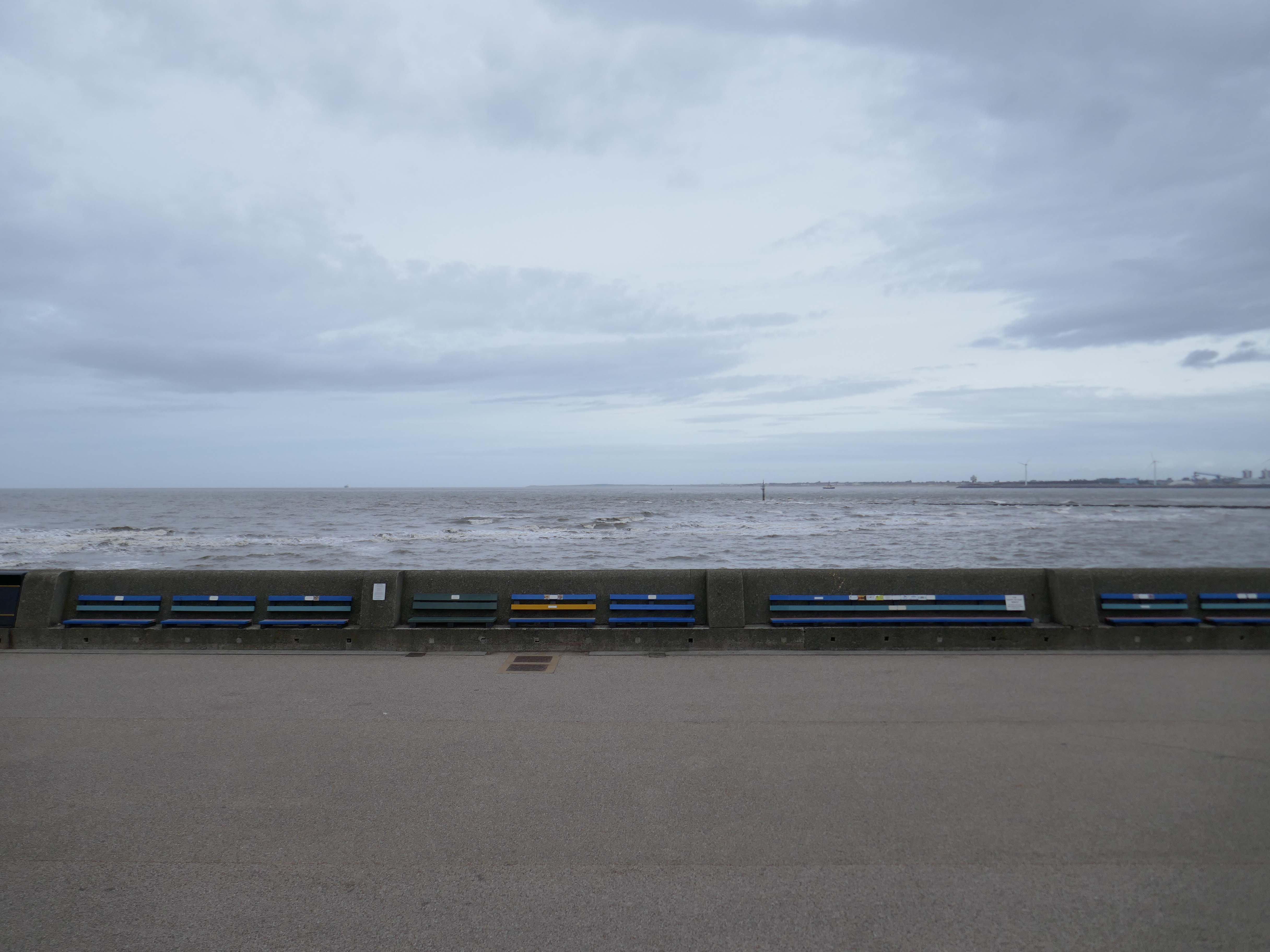
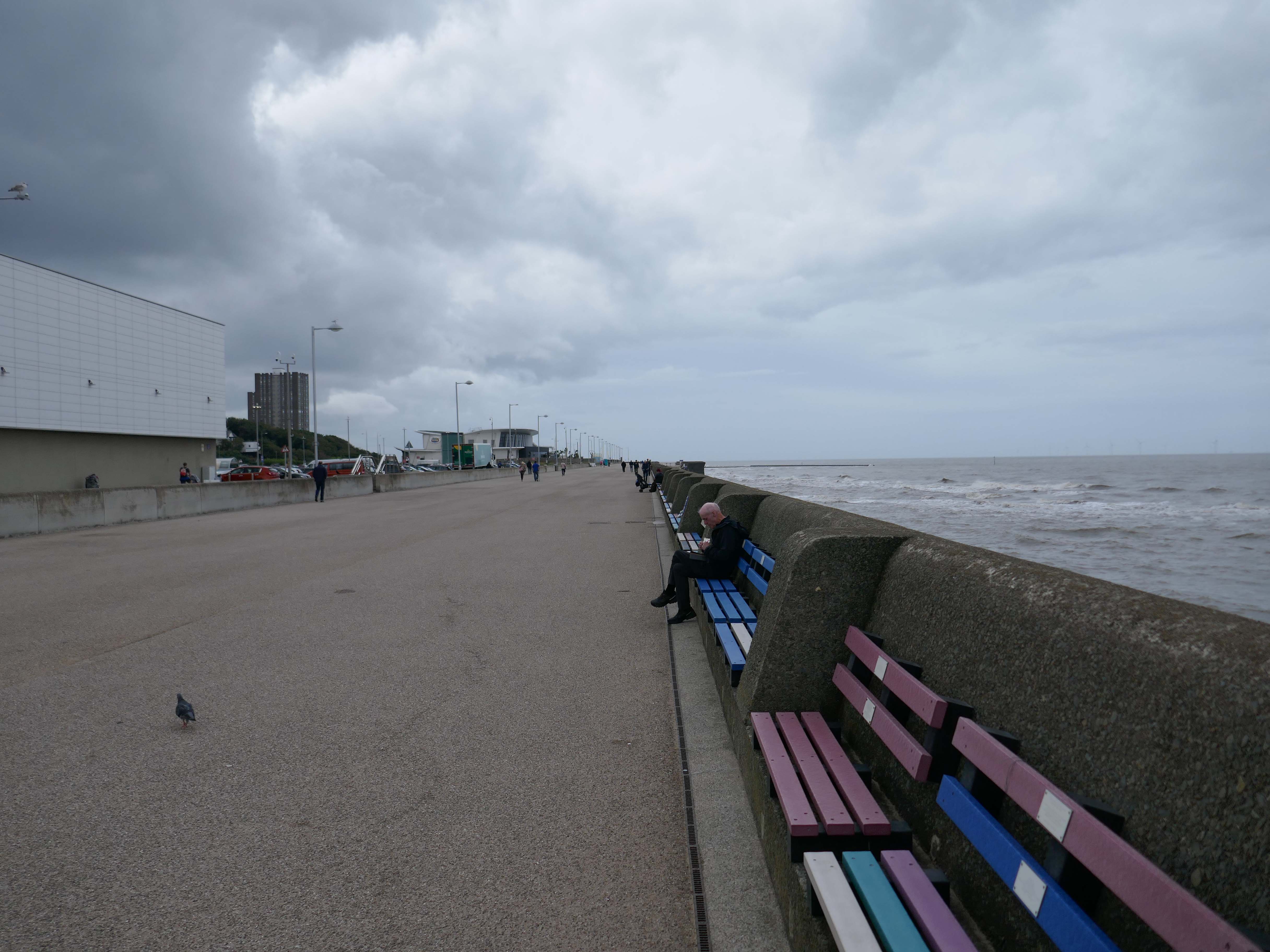
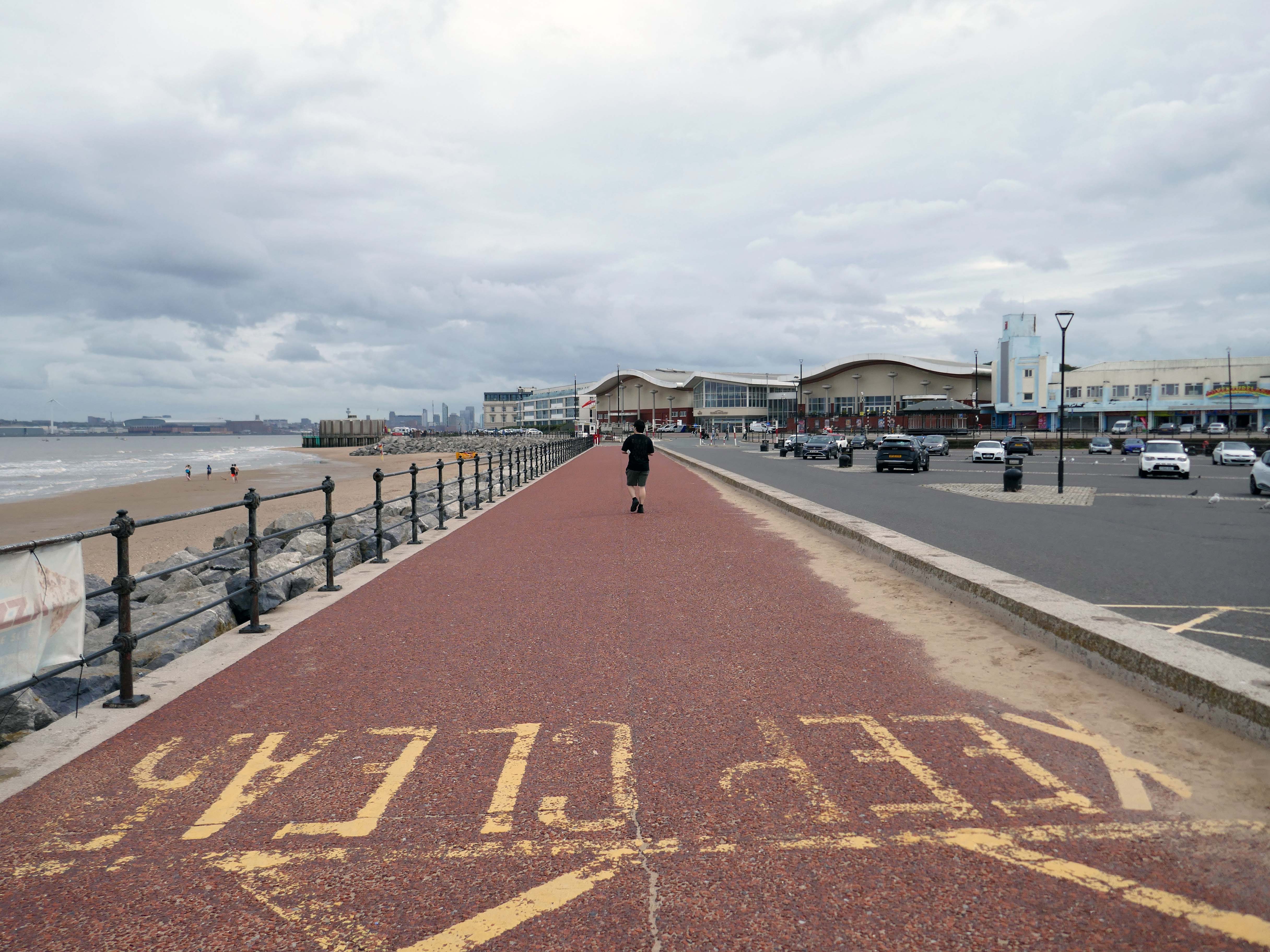
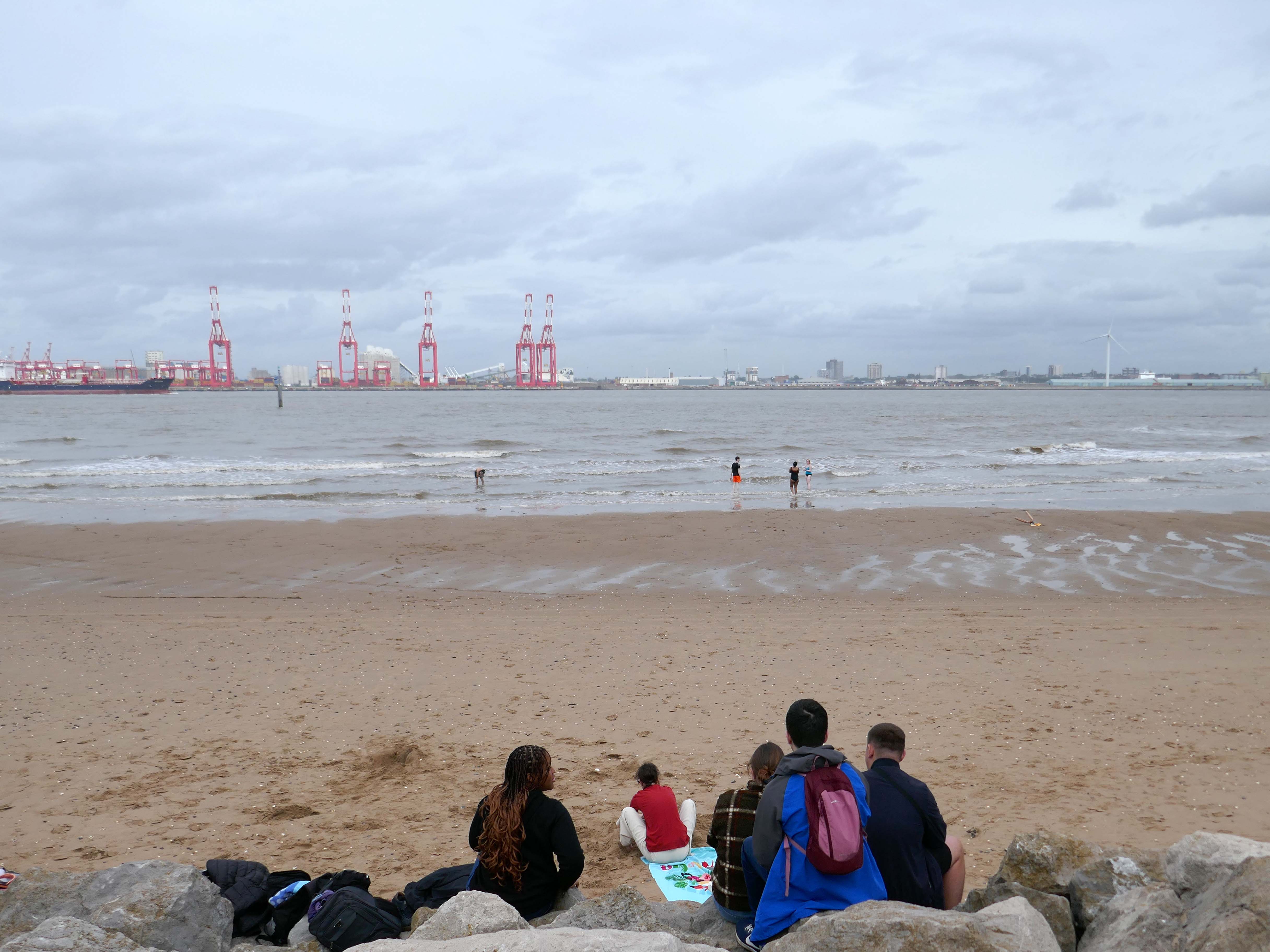
New Brighton in late summer – a little sun, a handful of visitors, and offshore breeze.
In 1830, a Liverpool merchant, James Atherton, purchased 170 acres of land at Rock Point, which enjoyed views out to sea and across the Mersey and had a good beach. His aim was to develop it as a desirable residential area and watering place for the gentry, similar to Brighton, one of the most elegant seaside resorts of that Regency period, hence the name “New Brighton”. Substantial development began soon afterwards, and housing began to spread up the hillside overlooking the estuary.
During the latter half of the nineteenth century, New Brighton developed as a very popular seaside resort serving Liverpool and the Lancashire industrial towns, and many of the large houses were converted to inexpensive hotels. Designed by the noted architect of seaside structures Eugenius Birch, the New Brighton Pier opened in 1867.
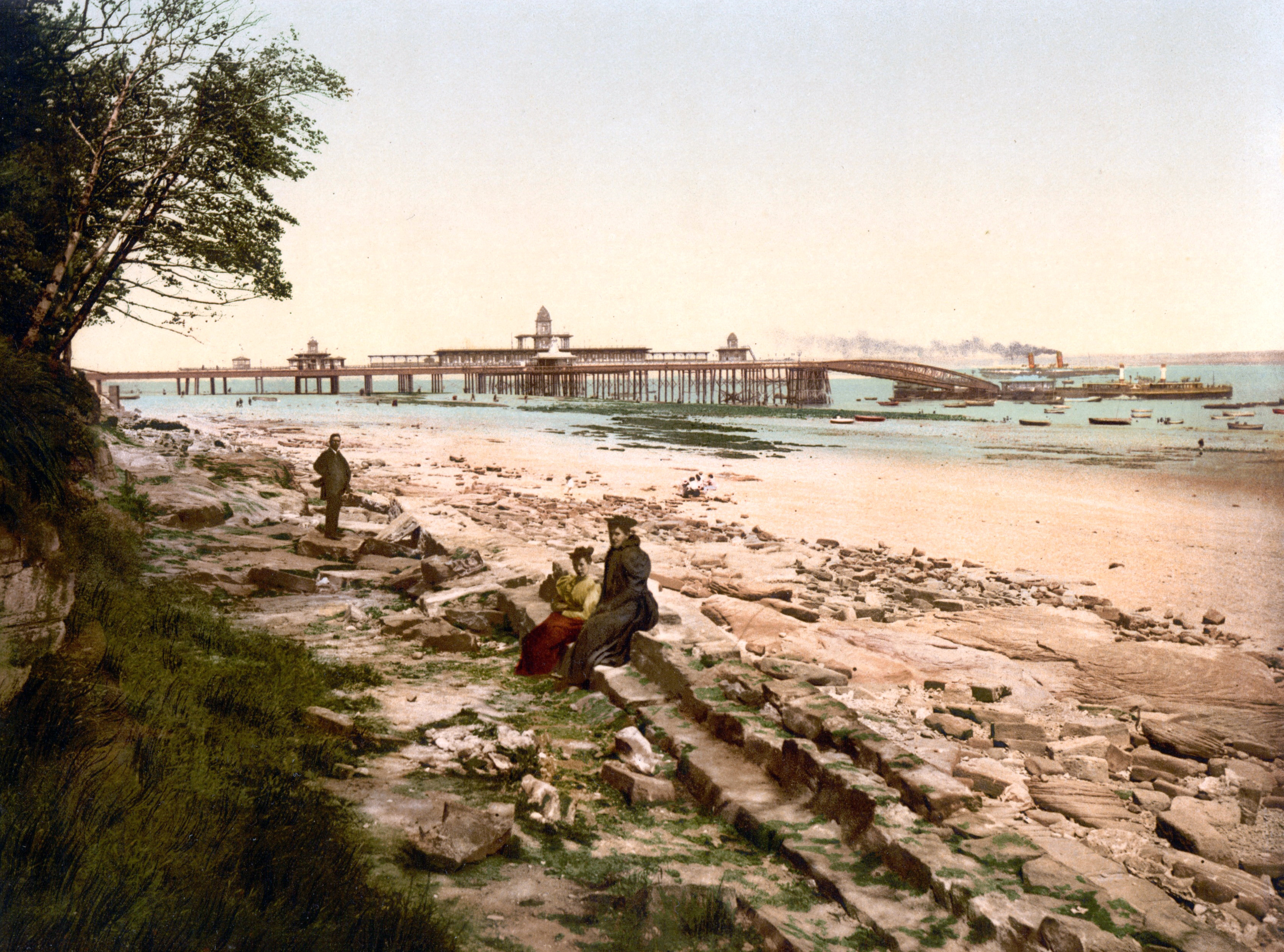
The promenade from Seacombe to New Brighton was completed by 1901.
The New Brighton Tower, the tallest in the country, was opened in 1900 but closed in 1919, largely due to lack of maintenance during World War I, and had been dismantled by 1921.
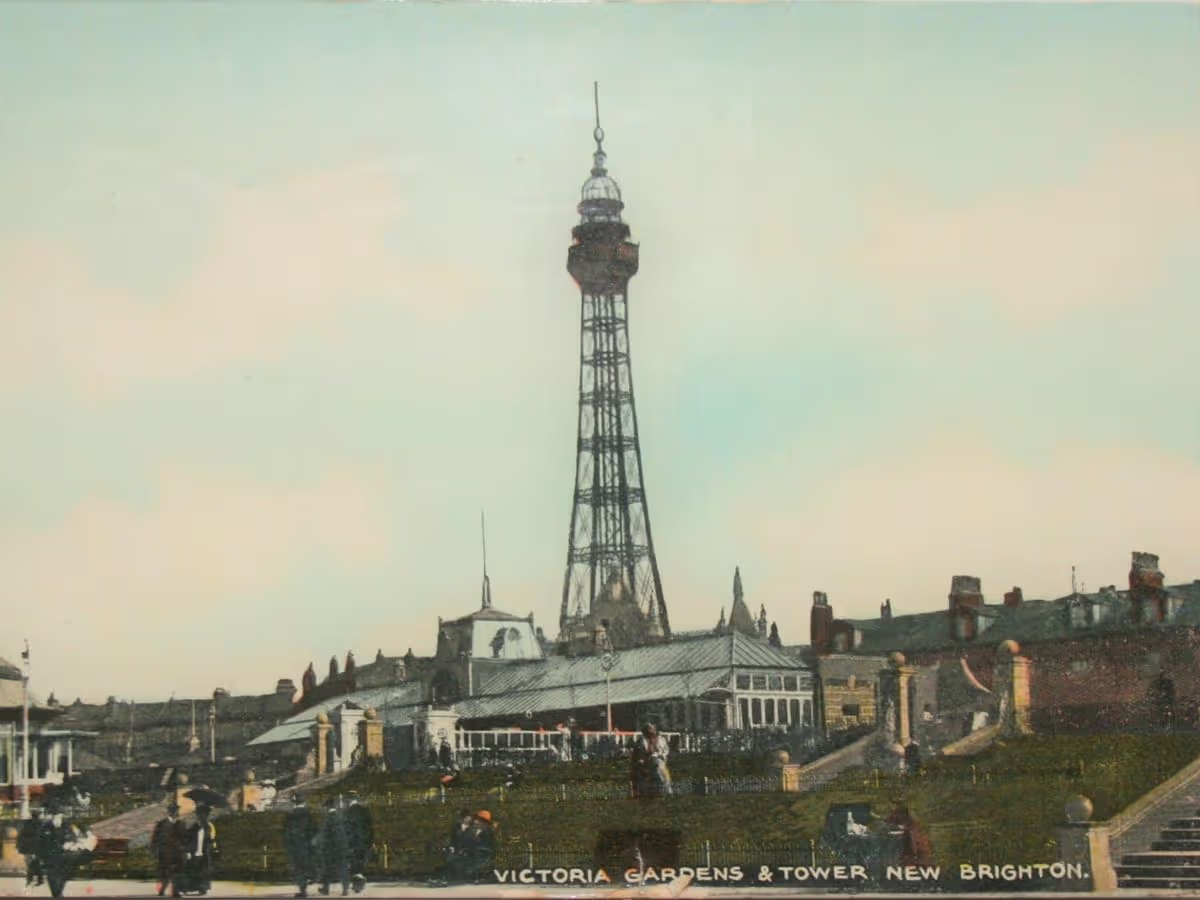
After the Second World War, the popularity of New Brighton as a seaside resort declined dramatically. However, the Tower Ballroom continued as a major venue, hosting numerous concerts in the 1950s and 1960s by local Liverpool groups such as The Beatles, and international stars.
The Tower Ballroom continued in use until it was destroyed by a fire in 1969.
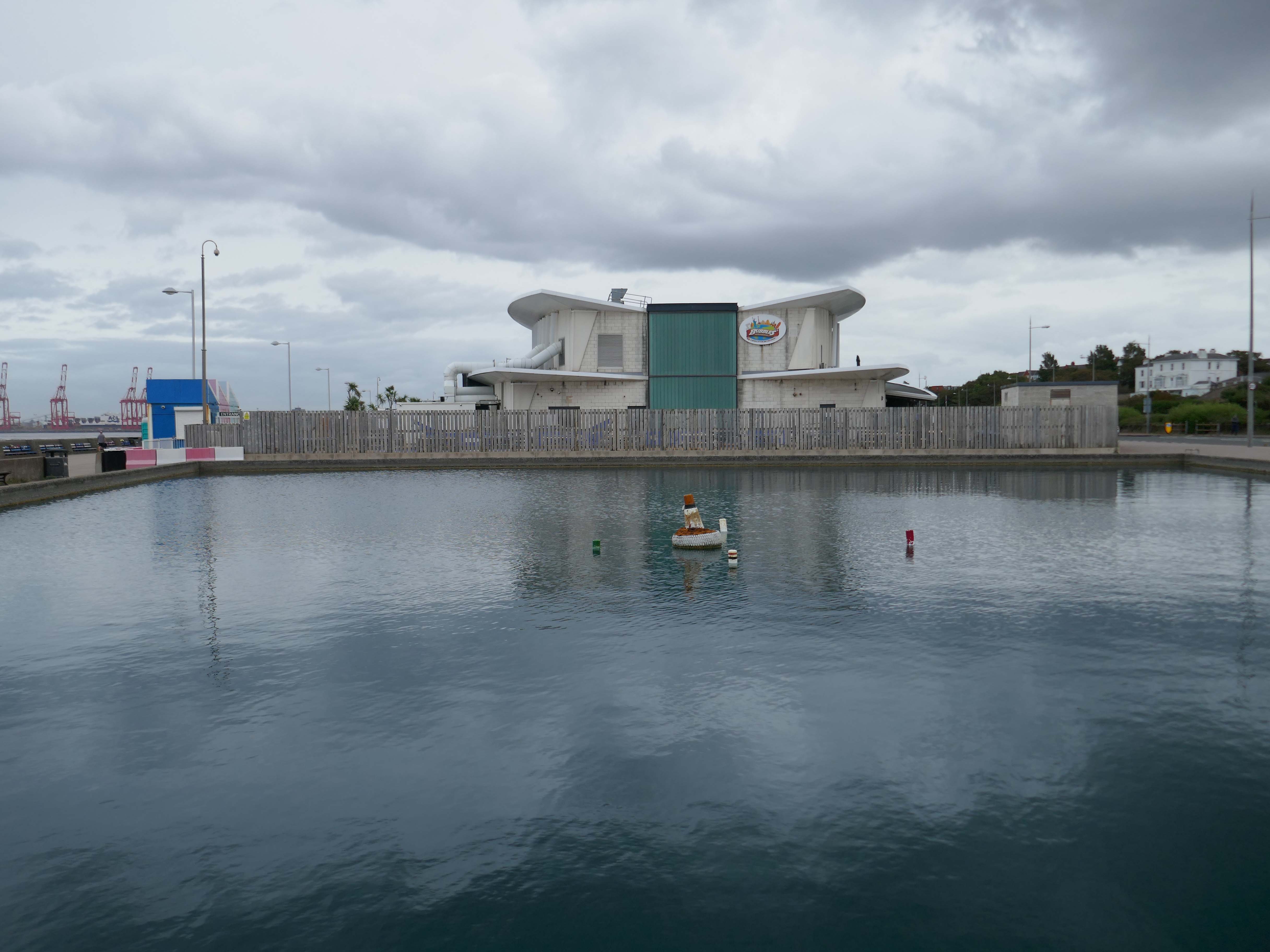
New Brighton’s Art Deco Lido, was opened on 13 June 1934 by Viscount Leverhulme. When it was built, it was the largest lido in Britain, at a cost of £90,000, designed by Wallasey County-Borough Engineer L St. G Wilkinson
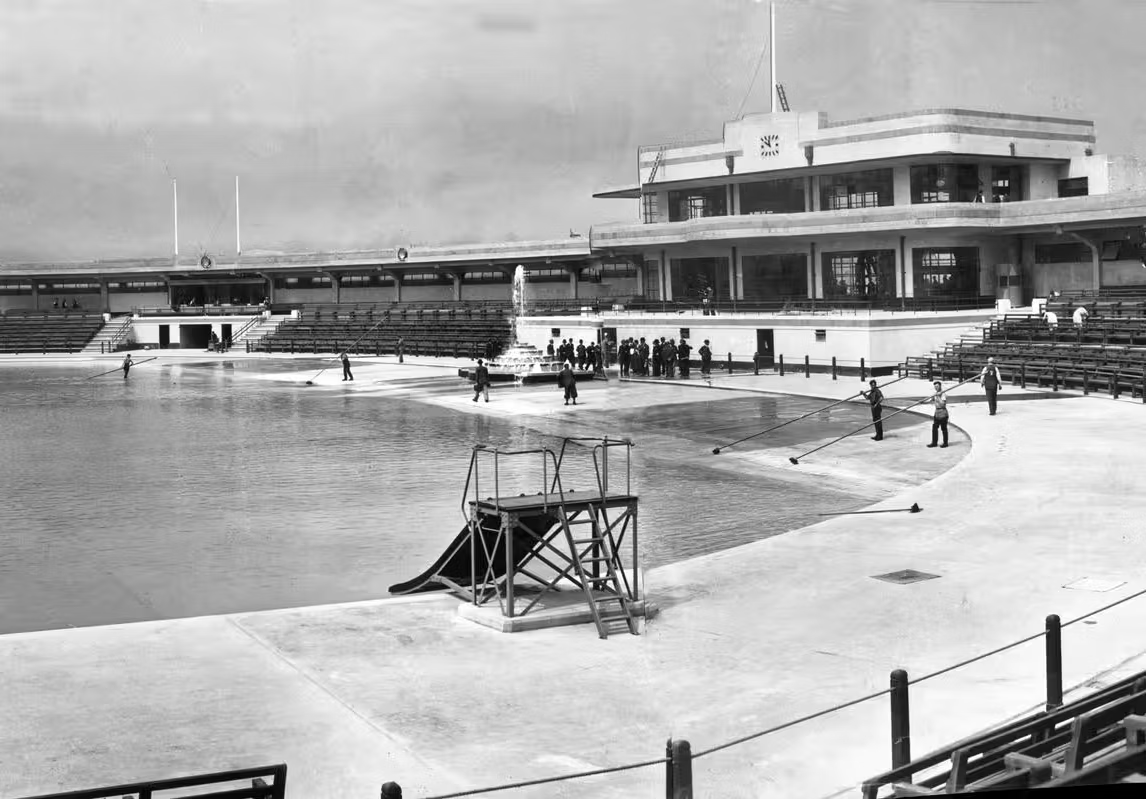
The saltwater pool survived until 1990, when it was damaged during a storm and later demolished
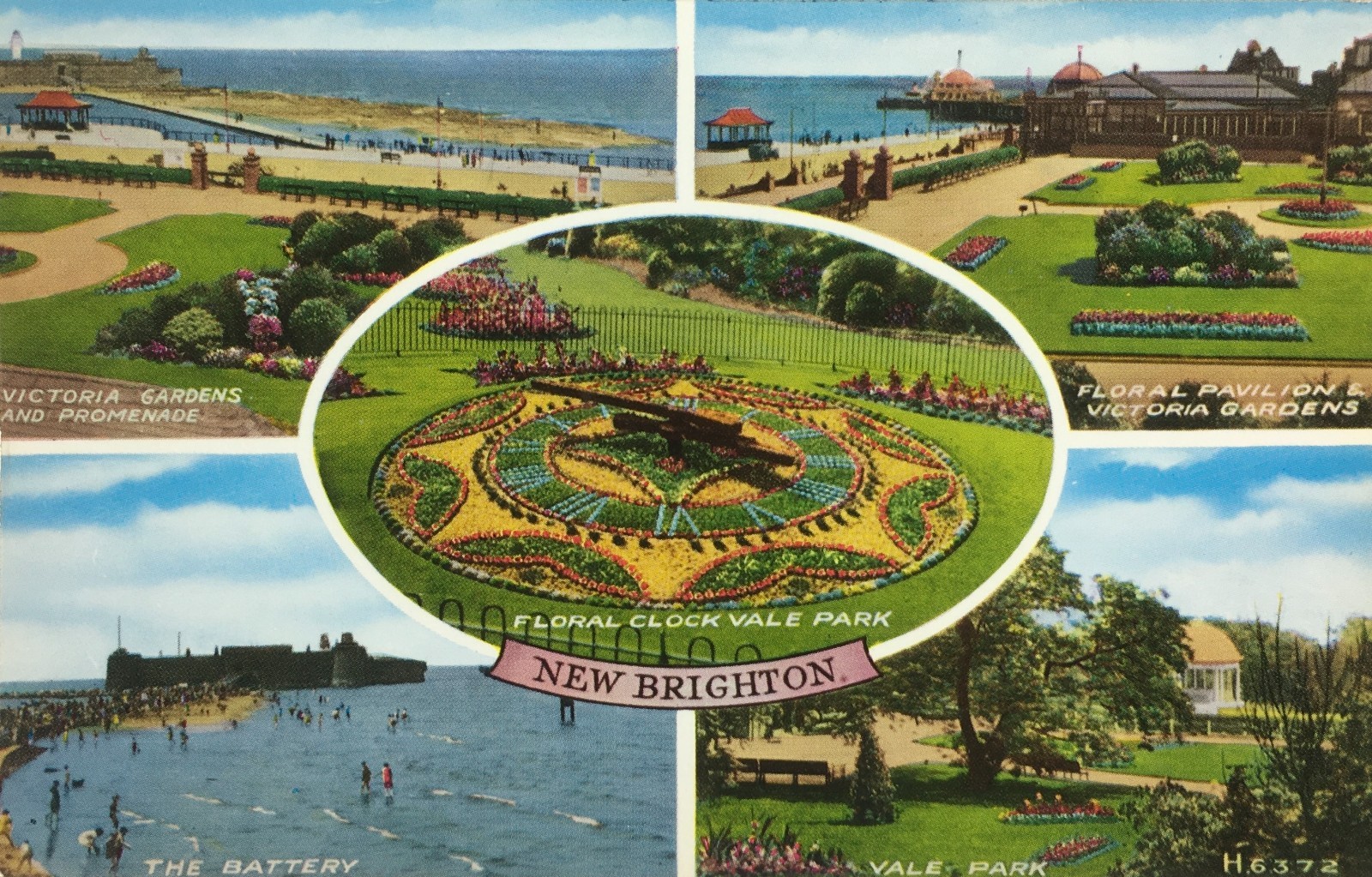
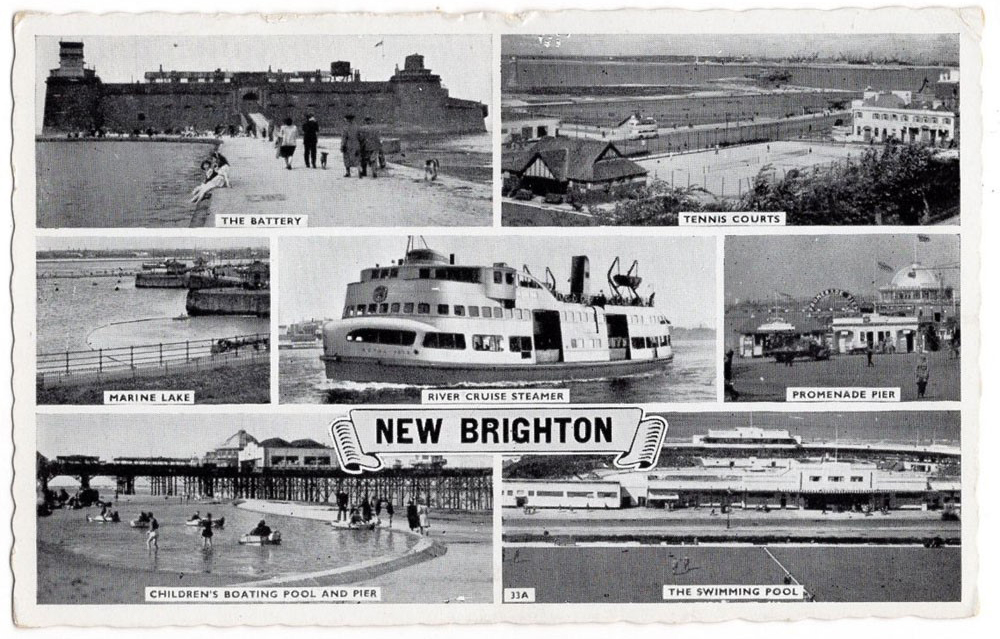
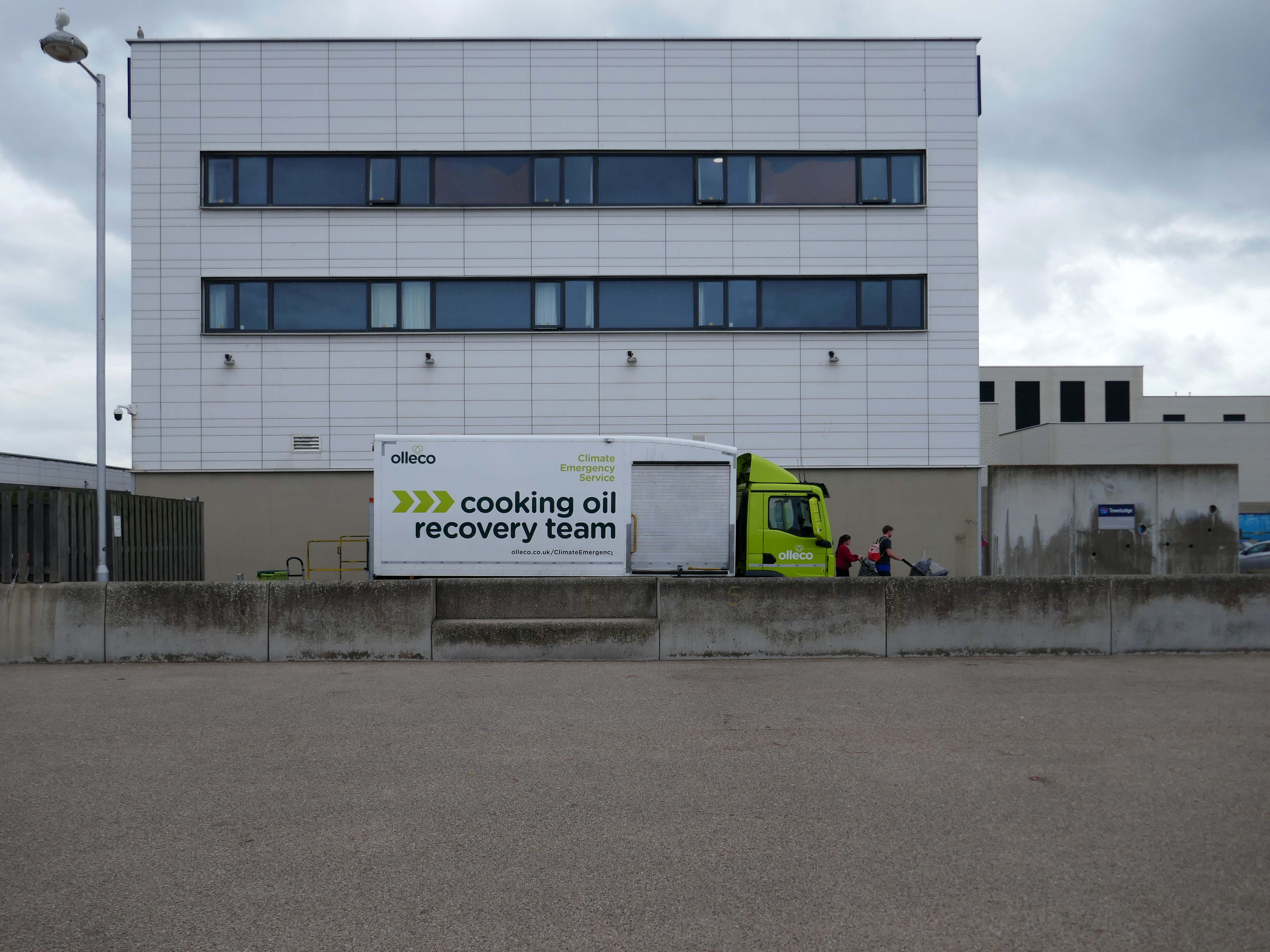
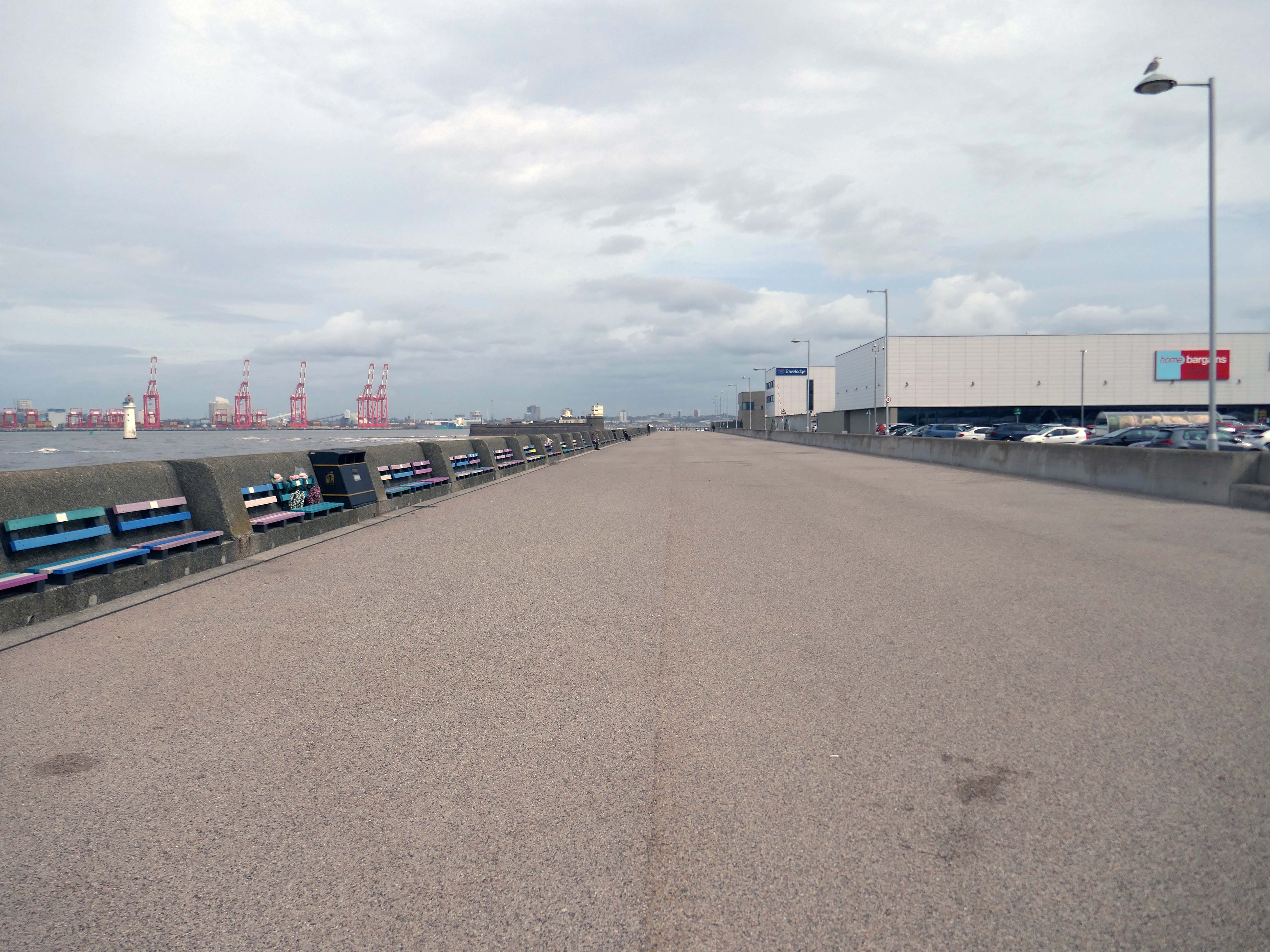
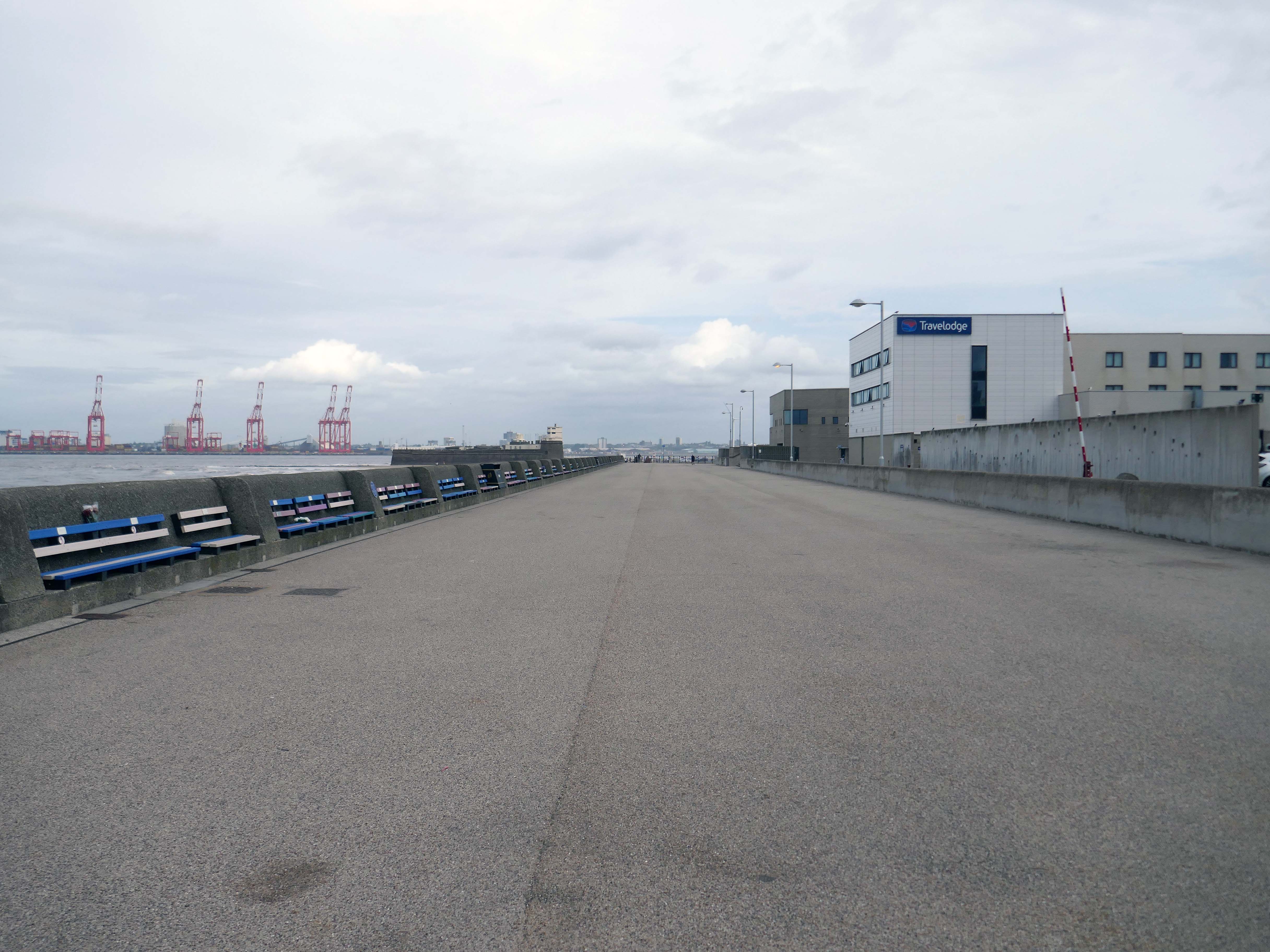
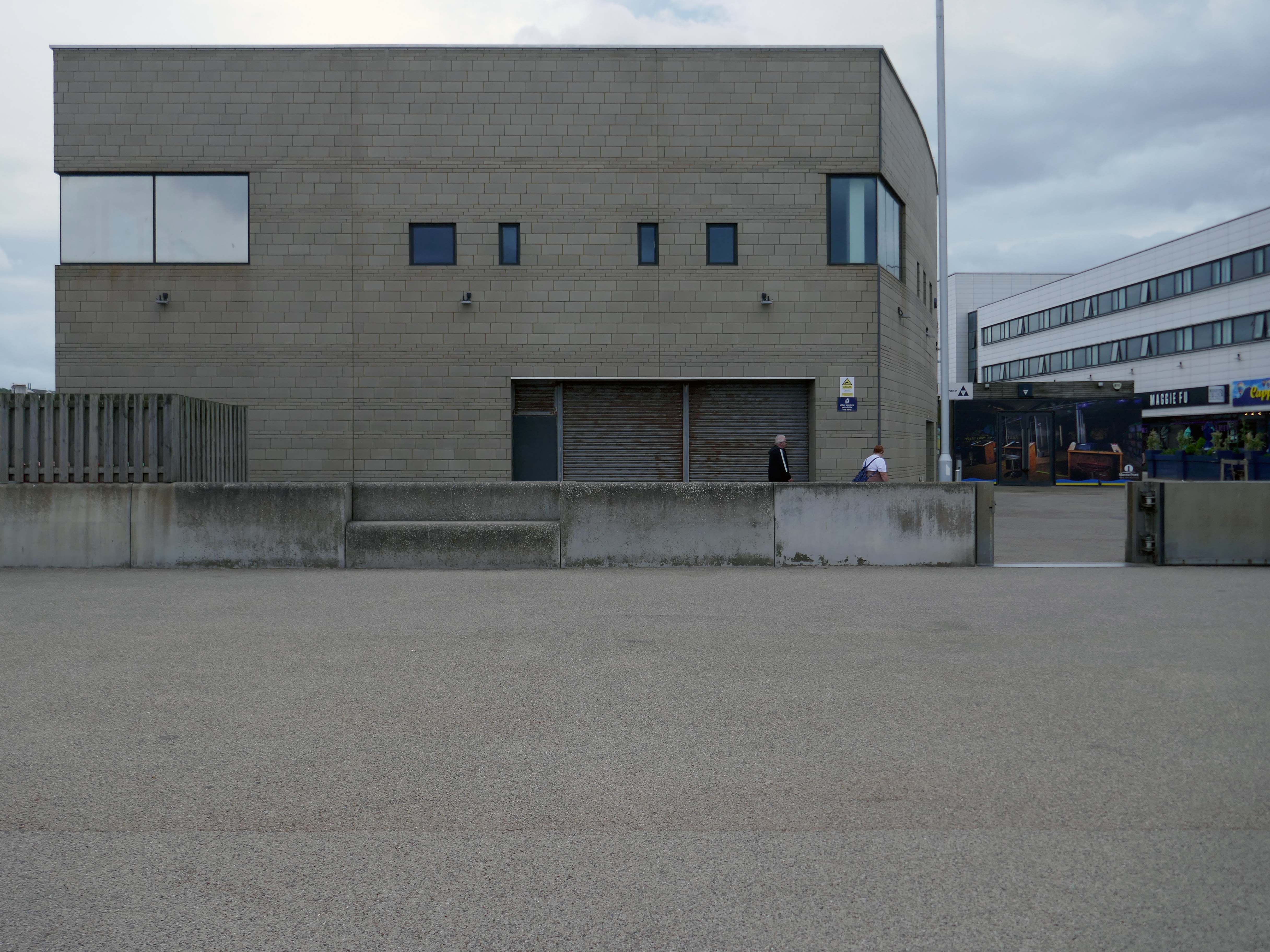
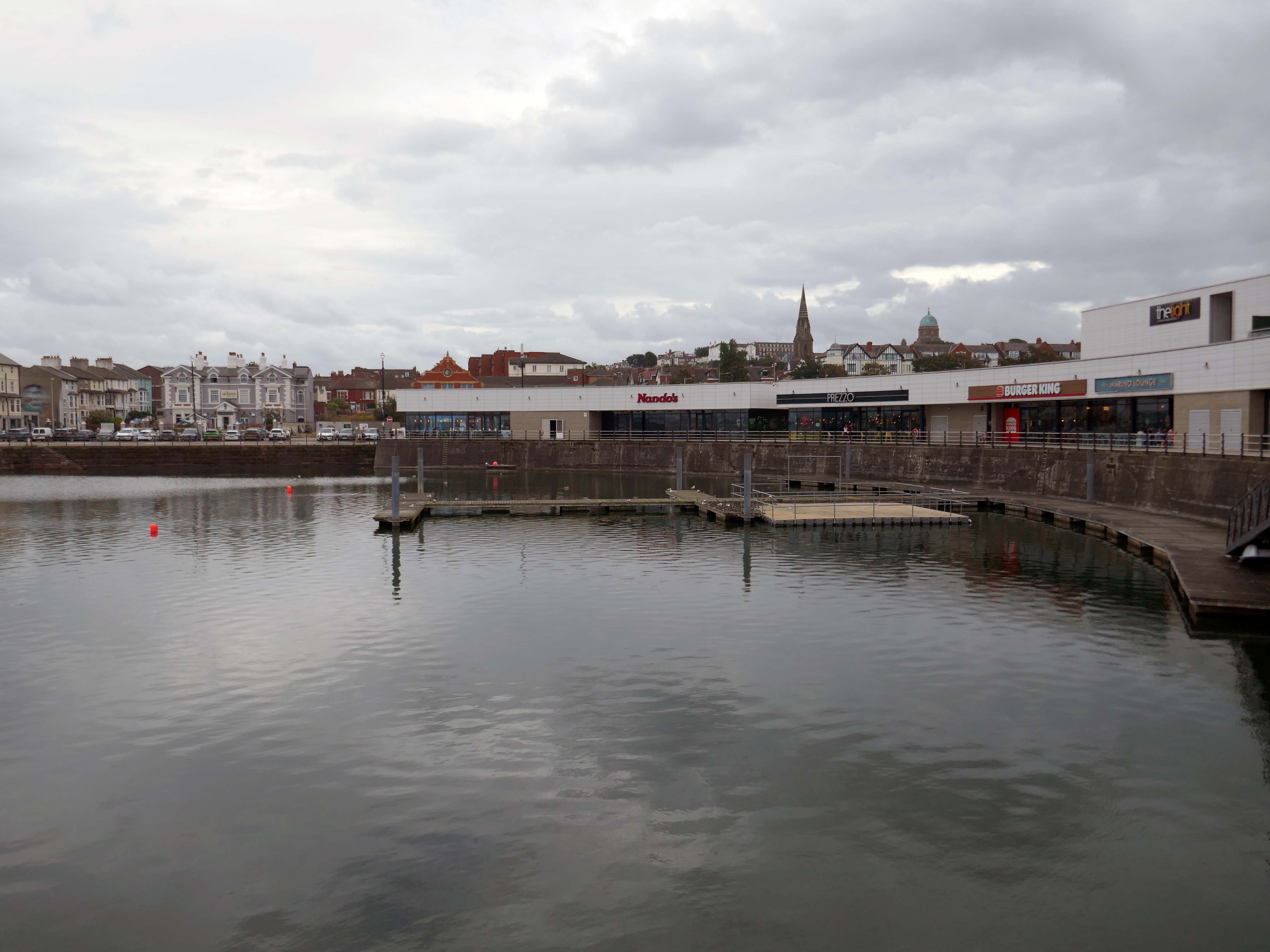
What remains today is a seafront transformed by the recent addition of large retail and leisure buildings.
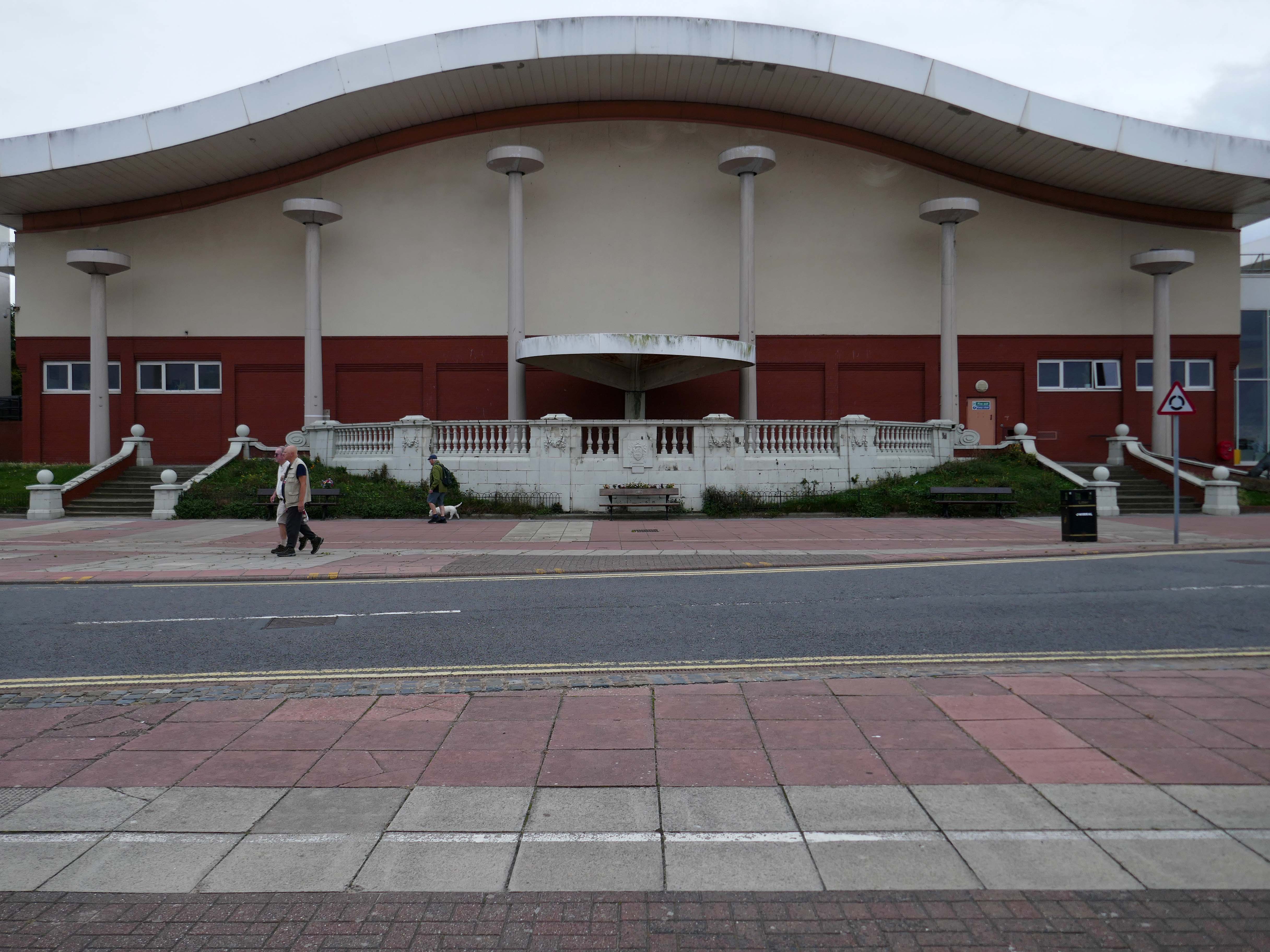
Comedy legend Ken Dodd made his first appearance at the venue in 1940.
The old structure was demolished as part of New Brighton’s £60 million Neptune Project.
A new £12 million complex featuring an 814-seat auditorium and conference centre, was opened by Ken Dodd, in December 2008.

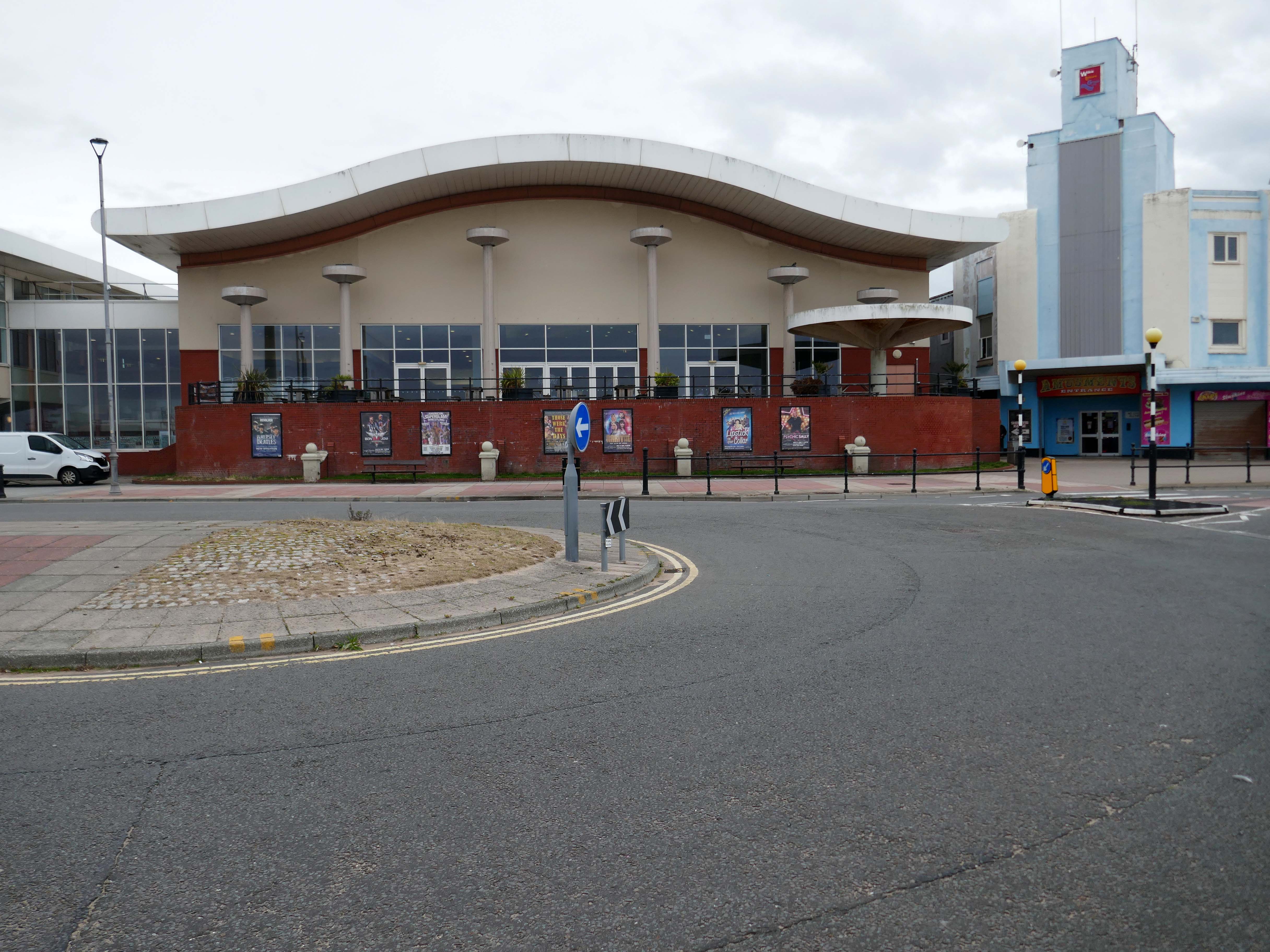
New Brighton Palace, an amusement arcade, built in 1939, commissioned by Will Wilkie, the current owner is David Wilkie, his grandson.
Looking Backward Moving Forward
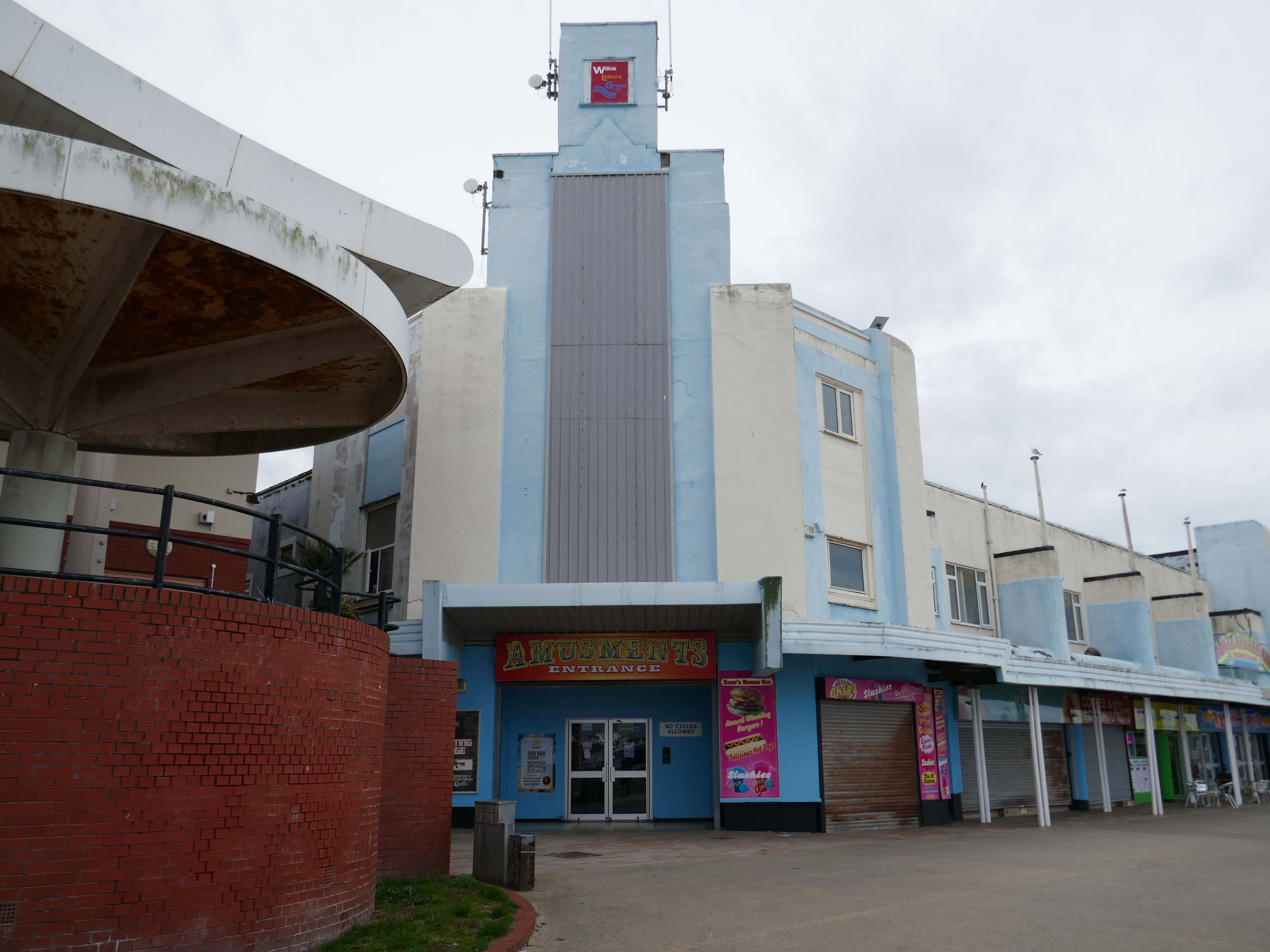
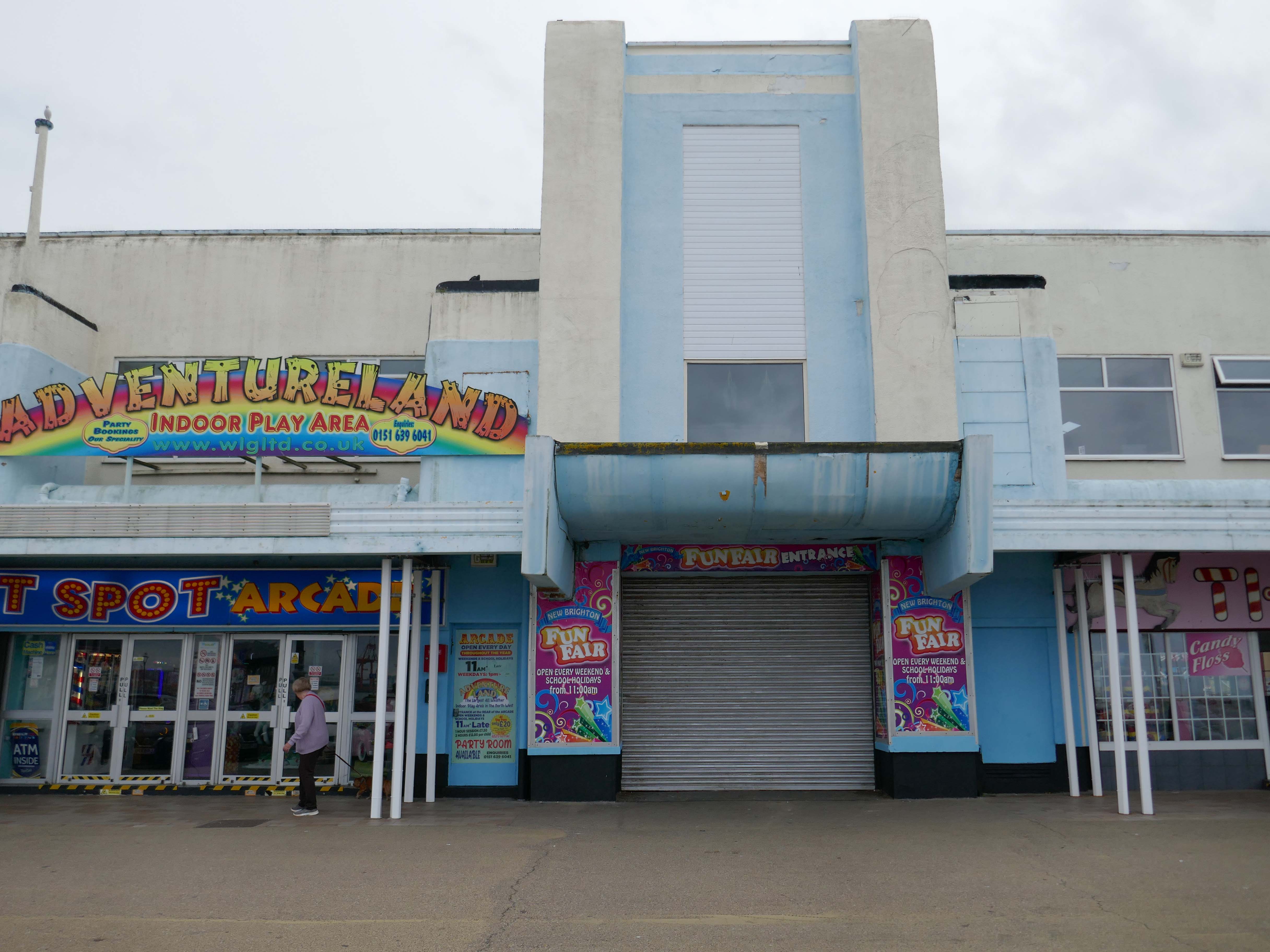
The New Palace and Adventureland on the famous Promenade at New Brighton, Wirral, offers a tremendous range of family fun-filled entertainment and activities.
The traditional family amusement arcade, The Bright Spot, has something for everyone including state of the art video driving, adventure and shooting simulators, dance games, plus the always popular slots and ‘pushers’, as well as mini-bowling and toy-grabbers.
Special mention must go to long time New Brighton resident Photie Man Tom Wood.
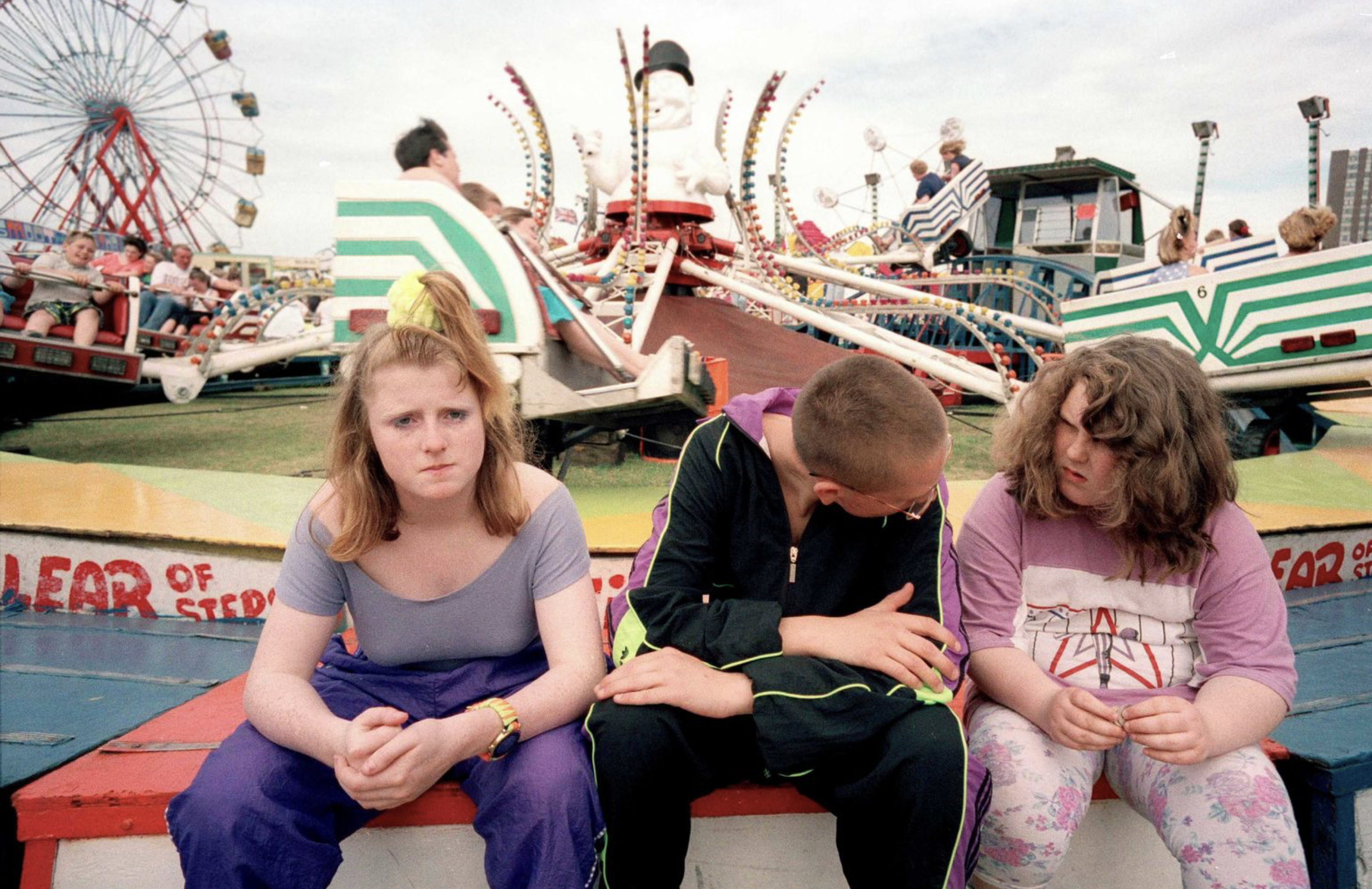
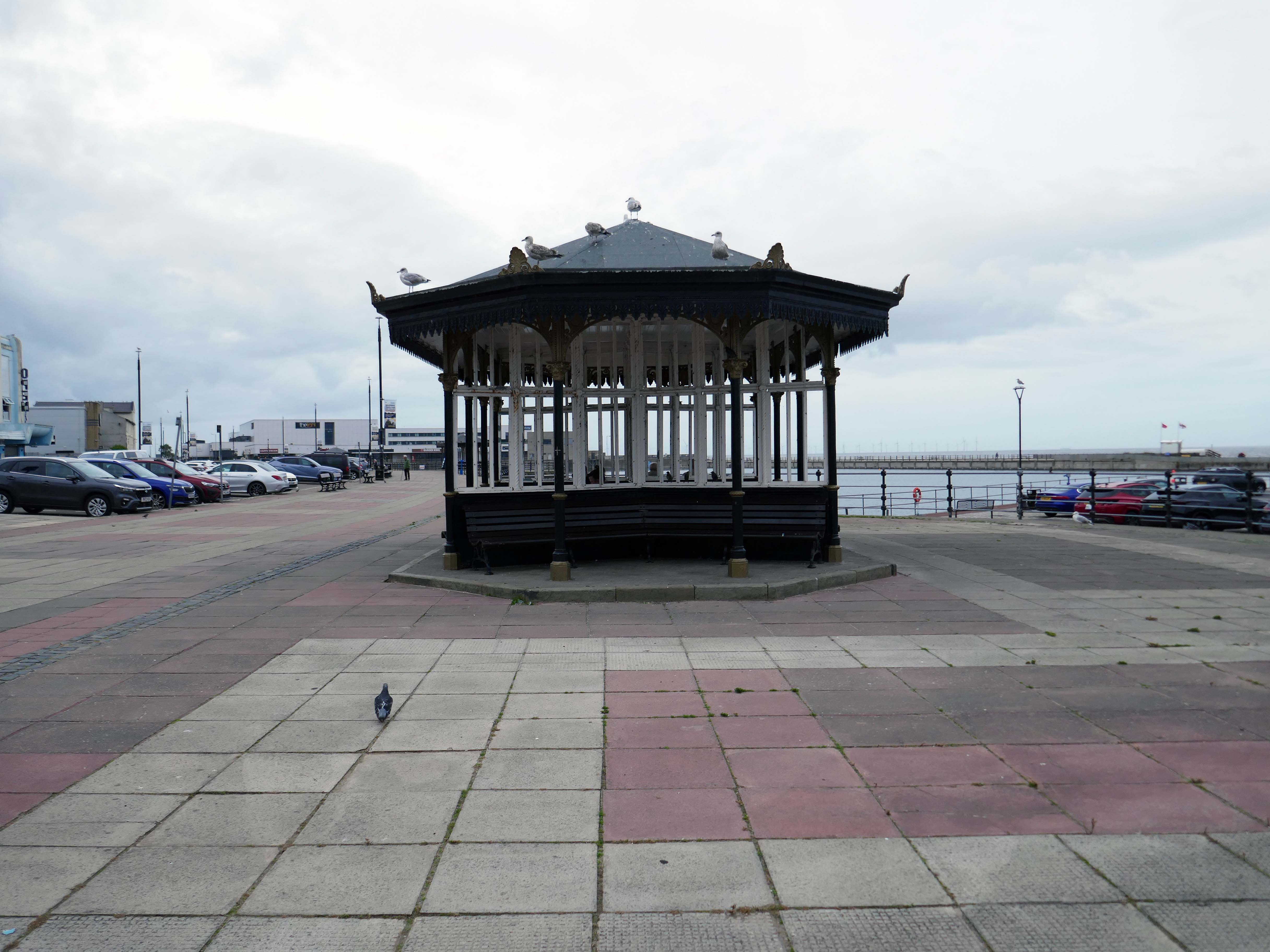
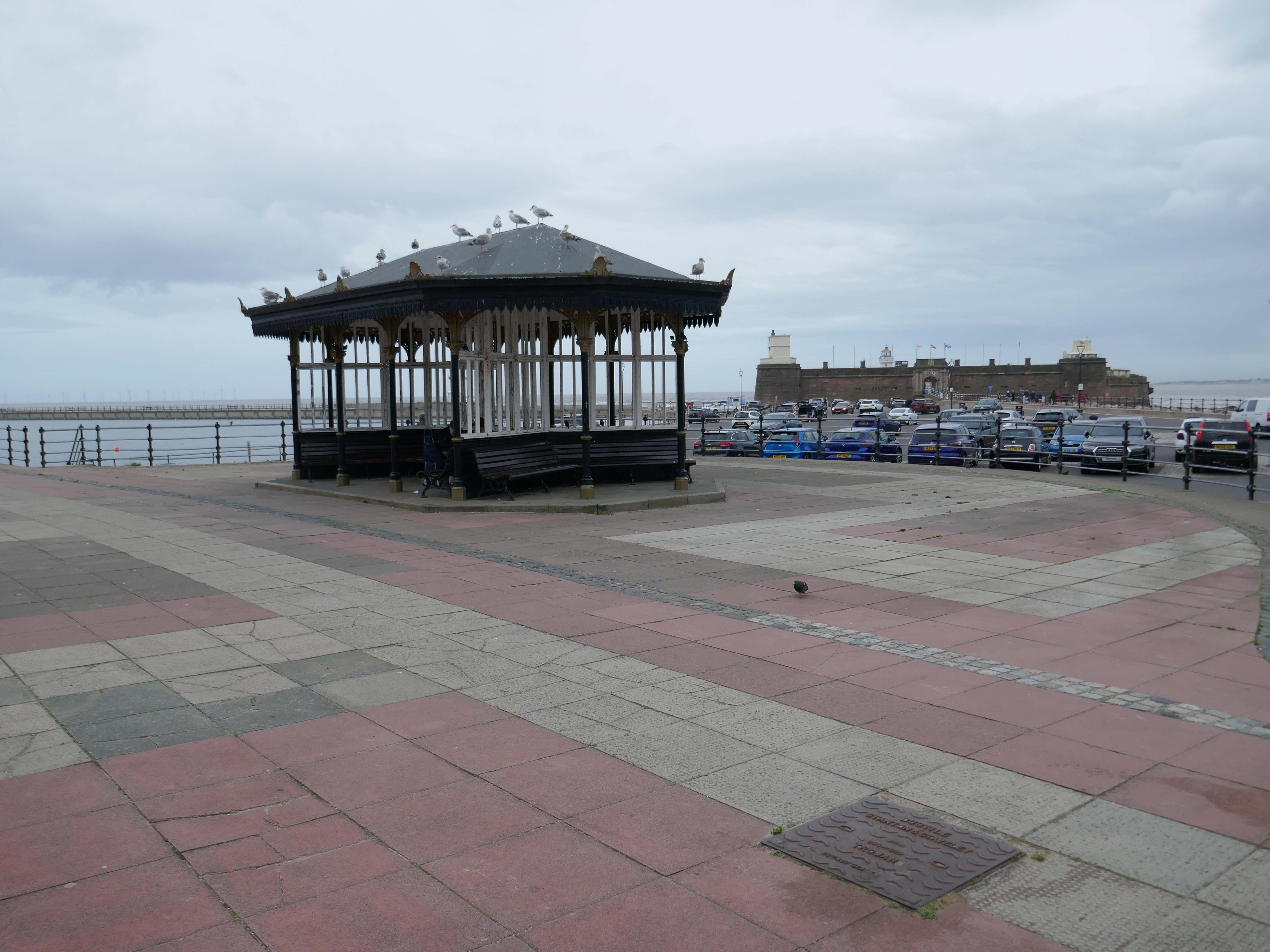
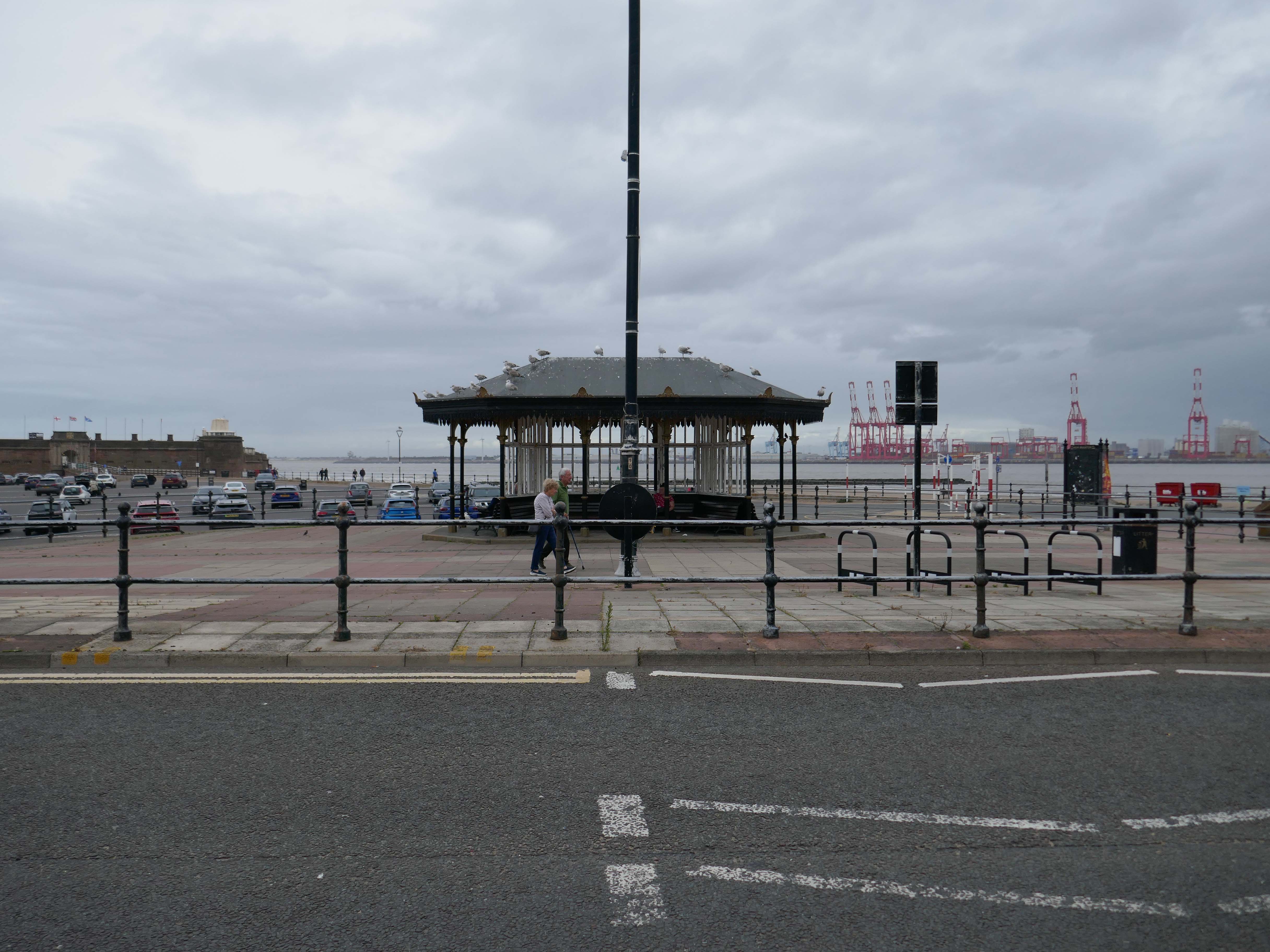
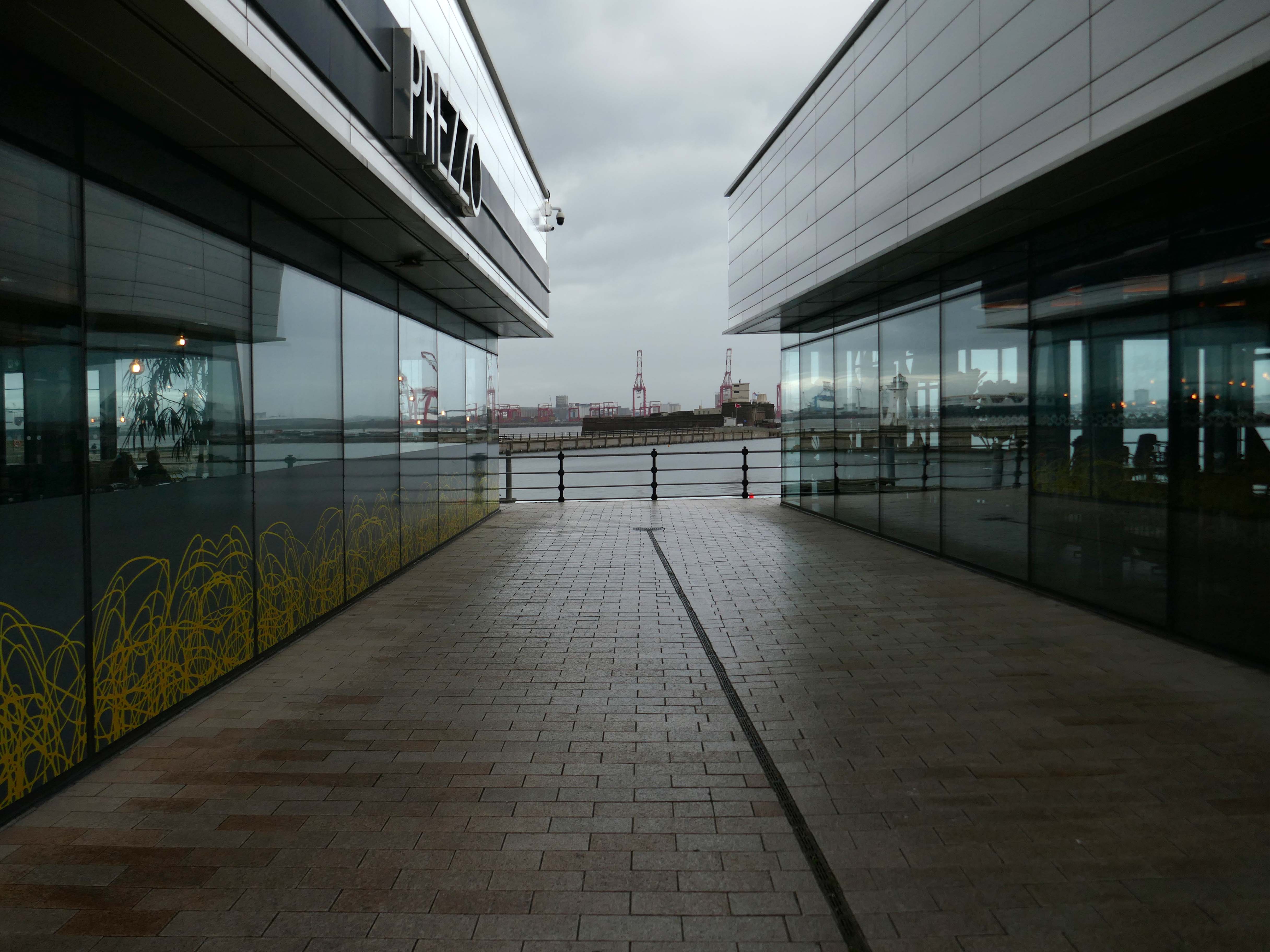
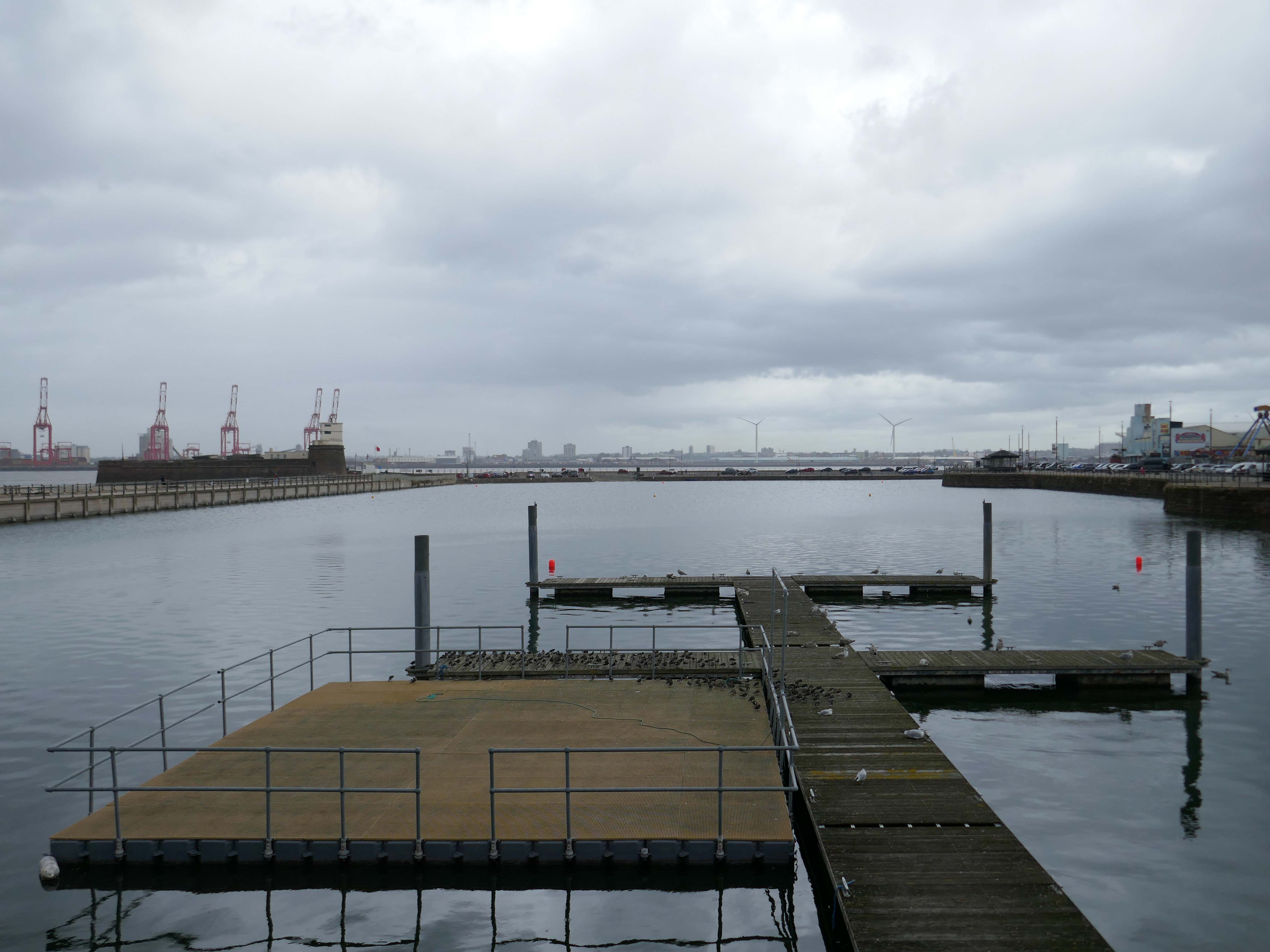
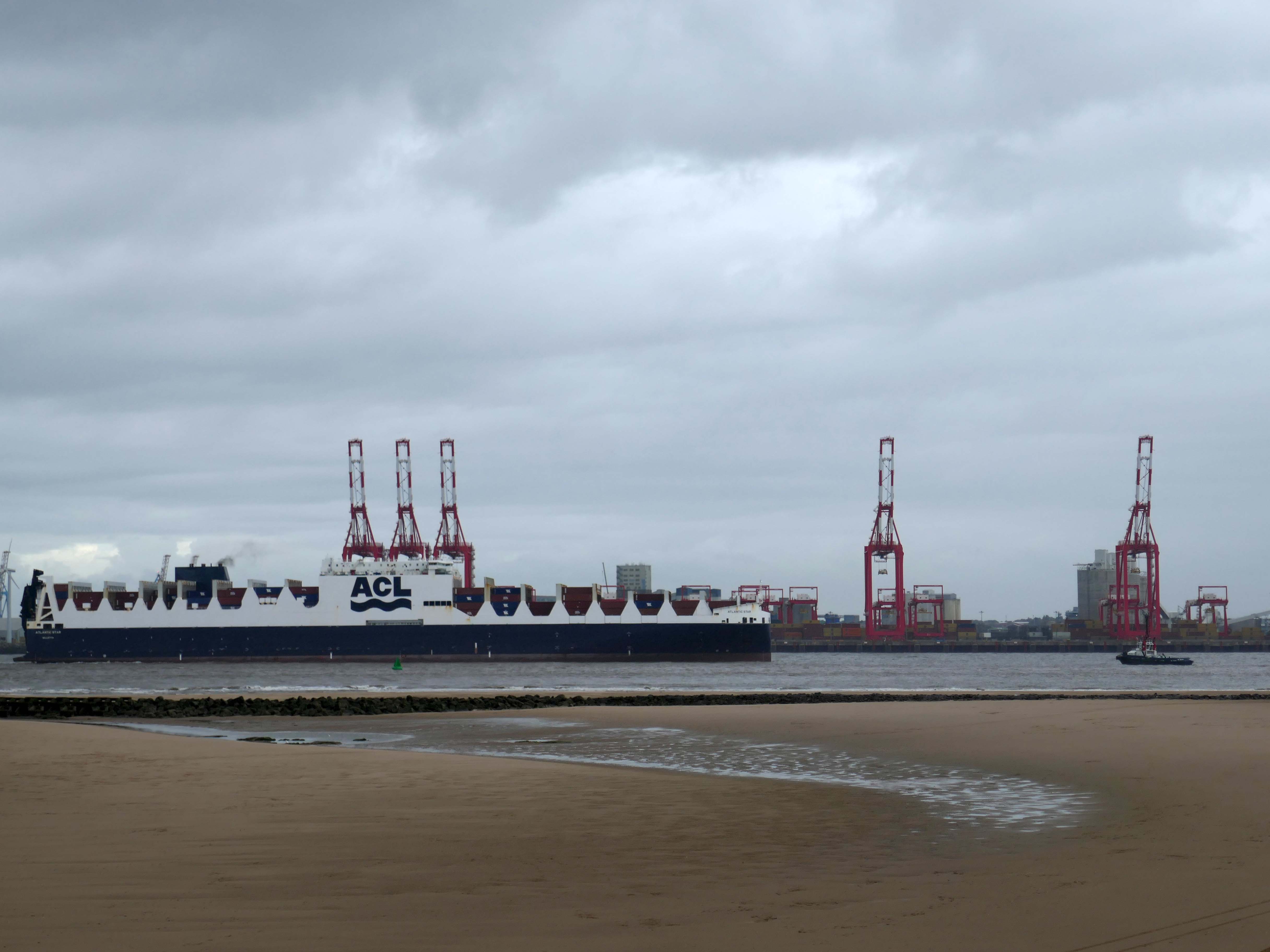
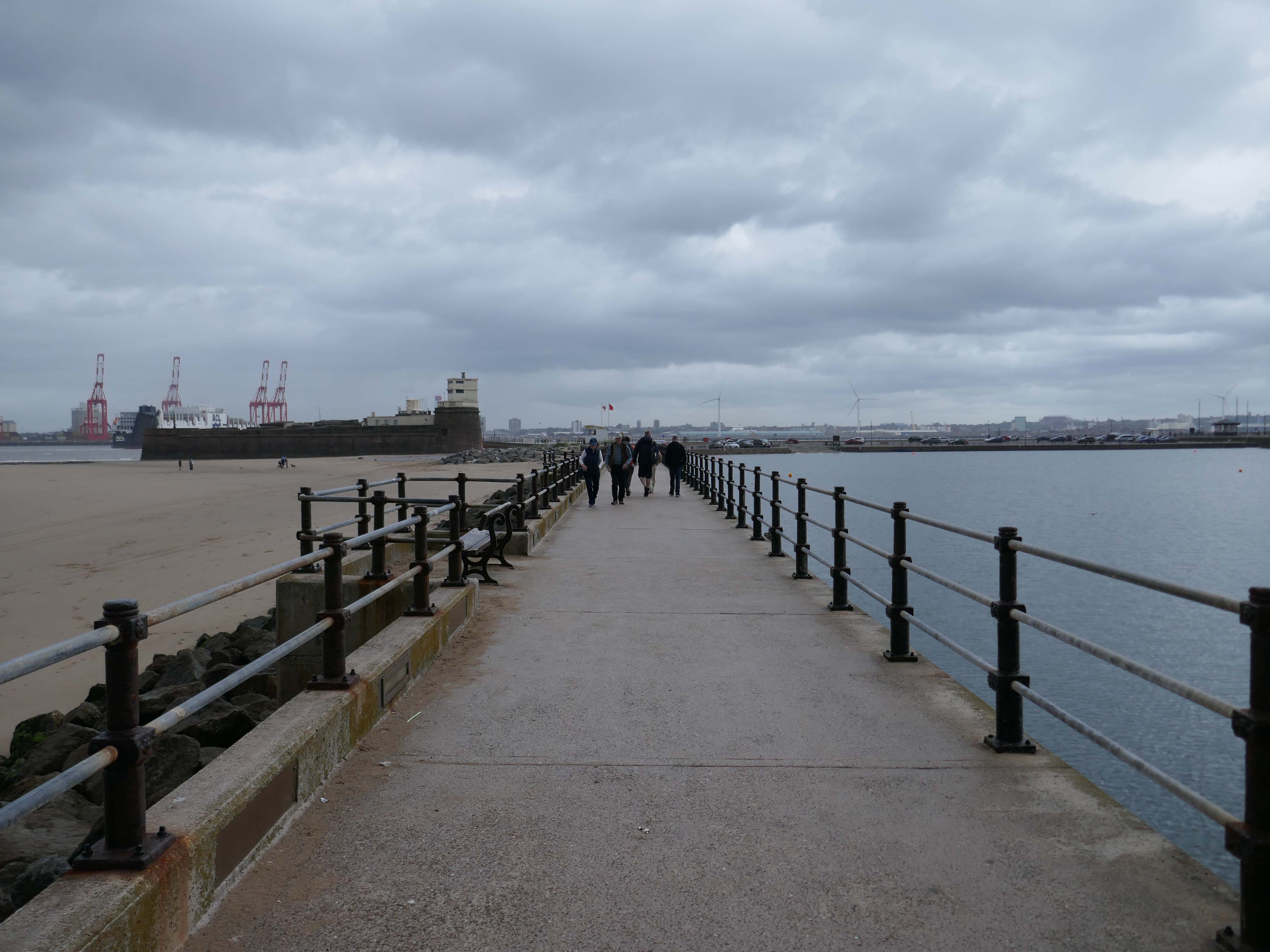
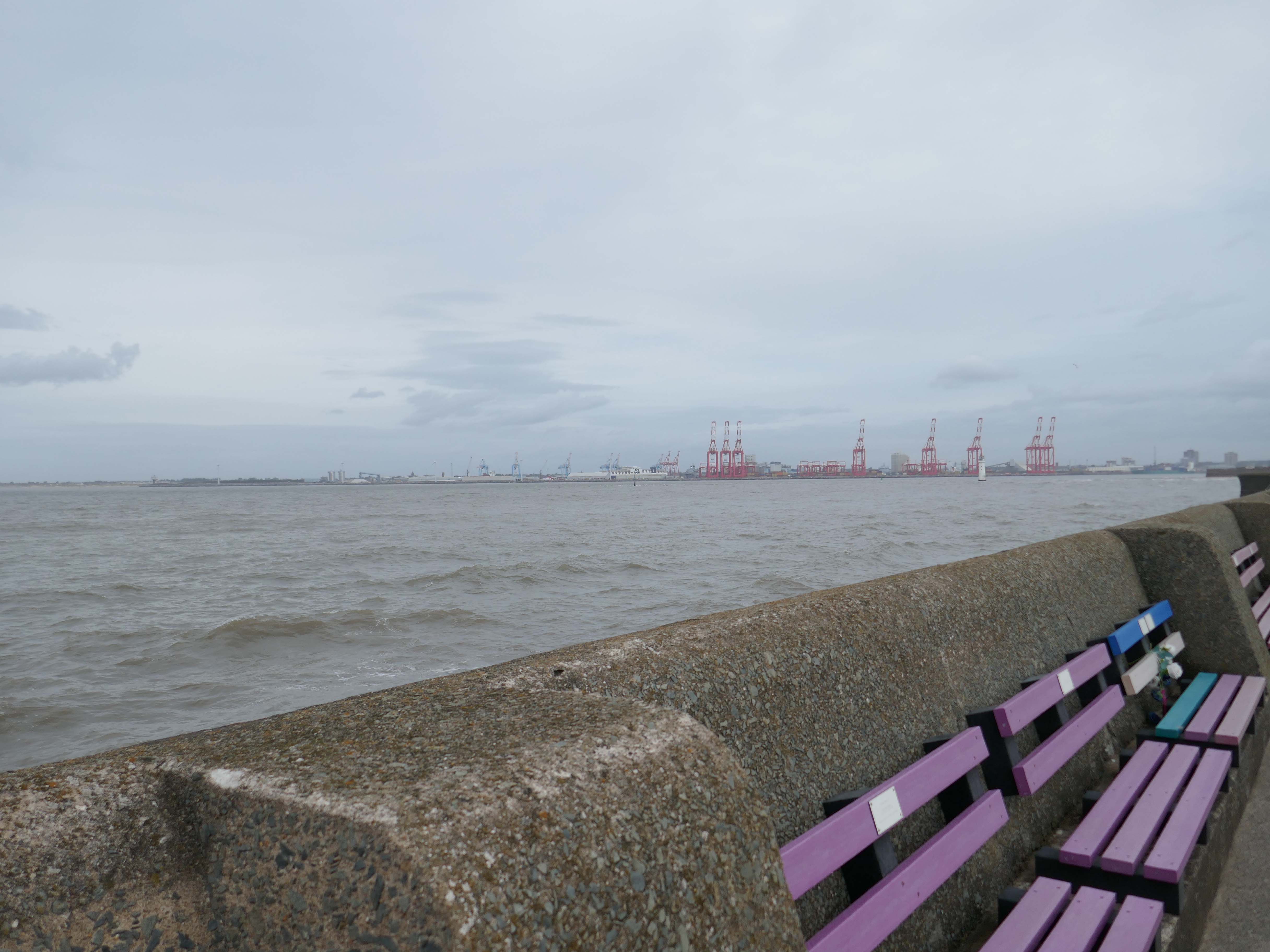
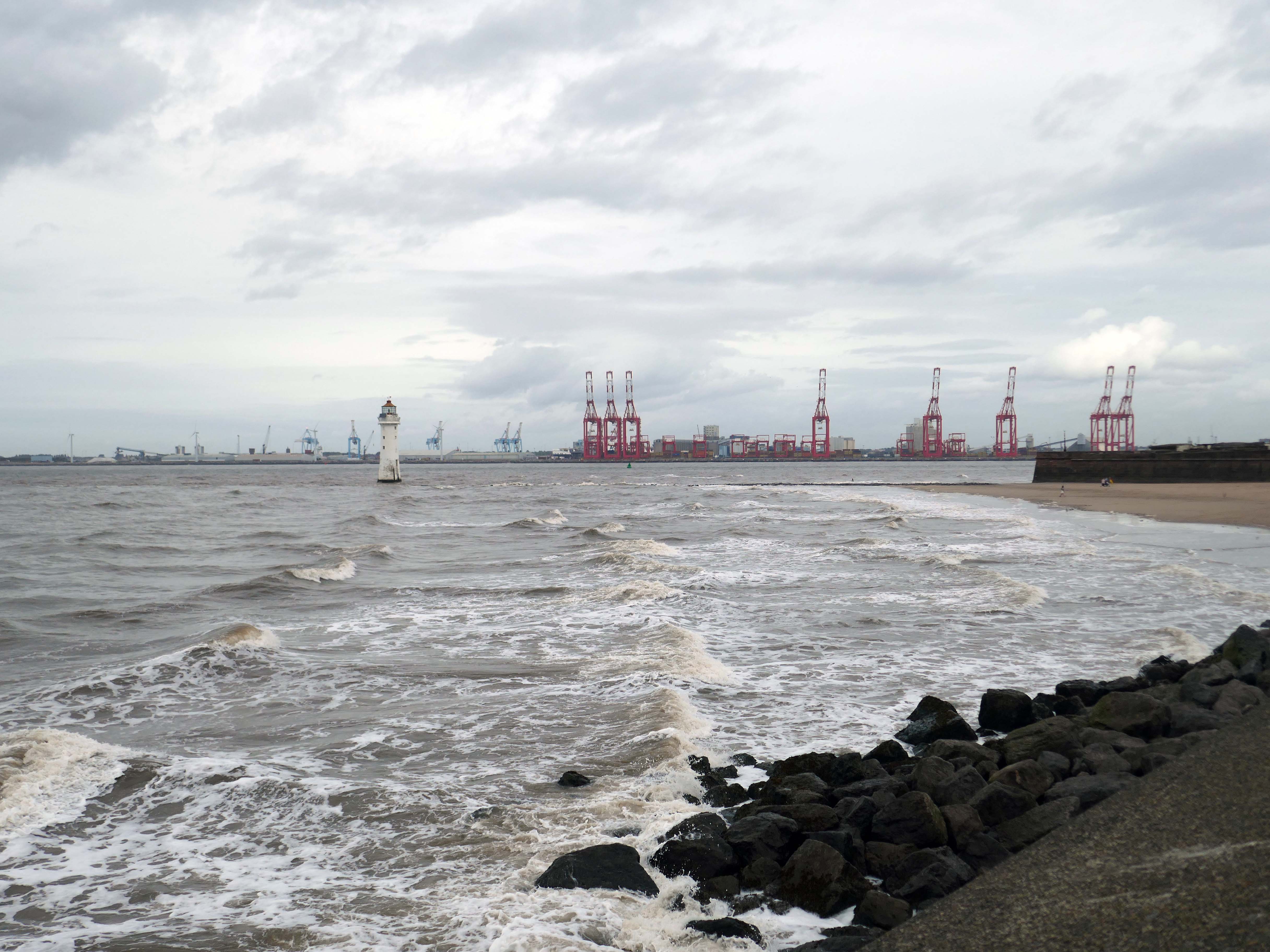
Across the water the Seaforth Dock.
Opened in 1971, the site consists of about five hundred acres
Technological changes, such as containerisation, caused the loss of numerous jobs on the docks. In the 21st century, the dock handles mainly containers, oils, timber, fruit and vegetables, grain and animal feed.
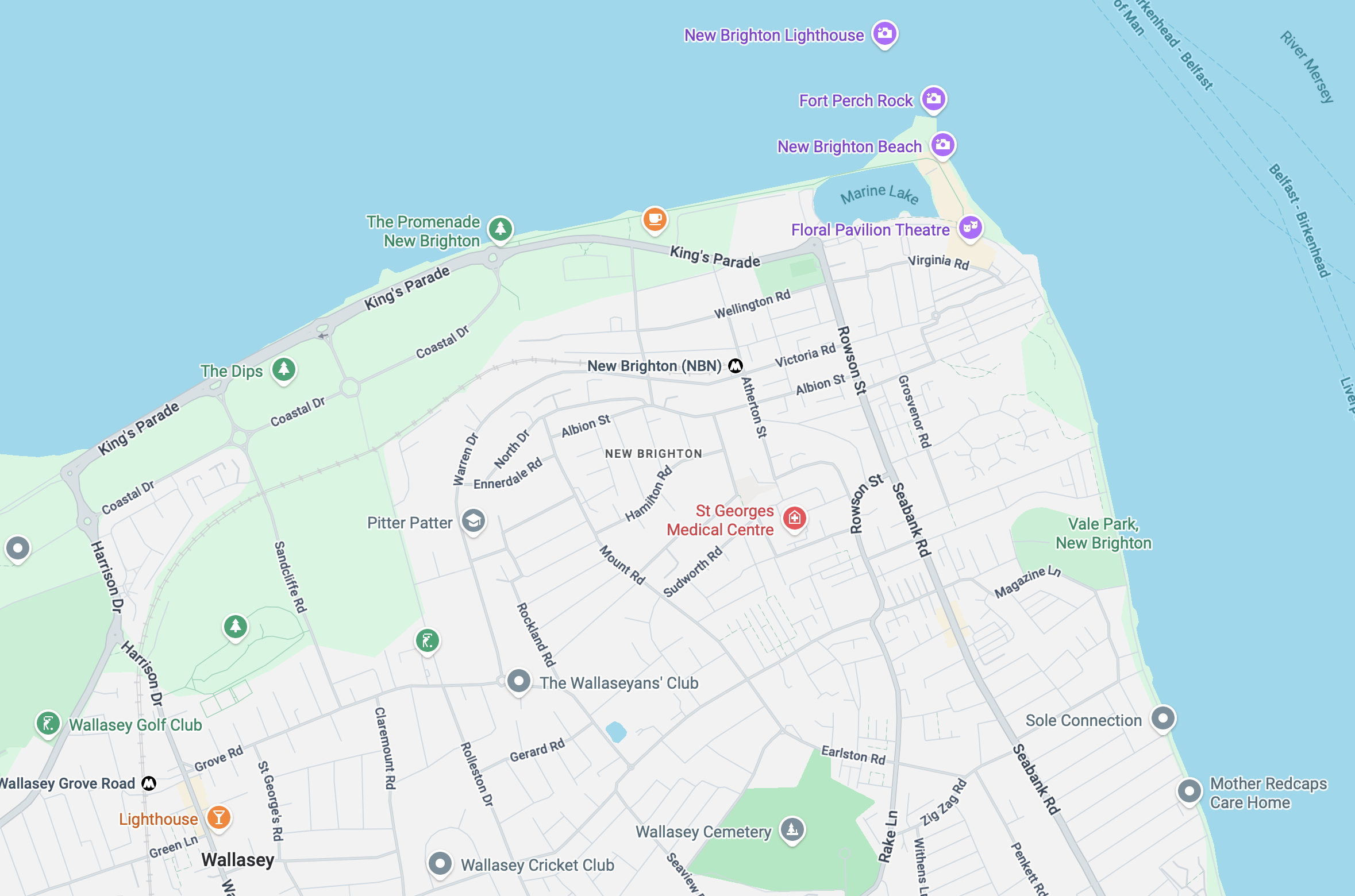
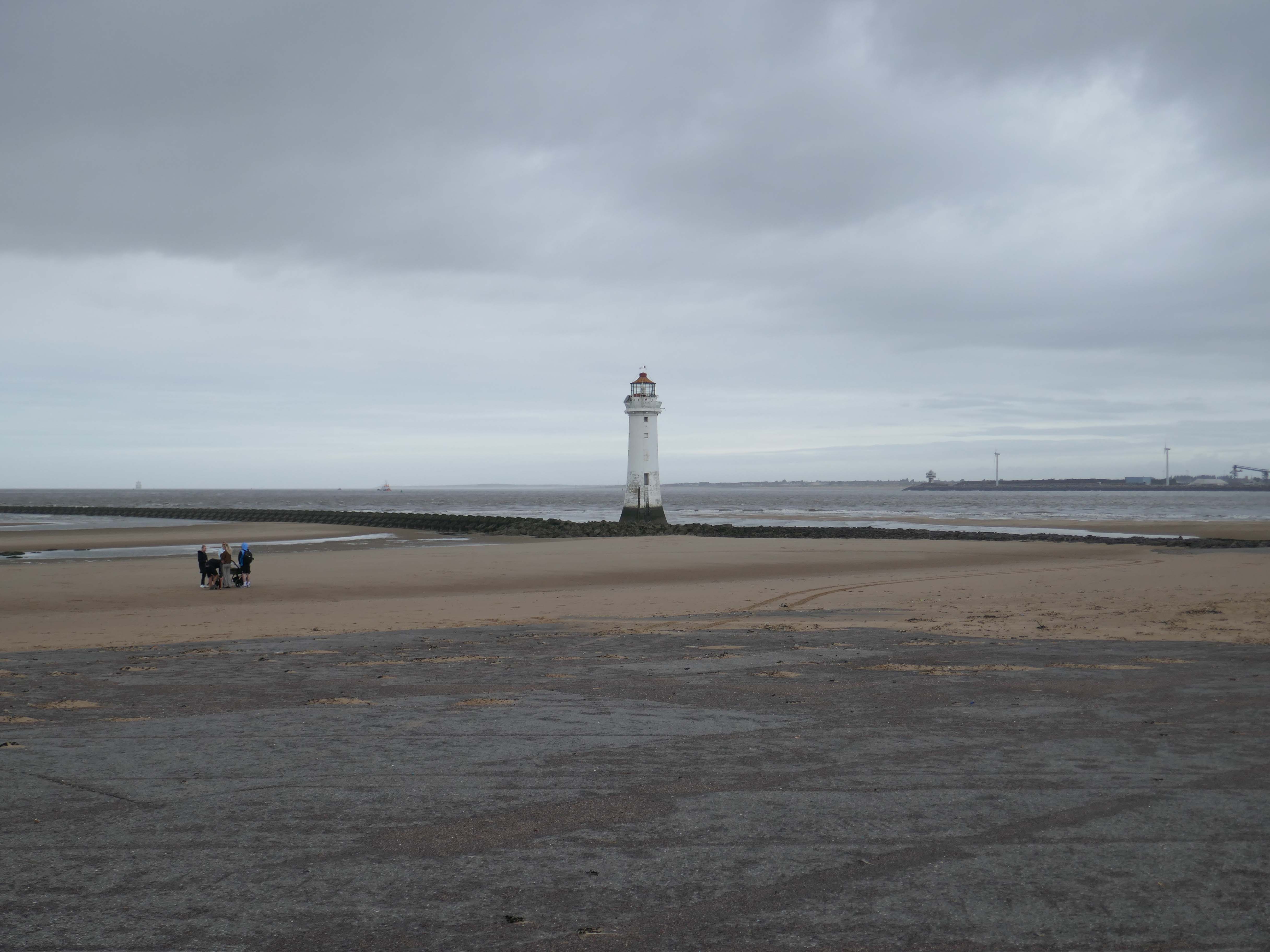
New Brighton Lighthouse the structure is Grade II * listed
Designed by John Foster Jr, construction of the present tower began in 1827 by Tomkinson & Company using blocks of interlocking Anglesey granite using dovetail joints and marble dowels.
The lighthouse was in continuous use until it was decommissioned in October 1973, having been superseded by modern navigational technology.
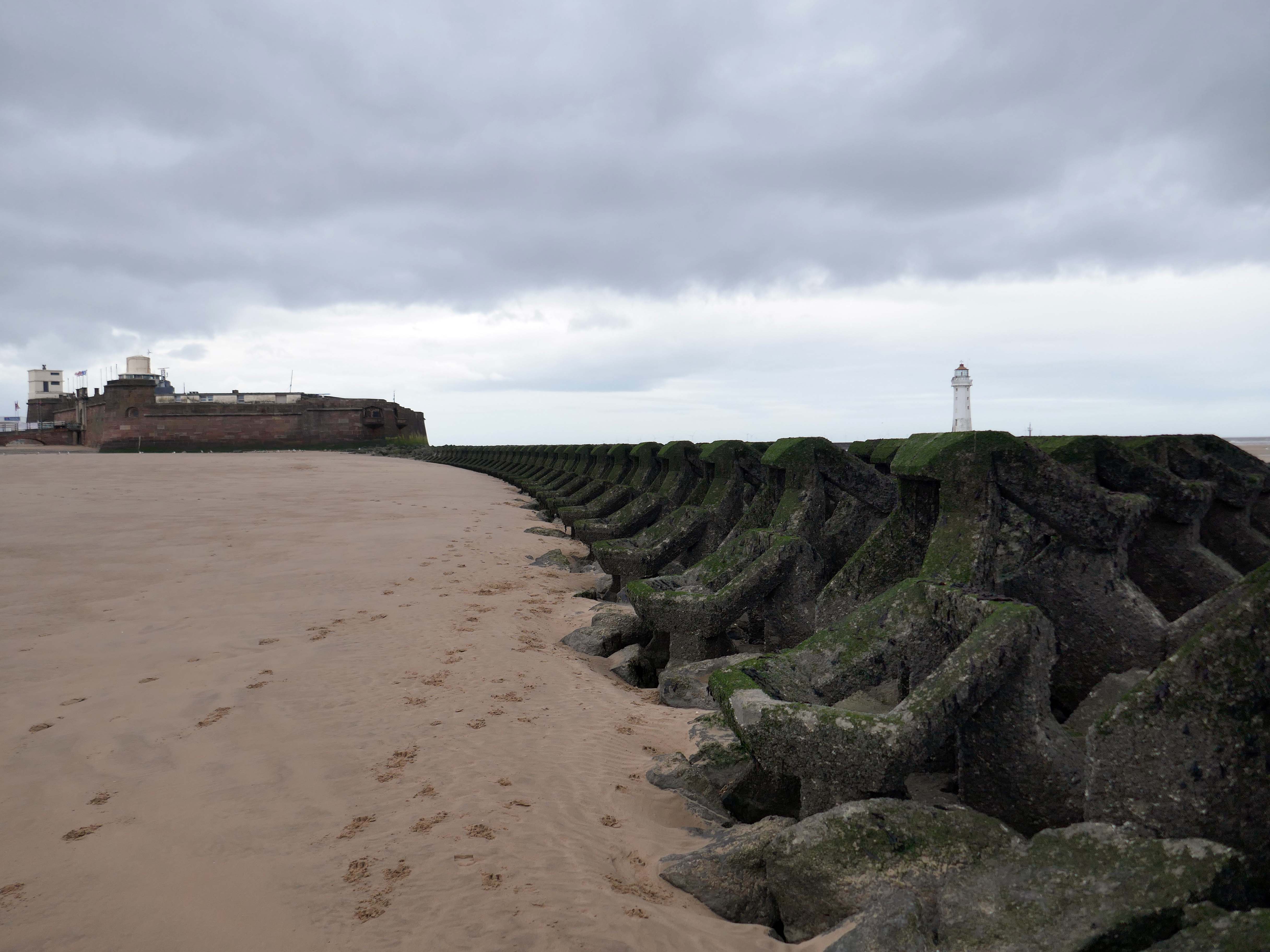
Perch Rock Fort – its is Grade II* listed.
In 1803 Liverpool merchants concerned about a possible invasion by the French during the Napoleonic wars put forward the idea of a fort at New Brighton. Naturally there were disputes about how it was to be financed and consequently construction didn’t get under way until 1826.
It was completed three years later. It was built out of red sandstone blocks on a base of sandstone rocks, confusingly known as the Black Rocks.
Designed by a Captain John Sikes Kitson of the Royal Engineers, it had room for 100 men plus officers with adequate provisions and armaments. It had eighteen guns, sixteen of which were thirty two-pounders and they faced the Rock Channel that was the main entrance for shipping to the Mersey at that time. The ships passed nine hundred yards from the guns and the fort soon became known as the “Little Gibraltar of the Mersey”.
The fort was decommissioned by the War Office 1956 and passed through various hands until it was sold to the Darroch family who are the current custodians.
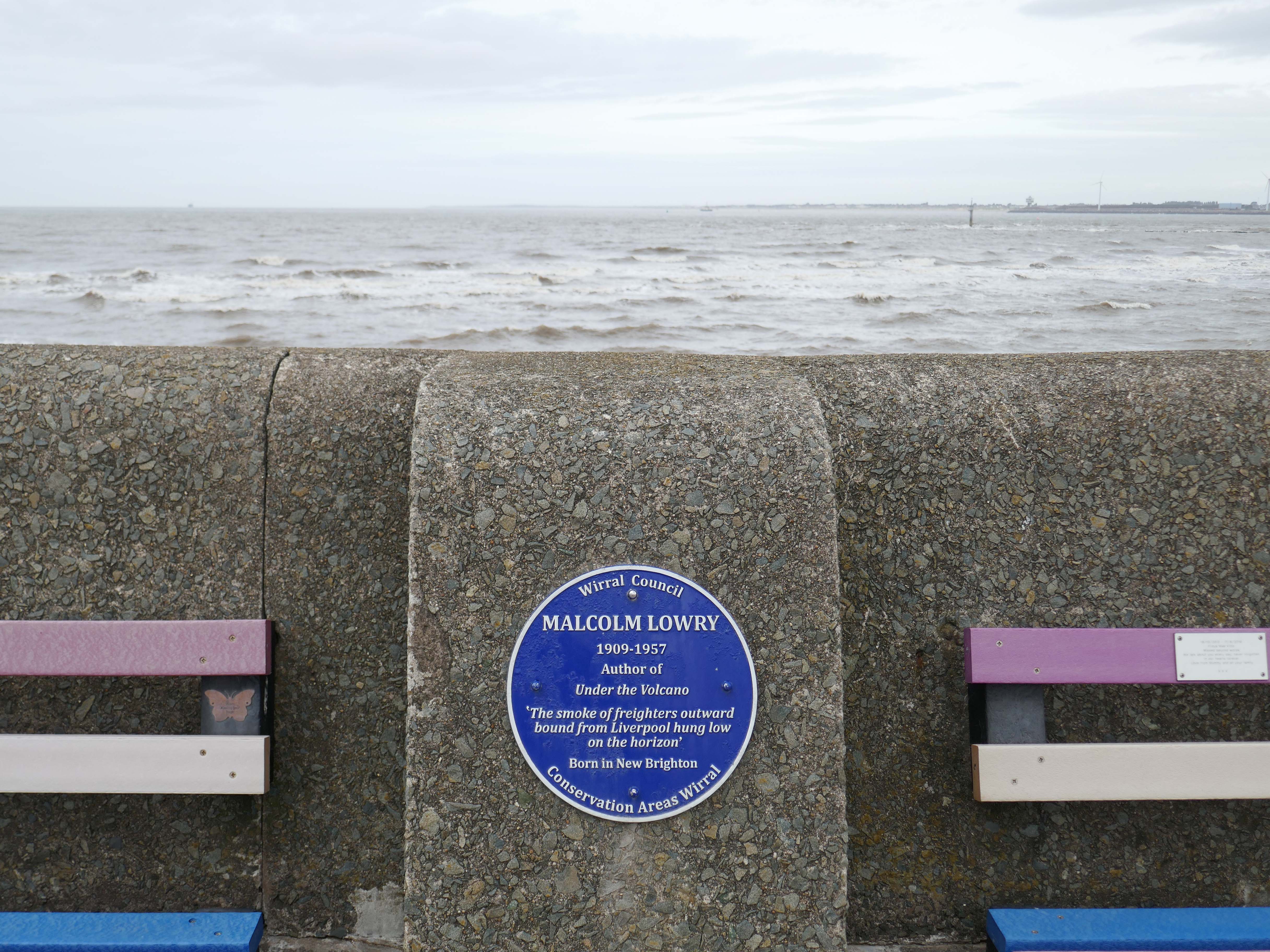
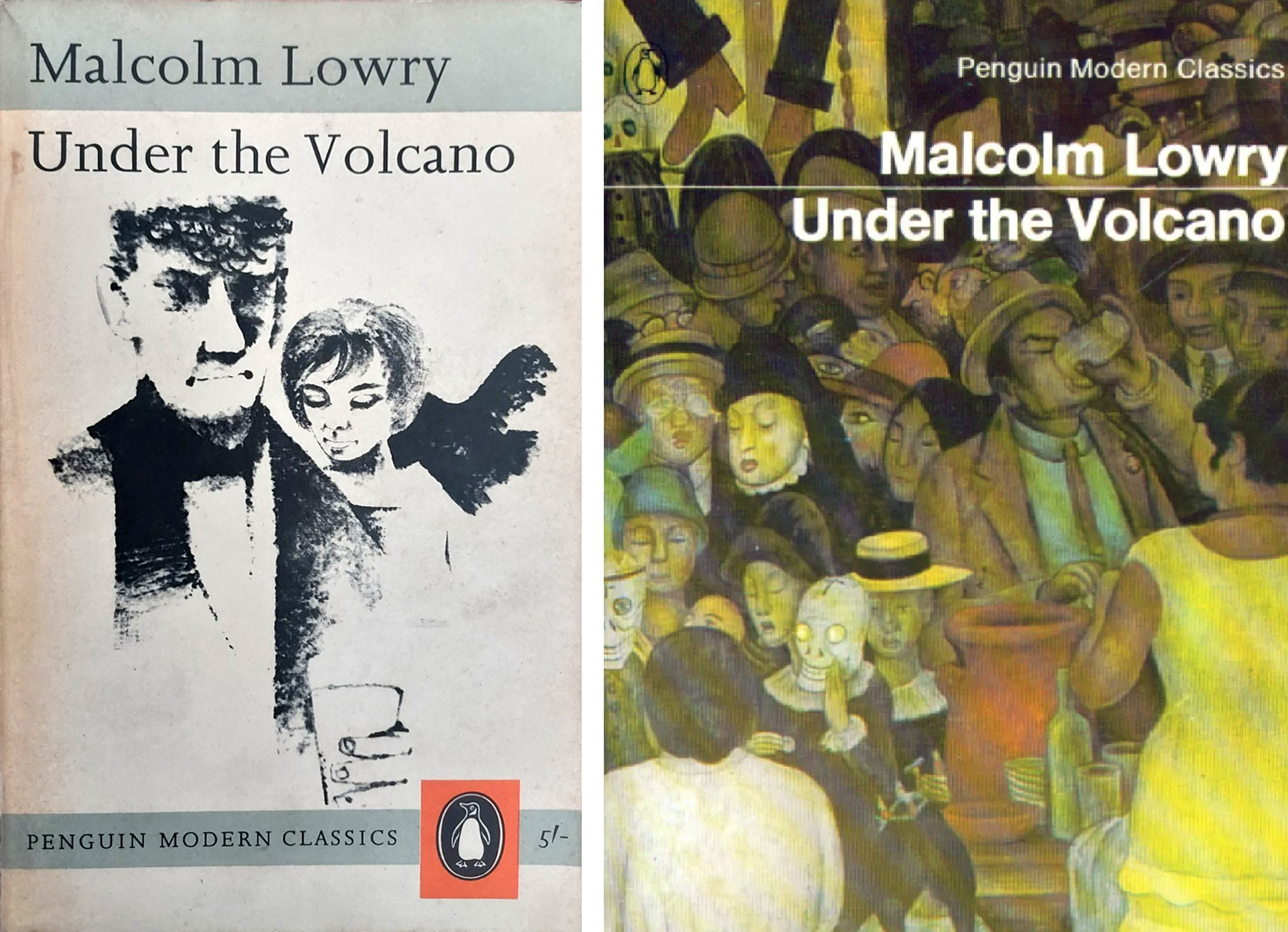
Malcolm Lowry author New Brighton born.
“Love is the only thing which gives meaning to our poor ways on earth”
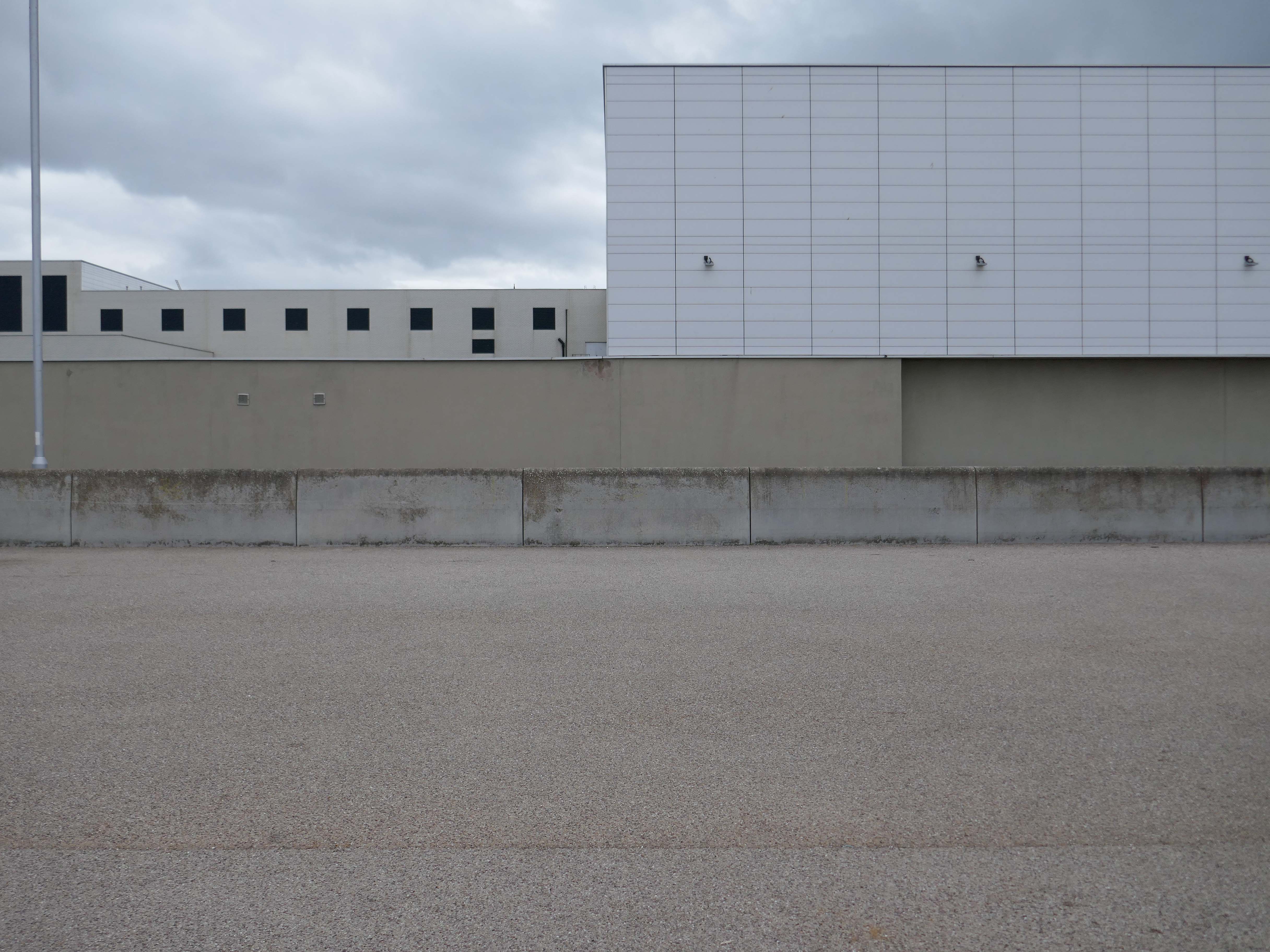
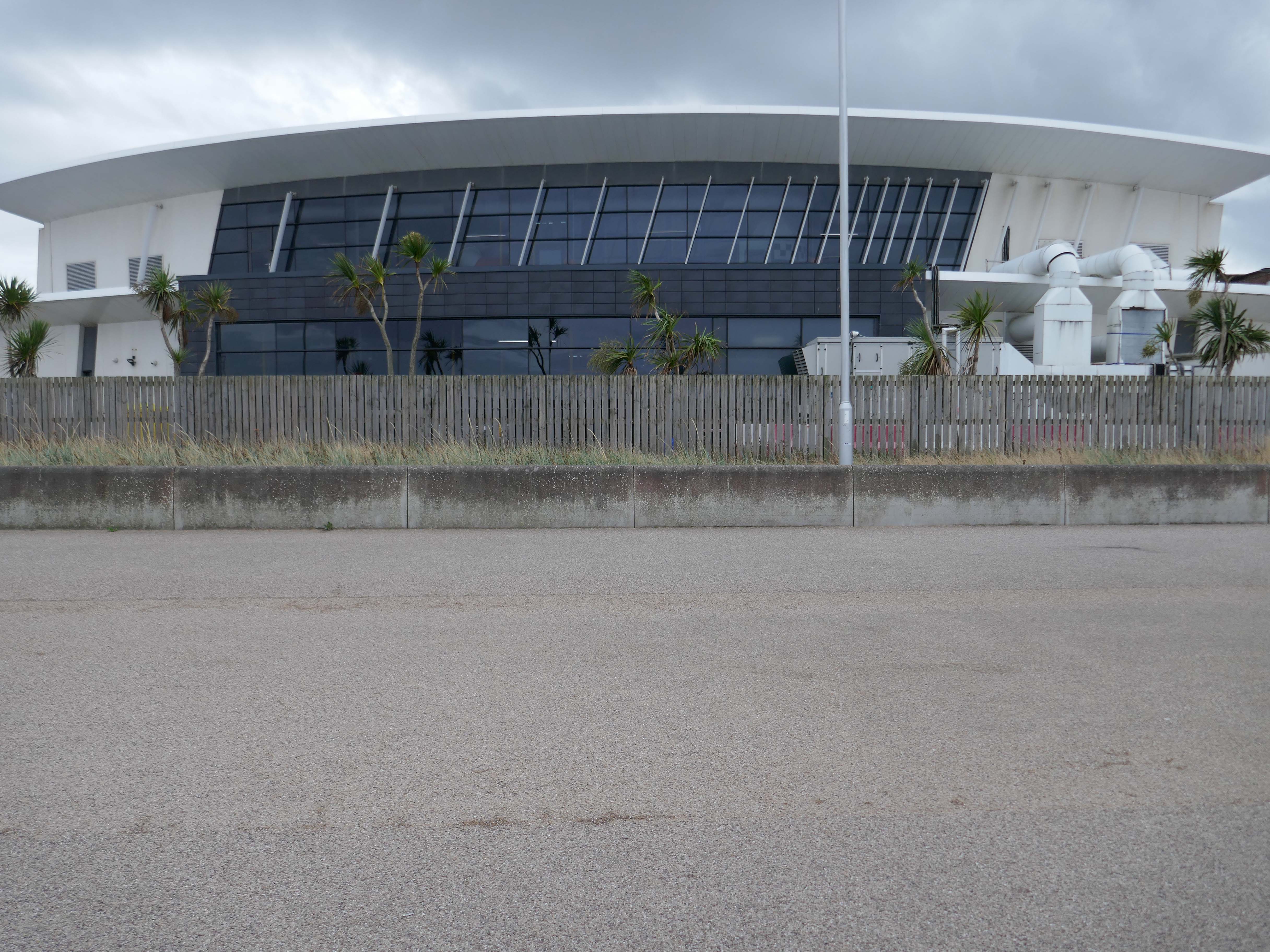
Water Treatment Plant