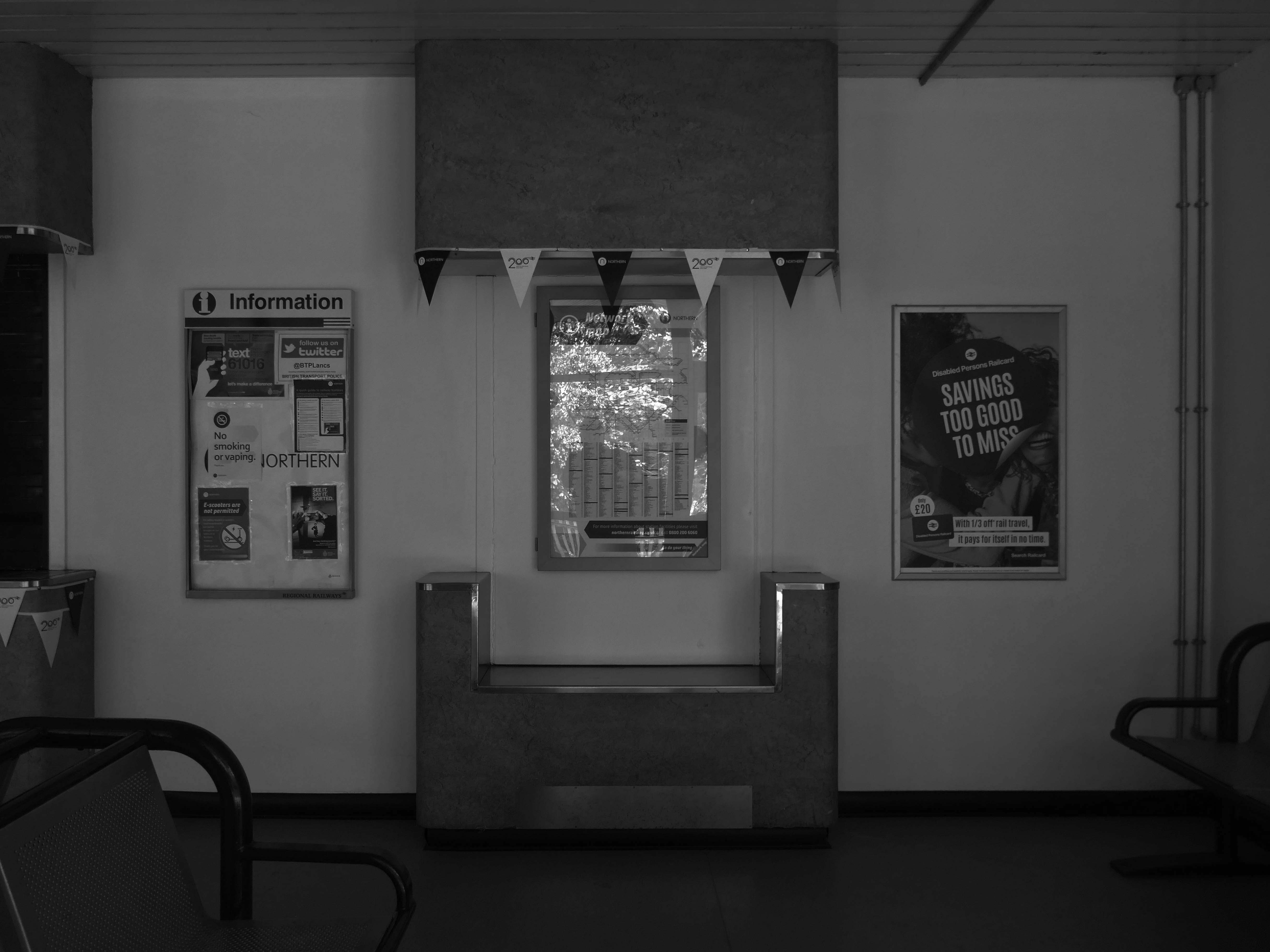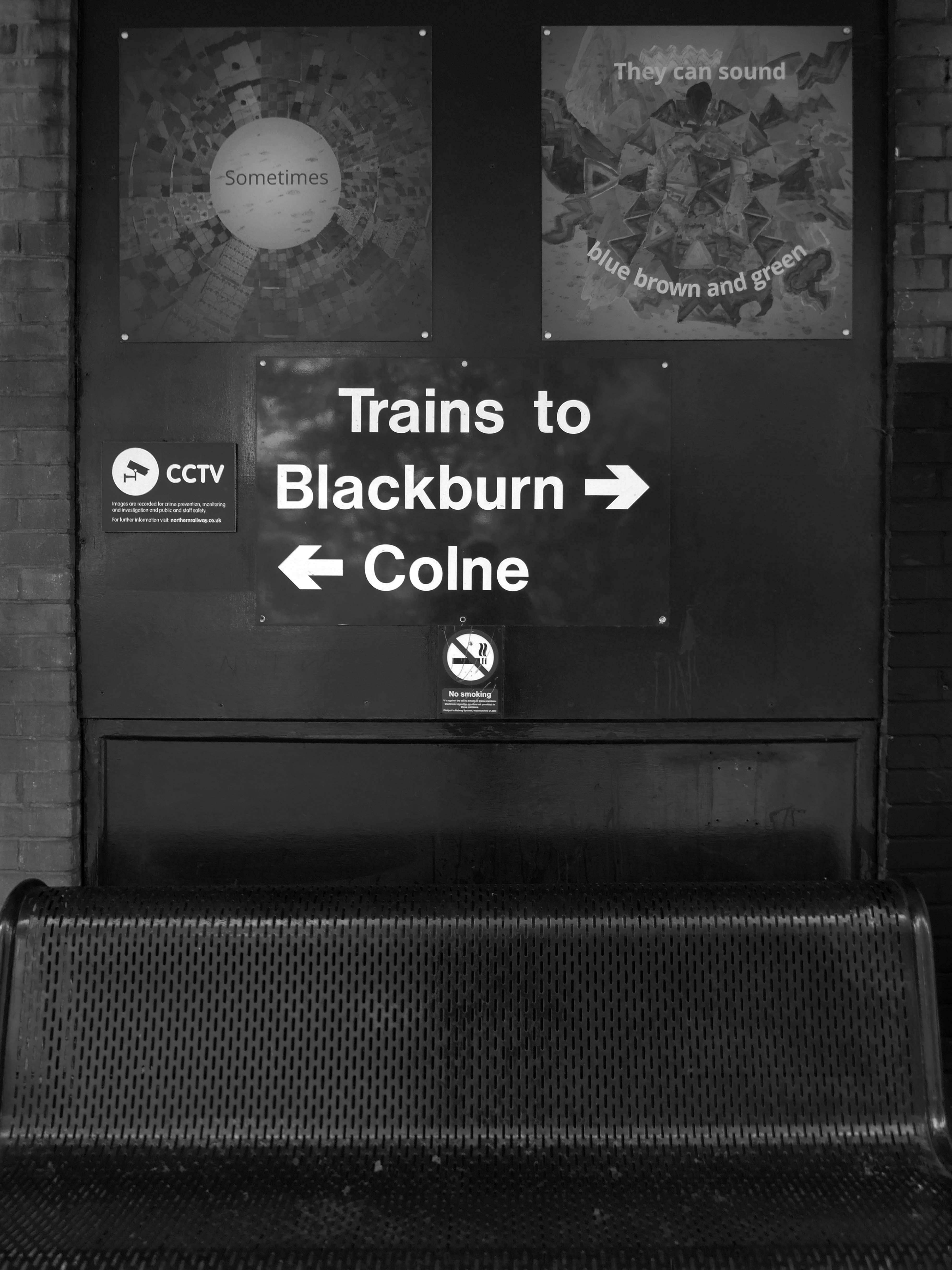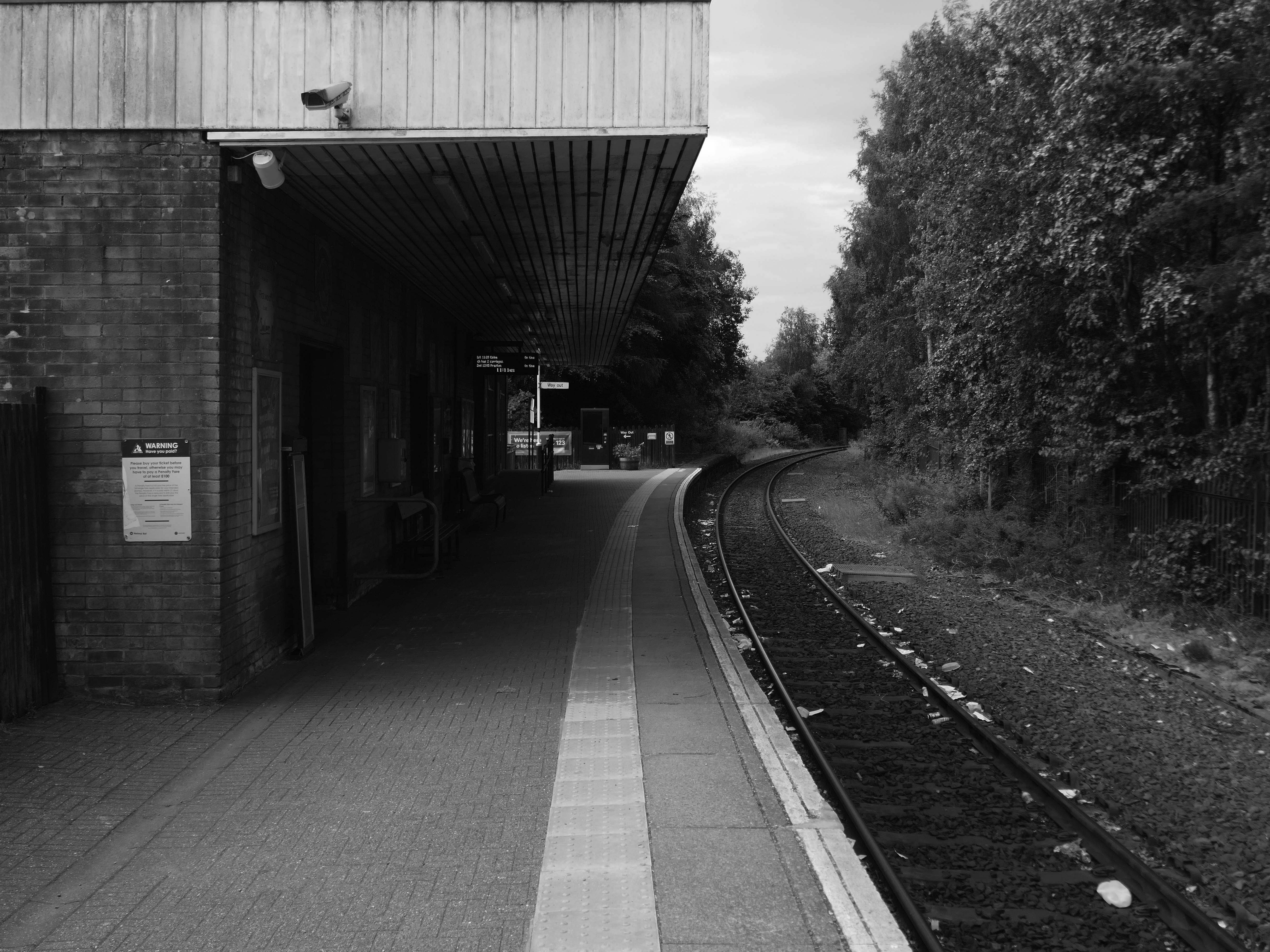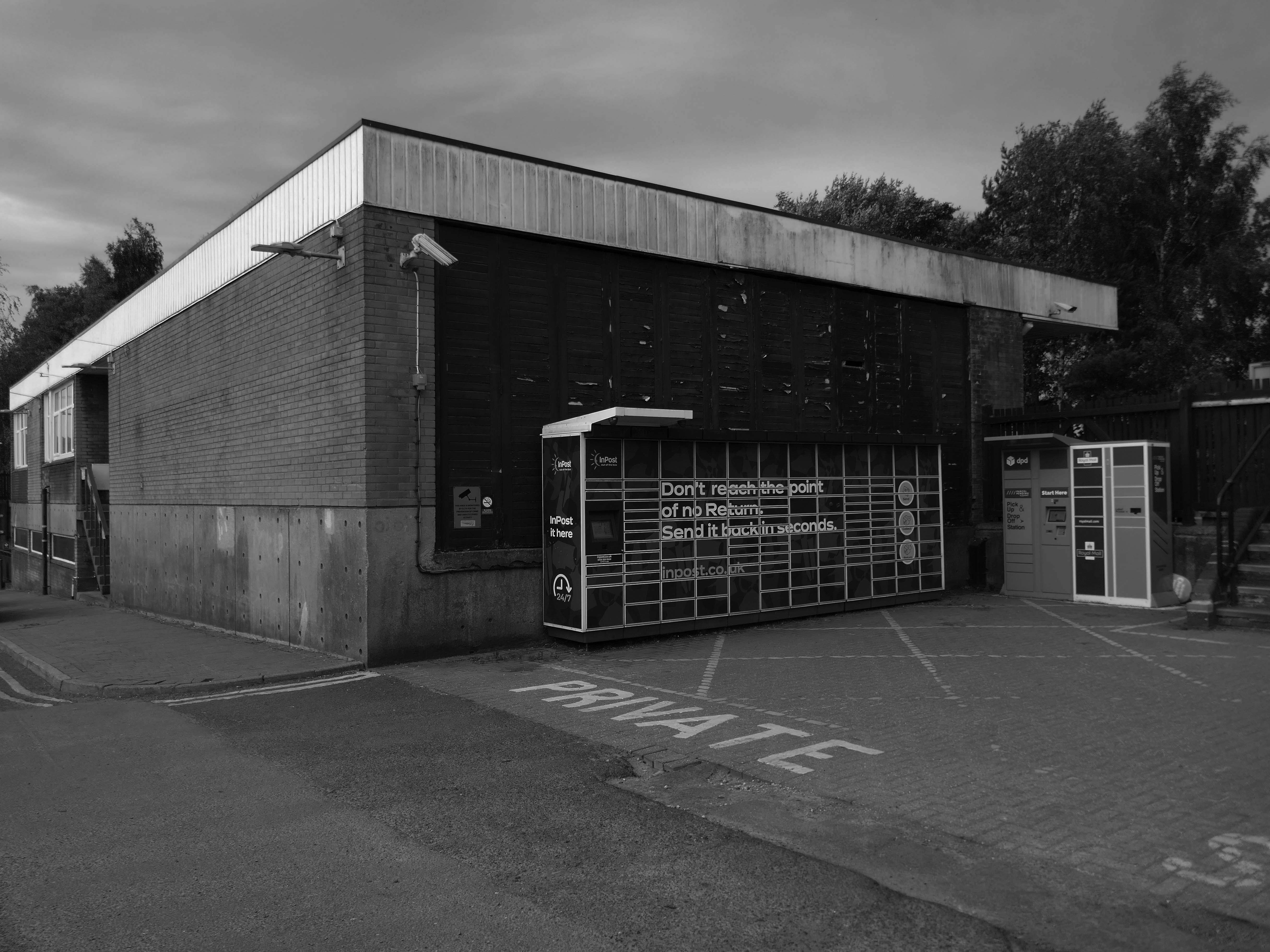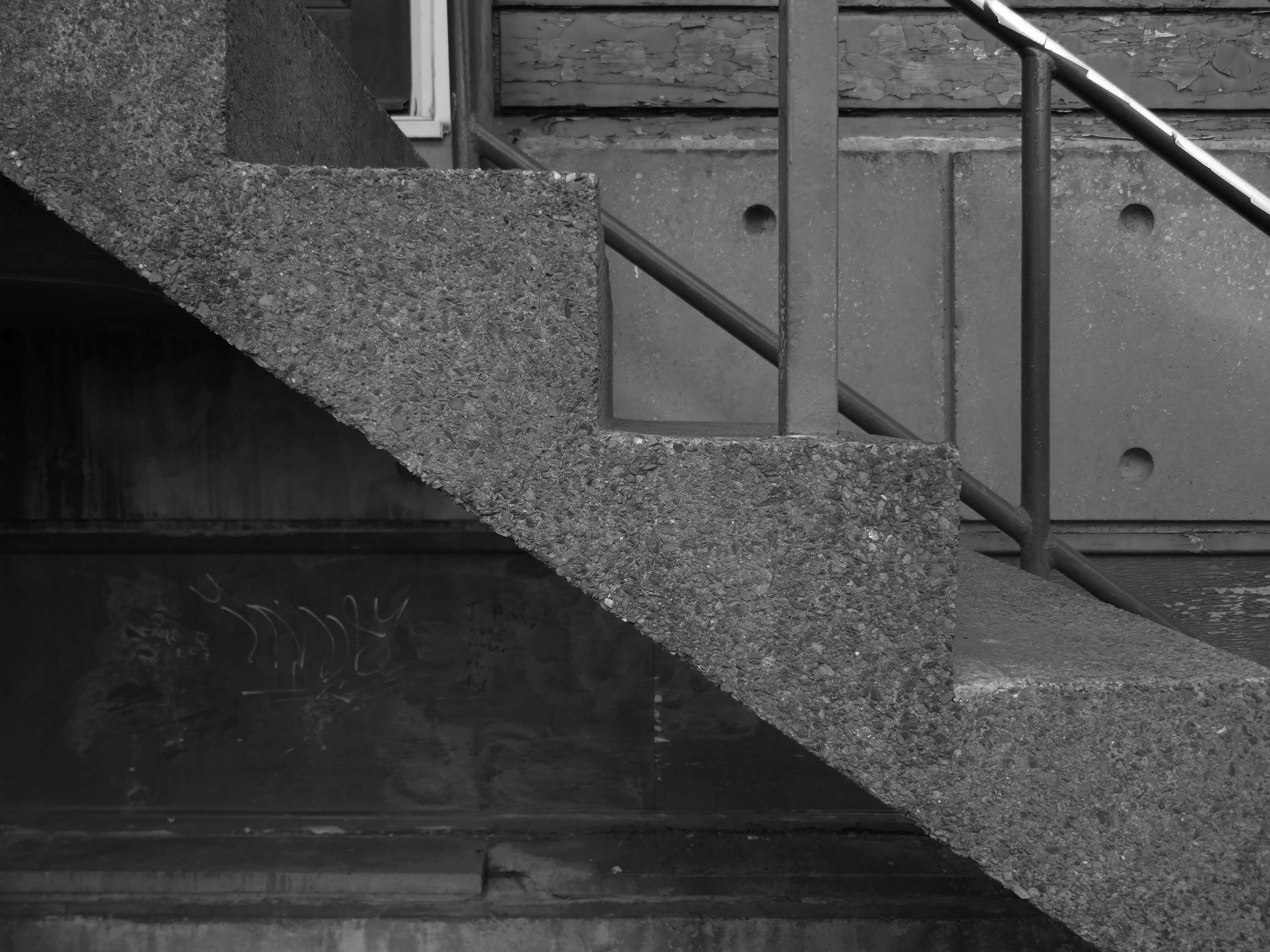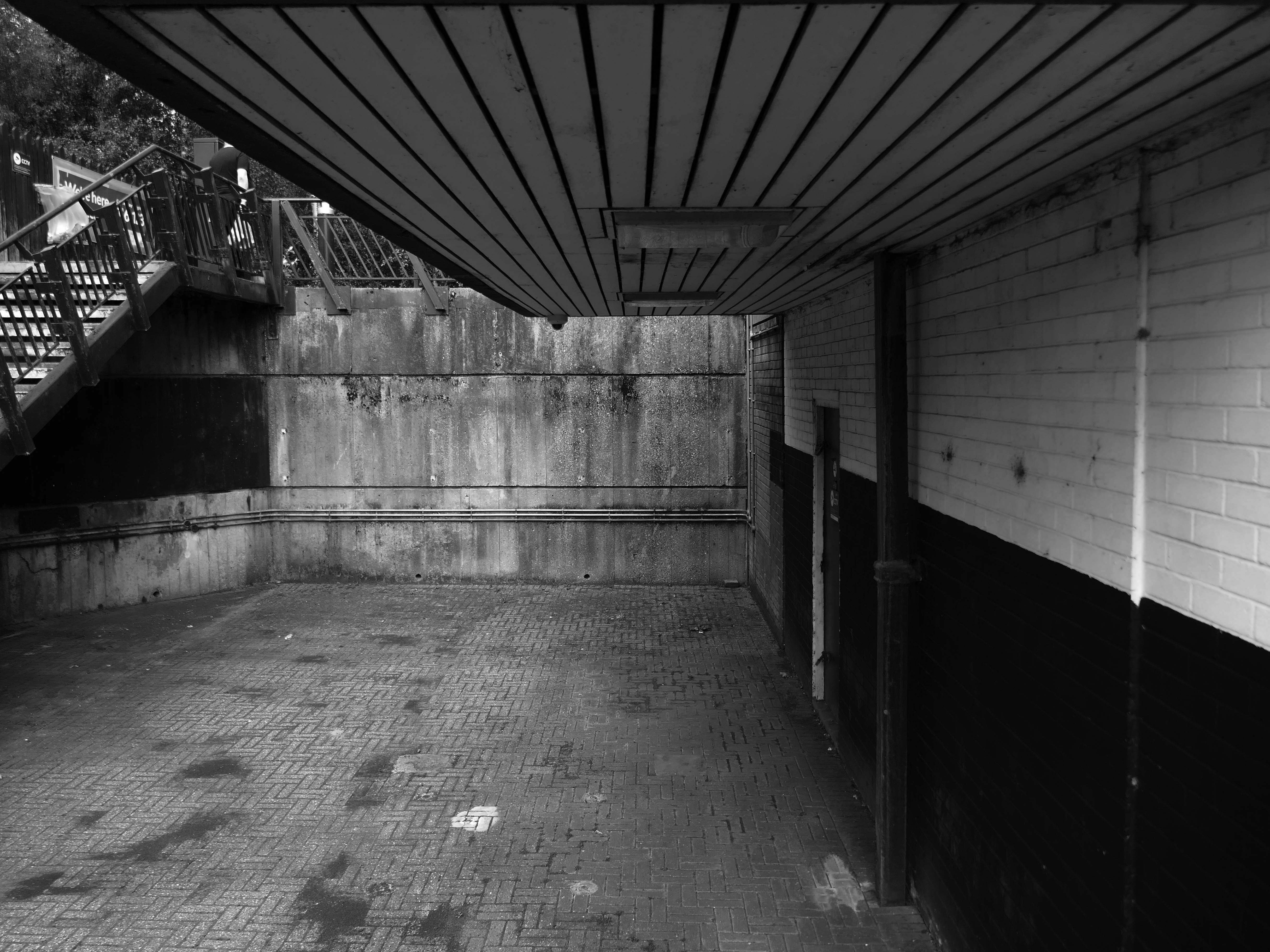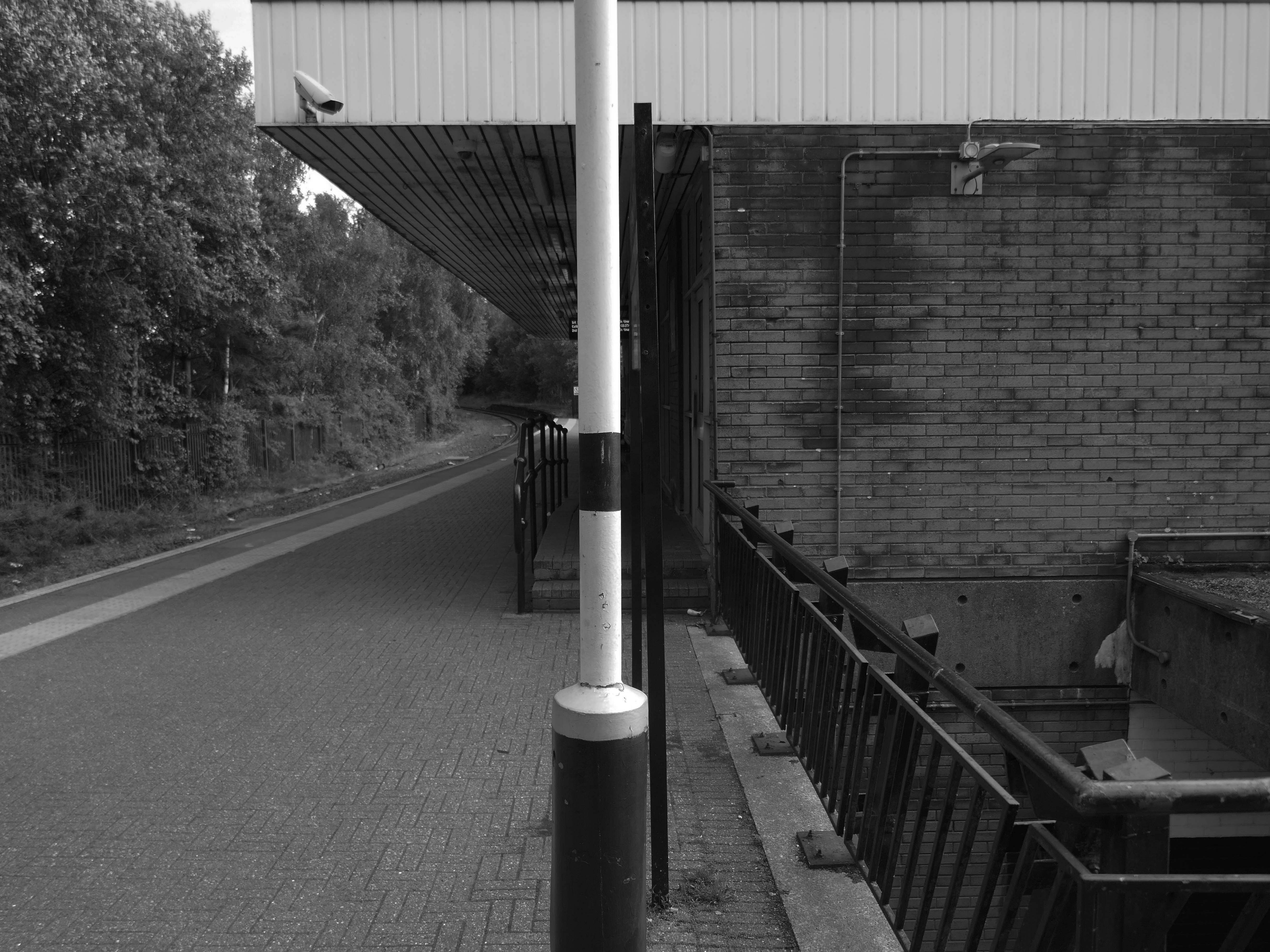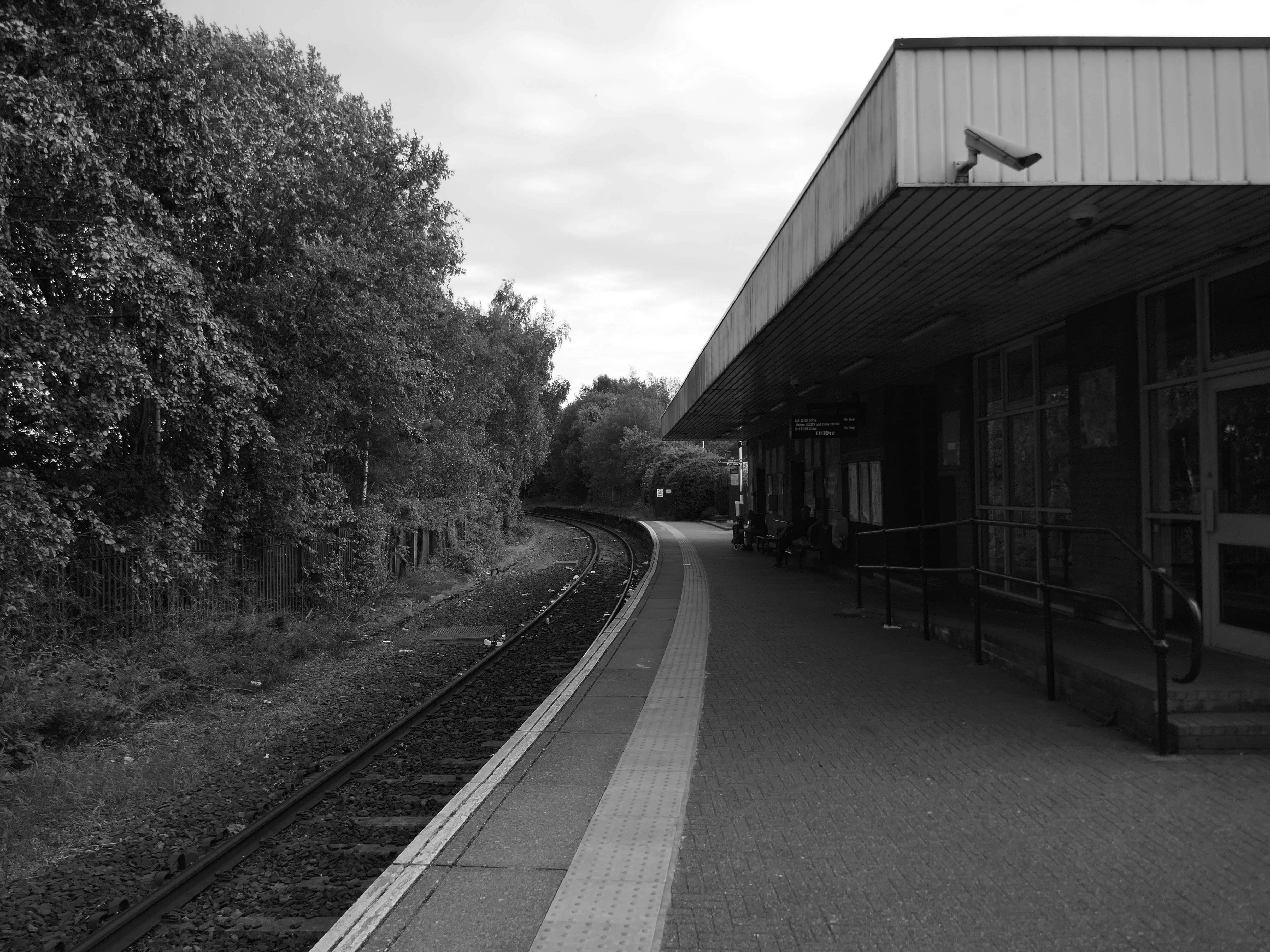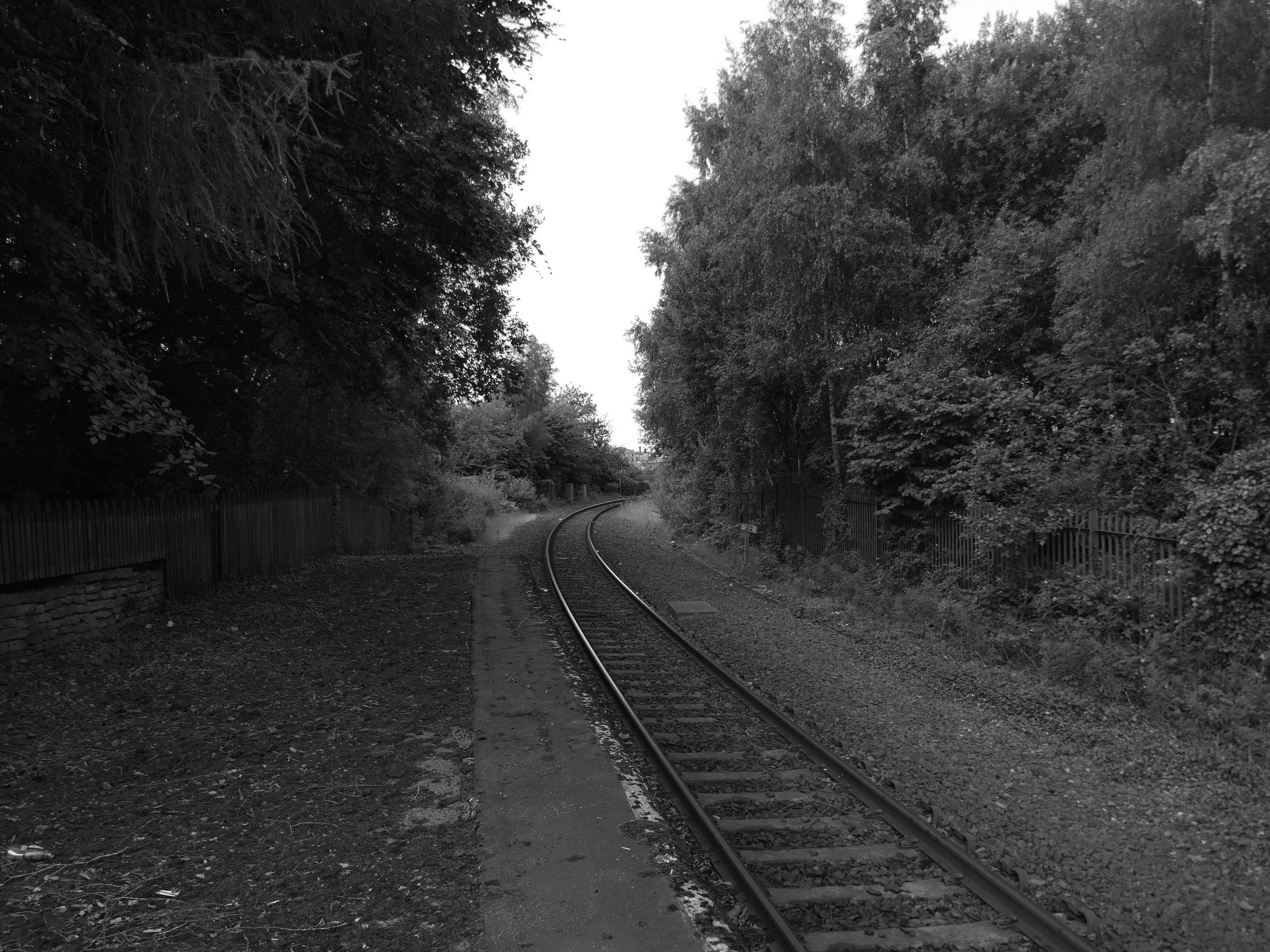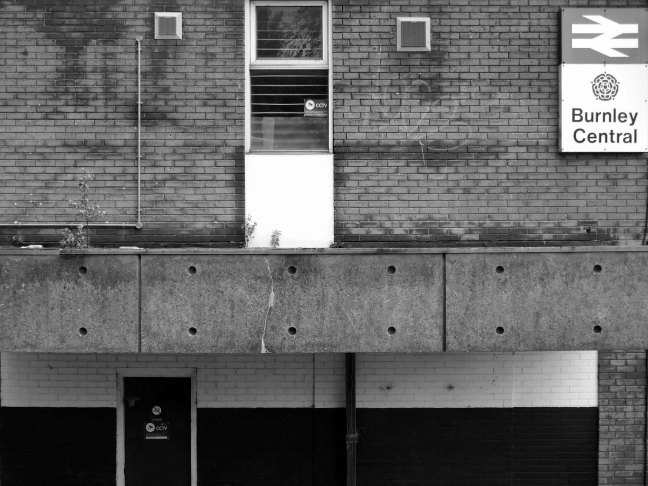
Burnley Central Railway Station

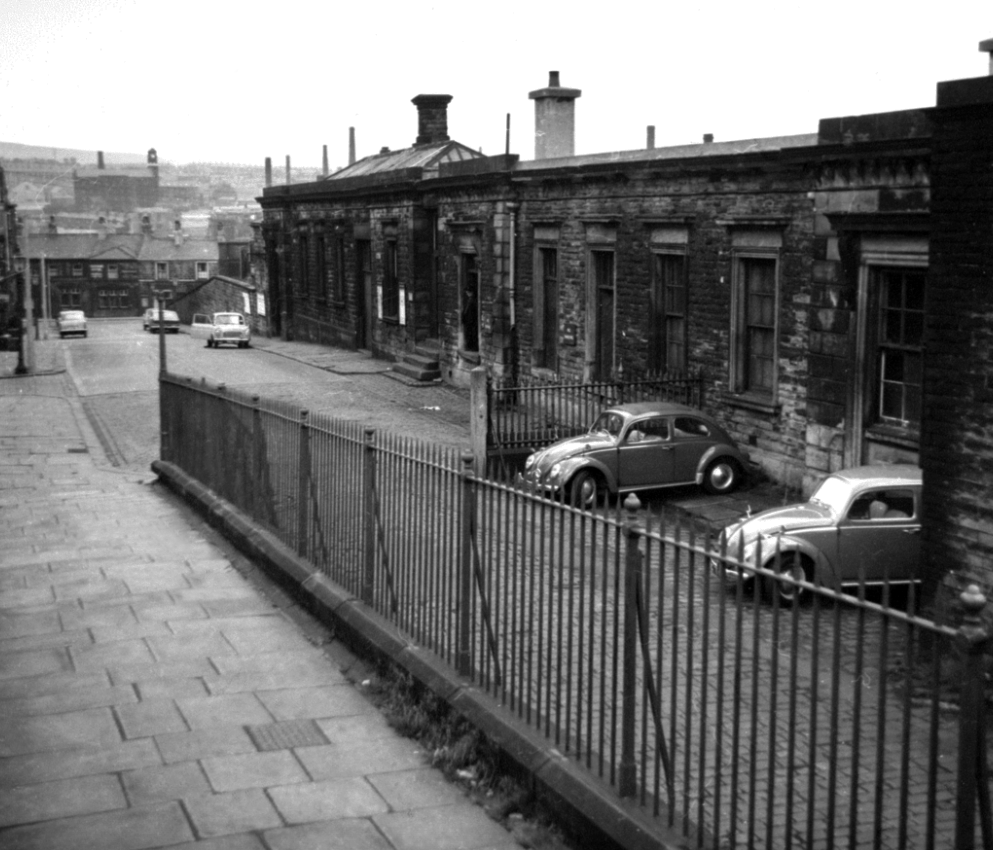
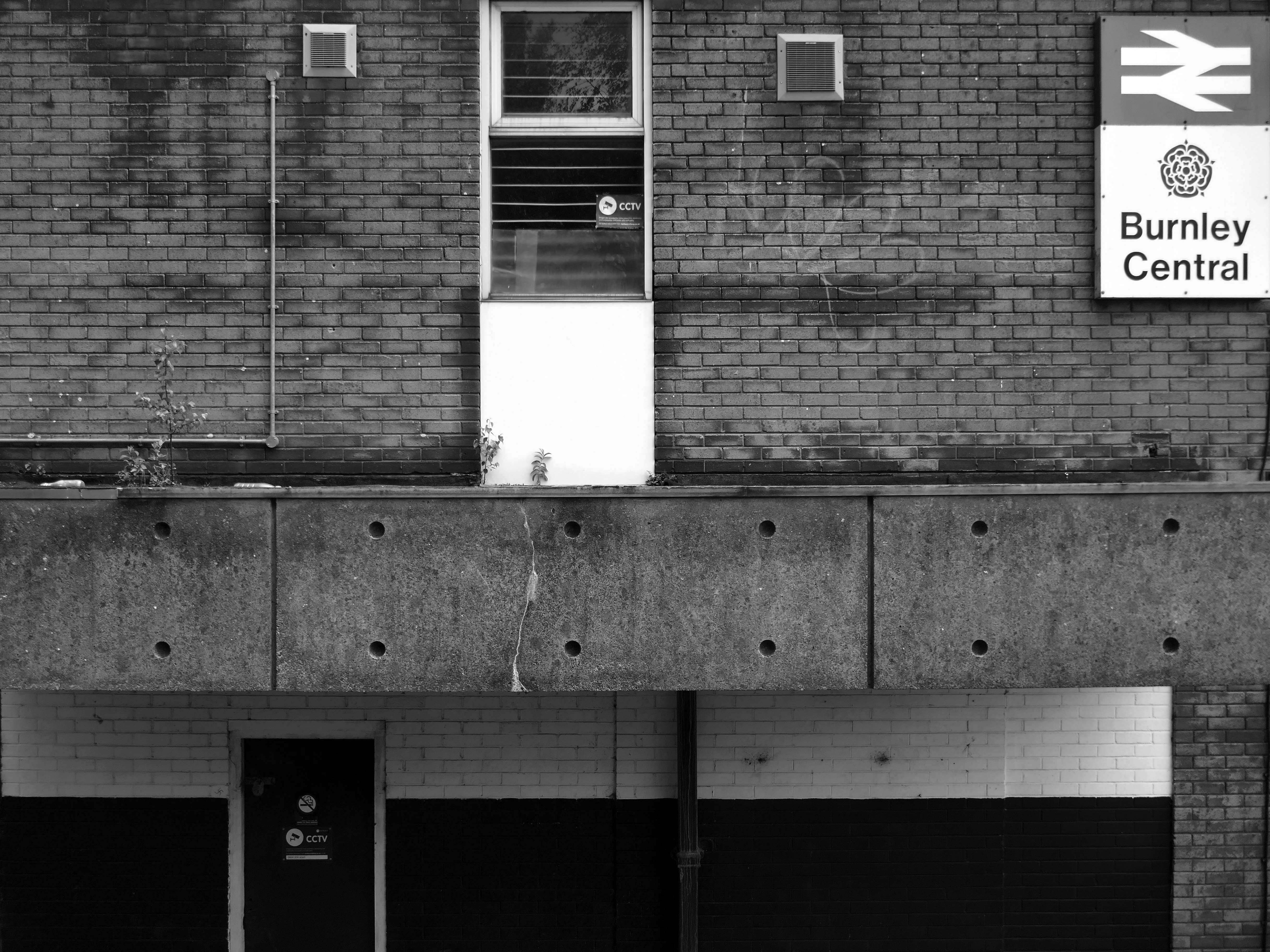
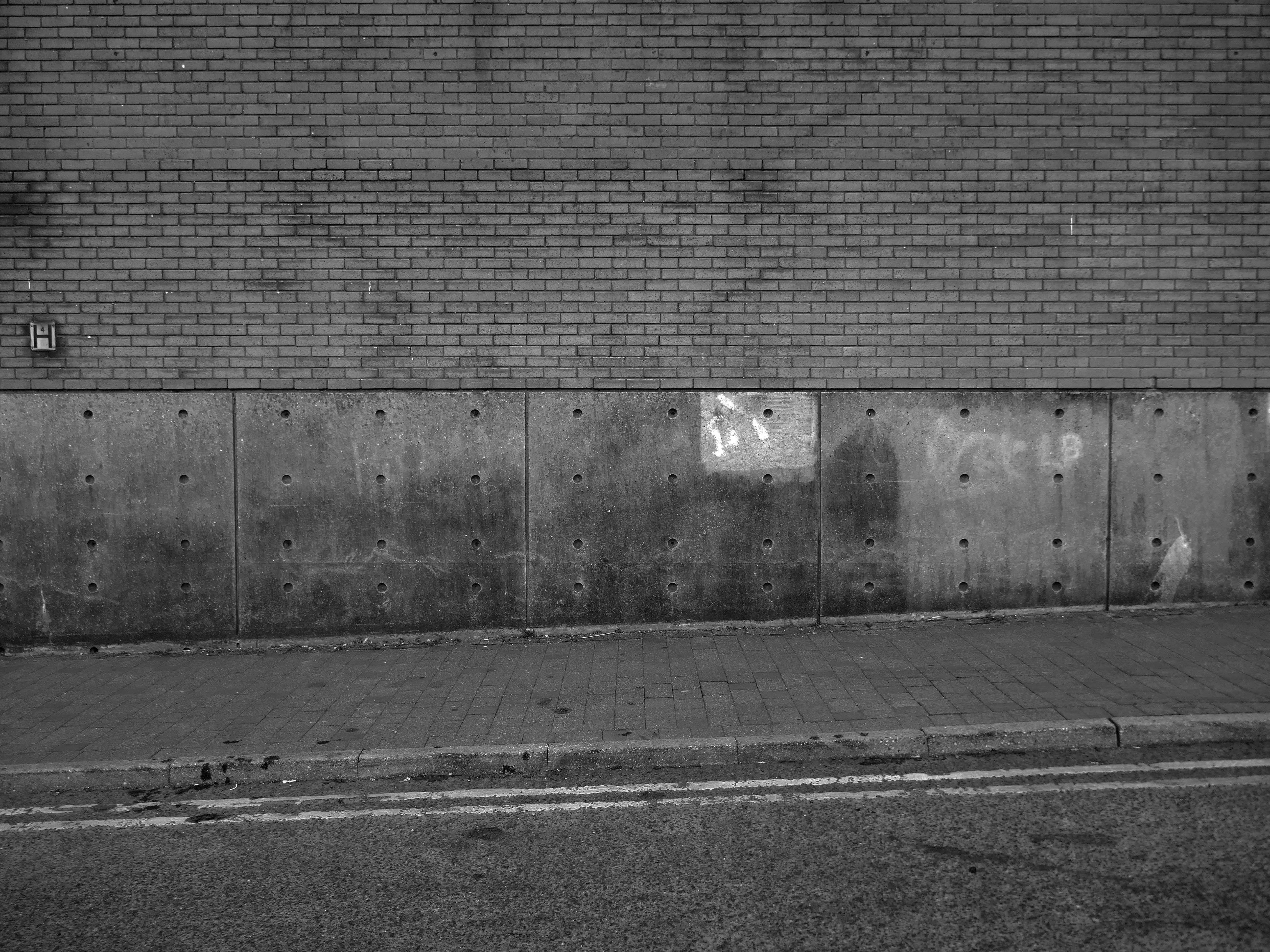
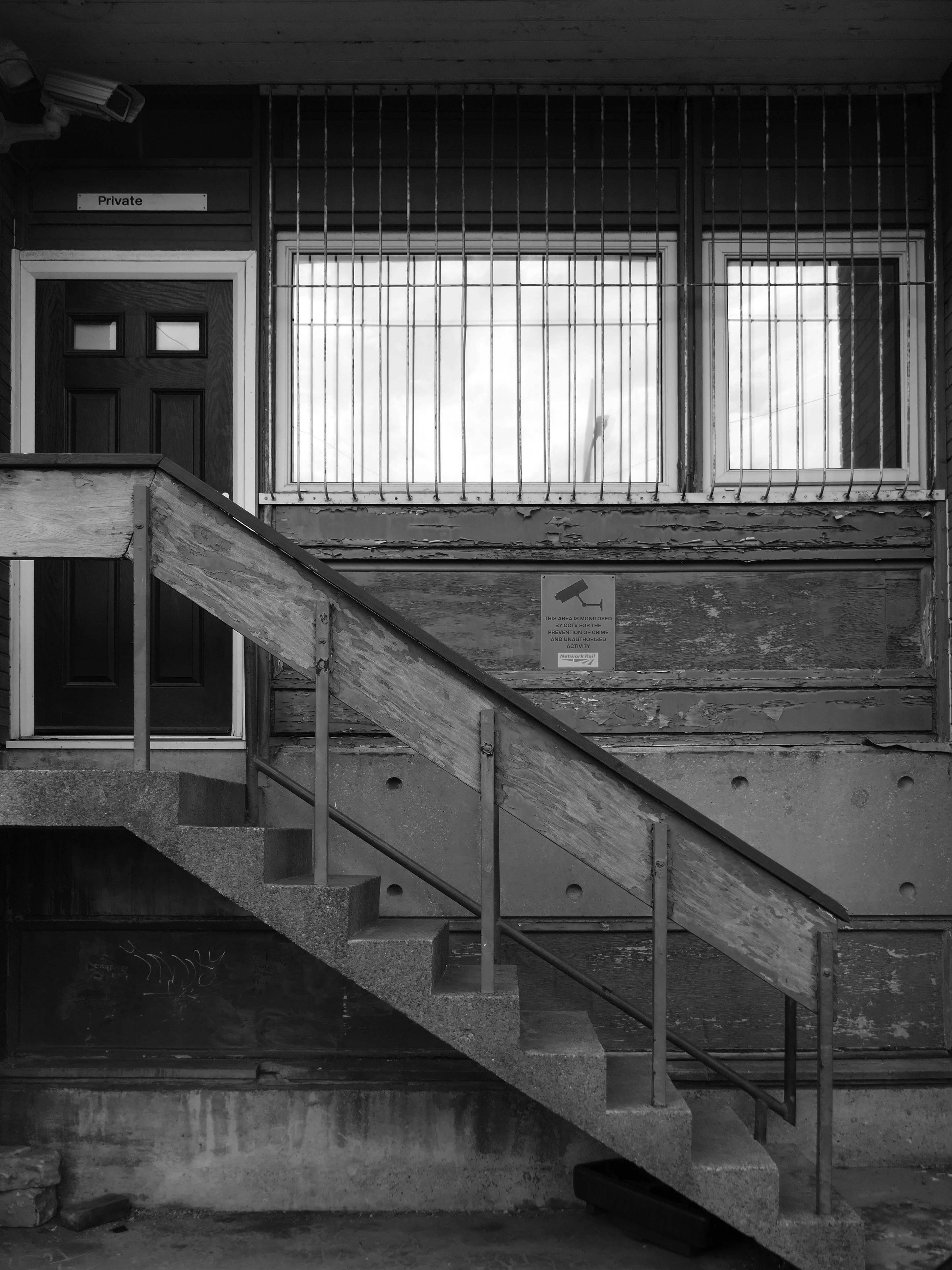
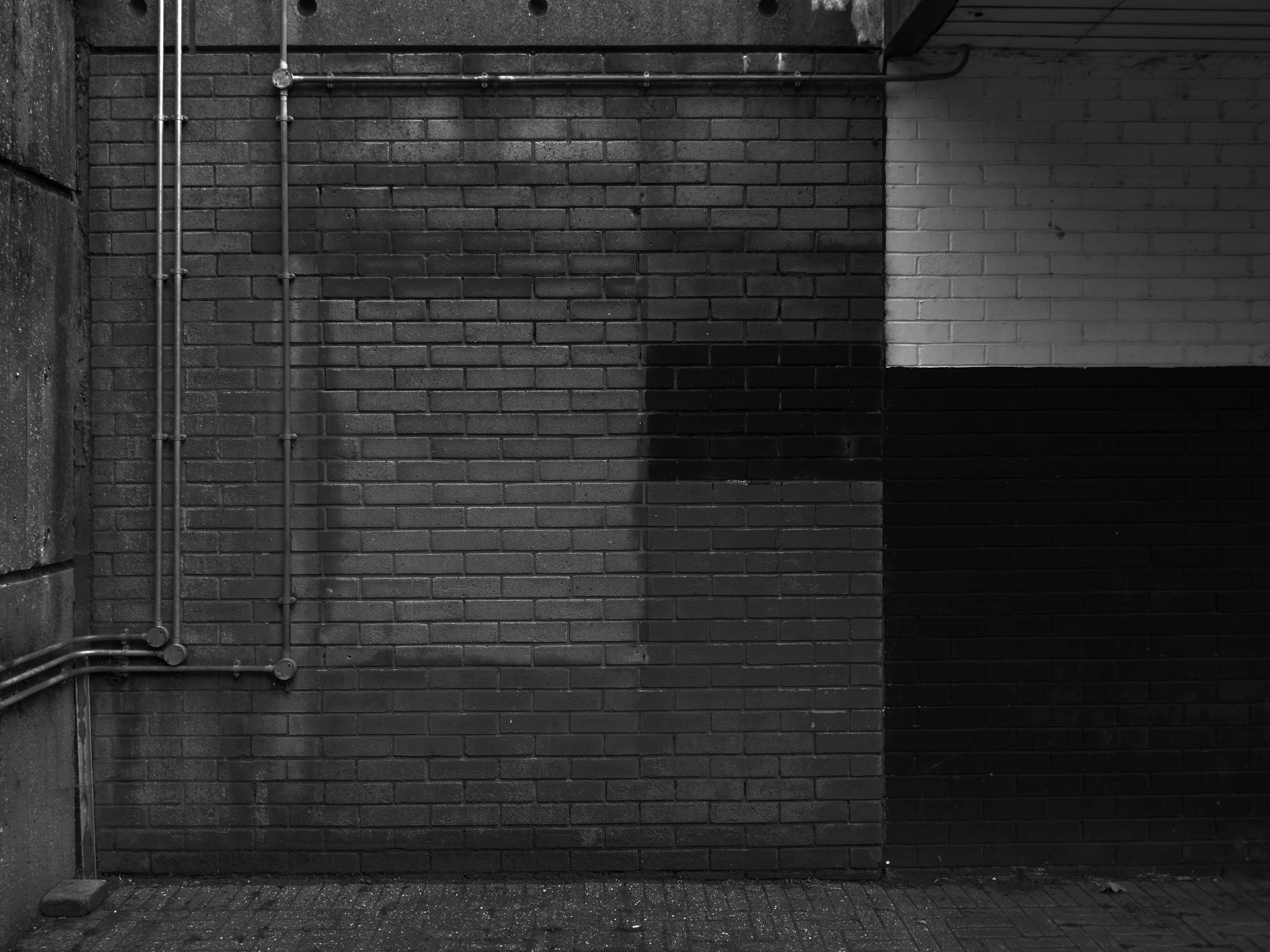
Burnley Central railway station is a stop on the East Lancashire Line, it is managed by Northern Trains, which also provides its passenger service.

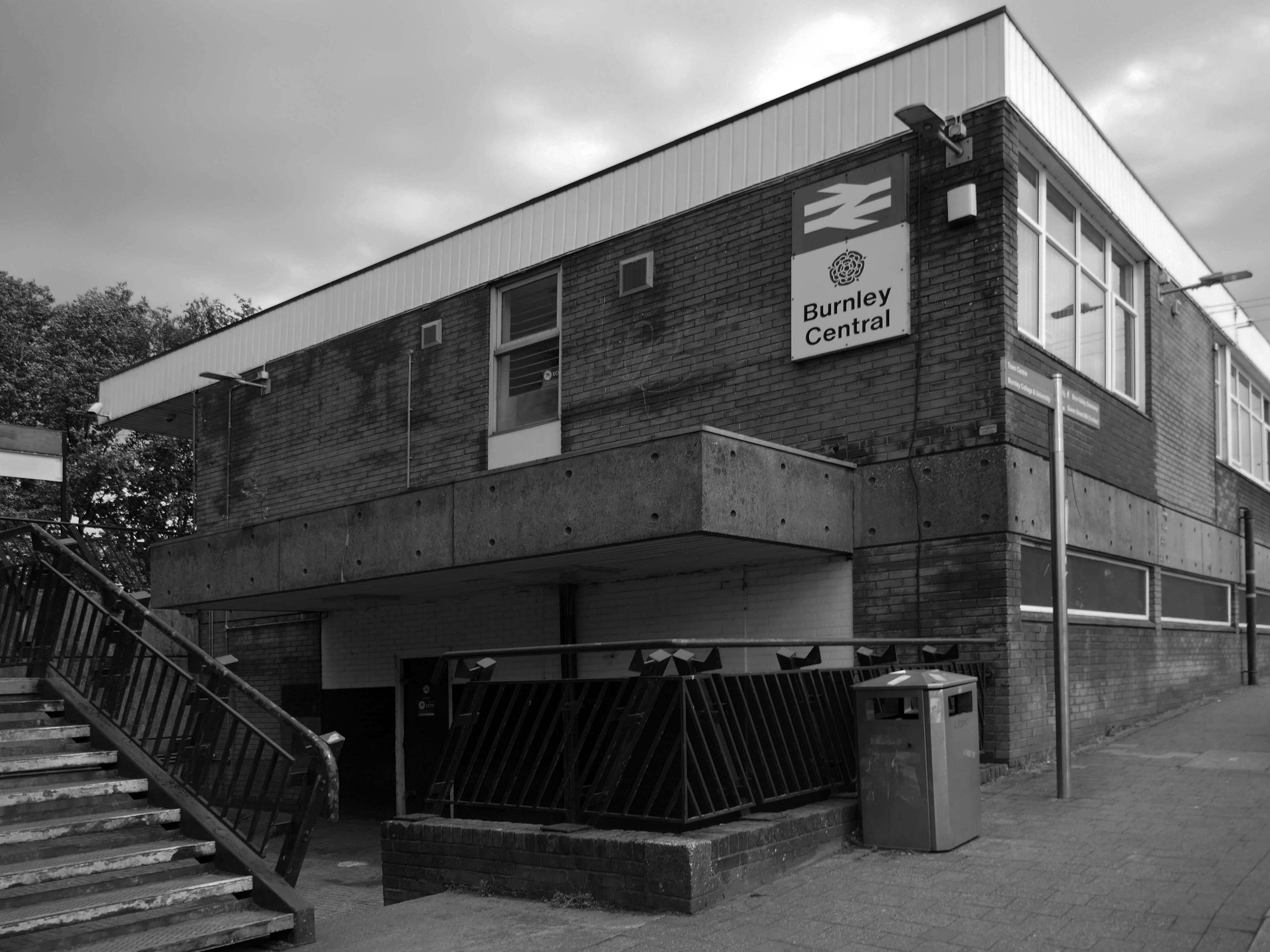
Architect: RL Moorcroft of British Rail 1964-1966

Described by Claire Hartwell in the Buildings of England Lancashire: North as – of blue brick, bleak.
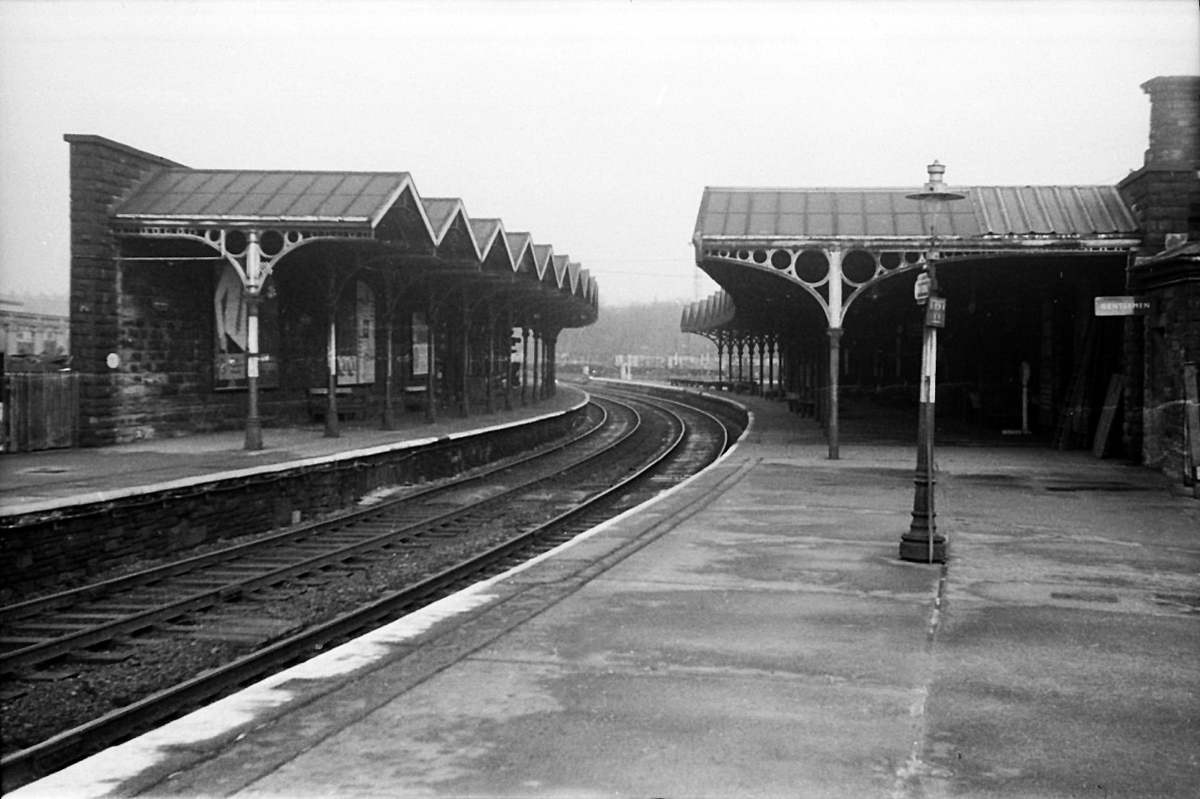
The station was opened by the East Lancashire Railway in 1848, as part of its route from Bury and Blackburn to Colne; here, an end-on junction was made with the Leeds and Bradford Extension Railway line from Skipton that had been completed several months earlier. The service from Colne through the station to Manchester Victoria, via Accrington and Bury, was well used from the outset by the owners of the local cotton mills, who travelled from their homes in the area to make their purchases of raw cotton at the Royal Exchange several times each week. It was also possible to travel from the station by direct train to Blackpool, Liverpool and Skipton and even through to London Euston, via Blackburn, Manchester Victoria and Stockport.
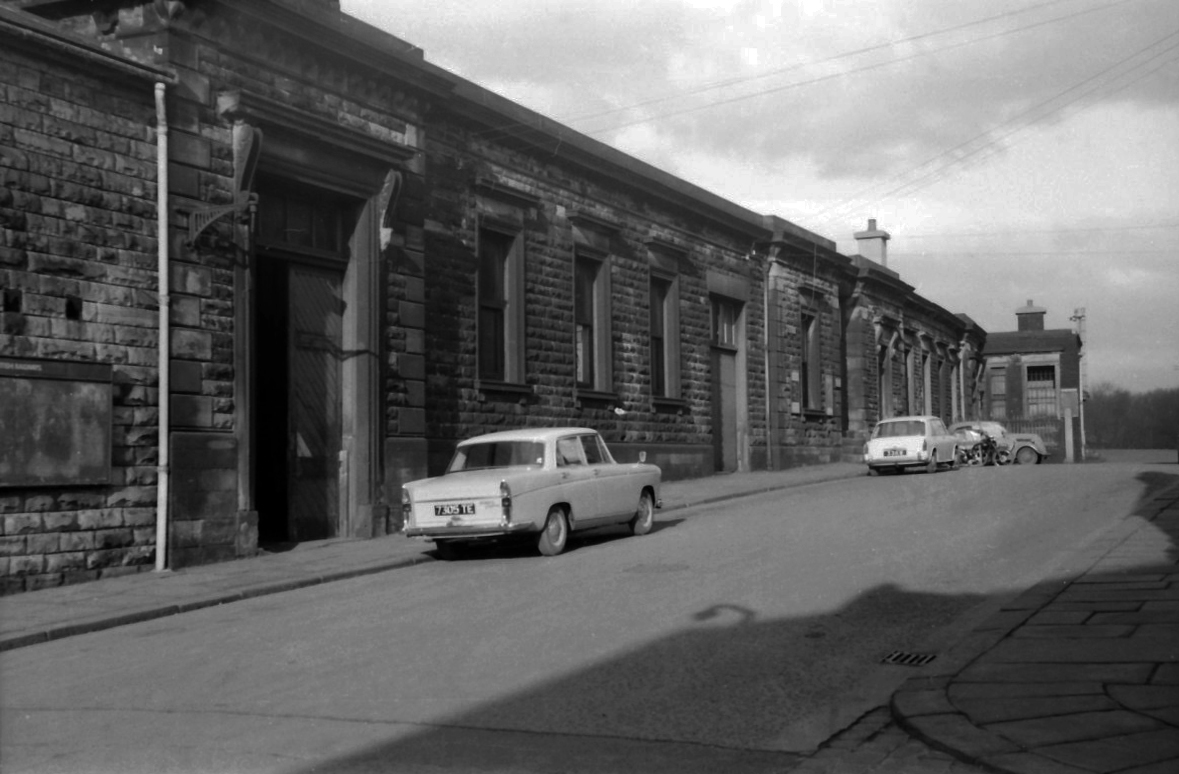
1964 Red Rose Collections.

However, the cutbacks of the 1960s affected the station badly, with through trains to Manchester via Bury ending in 1964 (two years before the withdrawal of the Accrington to Bury service) and those to Liverpool in 1969 whilst the line to Skipton was closed to all traffic in 1970. This left the station on a 10.5 km long dead-end branch line from Rose Grove to Colne.
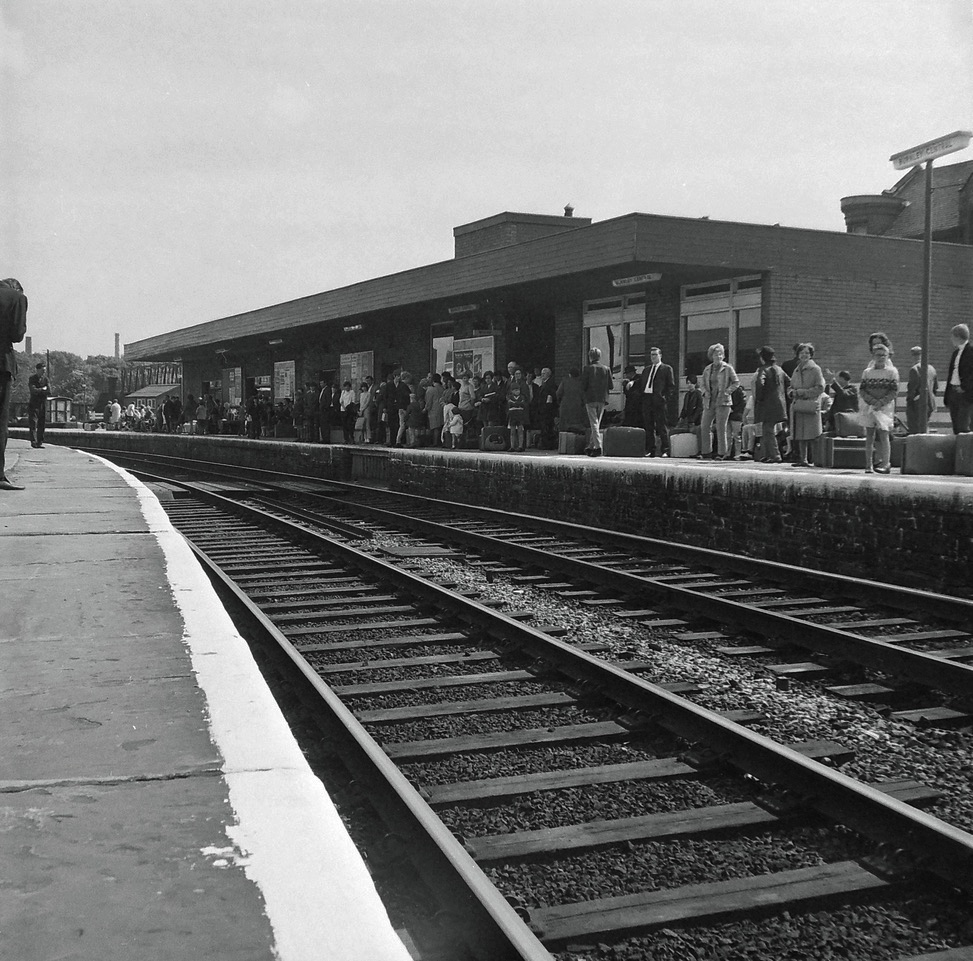
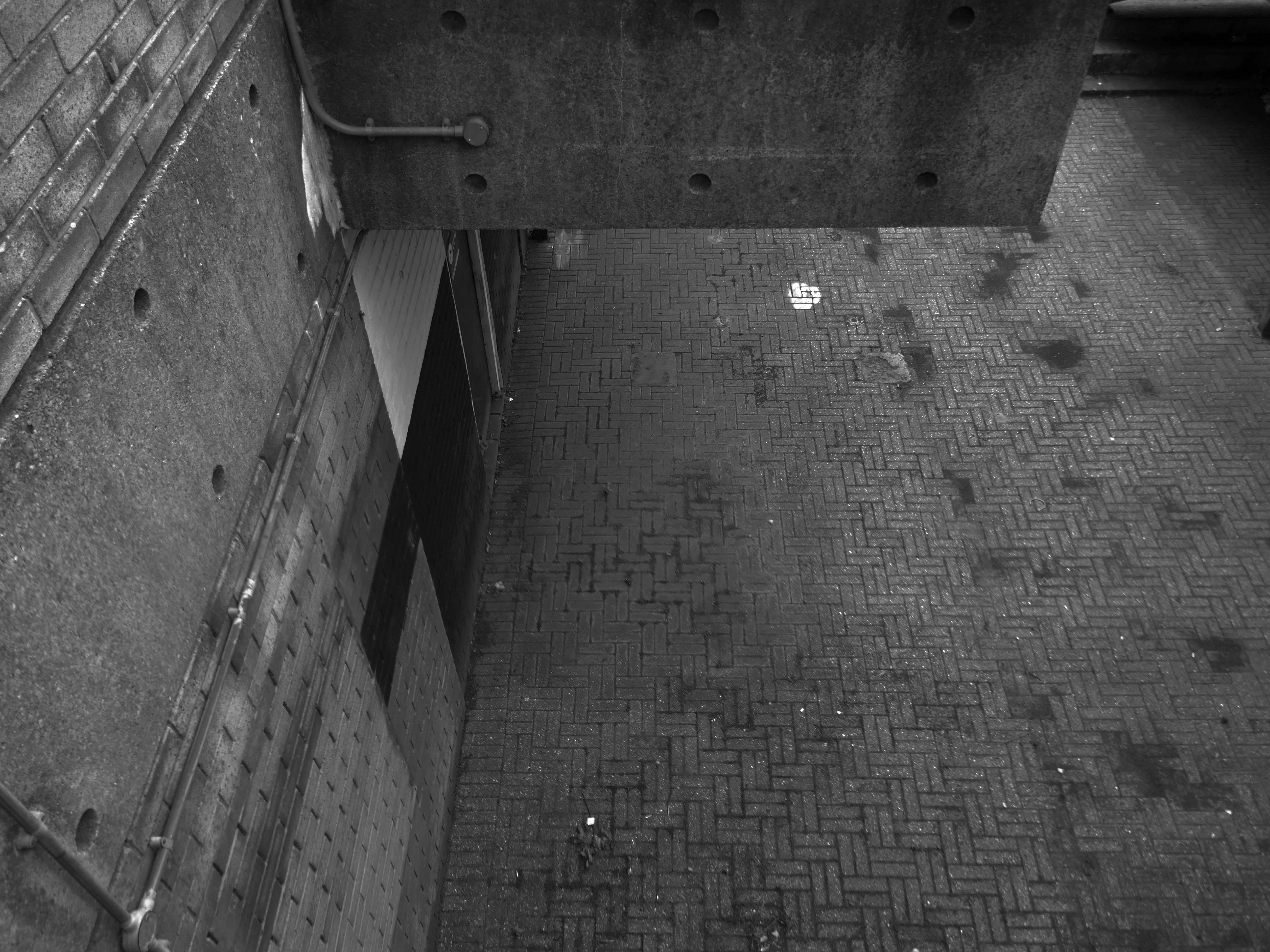
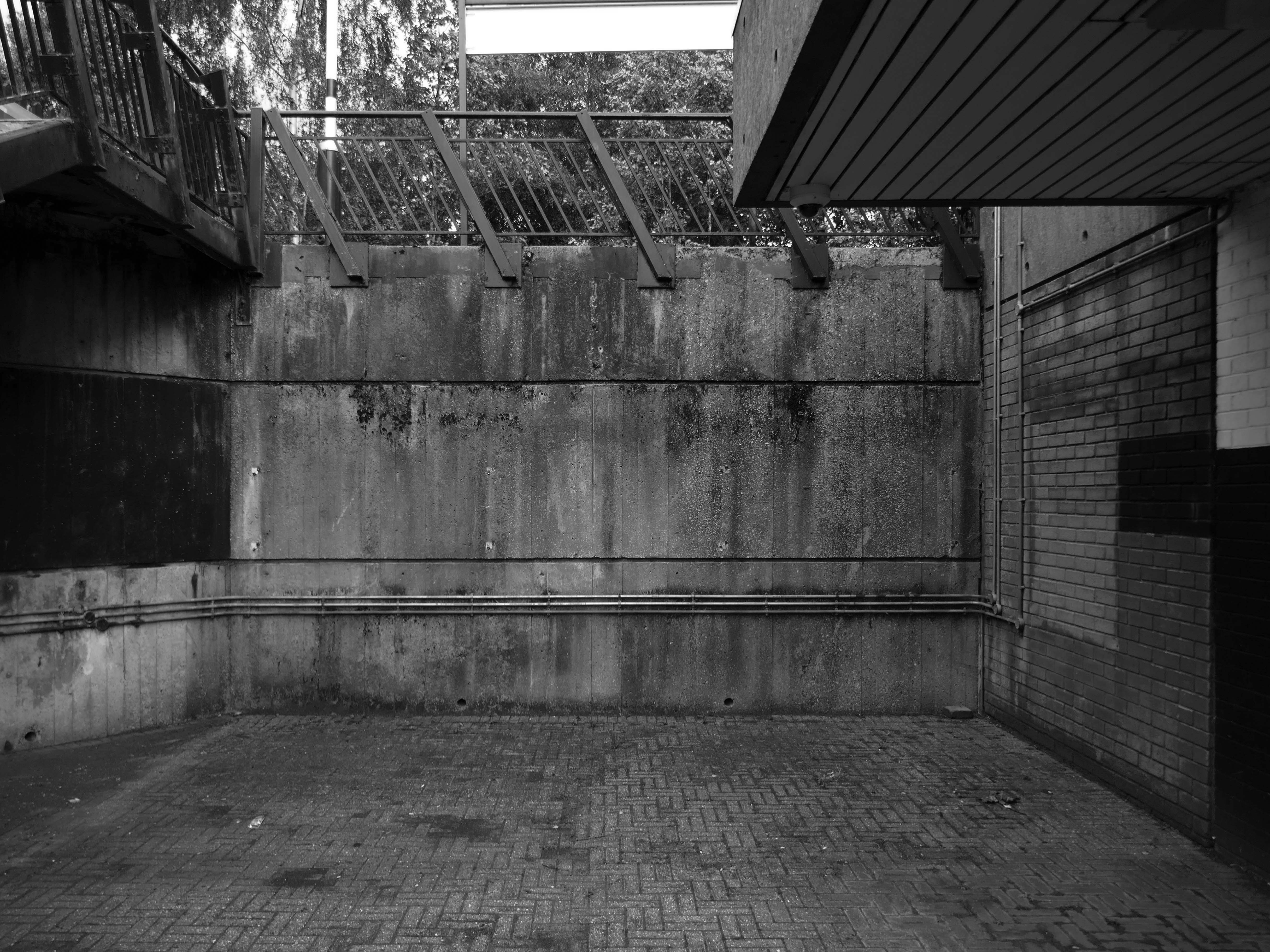
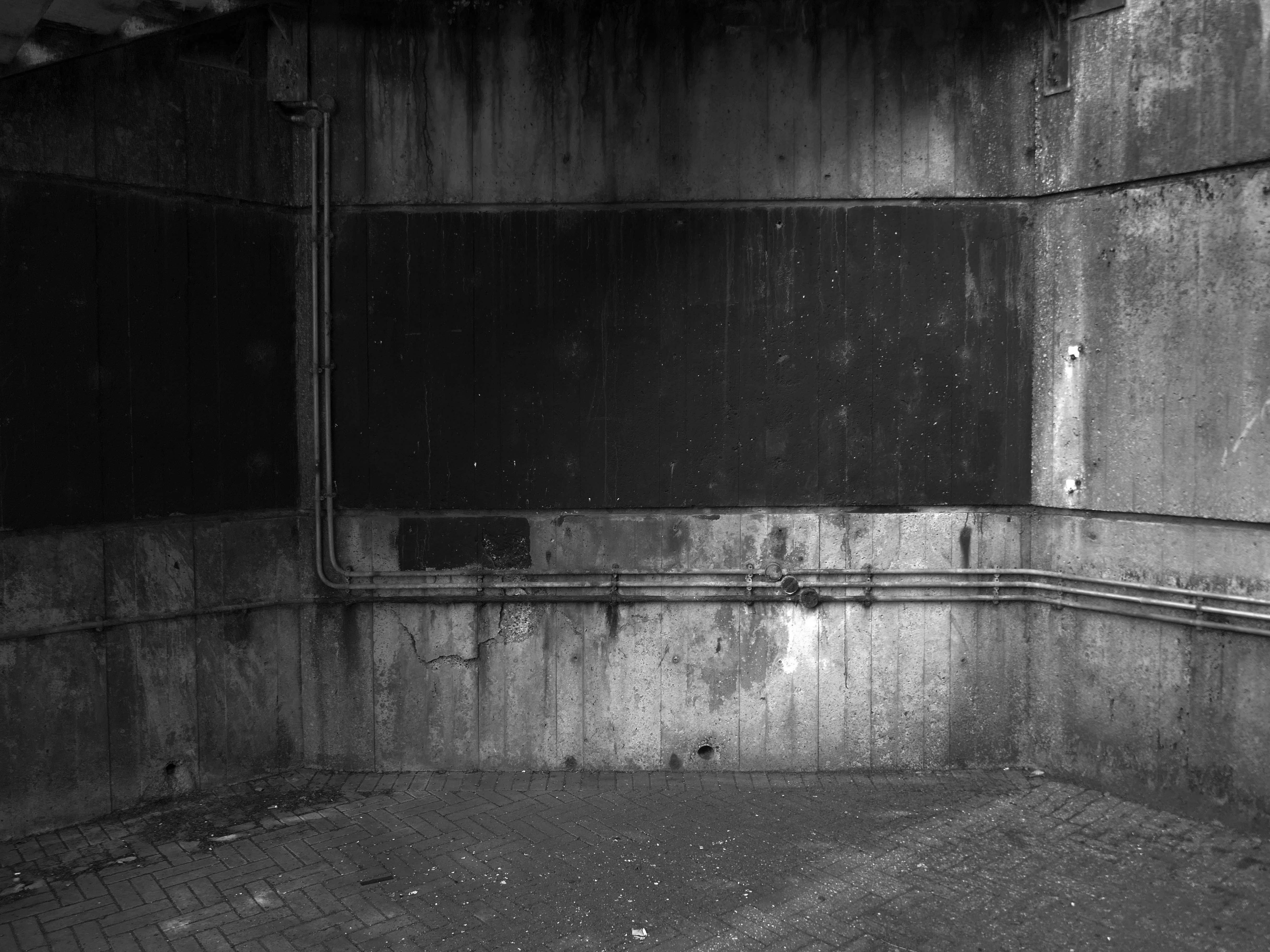
The station was rebuilt in 1965, its ground floor is at street level and the first floor at platform level.
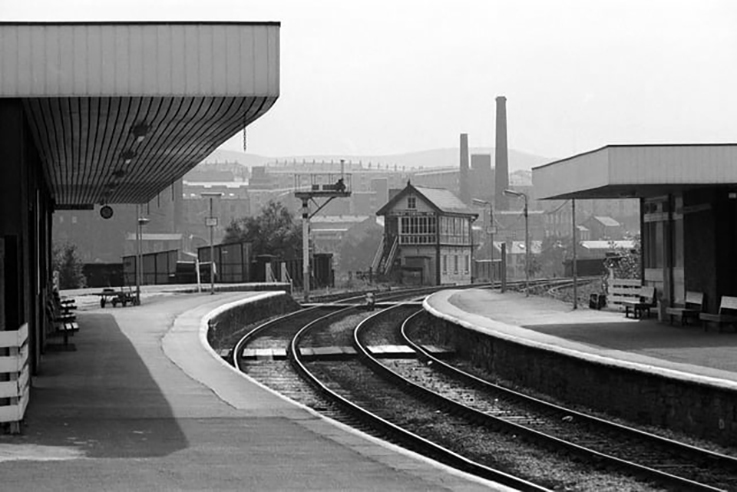
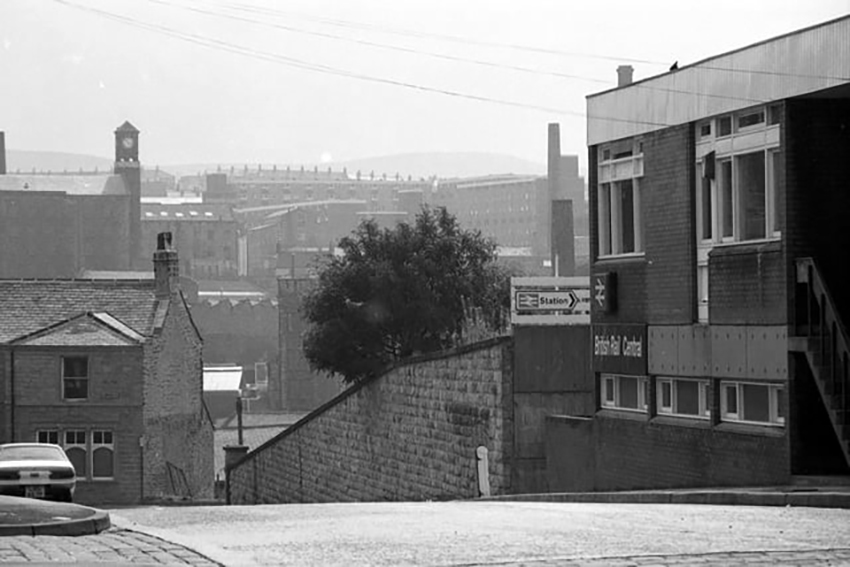
Wikipedia

1985

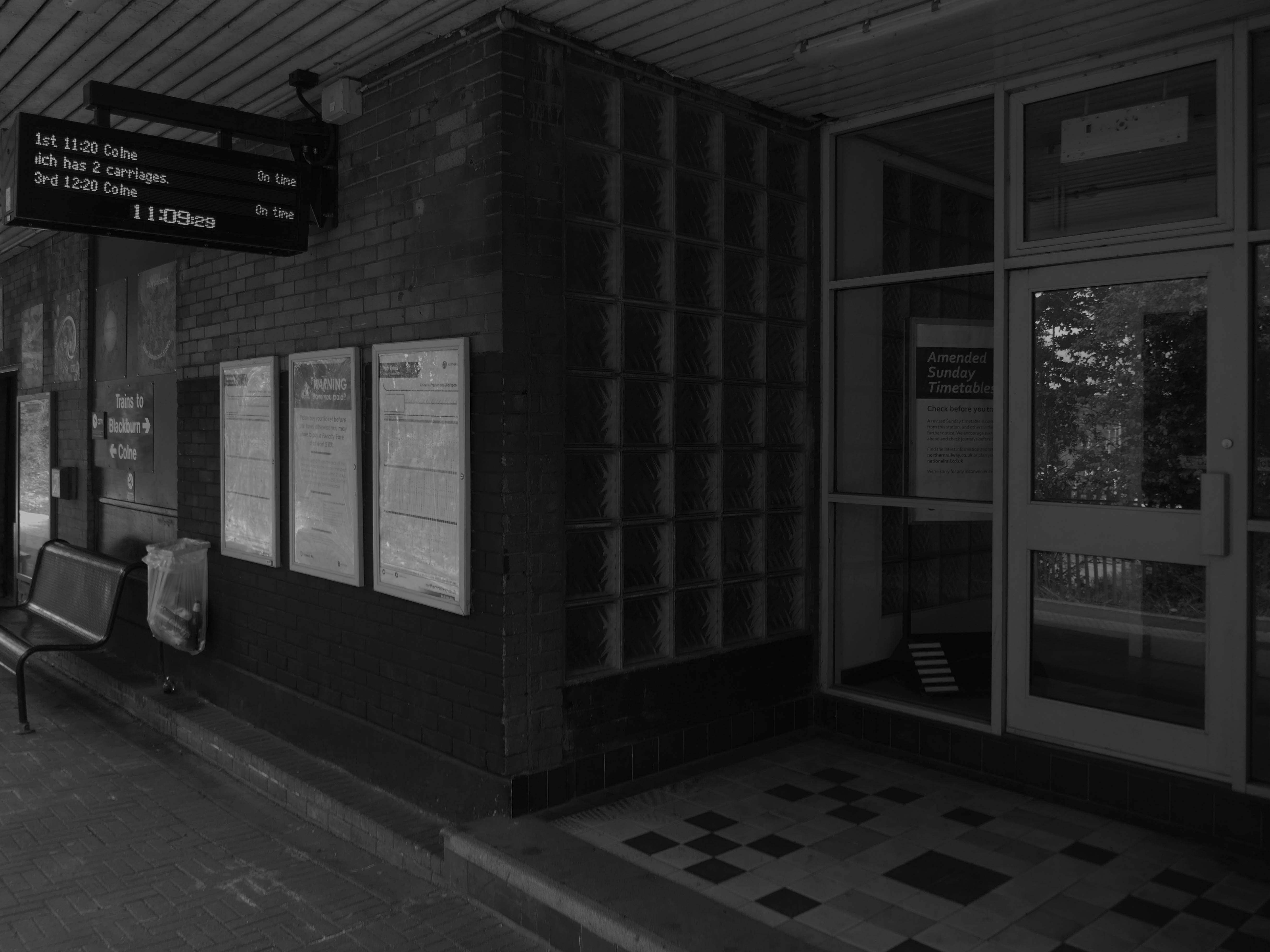
On the day of my visit the hourly service to Colne was almost due, there were two passengers on the platform.

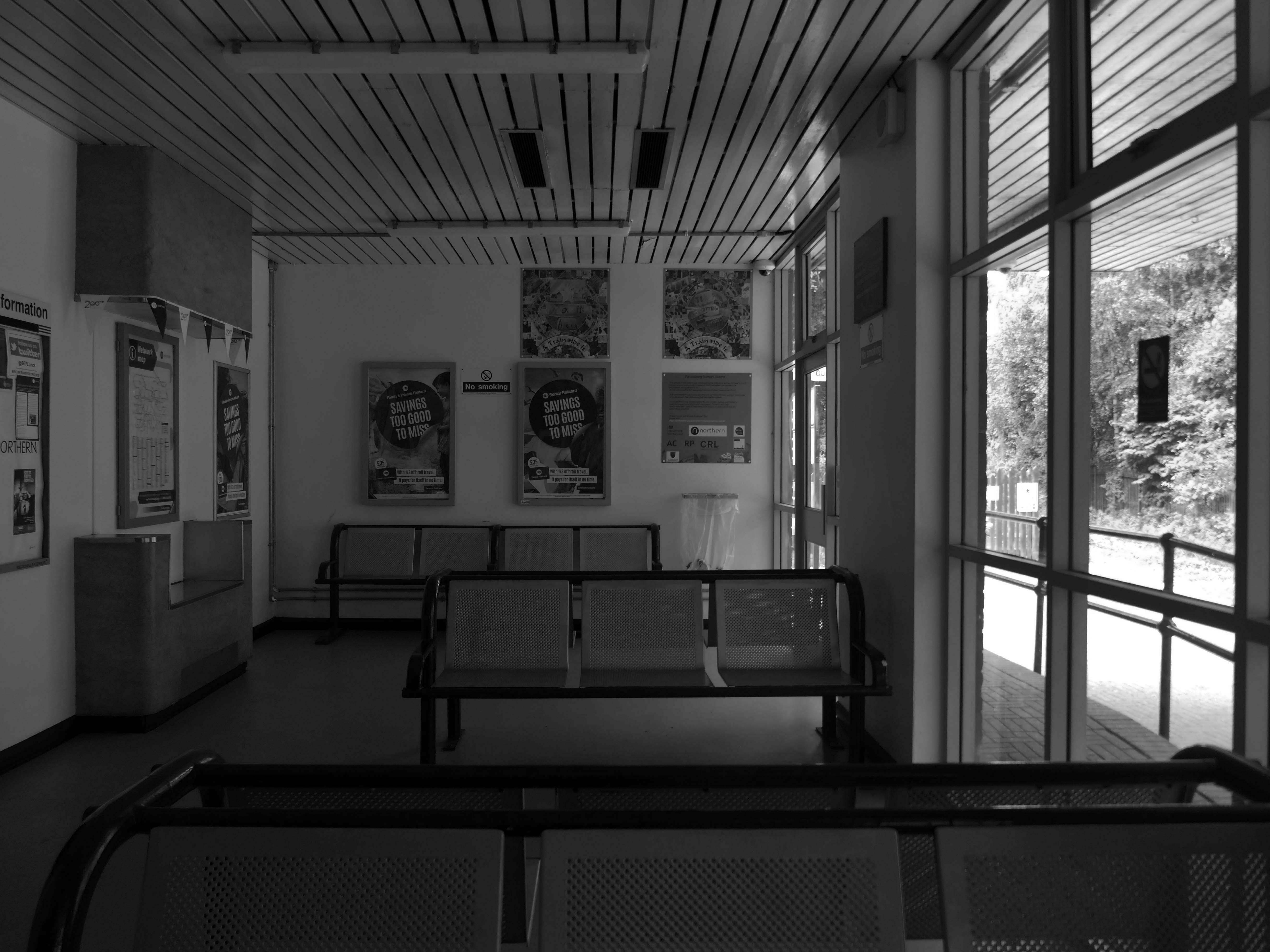
A single track to a dead end town, the booking office and waiting room locked.
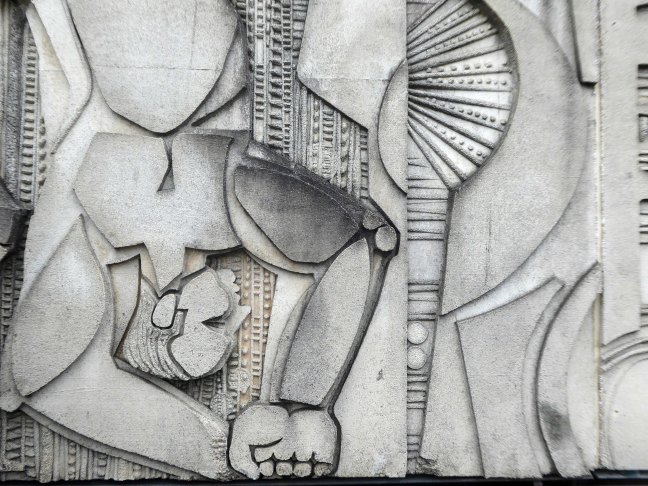
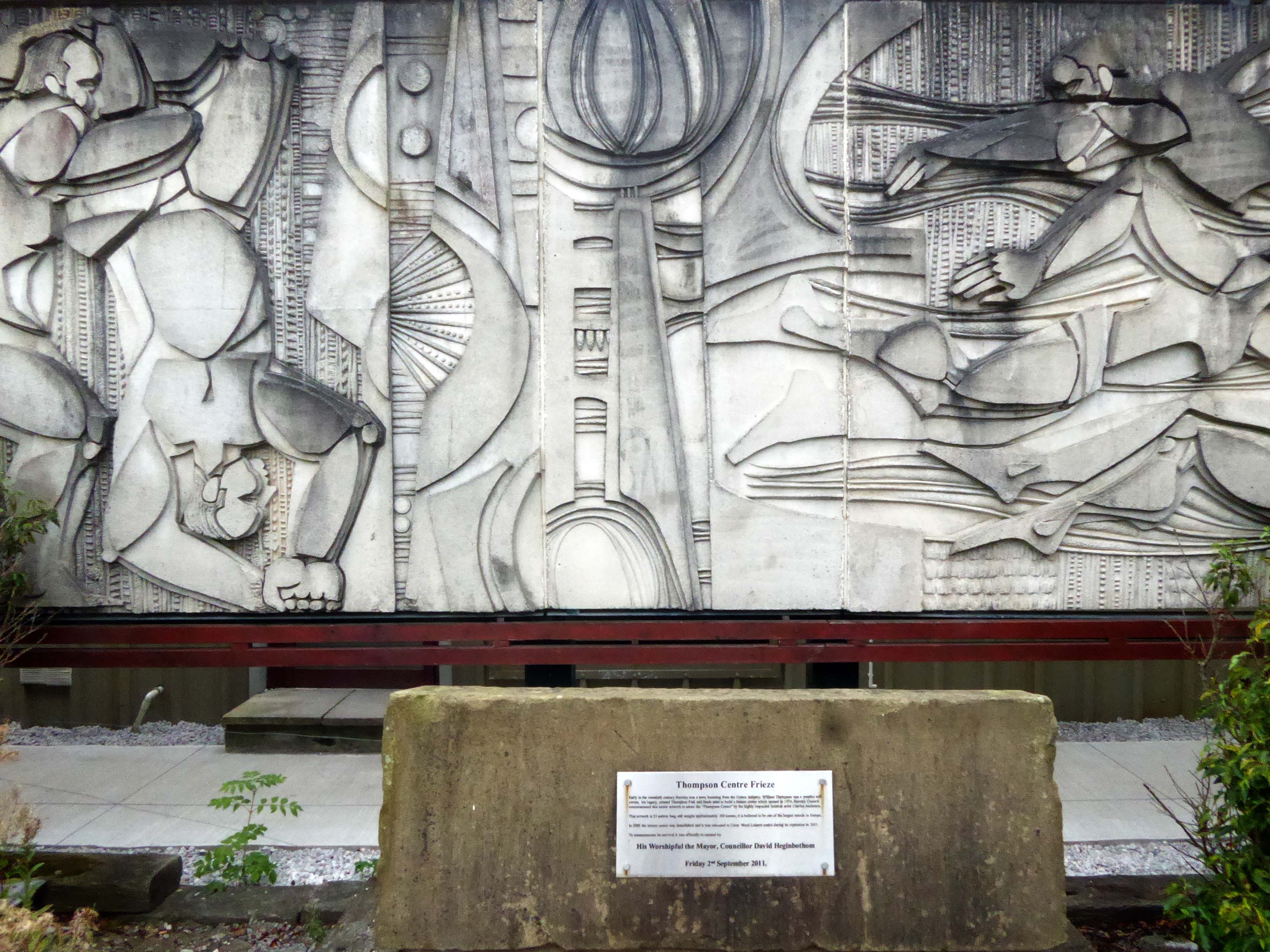
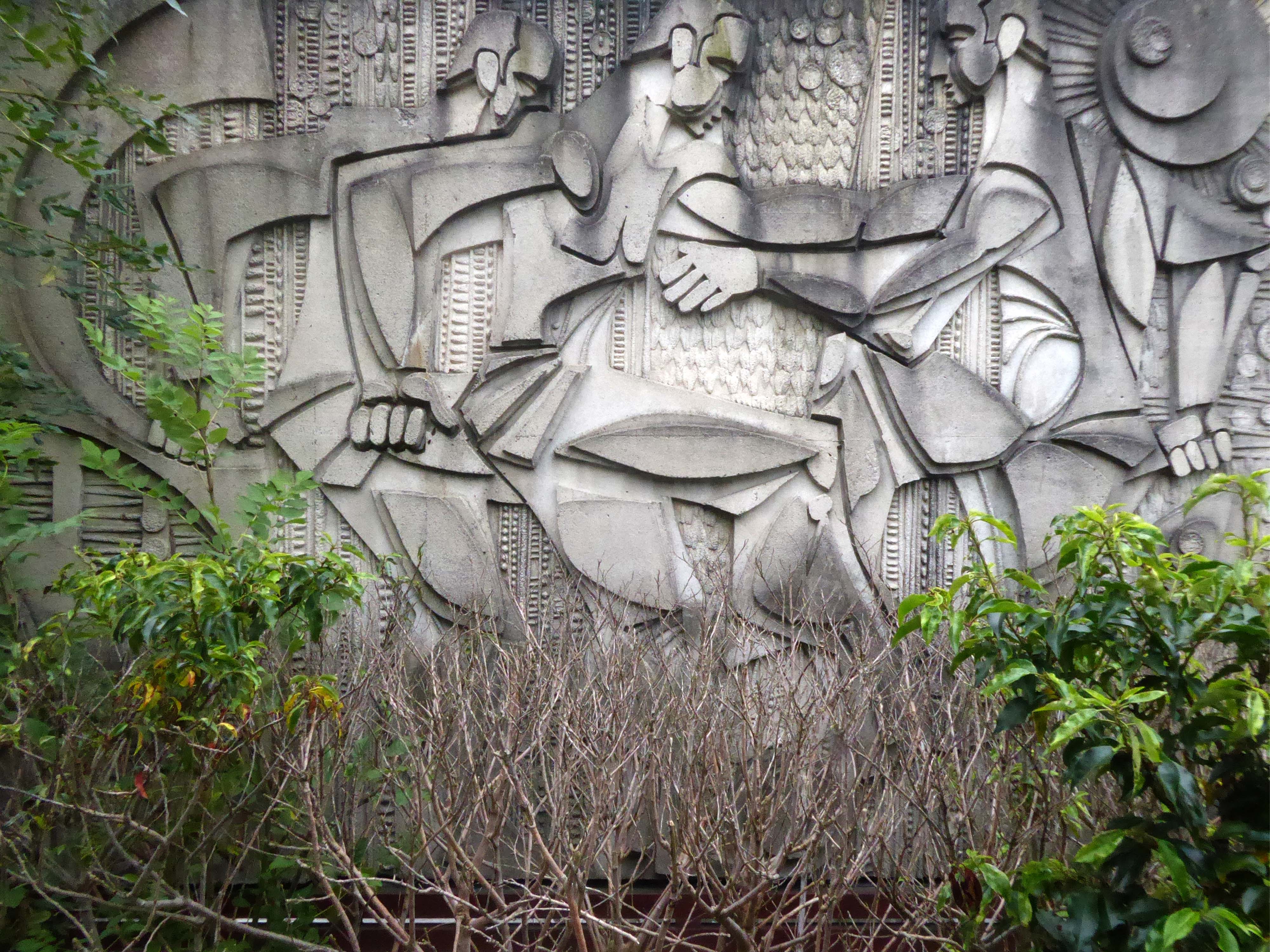
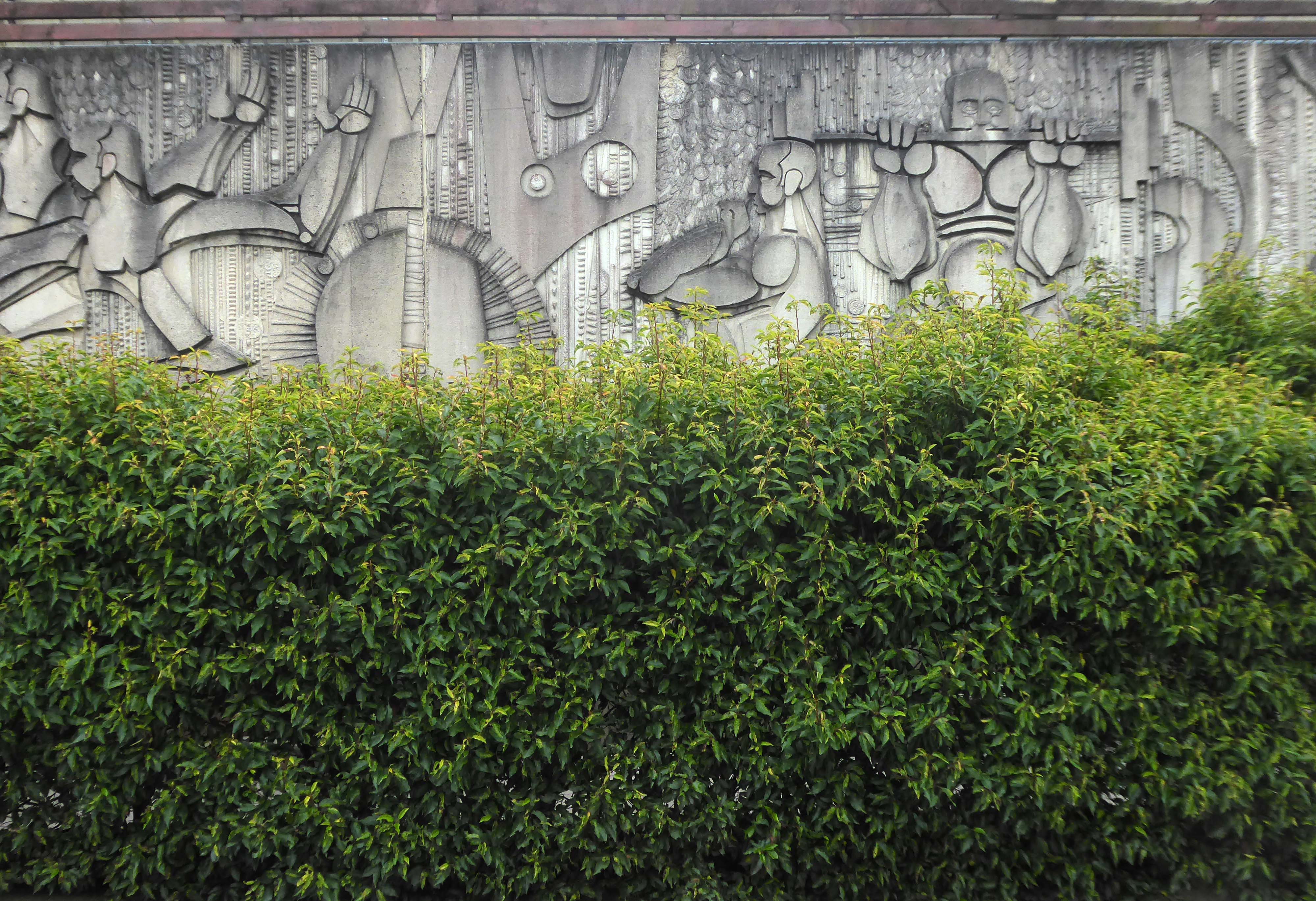
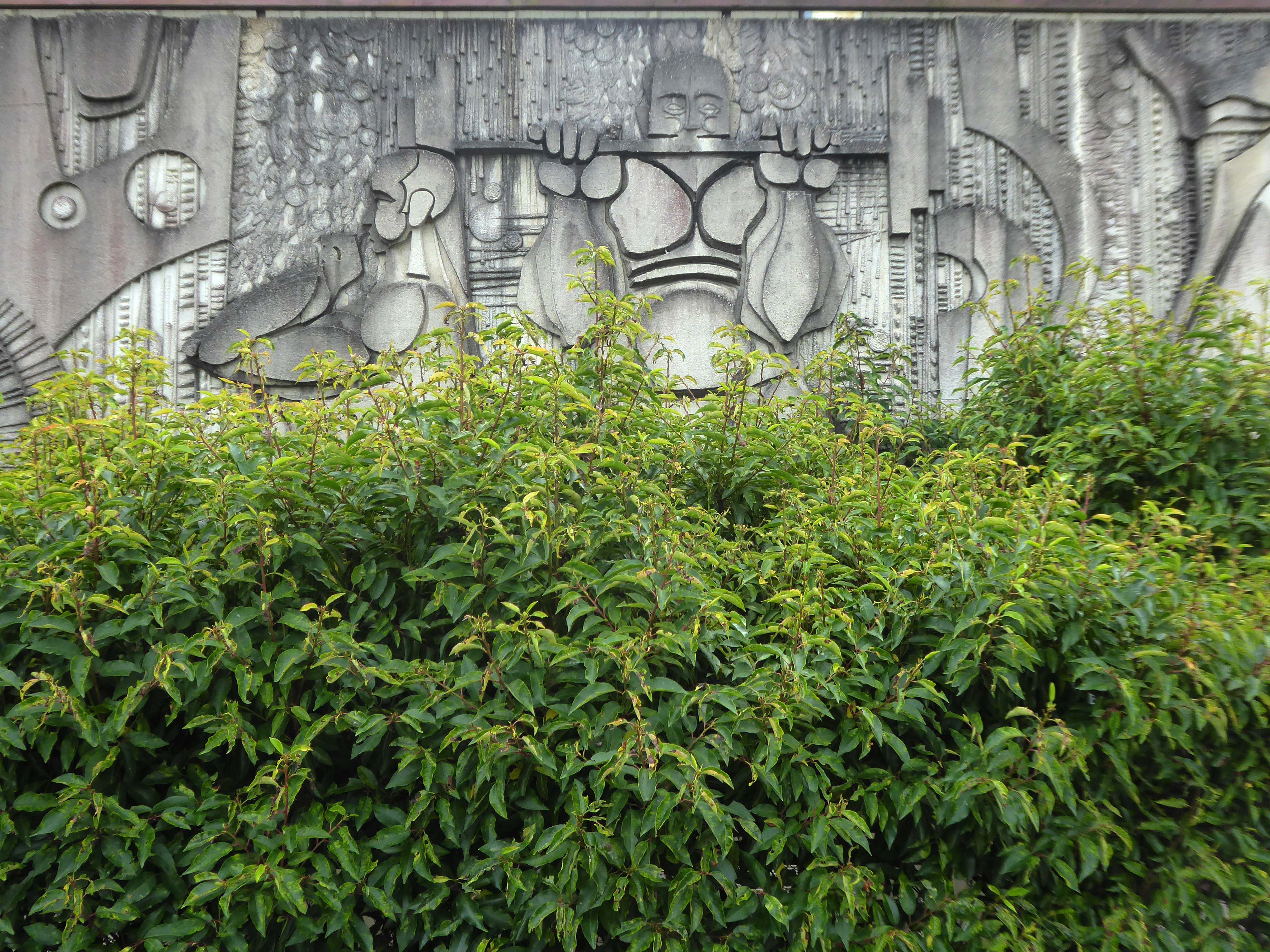
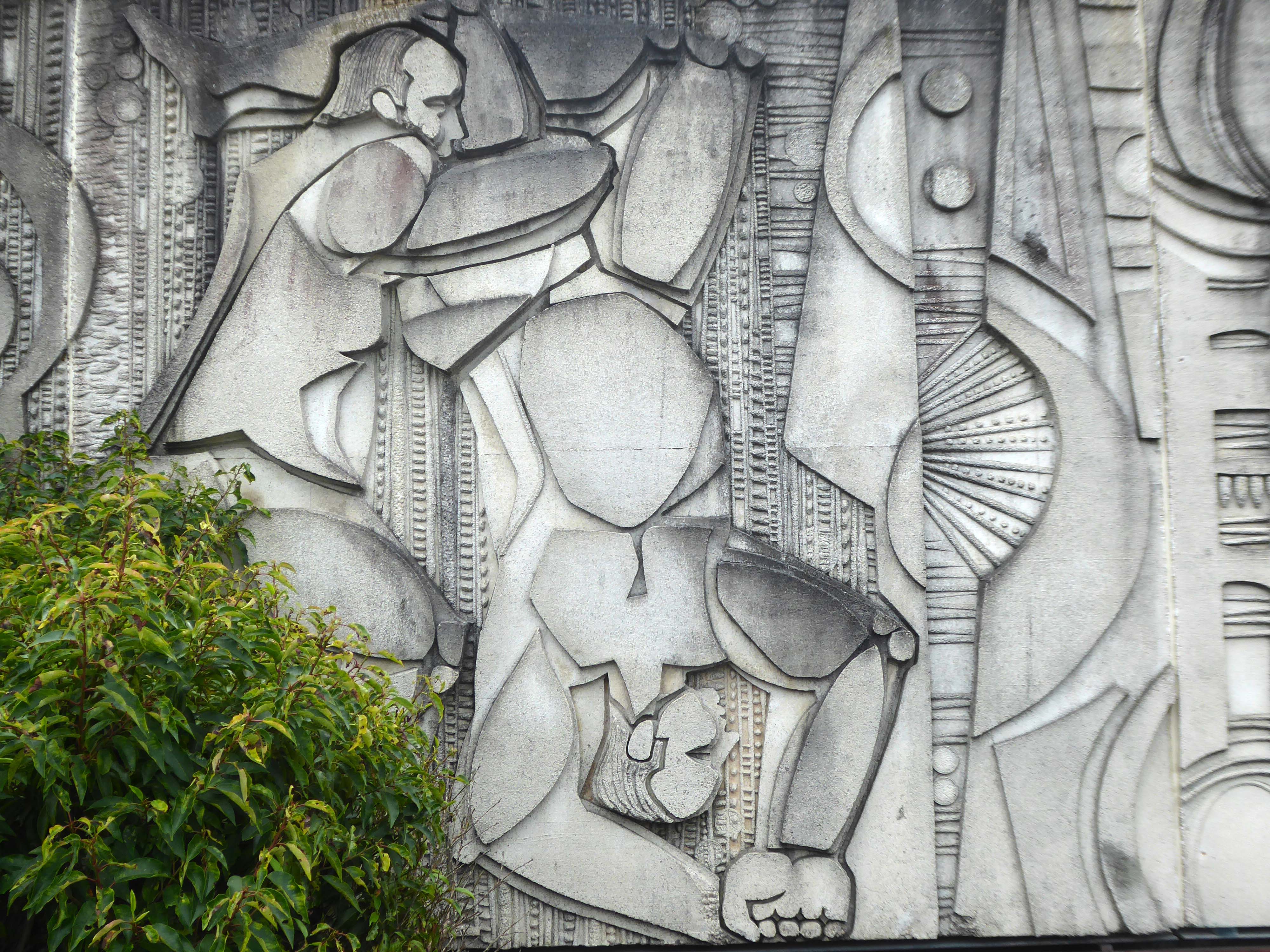
Charles Anderson Frieze – Burnley

Holme Rd Burnley BB12 0RT

Photo – Robert Wade

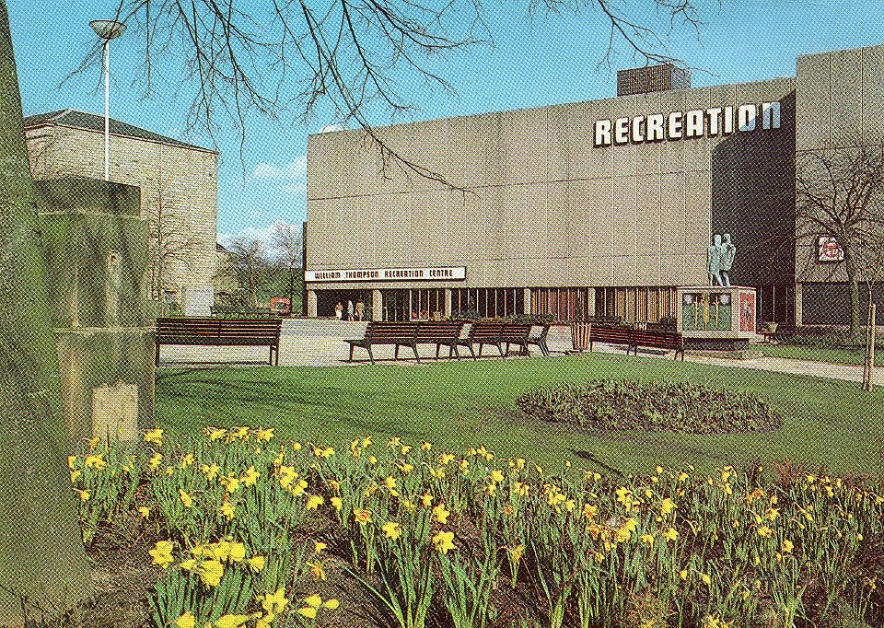
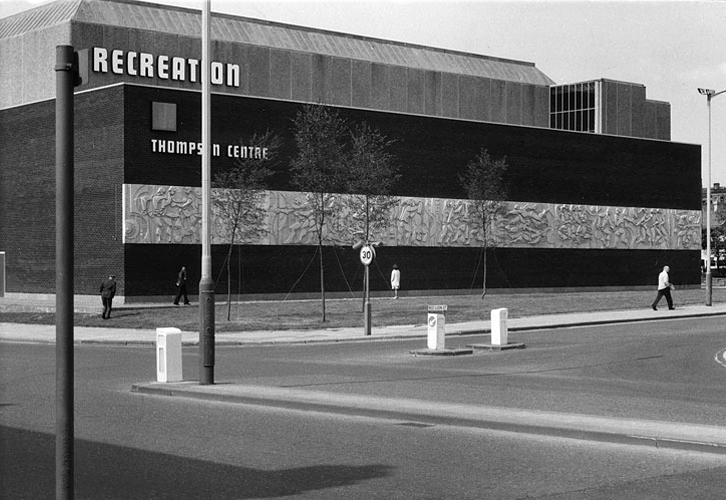
William Thompson was born at Richmond Yorkshire, the son of John and Catherine Thompson. William came to Burnley in 1908 and gained a place at Burnley Grammar school. Later he learned the trade of cotton weaving at his uncle’s shed. In time he was to become the managing director of this firm. William lived at Oak Bank Todmorden road, where in spite of his great wealth, he led a remarkably simple life. He had neither television nor radio, and his greatest pleasure appeared to be strolling in the nearby Towneley Park. About 1970, ill health forced William to move to his sister’s house at Ingleton Yorkshire. His illness became worse, and he was removed to a nursing home at Silverdale, near Lancaster, where after a prolonged infirmity he died on 18, August 1972. It was William and his sister, Sarah Witham who donated the £333,000 that was eventually used to build the Thompson Recreation Centre. William was never to see the gift he bestowed upon the town, for his death came just a few days before the official opening of the centre. It was his sister, Sarah who performed the opening, and she too was to die a short time afterwards on 8, December 1975. She was the last link in the Thompson family of Burnley.
Many thanks to local historian and author Jack Nadin

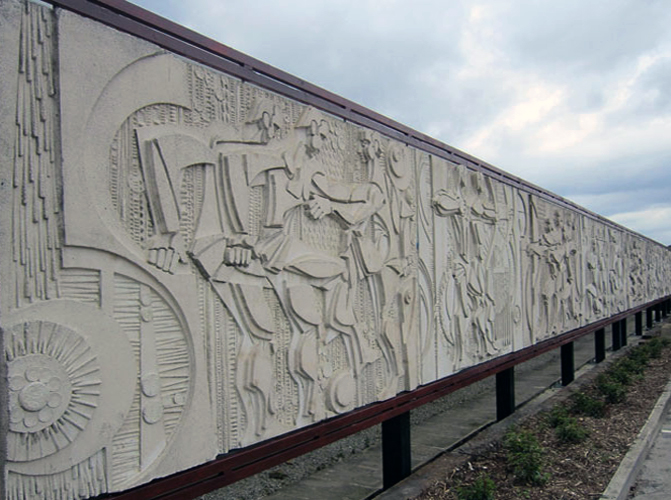
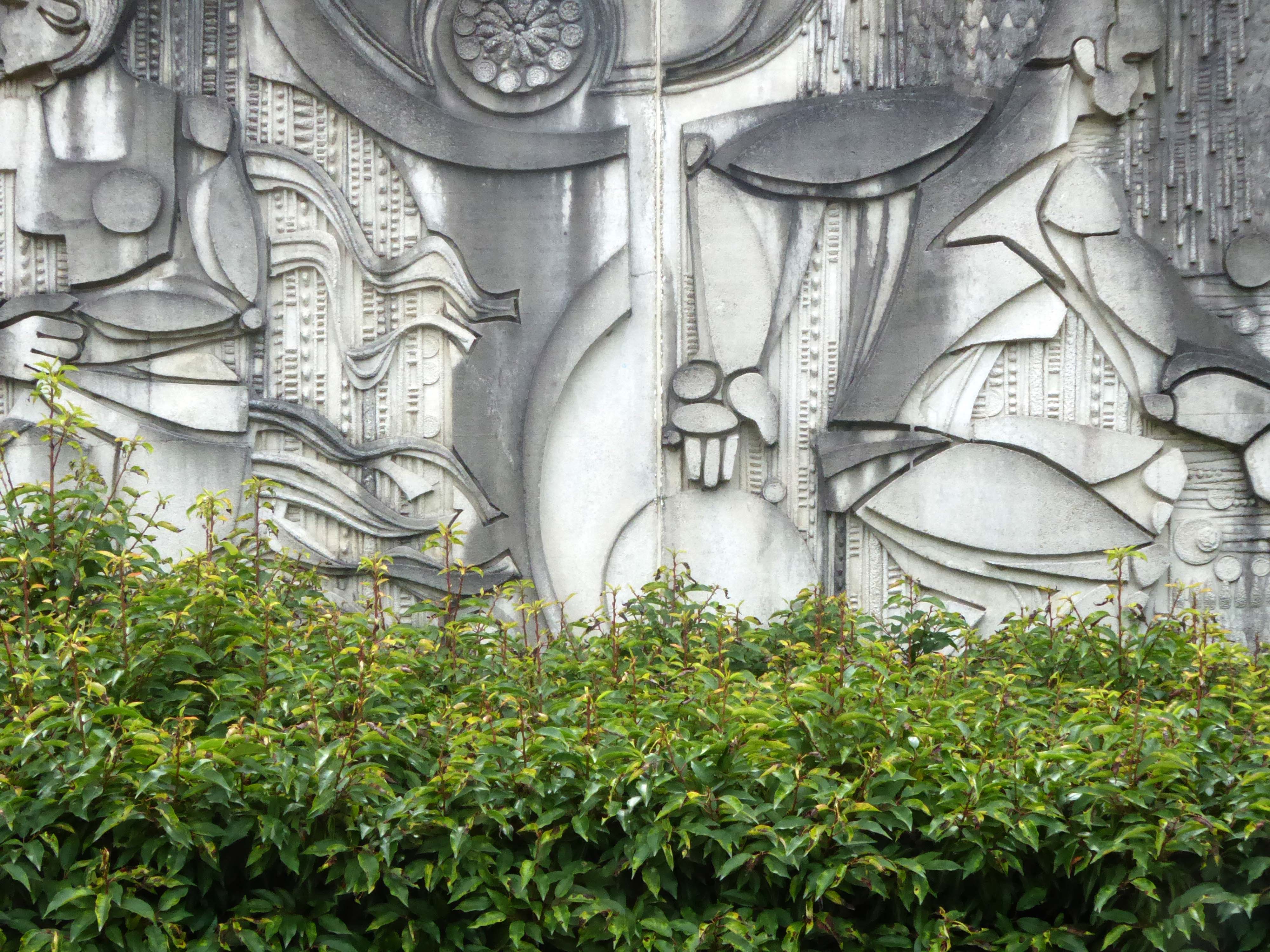
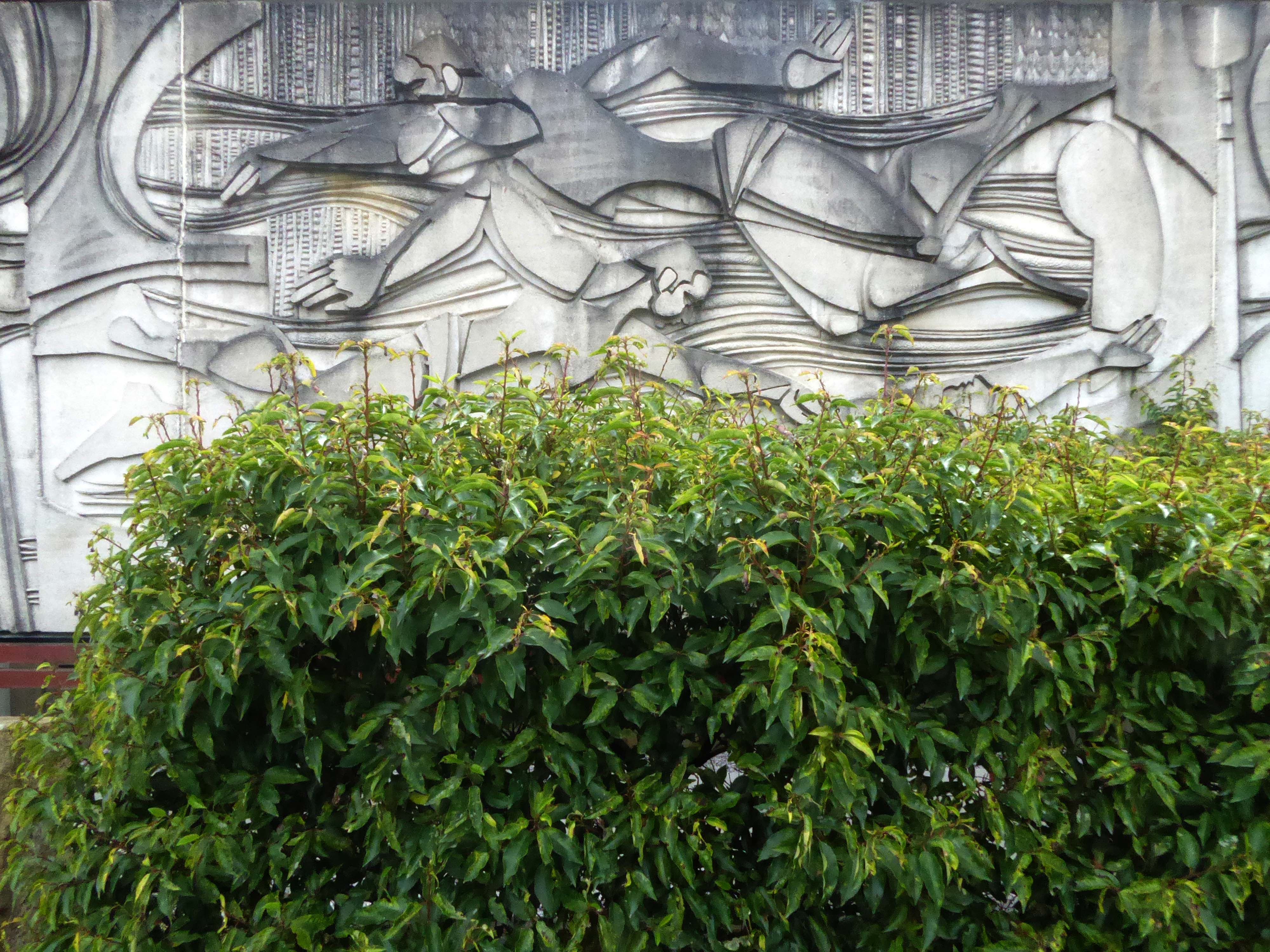
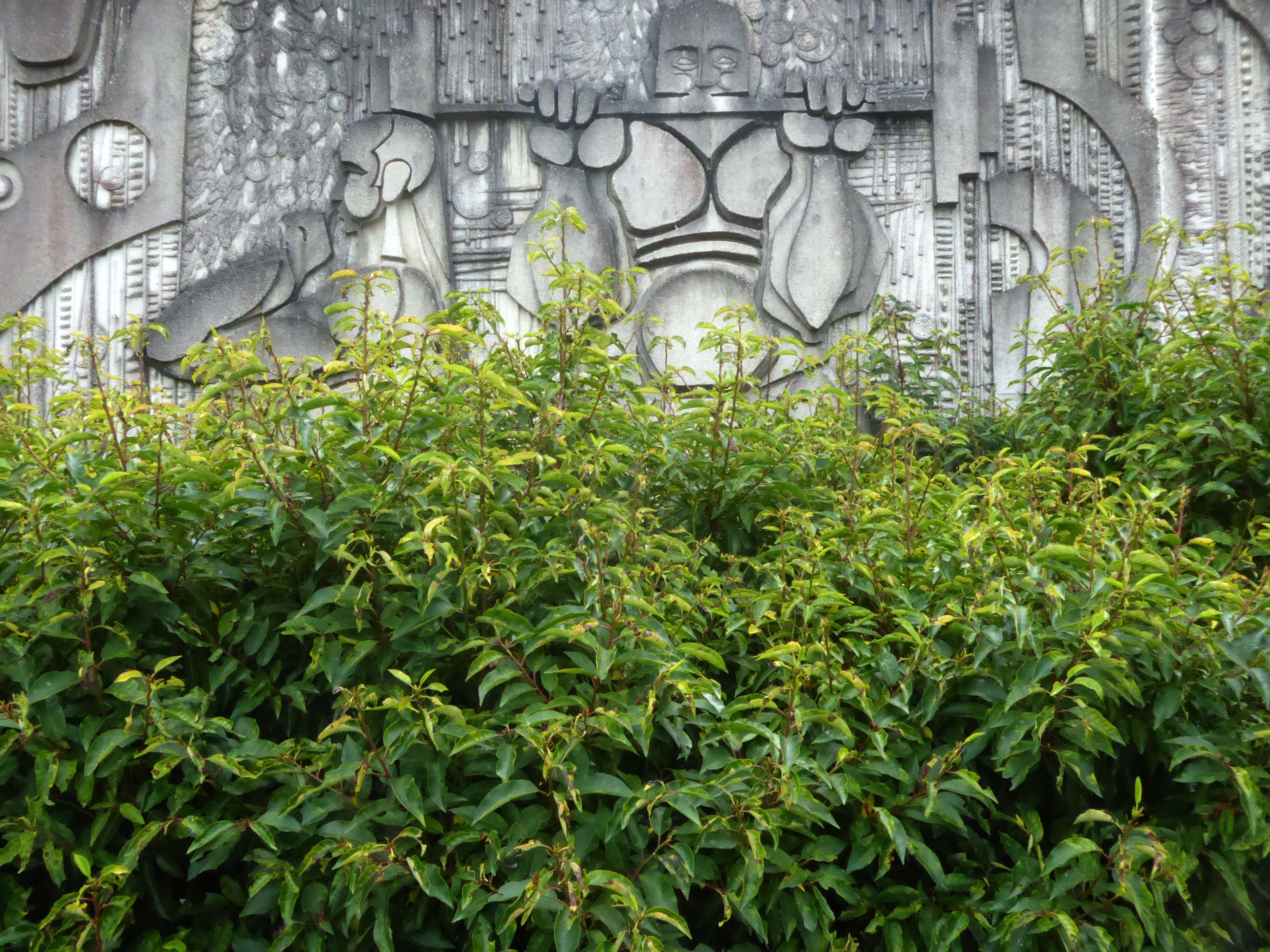
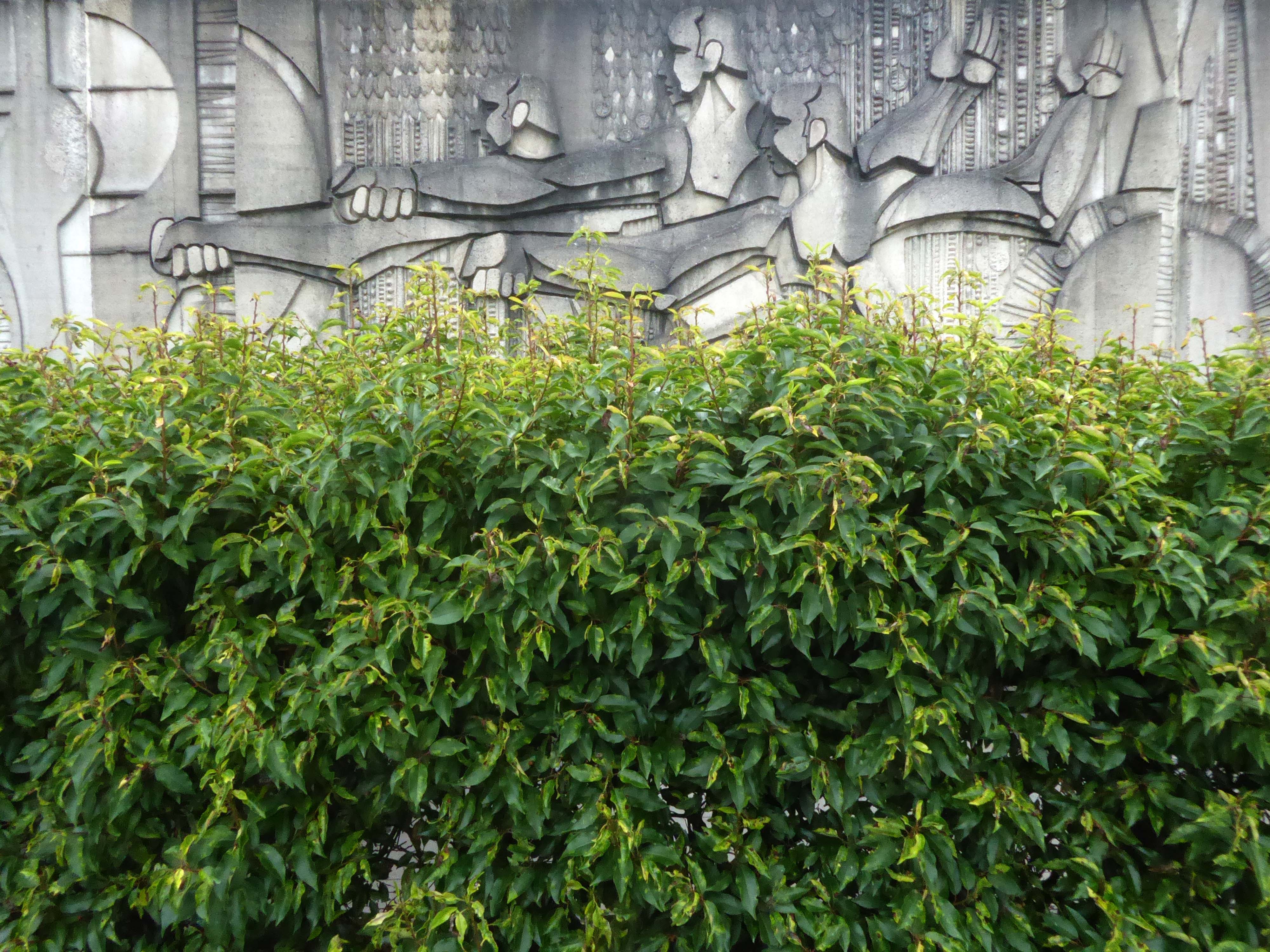
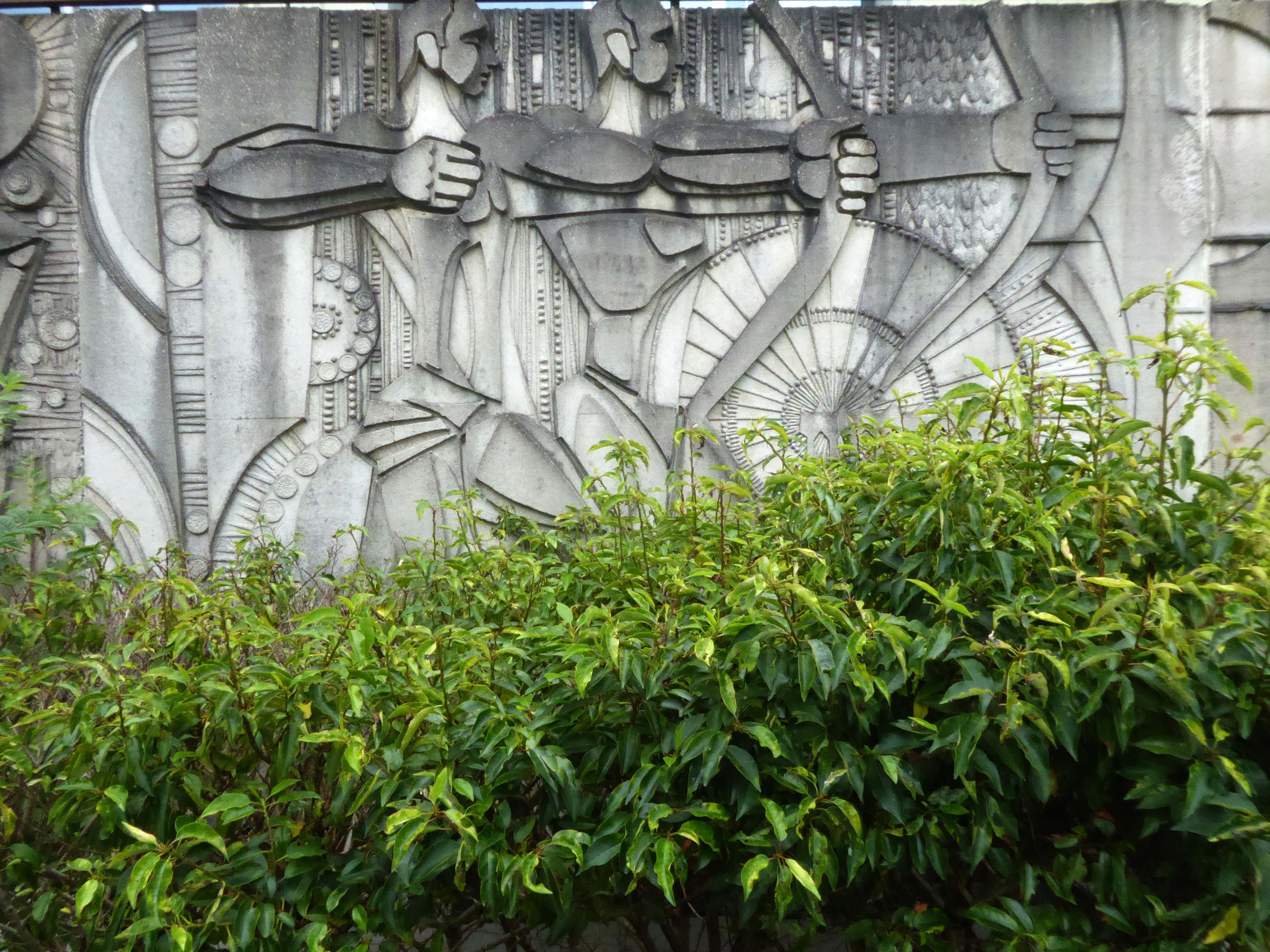
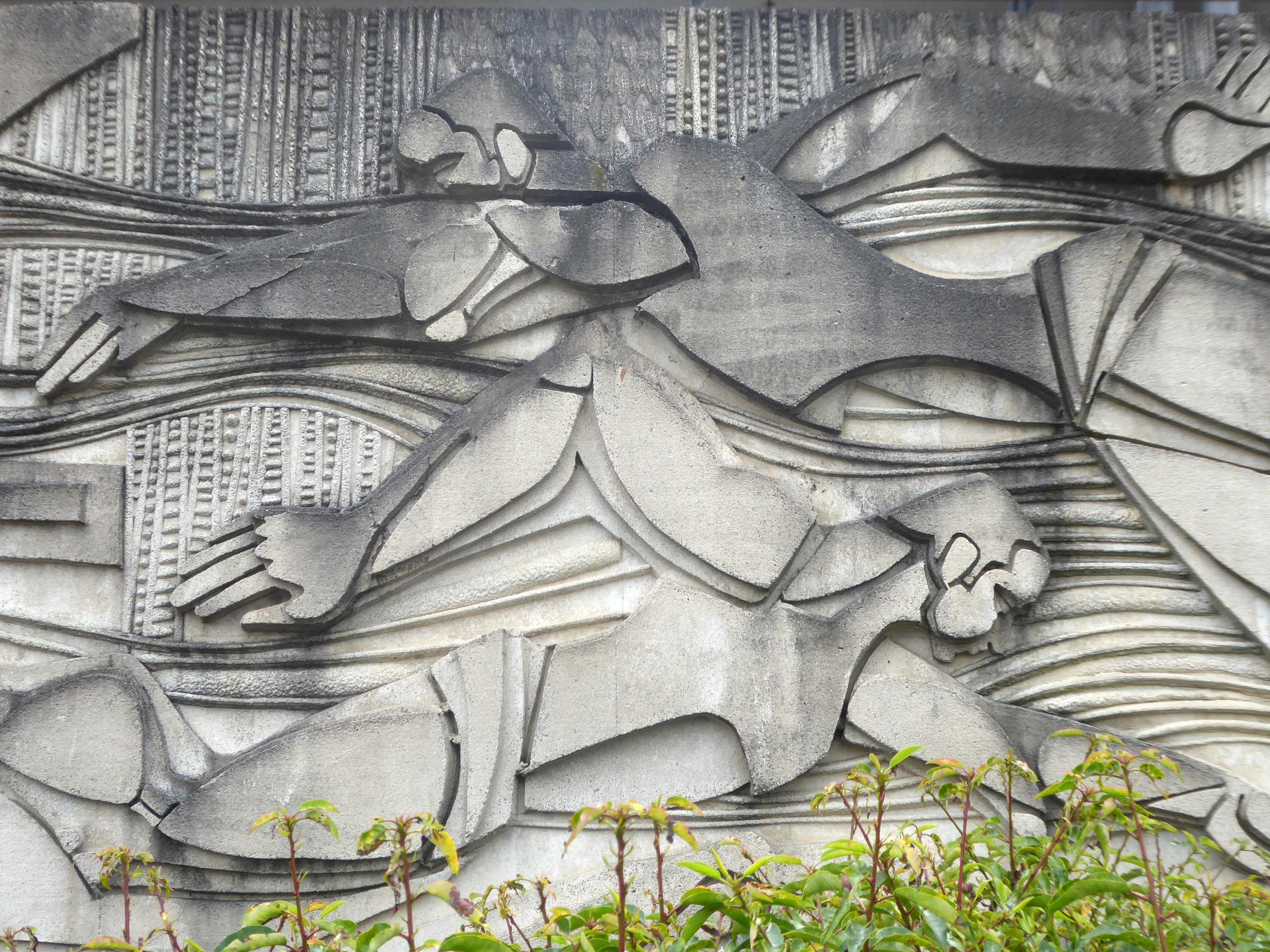
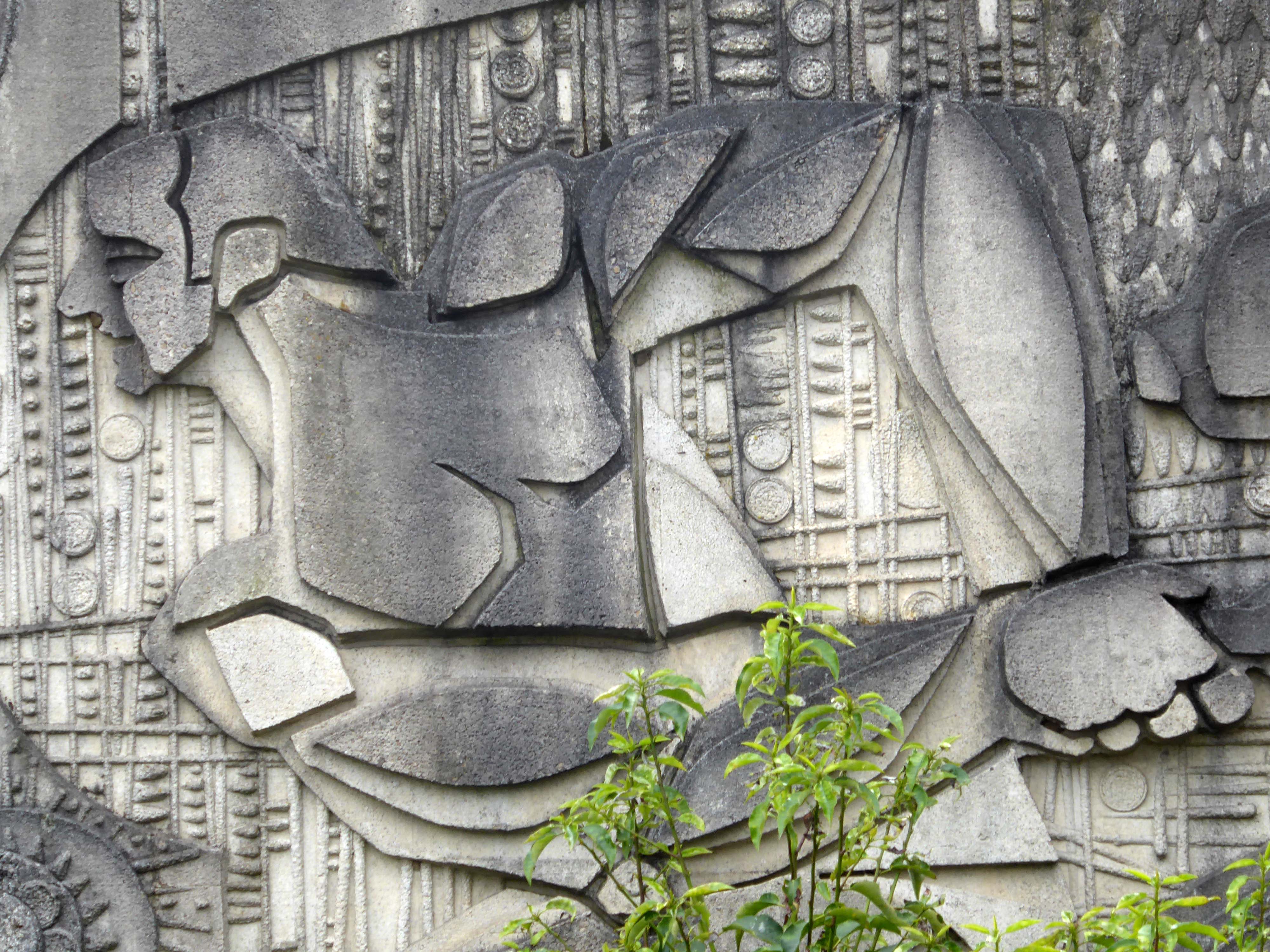
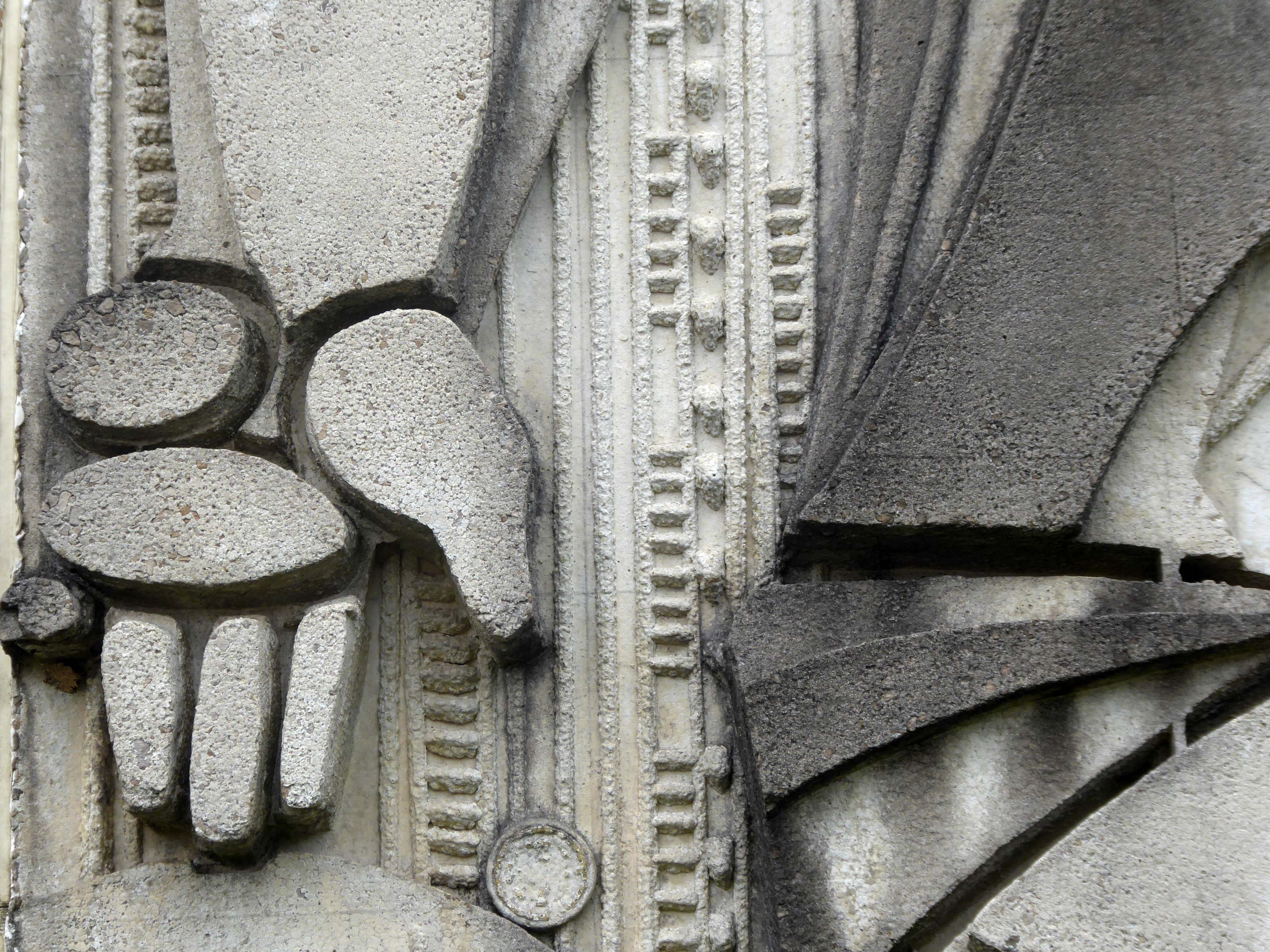
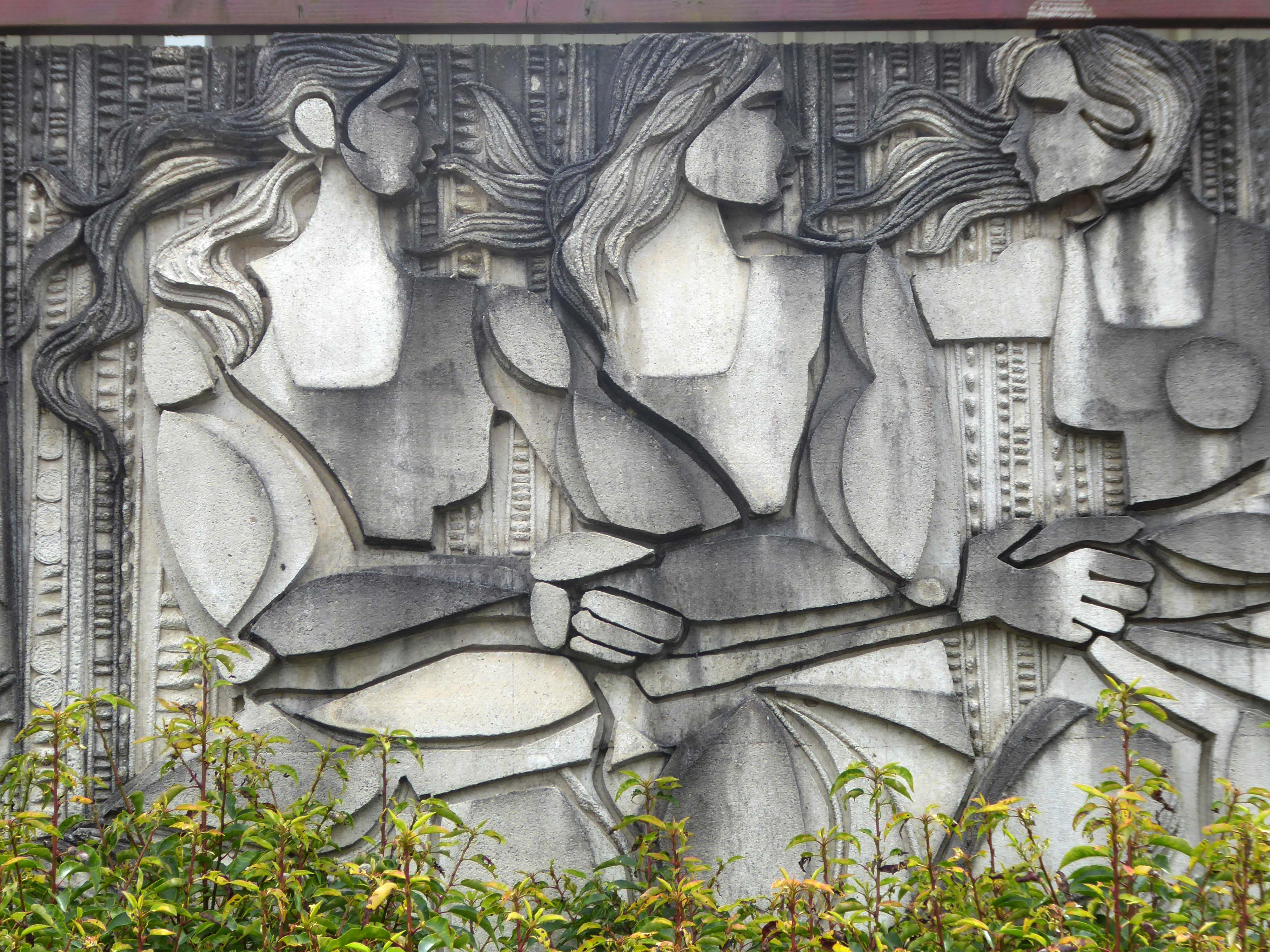
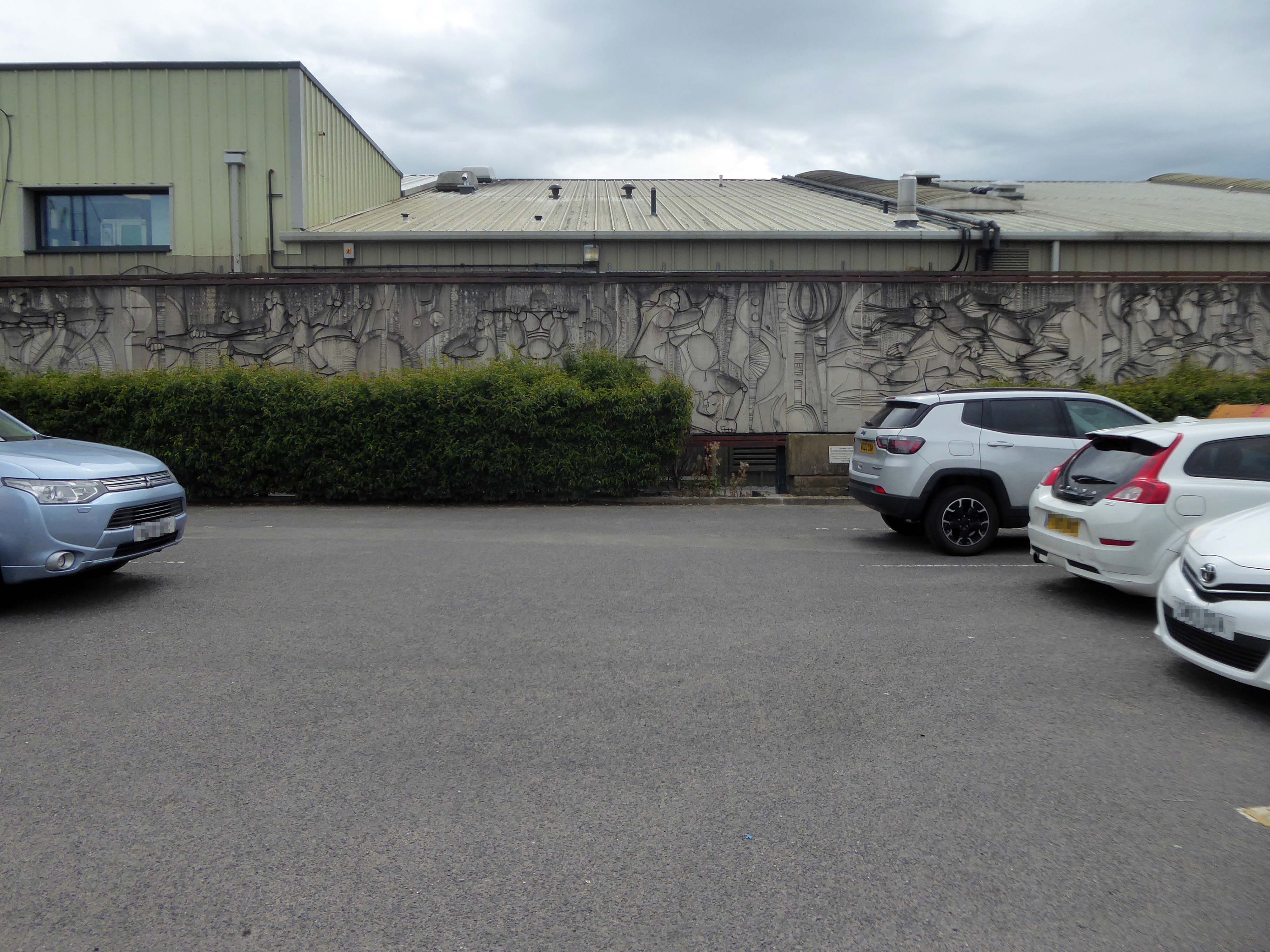
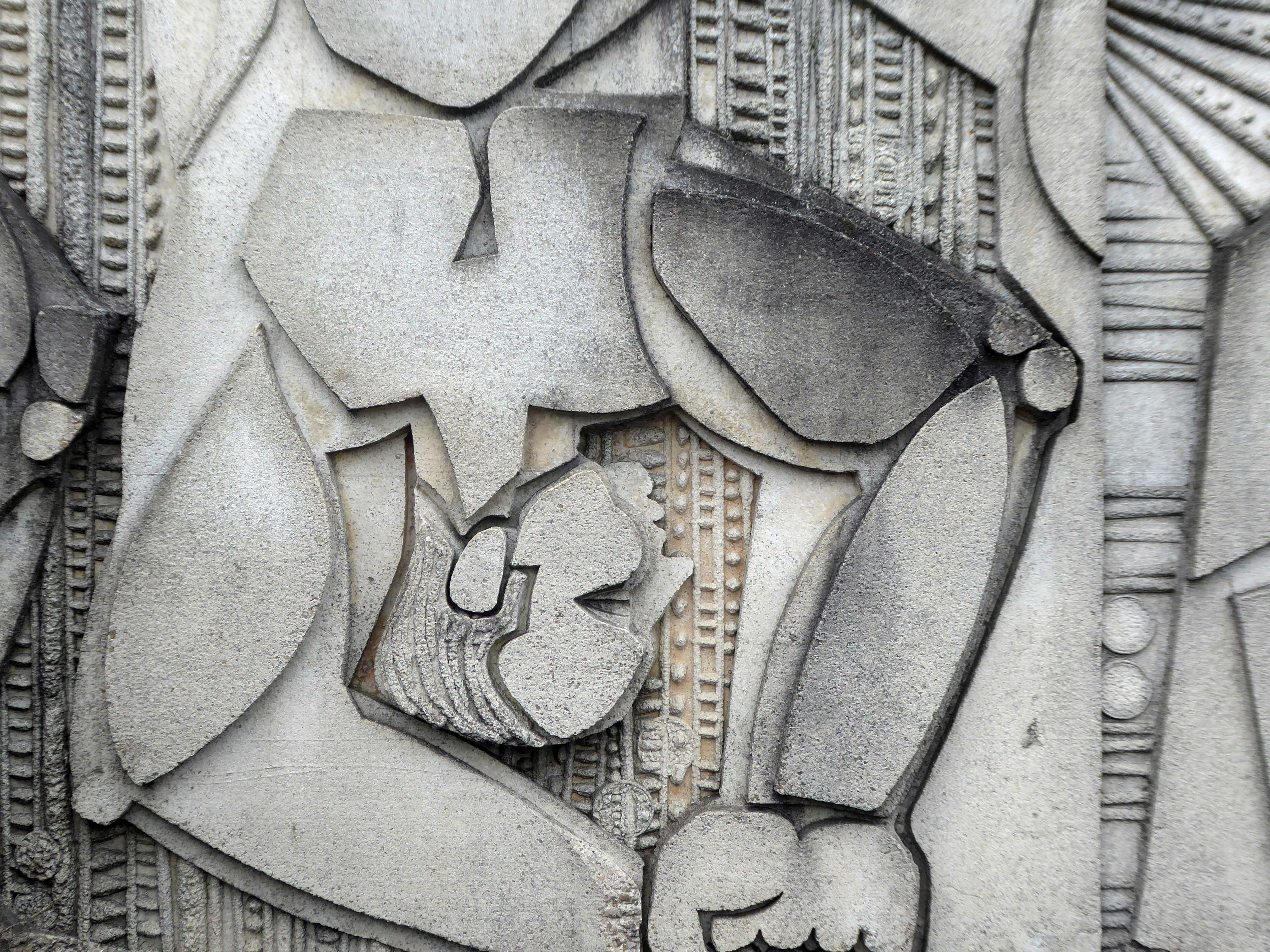
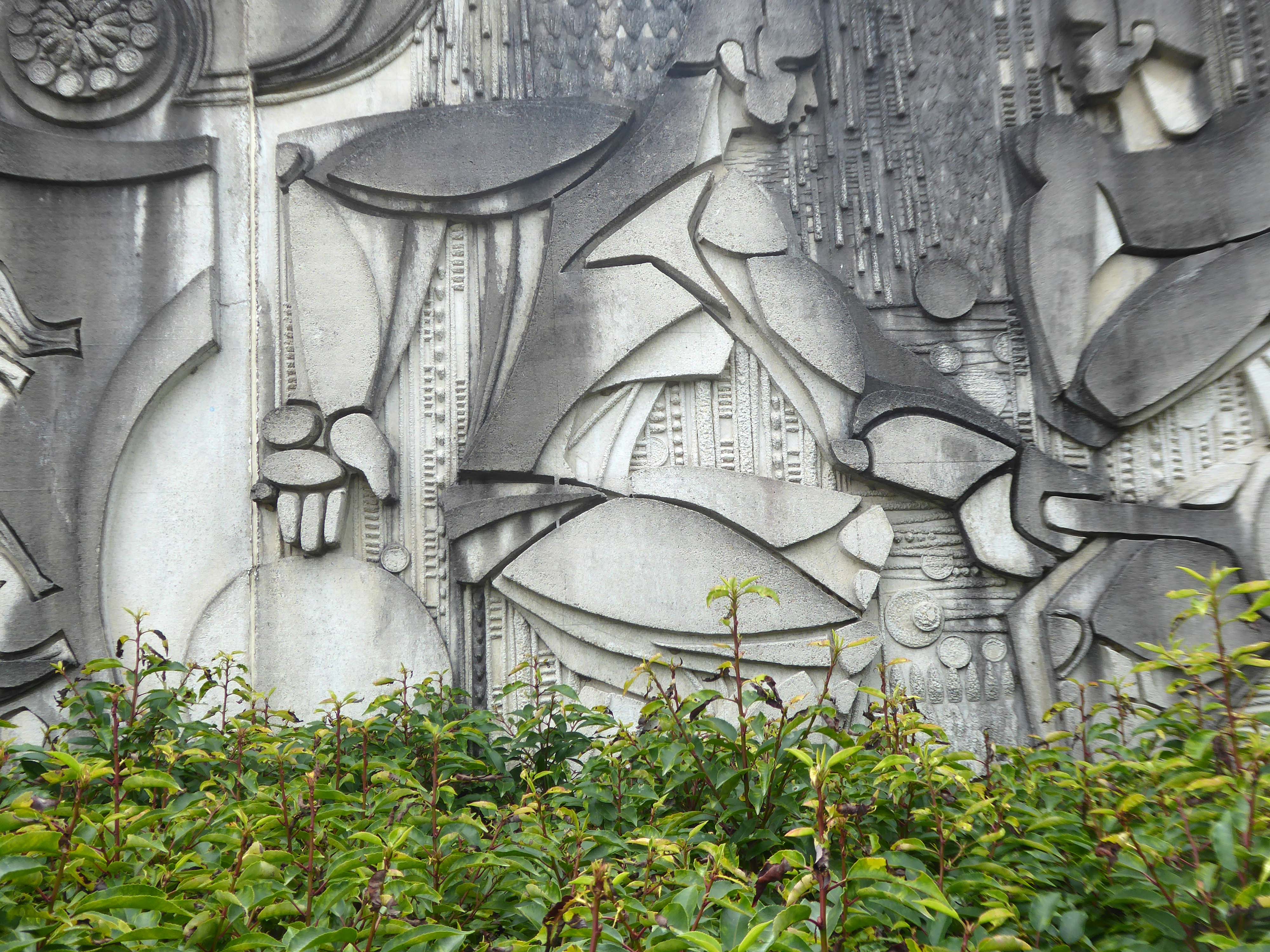
The Thompson Recreation Centre was decorated by a large concrete frieze by Scottish artist Charles Anderson.

Town Architects 1975

Formed from precast concrete panels against expanded polystyrene moulds – it stands 150ft long and 9ft high.

It was gifted from funds provided by the estate of local Cotton Manufacturer and major town benefactor, William Thompson. The building was a flagship symbol of progress for Burnley in 1973, it was demolished in 2006.

Fortunately, the frieze was carefully dismantled, stored and reinstated by Andrew Brown.

Mr Brown said:

This frieze has a massive place in our community. It gives me enormous pleasure to give this magnificent artwork a new home. It breathes new life into the legacy of William Thompson who did so much for Burnley.

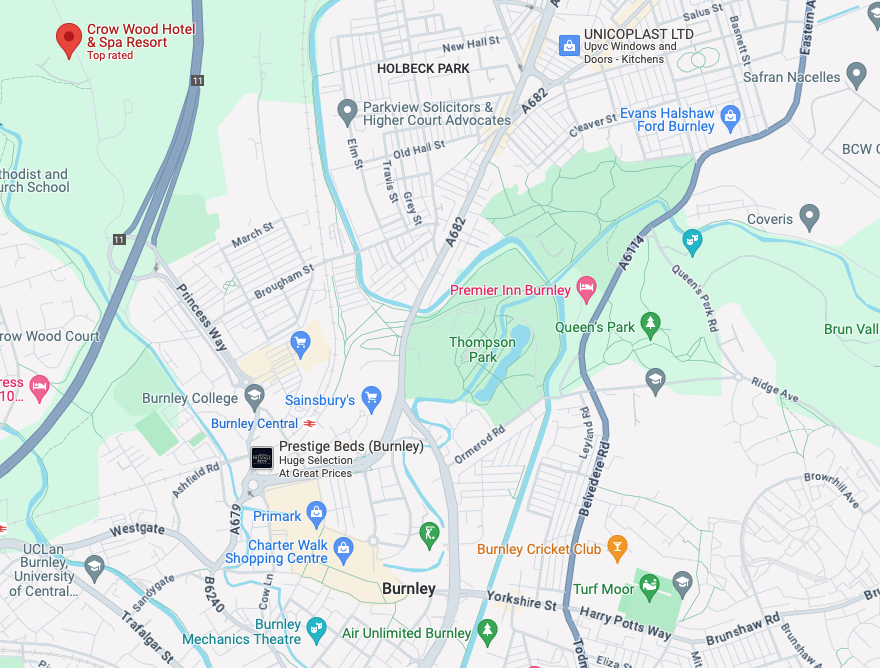
It is now located at the Crow Wood Hotel & Spa Resort. walked from the to

Charles Anderson designed the sculpture over months at his studio in Paisley said:

I was a young man of 34 when I was approached by Burnley Council to design a frieze for the centre.

It’s one of my proudest pieces of work and definitely one of the most challenging. I was inspired by the sculptures of the Parthenon so perhaps this is Burnley’s own Elgin Marbles. It features the Three Graces from Greek mythology as well as sporting scenes such as wrestling, weightlifting, fencing, archery, football, tennis and cricket.

I walked from the town centre along Princess way in search of the work – it’s at the rear of the site, just turn right before you reach the hotel.

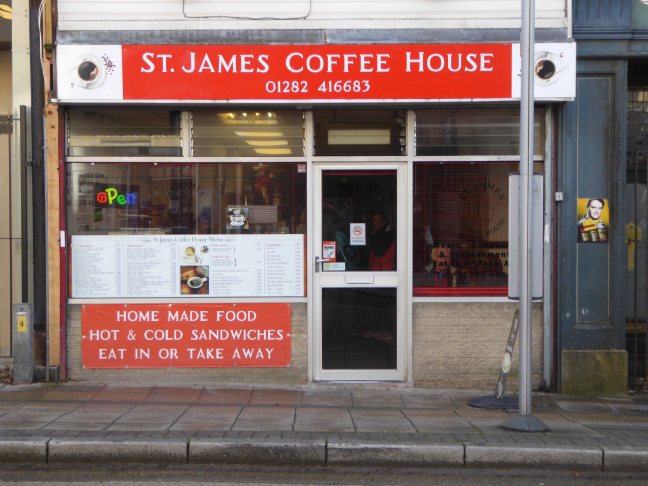
St James Coffee House – Burnley

124 St James’s Street Burnley Lancashire BB11 1NL

Having never ever been, I thought it time to go.

To Burnley.

Several trains from Stockport later, along the length of the East Lancs Line, I arrived at Burnley Manchester Road Station via the reinstated Todmorden Curve.

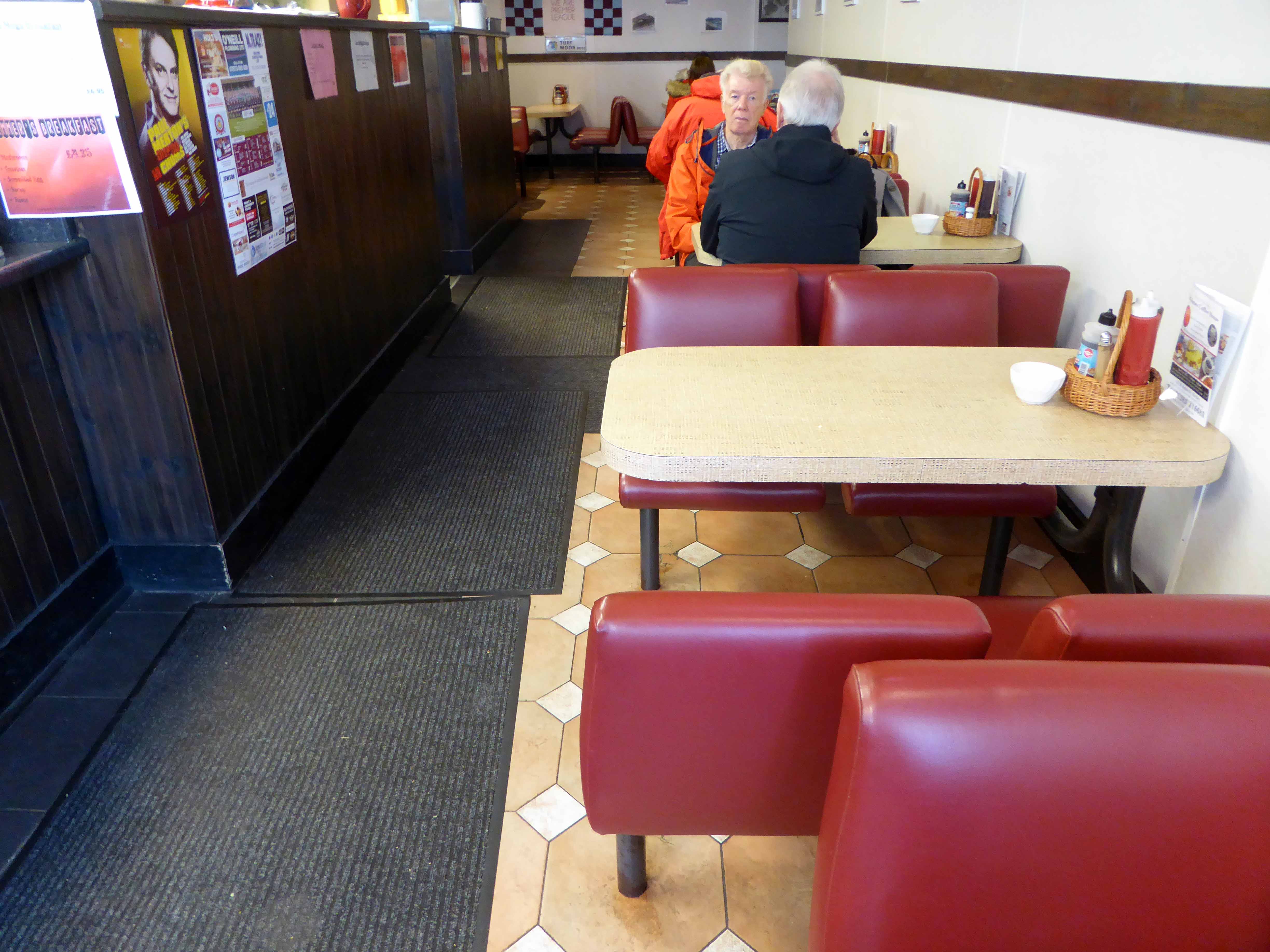
Having wandered aimlessly awhile, it was time for a spot to eat – and there it was a vision to behold before my very eyes.

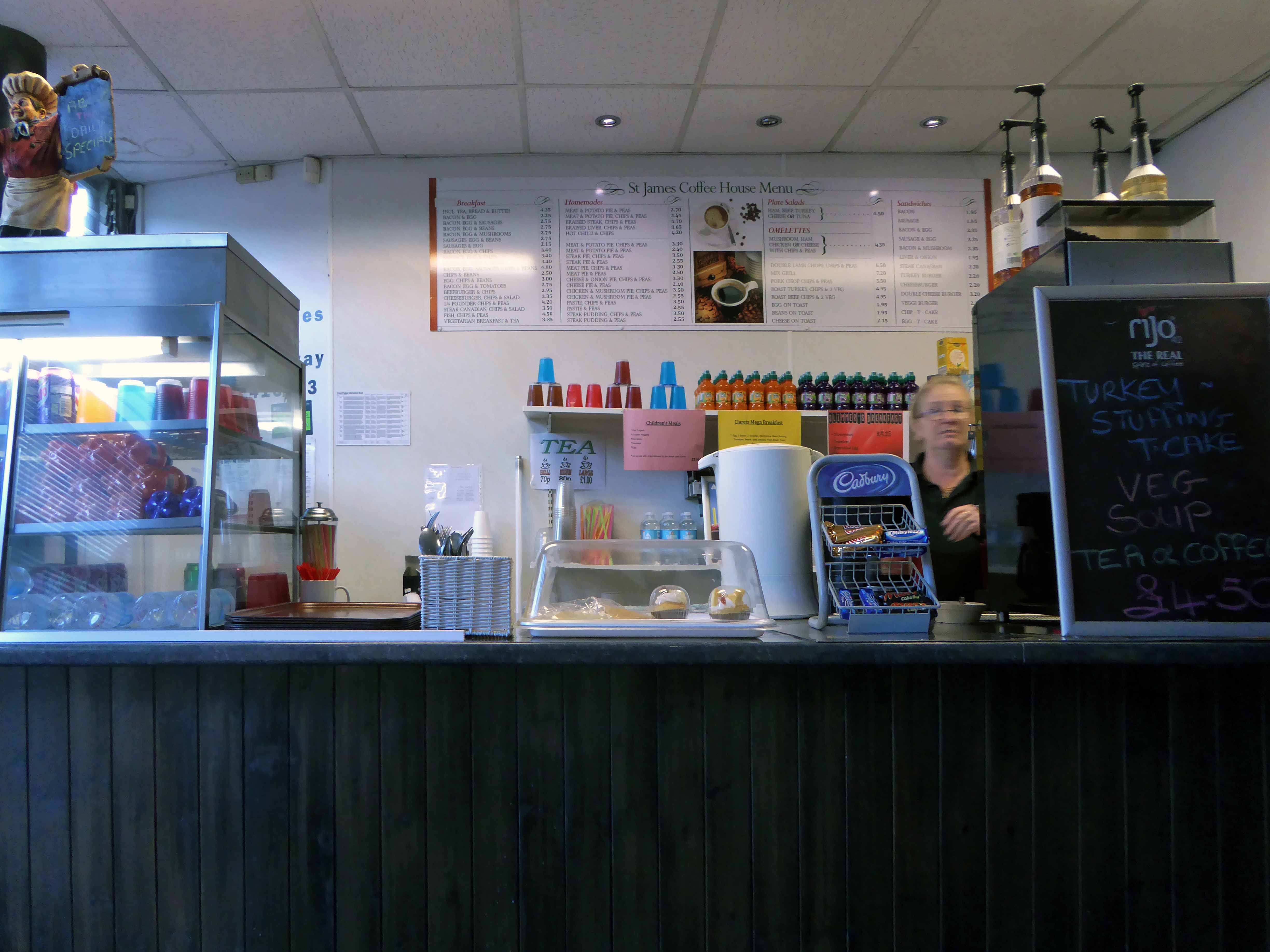
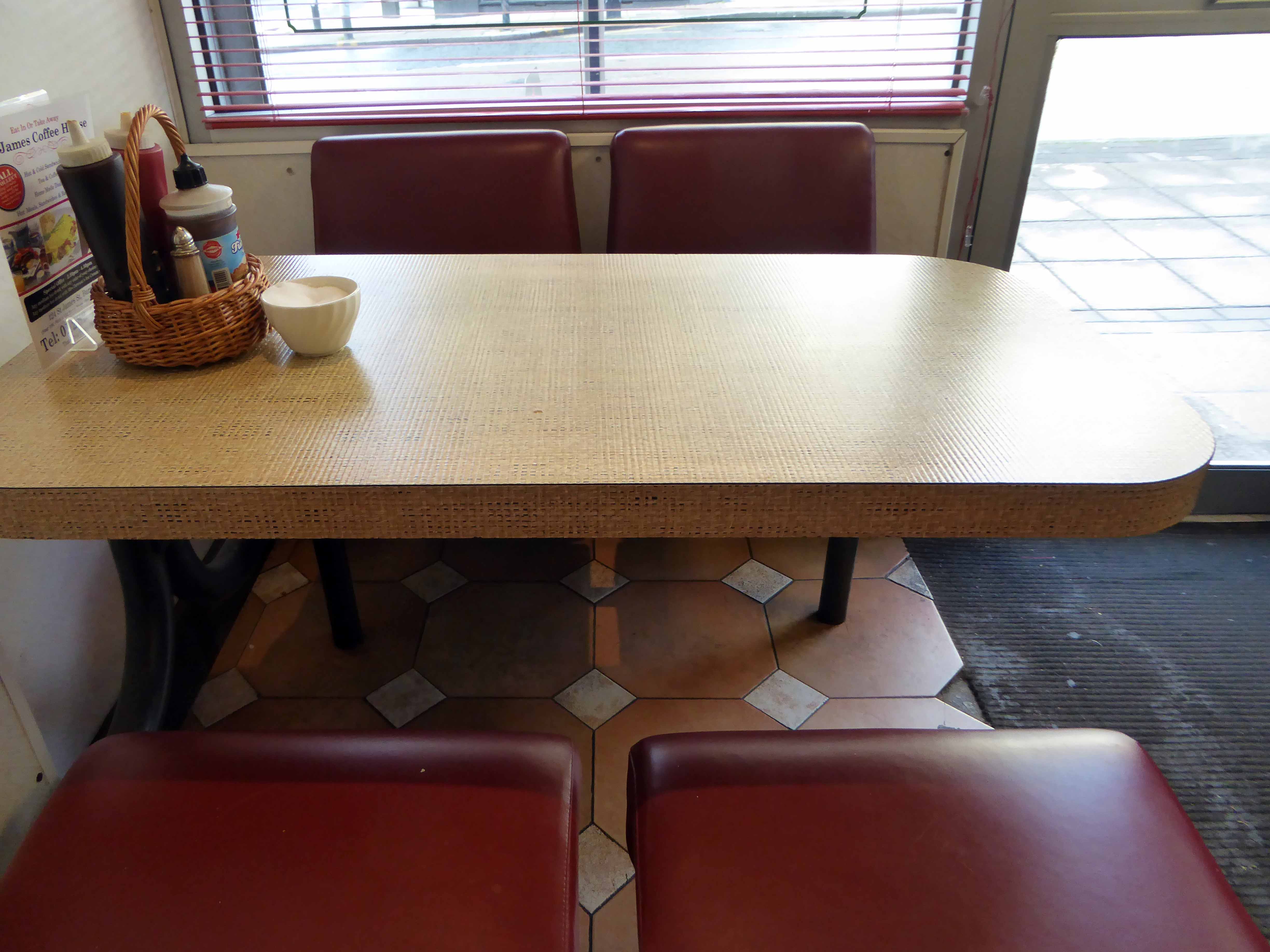
St James Coffee House

We’re situated in the town centre on St James’ Street, just a little bit further down from DW Sports – the old JJB store and next to the entrance to the old Empire Theatre, when you get to the art gallery you’ve gone too far!

The menu had caught my eye – pie!

To get in and get some grub was my sole and urgent imperative.

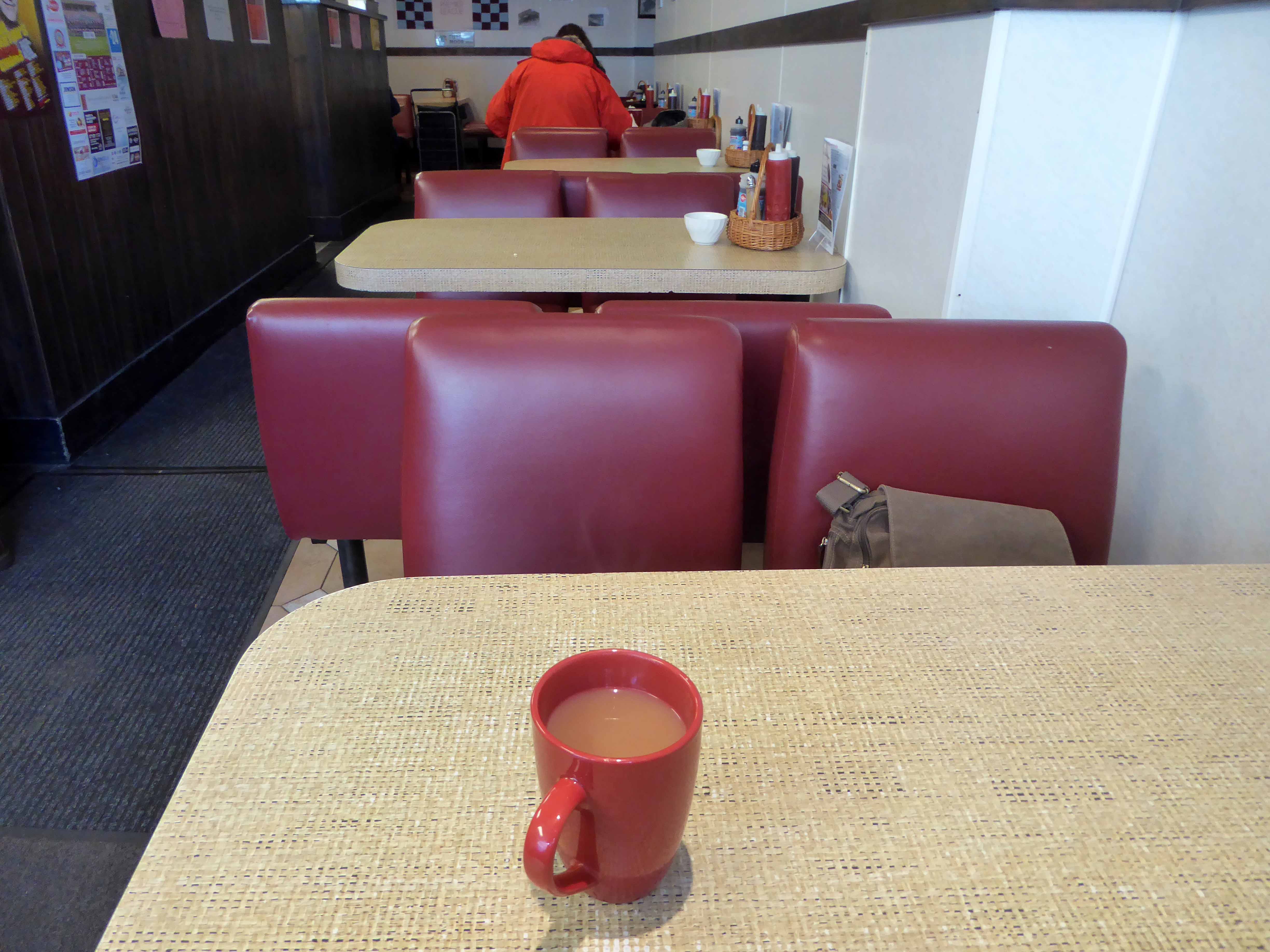
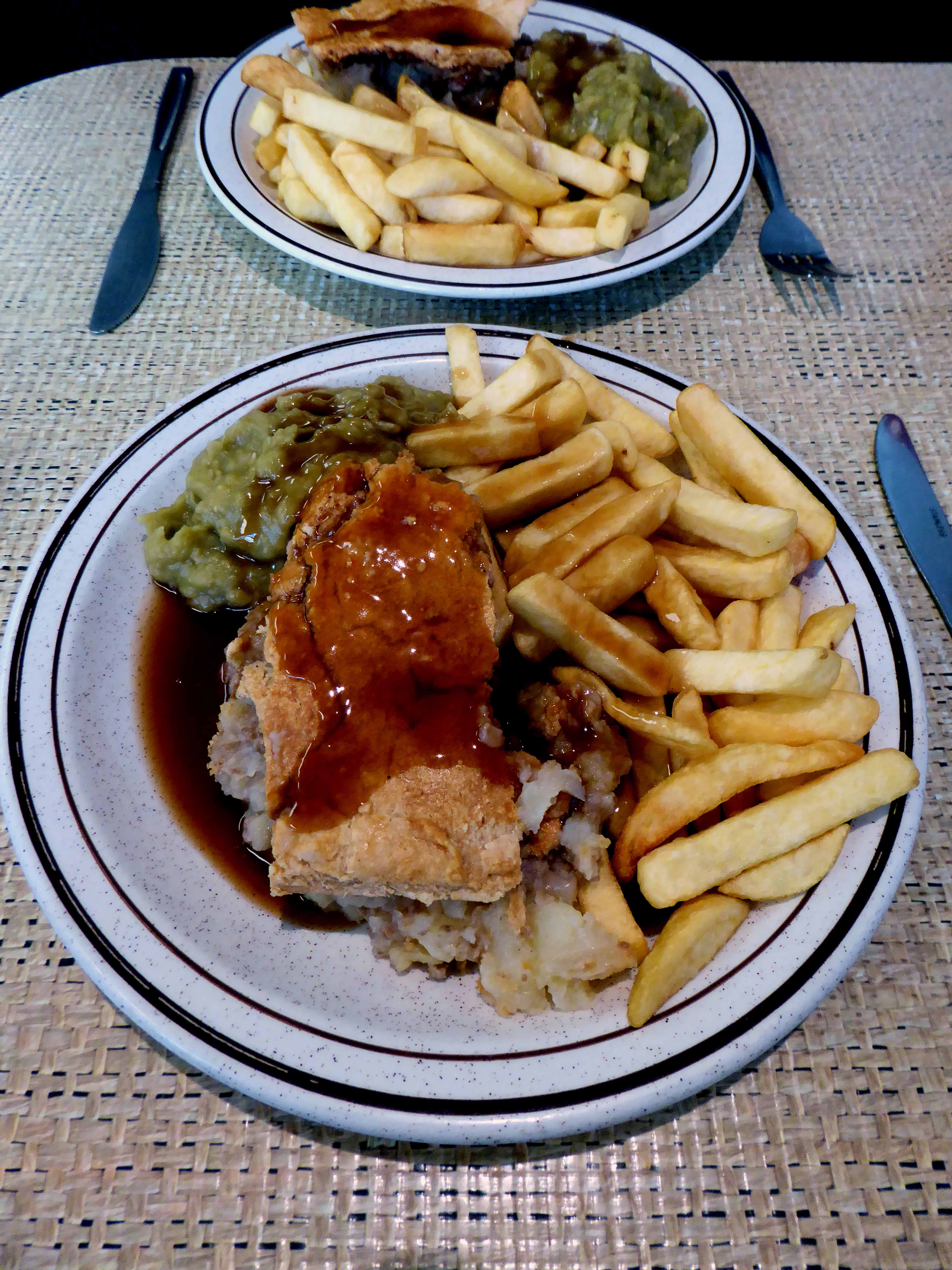
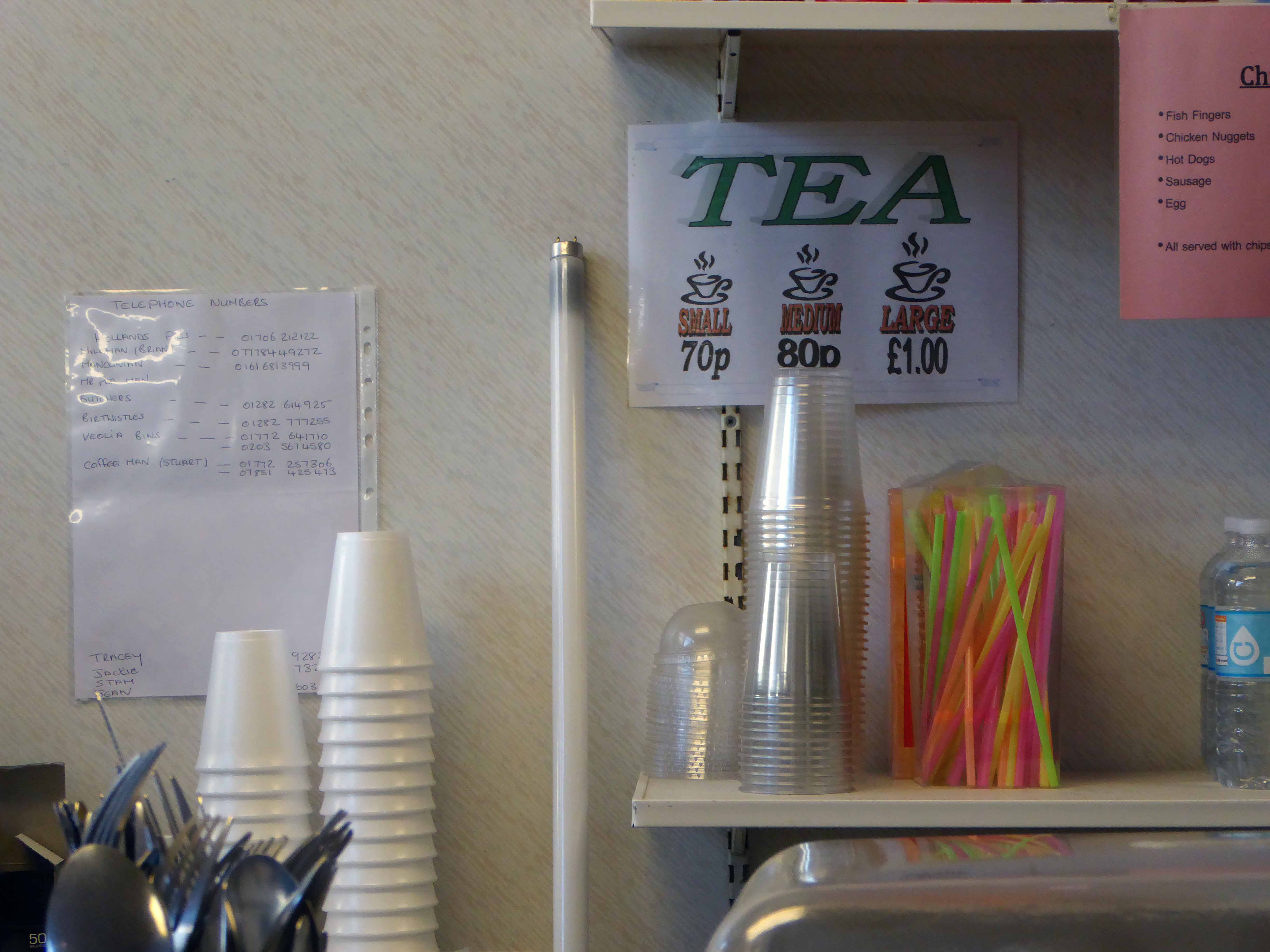
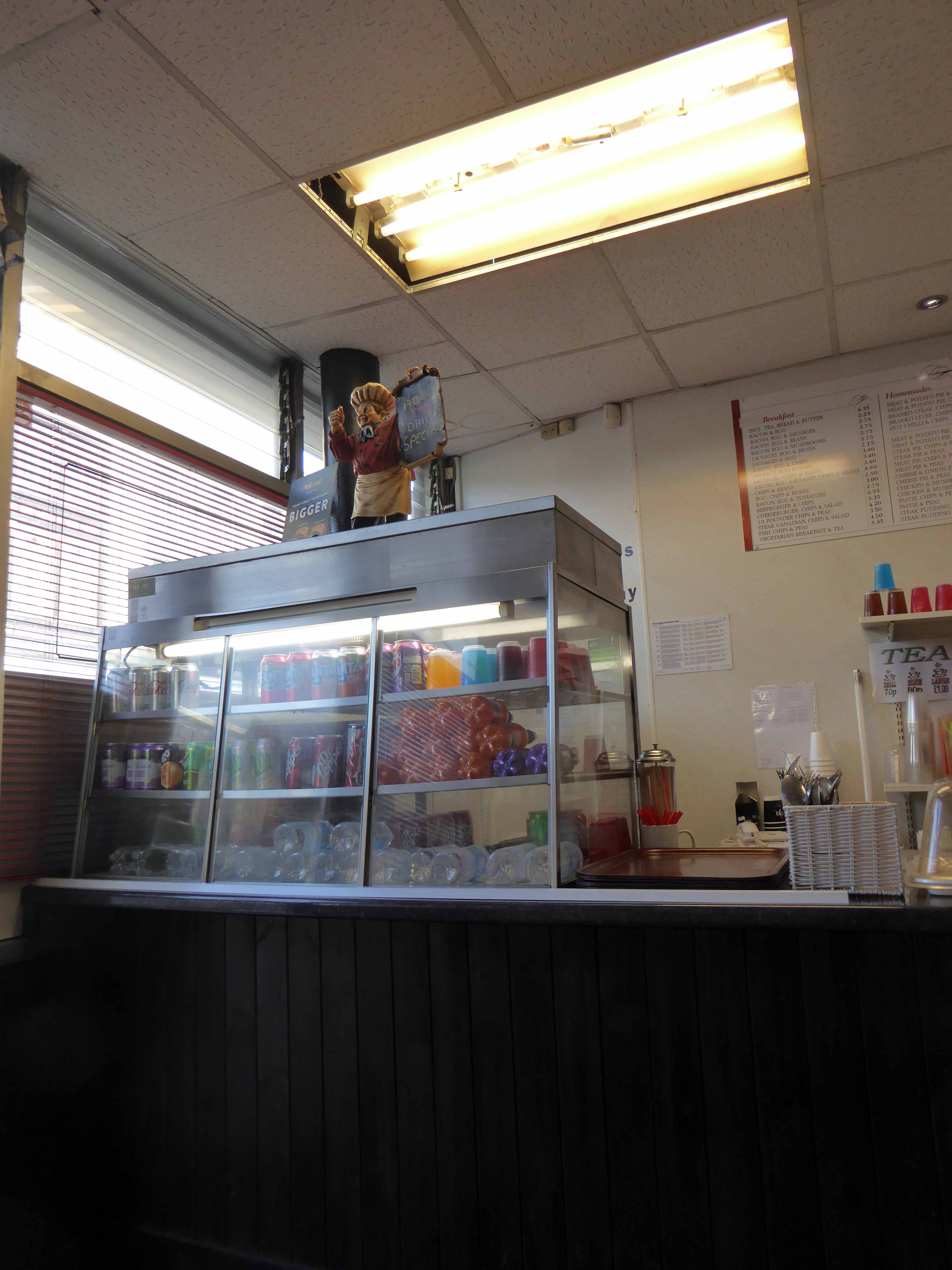
A warm welcome awaited, and even warmer food, served with alacrity and aplomb – tasty homemade meat and potato pie, chips, peas and gravy. A soft light crust and mushiest mushy peas – a real delight, seen off in no time and all washed down with a piping hot mug of tea.

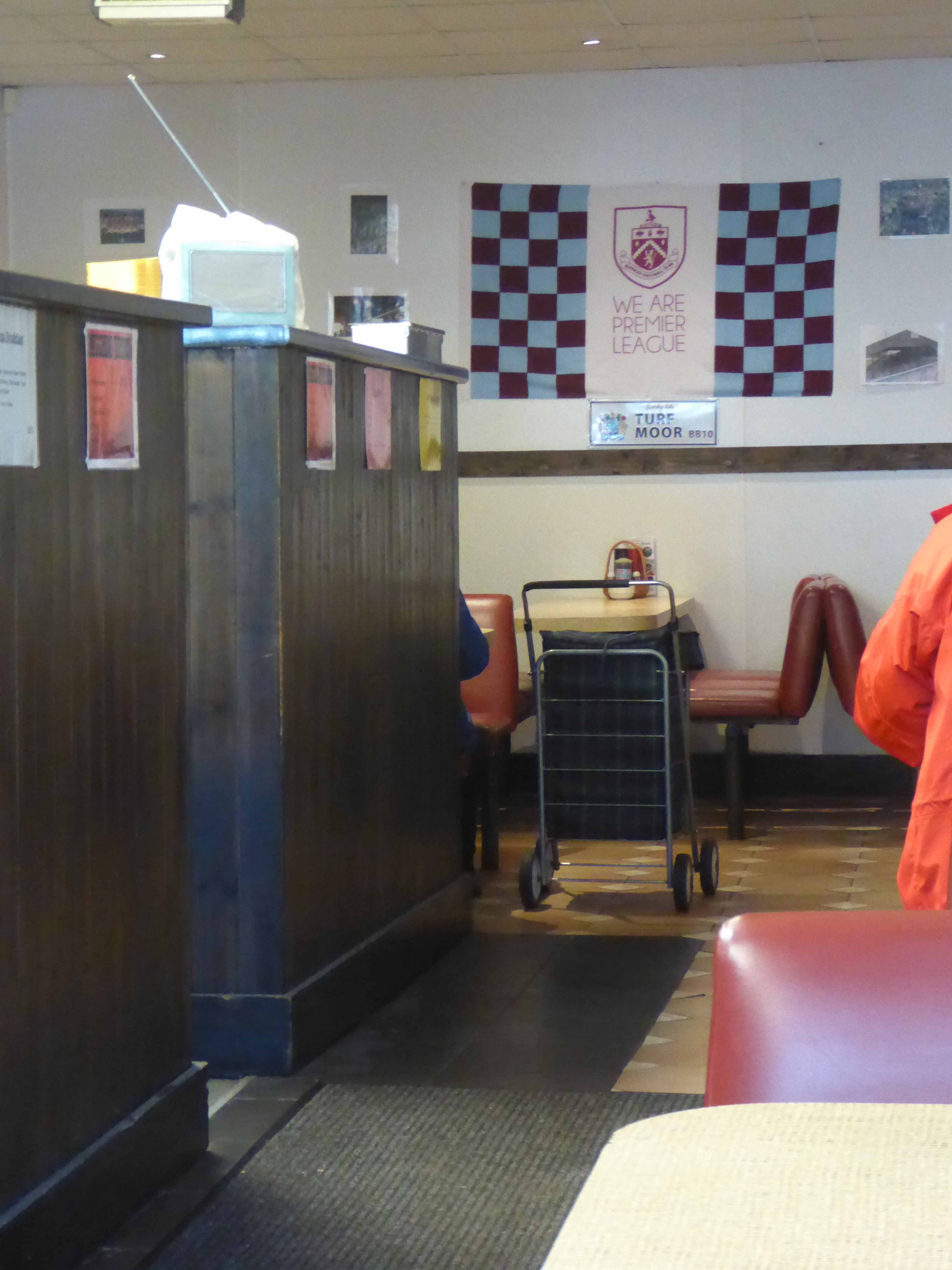
£4.40 all in – service with a smile, in cosy, comfortable, traditional café surroundings.

I’ll be back – go and treat y’self soon.

P1310376

P1310377

P1310392

P1310379

P1310381

P1310383

P1310385

P1310386

P1310393

P1310387

P1310388

P1310394

P1310390

P1310395

P1310396