Morecambe Walk

To begin at the beginning – to begin at the Telephone Exchange.

A plethora of surface textures and a purposely restrained palette, well suited to the architecture of infrastructure.

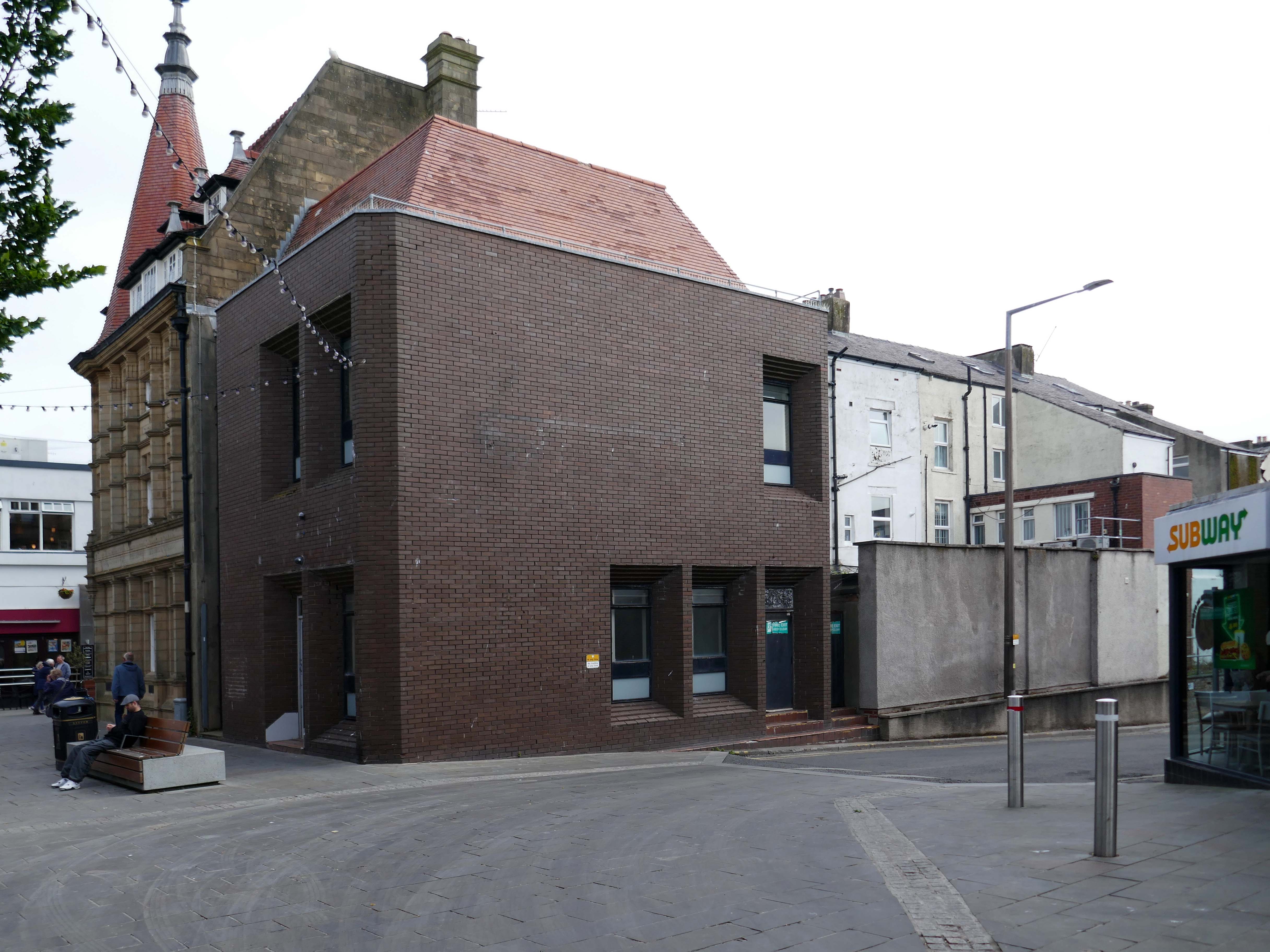
Around the corner the Royal Mail Sorting Office.

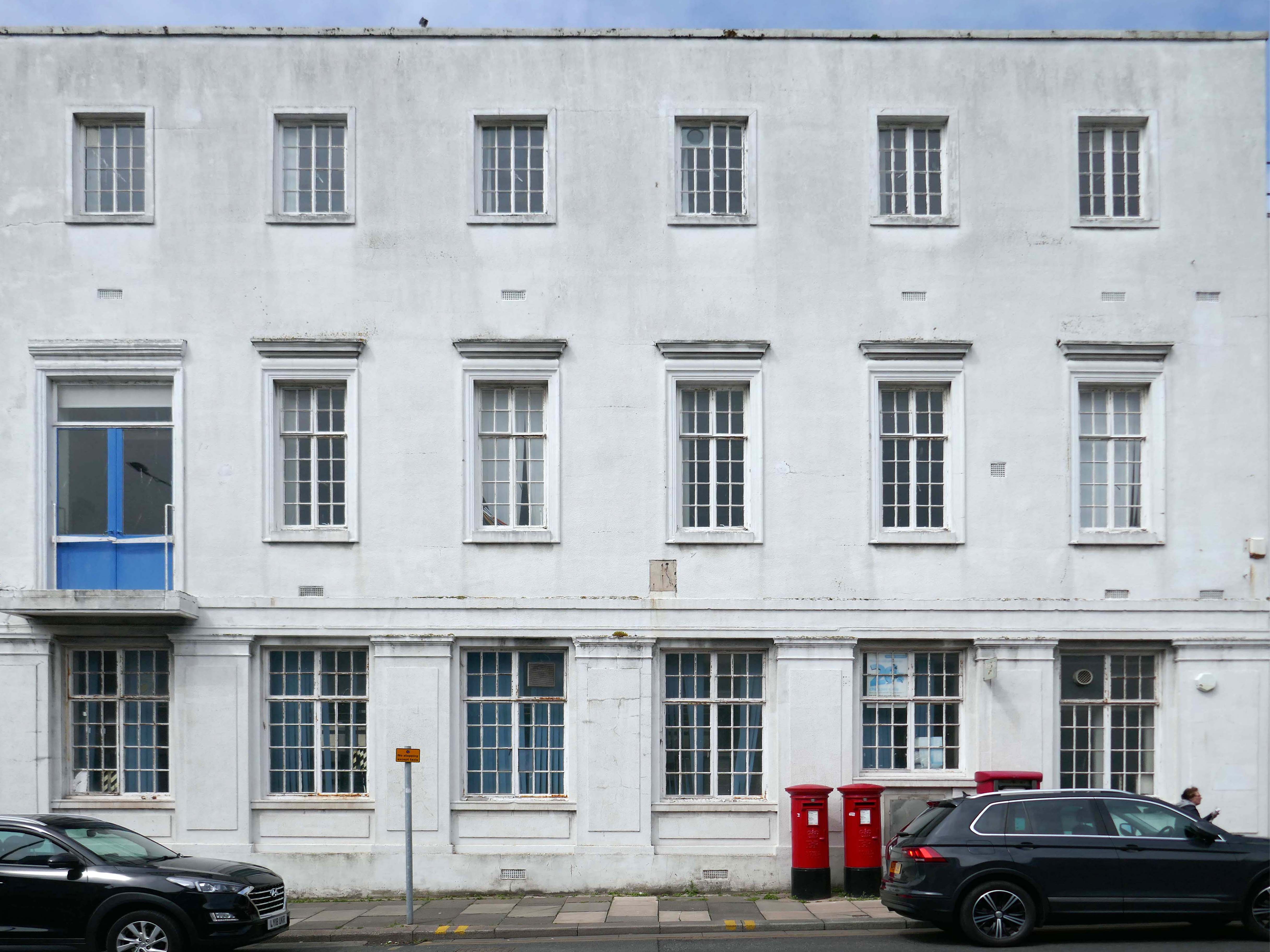
Next door the Telephone Exchange, drawings of the building are dated around 1937 and are simply signed by the Ministry of Works, Preston.
Across the way this former Barclays Bank with its 70s extension, originally a branch of the Kendal Bank, Bank of Liverpool and also Martins.

The building of 1900 is Grade II listed.
Onwards along Central Drive to the Library.

The work of County Architect Roger Booth and his team, opened in 1967.

With thanks to the Library Staff.

Seen here in its original form, before the alterations were made.

Image – Red Rose Collections

Off down to the former Odeon Cinema 1937 architects – W Calder Robson and Harry W Weedon

Like many of the original Odeon Theatres built by Oscar Deutsch, the site chosen was a little out of the main town centre – where land prices were cheaper, and the Odeon Morecambe is a good example of this. It is located at the corner of Euston Road and Thornton Road in this Lancashire seaside town. The Odeon was opened on 2nd September 1937 with Sandy Powell in “It’s a Grand Old World”. It had seating provided for 1,084 in the stalls and 476 in the circle.

Taken over by the Classic Cinemas chain in December 1967, it was re-named Classic Cinema, and was closed on 28th February 1976 with Kenneth Williams in “Carry On Behind”.

The stunning Moderne style exterior much of which including the projectionists walkway is now much deteriorated.

Cinema Treasures

Next to the Police Station another Roger Booth building – recently seen on the small screen in The Bay.

Backtracking to take in the Crescent Café entrance.

Which became Hart’s Restaurant now trading as the Black Thai.

Into the town centre to look at the former Centenary House Co-op 1927.

Bought by the city council as part of the West-End Masterplan, the intention is to refurbish the building’s upper floors to provide affordable housing and accommodation for local arts businesses, retaining the Co-op late shop that occupies one-half of the ground floor.

Let’s take a look along the front – where we find a former Woolworths.

Along with other stores from the same period.

Alongside sits the former Littlewoods.

By 1939 there were 24 stores. A number of these were purpose-built for Littlewoods to designs by J S Quilter & Son. John Salmon Quilter – 1841-1907 was, in fact, long dead, but his architectural practice had been continued by his son Cecil Molyneux Quilter – 1879-1951. Quilter specialised in commercial architecture, notably public houses. He designed a new Blackpool store for Littlewoods, on the corner of Church Street and Corporation Street, which was faced in Empire stone. He also designed a store in Chester, and may have been responsible for the one in Morecambe. This faience-clad art deco building is the best surviving example of a pre-war Littlewoods store – indeed, it may be the best surviving Littlewoods of all time – even preserving diamond L motifs on the entrance lobby floors. These clearly copied Woolworth’s diamond W.

Building our past

Next to Brucianni’s, a gem of a coastal café and ice cream parlour – Grade II listed.

Finally to the Midland Hotel 1932-3 by Oliver Hill

Concrete and rendered brickwork, painted white. Curved plan, with convex side facing west towards the sea. Three storeys. Windows are steel-framed casements with rendered surrounds. Above each storey are projecting horizontal bands. The entrance front has a rounded left-hand corner, and a convex central staircase projection rising above roof level. This projection has a tall window of steel casements above the doorway, divided into three by mullions, both of which are capped by sea horses, painted red, which were carved by Eric Gill. Projecting at the right is a single-storey cafe of circular plan, now known as the Ravilious Restaurant. The west side has a single-storey projecting sun lounge, which is an addition, its windows replaced in PVC-coated steel. Between the solid centre and ends of the facade the 1st and 2nd floors have their walls recessed to form balconies.

Interior: above the cantilevered circular open-well staircase is a ceiling panel carved in low relief by Eric Gill and painted by Denis Tegetmeier. They were also responsible for the pictorial map of north-west England in what was originally the children’s room at the south end of the building. Also in this room is Eric Gill’s Portland stone panel, originally in the lounge, carved in low relief with a representation of Odysseus and Nausicaa. It was moved to its present position when internal walls were demolished during the 1970s. The cafe walls were originally painted with frescoes by Eric Ravilious, representing morning and evening in an idyllic seascape setting. These deteriorated rapidly because the plaster and paint used were incompatible and were obliterated within 2 years of completion, but were repainted in the late 1980s using photographic evidence.

Eric Gill

Tirzah Garwood and Eric Ravilious

Sadly we are no longer able to see the long gone Super Swimming Stadium.

Architect: Kenneth MB Cross and Cecil Sutton

The Super Swimming Stadium at Morecambe, Lancashire, was one of the grandest of the 1930s modernist seaside lidos. This massive structure measuring 396ft. by 110ft. was said to be the largest outdoor pool in Europe when it opened in 1936, accommodating some 1200 bathers and 3000 spectators. Unusually for an inter-war lido, it was designed not in-house by a Borough Engineer but by two architects, Kenneth MB Cross and Cecil Sutton, who styled it to harmonise with the Streamline Moderne of Oliver Hill’s adjacent Midland Hotel.

The stadium was closed down in 1975 on grounds of structural problems and demolished just a year later.
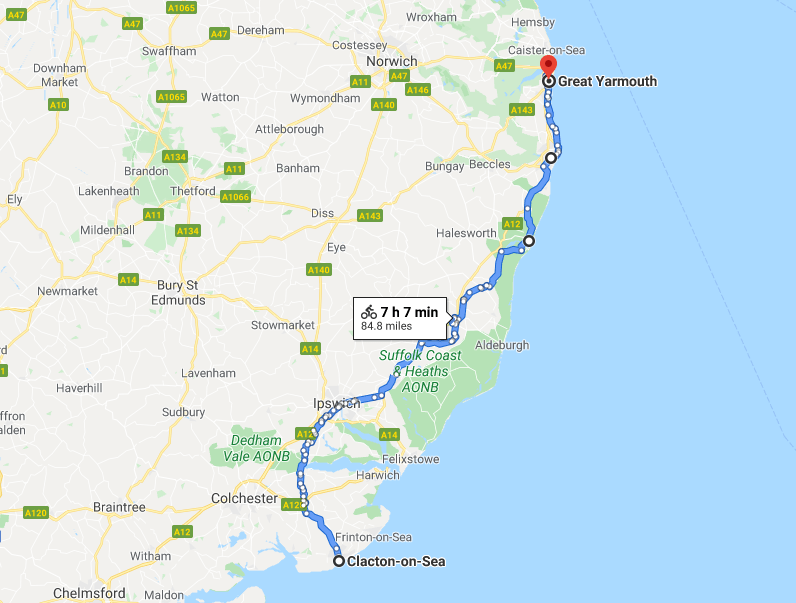
Clacton to Great Yarmouth

Day four Thursday 4th September 2014 – leaving Clacton on Sea for Frinton on Sea is the equivalent of crossing continents, time zones, aesthetic and social sensibilities.

Leaving the razzle-dazzle, frantic fish and chip frazzle, for the sedate repose of germ free Frinton.

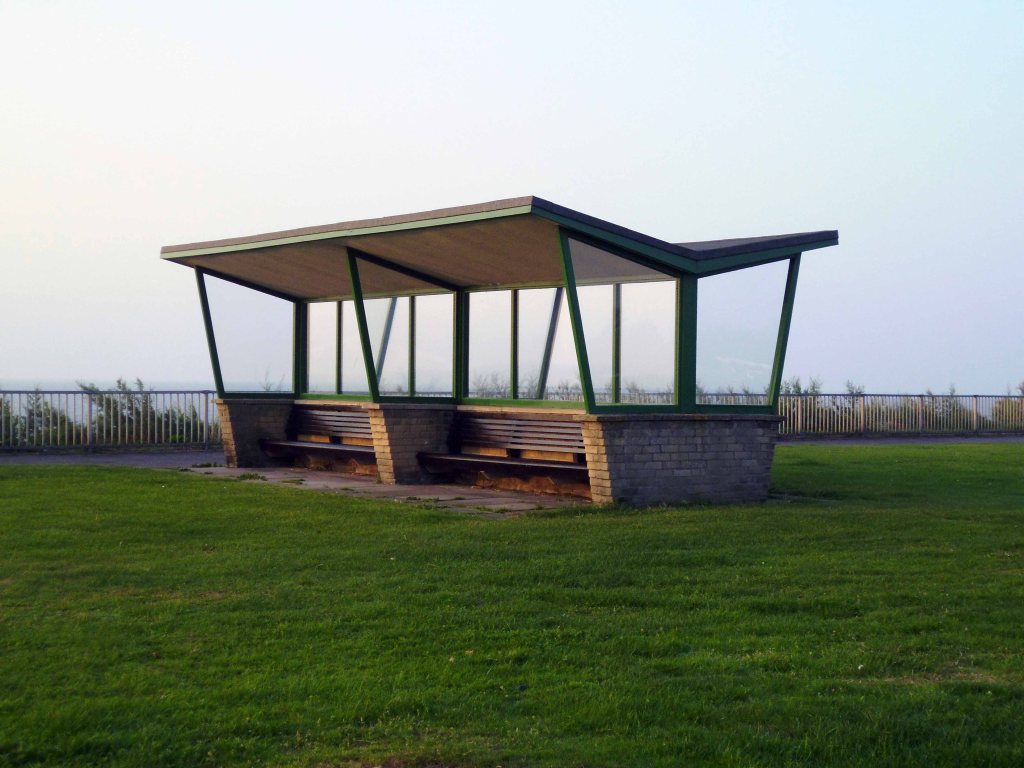
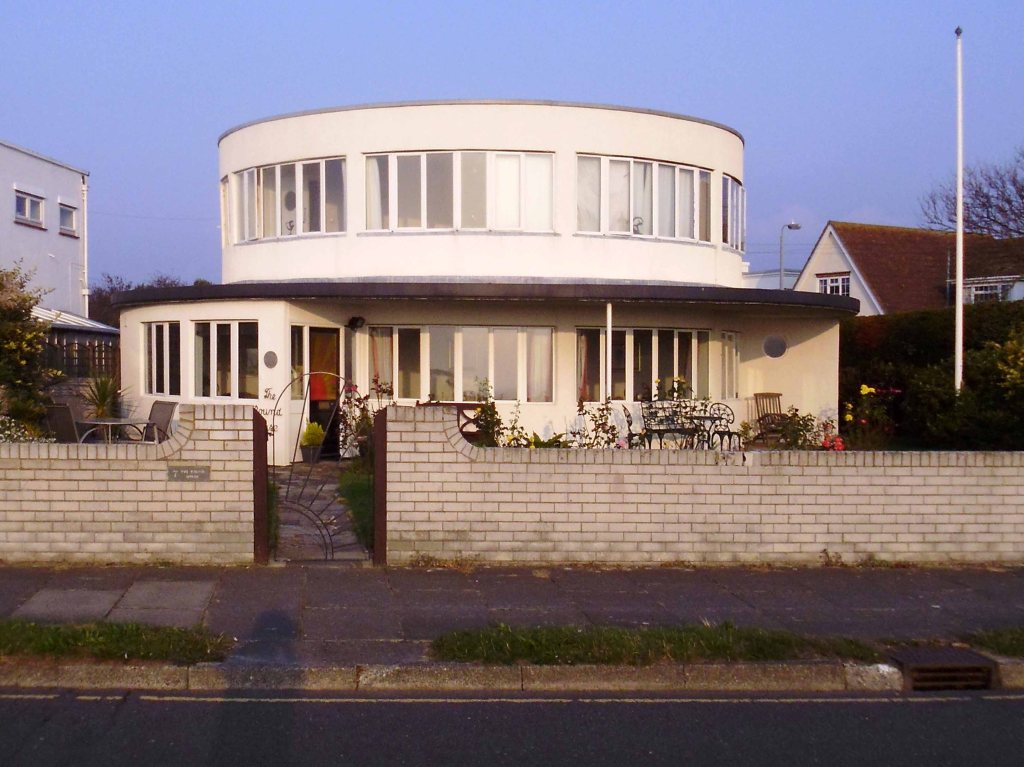
Green sward and restrained modernist shelters adorn the foreshore.

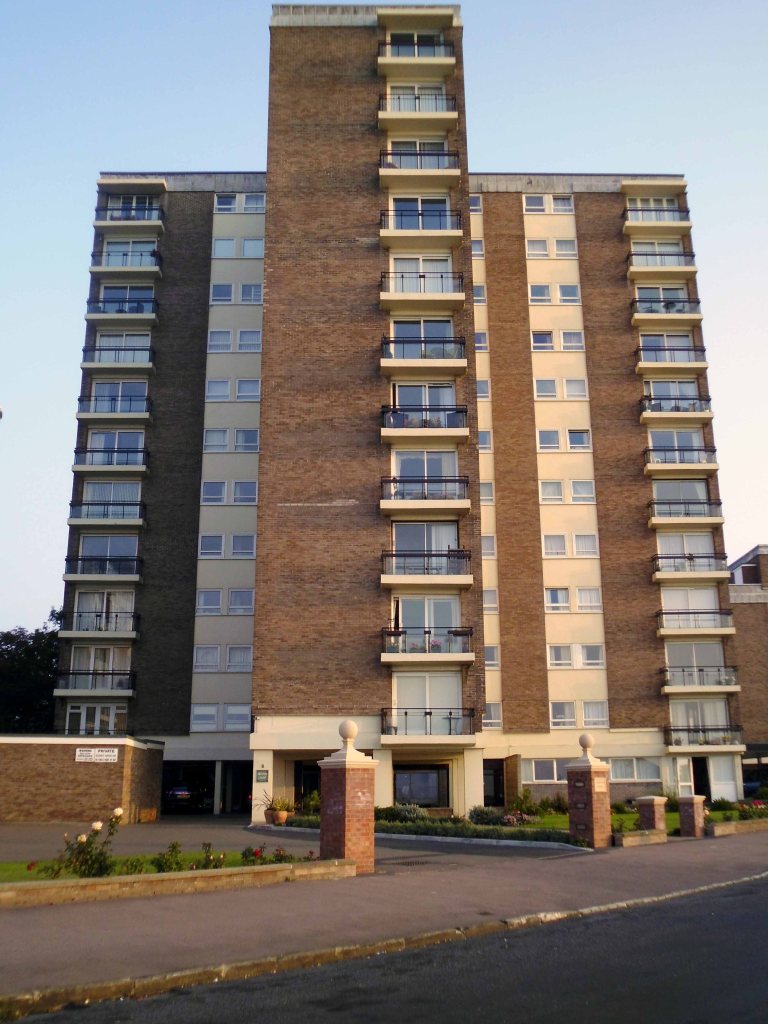
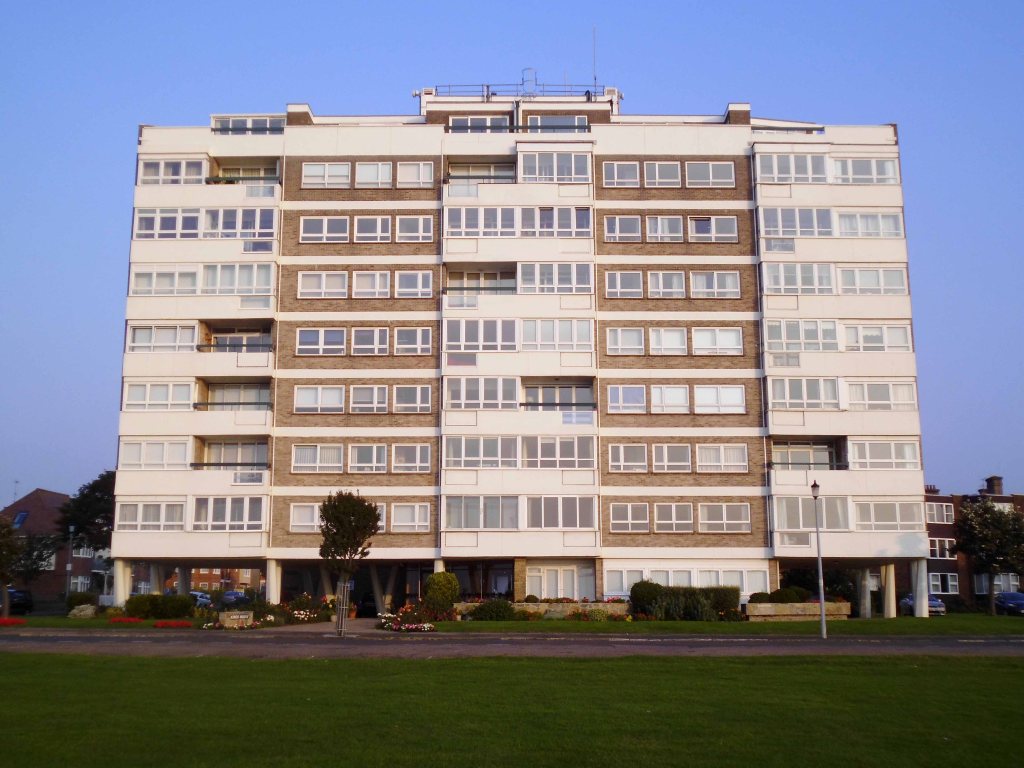
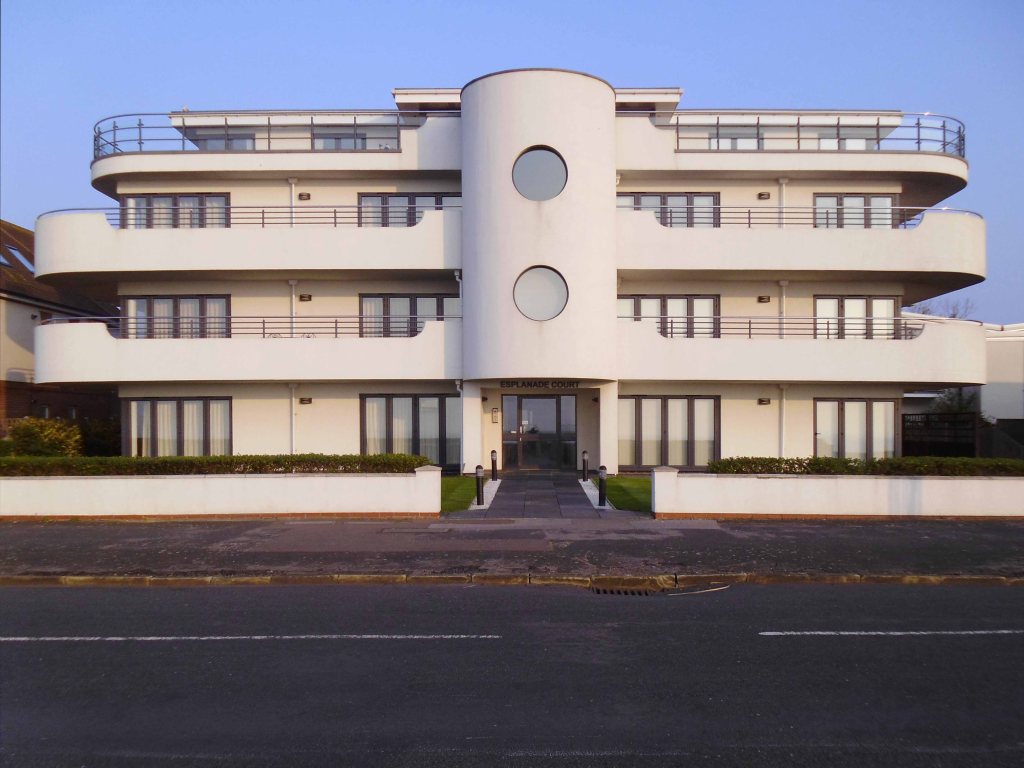
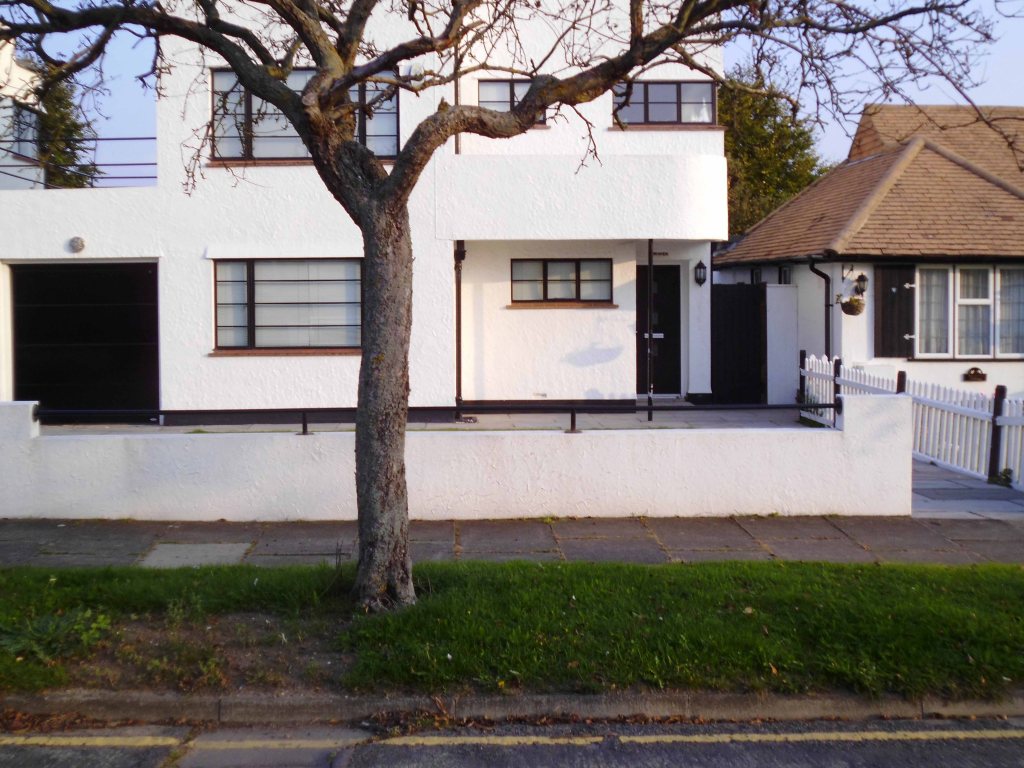
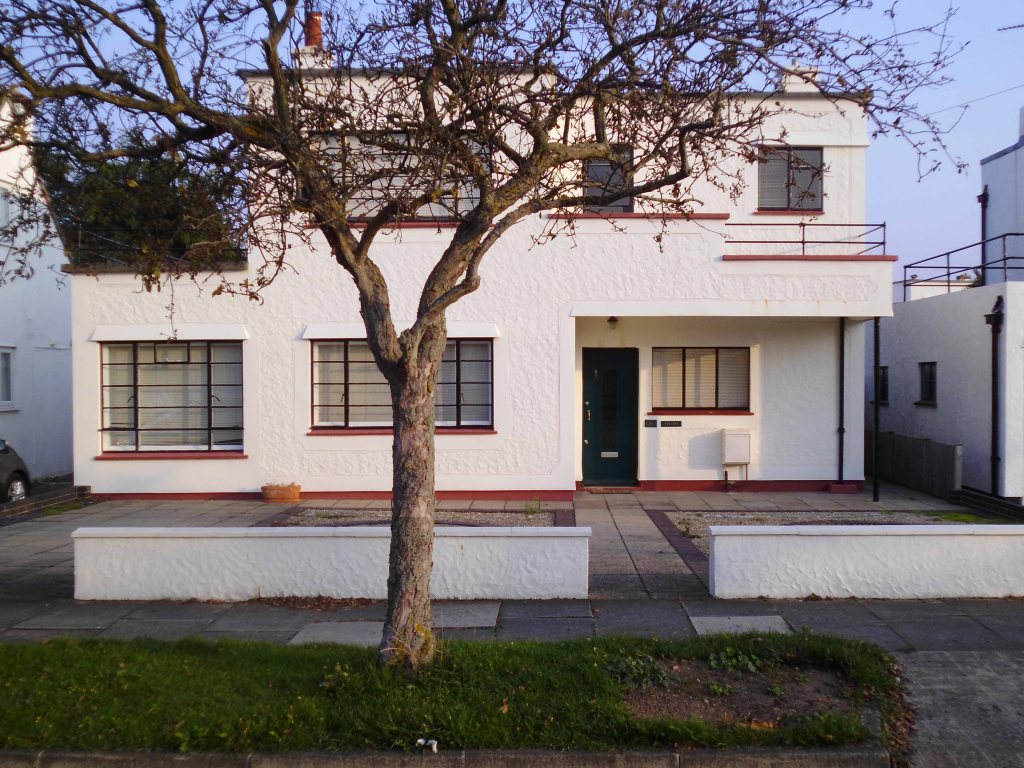
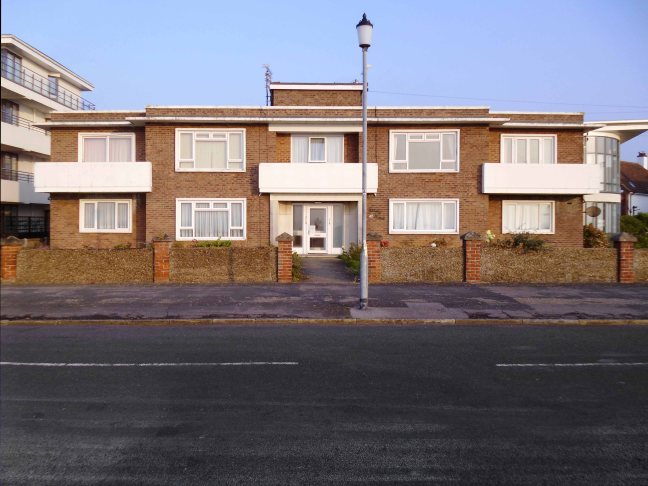
I love the bold optimism of Maritime Moderne – the bright eyed, forward looking window grid of these fine flats.

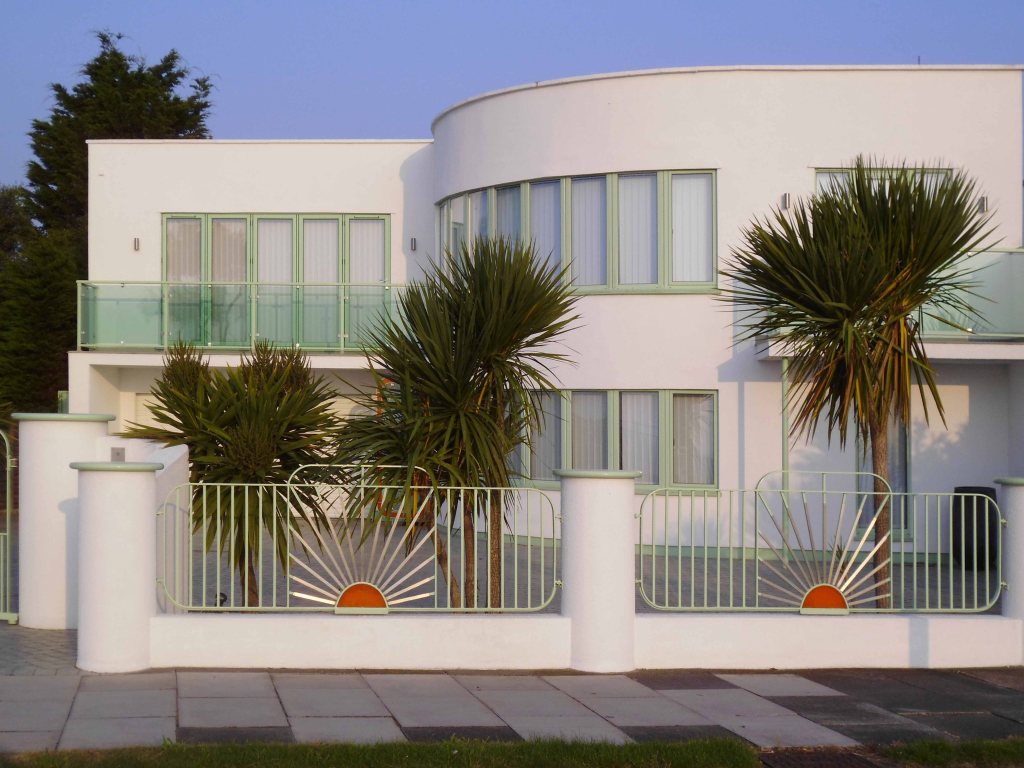
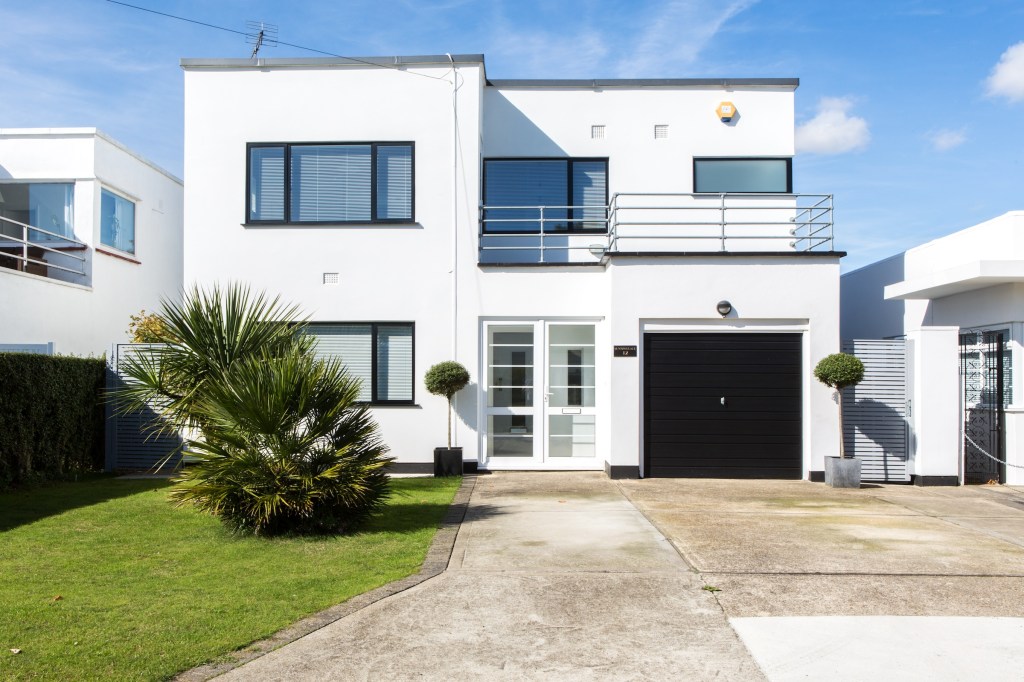
I have a cautious admiration for the faux Deco newcomers.

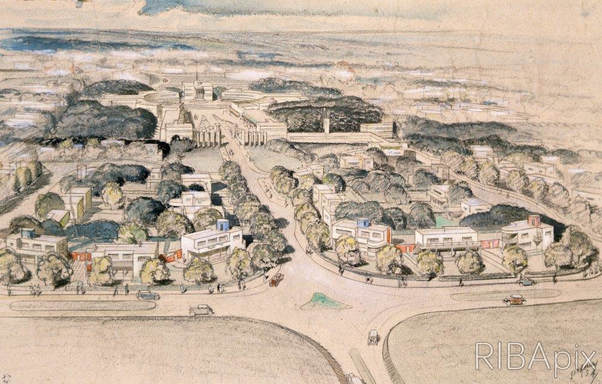
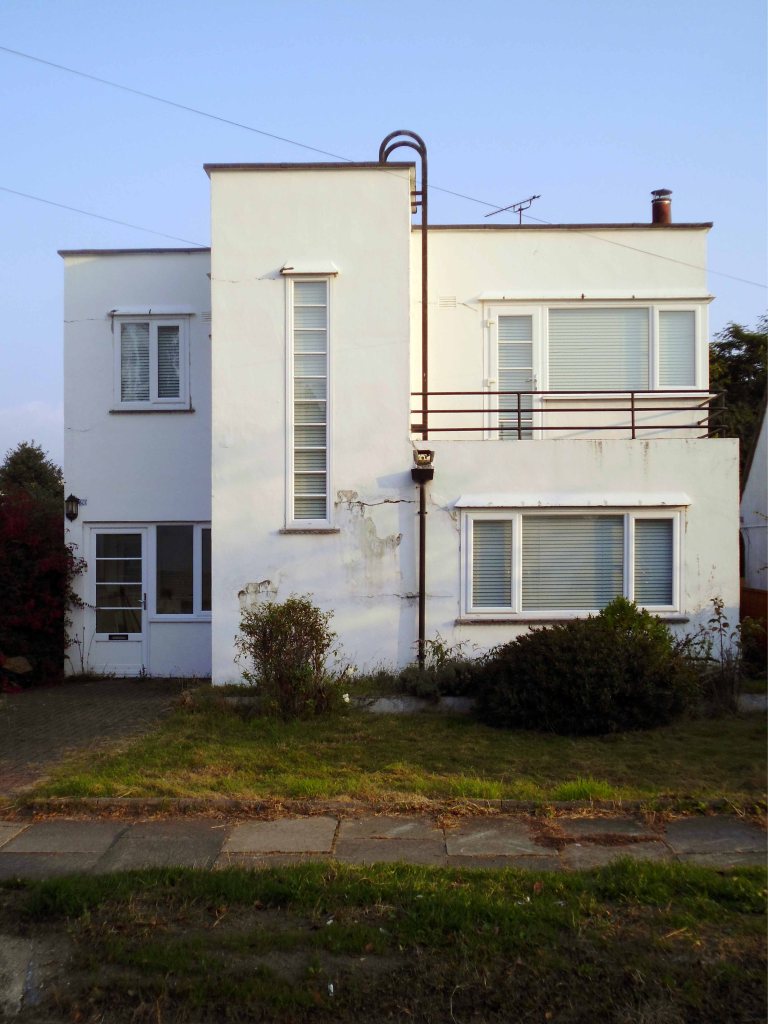
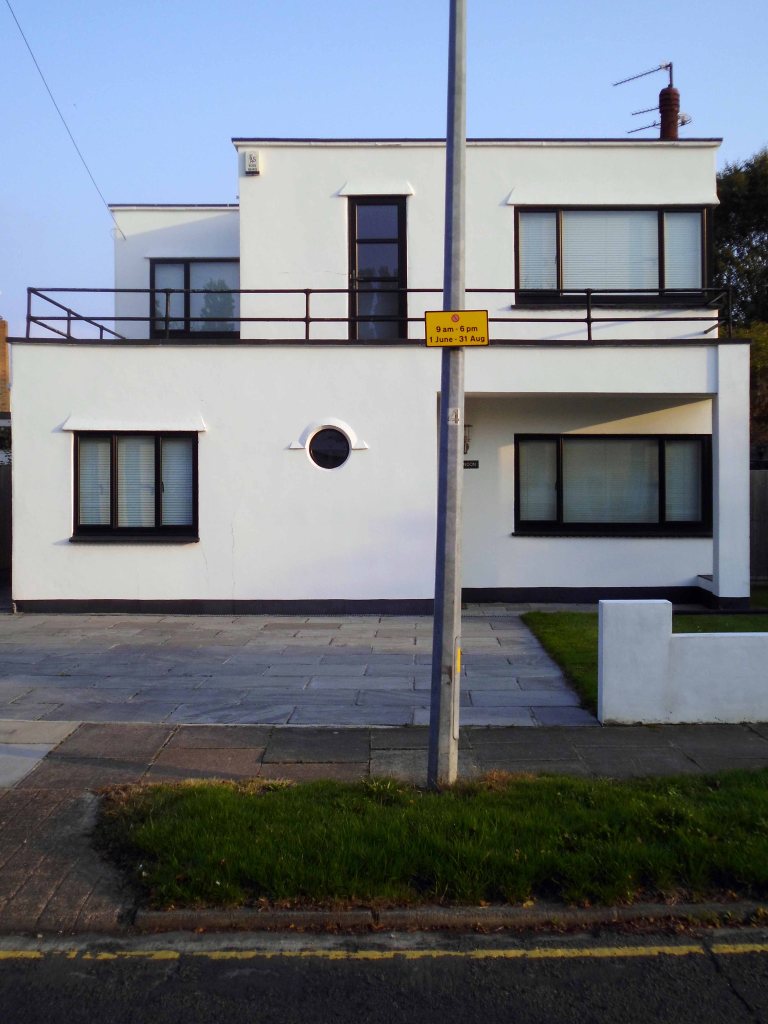
The modernist estate was attempted many times in the interwar years; visions of rows of fashionable white walled, flat roofed houses filled developers eyes. In practice the idea was less popular with potential house buyers. In the Metro-Land suburbs of London, estates were attempted in Ruislip and Stanmore, with a dozen houses at most being built. One estate that produced more modernist houses than most, albeit less than planned, was the Frinton Park estate at Frinton-on-Sea on the Essex coast.

Oliver Hill was known for his house designs, which spanned styles from Arts and Crafts to Modernist. Hill was to draw up a plan for 1100 homes, as well as a shopping centre, luxury hotel and offices. The plan was for prospective buyers to buy a plot and then engage architects to design their new house from a list of designers drawn up by Hill. The list featured some of the best modernist architects working in Britain at the time; Maxwell FryWells Coates, F.R.S. Yorke and Connell, Ward & Lucas.

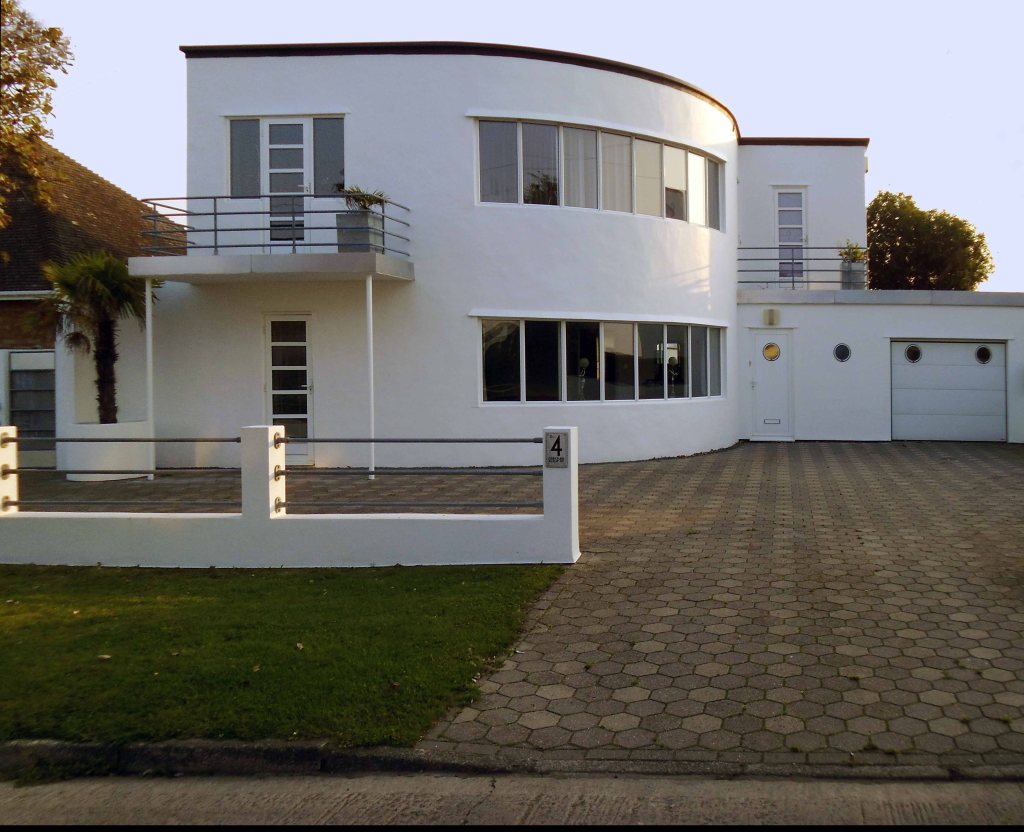
As wonderful as this sounds today, the buying public of 1935 did not quite agree. The majority of potential buyers were apparently put off by the Estates insistence on flat roofs and modernist designs. Plan B was to build a number of show homes to seduce the public into buying the modernist dream. Of 50 planned show homes, around 25 were built, with about 15 more houses built to order. The majority of these were designed by J.T. Shelton, the estates resident architect, with a number designed by other architects like Hill, Frederick Etchells, RA Duncan and Marshall Sisson.
Modernism in Metroland

One million four hundred thousand pounds later

Nine hundred and fifty thousand pounds

These survivors are now much sought after residences.

The Modern House

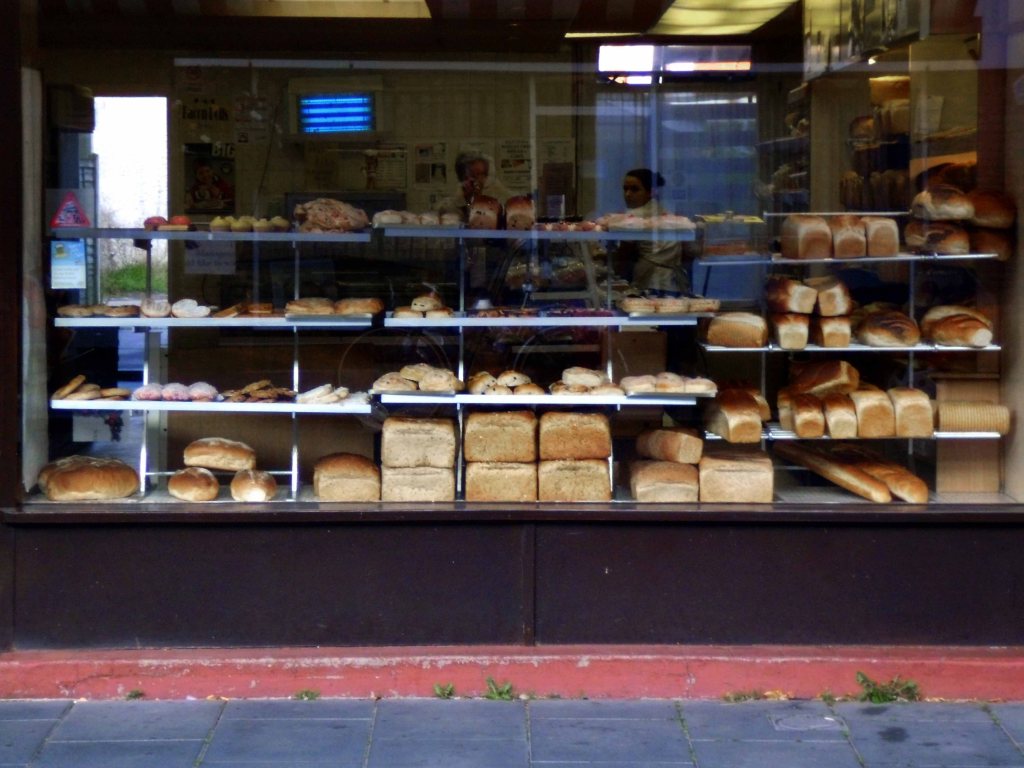
The town is also home to this traditional confectioners – Lilley’s Bakery.

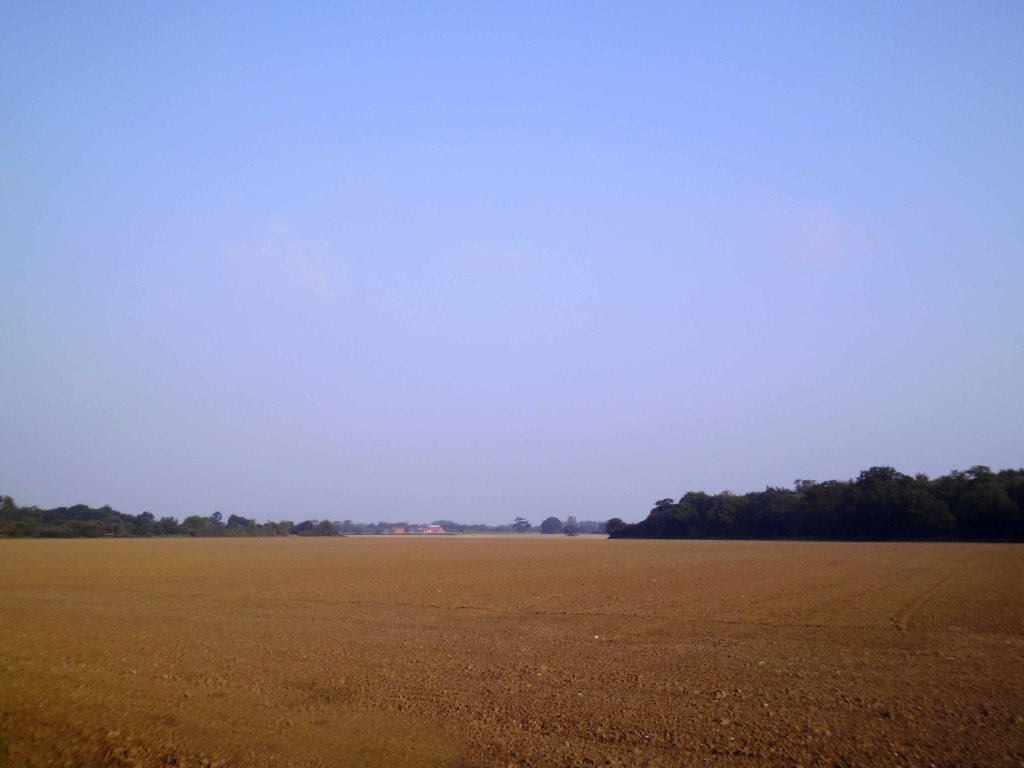
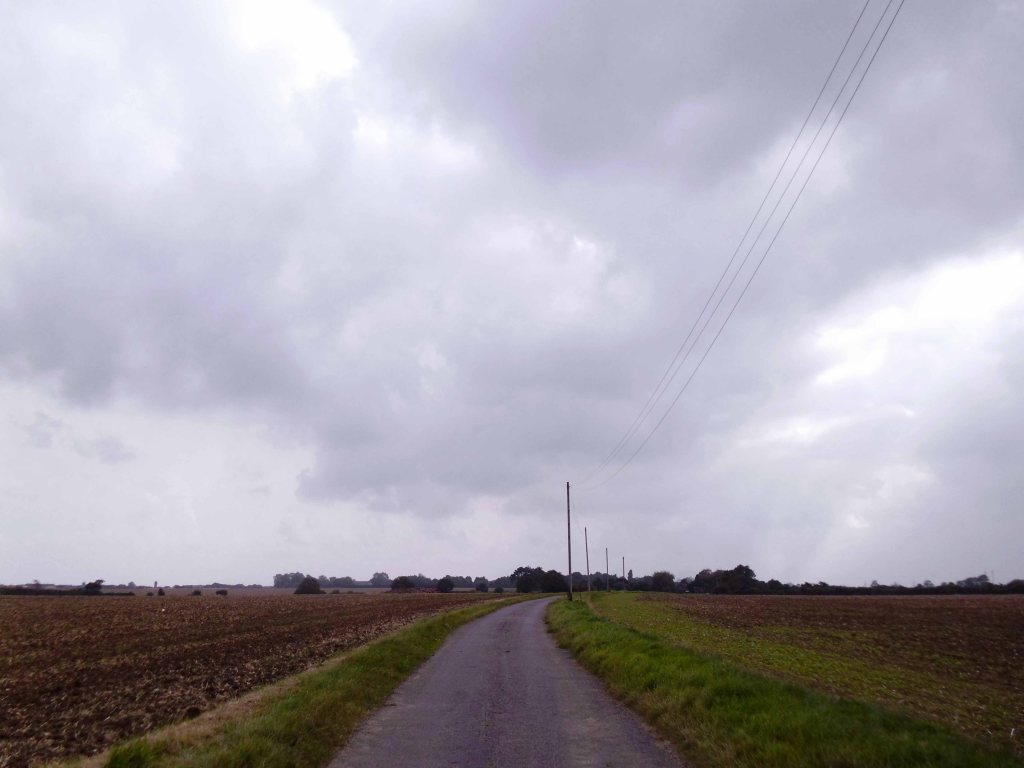
Leaving the coast for pastures new – well, a ploughed field actually.

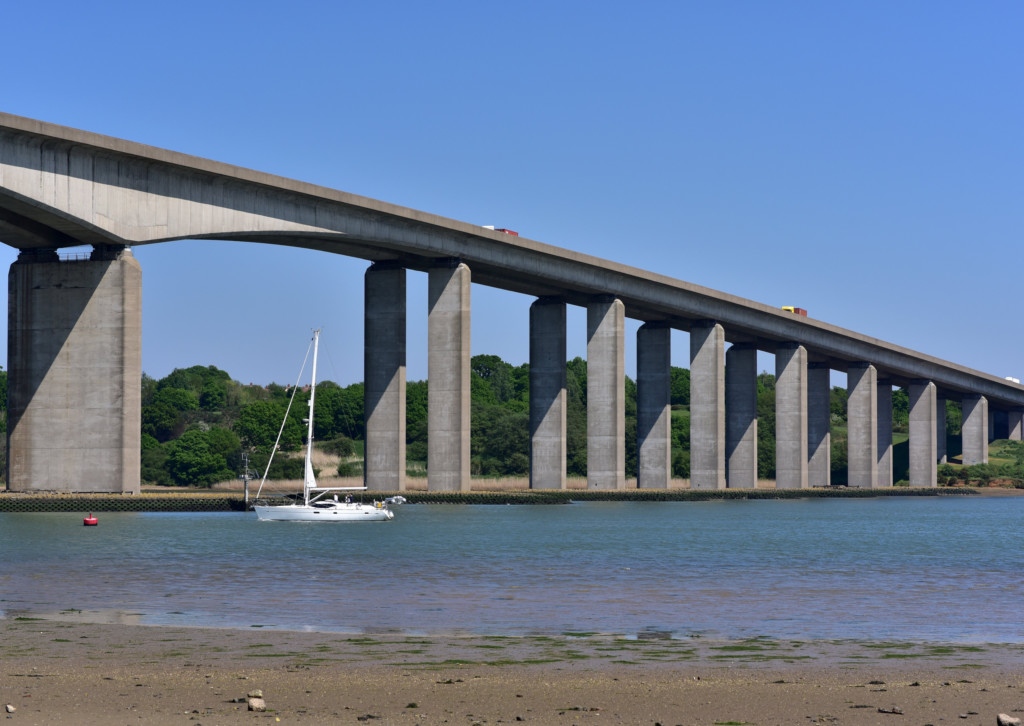
Crossing the River Orwell over the Orwell Bridge on my way to Ipswich.

The main span is 190 metres which, at the time of its construction, was the longest pre-stressed concrete span in use in the UK. The two spans adjacent to the main span are 106m, known as anchor spans. Most of the other spans are 59m. The total length is 1,287 metres from Wherstead to the site of the former Ipswich Airport. The width is 24 metres with an air draft of 43 metres; the bridge had to be at least 41 metres high. The approach roads were designed by CH Dobbie & Partners of Cardiff. 

The bridge is constructed of a pair of continuous concrete box girders with expansion joints that allow for expansion and contraction. The girders are hollow, allowing for easier inspection, as well as providing access for services, including telecom, power, and a 711mm water main from the nearby Alton Water reservoir.
The bridge appears in the 1987 Cold War drama The Fourth Protocol, in which two RAF helicopters are shown flying under it, and at the end of the 2013 film The Numbers Station.
Wikipedia

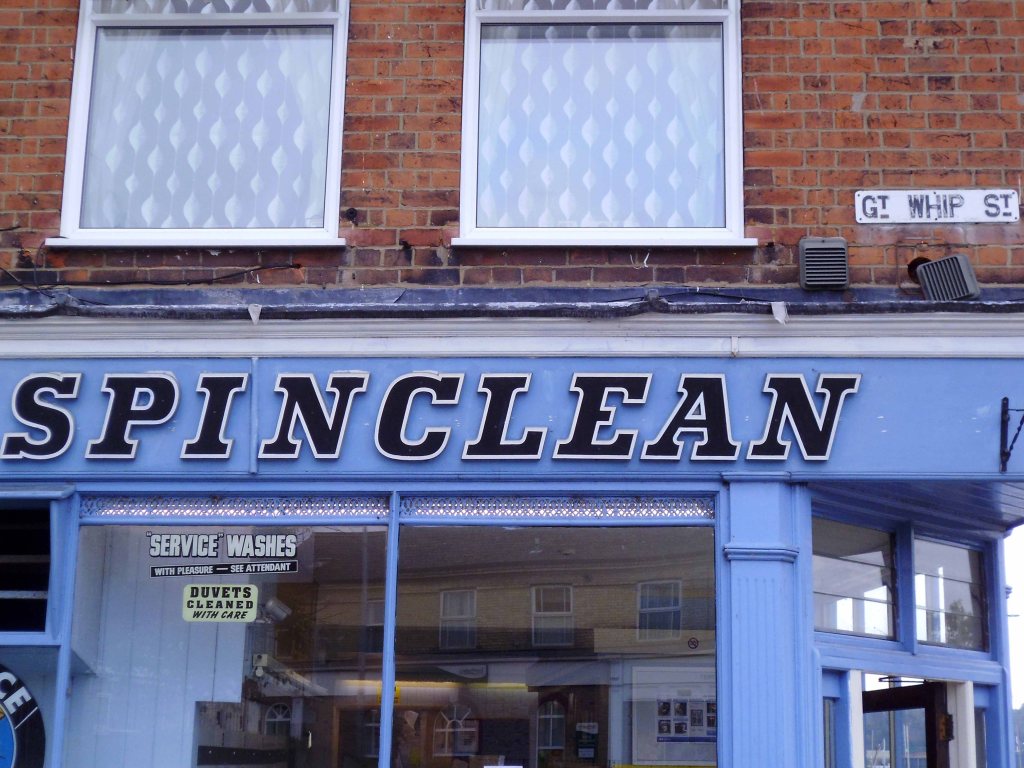
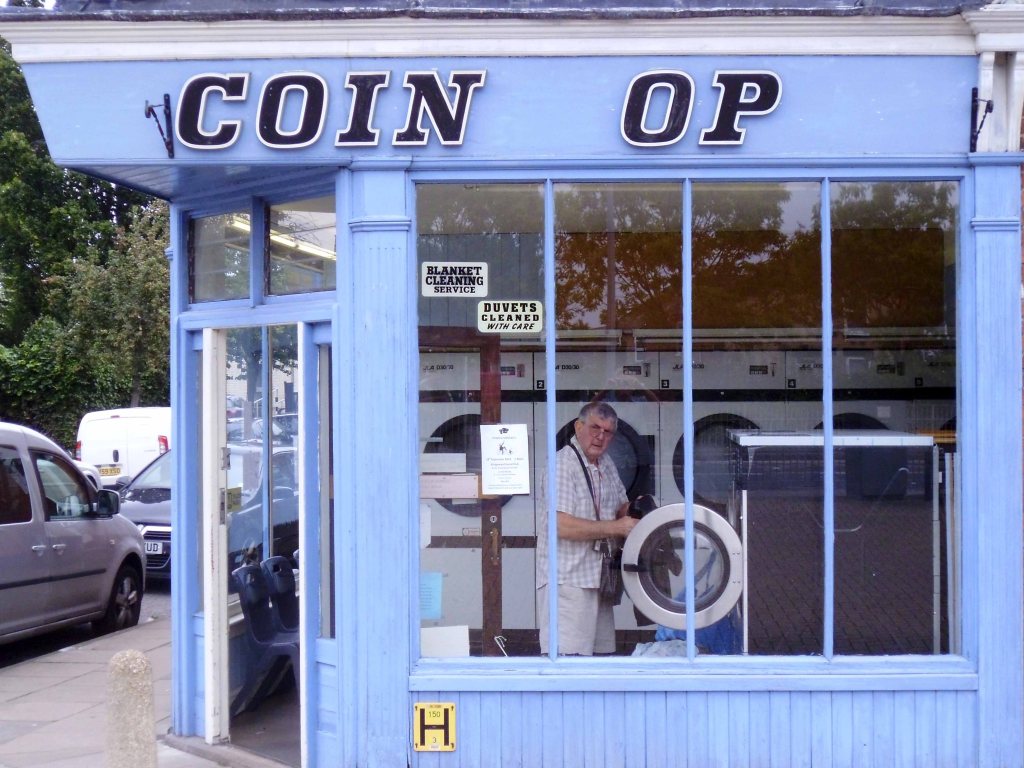
Time for a Stymie Bold Italic stop – much to the obvious consternation of an over cautious customer.

It seems to still be extant – but with a tasteful coat of subdued grey paint according to its Facebook page.

Having completed this journey in 2016, then reacquainting myself in 2020, I have little recollection of visiting Ipswich, but I did, yet there are no snaps.

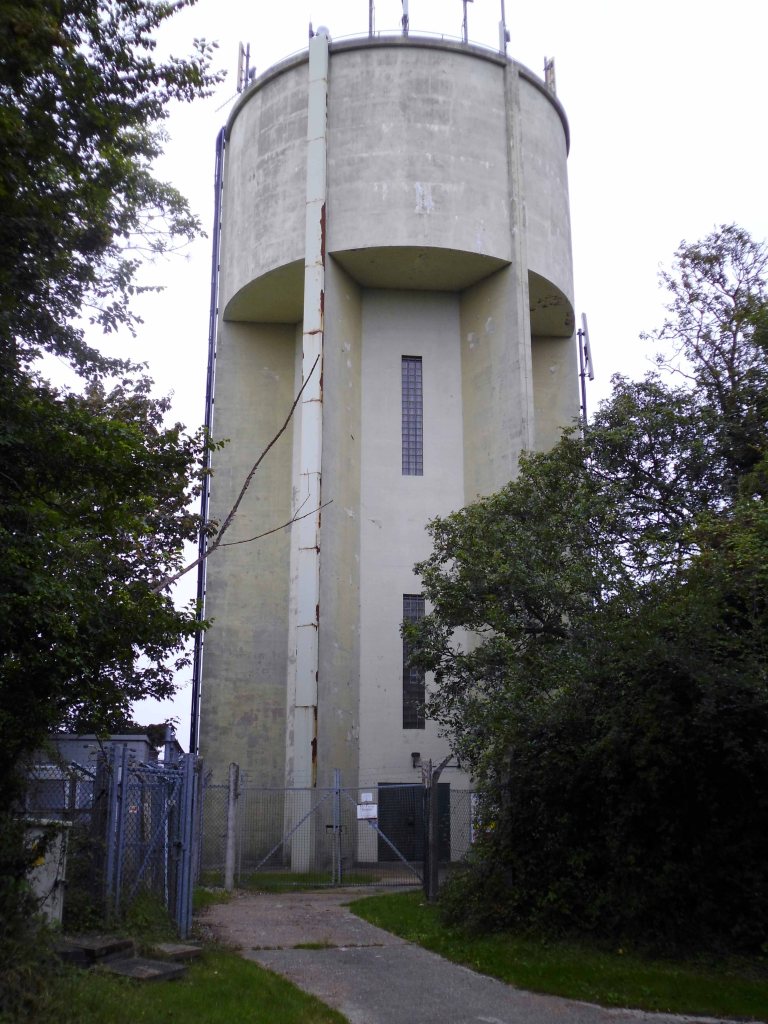
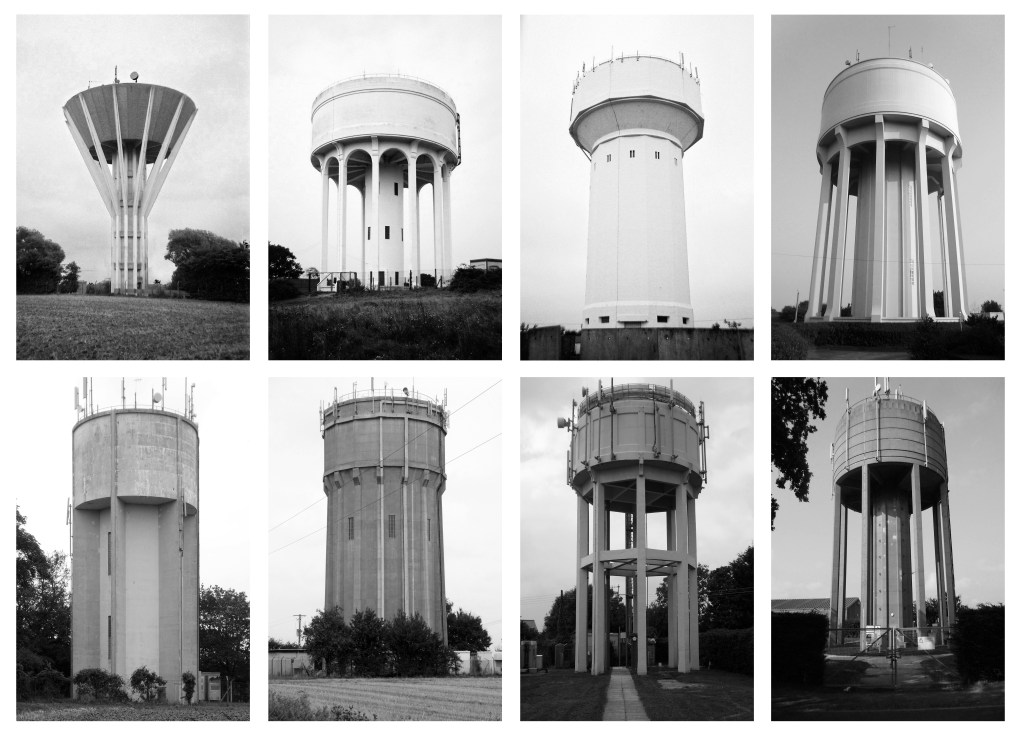
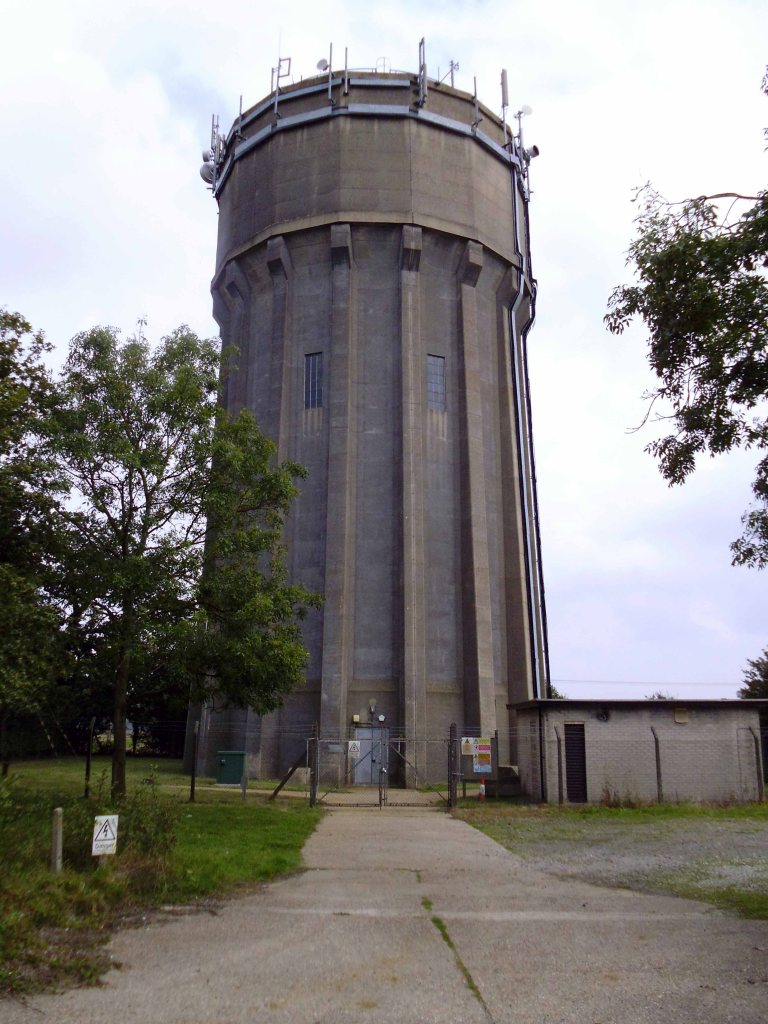
I photographed this and several other water towers, precisely where, I could not honestly say.

Suffice to say that it is somewhere – as is everything else.

An admiring nod to Bernd and Hilla Becher.

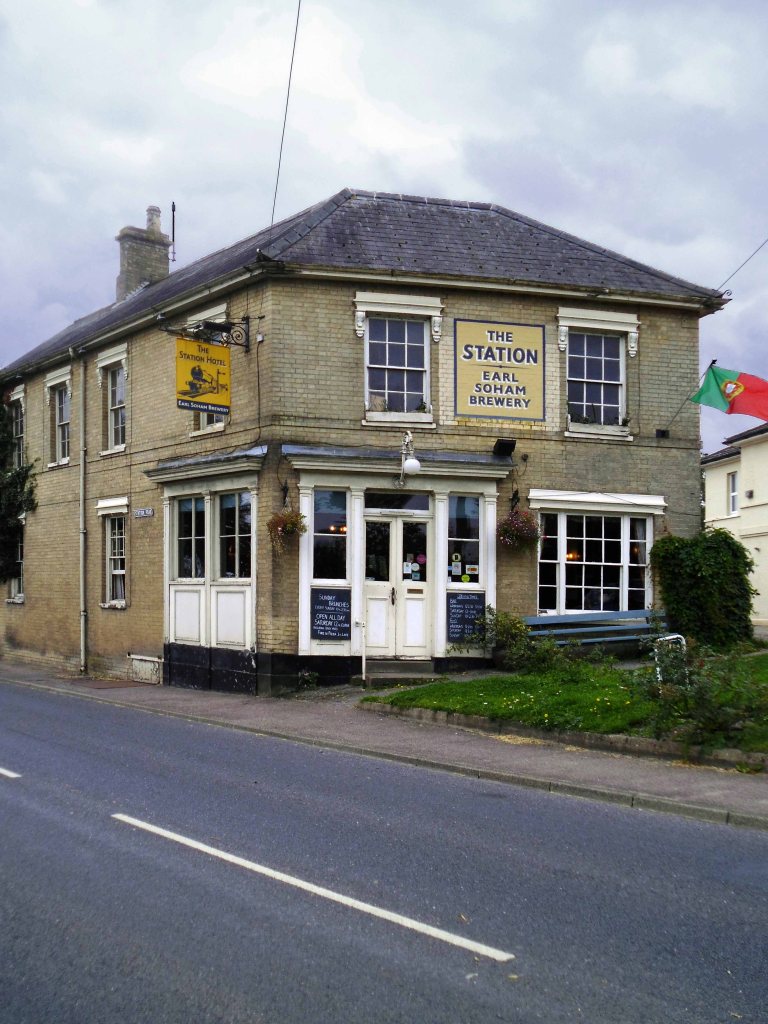
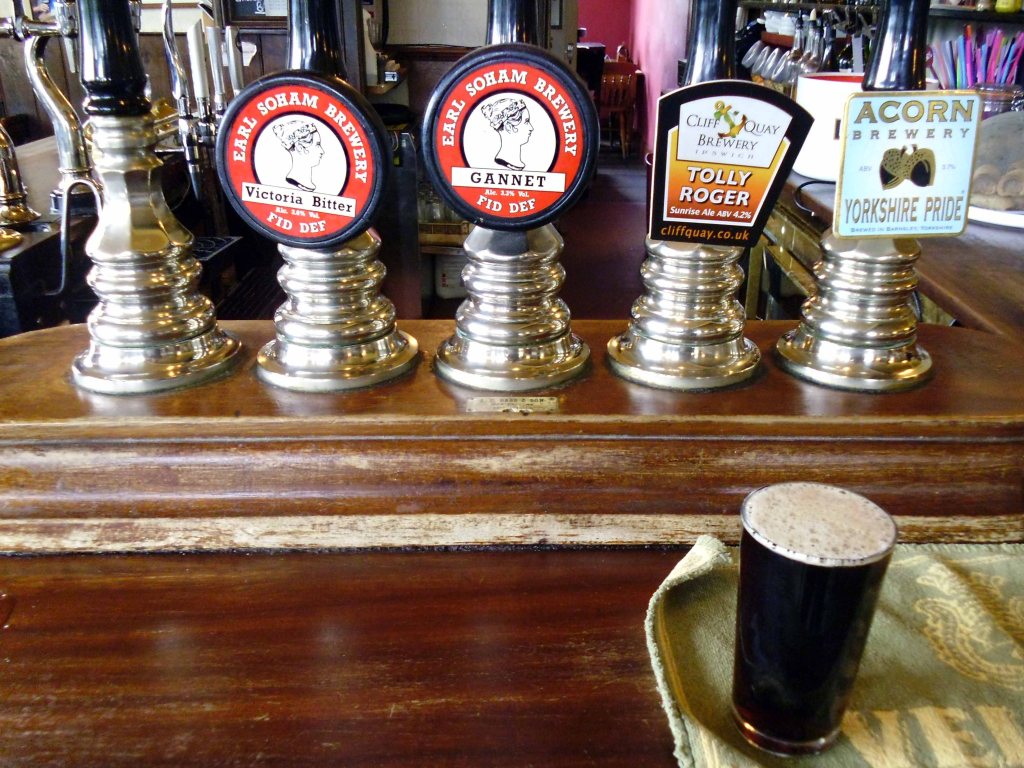
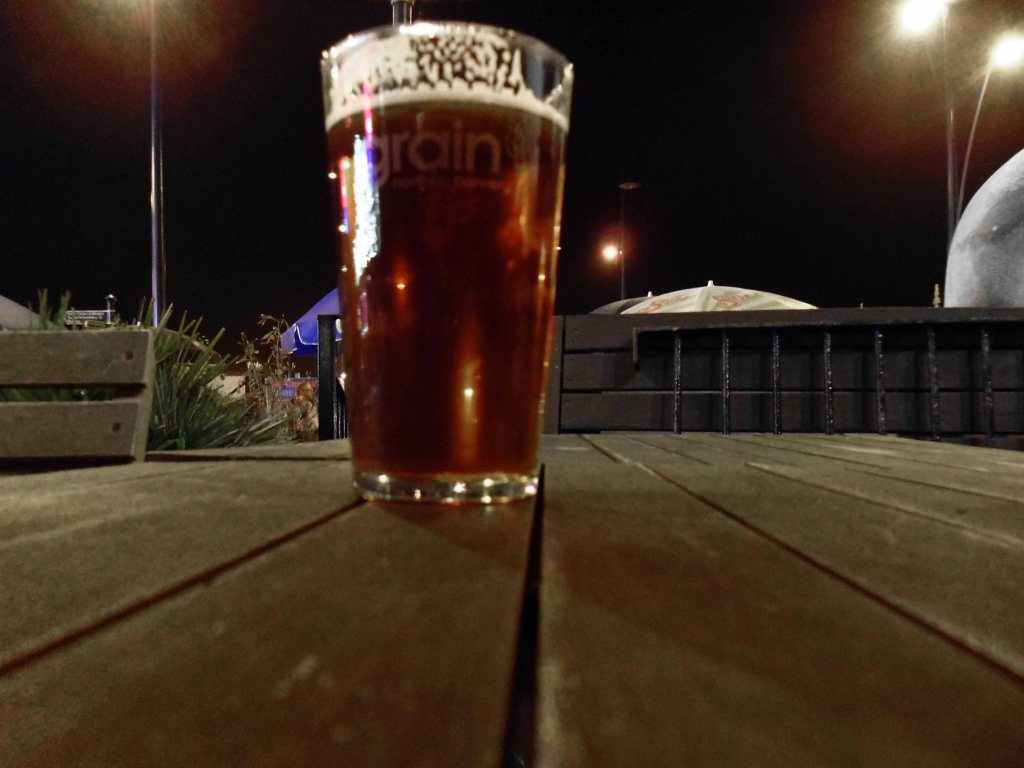
This the only time that I chose to have a glass of beer whilst awheel, normally waiting until the evening – I couldn’t resist this charming looking brew pub in Framlingham.

Earl Soham is a village close by, on the A1120. The Earl Soham Brewery beers started out in  life being brewed in local man Maurice’s old chicken shed. You may be pleased to hear they have a slightly more sophisticated set-up now, without forgetting their humble roots.

If you haven’t tasted them before, we think you’ll be as delighted with them as our regulars, and you can be guaranteed of a warm welcome if you come to try them out.

The Station

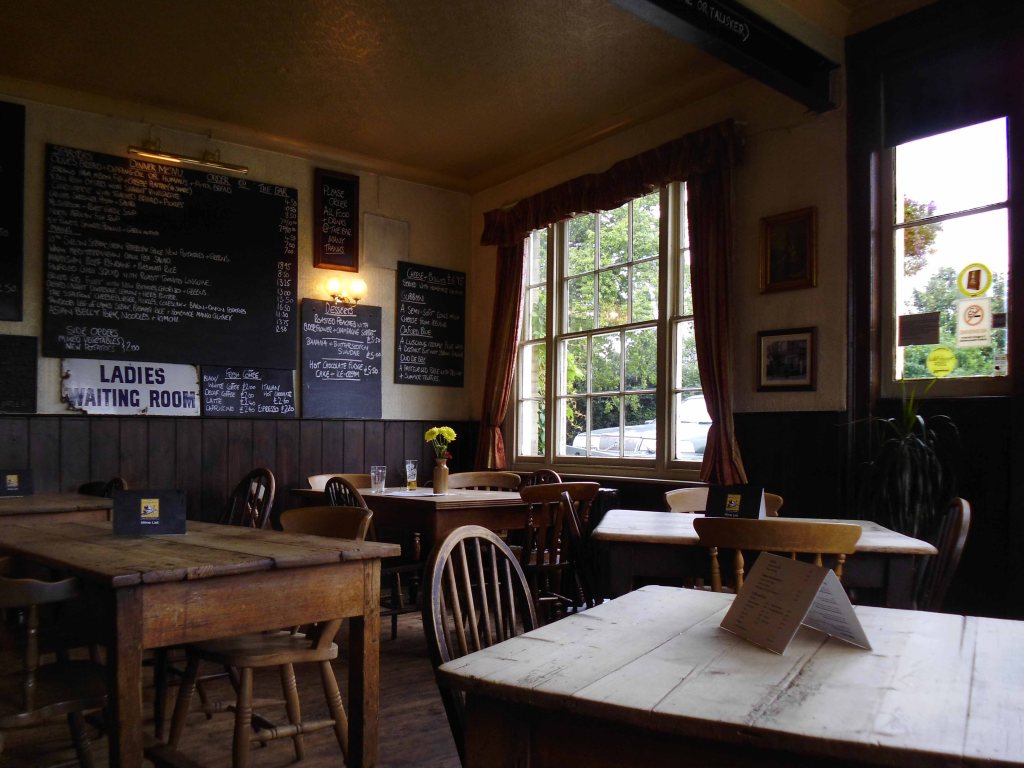
The sort of wayside boozer where I could have easily idled away an hour or two – hopefully I’ll pass by again some time and linger longer.

Another water tower – somewhere.

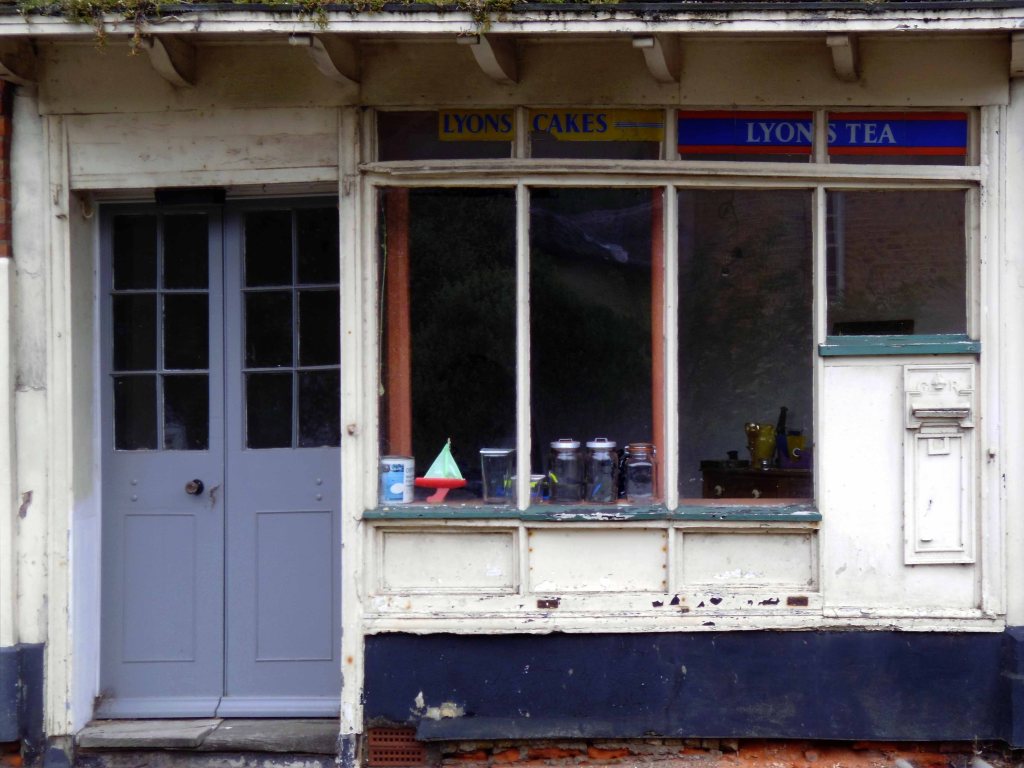
The most enchanting of shop fascias.

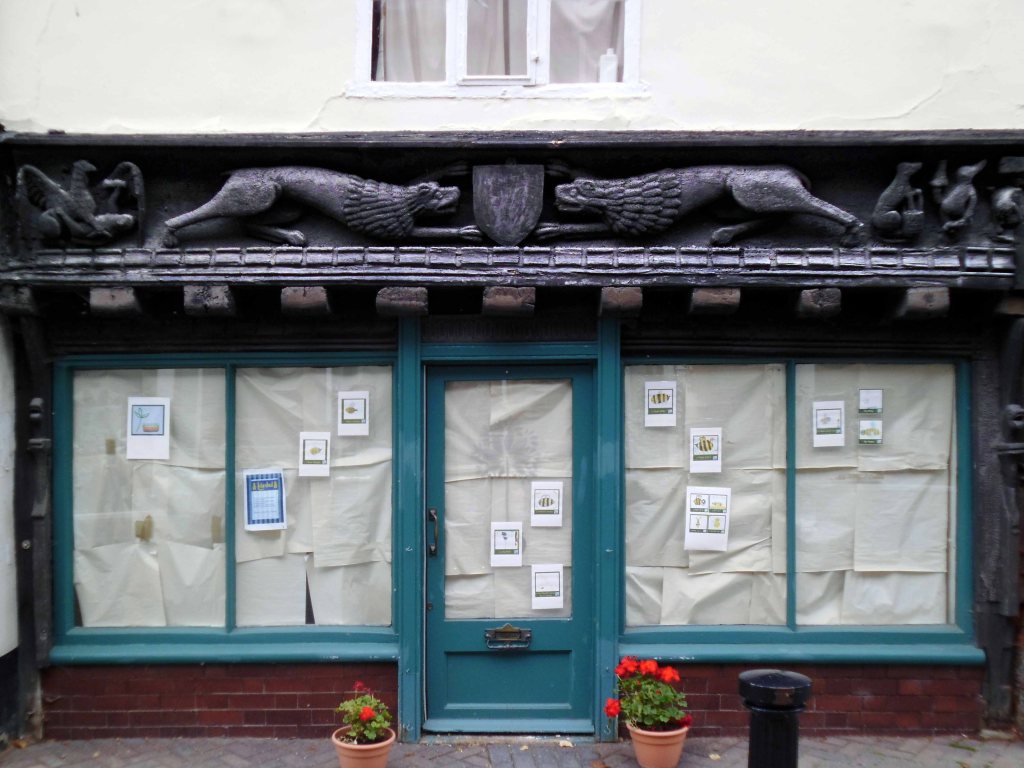
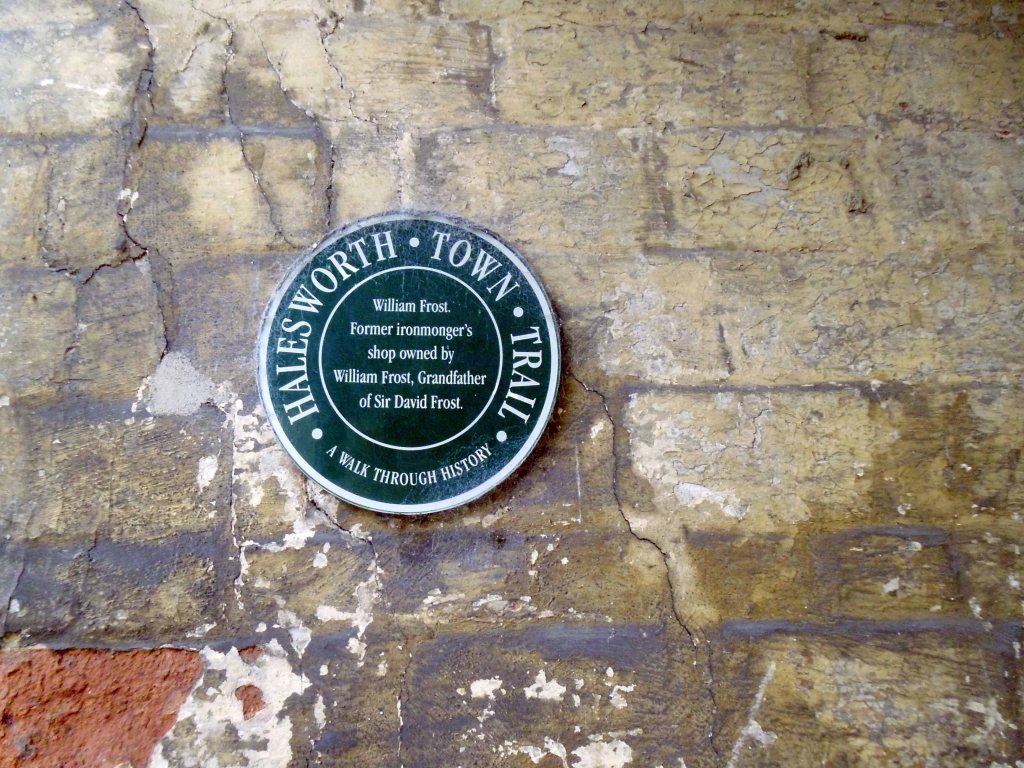
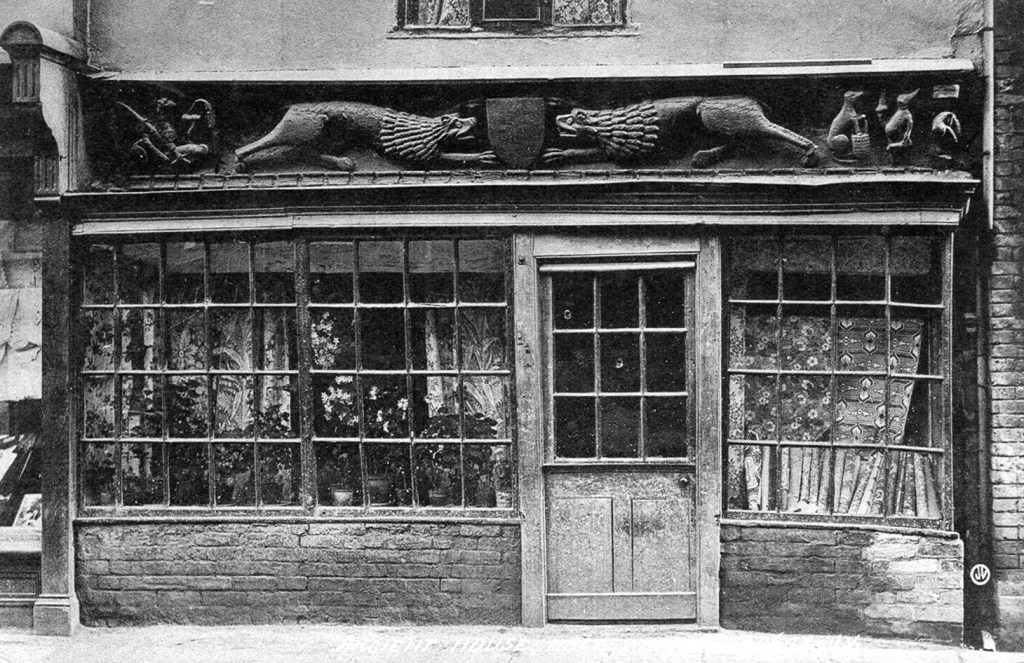
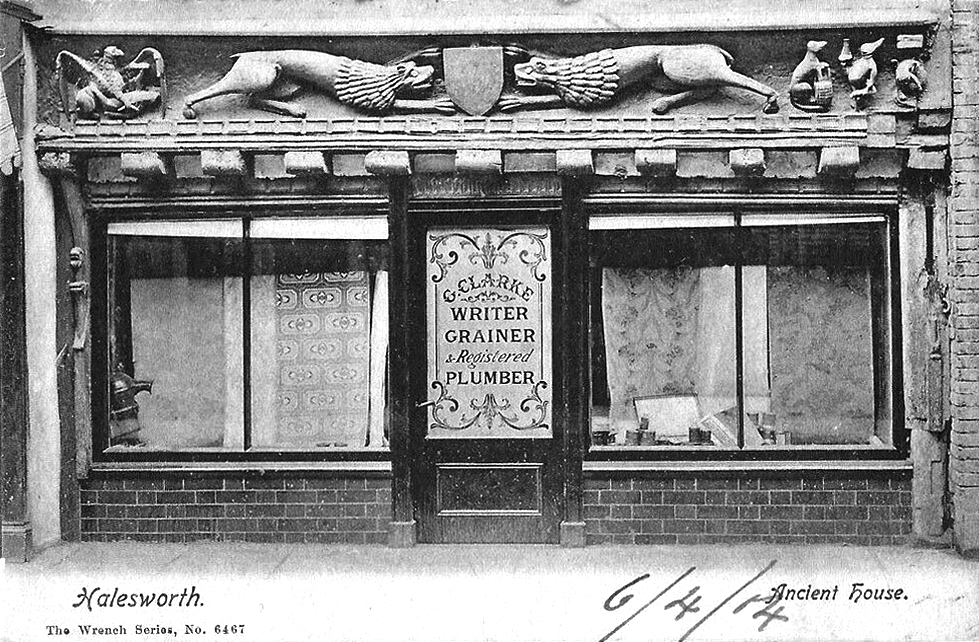
Something of a curiosity – David Frost’s father’s ironmongers in Halesworth – and the Ancient House with its ancient carving.

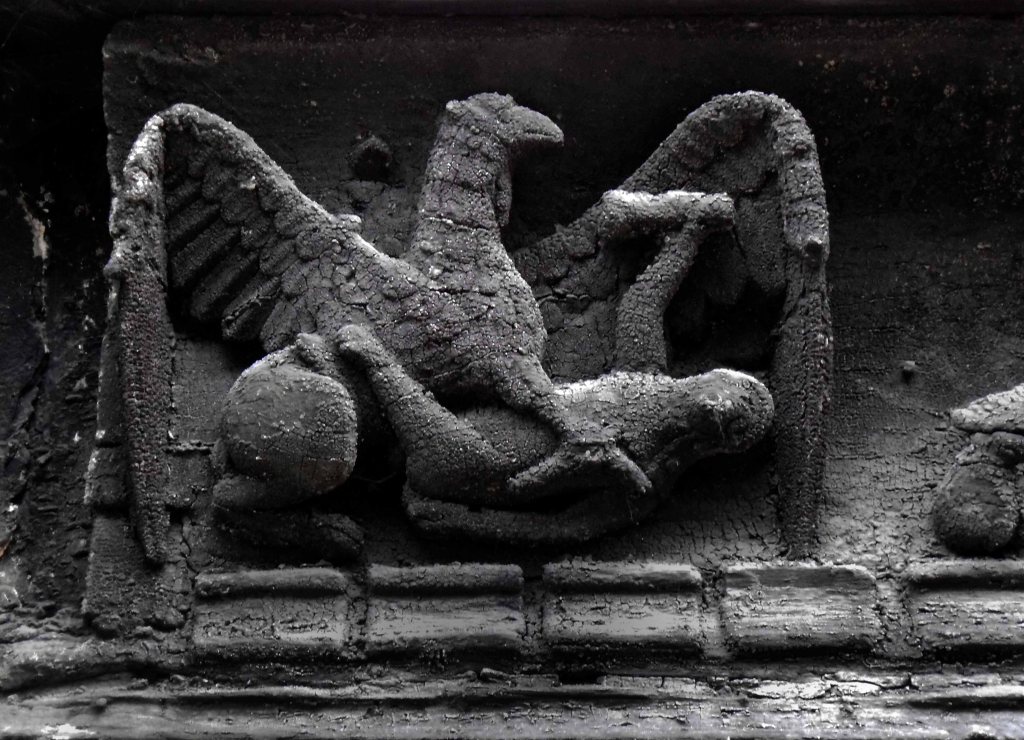
The bressumer beam at the front of the is linked with Margaret de Argentein in the late 14th and 15th century, it is believed t it could have been a manor or toll house. 

Currently trading as a Bistro with paranormal problems;

Things in the window were swaying the other day and when we went to stop them they almost fought back.

I’ve seen two ghosts in the kitchen. One was clearly a man, the other was when I thought my daughter was over my shoulder but when I looked around she wasn’t there, and we were the only two in the building.

Eastern Daily Press

The long and ever so slightly winding road of the lowlands, sad eyed.

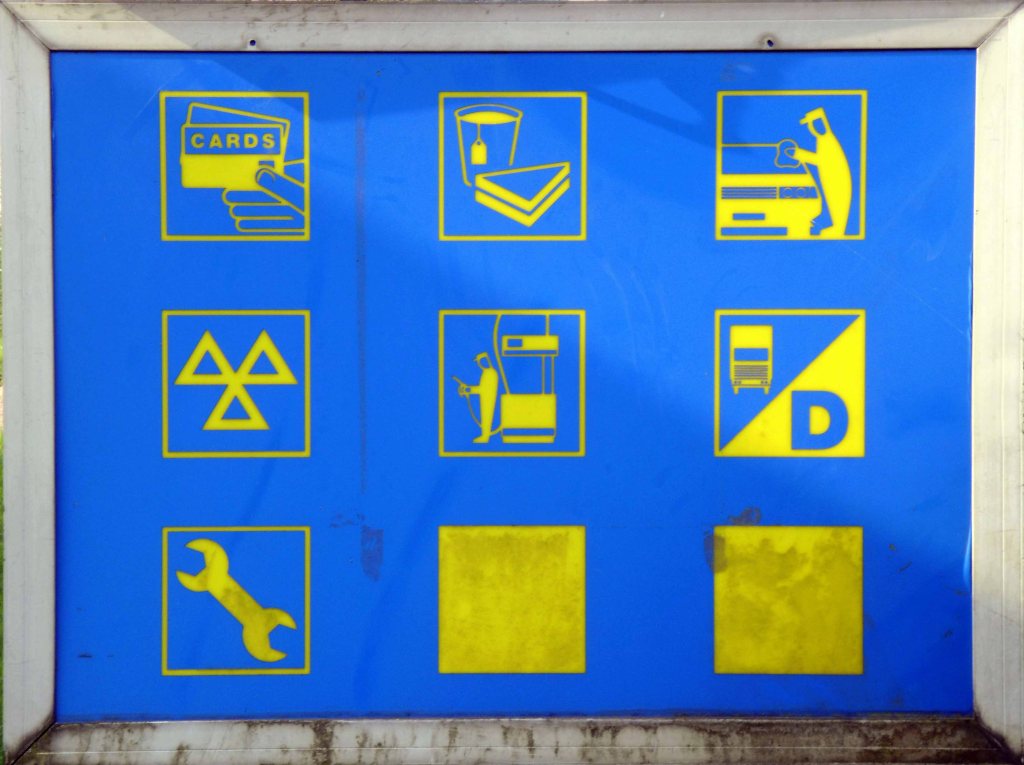
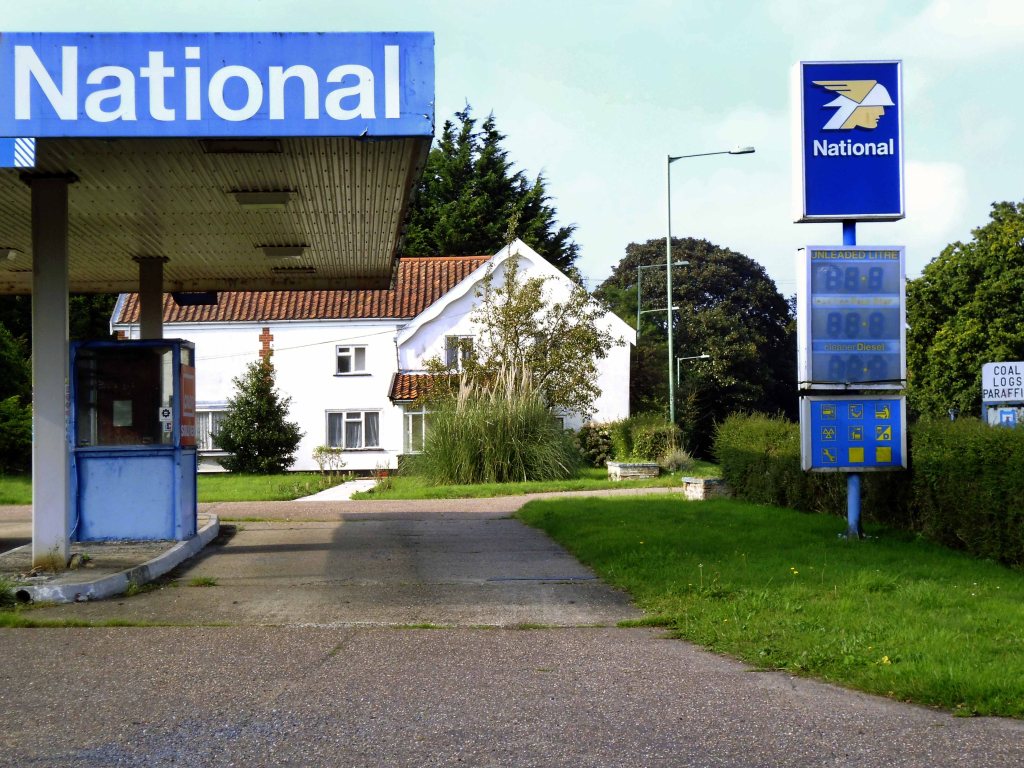
Service station highlight of the tour – with its National graphic identity intact.

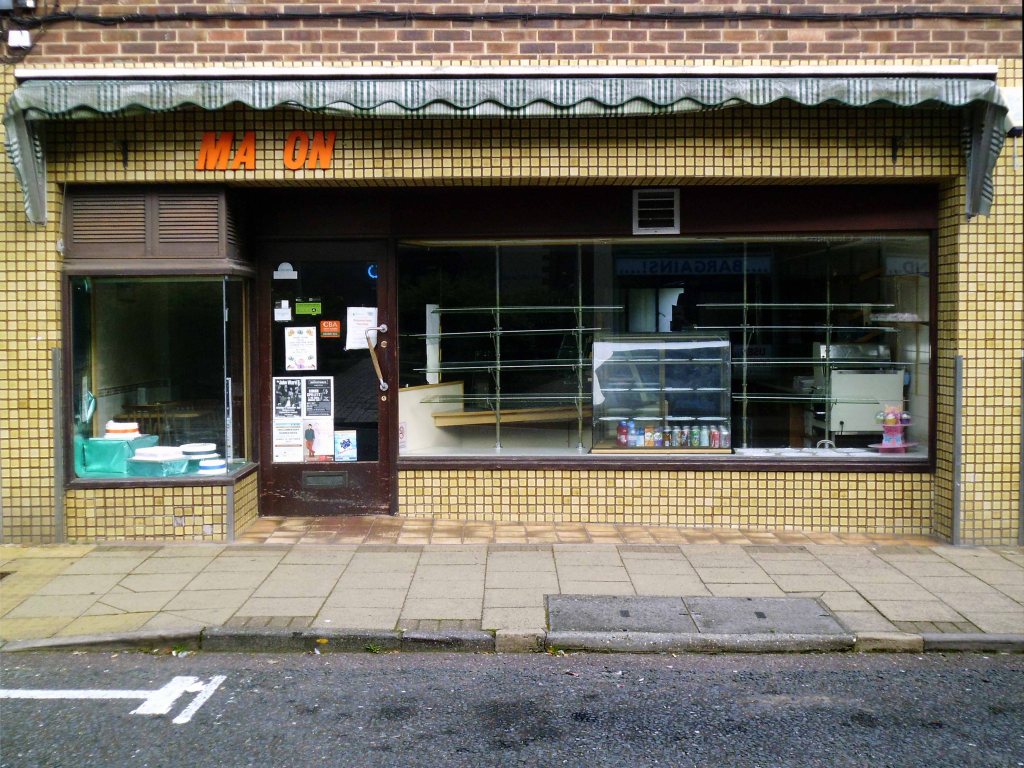
A no longer a bakers bakery.

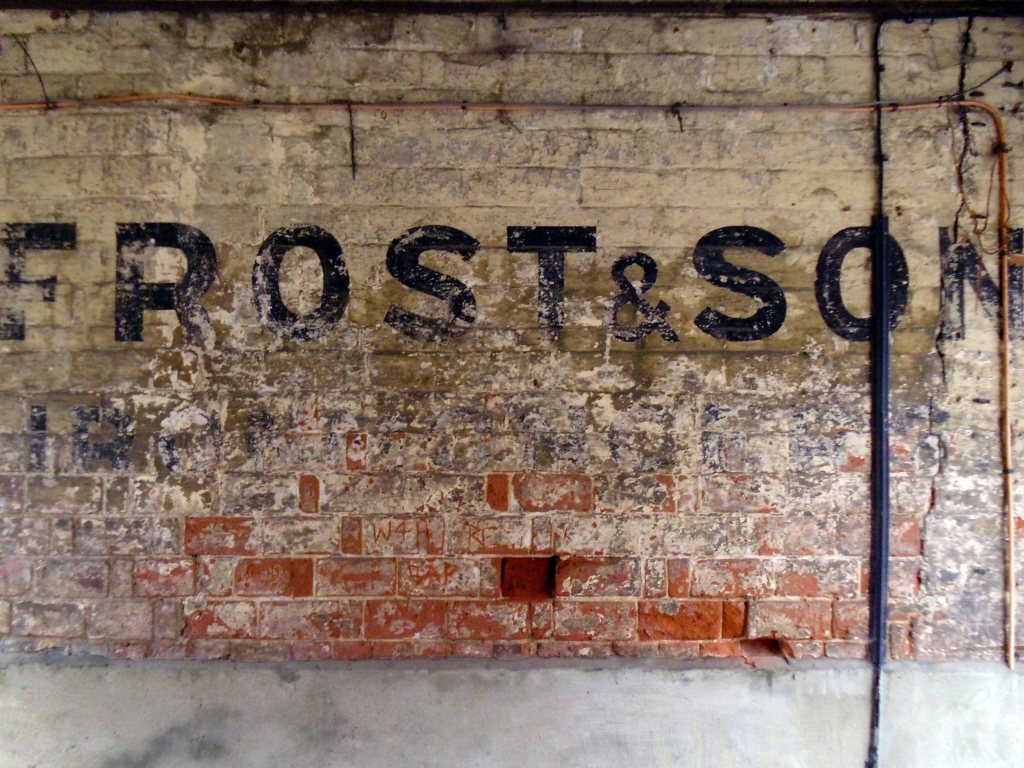
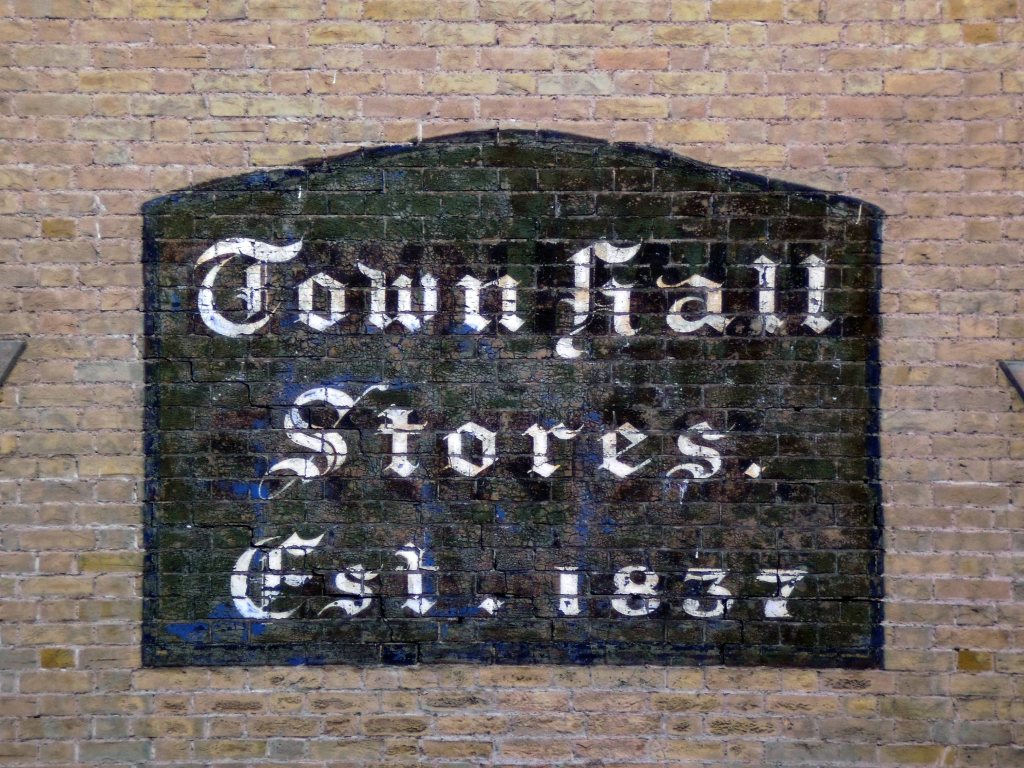
Ghost sign.

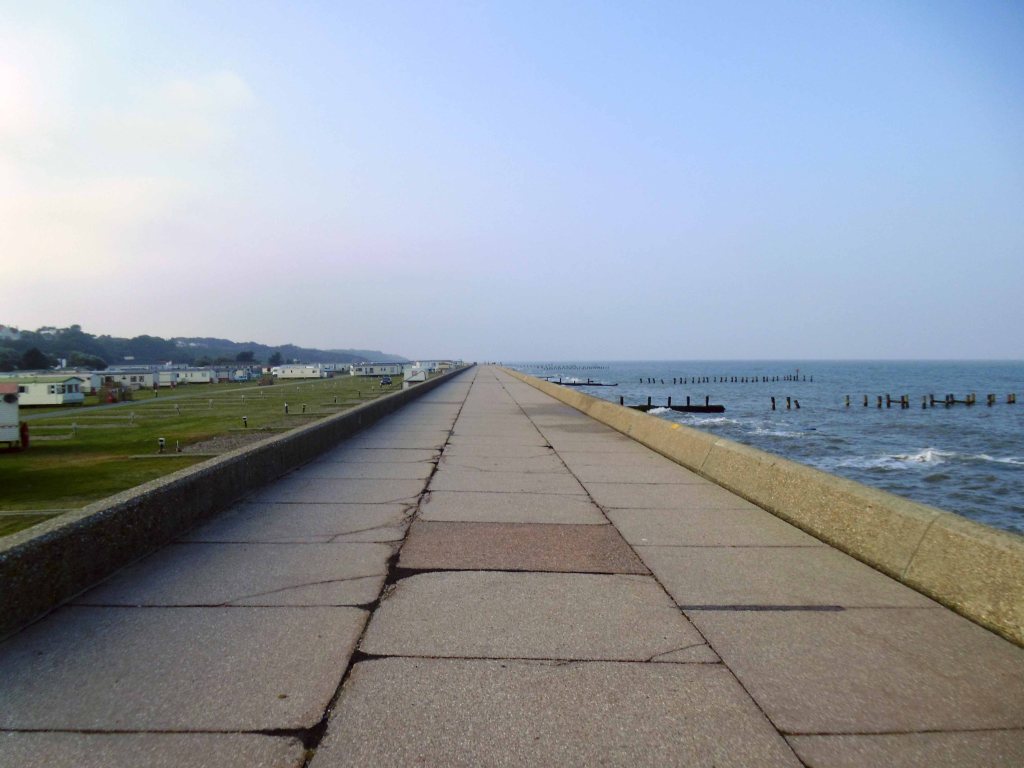
All at sea again – caravans to the left of us, sea to the right of us, onwards onwards.

The eternal puzzle of the paddling pool.

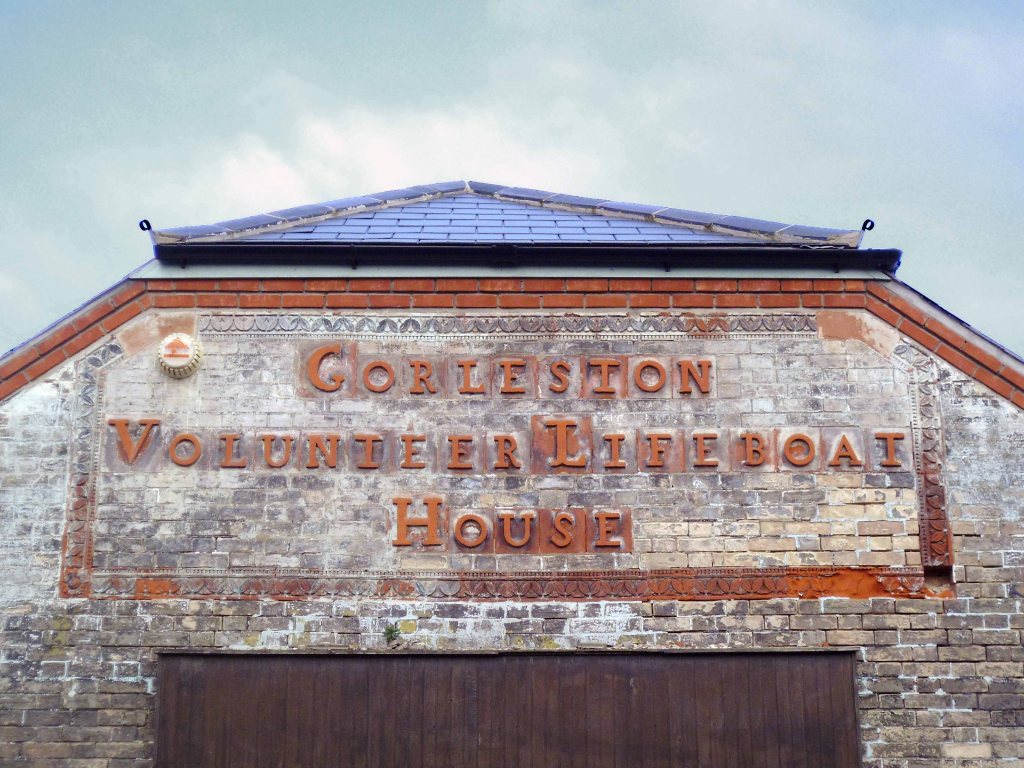
Terracotta tiling on the Lifeboat House.

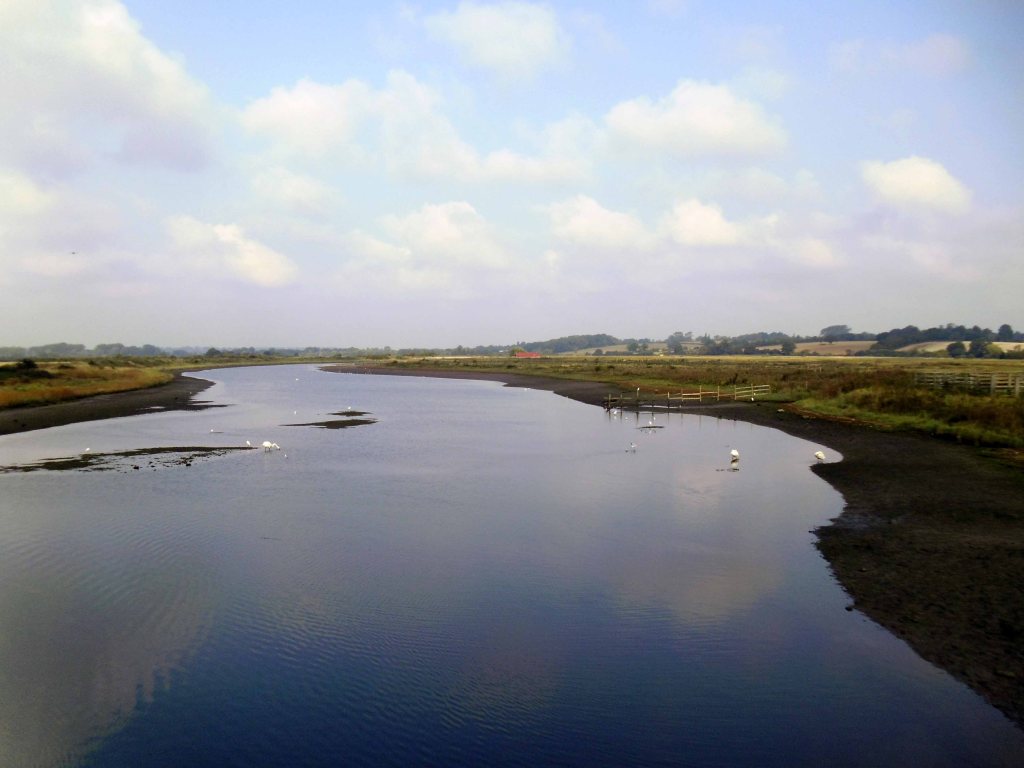
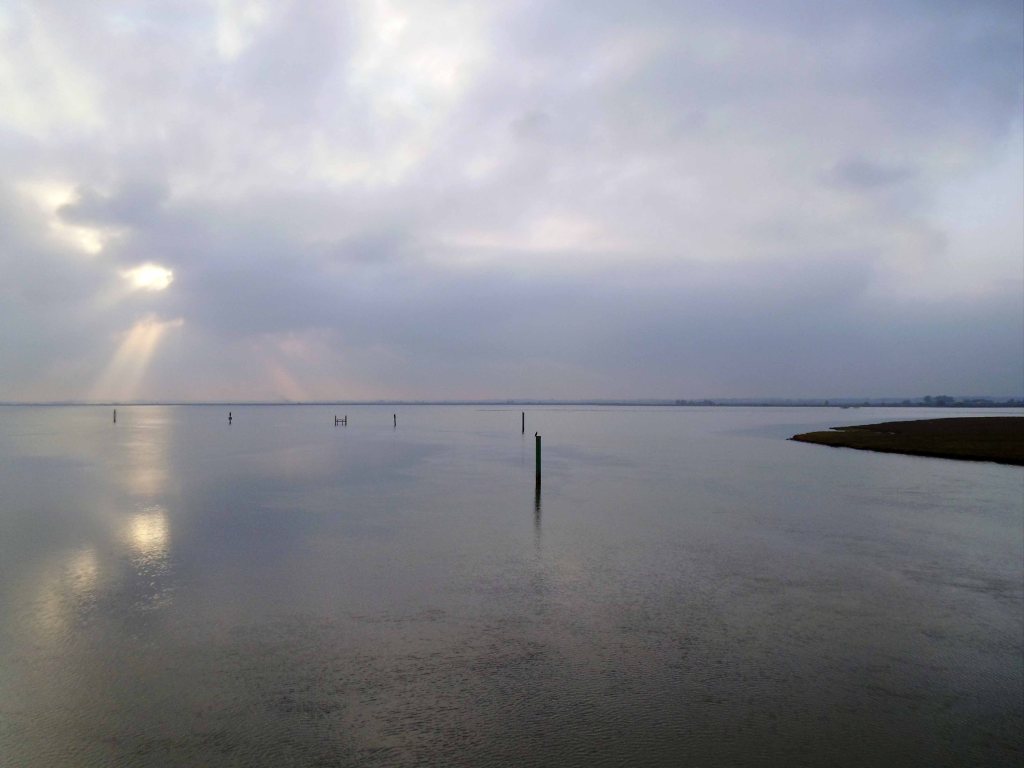
Crossing the estuary of the River Yare – yeah, yeah!

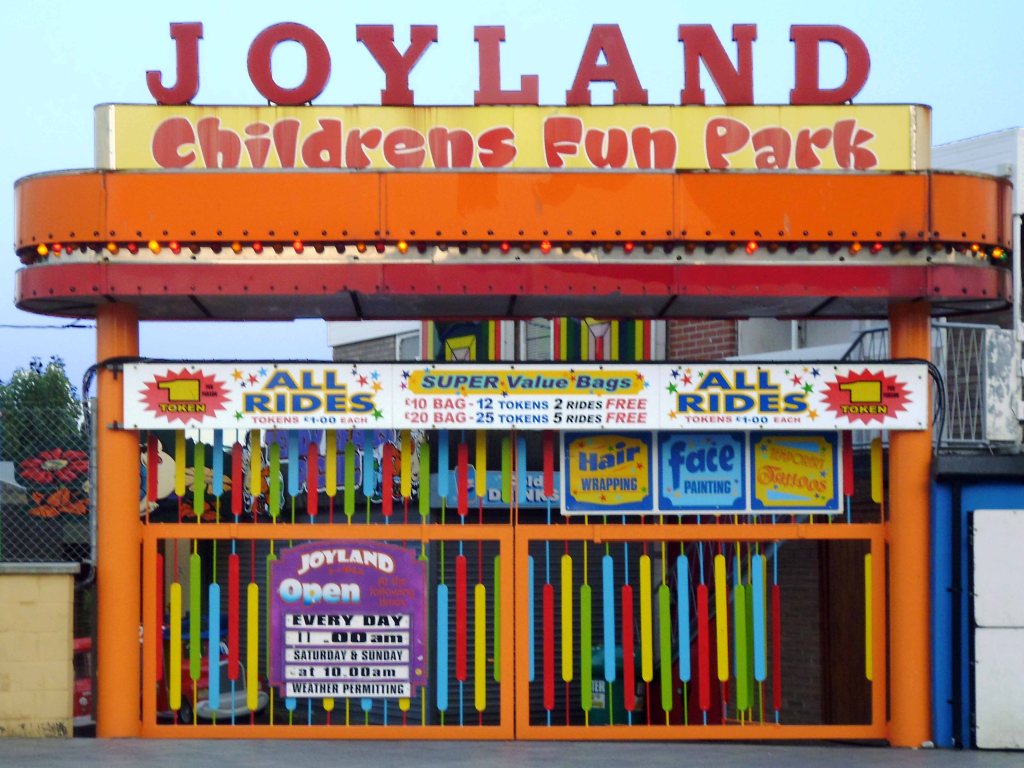
Finally arriving in Joyland.

Rides include the world famous Snails and Tyrolean Tub Twist.

A huge toy town mountain incorporates the Spook Express kiddie coaster, Jet Cars and Neptune’s Kingdom undersea fantasy ride, Pirate Ship, Major Orbit, Balloon Wheel and Skydiver complete the rest of the rides.

Hungry – why not grab a bite at the American Diner.

I actually went to the Wetherspoons.

Though the town is full of tiny pubs.

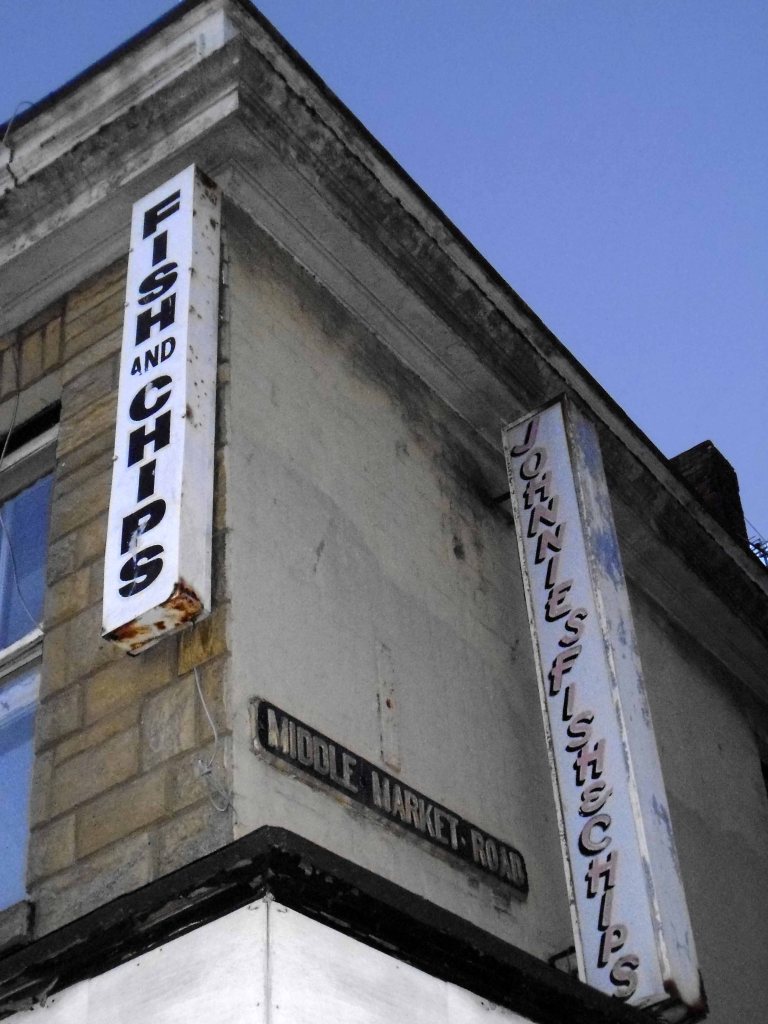
And a chippy.

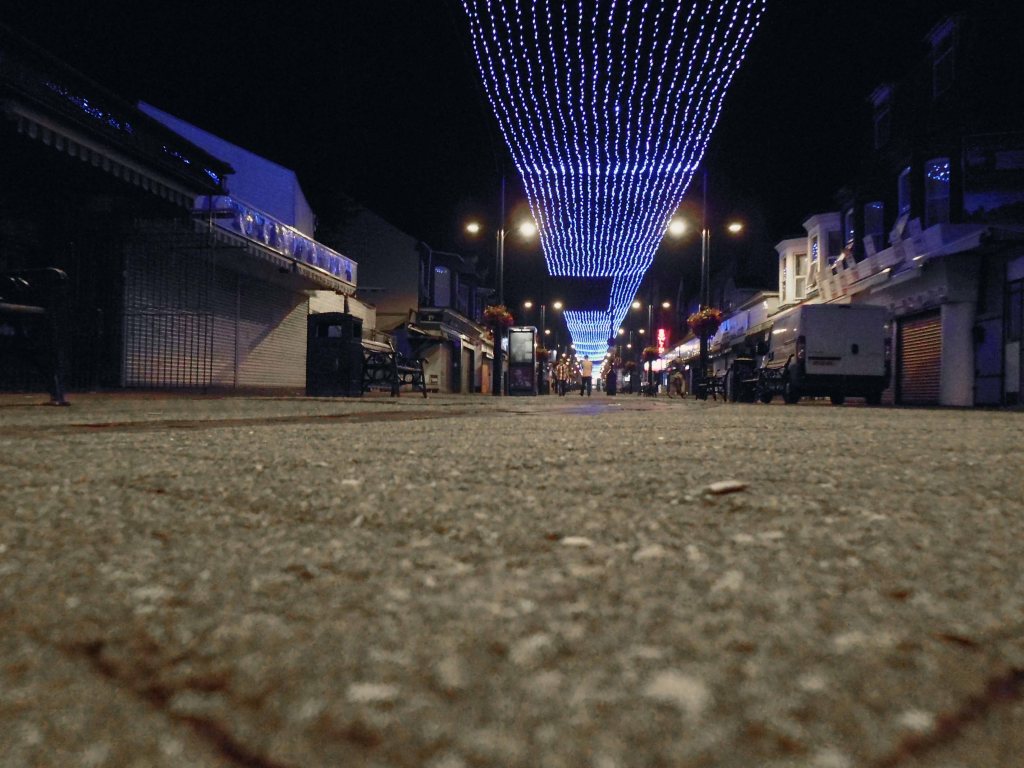
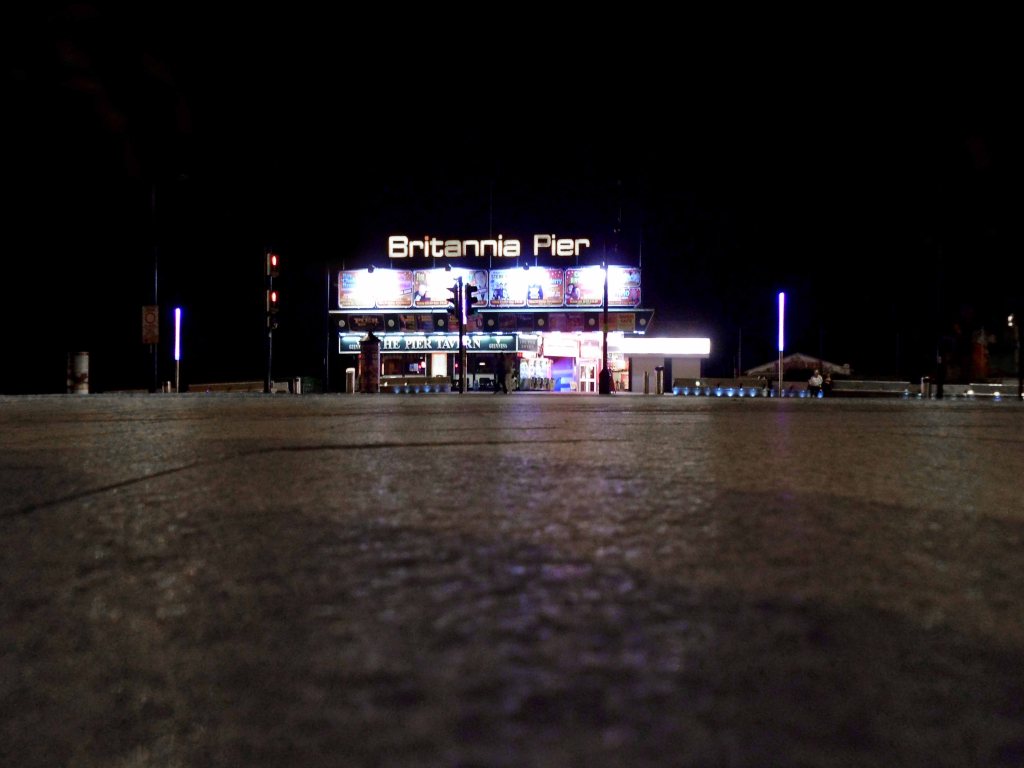
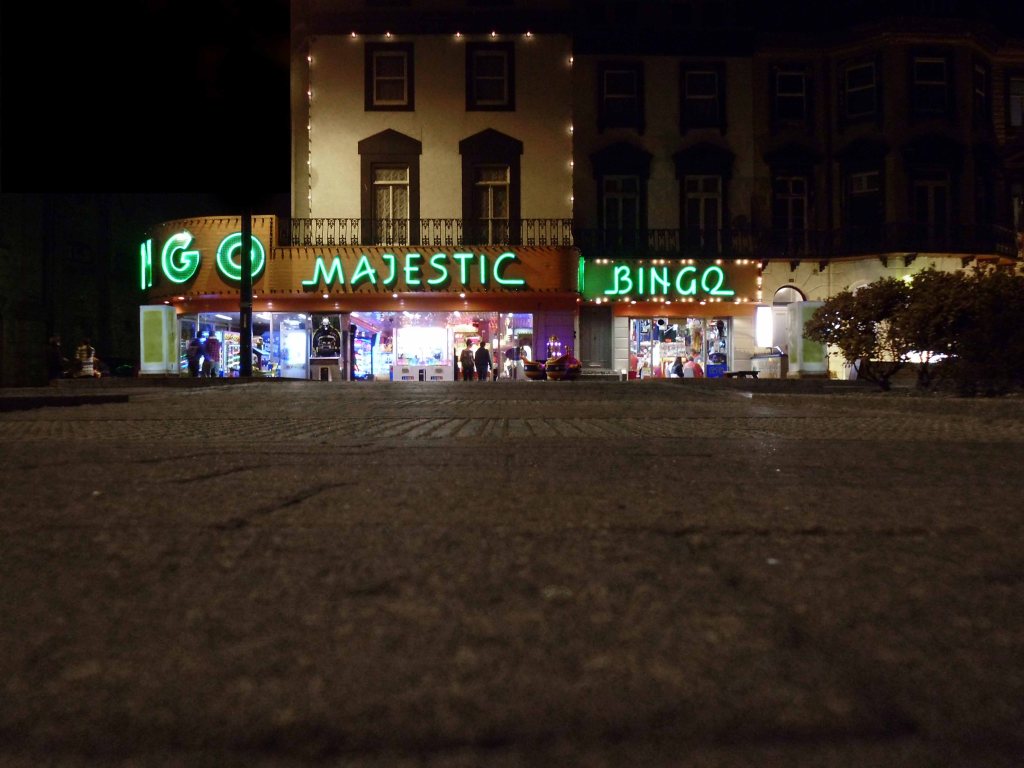
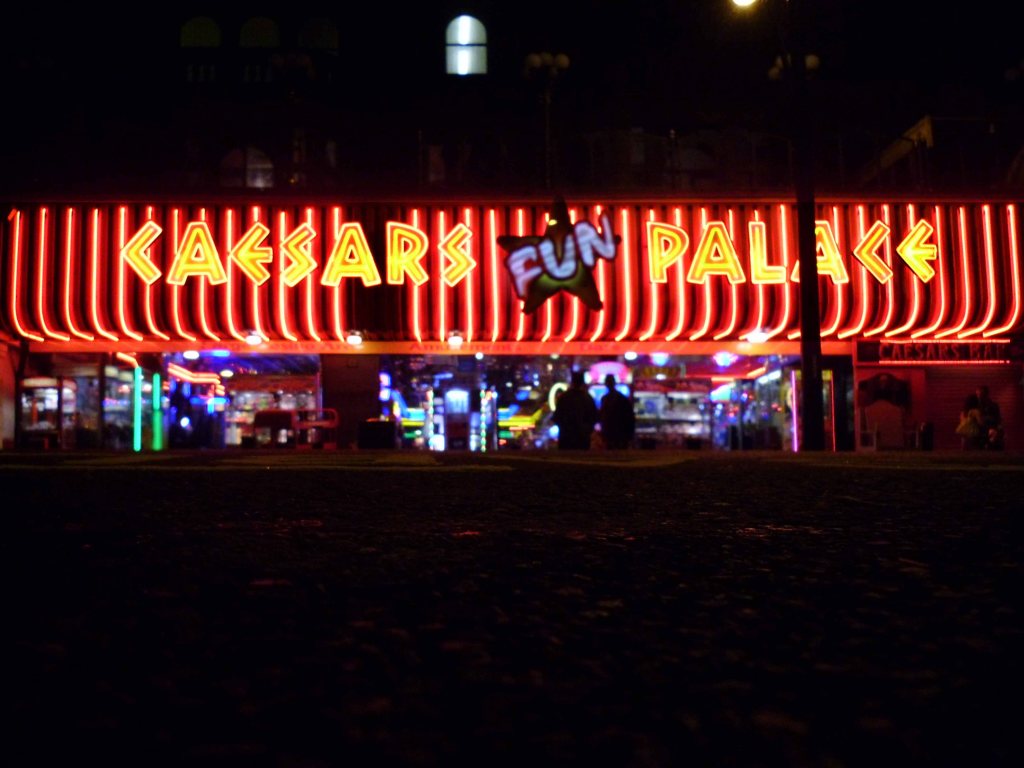
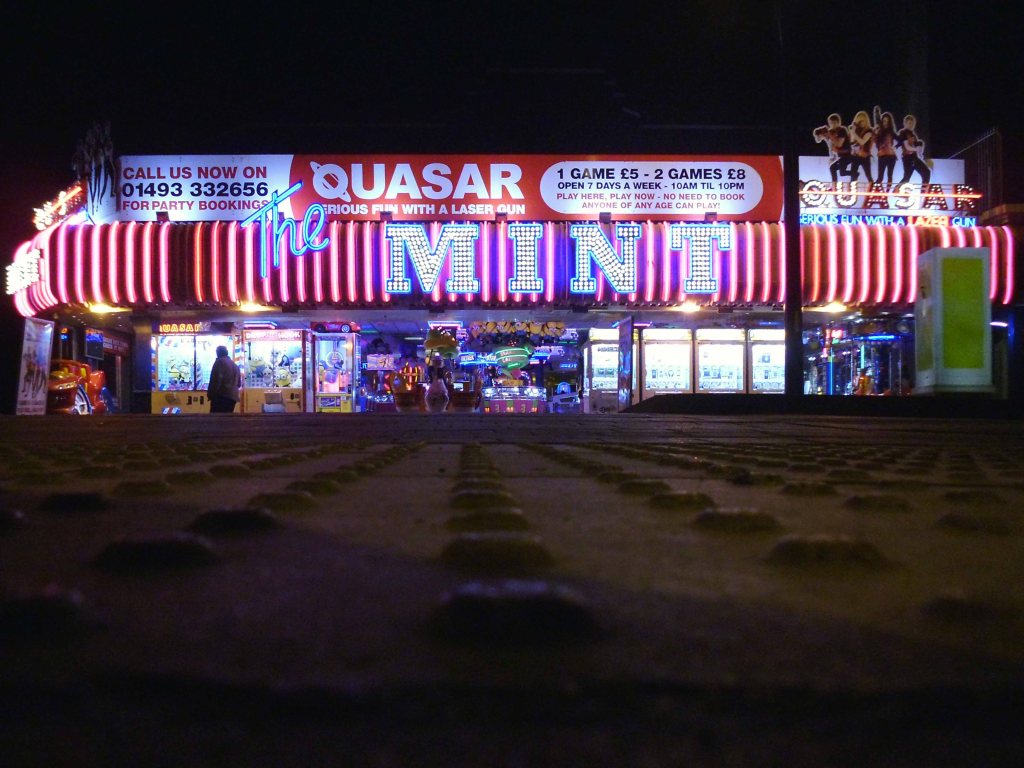
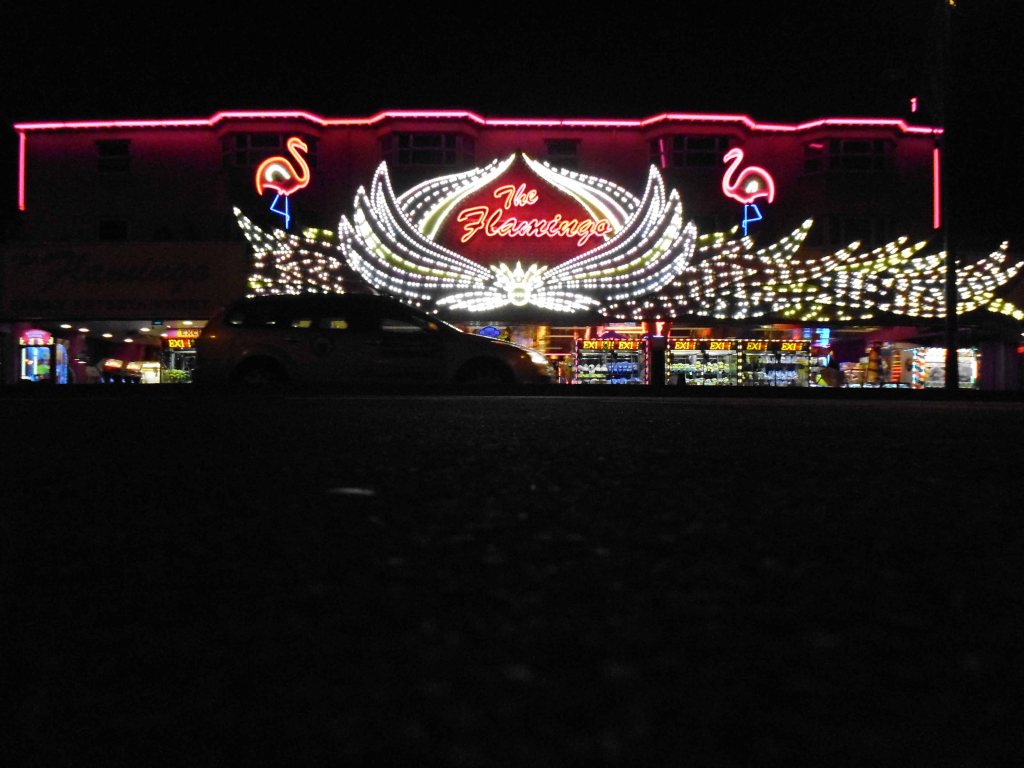
I wandered the highway byways and promenade of Great Yarmouth, all alone in a neon nightmare!

Finally settling down for a pint or two – again.

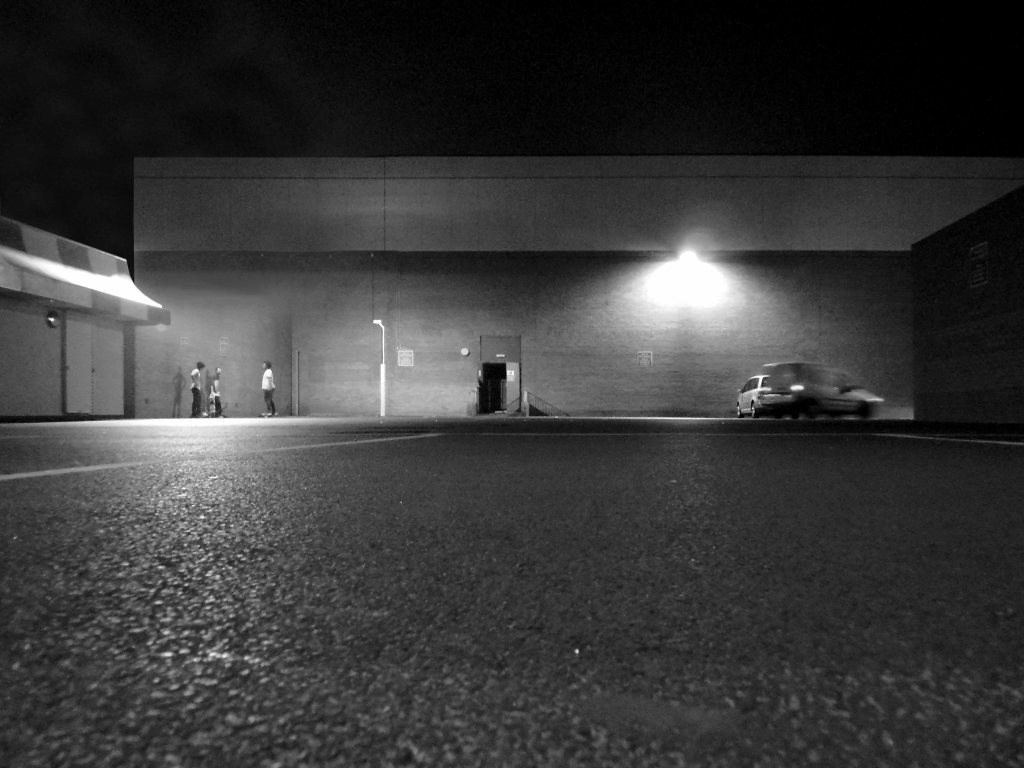
Lastly encountering the late night skaters.

Night night.