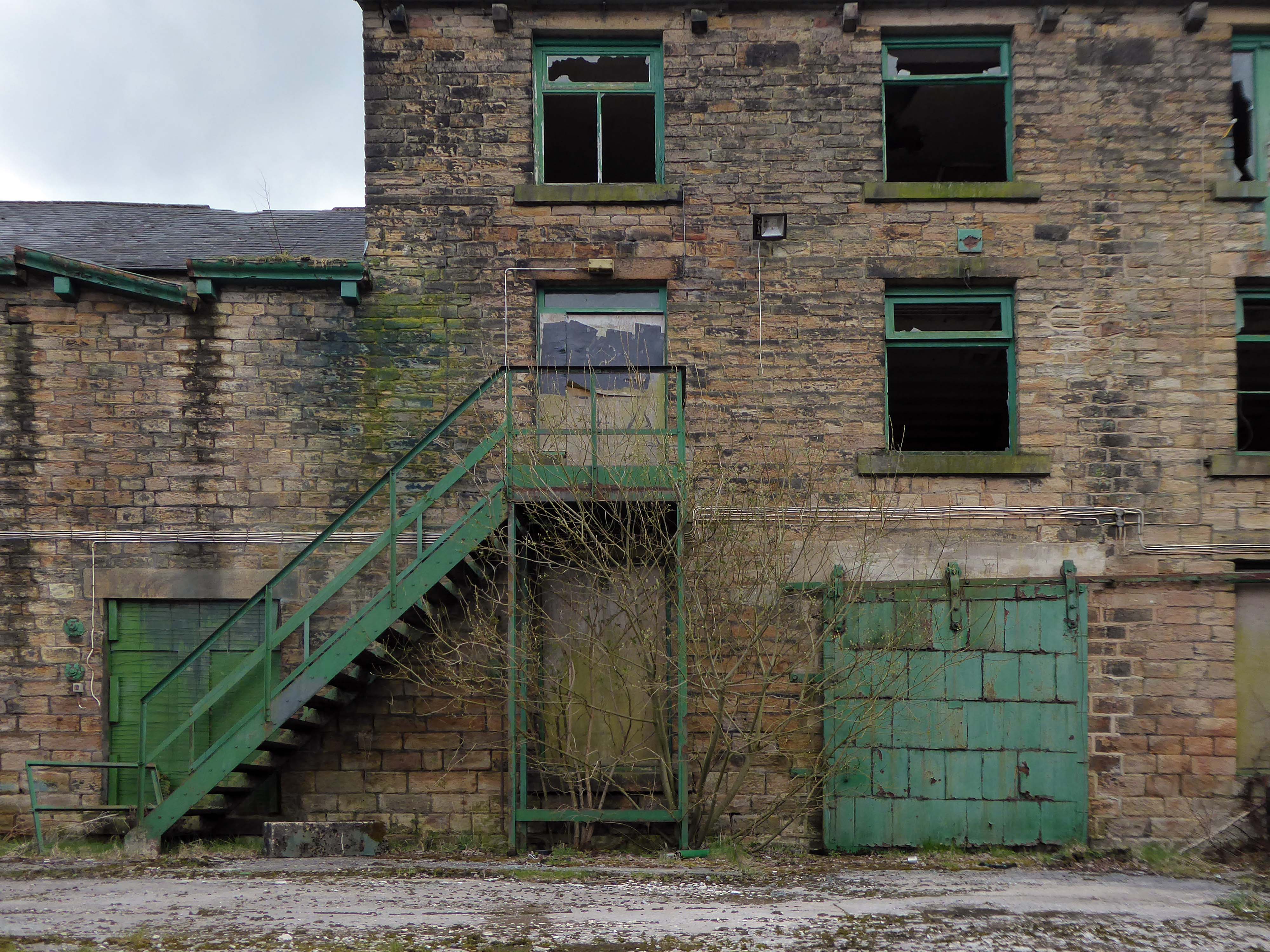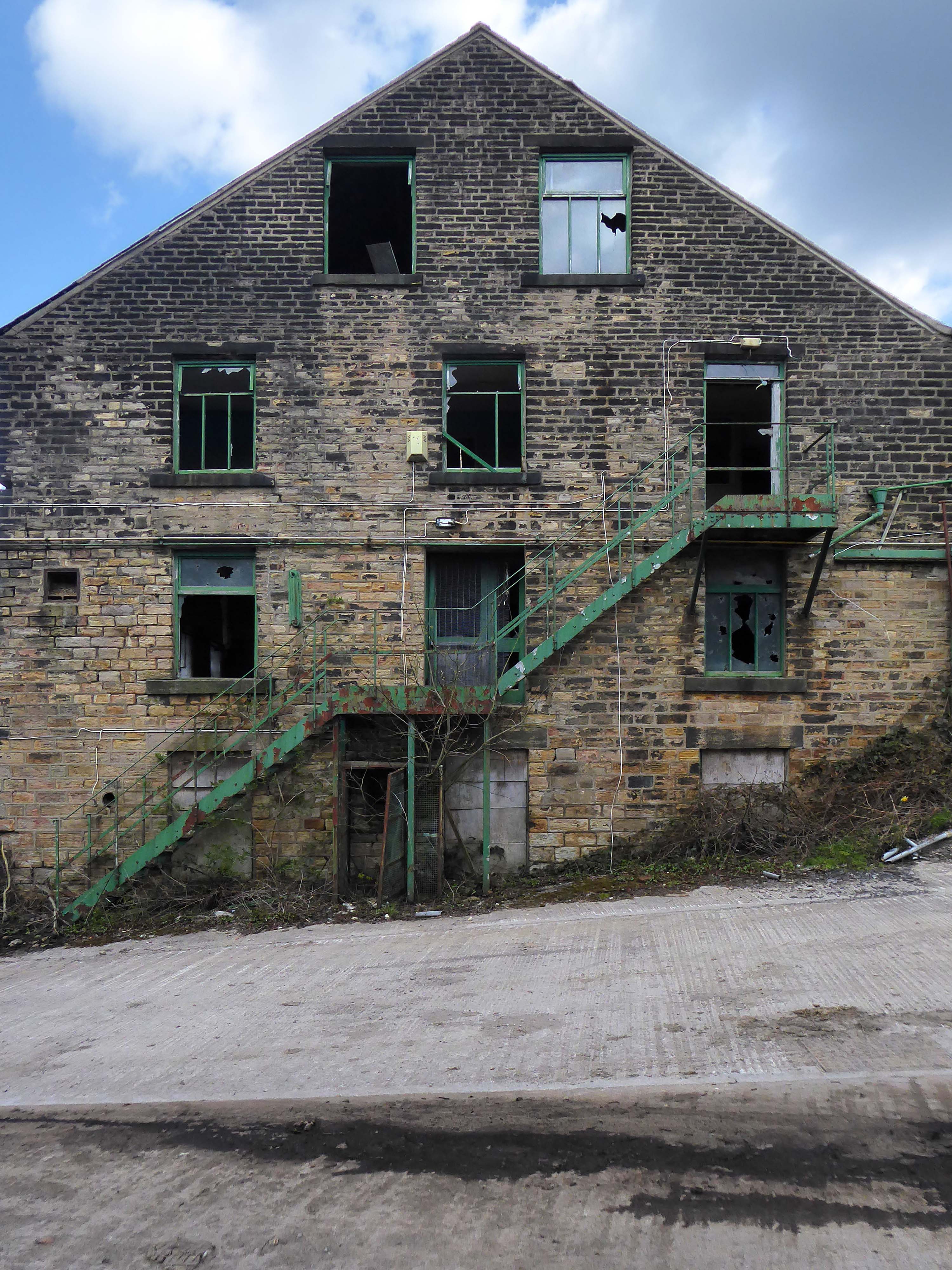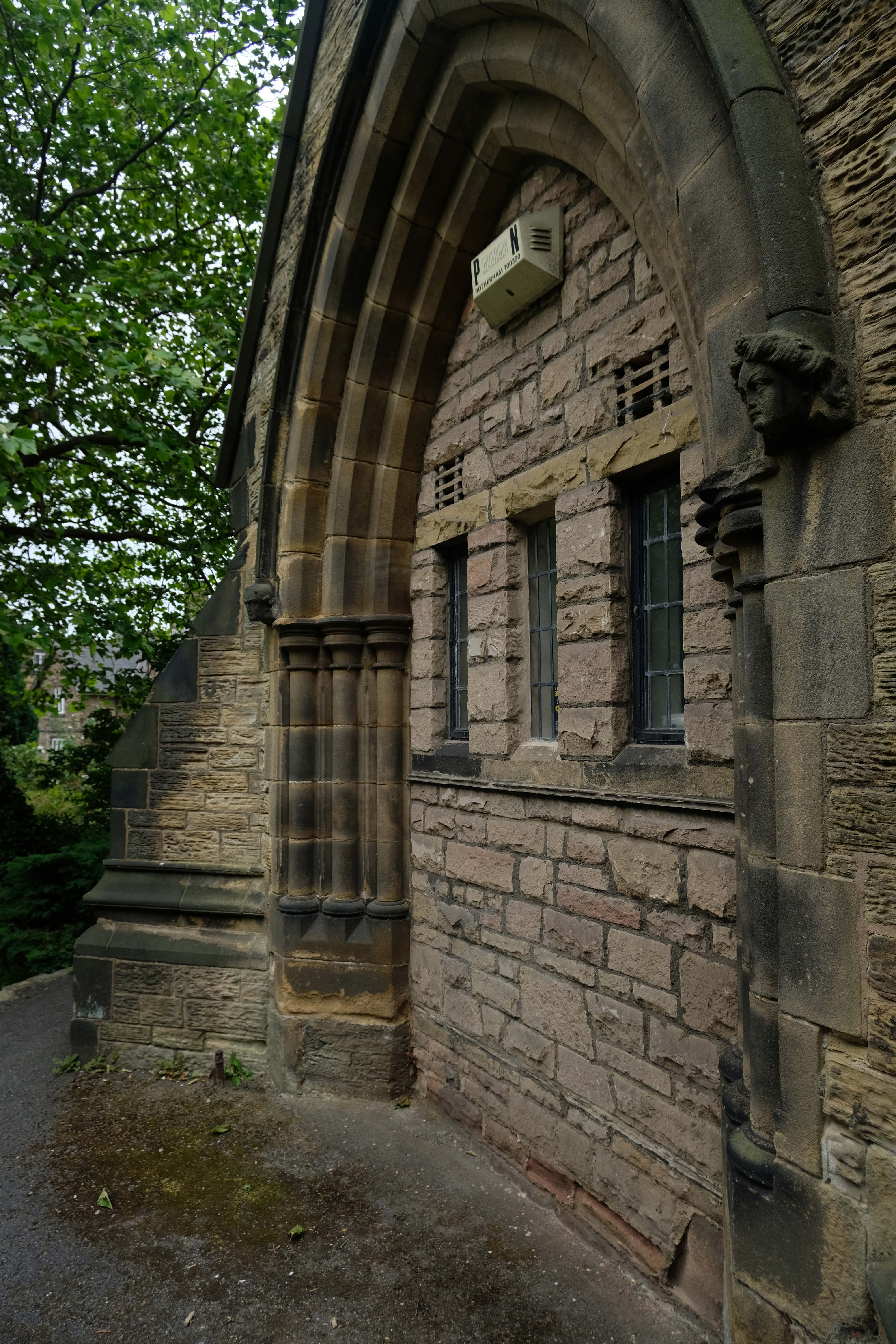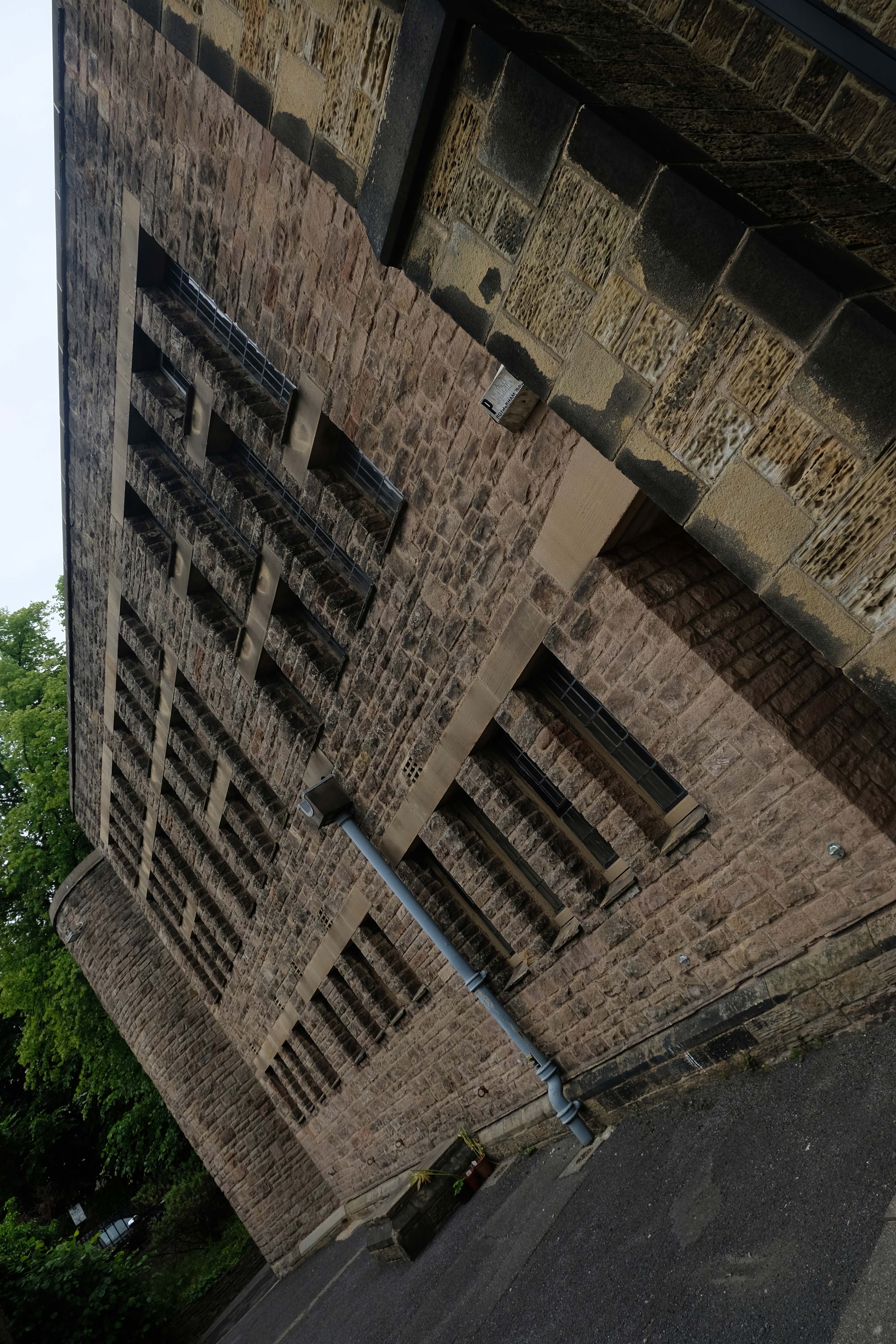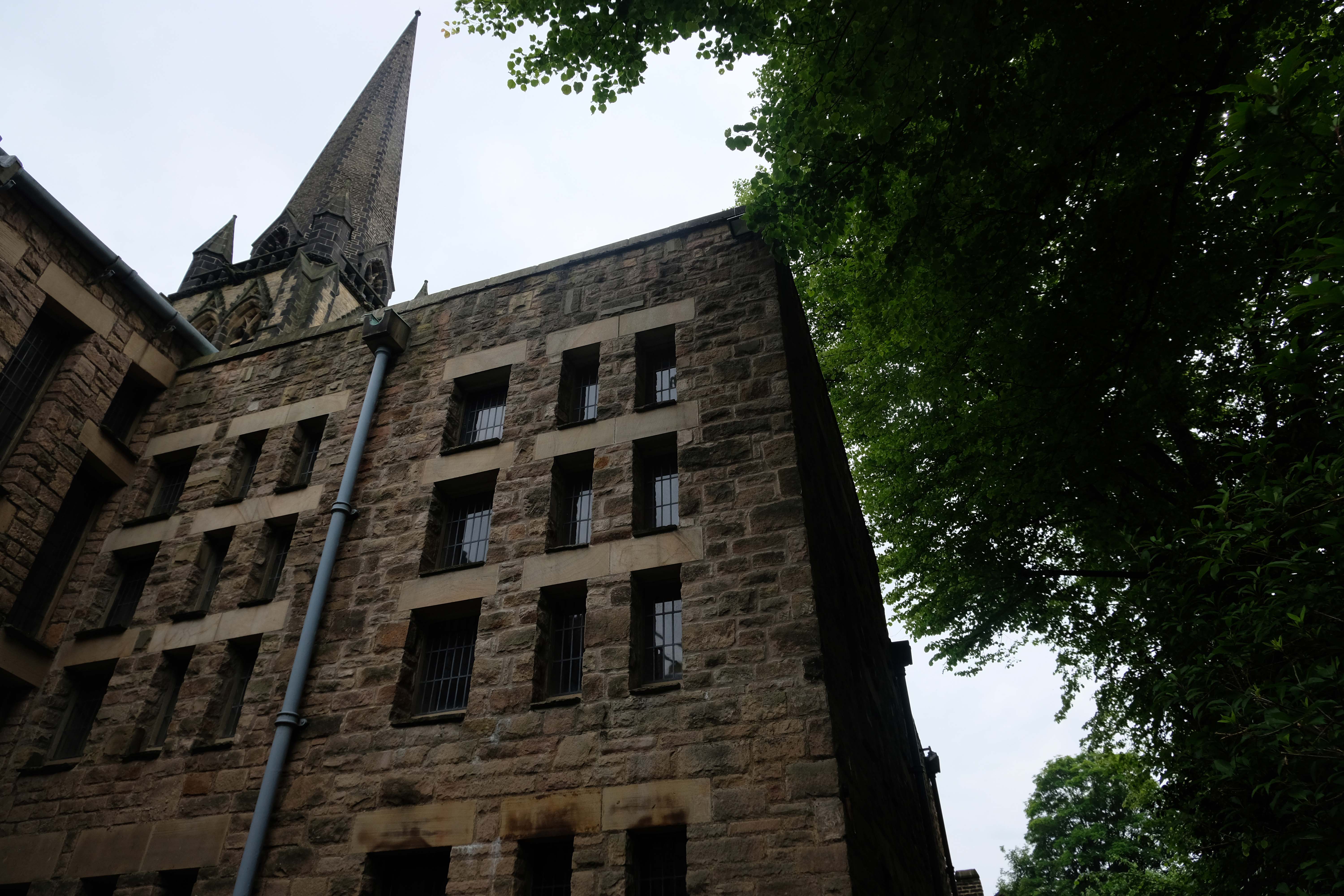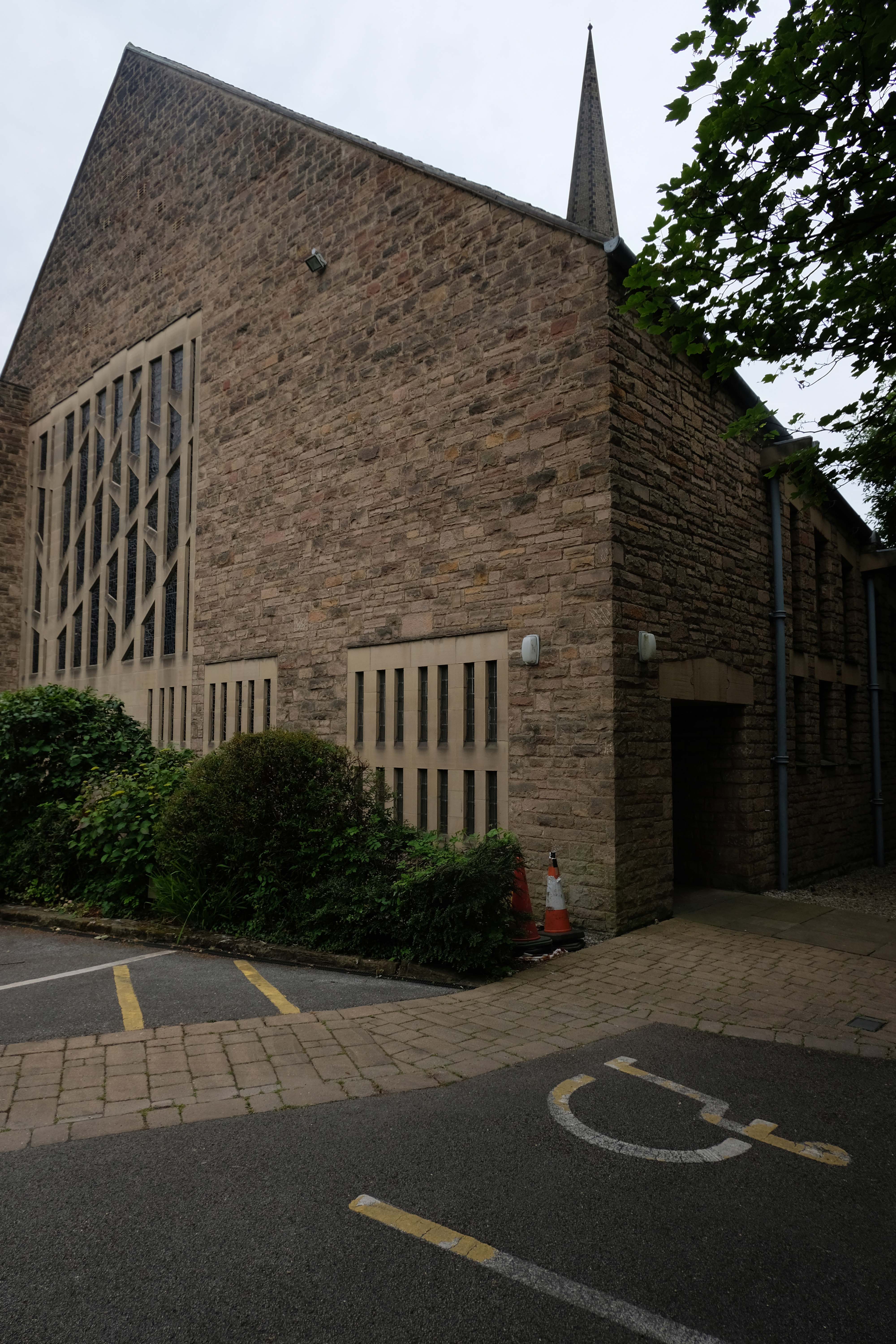
Chisworth Works

Chisworth Works Coombes Lane Holehouse Charlesworth and Chisworth SK13 5DQ
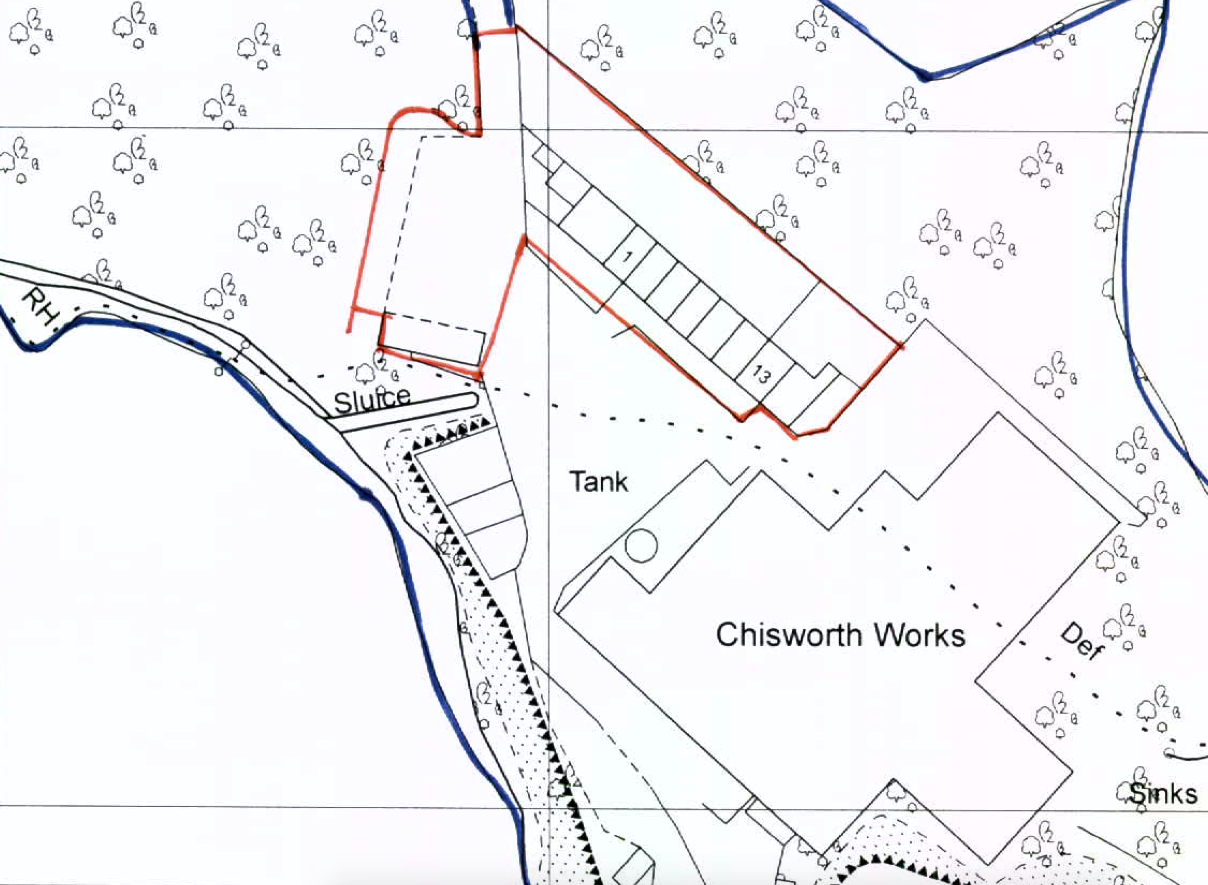
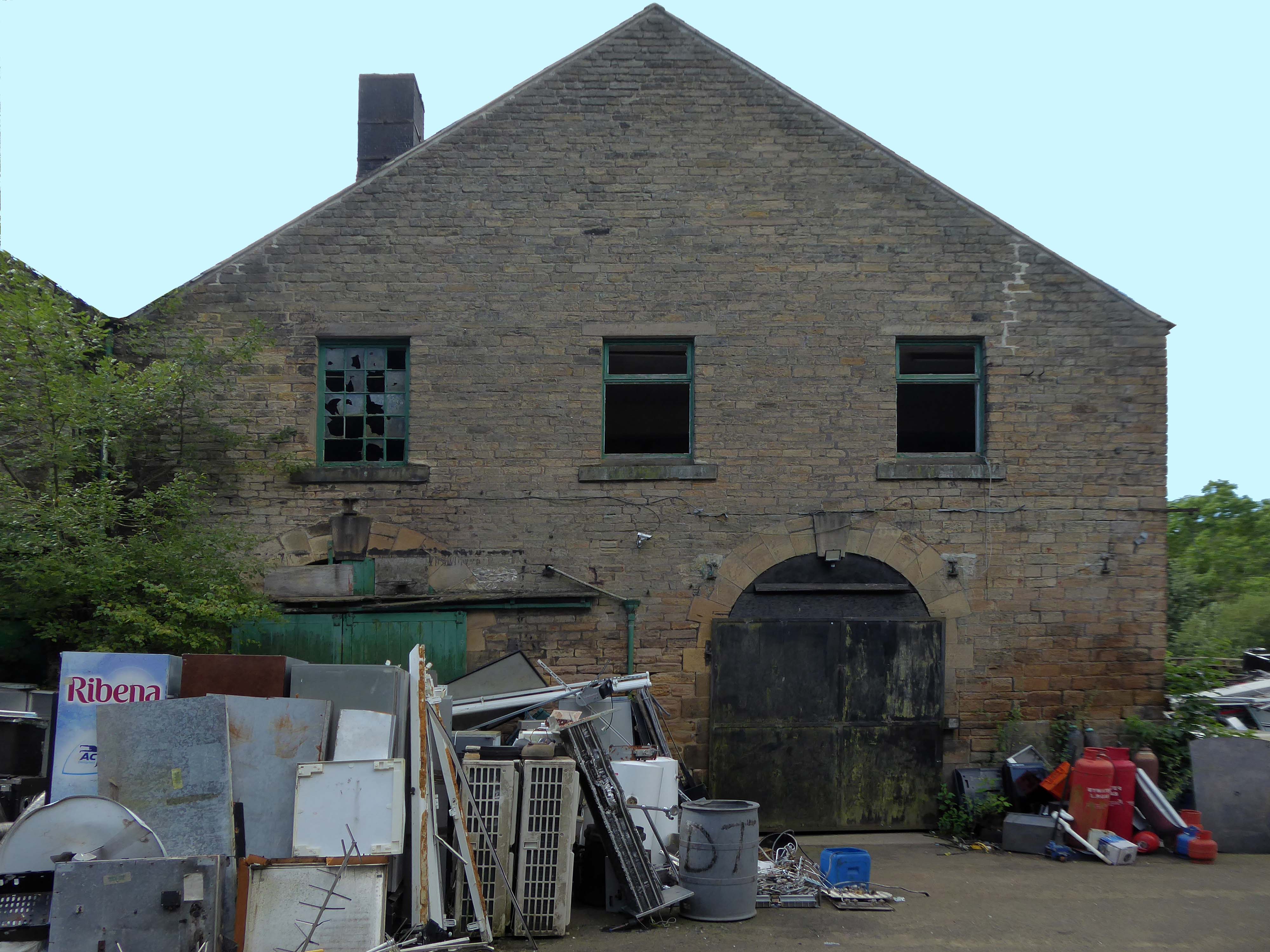
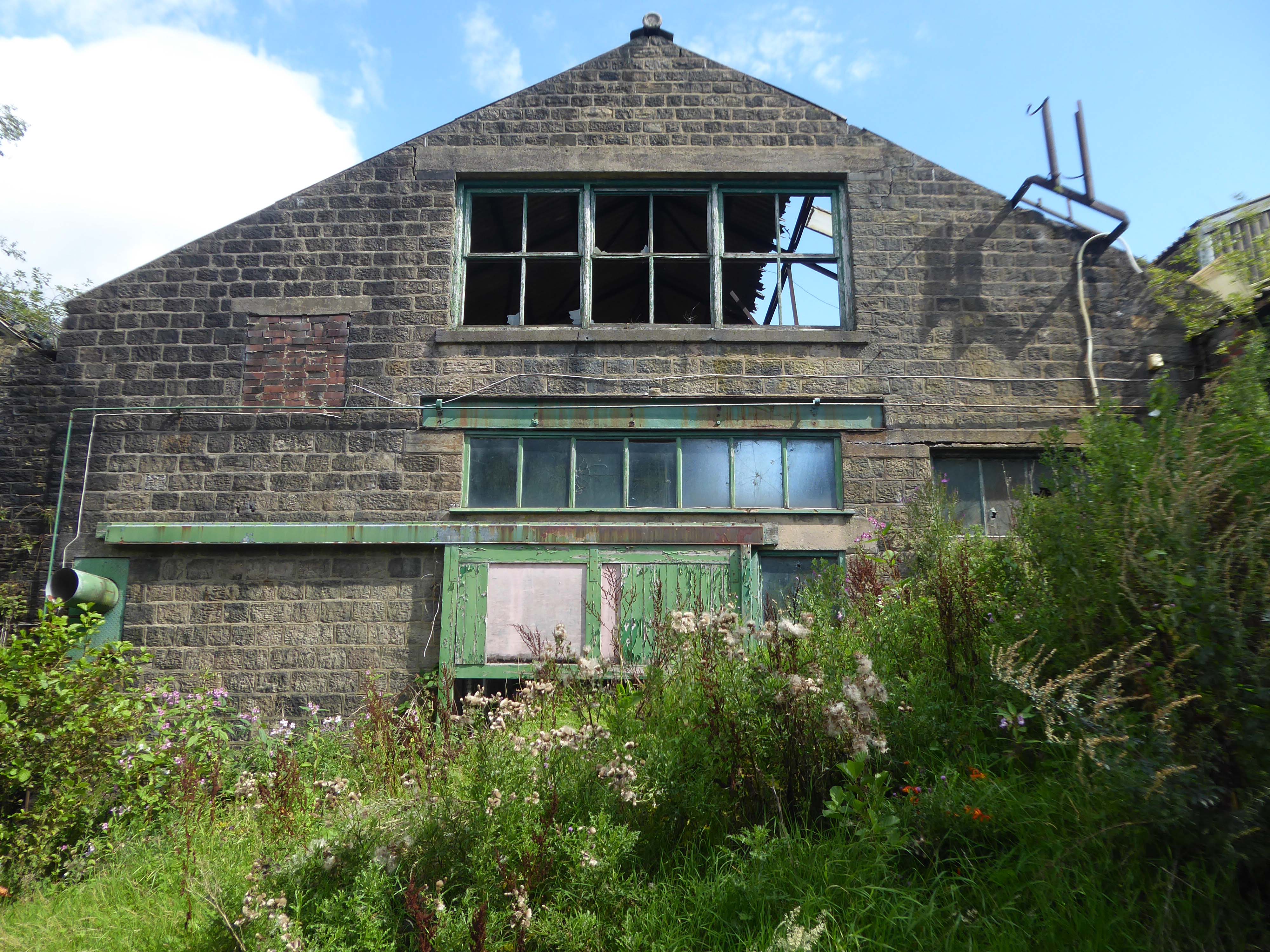
Built at the end of the 18th or in the early 19th centuries; Chisworth Works was as a cotton band manufactory. During these times, the site was called Higher Mill. 

It was referred to as Higher Mill, as there was a lower works, Mouse Mill in Holehouse, owned by the Booth family.
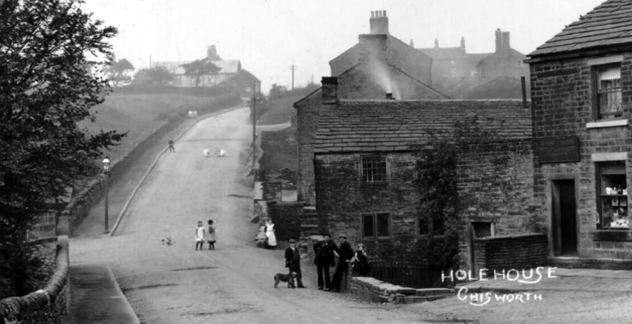
Glossop Heritage

Keiner & Co., at Charlesworth, employ over 100 people and are engaged principally in the production of synthetic and chrome tanning extracts.

Glossop Official Handbook 1948

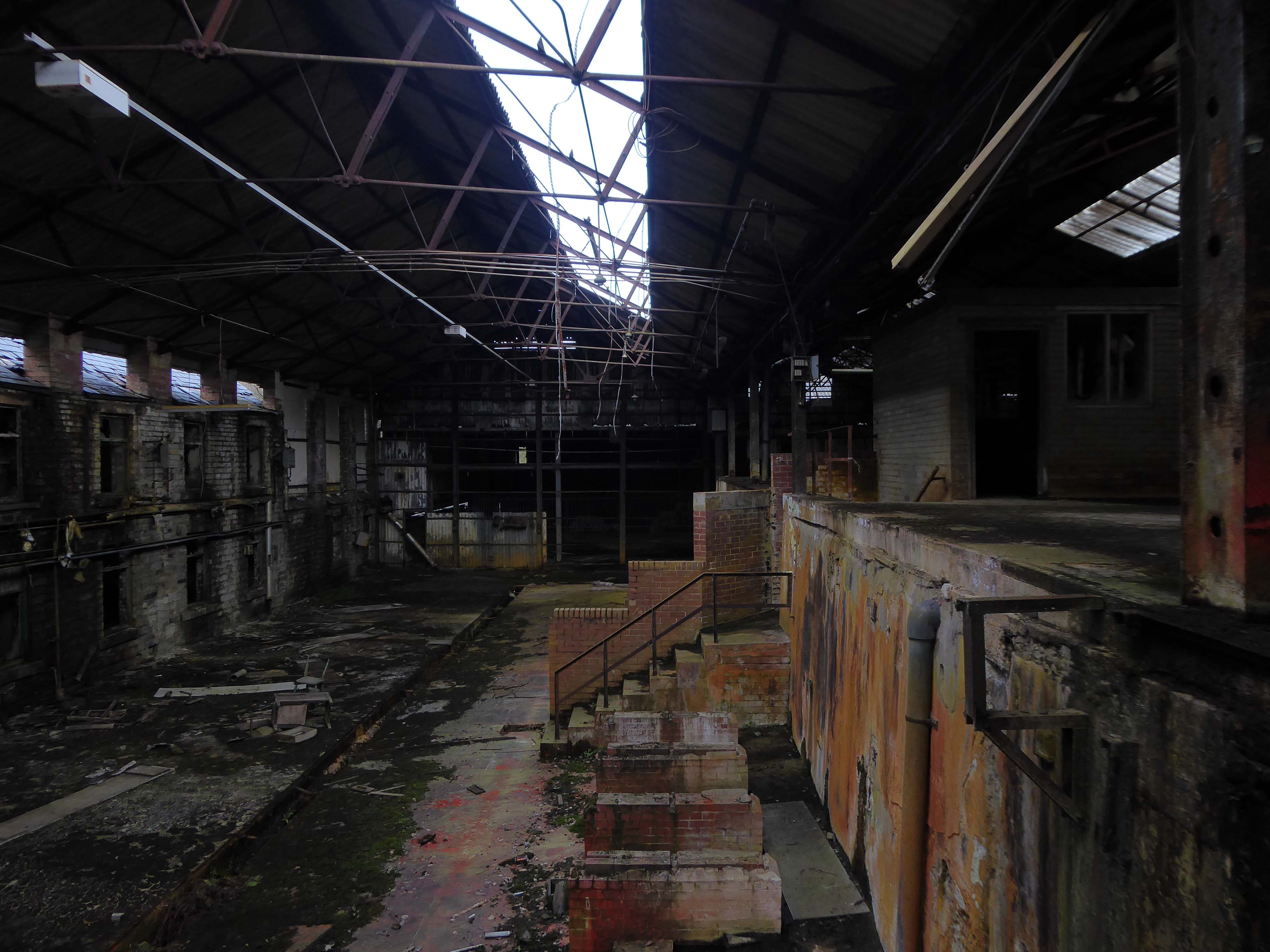
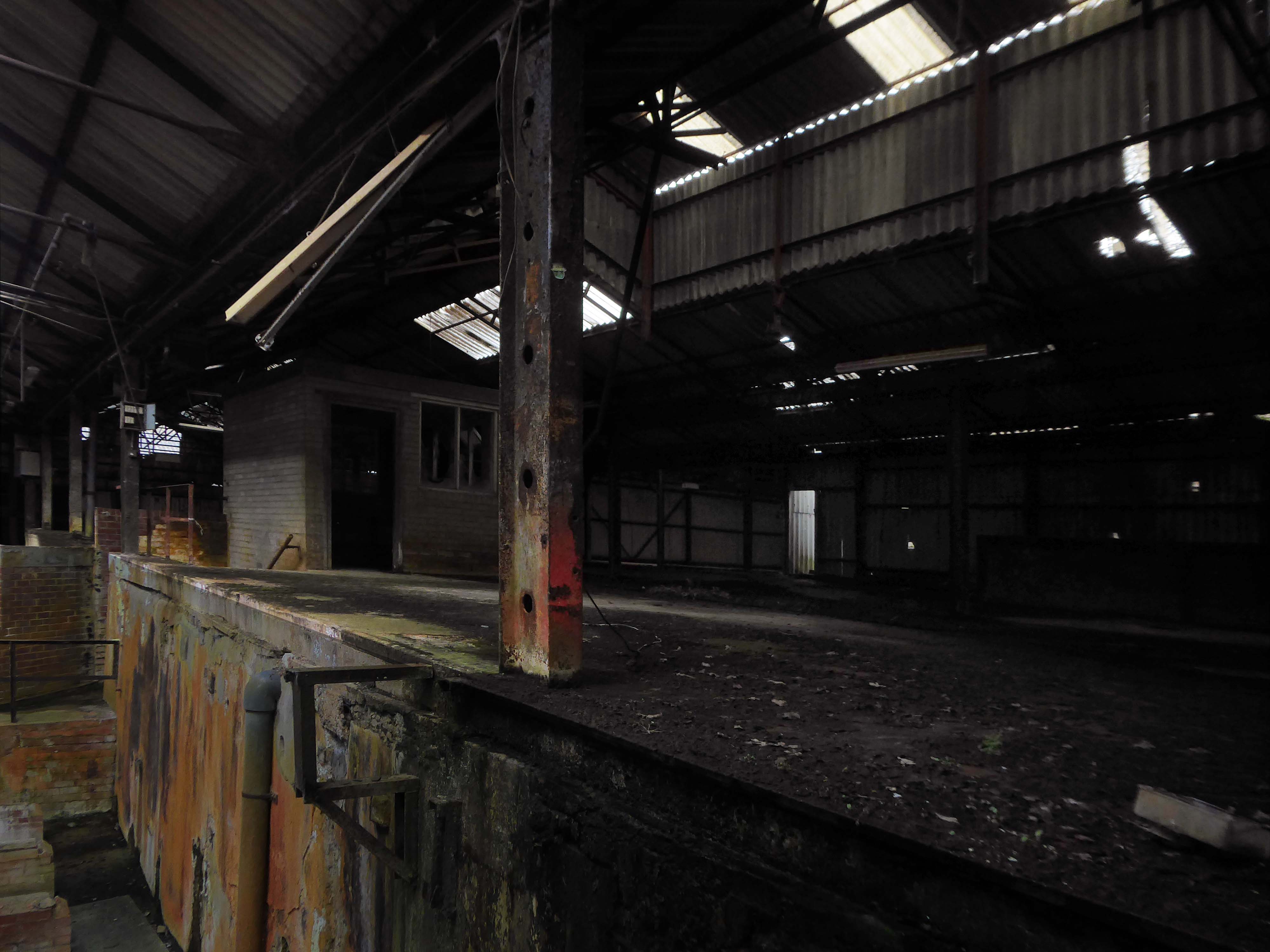
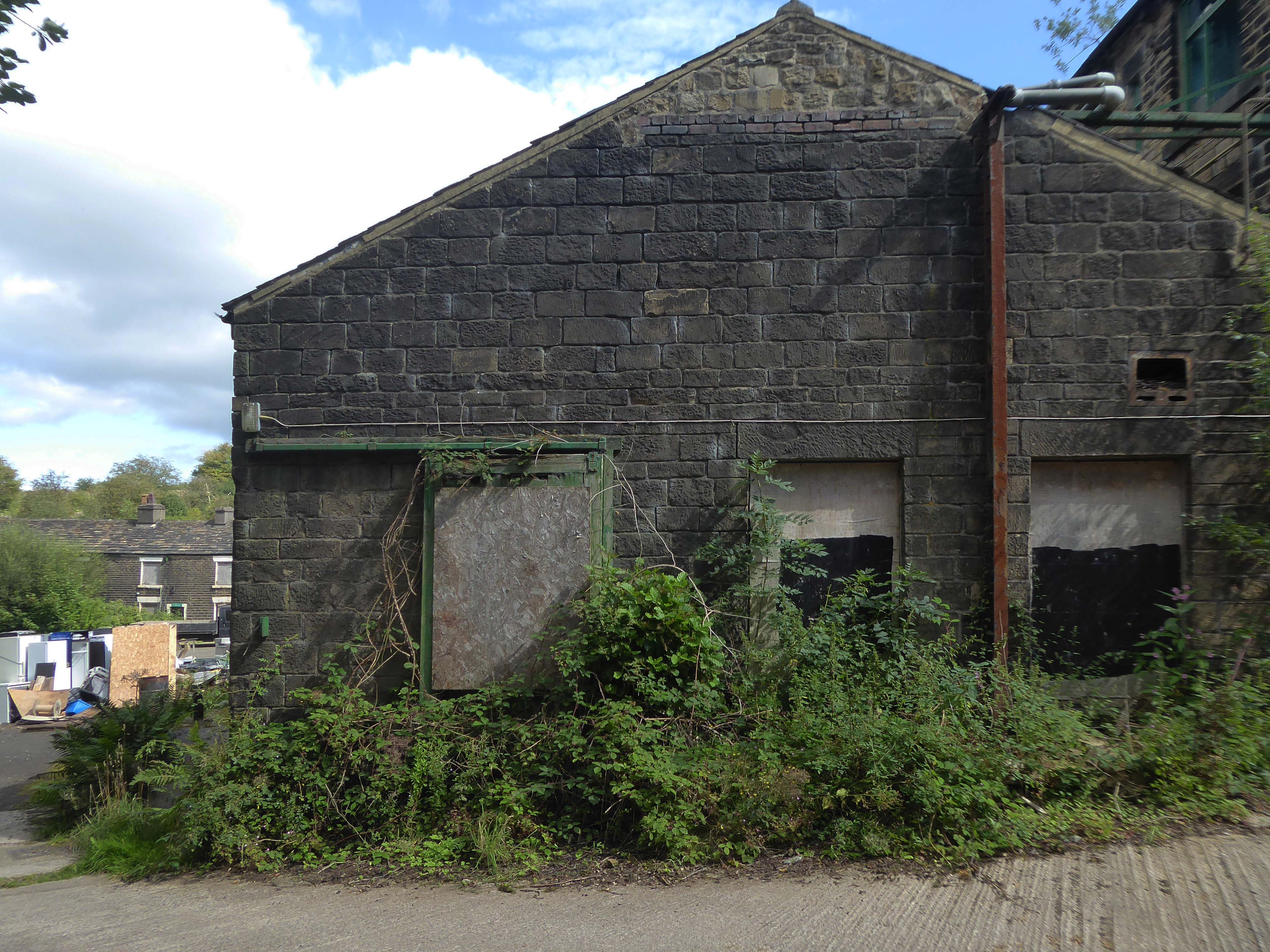
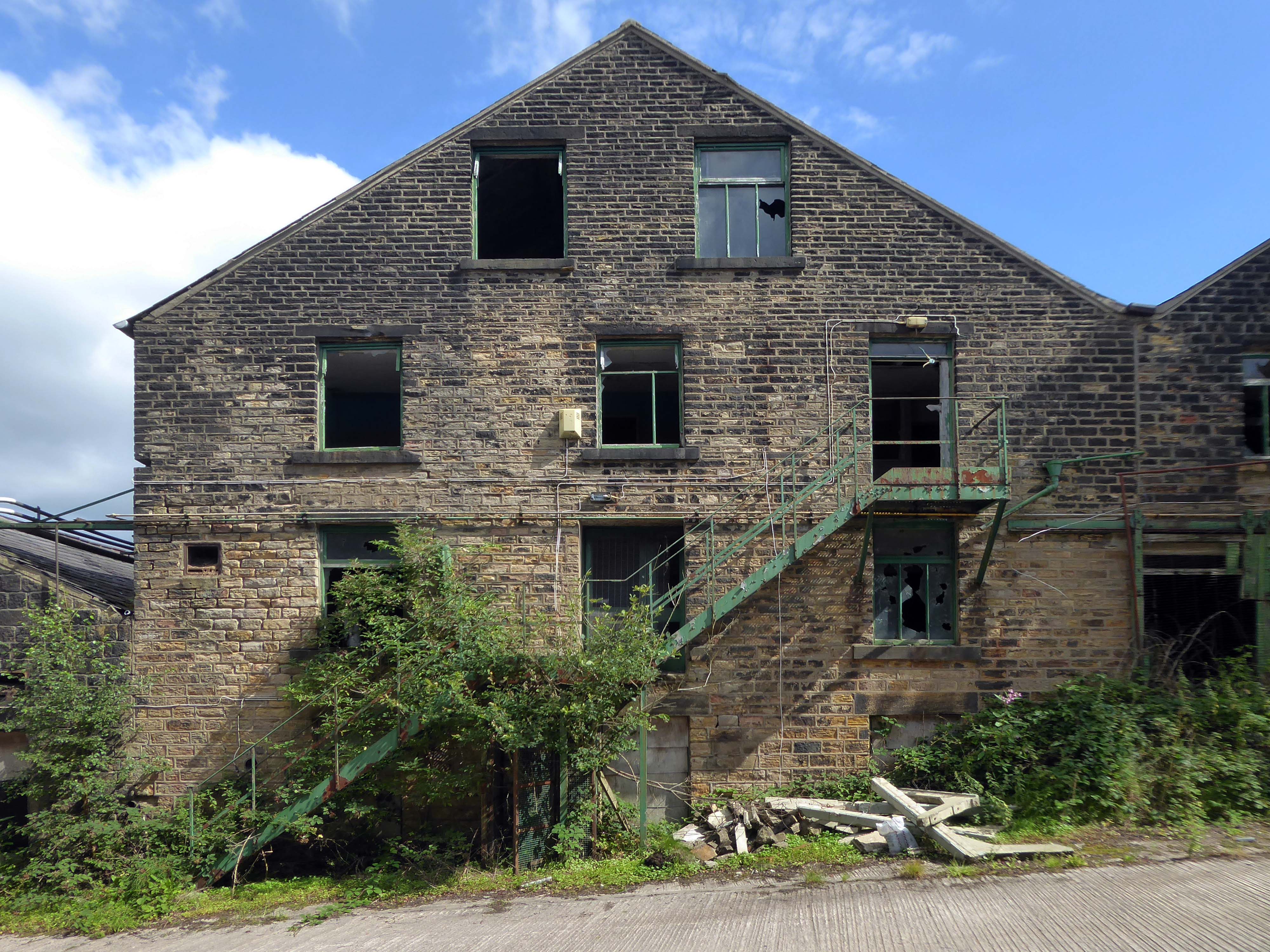
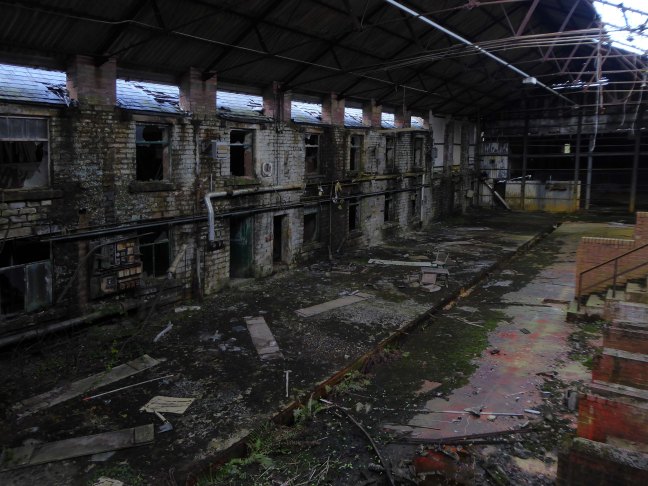
It has been a longstanding, low-lying object of interest to those intrepid Urban Explorers.

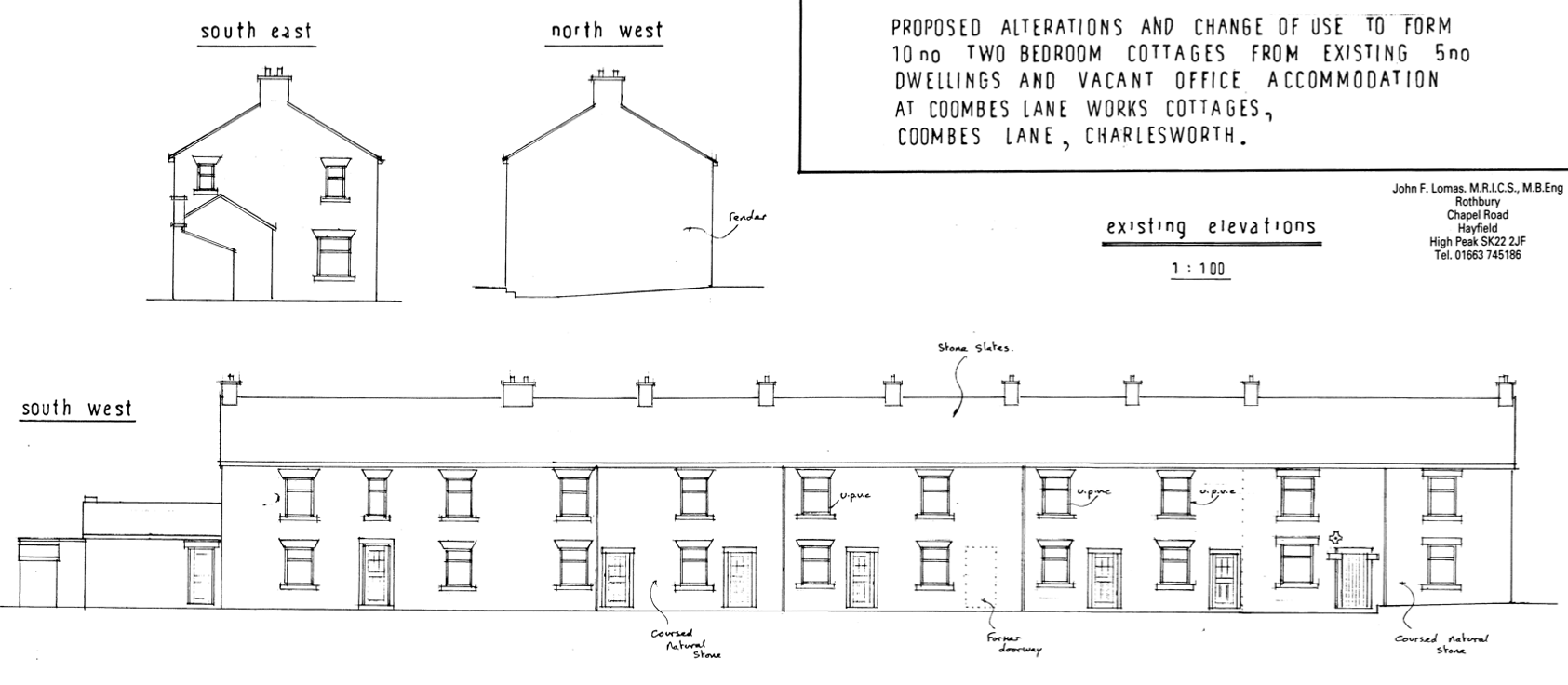
A planning application of 2009 was submitted for redevelopment of the terraced cottages.

Proposed alterations and change of use to form ten two bedroom cottages from existing five dwellings and vacant office accommodation.
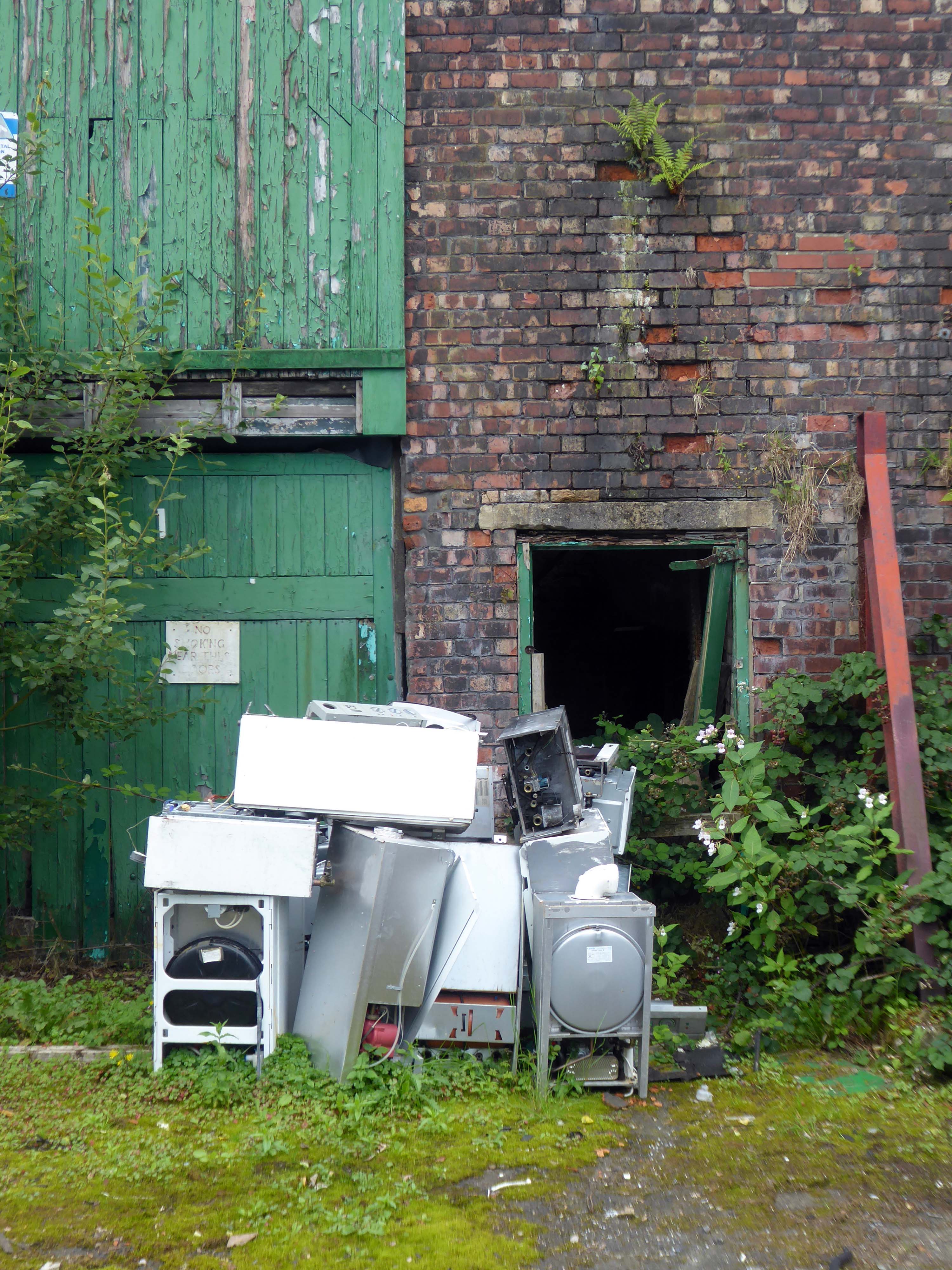
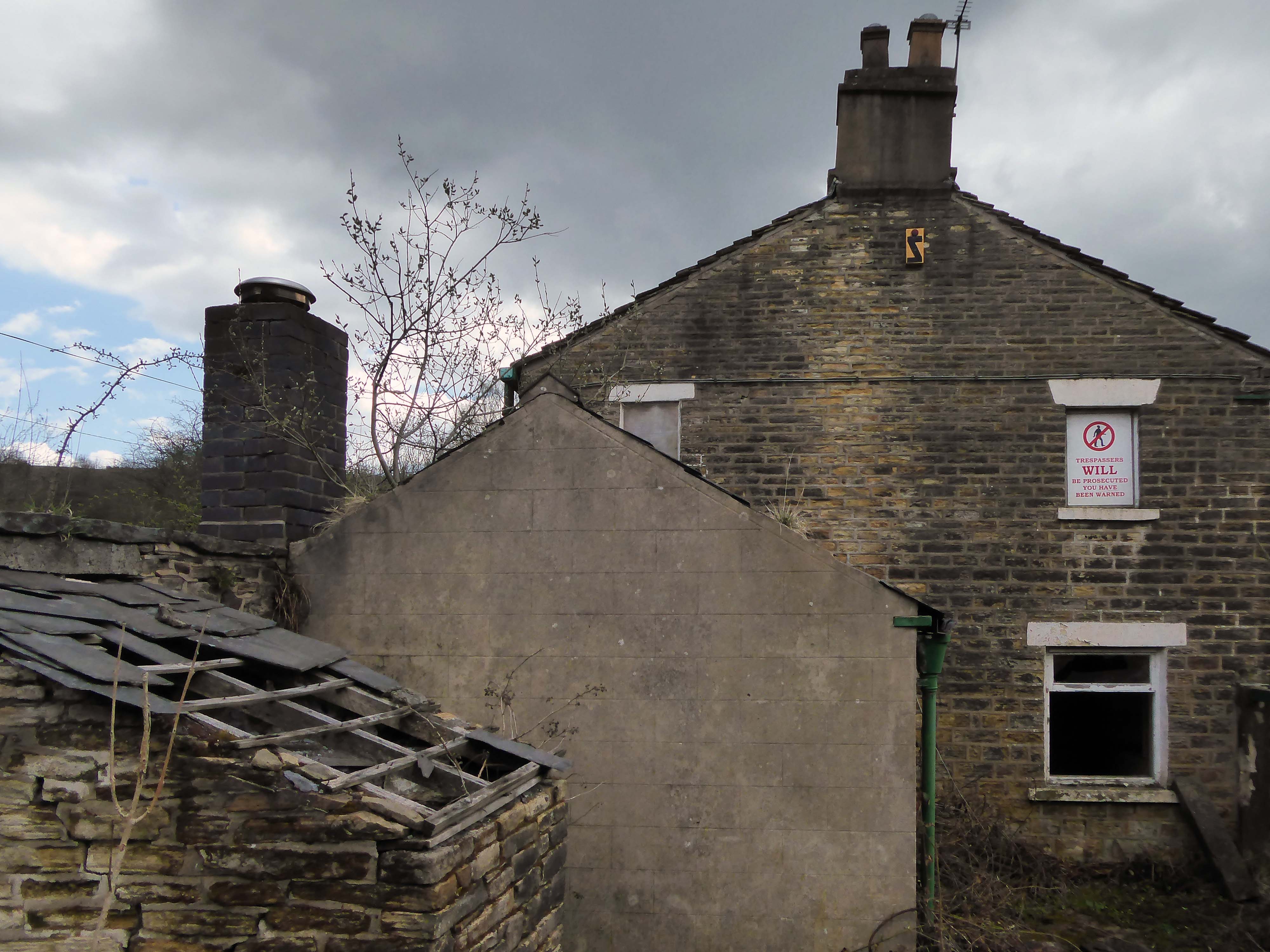
This was the state of play in April 2021 – the interior photographs were taken through an open aperture.
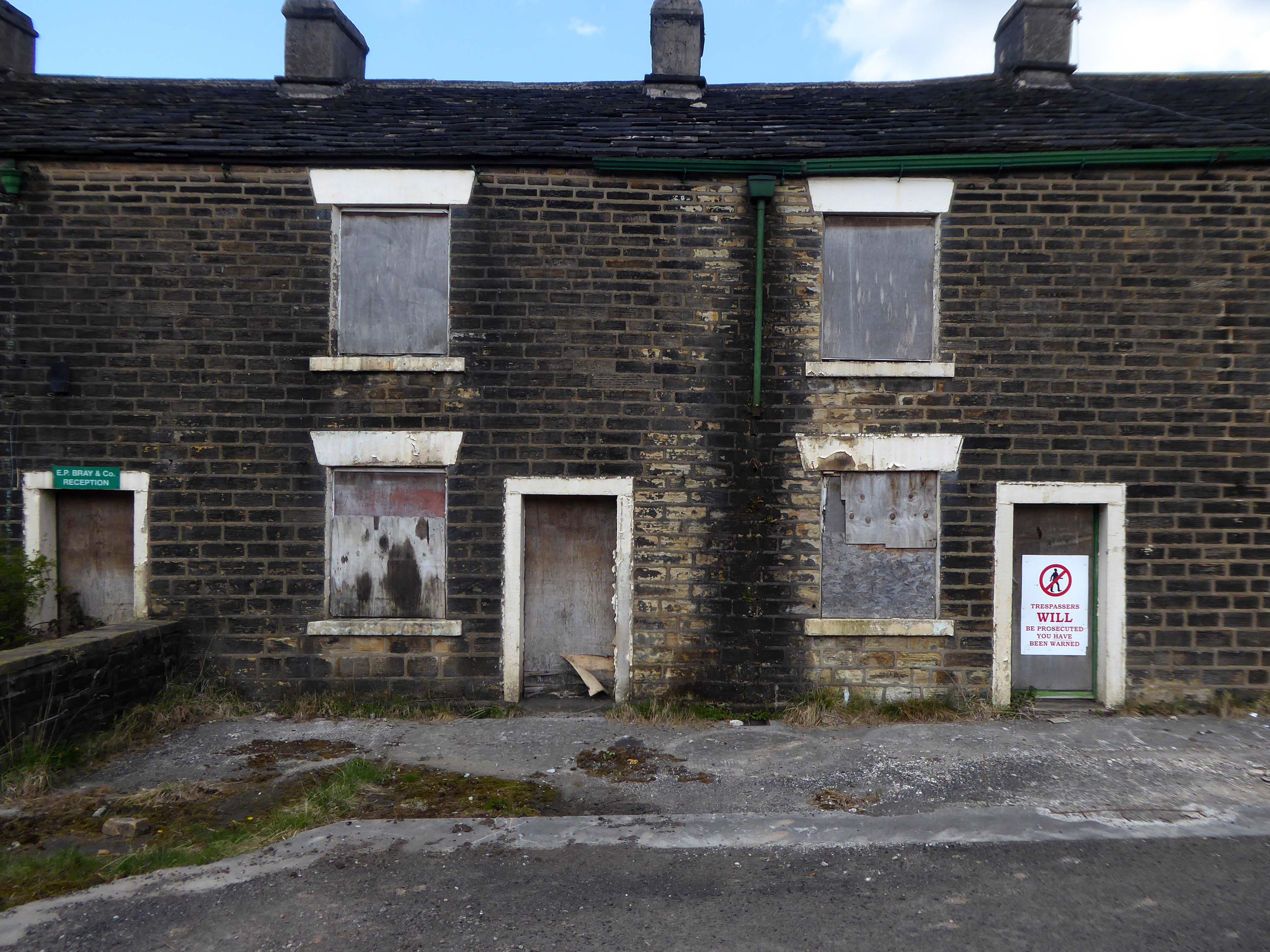
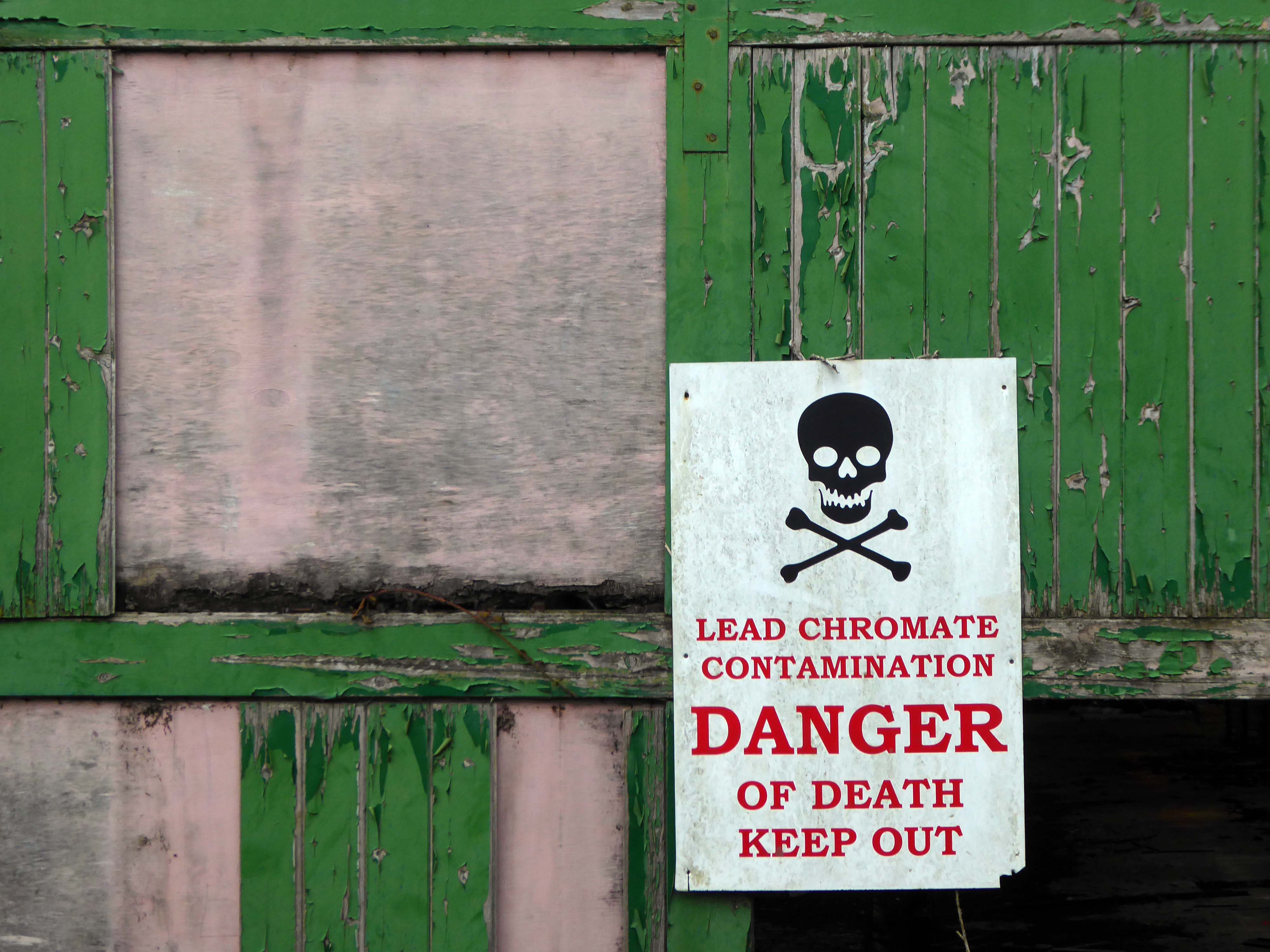
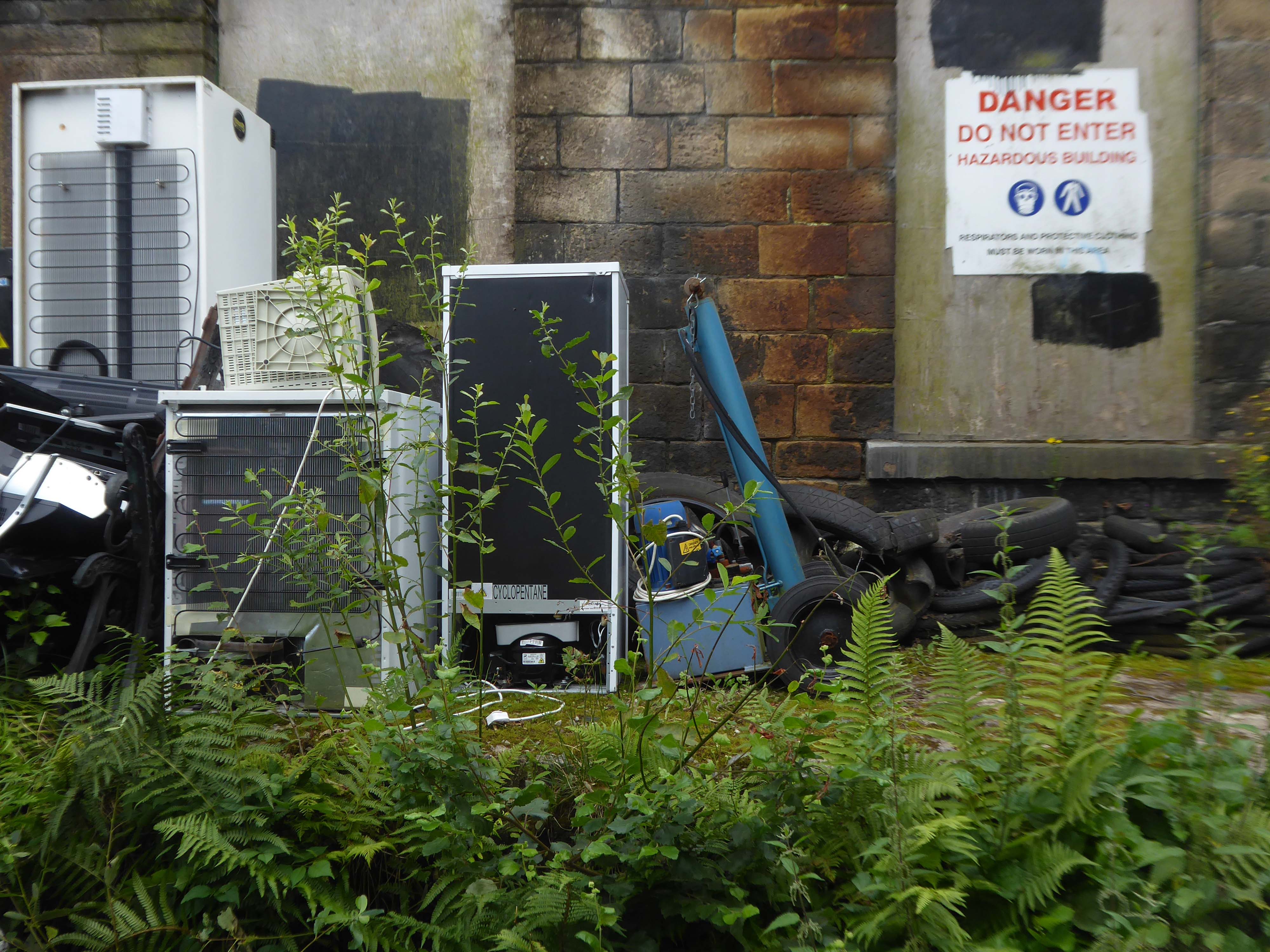
Lead Chromate can affect you when inhaled or swallowed. Contact can irritate and burn the skin and eyes. Prolonged skin contact may cause blisters and deep ulcers. 

Inhaling Lead Chromate can irritate the nose, throat and lungs.Exposure can cause headache, irritability, and muscle and joint pain. Repeated exposure can cause Lead poisoning with metallic taste, colic and muscle cramps.

Inhaling Lead Chromate can cause a sore and/or a hole in the septum.

Lead Chromate may cause a skin allergy.

Lead Chromate may damage the nervous system. Exposure may cause kidney and brain damage, and anemia.

The building was subsequently owned by EP Bray.
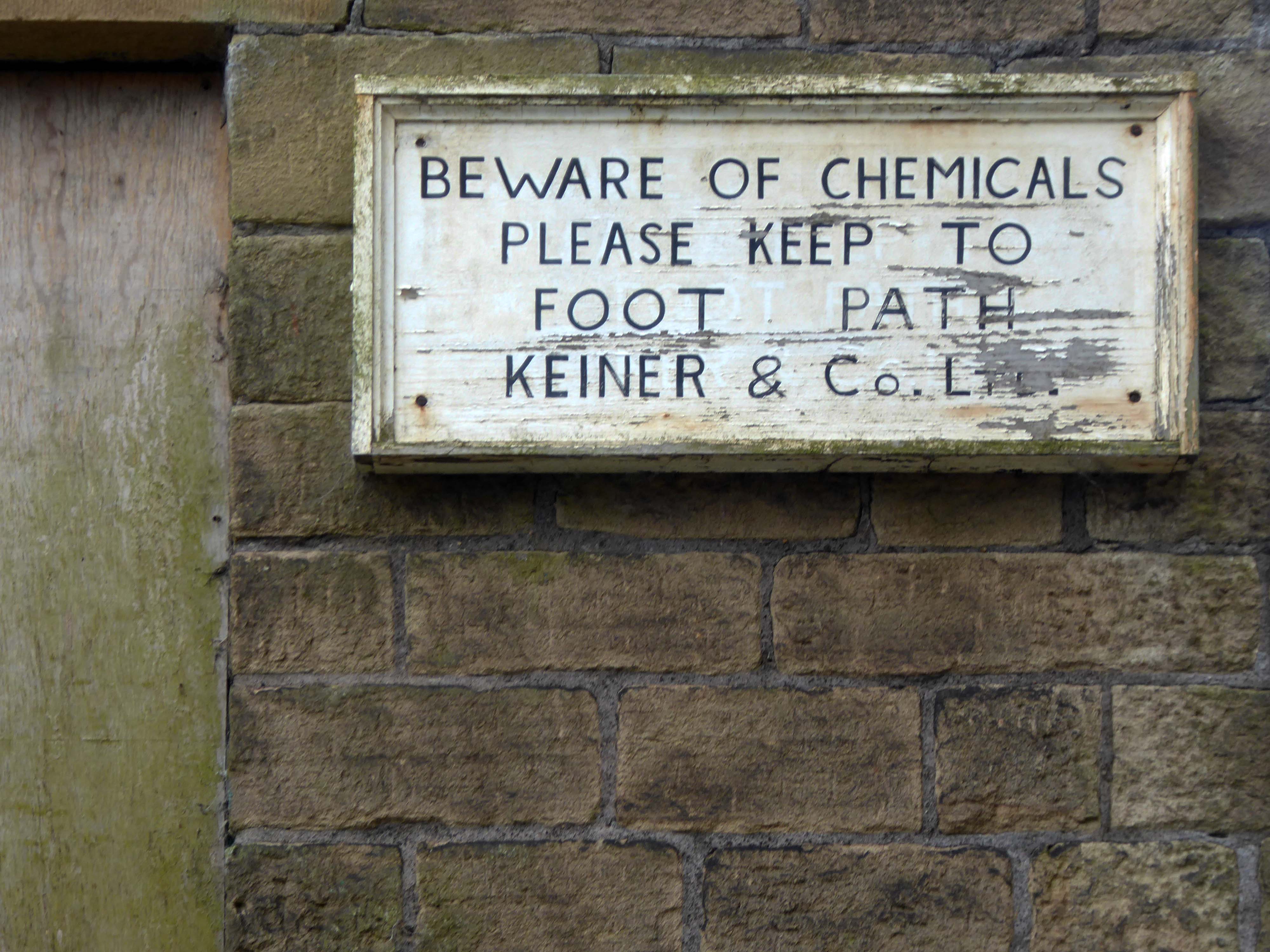
Wherever the choice has had to be made between the man of reason and the madman, the world has unhesitatingly followed the madman. 

Aldous Huxley –  Crome Yellow

Chrome yellow is a derivative of Lead Chromate.
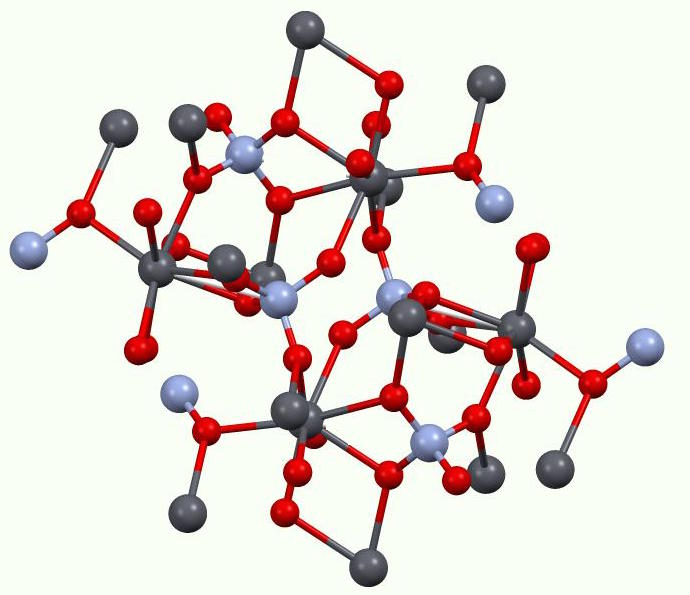
For over two hundred years the site has been a place of toil, dangerous toil taking its toll.

The valleys which inevitably fed the Mersey, were home to the origins of the Industrial Revolution – people and water powered.

This is a toxic landscape, nestled in the heart of ancient post-glacial earth movements:
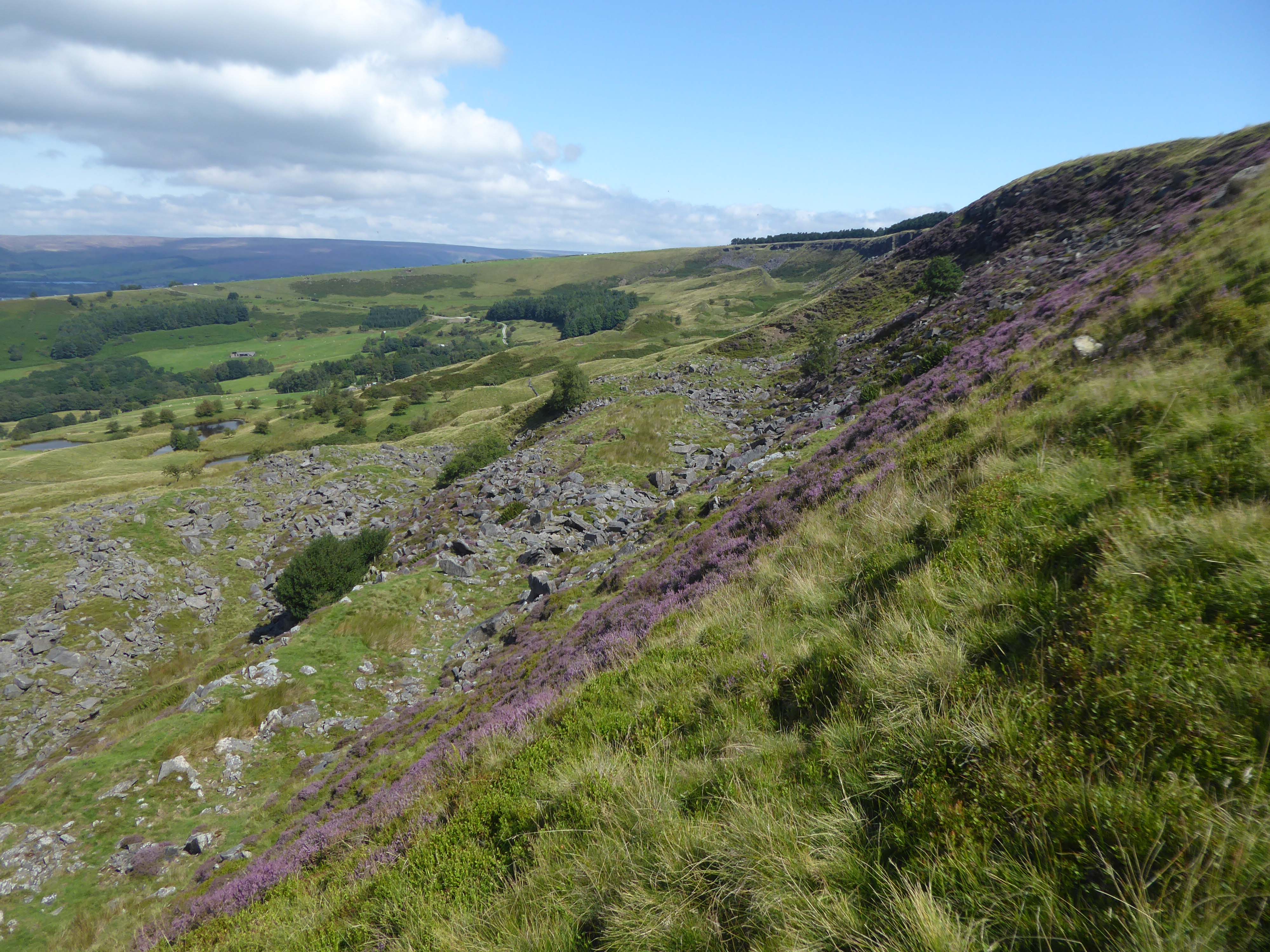
Geomorphological investigations of two landslide areas on the Cown Edge escarpment showed that slope failure was primarily the result of local stratigraphic and lithological conditions and not of past climatic vicissitudes or changes in the form of the relief. Failure on each occasion took place by shearing along the same line of weakness: shales either within a calcareous shale band or in close proximity to it became decomposed and unable to bear the weight of the slope forming material above it. Each displacement resulted in a bank slip failure and the formation of a block glide landslide. The morphology indicates that slip movements has occurred several times and the periods when these took place have been determined using palynological methods. These results indicate that the Cown Edge landslides date from a post-glacial period.

JSTOR

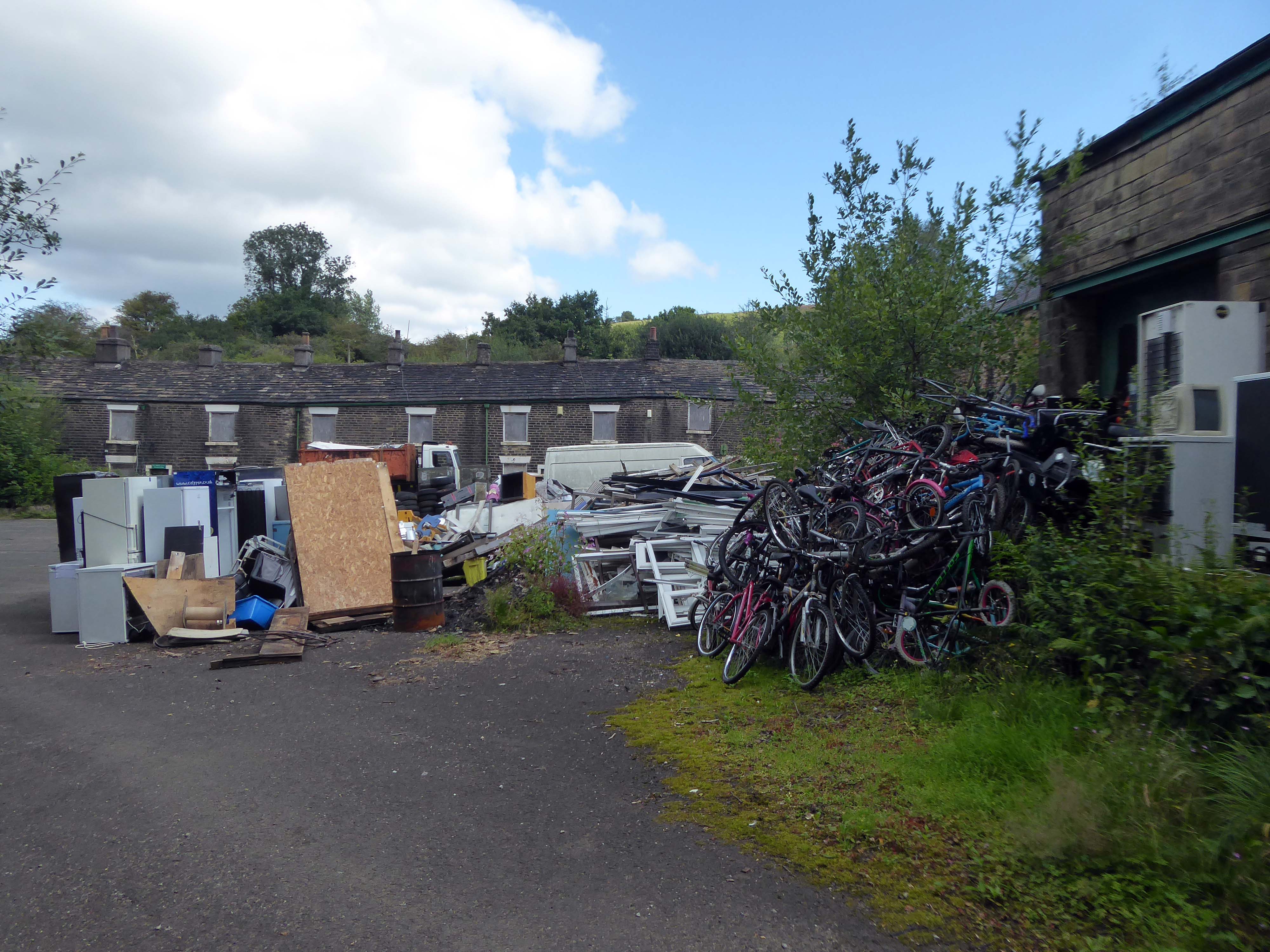
As of August 2023 the terraces remain un-rehabilitated.

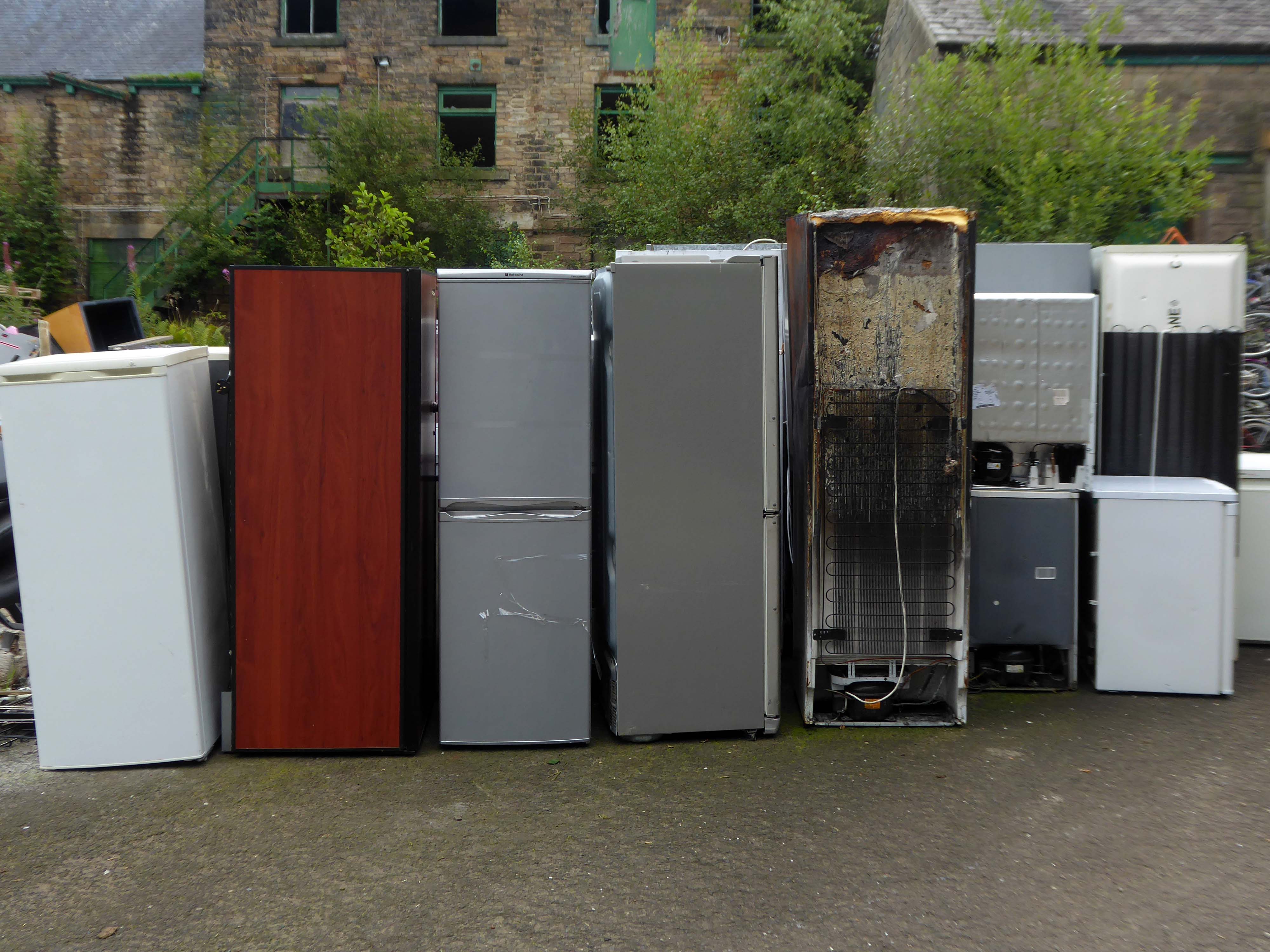
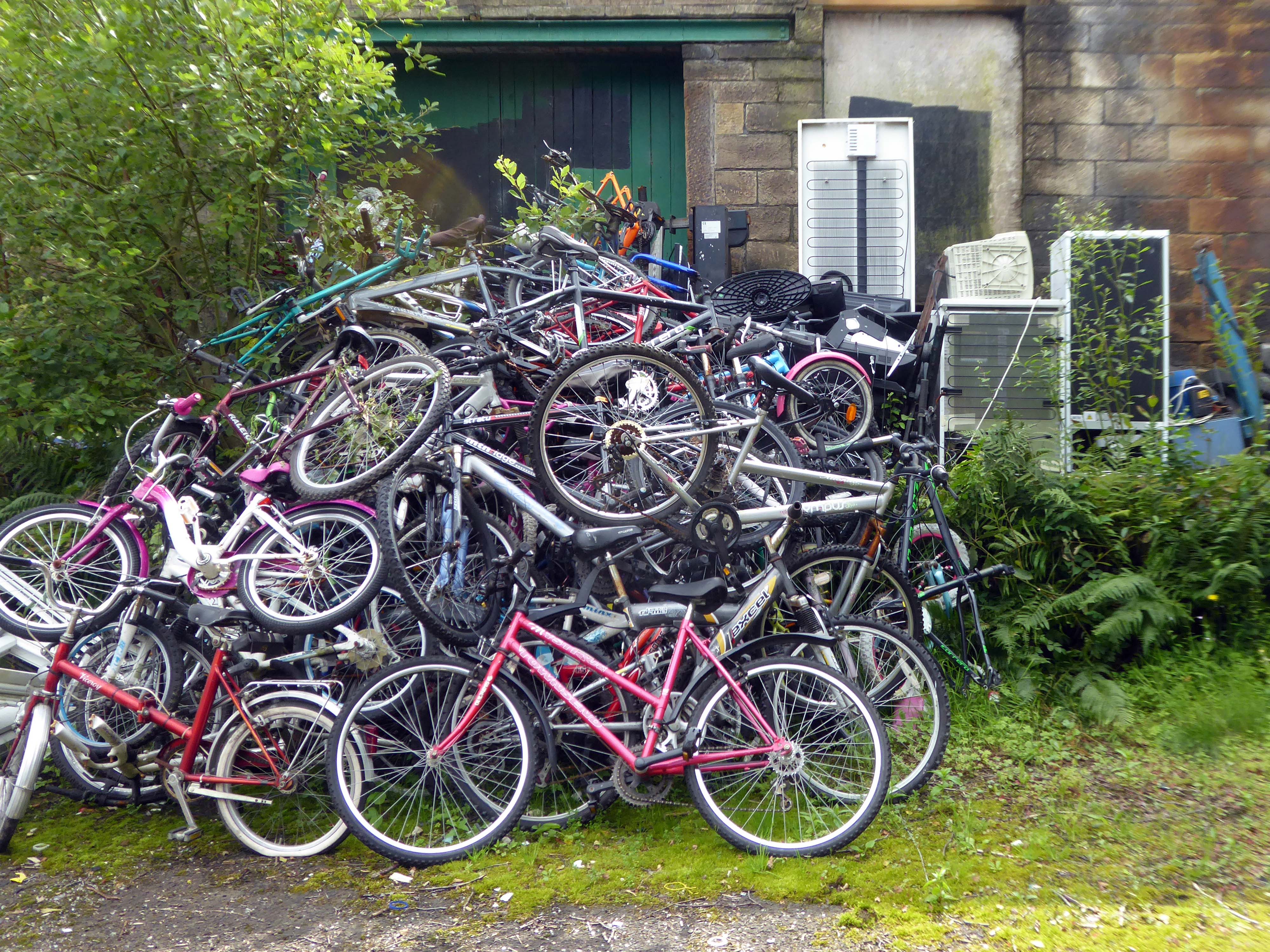
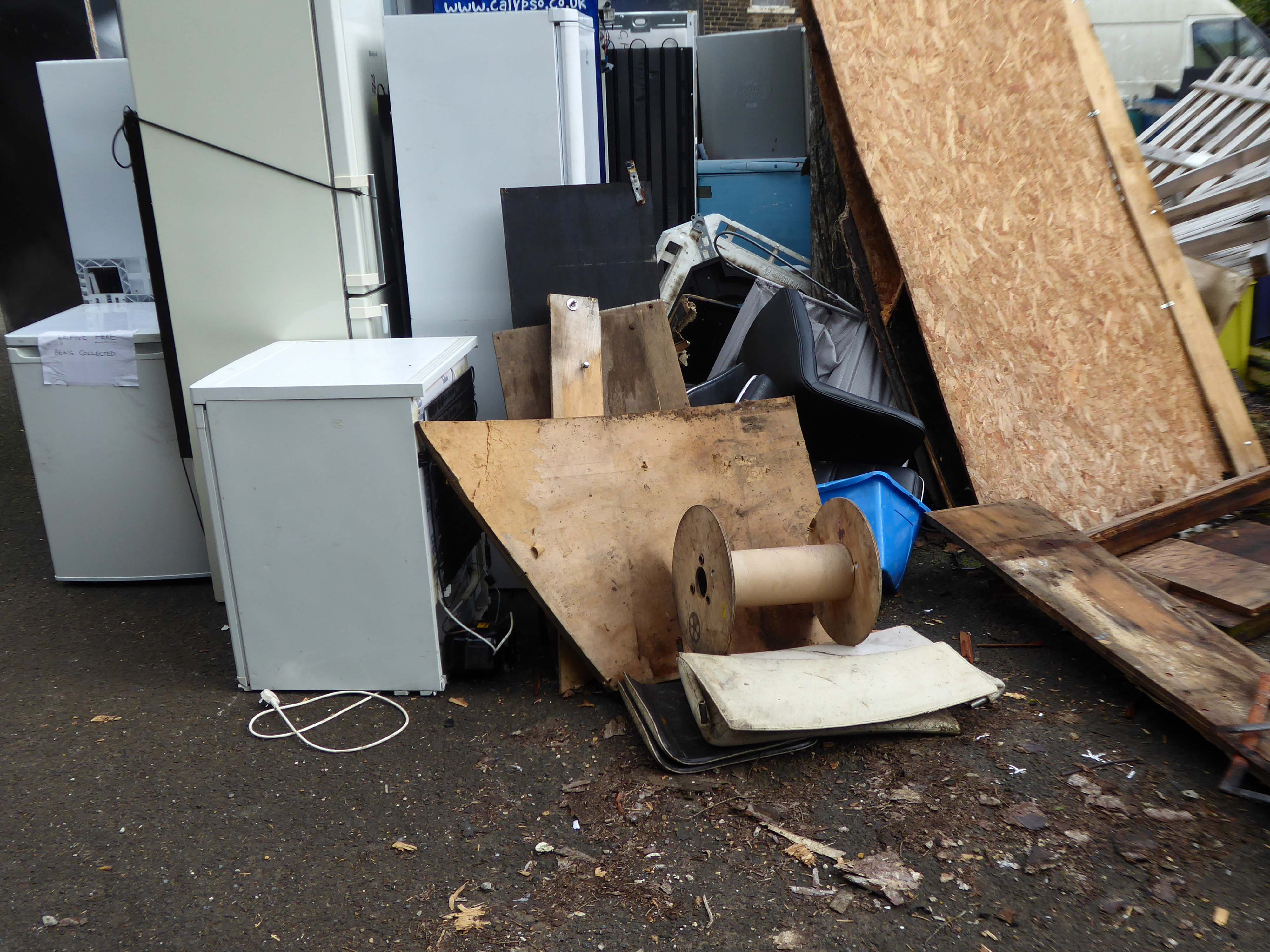
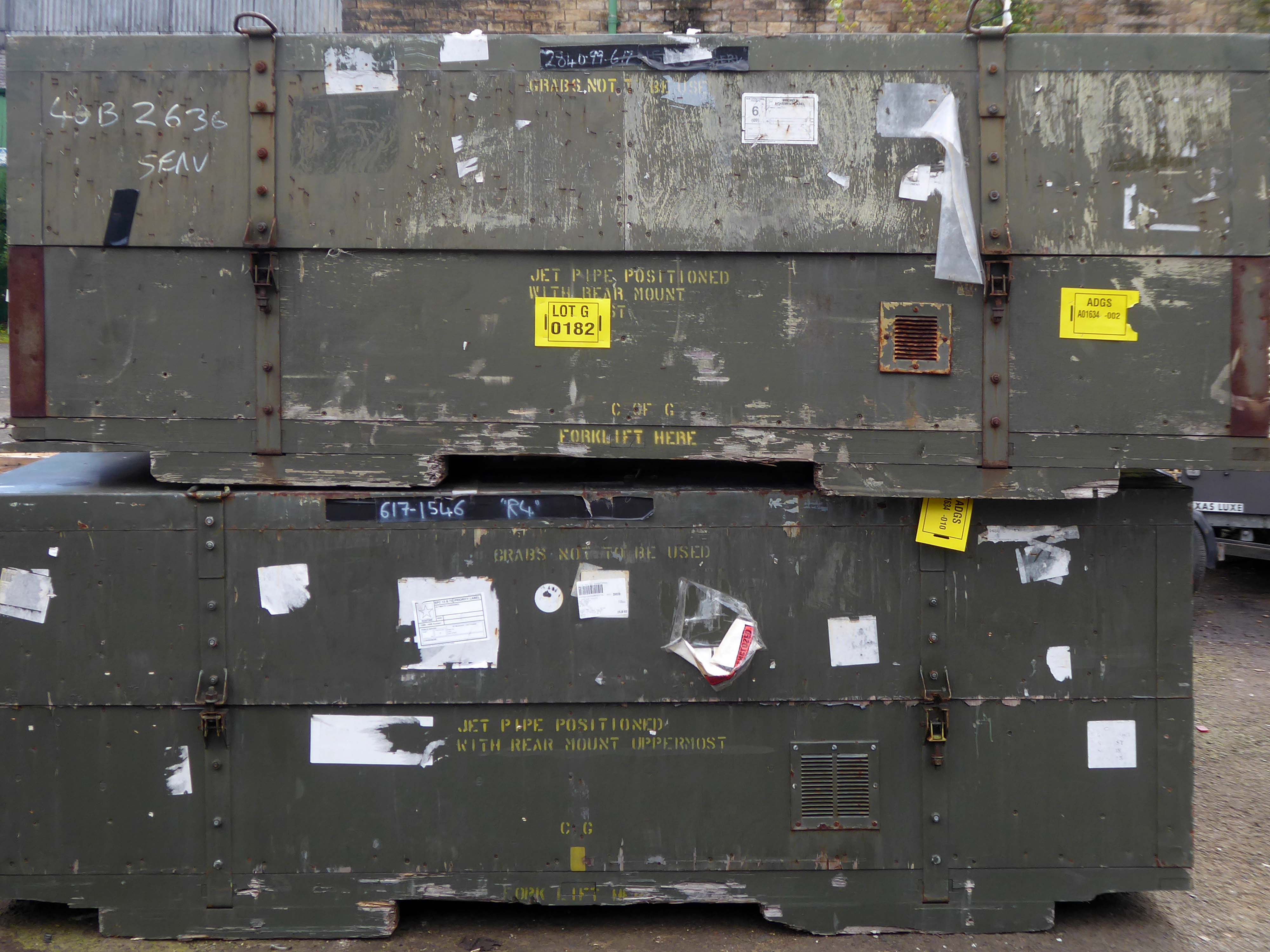
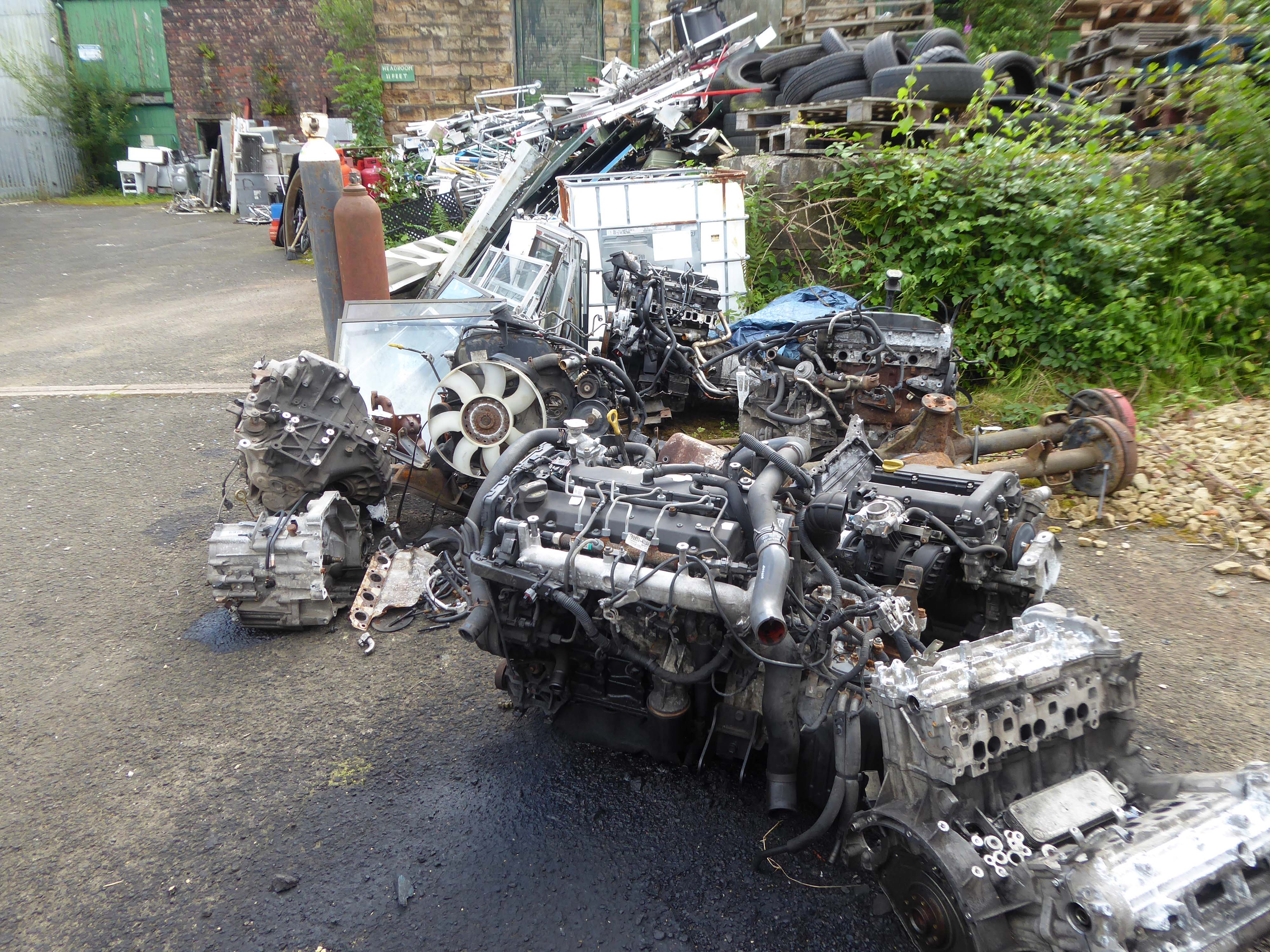
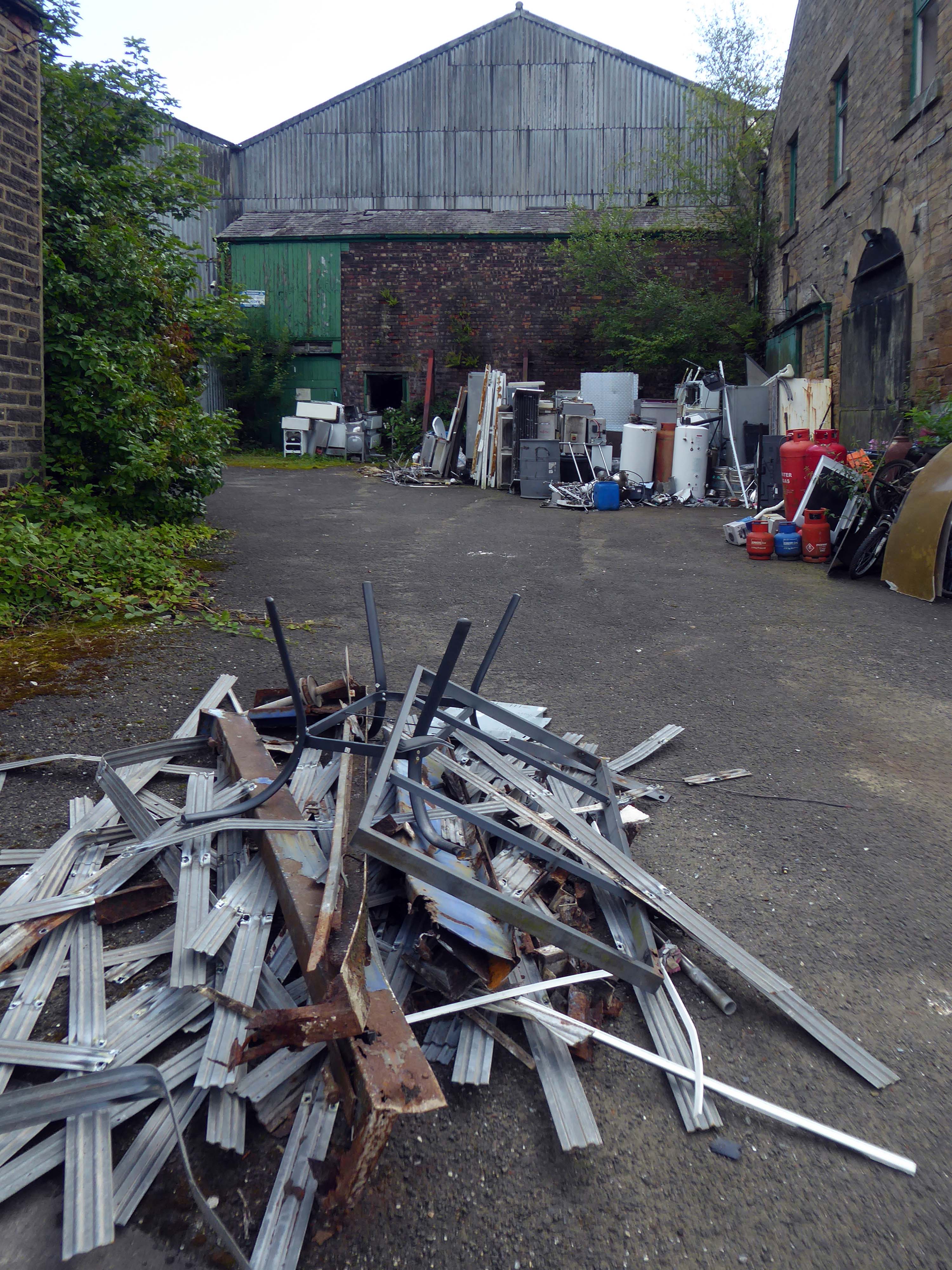
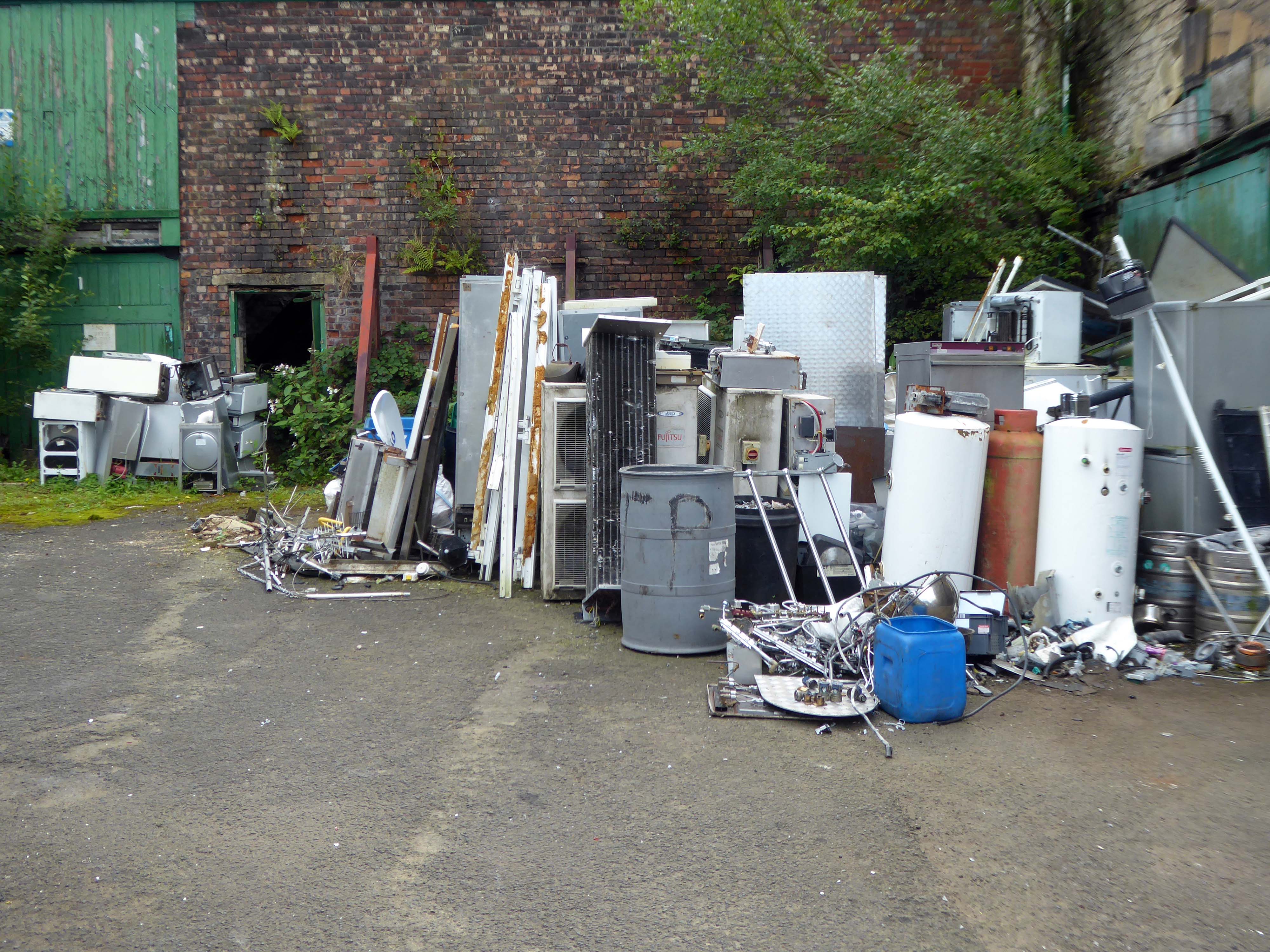
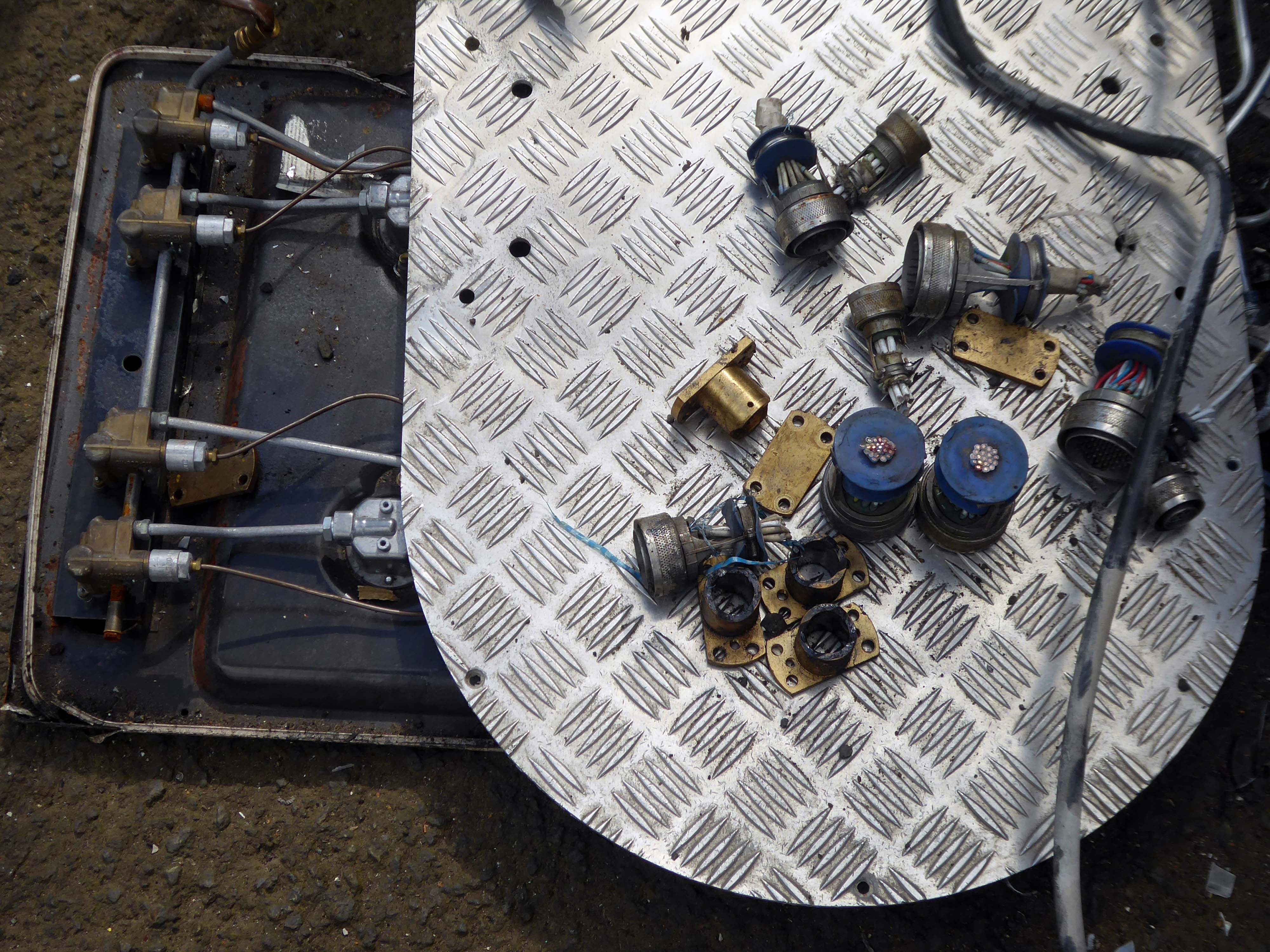
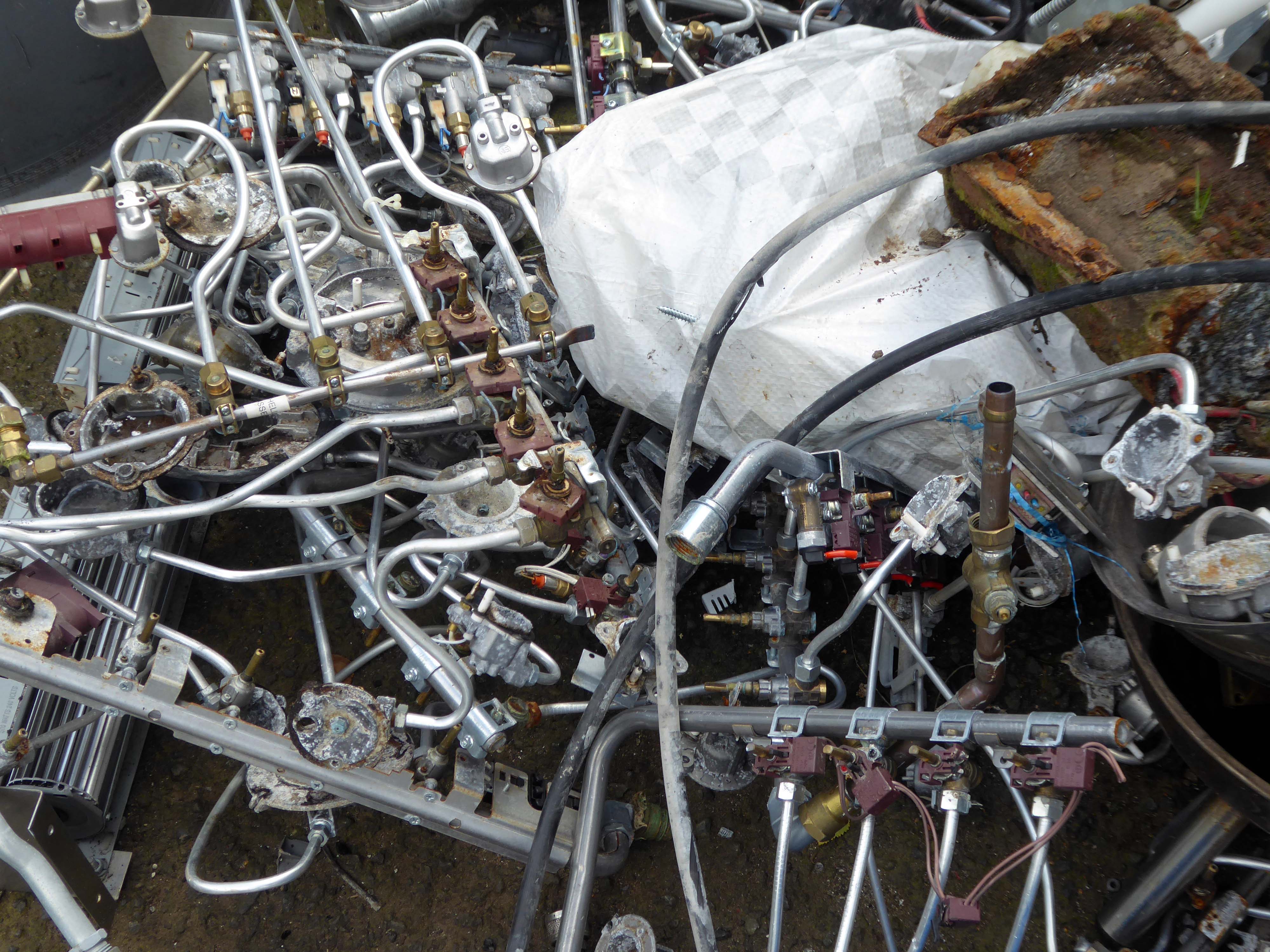
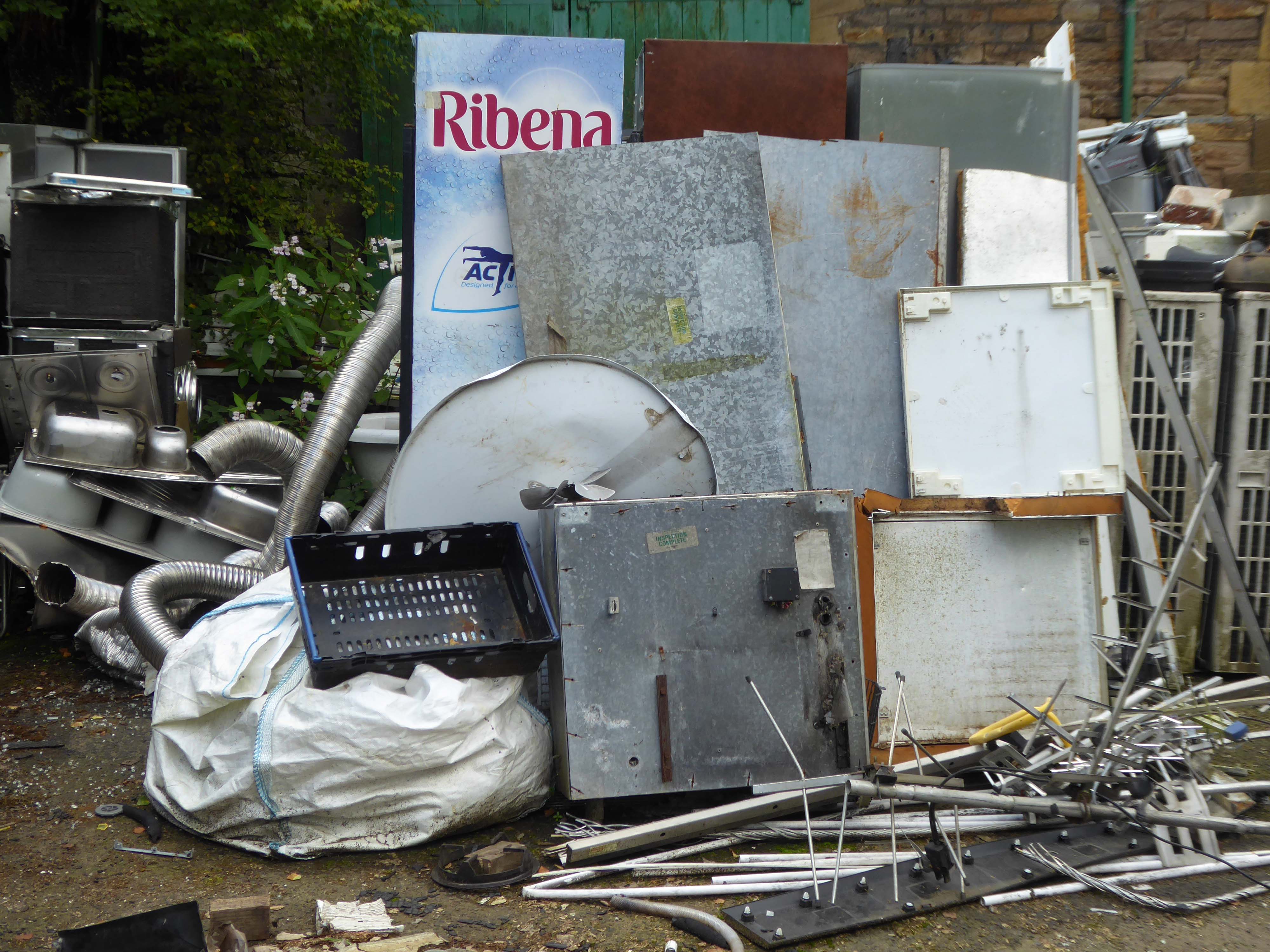
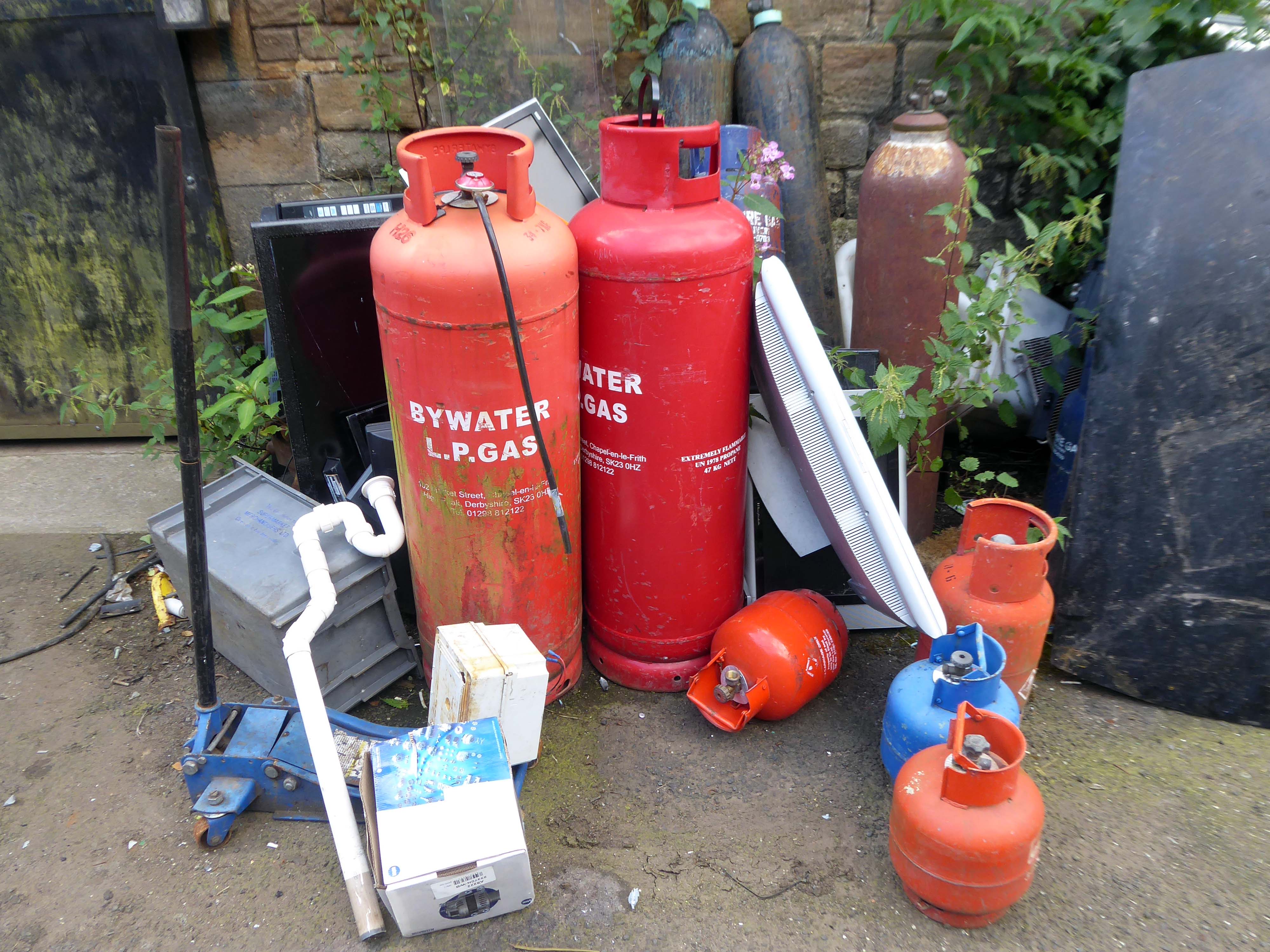
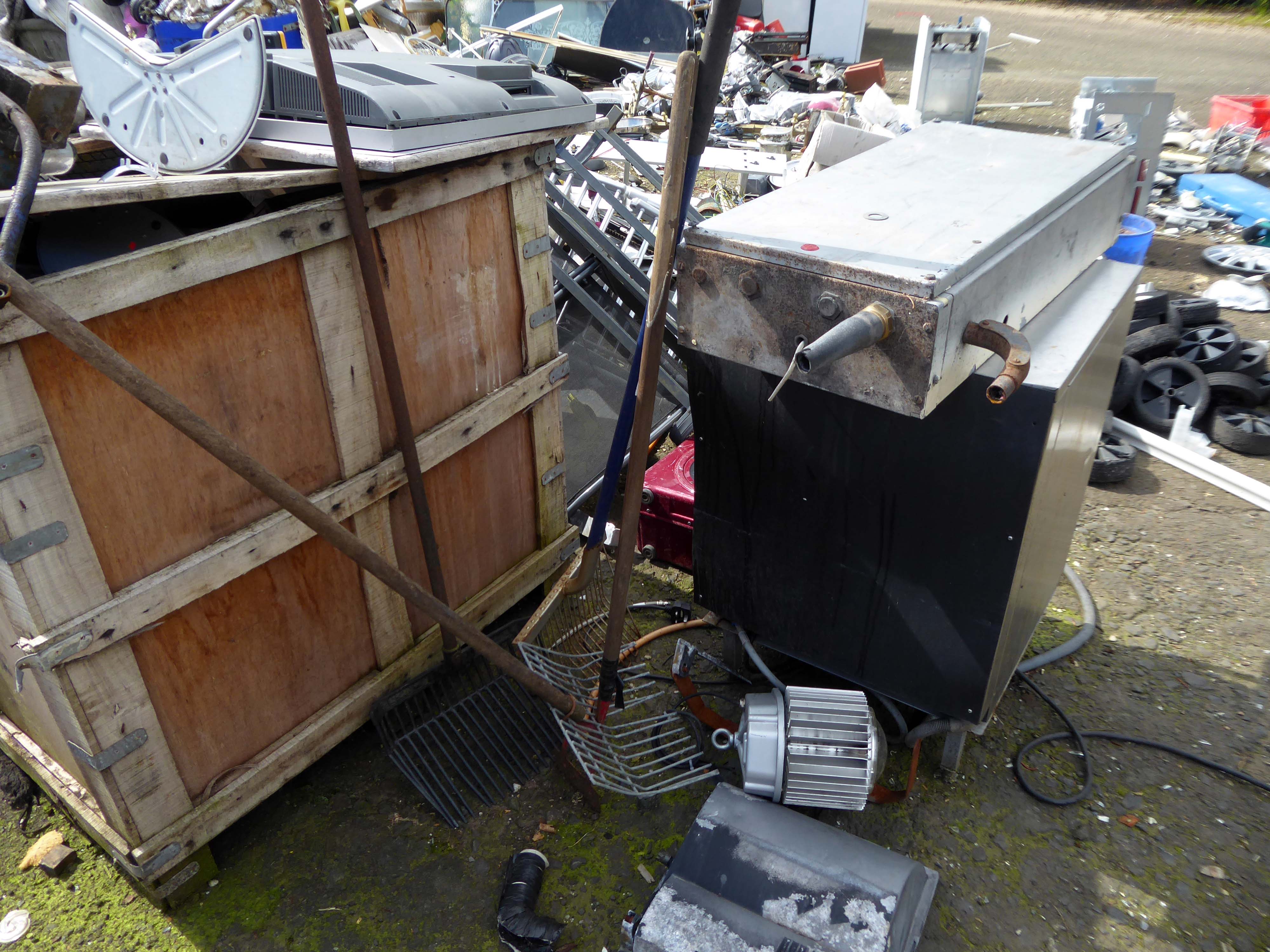
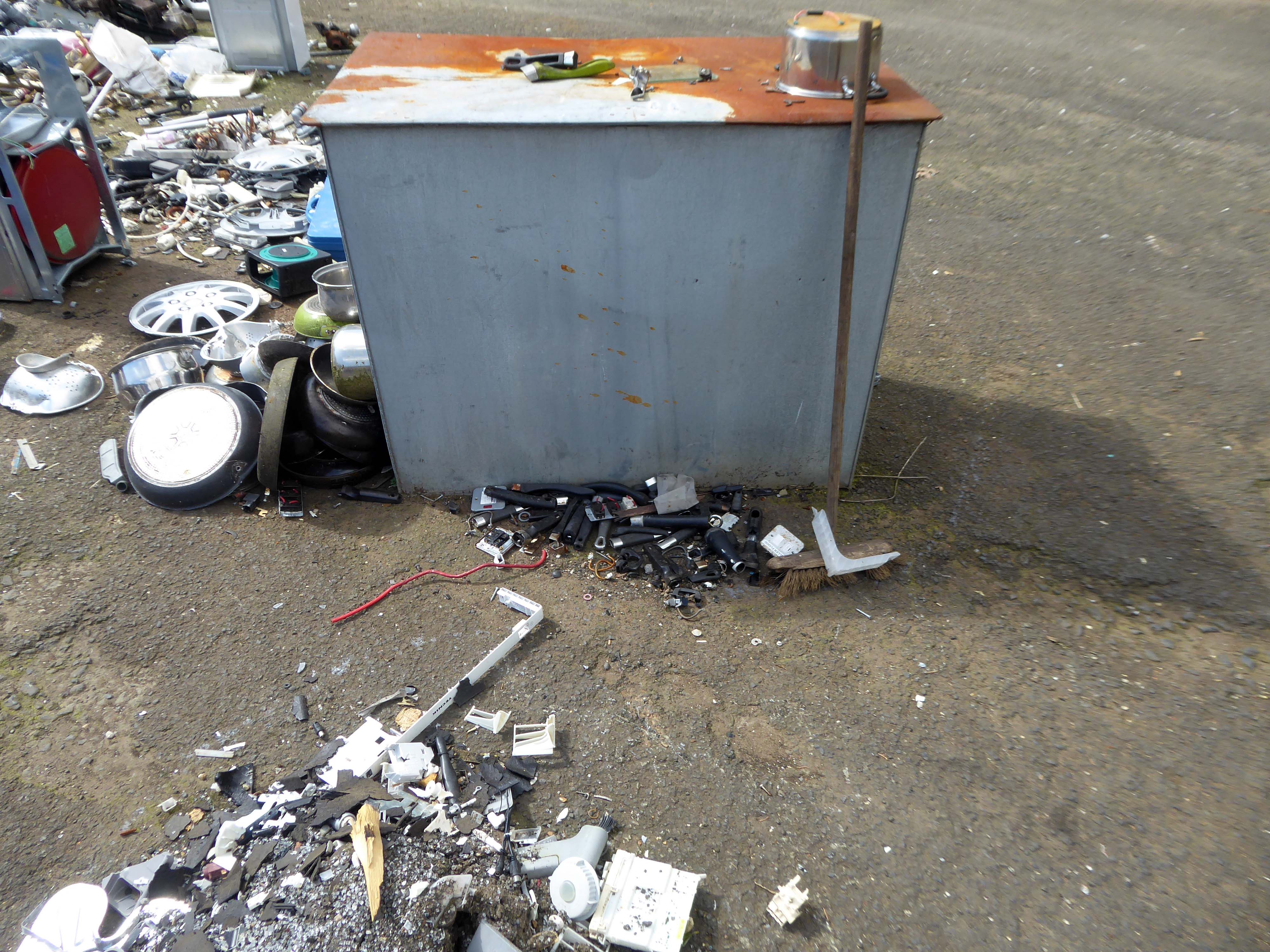
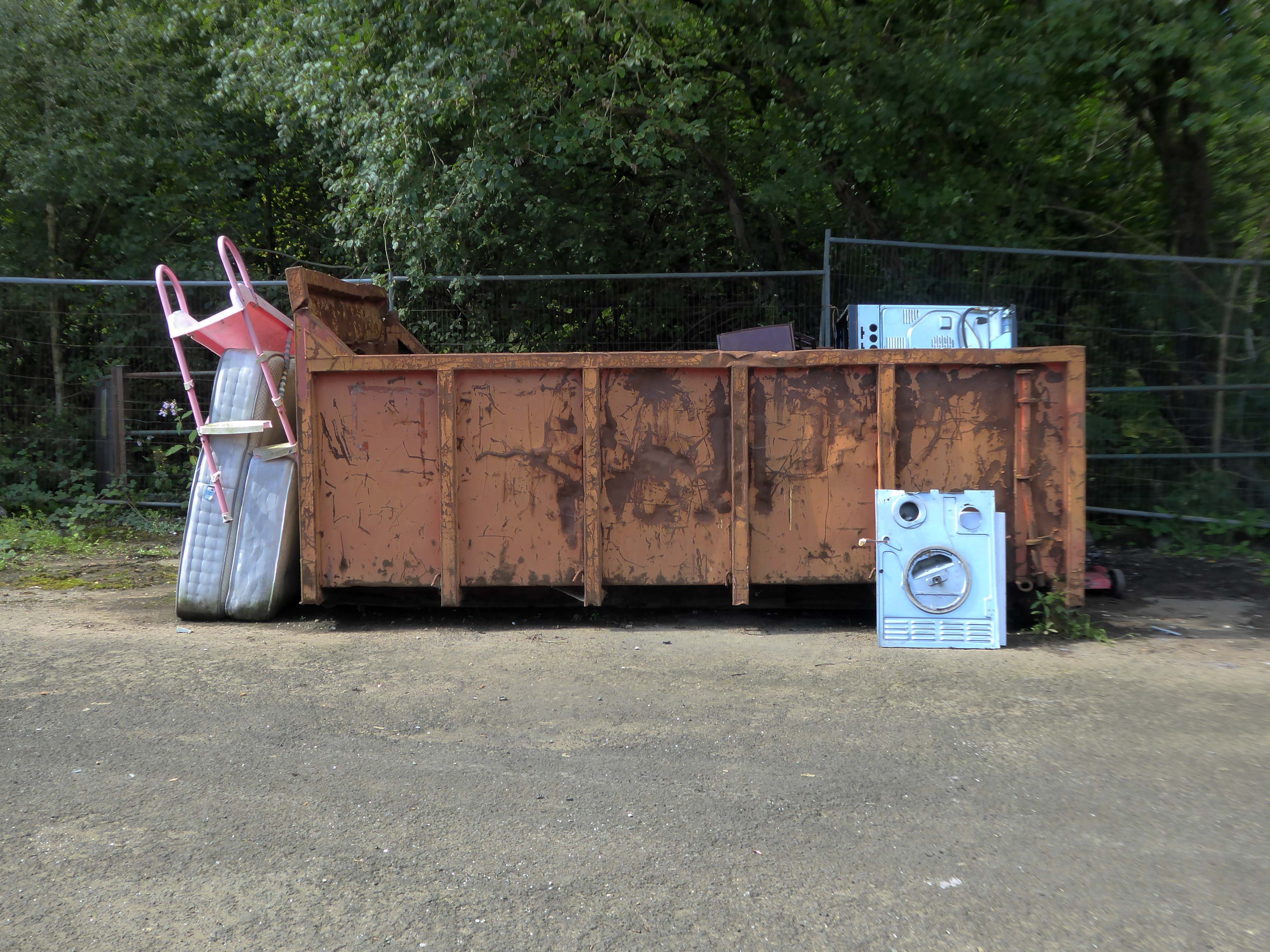
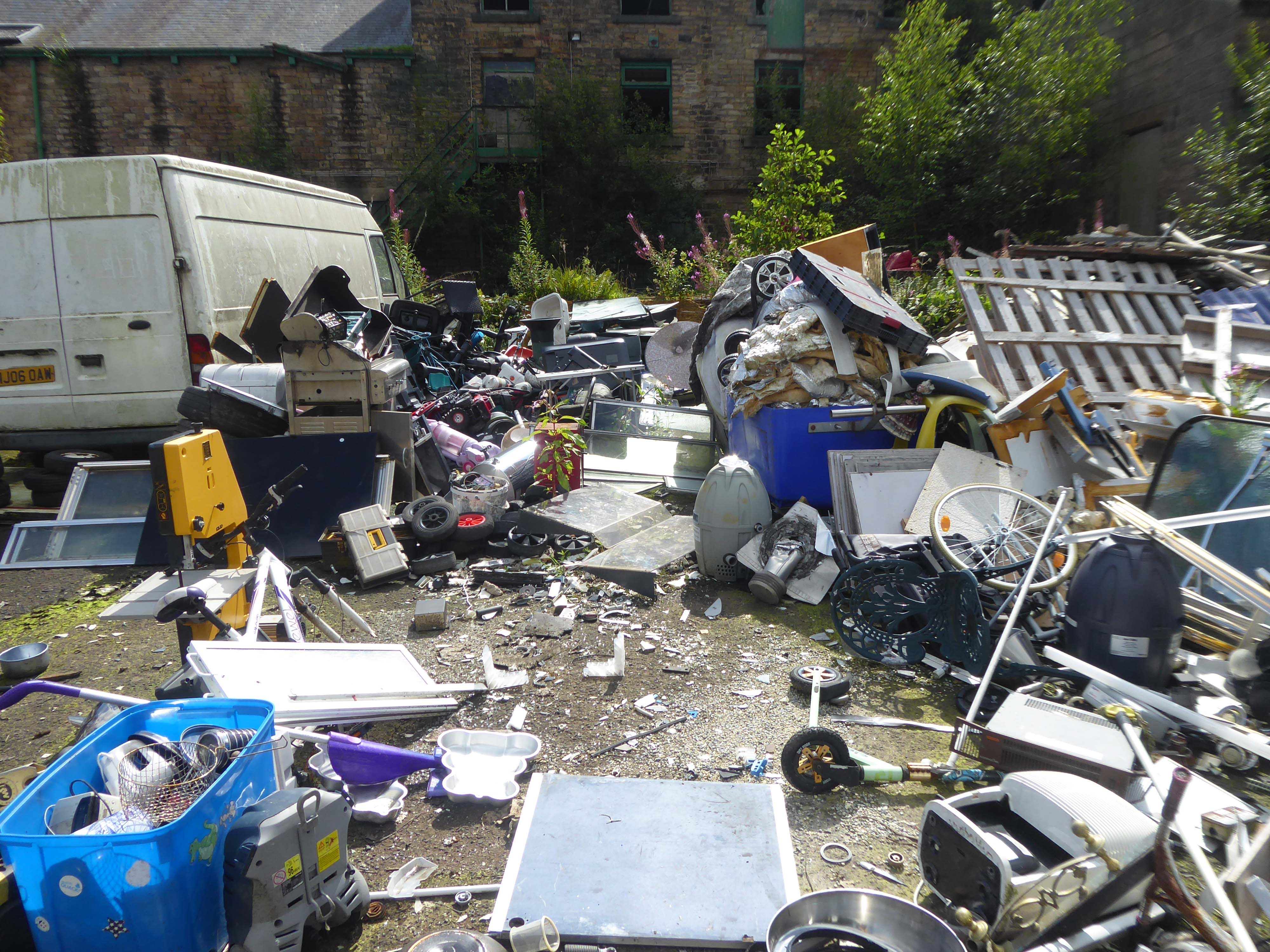
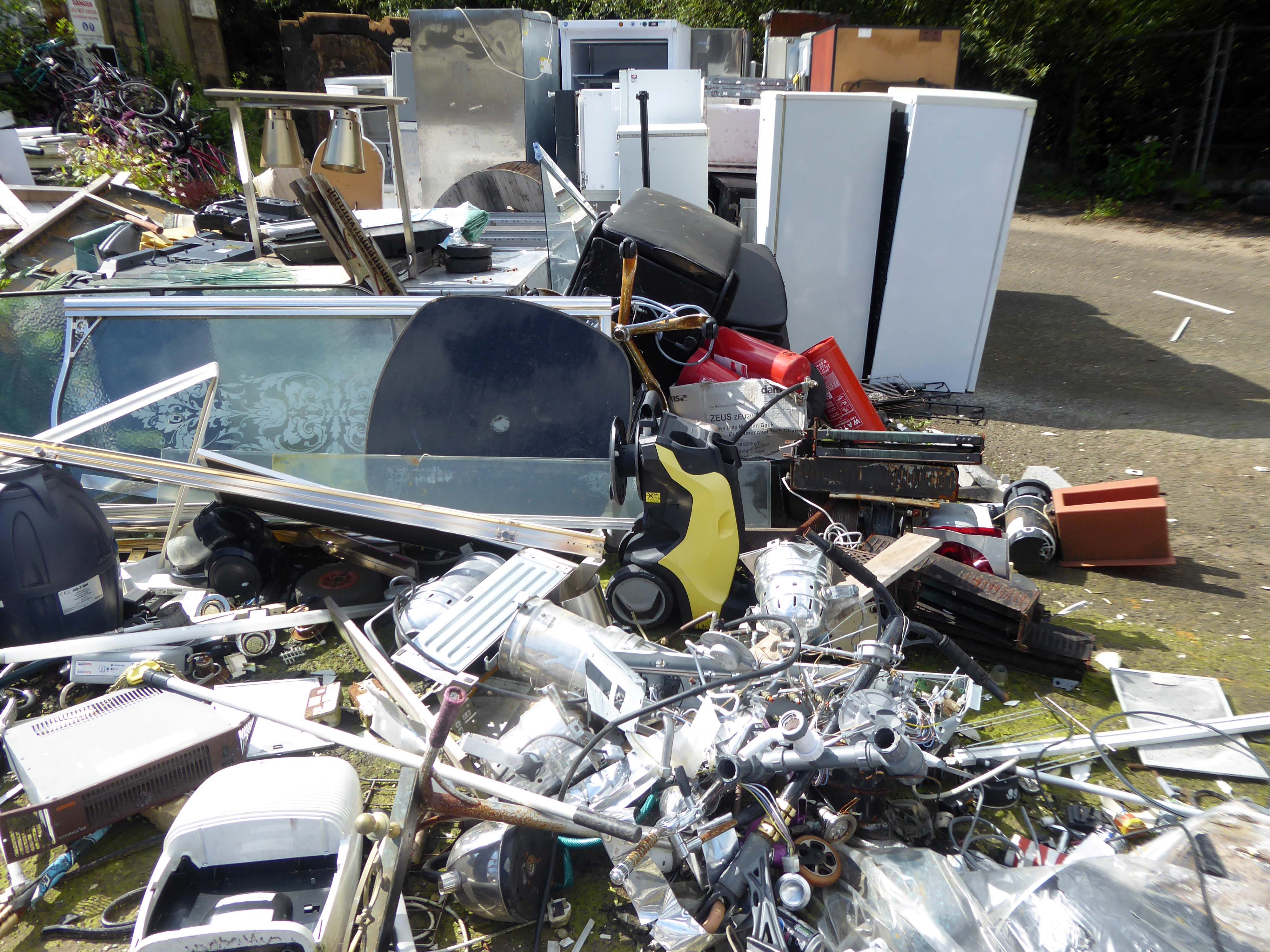
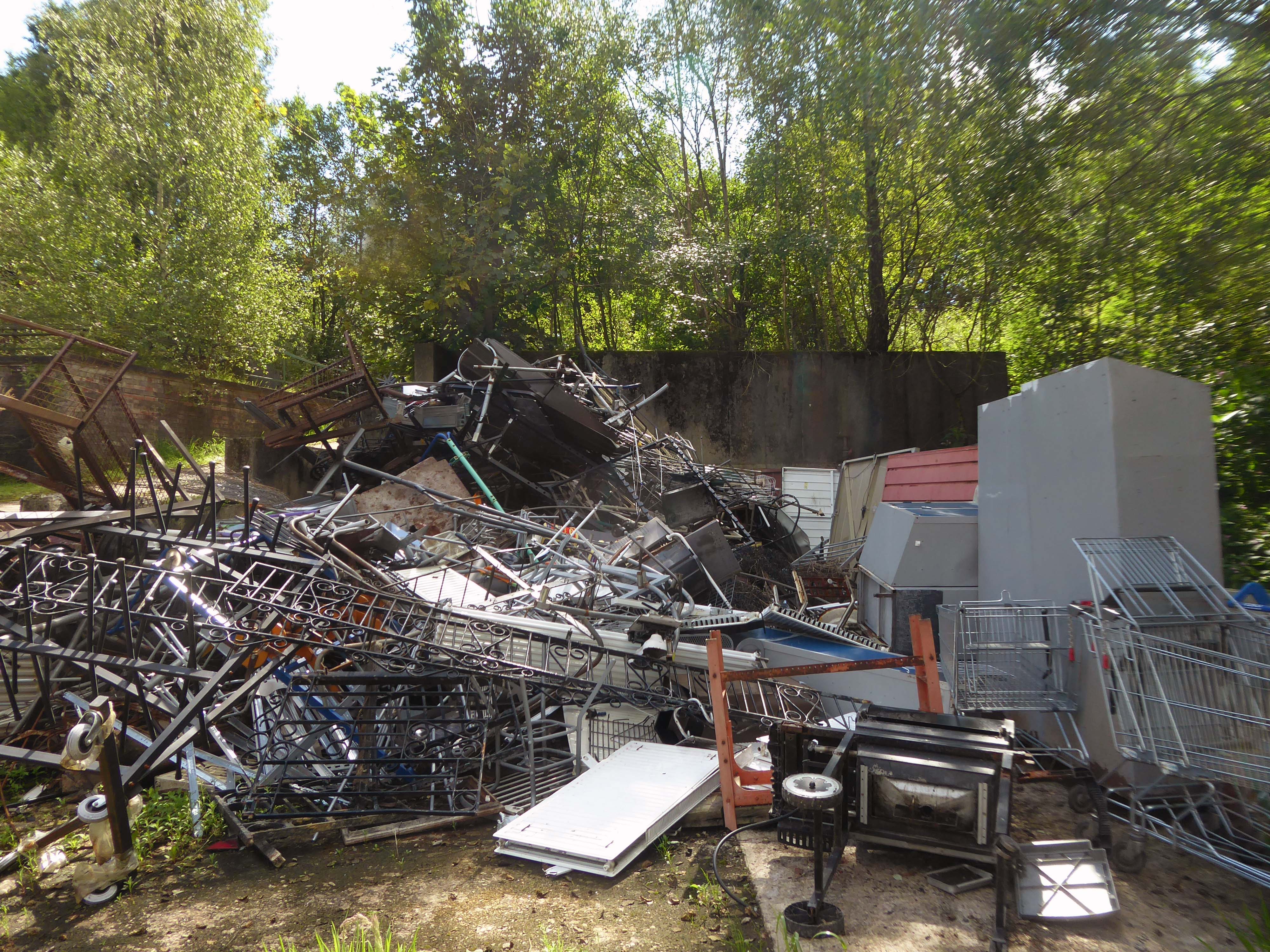
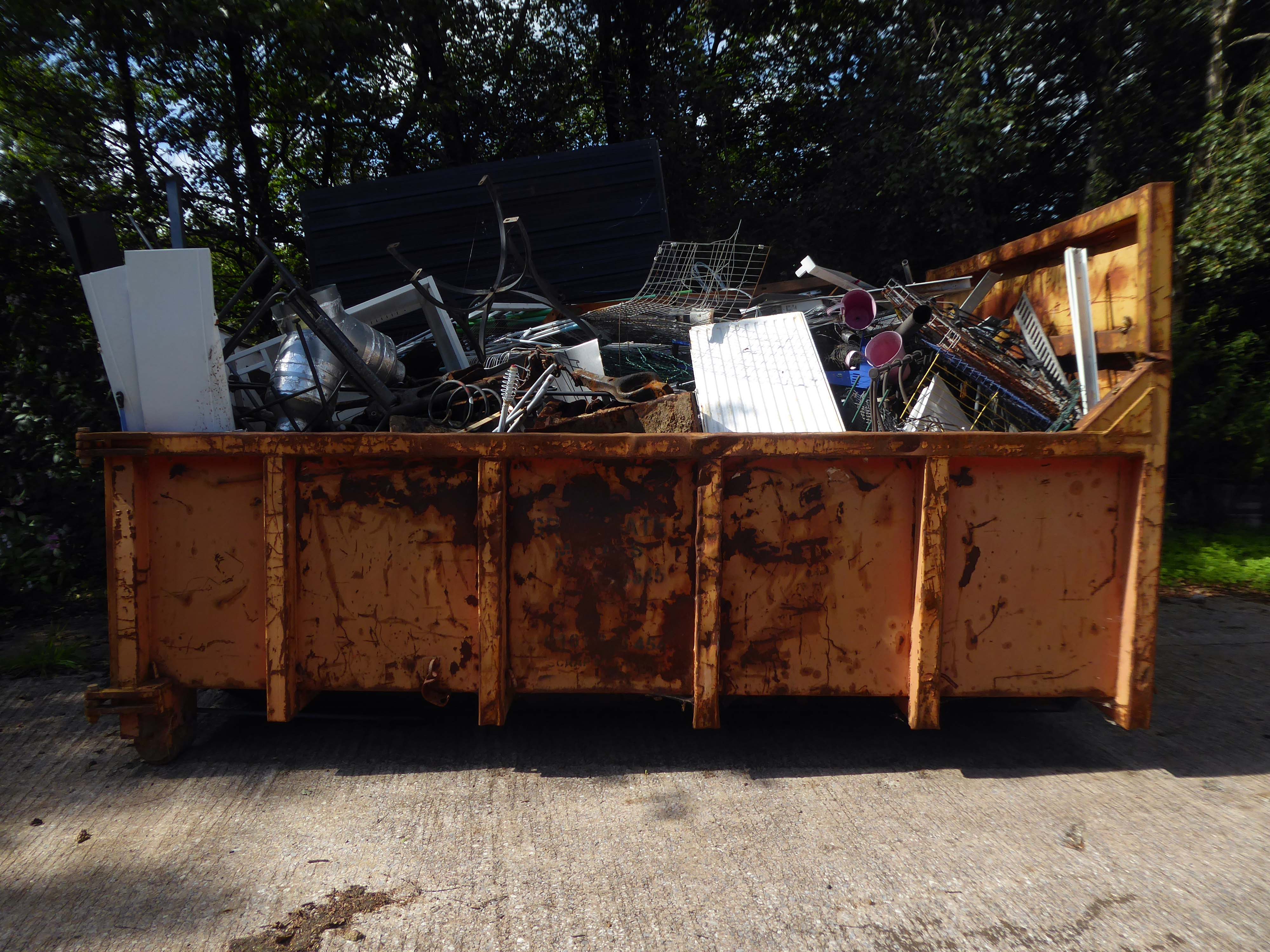
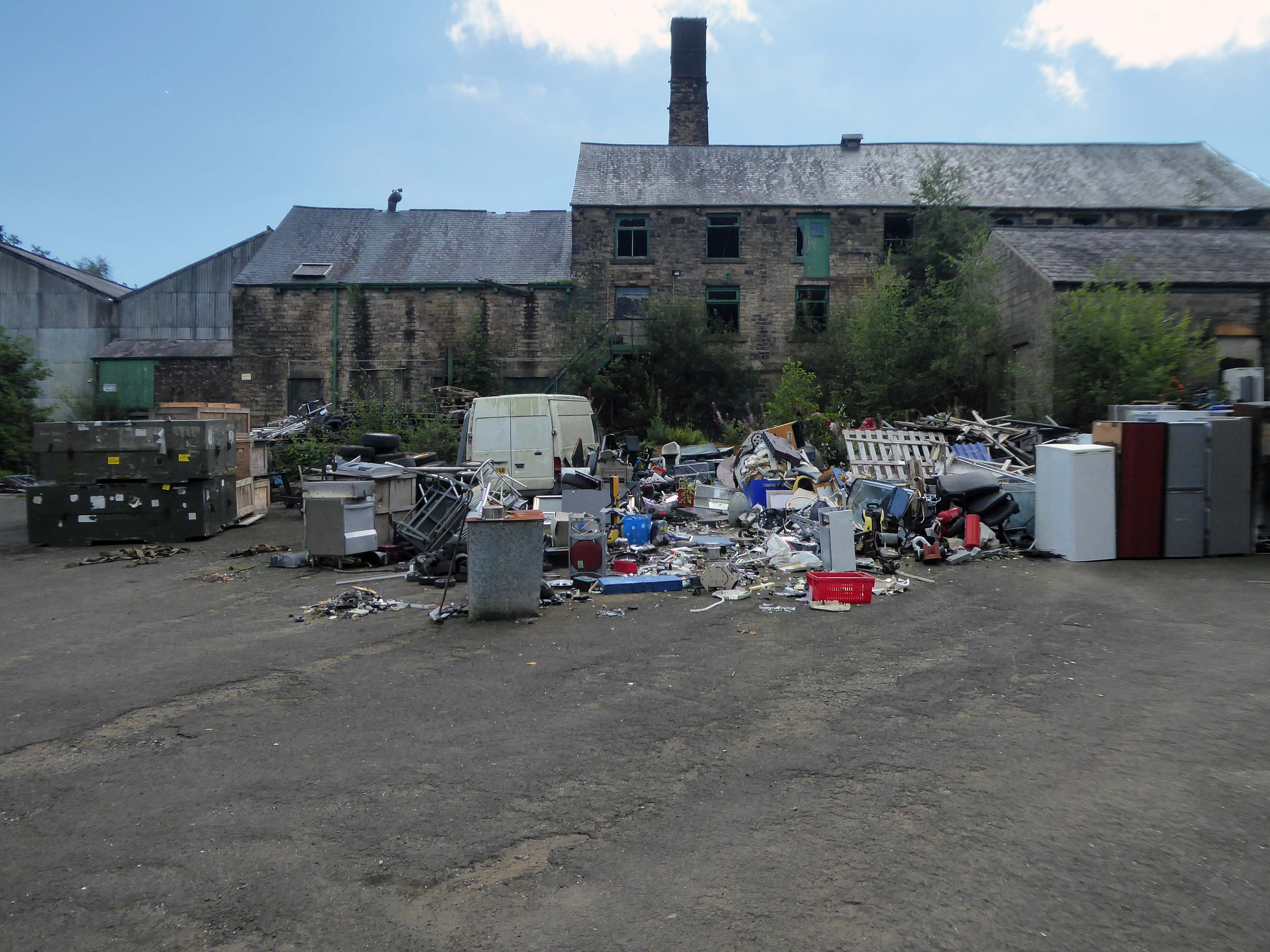
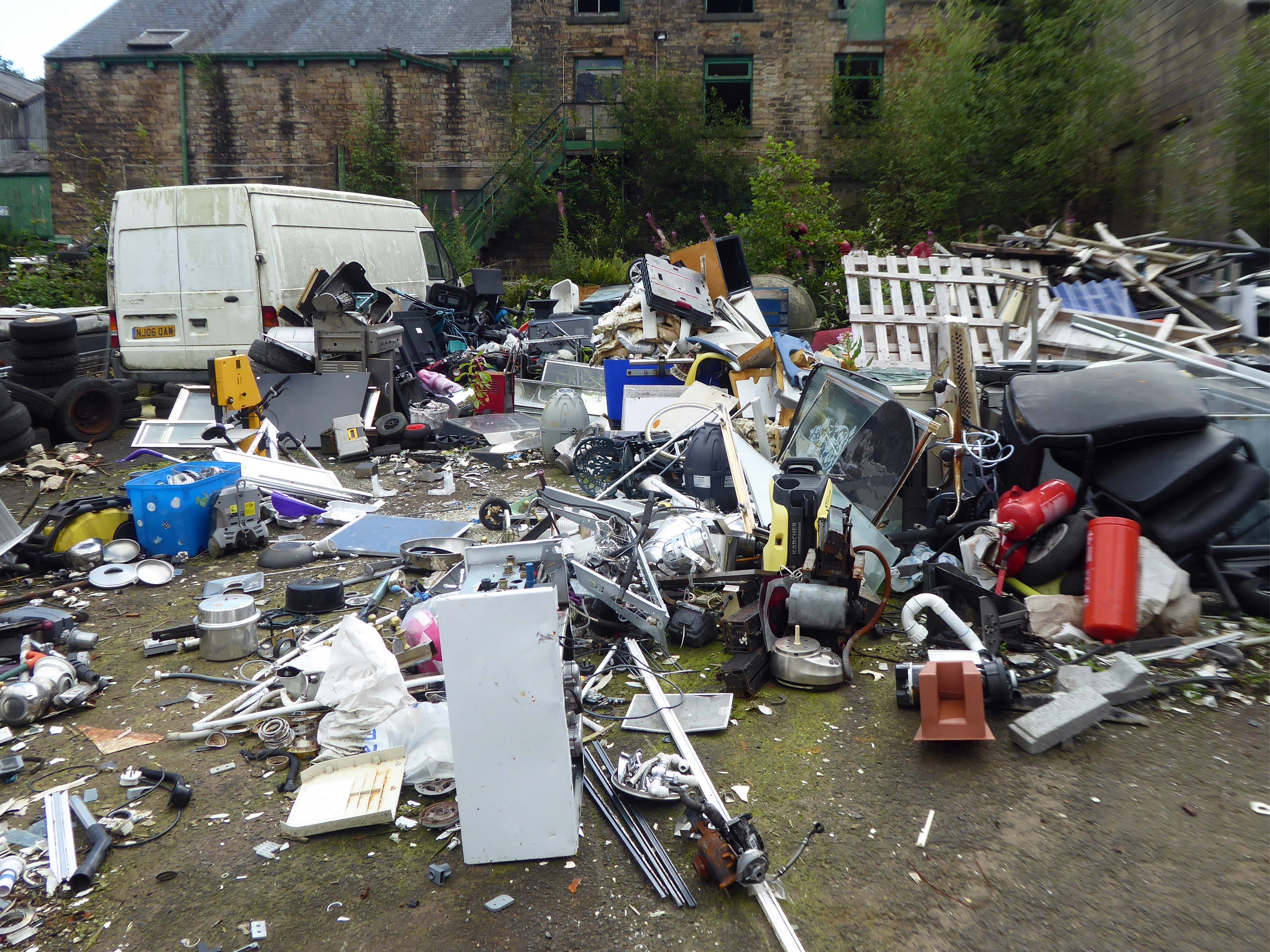
The forecourt of the factory is currently strewn with the detritus of an ever more wasteful world.
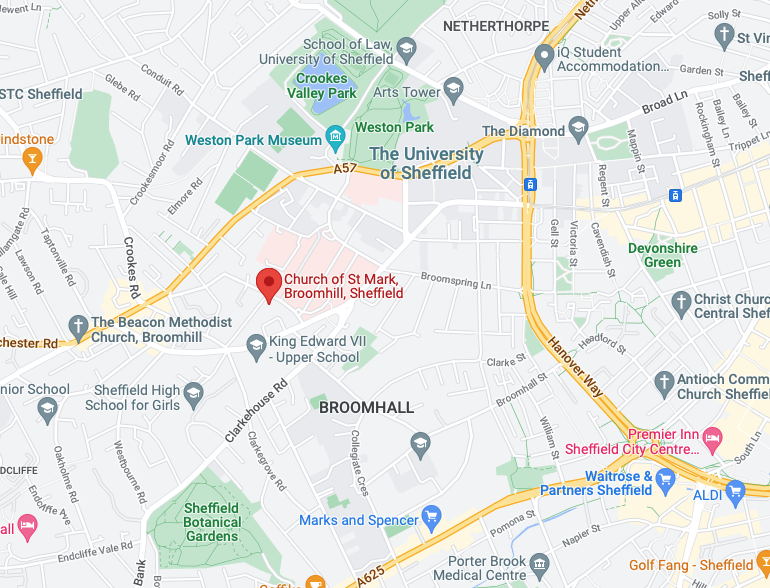
St Mark’s Broomhill – Return

Broomfield Rd Sheffield S10 2SE

Having been here before – I returned.
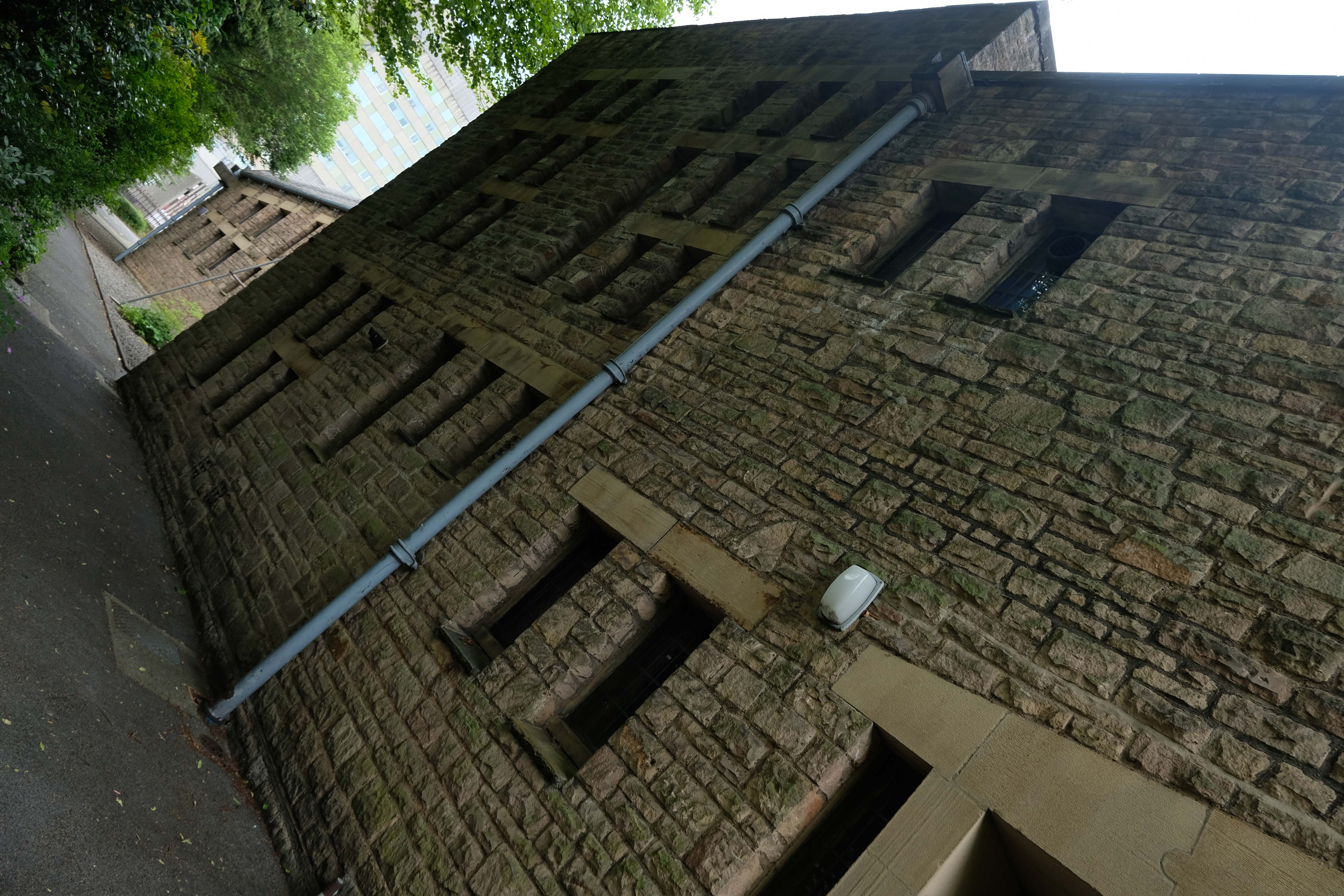
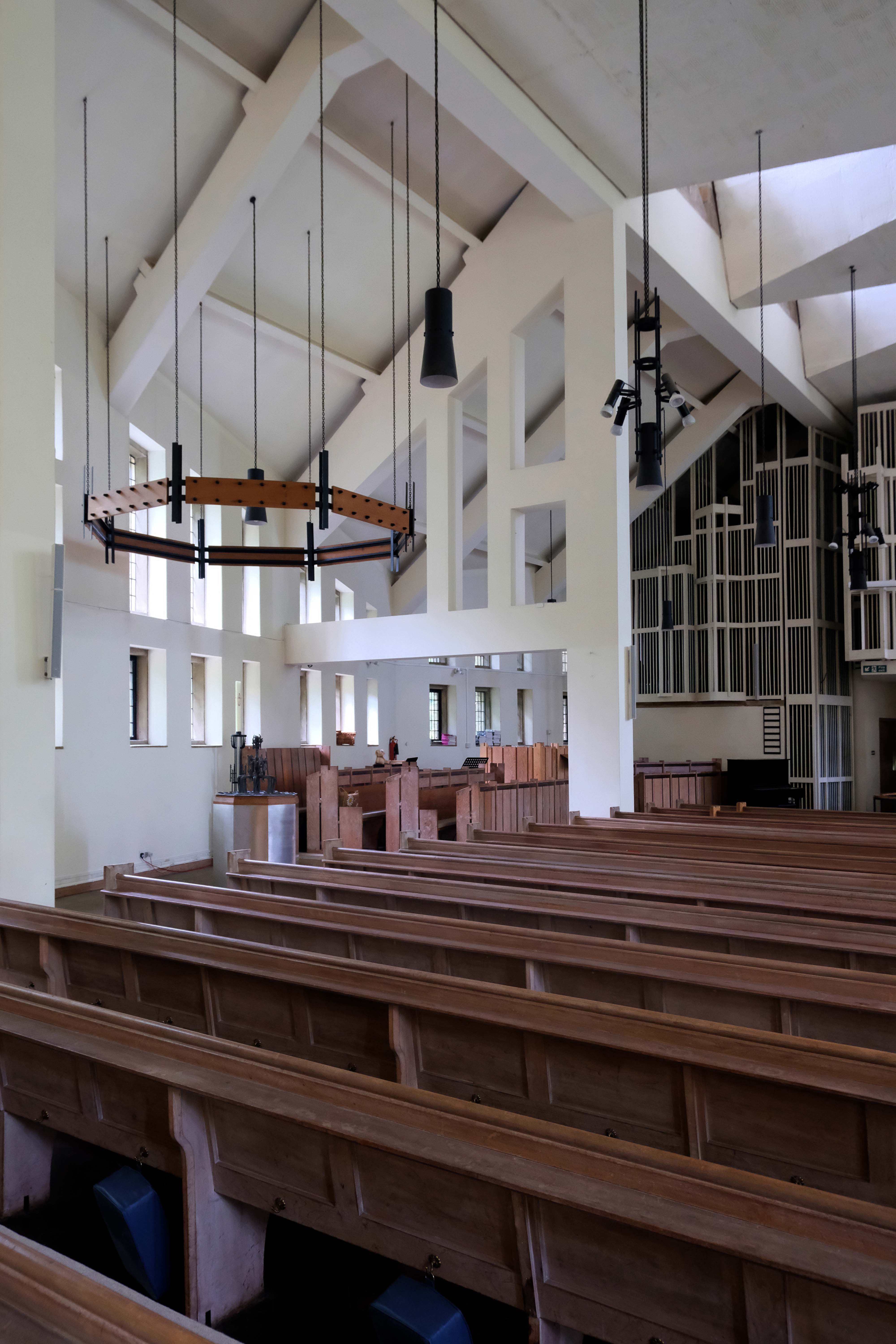
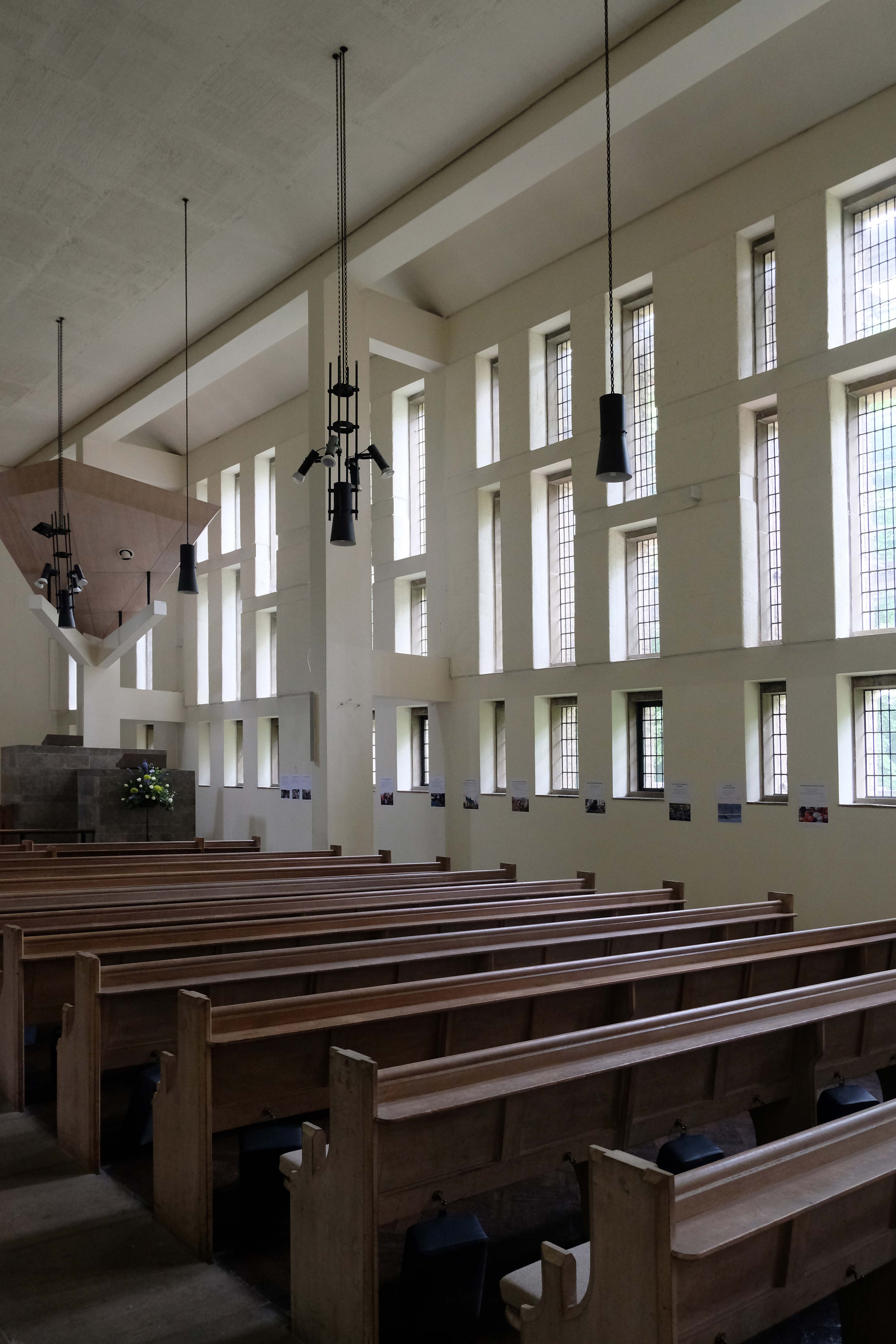
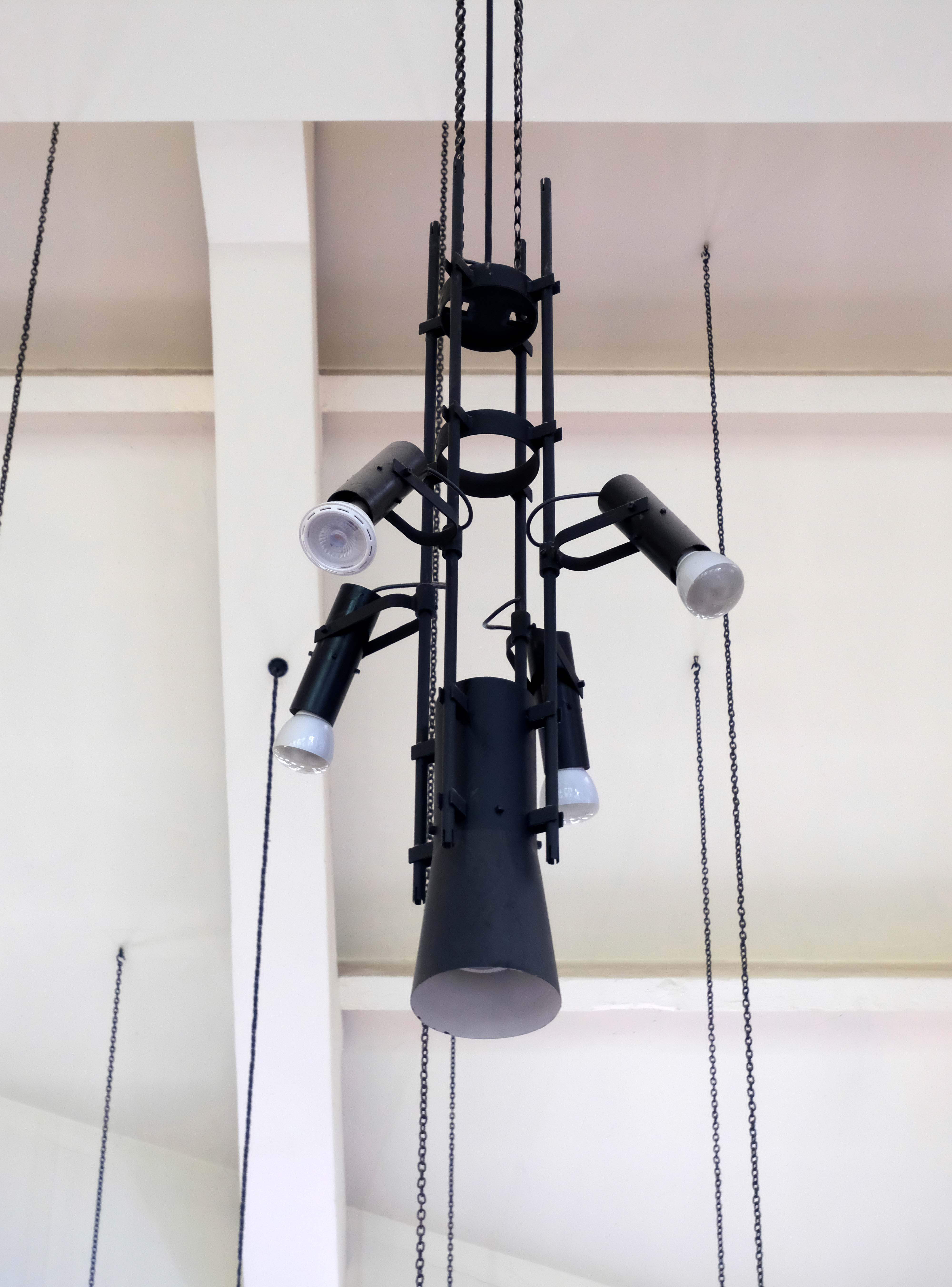
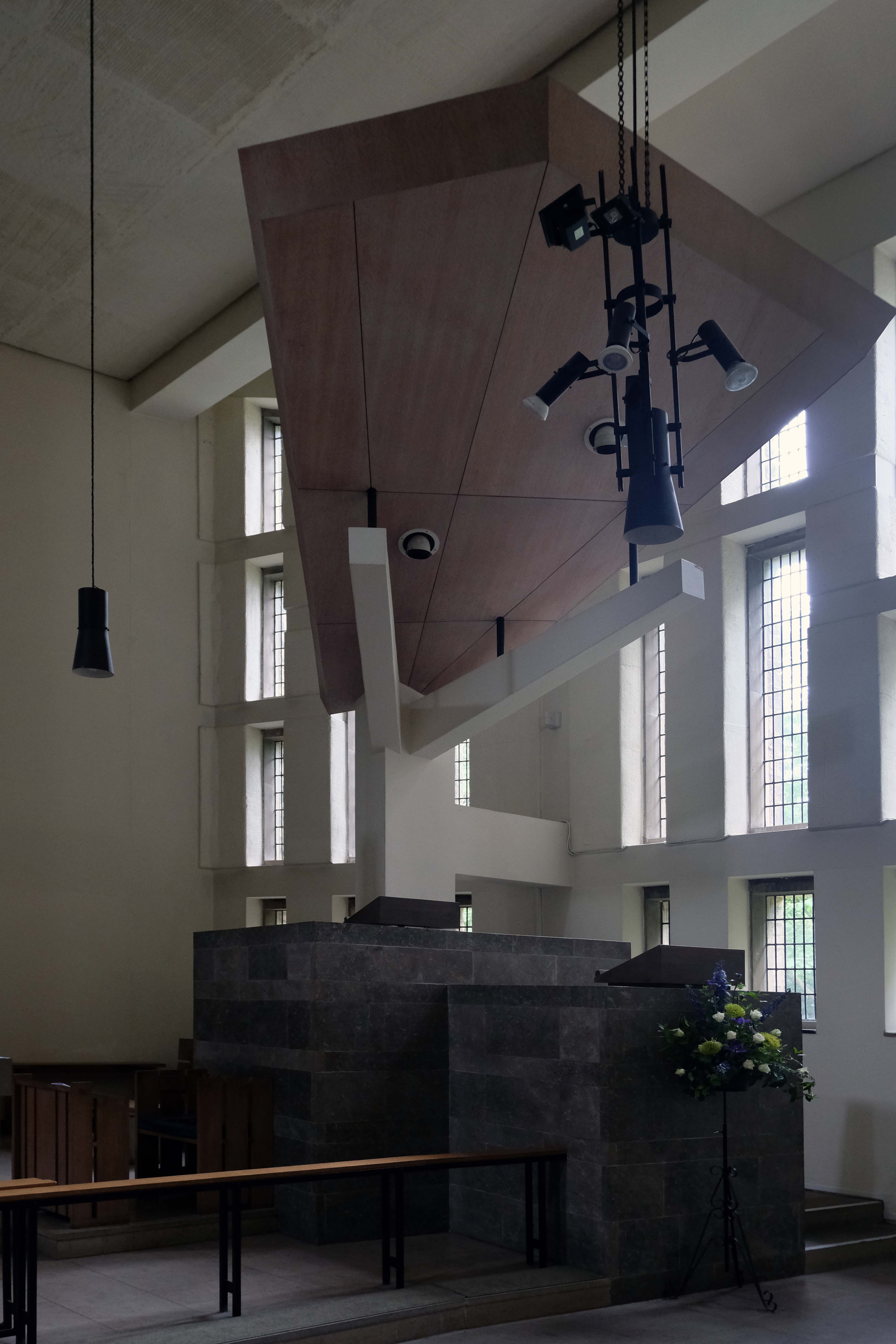
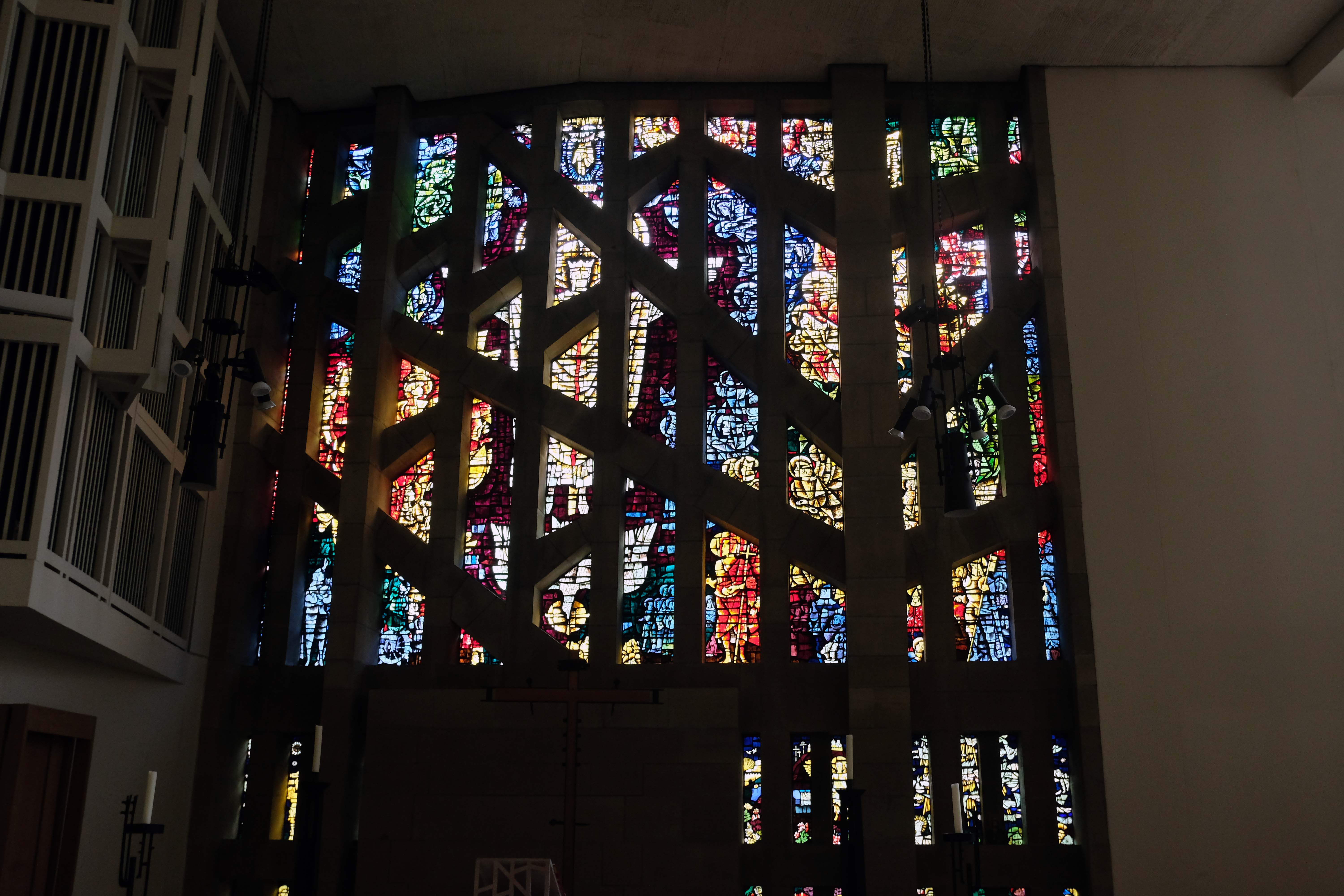
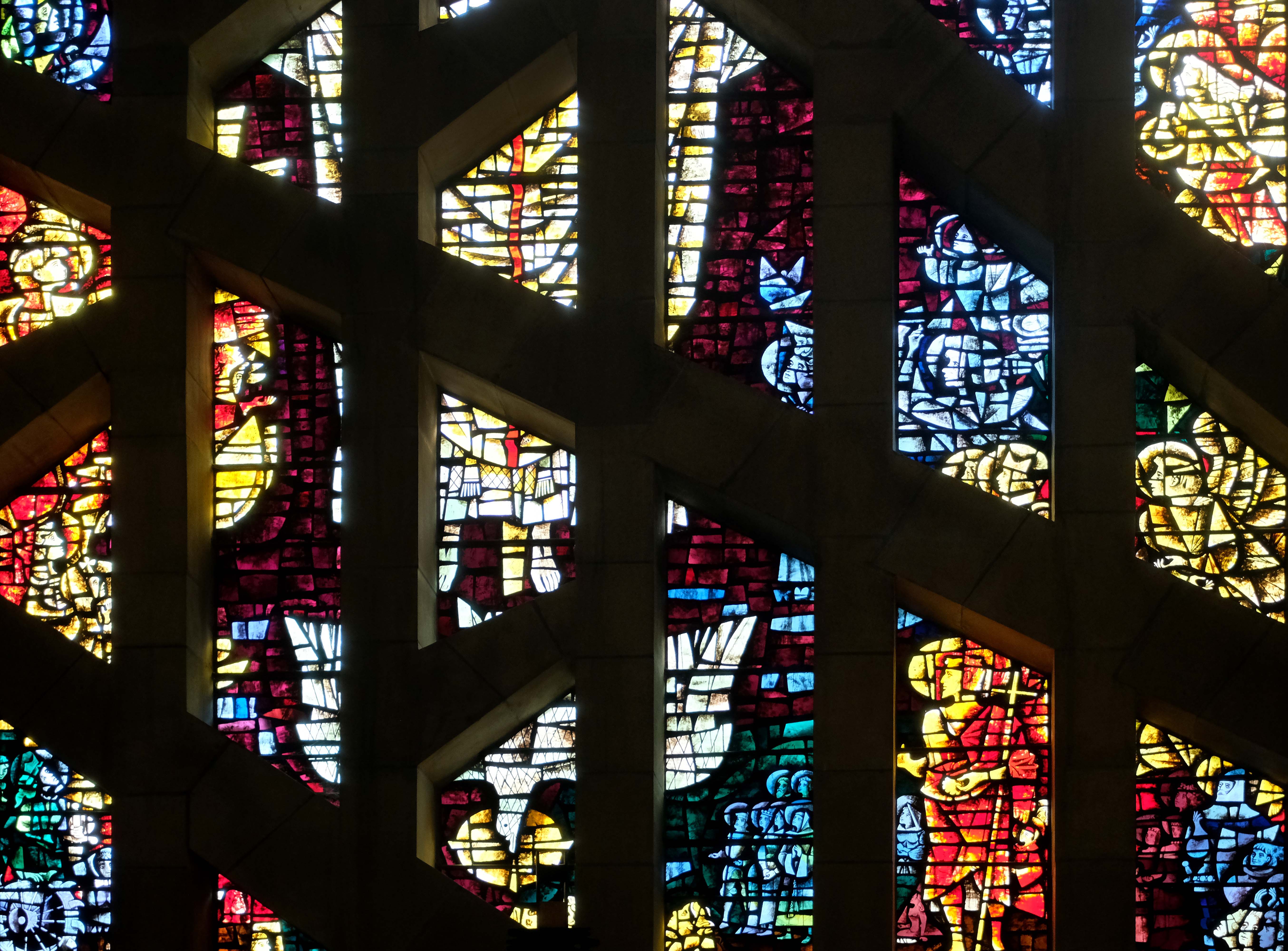
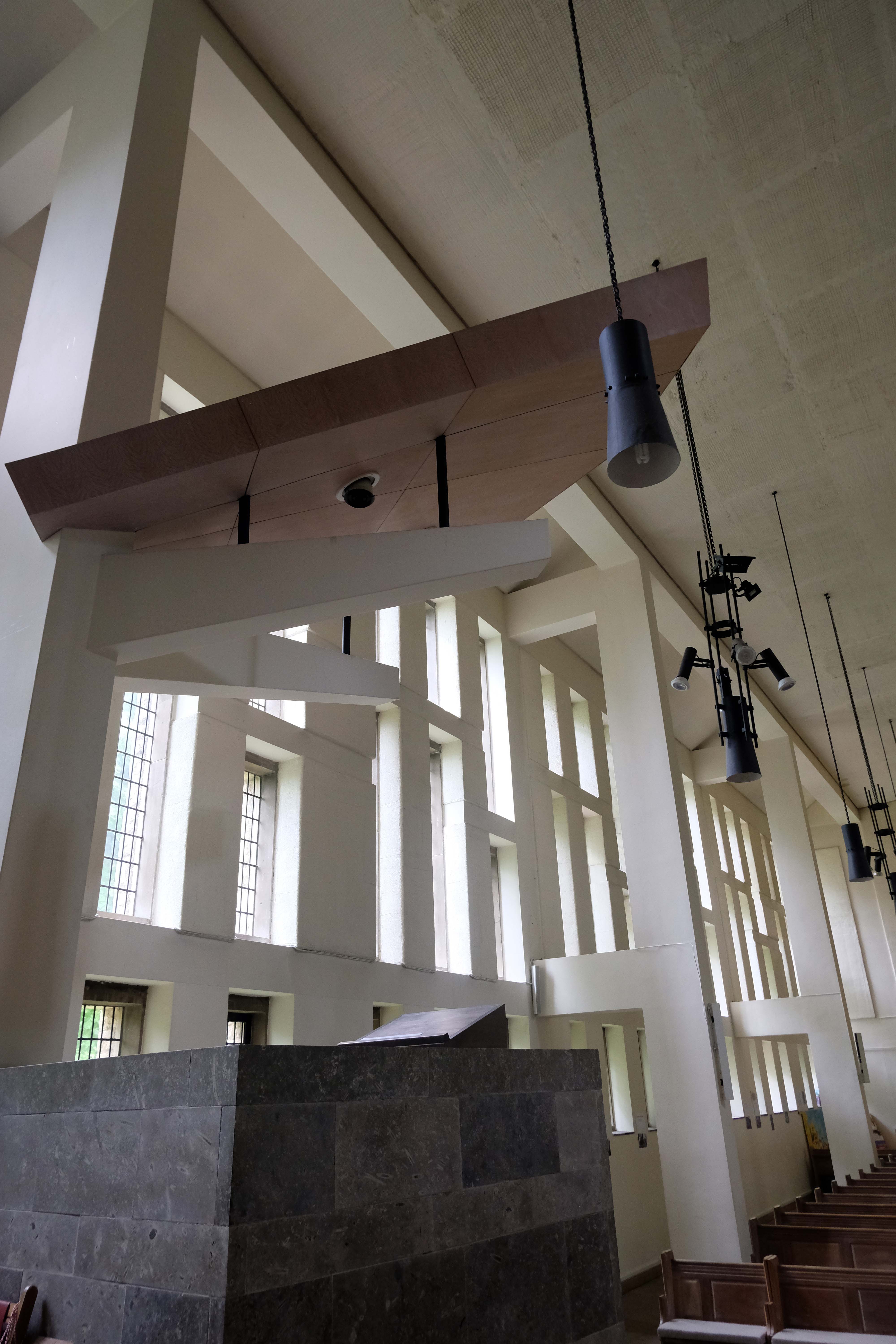
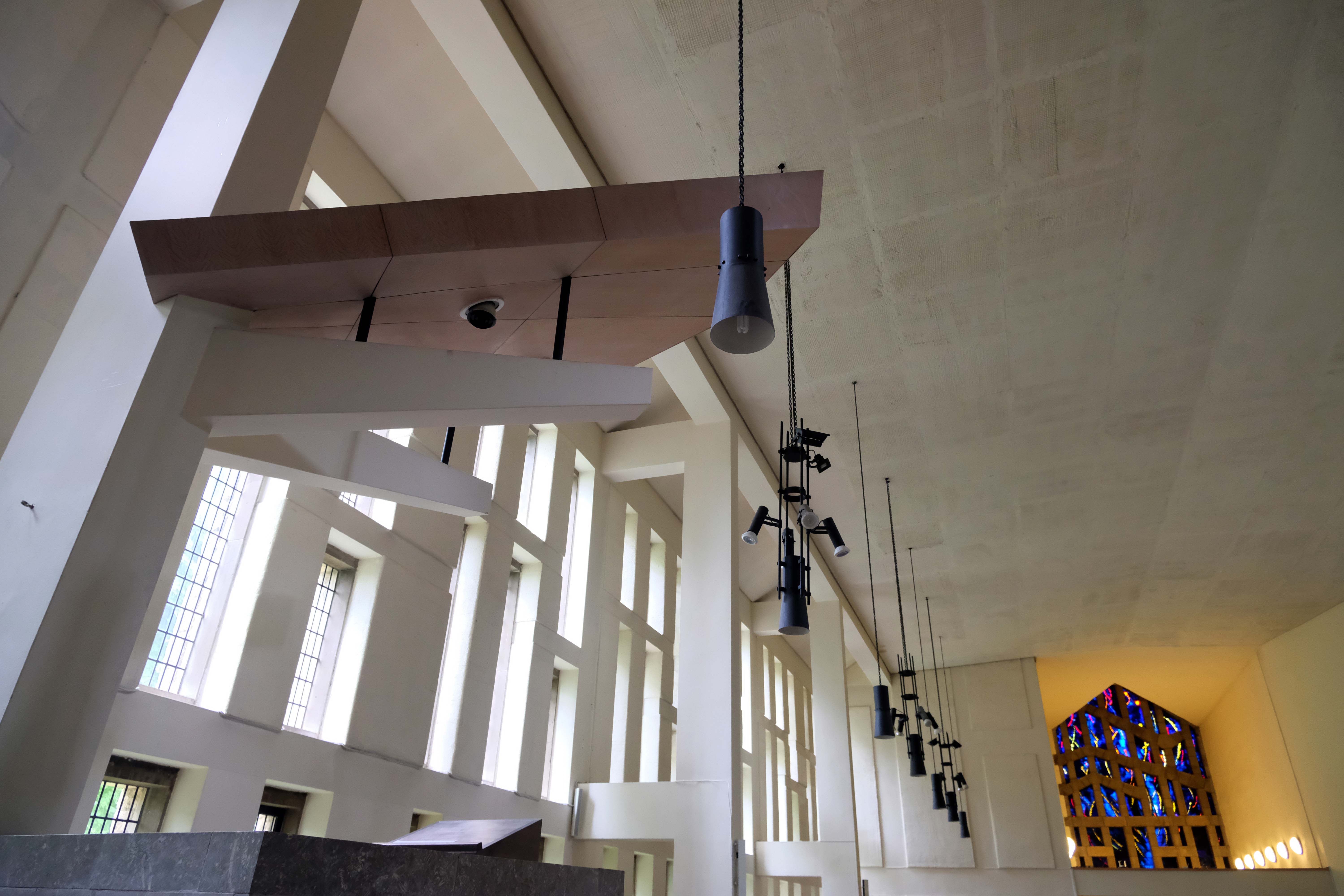
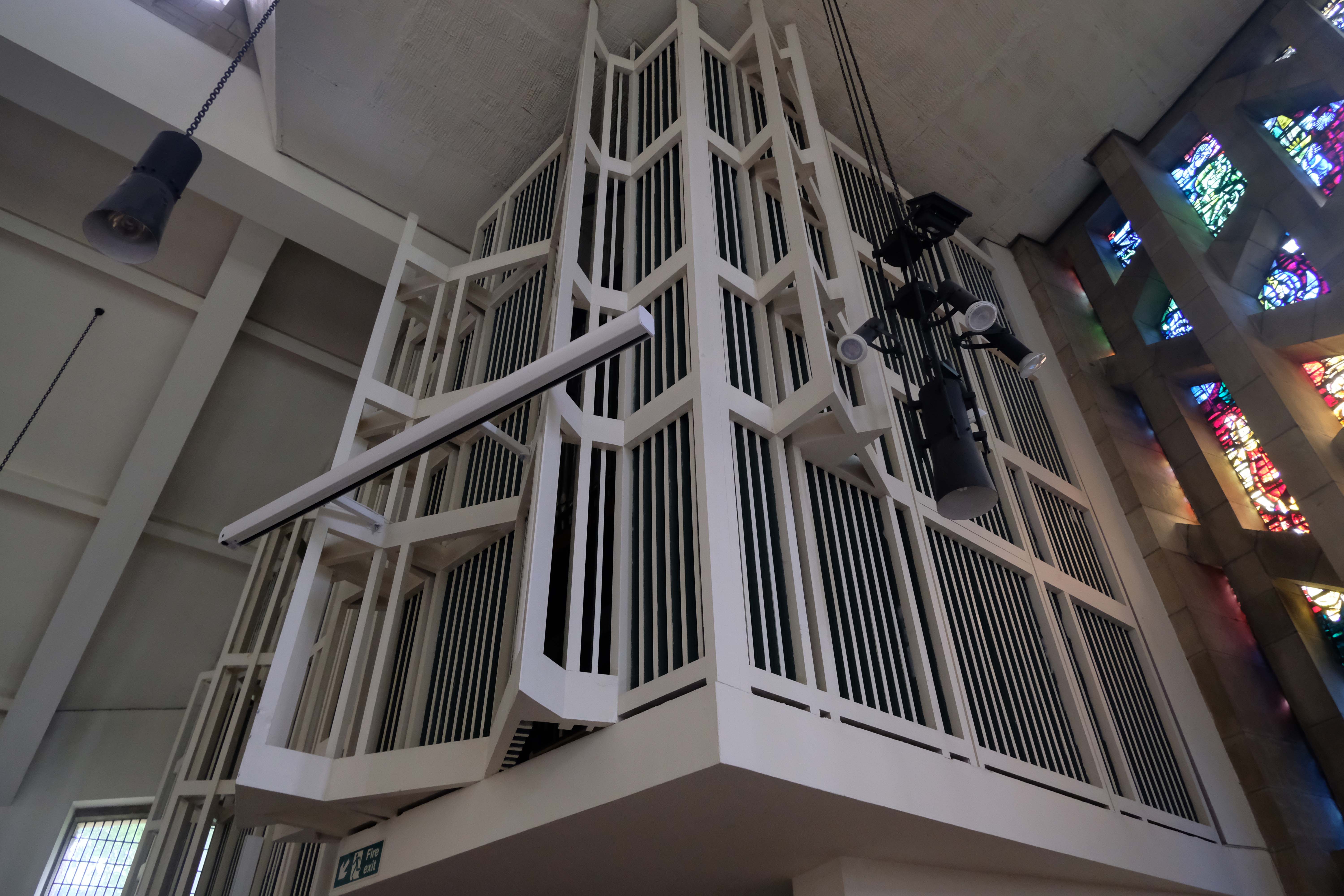
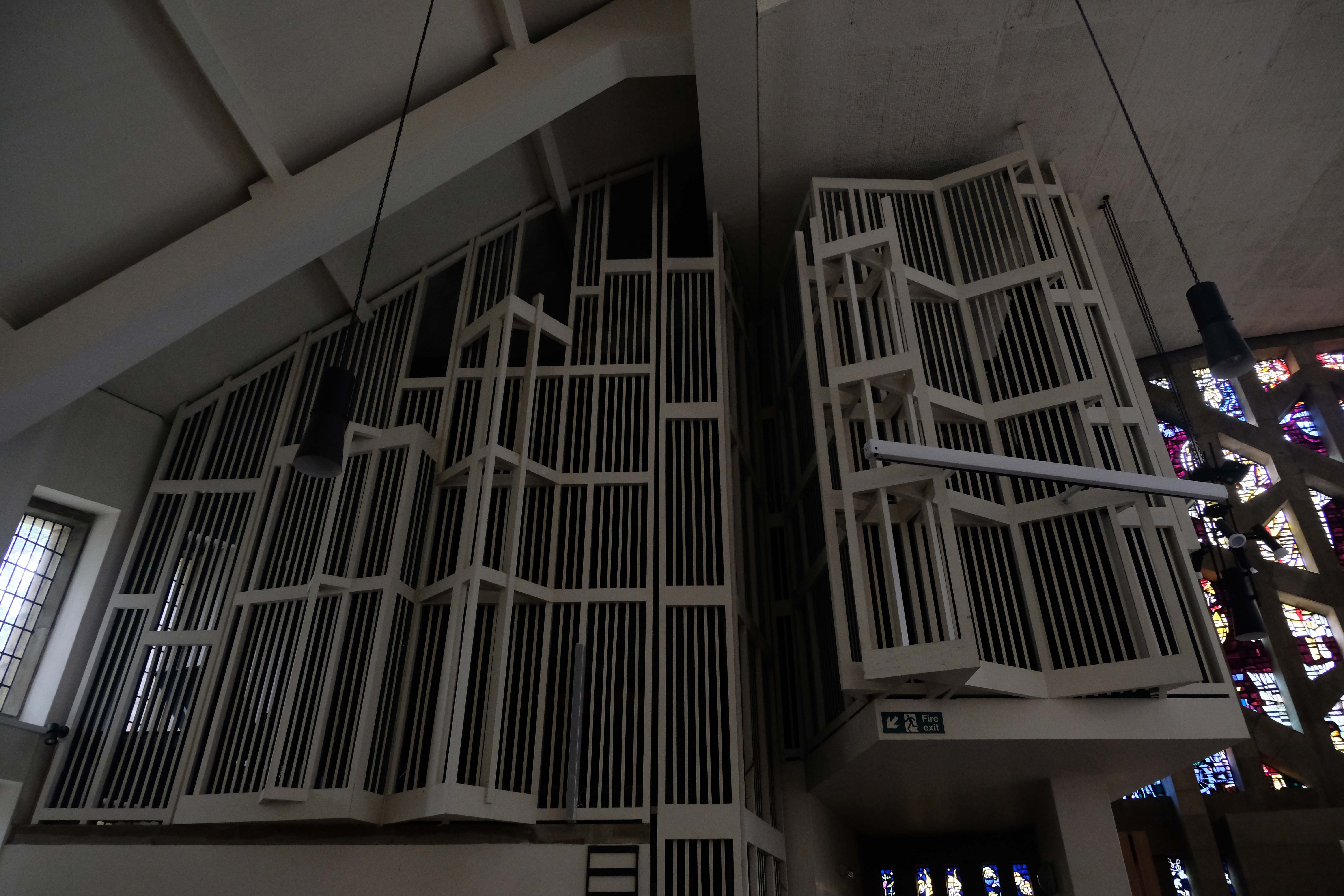
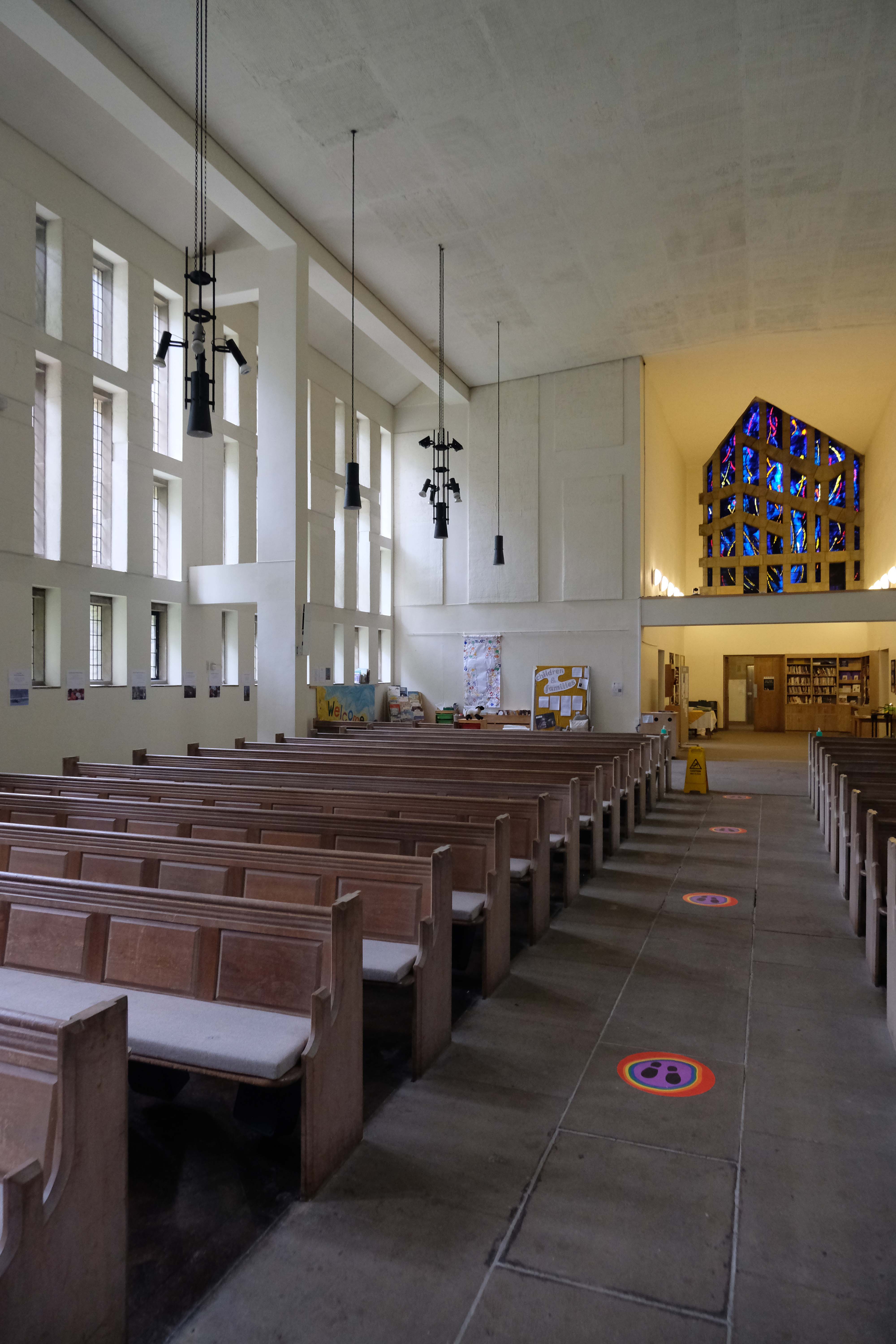
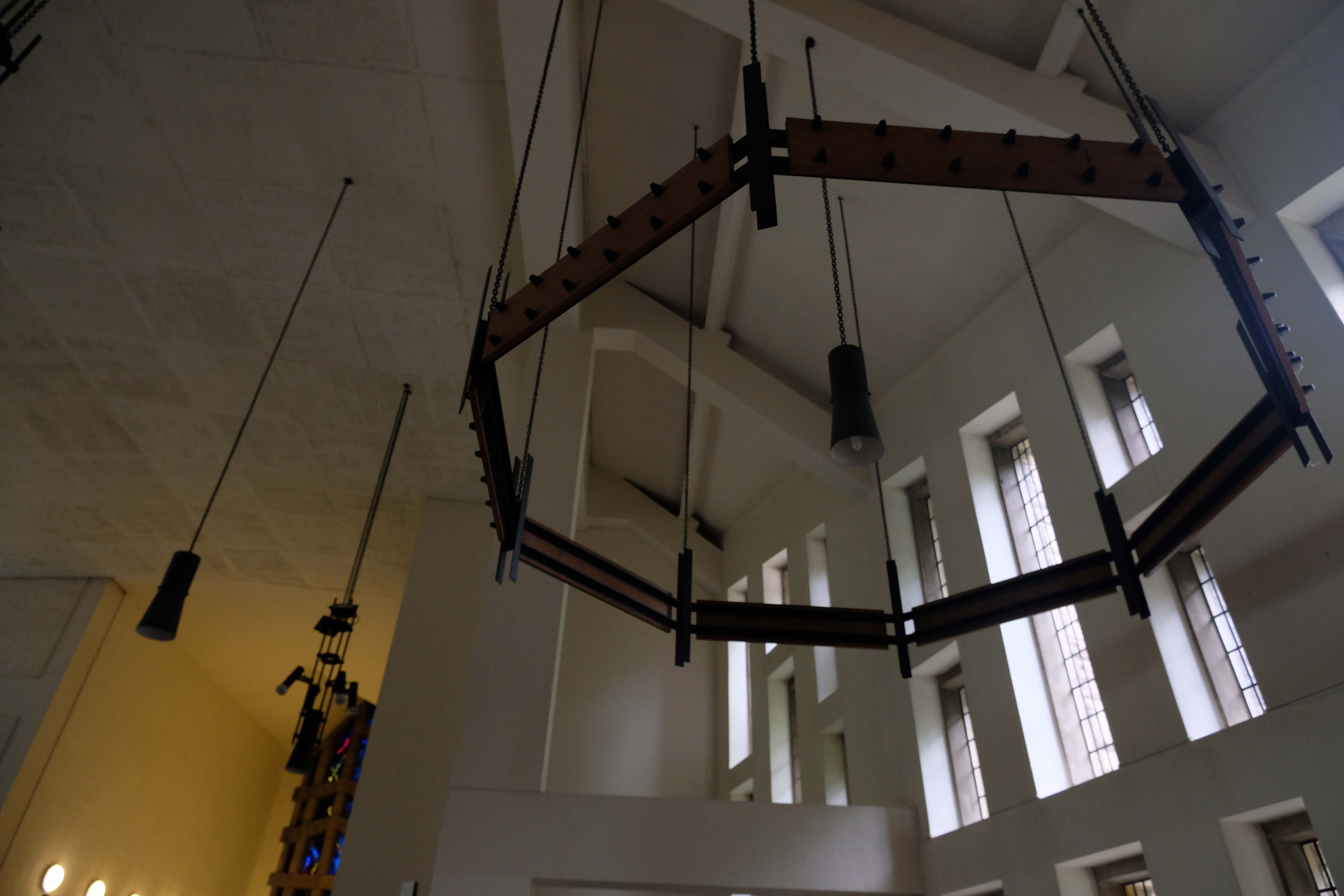
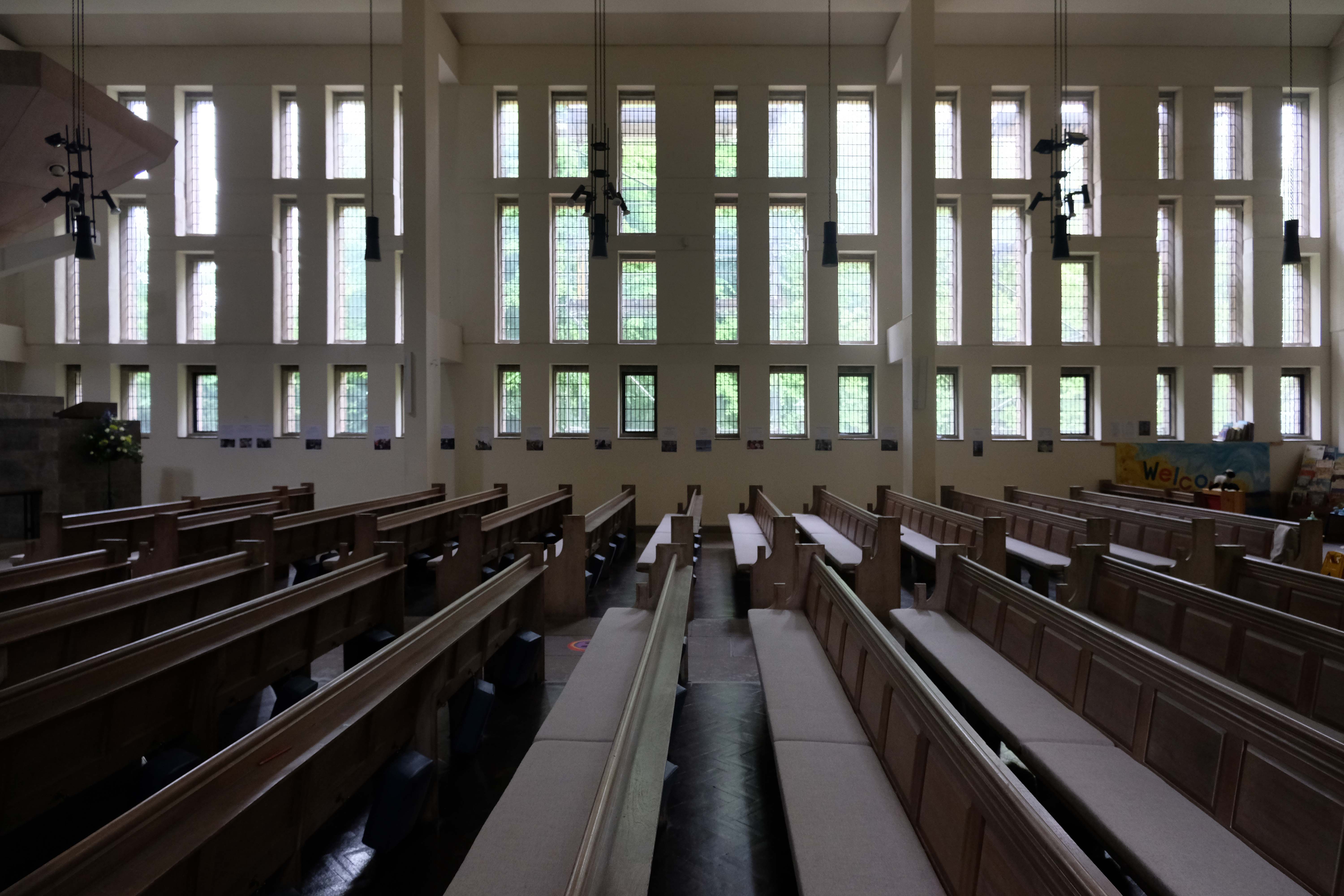
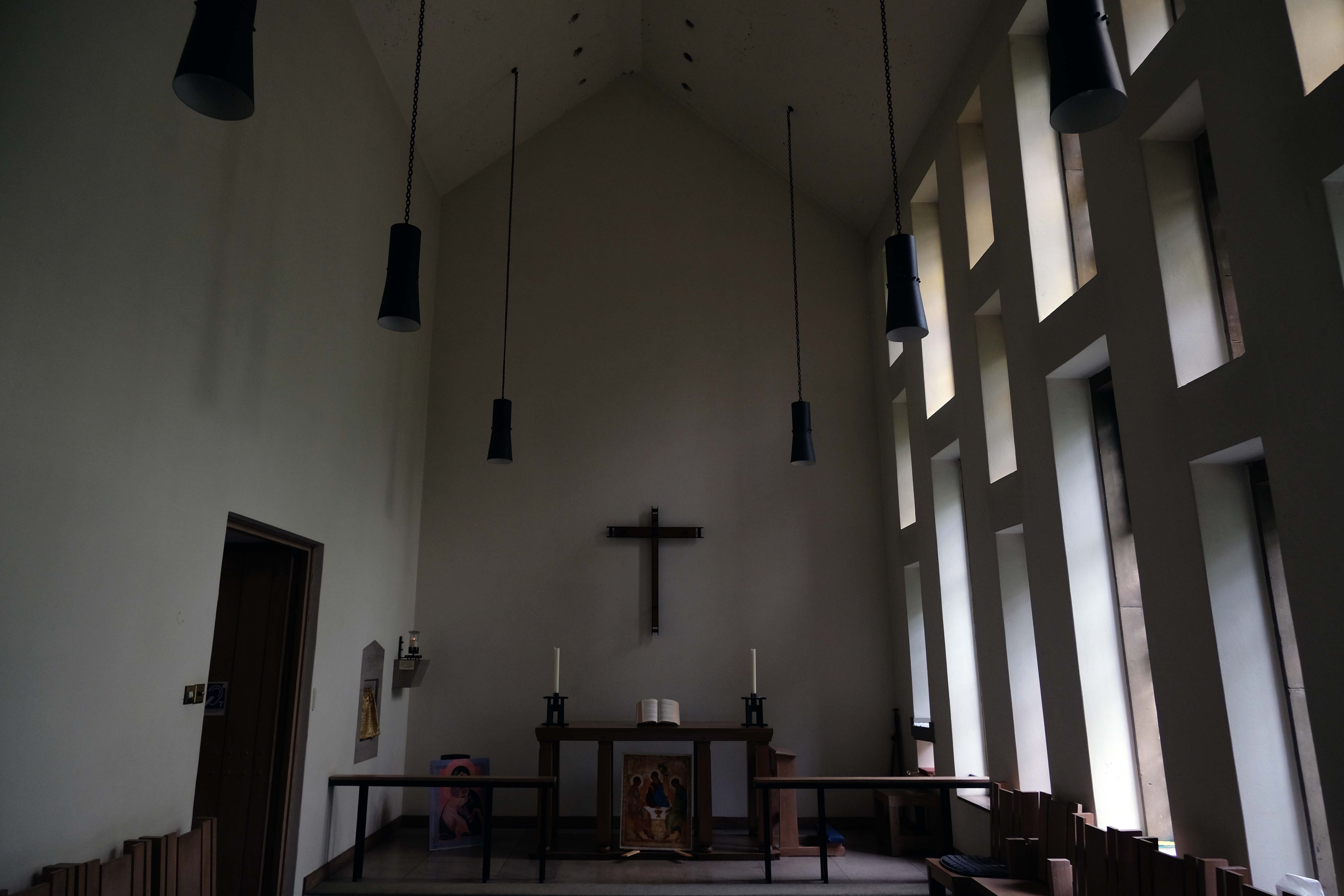
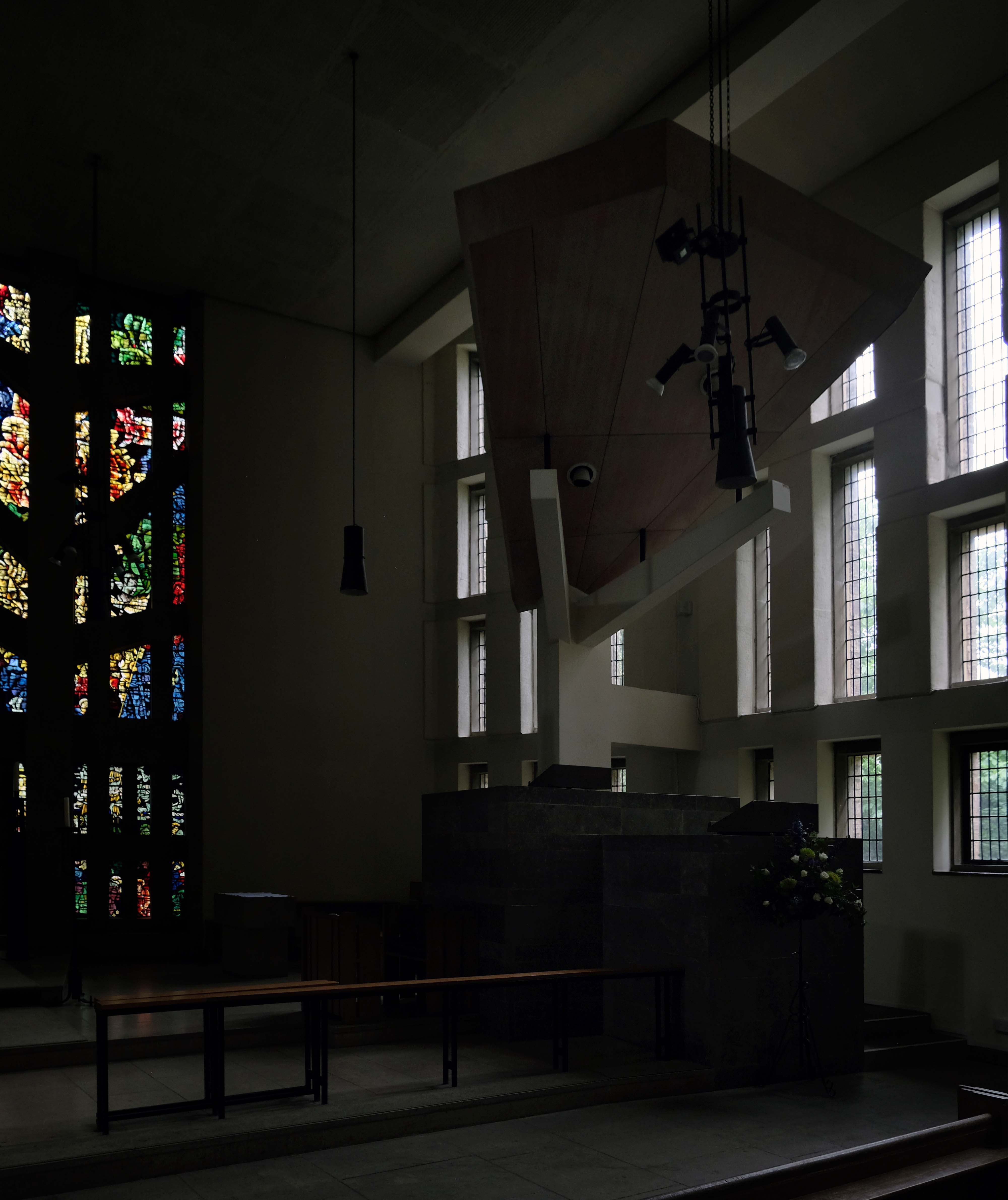
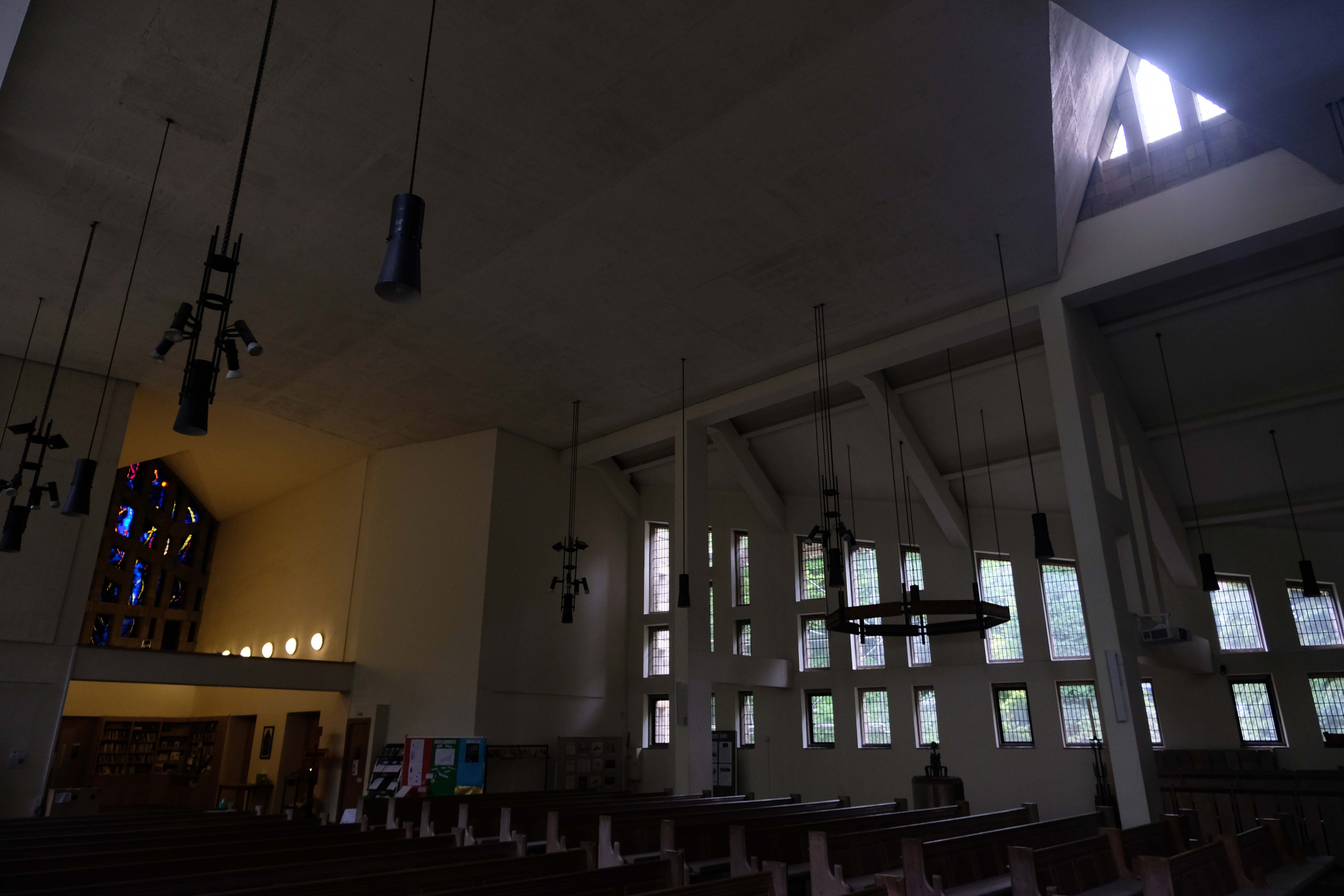
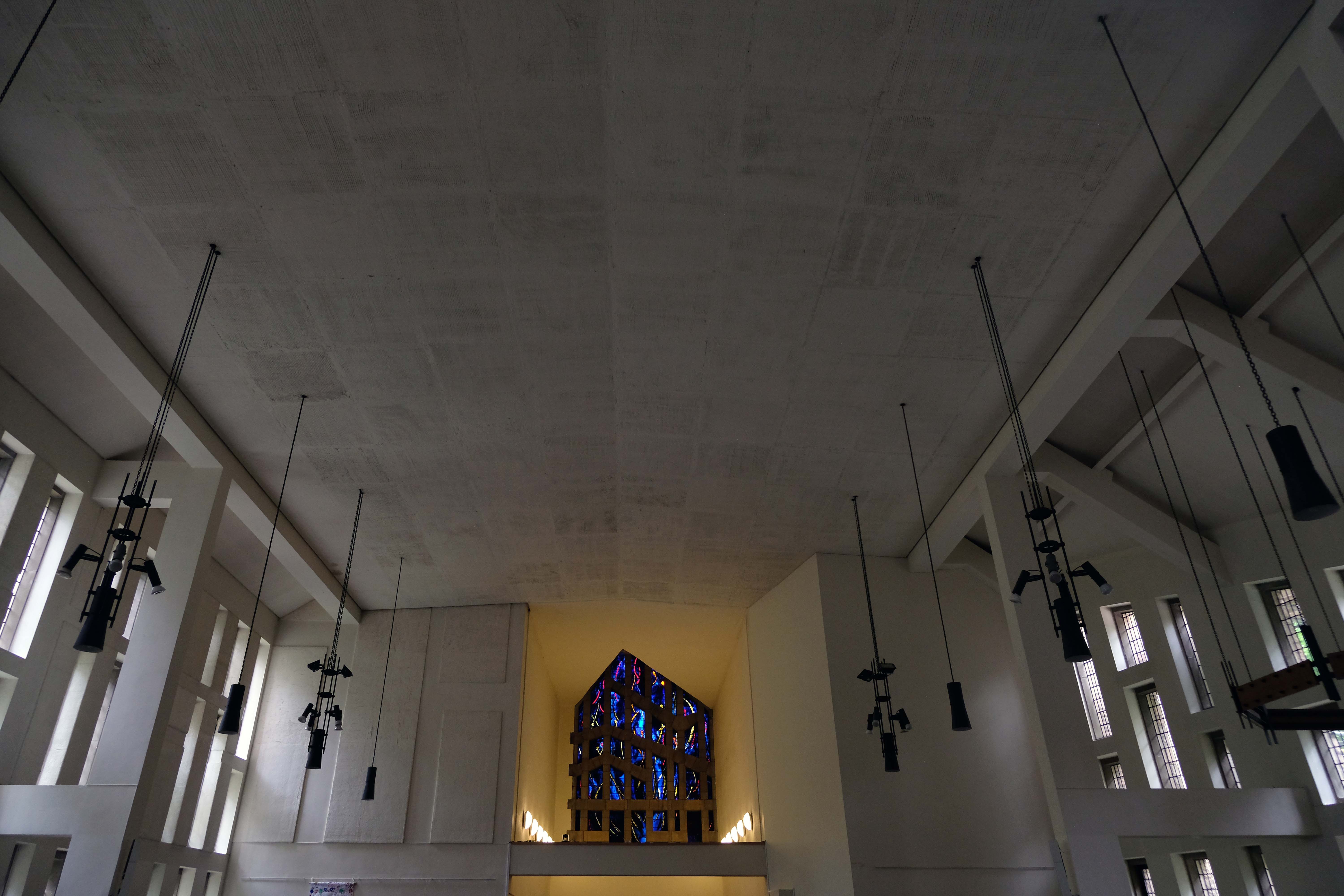
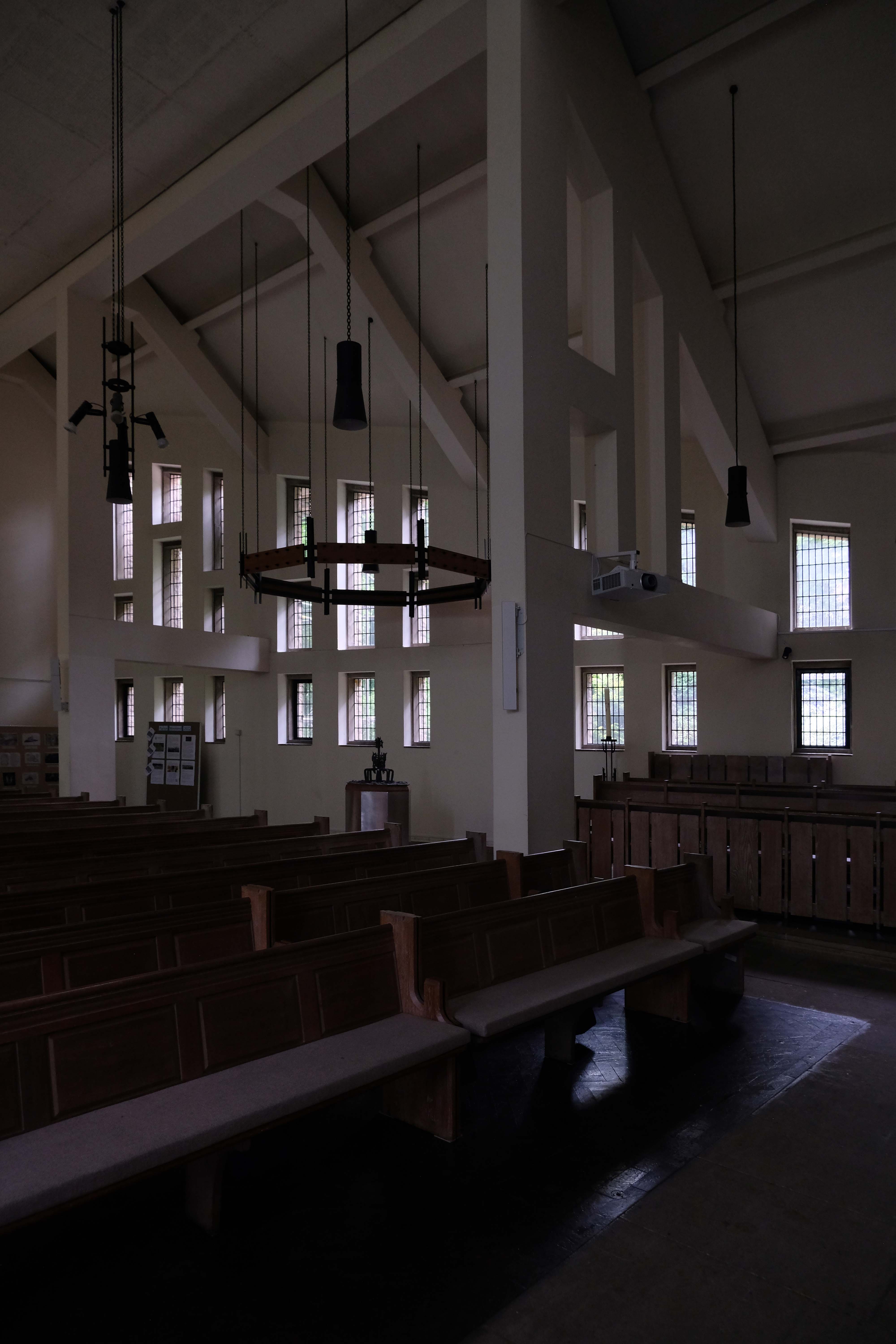
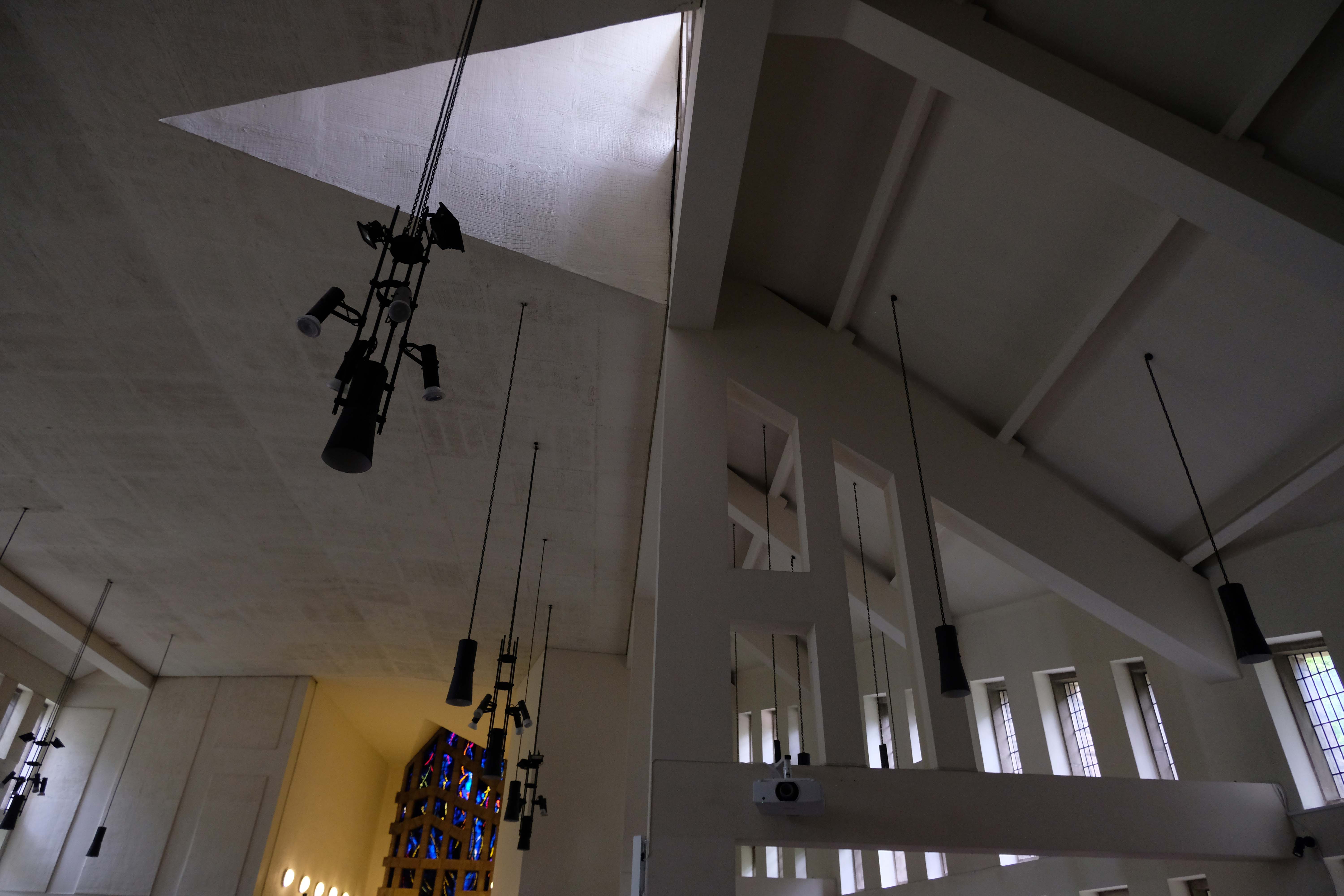
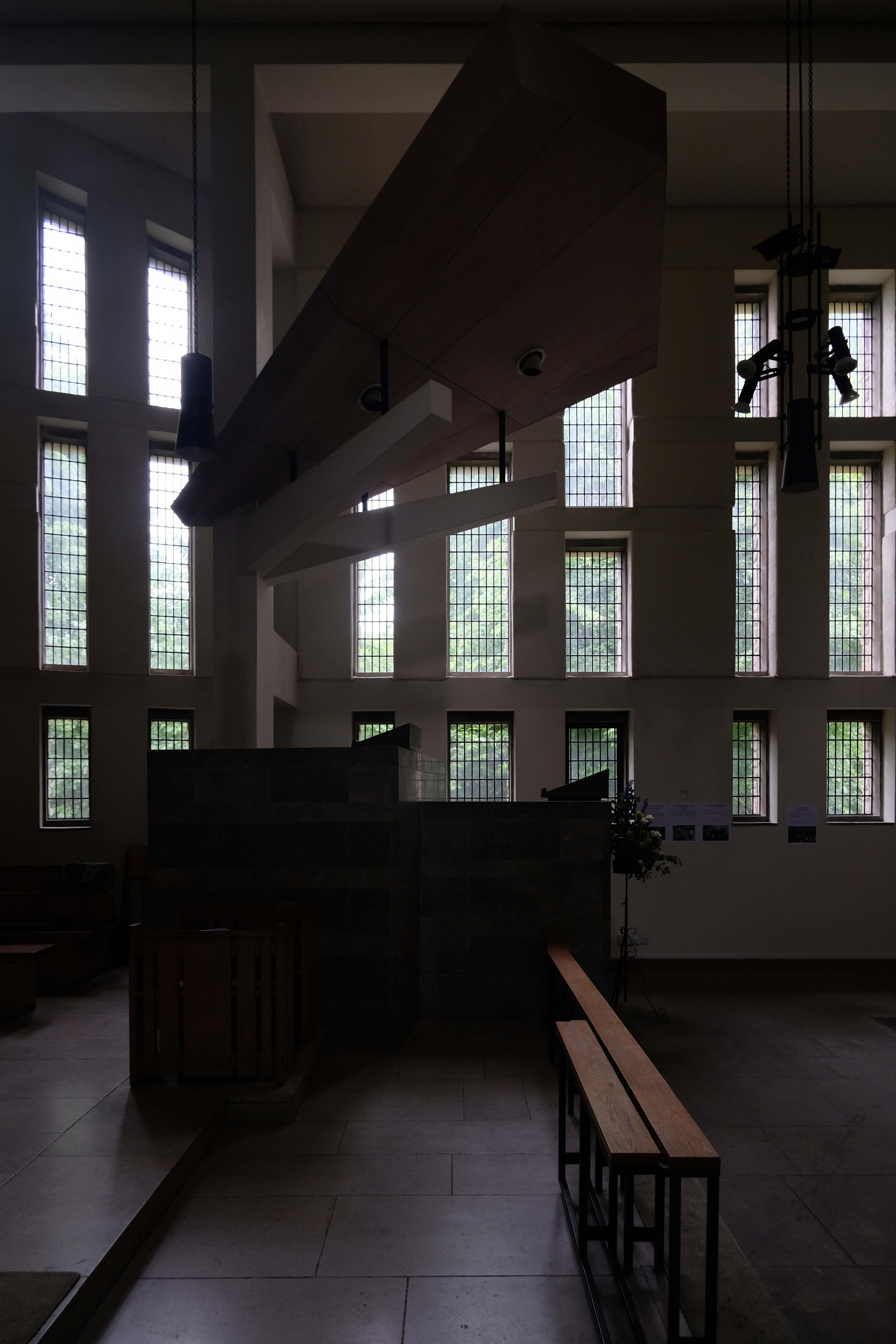
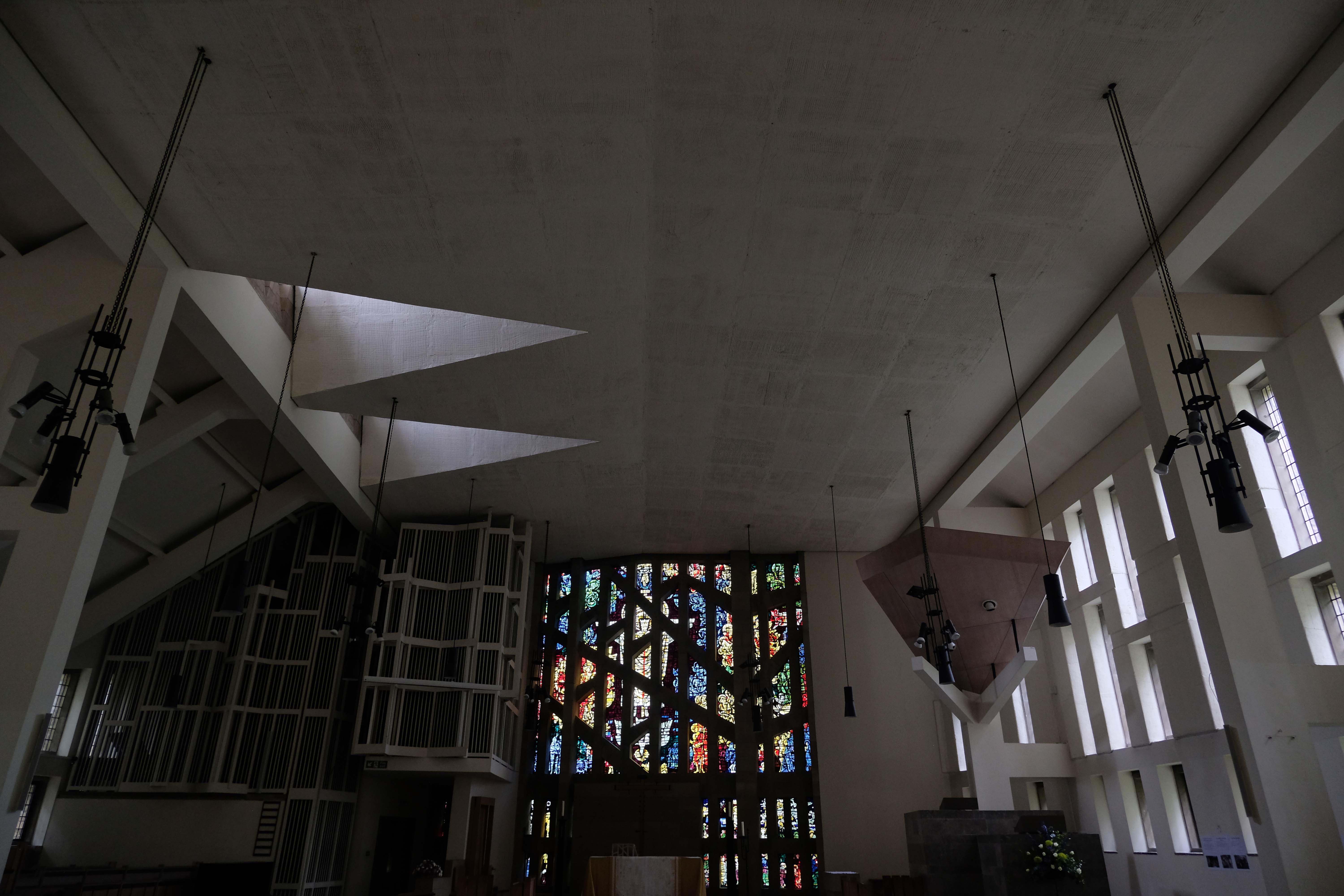
There is something within the work of George Pace which speaks directly to my eyes and heart – and feet. His Modernism is tempered by the Mediaeval – along with Arts and Crafts references and a nod to Le Corbusier’s Notre Dame du Haut, Ronchamp
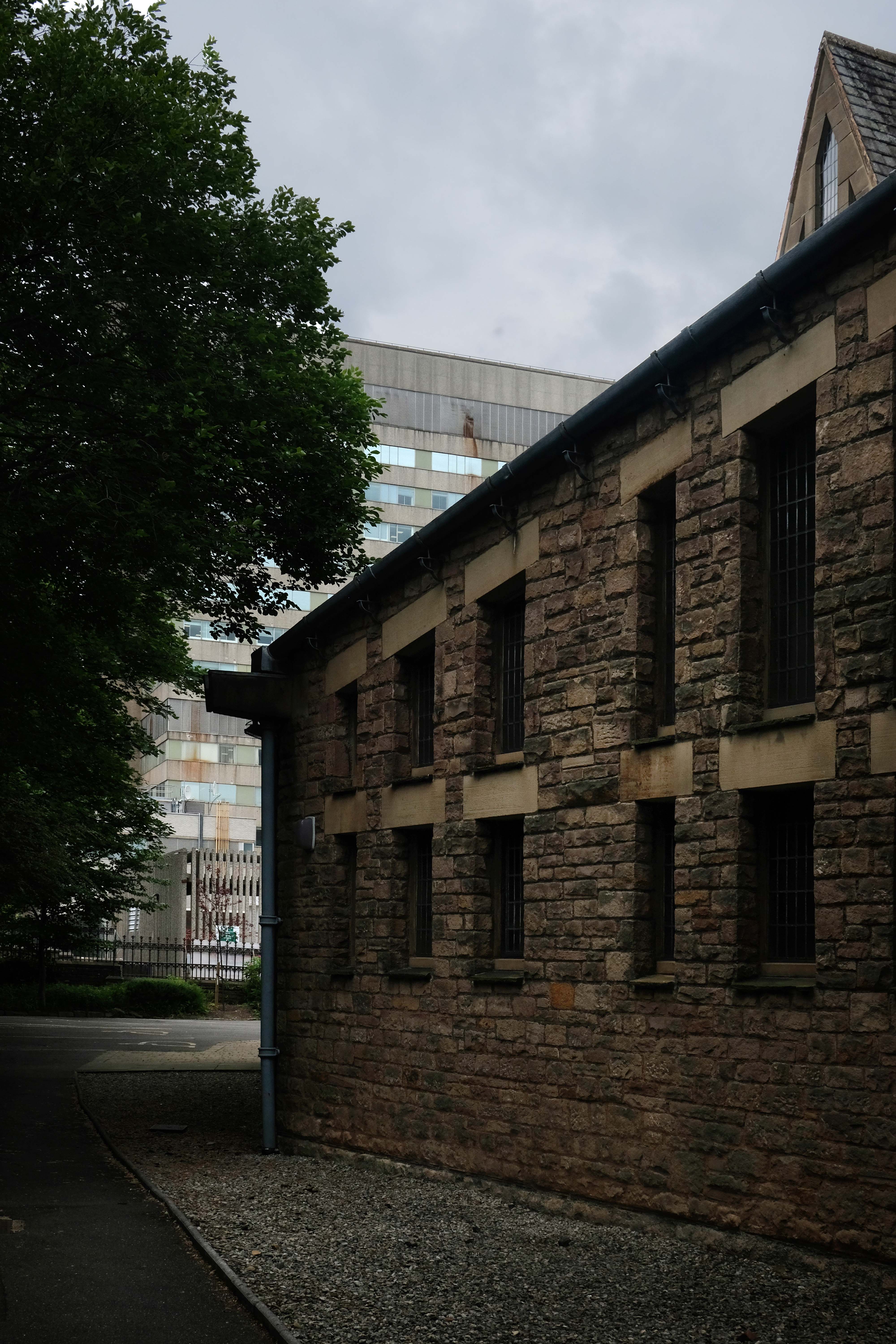
I have also visited Bradford, Chadderton, Doncaster, Keele and Wythenshawe.

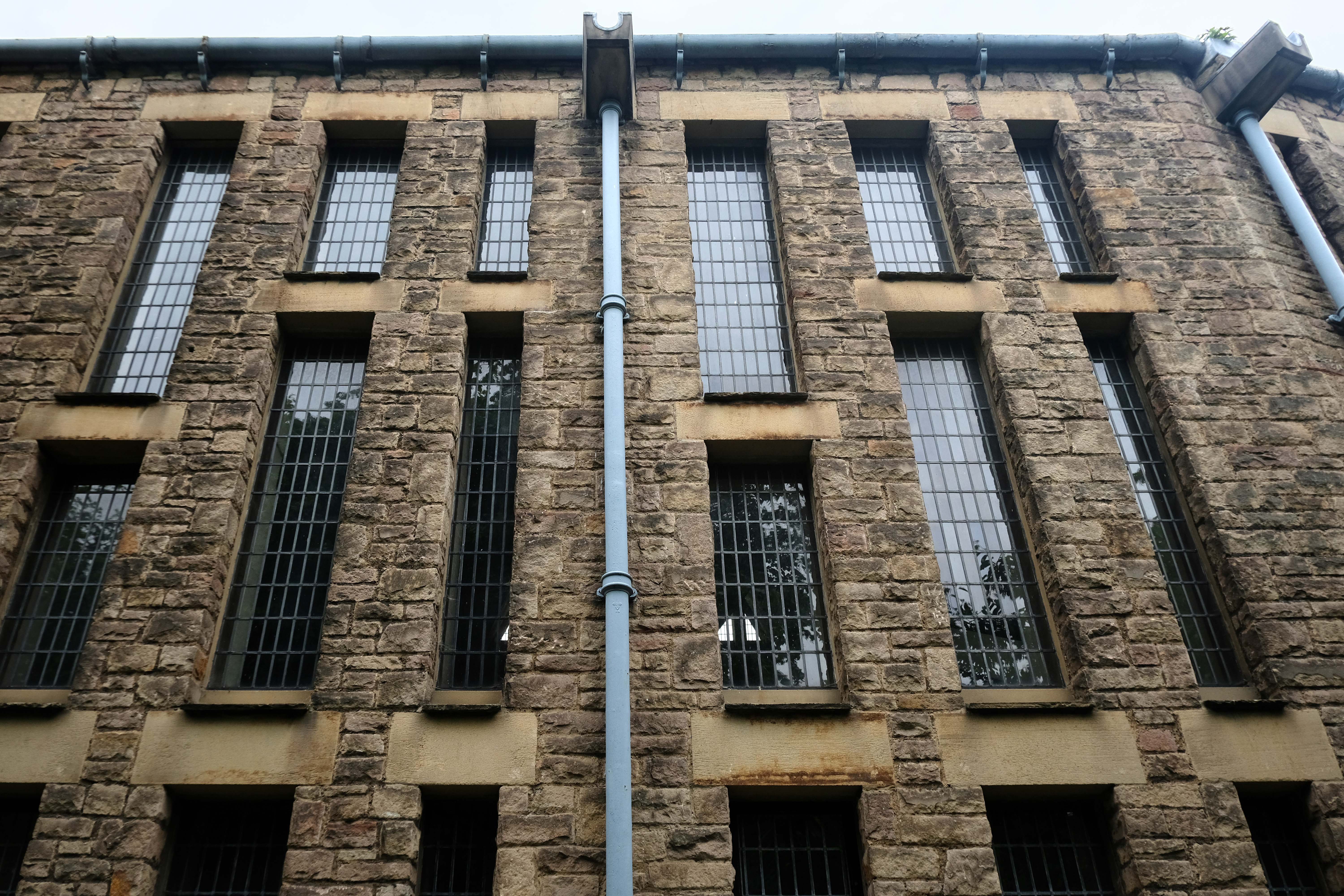
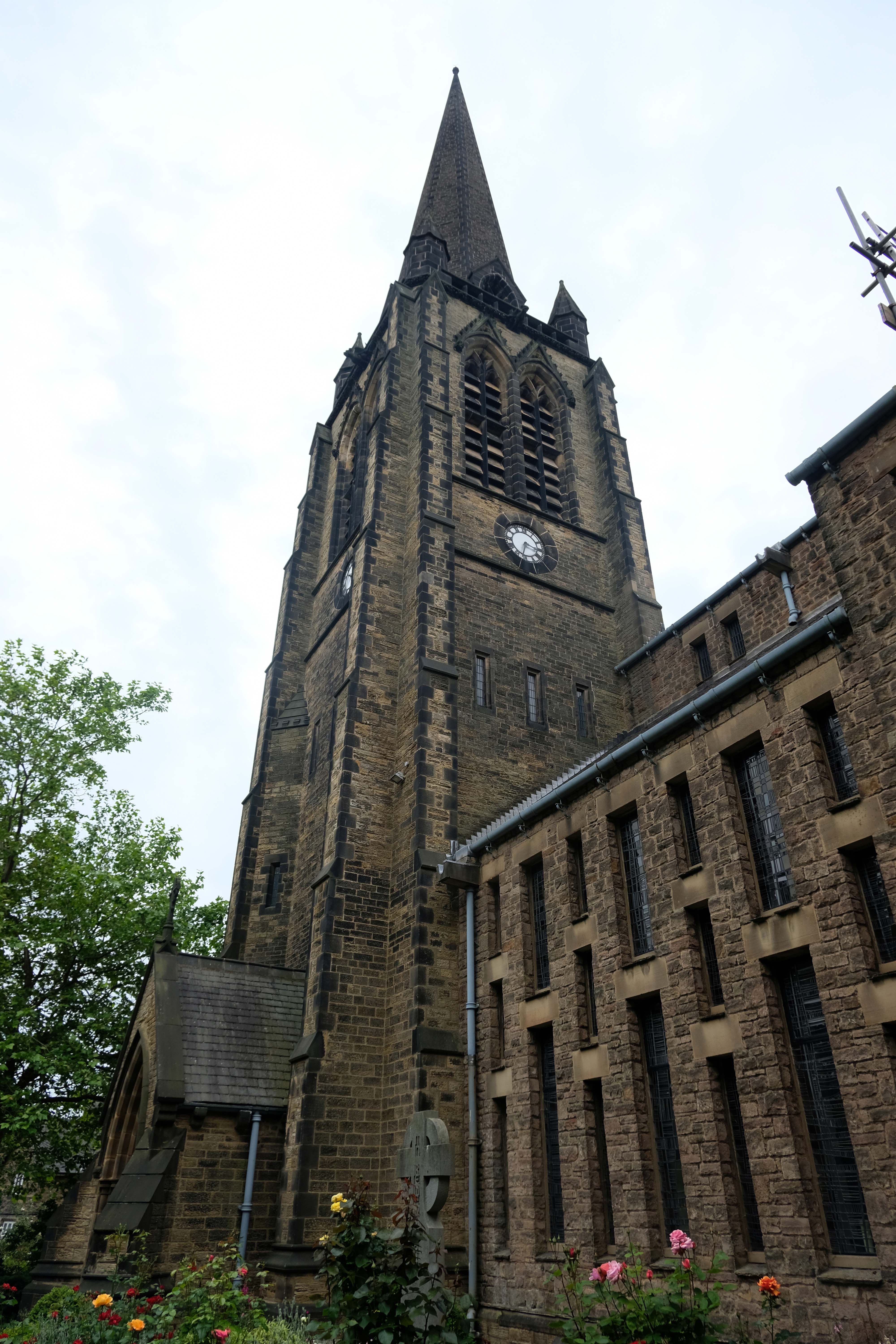
Here in Sheffield is a church built in 1868 – 1871 to a standard neo-Gothic design by William Henry Crossland. Bombed in the Blitz restored, redesigned and built by Pace 1958 – 1963, accommodating the original spire and porch.
Here is the Historic England listing.

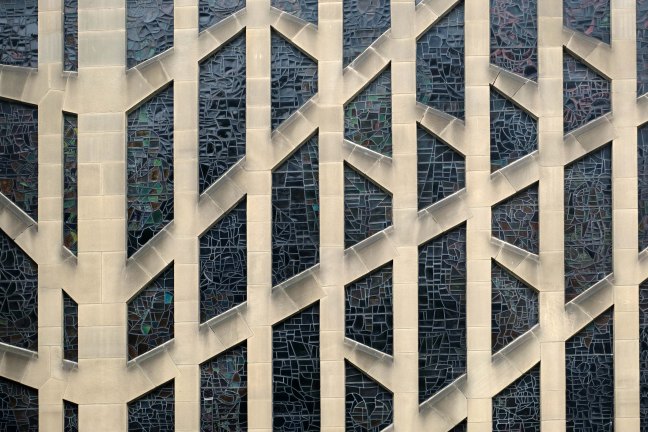
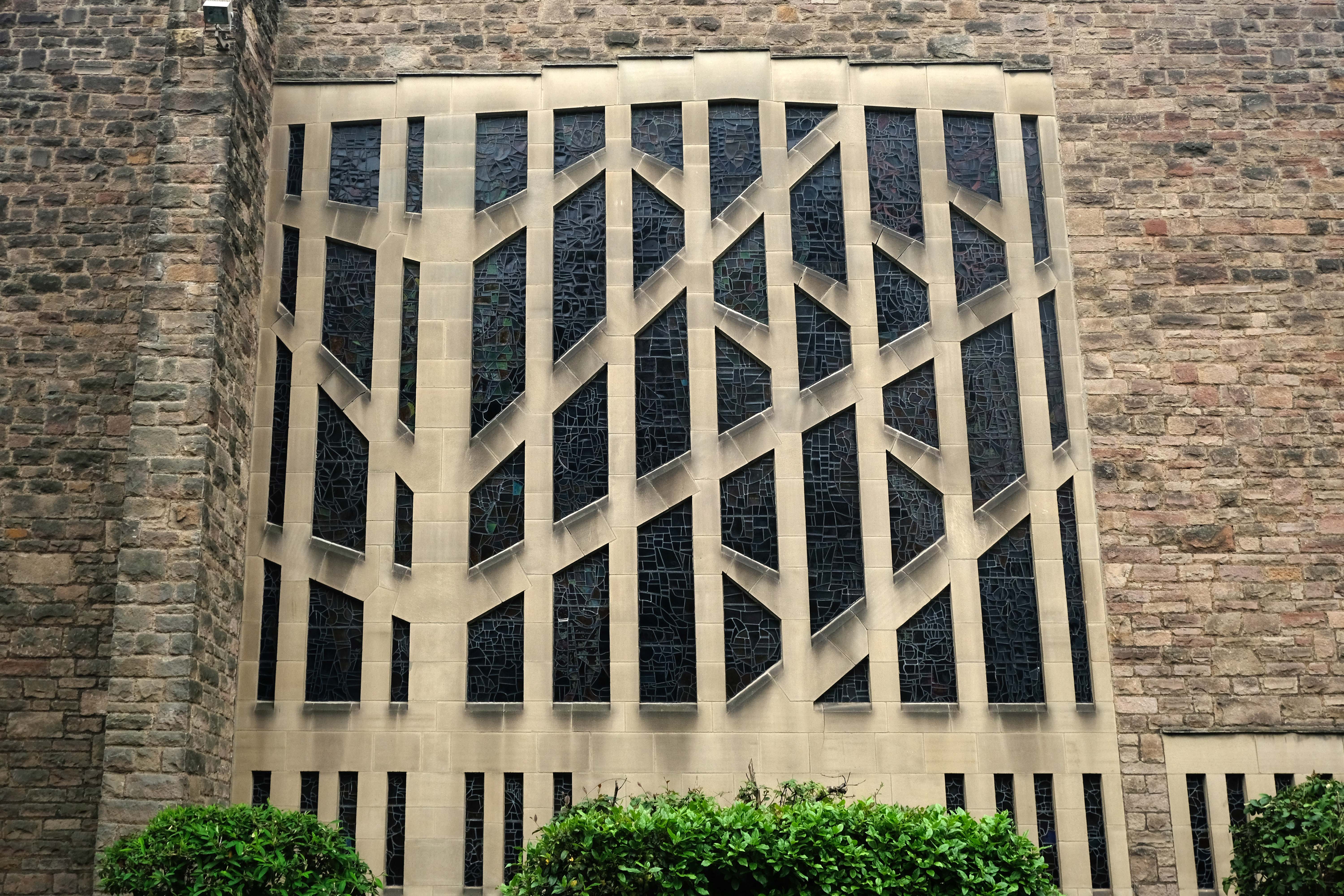
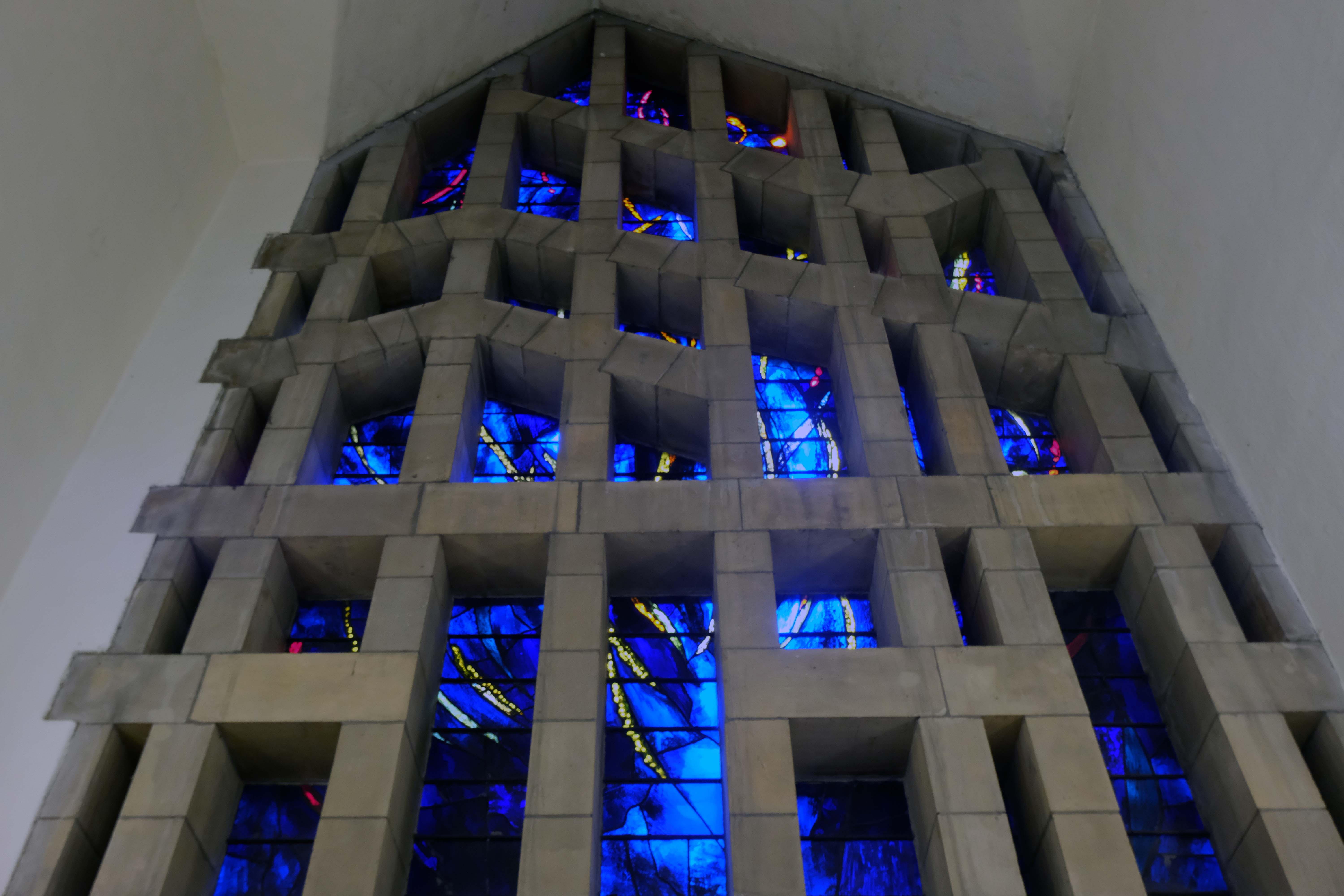
There is stained glass to the east, Harry Stammers illustrating the Te Deum and to the west an abstract design by John Piper made by Patrick Reyntiens.

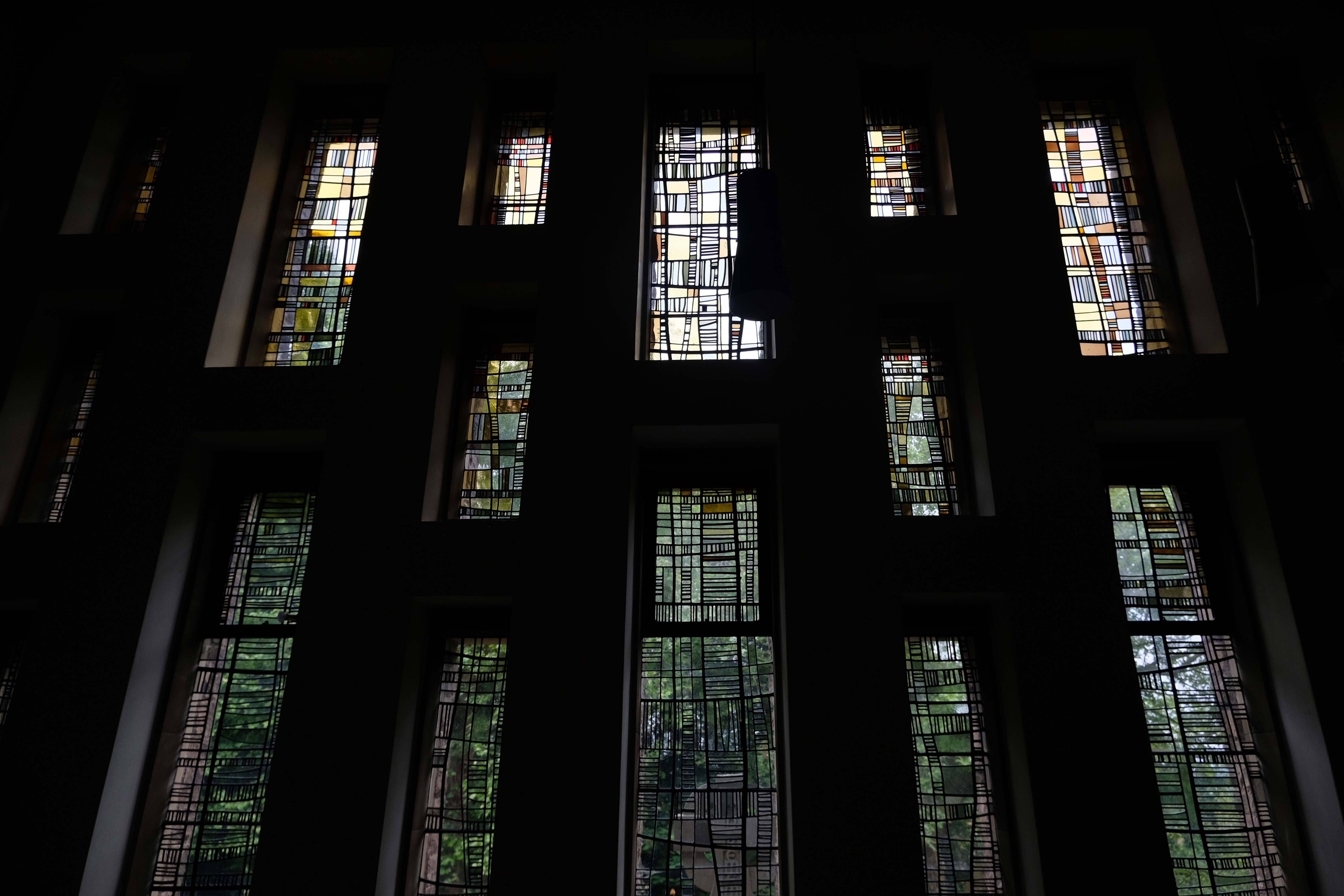
The laddered design glass in the side chapel, is by Gillian Rees-Thomas.

Let’s take a walk around the exterior.

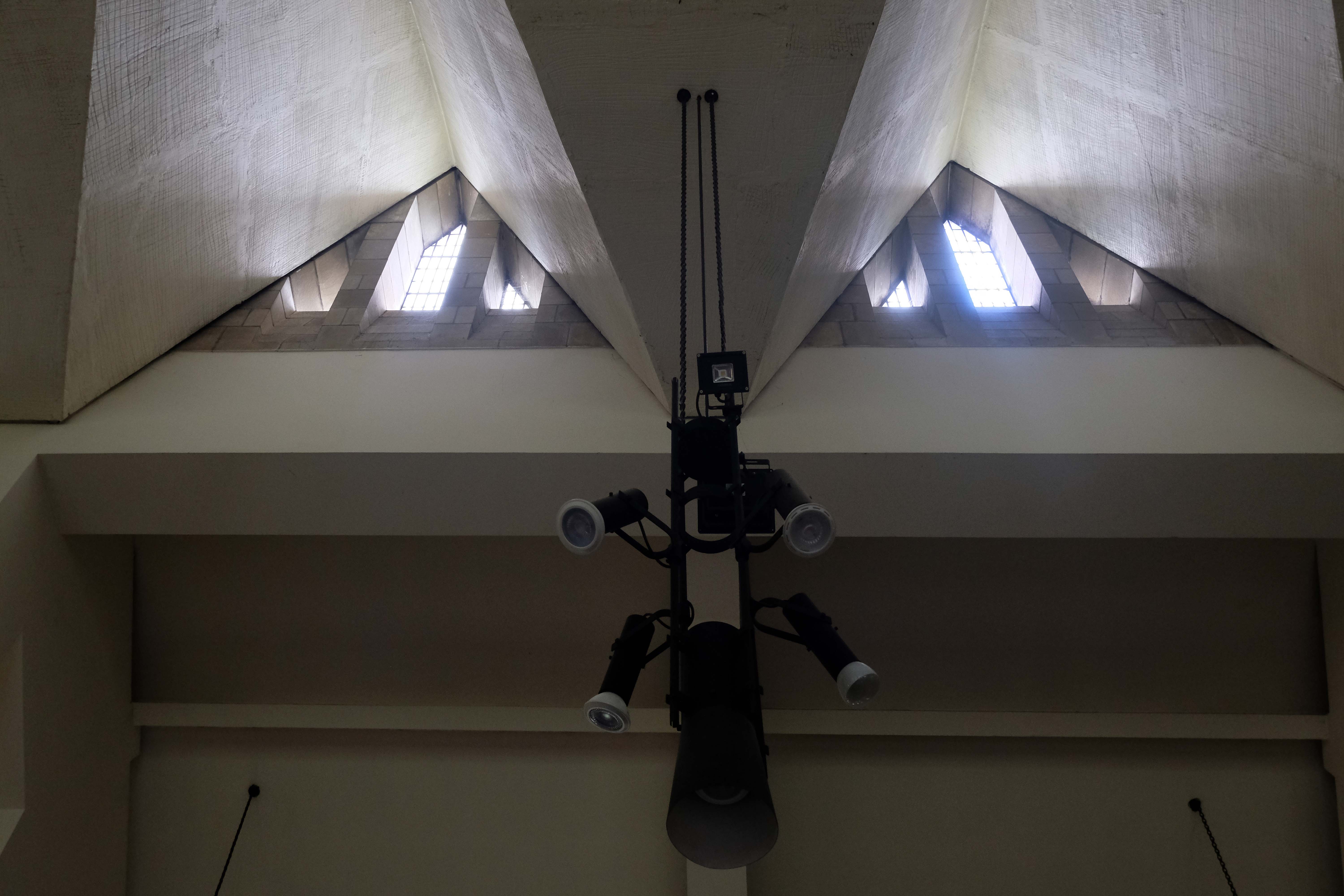
Time to go inside – happily the St Mark’s is open weekdays, in addition to Sunday services.

Droylsden Library

Built in 1937 – very much in the civic style of the day, an inter-war classical moderne utilitarian low-rise in brick, steel, stone and concrete.

A three level, level headed essay in resolute local pride, when Droyslden was an independent UDC, prior to the creation of Tameside.

Furnished in the finest manner.

Computerised and digitised – the first library in Tameside to go live.

Home to local art displays and reading corners.

Droylsden Library Carnival entry – first prize winner in its category.

Closed on March 17th it now faces demolition.

Archive photos Tameside Image Archive

The rising cost of repairs, combined with ‘a desire to progress’ with the regeneration of Droylsden town centre and the inaccessibility of the library’s T shape, three-floor configuration means that a ‘solution for the future of the library’ is now needed, according to the town hall.

Manchester Evening News

Of note are its curved cantilevered concrete balconies, complete with attractive steel balustrades.

Along with its carved relief above the door.

Decorative grille.

Commemorative Communist plaque

Drainpipes

Architectural Type.

And handrail.

I sure will miss the Library – I have walked cycled and bused by for over fifty years.

You are to be replaced by housing and relocated to the new development next door.

Central Library – Grimsby

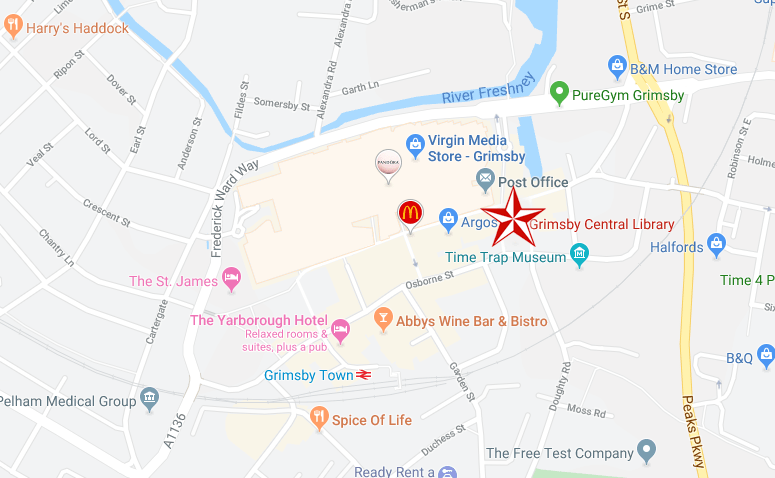
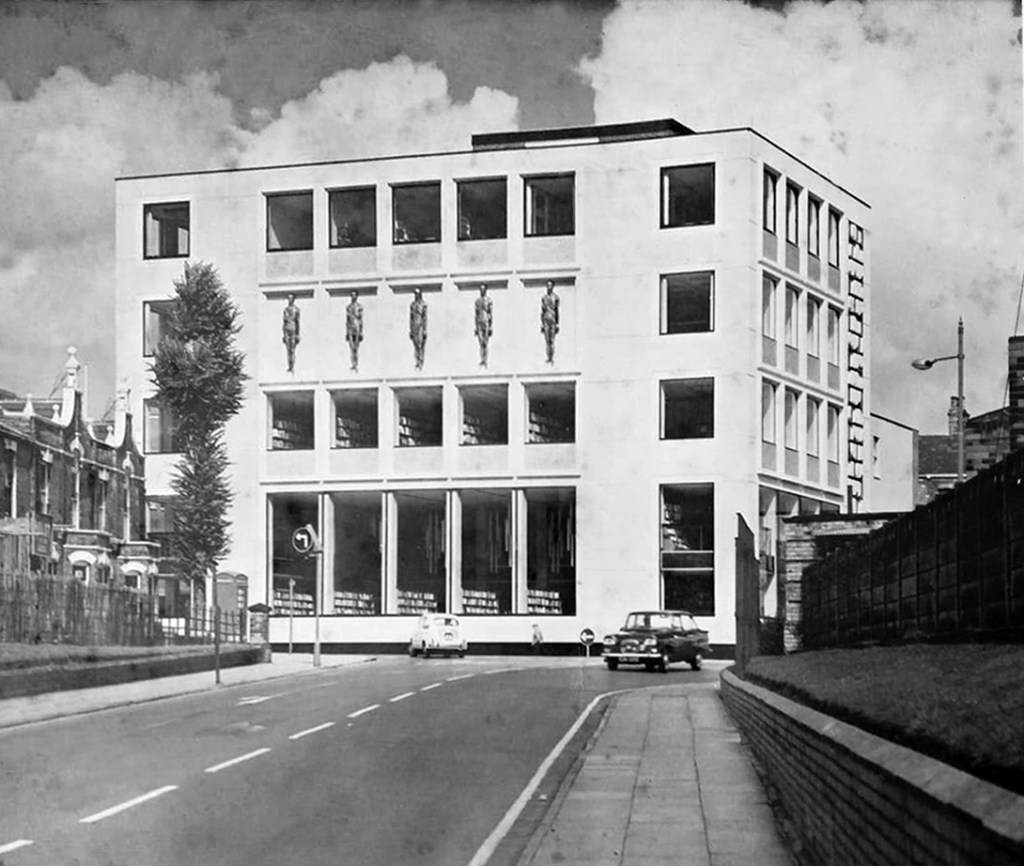
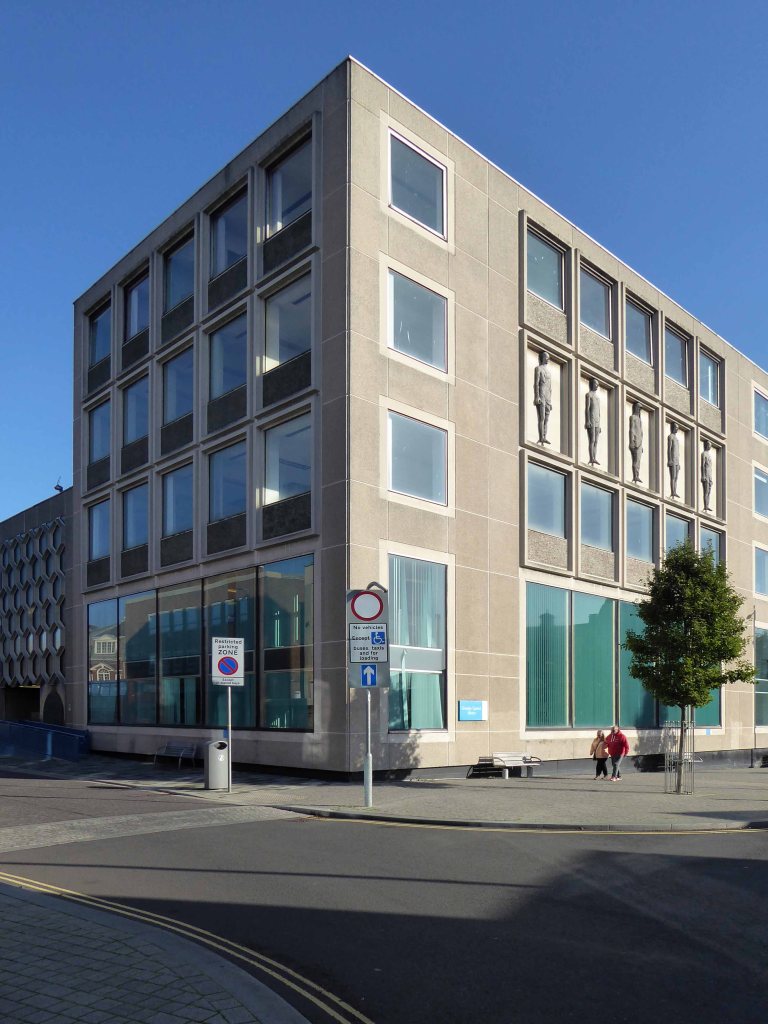
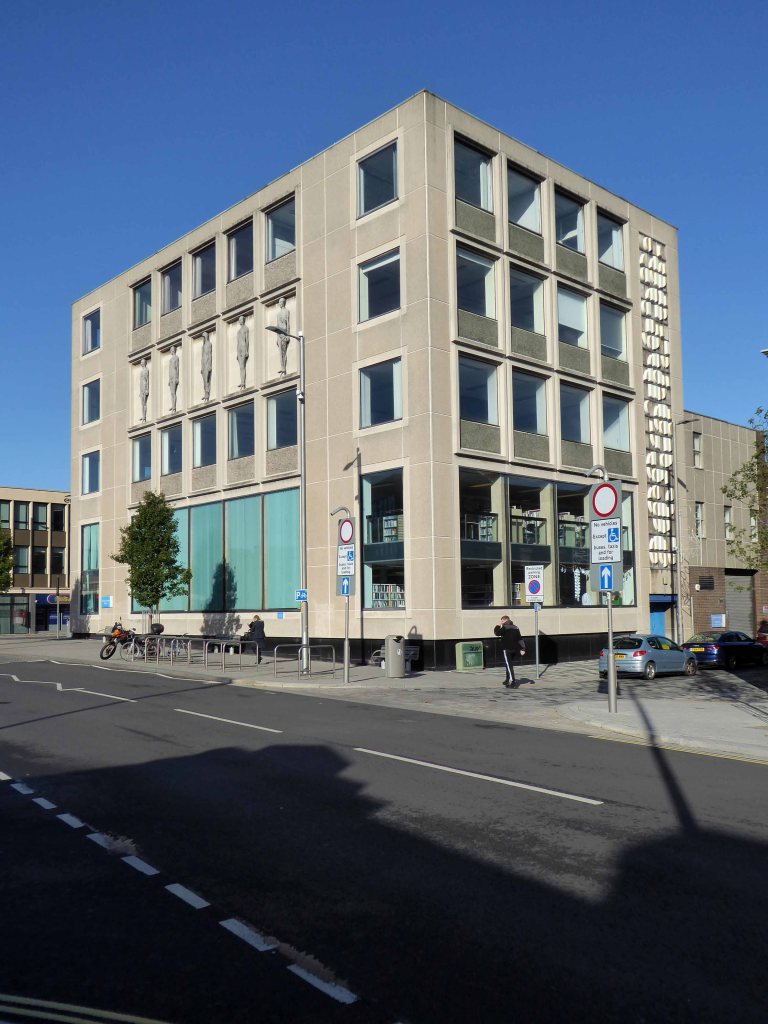
This is Grimsby Central Library – a proud public building of real quality, reflecting the cautious optimism and fierce civic pride of the Sixties. Built to last, in the modern manner – gently monumental, softened by the easy grace of the restrained decoration and a refined palette of stone, glass and concrete.

By the Borough Architect – JM Milner ARIBA assisted by E L Shepherd 

This image was used as the Mayor’s Xmas card in 1969.

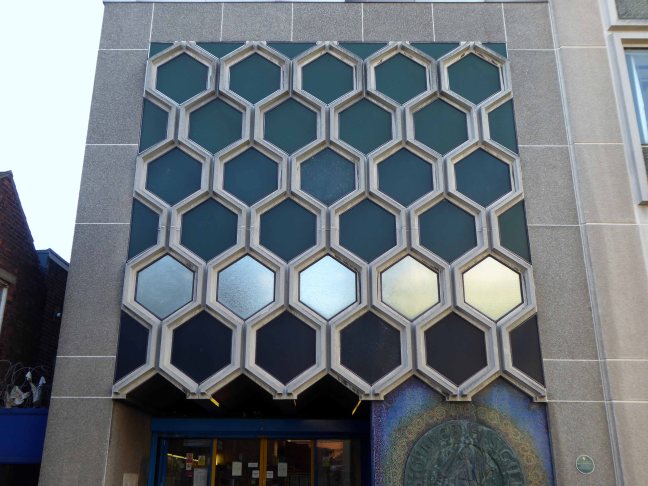
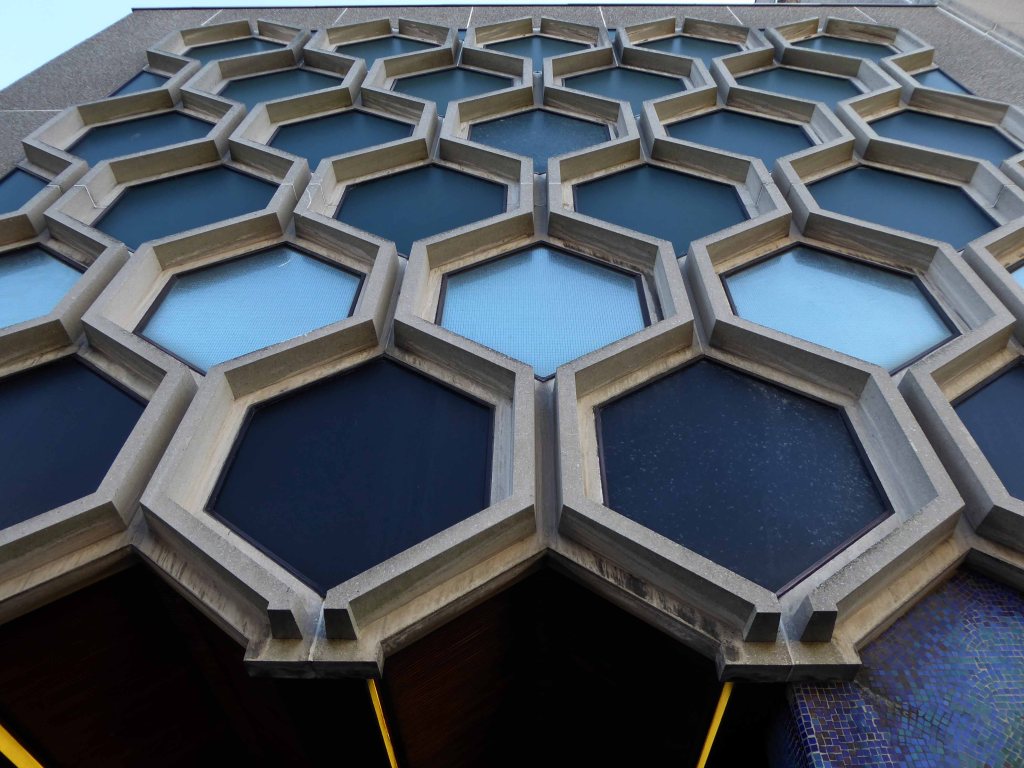
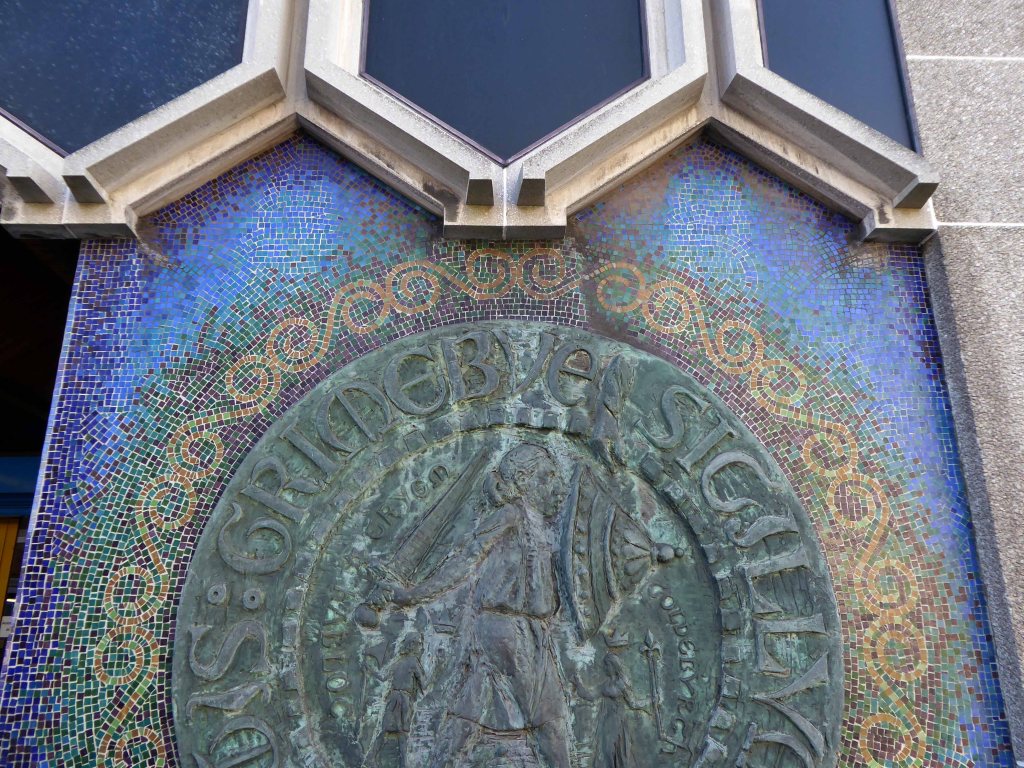
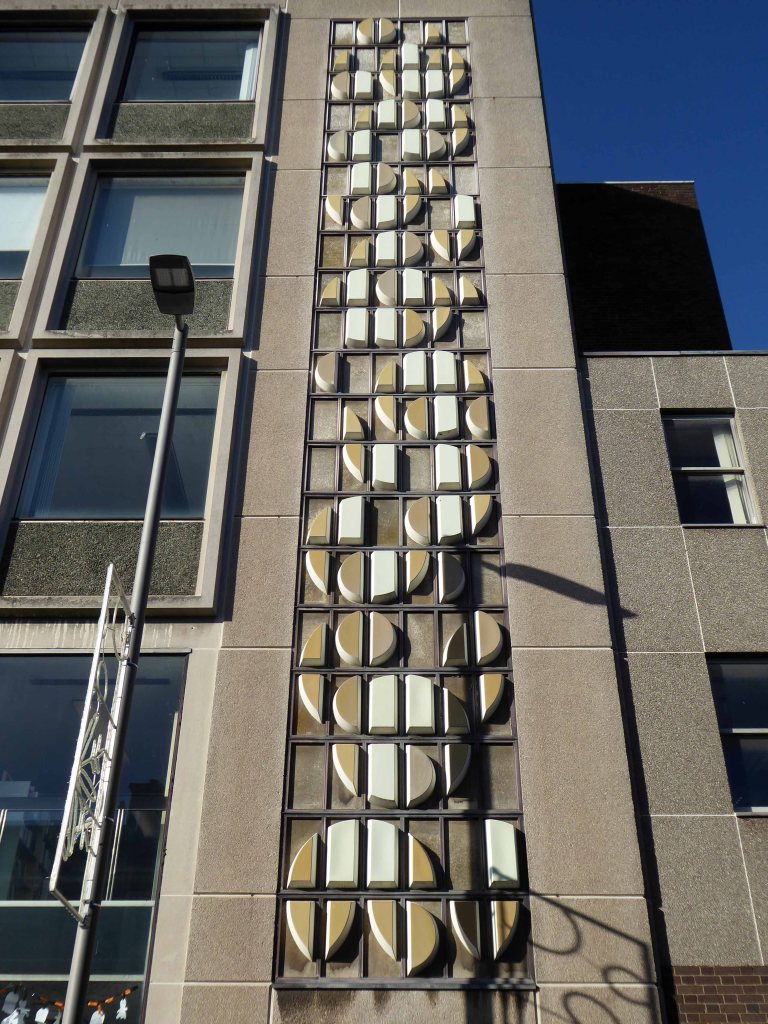
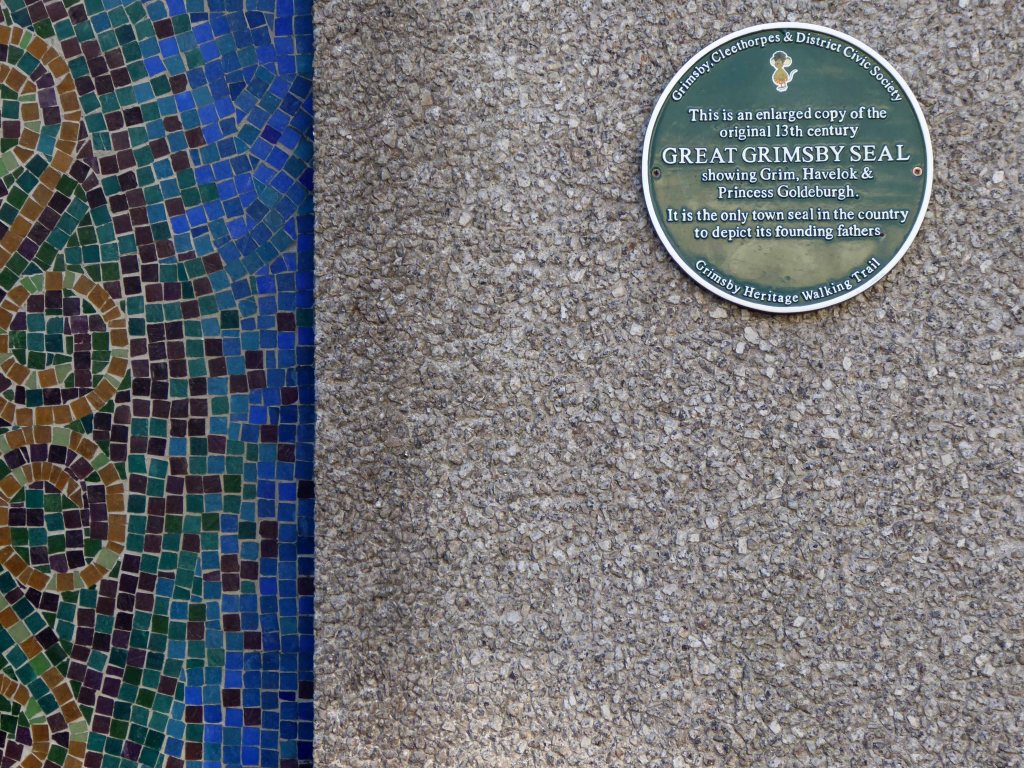
The bold exterior grid is enhanced by a honeycombed grille above the entrance, along with a mosaic depicting the town’s seal.

The mosaic is the work of Harold Gosney – who is also responsible for the Abbey Walk reliefs

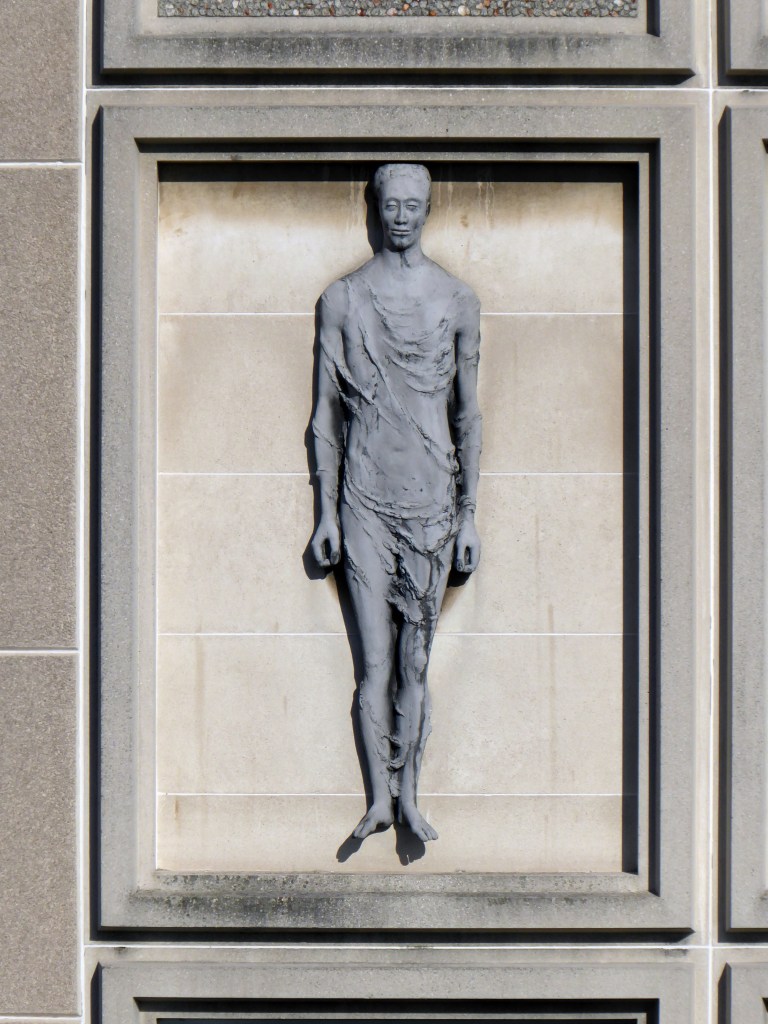
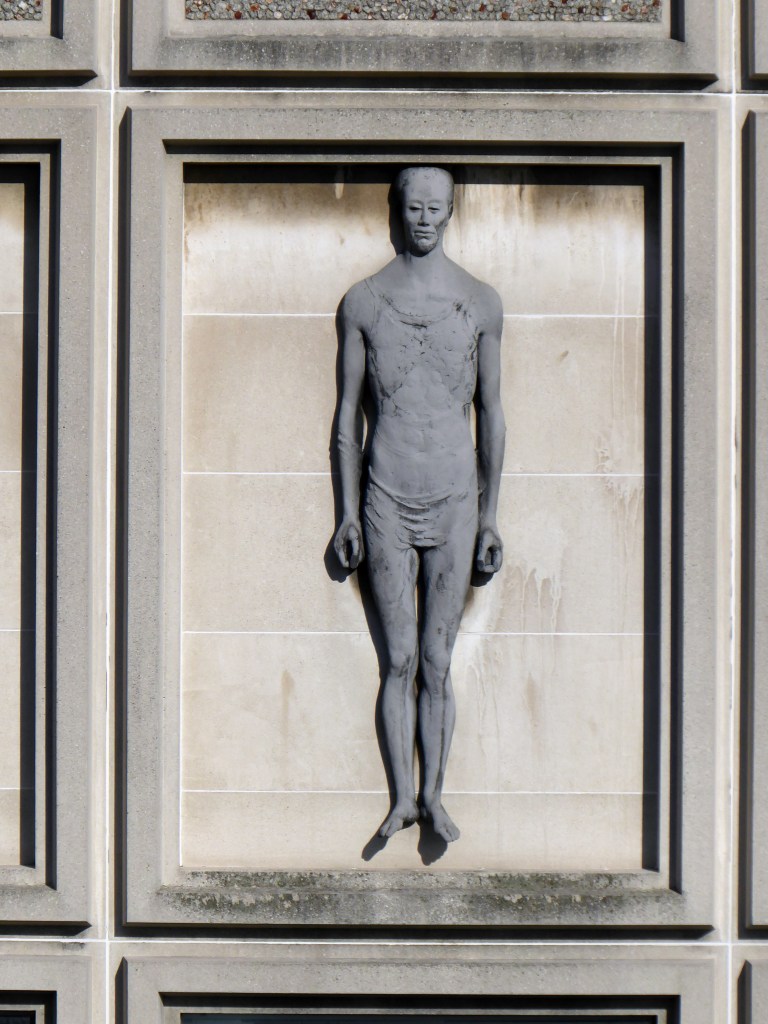
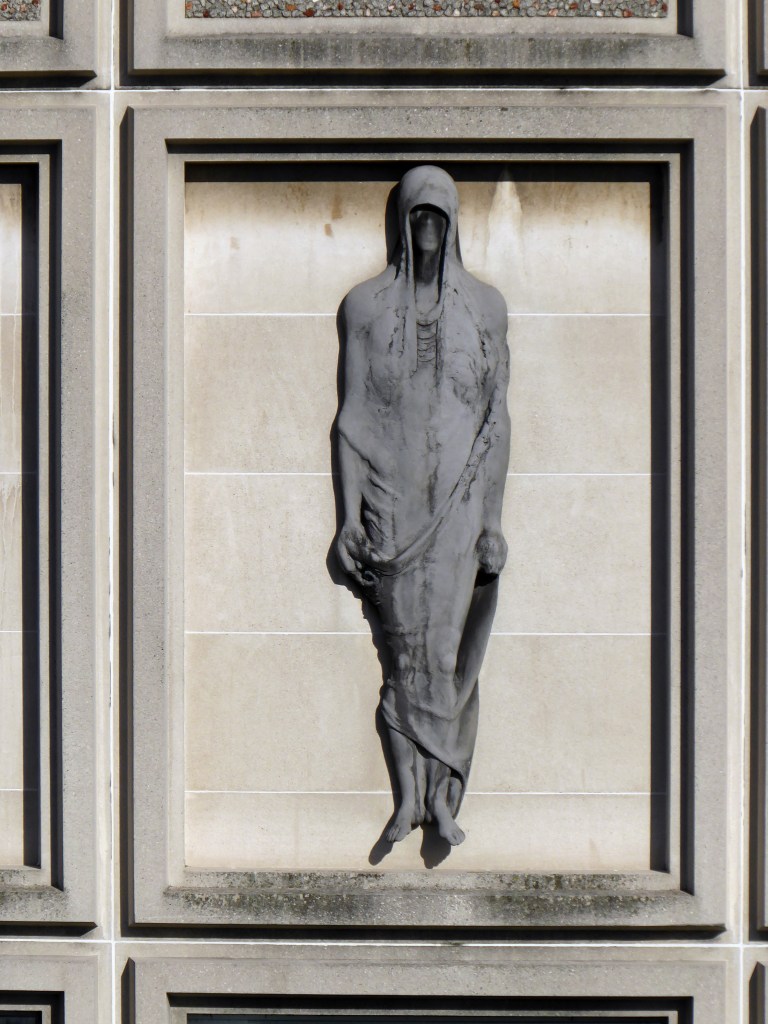
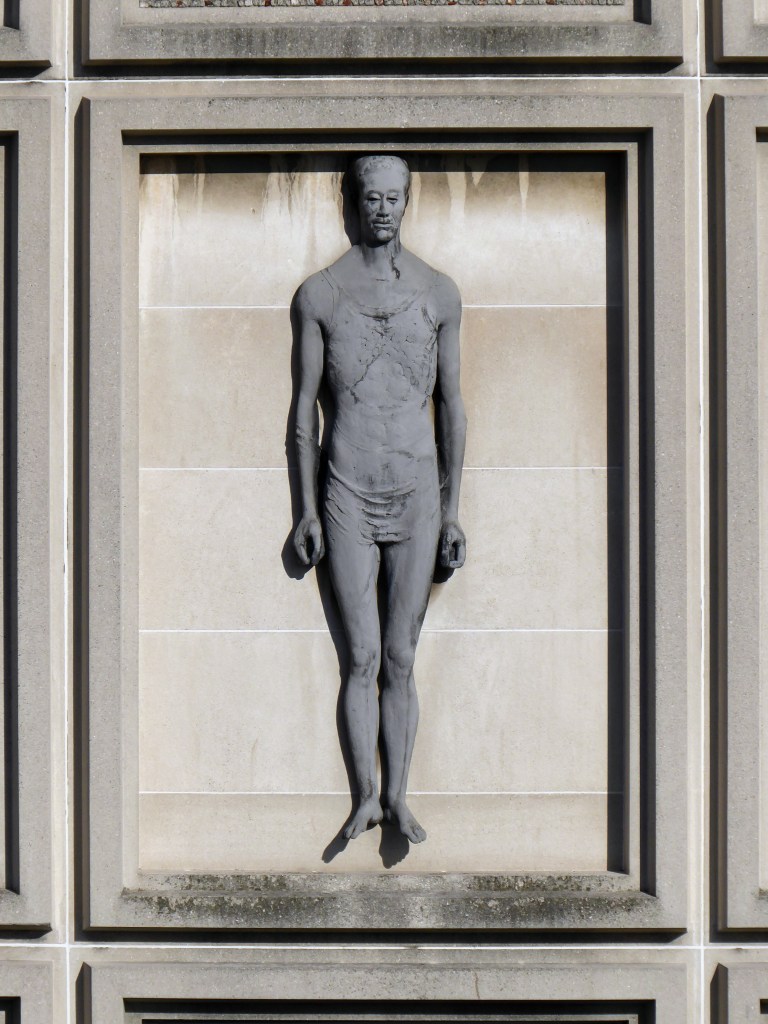
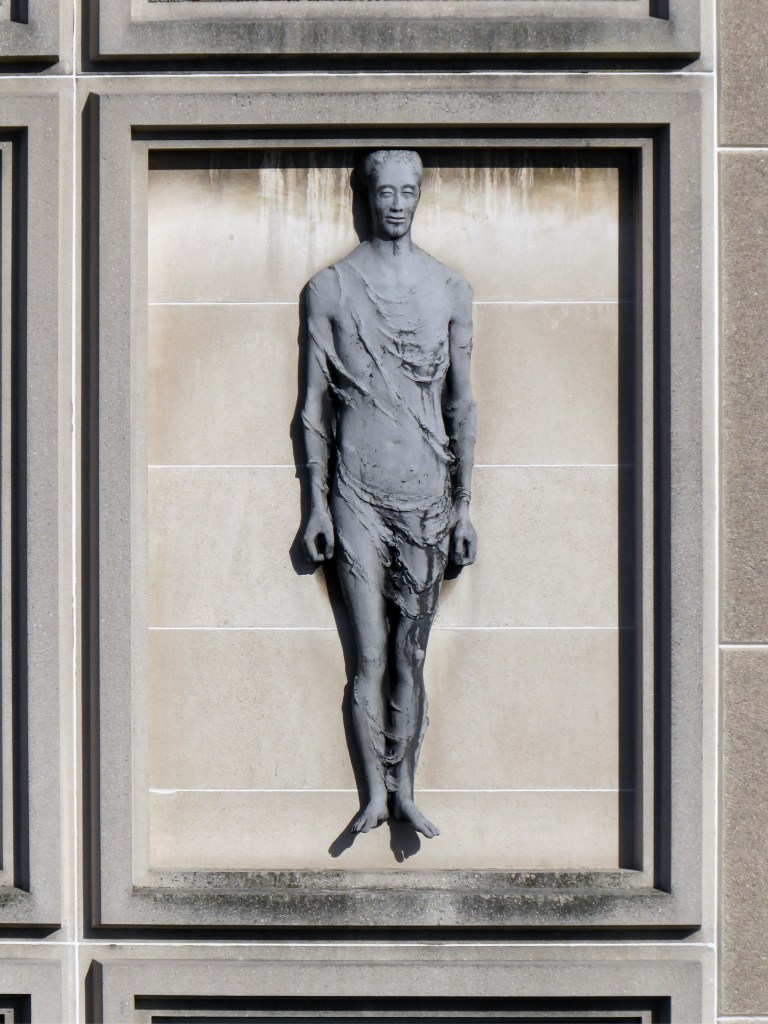
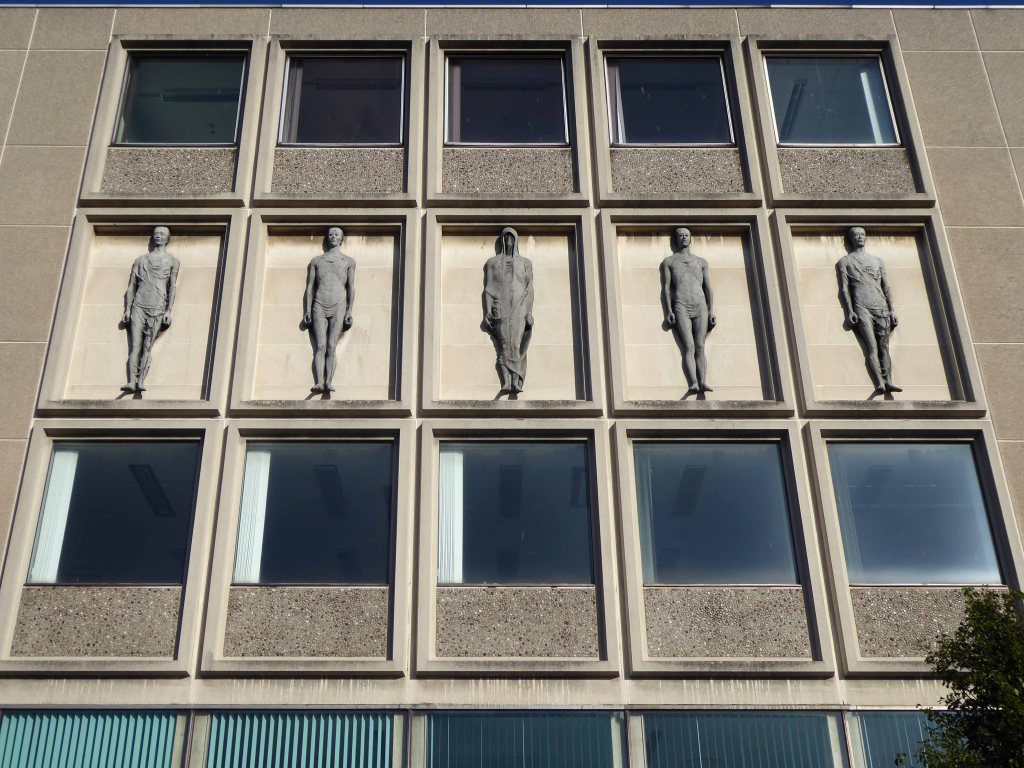
The Guardians of Knowledge which adorn the south facing elevation of the library are the work of Peter Todd former head of Grimsby Art School

To the rear of the building is a modular relief.

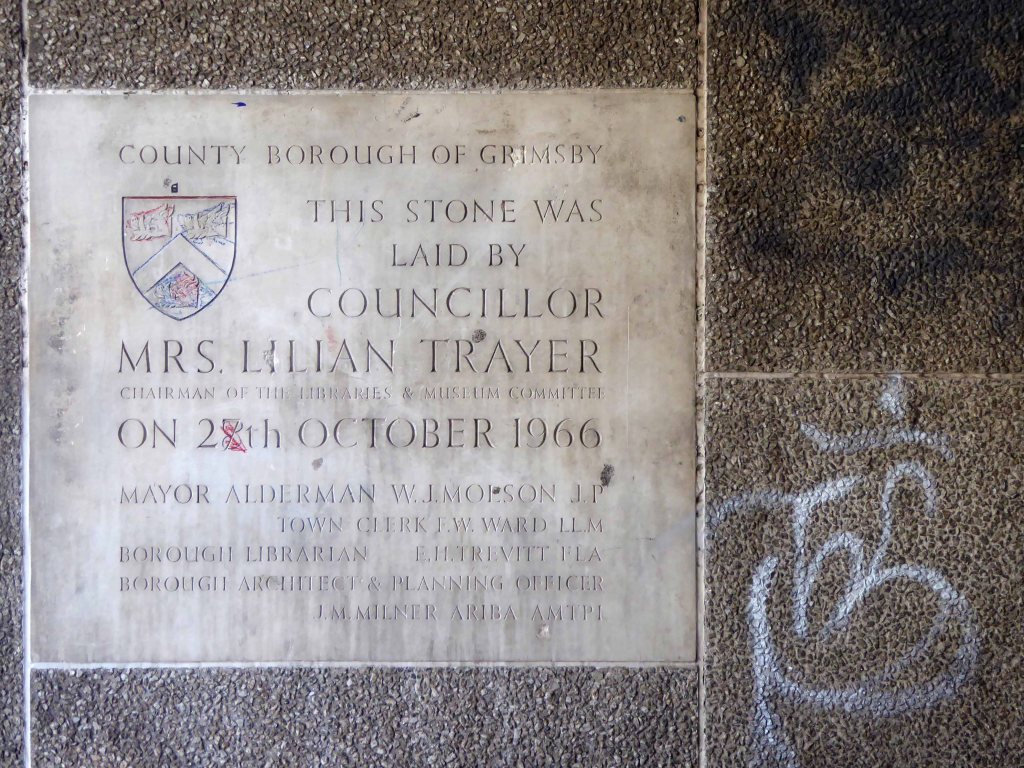
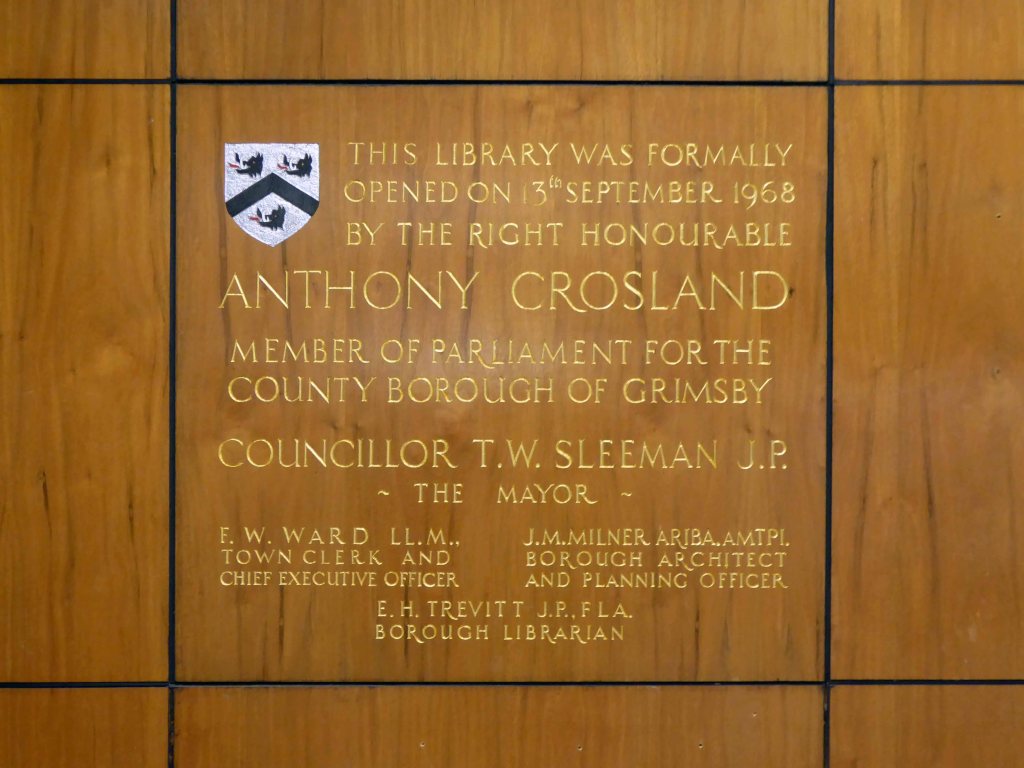
Inside the entrance porch a commemorative plaque.

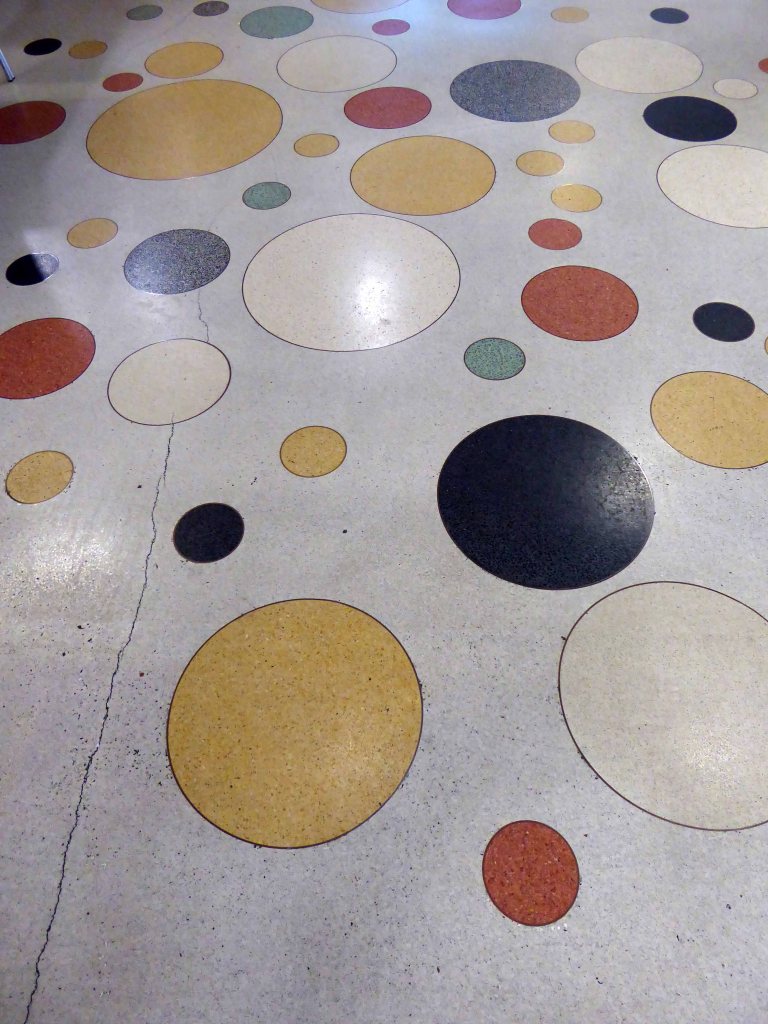
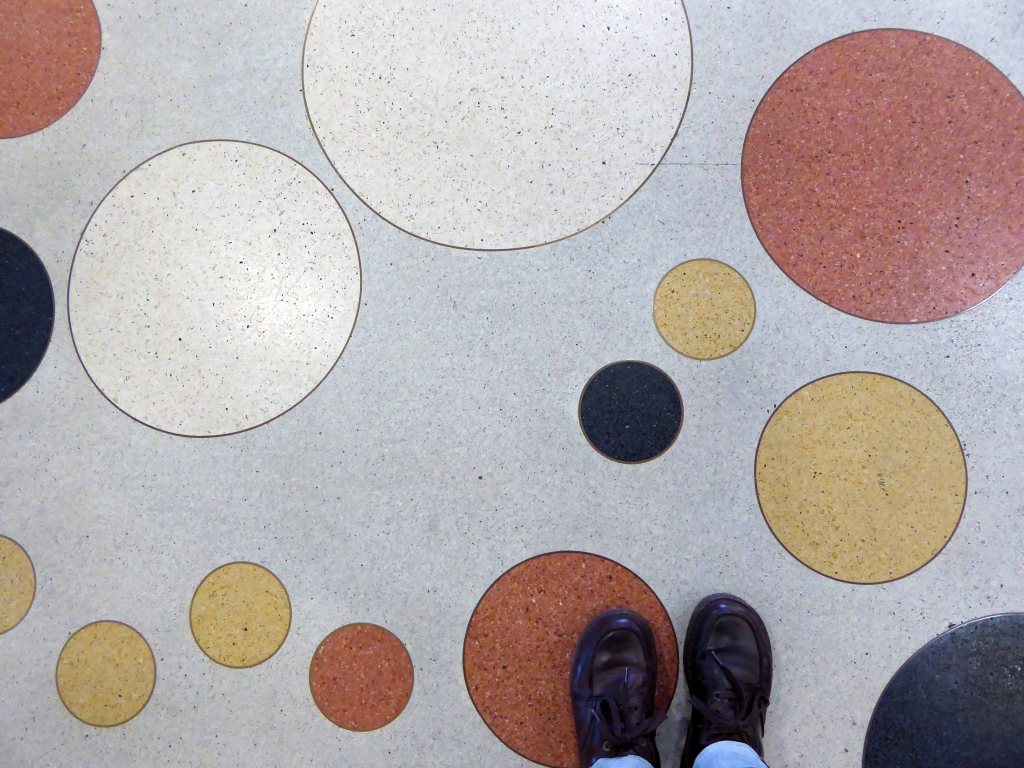
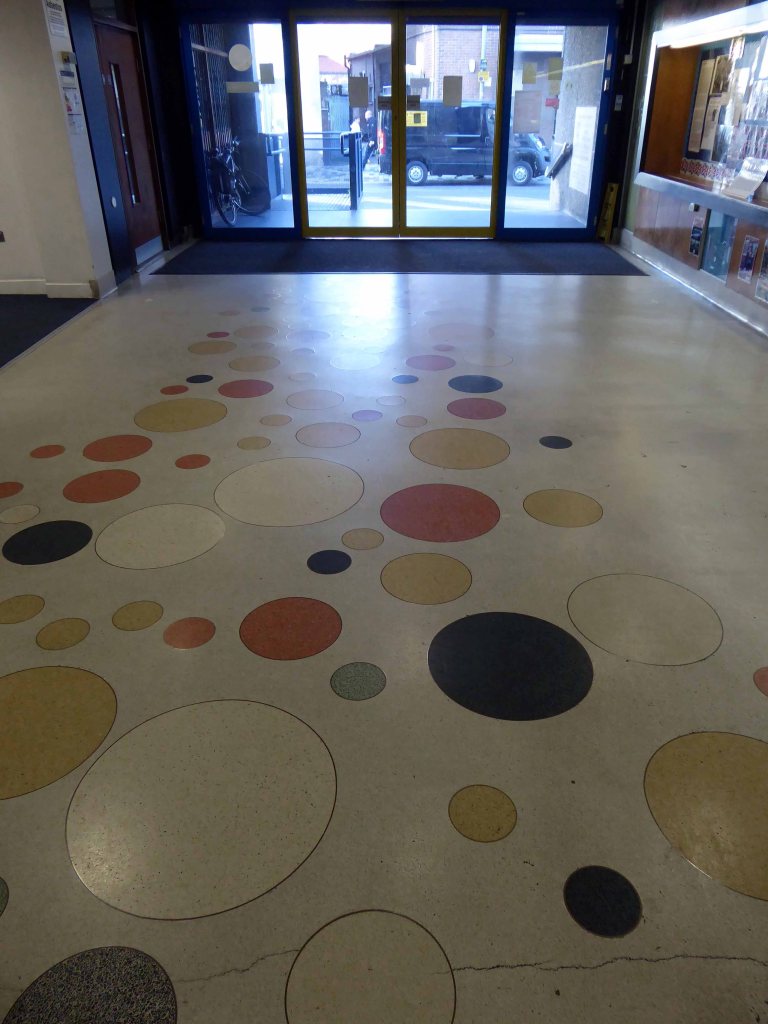
Once inside, what a pleasure it is tread upon this interstellar inset stone flooring.

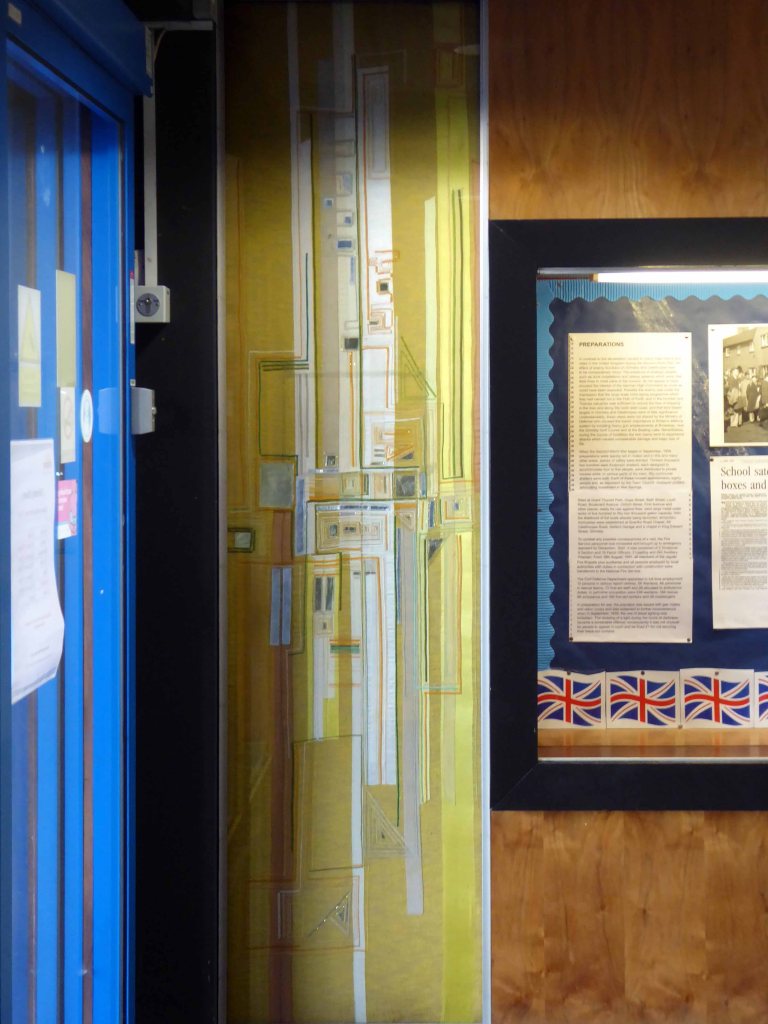
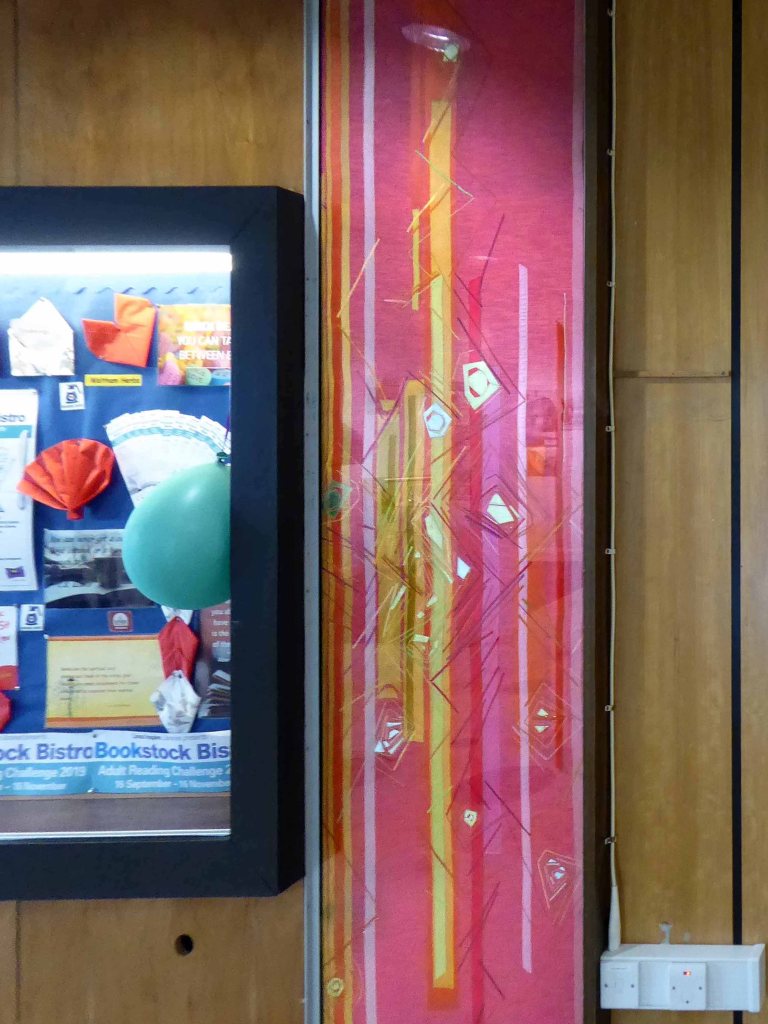
Either side of the lobby display case there are two vertical tapestries.

Along with a further plaque commemorating the opening on the 3rd September 1968 – by the then local MP Anthony Crosland.

Crosland looked ahead to a time where “personal freedom, happiness and cultural endeavour; the cultivation of leisure, beauty, grace, gaiety and excitement… might be pursued.” After he was elected MP for Grimsby in 1959, he referred to the above passage in an early speech, insisting – to much laughter, cheering and applause from the audience, that “it is possible to achieve all these things in Grimsby, and especially at Blundell Park.”

May I take this opportunity to thank the ever so helpful library staff – for kindly granting me permission to photograph the main body of the library.

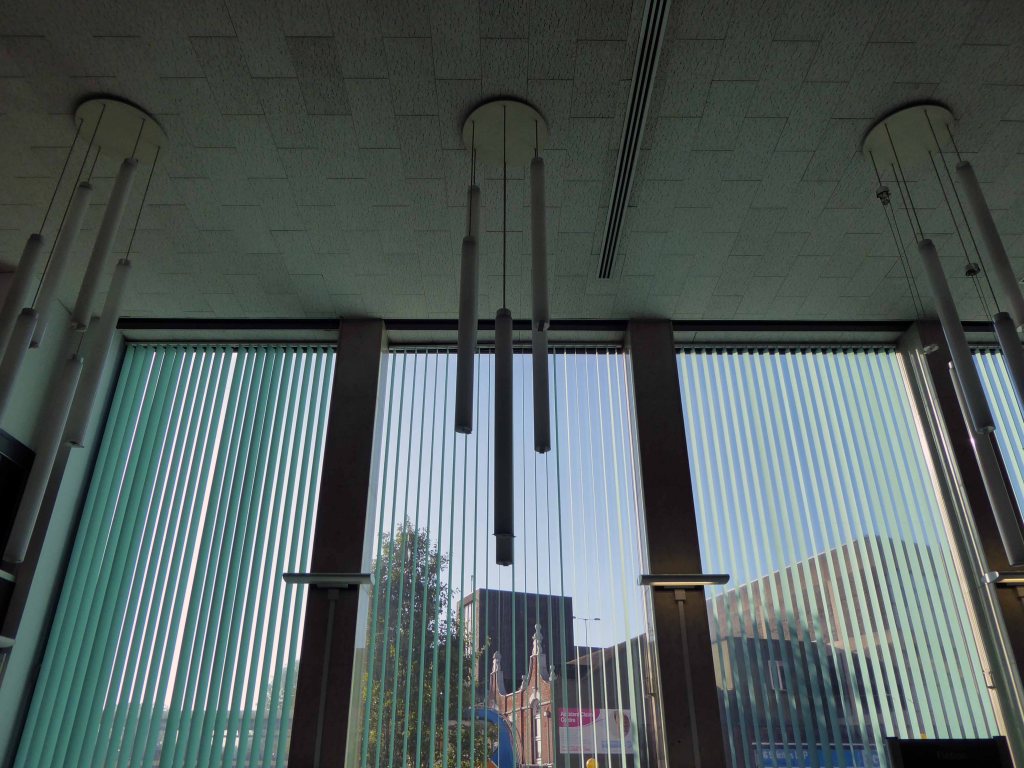
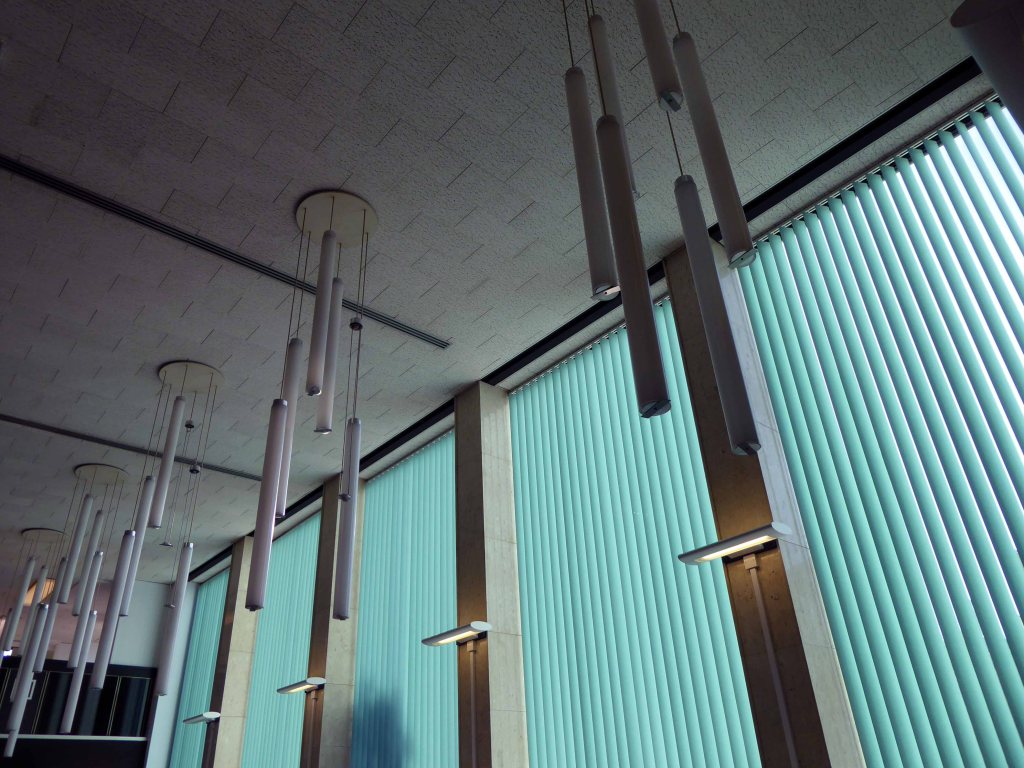
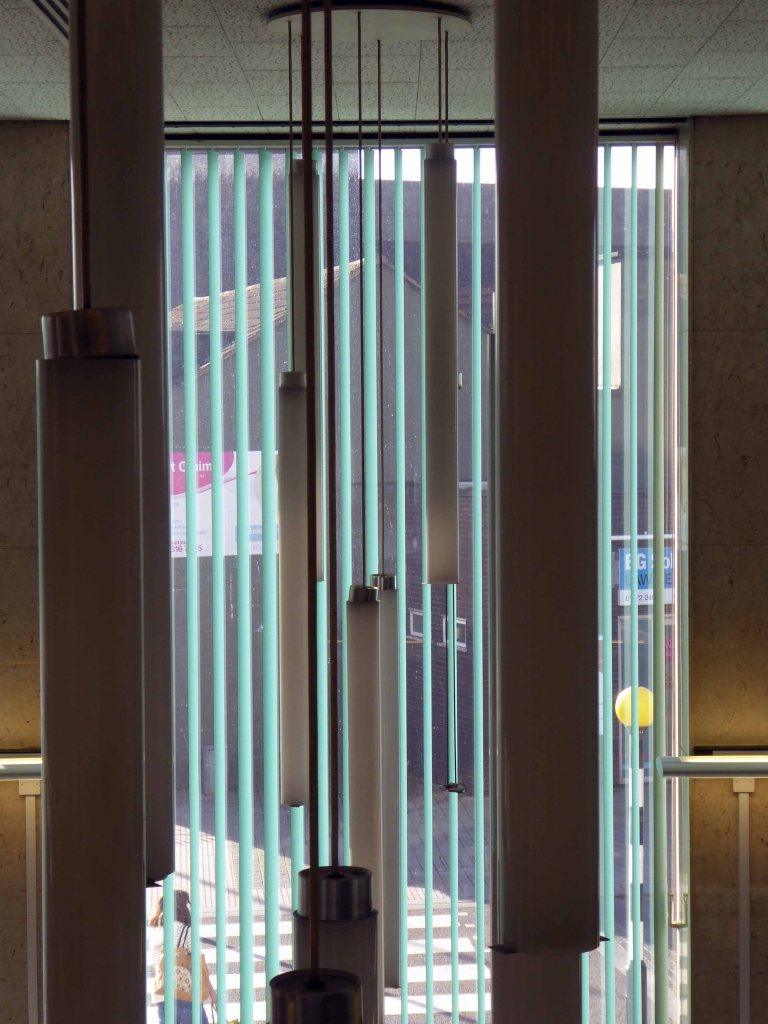
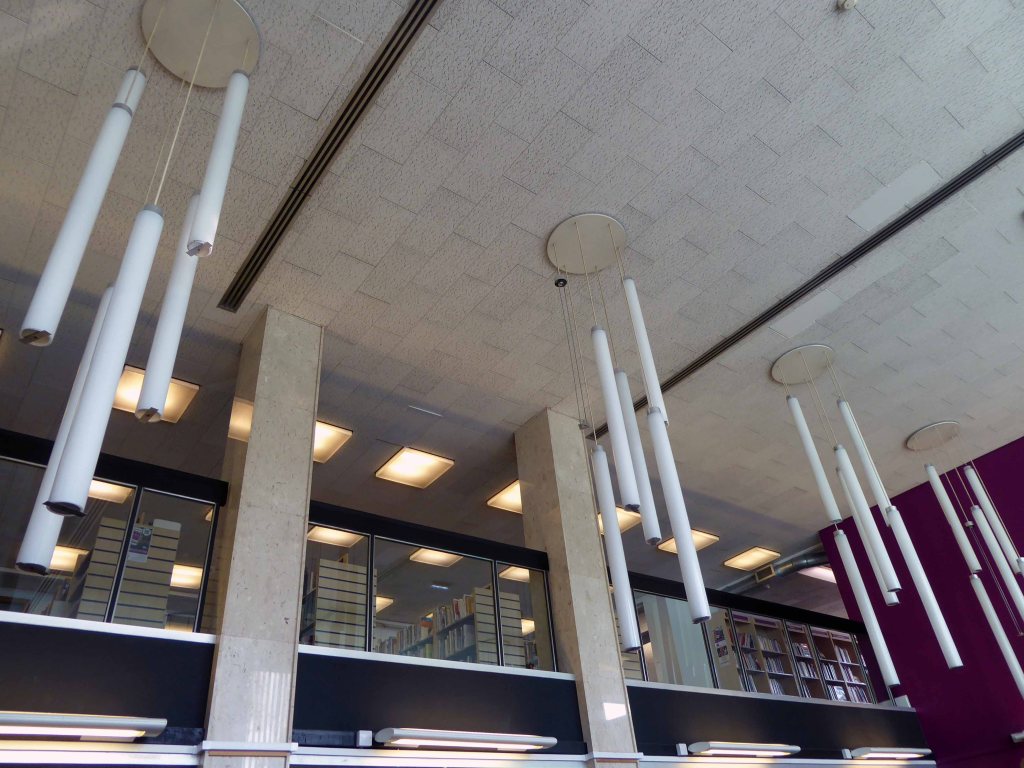
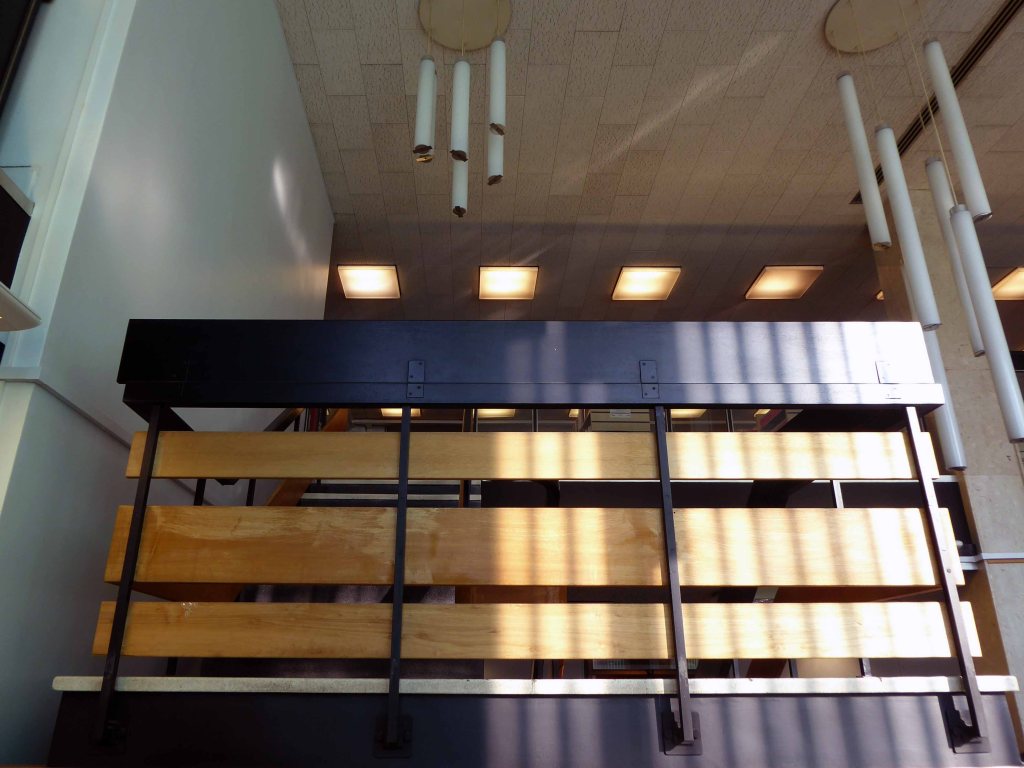
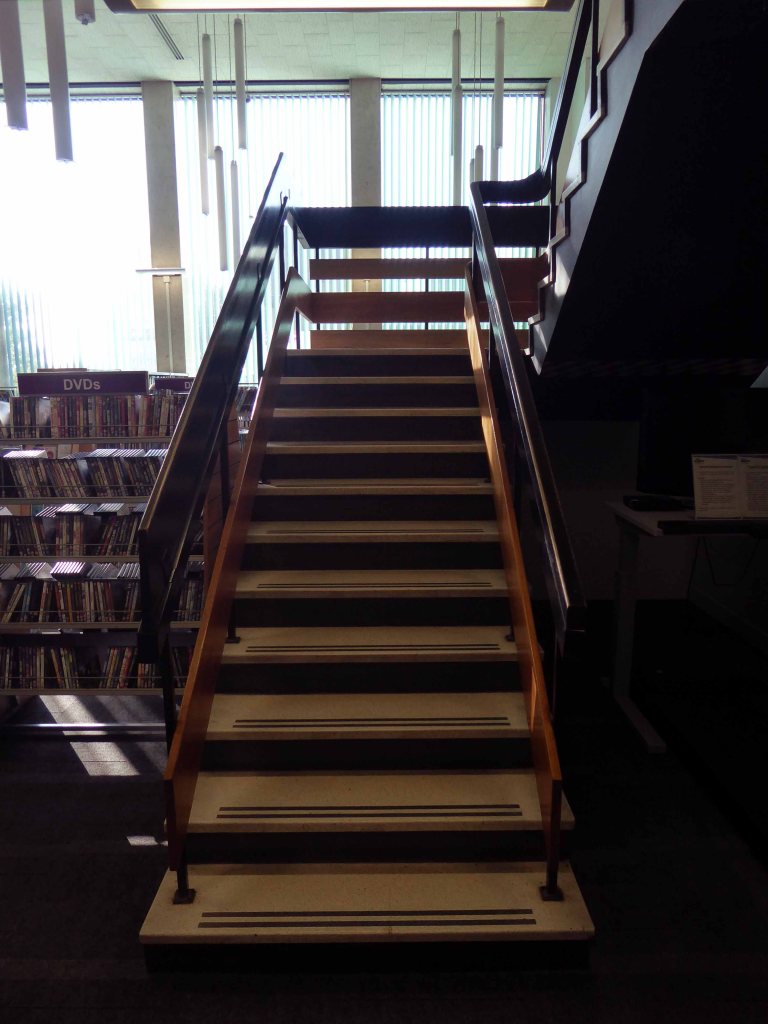
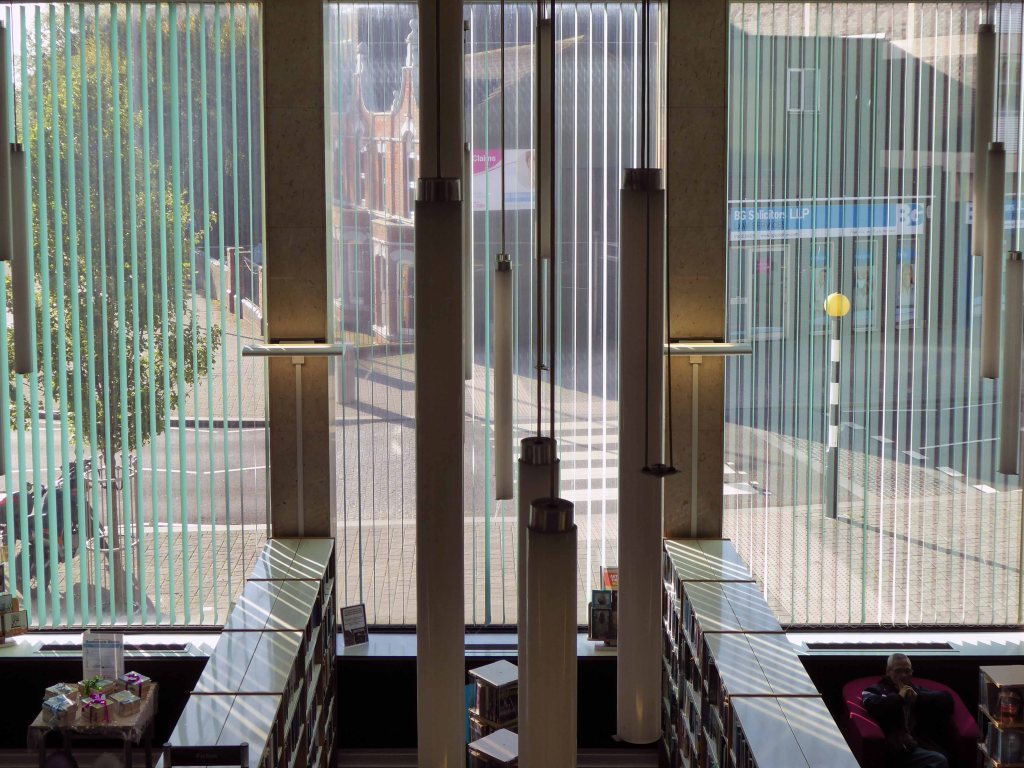
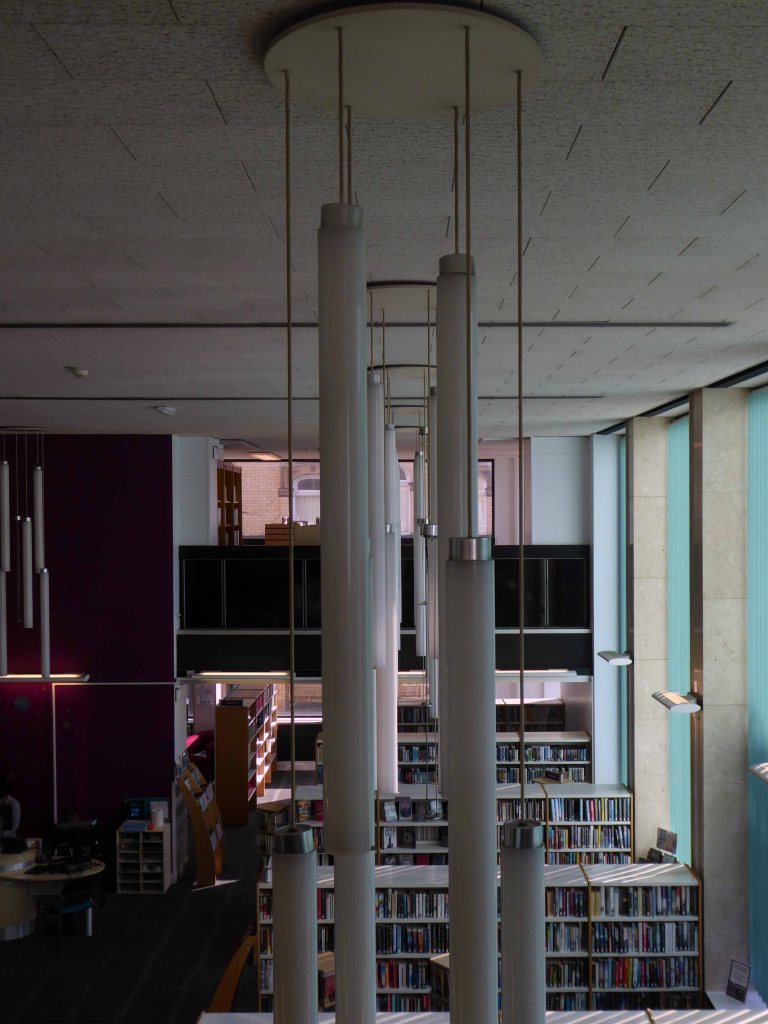
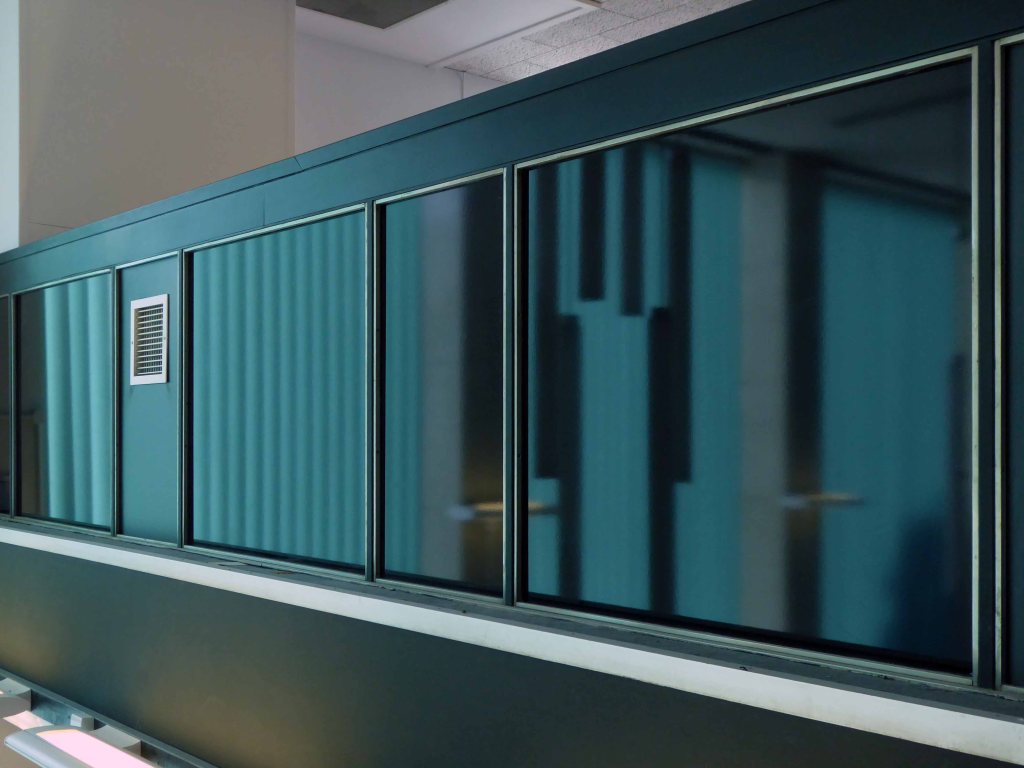
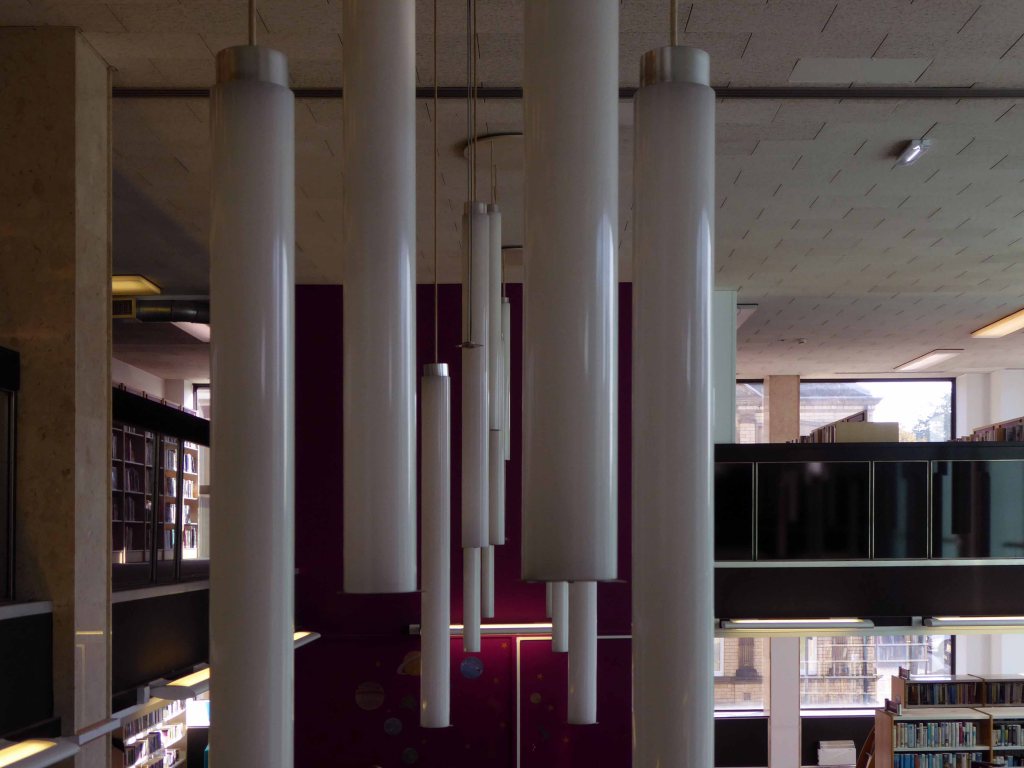
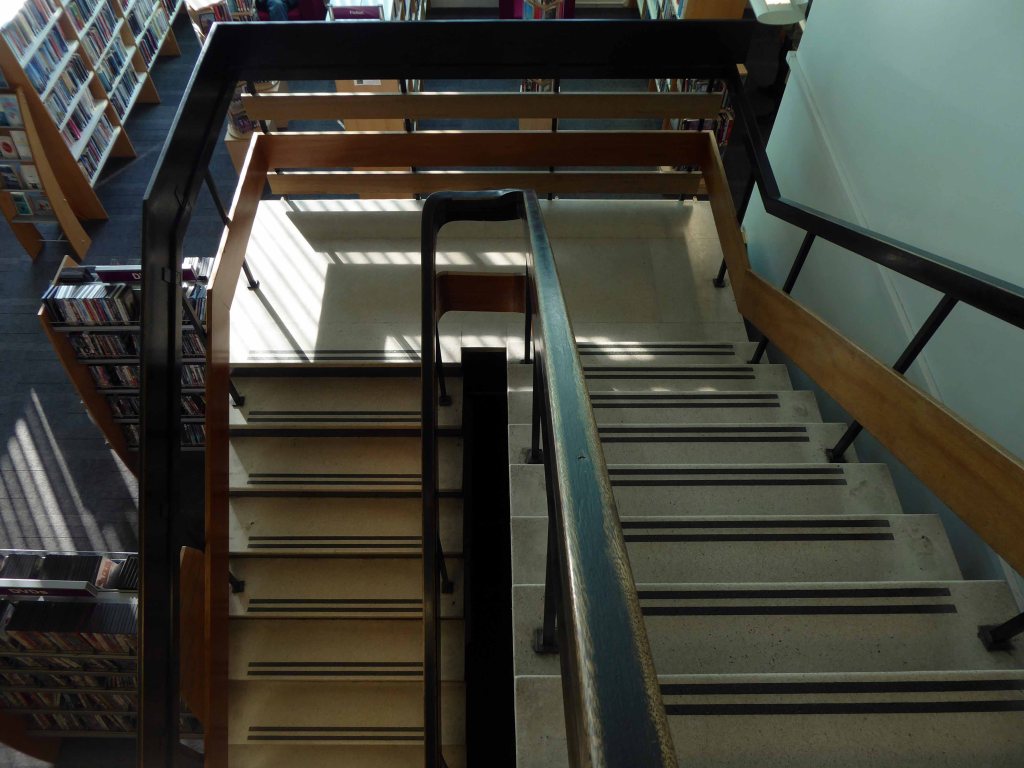
Many original fittings and fixtures are intact – particularly the distinctive vertical suspended lighting system and the steel and wood stairways.

The facilities were well used and lit by the expansive window space.

Let’s take another final look outside, and say a fond farewell to this fine building – go on treat yourself, take a trip to the East Coast and feast your eyes, heart and mind on this beauty.

Ta-ra Grimsby!

I’ll be back real soon.